
Plant
Hazel: where to see it
Corylus avellana
This plant species is recorded in 68 protected areas of the atlas. Within the atlas countries, it is mostly observed in France, the United Kingdom and Germany (14 countries in all). Most records (8 in 10) lie between 120 and 1,000 m above sea level. Records peak from May to September. Plant (shrub or tree), native to Europe and temperate Asia, introduced to Africa and North America.
Best time to see it: May–September
Records published on GBIF by month (CC0 and CC BY 4.0 licences only), in the atlas countries, all years combined; they also reflect observer activity.
Distribution
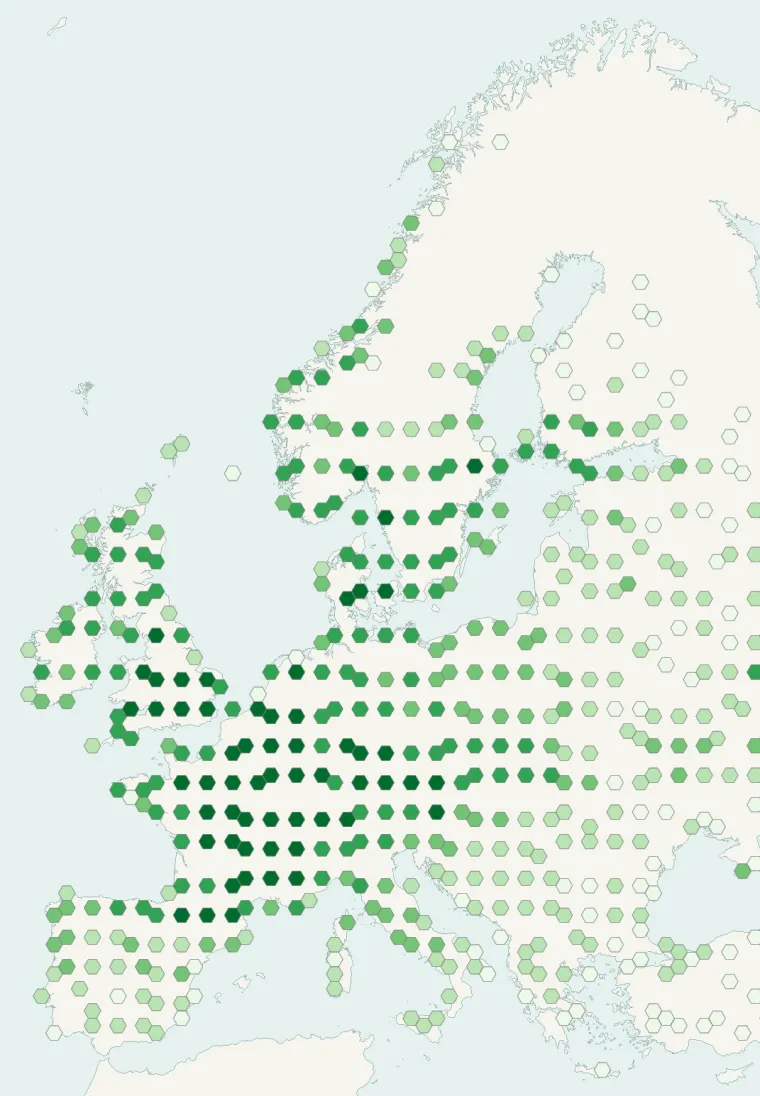
Records published on GBIF (CC0 and CC BY 4.0 licences): the darker the shade, the more records there are; they also reflect observation effort.
From Wikipedia
Corylus avellana, the common hazel, is a species of flowering plant in the birch family Betulaceae. The shrubs usually grow 3–8 metres (10–26 feet) tall. The nut is round, in contrast to the longer filbert nut. Common hazel is native to Europe and Western Asia. The species is mainly cultivated for its nuts. The name 'hazelnut' applies to the nuts of any species in the genus Corylus, but in commercial contexts usually describes C. avellana. This hazelnut or cob nut (sometimes cobnut), the kernel of the seed, is edible and used raw, roasted, or ground into a paste.
Source: Wikipedia, article “Corylus avellana” (version of October 20, 2026) · history and authors · licence CC BY-SA 4.0 · shortened excerpt
Protected areas where it is recorded
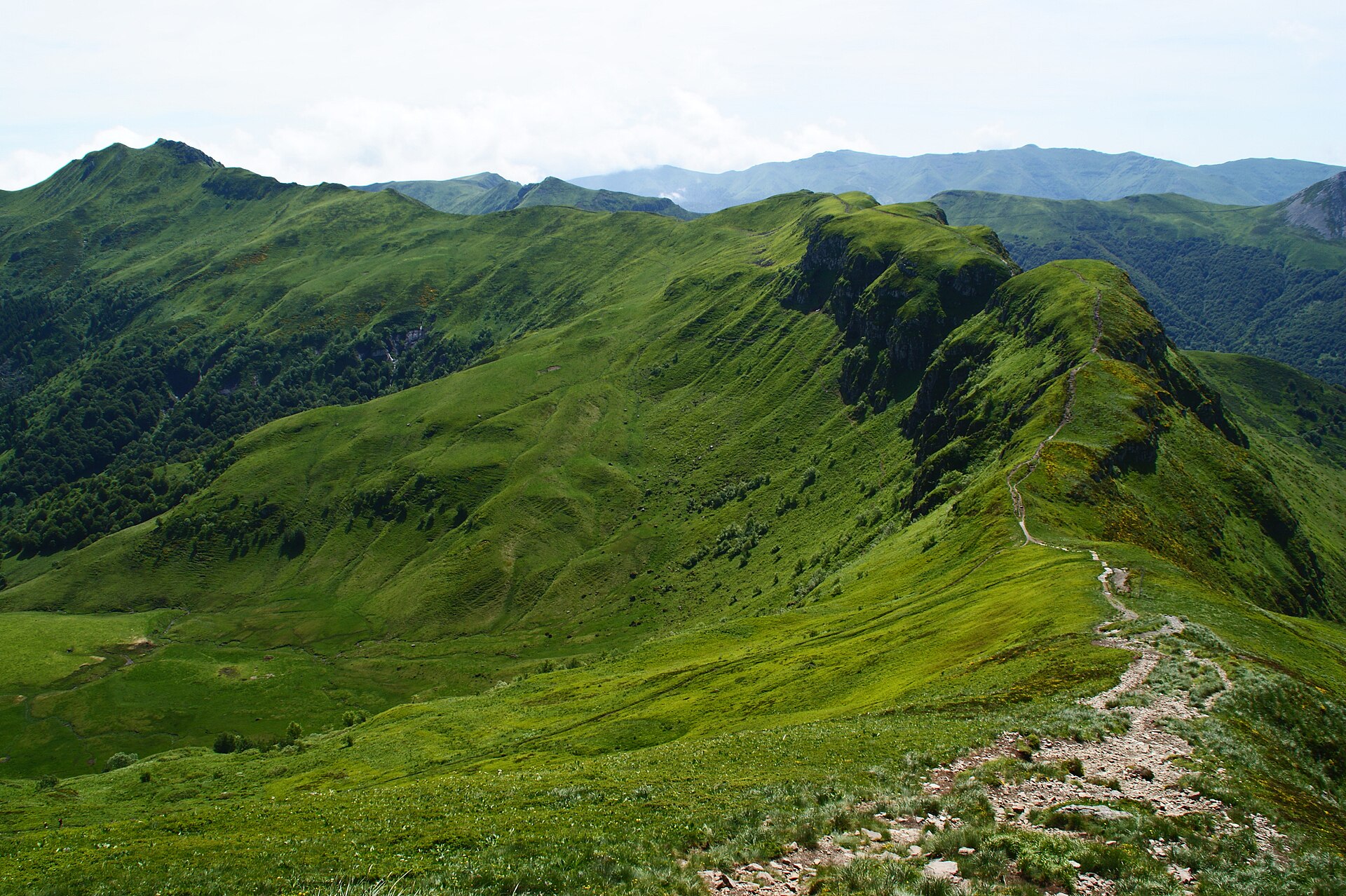
7,894 records
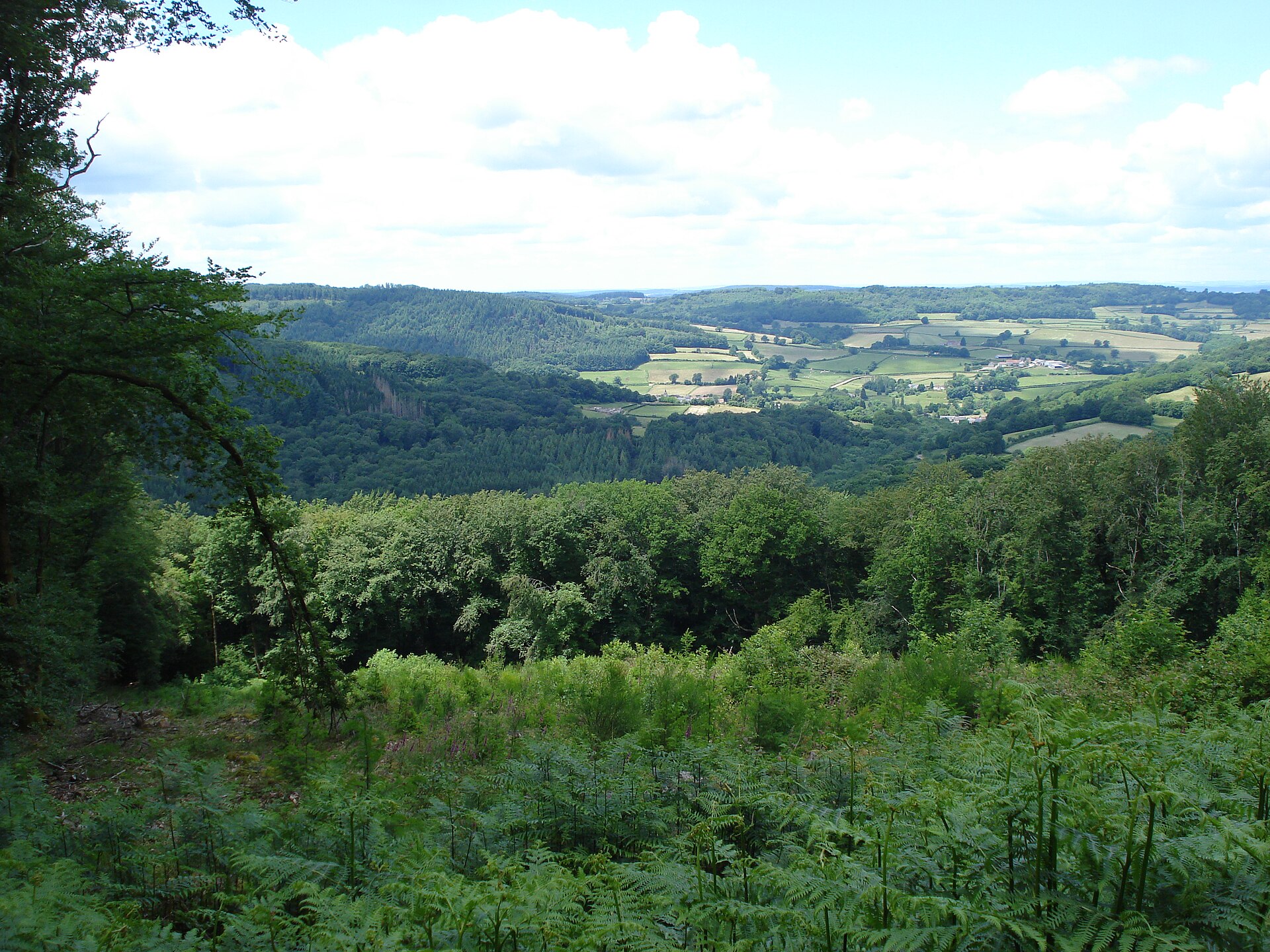
6,367 records
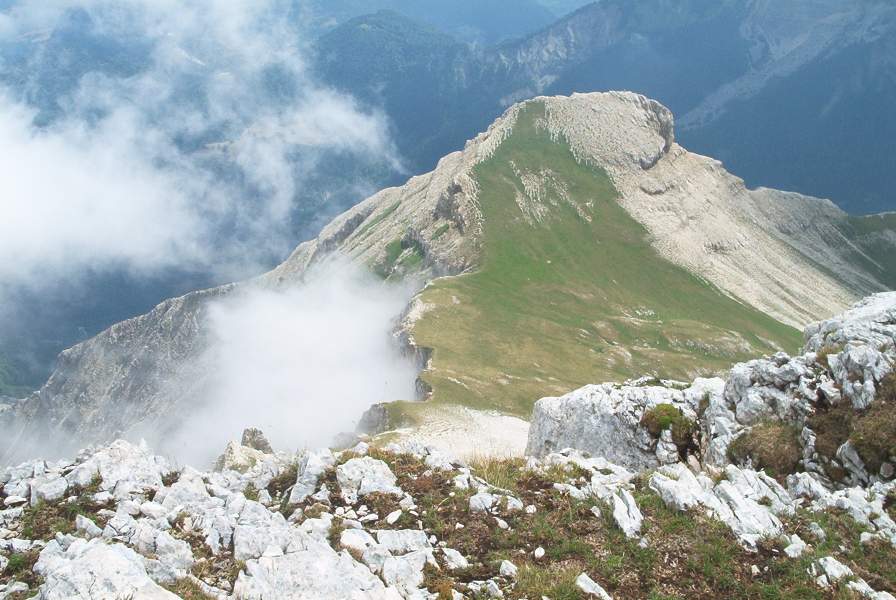
6,197 records
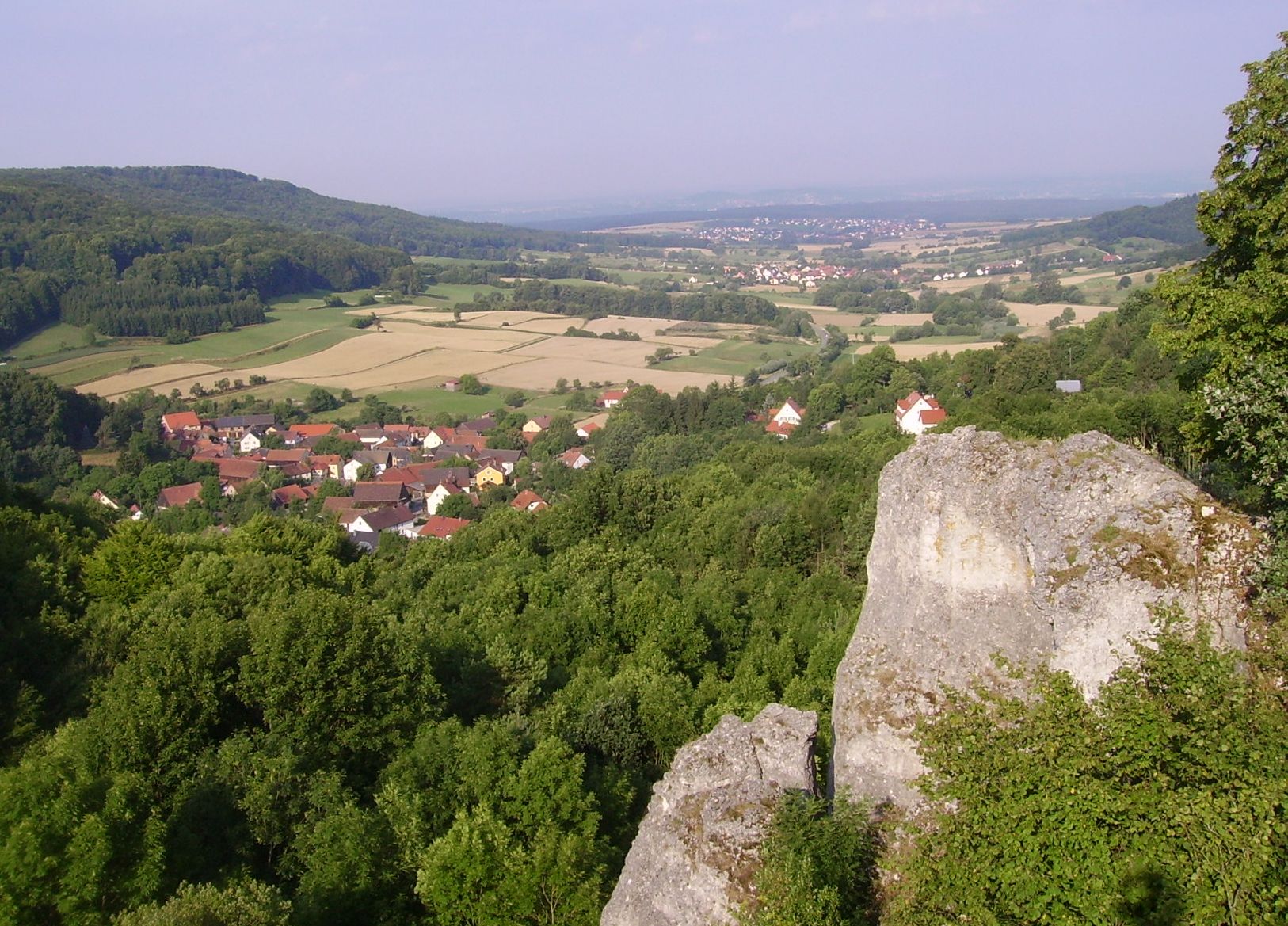
6,158 records
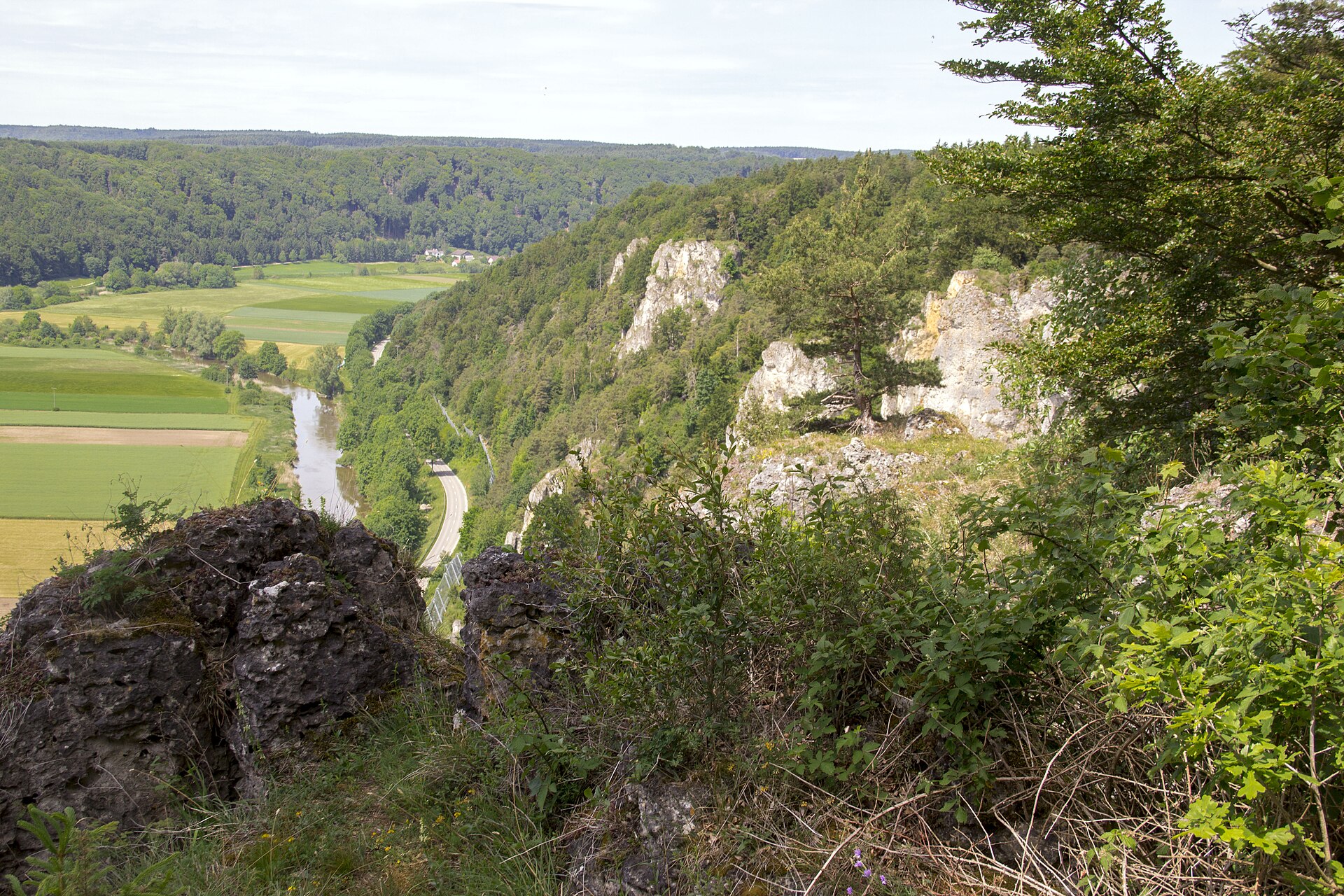
5,235 records
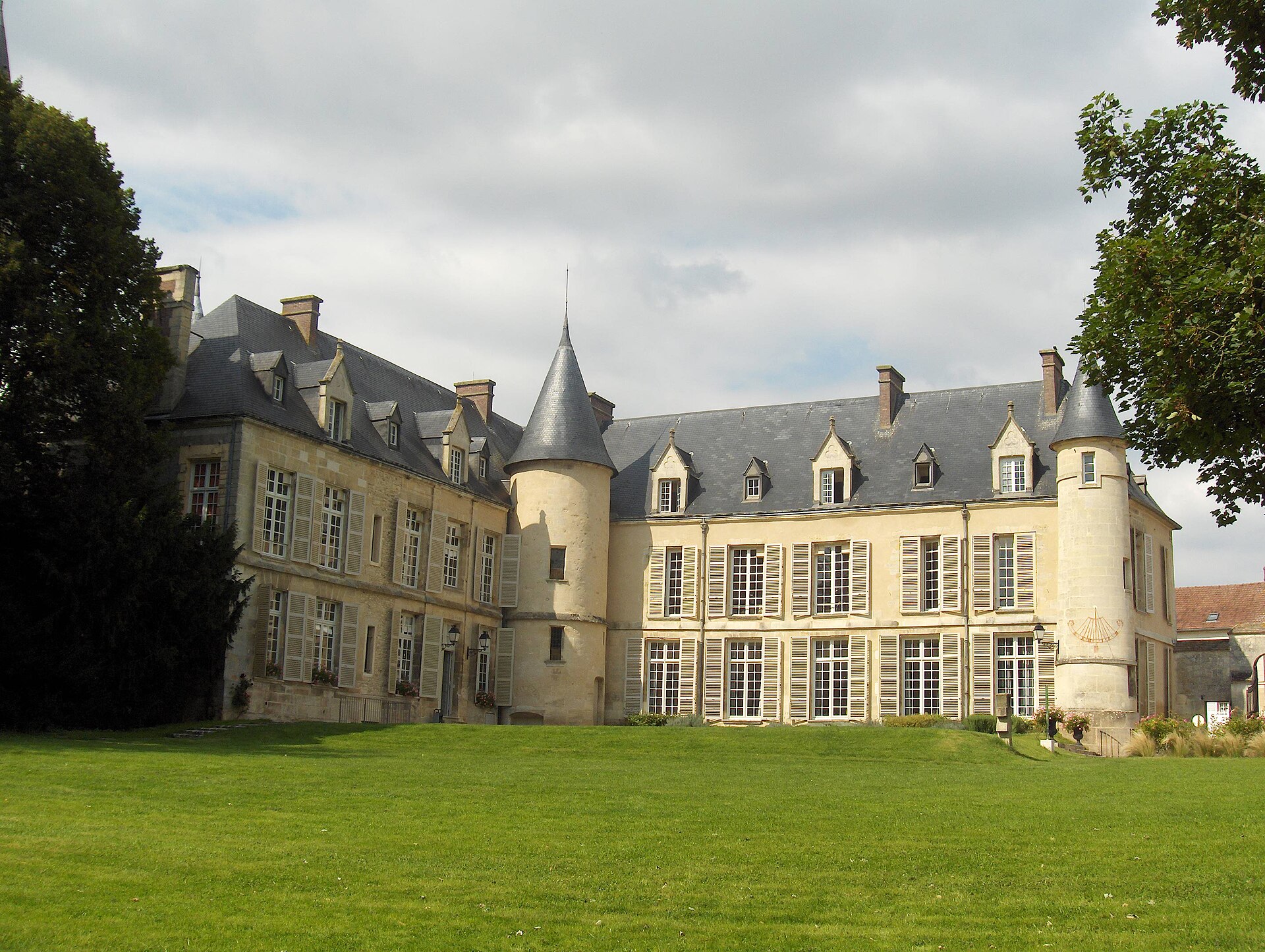
4,897 records
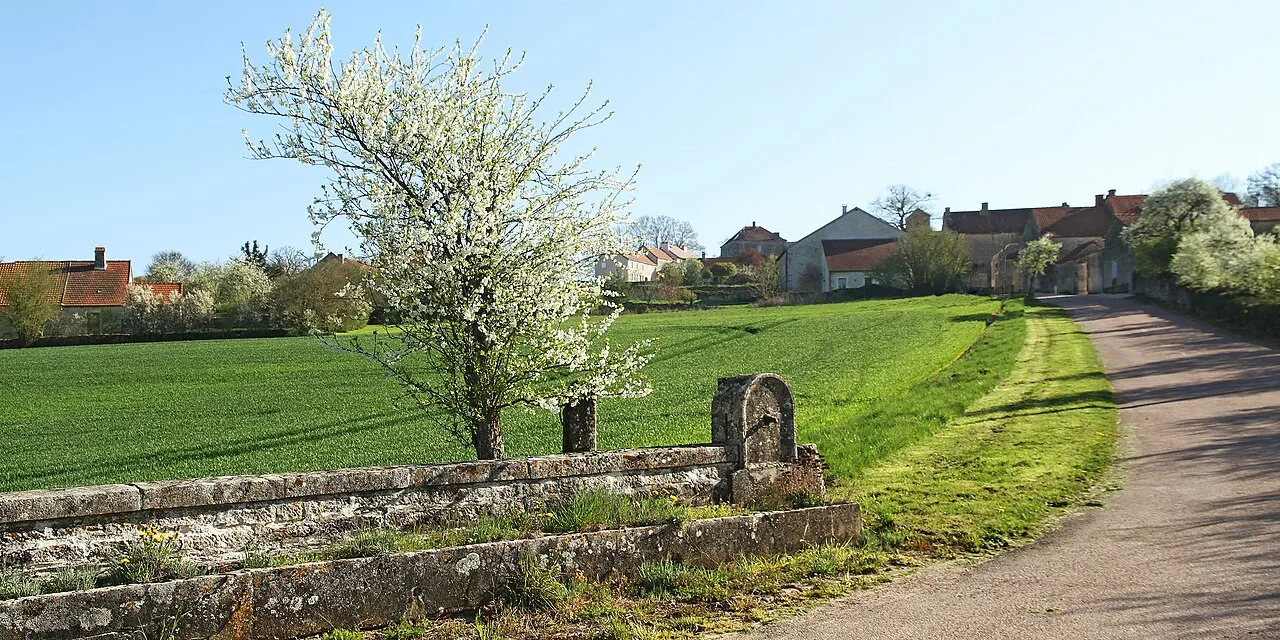
4,758 records
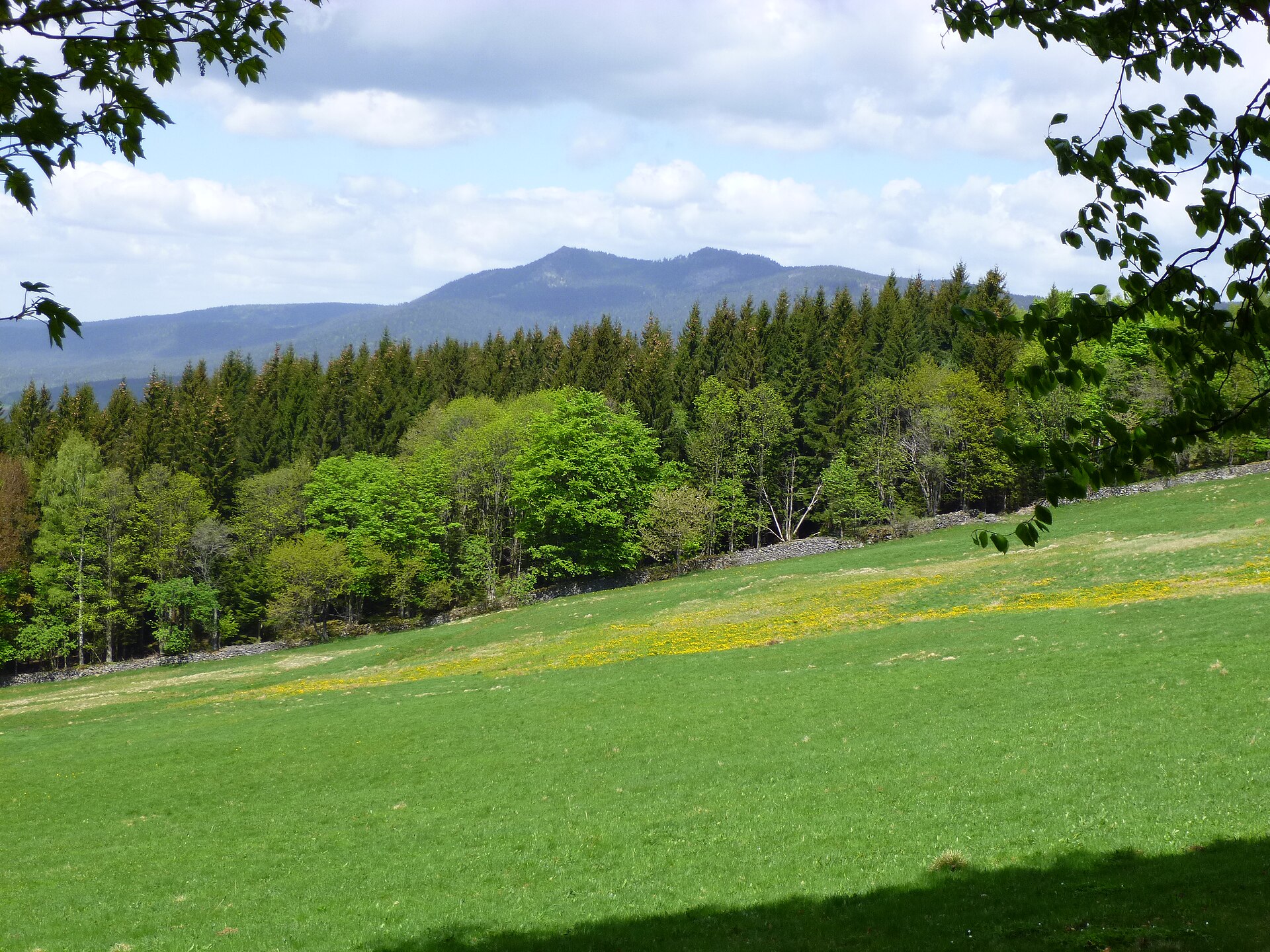
4,481 records
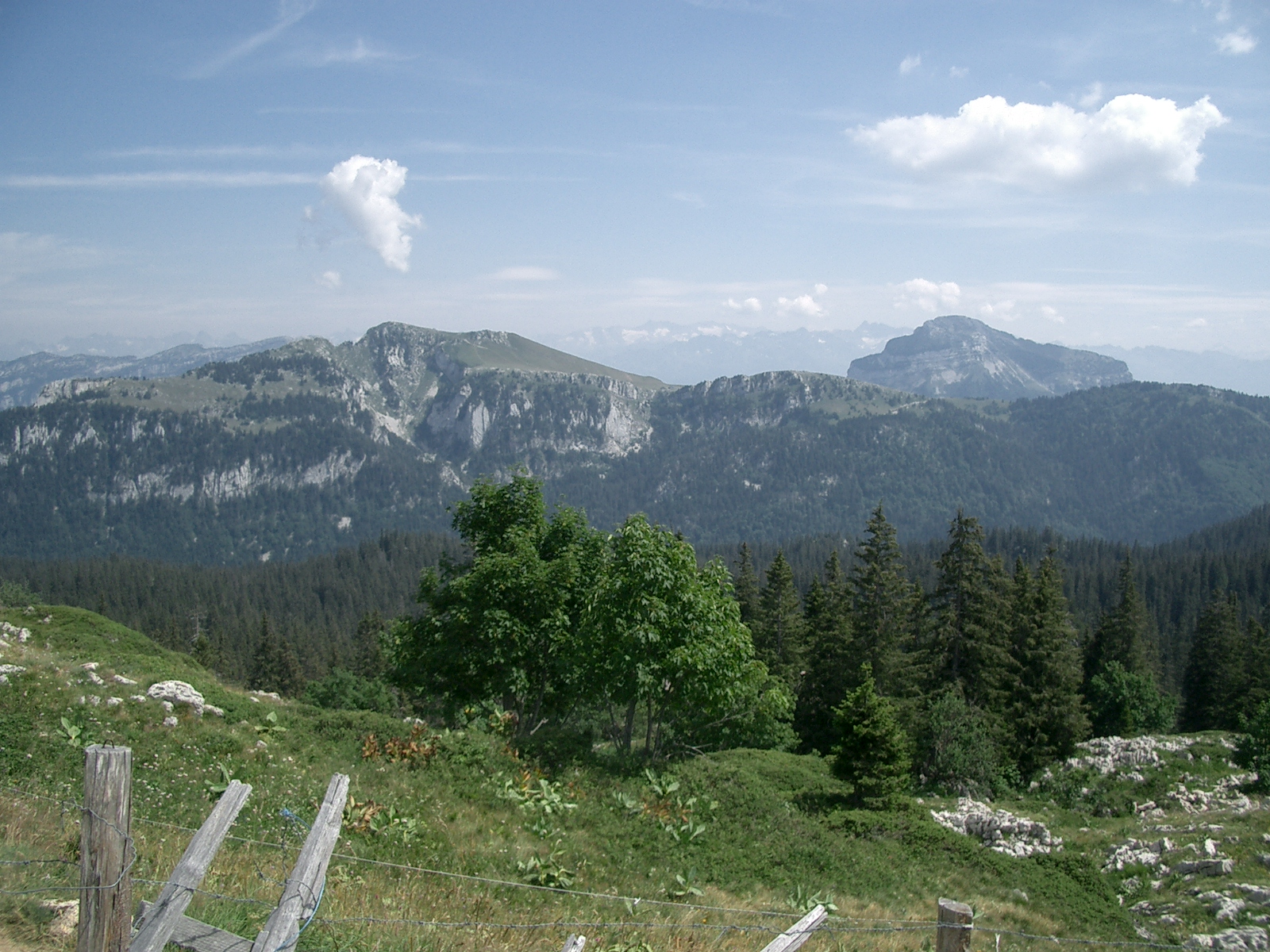
4,242 records
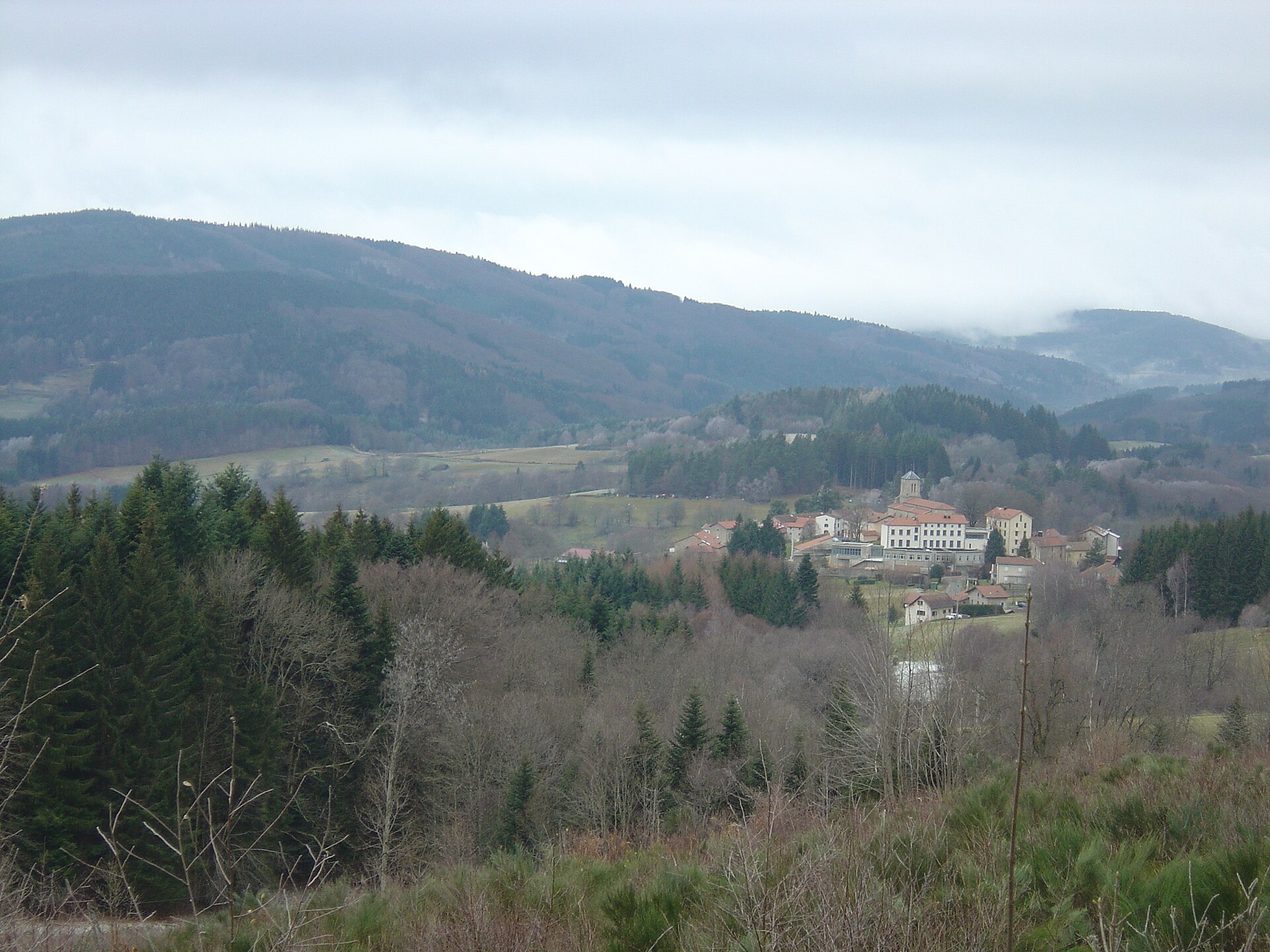
3,655 records
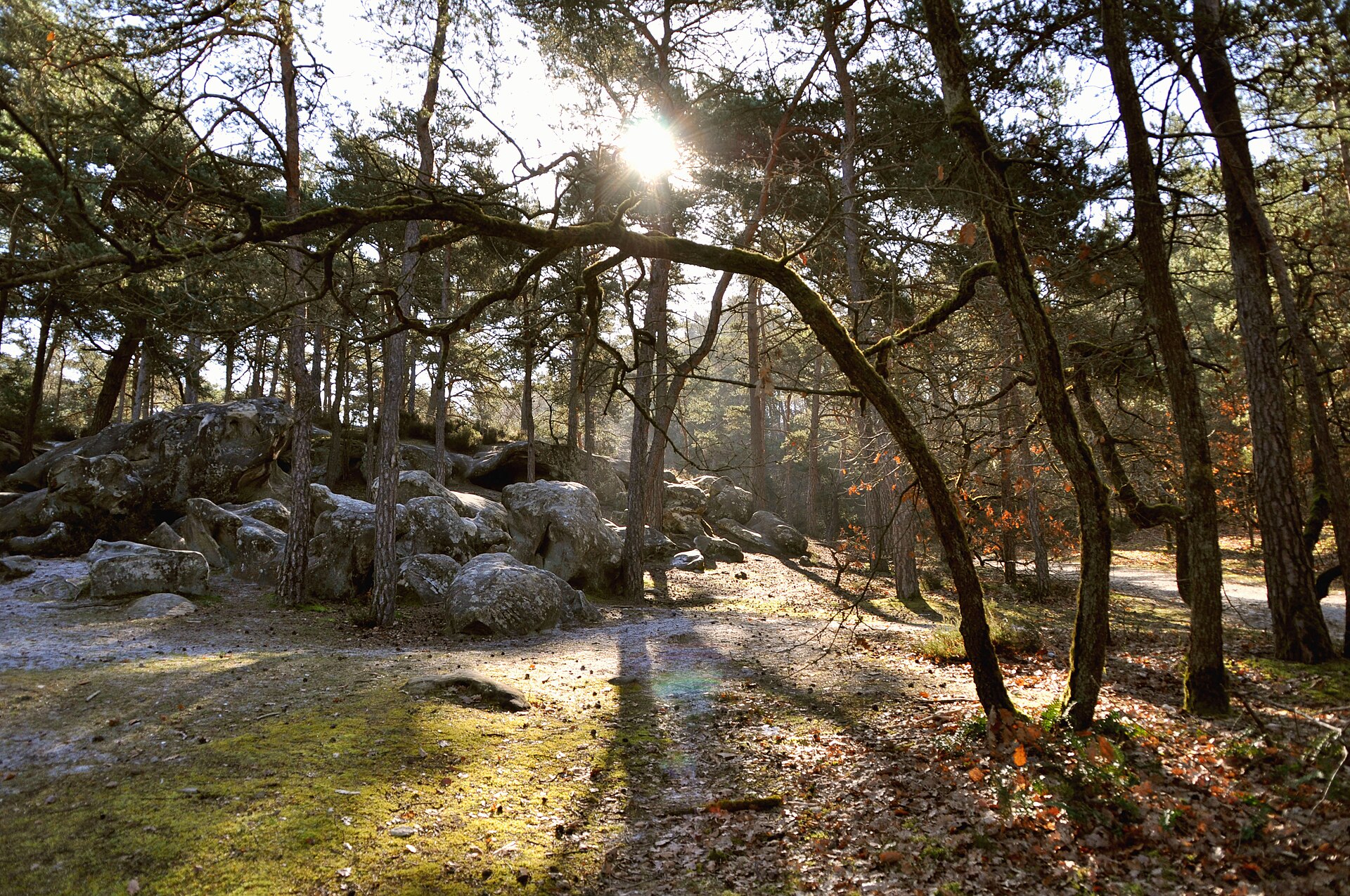
3,473 records
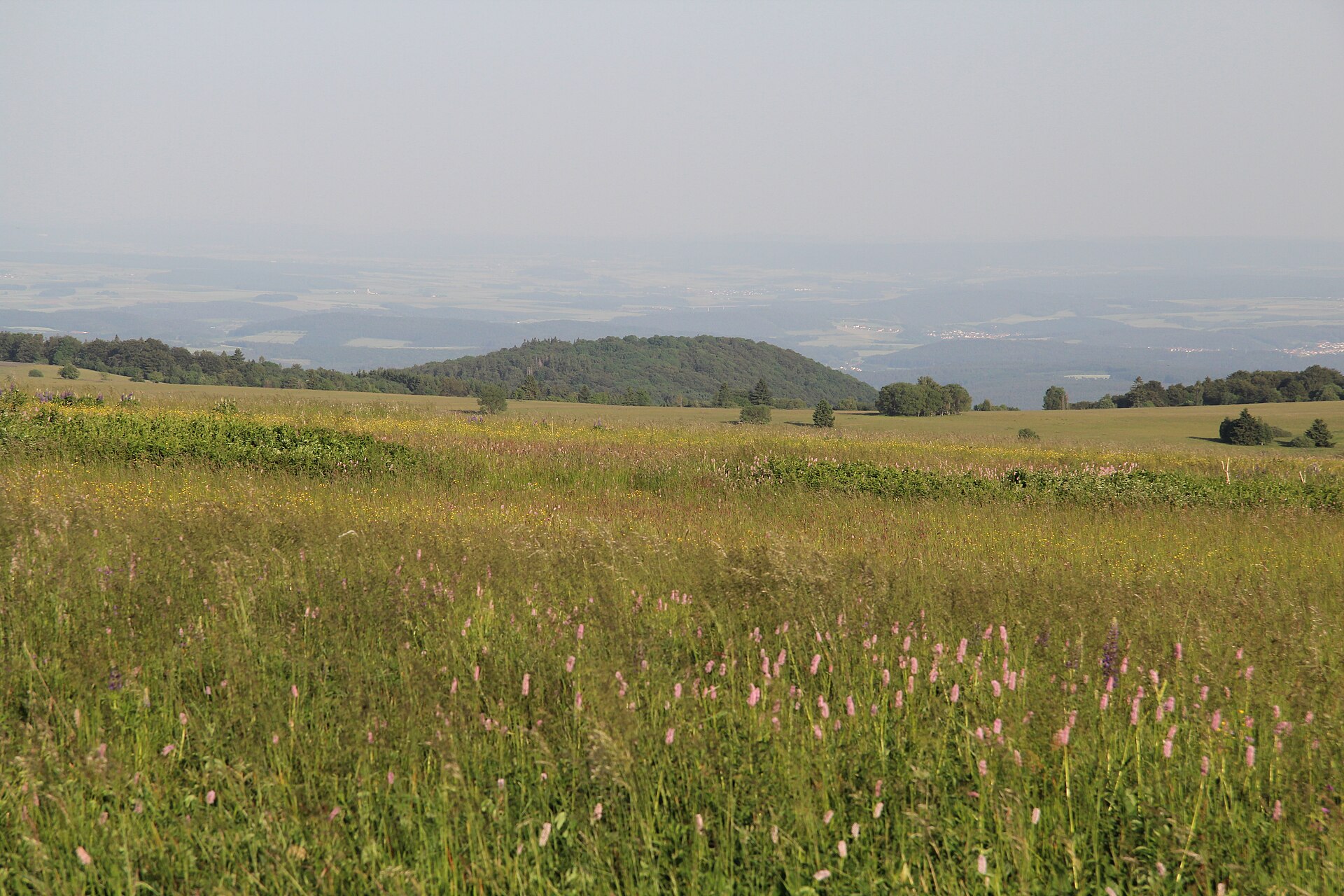
3,396 records
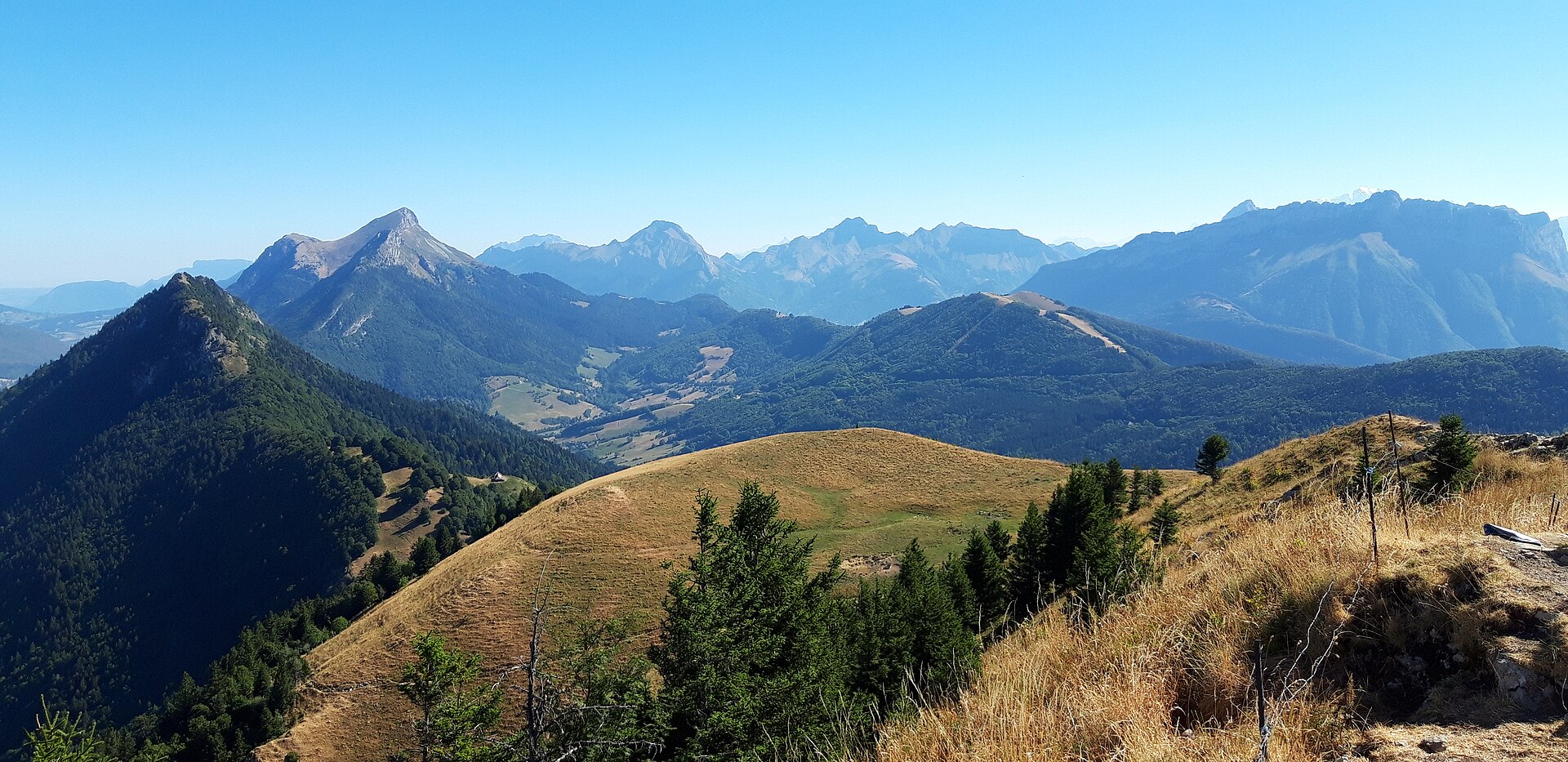
2,331 records

2,066 records
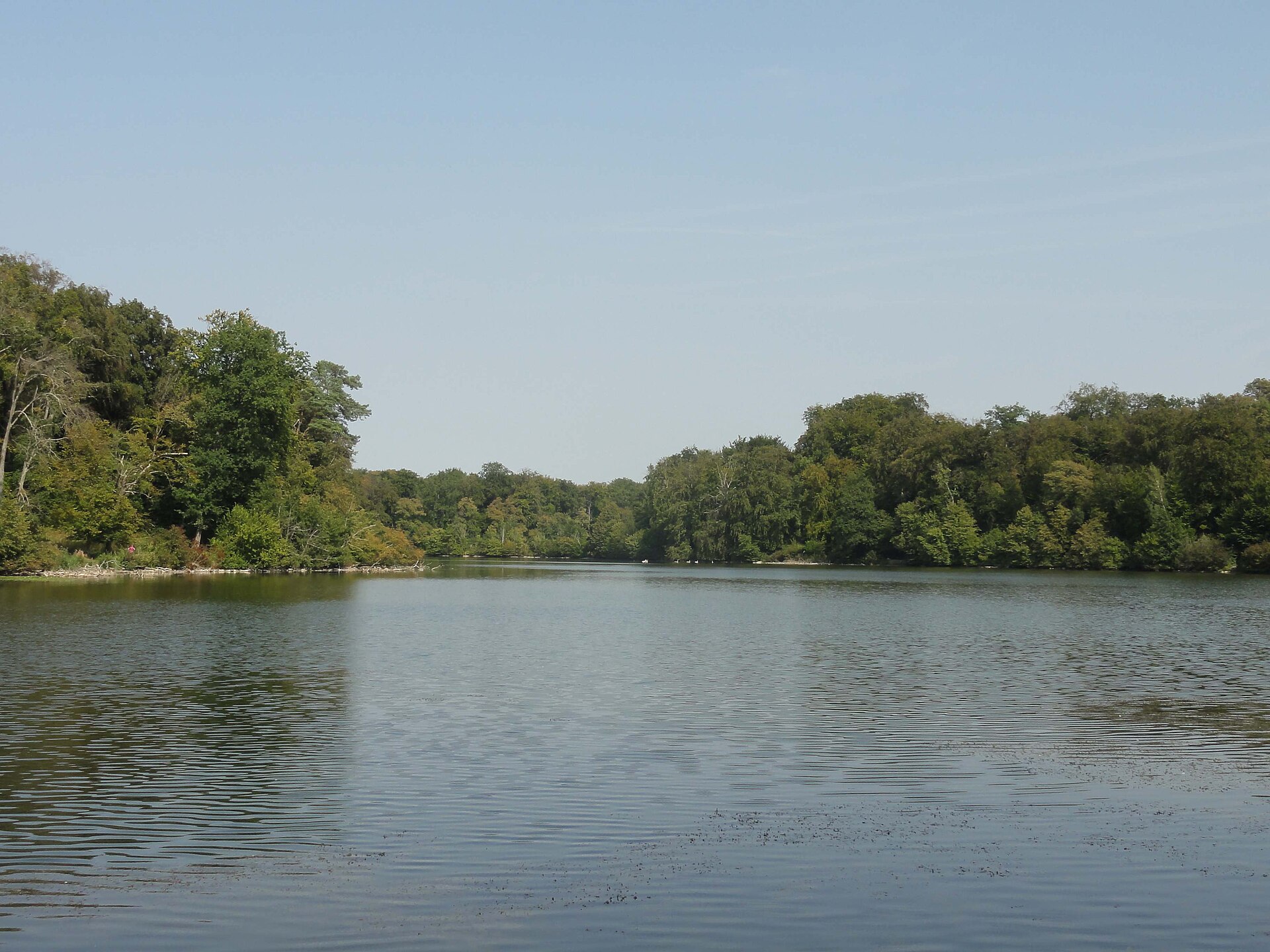
1,959 records
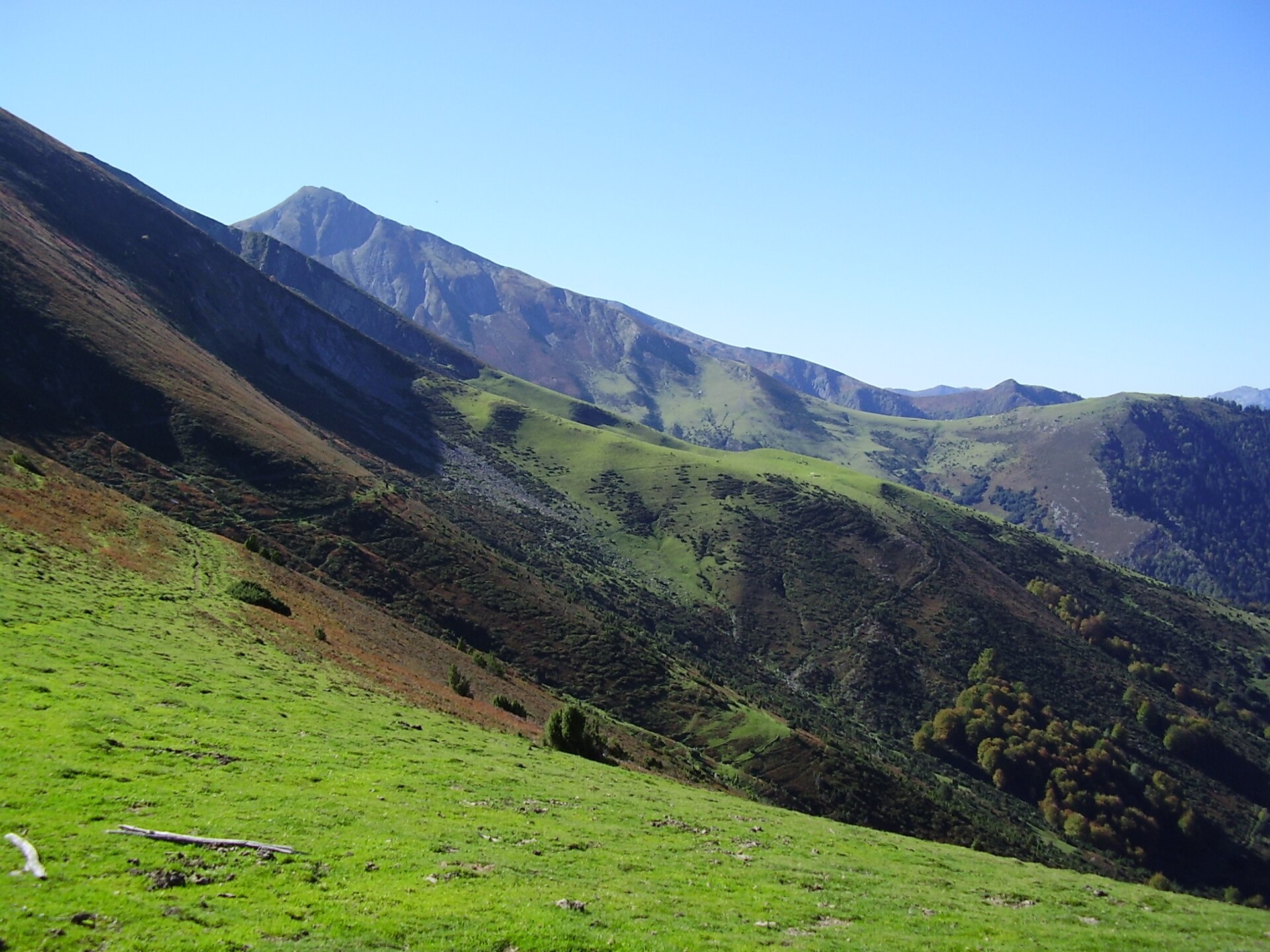
1,843 records
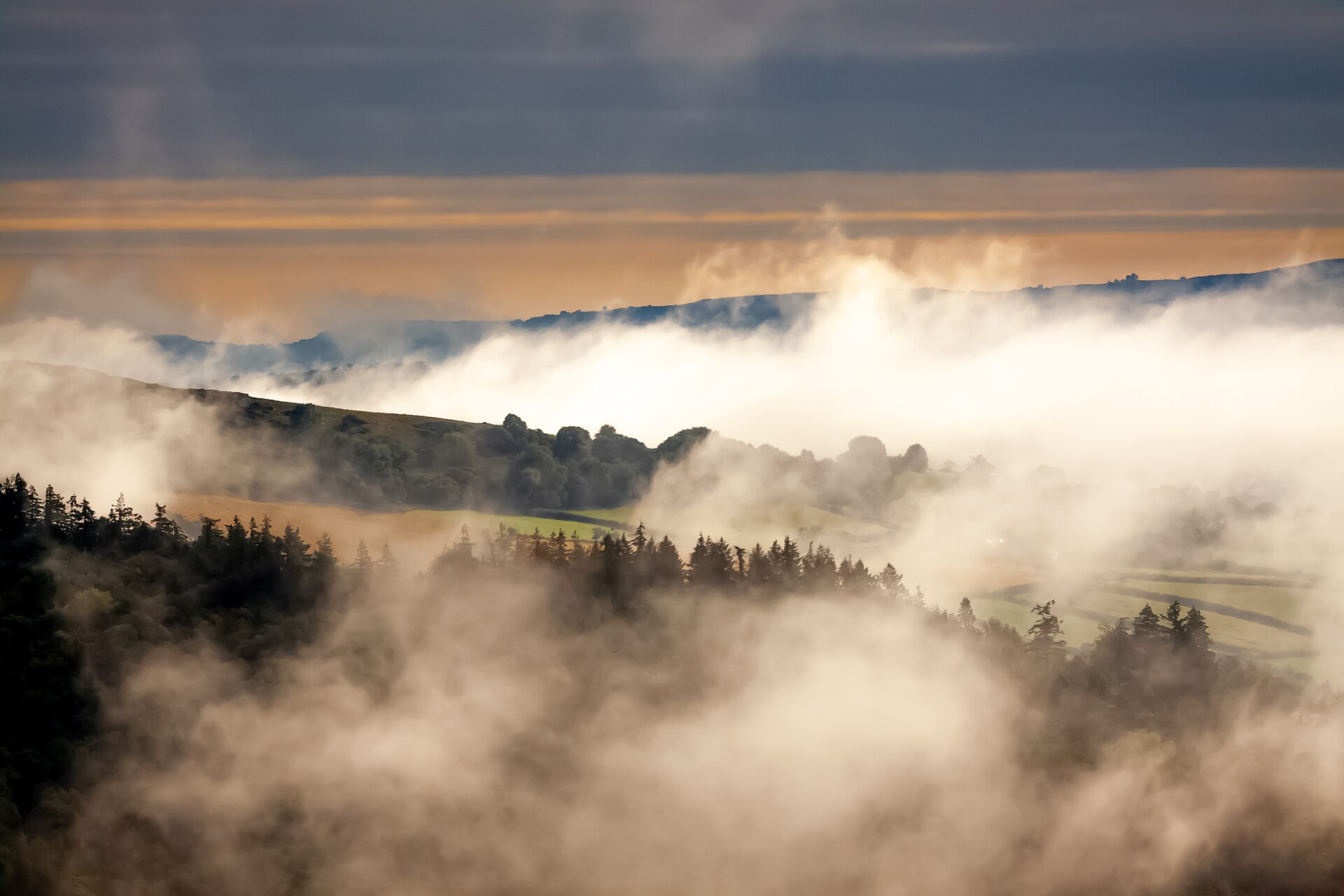
1,779 records
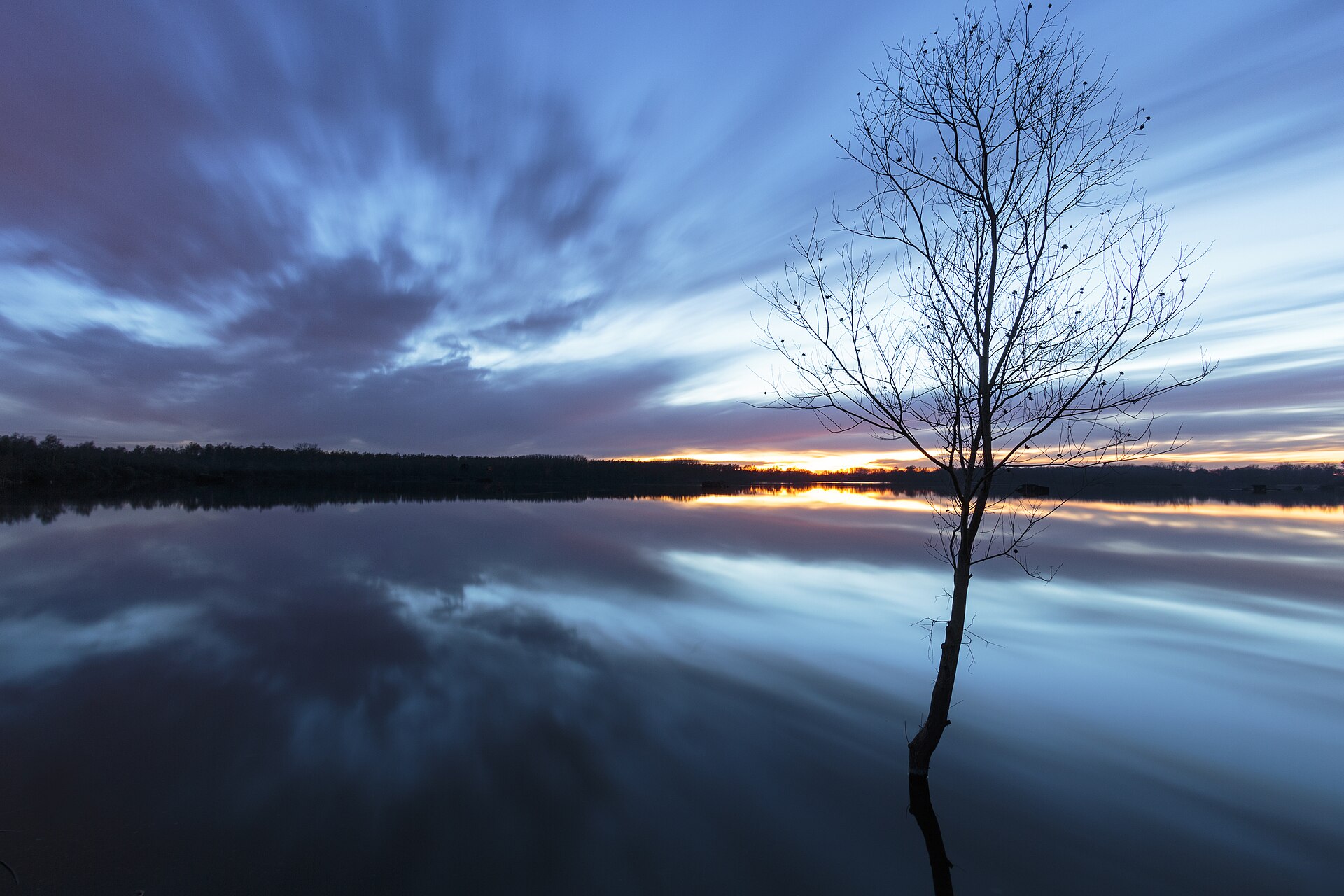
1,712 records
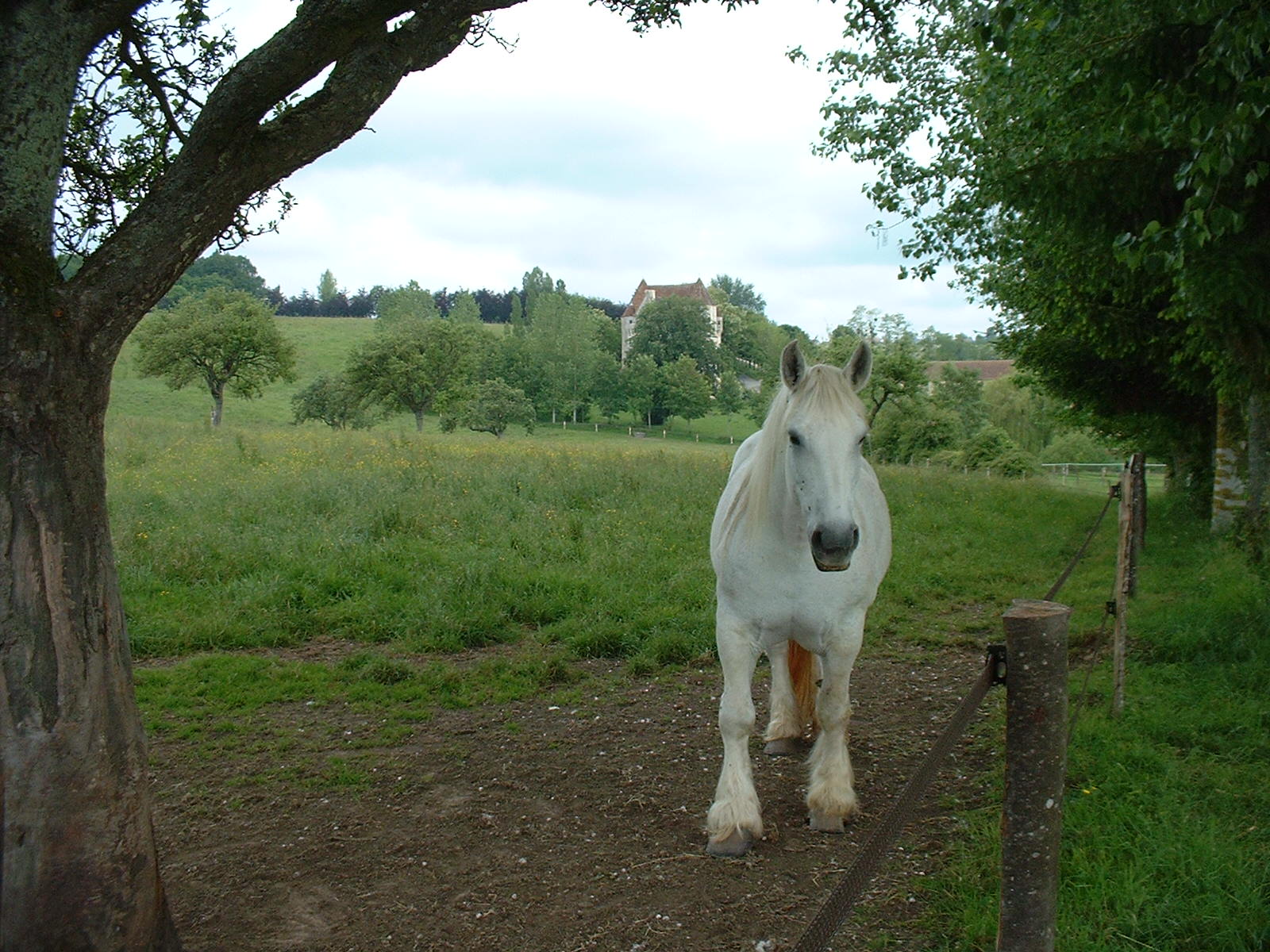
1,667 records
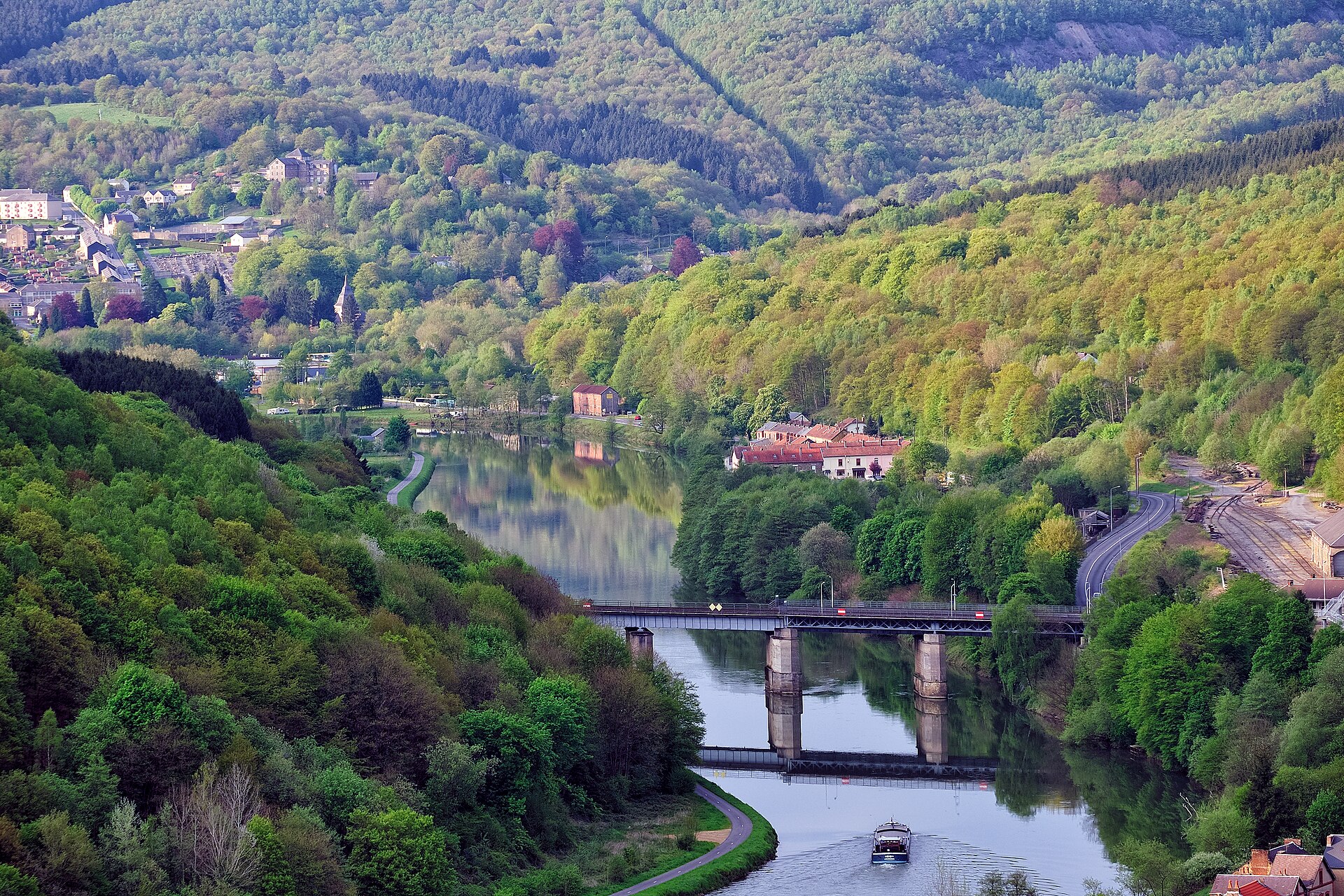
1,623 records
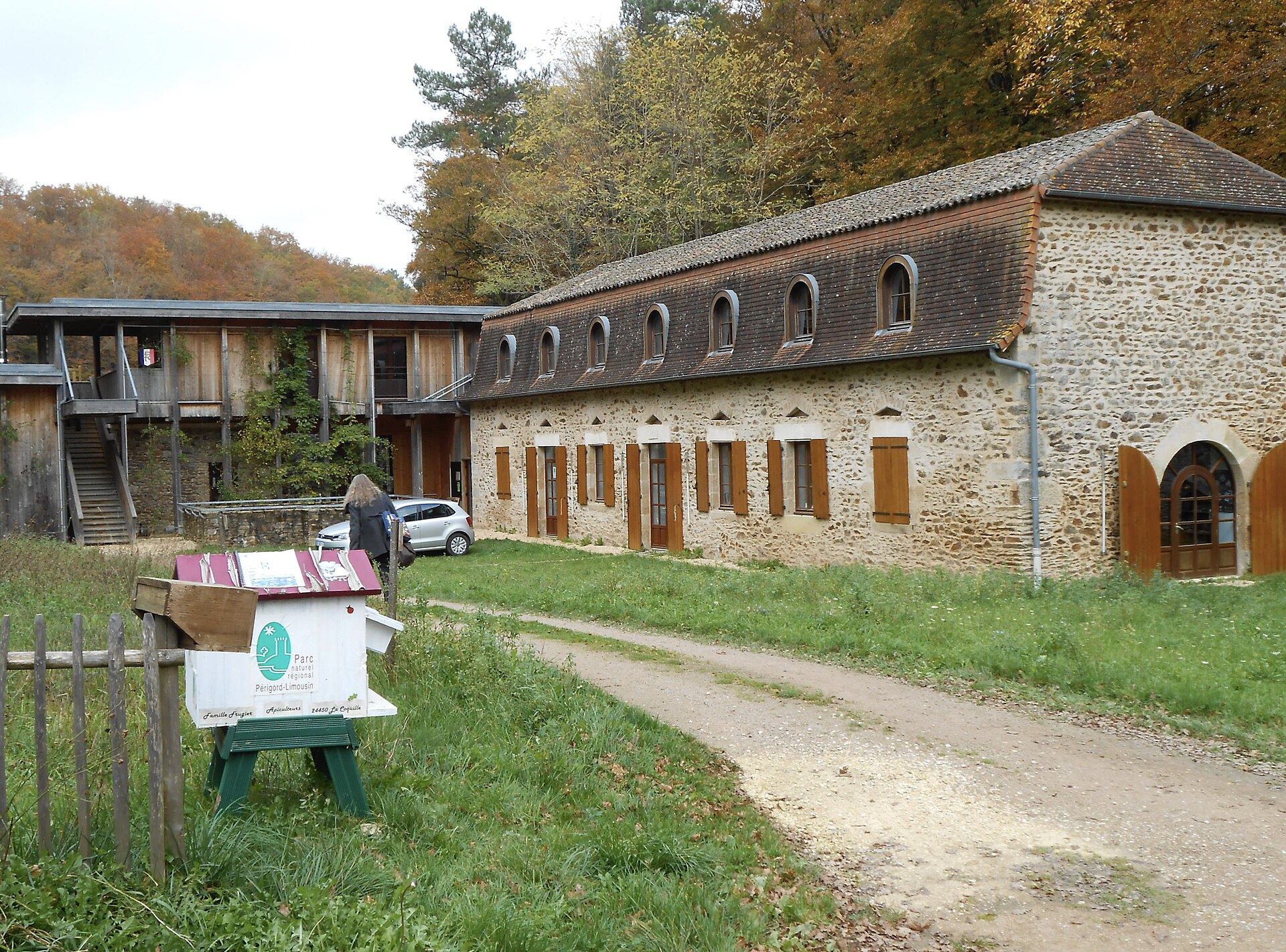
1,483 records
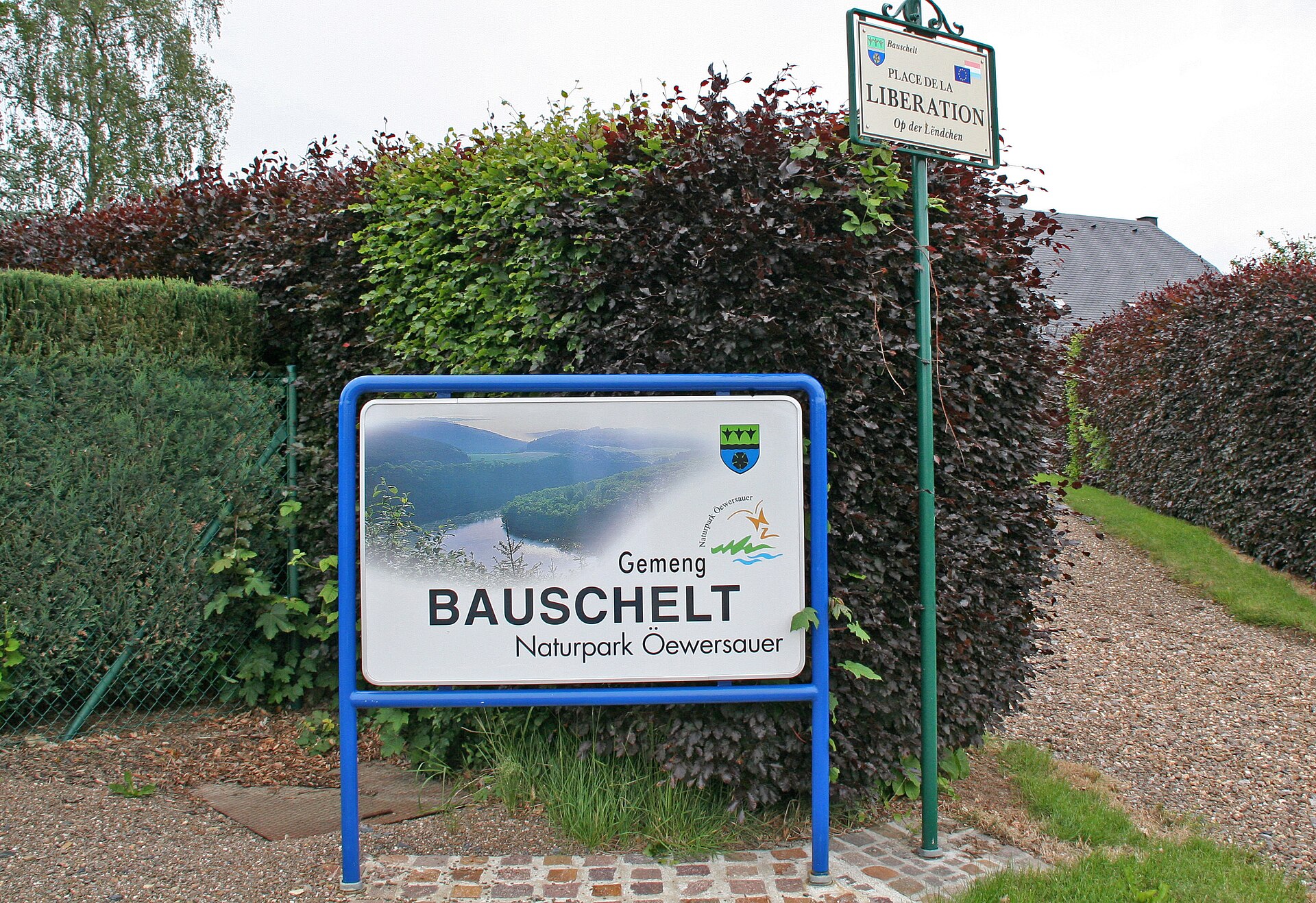
1,318 records
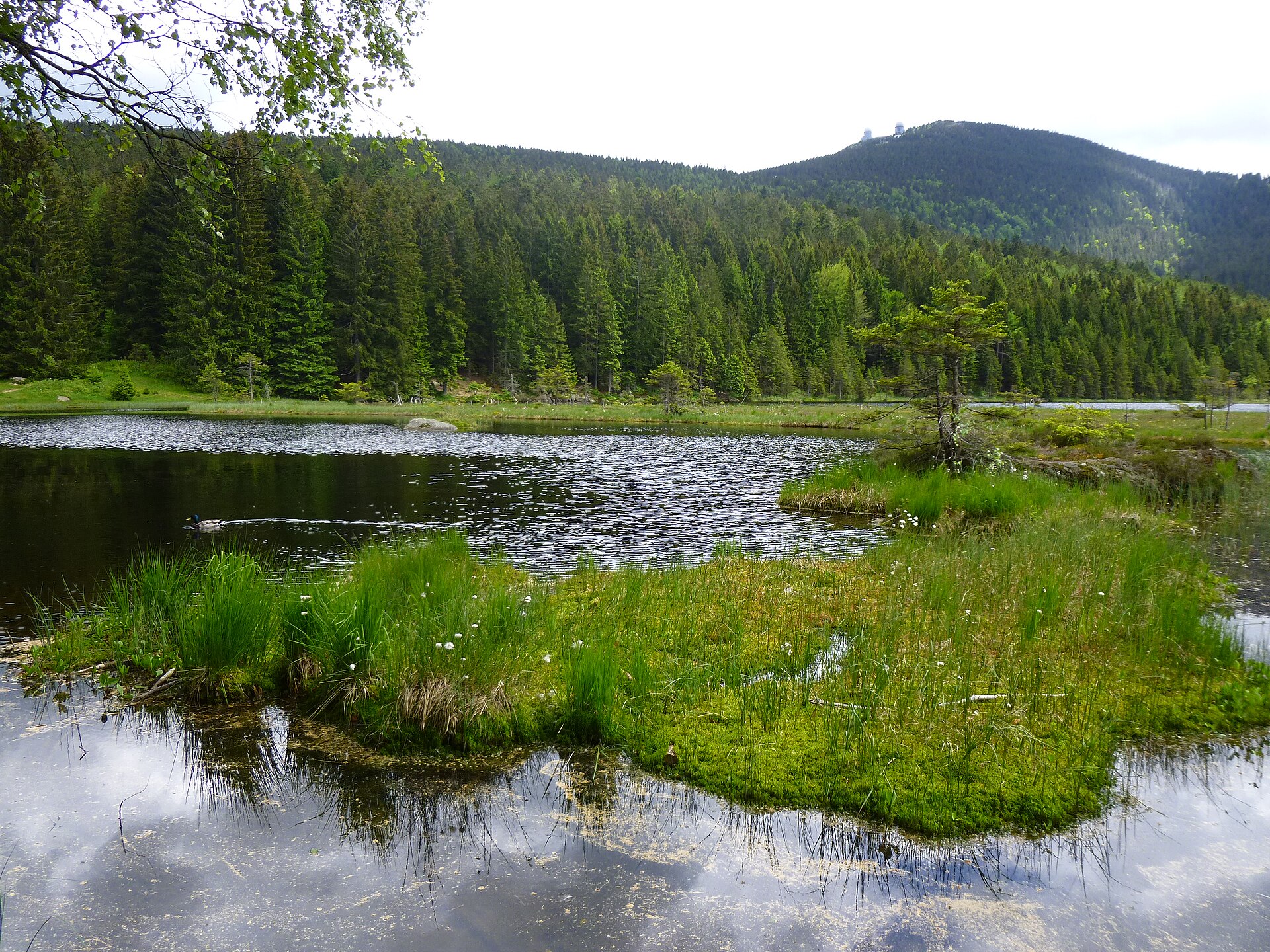
1,303 records
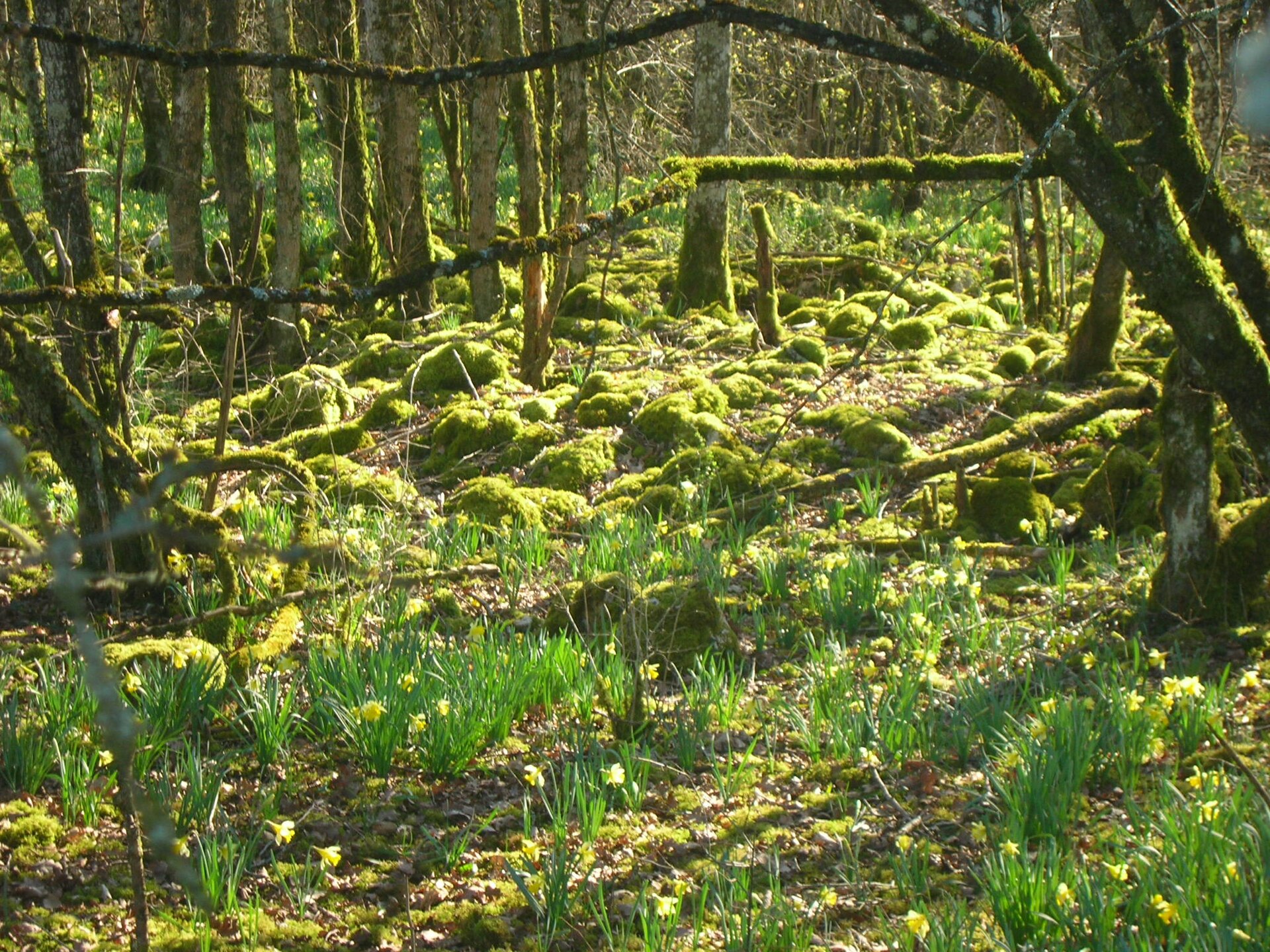
1,282 records
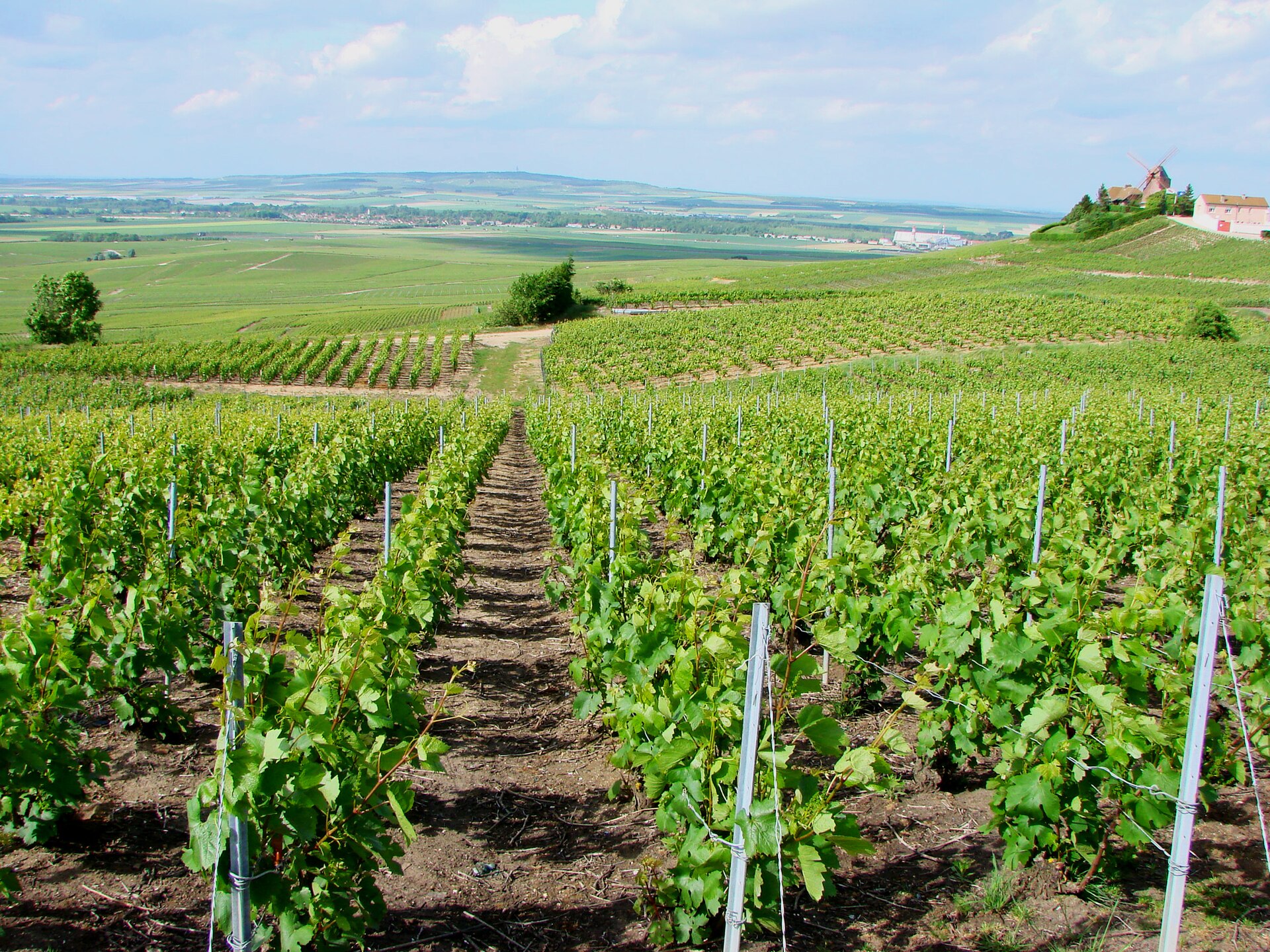
1,253 records
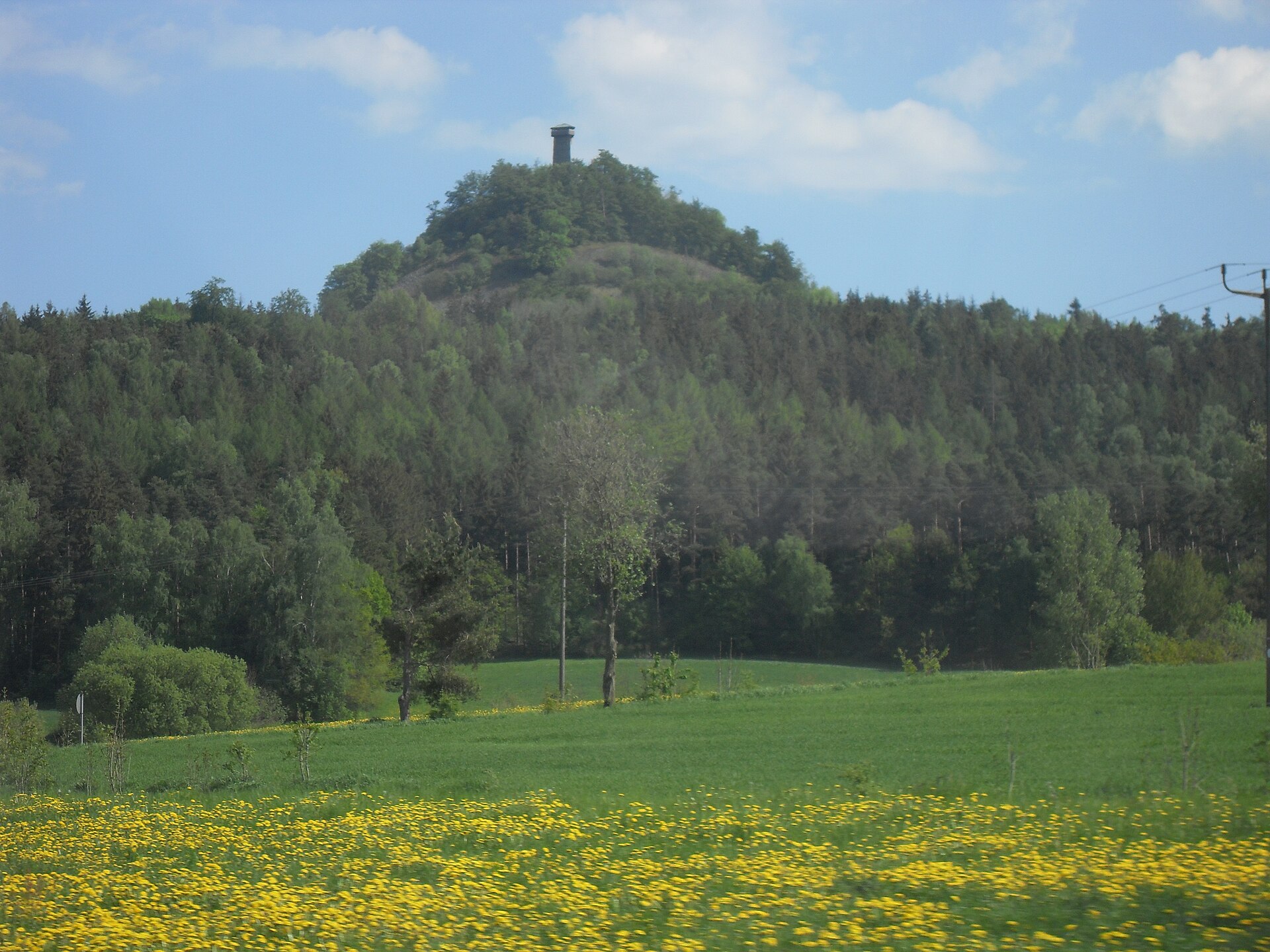
1,114 records
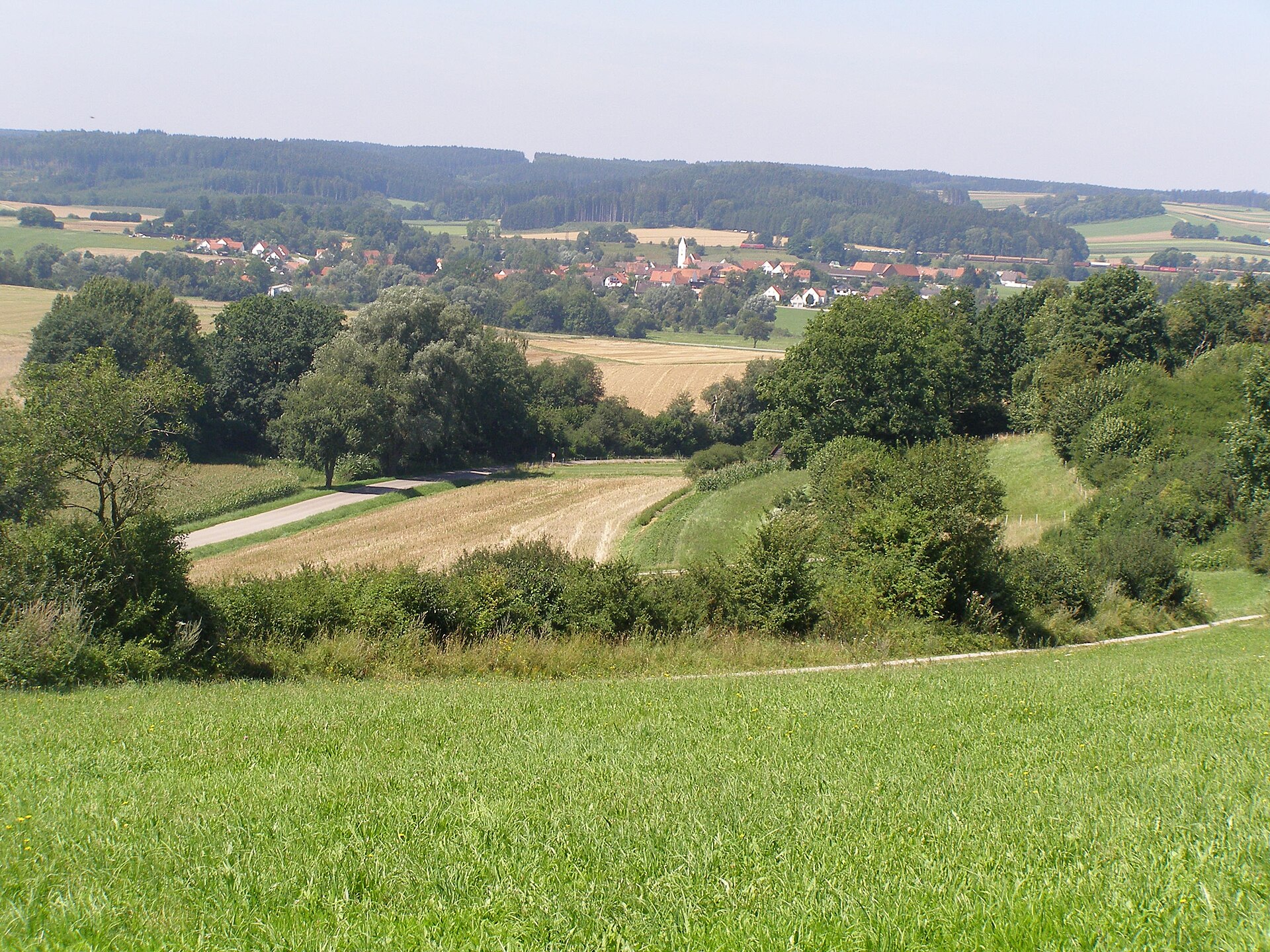
1,072 records
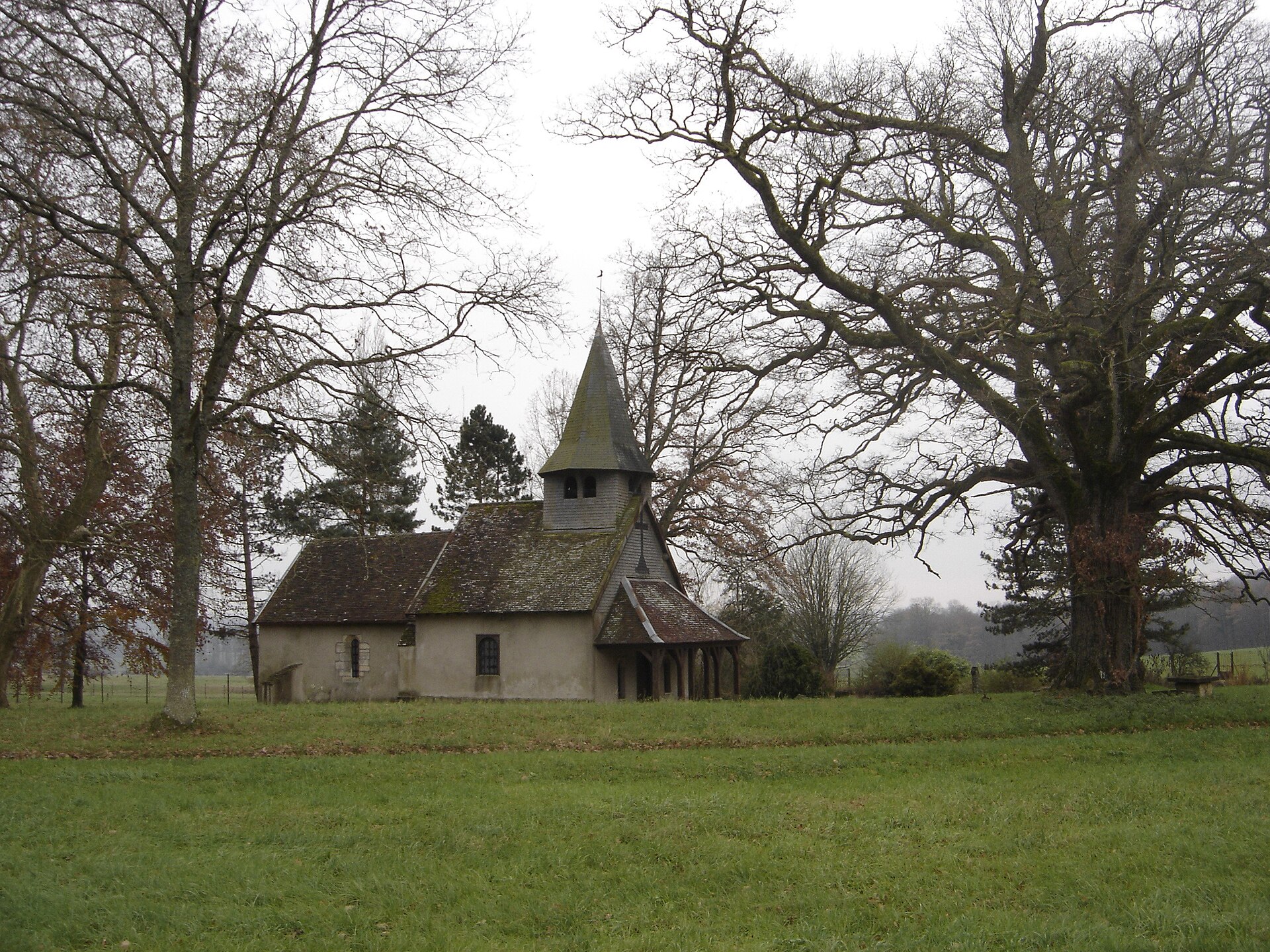
1,069 records
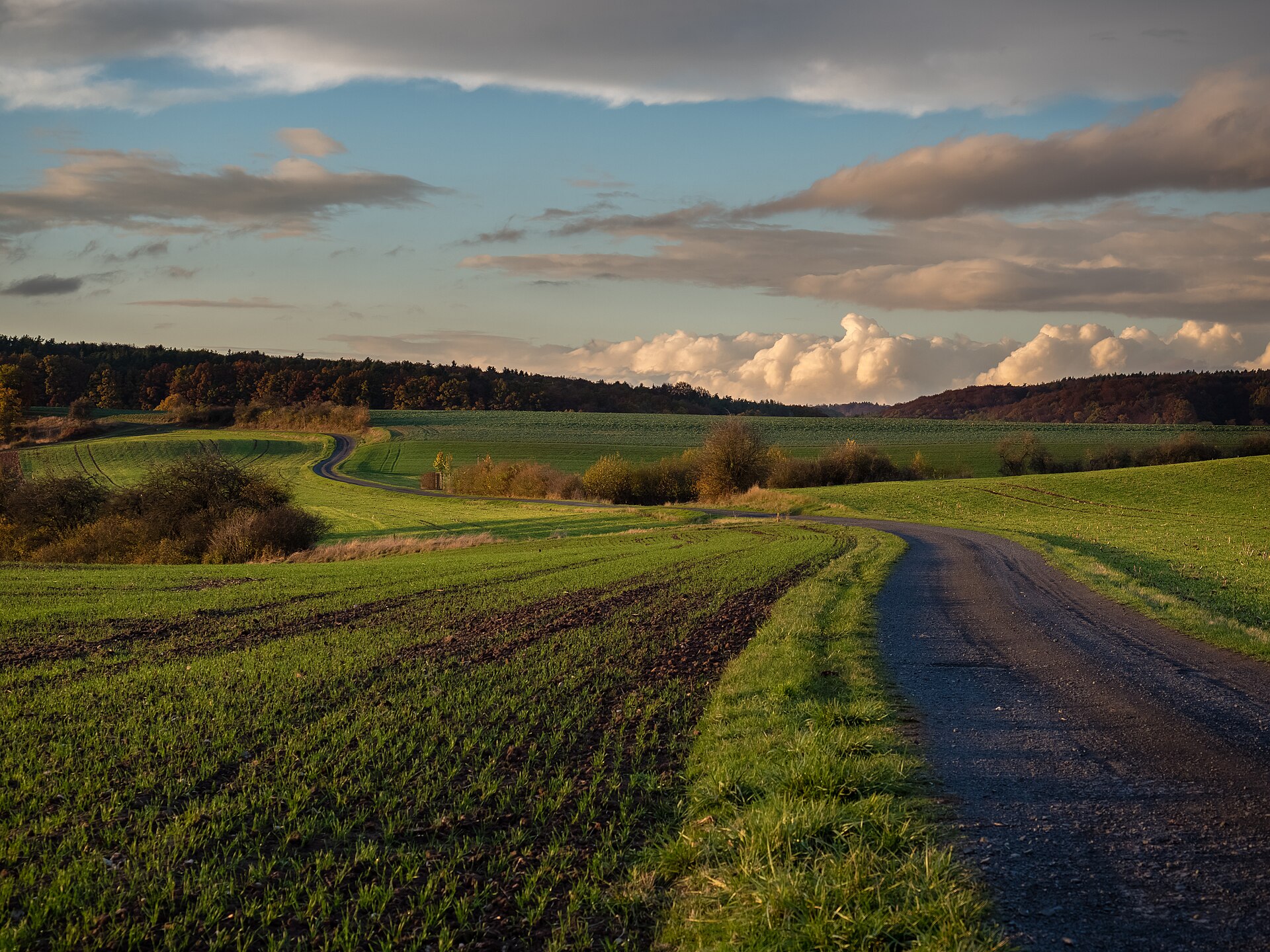
1,009 records
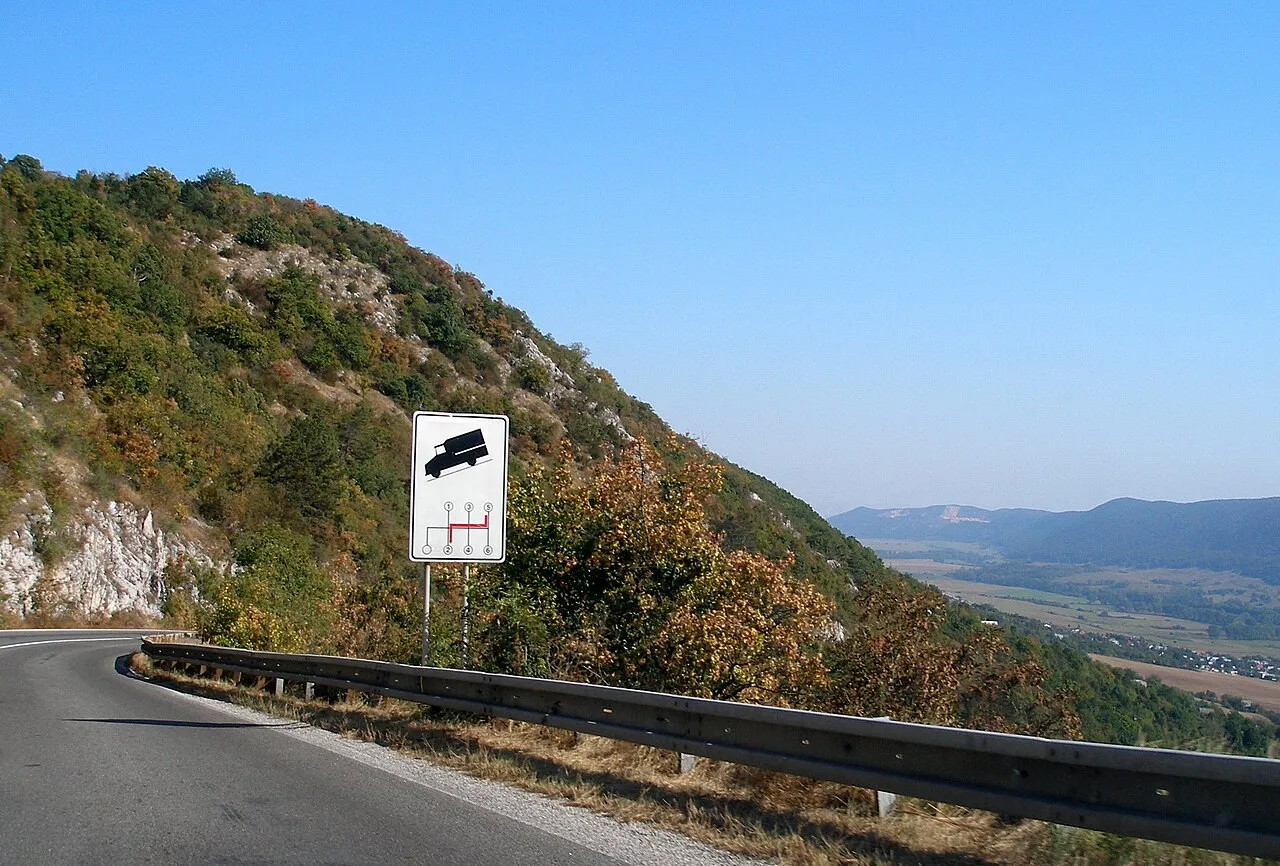
919 records
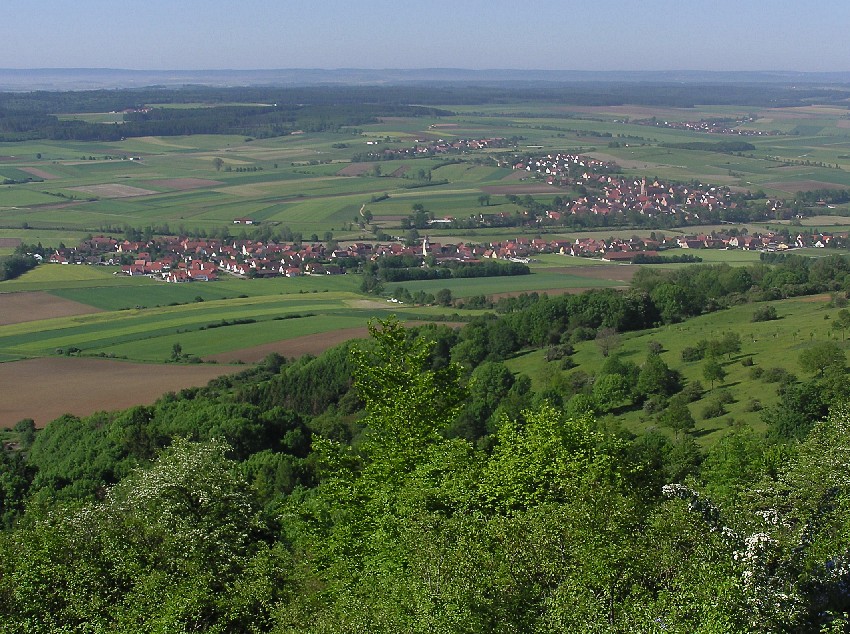
893 records
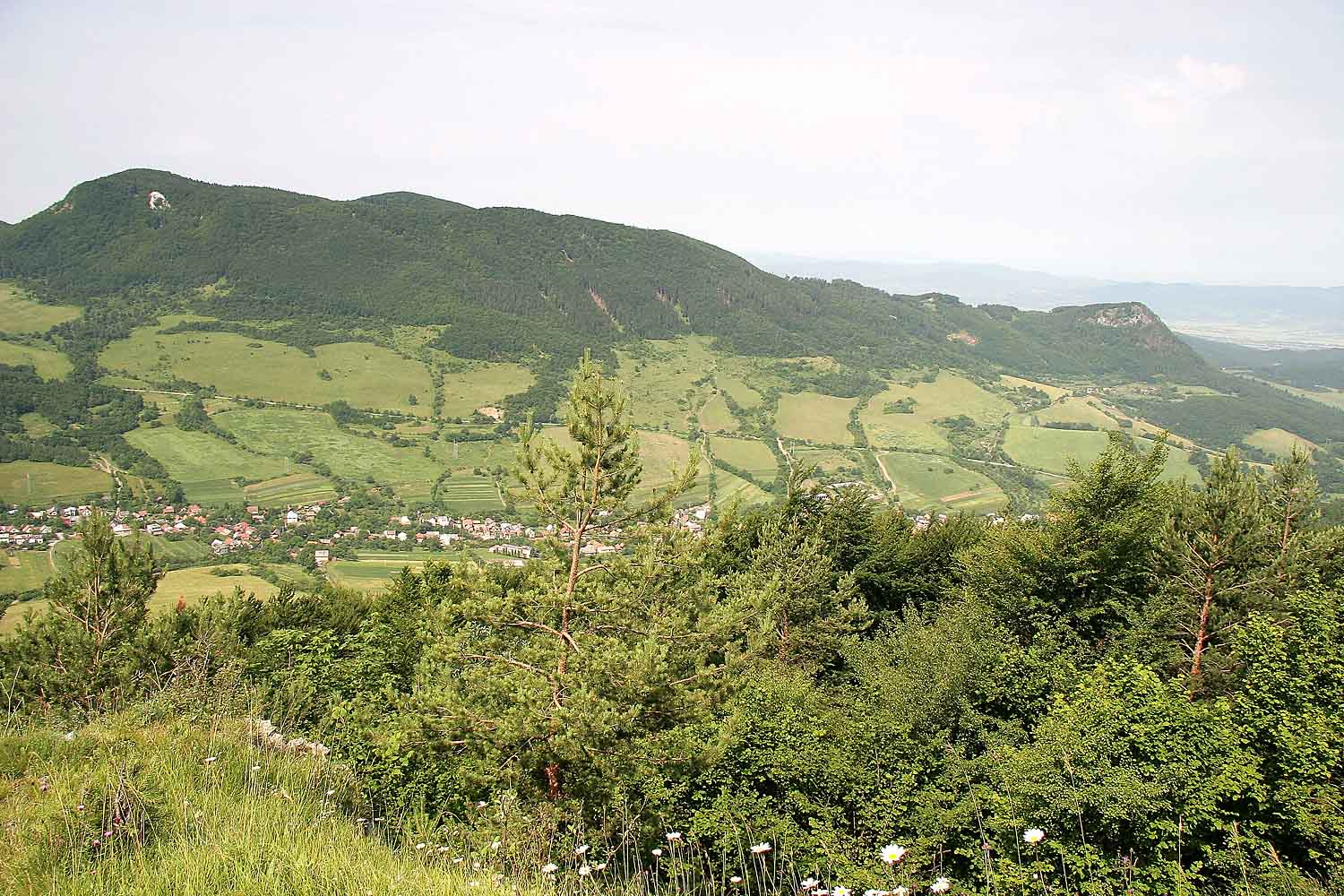
842 records
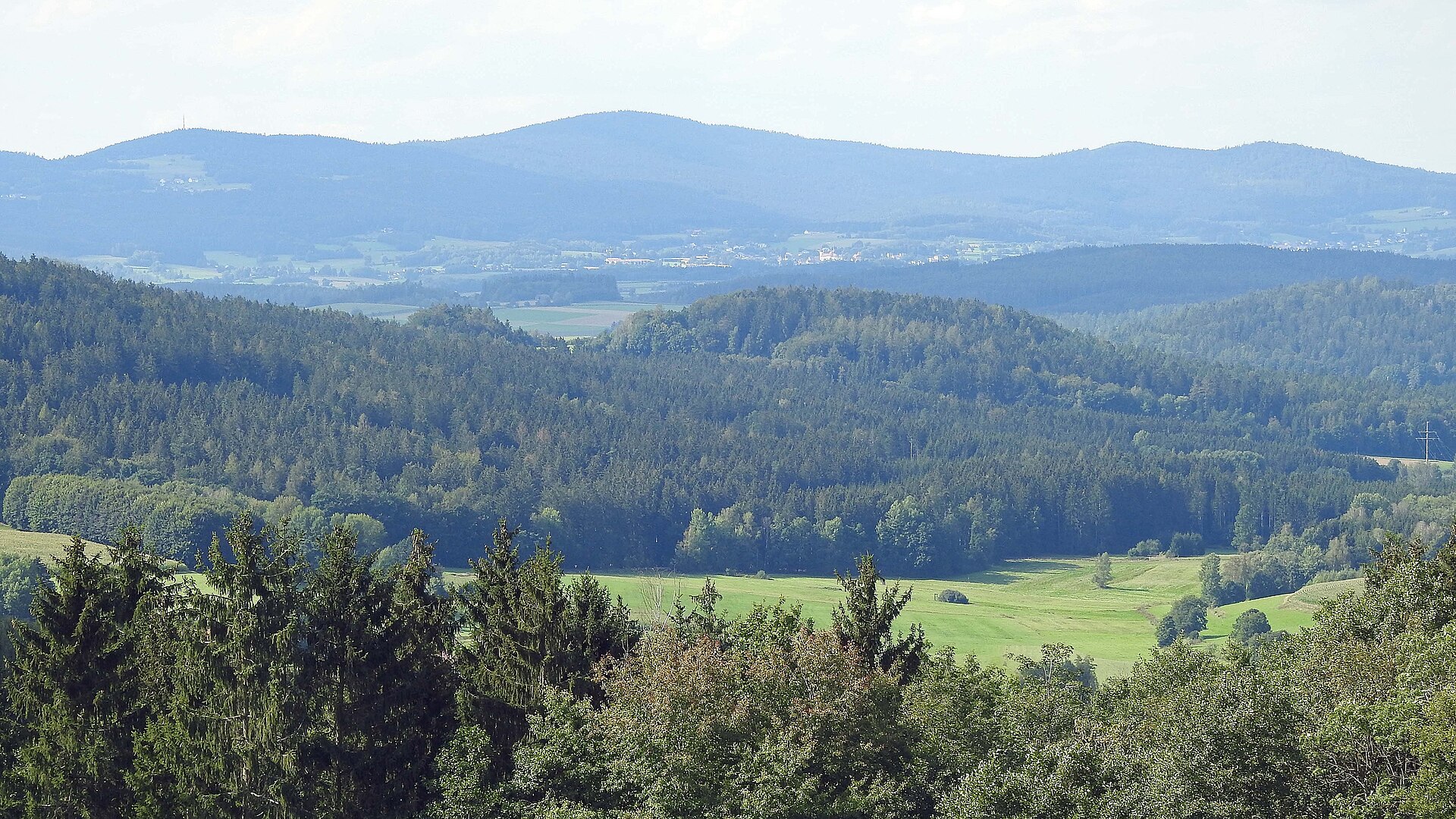
736 records
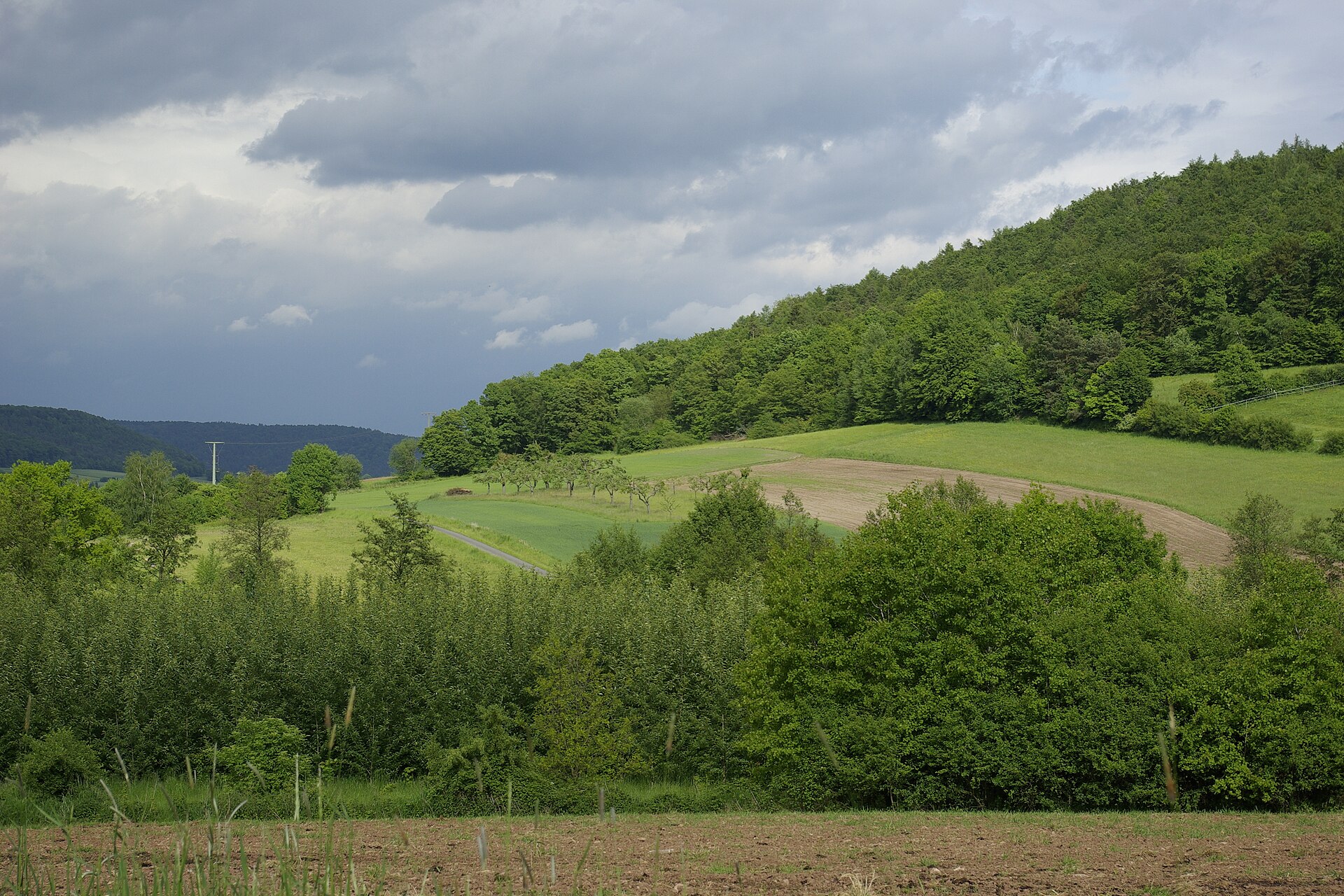
710 records
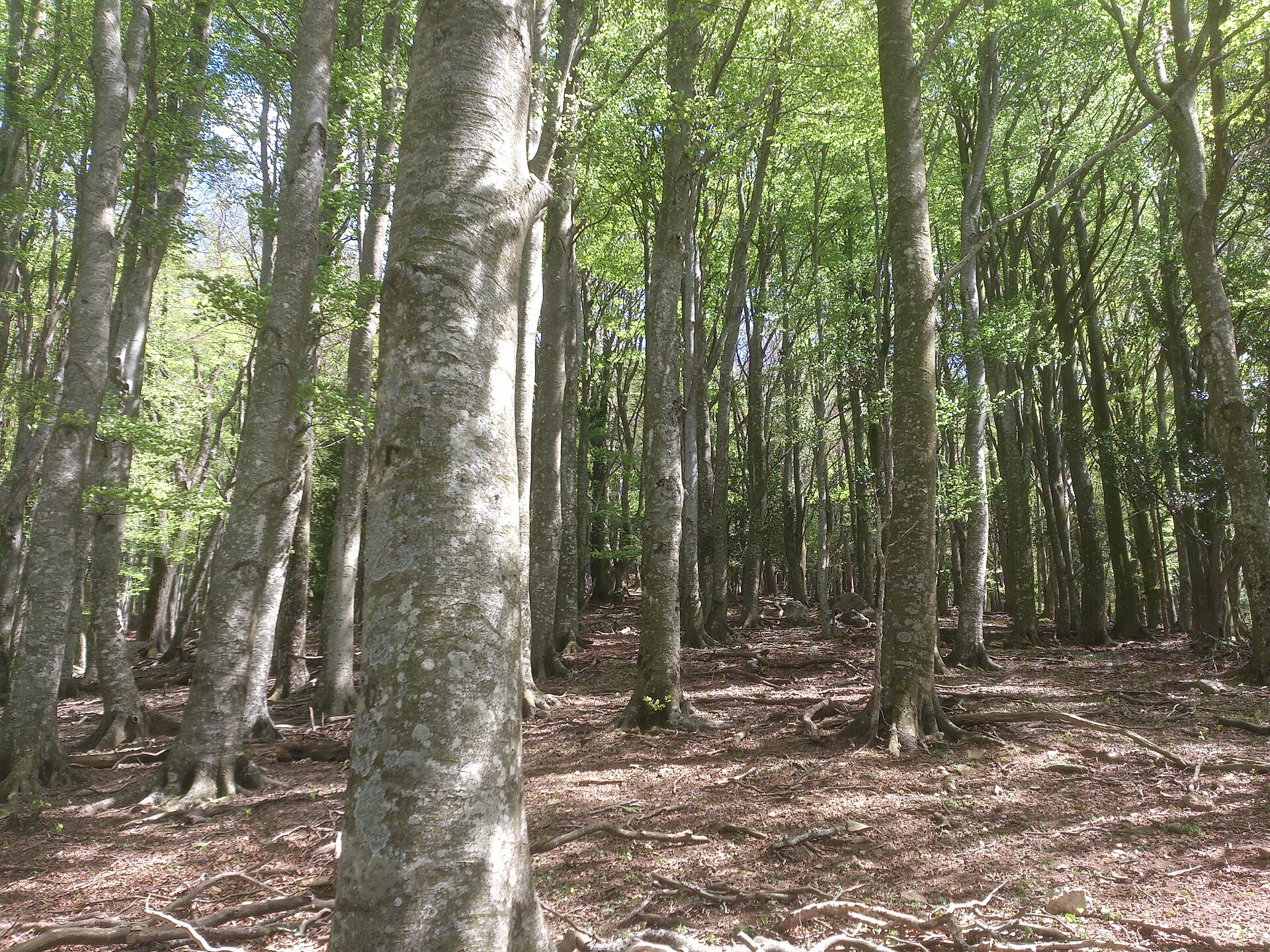
331 records
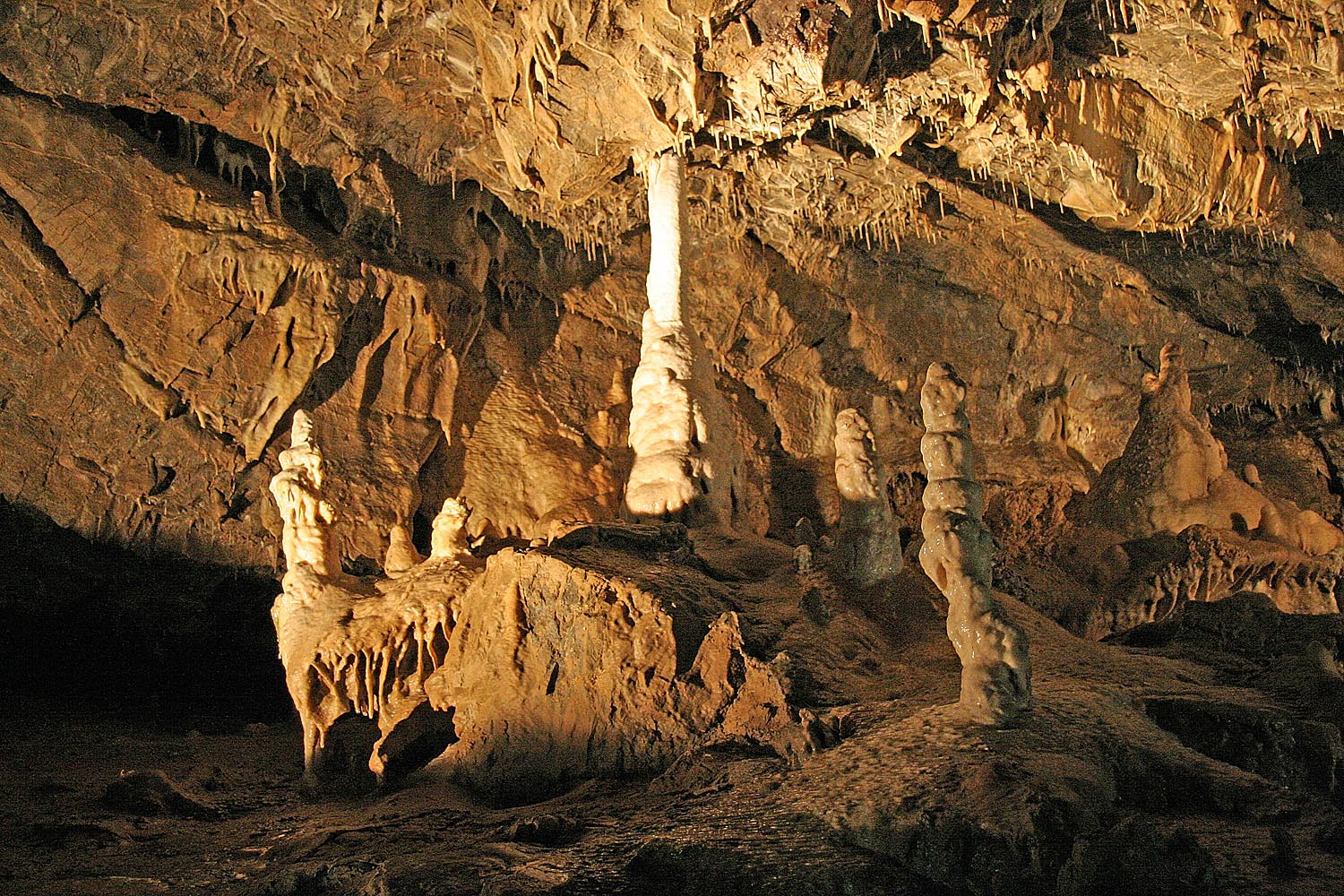
316 records
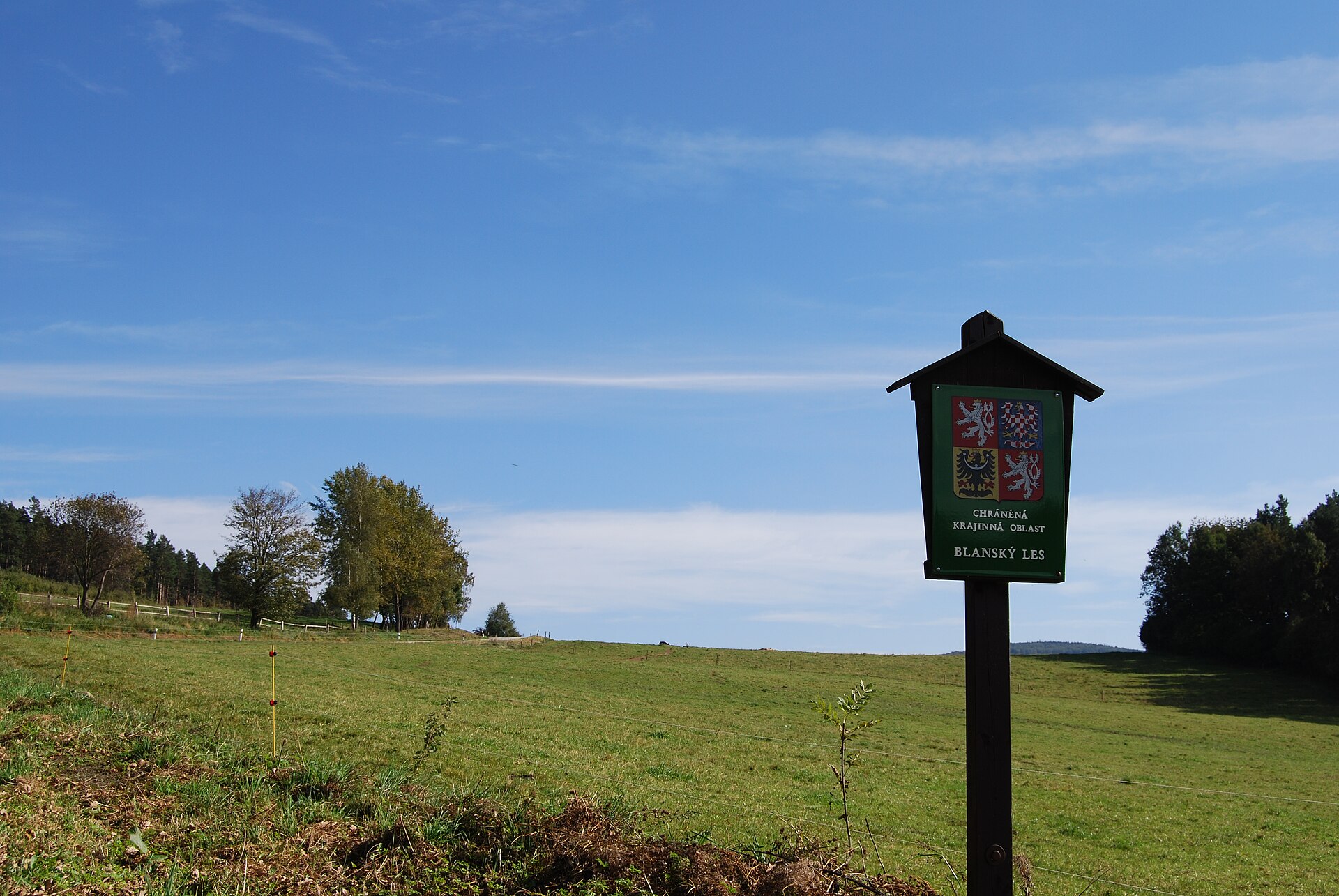
262 records
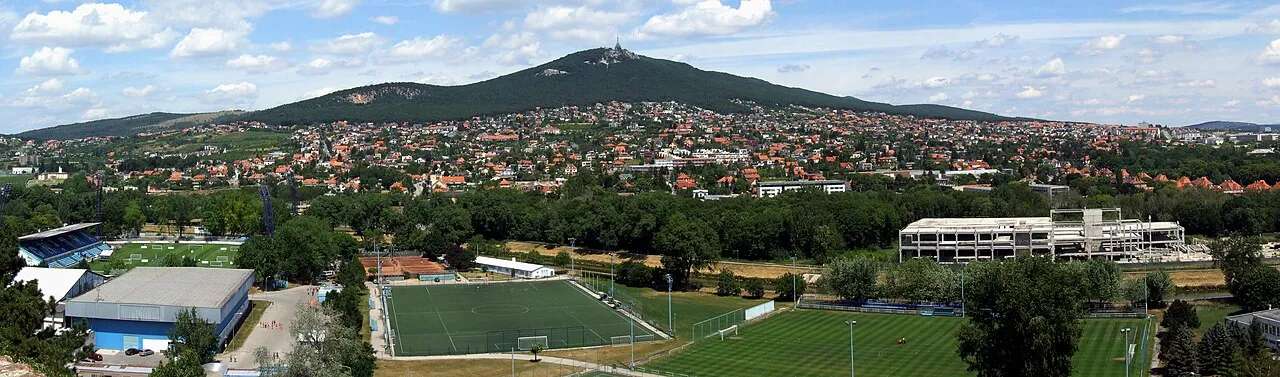
236 records
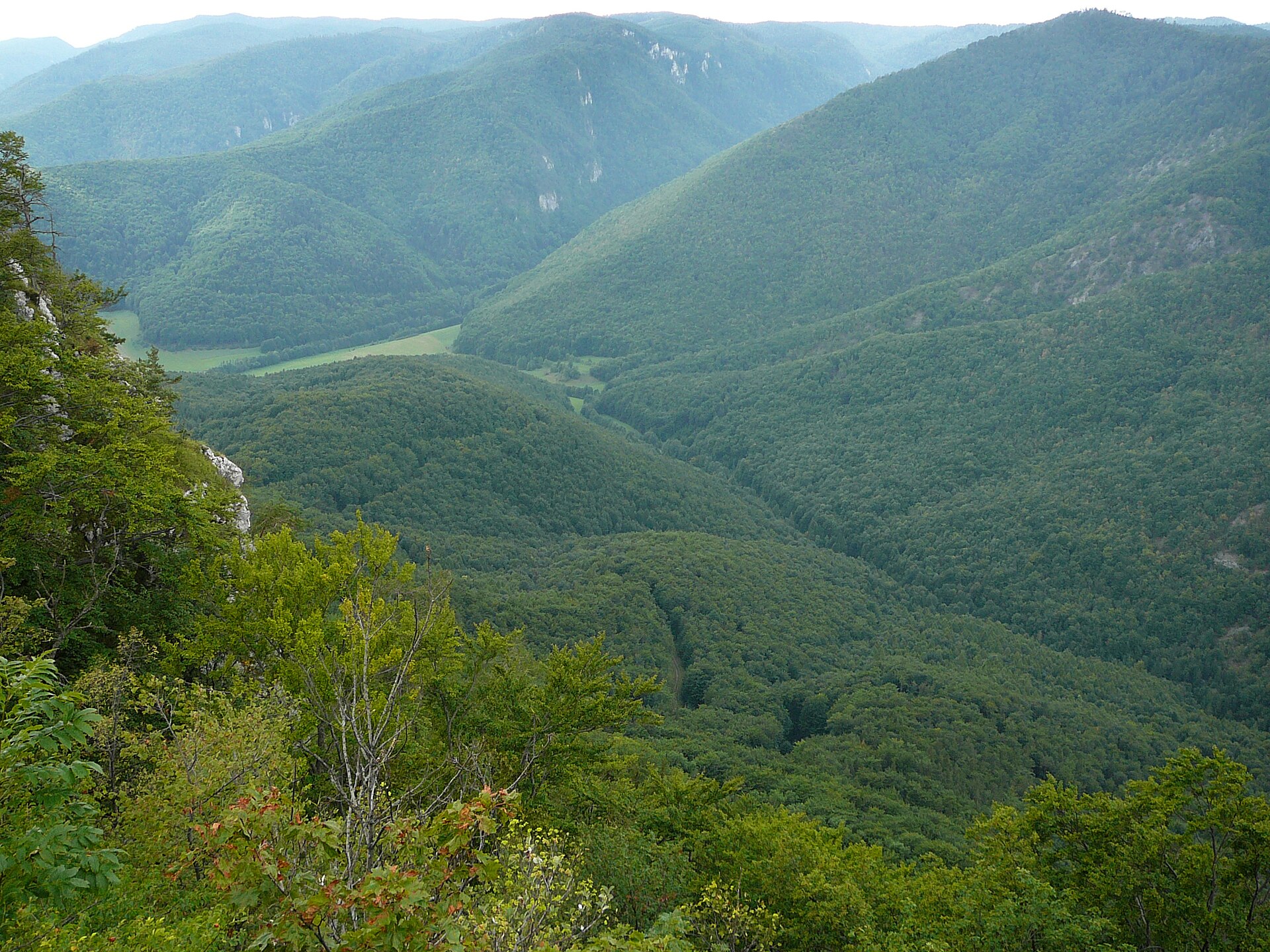
235 records
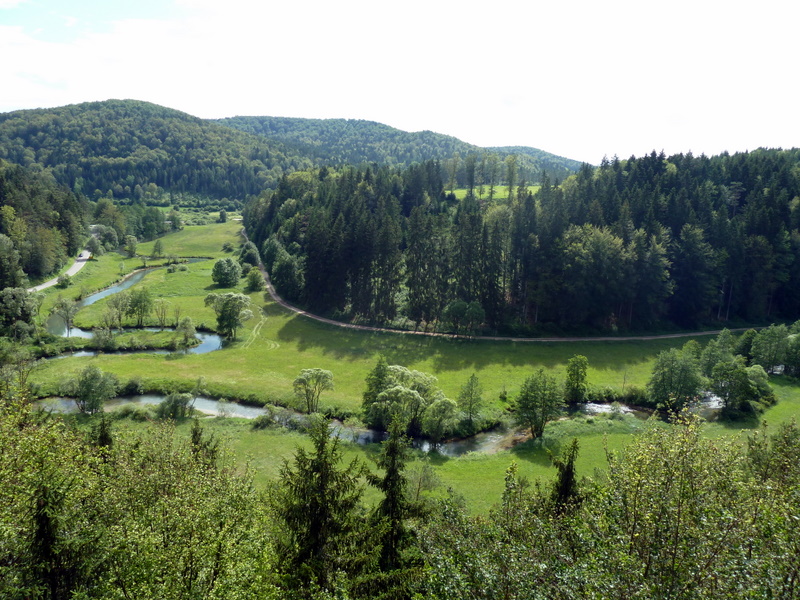
229 records
226 records
145 records

57 records
48 records

47 records

43 records
39 records
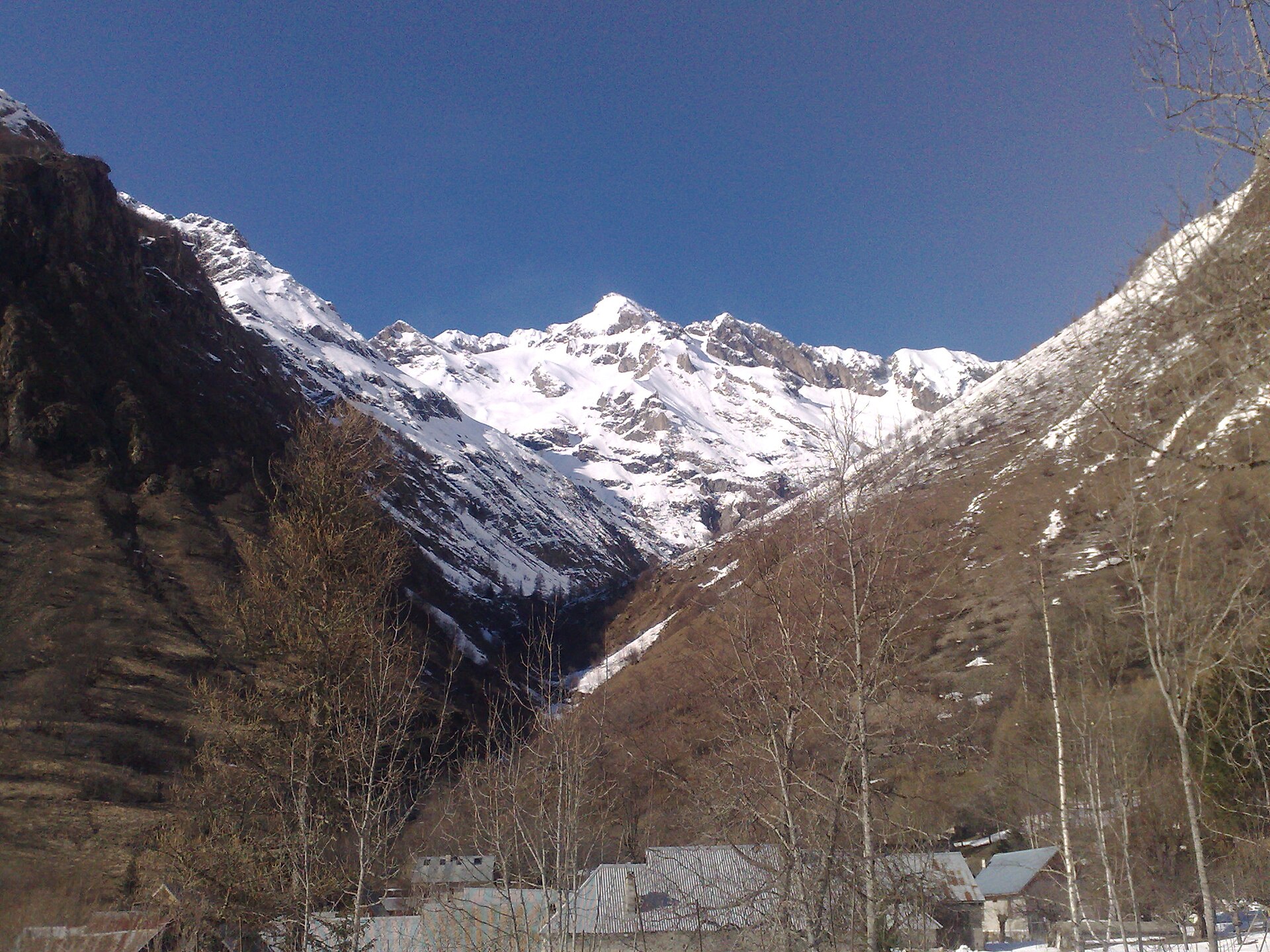
38 records
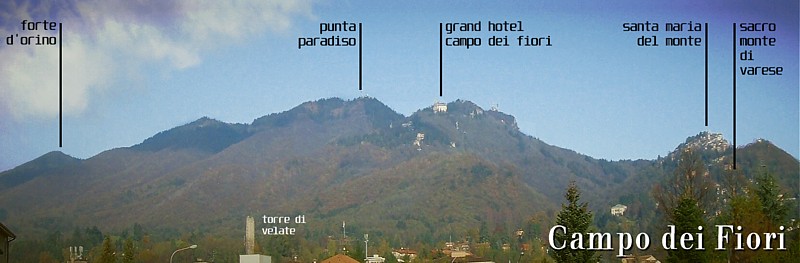
29 records
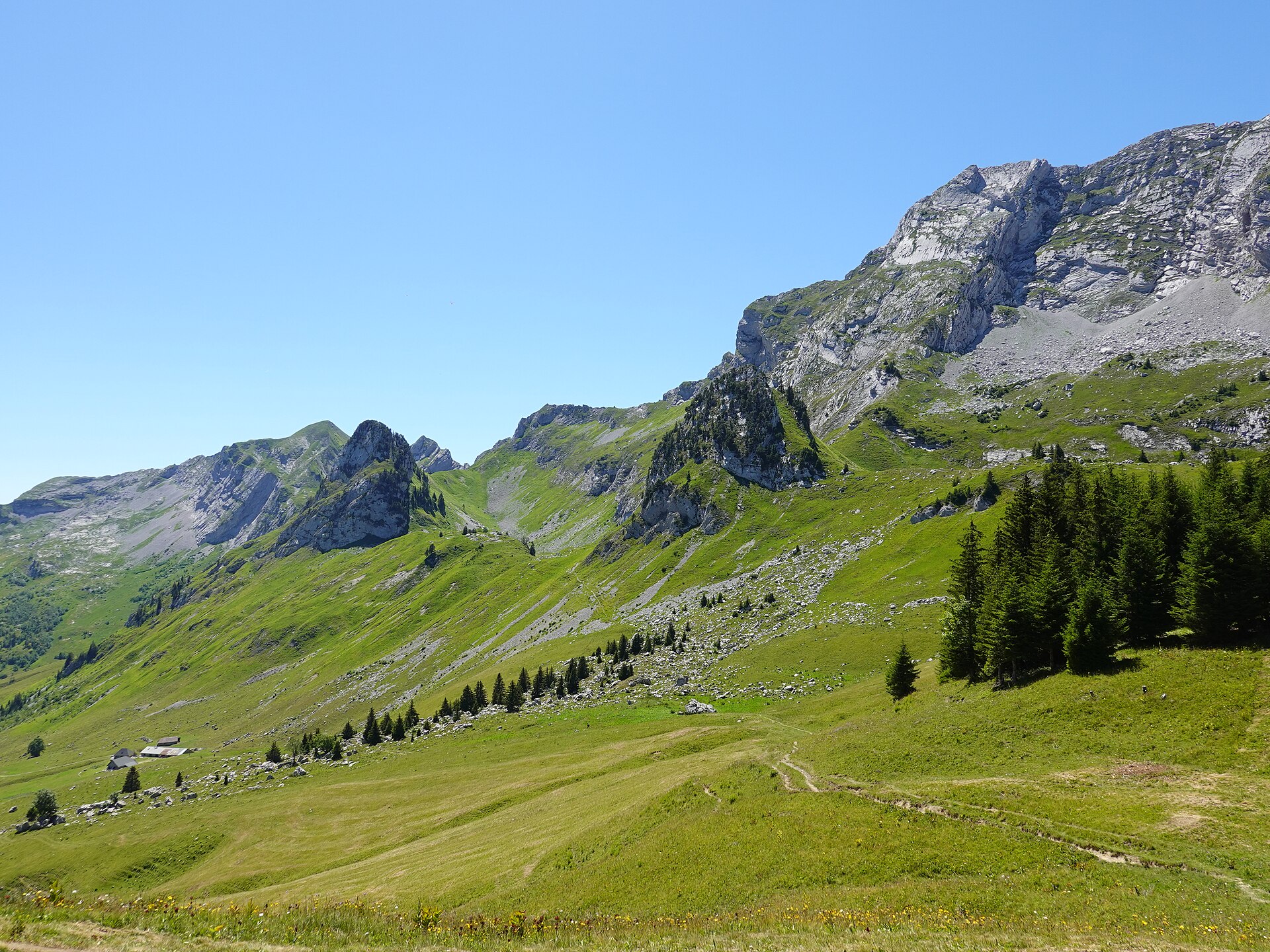
25 records
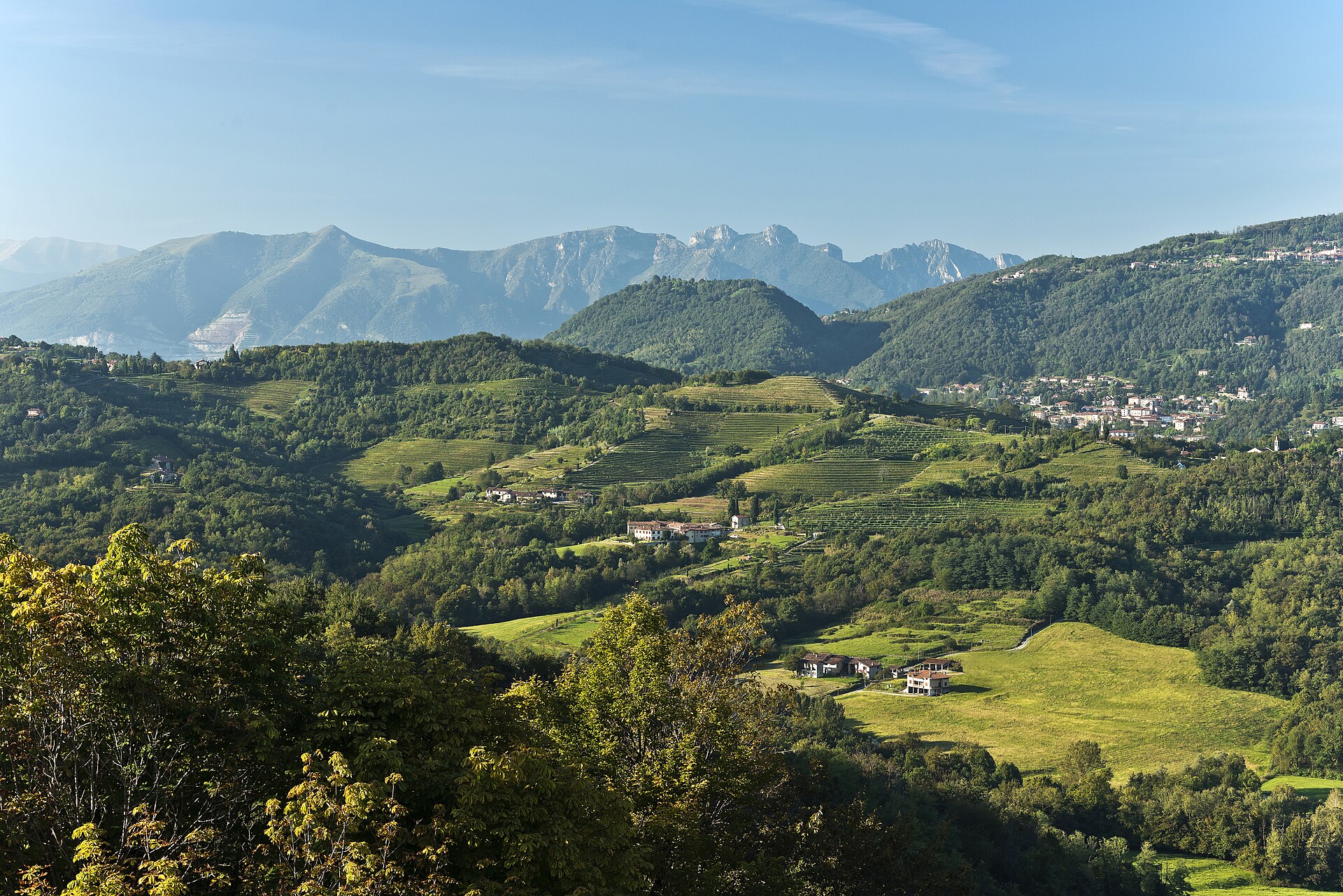
20 records
15 records
8 records
7 records
5 records

5 records
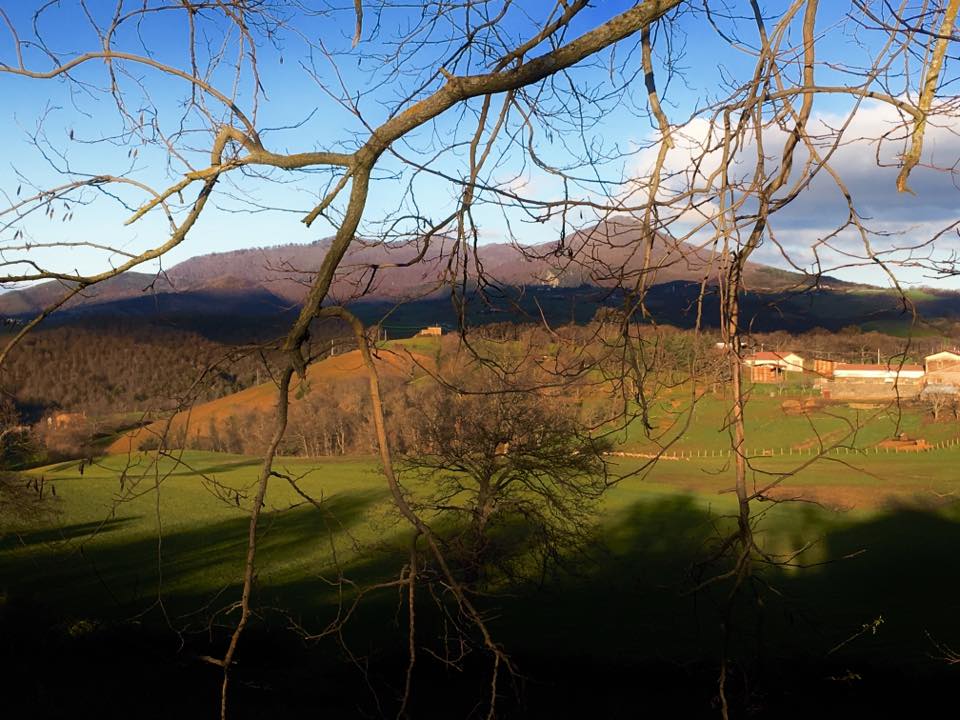
5 records
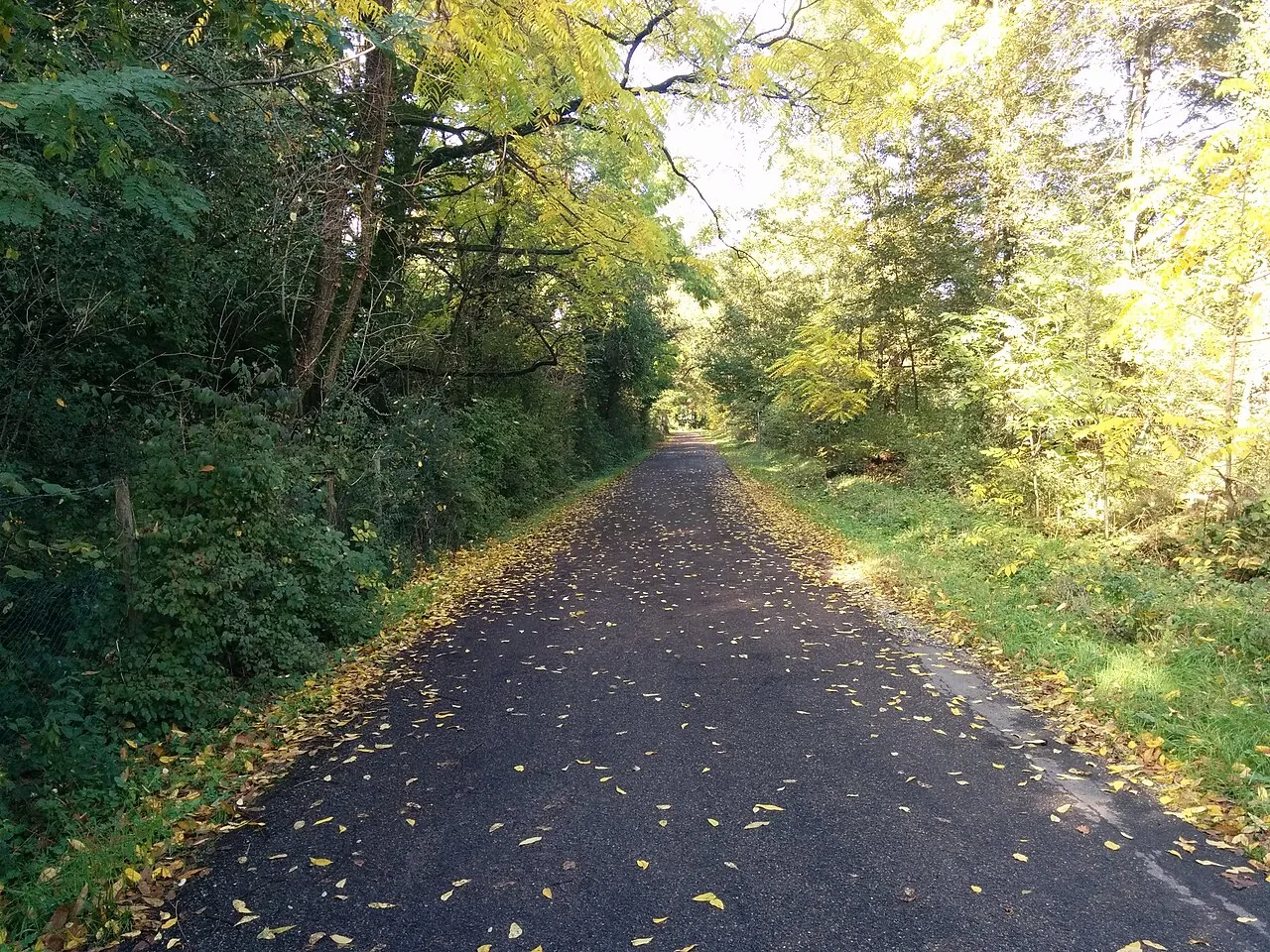
4 records

4 records
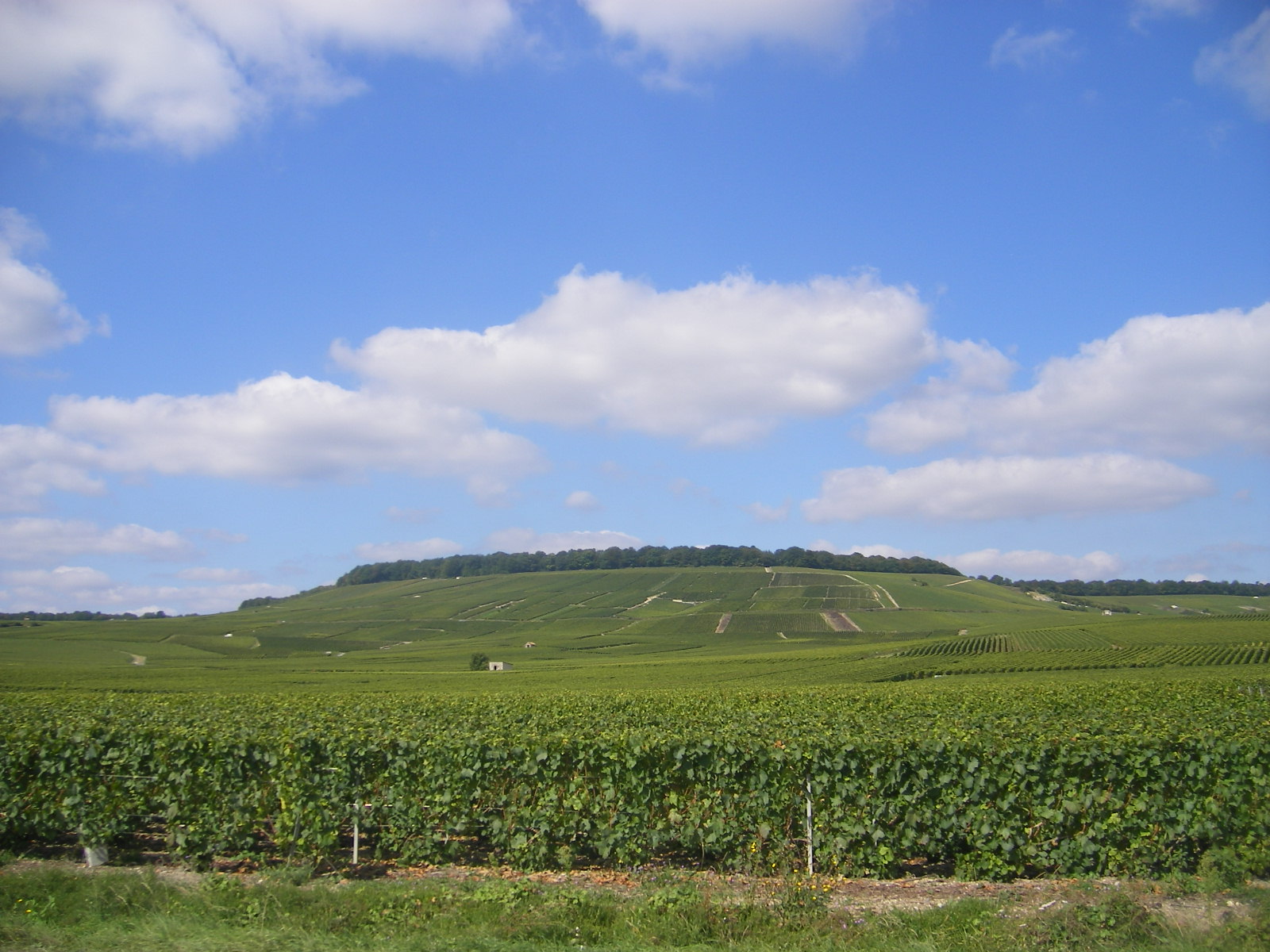
4 records
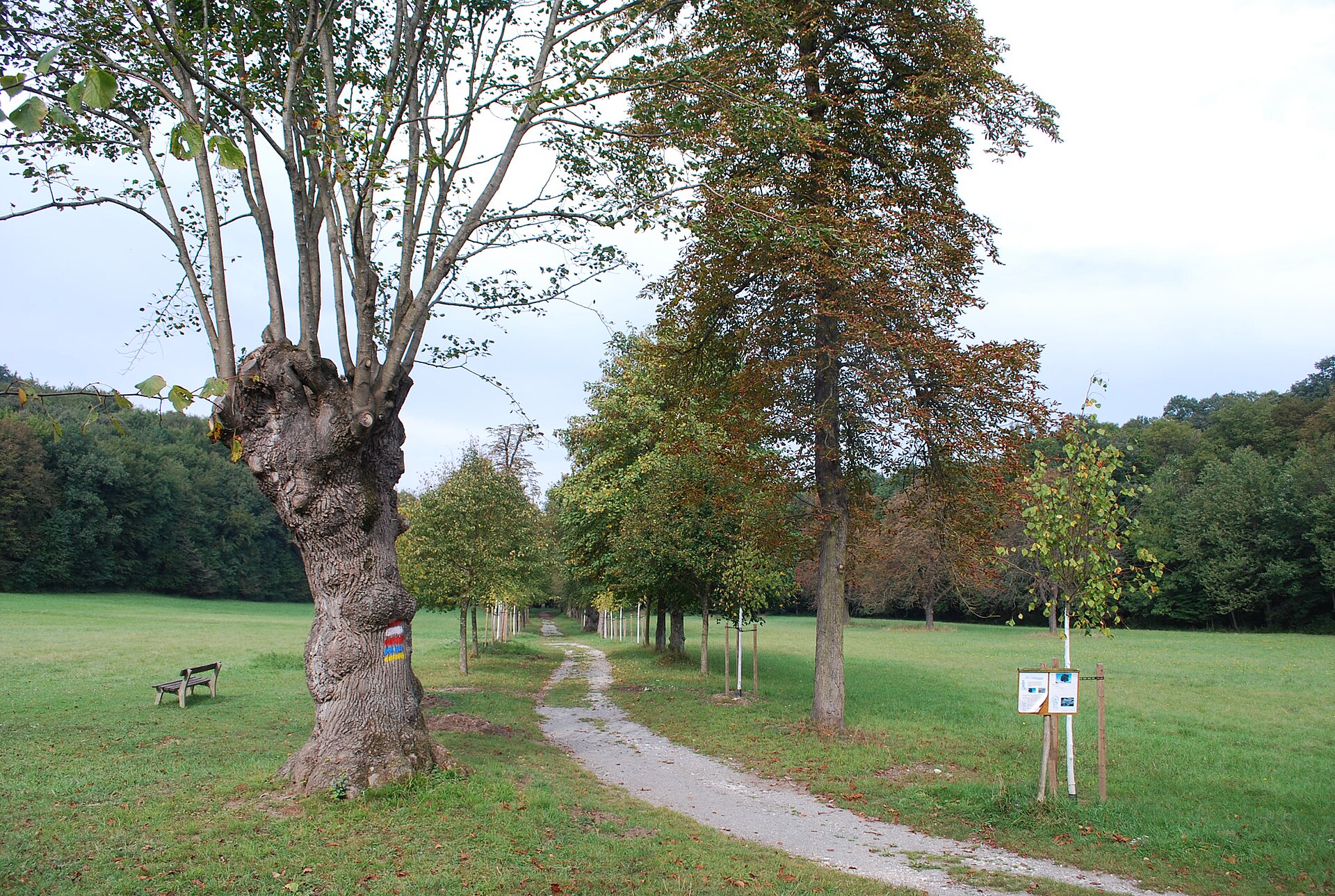
3 records

3 records

3 records

3 records

2 records
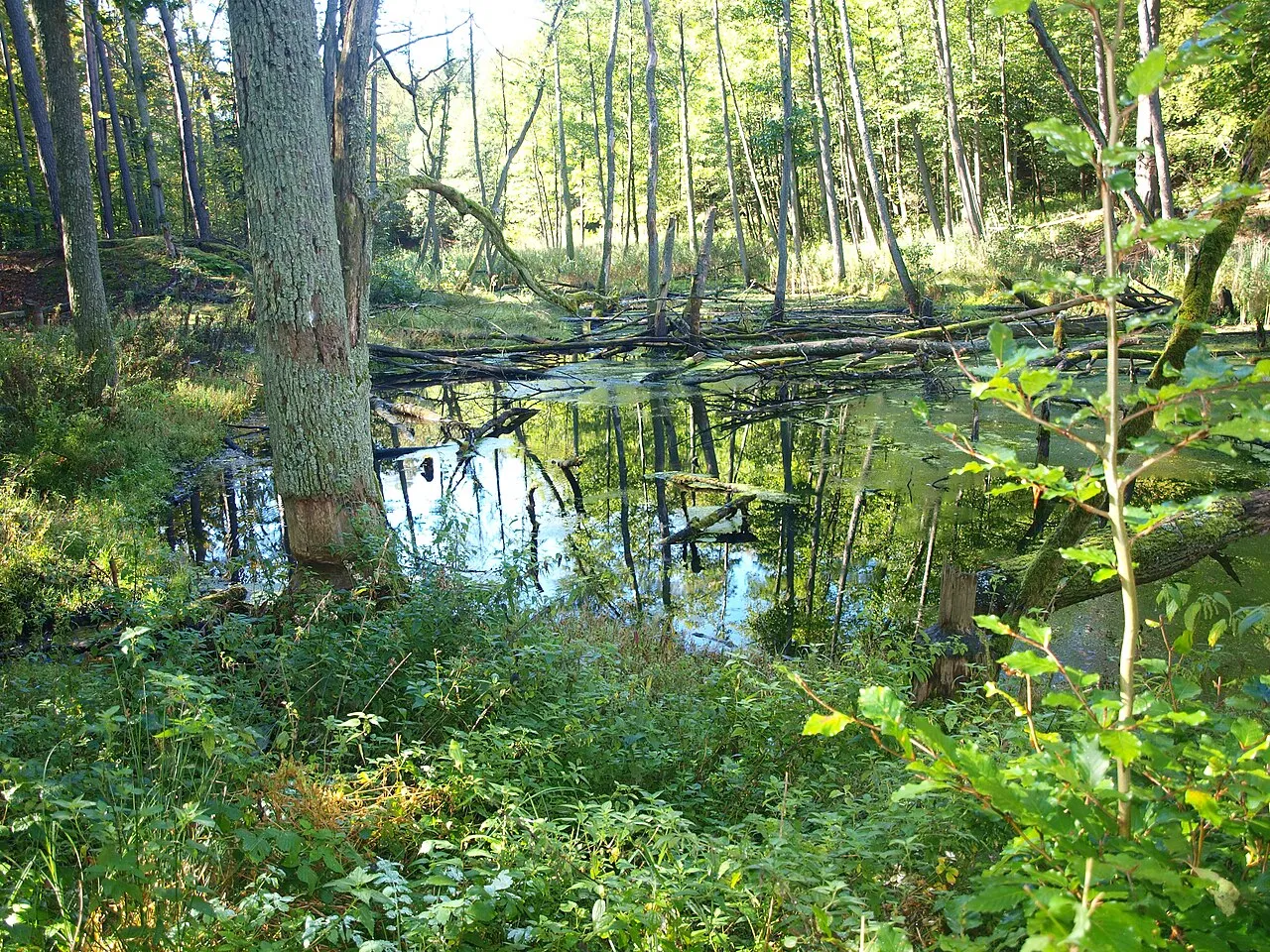
2 records
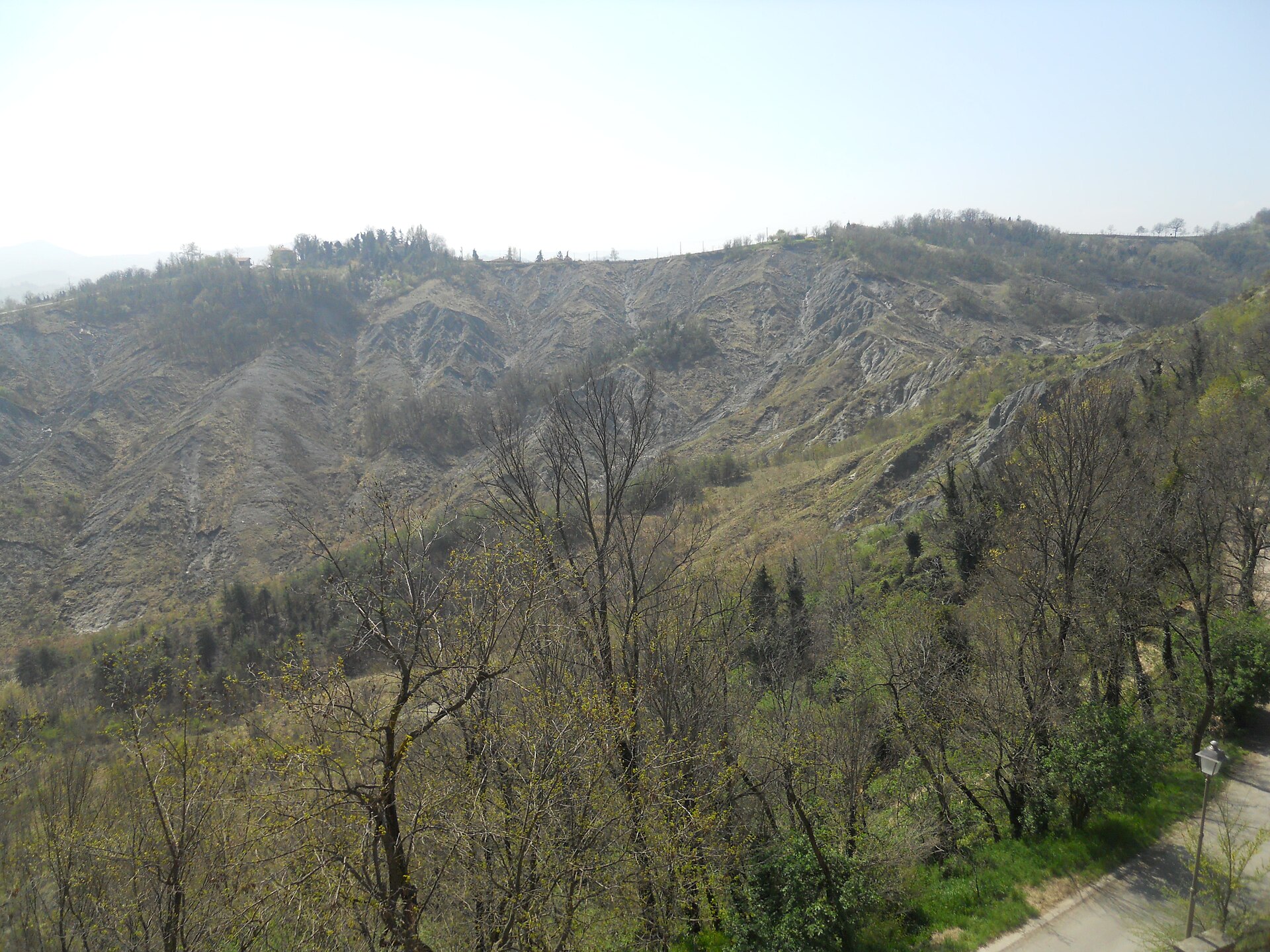
2 records
1 records
Other species to discover
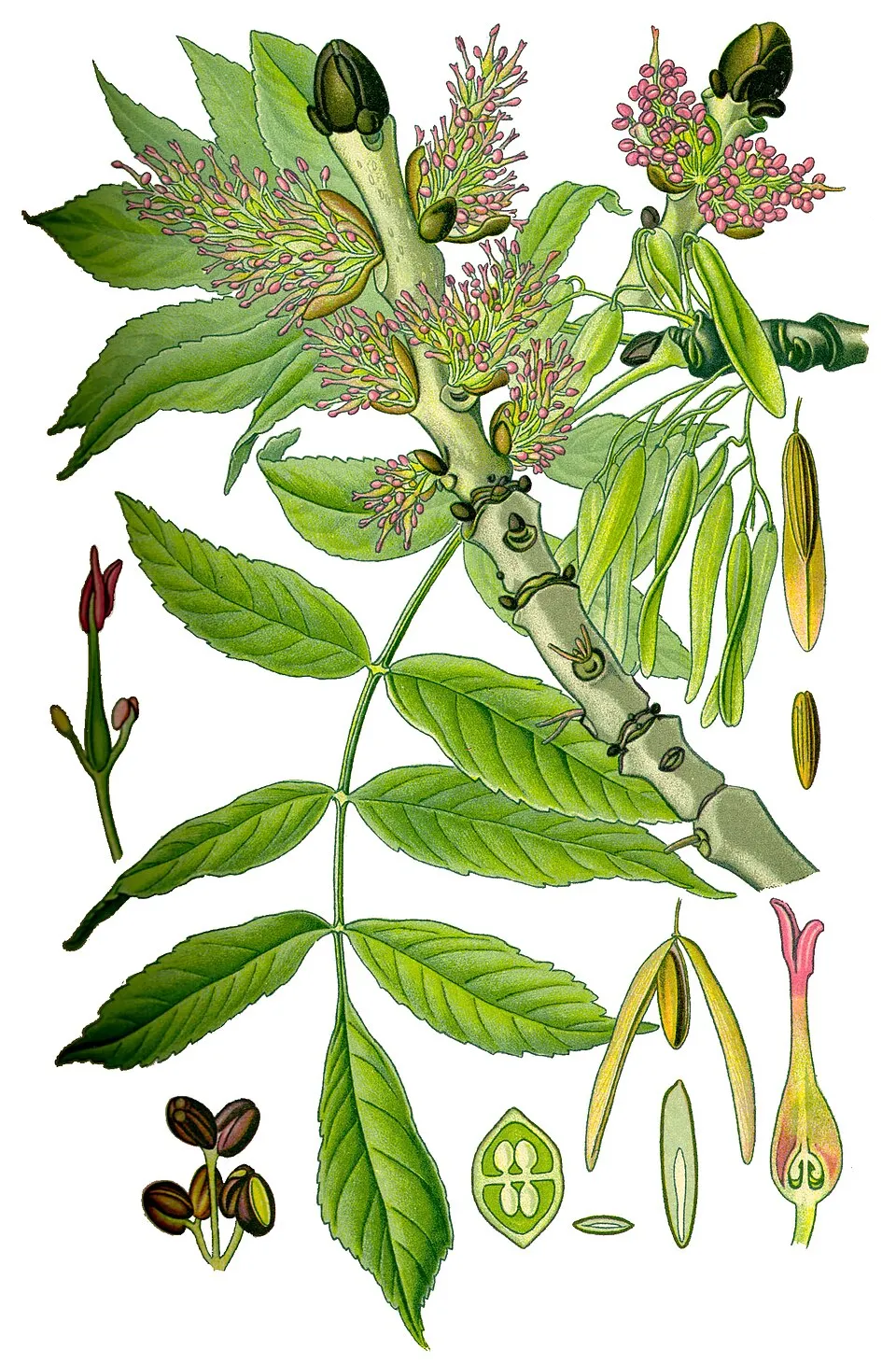 European ash
Fraxinus excelsior 34 places in common
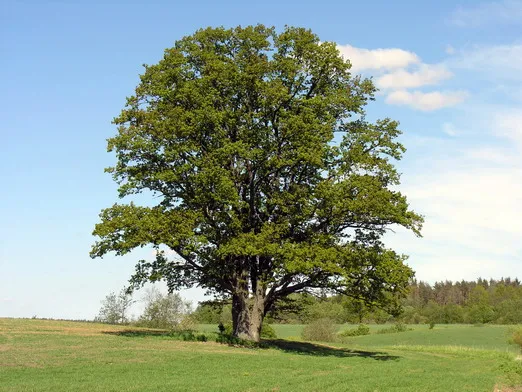 Pedunculate Oak
Quercus robur 23 places in common
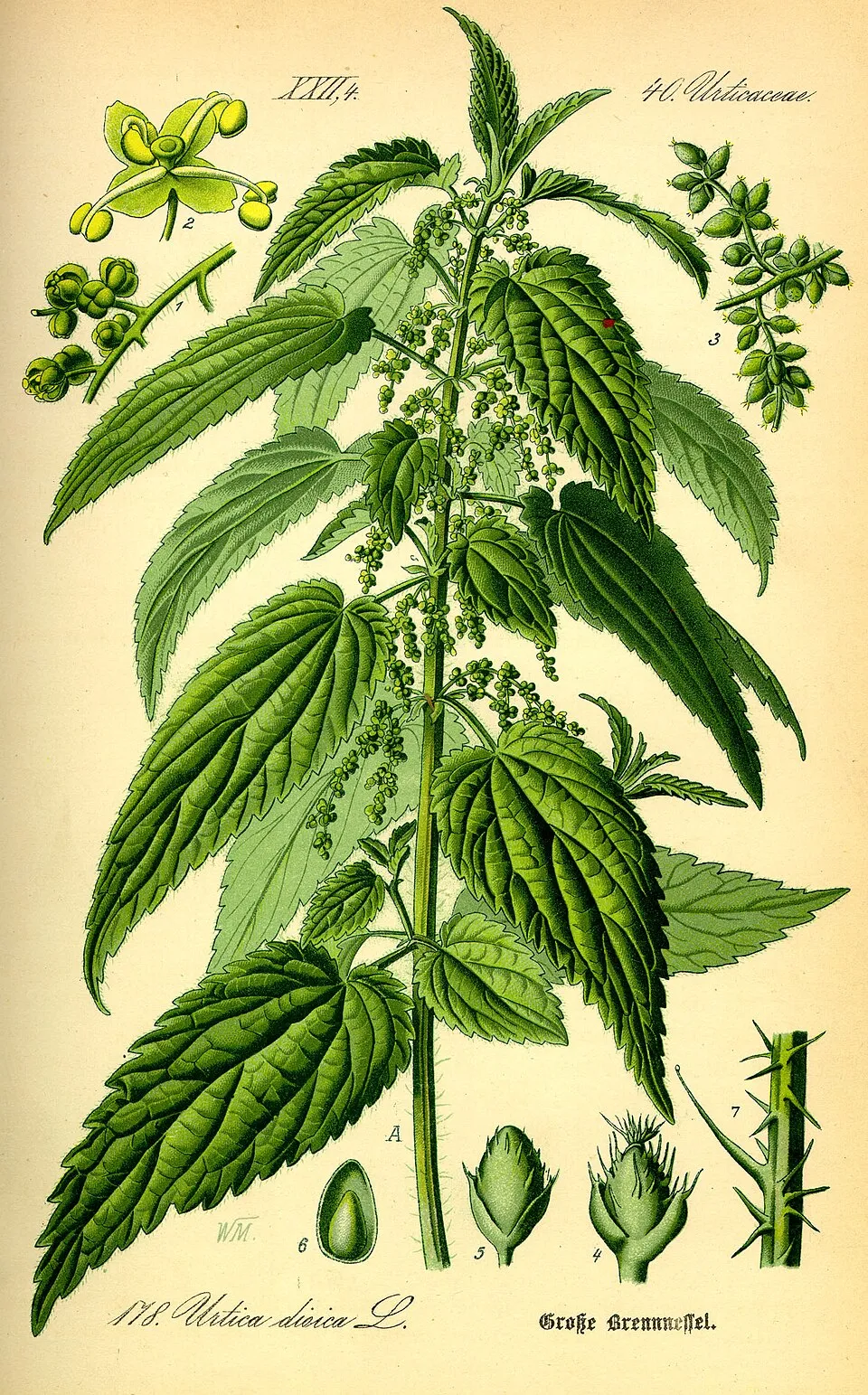 Common Nettle
Urtica dioica 27 places in common
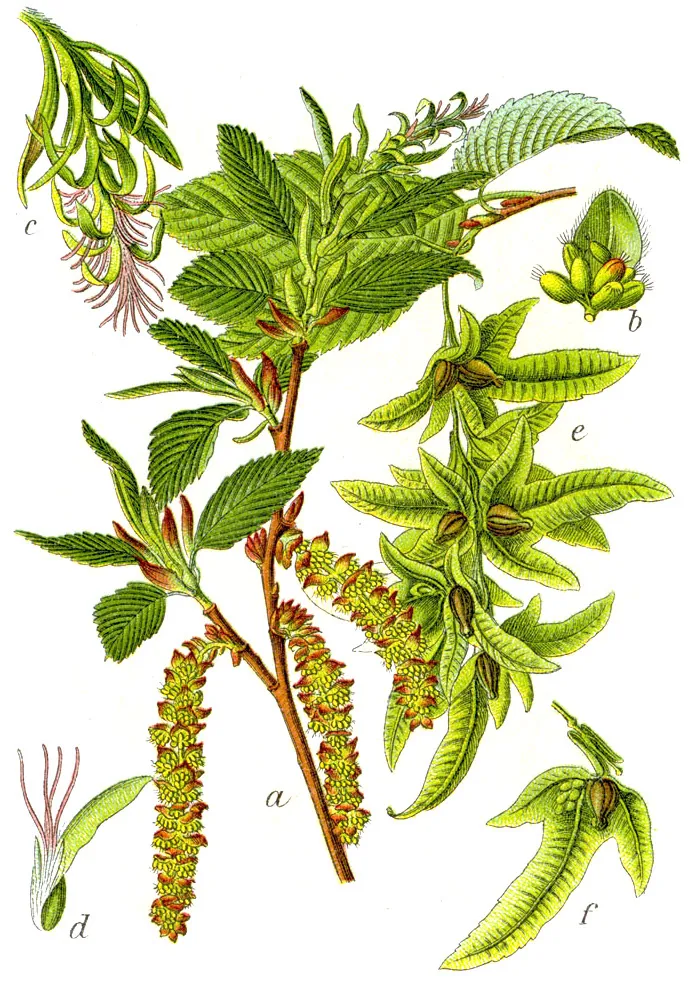 Hornbeam
Carpinus betulus 18 places in common
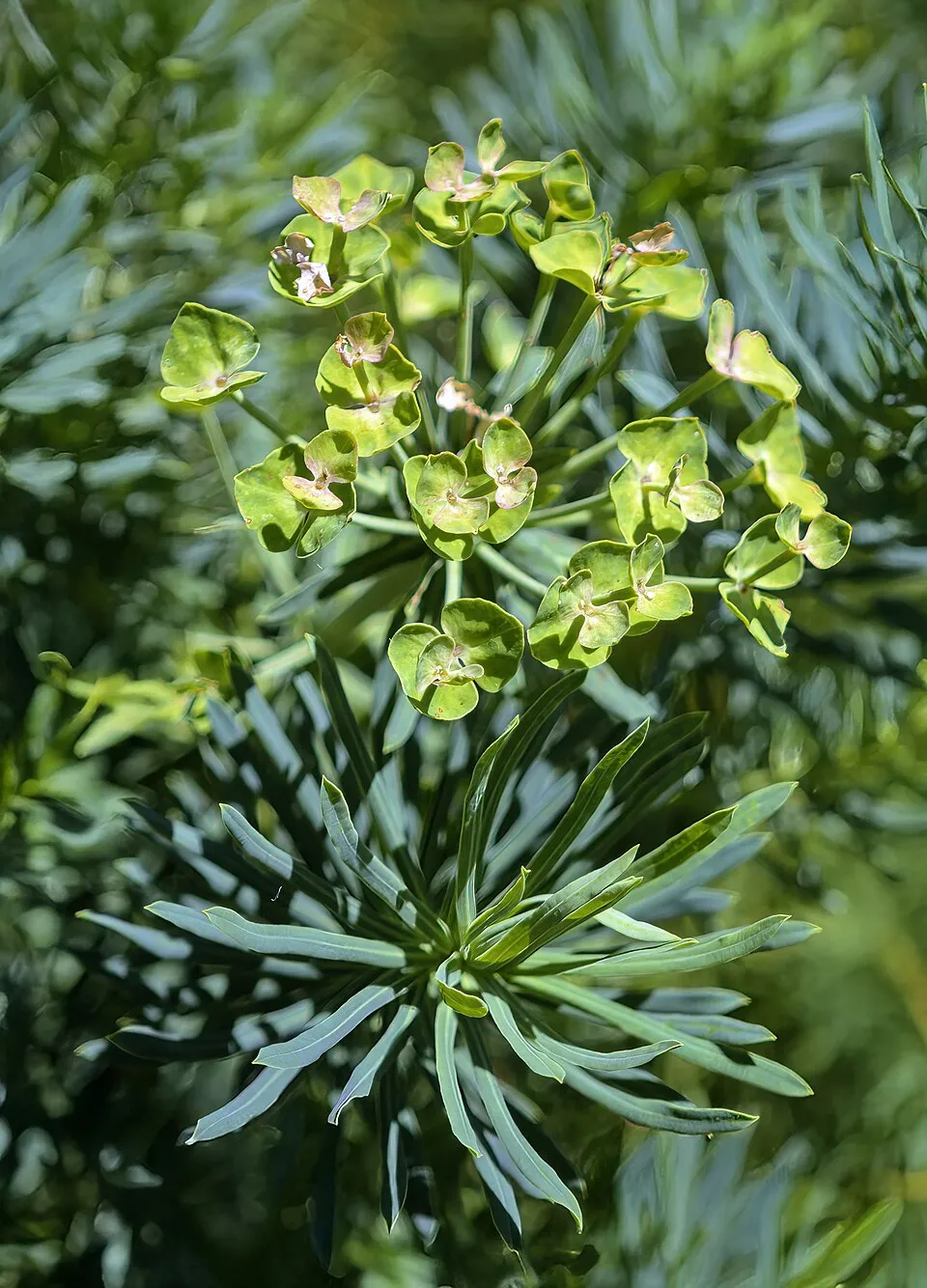 Cypress Spurge
Euphorbia cyparissias 19 places in common
 Sycamore
Acer pseudoplatanus 21 places in common
Sources and credits
- Presence: most-recorded species of each place on GBIF and species of Community interest in the Natura 2000 forms (EEA, CC-BY 4.0); absence from the list does not mean the species is absent.
- Common names: Wikidata (CC0) and GBIF.
- Photos and sounds: Wikimedia Commons, author and licence given for each file.
- Classification: GBIF Backbone Taxonomy (GBIF Secretariat), CC BY 4.0, doi:10.15468/39omei.
- Countries, elevations, months and maps: GBIF.org, CC0 or CC BY 4.0 occurrences only, accessed October 22, 2026, GBIF.org.
- Base map: Natural Earth (public domain).
- Excerpt: Wikipedia, CC BY-SA 4.0 (full credit below the excerpt).
- Native range and life form: World Checklist of Vascular Plants, Royal Botanic Gardens, Kew, CC BY 4.0 (no endorsement by Kew).