
Plant
European ash: where to see it
Fraxinus excelsior
This plant species is recorded in 53 protected areas of the atlas. Within the atlas countries, it is mostly observed in France, the United Kingdom and Sweden (12 countries in all). Most records (8 in 10) lie between 240 and 950 m above sea level. Records peak from May to September. Plant (tree), native to Europe and temperate Asia, introduced to Australasia, North America and South and Central America.
Best time to see it: May–September
Records published on GBIF by month (CC0 and CC BY 4.0 licences only), in the atlas countries, all years combined; they also reflect observer activity.
Distribution
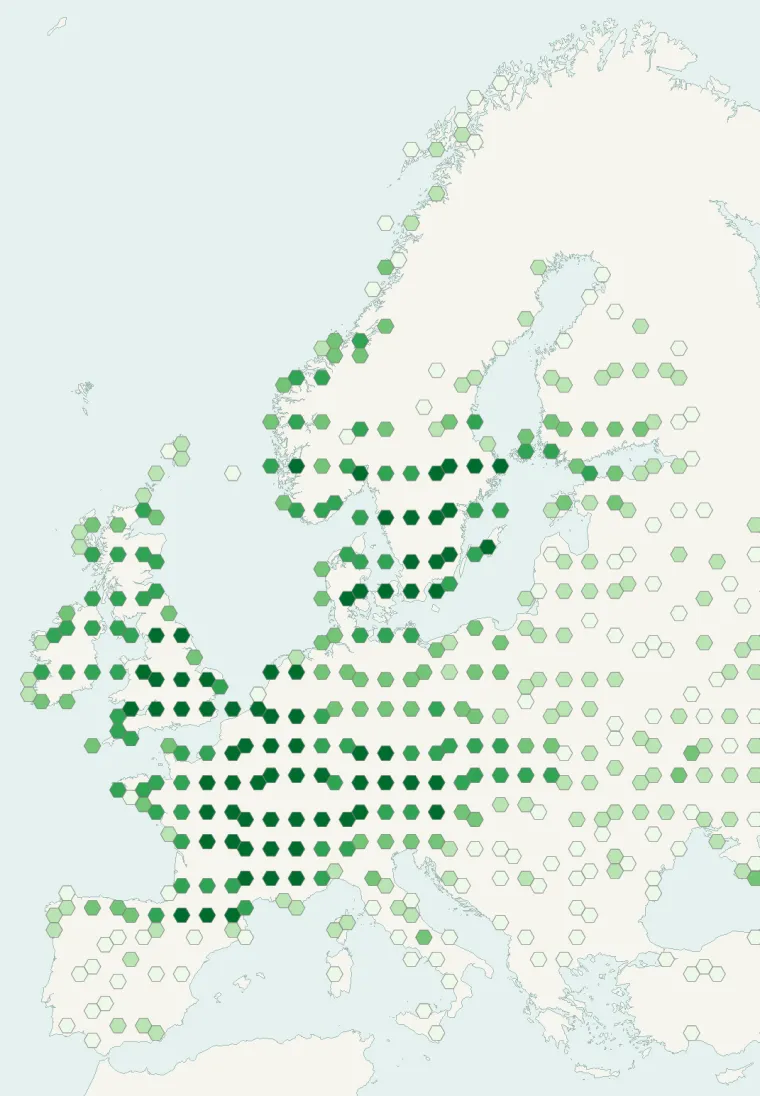
Records published on GBIF (CC0 and CC BY 4.0 licences): the darker the shade, the more records there are; they also reflect observation effort.
Listen
-
1:13 · © Robert EA Harvey · CC BY-SA 4.0 · Wikimedia Commons · Original file
From Wikipedia
Fraxinus excelsior, known as the ash, or European ash or common ash to distinguish it from other types of ash, is a flowering plant species in the olive family Oleaceae. It is native throughout mainland Europe east to the Caucasus and Alborz mountains, and west to Great Britain and Ireland, the latter determining its western boundary. The northernmost location is in the Trondheimsfjord region of Norway. The species is widely cultivated and reportedly naturalised in New Zealand and in scattered locales in the United States and Canada.
Source: Wikipedia, article “Fraxinus excelsior” (version of September 28, 2026) · history and authors · licence CC BY-SA 4.0 · shortened excerpt
Protected areas where it is recorded
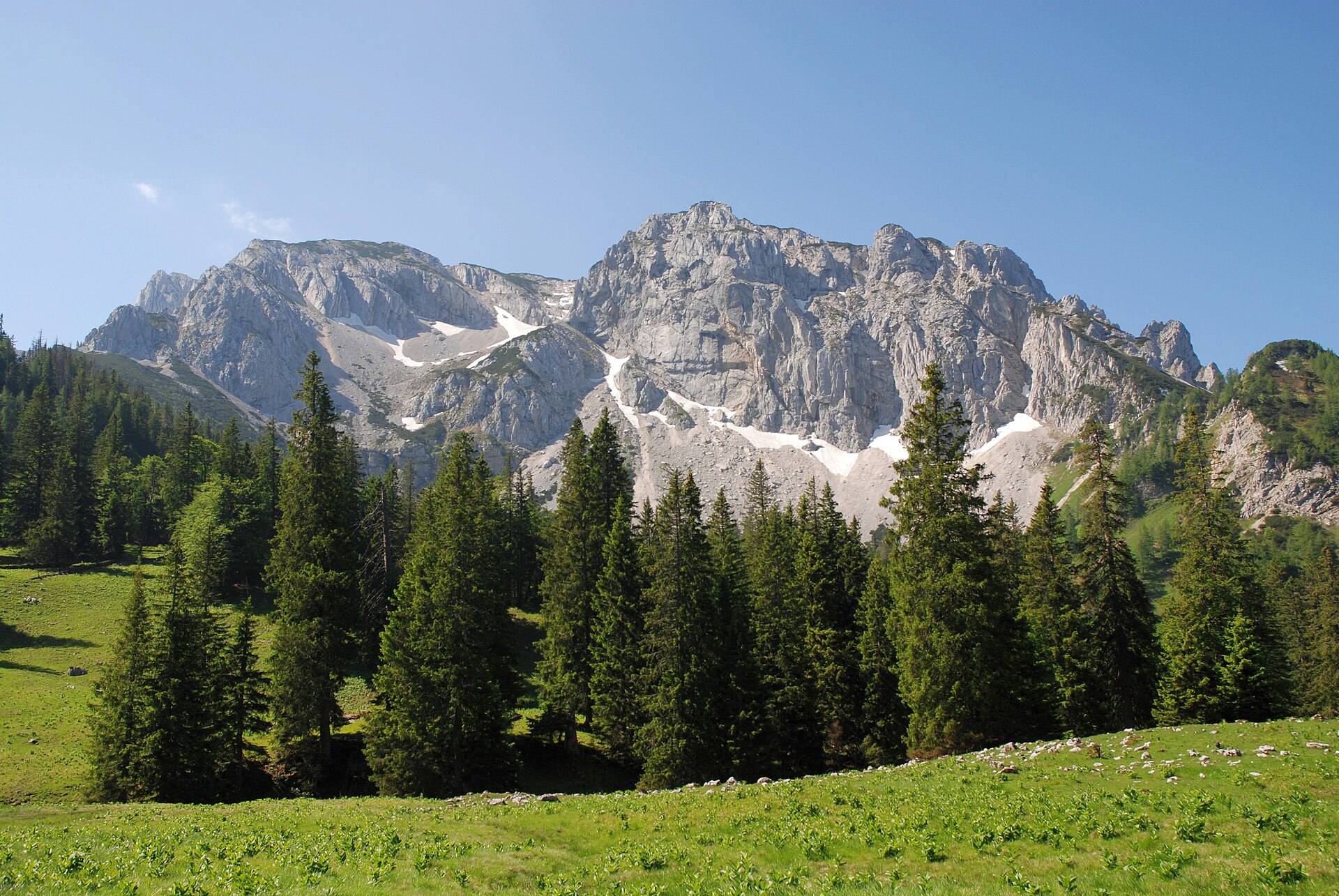
10,081 records
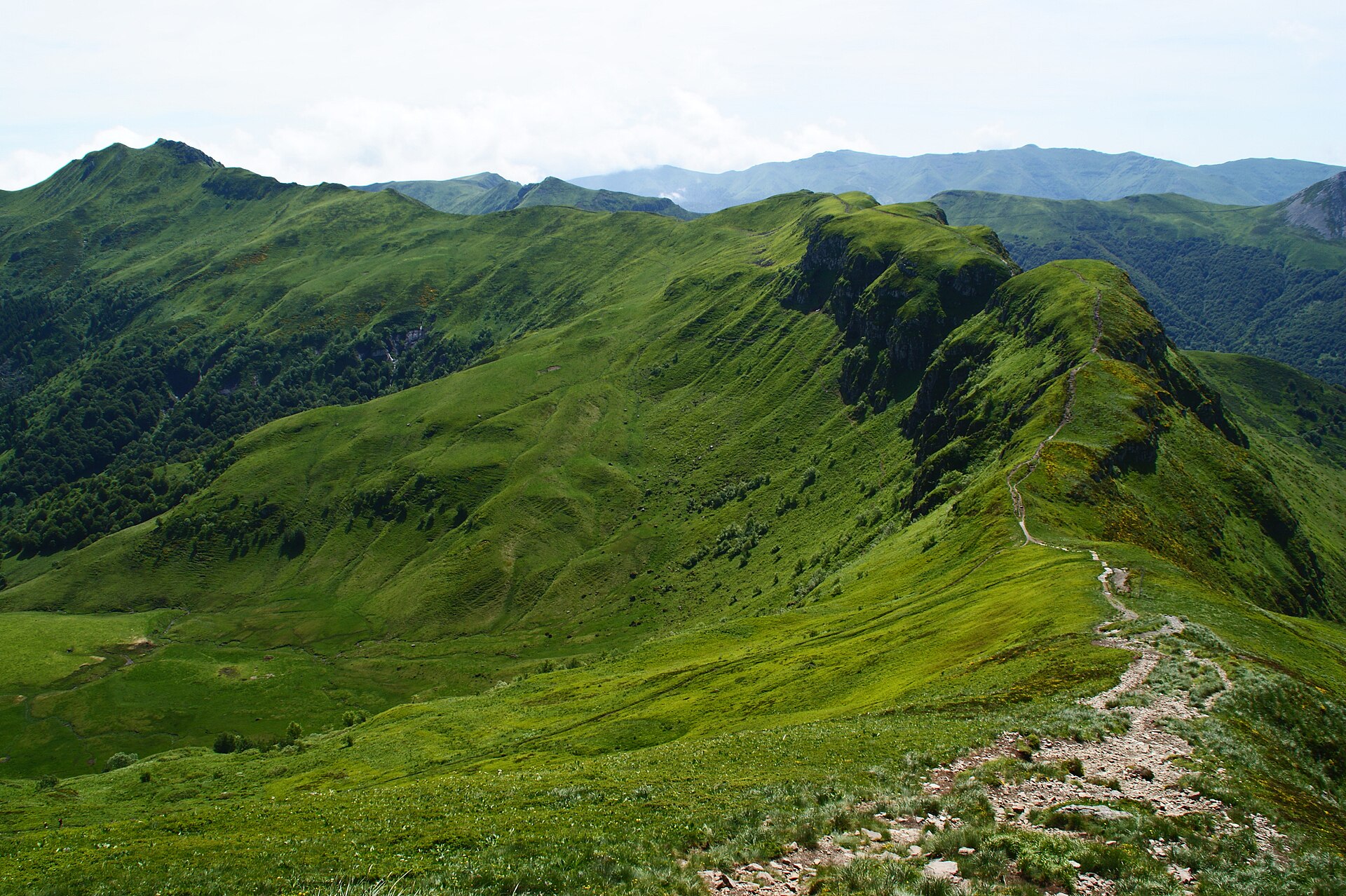
7,499 records
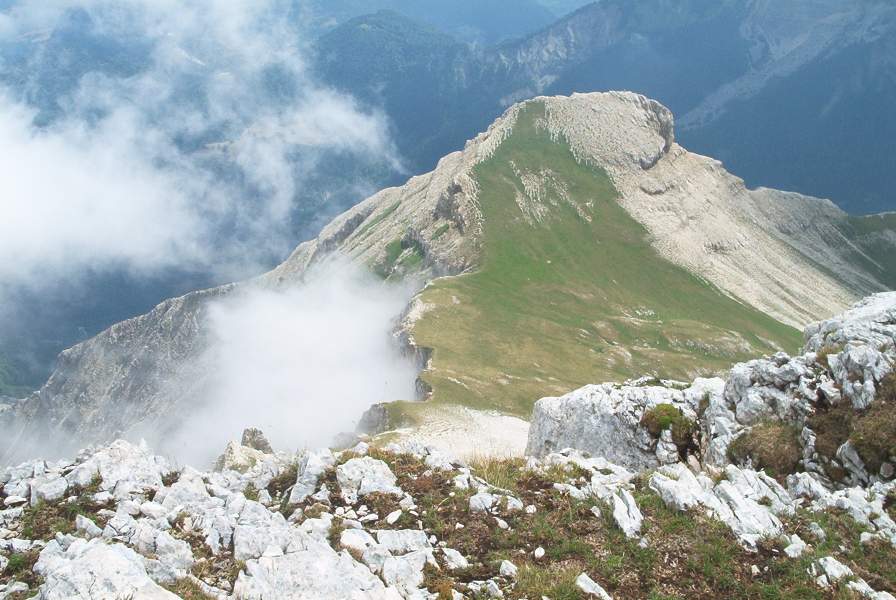
6,698 records
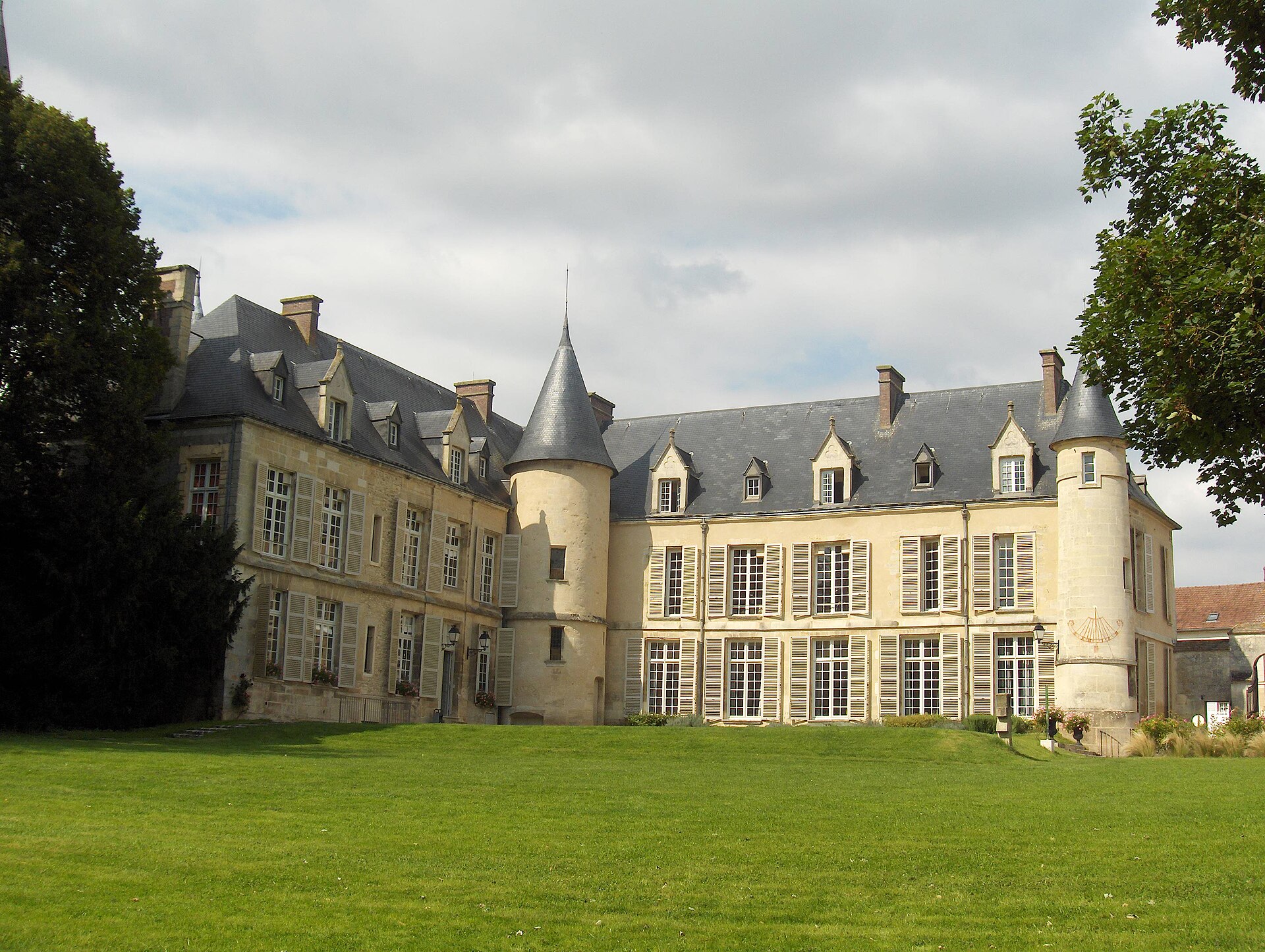
5,806 records
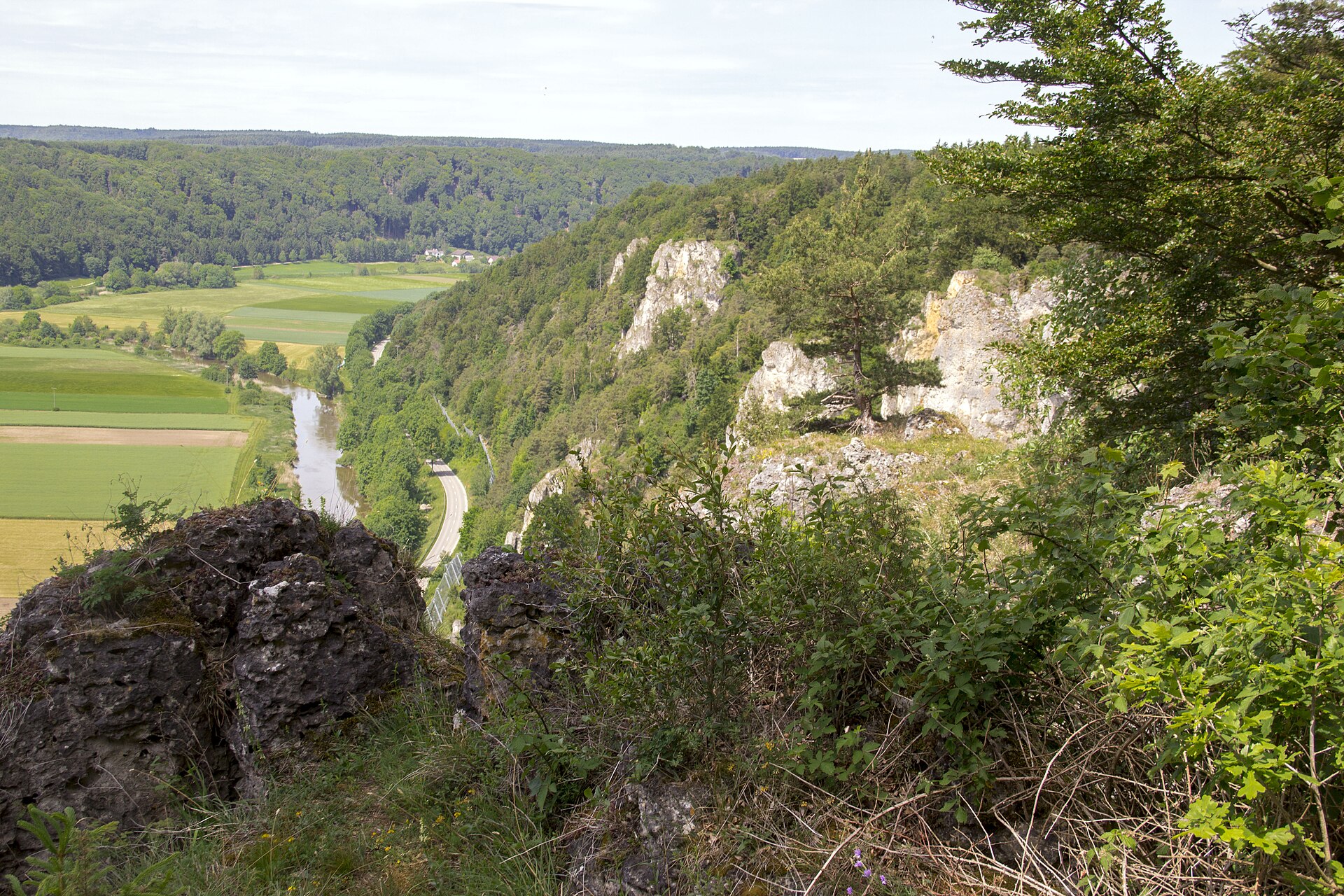
5,411 records
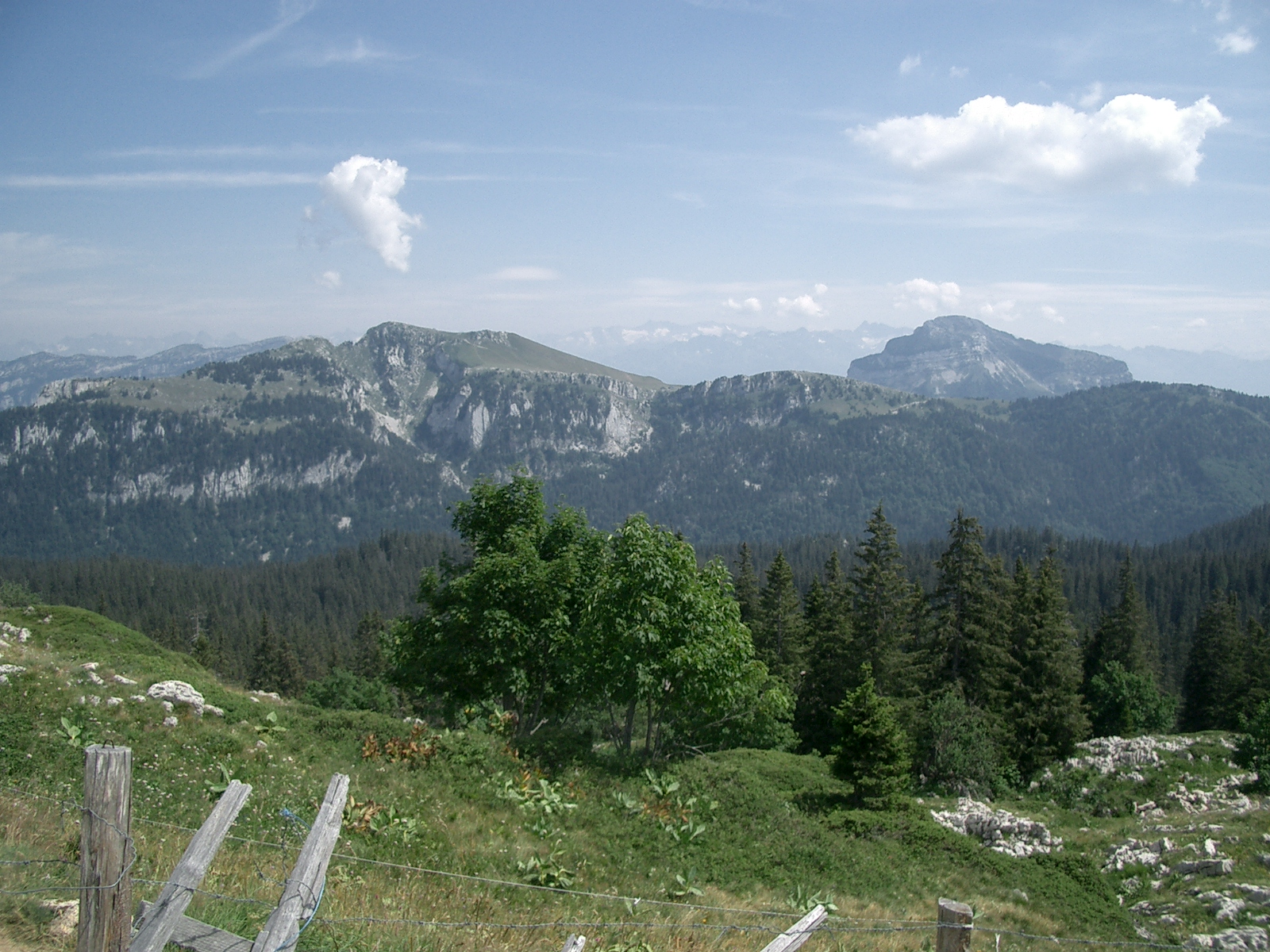
5,211 records
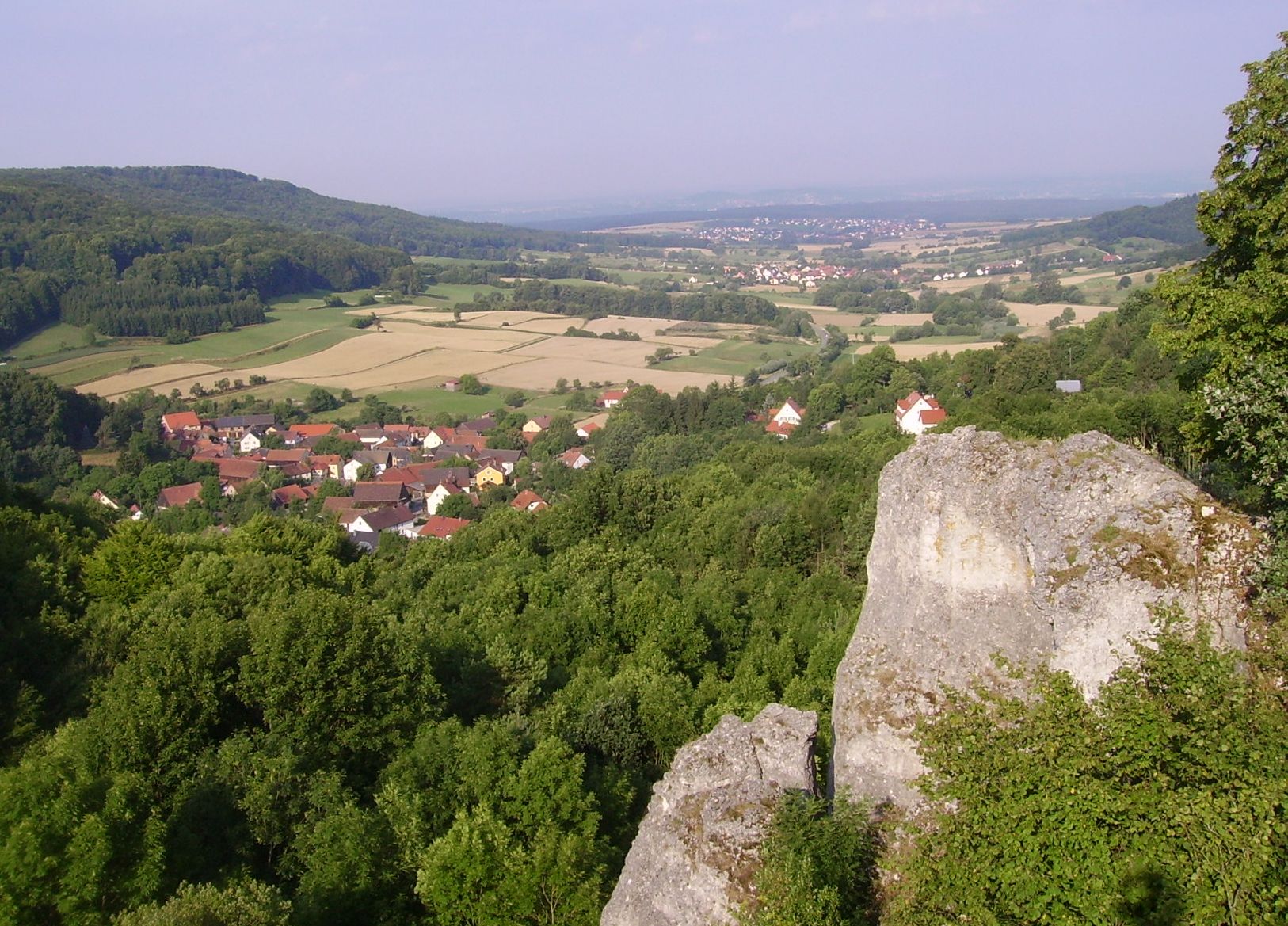
4,786 records
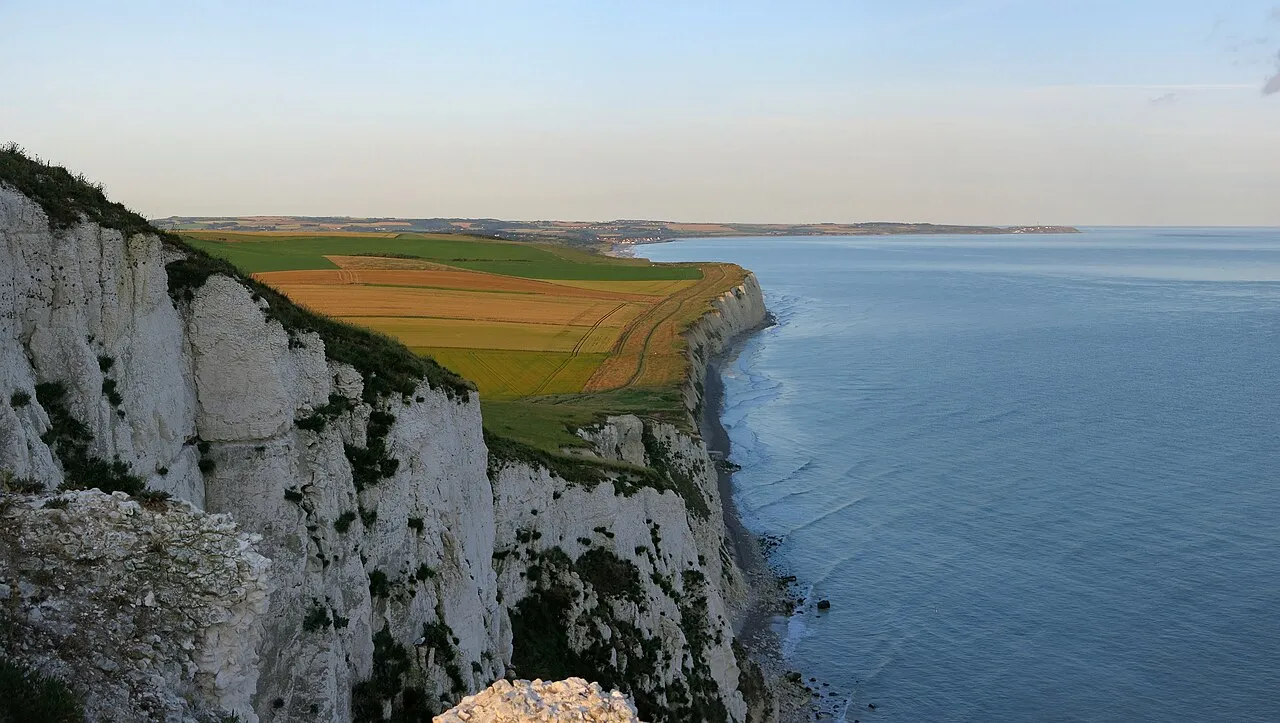
4,460 records
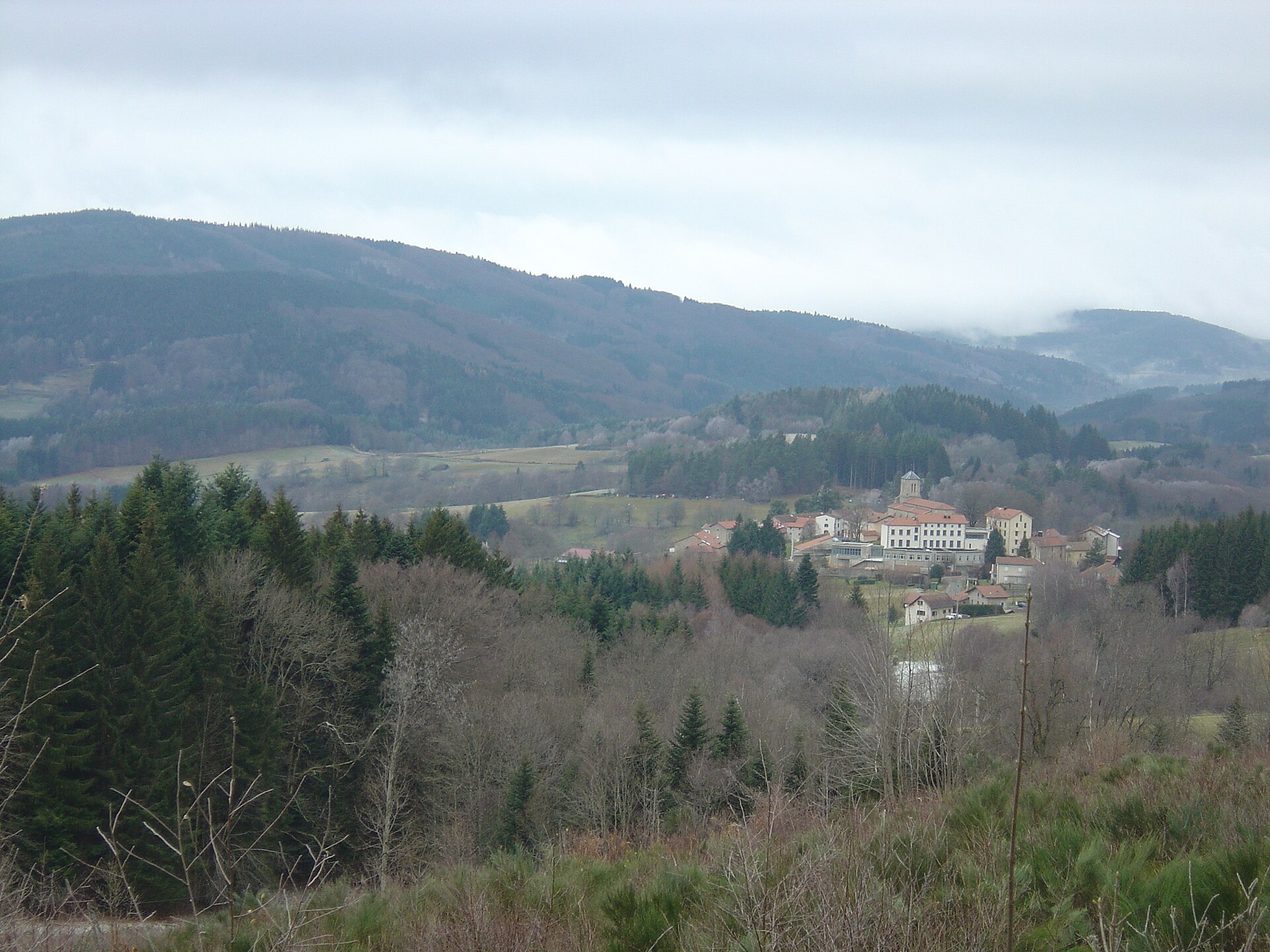
3,790 records
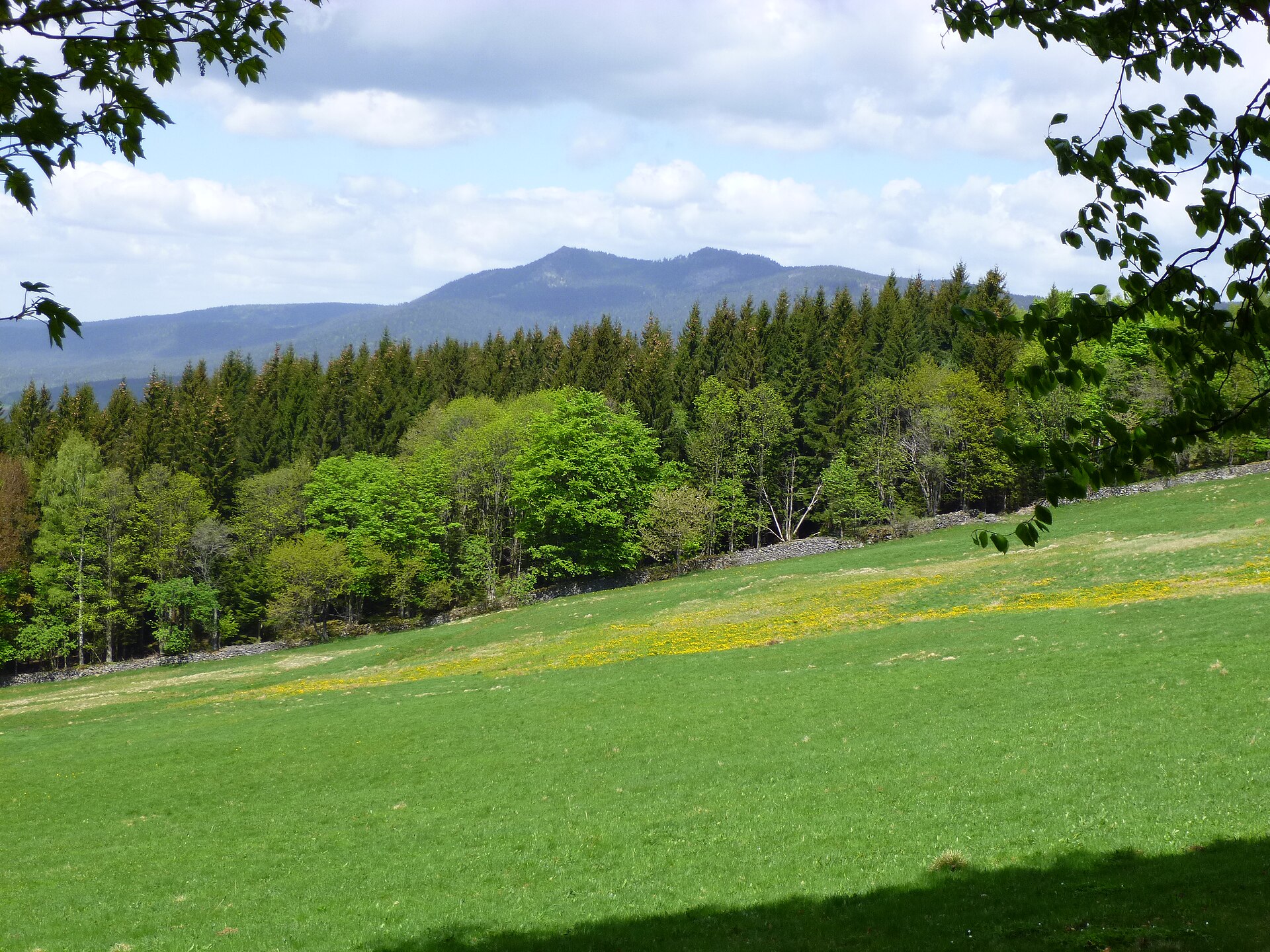
3,578 records
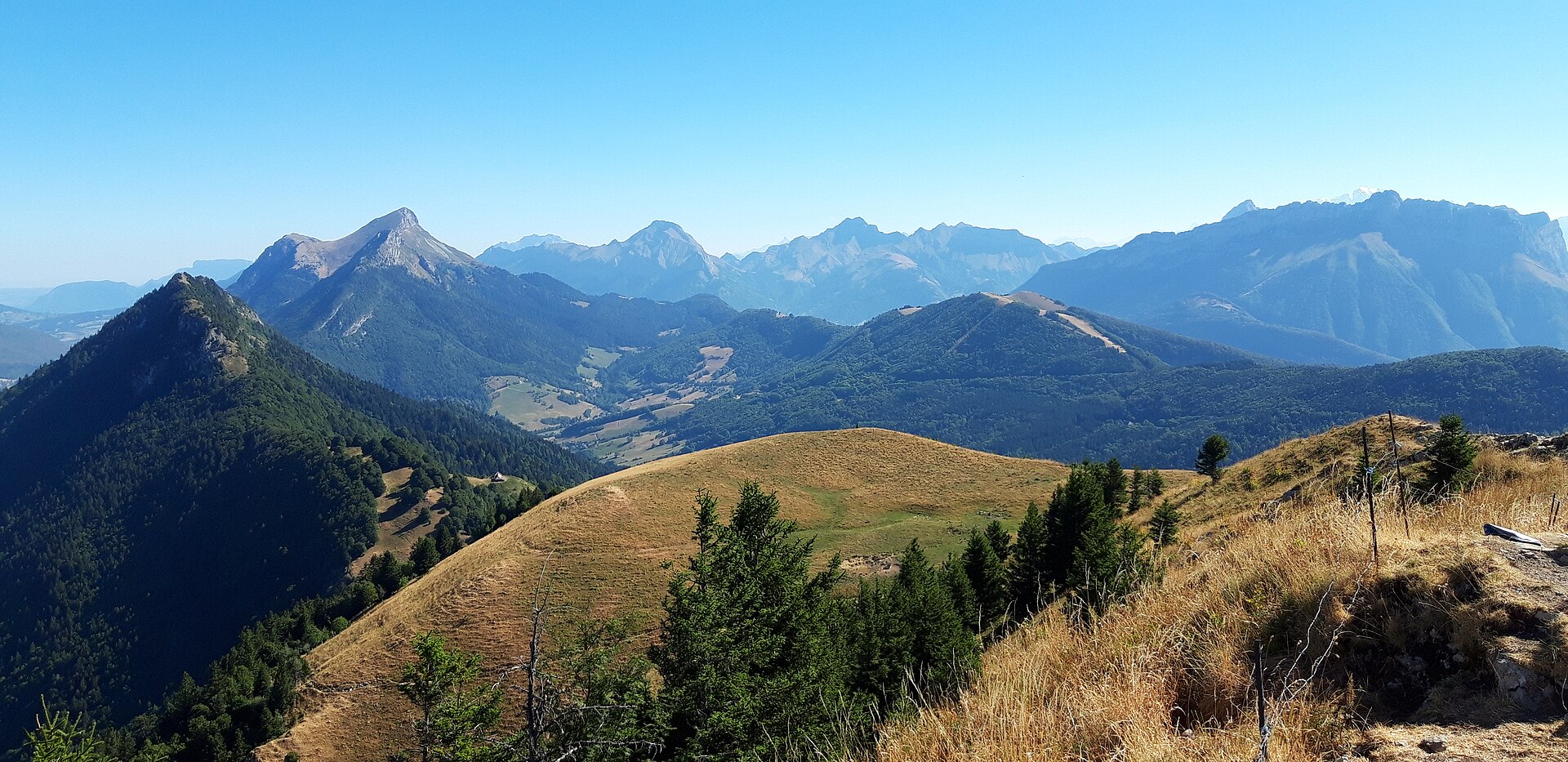
3,524 records
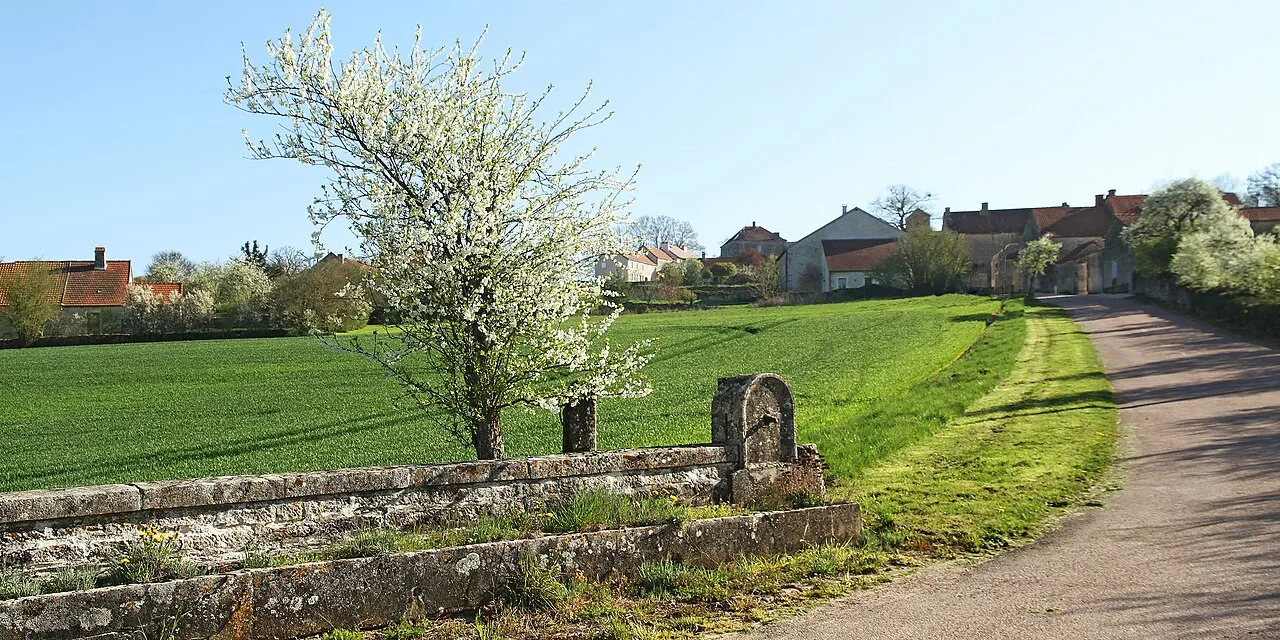
3,497 records
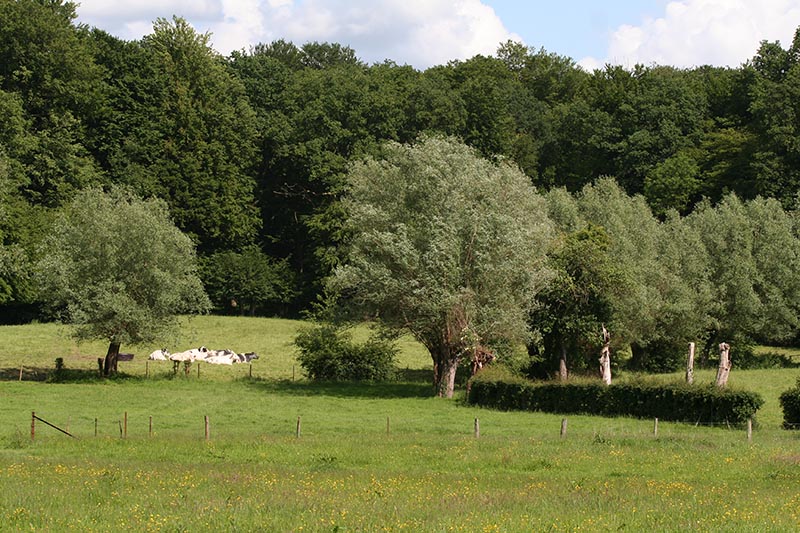
3,199 records
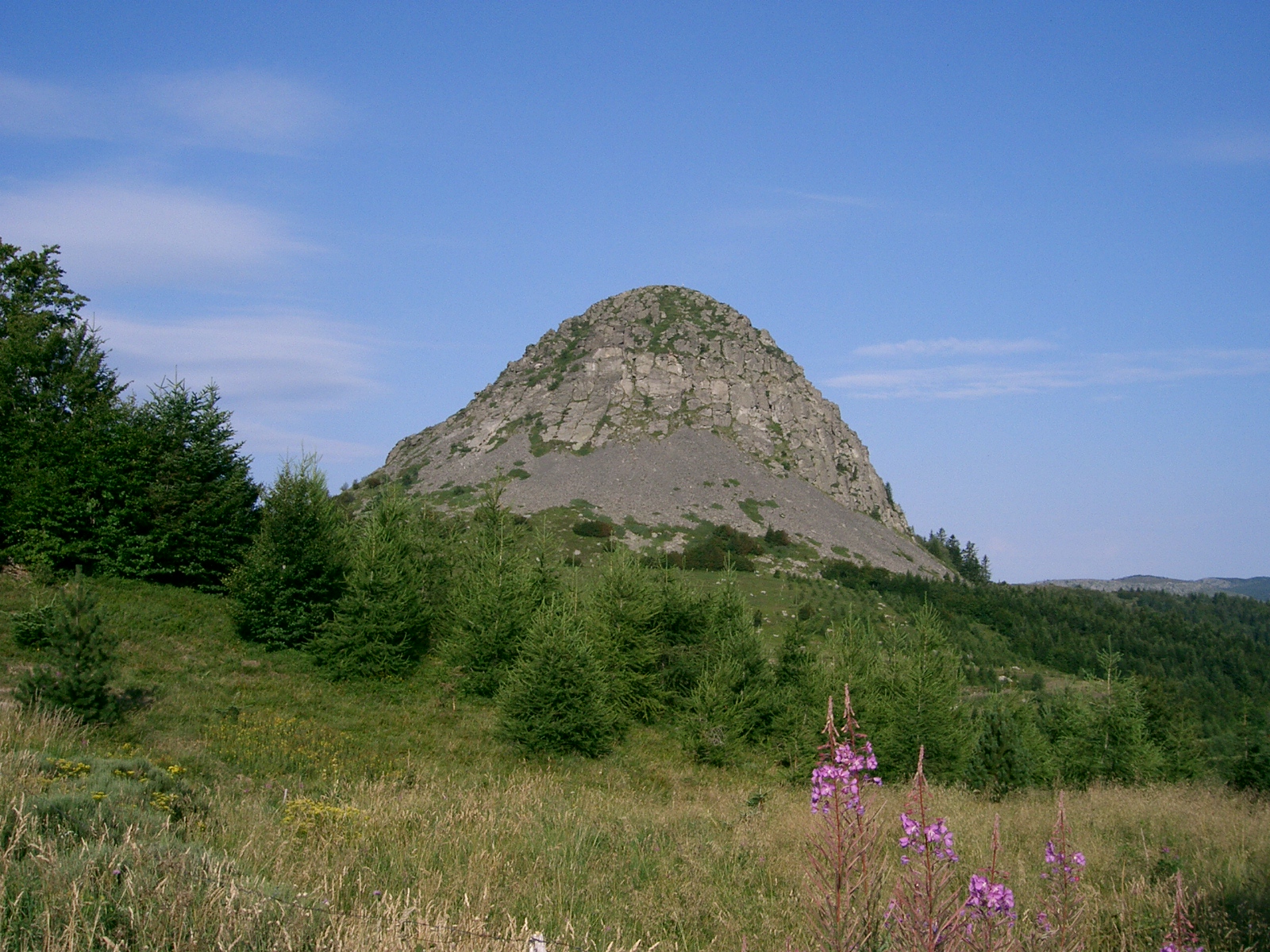
2,714 records
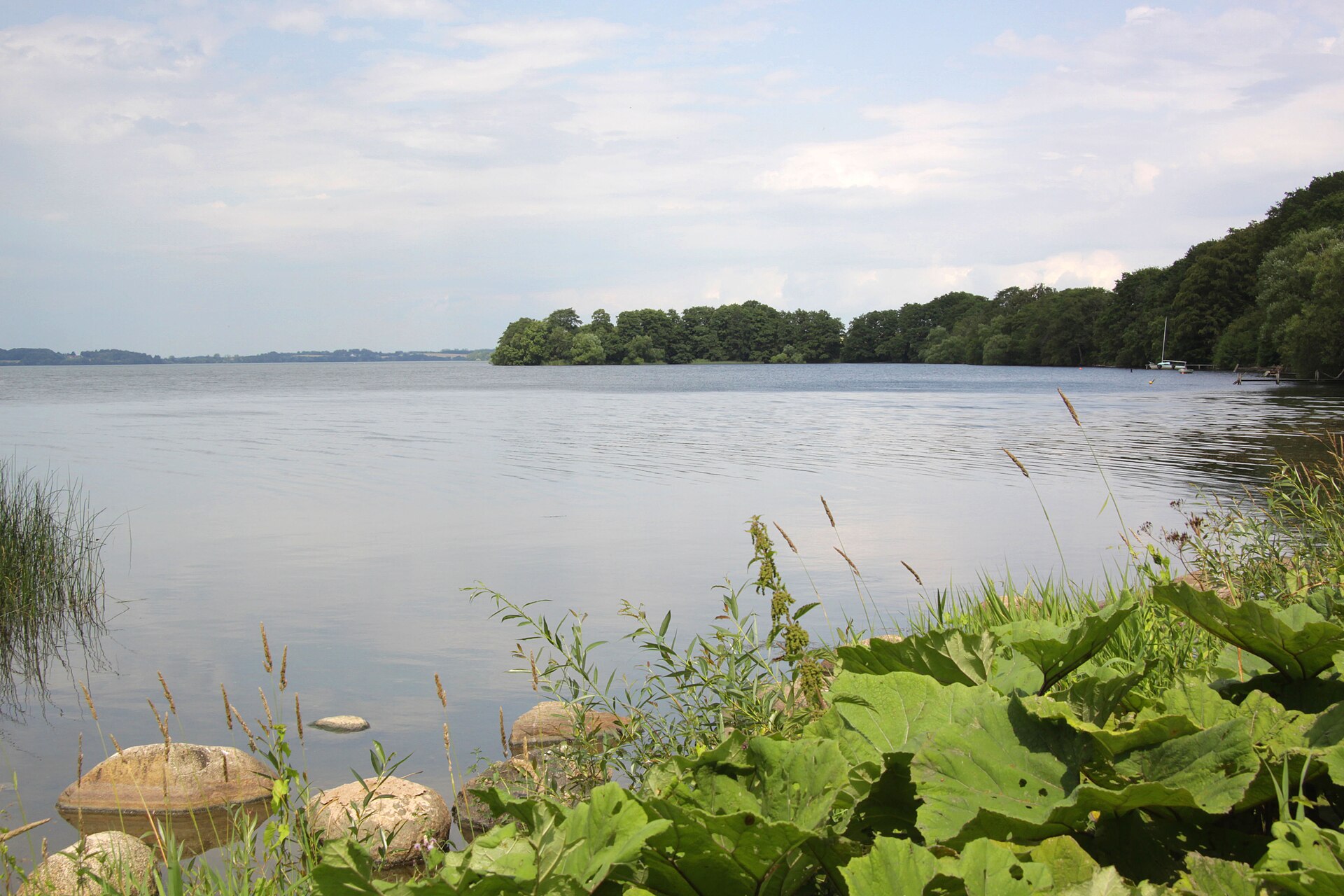
1,965 records
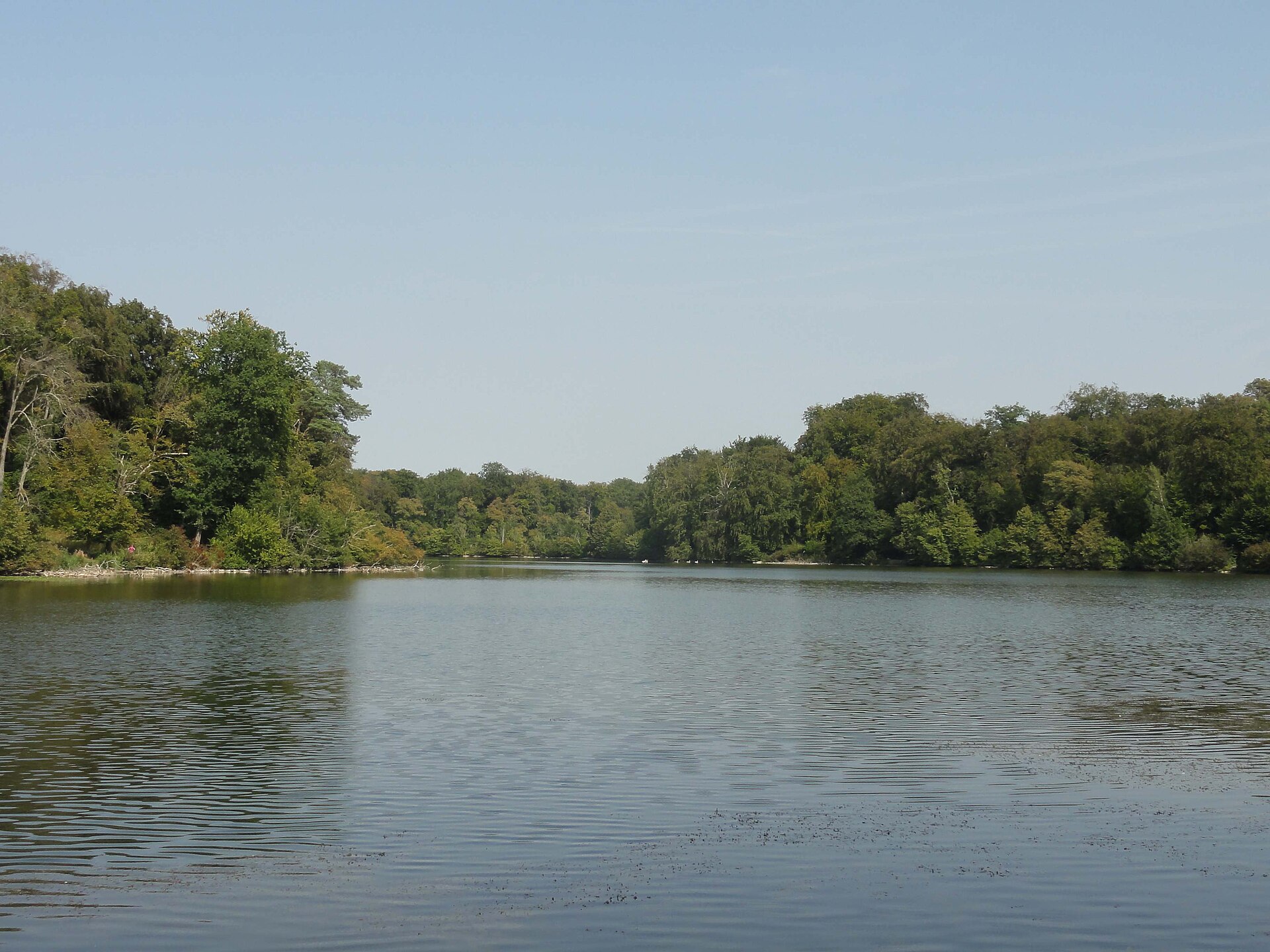
1,953 records
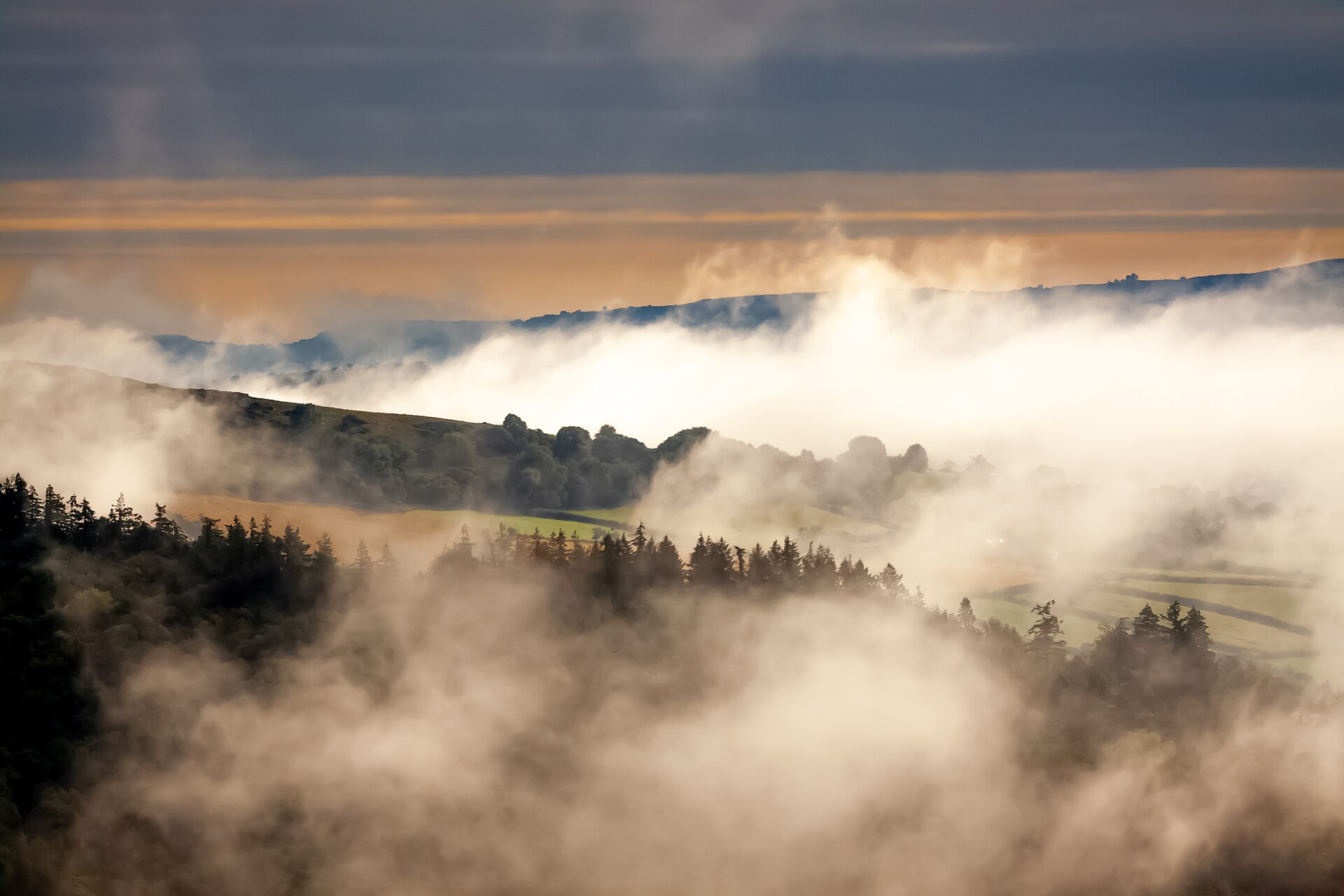
1,931 records
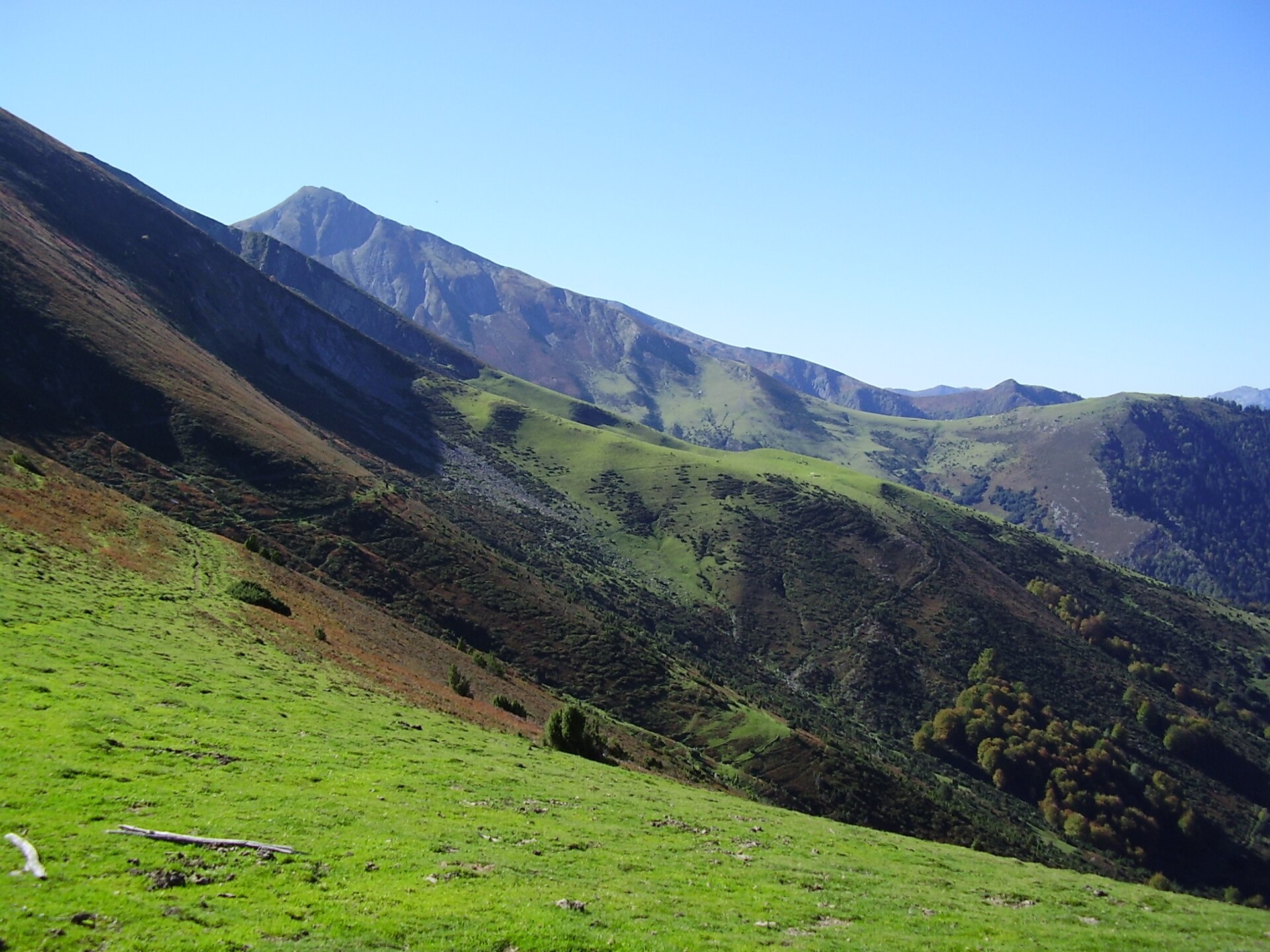
1,924 records
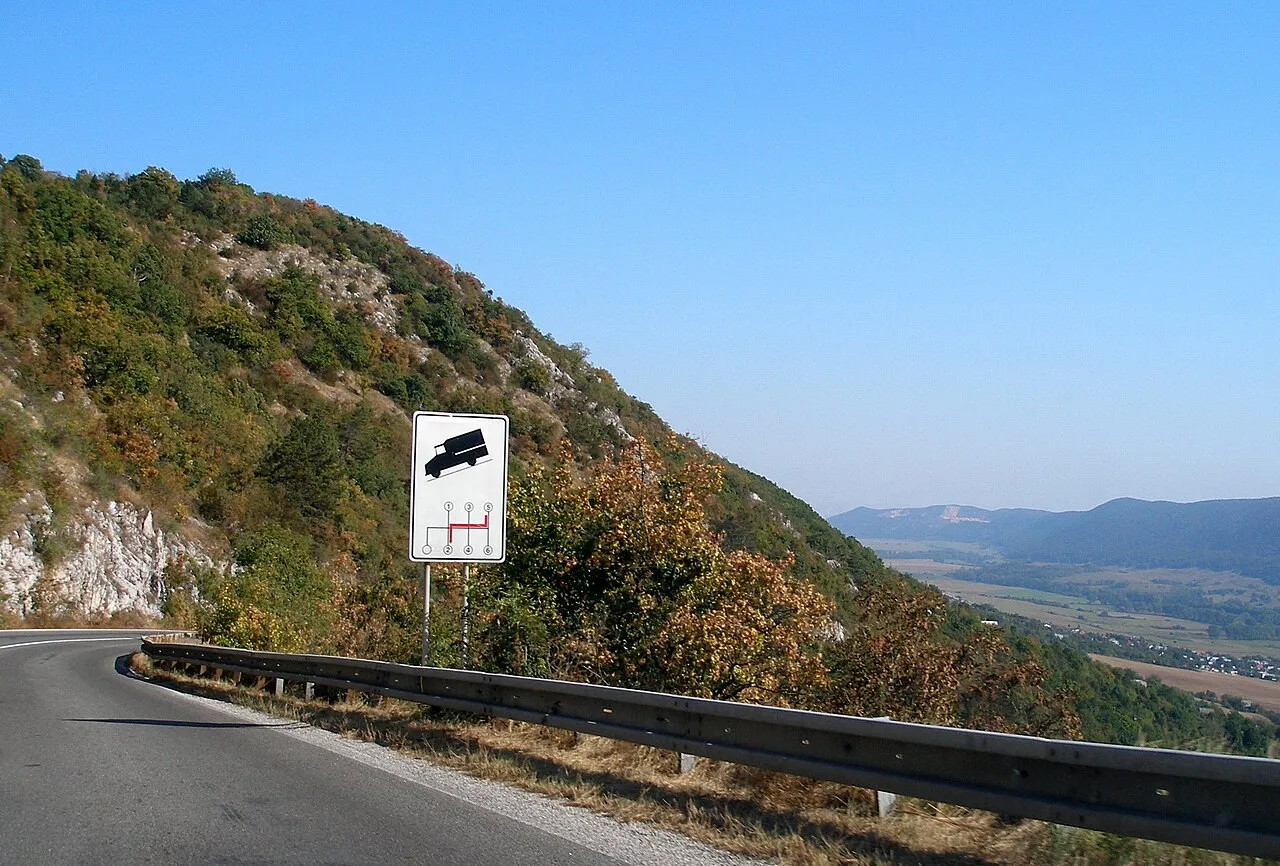
1,628 records
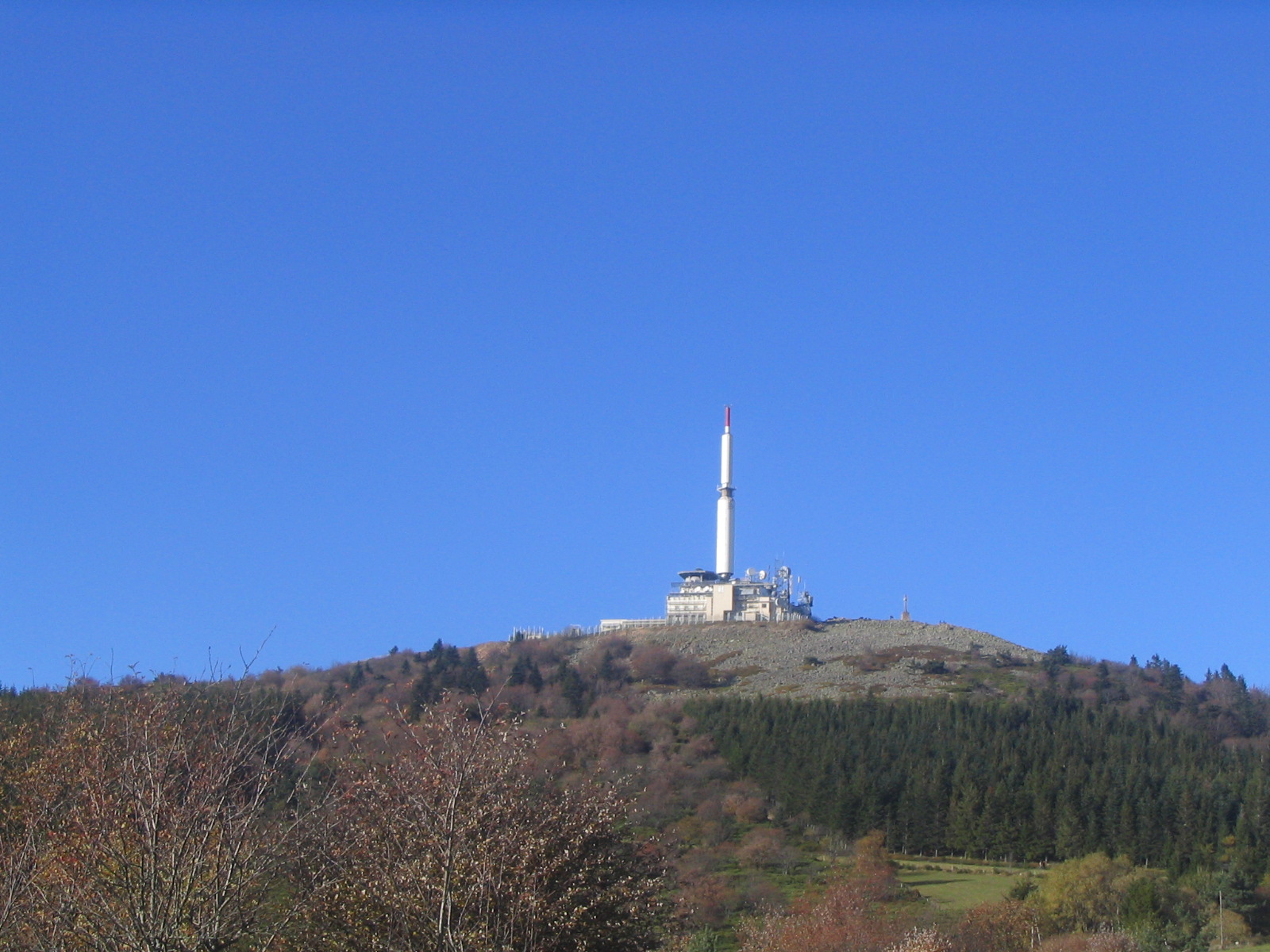
1,459 records
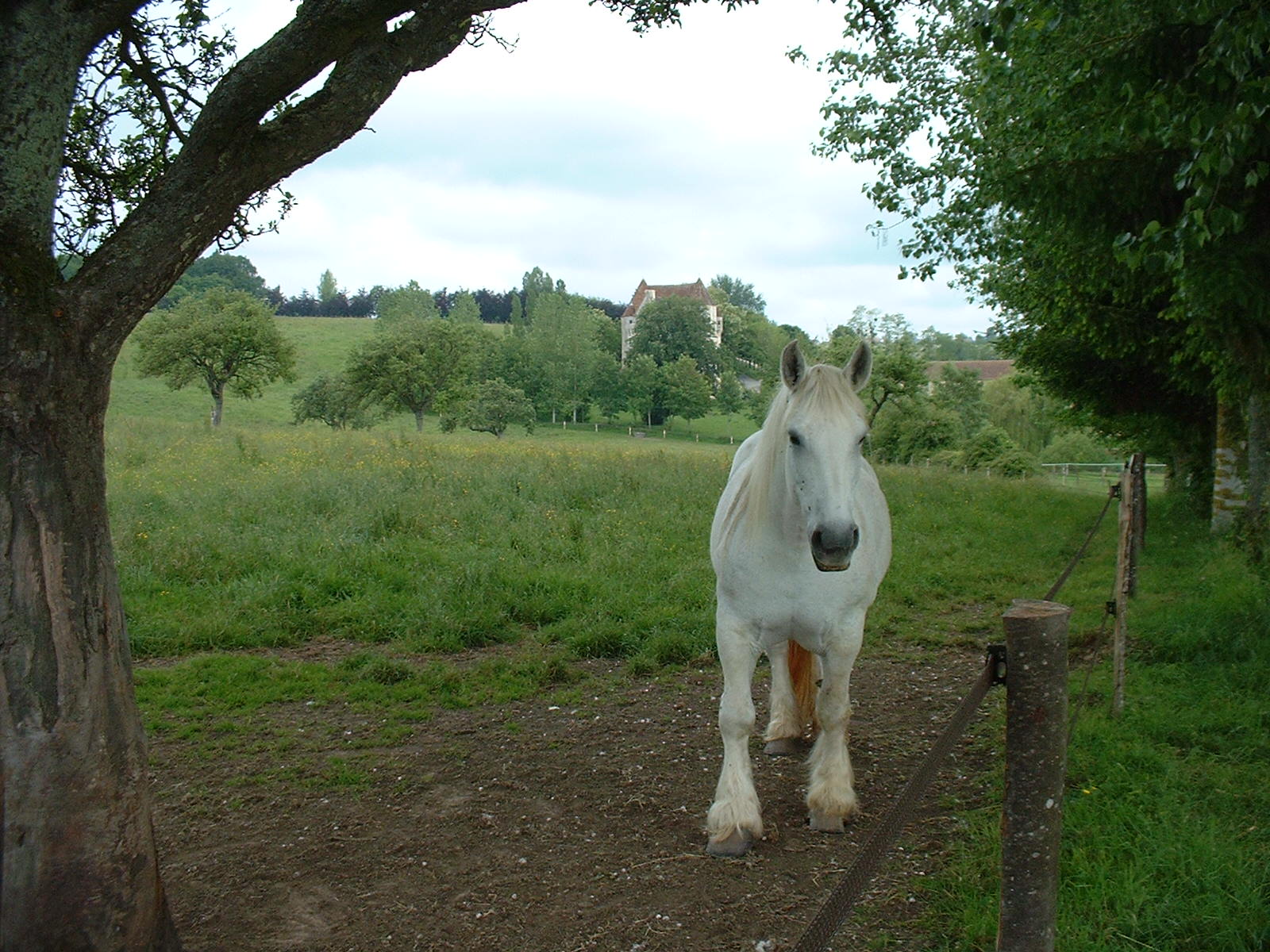
1,448 records
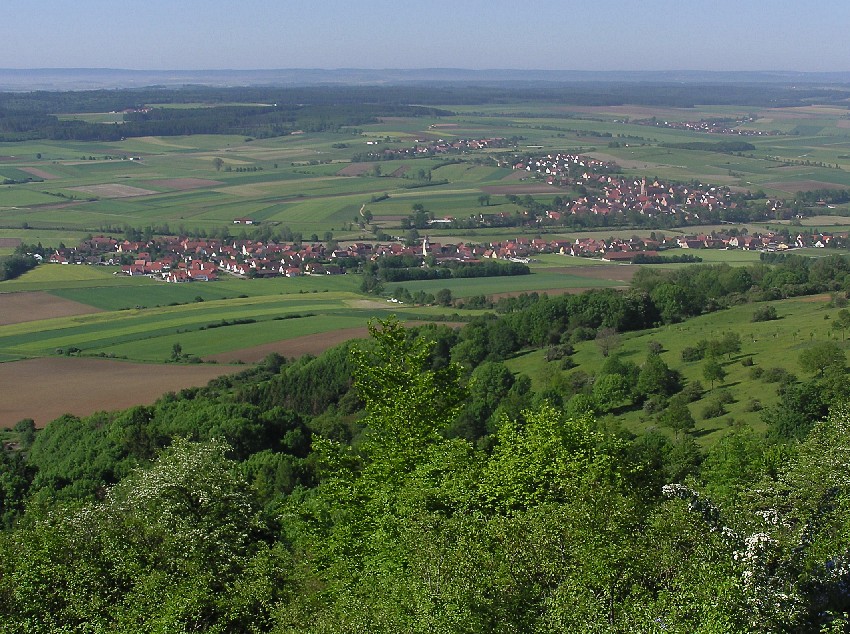
1,443 records
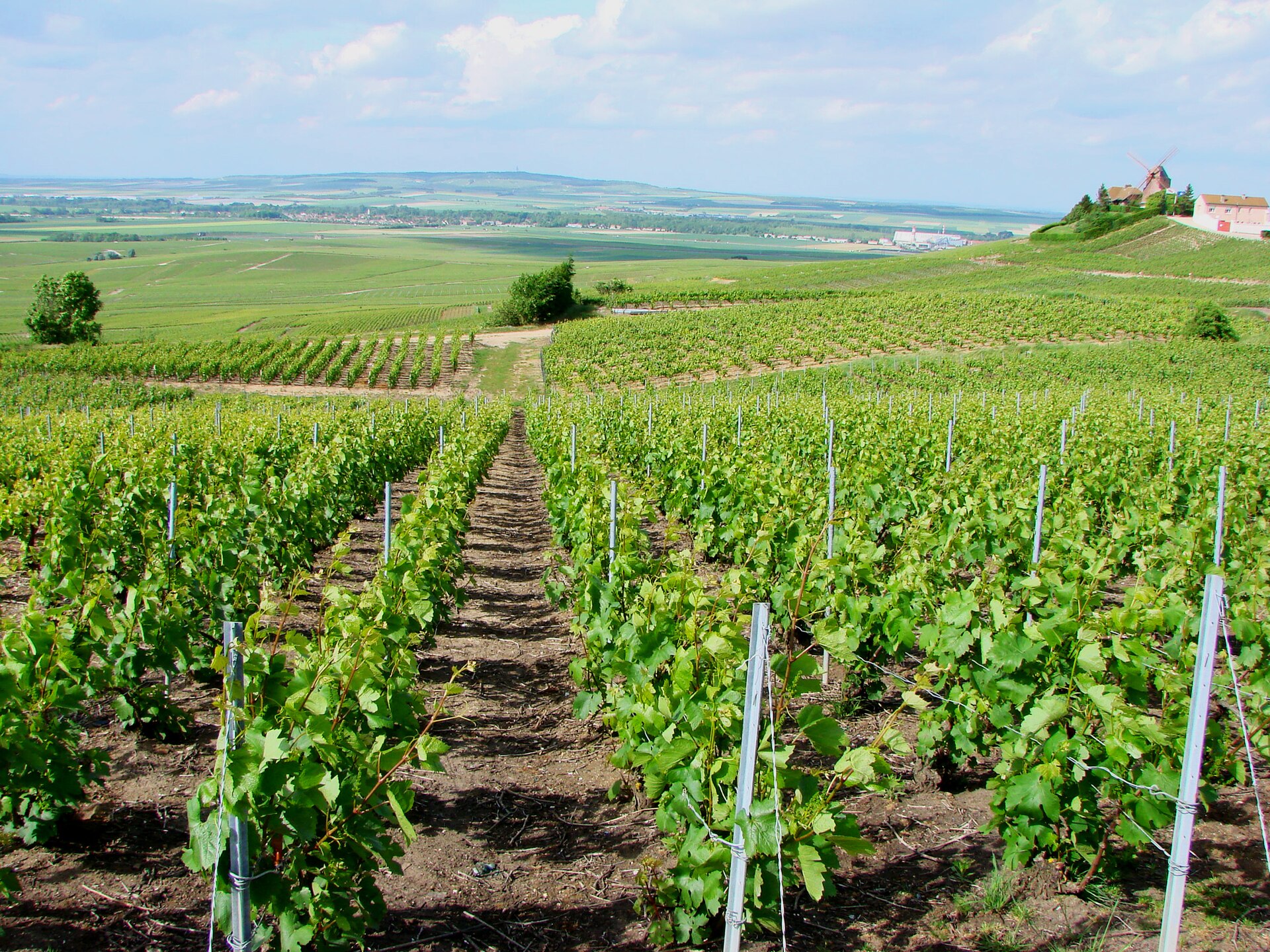
1,392 records
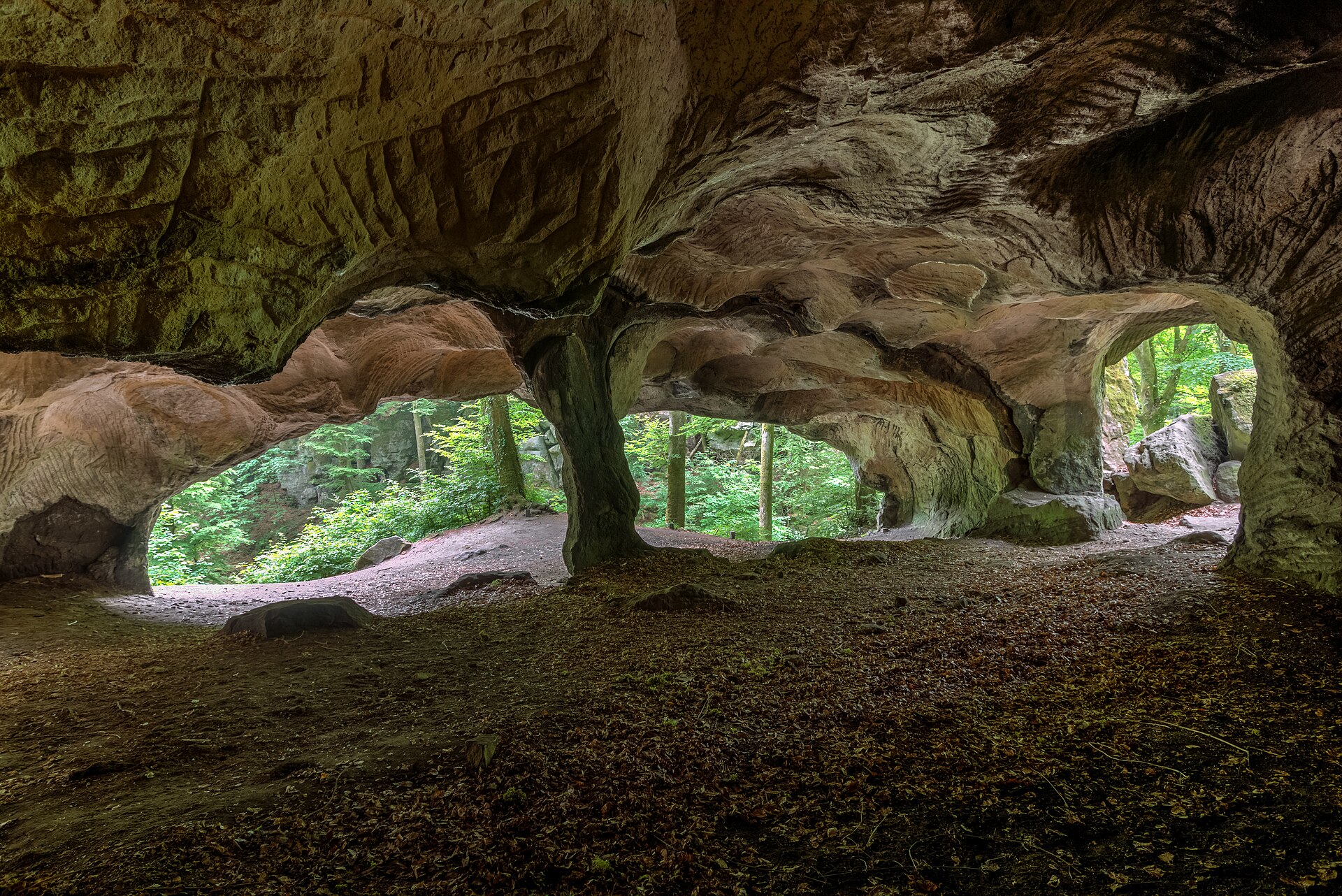
1,333 records
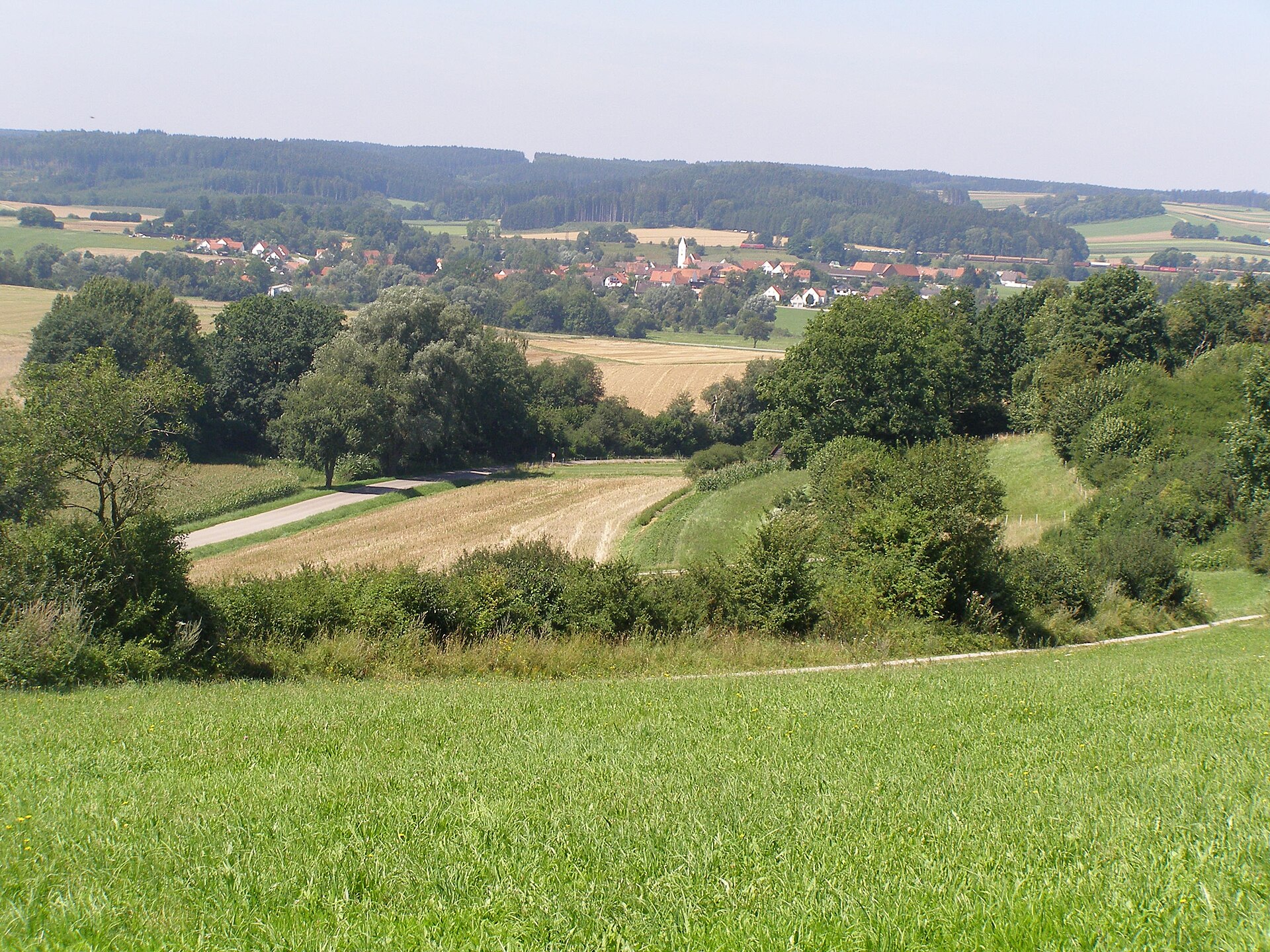
1,070 records
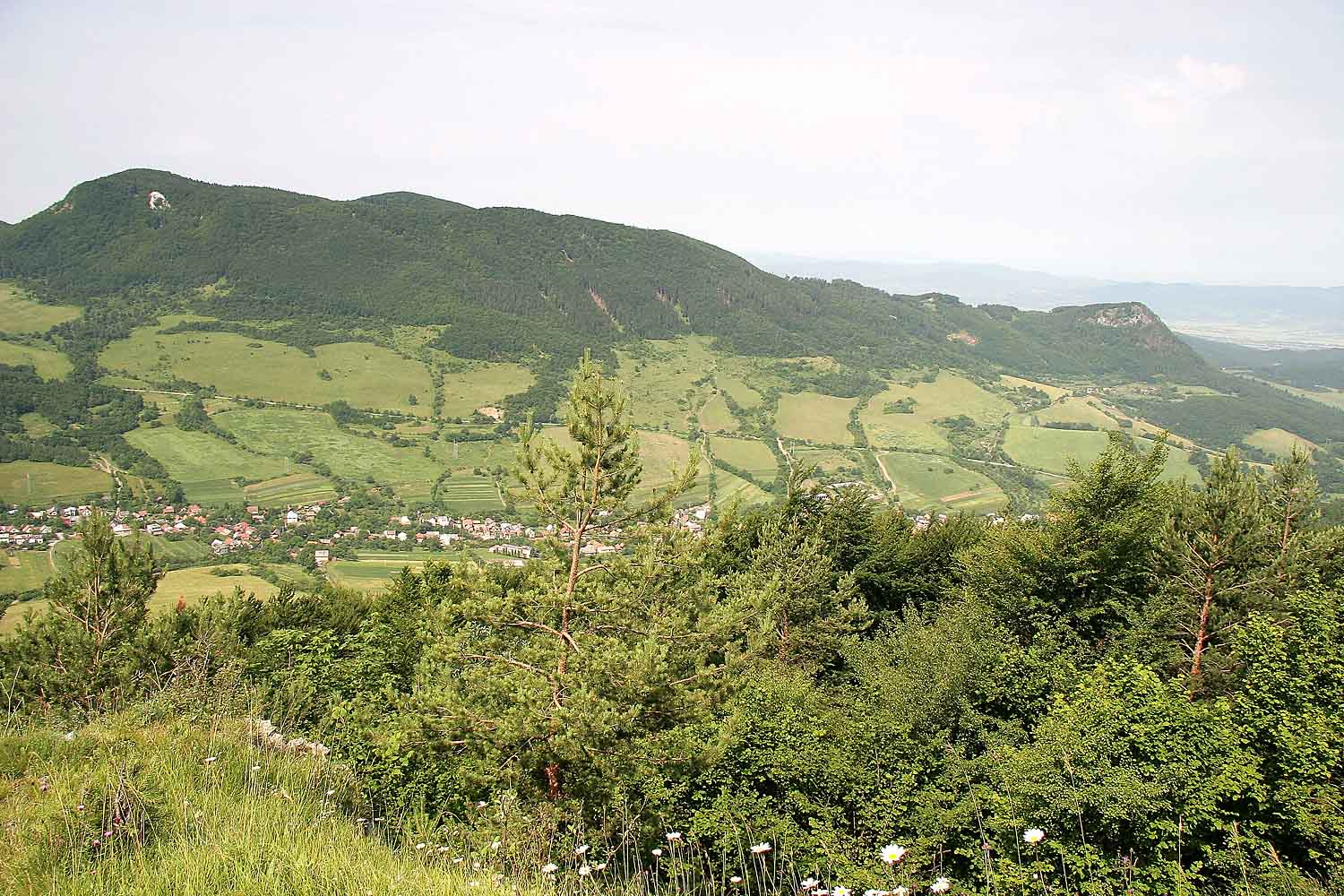
1,018 records
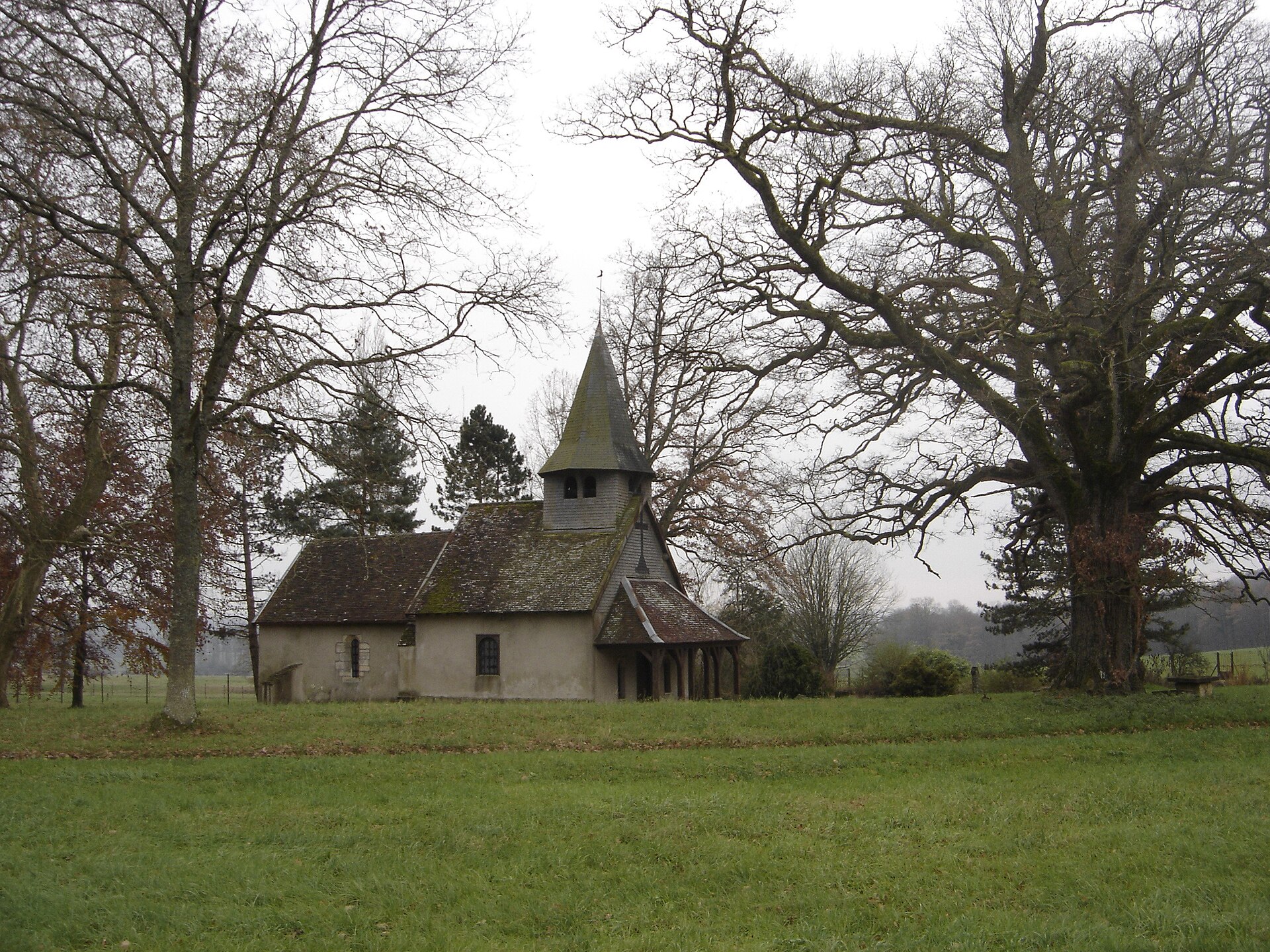
987 records
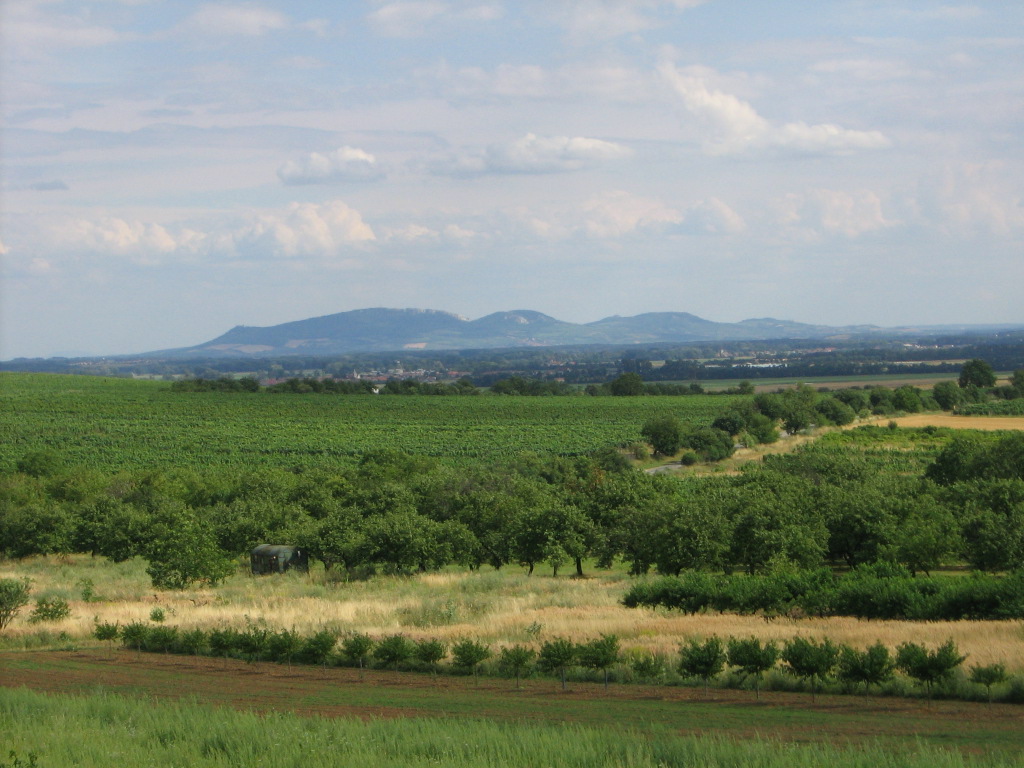
967 records
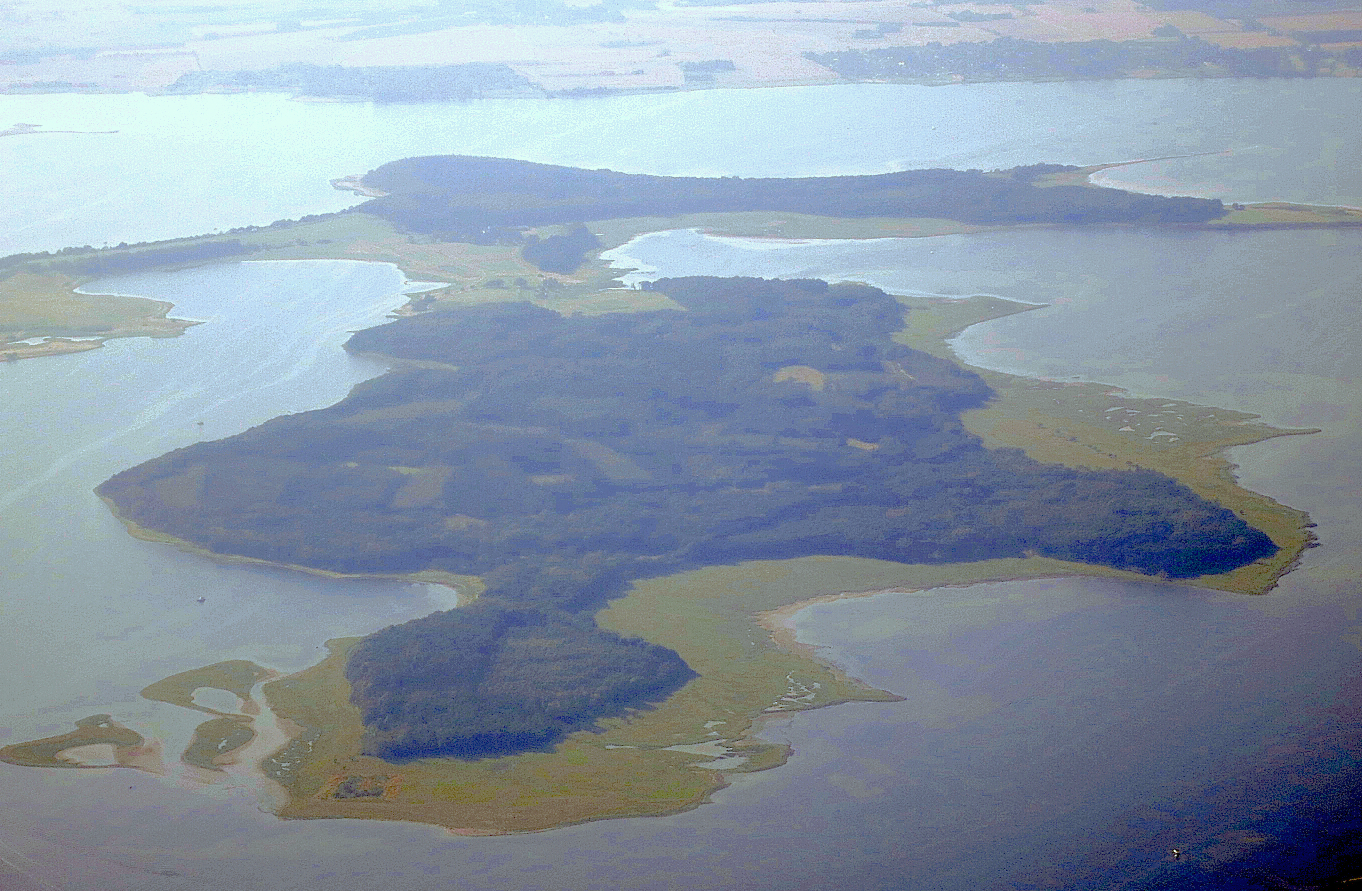
951 records
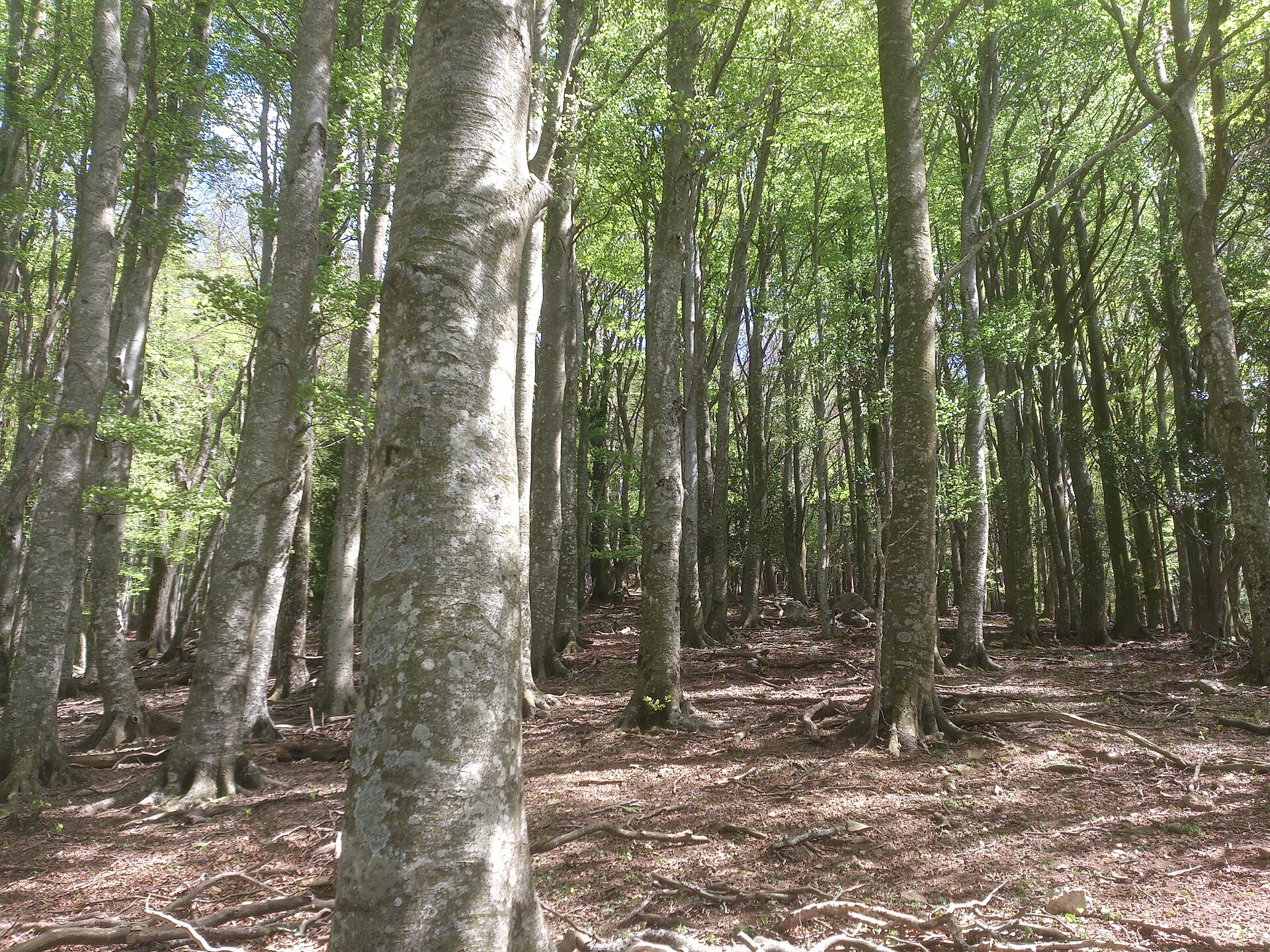
859 records
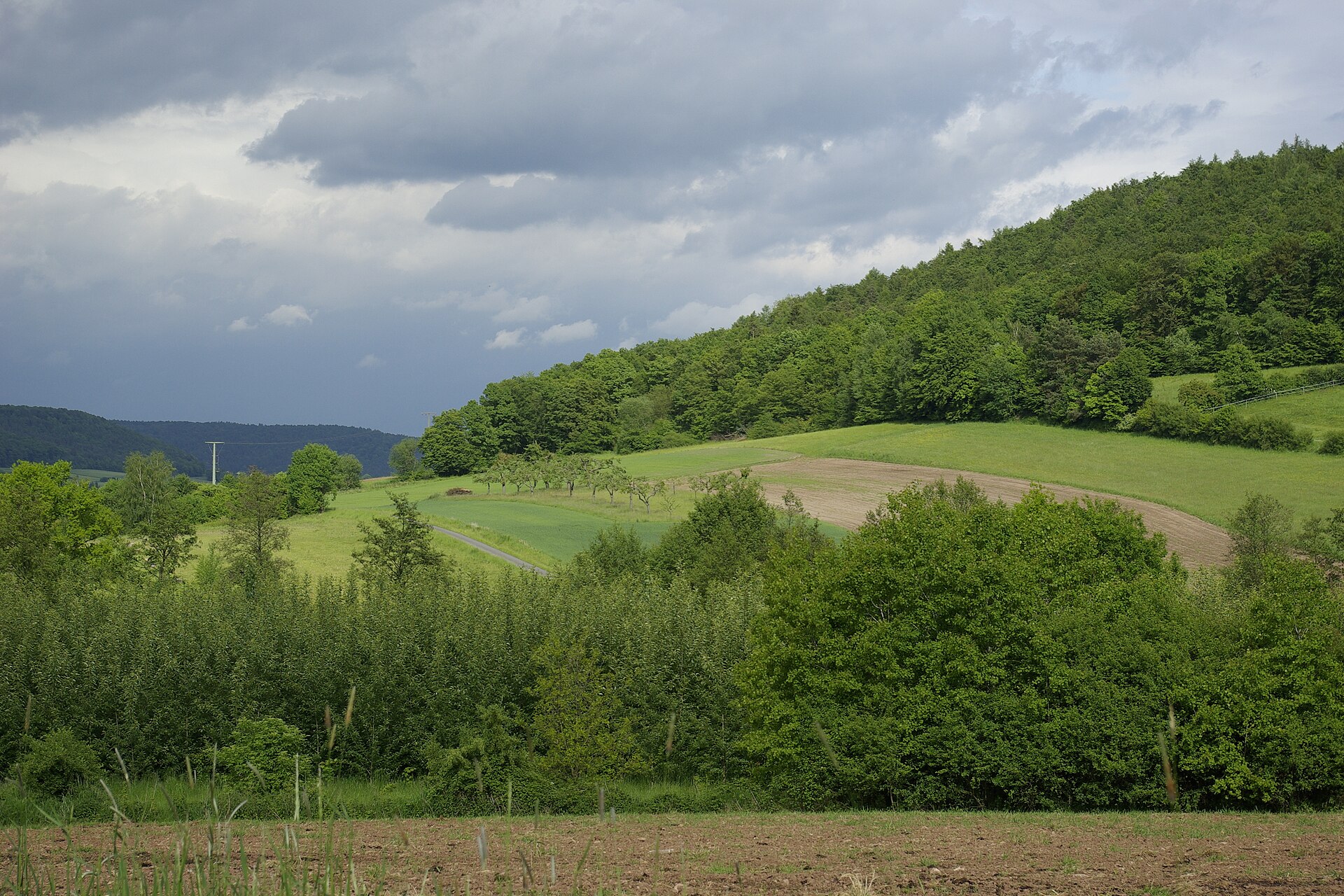
744 records
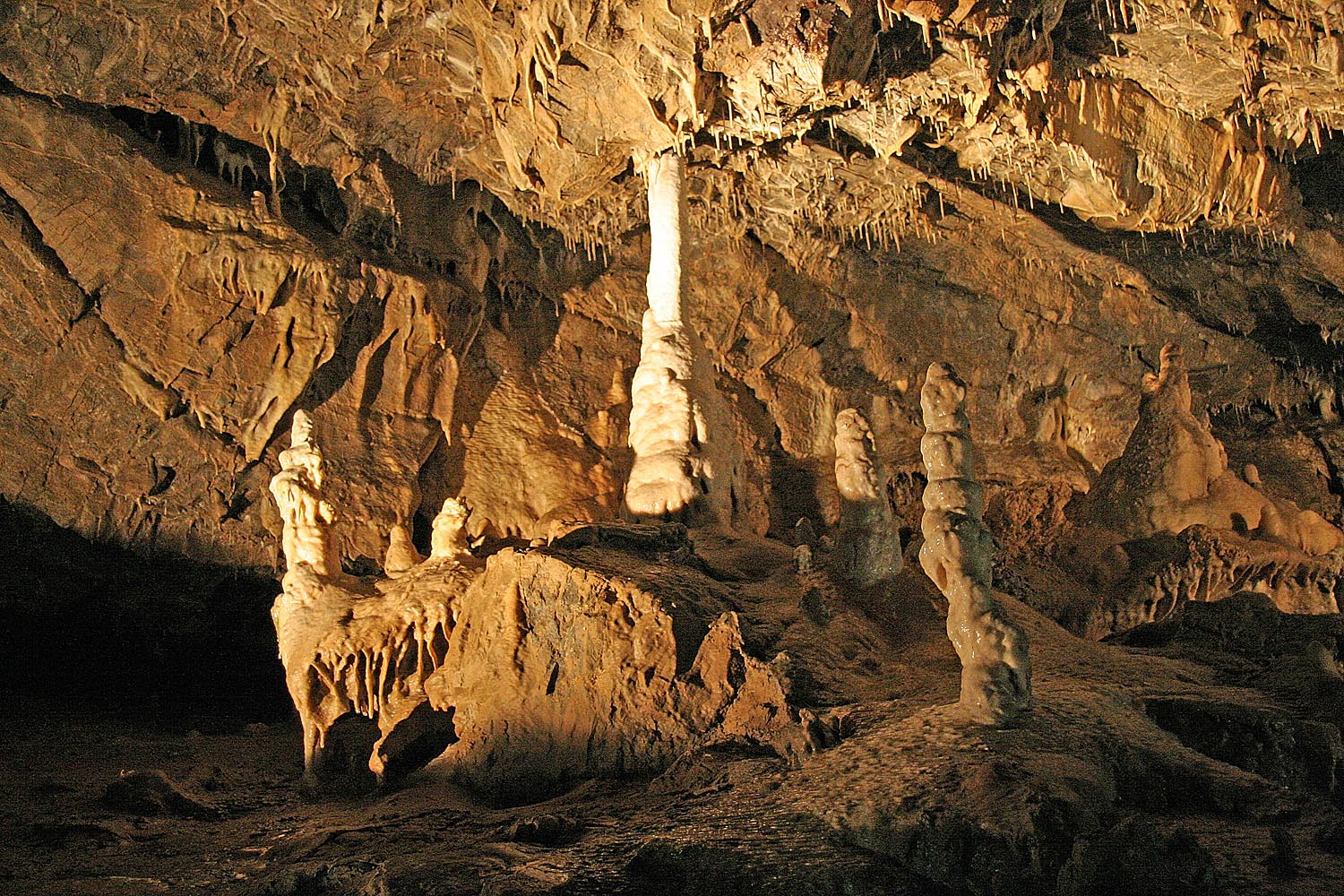
737 records
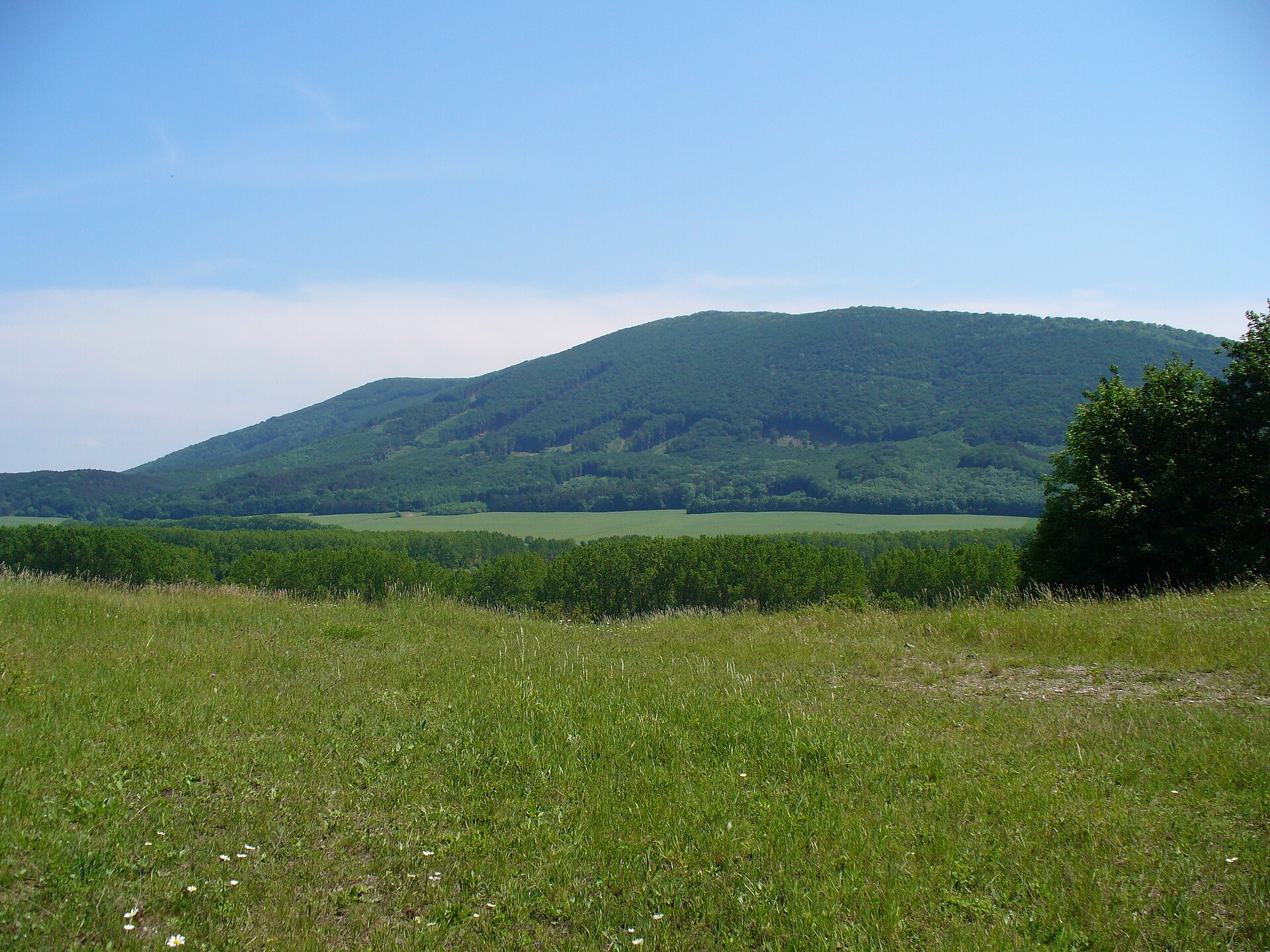
597 records
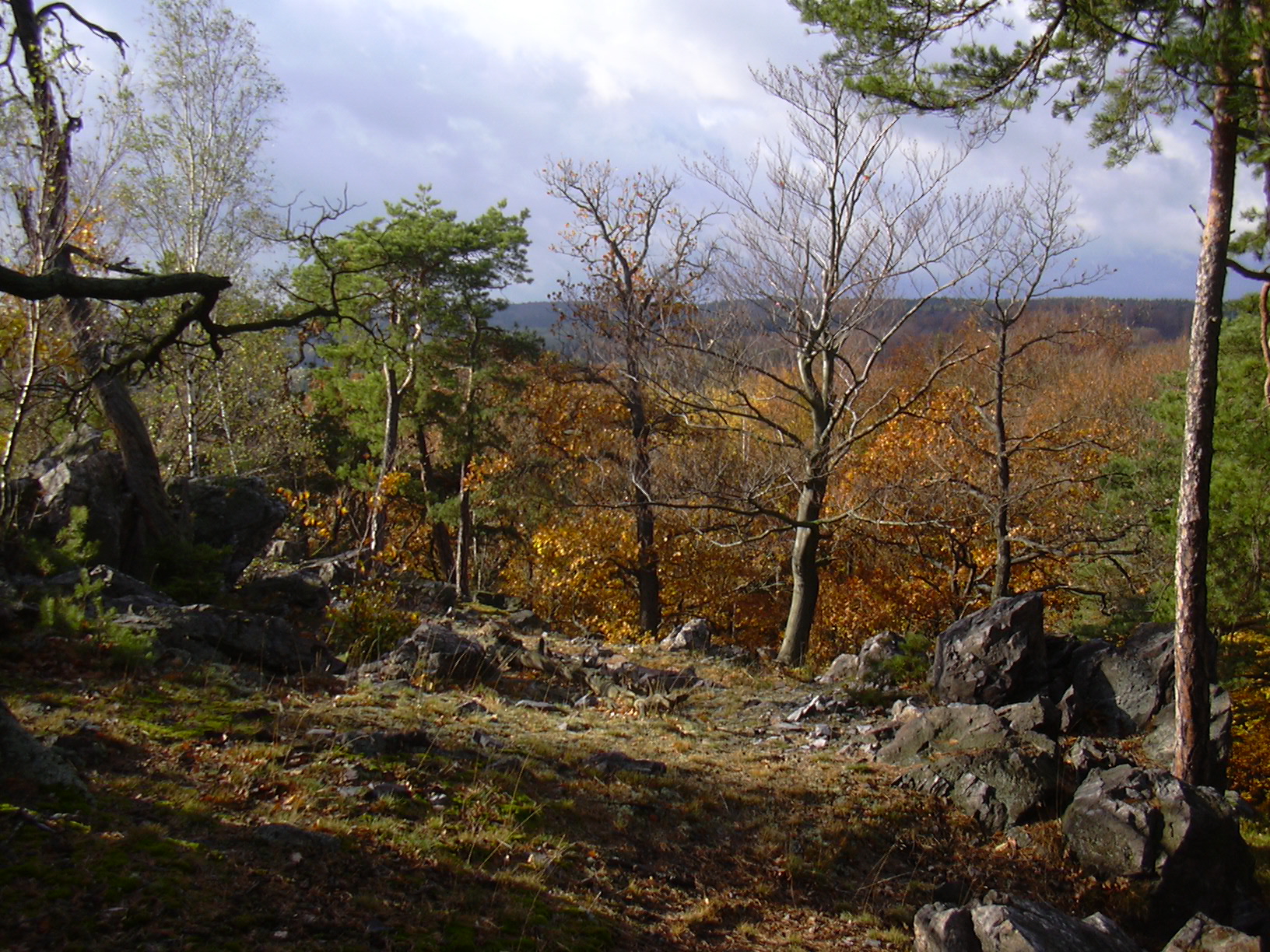
591 records
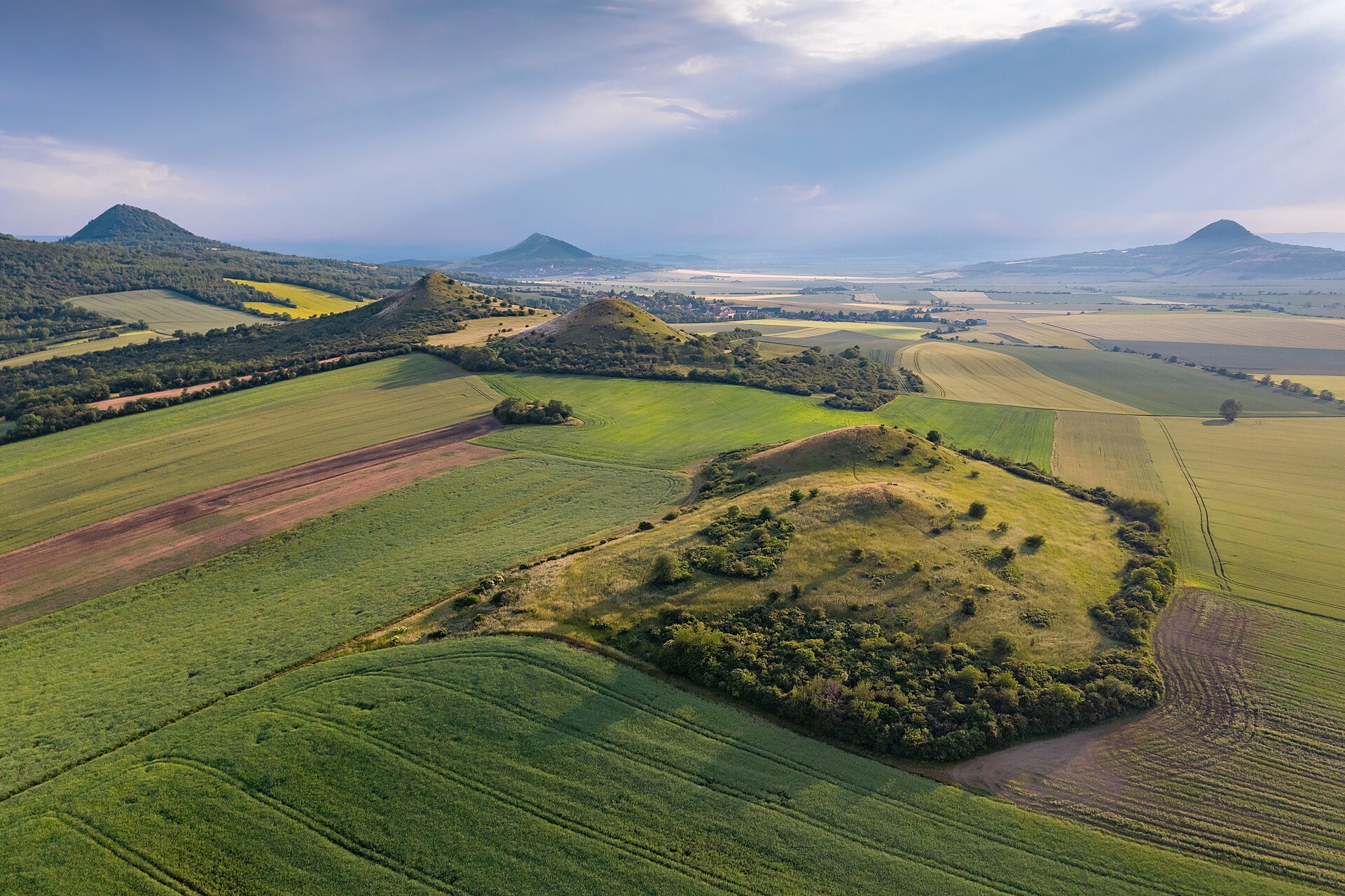
502 records
469 records
332 records
296 records
241 records
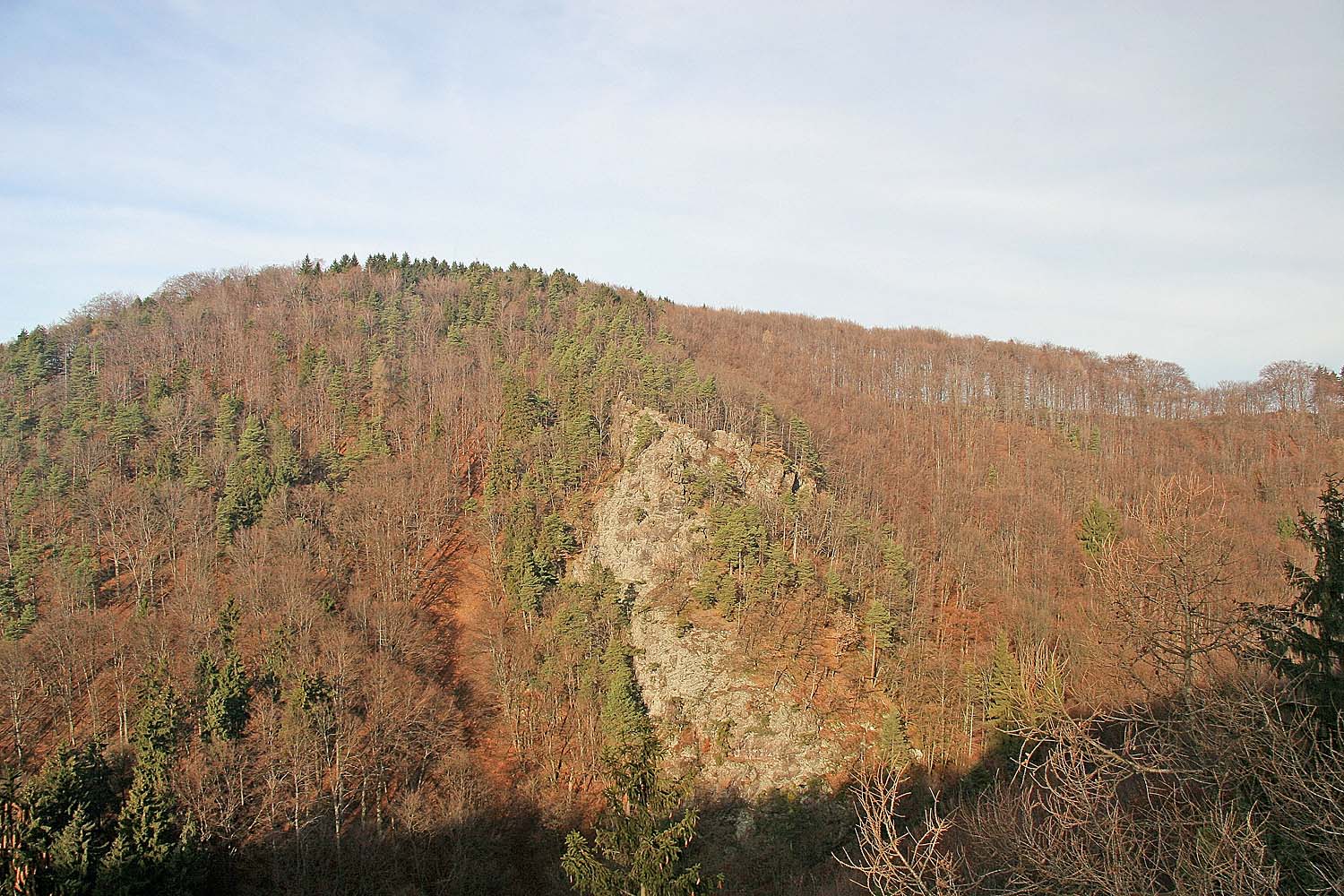
149 records
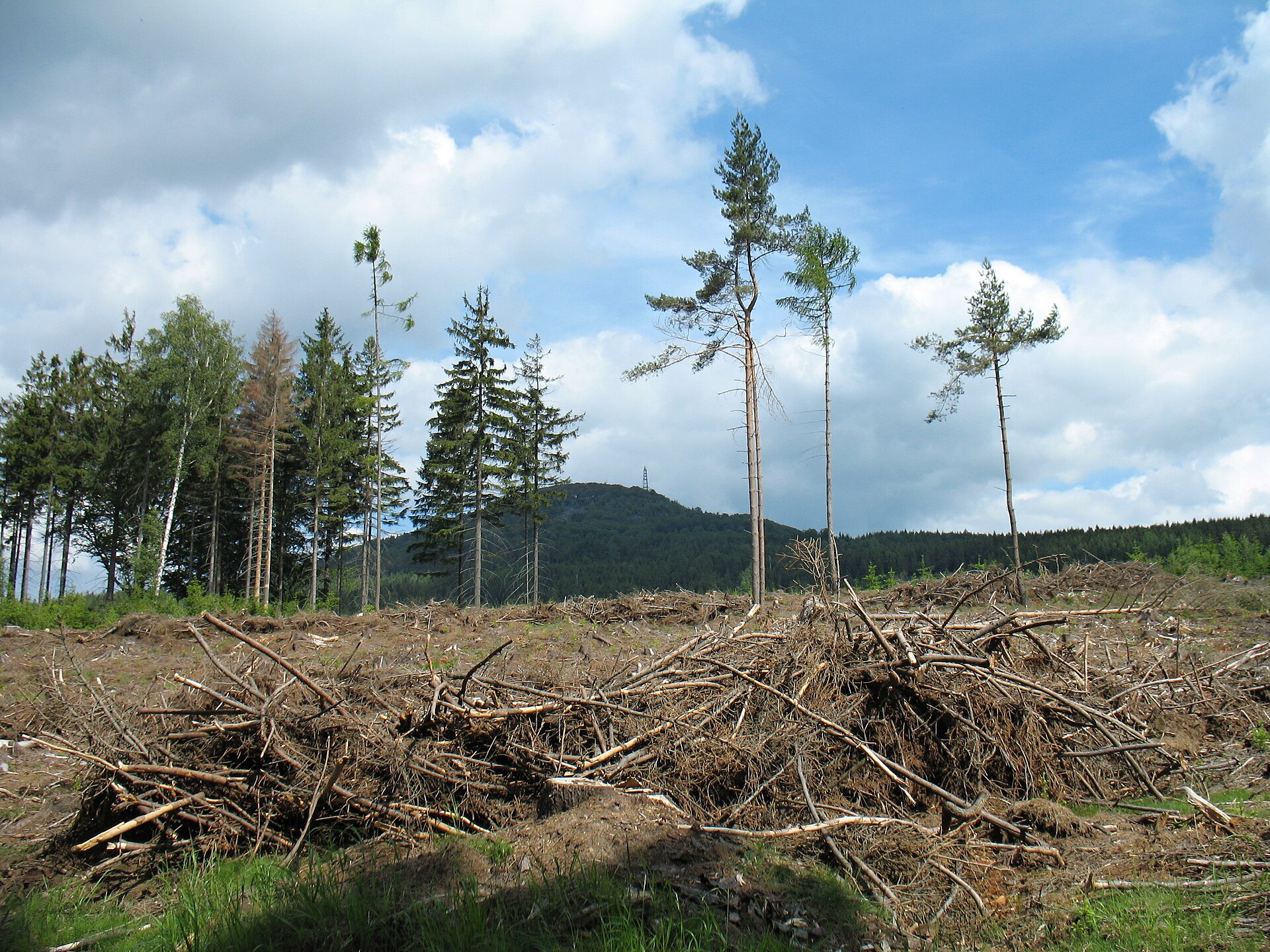
121 records
93 records
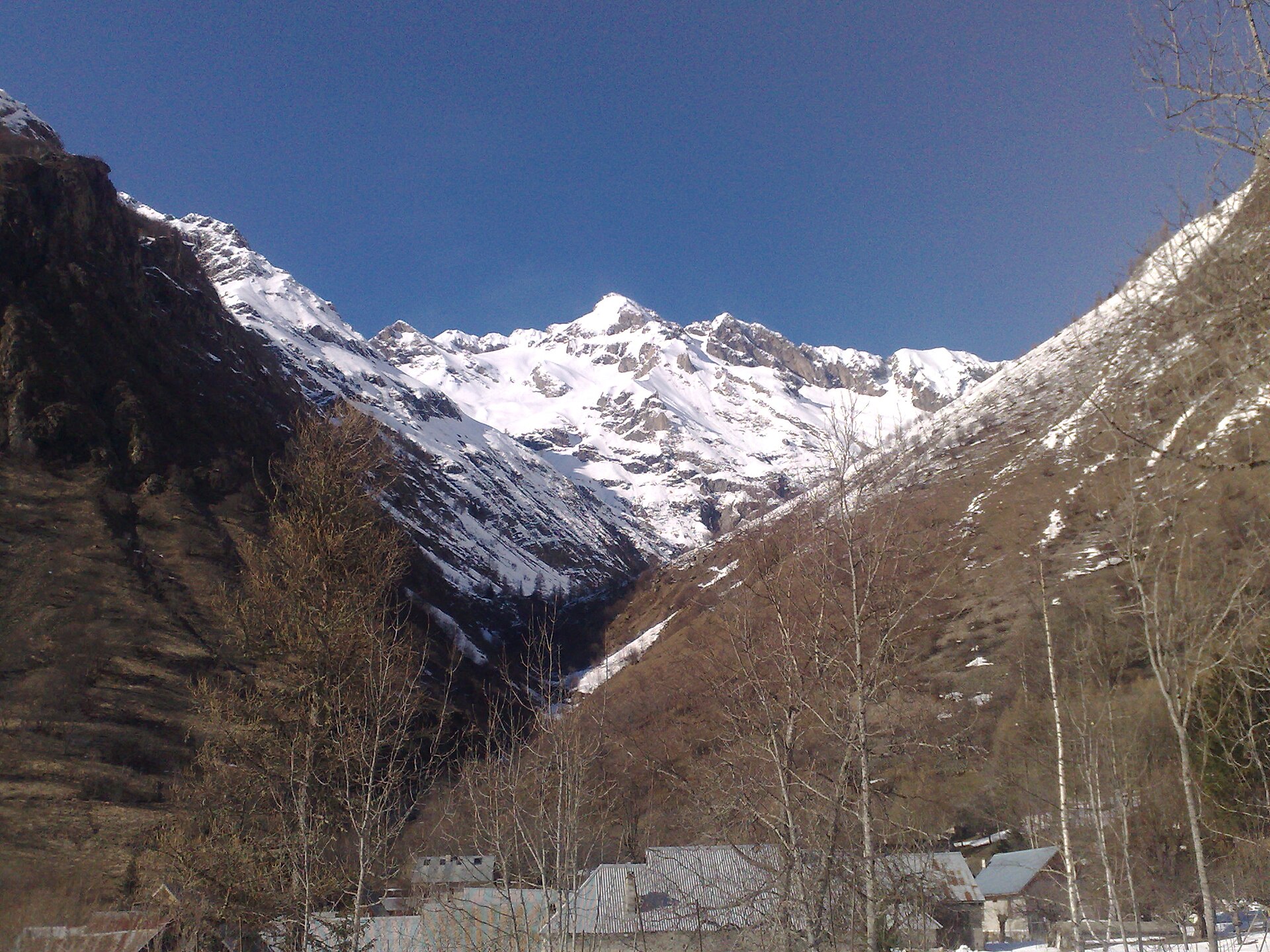
64 records

63 records
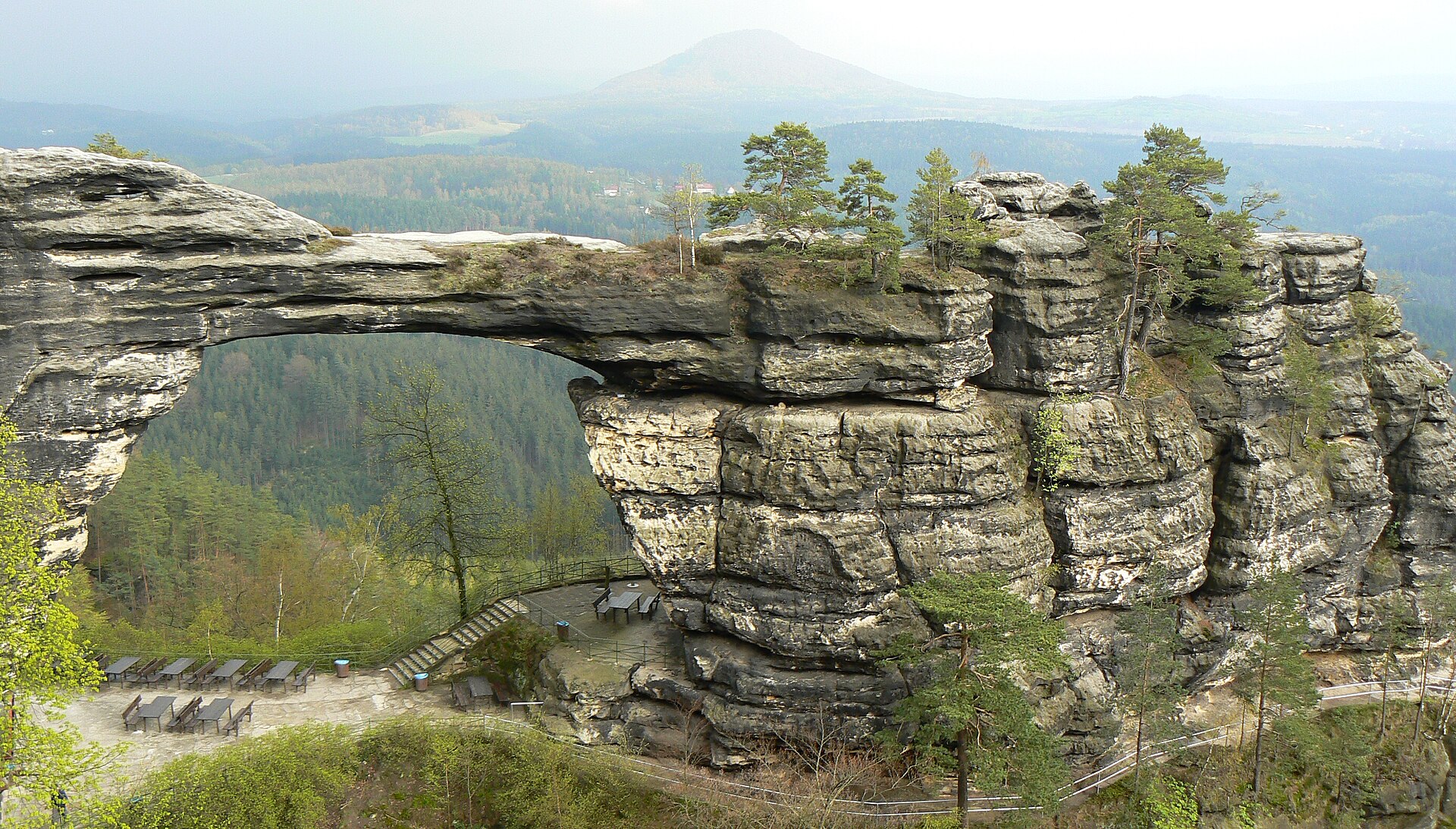
60 records
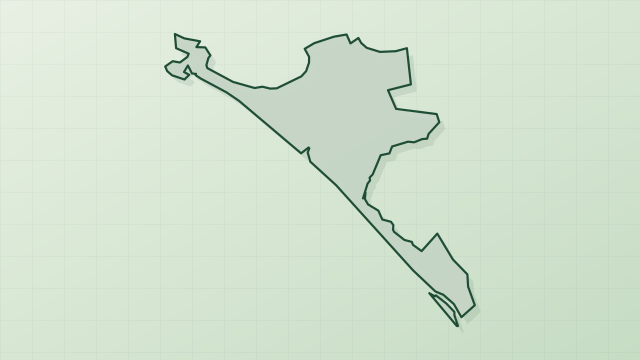
56 records
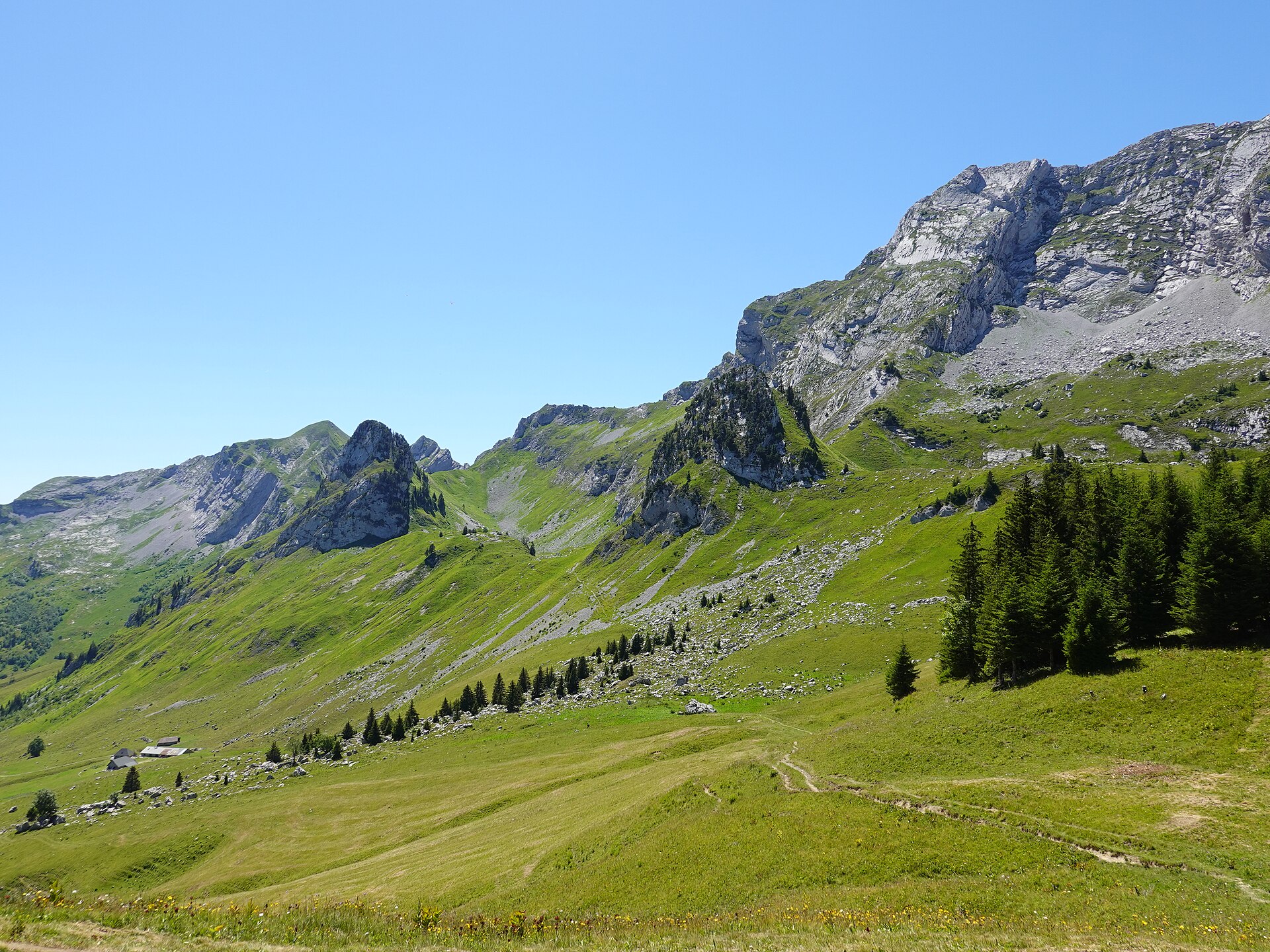
32 records
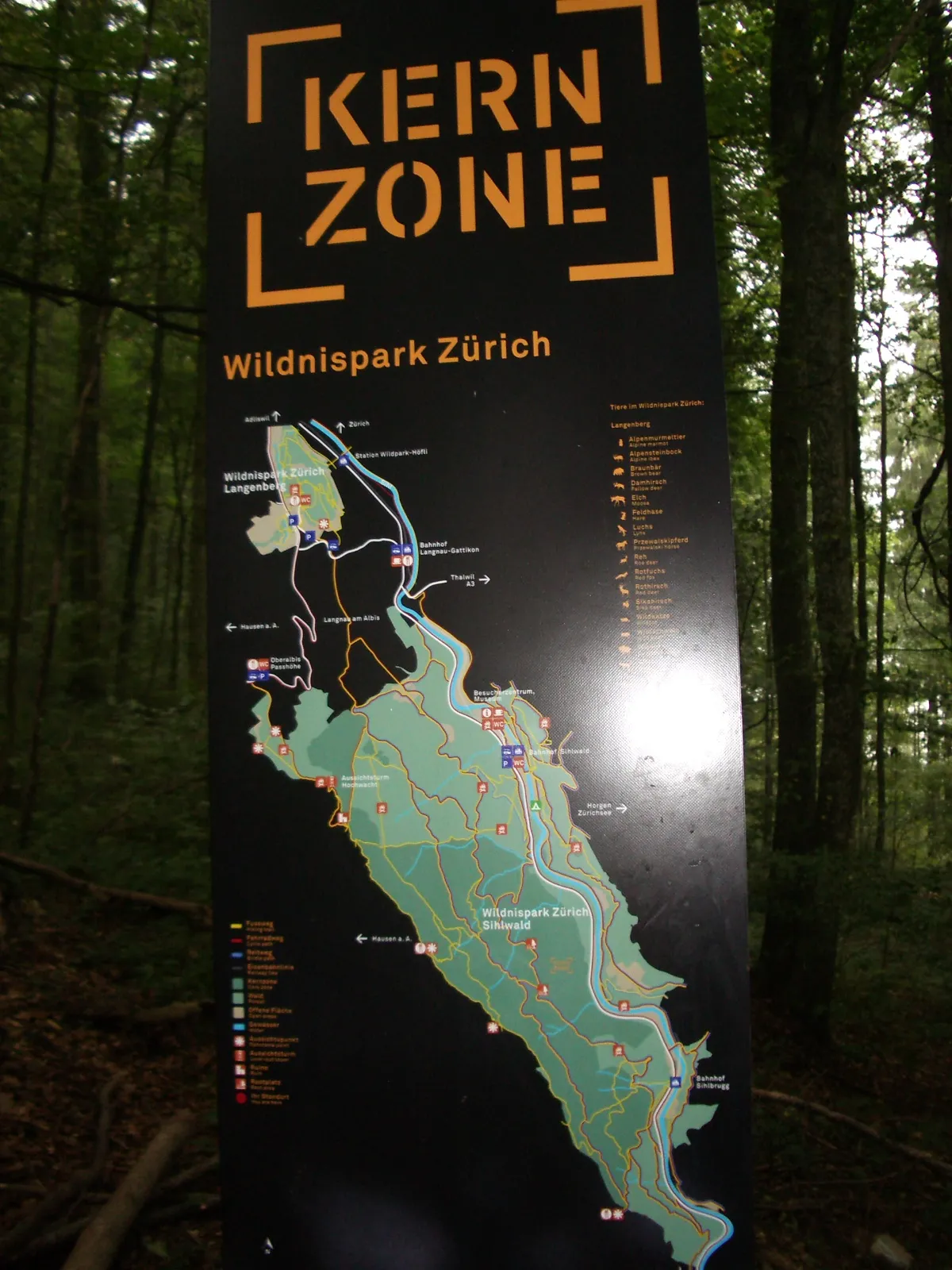
32 records
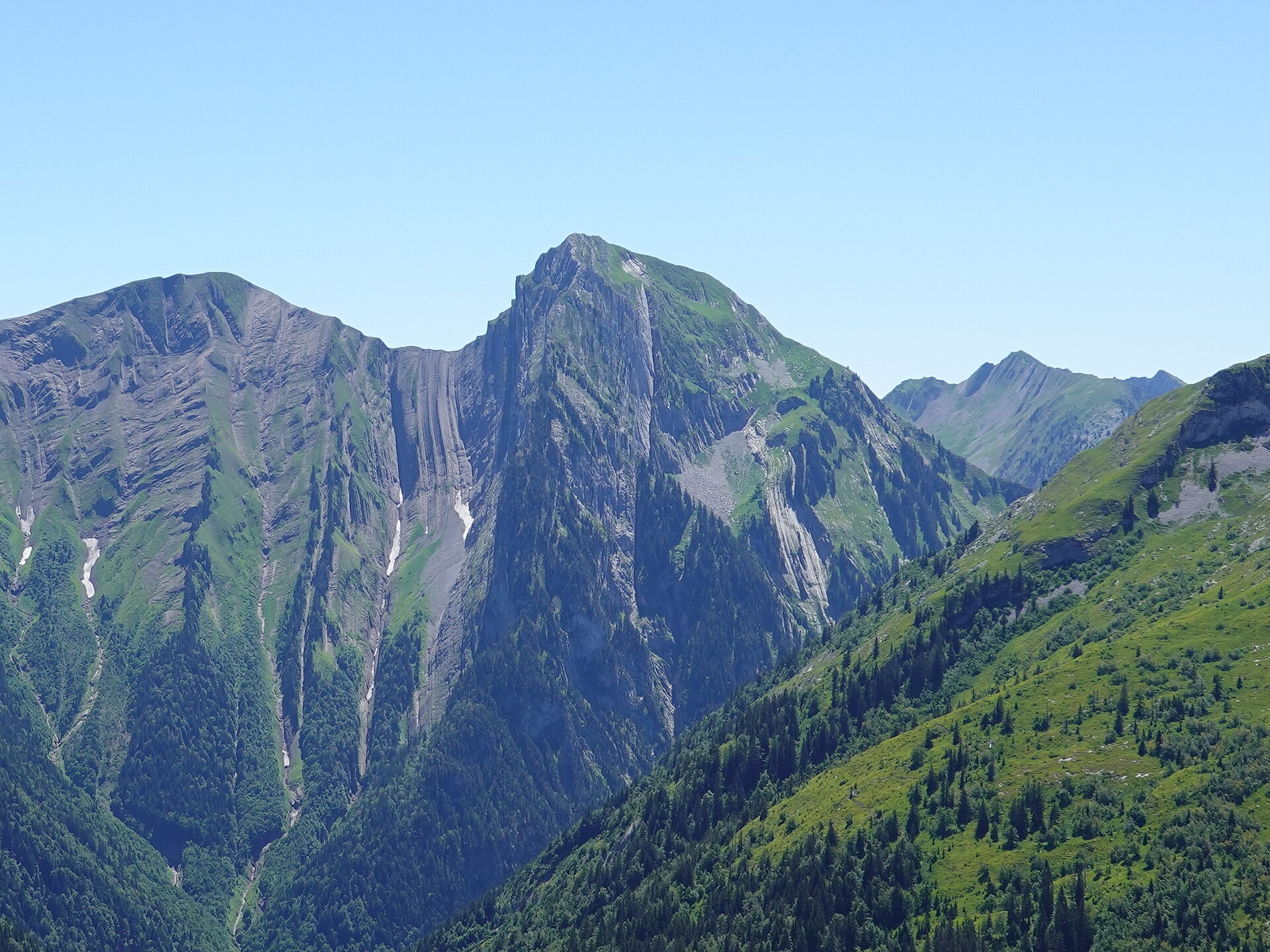
18 records
9 records

4 records
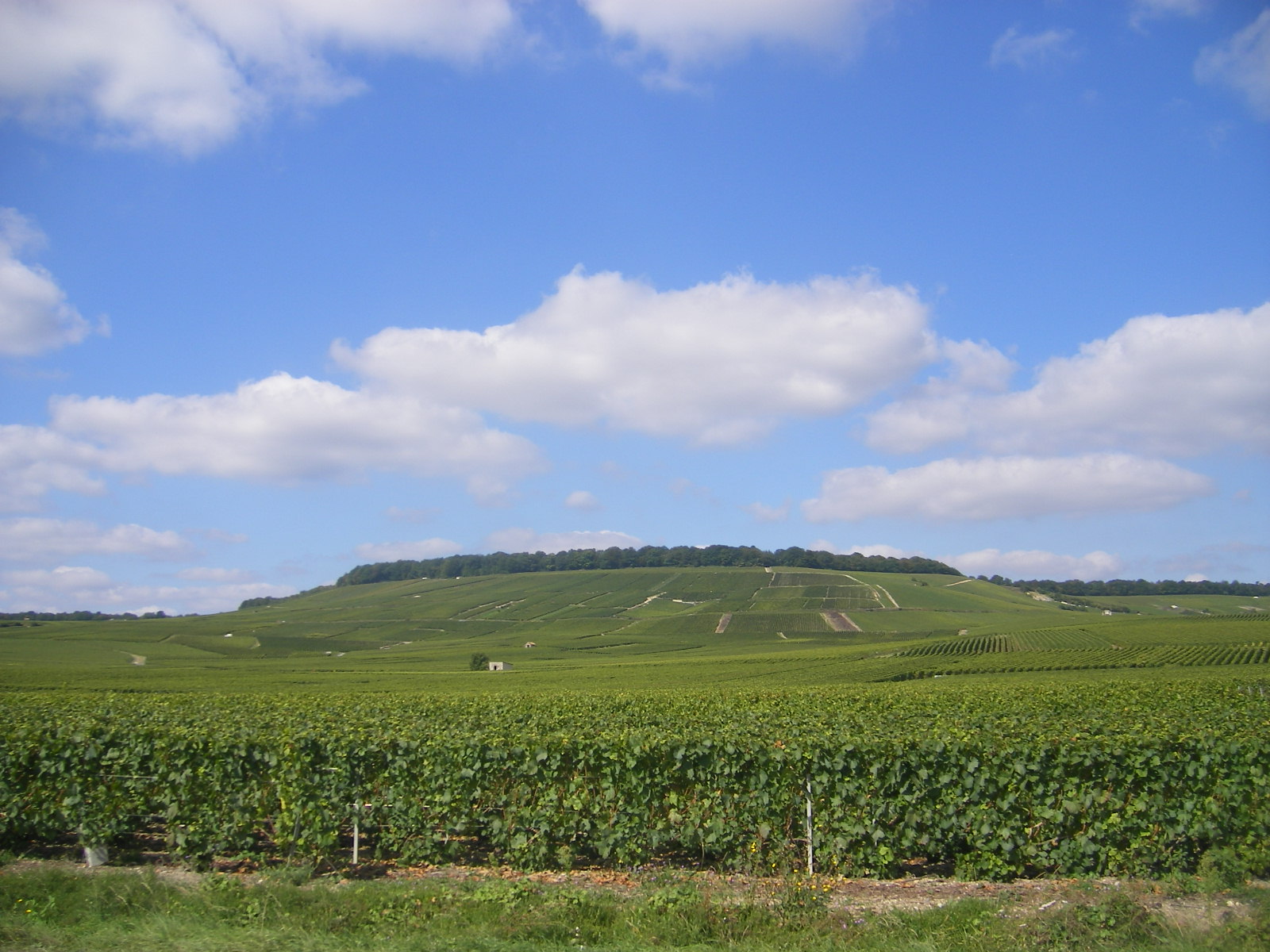
4 records
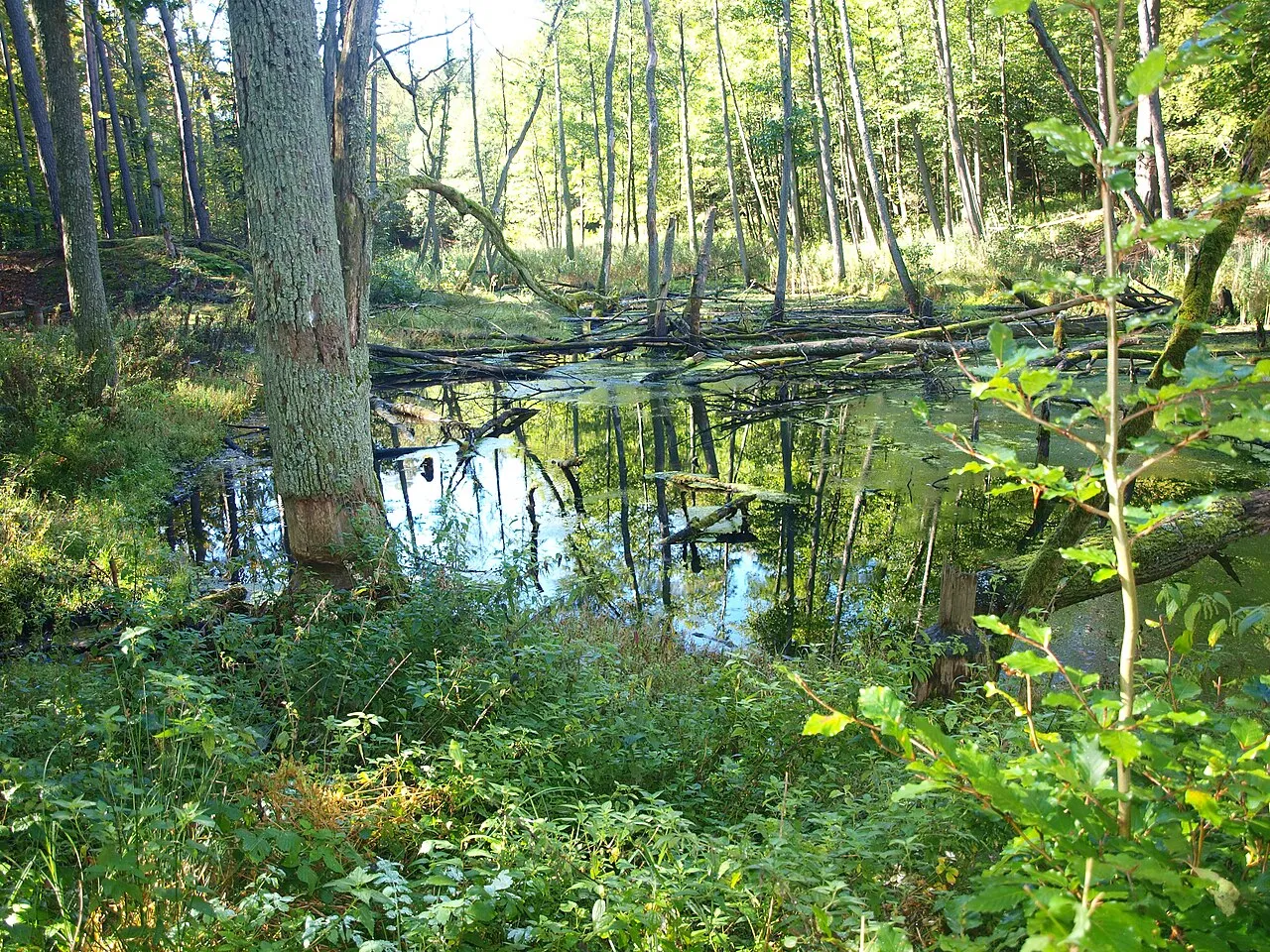
2 records
Other species to discover

Sources and credits
- Presence: most-recorded species of each place on GBIF and species of Community interest in the Natura 2000 forms (EEA, CC-BY 4.0); absence from the list does not mean the species is absent.
- Common names: Wikidata (CC0) and GBIF.
- Photos and sounds: Wikimedia Commons, author and licence given for each file.
- Classification: GBIF Backbone Taxonomy (GBIF Secretariat), CC BY 4.0, doi:10.15468/39omei.
- Countries, elevations, months and maps: GBIF.org, CC0 or CC BY 4.0 occurrences only, accessed October 22, 2026, GBIF.org.
- Base map: Natural Earth (public domain).
- Excerpt: Wikipedia, CC BY-SA 4.0 (full credit below the excerpt).
- Native range and life form: World Checklist of Vascular Plants, Royal Botanic Gardens, Kew, CC BY 4.0 (no endorsement by Kew).