
Plant
Sycamore: where to see it
Acer pseudoplatanus
Invasive alien in some territories
Listed as invasive alien for: Spain, Netherlands, Romania, Ireland, United Kingdom, Sweden, Norway, Finland, Estonia, Latvia, Lithuania, Australia (GRIIS).
This plant species is recorded in 67 protected areas of the atlas. Within the atlas countries, it is mostly observed in France, the United Kingdom and Germany (12 countries in all). Most records (8 in 10) lie between 270 and 1,250 m above sea level. Records peak from May to September. Plant (tree), native to Europe and temperate Asia, introduced to Africa, tropical Asia, Australasia, North America and South and Central America.
Best time to see it: May–September
Records published on GBIF by month (CC0 and CC BY 4.0 licences only), in the atlas countries, all years combined; they also reflect observer activity.
Distribution
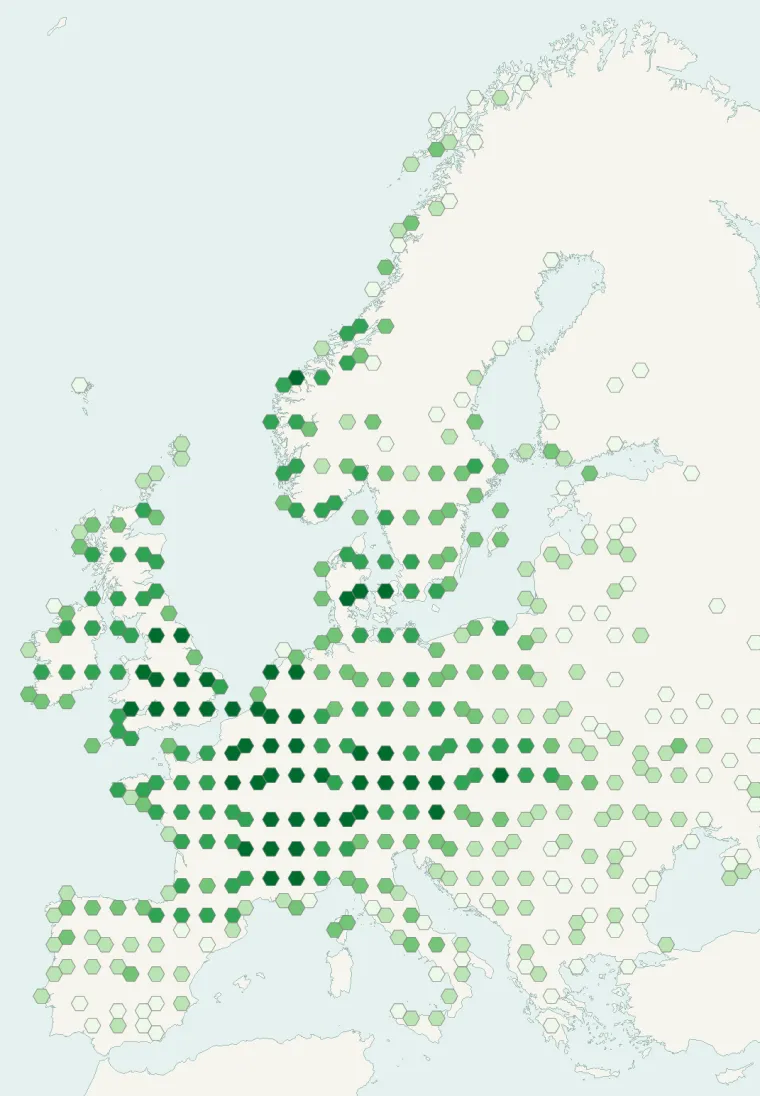
Records published on GBIF (CC0 and CC BY 4.0 licences): the darker the shade, the more records there are; they also reflect observation effort.
From Wikipedia
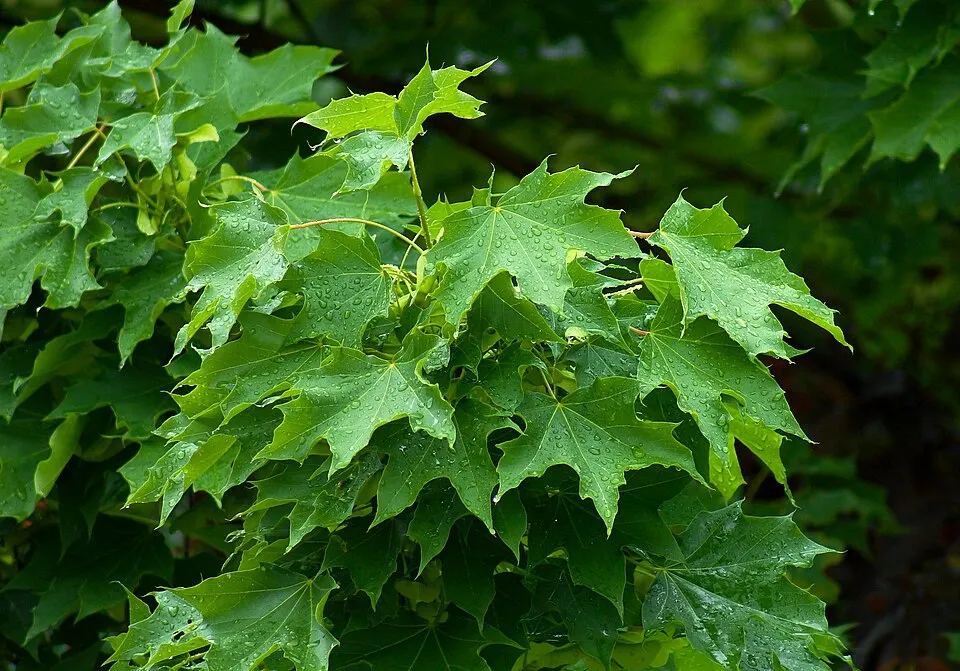
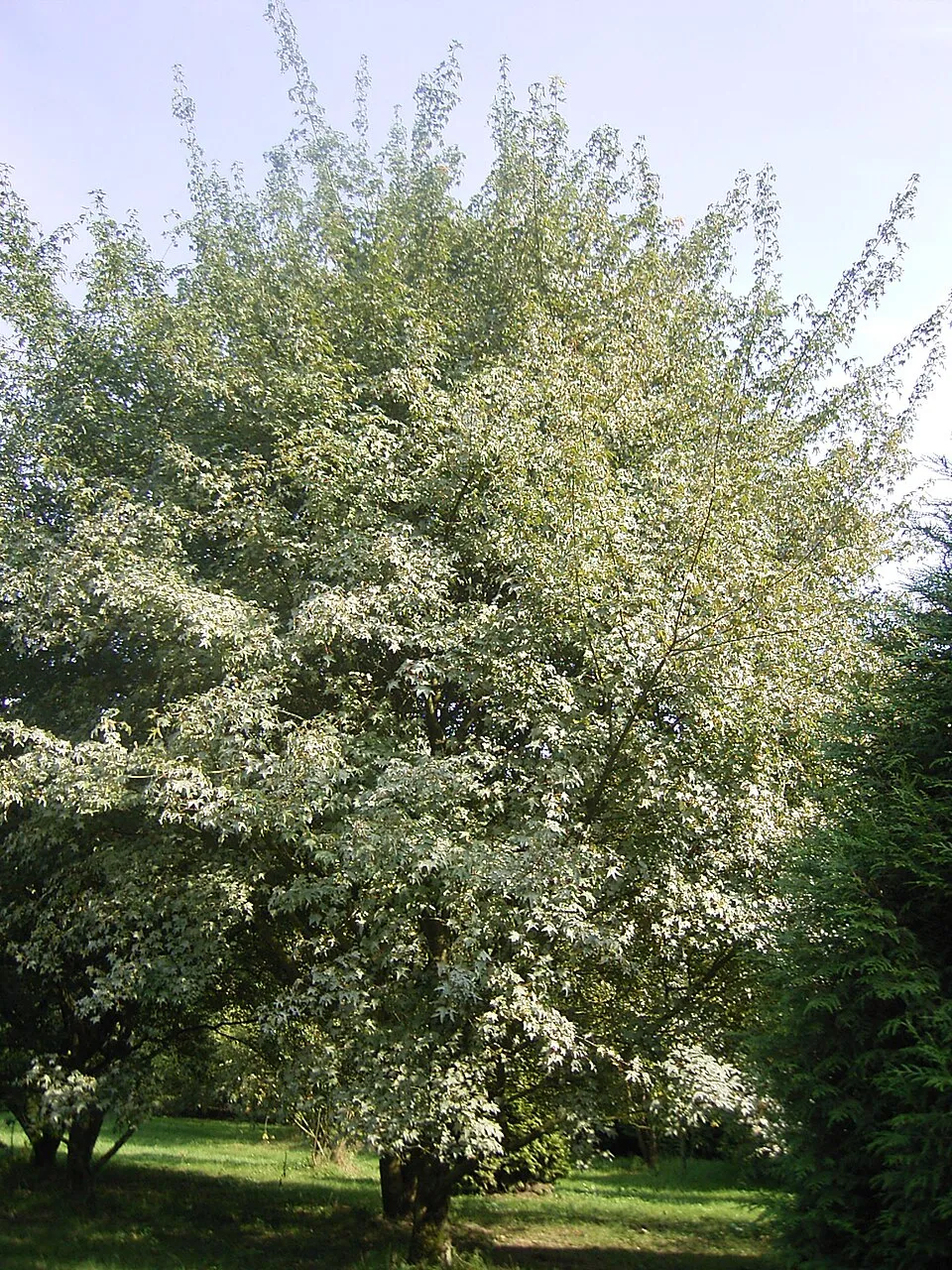
Acer pseudoplatanus, known as the sycamore in the British Isles and as the sycamore maple in the United States, is a species of maple native to Central Europe and Western Asia. It is a large deciduous, broad-leaved tree, tolerant of wind and coastal exposure. The sycamore can grow to a height of about 35 metres (115 feet) and the branches form a broad, rounded crown. The bark is grey, smooth when young and later flaking in irregular patches. The leaves grow on long leafstalks and are large and palmate, with five large radiating lobes.
Source: Wikipedia, article “Acer pseudoplatanus” (version of October 7, 2026) · history and authors · licence CC BY-SA 4.0 · shortened excerpt
Protected areas where it is recorded
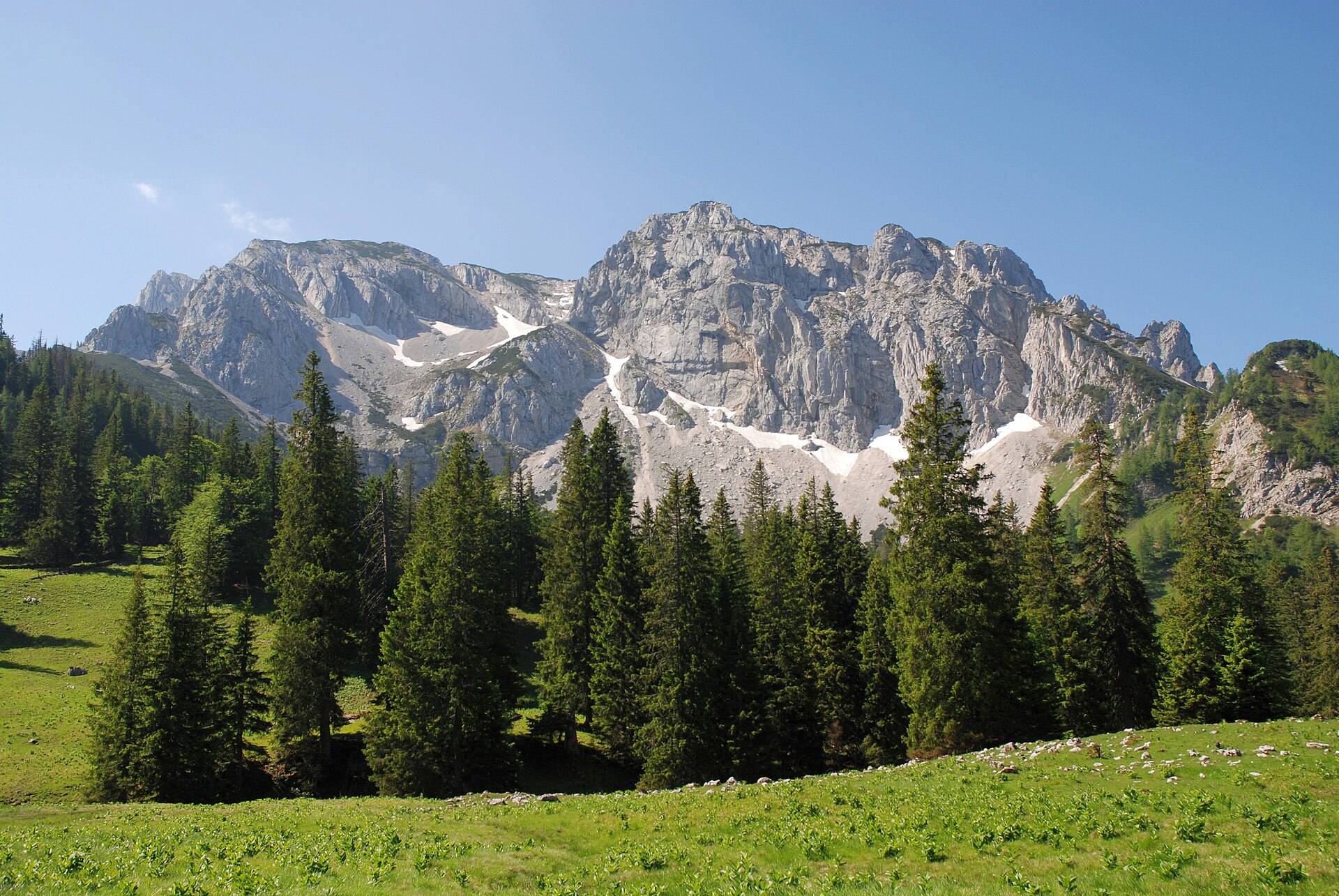
15,245 records
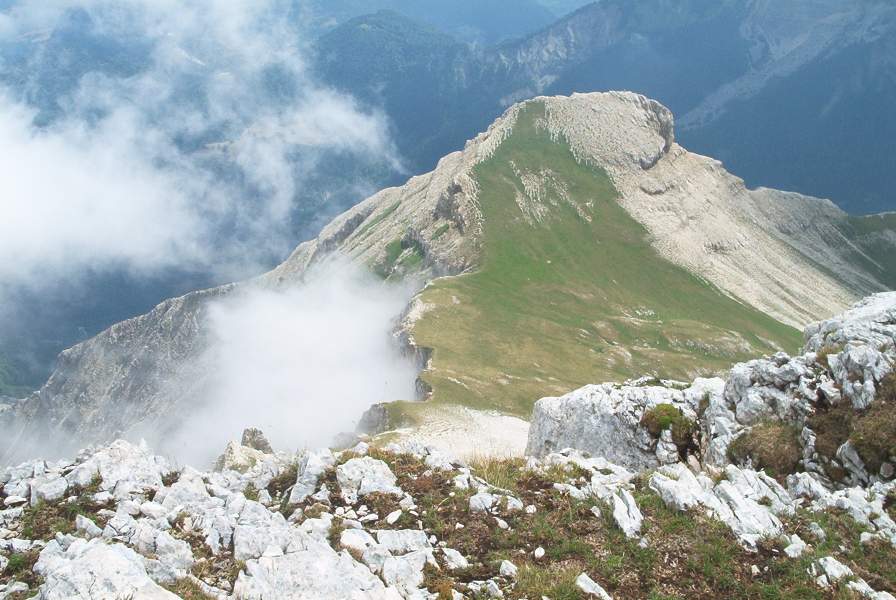
7,902 records
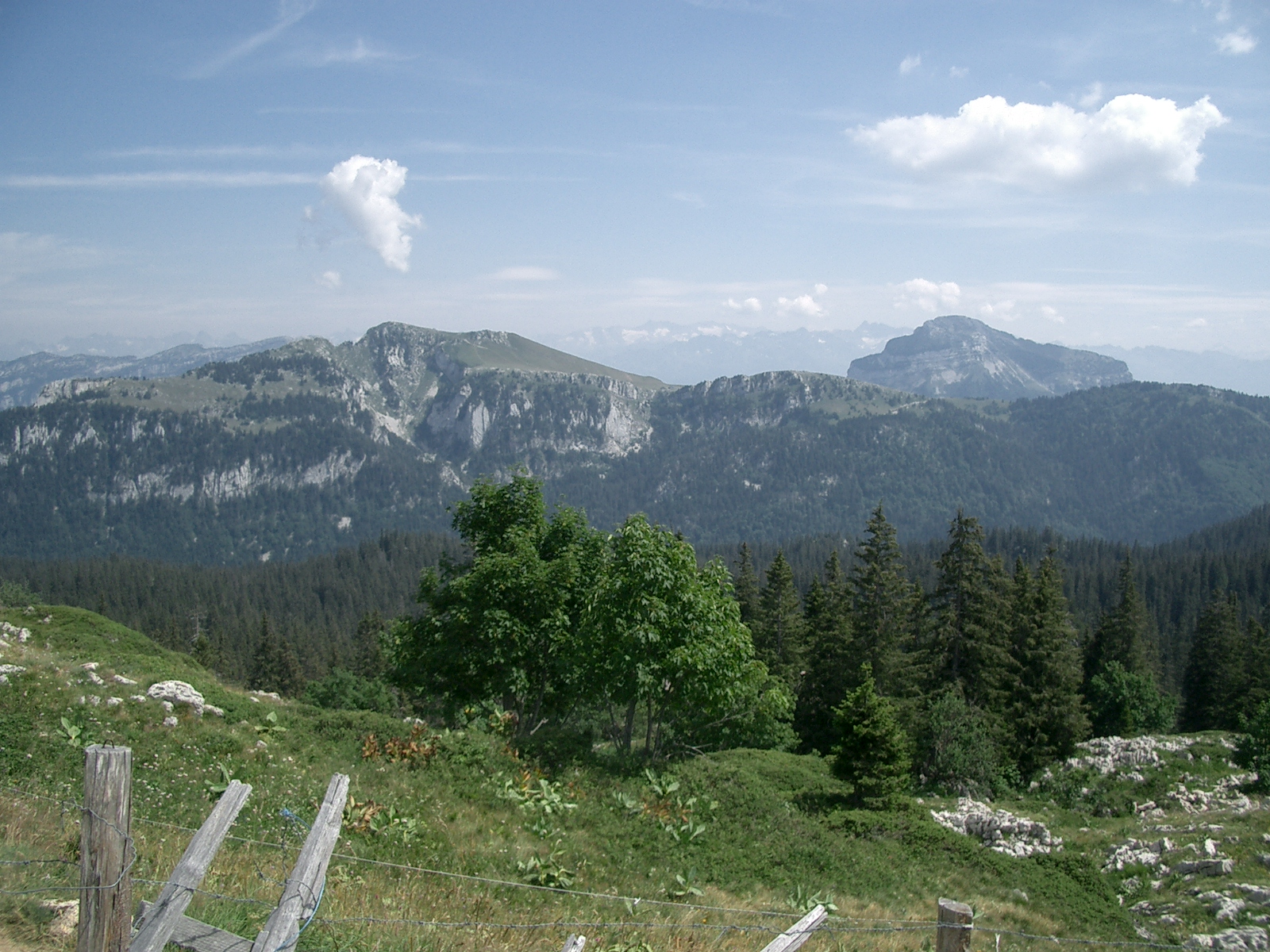
4,925 records
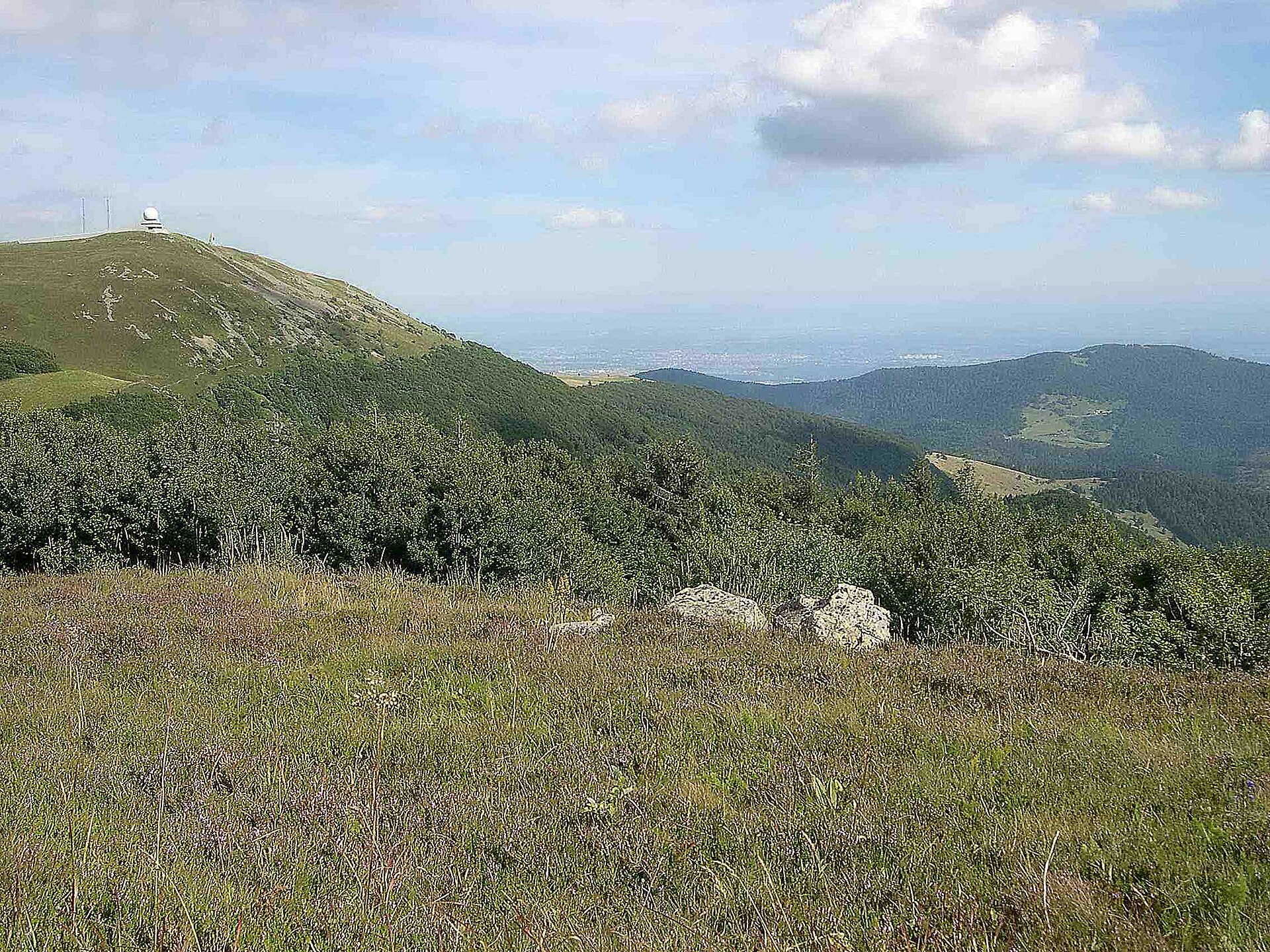
4,624 records
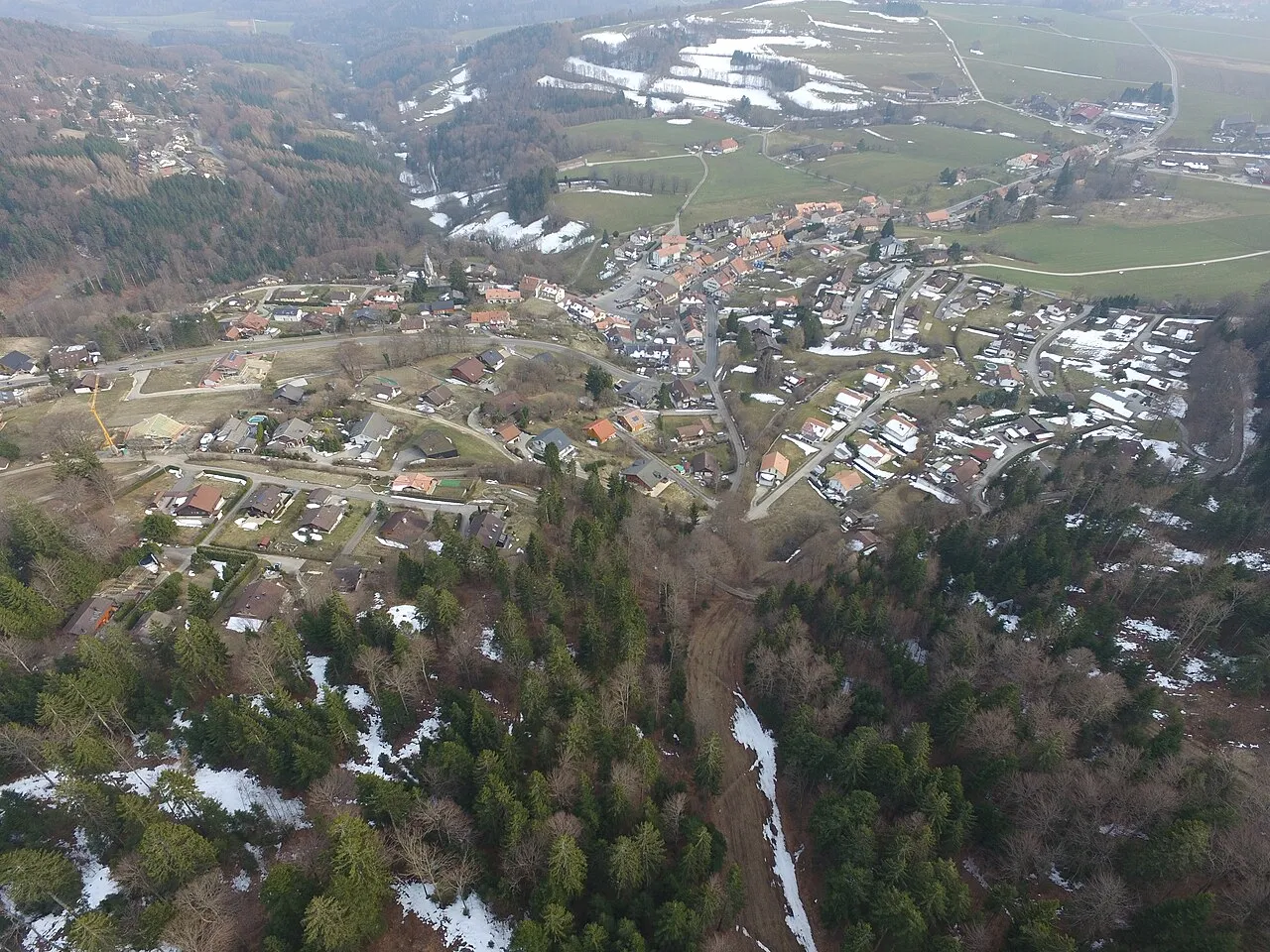
4,581 records
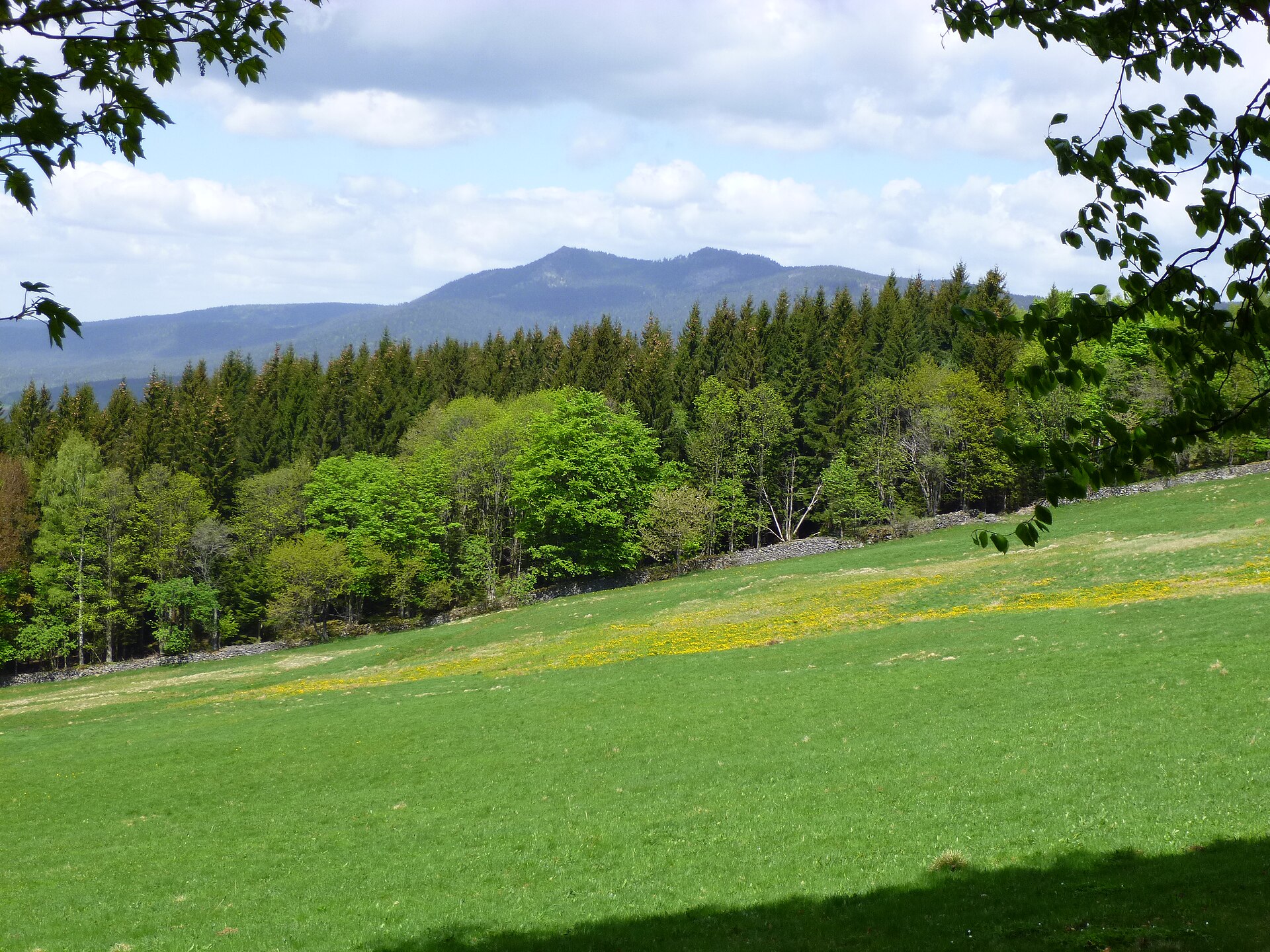
4,079 records
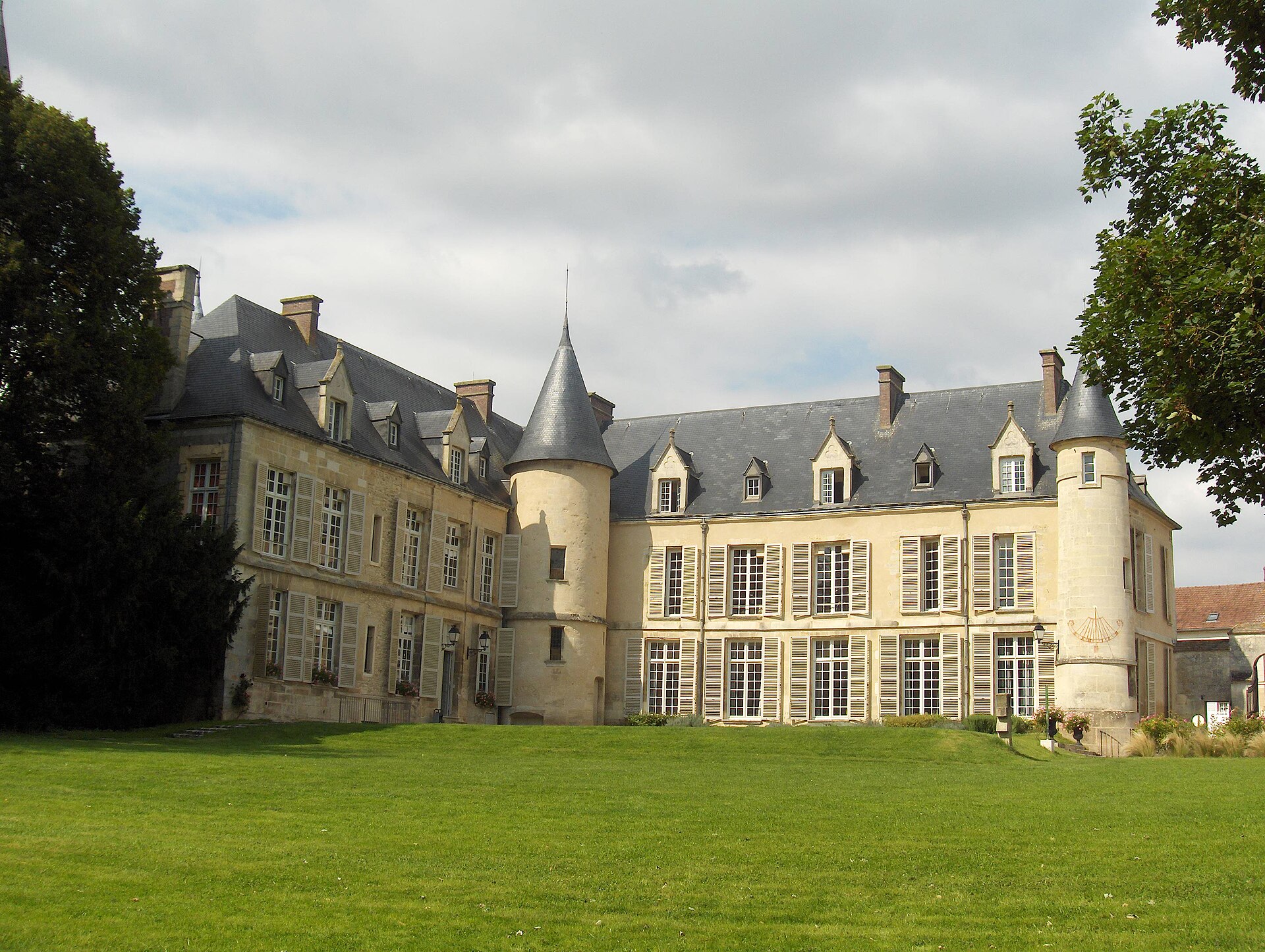
3,314 records
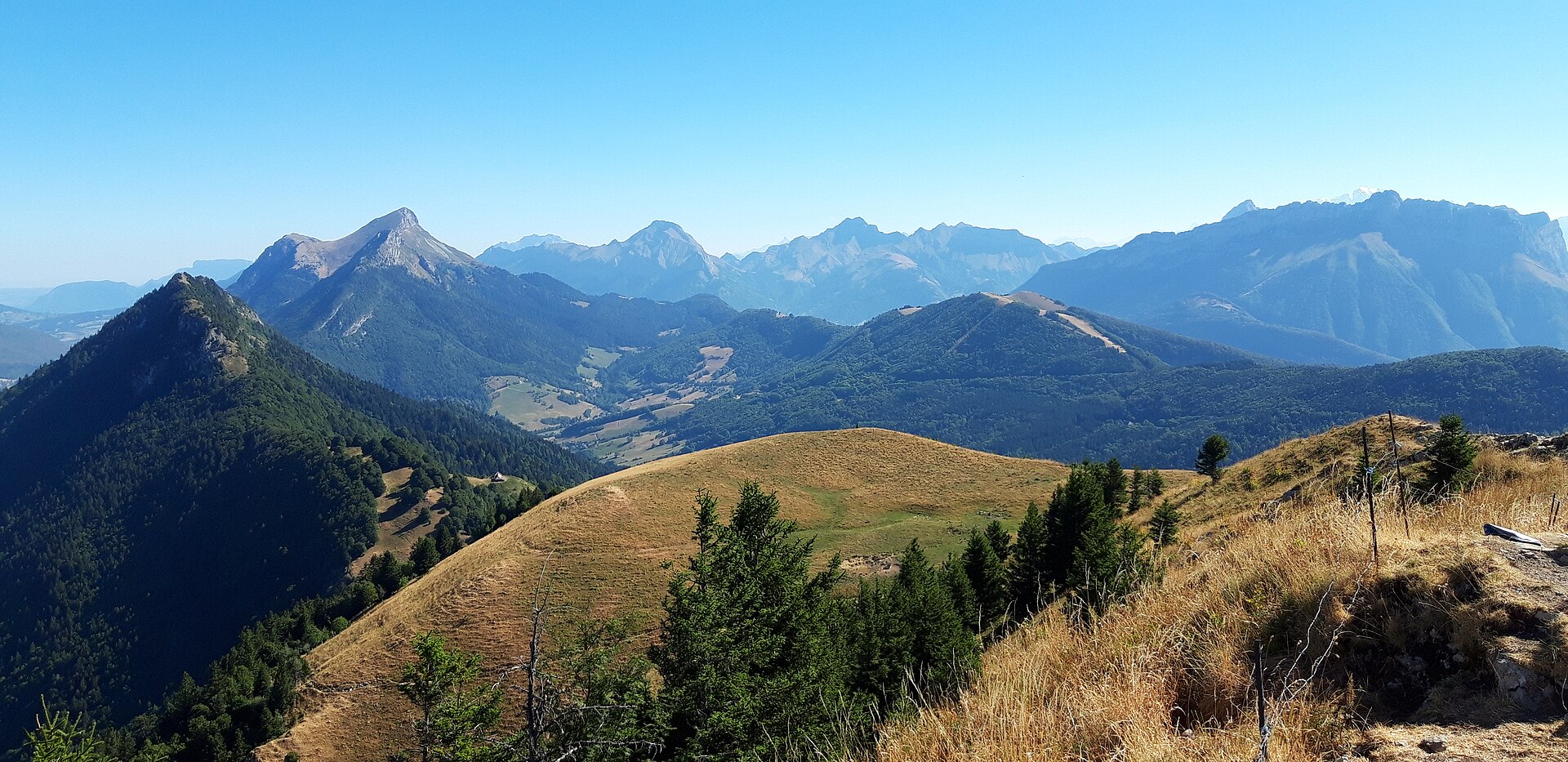
2,808 records

2,612 records
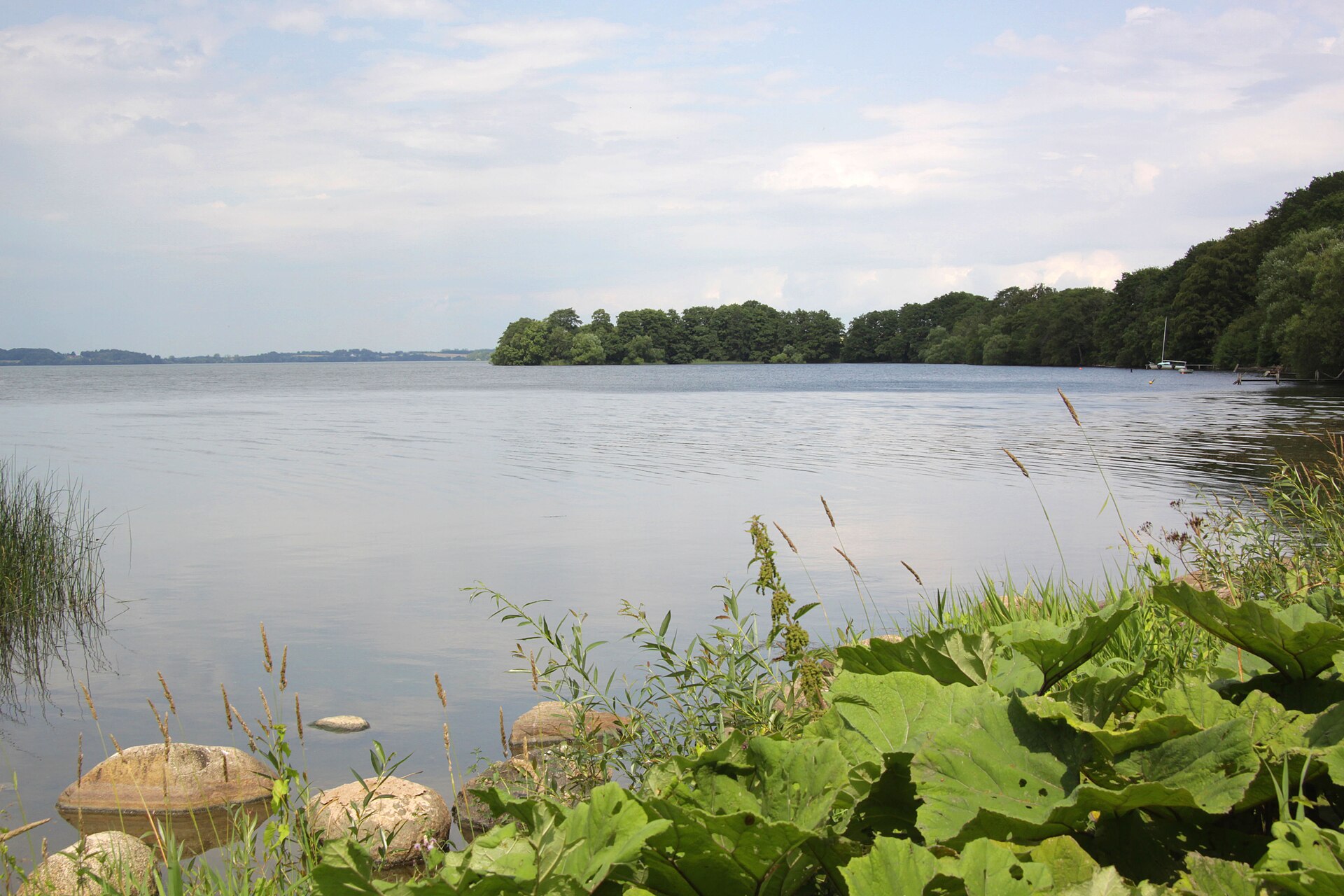
2,439 records

2,281 records
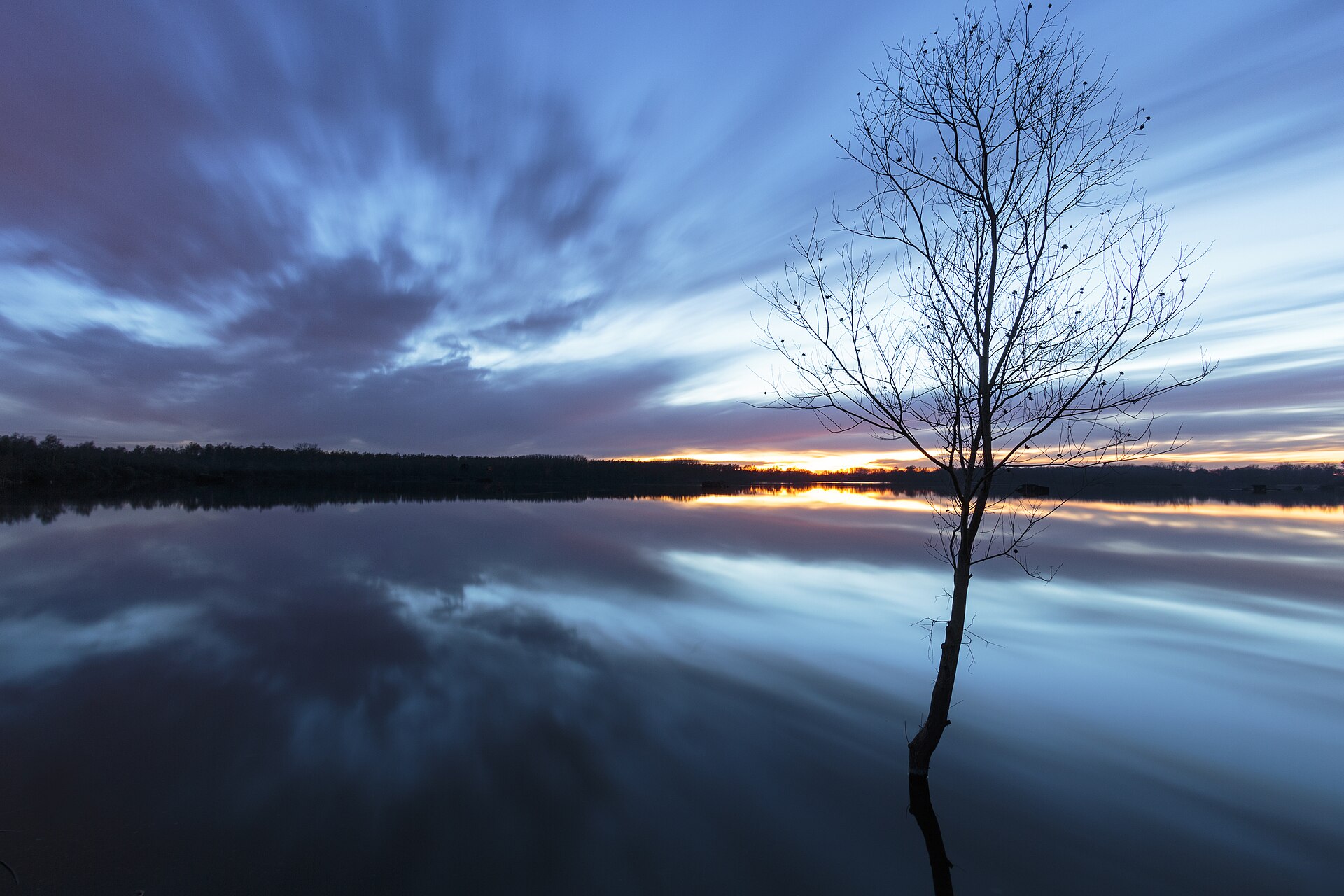
2,053 records
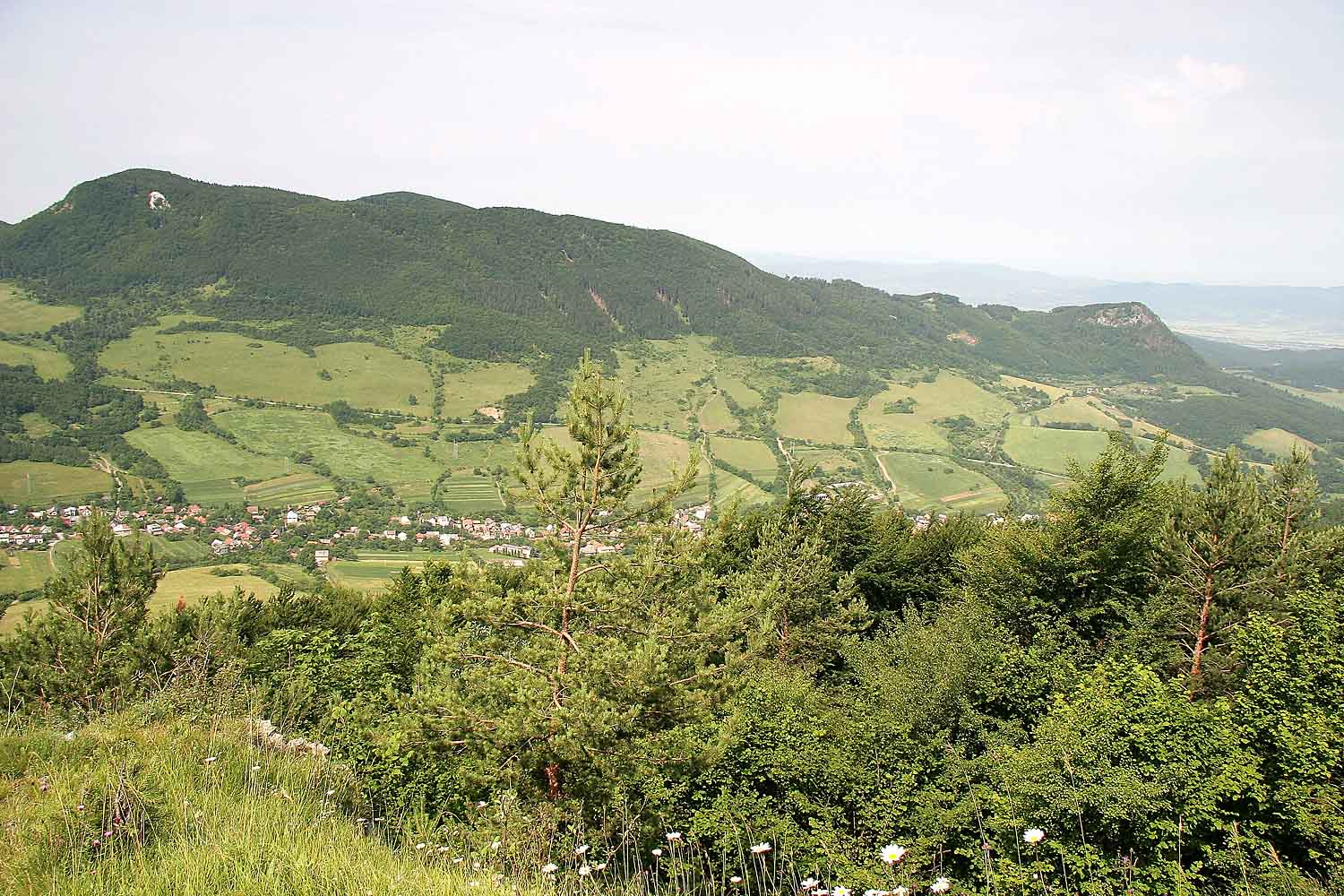
1,856 records
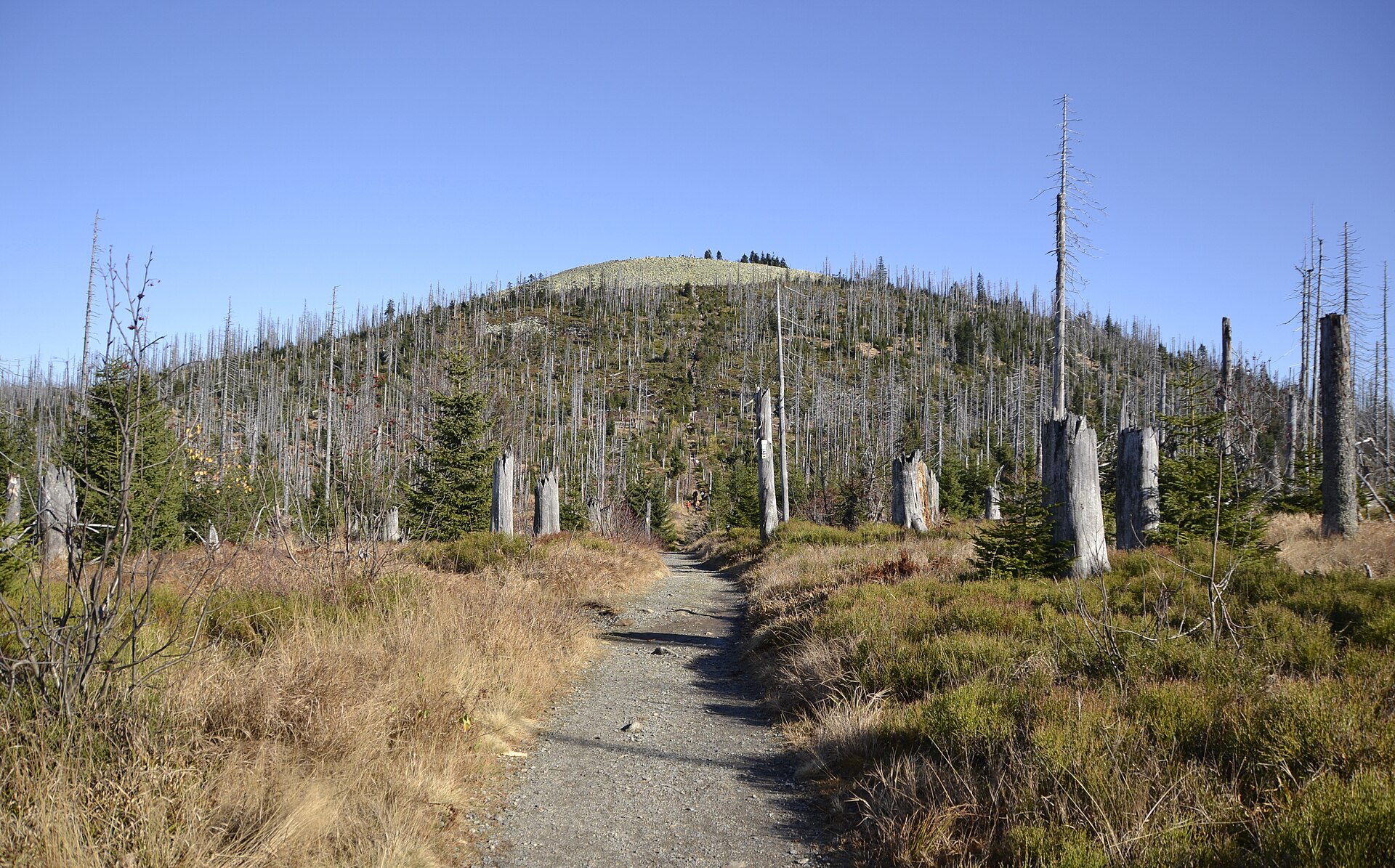
1,427 records
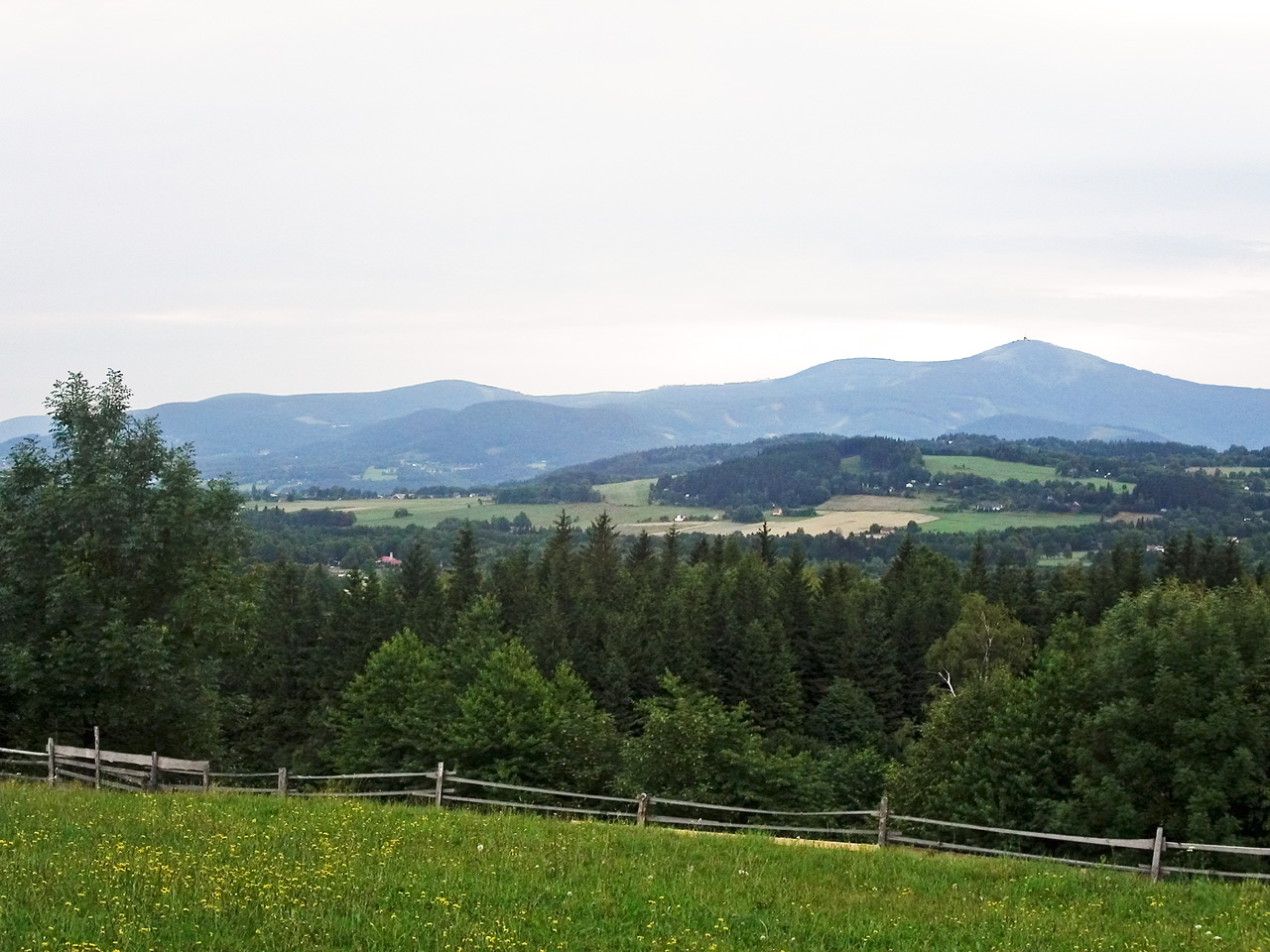
1,412 records
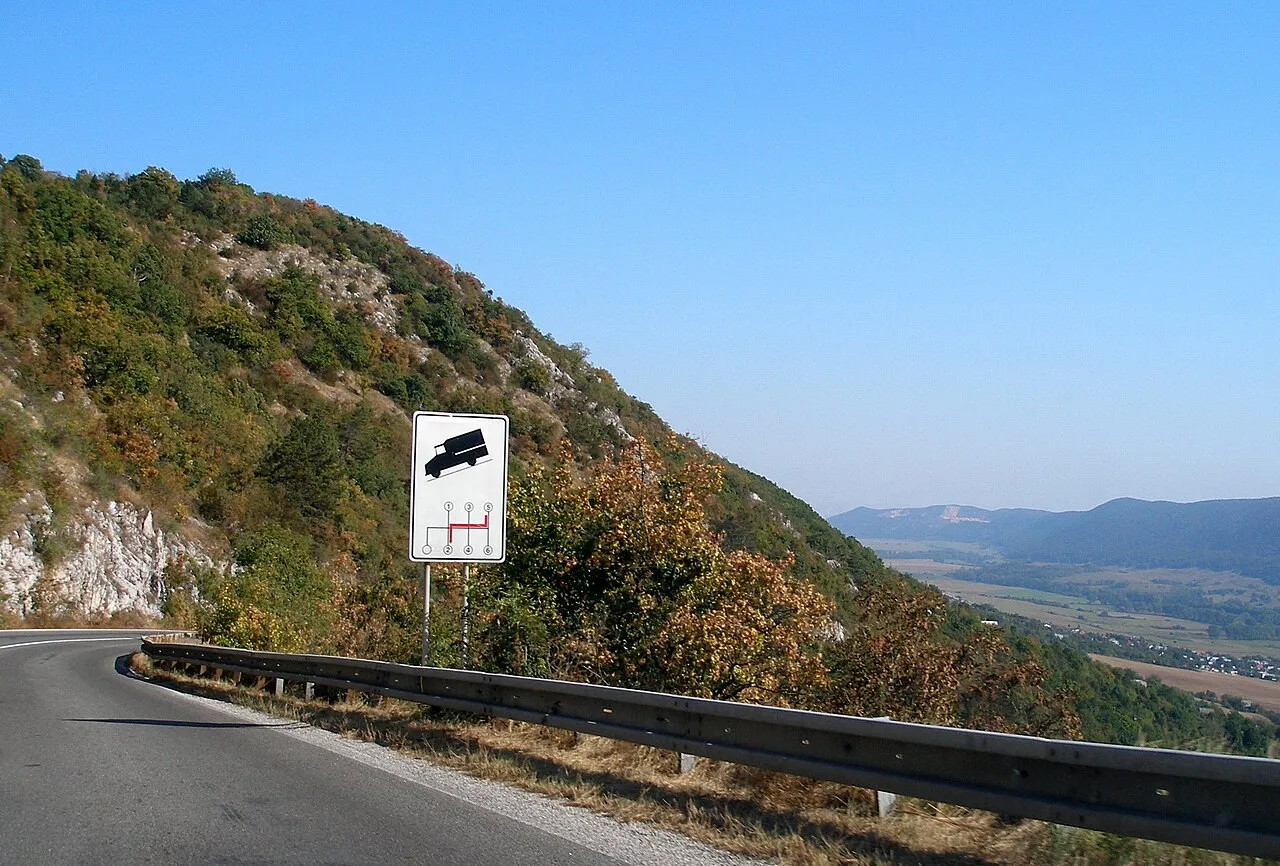
1,313 records
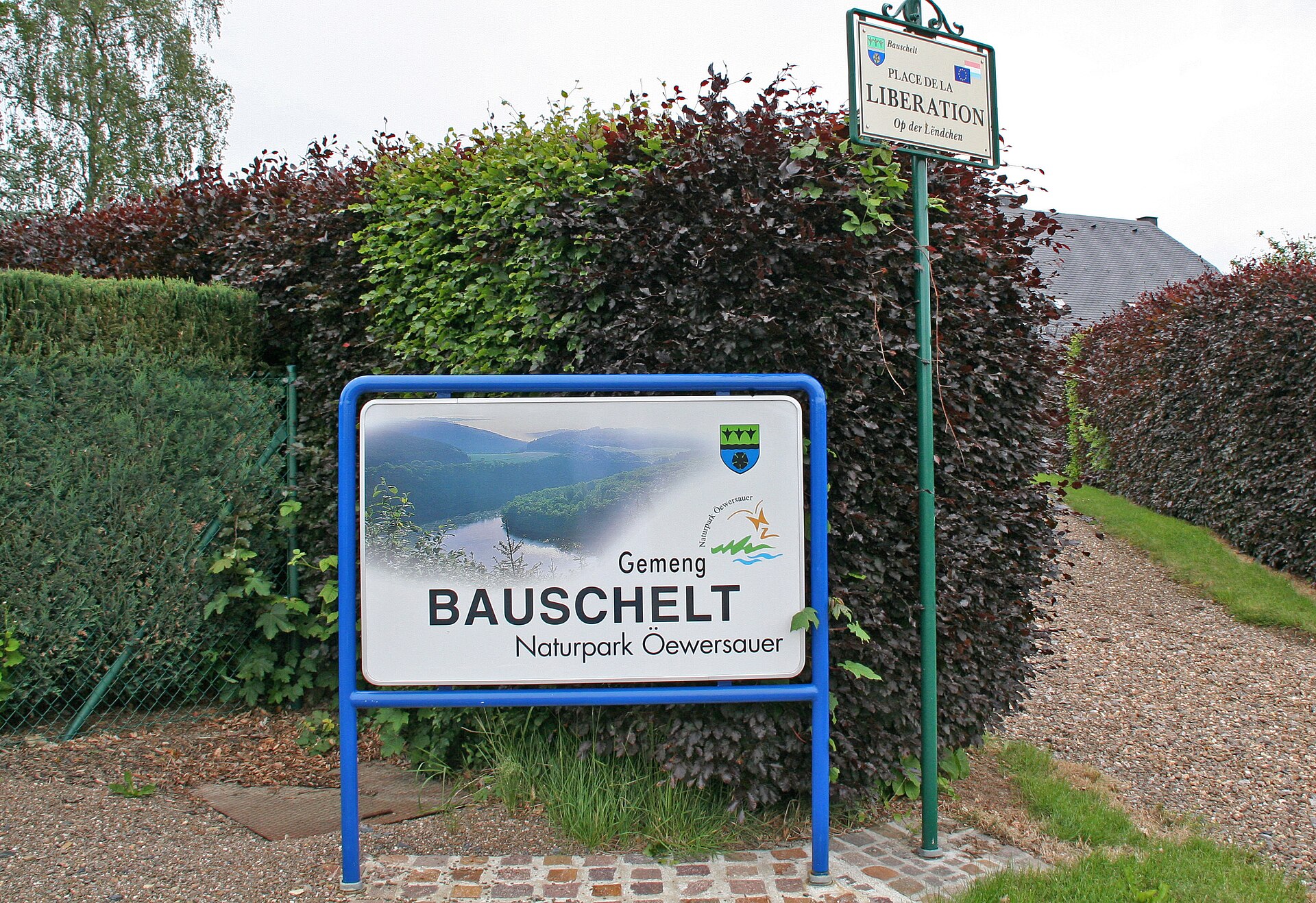
1,278 records
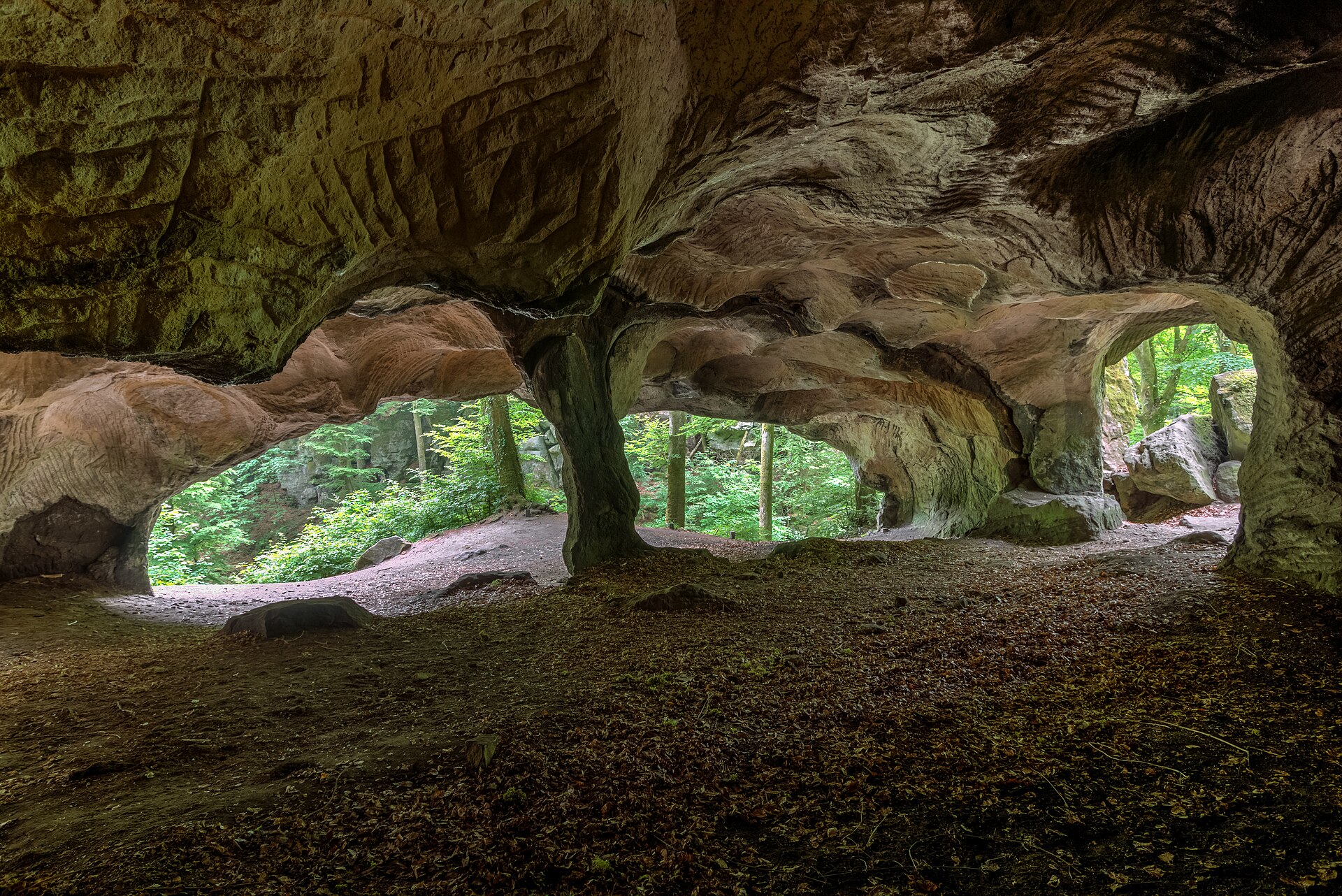
1,169 records
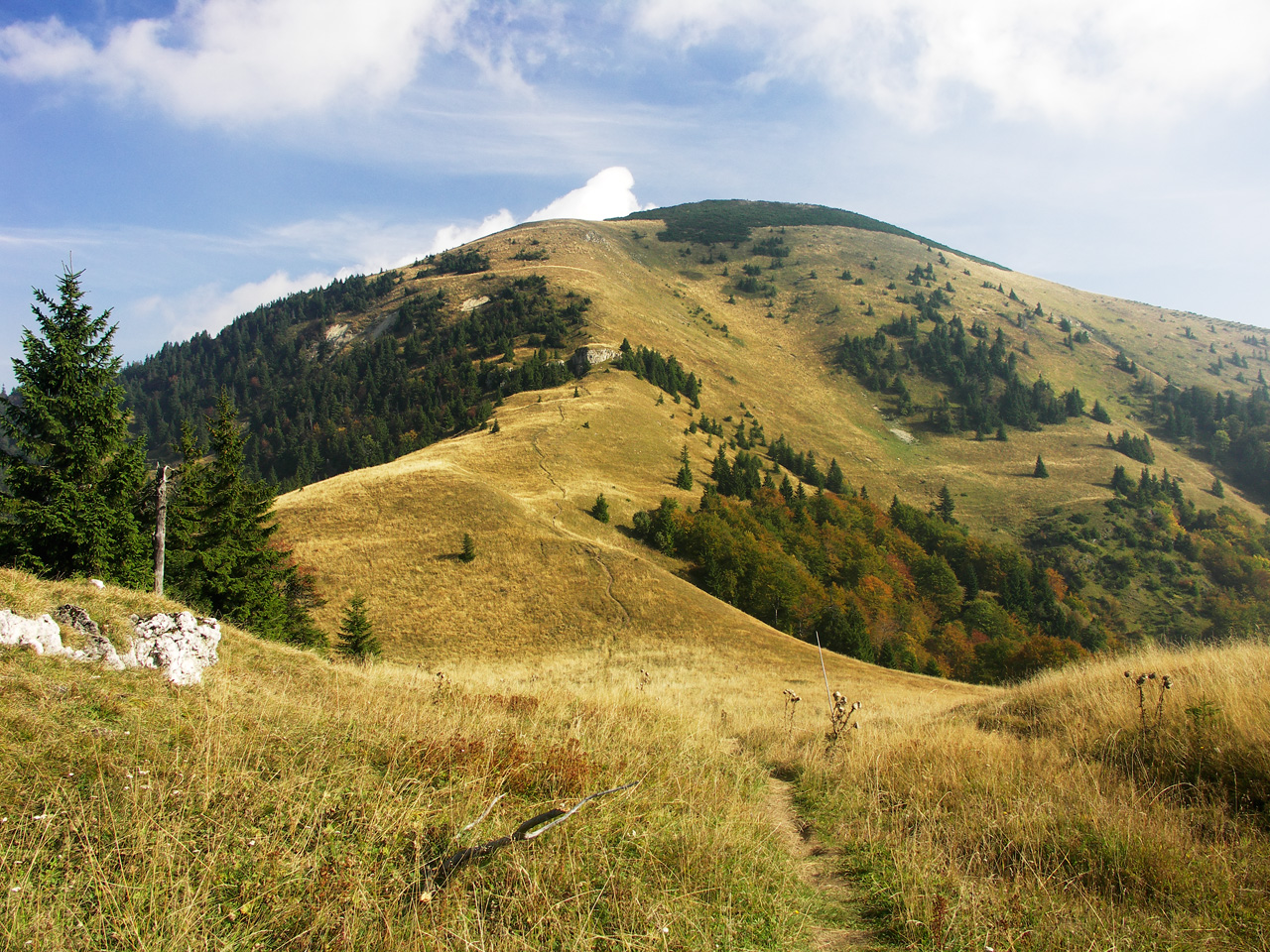
1,117 records
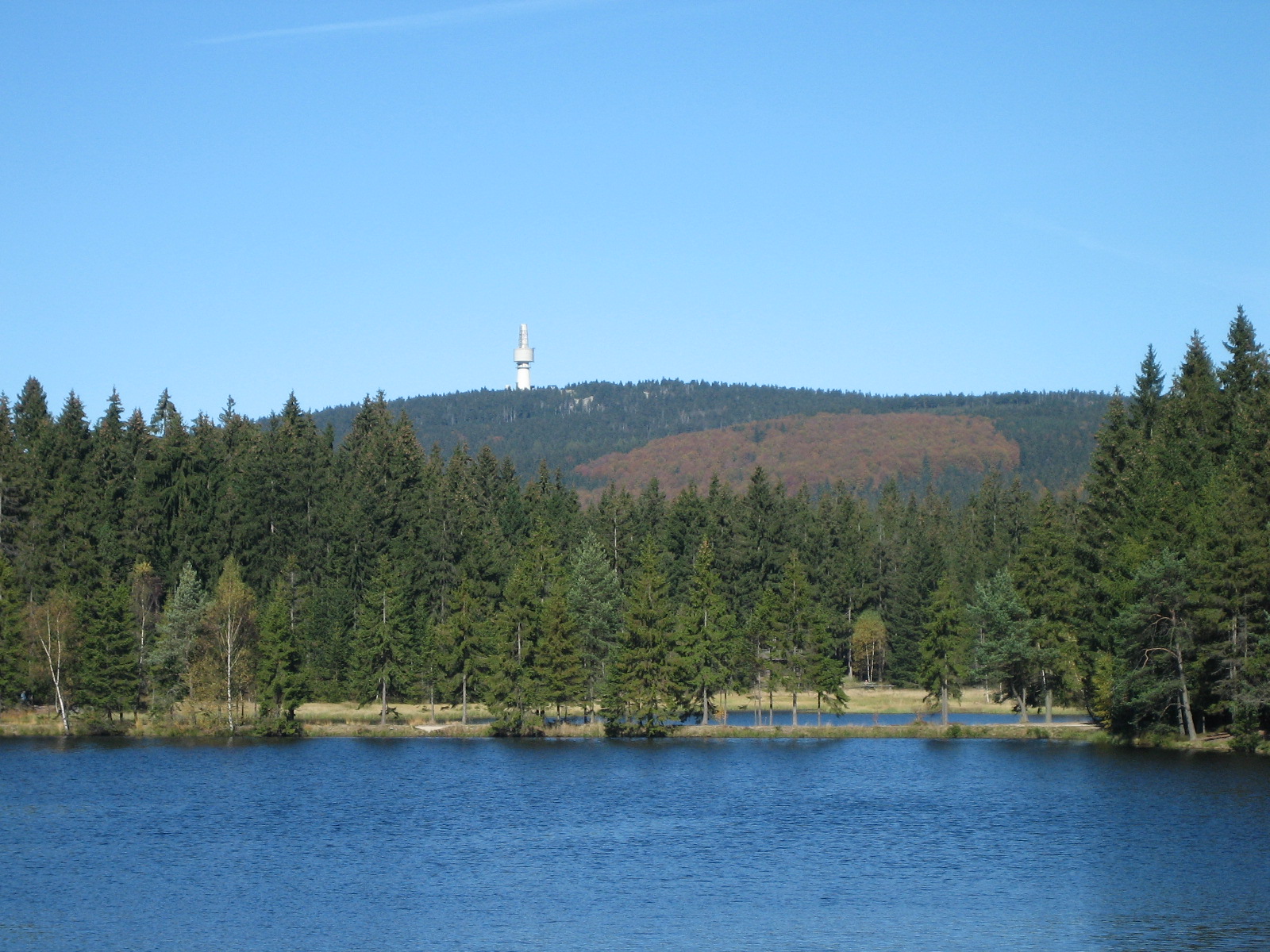
963 records
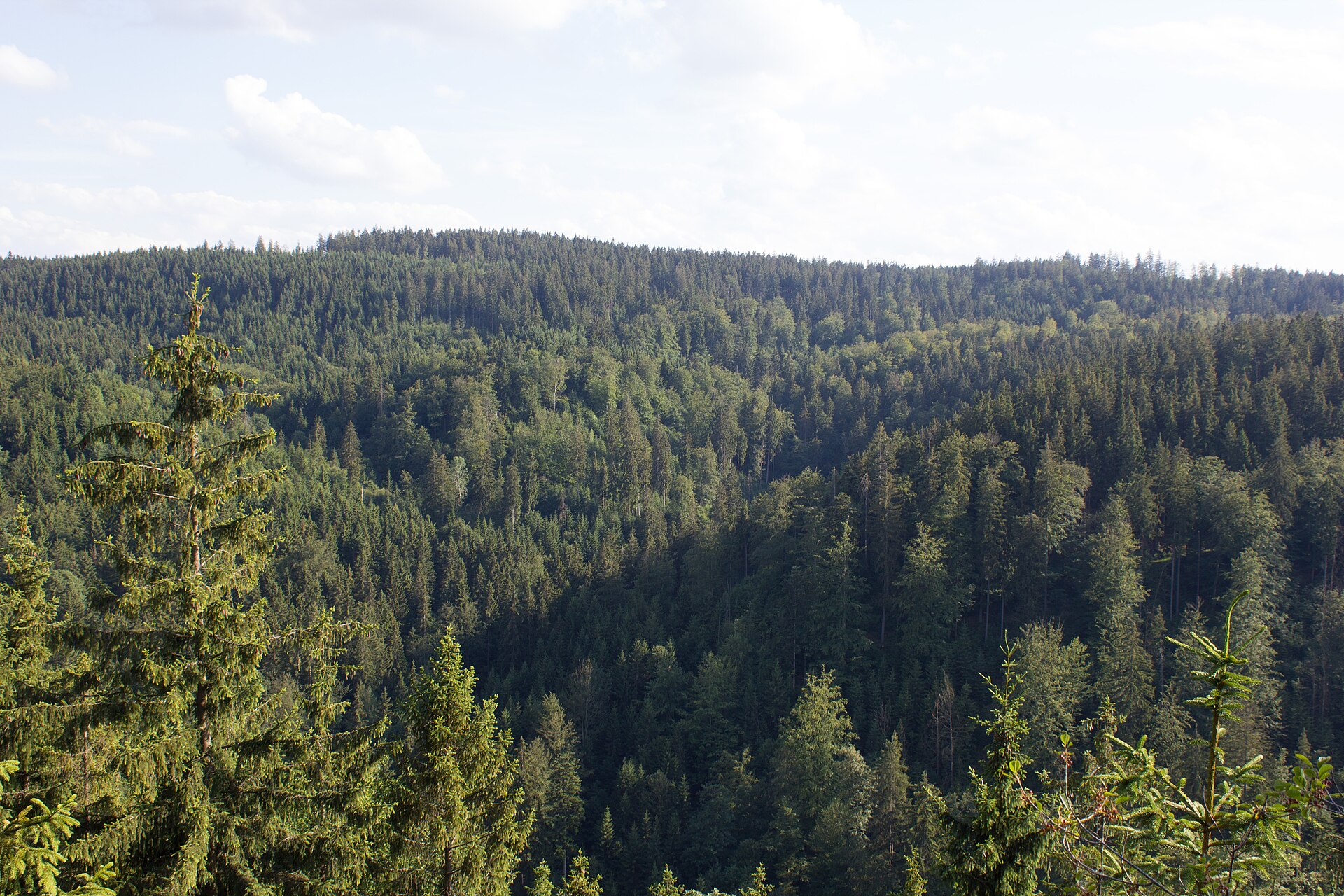
880 records
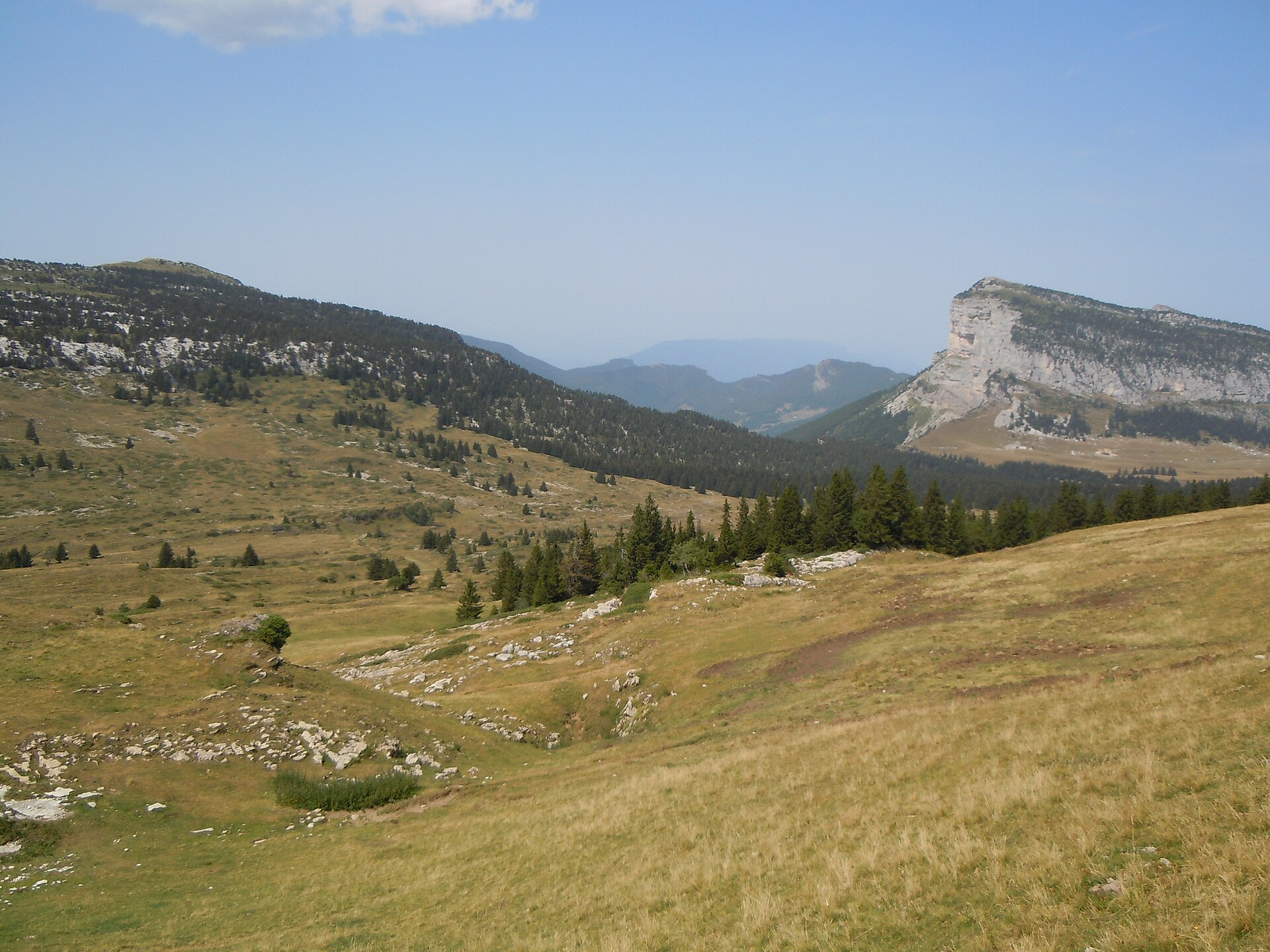
750 records
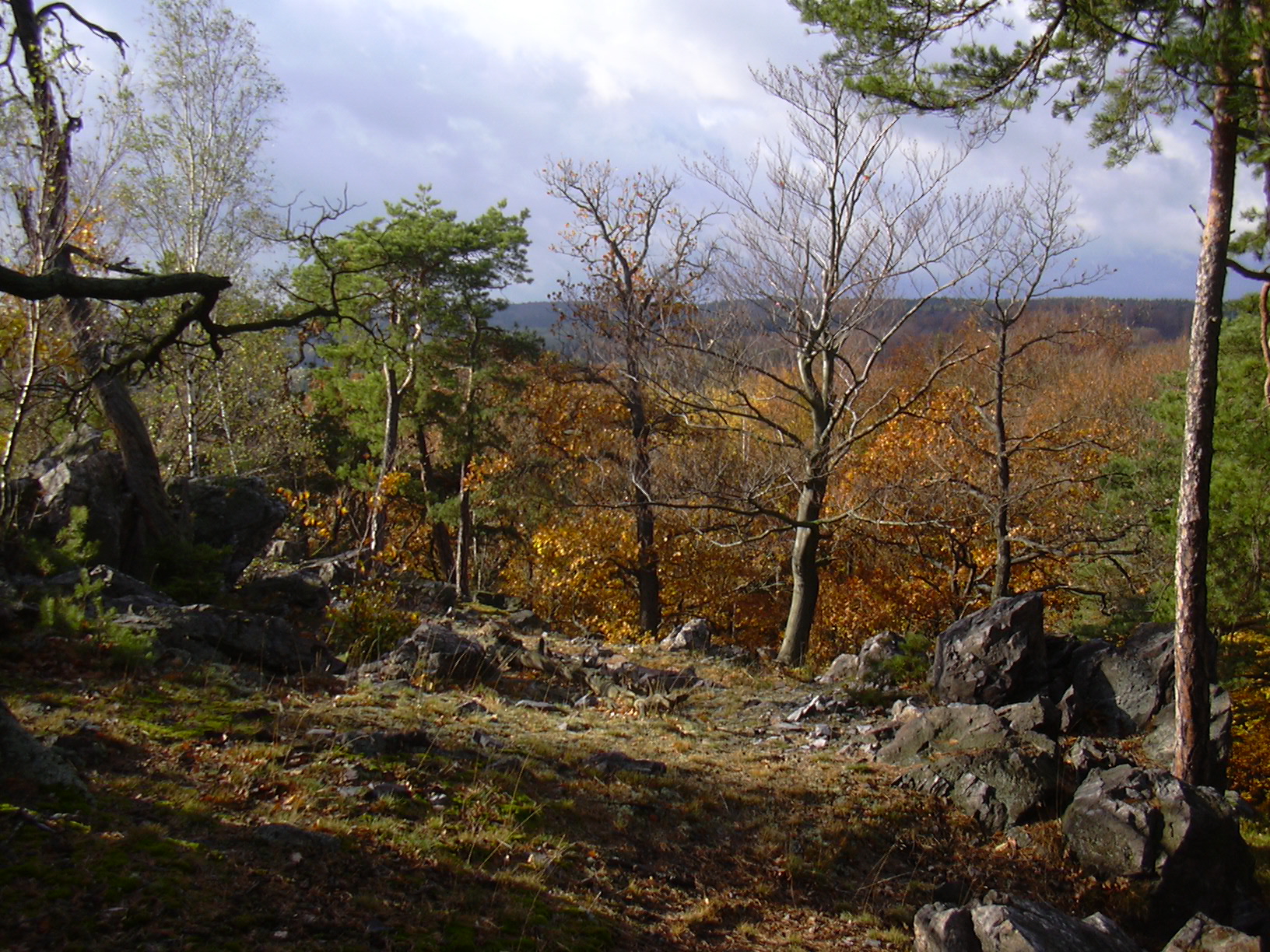
554 records
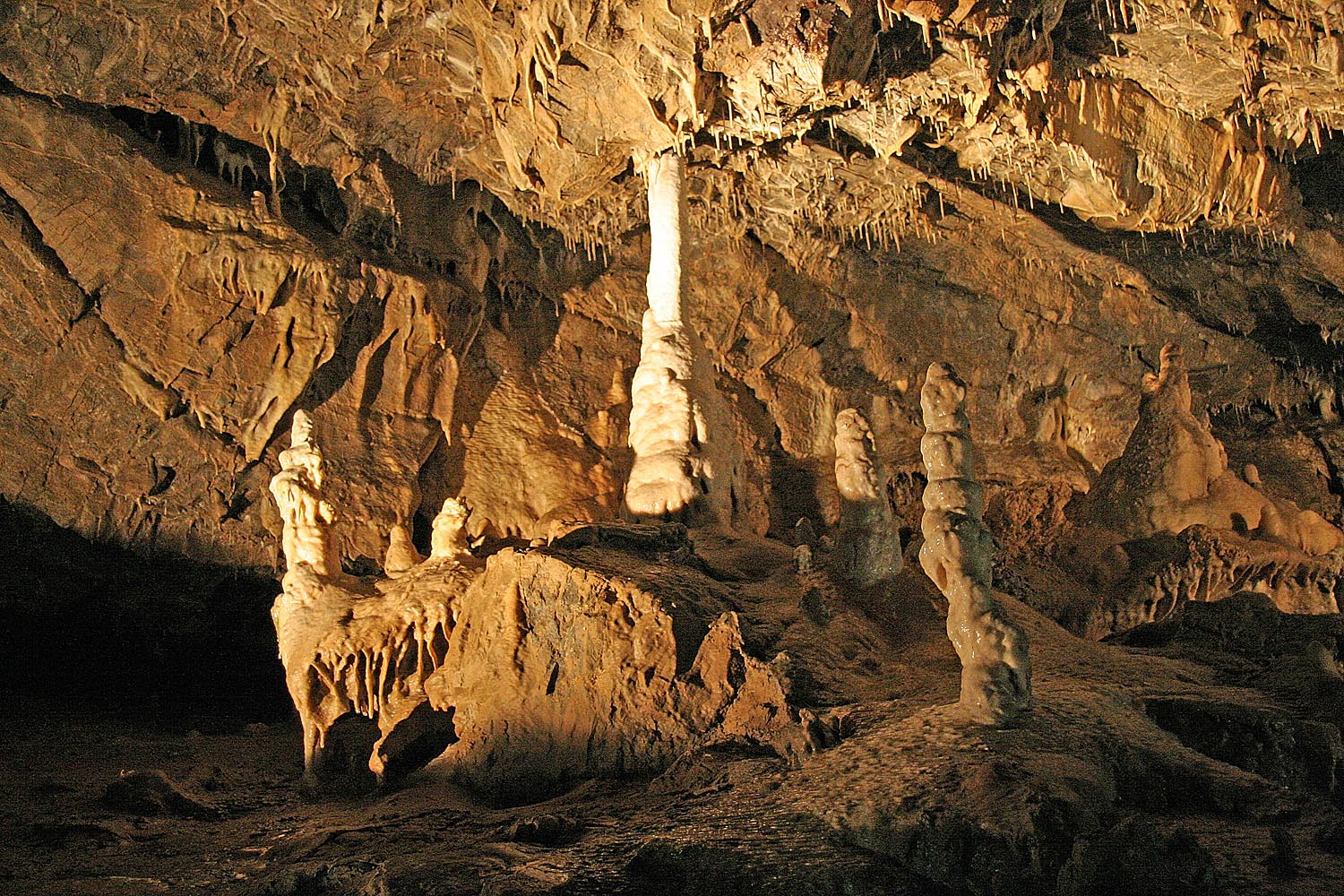
543 records
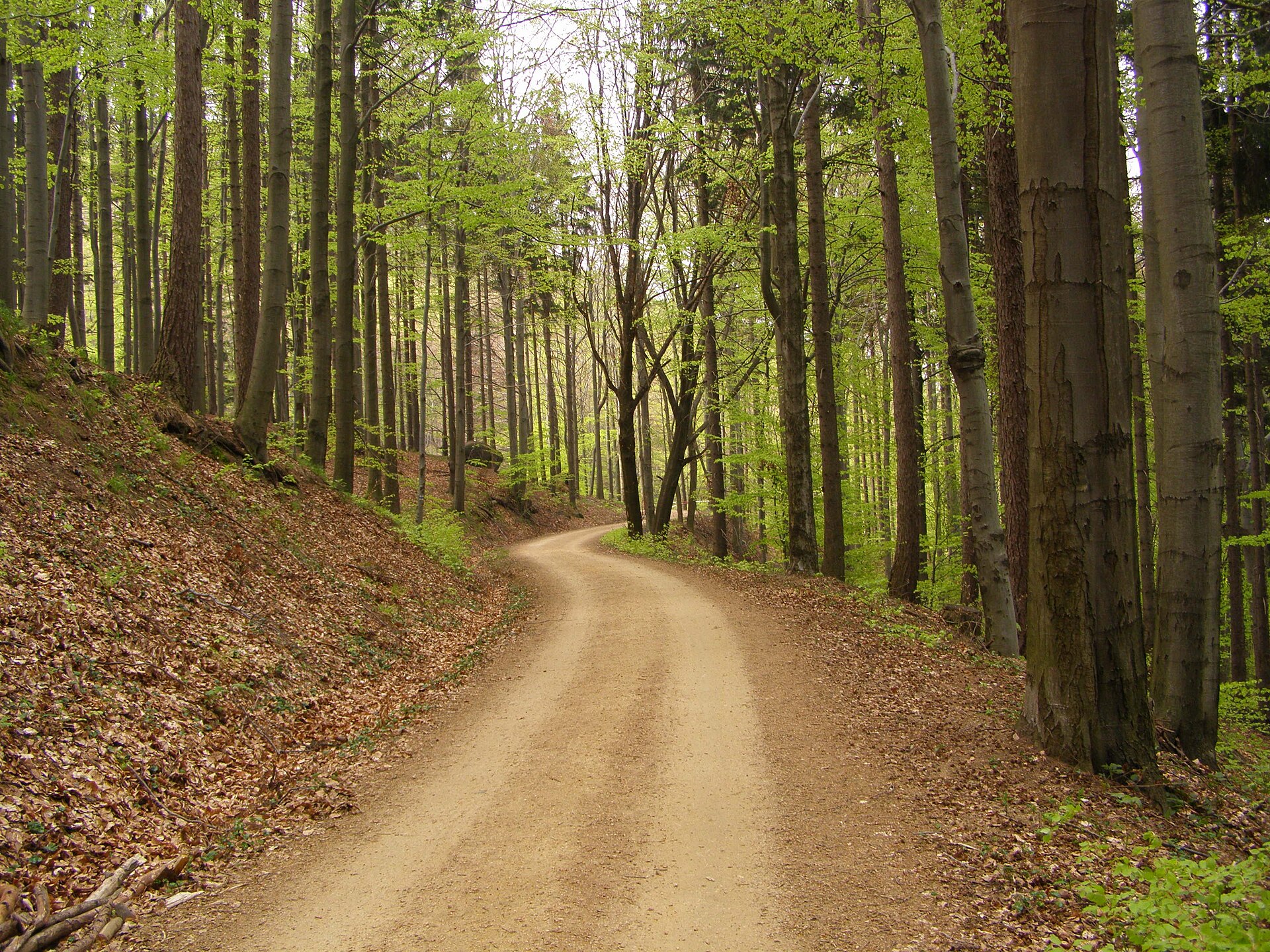
519 records
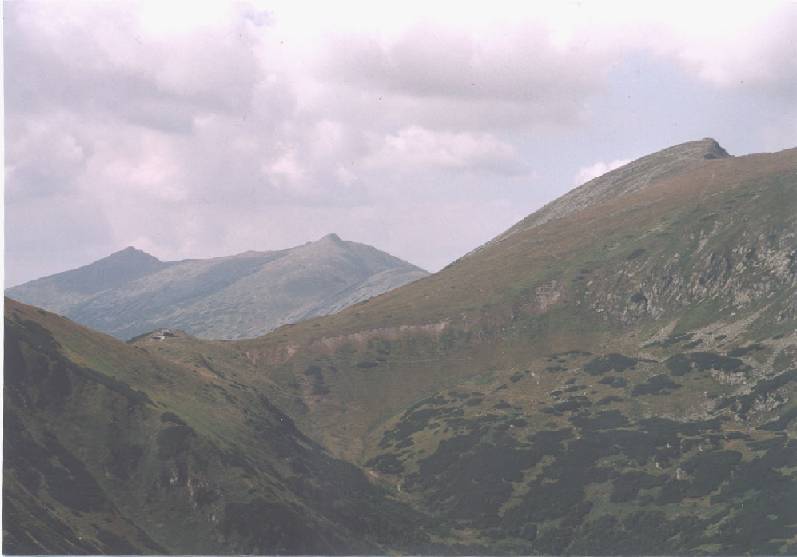
485 records
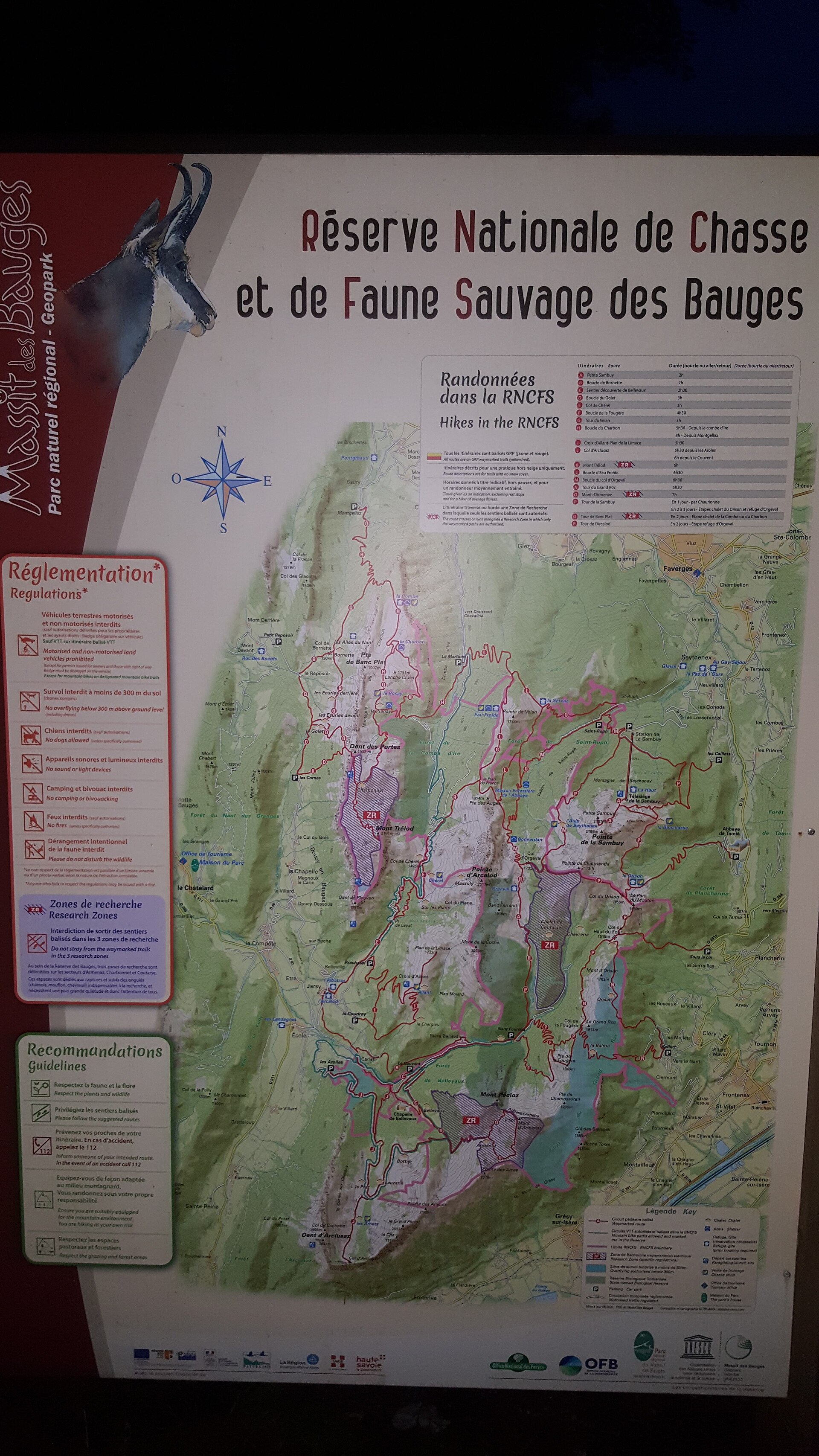
480 records
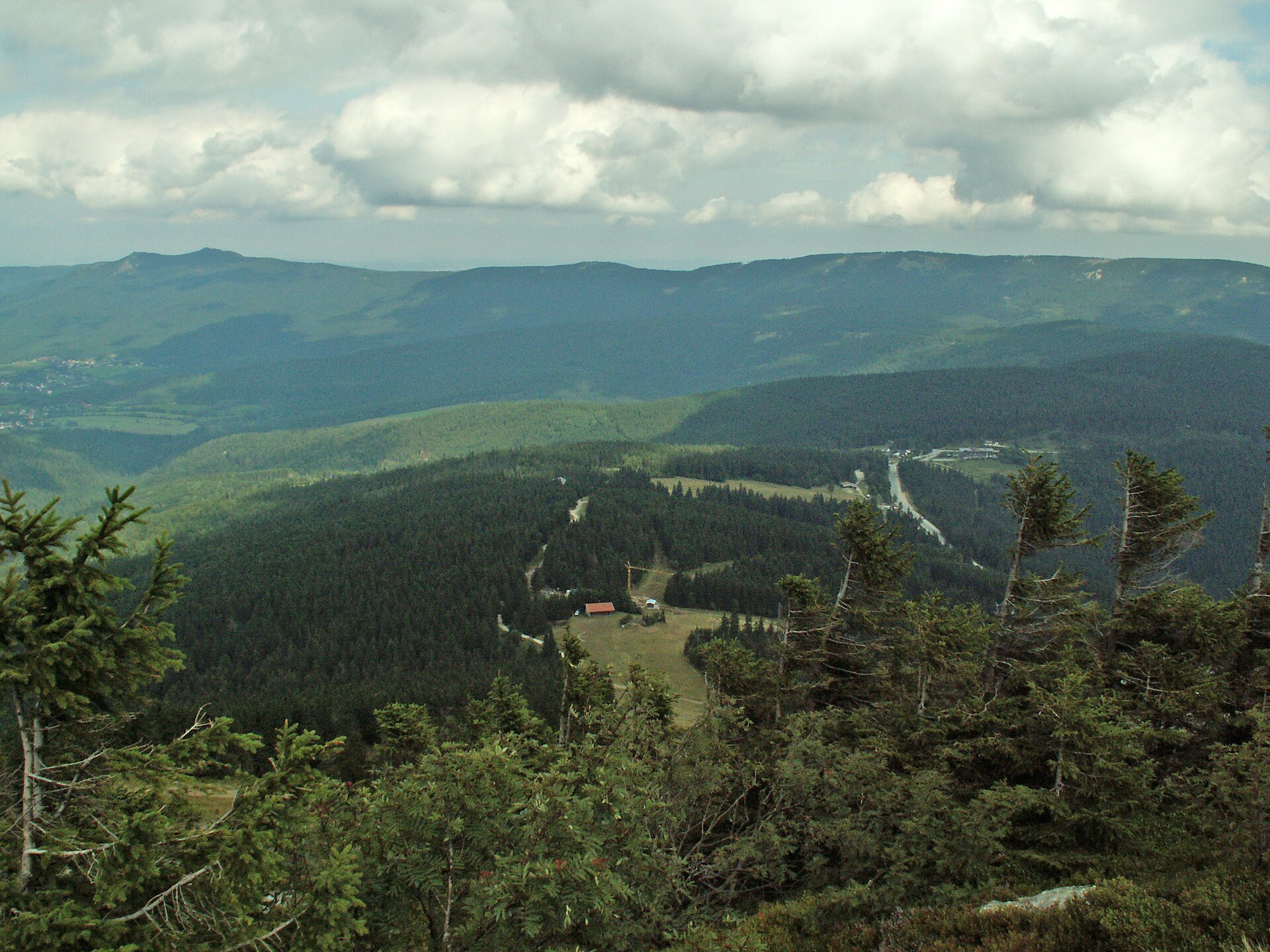
449 records
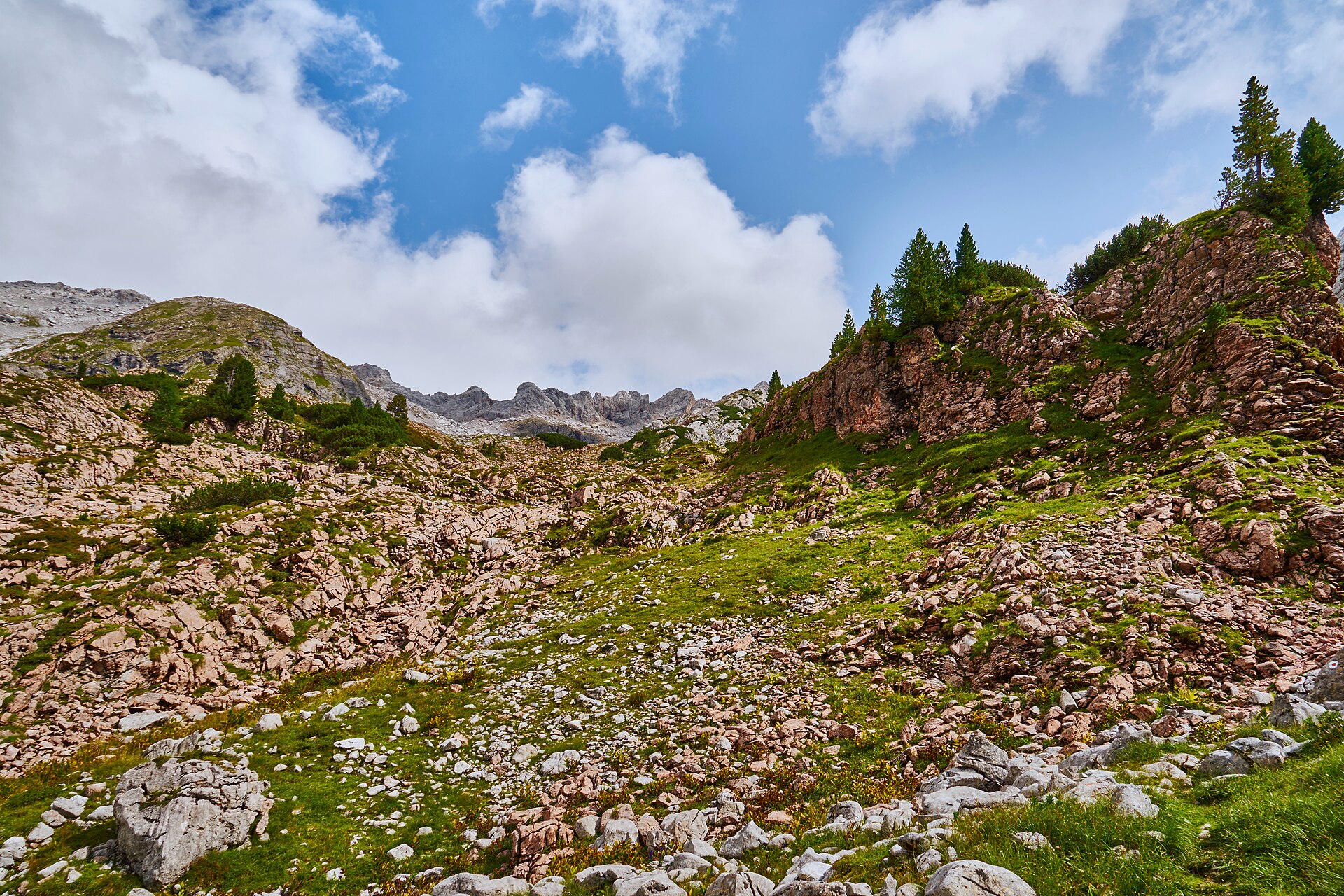
427 records
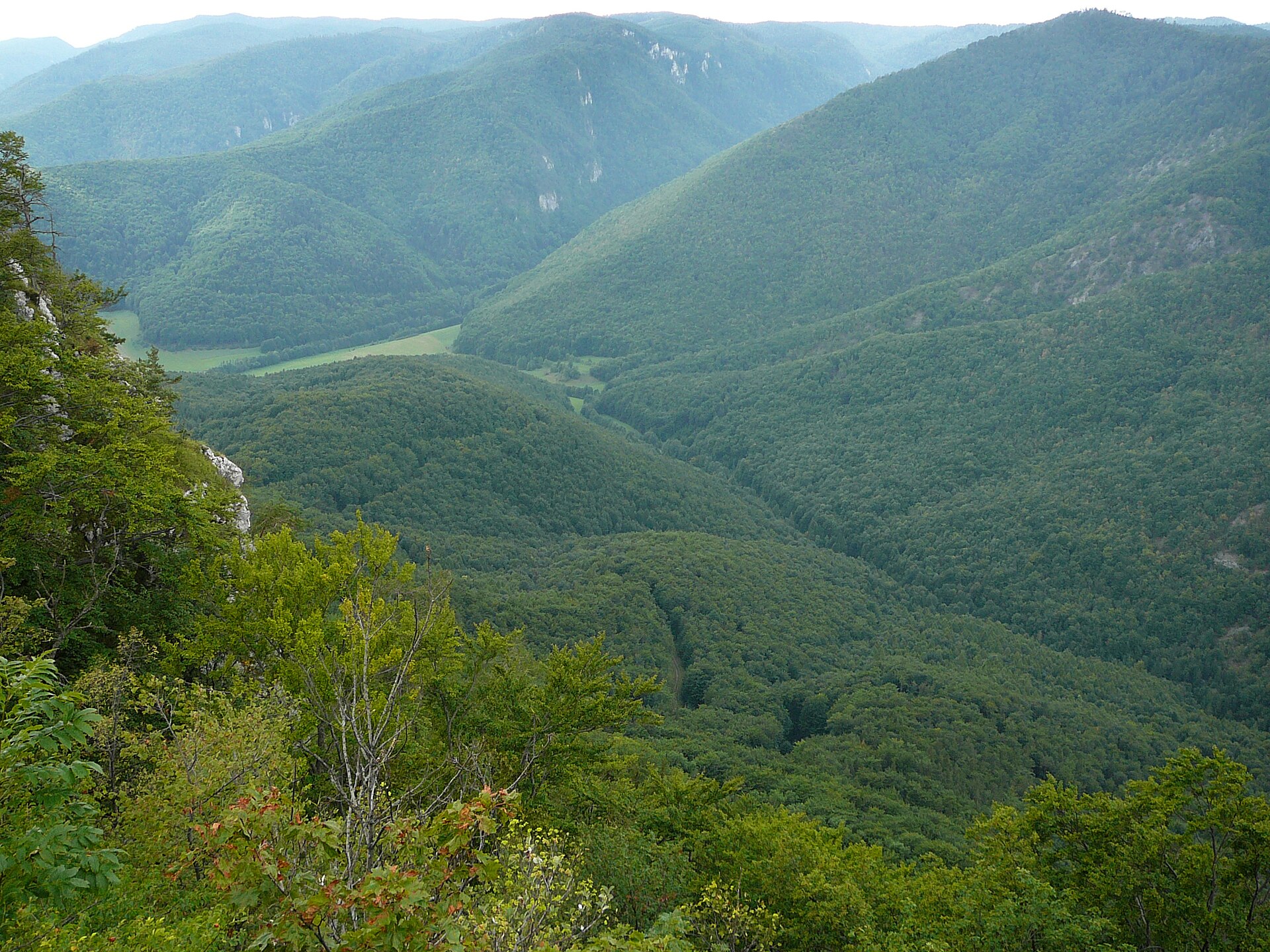
407 records
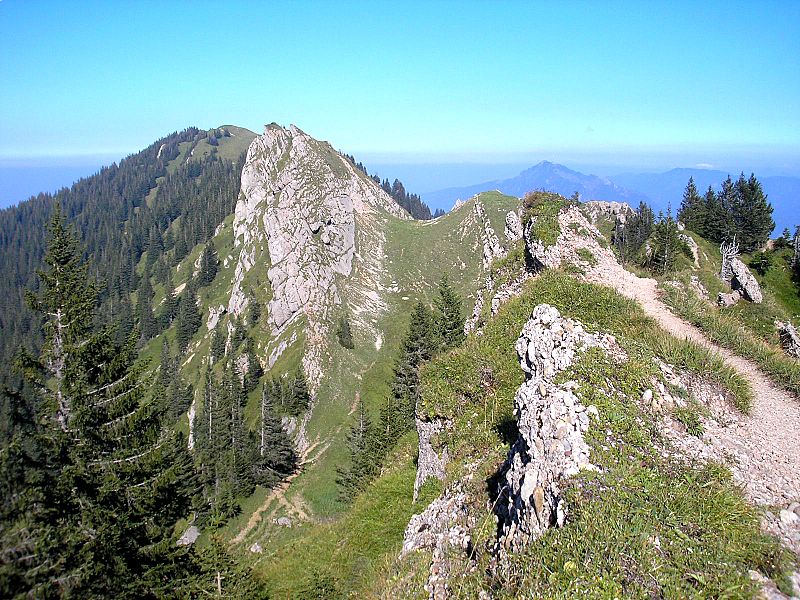
406 records
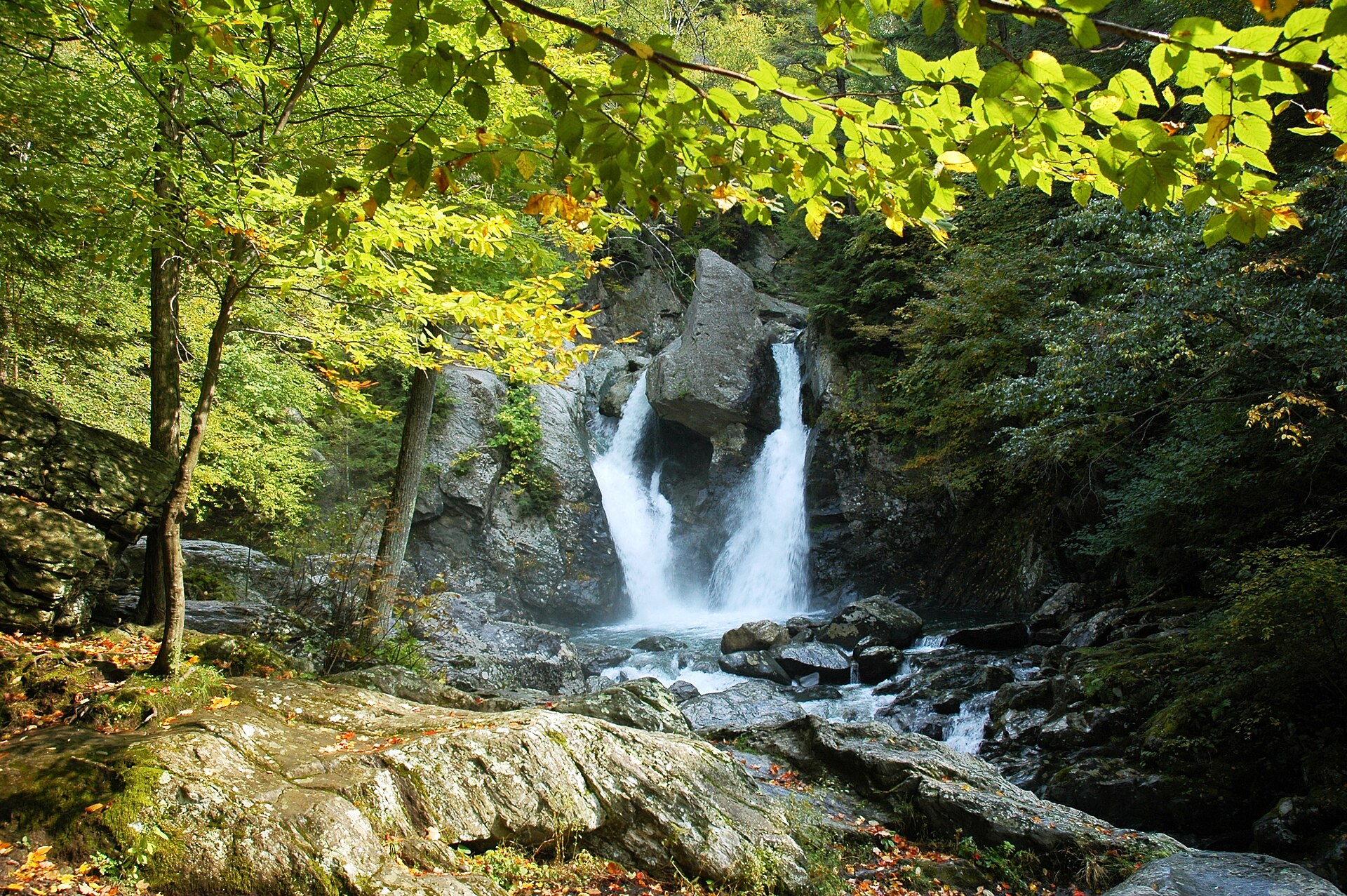
364 records
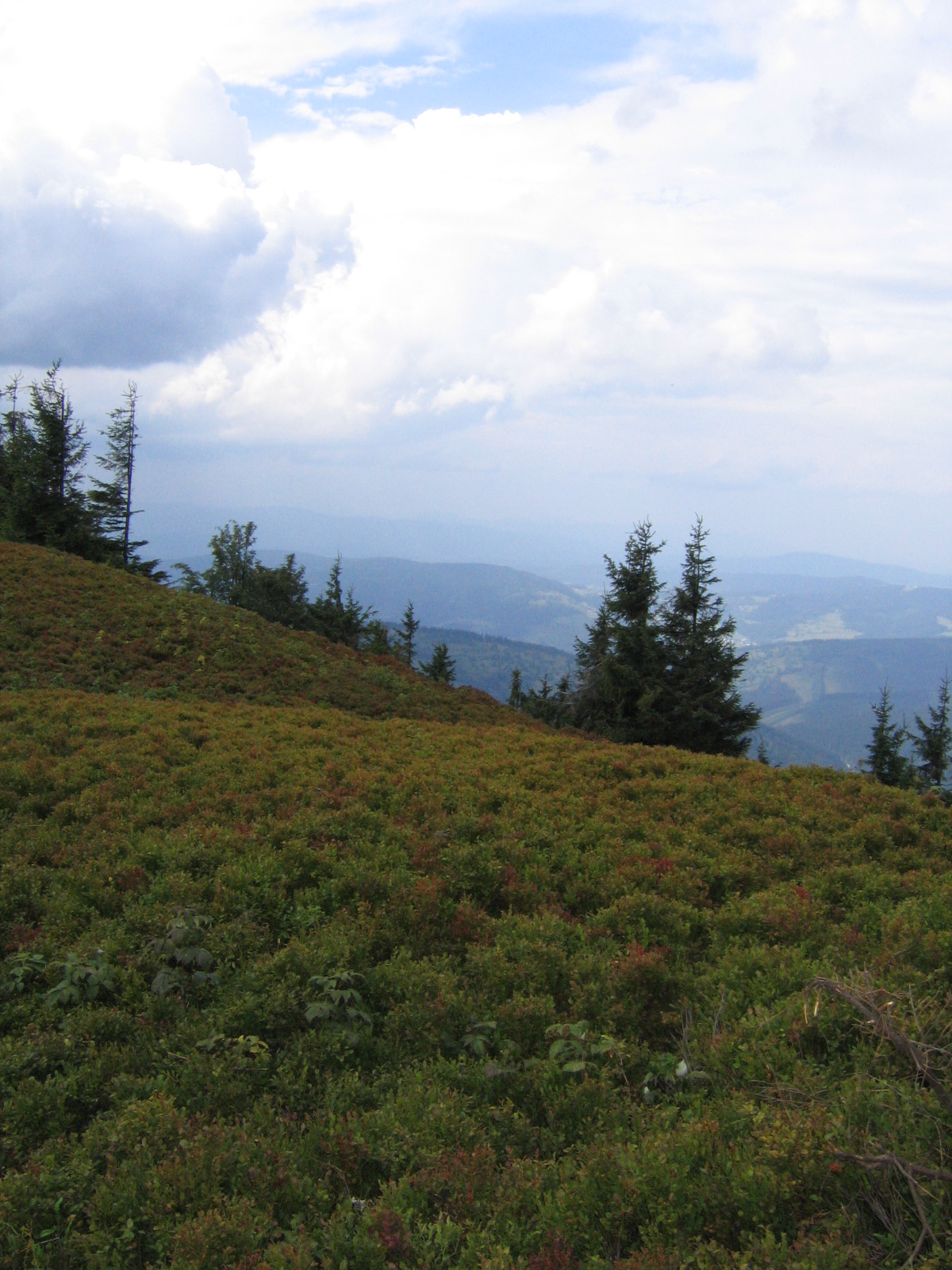
336 records
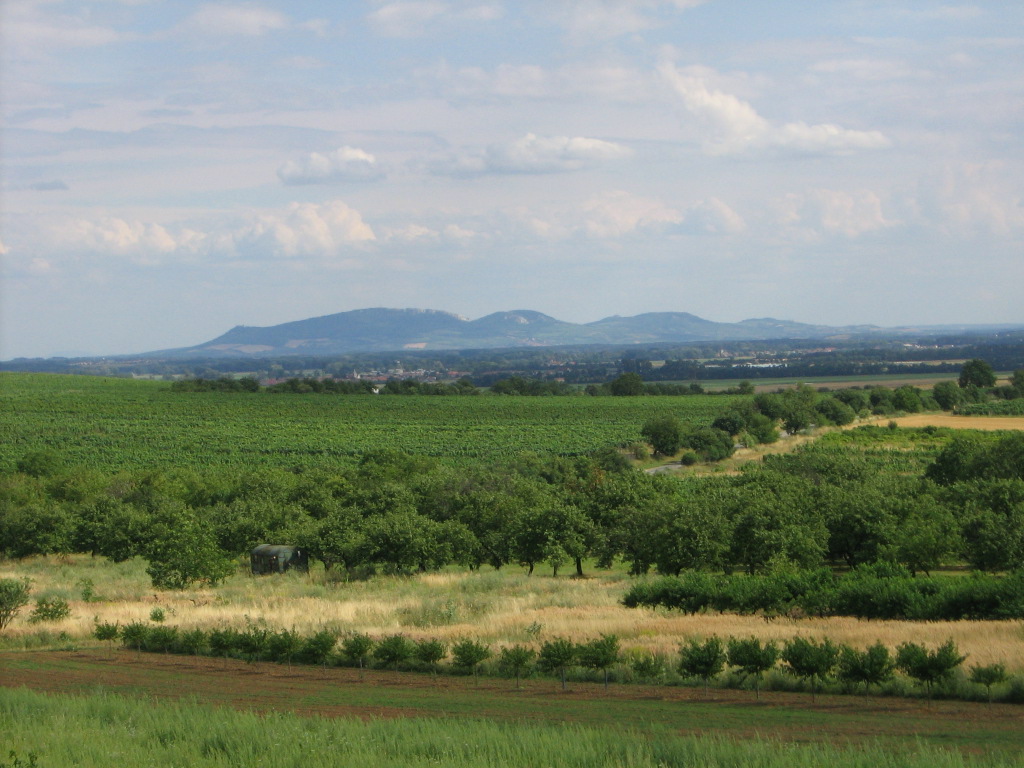
325 records
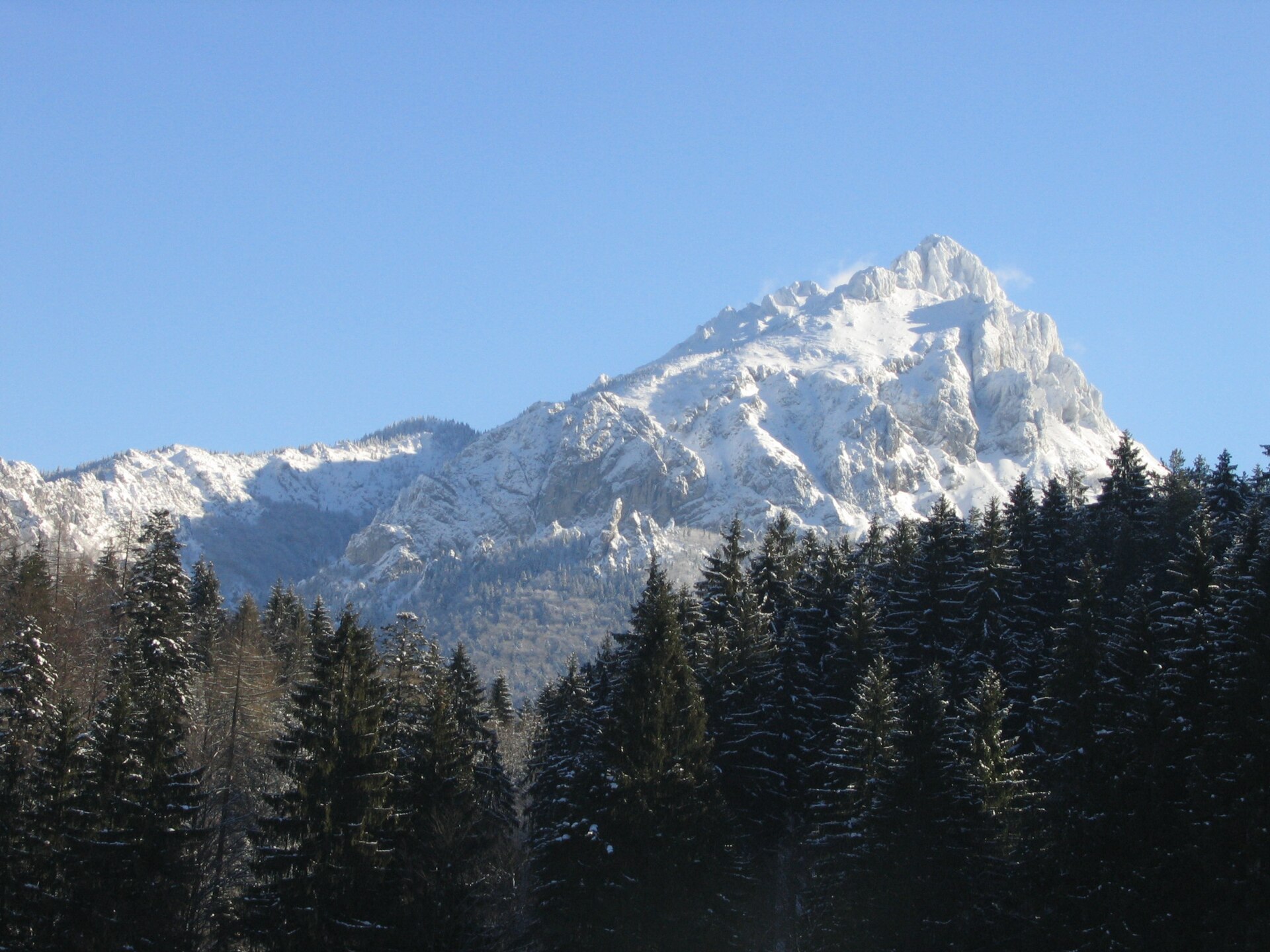
315 records
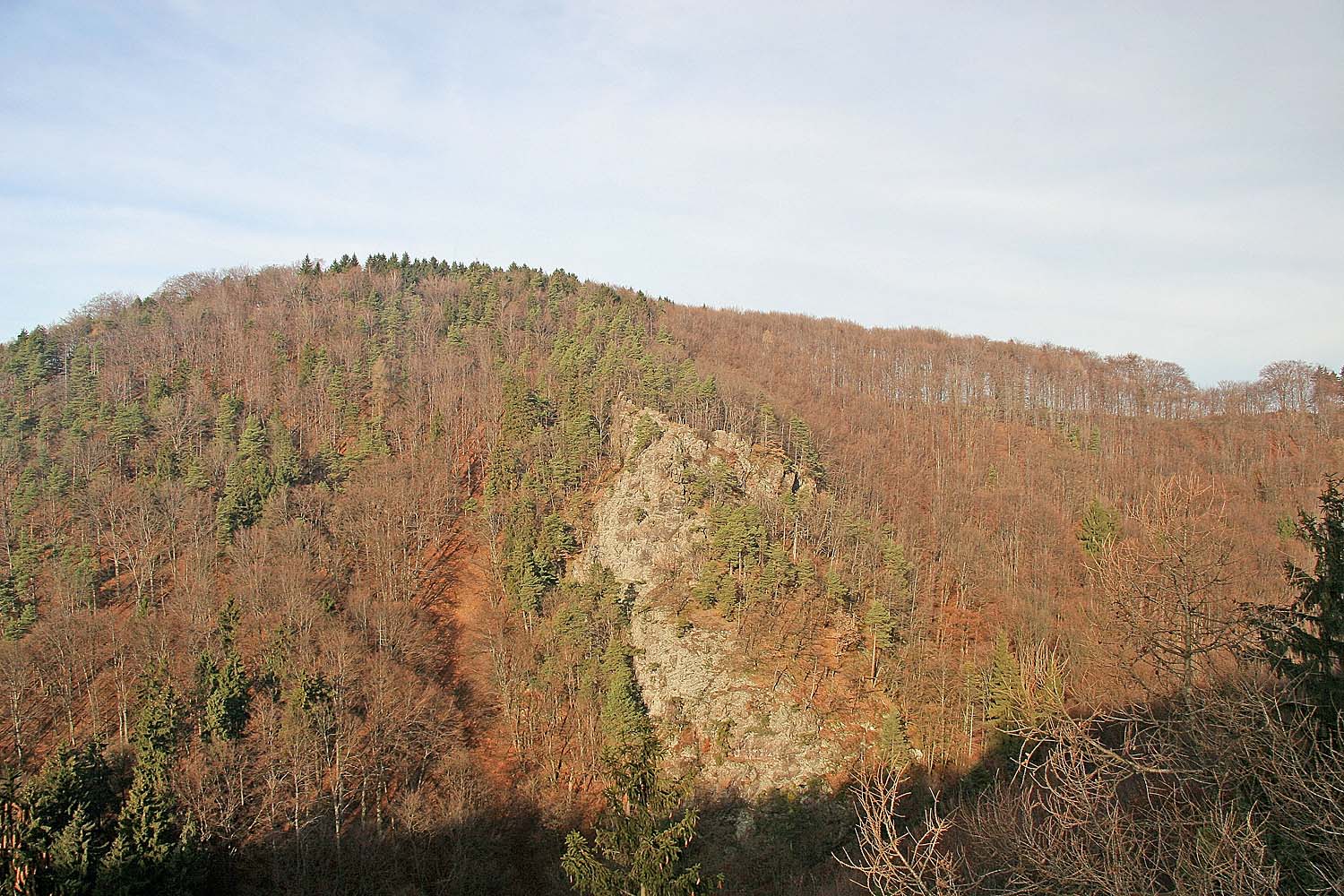
294 records
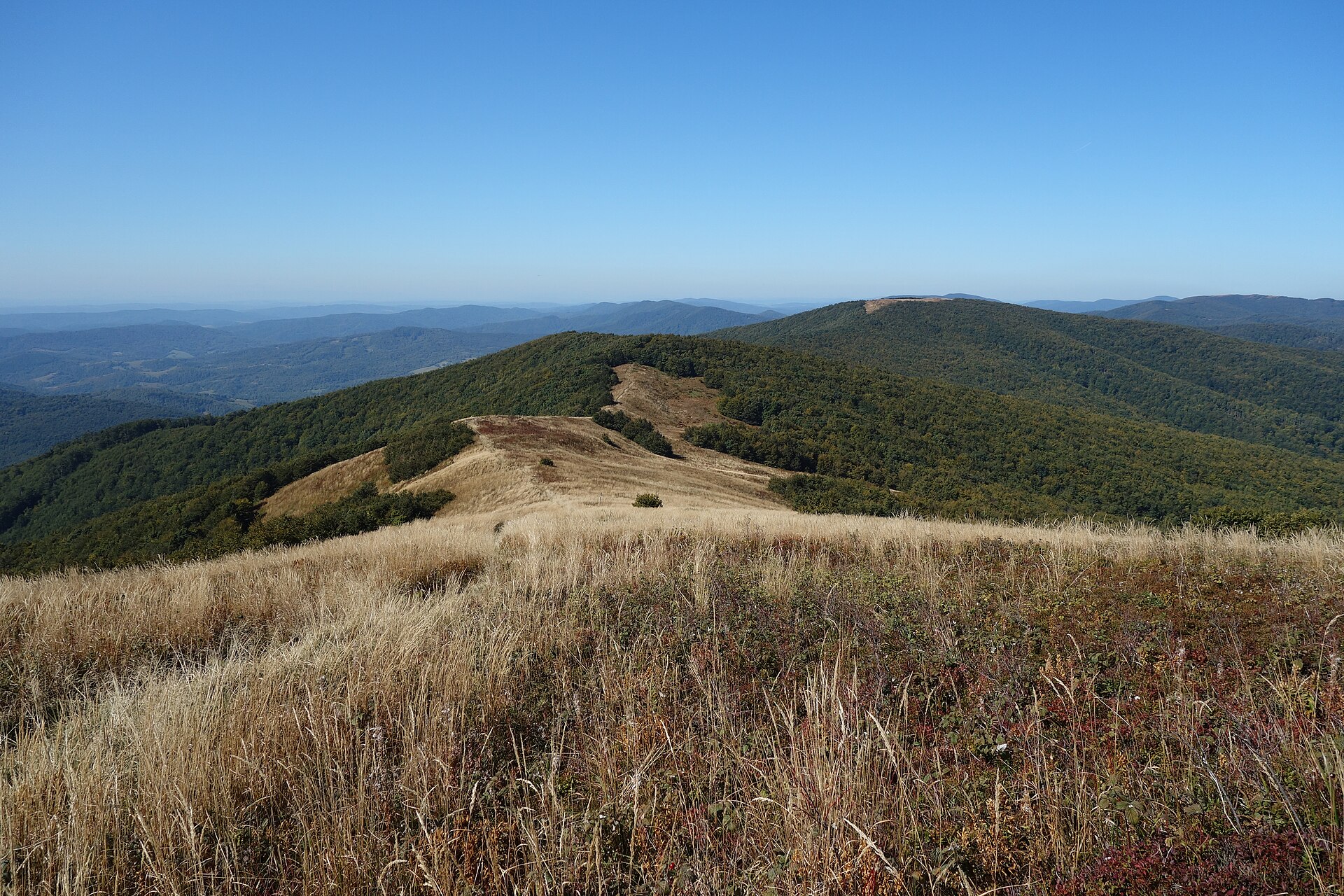
271 records
257 records
236 records
236 records
212 records
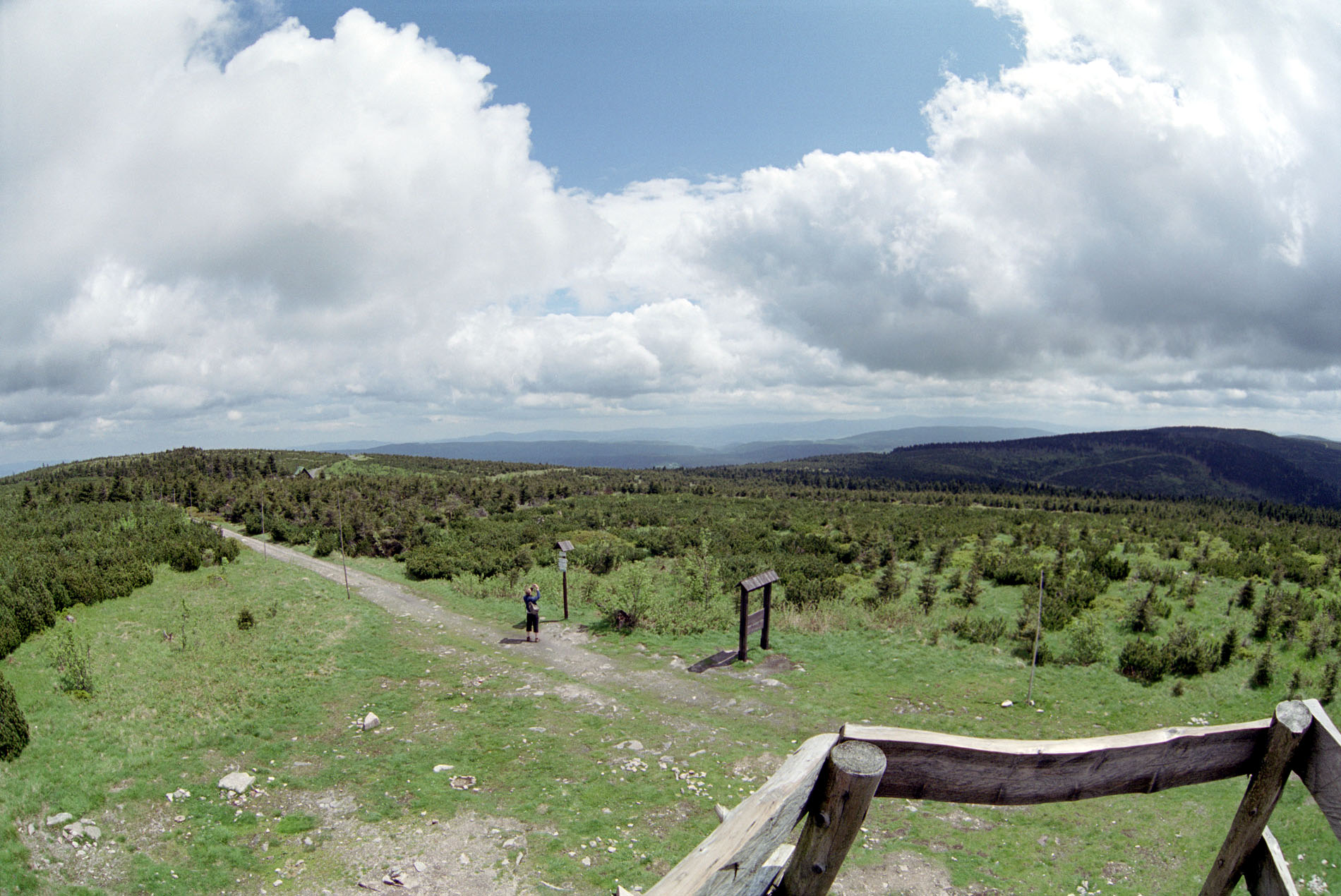
210 records

151 records
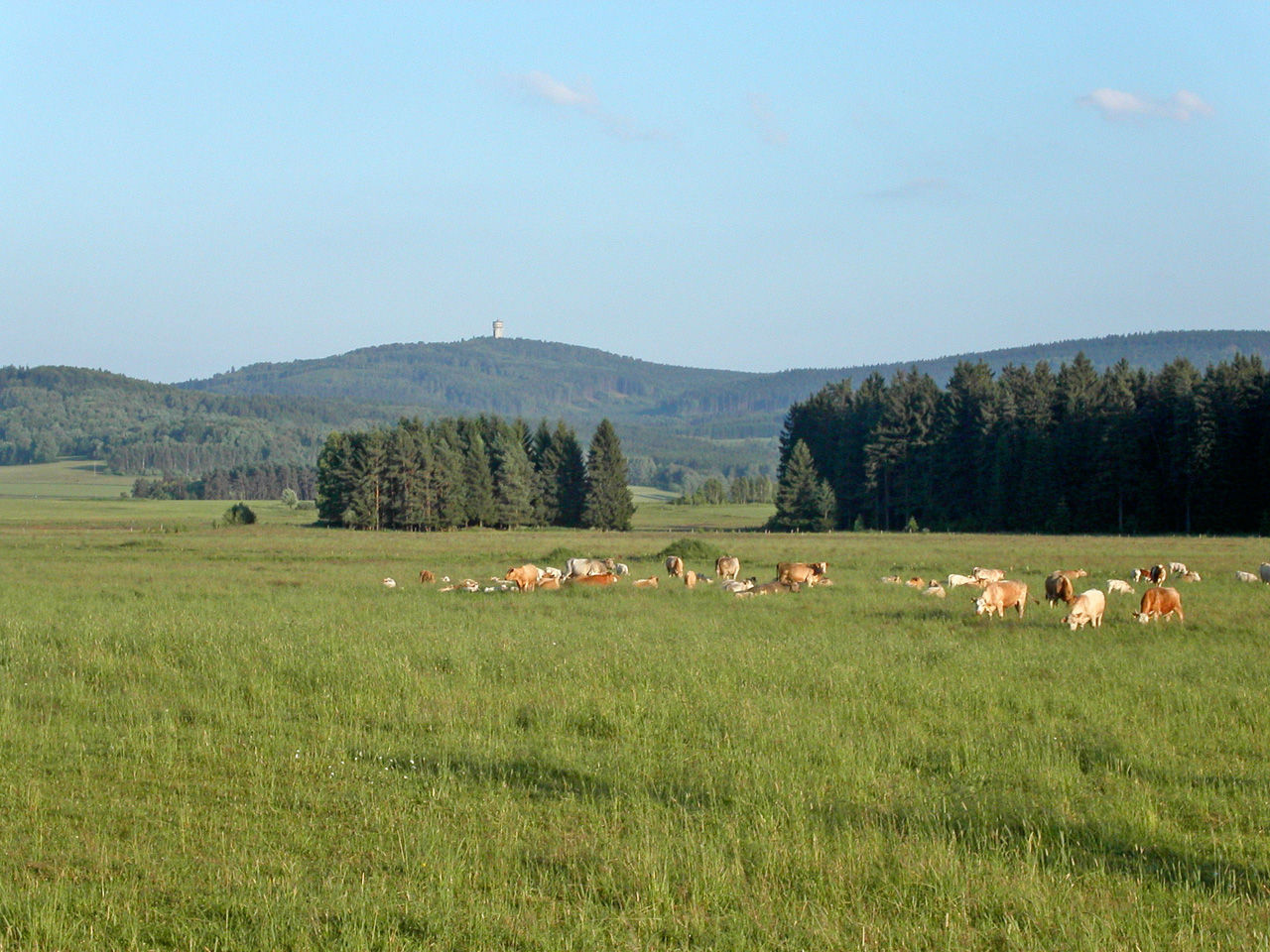
134 records
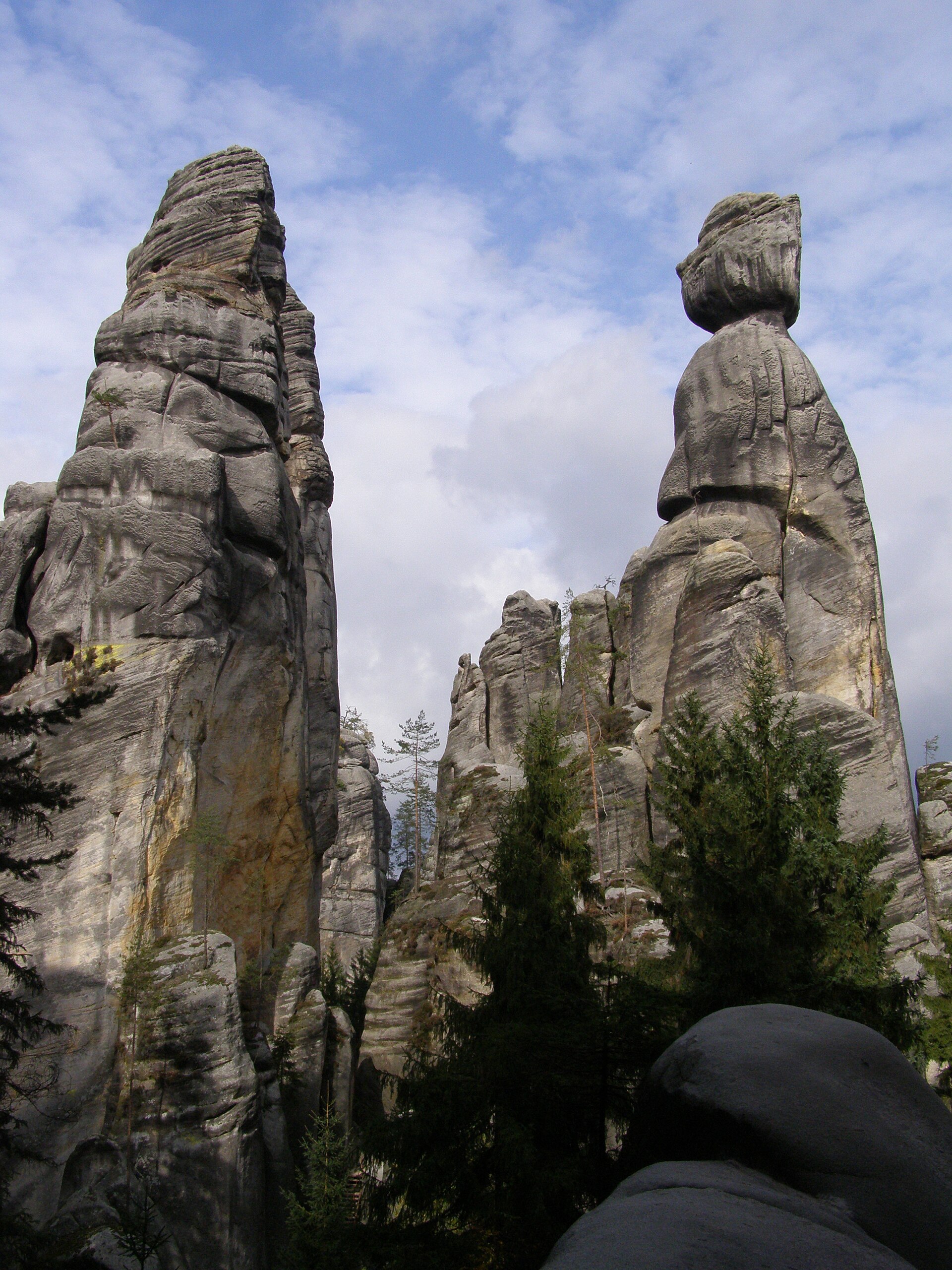
119 records
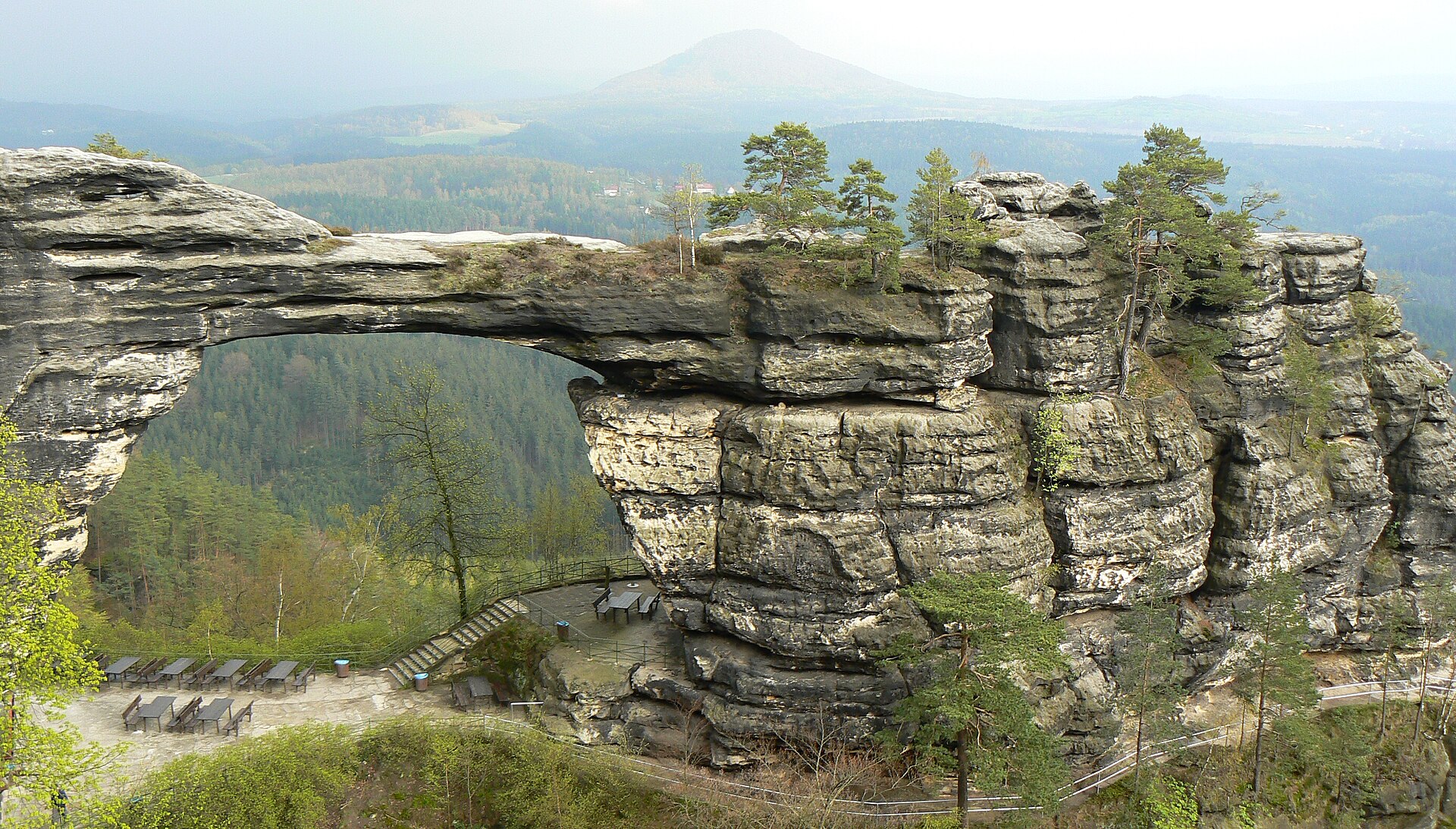
108 records
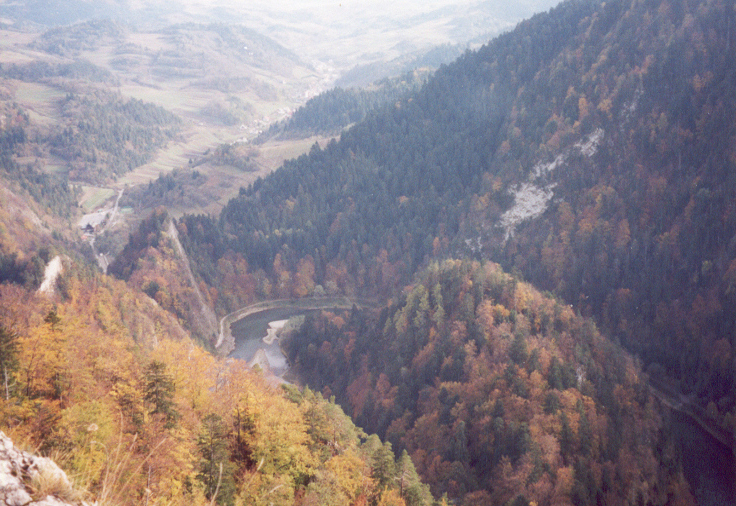
86 records
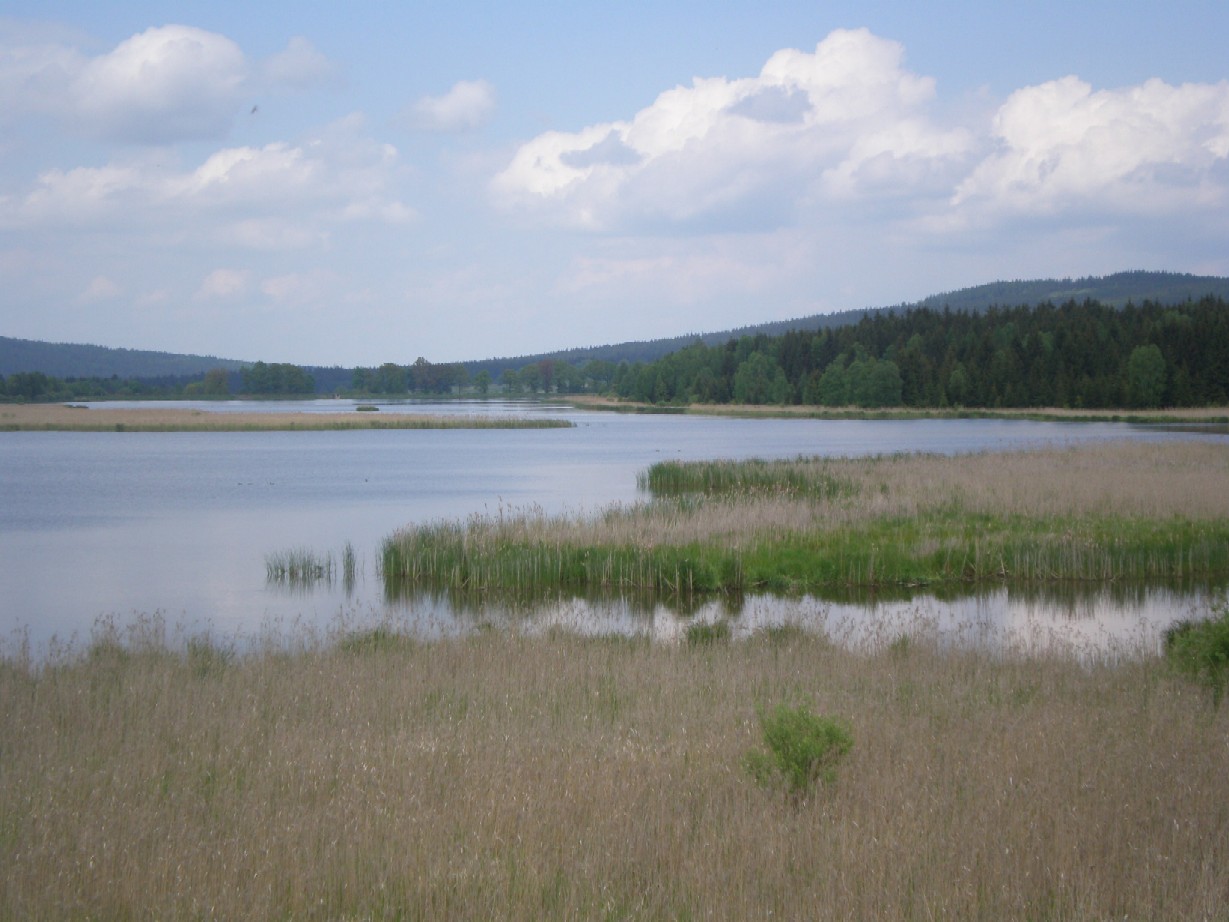
84 records
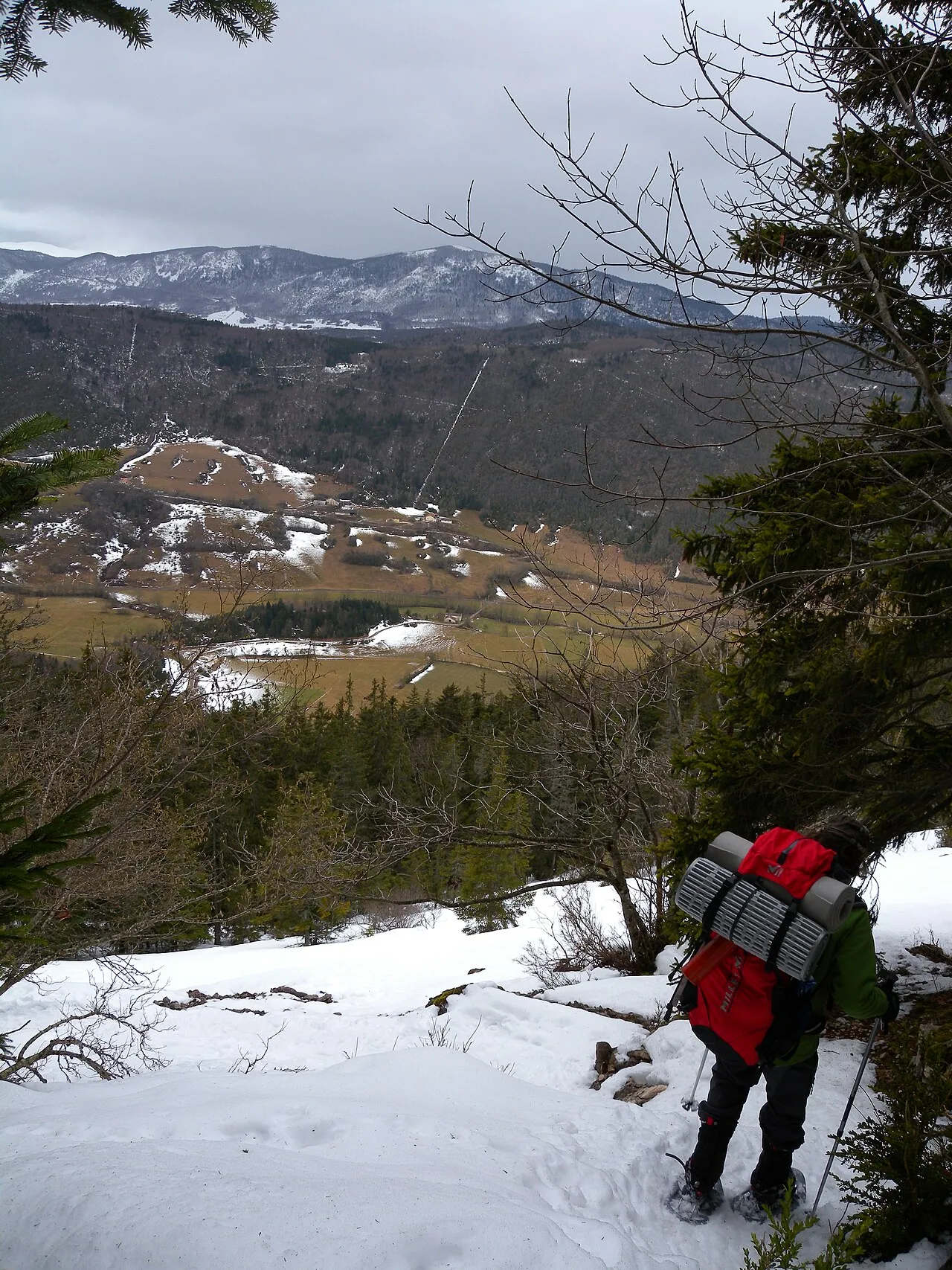
75 records
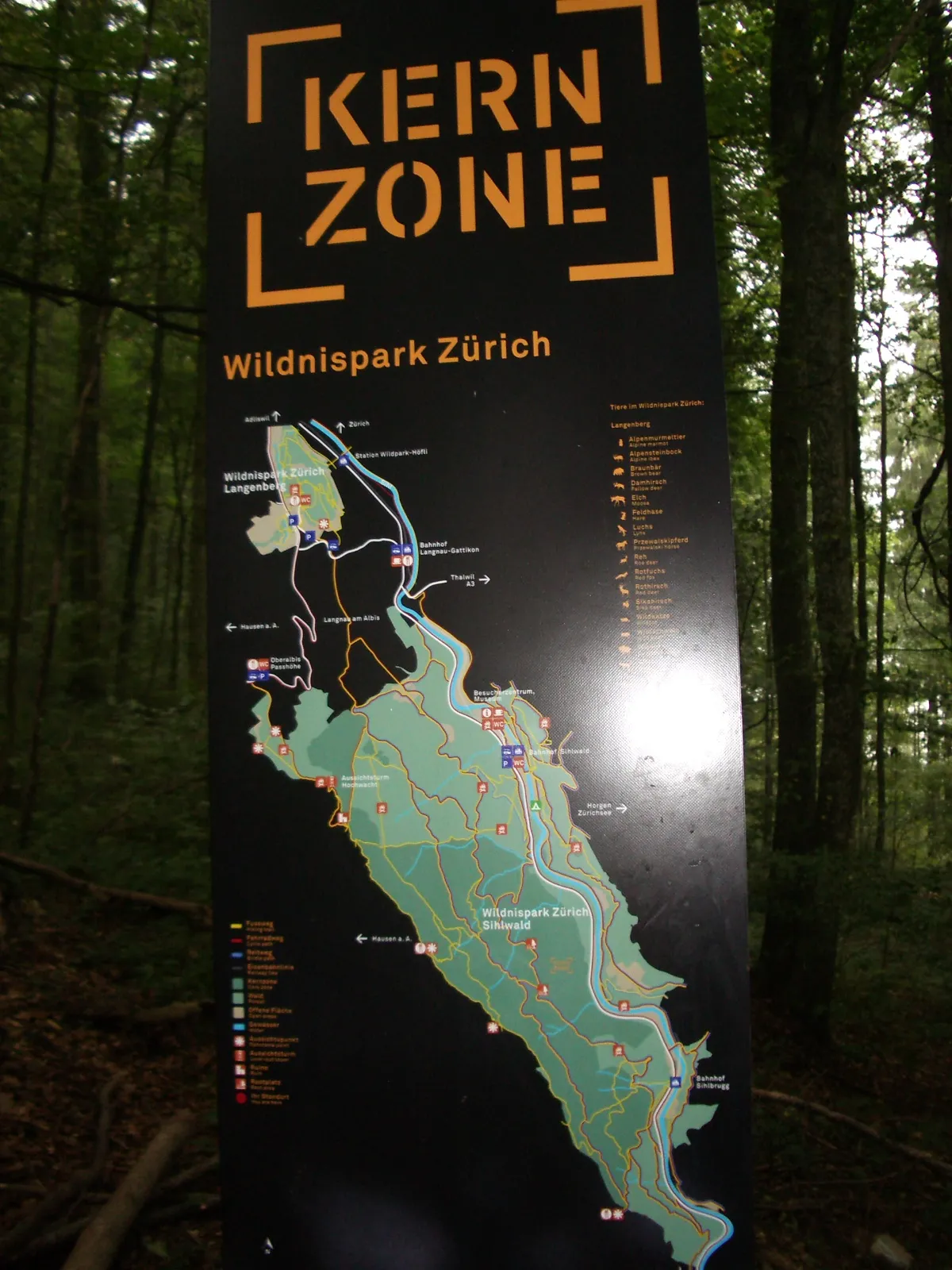
72 records
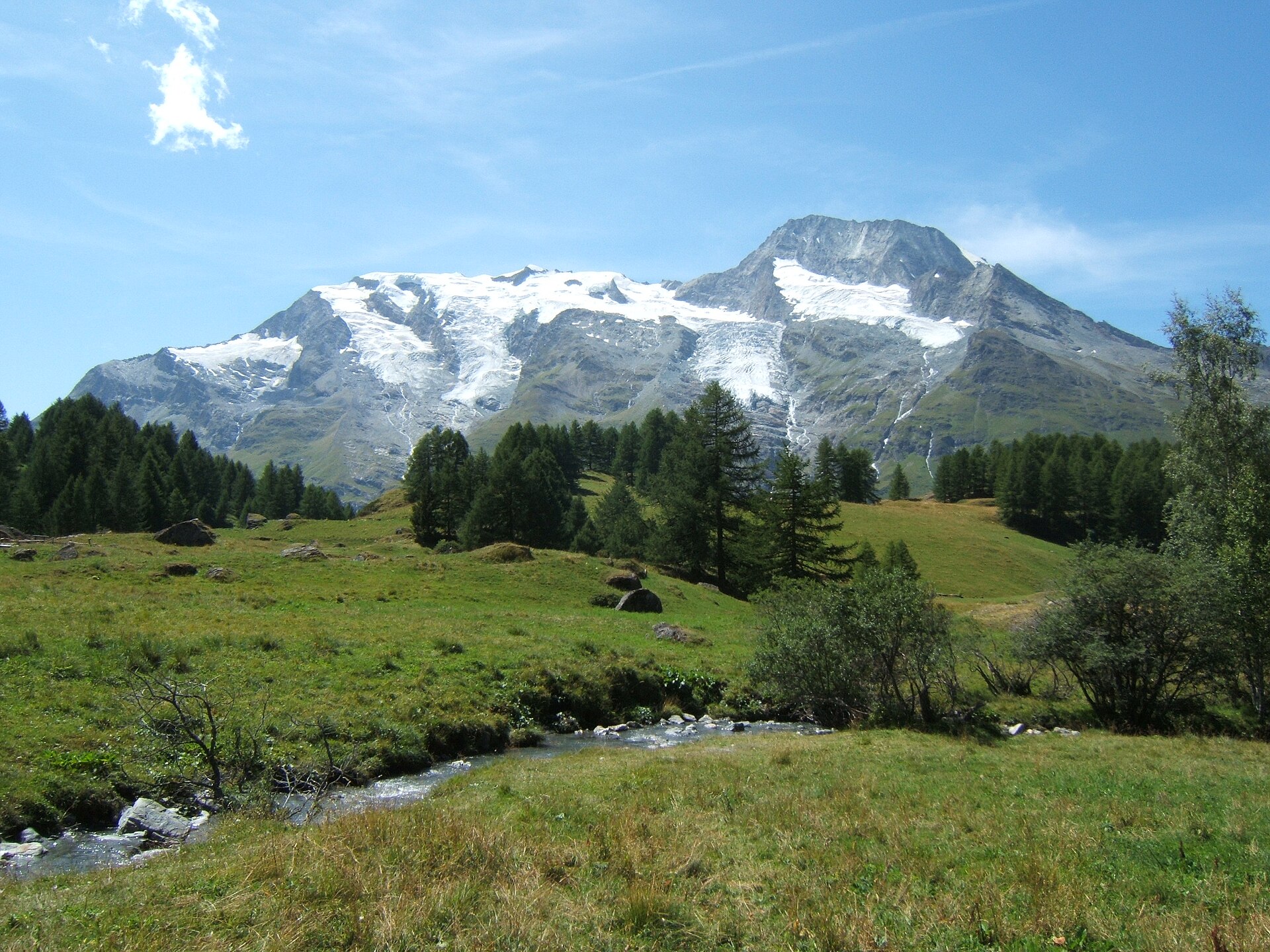
71 records
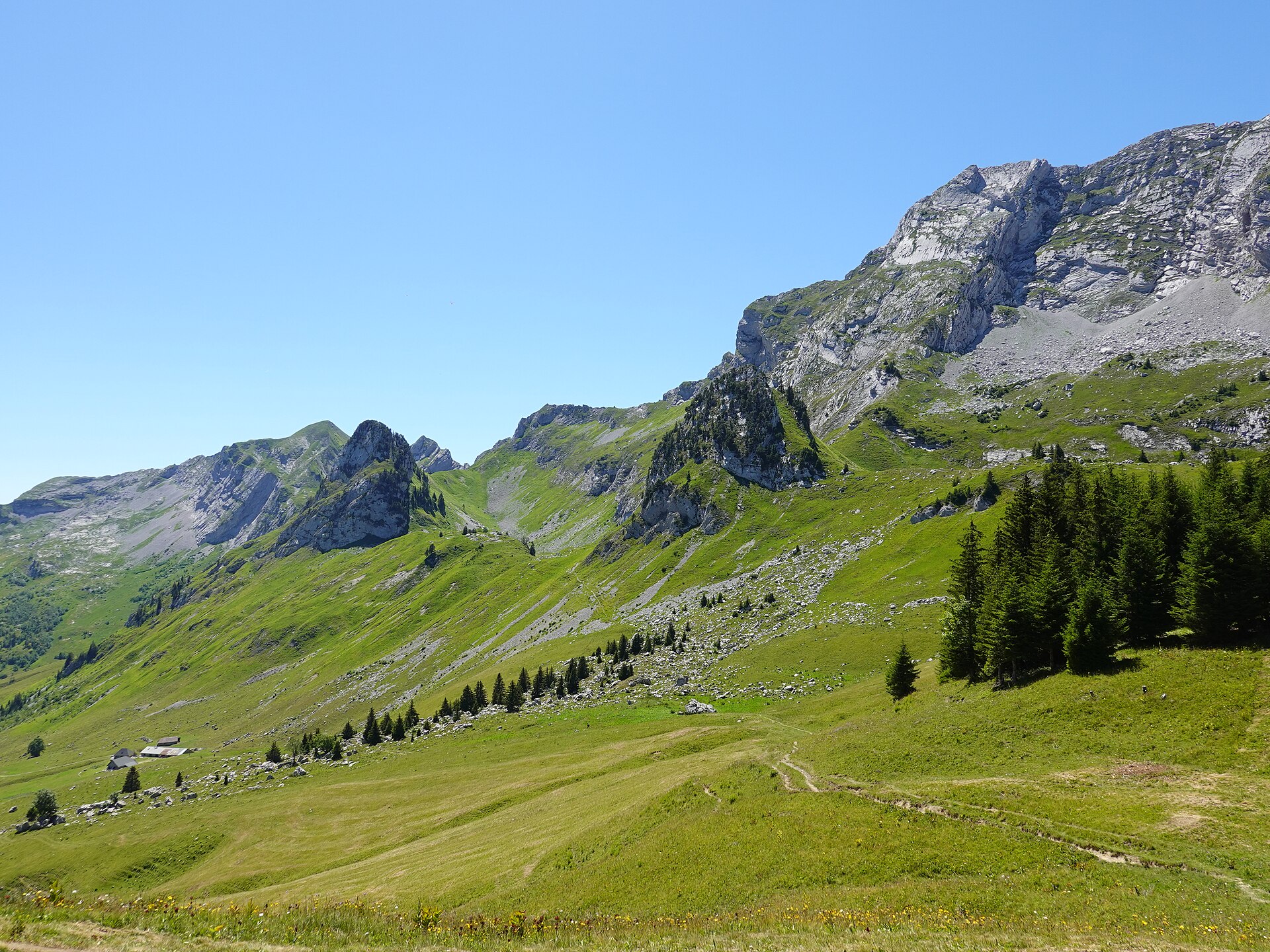
70 records
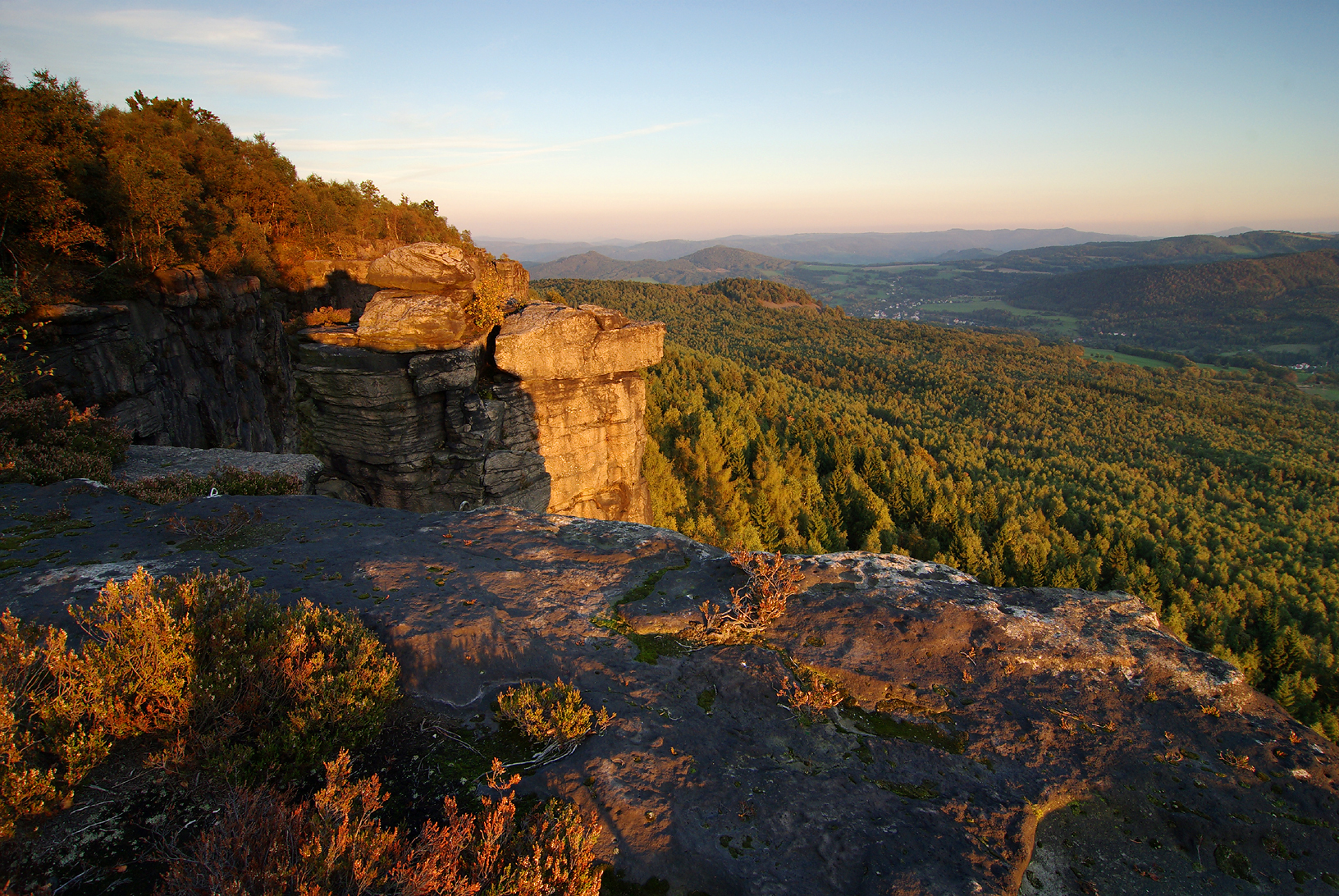
54 records
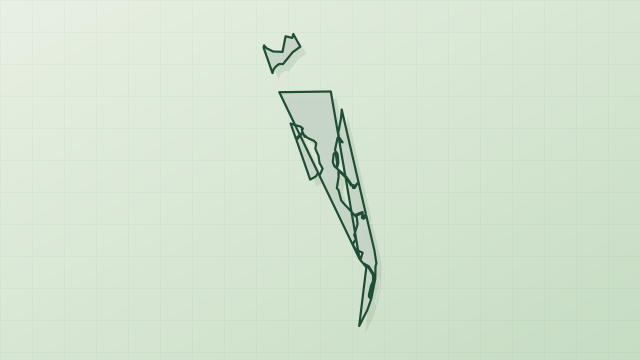
50 records
35 records
29 records
22 records
22 records
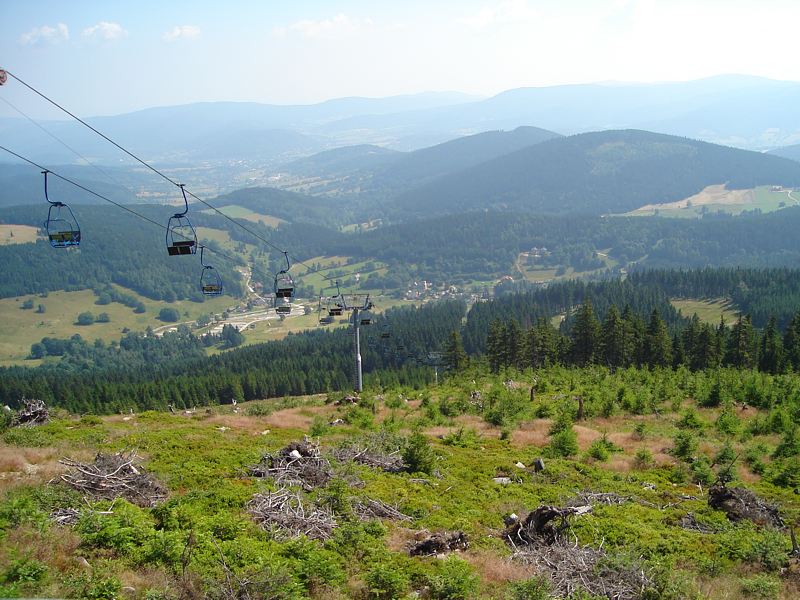
17 records
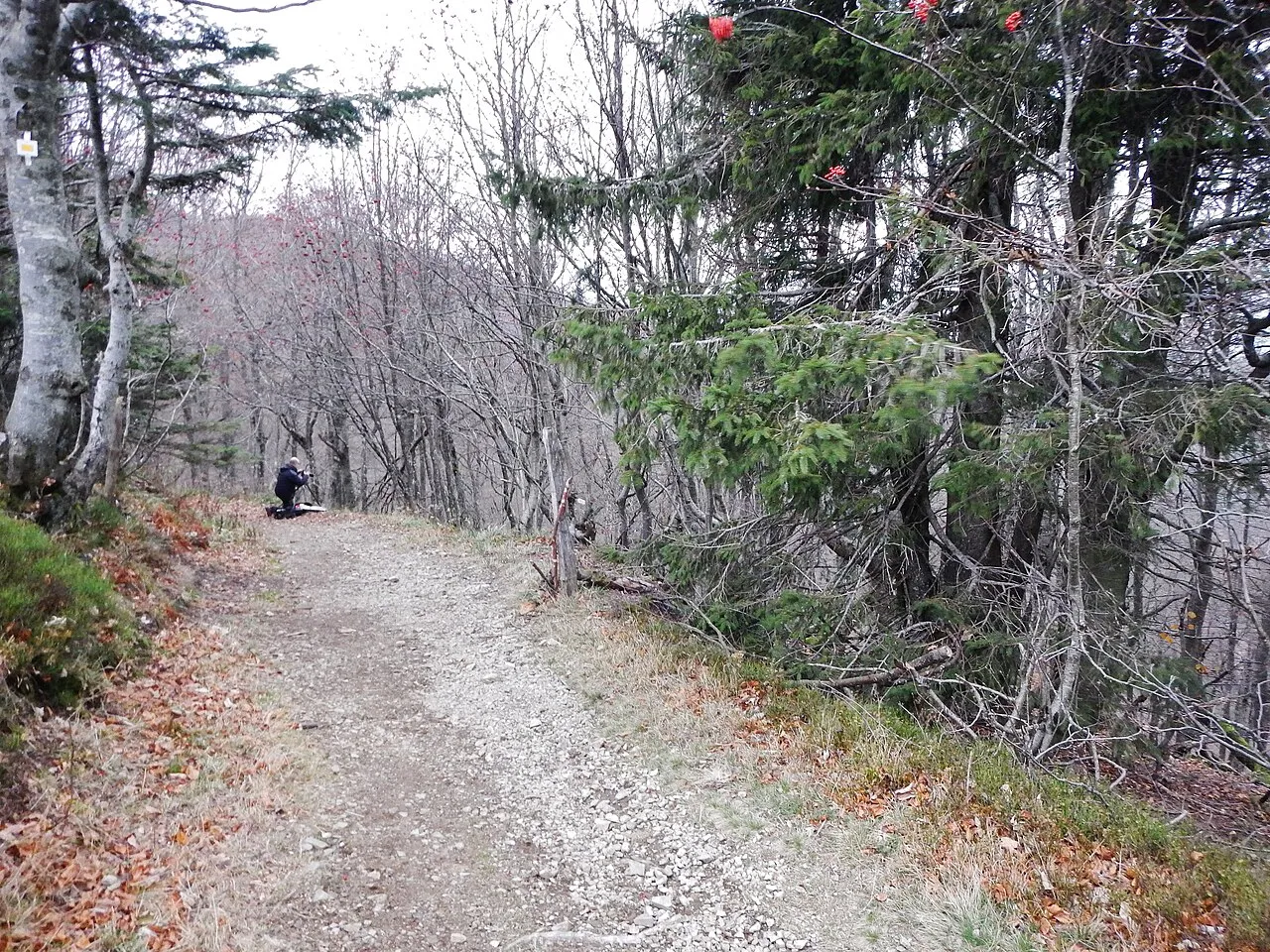
15 records
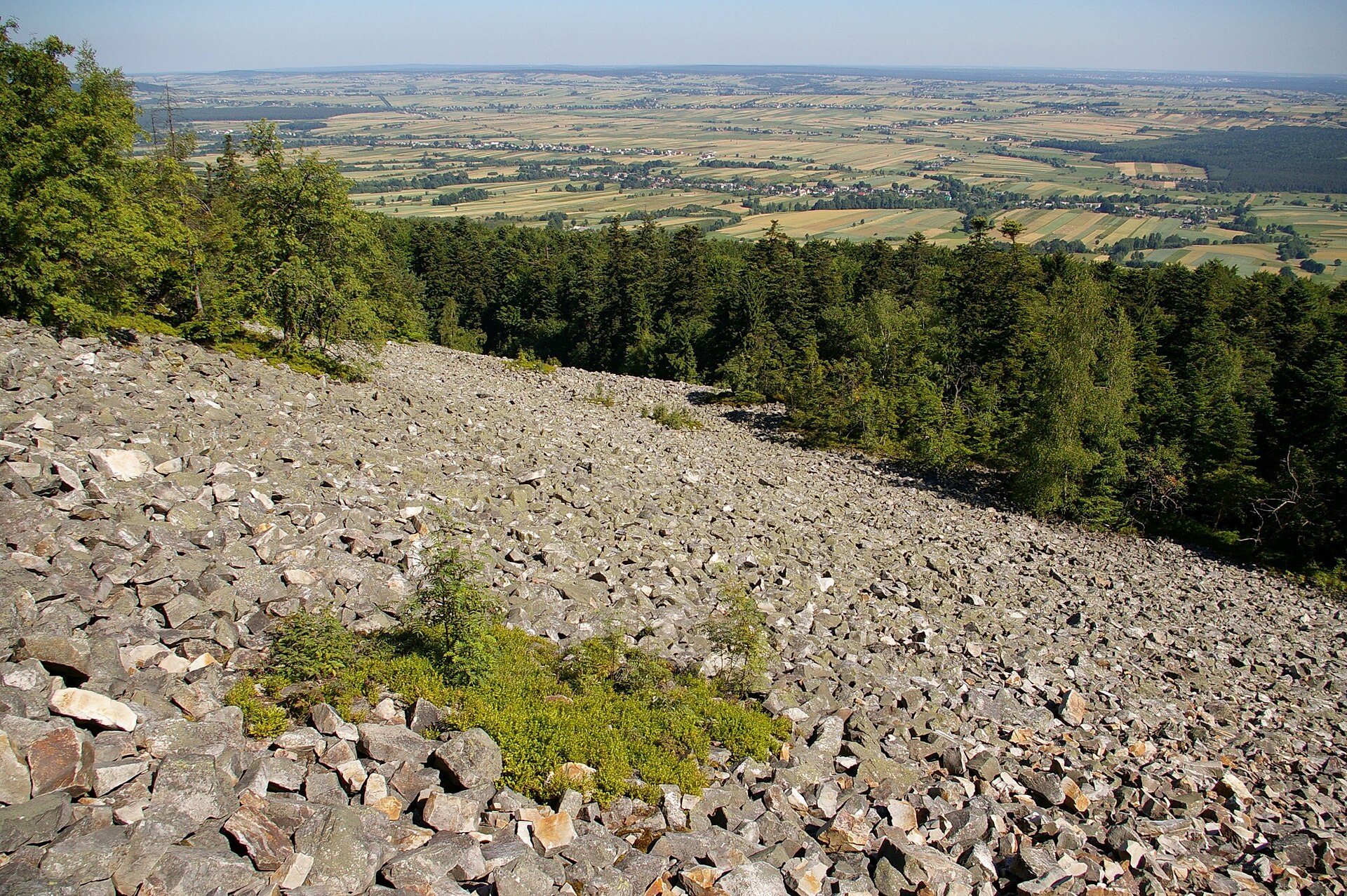
14 records
13 records
7 records
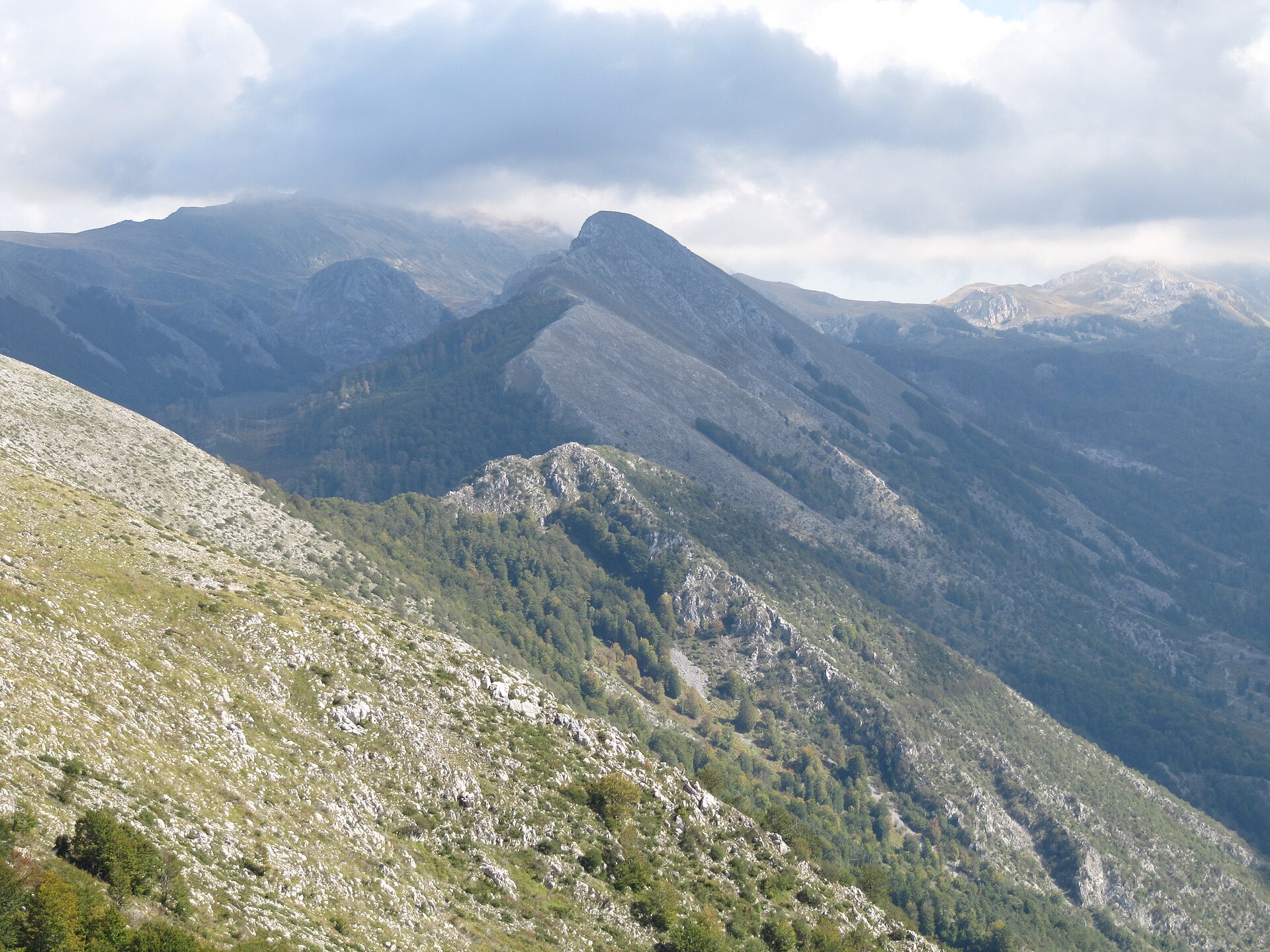
5 records

4 records
3 records
2 records
Other species to discover


Sources and credits
- Presence: most-recorded species of each place on GBIF and species of Community interest in the Natura 2000 forms (EEA, CC-BY 4.0); absence from the list does not mean the species is absent.
- Common names: Wikidata (CC0) and GBIF.
- Photos and sounds: Wikimedia Commons, author and licence given for each file.
- Classification: GBIF Backbone Taxonomy (GBIF Secretariat), CC BY 4.0, doi:10.15468/39omei.
- Countries, elevations, months and maps: GBIF.org, CC0 or CC BY 4.0 occurrences only, accessed October 22, 2026, GBIF.org.
- Base map: Natural Earth (public domain).
- Excerpt: Wikipedia, CC BY-SA 4.0 (full credit below the excerpt).
- Native range and life form: World Checklist of Vascular Plants, Royal Botanic Gardens, Kew, CC BY 4.0 (no endorsement by Kew).
- Invasive alien species: Union list, Regulation (EU) No 1143/2014 (INBO, CC0); Global Register of Introduced and Invasive Species (ISSG, CC BY 4.0).