
Plant
Pedunculate Oak: where to see it
Quercus robur
Invasive alien in some territories
Listed as invasive alien for: Brazil, New Zealand, South Africa (GRIIS).
This plant species is recorded in 43 protected areas of the atlas. Within the atlas countries, it is mostly observed in France, Sweden and the United Kingdom (11 countries in all). Most records (8 in 10) lie between 150 and 700 m above sea level. Records peak from May to September. Plant (tree), native to Europe and temperate Asia, introduced to Africa, Australasia and North America.
Best time to see it: May–September
Records published on GBIF by month (CC0 and CC BY 4.0 licences only), in the atlas countries, all years combined; they also reflect observer activity.
Key facts
- Maximum recorded lifespan
- 930 years Wikidata, after www.rmtrr.org
- Life form
- tree
Distribution
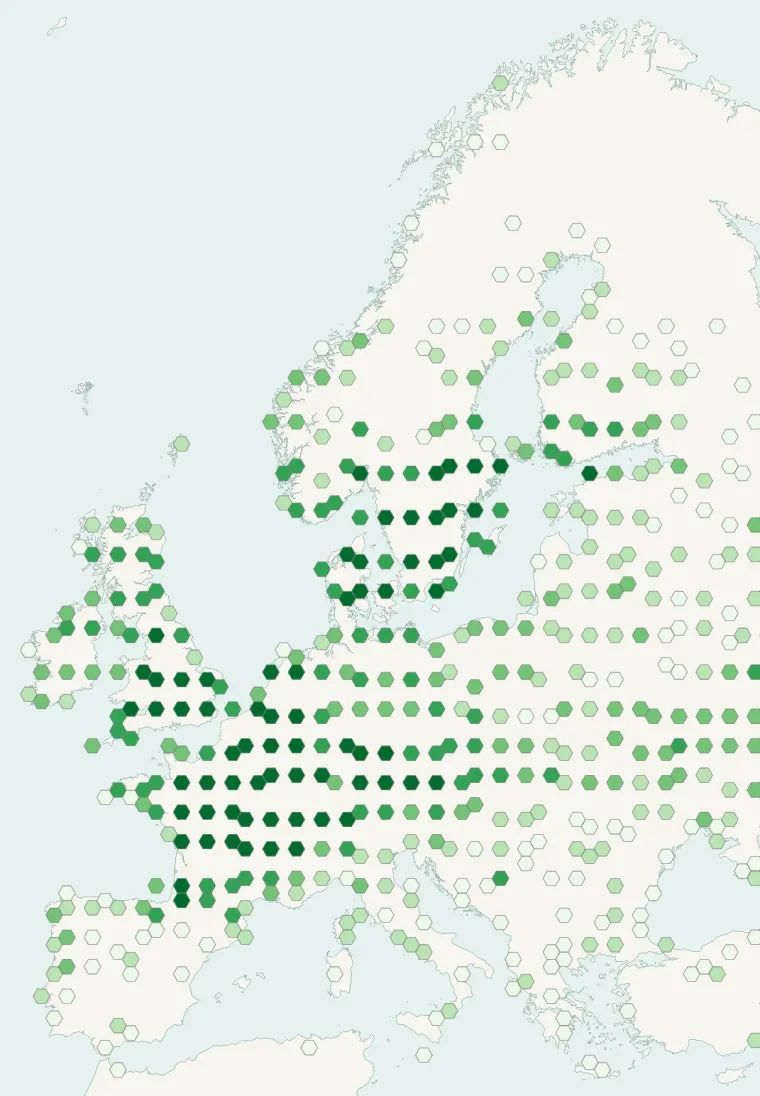
Records published on GBIF (CC0 and CC BY 4.0 licences): the darker the shade, the more records there are; they also reflect observation effort.
From Wikipedia
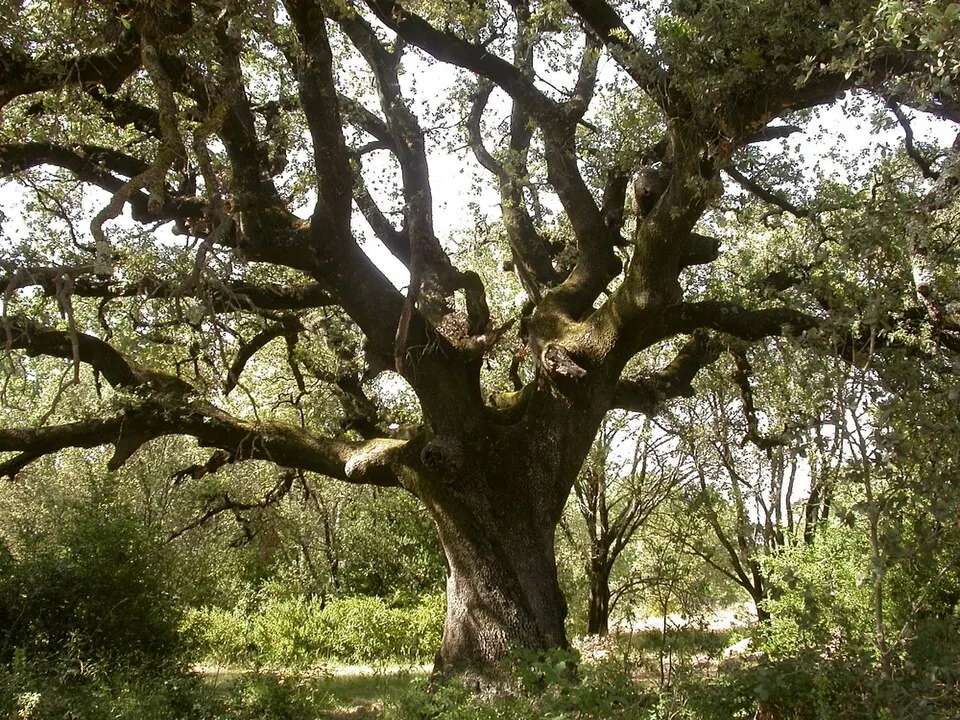
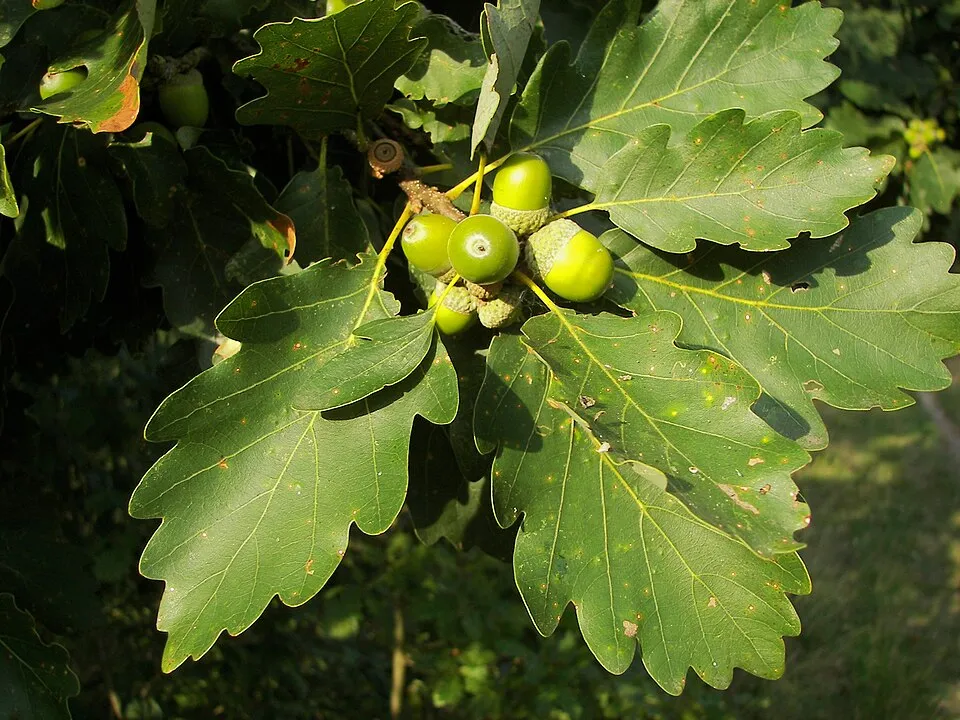
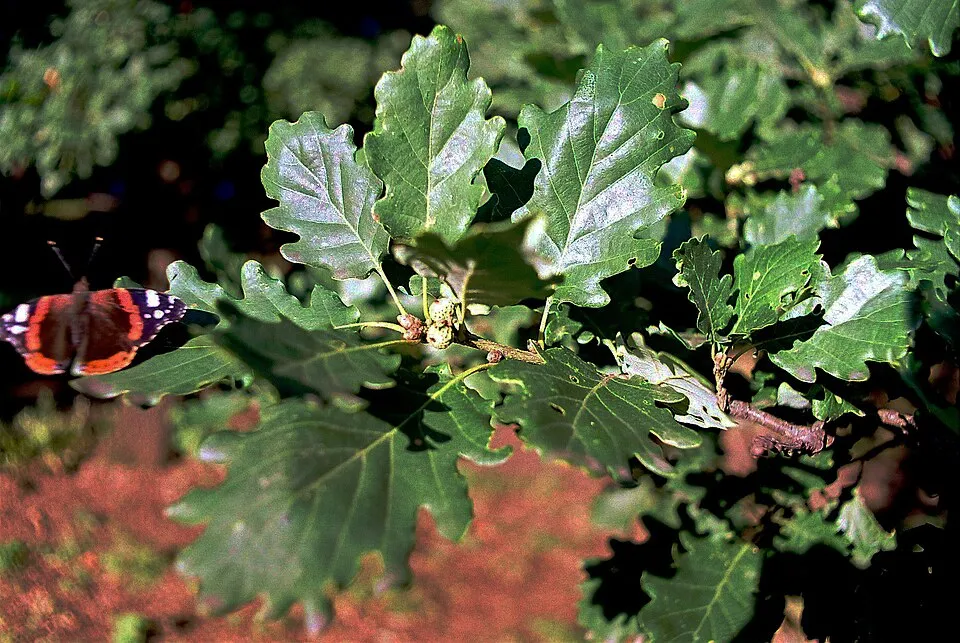
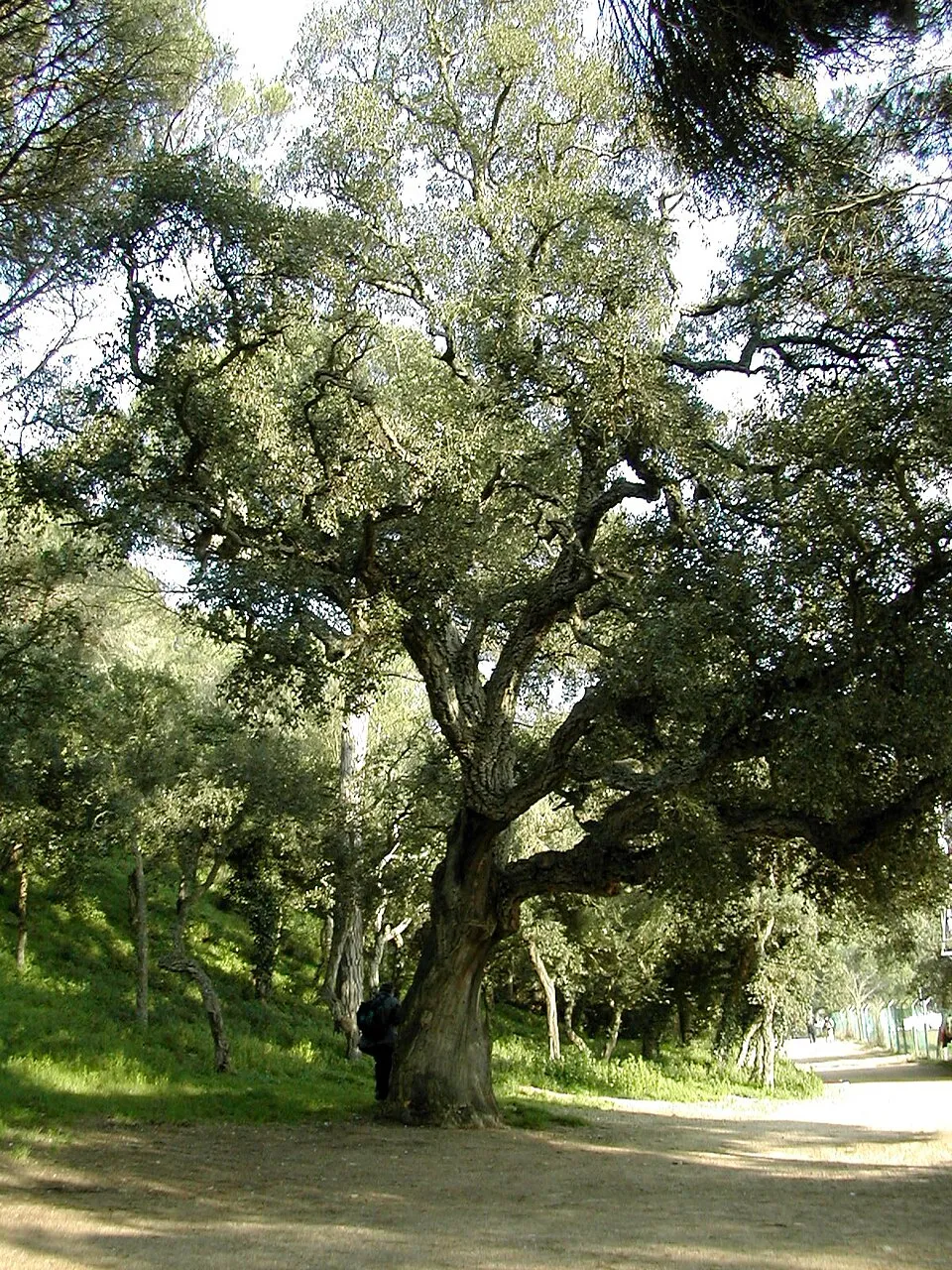
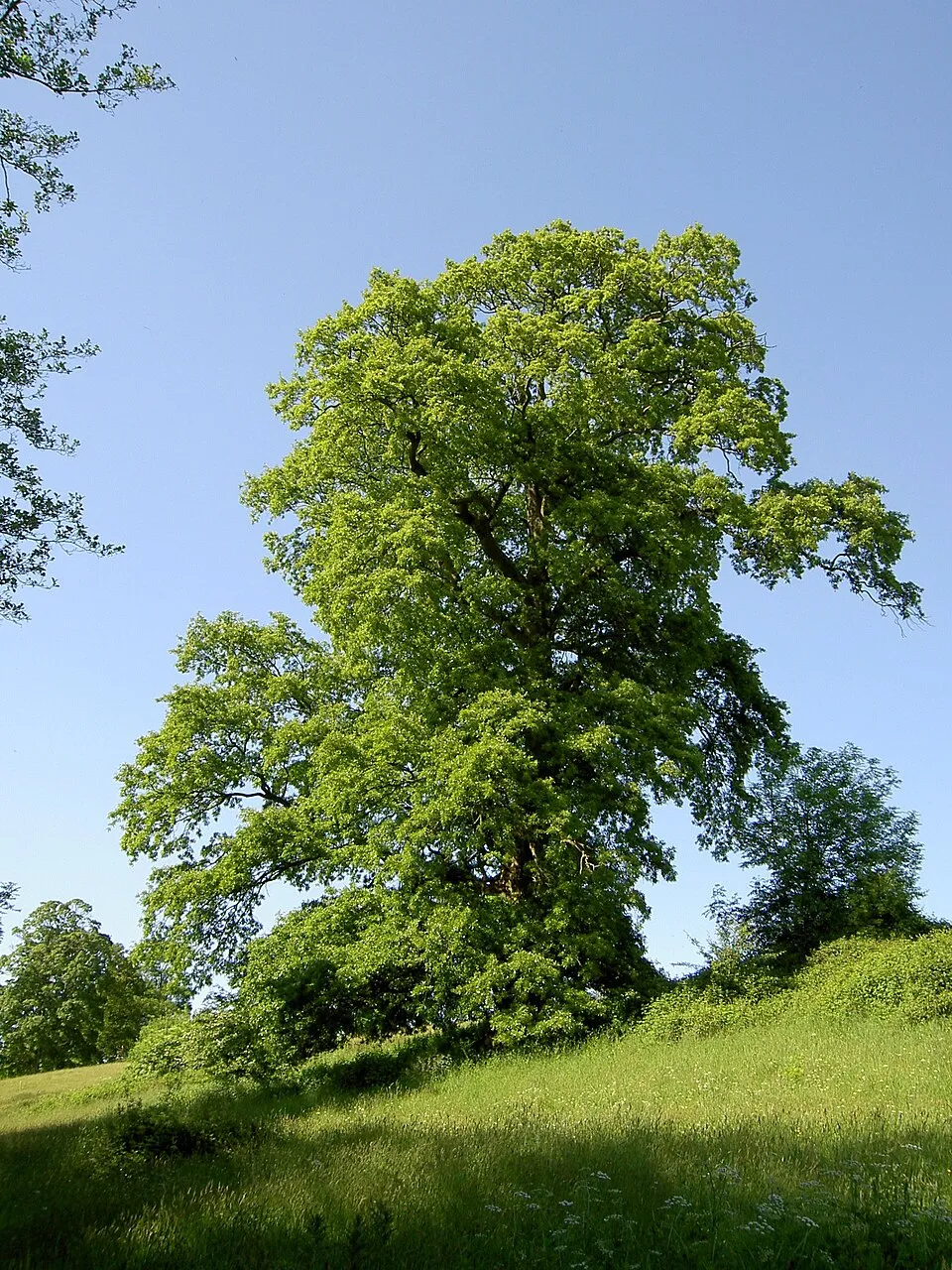
Quercus robur, pedunculate oak, European oak, or English oak, is a species of flowering plant in the beech and oak family, Fagaceae. It is a large tree, native to Europe and western Asia, and is widely cultivated in other temperate regions. It grows on soils of near neutral acidity in the lowlands and is notable for its value to natural ecosystems, supporting a diversity of herbivorous insects, acorn eating mammals and birds, and fungi. The common name pedunculate oak refers to the acorns being borne on a peduncule, or stalk.
Source: Wikipedia, article “Quercus robur” (version of September 29, 2026) · history and authors · licence CC BY-SA 4.0 · shortened excerpt
Protected areas where it is recorded
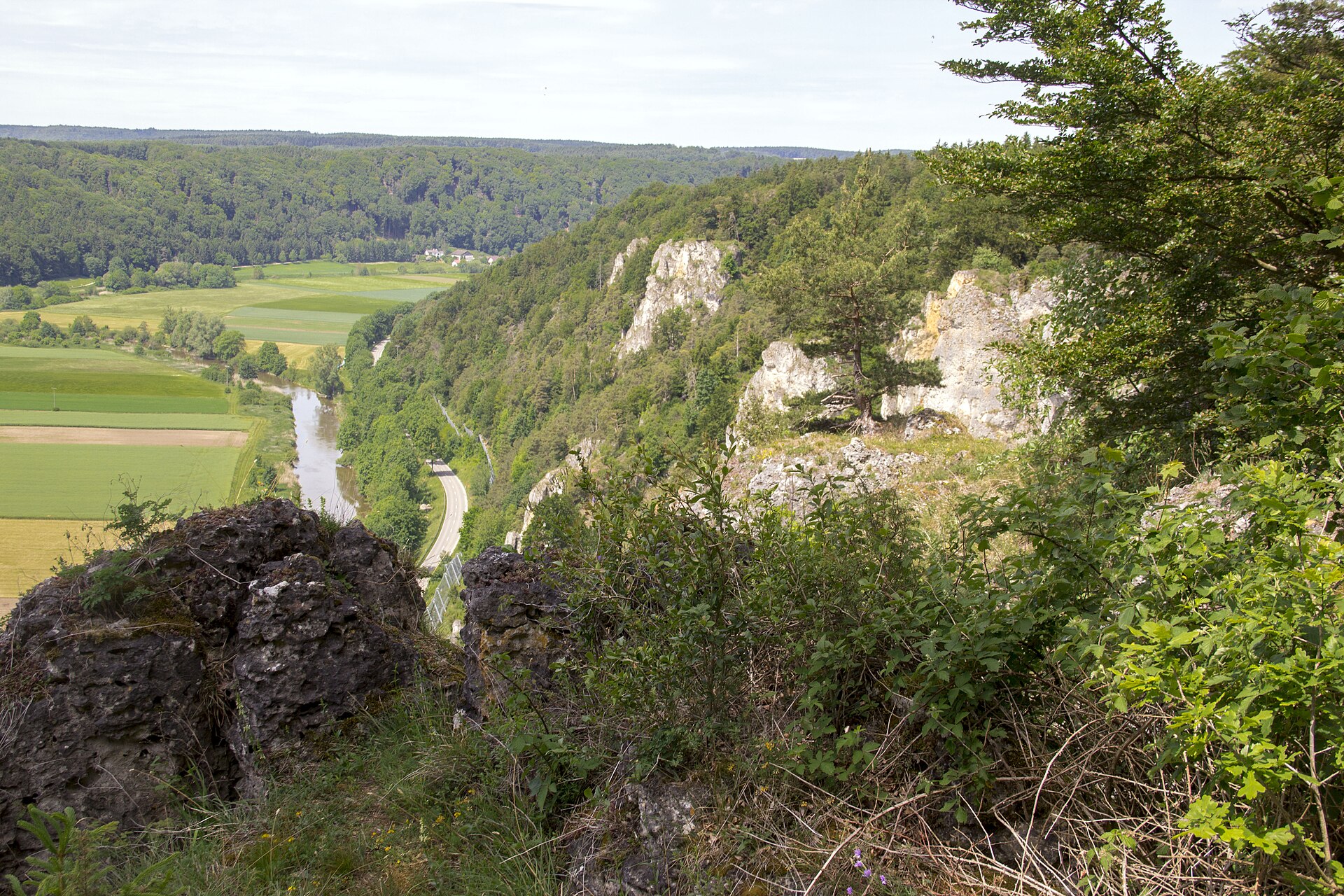
6,315 records
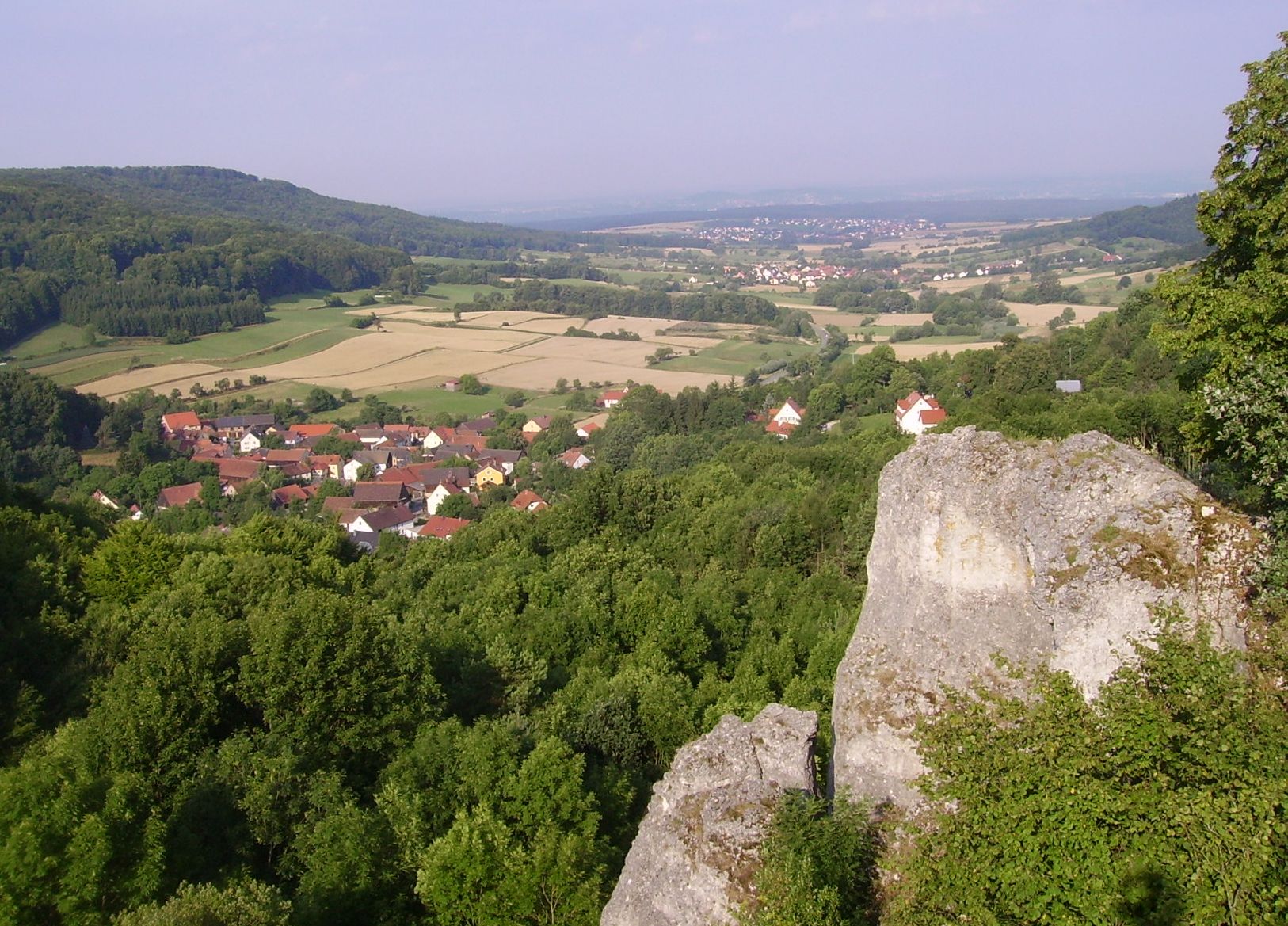
5,988 records
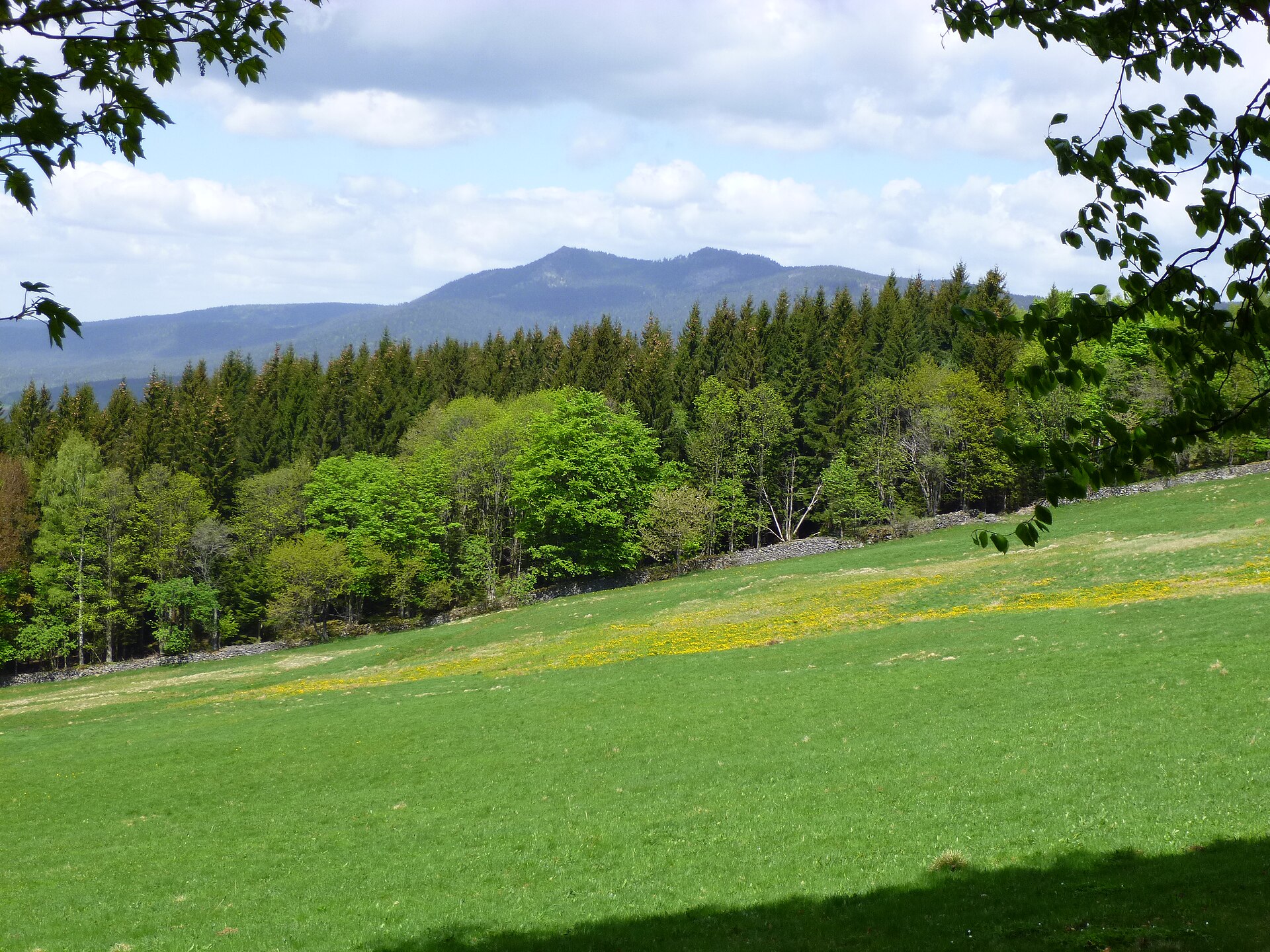
4,817 records
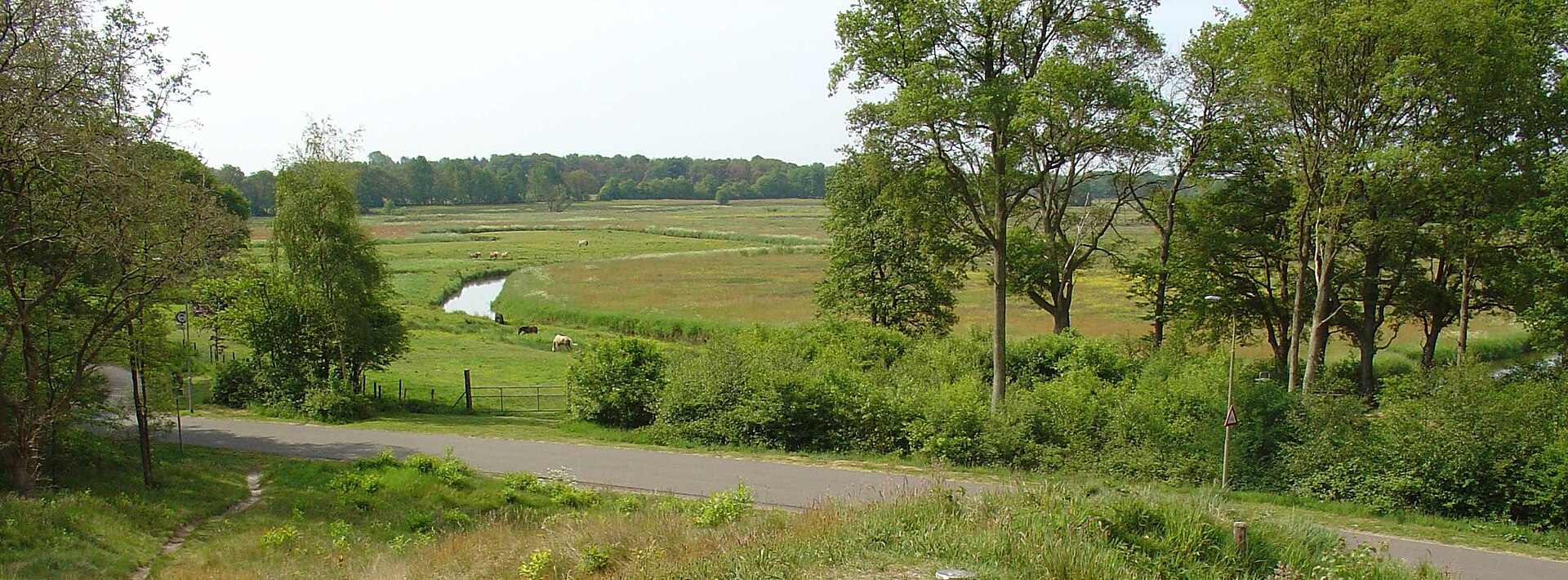
4,528 records
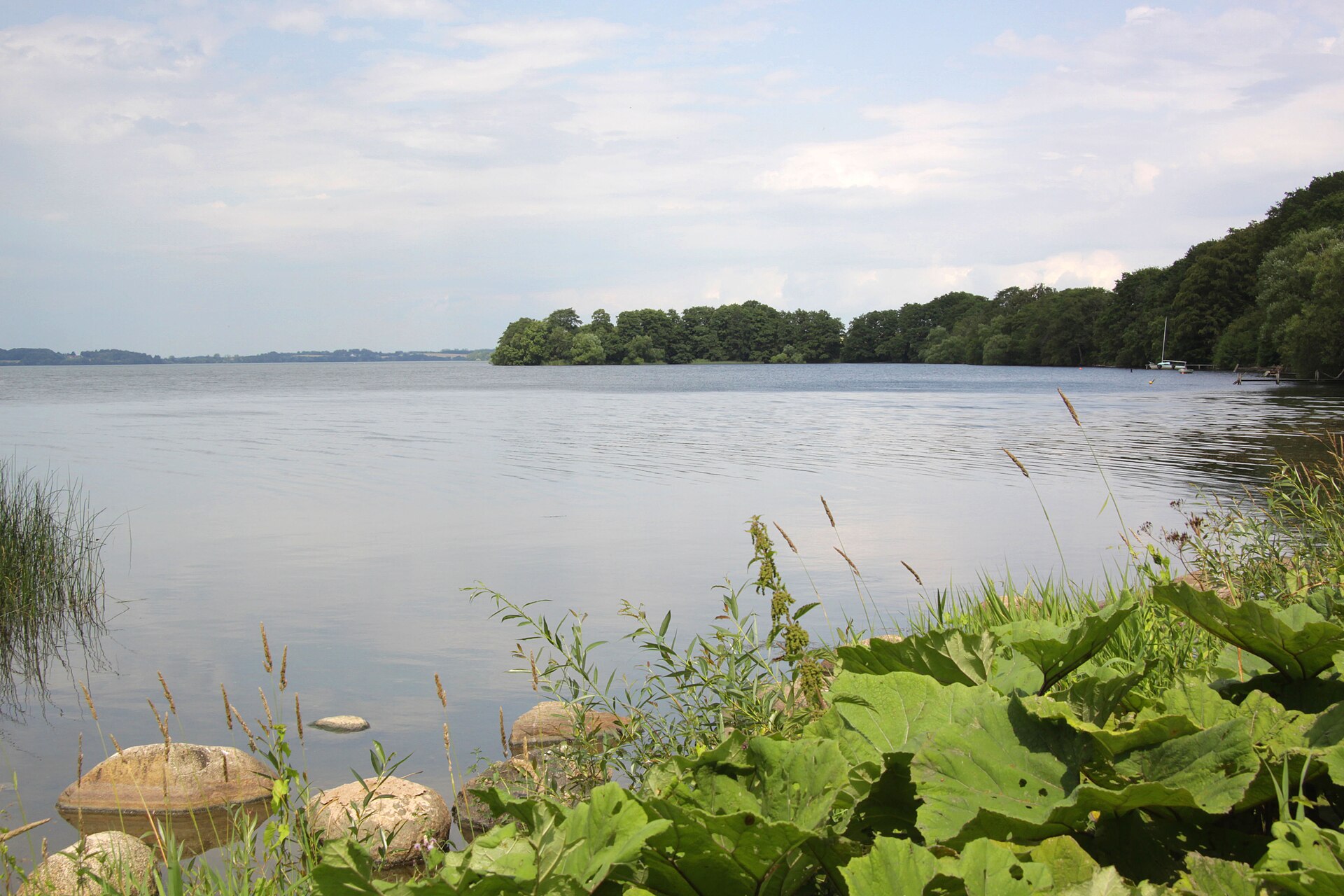
4,495 records

4,191 records
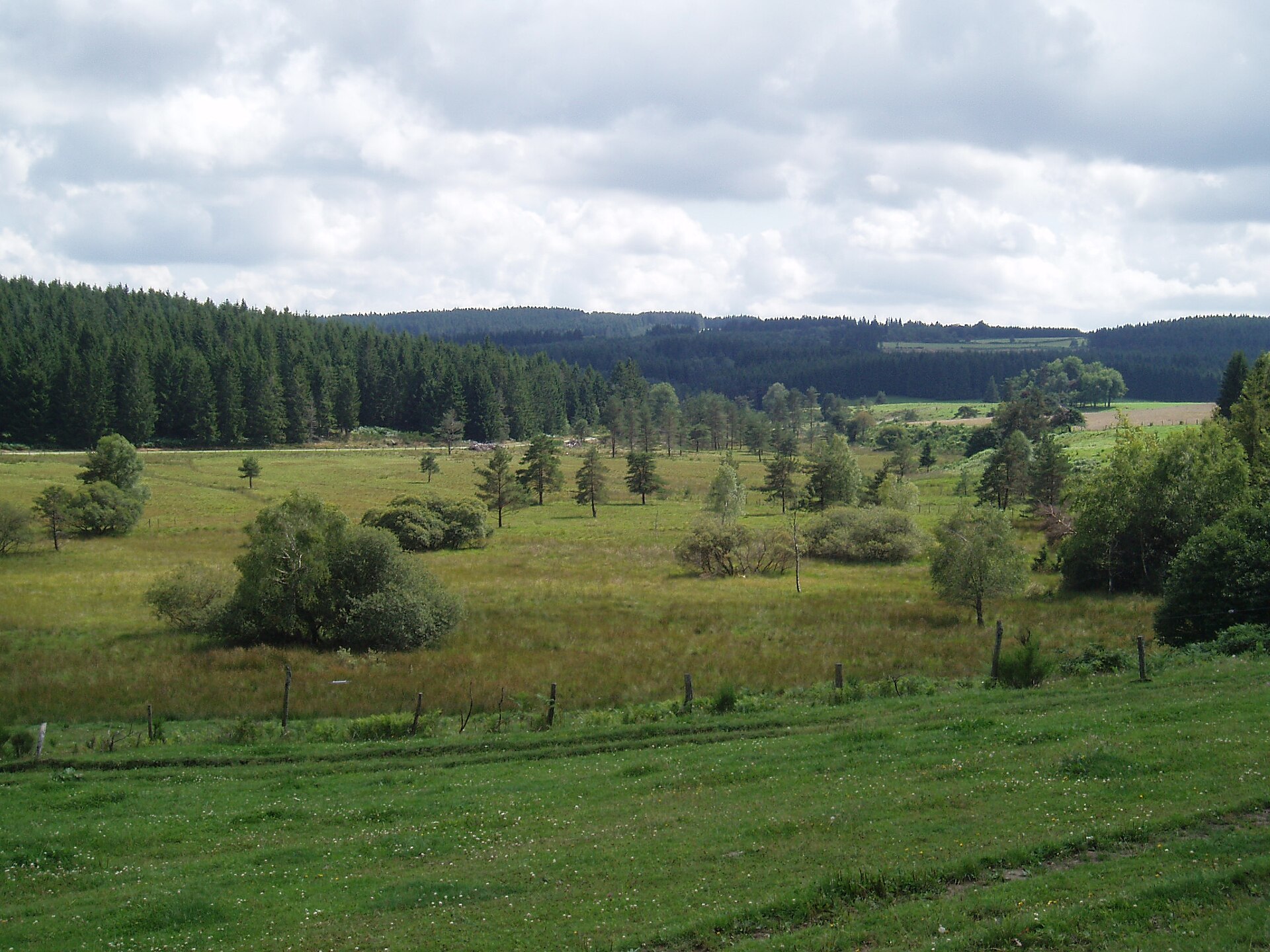
4,009 records
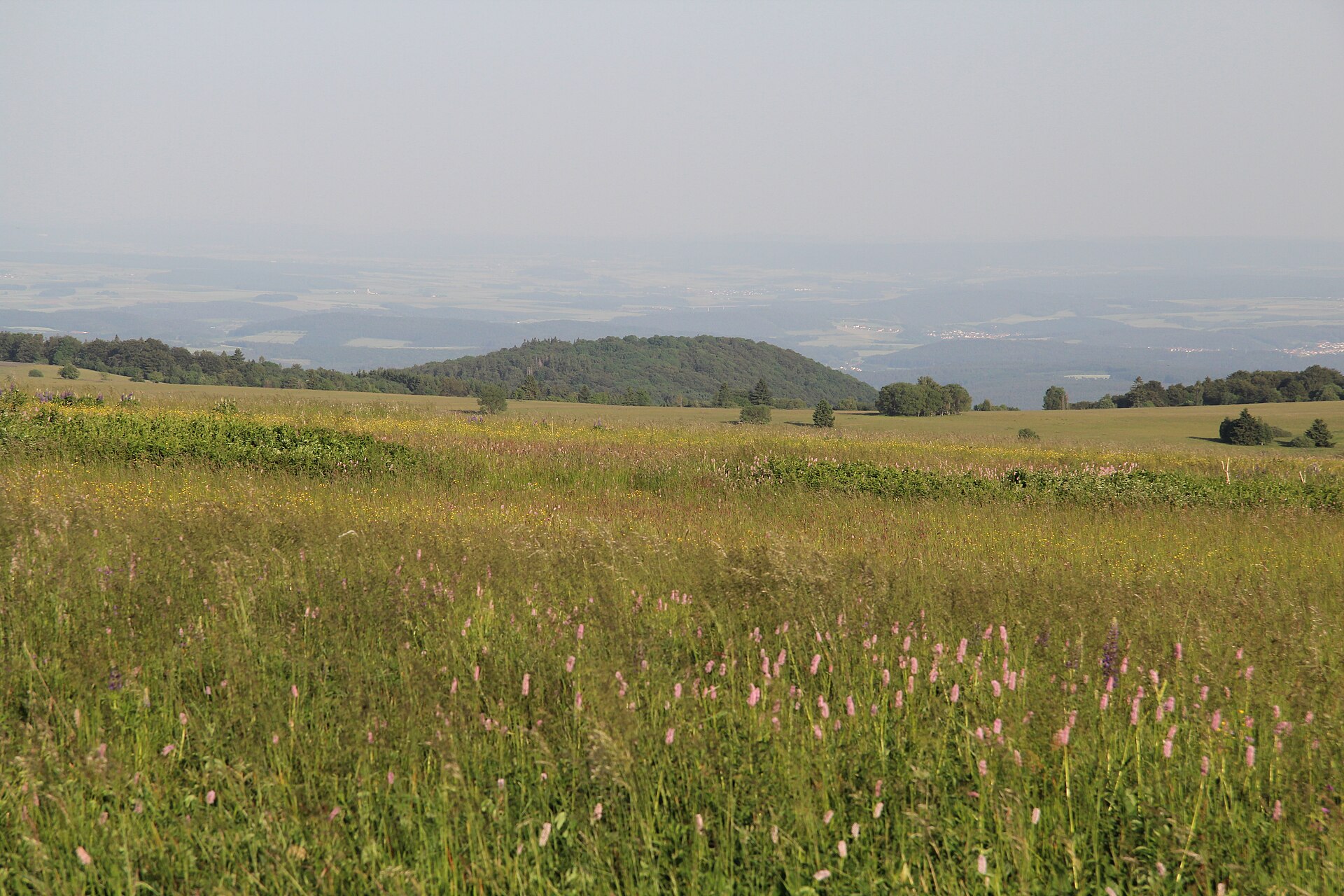
3,074 records
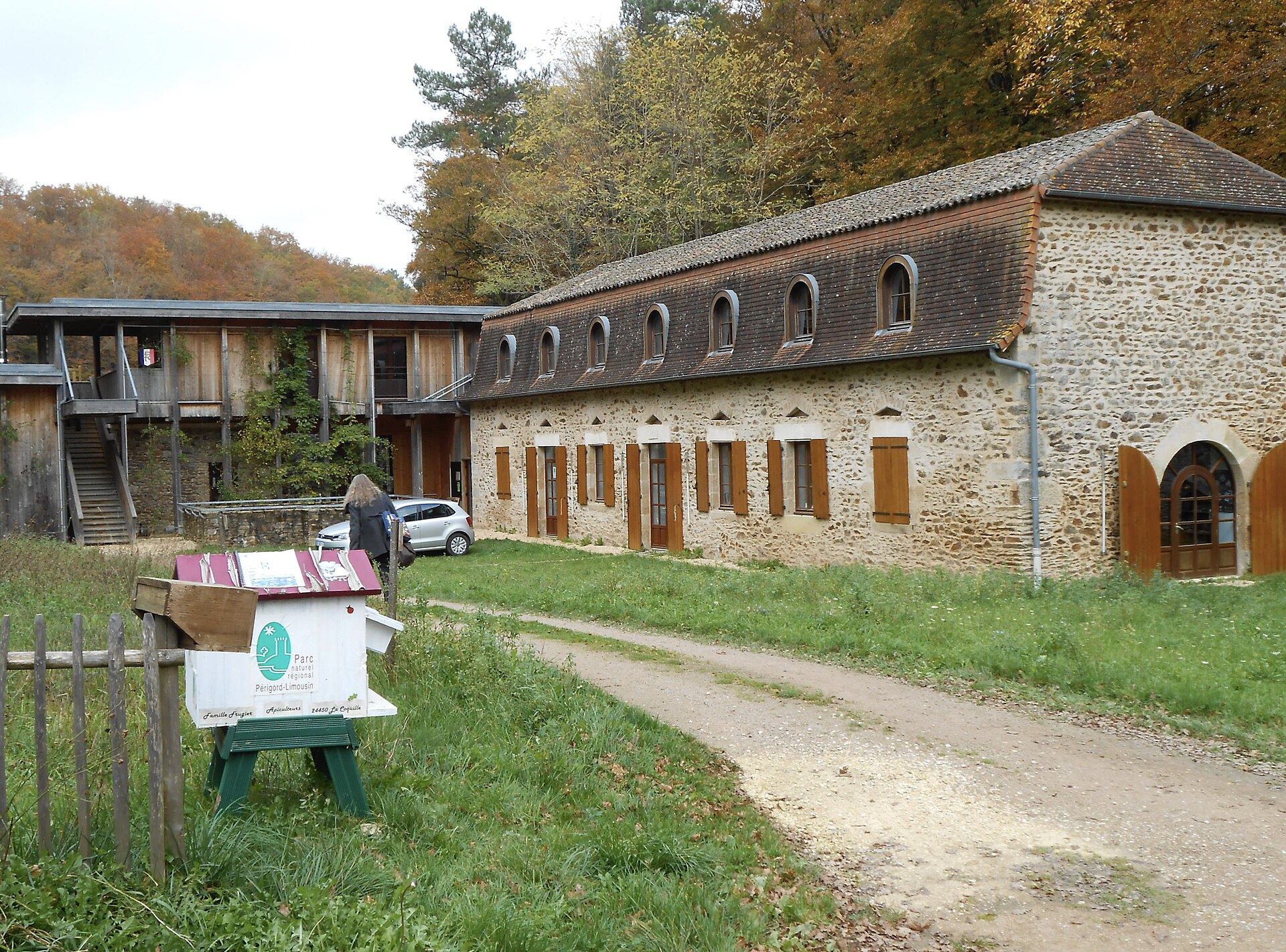
2,455 records
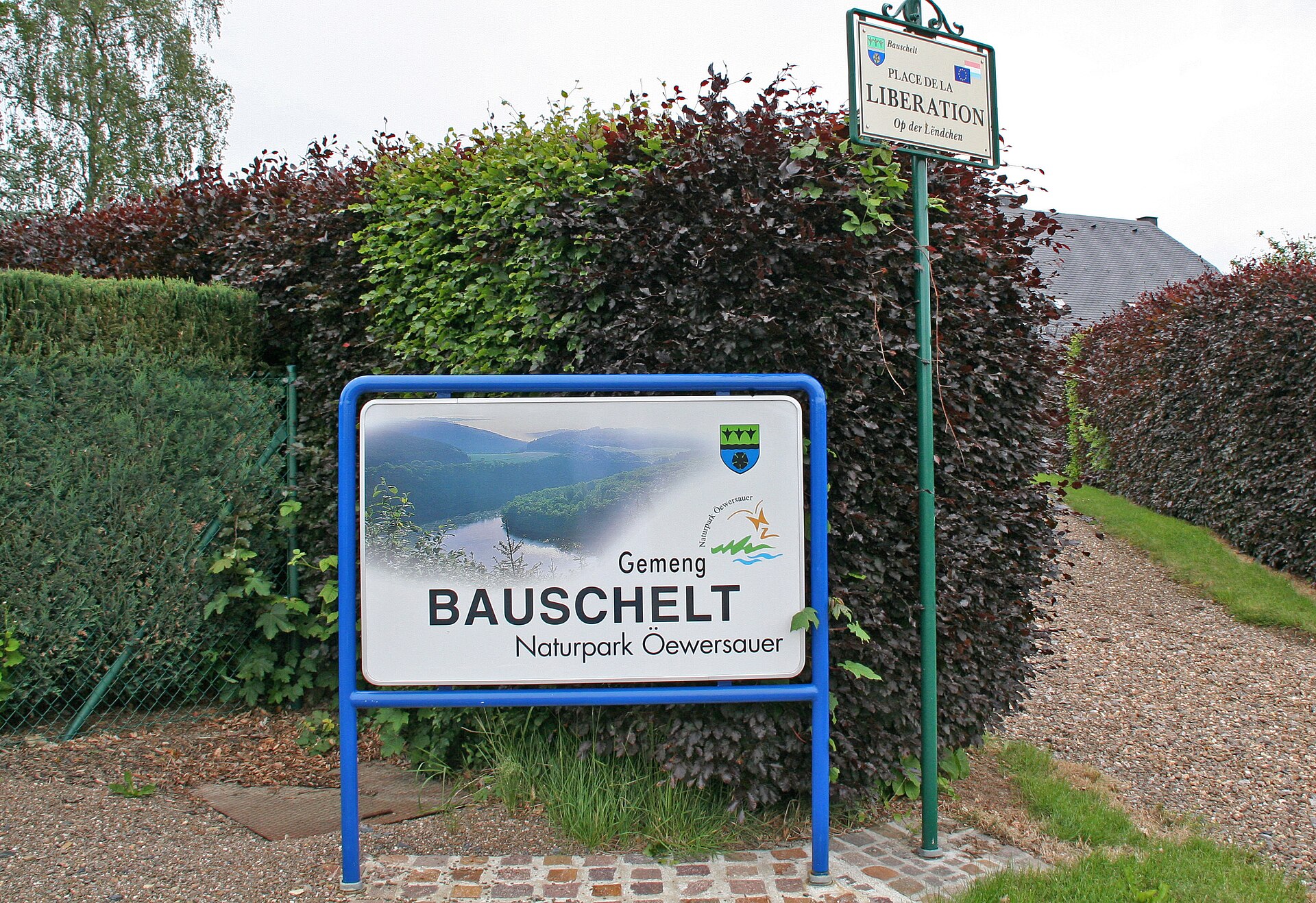
2,379 records
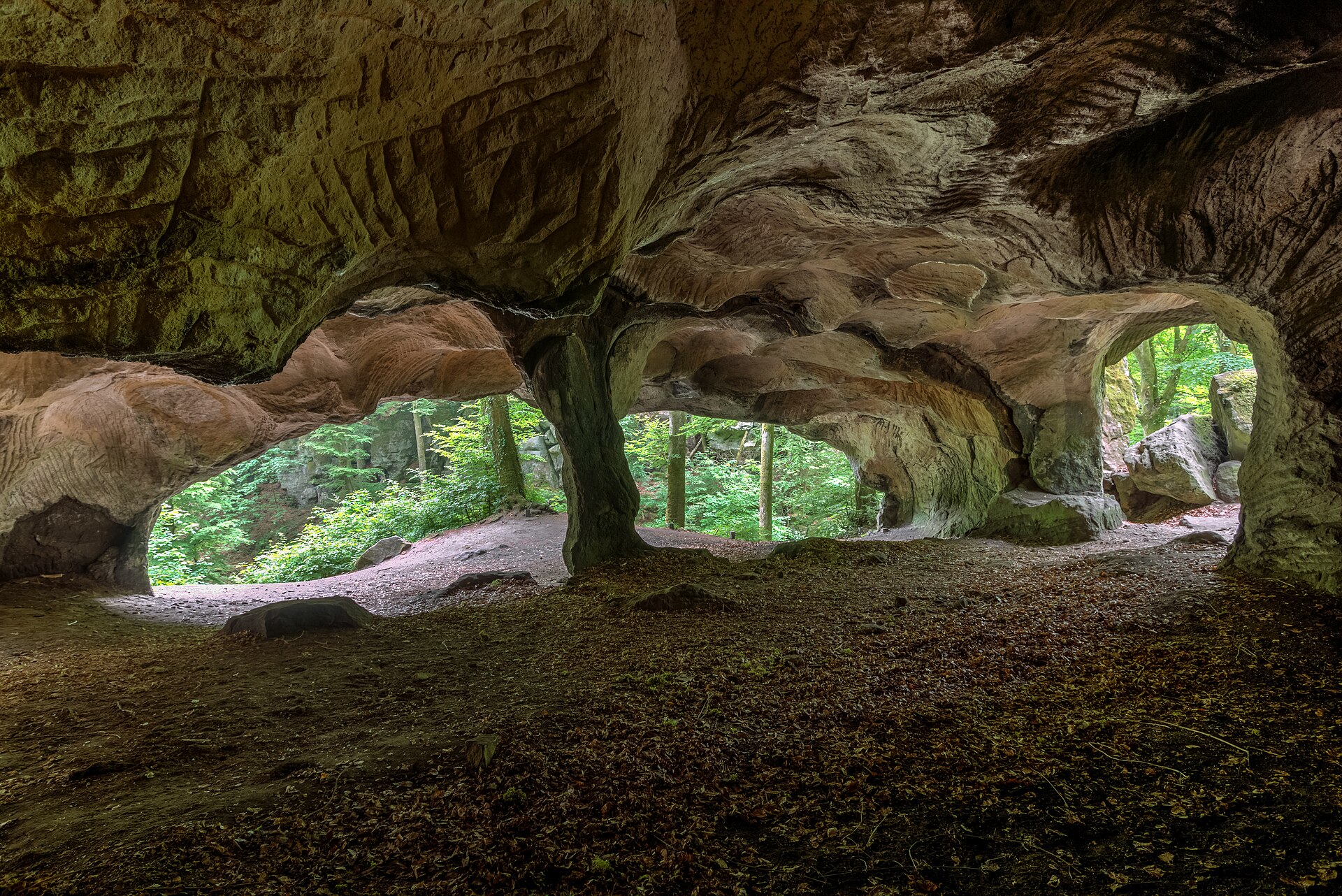
2,290 records
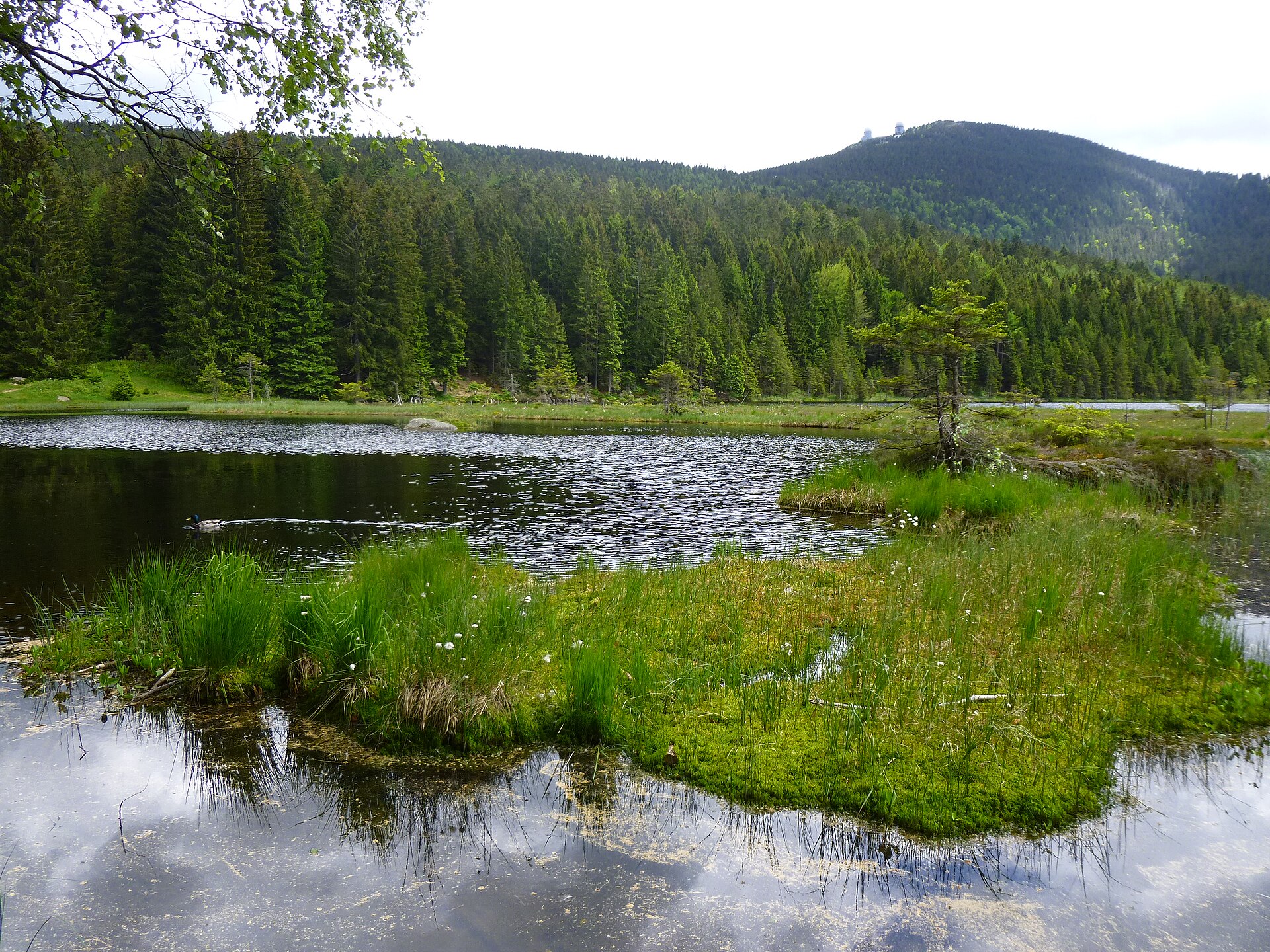
1,982 records
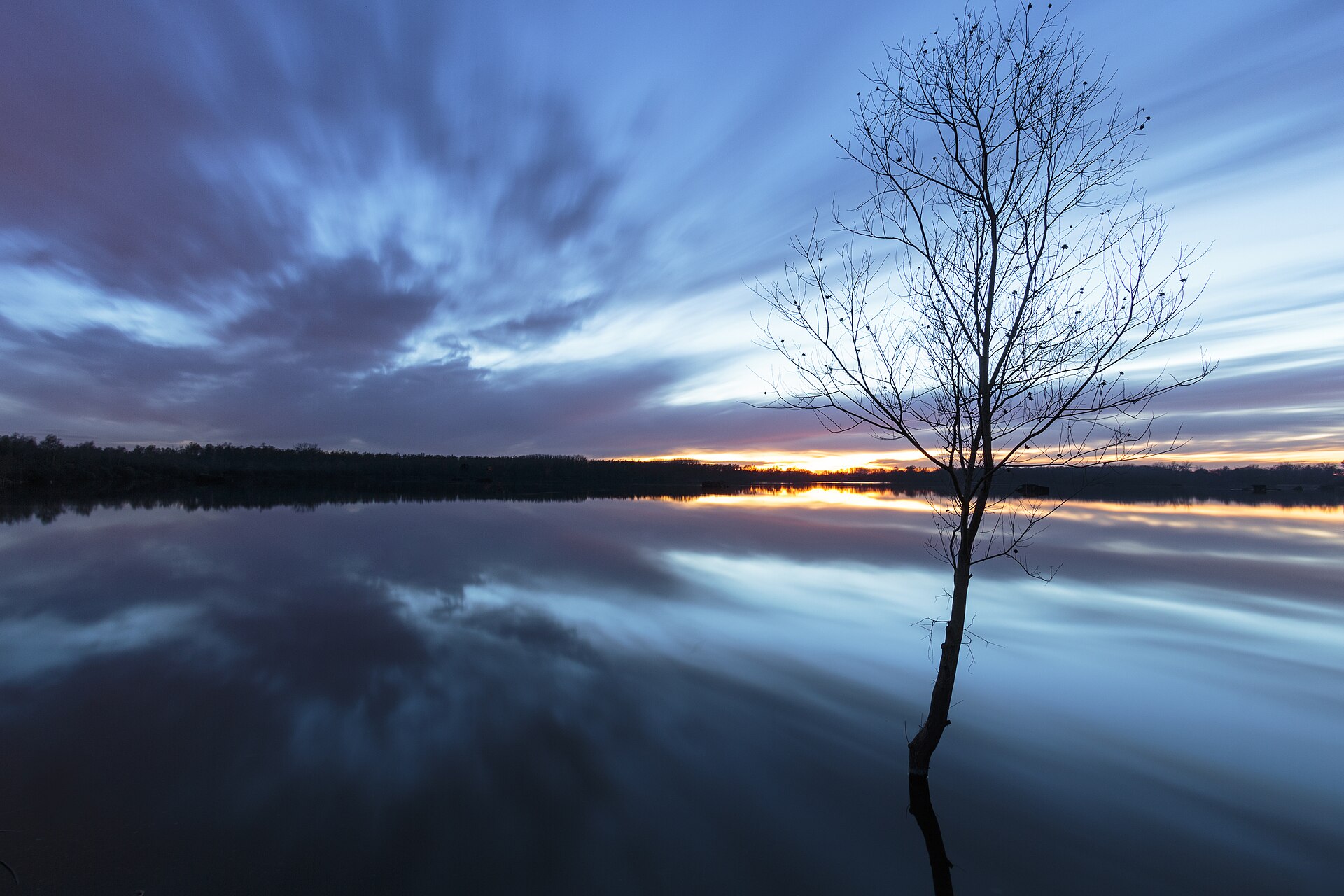
1,936 records
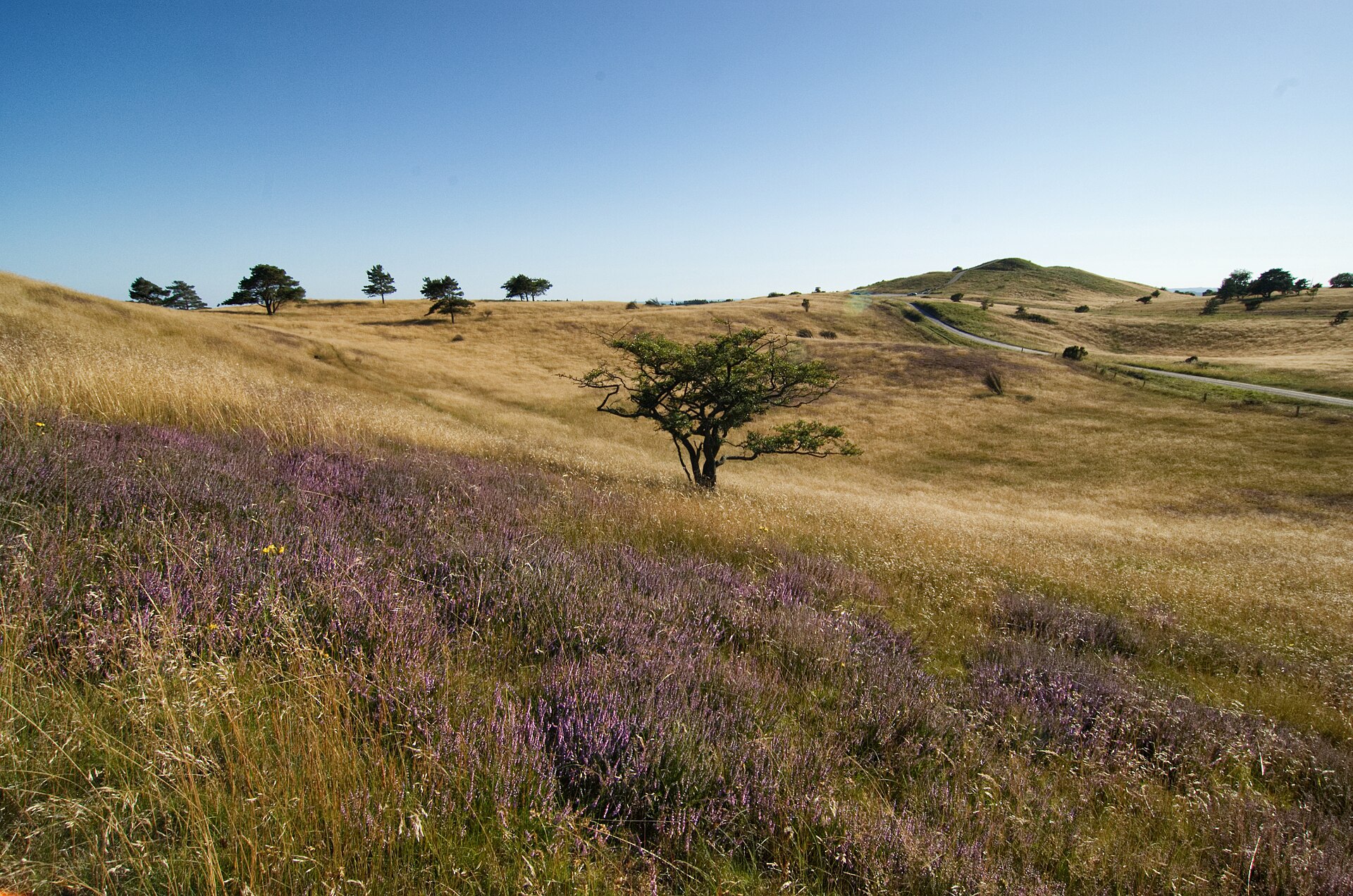
1,863 records

1,784 records
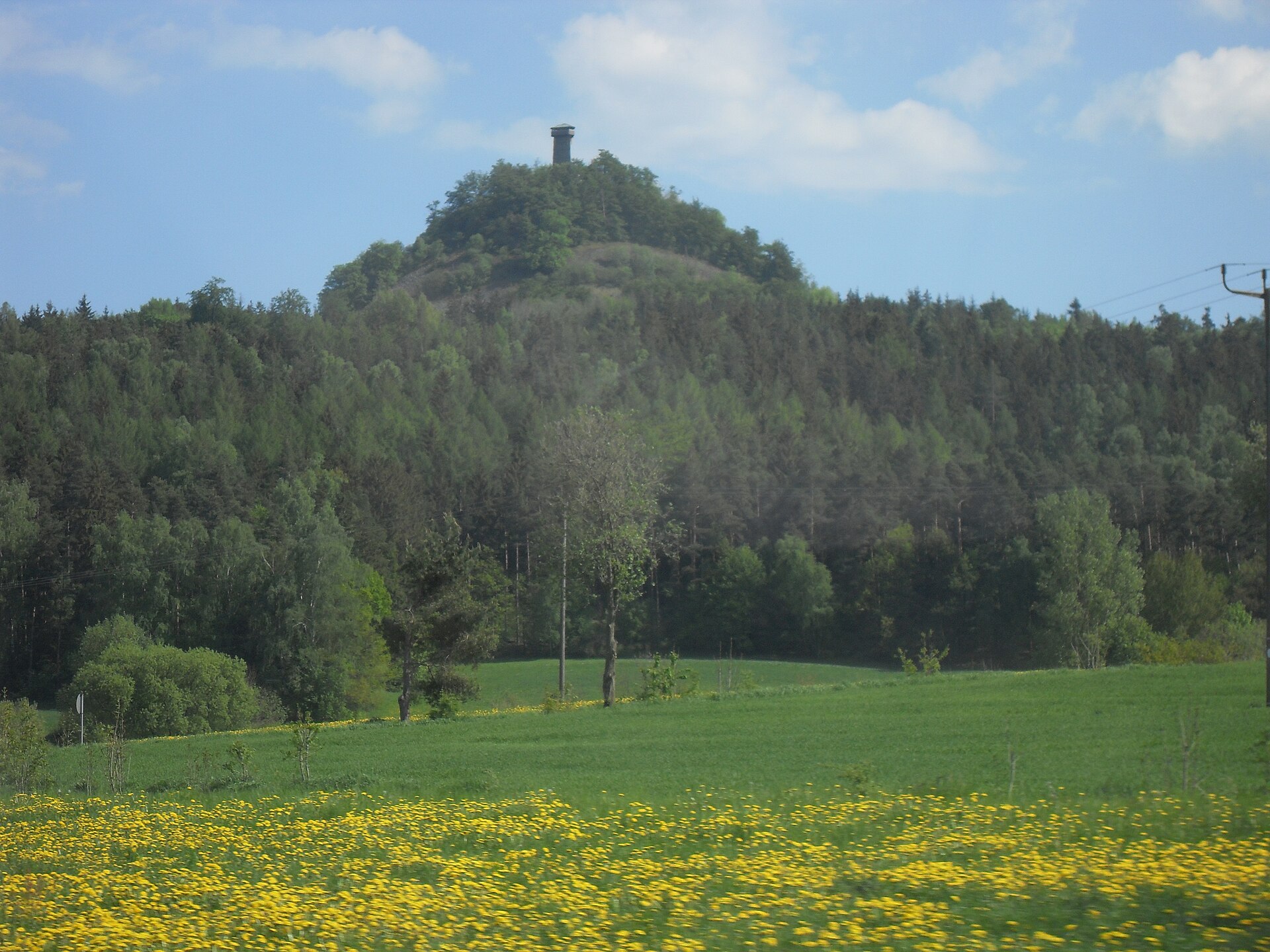
1,741 records
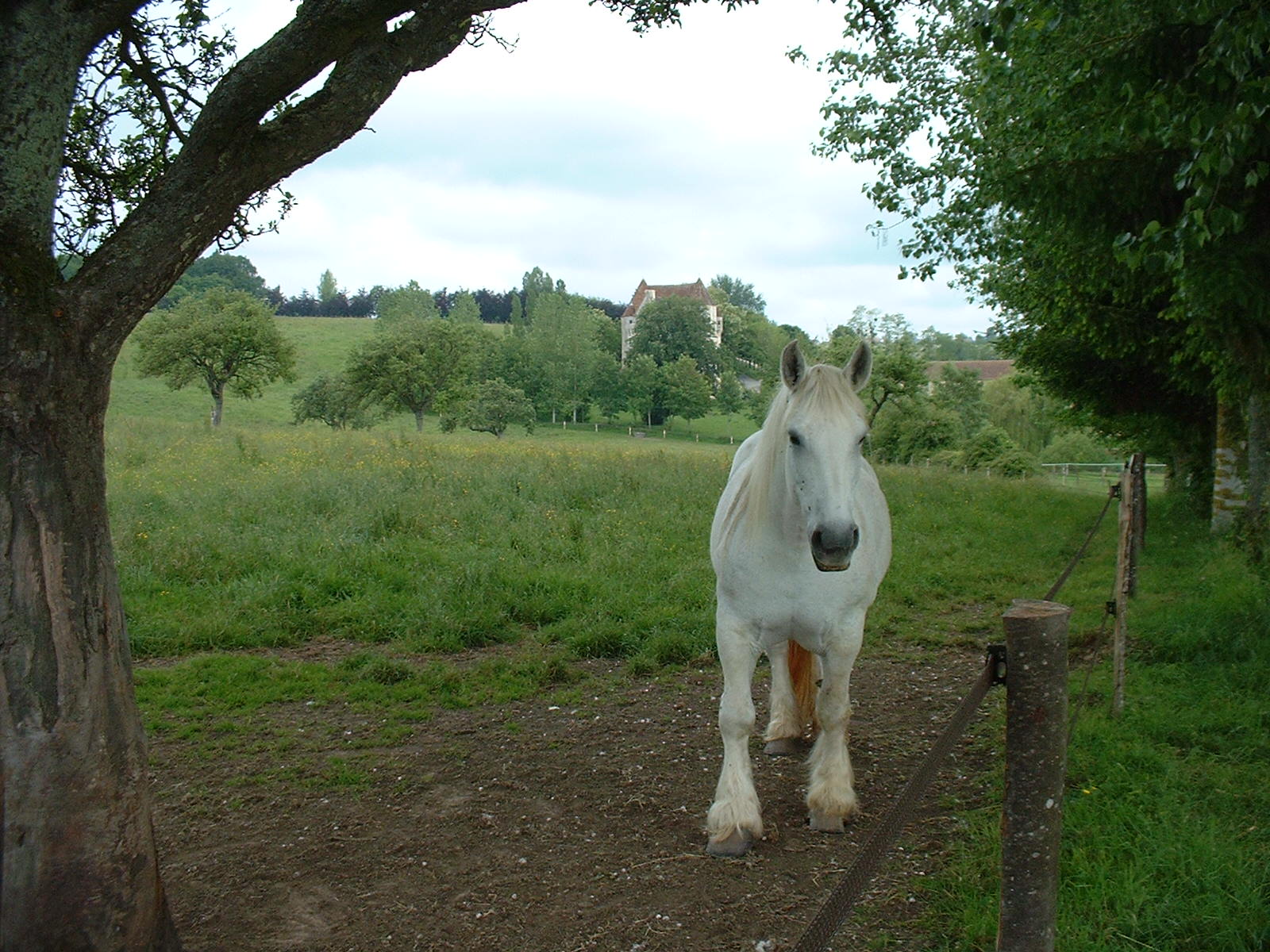
1,316 records
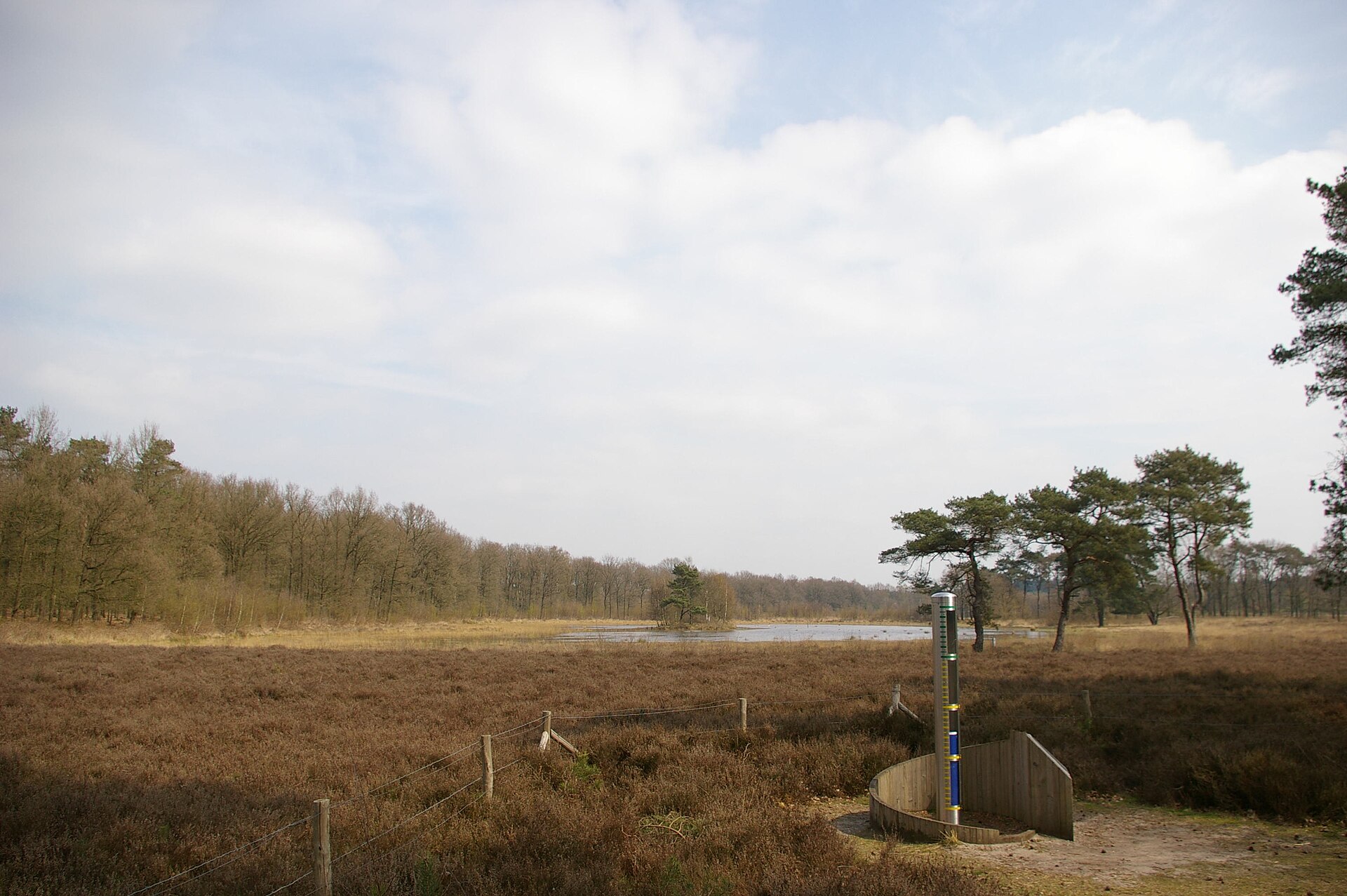
1,262 records
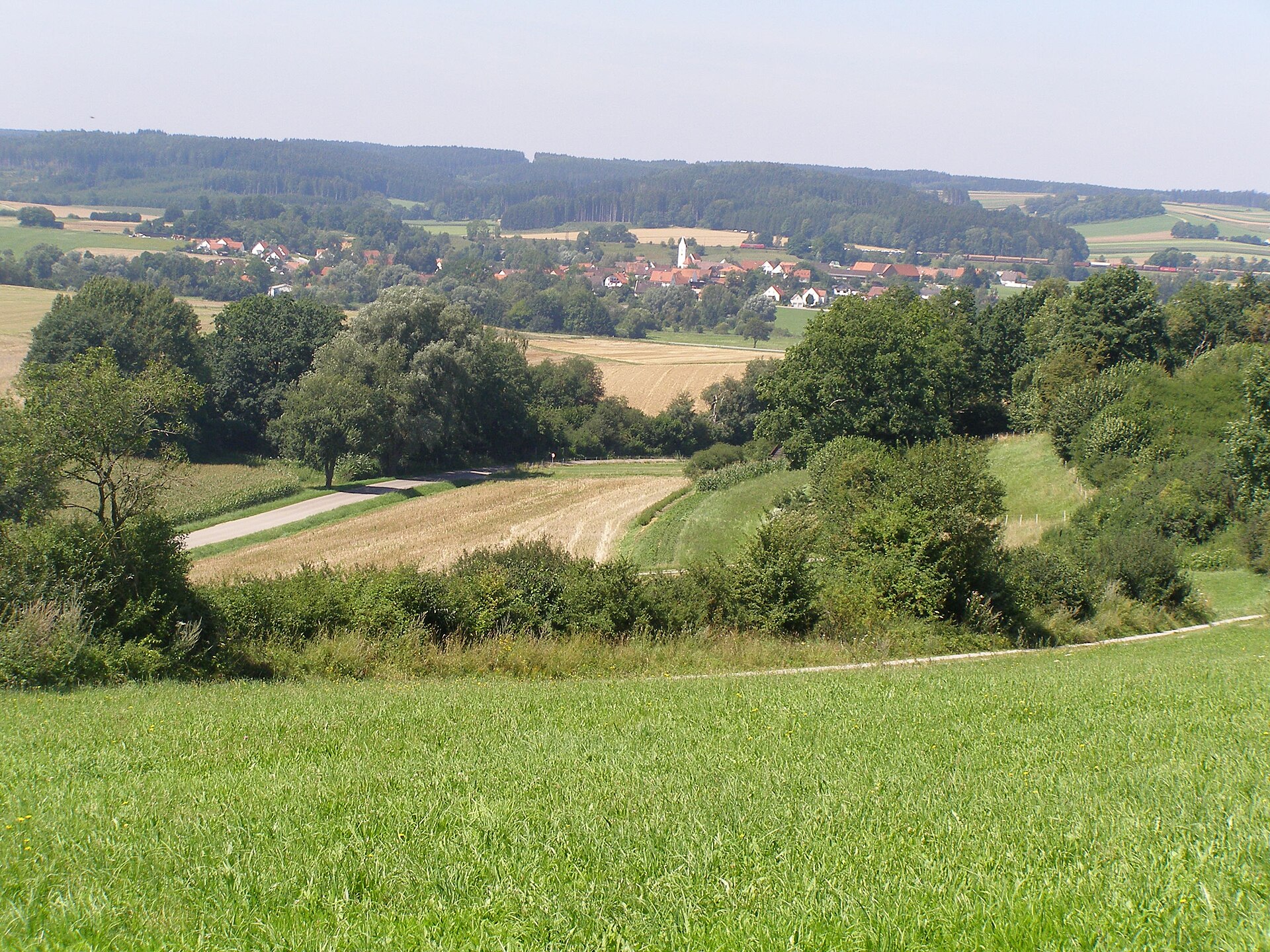
1,234 records
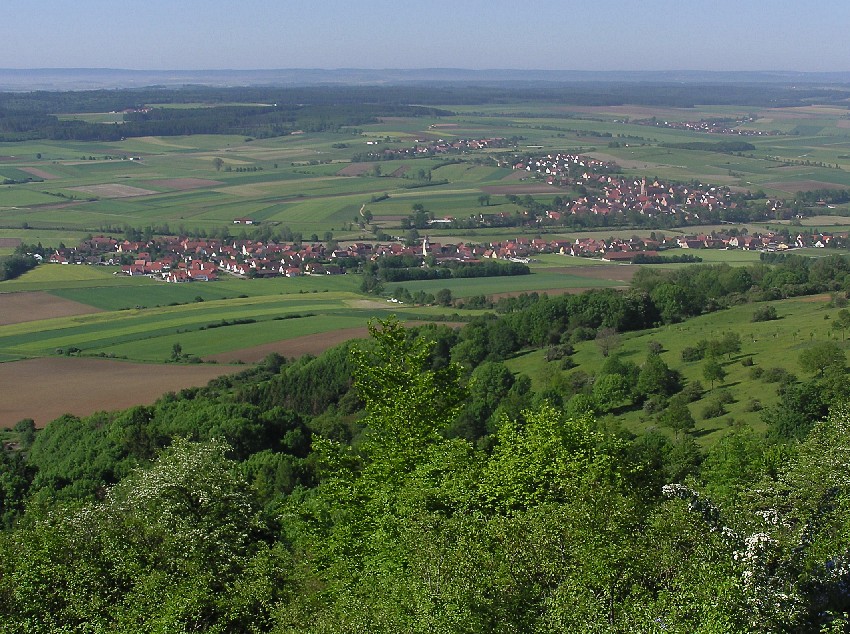
1,211 records
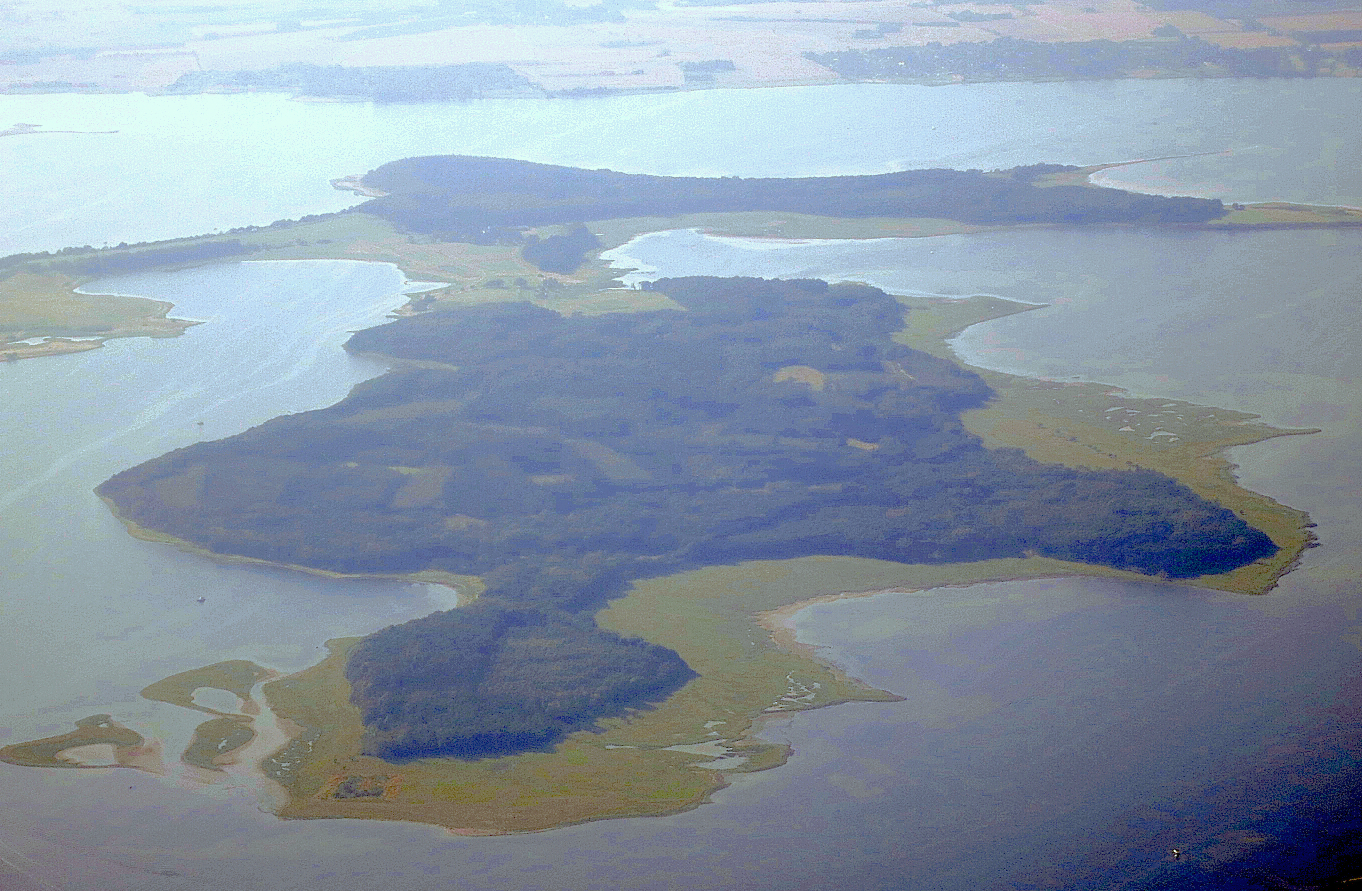
1,188 records
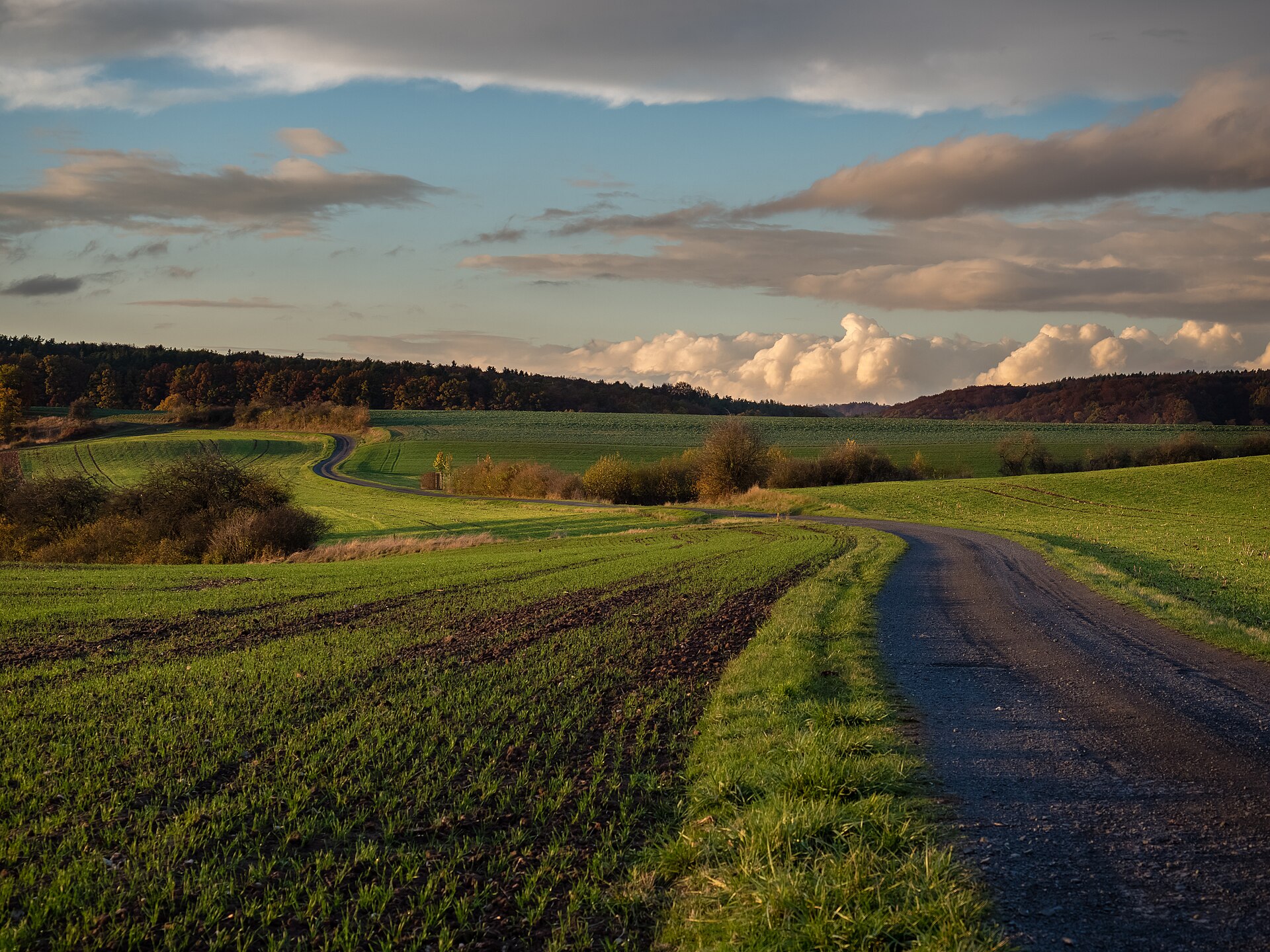
1,178 records
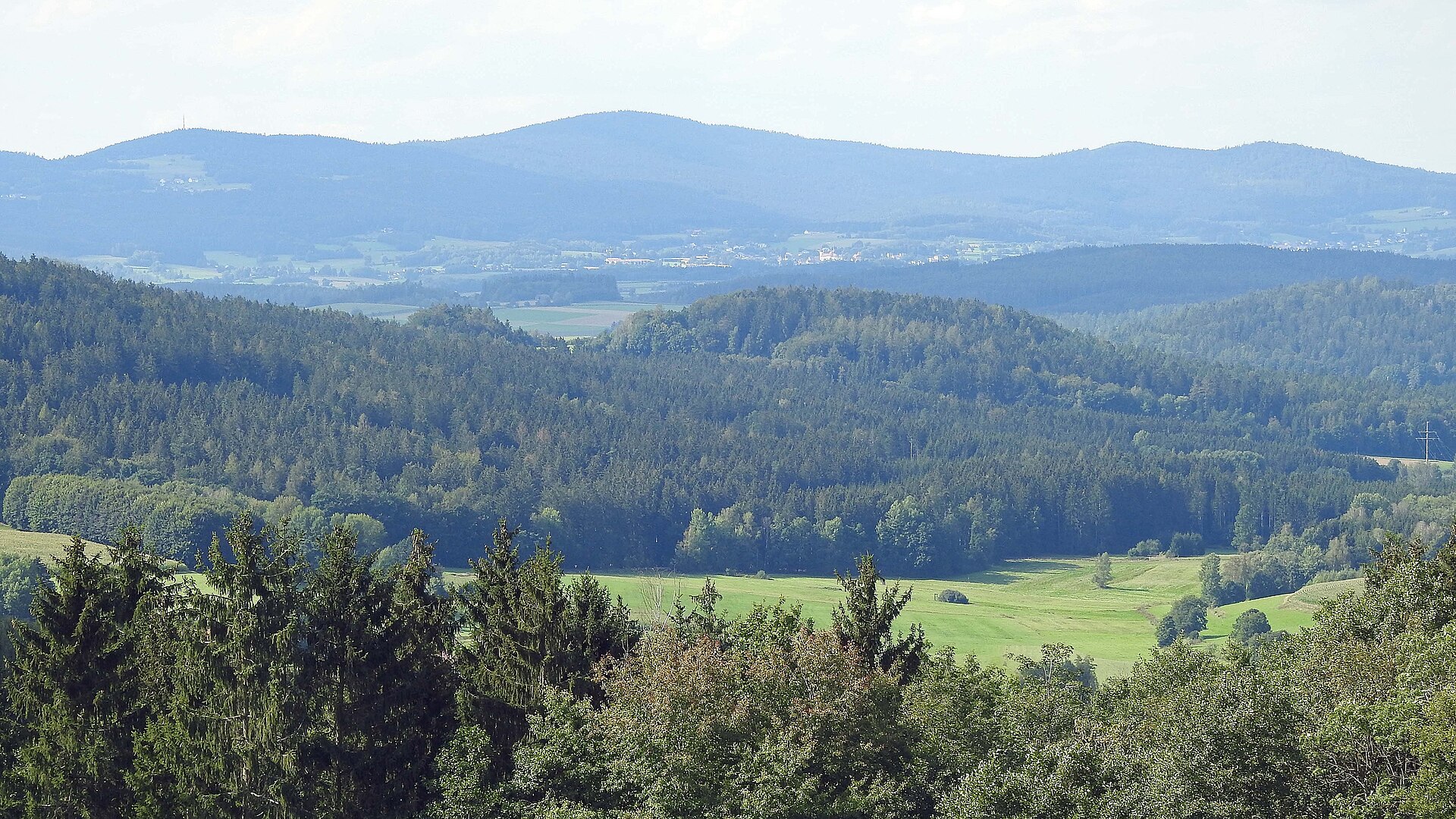
1,088 records
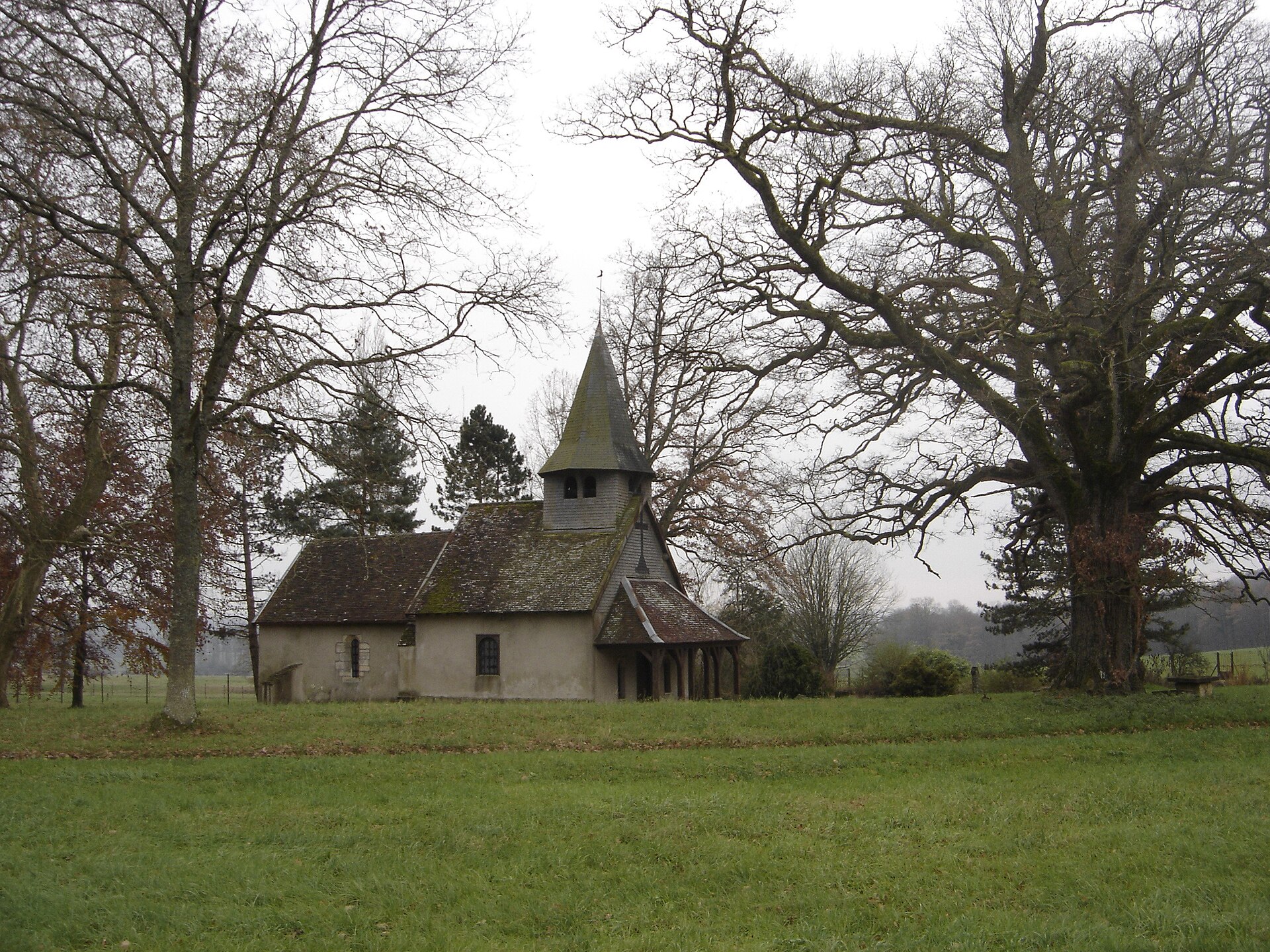
1,007 records
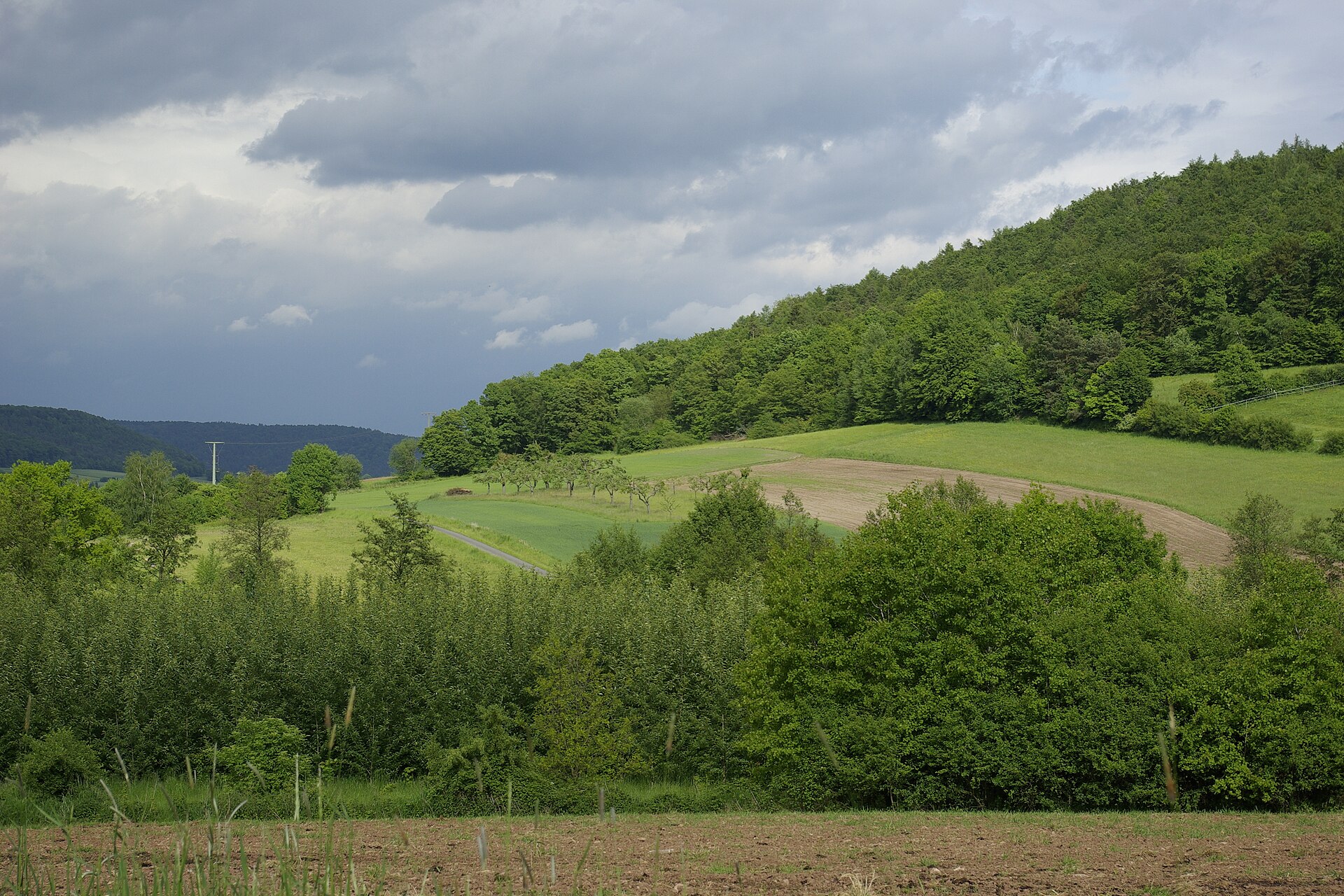
882 records
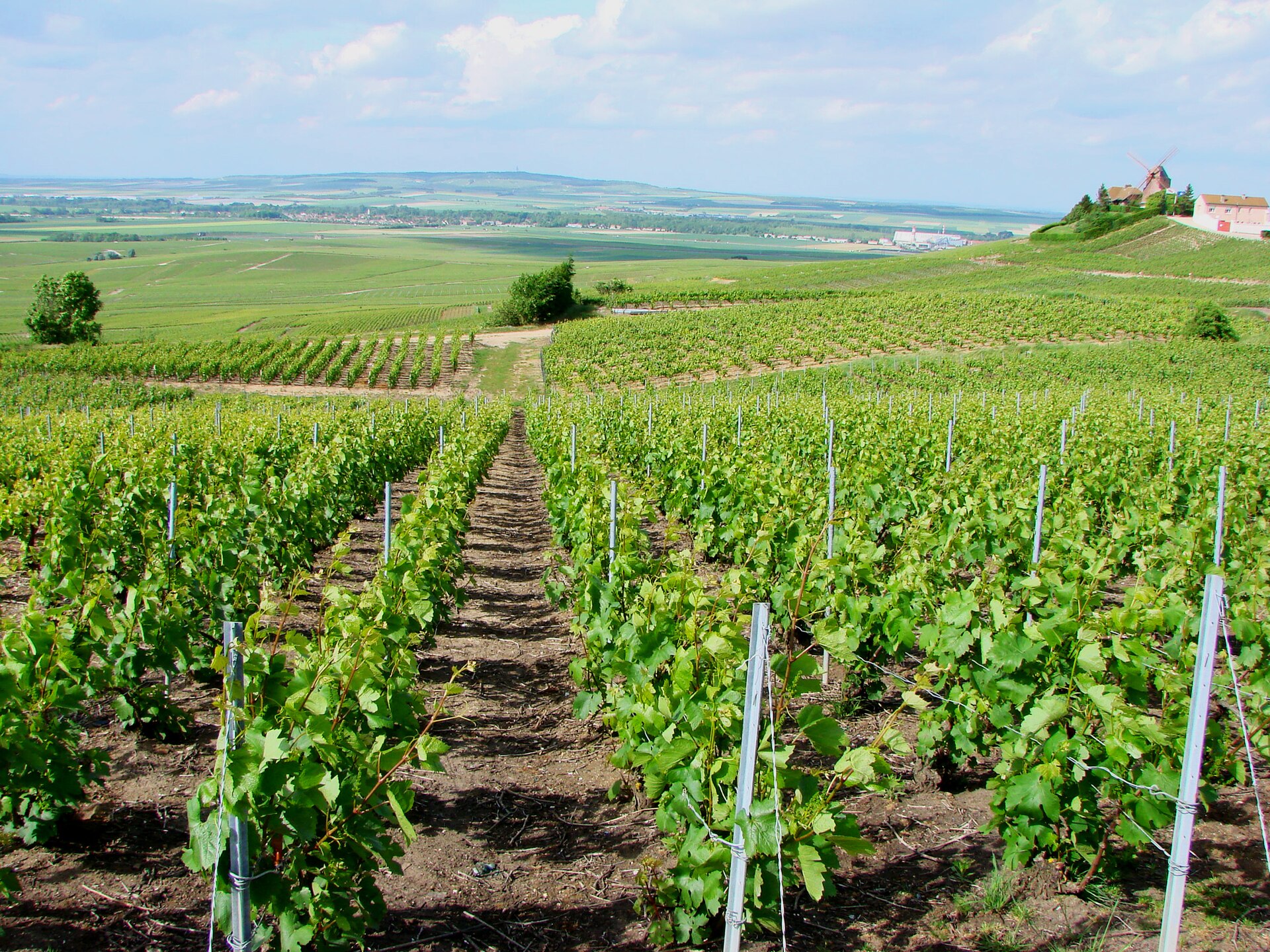
840 records
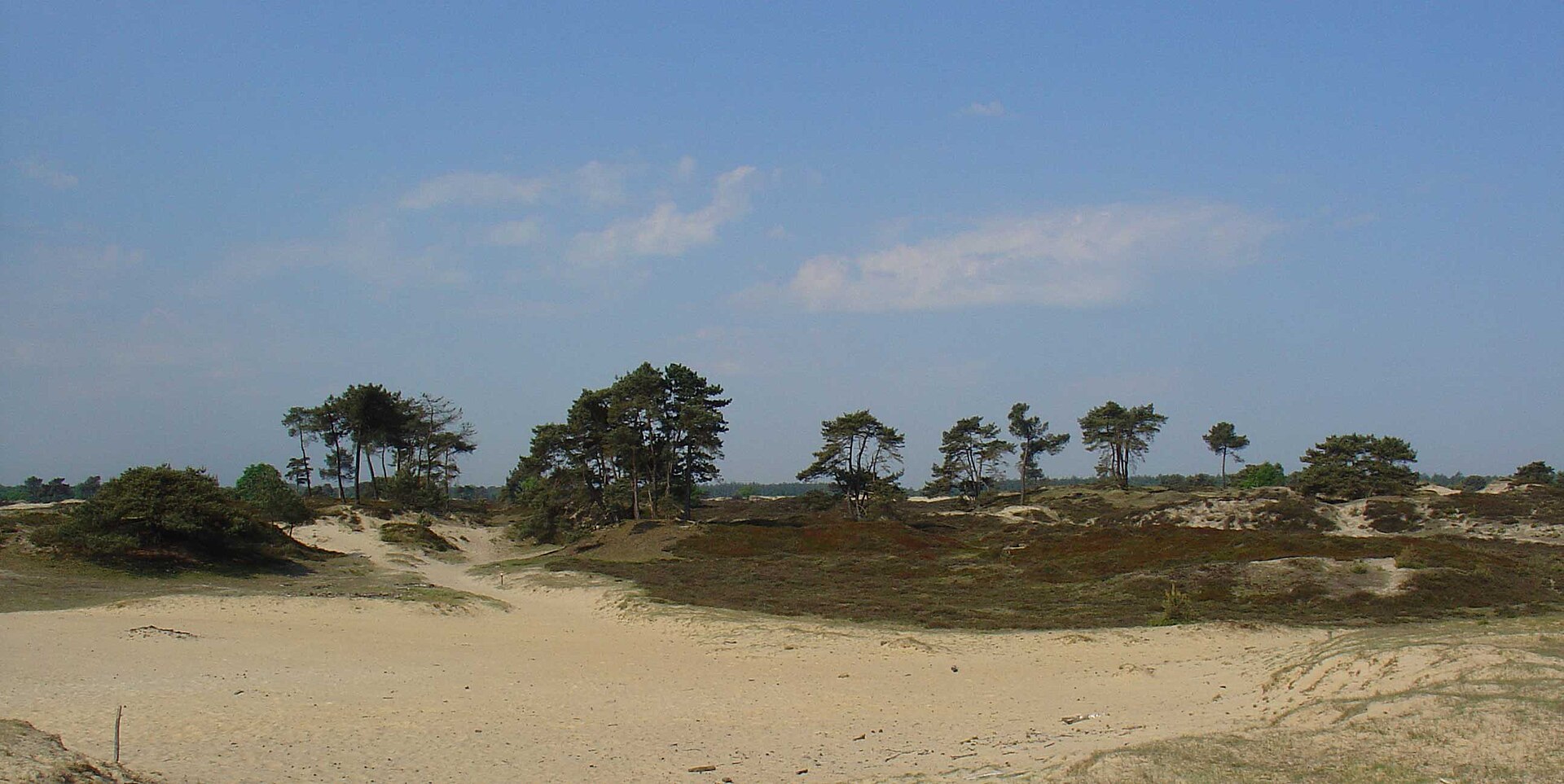
609 records
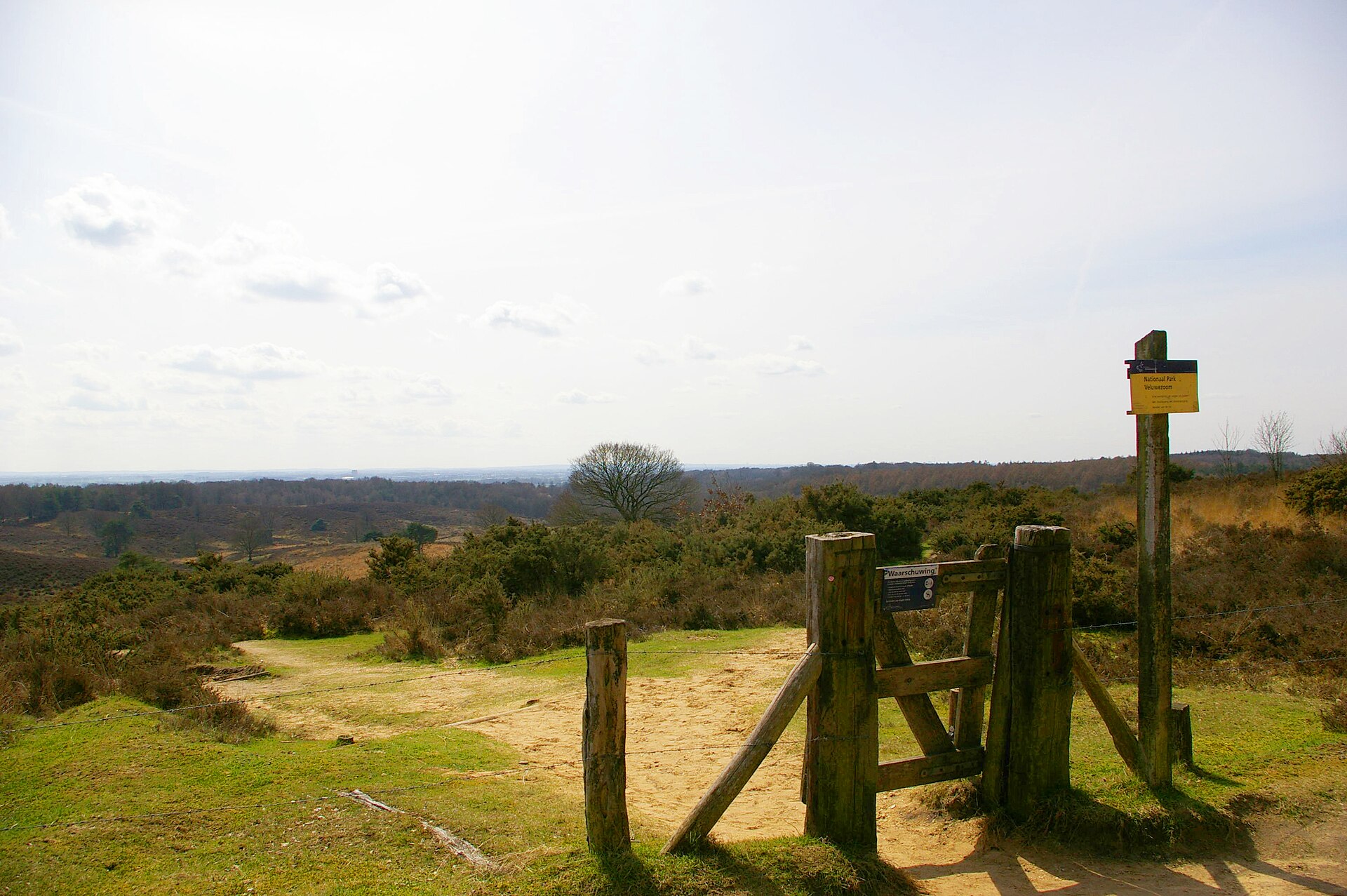
440 records
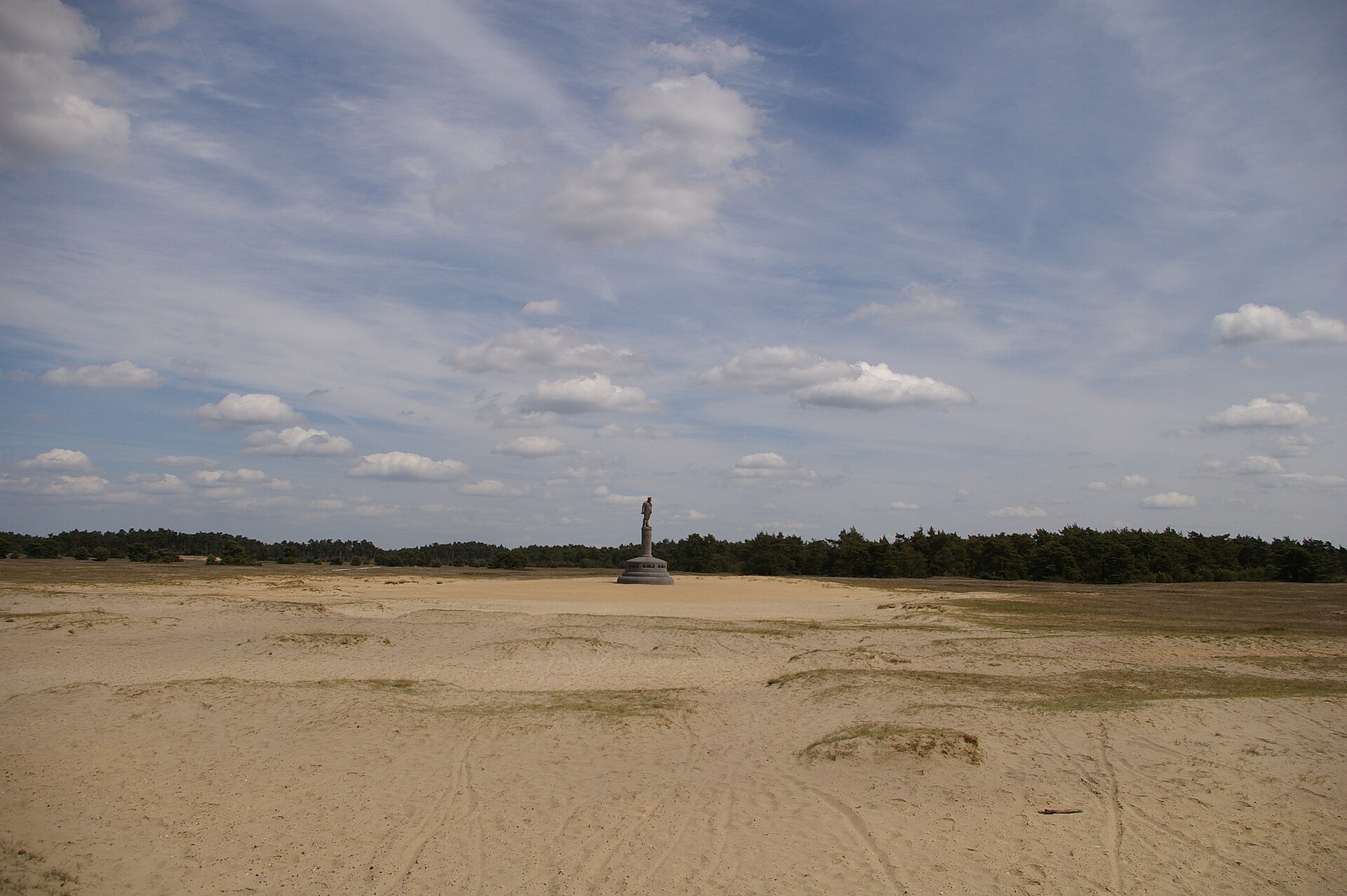
403 records
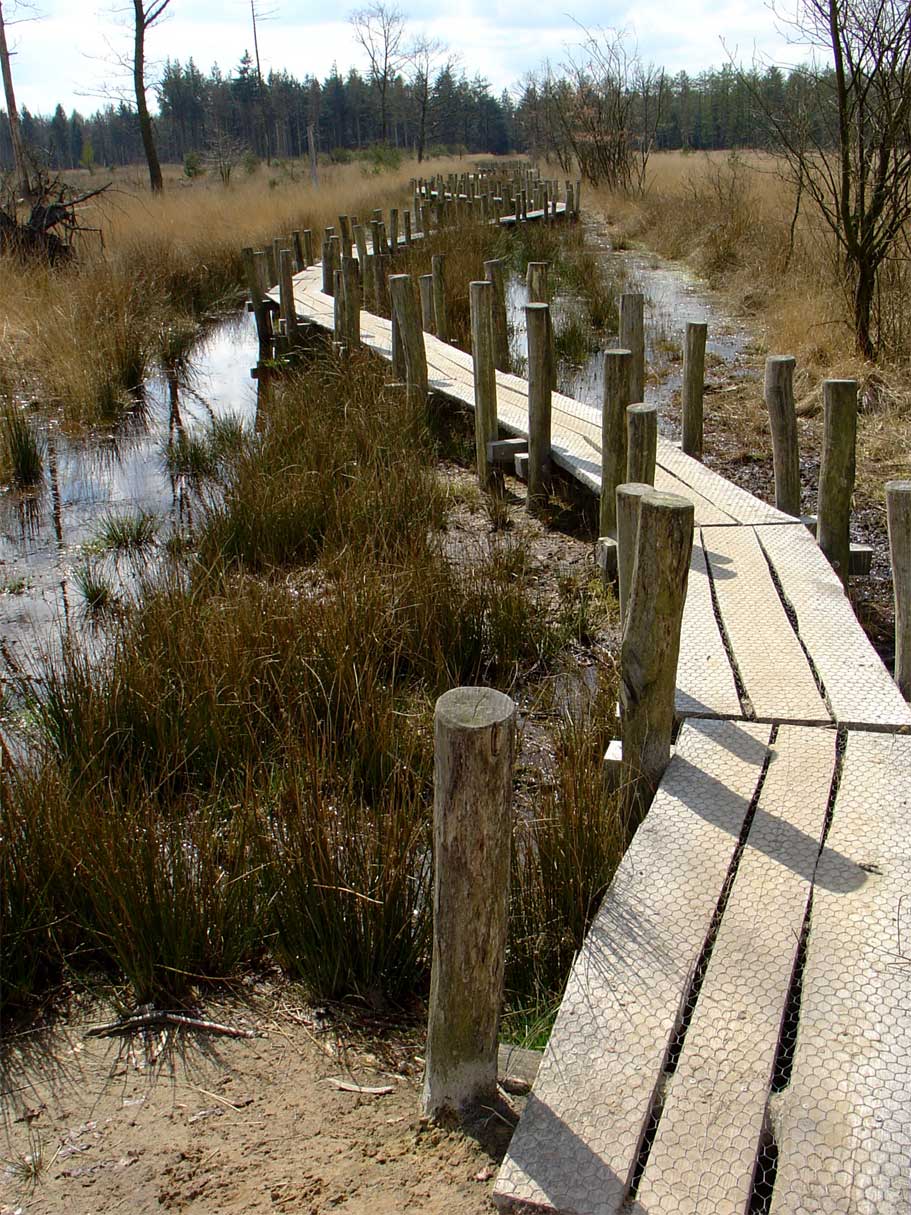
384 records
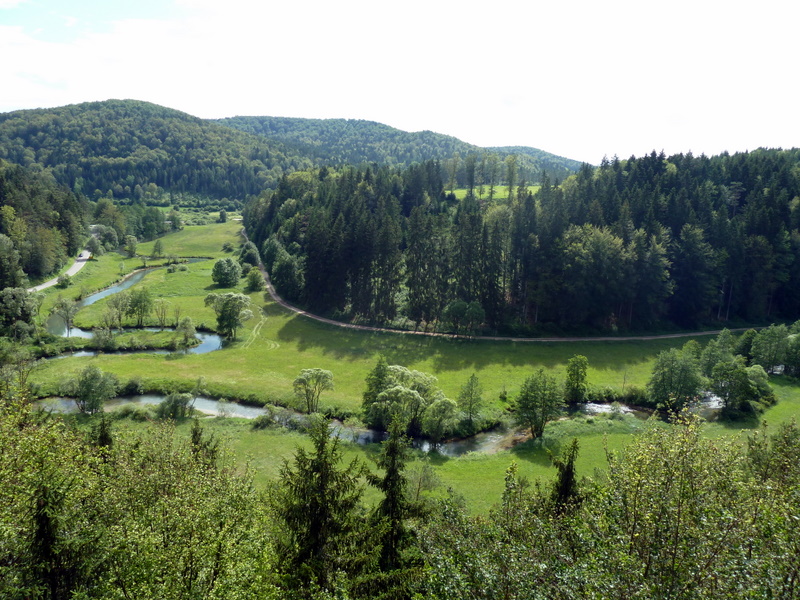
228 records
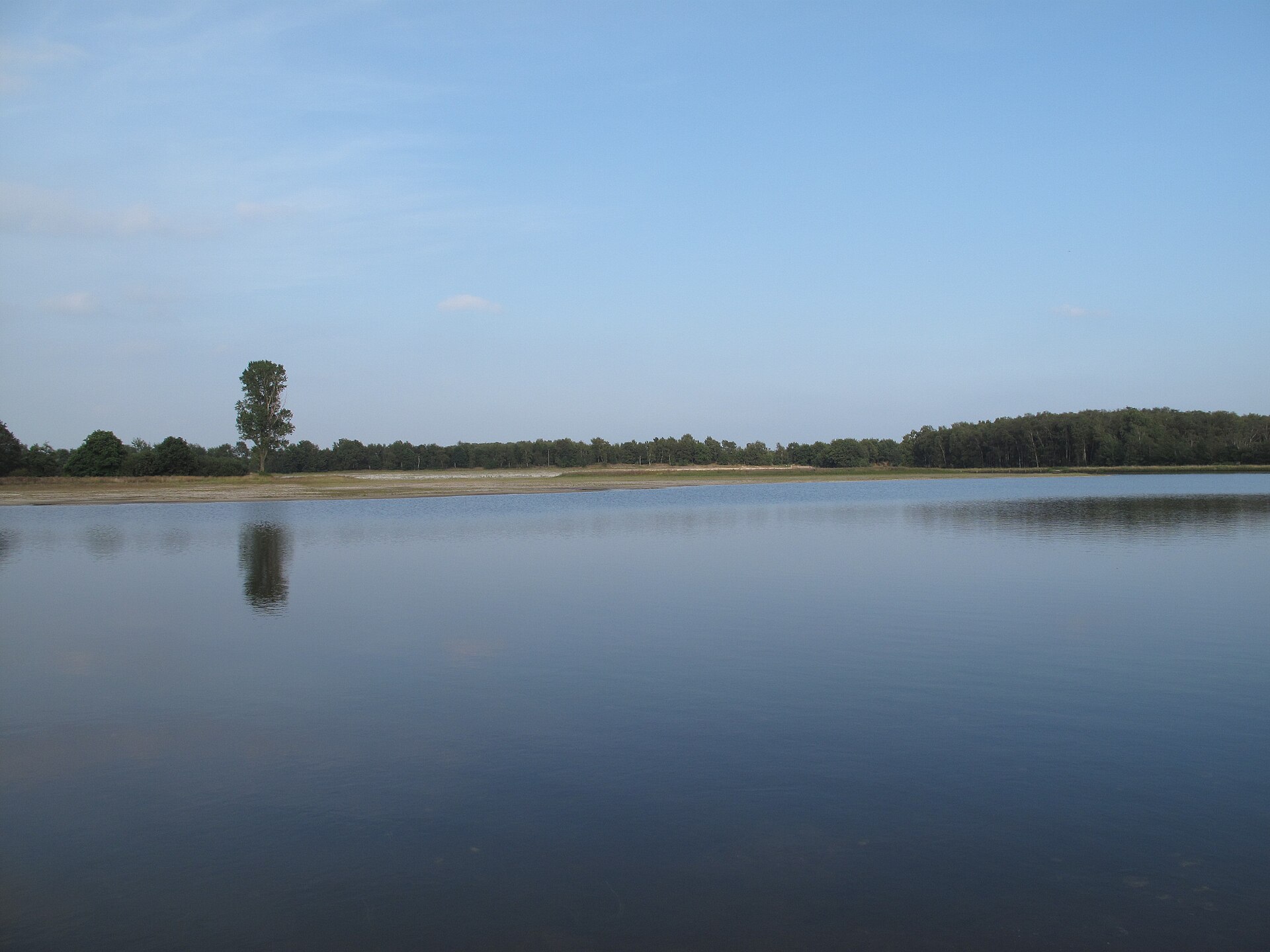
211 records
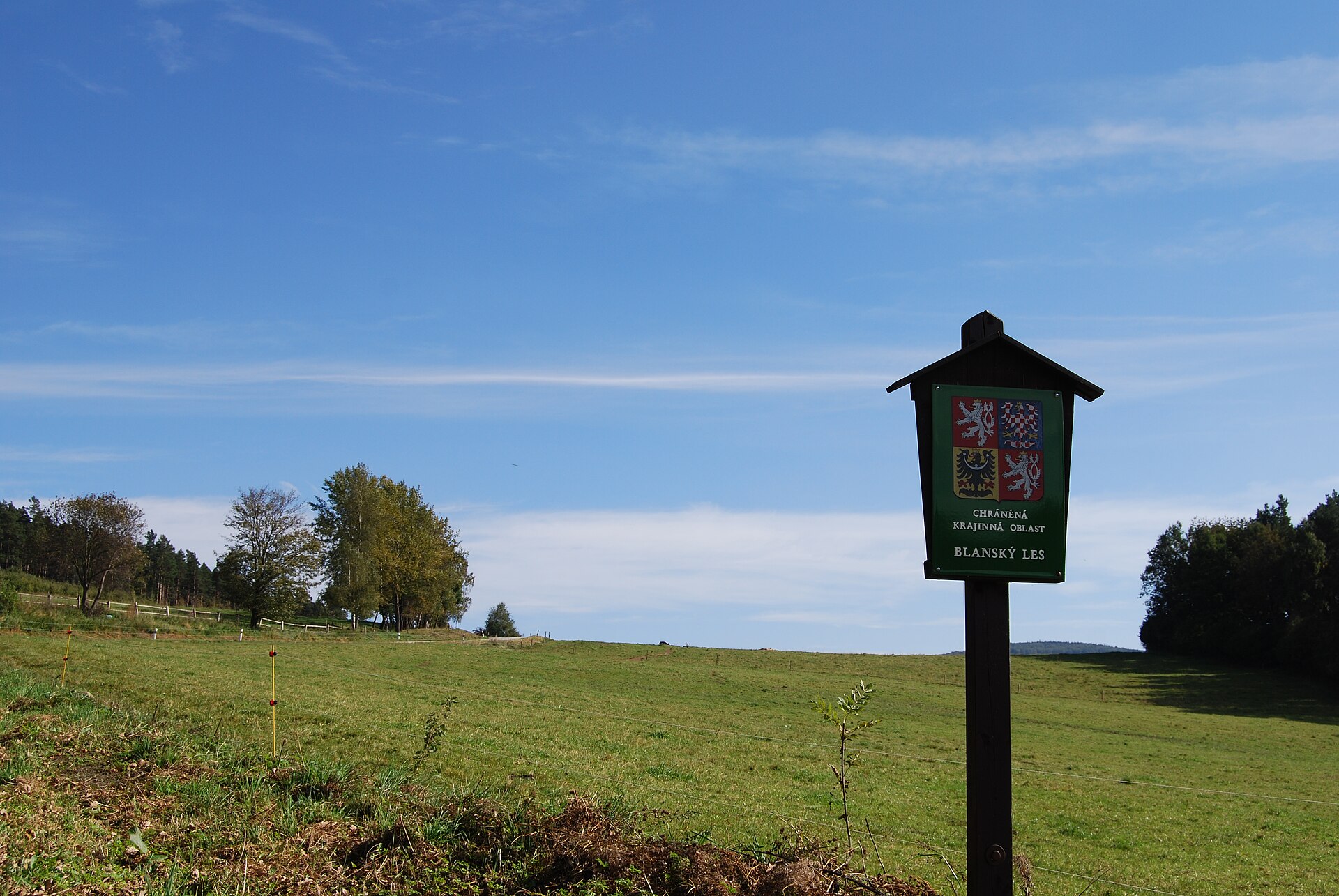
206 records

168 records
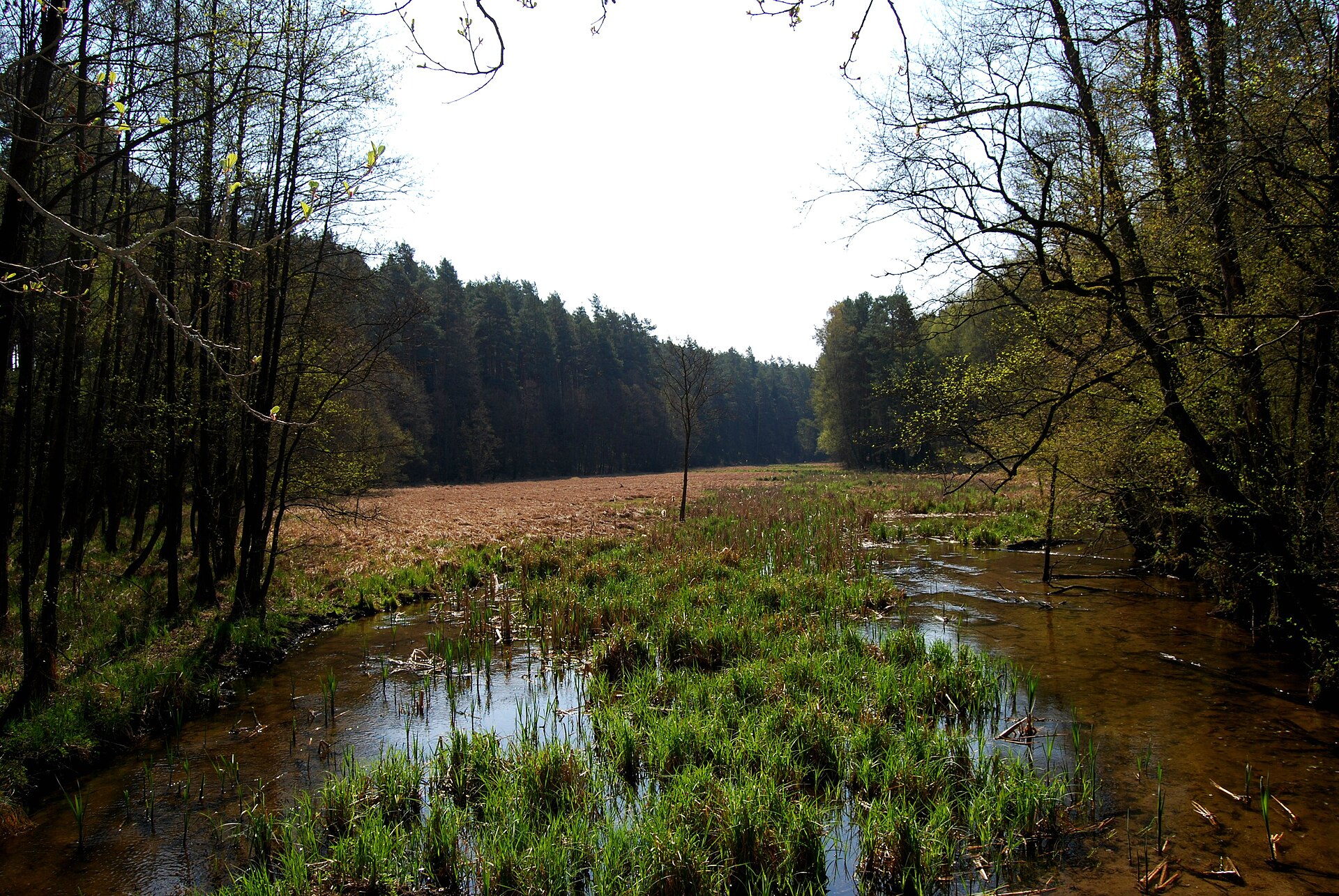
168 records

122 records
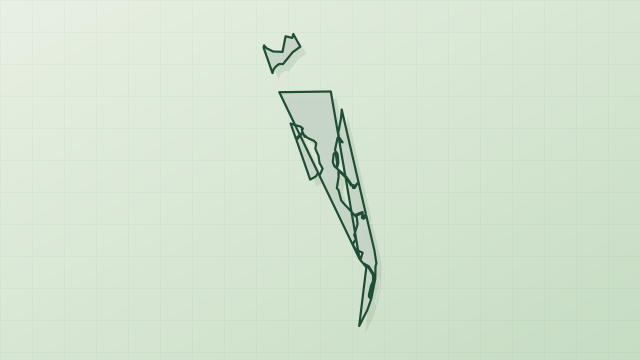
71 records
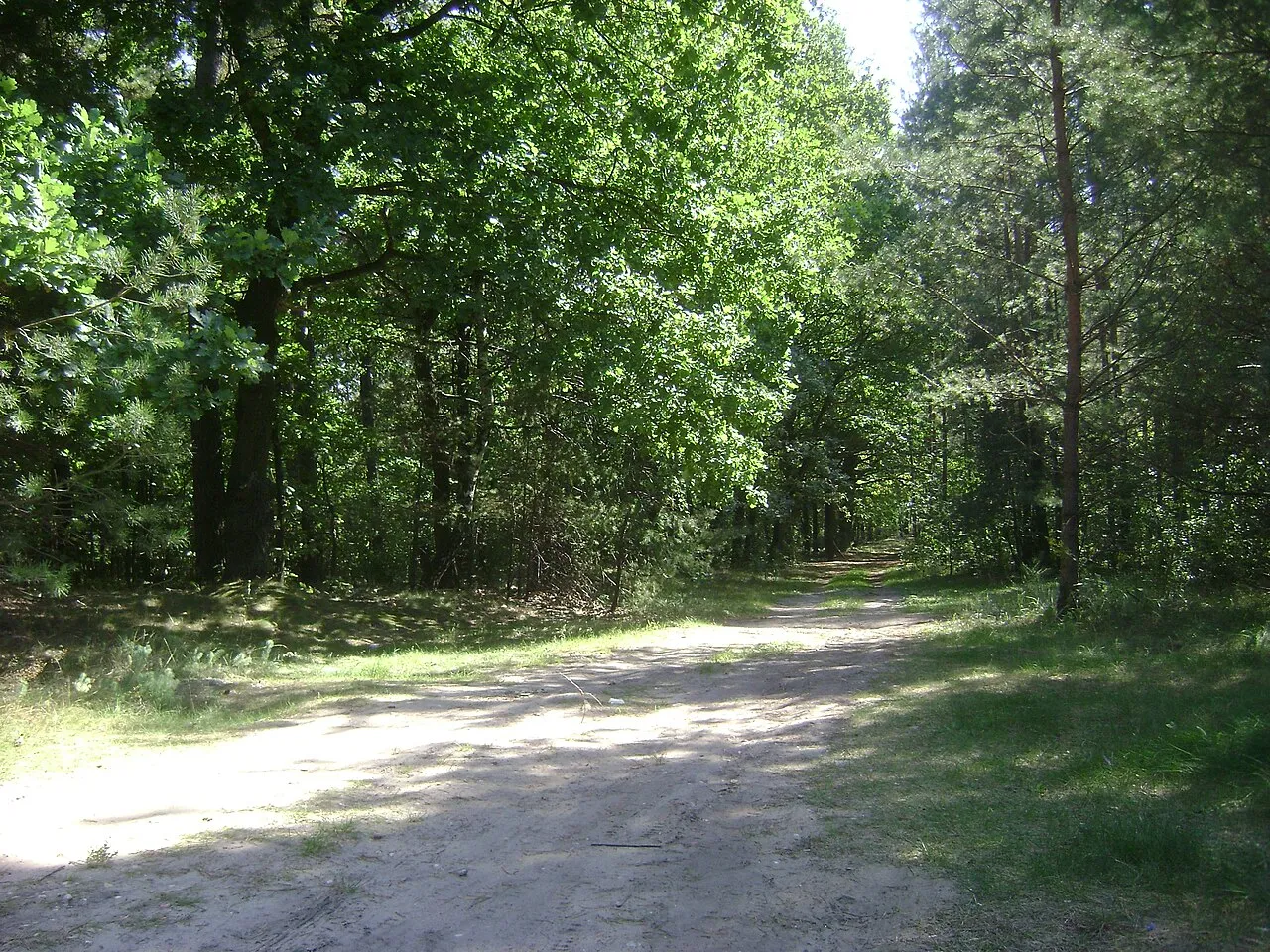
70 records
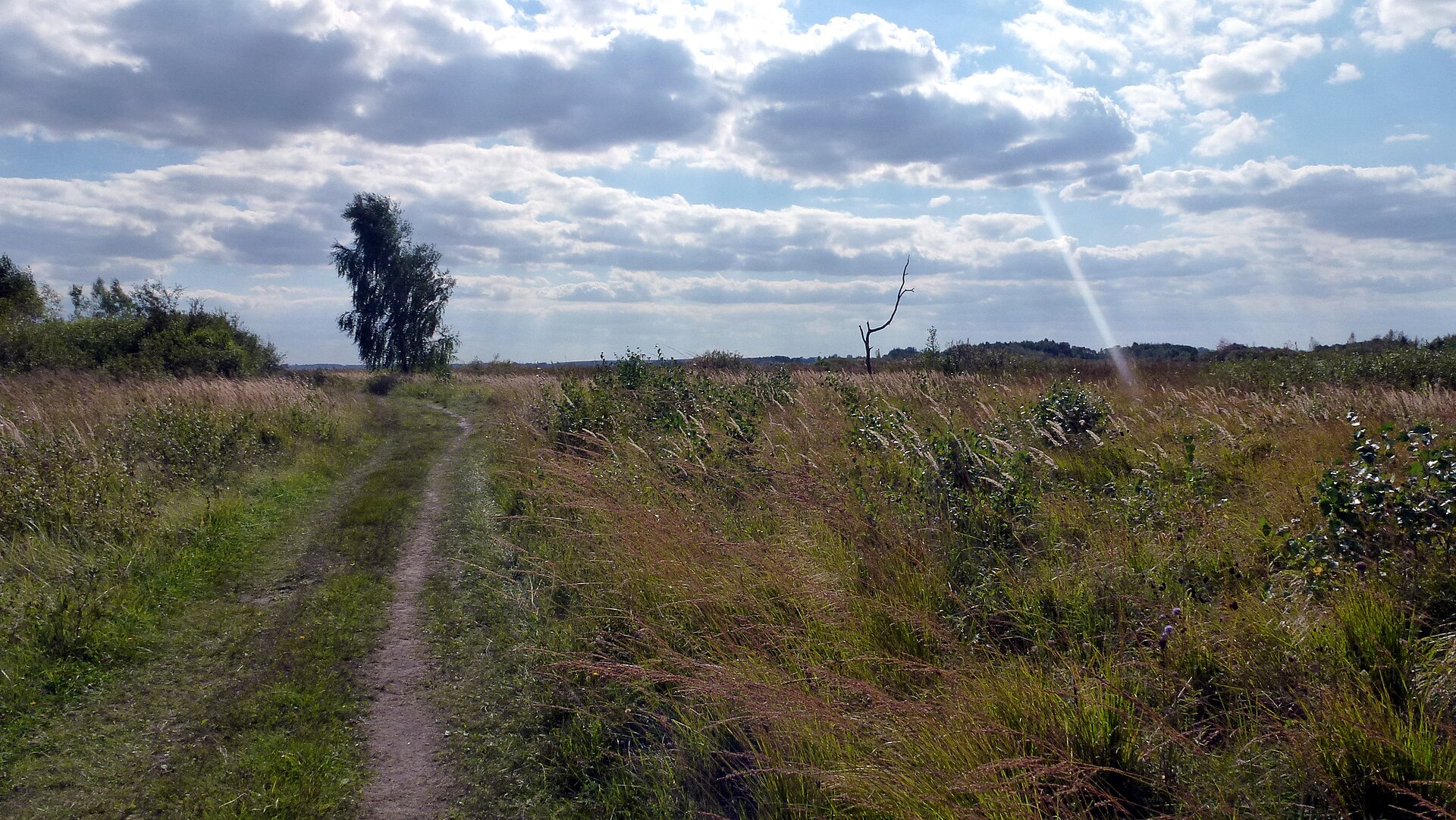
33 records
14 records
13 records
9 records

2 records
Other species to discover

Sources and credits
- Presence: most-recorded species of each place on GBIF and species of Community interest in the Natura 2000 forms (EEA, CC-BY 4.0); absence from the list does not mean the species is absent.
- Common names: Wikidata (CC0) and GBIF.
- Photos and sounds: Wikimedia Commons, author and licence given for each file.
- Classification: GBIF Backbone Taxonomy (GBIF Secretariat), CC BY 4.0, doi:10.15468/39omei.
- Countries, elevations, months and maps: GBIF.org, CC0 or CC BY 4.0 occurrences only, accessed October 22, 2026, GBIF.org.
- Base map: Natural Earth (public domain).
- Excerpt: Wikipedia, CC BY-SA 4.0 (full credit below the excerpt).
- Key facts: Wikidata (CC0), with the references cited under each value.
- Native range and life form: World Checklist of Vascular Plants, Royal Botanic Gardens, Kew, CC BY 4.0 (no endorsement by Kew).
- Invasive alien species: Union list, Regulation (EU) No 1143/2014 (INBO, CC0); Global Register of Introduced and Invasive Species (ISSG, CC BY 4.0).