
Bird
Willow Tit: where to see it
Poecile montanus
This bird species is recorded in 70 protected areas of the atlas, including 10 whose official Natura 2000 form lists it. Within the atlas countries, it is mostly observed in Sweden, Norway and Germany (9 countries in all). Most records (8 in 10) lie between sea level and 2,050 m. Records peak from September to April. It has a wingspan of 19 cm. Its EU population is assessed as near threatened (2013–2018 Birds Directive reporting).
Best time to see it: September–April
Records published on GBIF by month (CC0 and CC BY 4.0 licences only), in the atlas countries, all years combined; they also reflect observer activity.
Key facts
- Wingspan
- 19 cm Wikidata, after app.bto.org
- Incubation
- 14 days Wikidata, after British Trust for Ornithology
Status and protection
EU population assessed as near threatened, decreasing in the short term (2013–2018 Birds Directive reporting). EU breeding population: 2,050,000–3,550,000 pairs.
Distribution
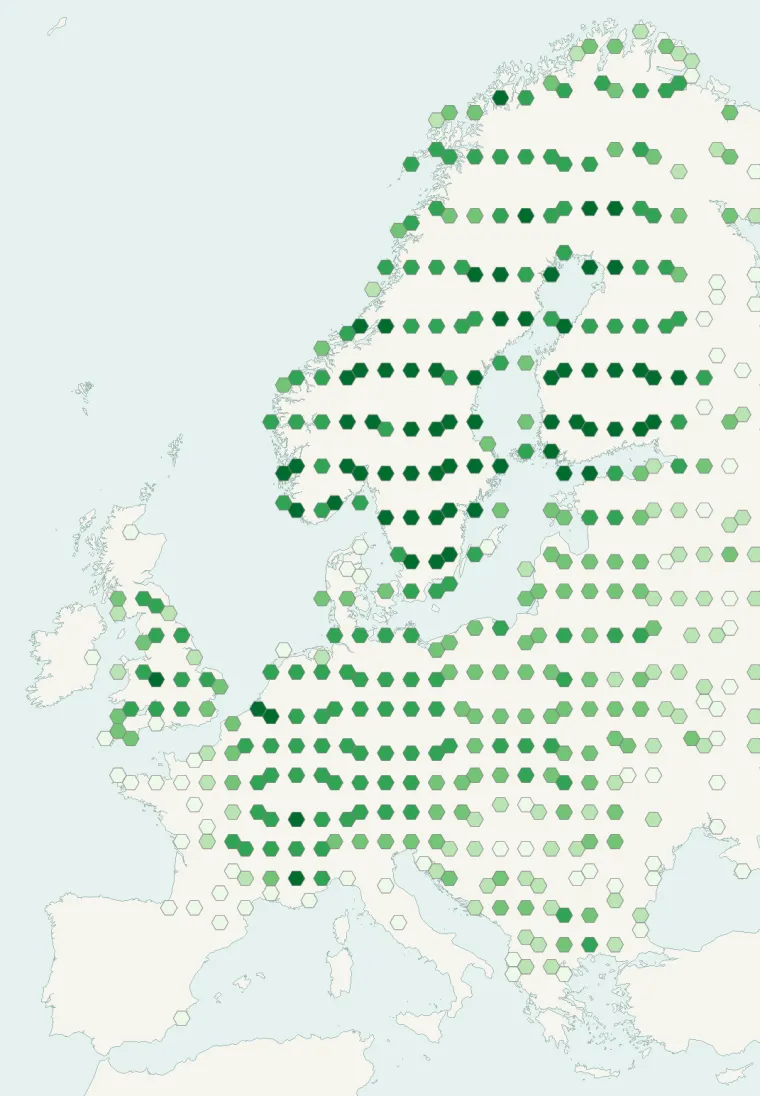
Records published on GBIF (CC0 and CC BY 4.0 licences): the darker the shade, the more records there are; they also reflect observation effort.
Atlas countries where it is recorded
Listen
-
0:12 · © Anthony Wetherhill · CC BY-SA 4.0 · Wikimedia Commons · Original file
-
0:40 · © Alexander Kurthy · CC BY-SA 4.0 · Wikimedia Commons · Original file
-
0:14 · © Vladimir Yu. Arkhipov, Arkhivov · CC BY-SA 3.0 · Wikimedia Commons · Original file
From Wikipedia
The willow tit (Poecile montanus) is a passerine bird in the tit family, Paridae. It is a widespread and common resident breeder throughout temperate and subarctic Europe and across the Palearctic. The plumage is grey-brown and off-white with a black cap and bib. It is more of a conifer specialist than the closely related marsh tit, which explains its breeding much farther north. It is resident, and most birds do not migrate.
Source: Wikipedia, article “Willow tit” (version of October 8, 2026) · history and authors · licence CC BY-SA 4.0
Protected areas where it is recorded

Natura 2000 · wintering, resident 114 records

Natura 2000 · breeding, resident 102 records

Natura 2000 · resident 15 records
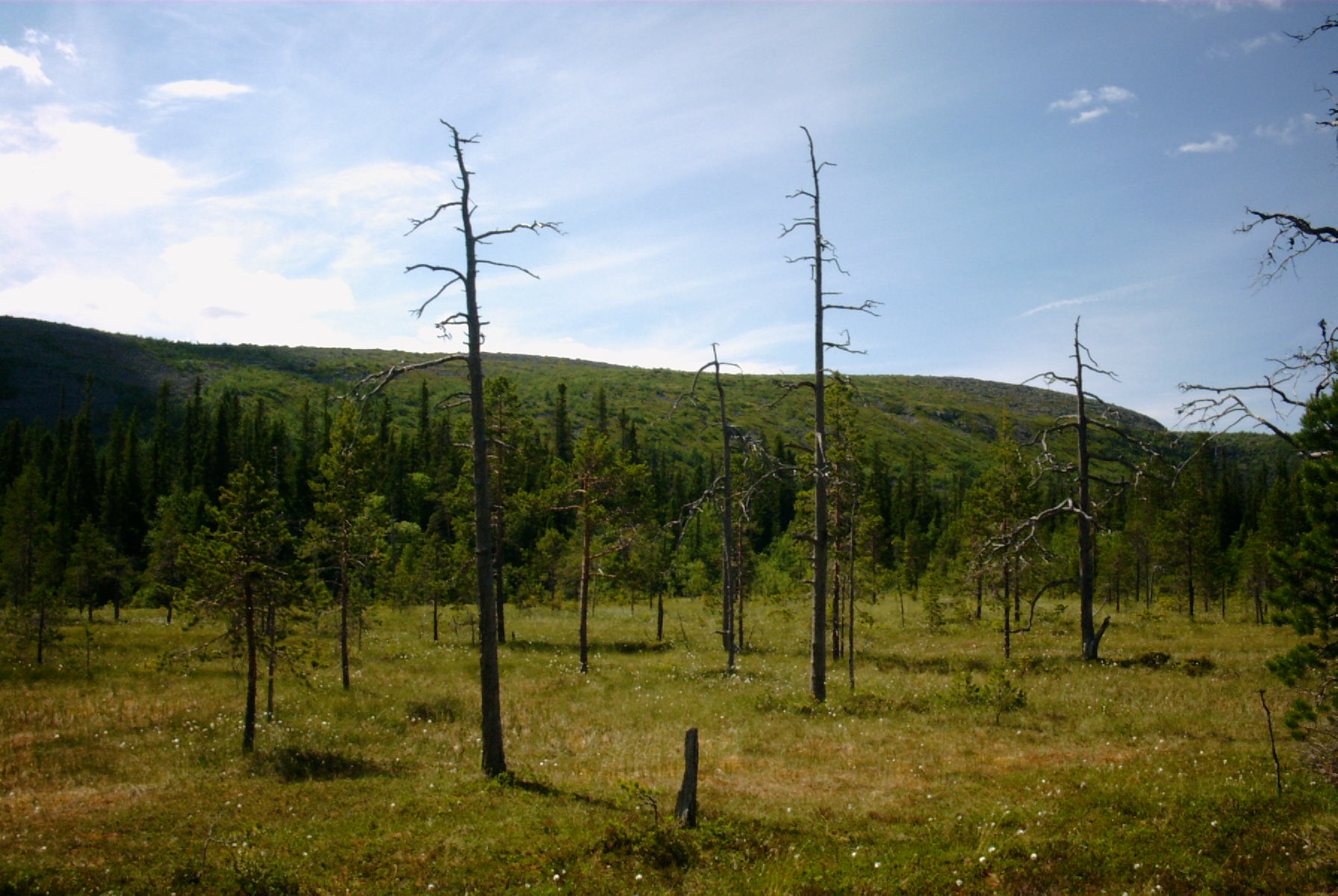
1,102 records
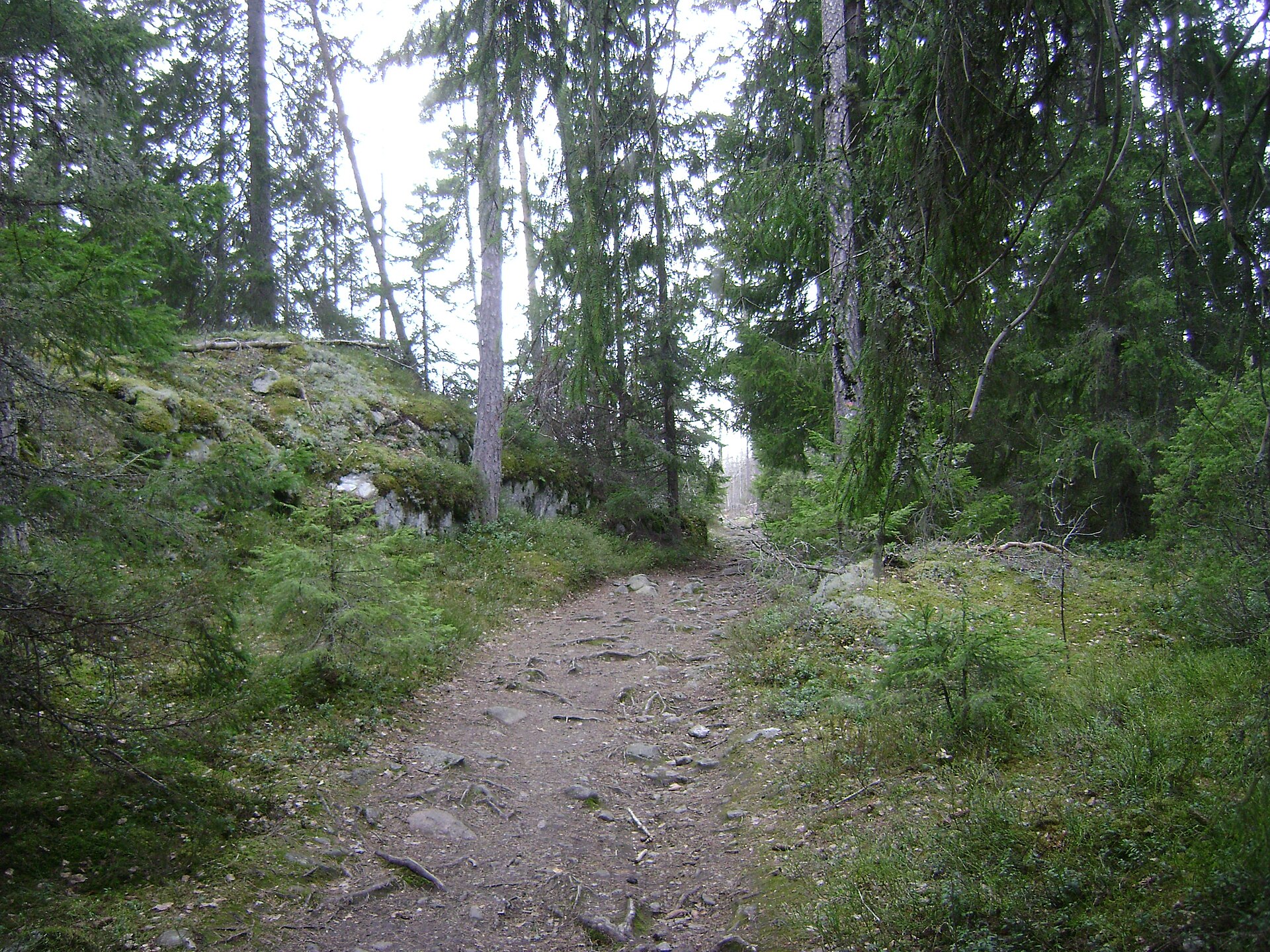
870 records

787 records

661 records

639 records

609 records

339 records

328 records

309 records

265 records

239 records

234 records

223 records
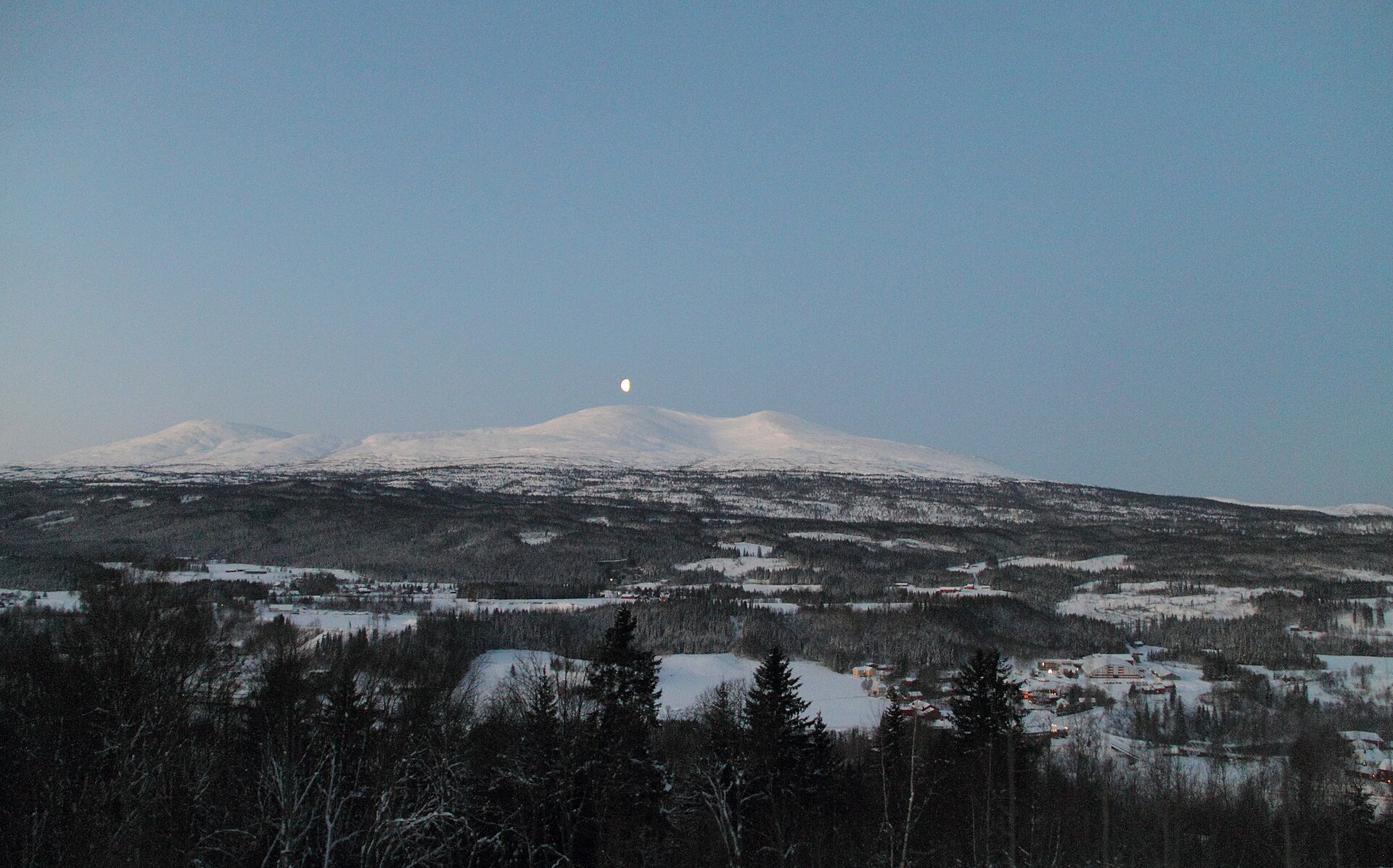
194 records
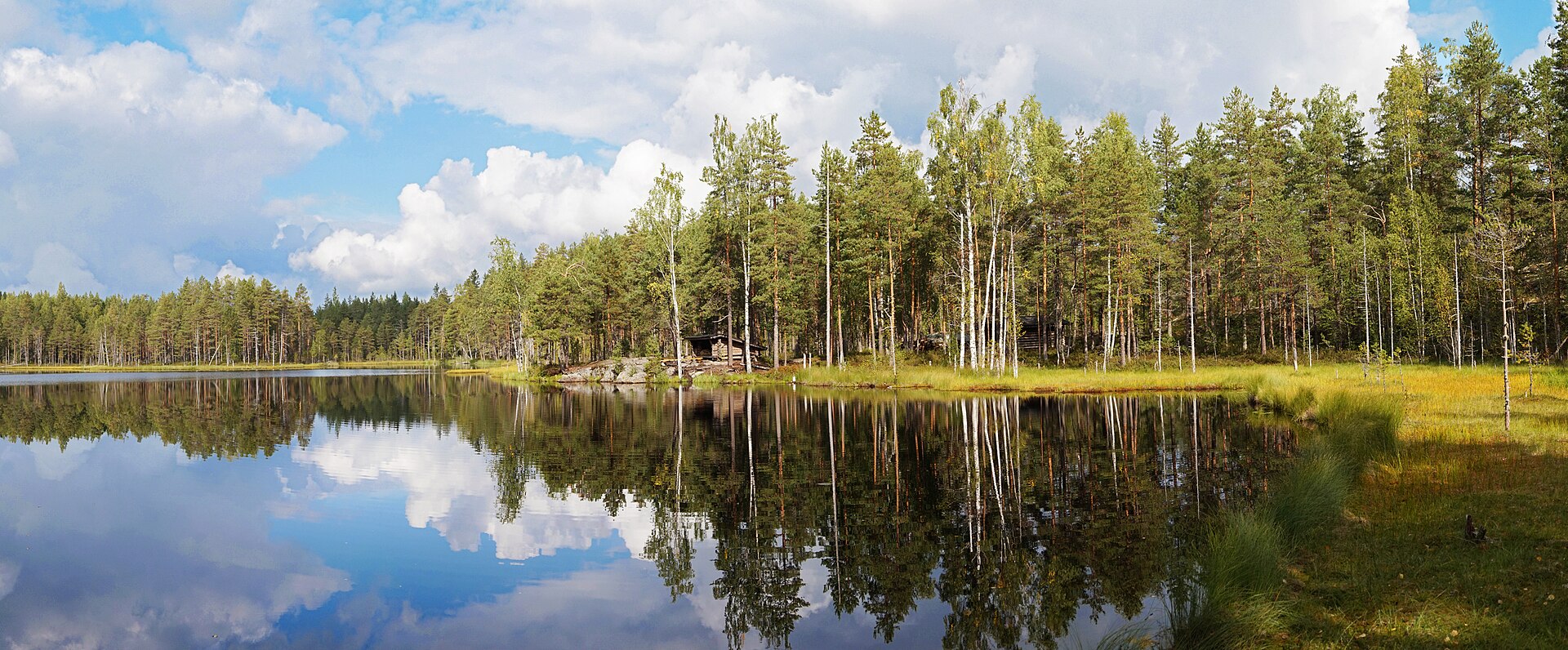
185 records
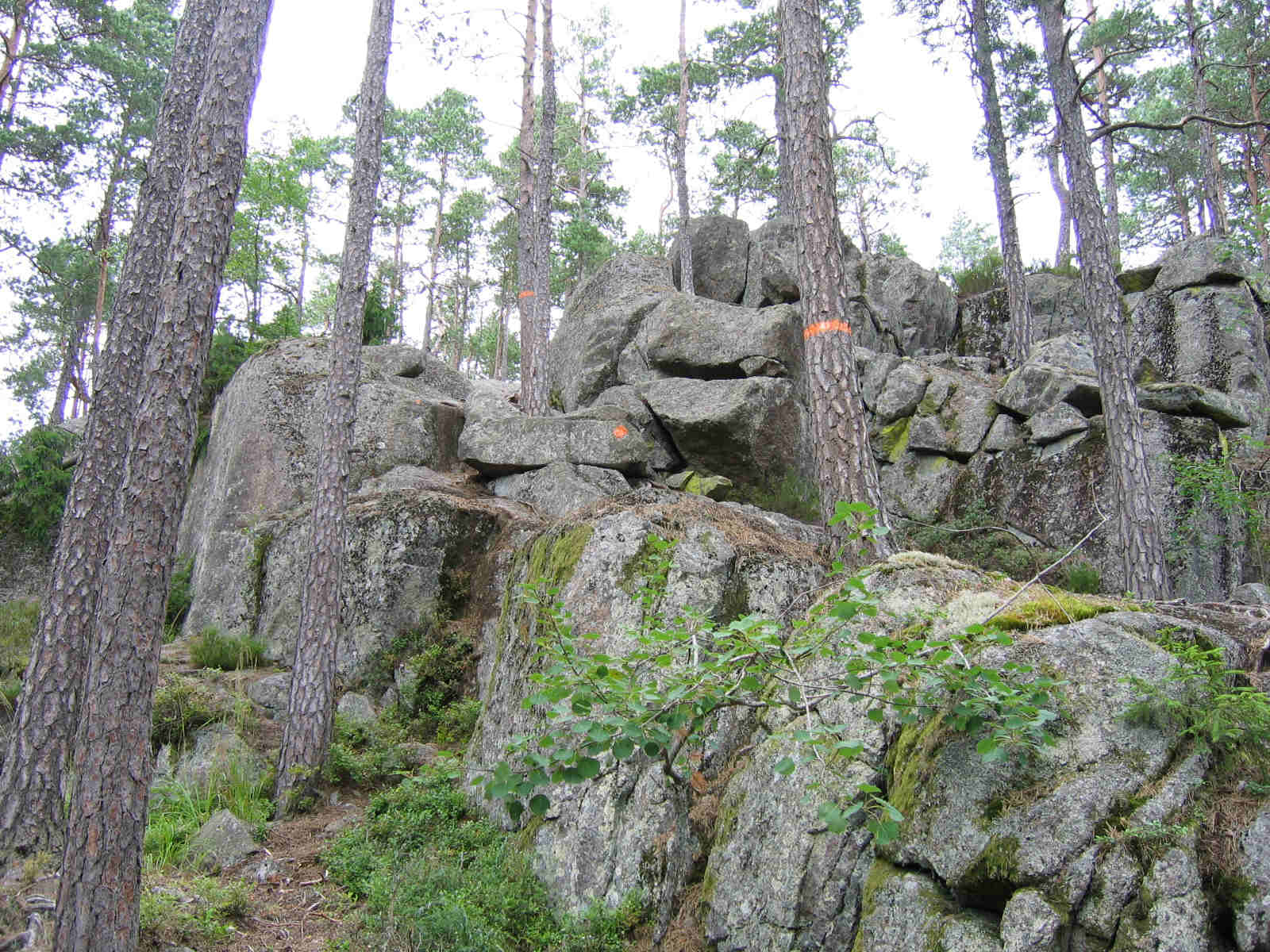
184 records

172 records

166 records

144 records

144 records

141 records

140 records

134 records

124 records
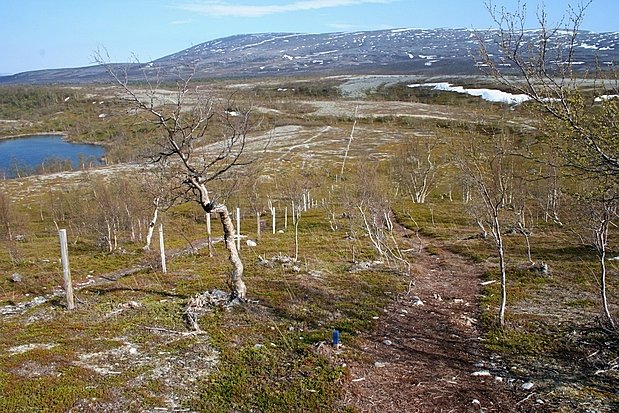
109 records
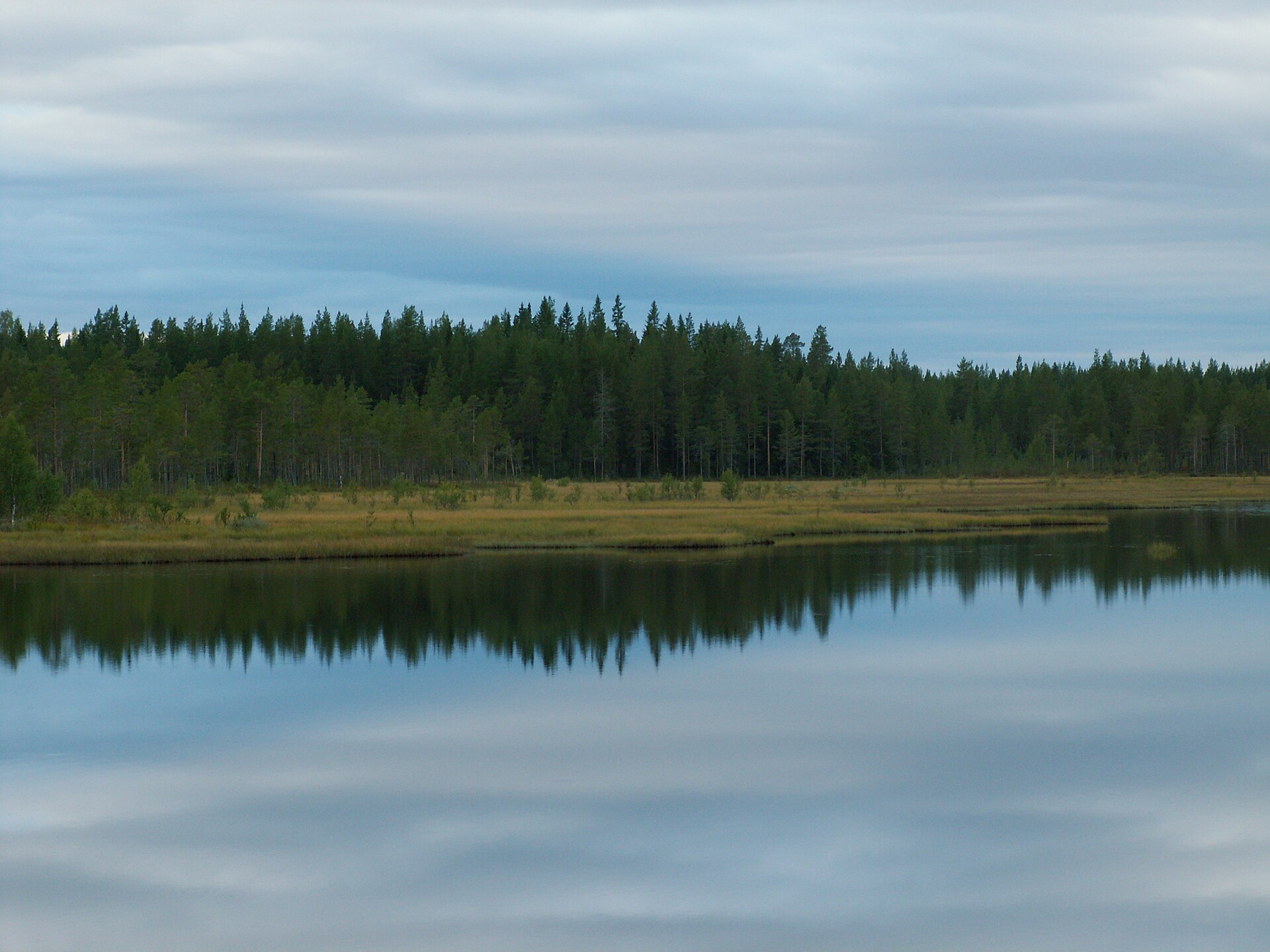
107 records
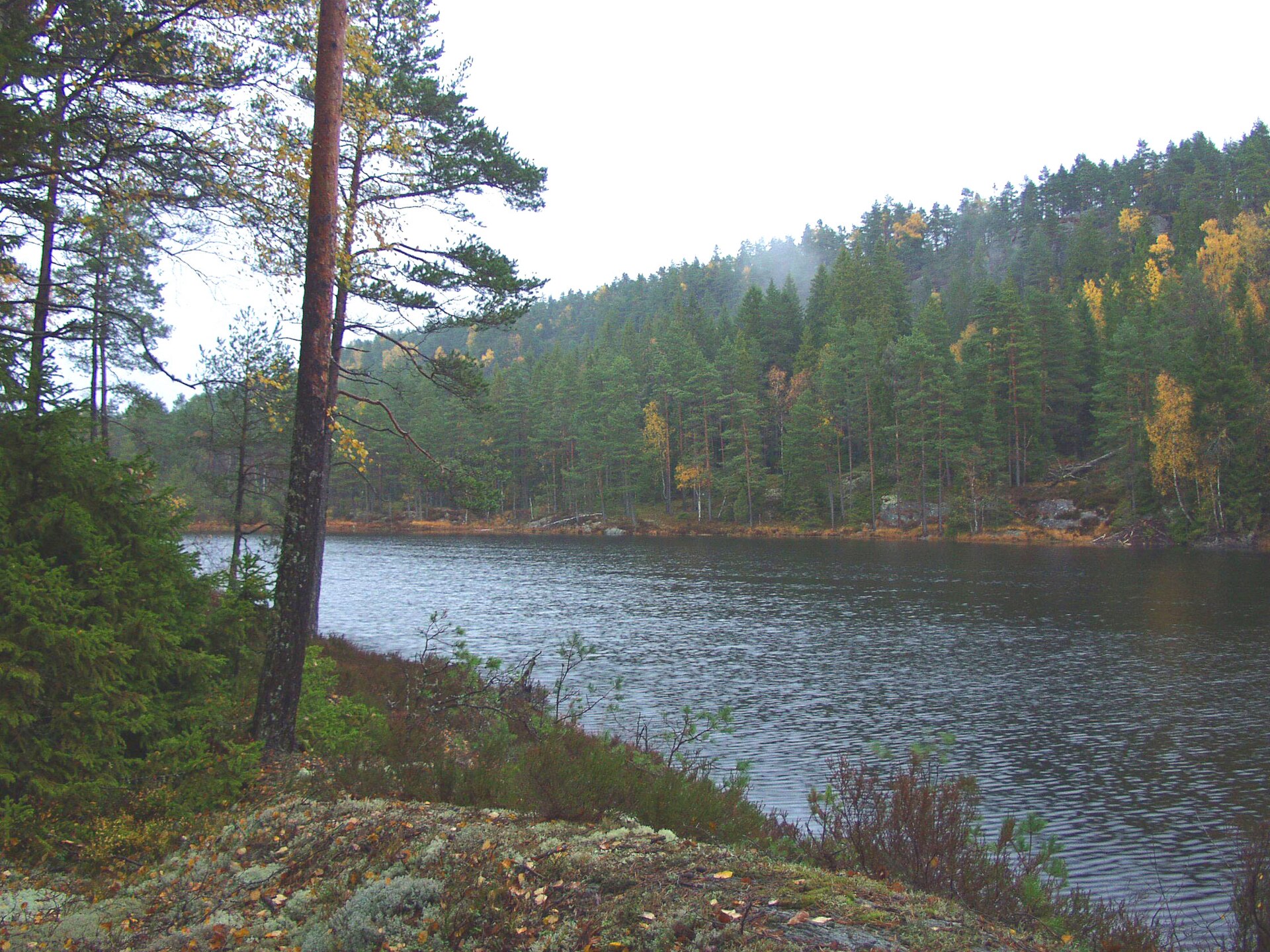
105 records

101 records
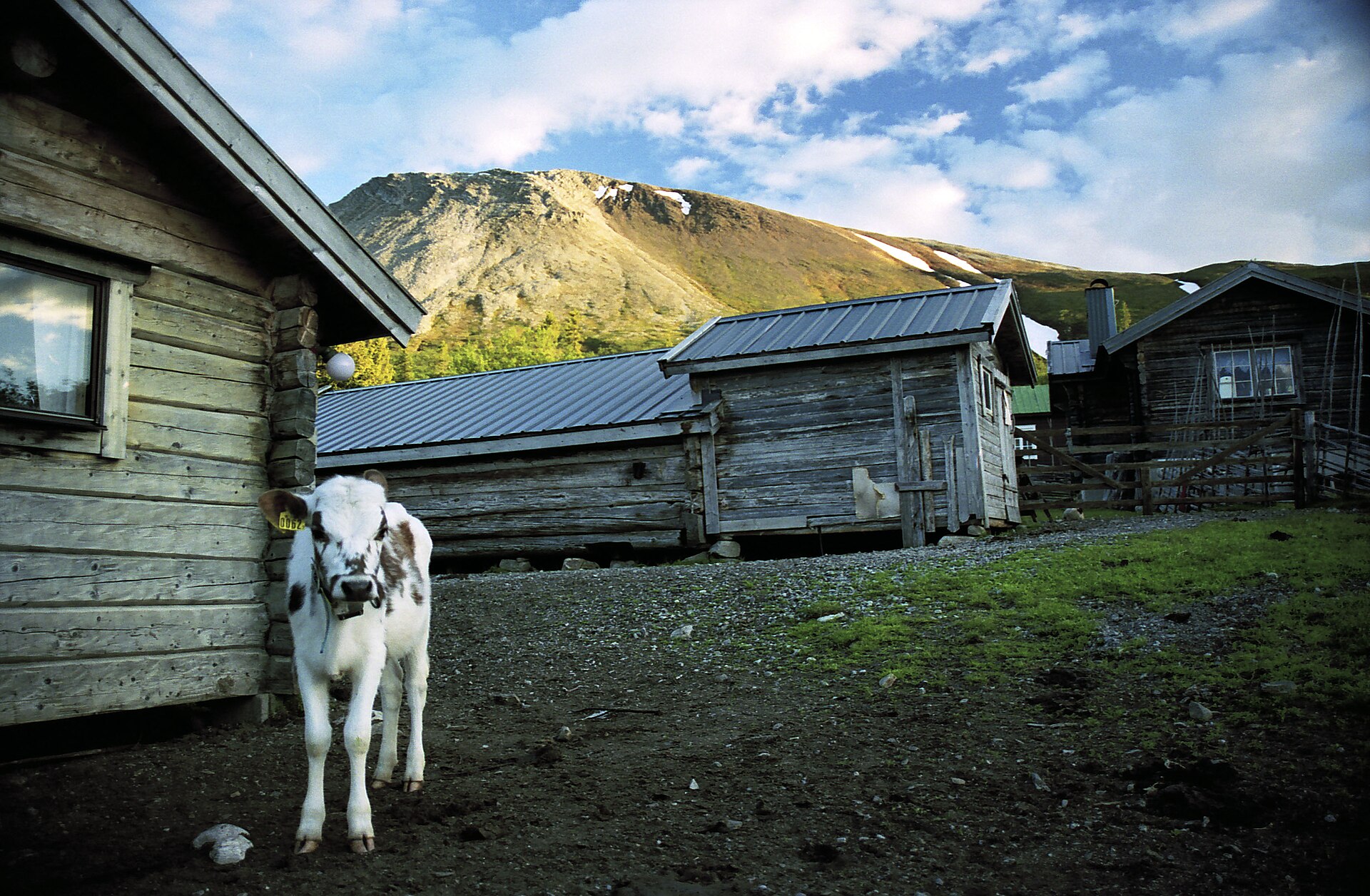
73 records

67 records

64 records

61 records

53 records

41 records

39 records
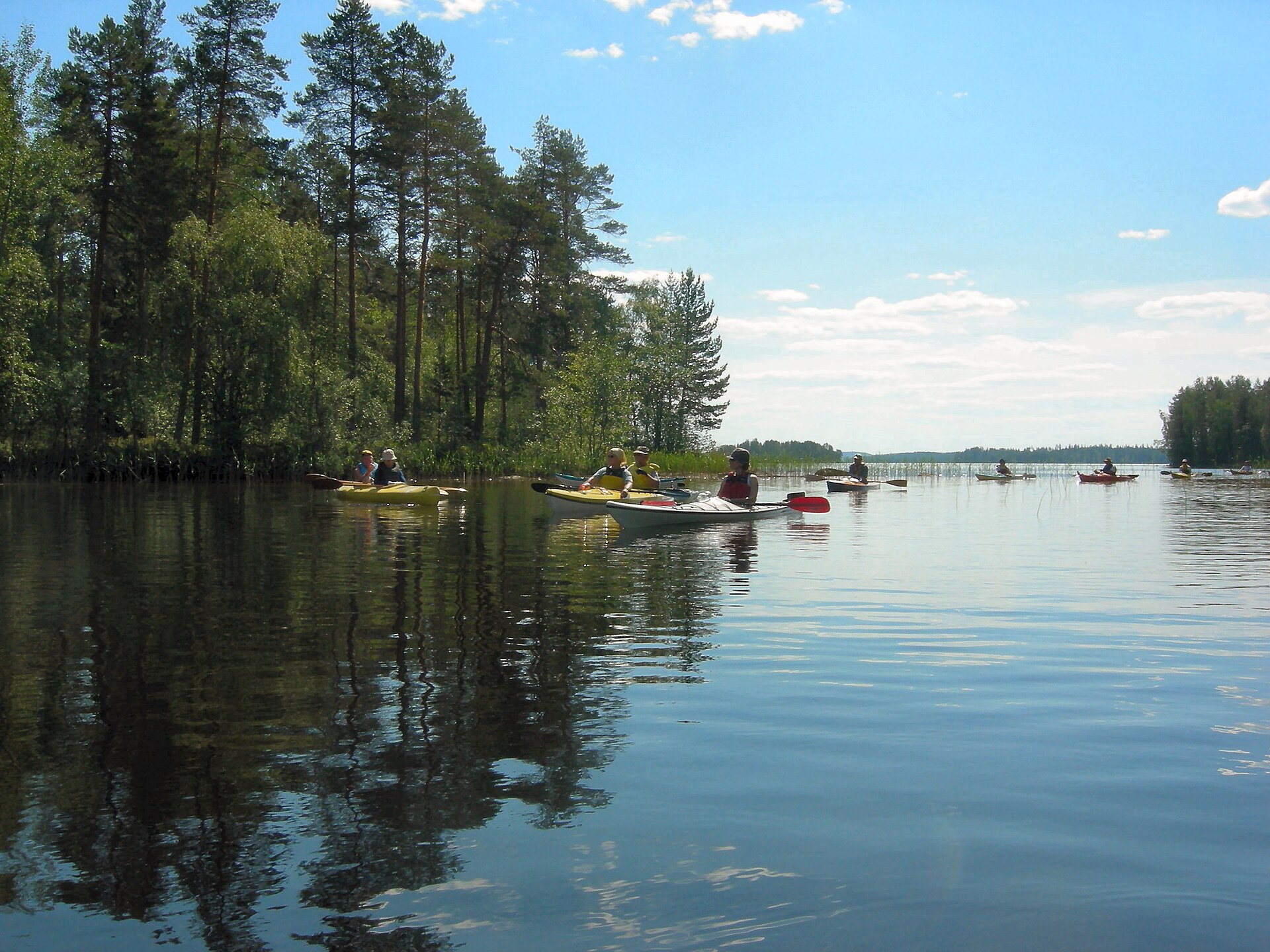
39 records

38 records

35 records

35 records
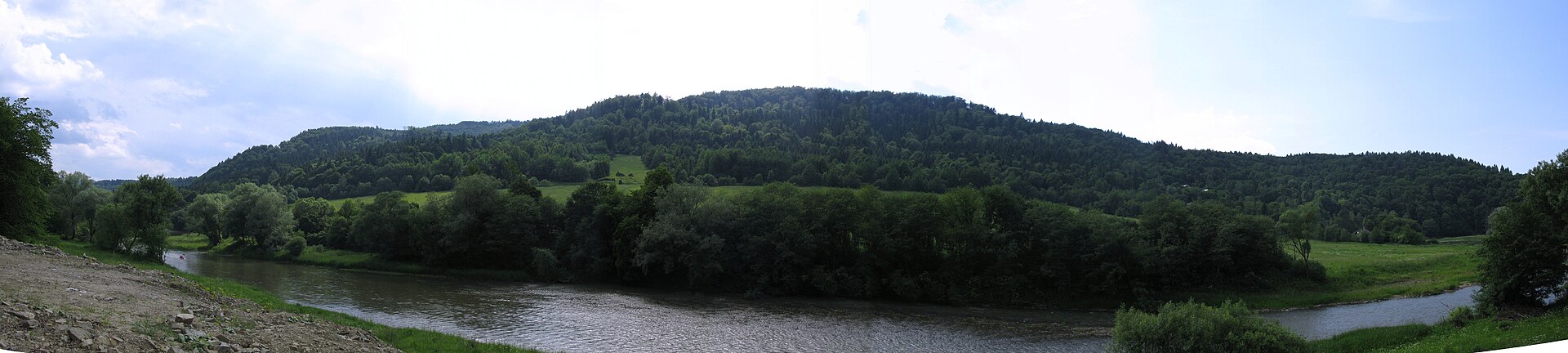
34 records

33 records
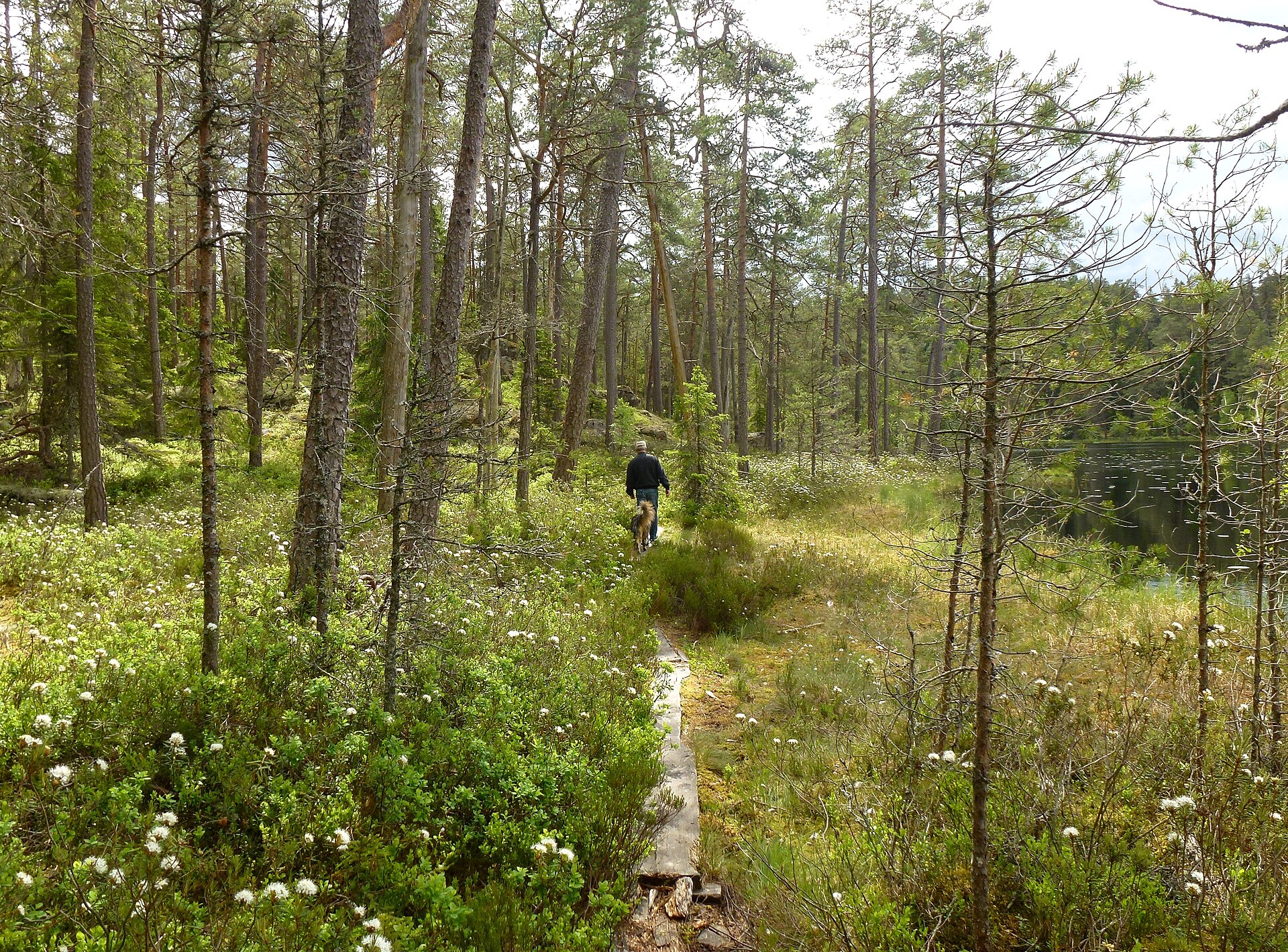
33 records
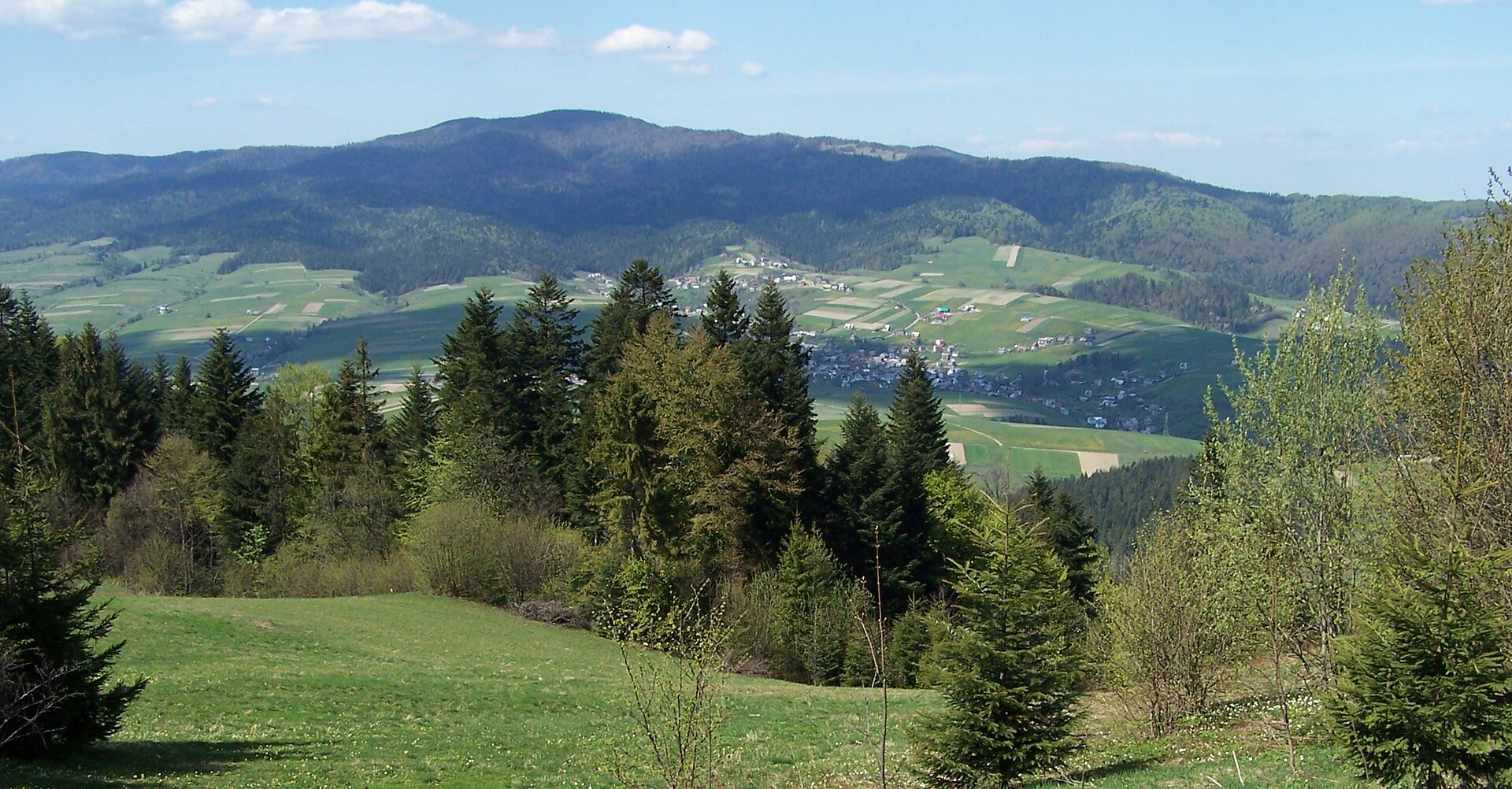
30 records

29 records

25 records

22 records

19 records

19 records

18 records

16 records
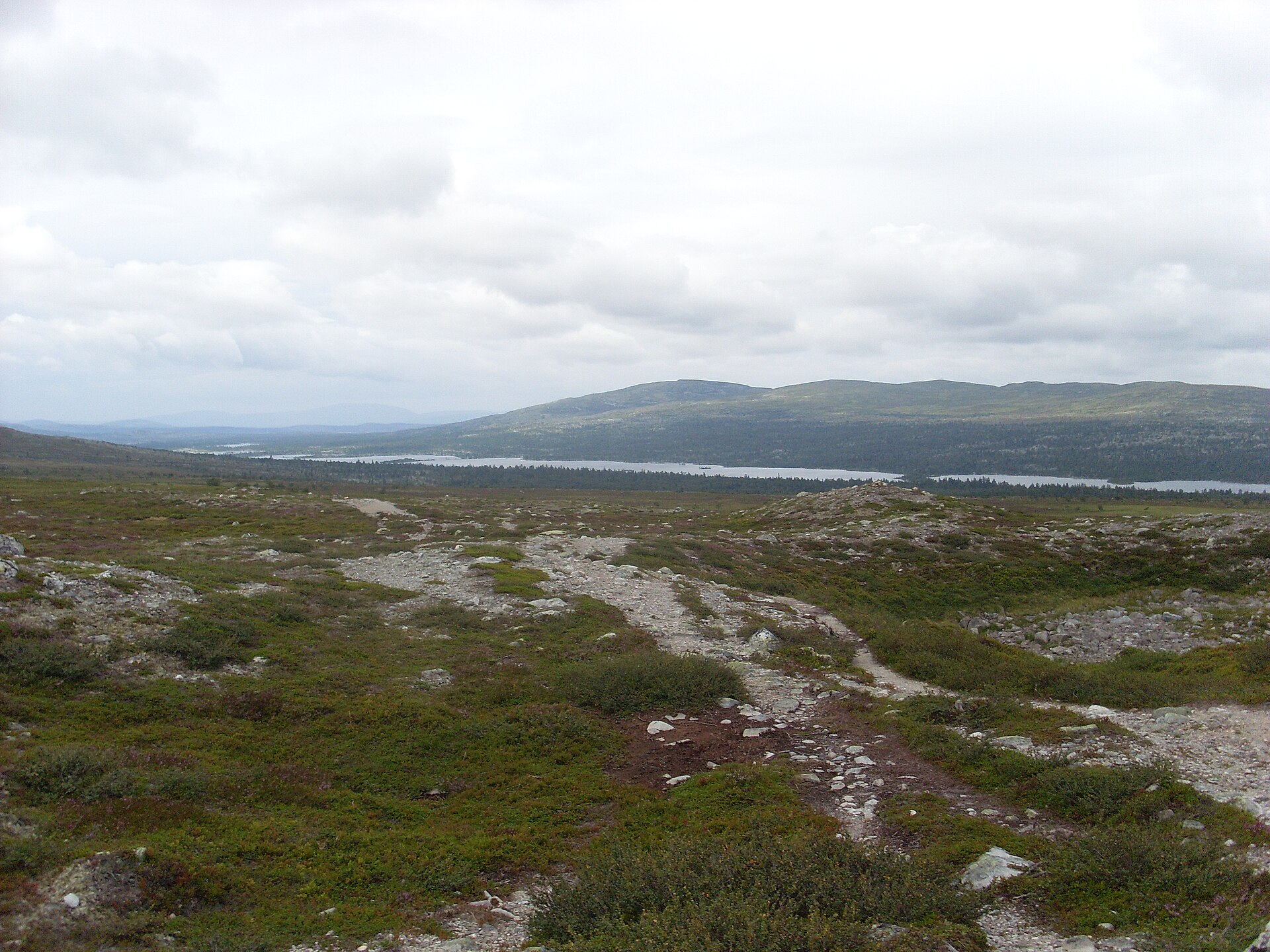
16 records
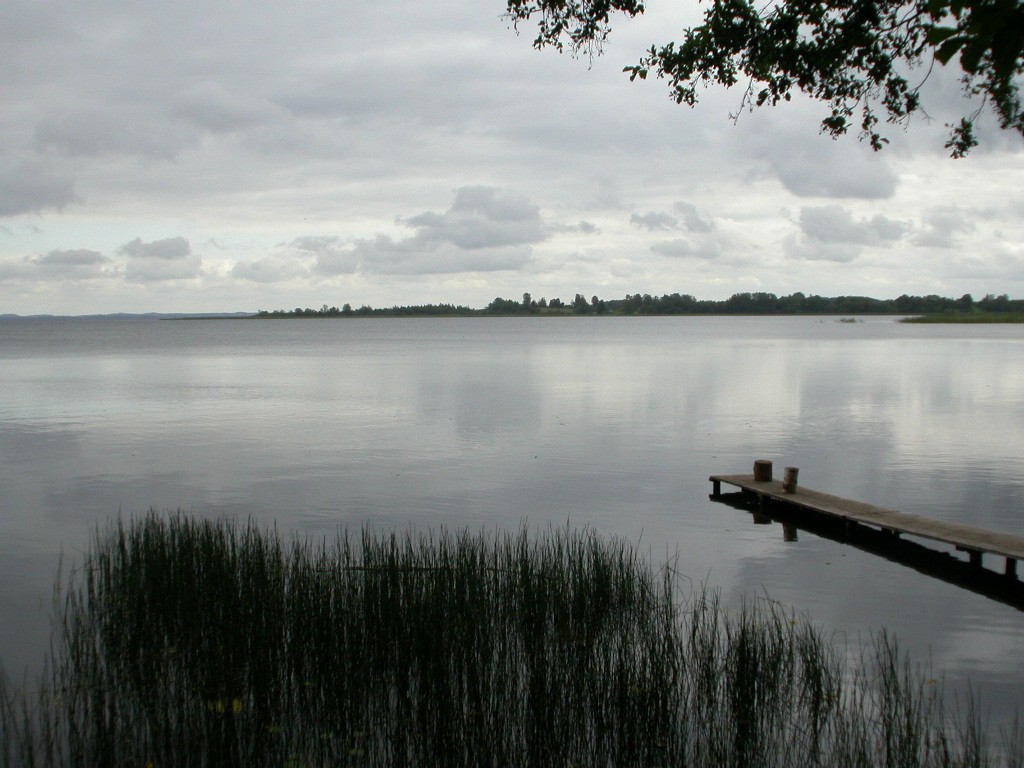
15 records

12 records

11 records
11 records

9 records

4 records
3 records

3 records

1 records

Natura 2000 · resident

Natura 2000 · resident

Natura 2000 · resident

Natura 2000 · resident

Natura 2000 · resident

Natura 2000 · wintering, resident

Natura 2000 · resident
Other species to discover
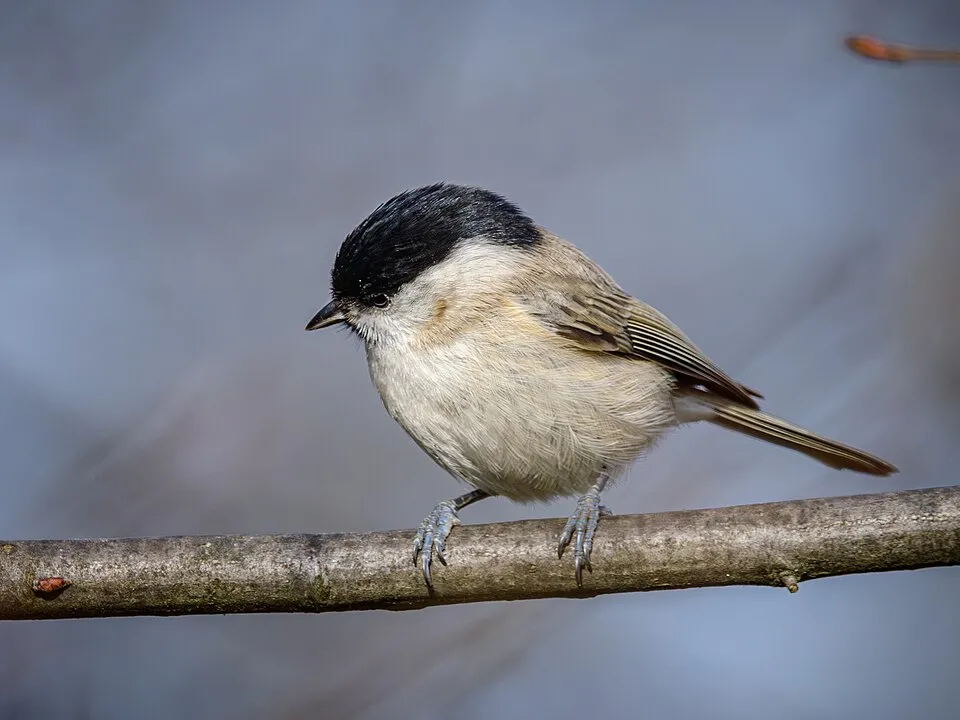 Marsh Tit
Poecile palustris Same genus
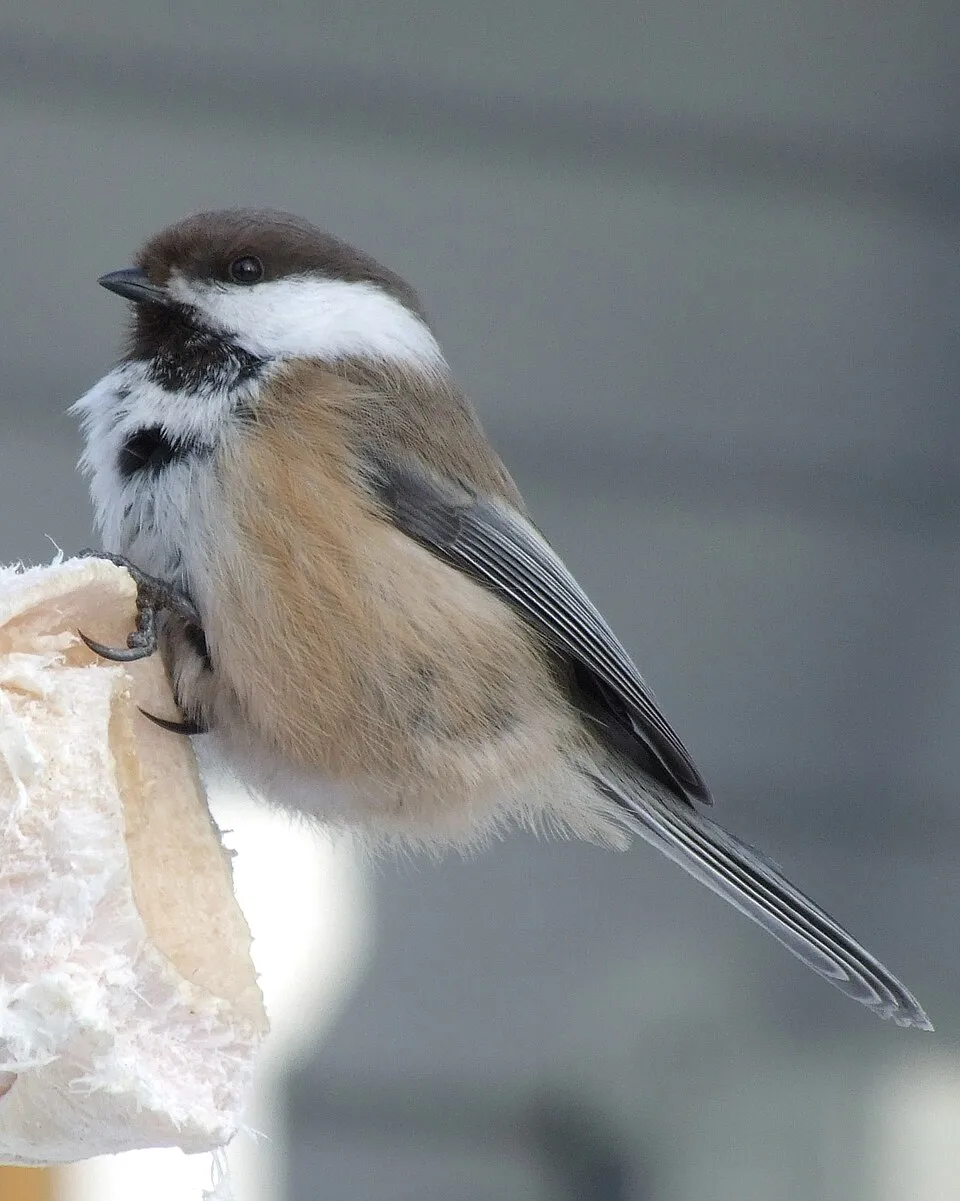 Siberian Tit
Poecile cinctus Same genus
 Sombre Tit
Parus lugubris Same genus
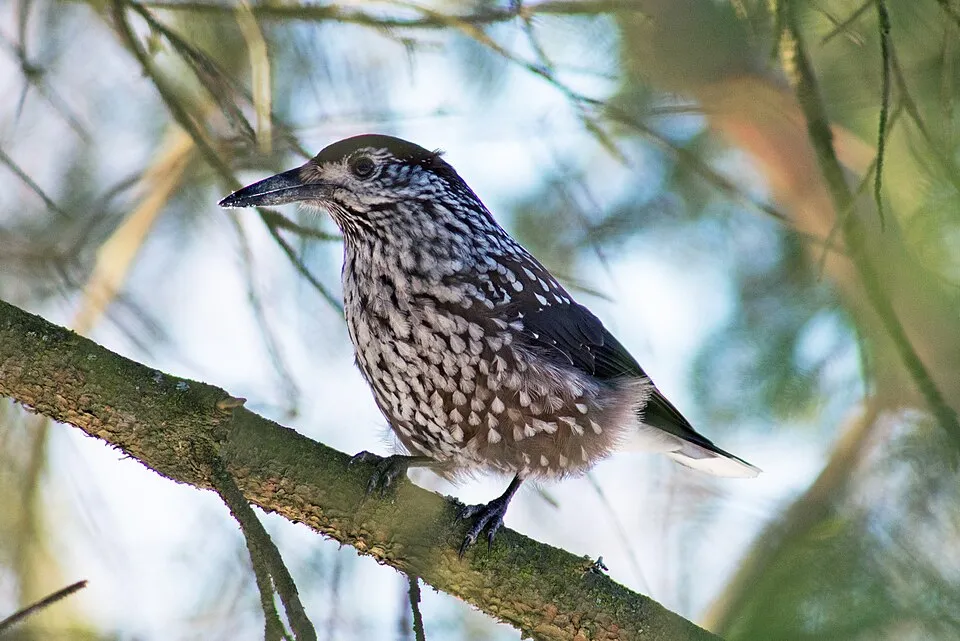 Northern Nutcracker
Nucifraga caryocatactes 25 places in common
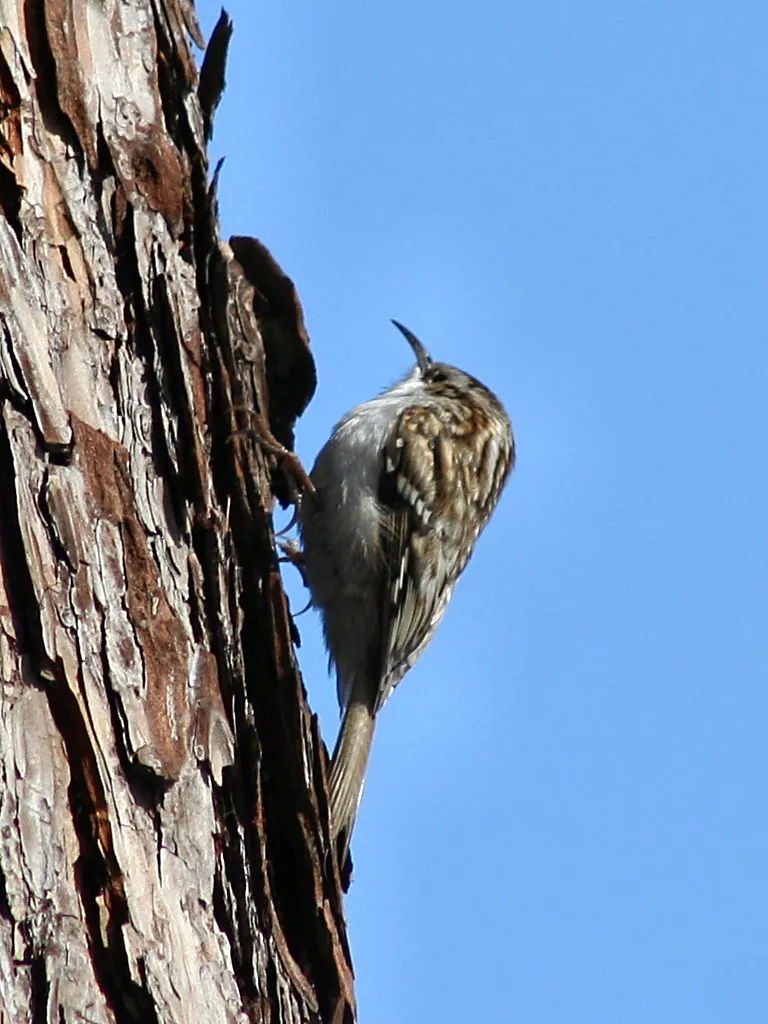 Eurasian Treecreeper
Certhia familiaris 27 places in common
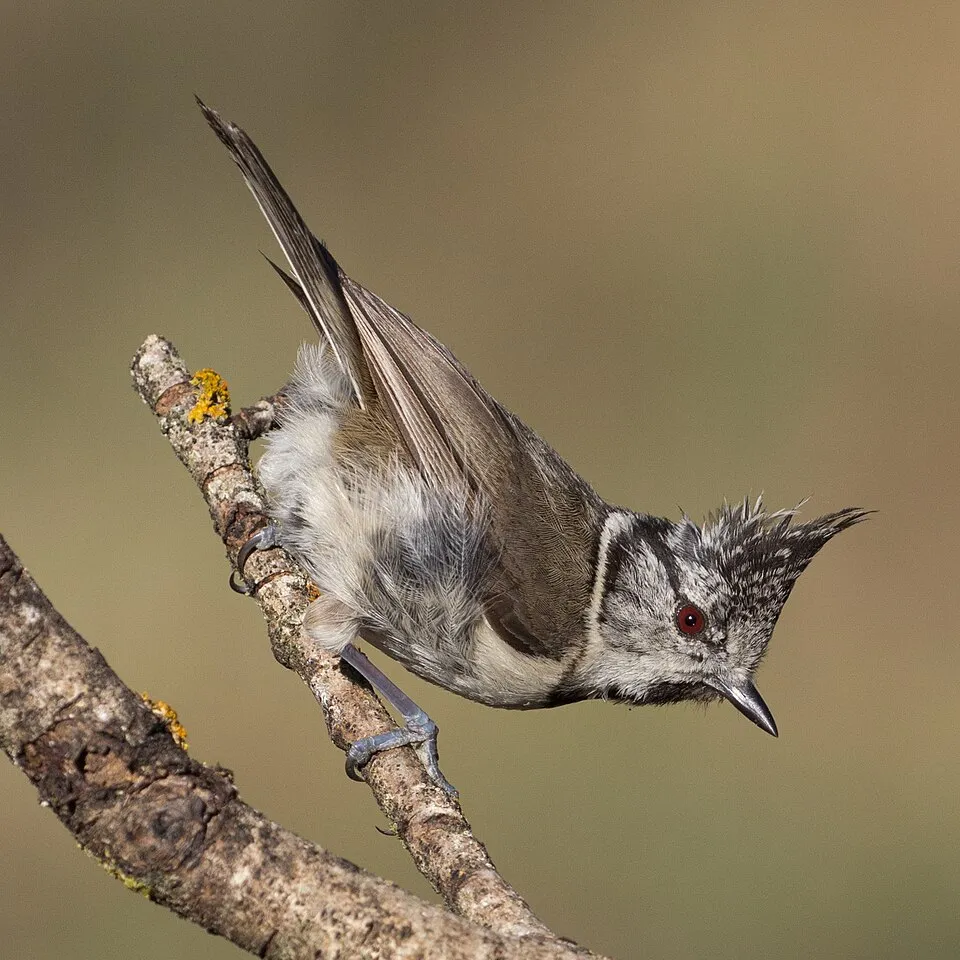 European Crested Tit
Lophophanes cristatus 34 places in common
Sources and credits
- Presence: most-recorded species of each place on GBIF and species of Community interest in the Natura 2000 forms (EEA, CC-BY 4.0); absence from the list does not mean the species is absent.
- Common names: Wikidata (CC0) and GBIF.
- Photos and sounds: Wikimedia Commons, author and licence given for each file.
- Classification: GBIF Backbone Taxonomy (GBIF Secretariat), CC BY 4.0, doi:10.15468/39omei.
- Countries, elevations, months and maps: GBIF.org, CC0 or CC BY 4.0 occurrences only, accessed October 22, 2026, GBIF.org.
- Base map: Natural Earth (public domain).
- Excerpt: Wikipedia, CC BY-SA 4.0 (full credit below the excerpt).
- Key facts: Wikidata (CC0), with the references cited under each value.
- EU bird populations: EEA / DG ENV, Article 12 Birds Directive reporting (2013–2018), CC BY 4.0.