
Bird
Marsh Tit: where to see it
Poecile palustris
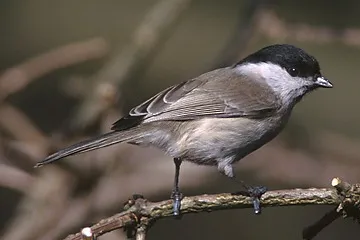
This bird species is recorded in 152 protected areas of the atlas, including 23 whose official Natura 2000 form lists it. Within the atlas countries, it is mostly observed in Sweden, France and Germany (12 countries in all). Most records (8 in 10) lie between 50 and 1,250 m above sea level. Records peak from December to April. It has a wingspan of 19 cm and weighs 11.9 g. Its EU population is assessed as secure (2013–2018 Birds Directive reporting).
Best time to see it: December–April
Records published on GBIF by month (CC0 and CC BY 4.0 licences only), in the atlas countries, all years combined; they also reflect observer activity.
Key facts
- Wingspan
- 19 cm Wikidata, after app.bto.org
- Weight
- 11.9 g Wikidata, after Lislevand et al. 2007
- Clutch size
- 7.1 eggs on average Wikidata, after Jetz et al. 2008
- Incubation
- 15 days Wikidata, after British Trust for Ornithology
Status and protection
EU population assessed as secure, stable in the short term (2013–2018 Birds Directive reporting). EU breeding population: 2,880,000–5,180,000 pairs.
Distribution
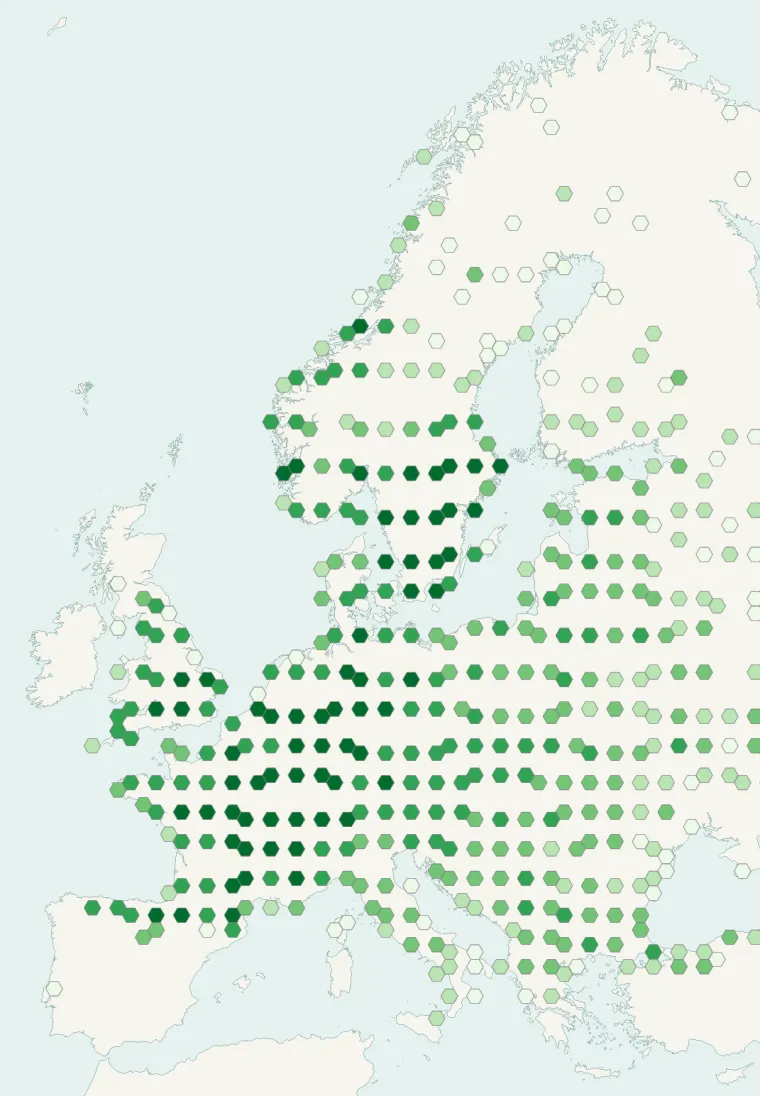
Records published on GBIF (CC0 and CC BY 4.0 licences): the darker the shade, the more records there are; they also reflect observation effort.
Listen
-
0:24 · © Vladimir Yu. Arkhipov, Arkhivov · CC BY-SA 3.0 · Wikimedia Commons · Original file
From Wikipedia
The marsh tit (Poecile palustris) is a Eurasian passerine bird in the tit family Paridae and genus Poecile, closely related to the willow tit, Père David's and Songar tits. It is a small bird, around 12 cm (4.7 in) long and weighing 12 g (0.42 oz), with a black crown and nape, pale cheeks, brown back and greyish-brown wings and tail. Between 8 and 11 subspecies are recognised. Its close resemblance to the willow tit can cause identification problems, especially in the United Kingdom where the local subspecies of the two are very similar; they were not recognised as separate species until 1897.
Source: Wikipedia, article “Marsh tit” (version of June 24, 2026) · history and authors · licence CC BY-SA 4.0 · shortened excerpt
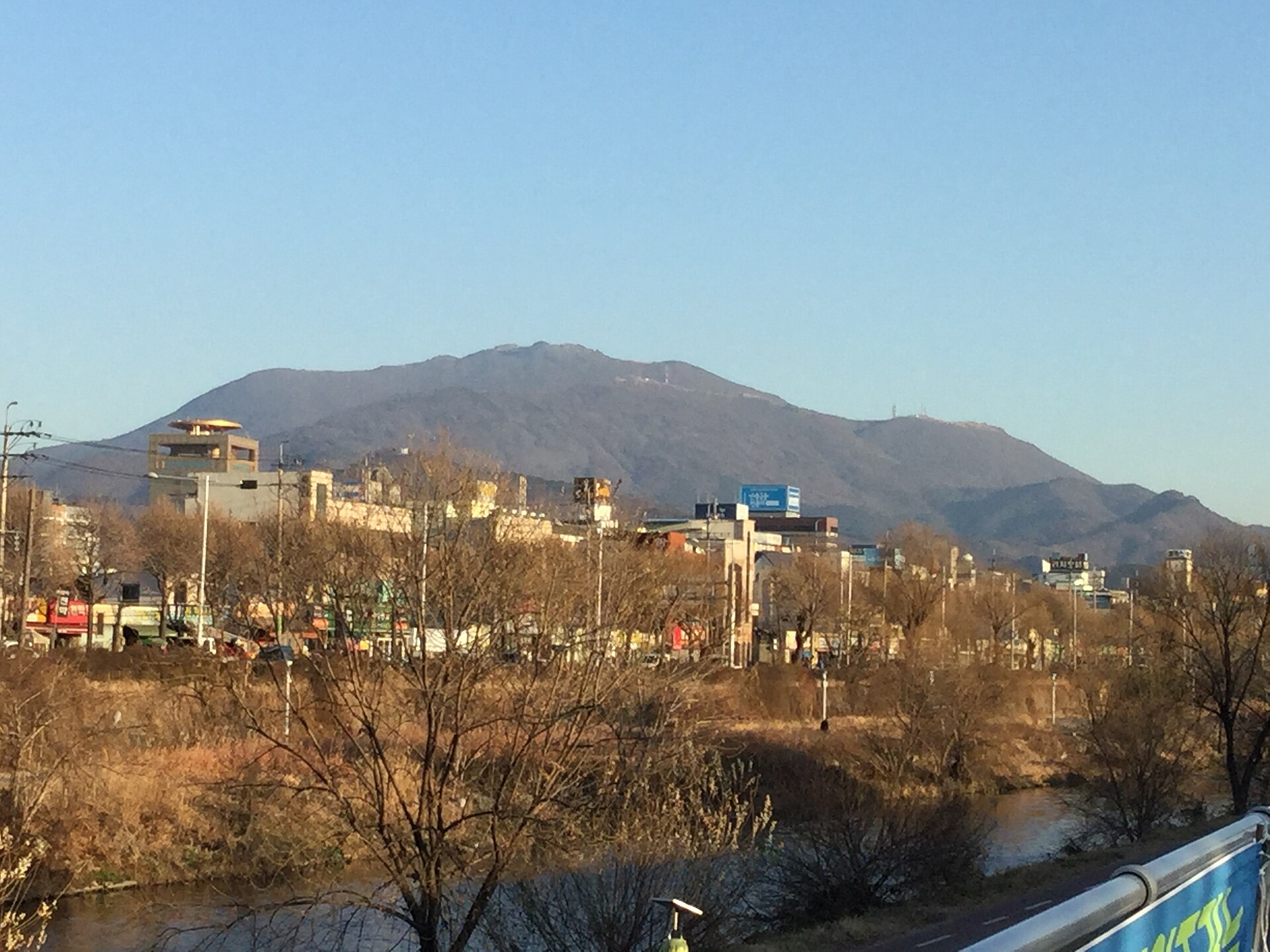
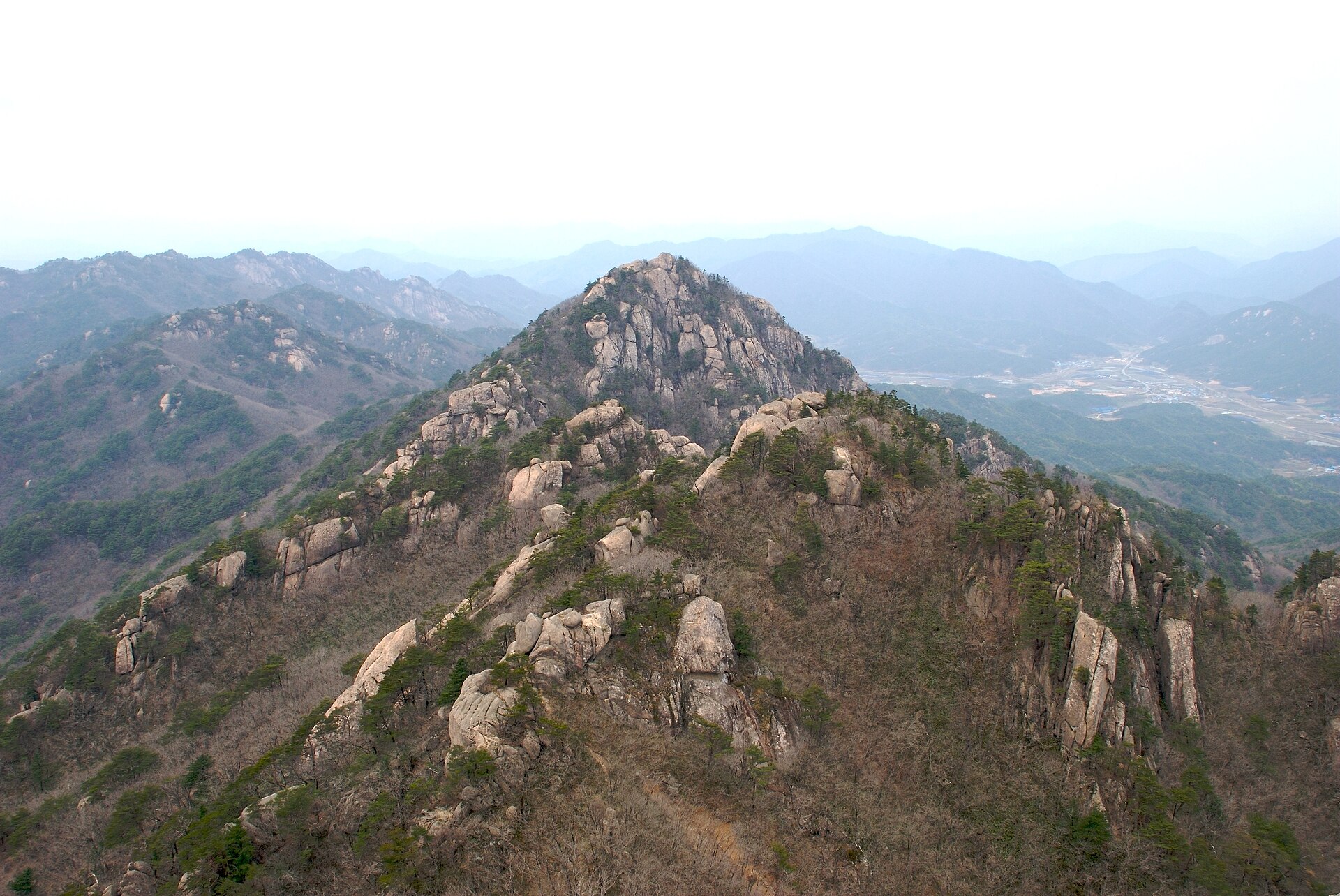
Protected areas where it is recorded
5,815 records
5,048 records
2,058 records
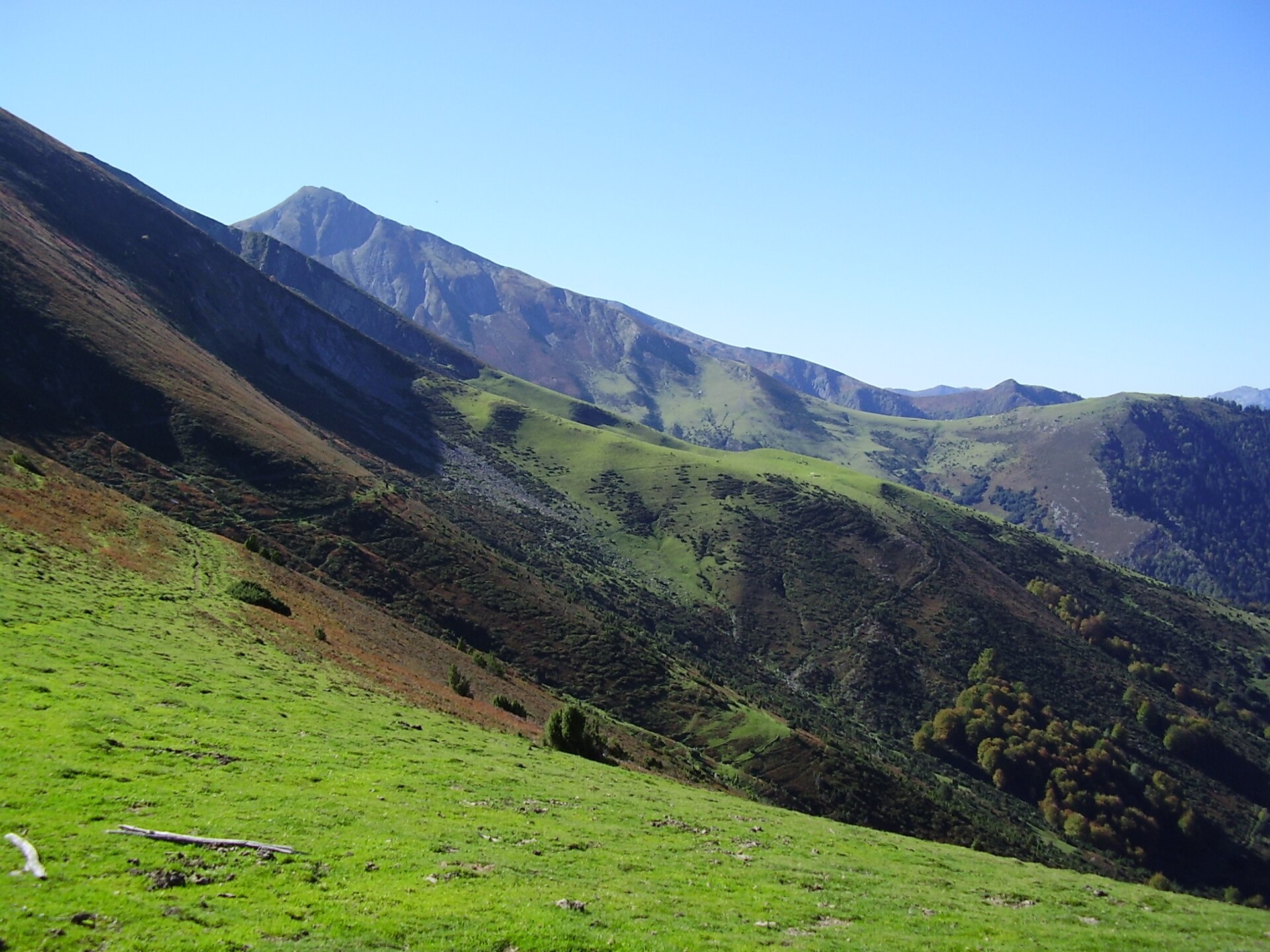
1,879 records
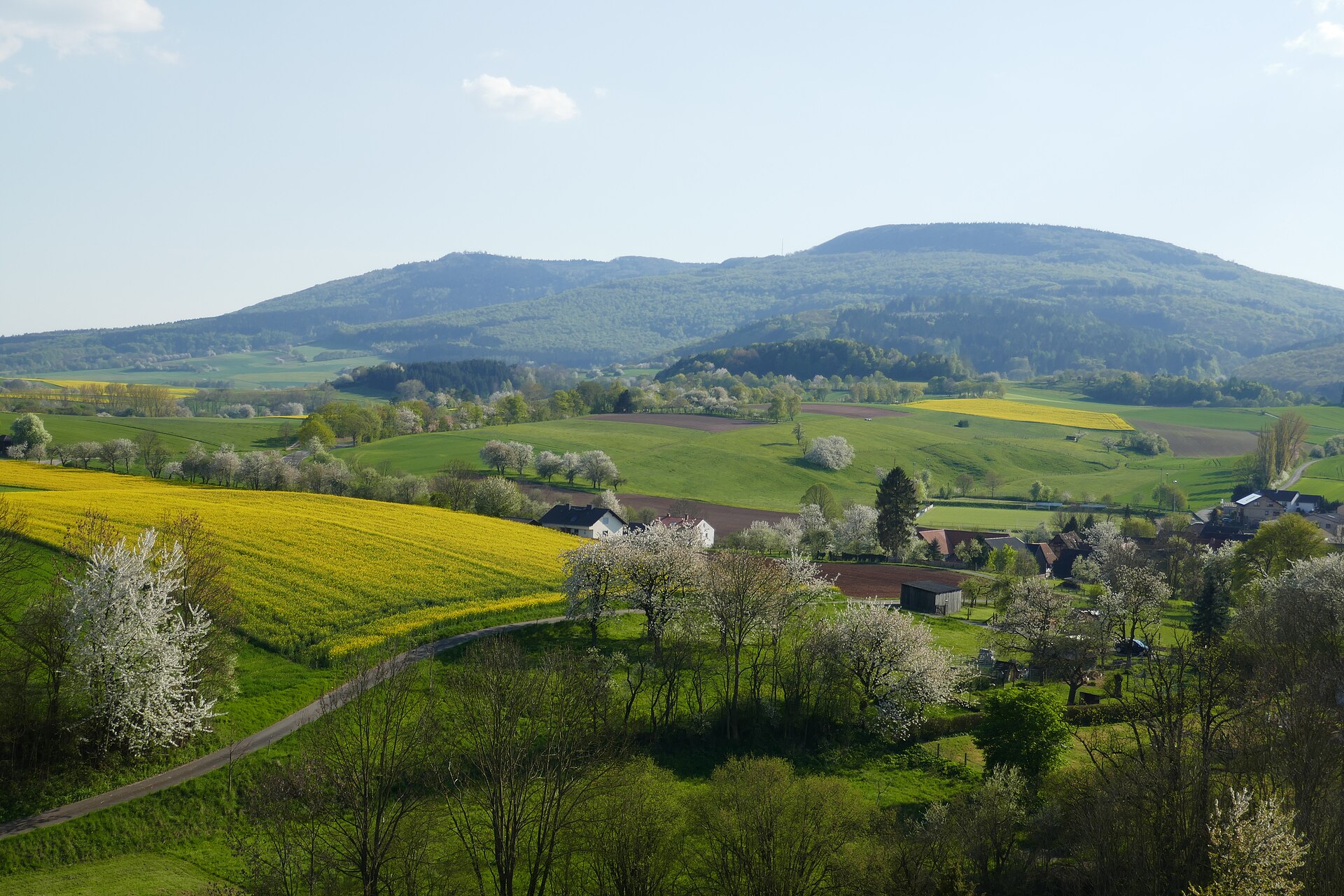
1,701 records

1,527 records
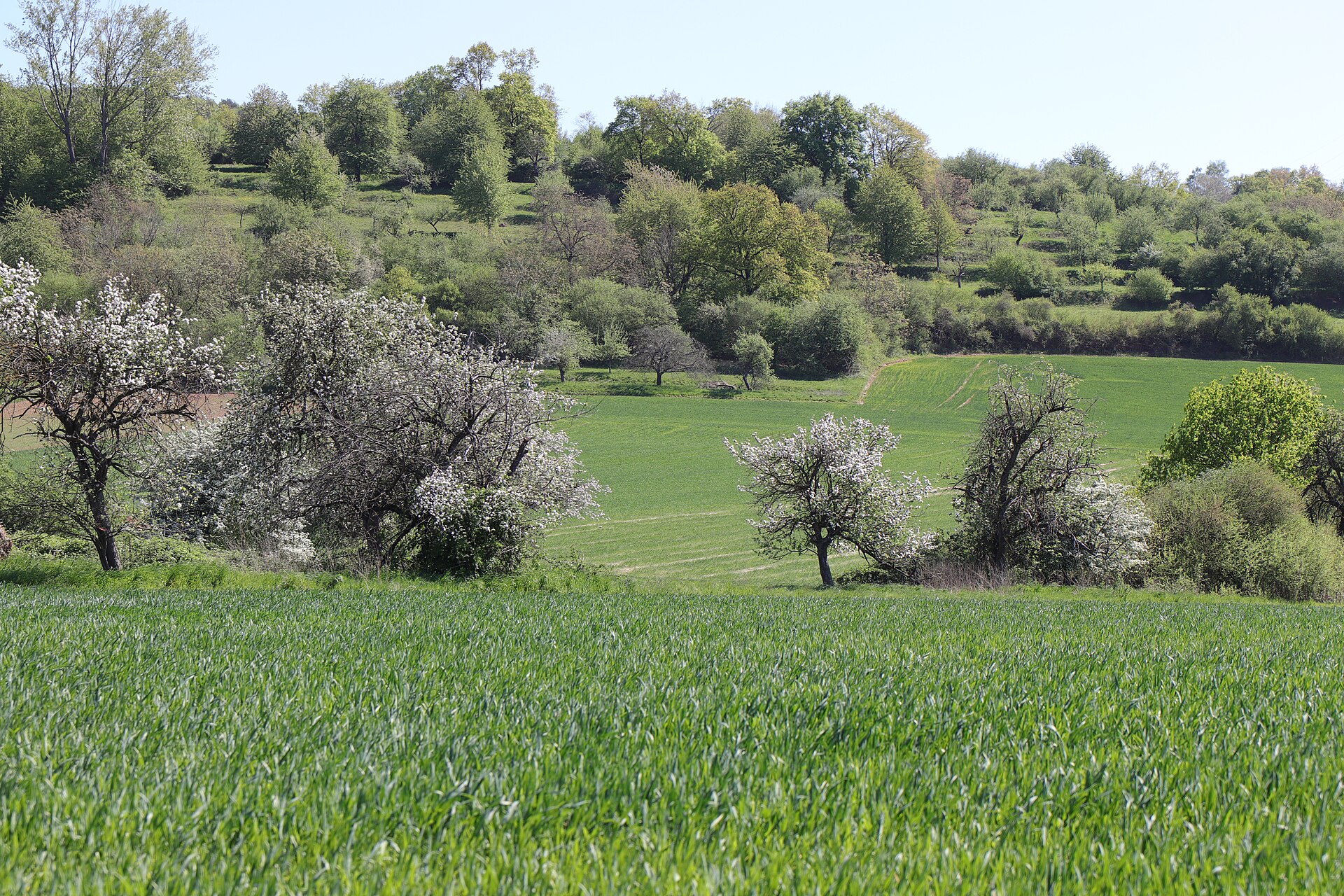
1,479 records
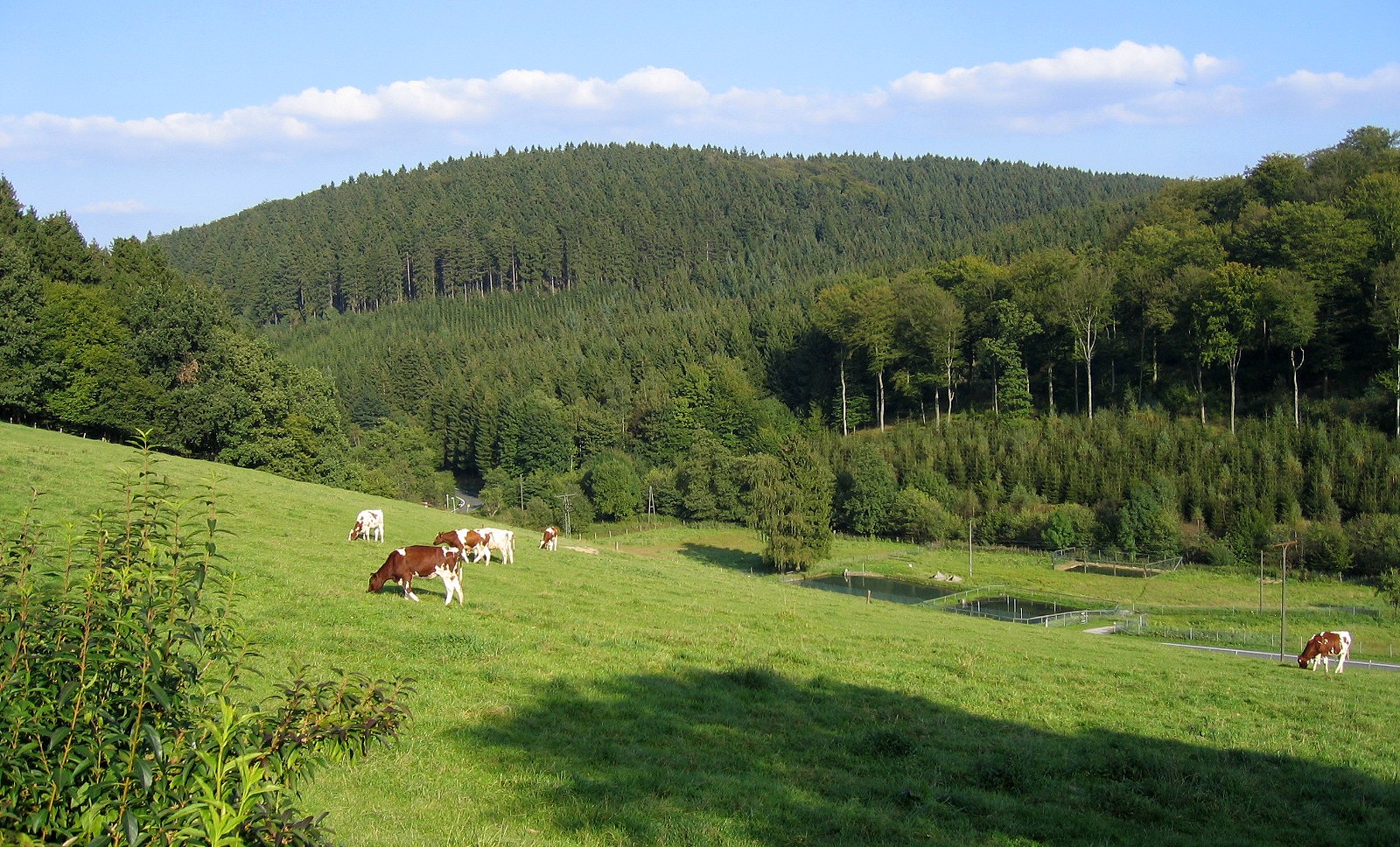
1,387 records
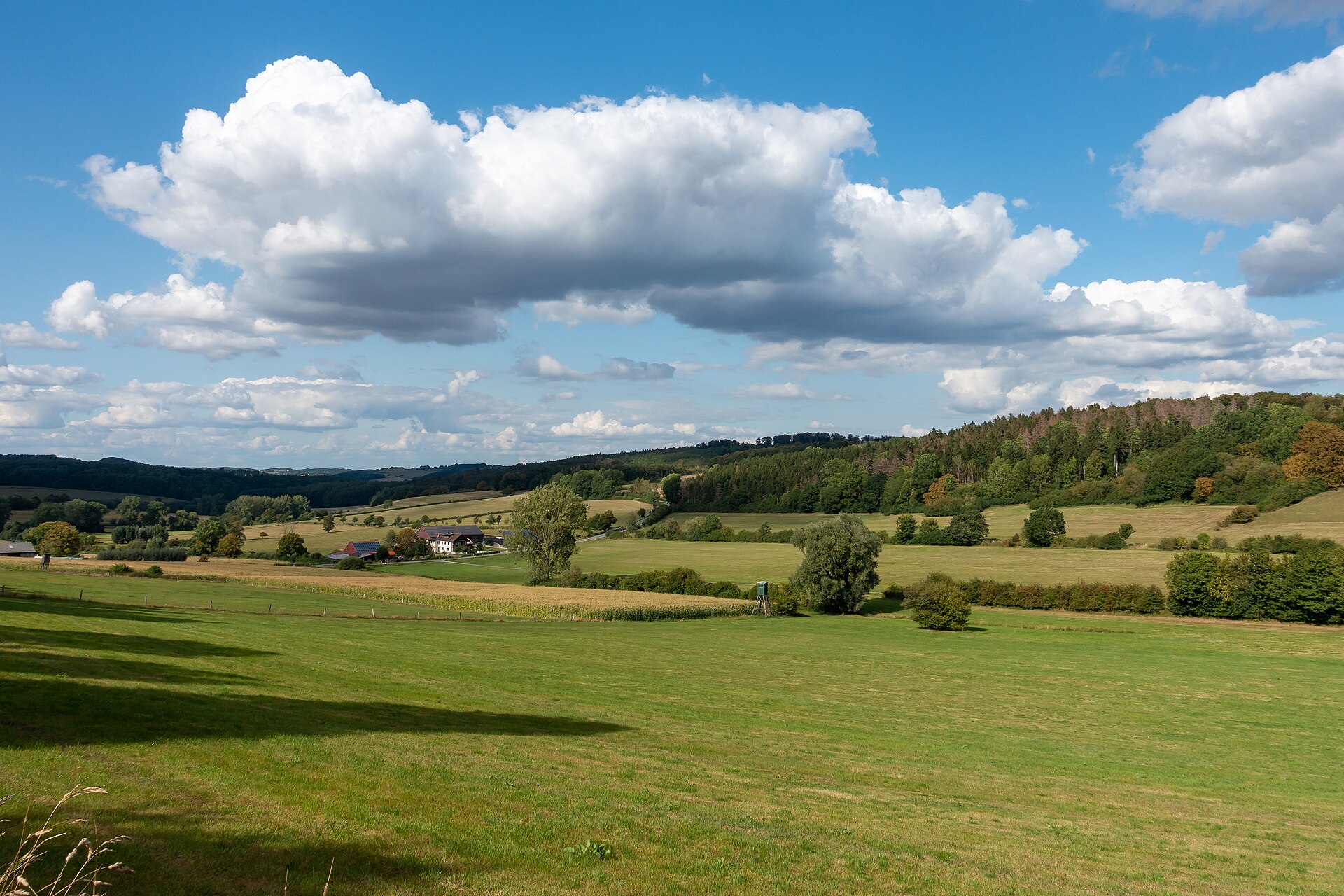
1,357 records
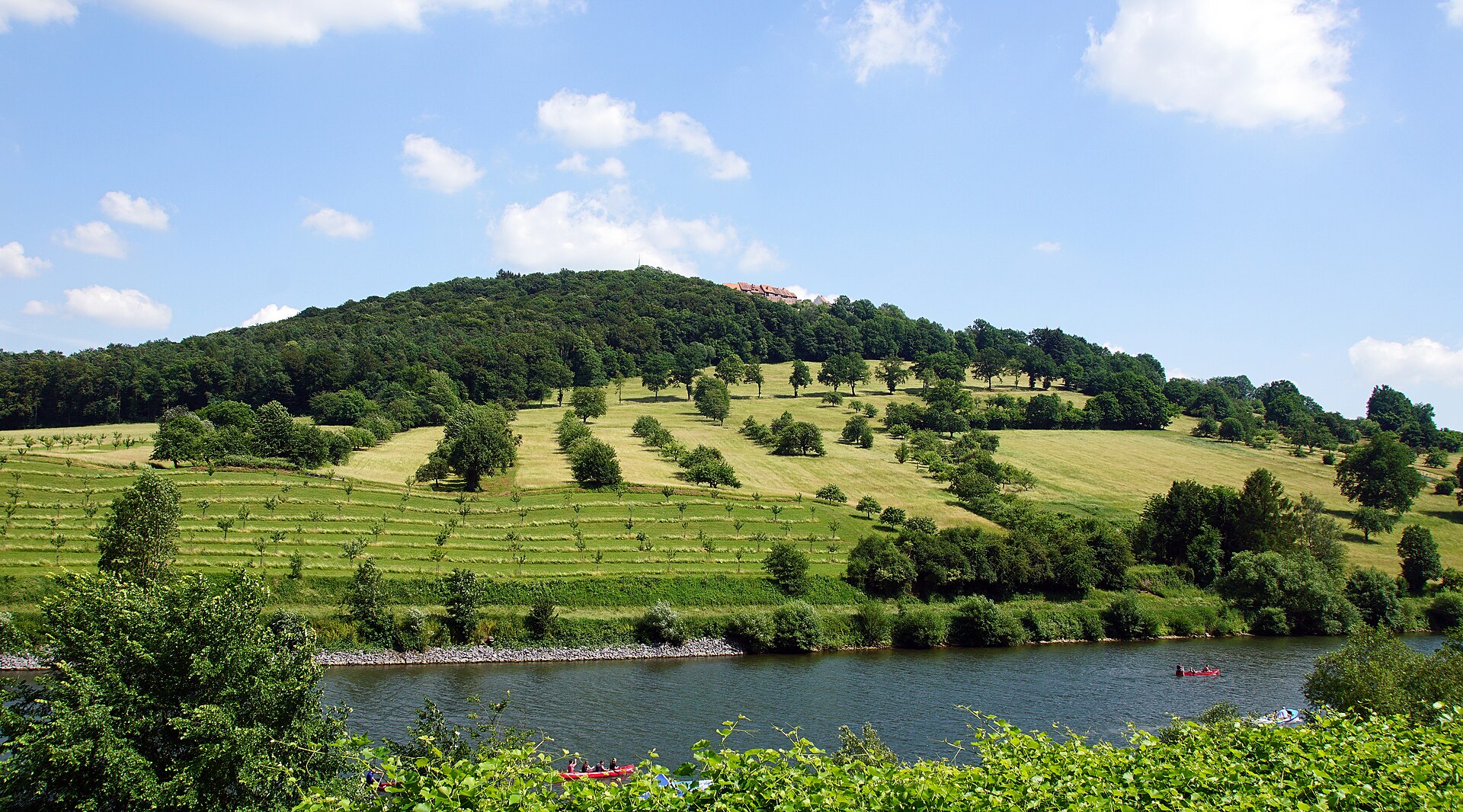
1,163 records
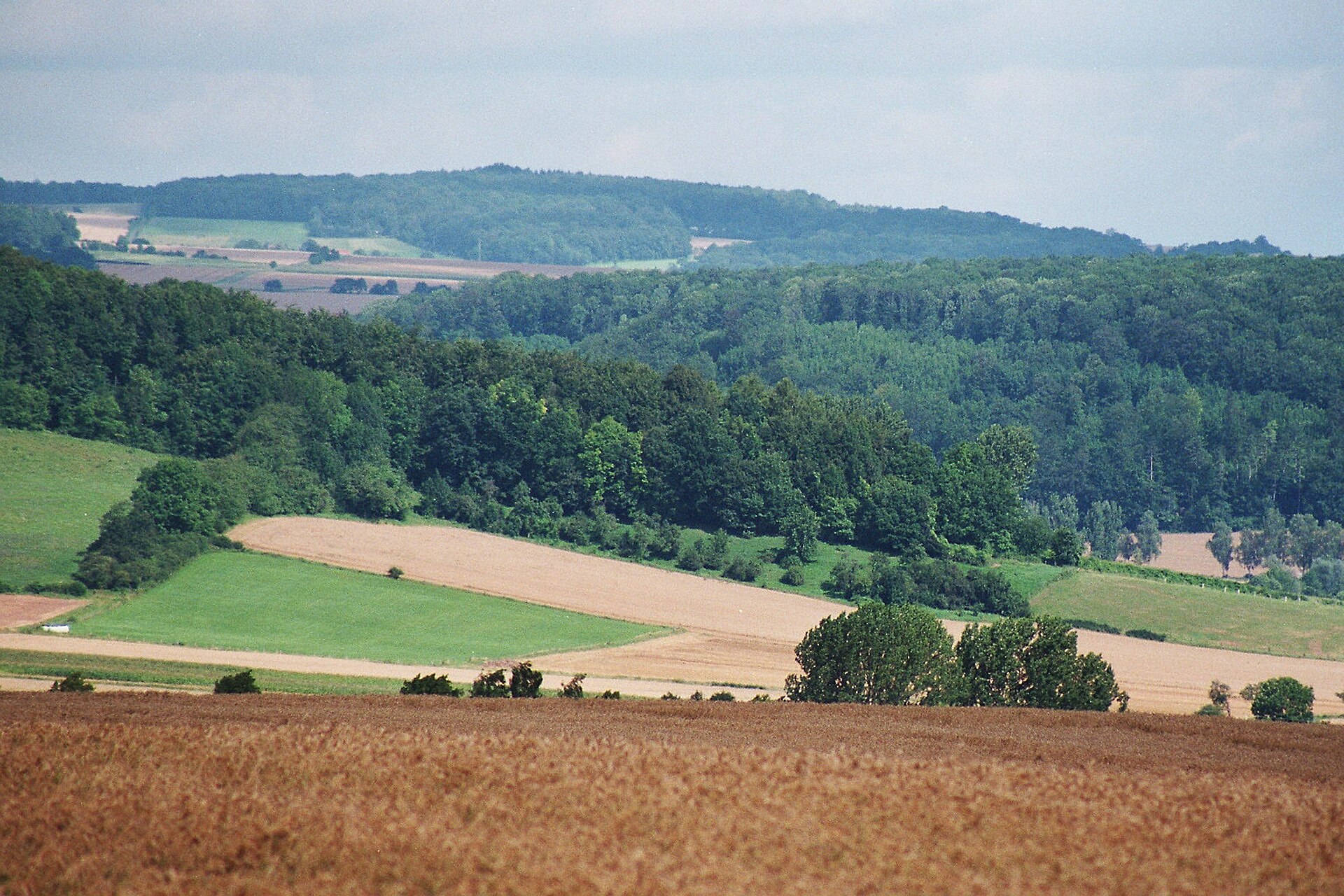
1,084 records
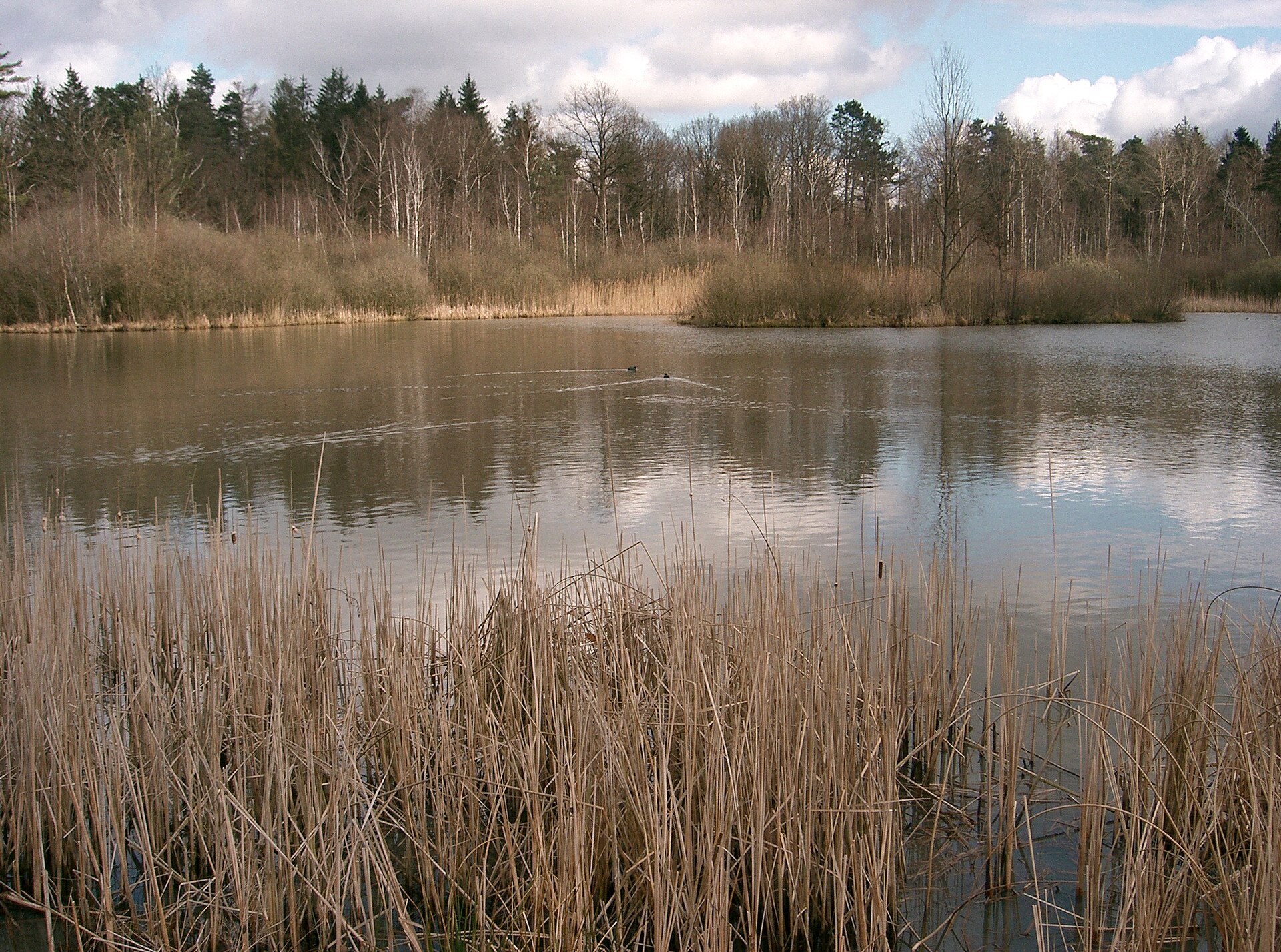
1,062 records
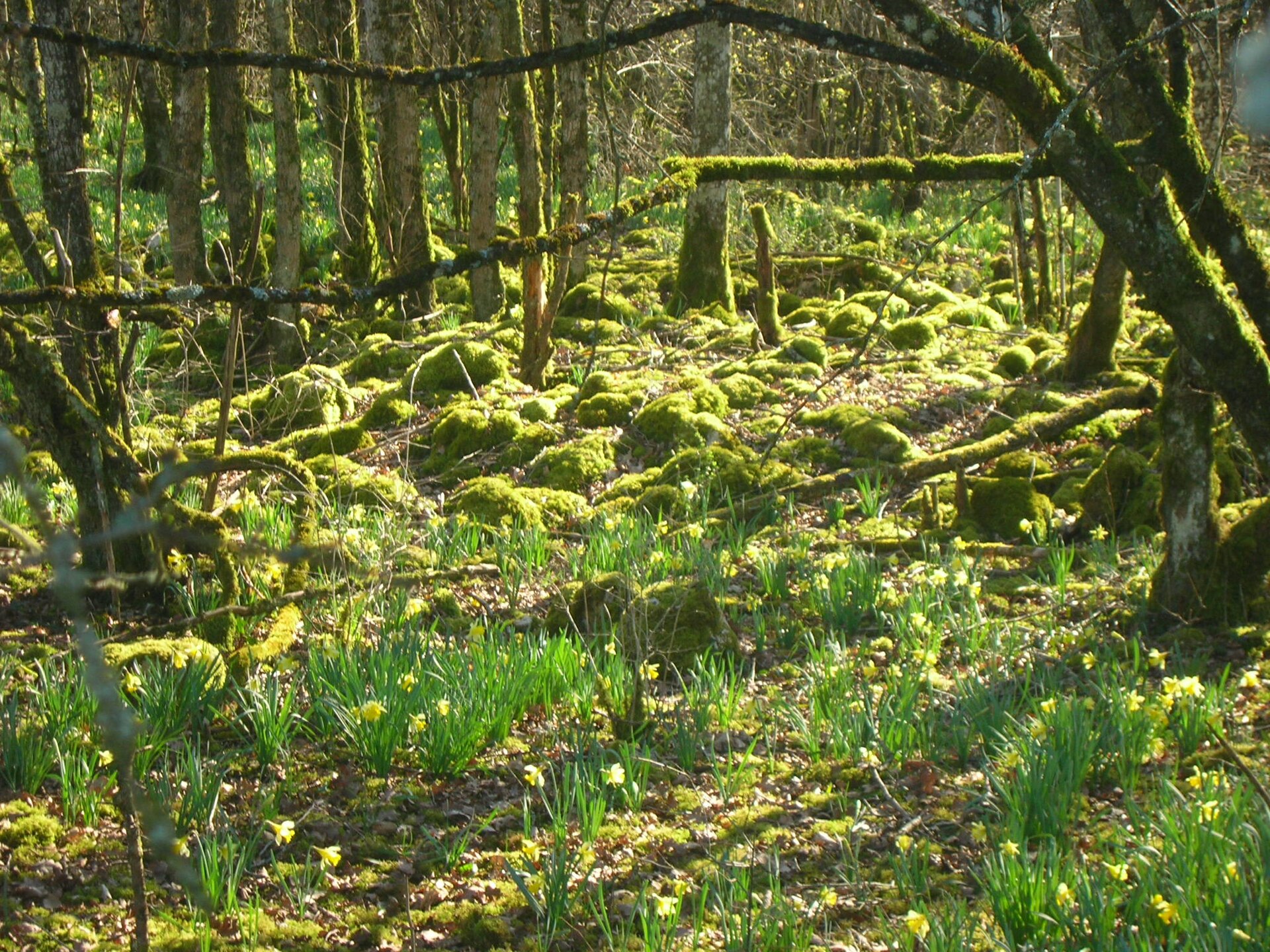
940 records

752 records
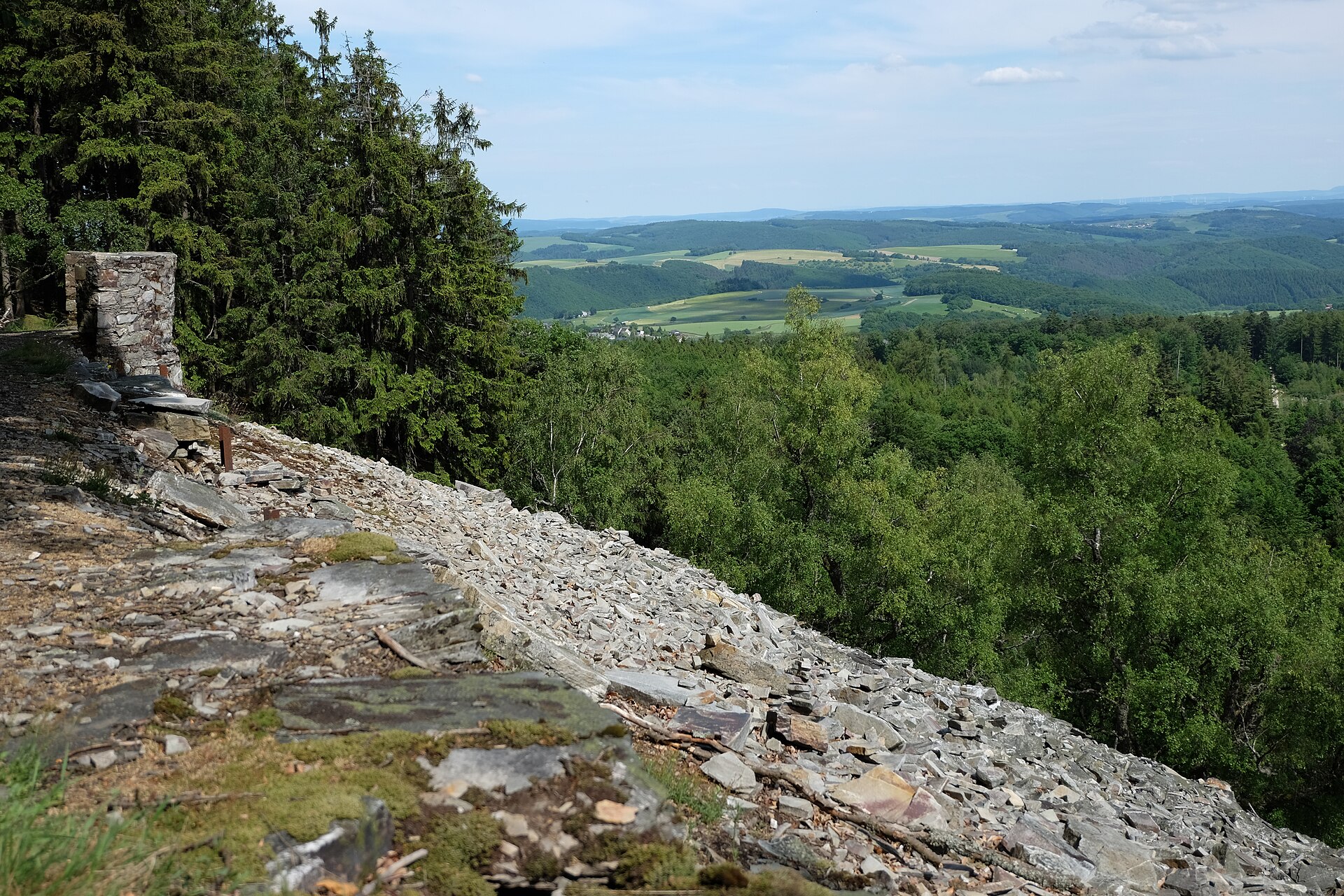
743 records
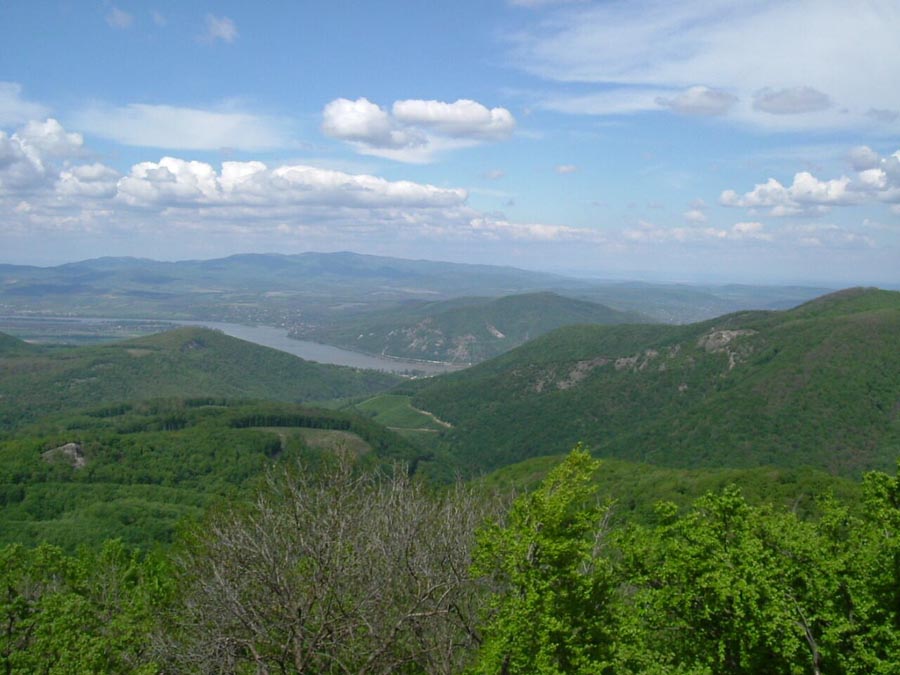
654 records
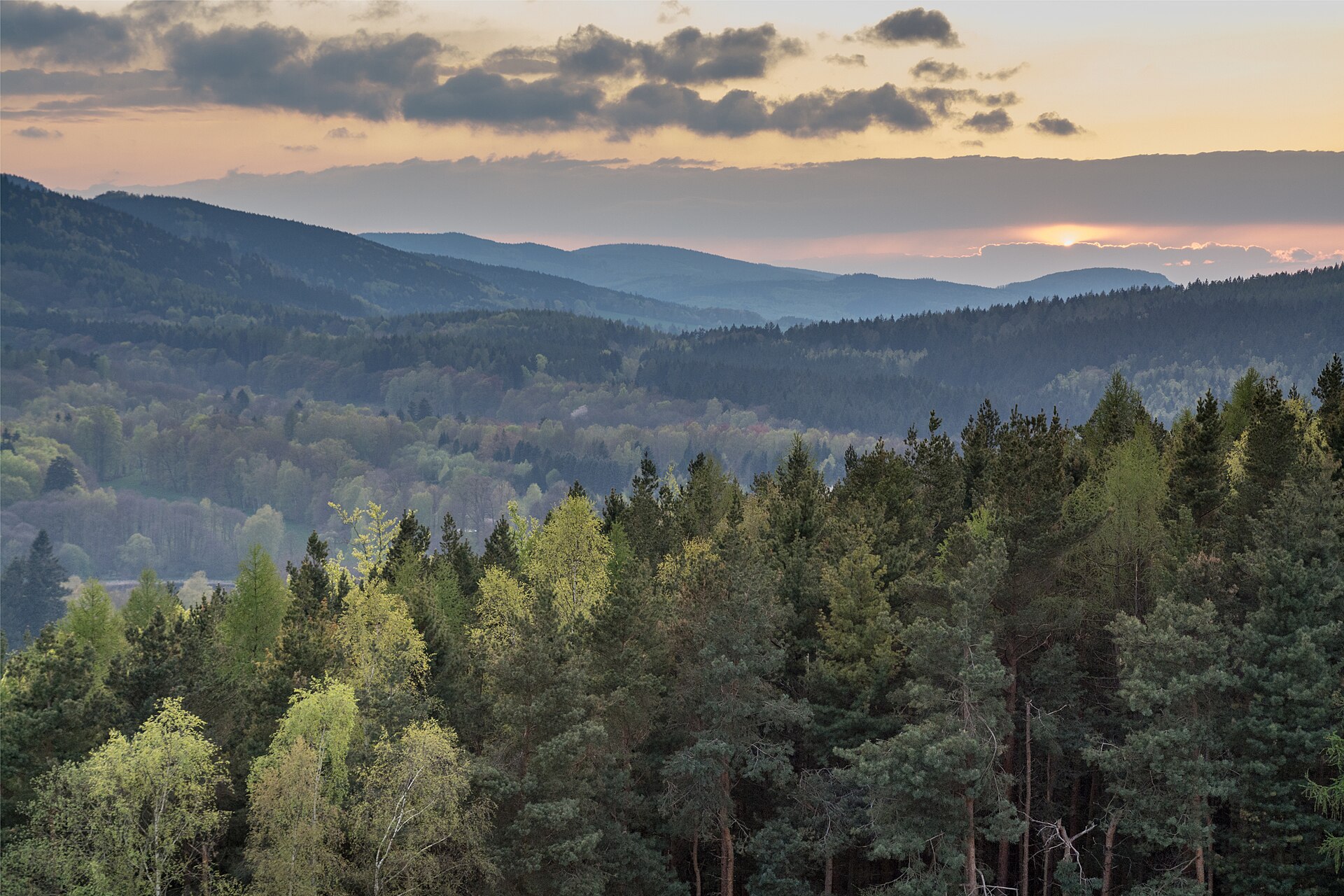
644 records
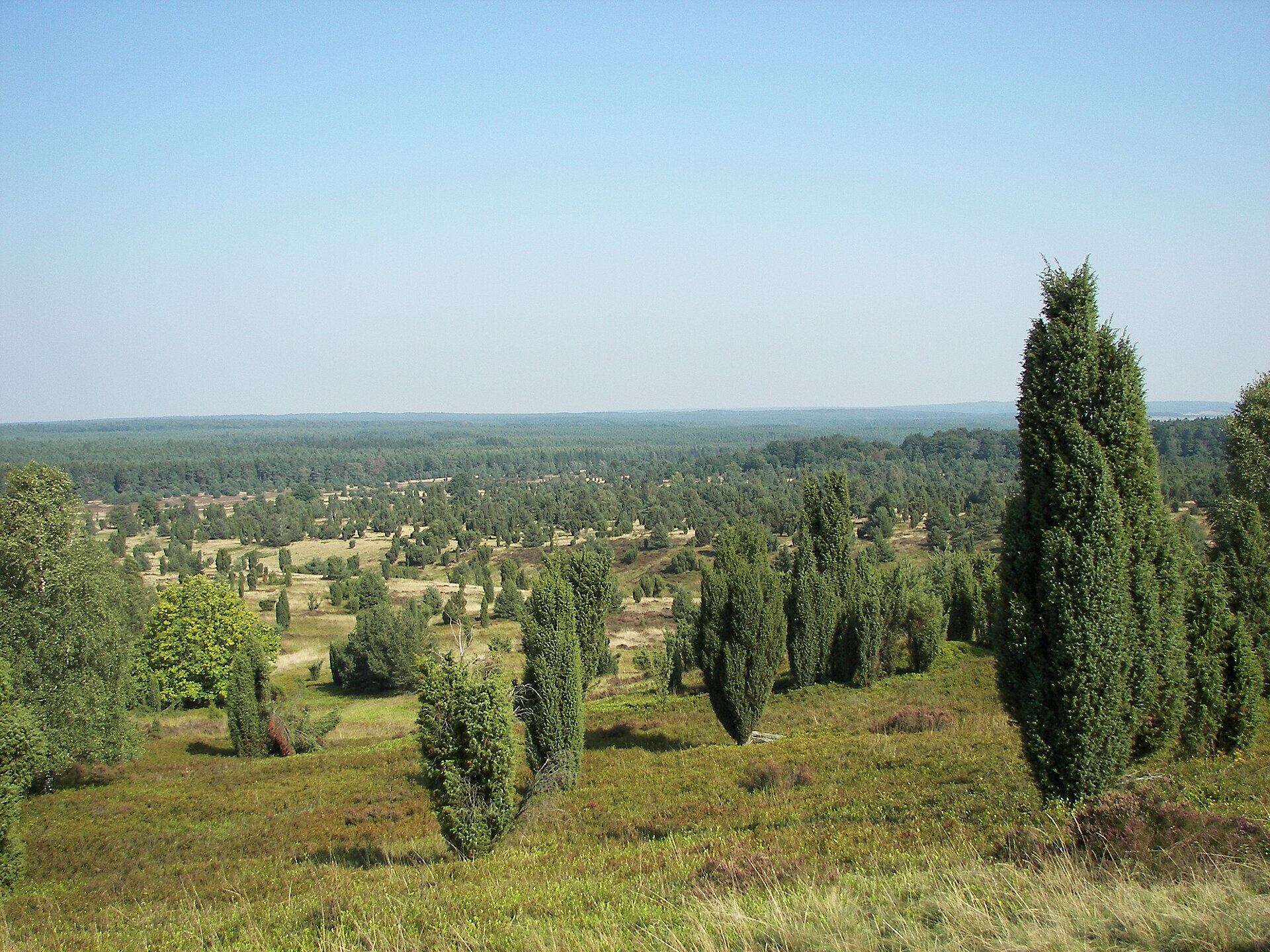
627 records

603 records
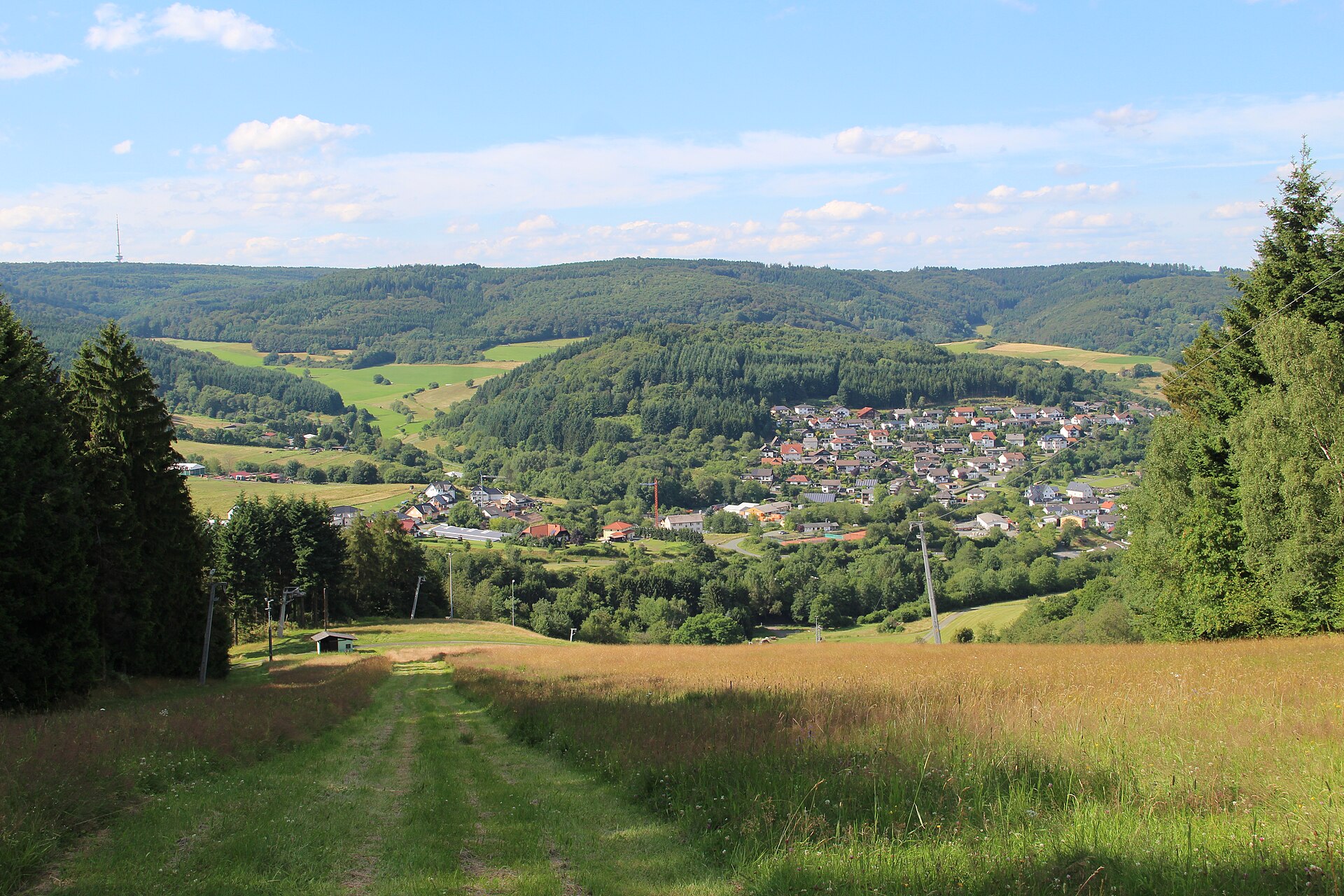
562 records
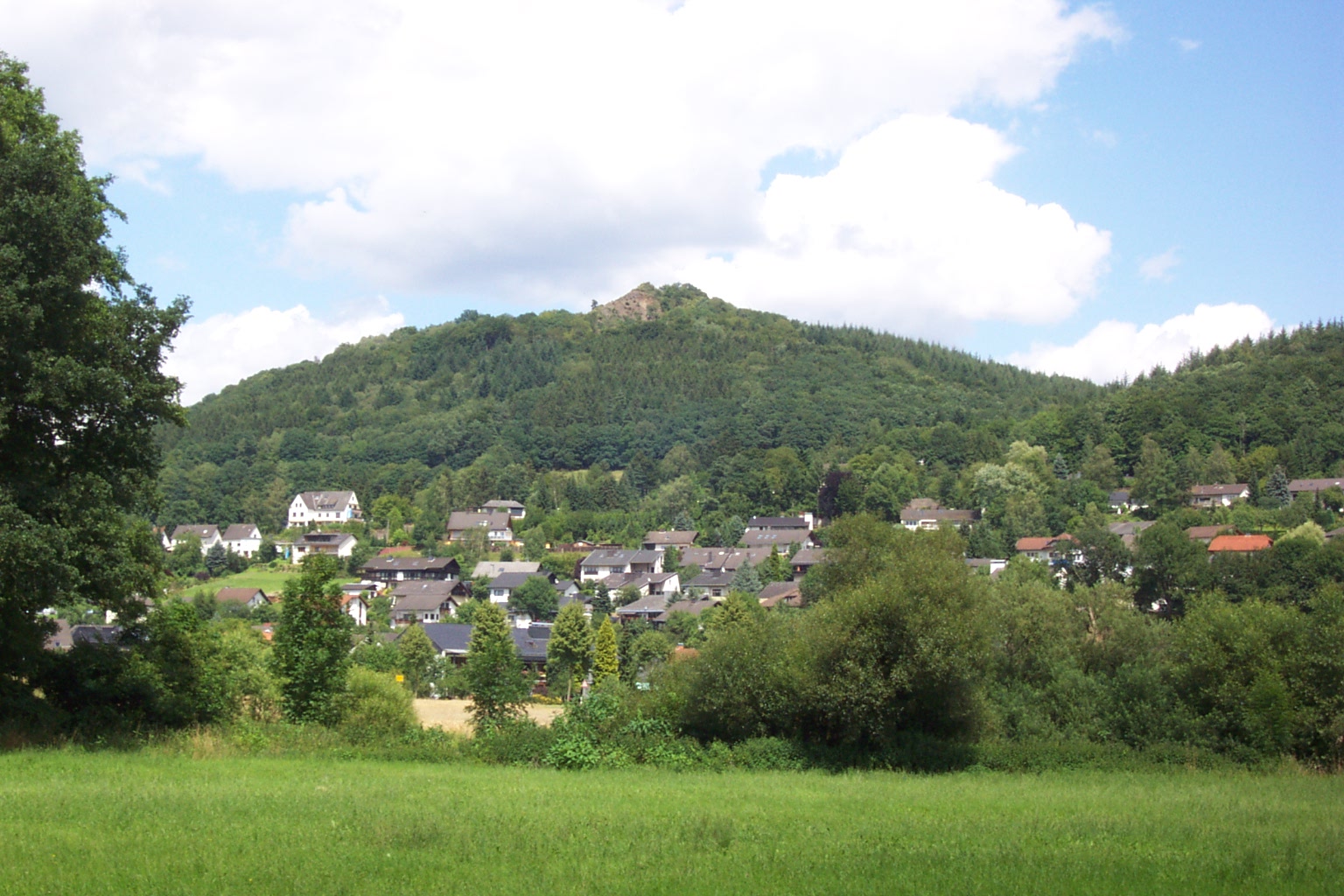
543 records

449 records
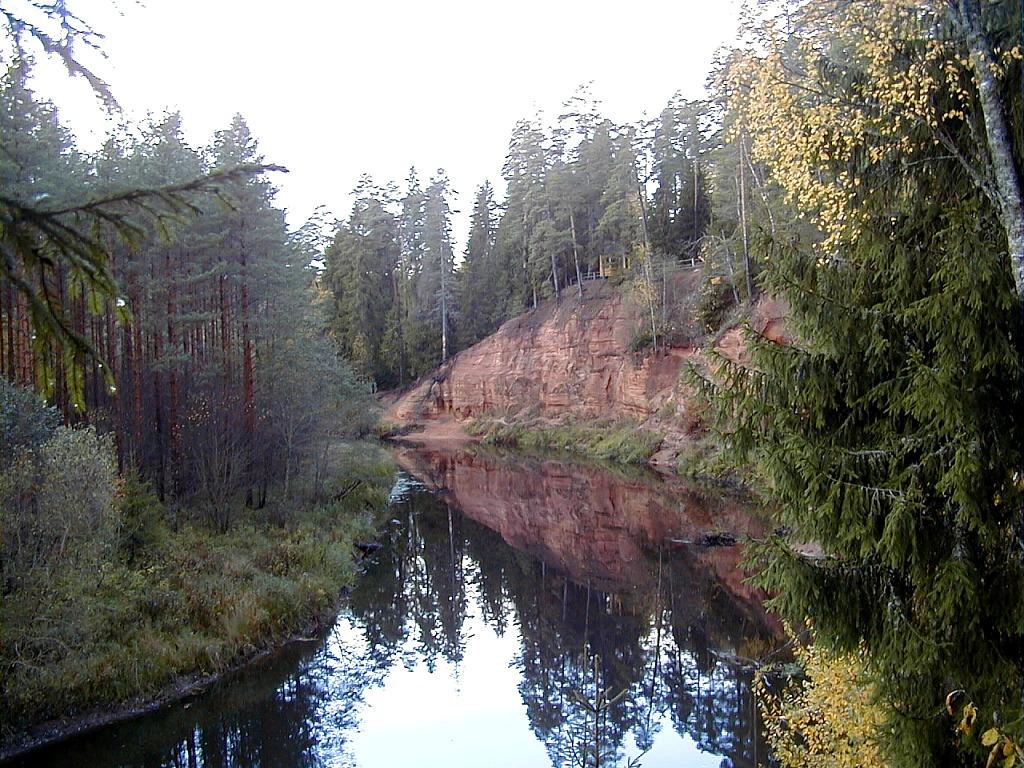
372 records
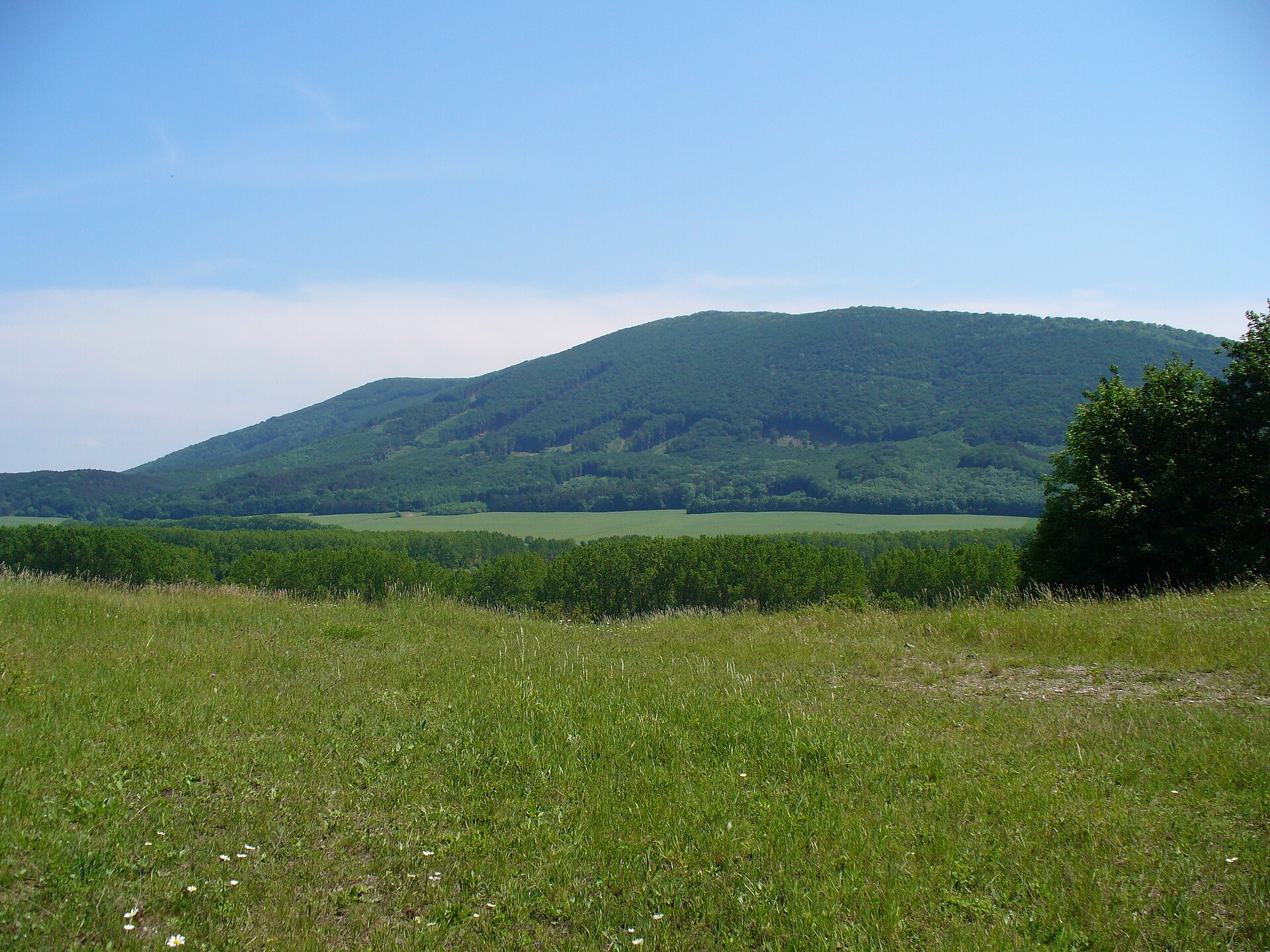
365 records
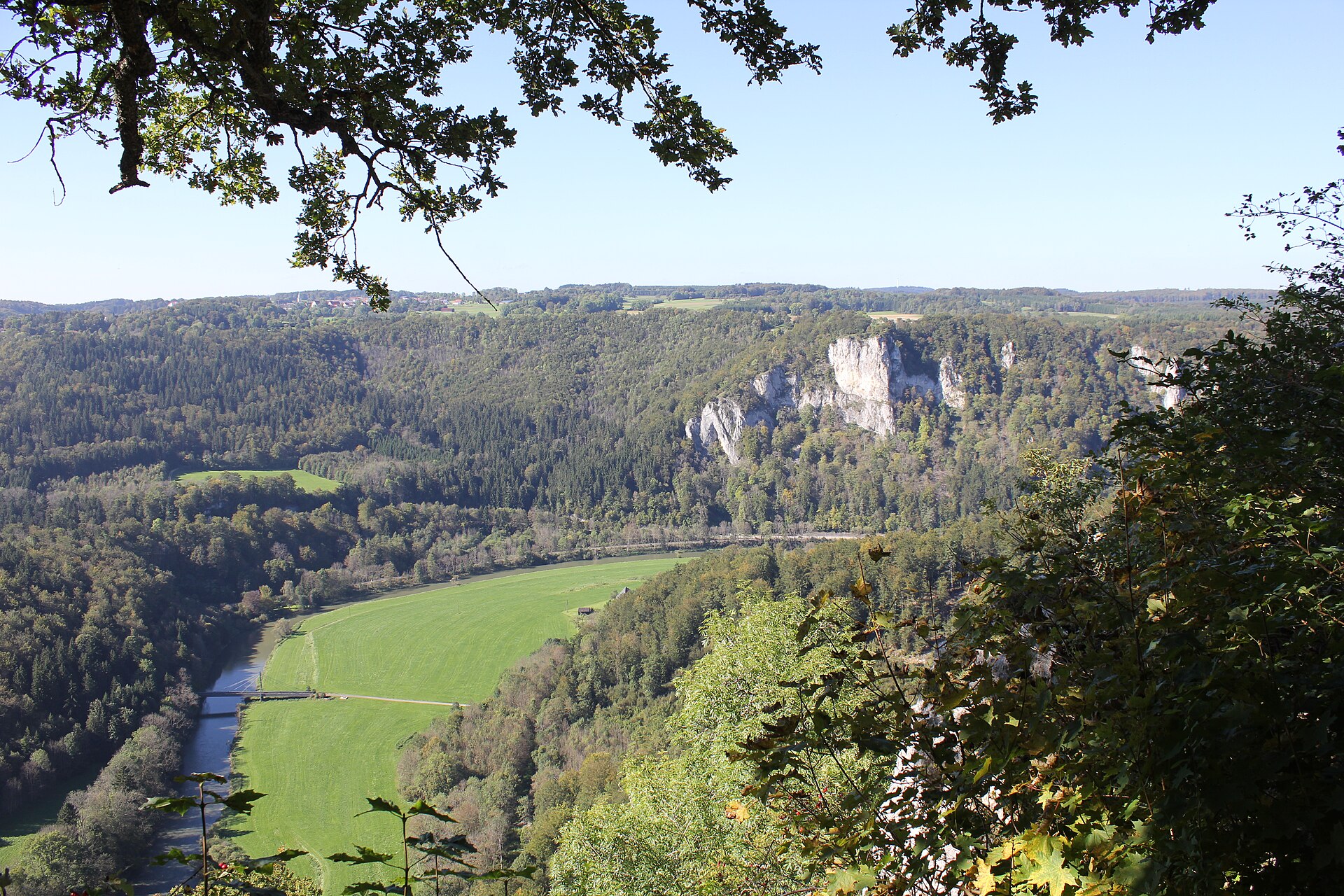
346 records

324 records
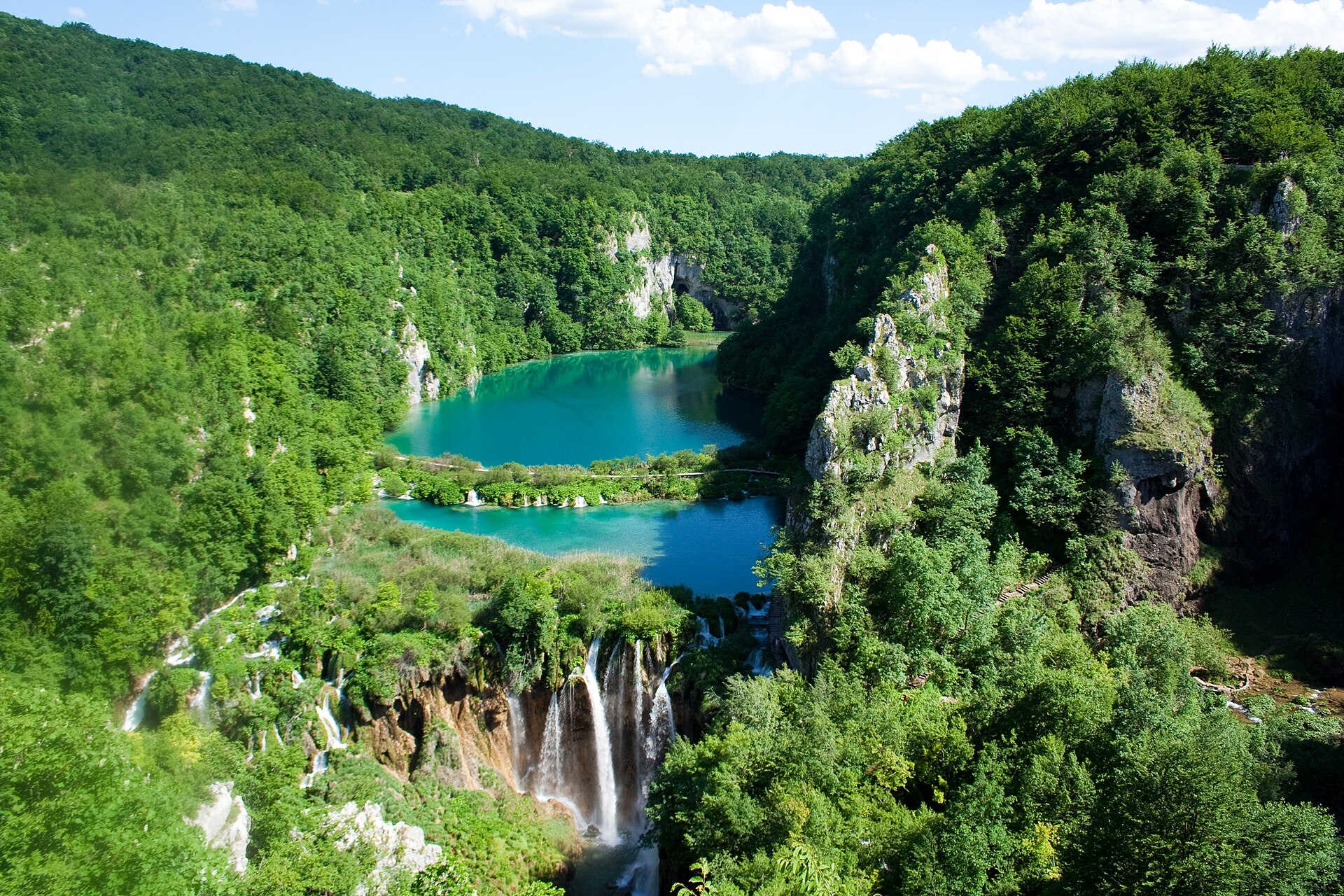
323 records
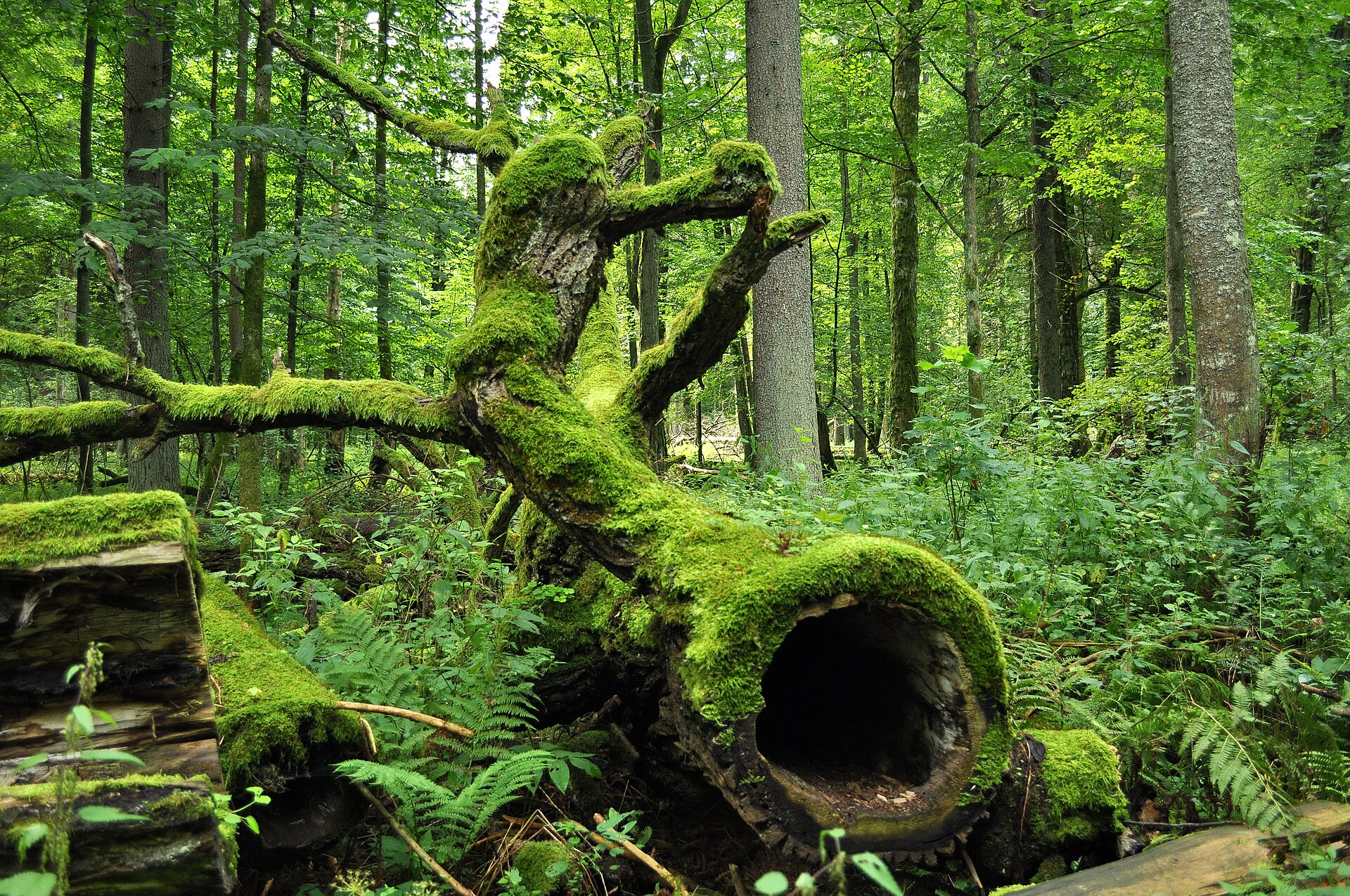
279 records
273 records
252 records
243 records
241 records

239 records
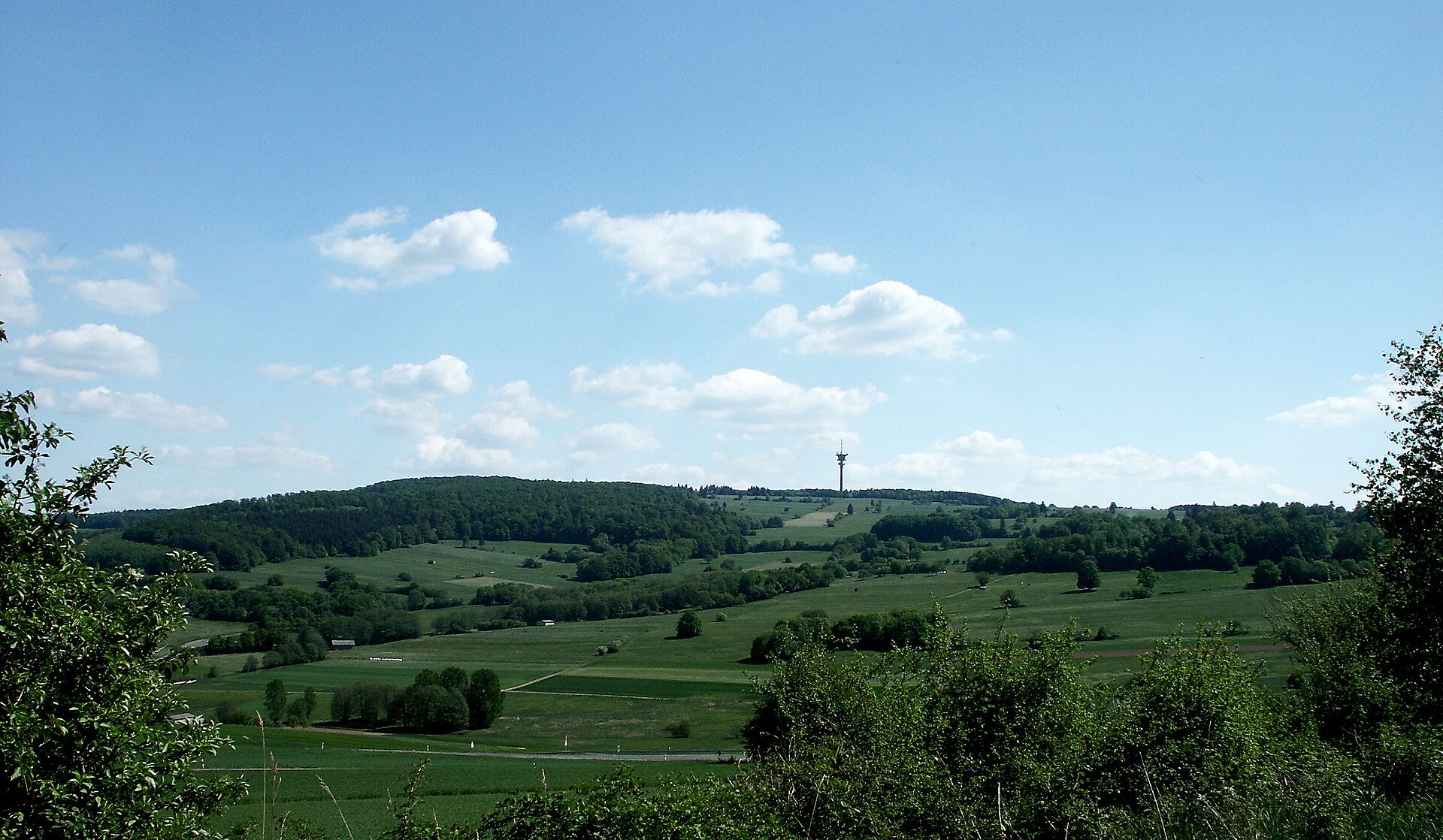
235 records
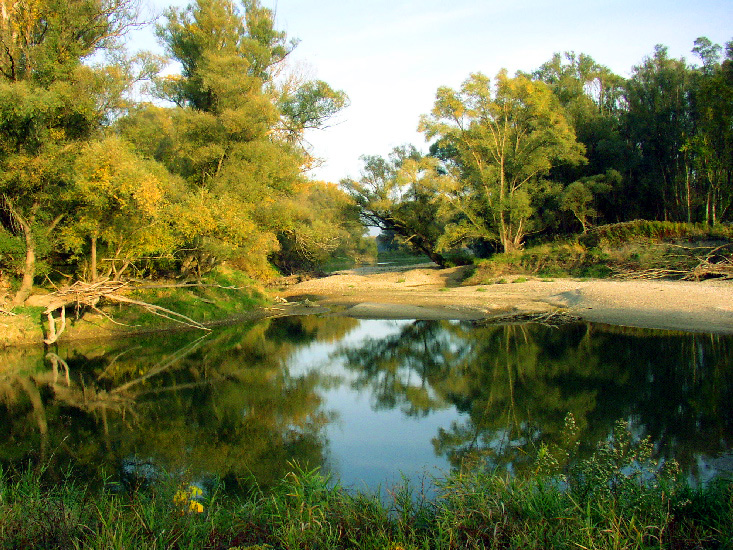
208 records
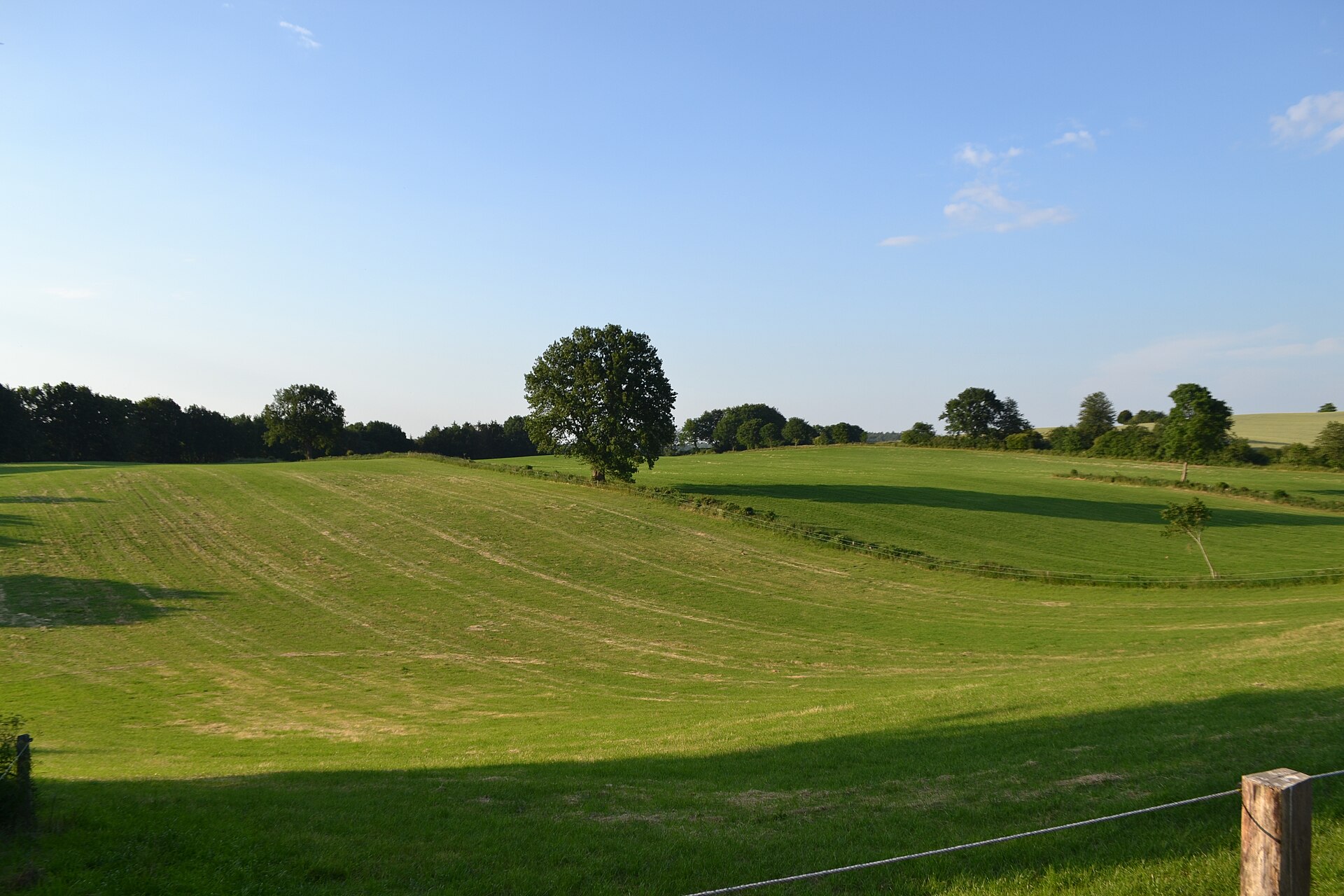
207 records
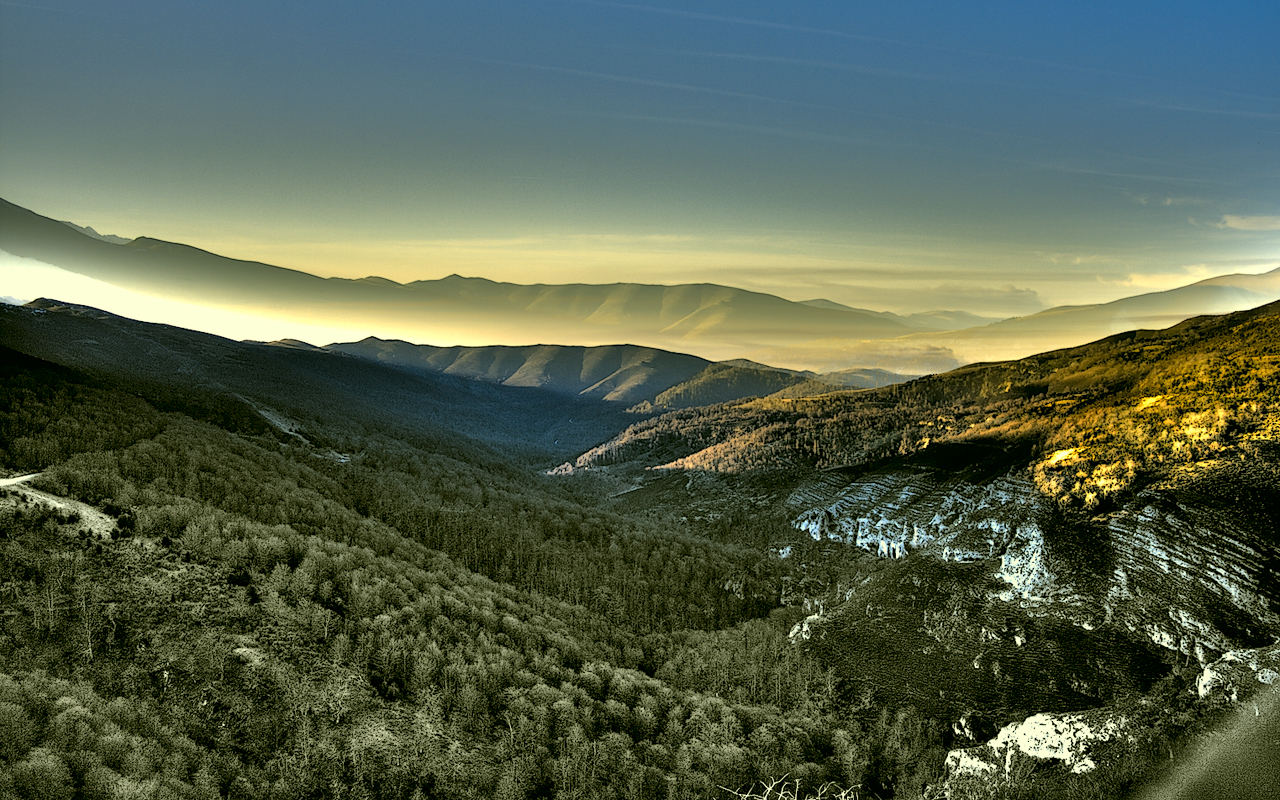
196 records
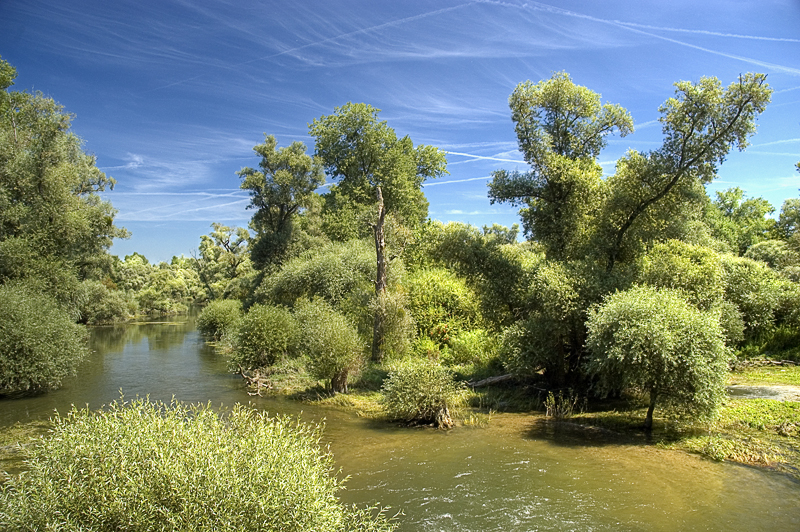
194 records
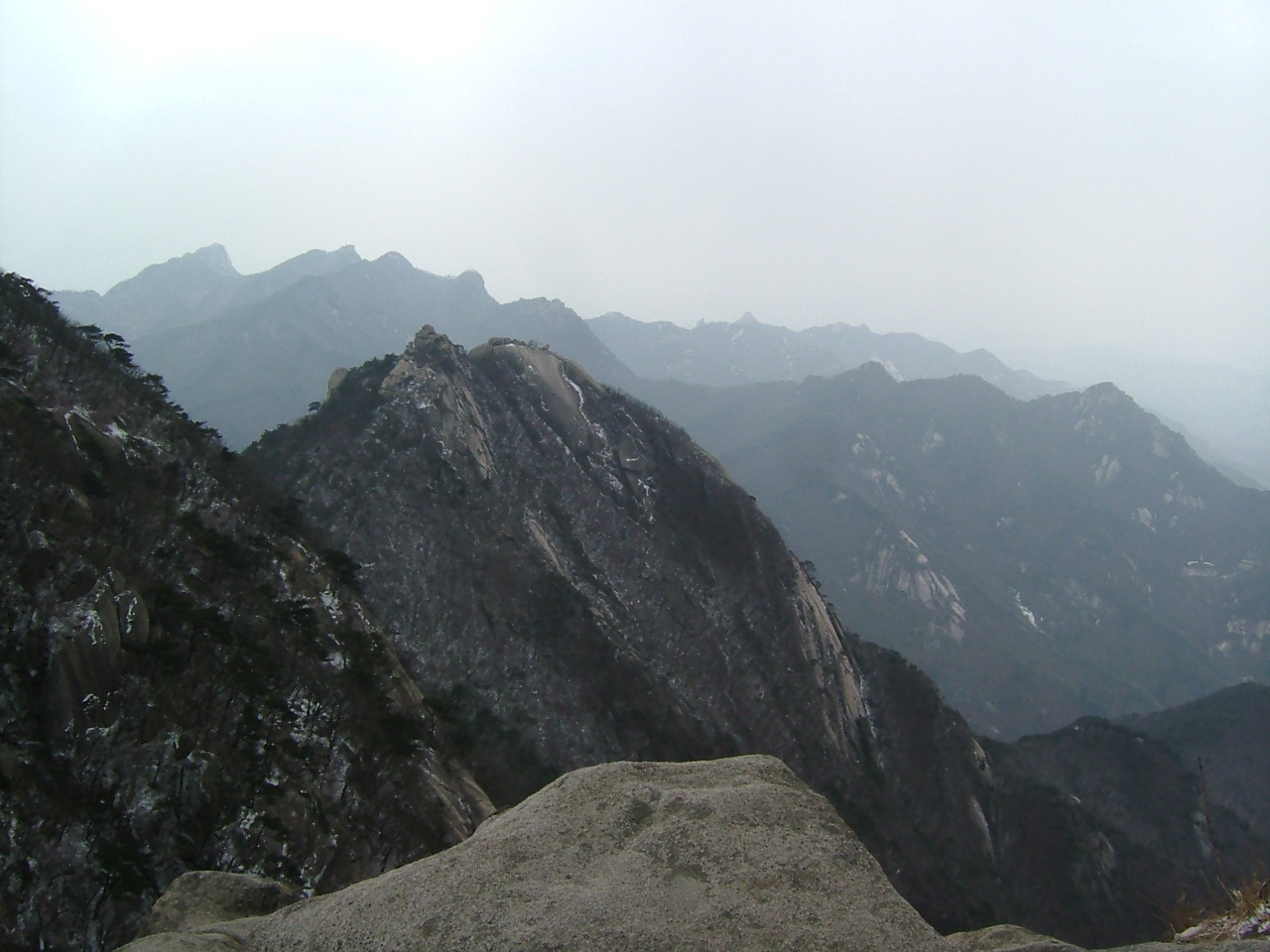
168 records
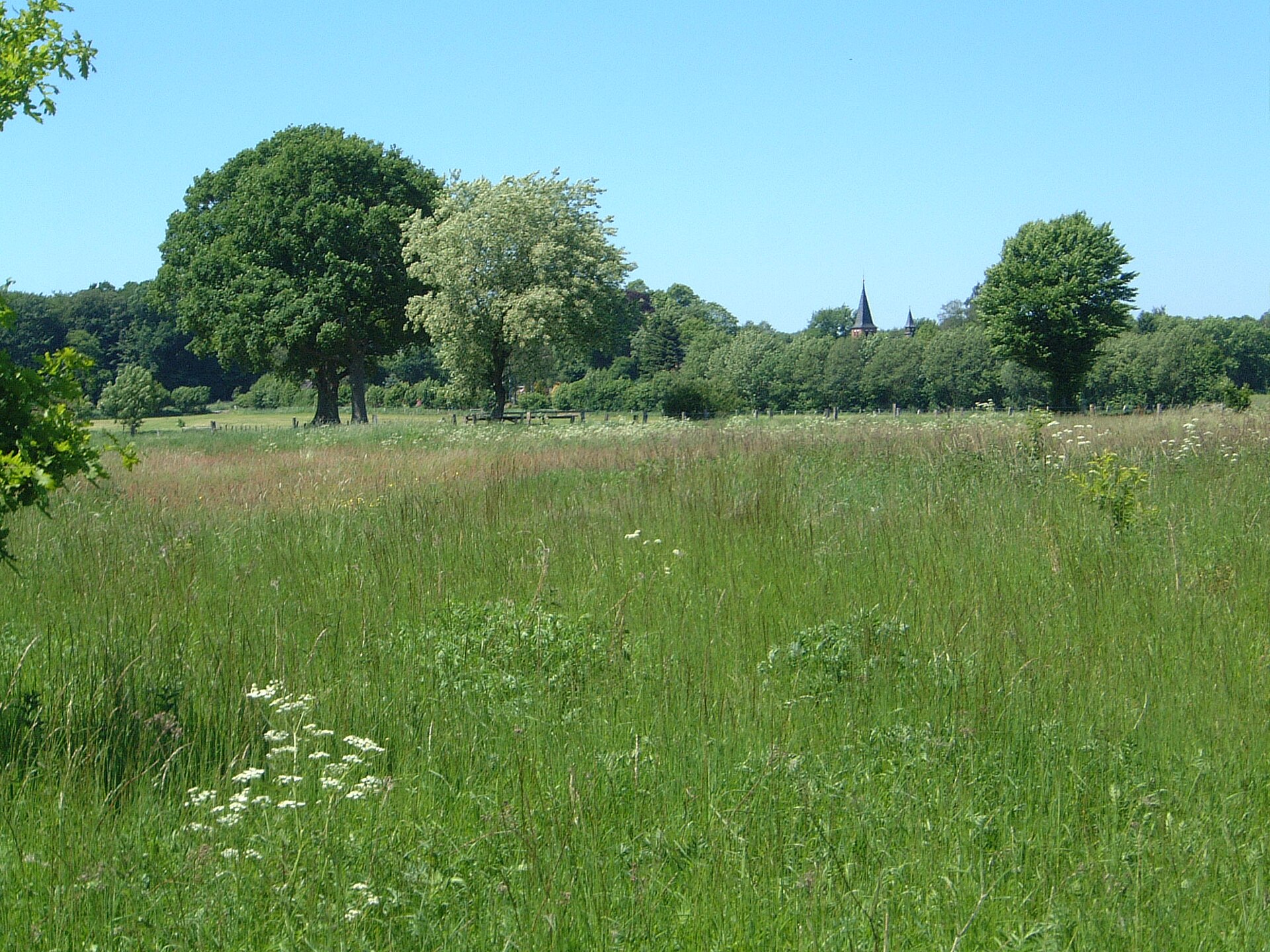
156 records

141 records

136 records
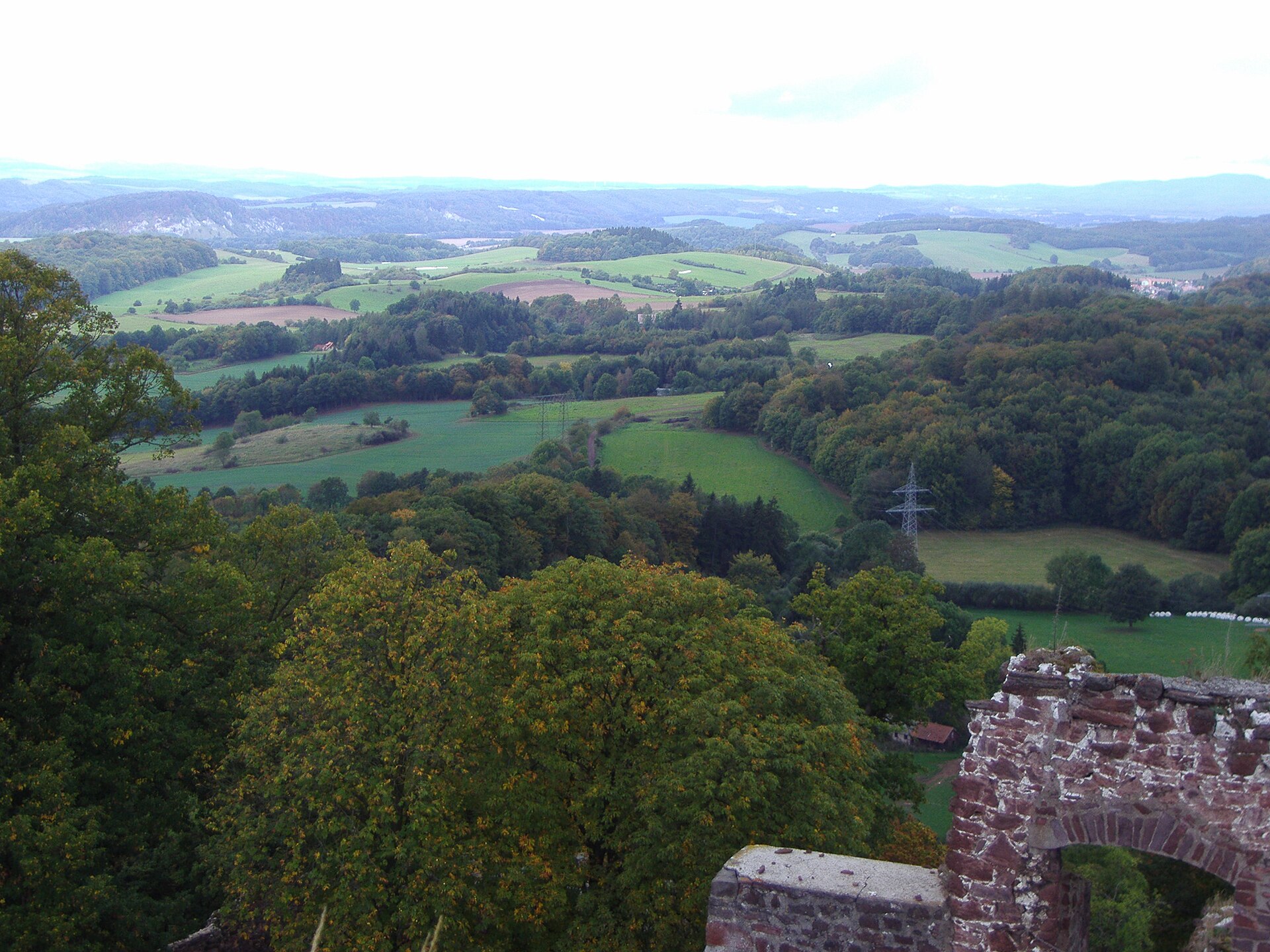
136 records
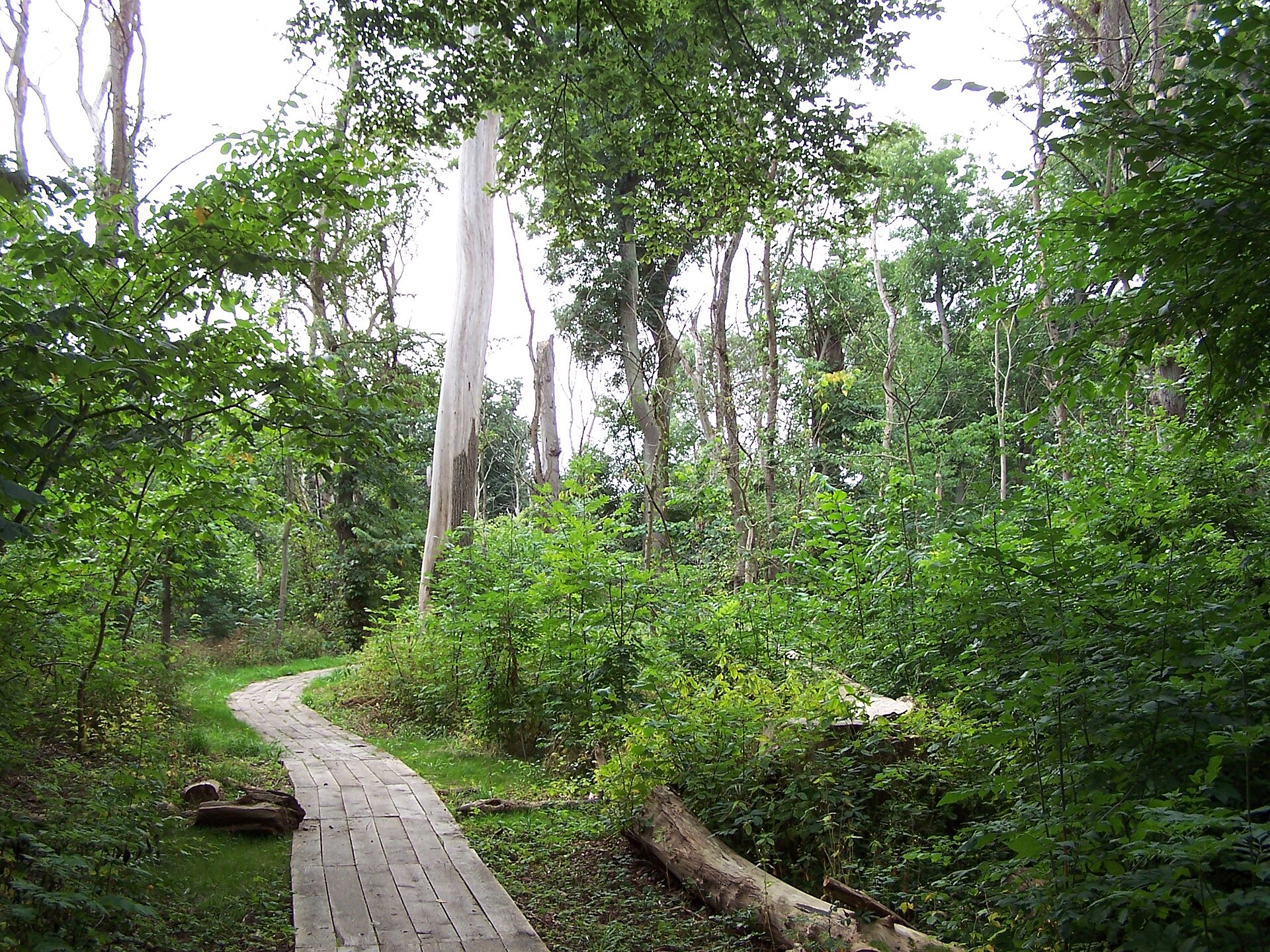
109 records
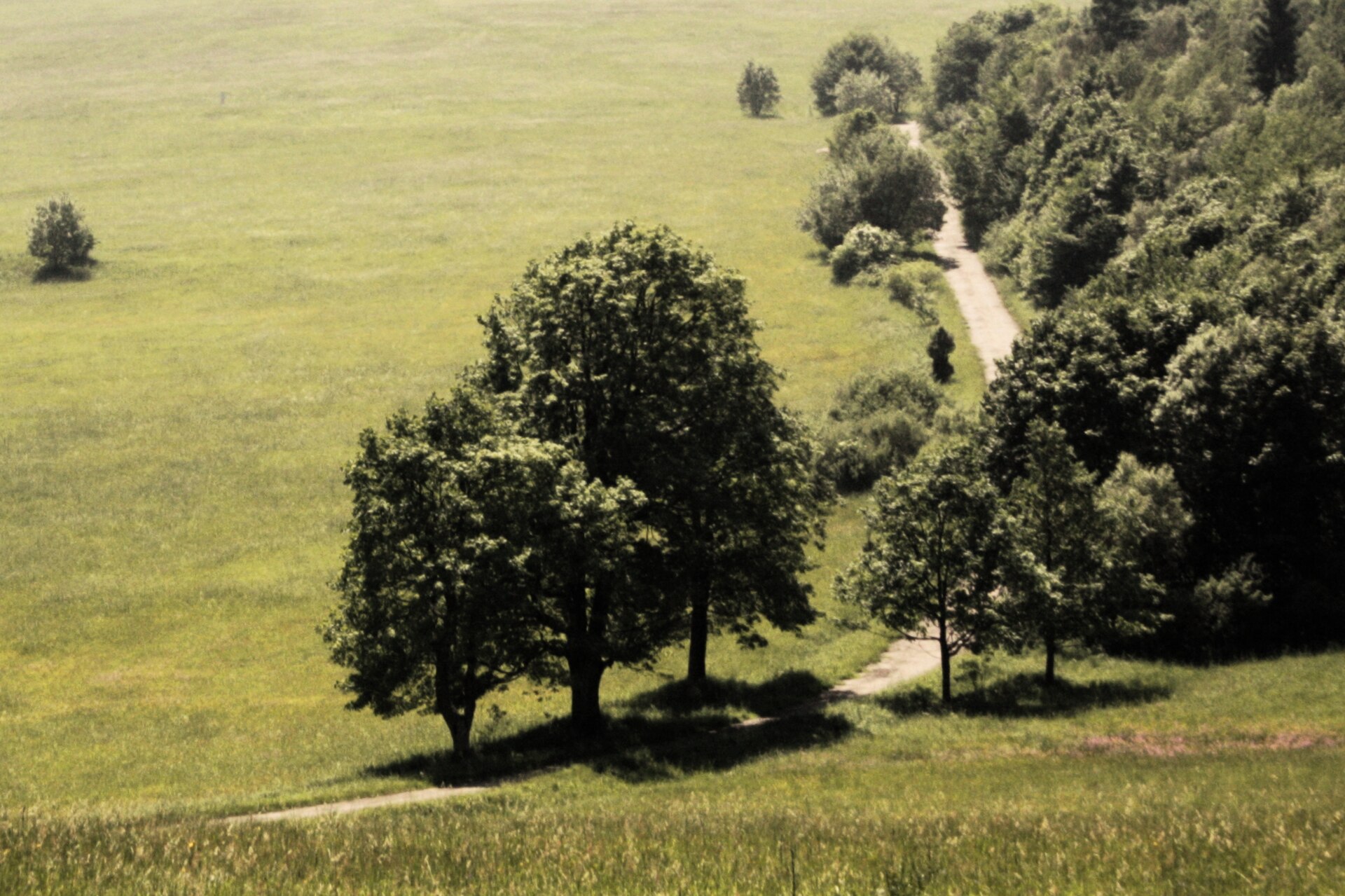
107 records
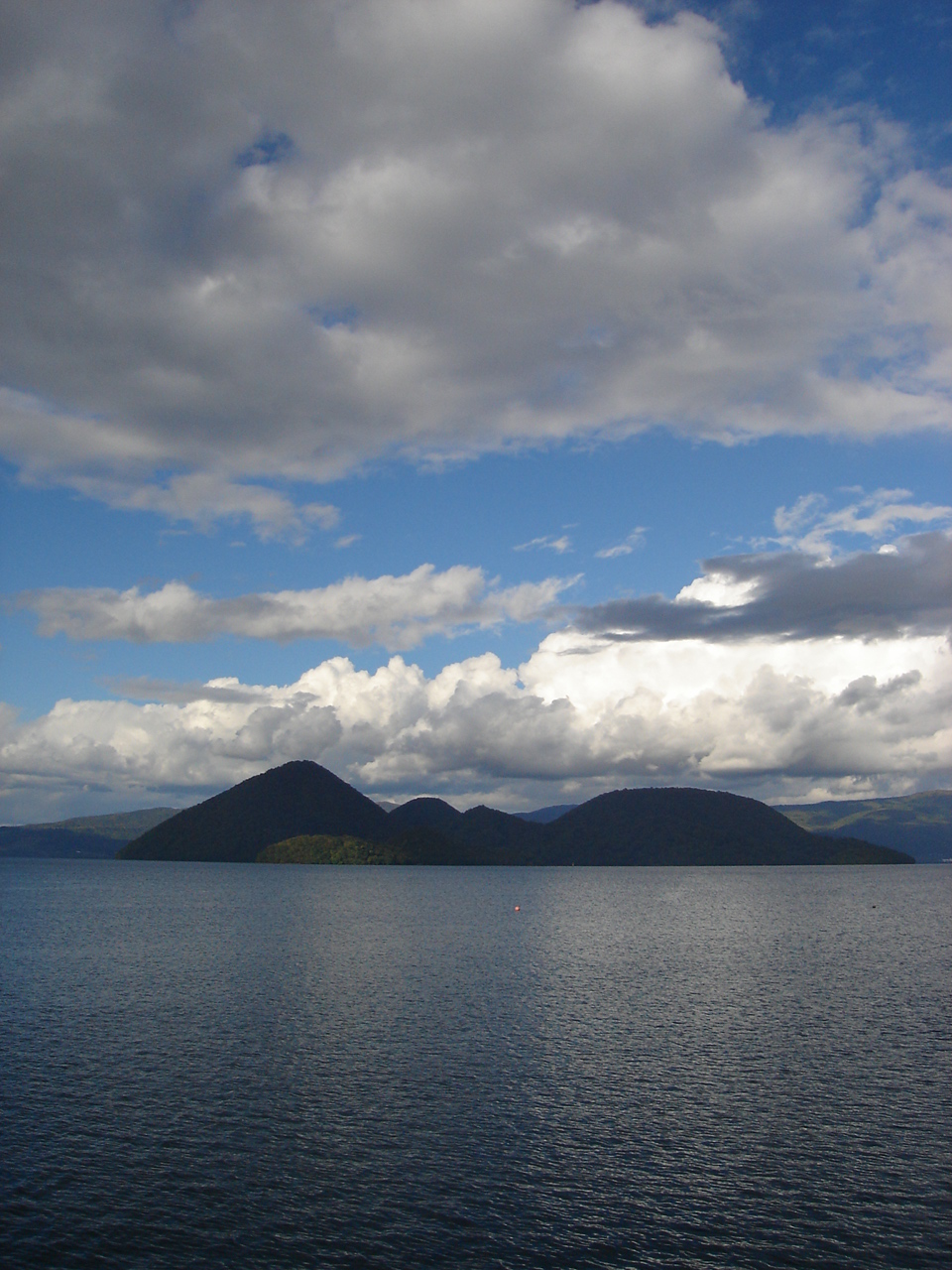
91 records

90 records
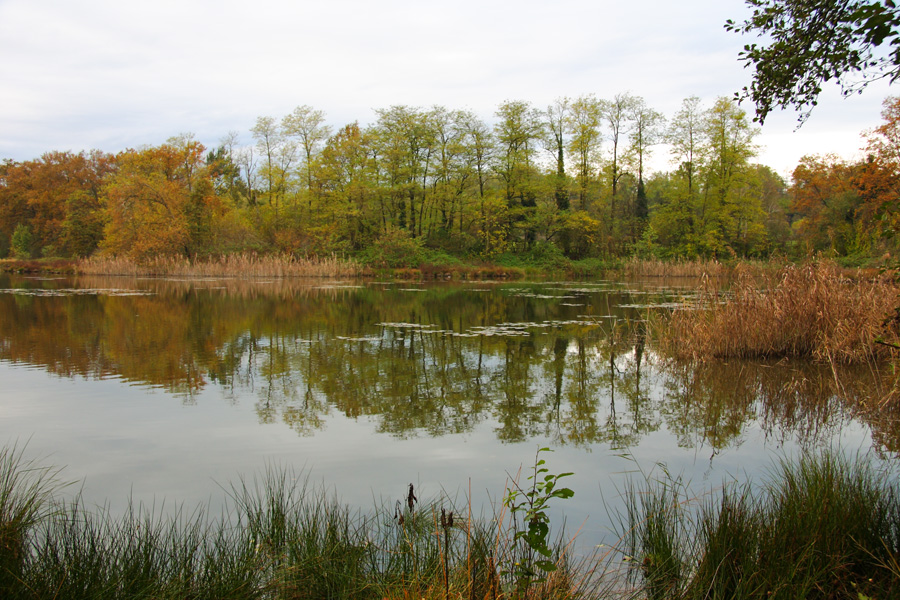
88 records
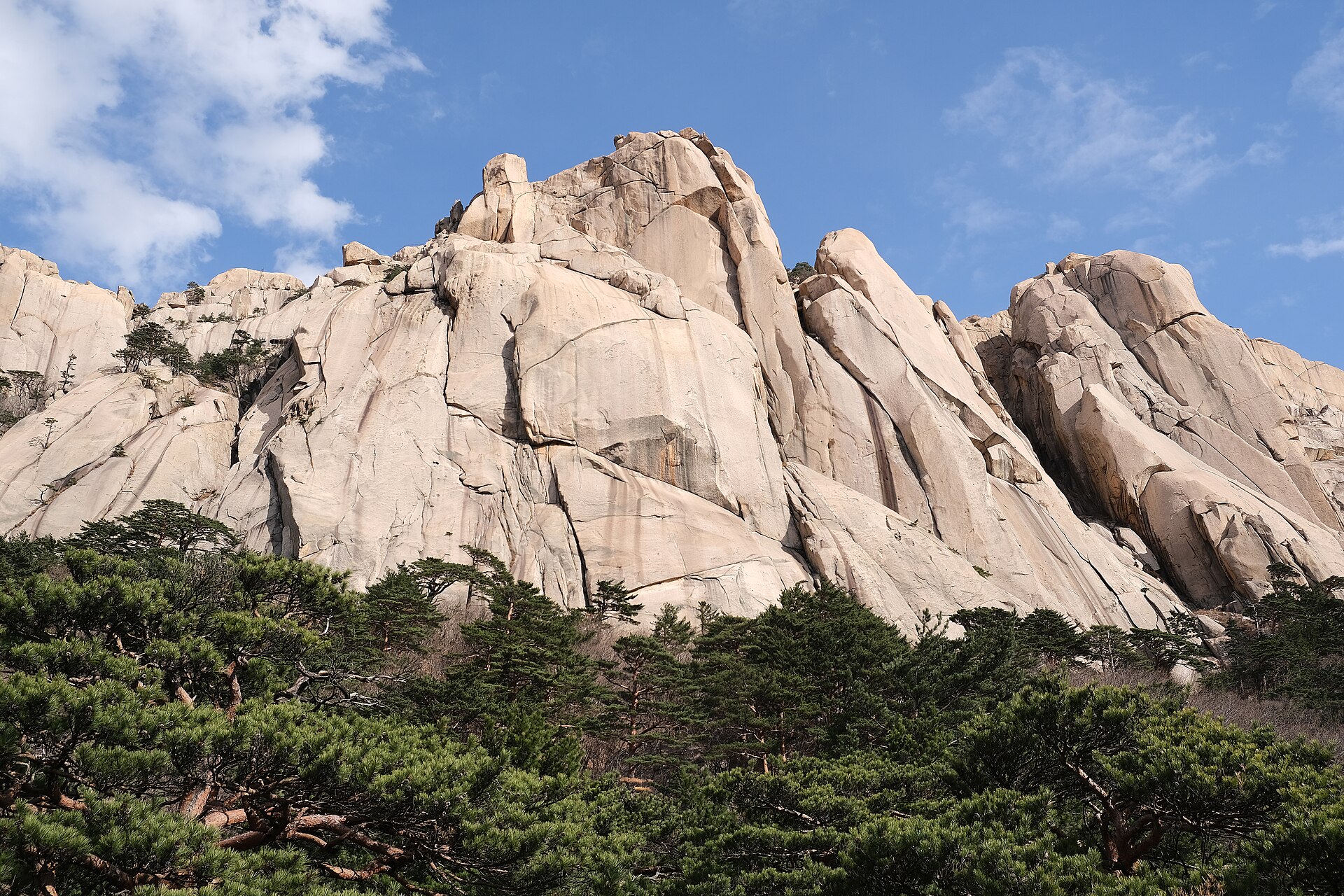
87 records
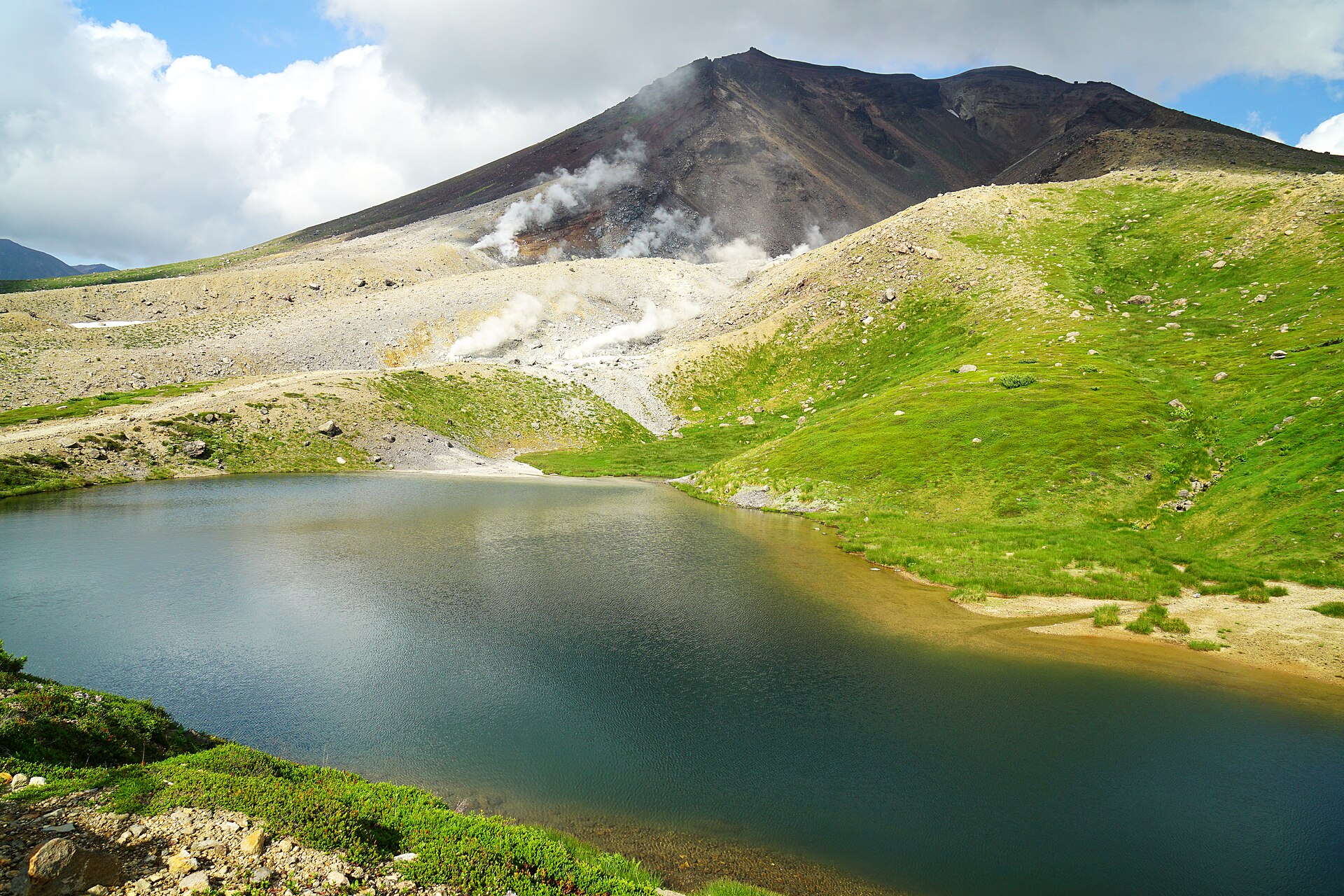
78 records

67 records
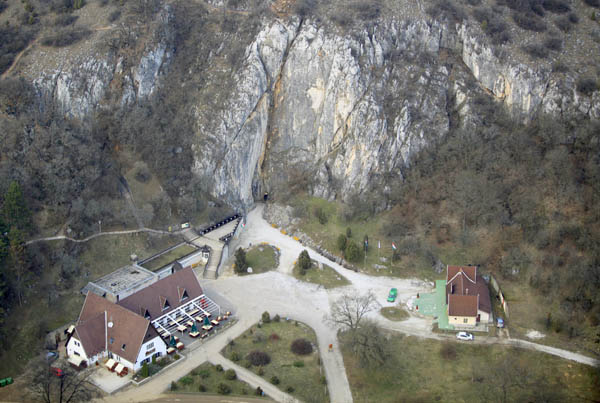
66 records
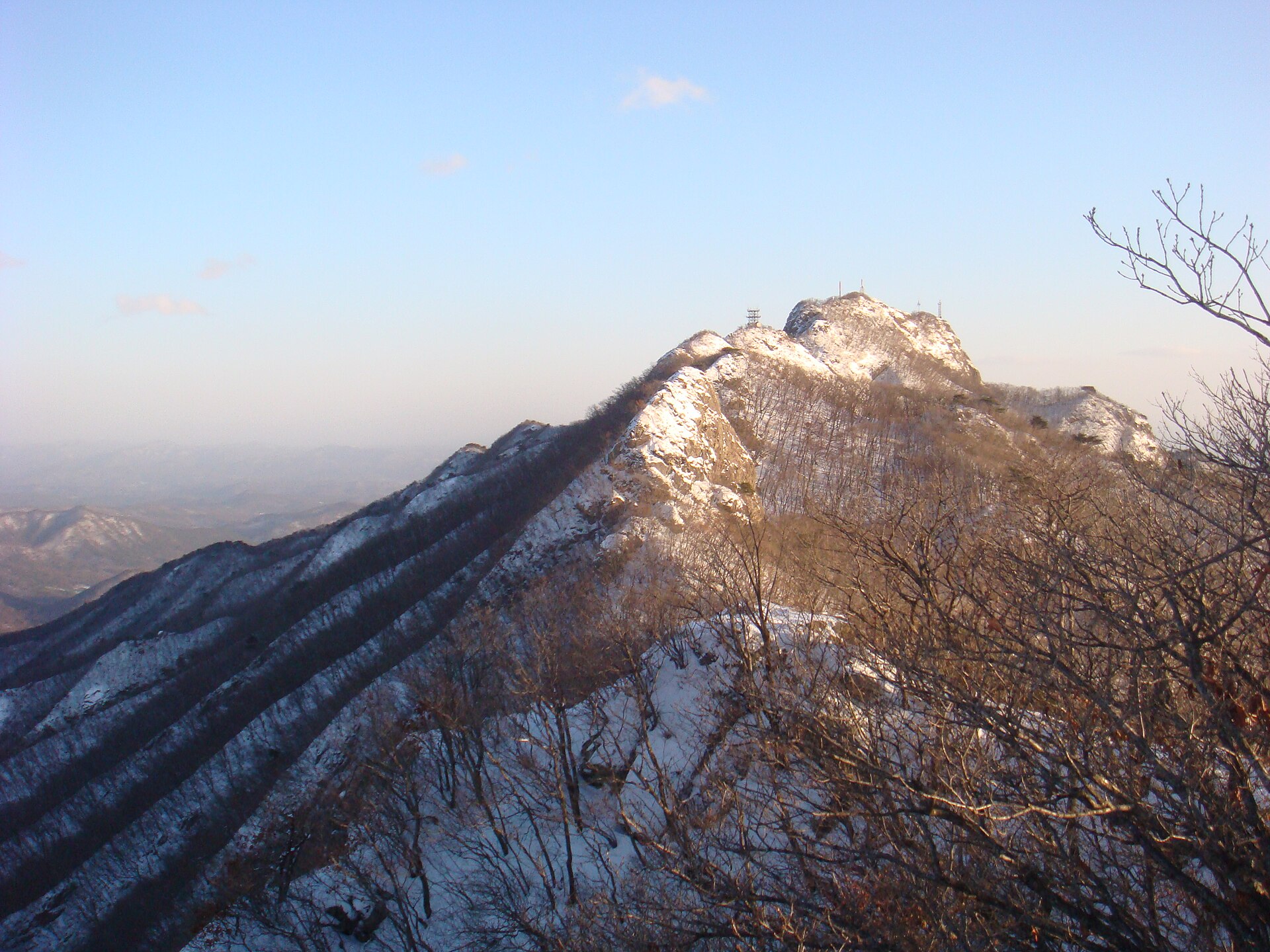
66 records

66 records
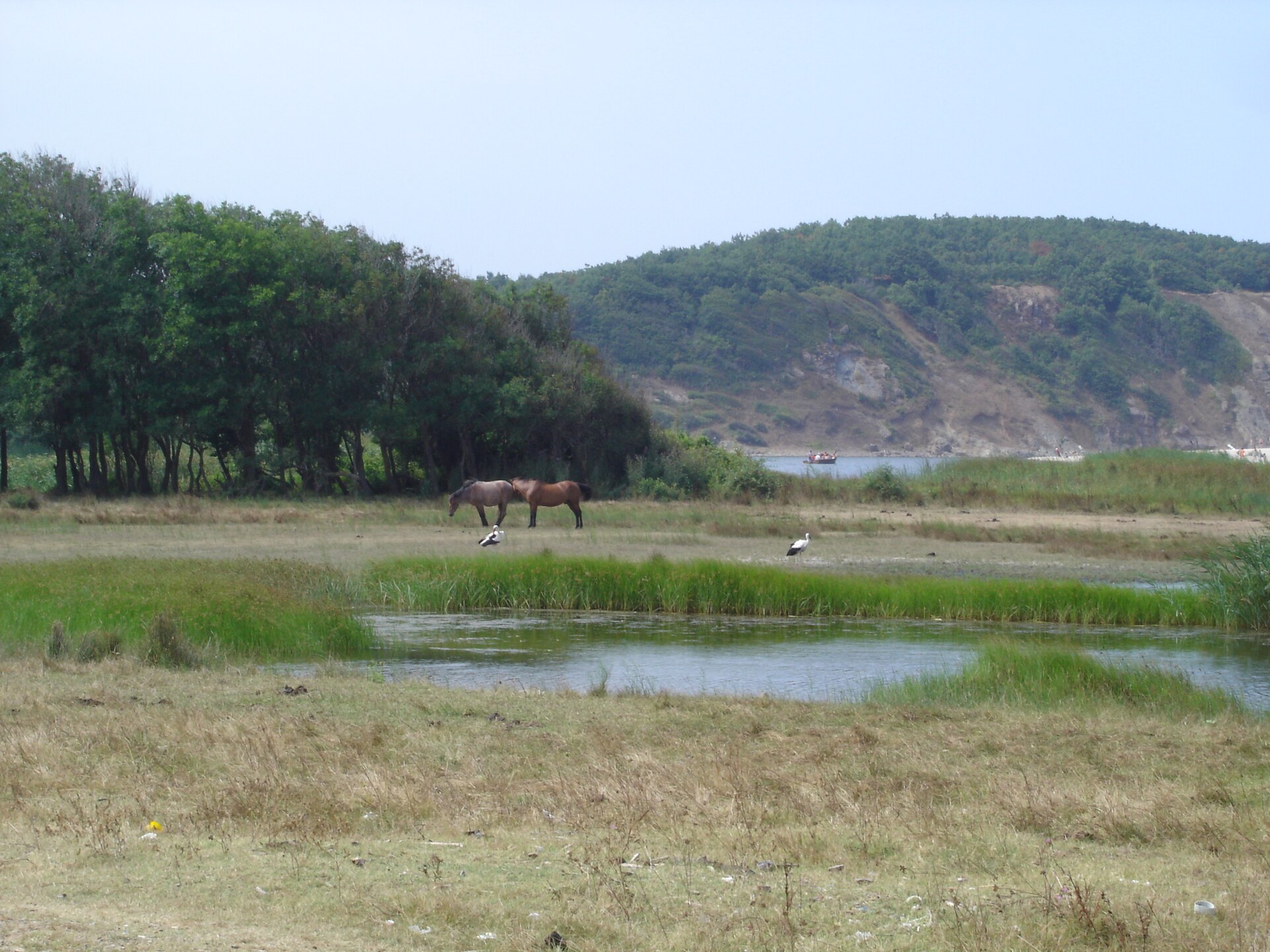
66 records

66 records
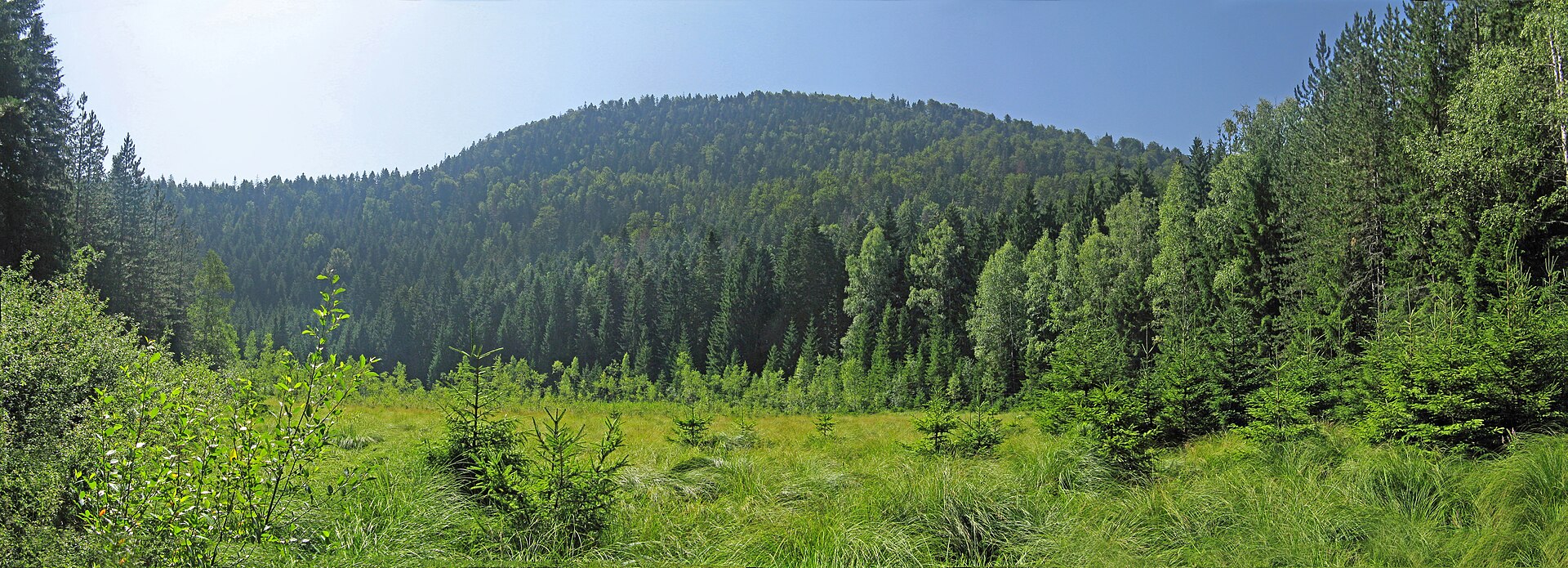
65 records
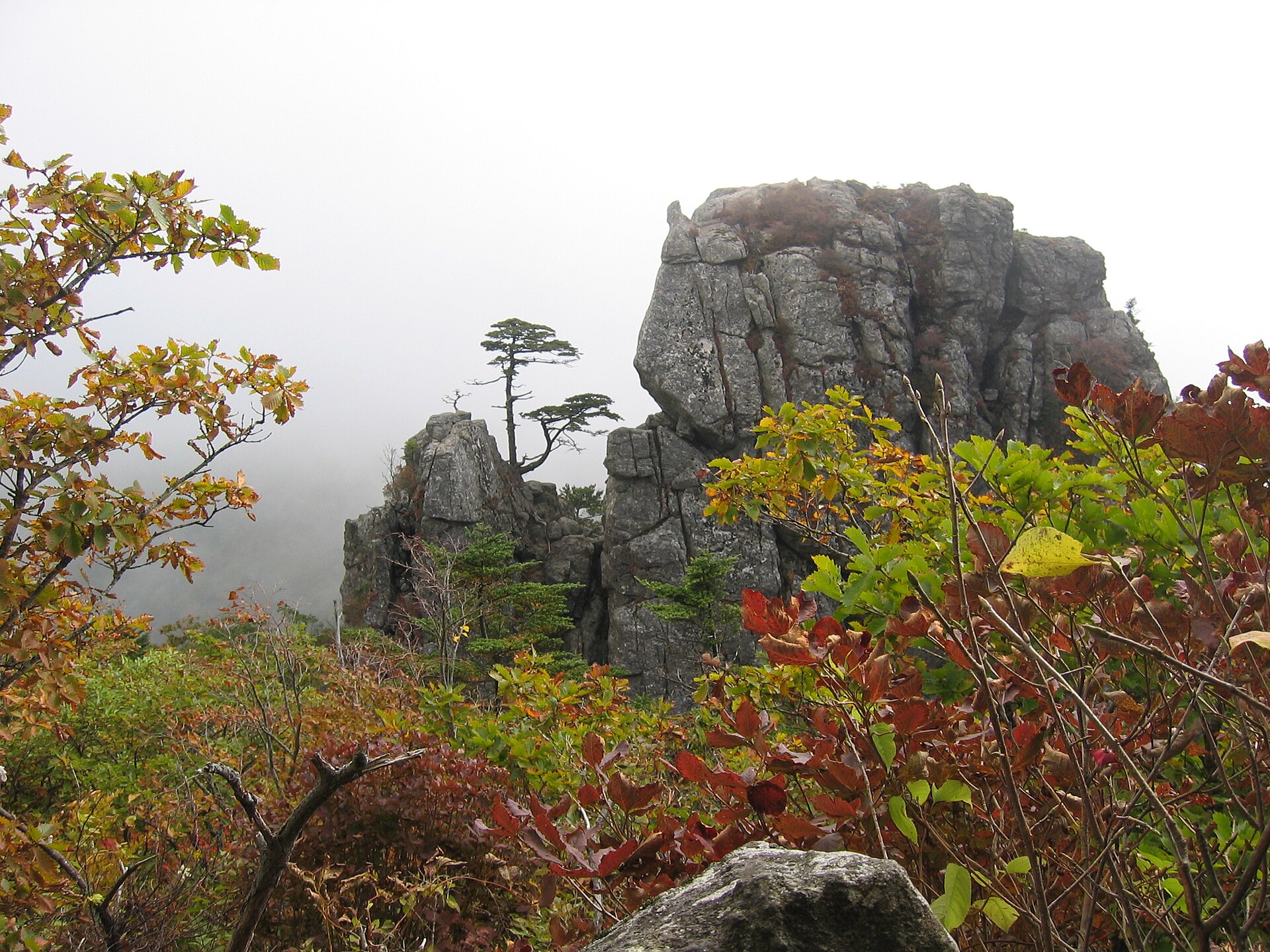
63 records

58 records

56 records
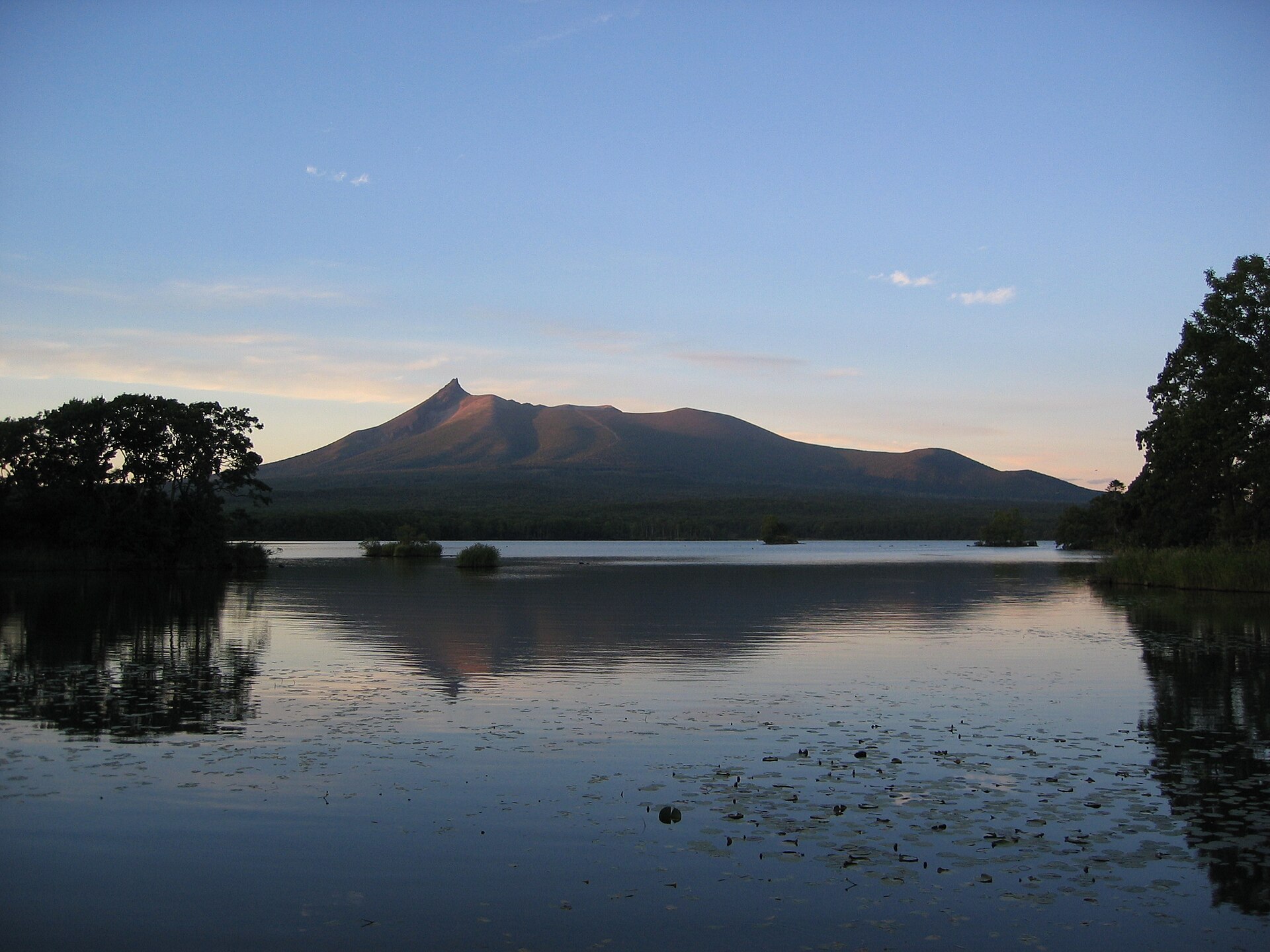
55 records
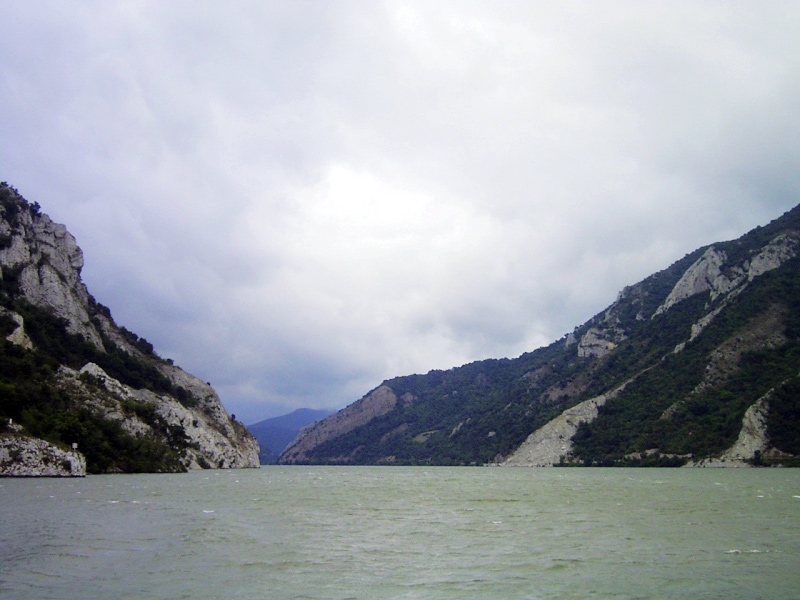
53 records

52 records

49 records

48 records
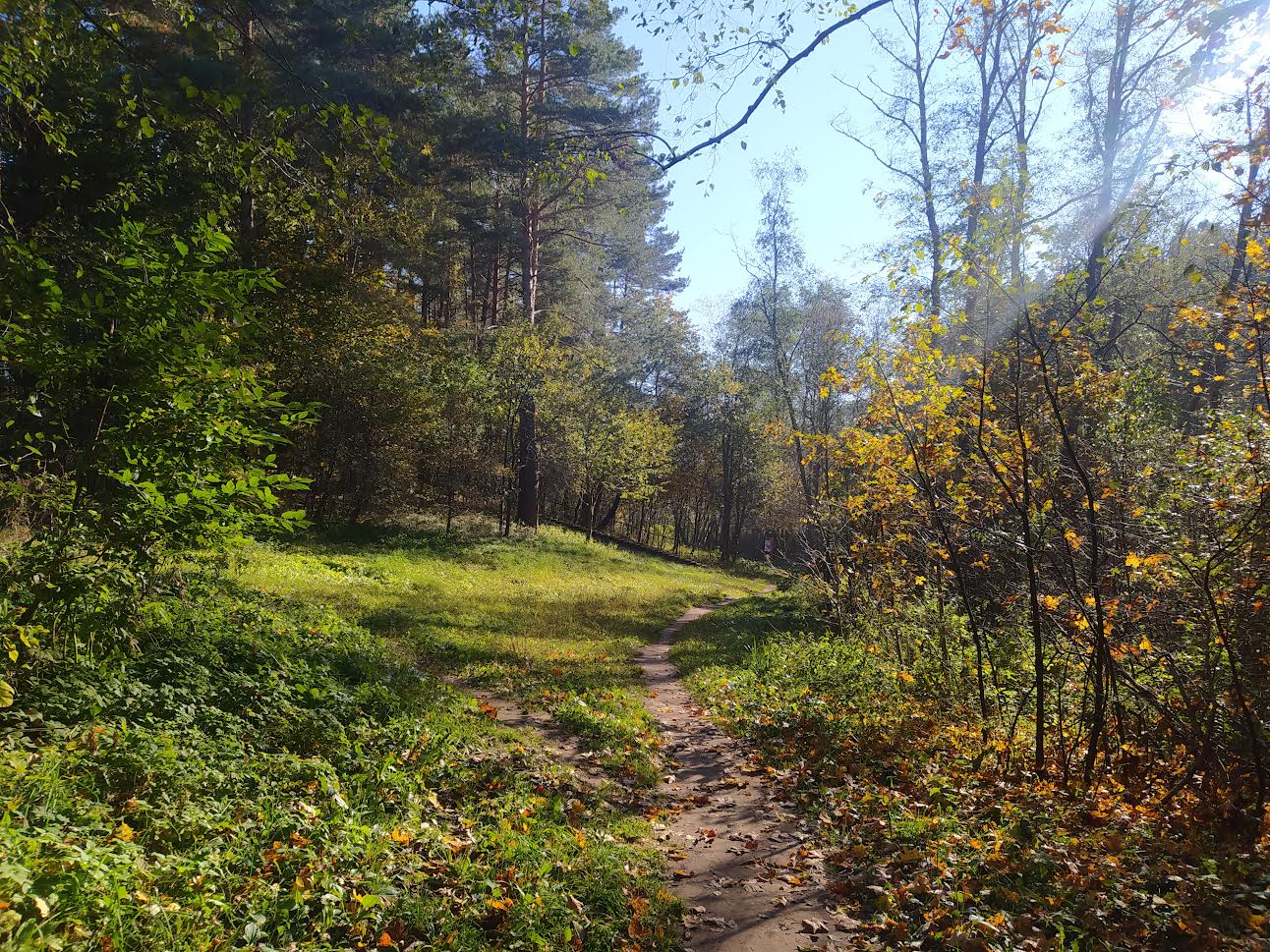
46 records
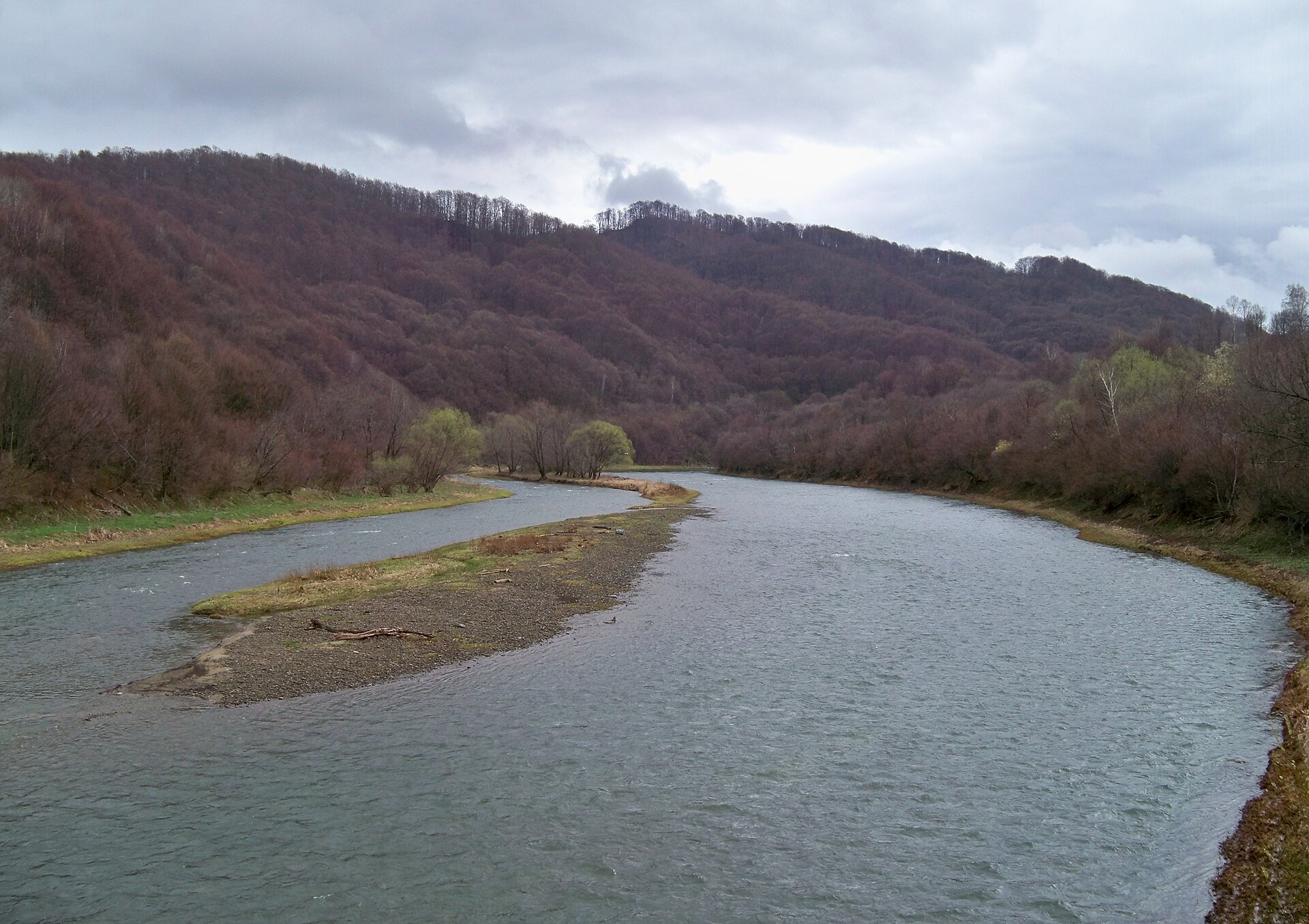
42 records
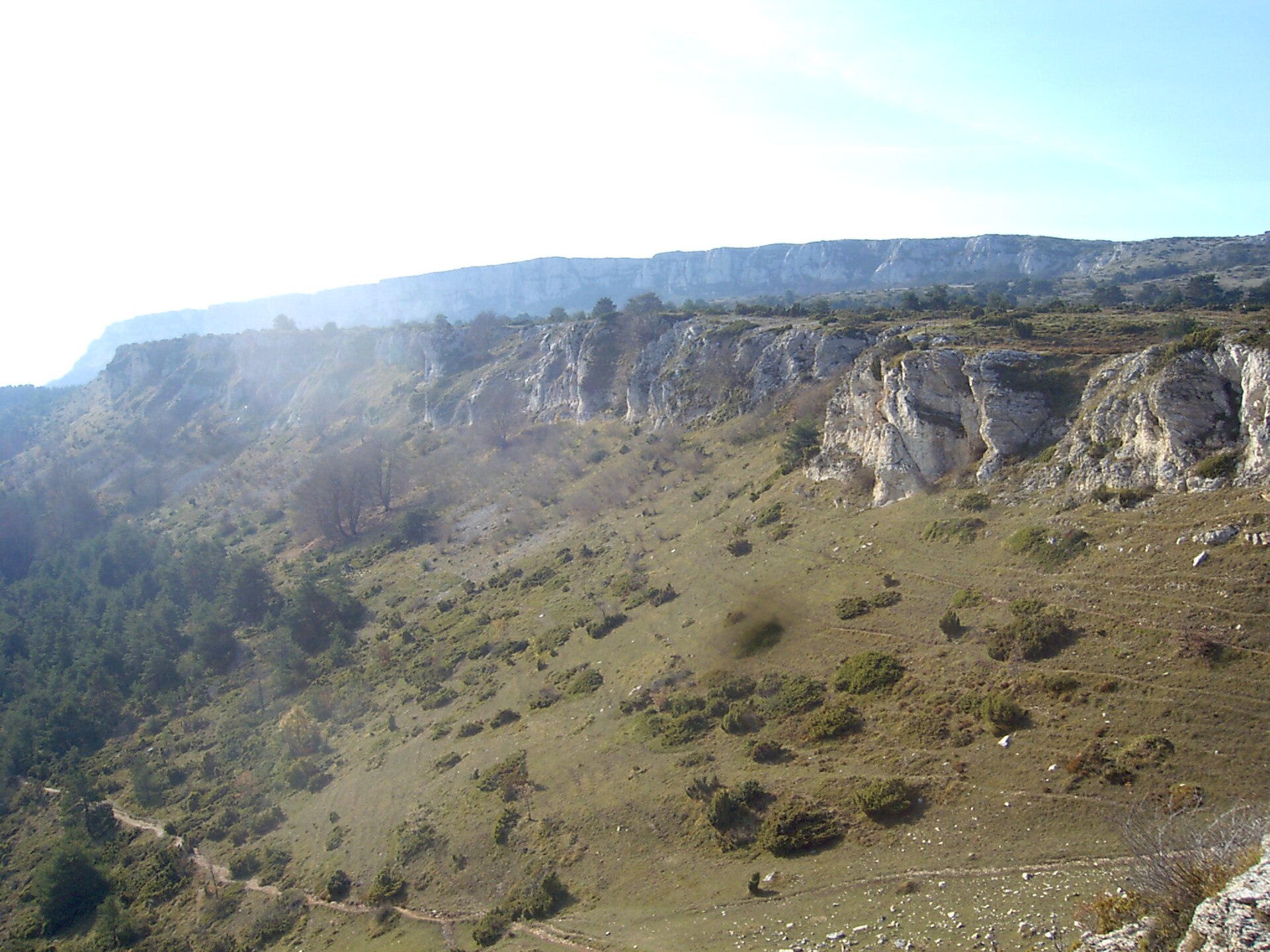
39 records
37 records

37 records
34 records
33 records
33 records

32 records
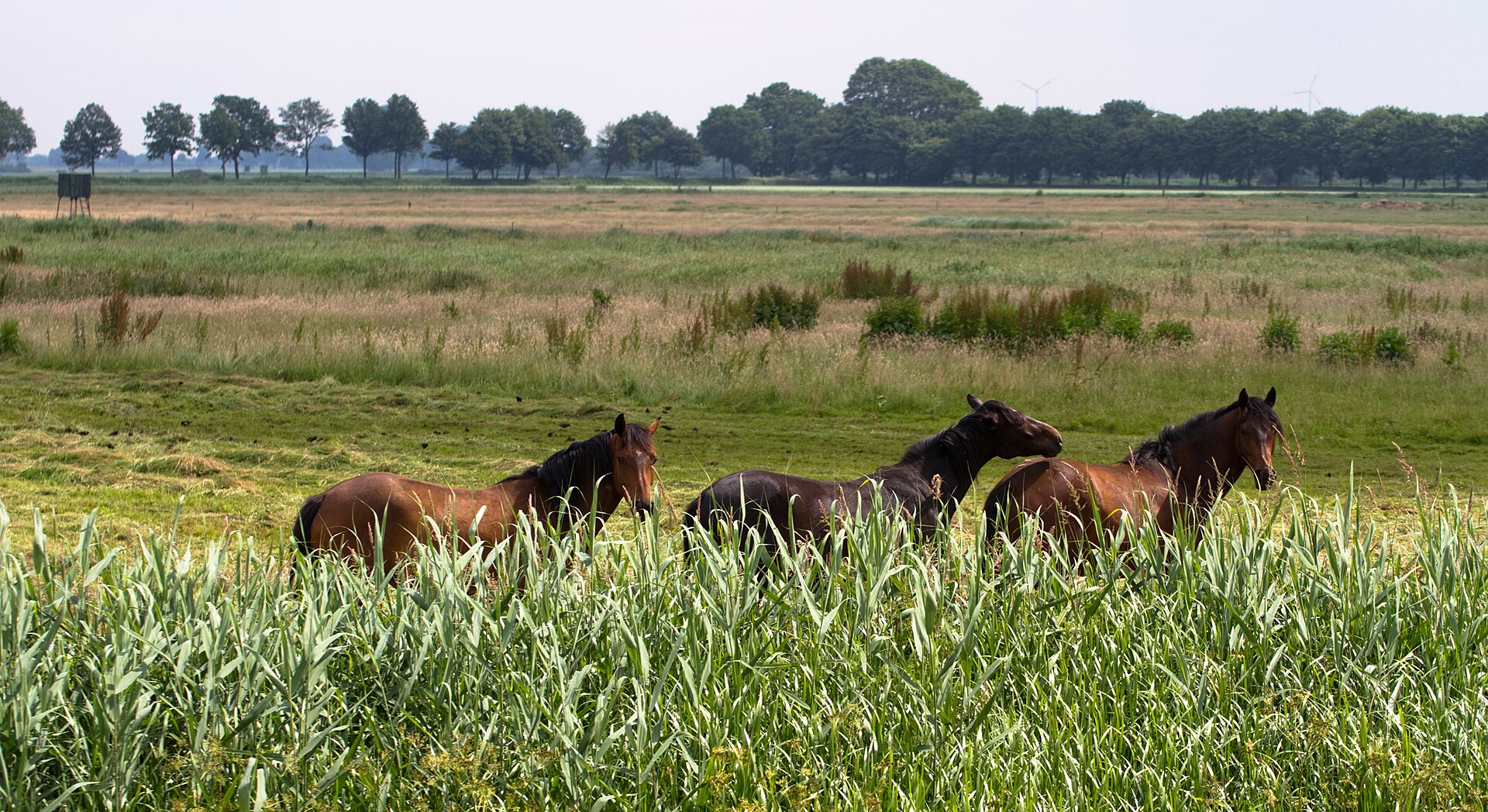
32 records
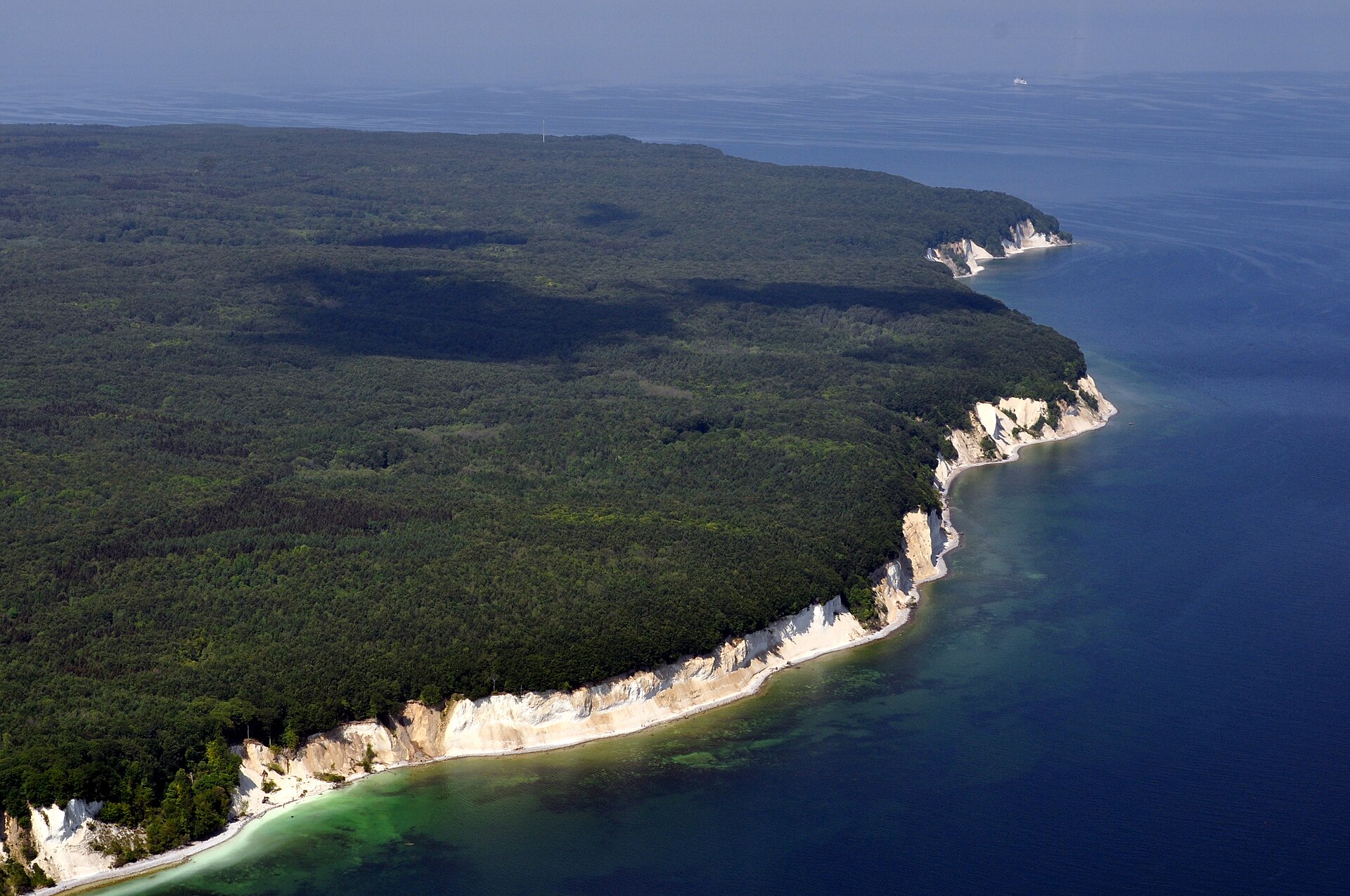
32 records
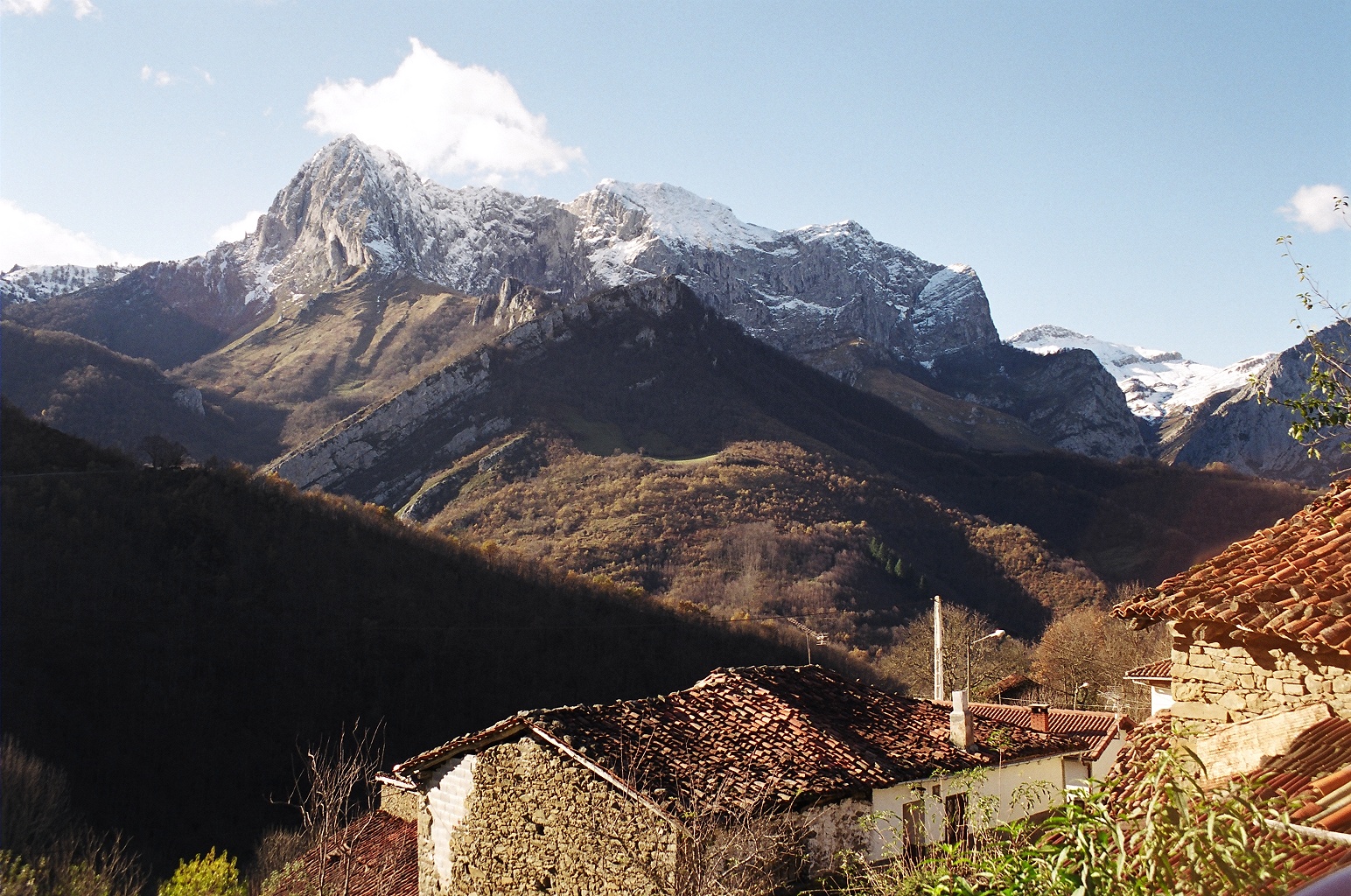
31 records
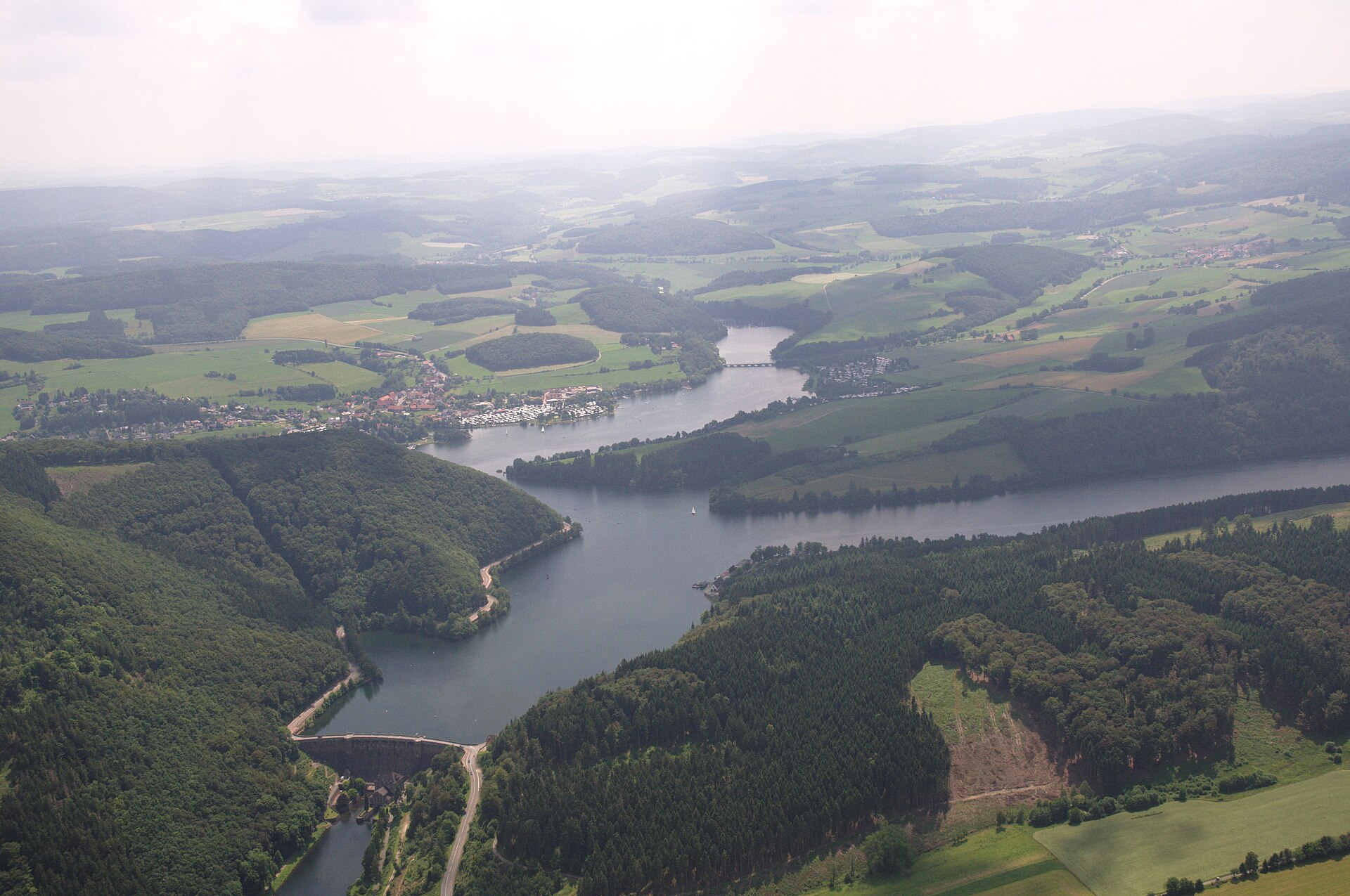
30 records
30 records
30 records
29 records
27 records
27 records

26 records
25 records
25 records
25 records
24 records
24 records
23 records
23 records
23 records
23 records
22 records
22 records
22 records
20 records

20 records
20 records
20 records

17 records

16 records
15 records
14 records
14 records

13 records
11 records
10 records

9 records

7 records
7 records
7 records
6 records
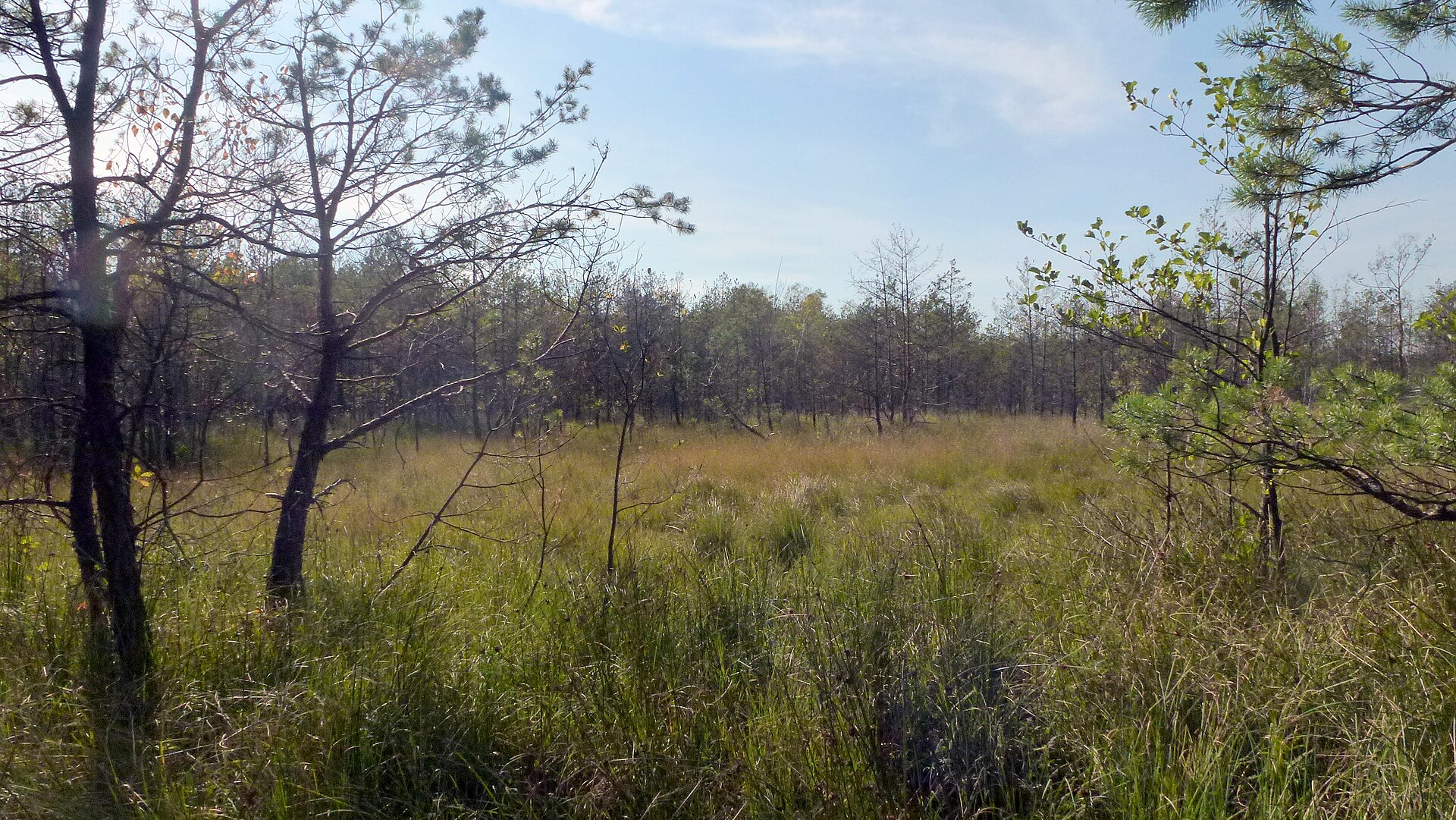
6 records
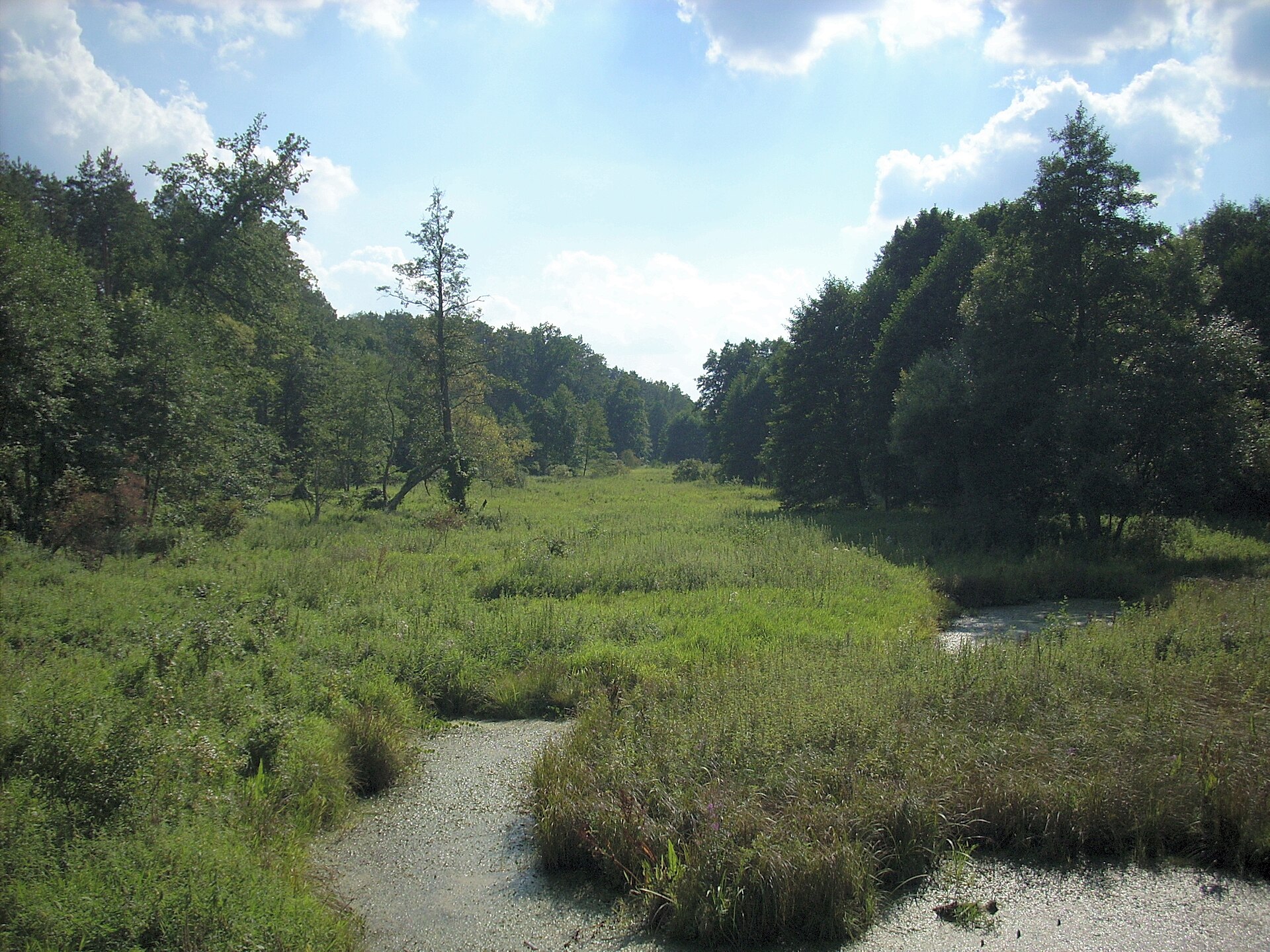
5 records
5 records

4 records
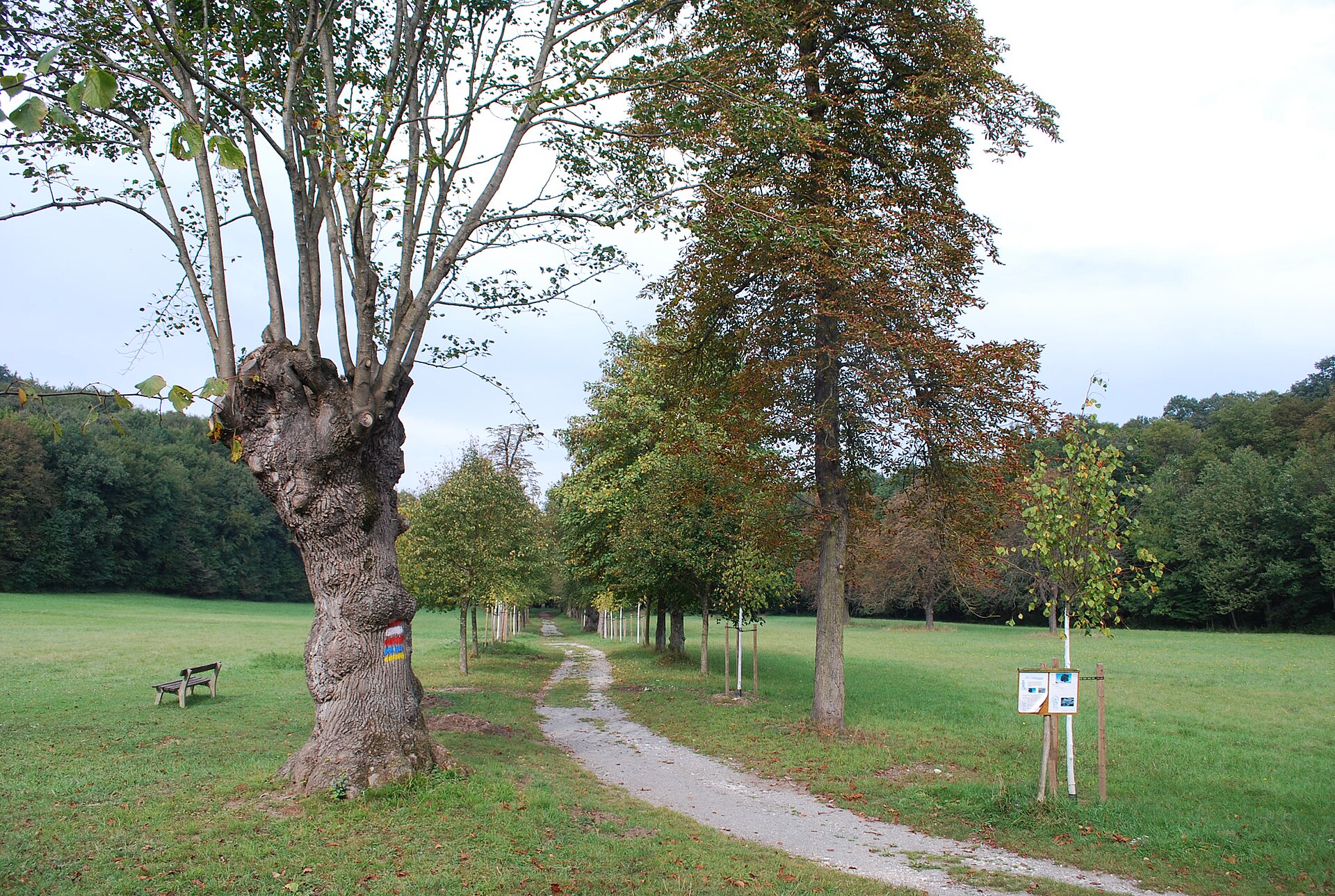
3 records

3 records
2 records
2 records
2 records
2 records
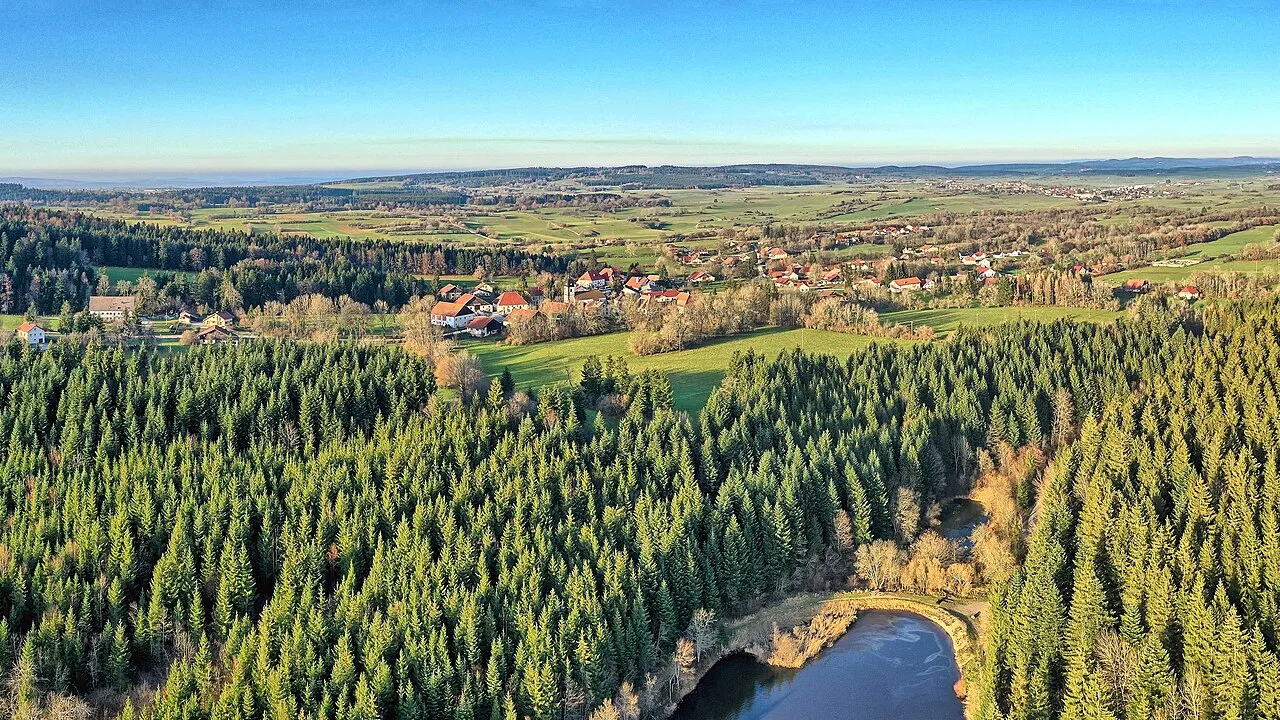
2 records

2 records
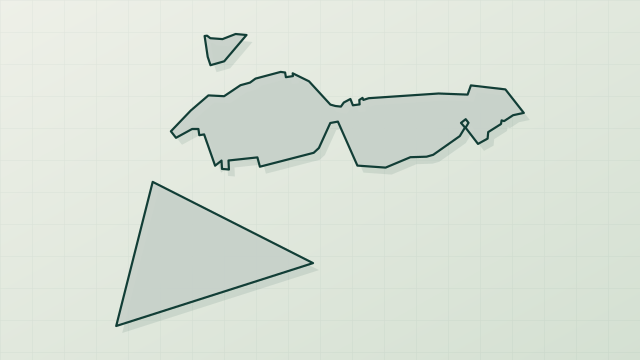
2 records
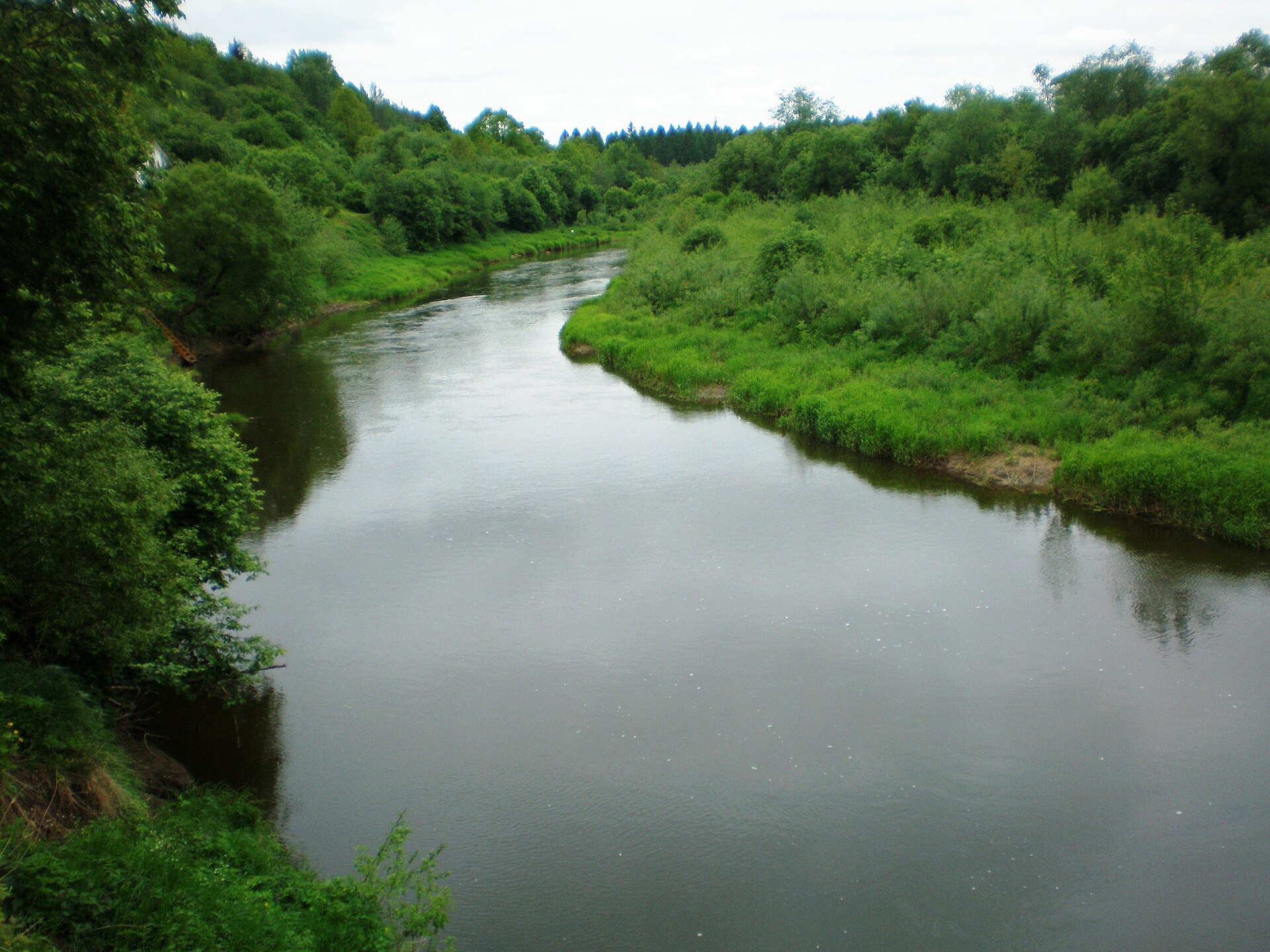
1 records
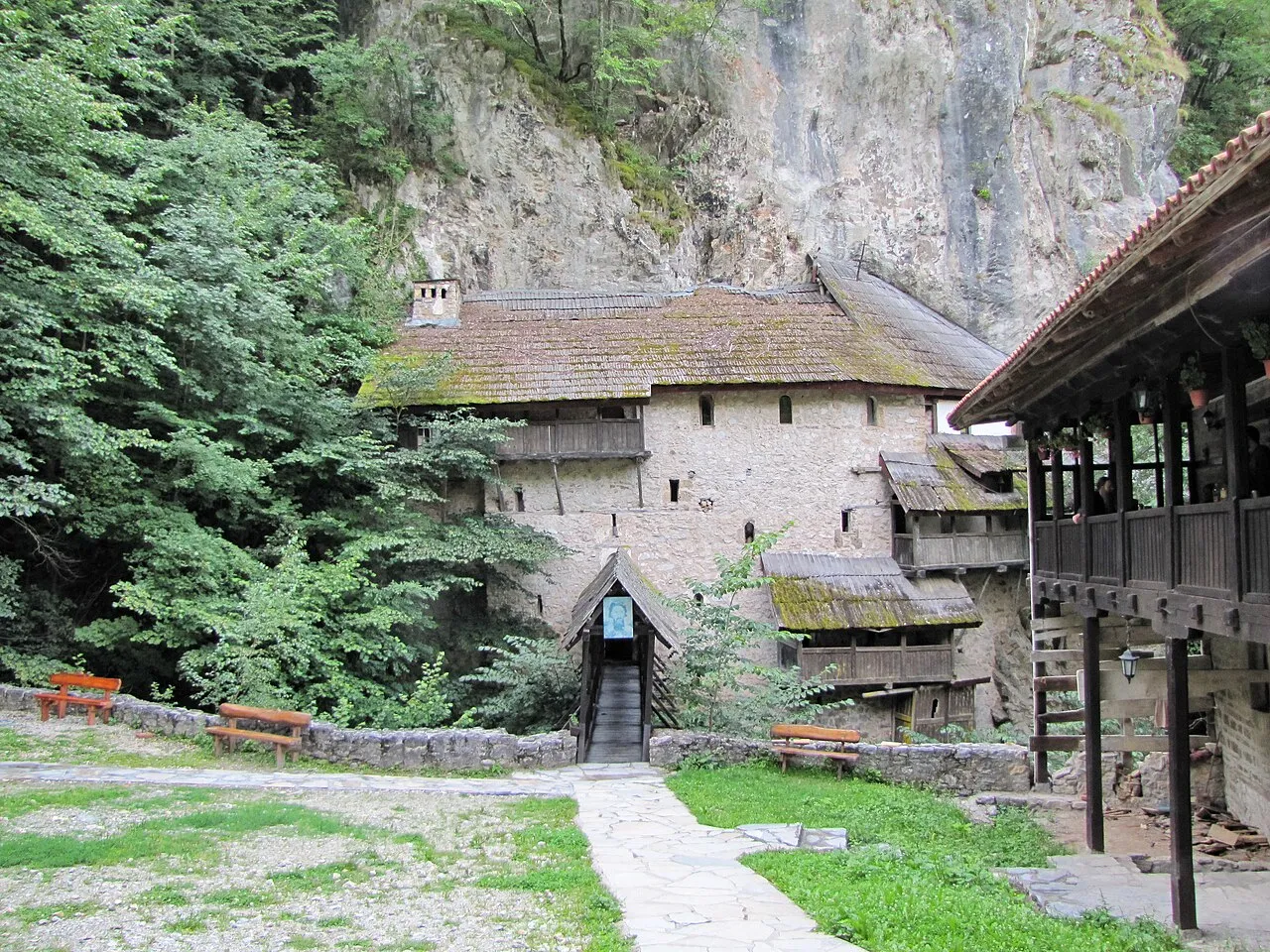
1 records
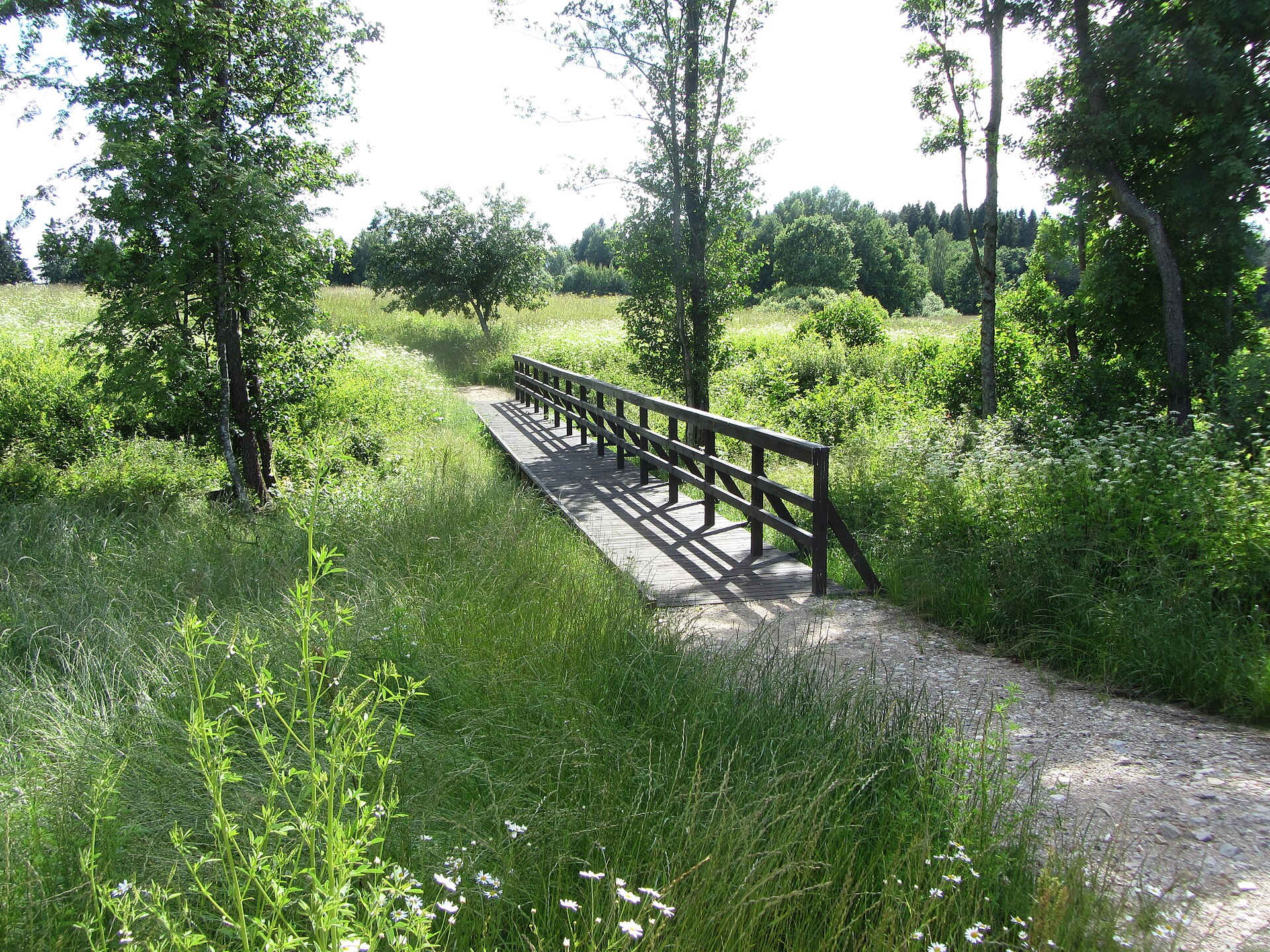
1 records
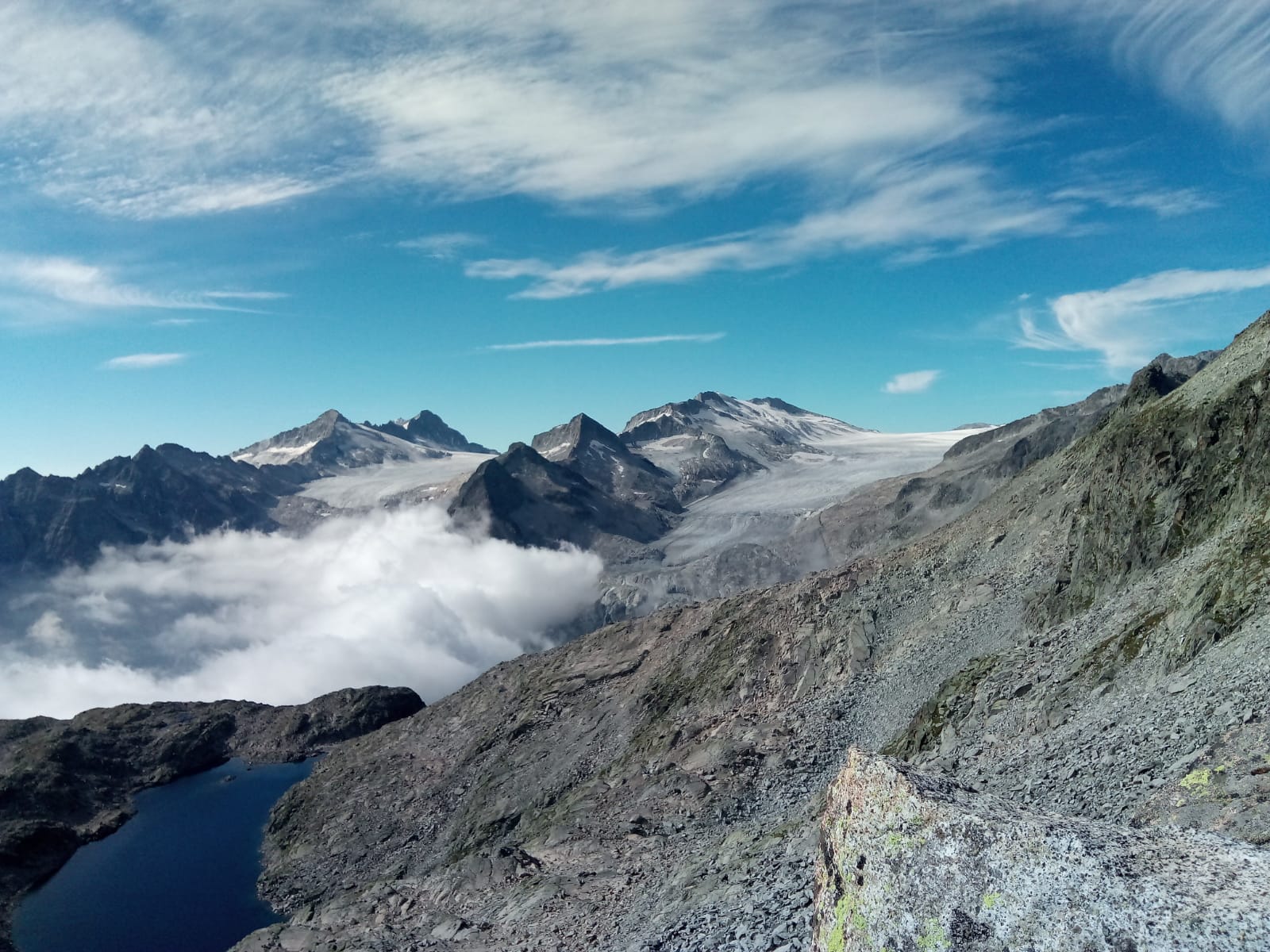
Natura 2000 · resident
Natura 2000 · resident

Natura 2000 · resident
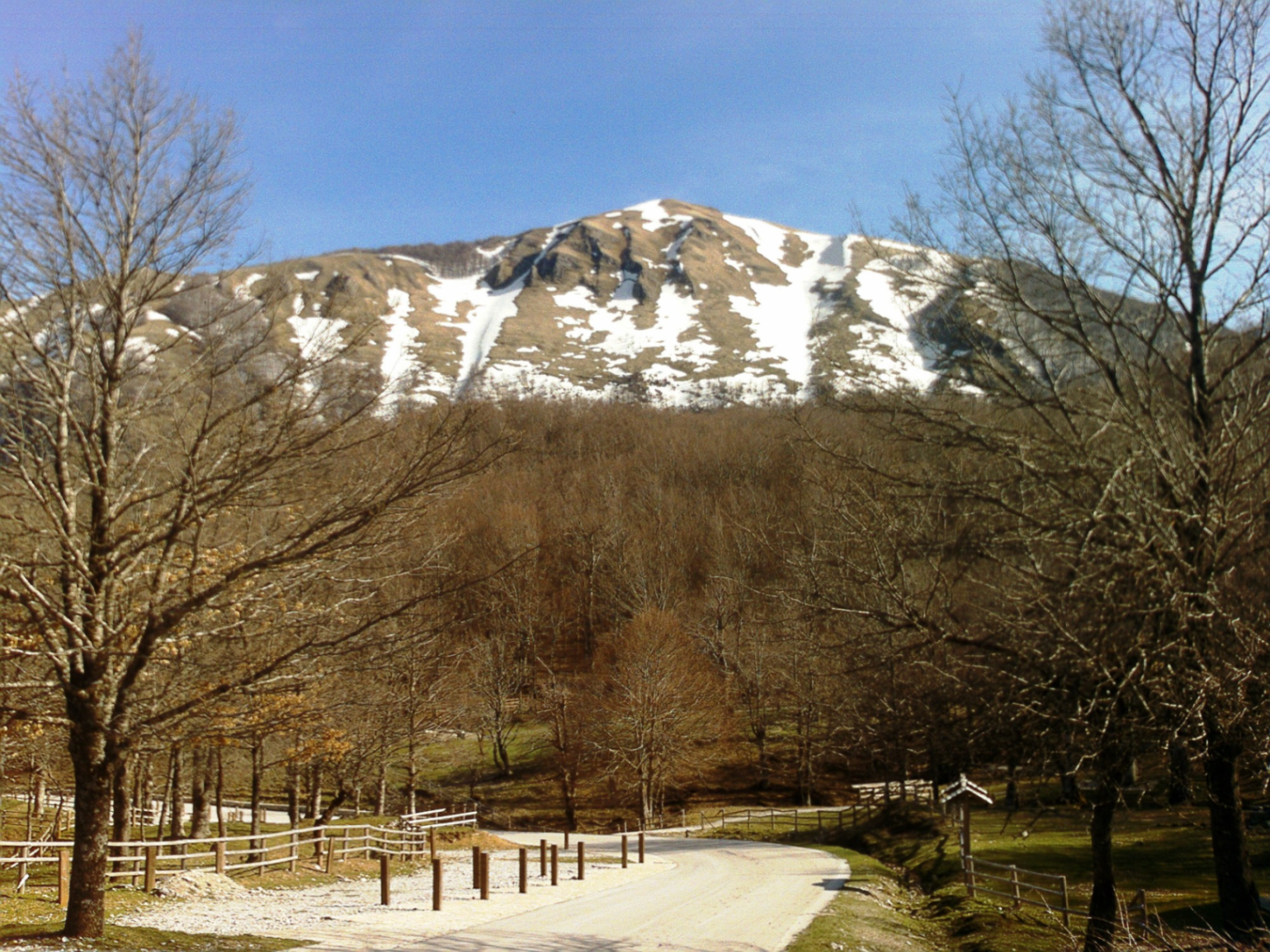
Natura 2000 · resident
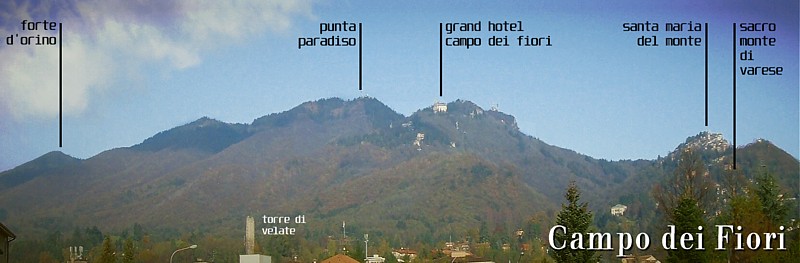
Natura 2000 · resident
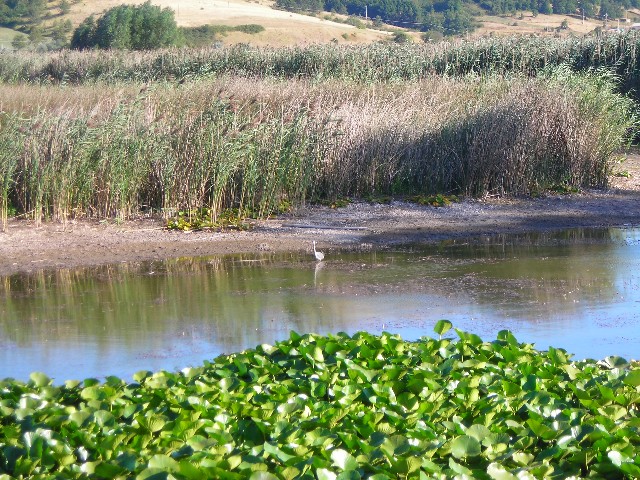
Natura 2000 · resident

Natura 2000 · breeding, passage, wintering
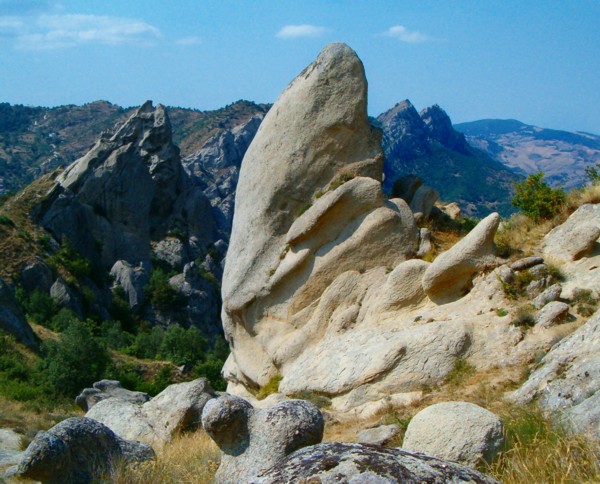
Natura 2000 · resident

Natura 2000 · resident
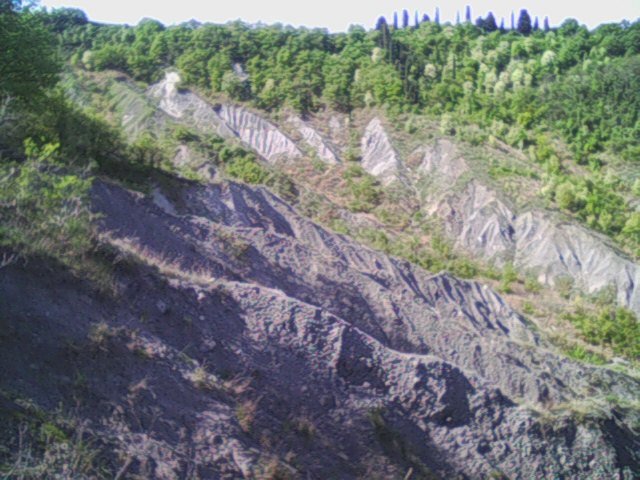
Natura 2000 · breeding

Natura 2000
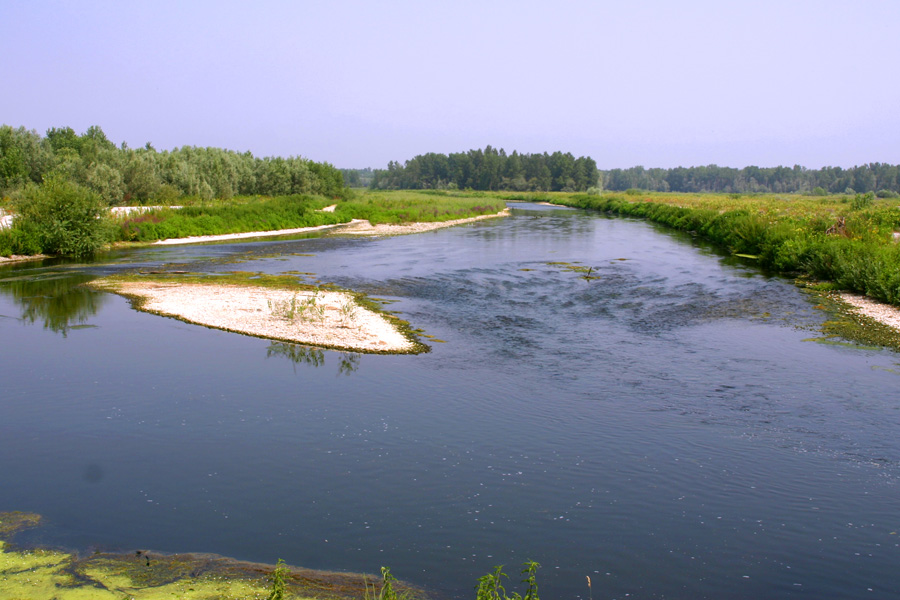
Natura 2000 · resident
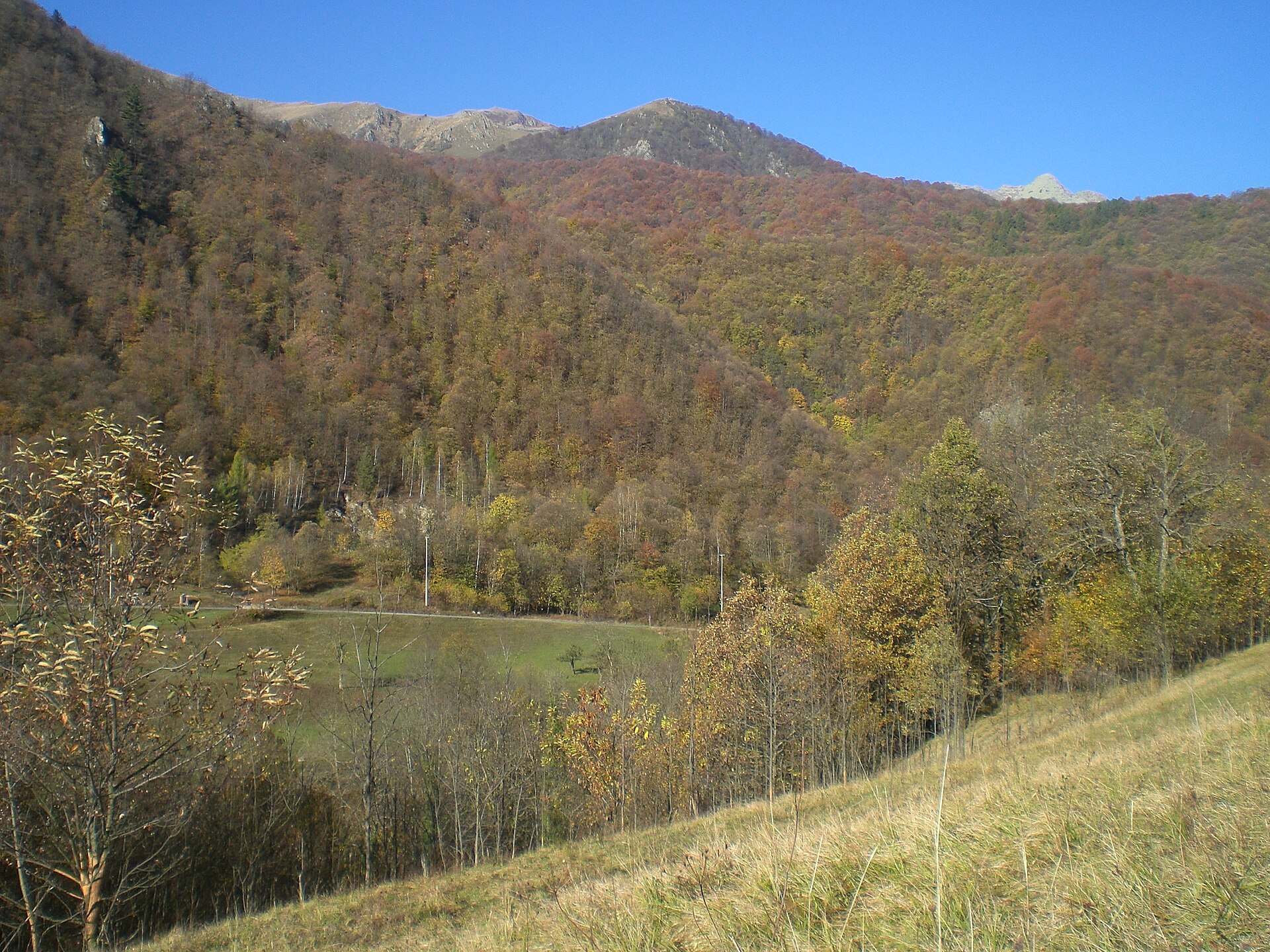
Natura 2000 · breeding, wintering
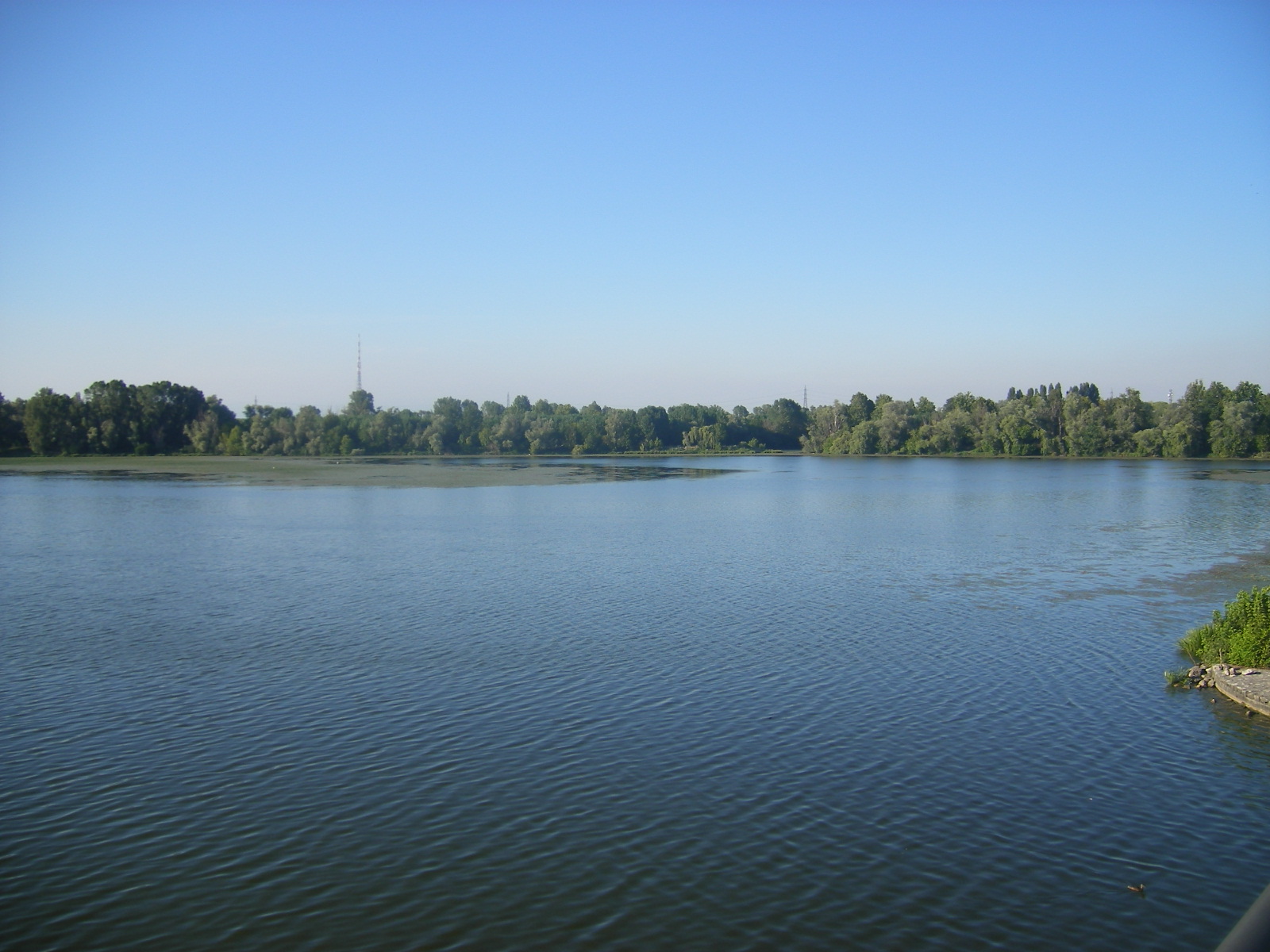
Natura 2000 · resident

Natura 2000 · resident
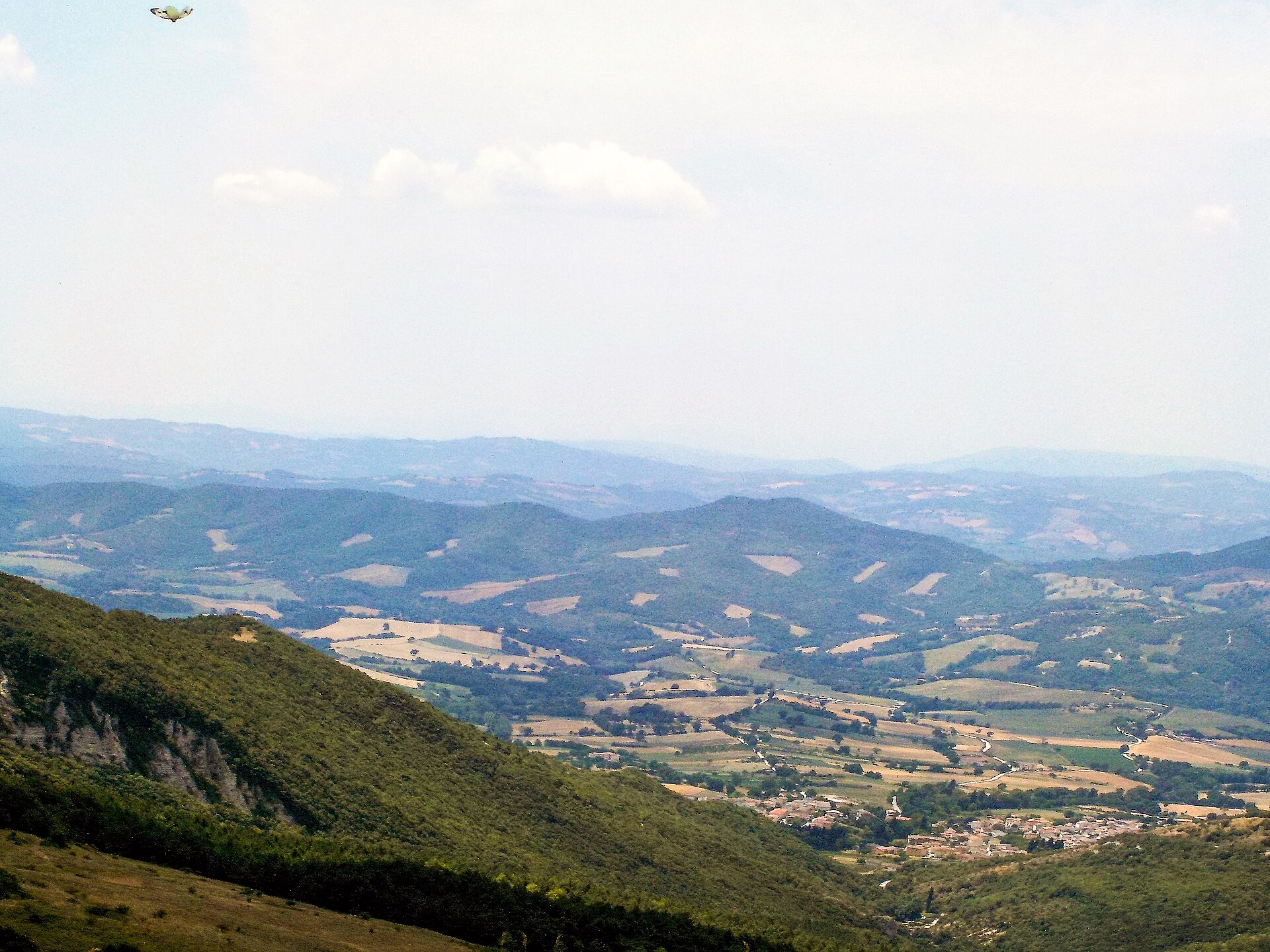
Natura 2000 · breeding
Natura 2000 · resident
Natura 2000 · resident, wintering
Natura 2000 · resident
Natura 2000 · resident
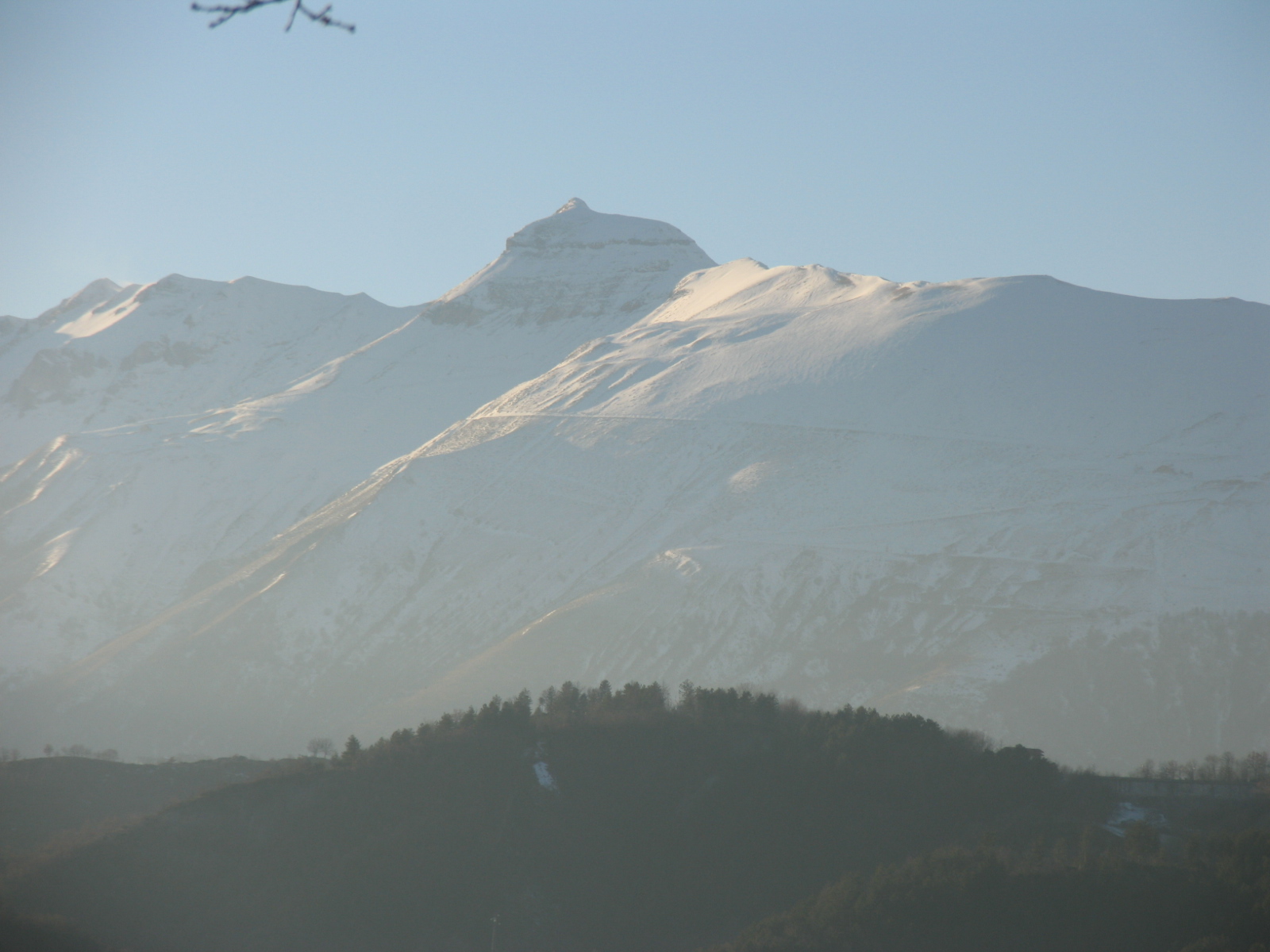
Natura 2000 · breeding
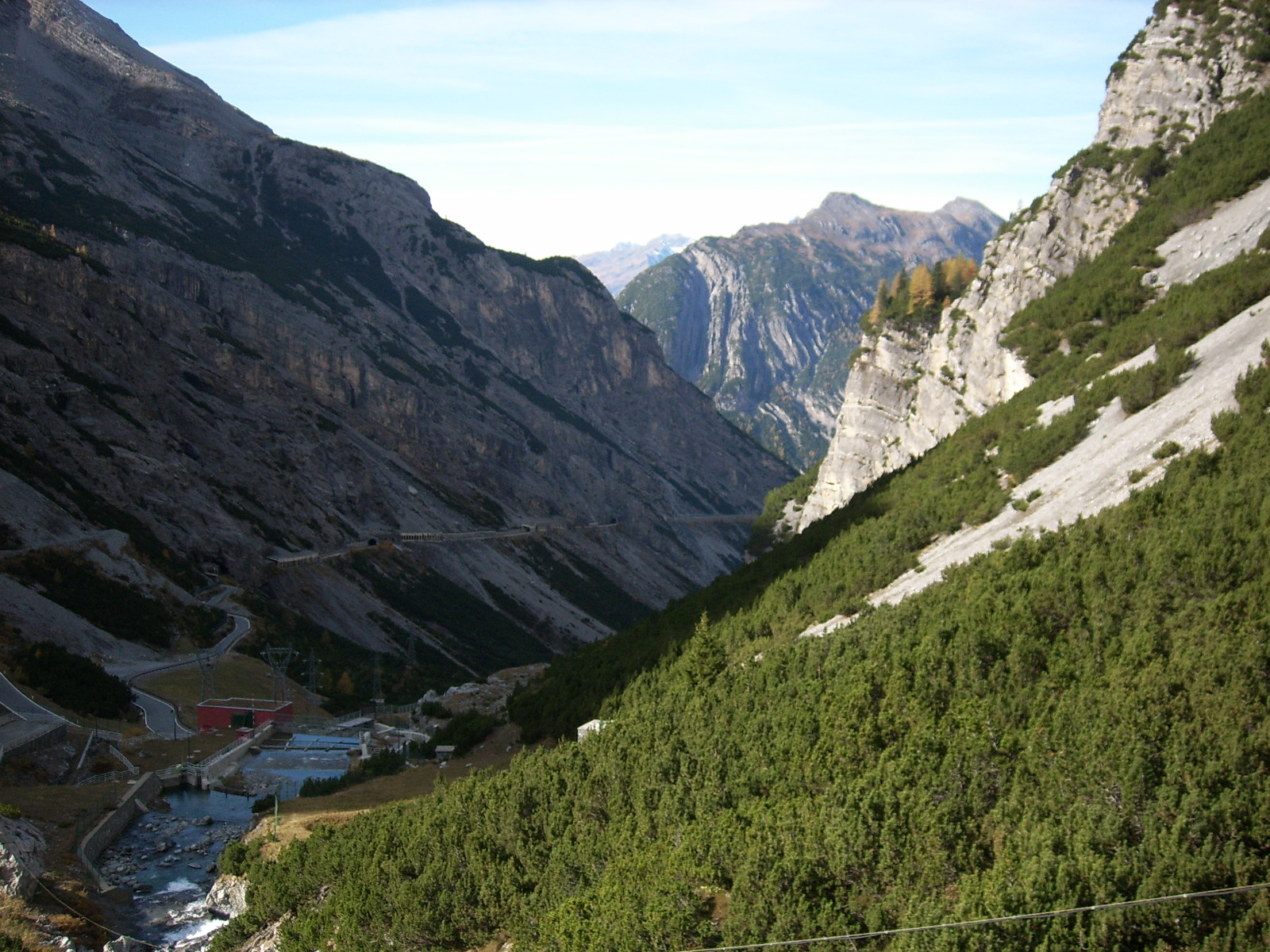
Natura 2000 · passage
Natura 2000 · passage, wintering, breeding
Other species to discover
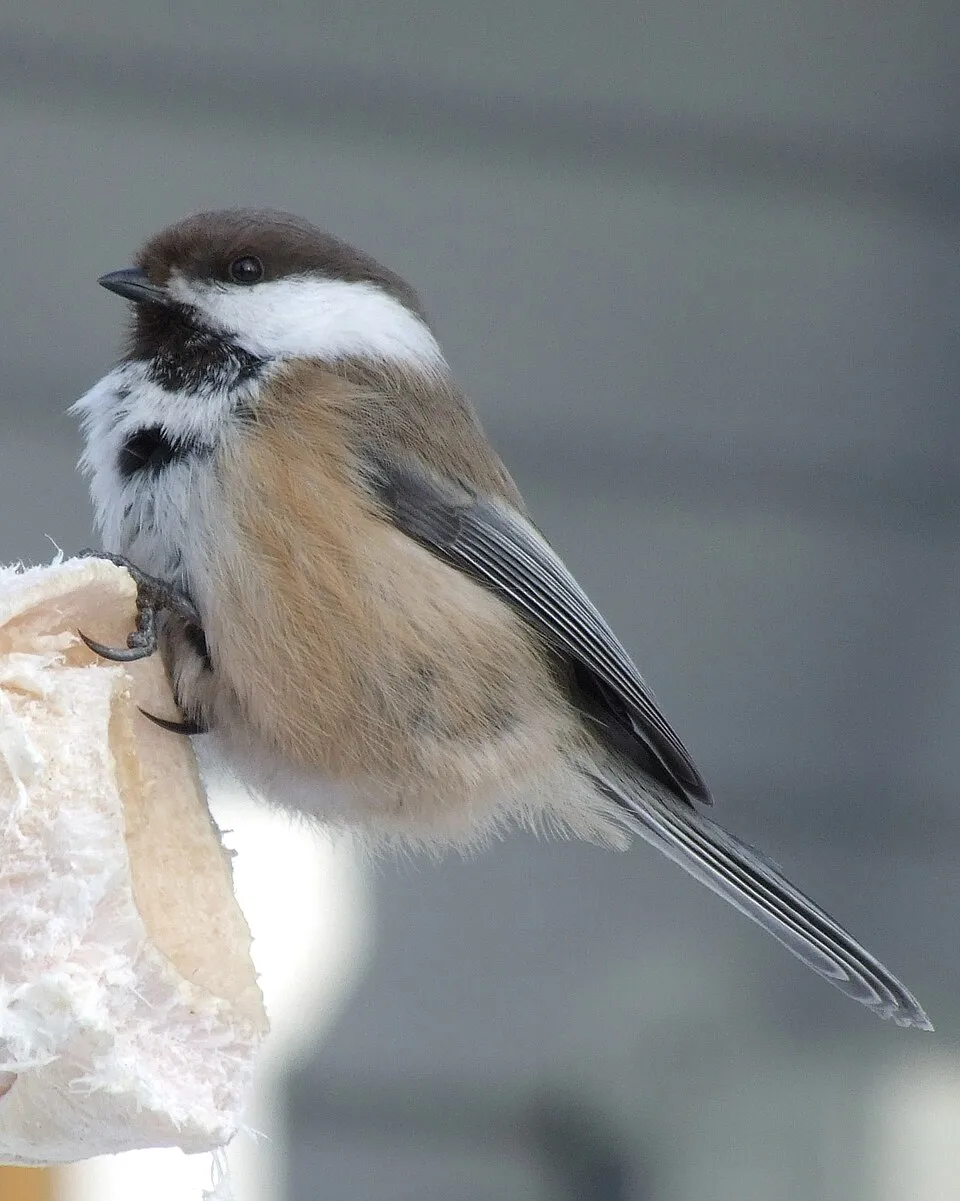

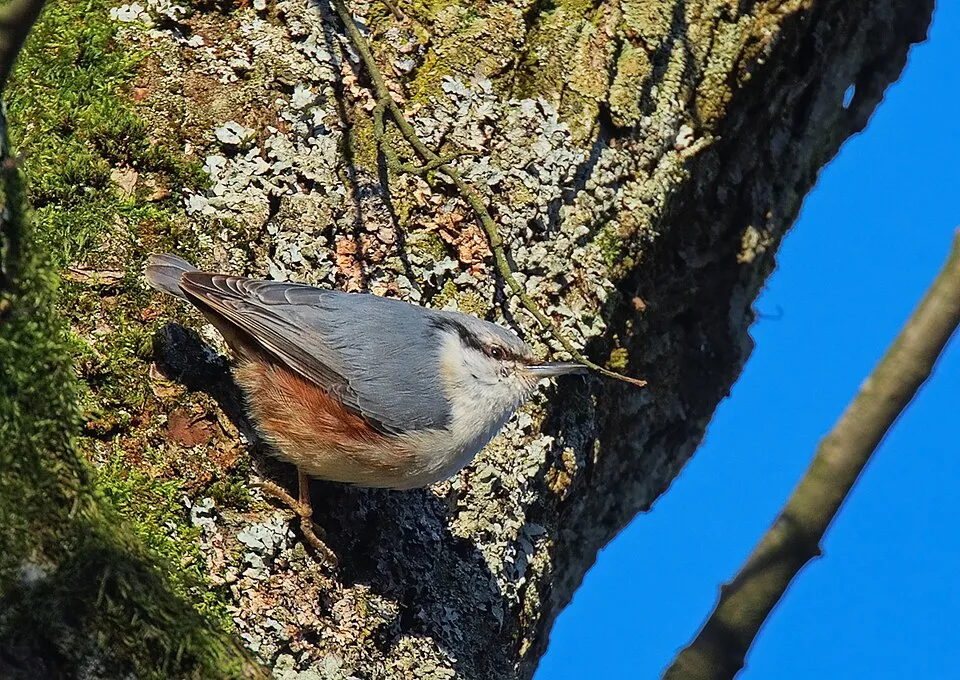

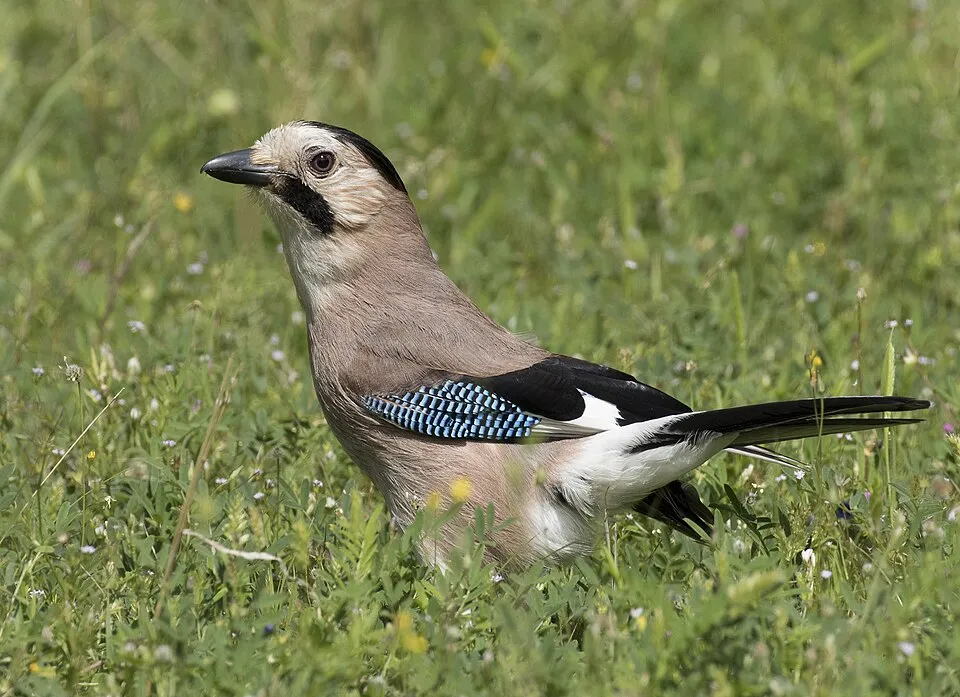
Sources and credits
- Presence: most-recorded species of each place on GBIF and species of Community interest in the Natura 2000 forms (EEA, CC-BY 4.0); absence from the list does not mean the species is absent.
- Common names: Wikidata (CC0) and GBIF.
- Photos and sounds: Wikimedia Commons, author and licence given for each file.
- Classification: GBIF Backbone Taxonomy (GBIF Secretariat), CC BY 4.0, doi:10.15468/39omei.
- Countries, elevations, months and maps: GBIF.org, CC0 or CC BY 4.0 occurrences only, accessed October 22, 2026, GBIF.org.
- Base map: Natural Earth (public domain).
- Excerpt: Wikipedia, CC BY-SA 4.0 (full credit below the excerpt).
- Key facts: Wikidata (CC0), with the references cited under each value.
- EU bird populations: EEA / DG ENV, Article 12 Birds Directive reporting (2013–2018), CC BY 4.0.