
Mammal
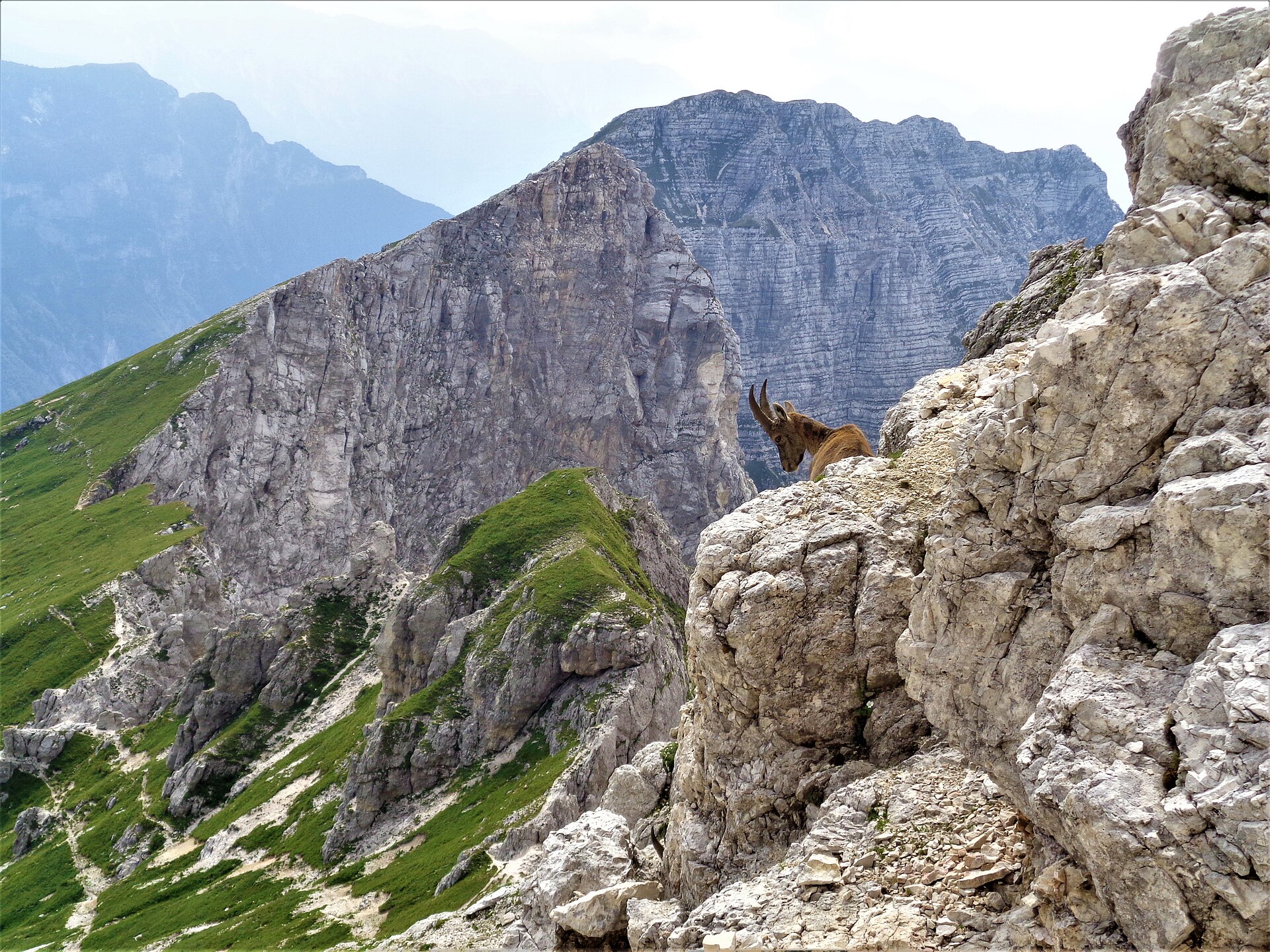
Alpine Ibex: where to see it
Capra ibex
This mammal species is recorded in 41 protected areas of the atlas, including 28 whose official Natura 2000 form lists it. Within the atlas countries, it is observed in France, Switzerland and Italy. Most records (8 in 10) lie between 1,600 and 2,700 m above sea level. Records are spread throughout the year. It is a species of Community interest under the Habitats Directive (Annex V). In the EU its conservation status is assessed as unfavourable-inadequate (2013–2018 reporting).
Best time to see it: all year round
Records published on GBIF by month (CC0 and CC BY 4.0 licences only), in the atlas countries, all years combined; they also reflect observer activity.
Key facts
- Litter size
- 1.2 young on average Wikidata, after Parrini et al. 2009
- Gestation
- 5.4–5.6 months Wikidata, after Parrini et al. 2009
- Maximum recorded lifespan
- 21 years Wikidata, after Longevity of Mammals in Captivity, 2005
Status and protection
Habitats Directive V
The species is listed in Annex V of the Habitats Directive.
In the EU its conservation status is assessed as unfavourable-inadequate in the Alpine region (2013–2018 reporting).
Distribution
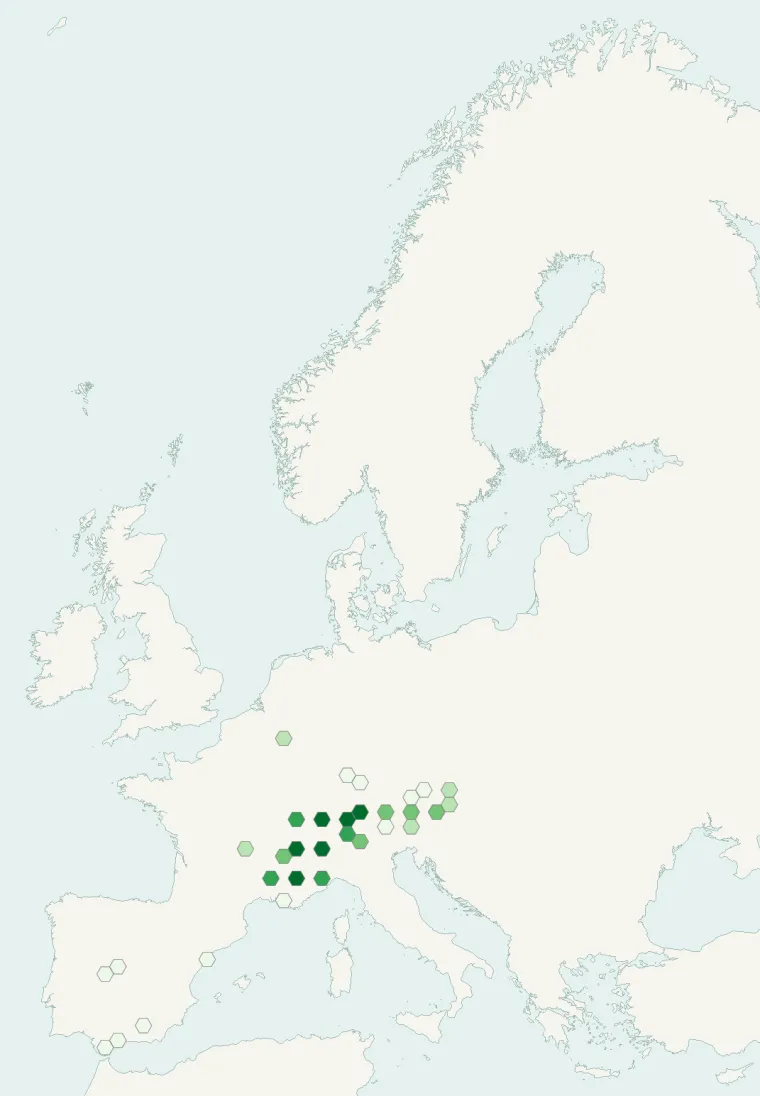
Records published on GBIF (CC0 and CC BY 4.0 licences): the darker the shade, the more records there are; they also reflect observation effort.
Atlas countries where it is recorded
From Wikipedia
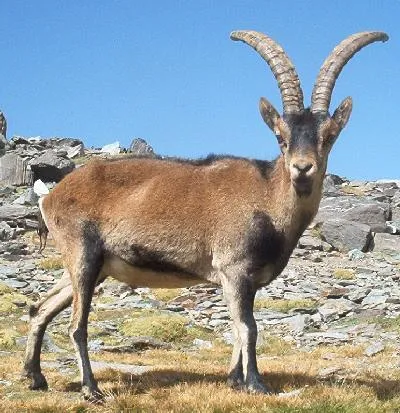
The Alpine ibex (Capra ibex), also known as the steinbock, is a European species of goat which lives in the Alps. It is one of ten species in the genus Capra, and its closest living relative is the Iberian ibex. The Alpine ibex is a sexually dimorphic species; males are much larger and carry much larger, longer horns than females. Its coat is brownish-grey. Alpine ibexes tend to live in steep, rough terrain and open alpine meadows. They can be found at elevations as high as 3,300 m (10,800 ft) and their sharp hooves allow them to scale the steep slopes and cliffs of their mountainous habitat.
Source: Wikipedia, article “Alpine ibex” (version of September 22, 2026) · history and authors · licence CC BY-SA 4.0 · shortened excerpt
Protected areas where it is recorded
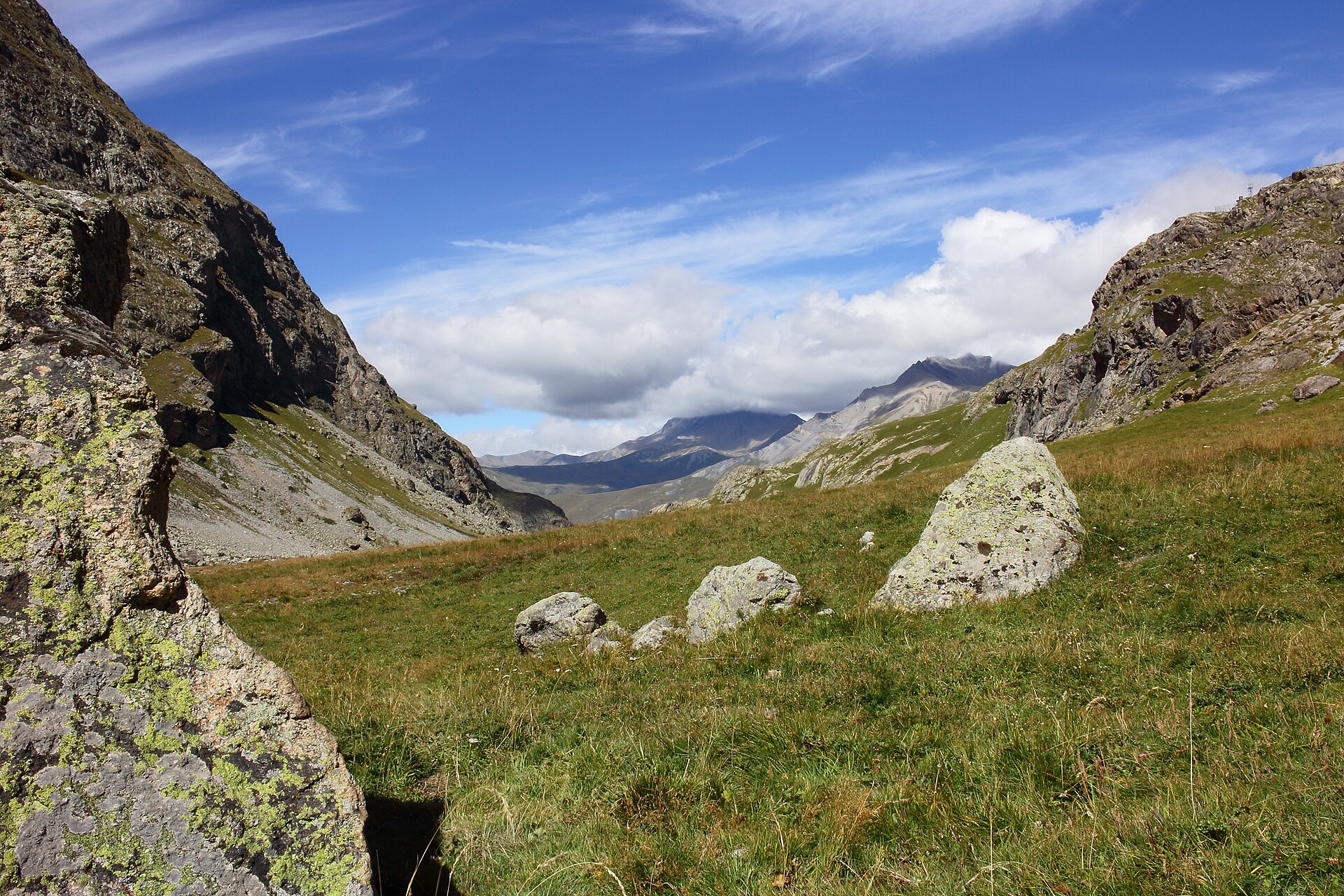
Natura 2000 25,051 records
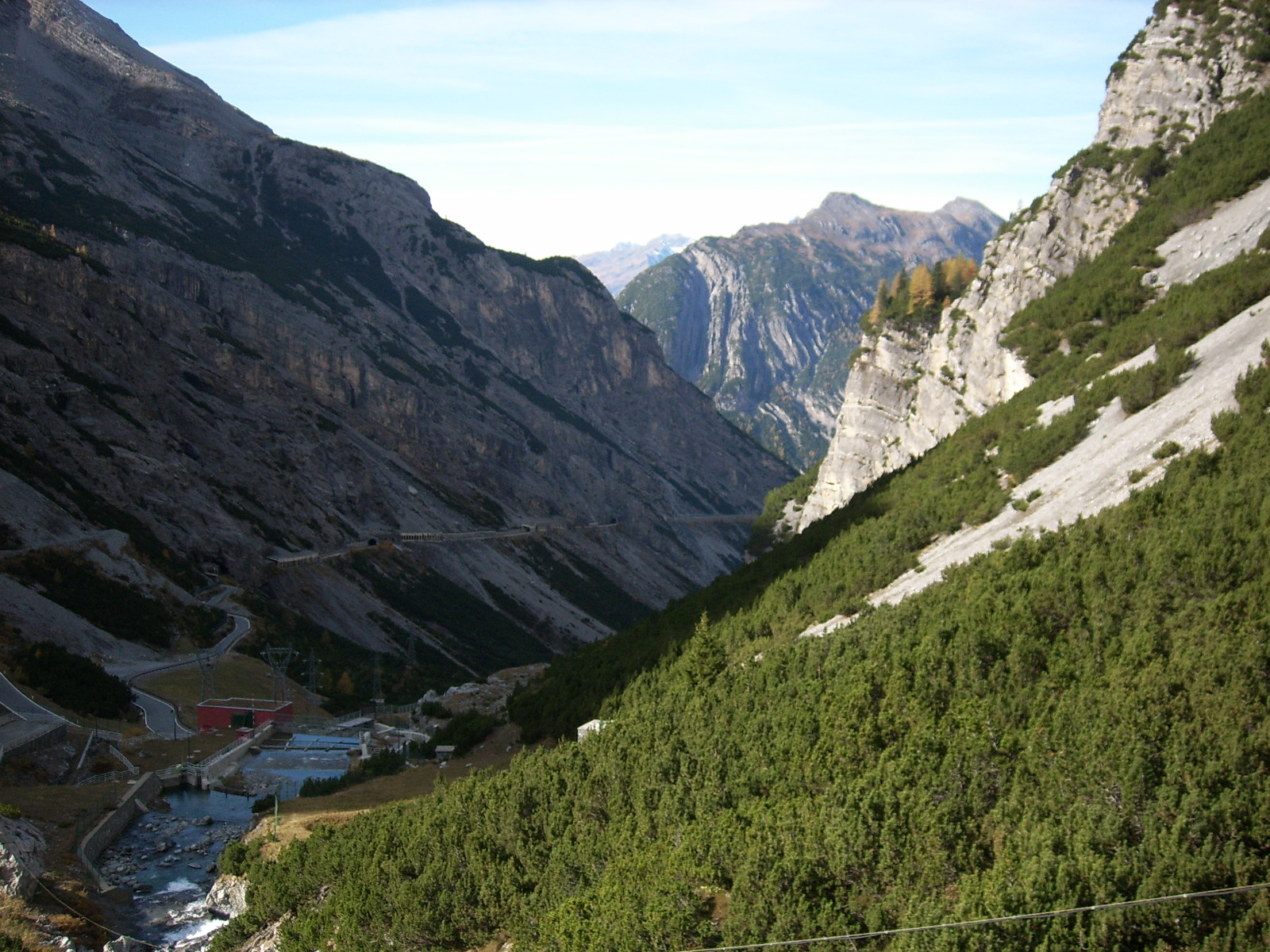
Natura 2000 333 records
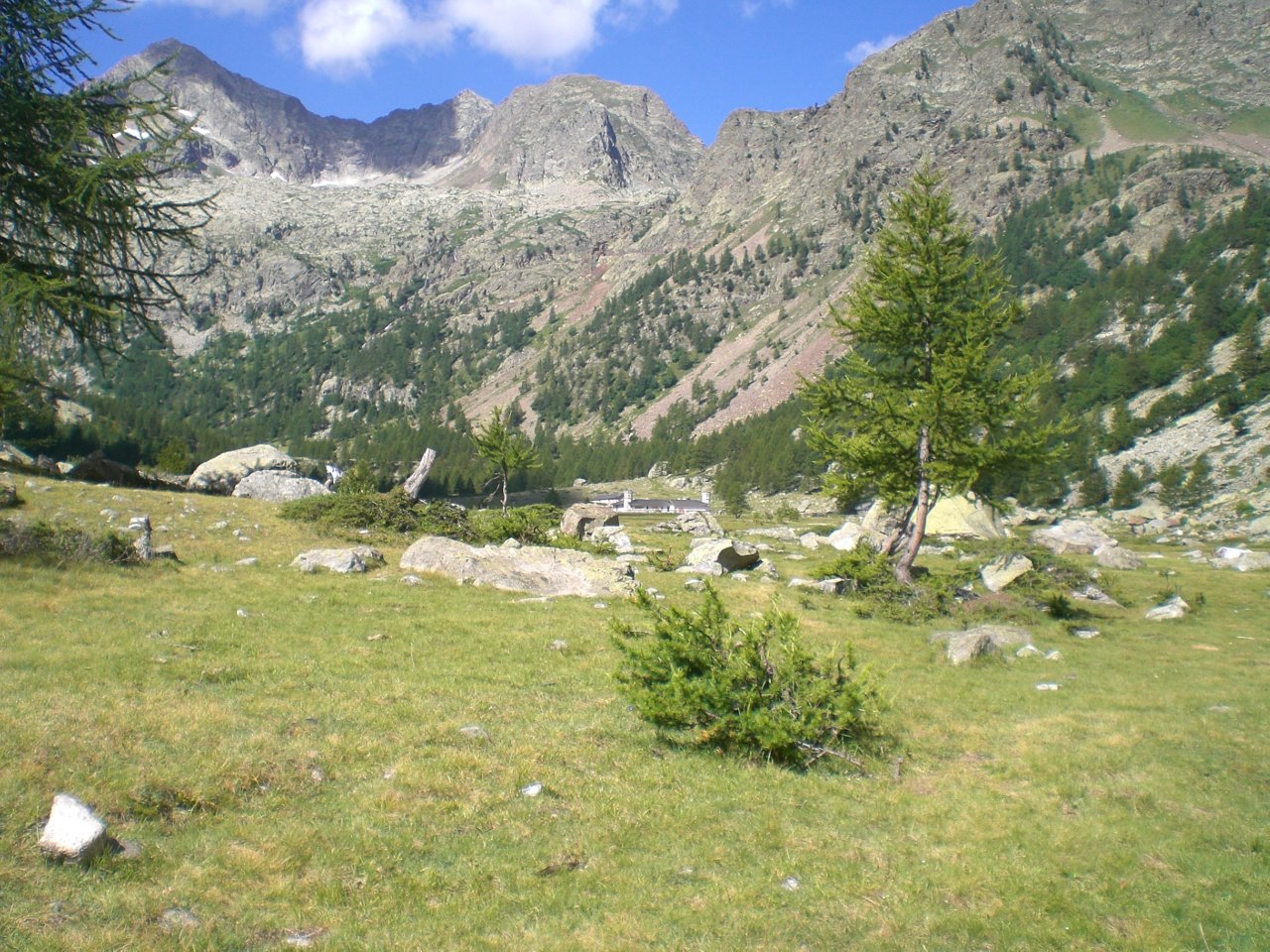
Natura 2000 195 records
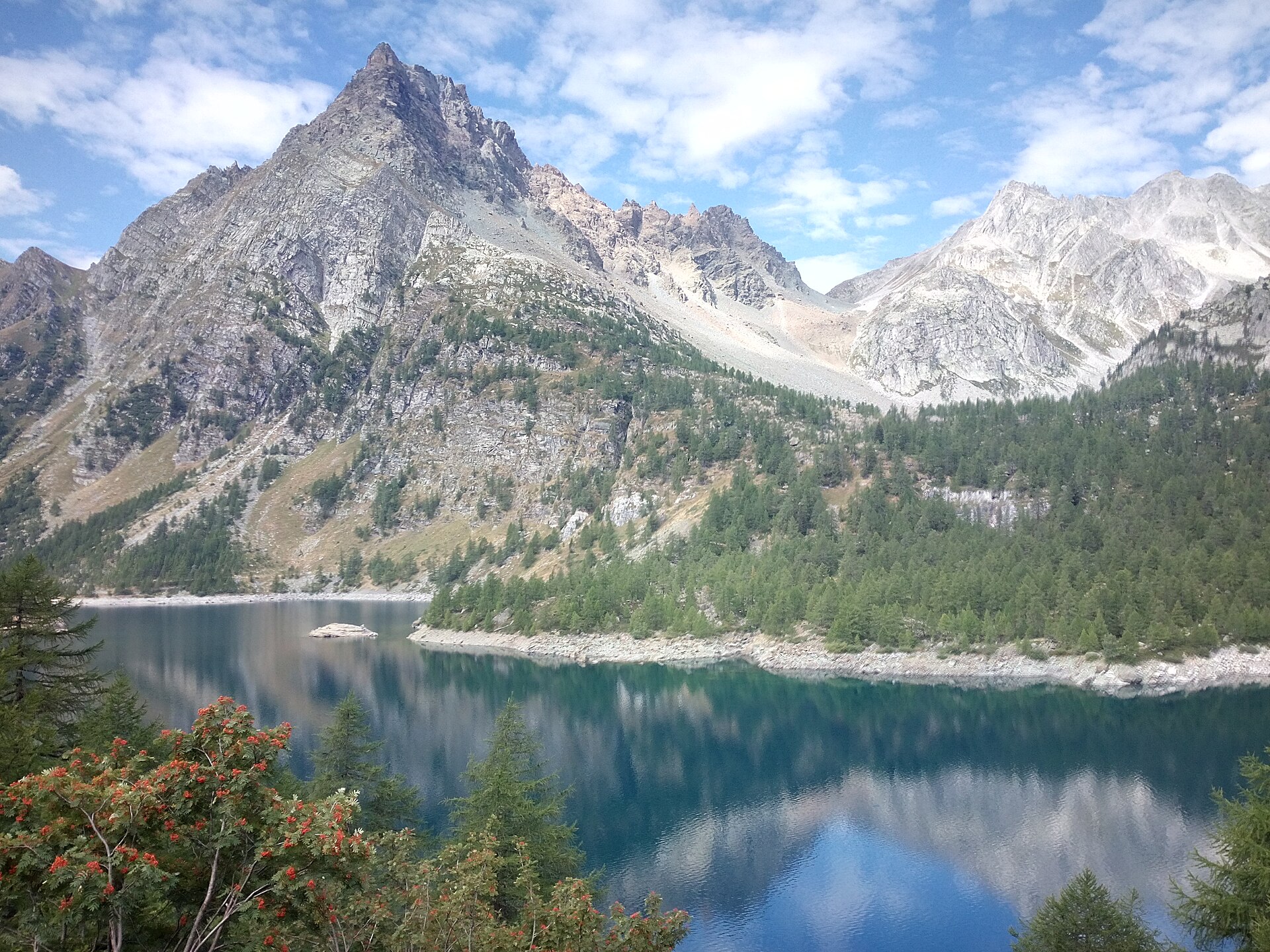
Natura 2000 87 records
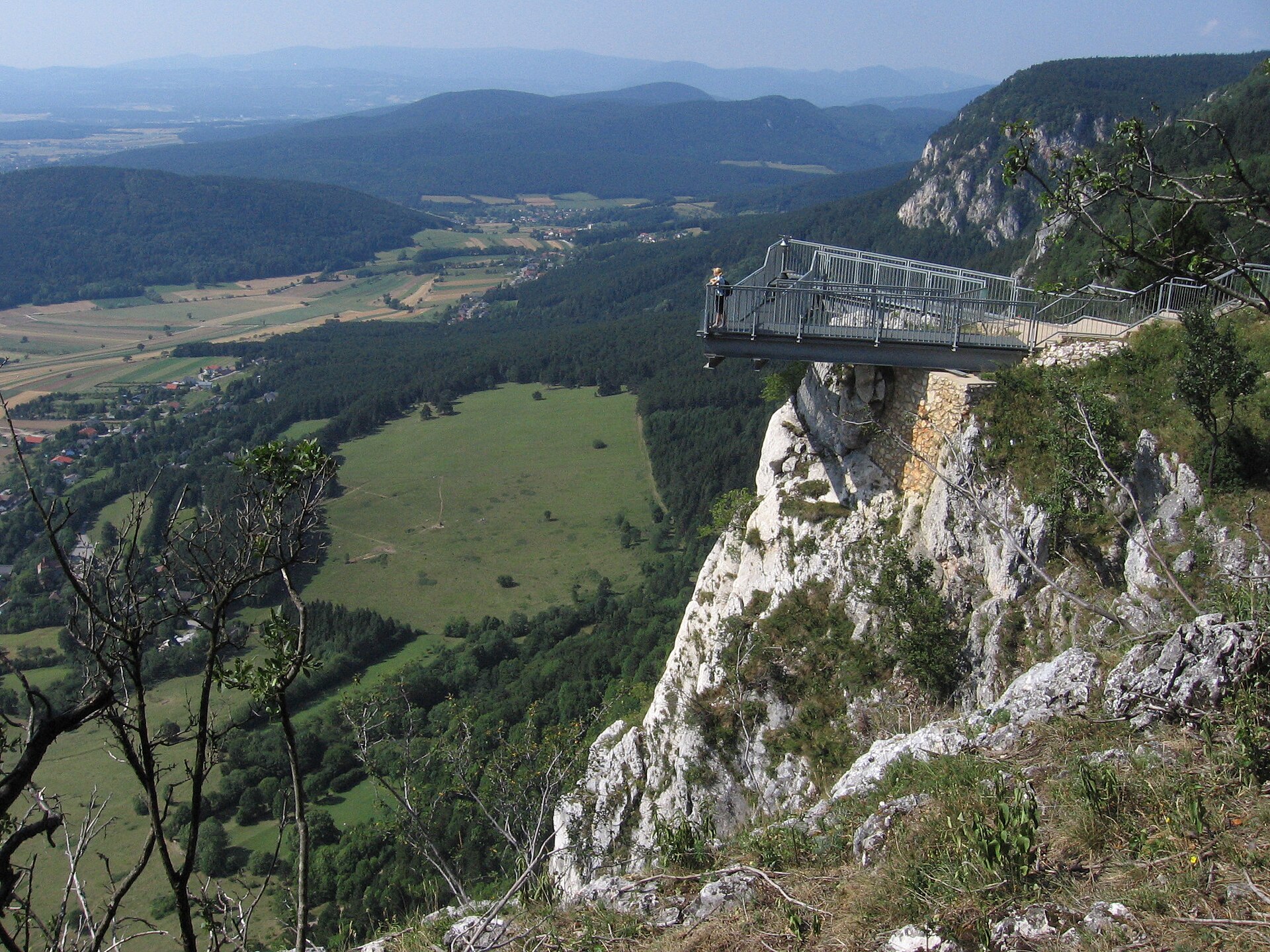
Natura 2000 72 records
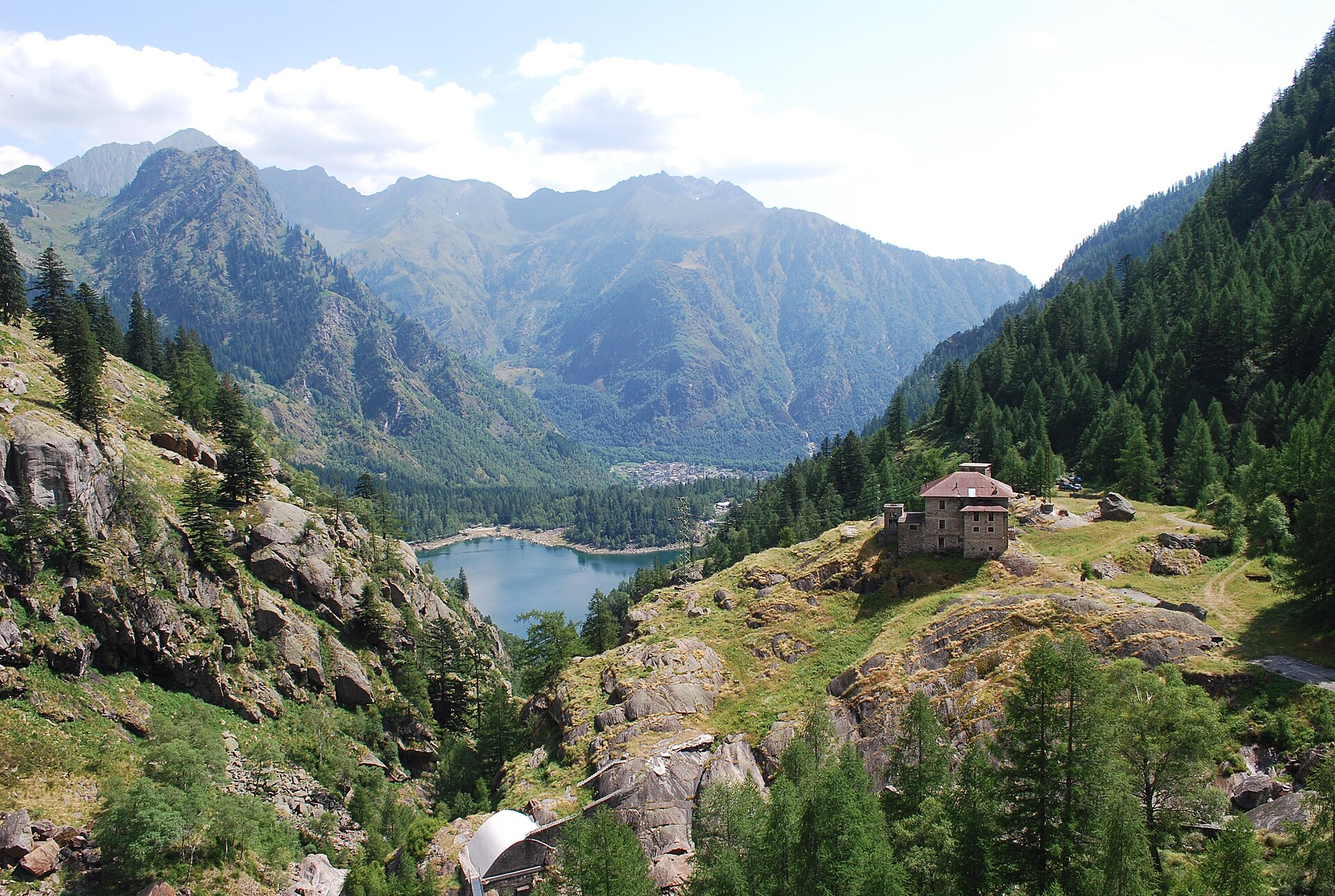
Natura 2000 18 records
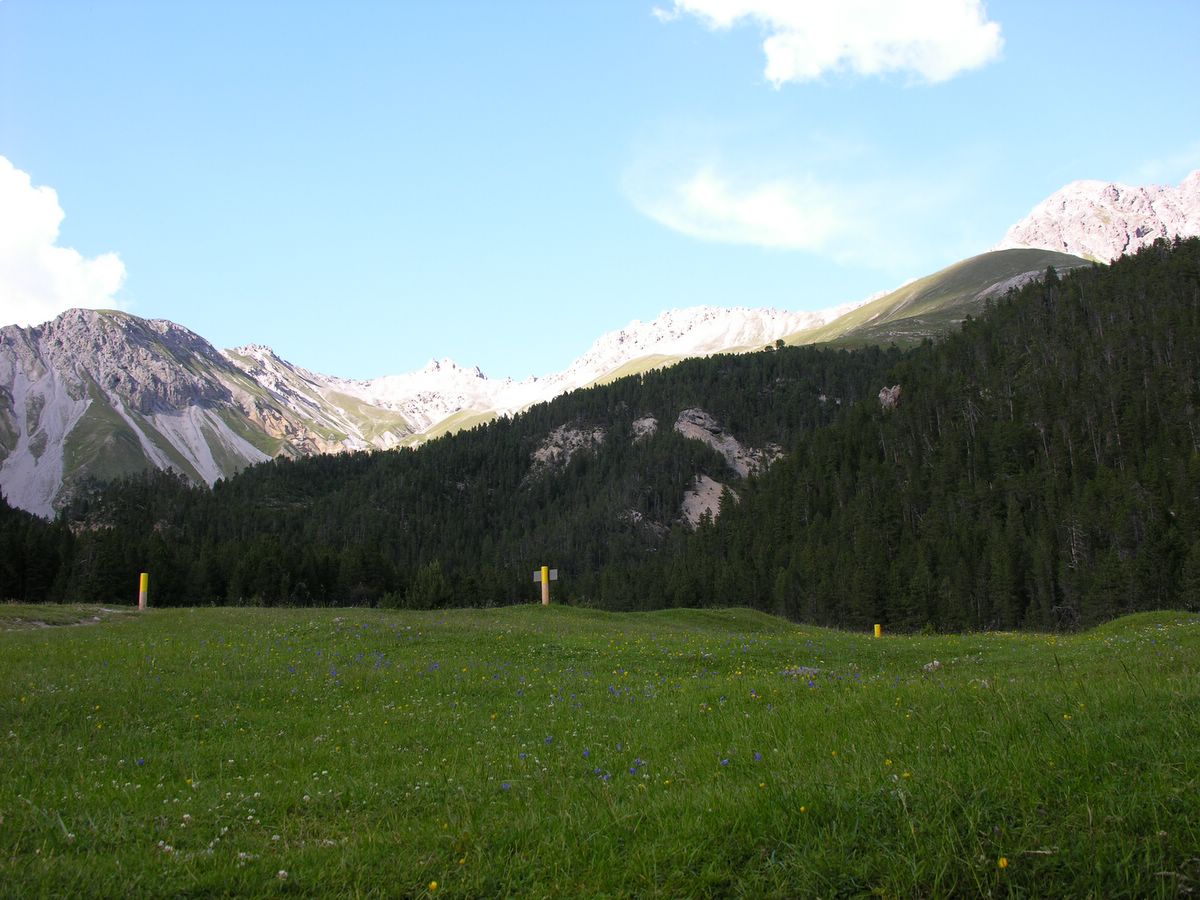
8,445 records
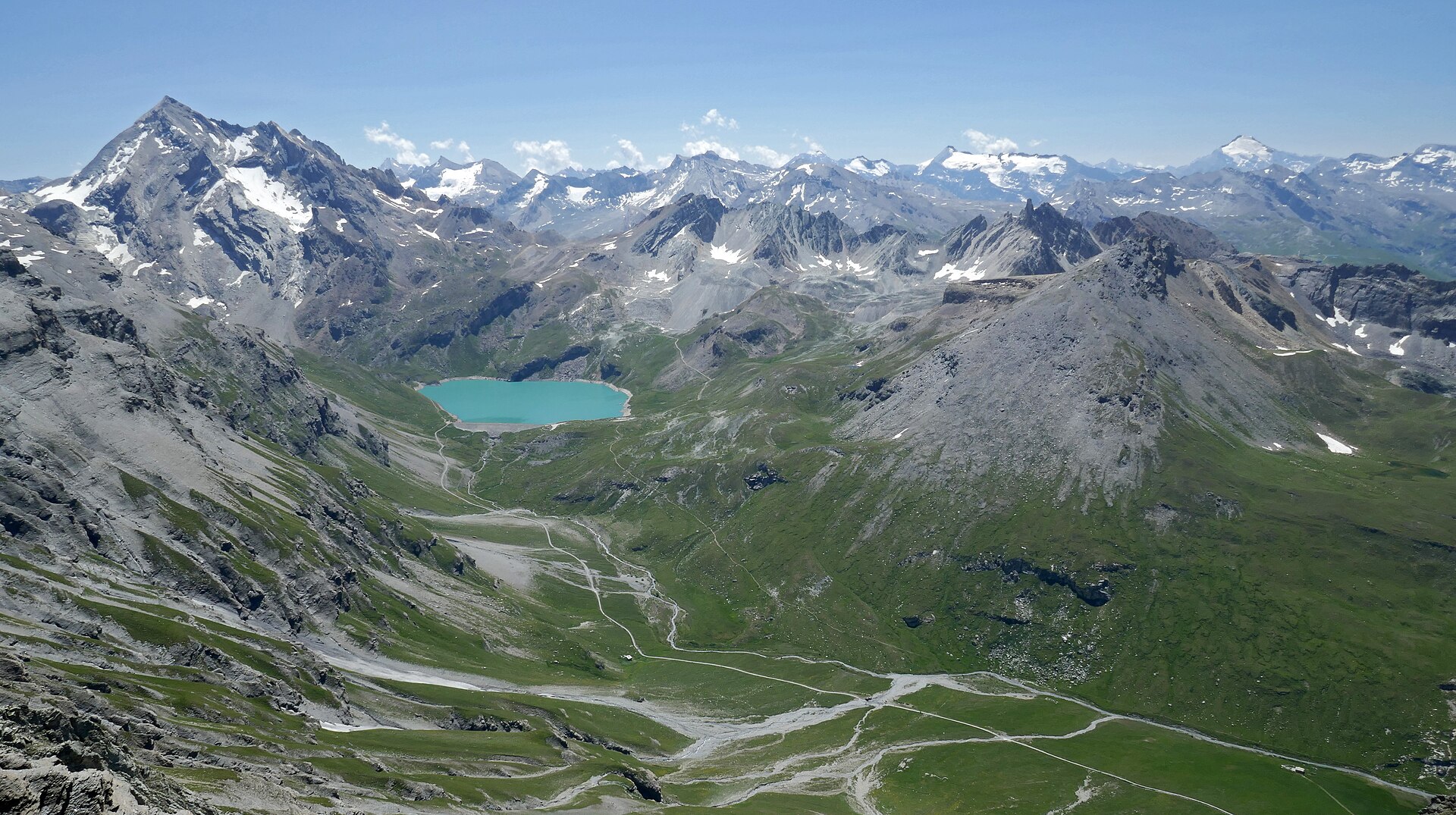
3,575 records
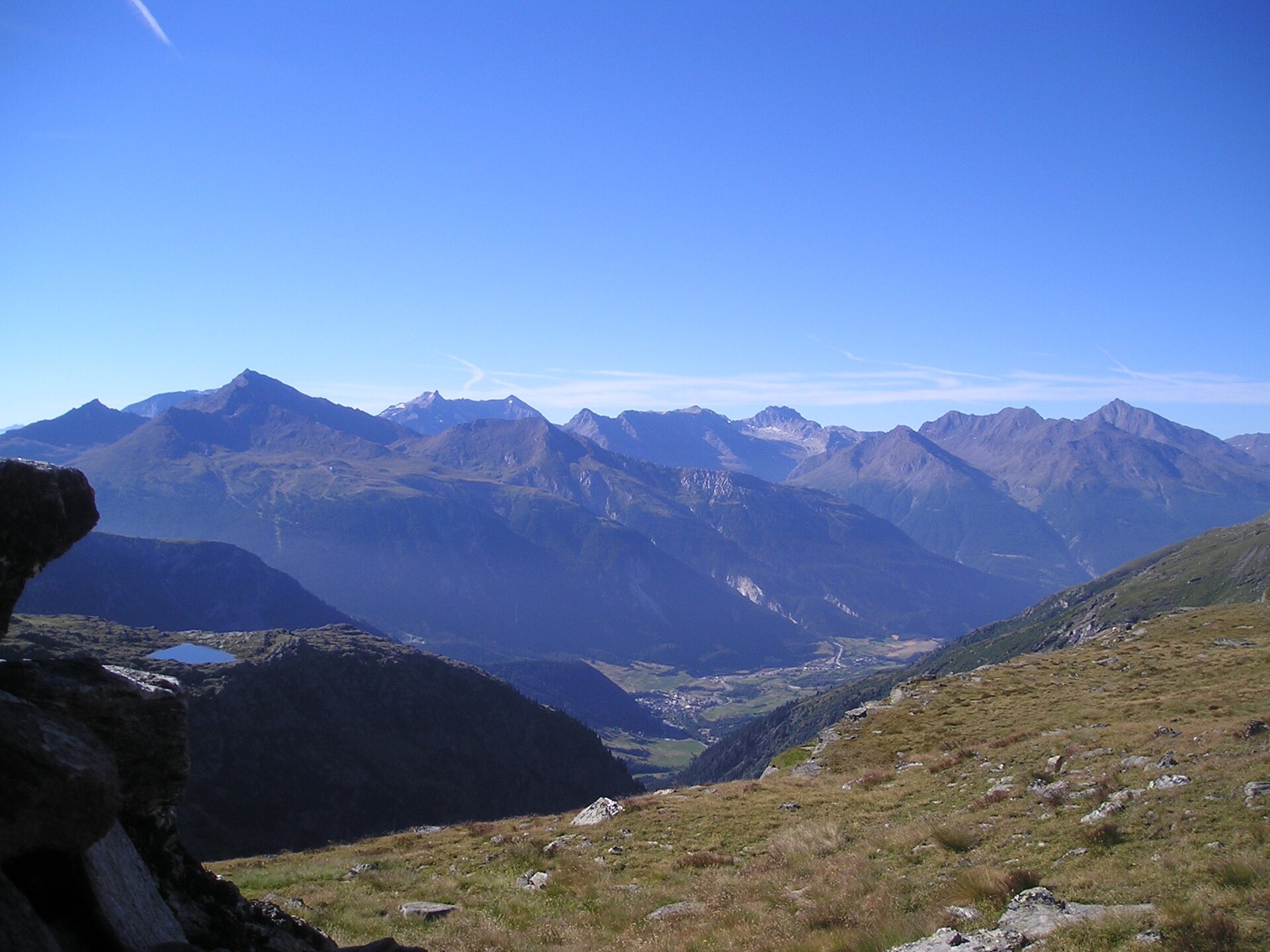
3,191 records
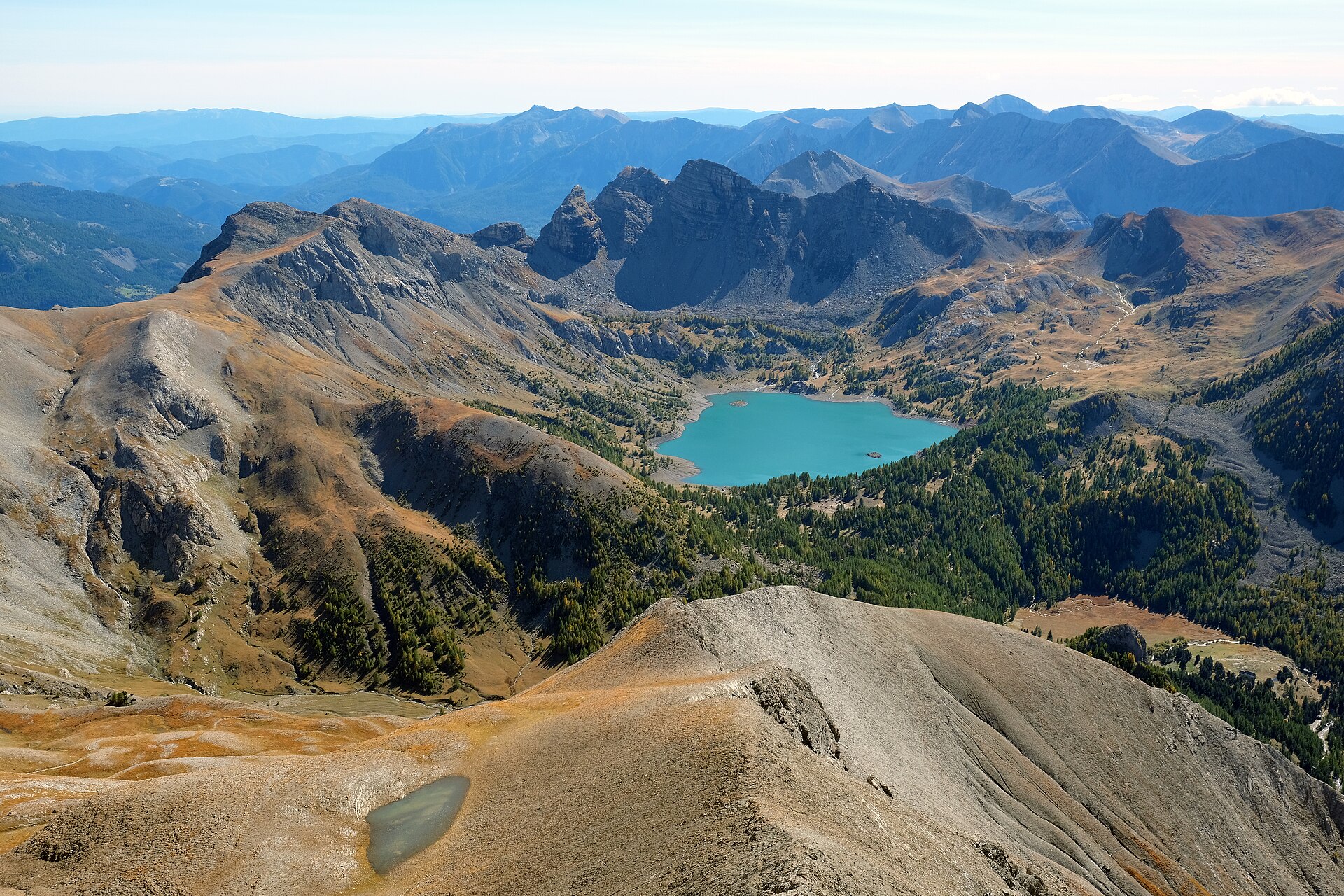
3,091 records

2,551 records
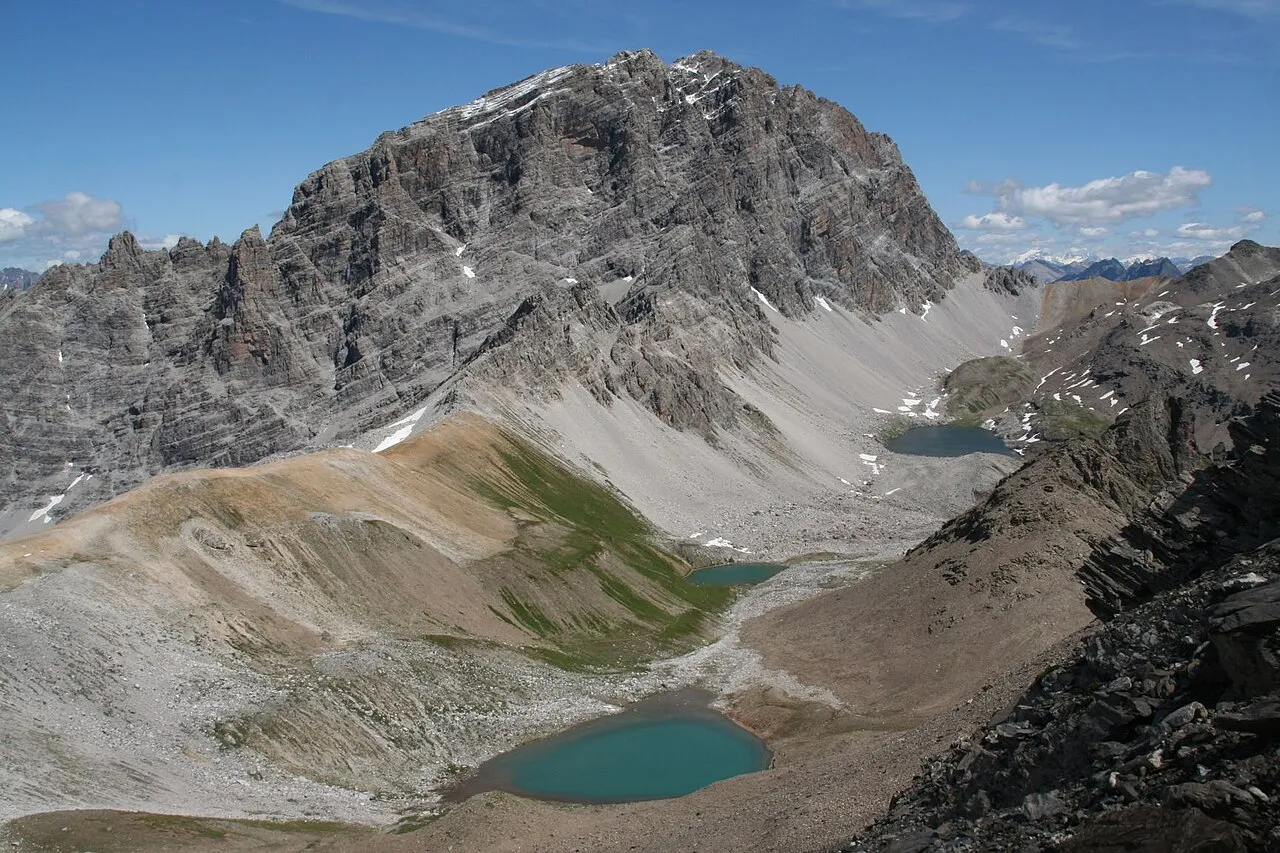
2,288 records
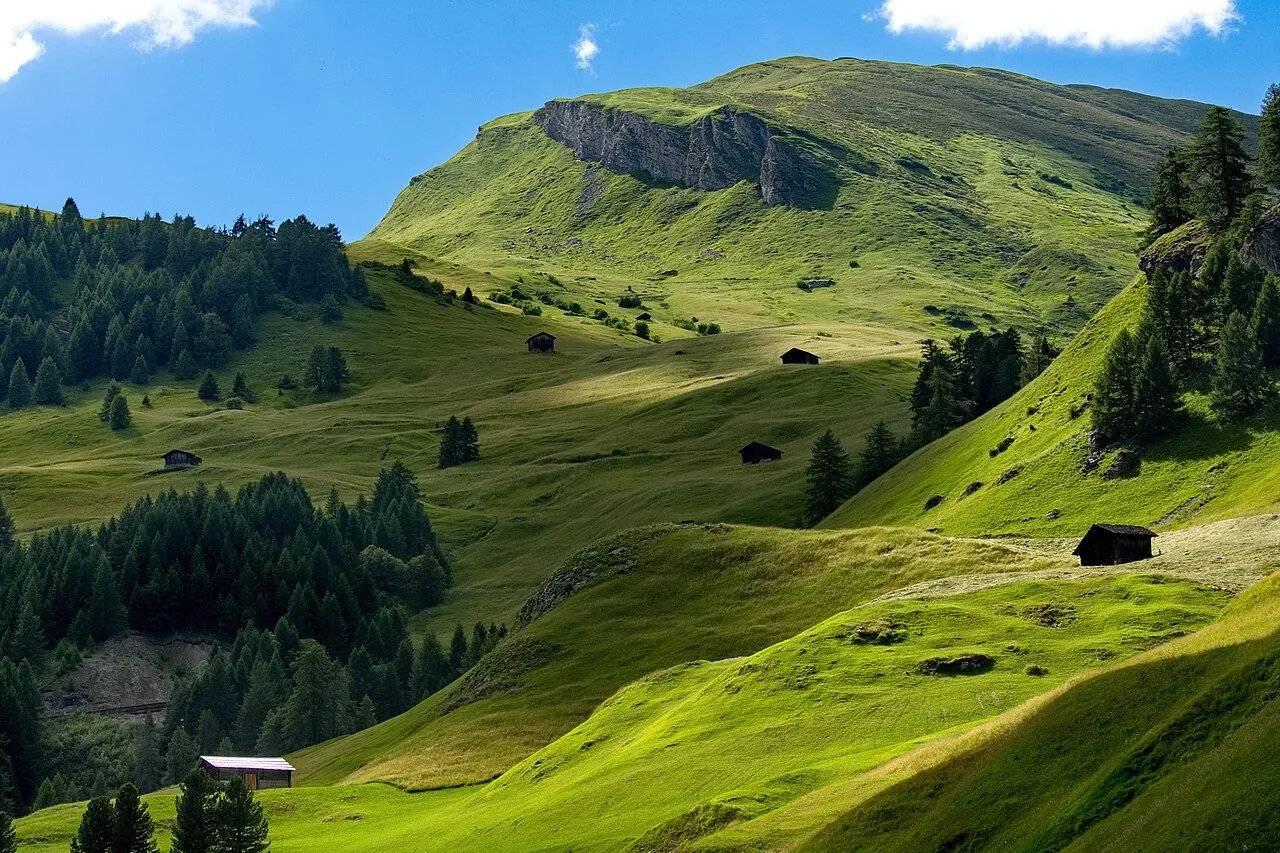
1,475 records
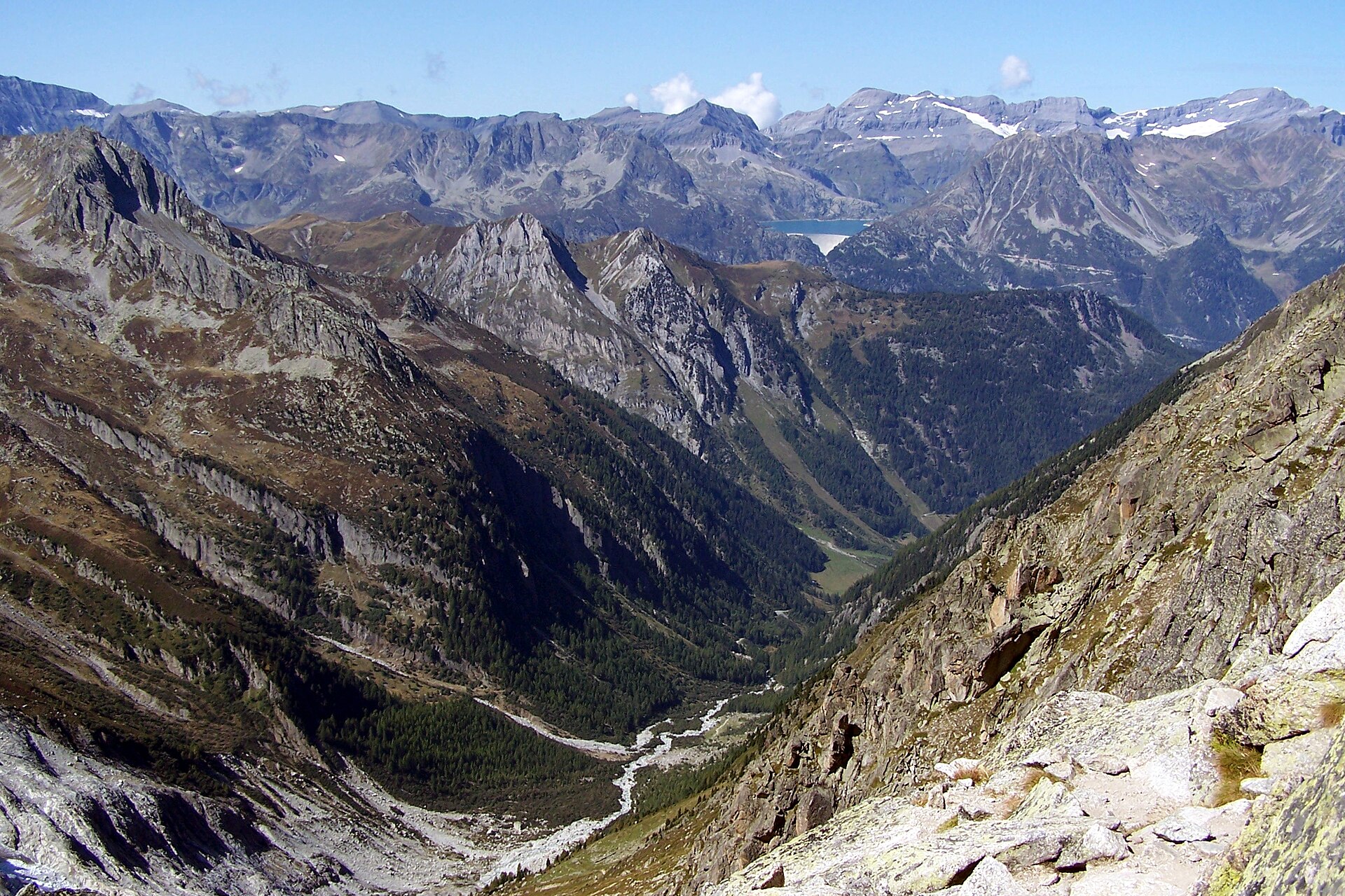
999 records
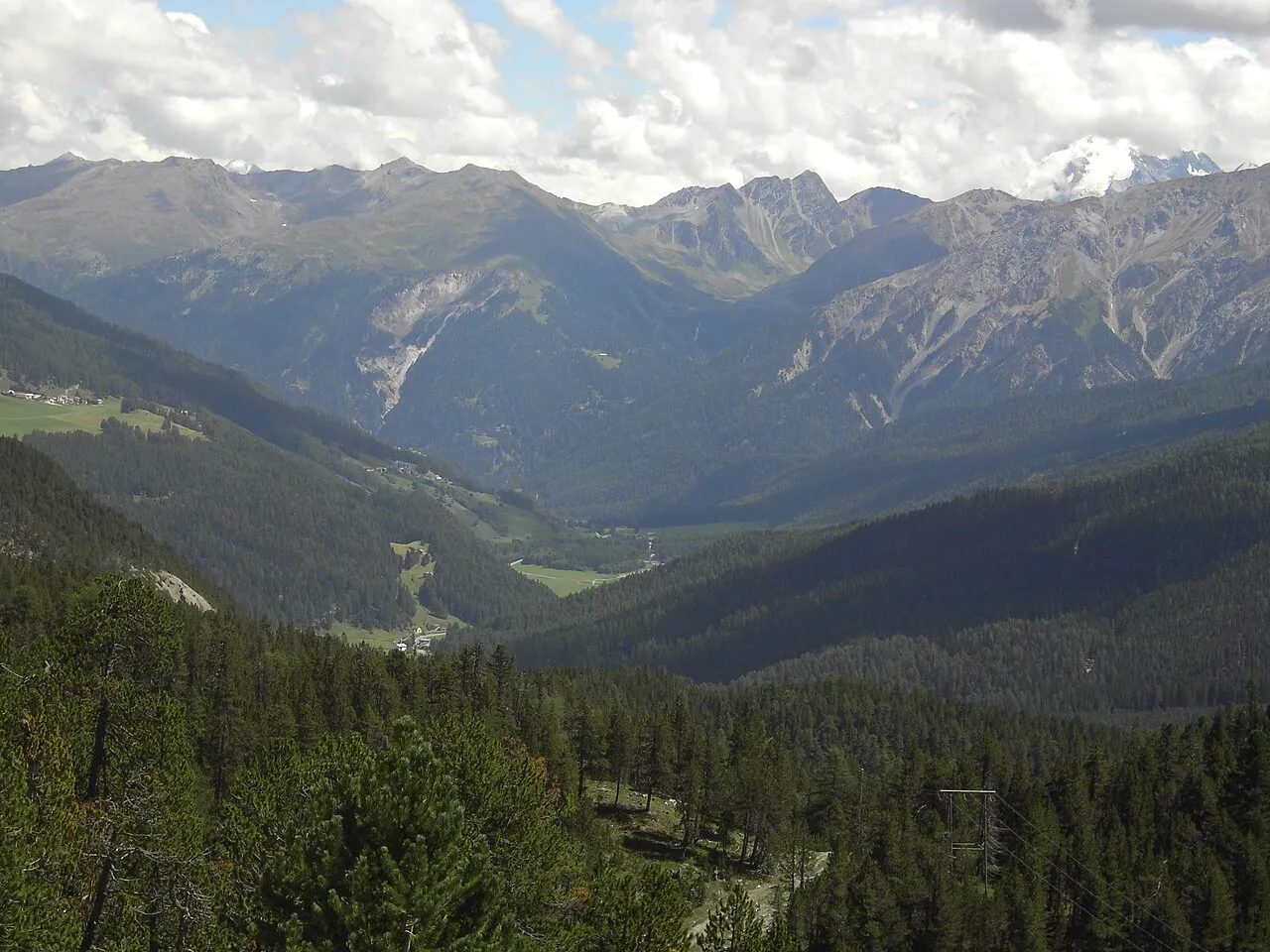
950 records
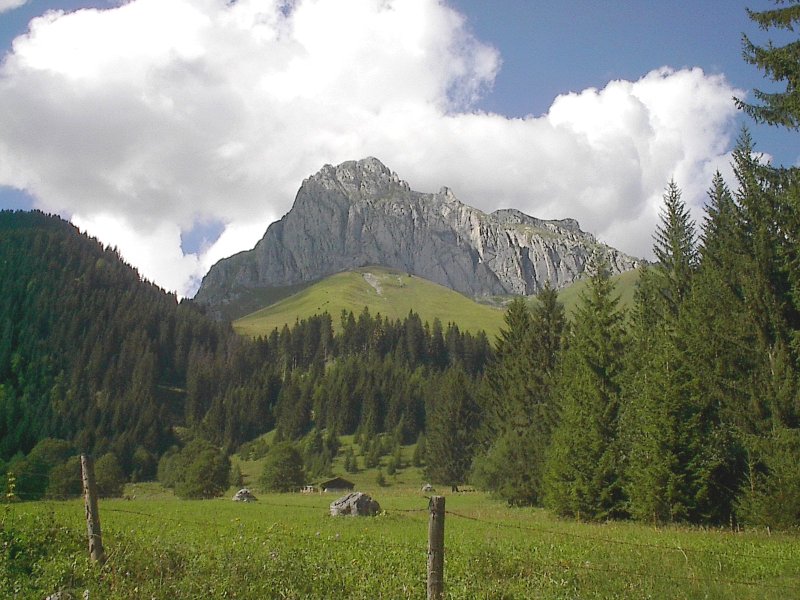
727 records
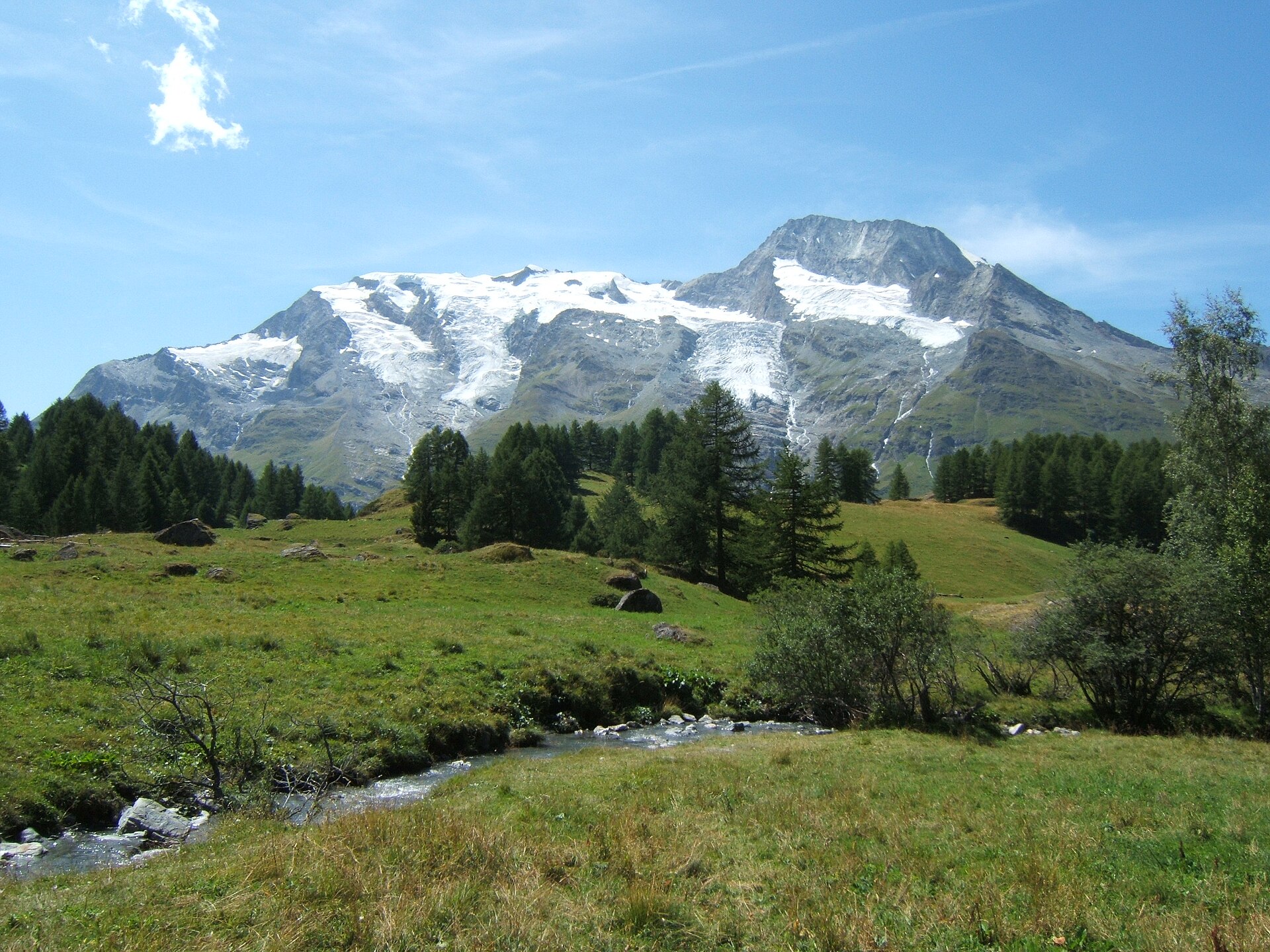
447 records
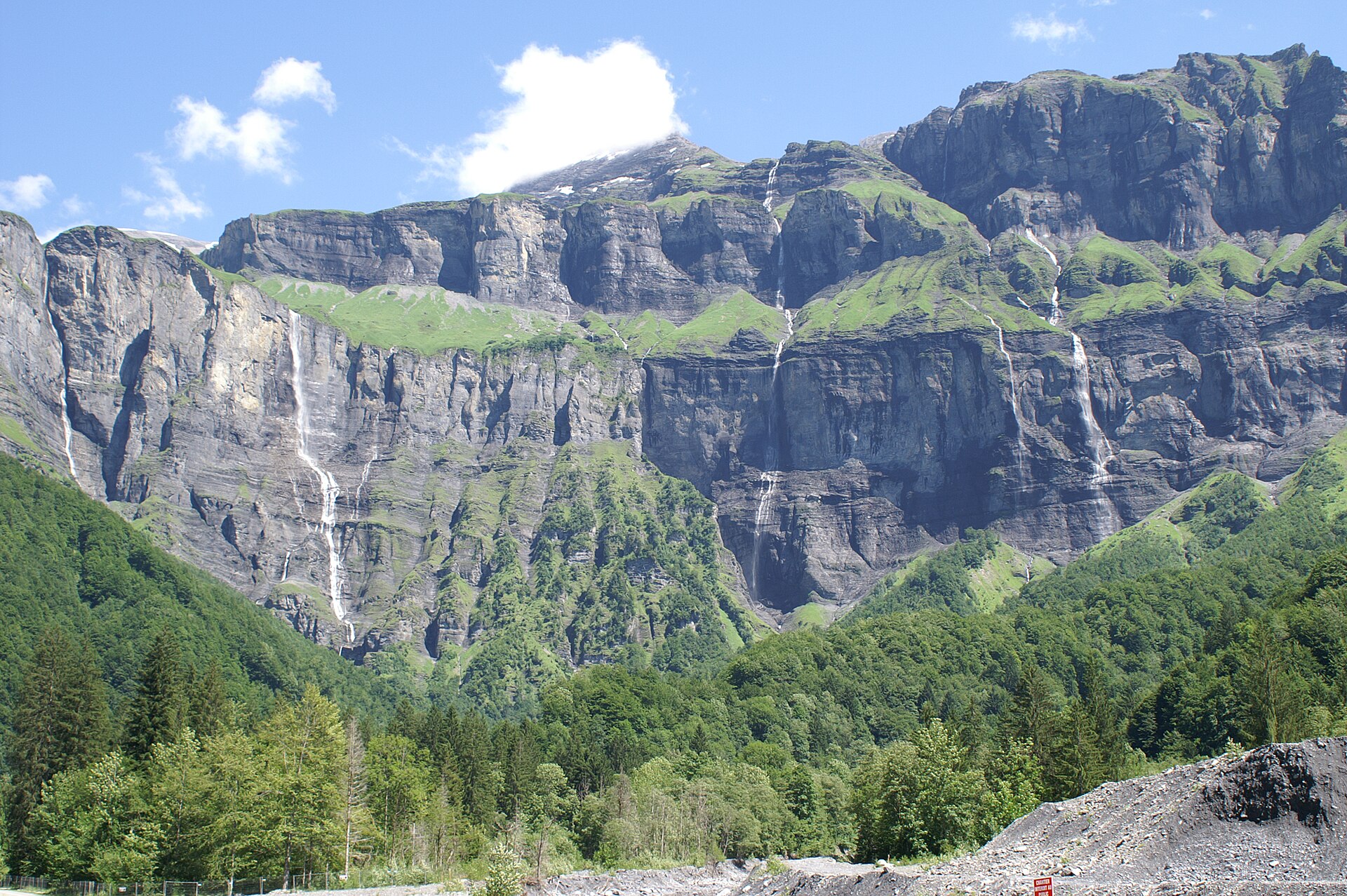
304 records
21 records
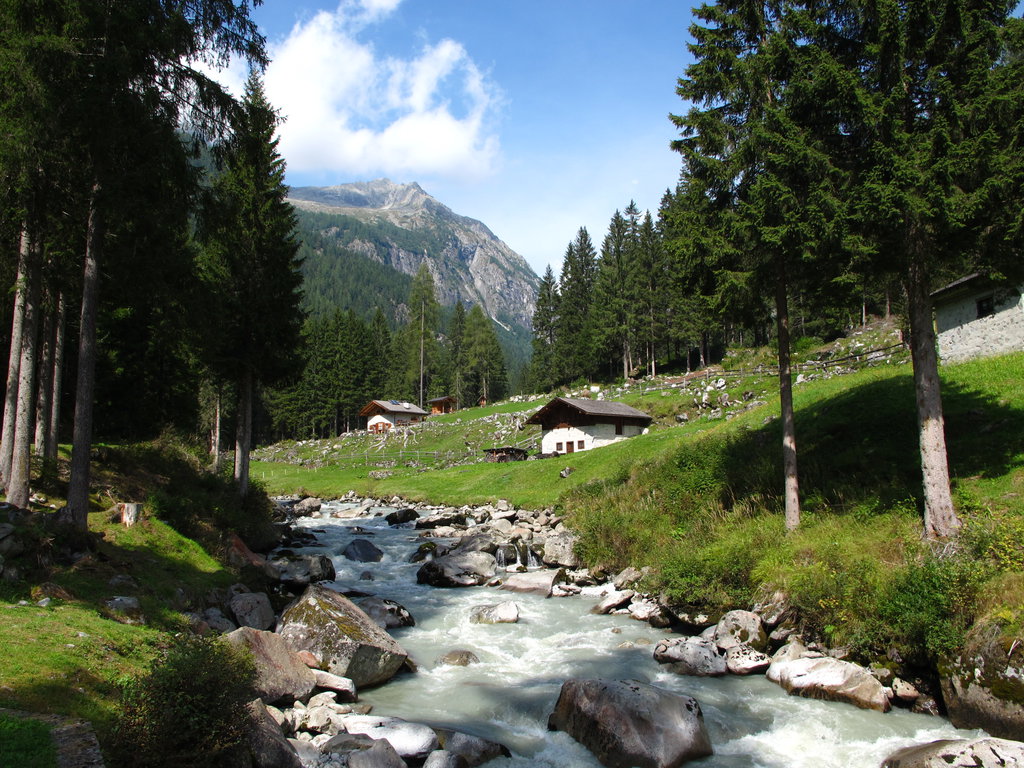
Natura 2000
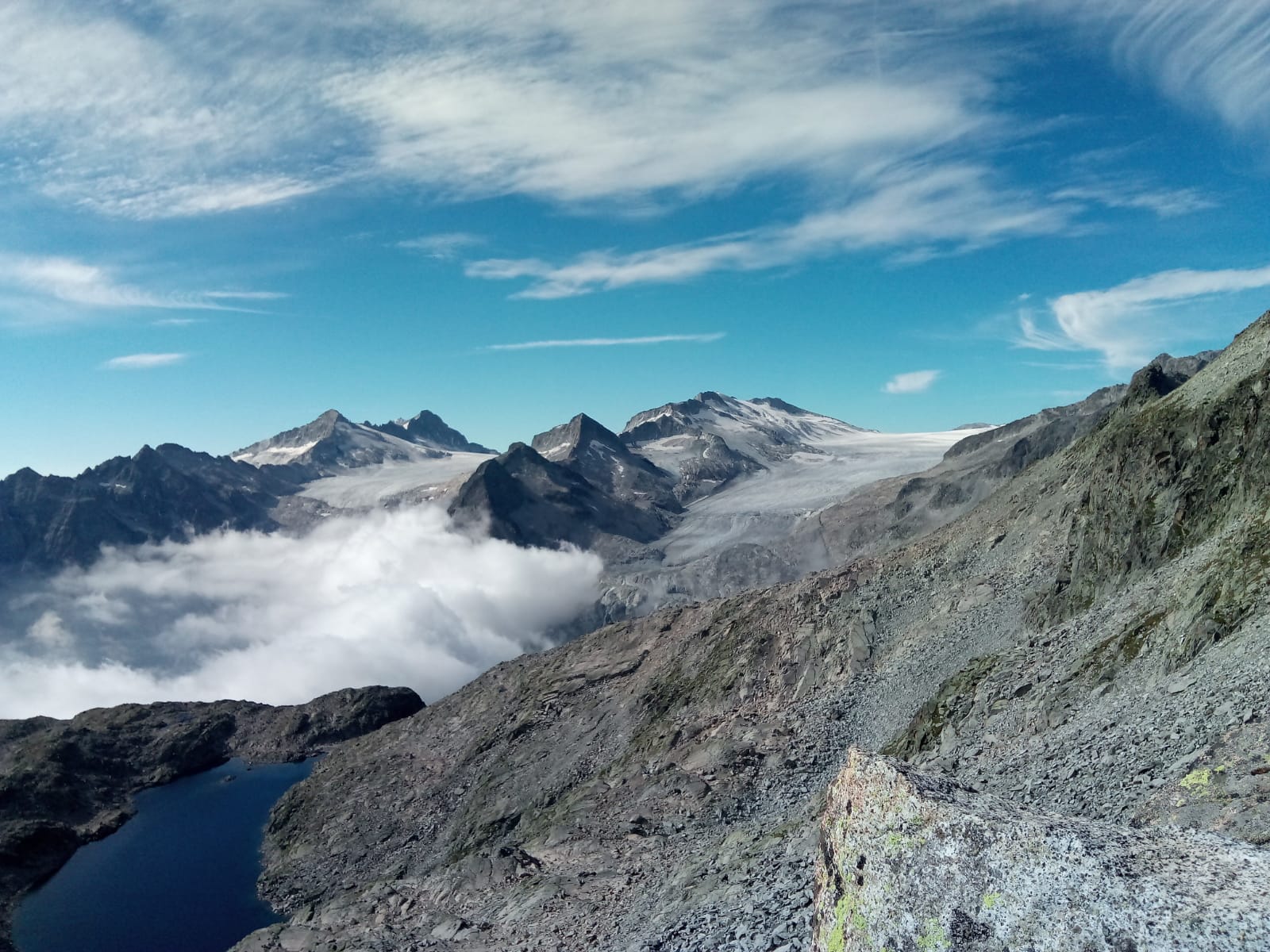
Natura 2000
Natura 2000
Natura 2000
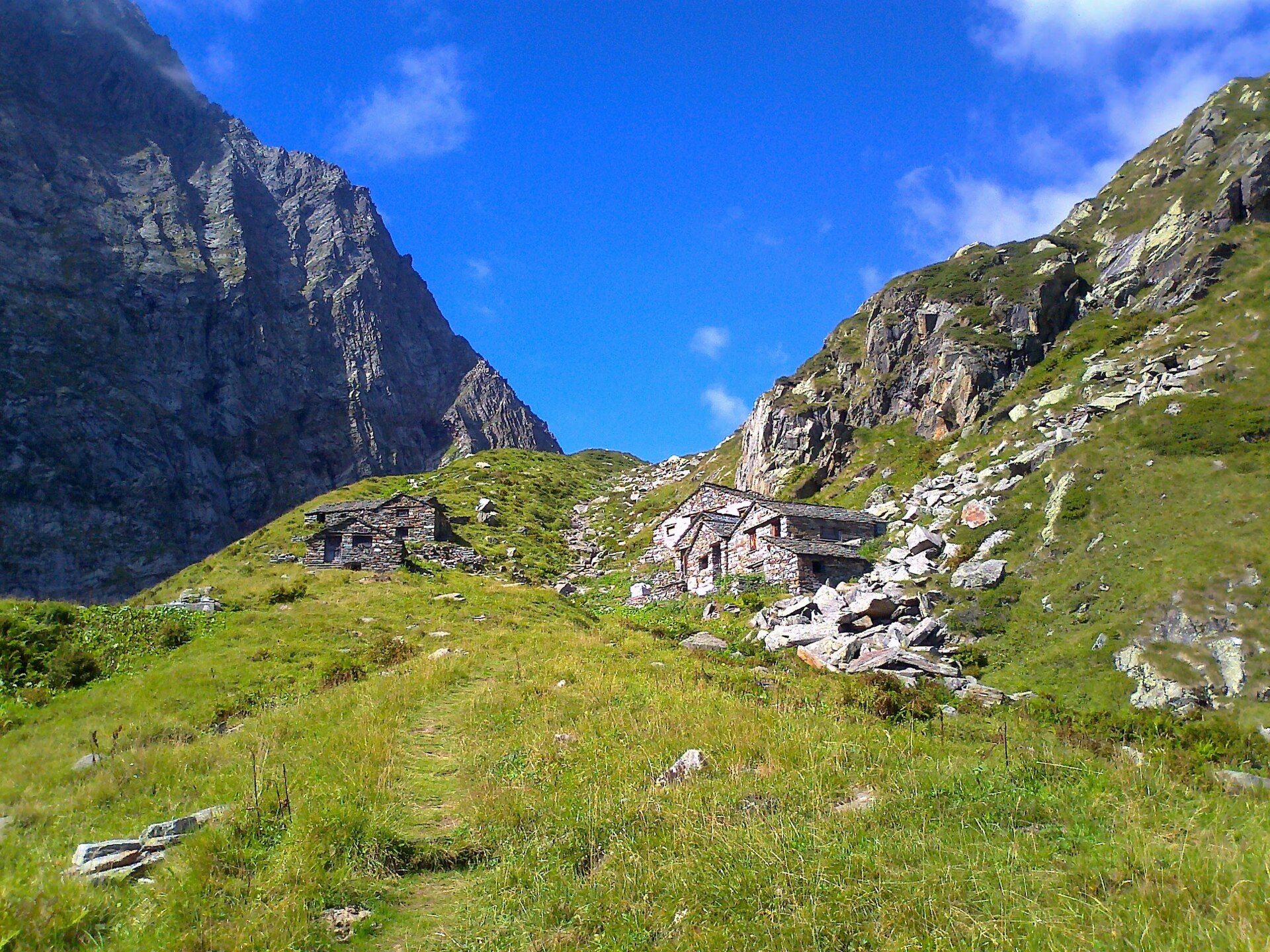
Natura 2000

Natura 2000
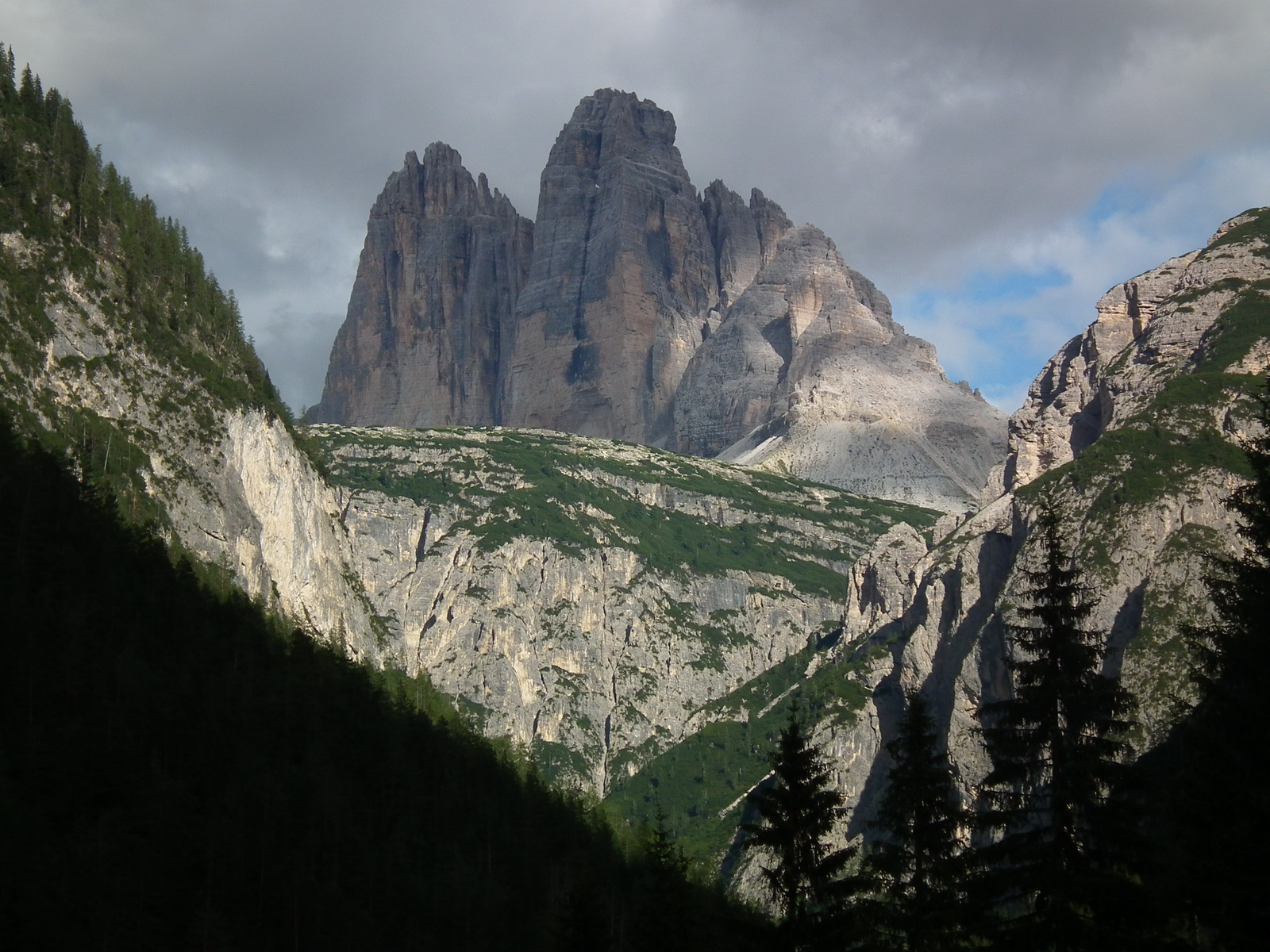
Natura 2000
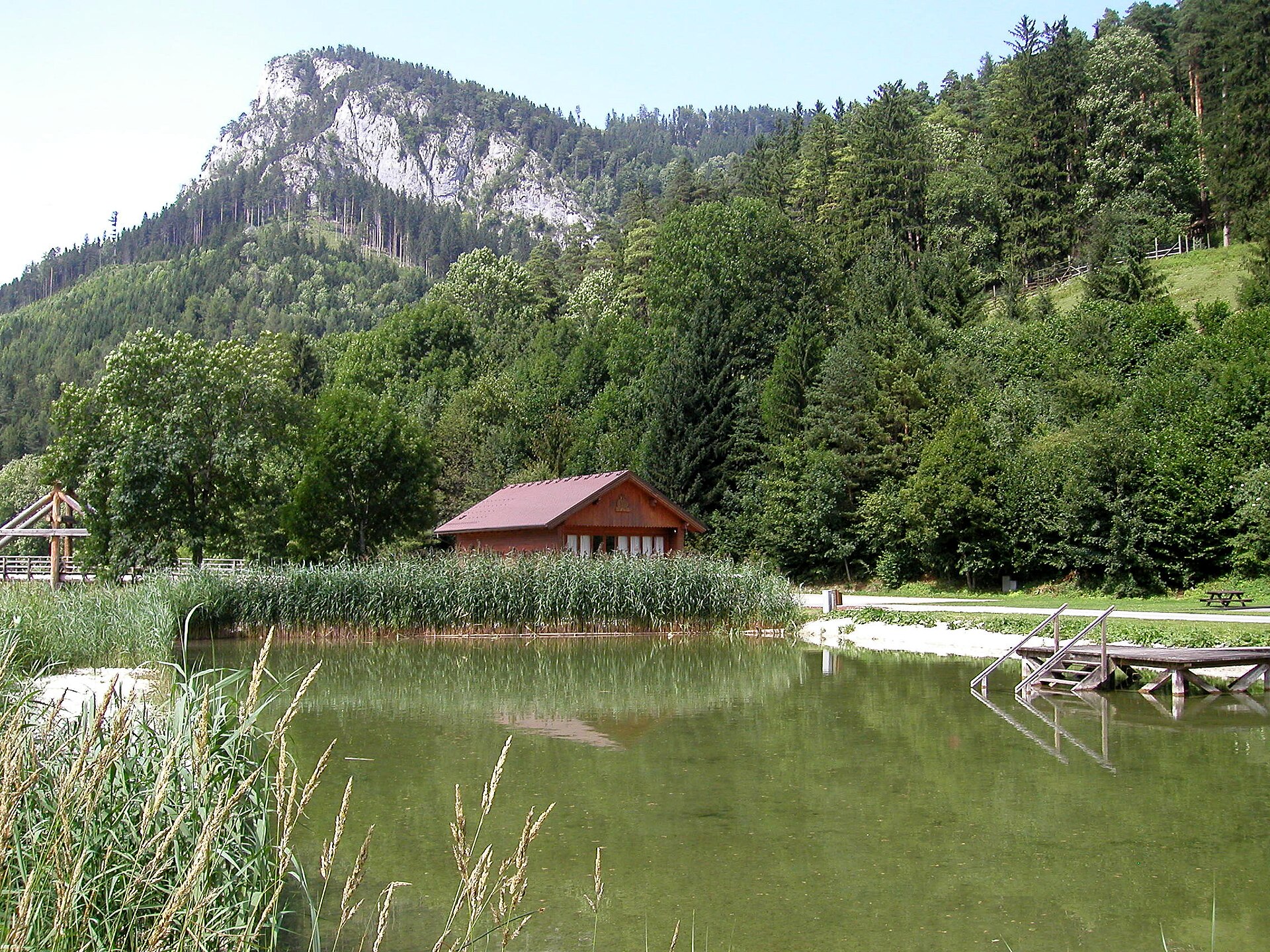
Natura 2000
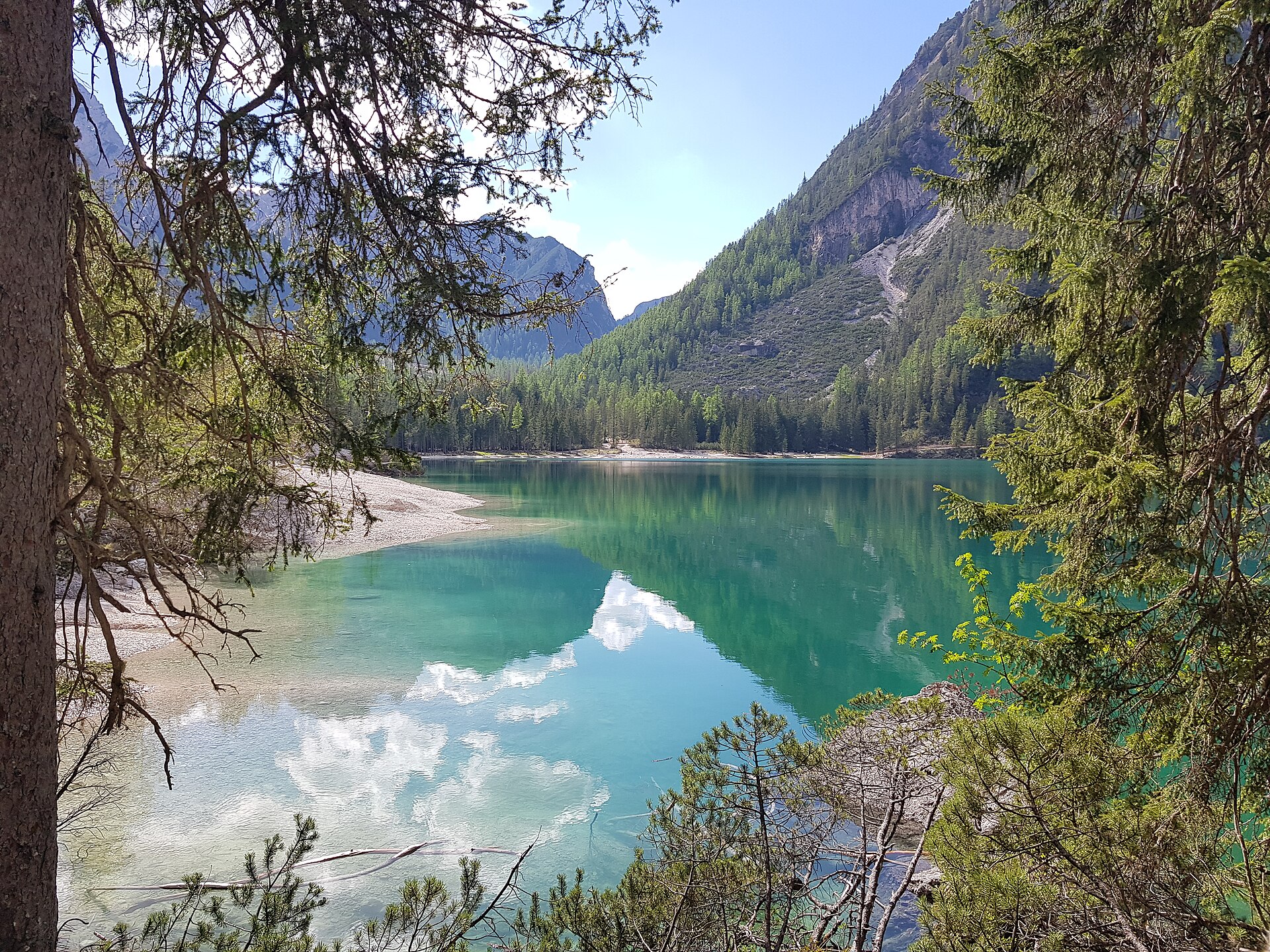
Natura 2000
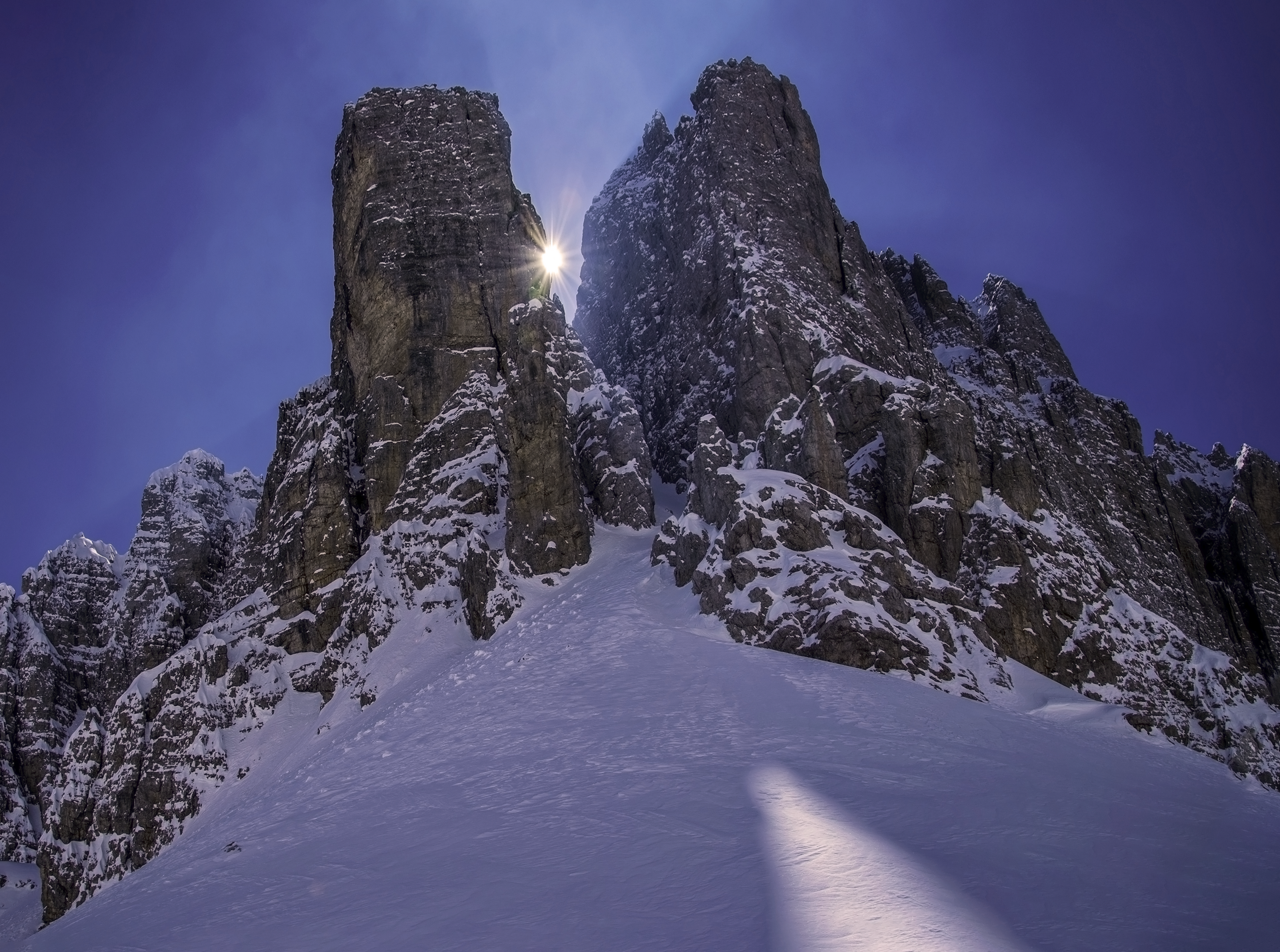
Natura 2000

Natura 2000
Natura 2000
Natura 2000
Natura 2000
Natura 2000
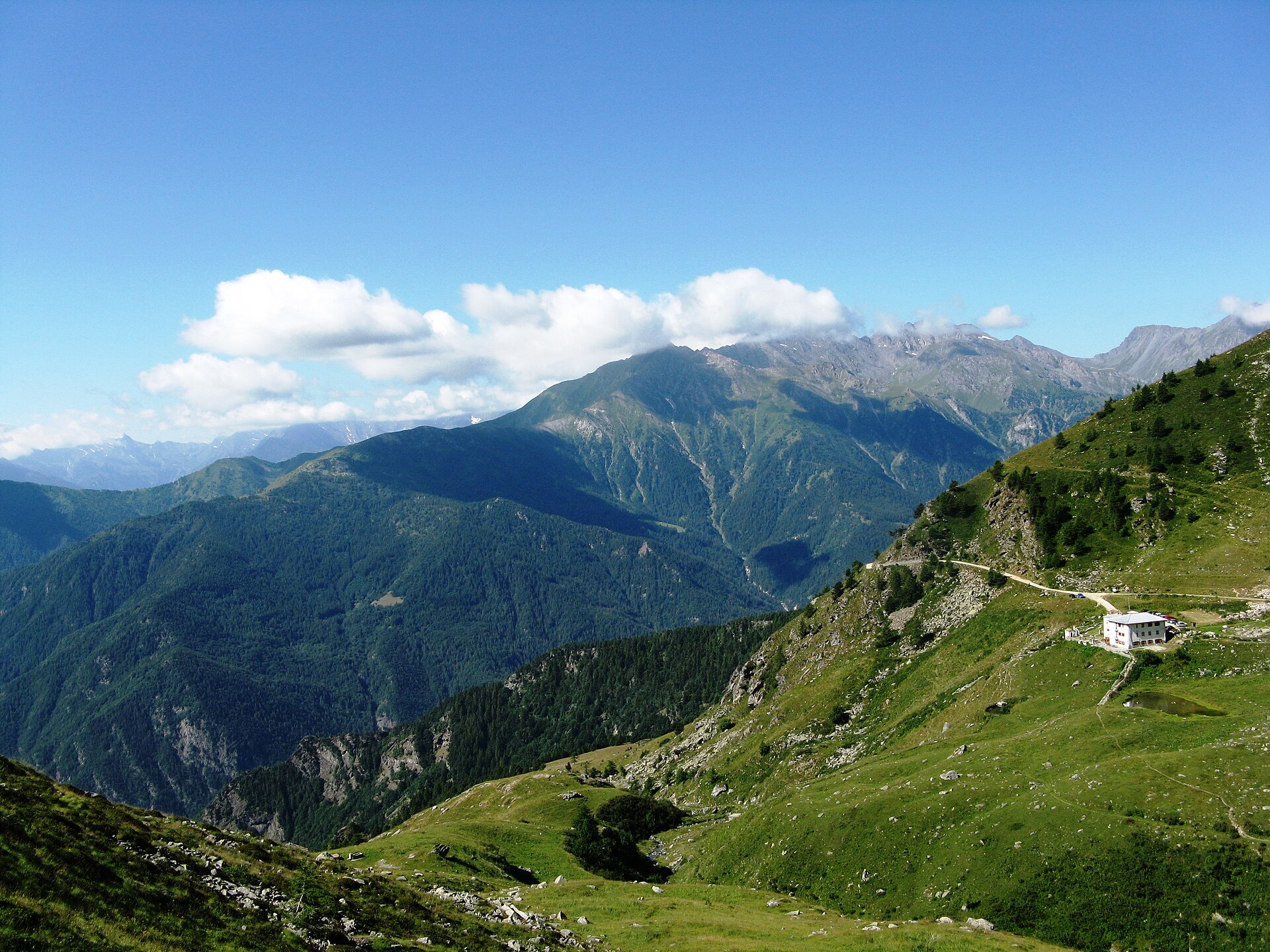
Natura 2000
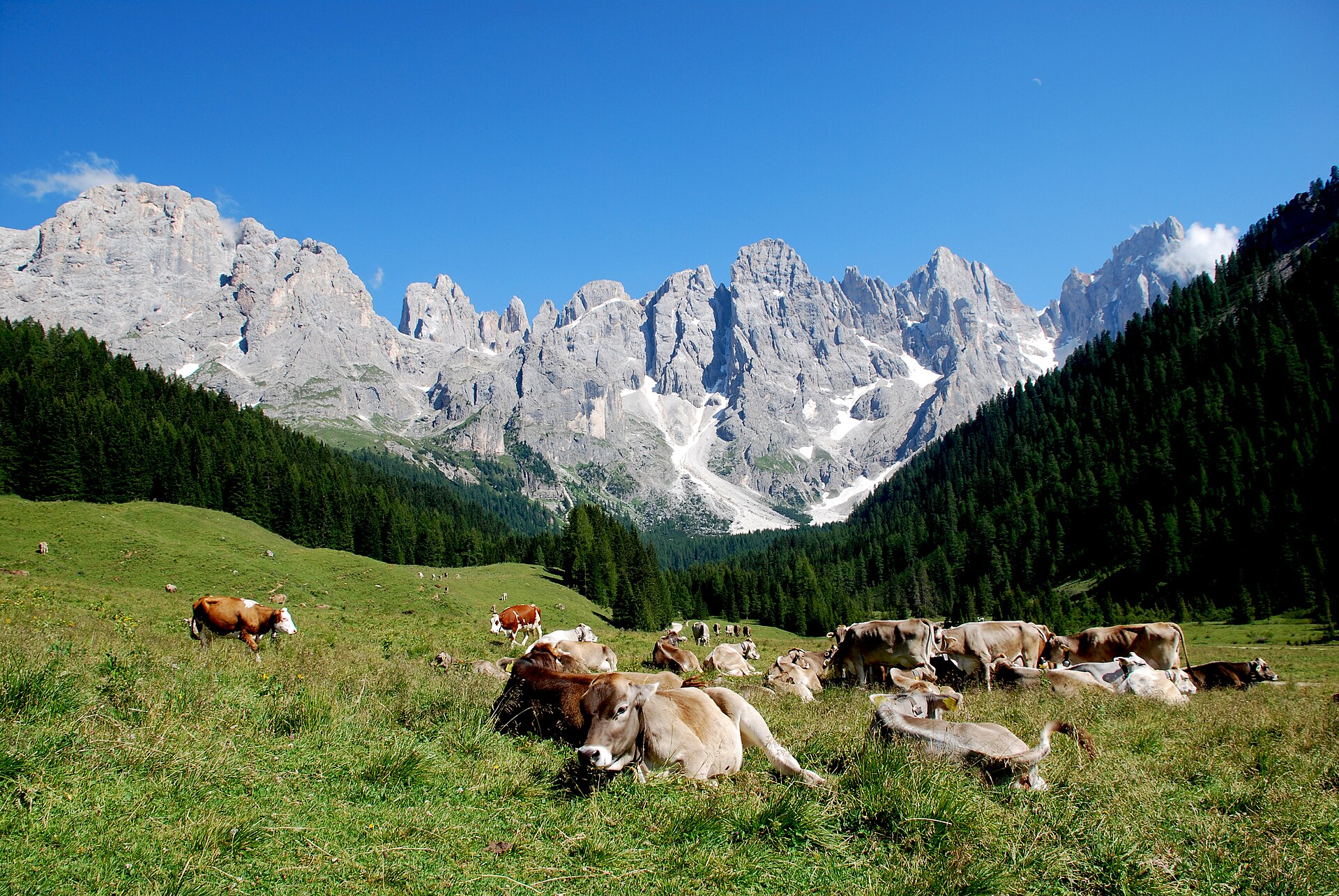
Natura 2000
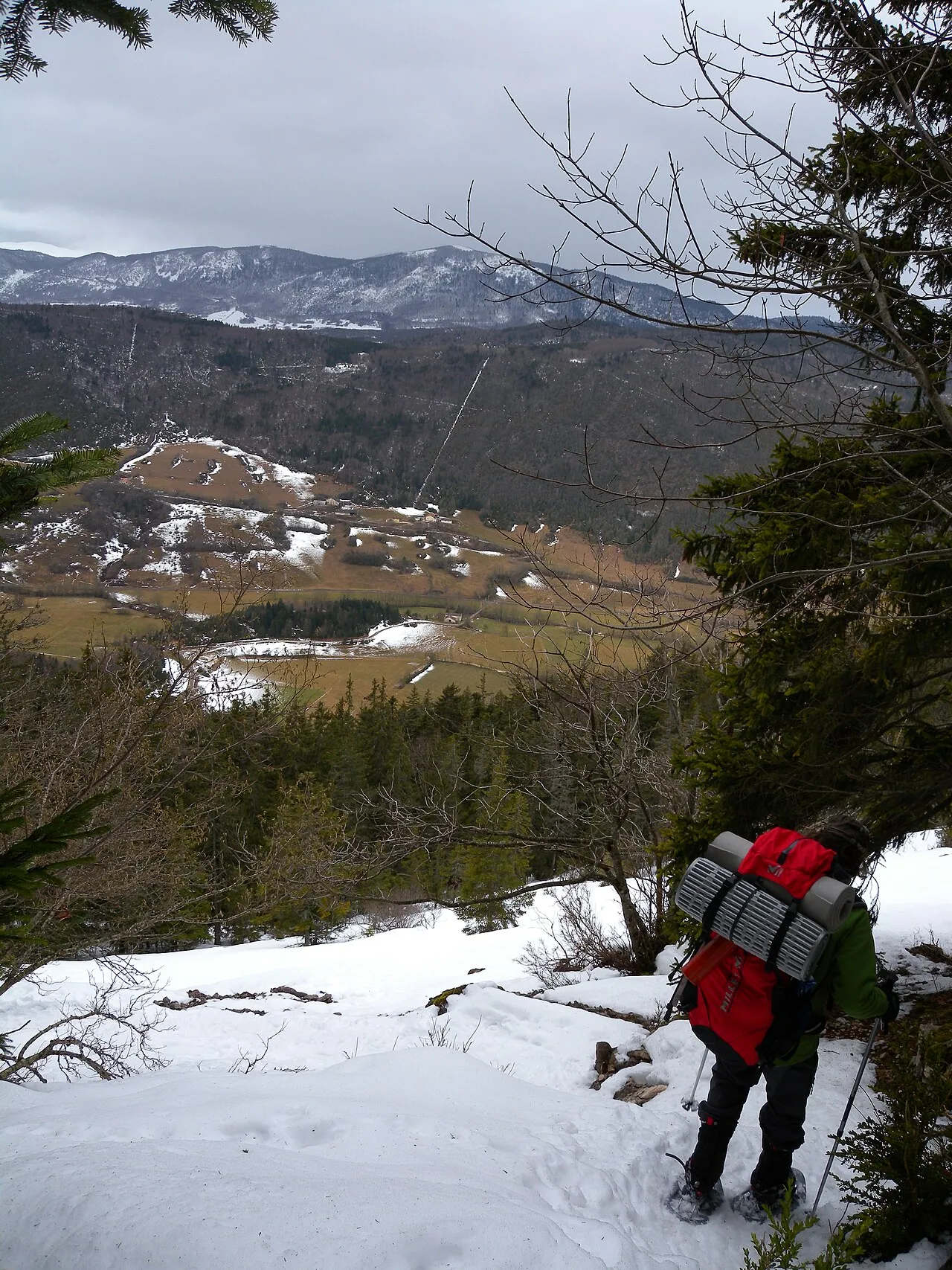
Natura 2000
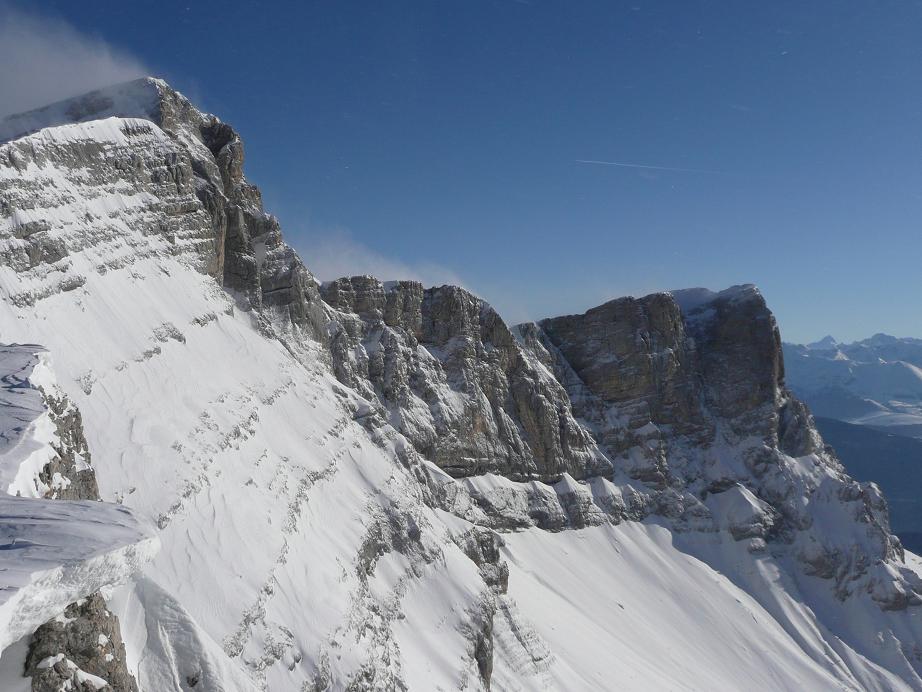
Natura 2000
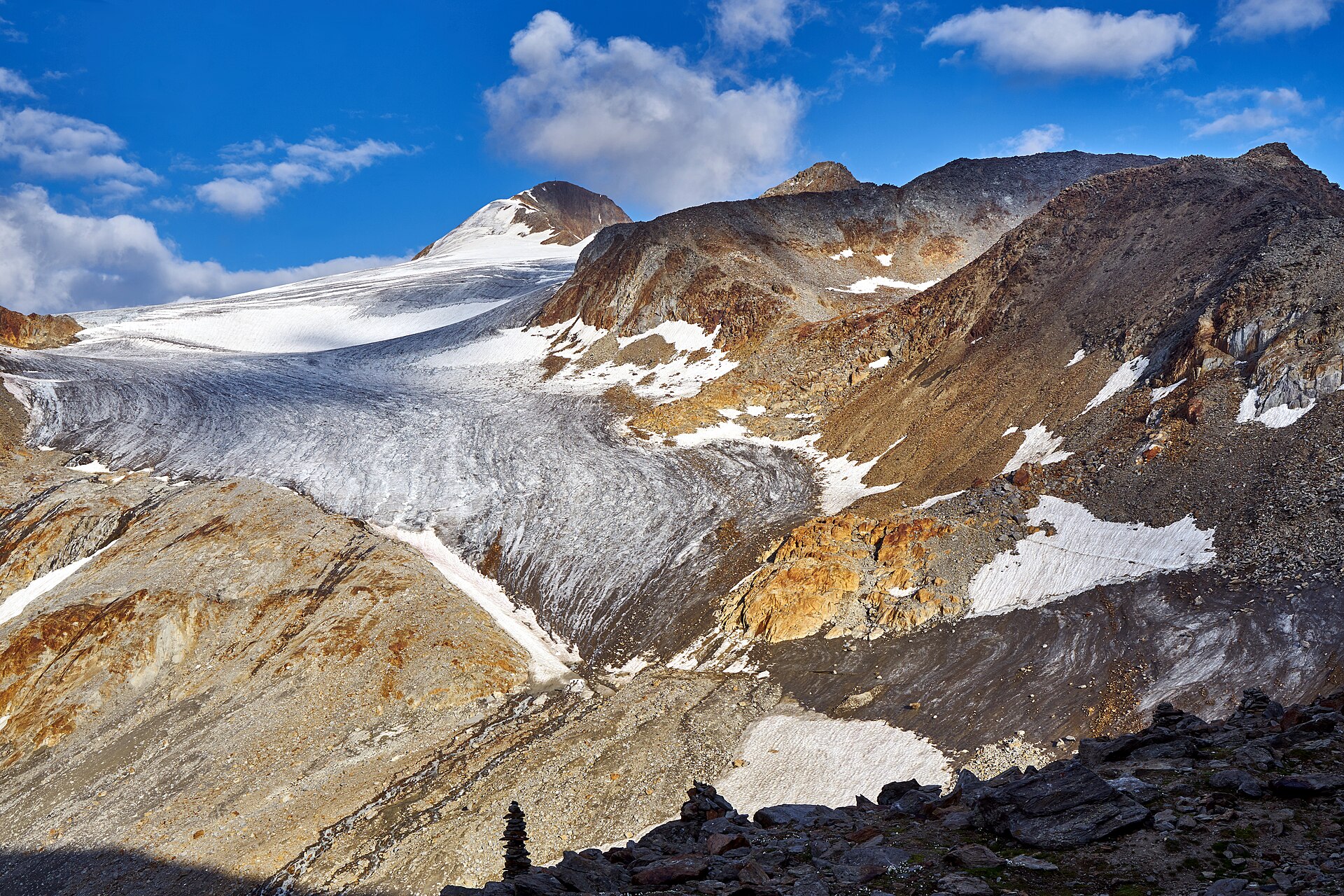
Natura 2000
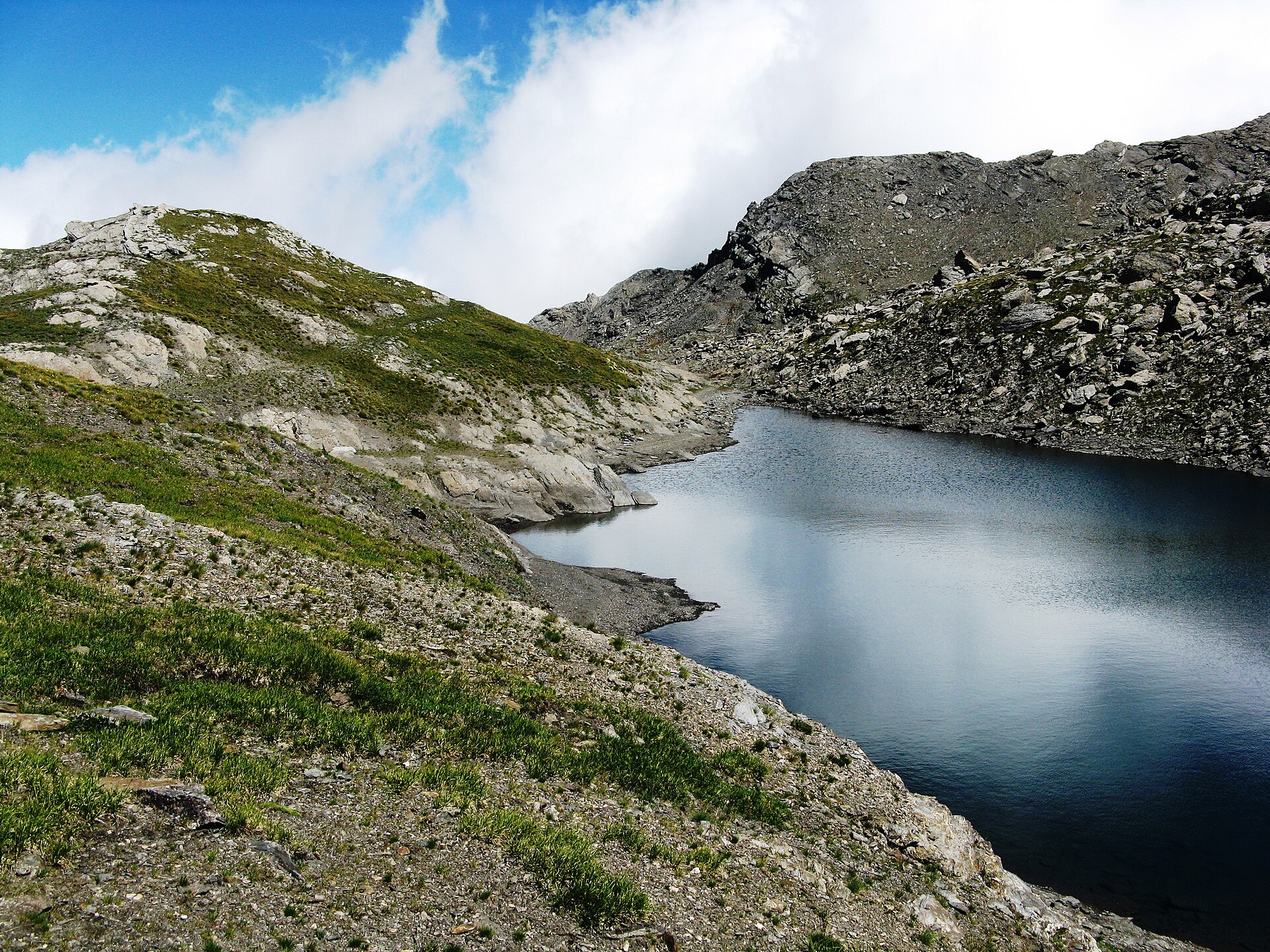
Natura 2000
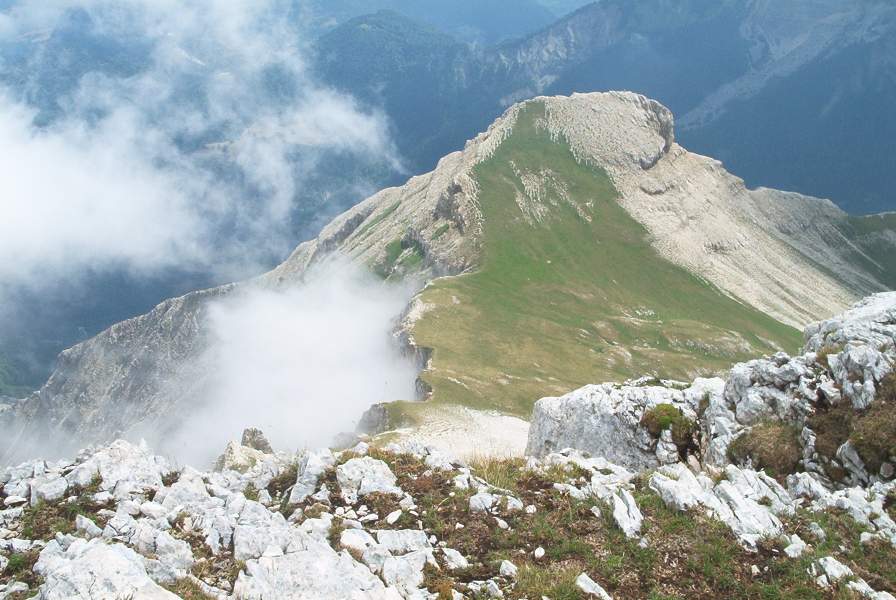
Natura 2000
Other species to discover
Sources and credits
- Presence: most-recorded species of each place on GBIF and species of Community interest in the Natura 2000 forms (EEA, CC-BY 4.0); absence from the list does not mean the species is absent.
- Common names: Wikidata (CC0) and GBIF.
- Photos and sounds: Wikimedia Commons, author and licence given for each file.
- Classification: GBIF Backbone Taxonomy (GBIF Secretariat), CC BY 4.0, doi:10.15468/39omei.
- Countries, elevations, months and maps: GBIF.org, CC0 or CC BY 4.0 occurrences only, accessed October 22, 2026, GBIF.org.
- Base map: Natural Earth (public domain).
- Excerpt: Wikipedia, CC BY-SA 4.0 (full credit below the excerpt).
- Key facts: Wikidata (CC0), with the references cited under each value.
- Annexes: Directive 92/43/EEC (consolidated version), © European Union, EUR-Lex.
- Conservation status: EEA / DG ENV, Article 17 Habitats Directive reporting (2013–2018), CC BY 4.0.