
Plant
Common Alder: where to see it
Alnus glutinosa
Invasive alien in some territories
Listed as invasive alien for: Canada, New Zealand (GRIIS).
This plant species is recorded in 30 protected areas of the atlas. Within the atlas countries, it is mostly observed in France, the United Kingdom and Germany (13 countries in all). Most records (8 in 10) lie between 50 and 700 m above sea level. Records peak from May to September. Plant (tree), native to Europe, Africa and temperate Asia, introduced to Australasia, North America and South and Central America.
Best time to see it: May–September
Records published on GBIF by month (CC0 and CC BY 4.0 licences only), in the atlas countries, all years combined; they also reflect observer activity.
Distribution
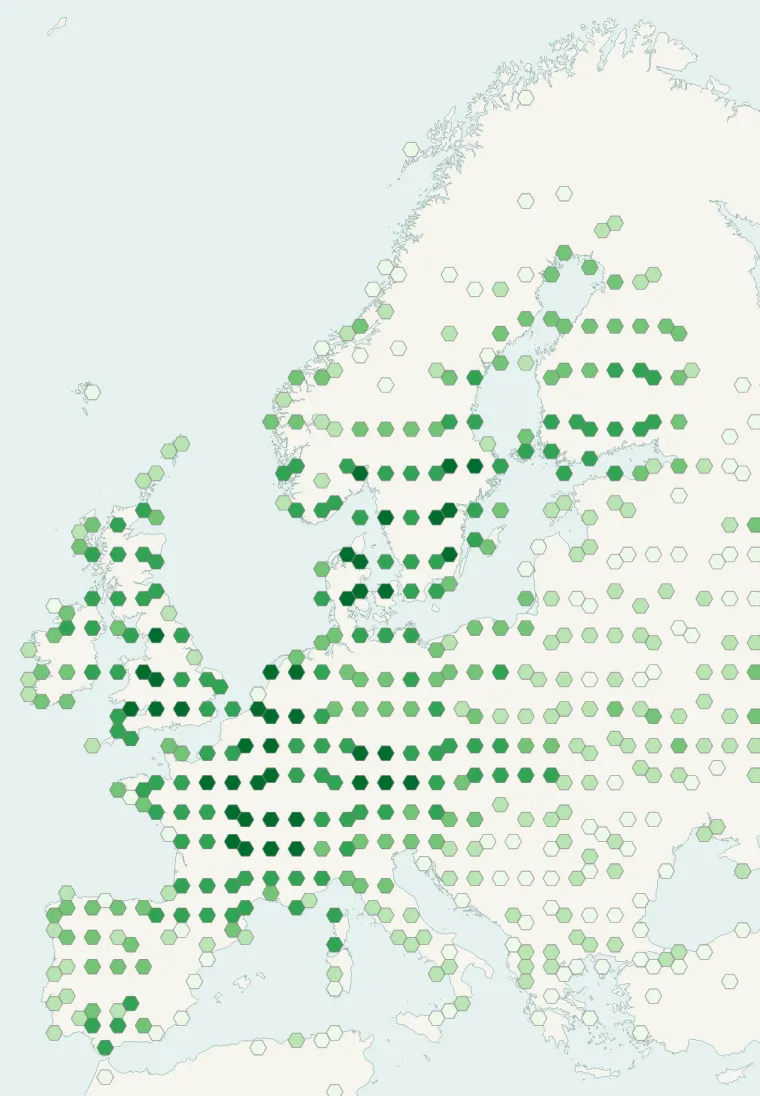
Records published on GBIF (CC0 and CC BY 4.0 licences): the darker the shade, the more records there are; they also reflect observation effort.
Listen
-
1:19 · © Alvaro Ortiz Troncoso · CC BY-SA 4.0 · Wikimedia Commons · Original file
From Wikipedia
Alnus glutinosa, the common alder, black alder, European alder, European black alder, or just alder, is a species of tree in the family Betulaceae, native to most of Europe, southwest Asia and northern Africa. It thrives in wet locations where its association with the bacterium Frankia alni enables it to grow in poor quality soils. It is a medium-sized, short-lived tree growing to a height of up to 30 metres (98 feet). It has short-stalked rounded leaves and separate male and female flowers in the form of catkins.
Source: Wikipedia, article “Alnus glutinosa” (version of October 8, 2026) · history and authors · licence CC BY-SA 4.0 · shortened excerpt
Protected areas where it is recorded
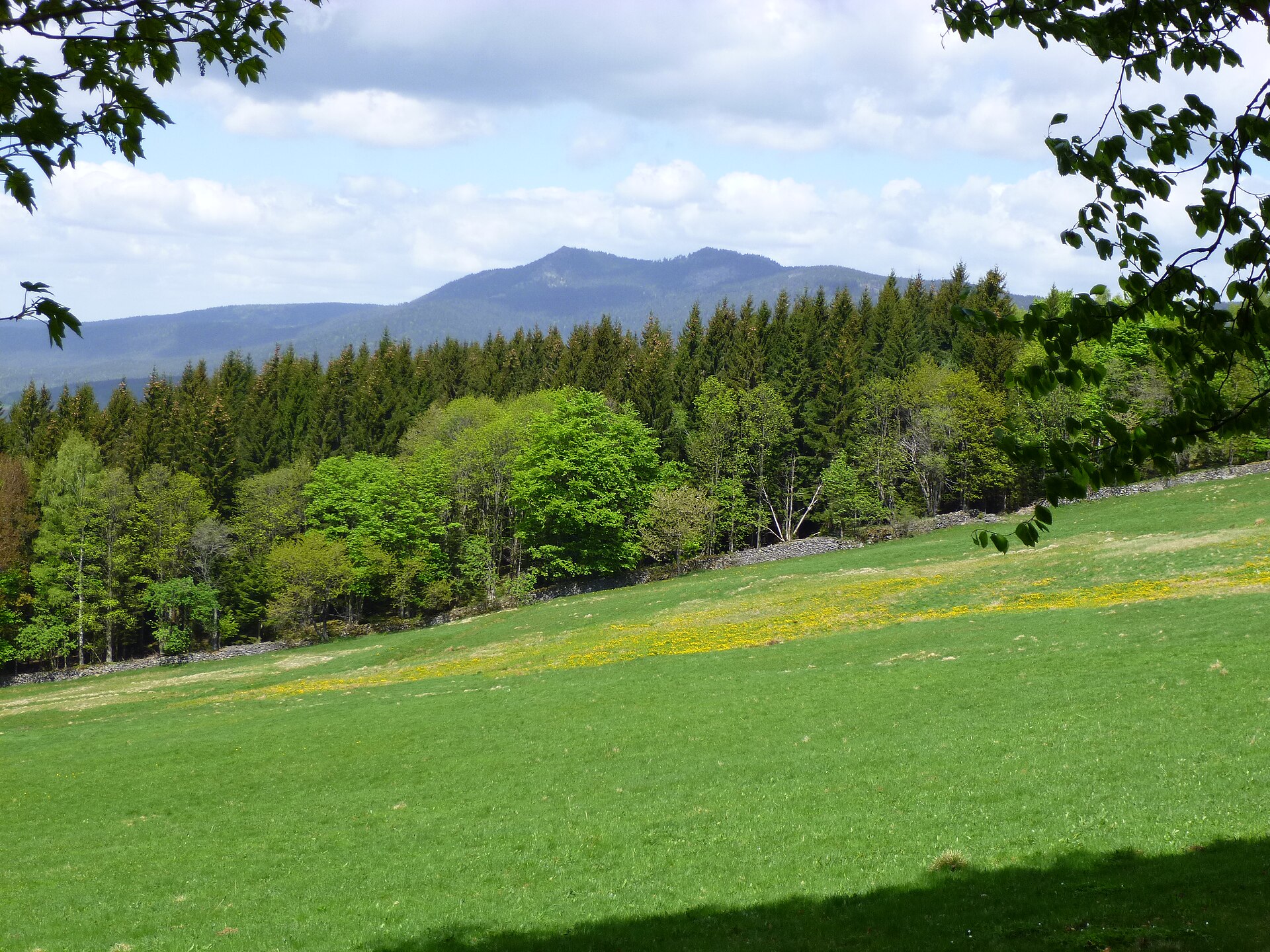
5,746 records
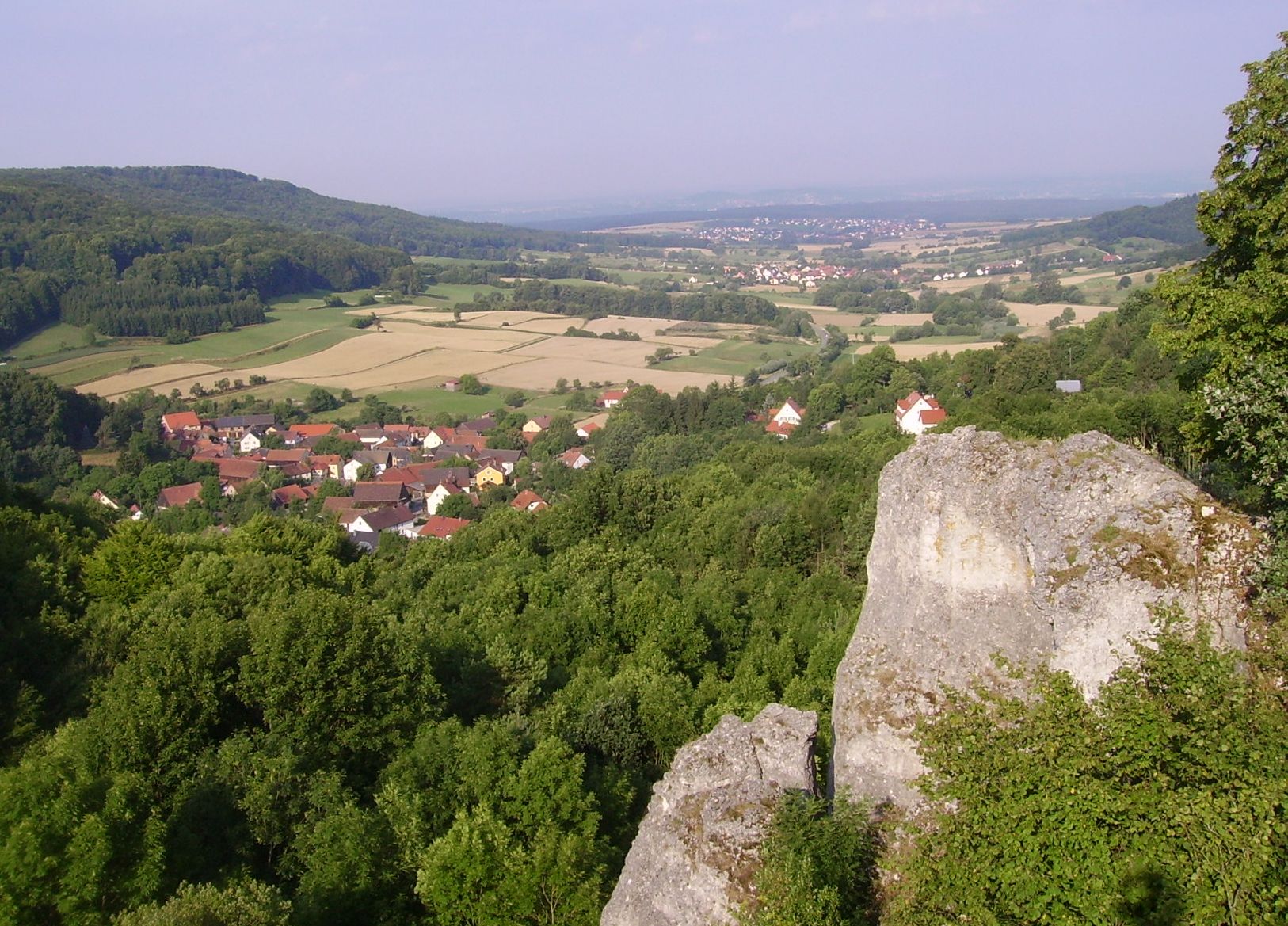
4,067 records
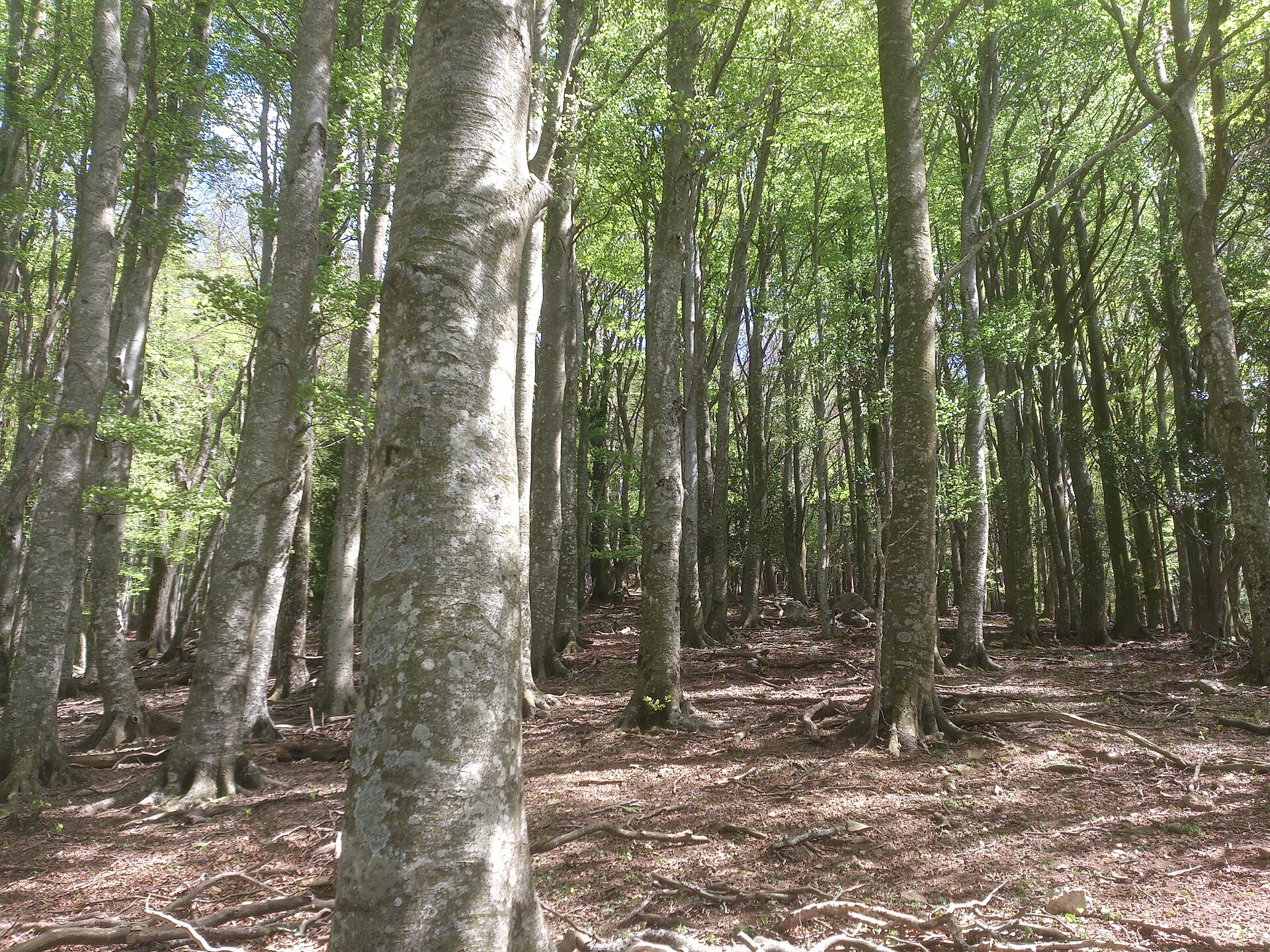
2,629 records
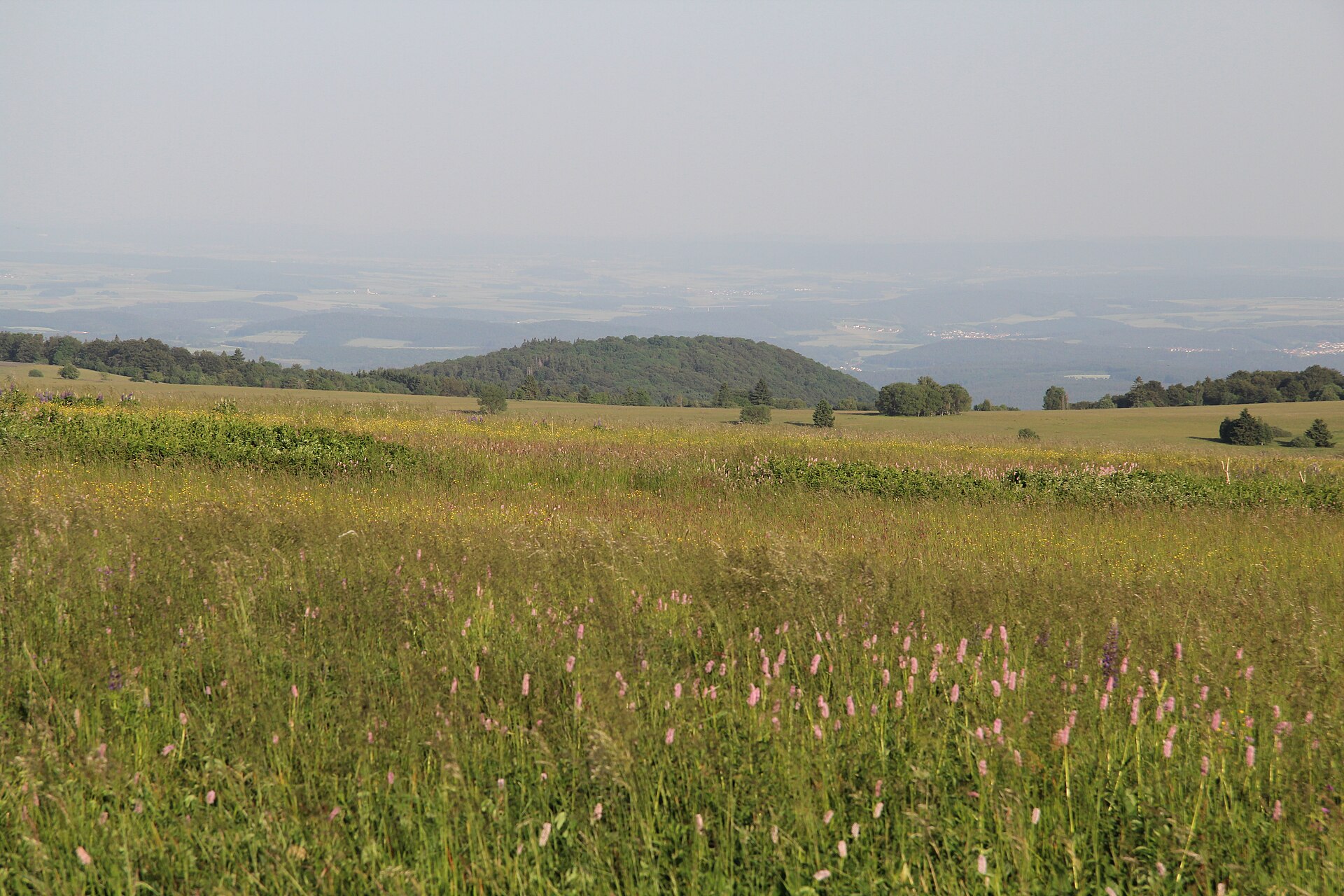
2,570 records
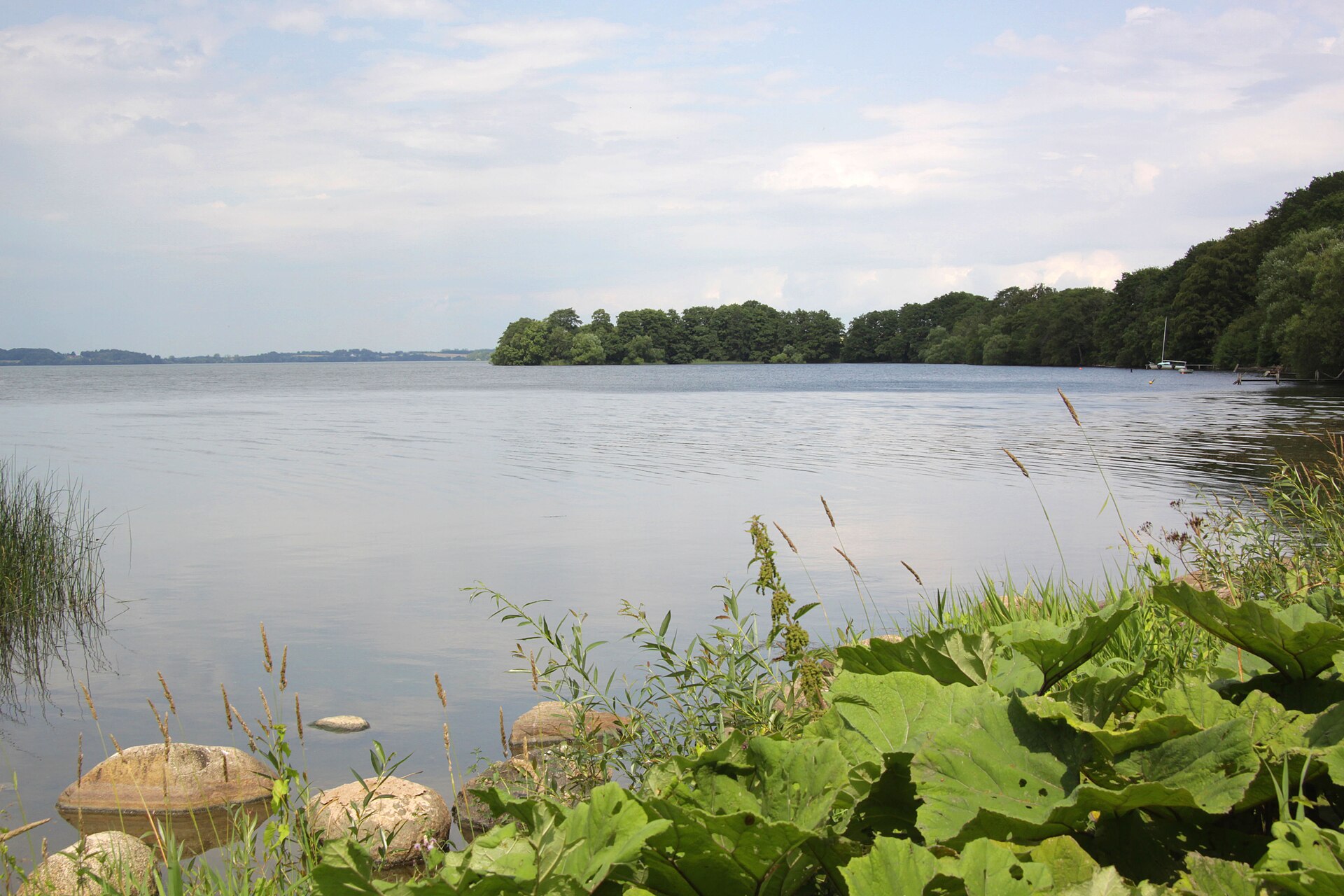
2,190 records
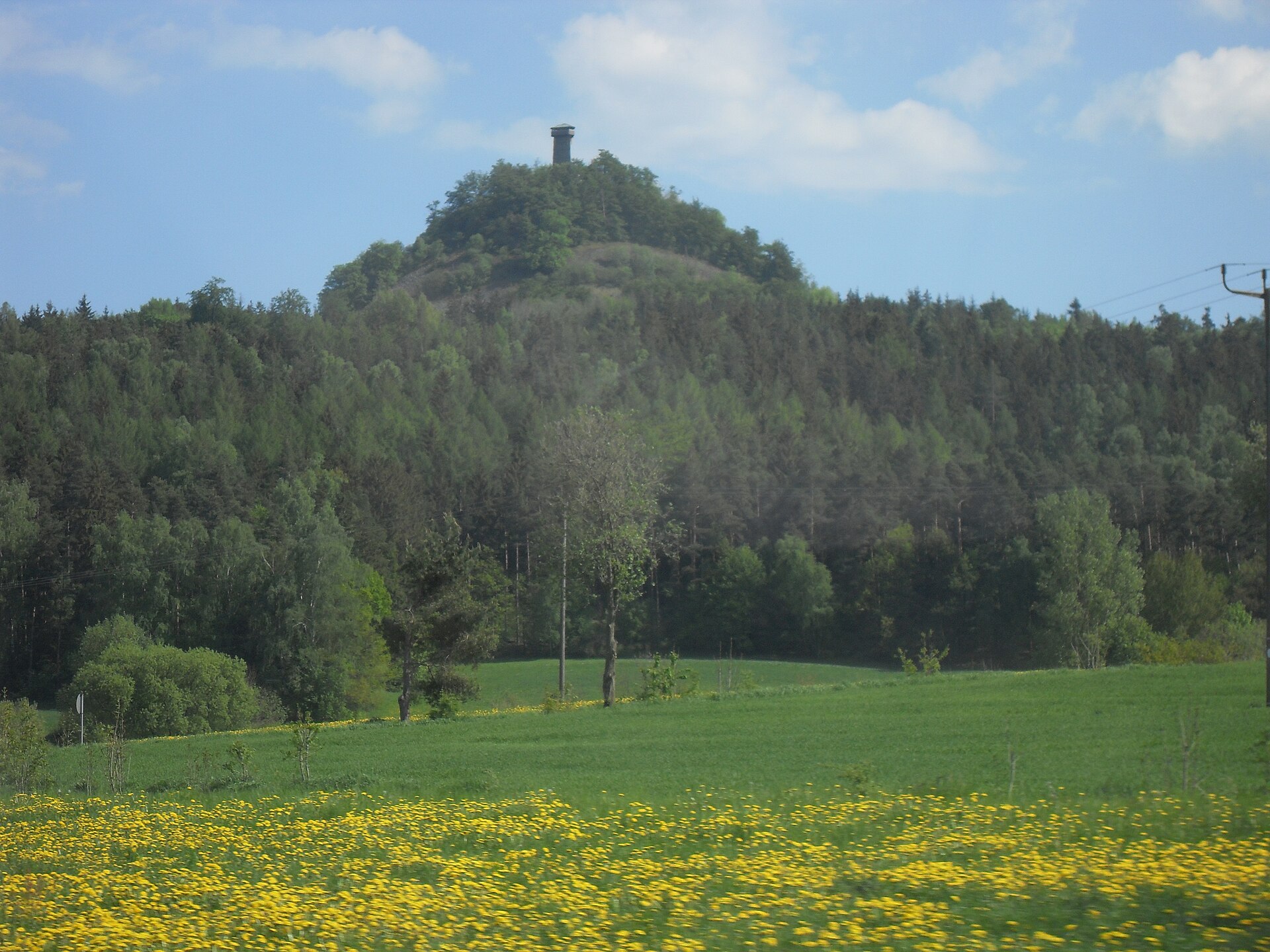
2,010 records
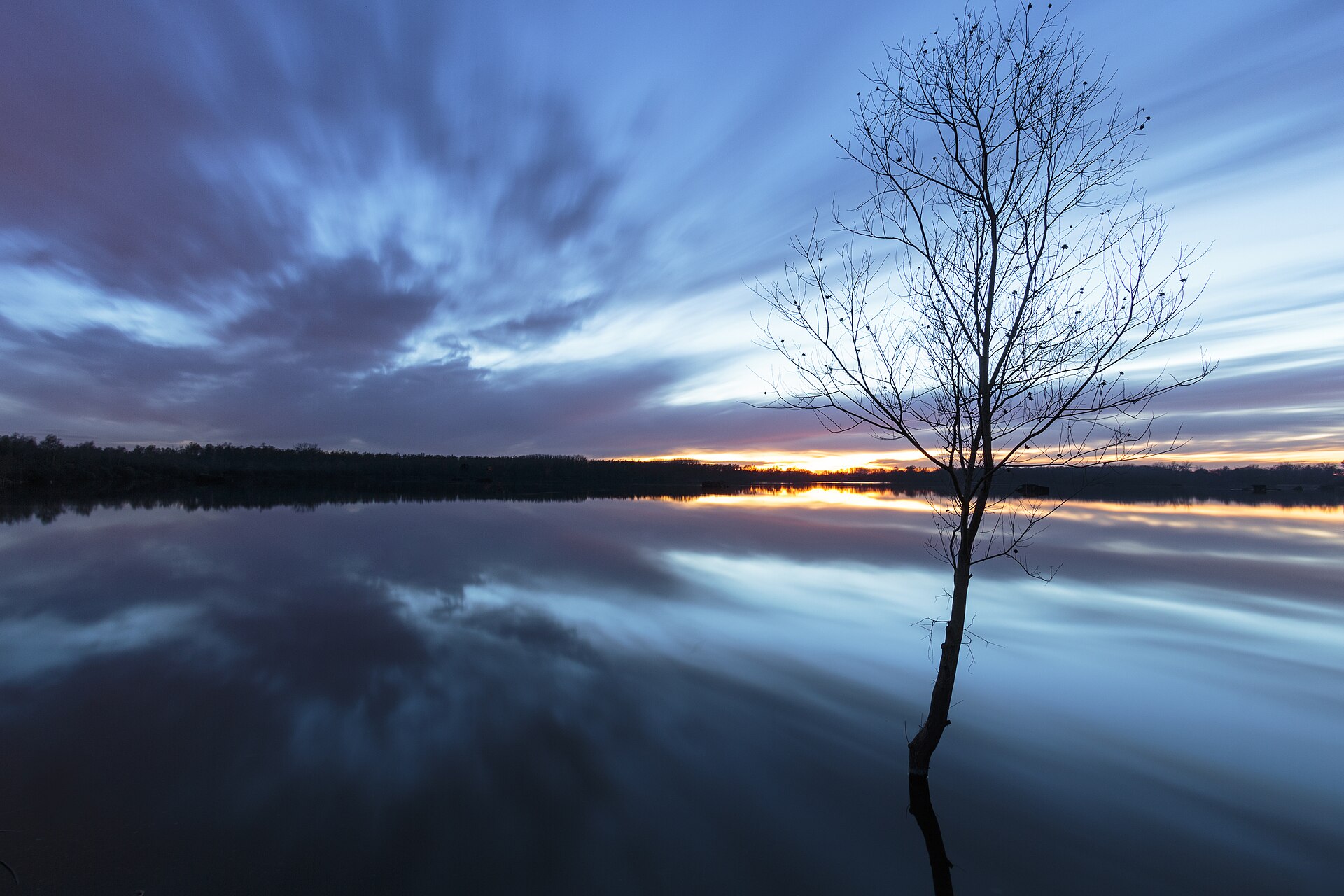
1,958 records
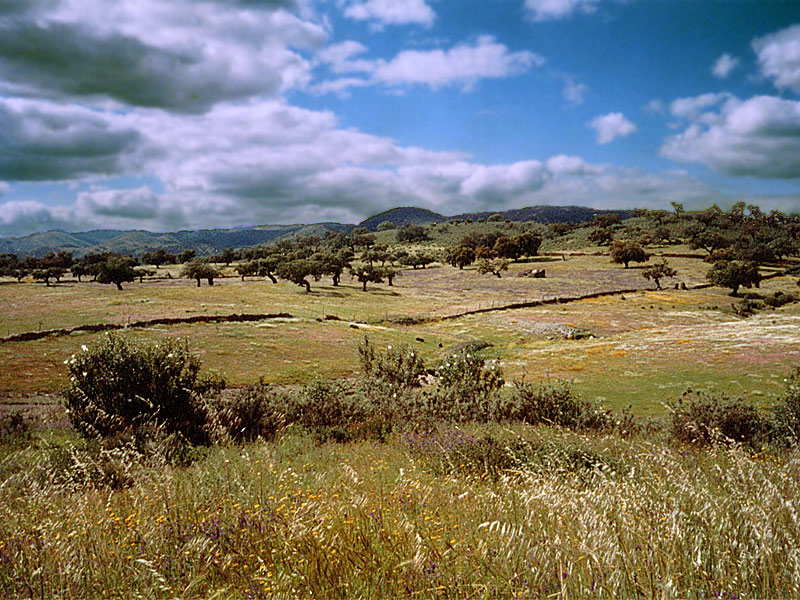
1,901 records
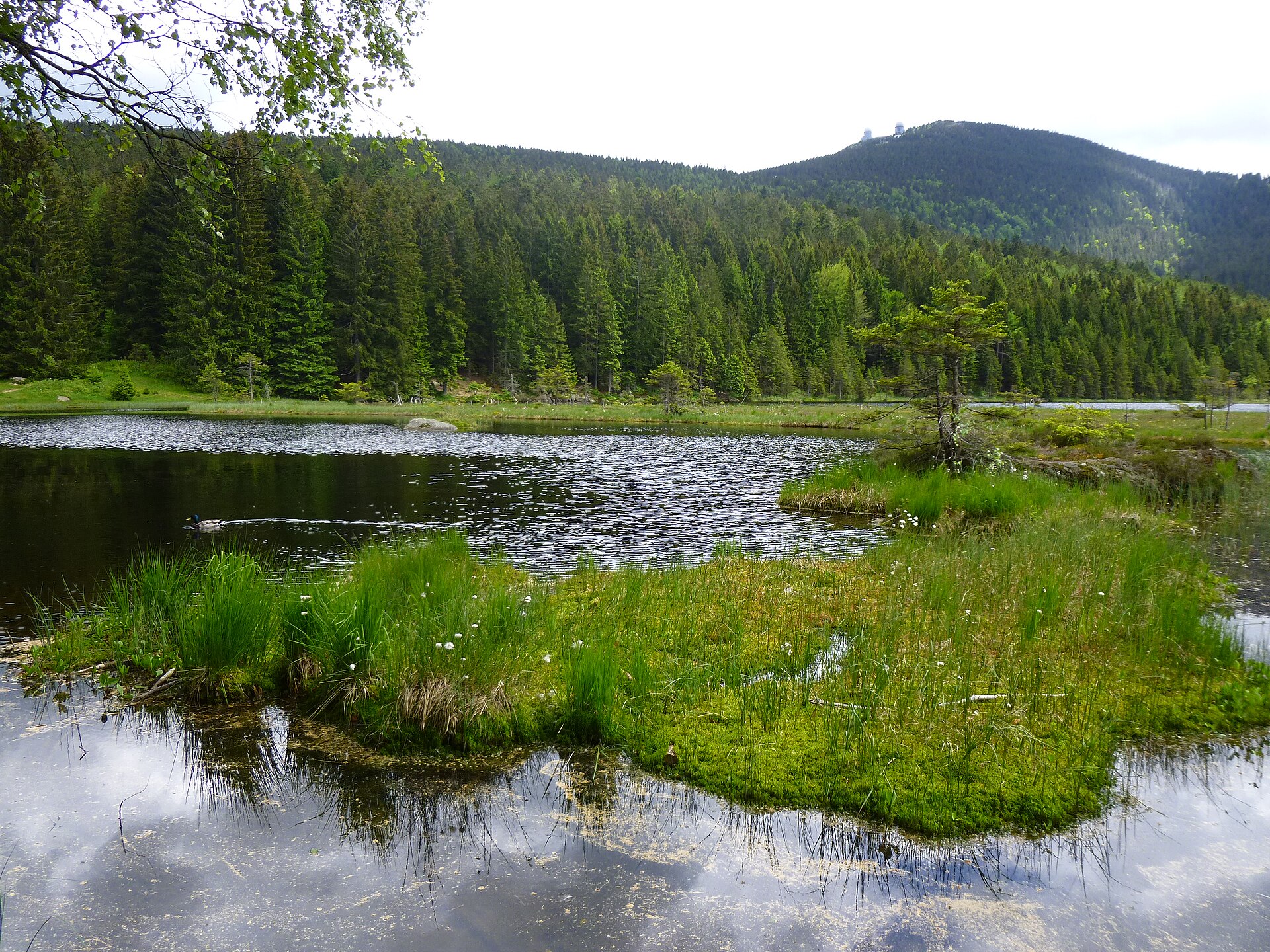
1,820 records
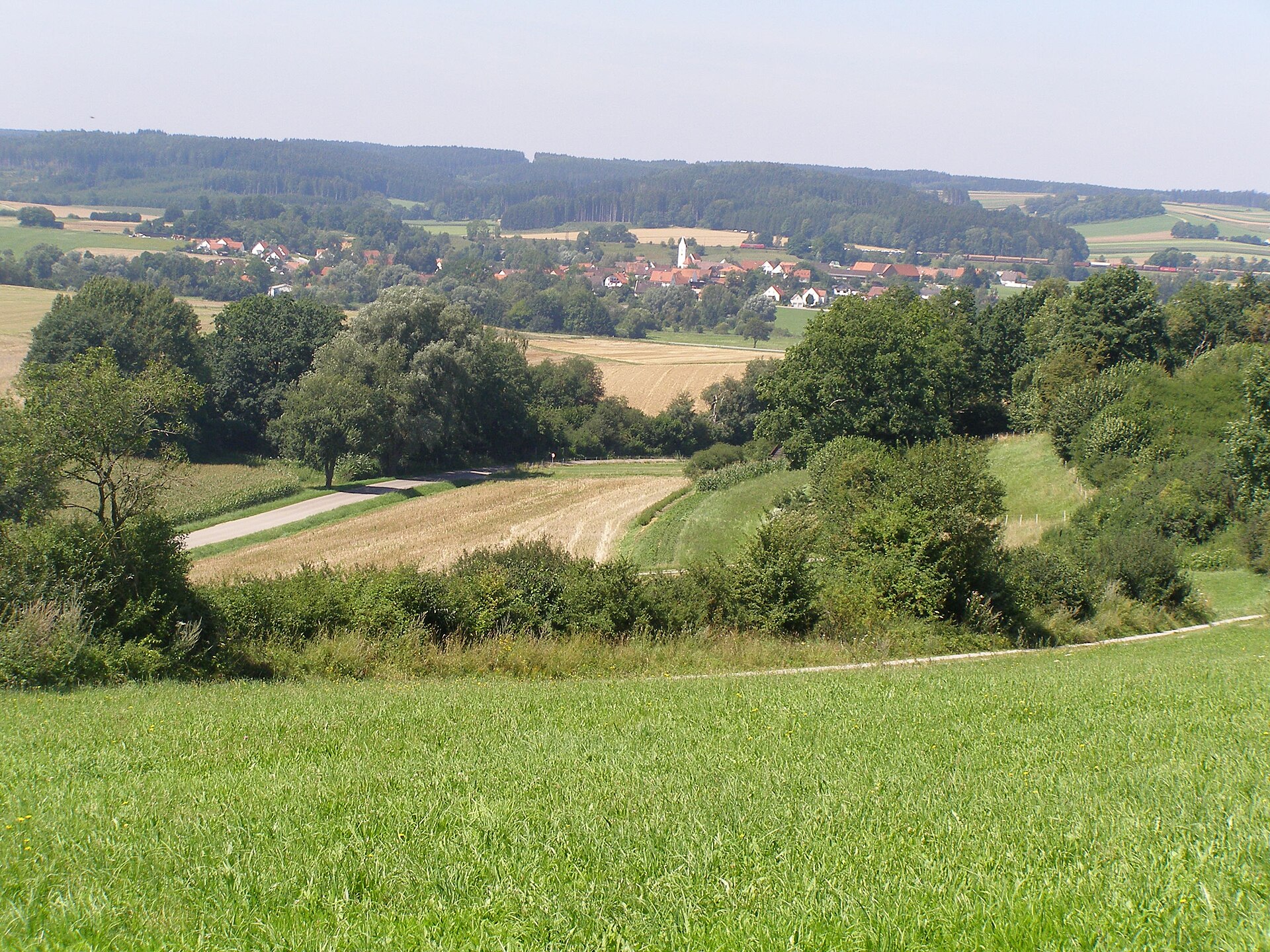
1,328 records
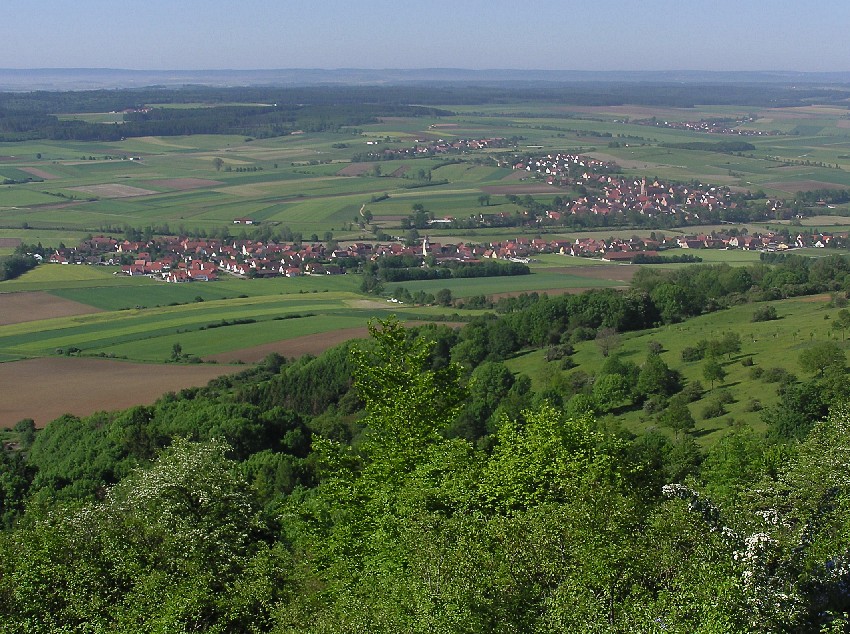
1,285 records
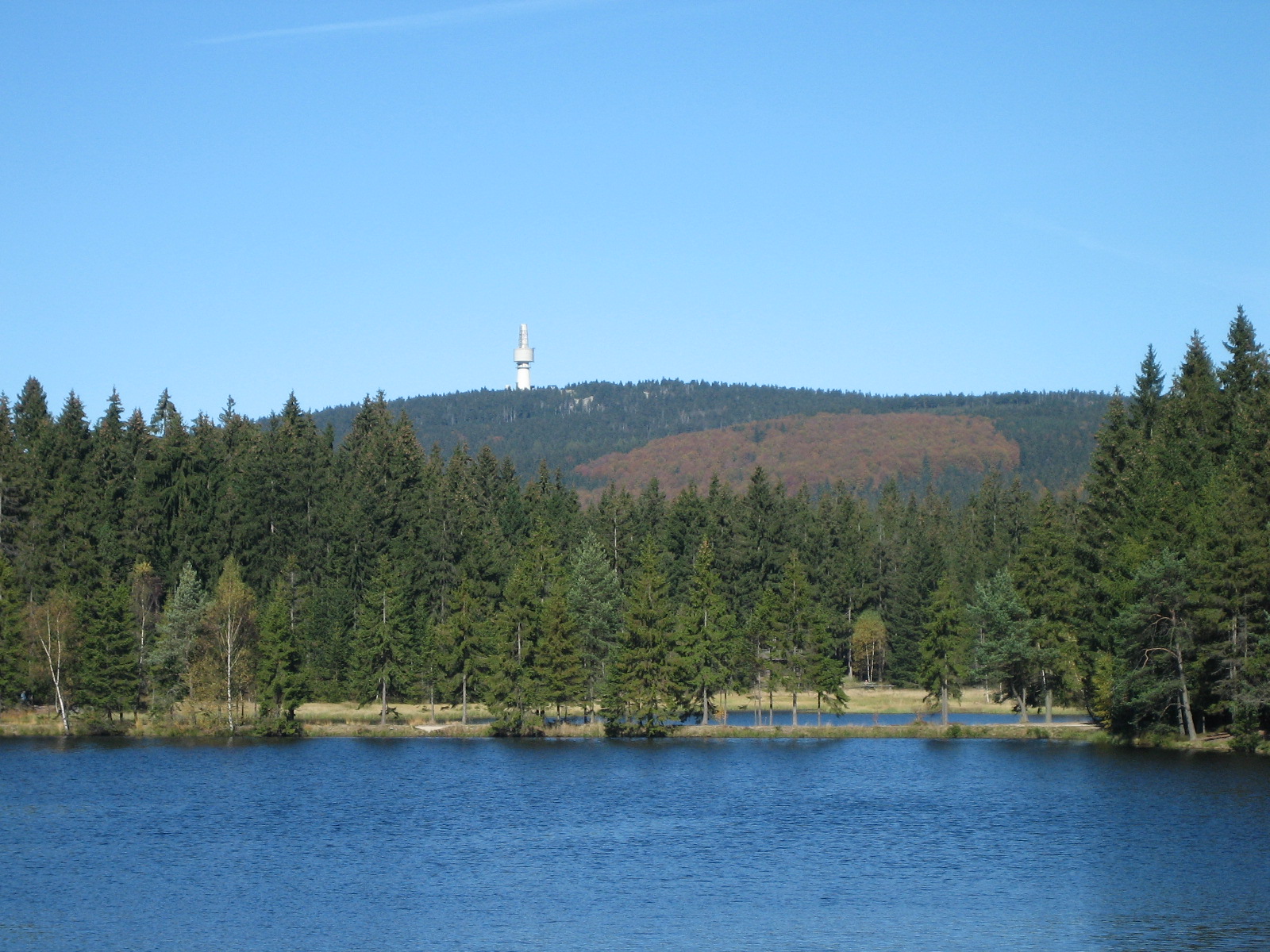
1,199 records
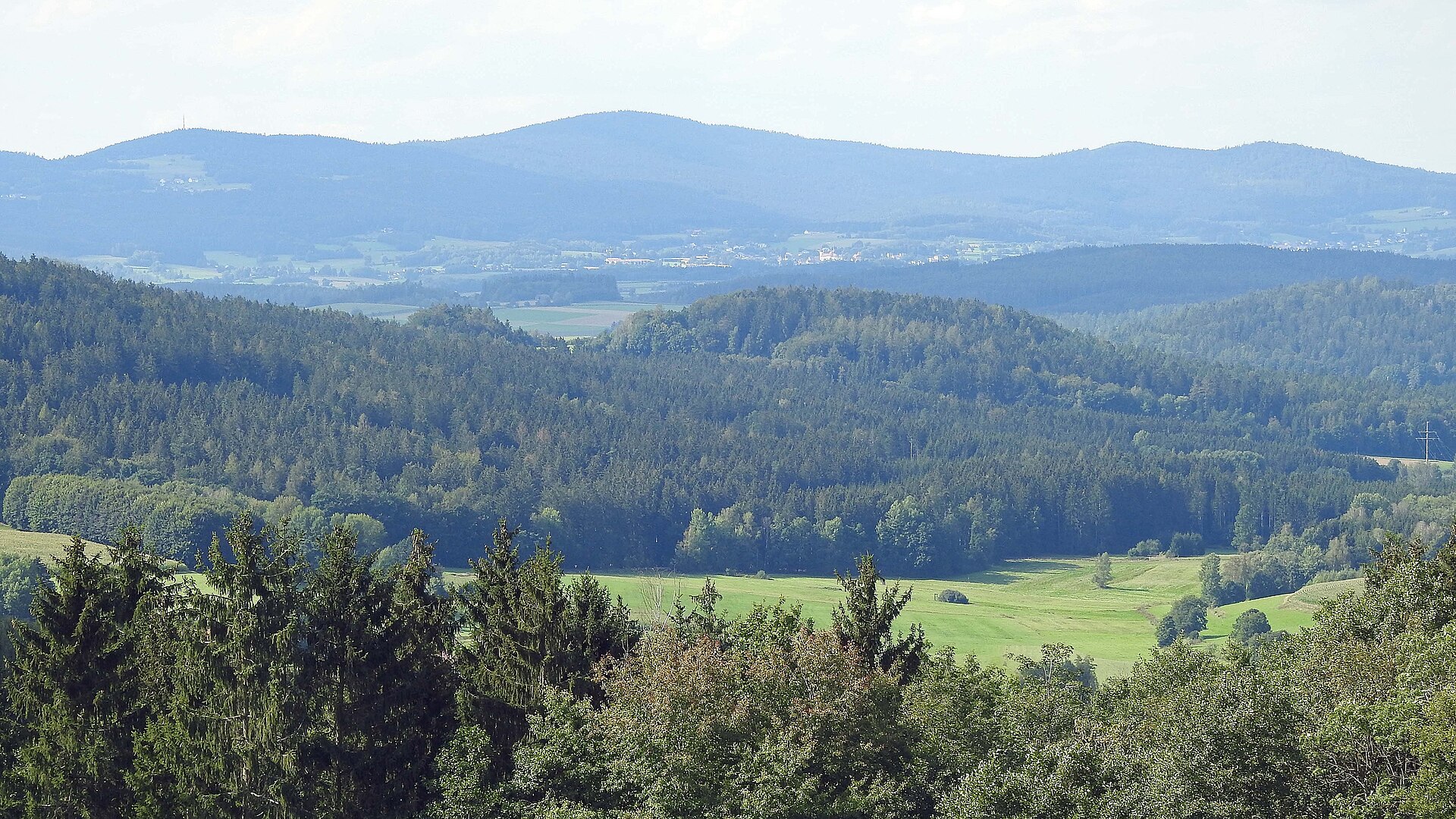
1,002 records
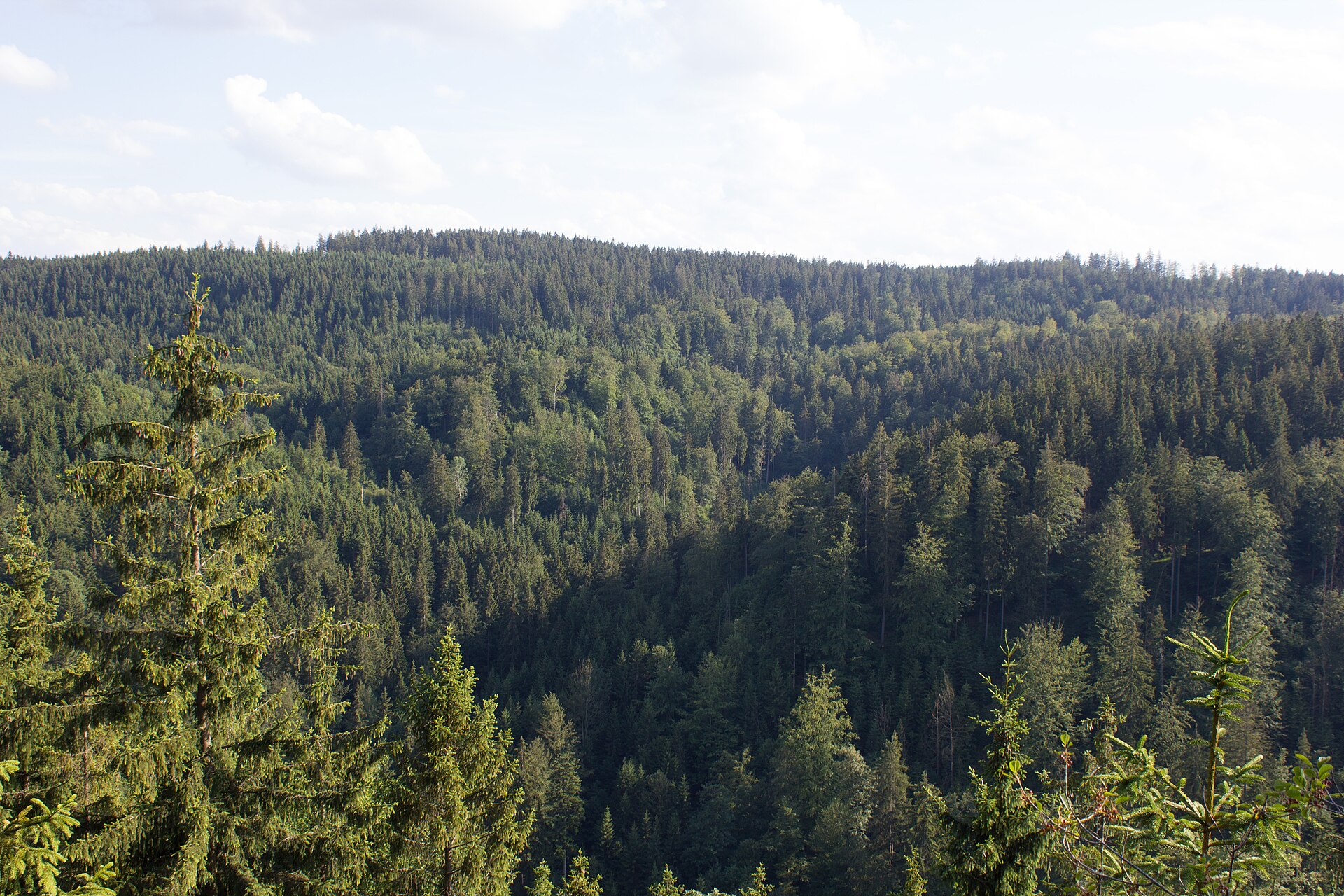
947 records
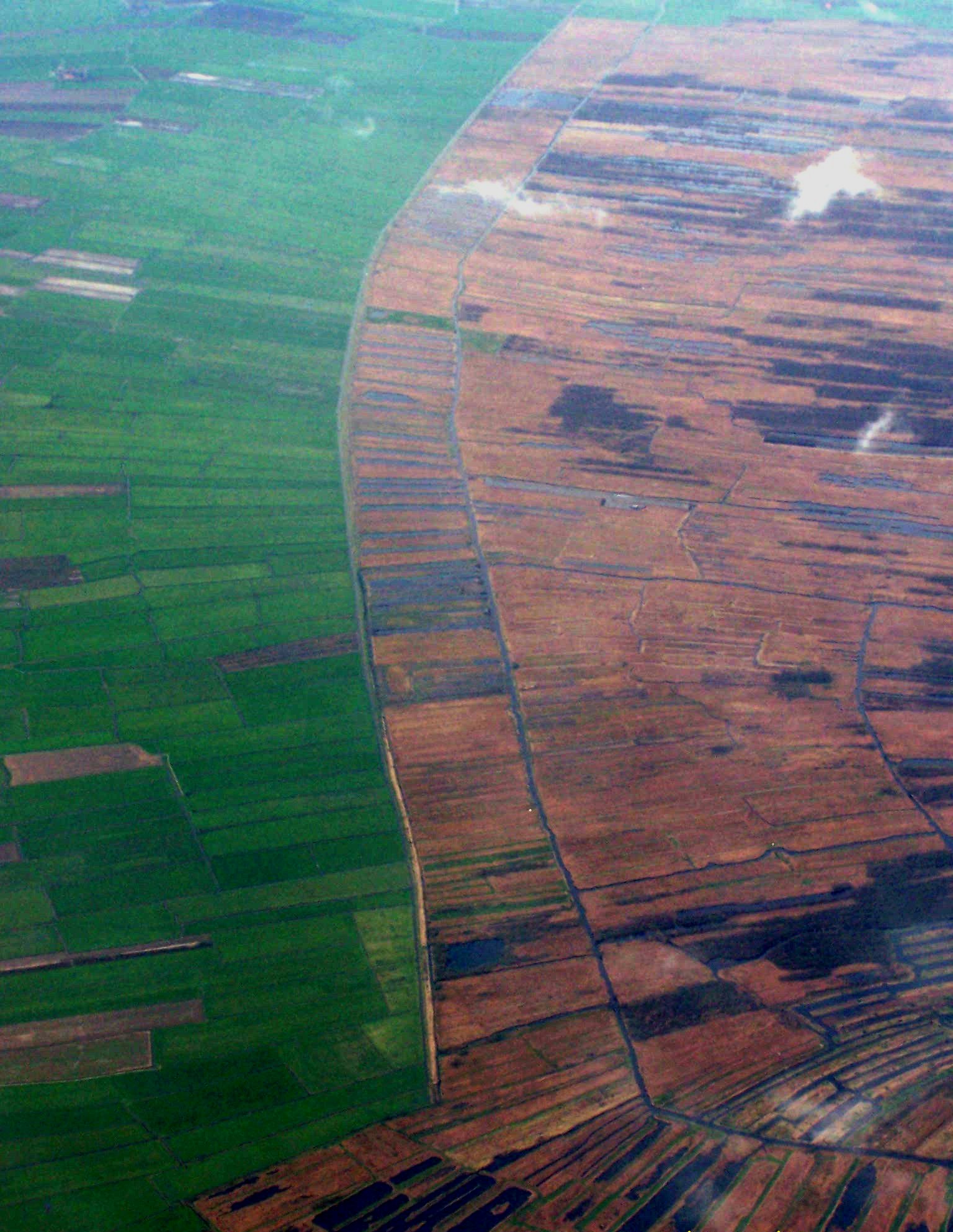
913 records
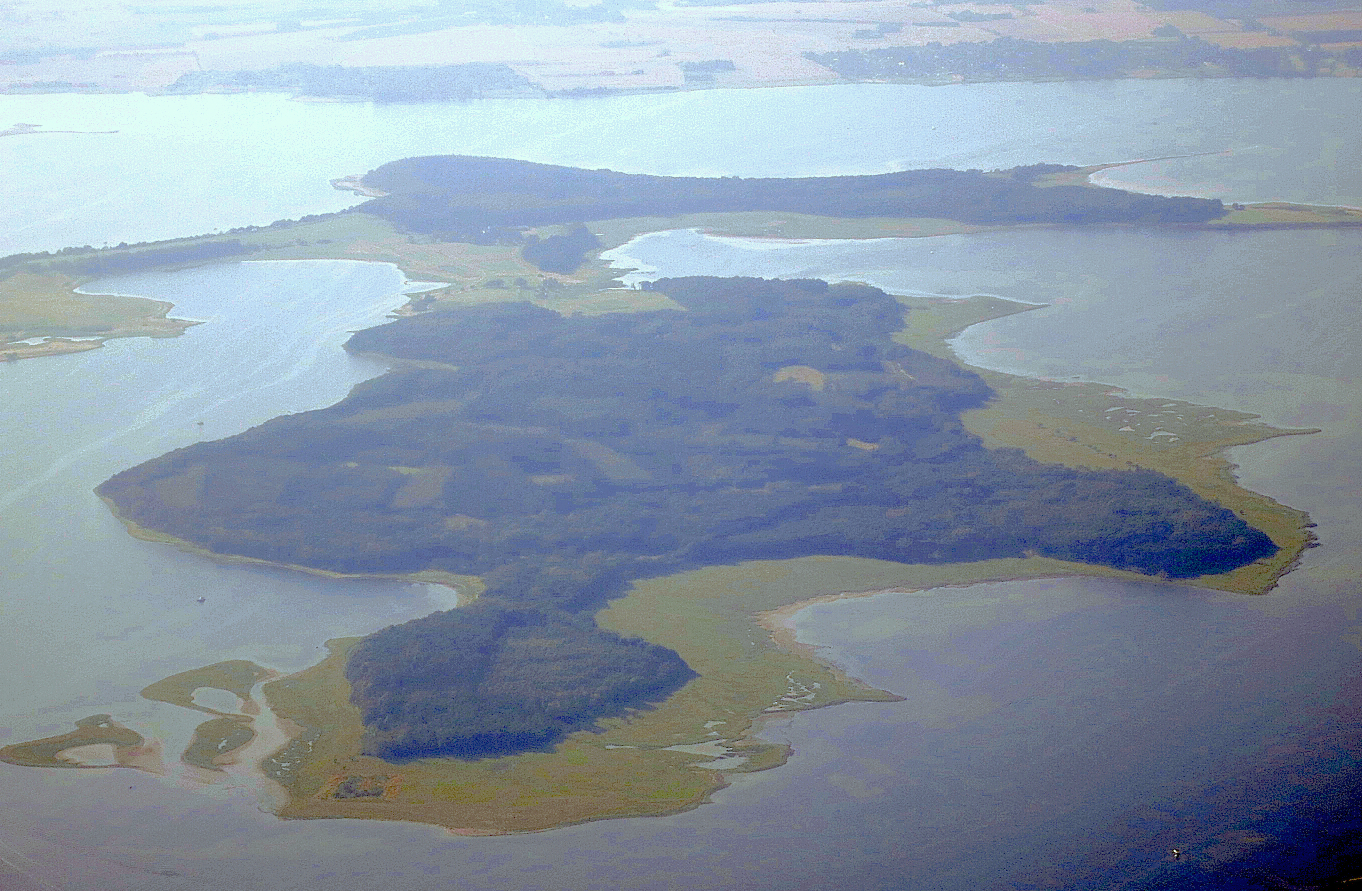
803 records
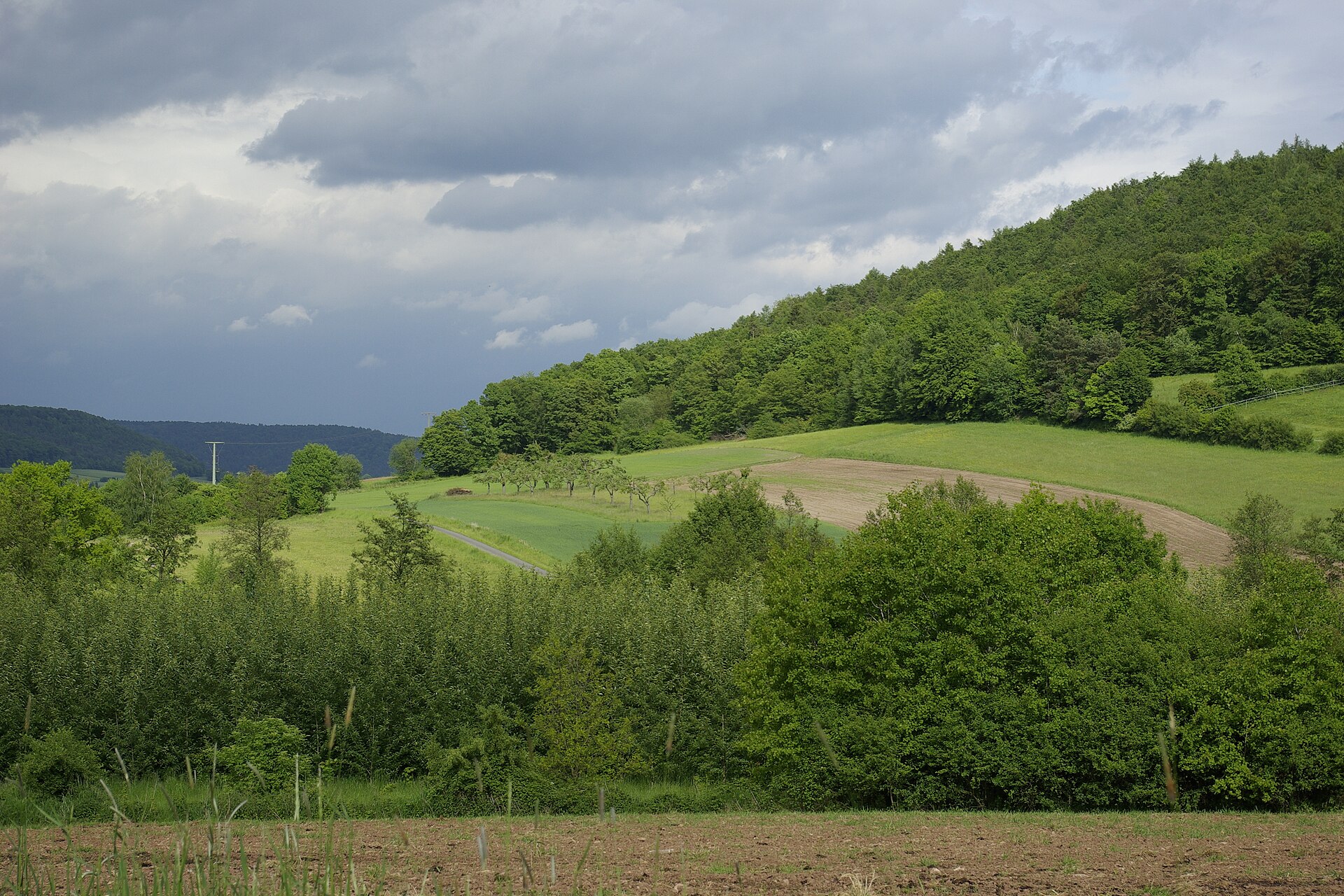
774 records

301 records
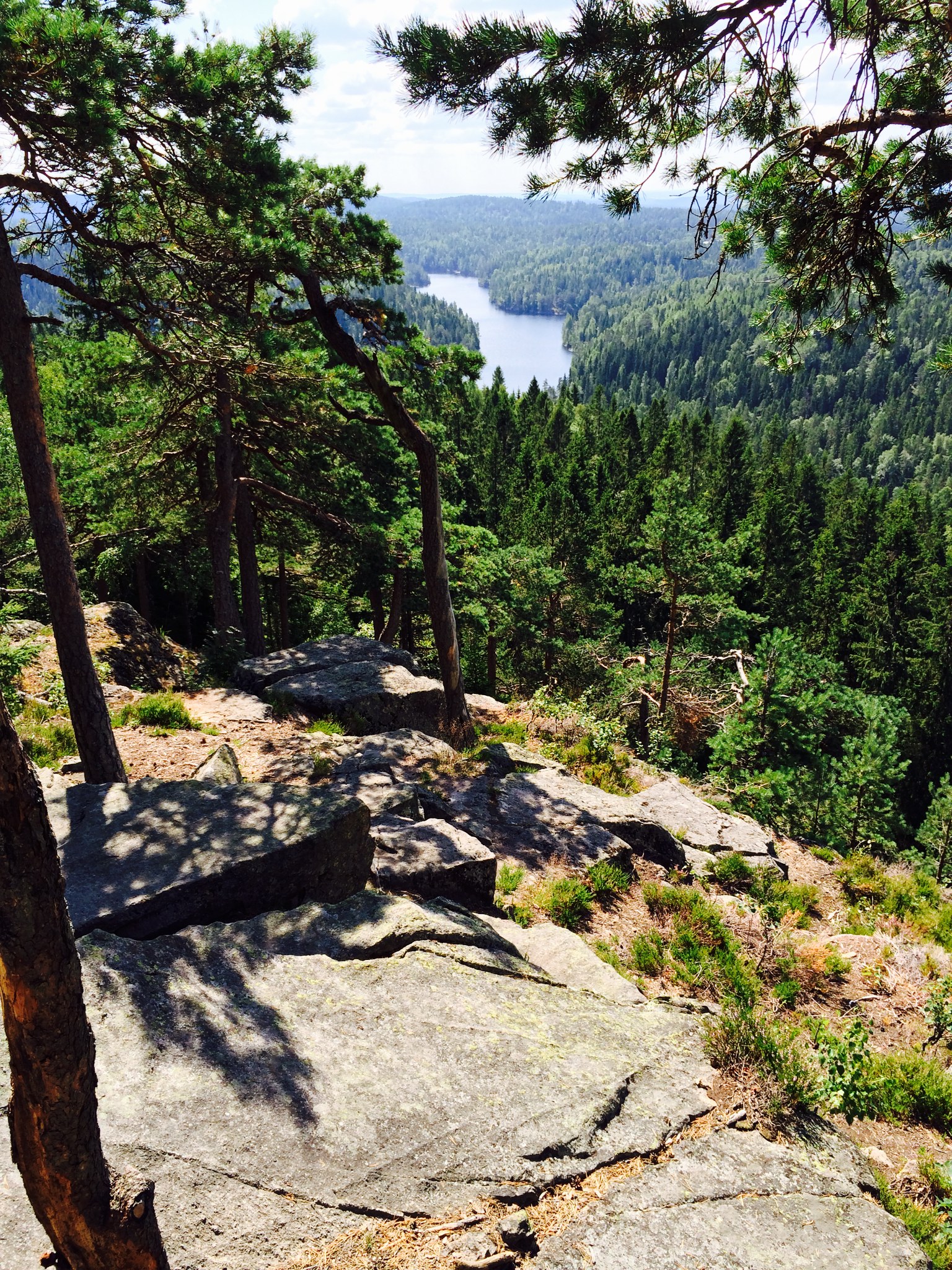
197 records
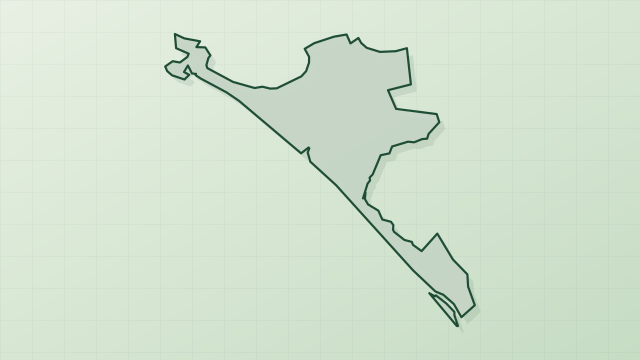
142 records
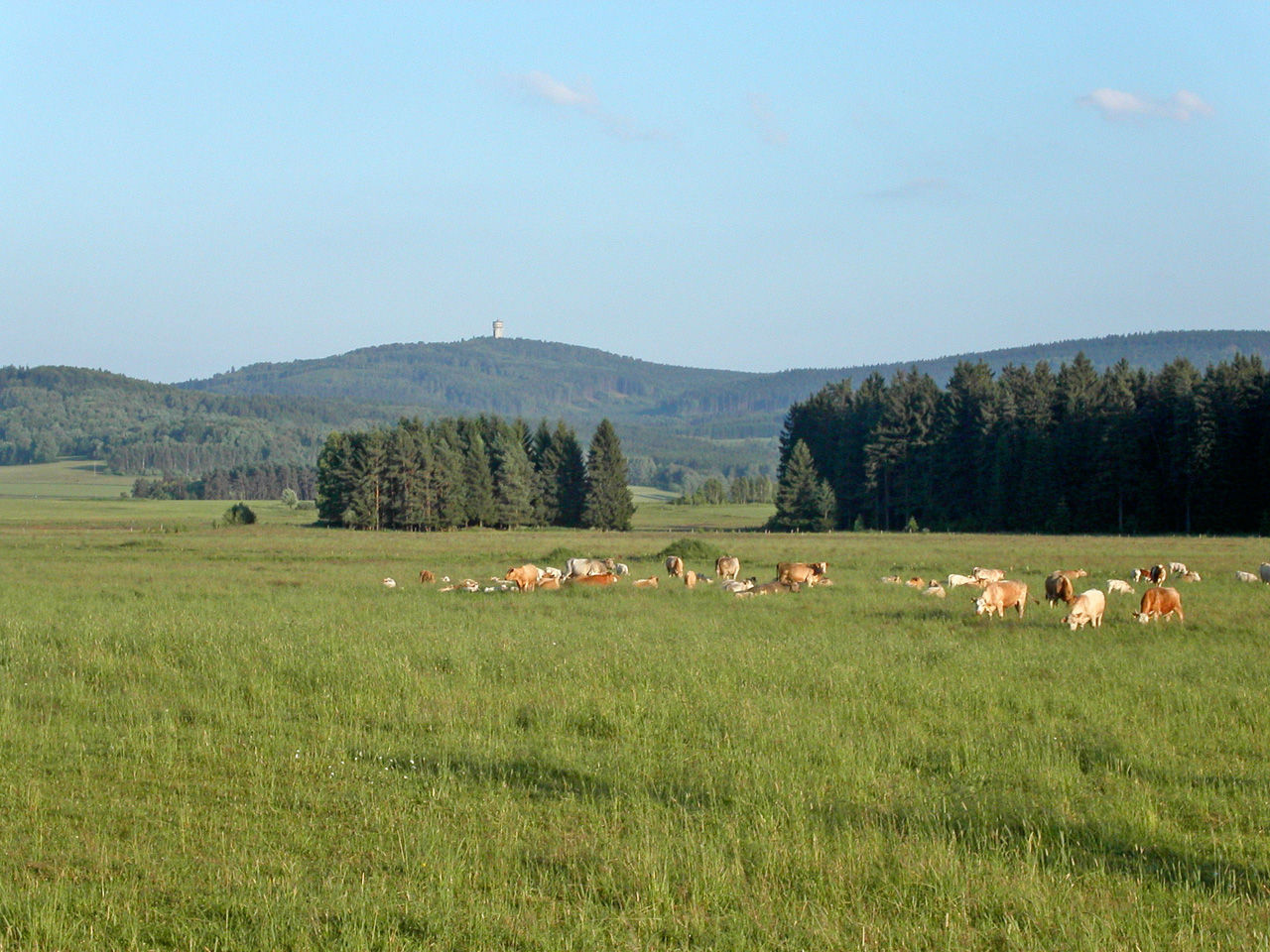
118 records
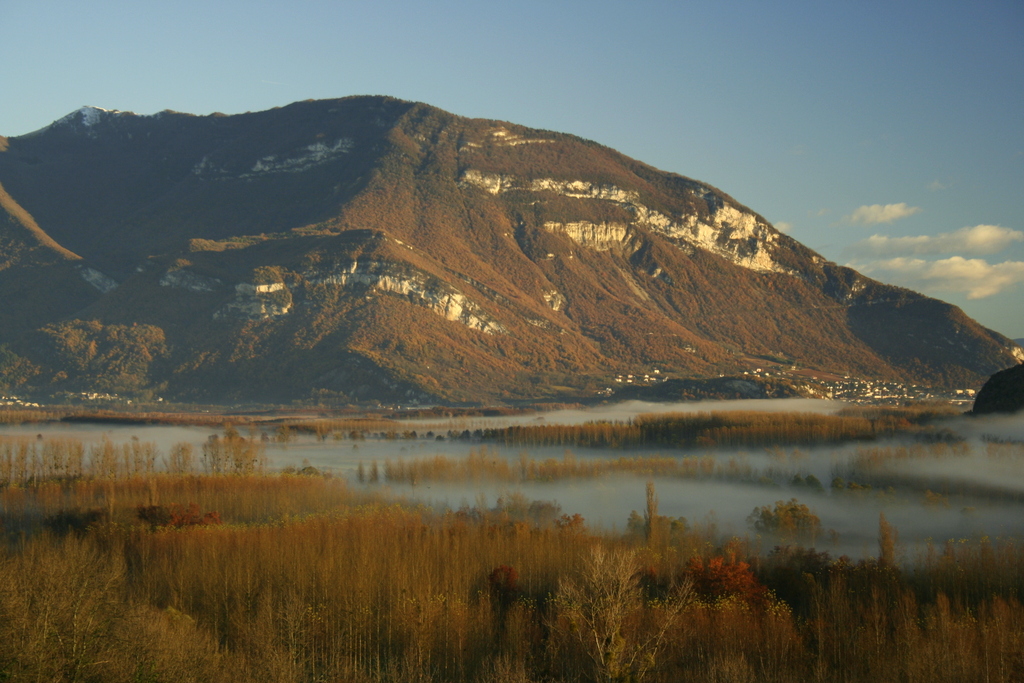
71 records

58 records

24 records
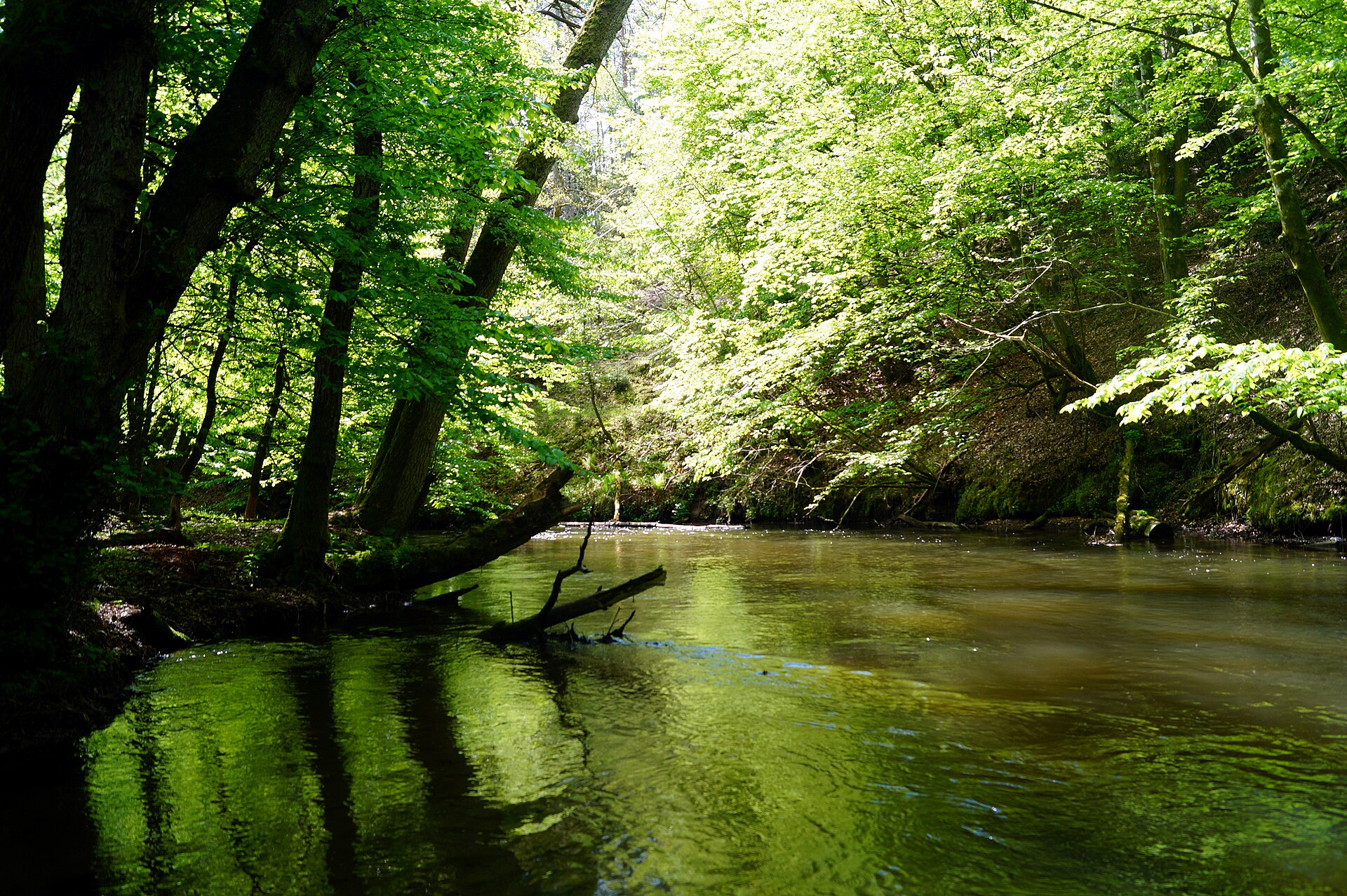
16 records
8 records
8 records
5 records

5 records
2 records
Other species to discover


Sources and credits
- Presence: most-recorded species of each place on GBIF and species of Community interest in the Natura 2000 forms (EEA, CC-BY 4.0); absence from the list does not mean the species is absent.
- Common names: Wikidata (CC0) and GBIF.
- Photos and sounds: Wikimedia Commons, author and licence given for each file.
- Classification: GBIF Backbone Taxonomy (GBIF Secretariat), CC BY 4.0, doi:10.15468/39omei.
- Countries, elevations, months and maps: GBIF.org, CC0 or CC BY 4.0 occurrences only, accessed October 22, 2026, GBIF.org.
- Base map: Natural Earth (public domain).
- Excerpt: Wikipedia, CC BY-SA 4.0 (full credit below the excerpt).
- Native range and life form: World Checklist of Vascular Plants, Royal Botanic Gardens, Kew, CC BY 4.0 (no endorsement by Kew).
- Invasive alien species: Union list, Regulation (EU) No 1143/2014 (INBO, CC0); Global Register of Introduced and Invasive Species (ISSG, CC BY 4.0).