
Bird
Great Spotted Cuckoo: where to see it
Clamator glandarius
This bird species is recorded in 9 protected areas of the atlas, and is listed on the official Natura 2000 form of each of them. Within the atlas countries, it is mostly observed in Spain, France and Portugal (6 countries in all). Most records (8 in 10) lie between sea level and 140 m. Records peak from March to May. Its EU population is assessed as threatened (2013–2018 Birds Directive reporting).
Best time to see it: March–May
Records published on GBIF by month (CC0 and CC BY 4.0 licences only), in the atlas countries, all years combined; they also reflect observer activity.
Key facts
- Weight (female)
- 138 g Wikidata, after Lislevand et al. 2007
- Weight (male)
- 169 g Wikidata, after Lislevand et al. 2007
Status and protection
EU population assessed as threatened, decreasing in the short term (2013–2018 Birds Directive reporting). EU breeding population: 144,000–152,000 pairs.
Distribution
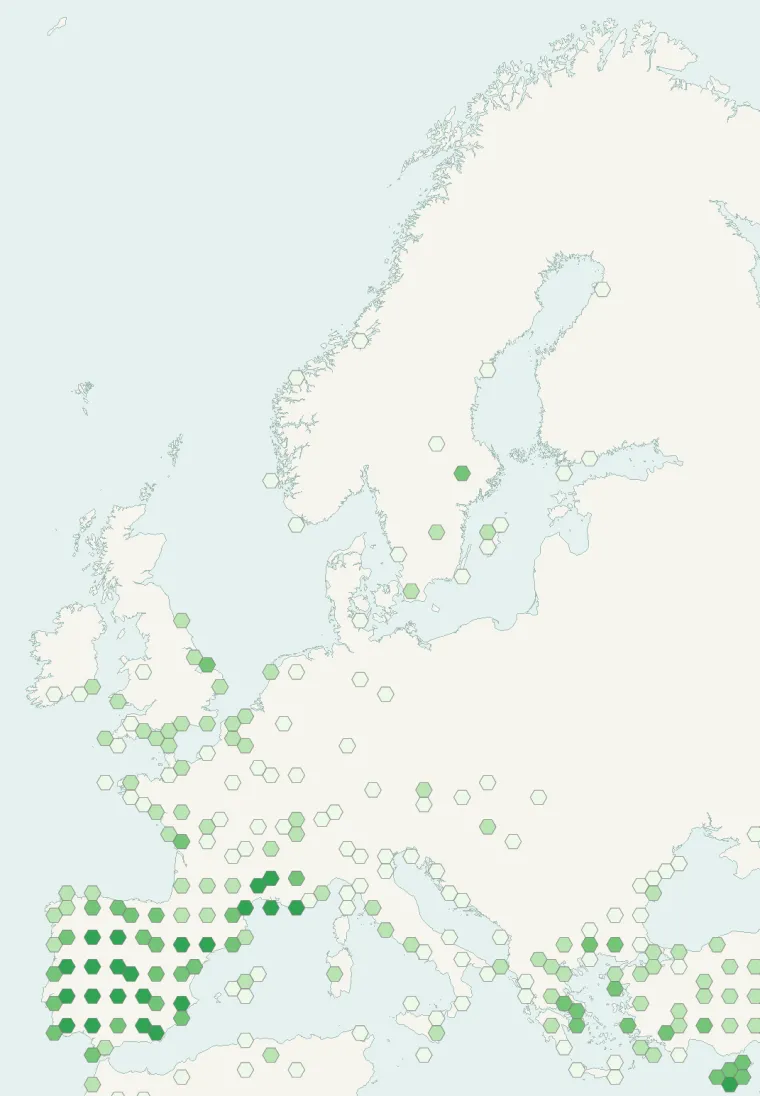
Records published on GBIF (CC0 and CC BY 4.0 licences): the darker the shade, the more records there are; they also reflect observation effort.
Atlas countries where it is recorded
Listen
-
0:09 · © João Tomás · CC BY 4.0 · Wikimedia Commons · Original file
-
0:14 · © JMK · CC BY-SA 4.0 · Wikimedia Commons · Original file
-
0:12 · © JMK · CC BY-SA 4.0 · Wikimedia Commons · Original file
From Wikipedia
The great spotted cuckoo (Clamator glandarius) is a member of the cuckoo order of birds, the Cuculiformes, which also includes the roadrunners, the anis and the coucals. It is widely spread throughout Africa and the Mediterranean Basin. It is a brood parasite that lays its eggs in the nests of corvids, in particular the Eurasian magpie.
Source: Wikipedia, article “Great spotted cuckoo” (version of August 5, 2026) · history and authors · licence CC BY-SA 4.0
Protected areas where it is recorded

Natura 2000 · passage

Natura 2000 · breeding
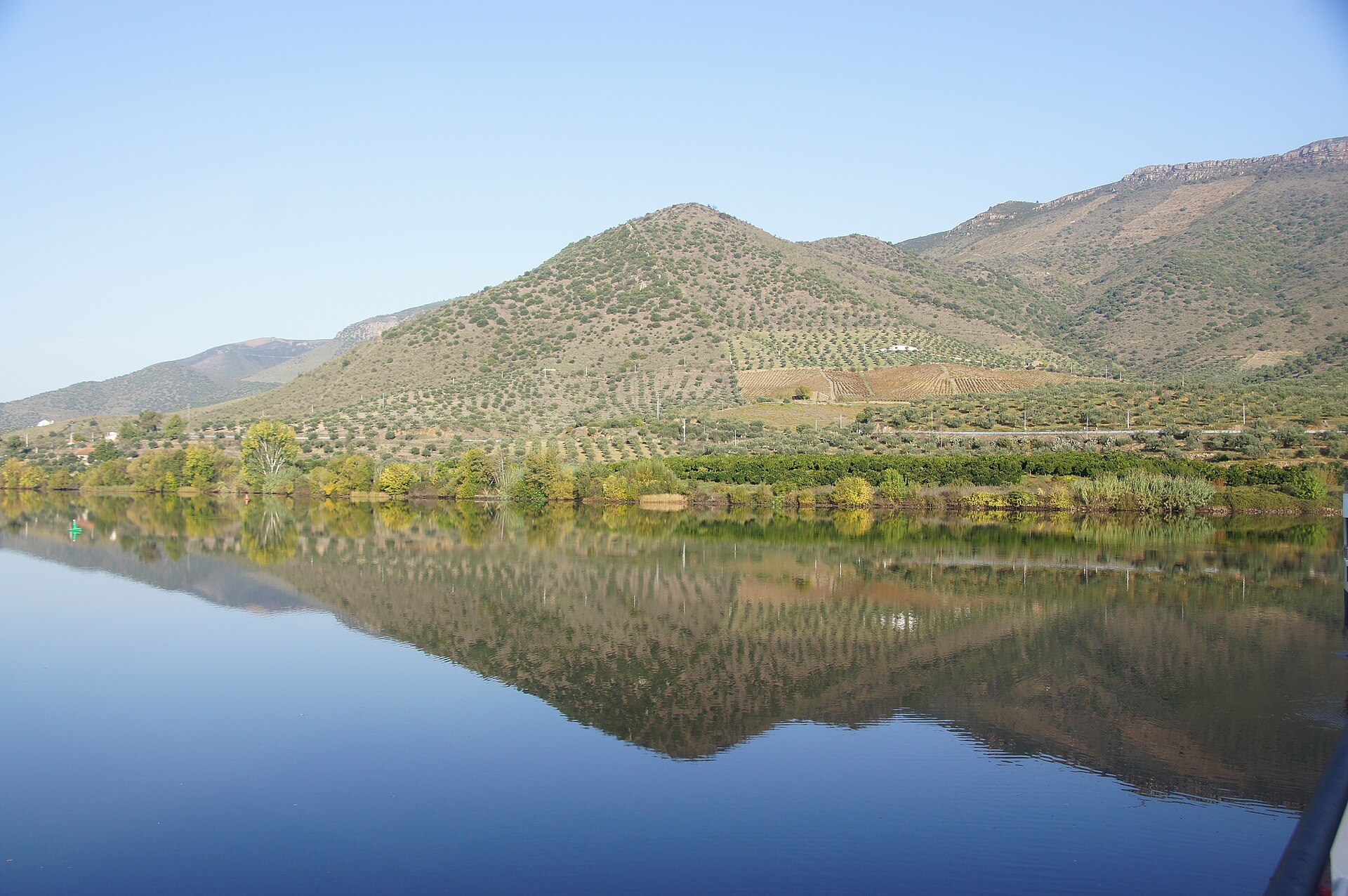
Natura 2000 · breeding

Natura 2000 · breeding, passage

Natura 2000 · breeding

Natura 2000 · breeding
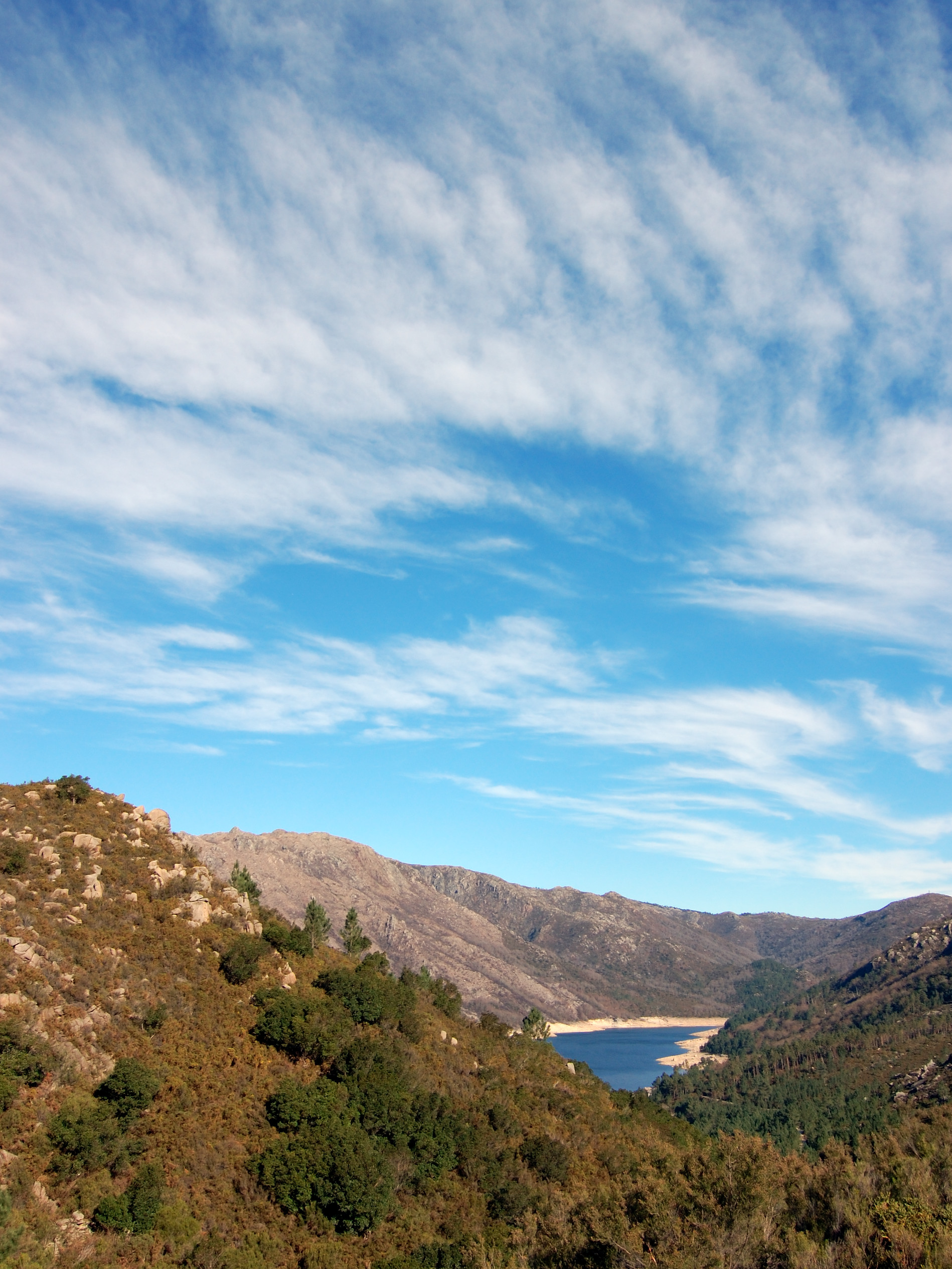
Natura 2000 · breeding
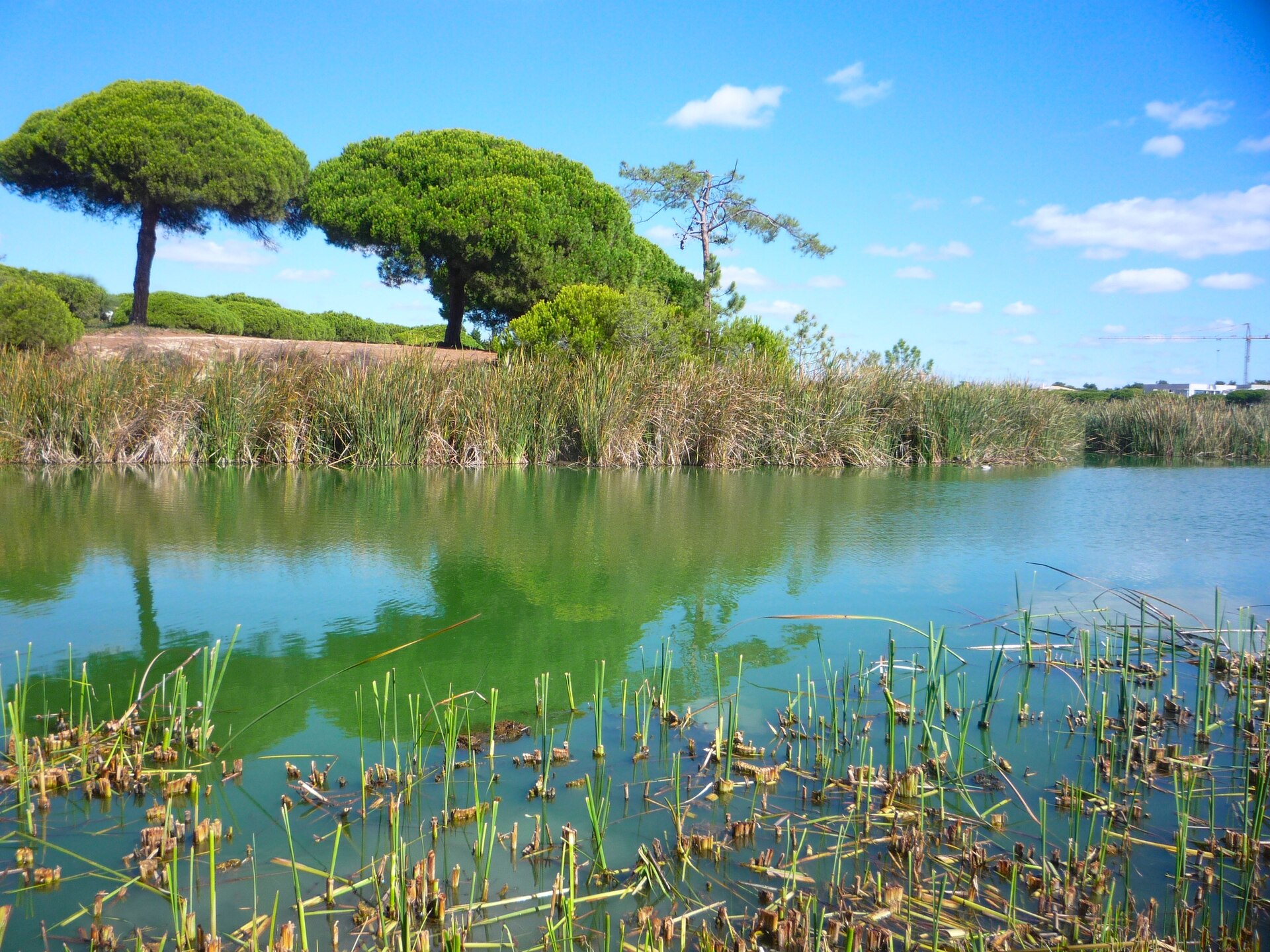
Natura 2000 · breeding

Natura 2000 · breeding
Other species to discover
 Egyptian mongoose
Herpestes ichneumon 5 places in common
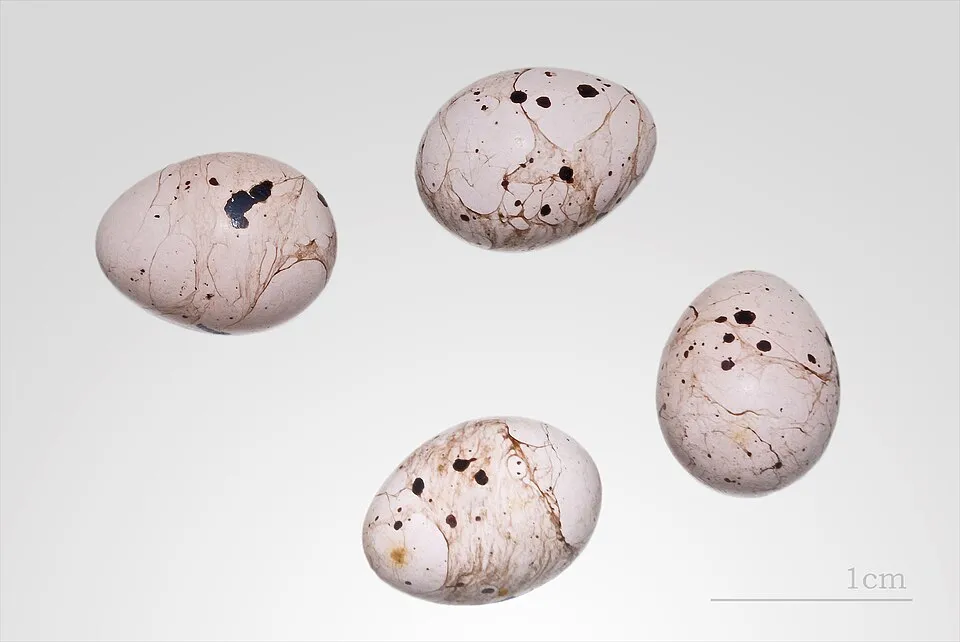 Melodious warbler
Hippolais polyglotta 6 places in common
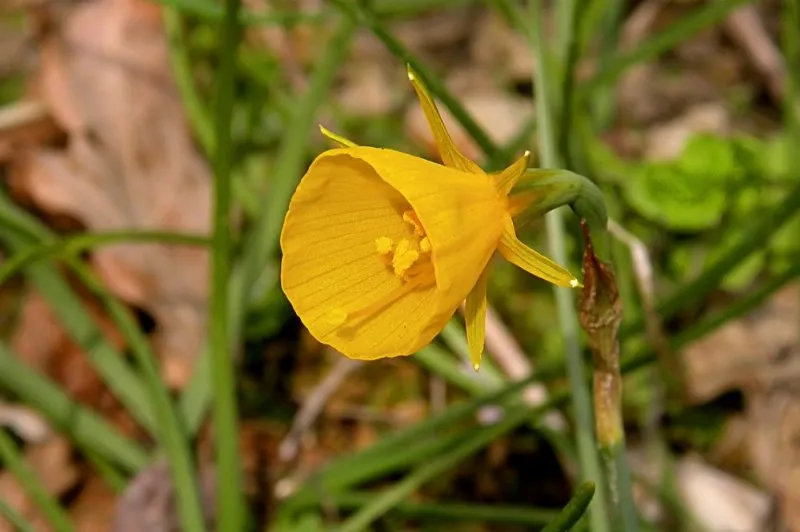 Petticoat daffodil
Narcissus bulbocodium 6 places in common
 Woodchat Shrike
Lanius senator 6 places in common
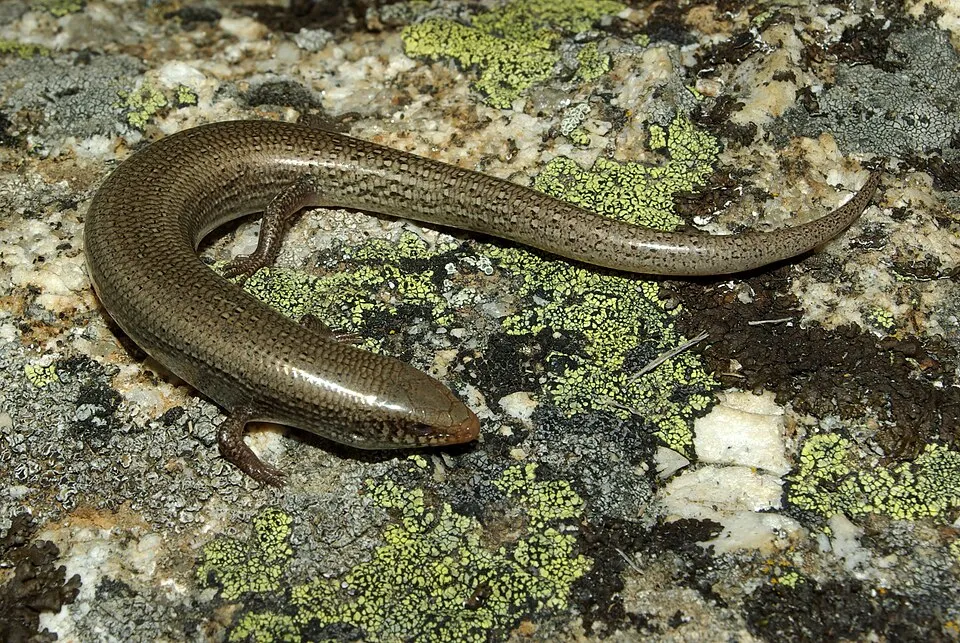 Bedriaga's skink
Chalcides bedriagai 5 places in common
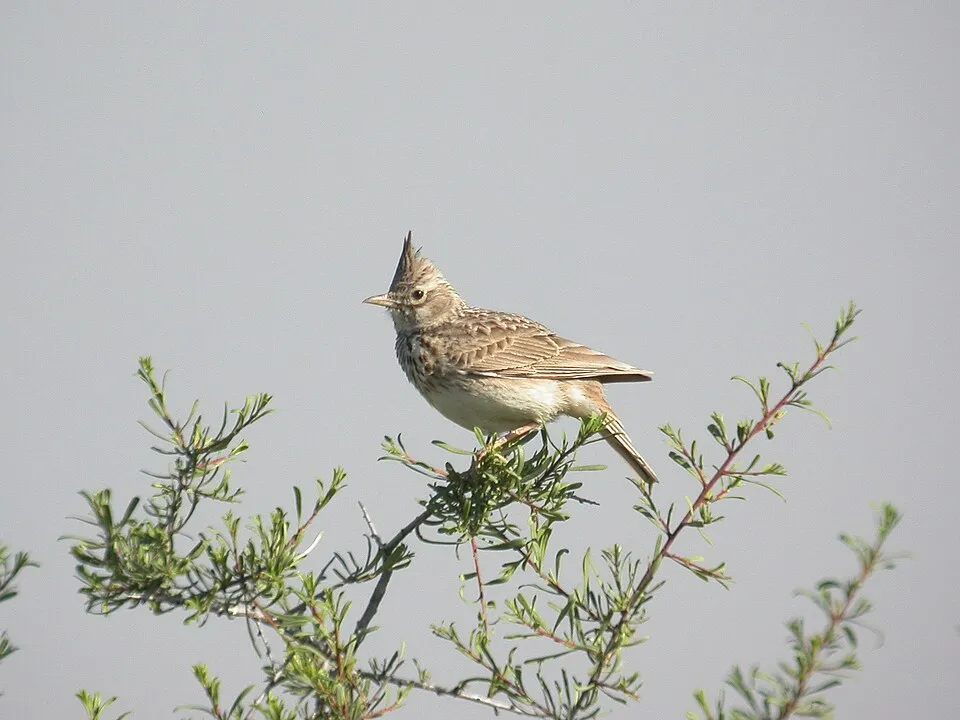 Thekla's Lark
Galerida theklae 5 places in common
Sources and credits
- Presence: most-recorded species of each place on GBIF and species of Community interest in the Natura 2000 forms (EEA, CC-BY 4.0); absence from the list does not mean the species is absent.
- Common names: Wikidata (CC0) and GBIF.
- Photos and sounds: Wikimedia Commons, author and licence given for each file.
- Classification: GBIF Backbone Taxonomy (GBIF Secretariat), CC BY 4.0, doi:10.15468/39omei.
- Countries, elevations, months and maps: GBIF.org, CC0 or CC BY 4.0 occurrences only, accessed October 22, 2026, GBIF.org.
- Base map: Natural Earth (public domain).
- Excerpt: Wikipedia, CC BY-SA 4.0 (full credit below the excerpt).
- Key facts: Wikidata (CC0), with the references cited under each value.
- EU bird populations: EEA / DG ENV, Article 12 Birds Directive reporting (2013–2018), CC BY 4.0.