
Bird
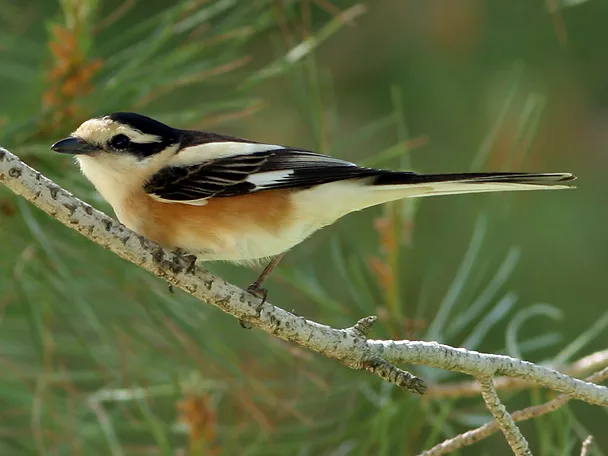
Woodchat Shrike: where to see it
Lanius senator
This bird species is recorded in 50 protected areas of the atlas, including 41 whose official Natura 2000 form lists it. Within the atlas countries, it is mostly observed in Spain, France and Portugal (8 countries in all). Most records (8 in 10) lie between sea level and 410 m. Records peak from April to July. Its EU population is assessed as near threatened (2013–2018 Birds Directive reporting).
Best time to see it: April–July
Records published on GBIF by month (CC0 and CC BY 4.0 licences only), in the atlas countries, all years combined; they also reflect observer activity.
Key facts
- Clutch size
- 5.5 eggs on average Wikidata, after Jetz et al. 2008
- Incubation
- 15 days Wikidata, after Handbook of the Birds of the World
Status and protection
EU population assessed as near threatened, decreasing in the short term (2013–2018 Birds Directive reporting). EU breeding population: 1,890,000–2,990,000 pairs.
Distribution
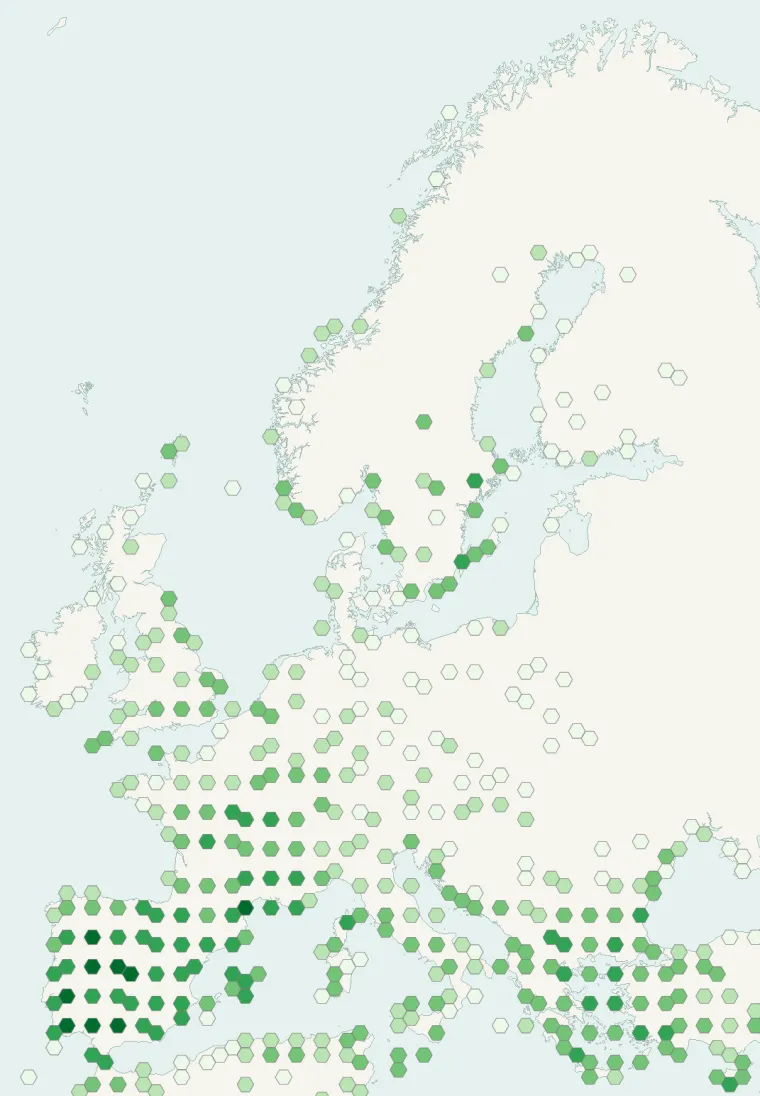
Records published on GBIF (CC0 and CC BY 4.0 licences): the darker the shade, the more records there are; they also reflect observation effort.
Atlas countries where it is recorded
Listen
-
0:15 · © Sternanita3 · CC BY-SA 4.0 · Wikimedia Commons · Original file
From Wikipedia
The woodchat shrike (Lanius senator) is a member of the shrike family Laniidae. It can be identified by its red-brown crown and nape. It is mainly insectivorous and favours open wooded areas with scattered trees such as orchards, particularly when there is bare or sandy ground. The woodchat shrike breeds in southern Europe, the Middle East and northwest Africa, and winters in tropical Africa.
Source: Wikipedia, article “Woodchat shrike” (version of January 23, 2026) · history and authors · licence CC BY-SA 4.0
Protected areas where it is recorded
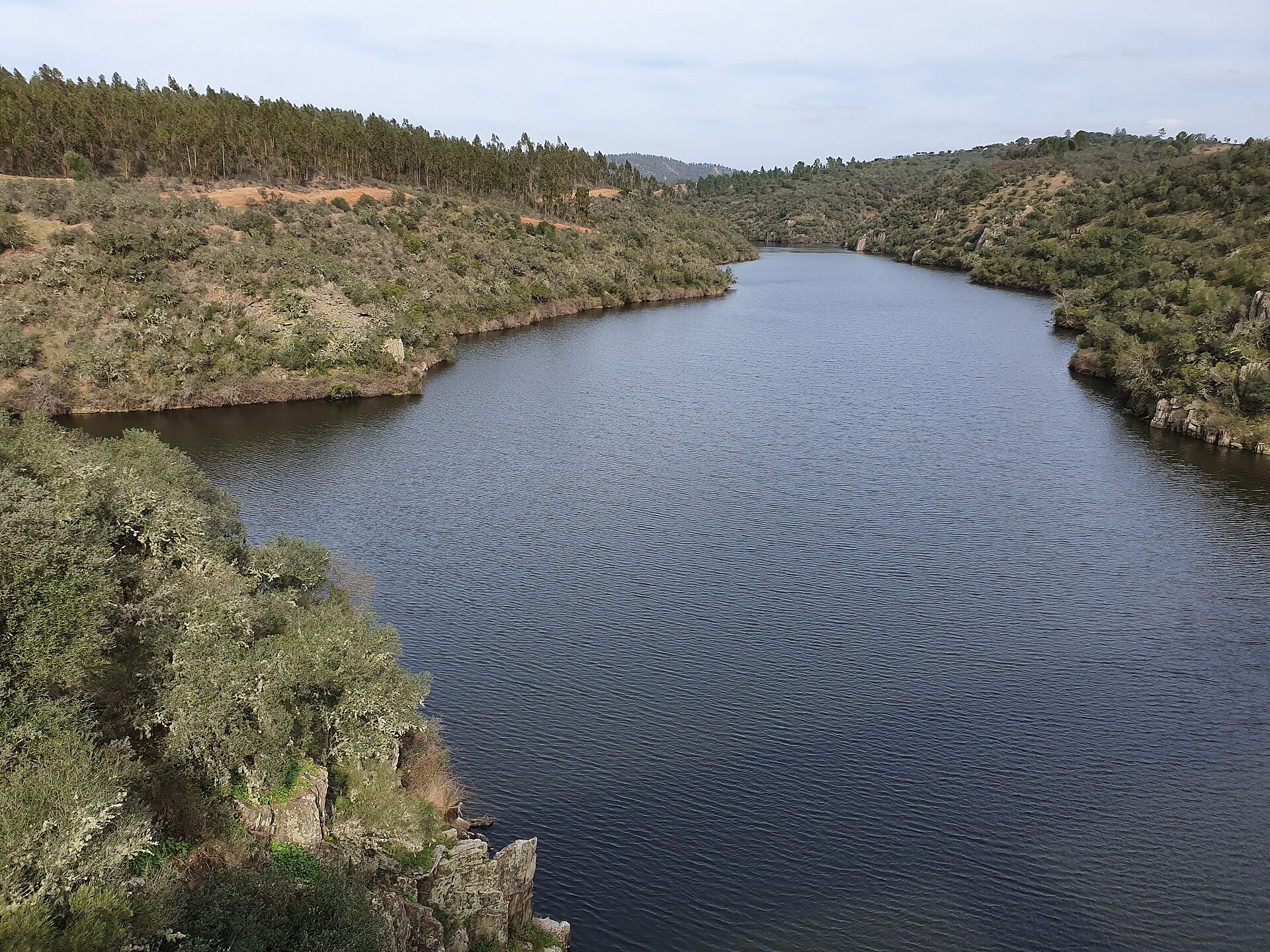
Natura 2000 · breeding 357 records
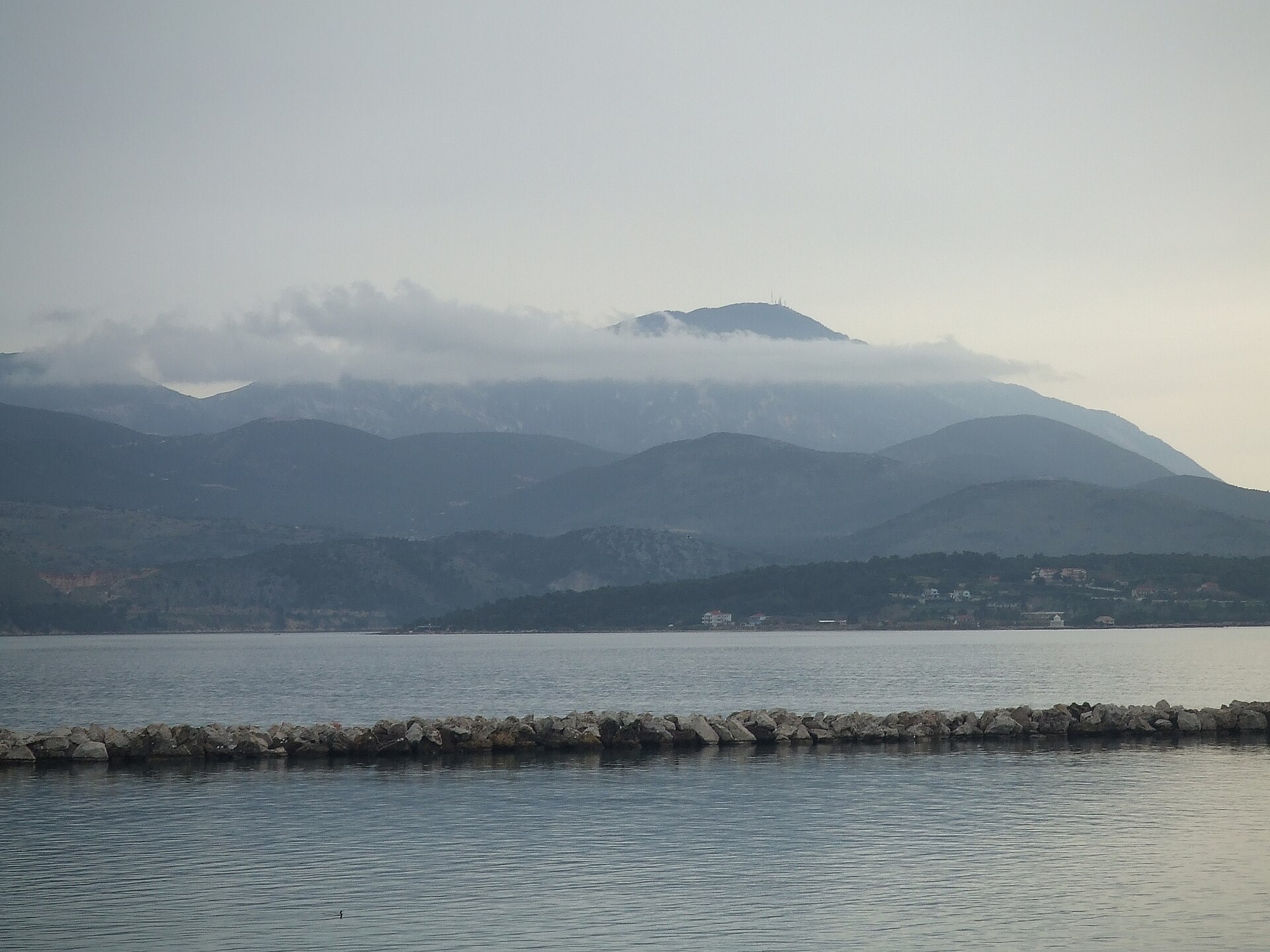
Natura 2000 13 records
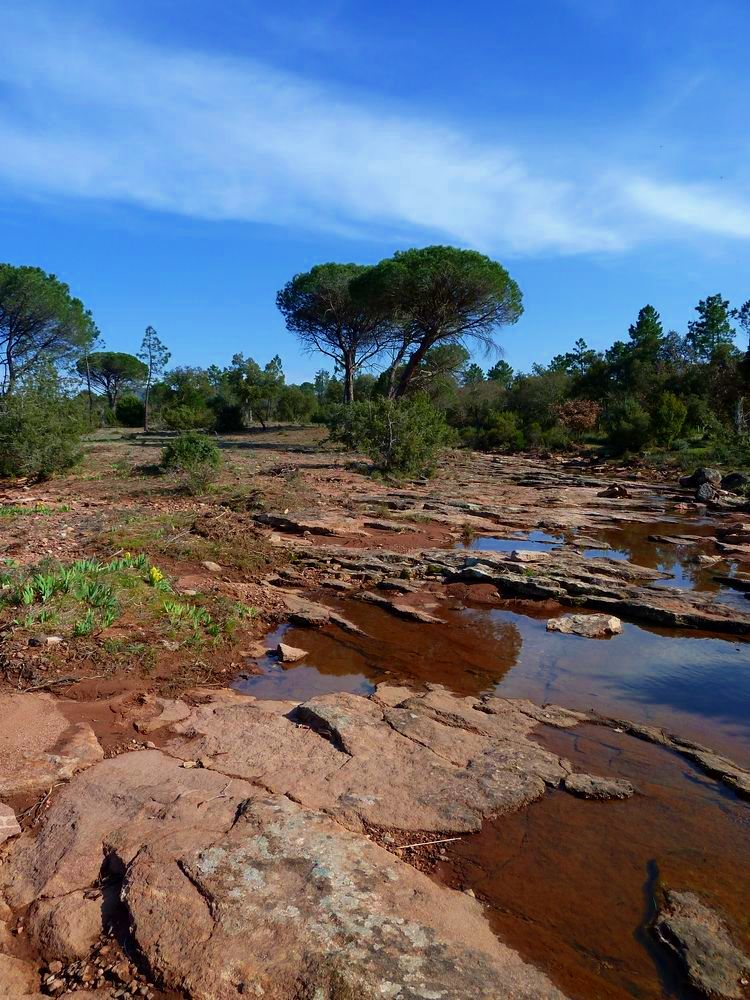
339 records
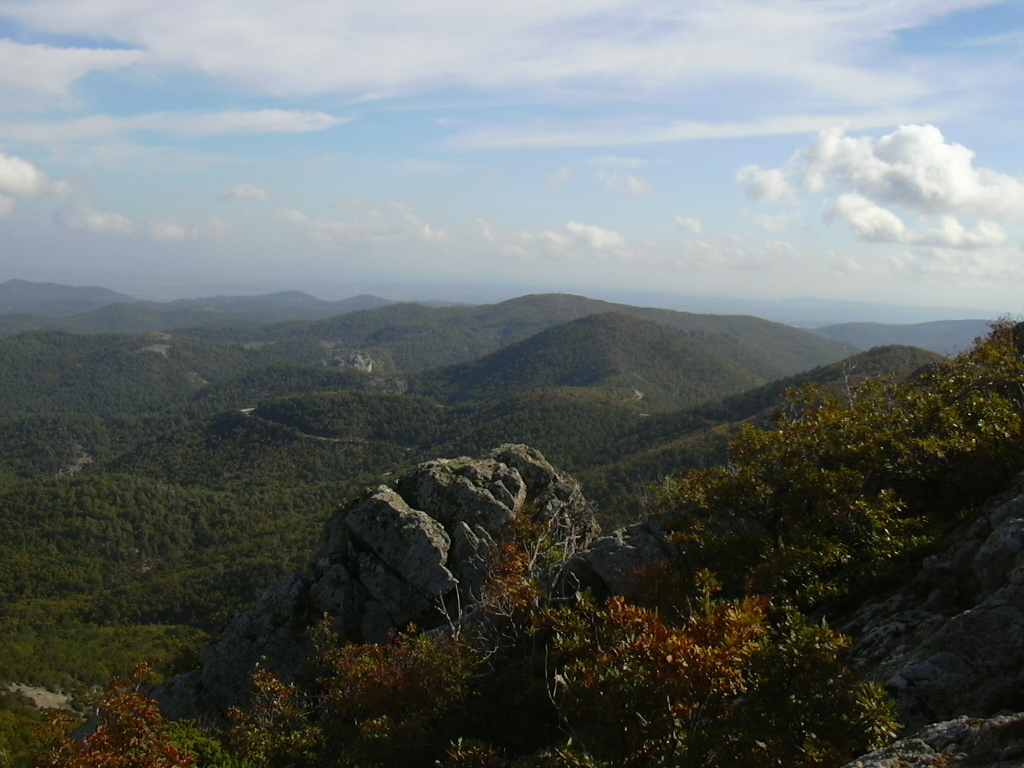
212 records

163 records
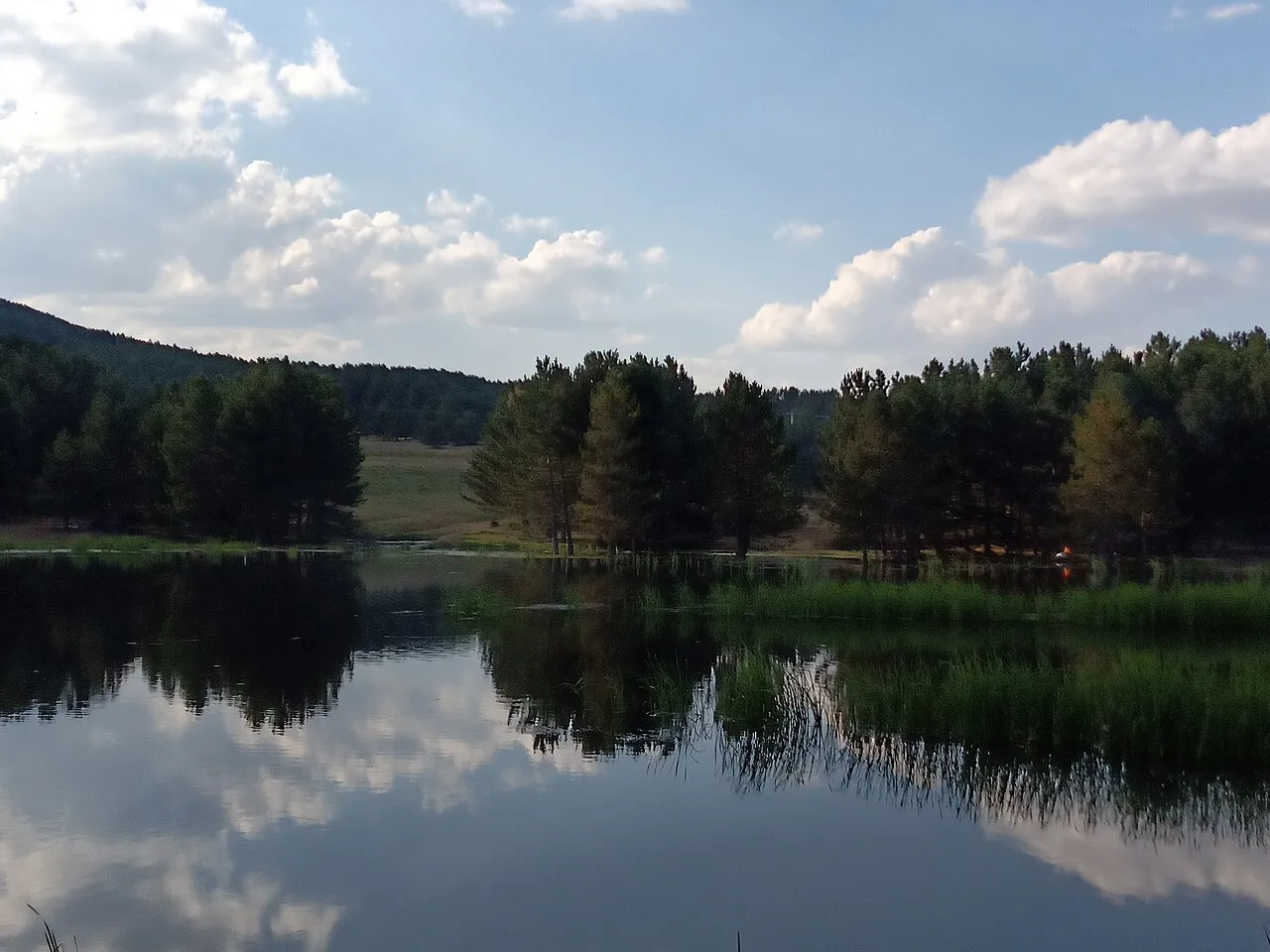
24 records
19 records
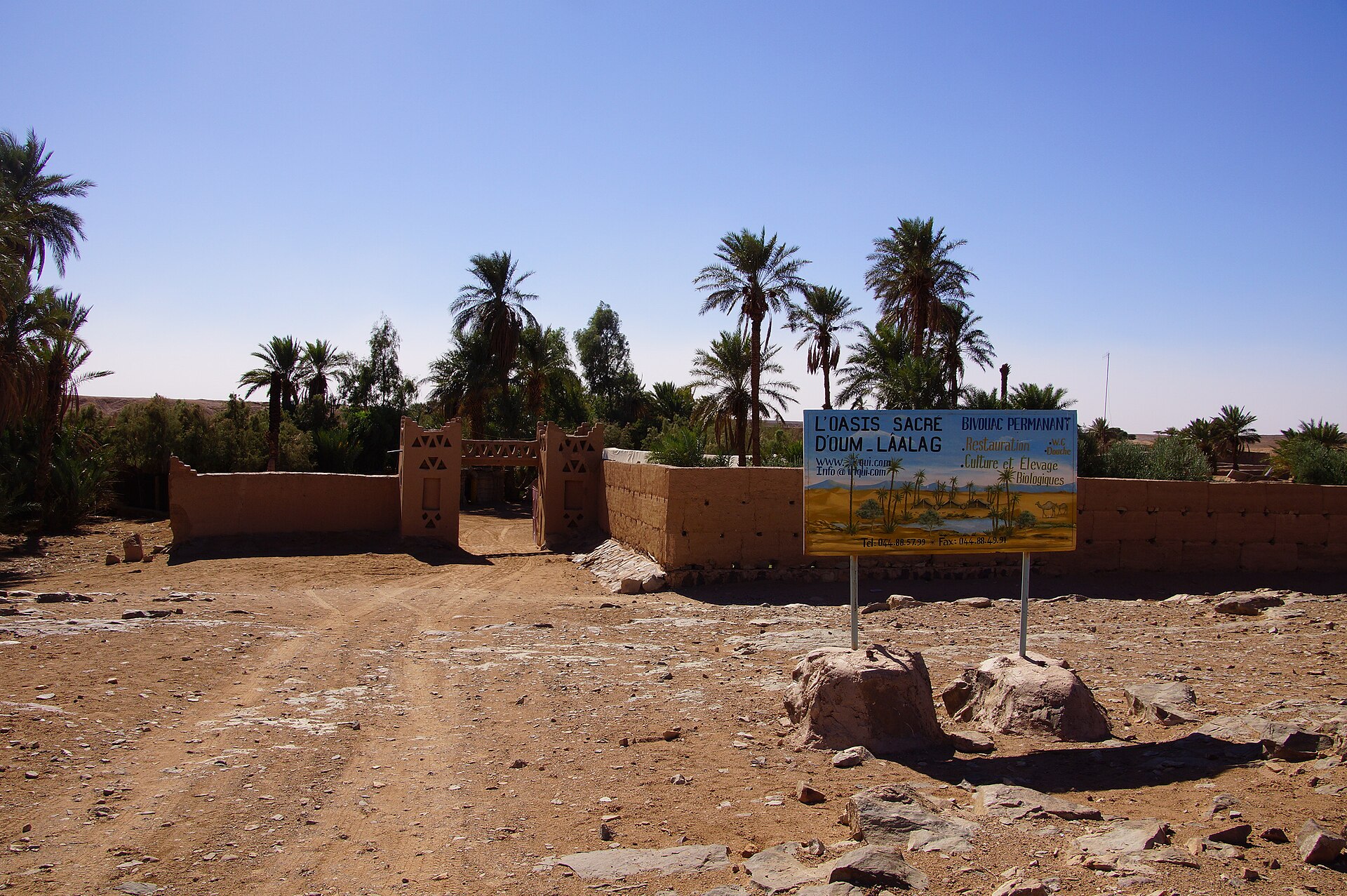
15 records
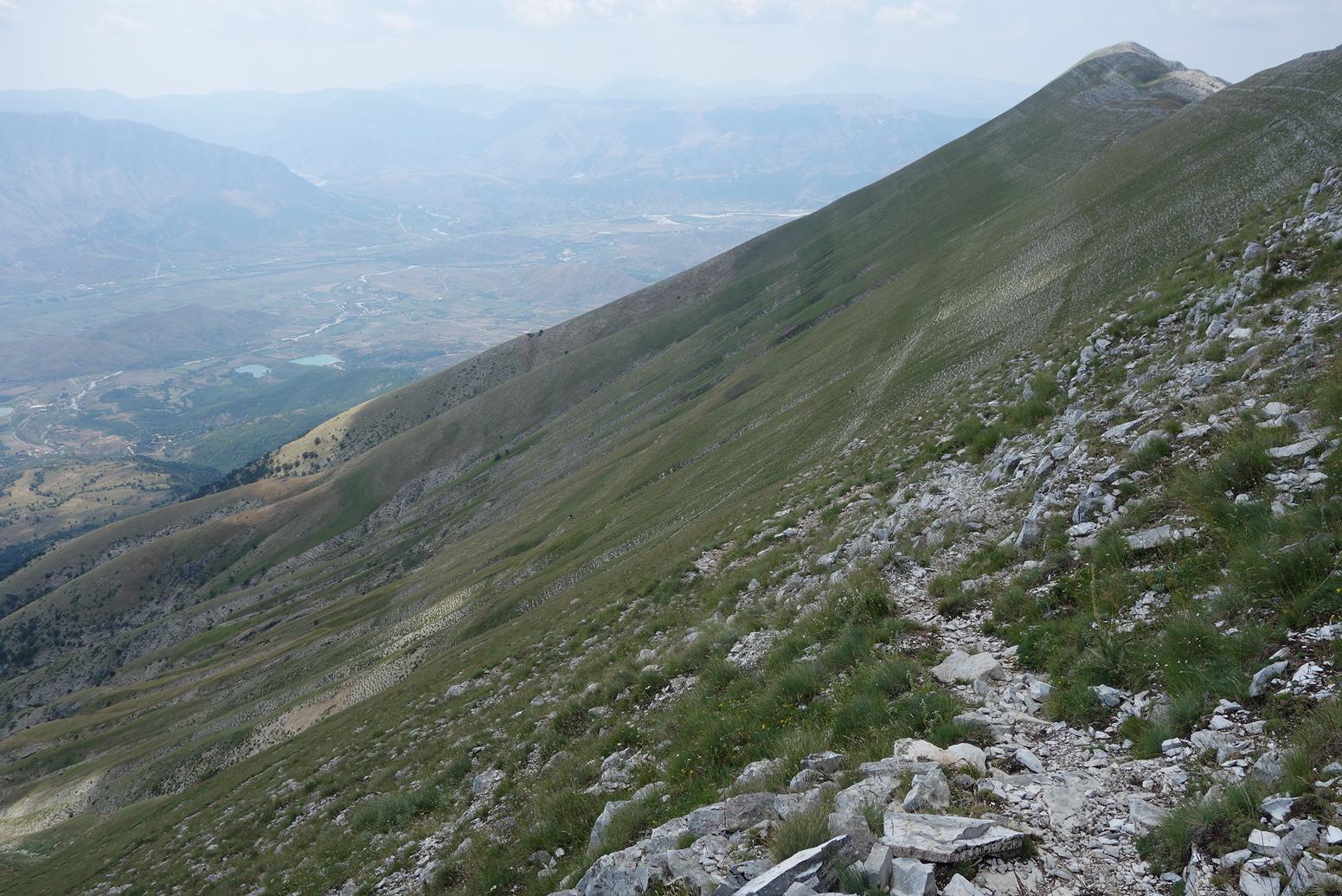
6 records

3 records

1 records

Natura 2000 · breeding

Natura 2000 · breeding
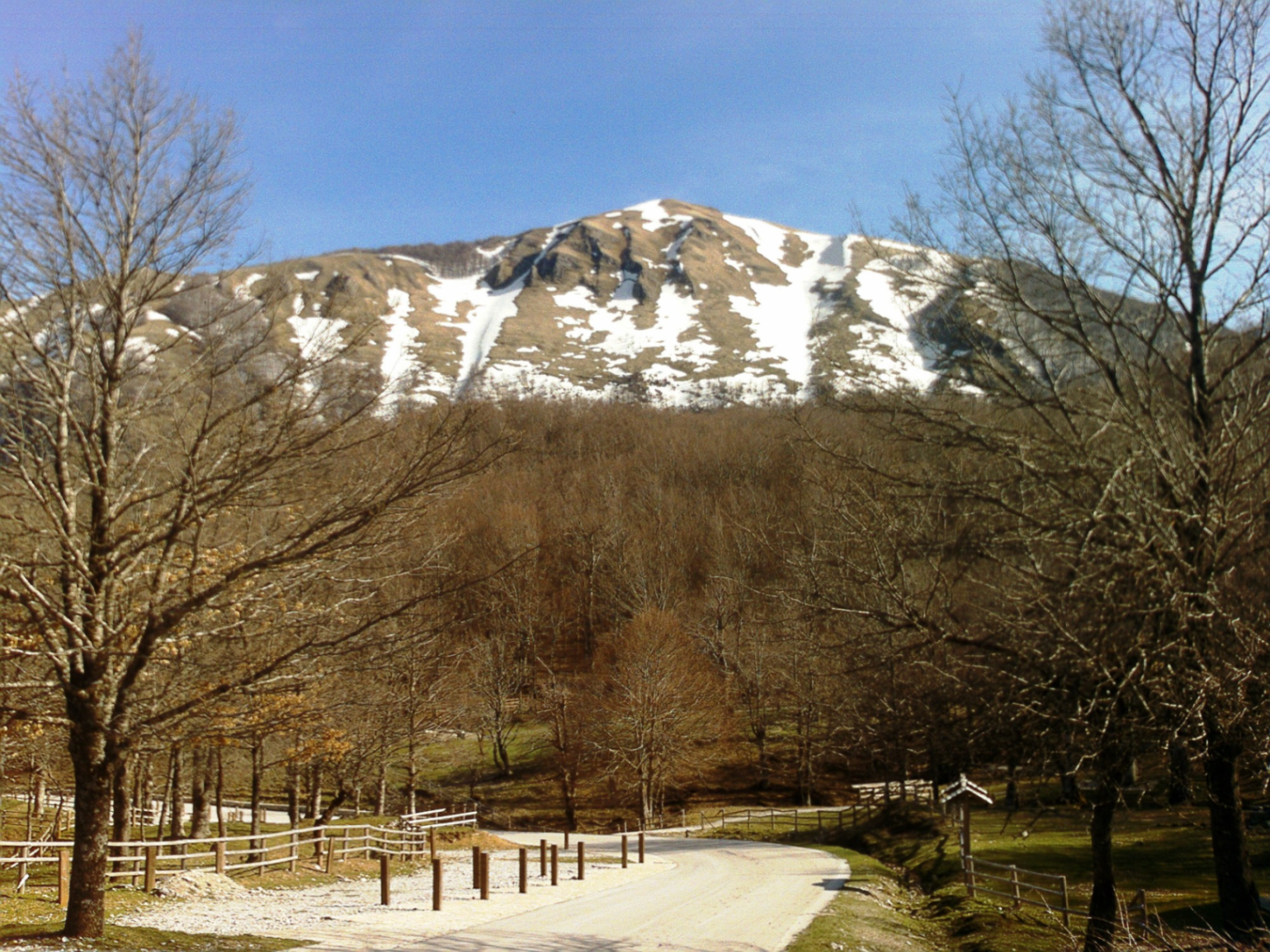
Natura 2000 · breeding

Natura 2000 · passage, breeding
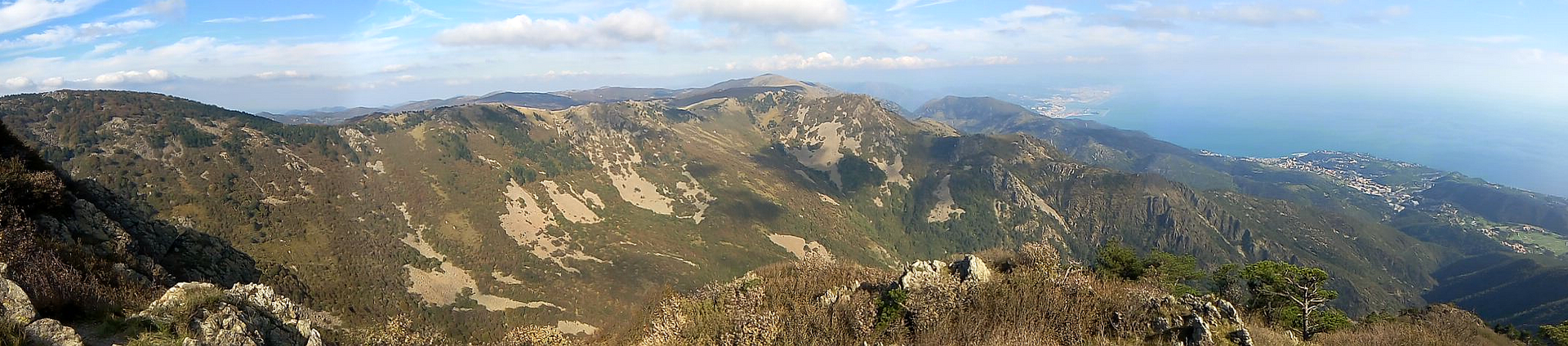
Natura 2000 · passage, breeding
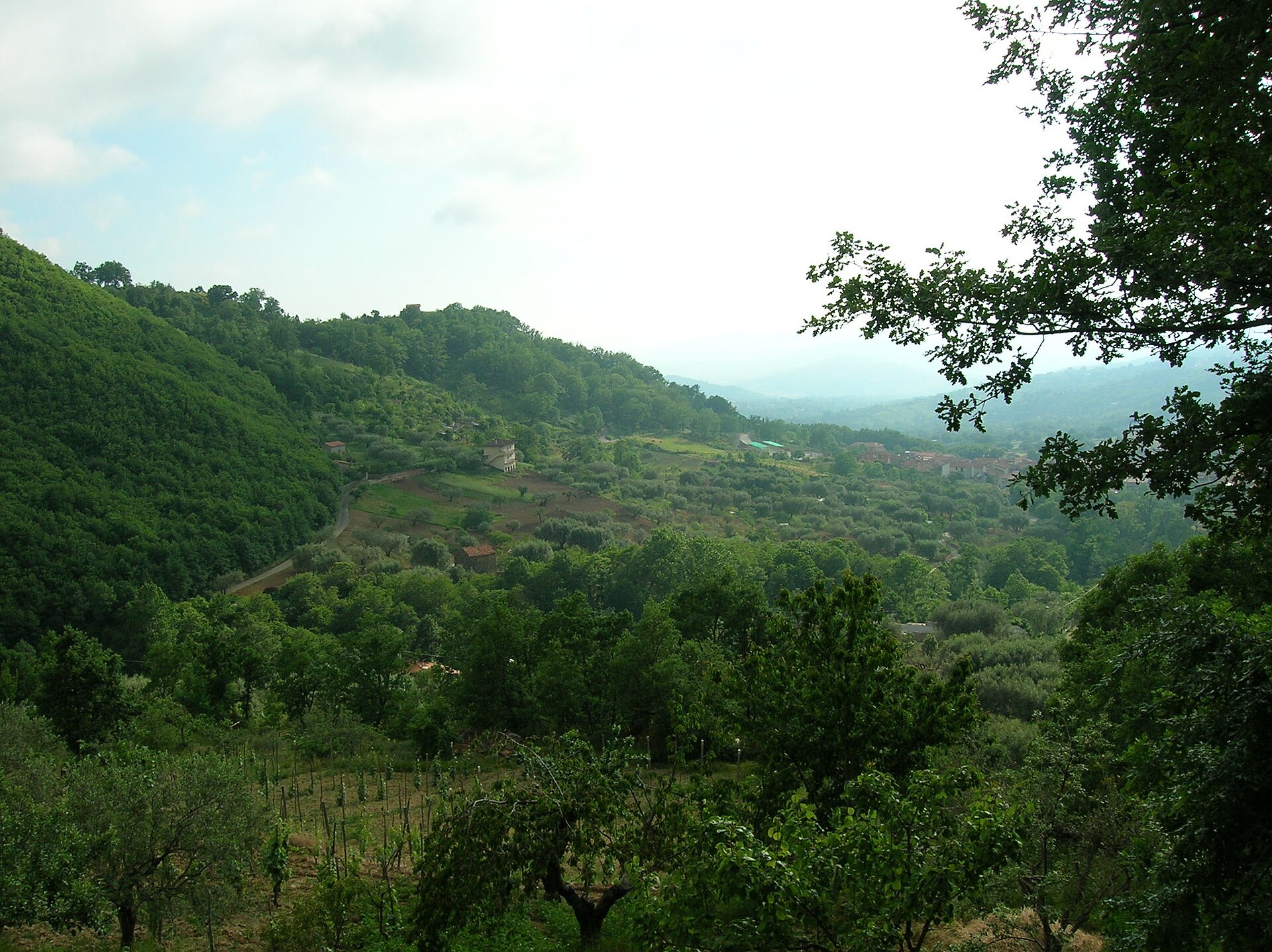
Natura 2000 · breeding
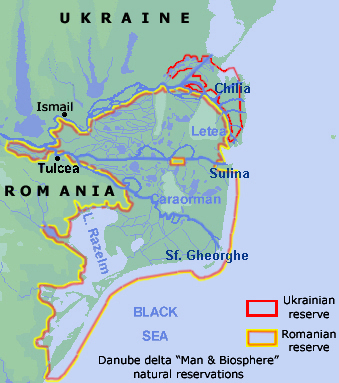
Natura 2000 · passage
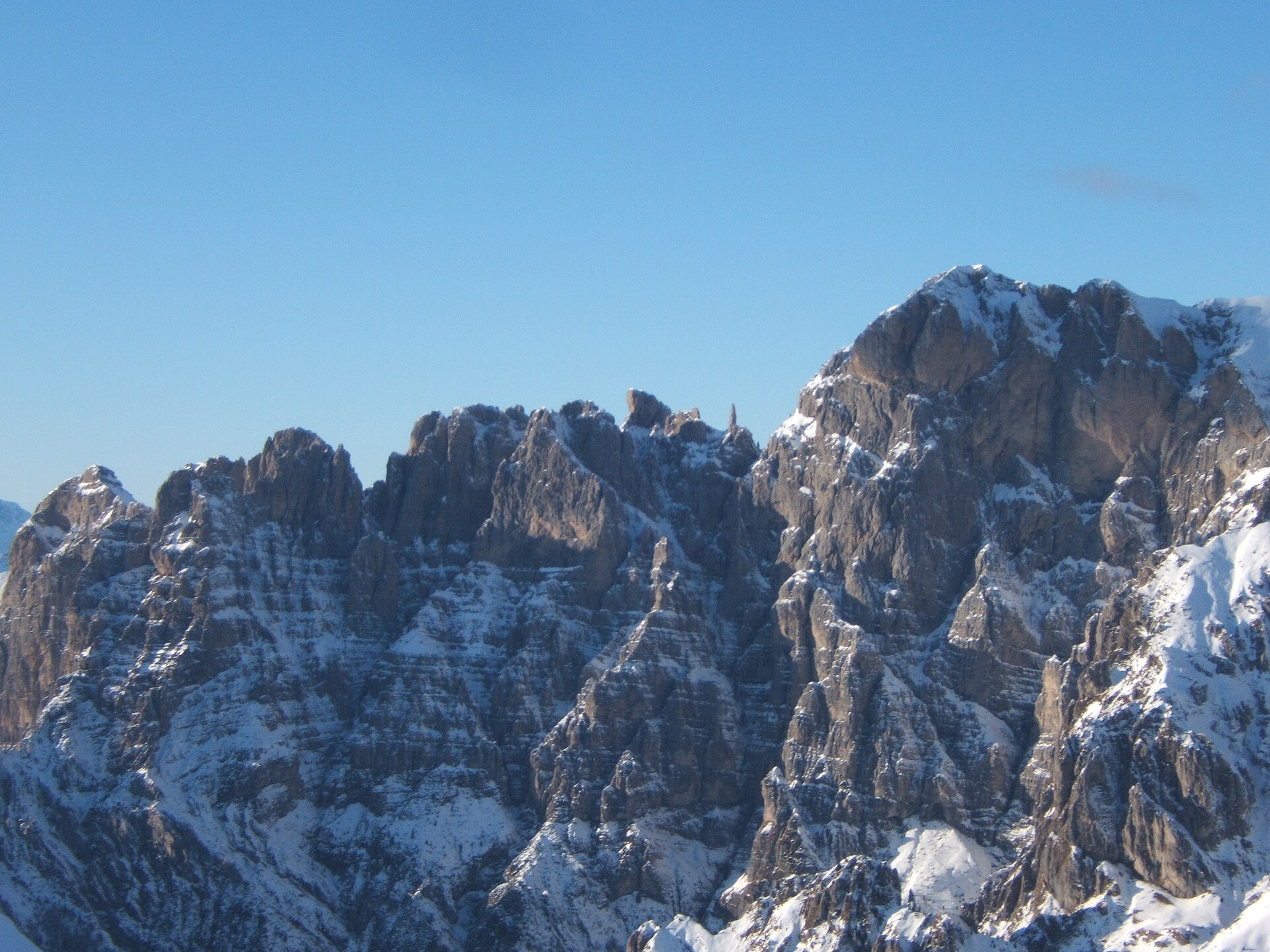
Natura 2000 · resident
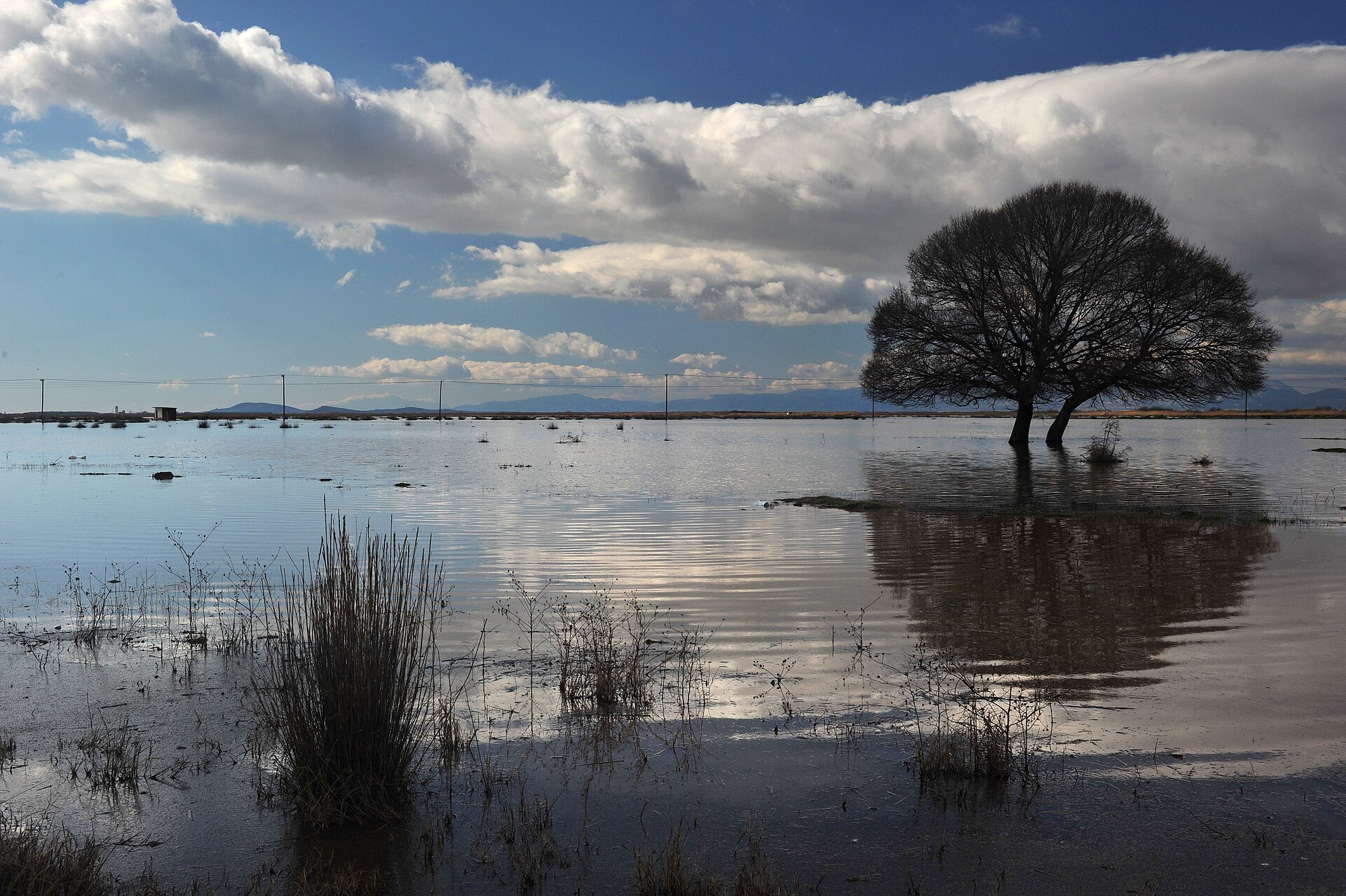
Natura 2000 · breeding
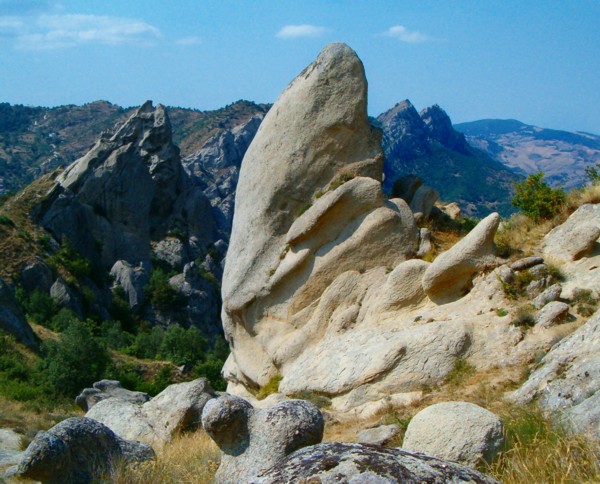
Natura 2000 · breeding

Natura 2000 · breeding, resident
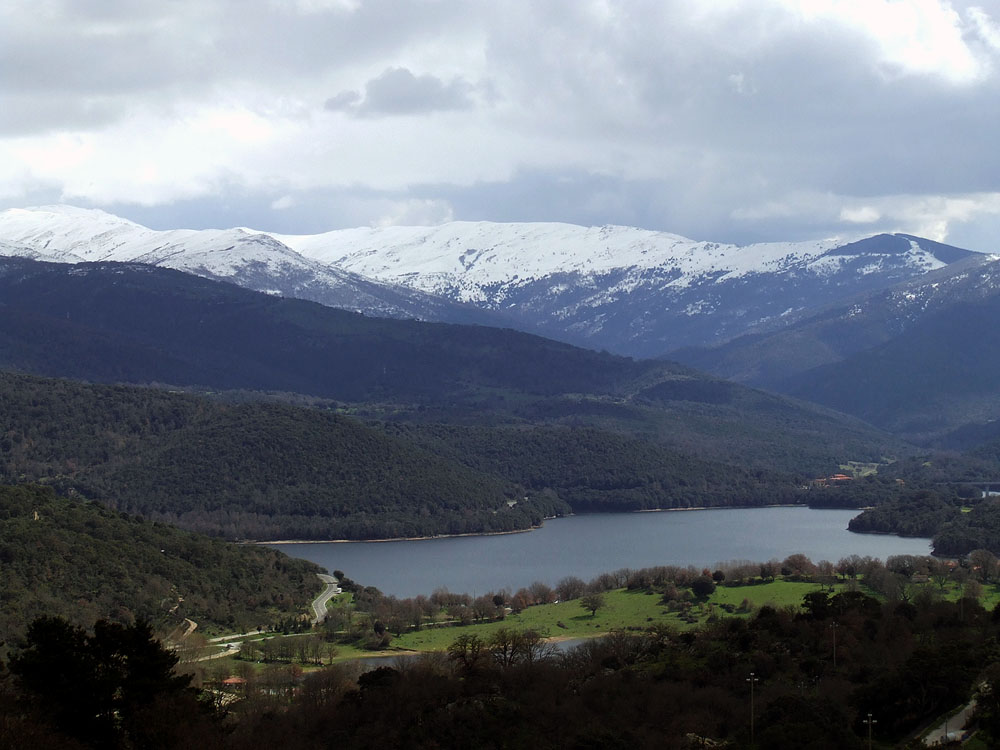
Natura 2000 · passage, breeding
Natura 2000 · passage

Natura 2000 · breeding
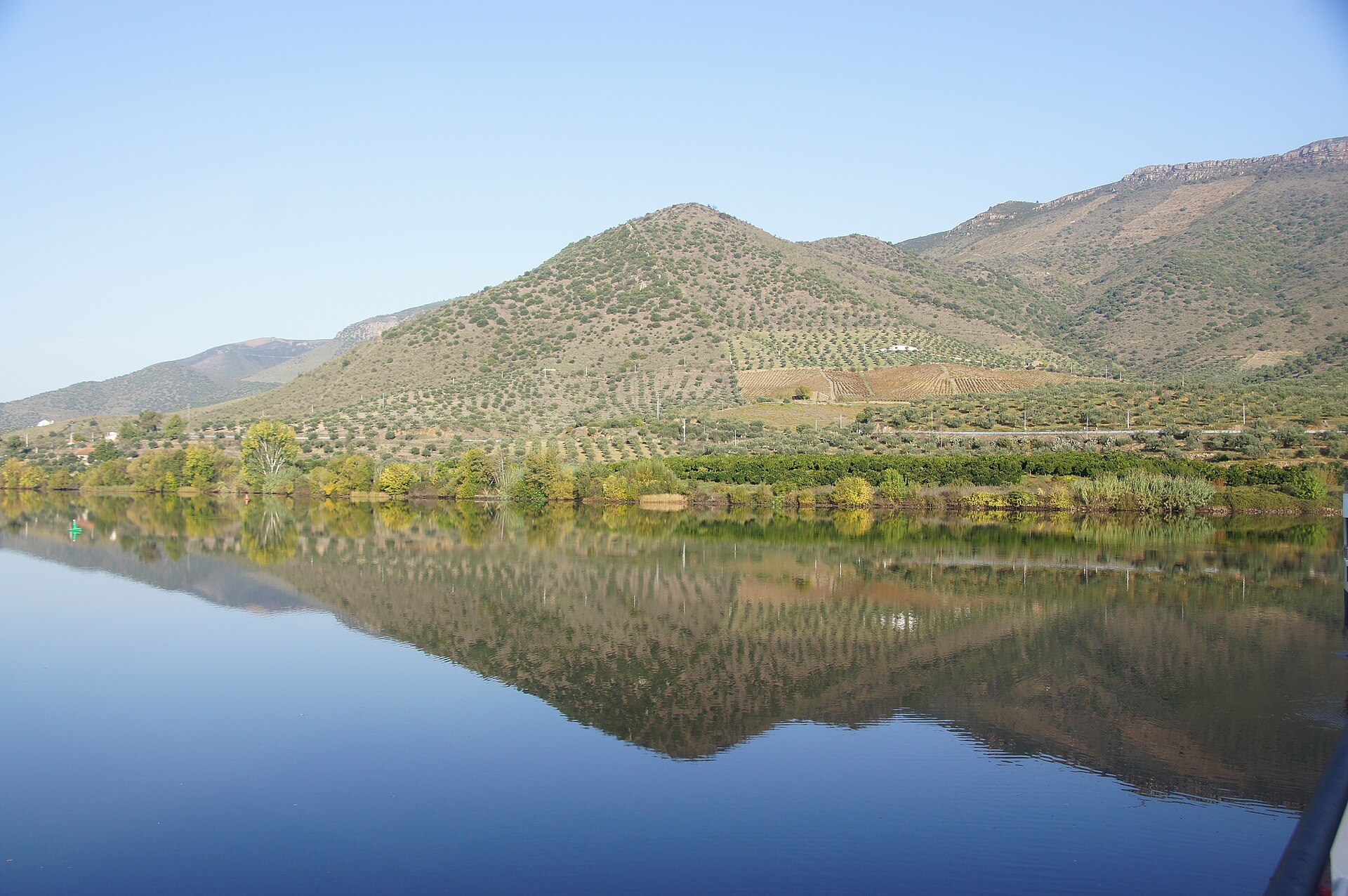
Natura 2000 · breeding

Natura 2000 · breeding
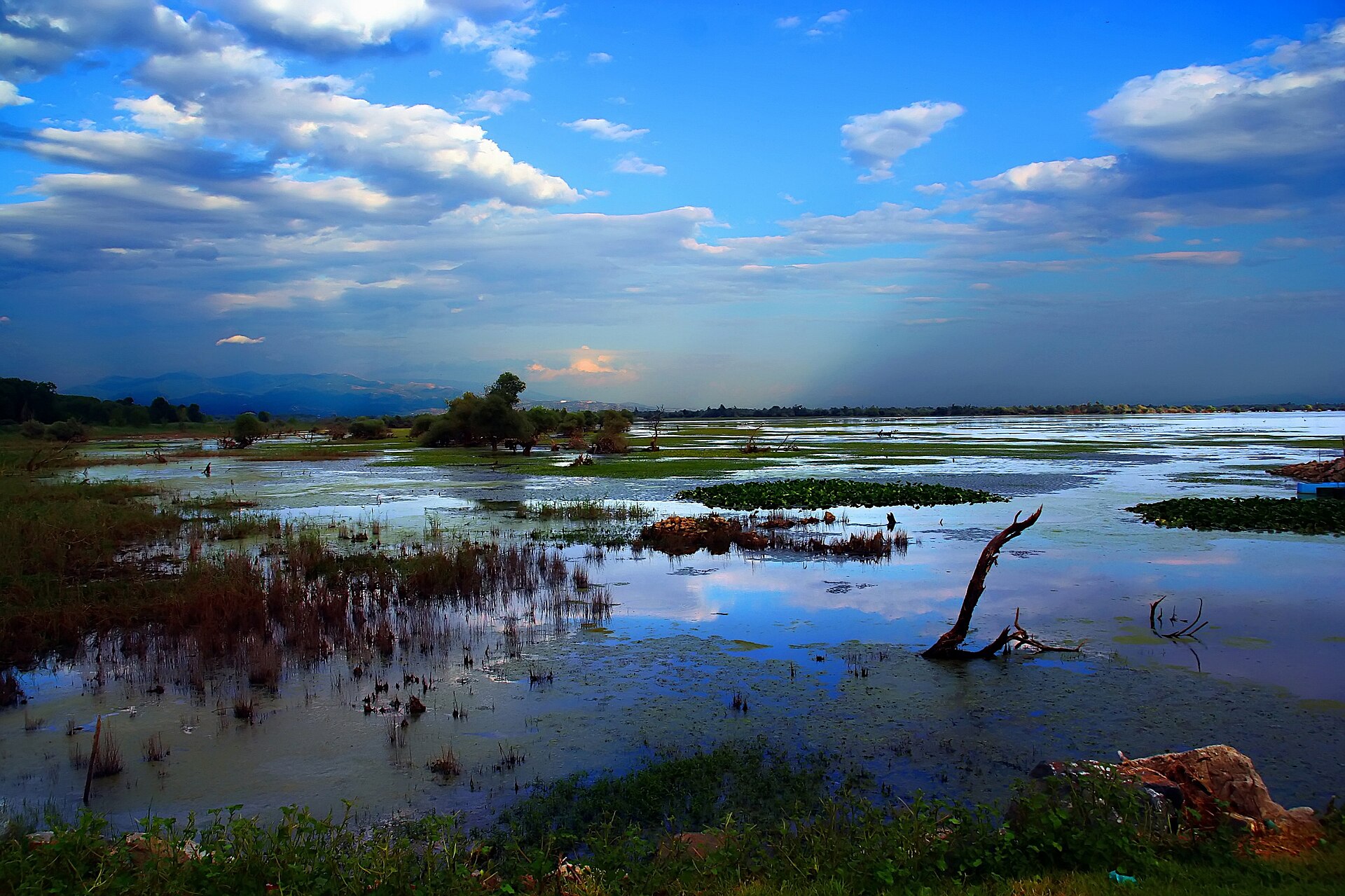
Natura 2000 · breeding, passage
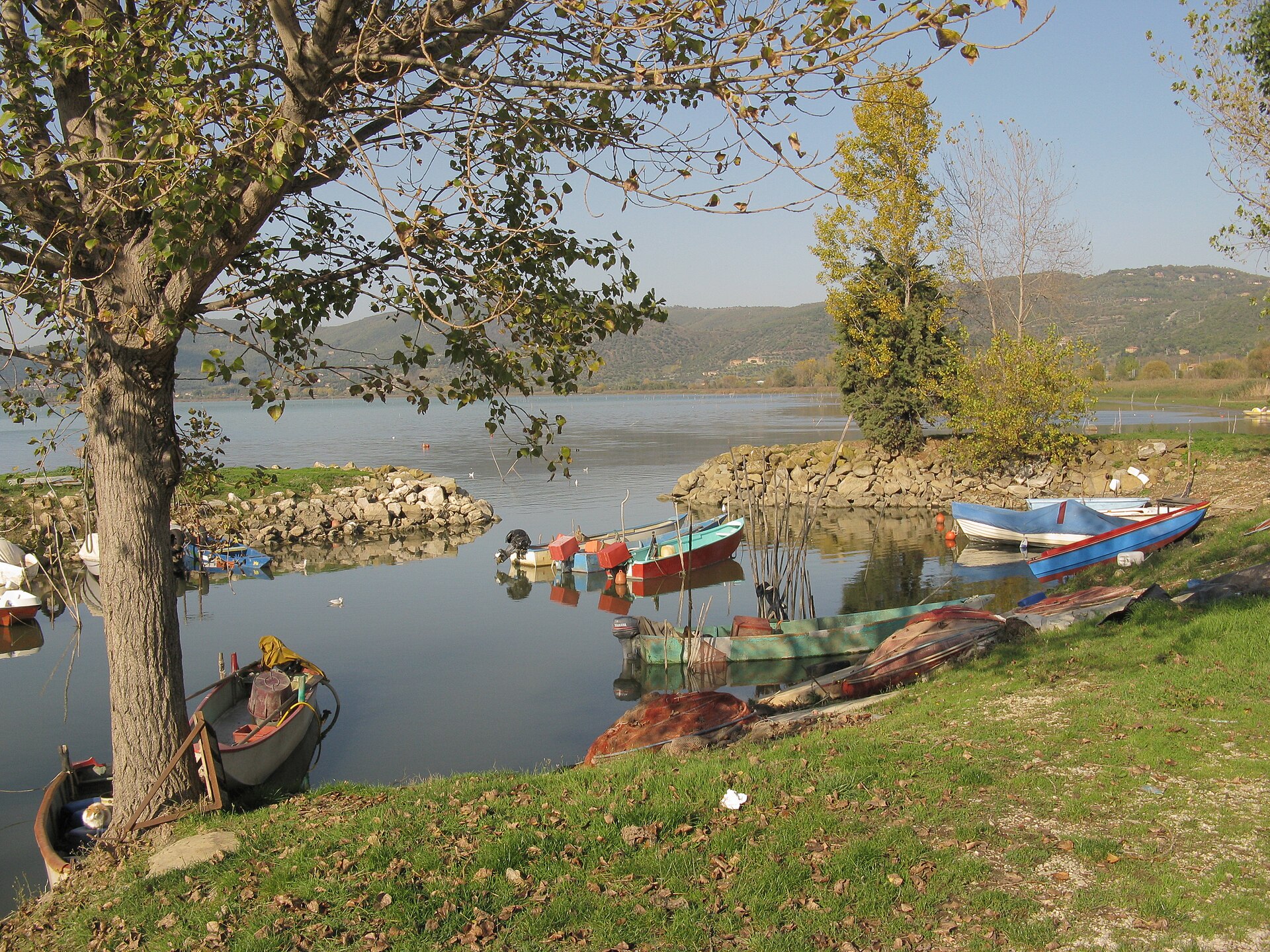
Natura 2000
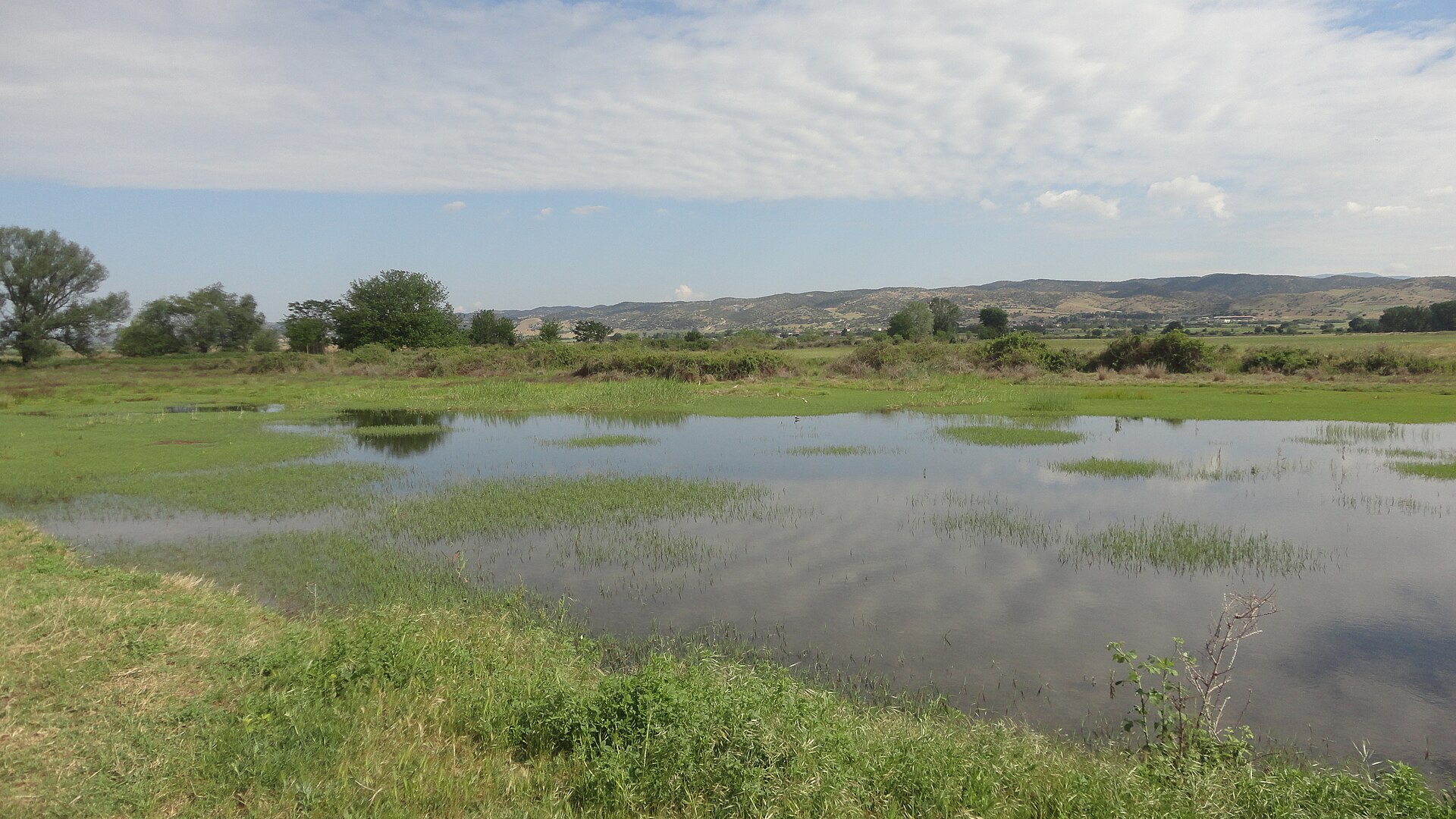
Natura 2000 · breeding
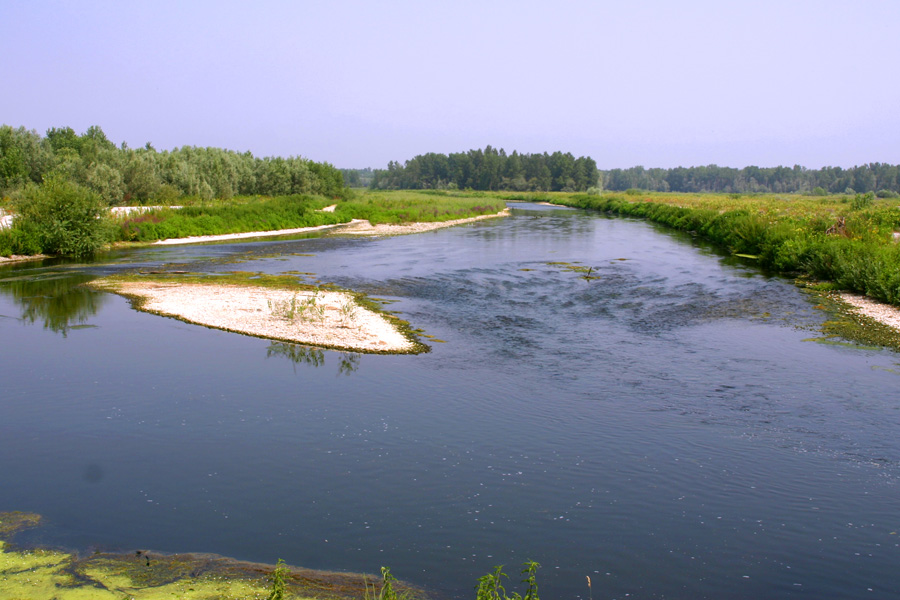
Natura 2000 · breeding, passage

Natura 2000 · breeding

Natura 2000 · passage, breeding
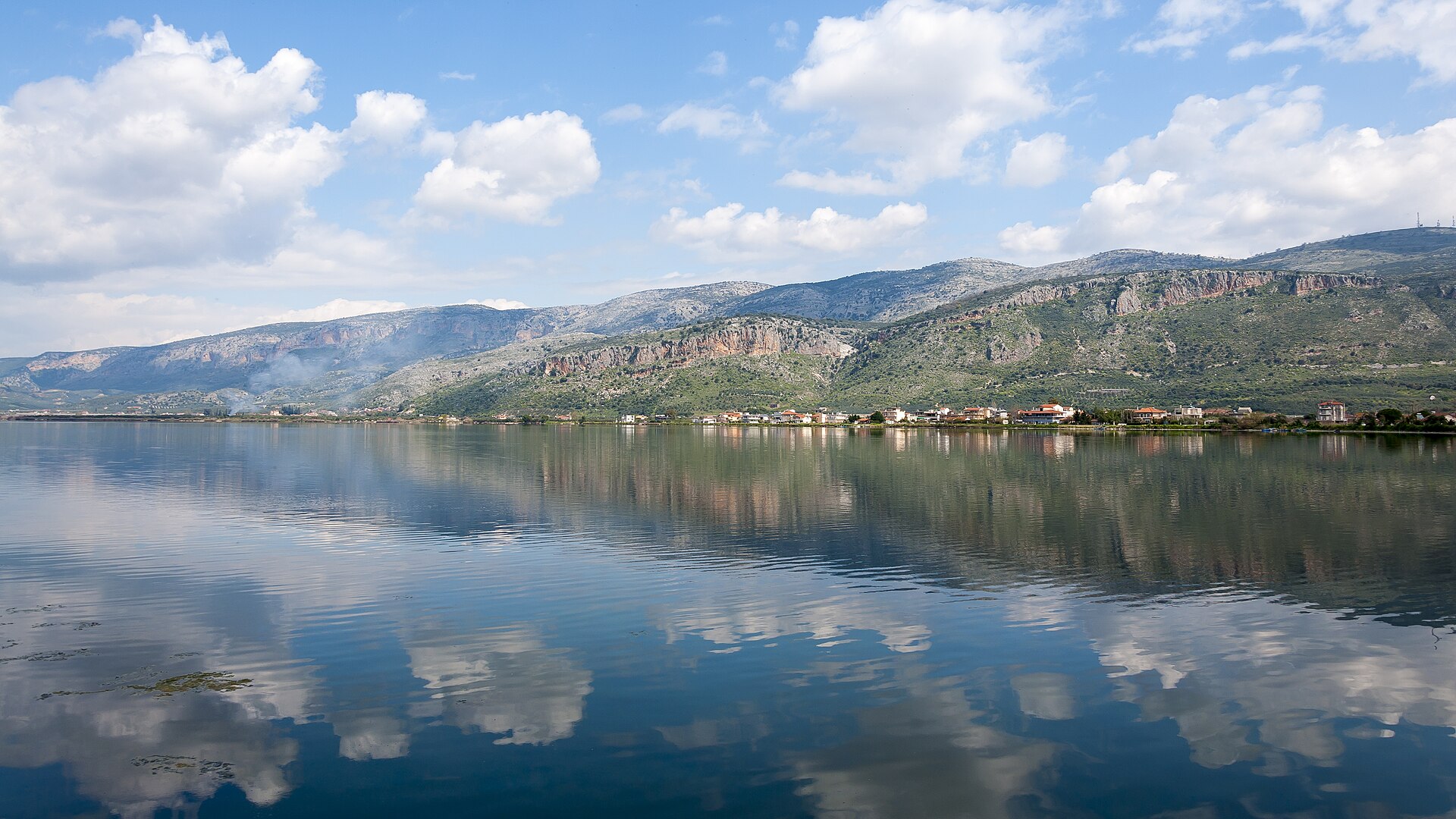
Natura 2000 · passage, breeding

Natura 2000 · passage

Natura 2000 · breeding

Natura 2000
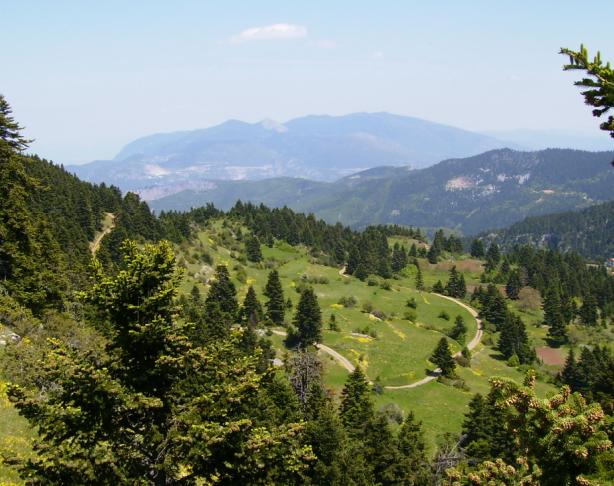
Natura 2000 · breeding

Natura 2000 · passage
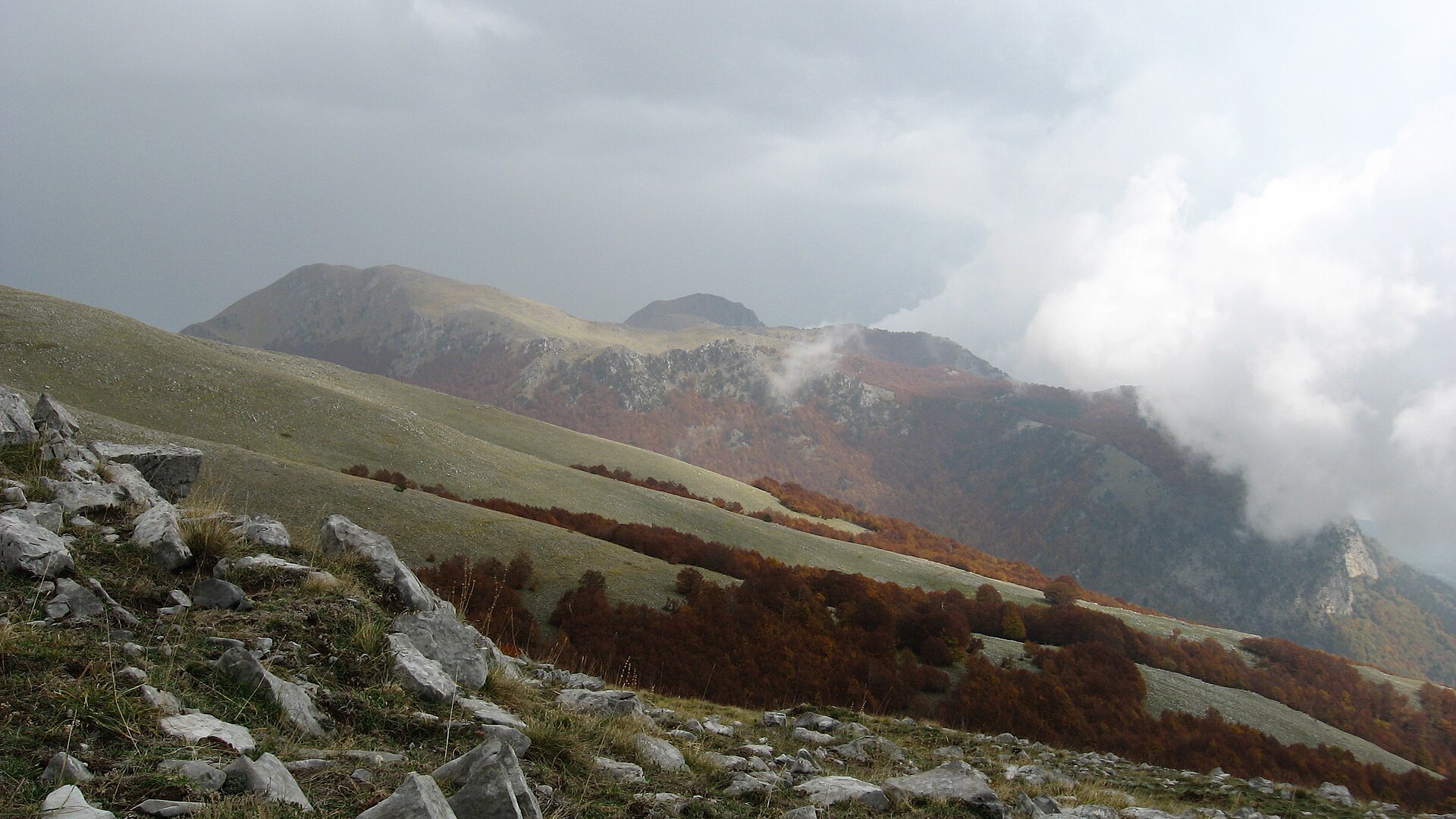
Natura 2000 · breeding
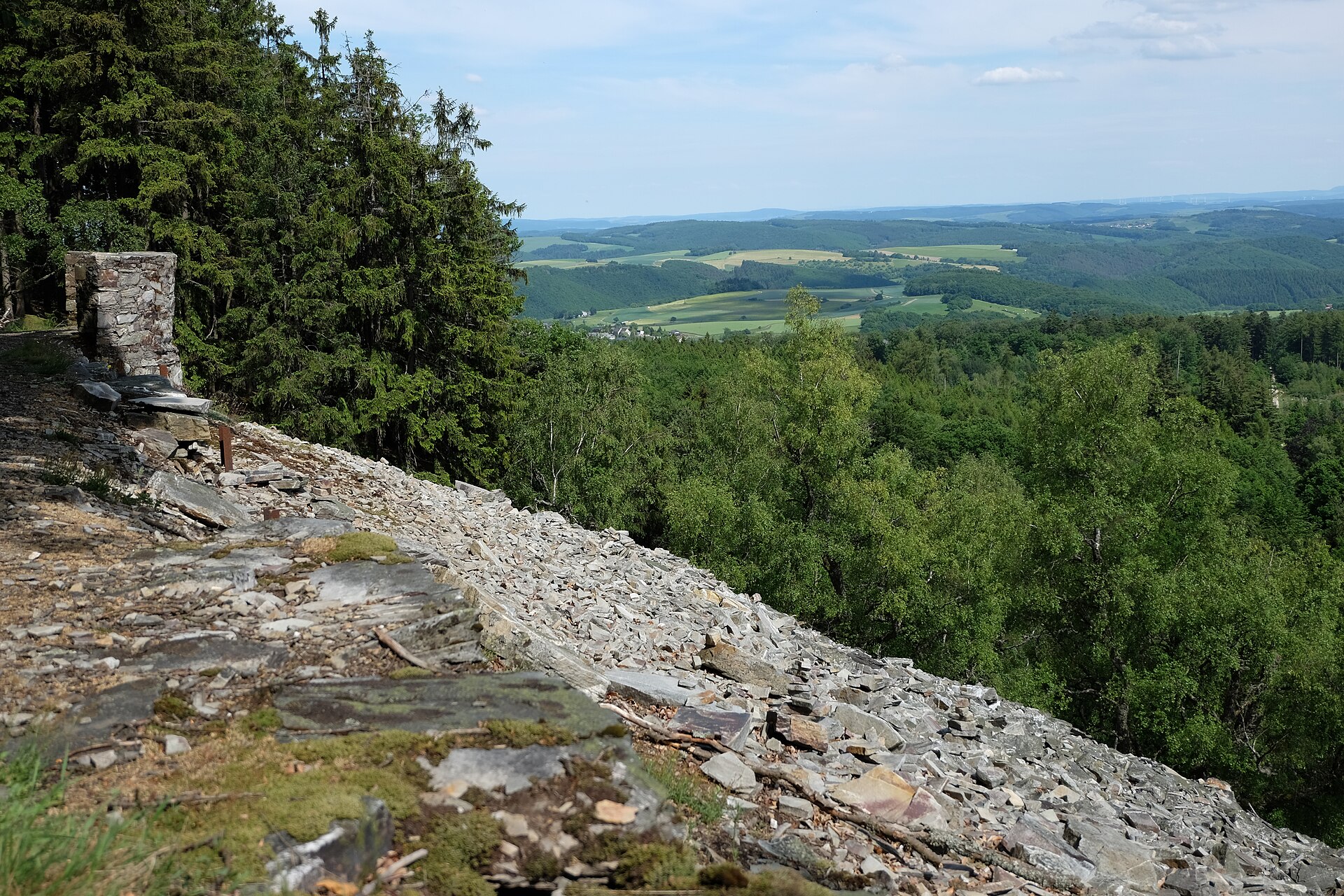
Natura 2000 · breeding
Natura 2000 · breeding, passage

Natura 2000 · breeding
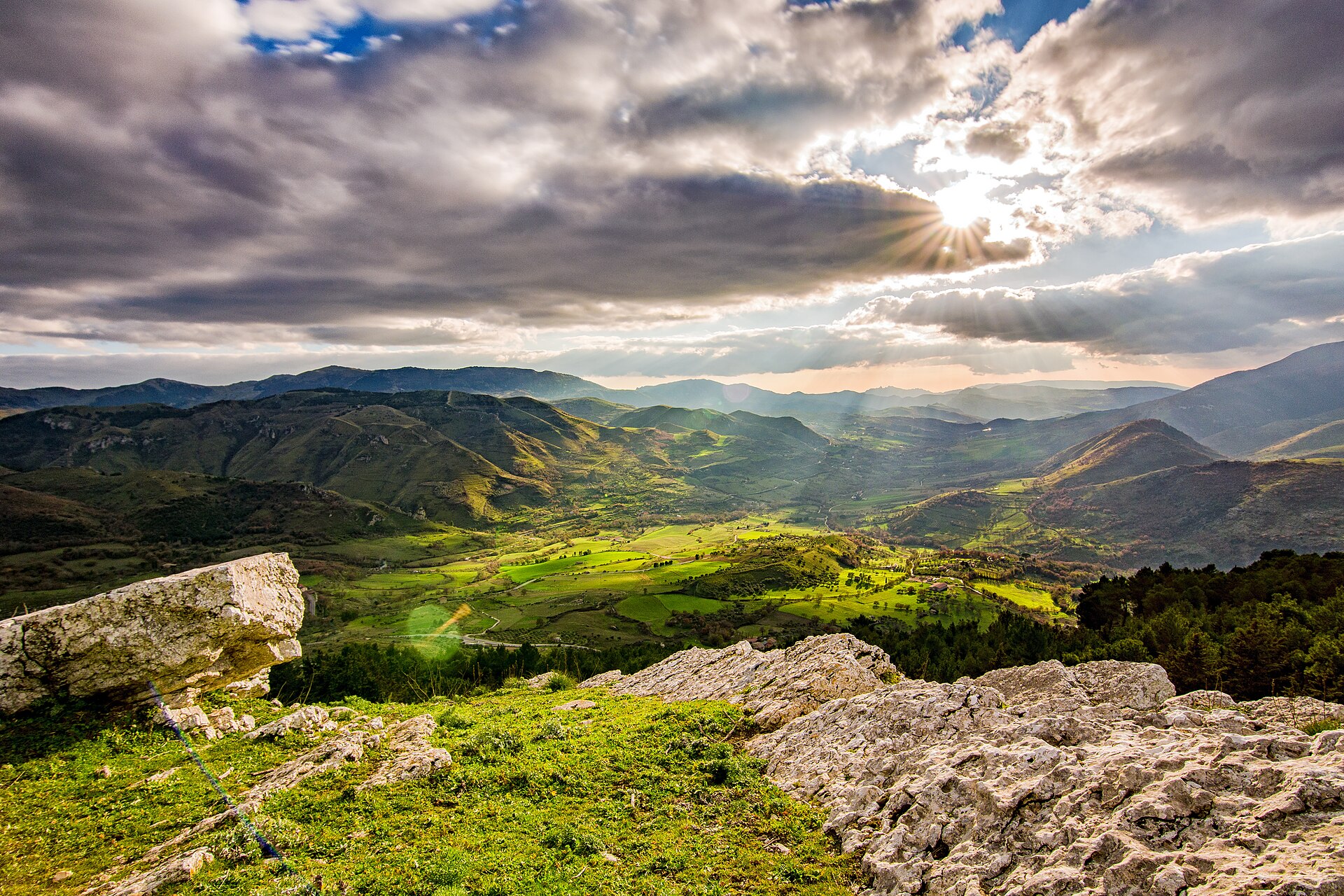
Natura 2000 · breeding

Natura 2000 · breeding
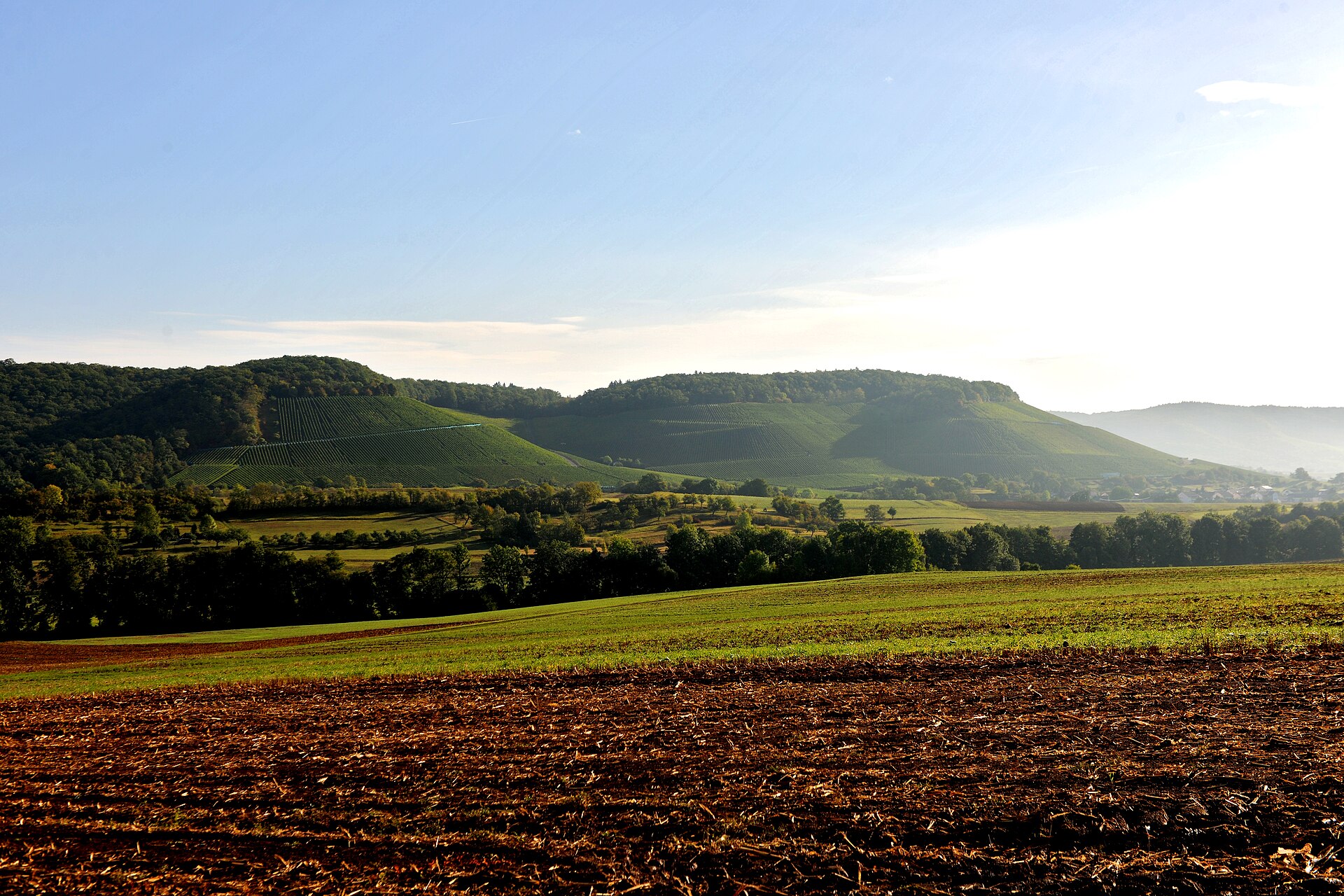
Natura 2000 · breeding
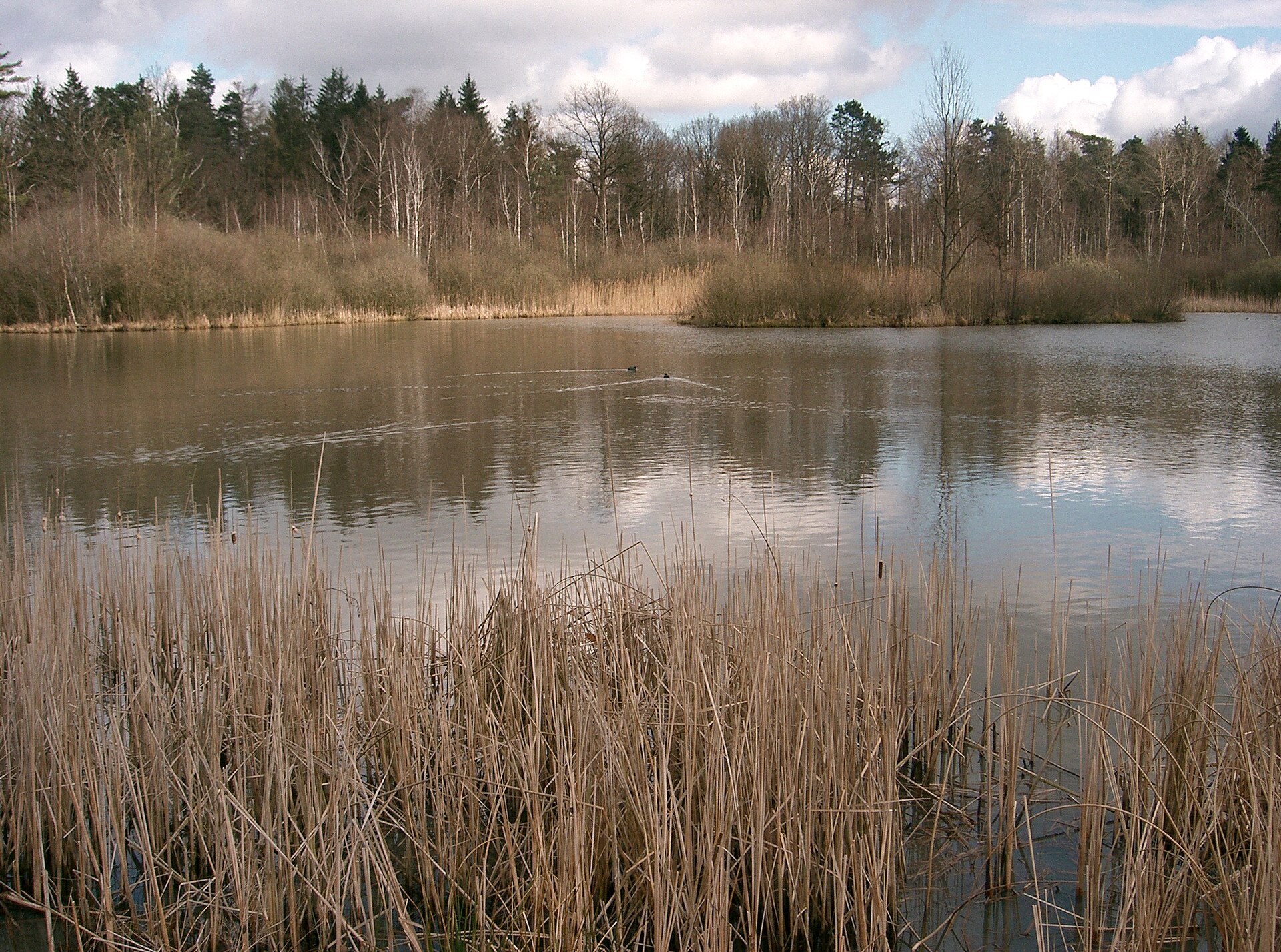
Natura 2000 · breeding

Natura 2000 · passage
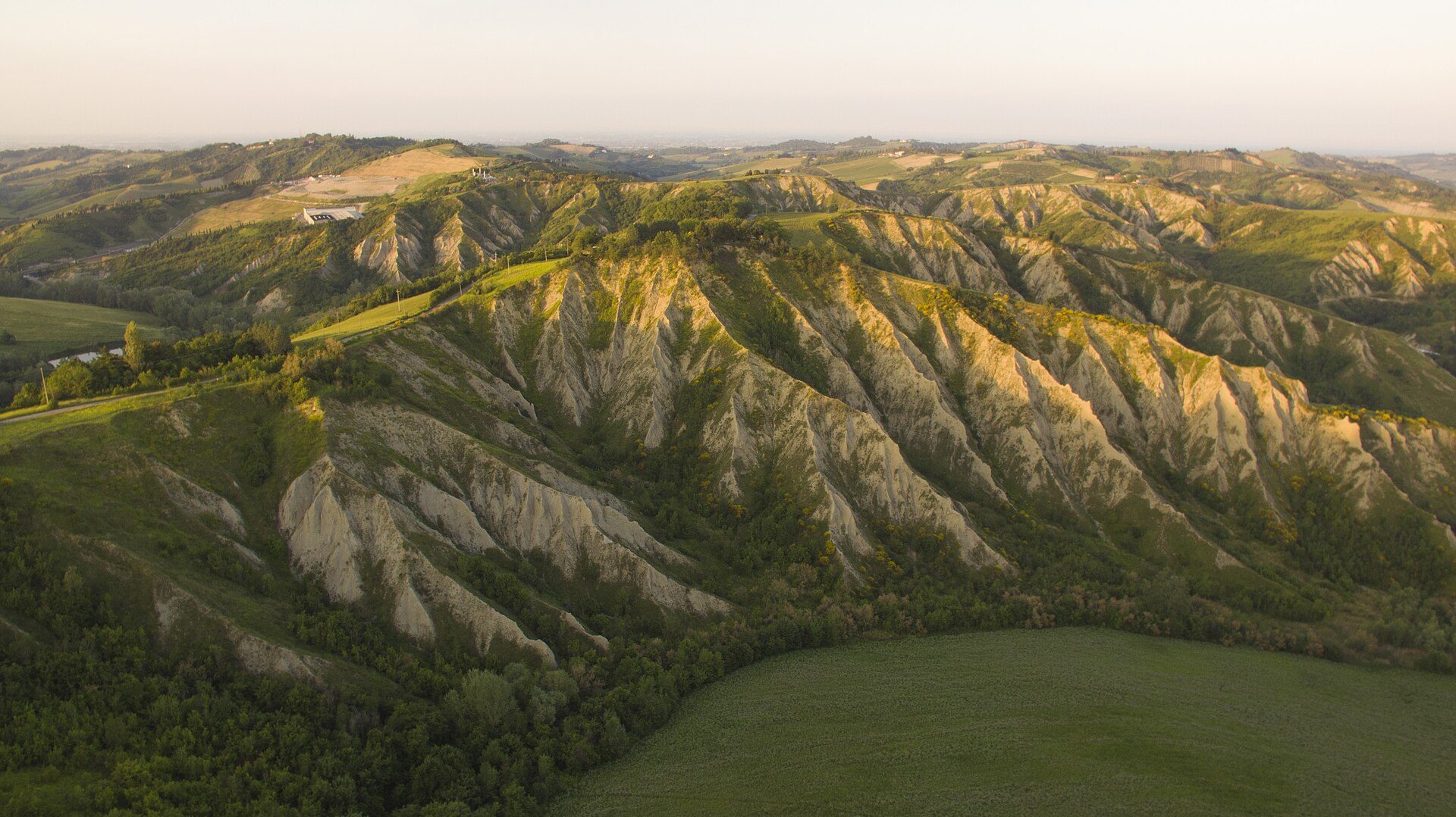
Natura 2000 · breeding, passage

Natura 2000 · passage
Other species to discover

Sources and credits
- Presence: most-recorded species of each place on GBIF and species of Community interest in the Natura 2000 forms (EEA, CC-BY 4.0); absence from the list does not mean the species is absent.
- Common names: Wikidata (CC0) and GBIF.
- Photos and sounds: Wikimedia Commons, author and licence given for each file.
- Classification: GBIF Backbone Taxonomy (GBIF Secretariat), CC BY 4.0, doi:10.15468/39omei.
- Countries, elevations, months and maps: GBIF.org, CC0 or CC BY 4.0 occurrences only, accessed October 22, 2026, GBIF.org.
- Base map: Natural Earth (public domain).
- Excerpt: Wikipedia, CC BY-SA 4.0 (full credit below the excerpt).
- Key facts: Wikidata (CC0), with the references cited under each value.
- EU bird populations: EEA / DG ENV, Article 12 Birds Directive reporting (2013–2018), CC BY 4.0.