
Bird
Bearded Reeding: where to see it
Panurus biarmicus
This bird species is recorded in 32 protected areas of the atlas, including 29 whose official Natura 2000 form lists it. Within the atlas countries, it is mostly observed in Sweden, the United Kingdom and France (12 countries in all). Records peak from April to November. It has a wingspan of 17 cm and weighs 15.3 g.
Best time to see it: April–November
Records published on GBIF by month (CC0 and CC BY 4.0 licences only), in the atlas countries, all years combined; they also reflect observer activity.
Key facts
- Wingspan
- 17 cm Wikidata, after app.bto.org
- Weight
- 15.3 g Wikidata, after Lislevand et al. 2007
- Clutch size
- 5.7 eggs on average Wikidata, after Jetz et al. 2008
- Incubation
- 12 days Wikidata, after British Trust for Ornithology
Distribution
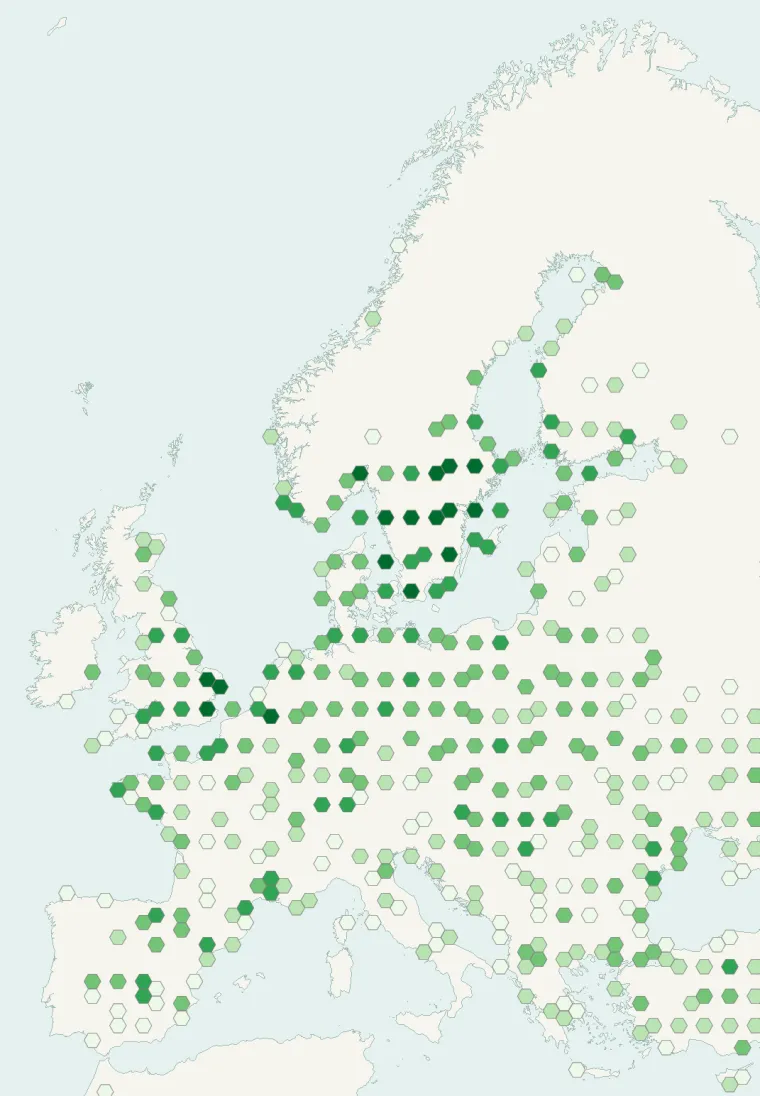
Records published on GBIF (CC0 and CC BY 4.0 licences): the darker the shade, the more records there are; they also reflect observation effort.
Atlas countries where it is recorded
Listen
-
3:08 · © Ndalyrose · CC BY-SA 4.0 · Wikimedia Commons · Original file
From Wikipedia
The bearded reedling (Panurus biarmicus) is a small, long-tailed passerine bird found in reed beds near water in the temperate zone of Eurasia. It is frequently known as the bearded tit or occasionally as bearded parrotbill, as historically it was believed to be closely related to either the tits or parrotbills. Today it is known to lack close relatives and it is the only species in the family Panuridae. Bearded reedlings are strongly sexually dimorphic and form life-long pairs. They are highly productive and can breed several times in a season.
Source: Wikipedia, article “Bearded reedling” (version of September 30, 2026) · history and authors · licence CC BY-SA 4.0 · shortened excerpt
Protected areas where it is recorded
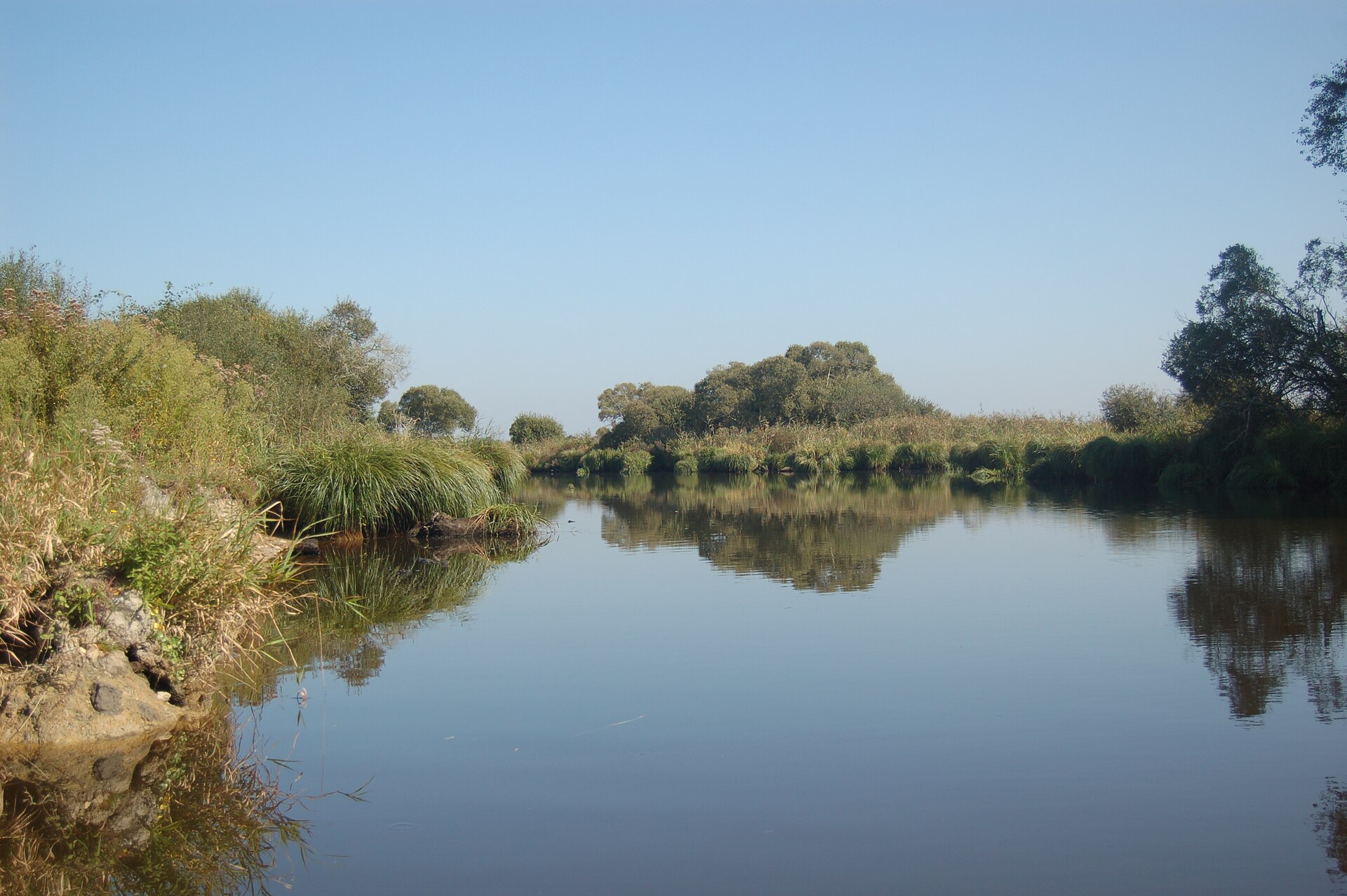
Natura 2000 · resident 456 records
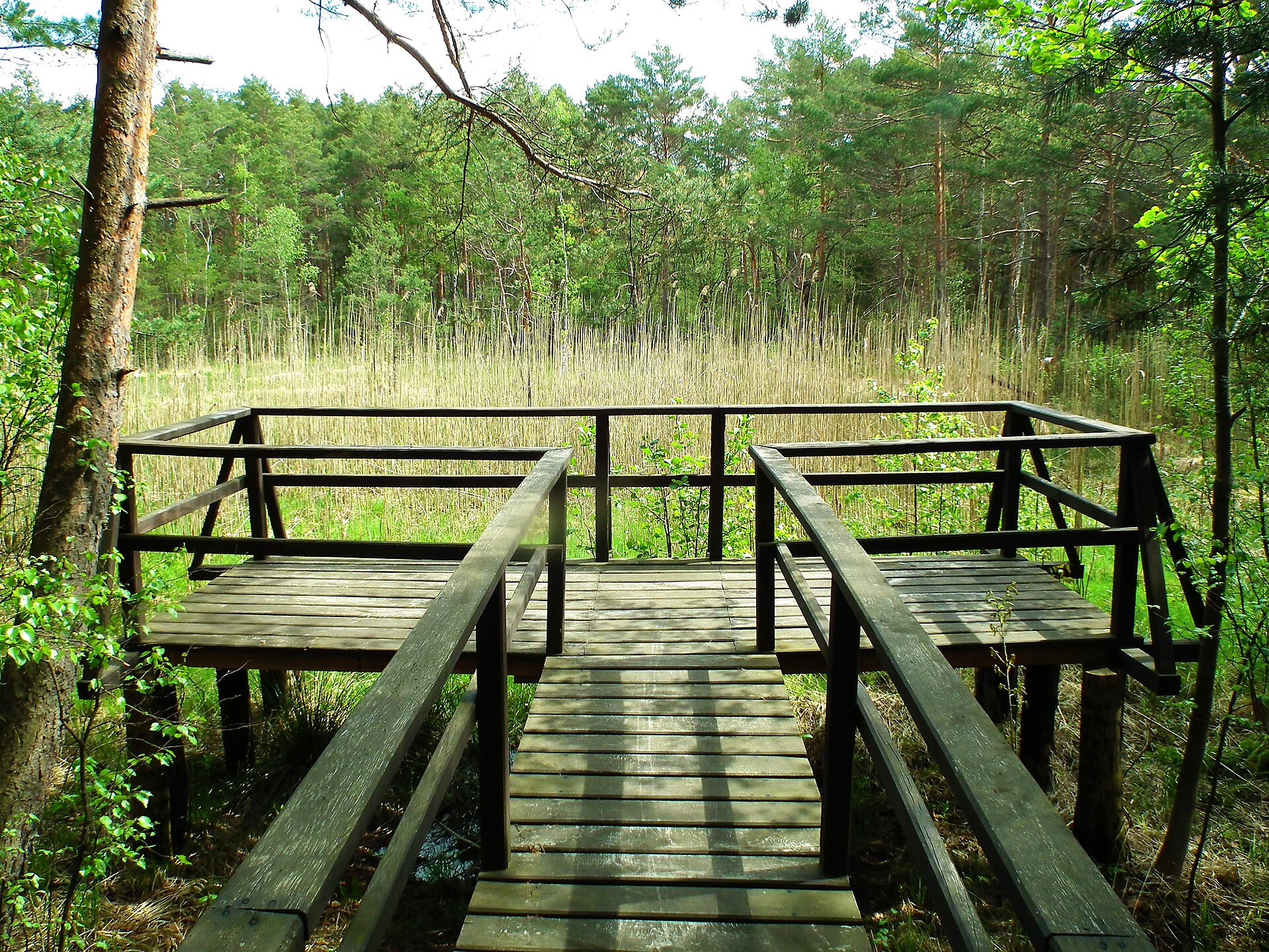
Natura 2000 · passage, breeding 177 records
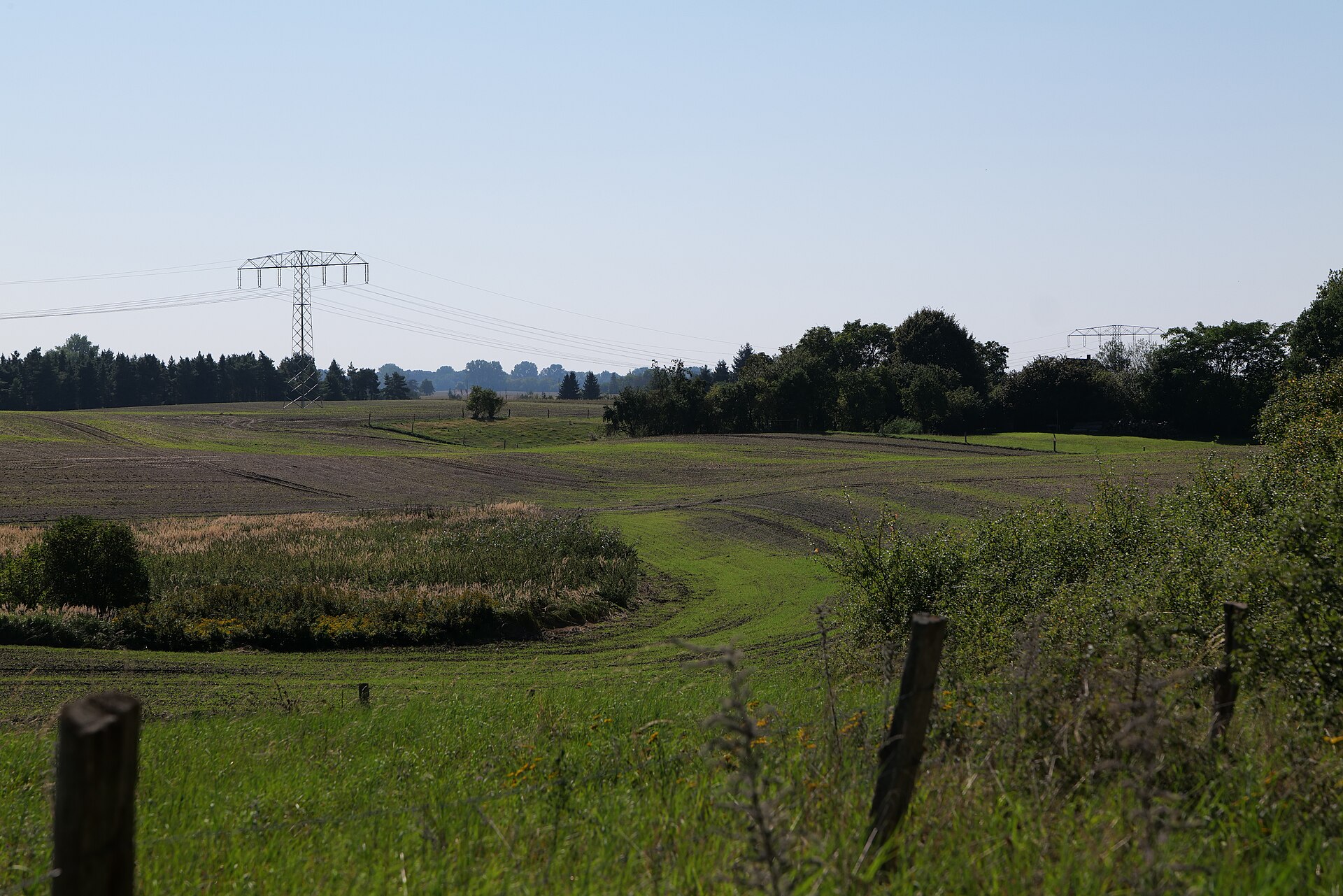
358 records

215 records
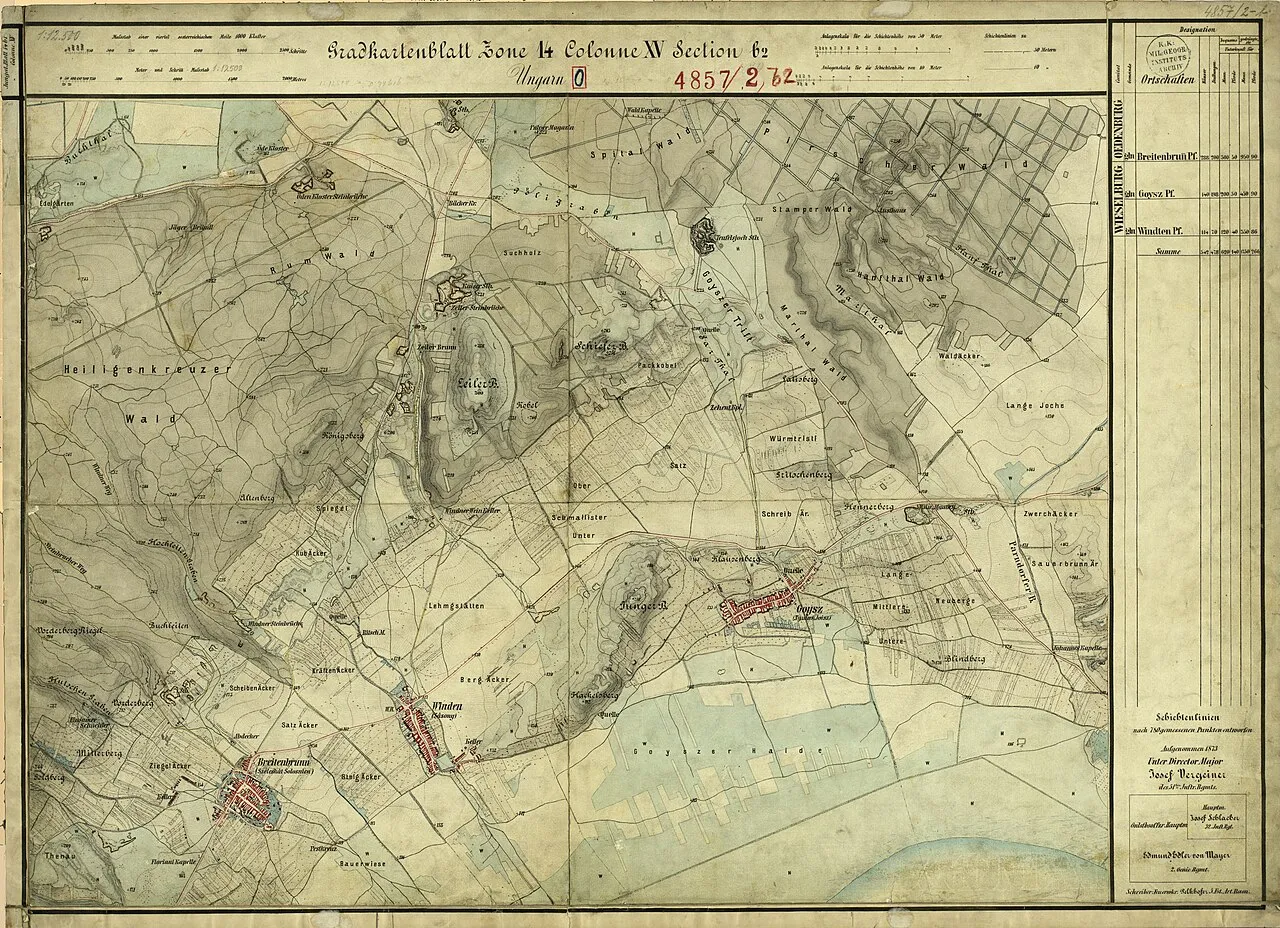
75 records
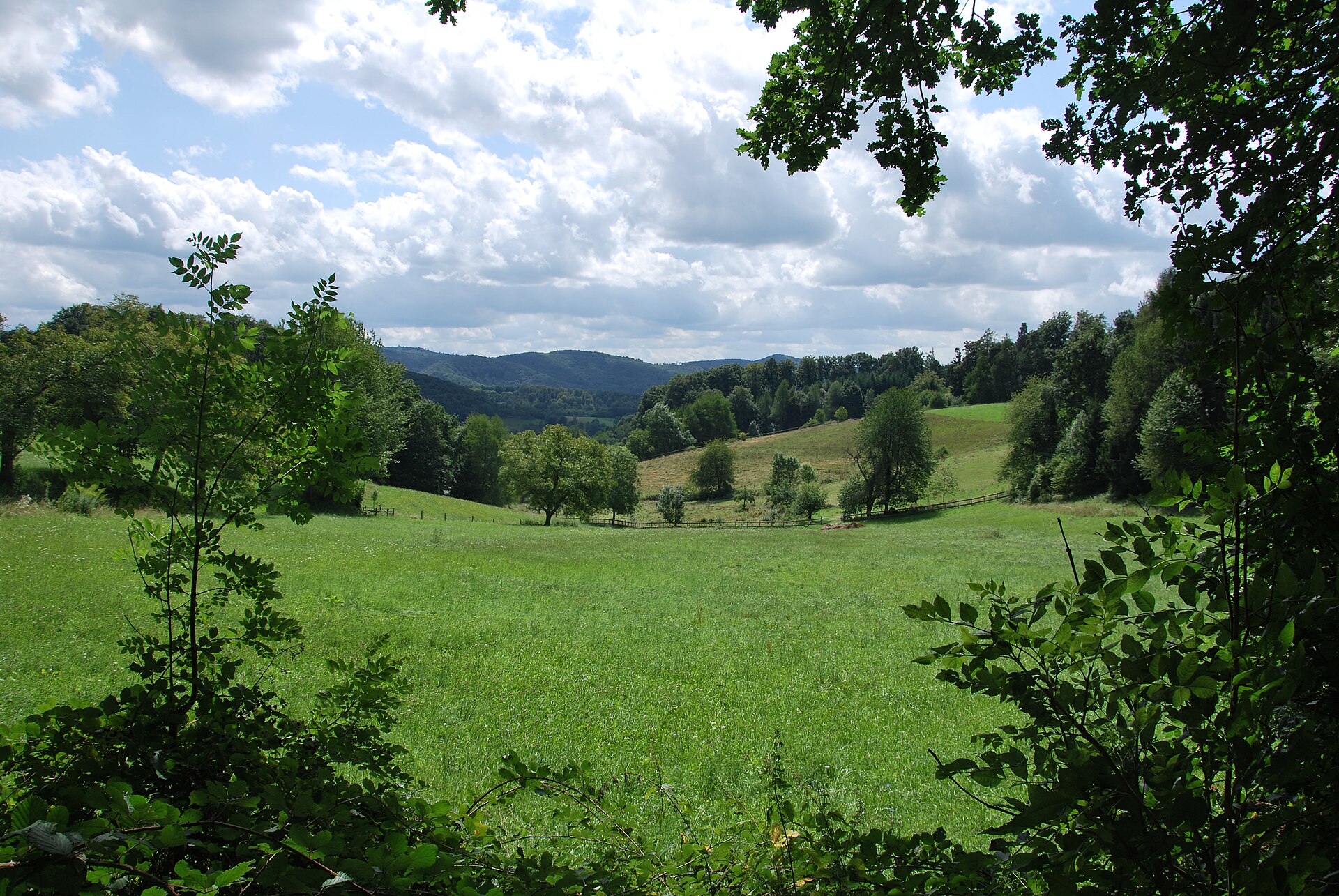
Natura 2000 · passage
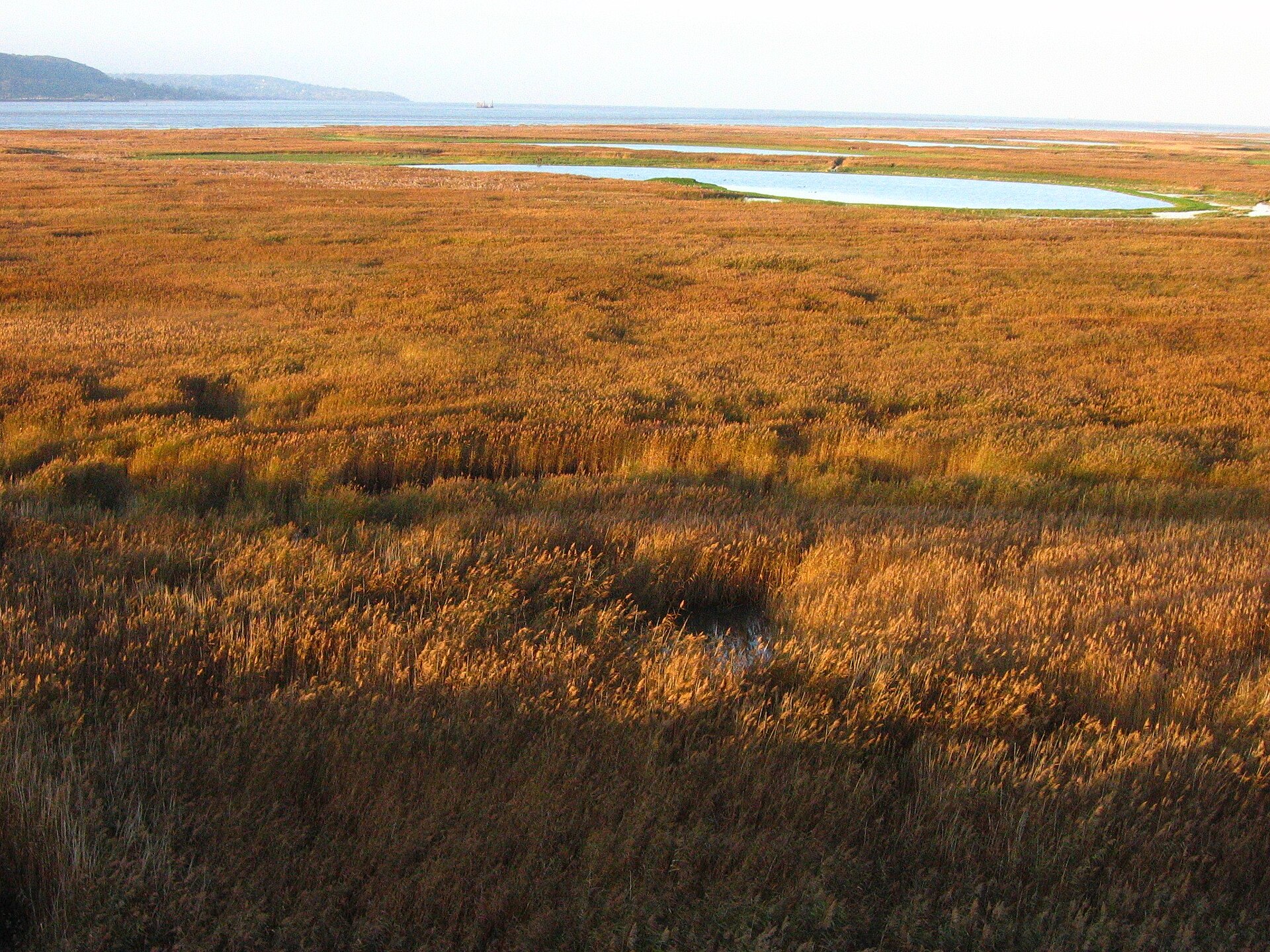
Natura 2000 · breeding

Natura 2000 · passage, wintering
Natura 2000 · breeding
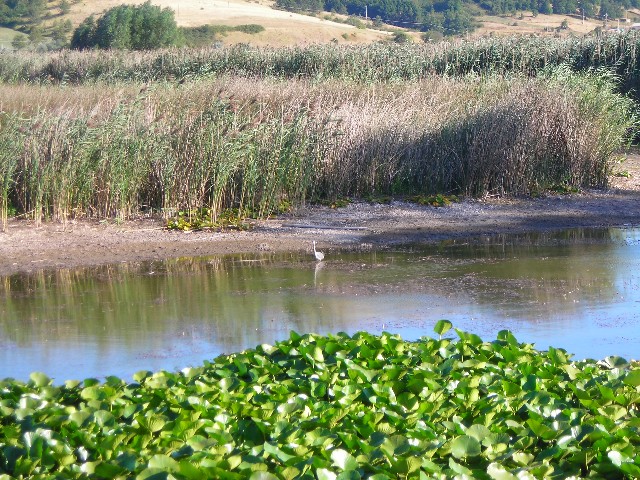
Natura 2000 · resident

Natura 2000 · breeding
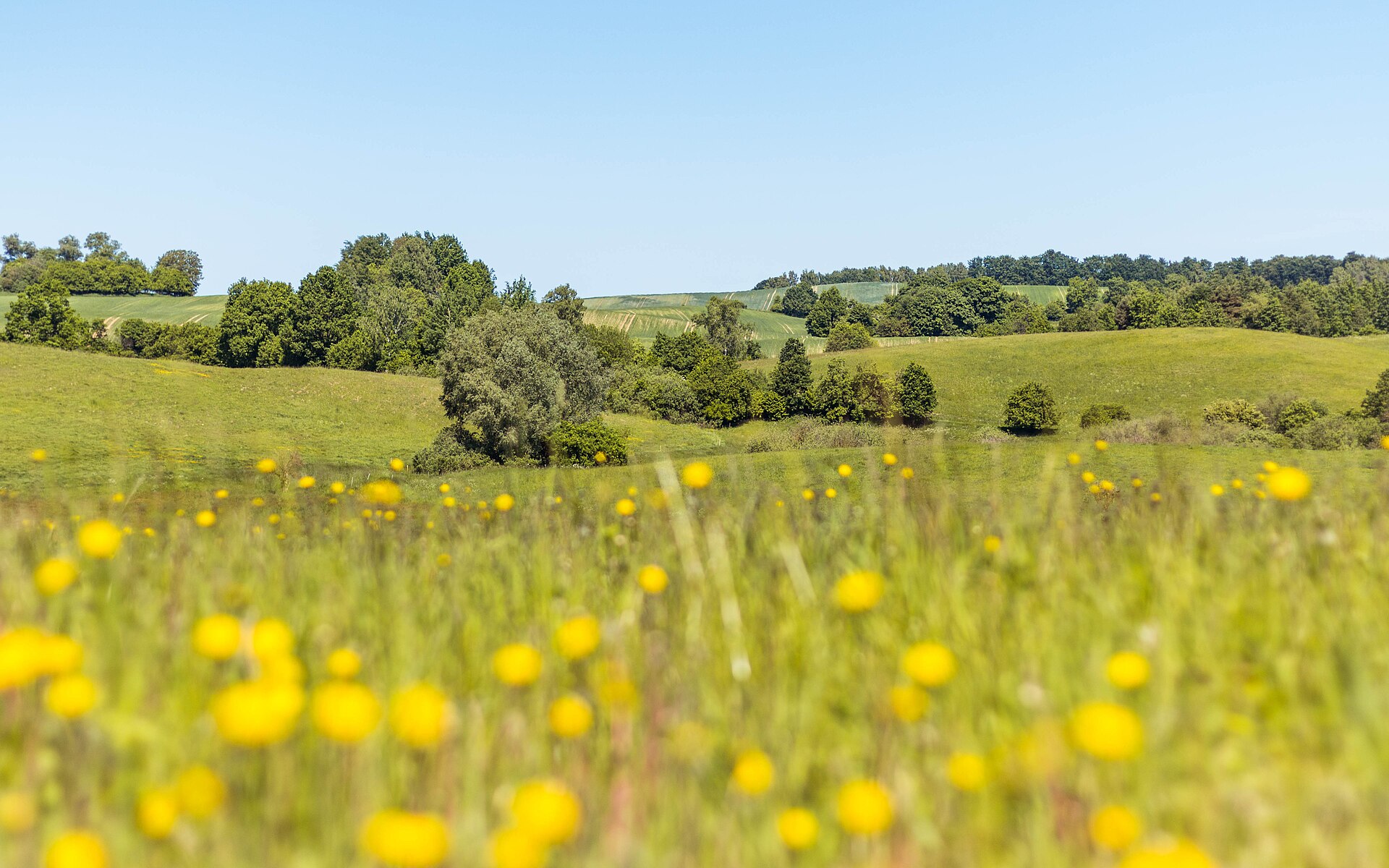
Natura 2000 · breeding

Natura 2000 · passage, wintering, resident, breeding
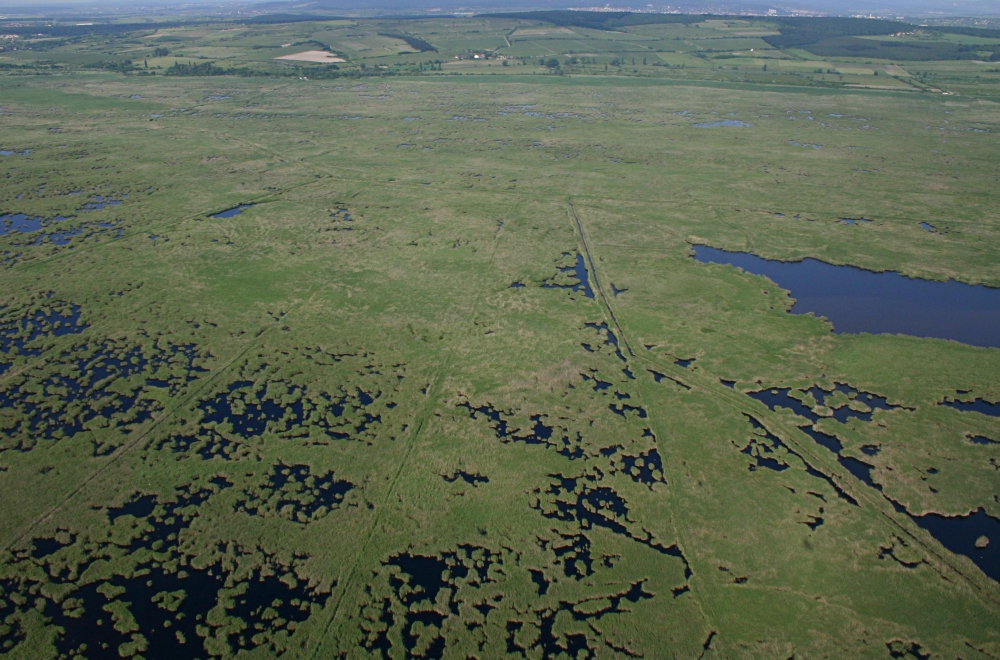
Natura 2000 · resident

Natura 2000 · breeding
Natura 2000 · passage
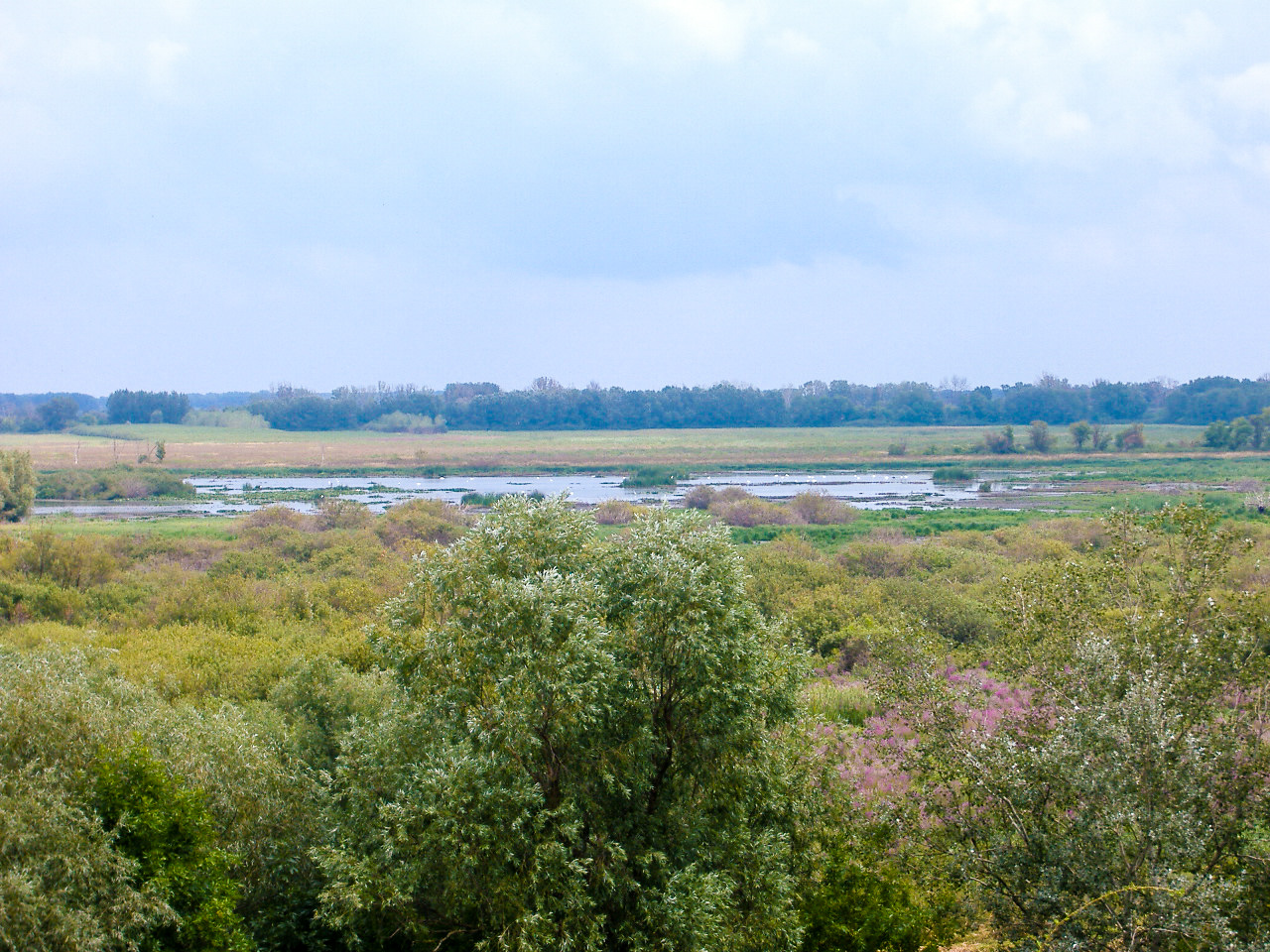
Natura 2000 · breeding

Natura 2000 · breeding
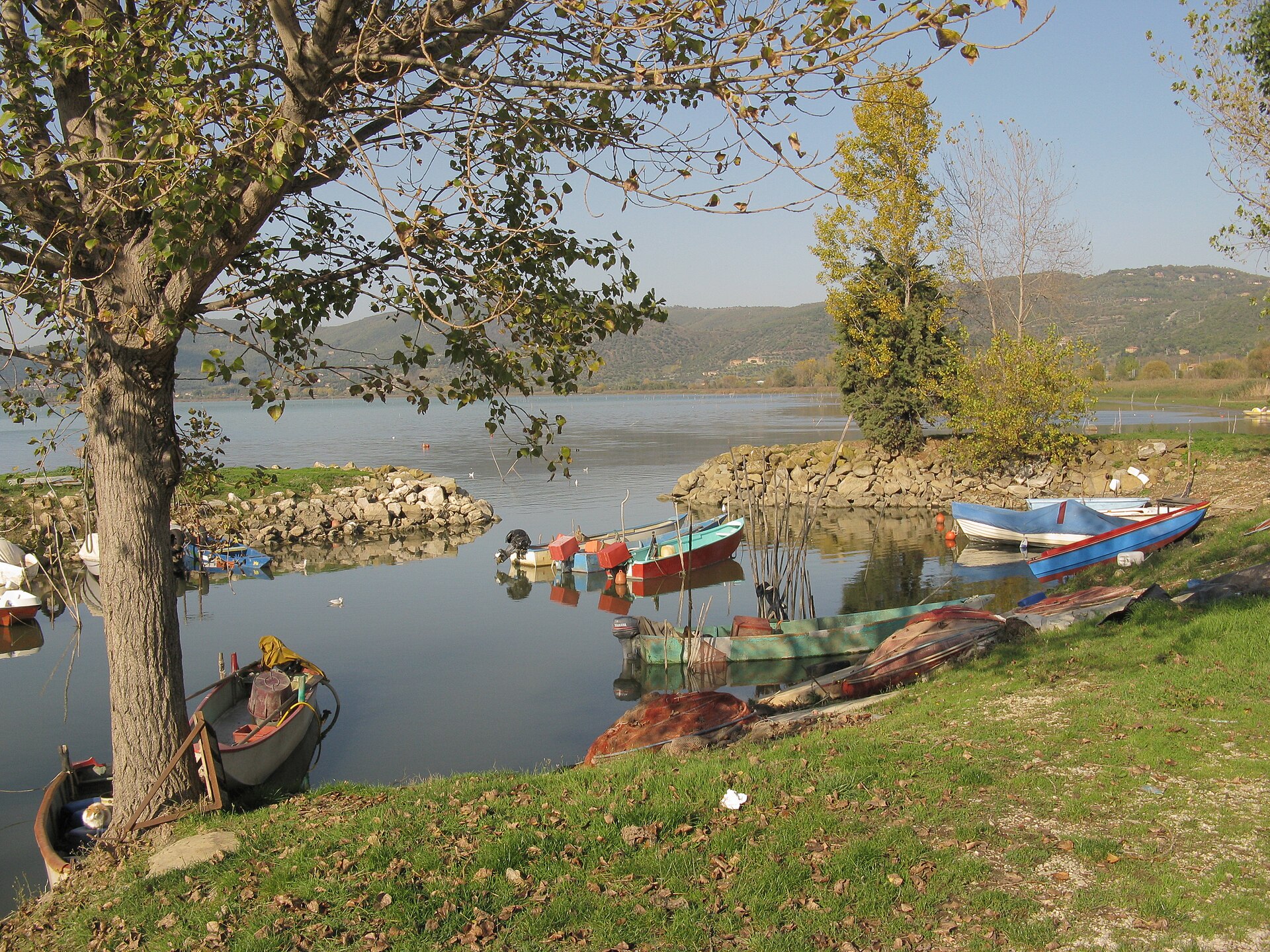
Natura 2000

Natura 2000
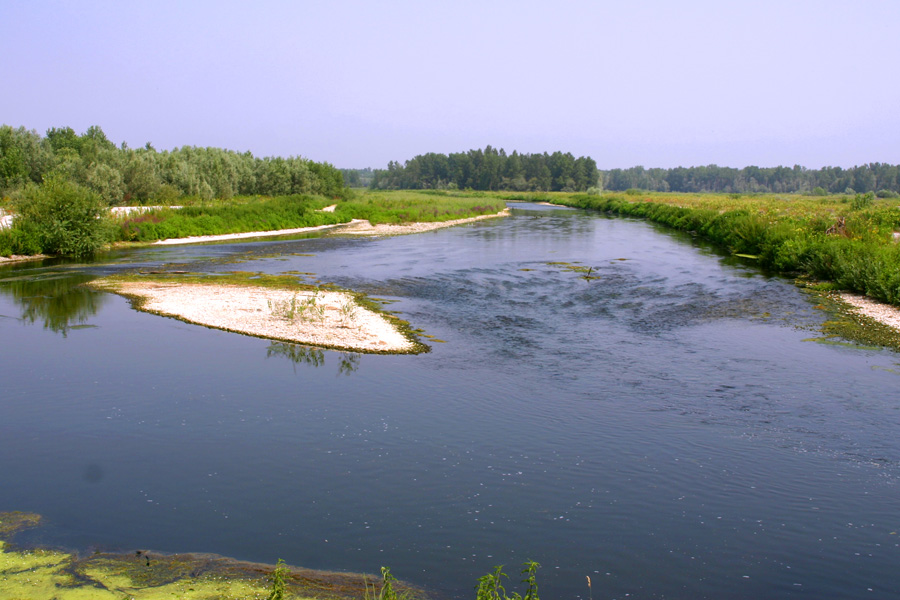
Natura 2000 · wintering

Natura 2000 · breeding

Natura 2000 · passage, breeding, resident, wintering

Natura 2000 · passage

Natura 2000 · breeding
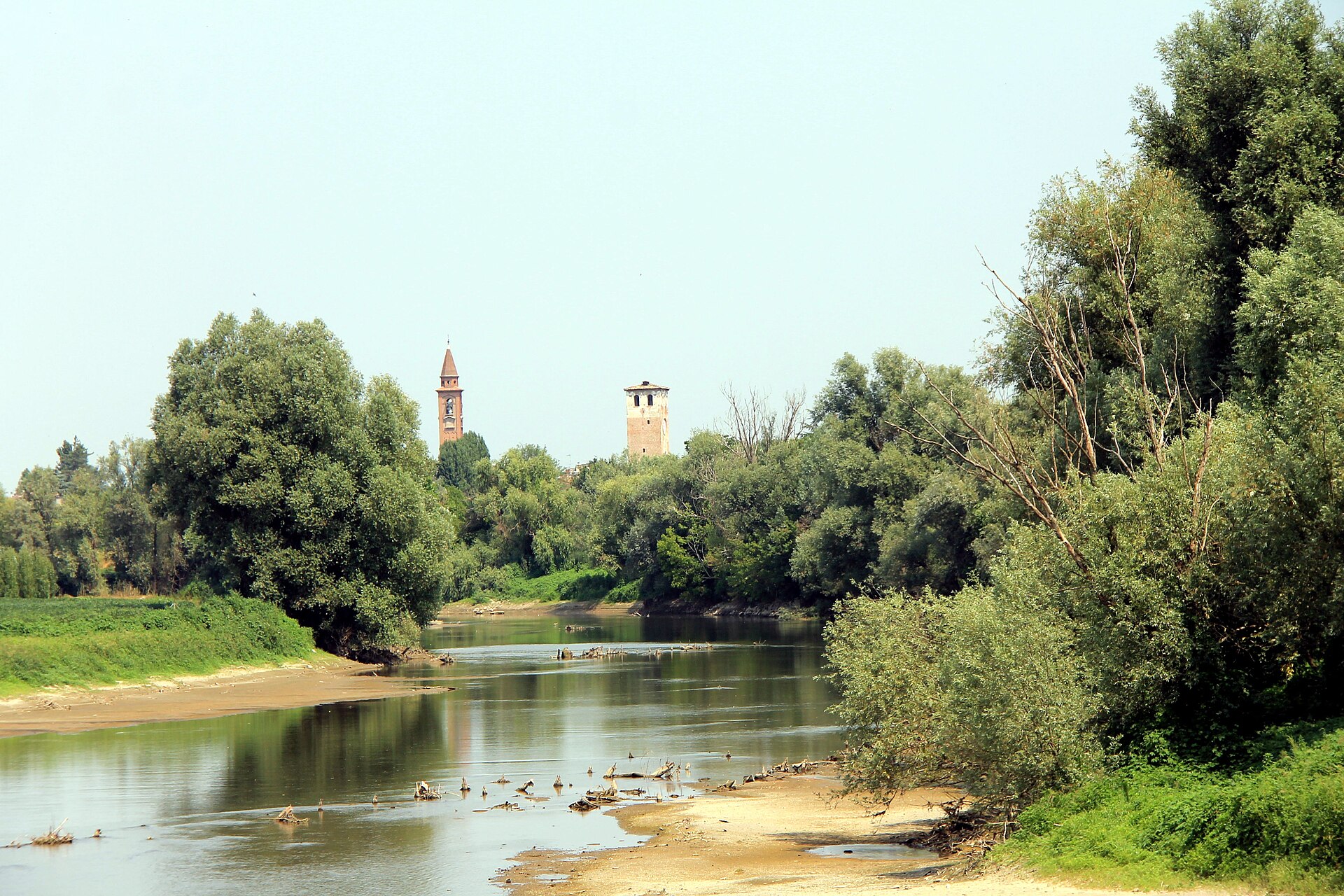
Natura 2000 · wintering, passage
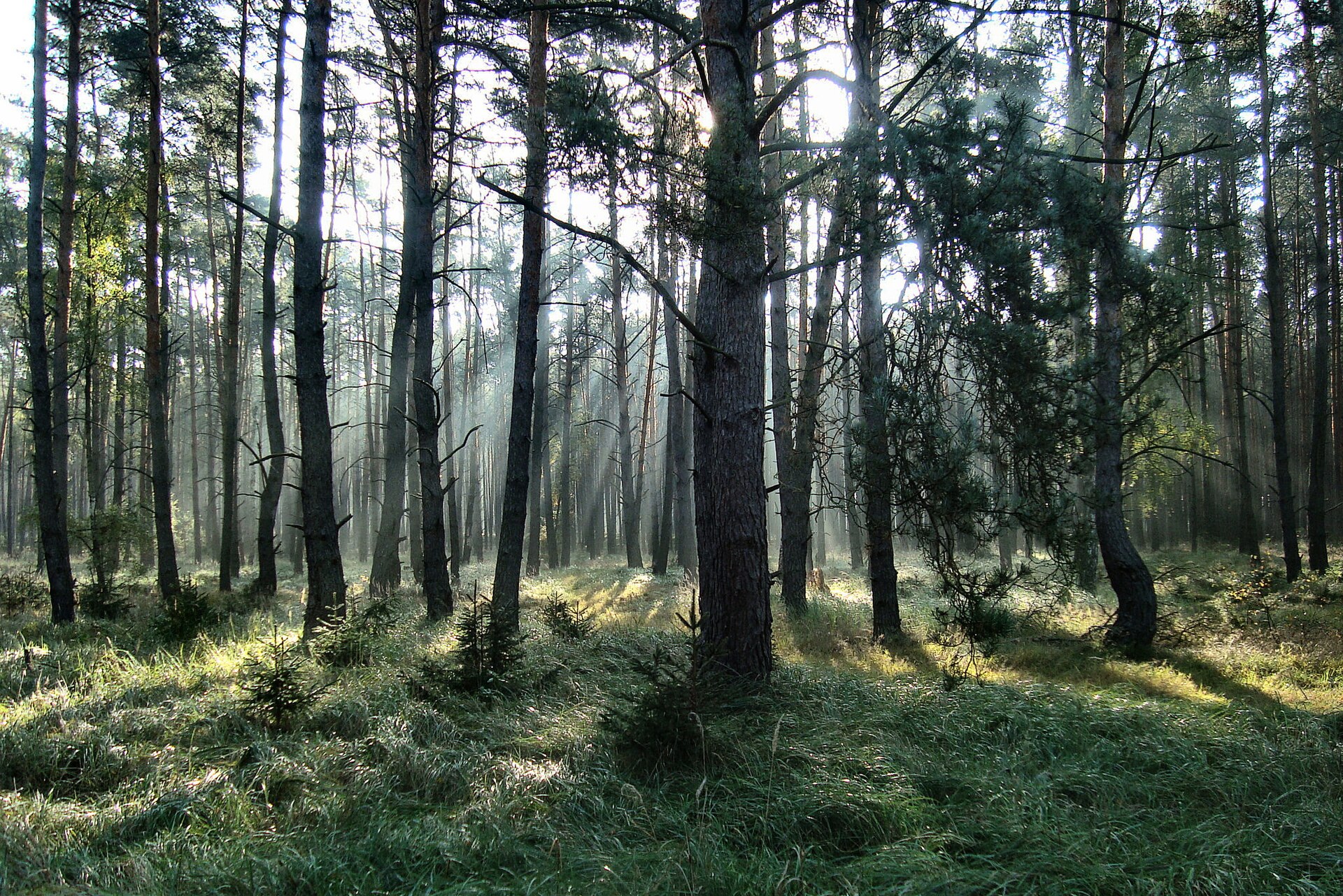
Natura 2000 · breeding
Natura 2000 · breeding
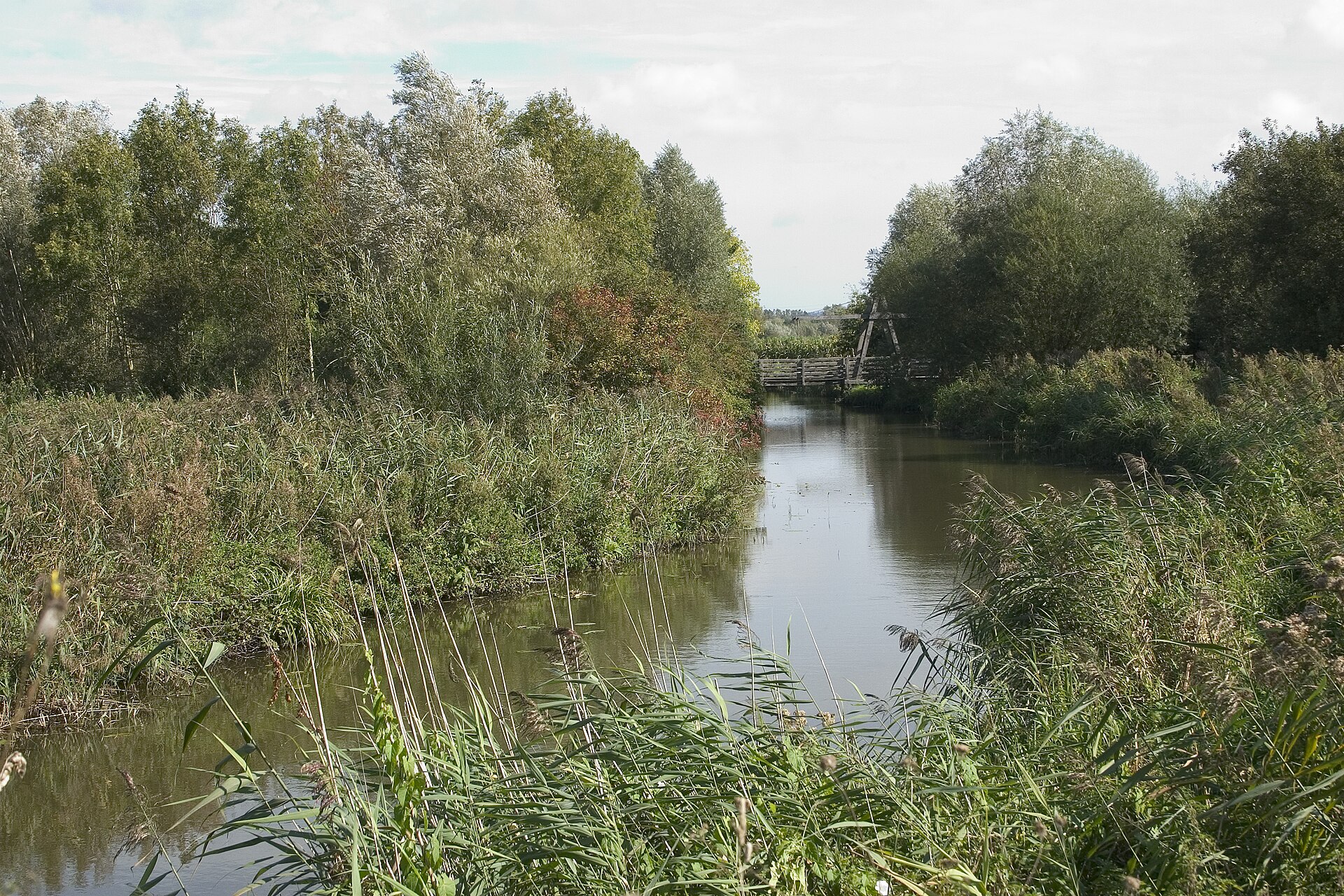
Natura 2000 · passage, wintering

Natura 2000 · wintering

Natura 2000 · breeding

Natura 2000
Other species to discover
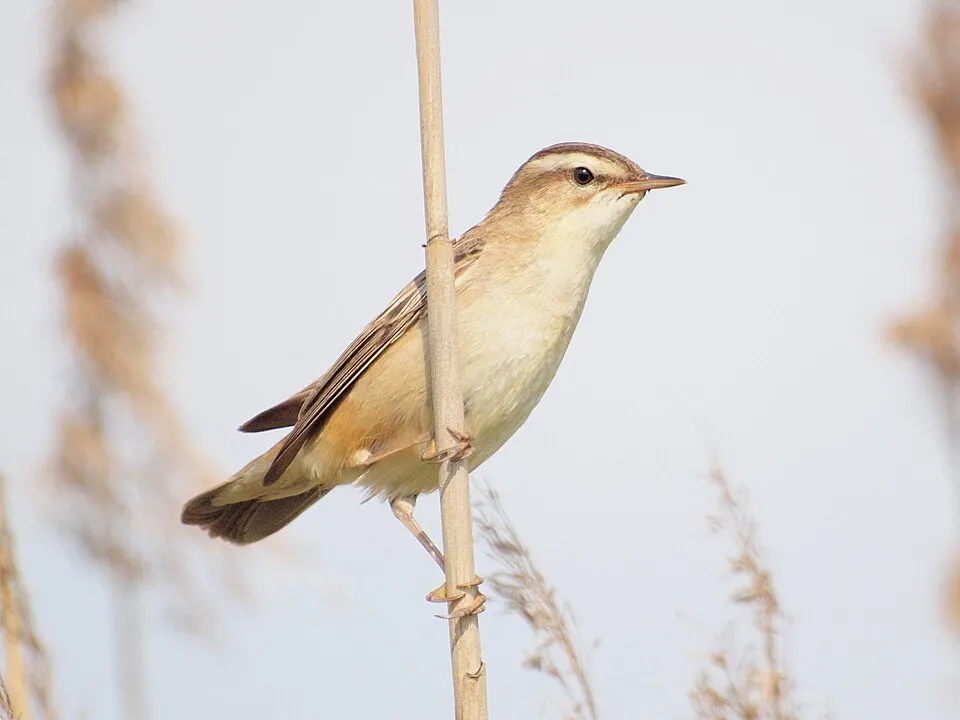 Sedge warbler
Acrocephalus schoenobaenus 18 places in common
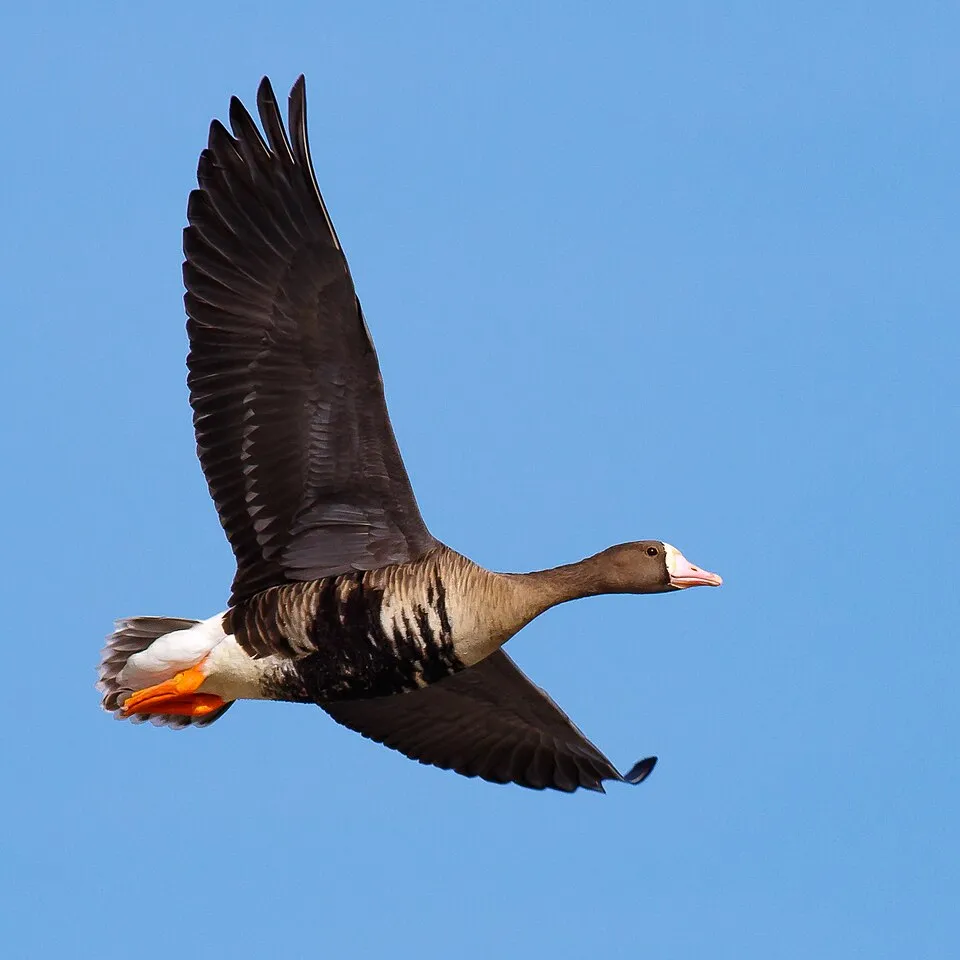 Greater white-fronted goose
Anser albifrons 22 places in common
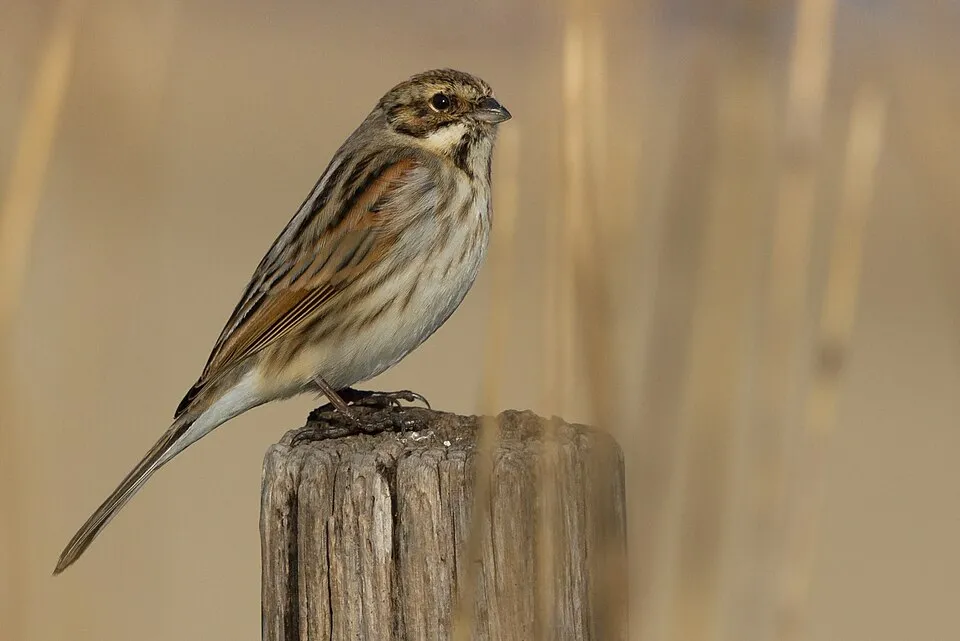 Reed Bunting
Emberiza schoeniclus 18 places in common
 Ferruginous Duck
Aythya nyroca 21 places in common
 Black-tailed Godwit
Limosa limosa 25 places in common
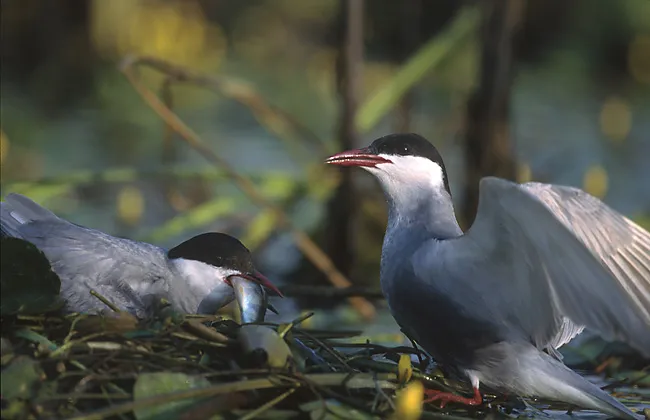 Whiskered Tern
Chlidonias hybrida 20 places in common
Sources and credits
- Presence: most-recorded species of each place on GBIF and species of Community interest in the Natura 2000 forms (EEA, CC-BY 4.0); absence from the list does not mean the species is absent.
- Common names: Wikidata (CC0) and GBIF.
- Photos and sounds: Wikimedia Commons, author and licence given for each file.
- Classification: GBIF Backbone Taxonomy (GBIF Secretariat), CC BY 4.0, doi:10.15468/39omei.
- Countries, elevations, months and maps: GBIF.org, CC0 or CC BY 4.0 occurrences only, accessed October 22, 2026, GBIF.org.
- Base map: Natural Earth (public domain).
- Excerpt: Wikipedia, CC BY-SA 4.0 (full credit below the excerpt).
- Key facts: Wikidata (CC0), with the references cited under each value.