
Bird
Reed Bunting: where to see it
Emberiza schoeniclus
This bird species is recorded in 84 protected areas of the atlas, including 30 whose official Natura 2000 form lists it. Within the atlas countries, it is mostly observed in Sweden, the United Kingdom and France (12 countries in all). Most records (8 in 10) lie between sea level and 430 m. Records peak from March to June. It has a wingspan of 24 cm. Its EU population is assessed as declining (2013–2018 Birds Directive reporting).
Best time to see it: March–June
Records published on GBIF by month (CC0 and CC BY 4.0 licences only), in the atlas countries, all years combined; they also reflect observer activity.
Key facts
- Wingspan
- 24 cm Wikidata, after app.bto.org
- Incubation
- 13 days Wikidata, after British Trust for Ornithology
Status and protection
EU population assessed as declining (2013–2018 Birds Directive reporting). EU breeding population: 1,730,000–2,760,000 pairs.
Distribution
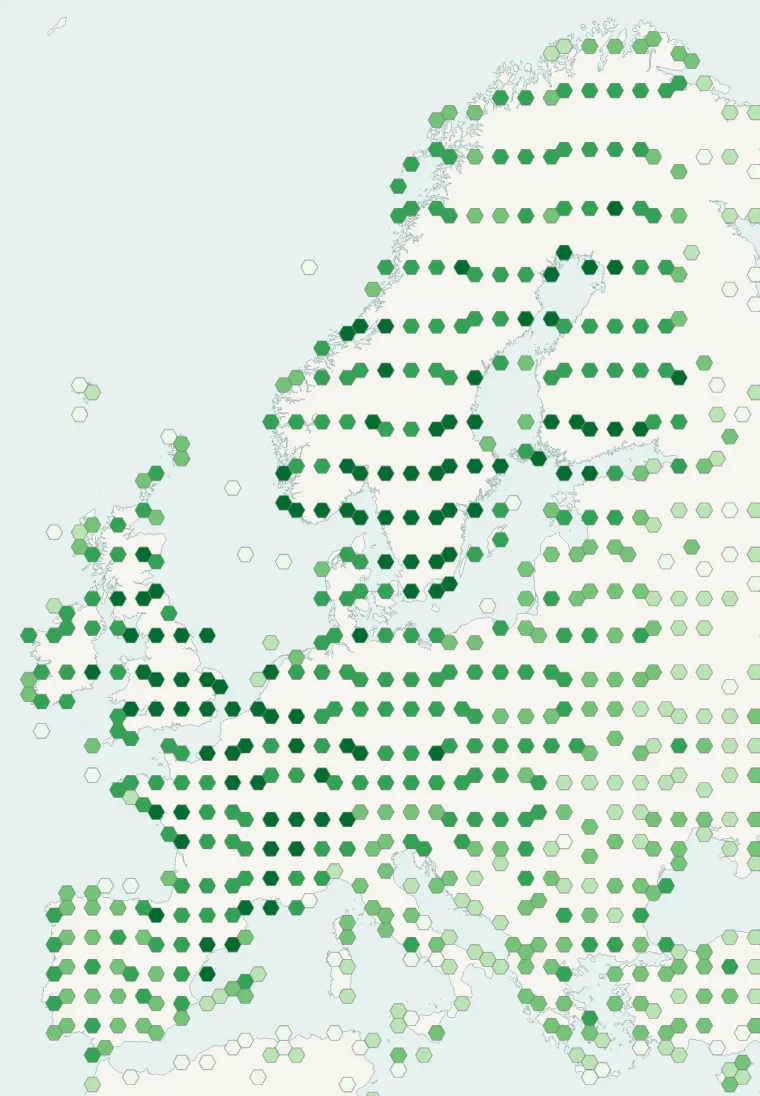
Records published on GBIF (CC0 and CC BY 4.0 licences): the darker the shade, the more records there are; they also reflect observation effort.
Listen
-
3:34 · © Ndalyrose · CC BY-SA 4.0 · Wikimedia Commons · Original file
-
0:08 · © This audio was created by Artem Topchiy (user Art-top). Other audio see here · CC BY-SA 3.0 · Wikimedia Commons · Original file
From Wikipedia
The common reed bunting (Emberiza schoeniclus), or simply reed bunting, is a passerine bird in the bunting family Emberizidae. This species breeds throughout Europe and much of the Palearctic region. While most individuals migrate south in winter, those in the milder south and west of the range are resident. It is a common sight in reedbeds, but also breeds in drier open areas such as moorland and arable land. For example, it inhabits purple moor grass and rush pastures, which are designated as a Biodiversity Action Plan habitat in the UK.
Source: Wikipedia, article “Common reed bunting” (version of October 3, 2026) · history and authors · licence CC BY-SA 4.0 · shortened excerpt
Protected areas where it is recorded

Natura 2000 · breeding 10,088 records
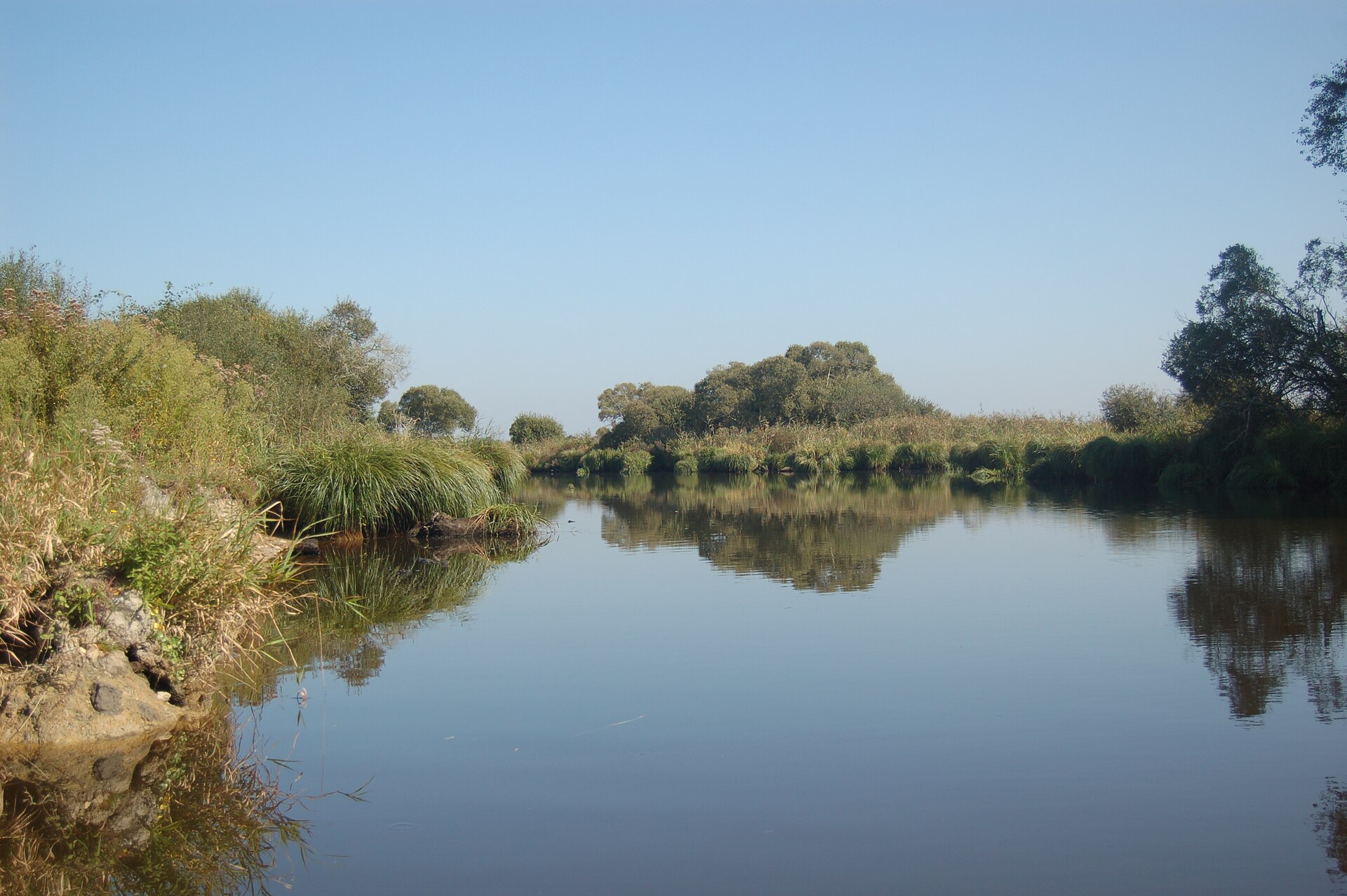
Natura 2000 · wintering, breeding, passage 1,430 records

Natura 2000 958 records
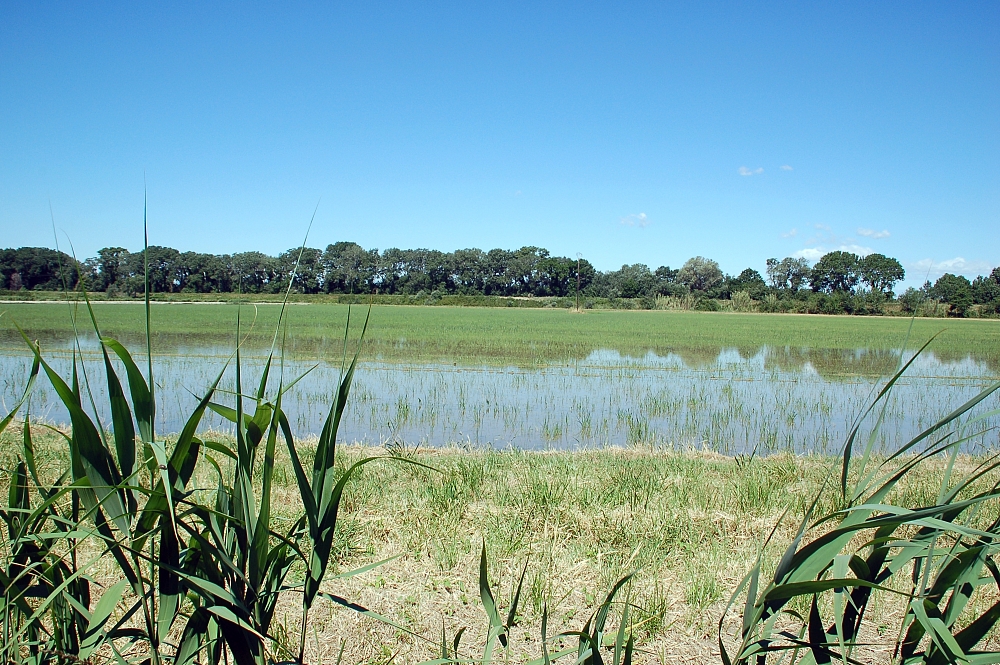
11,774 records

5,952 records
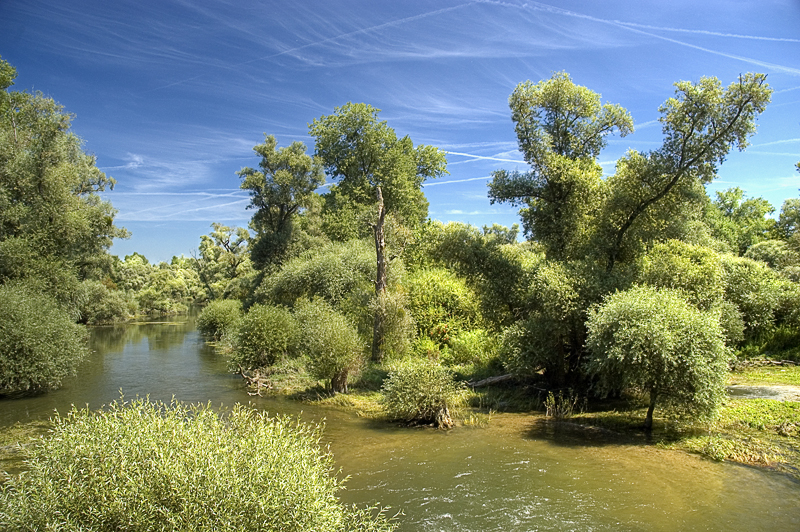
3,001 records
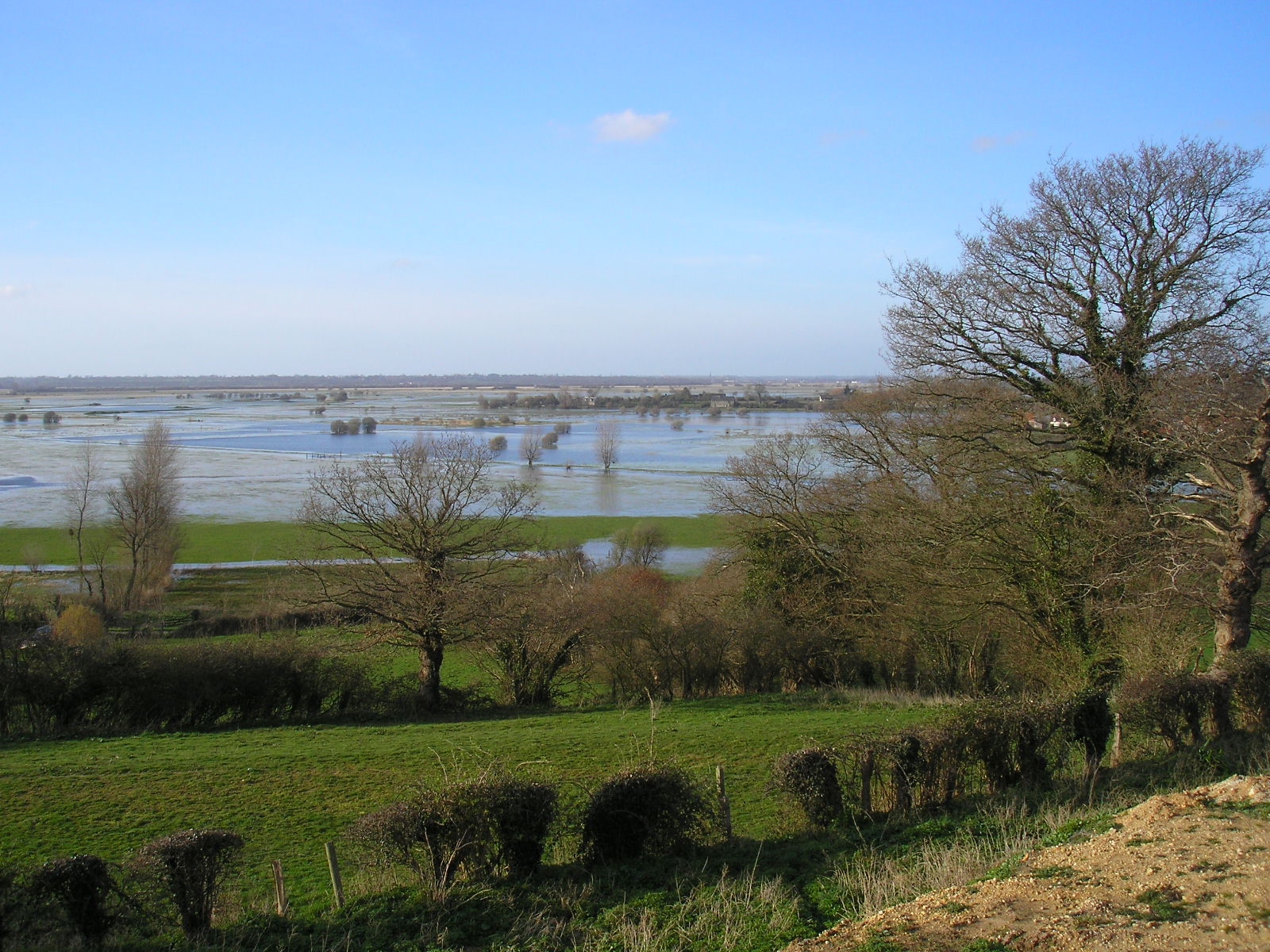
2,753 records

1,915 records

1,124 records
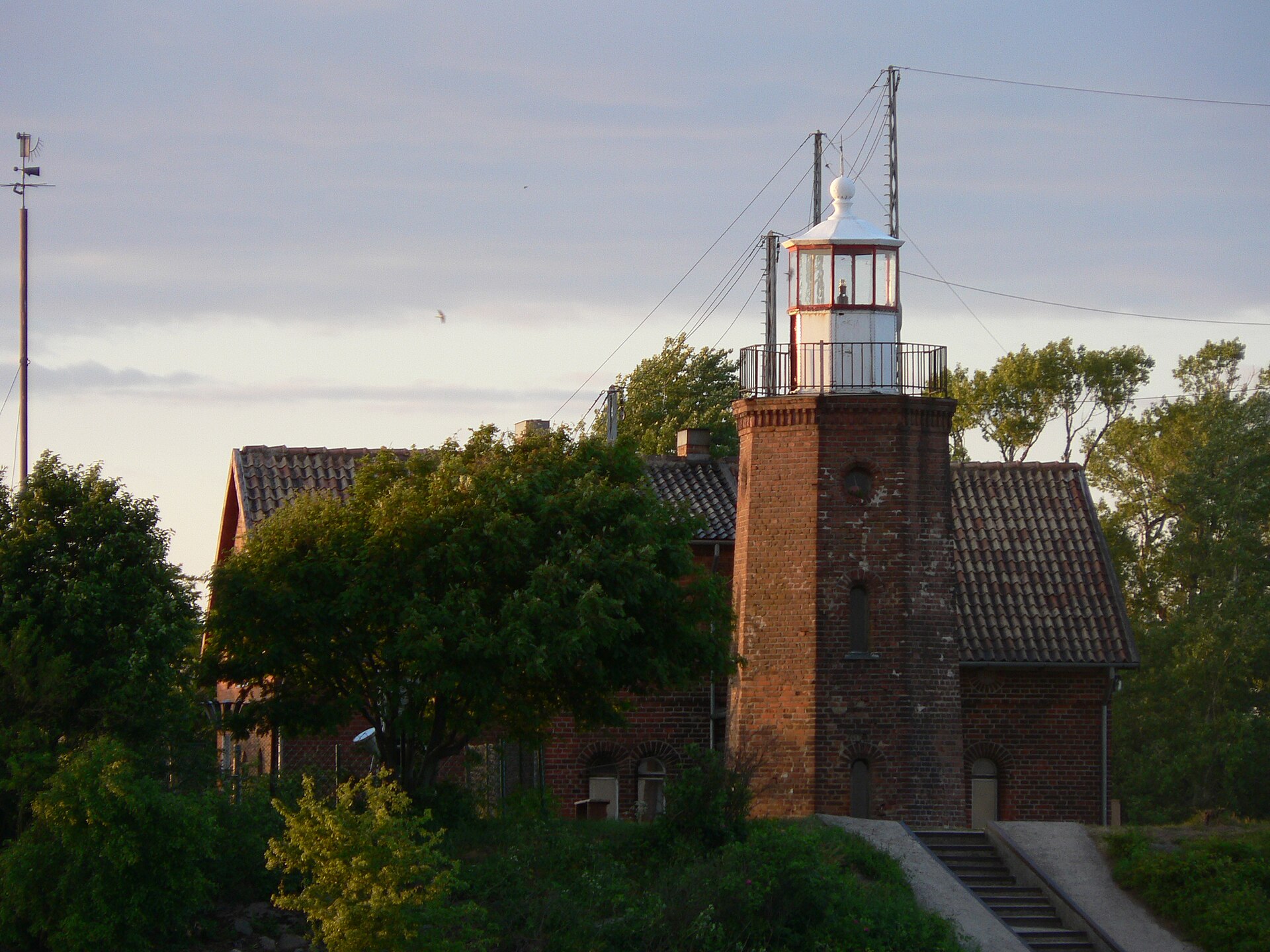
1,043 records

938 records
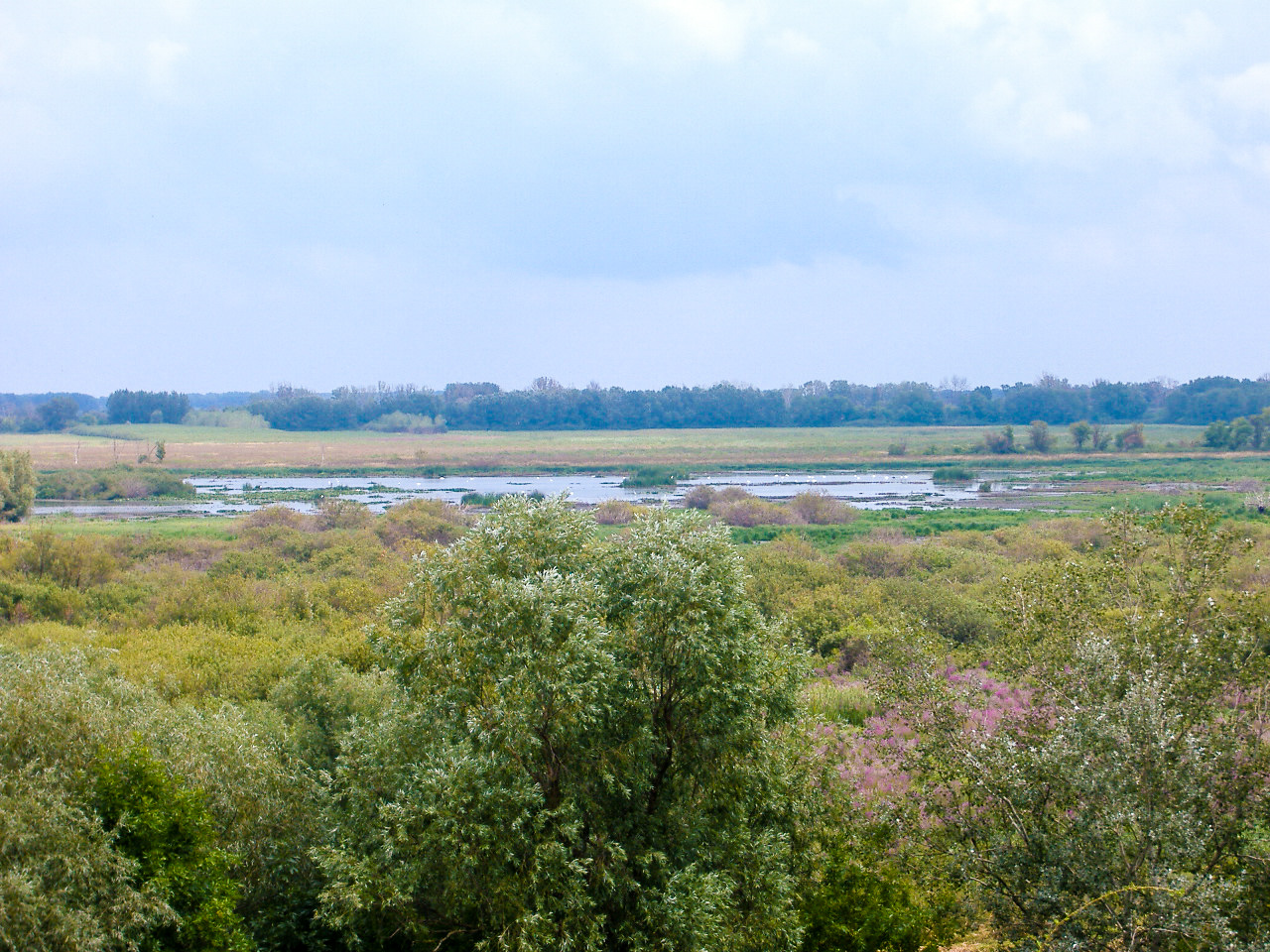
684 records
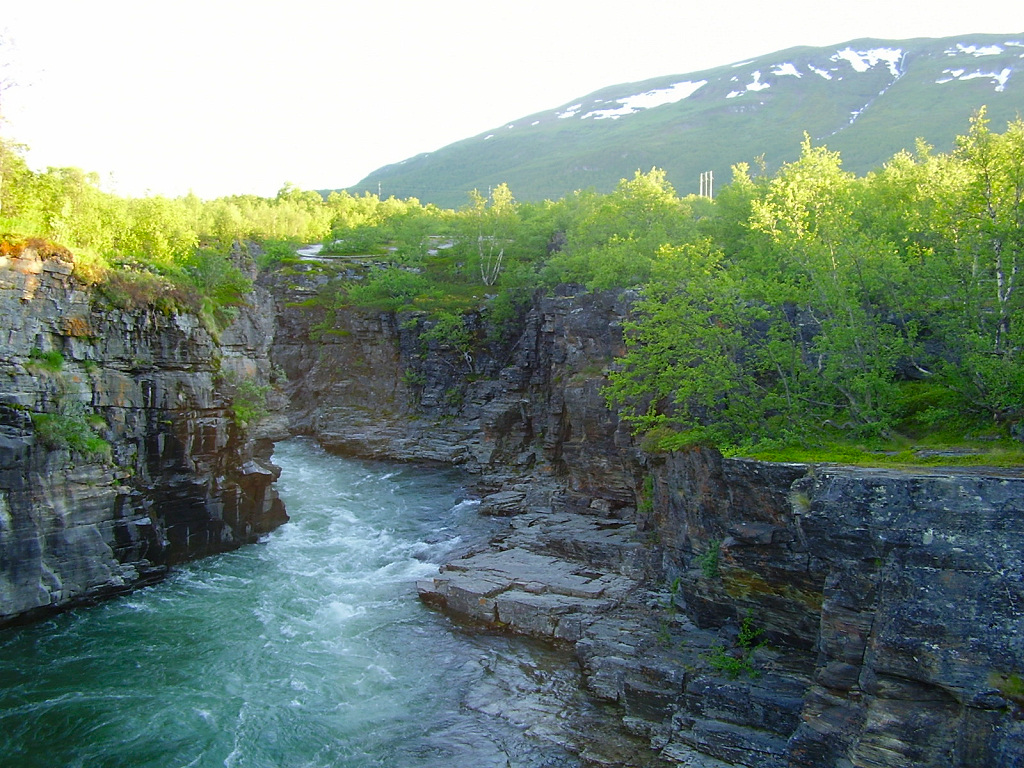
634 records
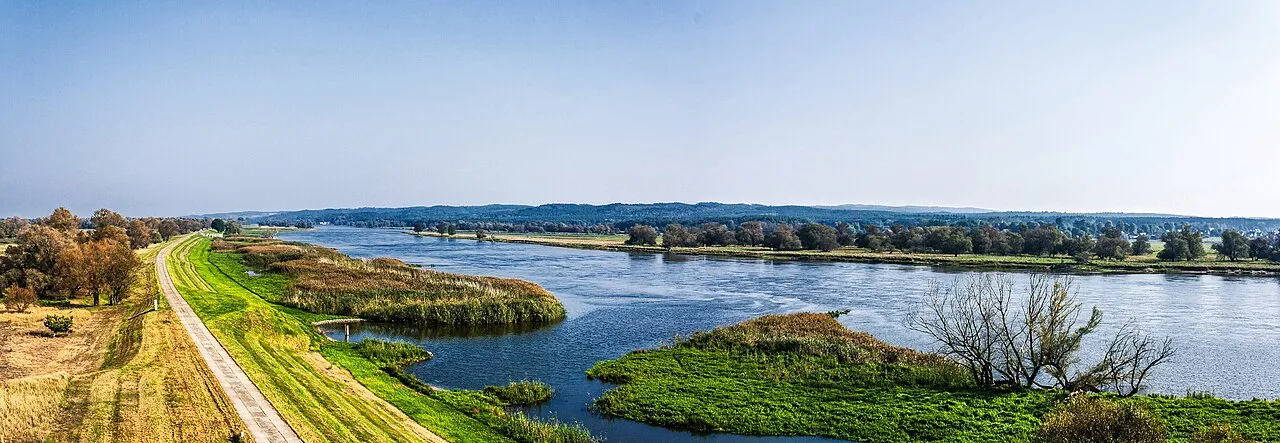
624 records
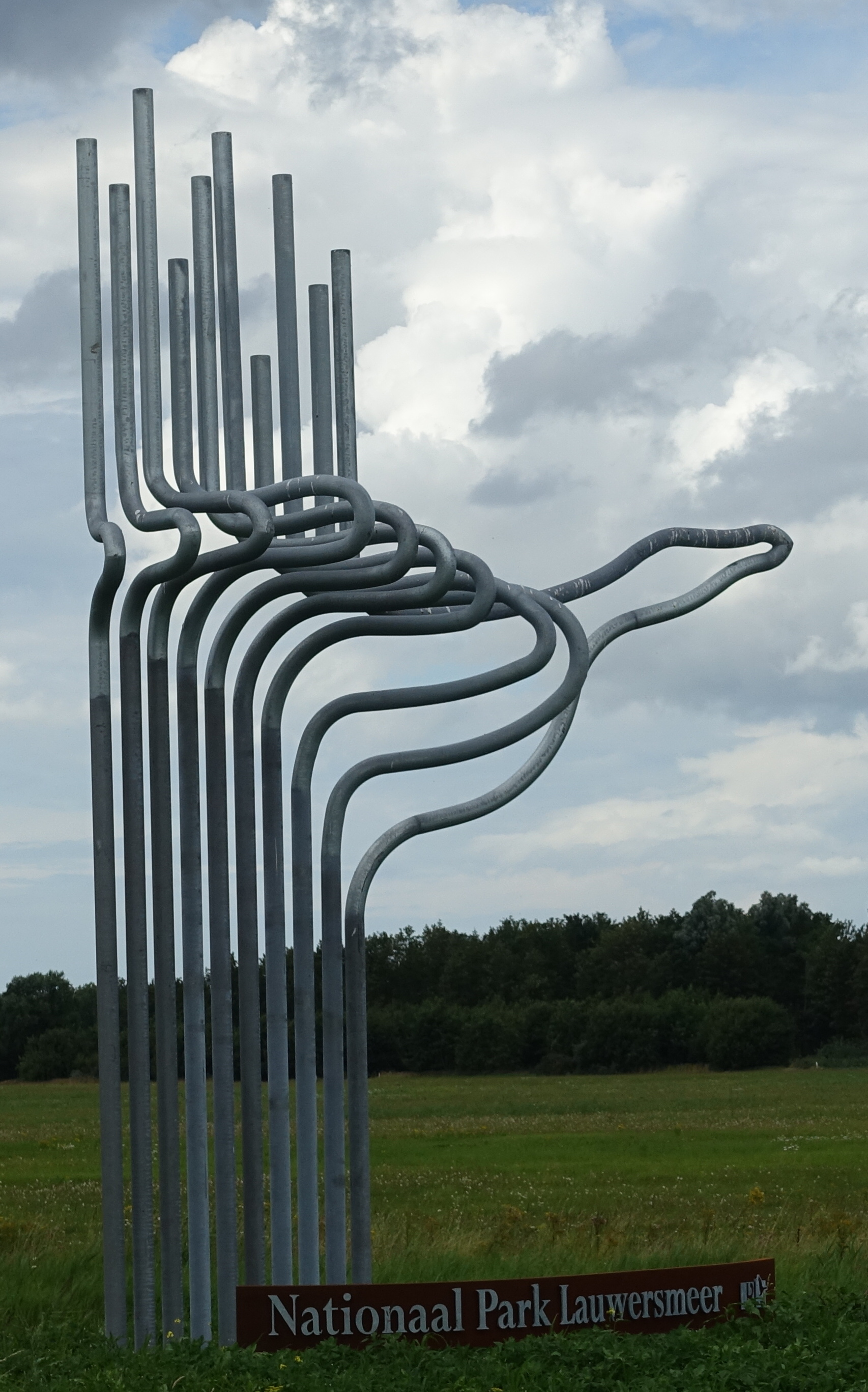
586 records
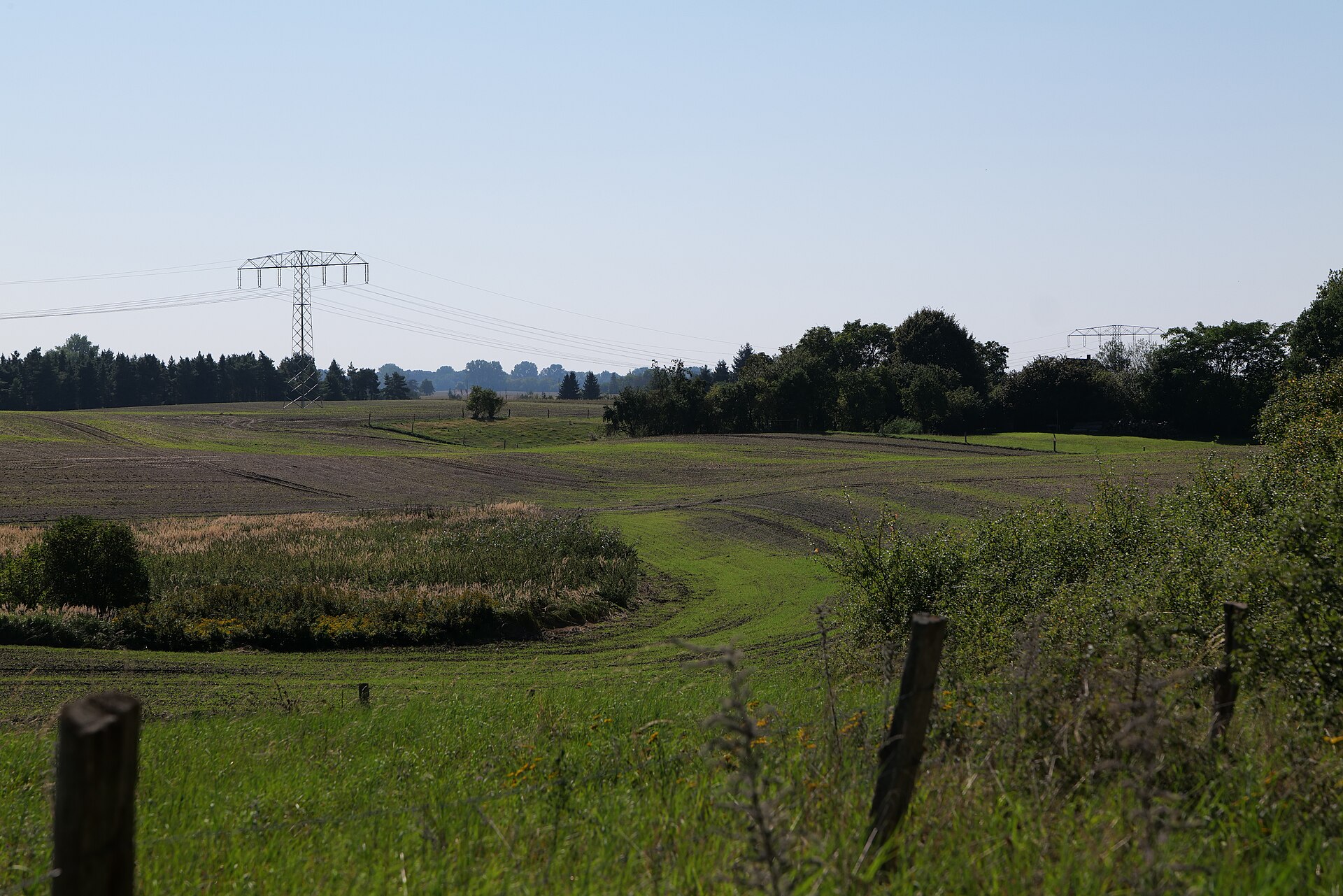
584 records
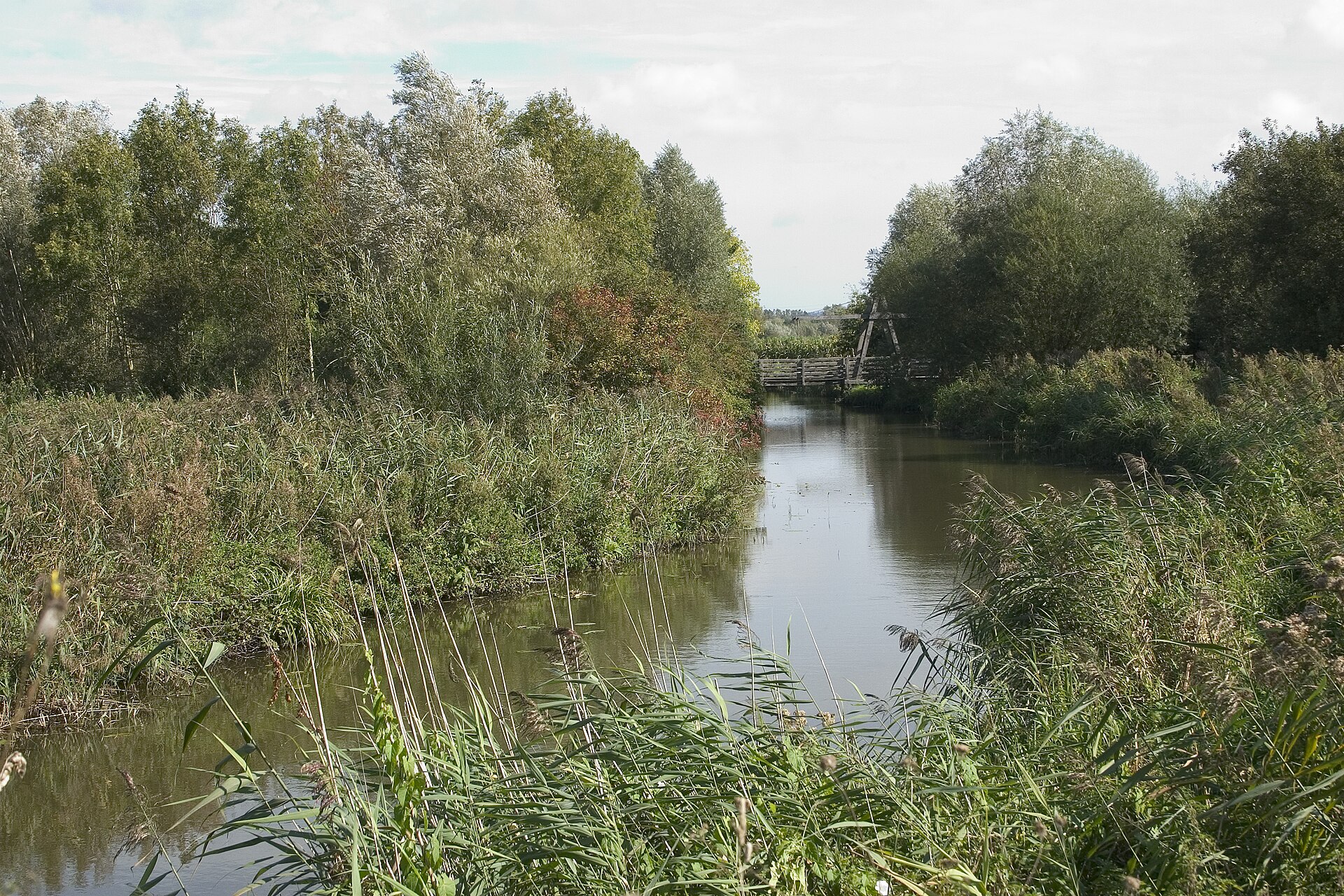
459 records
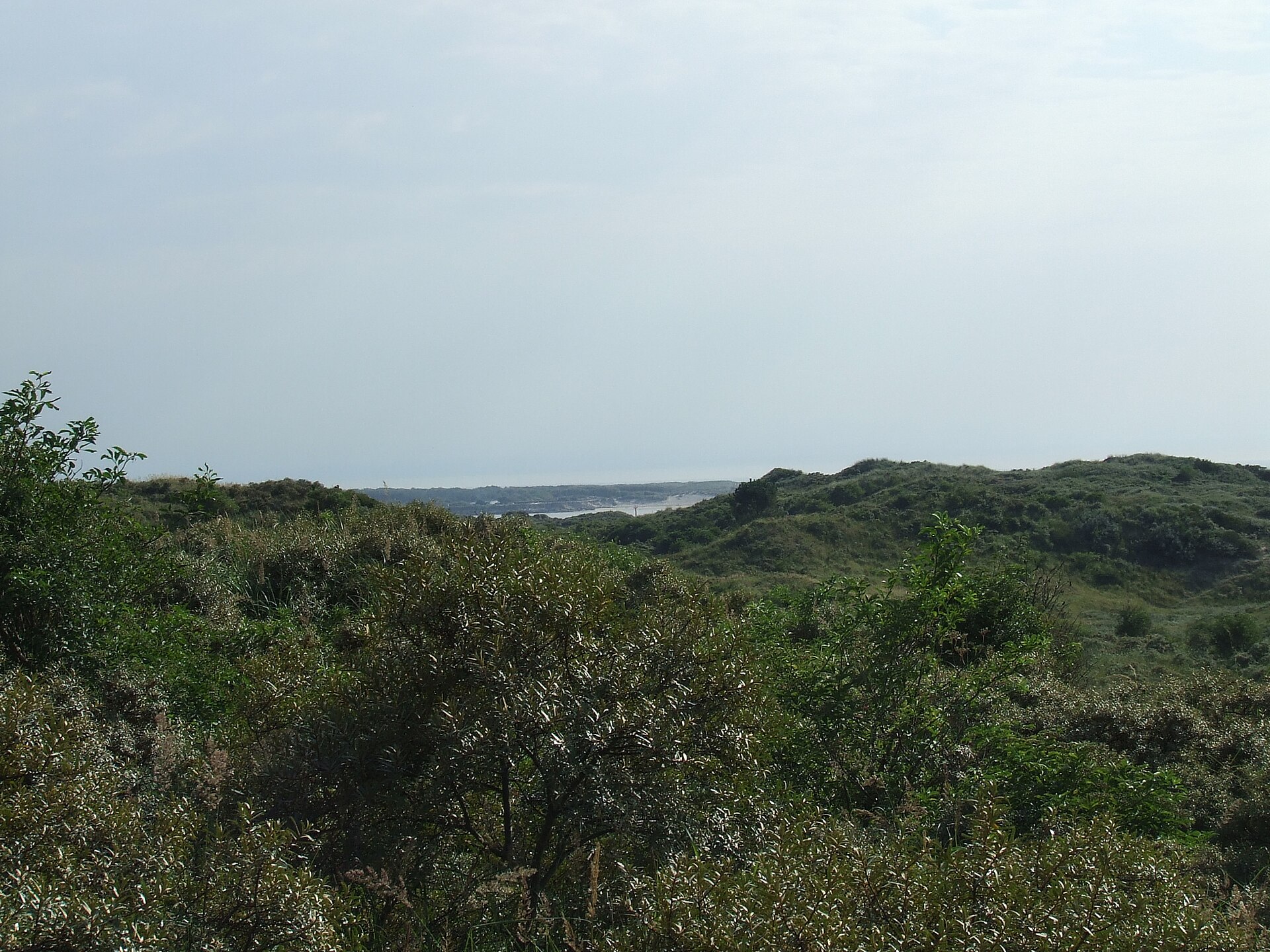
421 records
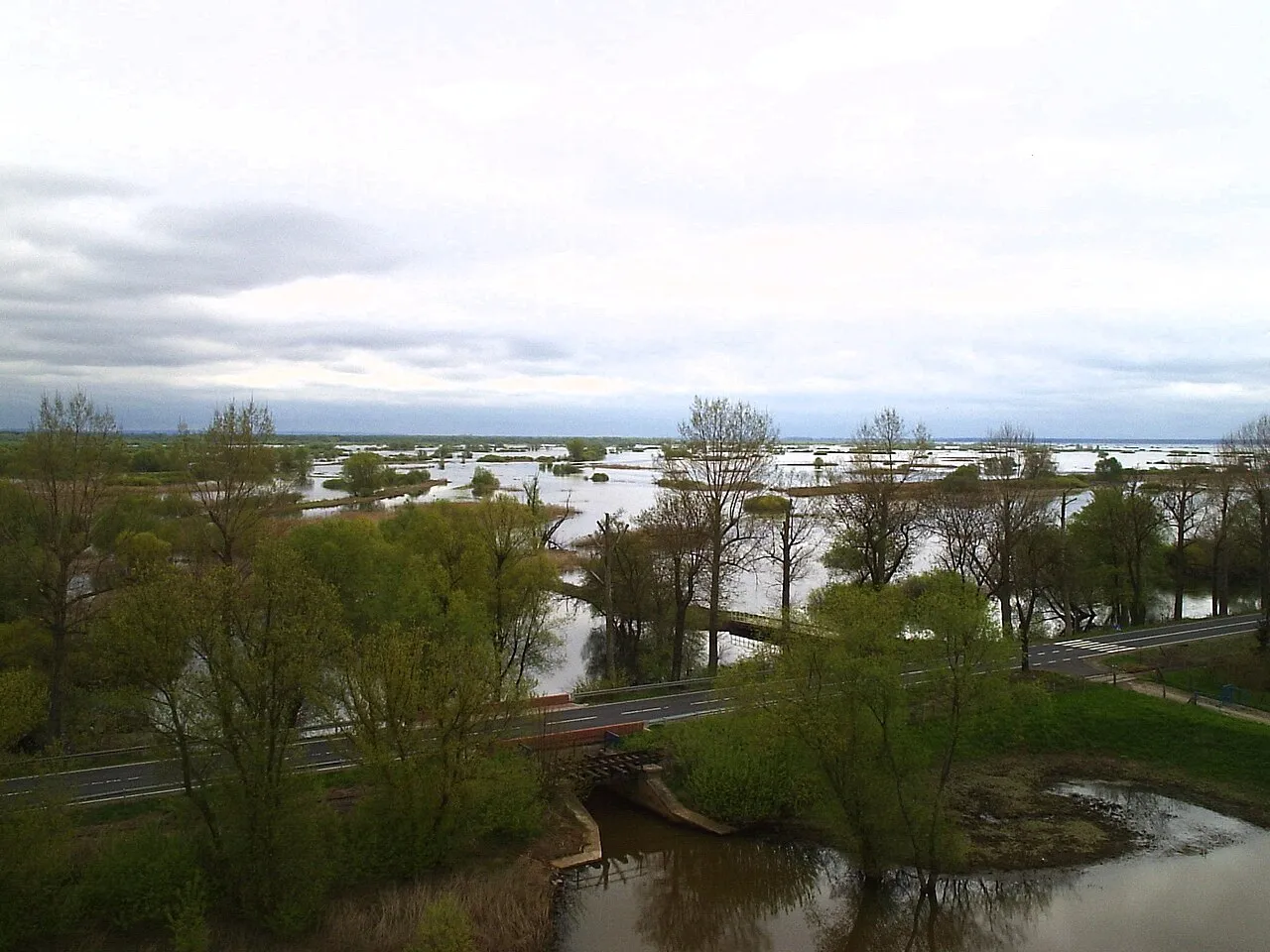
284 records

245 records

218 records

174 records

154 records
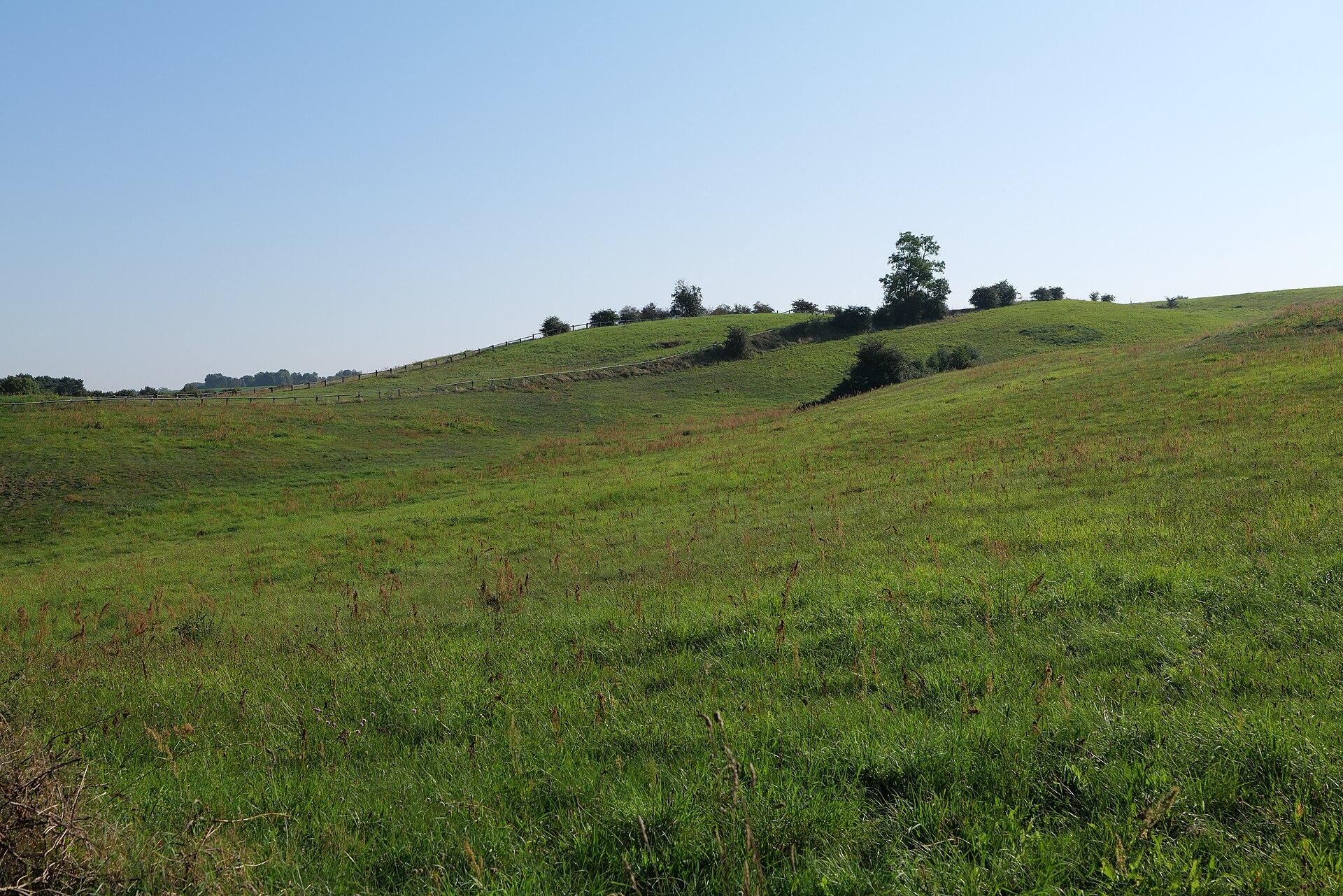
149 records
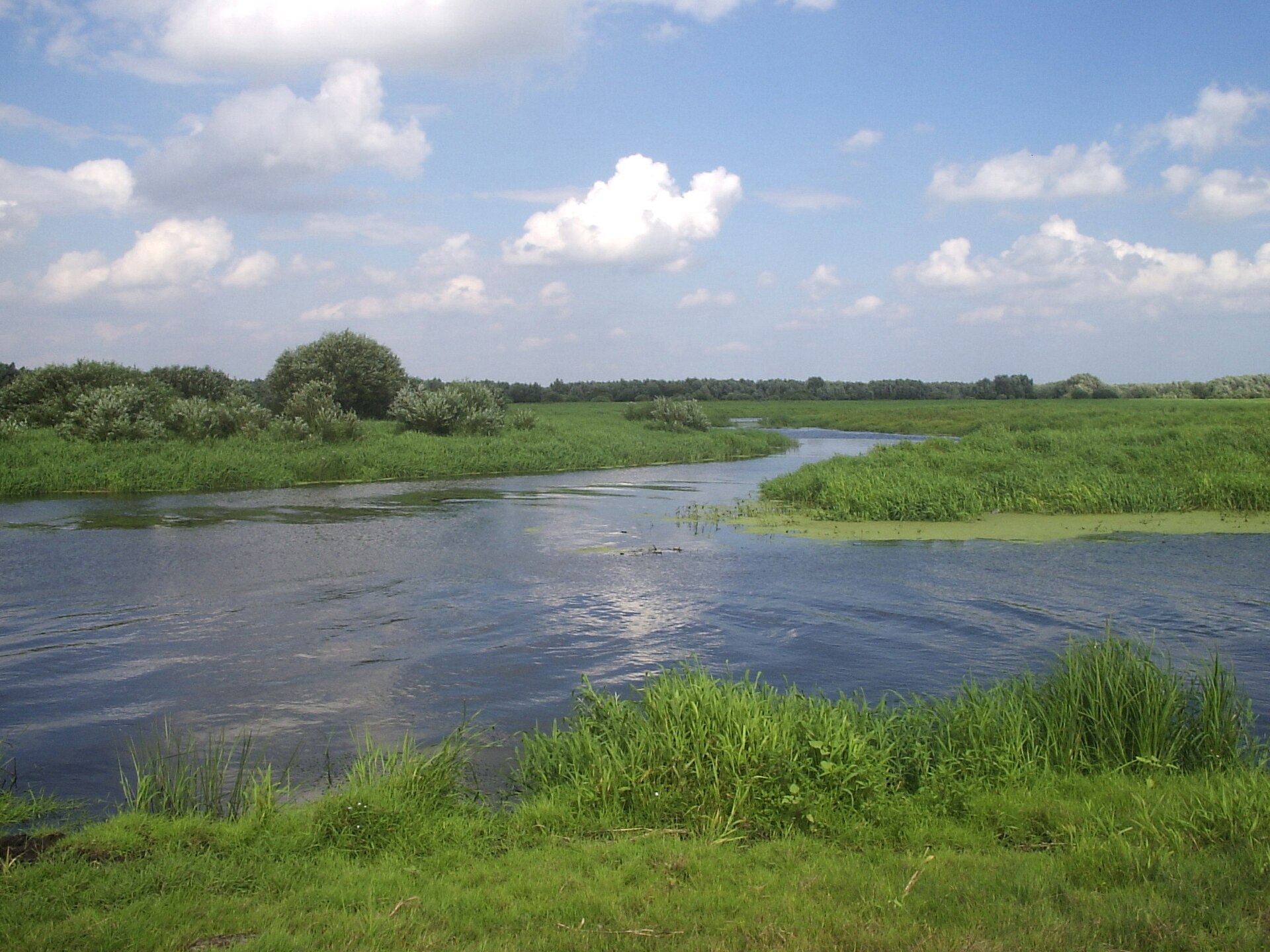
129 records
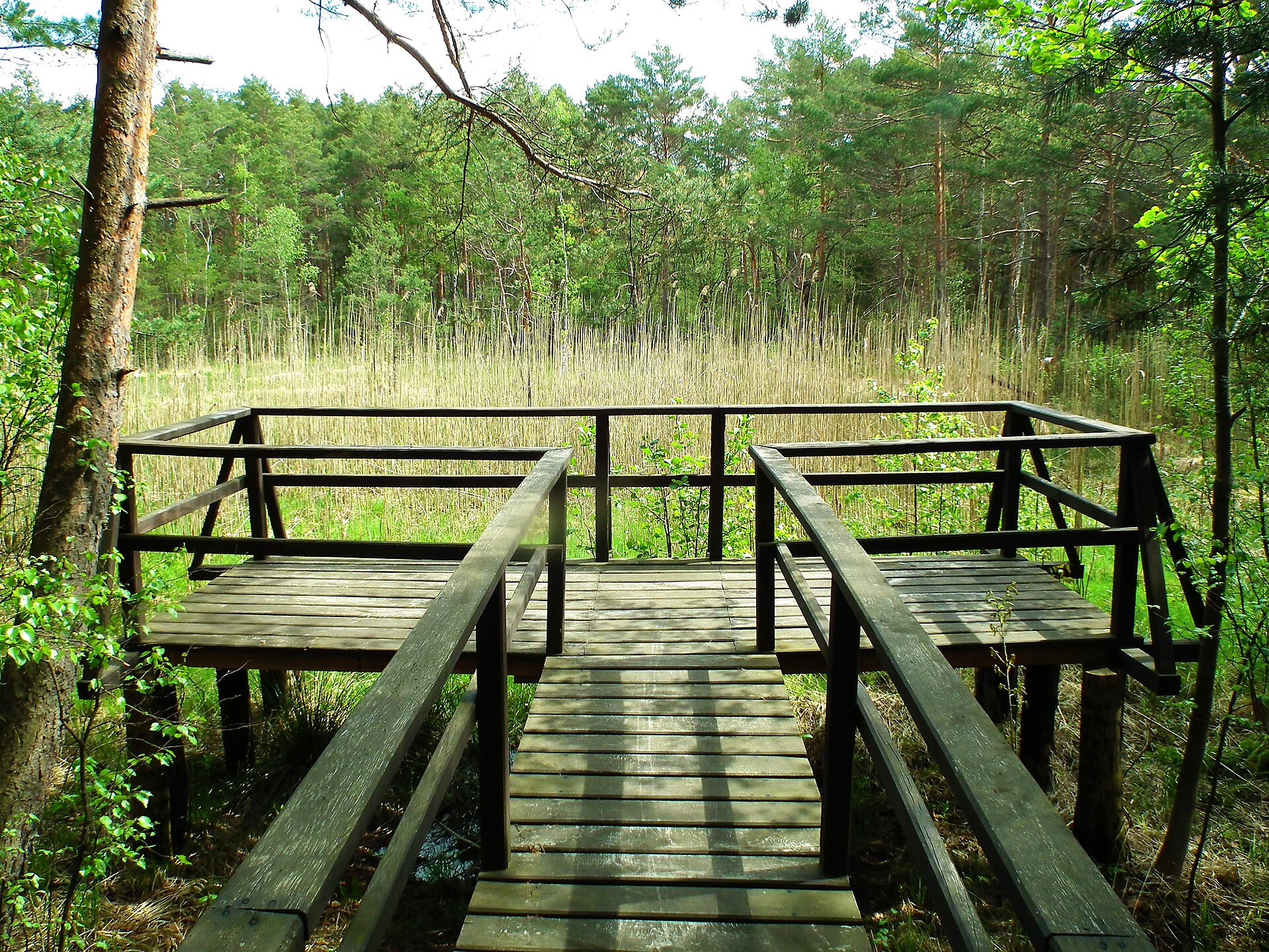
116 records

110 records

94 records
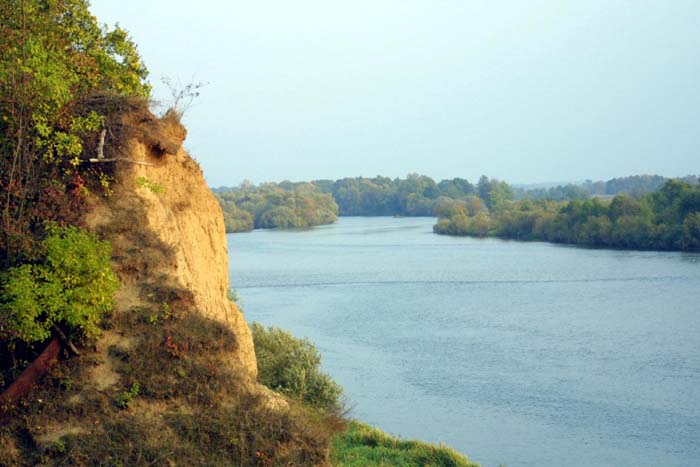
89 records
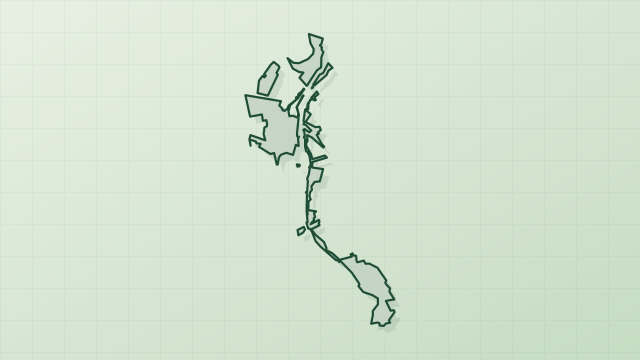
85 records

80 records
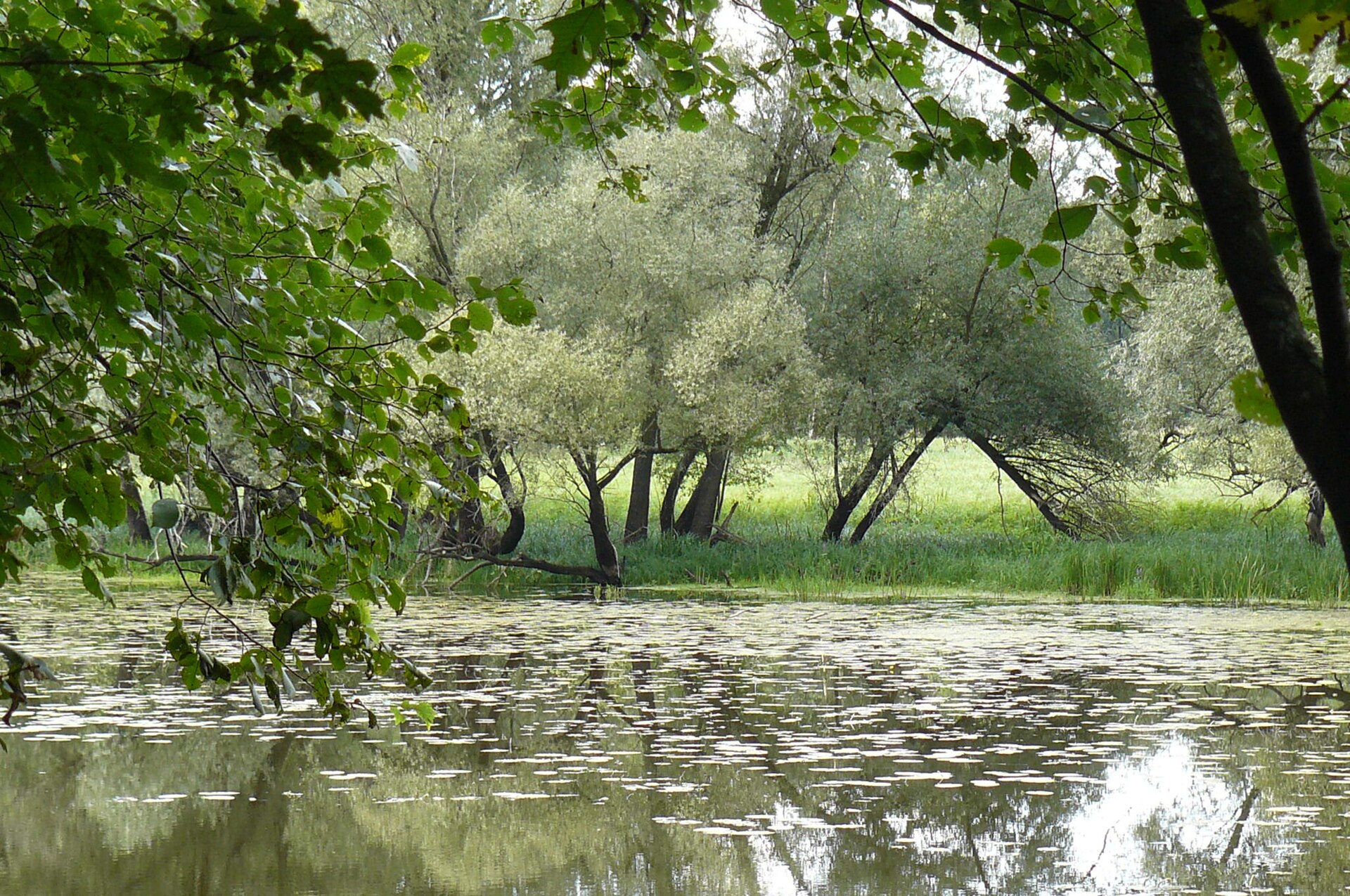
72 records
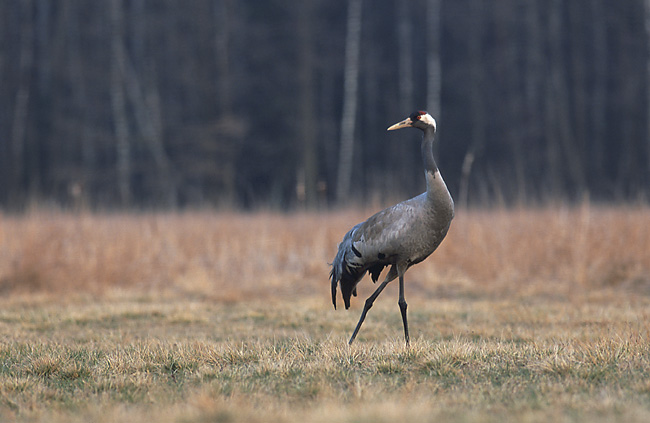
66 records
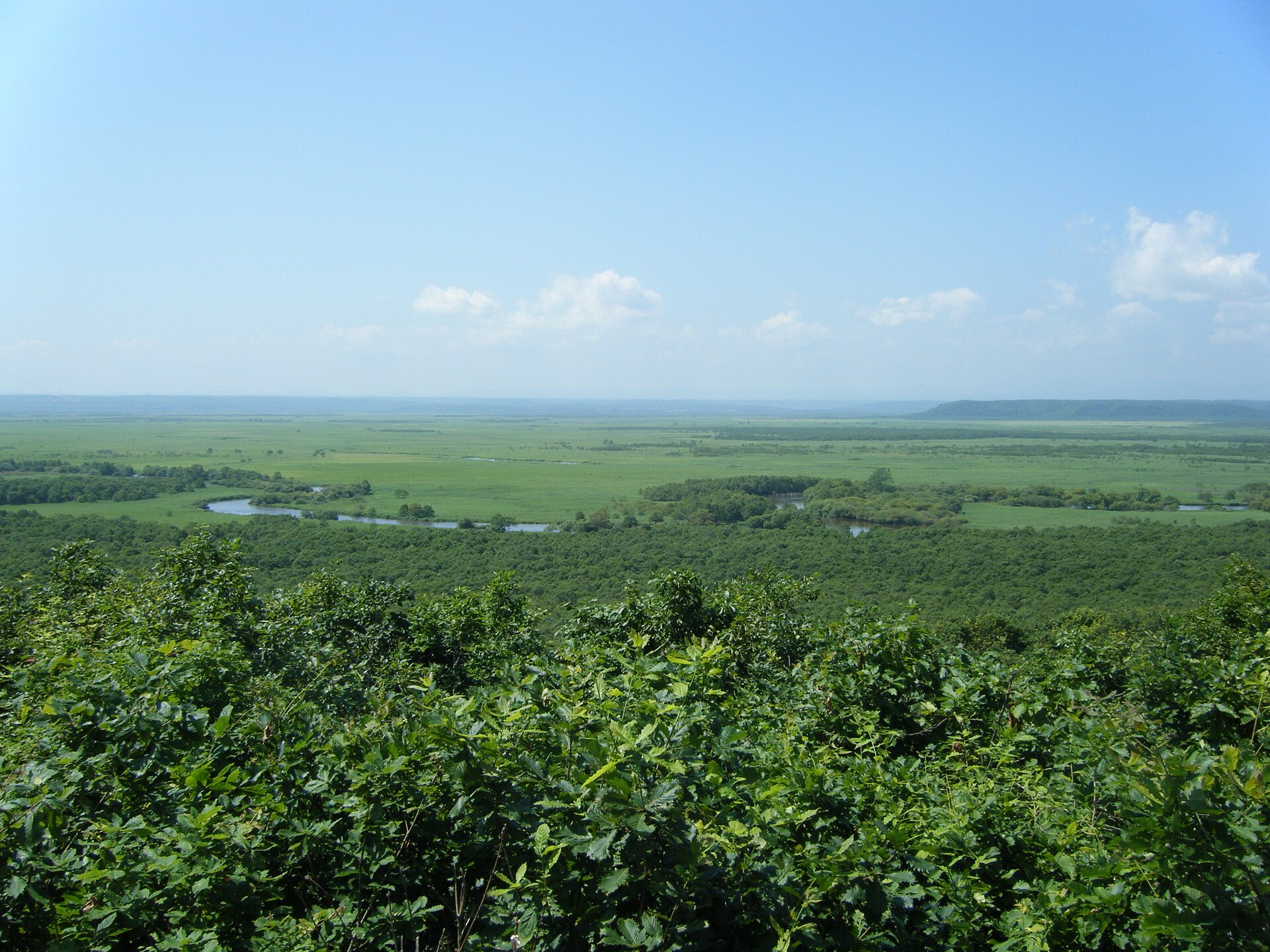
65 records
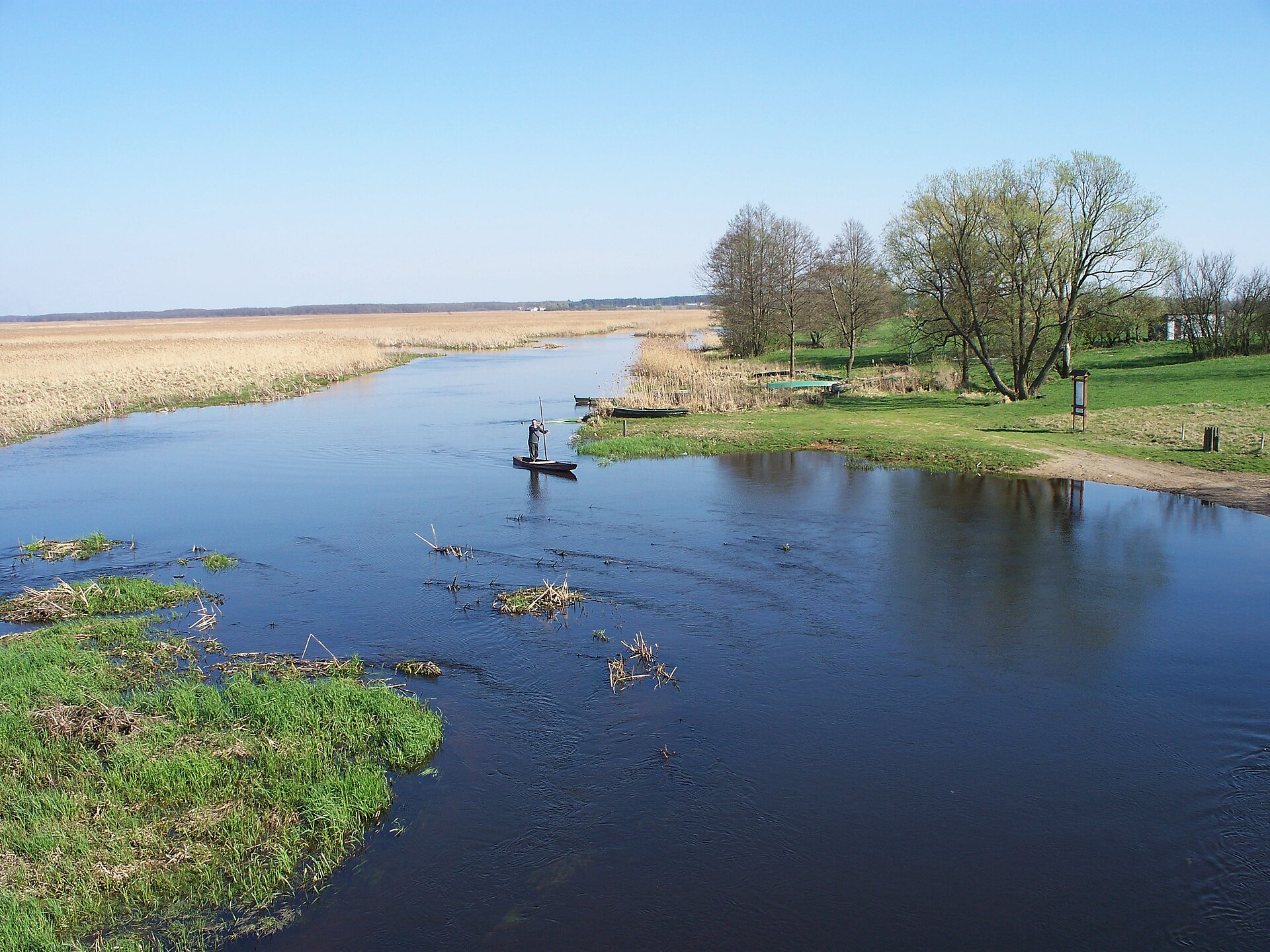
57 records

54 records
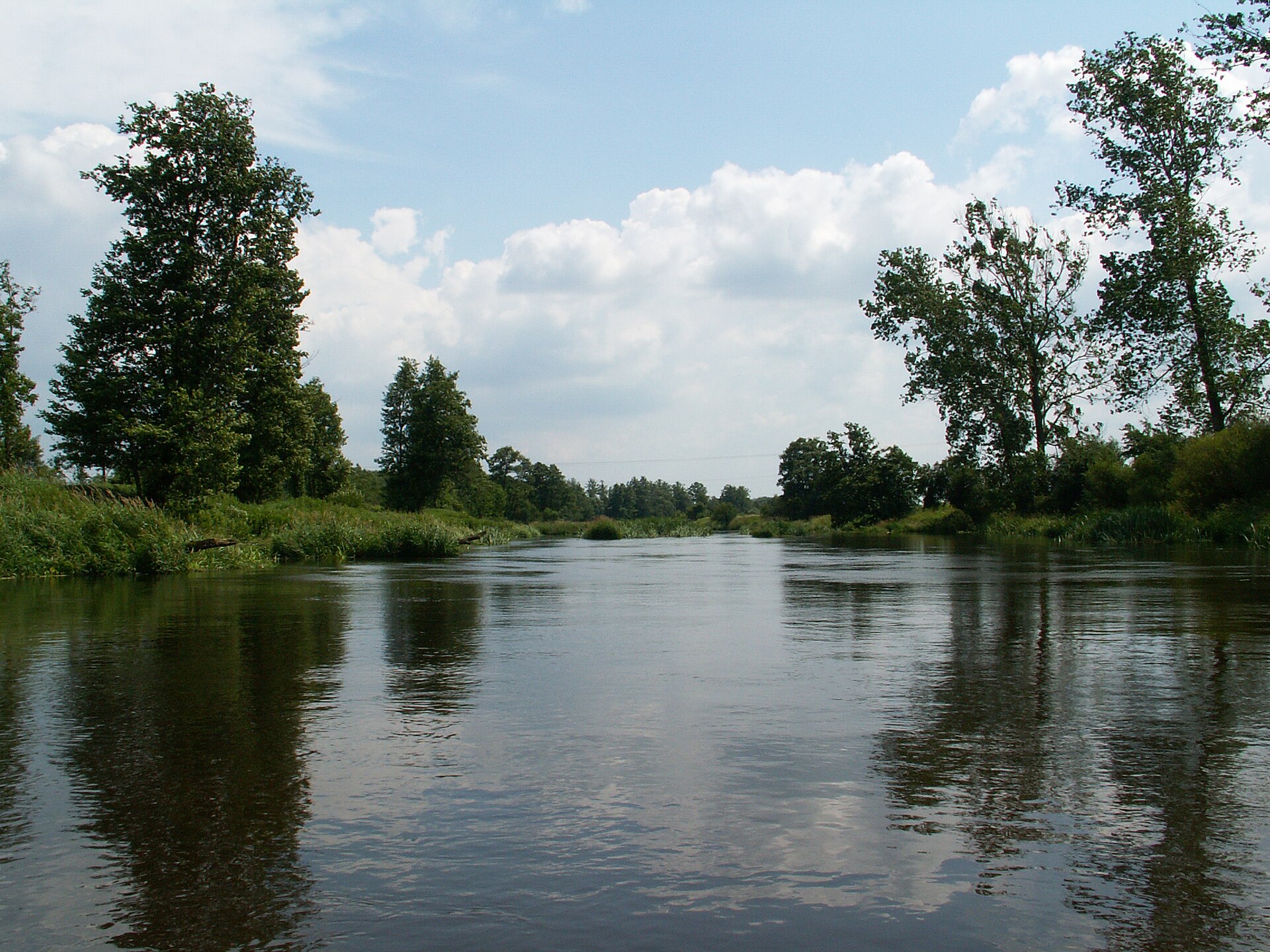
52 records

51 records

35 records
32 records
31 records
29 records

23 records
19 records

19 records
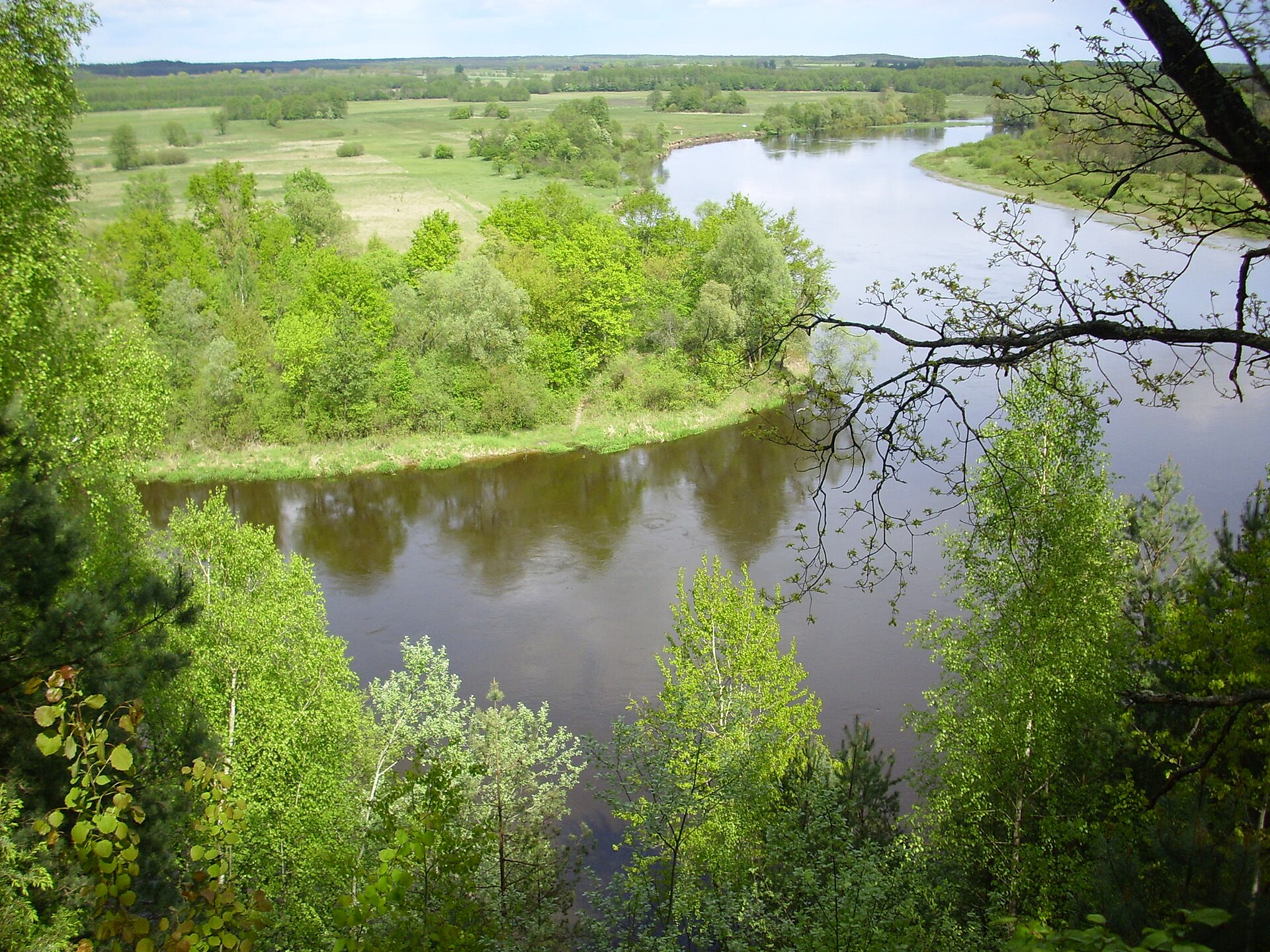
17 records
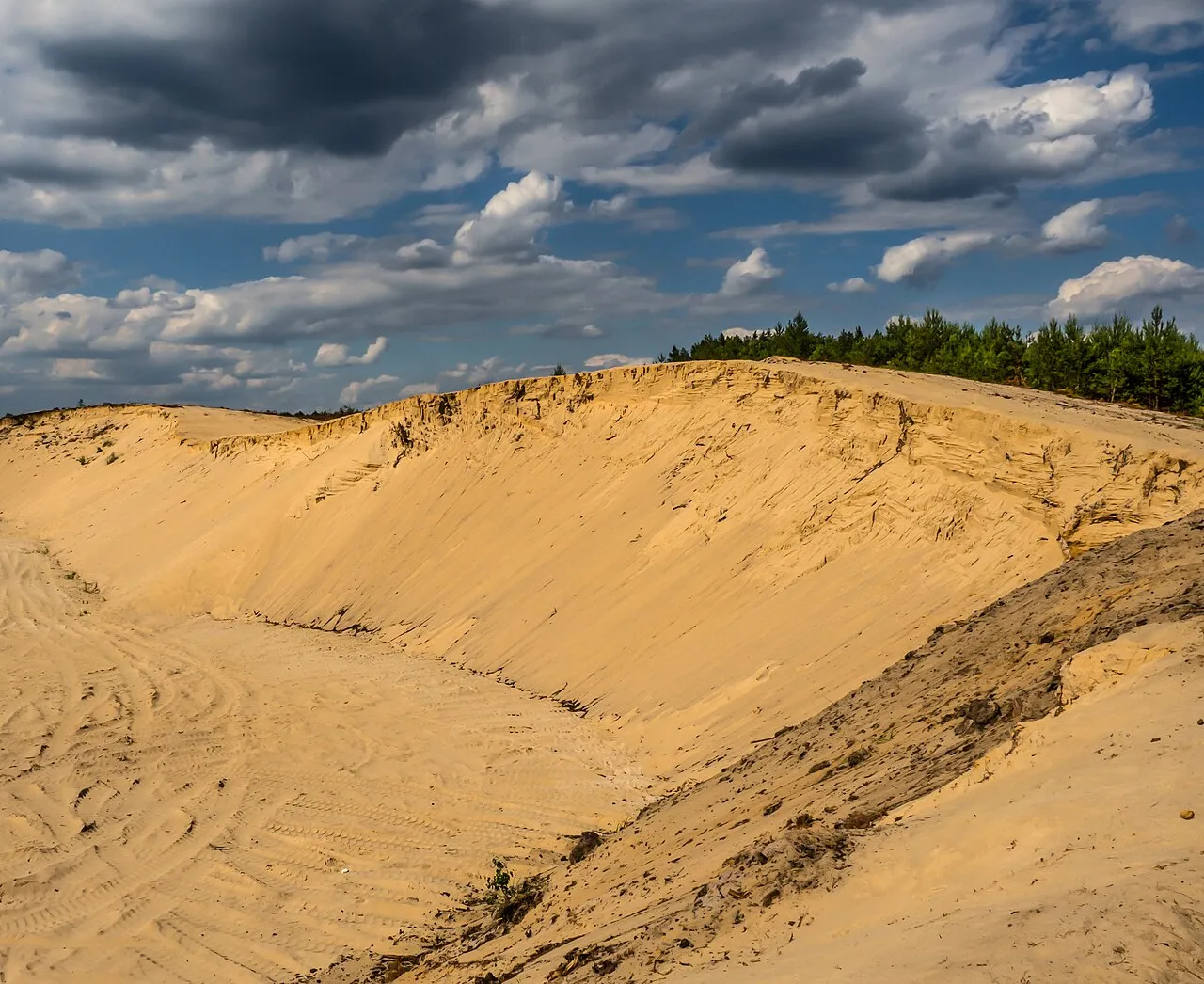
17 records
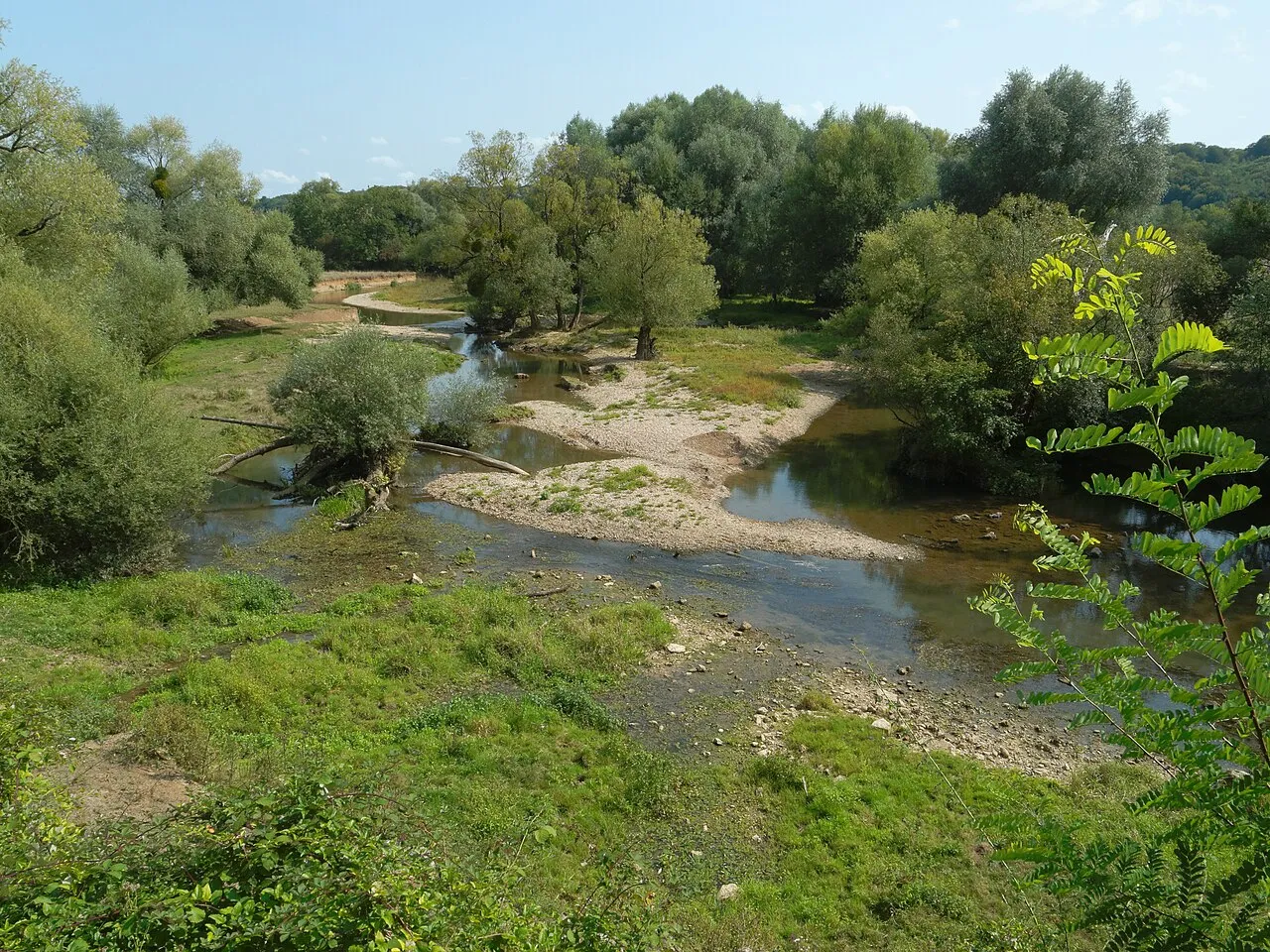
16 records
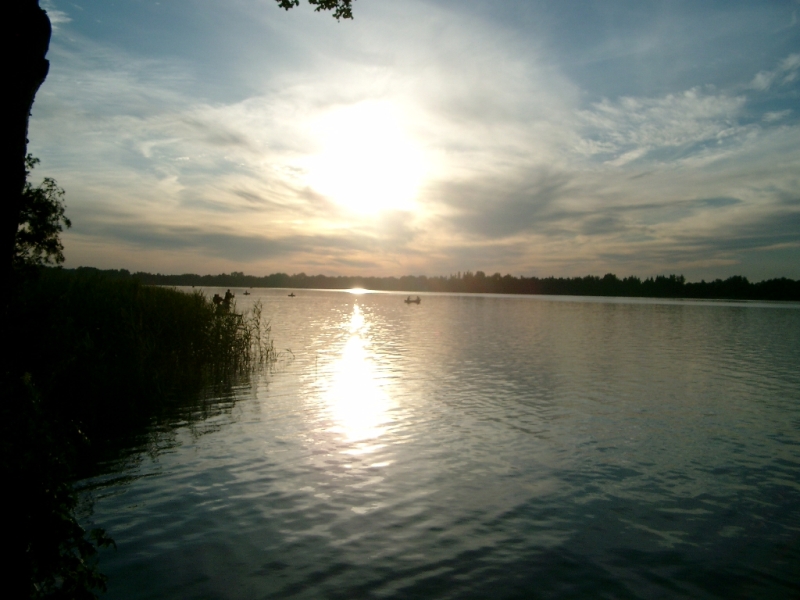
13 records
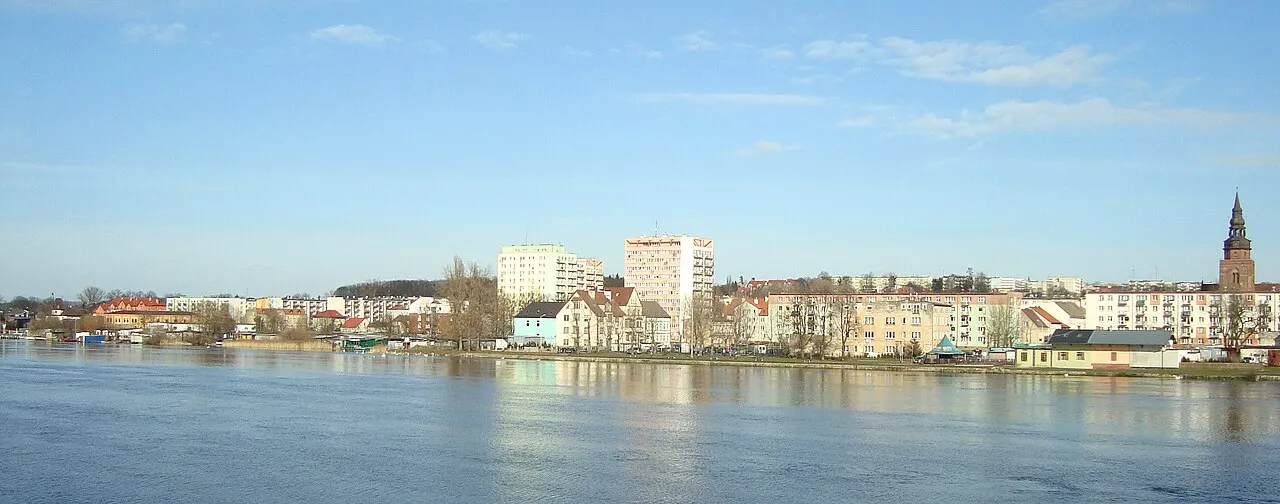
12 records
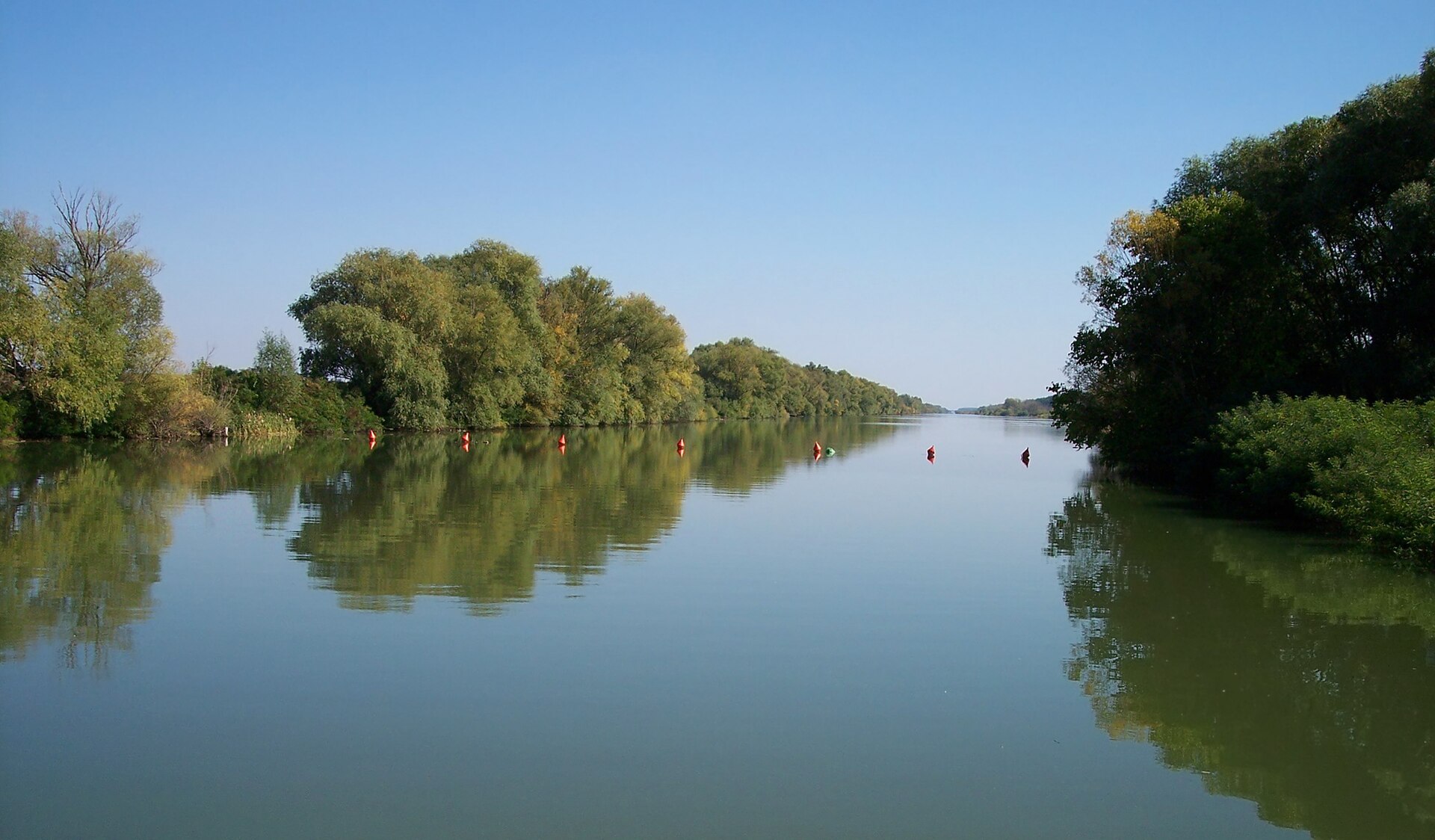
11 records

7 records

4 records
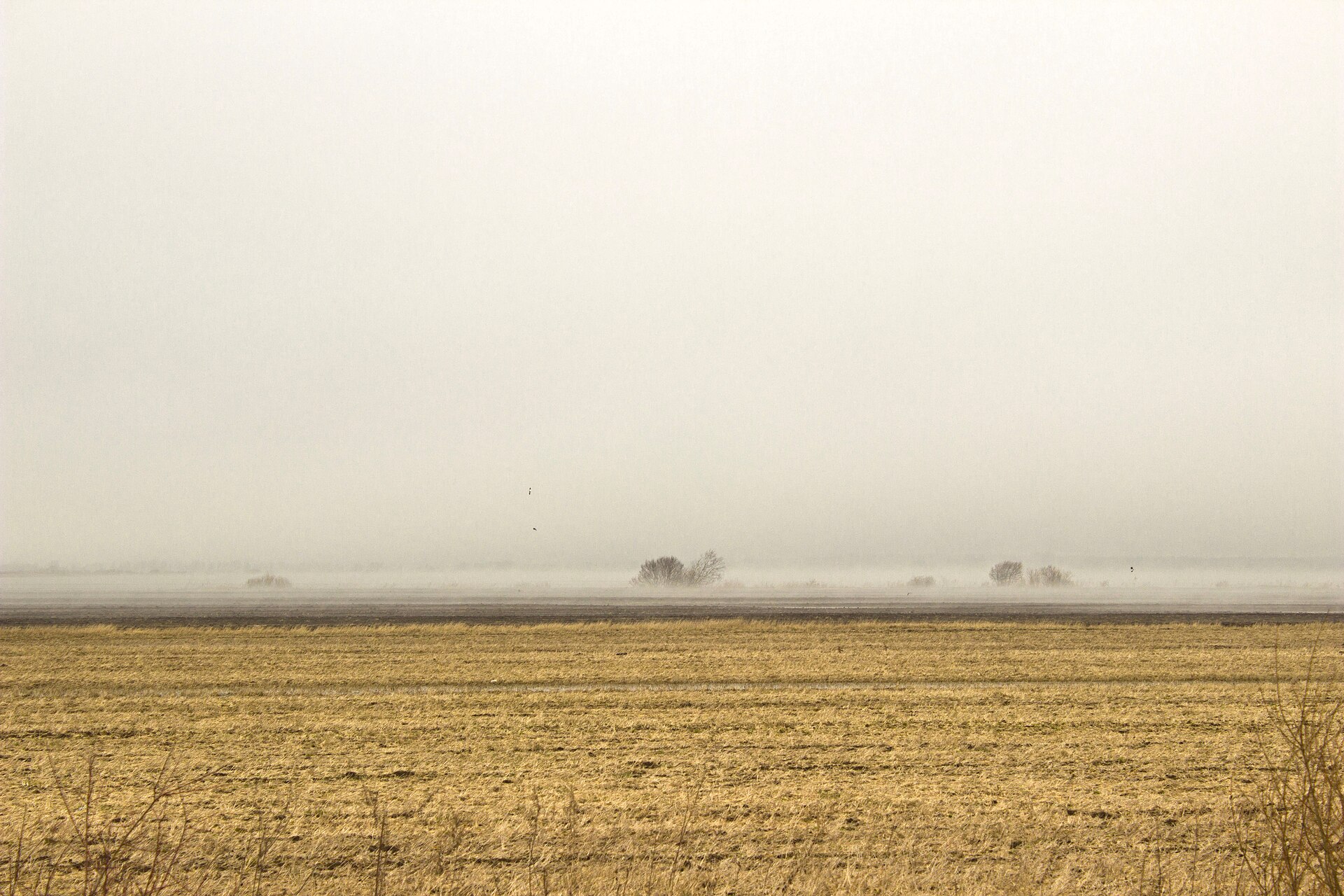
4 records

3 records
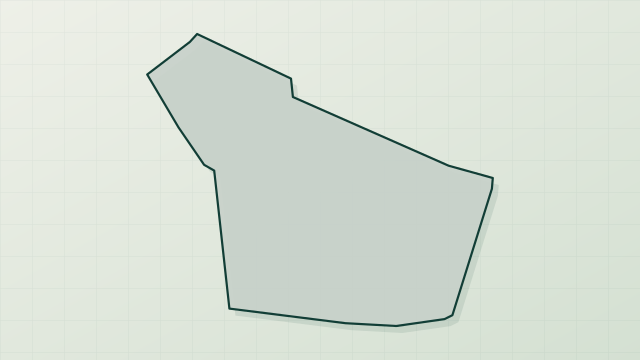
1 records
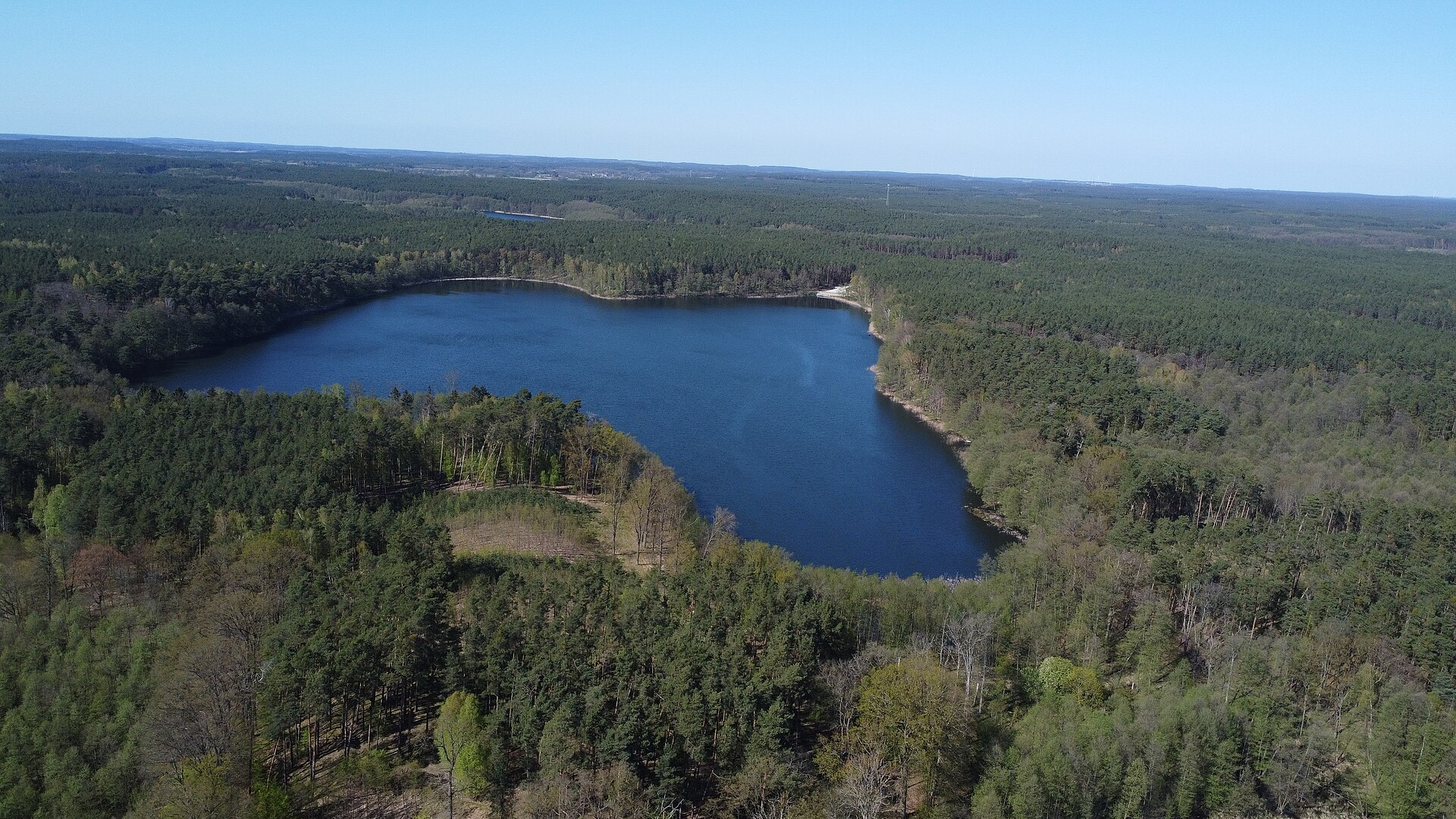
1 records
Natura 2000 · wintering, breeding
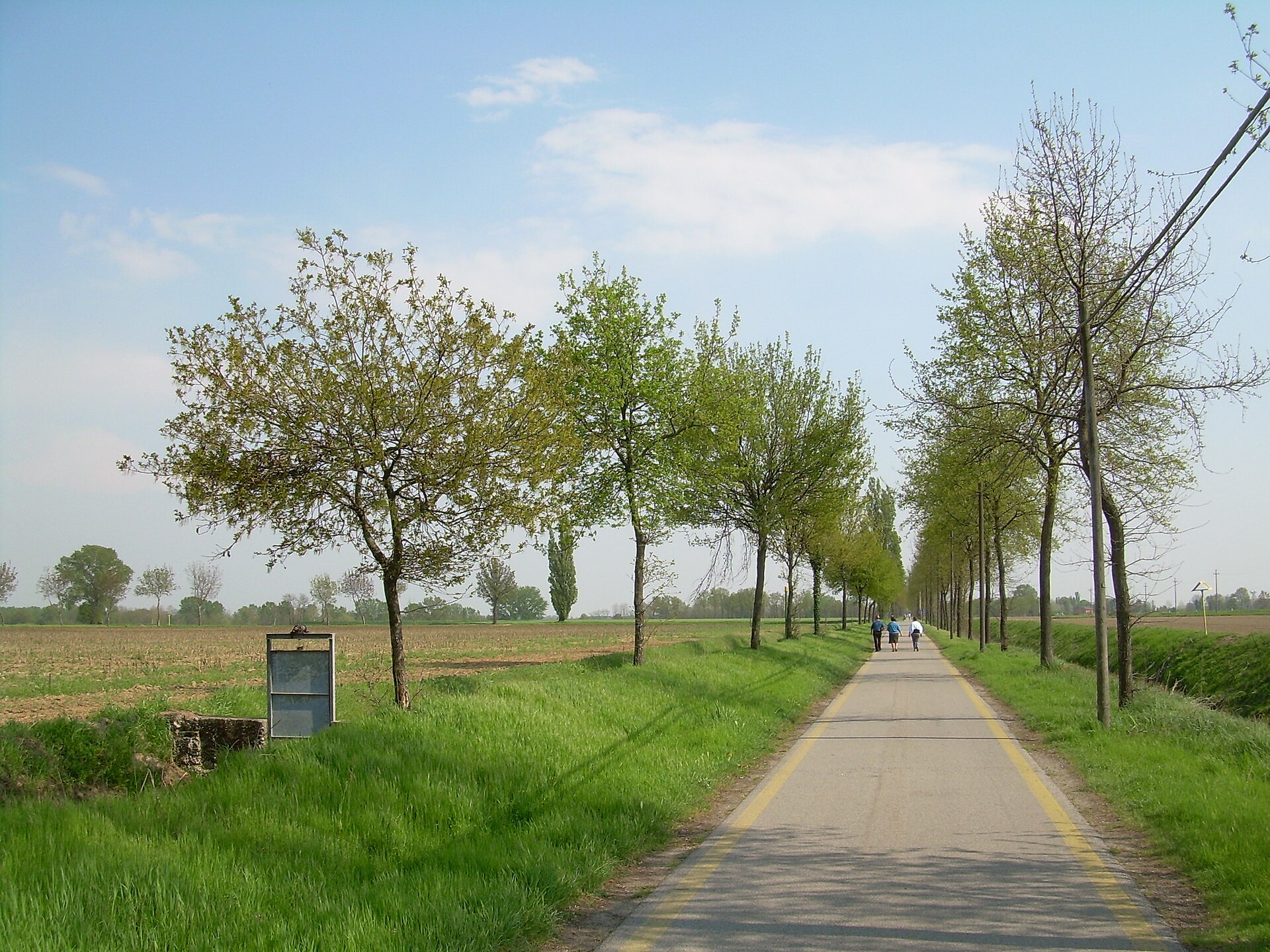
Natura 2000 · passage, wintering

Natura 2000 · passage

Natura 2000 · passage
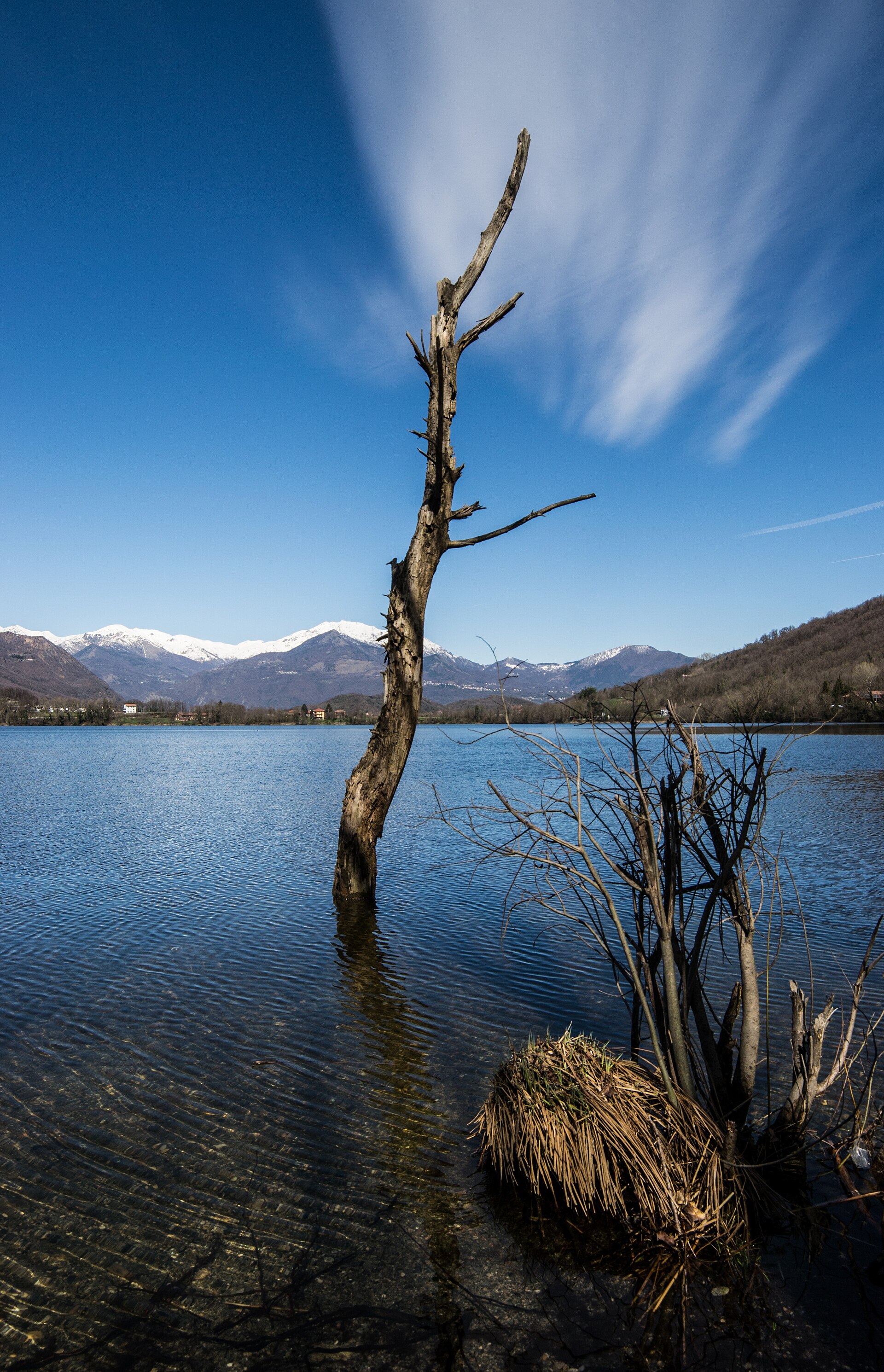
Natura 2000 · resident
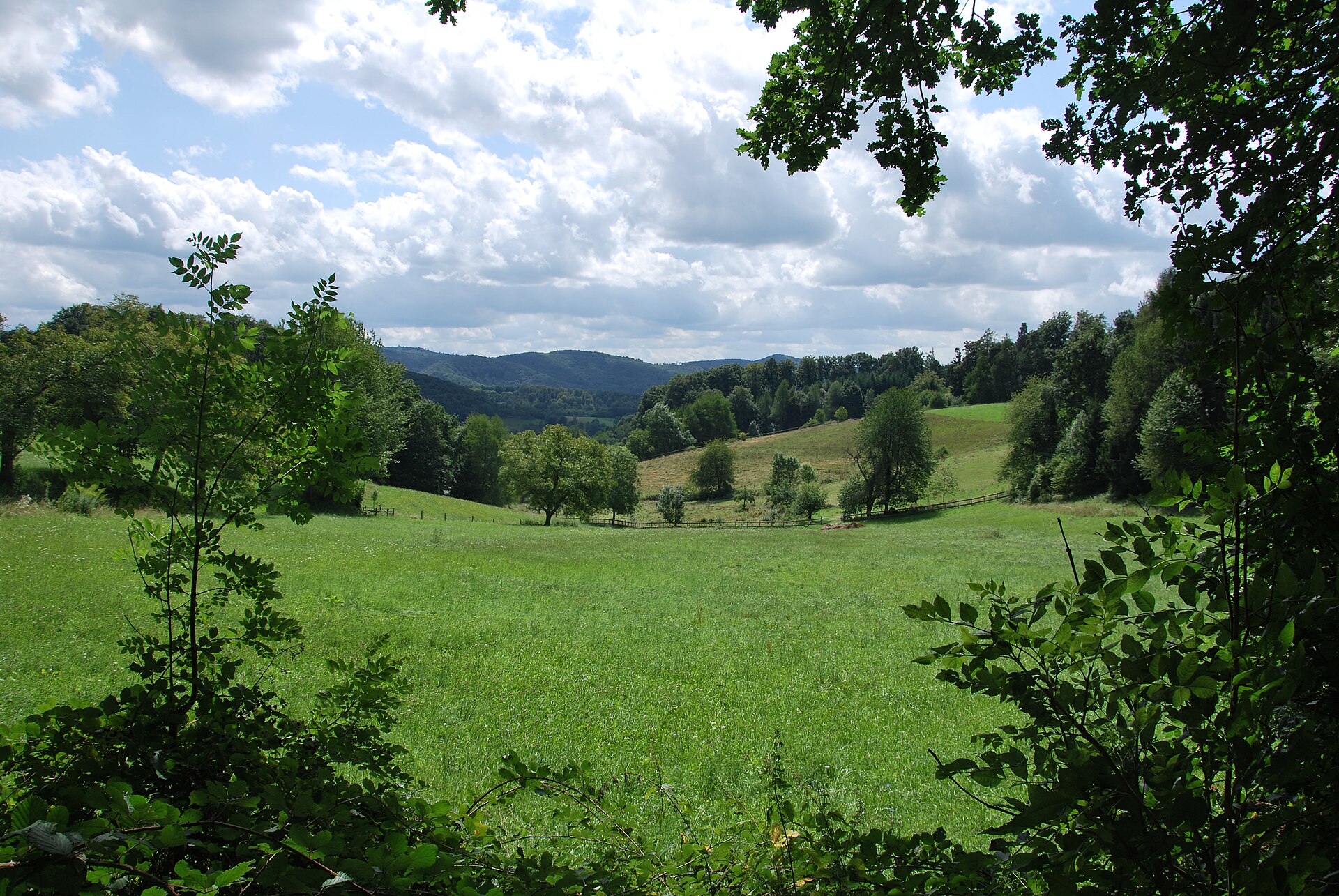
Natura 2000 · breeding
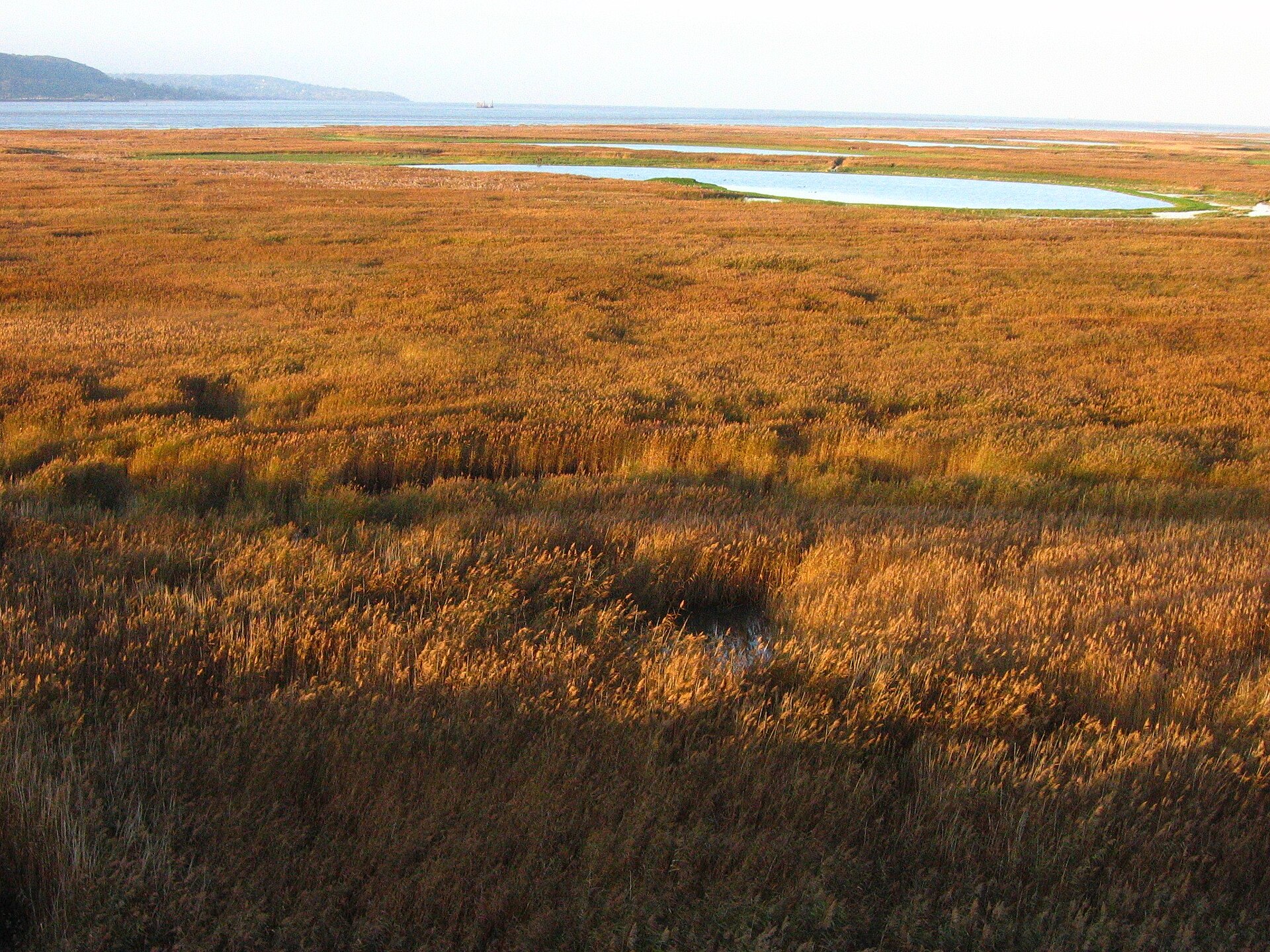
Natura 2000 · breeding
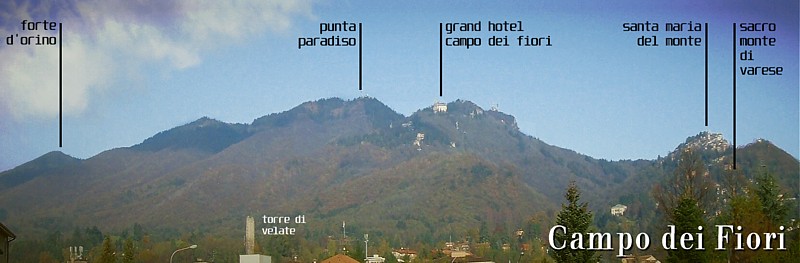
Natura 2000 · resident
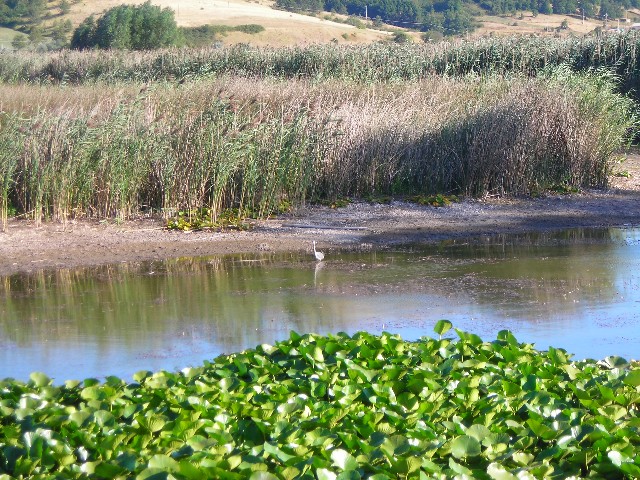
Natura 2000 · wintering, passage
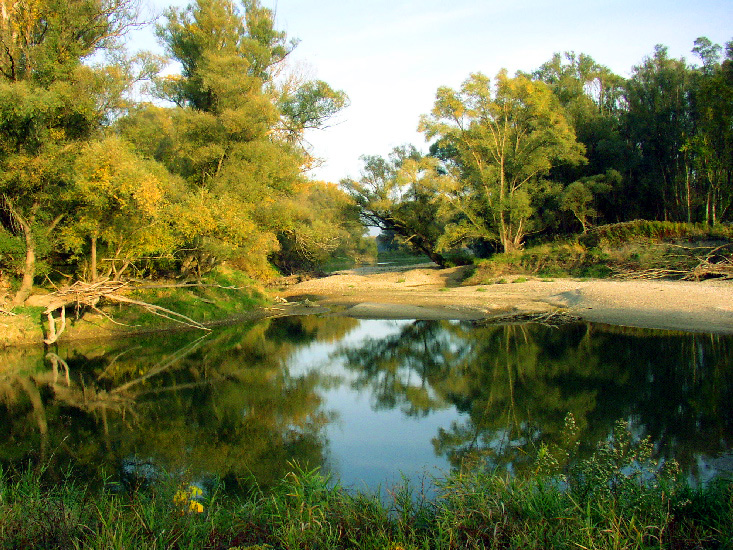
Natura 2000 · breeding

Natura 2000 · breeding, wintering, passage, resident
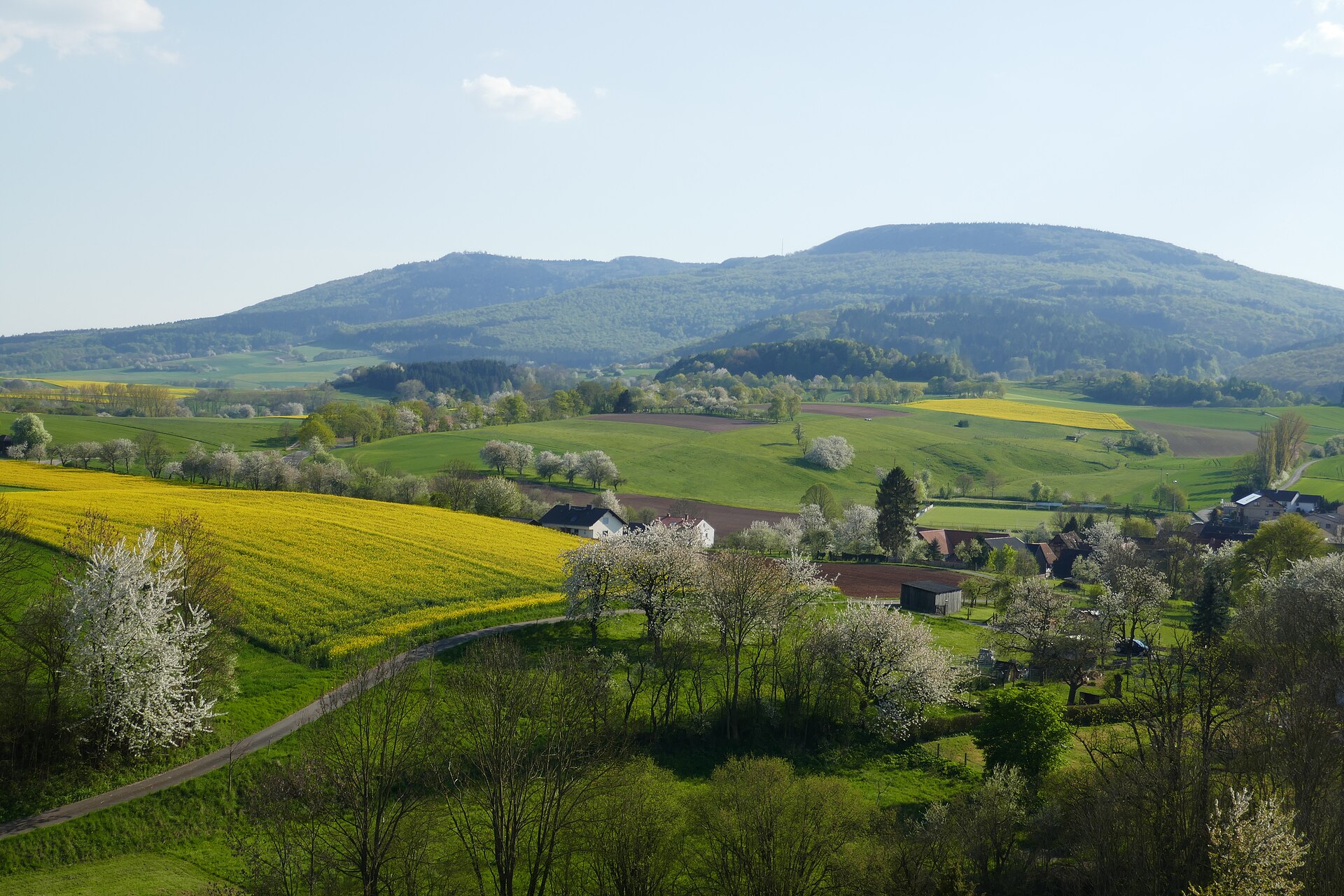
Natura 2000 · breeding
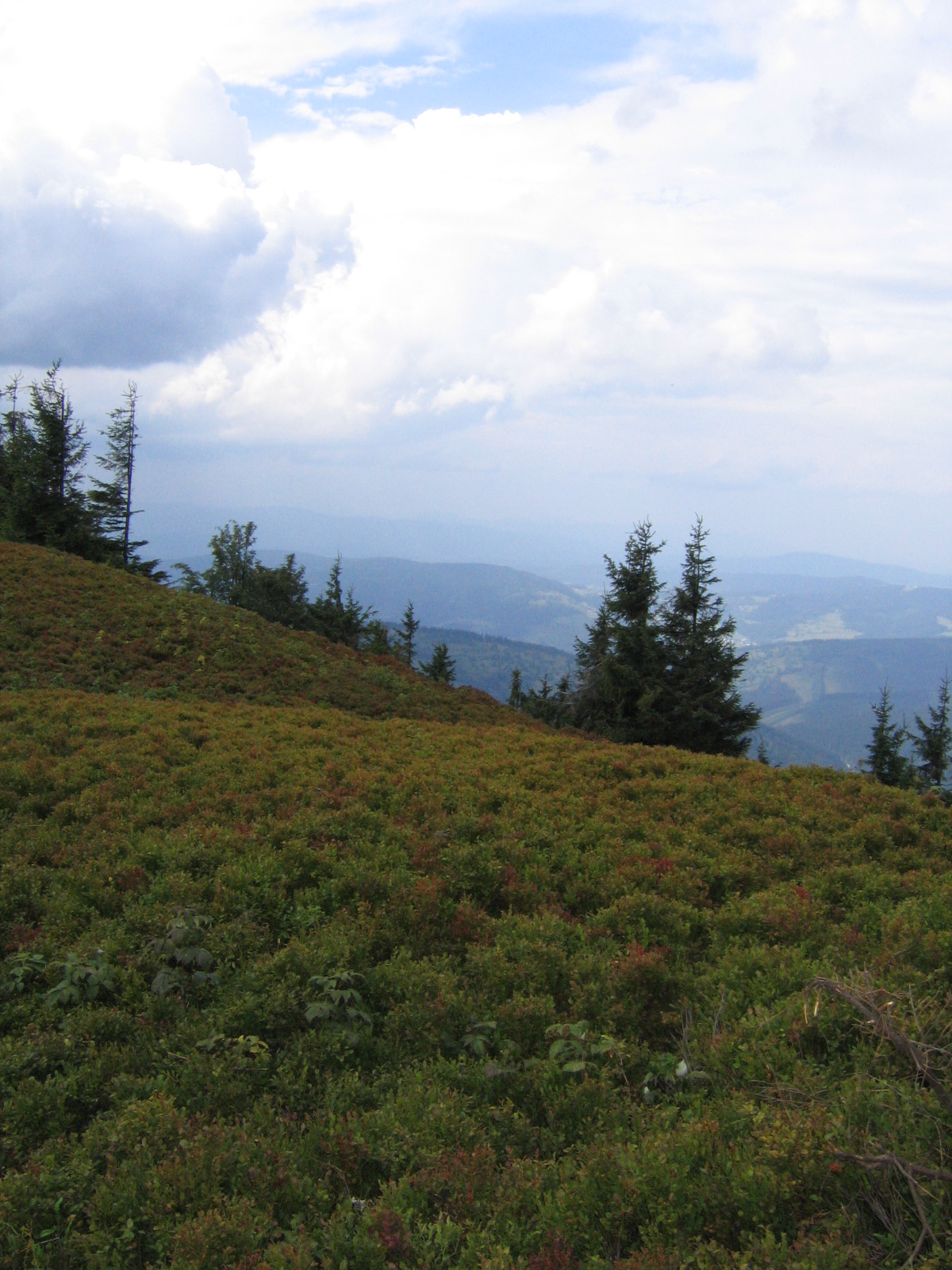
Natura 2000
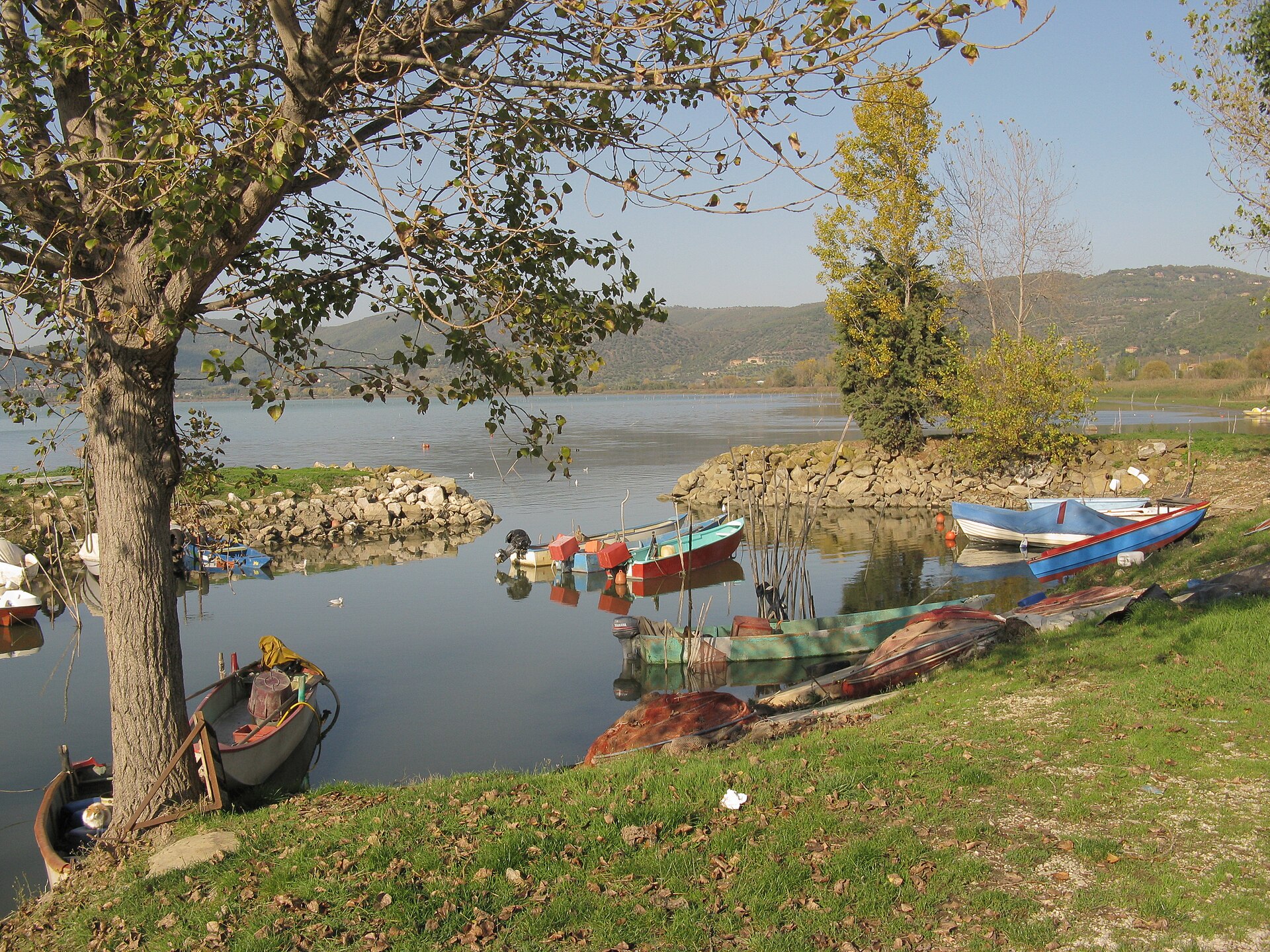
Natura 2000 · passage, wintering

Natura 2000
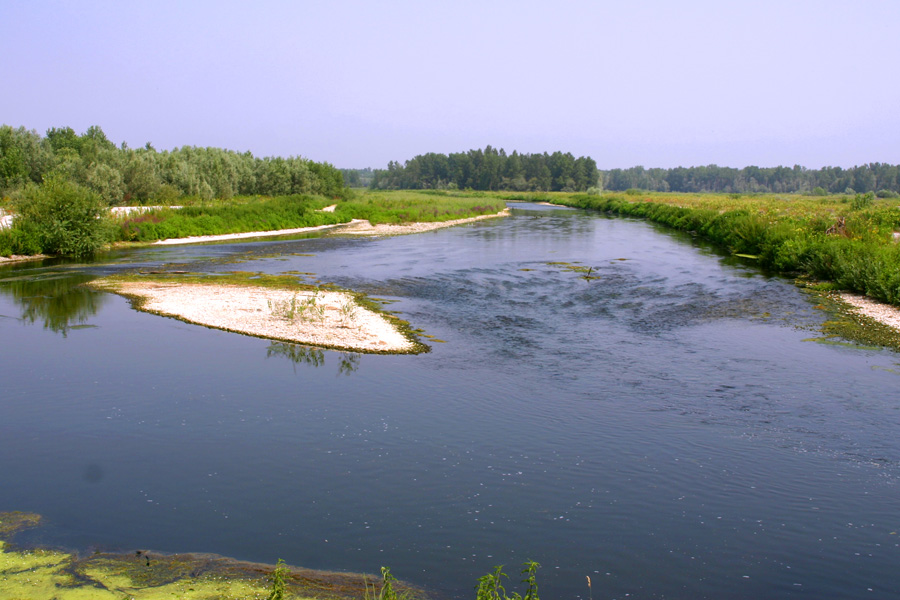
Natura 2000 · wintering, passage, breeding
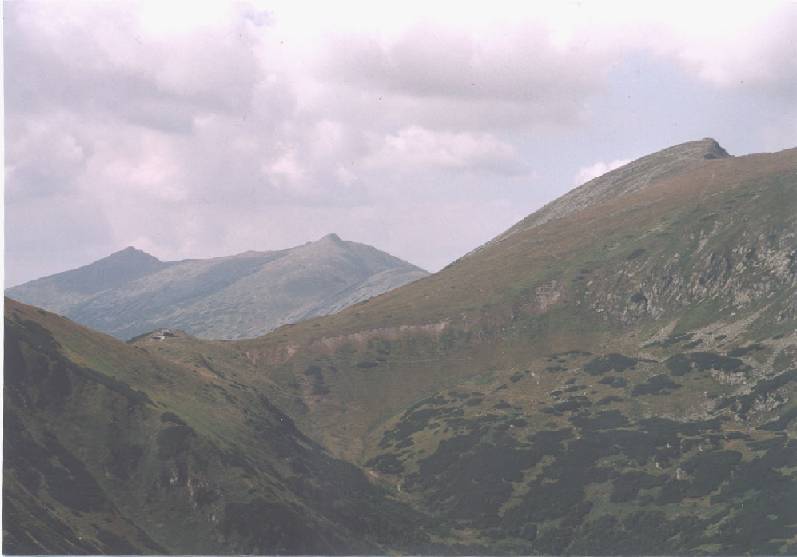
Natura 2000
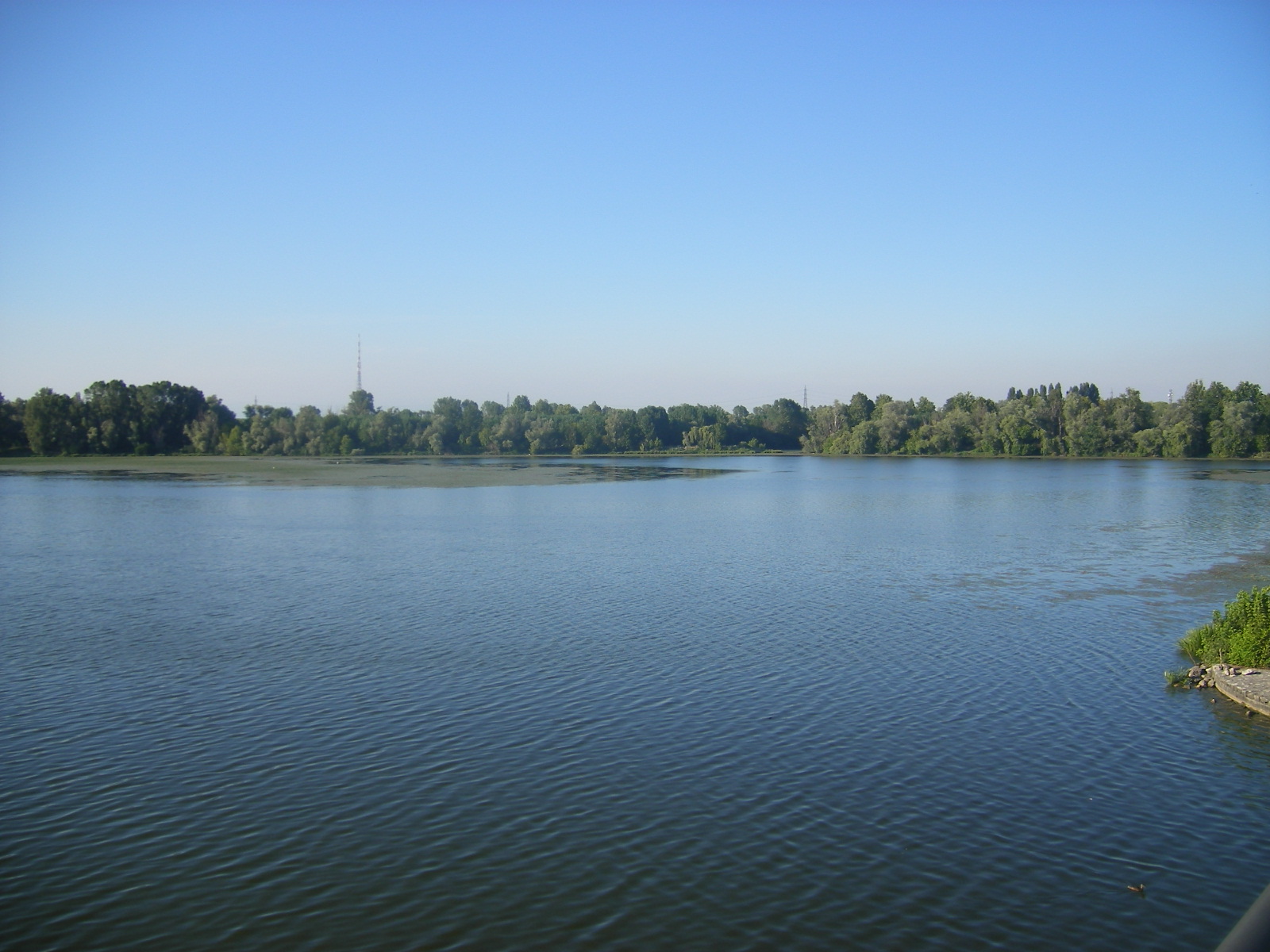
Natura 2000 · resident, breeding, passage, wintering
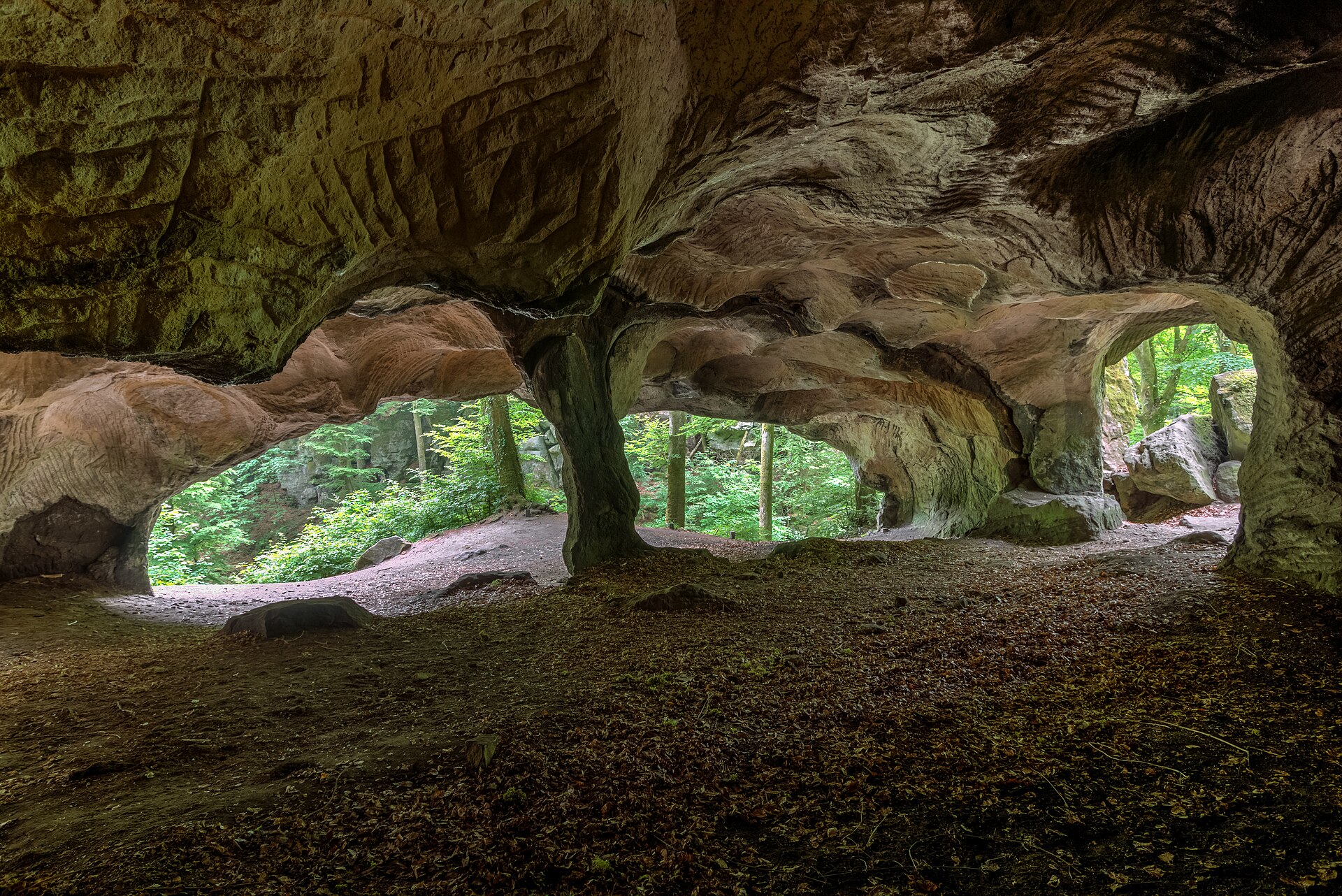
Natura 2000 · breeding
Natura 2000 · wintering, passage, breeding
Natura 2000 · passage, breeding, wintering, resident

Natura 2000 · breeding
Natura 2000 · breeding
Natura 2000 · breeding
Natura 2000 · breeding, wintering, passage
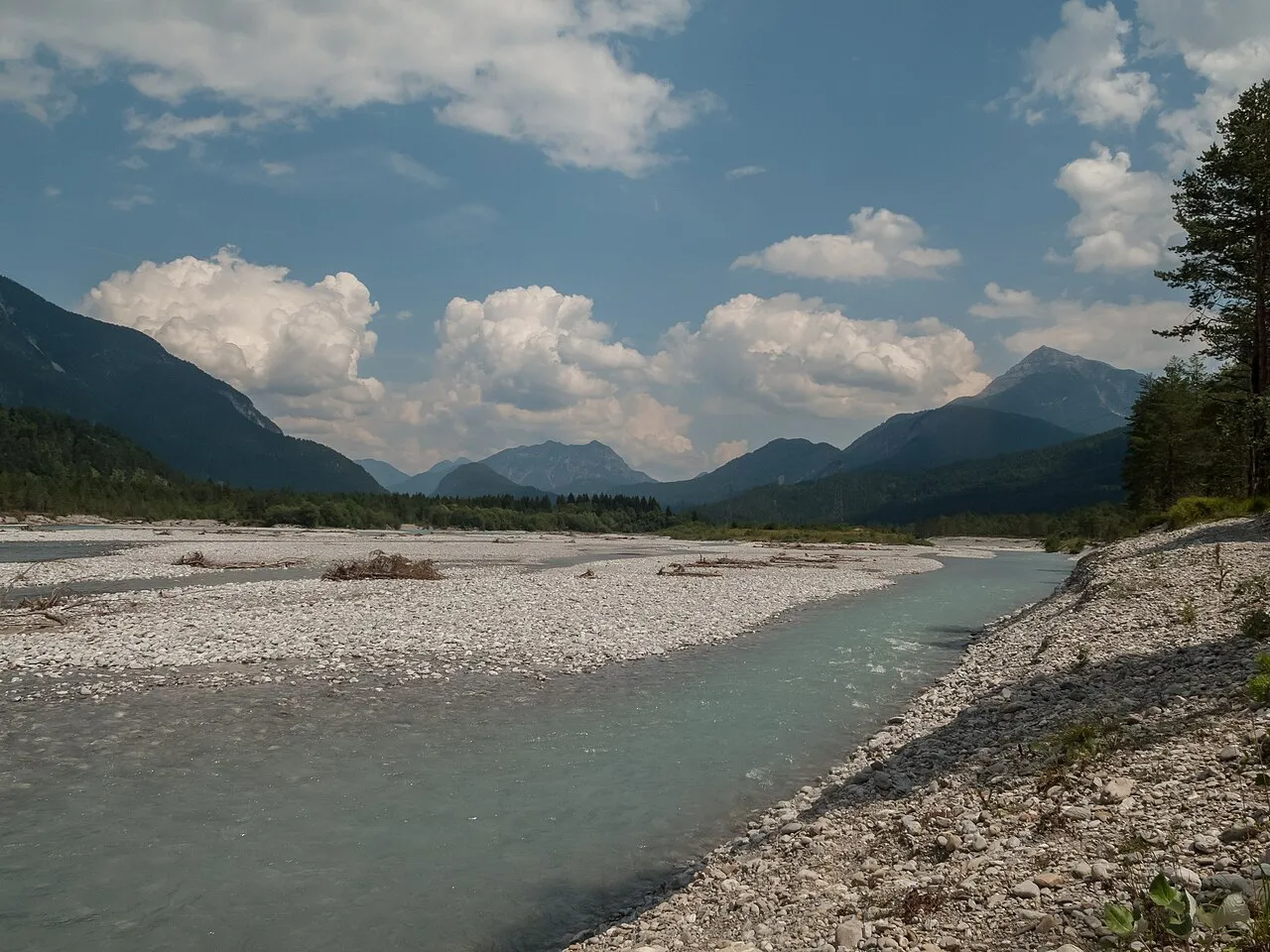
Natura 2000

Natura 2000 · passage, breeding
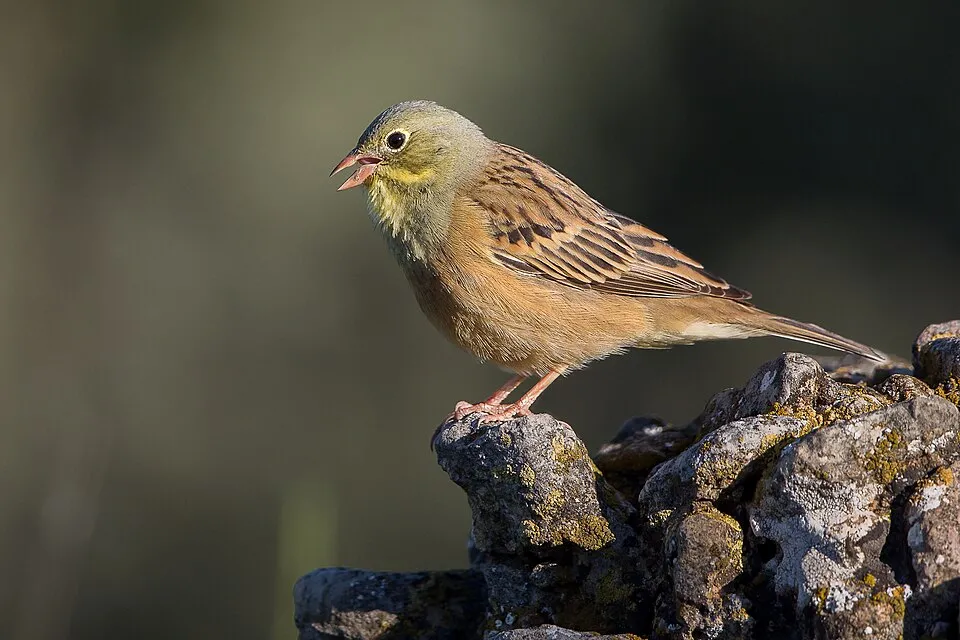
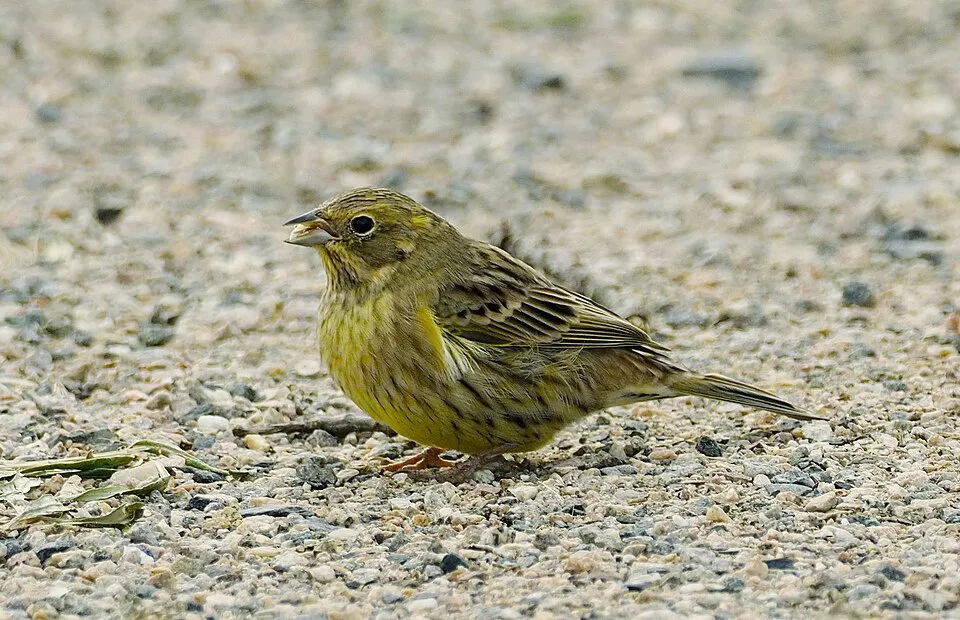
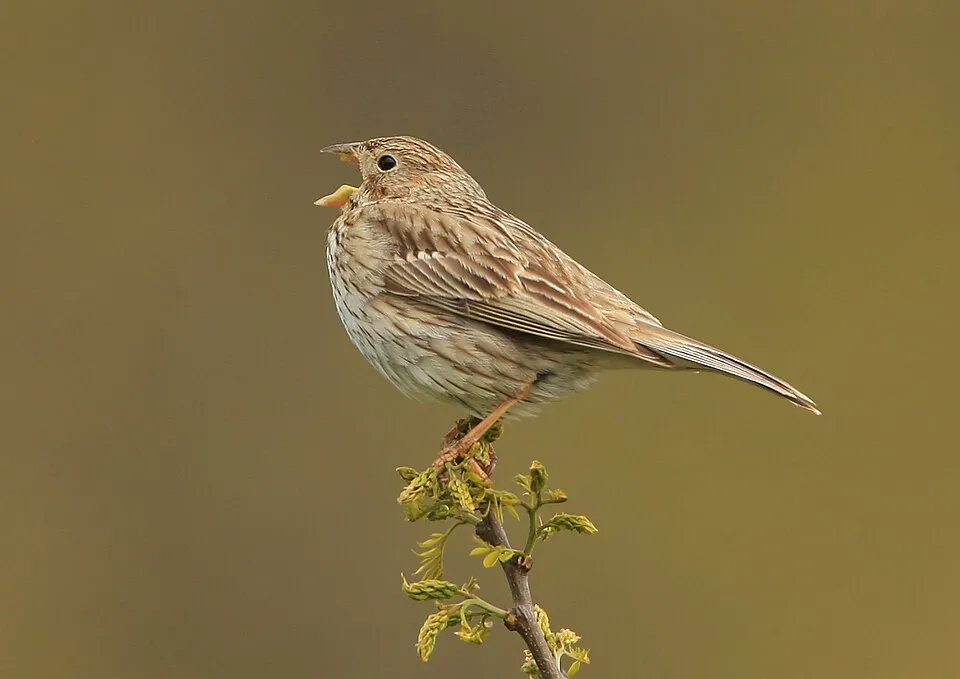
Other species to discover

Sources and credits
- Presence: most-recorded species of each place on GBIF and species of Community interest in the Natura 2000 forms (EEA, CC-BY 4.0); absence from the list does not mean the species is absent.
- Common names: Wikidata (CC0) and GBIF.
- Photos and sounds: Wikimedia Commons, author and licence given for each file.
- Classification: GBIF Backbone Taxonomy (GBIF Secretariat), CC BY 4.0, doi:10.15468/39omei.
- Countries, elevations, months and maps: GBIF.org, CC0 or CC BY 4.0 occurrences only, accessed October 22, 2026, GBIF.org.
- Base map: Natural Earth (public domain).
- Excerpt: Wikipedia, CC BY-SA 4.0 (full credit below the excerpt).
- Key facts: Wikidata (CC0), with the references cited under each value.
- EU bird populations: EEA / DG ENV, Article 12 Birds Directive reporting (2013–2018), CC BY 4.0.