
Bird
Black-tailed Godwit: where to see it
Limosa limosa
This bird species is recorded in 133 protected areas of the atlas, including 130 whose official Natura 2000 form lists it. Within the atlas countries, it is mostly observed in the United Kingdom, Sweden and Belgium (13 countries in all). Records peak from March to September. It has a wingspan of 76 cm. Its EU population is assessed as threatened (2013–2018 Birds Directive reporting).
Best time to see it: March–September
Records published on GBIF by month (CC0 and CC BY 4.0 licences only), in the atlas countries, all years combined; they also reflect observer activity.
Key facts
- Wingspan
- 76 cm Wikidata, after app.bto.org
- Weight (female)
- 315 g Wikidata, after Lislevand et al. 2007
- Weight (male)
- 264 g Wikidata, after Lislevand et al. 2007
- Clutch size
- 4 eggs Wikidata, after Jetz et al. 2008
- Incubation
- 23 days Wikidata, after British Trust for Ornithology
Status and protection
Birds Directive II/B
The species is listed in Annex II/B of the Birds Directive.
EU population assessed as threatened, decreasing in the short term (2013–2018 Birds Directive reporting). EU breeding population: 37,900–46,700 pairs.
Distribution
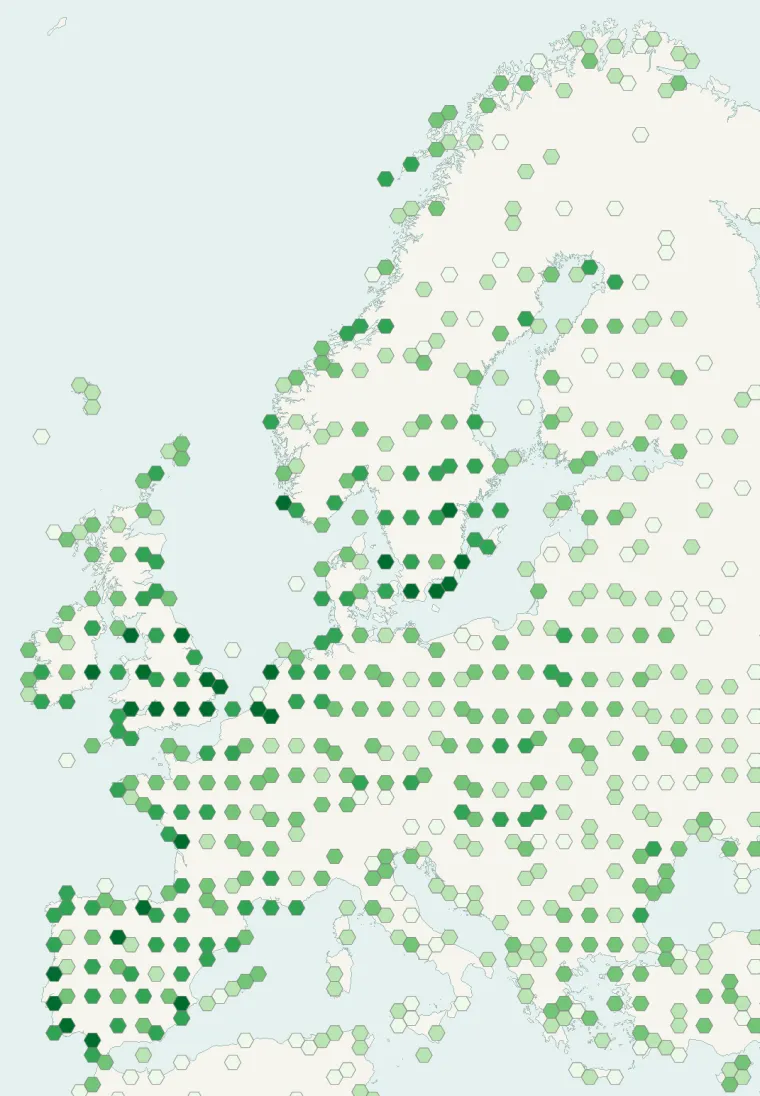
Records published on GBIF (CC0 and CC BY 4.0 licences): the darker the shade, the more records there are; they also reflect observation effort.
Listen
-
0:08 · © Sudipto Roy · CC BY-SA 3.0 · Wikimedia Commons · Original file
-
0:24 · © Pascal Christe · CC BY-SA 4.0 · Wikimedia Commons · Original file
-
0:10 · © Sudipto Roy · CC BY-SA 3.0 · Wikimedia Commons · Original file
From Wikipedia
The black-tailed godwit (Limosa limosa) is a large, long-legged, long-billed shorebird first described by Carl Linnaeus in 1758. It is a member of the godwit genus, Limosa. There are four subspecies, all with orange head, neck and chest in breeding plumage and dull grey-brown winter coloration, and distinctive black and white wingbar at all times. Its breeding range stretches from Iceland through Europe and areas of central Asia. Black-tailed godwits spend (the northern hemisphere) winter in areas as diverse as the Indian subcontinent, Australia, New Zealand, western Europe and west Africa.
Source: Wikipedia, article “Black-tailed godwit” (version of August 24, 2026) · history and authors · licence CC BY-SA 4.0 · shortened excerpt
Protected areas where it is recorded

Natura 2000 · breeding, passage, wintering 8,297 records
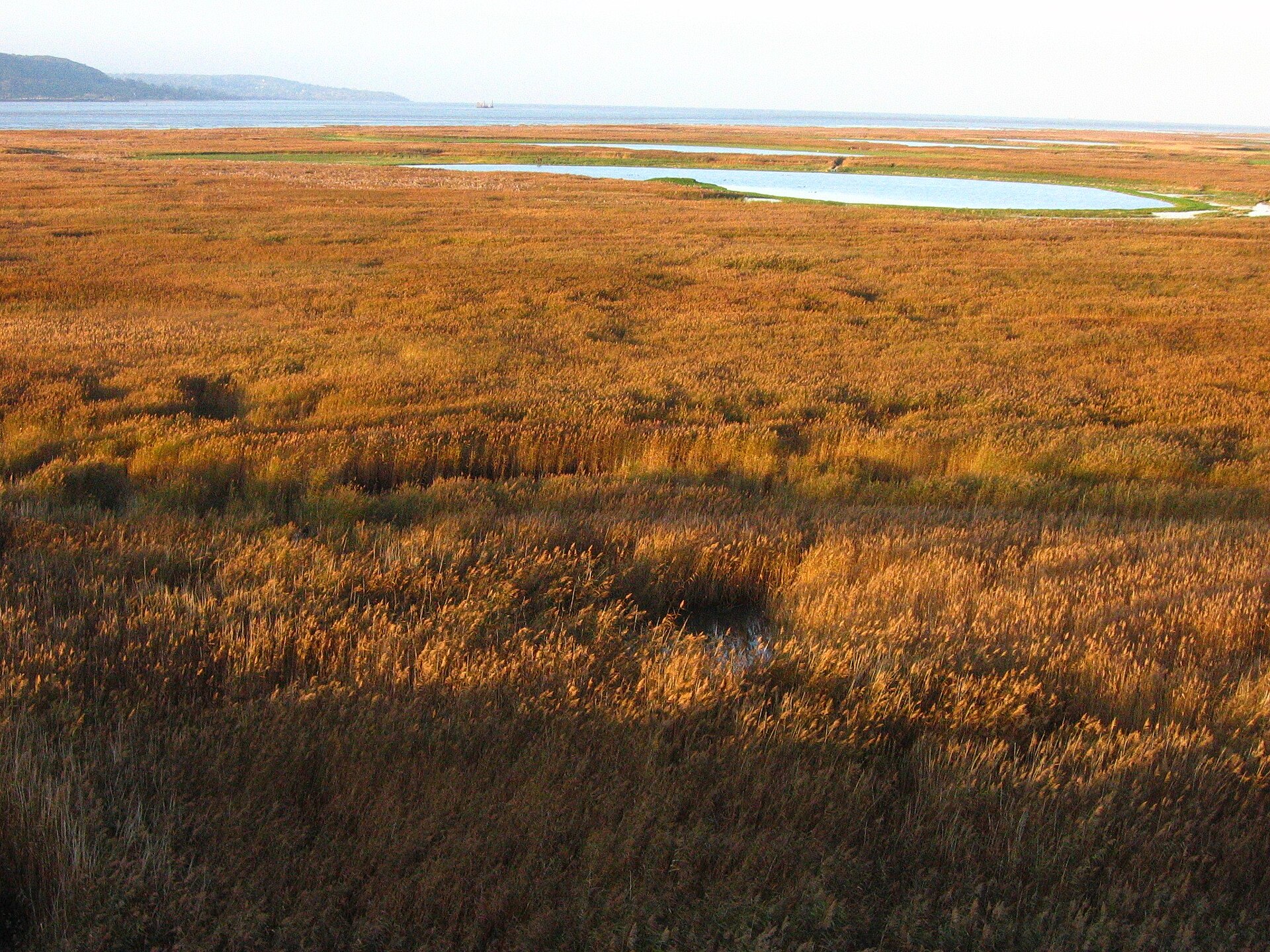
Natura 2000 · wintering, breeding 985 records

Natura 2000 · wintering 607 records
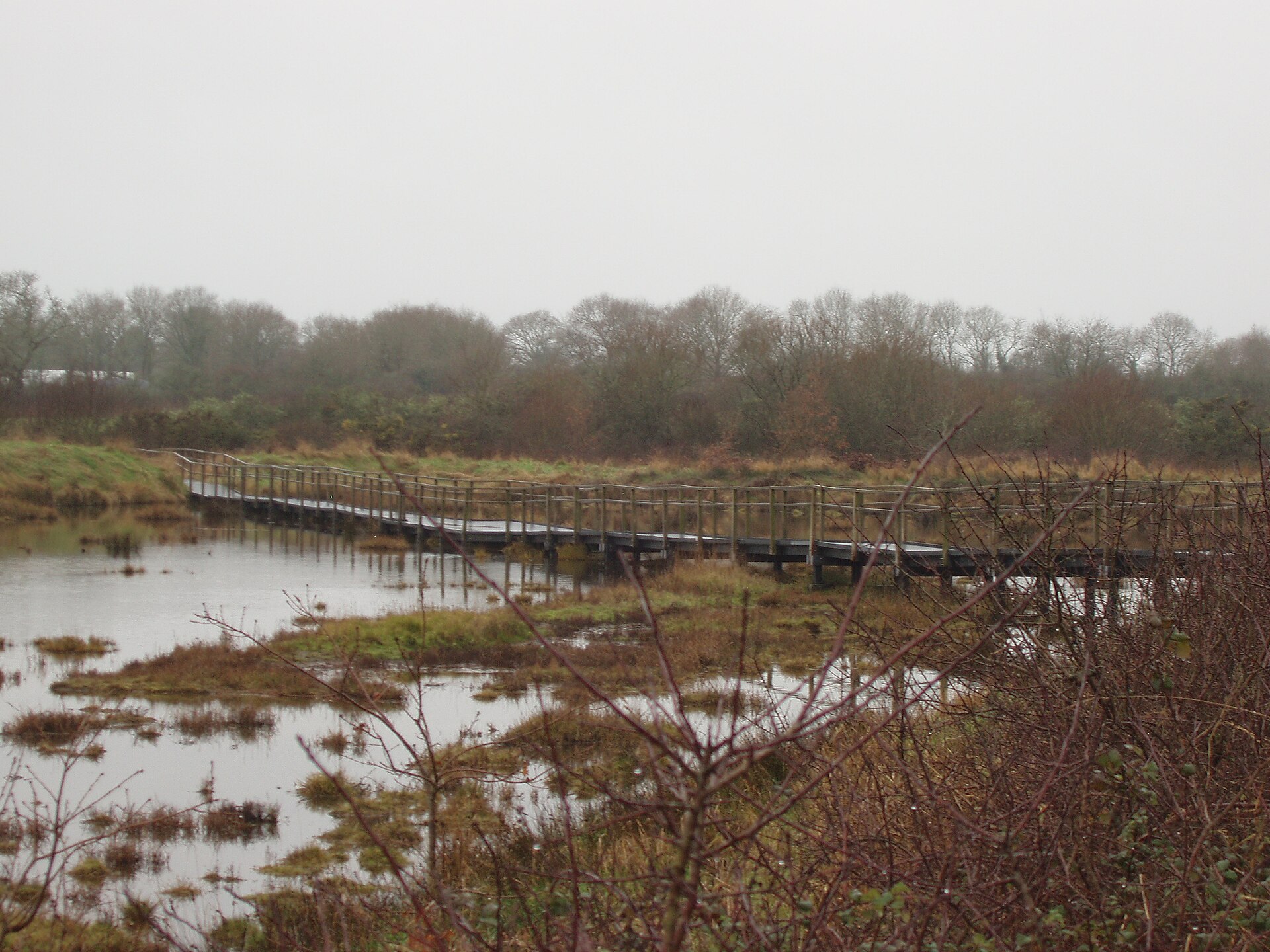
Natura 2000 · passage, breeding, wintering 158 records

362 records
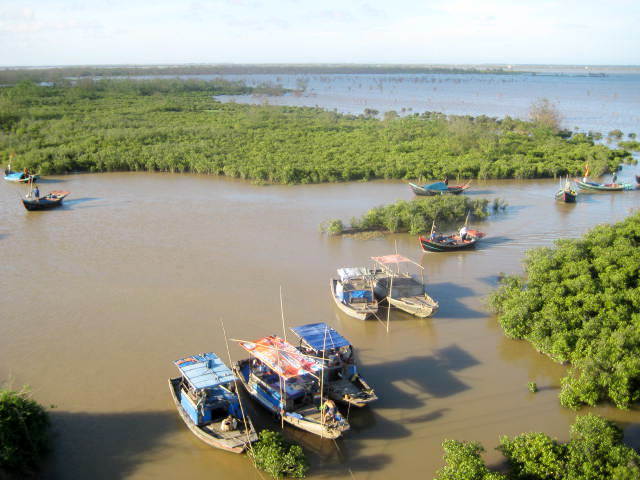
7 records
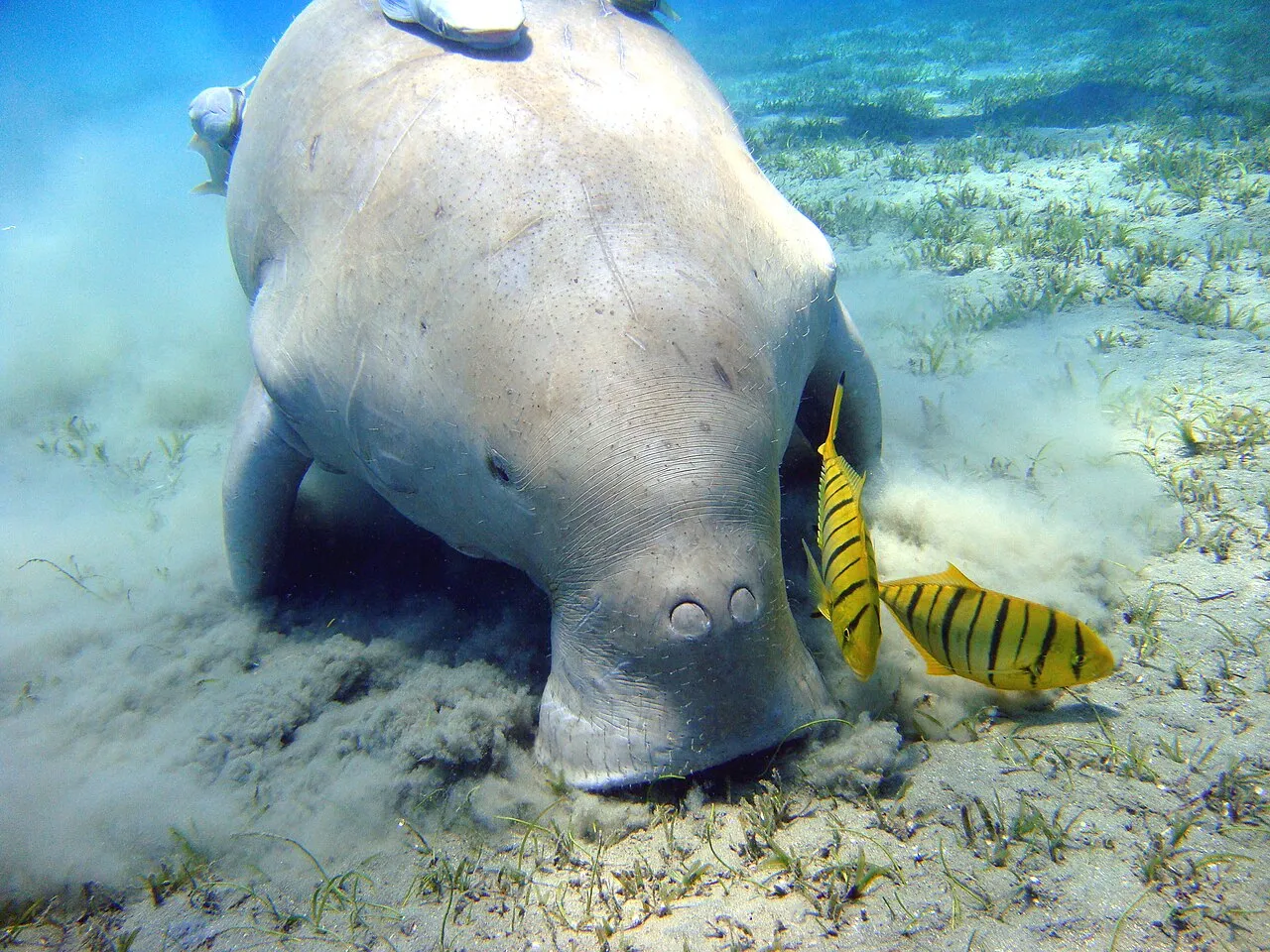
3 records
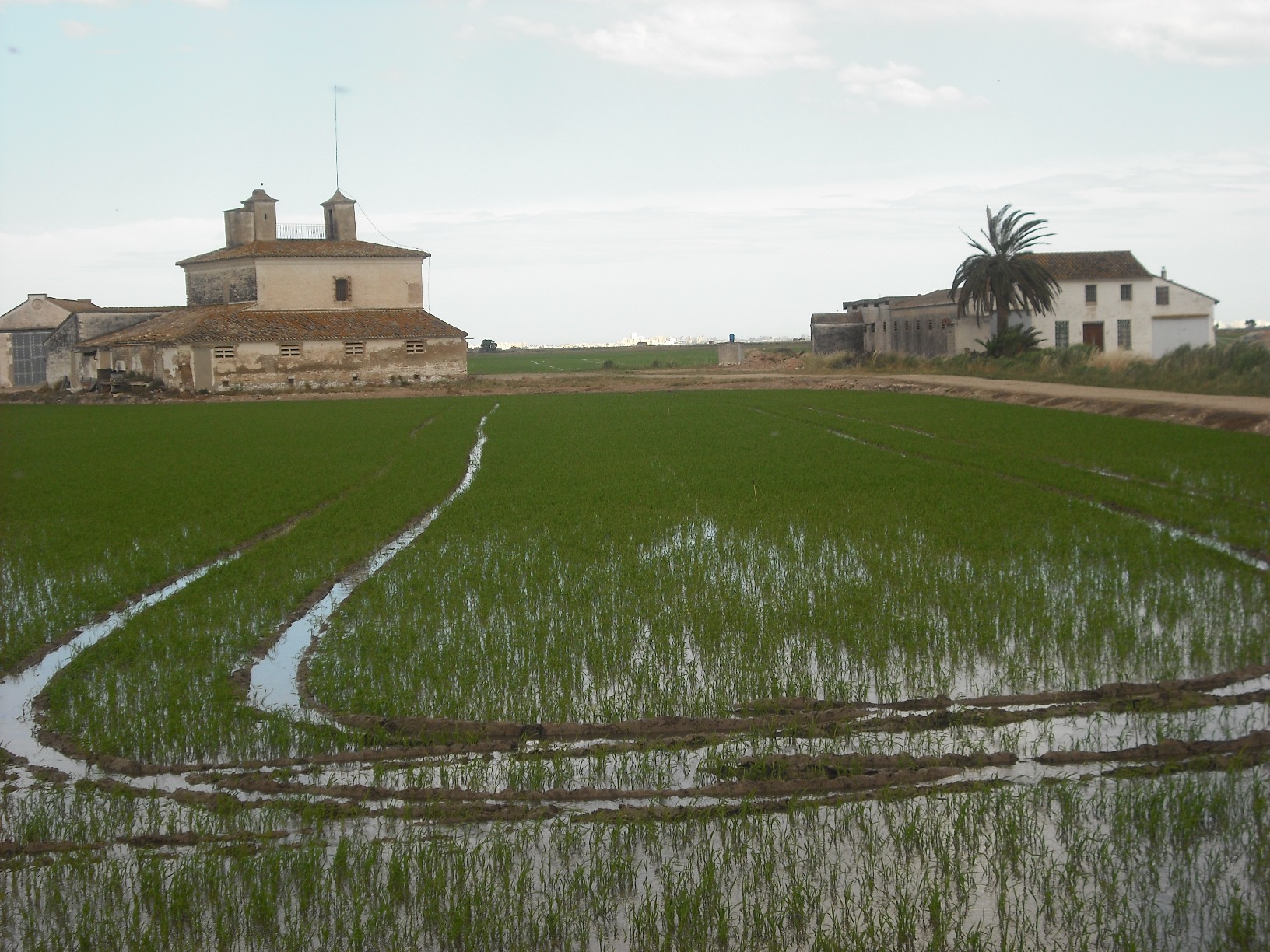
Natura 2000 · passage, wintering
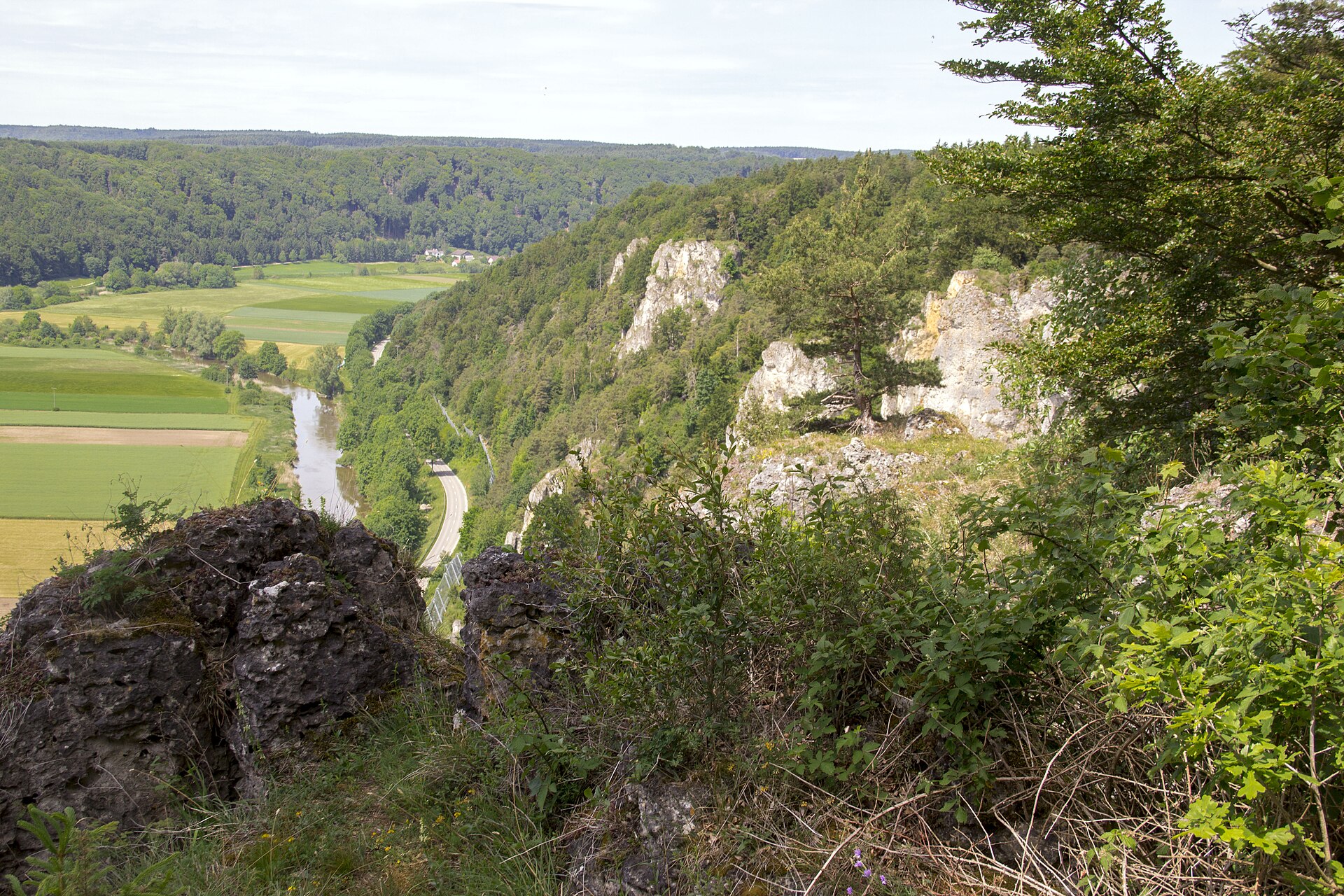
Natura 2000 · breeding, passage

Natura 2000 · passage
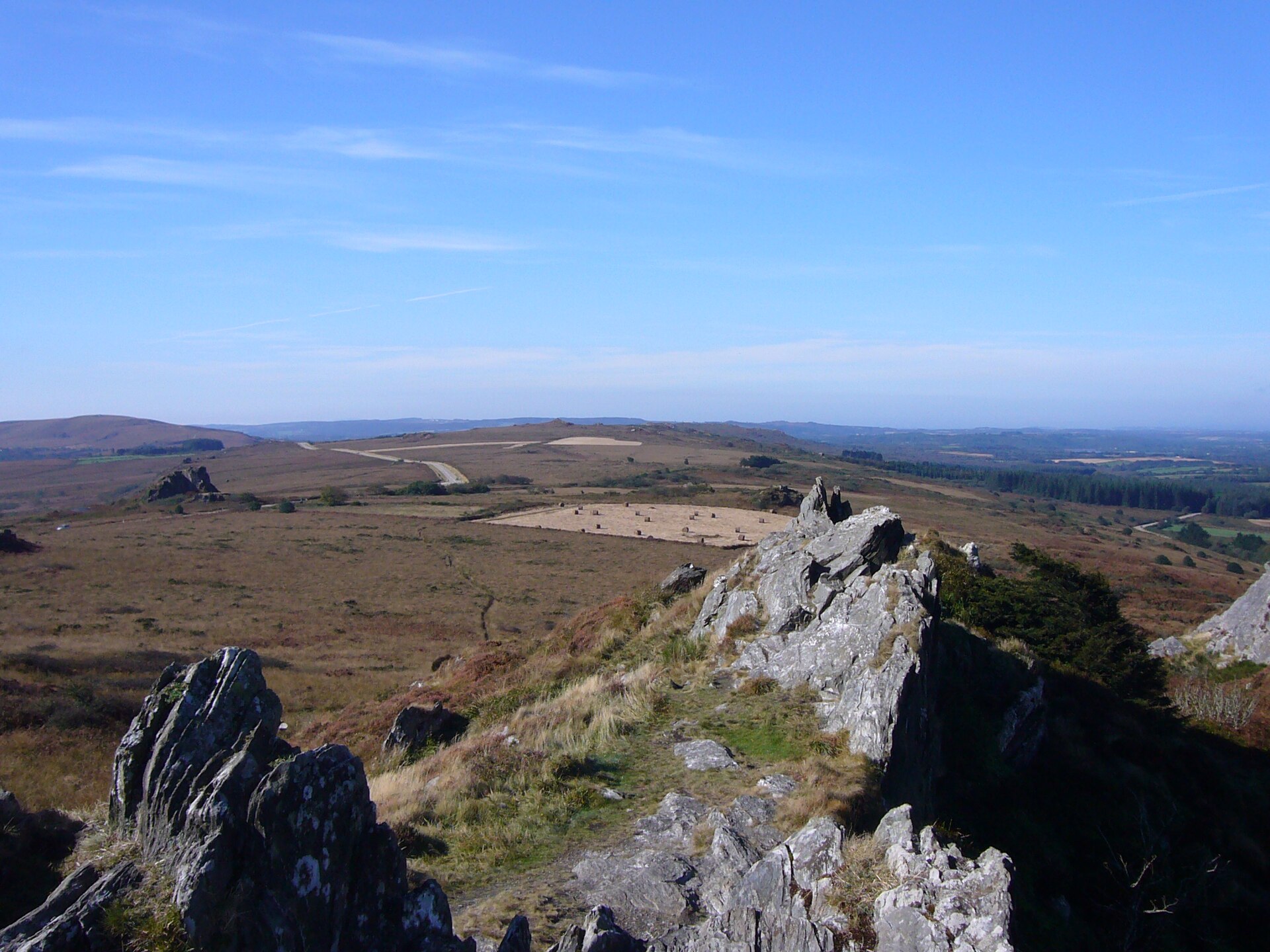
Natura 2000 · wintering

Natura 2000 · wintering

Natura 2000 · wintering, passage
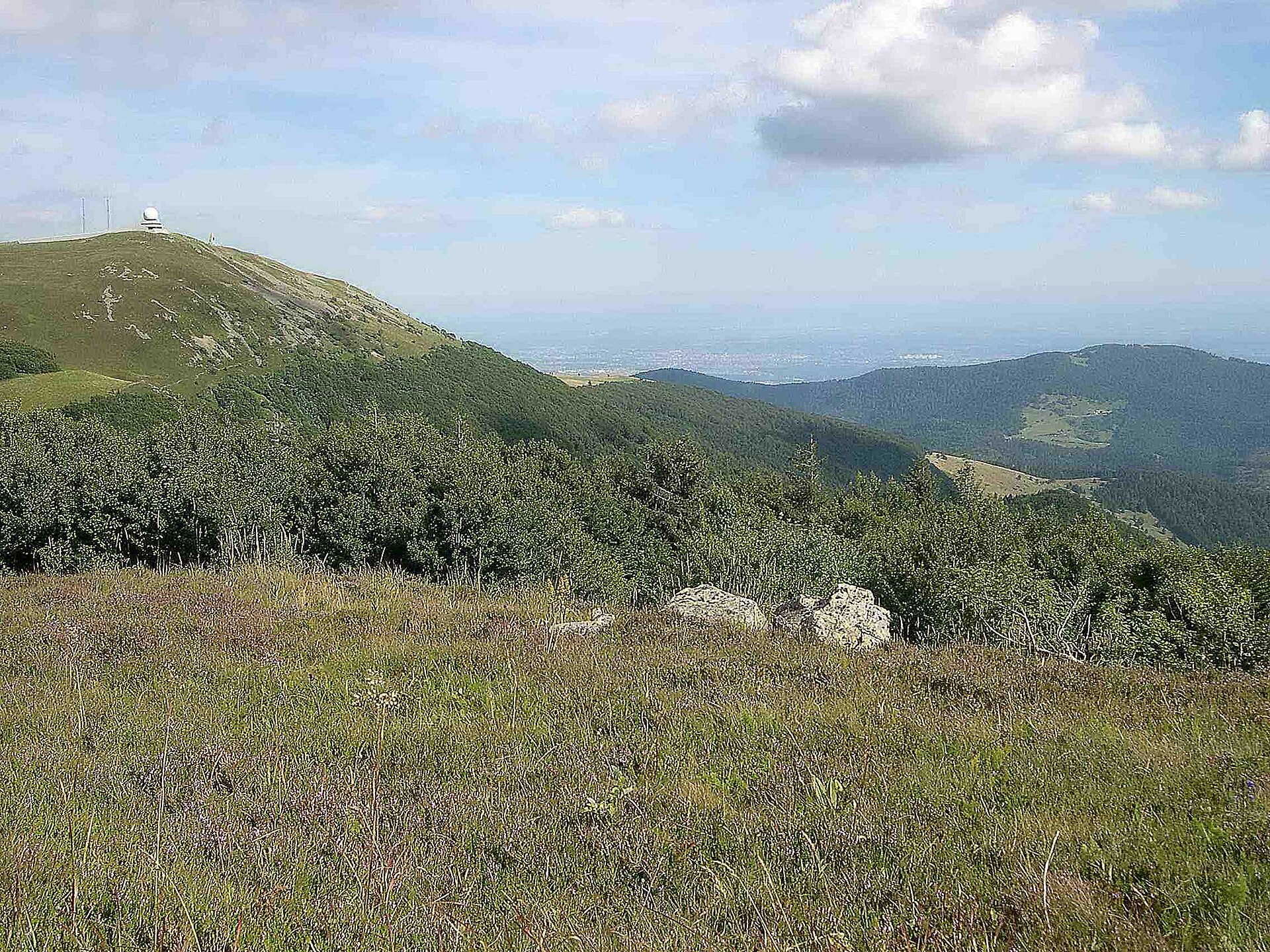
Natura 2000 · passage
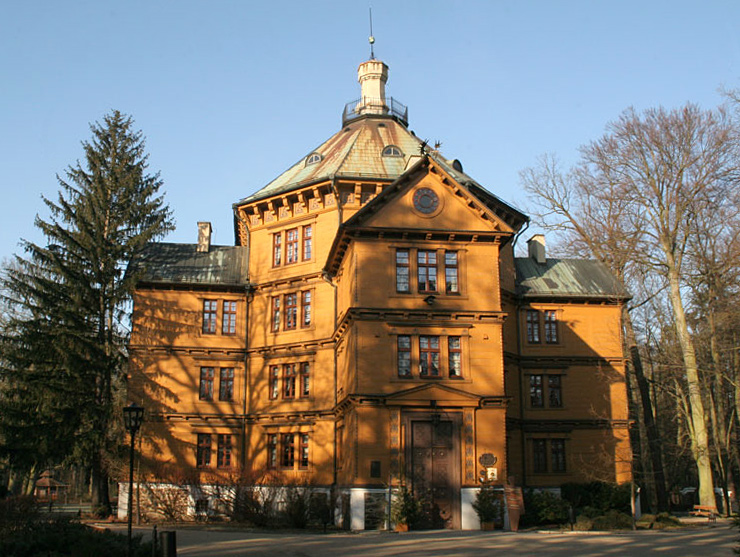
Natura 2000 · breeding
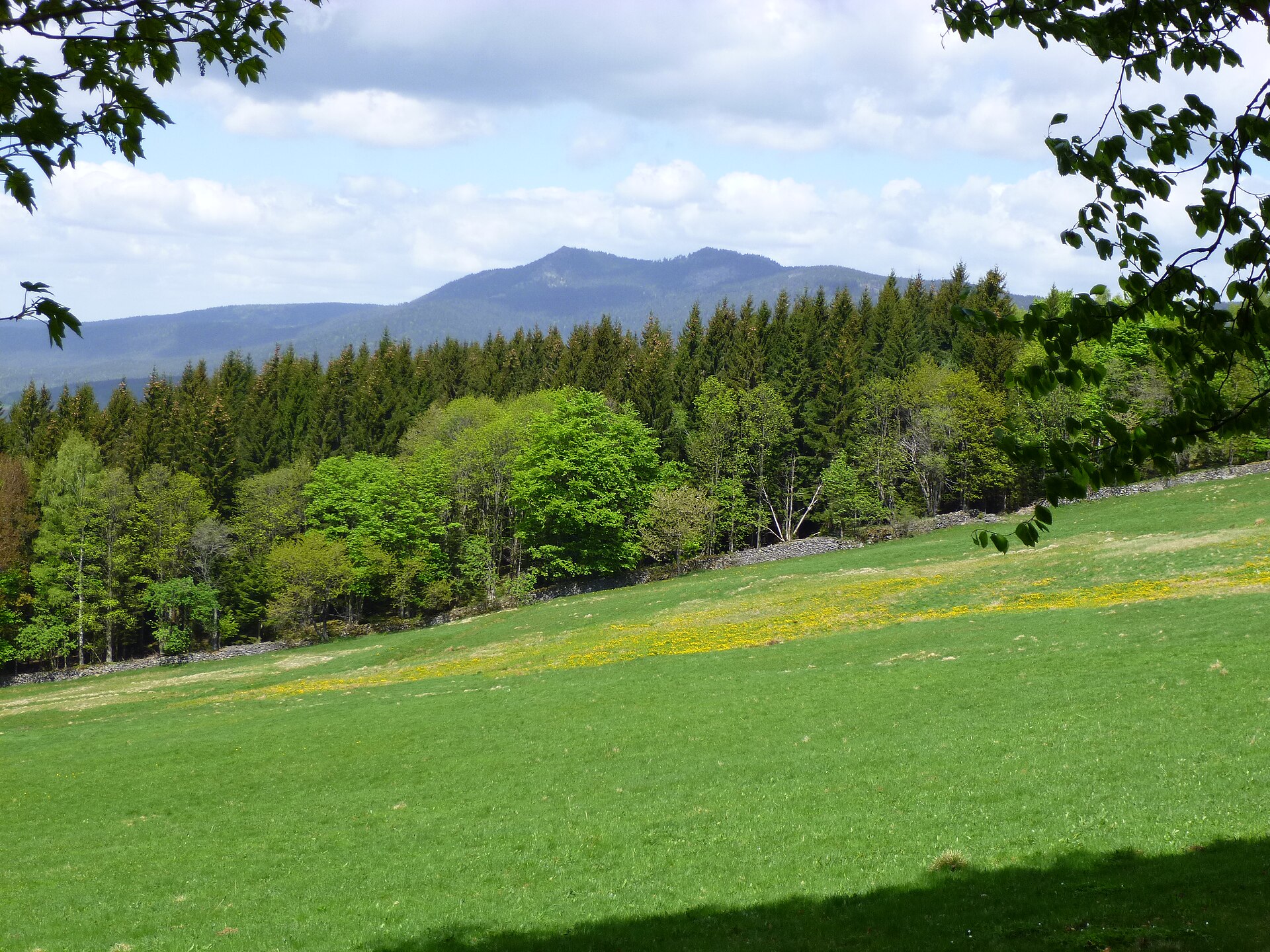
Natura 2000 · breeding
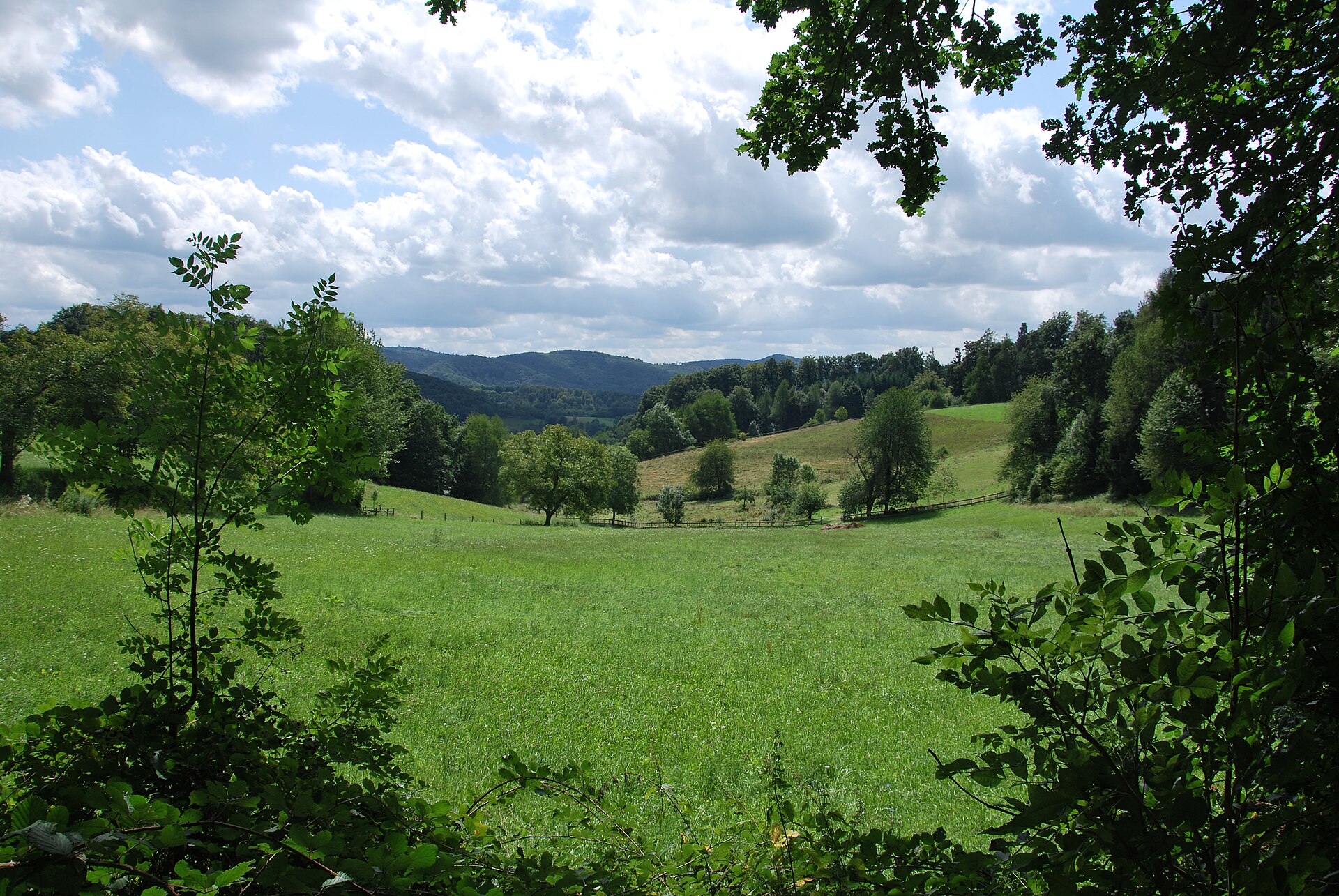
Natura 2000 · passage

Natura 2000 · breeding

Natura 2000 · passage
Natura 2000 · wintering, breeding
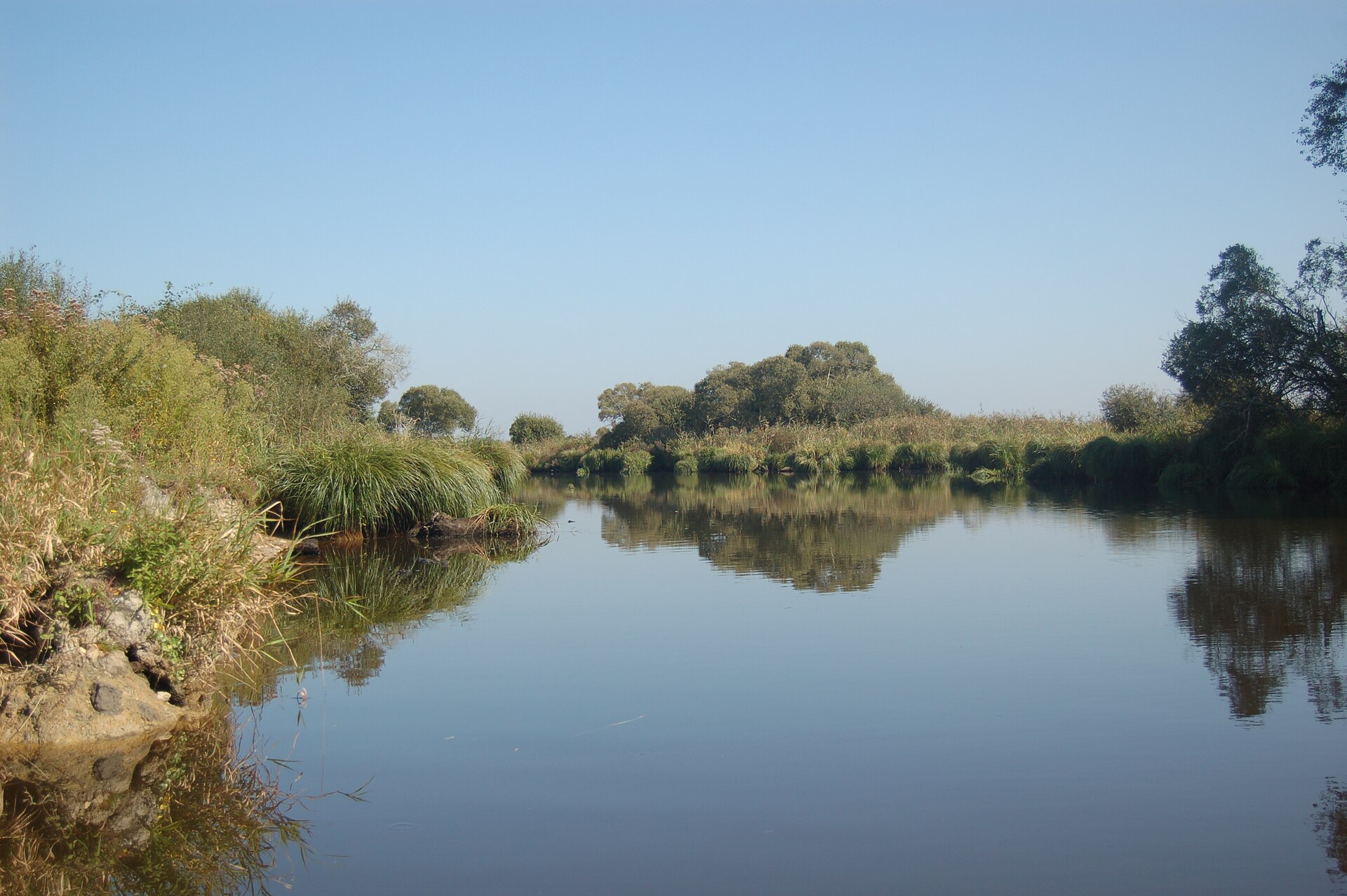
Natura 2000 · wintering, passage, breeding
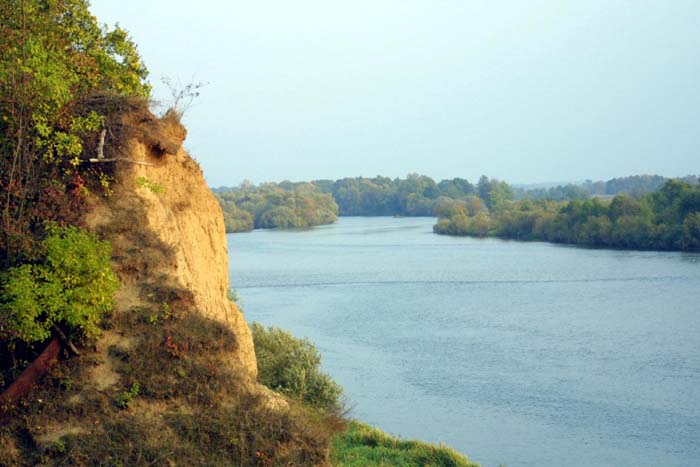
Natura 2000 · breeding
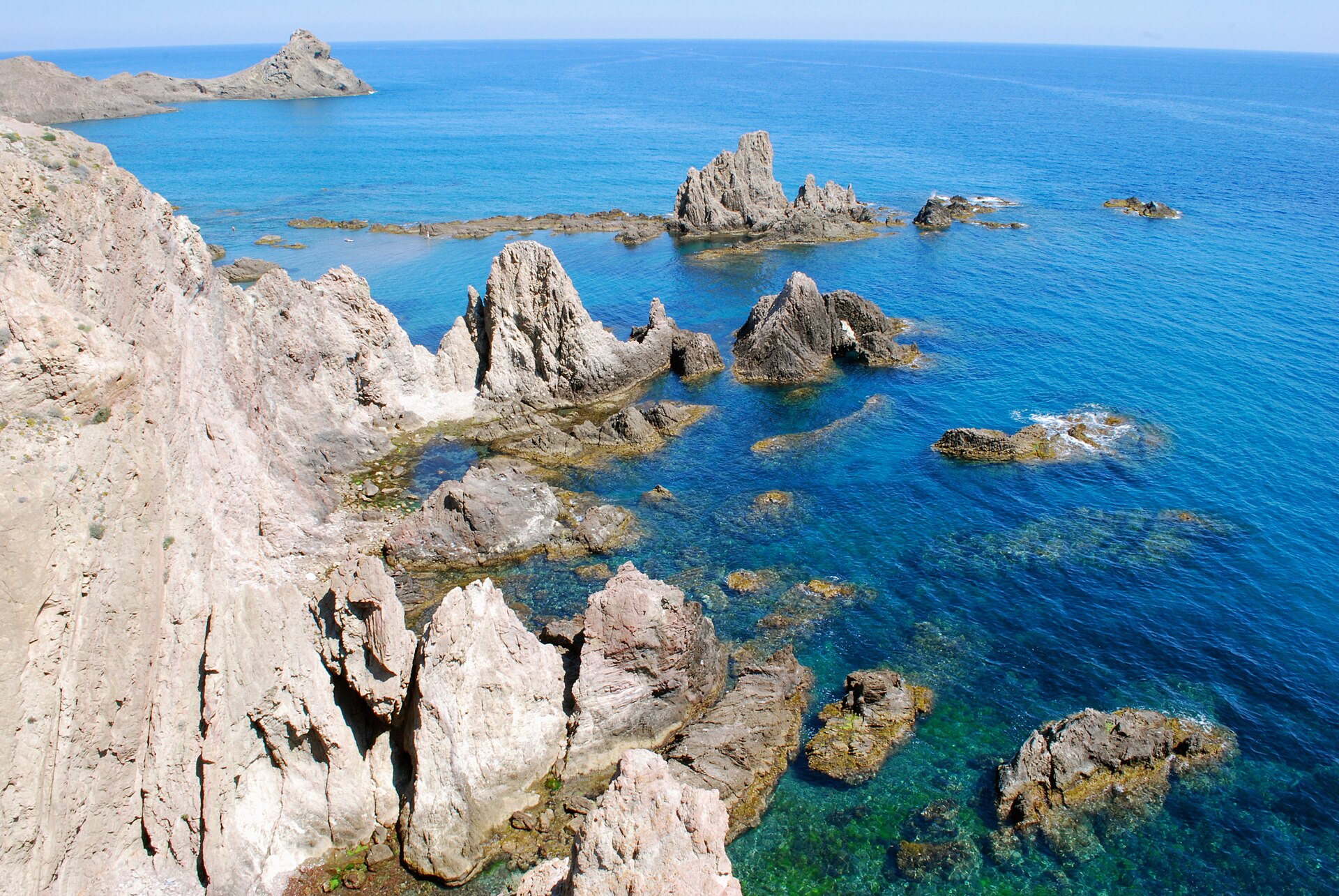
Natura 2000 · wintering
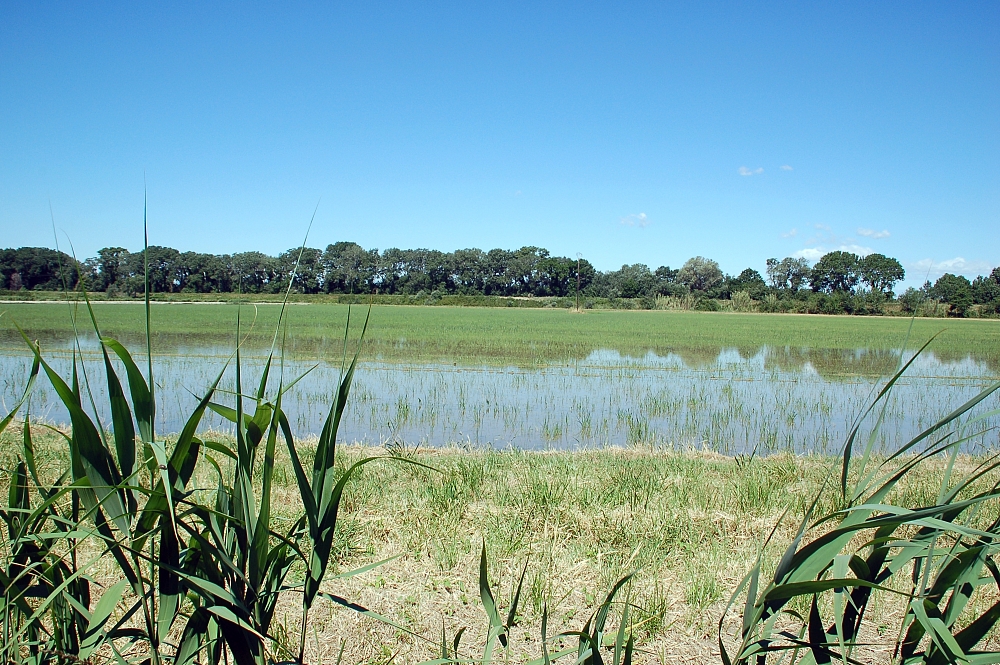
Natura 2000 · passage, breeding
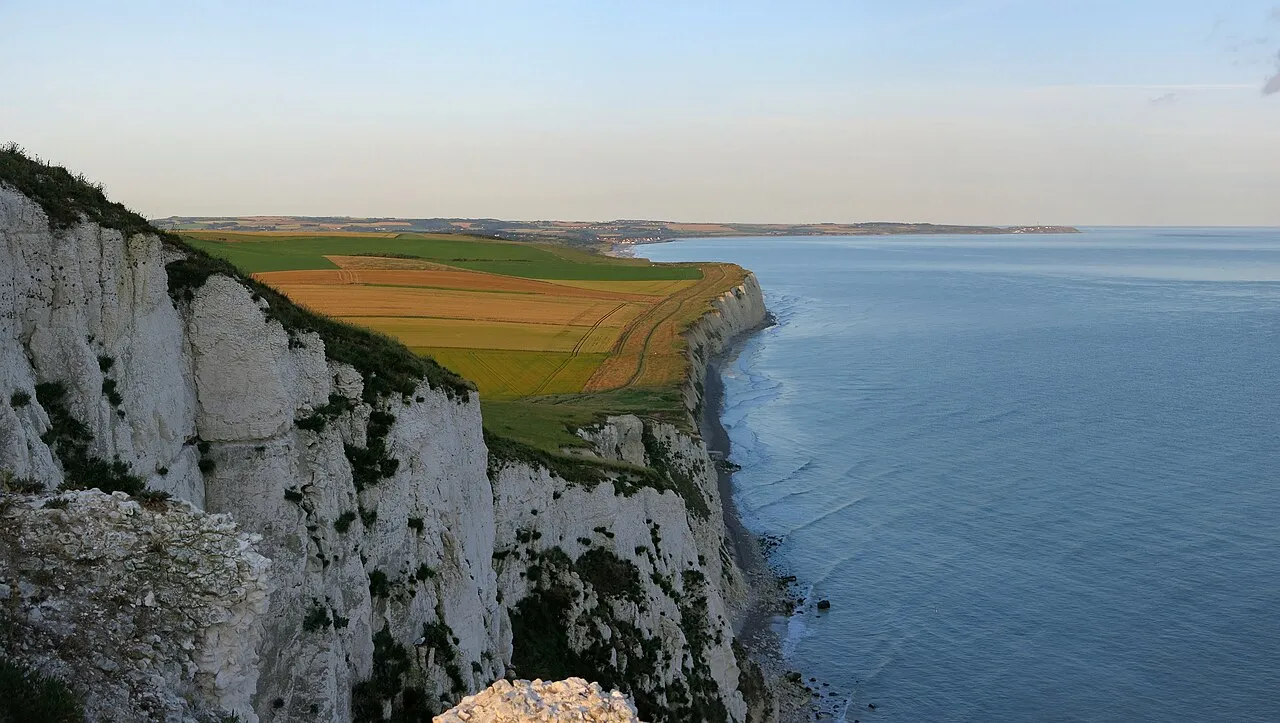
Natura 2000 · passage
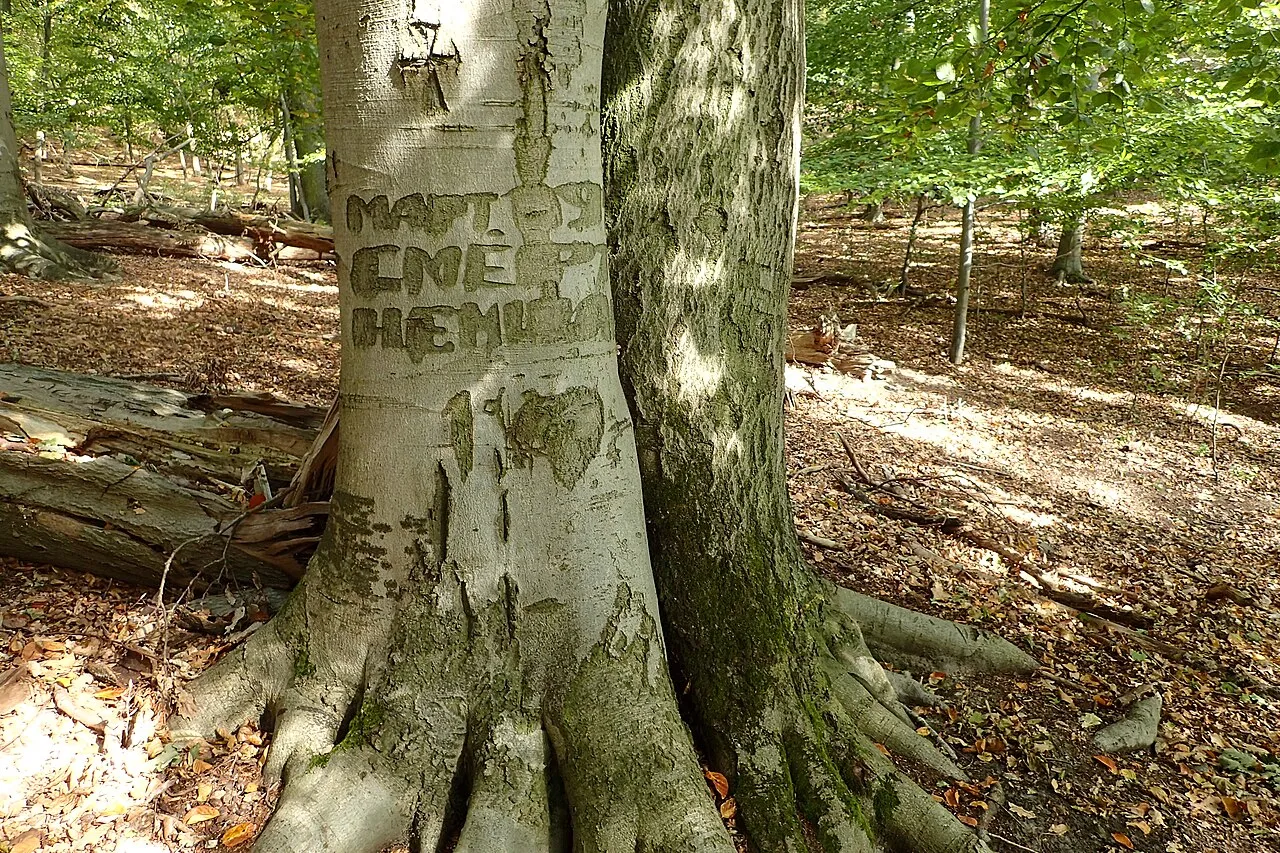
Natura 2000 · breeding
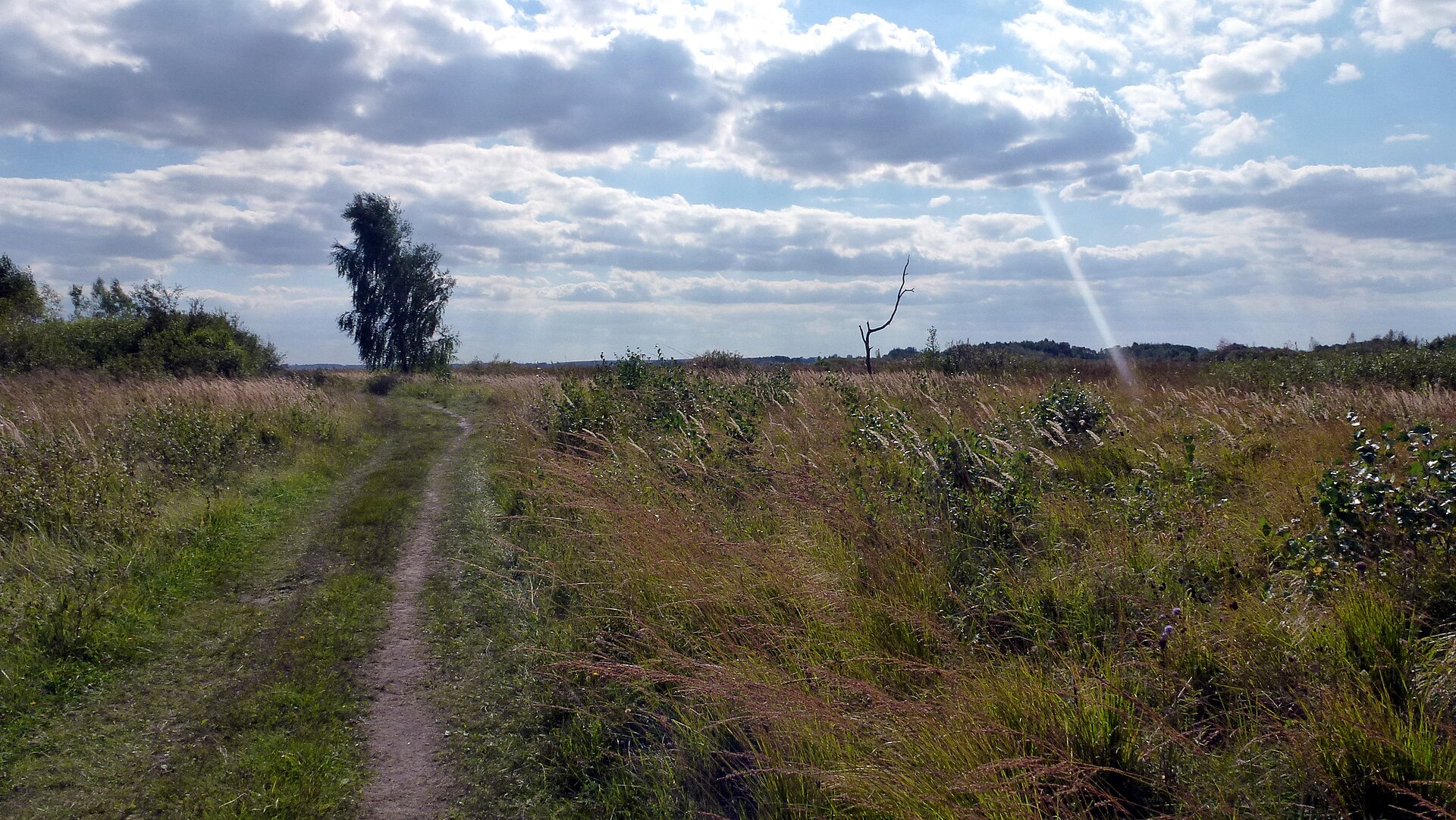
Natura 2000 · breeding
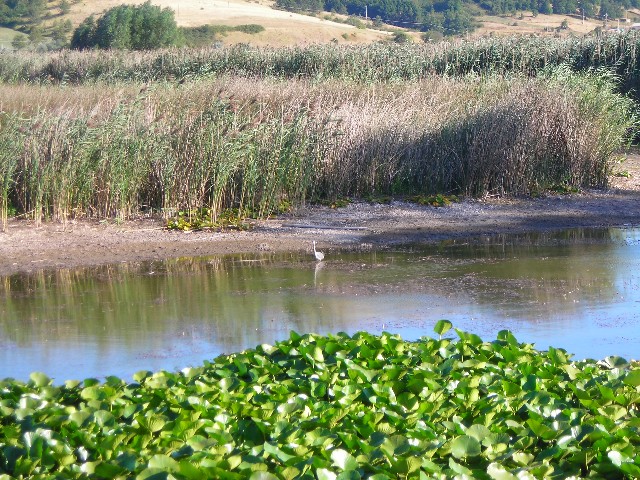
Natura 2000 · passage

Natura 2000 · passage
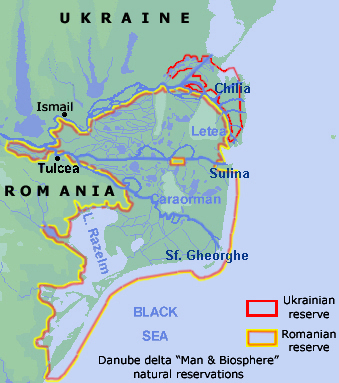
Natura 2000 · passage
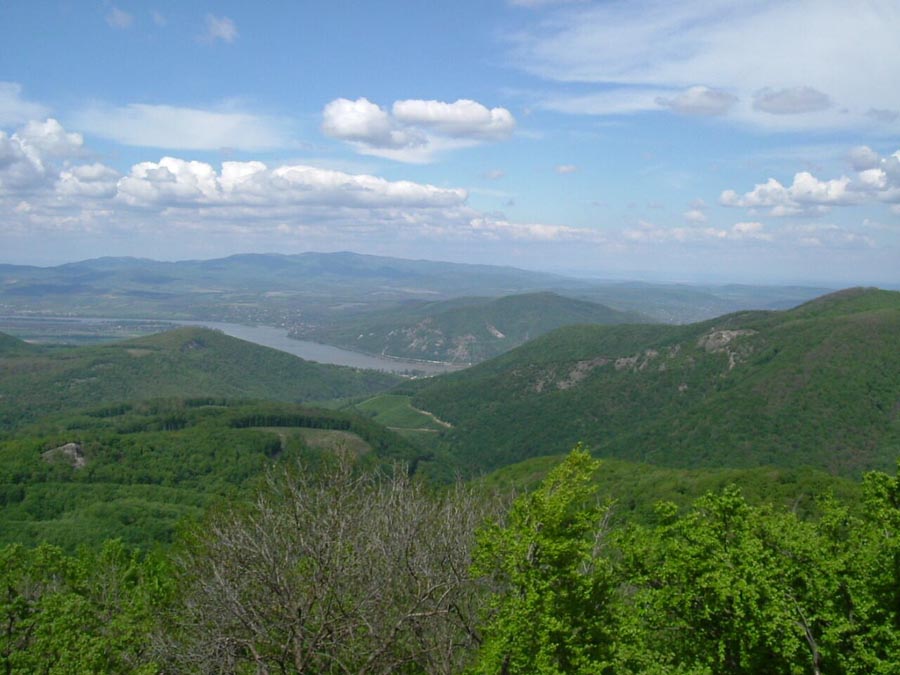
Natura 2000 · passage
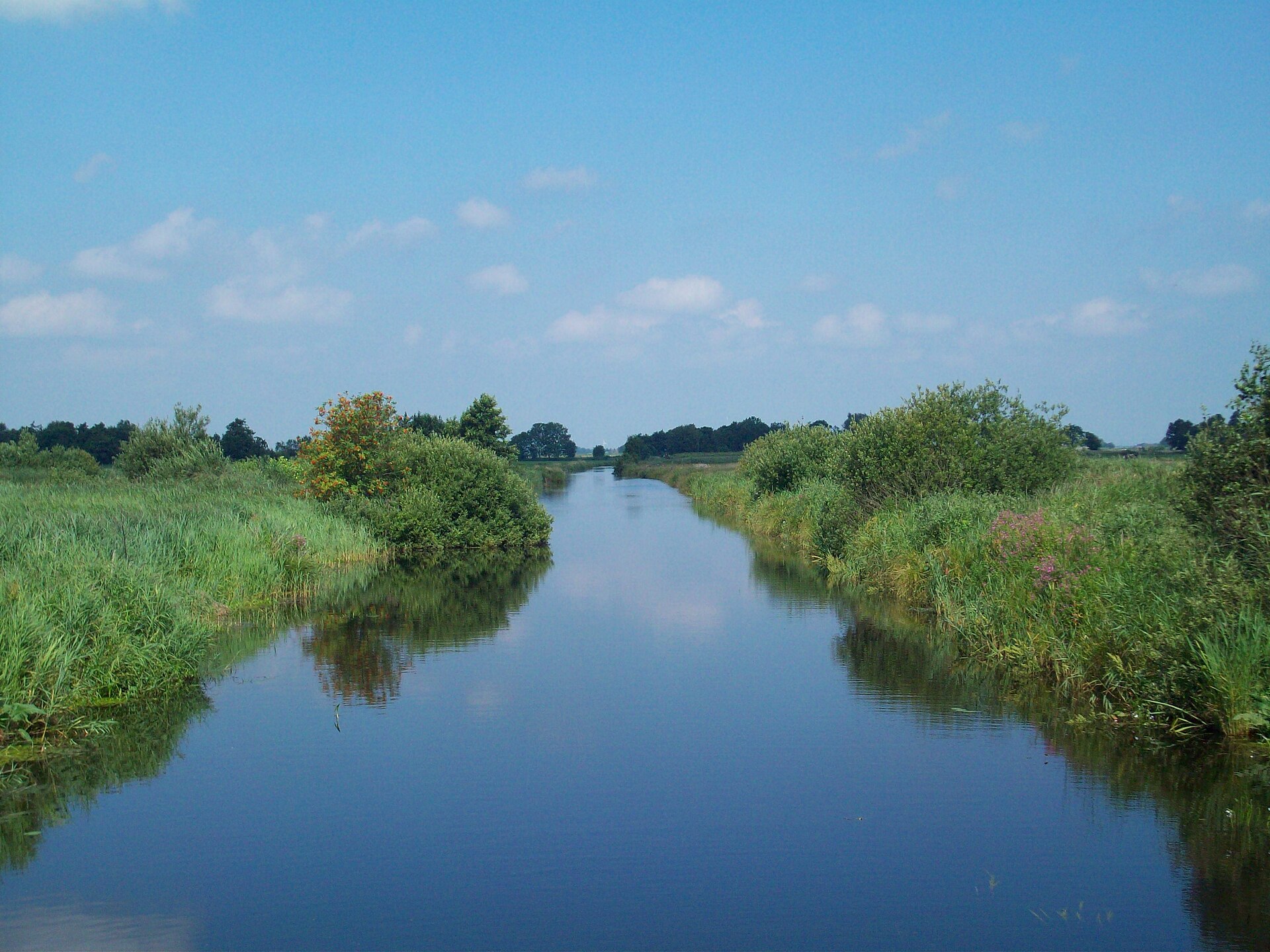
Natura 2000 · passage
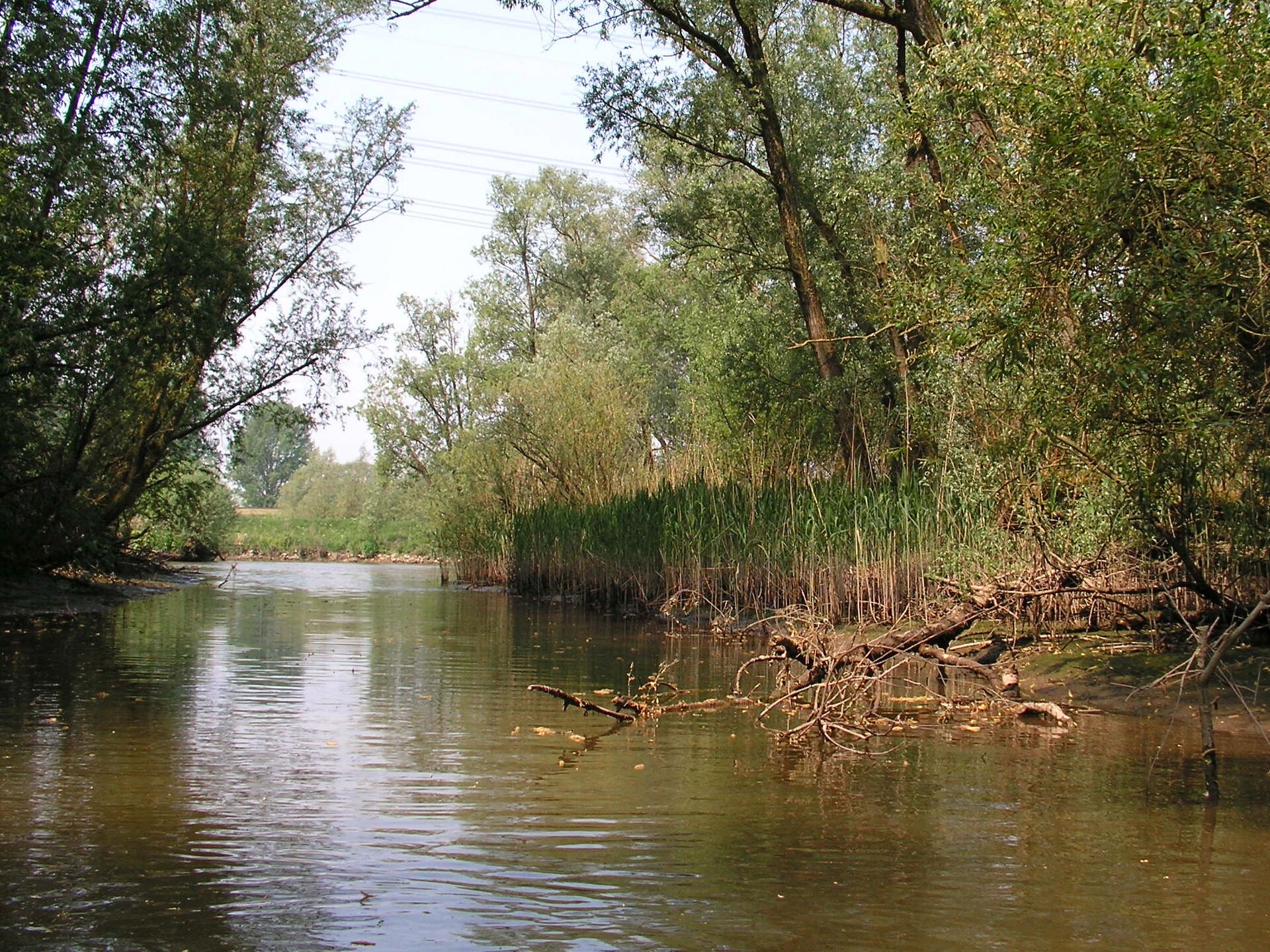
Natura 2000 · passage
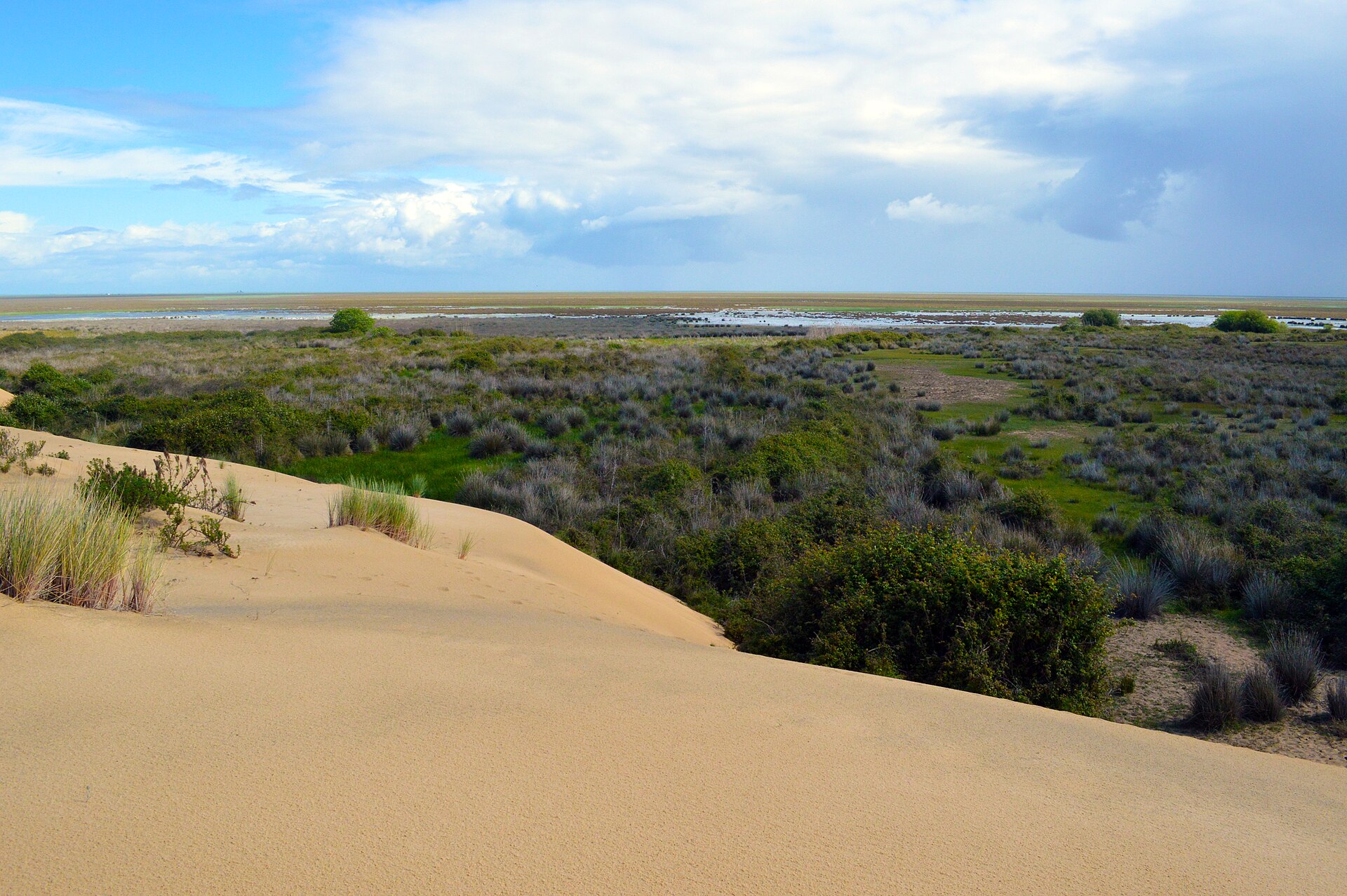
Natura 2000 · wintering, passage
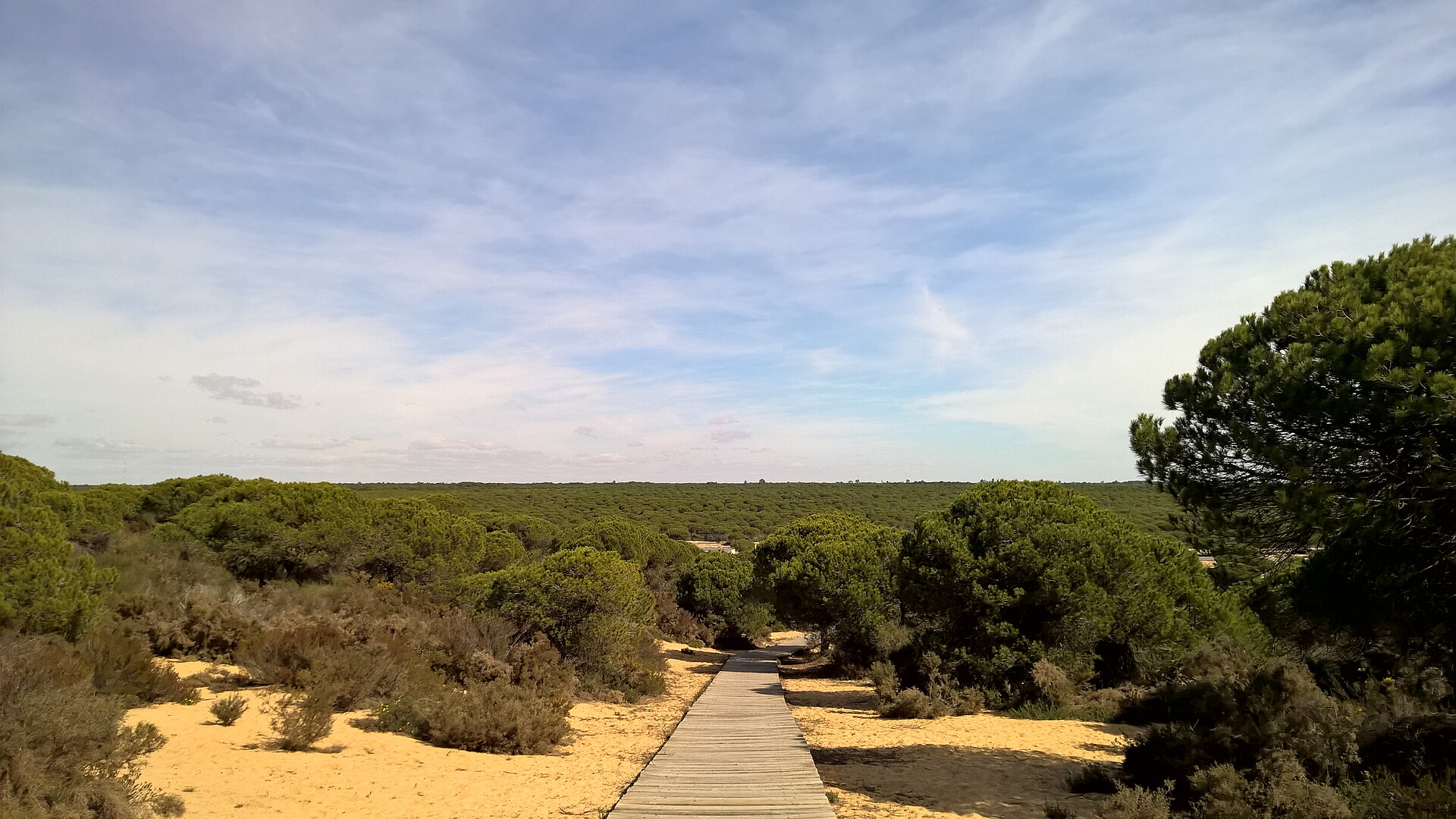
Natura 2000 · wintering, passage
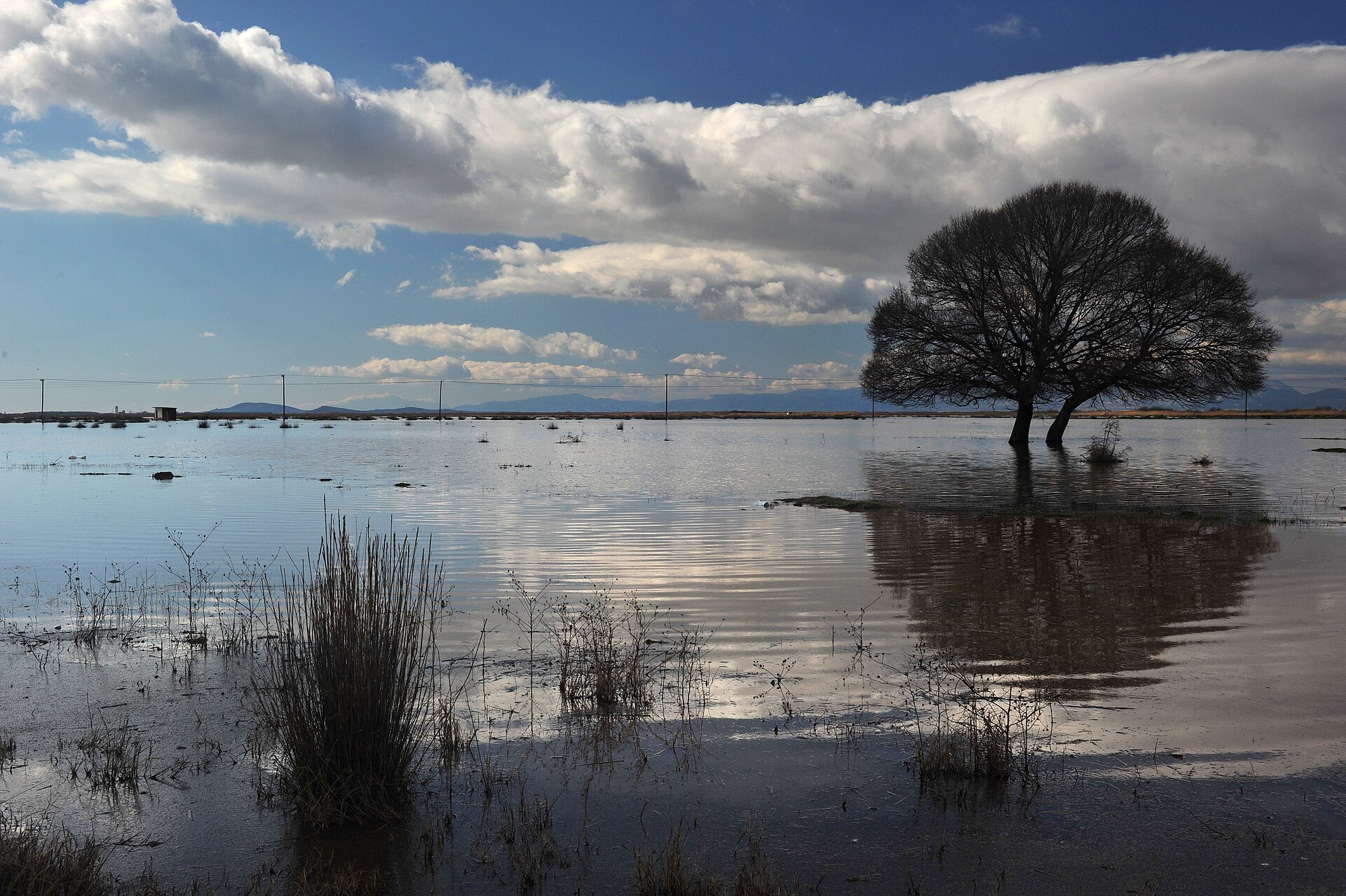
Natura 2000 · passage
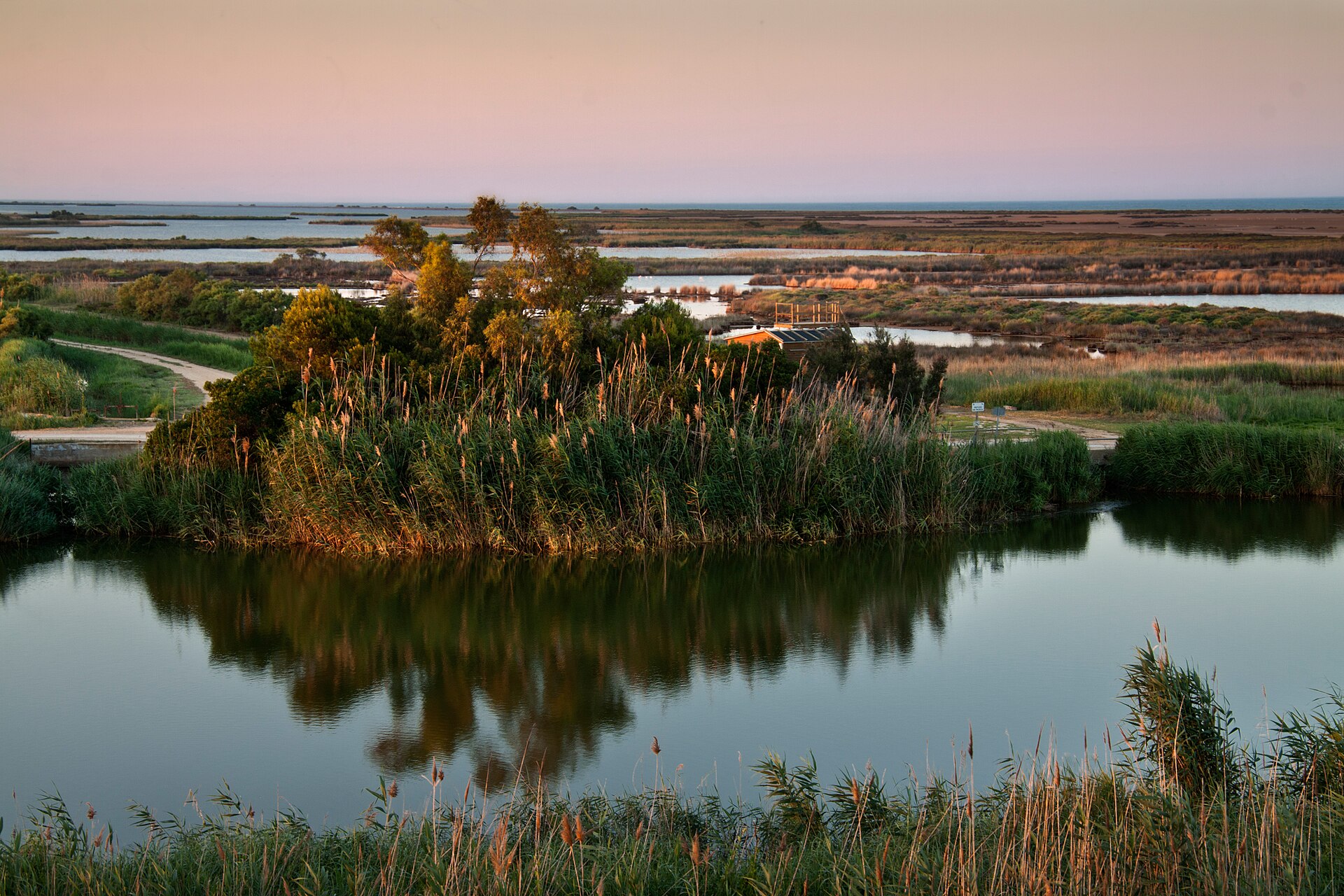
Natura 2000 · wintering

Natura 2000 · passage, wintering

Natura 2000 · passage
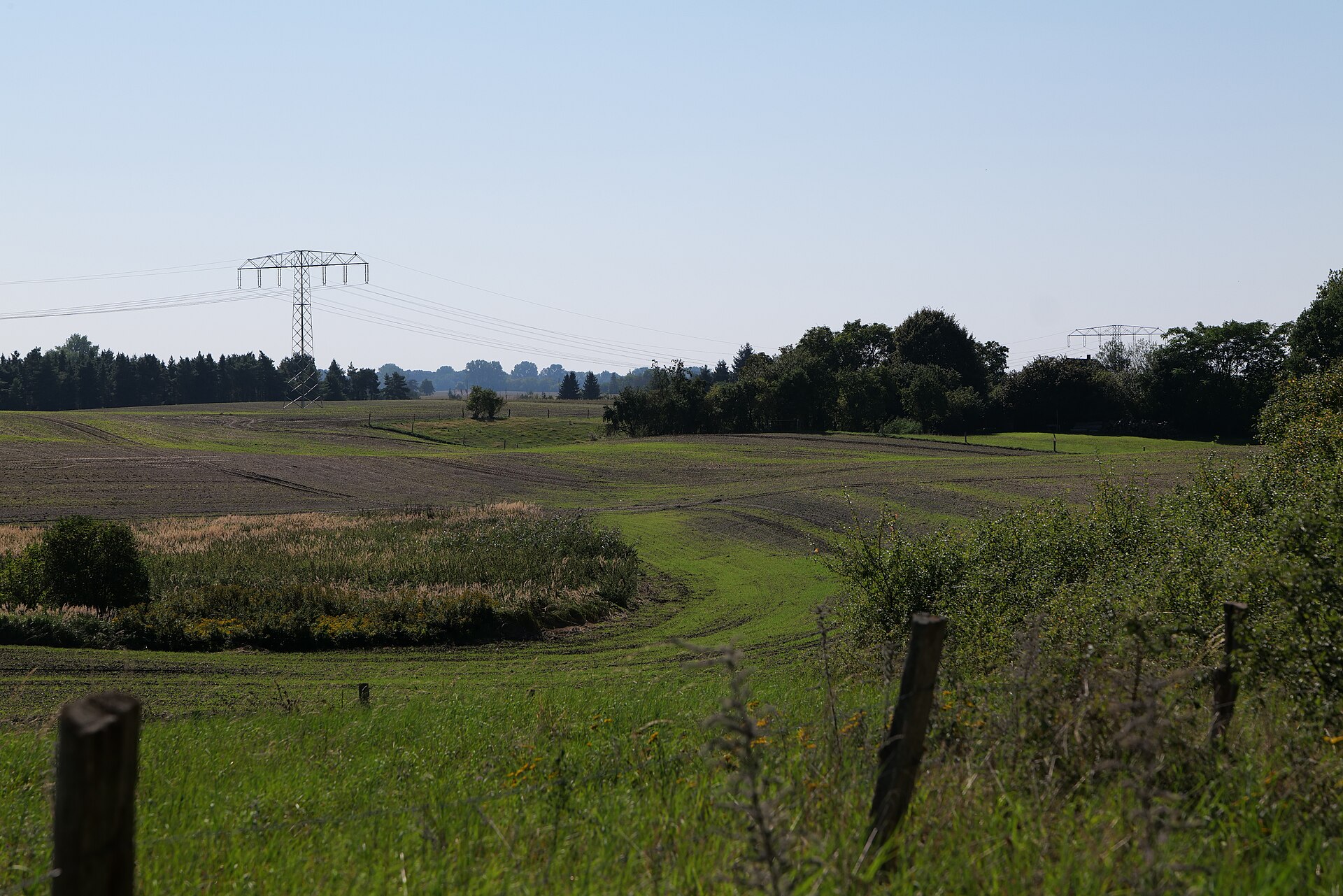
Natura 2000 · breeding
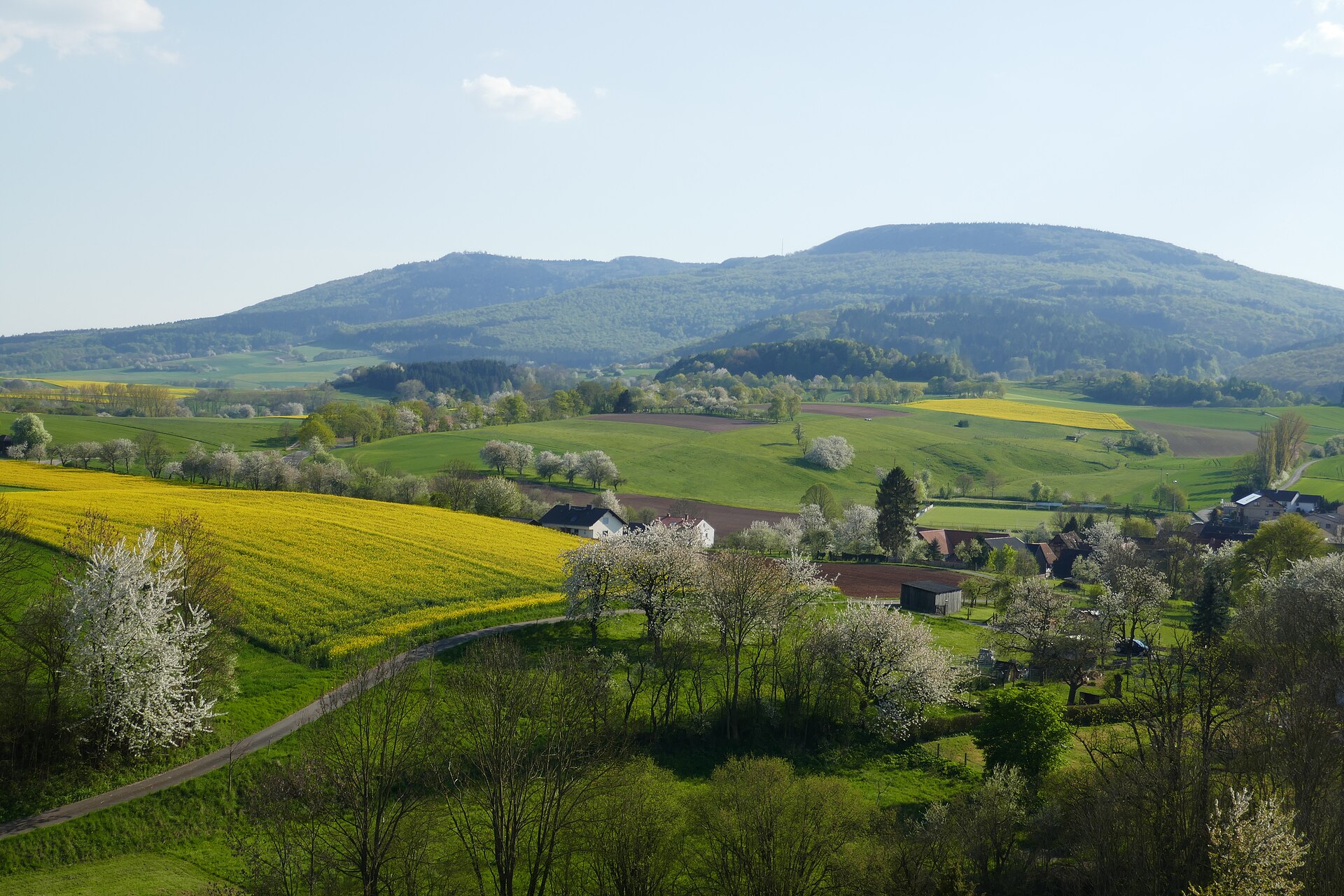
Natura 2000 · passage

Natura 2000 · passage
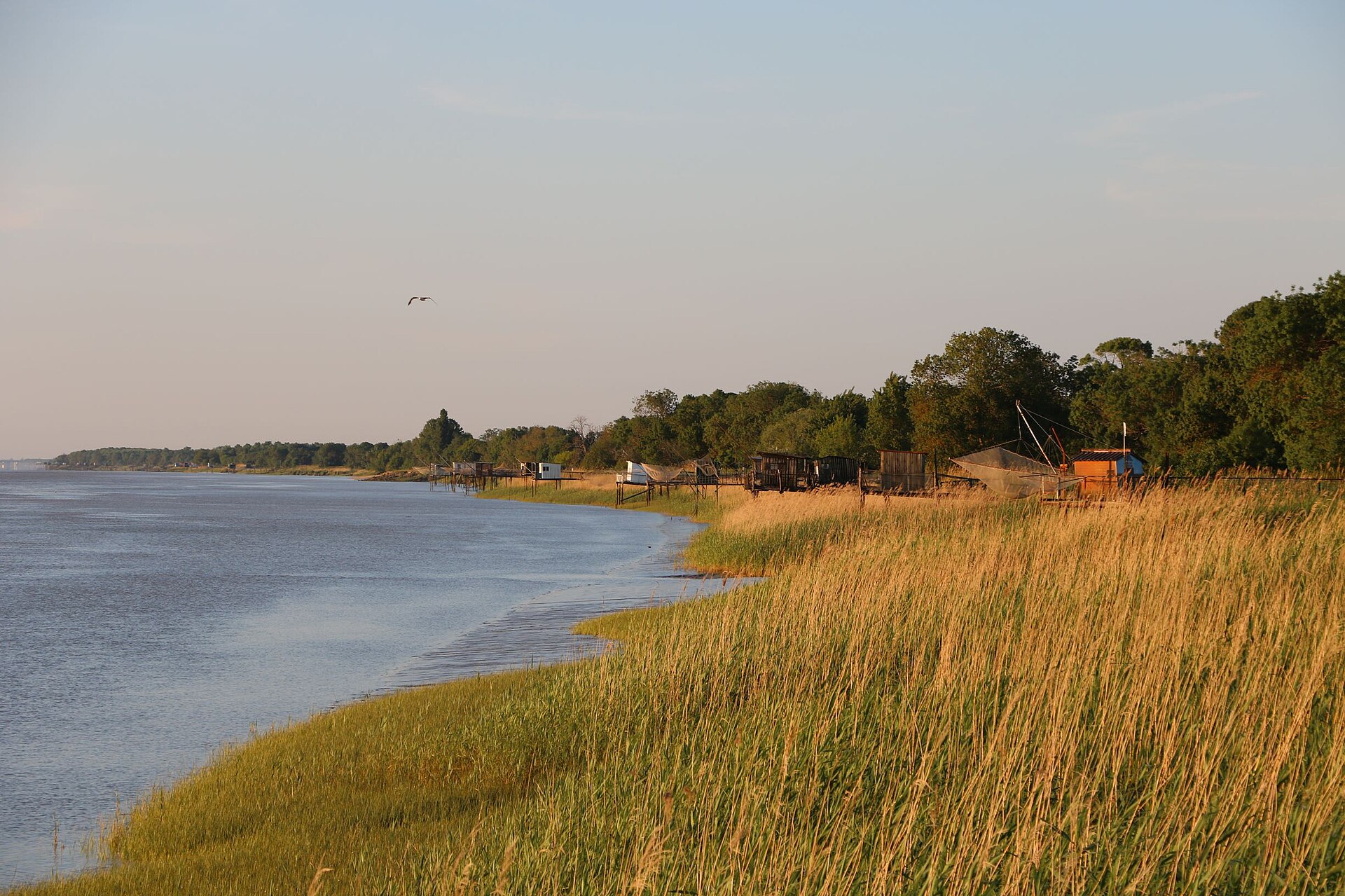
Natura 2000 · passage, wintering, breeding
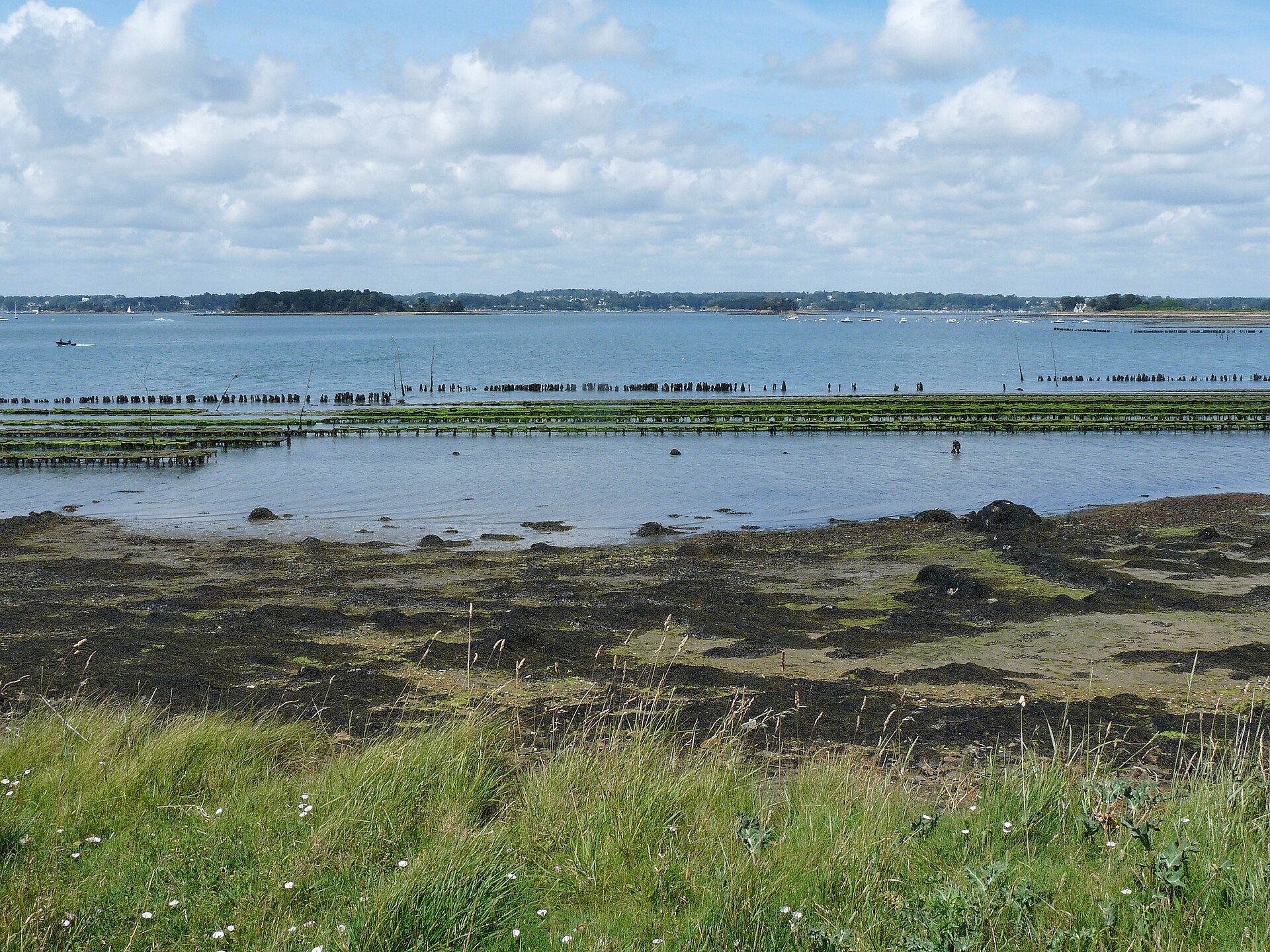
Natura 2000 · passage, breeding, wintering

Natura 2000 · breeding
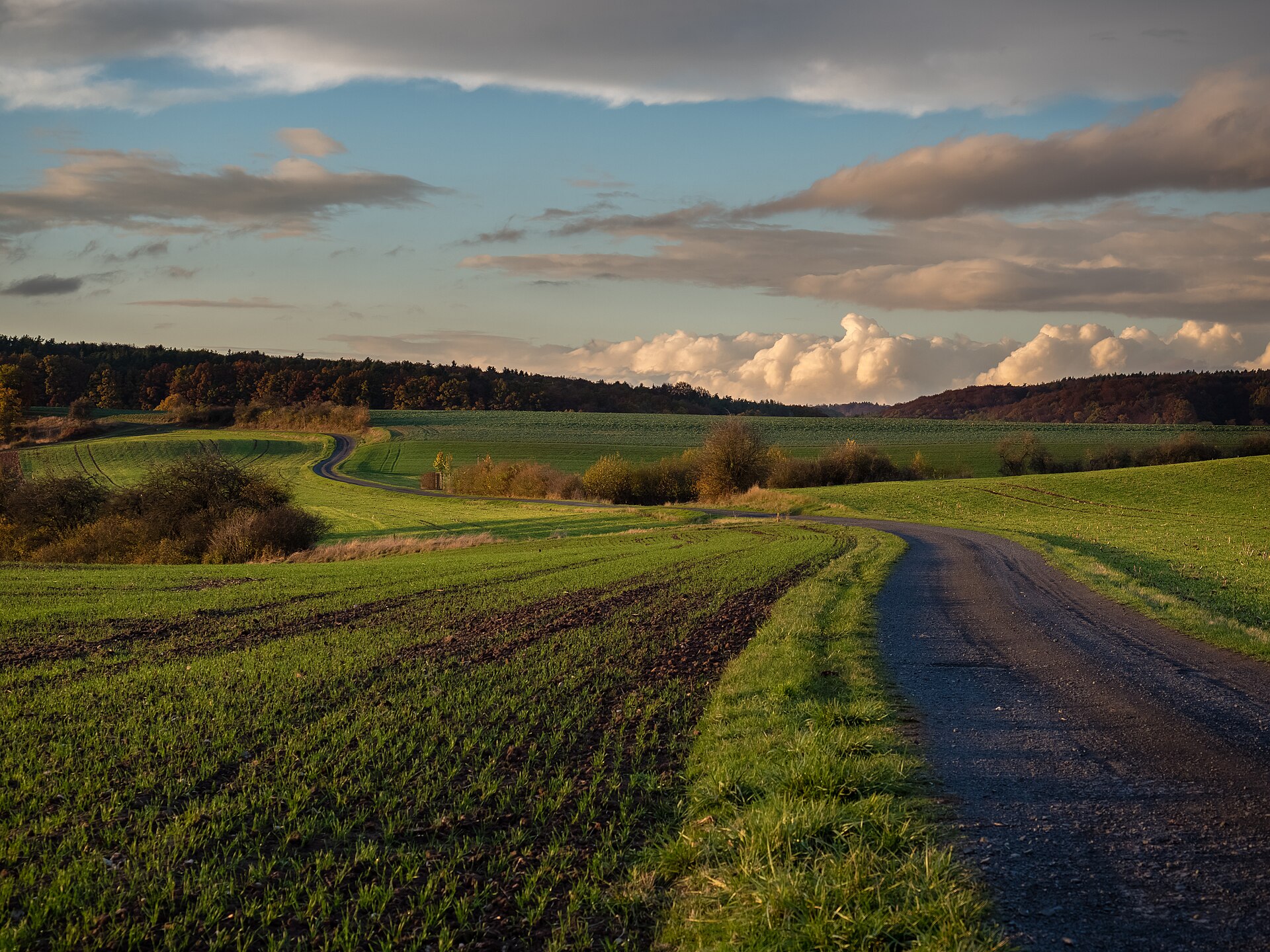
Natura 2000 · passage
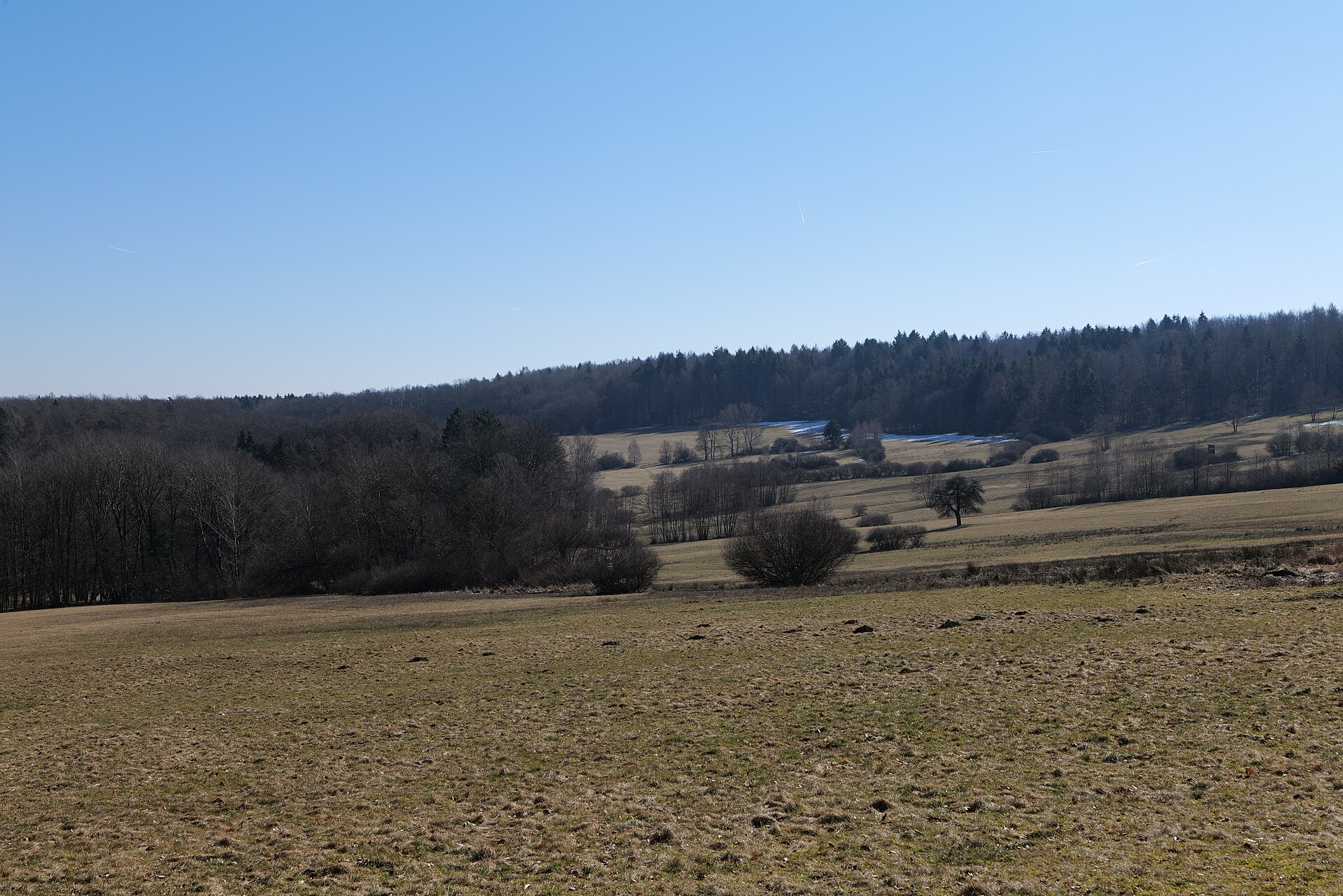
Natura 2000 · breeding

Natura 2000 · breeding, passage
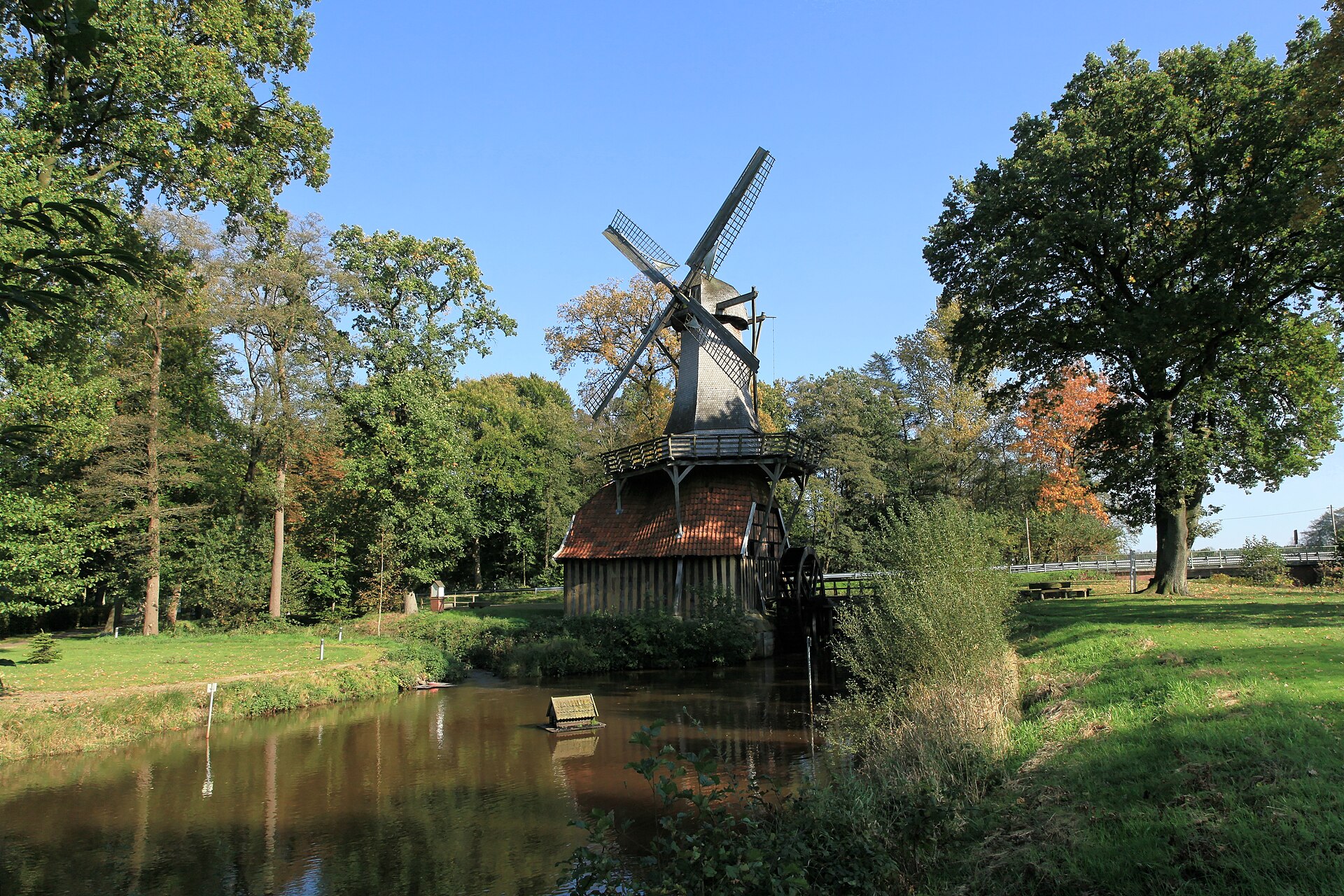
Natura 2000 · breeding
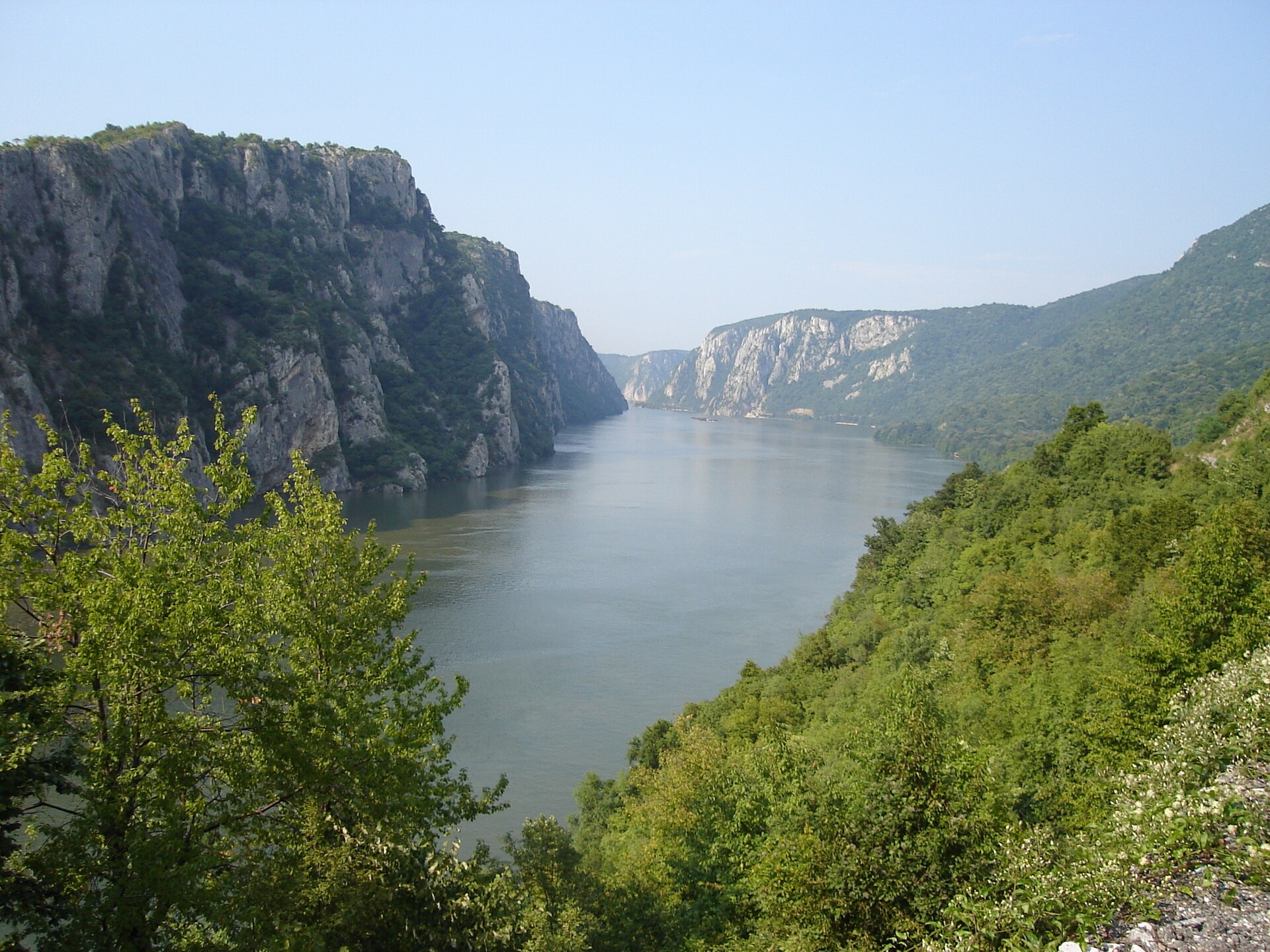
Natura 2000 · passage
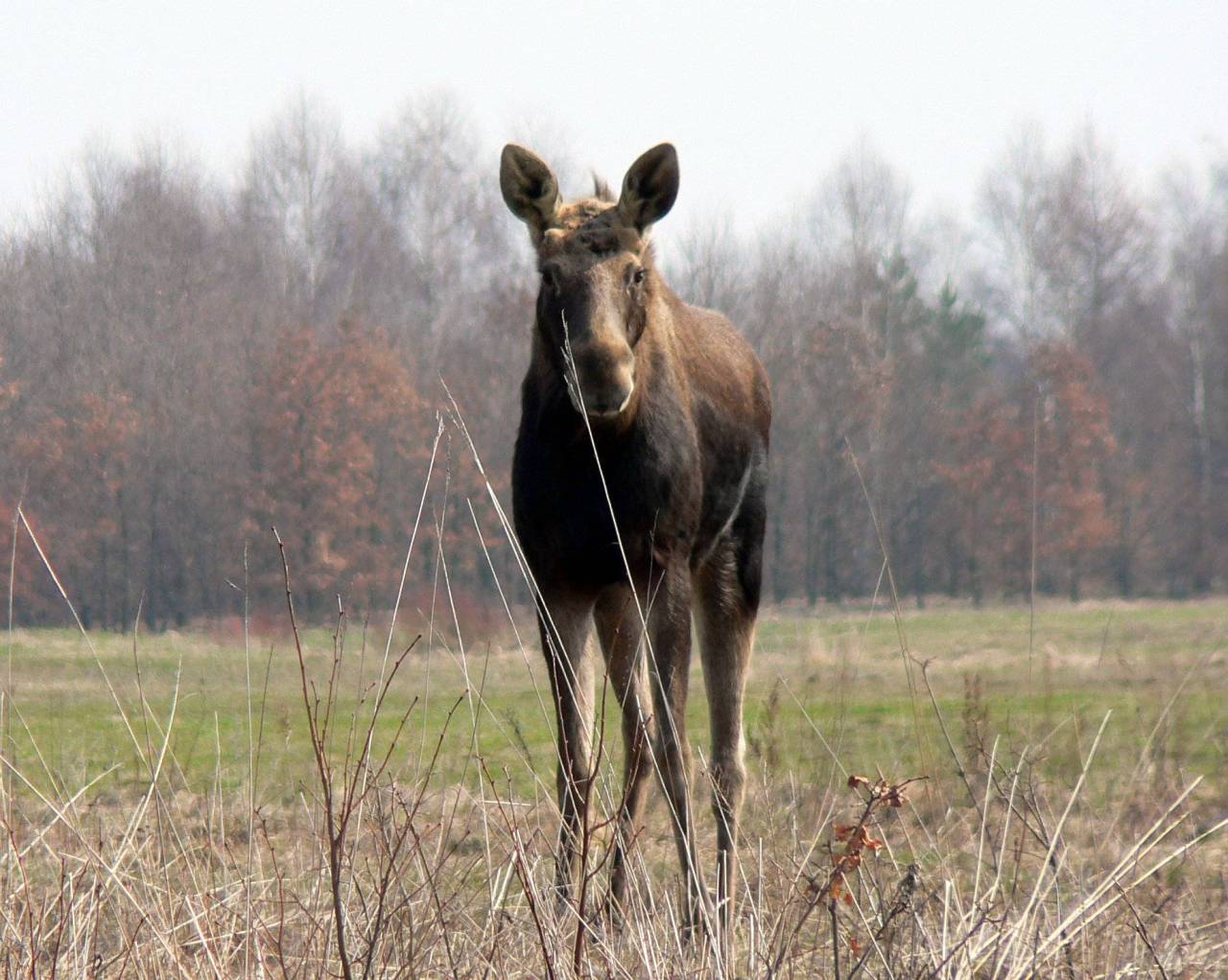
Natura 2000 · breeding
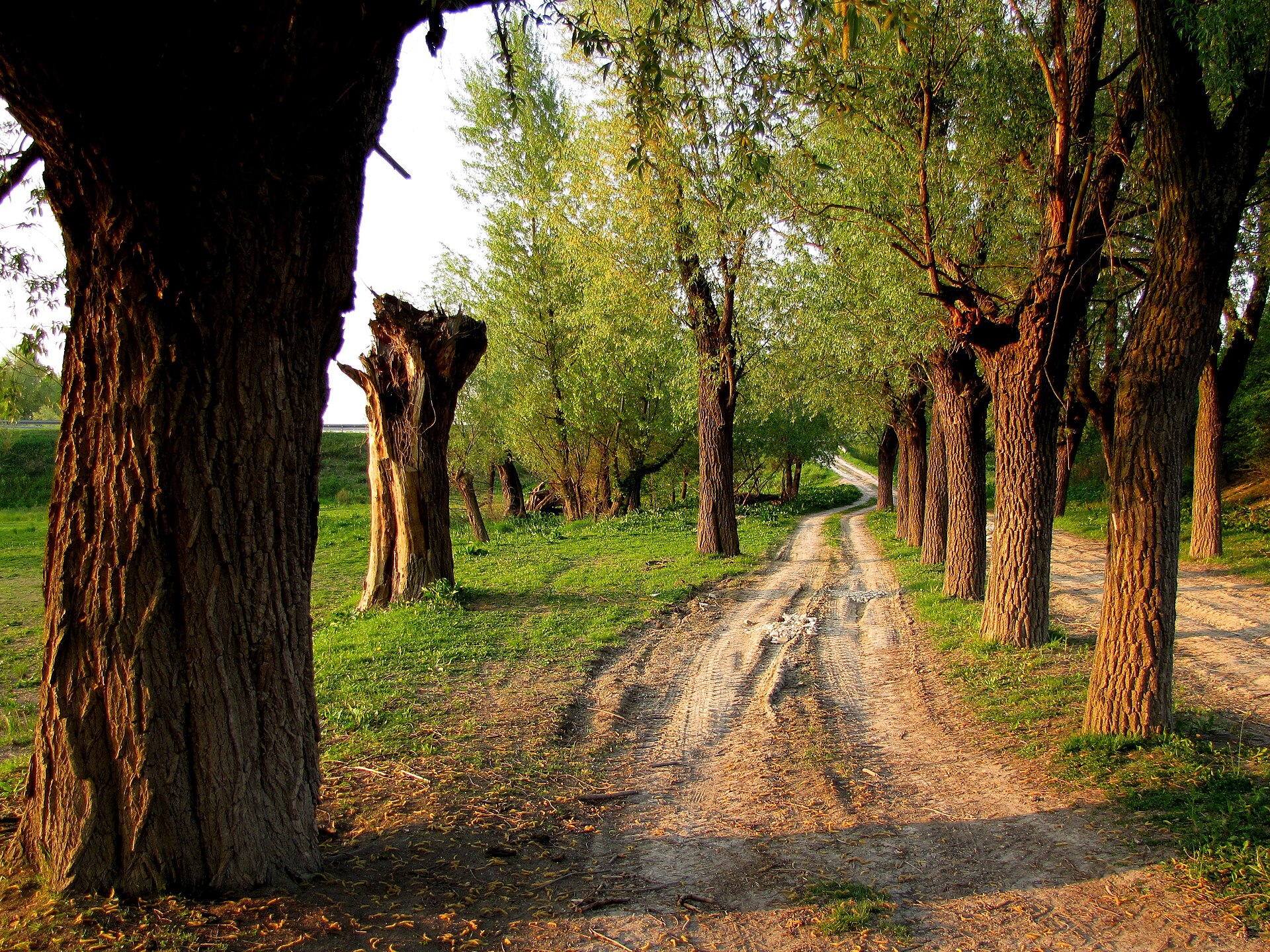
Natura 2000 · breeding
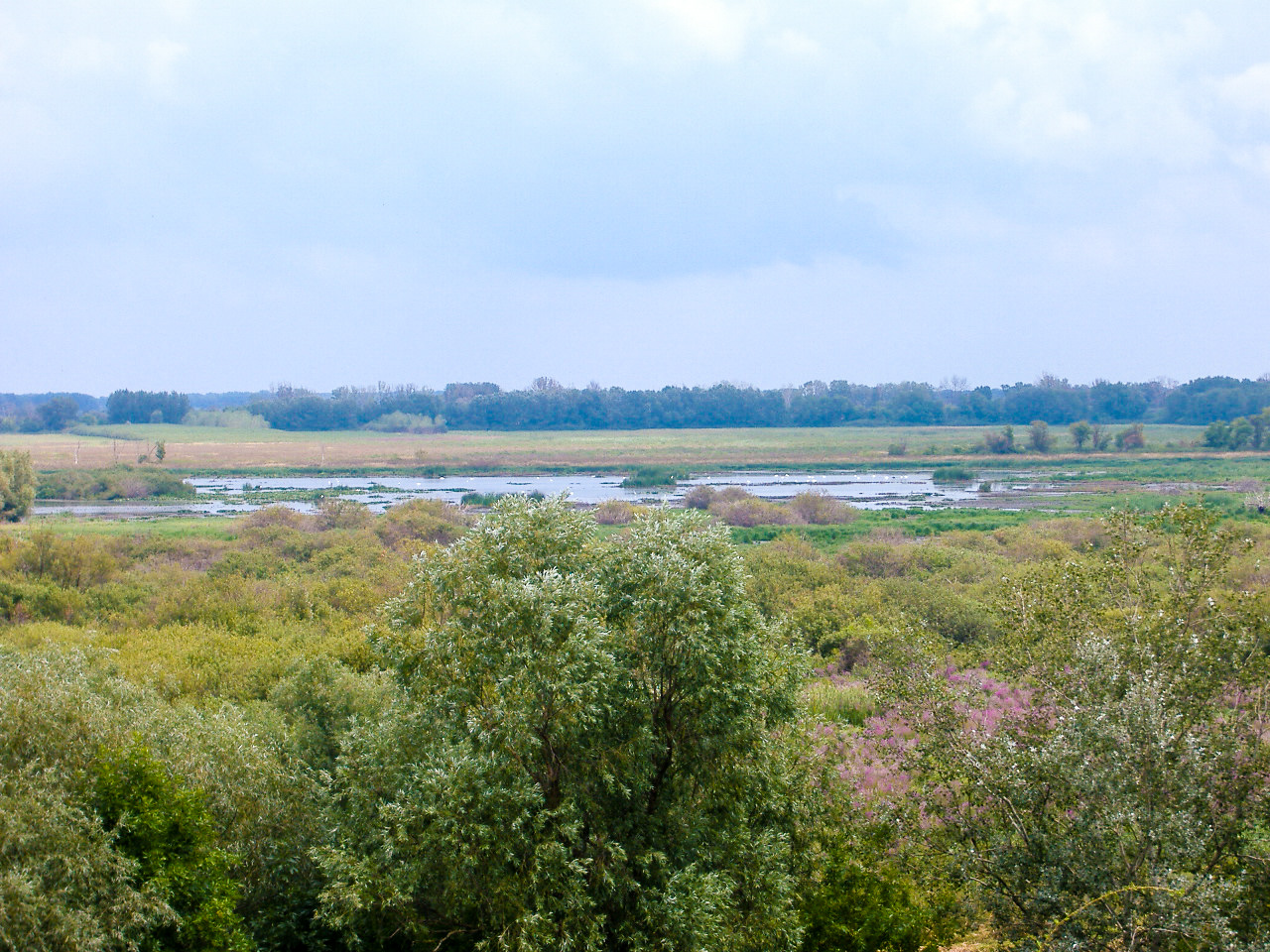
Natura 2000 · breeding, passage

Natura 2000 · breeding
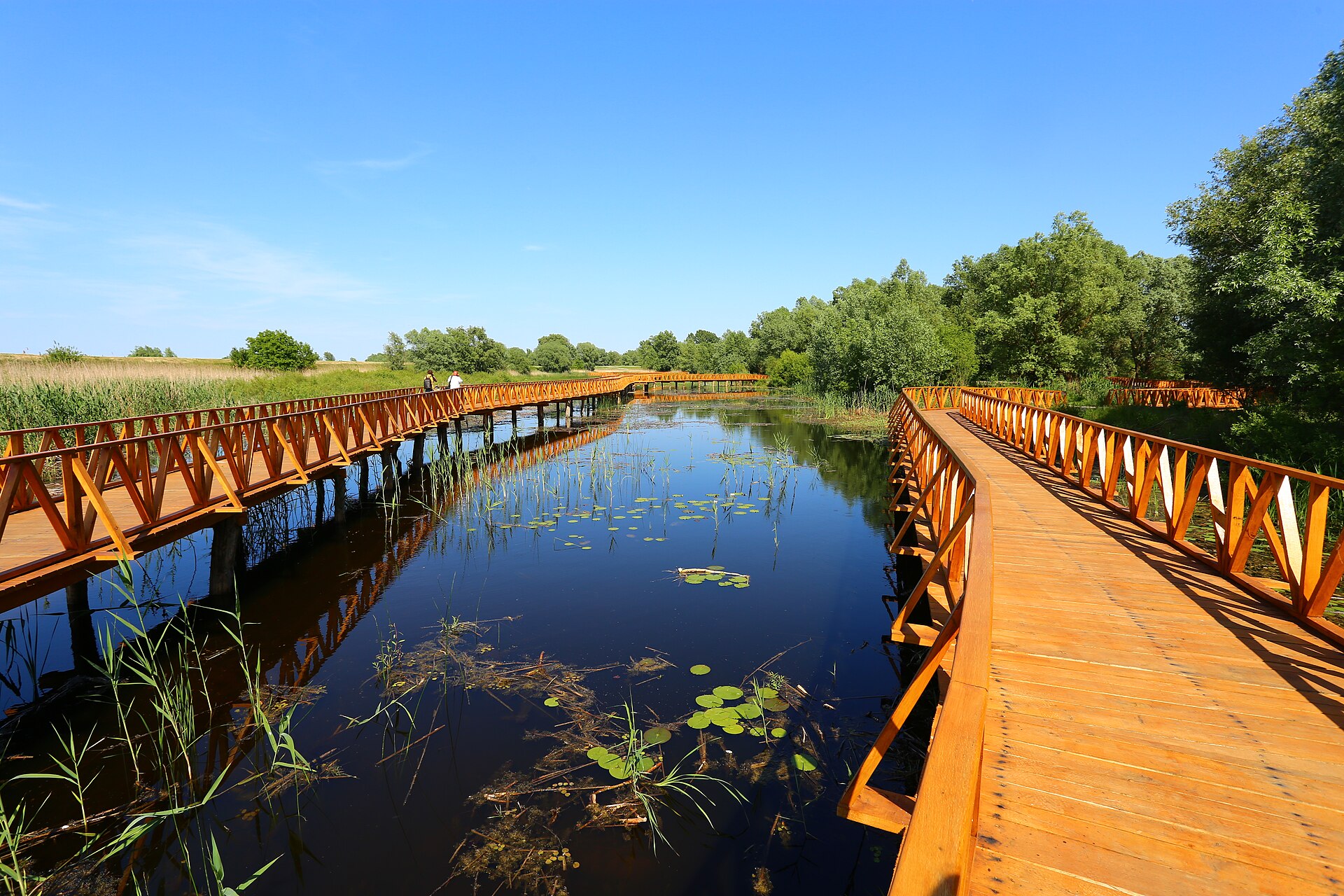
Natura 2000 · passage
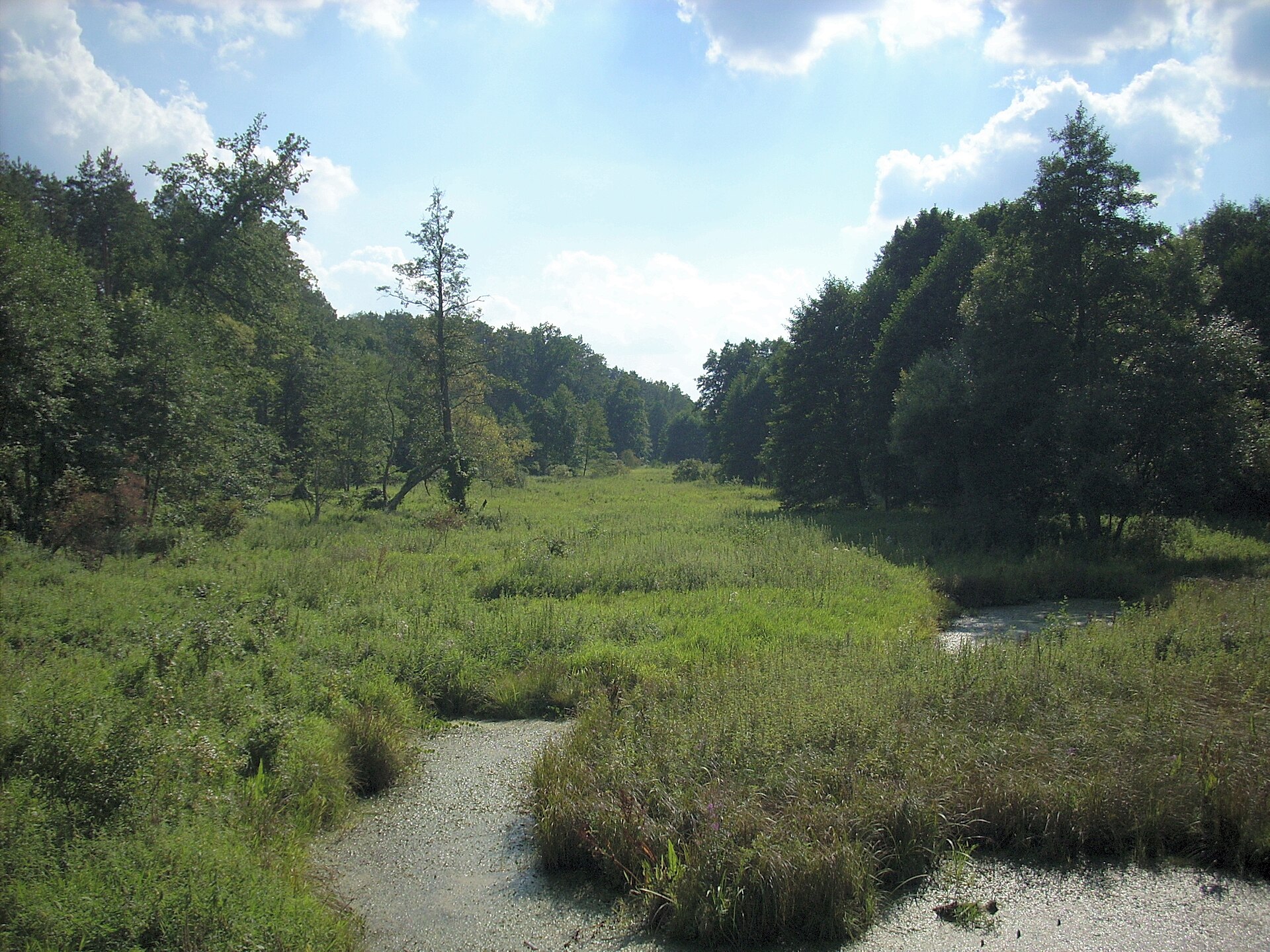
Natura 2000 · breeding
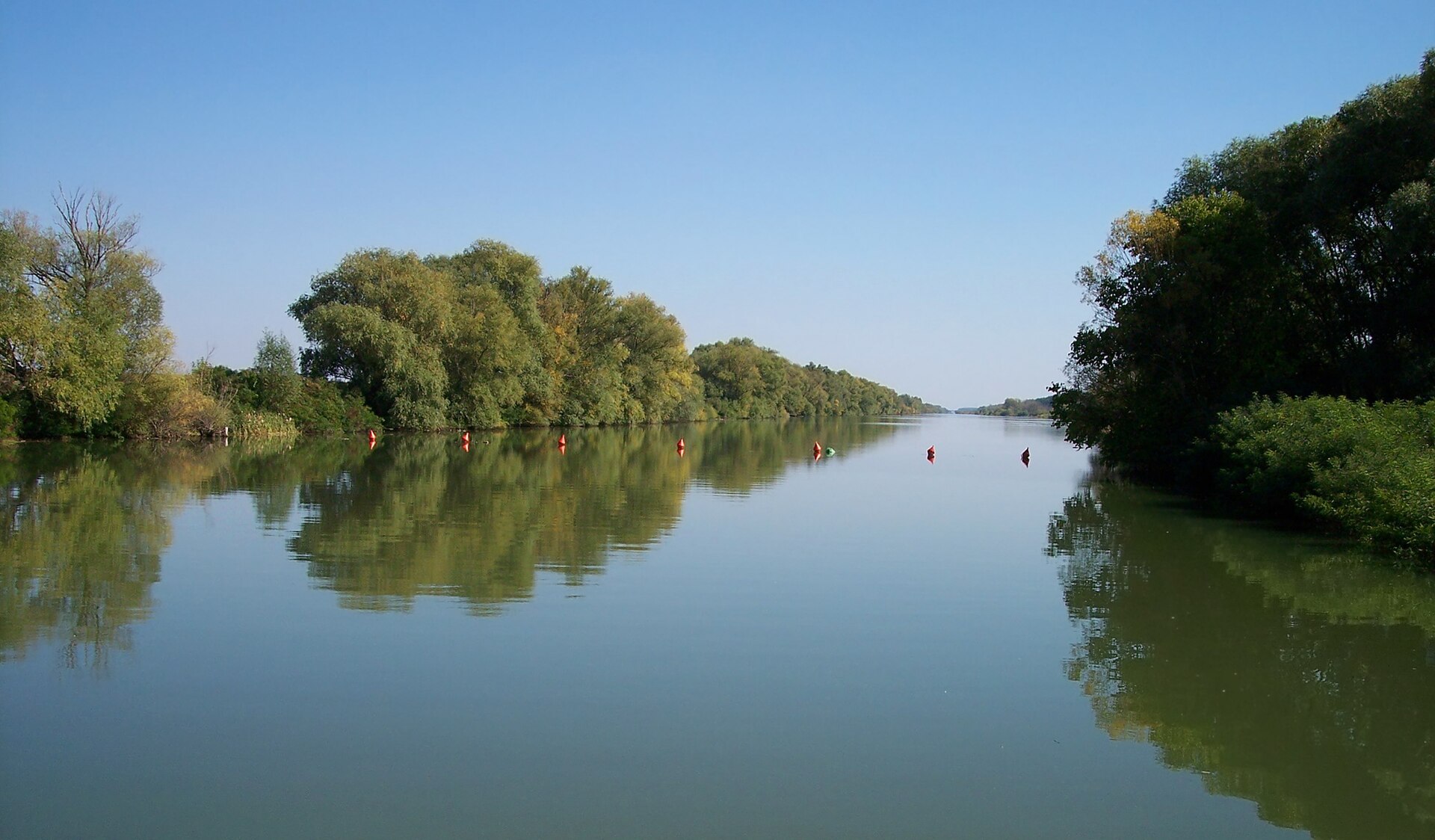
Natura 2000 · passage, breeding
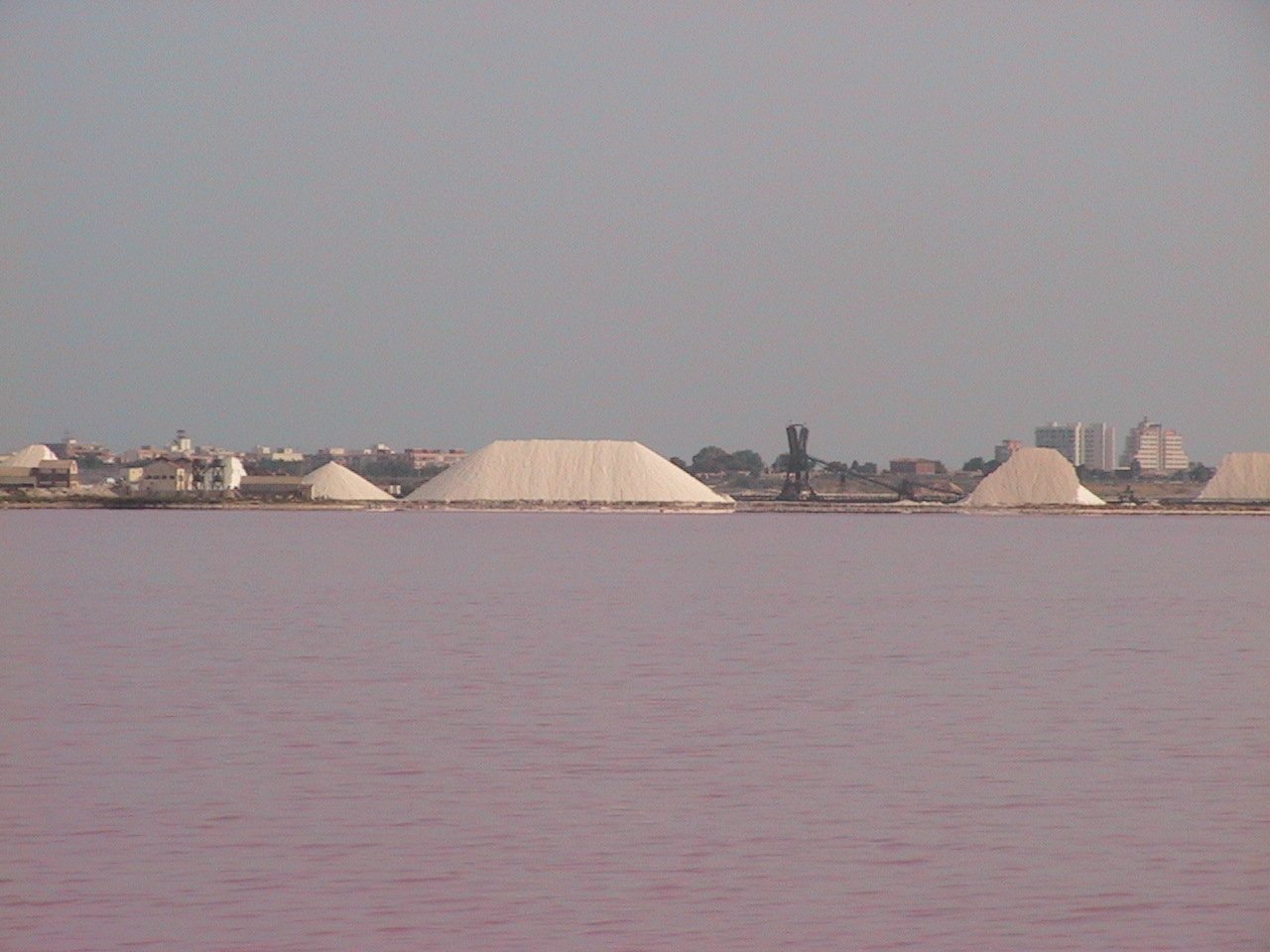
Natura 2000 · passage
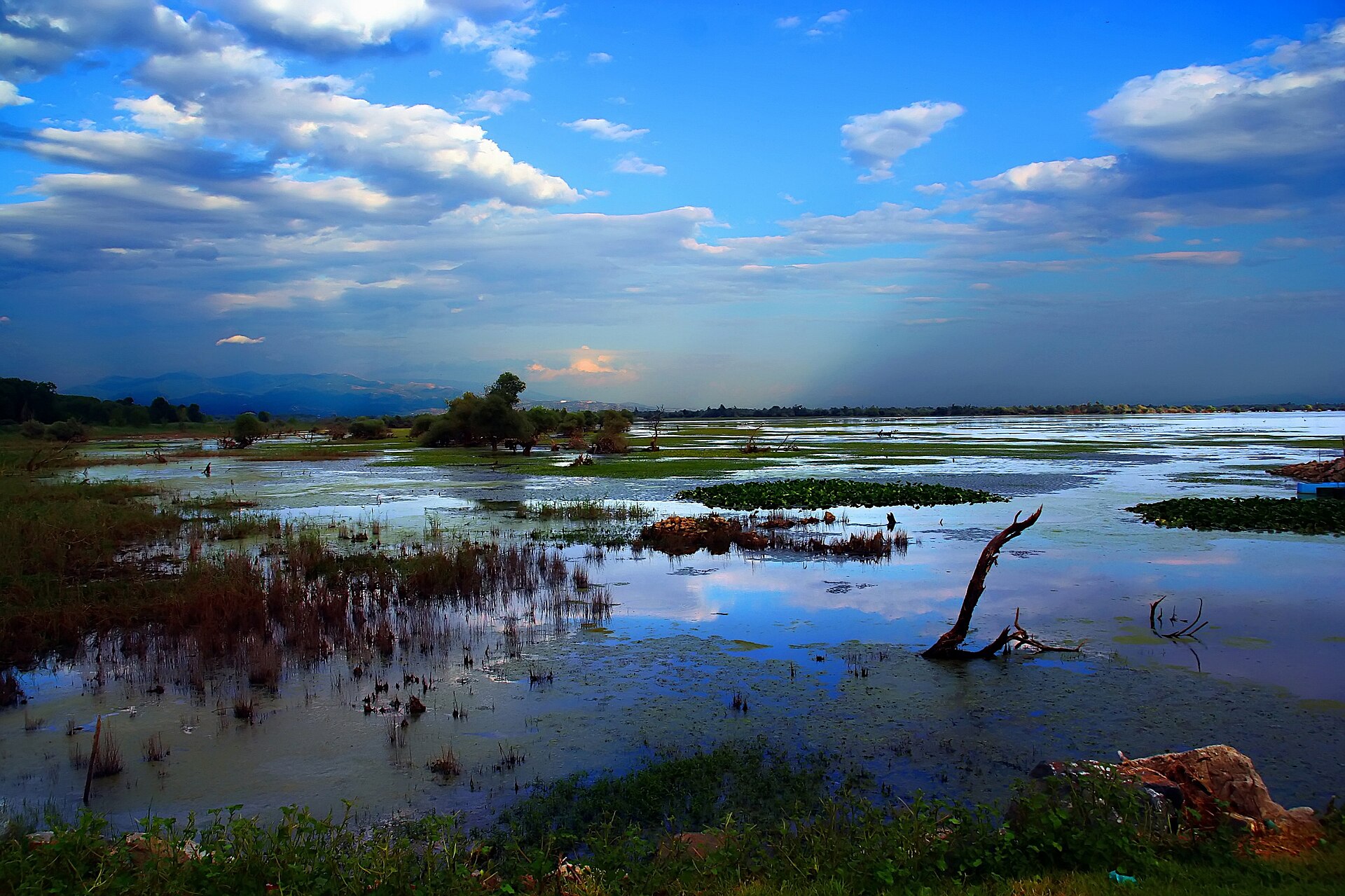
Natura 2000 · passage
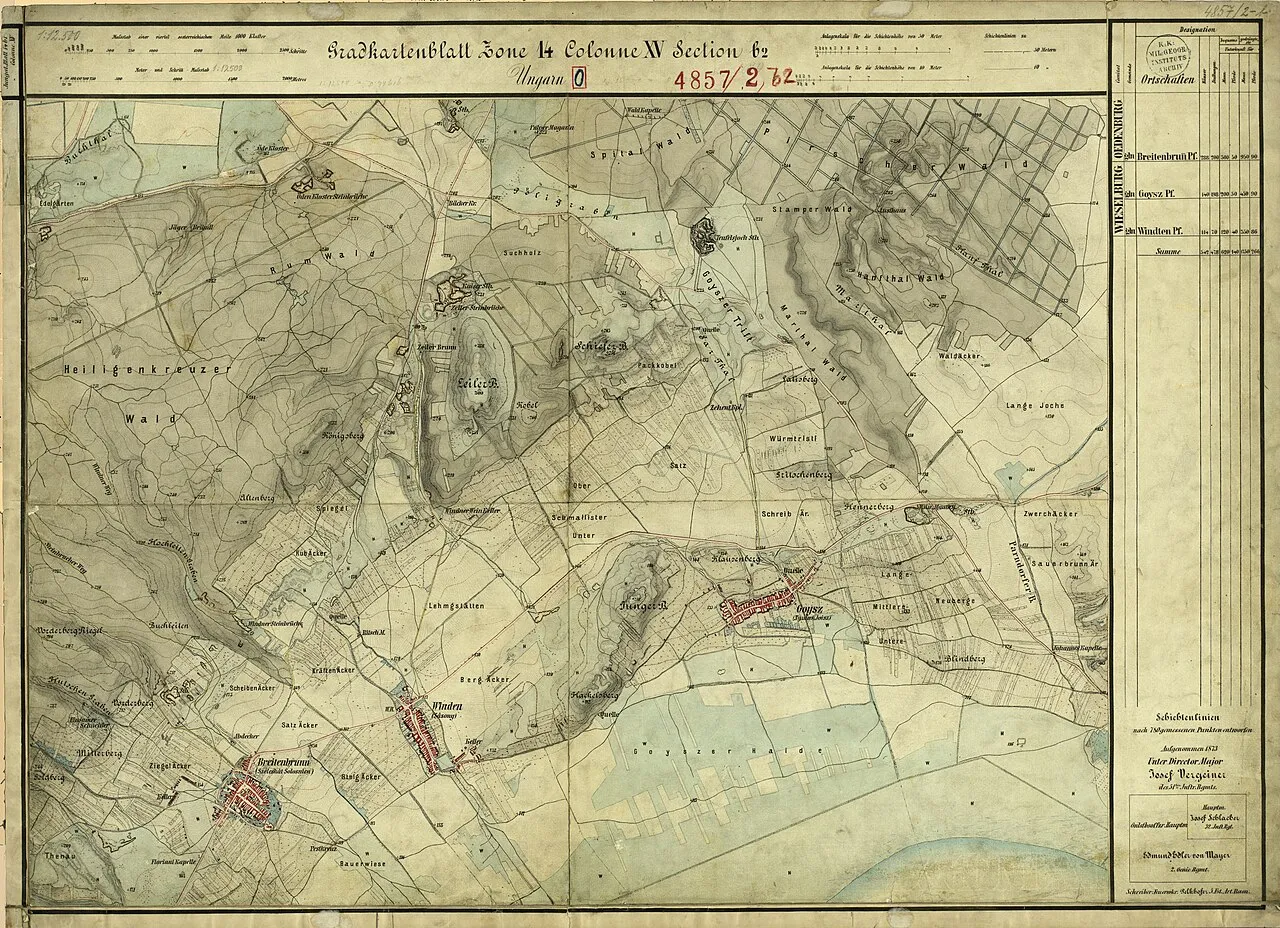
Natura 2000 · breeding, passage
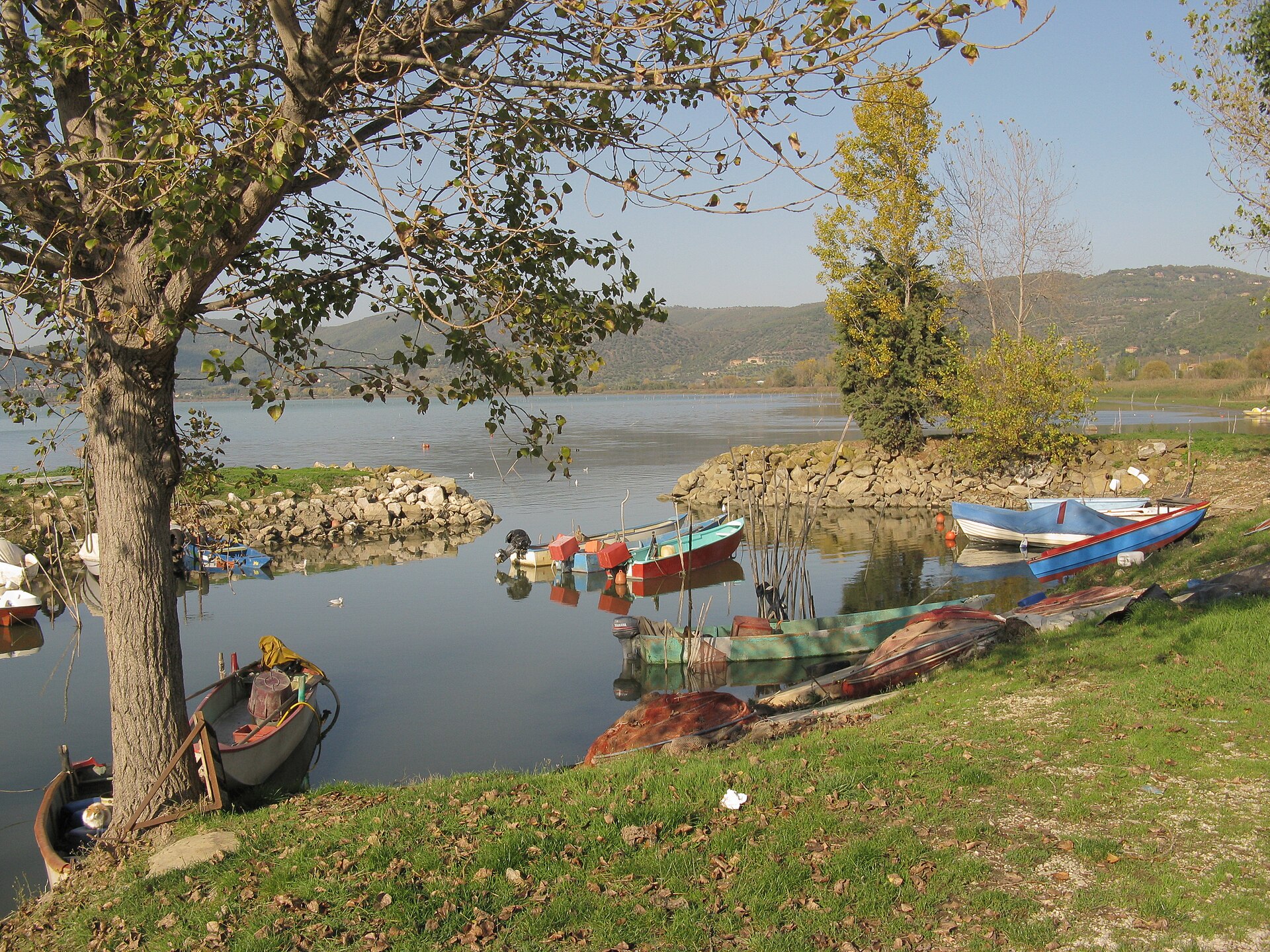
Natura 2000 · passage
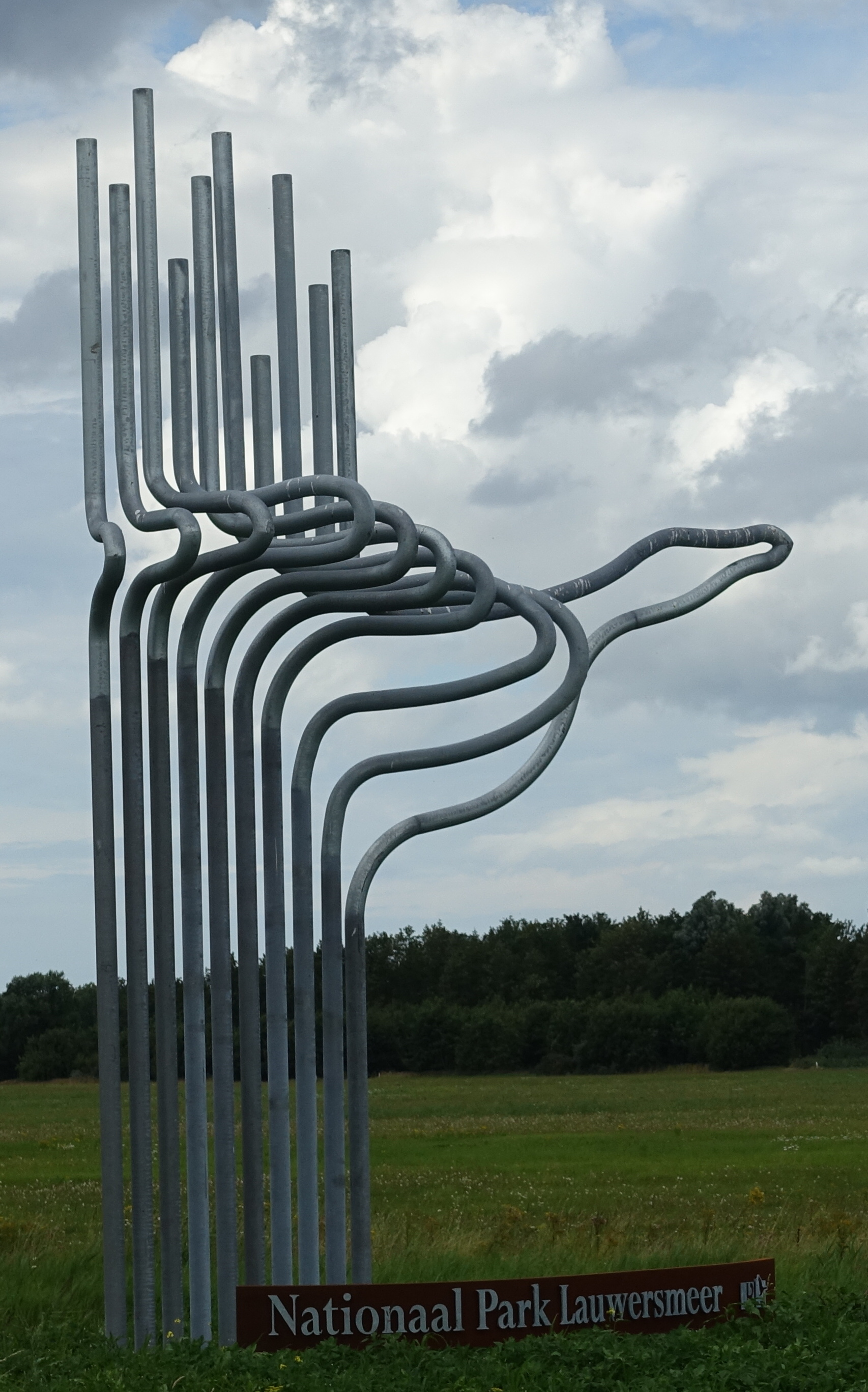
Natura 2000 · passage
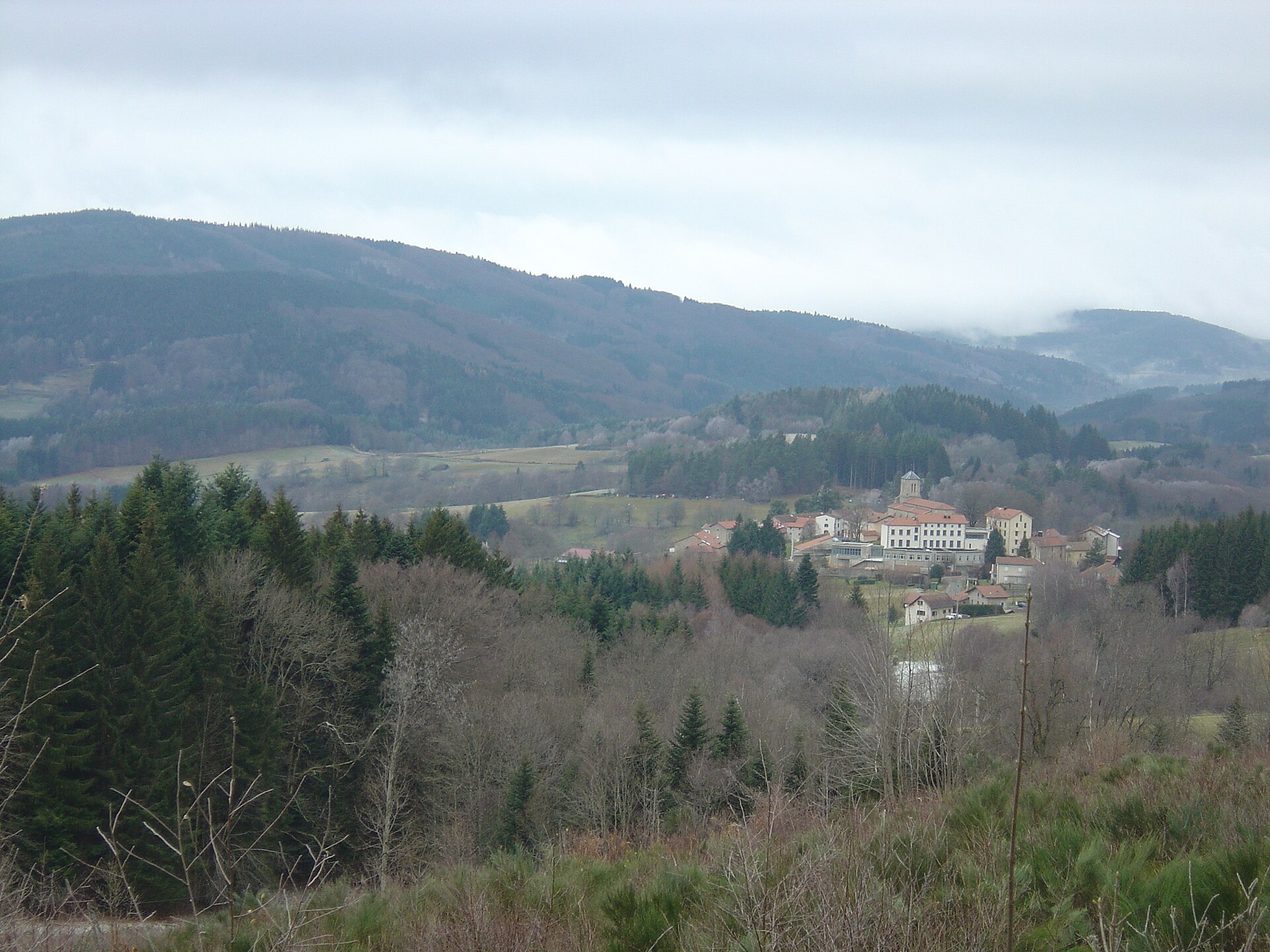
Natura 2000 · passage
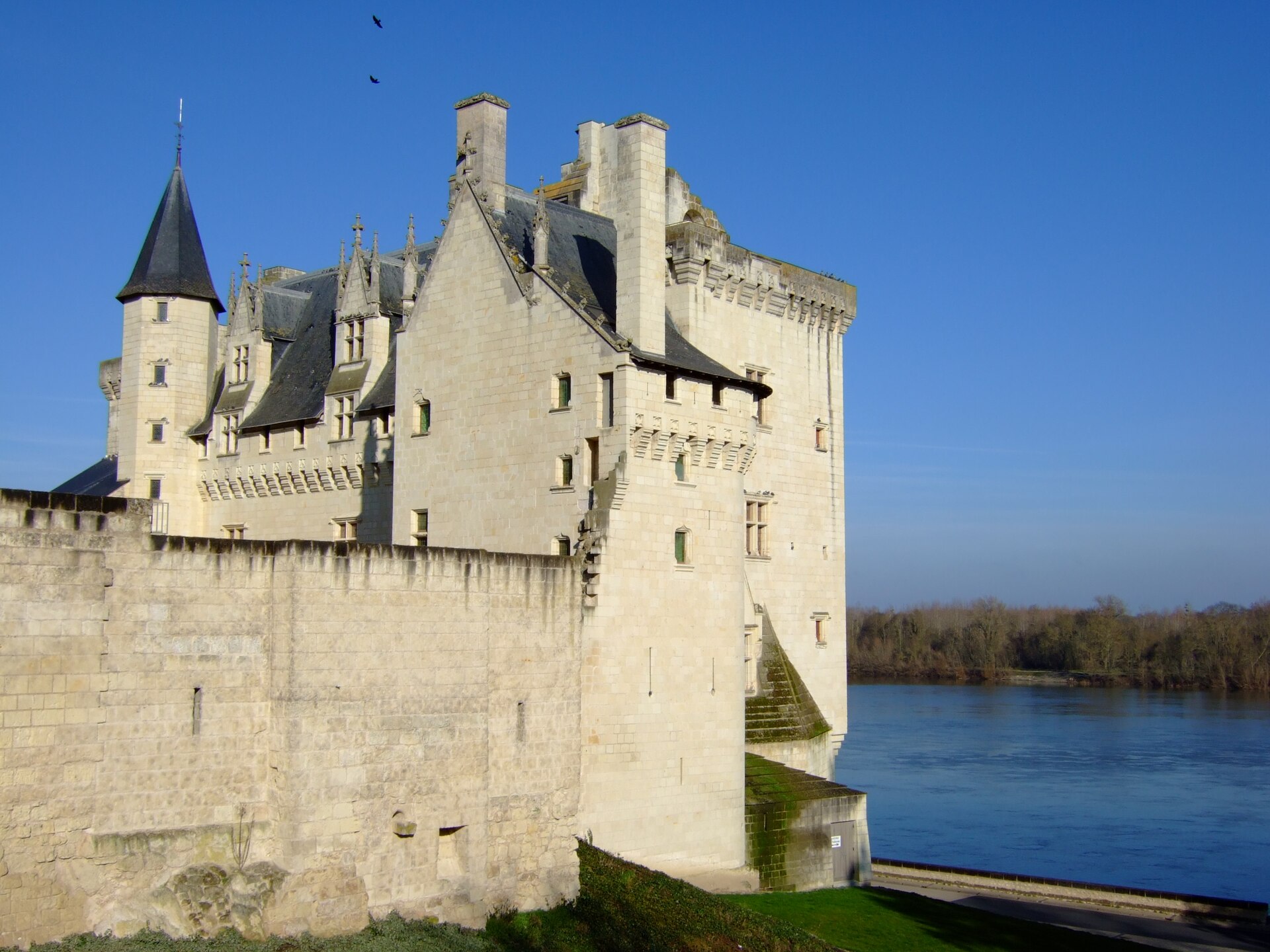
Natura 2000 · passage
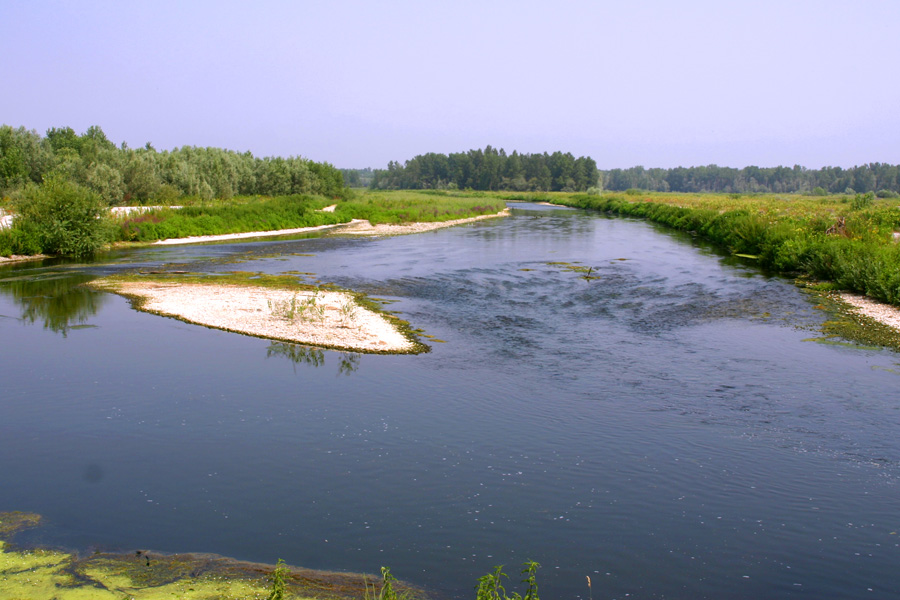
Natura 2000 · passage
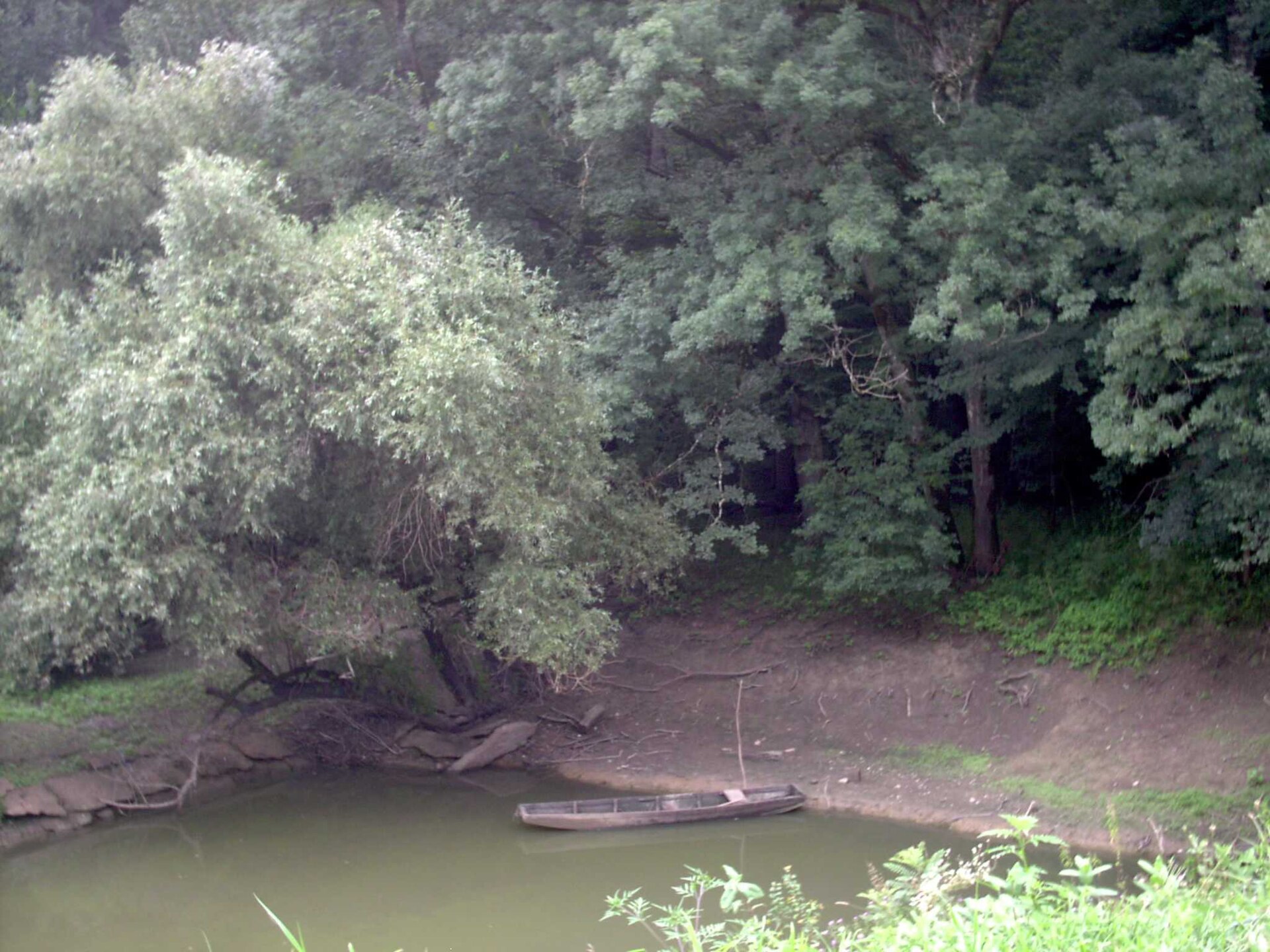
Natura 2000 · passage
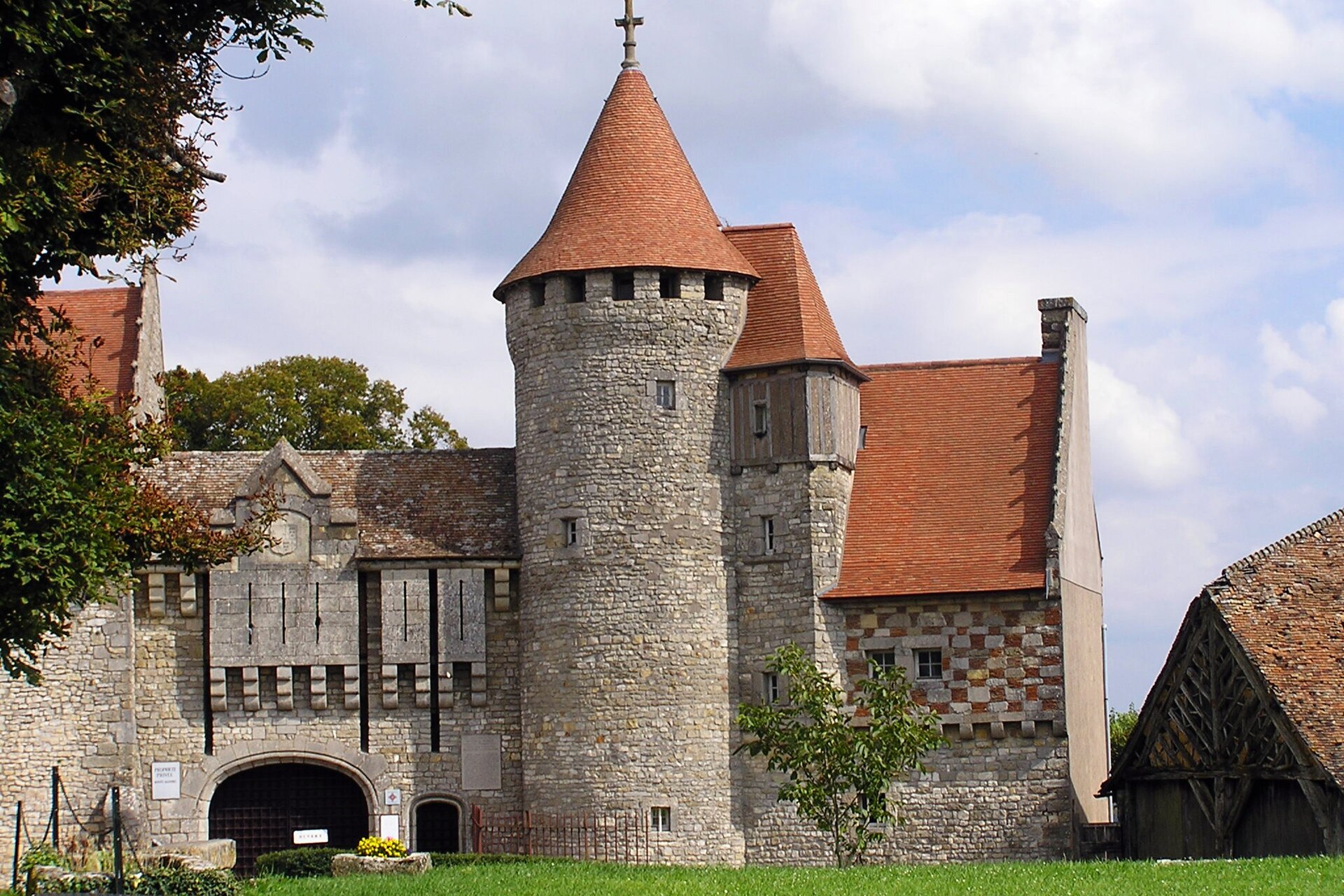
Natura 2000 · passage
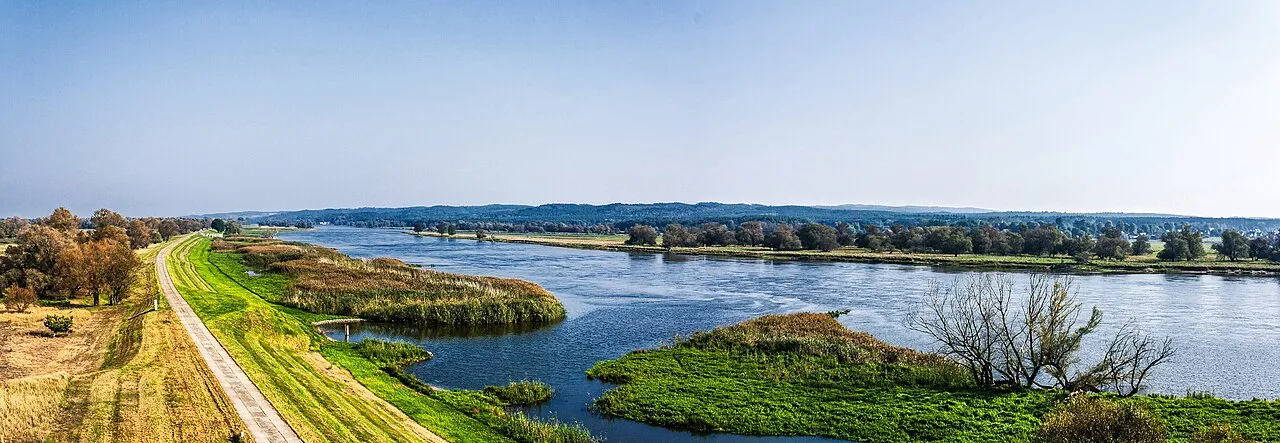
Natura 2000 · passage, breeding
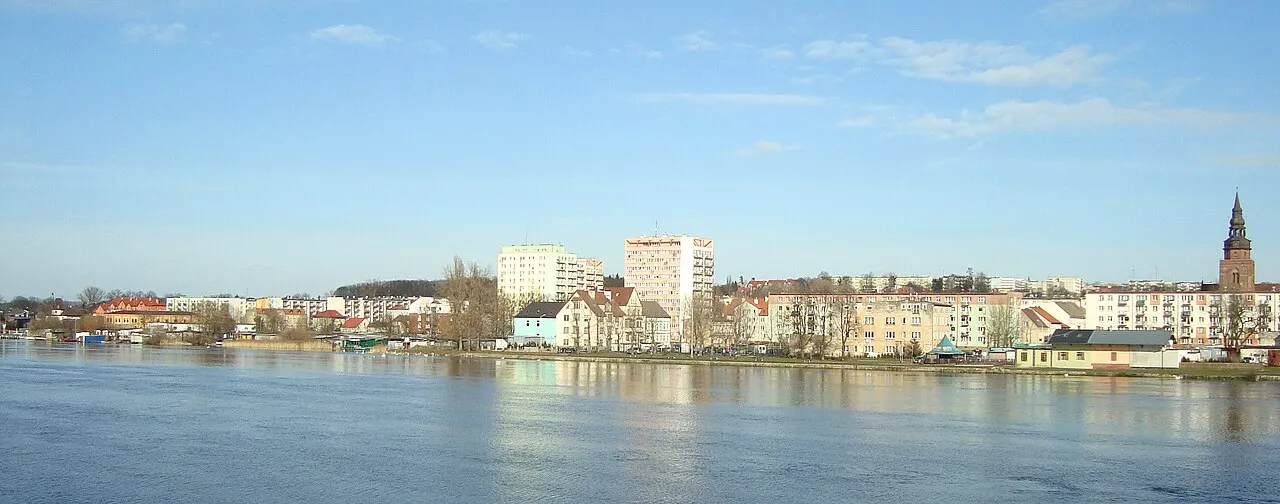
Natura 2000 · breeding
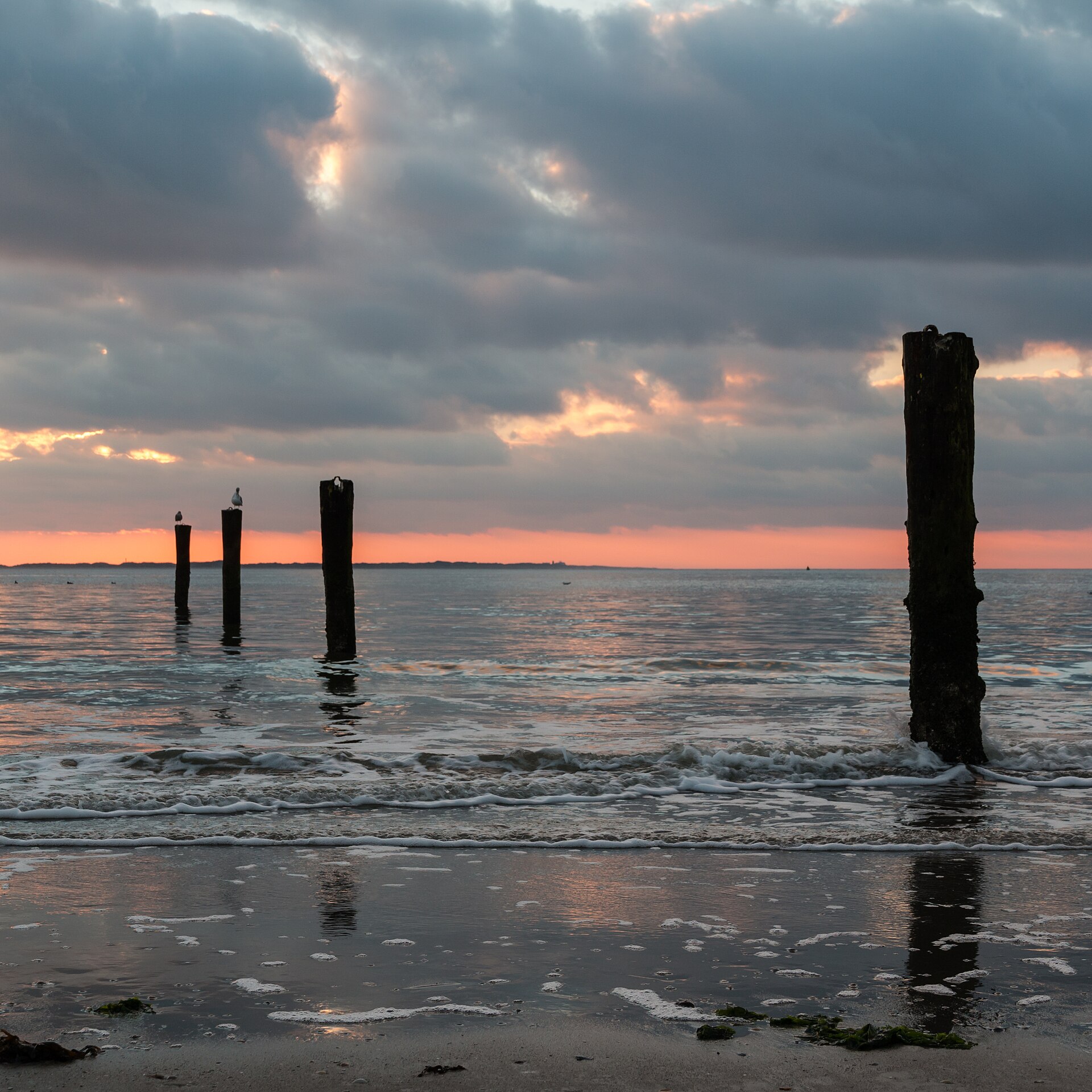
Natura 2000 · passage, breeding
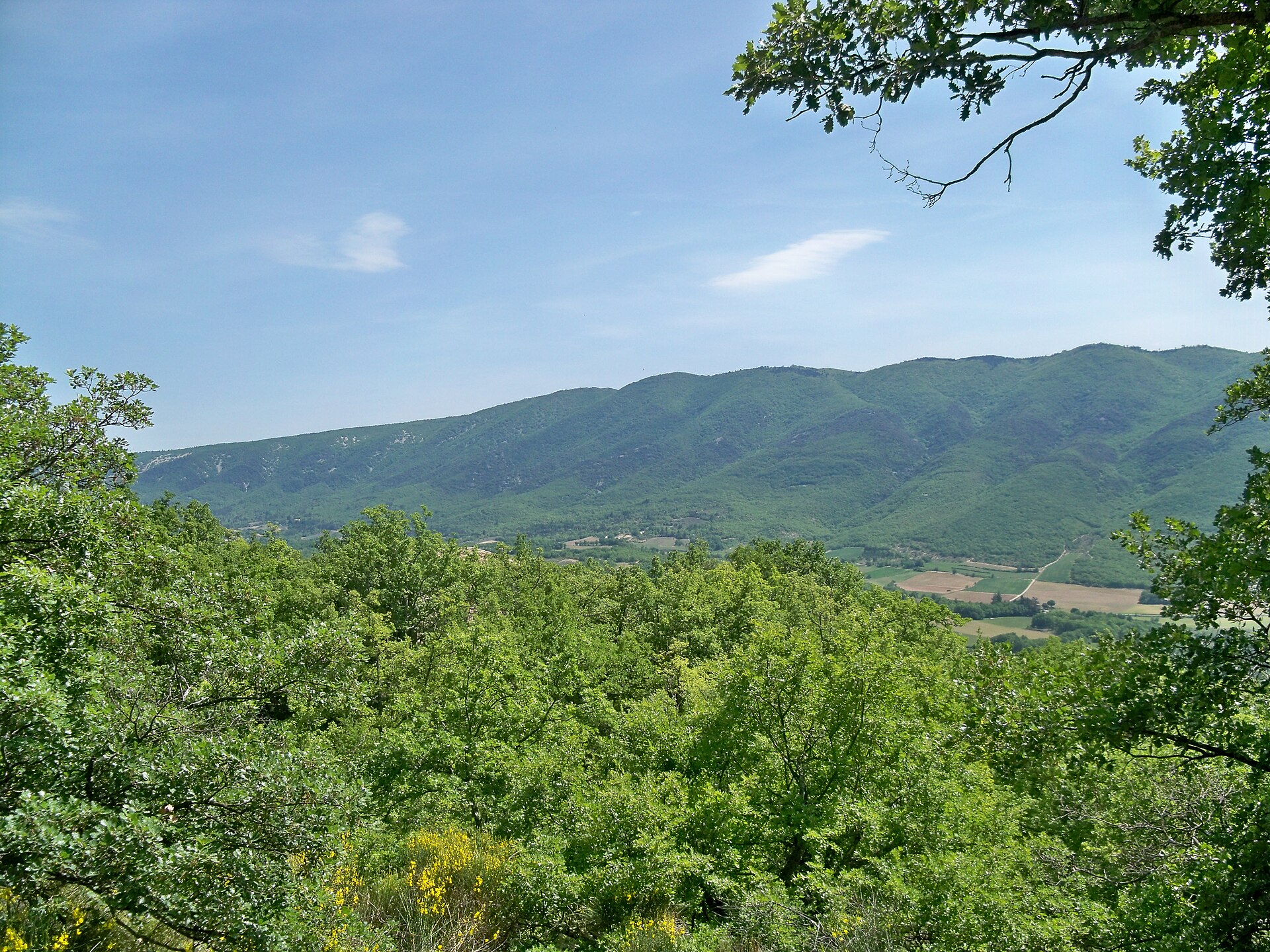
Natura 2000 · passage

Natura 2000 · passage, breeding
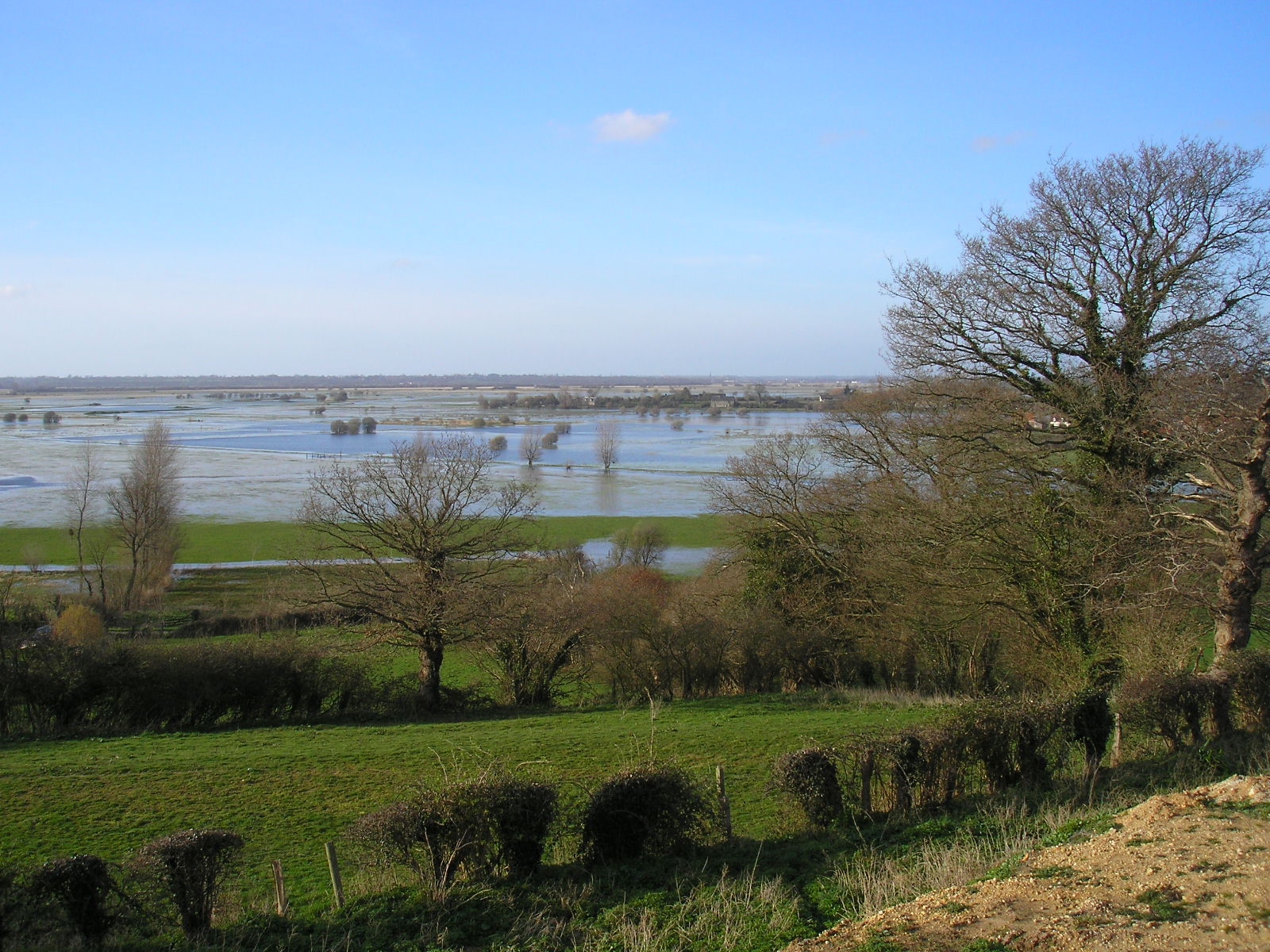
Natura 2000 · breeding, passage

Natura 2000 · passage
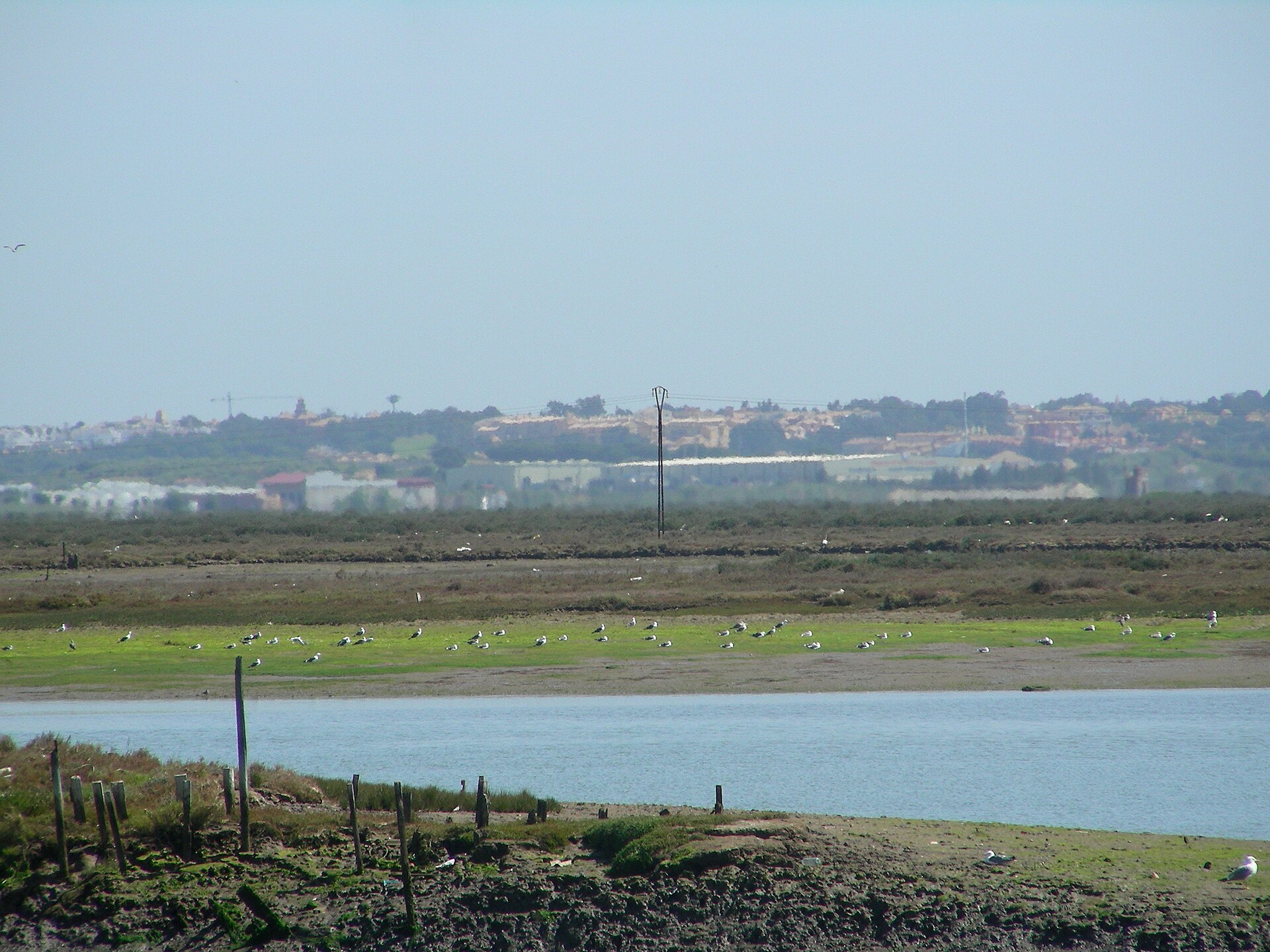
Natura 2000 · wintering

Natura 2000 · breeding
Natura 2000 · wintering
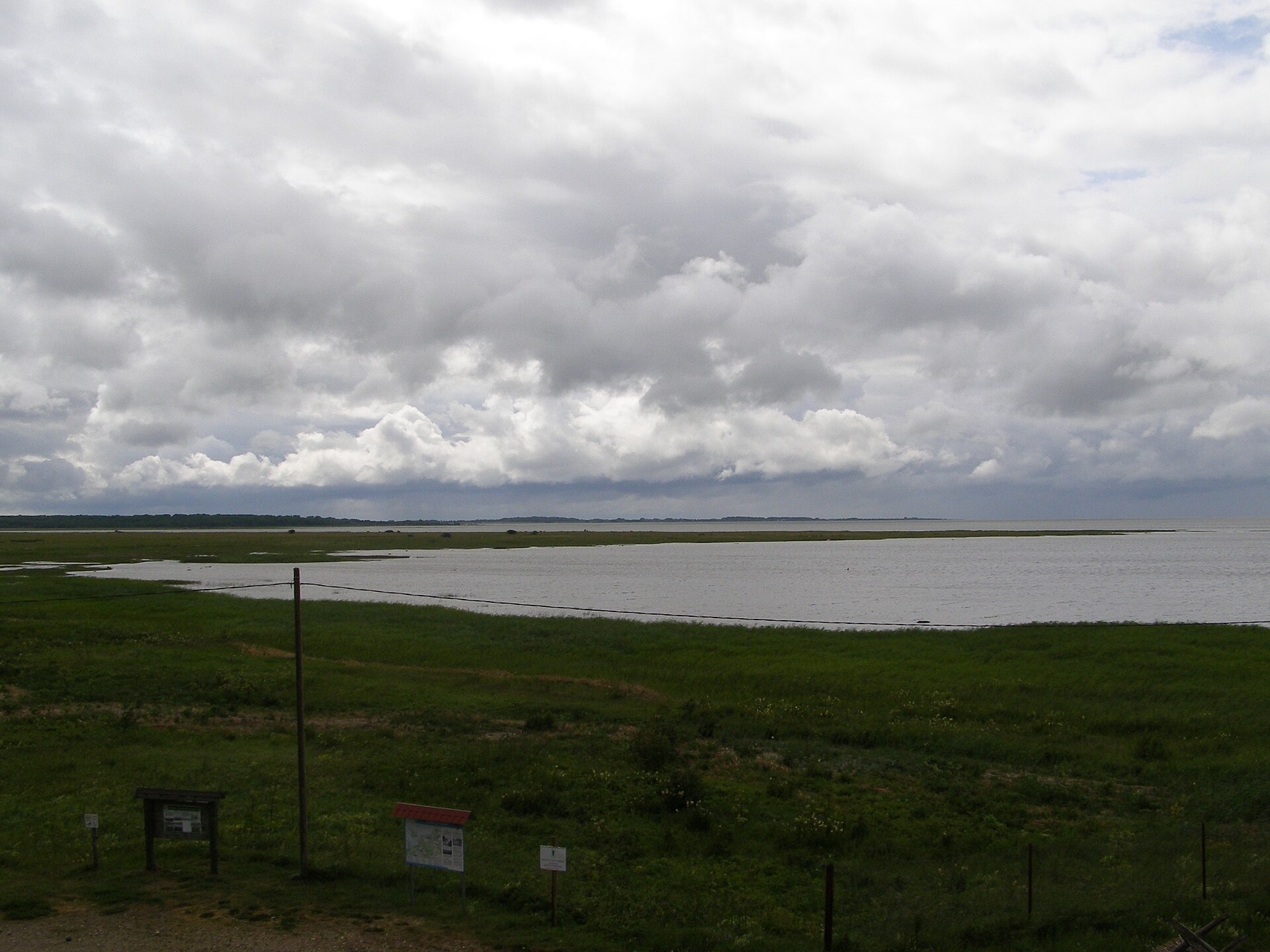
Natura 2000 · breeding
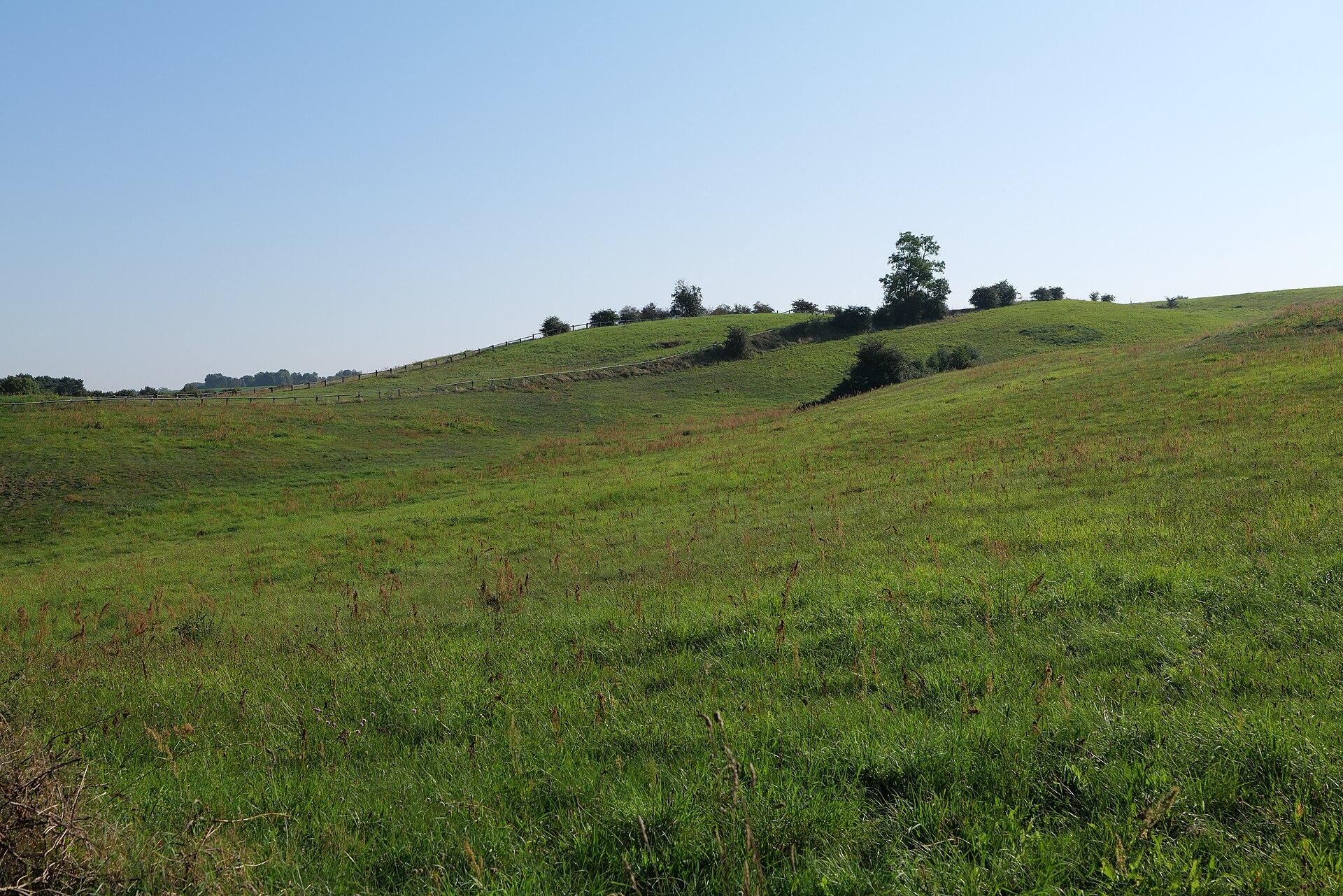
Natura 2000 · breeding
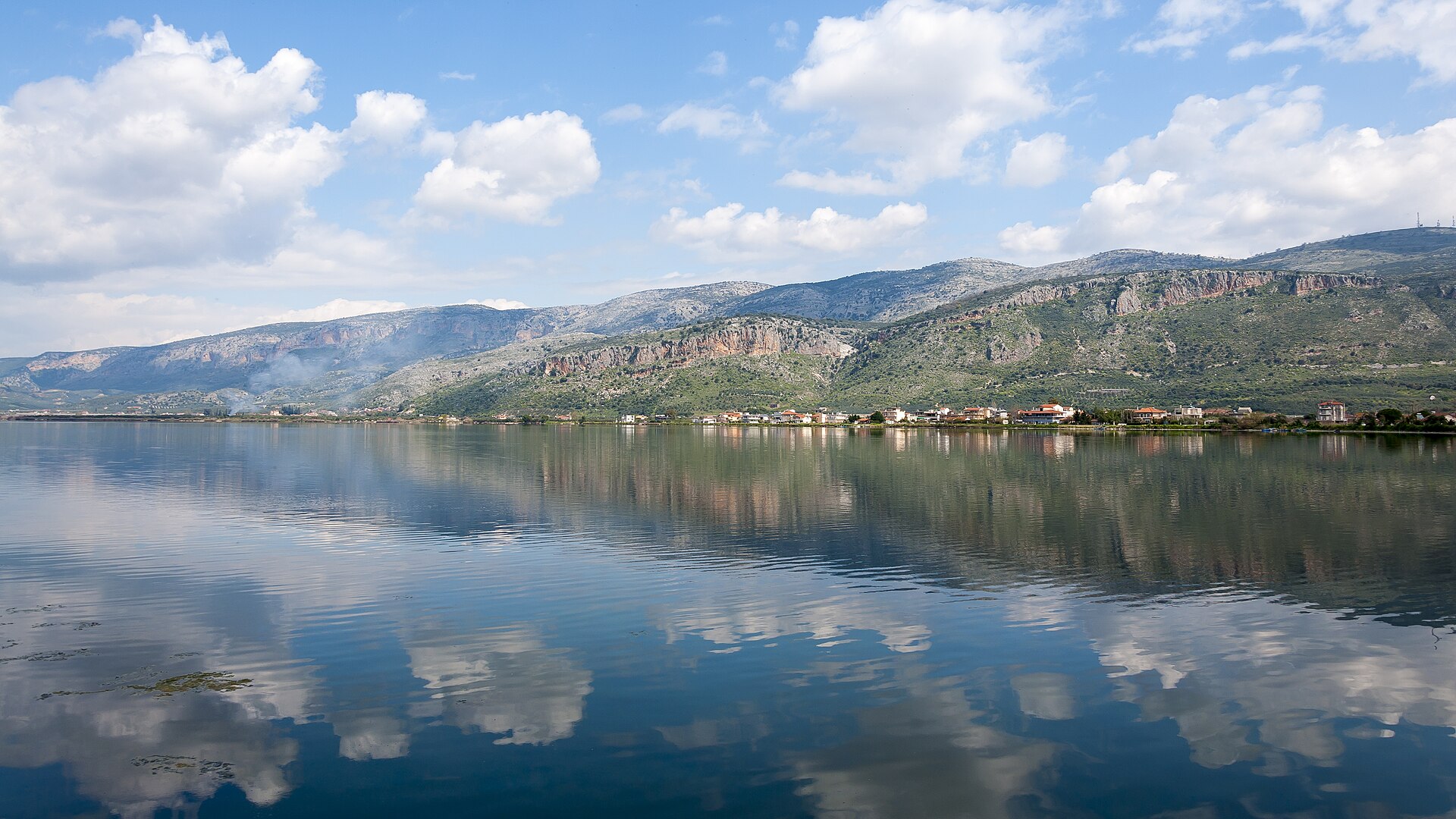
Natura 2000 · passage, wintering
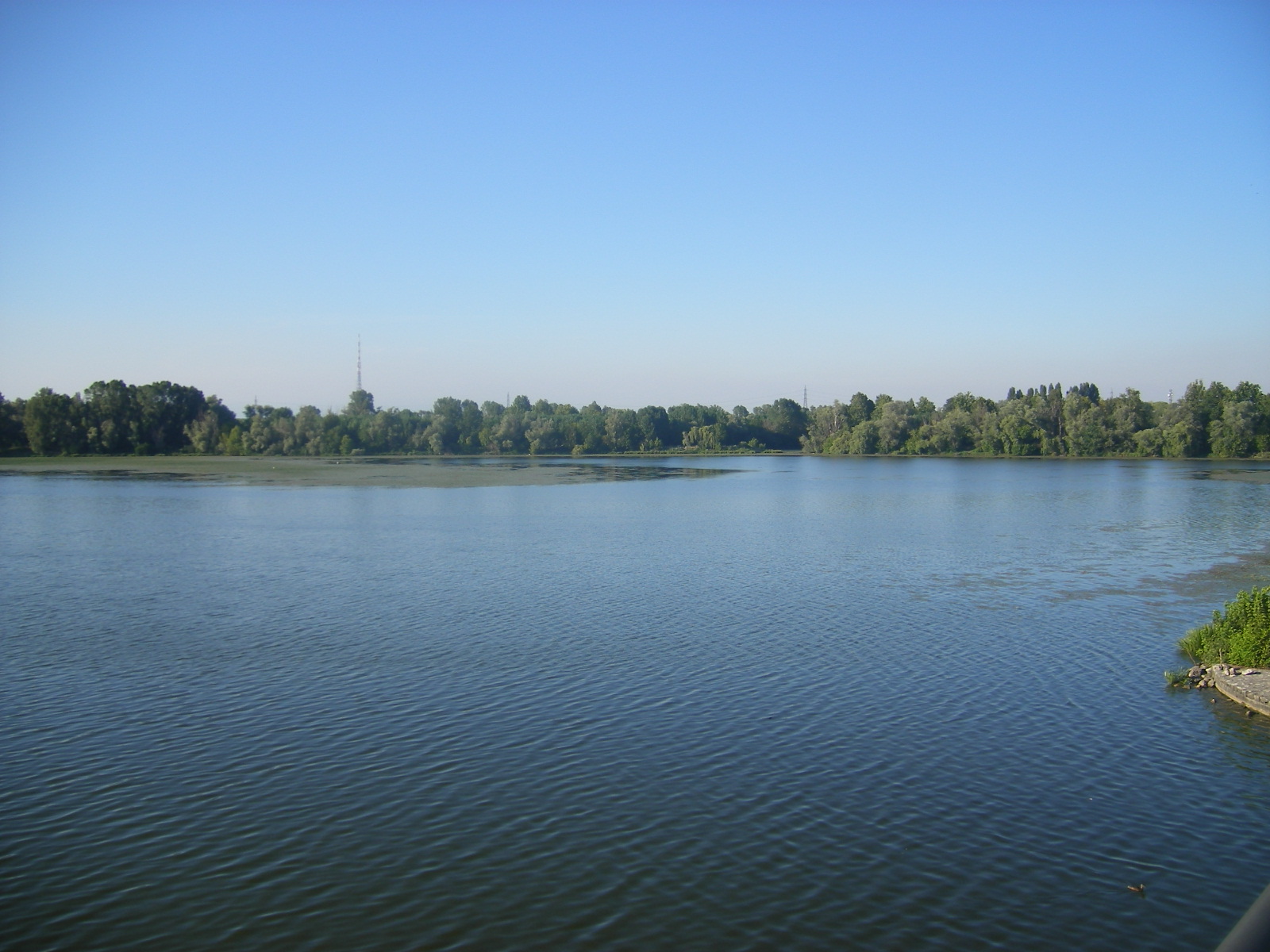
Natura 2000 · passage

Natura 2000 · passage
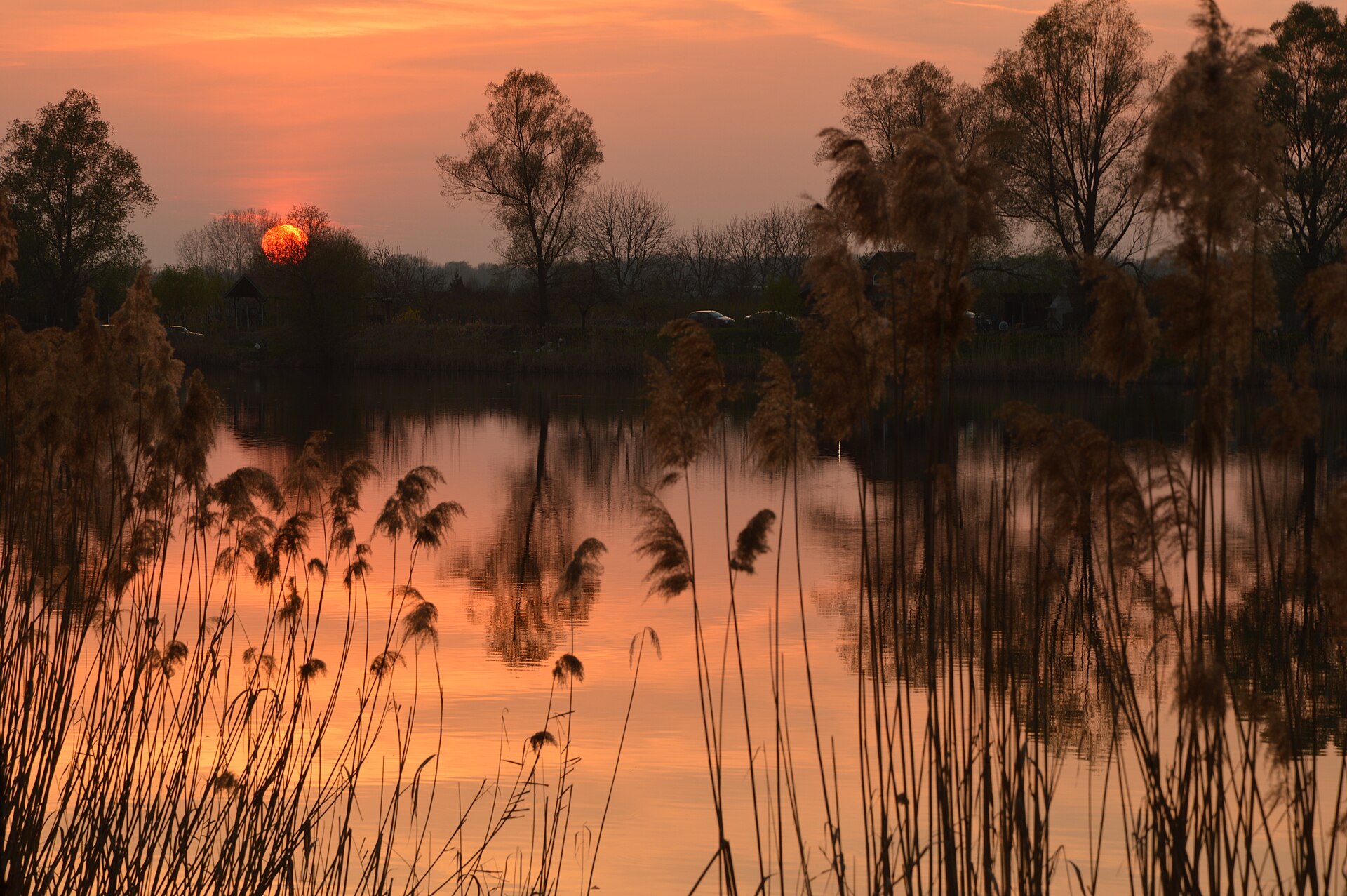
Natura 2000 · passage
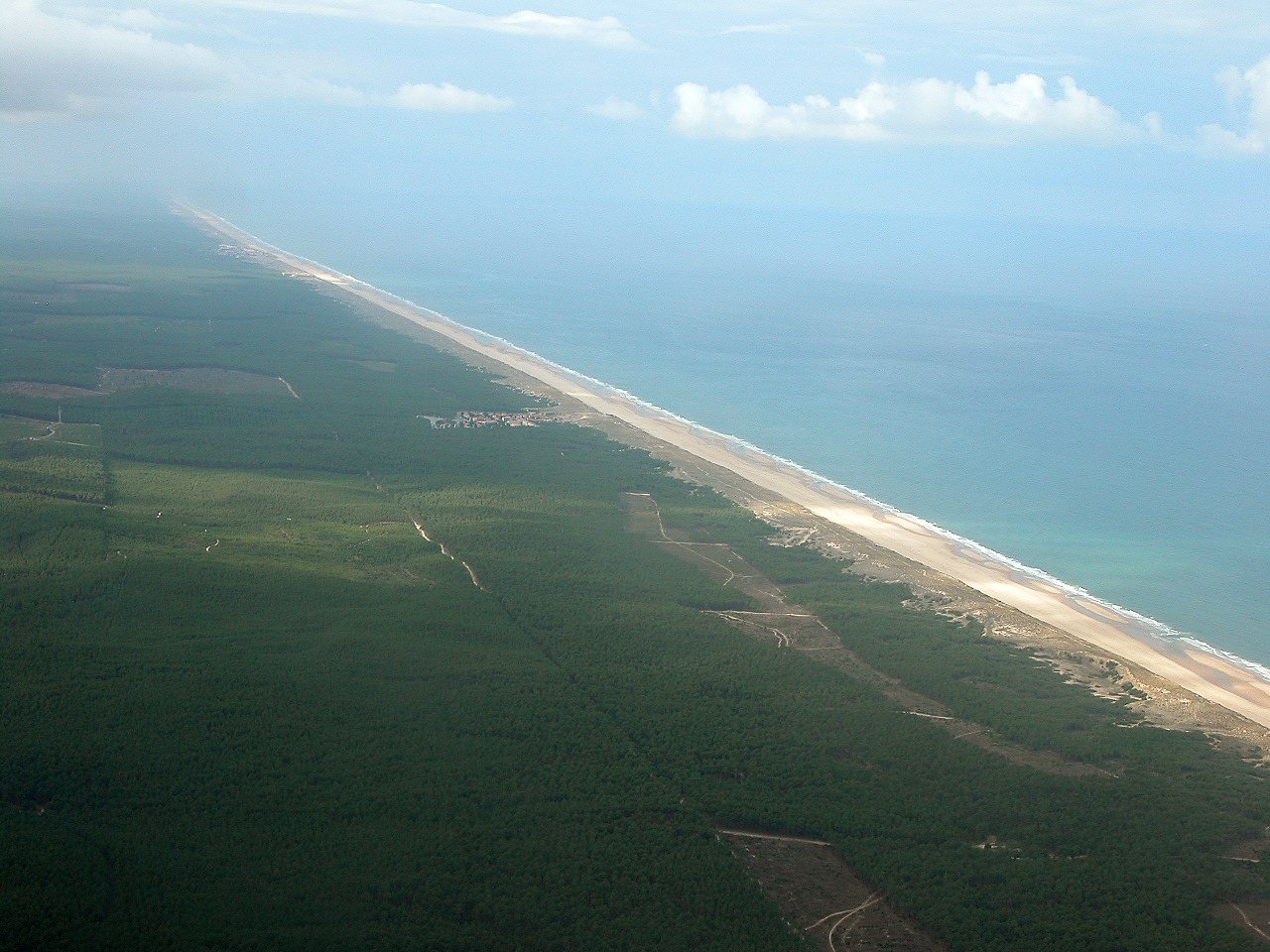
Natura 2000 · wintering

Natura 2000 · passage

Natura 2000 · passage
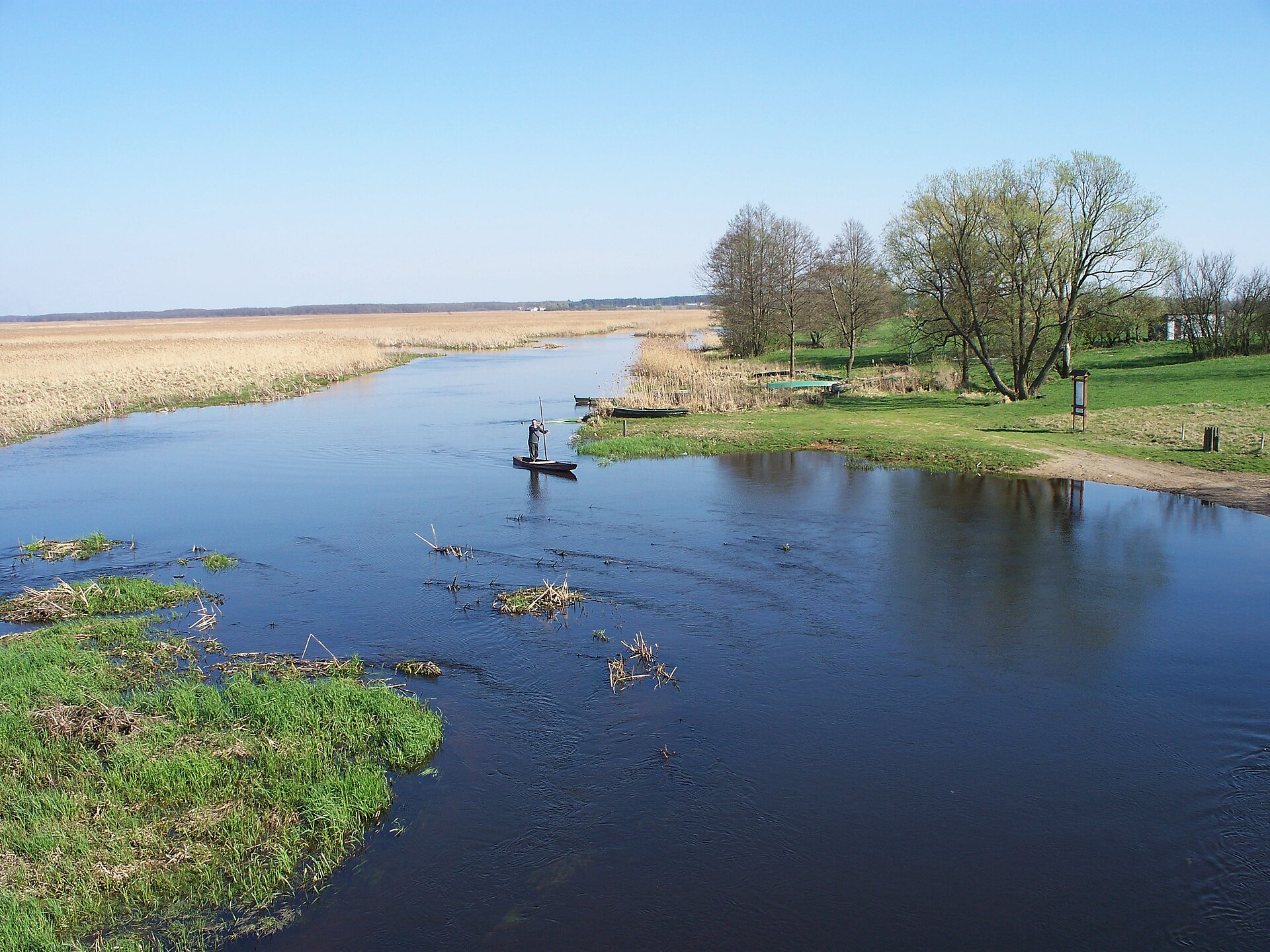
Natura 2000 · breeding
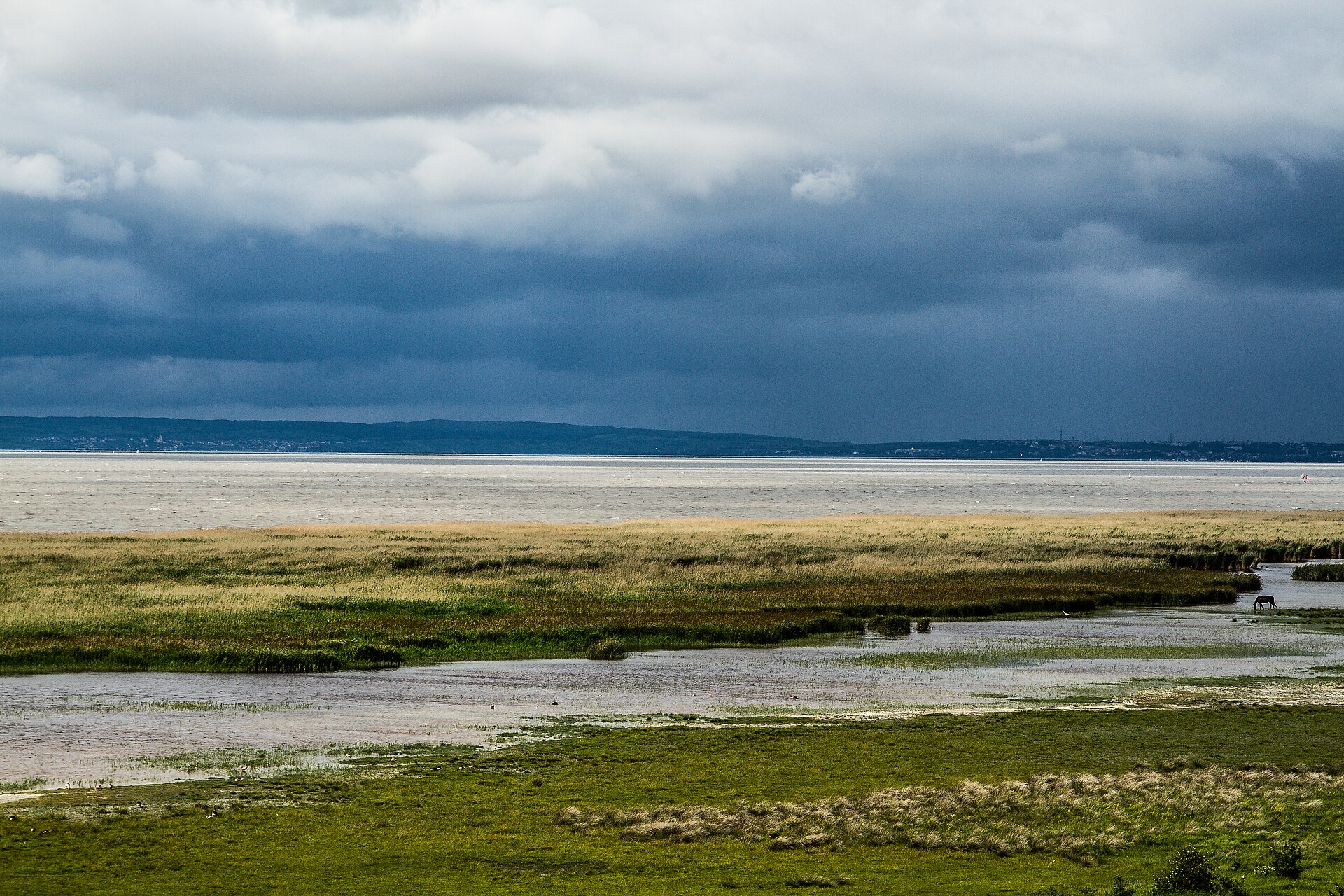
Natura 2000 · breeding, passage
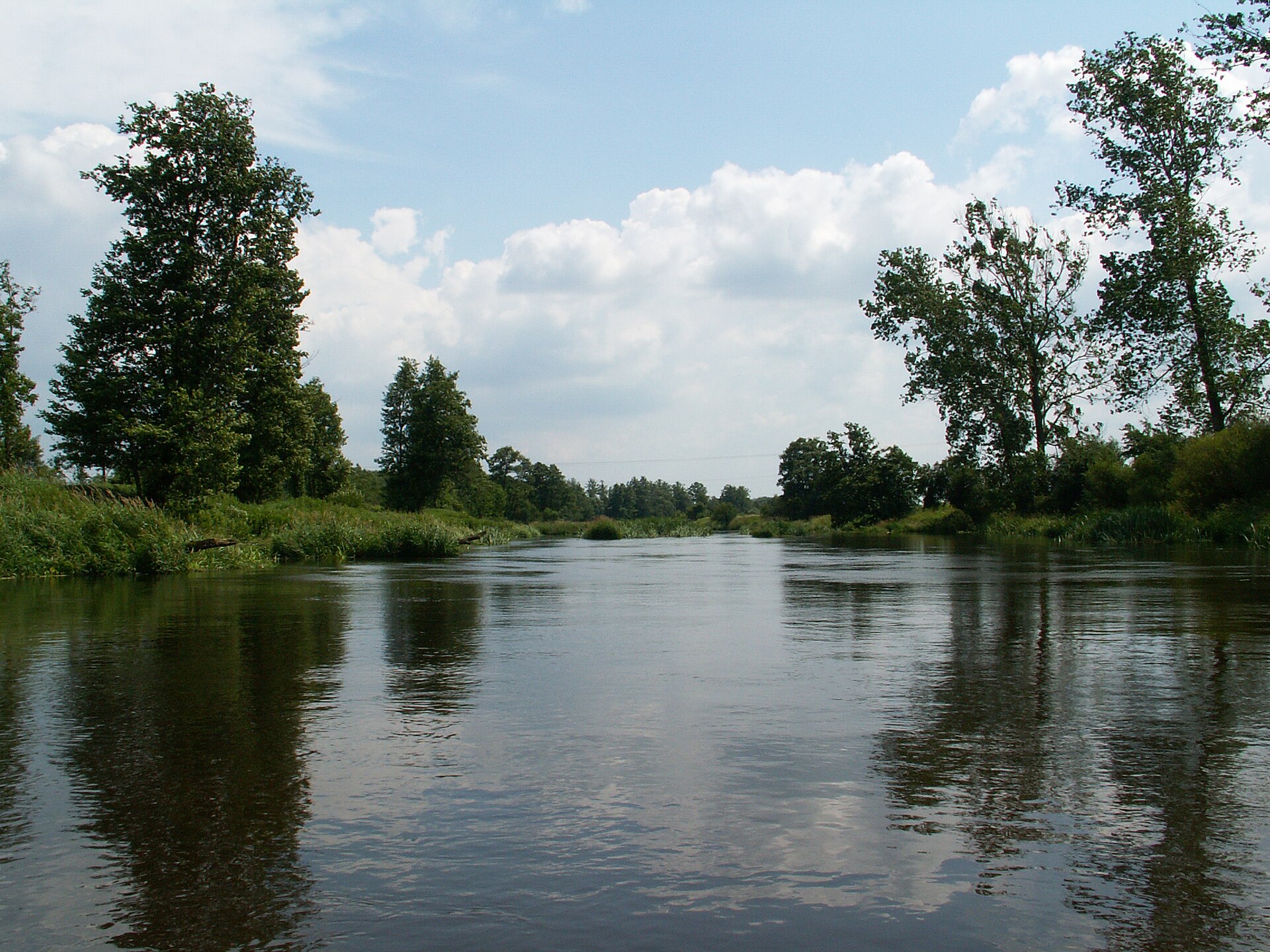
Natura 2000 · breeding, passage
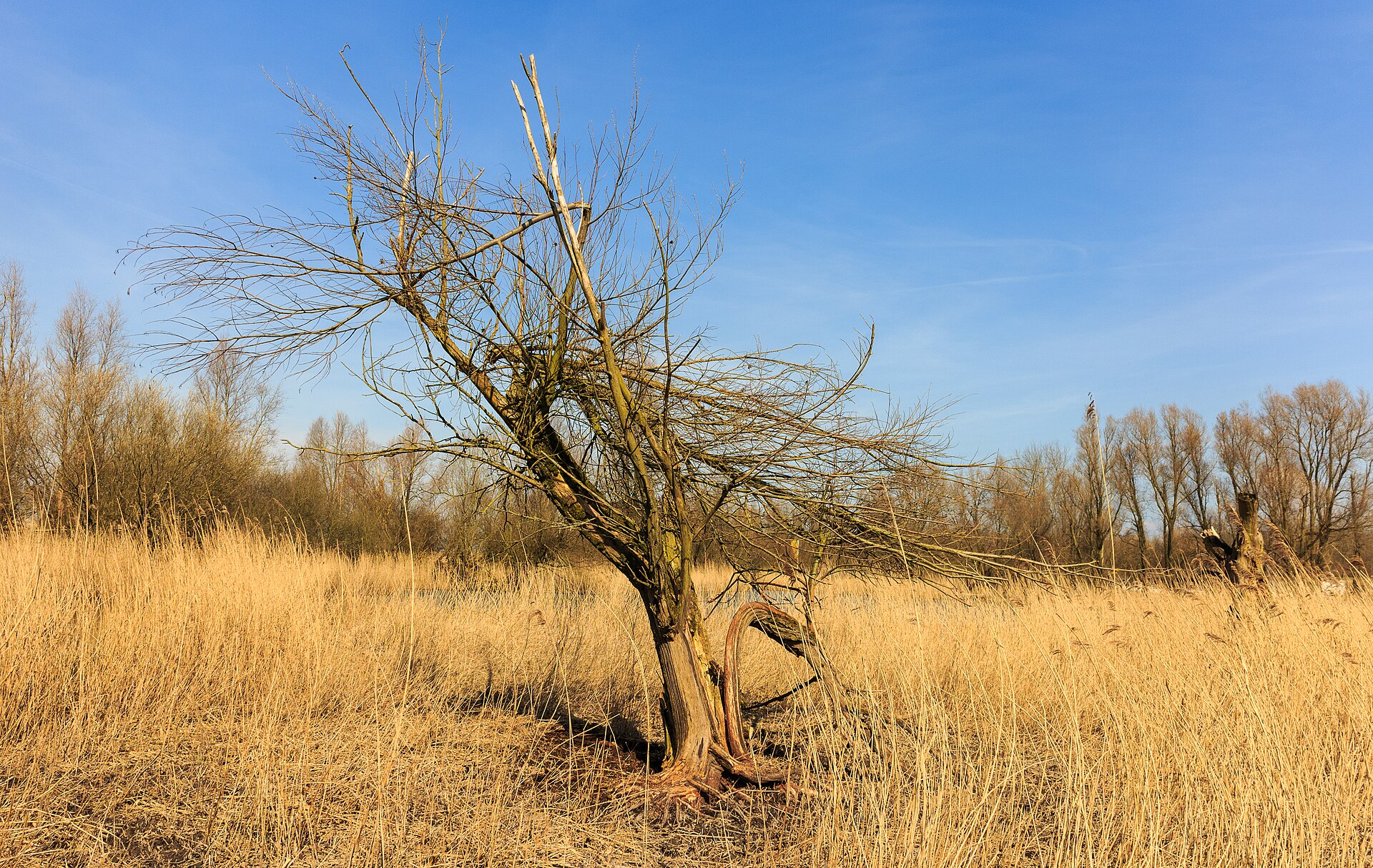
Natura 2000 · passage
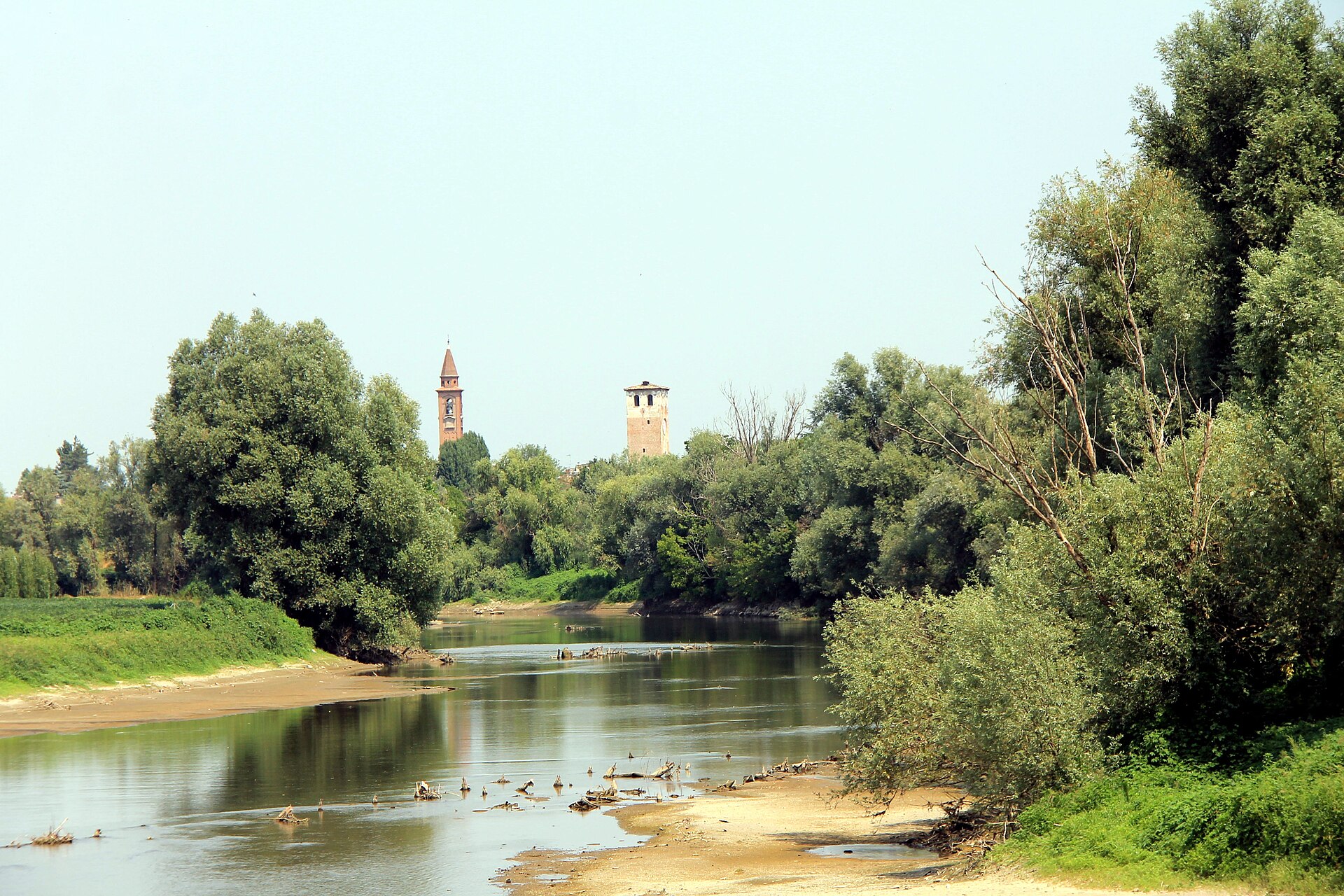
Natura 2000 · passage
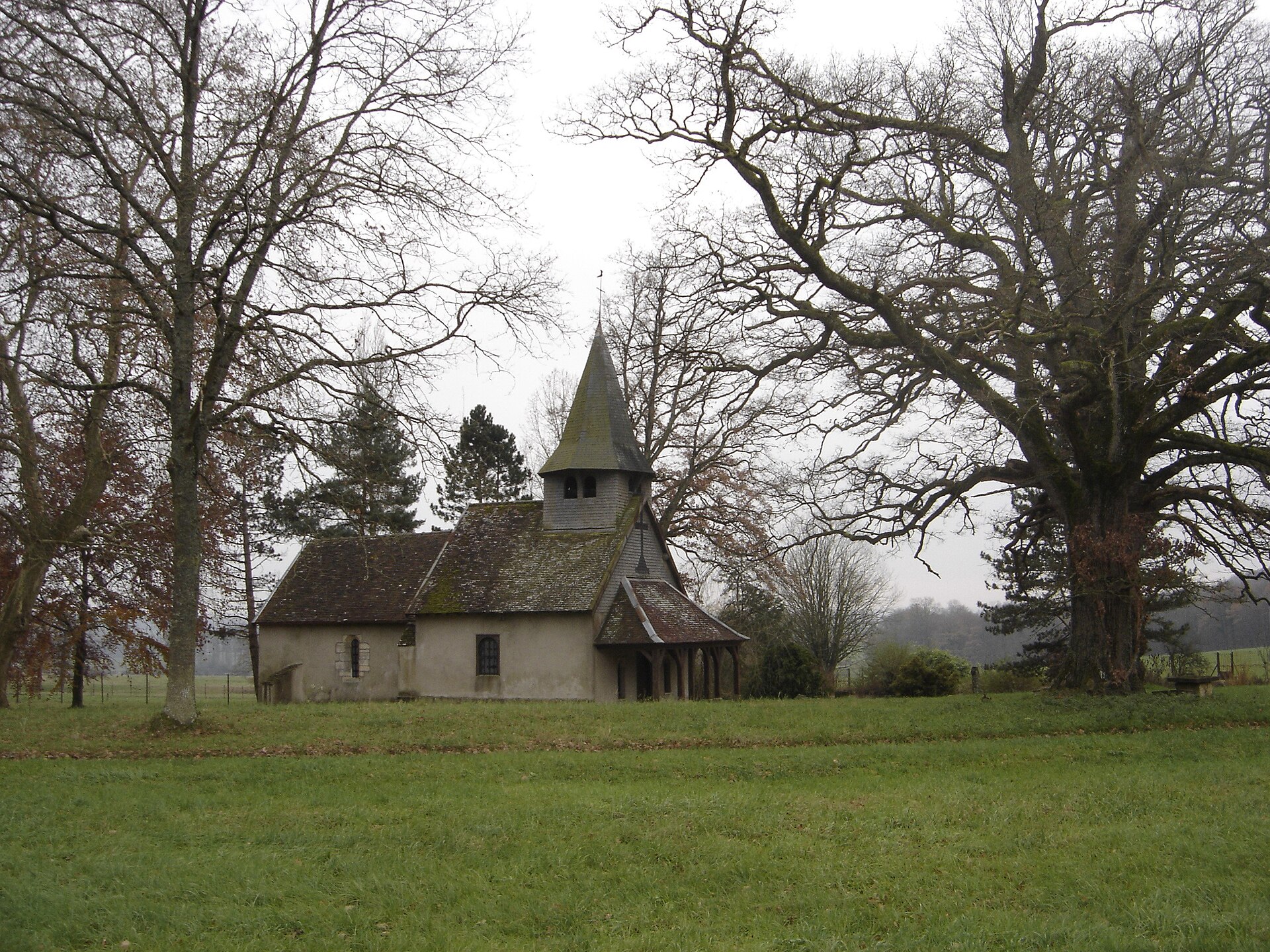
Natura 2000 · passage
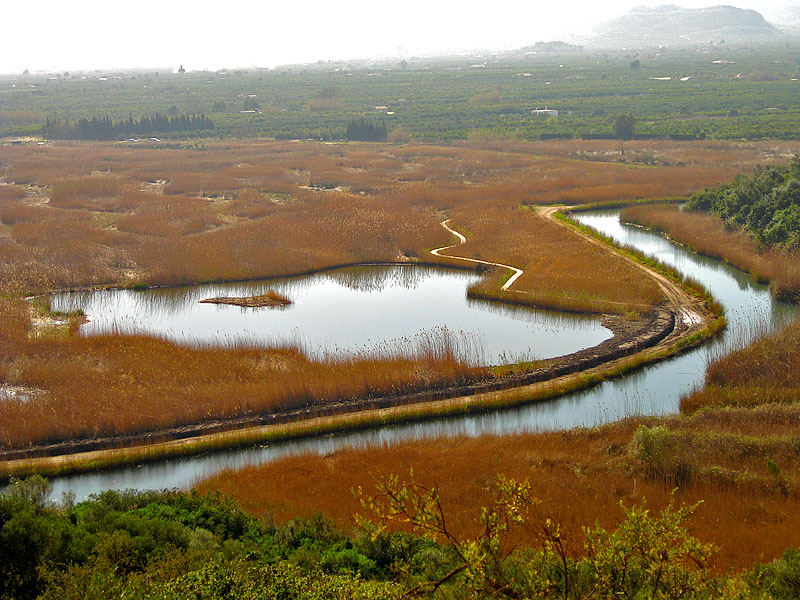
Natura 2000 · wintering

Natura 2000 · passage
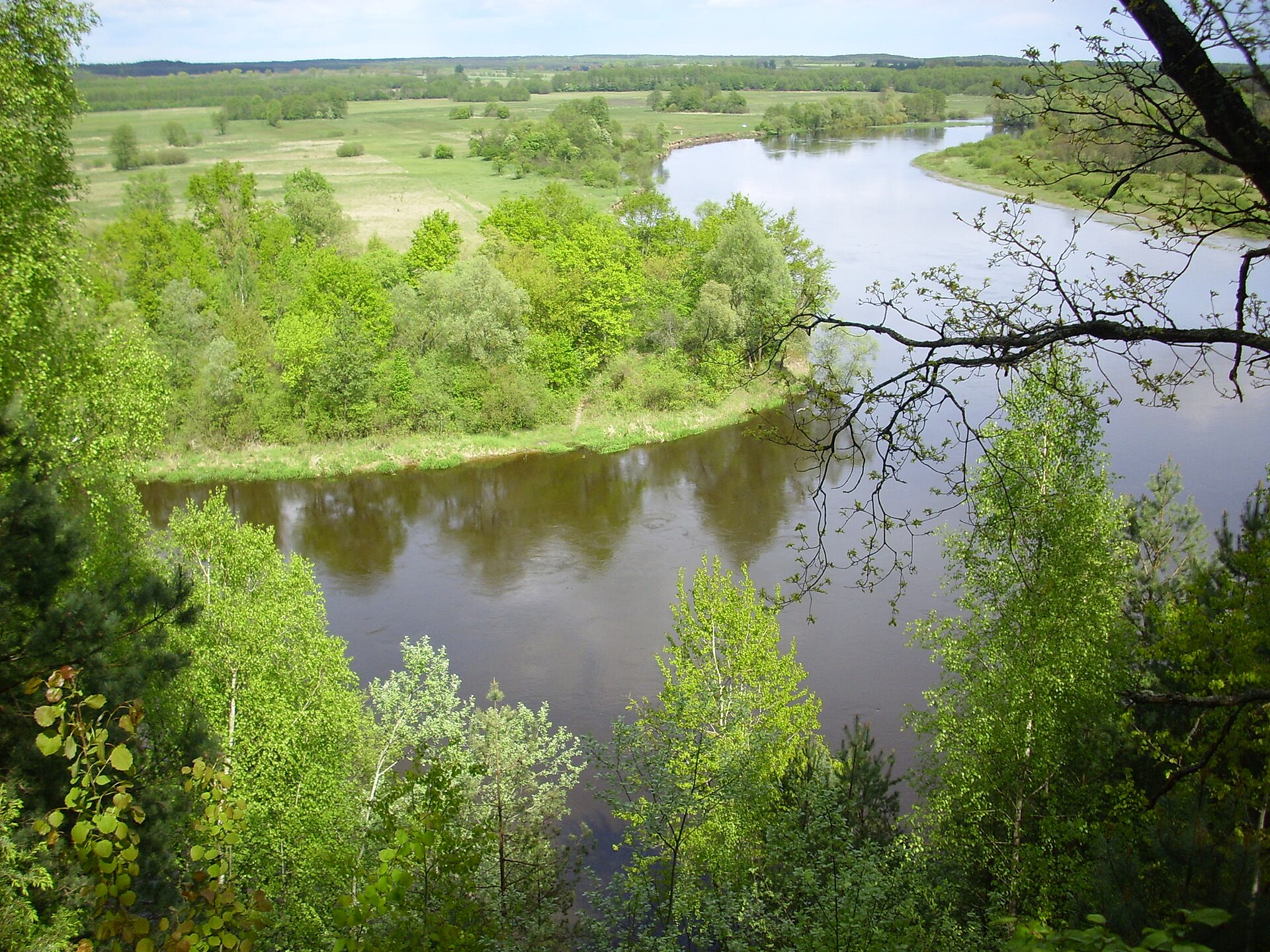
Natura 2000 · breeding
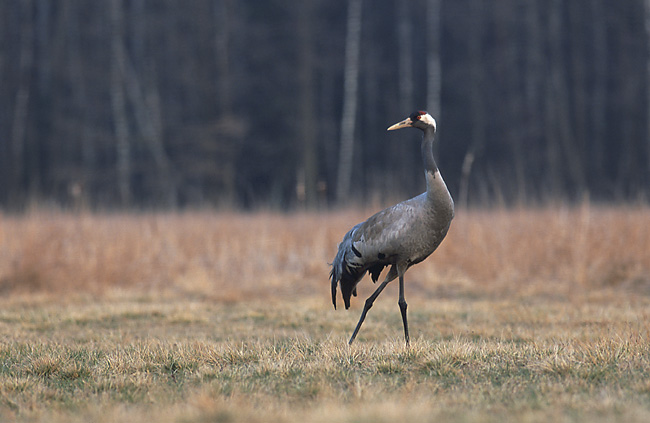
Natura 2000 · breeding
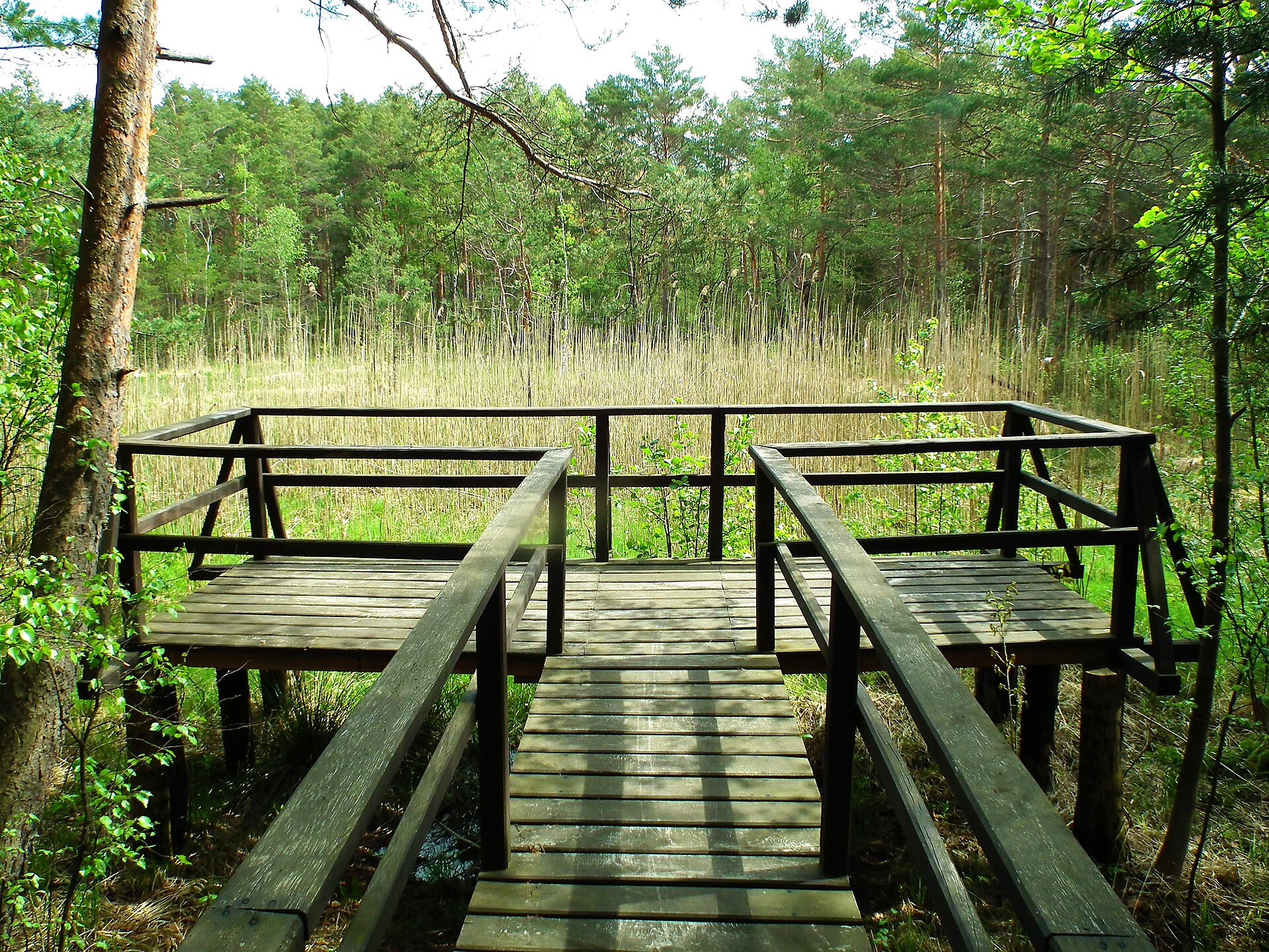
Natura 2000 · passage, breeding

Natura 2000 · passage
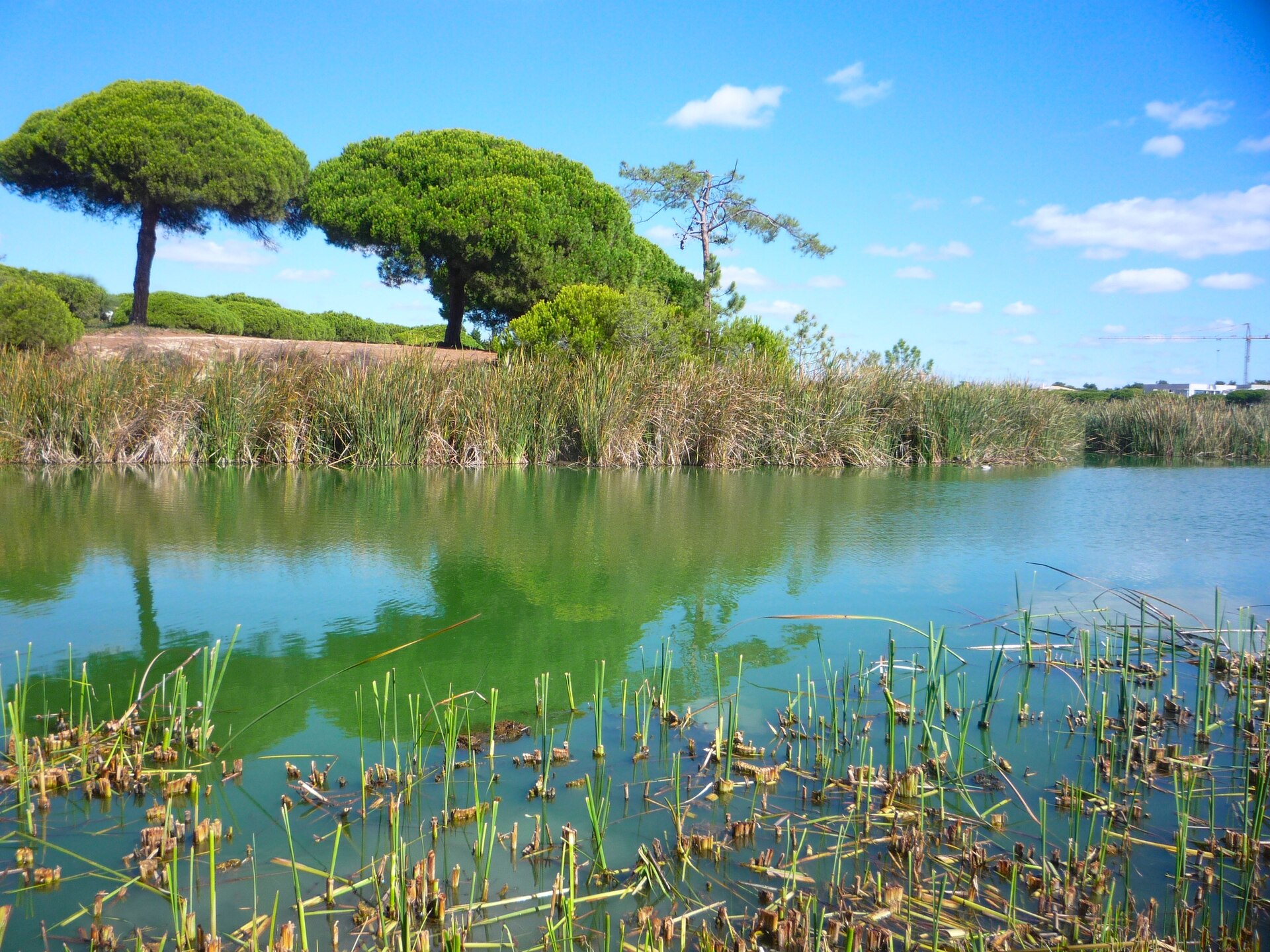
Natura 2000 · wintering
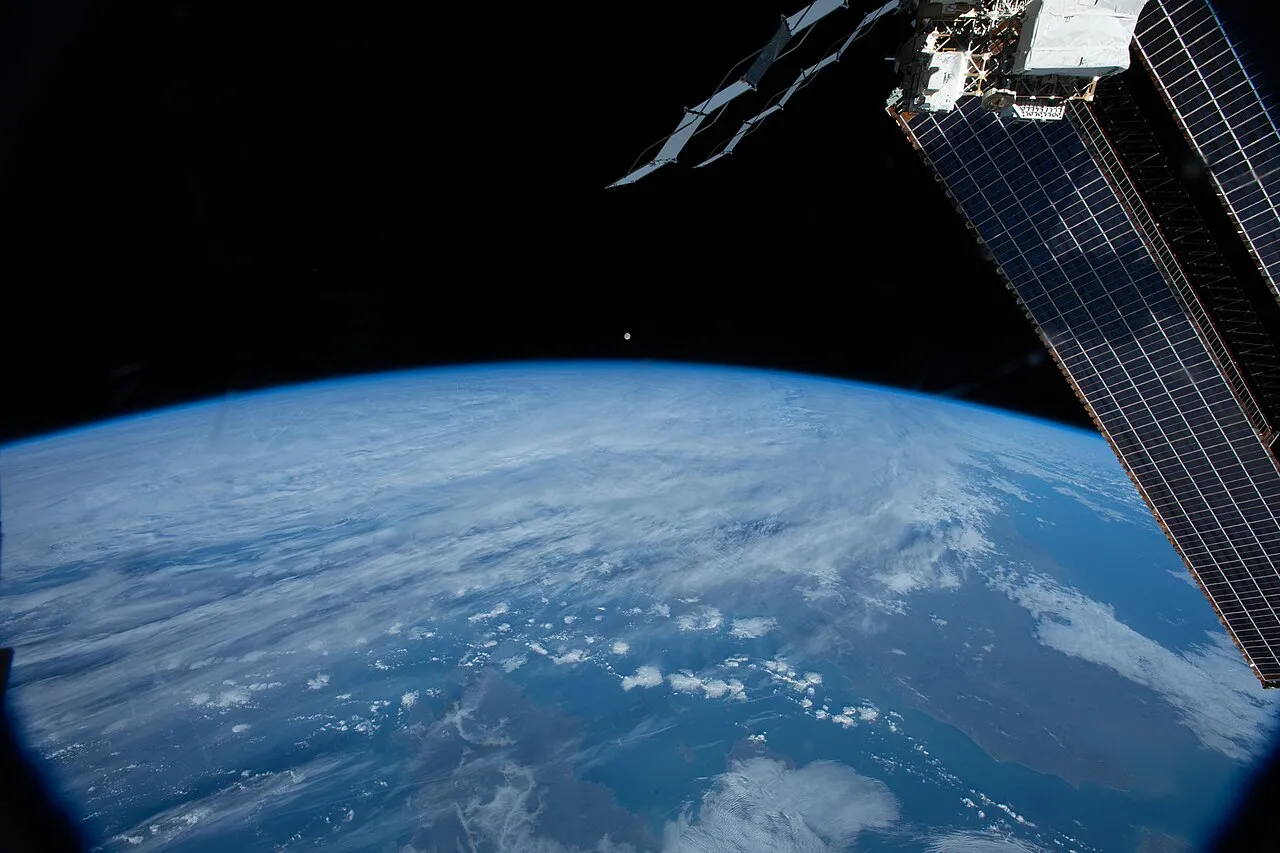
Natura 2000 · breeding, passage, wintering
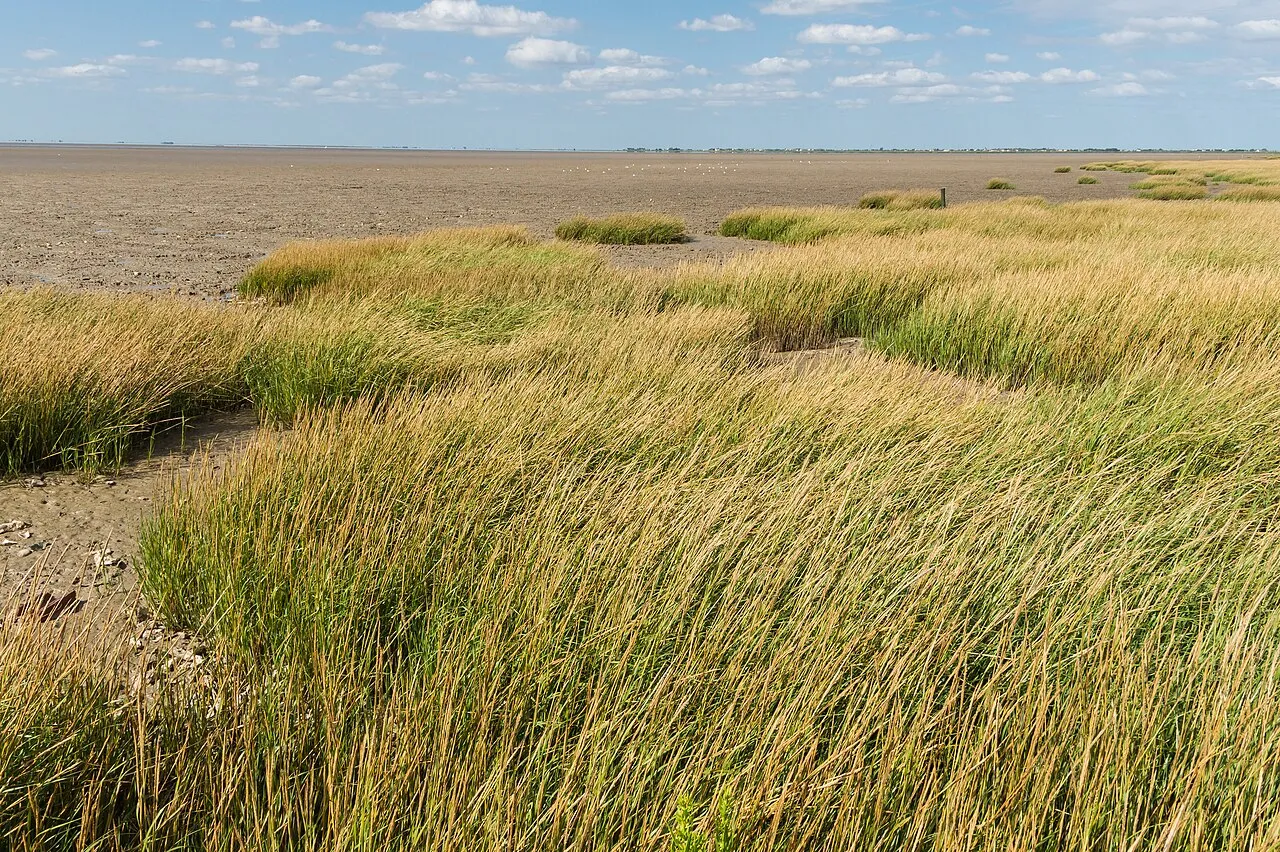
Natura 2000 · breeding, passage, wintering

Natura 2000 · breeding, passage, wintering
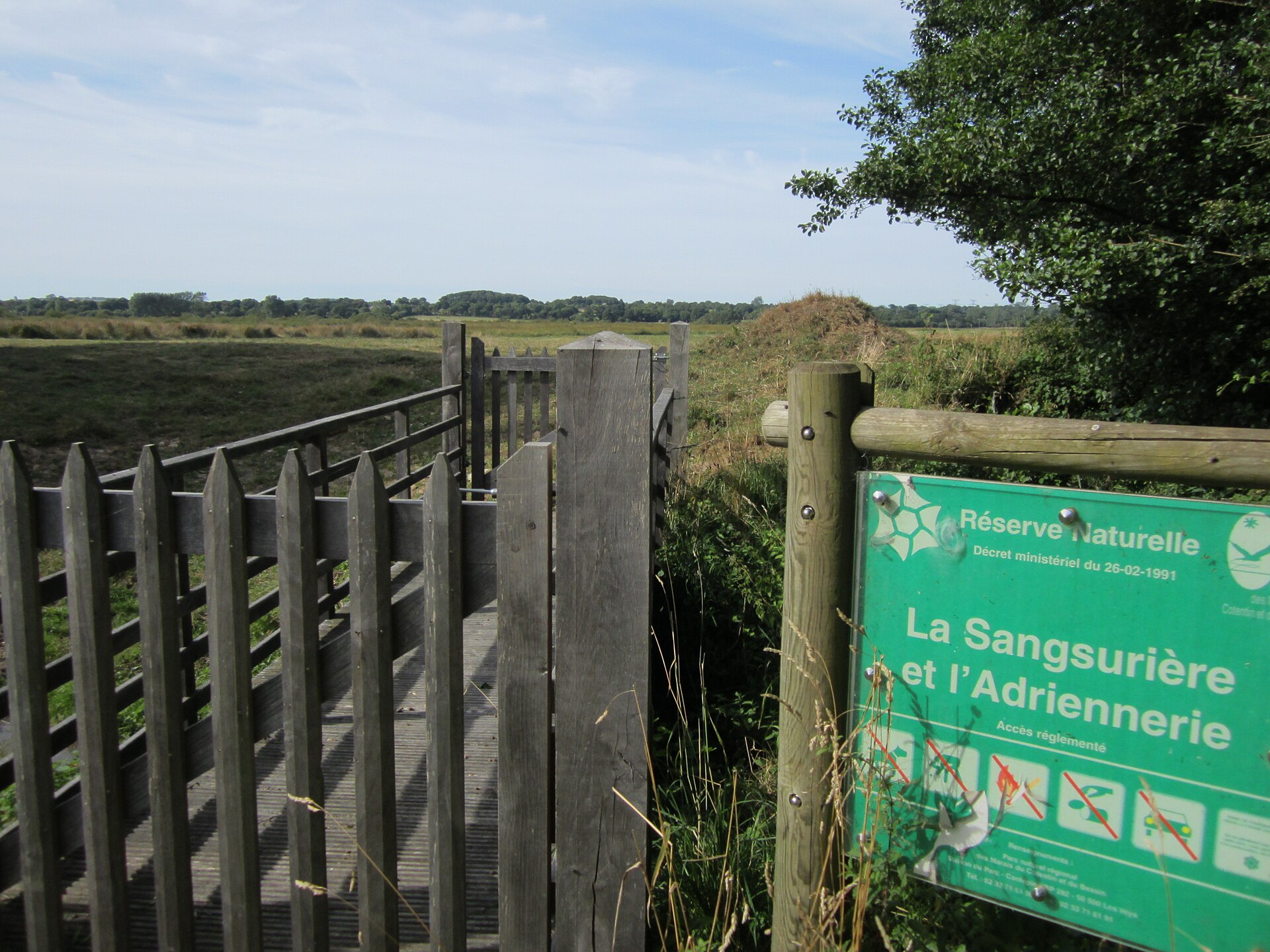
Natura 2000 · breeding, passage
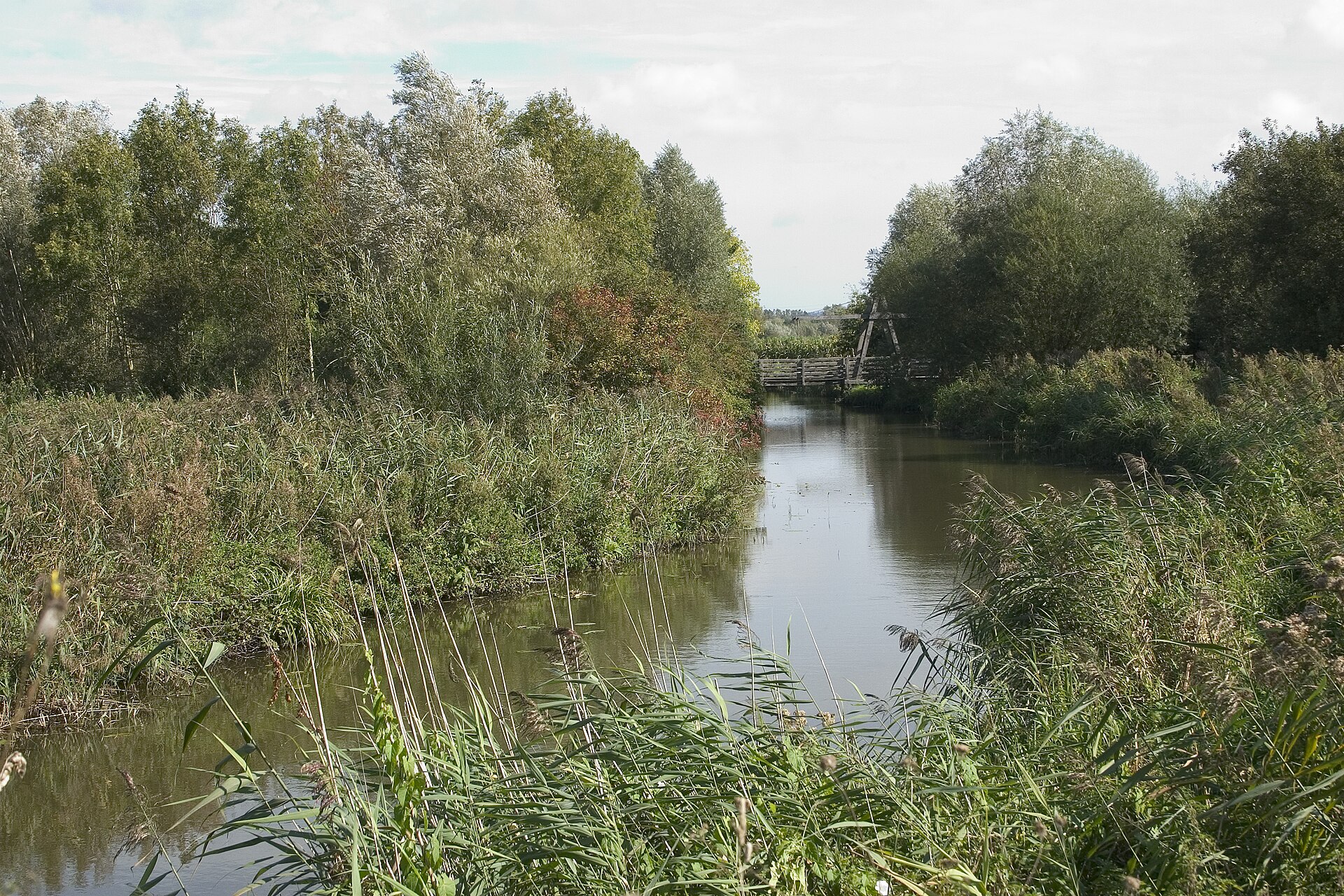
Natura 2000 · passage

Natura 2000 · passage

Natura 2000 · wintering, passage, breeding
Natura 2000 · passage
Natura 2000 · passage

Natura 2000 · passage, wintering
Natura 2000 · passage
Natura 2000 · passage

Natura 2000 · breeding

Natura 2000 · breeding
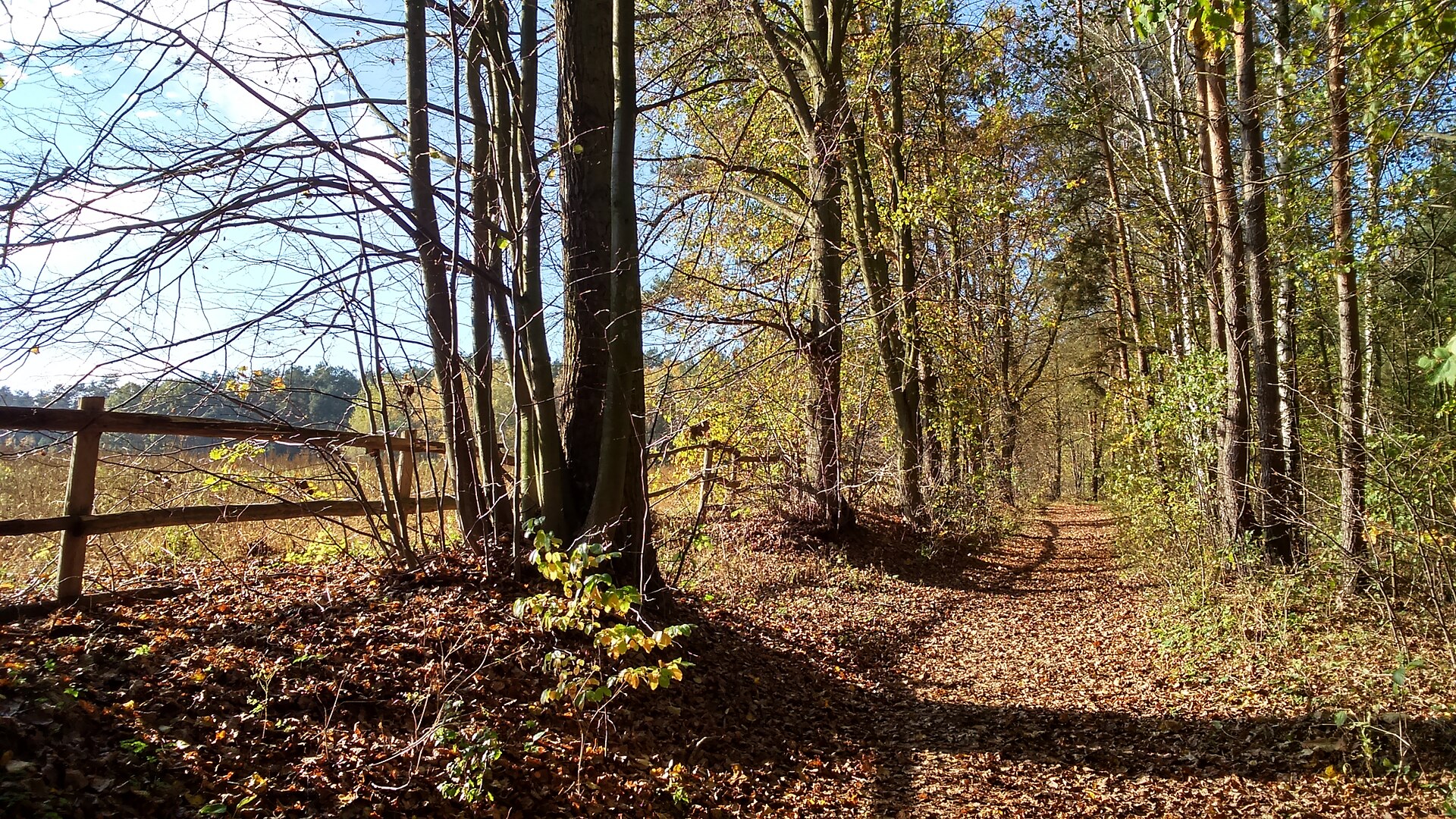
Natura 2000 · breeding
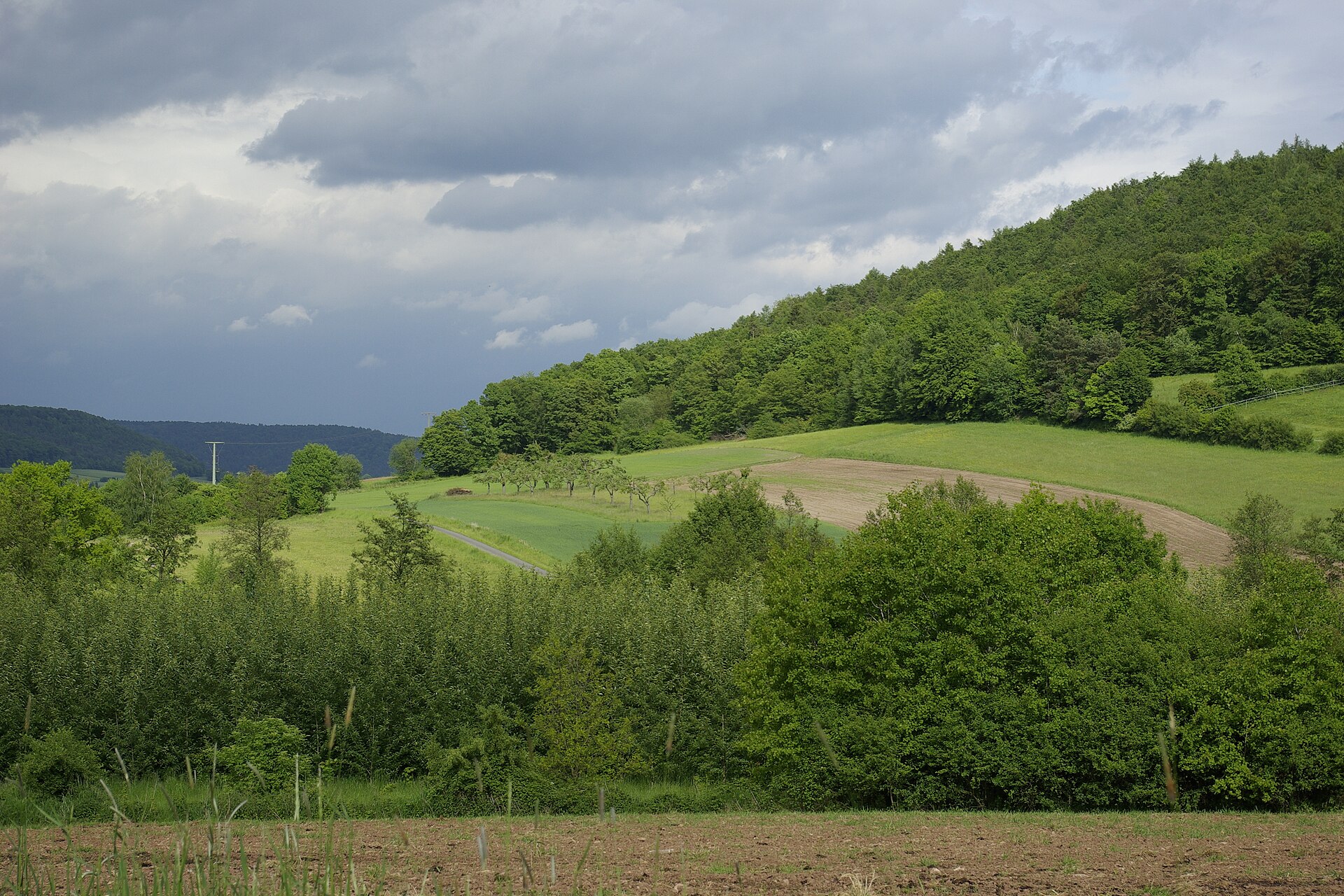
Natura 2000 · passage
Natura 2000 · breeding, passage
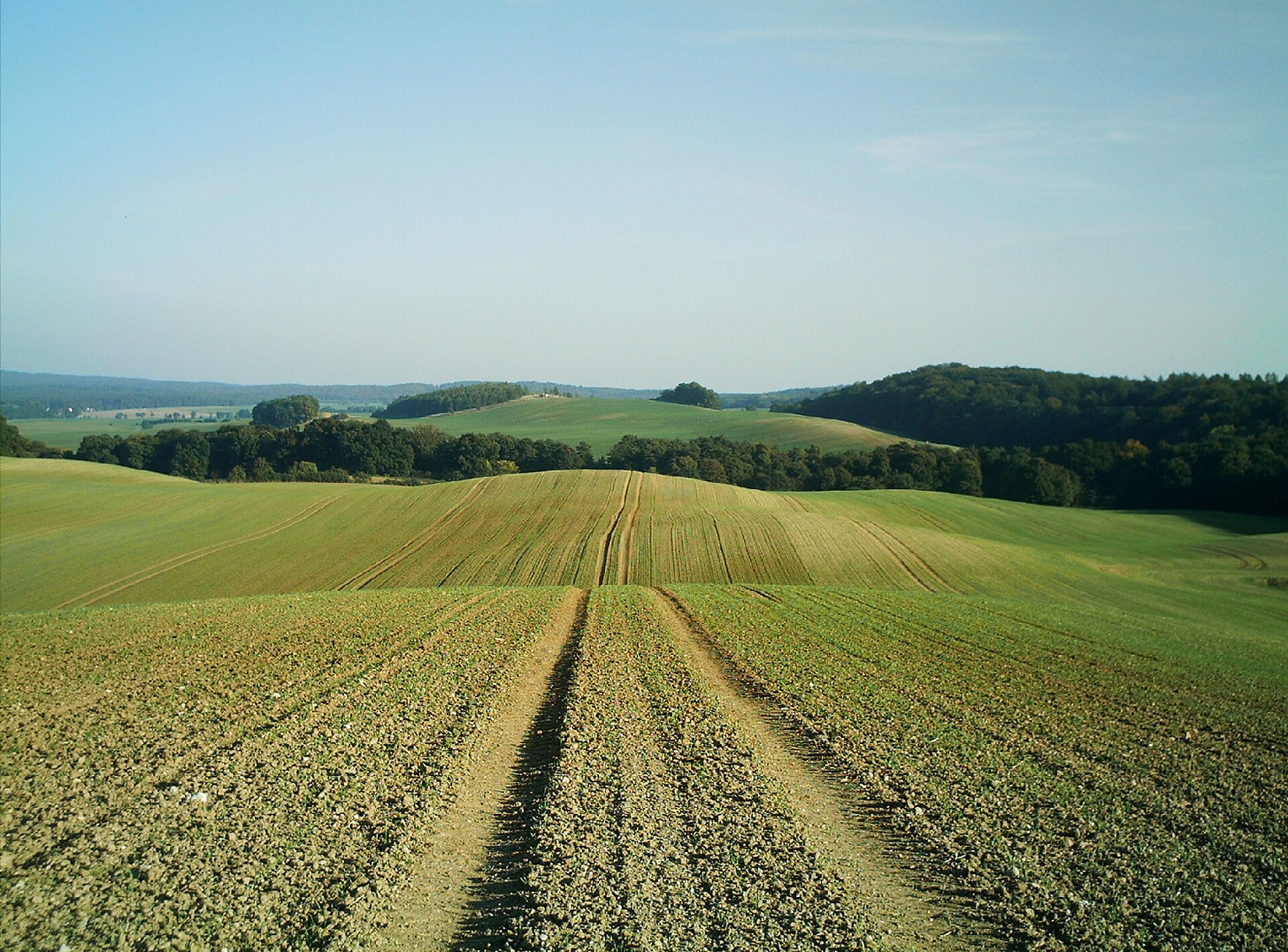
Natura 2000 · breeding
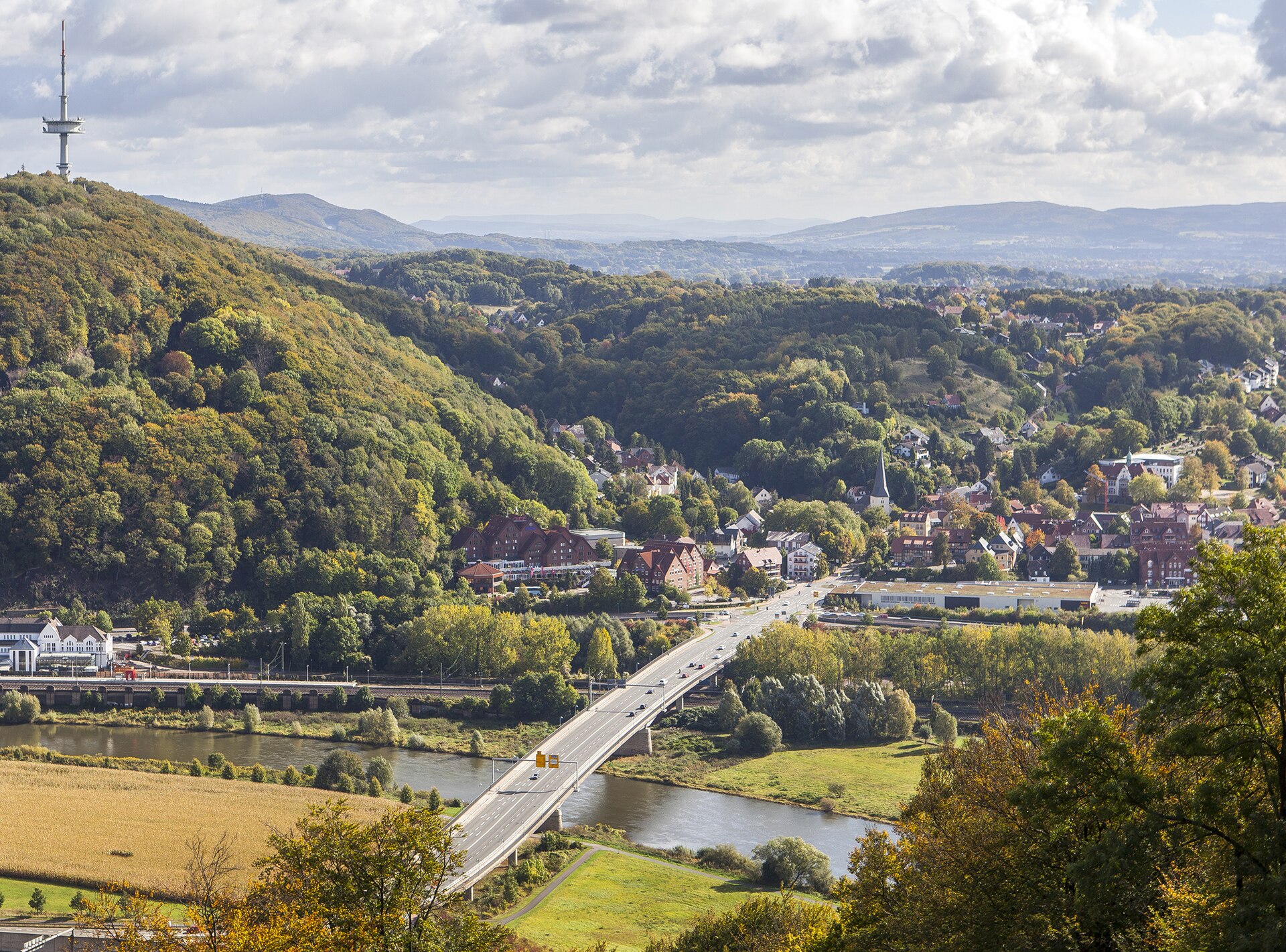
Natura 2000 · breeding

Natura 2000 · passage
Natura 2000 · passage

Natura 2000 · breeding
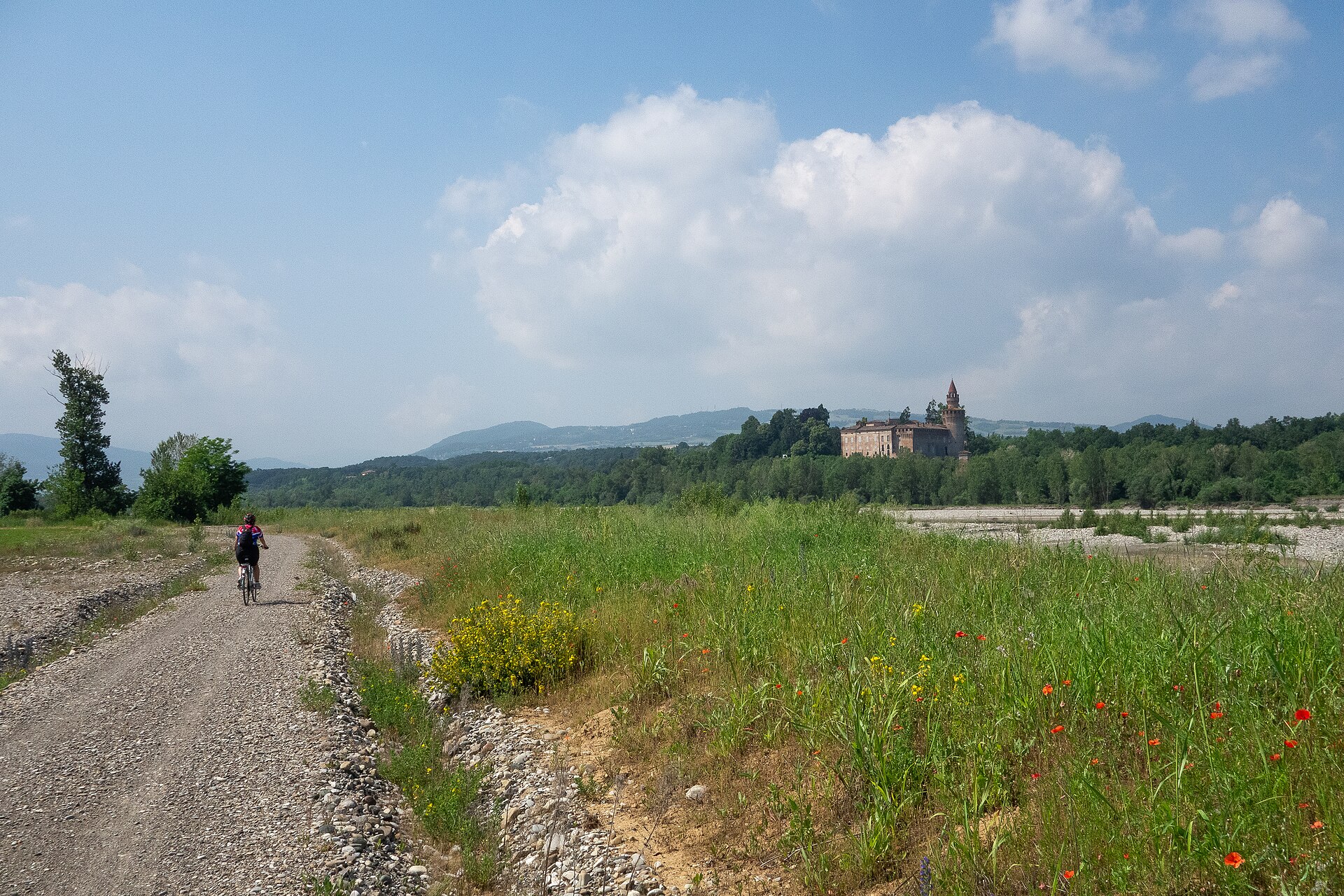
Natura 2000 · passage
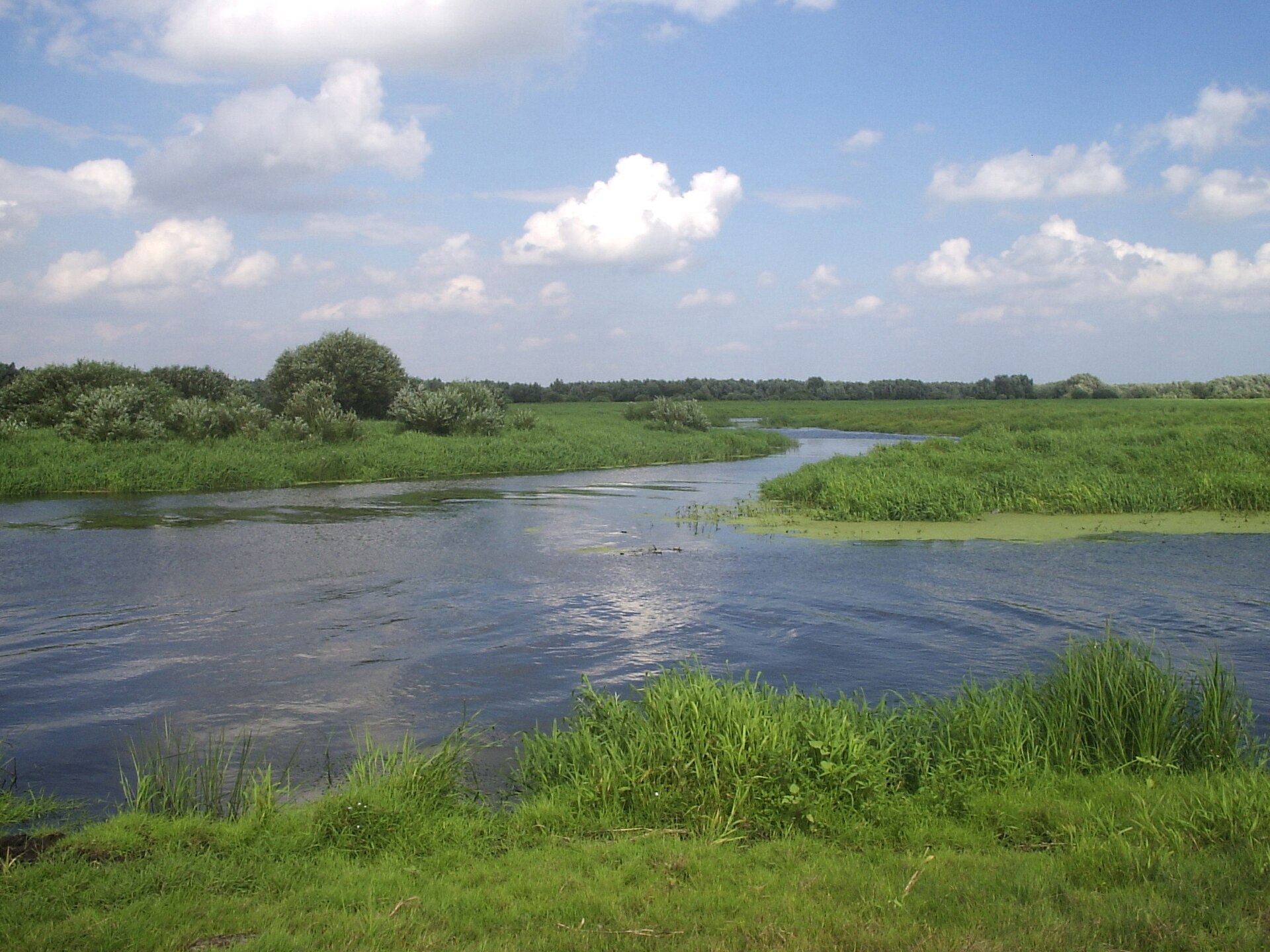
Natura 2000 · breeding
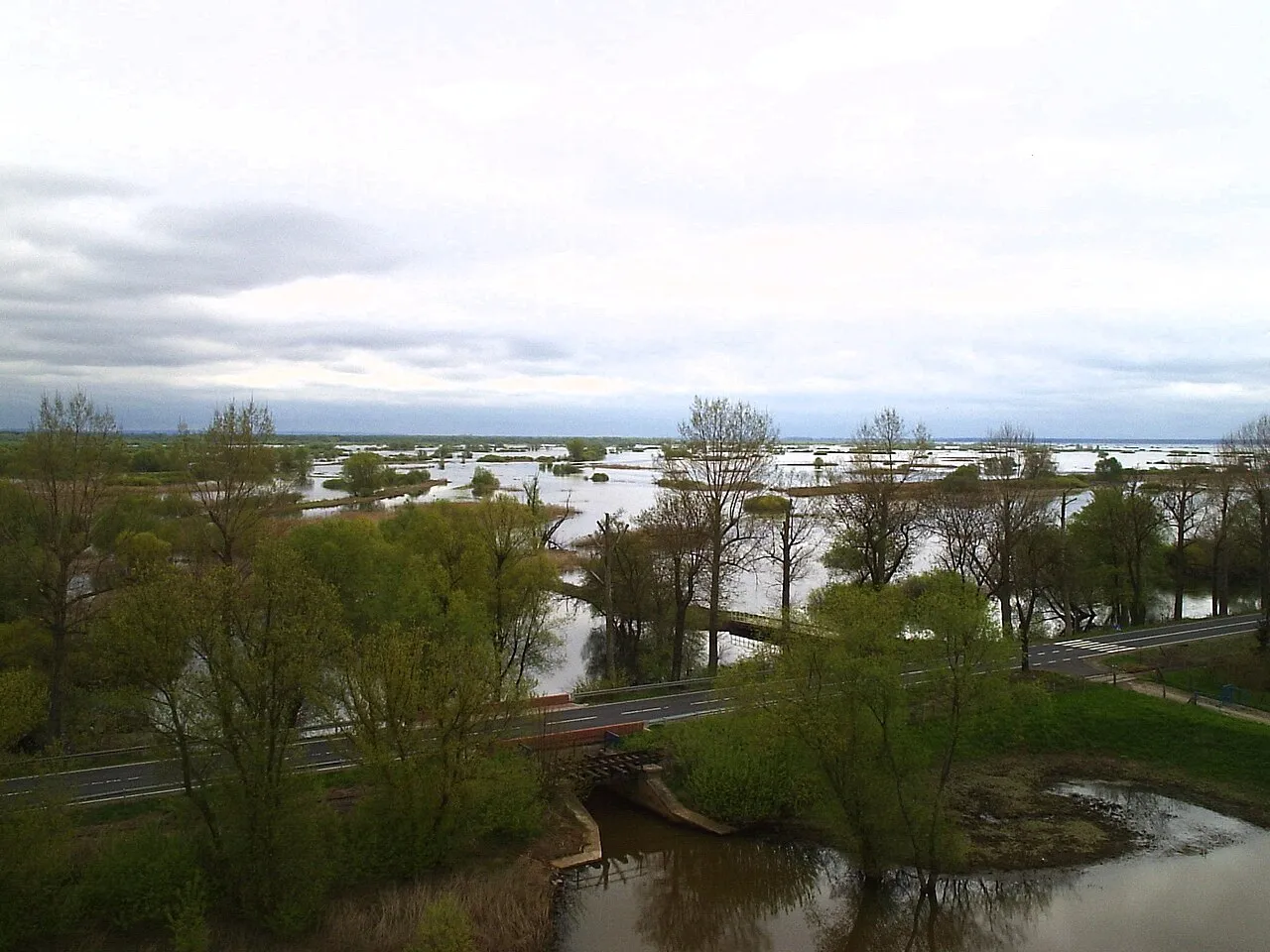
Natura 2000 · breeding
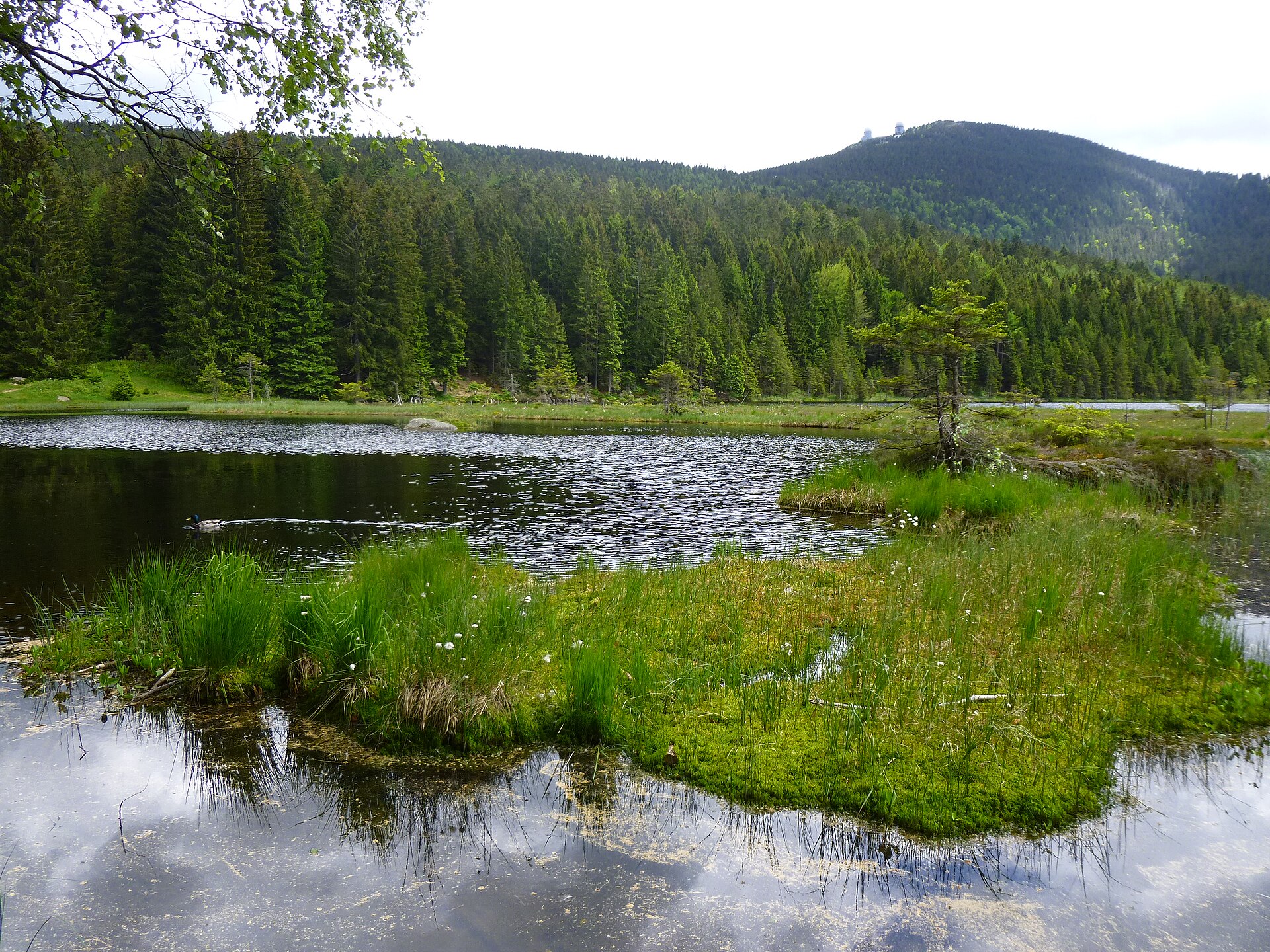
Natura 2000 · breeding
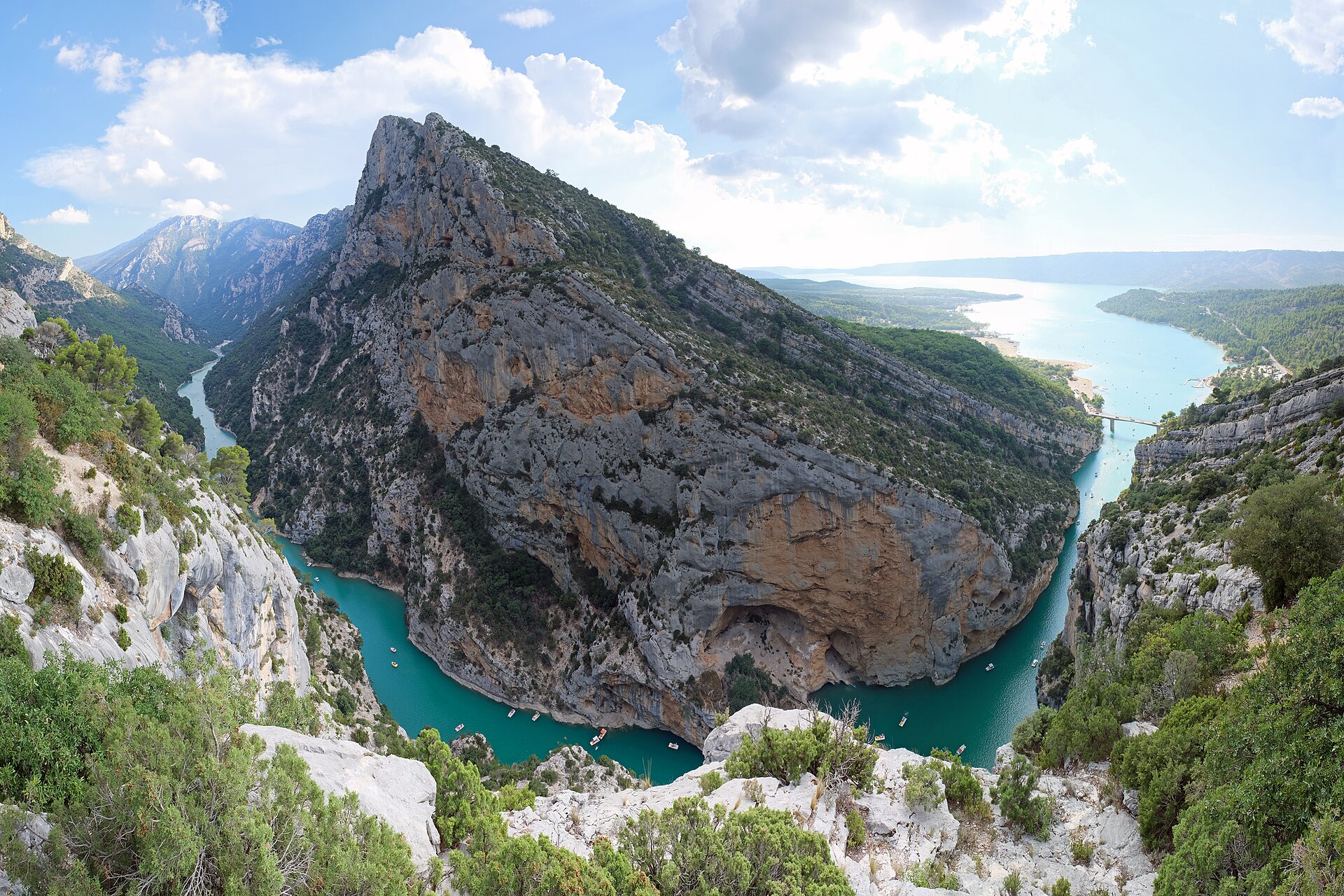
Natura 2000 · passage
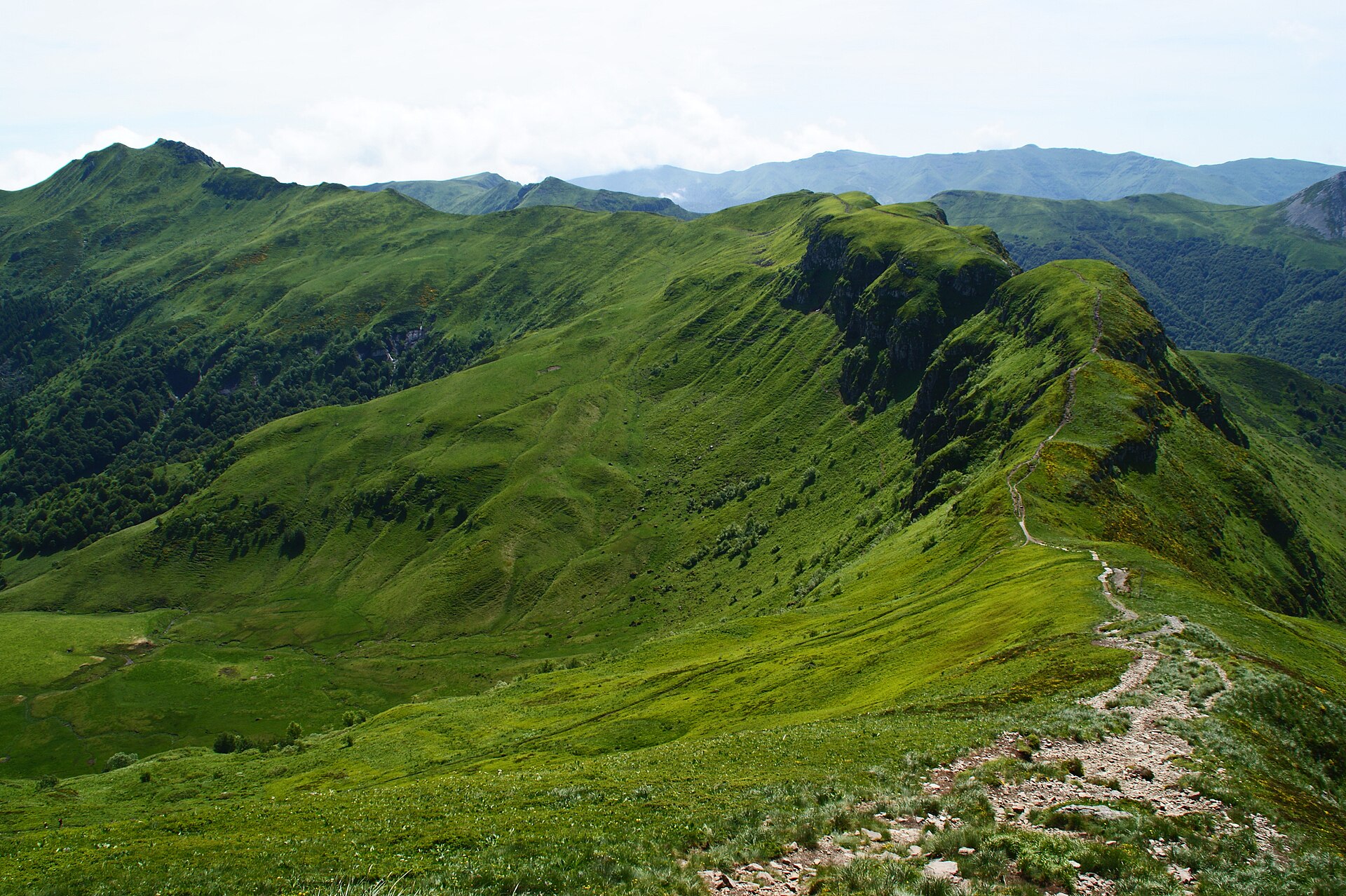
Natura 2000 · passage

Natura 2000 · breeding

Natura 2000 · breeding
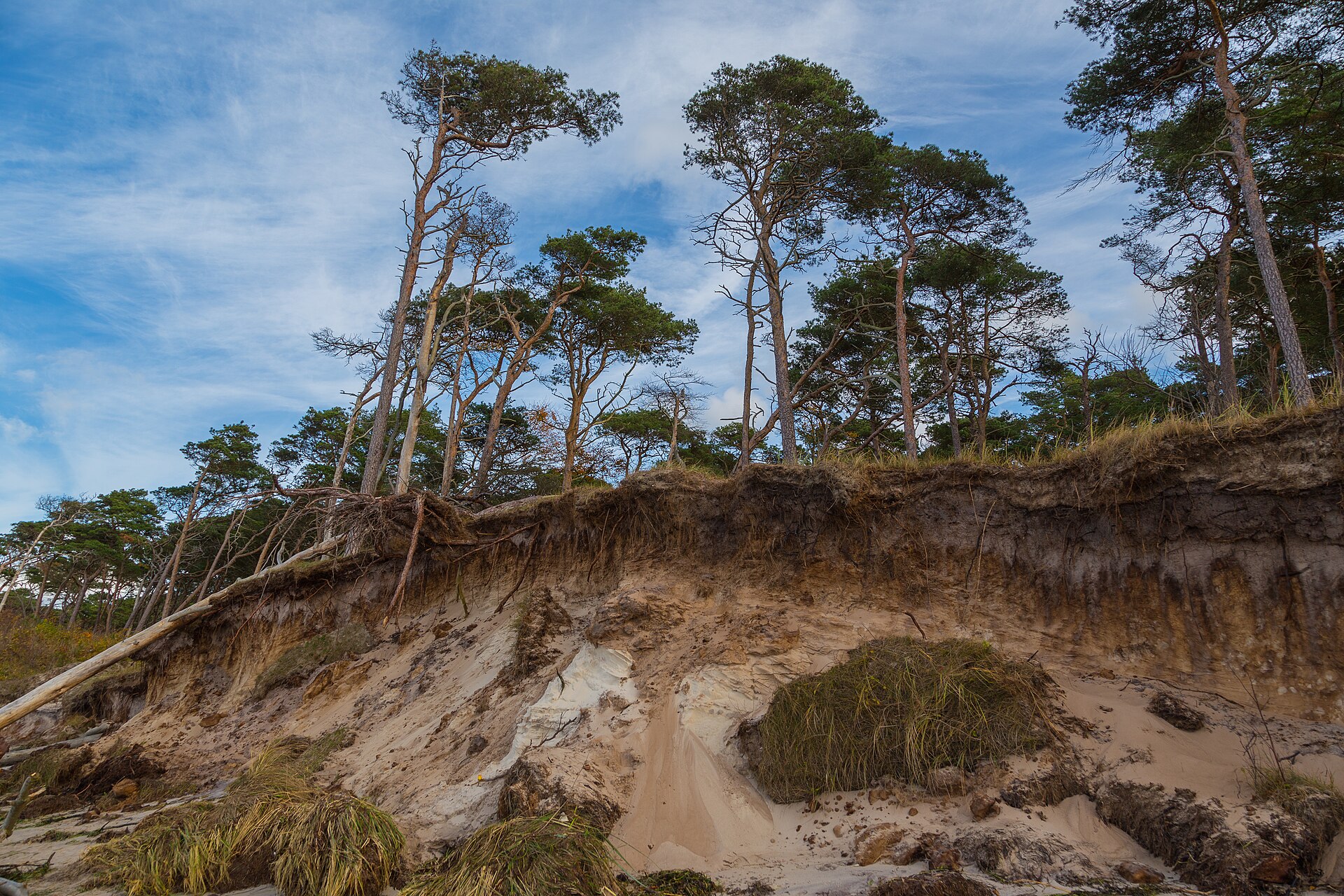
Natura 2000 · breeding

Natura 2000

Natura 2000 · breeding
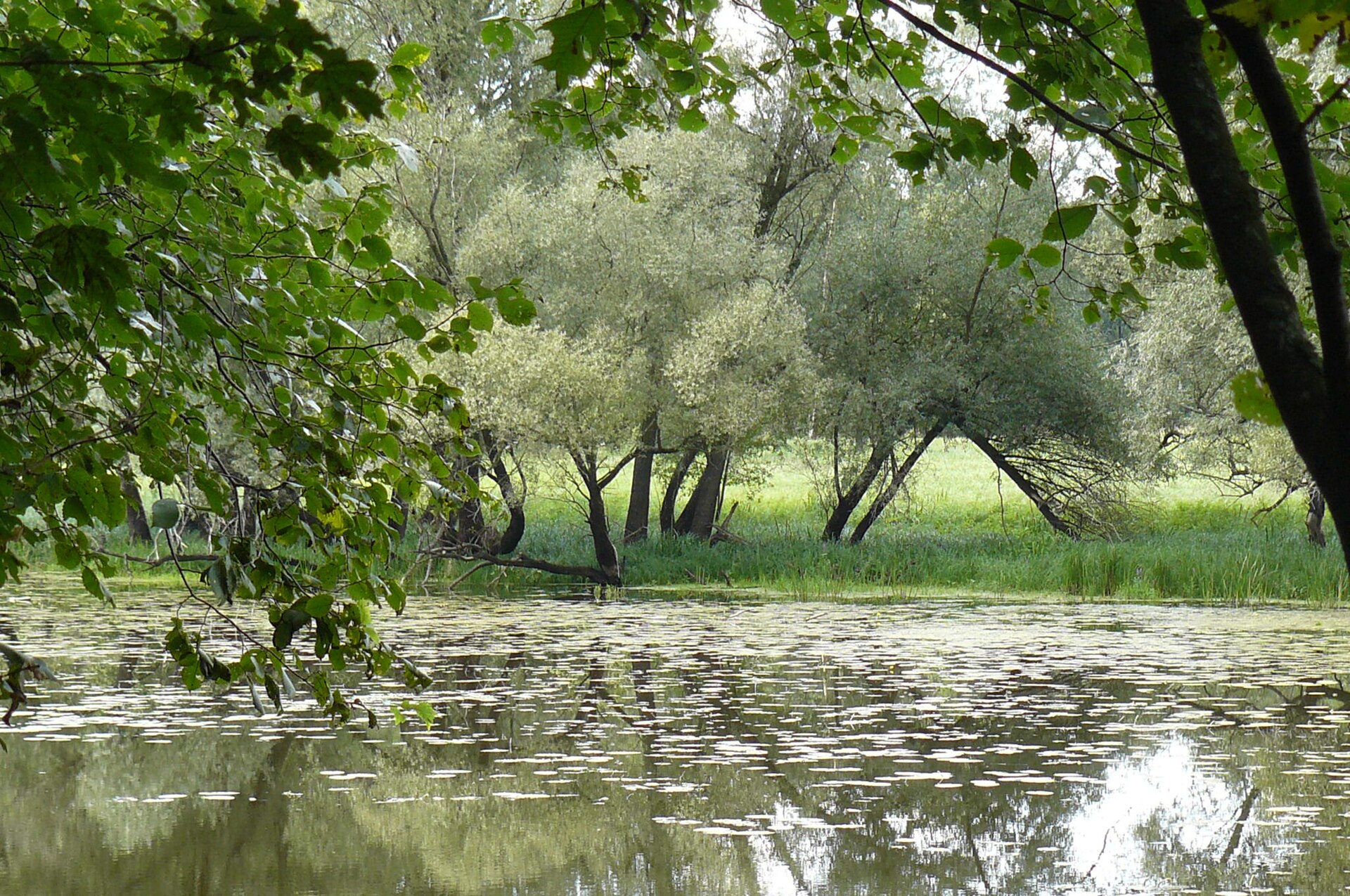
Natura 2000 · breeding
Other species to discover
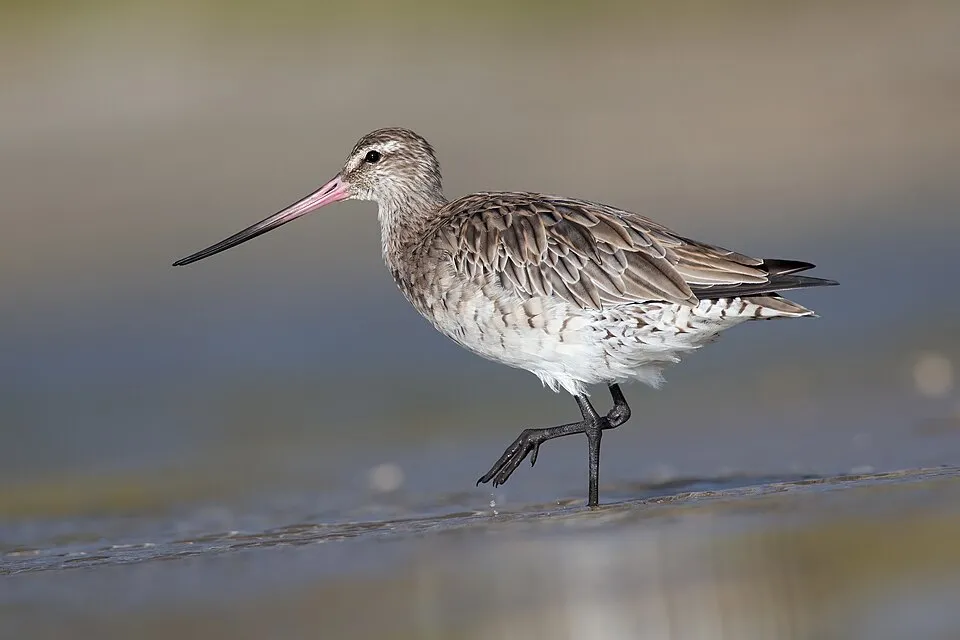
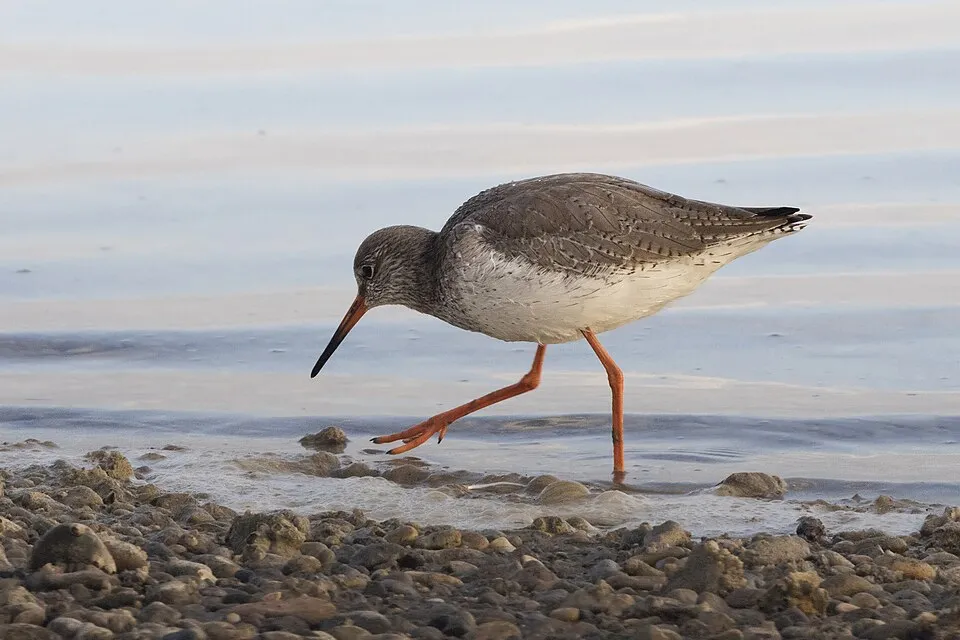


Sources and credits
- Presence: most-recorded species of each place on GBIF and species of Community interest in the Natura 2000 forms (EEA, CC-BY 4.0); absence from the list does not mean the species is absent.
- Common names: Wikidata (CC0) and GBIF.
- Photos and sounds: Wikimedia Commons, author and licence given for each file.
- Classification: GBIF Backbone Taxonomy (GBIF Secretariat), CC BY 4.0, doi:10.15468/39omei.
- Countries, elevations, months and maps: GBIF.org, CC0 or CC BY 4.0 occurrences only, accessed October 22, 2026, GBIF.org.
- Base map: Natural Earth (public domain).
- Excerpt: Wikipedia, CC BY-SA 4.0 (full credit below the excerpt).
- Key facts: Wikidata (CC0), with the references cited under each value.
- Annexes: Directive 2009/147/EC (consolidated version), © European Union, EUR-Lex.
- EU bird populations: EEA / DG ENV, Article 12 Birds Directive reporting (2013–2018), CC BY 4.0.