
Bird
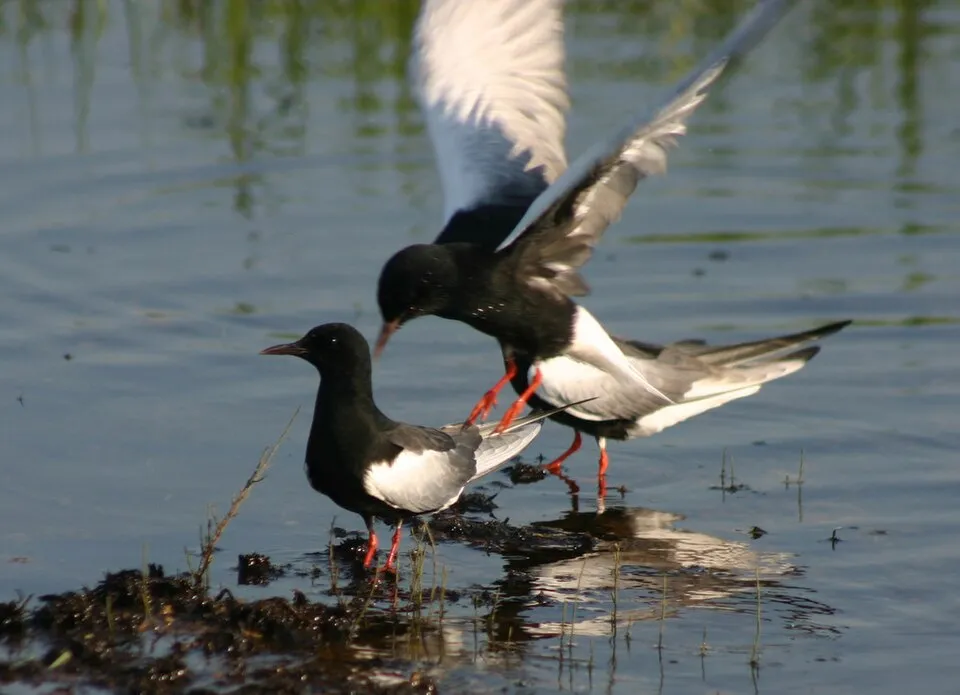
Whiskered Tern: where to see it
Chlidonias hybrida
This bird species is recorded in 101 protected areas of the atlas, including 85 whose official Natura 2000 form lists it. Within the atlas countries, it is mostly observed in Spain, France and Poland (18 countries in all). Records peak from April to June. It has a wingspan of 64–70 cm. It is subject to special conservation measures under the Birds Directive (Annex I).
Best time to see it: April–June
Records published on GBIF by month (CC0 and CC BY 4.0 licences only), in the atlas countries, all years combined; they also reflect observer activity.
Key facts
- Wingspan
- 64–70 cm Wikidata, after Handbook of the Birds of the World
- Weight (female)
- 78 g Wikidata, after Handbook of Australian, New Zealand and Antarctic Birds
- Weight (male)
- 90 g Wikidata, after Handbook of Australian, New Zealand and Antarctic Birds
Status and protection
Birds Directive I
The species is listed in Annex I of the Birds Directive.
Distribution
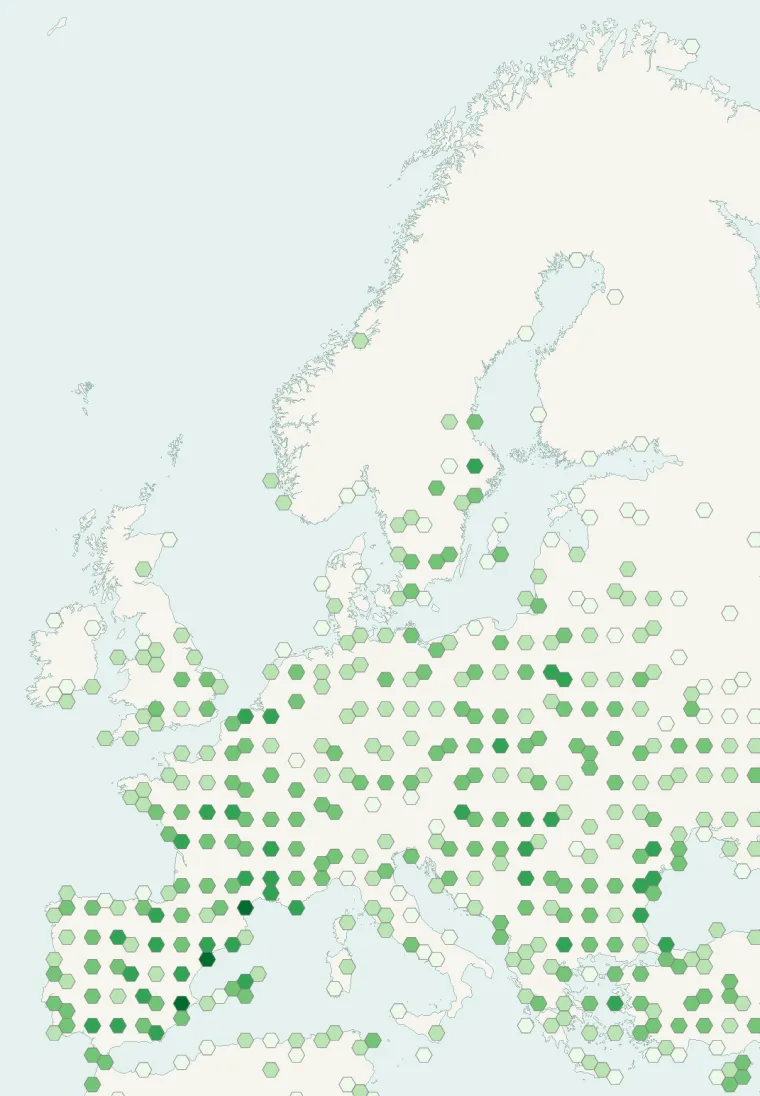
Records published on GBIF (CC0 and CC BY 4.0 licences): the darker the shade, the more records there are; they also reflect observation effort.
Atlas countries where it is recorded
From Wikipedia
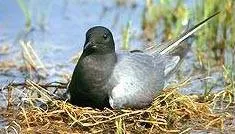
The whiskered tern (Chlidonias hybrida) is a tern in the family Laridae. The genus name is from Ancient Greek khelidonios, "swallow-like", from khelidon, "swallow". The specific hybridus is Latin for hybrid; Peter Simon Pallas thought it might be a hybrid of white-winged black tern and common tern, writing "Sterna fissipes [Chlidonias leucopterus] et Hirundine [Sterna hirundo] natam".
Source: Wikipedia, article “Whiskered tern” (version of September 19, 2026) · history and authors · licence CC BY-SA 4.0
Protected areas where it is recorded
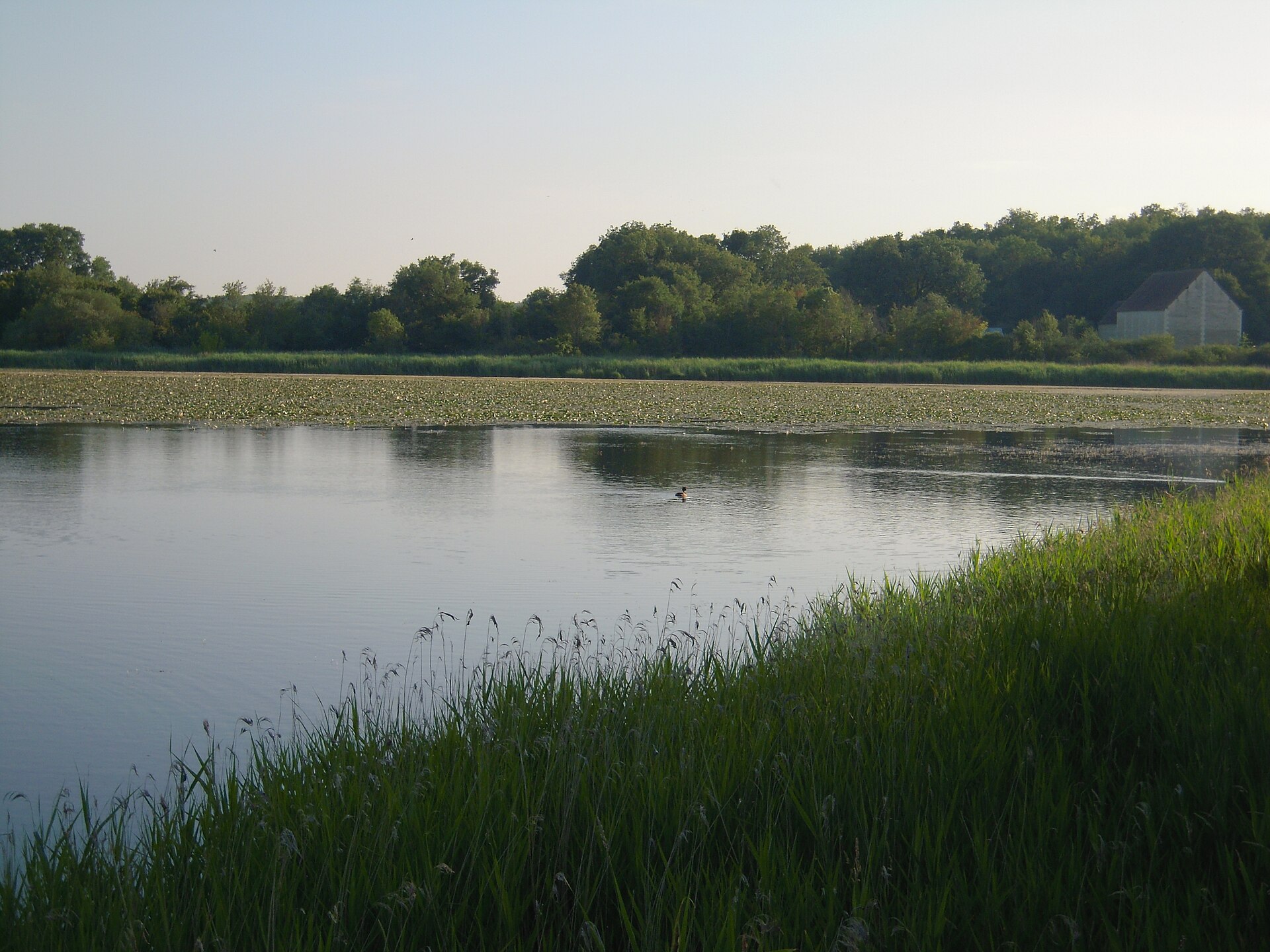
Natura 2000 · breeding 3,370 records
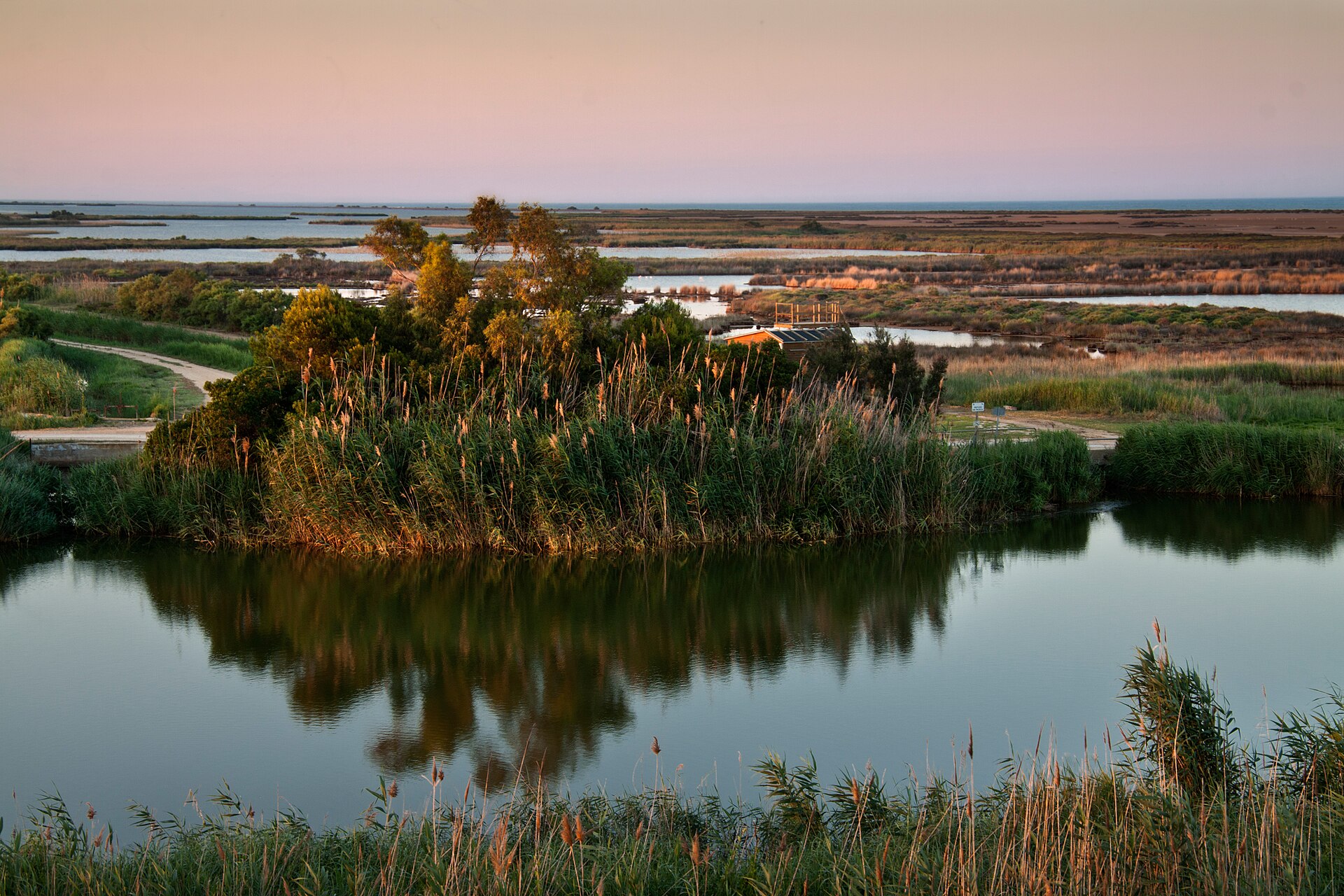
Natura 2000 · wintering, breeding 3,176 records
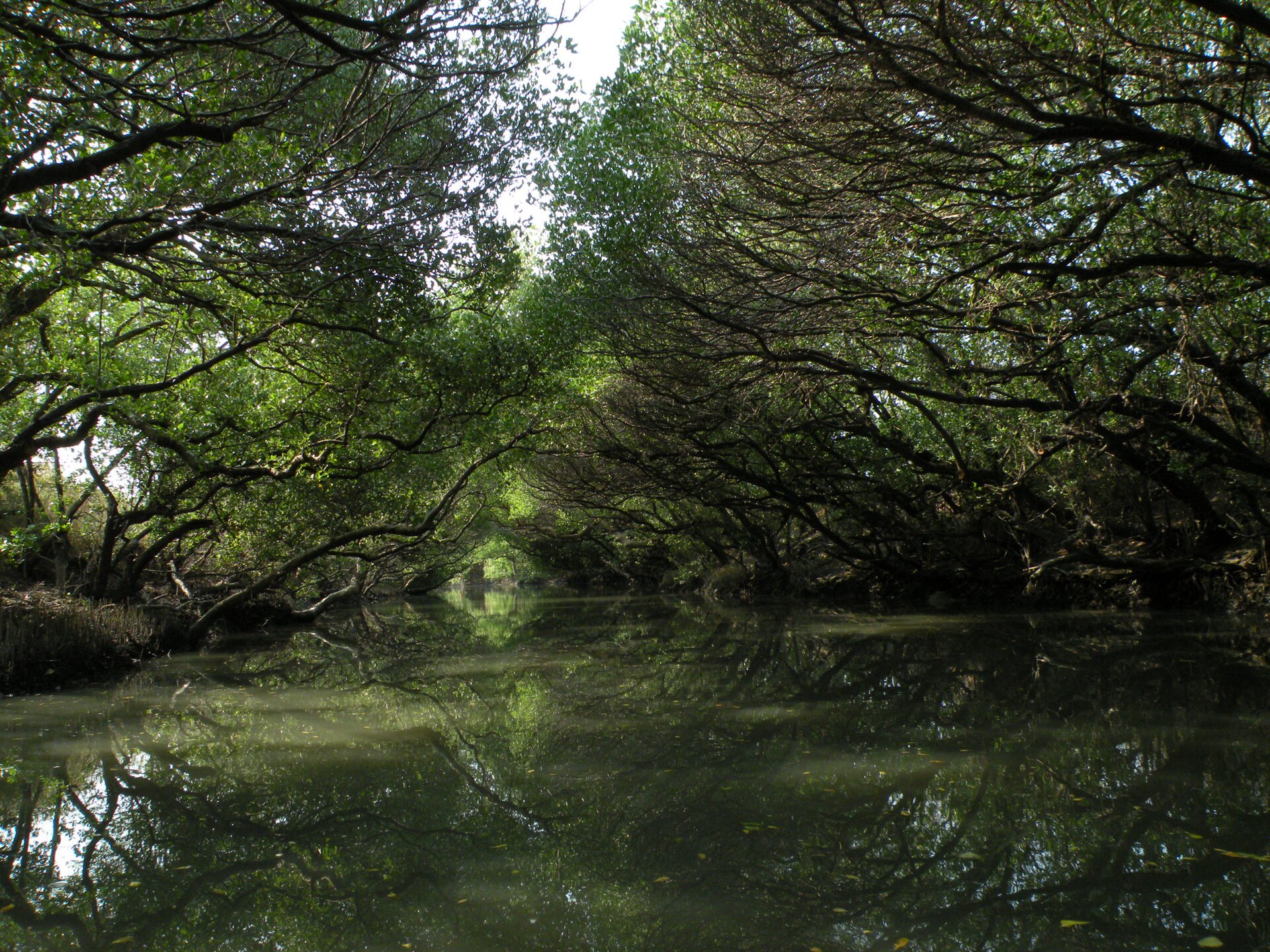
2,957 records
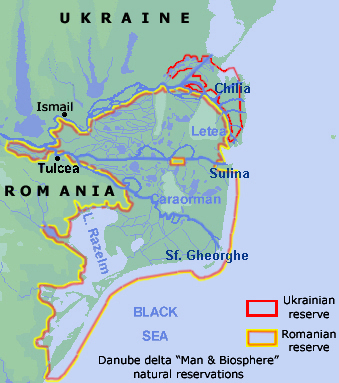
1,982 records

1,743 records

313 records

200 records

165 records

137 records

41 records
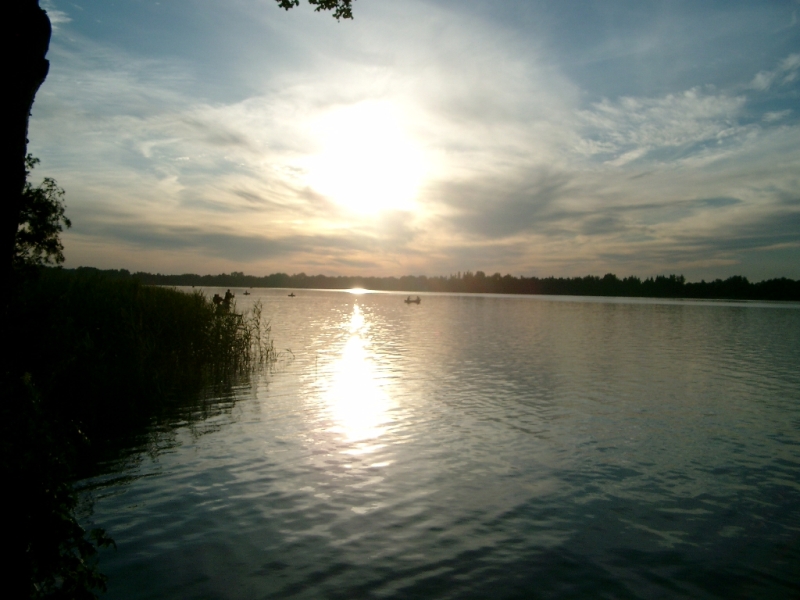
13 records

9 records
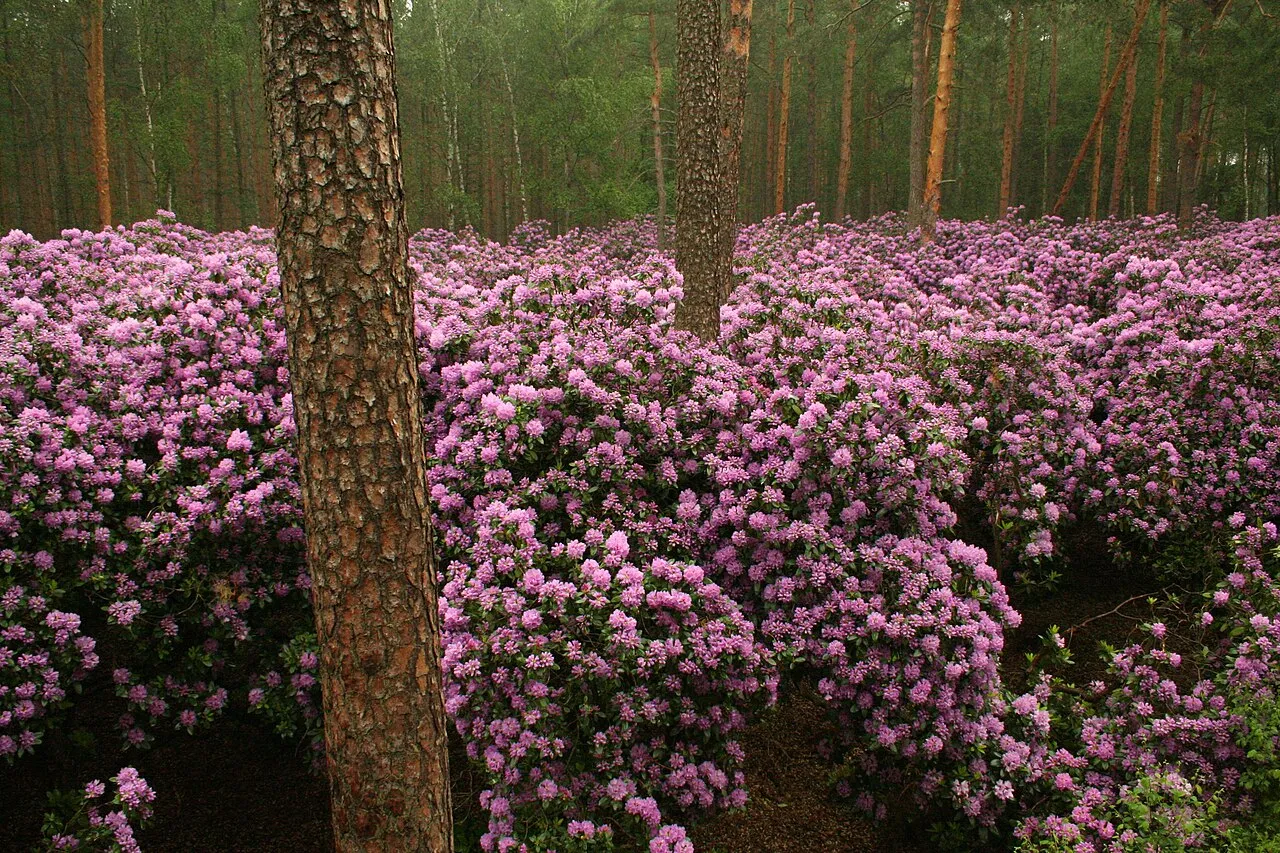
9 records

8 records

4 records
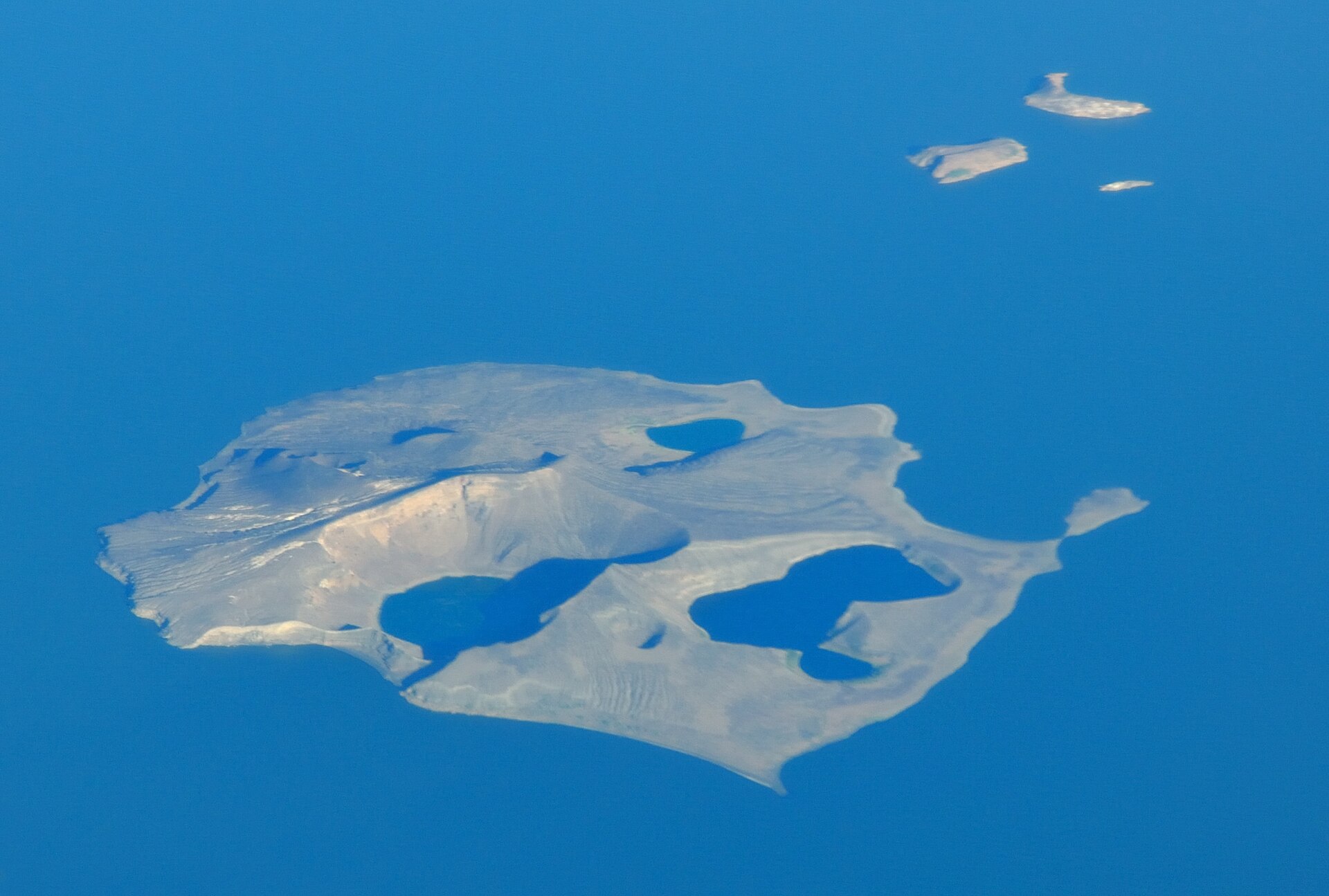
2 records

1 records
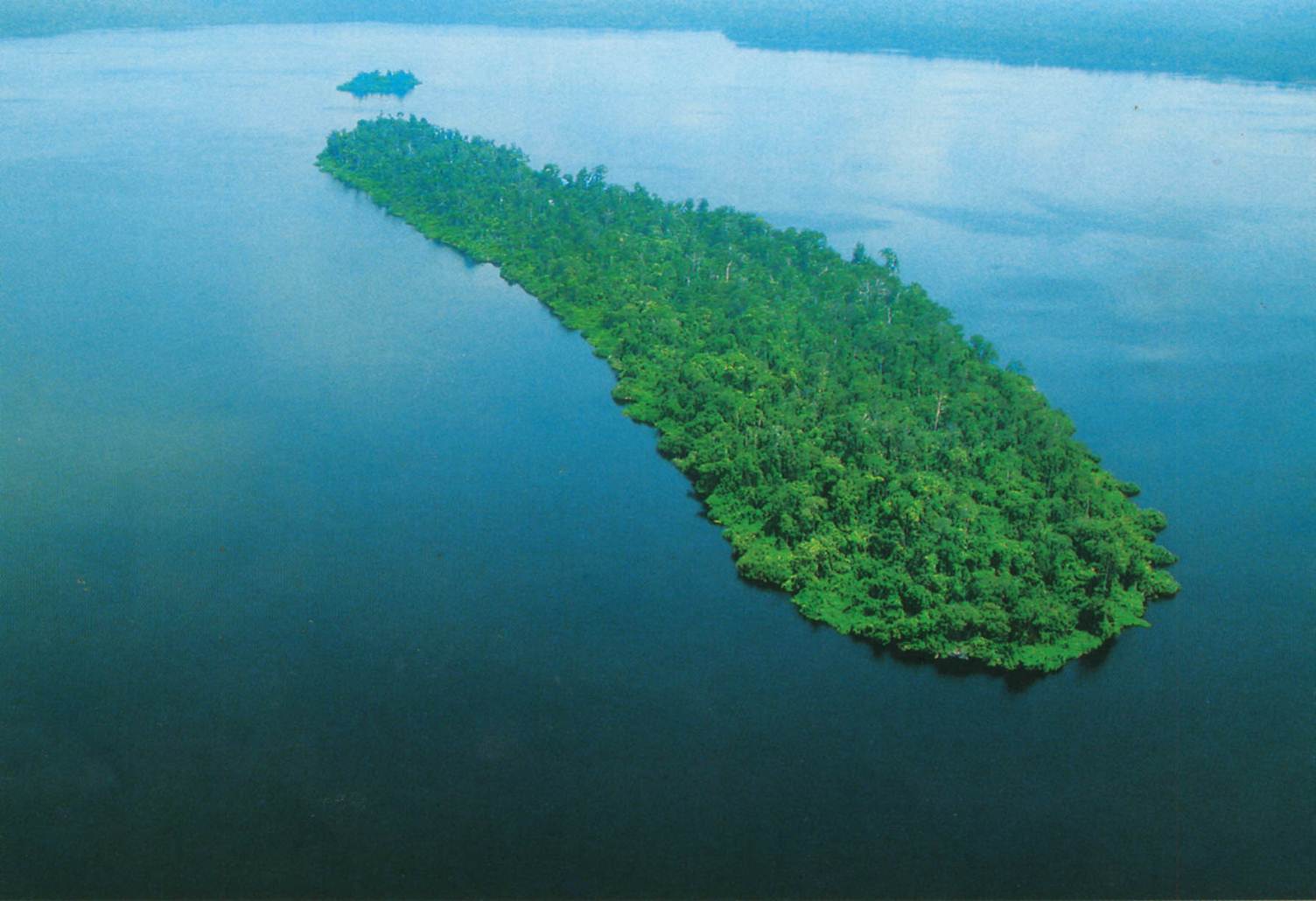
1 records
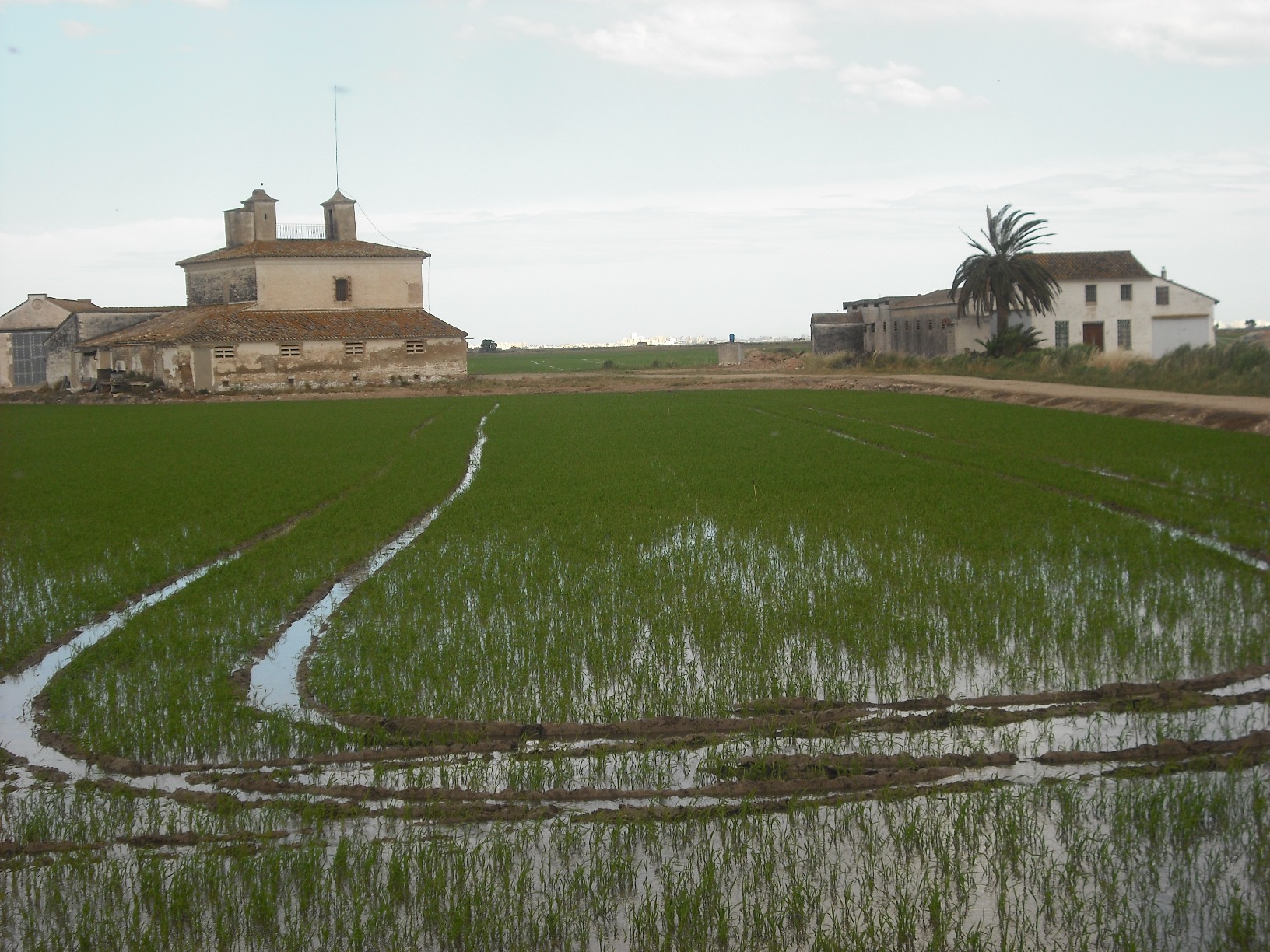
Natura 2000 · passage
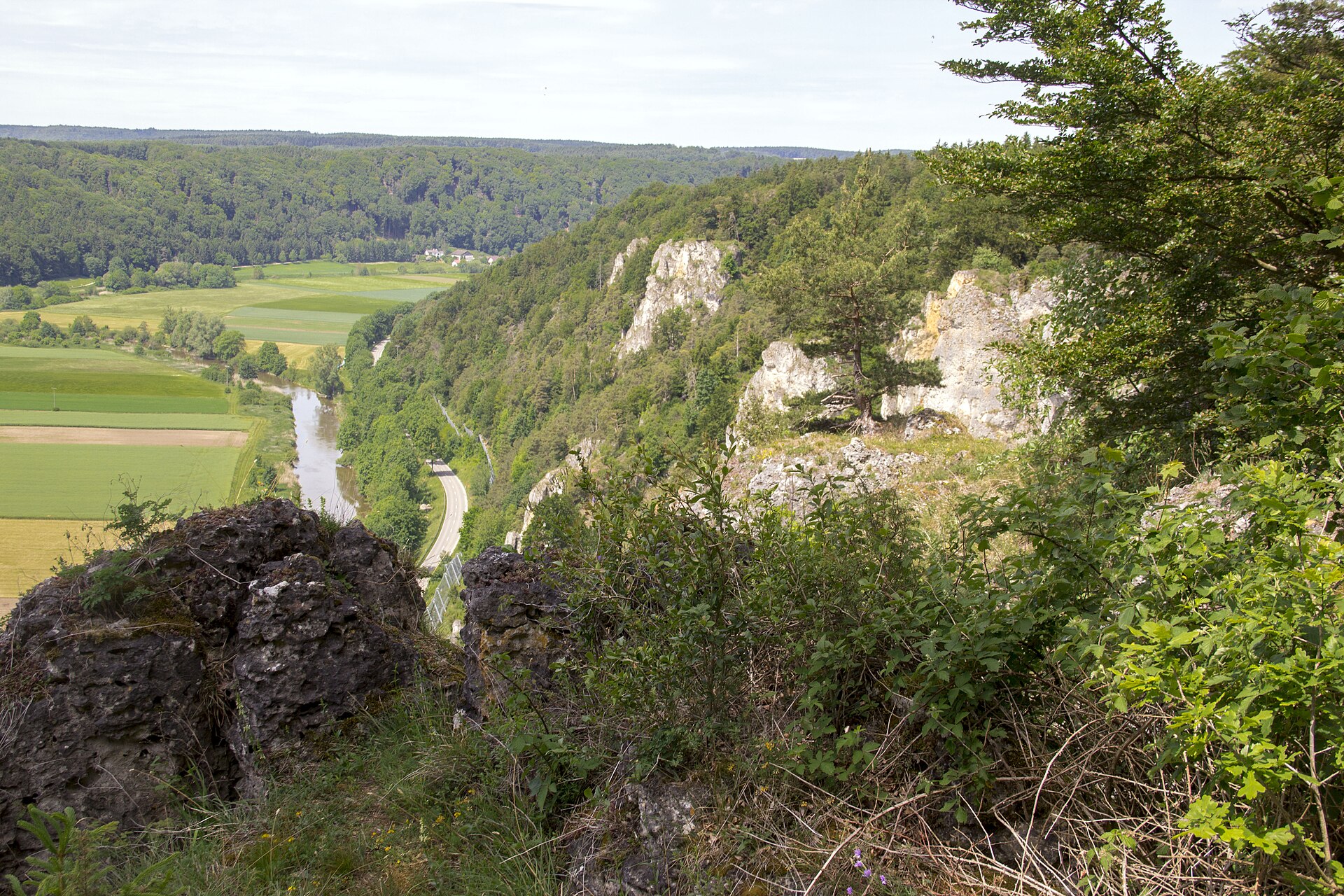
Natura 2000 · passage
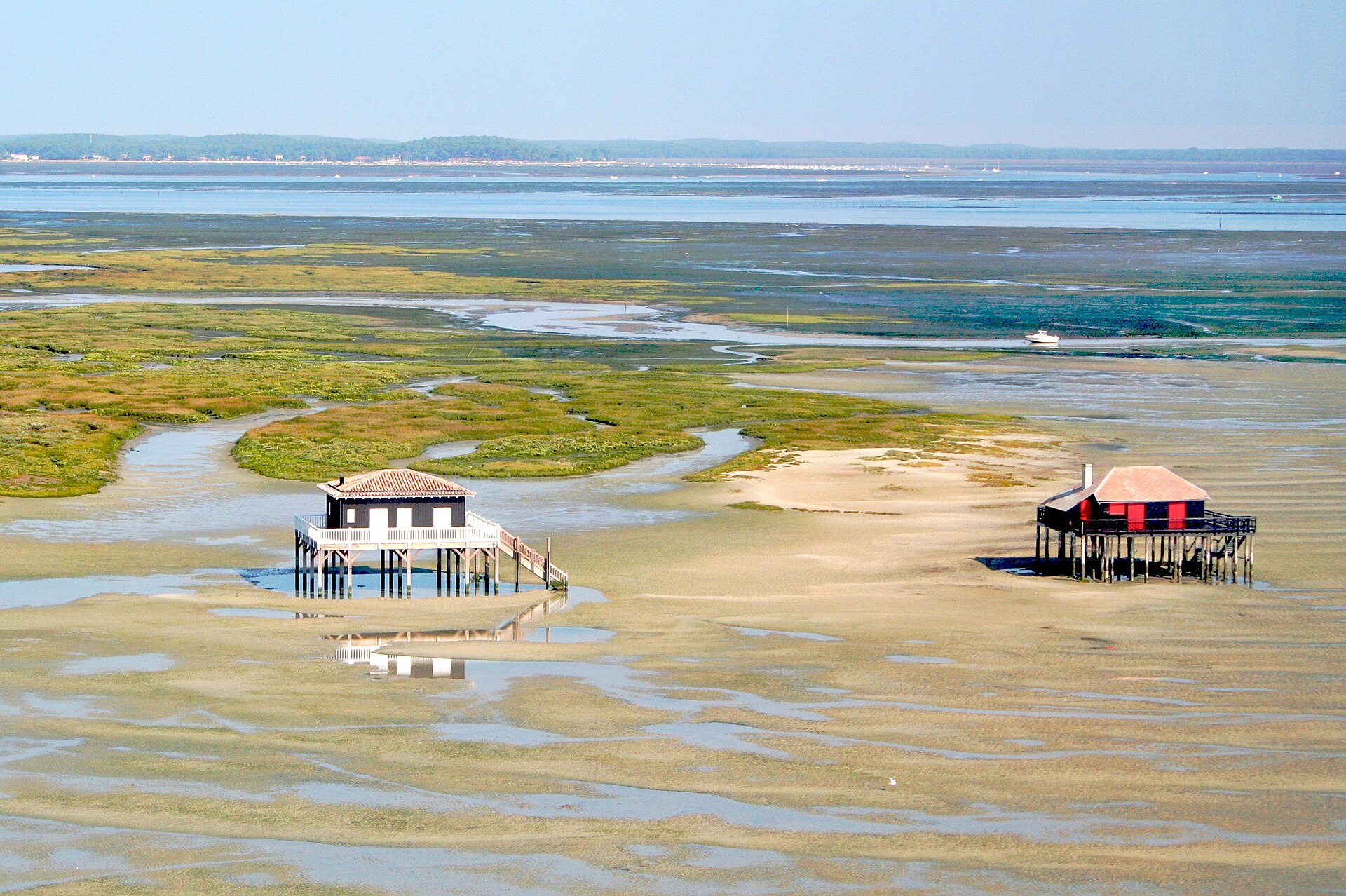
Natura 2000 · passage

Natura 2000 · passage

Natura 2000 · passage
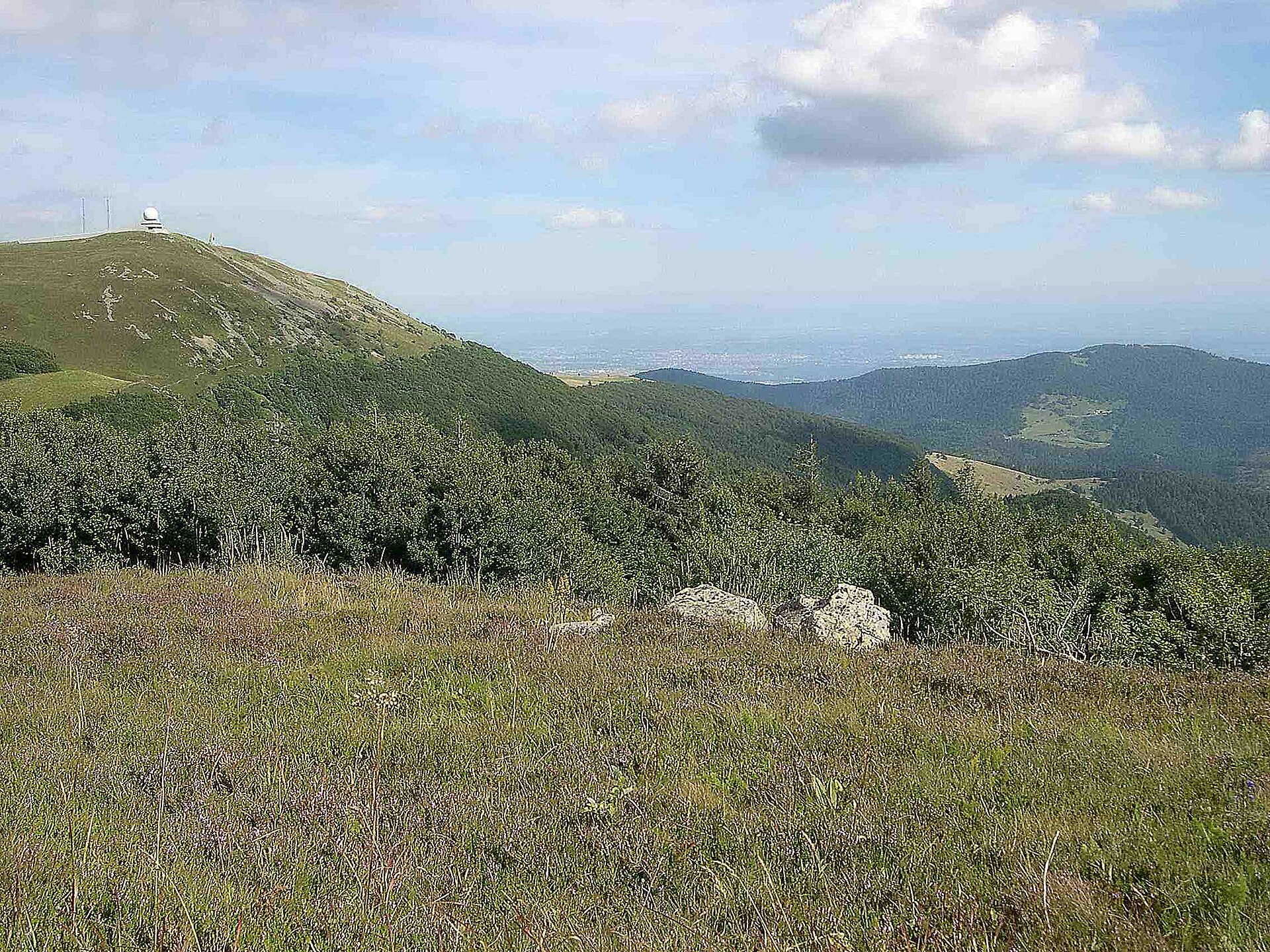
Natura 2000 · passage
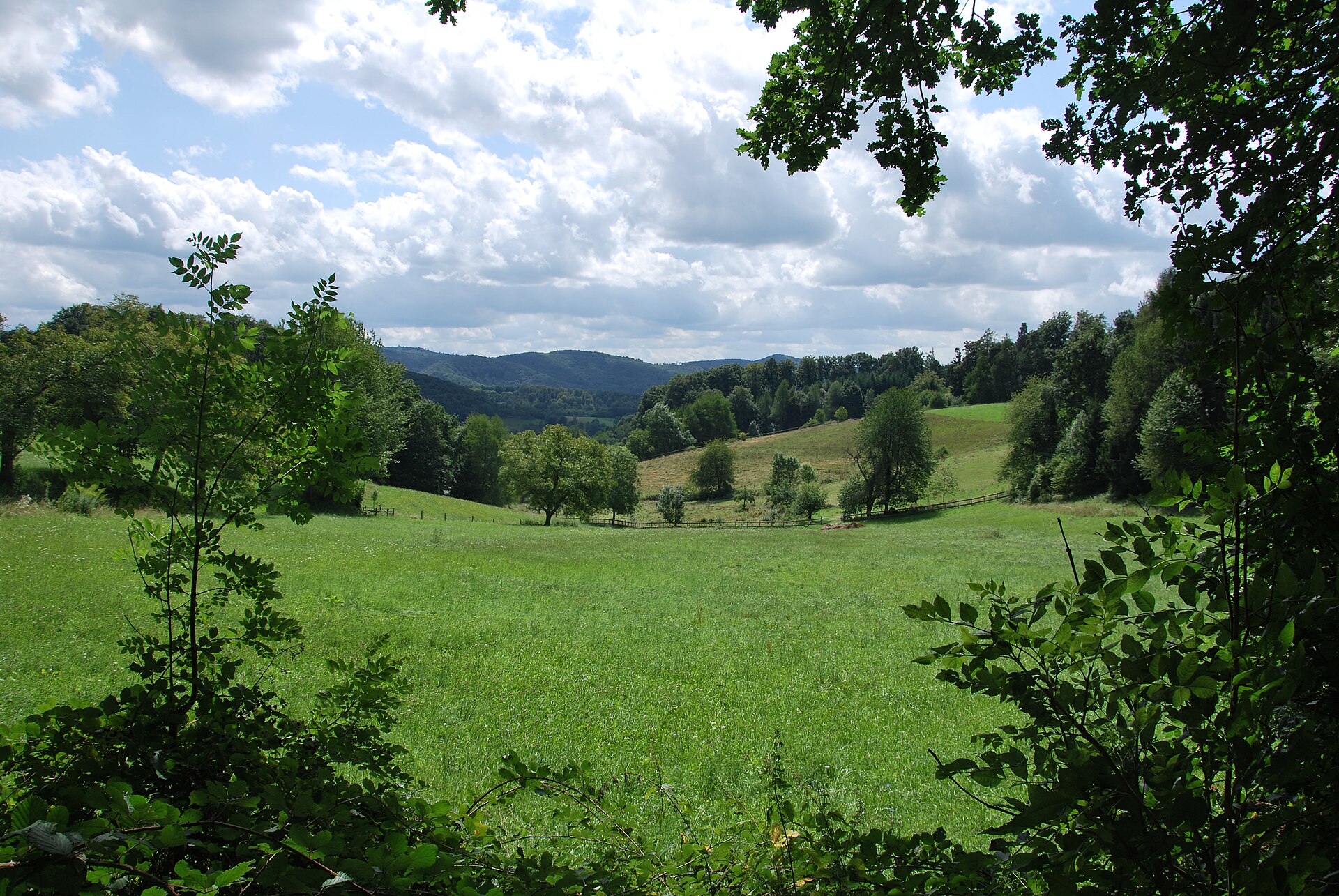
Natura 2000 · passage
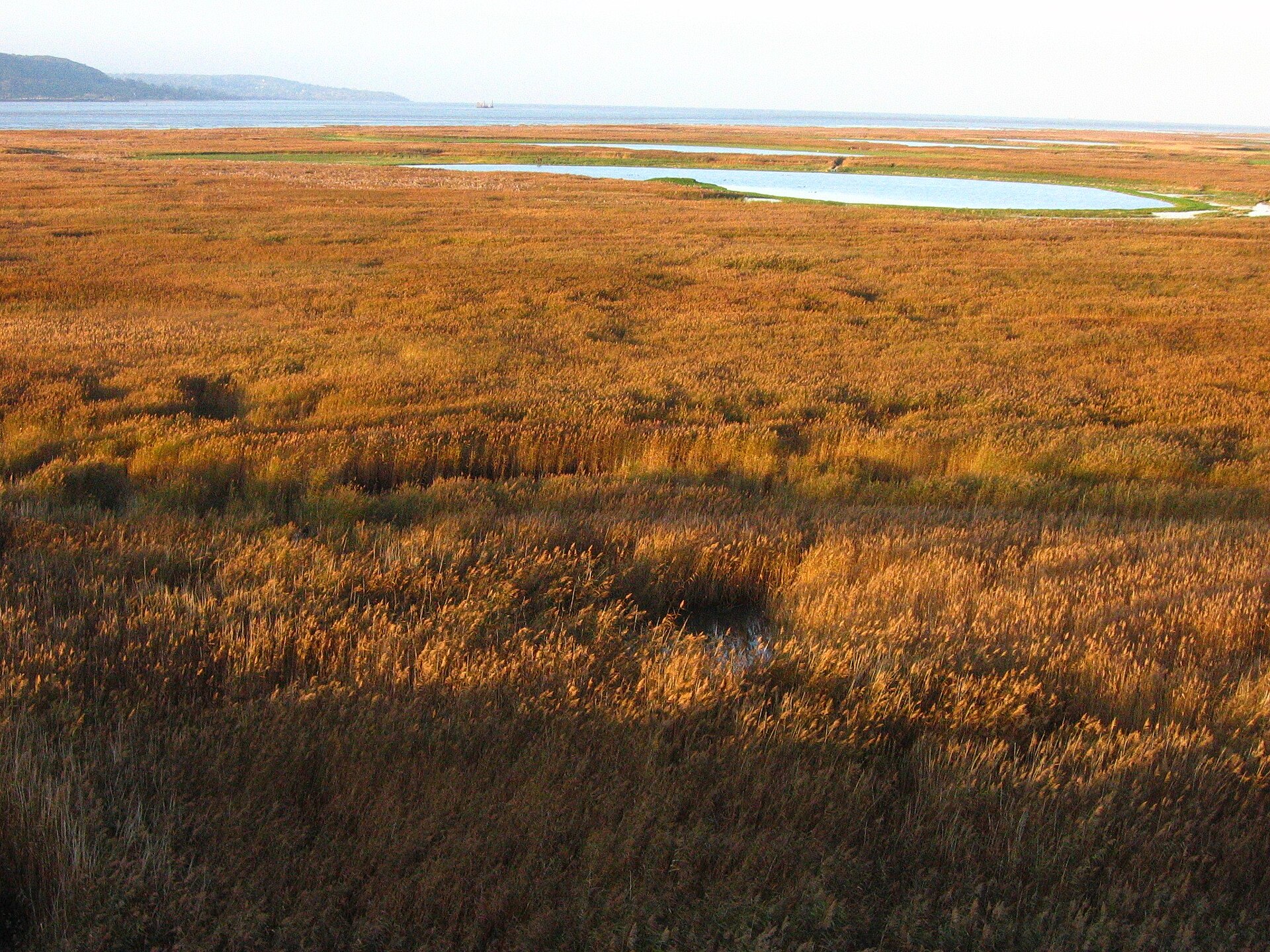
Natura 2000 · passage
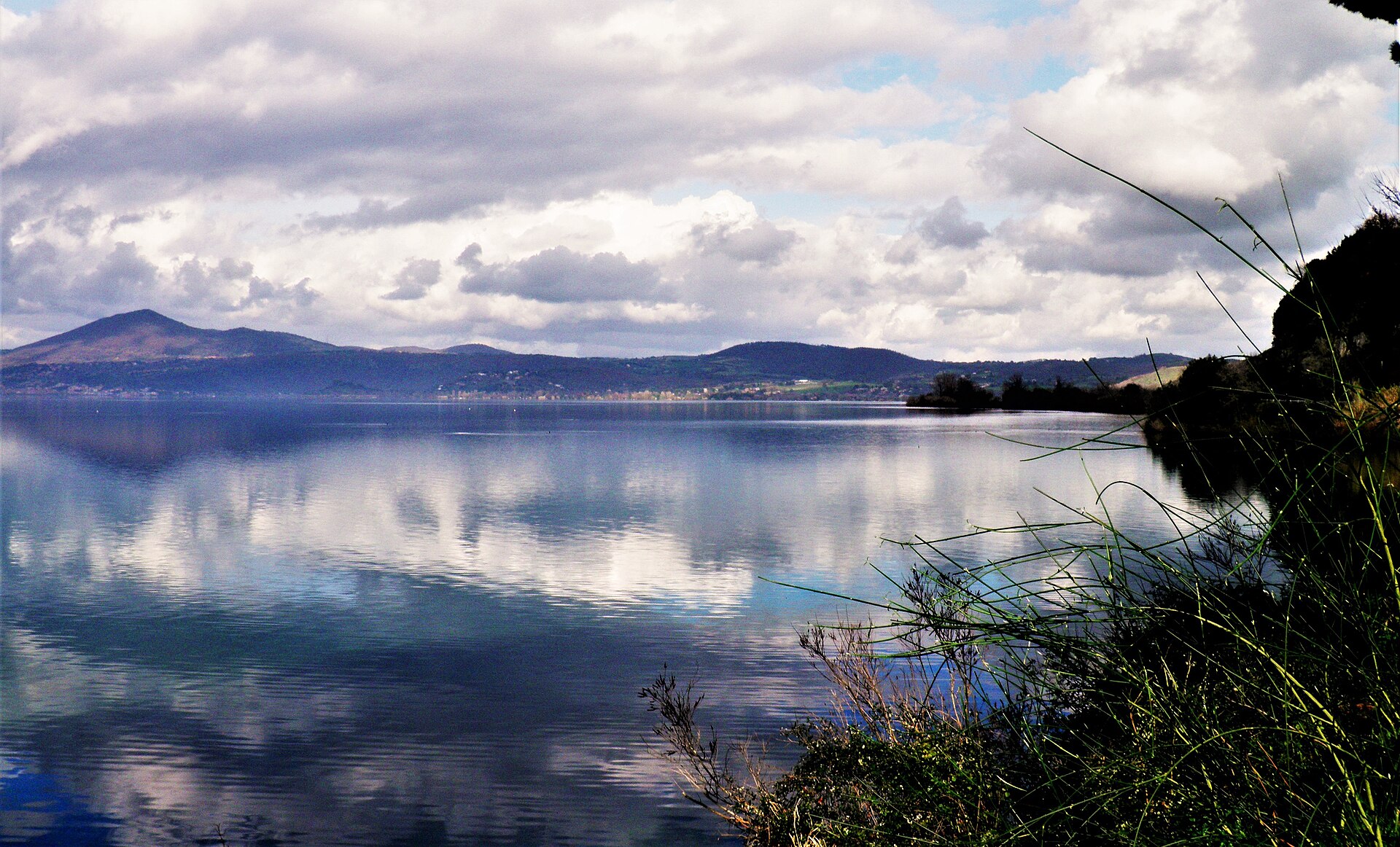
Natura 2000 · passage
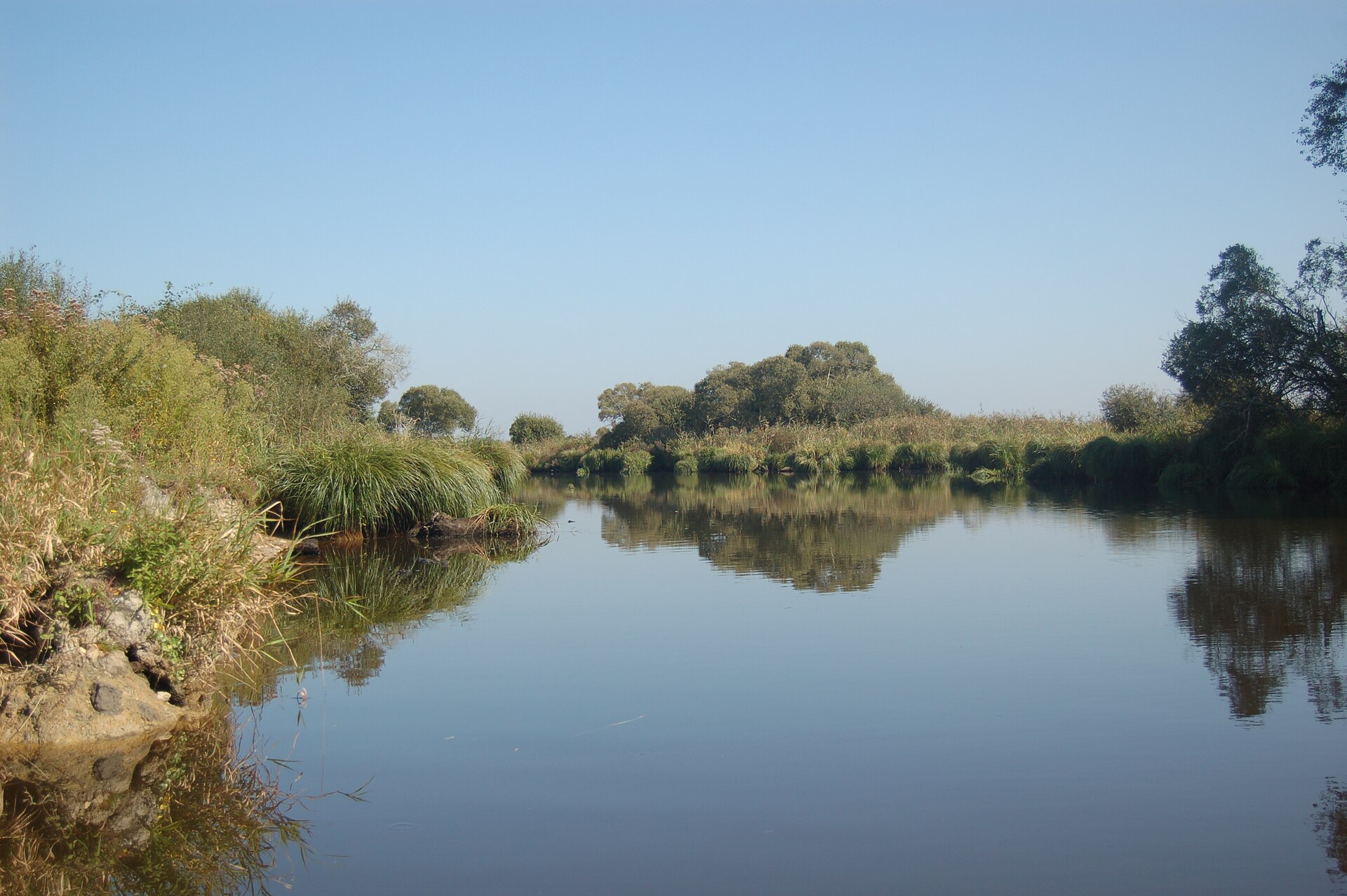
Natura 2000 · passage, breeding
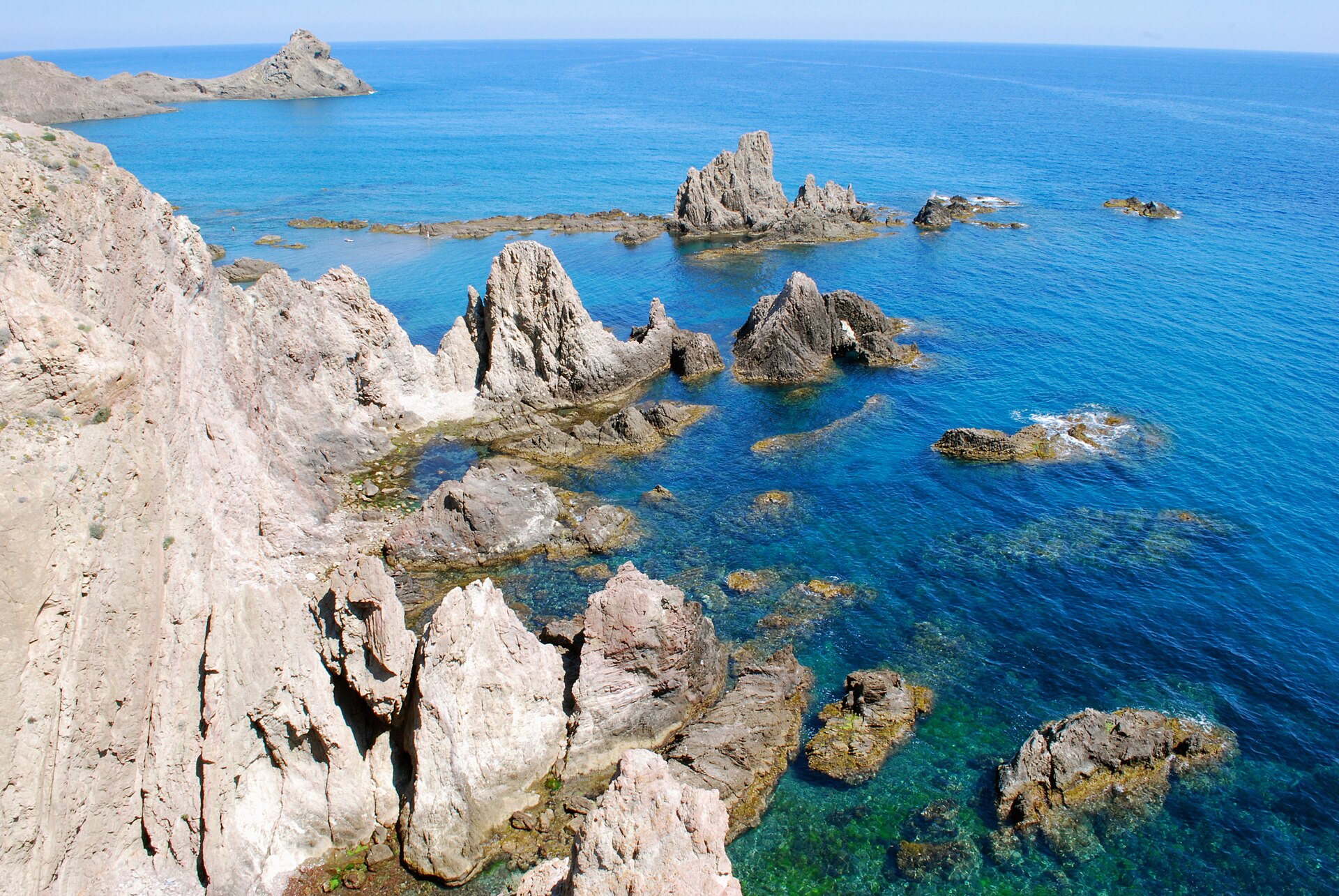
Natura 2000 · passage
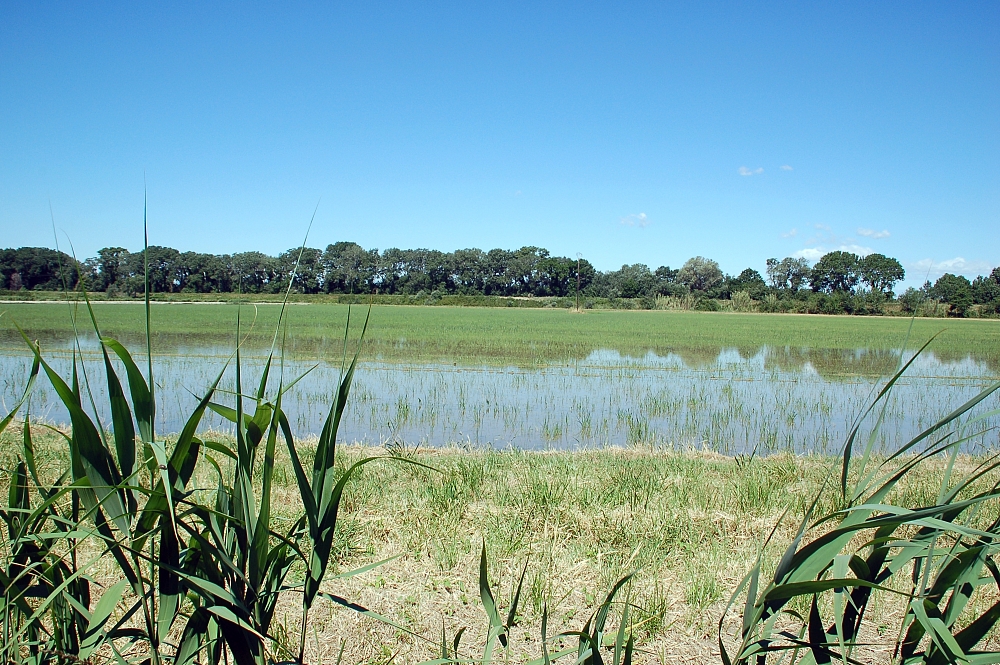
Natura 2000 · passage, breeding, wintering
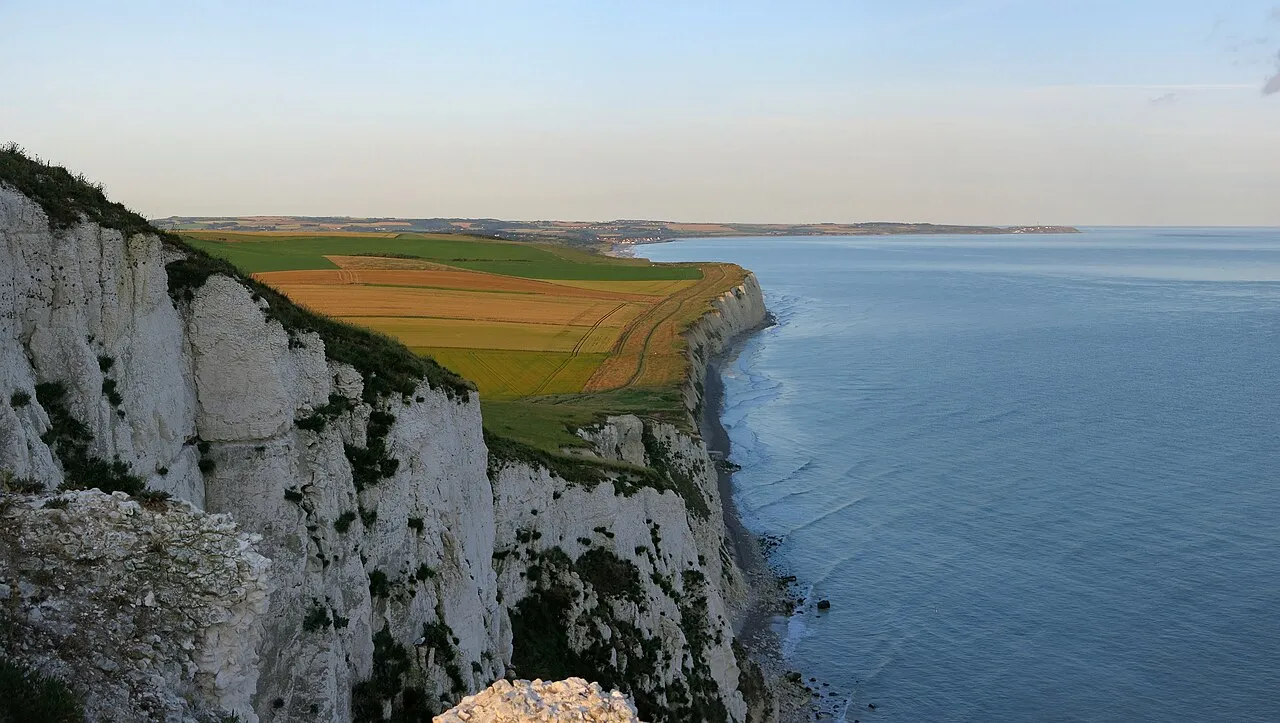
Natura 2000 · passage
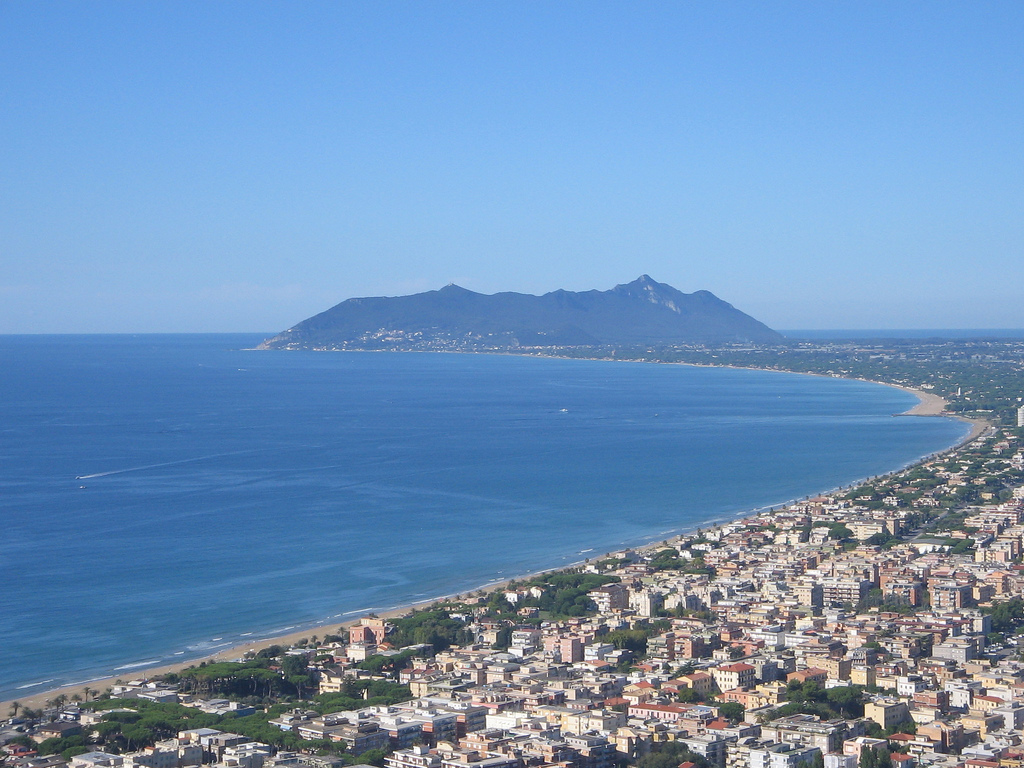
Natura 2000 · passage
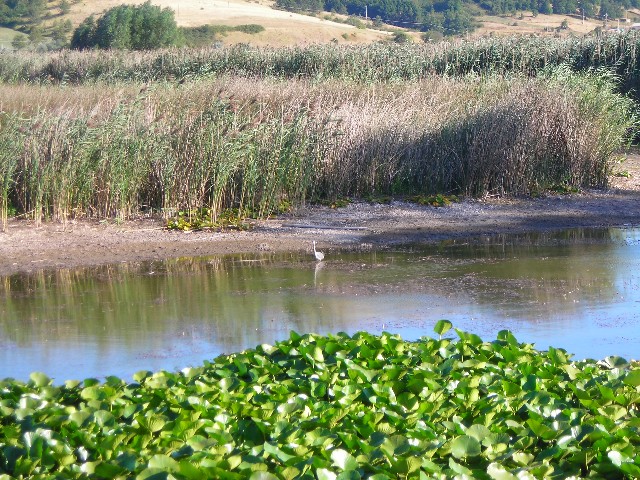
Natura 2000 · resident
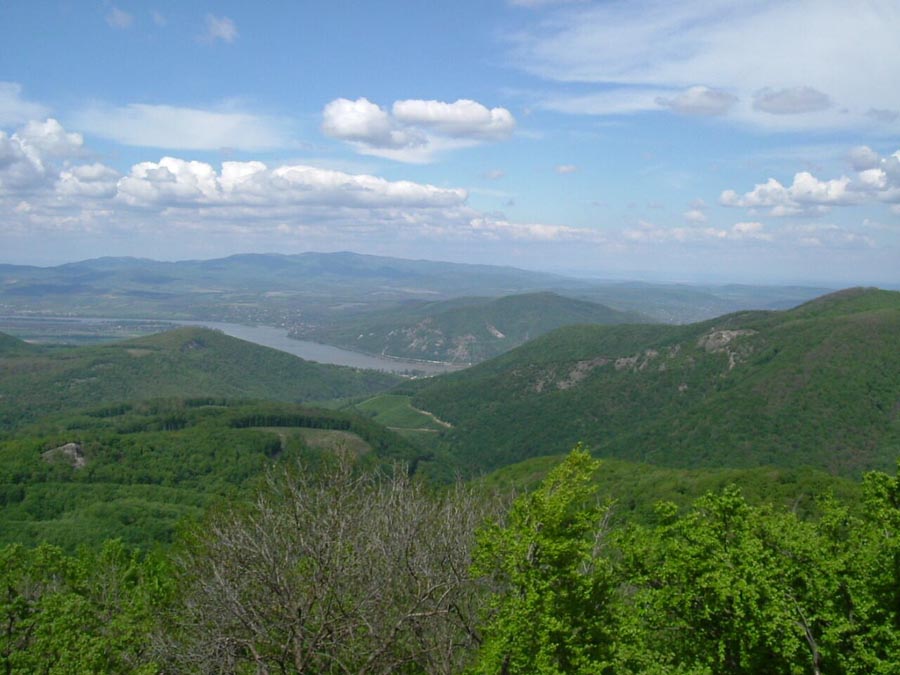
Natura 2000 · passage
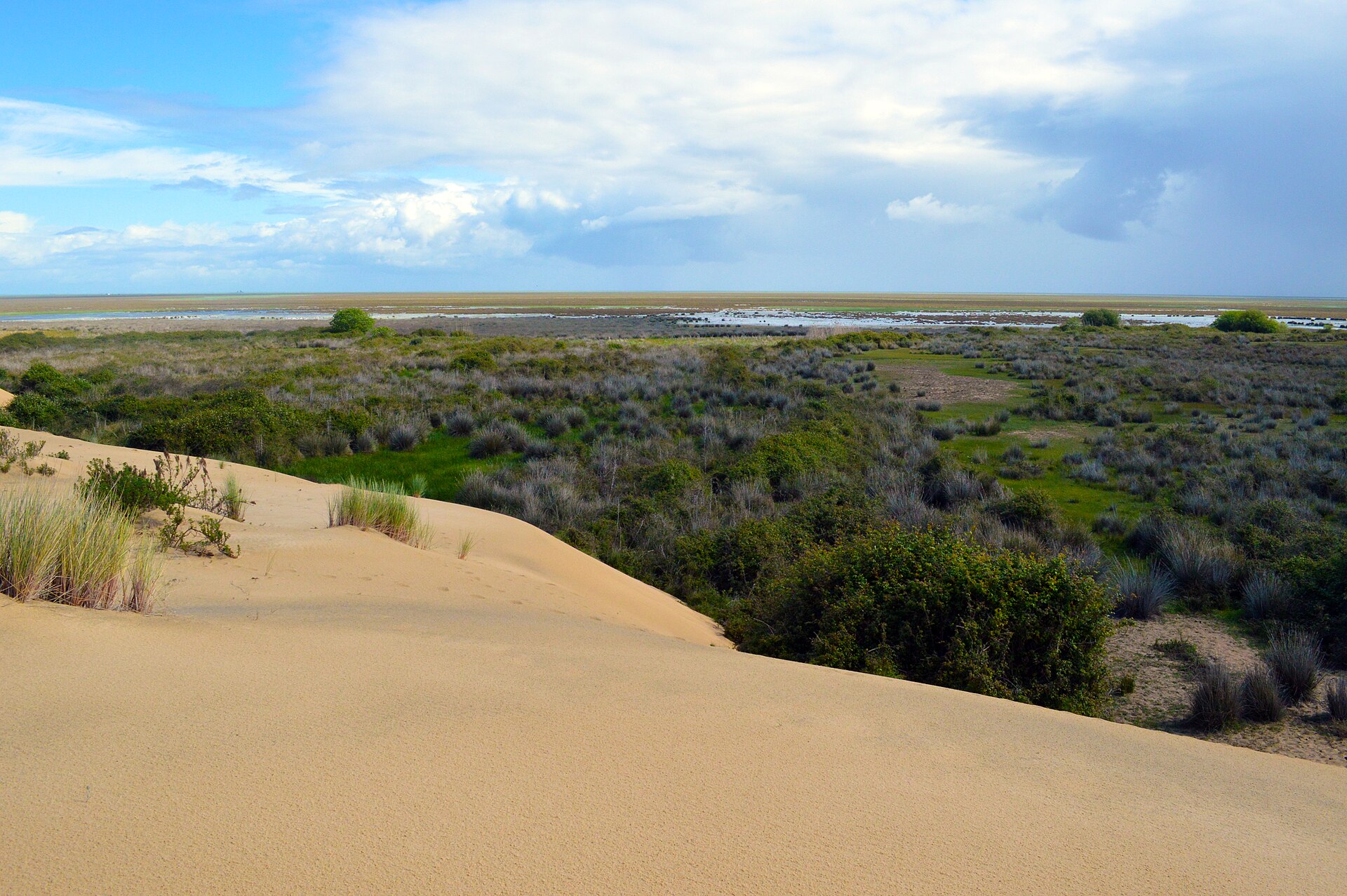
Natura 2000 · passage, breeding, wintering
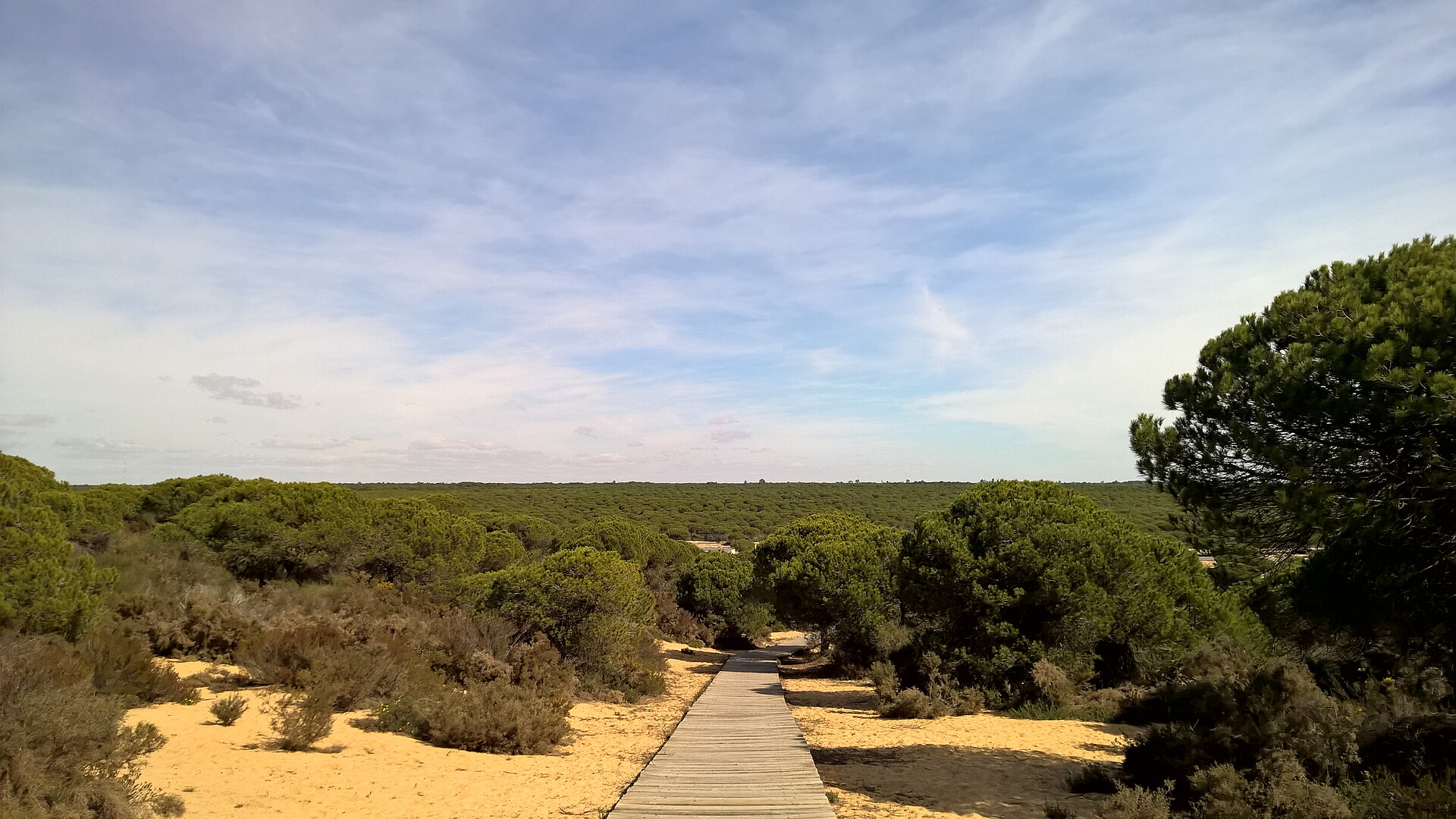
Natura 2000 · passage, breeding, wintering

Natura 2000 · passage, breeding
Natura 2000 · passage
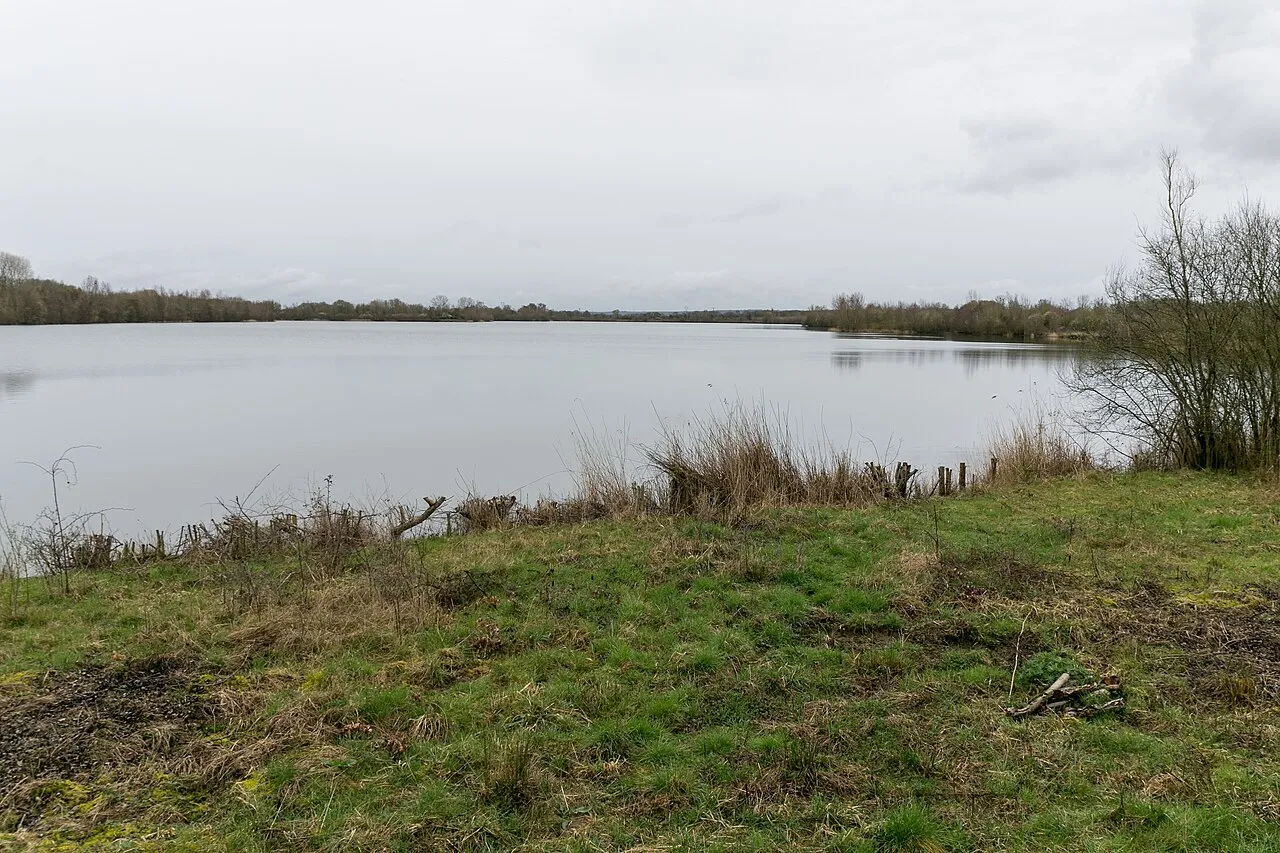
Natura 2000 · passage
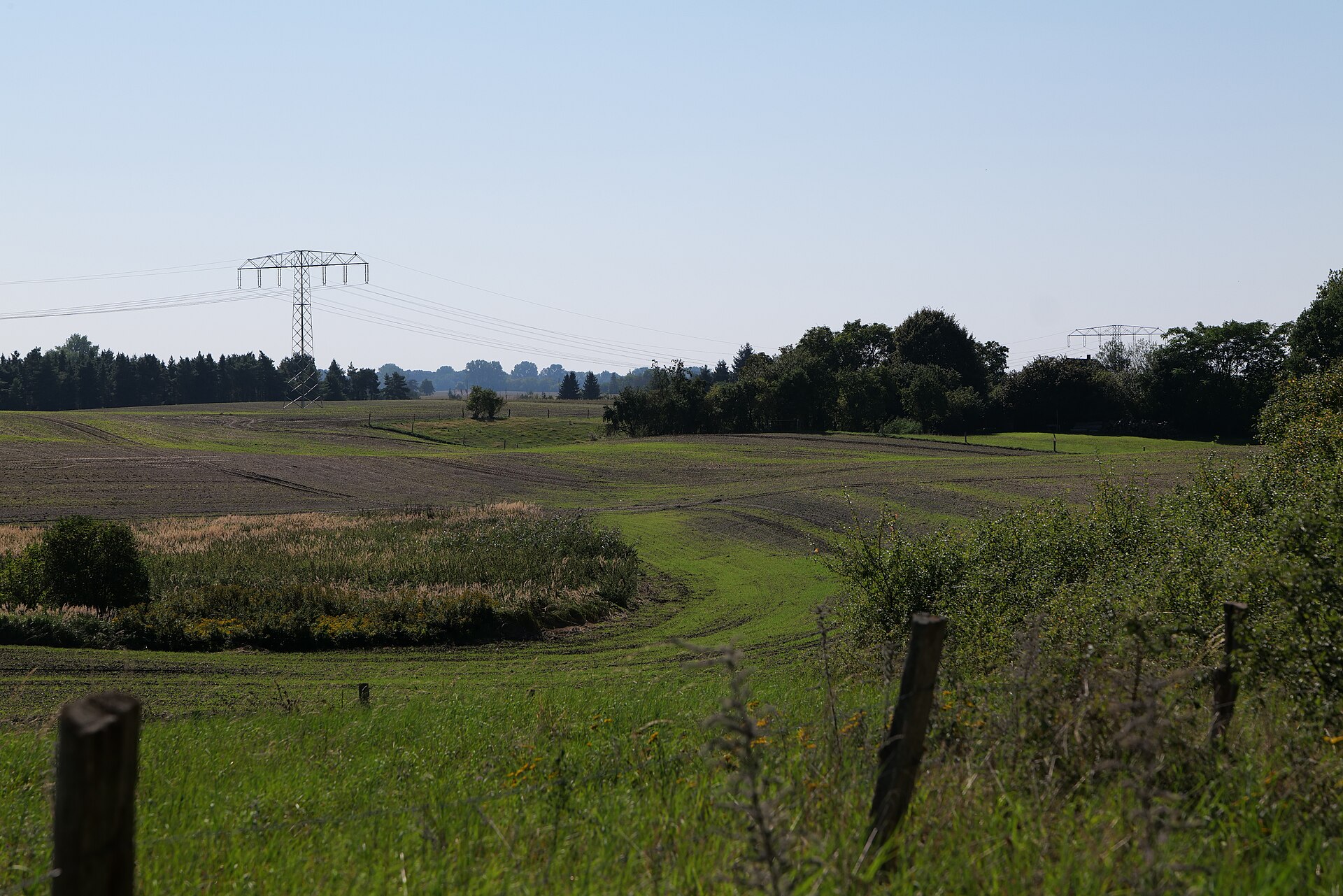
Natura 2000 · passage, breeding

Natura 2000 · passage
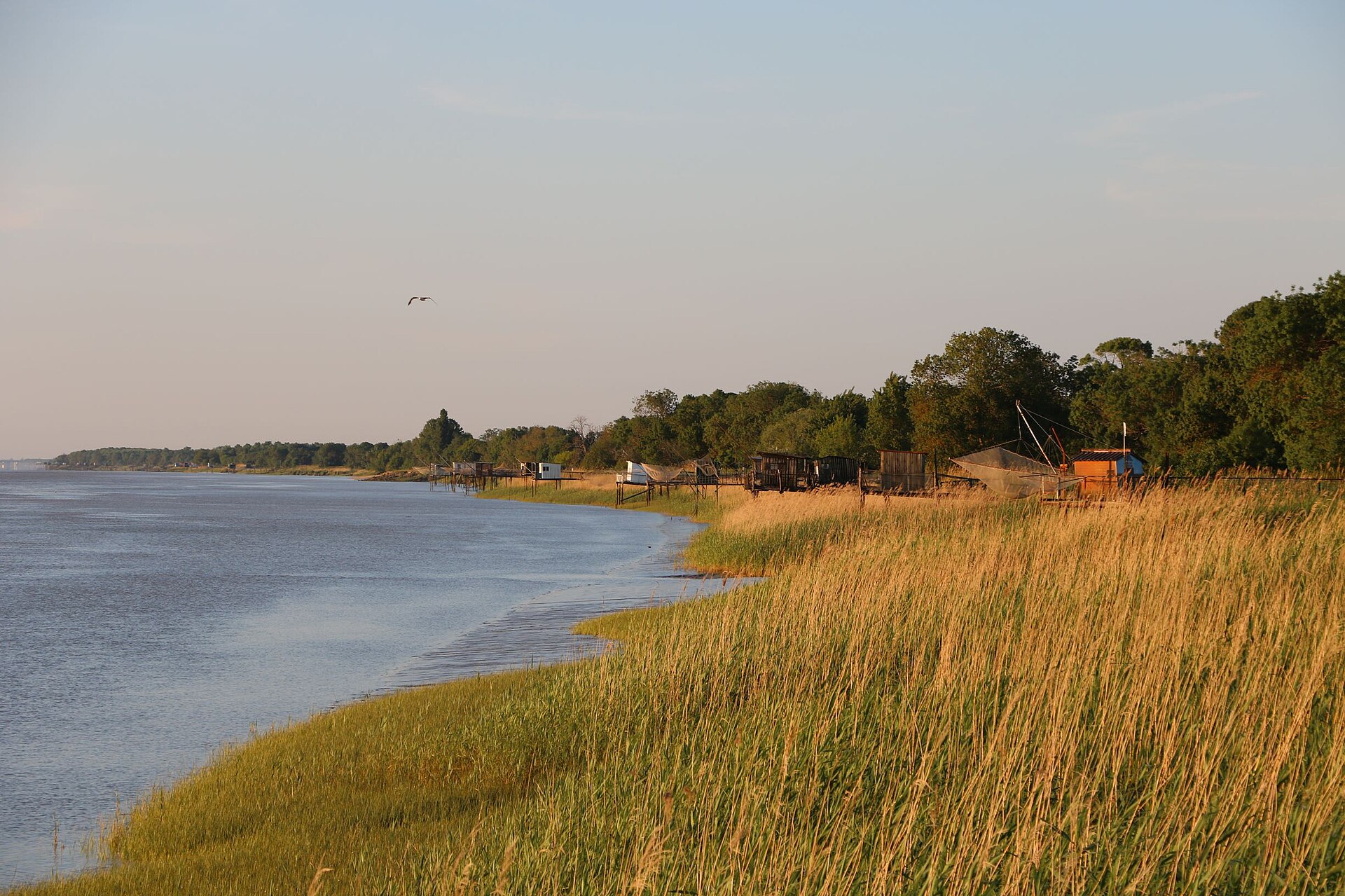
Natura 2000 · passage, breeding, wintering
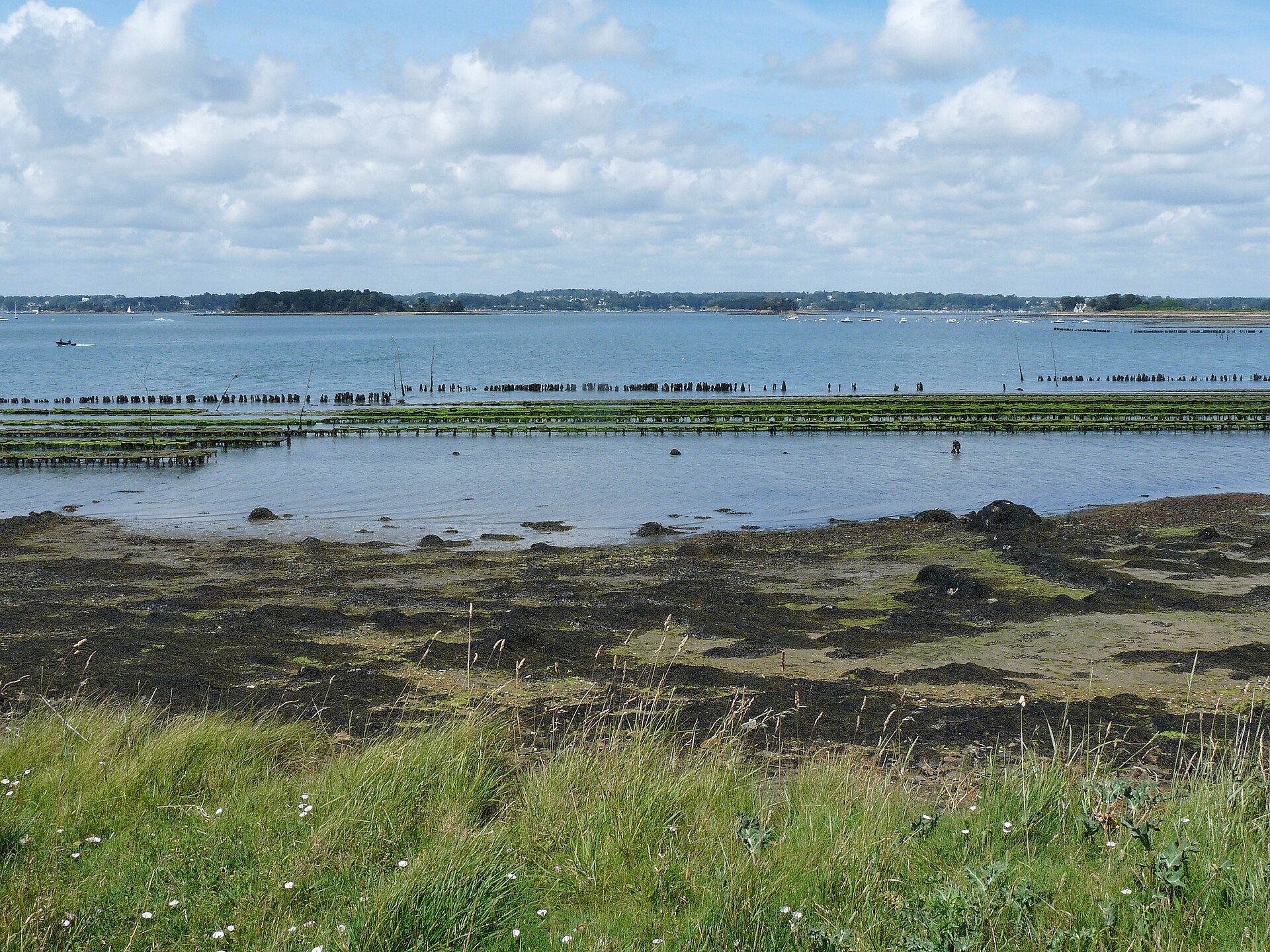
Natura 2000 · passage
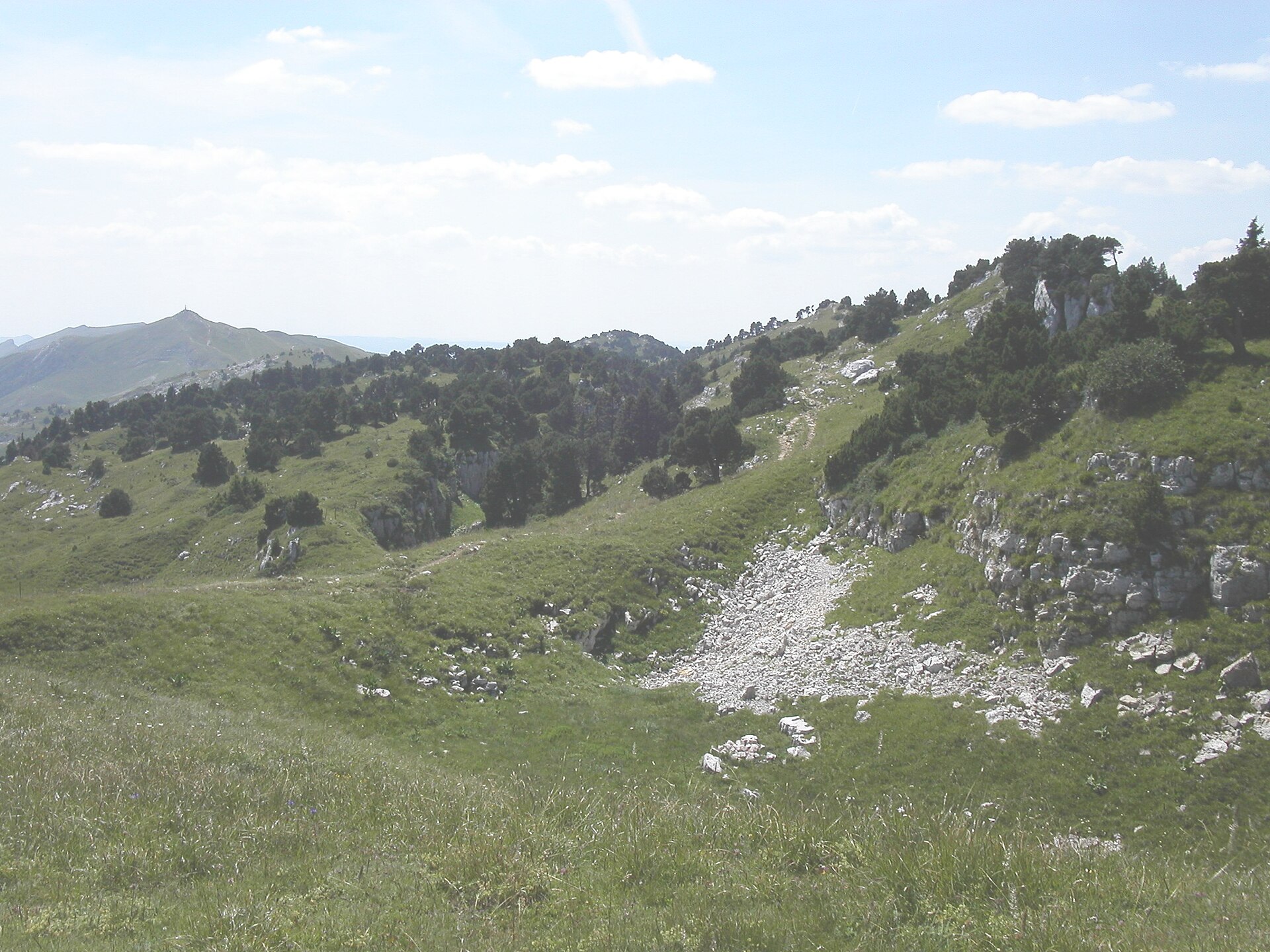
Natura 2000 · passage
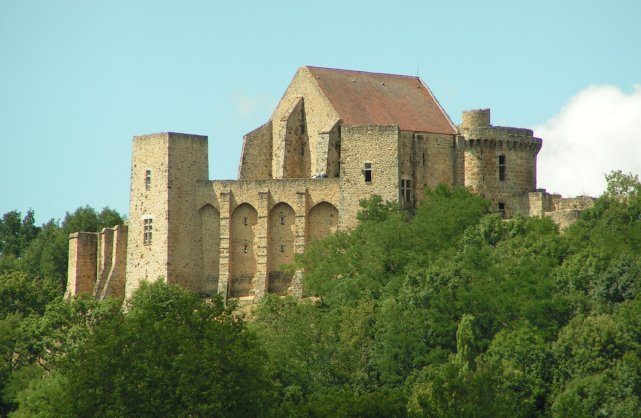
Natura 2000 · passage

Natura 2000 · breeding
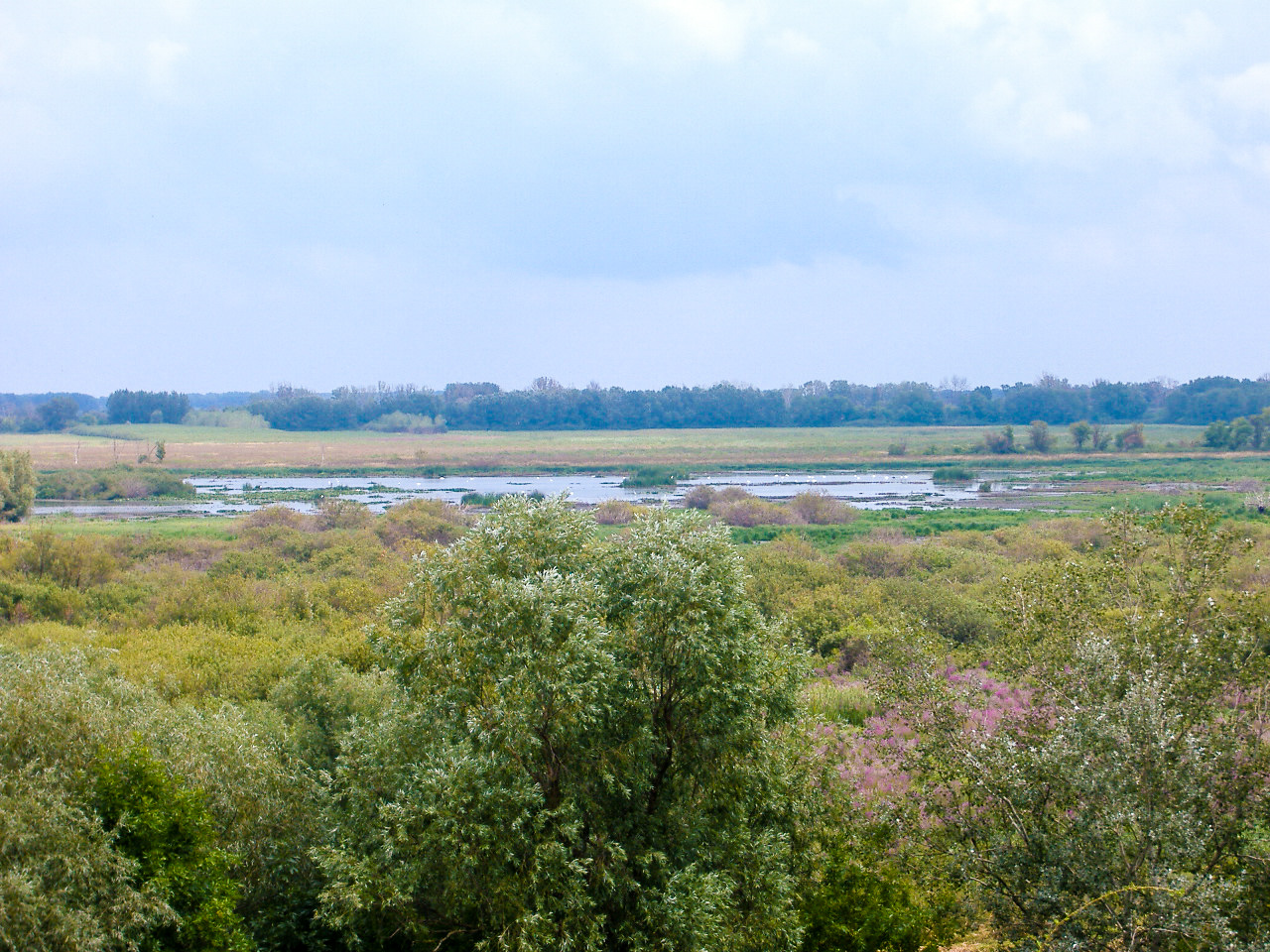
Natura 2000 · breeding
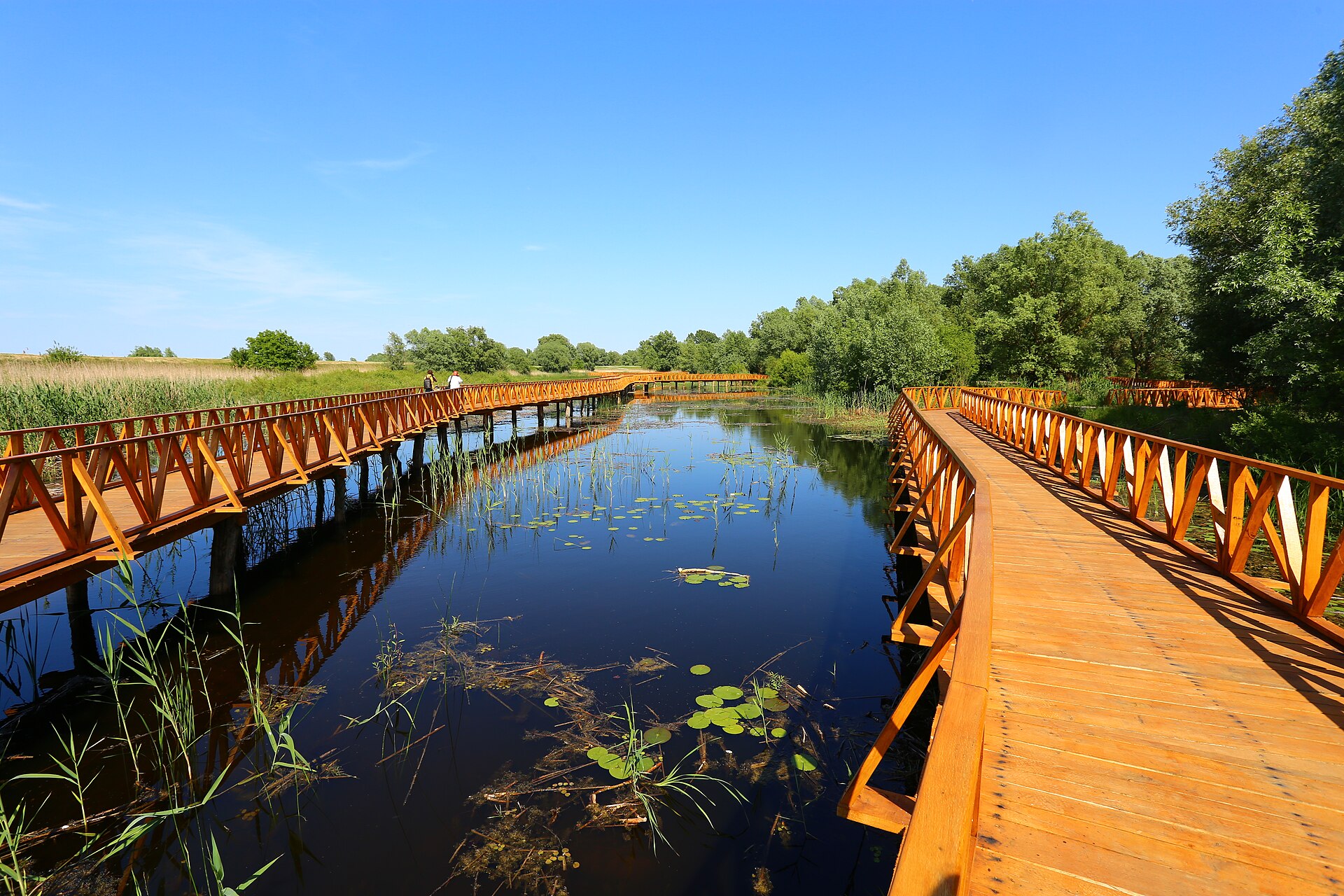
Natura 2000 · breeding, passage
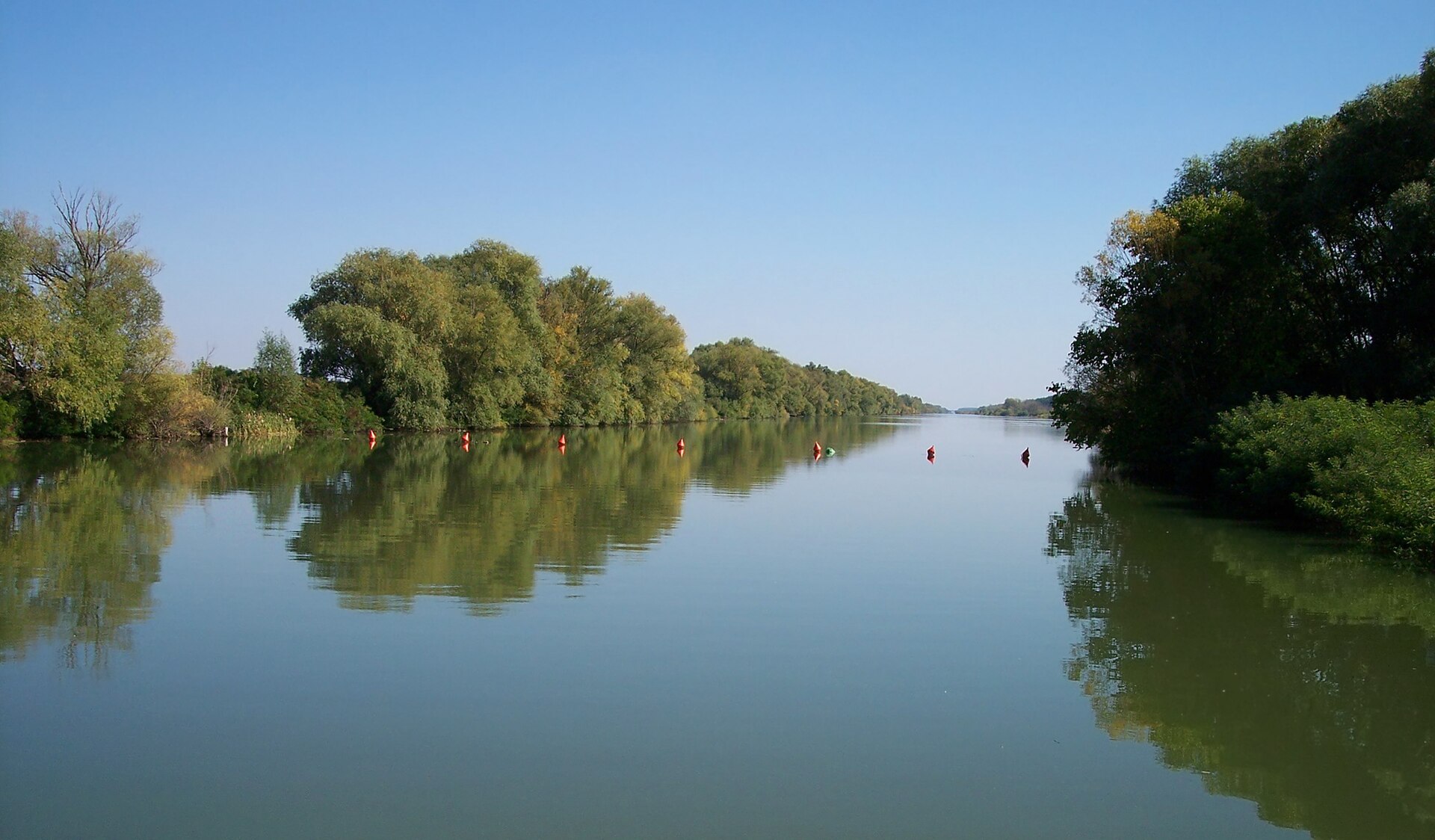
Natura 2000 · breeding
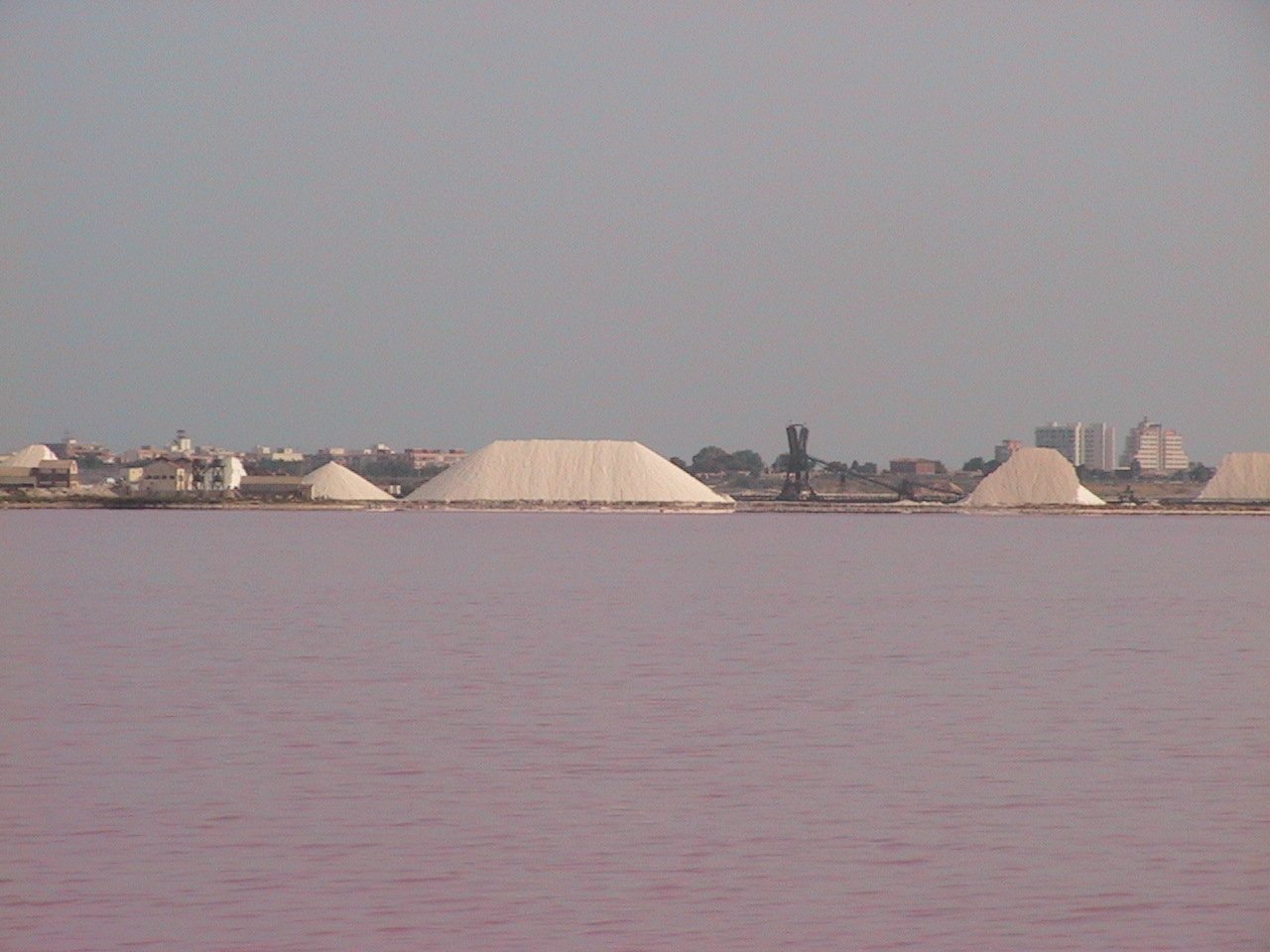
Natura 2000 · breeding
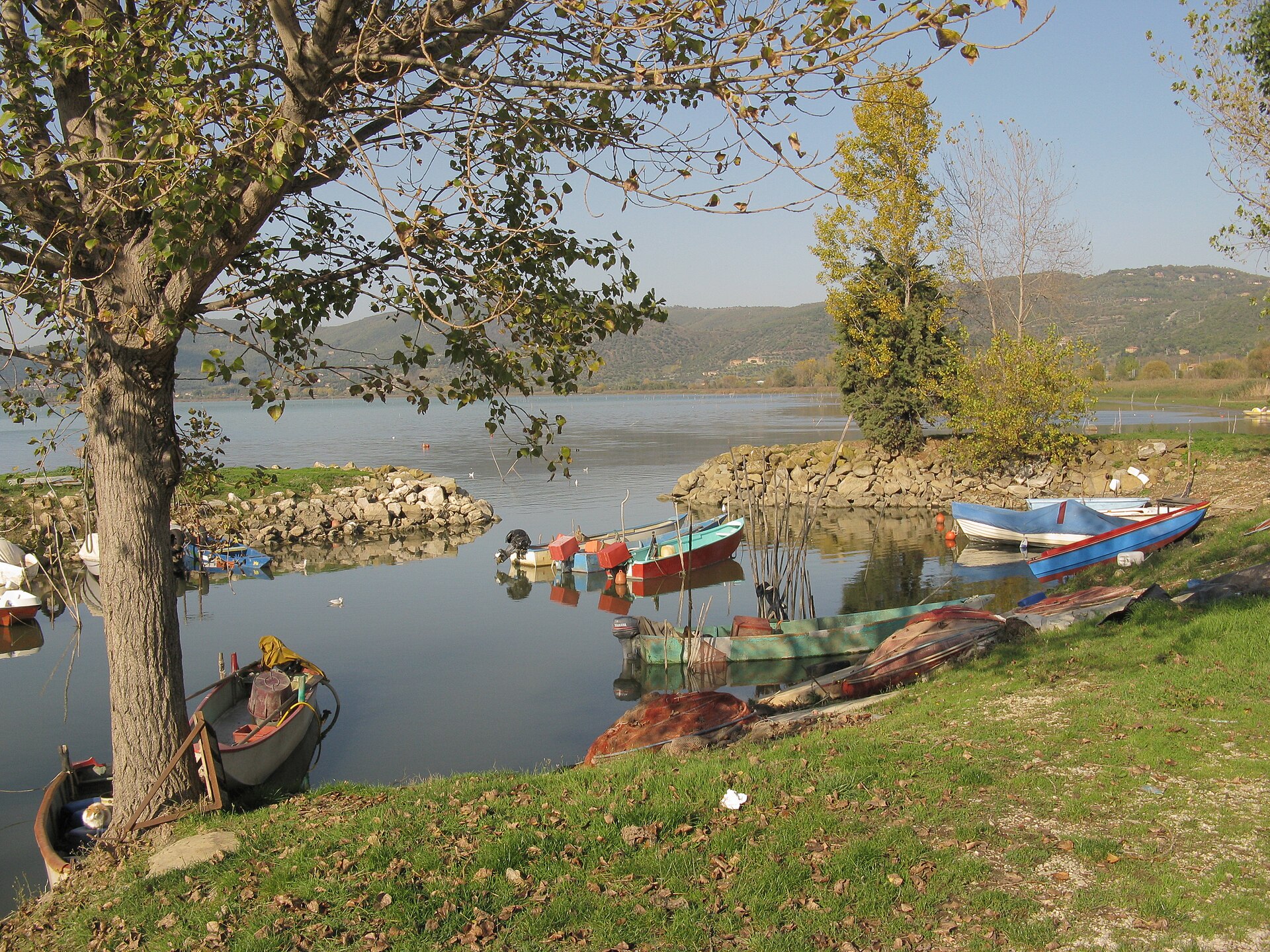
Natura 2000 · passage
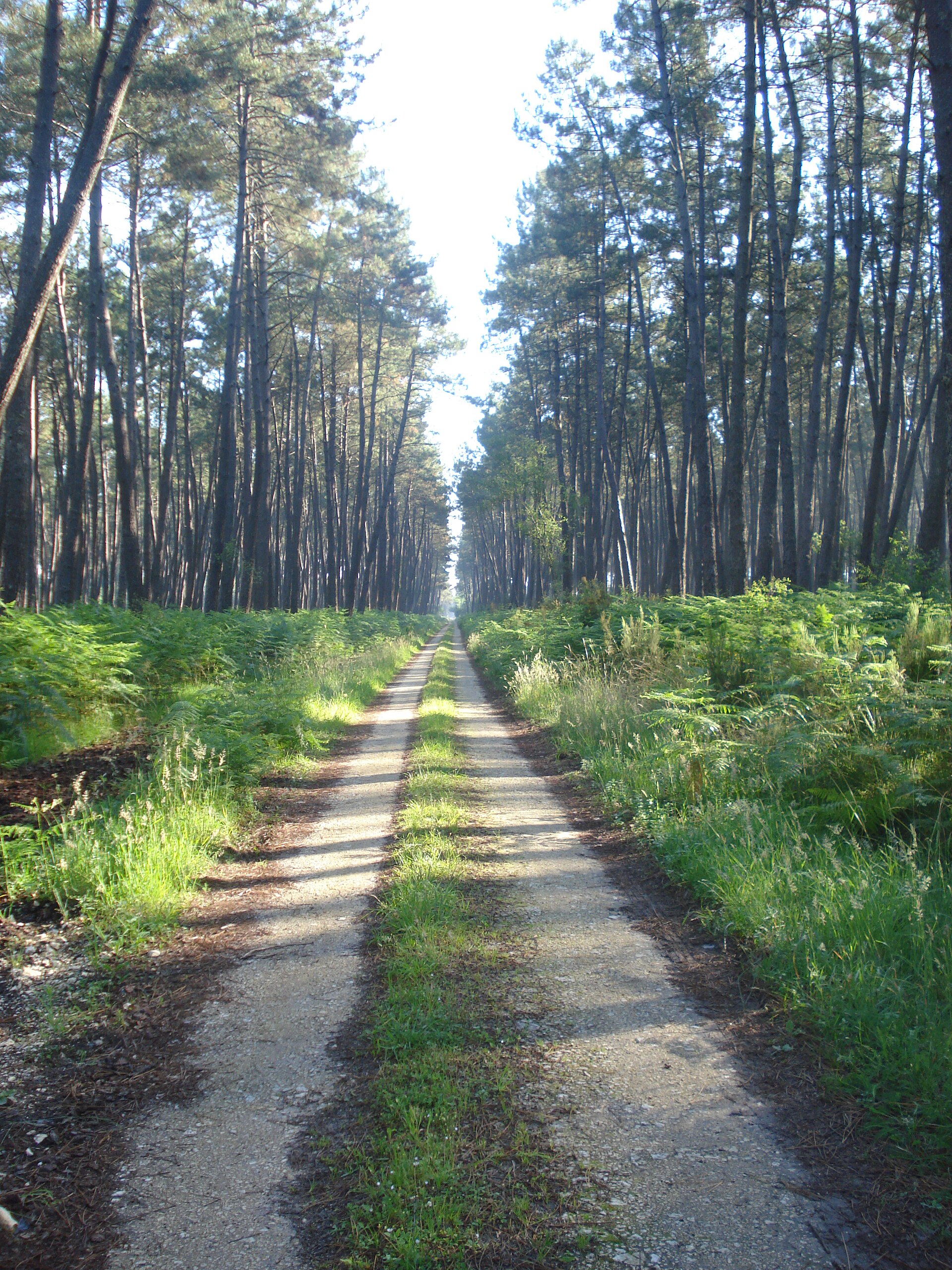
Natura 2000 · passage

Natura 2000 · breeding
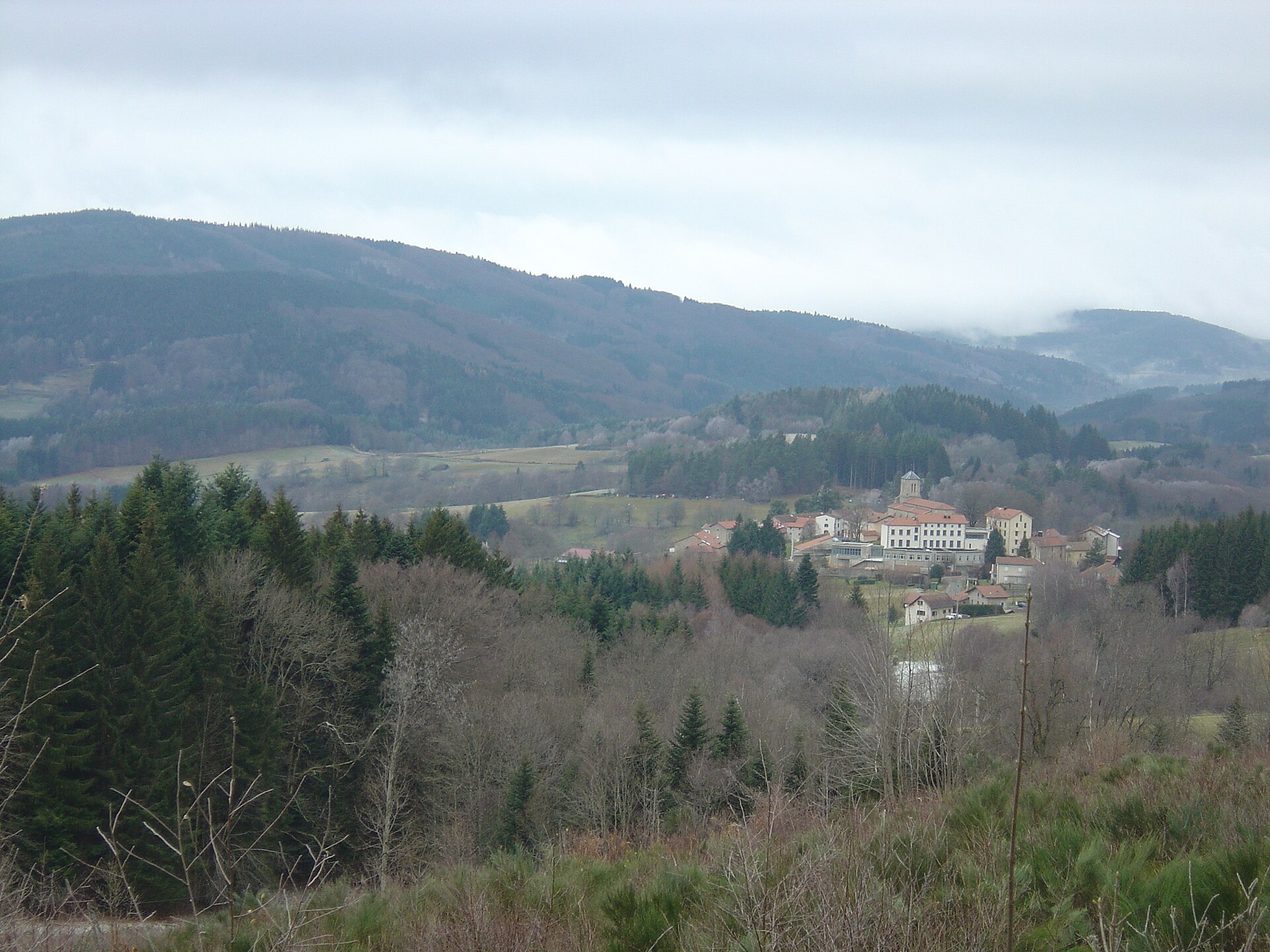
Natura 2000 · passage
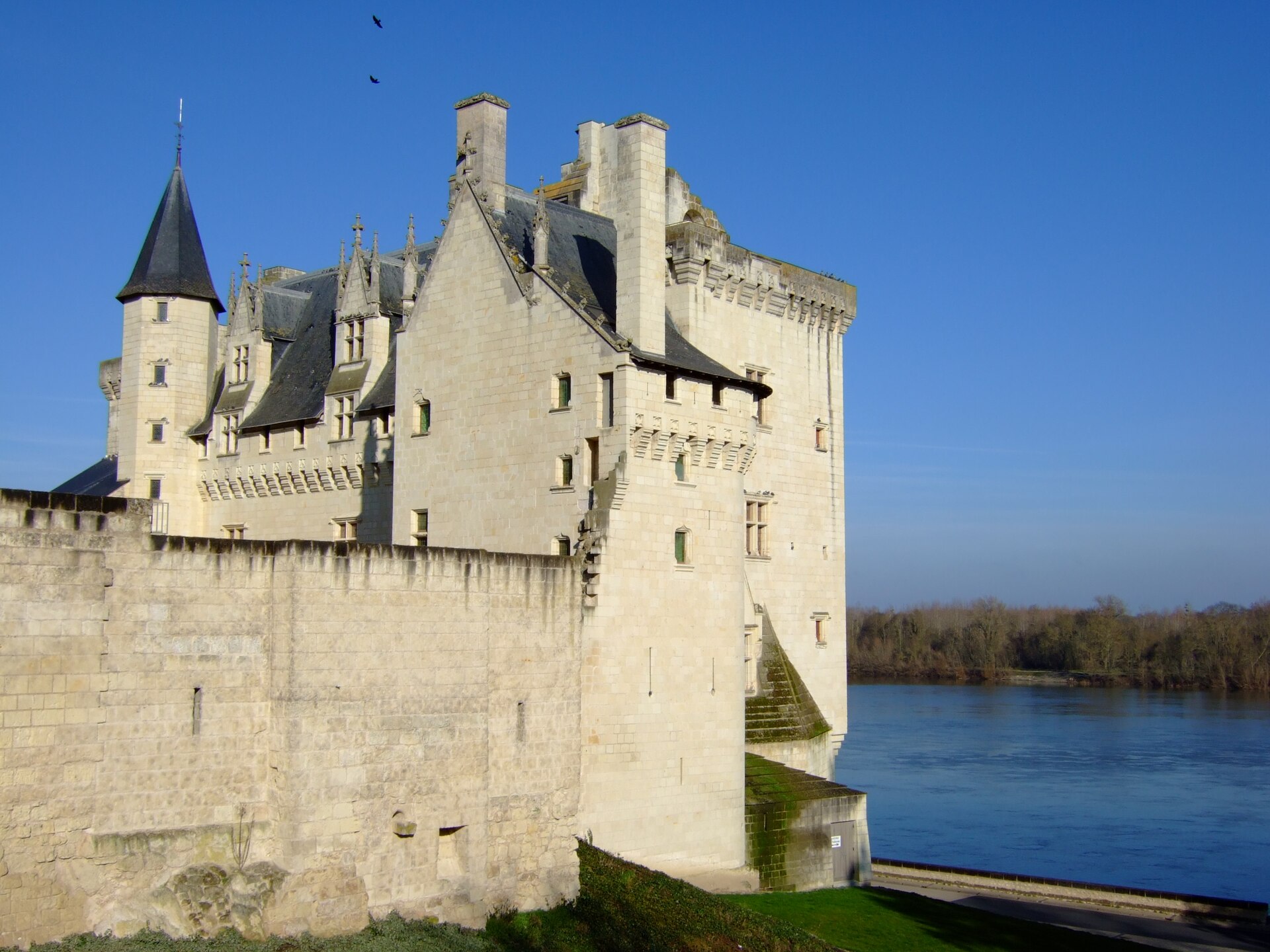
Natura 2000 · passage
Natura 2000 · passage
Natura 2000 · breeding, passage
Natura 2000 · passage
Natura 2000 · breeding
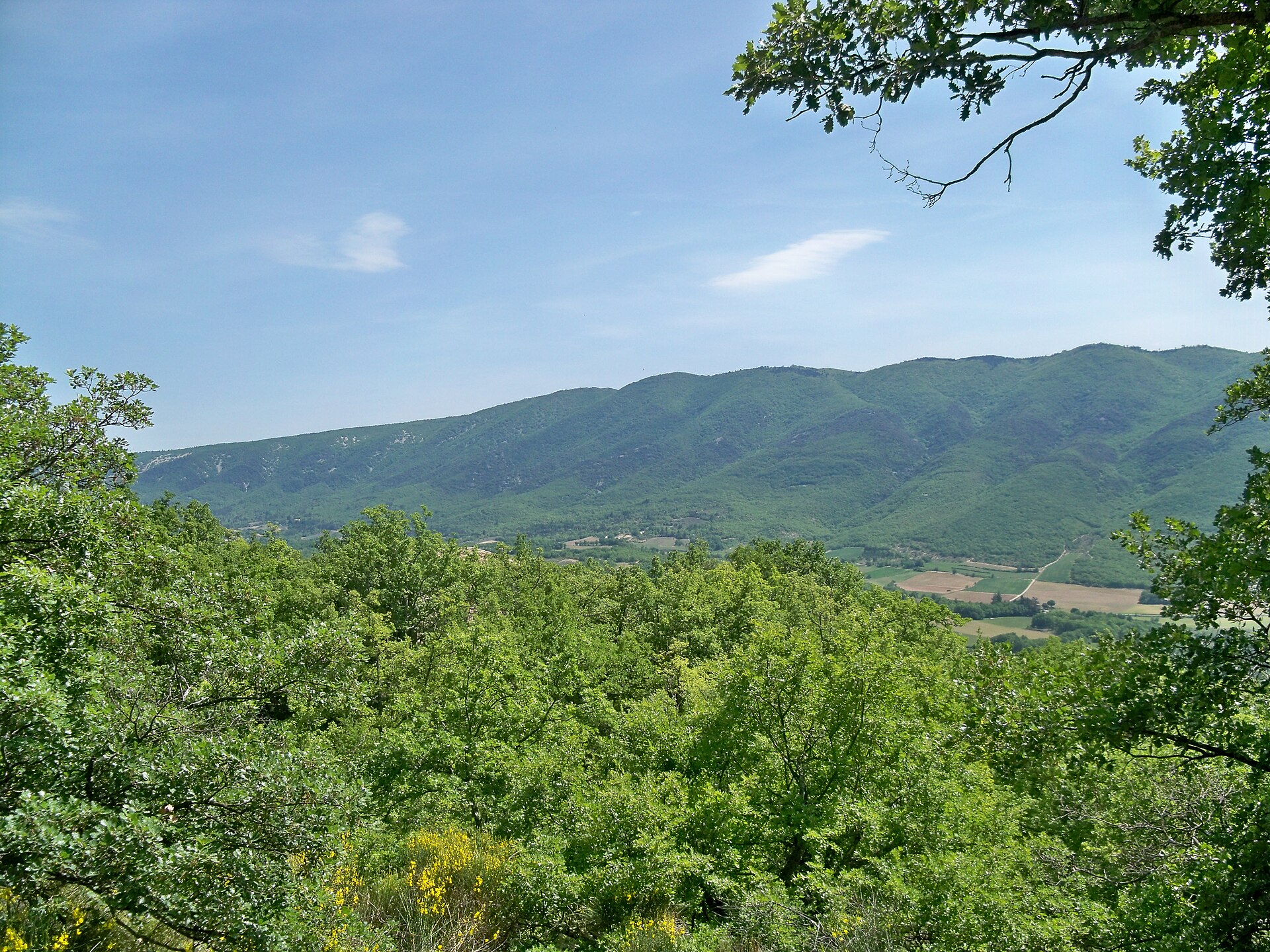
Natura 2000 · passage

Natura 2000 · passage
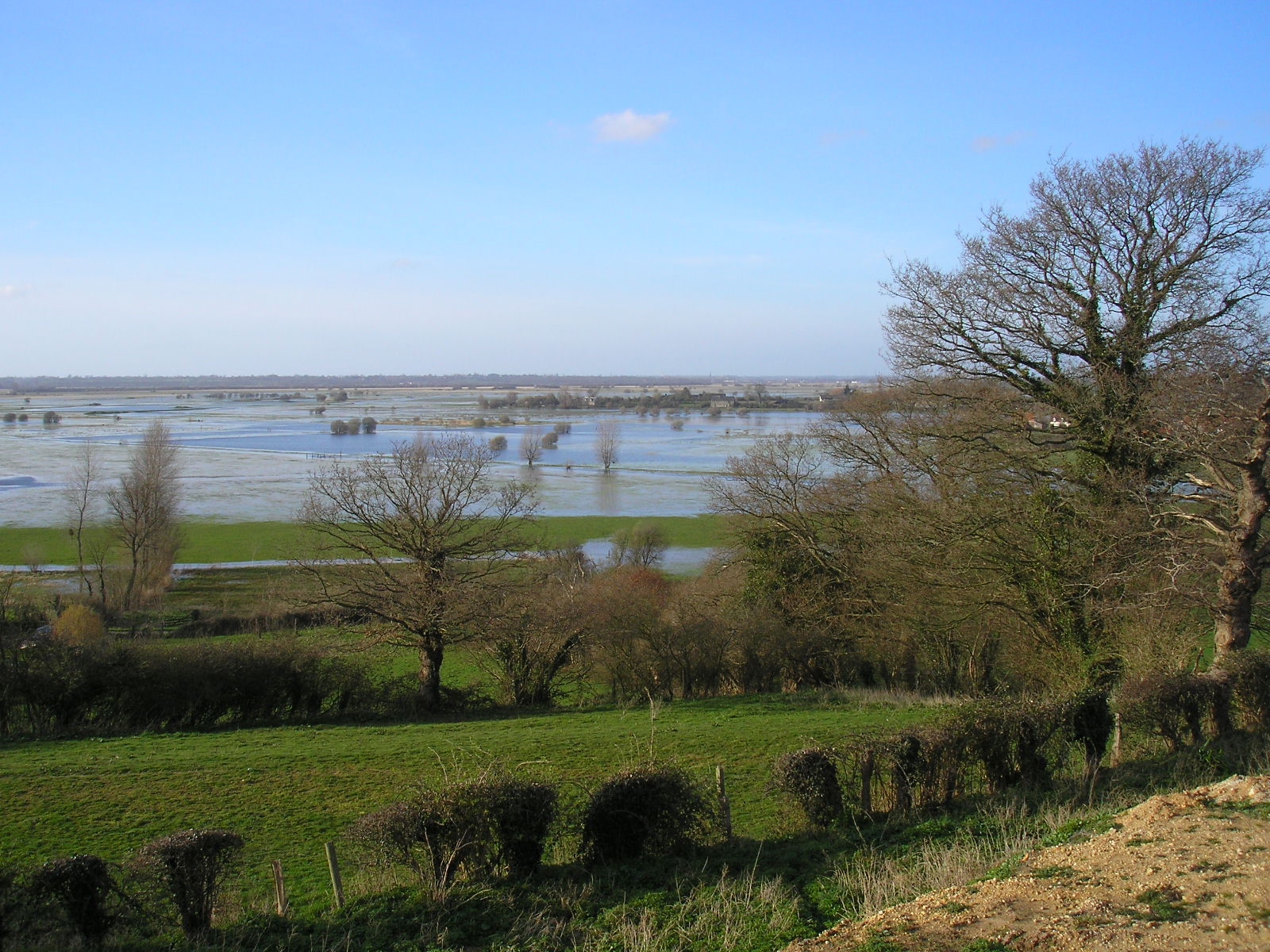
Natura 2000 · passage, breeding
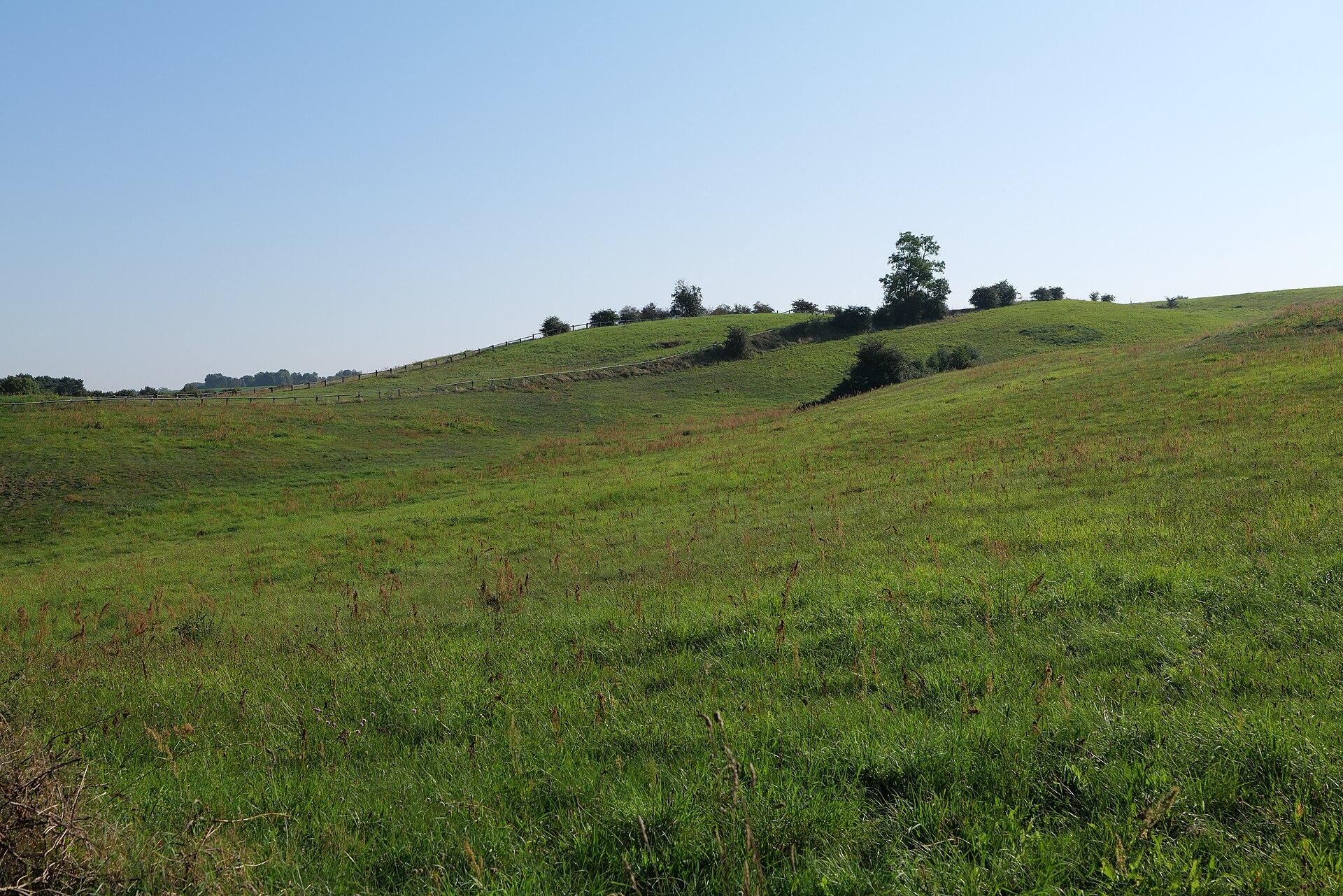
Natura 2000 · passage, breeding

Natura 2000 · passage
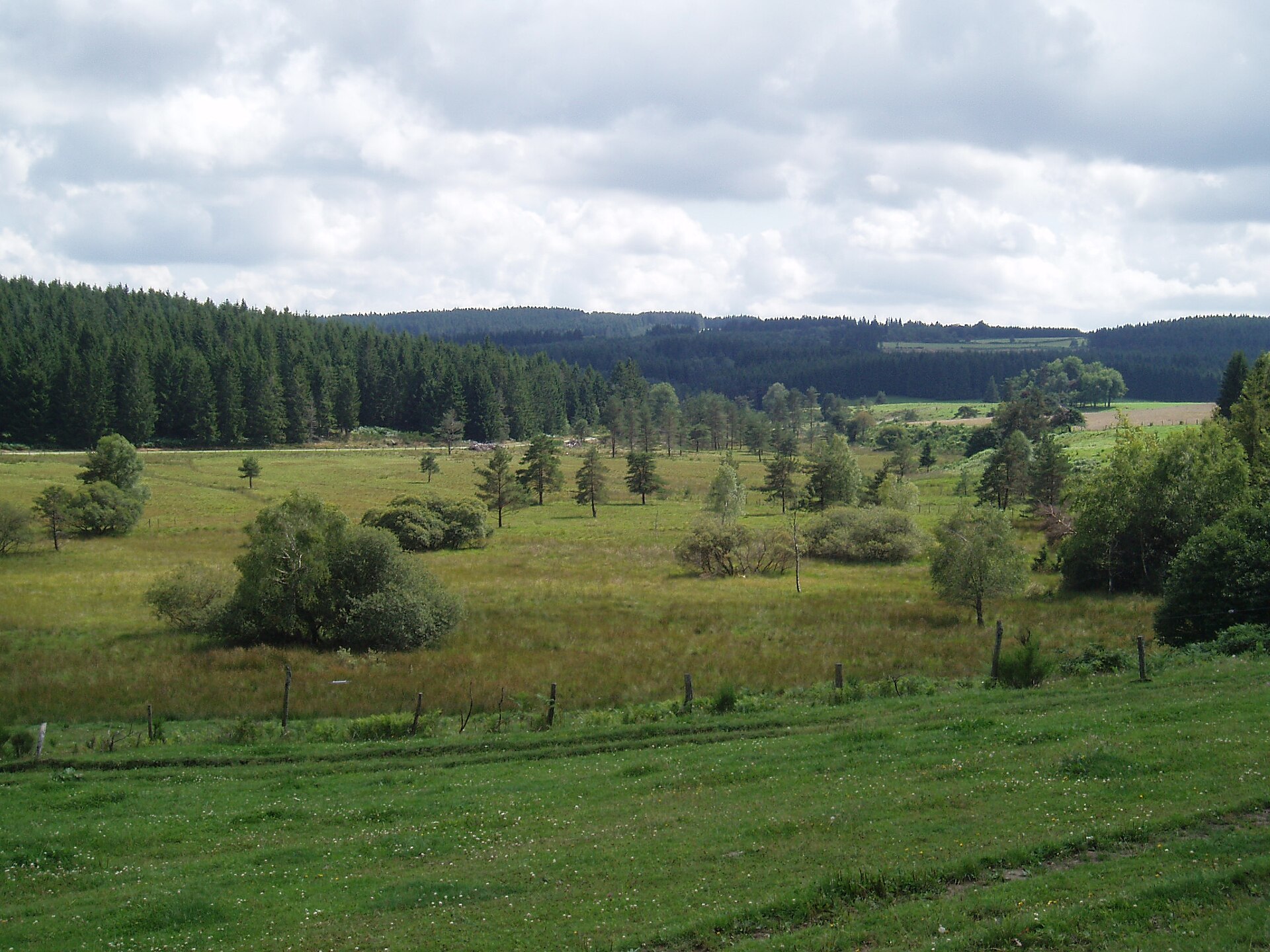
Natura 2000 · passage
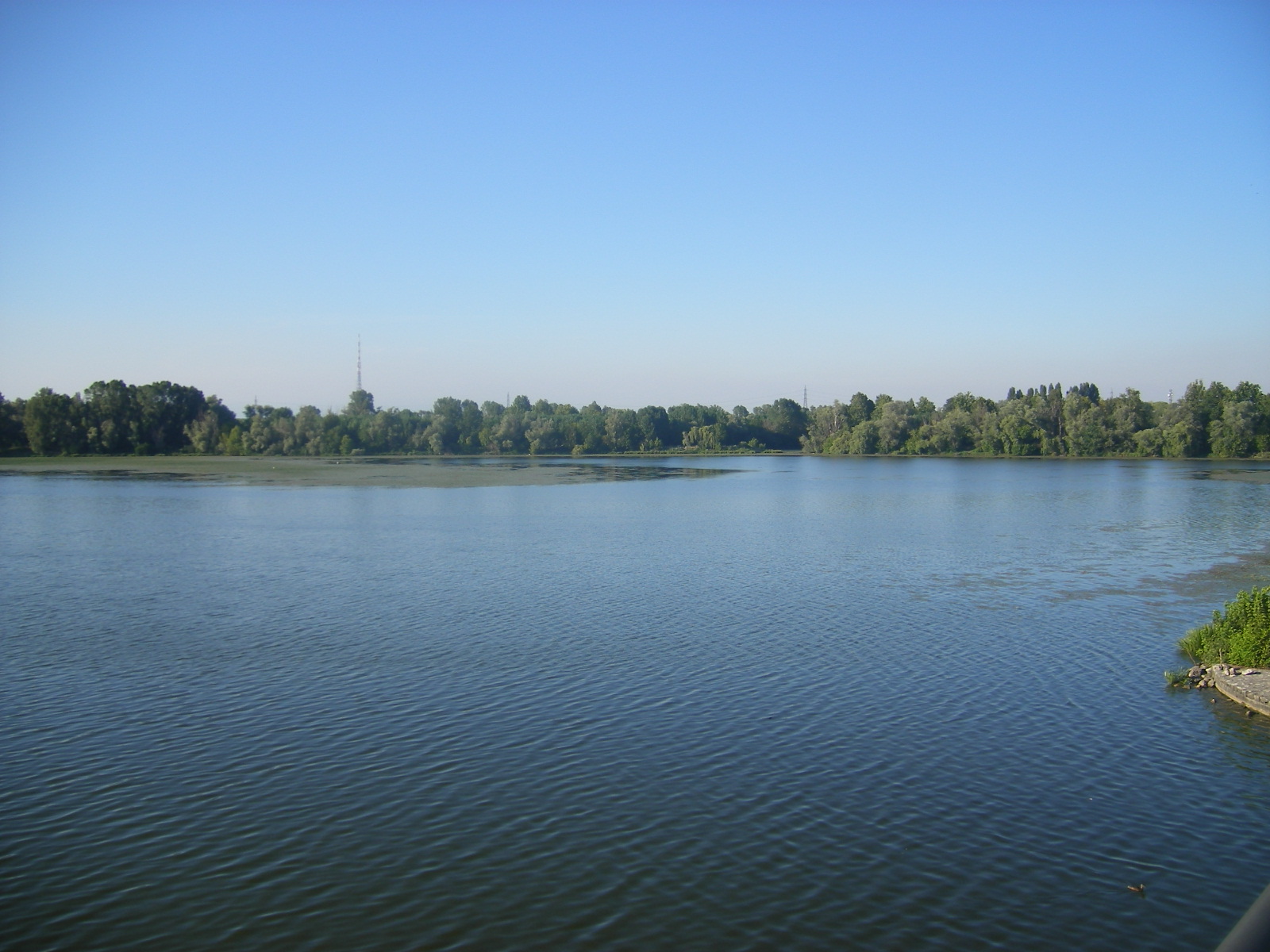
Natura 2000 · passage
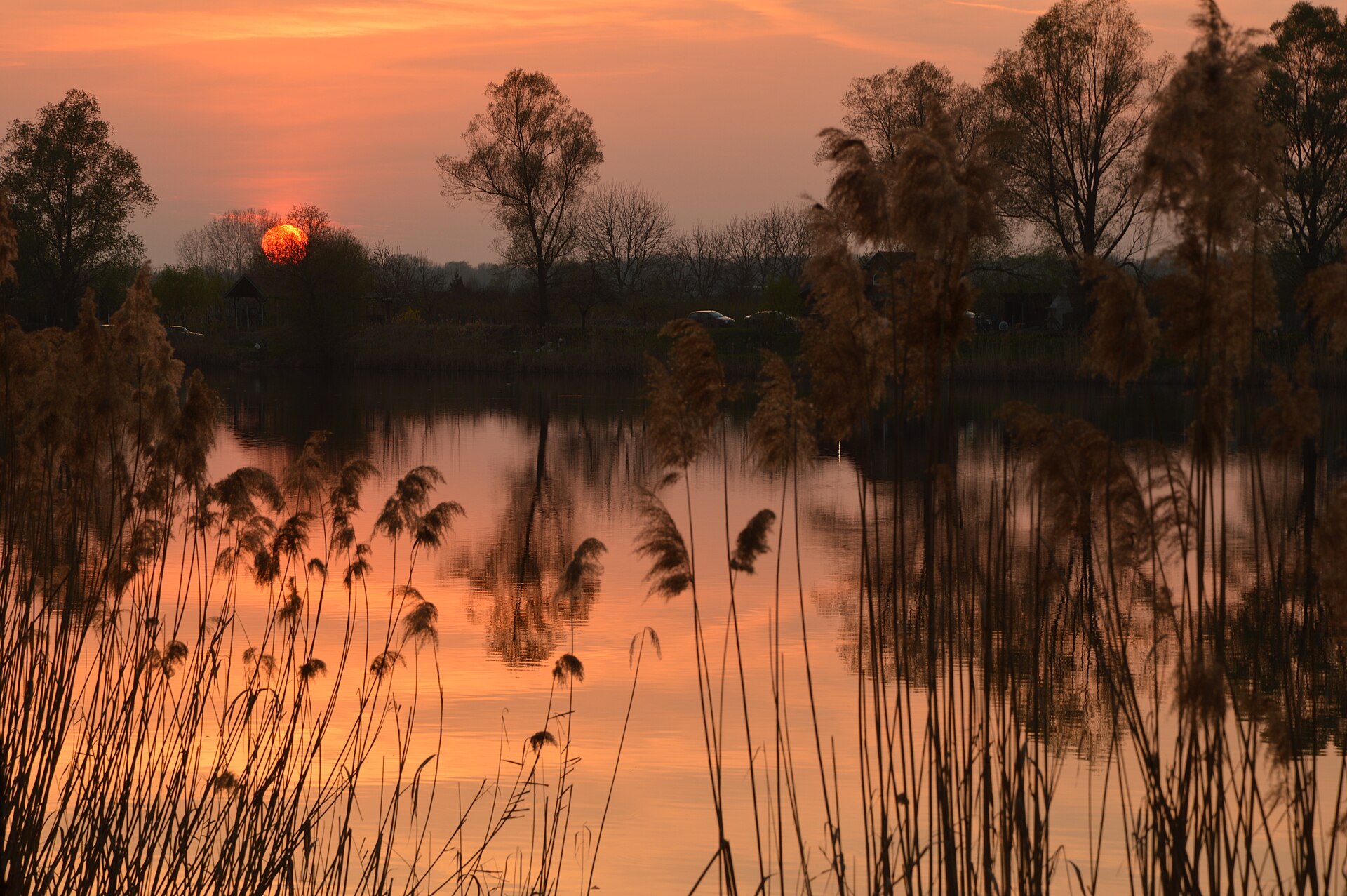
Natura 2000 · breeding, passage
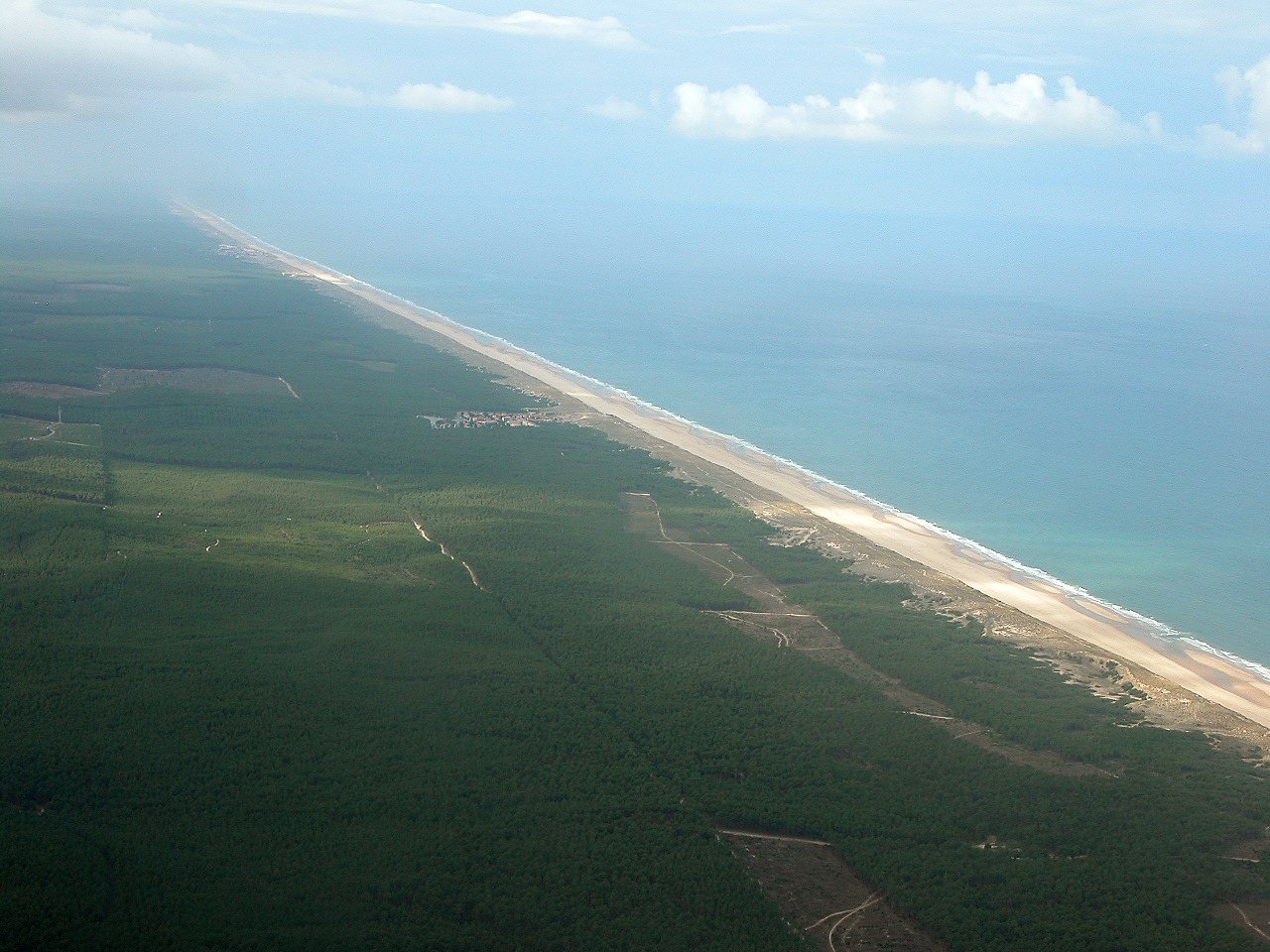
Natura 2000 · passage

Natura 2000 · passage, wintering
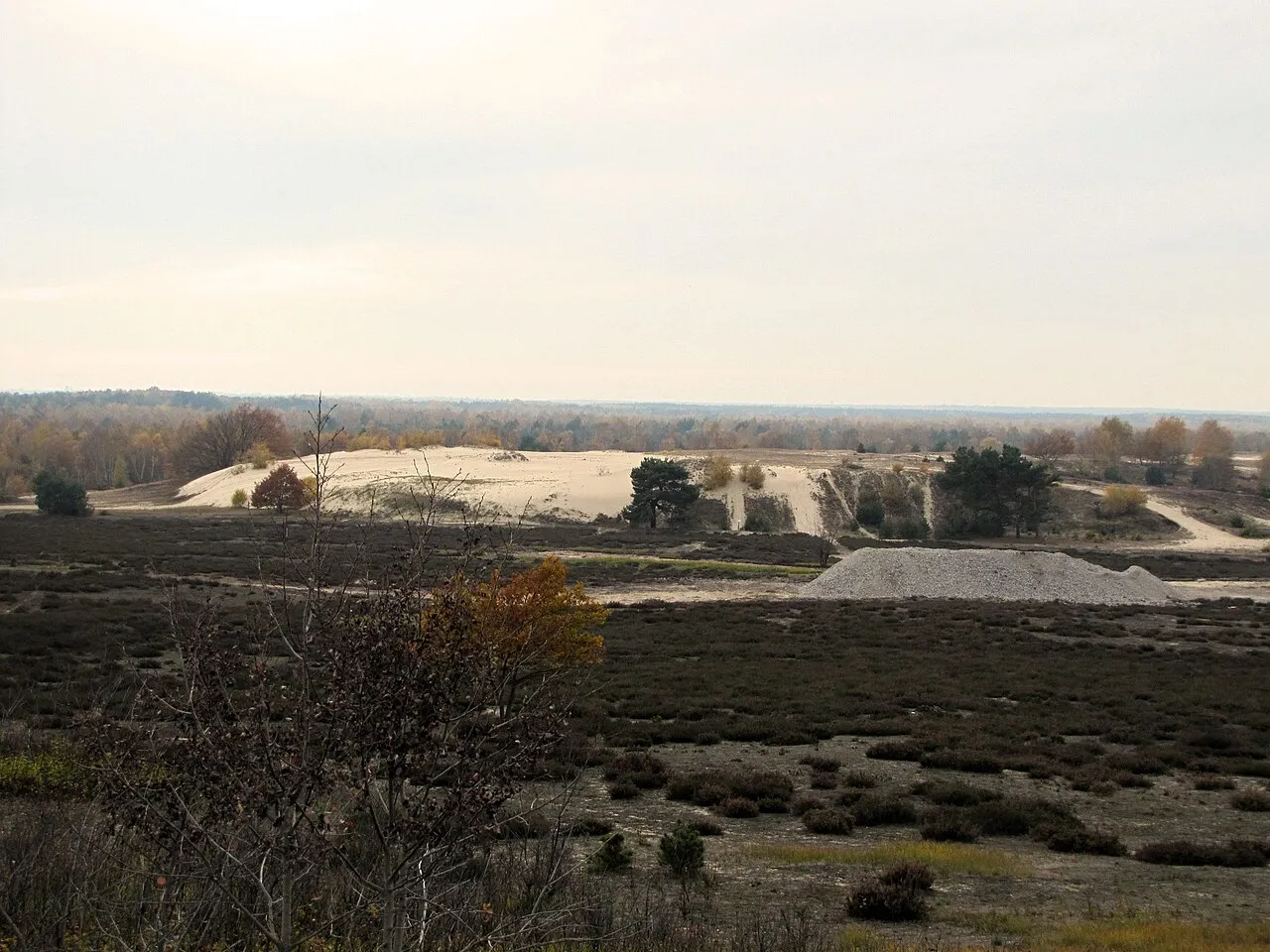
Natura 2000 · passage
Natura 2000 · passage
Natura 2000 · passage
Natura 2000 · wintering

Natura 2000 · passage, breeding

Natura 2000 · passage
Natura 2000 · passage
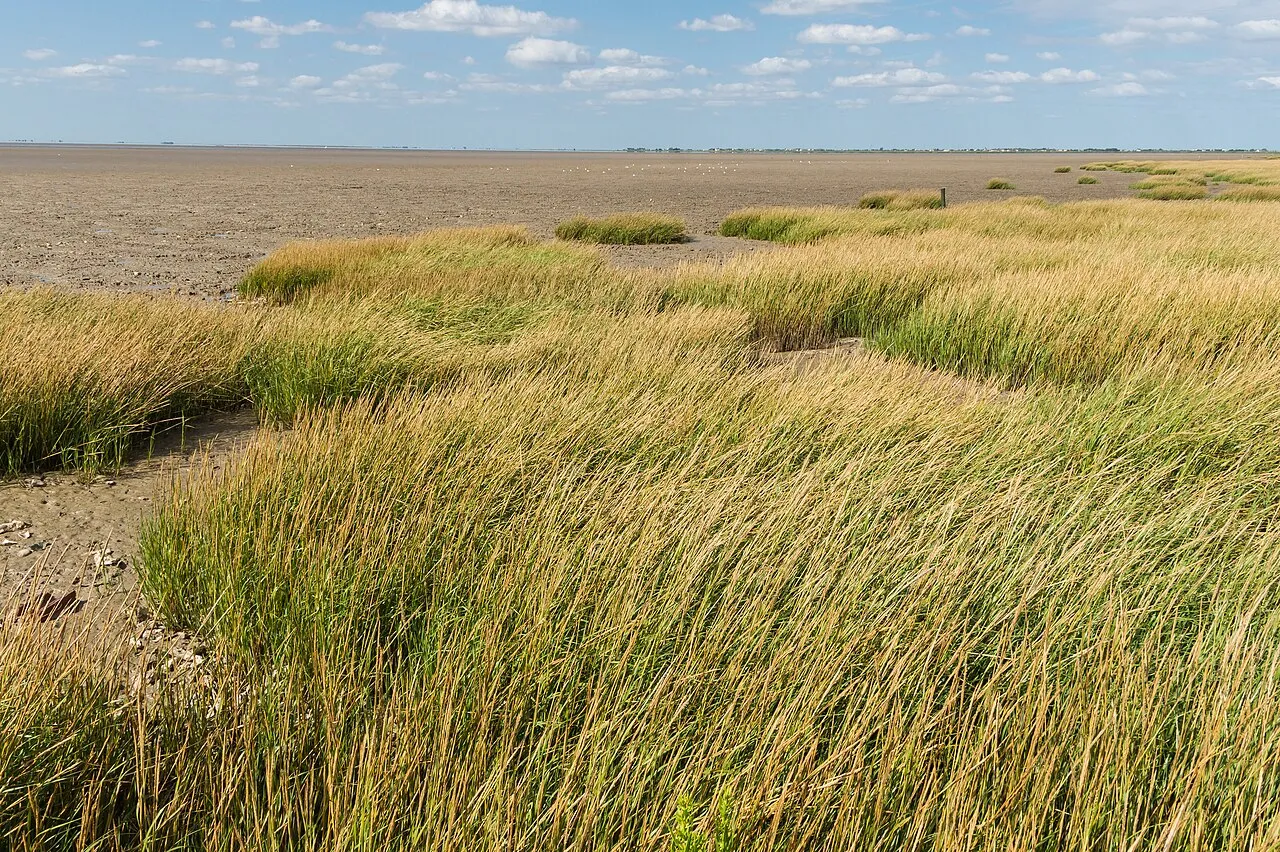
Natura 2000 · passage
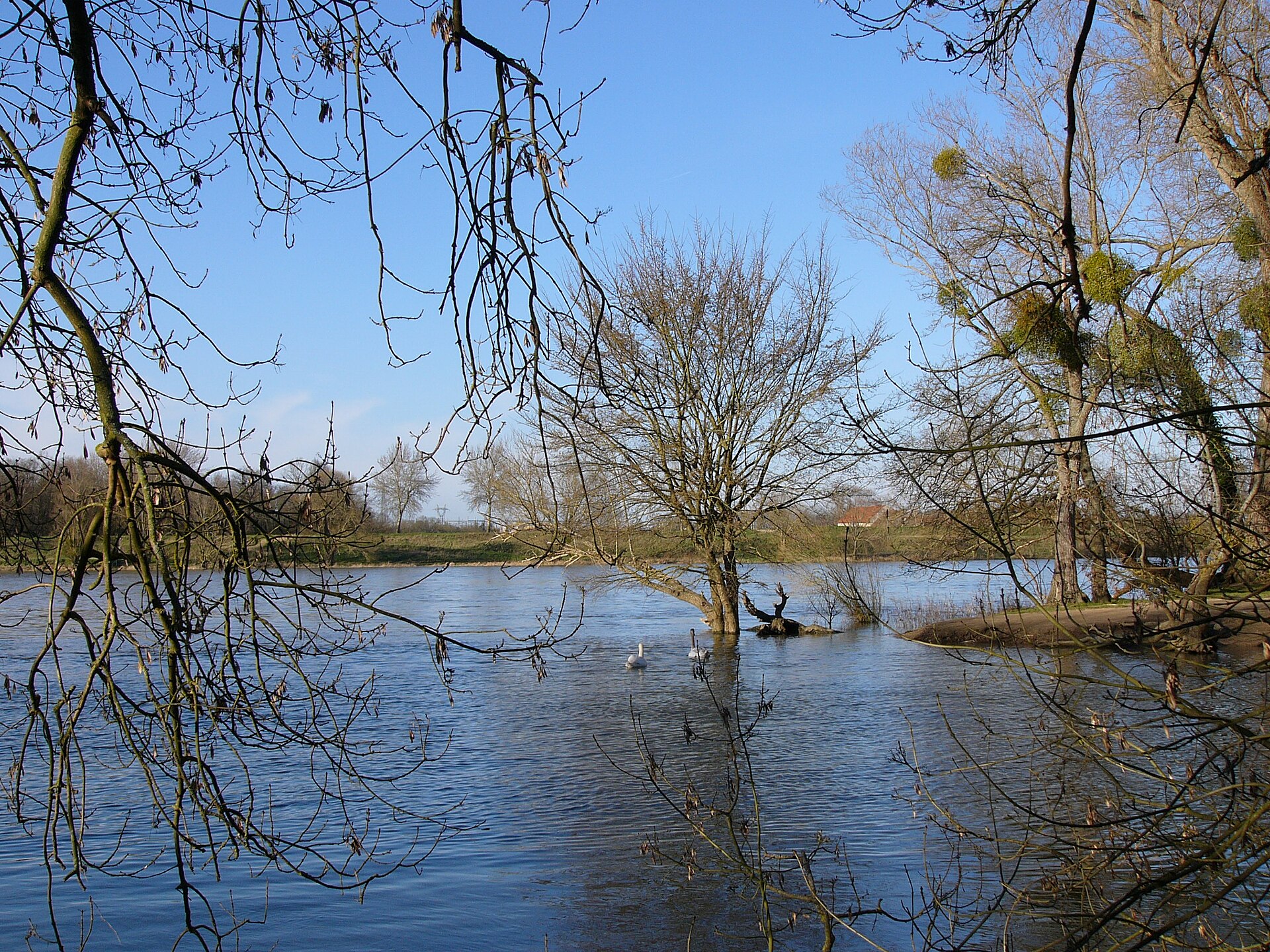
Natura 2000 · passage
Natura 2000 · passage
Natura 2000 · passage
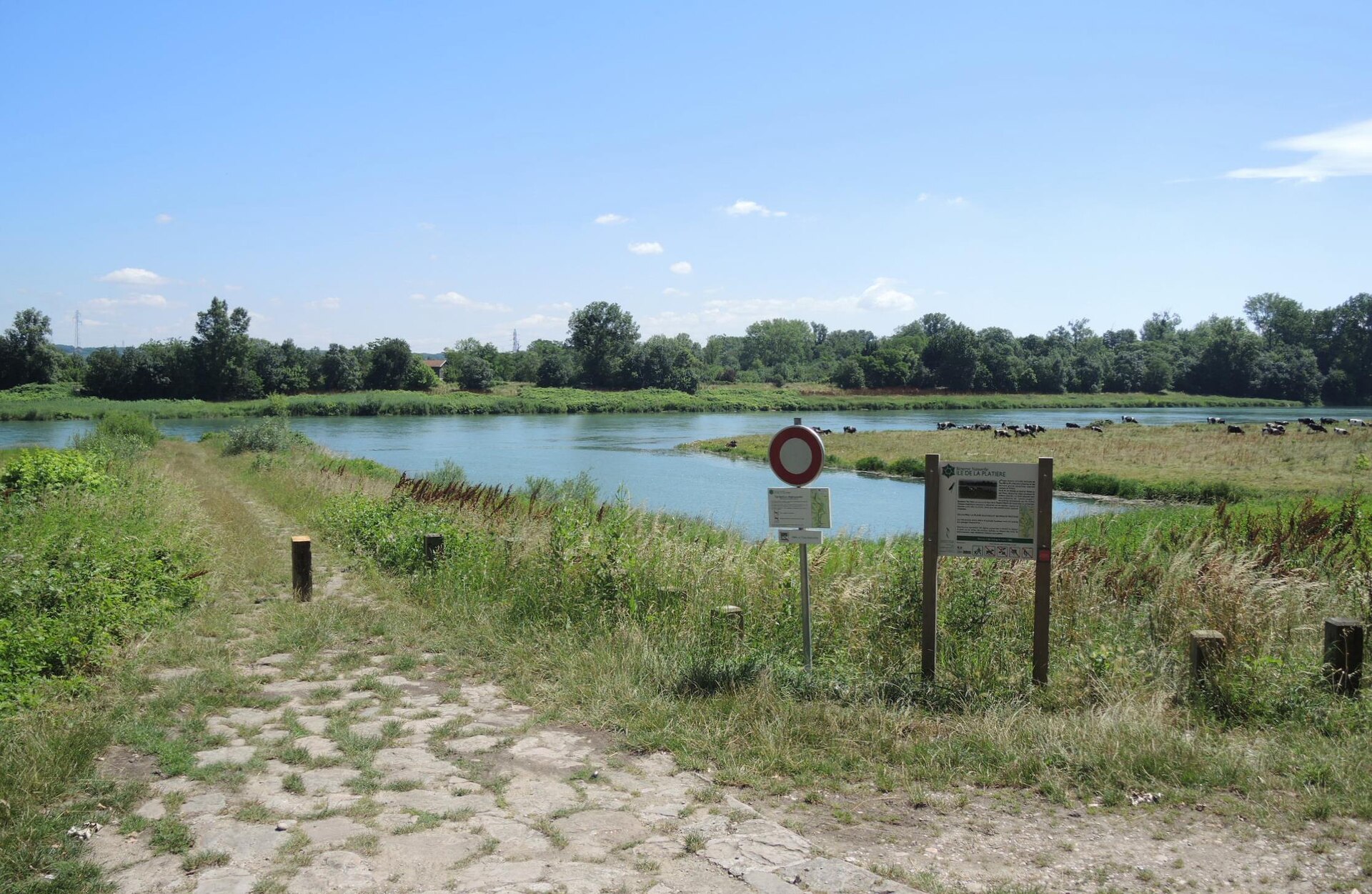
Natura 2000 · breeding

Natura 2000 · passage
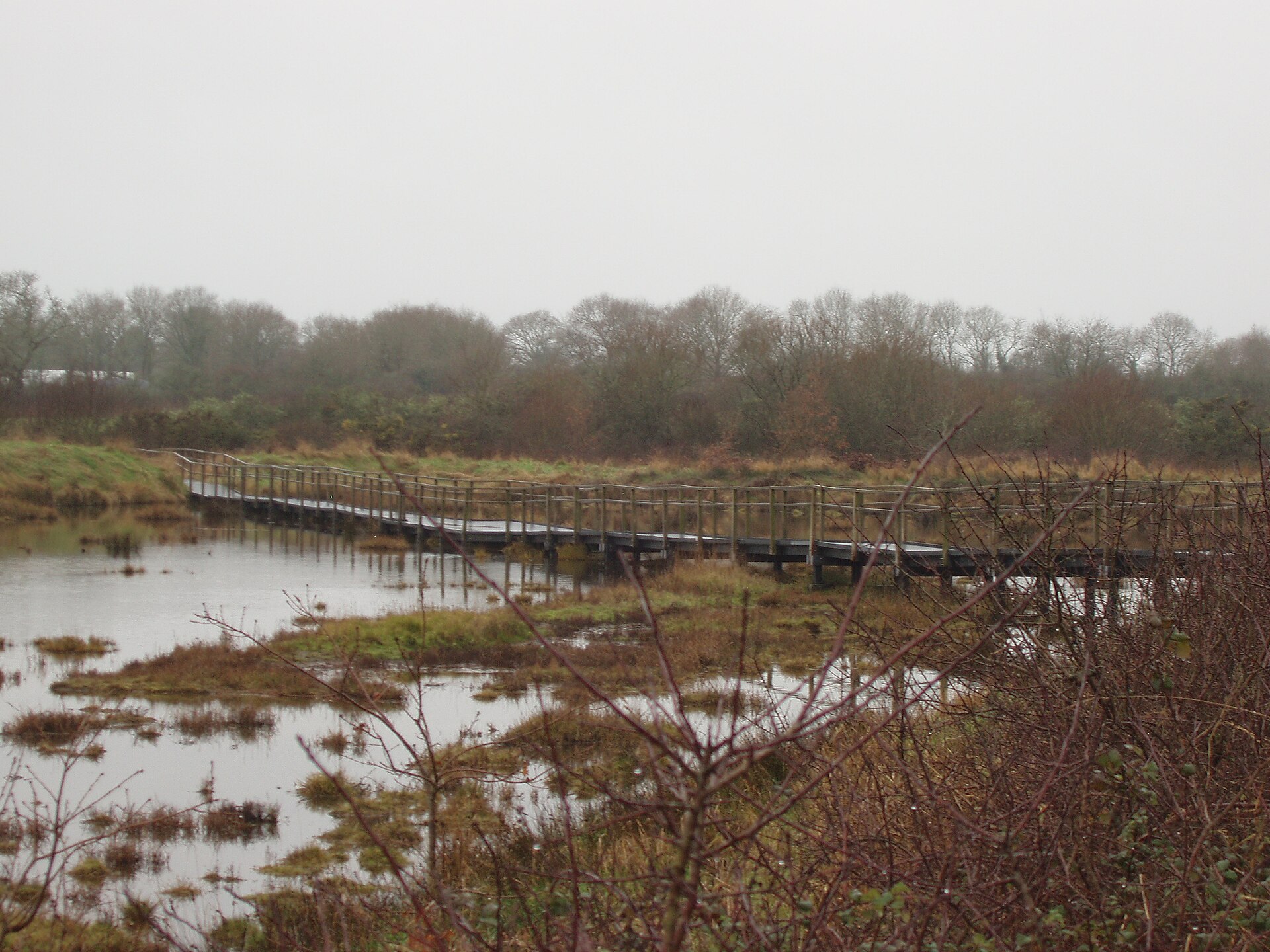
Natura 2000 · passage
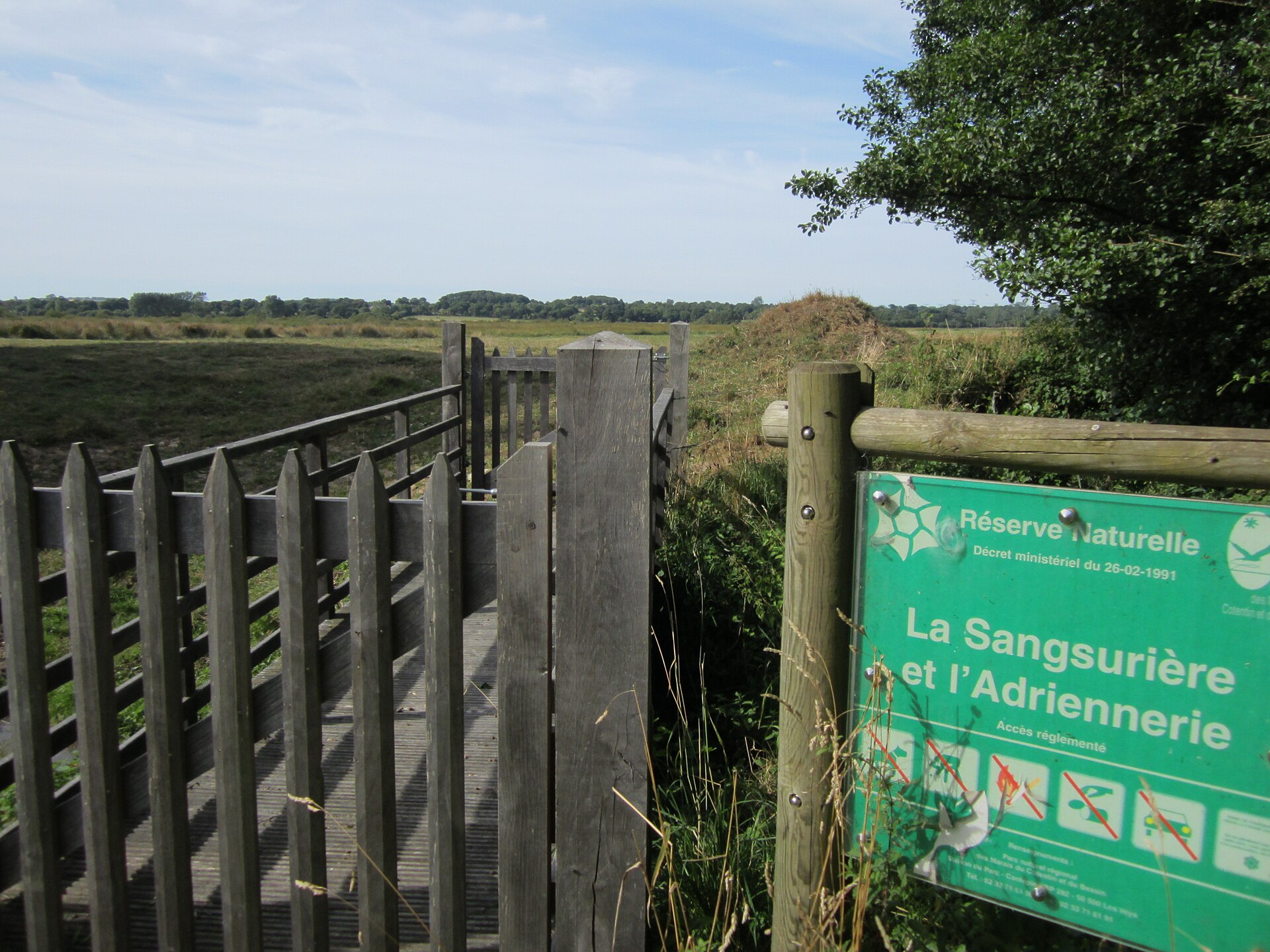
Natura 2000 · passage, breeding
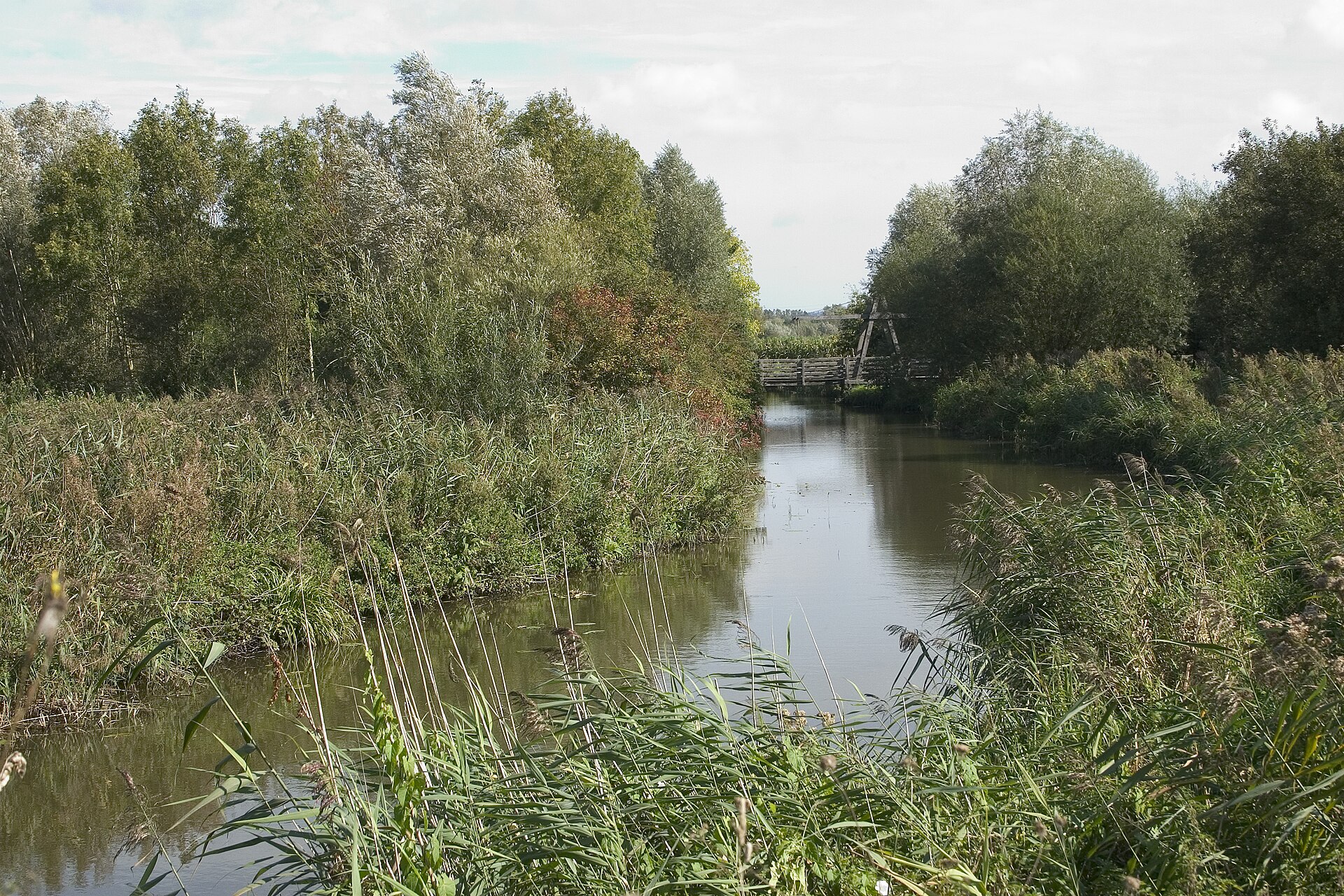
Natura 2000 · passage

Natura 2000 · passage

Natura 2000 · passage, breeding
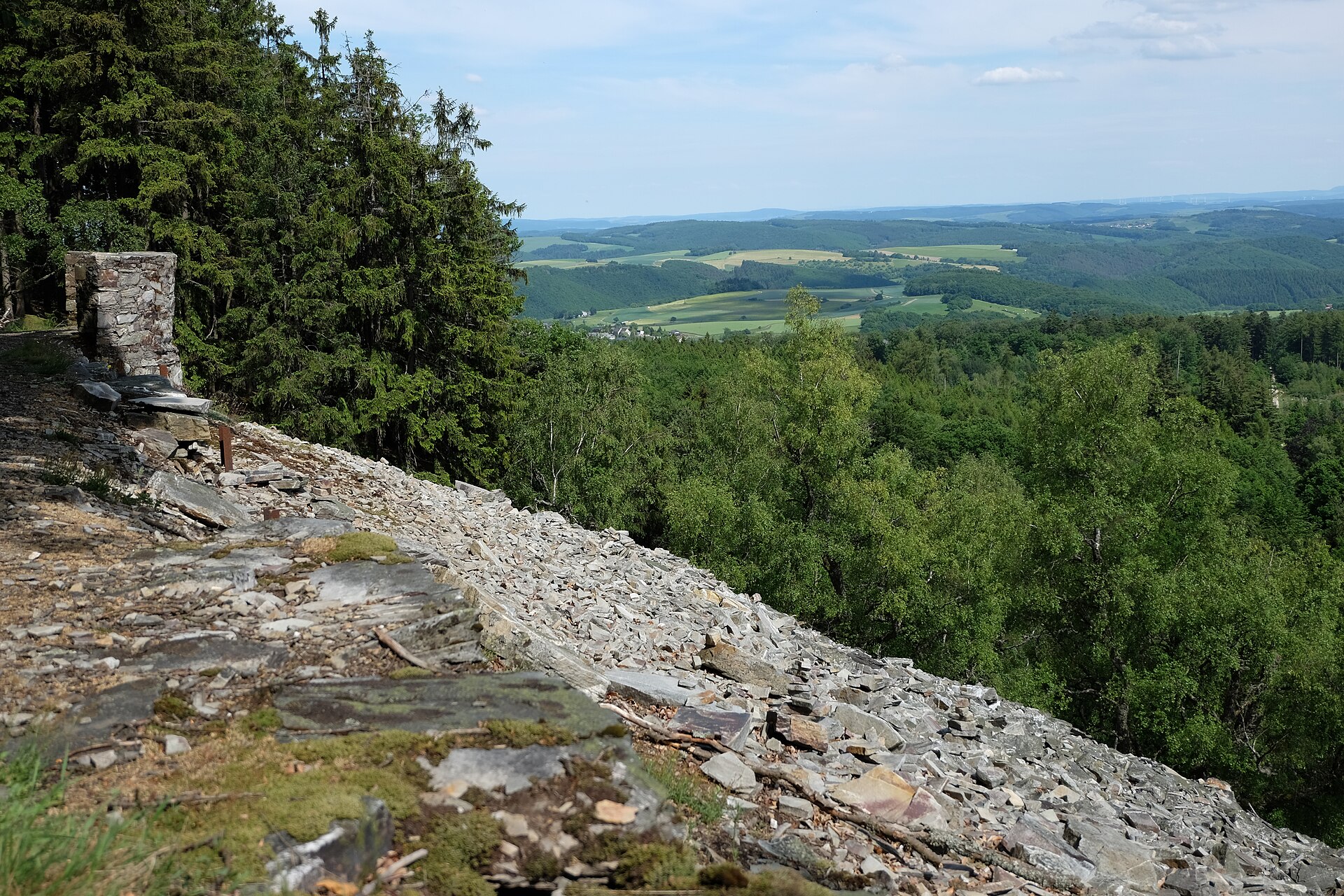
Natura 2000 · passage
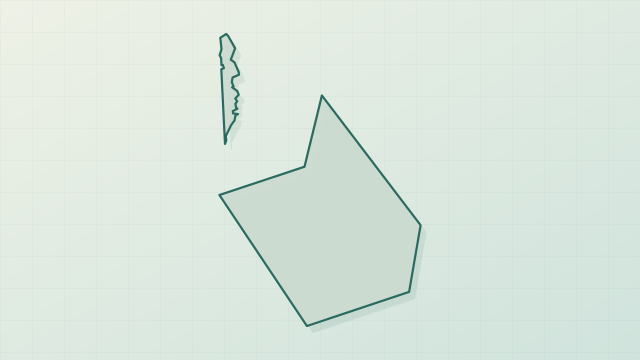
Natura 2000 · resident

Natura 2000 · passage
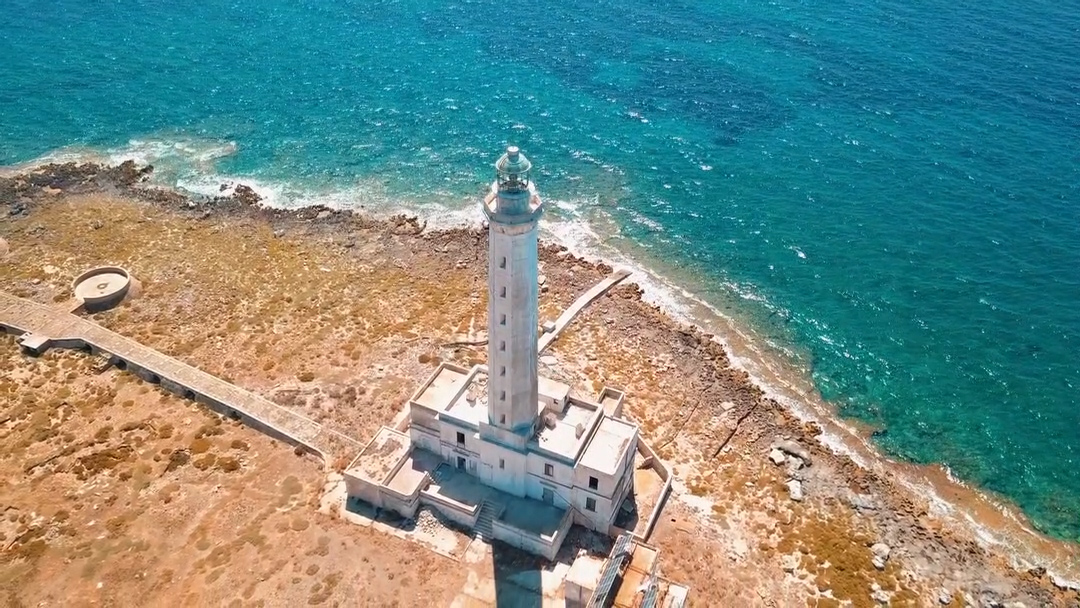
Natura 2000 · passage
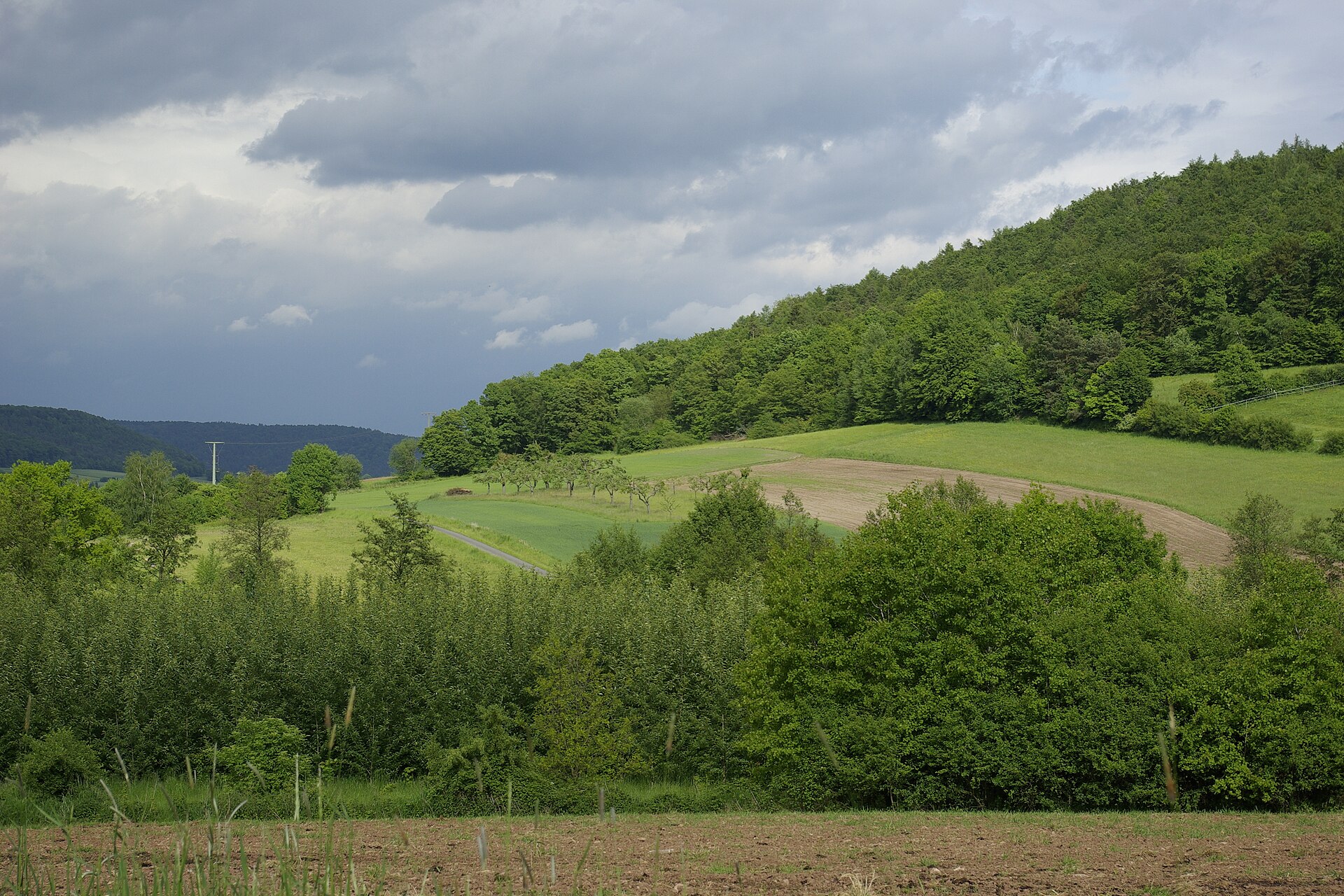
Natura 2000 · passage
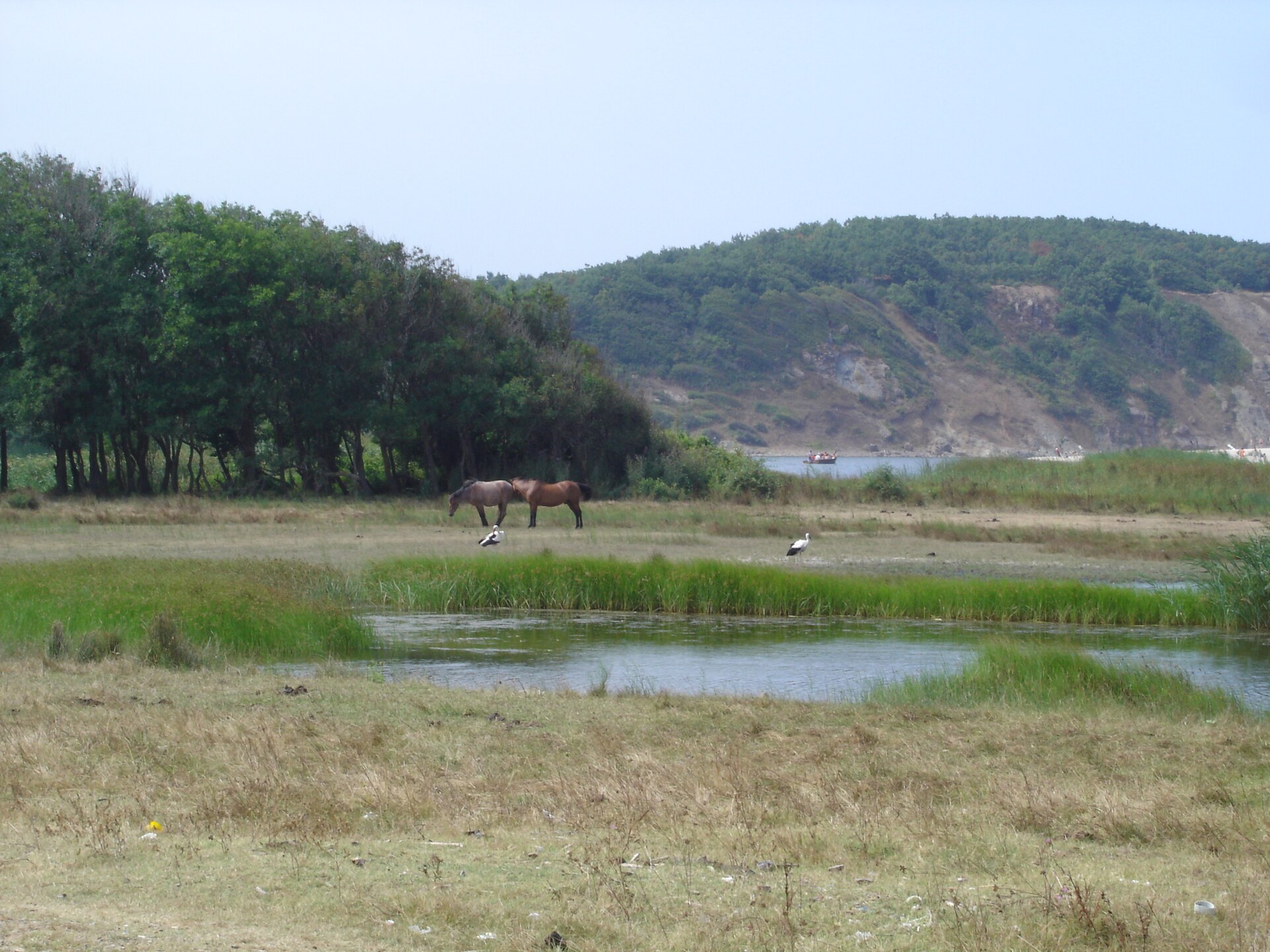
Natura 2000 · passage
Natura 2000 · passage, breeding

Natura 2000 · breeding, passage
Natura 2000 · passage
Natura 2000 · passage
Natura 2000 · passage
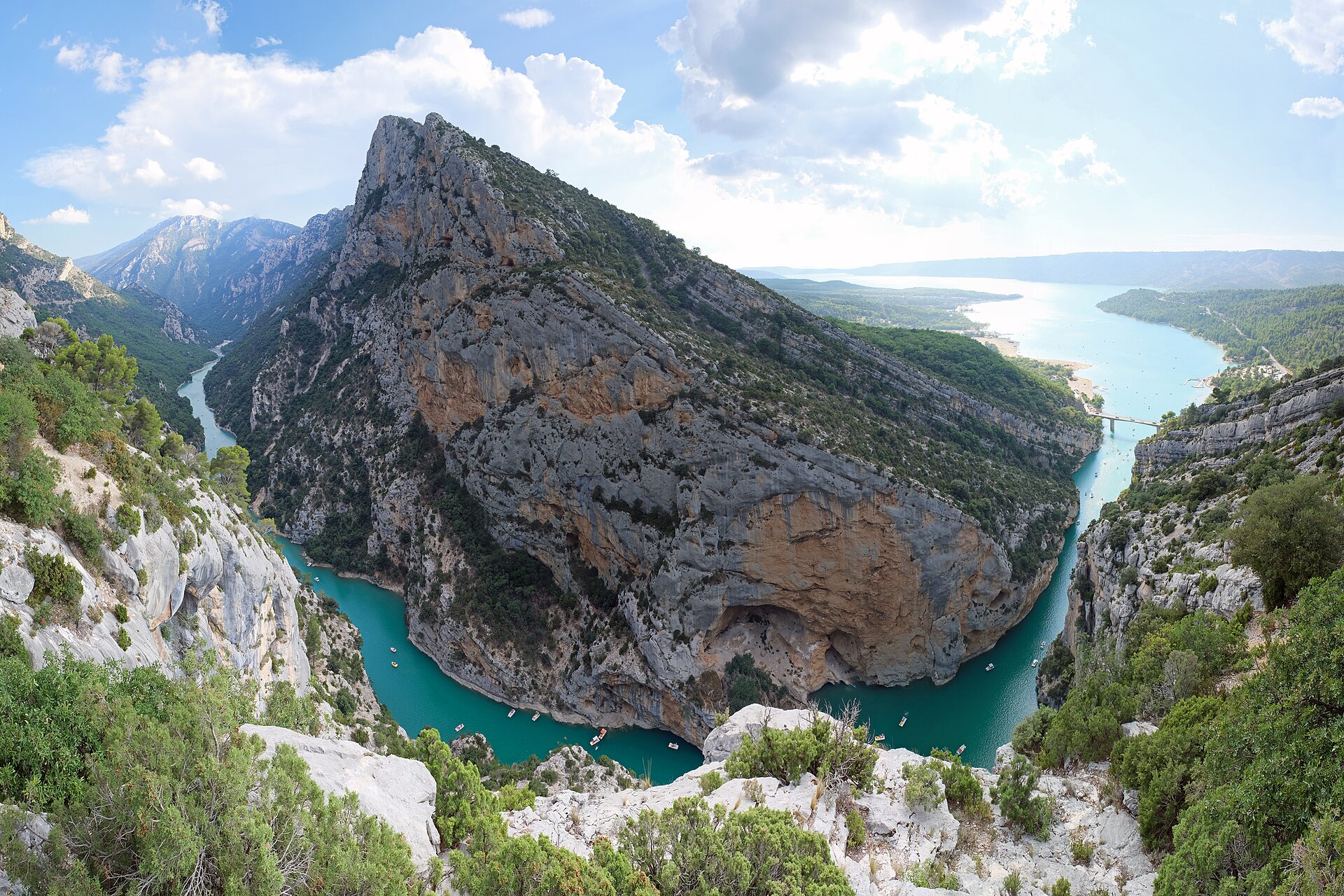
Natura 2000 · passage
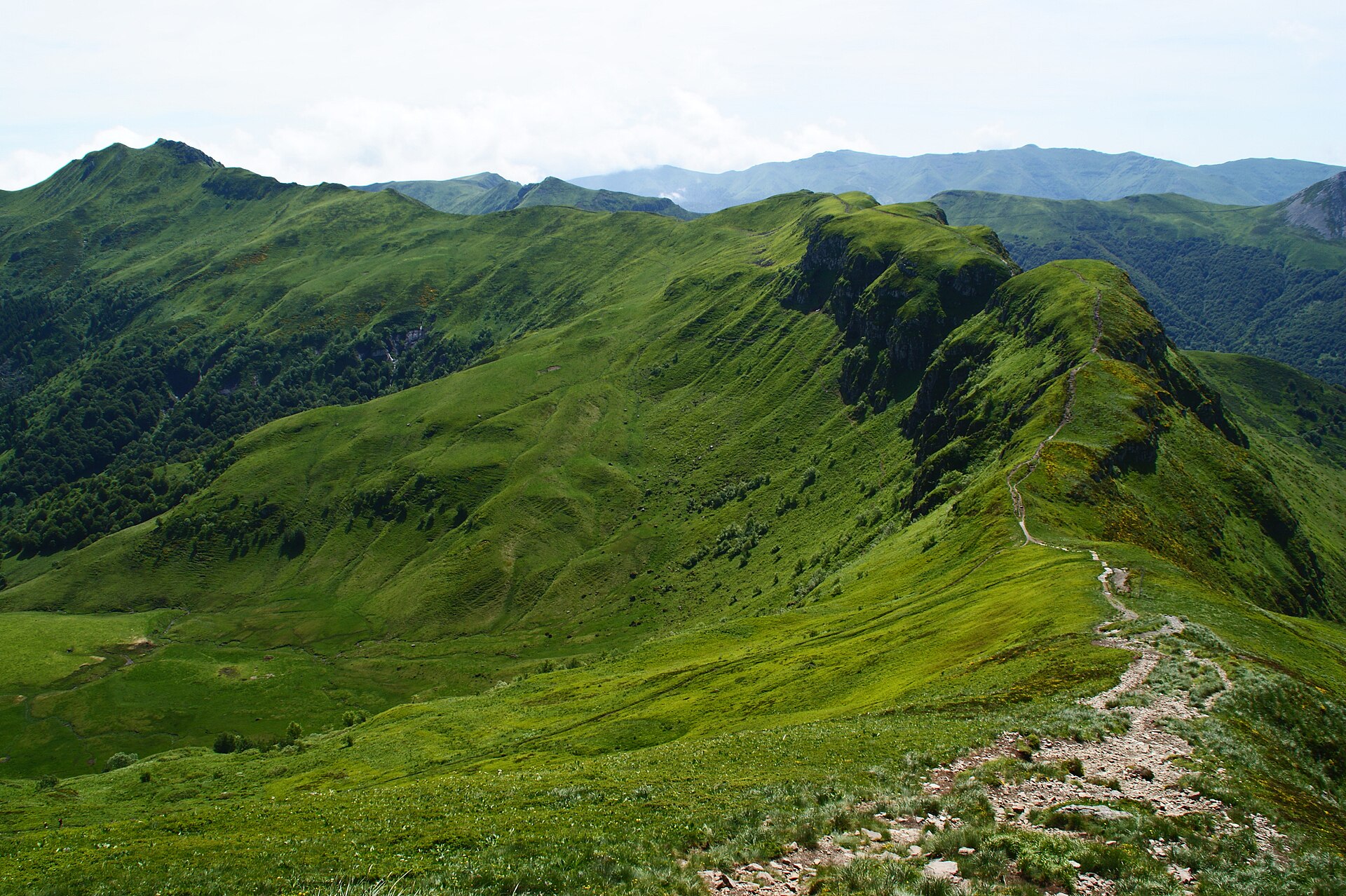
Natura 2000 · passage
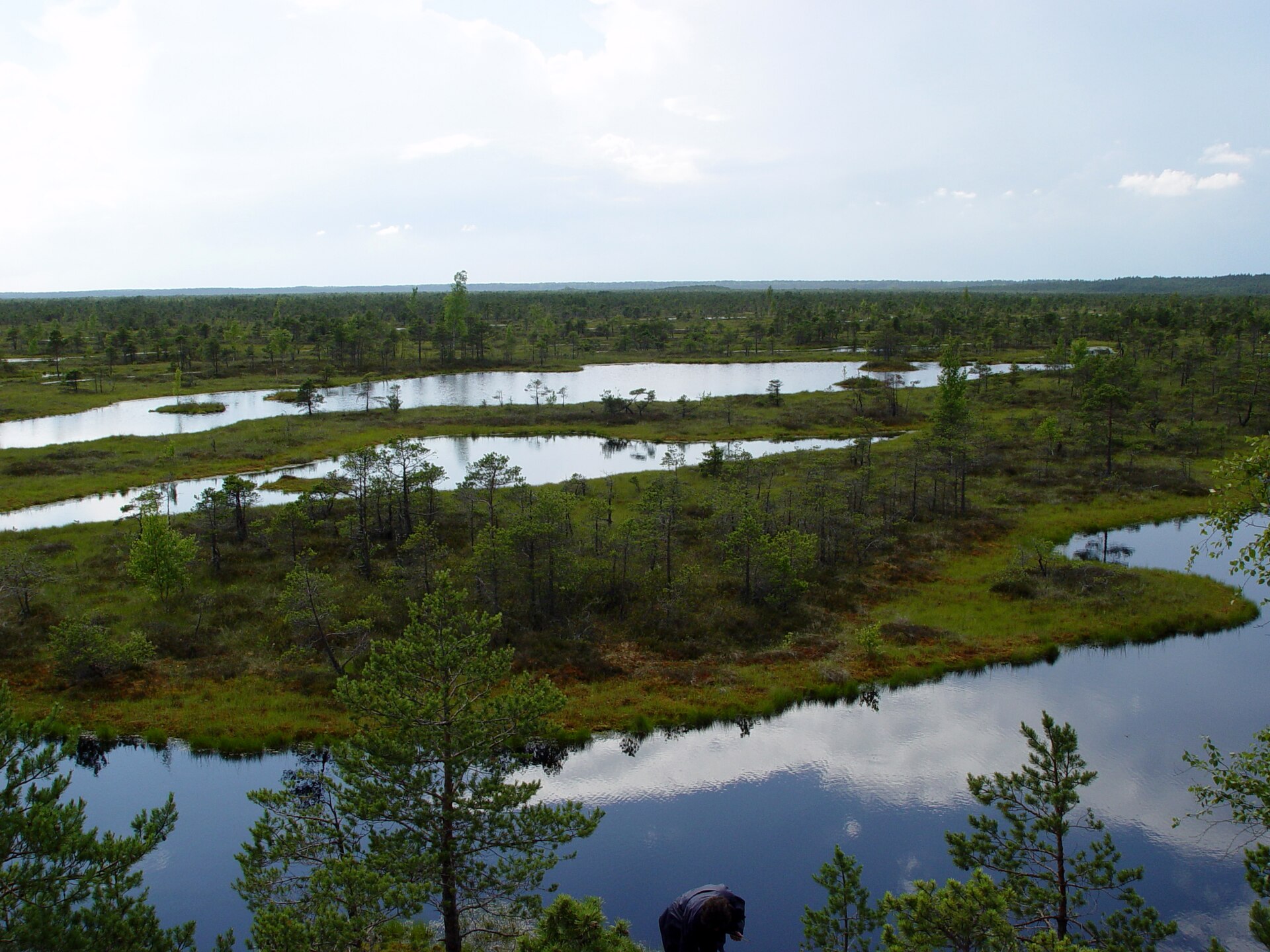
Natura 2000 · passage
Other species to discover


Sources and credits
- Presence: most-recorded species of each place on GBIF and species of Community interest in the Natura 2000 forms (EEA, CC-BY 4.0); absence from the list does not mean the species is absent.
- Common names: Wikidata (CC0) and GBIF.
- Photos and sounds: Wikimedia Commons, author and licence given for each file.
- Classification: GBIF Backbone Taxonomy (GBIF Secretariat), CC BY 4.0, doi:10.15468/39omei.
- Countries, elevations, months and maps: GBIF.org, CC0 or CC BY 4.0 occurrences only, accessed October 22, 2026, GBIF.org.
- Base map: Natural Earth (public domain).
- Excerpt: Wikipedia, CC BY-SA 4.0 (full credit below the excerpt).
- Key facts: Wikidata (CC0), with the references cited under each value.
- Annexes: Directive 2009/147/EC (consolidated version), © European Union, EUR-Lex.