
Bird
Pied Avocet: where to see it
Recurvirostra avosetta
This bird species is recorded in 101 protected areas of the atlas, including 97 whose official Natura 2000 form lists it. Within the atlas countries, it is mostly observed in Sweden, the United Kingdom and France (13 countries in all). Records peak from April to June. It has a wingspan of 78 cm. It is subject to special conservation measures under the Birds Directive (Annex I). Its EU population is assessed as secure (2013–2018 Birds Directive reporting).
Best time to see it: April–June
Records published on GBIF by month (CC0 and CC BY 4.0 licences only), in the atlas countries, all years combined; they also reflect observer activity.
Key facts
- Wingspan
- 78 cm Wikidata, after British Trust for Ornithology
- Clutch size
- 3.5 eggs on average Wikidata, after Jetz et al. 2008
- Incubation
- 24 days Wikidata, after British Trust for Ornithology
Status and protection
Birds Directive I
The species is listed in Annex I of the Birds Directive.
EU population assessed as secure, decreasing in the short term (2013–2018 Birds Directive reporting). EU breeding population: 29,800–54,900 pairs.
Distribution
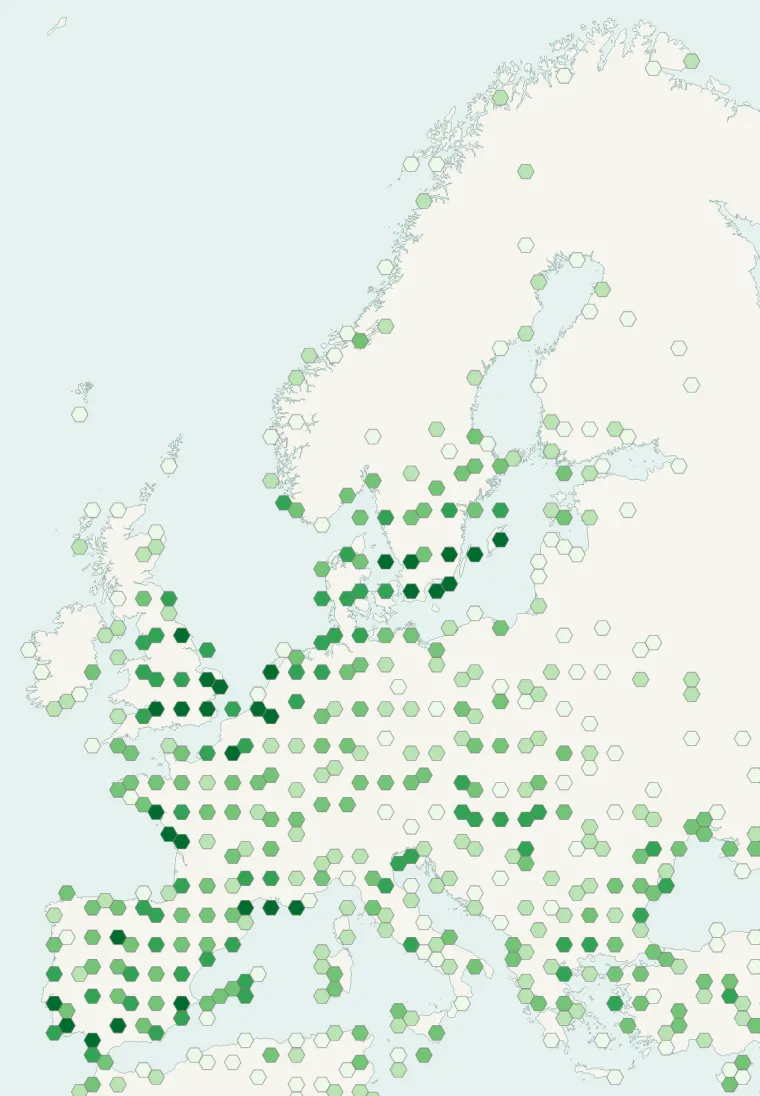
Records published on GBIF (CC0 and CC BY 4.0 licences): the darker the shade, the more records there are; they also reflect observation effort.
Listen
-
0:50 · © Ndalyrose · CC BY-SA 4.0 · Wikimedia Commons · Original file
-
0:45 · © Ryan Hodnett · CC BY-SA 4.0 · Wikimedia Commons · Original file
From Wikipedia
The pied avocet (Recurvirostra avosetta) is a species of wader in the Recurvirostridae family, the only member of the avocet genus Recurvirostra found in Europe, Africa, and Asia. This characteristic wader of coastal lagoons and marshes is easily recognisable by its long, upturned bill, long legs, and striking black-and-white plumage. Measuring approximately 40 cm (16 in) in length with a wingspan of about 70 cm (28 in), it is a relatively large species that feeds on various invertebrates in water and mudflats, captured using its distinctive bill.
Source: Wikipedia, article “Pied avocet” (version of September 9, 2026) · history and authors · licence CC BY-SA 4.0 · shortened excerpt
Protected areas where it is recorded
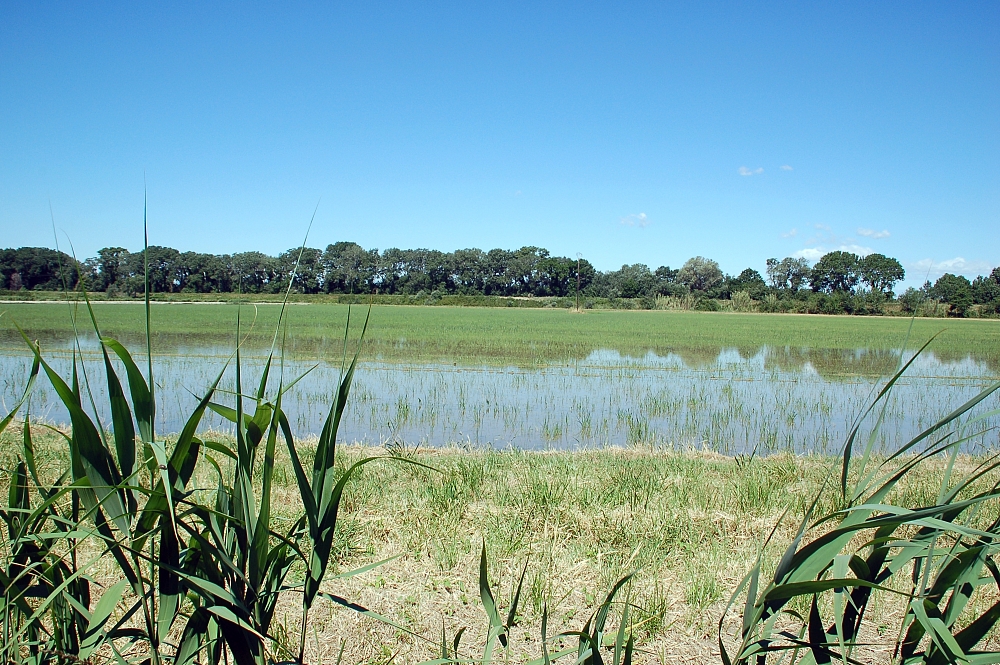
Natura 2000 · wintering, breeding, passage 14,702 records
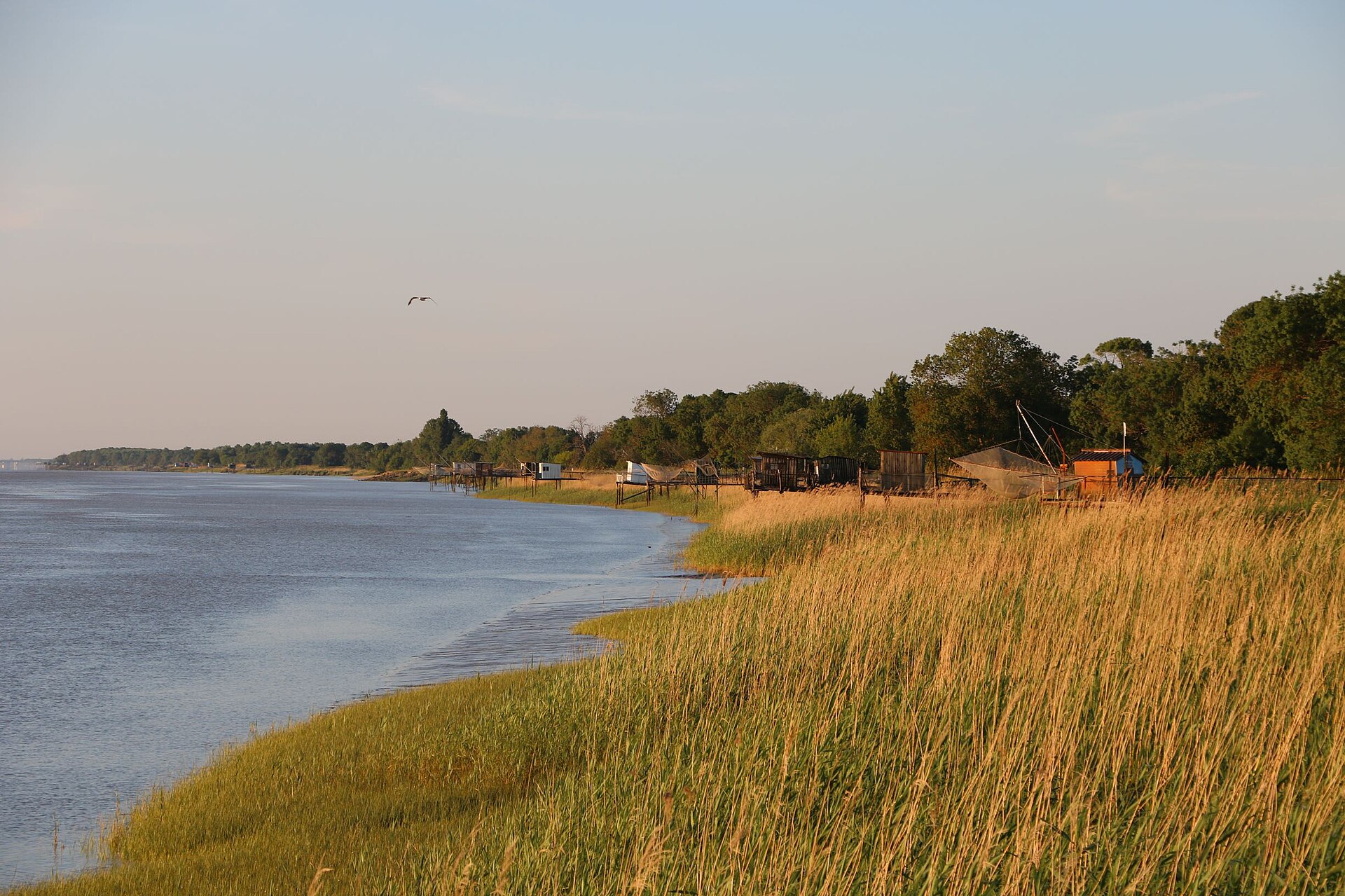
Natura 2000 · passage, breeding, wintering 6,993 records
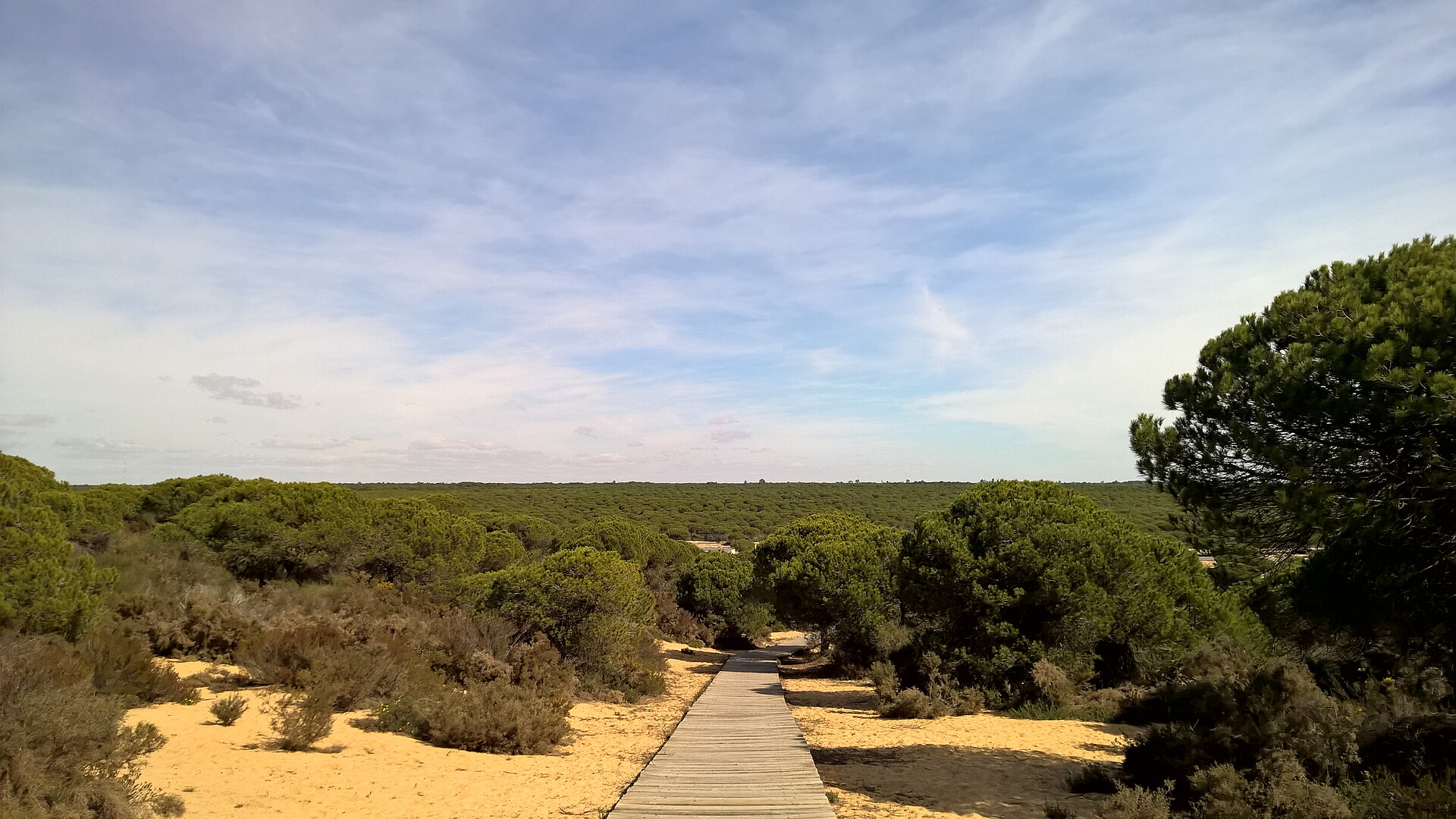
Natura 2000 · wintering, breeding, passage, resident 2,897 records
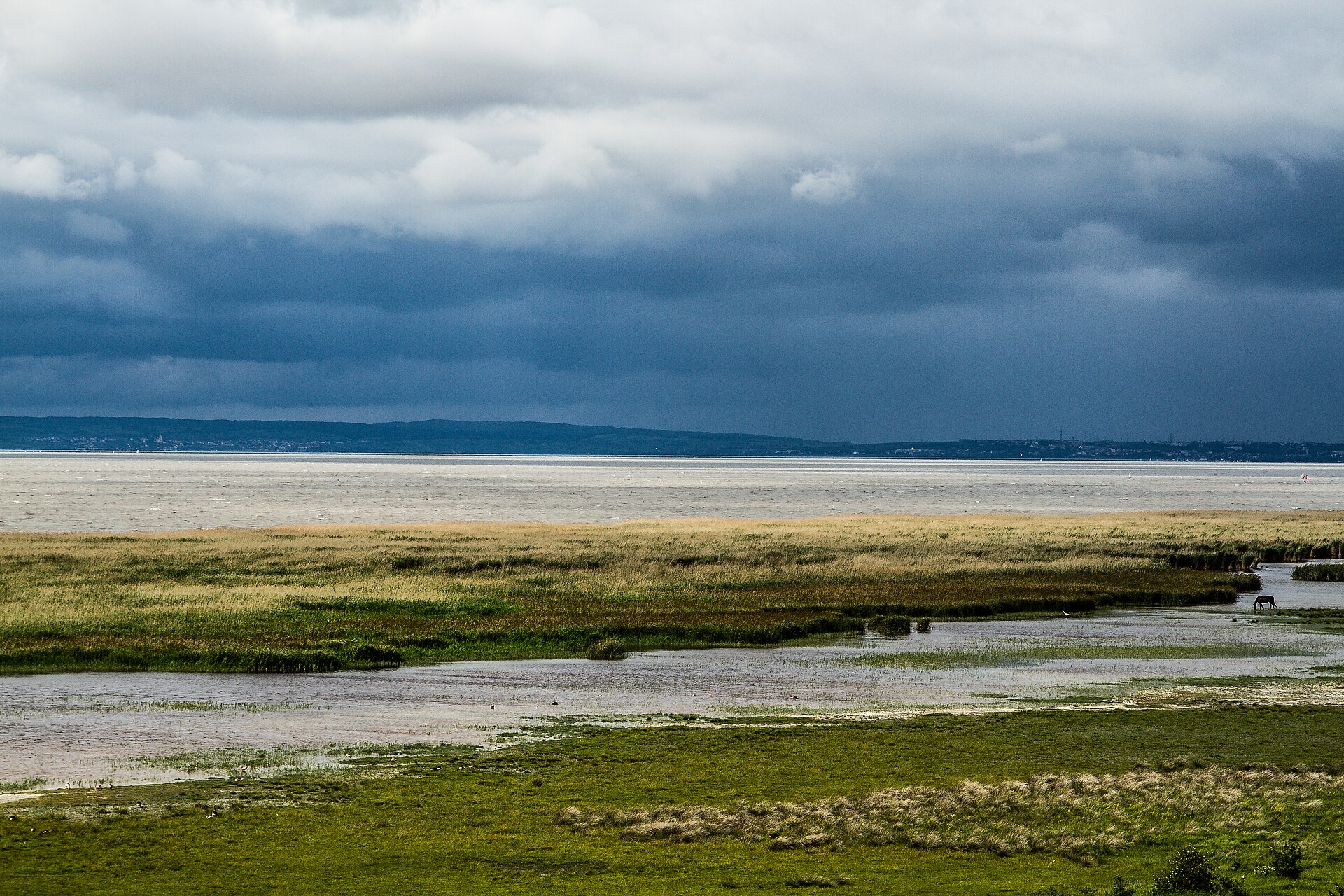
Natura 2000 · breeding, passage 2,481 records
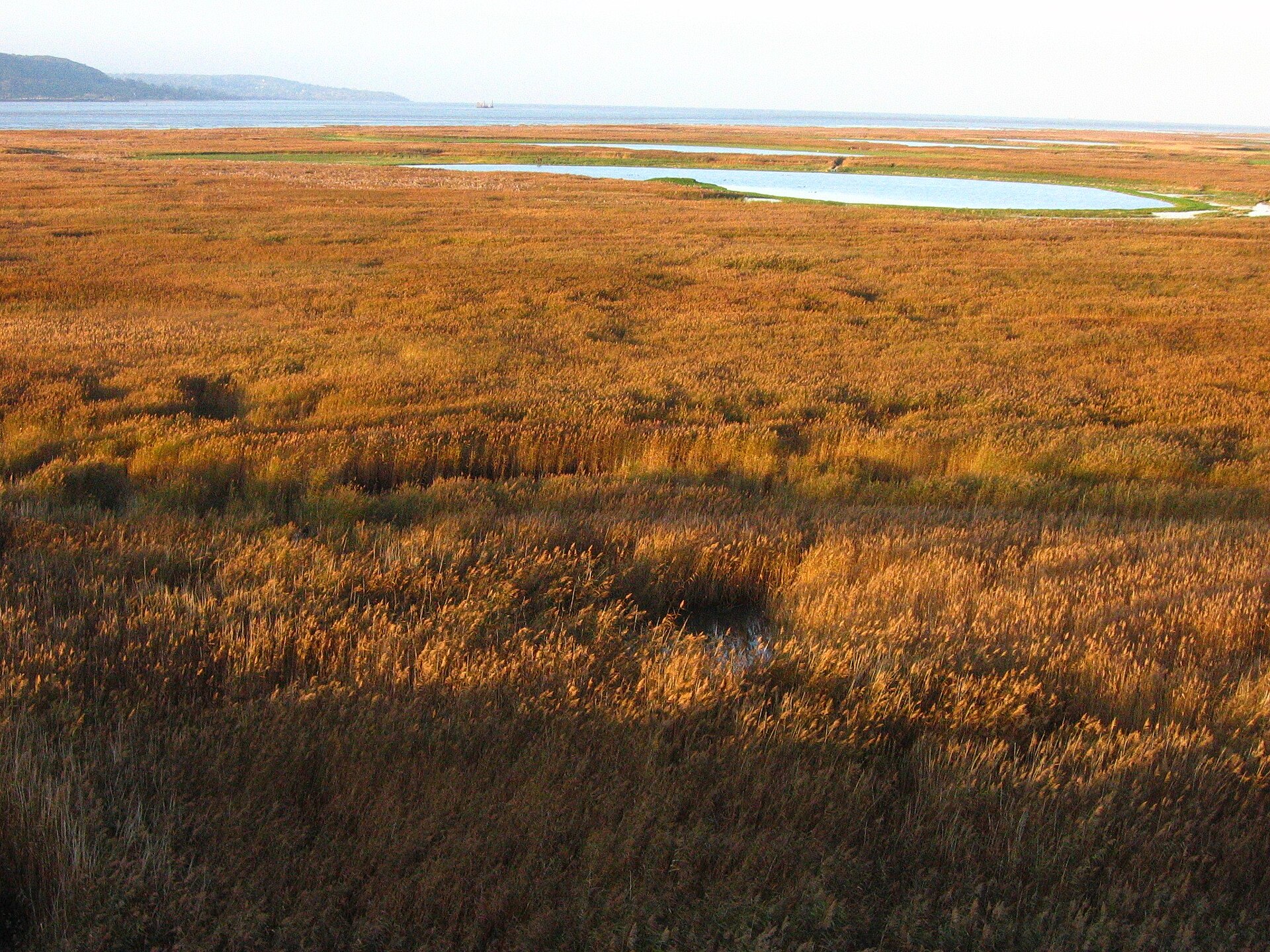
Natura 2000 · breeding, wintering 1,823 records
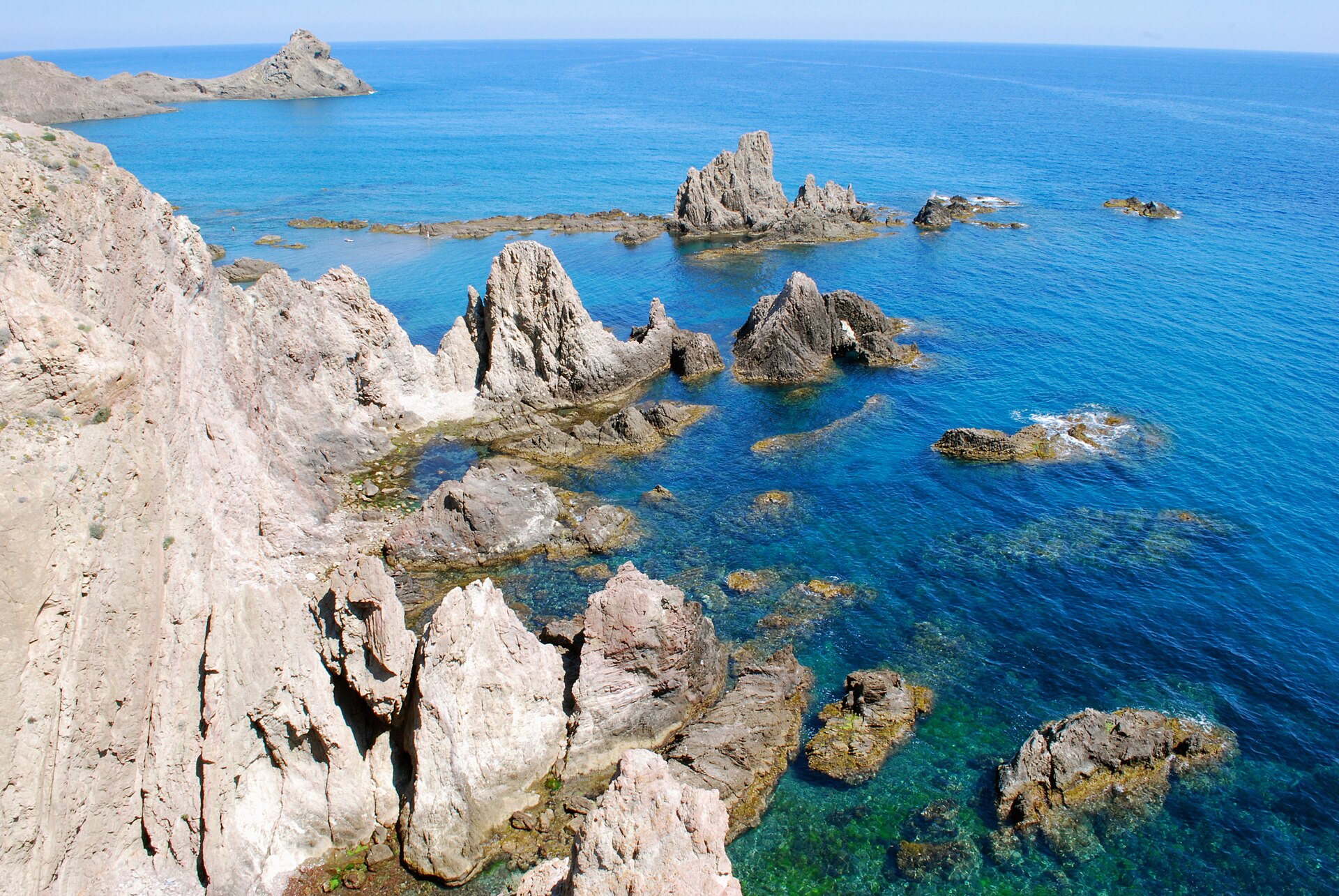
Natura 2000 · breeding, wintering 1,692 records

Natura 2000 · resident, breeding 1,396 records

Natura 2000 · breeding, wintering 1,287 records

Natura 2000 · breeding, passage, wintering, resident 884 records
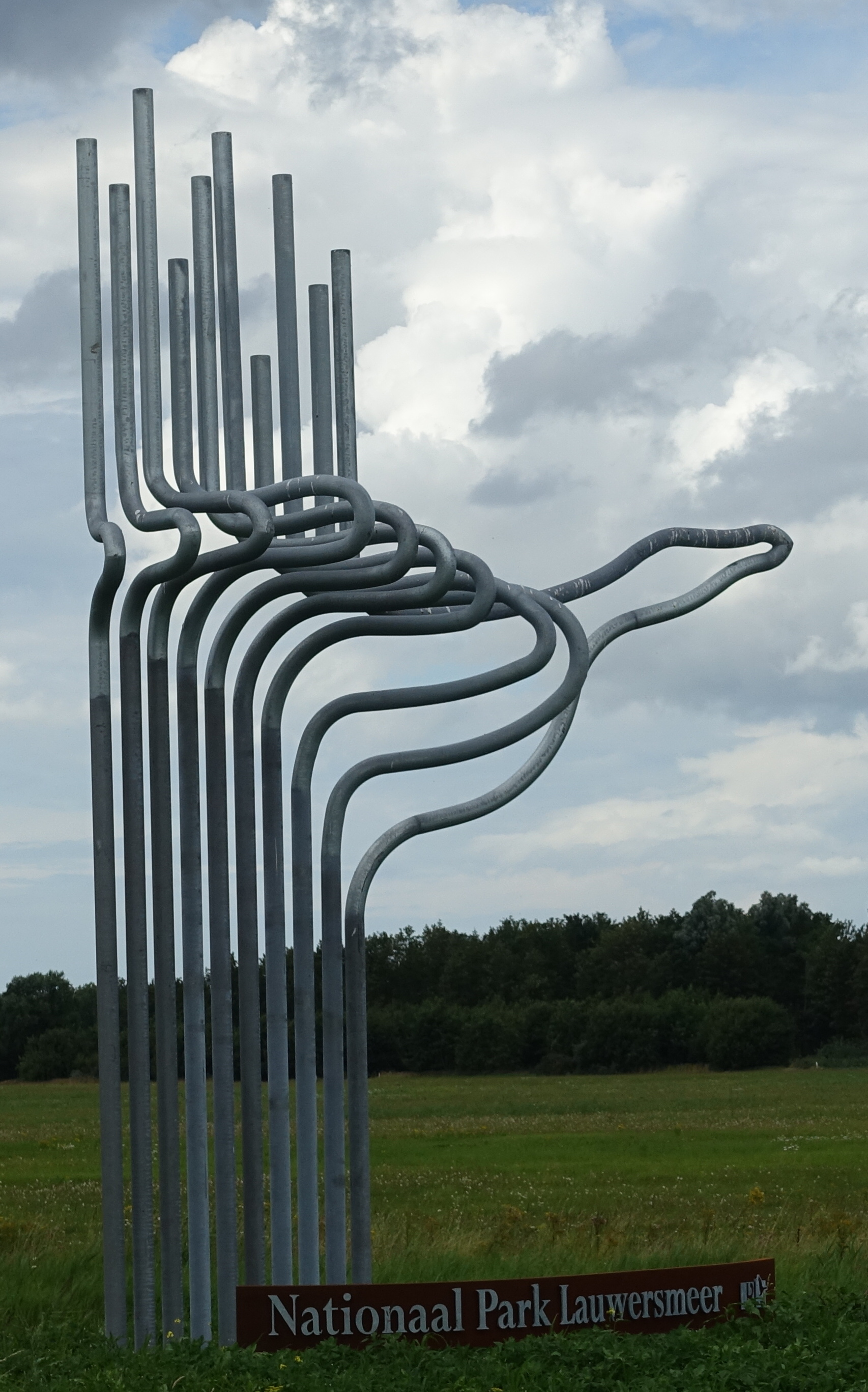
Natura 2000 · breeding, wintering 672 records
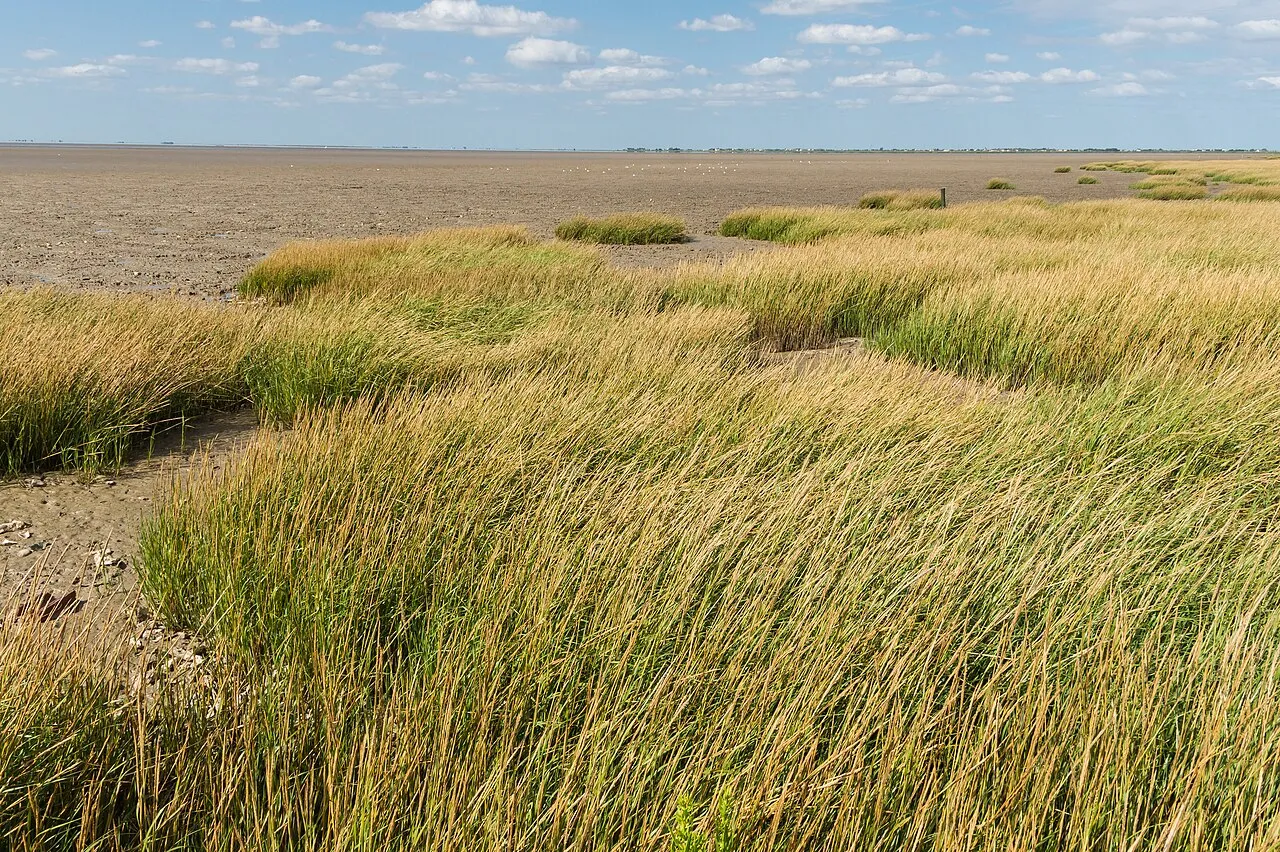
Natura 2000 · wintering, passage, breeding 556 records
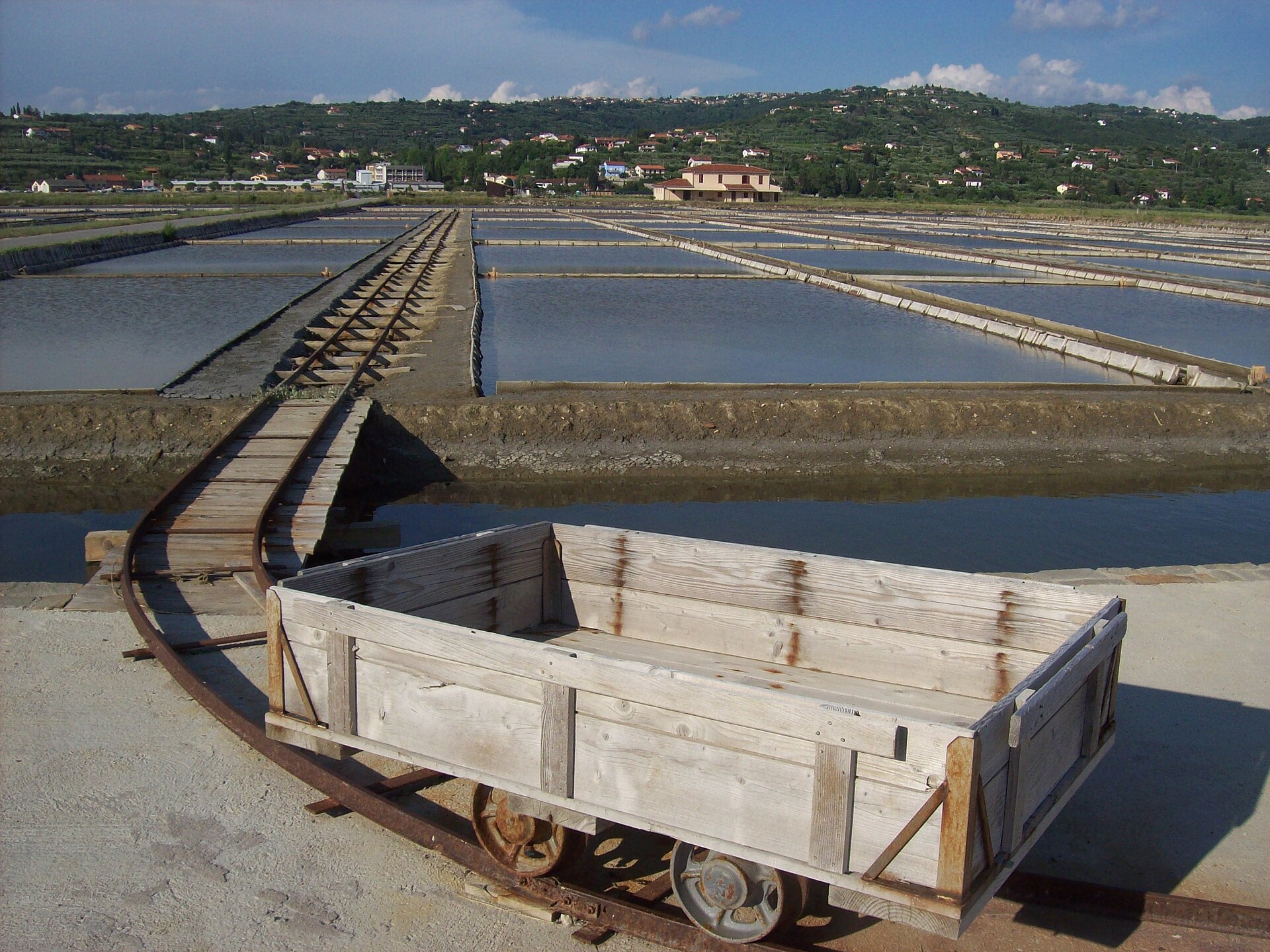
Natura 2000 · breeding 521 records

Natura 2000 · breeding 490 records

Natura 2000 · wintering, passage, breeding 263 records
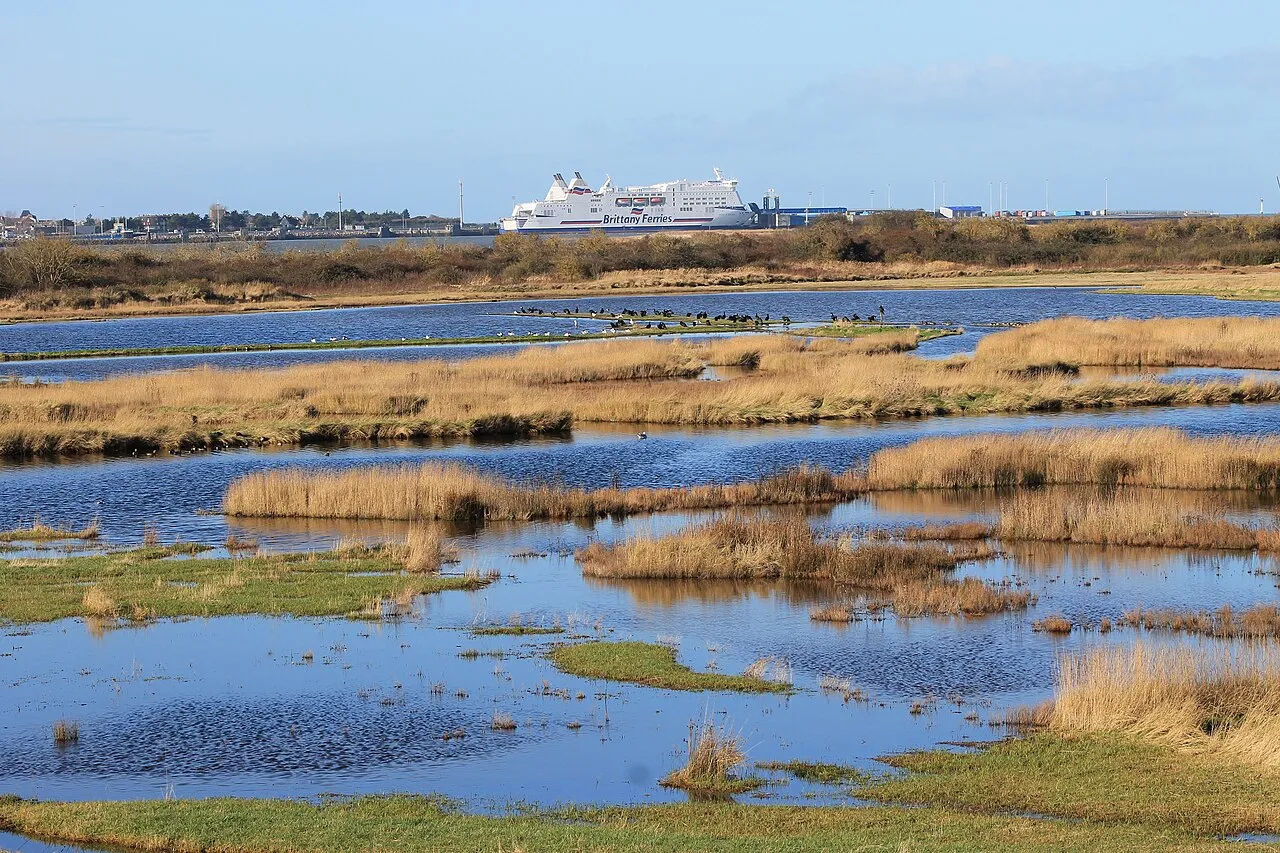
Natura 2000 · wintering, passage 241 records
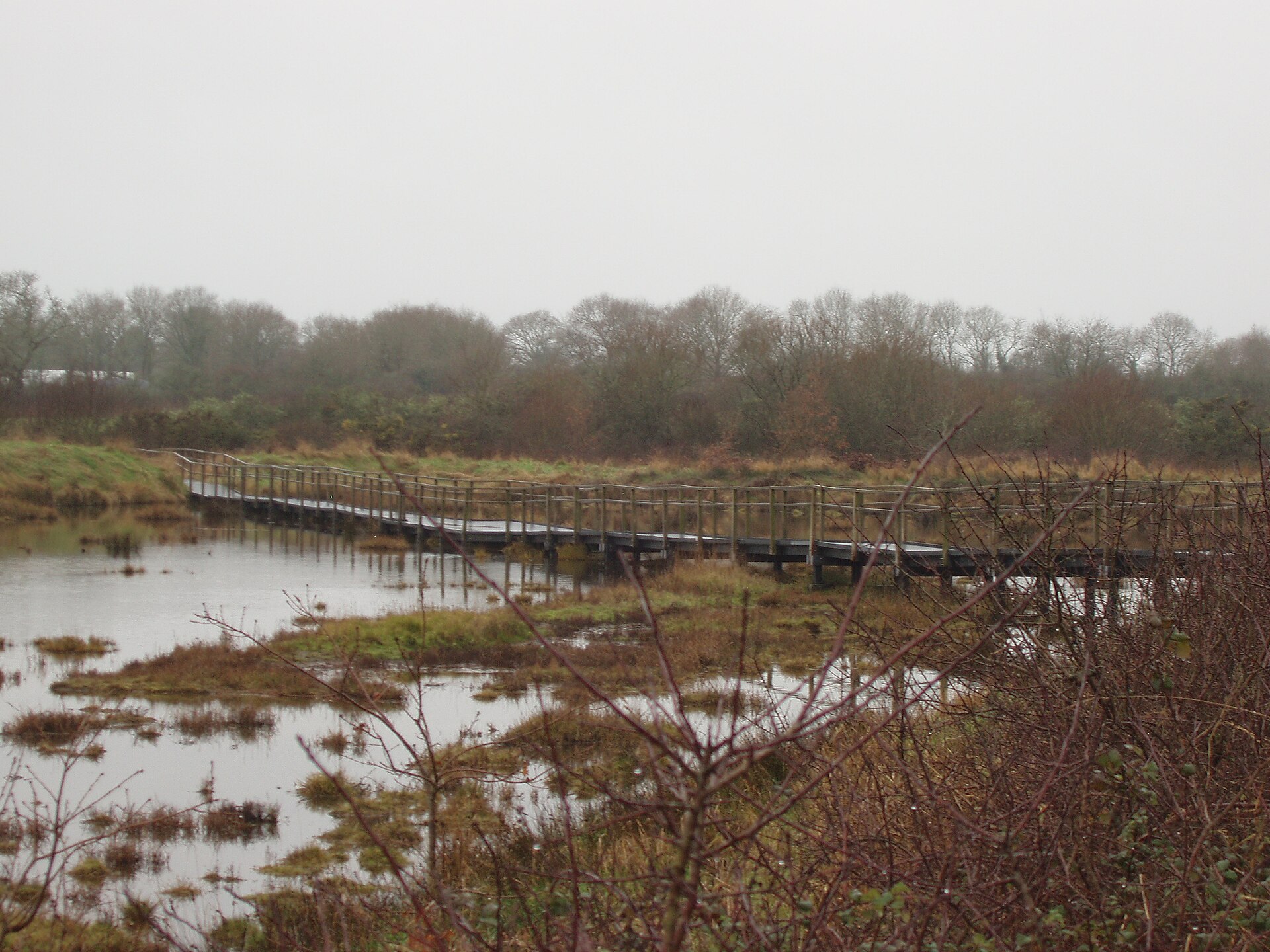
Natura 2000 · breeding, passage, wintering 232 records

Natura 2000 · wintering, passage, breeding 161 records
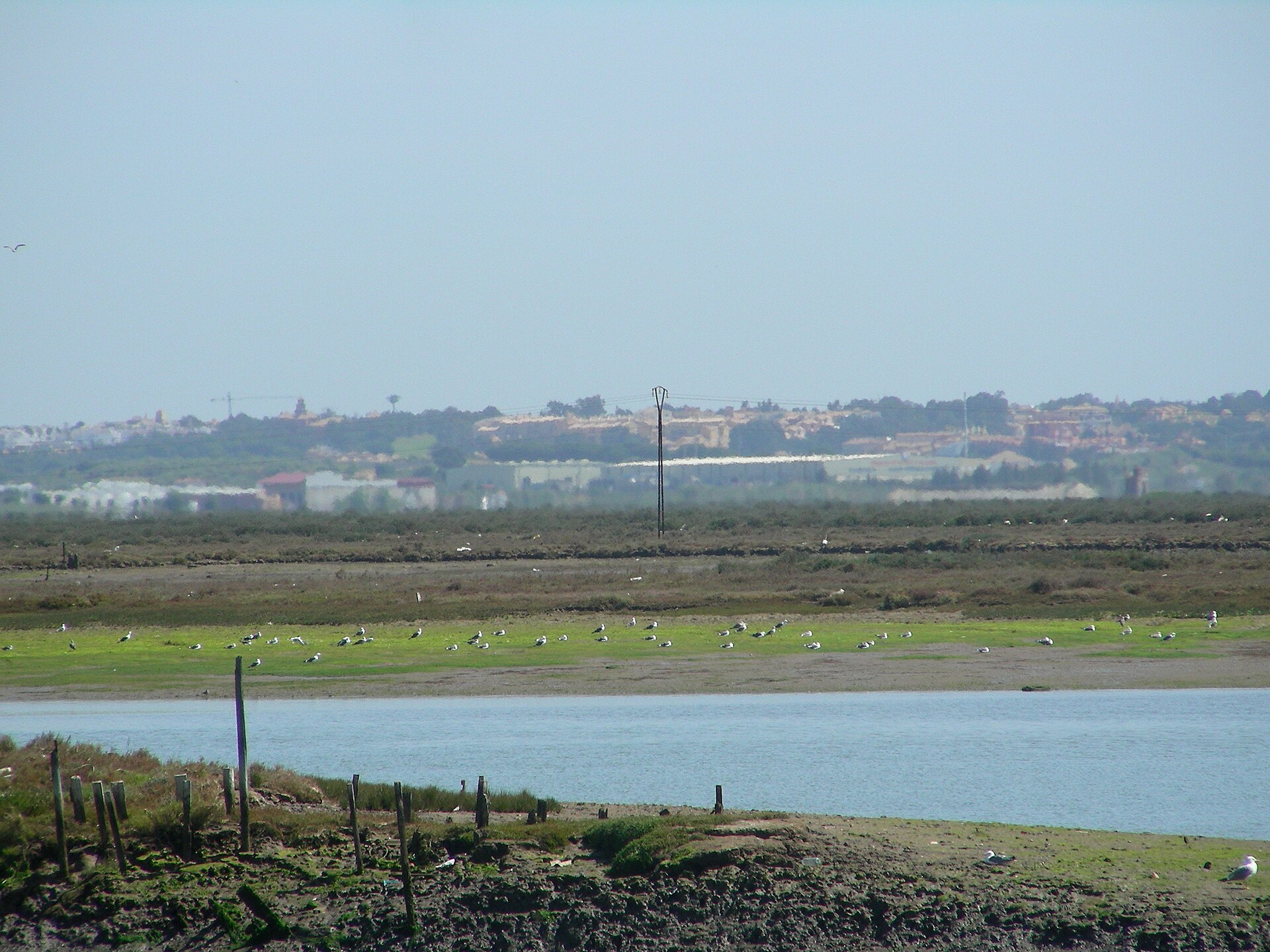
Natura 2000 · wintering, breeding 14 records

Natura 2000 · passage 1 records
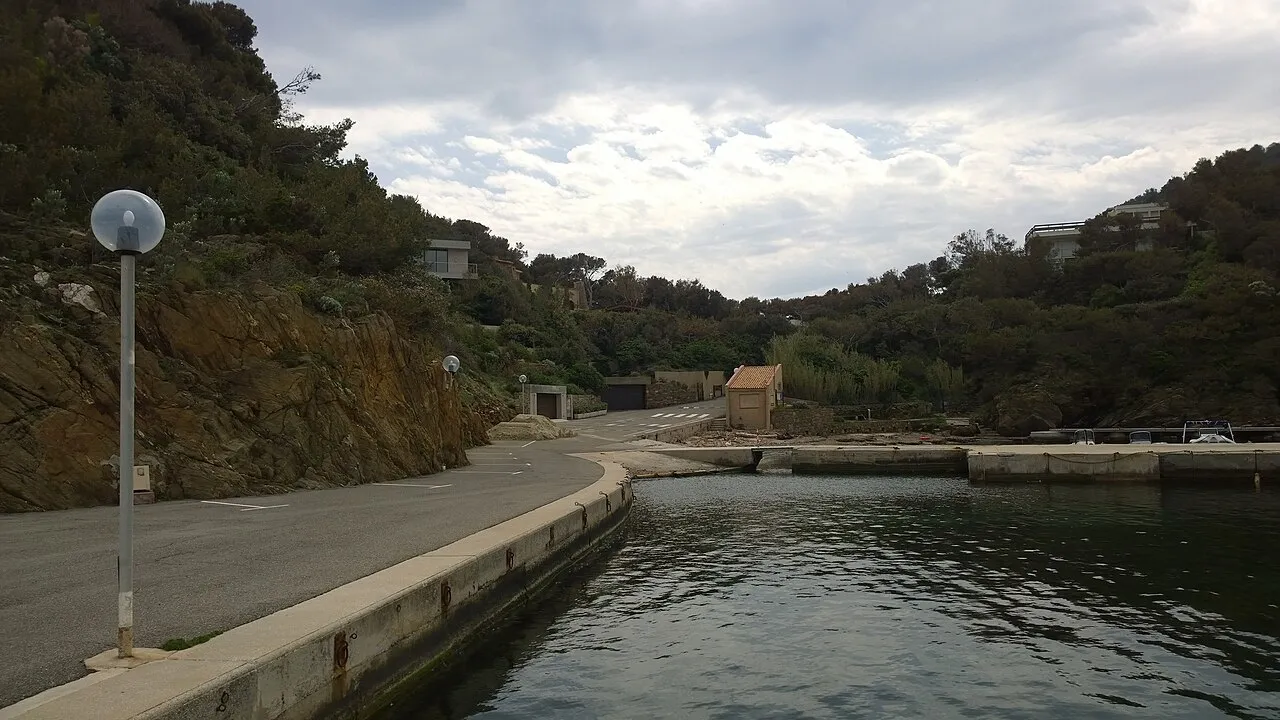
8,661 records

1,391 records
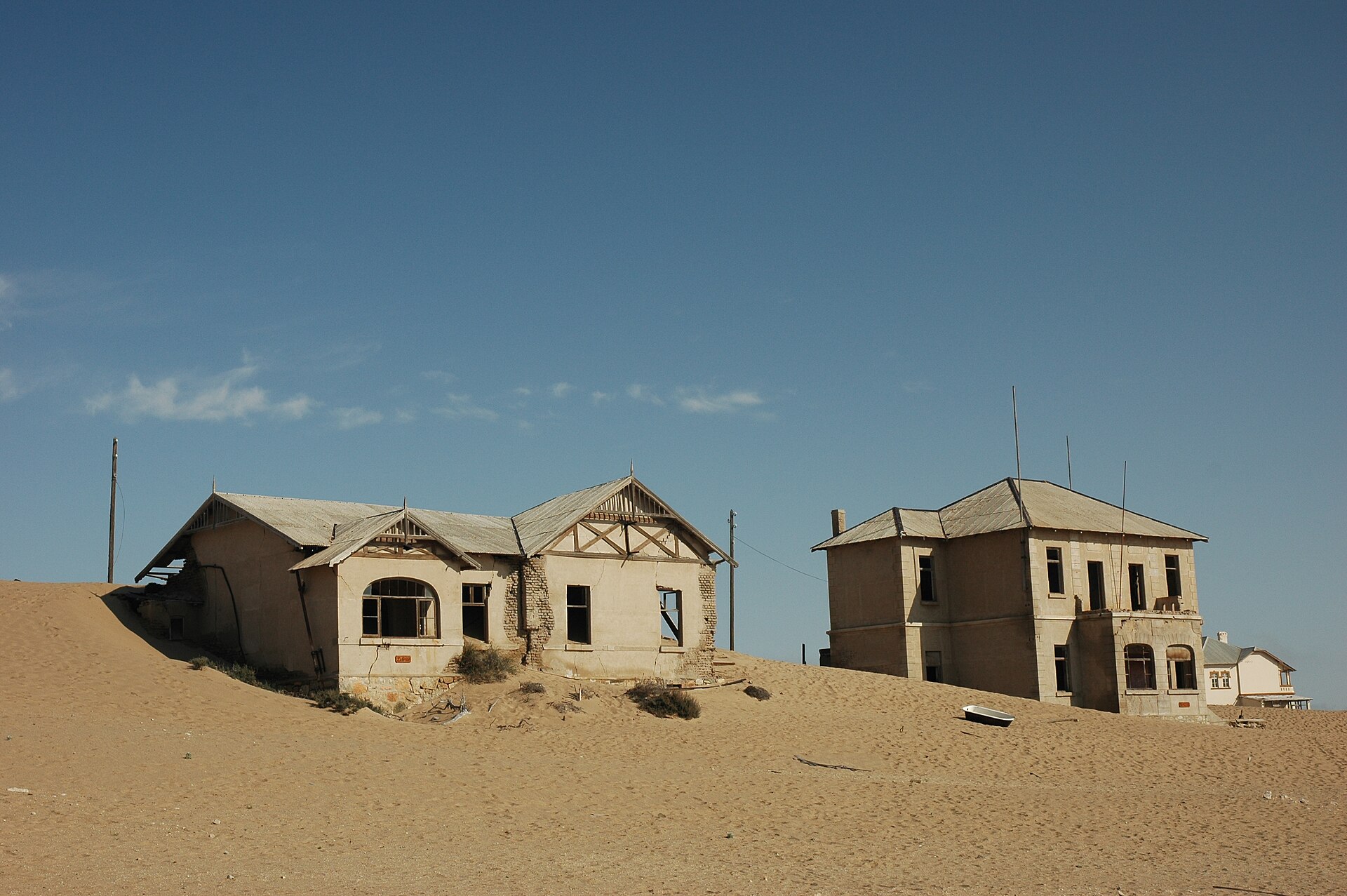
128 records
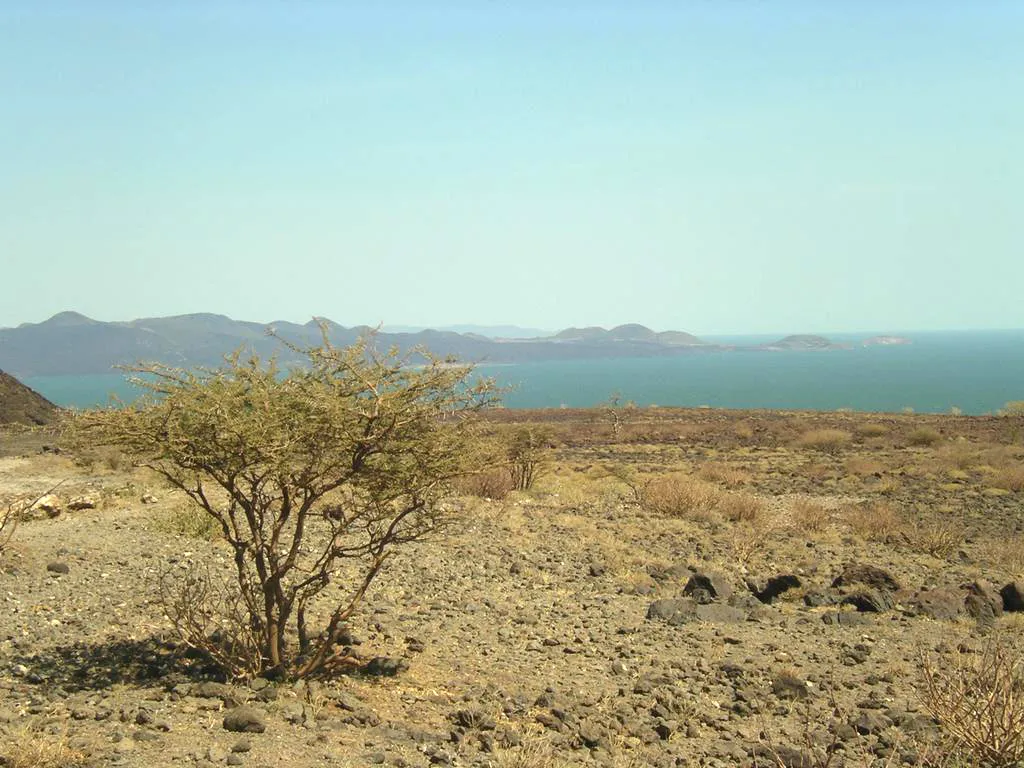
4 records
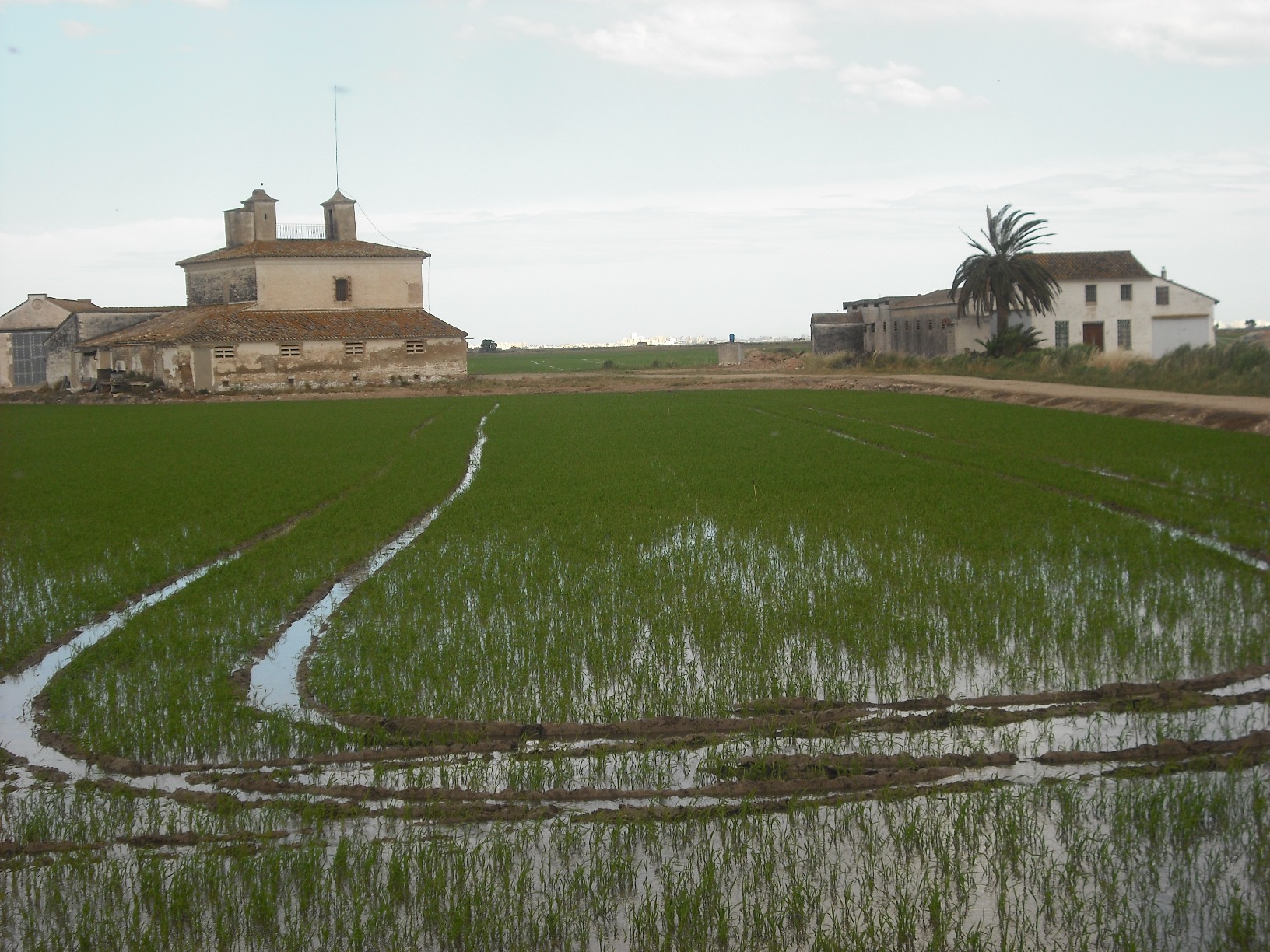
Natura 2000 · passage, breeding, wintering
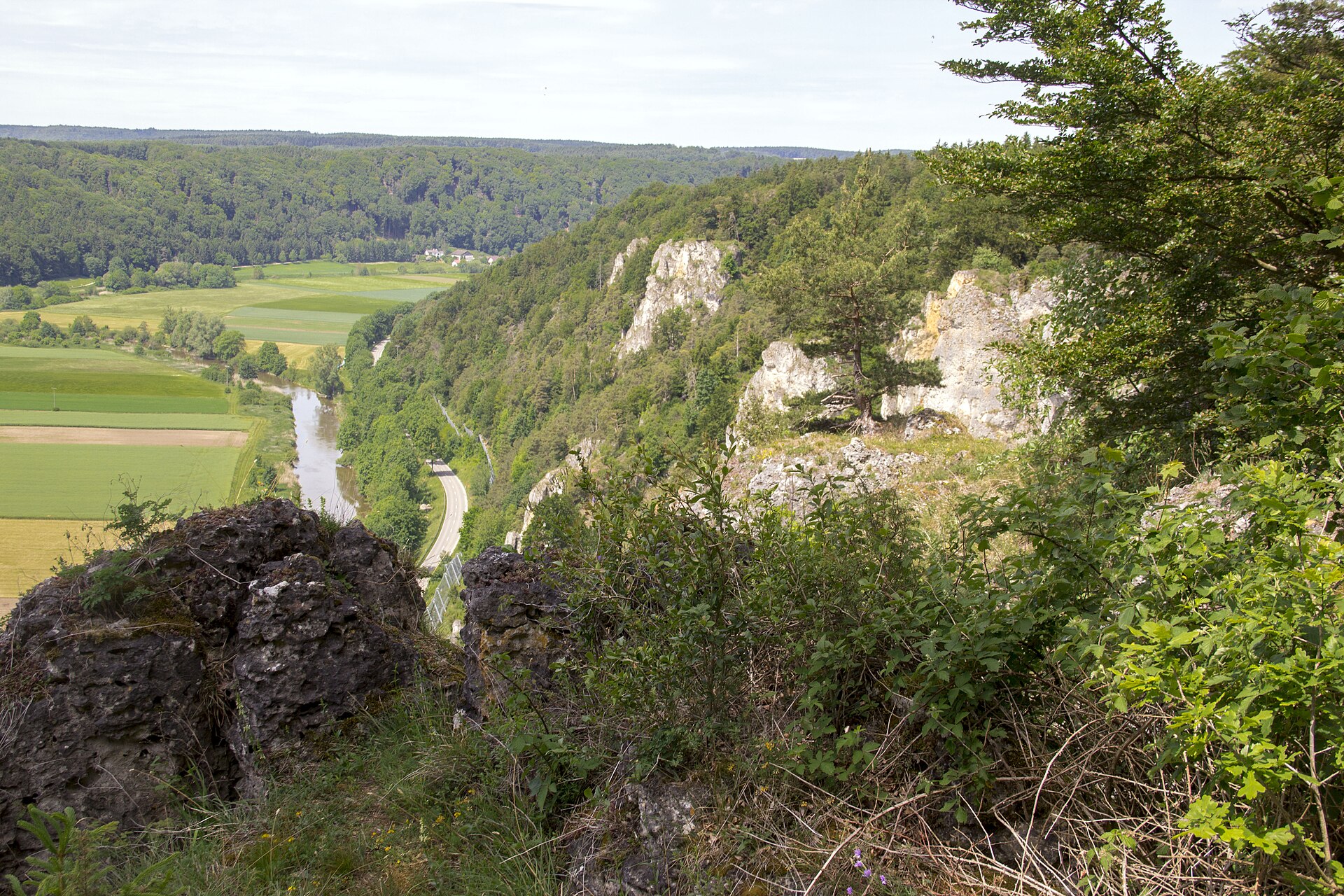
Natura 2000 · passage
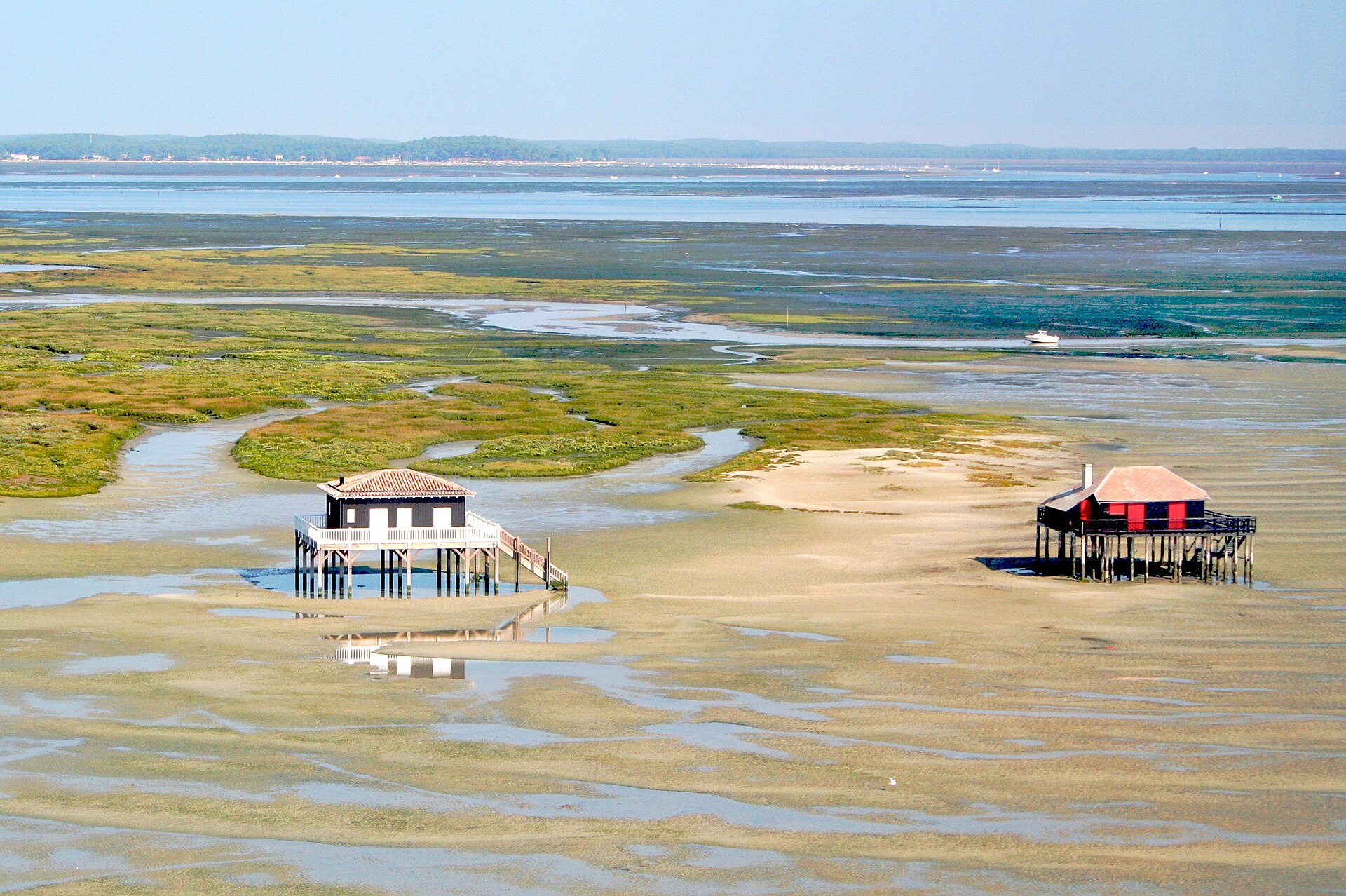
Natura 2000 · passage, breeding, wintering
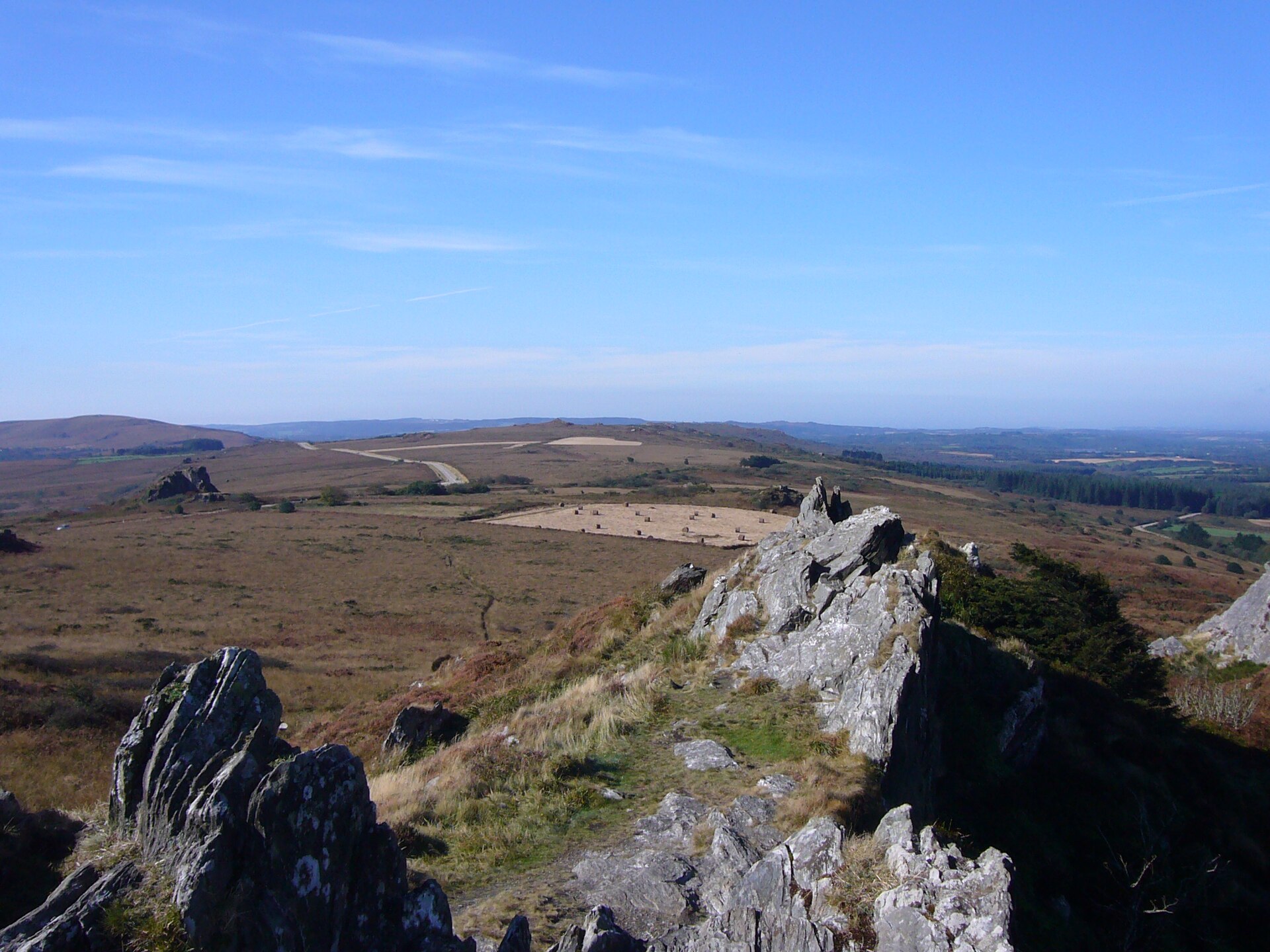
Natura 2000 · wintering
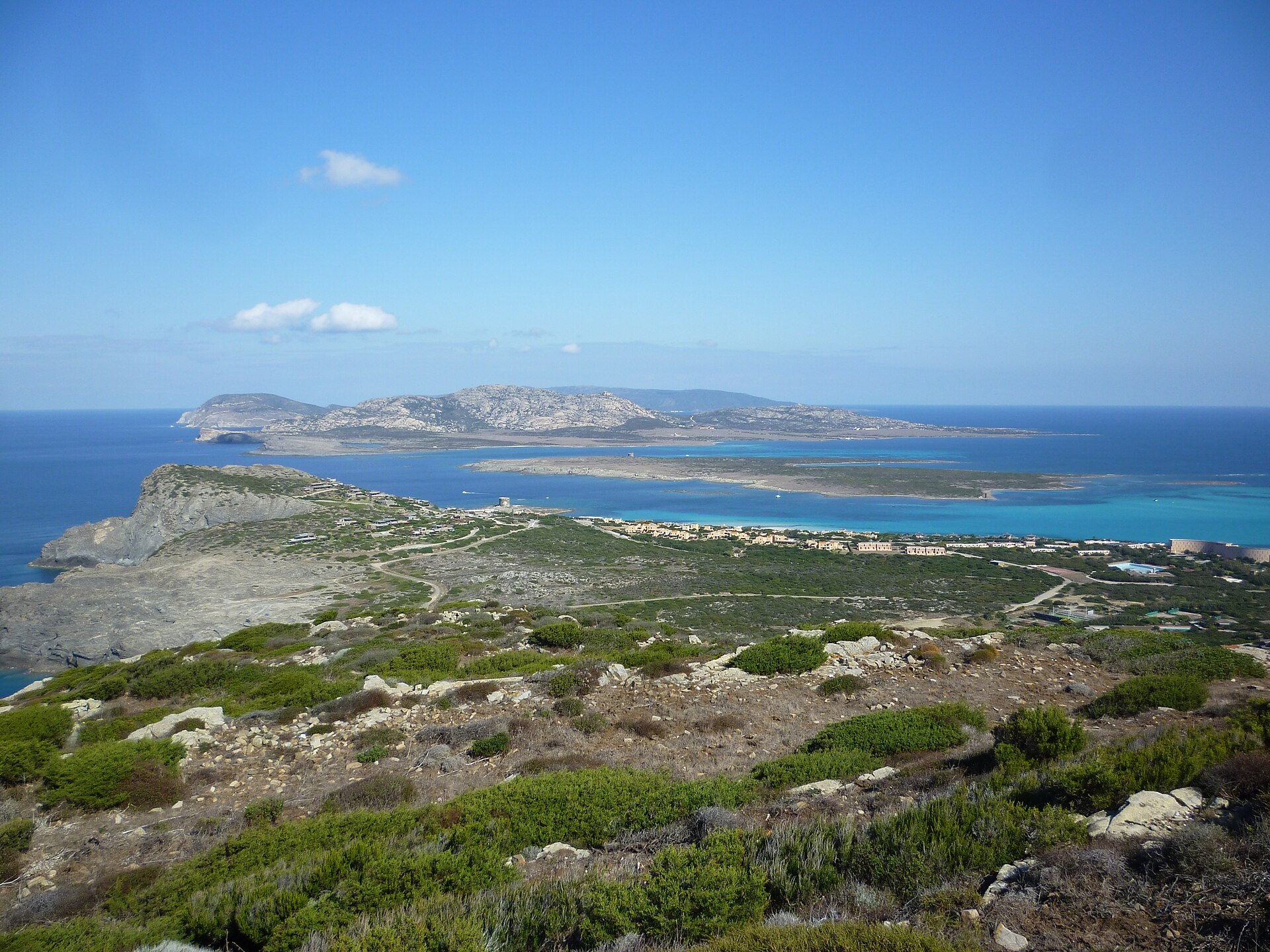
Natura 2000 · passage
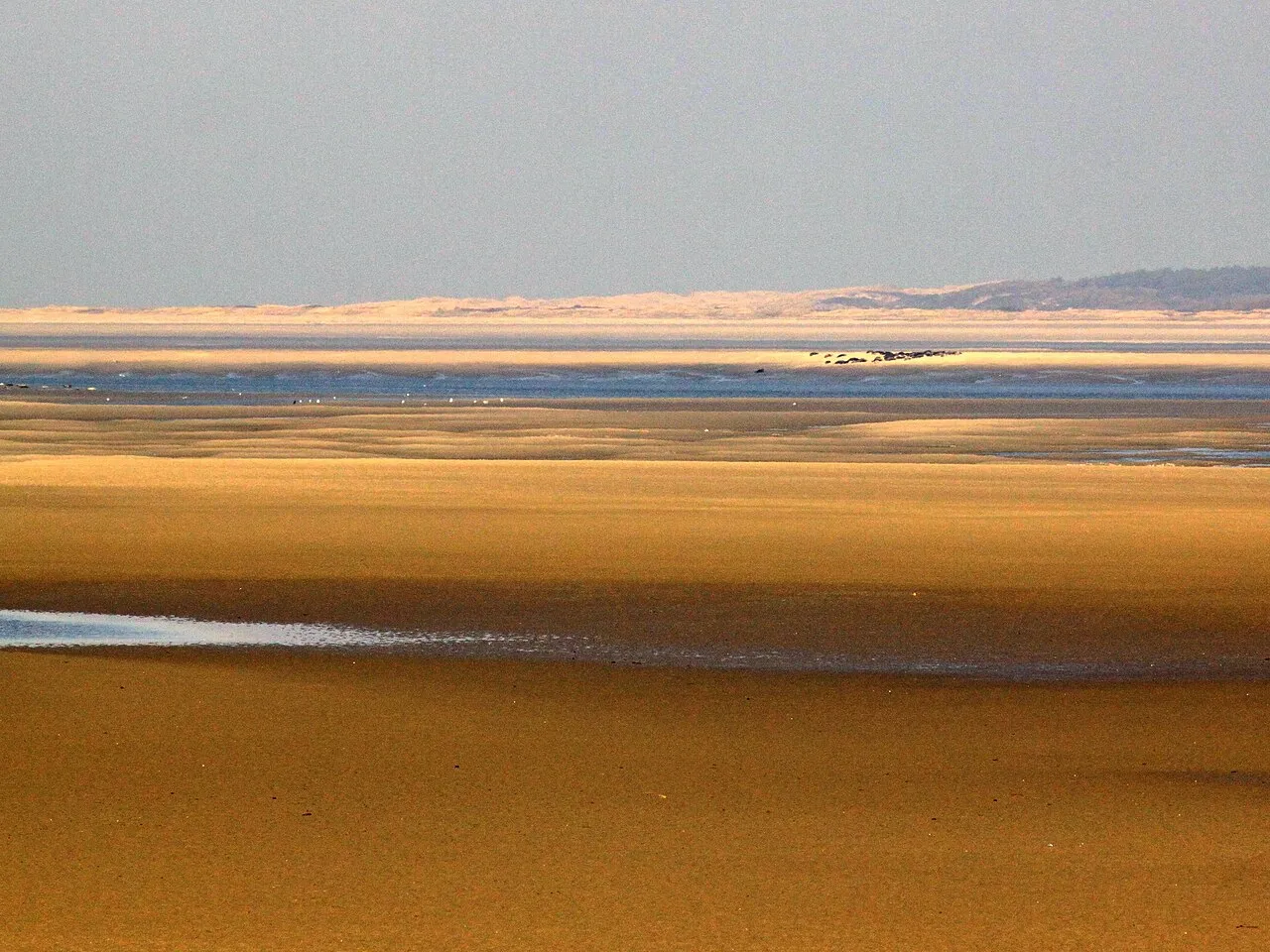
Natura 2000 · passage, breeding
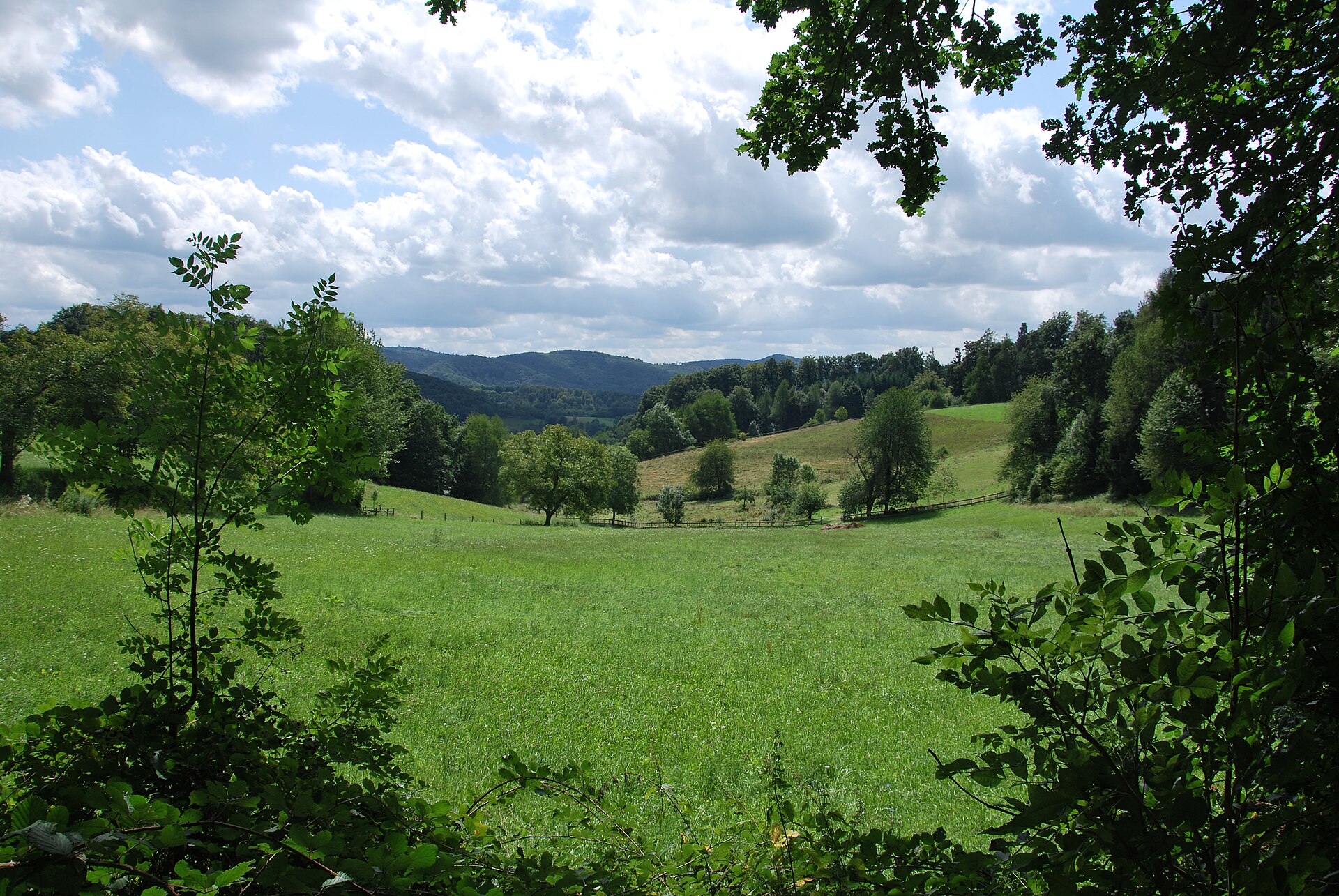
Natura 2000 · passage
Natura 2000 · breeding, wintering
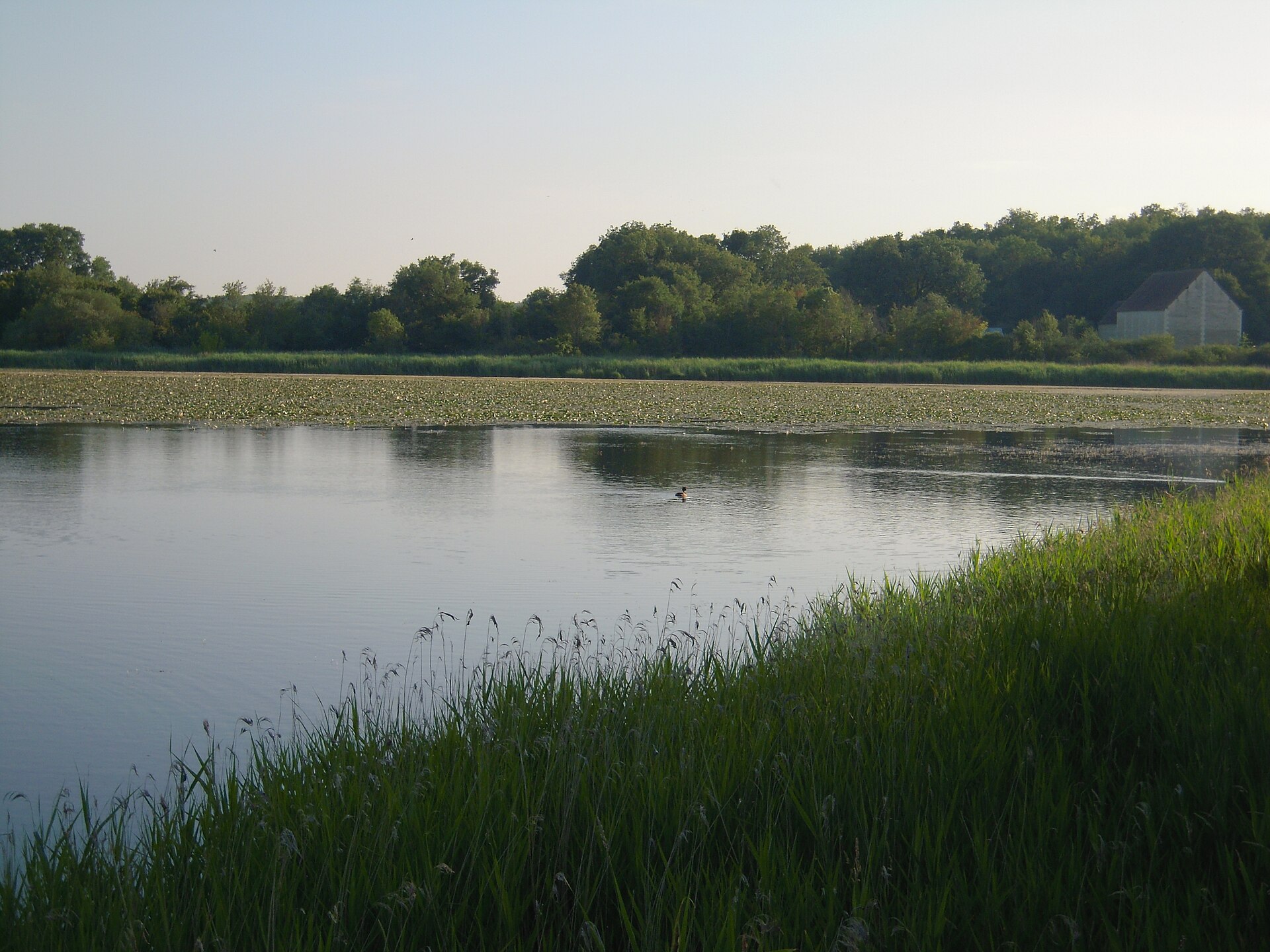
Natura 2000 · passage
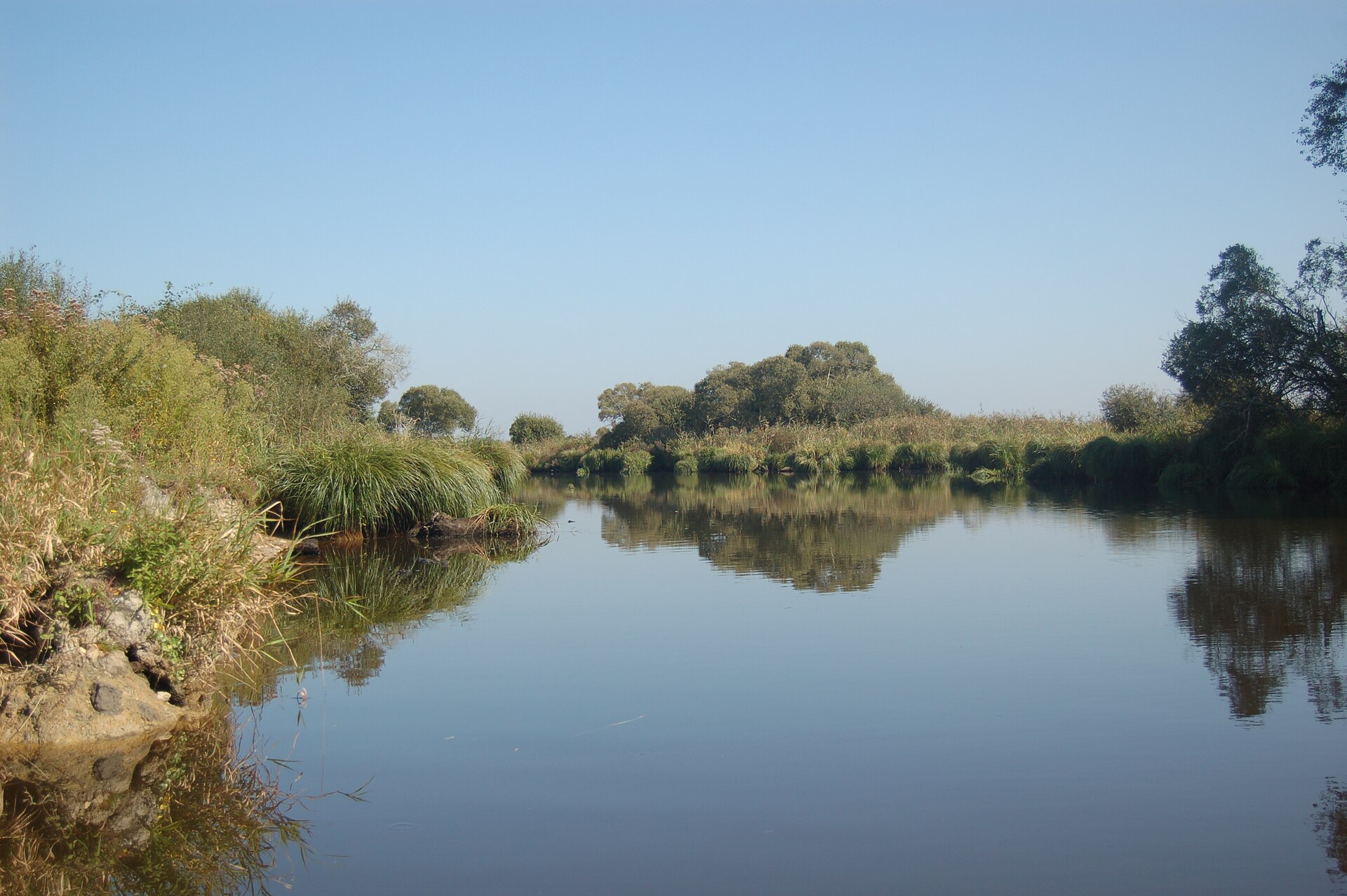
Natura 2000 · wintering, passage, breeding
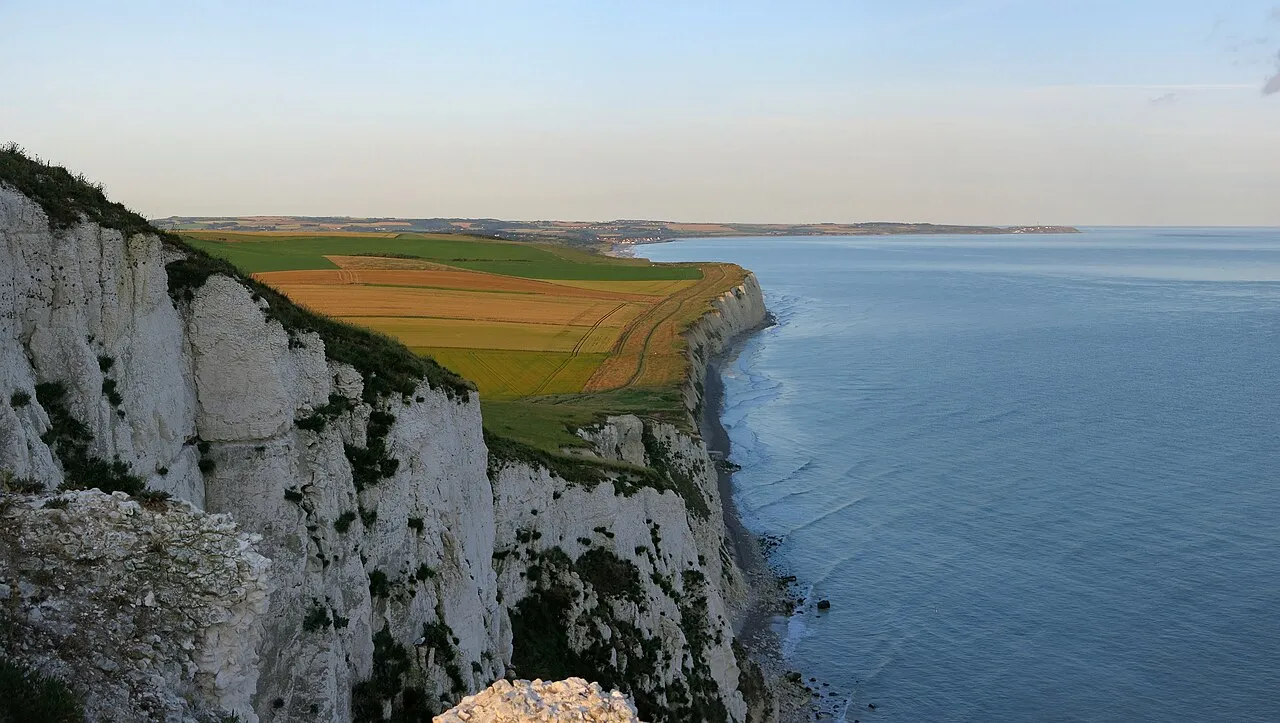
Natura 2000 · breeding
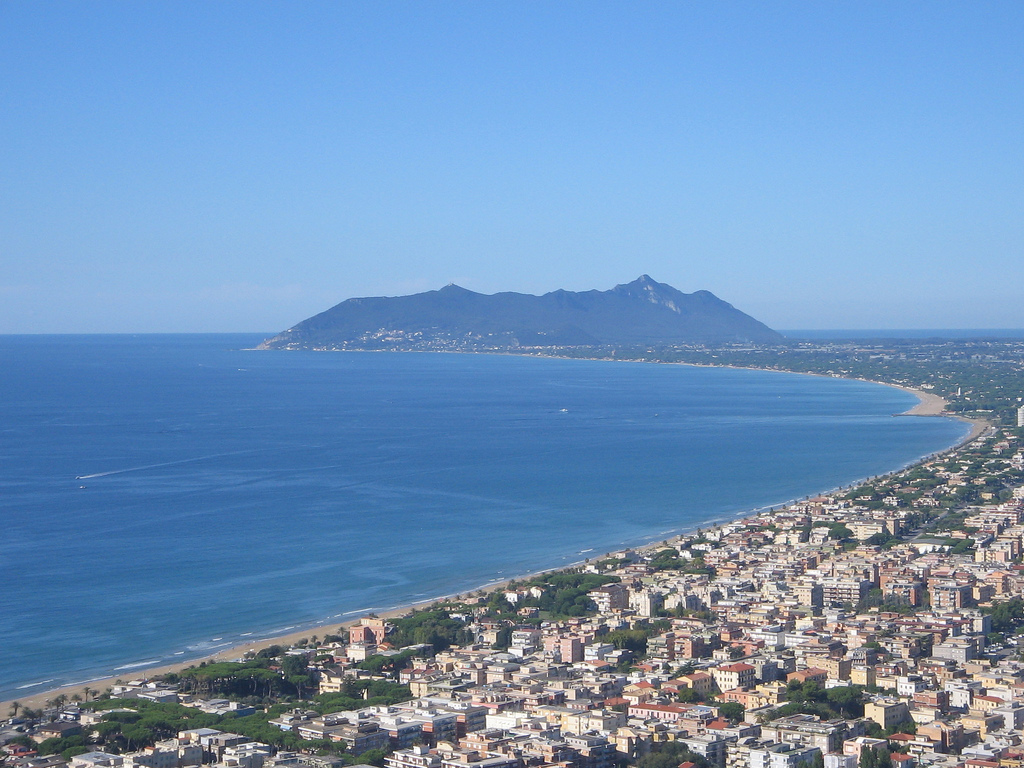
Natura 2000 · passage, breeding, wintering
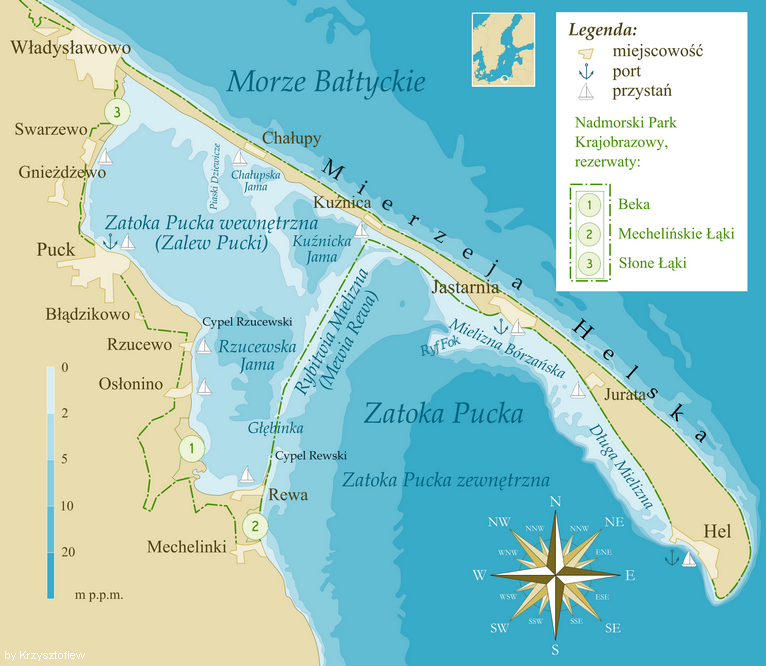
Natura 2000 · passage

Natura 2000 · passage
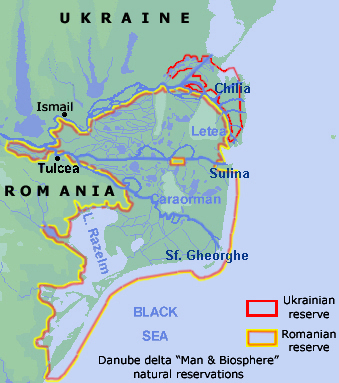
Natura 2000 · passage, breeding
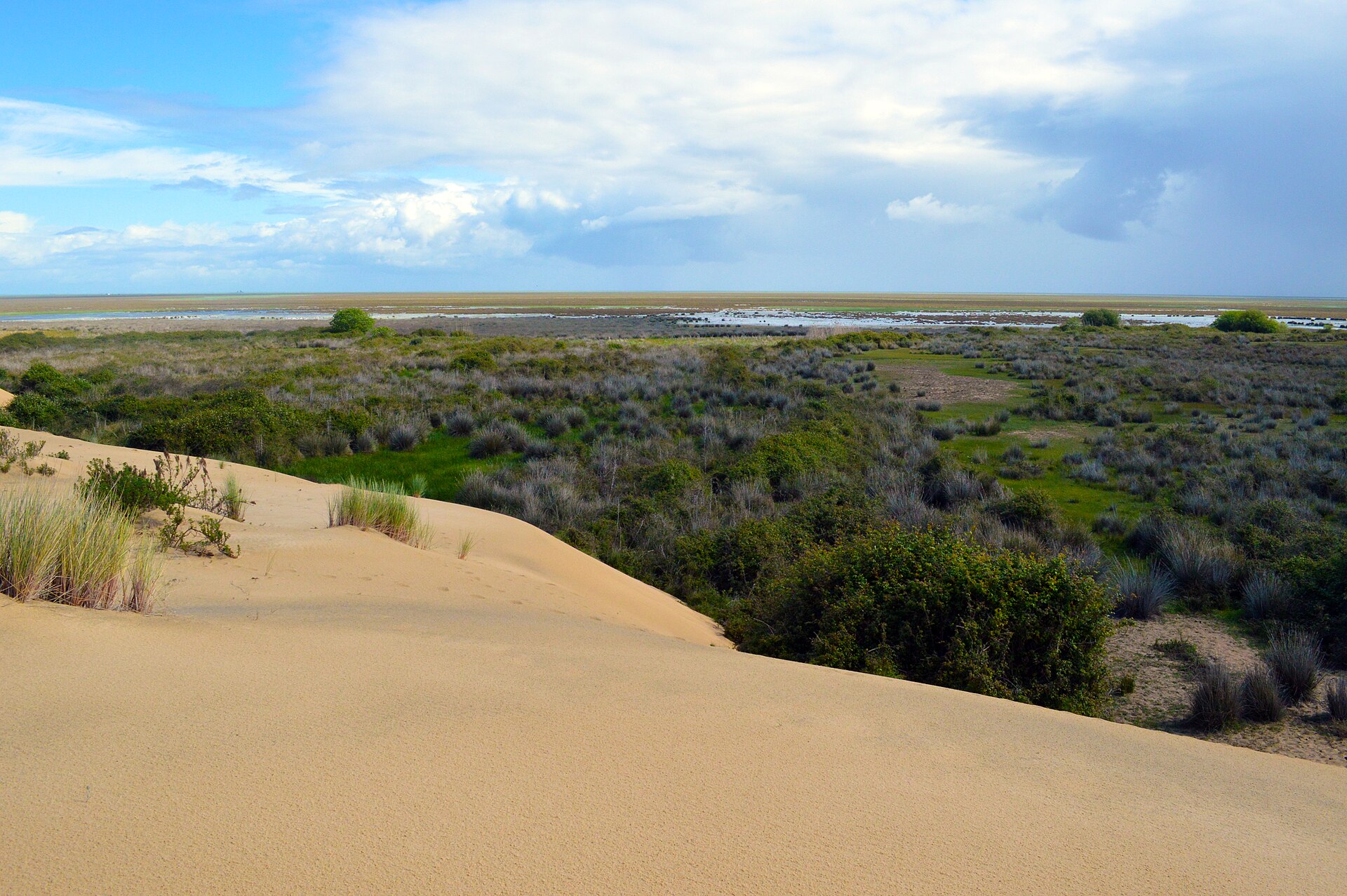
Natura 2000 · wintering, breeding, passage, resident
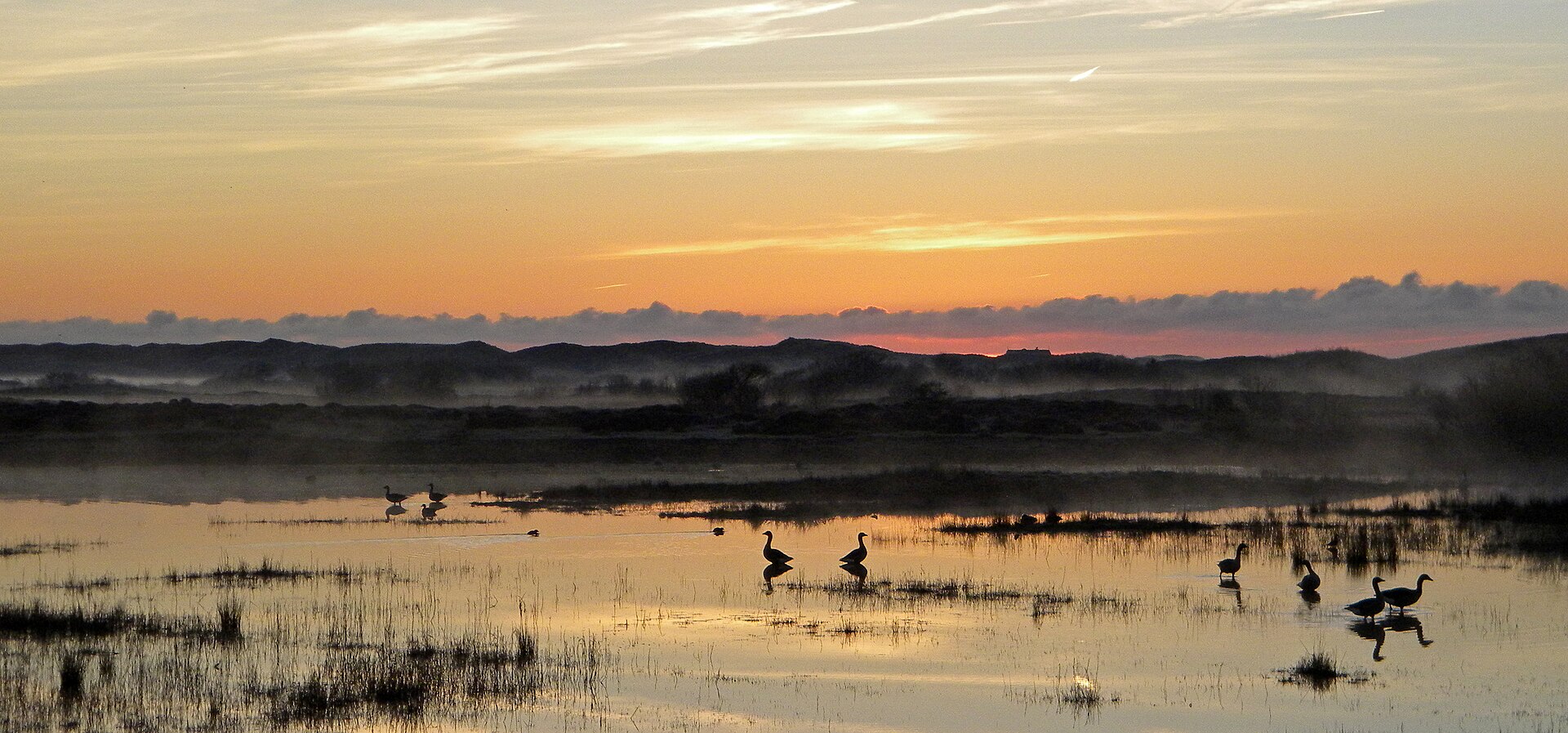
Natura 2000 · breeding
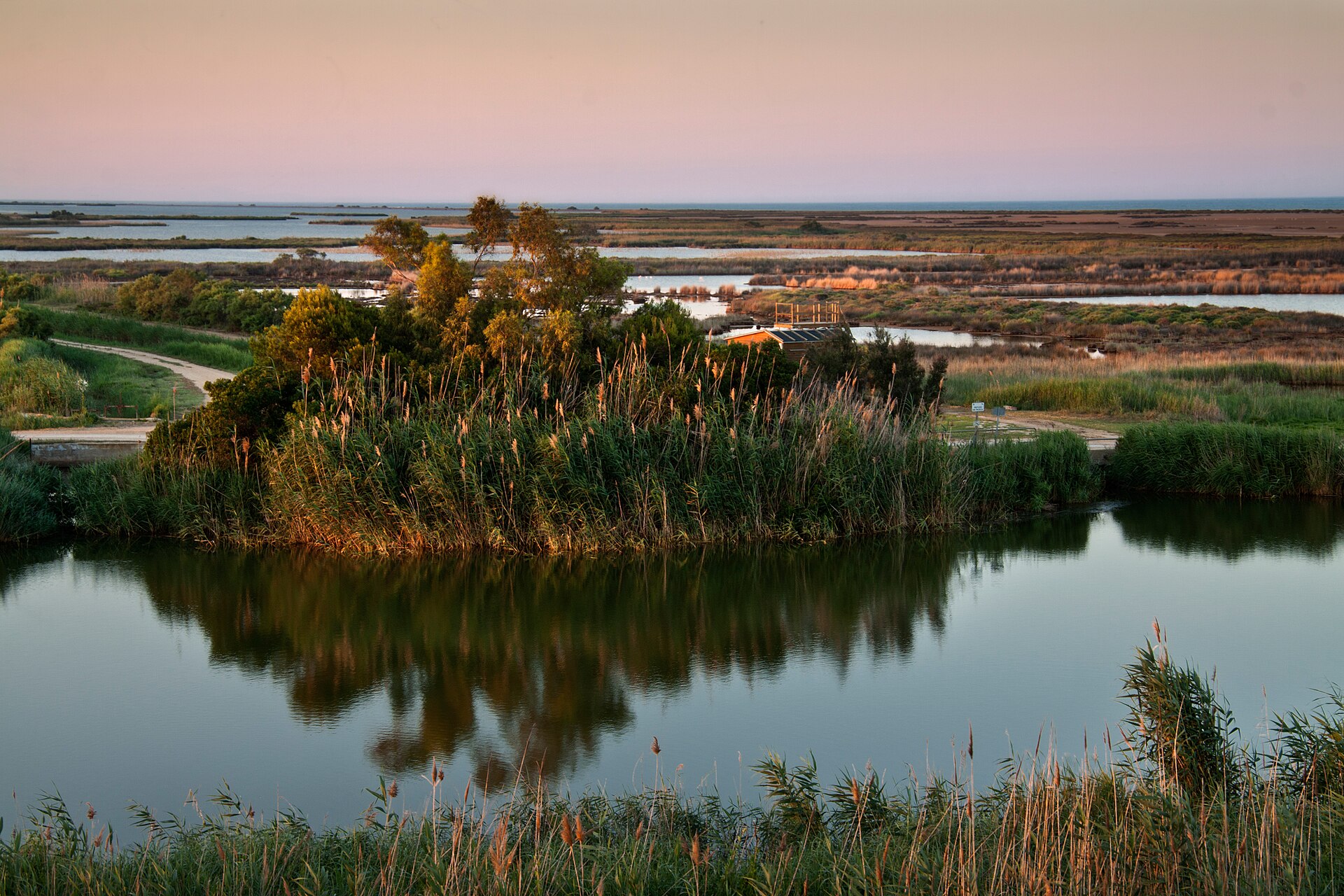
Natura 2000 · wintering, breeding

Natura 2000 · passage
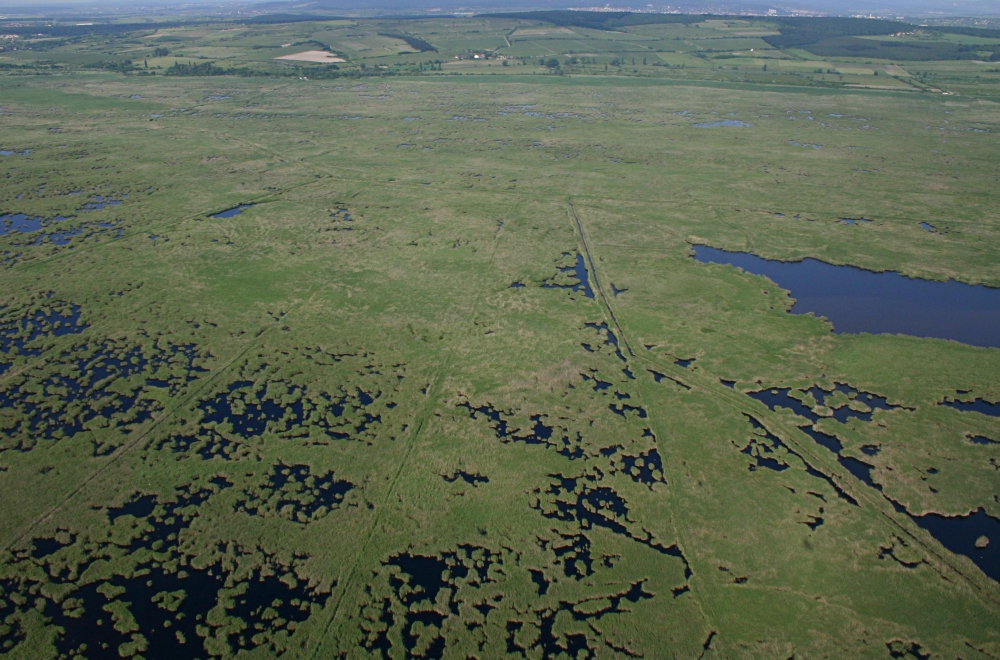
Natura 2000 · breeding

Natura 2000 · breeding, resident
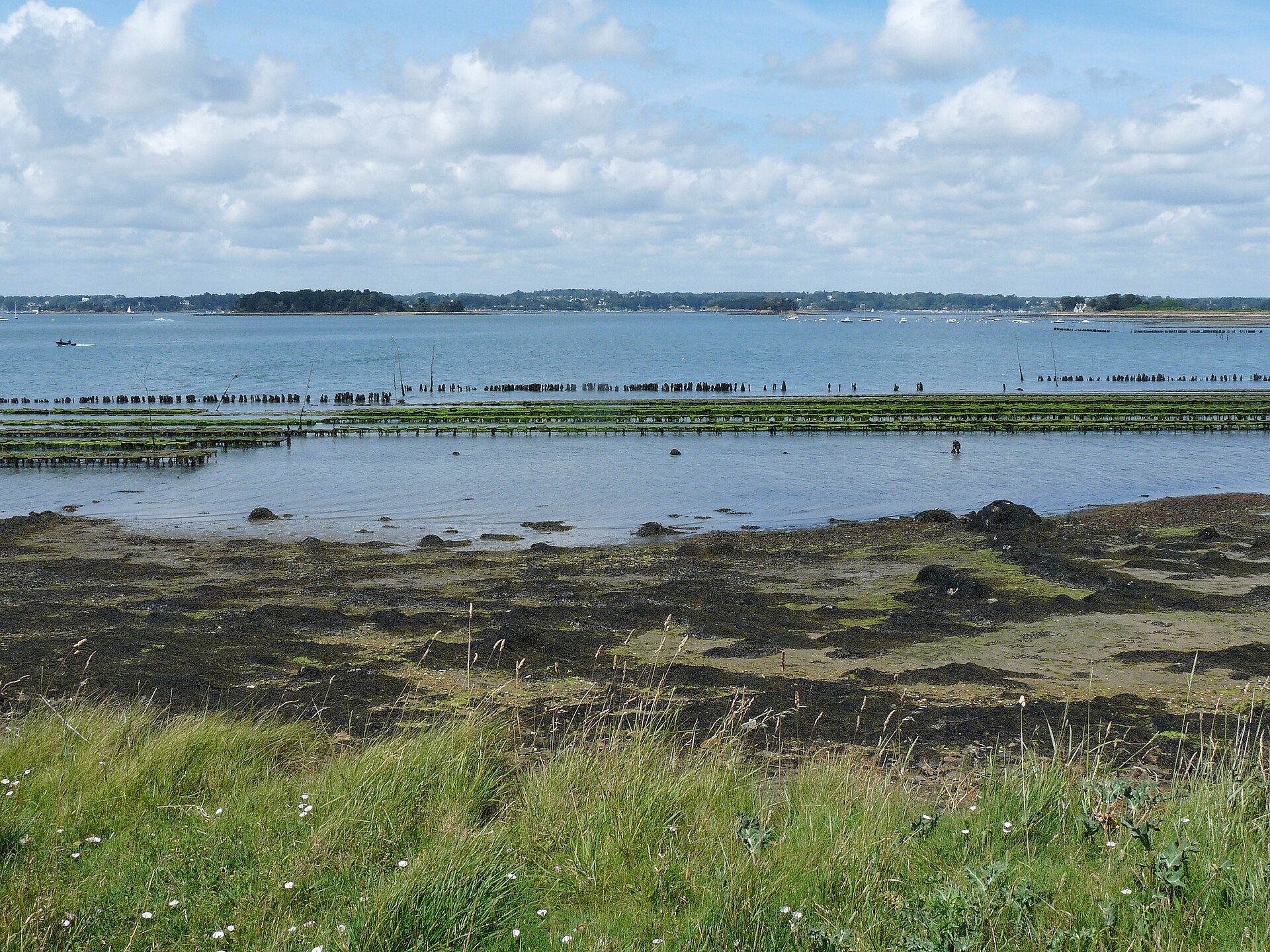
Natura 2000 · breeding, wintering, passage

Natura 2000 · breeding
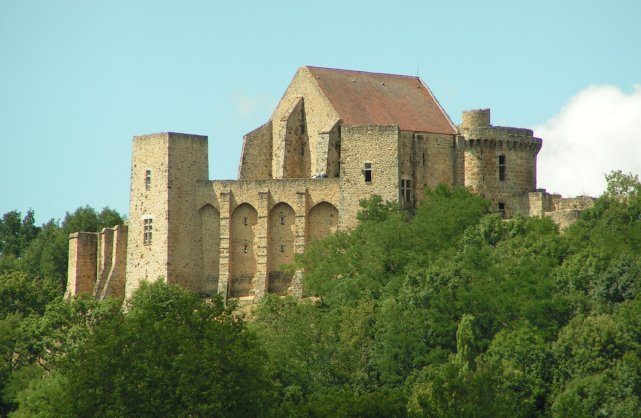
Natura 2000 · passage

Natura 2000 · breeding
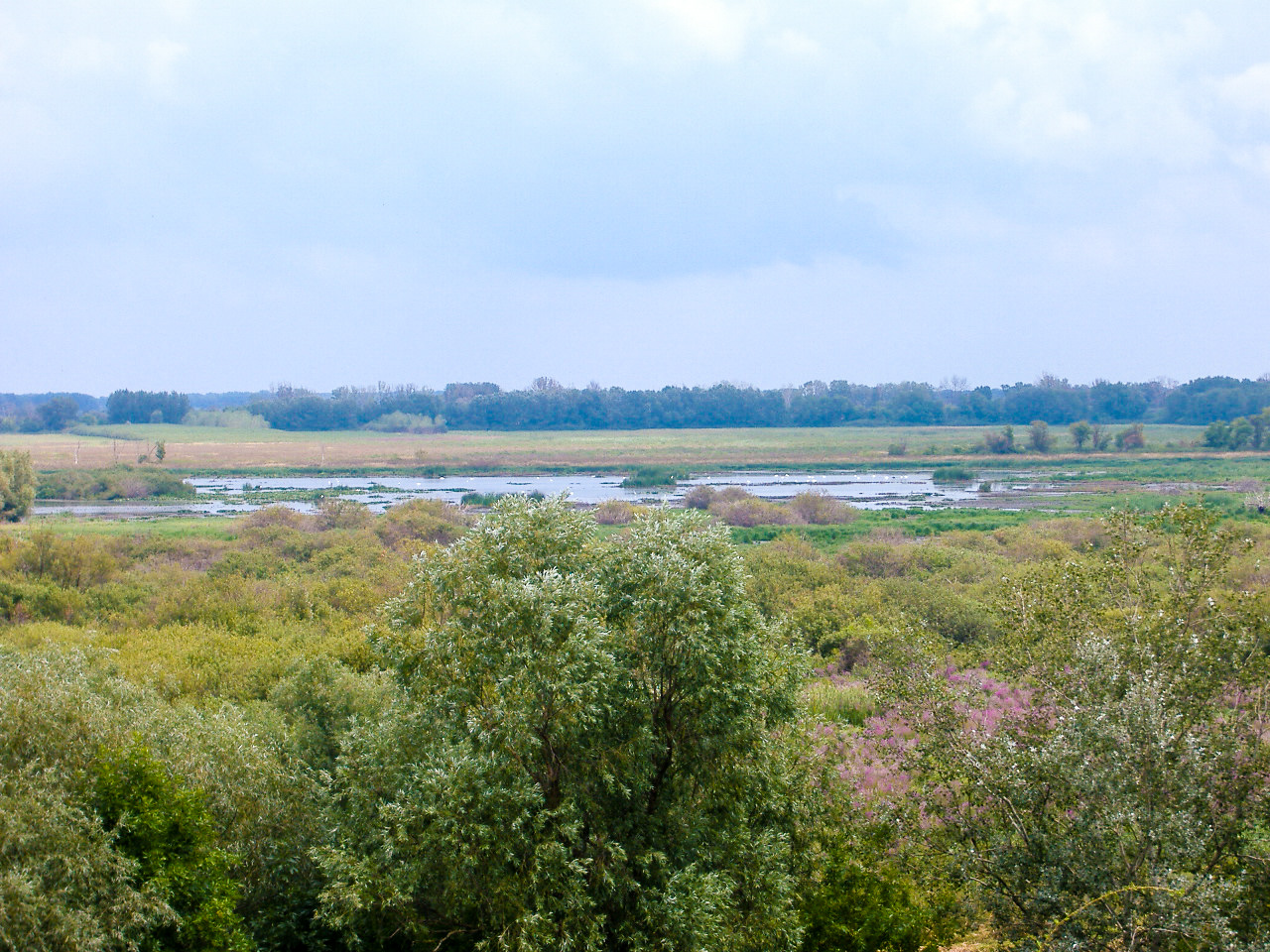
Natura 2000 · breeding
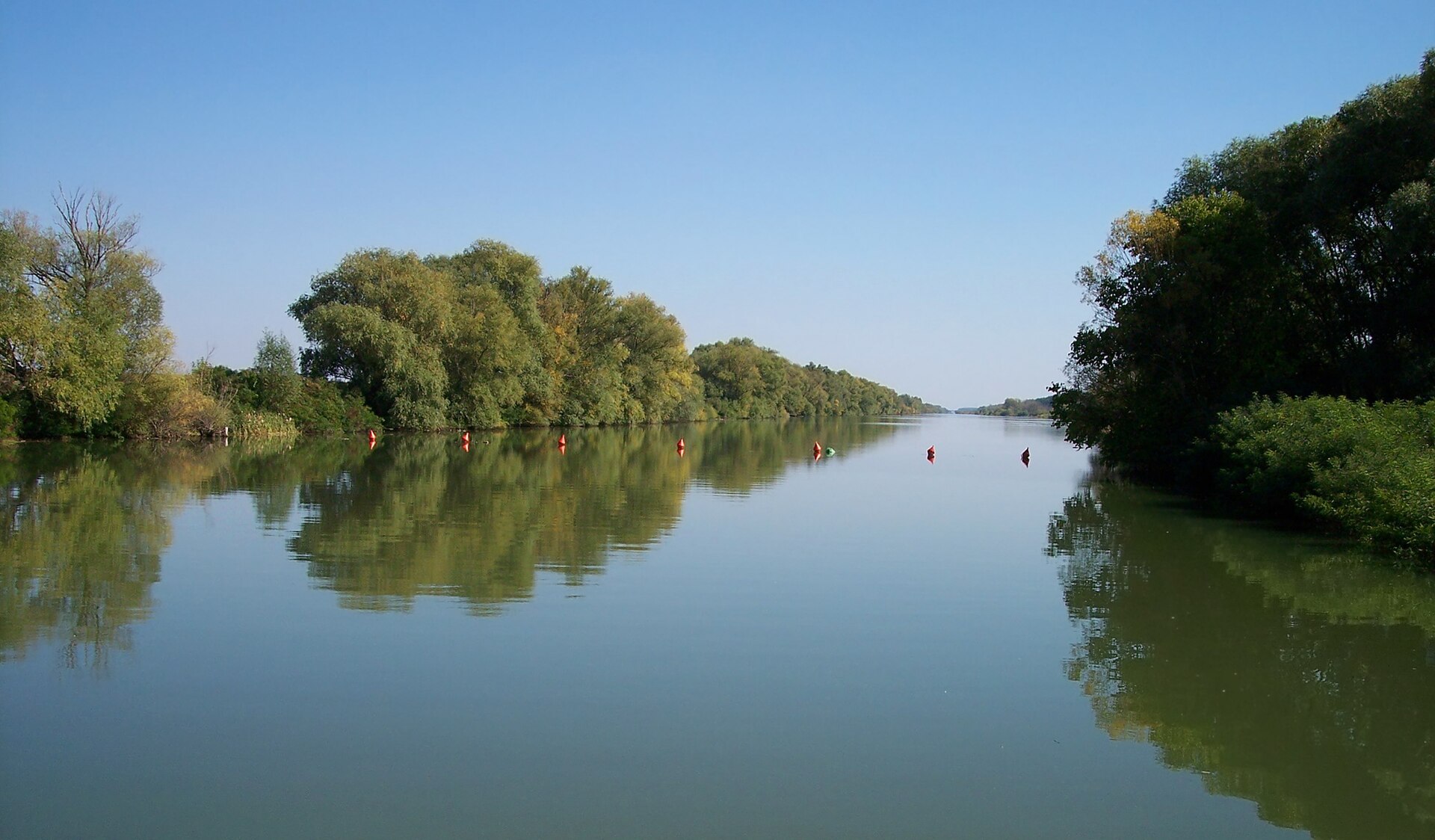
Natura 2000 · breeding

Natura 2000 · wintering, breeding
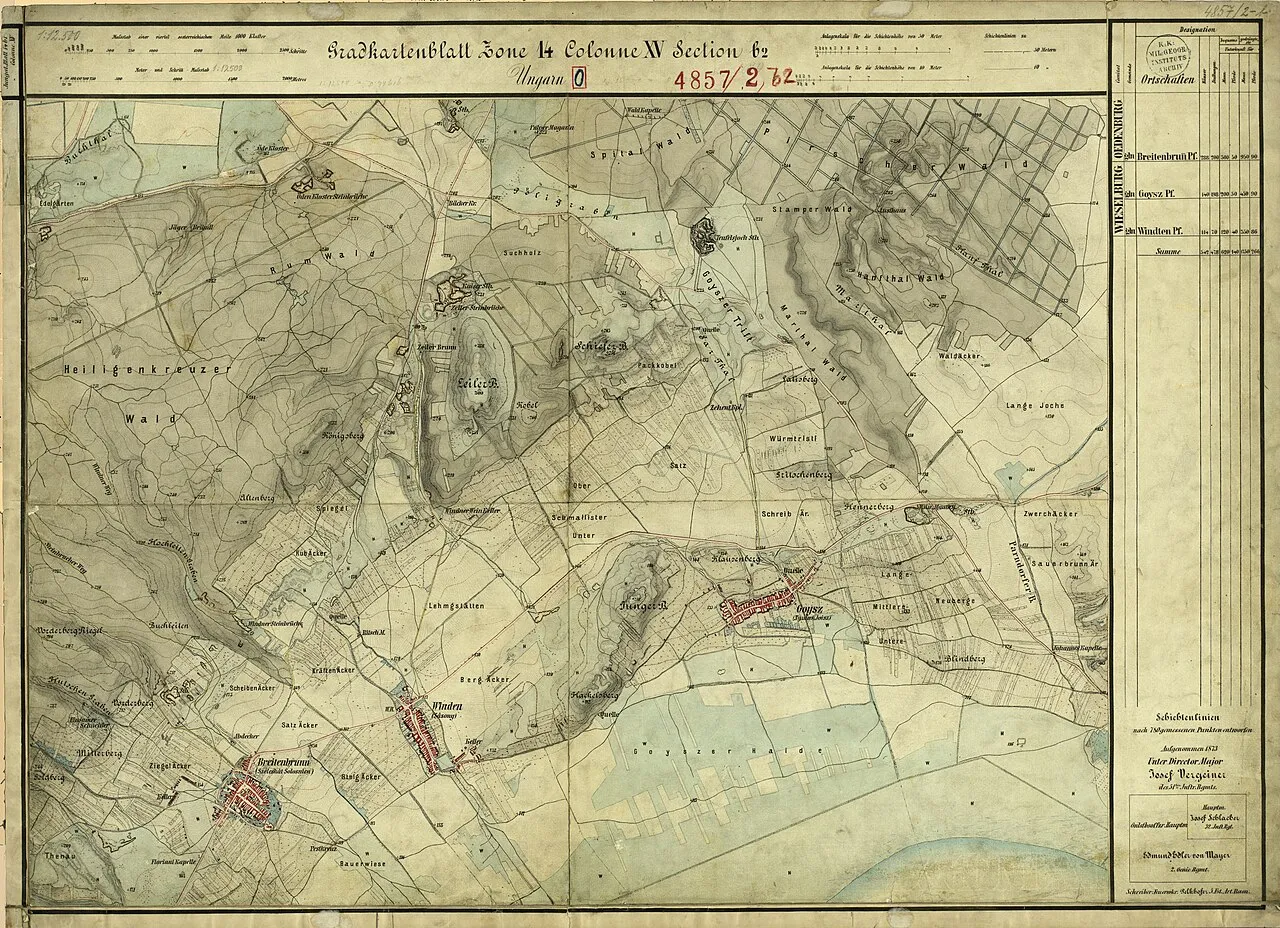
Natura 2000 · breeding, passage
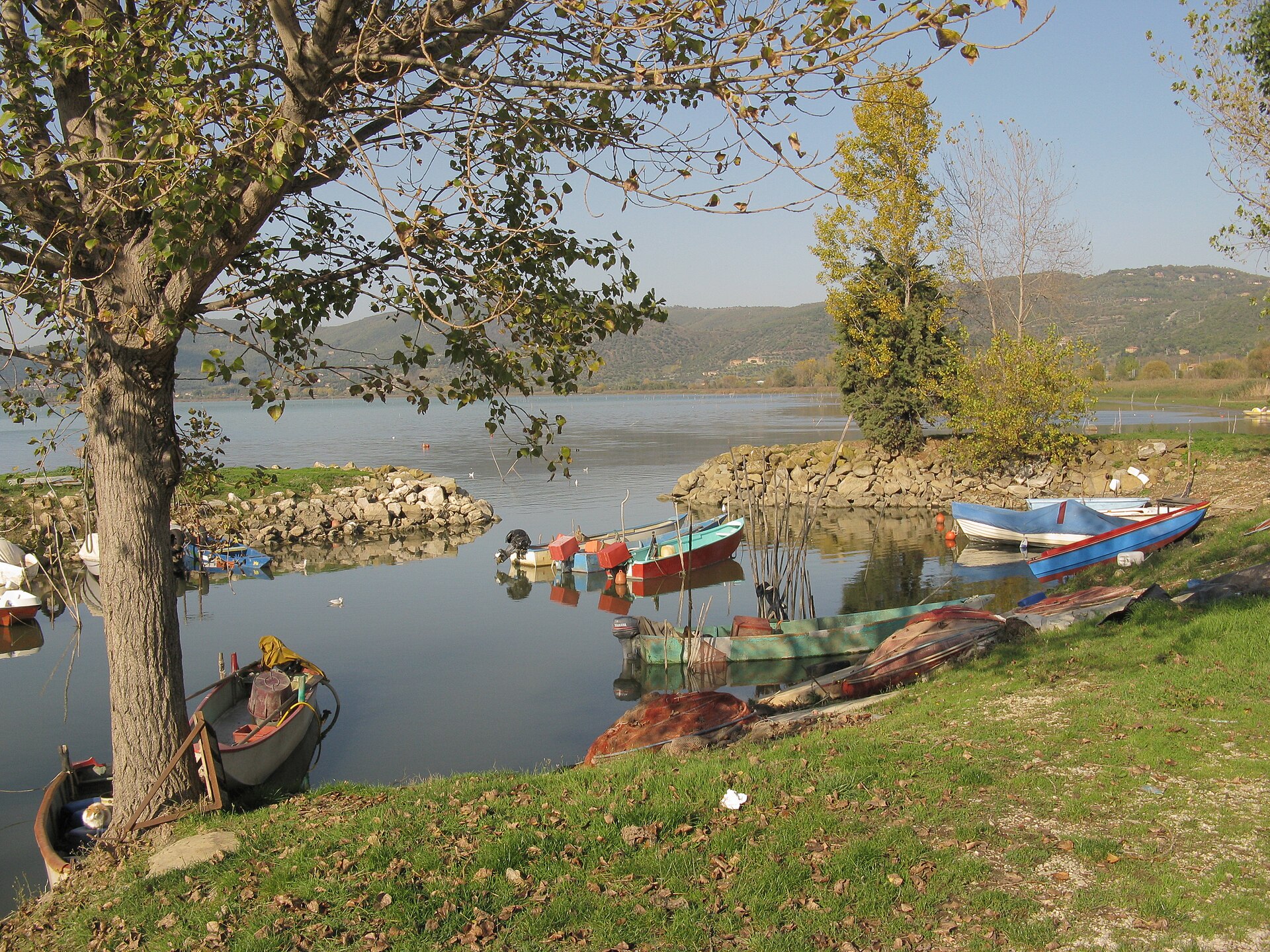
Natura 2000 · passage
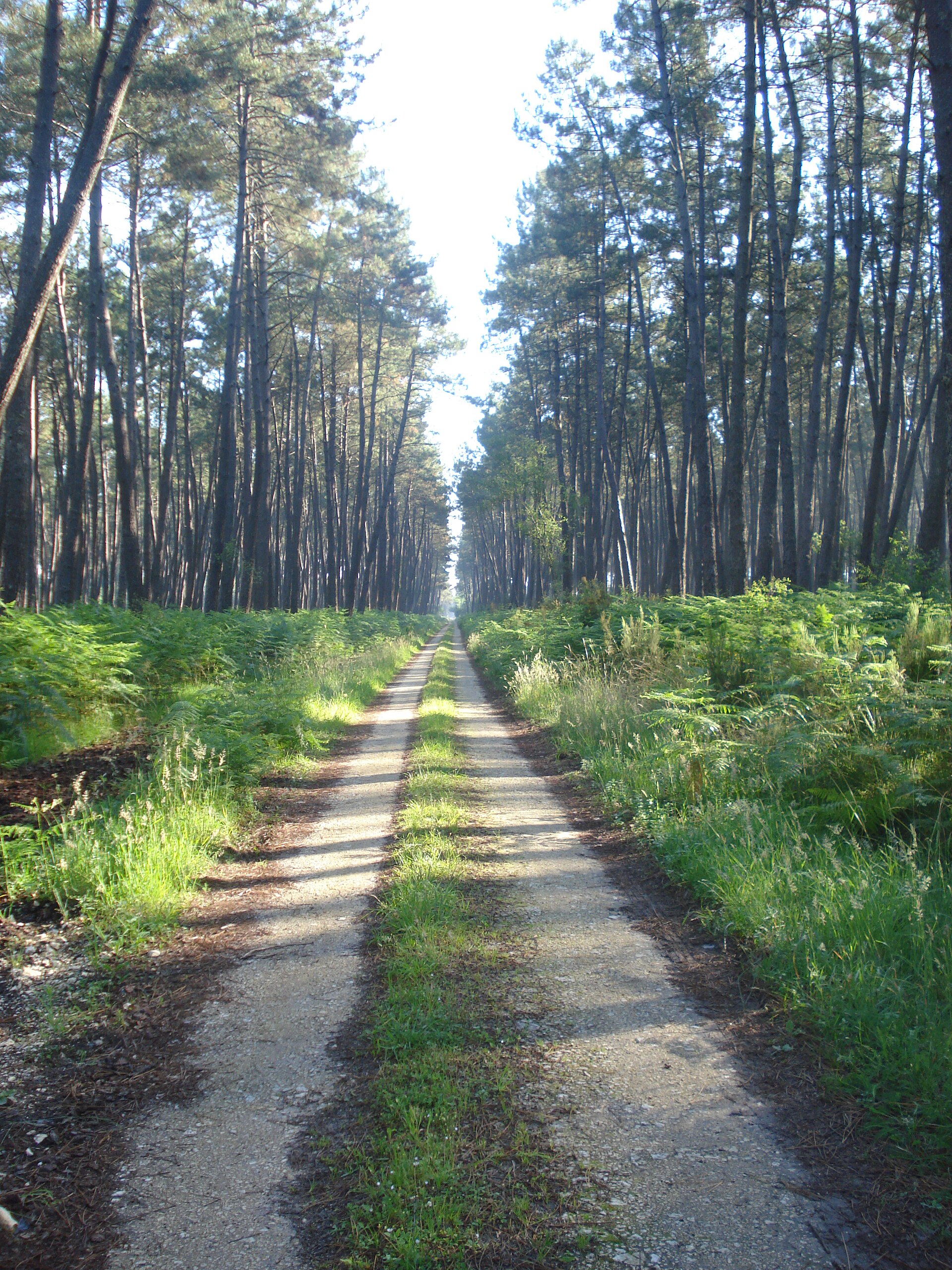
Natura 2000 · passage, breeding, wintering
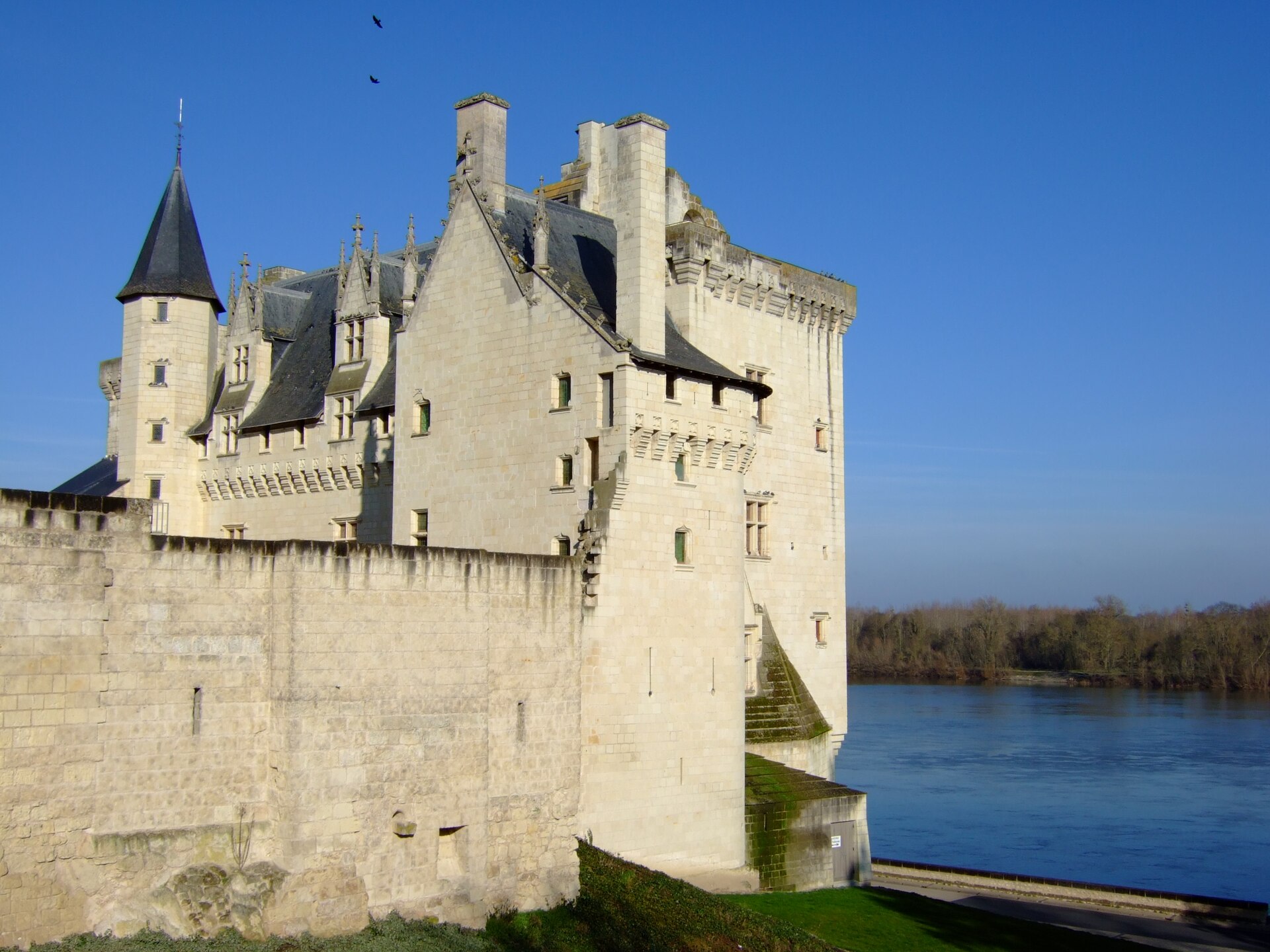
Natura 2000 · passage
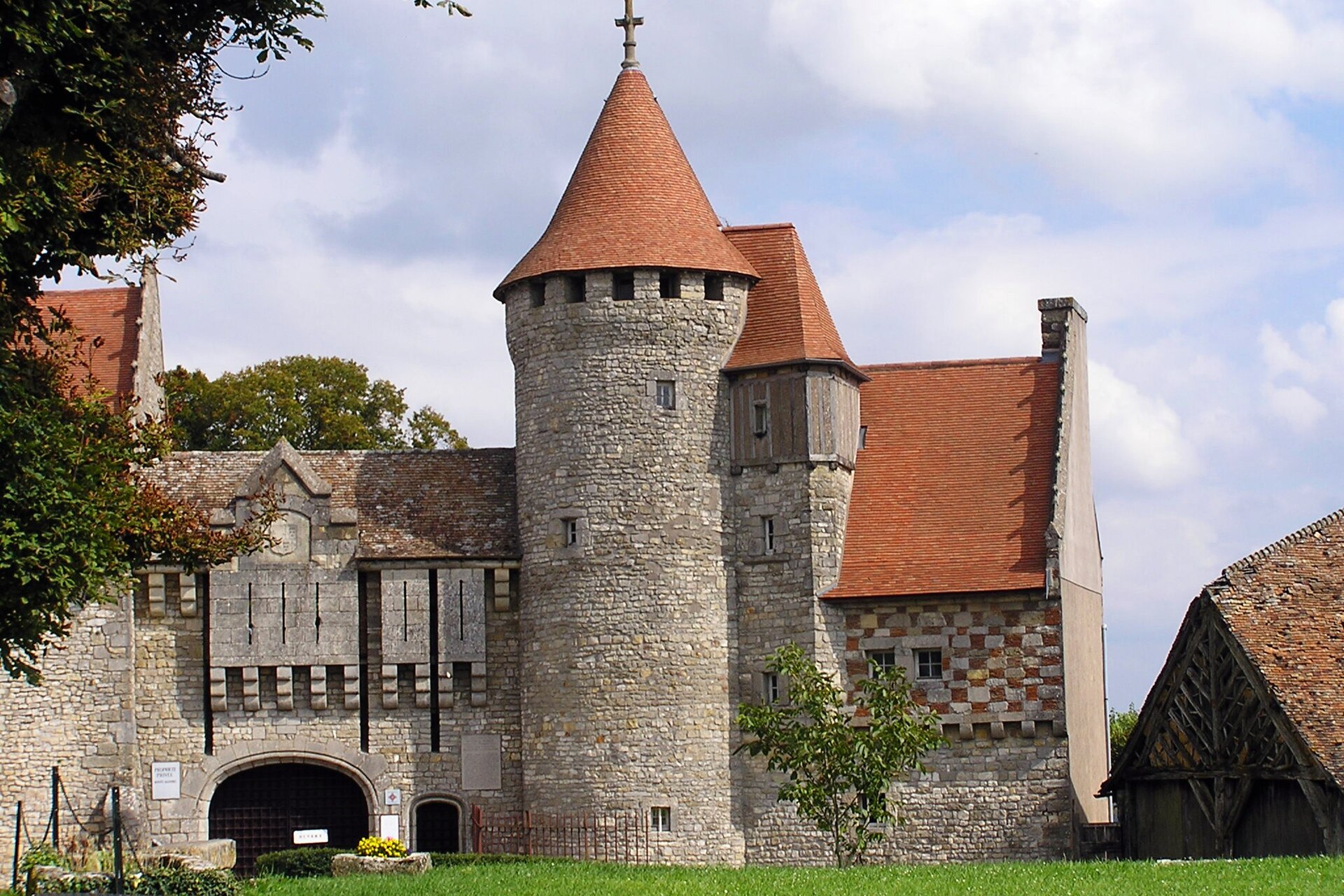
Natura 2000 · passage

Natura 2000 · passage, breeding
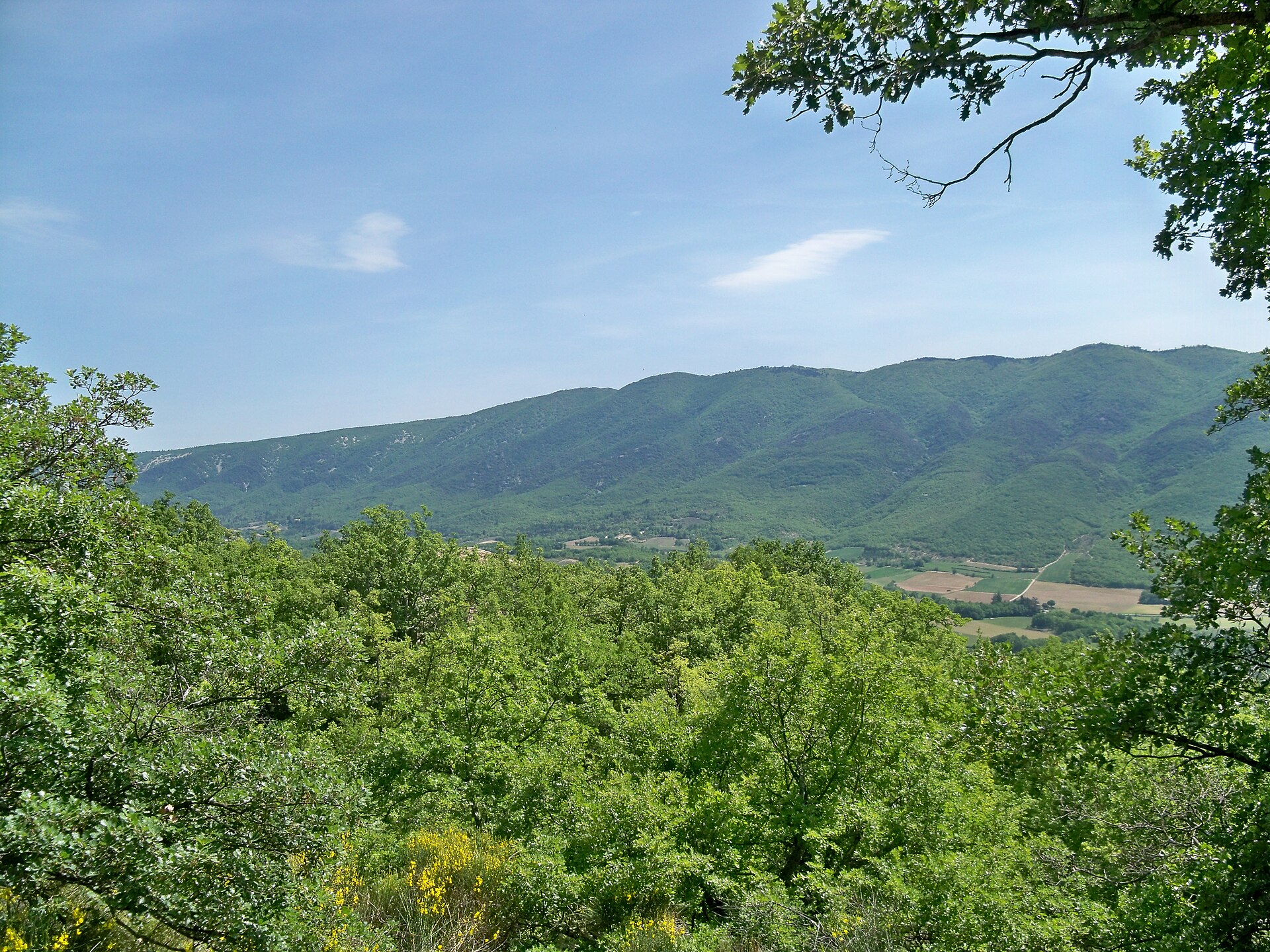
Natura 2000 · passage

Natura 2000 · wintering, passage, breeding

Natura 2000 · wintering, passage
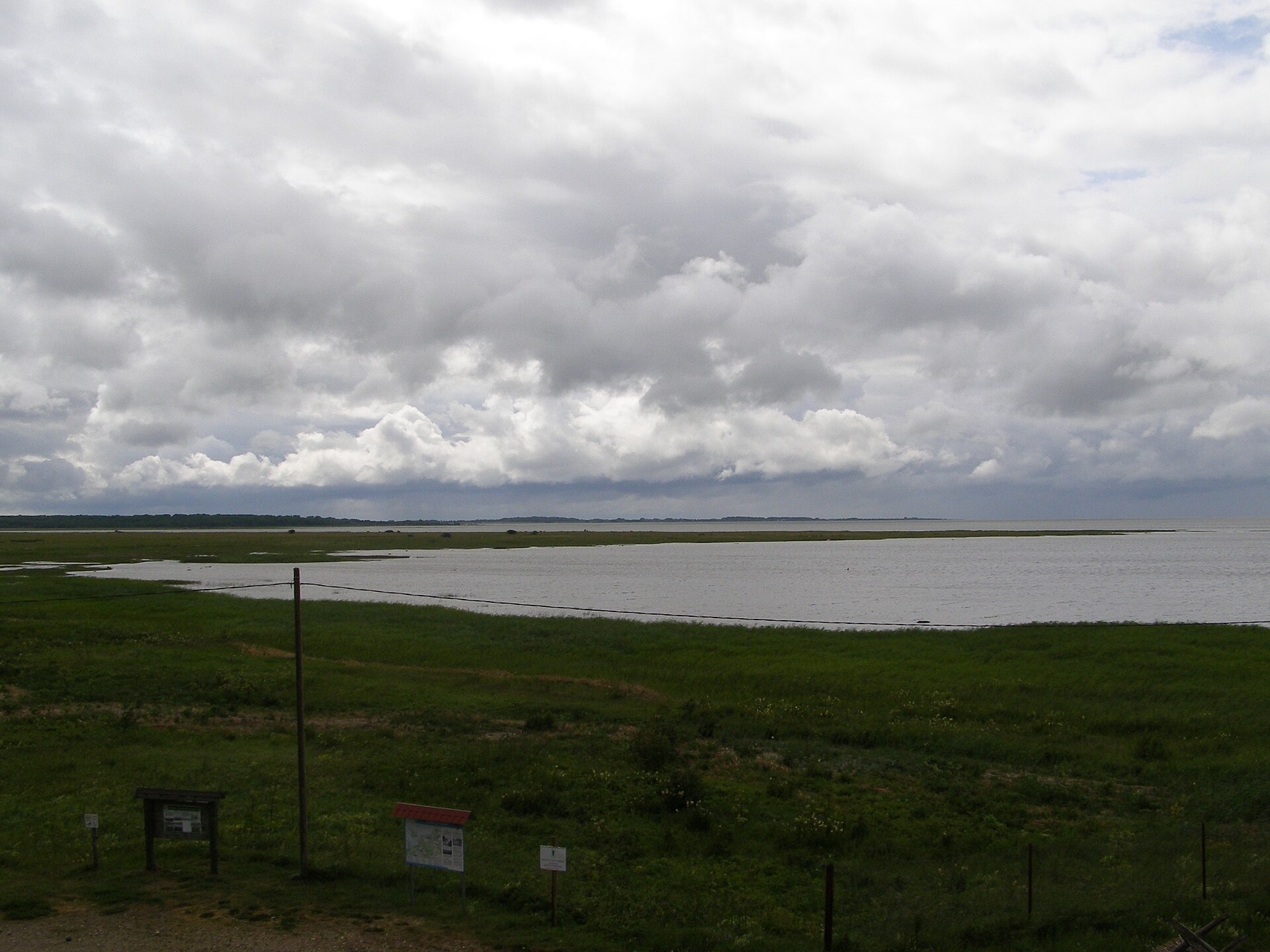
Natura 2000 · breeding

Natura 2000 · passage
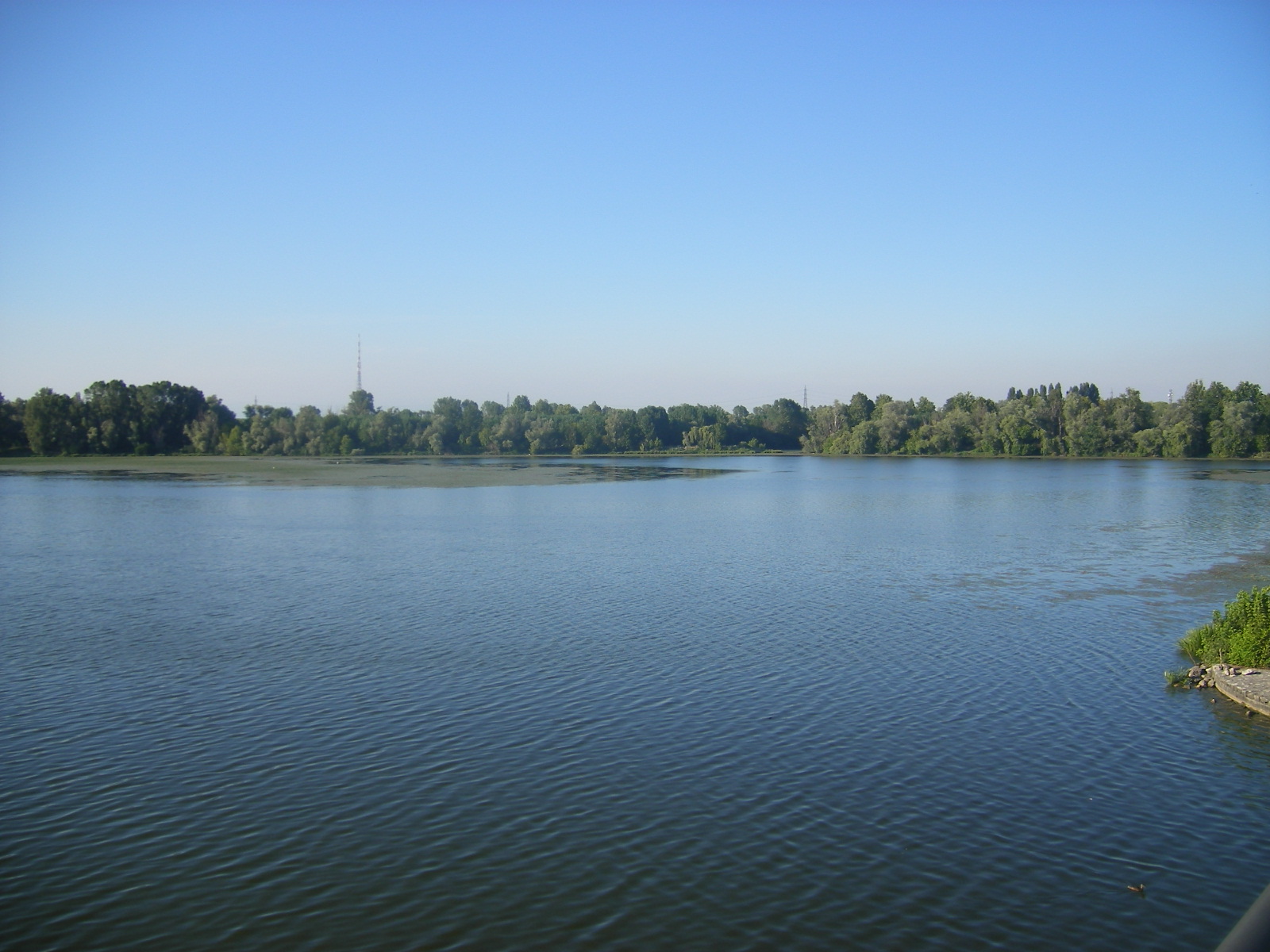
Natura 2000 · passage

Natura 2000 · wintering
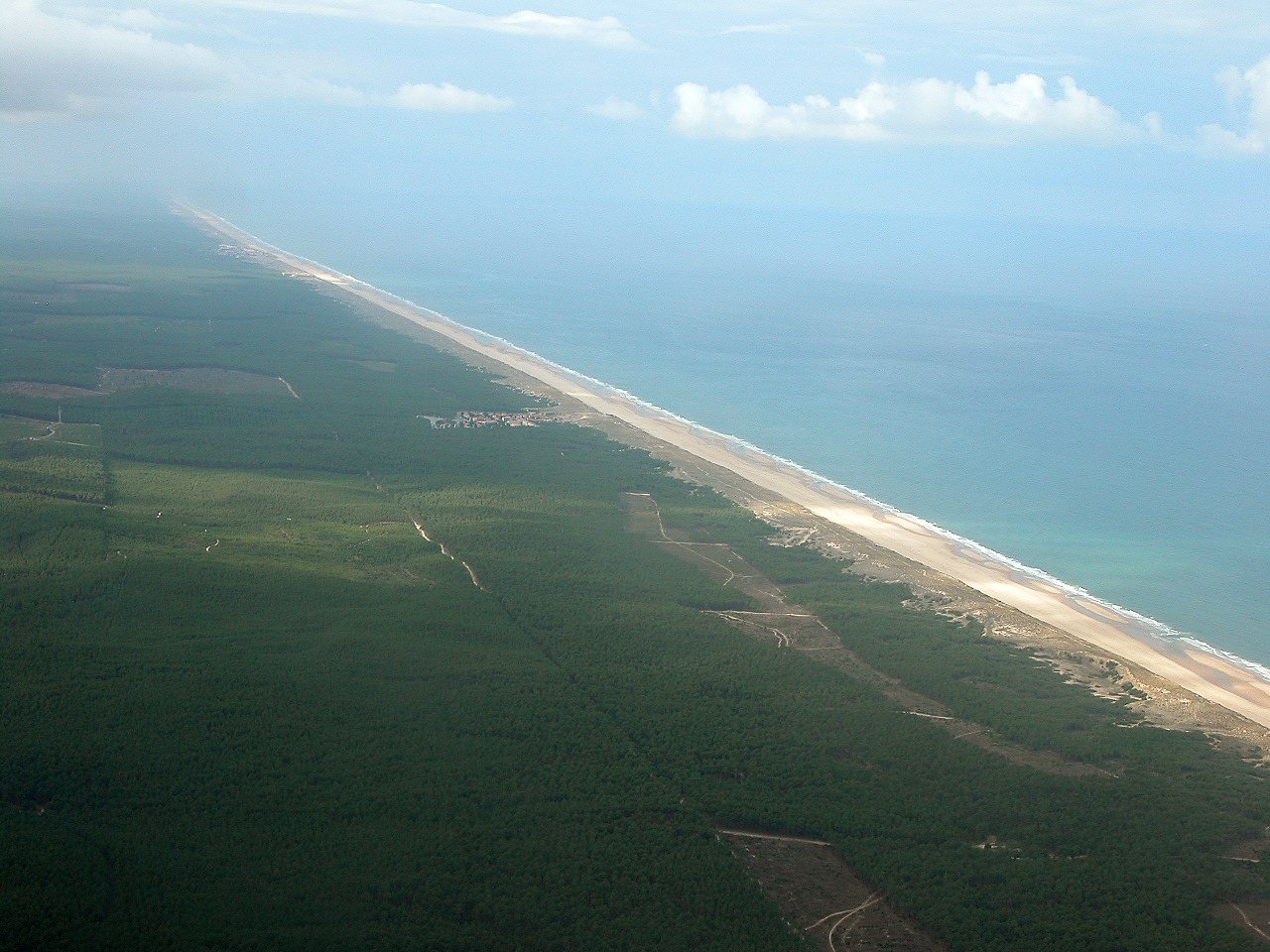
Natura 2000 · passage, wintering, breeding
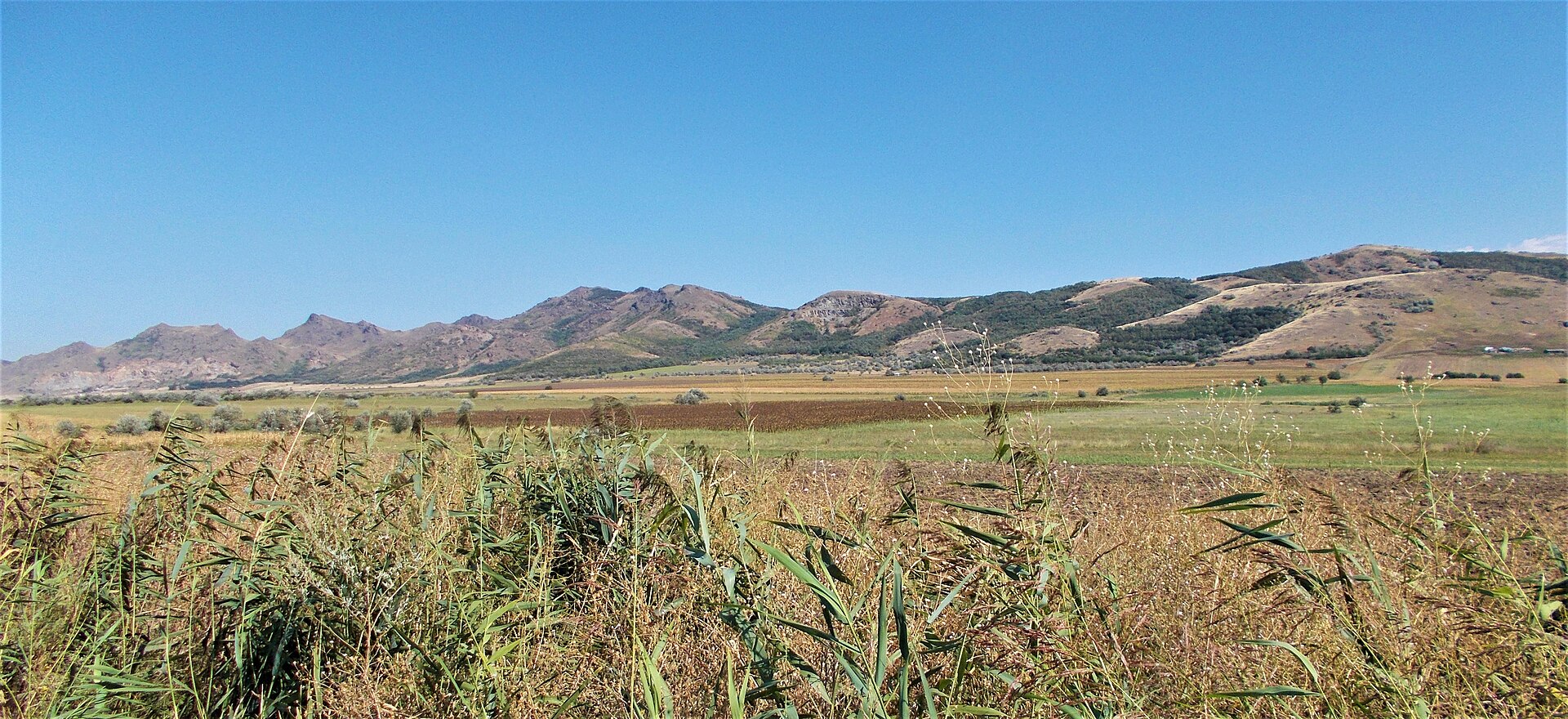
Natura 2000 · passage, breeding

Natura 2000 · breeding, passage
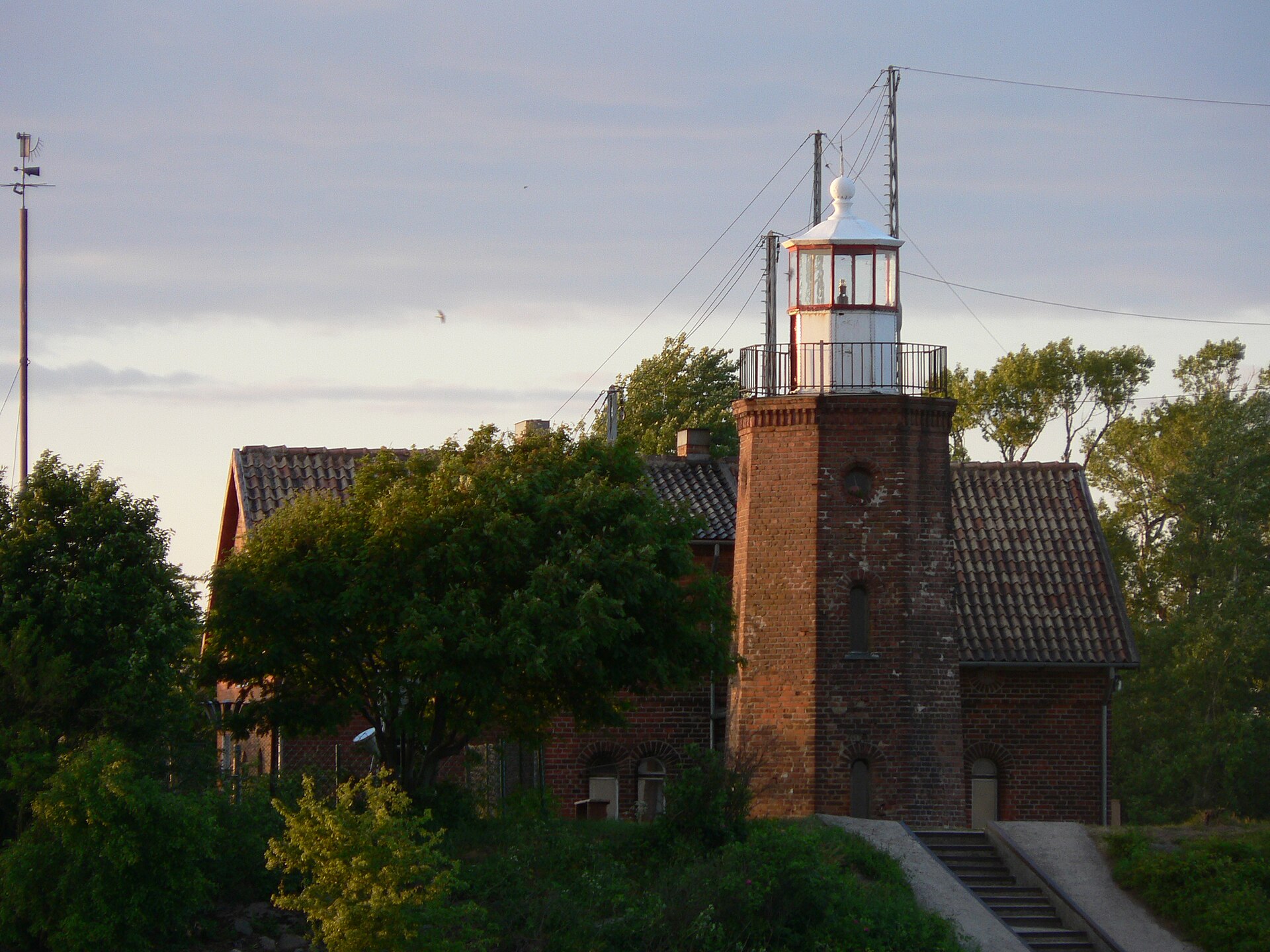
Natura 2000 · breeding
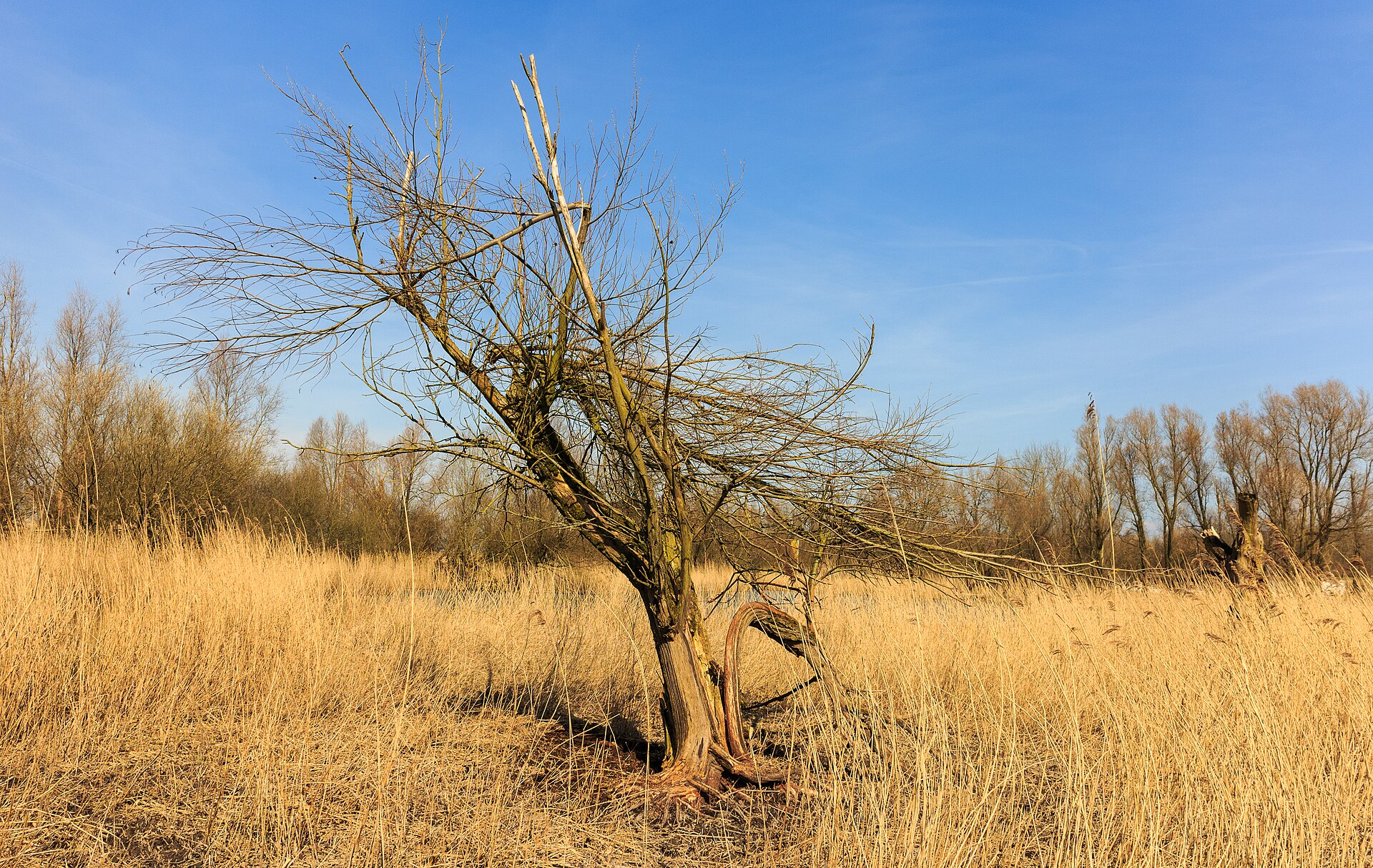
Natura 2000 · wintering
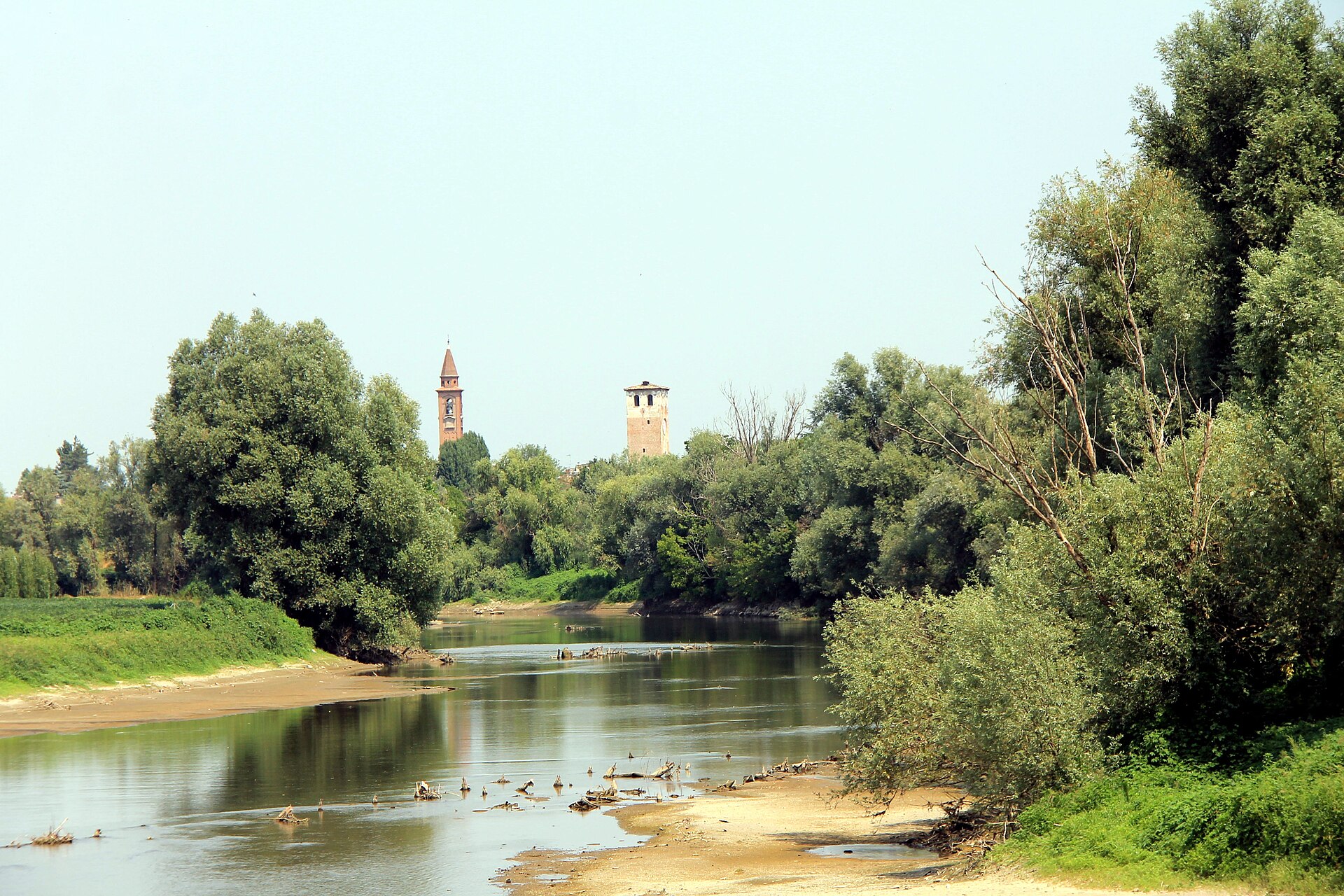
Natura 2000 · passage

Natura 2000 · wintering, breeding
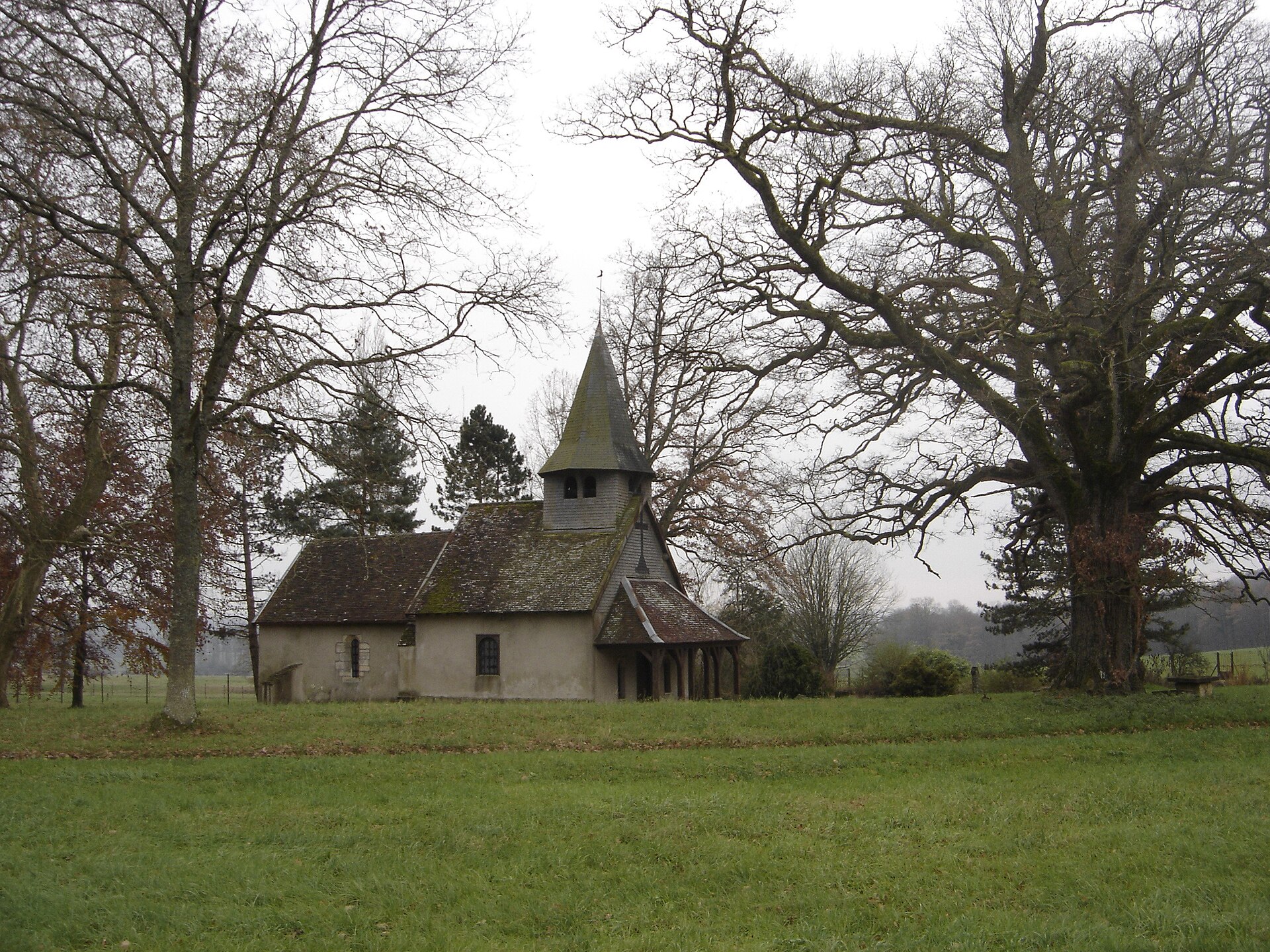
Natura 2000 · passage

Natura 2000 · passage
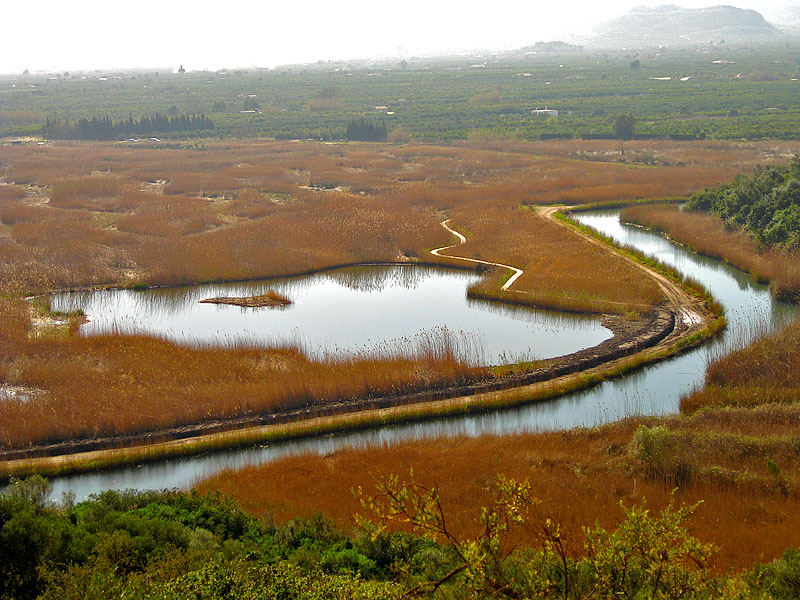
Natura 2000 · breeding, wintering

Natura 2000 · resident, wintering, breeding, passage
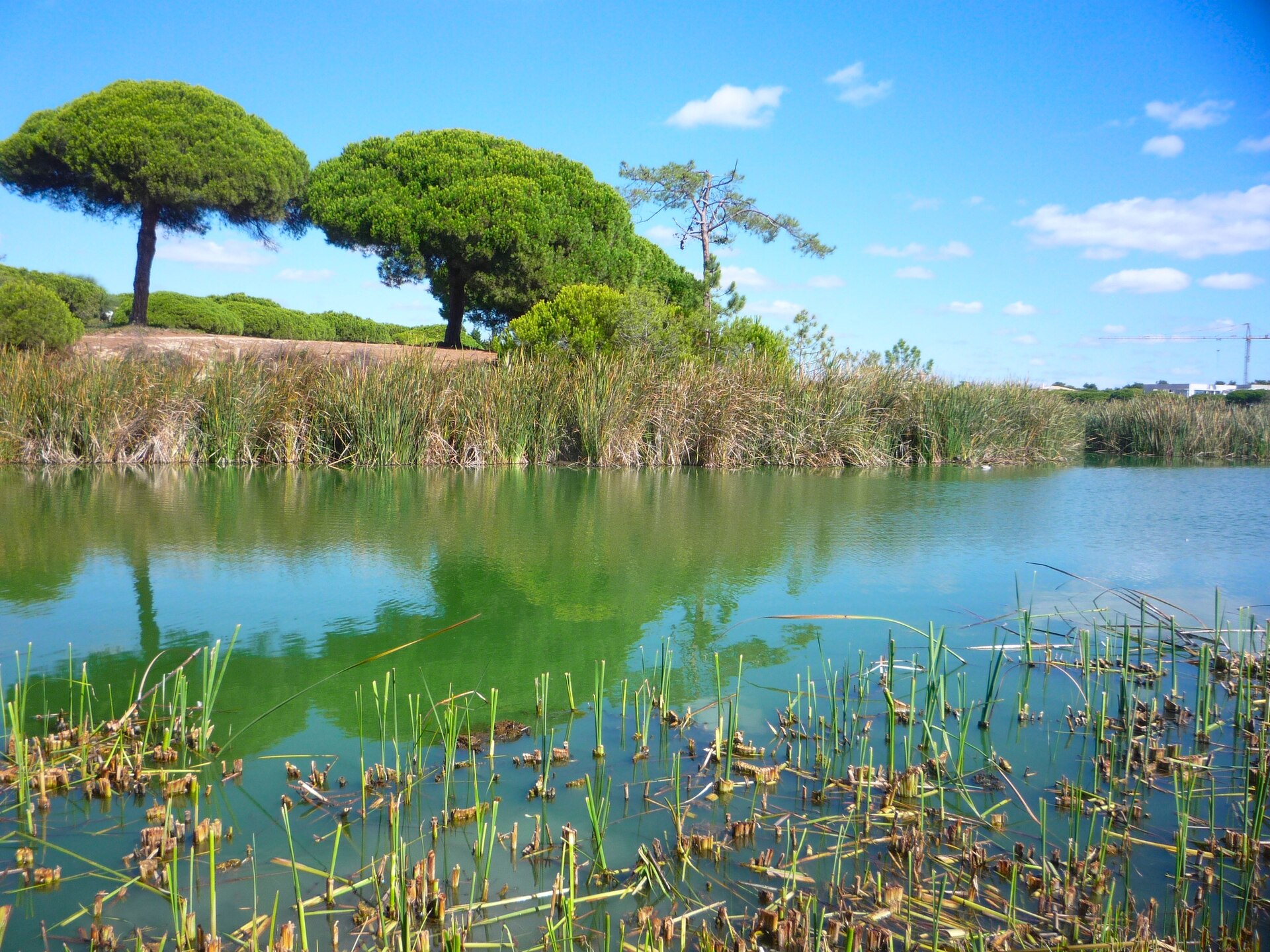
Natura 2000 · breeding, wintering
Natura 2000 · passage
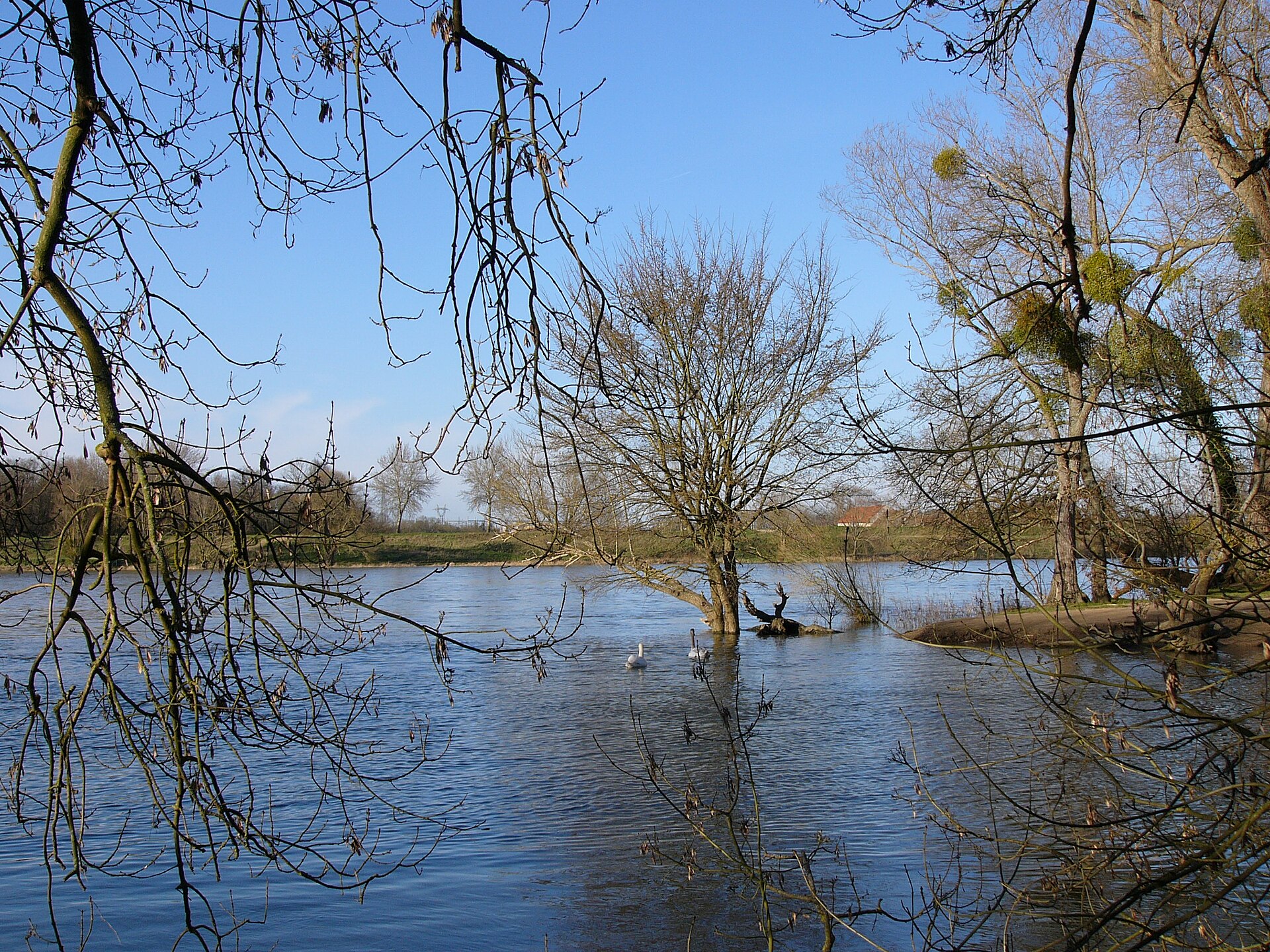
Natura 2000 · passage
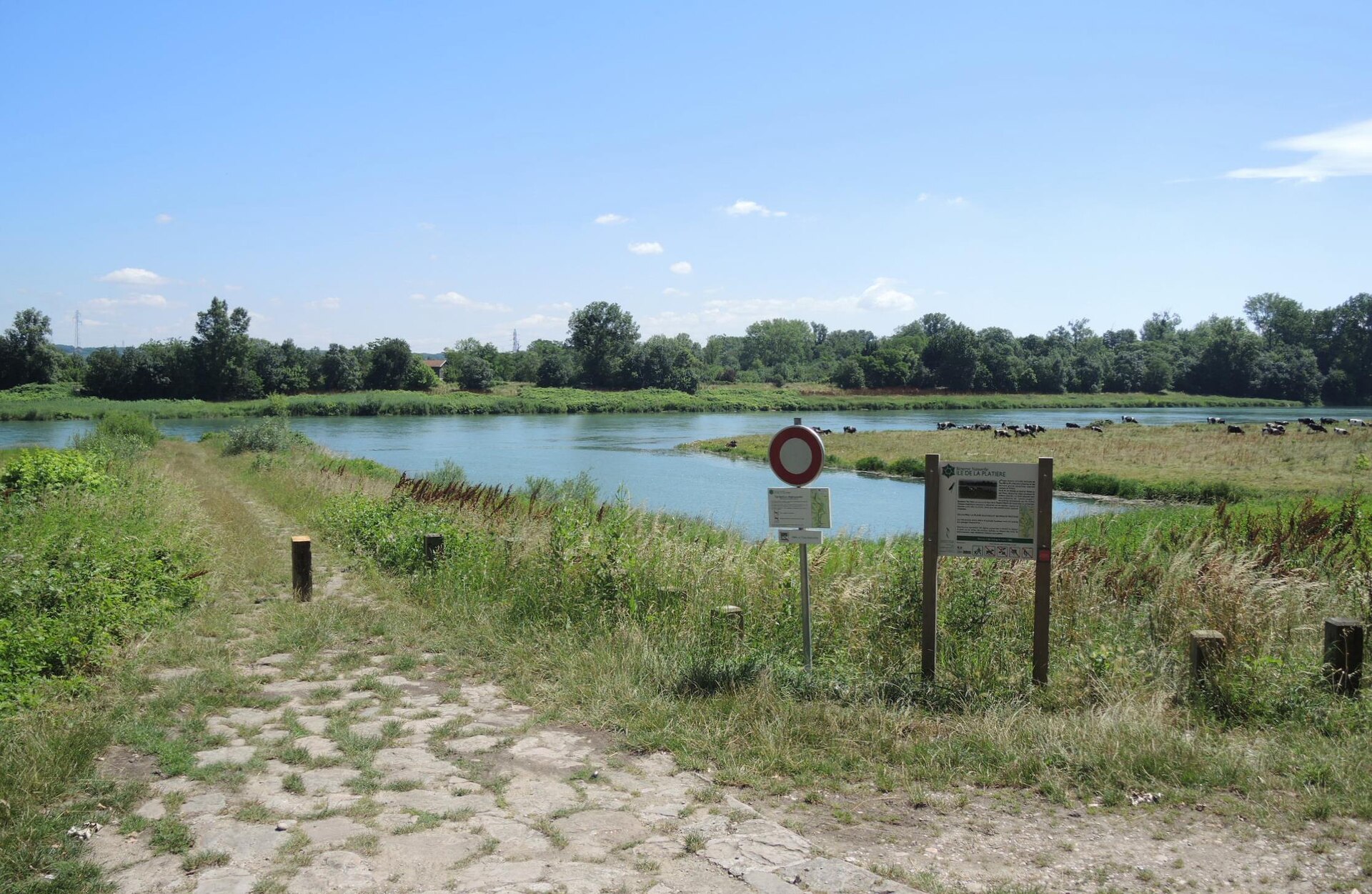
Natura 2000 · passage
Natura 2000 · passage
Natura 2000 · breeding

Natura 2000 · passage

Natura 2000 · passage, breeding
Natura 2000 · passage
Natura 2000 · resident
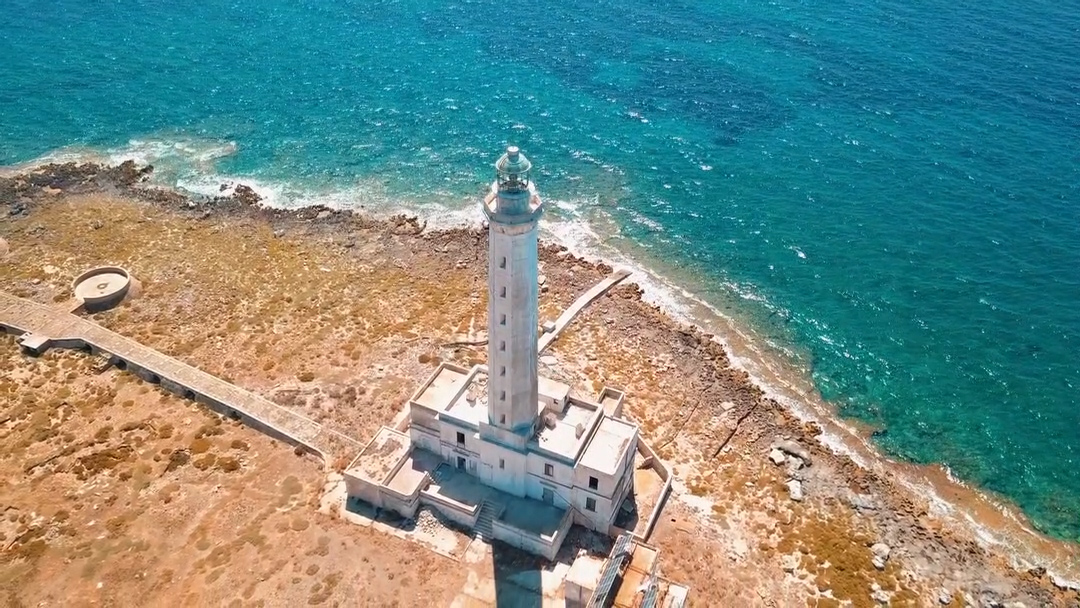
Natura 2000 · passage
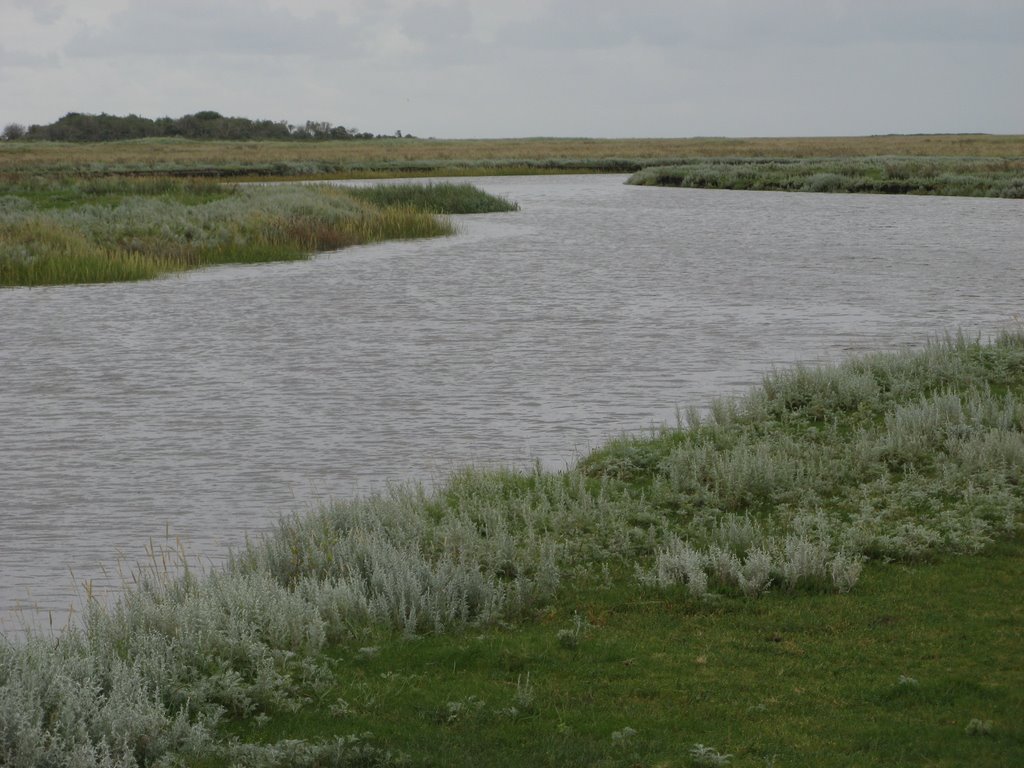
Natura 2000 · breeding, wintering

Natura 2000 · breeding

Natura 2000 · passage, breeding
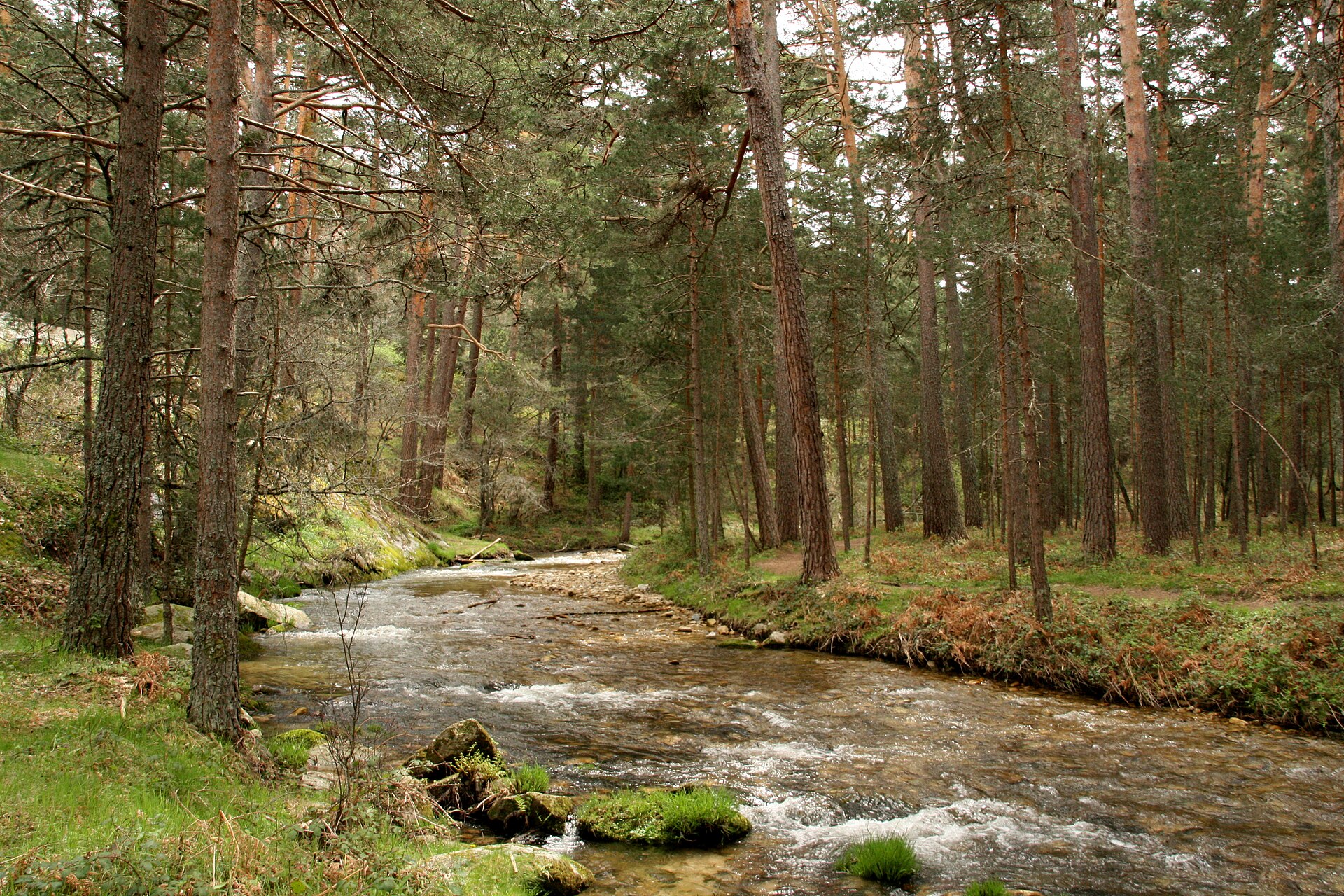
Natura 2000 · passage
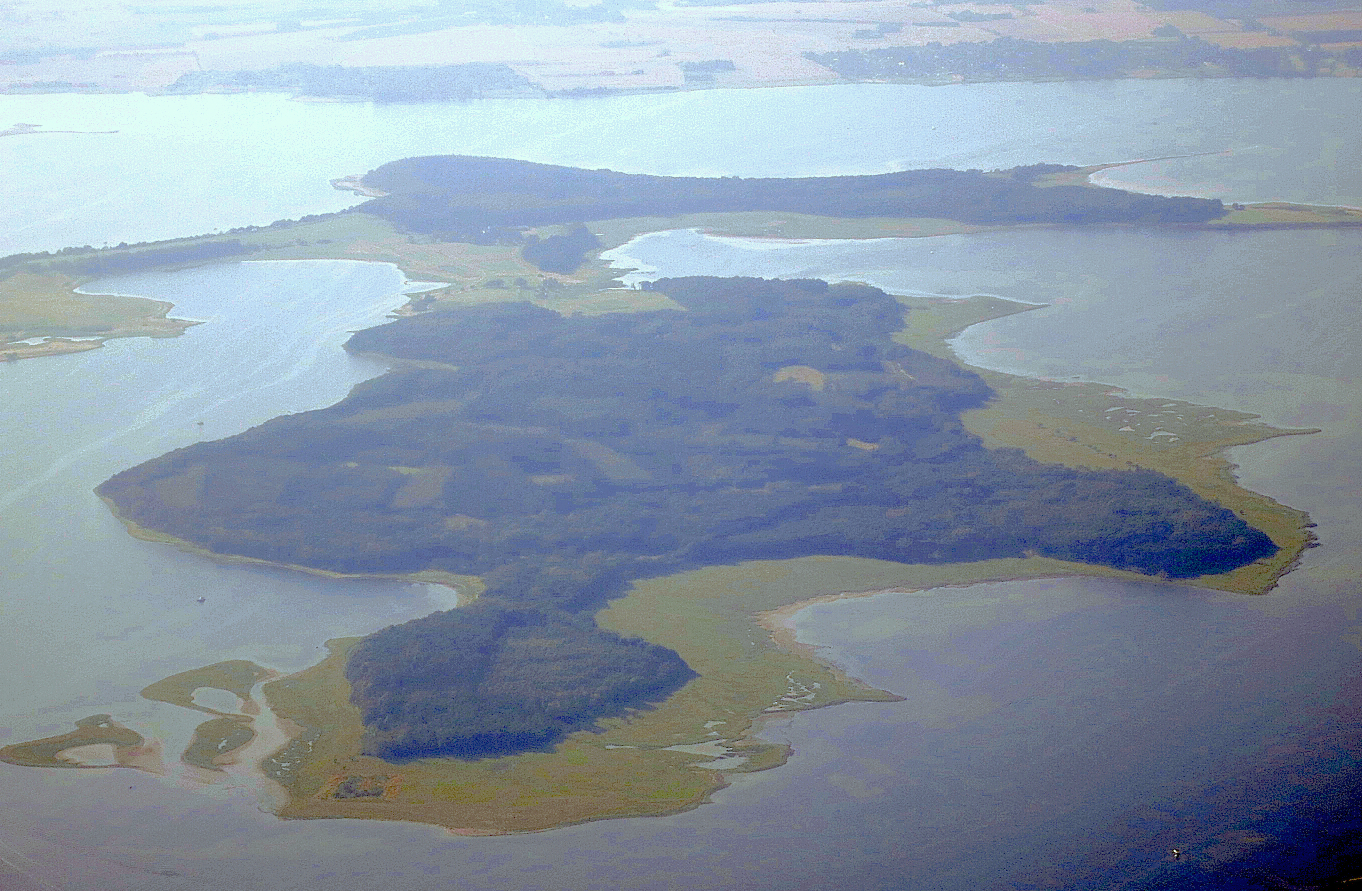
Natura 2000 · breeding
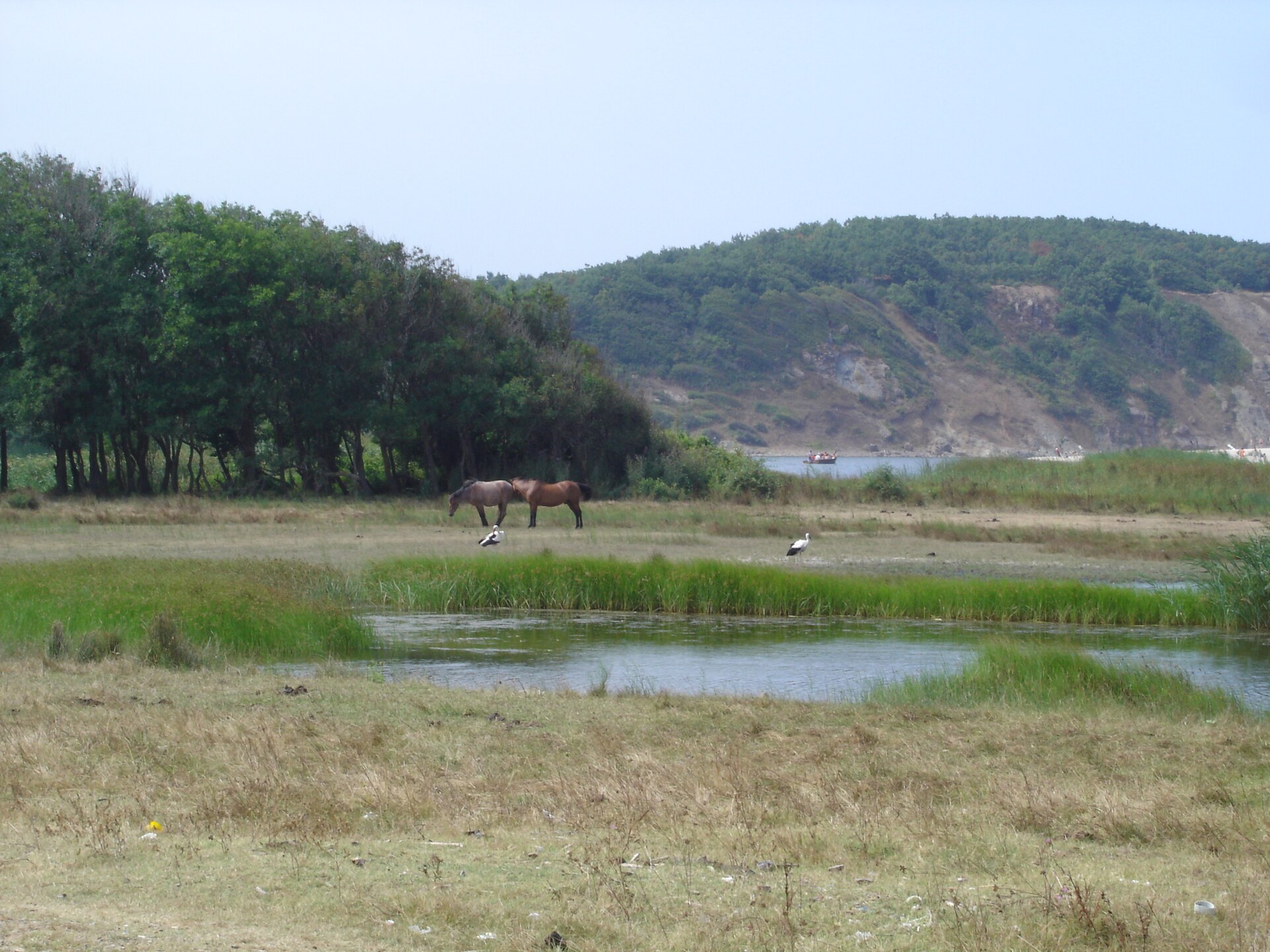
Natura 2000 · passage
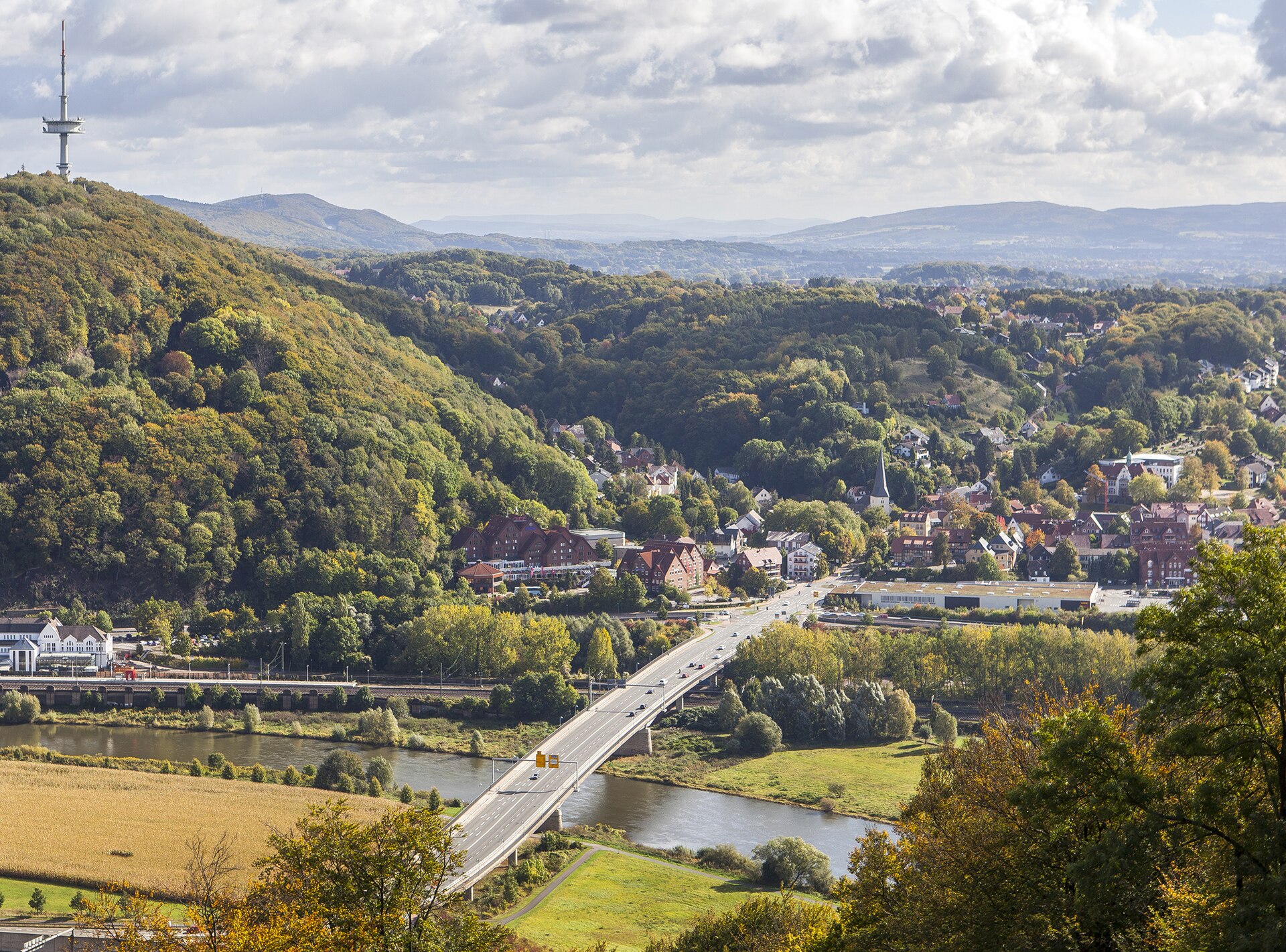
Natura 2000 · passage

Natura 2000 · breeding, passage

Natura 2000 · breeding, passage

Natura 2000 · passage
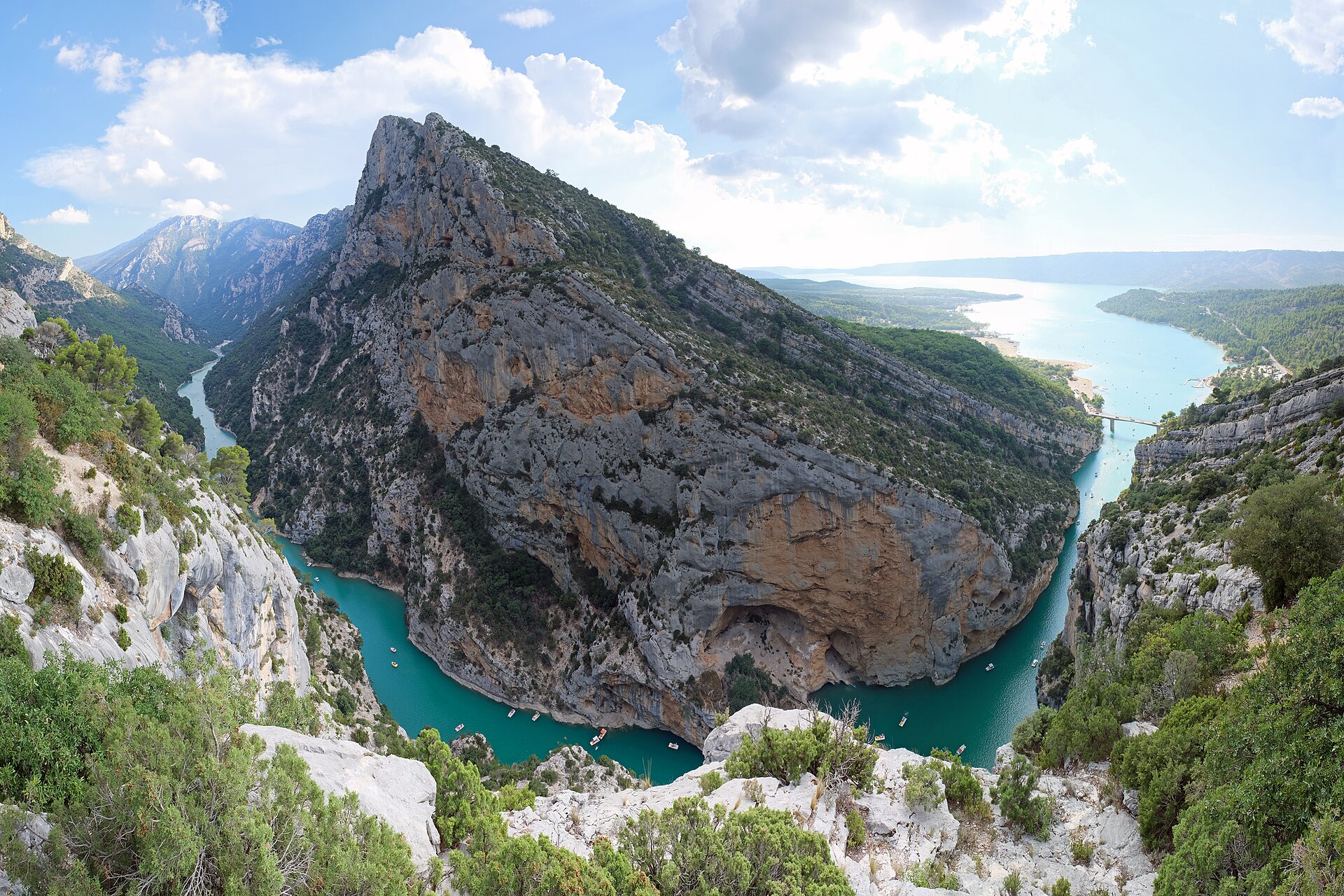
Natura 2000 · passage
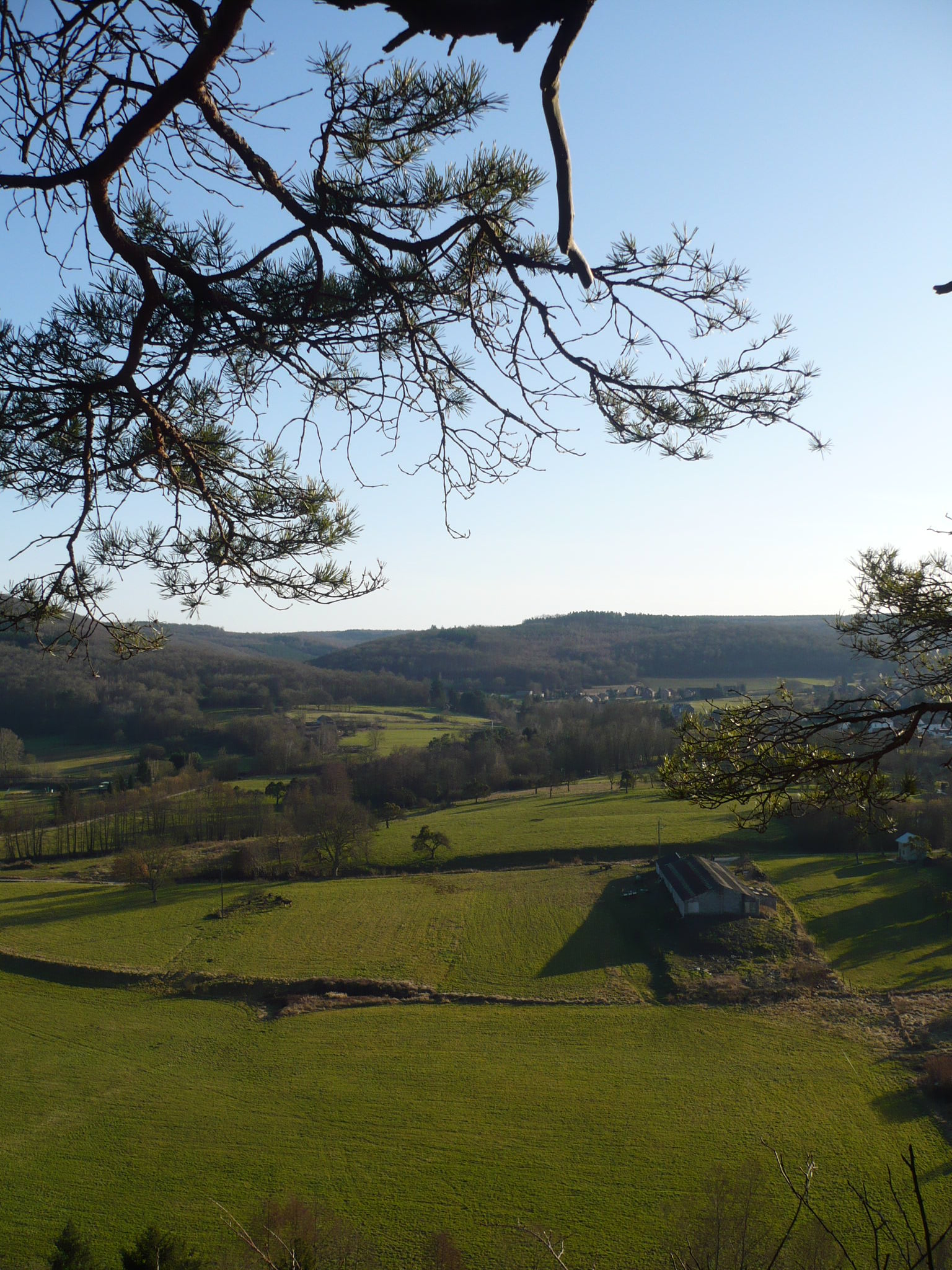
Natura 2000 · passage
Natura 2000 · passage

Natura 2000 · breeding, passage
Natura 2000 · passage, breeding
Other species to discover
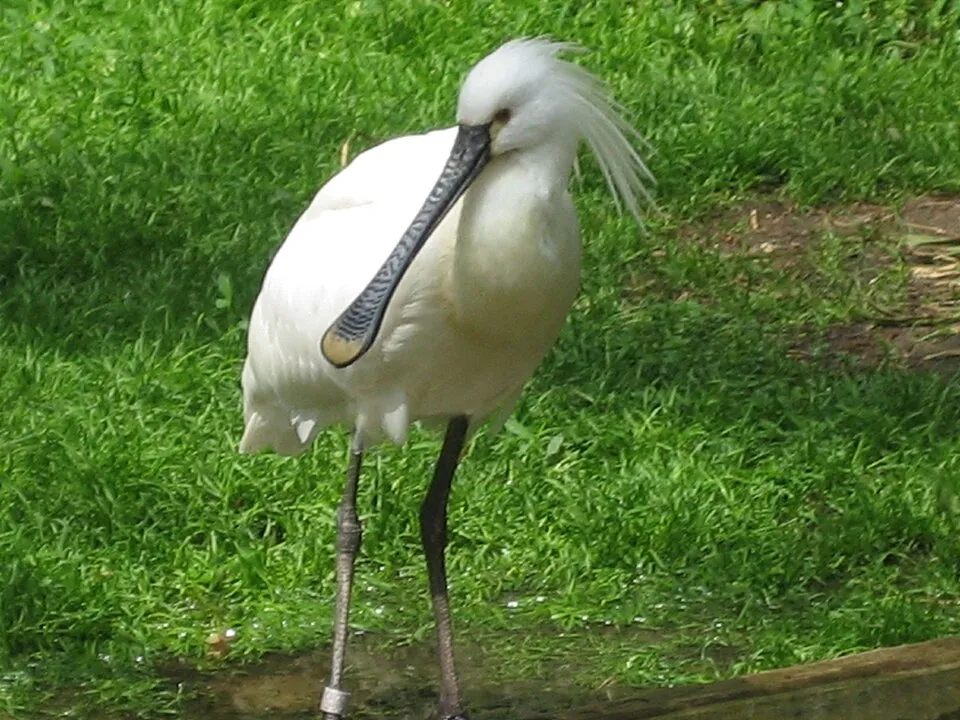 Eurasian Spoonbill
Platalea leucorodia 76 places in common
 Common Shelduck
Tadorna tadorna 73 places in common
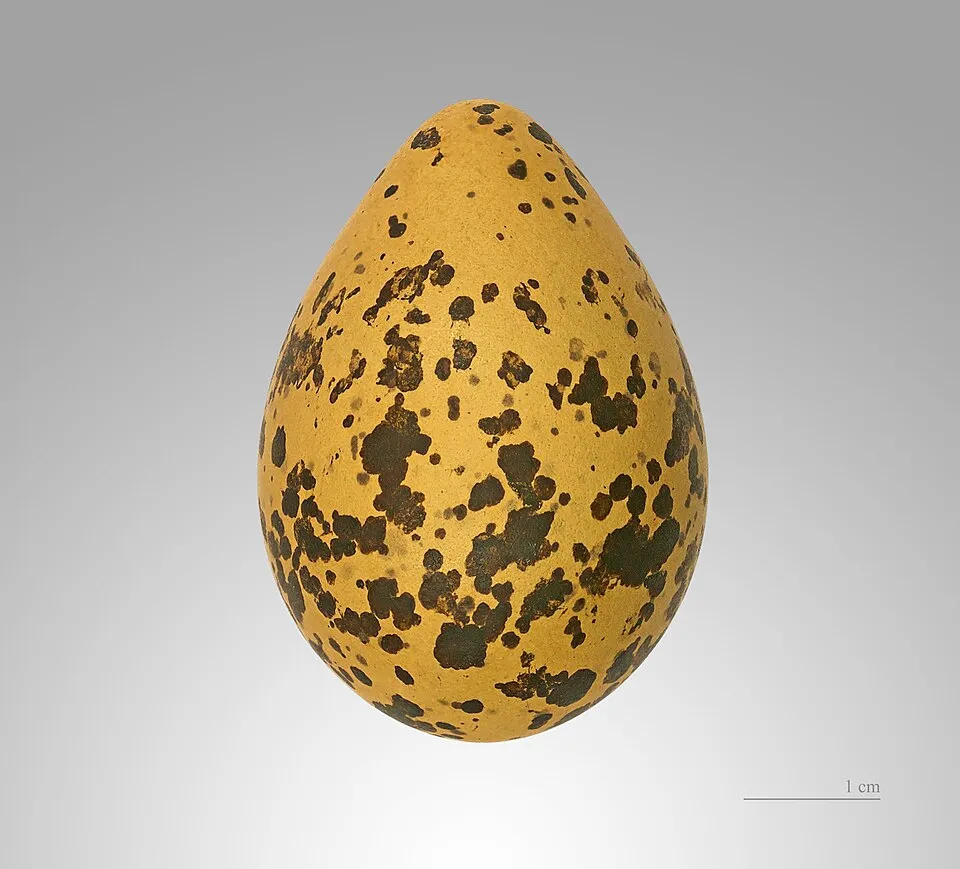 Black-winged Stilt
Himantopus himantopus 77 places in common
Mediterranean gull
Larus melanocephalus 72 places in common
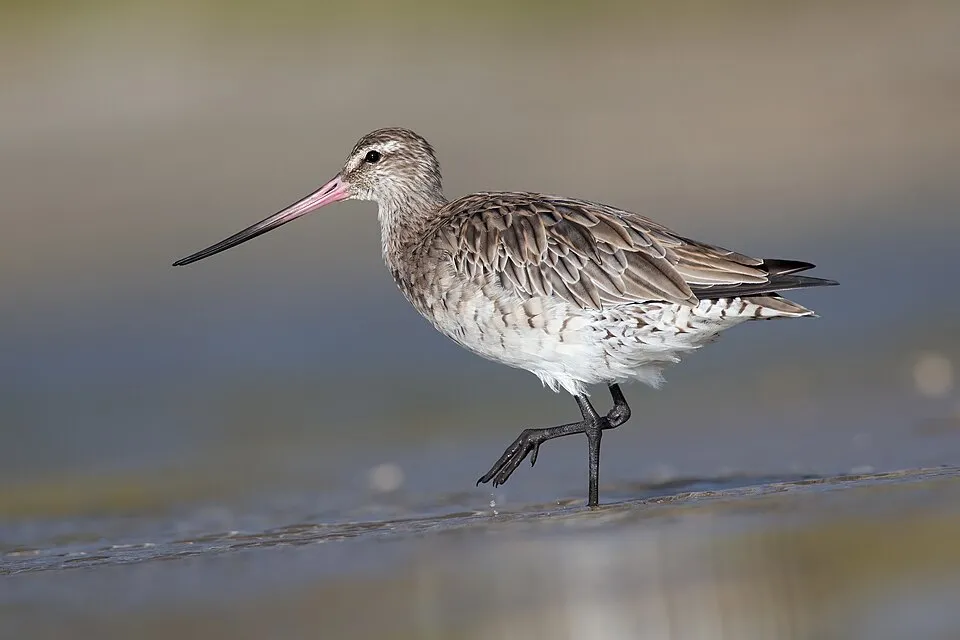 Bar-tailed Godwit
Limosa lapponica 56 places in common
 Ruff
Calidris pugnax 78 places in common
Sources and credits
- Presence: most-recorded species of each place on GBIF and species of Community interest in the Natura 2000 forms (EEA, CC-BY 4.0); absence from the list does not mean the species is absent.
- Common names: Wikidata (CC0) and GBIF.
- Photos and sounds: Wikimedia Commons, author and licence given for each file.
- Classification: GBIF Backbone Taxonomy (GBIF Secretariat), CC BY 4.0, doi:10.15468/39omei.
- Countries, elevations, months and maps: GBIF.org, CC0 or CC BY 4.0 occurrences only, accessed October 22, 2026, GBIF.org.
- Base map: Natural Earth (public domain).
- Excerpt: Wikipedia, CC BY-SA 4.0 (full credit below the excerpt).
- Key facts: Wikidata (CC0), with the references cited under each value.
- Annexes: Directive 2009/147/EC (consolidated version), © European Union, EUR-Lex.
- EU bird populations: EEA / DG ENV, Article 12 Birds Directive reporting (2013–2018), CC BY 4.0.