
Bird
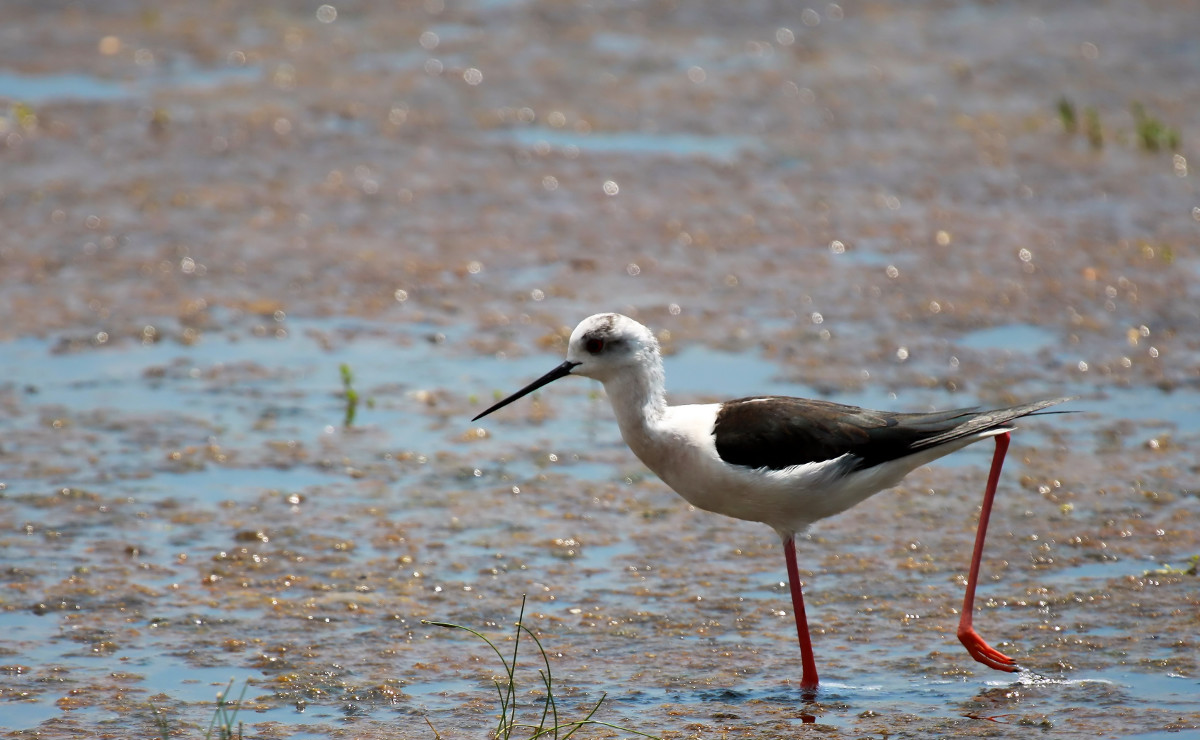
Black-winged Stilt: where to see it
Himantopus himantopus
This bird species is recorded in 143 protected areas of the atlas, including 116 whose official Natura 2000 form lists it. Within the atlas countries, it is mostly observed in Spain, France and Portugal (11 countries in all). Records peak from March to July. It weighs 160 g. It is subject to special conservation measures under the Birds Directive (Annex I). Its EU population is assessed as secure (2013–2018 Birds Directive reporting).
Best time to see it: March–July
Records published on GBIF by month (CC0 and CC BY 4.0 licences only), in the atlas countries, all years combined; they also reflect observer activity.
Key facts
- Weight
- 160 g Wikidata, after Lislevand et al. 2007
- Incubation
- 25 days Wikidata, after Handbook of the Birds of the World
Status and protection
Birds Directive I
The species is listed in Annex I of the Birds Directive.
EU population assessed as secure, stable in the short term (2013–2018 Birds Directive reporting). EU breeding population: 23,300–74,600 pairs.
Distribution
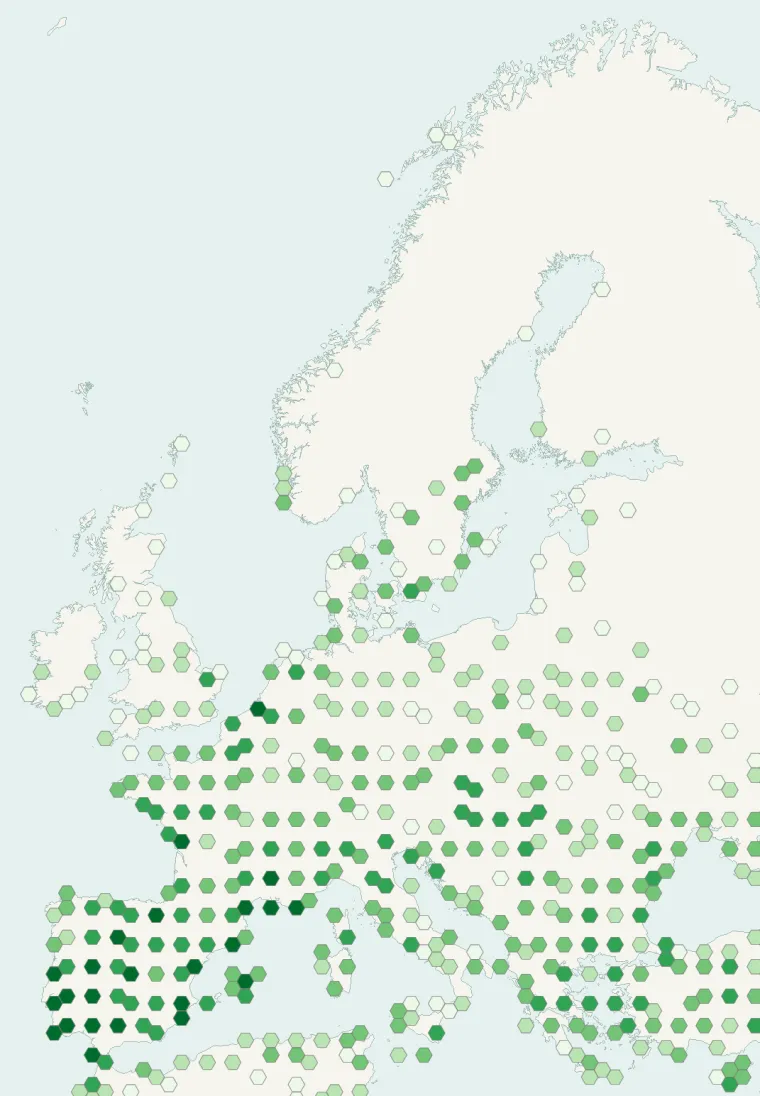
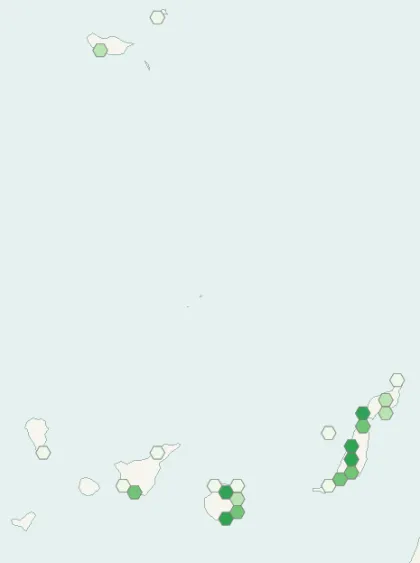
Records published on GBIF (CC0 and CC BY 4.0 licences): the darker the shade, the more records there are; they also reflect observation effort.
Atlas countries where it is recorded
Listen
-
0:08 · © Ashahar alias Krishna Khan · CC BY-SA 4.0 · Wikimedia Commons · Original file
-
0:20 · © Sudipto Roy · CC BY-SA 3.0 · Wikimedia Commons · Original file
-
2:12 · © Joost van Bruggen · CC BY-SA 4.0 · Wikimedia Commons · Original file
From Wikipedia
The black-winged stilt (Himantopus himantopus) is a widely distributed, very long-legged wader in the avocet and stilt family Recurvirostridae. Its scientific name, Himantopus himantopus, is sometimes used to generalize a single, almost cosmopolitan species. Alternatively, it is restricted to the form that is widespread in Europe, Asia and Africa, which equals the nominate group of H. himantopus sensu lato. Meanwhile, the black-necked (H. mexicanus) and white-backed stilts (H. melanurus) both inhabit the Americas; the pied stilt (H. leucocephalus) ranges from Australia and New Zealand.
Source: Wikipedia, article “Black-winged stilt” (version of May 18, 2026) · history and authors · licence CC BY-SA 4.0 · shortened excerpt
Protected areas where it is recorded
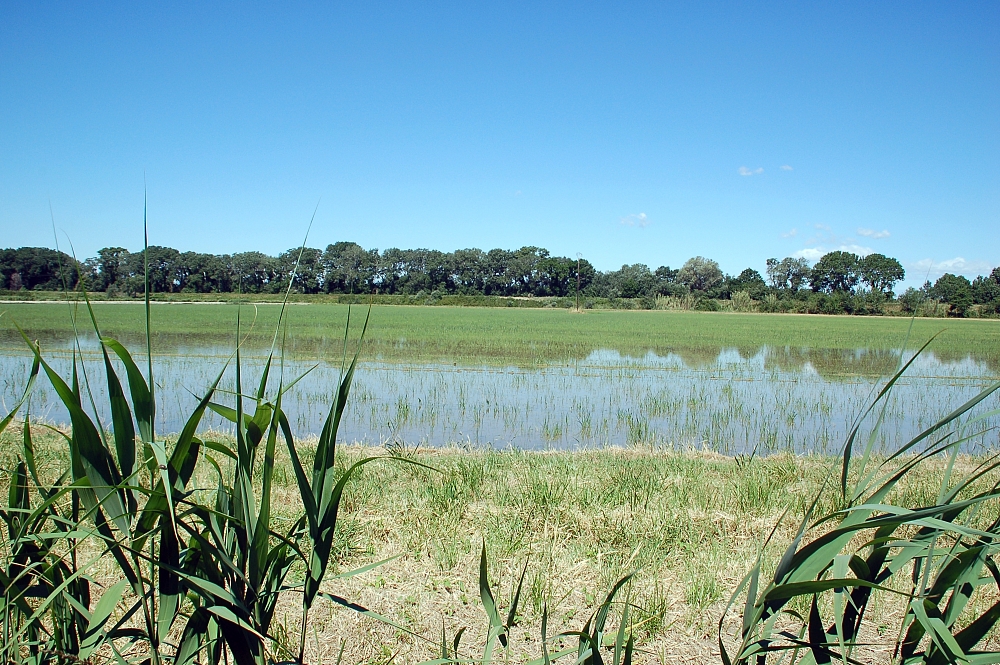
Natura 2000 · breeding, passage 13,918 records
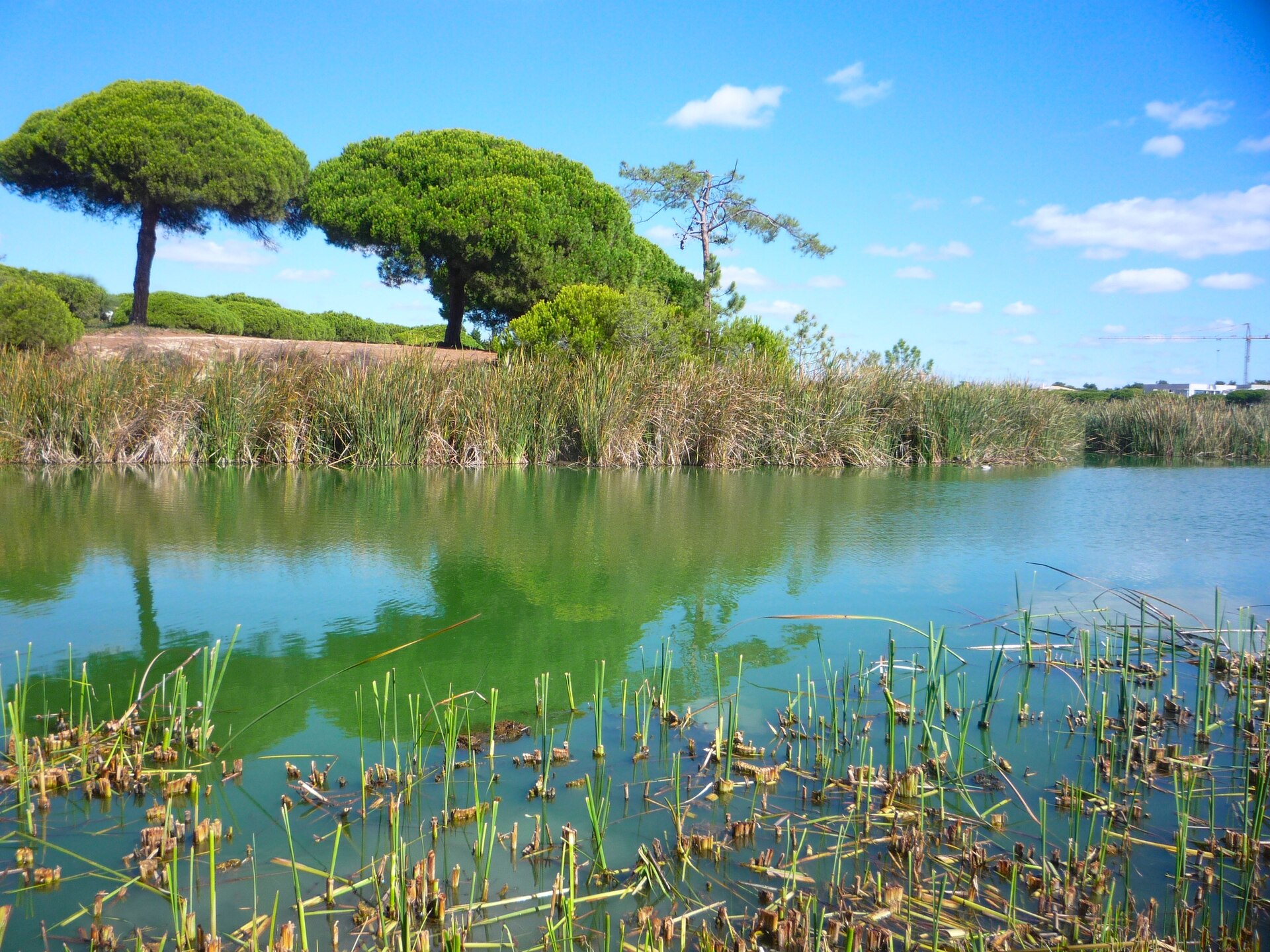
Natura 2000 · wintering, breeding 9,817 records
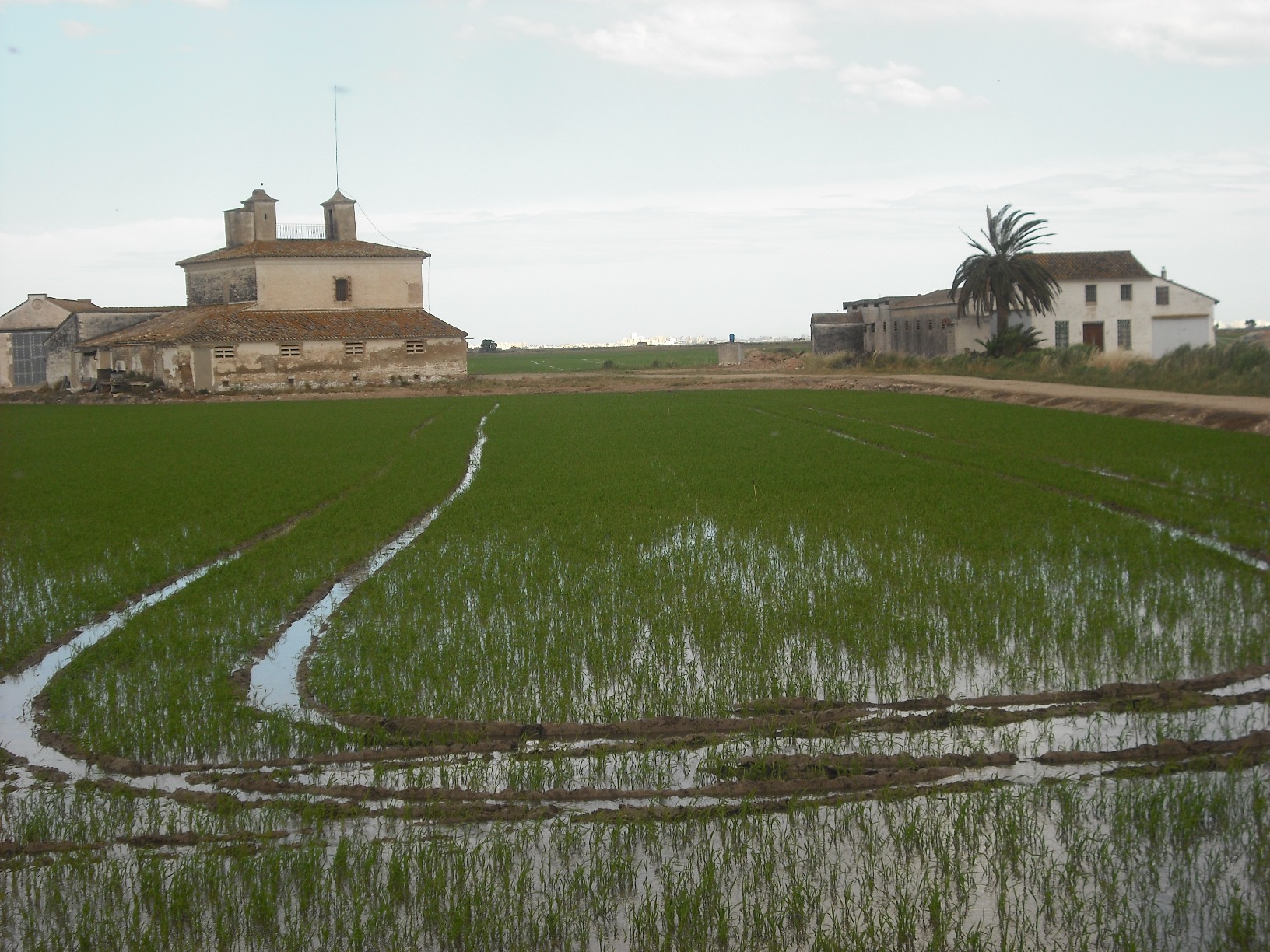
Natura 2000 · passage, breeding, wintering 7,961 records
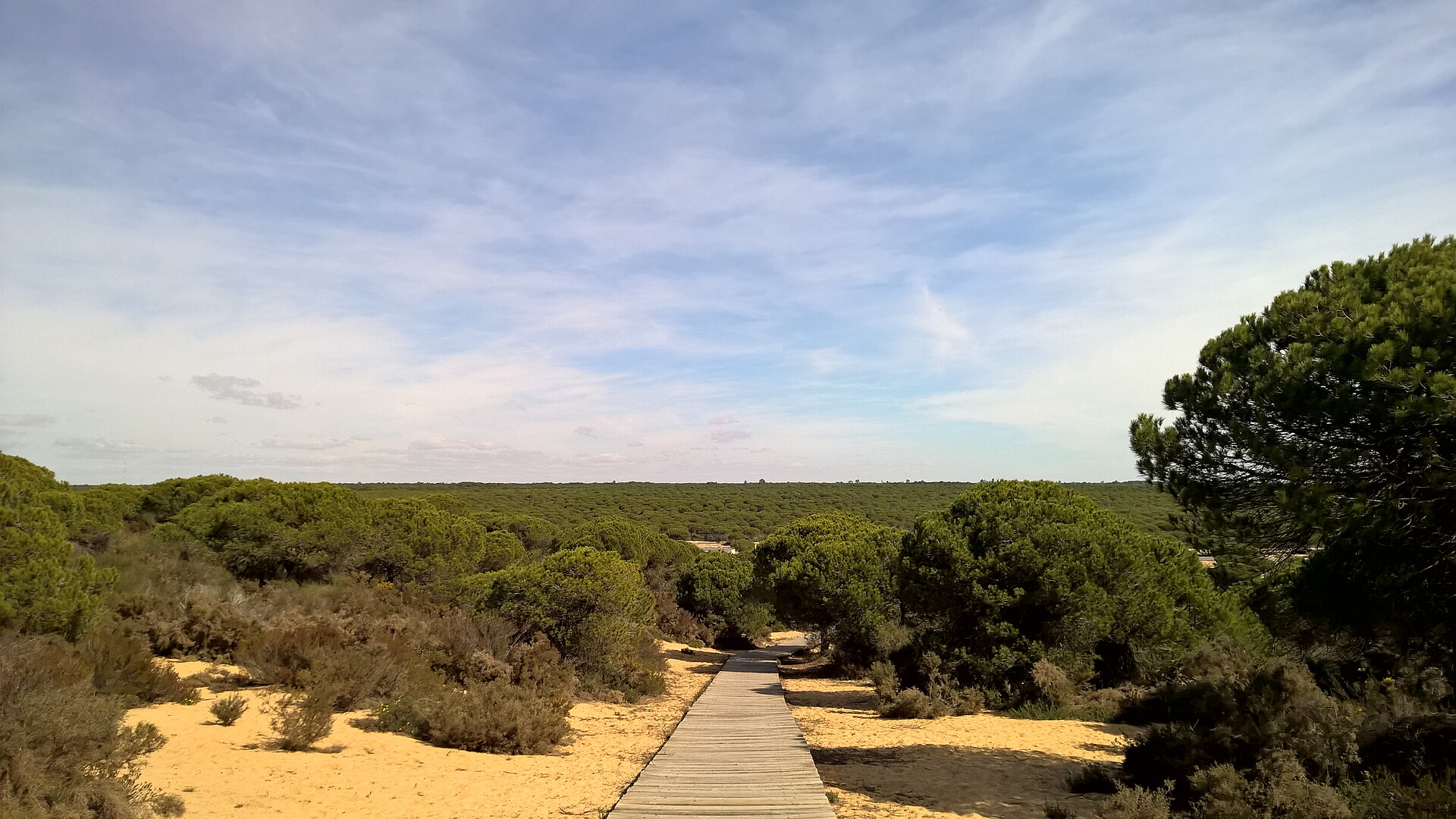
Natura 2000 · breeding, passage, resident, wintering 4,686 records
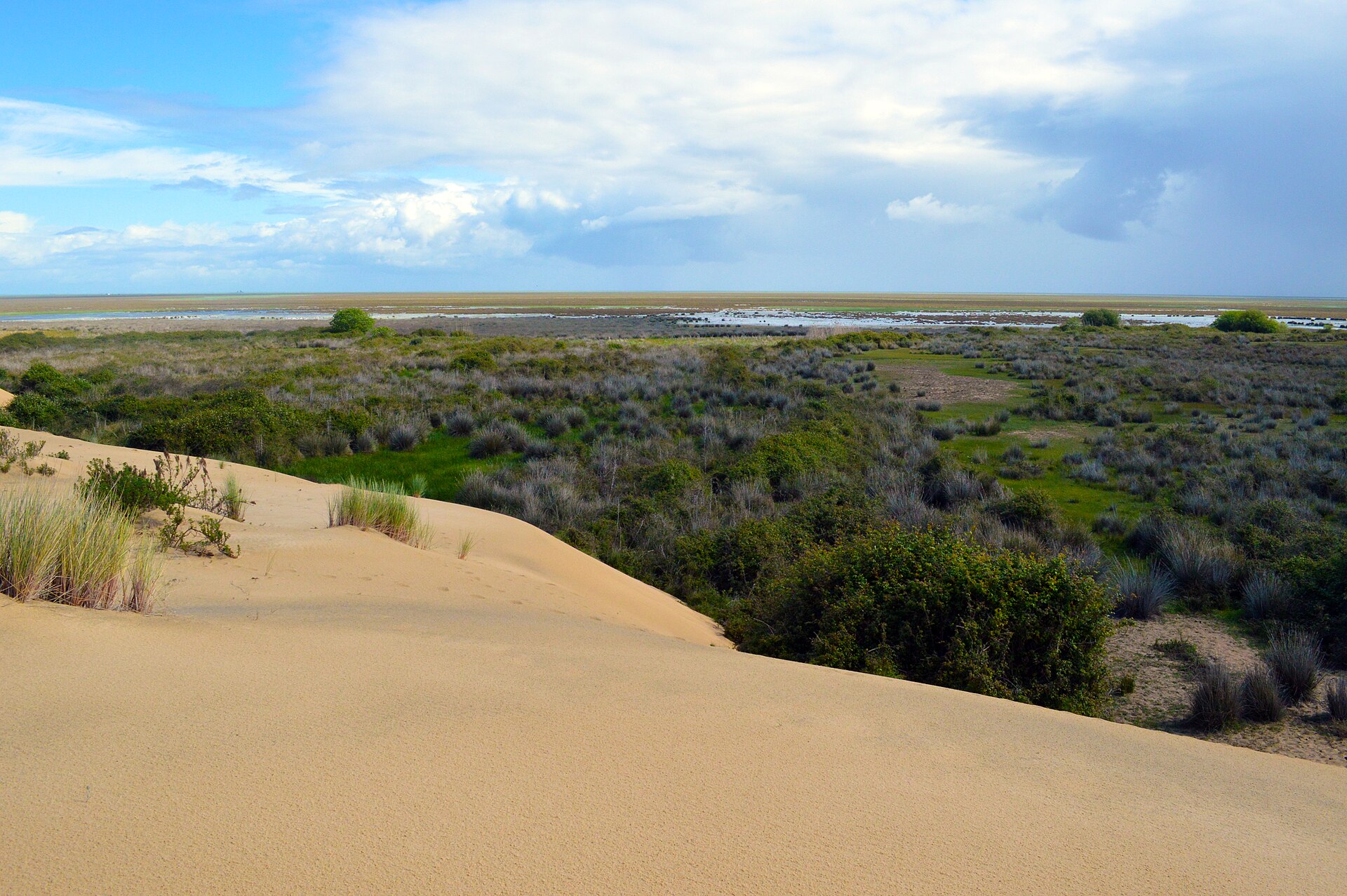
Natura 2000 · breeding, passage, resident, wintering 4,190 records
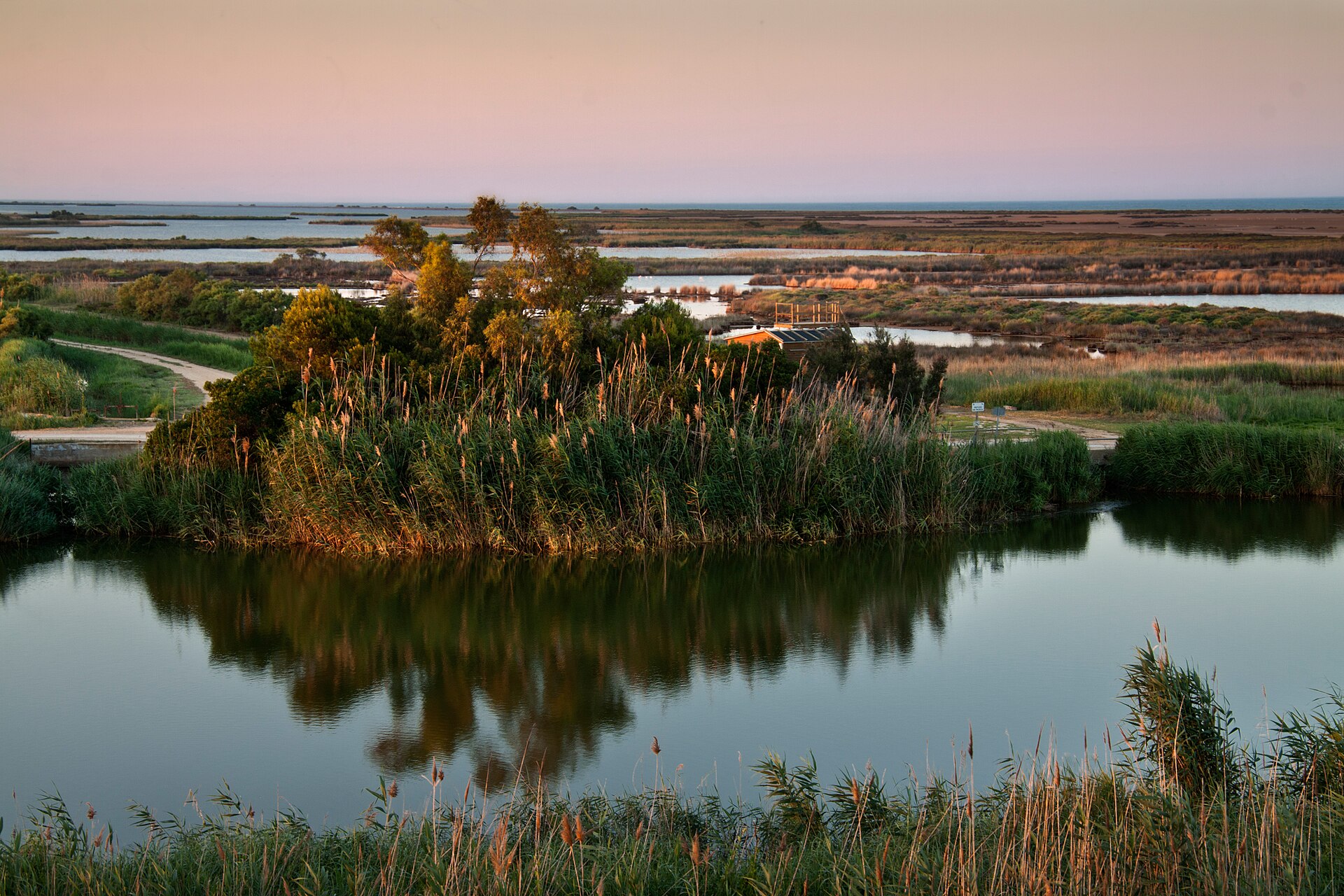
Natura 2000 · breeding, wintering 3,160 records
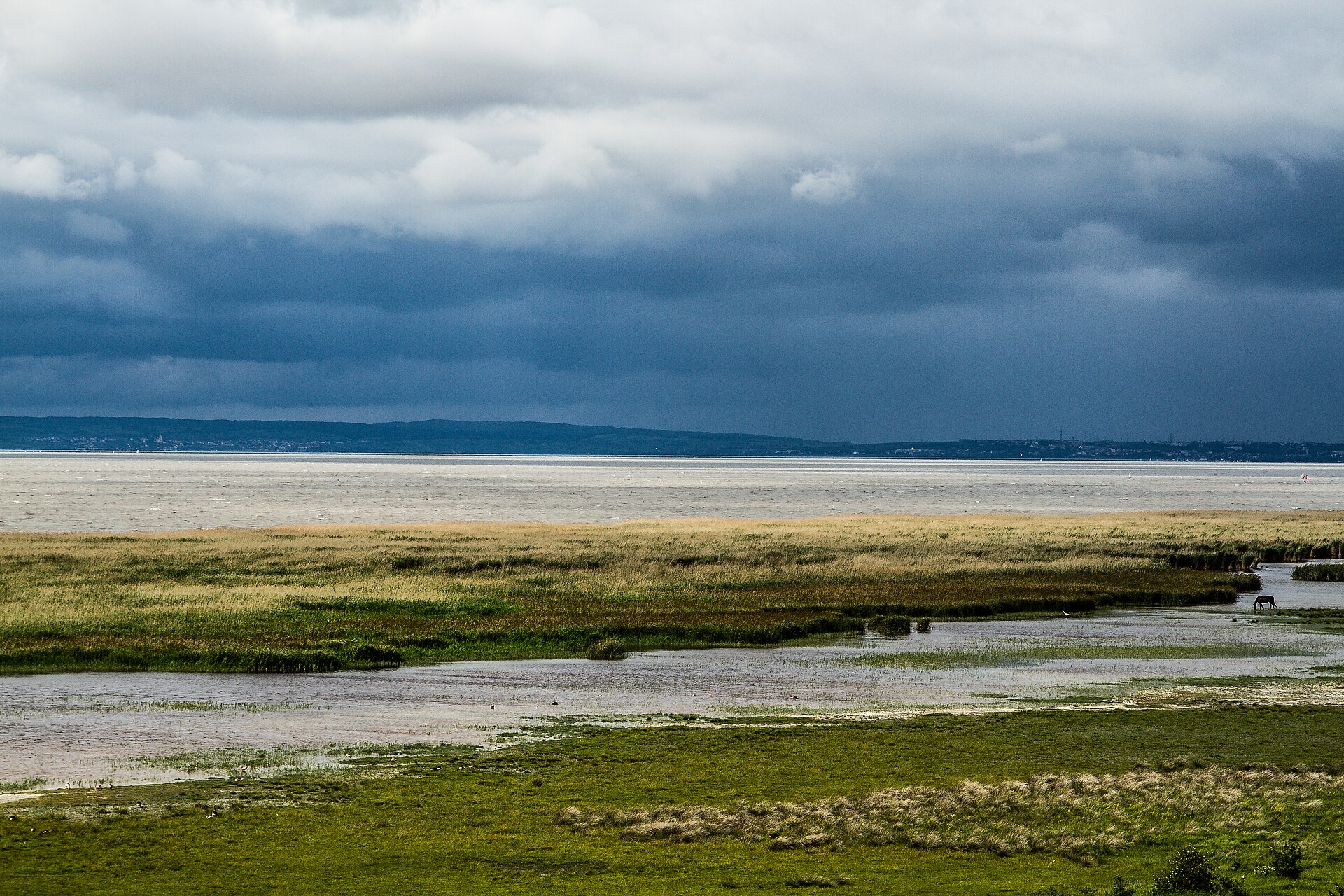
Natura 2000 · breeding 2,188 records

Natura 2000 · wintering, breeding 2,170 records
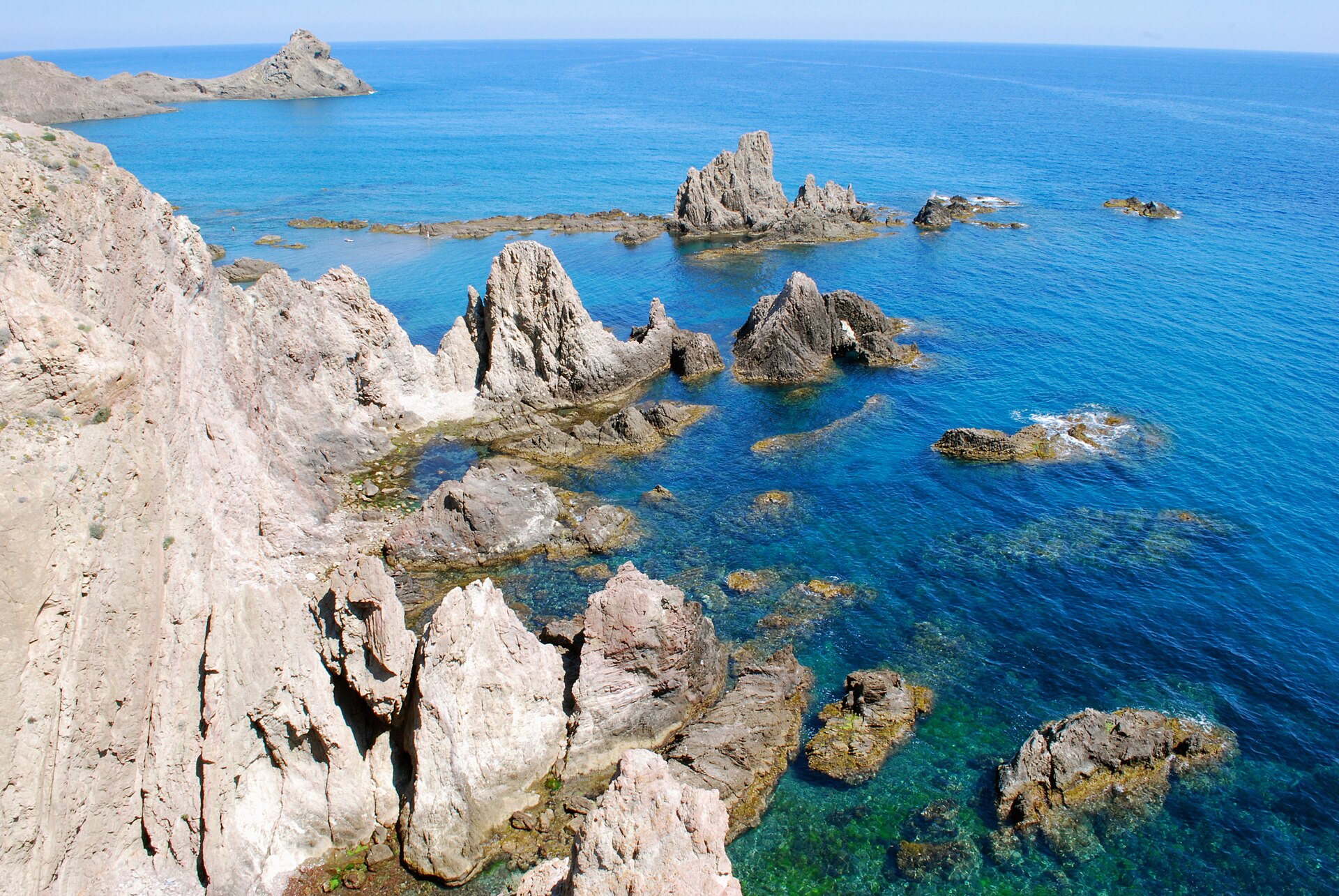
Natura 2000 · wintering, breeding 1,894 records

Natura 2000 · breeding, resident 1,723 records

Natura 2000 · breeding, passage, wintering 1,081 records

Natura 2000 · breeding, wintering, passage 868 records
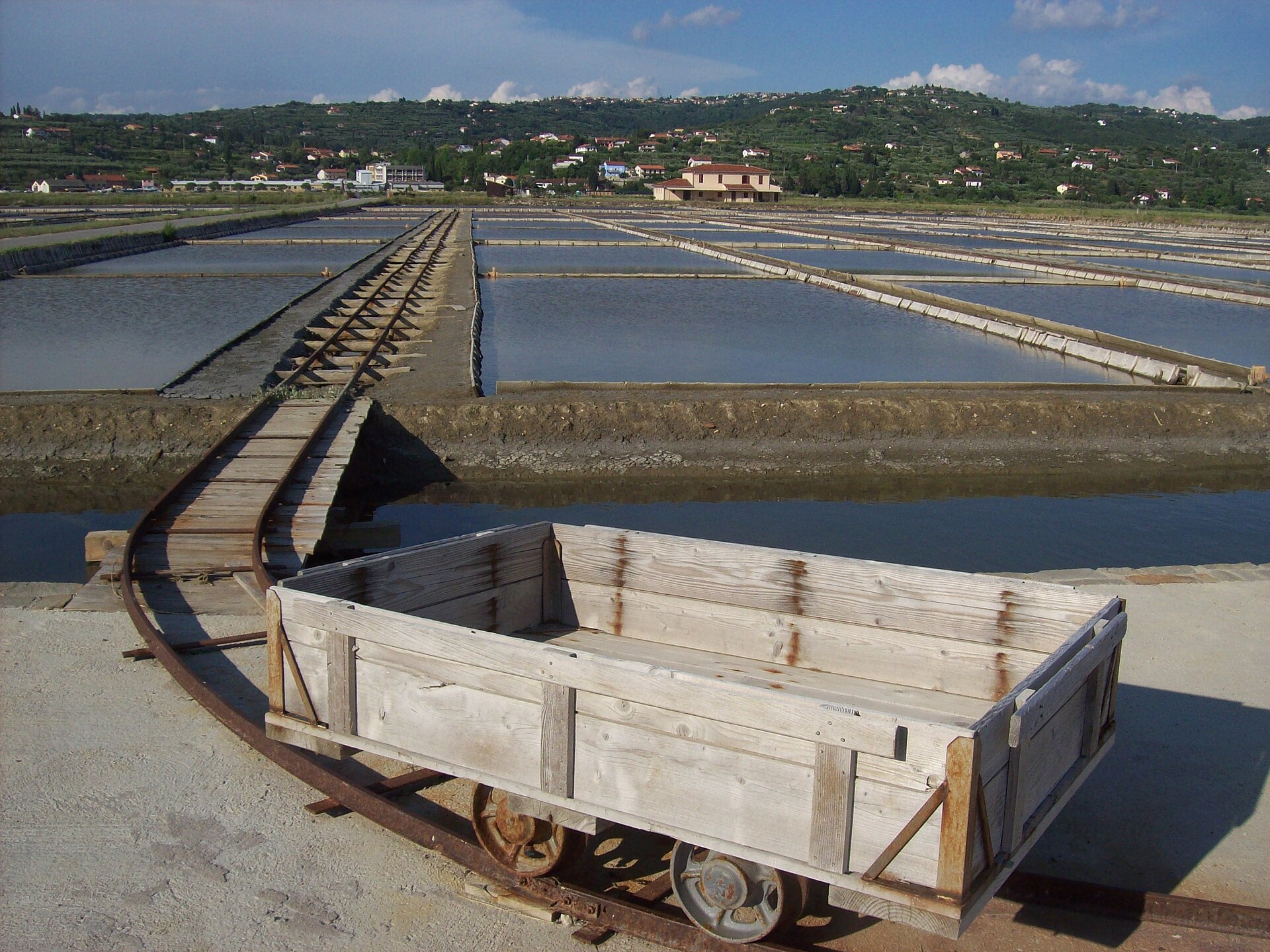
Natura 2000 · breeding 853 records
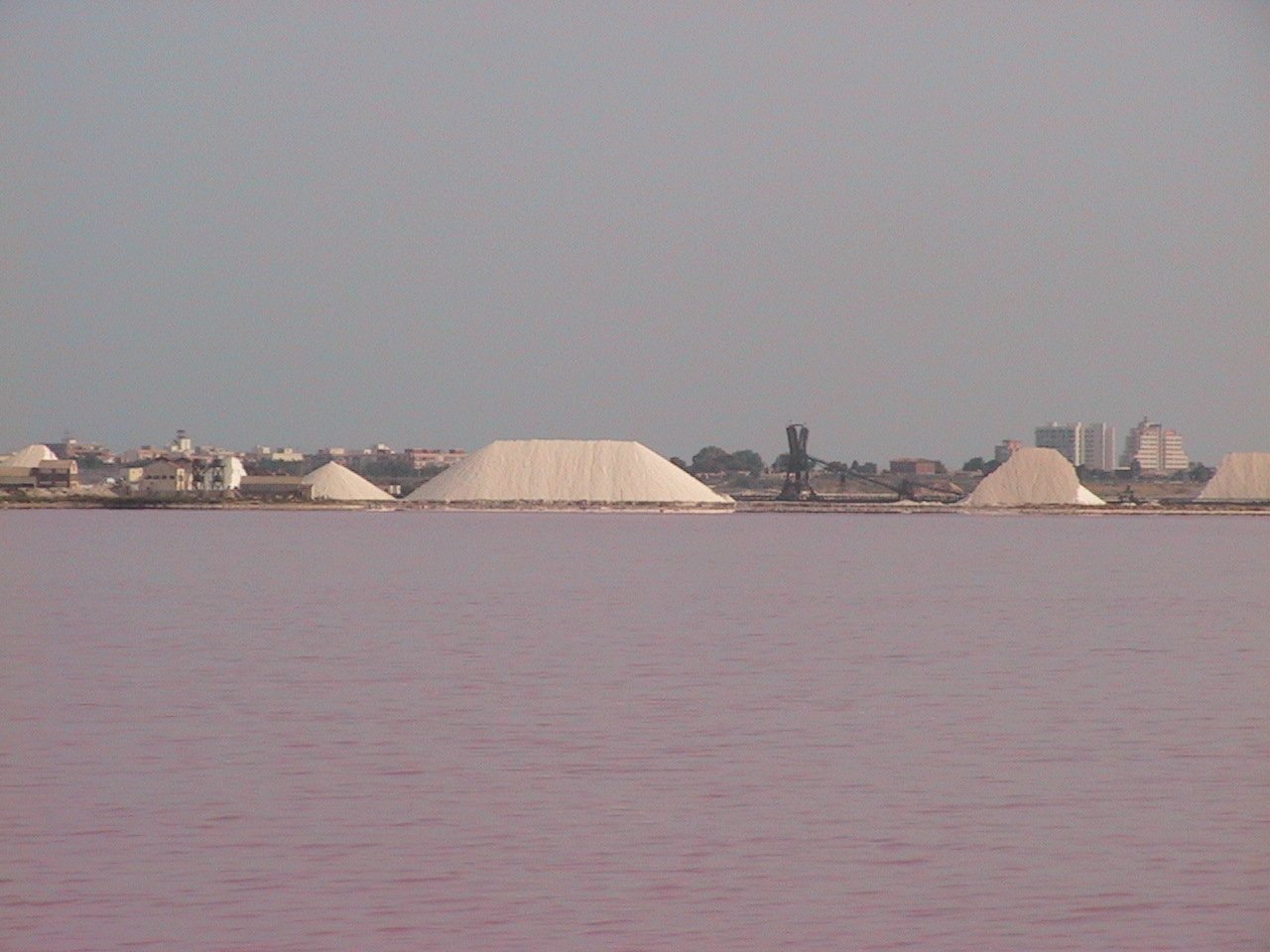
Natura 2000 · breeding, wintering 501 records

Natura 2000 · breeding 443 records
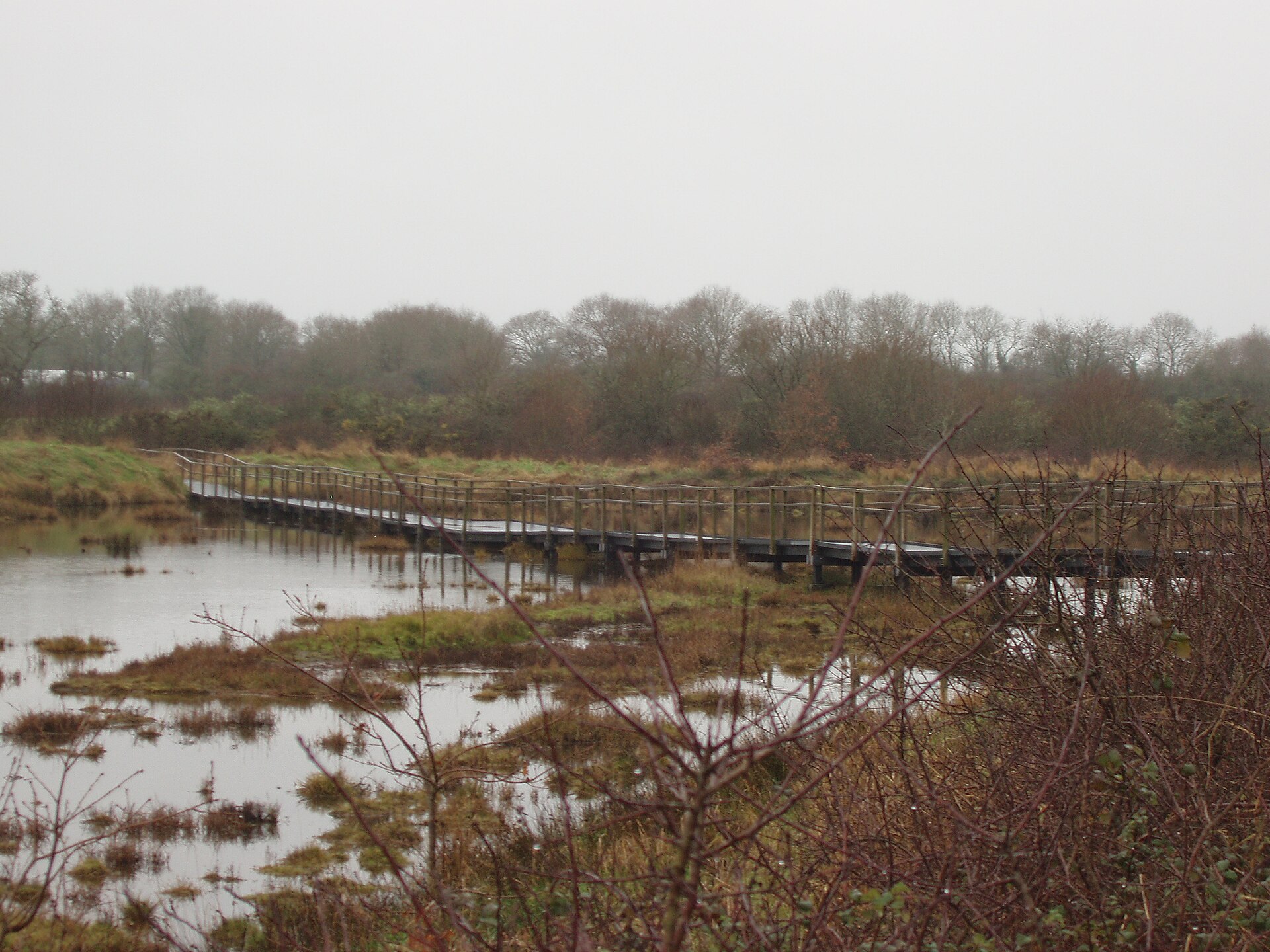
Natura 2000 · passage, breeding 121 records
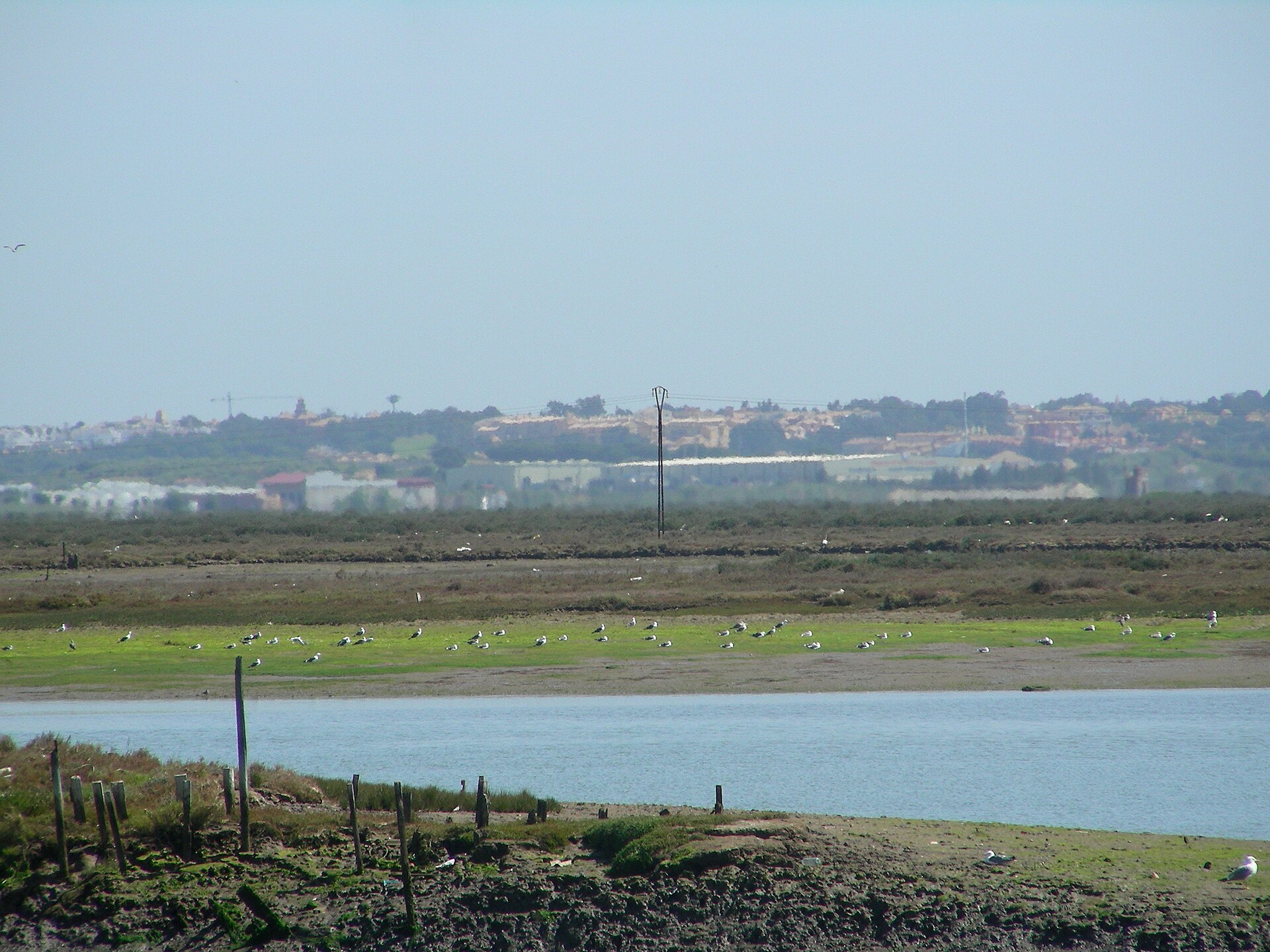
Natura 2000 · breeding, wintering 23 records
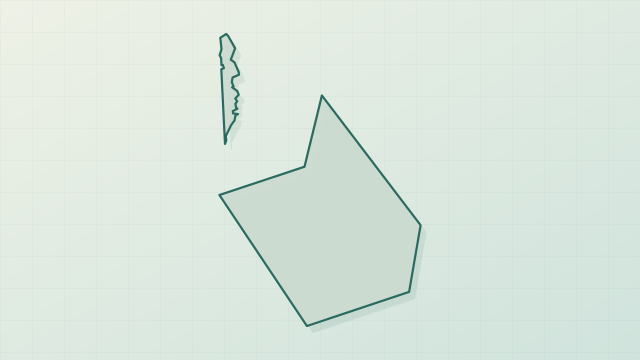
Natura 2000 · resident 11 records
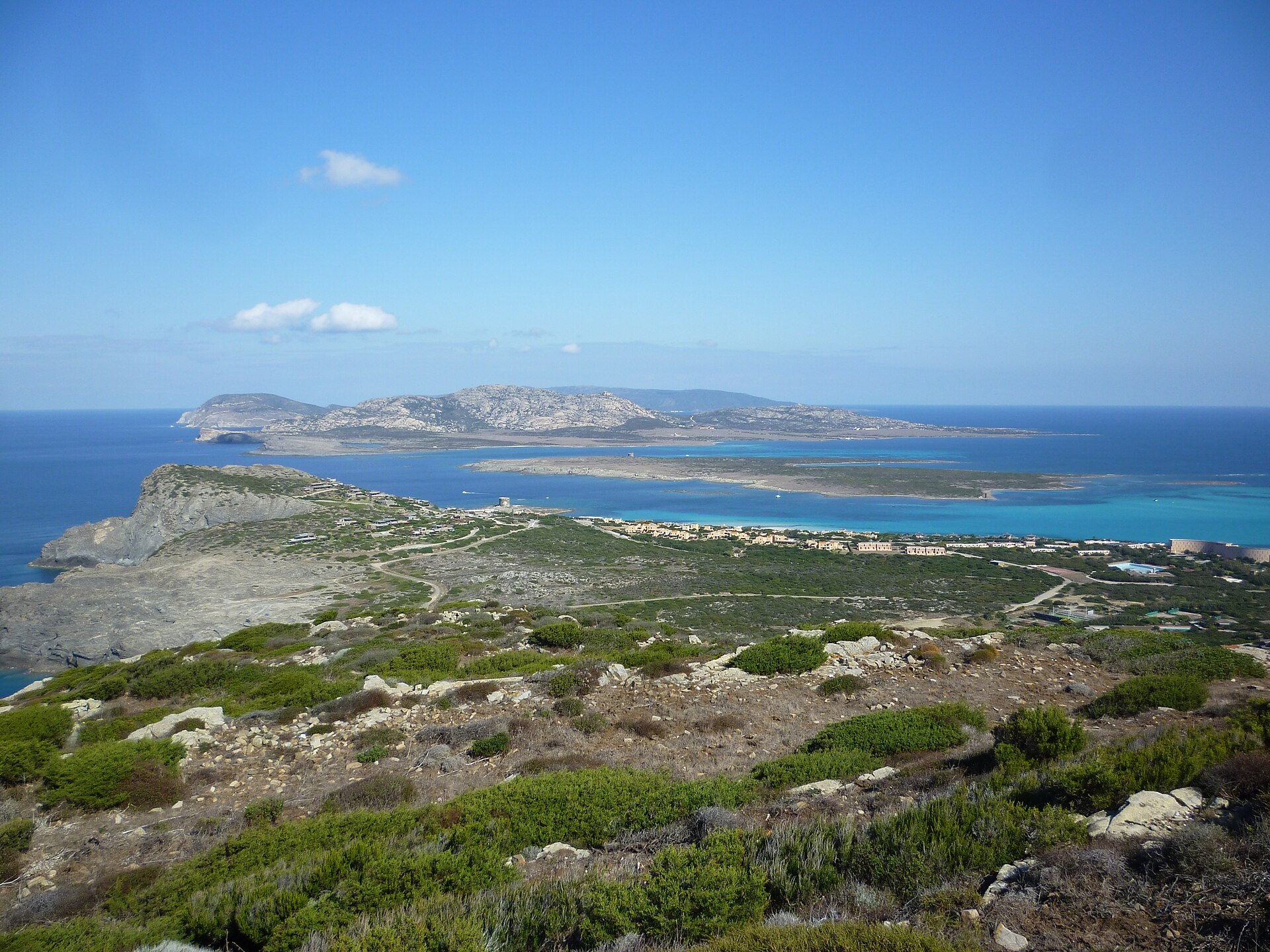
Natura 2000 · wintering, breeding, passage 10 records
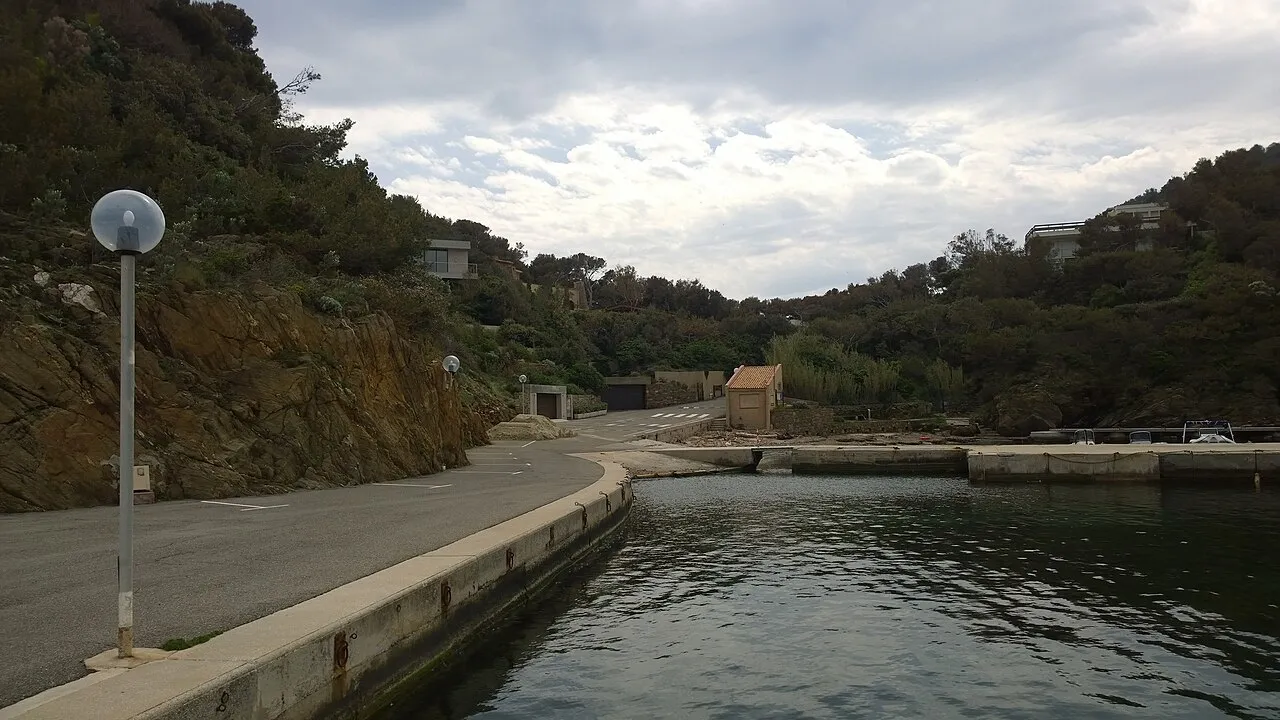
13,568 records
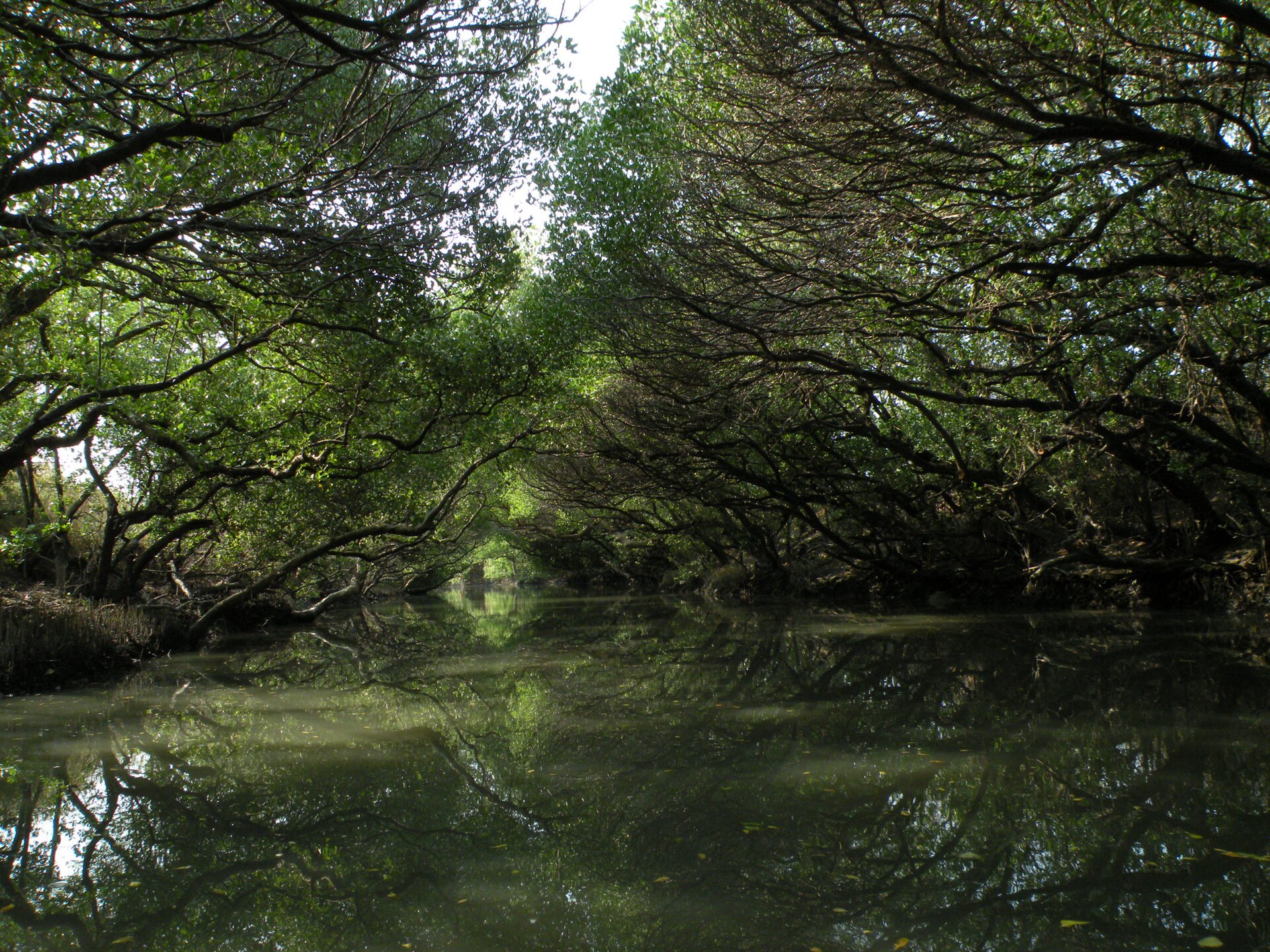
6,041 records
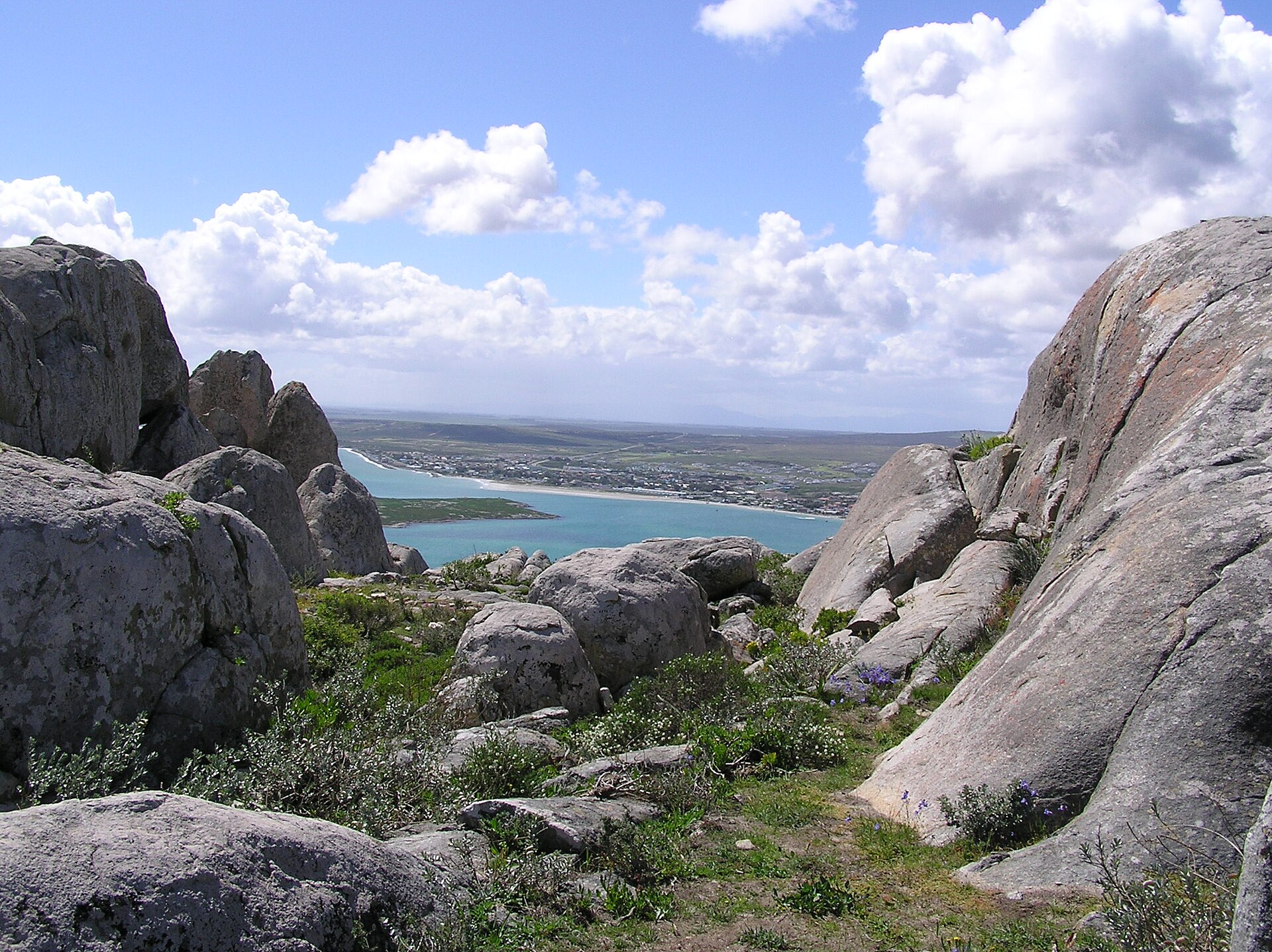
3,315 records

1,967 records
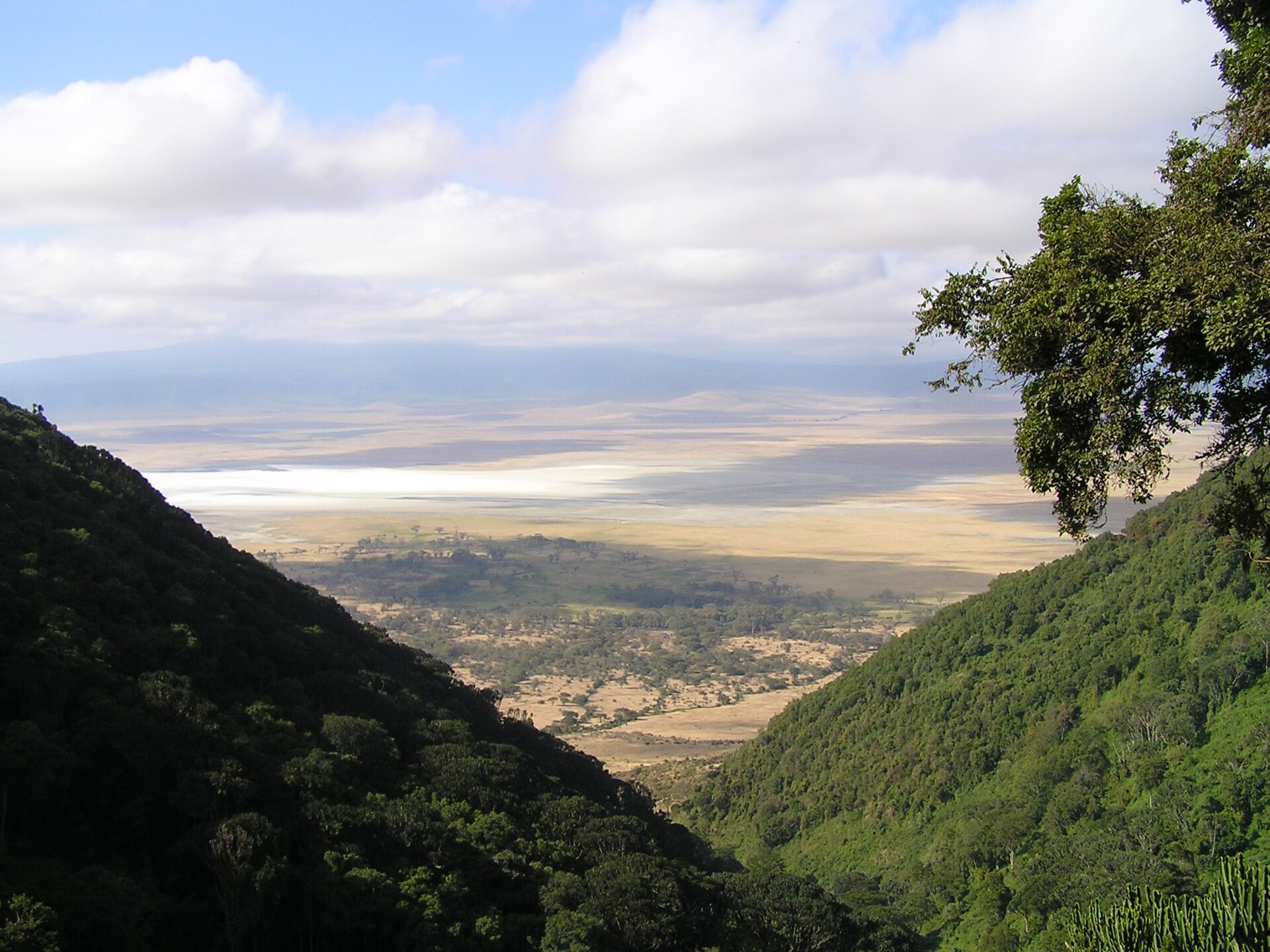
1,914 records

1,544 records
1,410 records

1,373 records

1,281 records

1,143 records
1,124 records
713 records
589 records

528 records
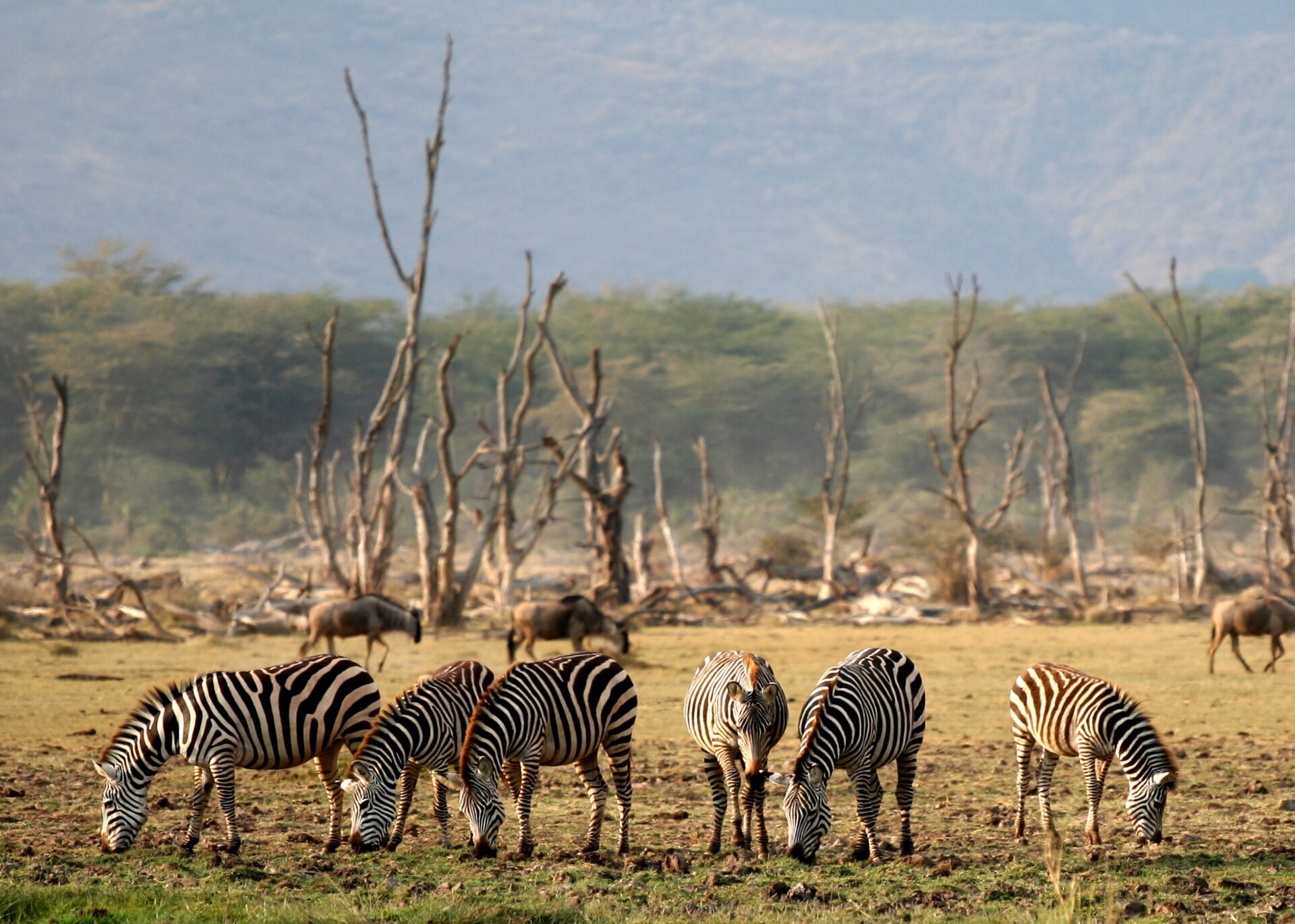
421 records
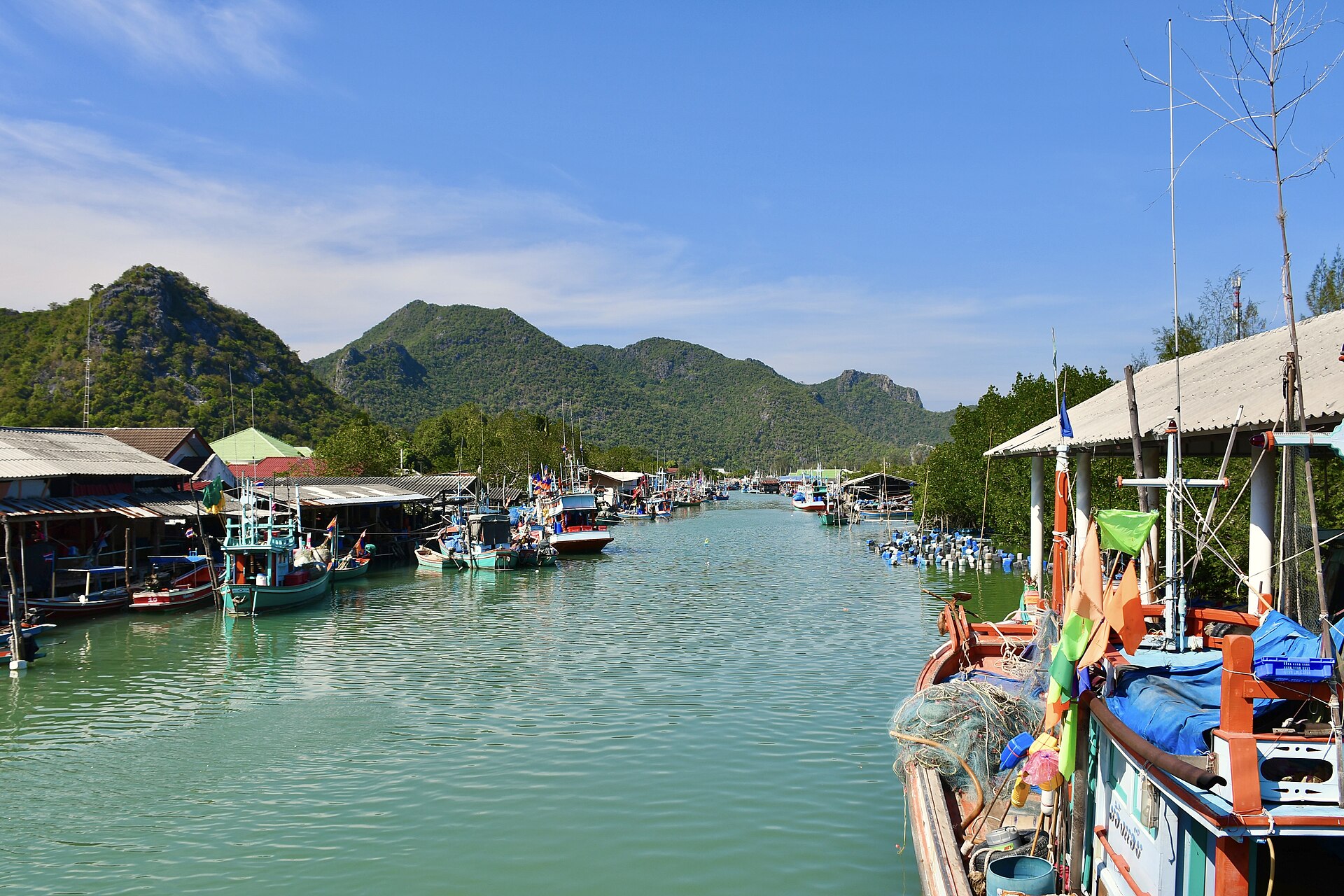
397 records
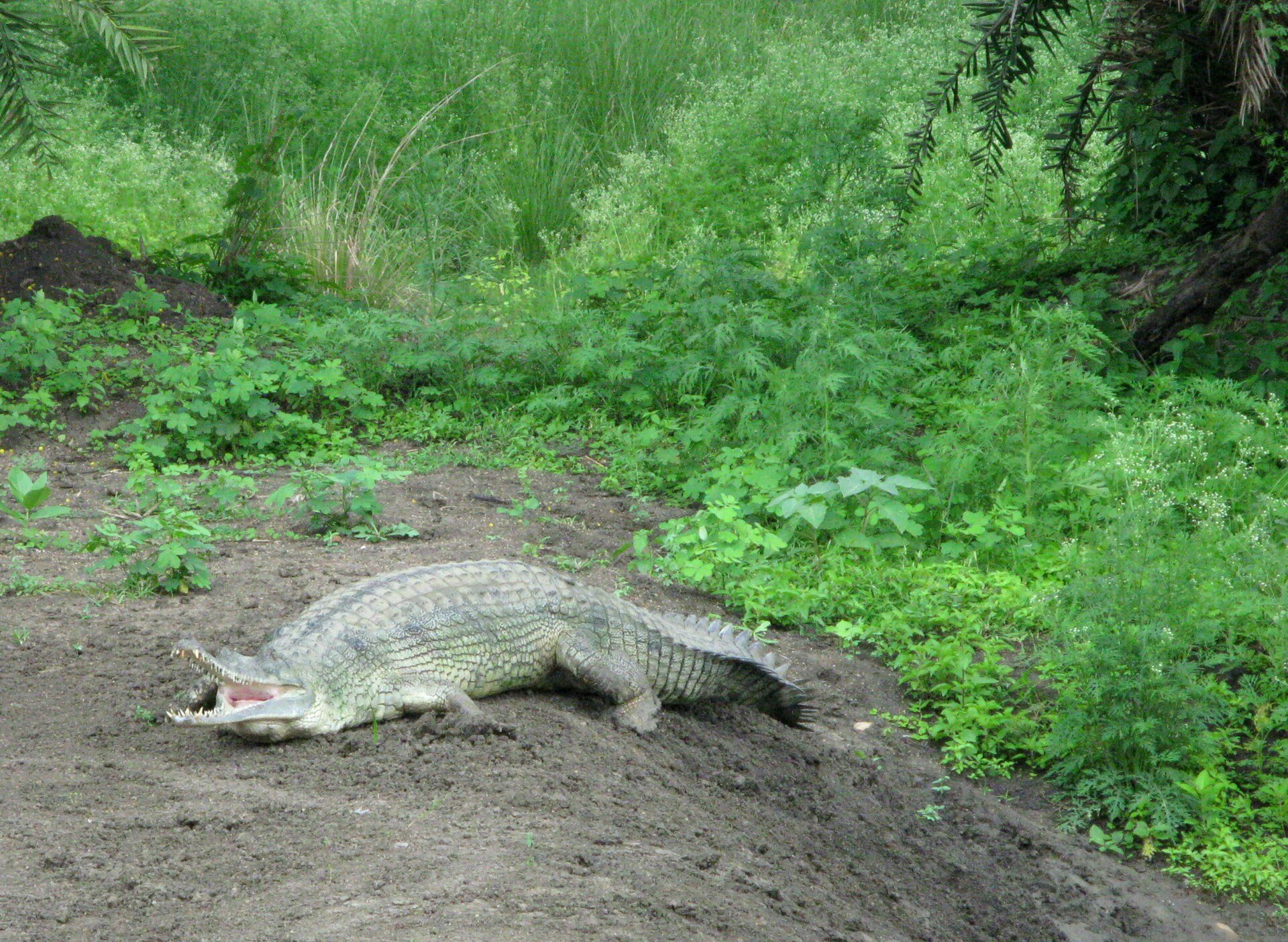
387 records

236 records

220 records

135 records

121 records
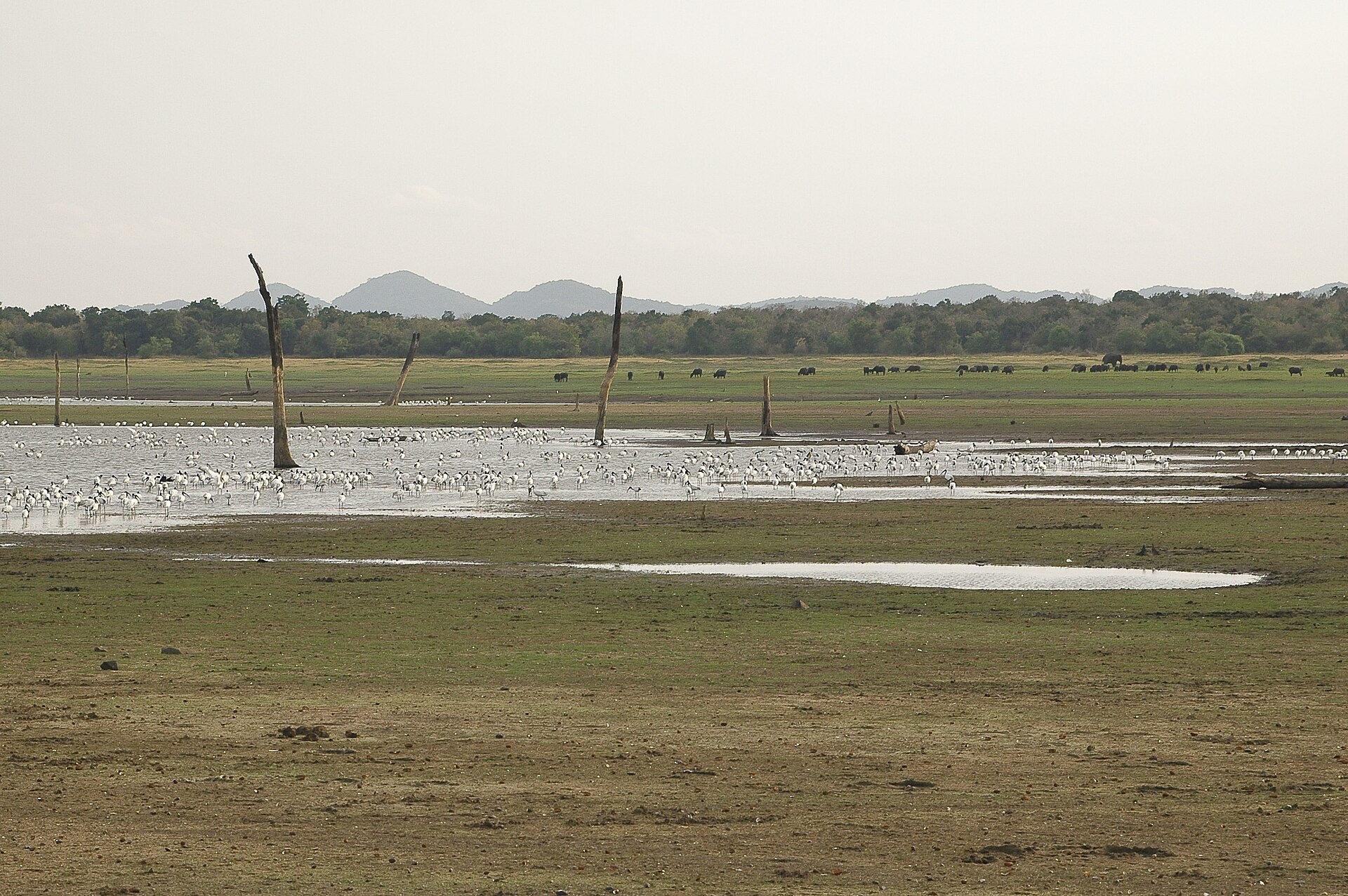
115 records

82 records

47 records

47 records

33 records

21 records
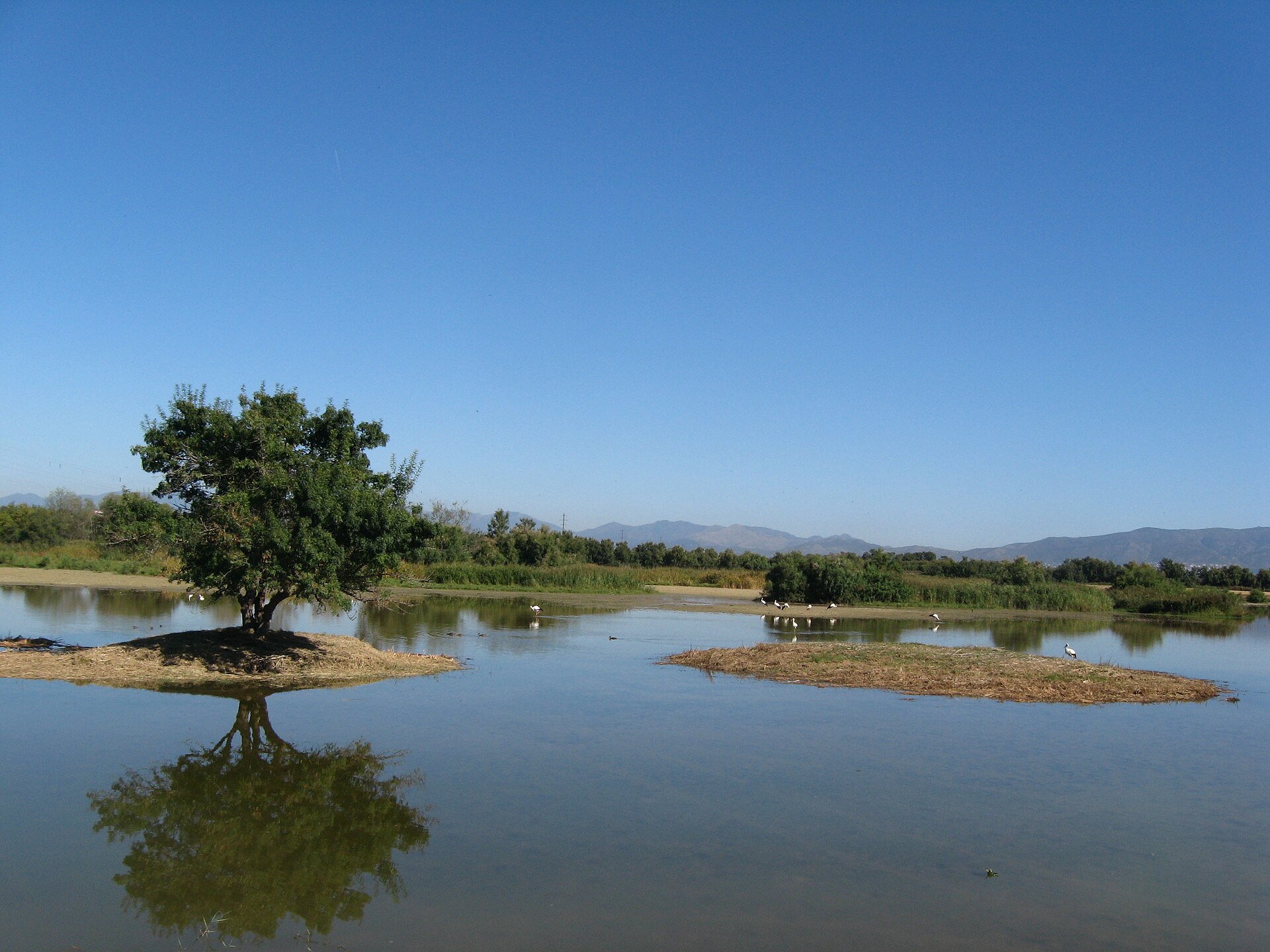
Natura 2000 · breeding
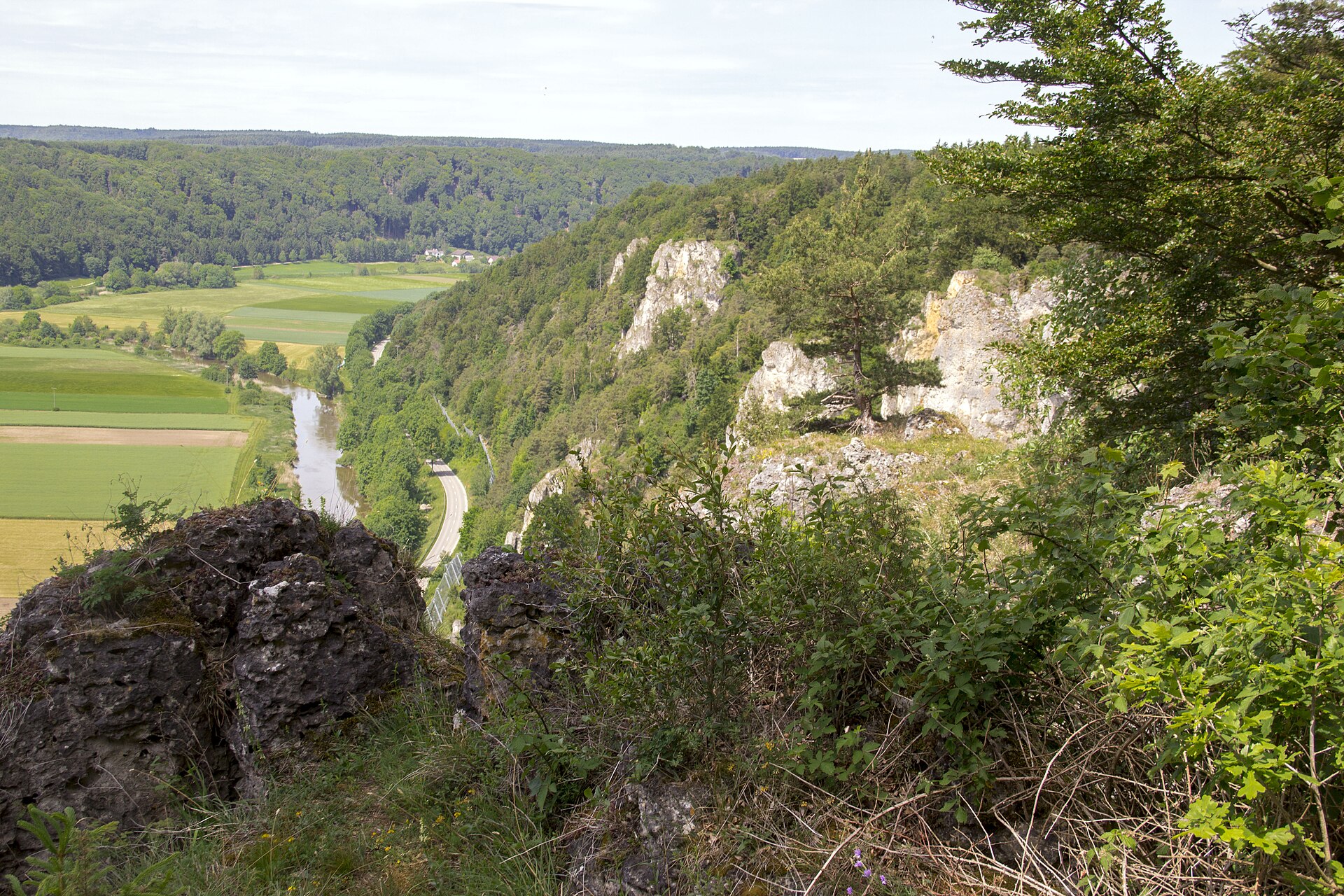
Natura 2000 · passage
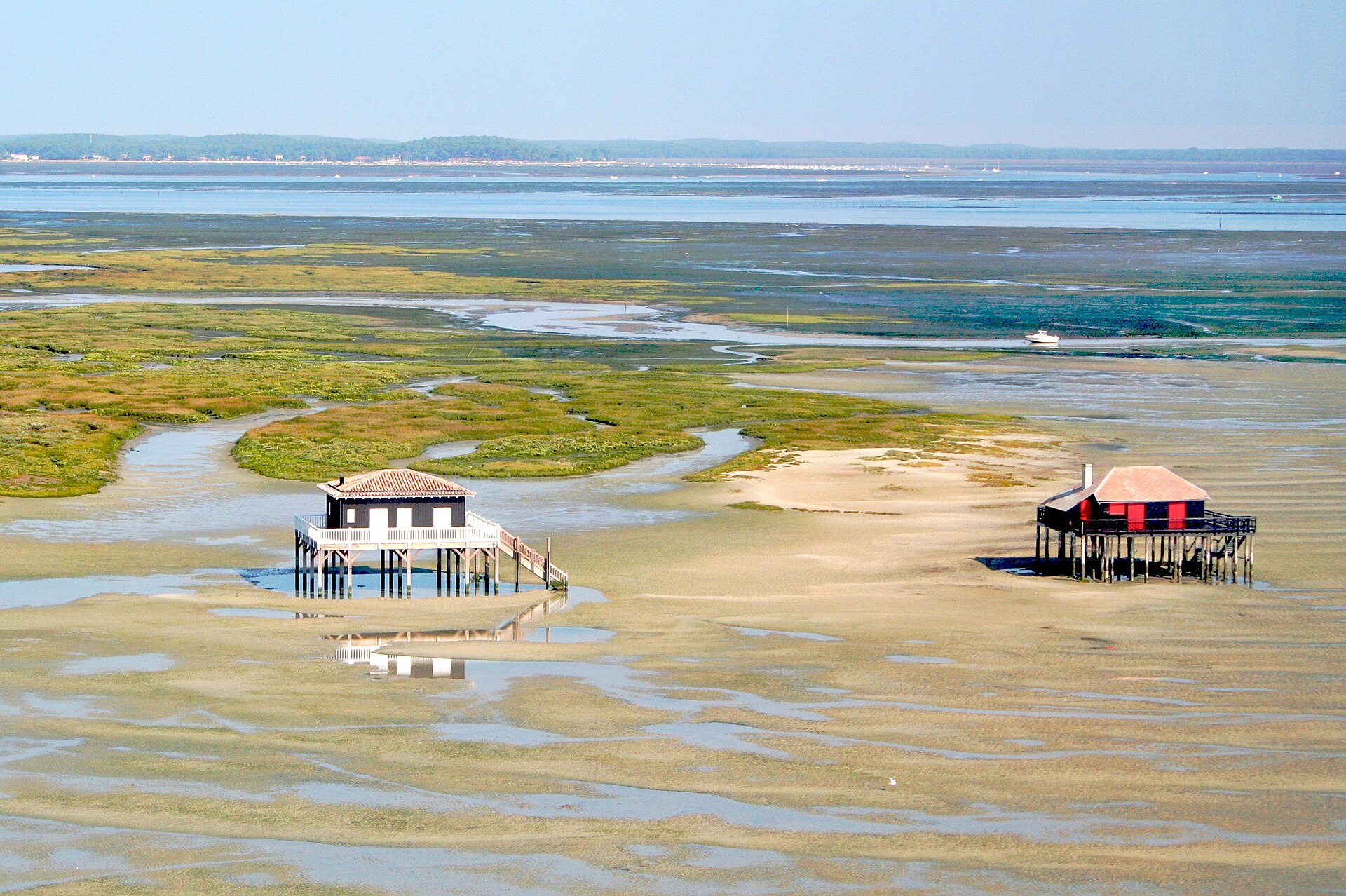
Natura 2000 · breeding, passage

Natura 2000 · passage

Natura 2000 · passage
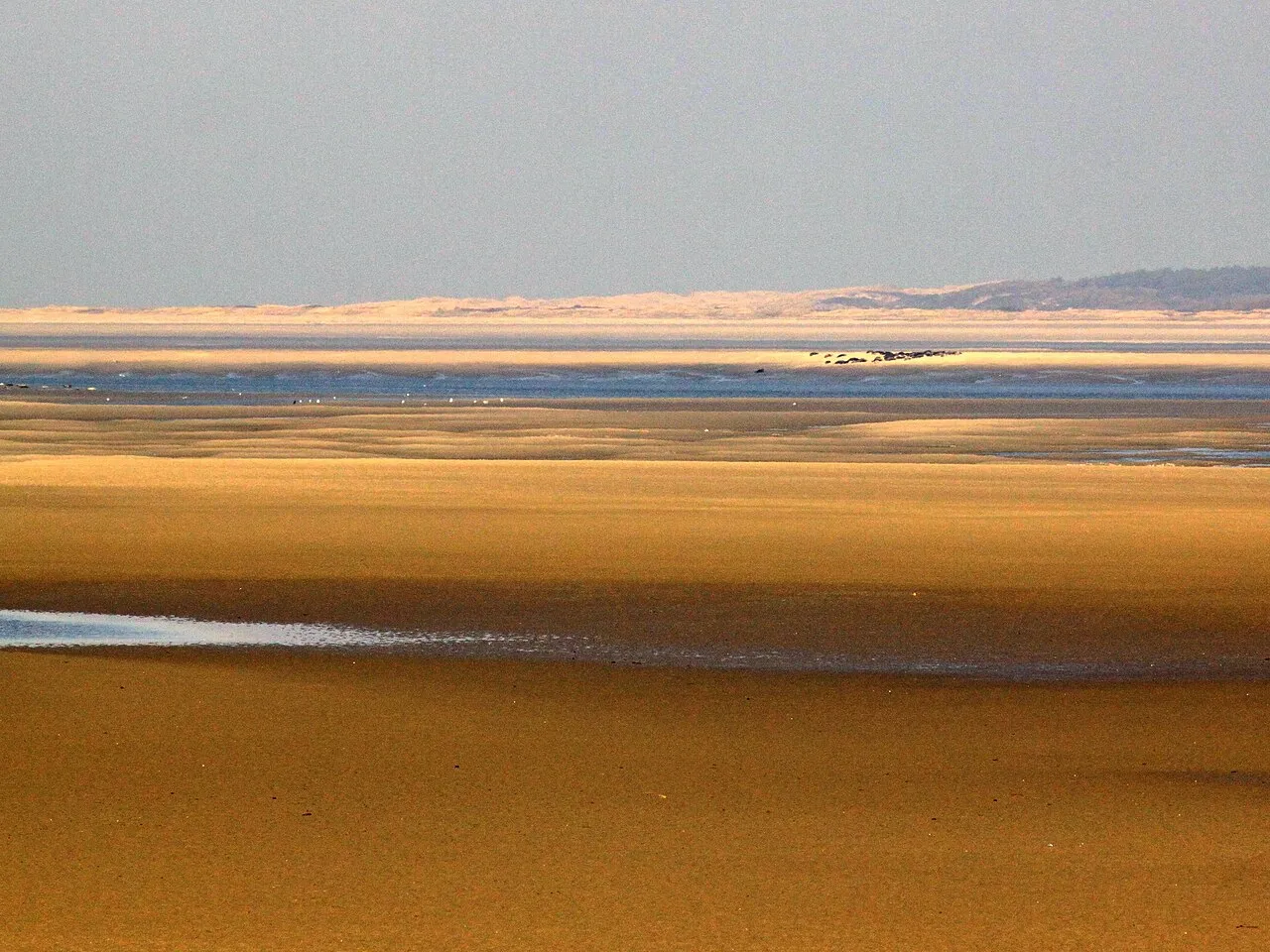
Natura 2000 · passage, breeding
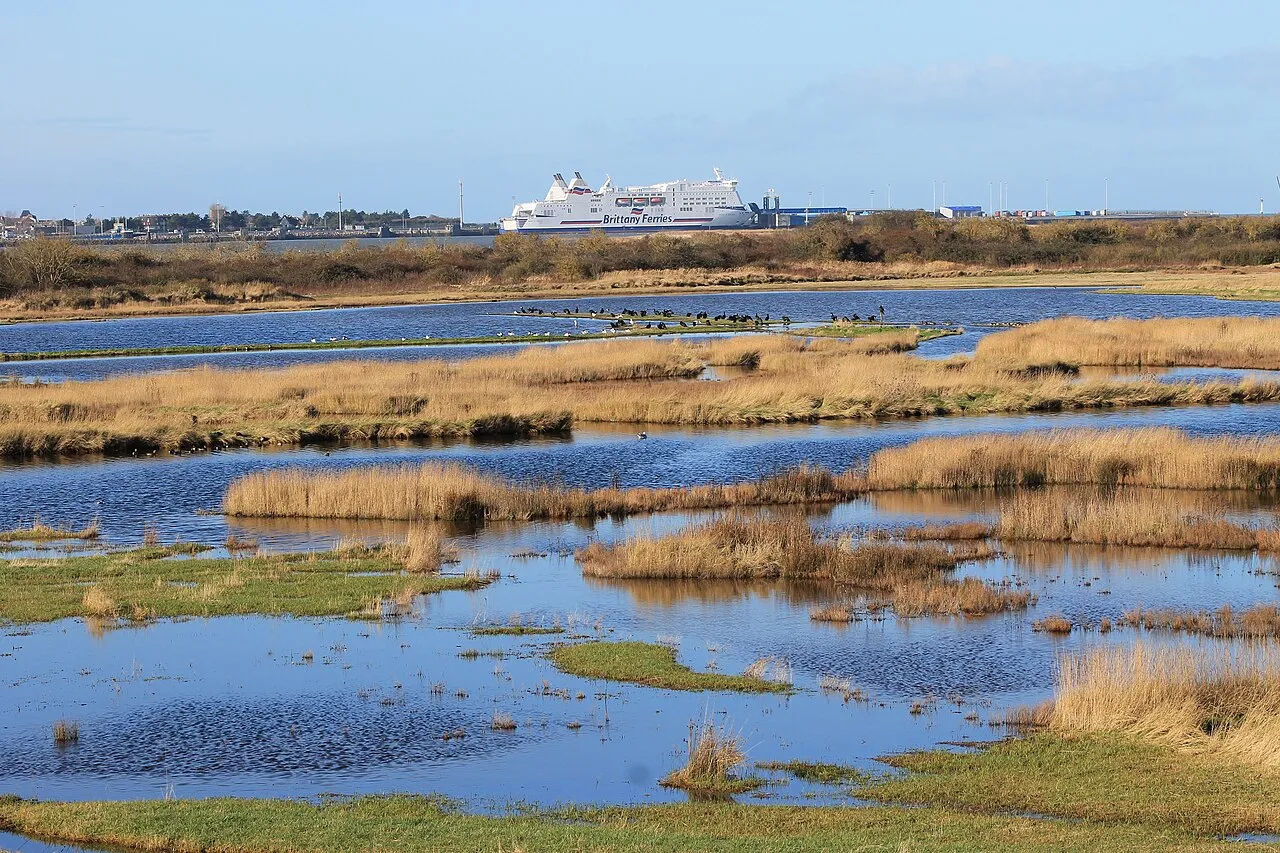
Natura 2000 · passage
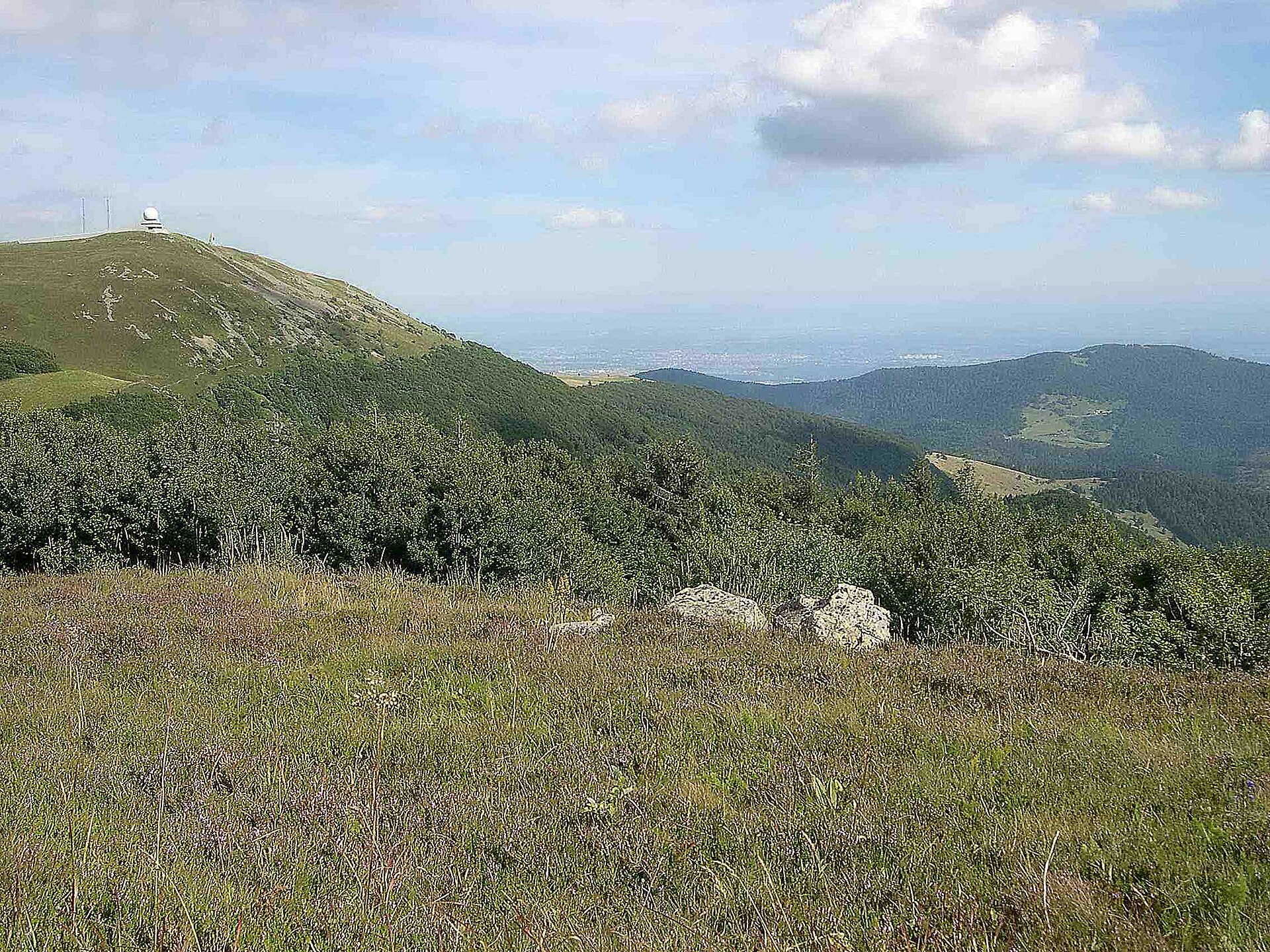
Natura 2000 · passage
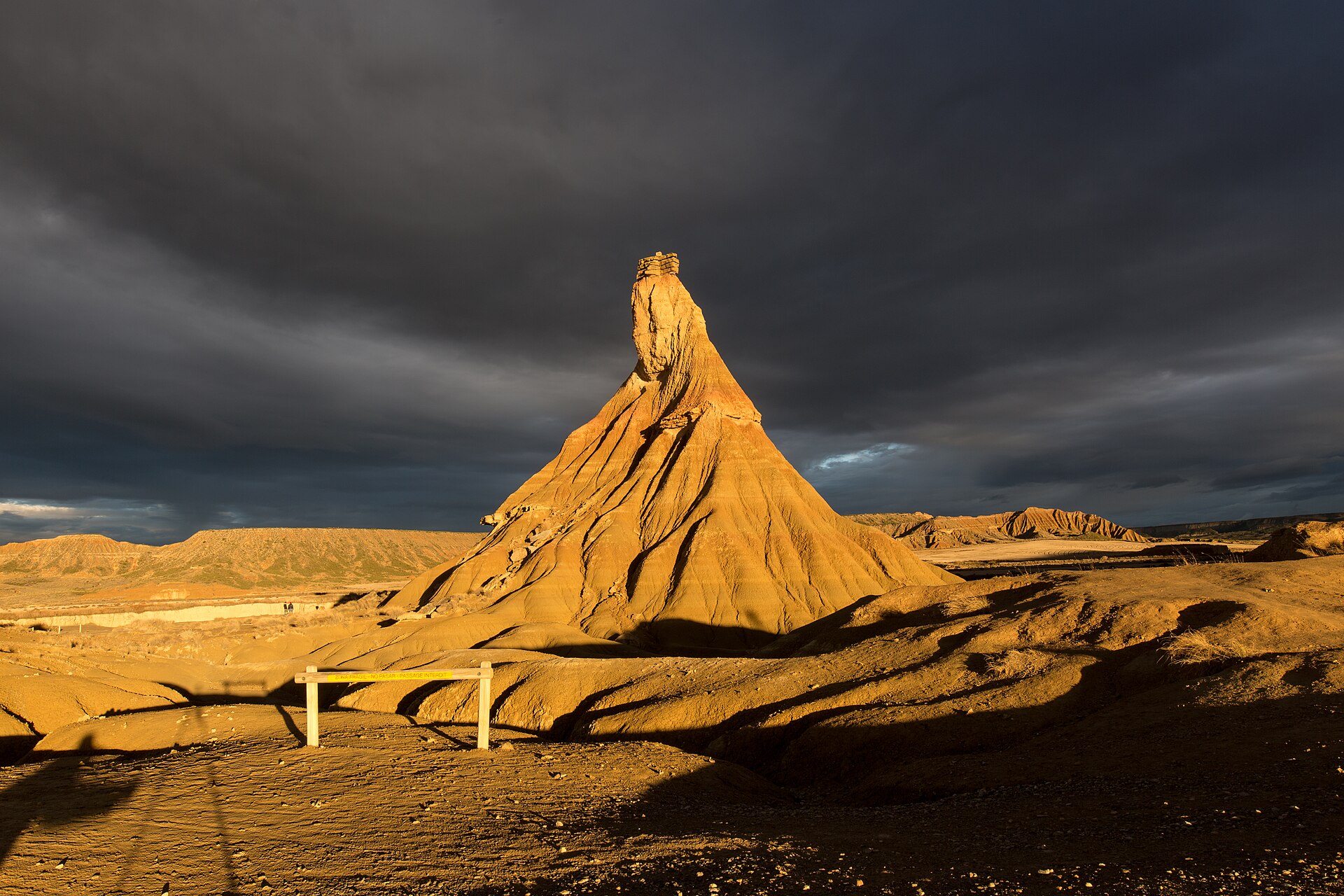
Natura 2000 · breeding
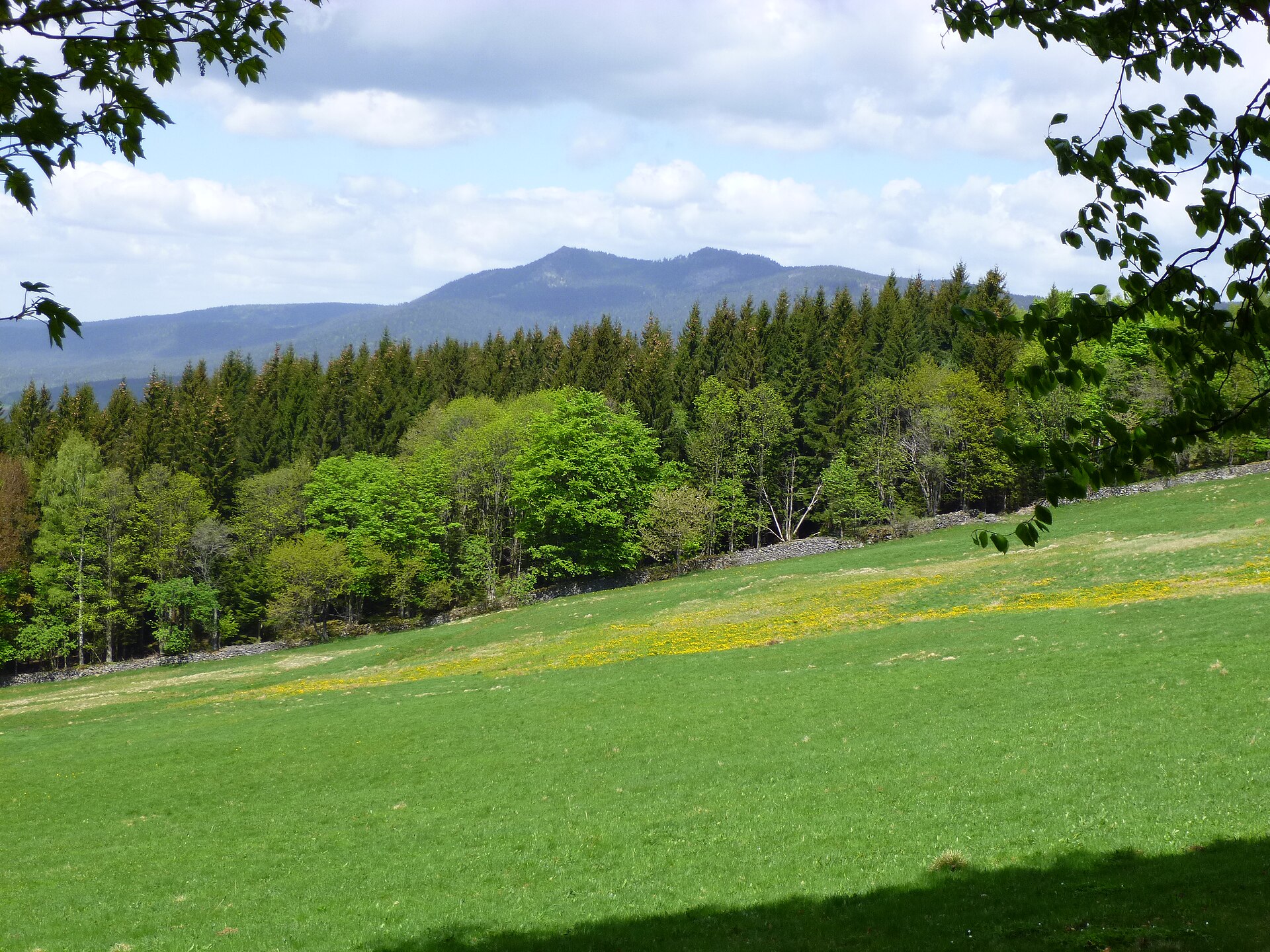
Natura 2000 · passage
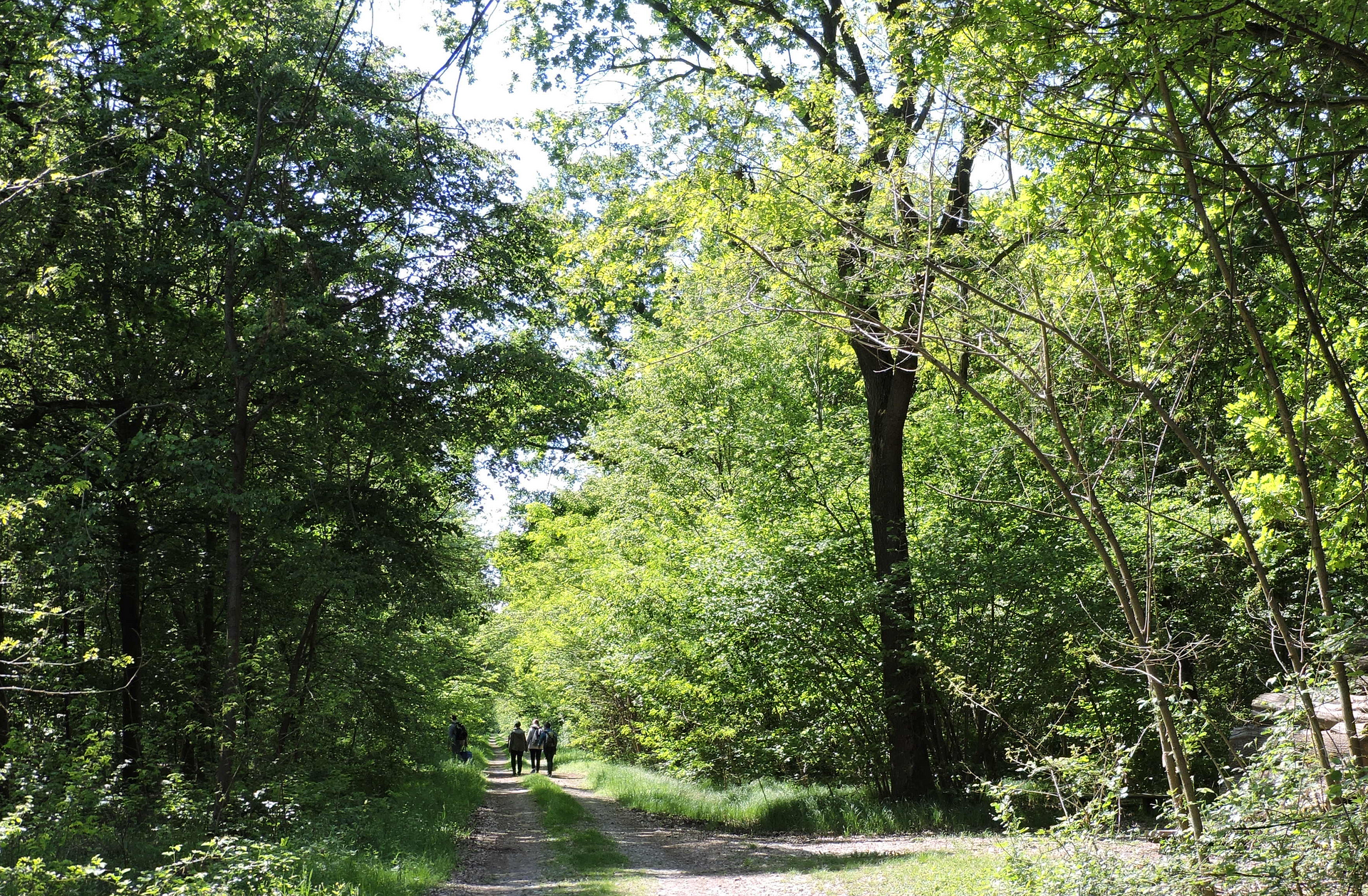
Natura 2000 · passage
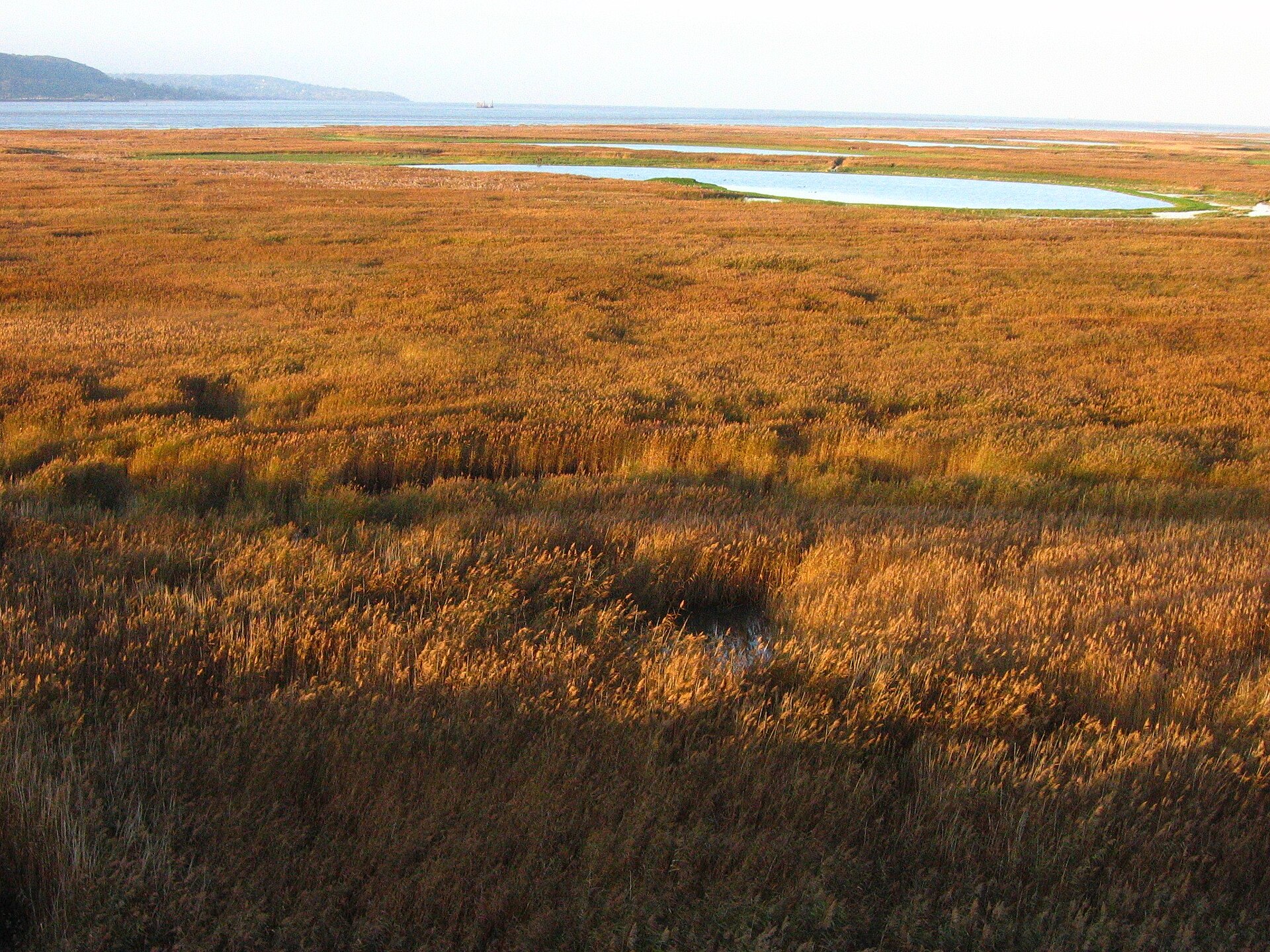
Natura 2000 · breeding, passage
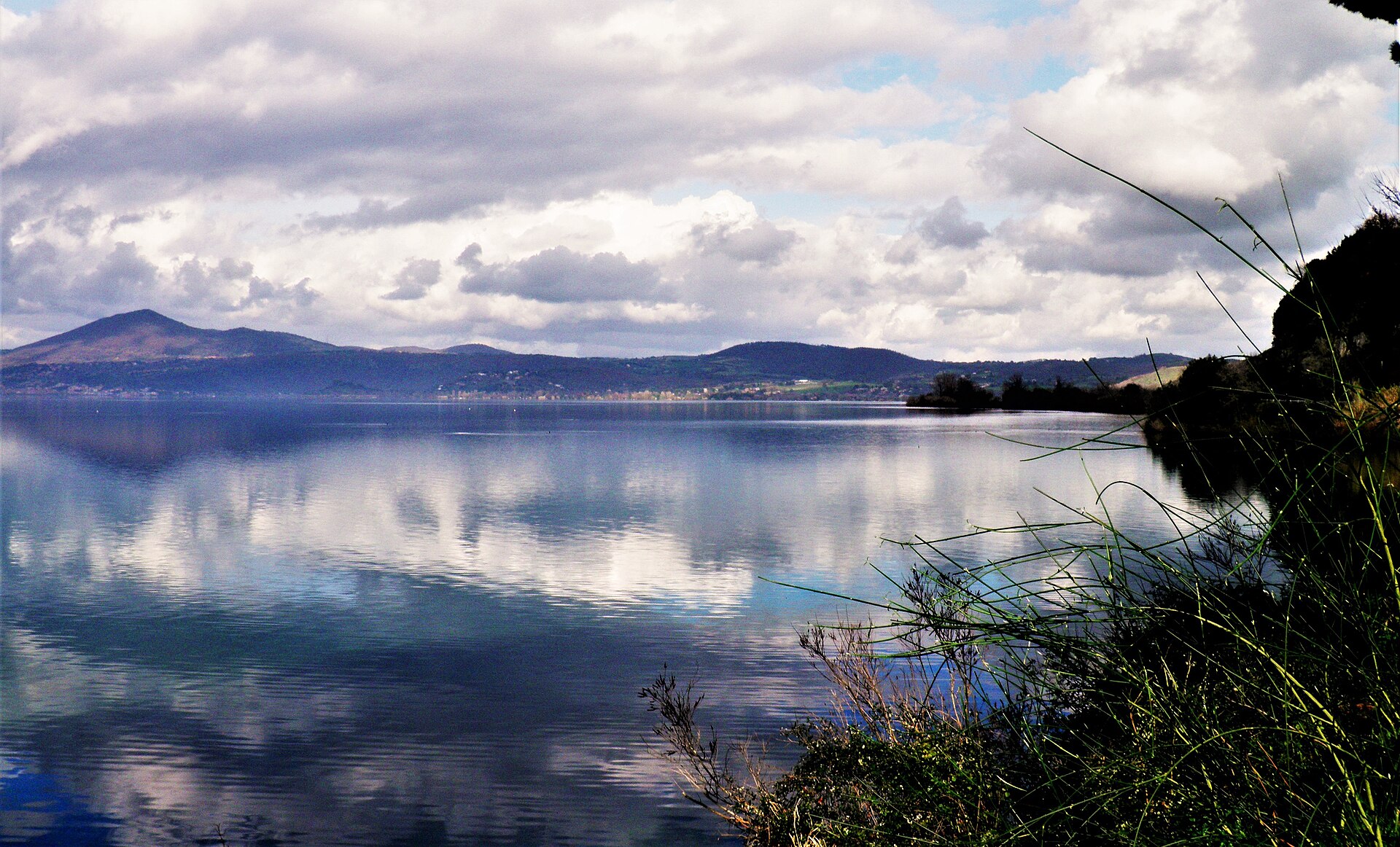
Natura 2000 · passage
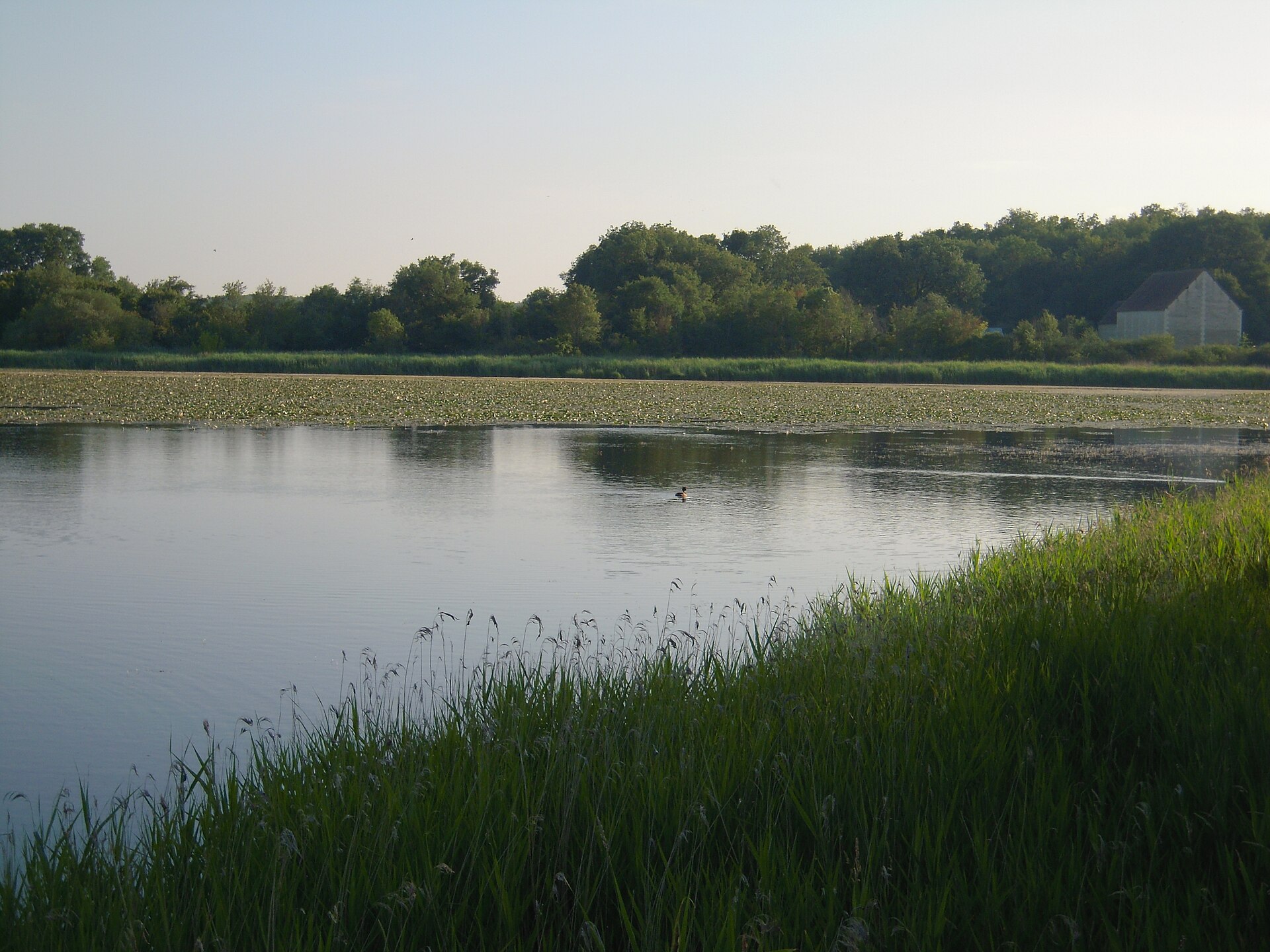
Natura 2000 · breeding
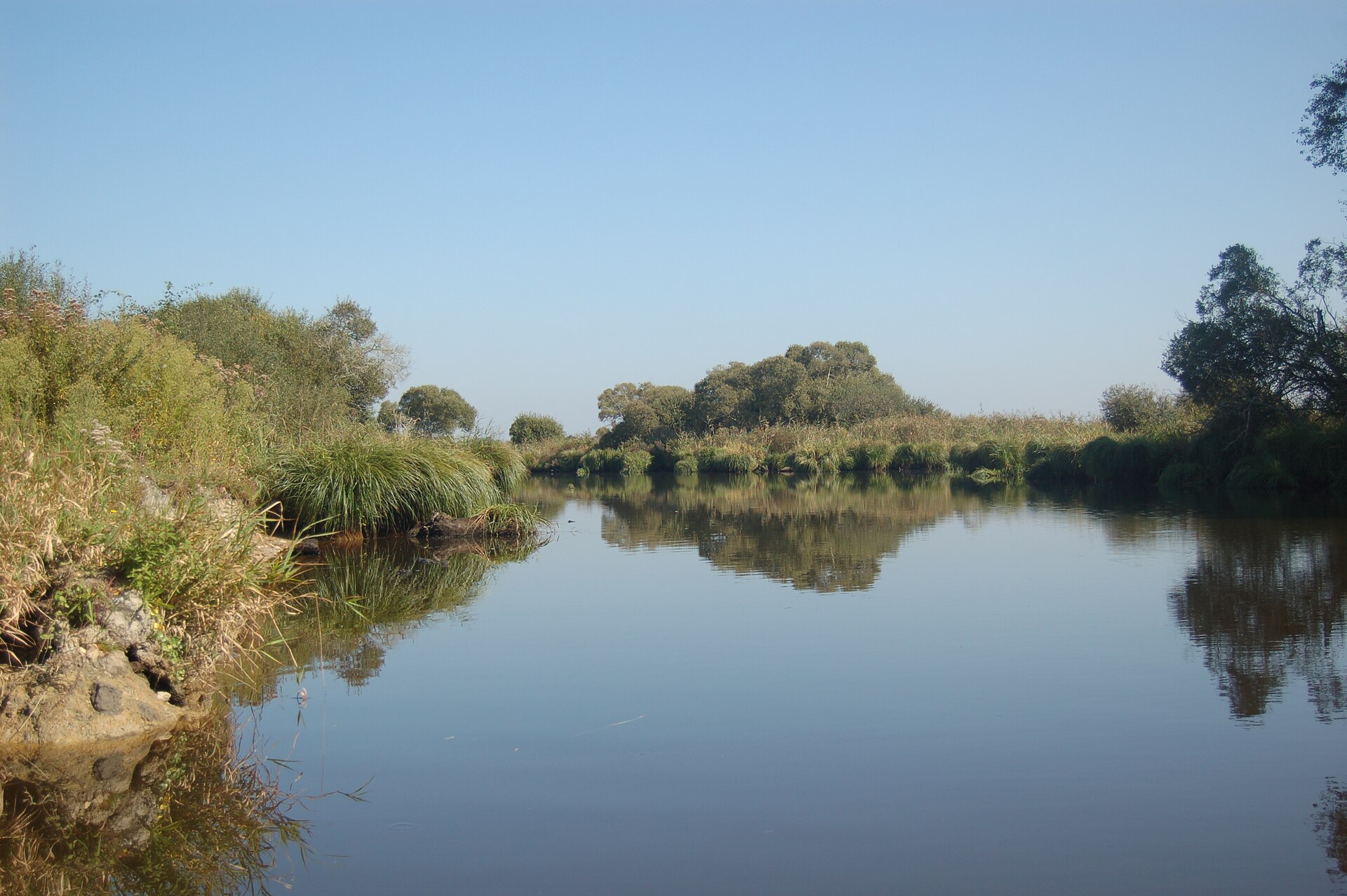
Natura 2000 · breeding
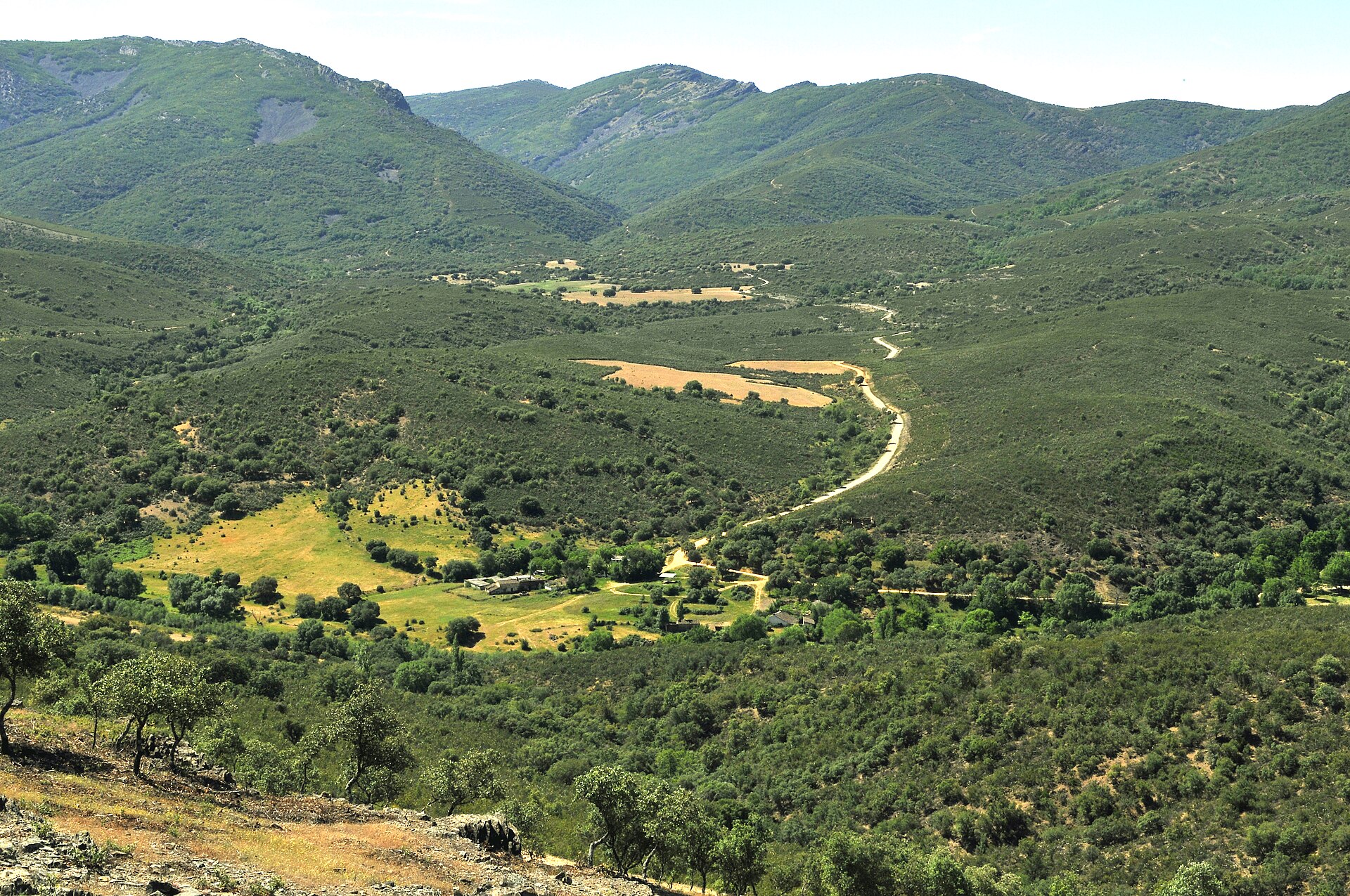
Natura 2000 · resident
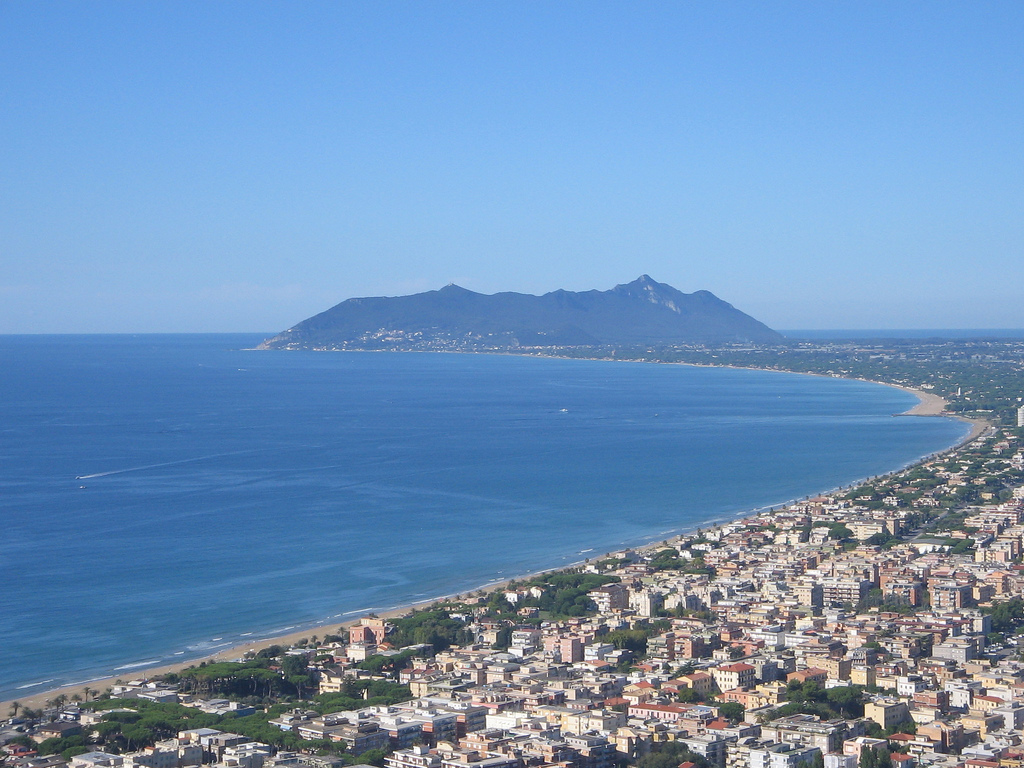
Natura 2000 · passage, breeding
Natura 2000 · passage

Natura 2000 · breeding
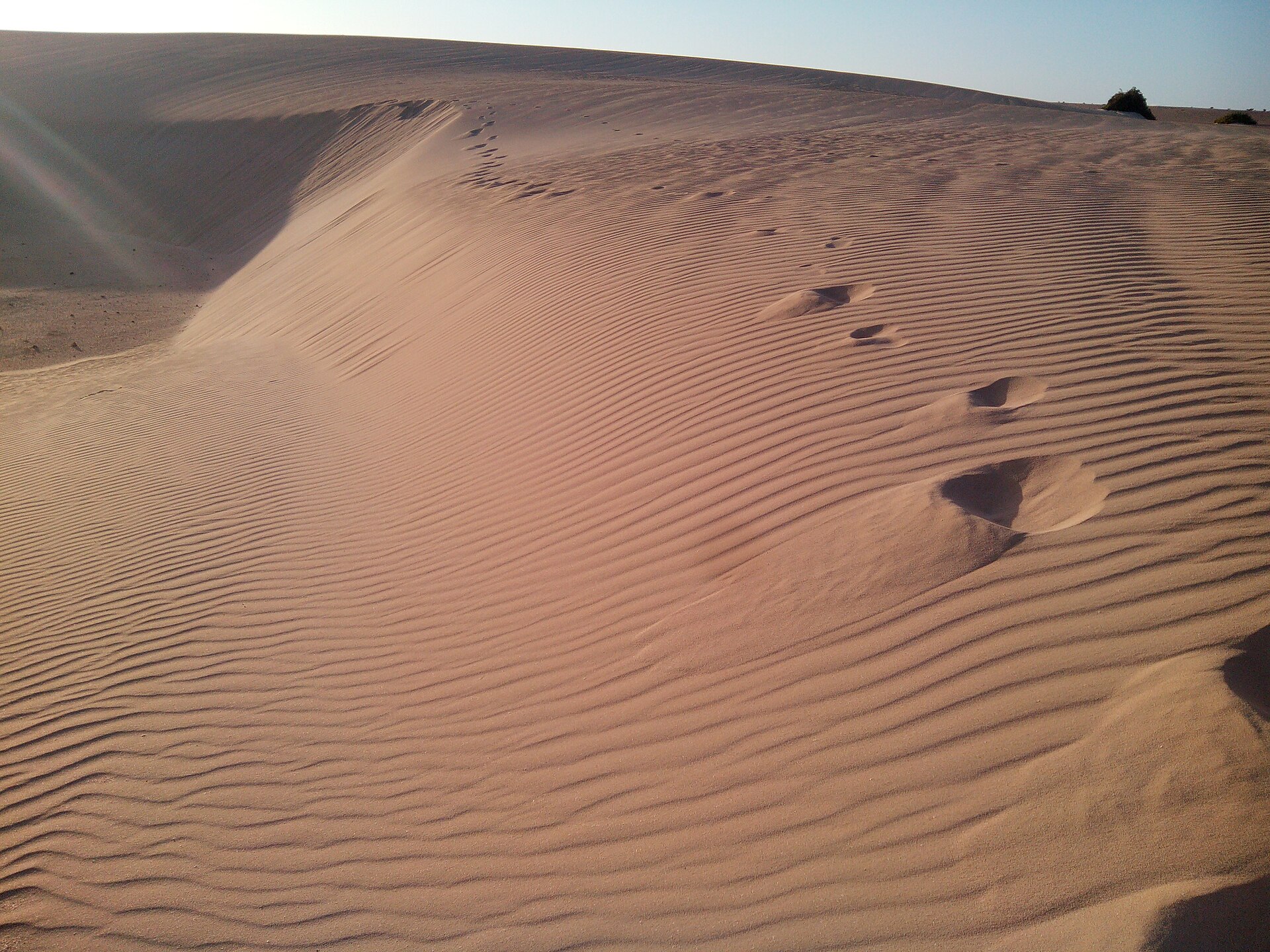
Natura 2000
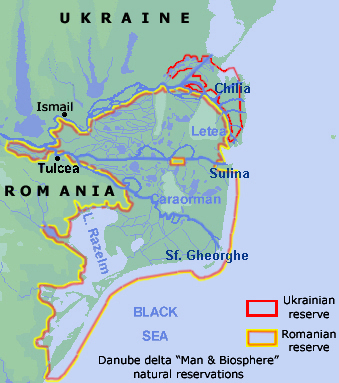
Natura 2000 · passage, breeding
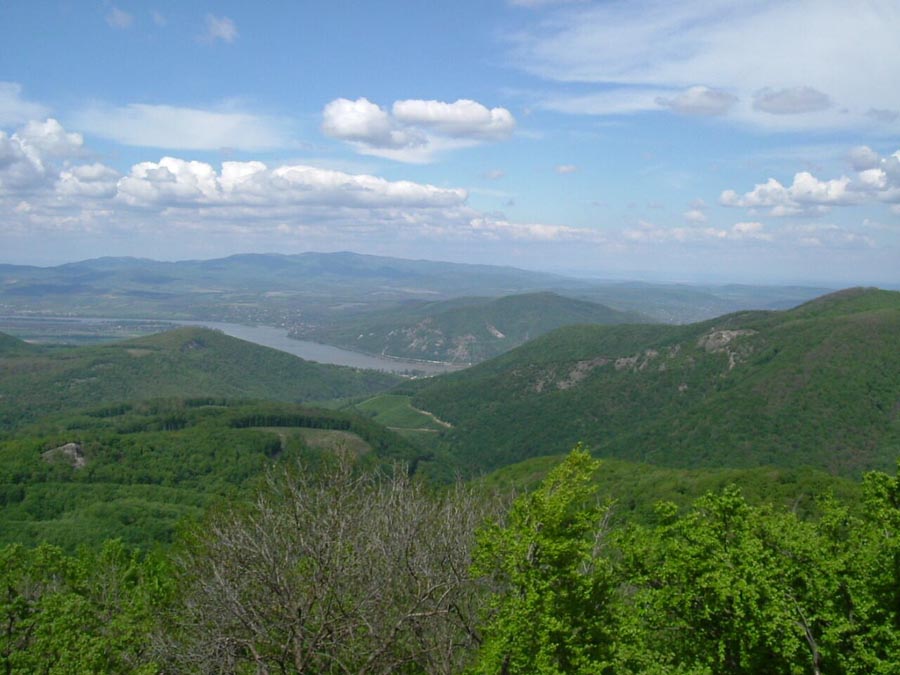
Natura 2000 · passage
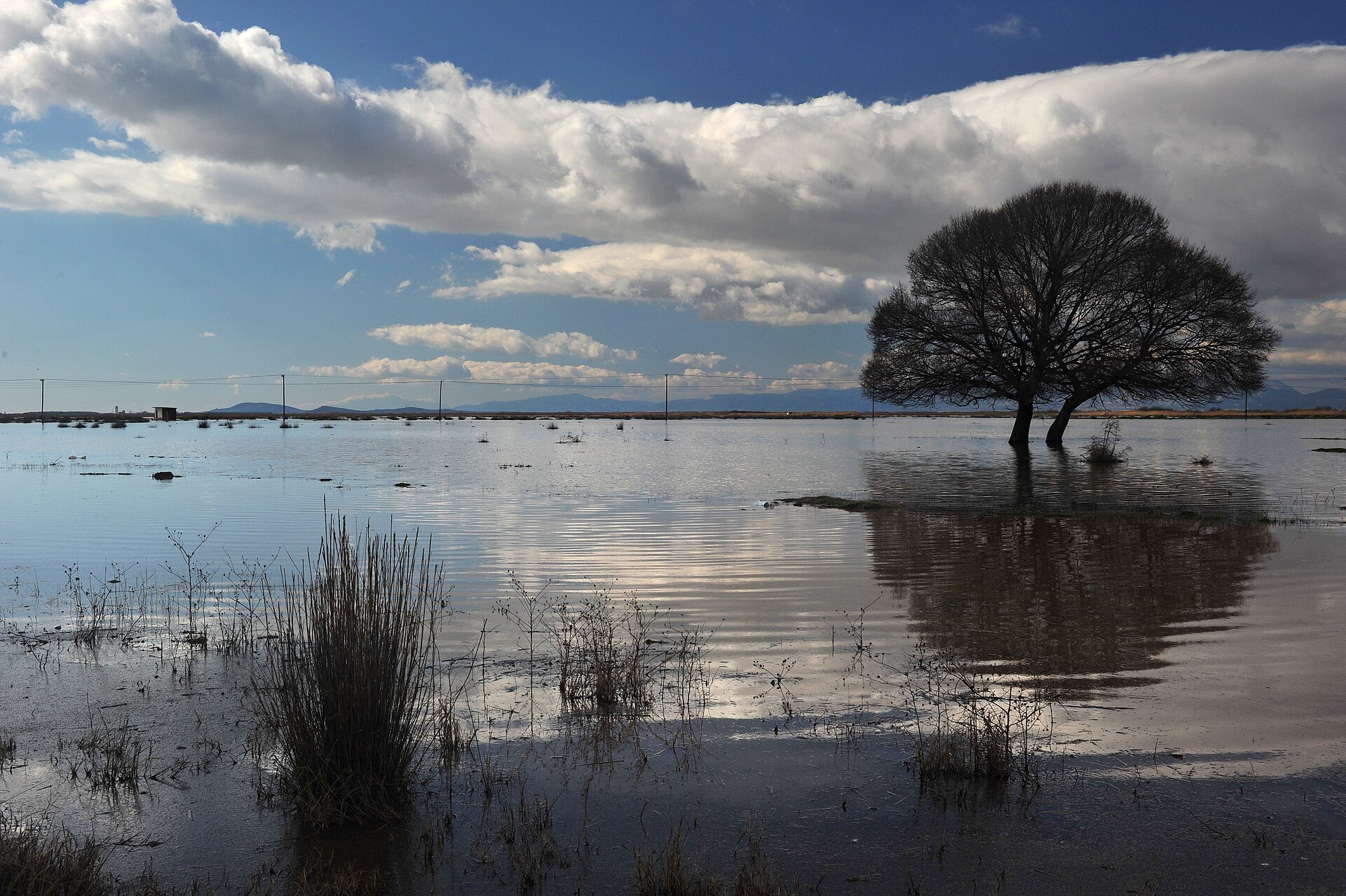
Natura 2000 · breeding

Natura 2000 · passage

Natura 2000 · passage
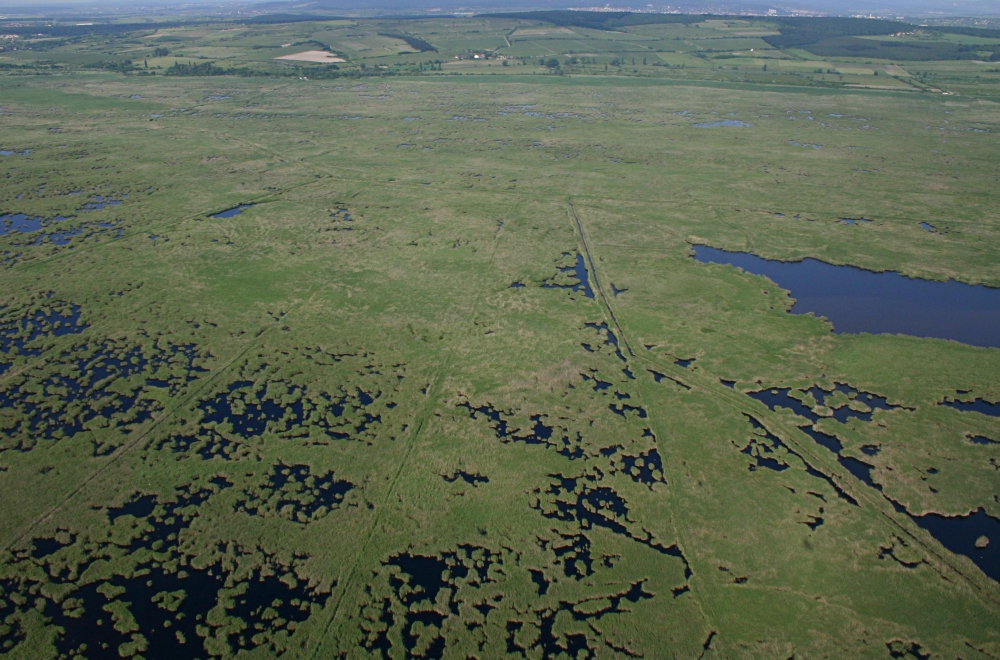
Natura 2000 · breeding

Natura 2000 · breeding, resident
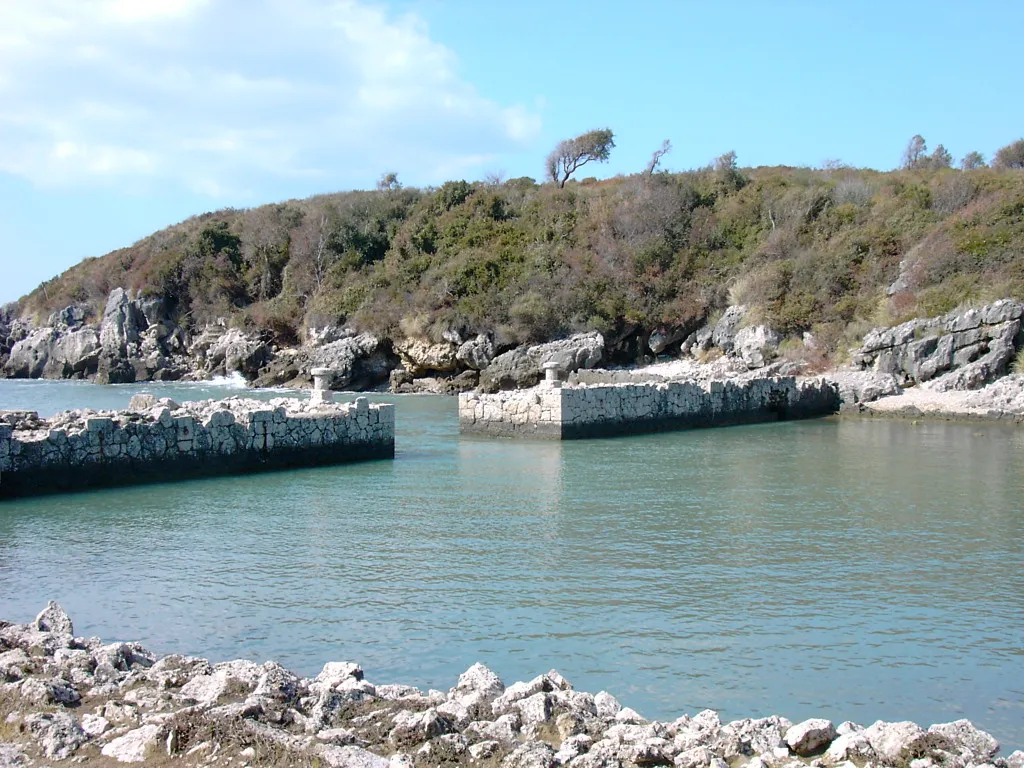
Natura 2000 · passage
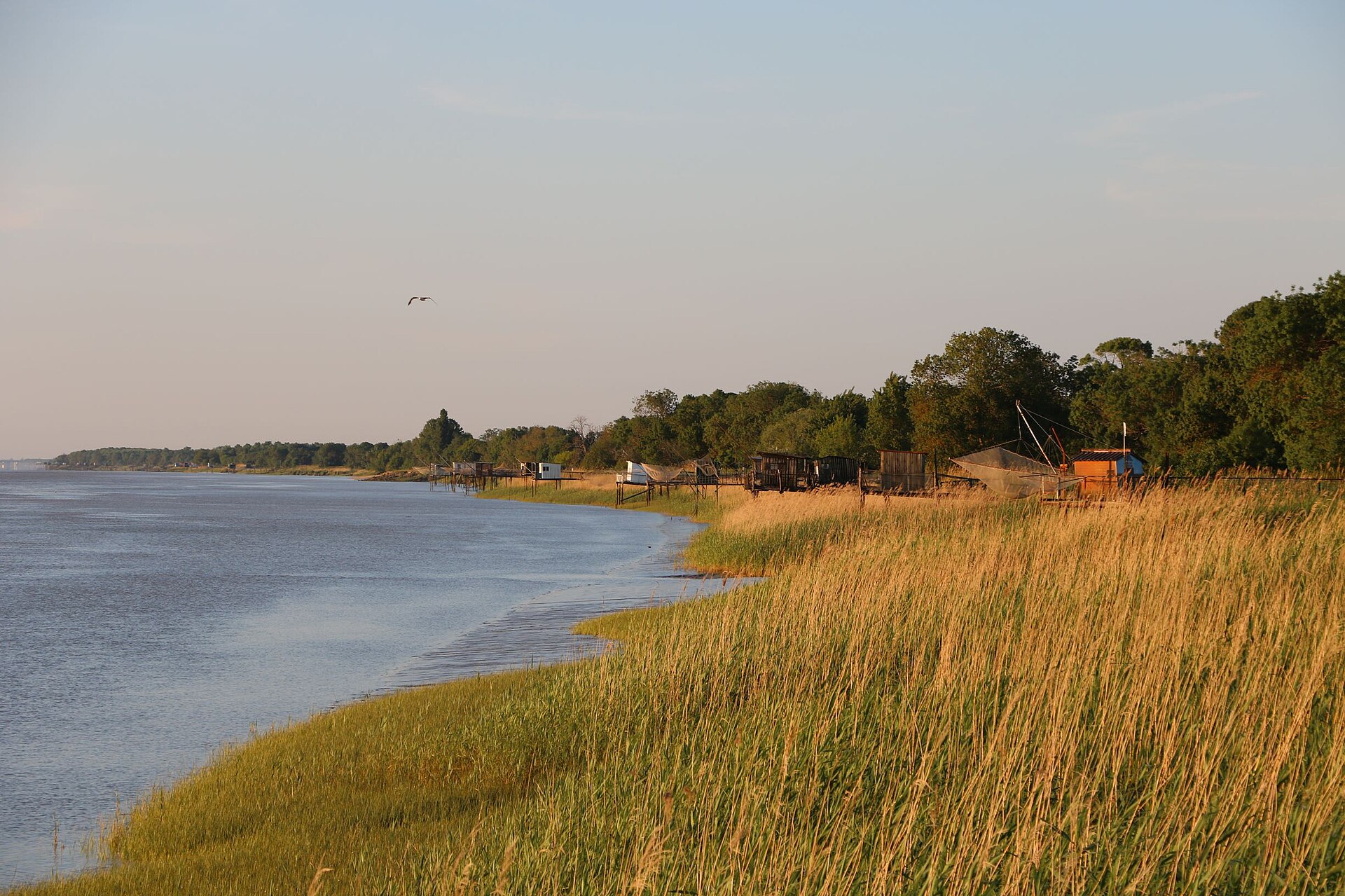
Natura 2000 · breeding, passage
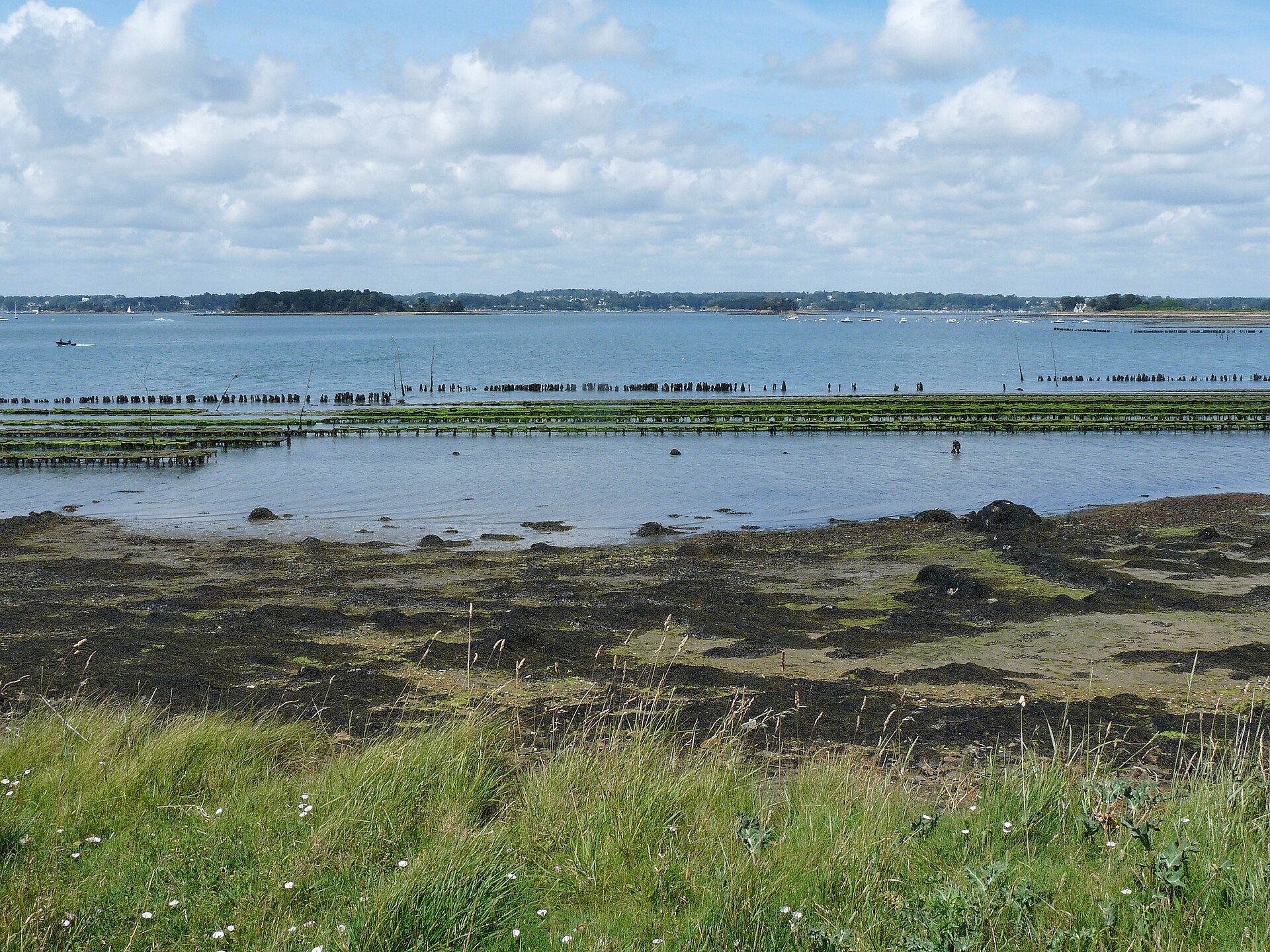
Natura 2000 · breeding, passage
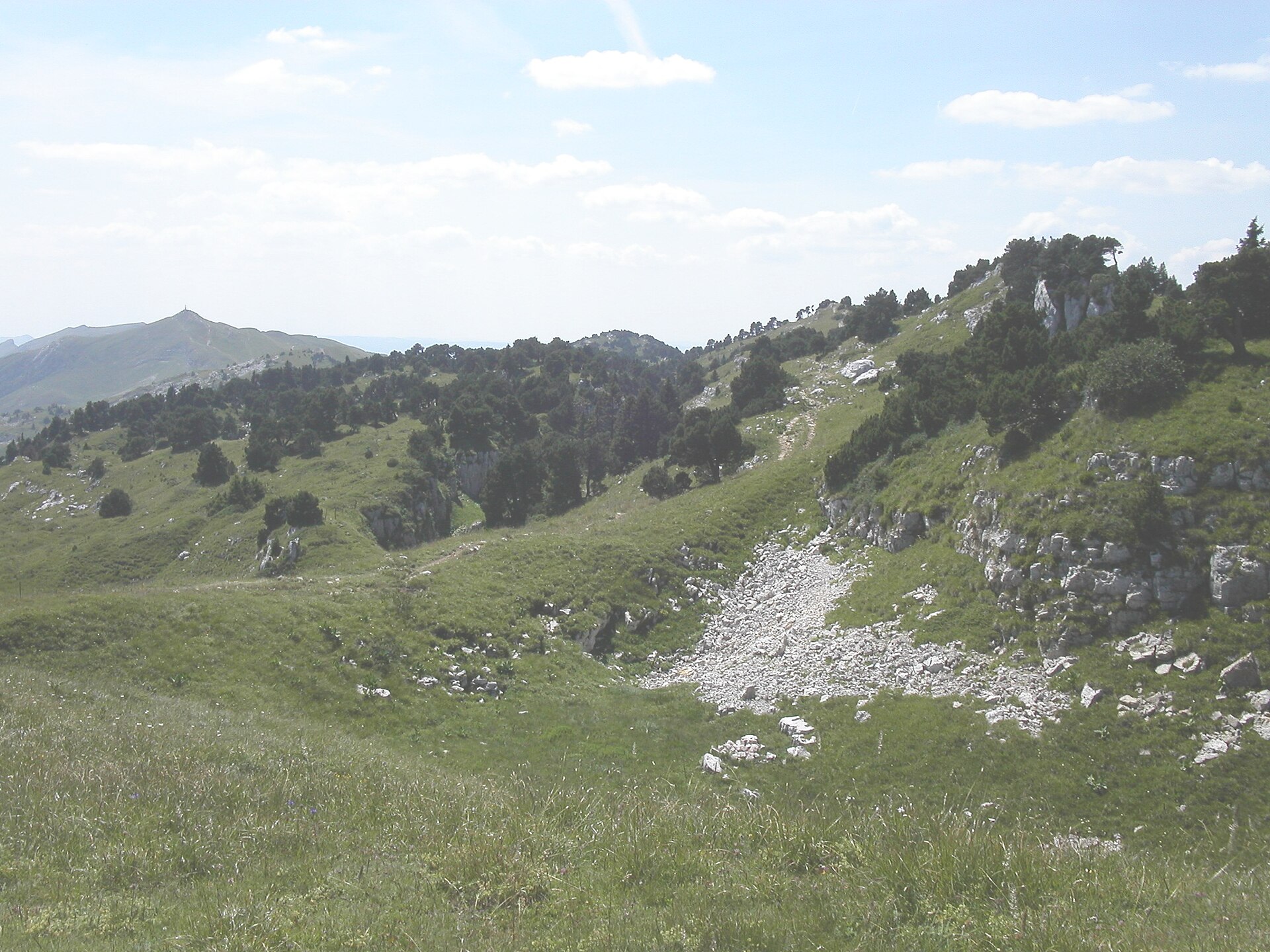
Natura 2000 · passage
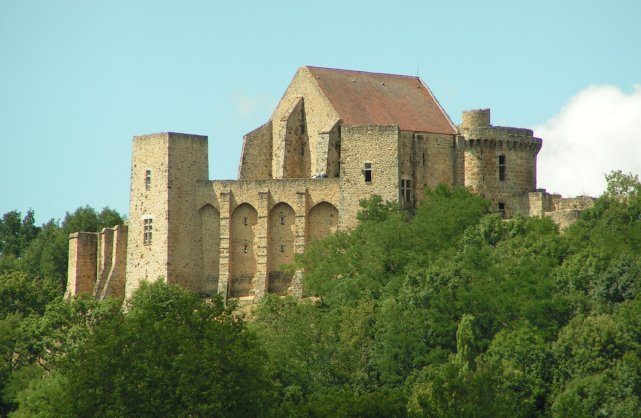
Natura 2000 · passage

Natura 2000 · breeding
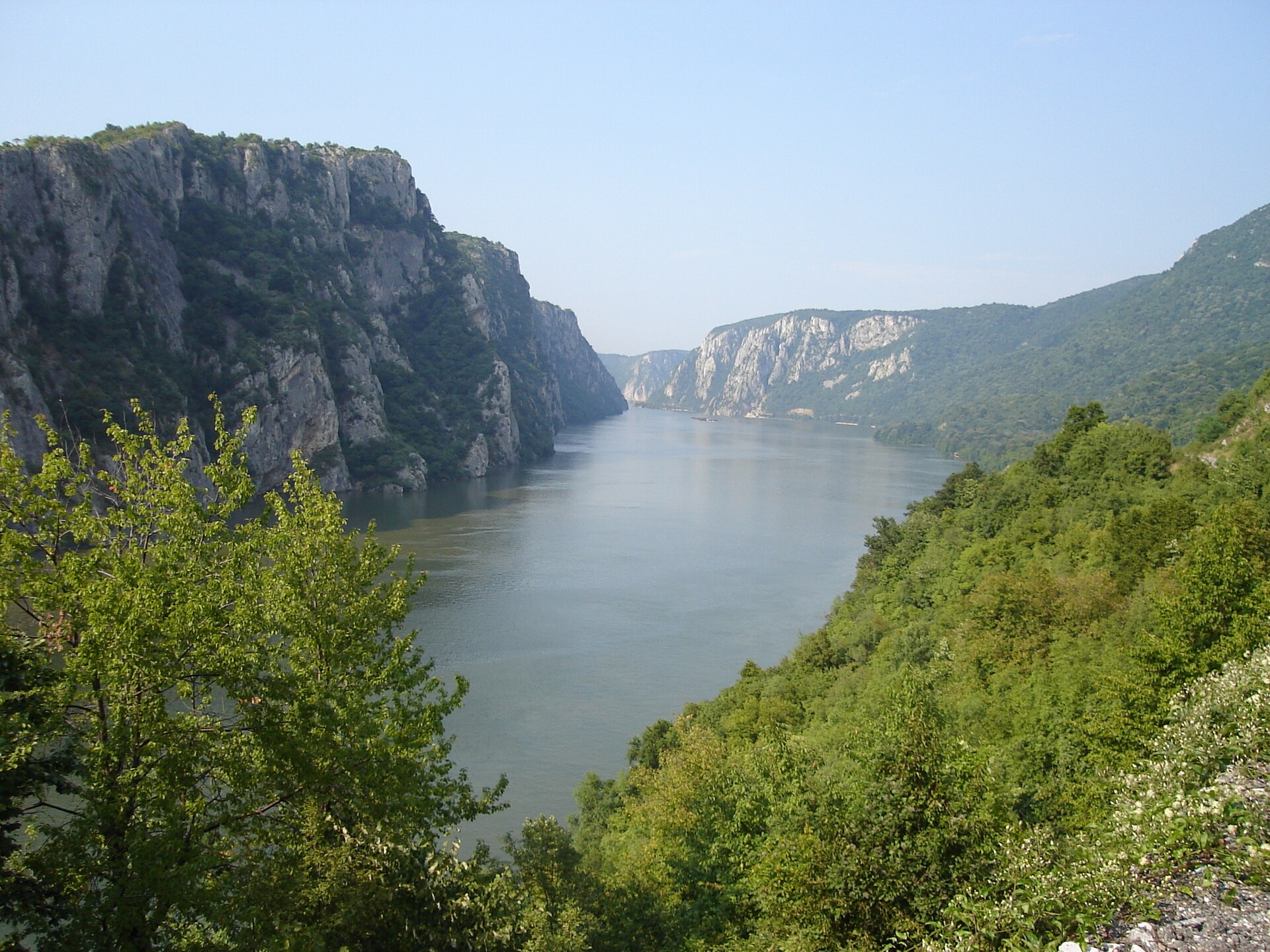
Natura 2000 · breeding
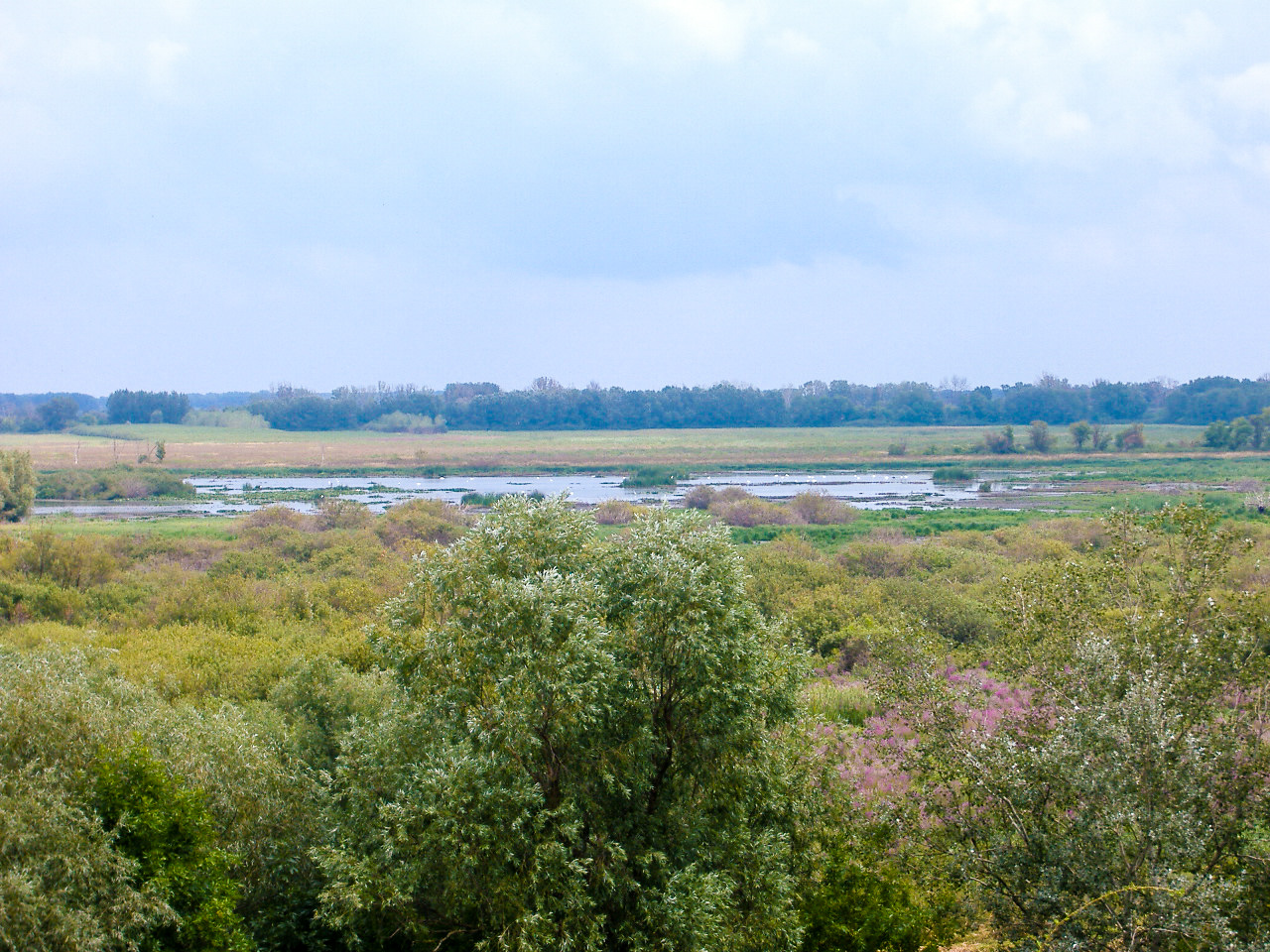
Natura 2000 · breeding, passage
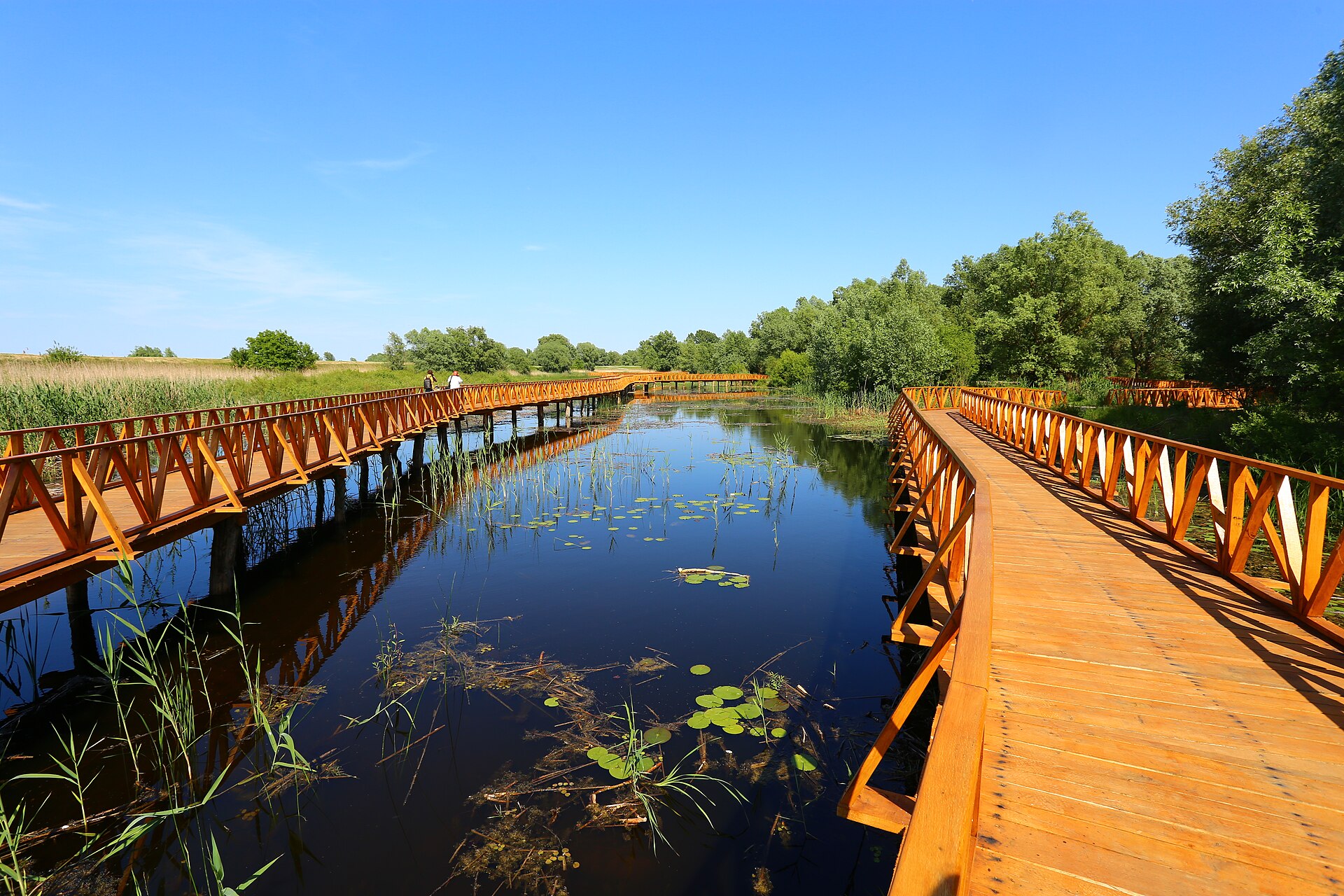
Natura 2000 · breeding, passage
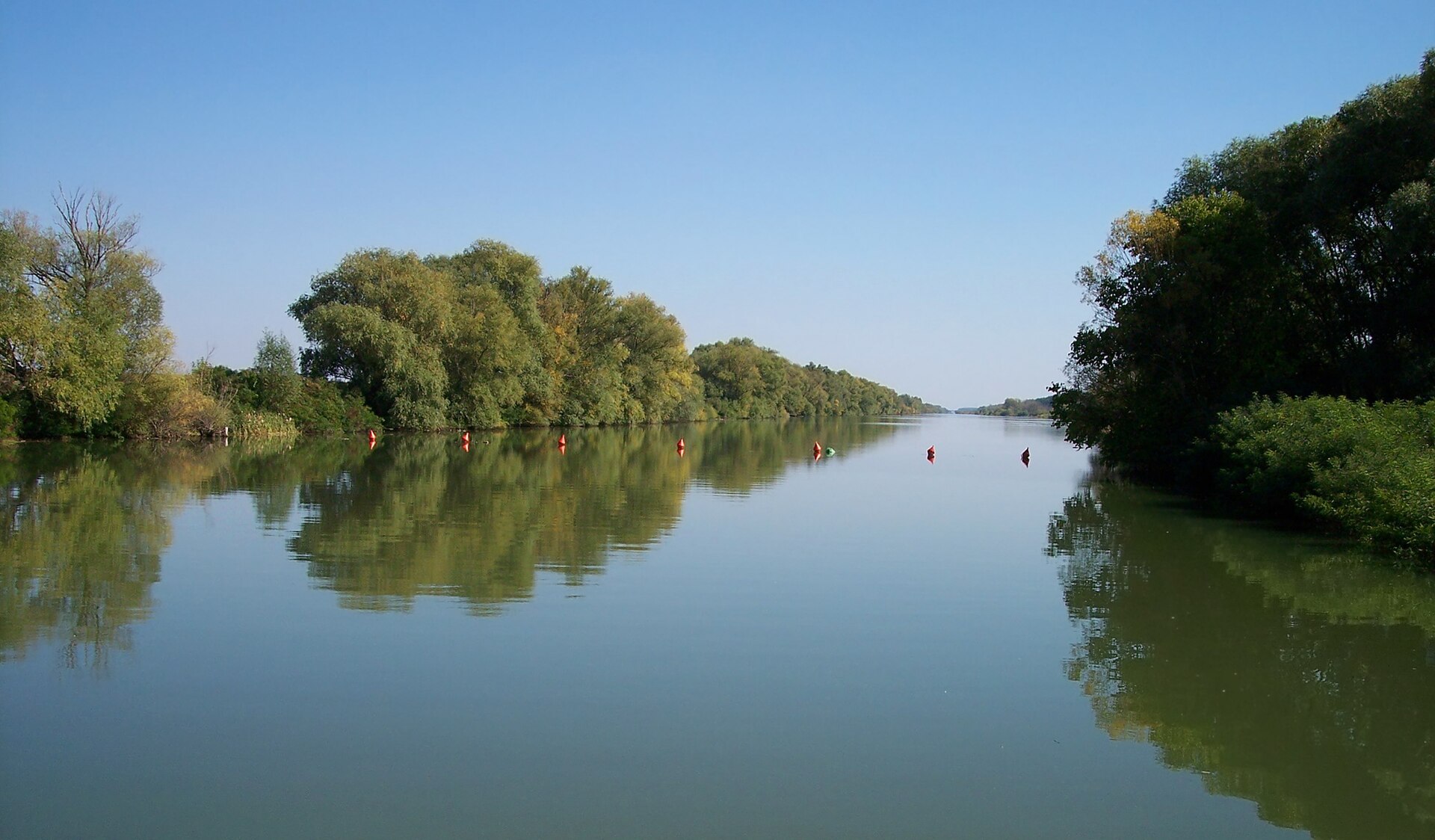
Natura 2000 · breeding
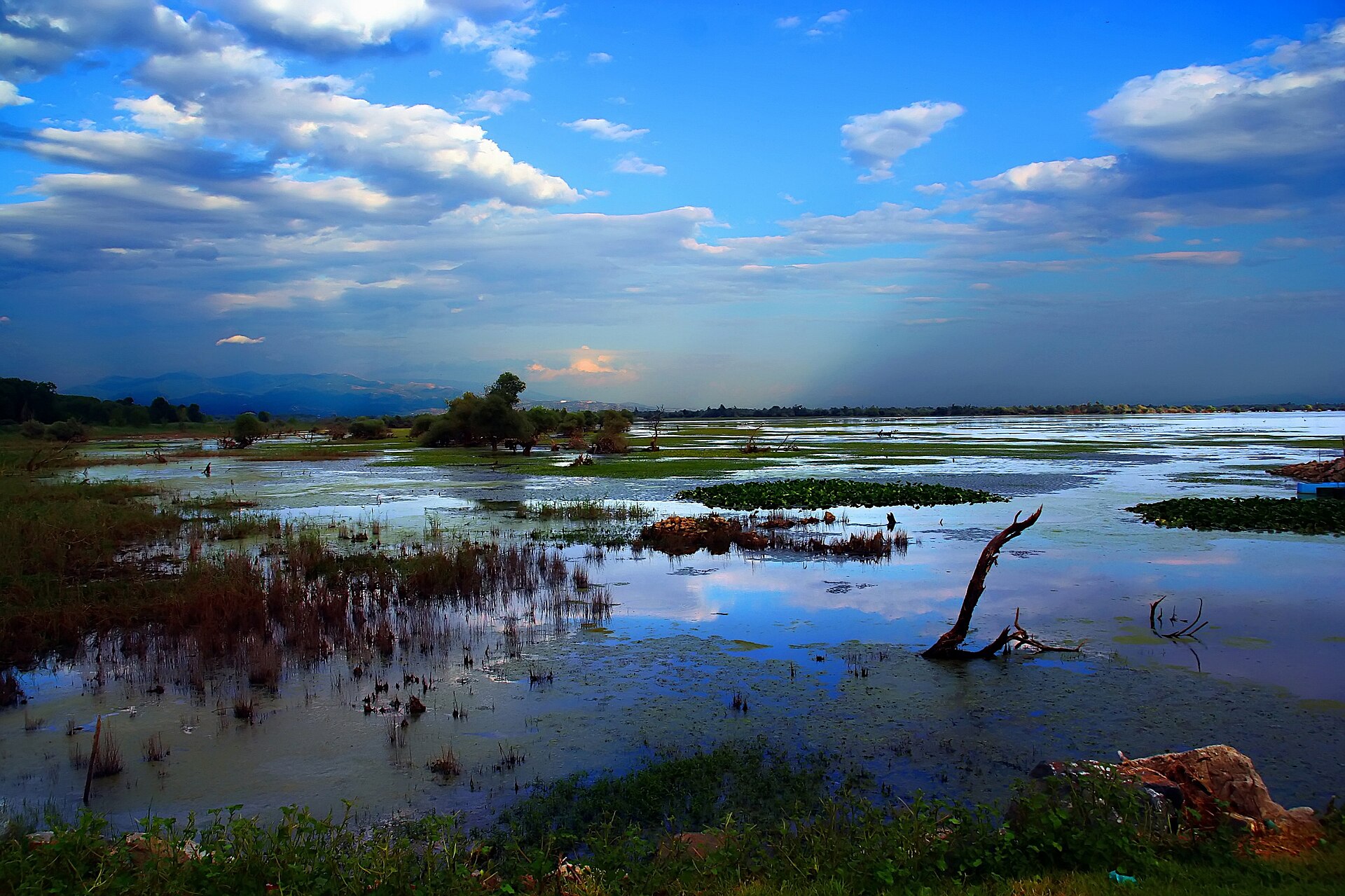
Natura 2000 · passage
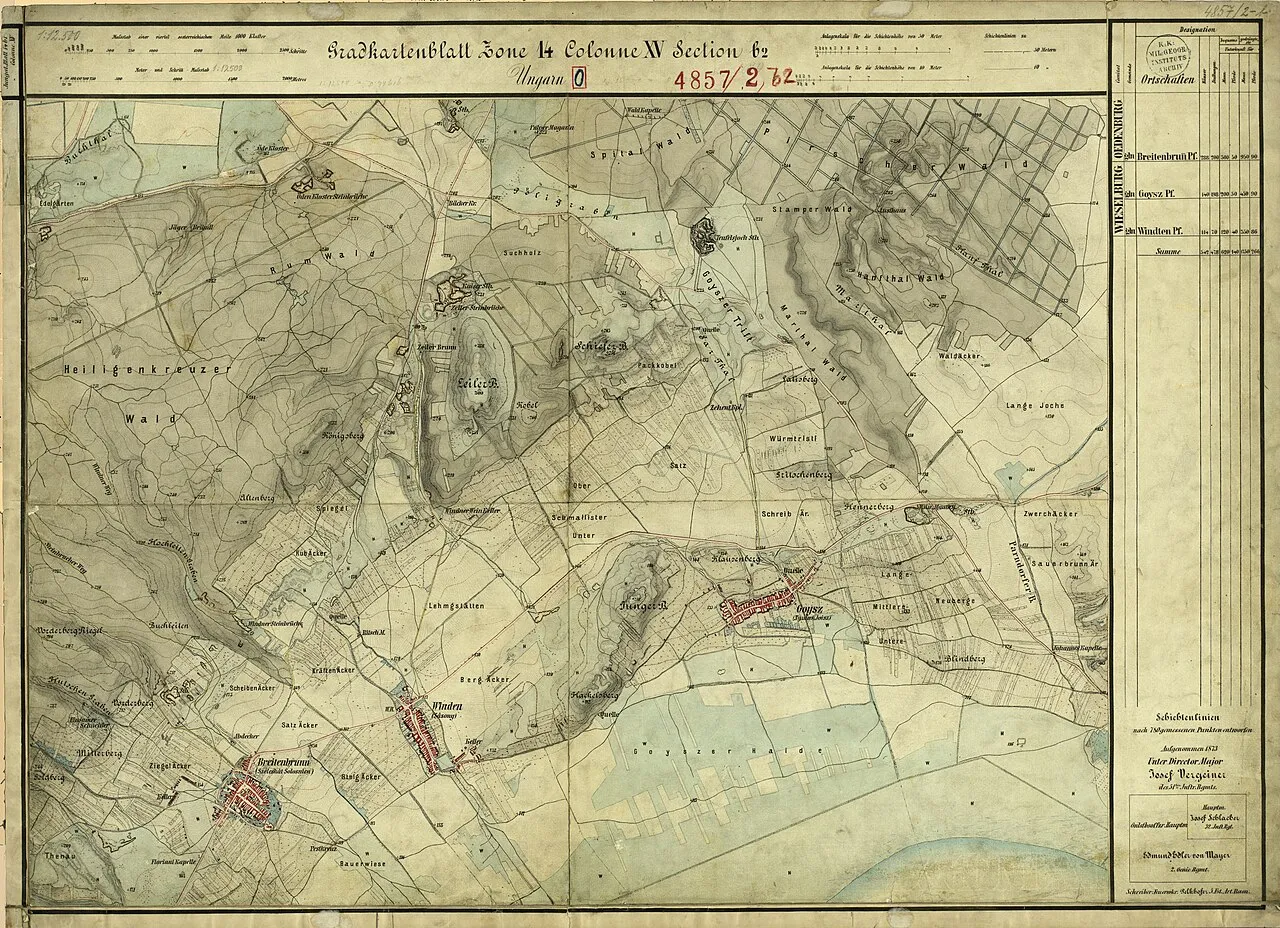
Natura 2000 · breeding
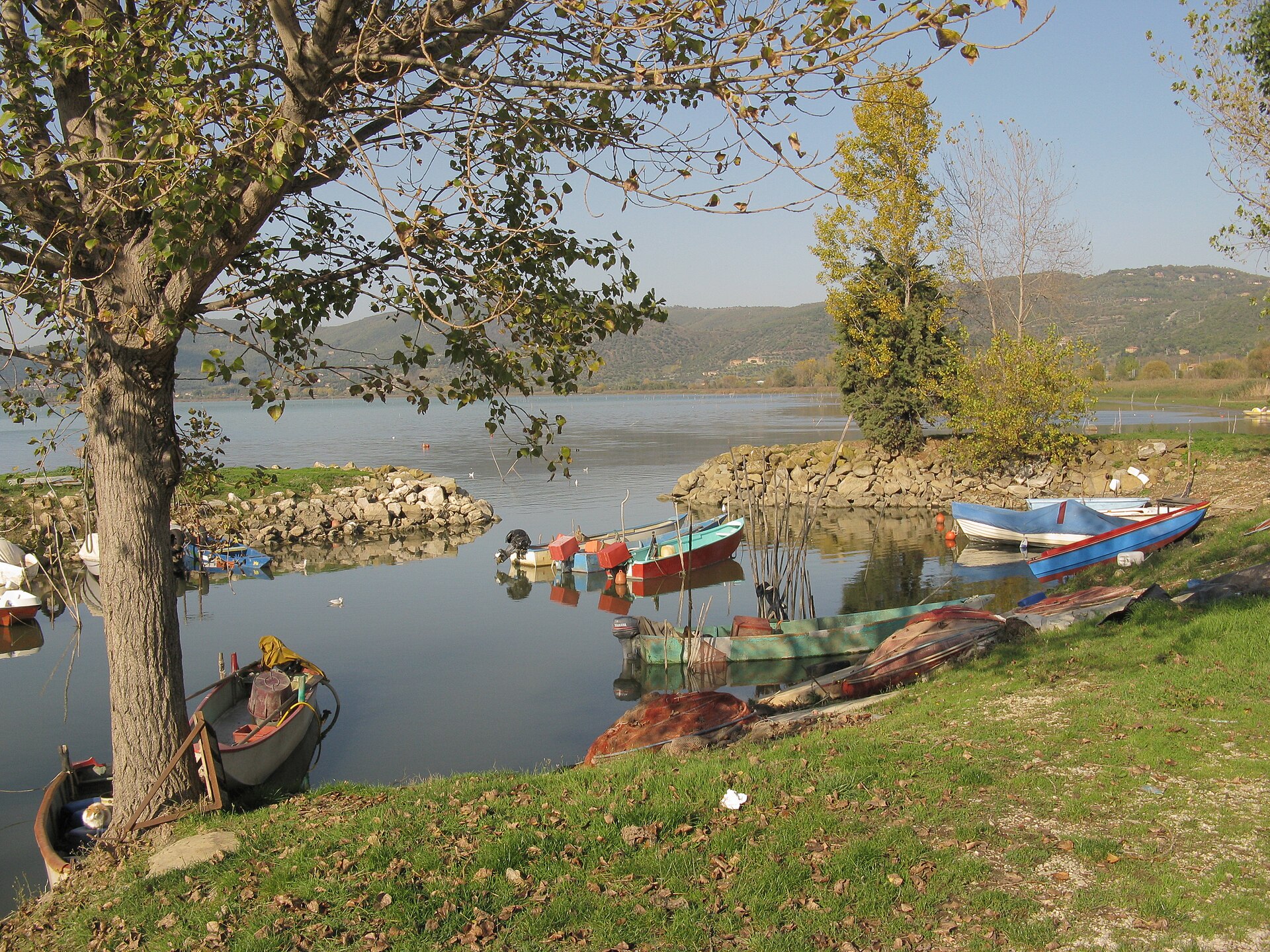
Natura 2000 · breeding
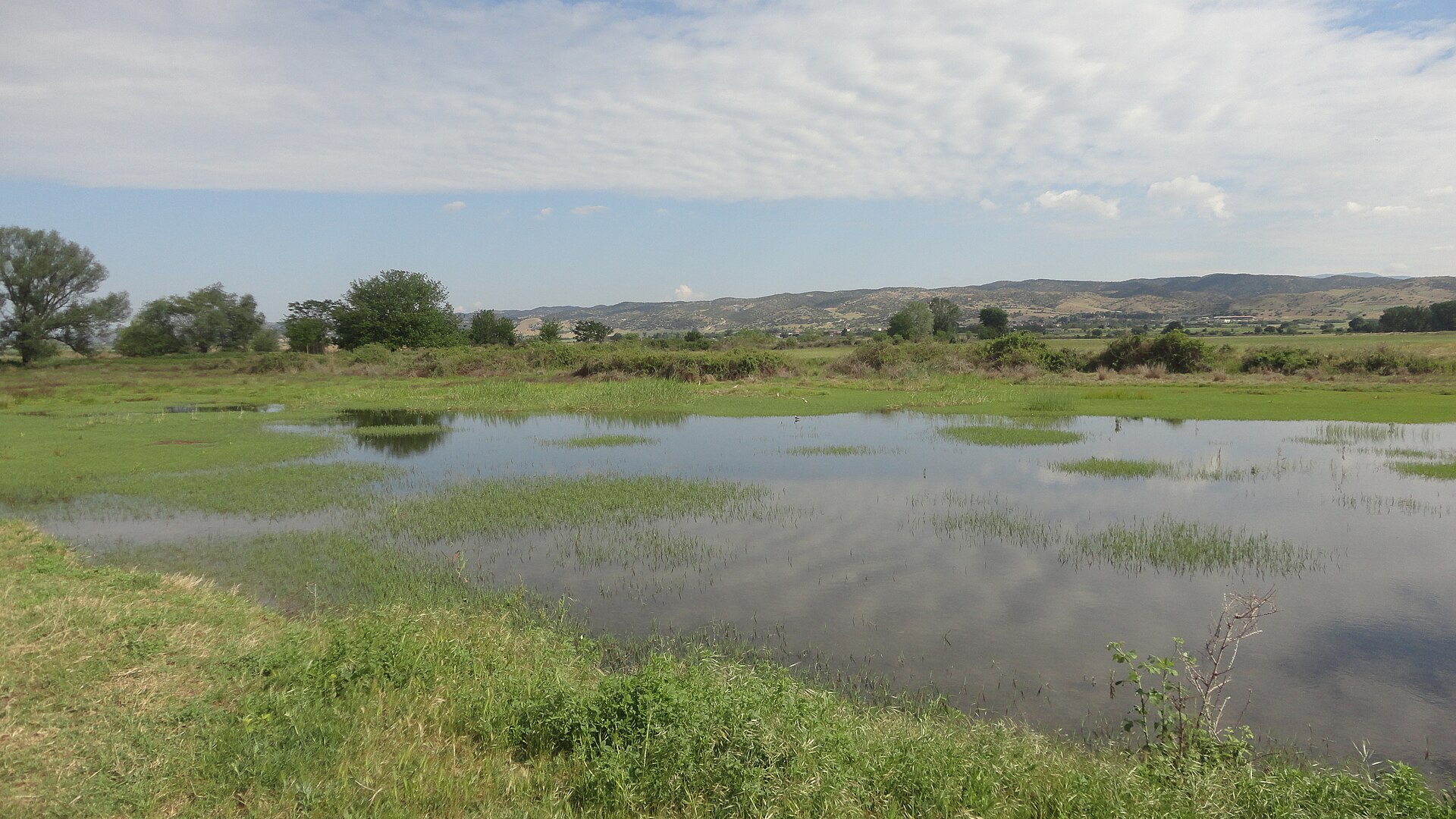
Natura 2000 · passage, breeding
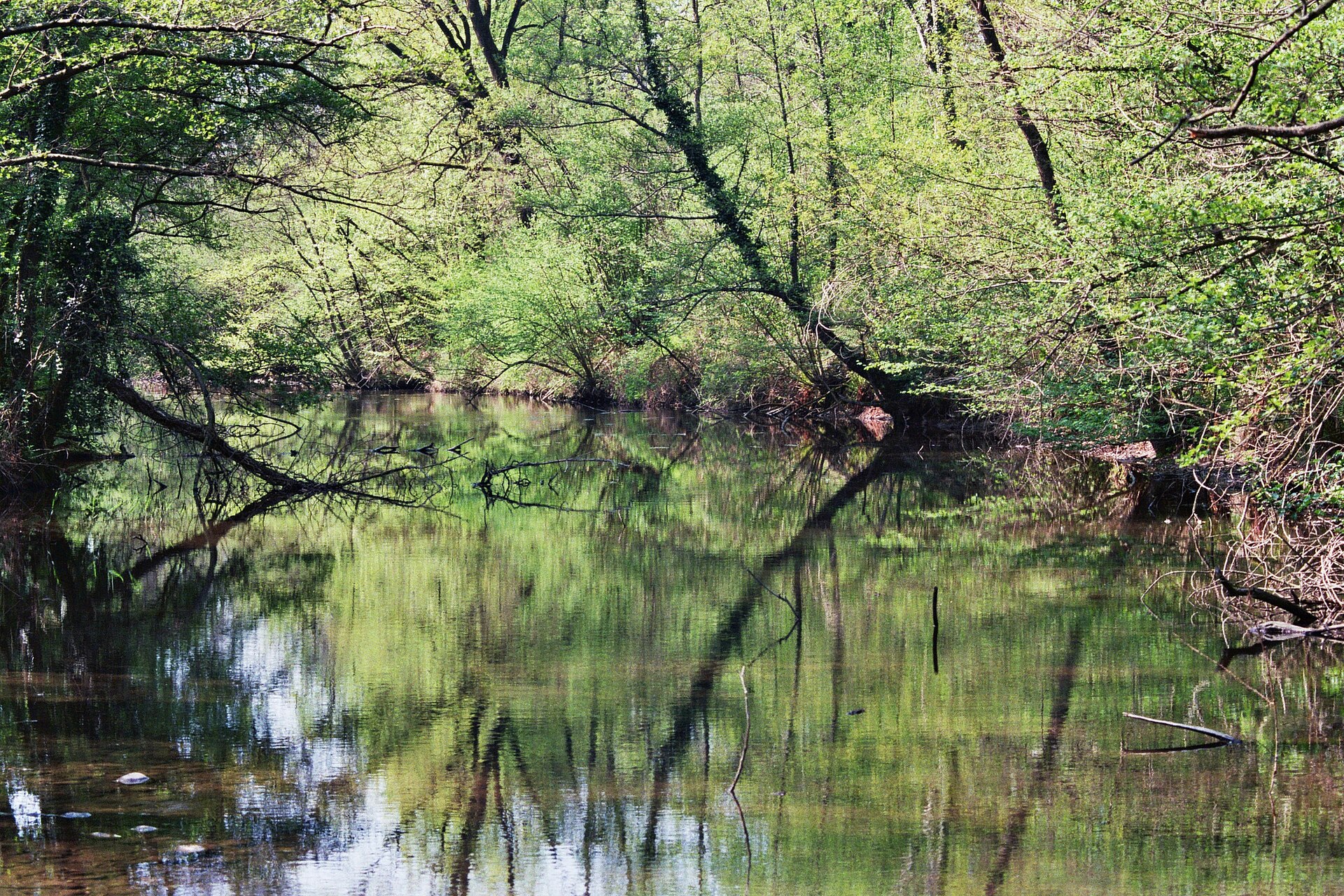
Natura 2000 · passage
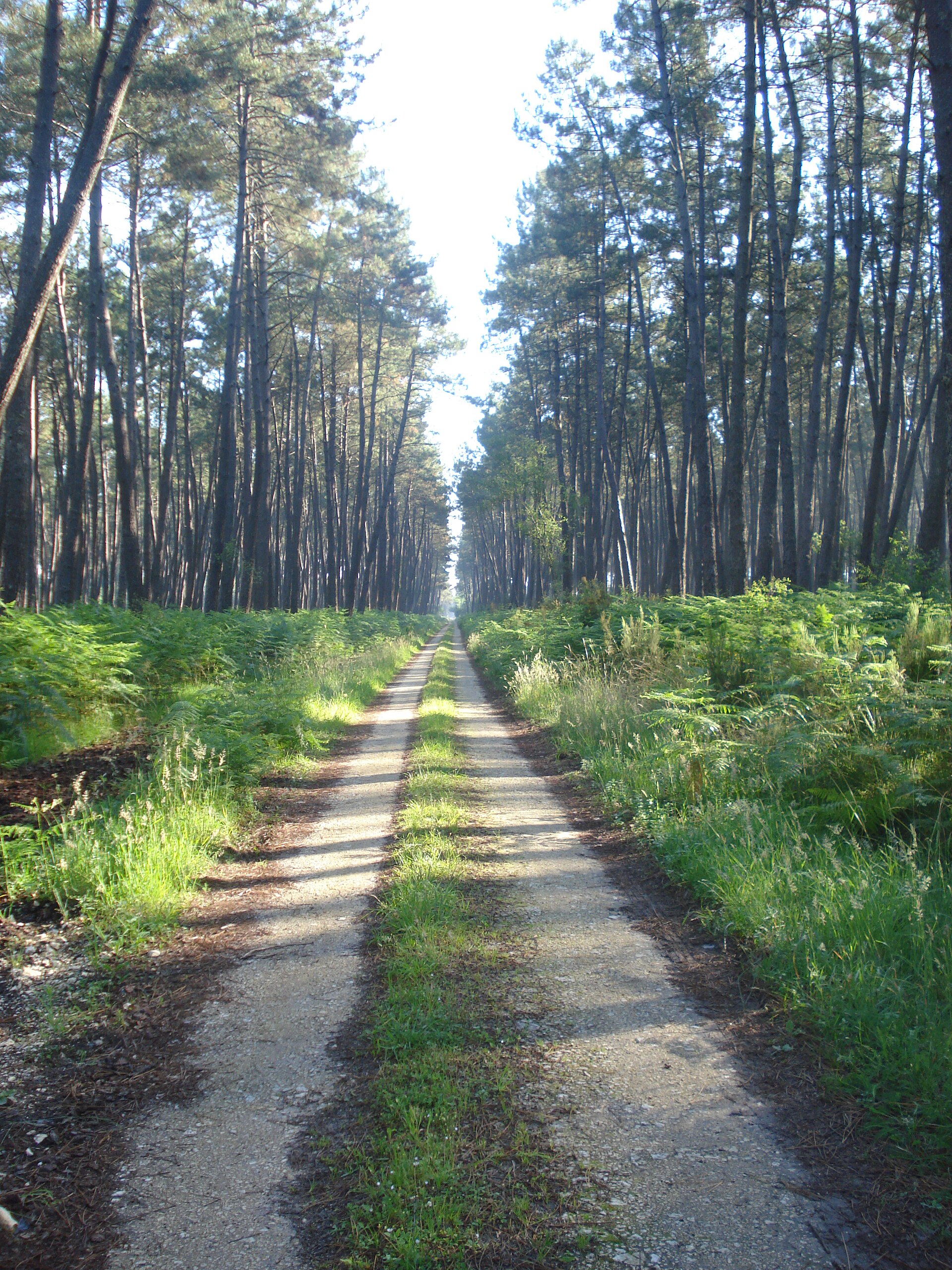
Natura 2000 · breeding, passage
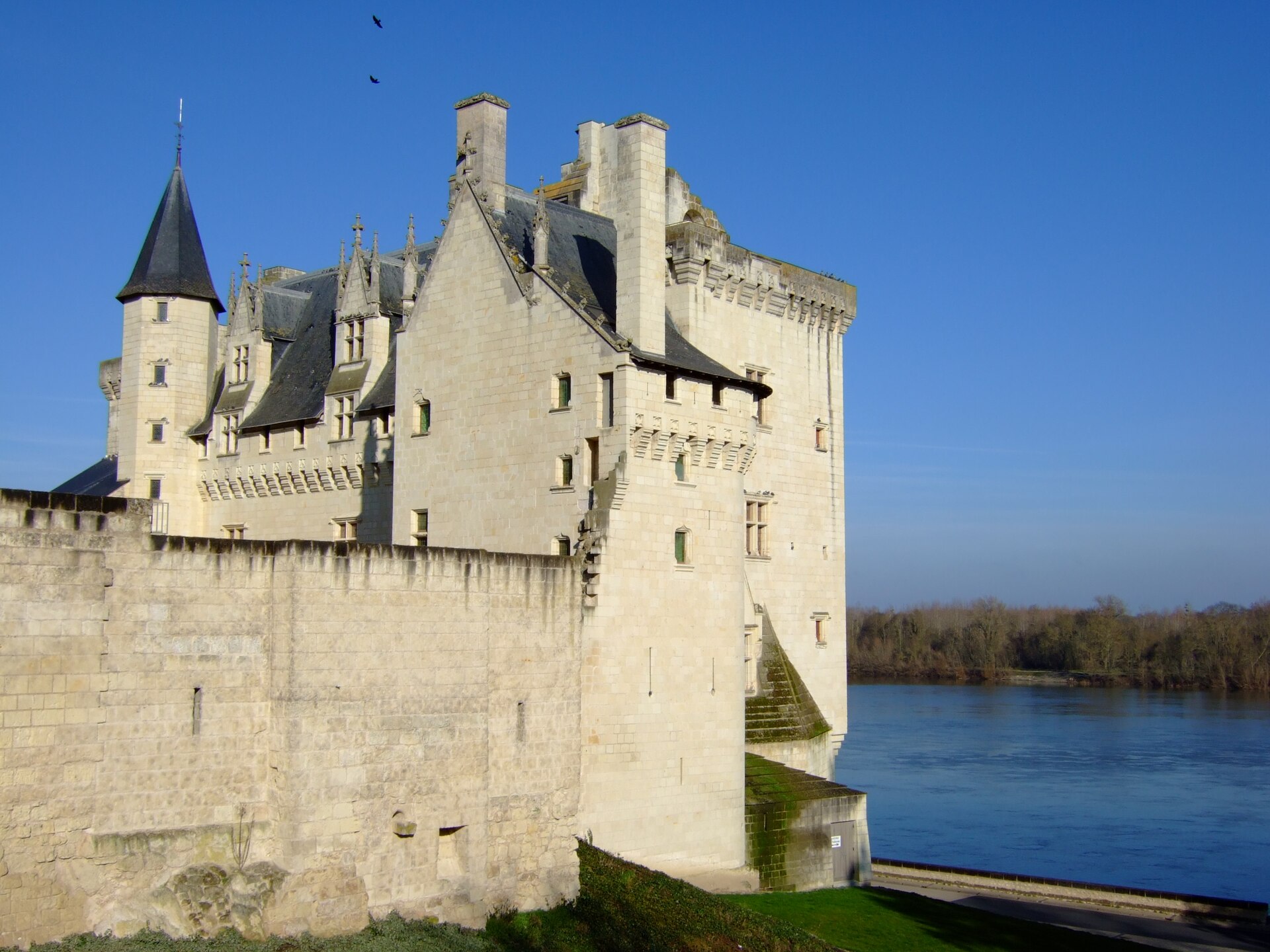
Natura 2000 · passage
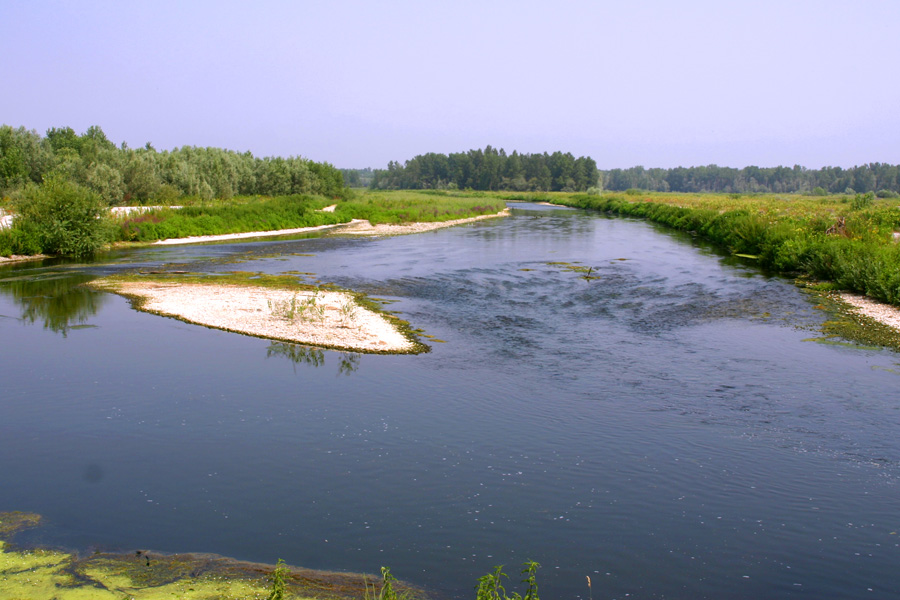
Natura 2000 · passage, breeding
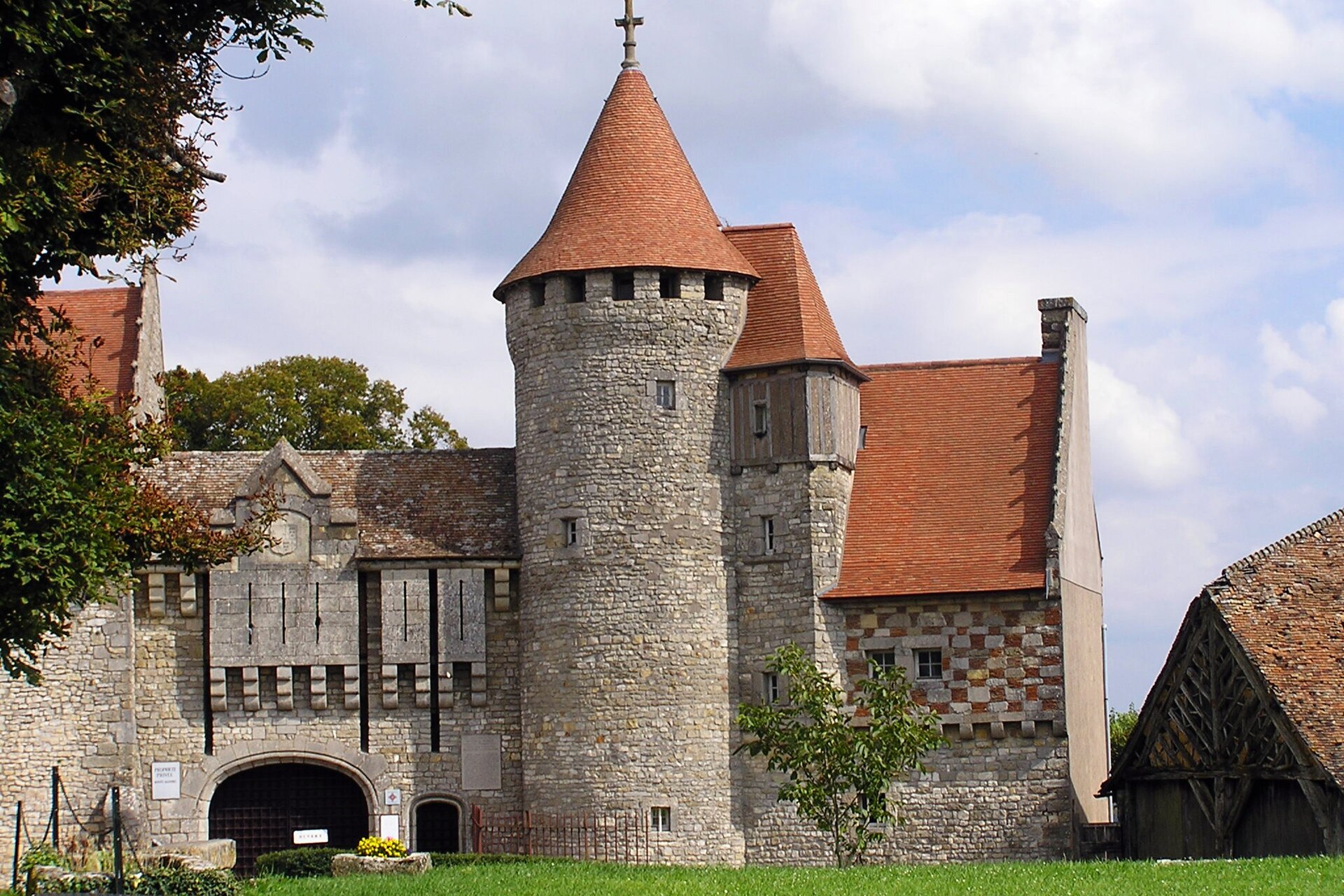
Natura 2000 · passage
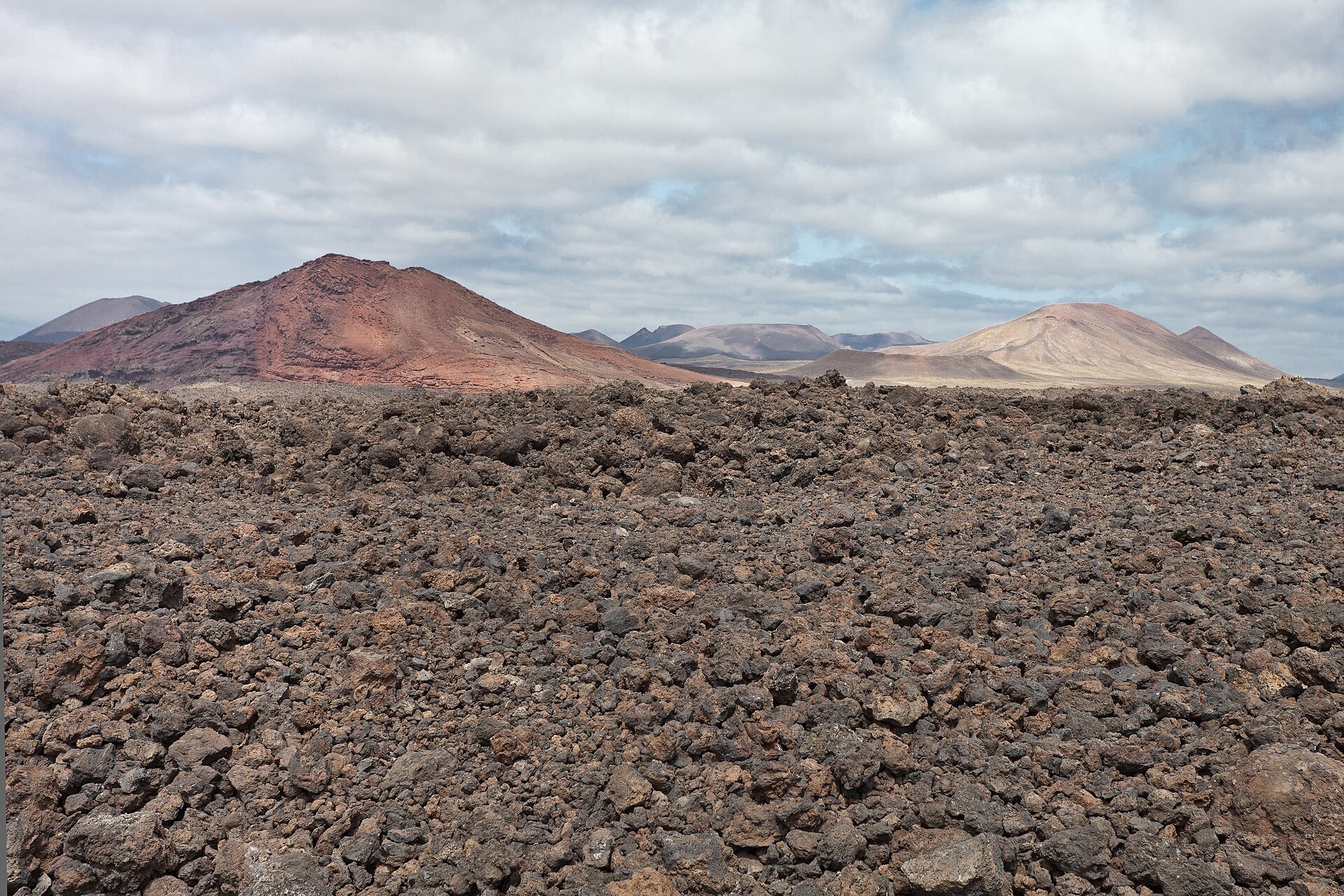
Natura 2000
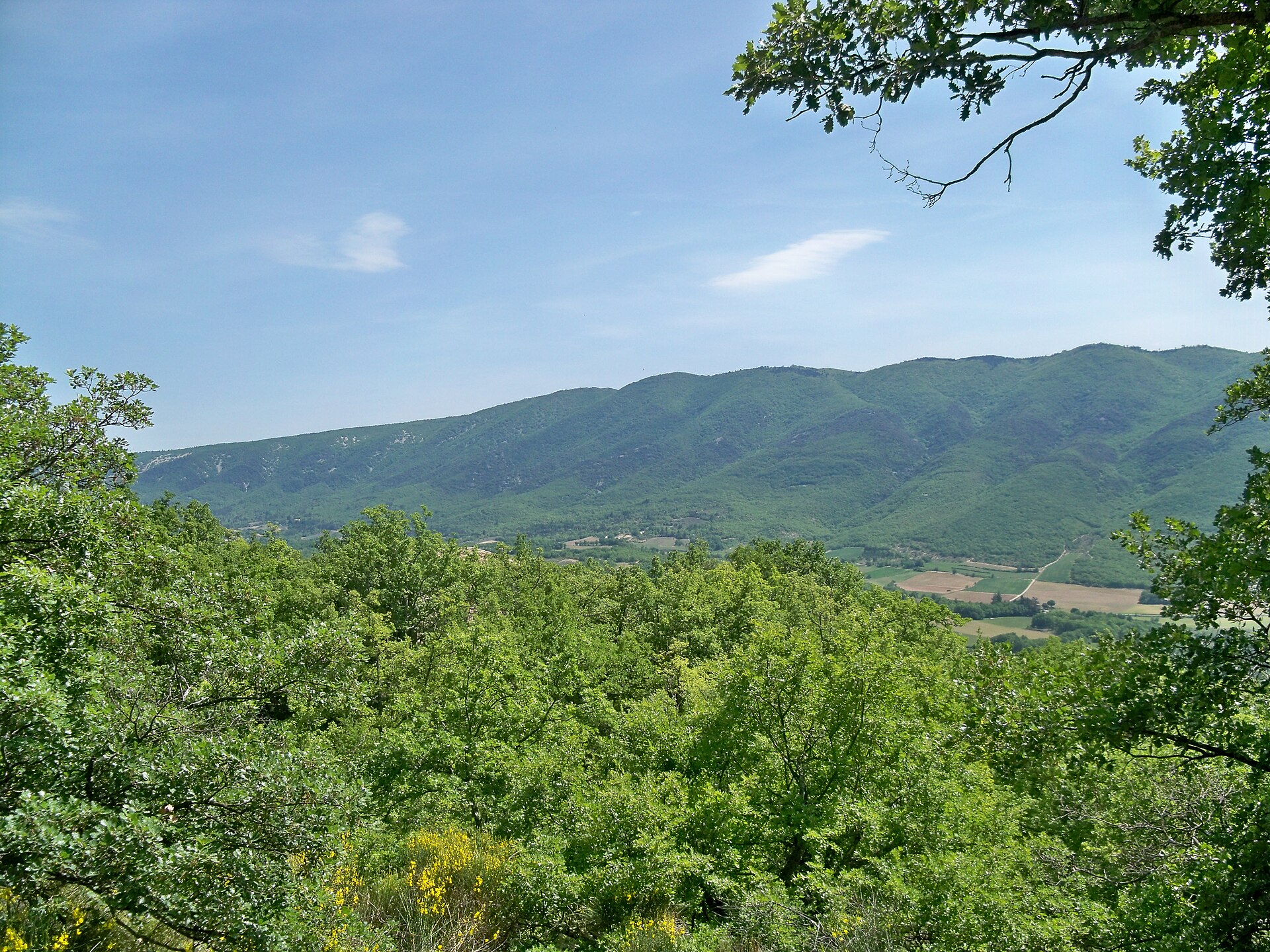
Natura 2000 · passage

Natura 2000 · passage

Natura 2000 · breeding, passage

Natura 2000 · passage, breeding
Natura 2000 · passage
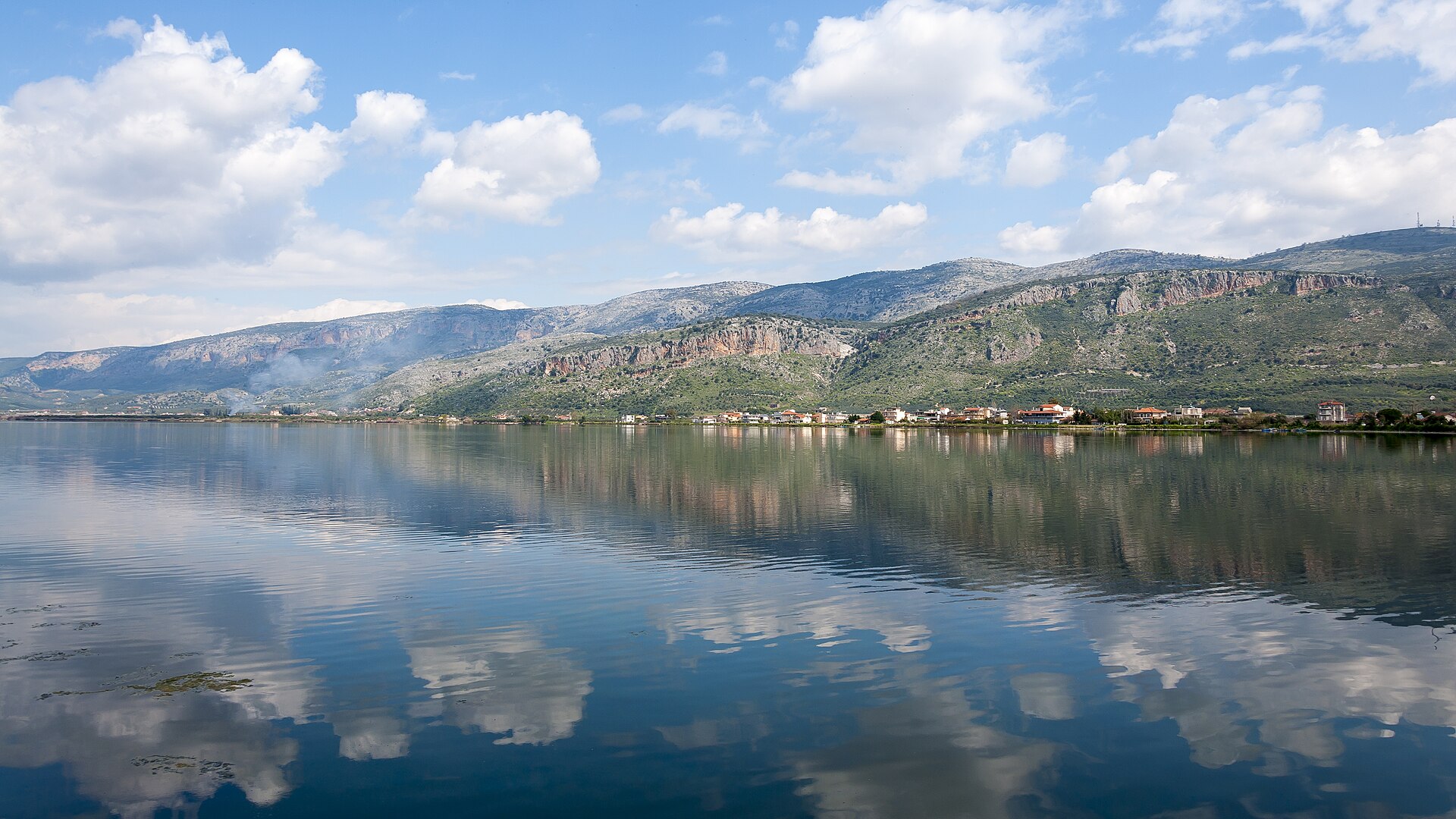
Natura 2000 · breeding, wintering

Natura 2000 · breeding, passage
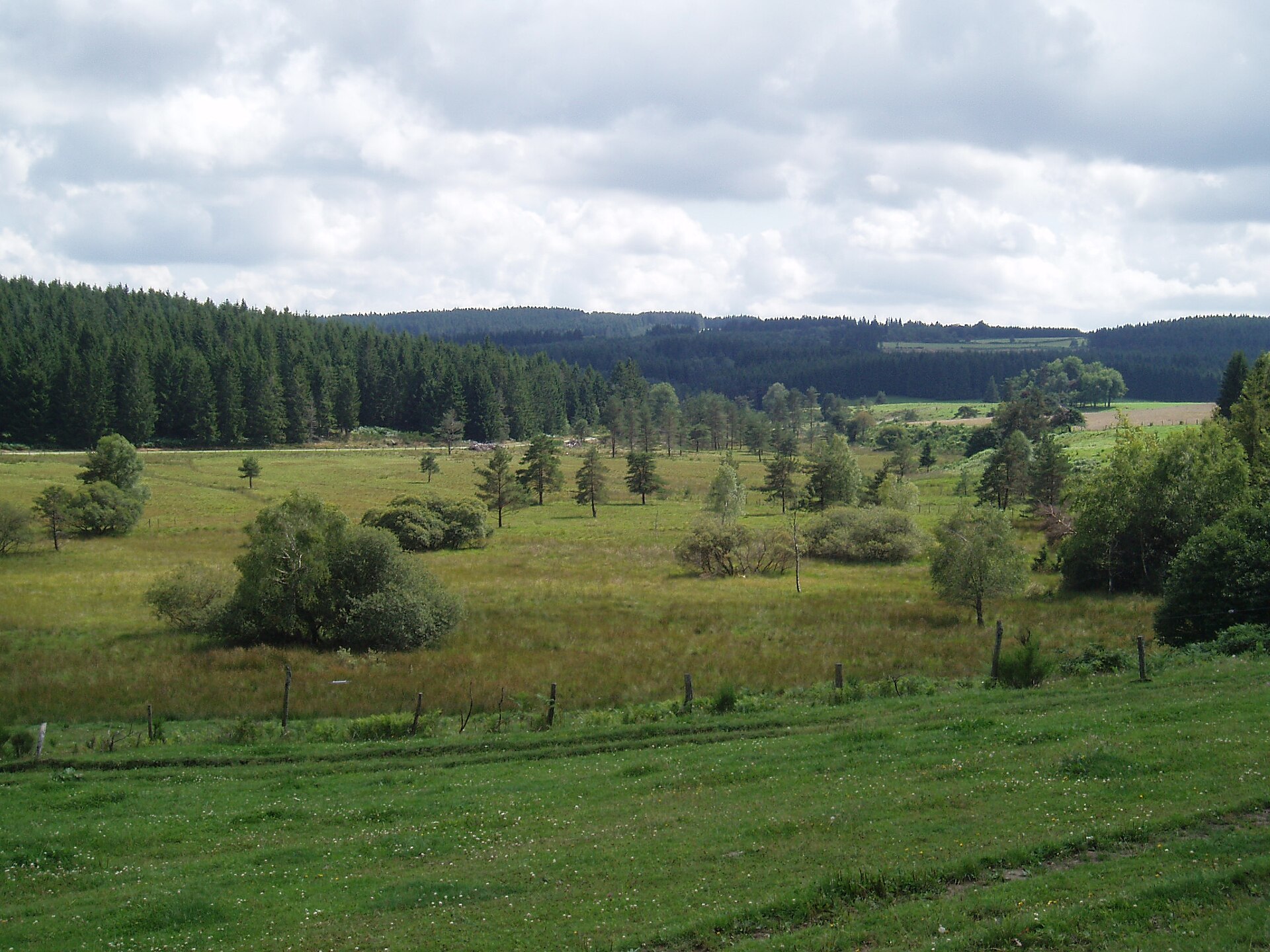
Natura 2000 · passage
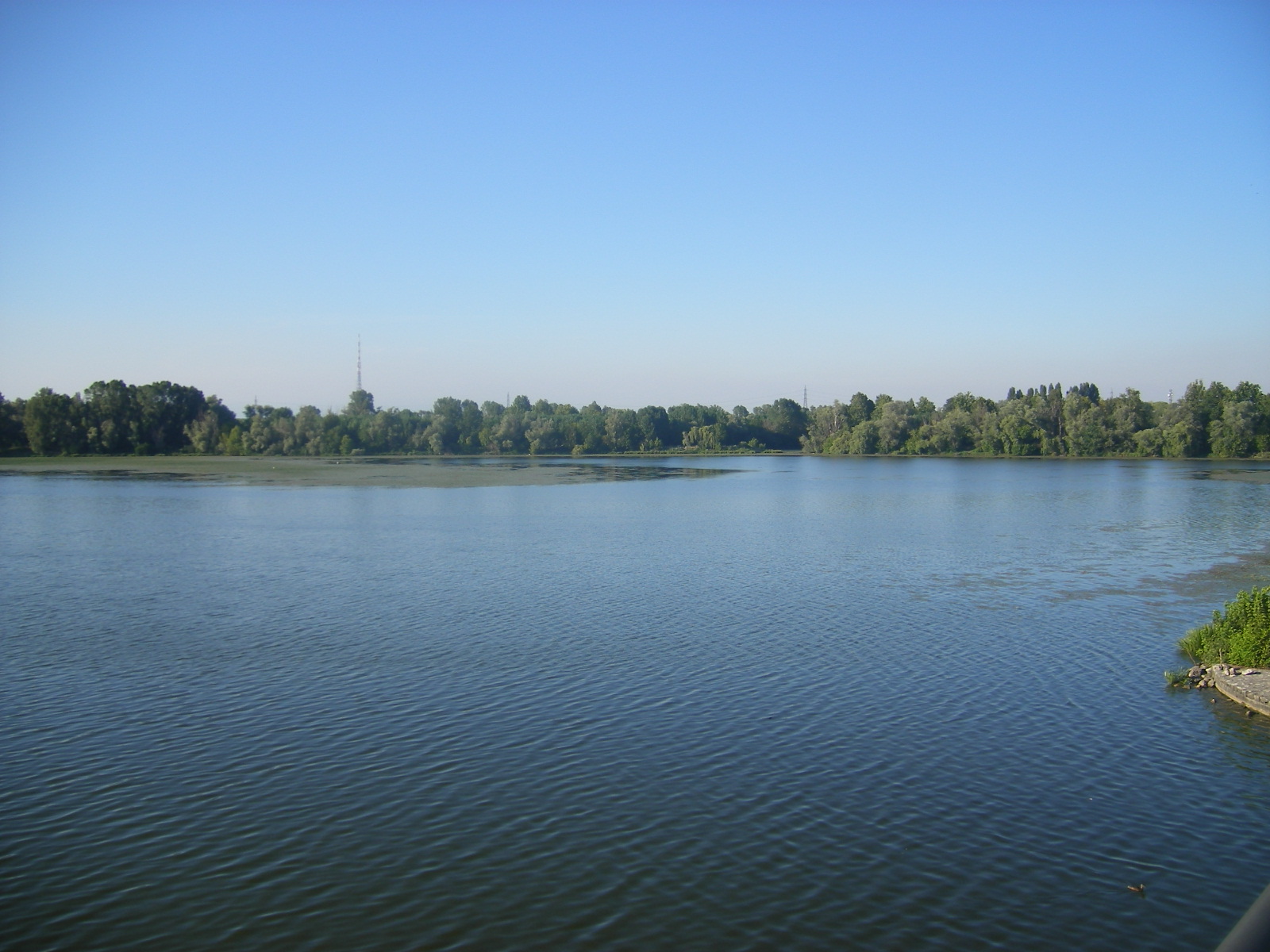
Natura 2000 · passage, breeding

Natura 2000 · wintering, breeding
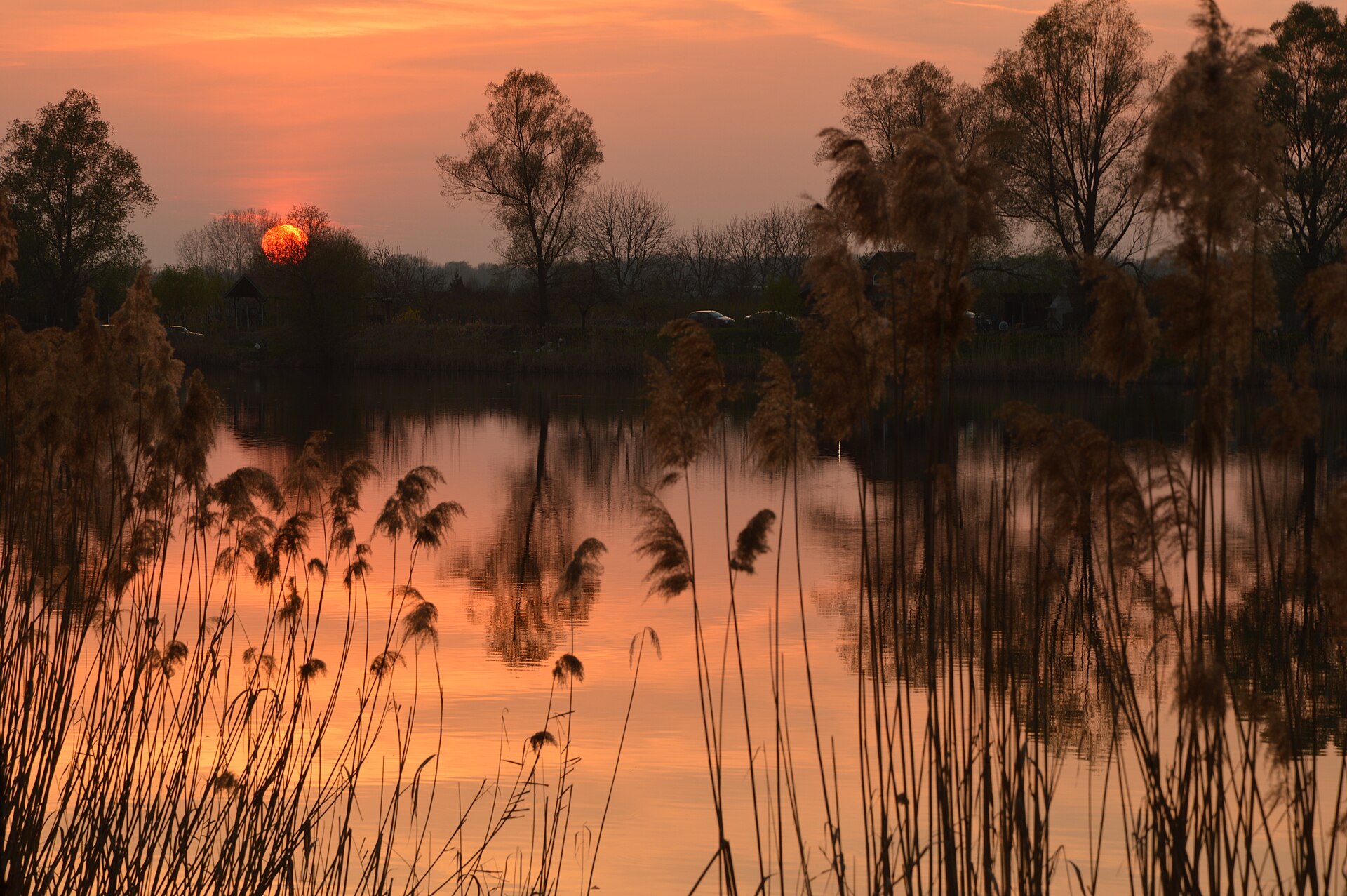
Natura 2000 · breeding, passage
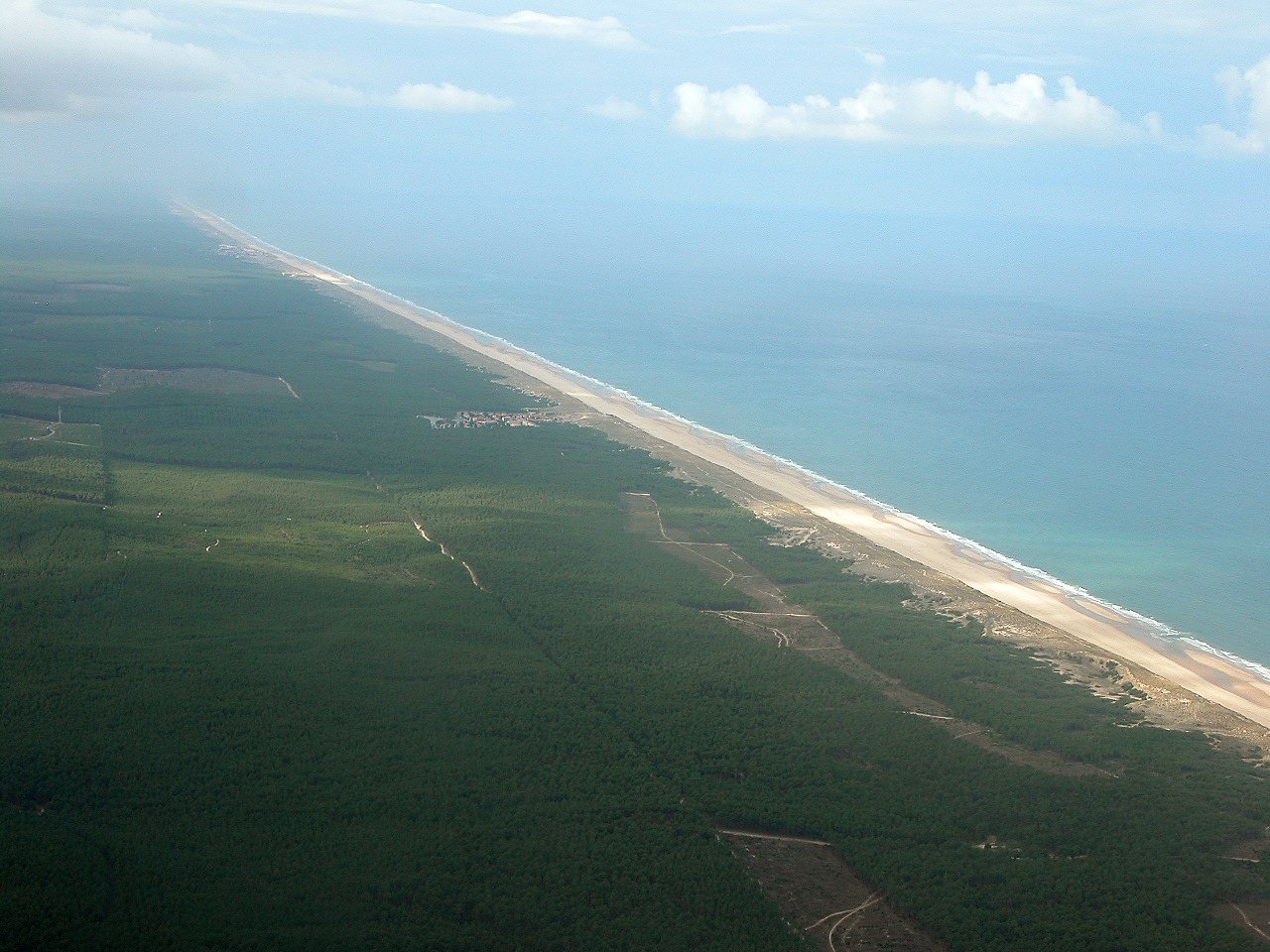
Natura 2000 · passage, breeding
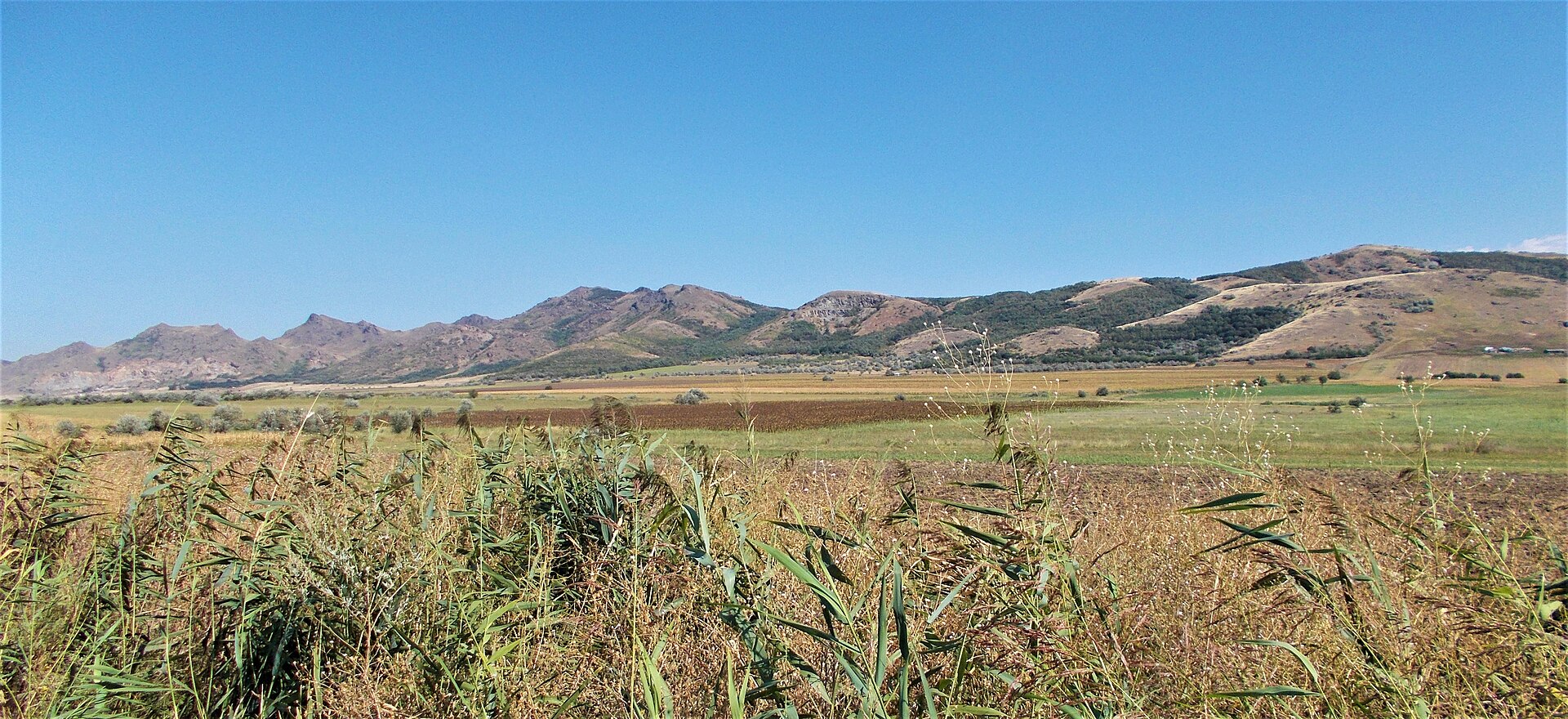
Natura 2000 · passage, breeding

Natura 2000 · passage, breeding
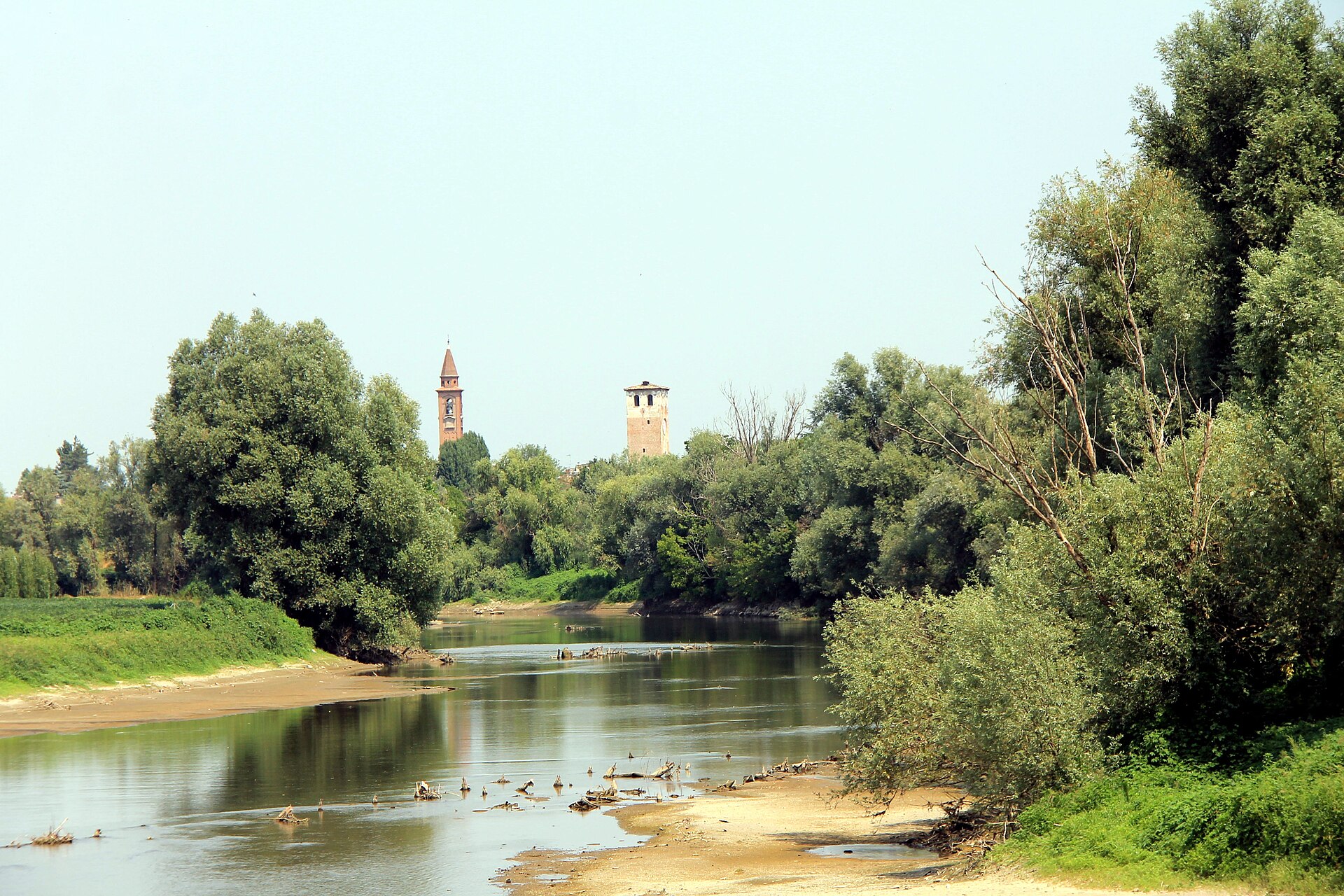
Natura 2000 · passage, breeding
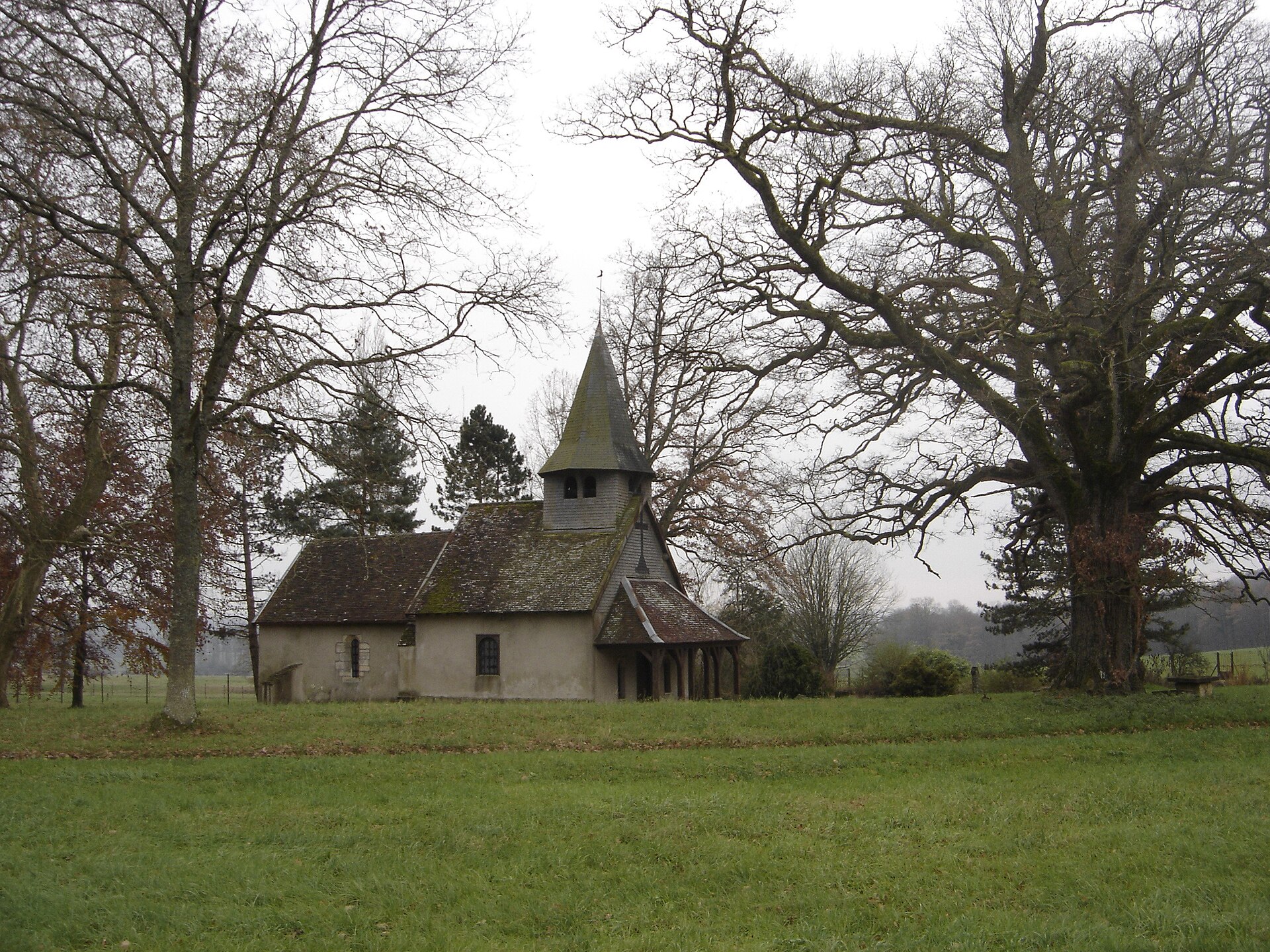
Natura 2000 · passage
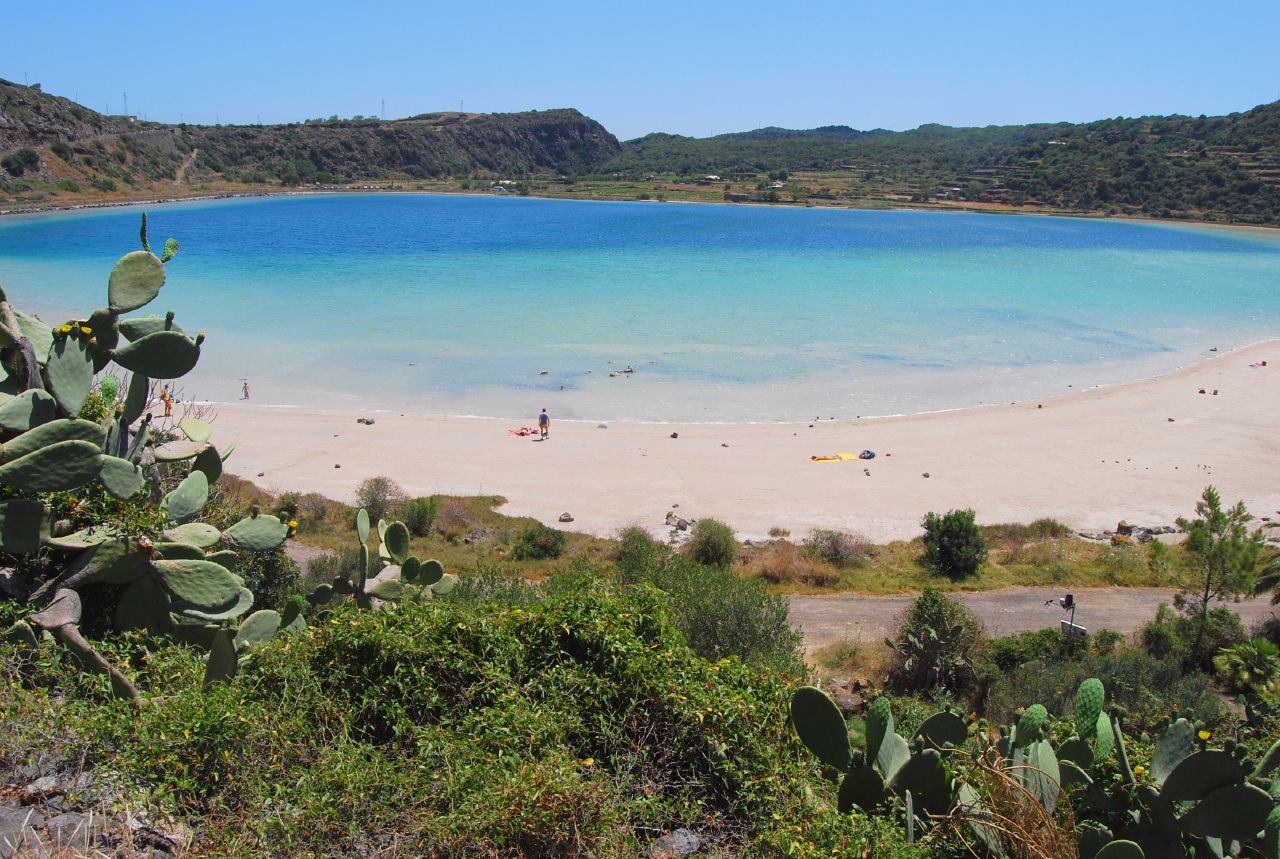
Natura 2000 · passage
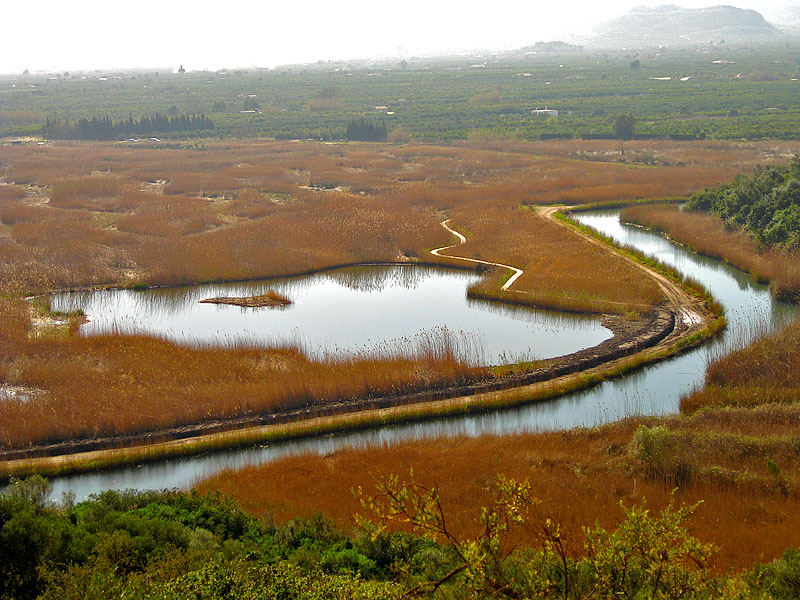
Natura 2000 · breeding, wintering
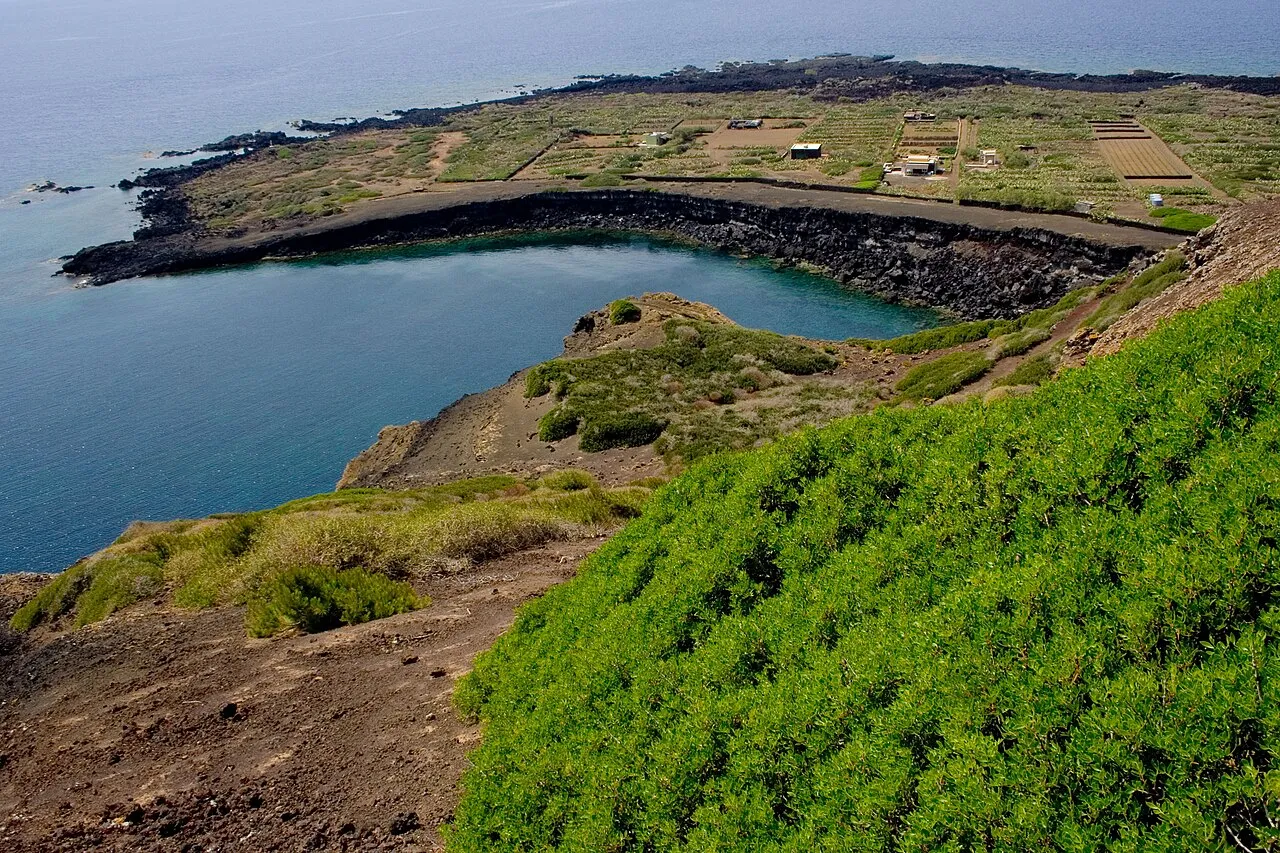
Natura 2000 · passage

Natura 2000 · breeding, passage

Natura 2000 · breeding, passage

Natura 2000 · passage

Natura 2000 · breeding, passage
Natura 2000 · passage
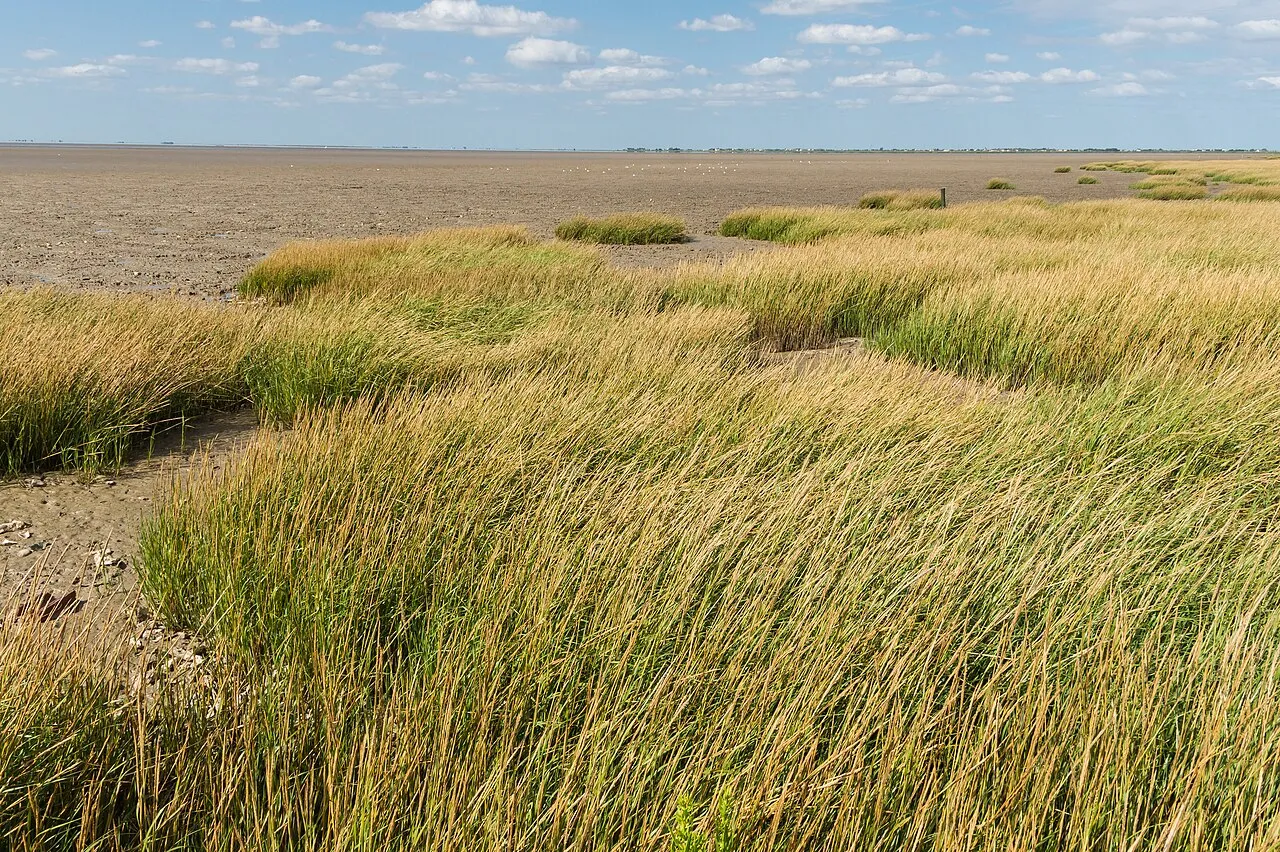
Natura 2000 · breeding, passage
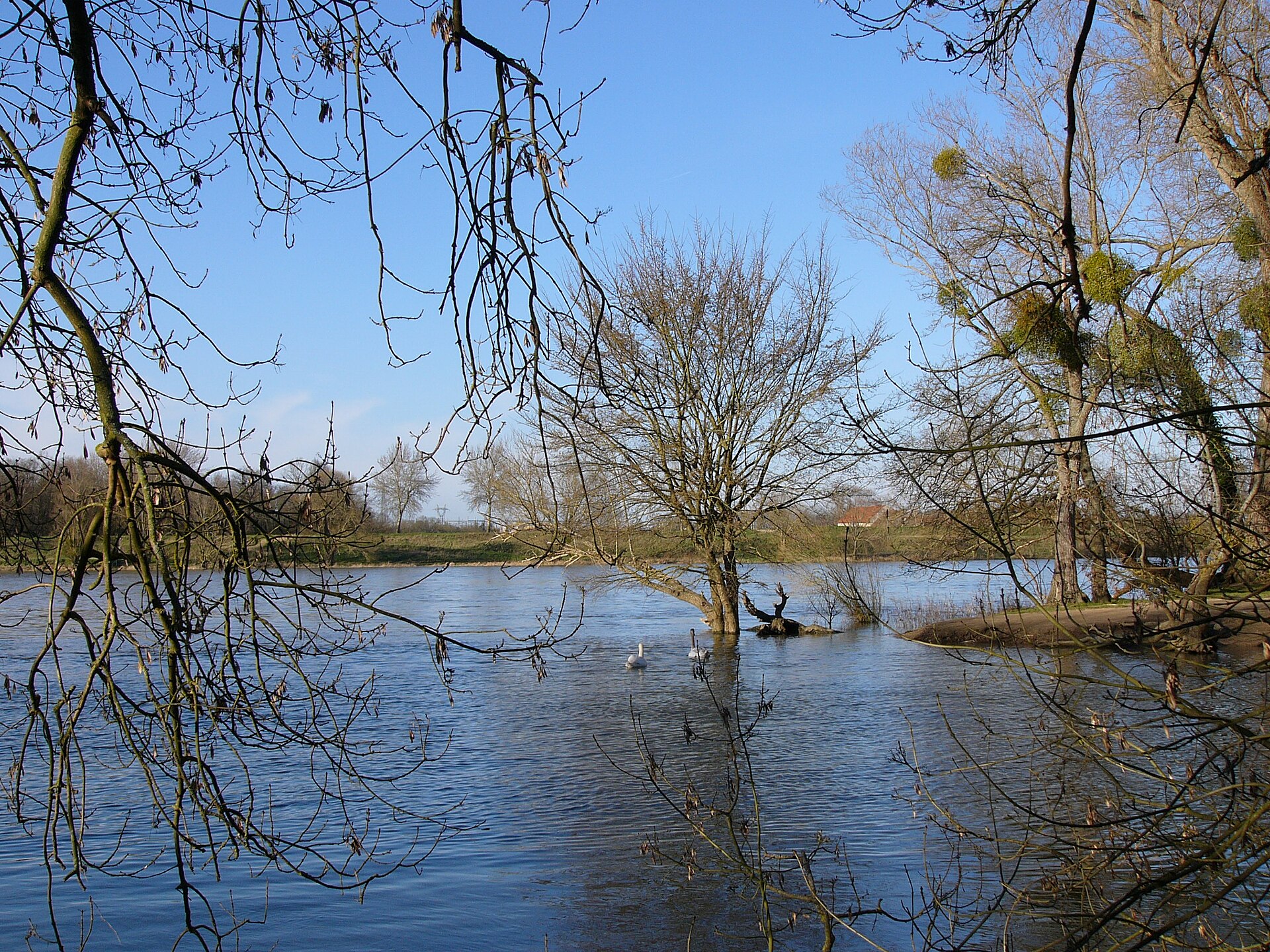
Natura 2000 · passage
Natura 2000 · breeding, passage
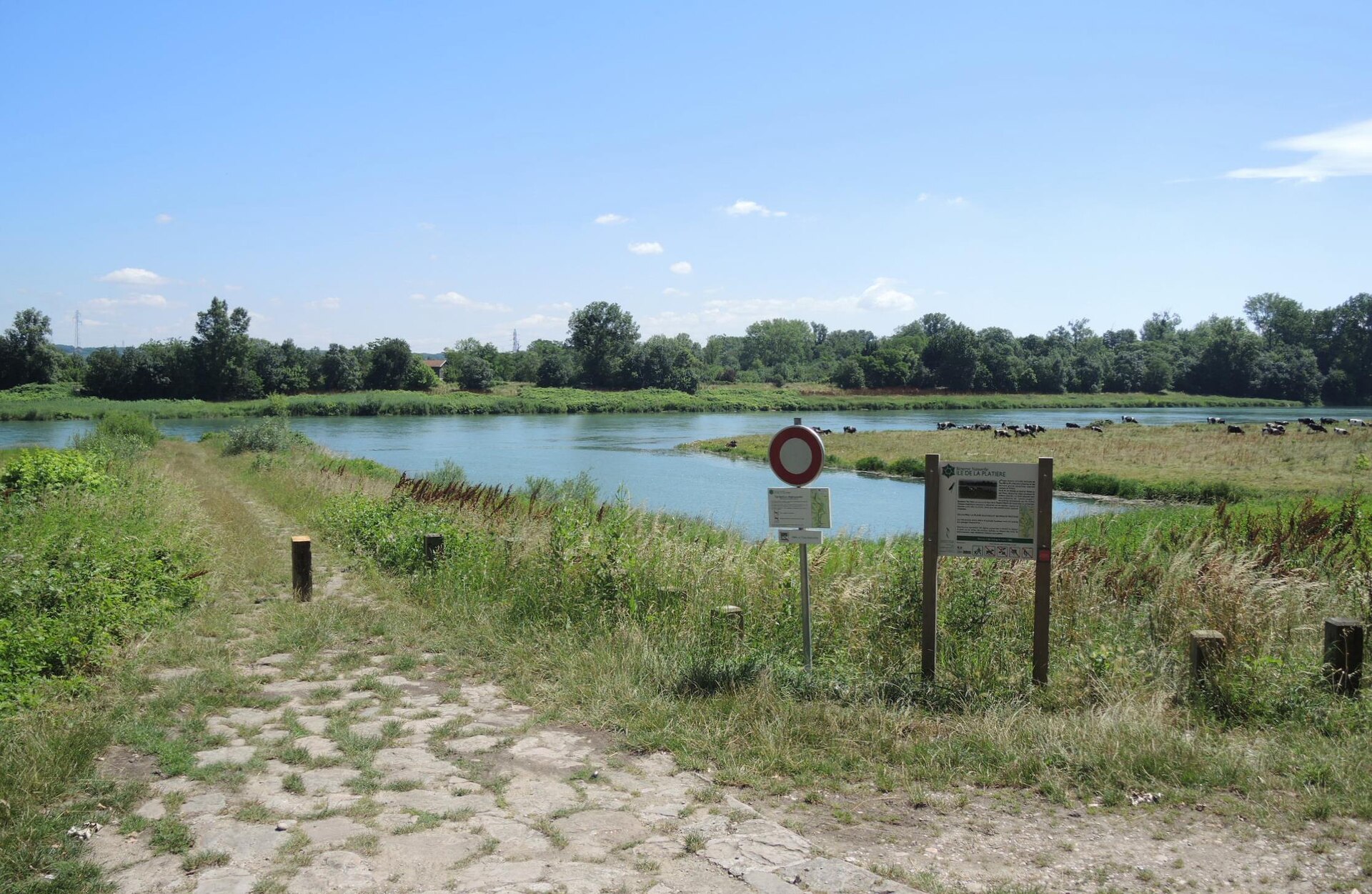
Natura 2000 · passage
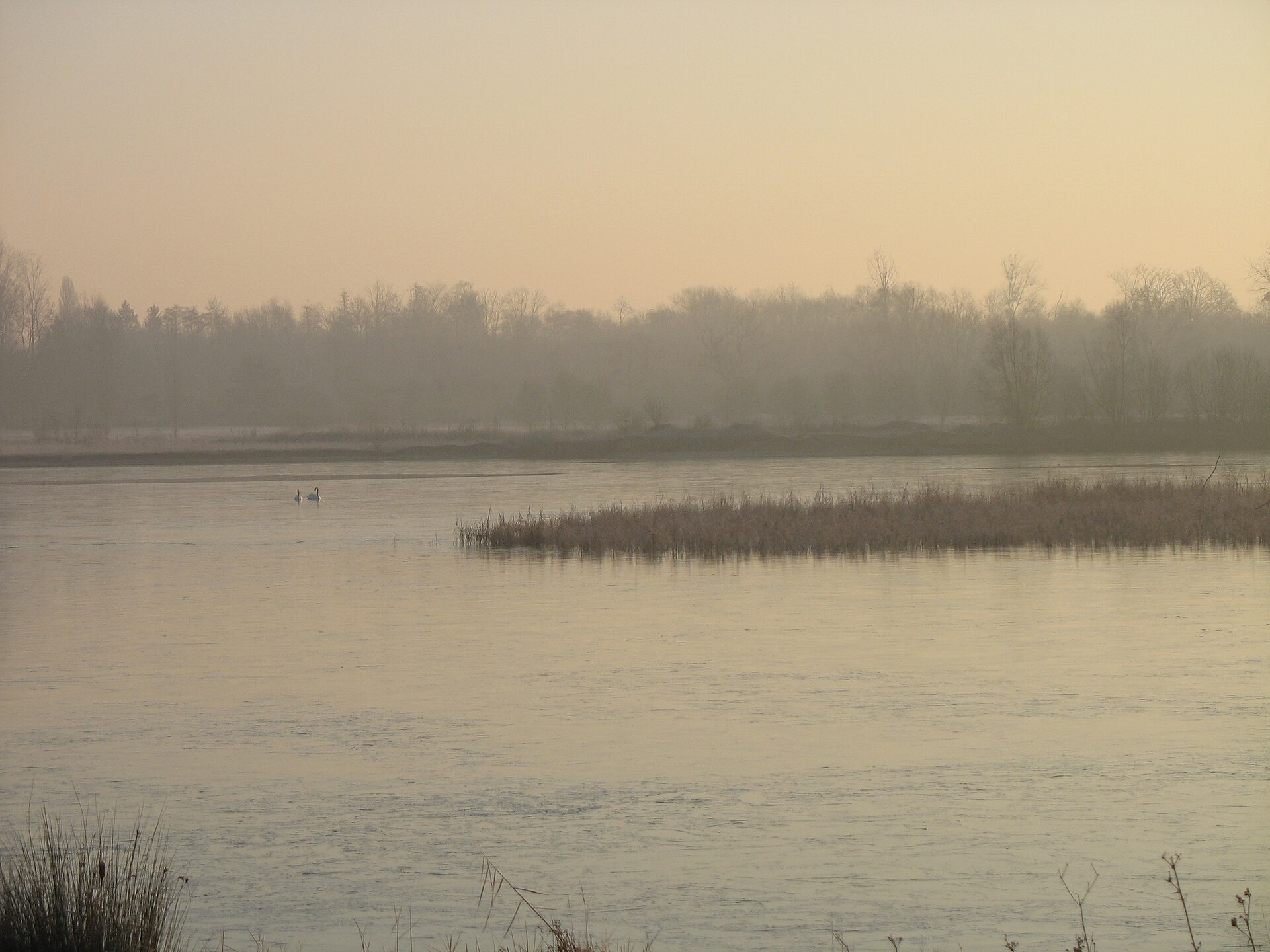
Natura 2000 · breeding
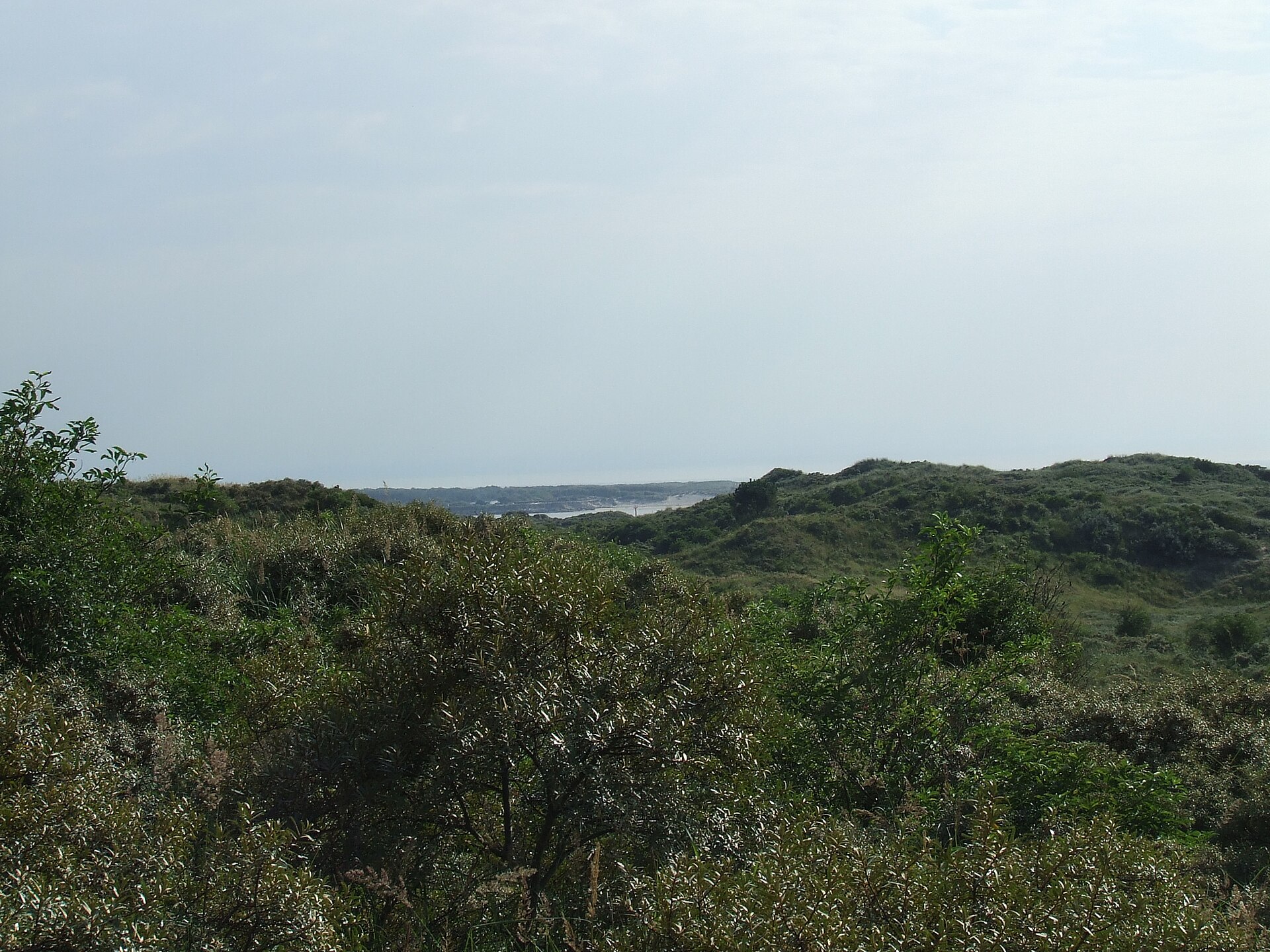
Natura 2000 · passage

Natura 2000 · breeding, passage
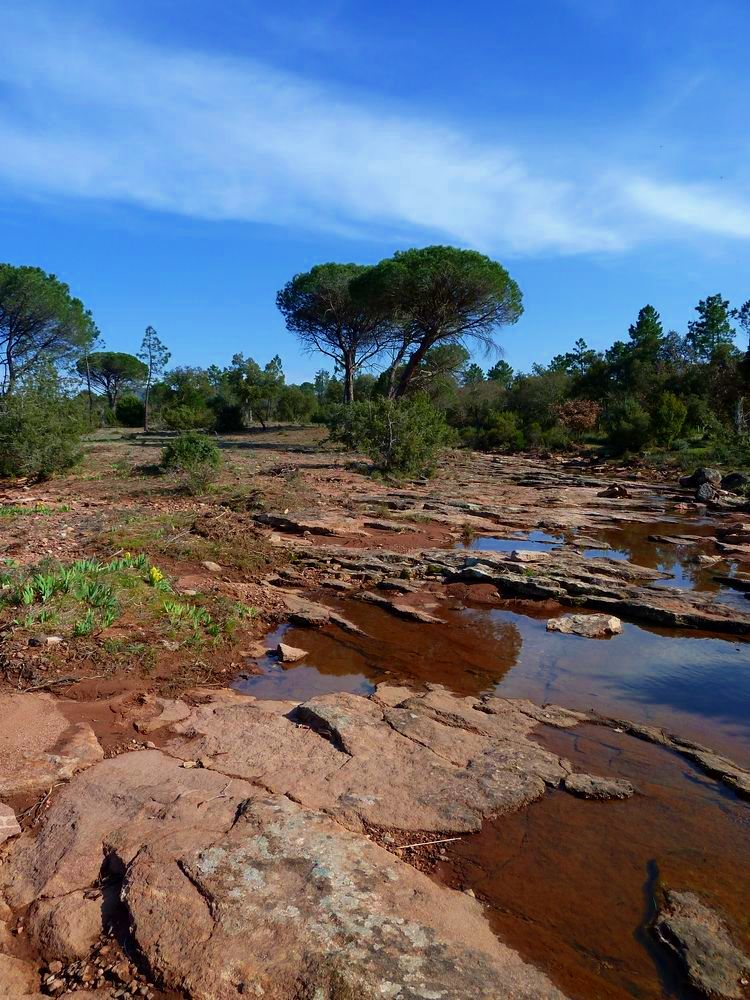
Natura 2000 · passage

Natura 2000 · passage

Natura 2000 · breeding
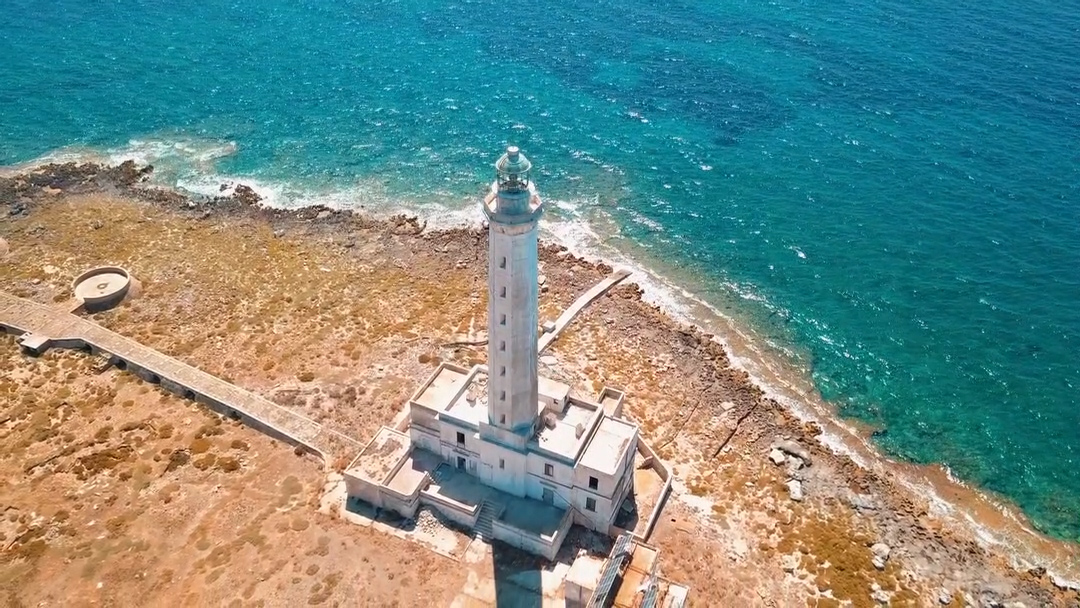
Natura 2000 · passage
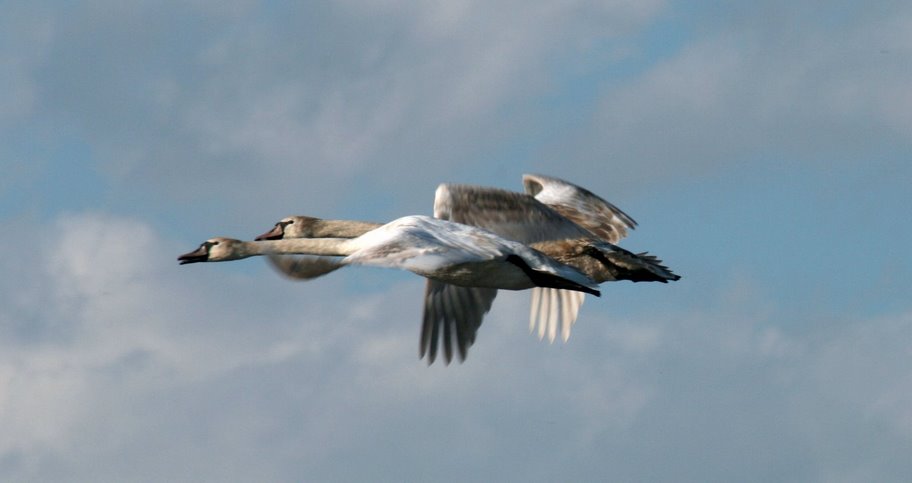
Natura 2000 · breeding

Natura 2000 · breeding
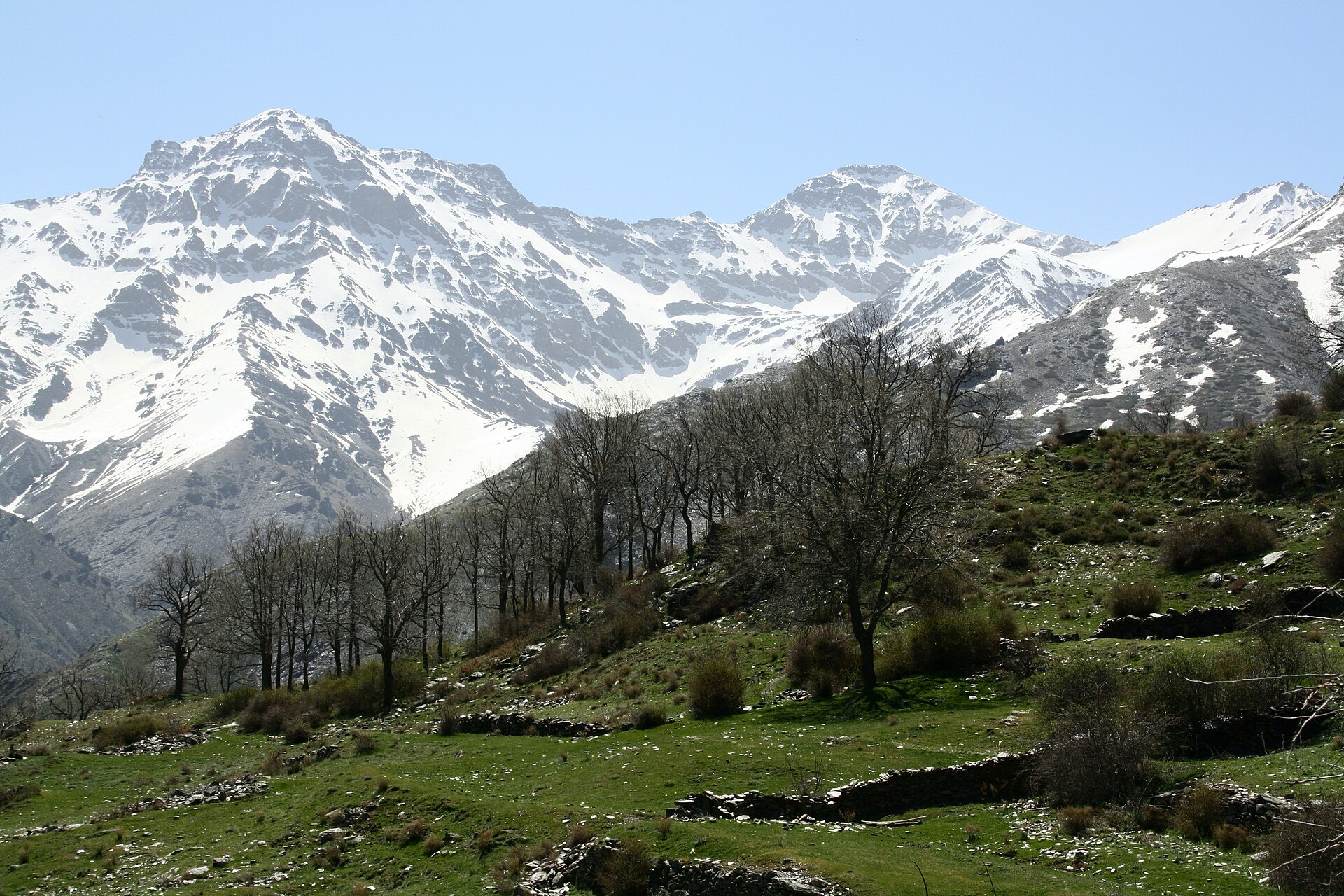
Natura 2000 · breeding
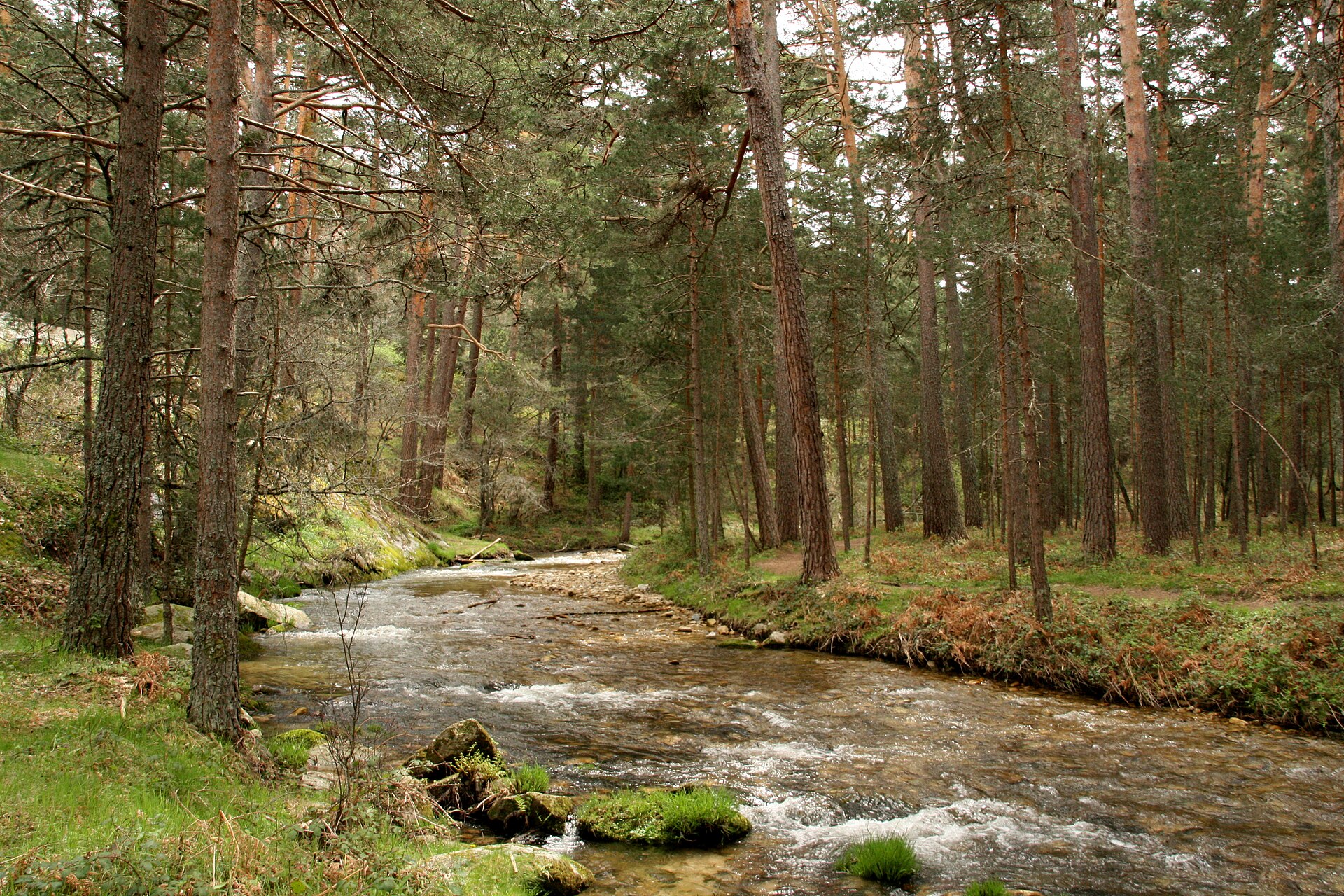
Natura 2000 · breeding
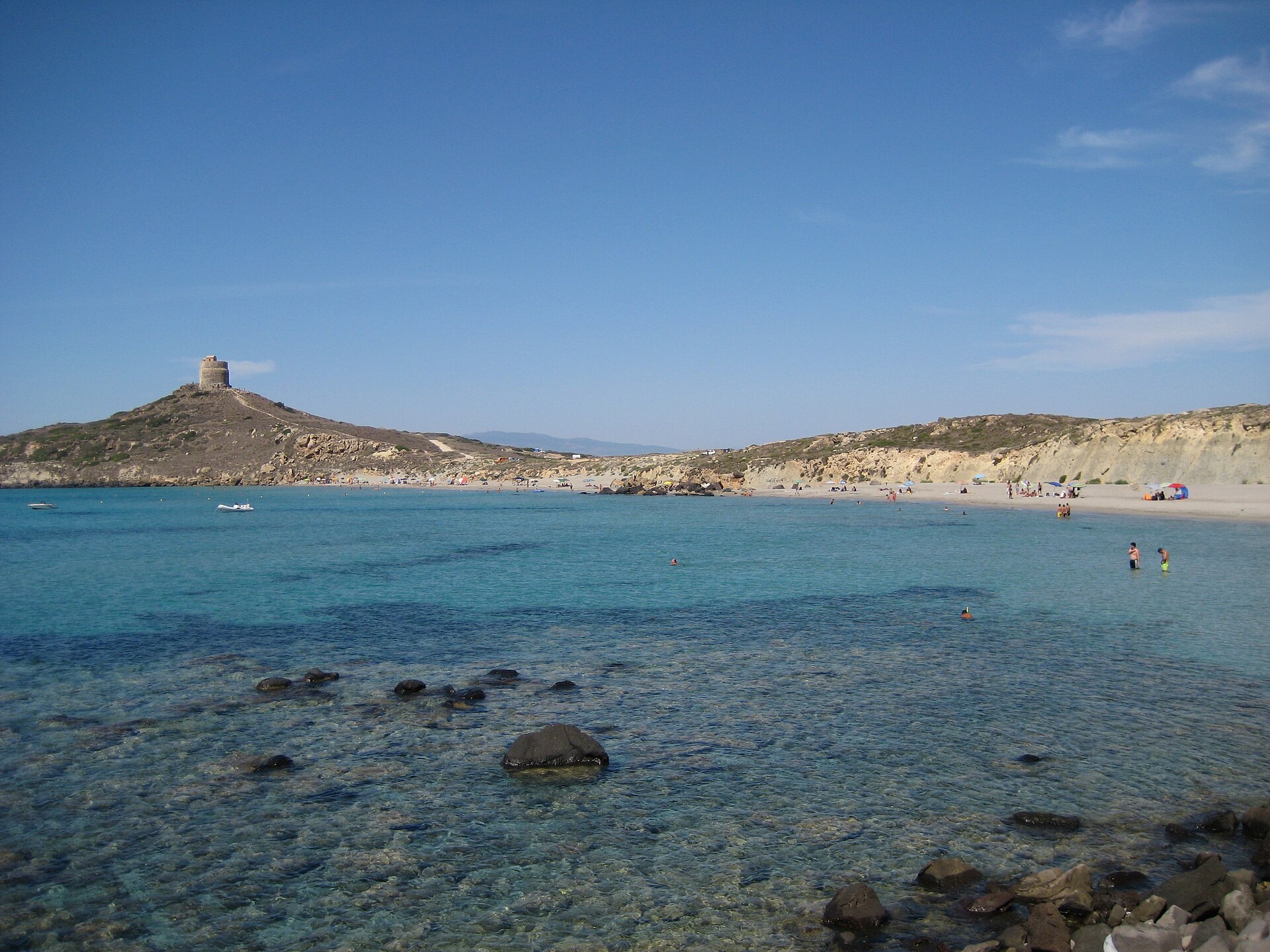
Natura 2000 · passage
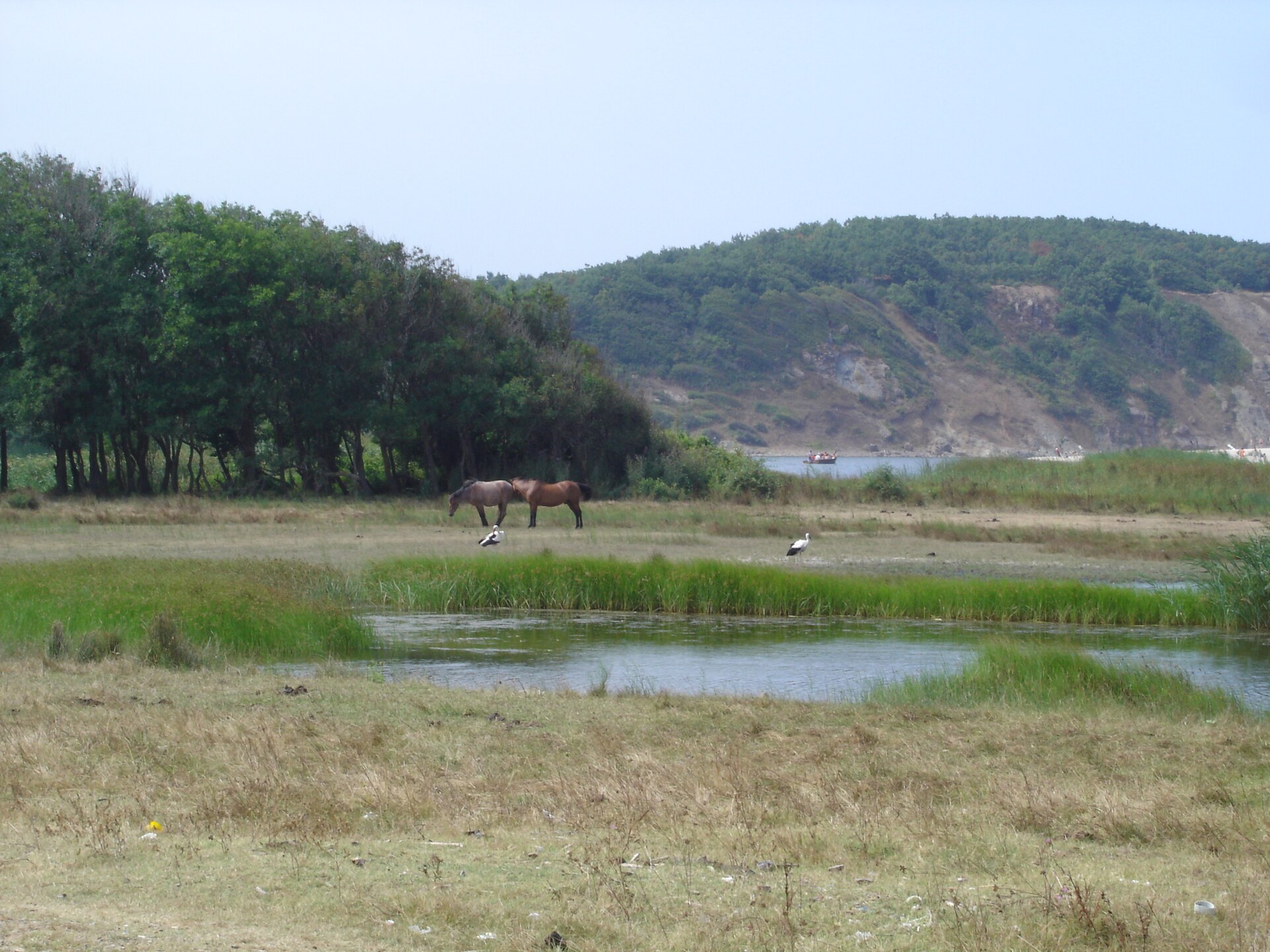
Natura 2000 · passage
Natura 2000 · breeding, passage
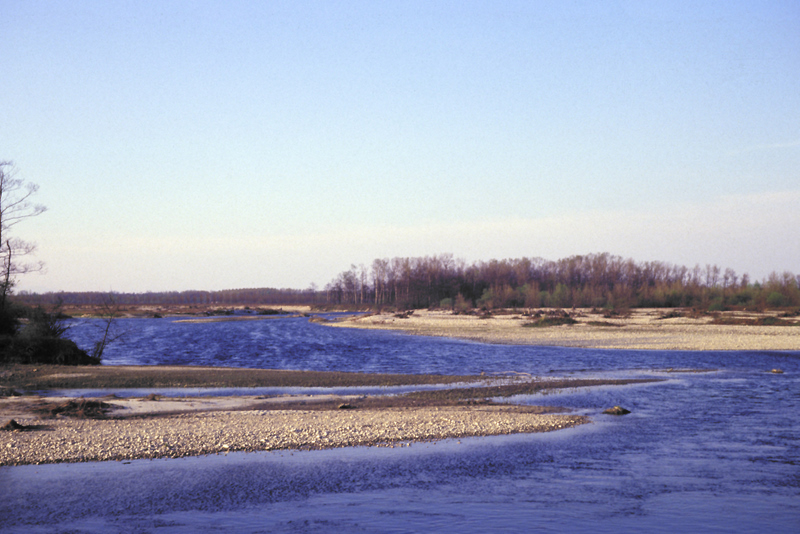
Natura 2000 · passage
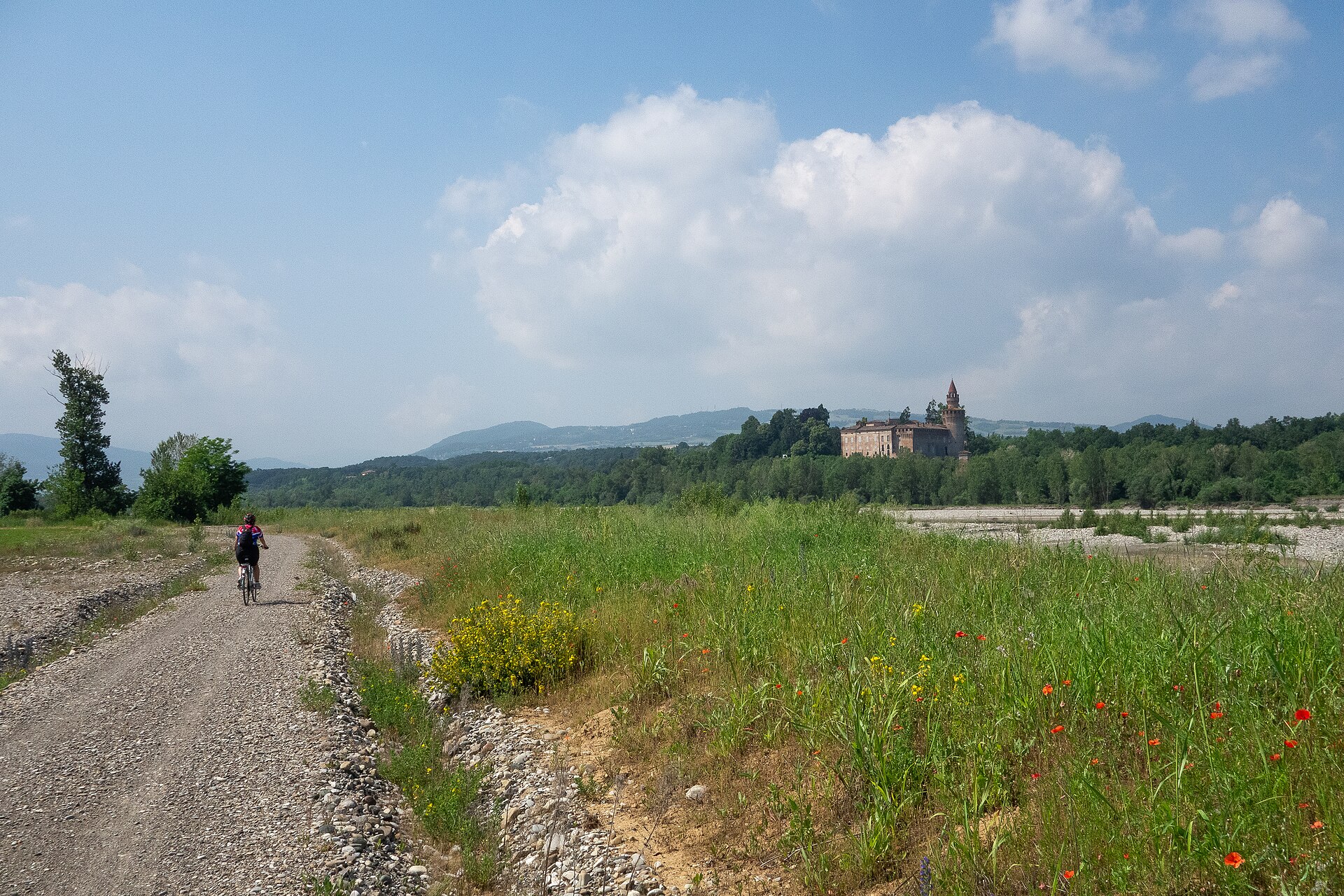
Natura 2000 · breeding, passage
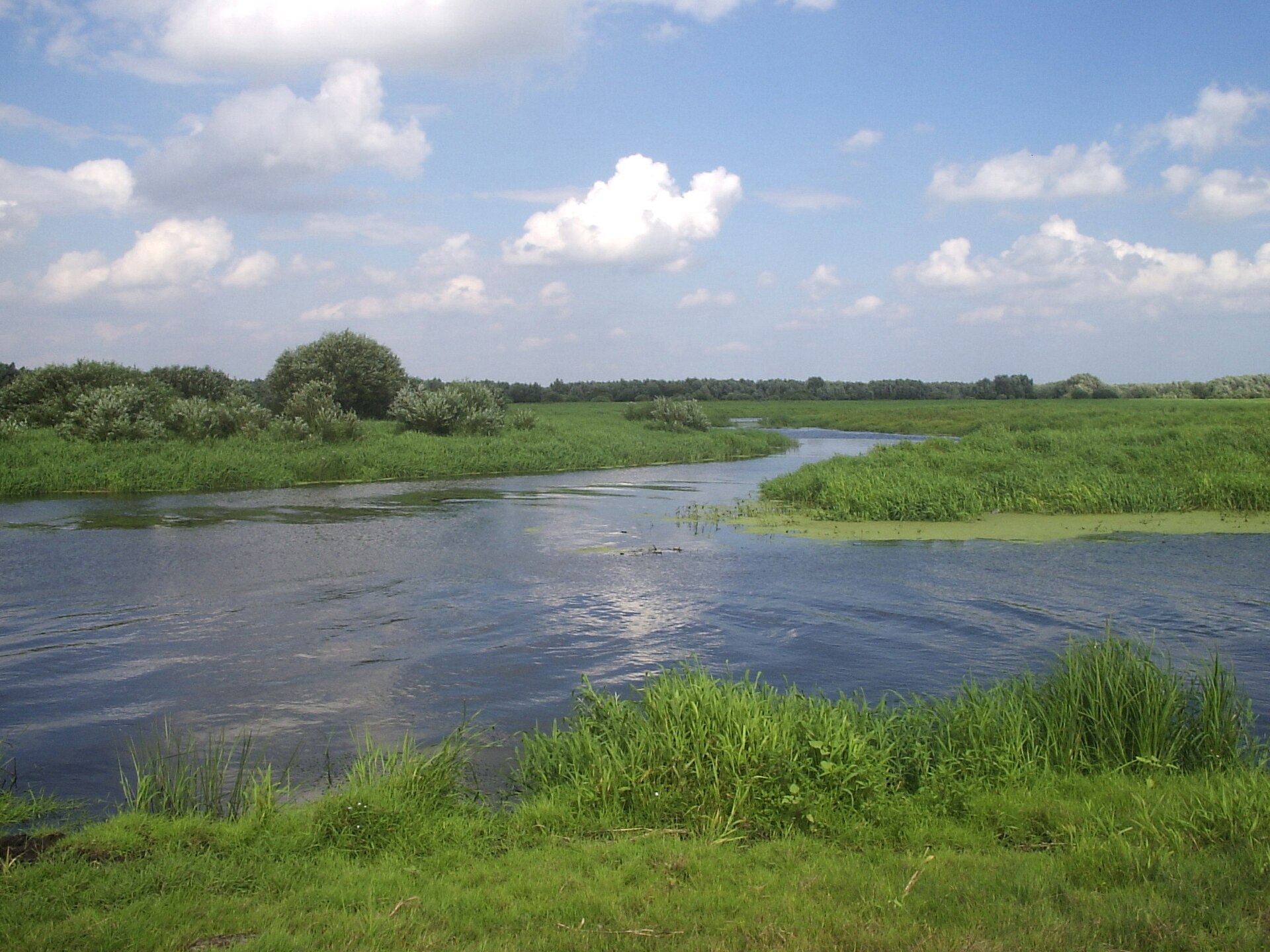
Natura 2000 · breeding
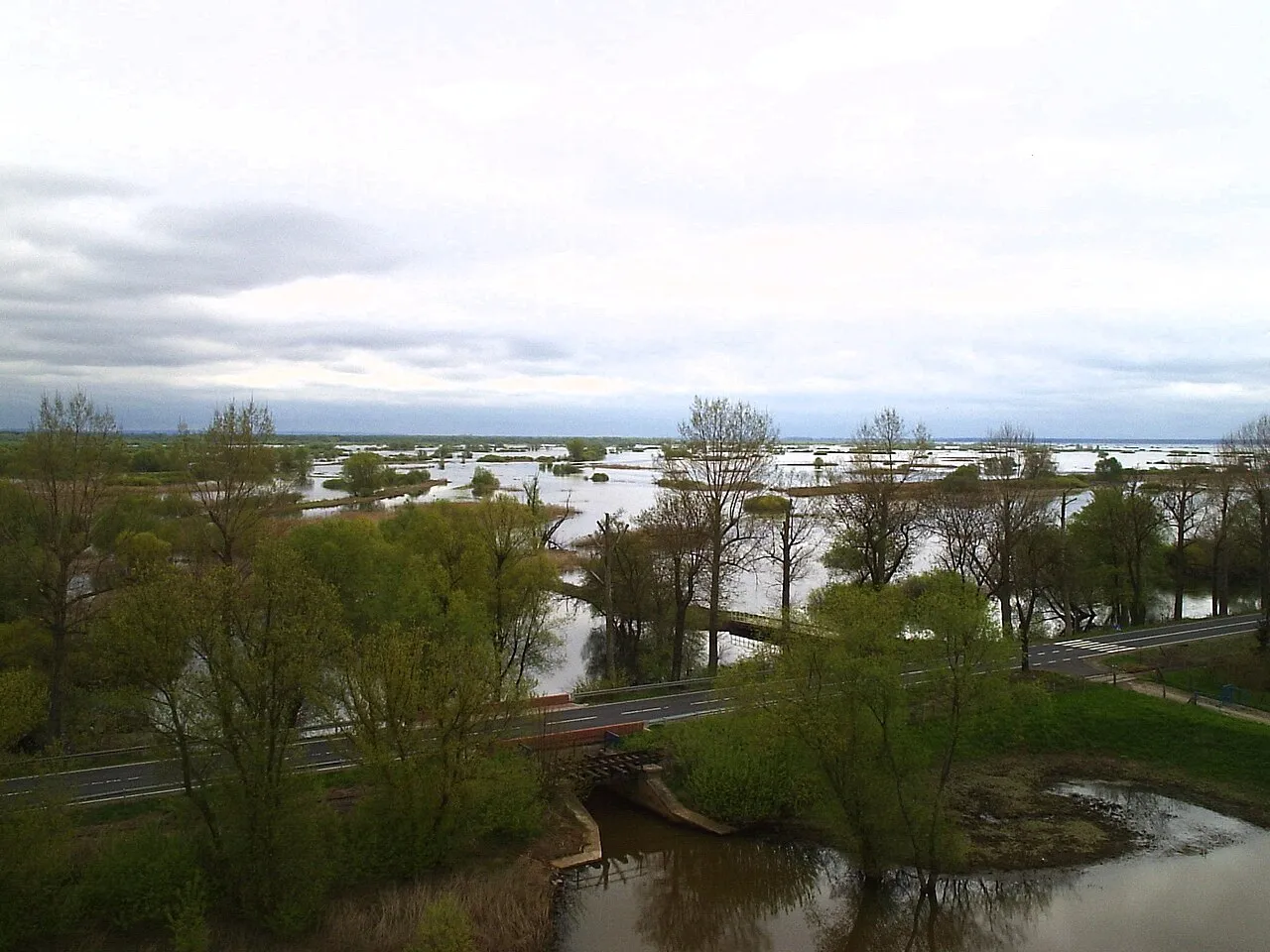
Natura 2000 · breeding

Natura 2000 · passage
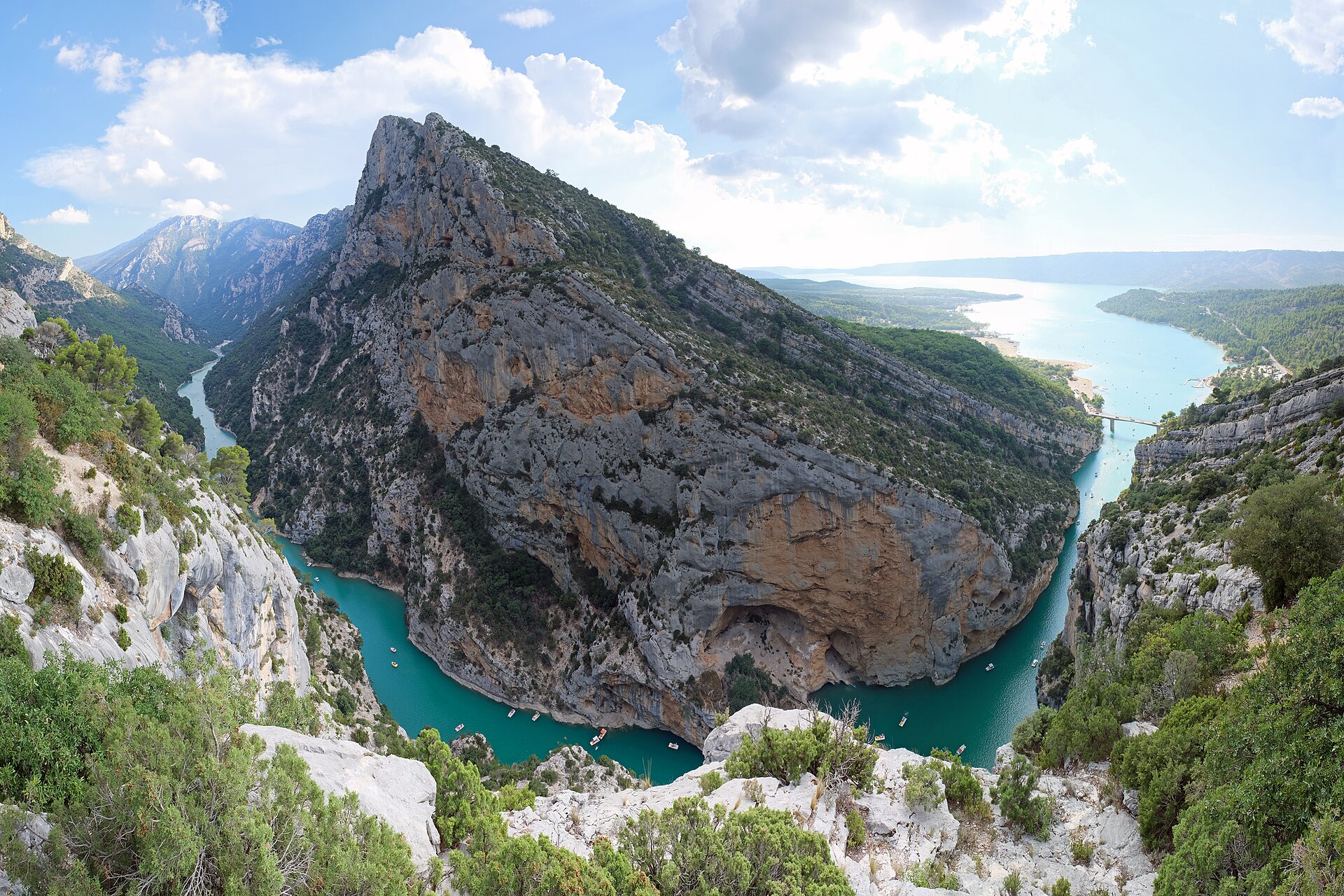
Natura 2000 · passage
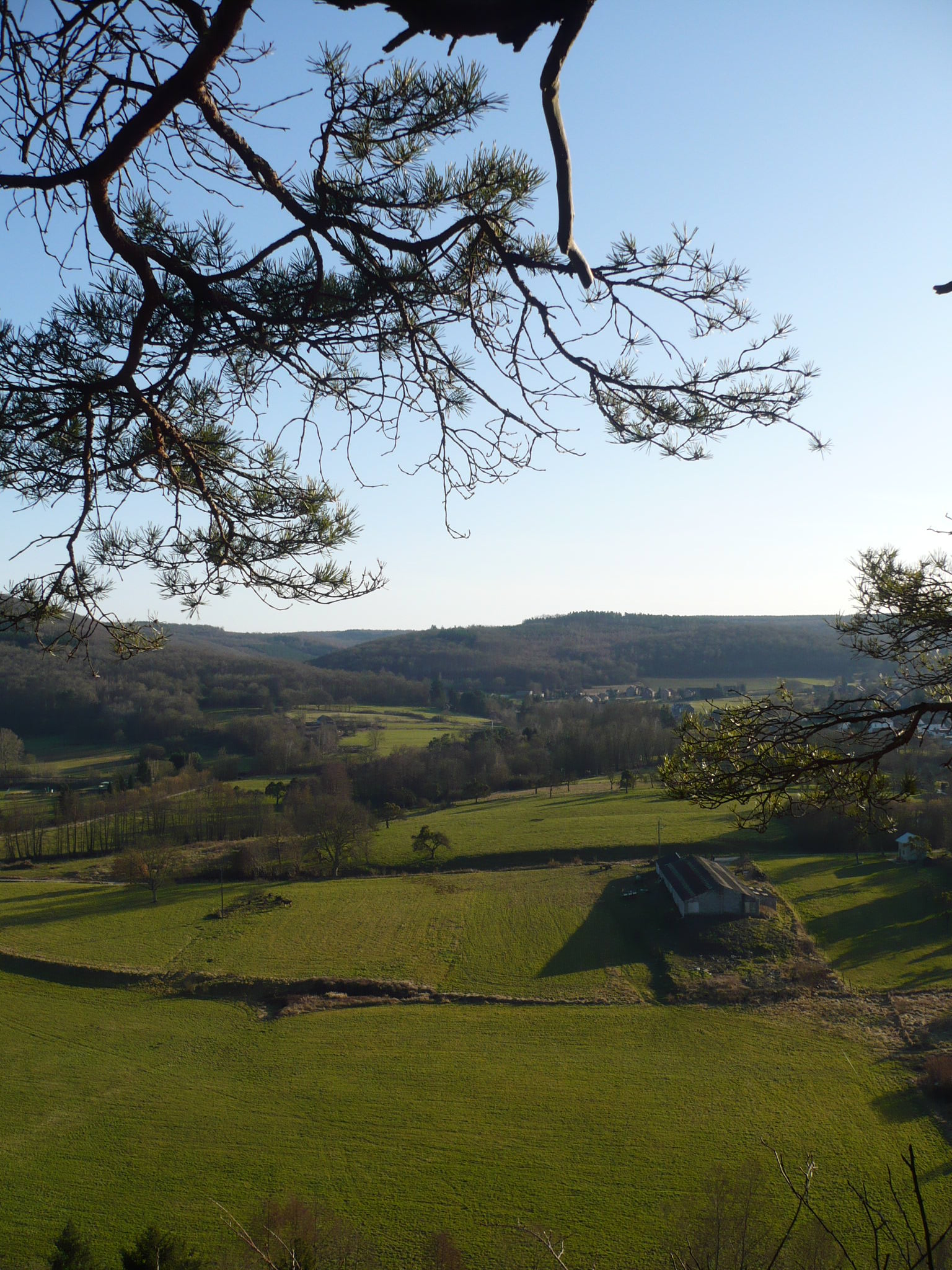
Natura 2000 · passage
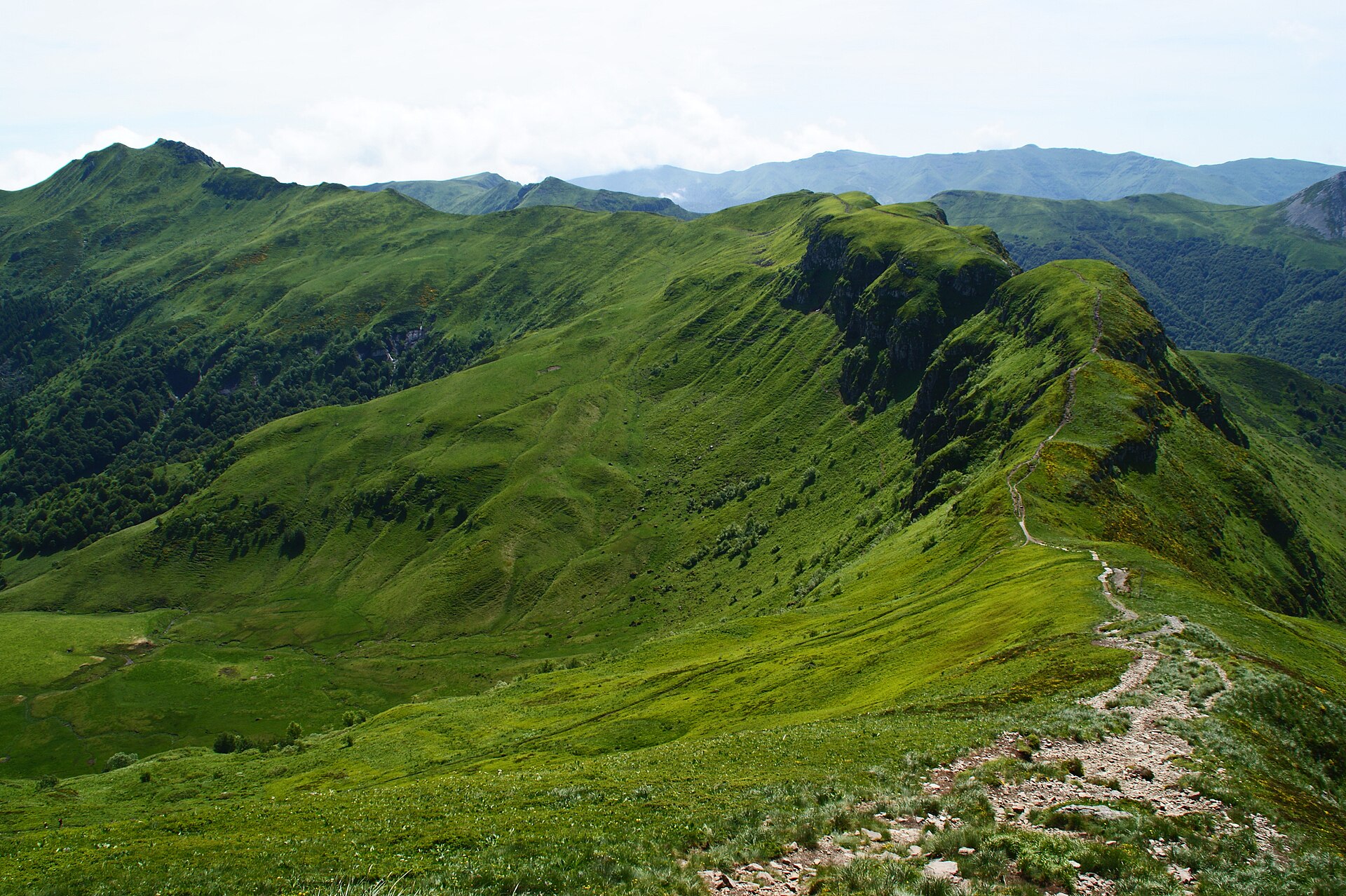
Natura 2000 · passage, breeding
Other species to discover
 Black-necked Stilt
Himantopus mexicanus Same genus
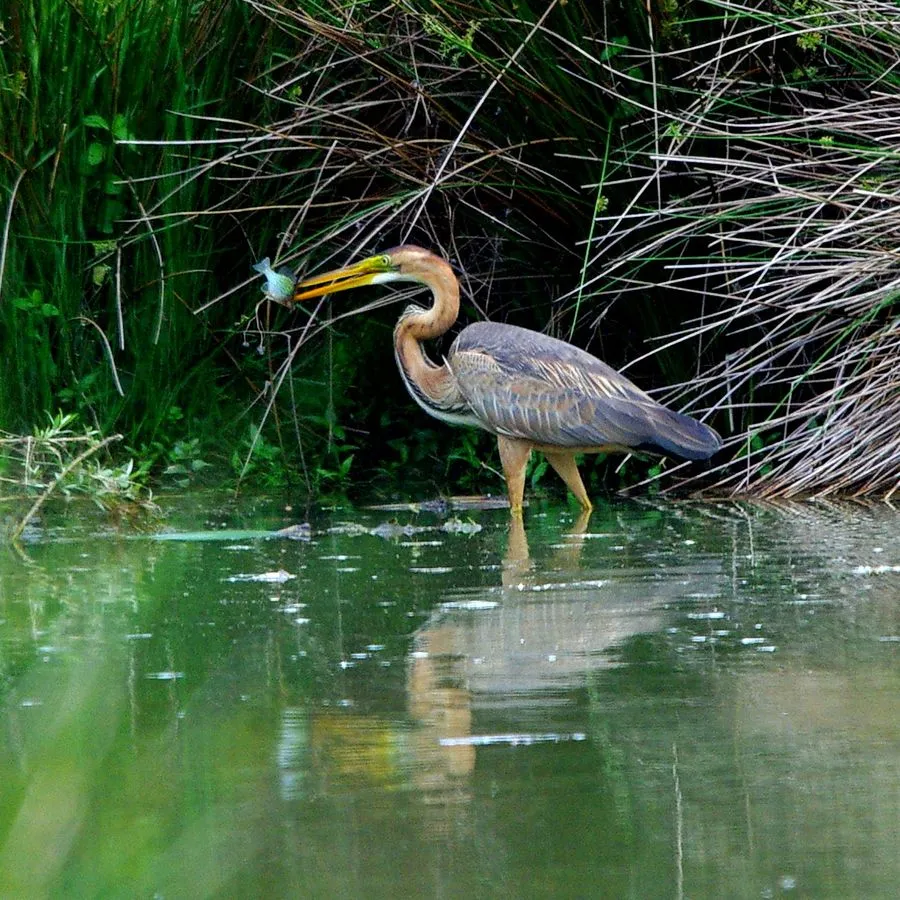 Purple Heron
Ardea purpurea 101 places in common
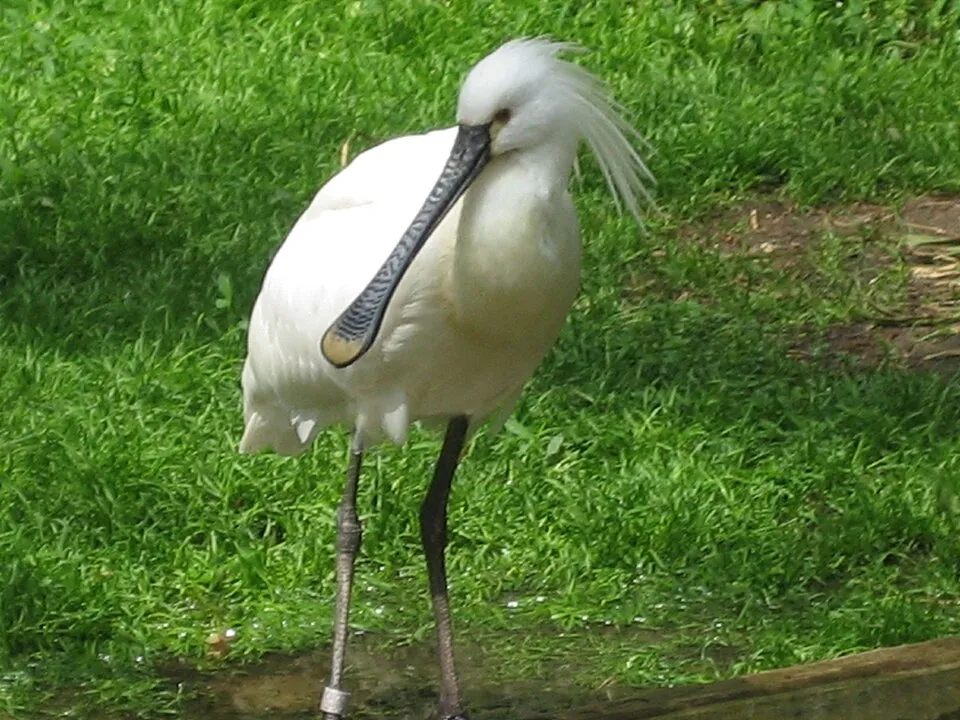 Eurasian Spoonbill
Platalea leucorodia 80 places in common
 Pied Avocet
Recurvirostra avosetta 77 places in common
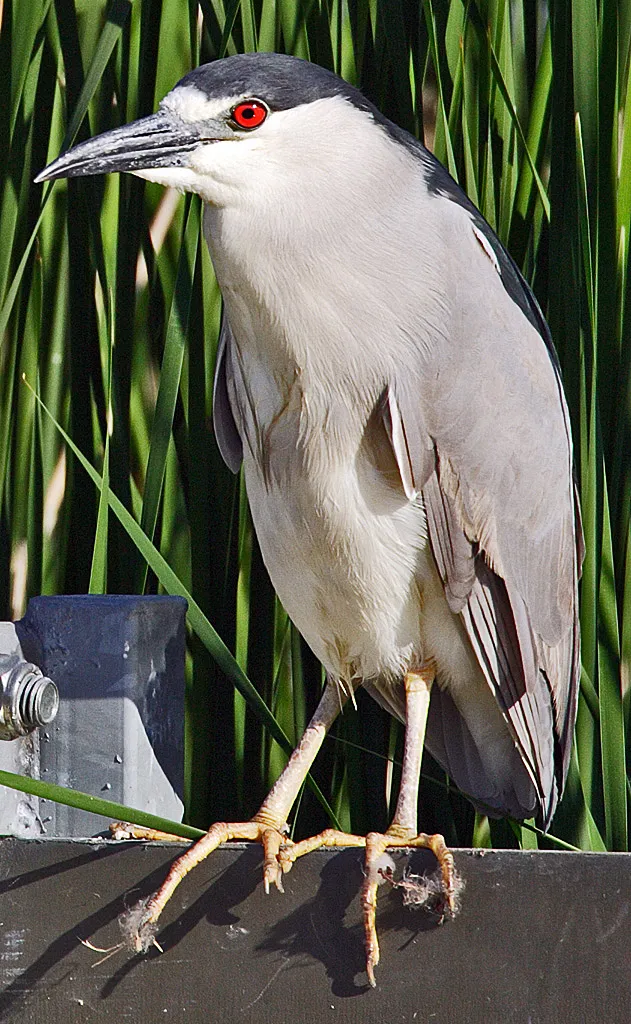 Black-crowned night heron
Nycticorax nycticorax 96 places in common
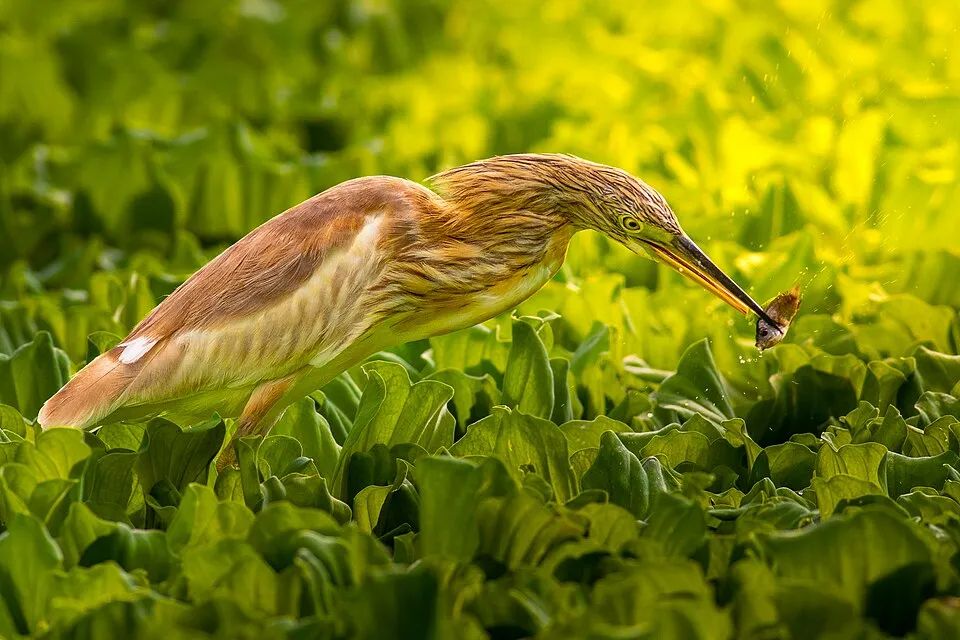 Squacco Heron
Ardeola ralloides 70 places in common
Sources and credits
- Presence: most-recorded species of each place on GBIF and species of Community interest in the Natura 2000 forms (EEA, CC-BY 4.0); absence from the list does not mean the species is absent.
- Common names: Wikidata (CC0) and GBIF.
- Photos and sounds: Wikimedia Commons, author and licence given for each file.
- Classification: GBIF Backbone Taxonomy (GBIF Secretariat), CC BY 4.0, doi:10.15468/39omei.
- Countries, elevations, months and maps: GBIF.org, CC0 or CC BY 4.0 occurrences only, accessed October 22, 2026, GBIF.org.
- Base map: Natural Earth (public domain).
- Excerpt: Wikipedia, CC BY-SA 4.0 (full credit below the excerpt).
- Key facts: Wikidata (CC0), with the references cited under each value.
- Annexes: Directive 2009/147/EC (consolidated version), © European Union, EUR-Lex.
- EU bird populations: EEA / DG ENV, Article 12 Birds Directive reporting (2013–2018), CC BY 4.0.