
Plant
Colonial bentgrass: where to see it
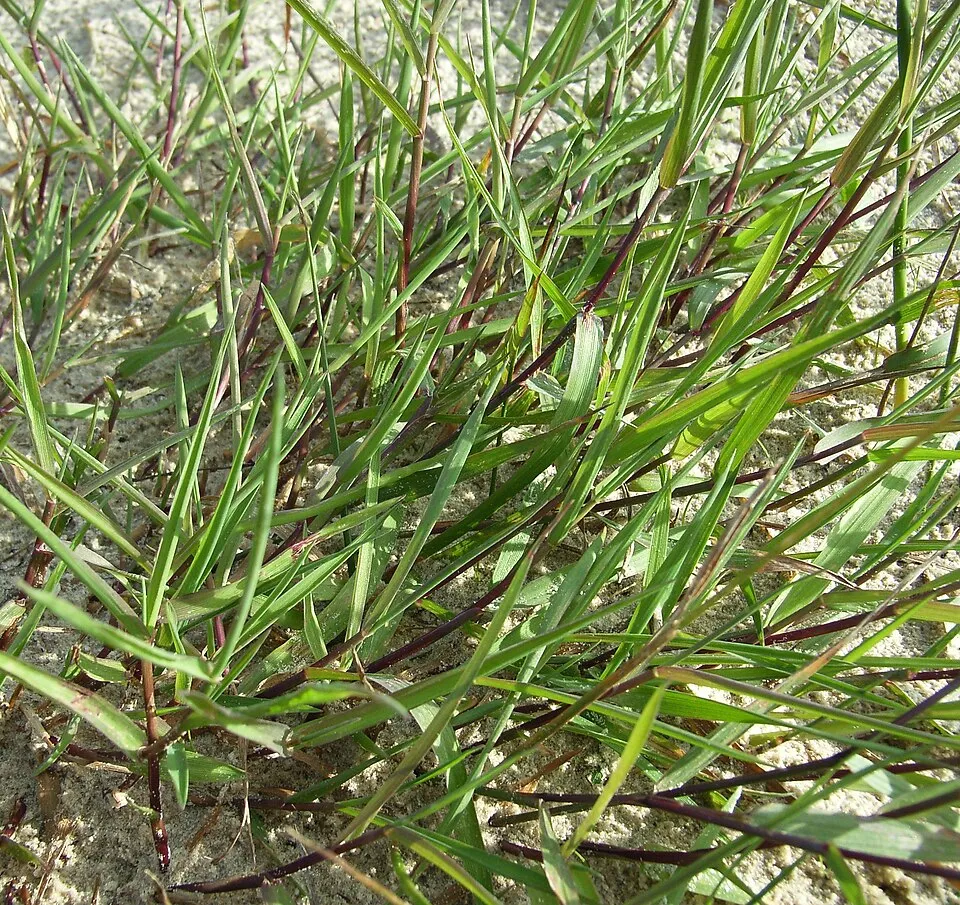
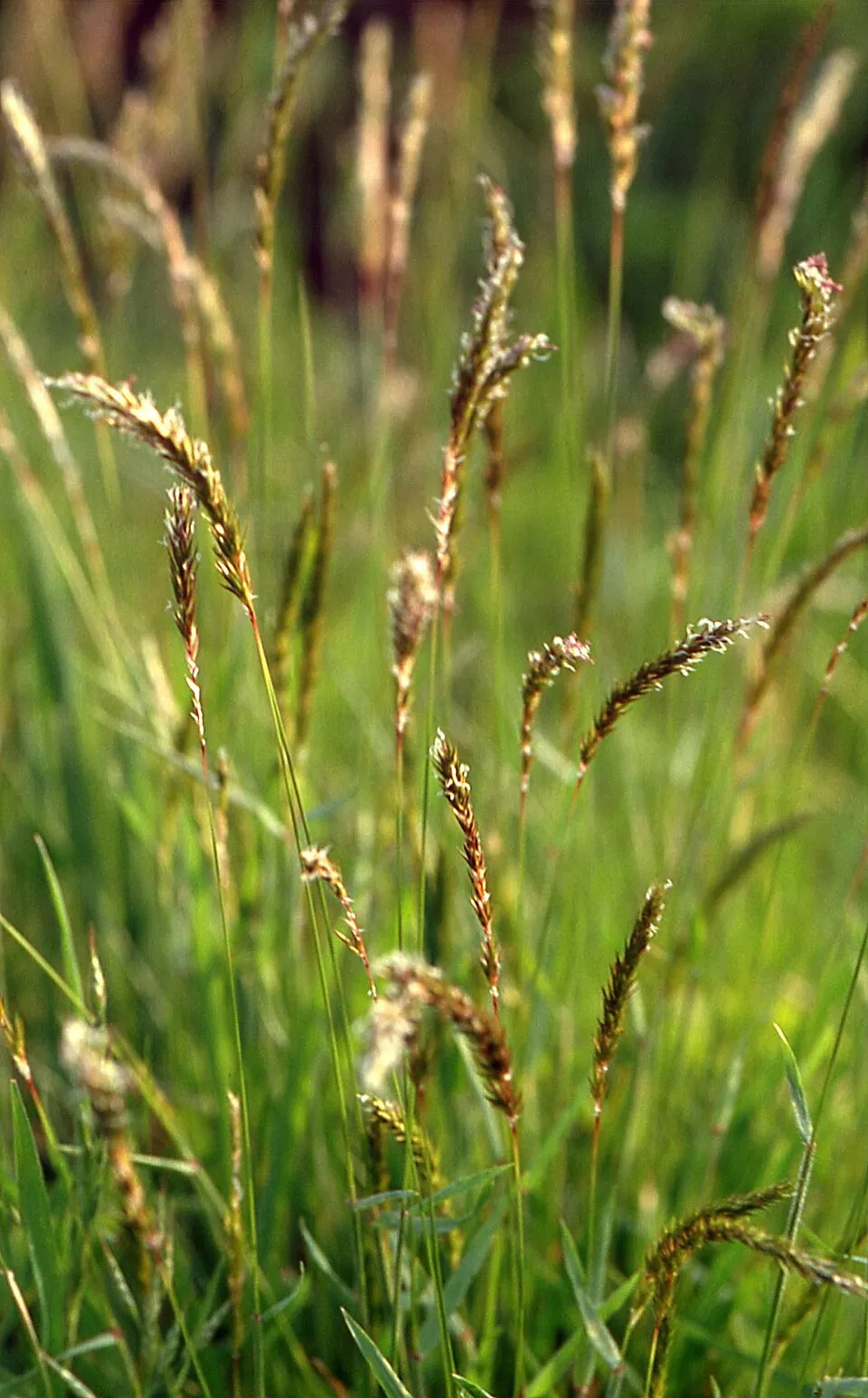
Agrostis capillaris
Invasive alien in some territories
Listed as invasive alien for: Chile, Australia (GRIIS).
This plant species is recorded in 46 protected areas of the atlas. Within the atlas countries, it is mostly observed in France, the United Kingdom and Denmark (12 countries in all). Most records (8 in 10) lie between 240 and 1,600 m above sea level. Records peak from June to August. Plant (perennial or rhizomatous geophyte), native to Europe and temperate Asia, introduced to Africa, tropical Asia, Australasia, the Pacific, North America, South and Central America and Antarctica.
Best time to see it: June–August
Records published on GBIF by month (CC0 and CC BY 4.0 licences only), in the atlas countries, all years combined; they also reflect observer activity.
Distribution
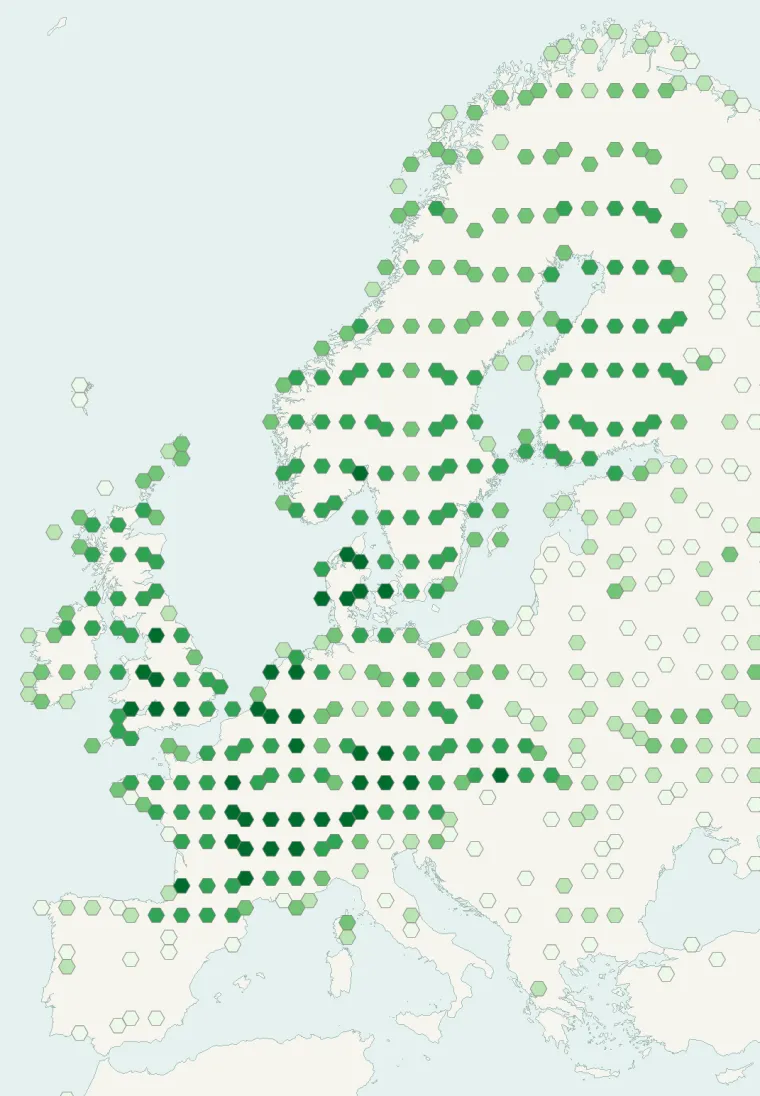
Records published on GBIF (CC0 and CC BY 4.0 licences): the darker the shade, the more records there are; they also reflect observation effort.
From Wikipedia
Agrostis capillaris, the common bent, colonial bent, or browntop, is a rhizomatous and stoloniferous perennial in the grass family (Poaceae). It is native to Eurasia and has been widely introduced in many parts of the world. Colonial bent grows in moist grasslands and open meadows, and can also be found in agricultural areas, roadsides, and invading disturbed areas. The name Agrostis comes from the Greek word meaning forage plant, agros meaning "a field". It is found growing in neutral to acidic soils. It has a very fine texture and like most bent grasses grows very dense.
Source: Wikipedia, article “Agrostis capillaris” (version of August 23, 2025) · history and authors · licence CC BY-SA 4.0 · shortened excerpt
Protected areas where it is recorded
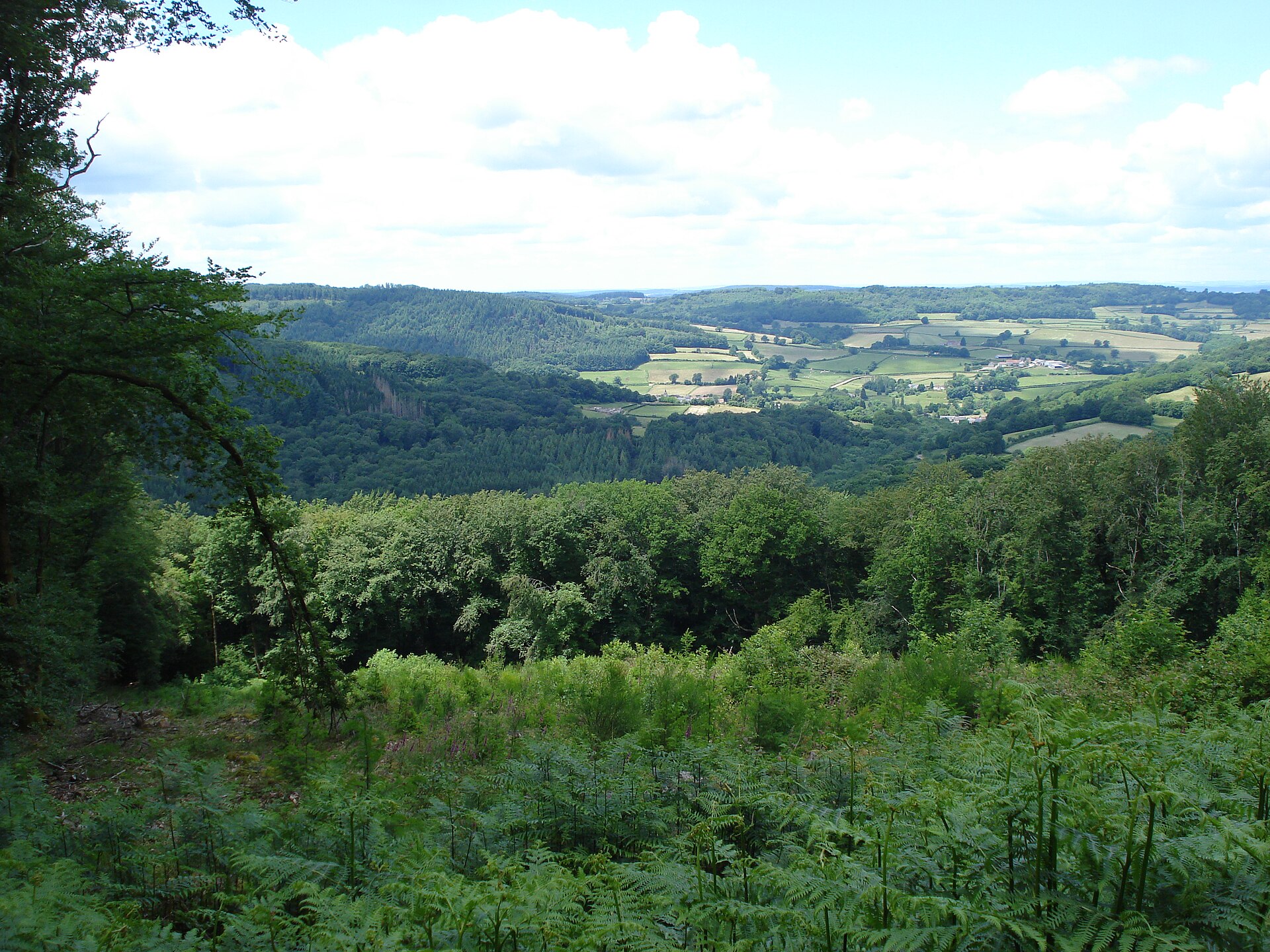
6,130 records
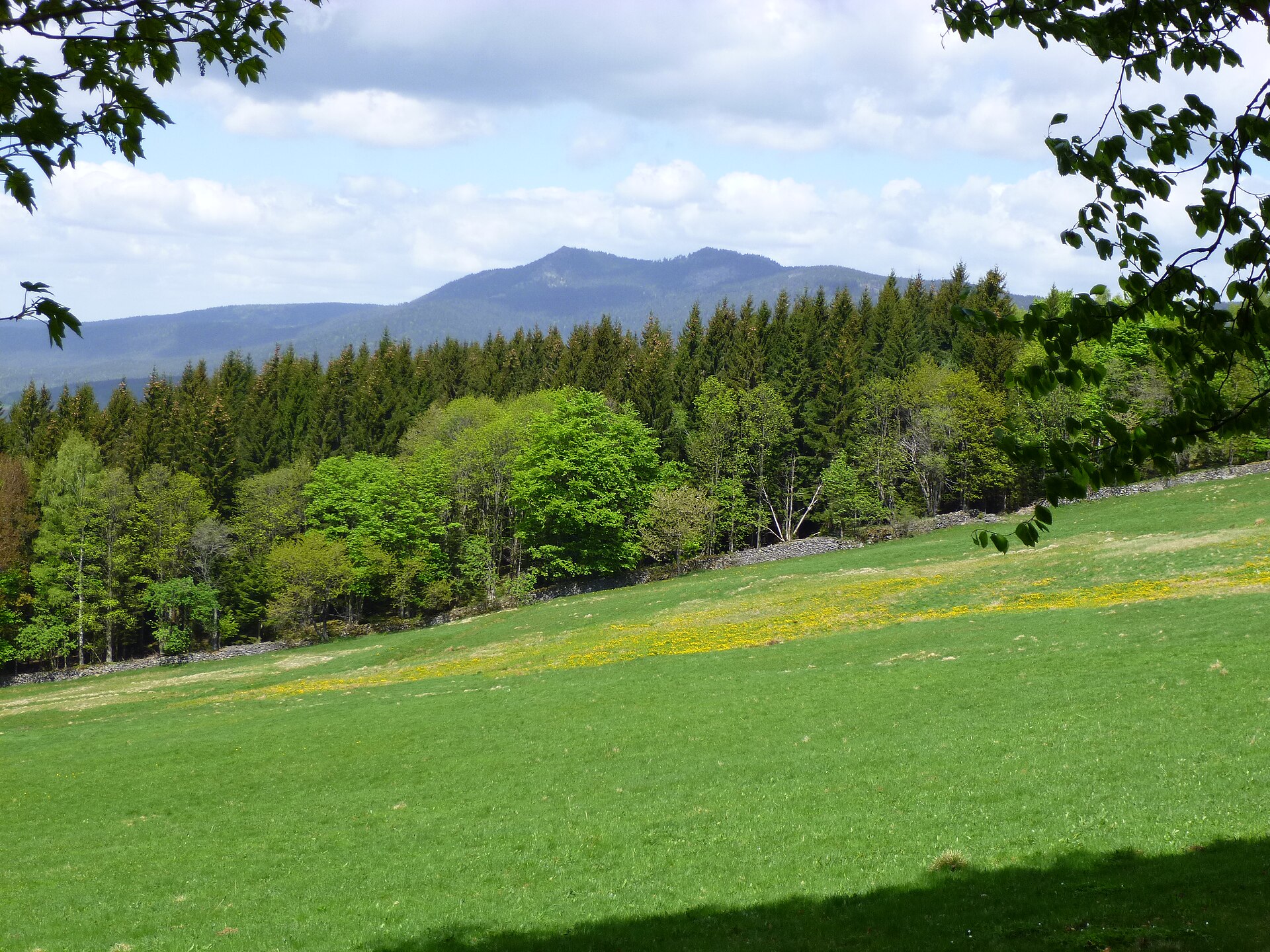
5,684 records
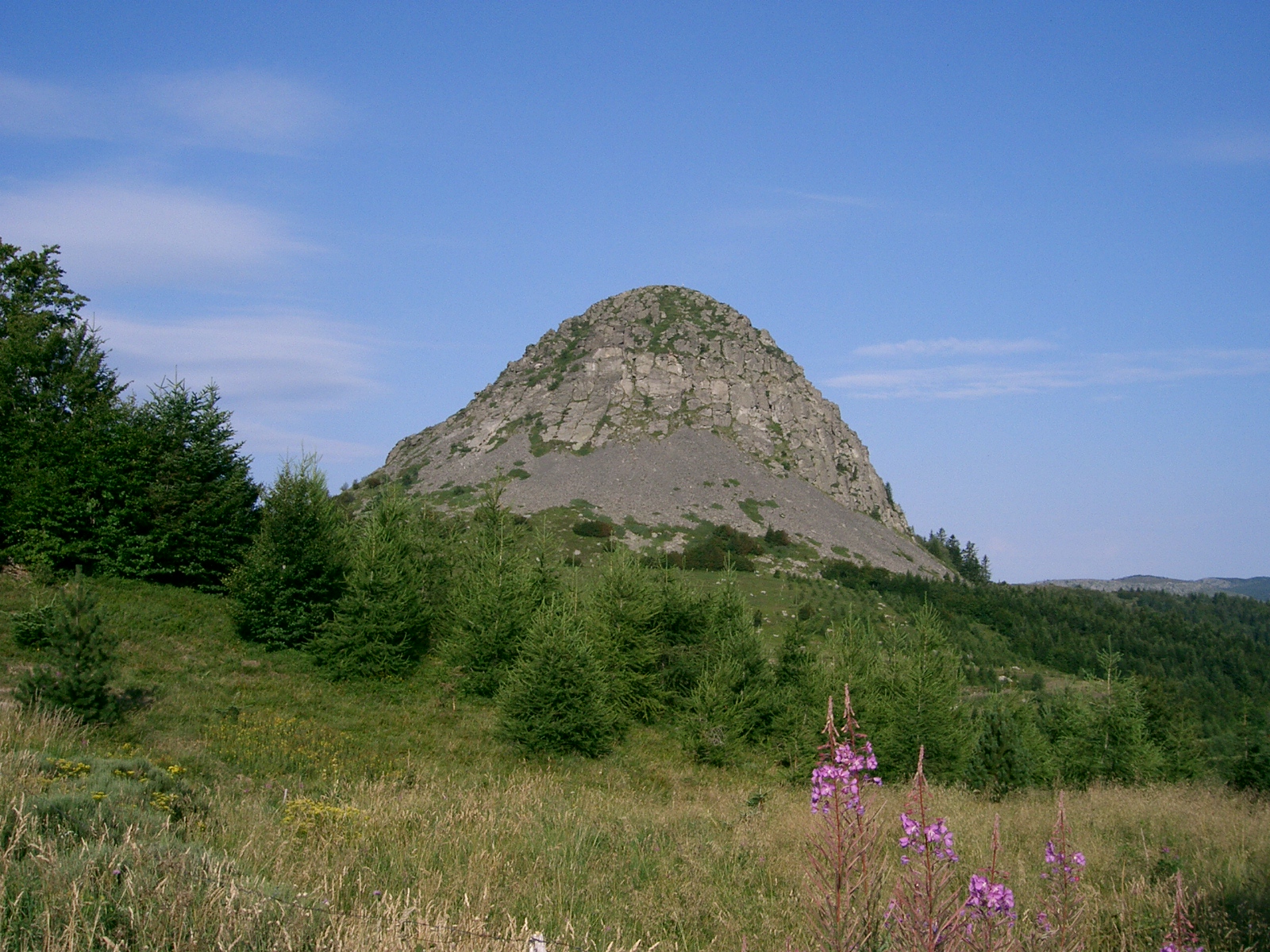
3,552 records
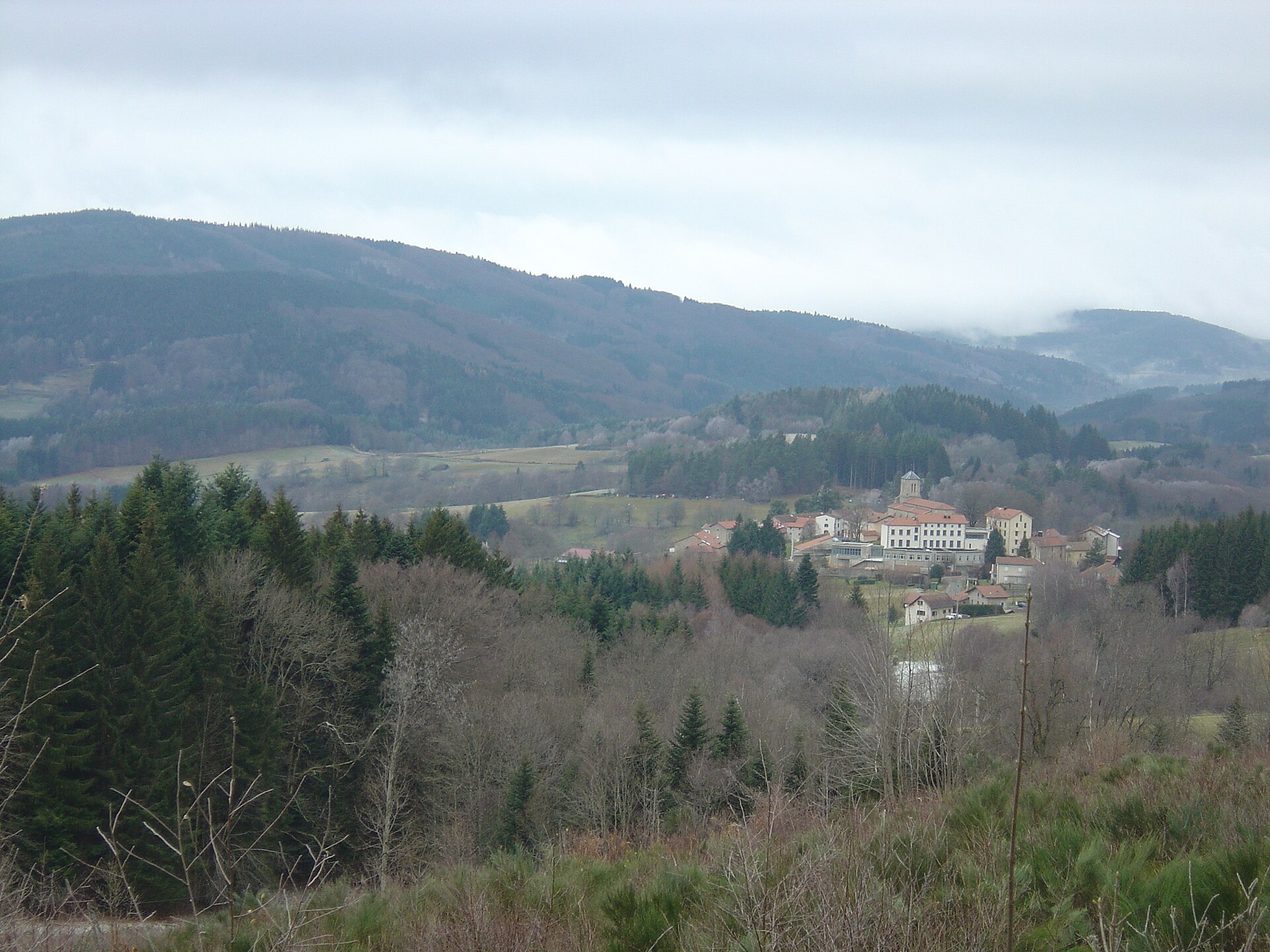
3,541 records
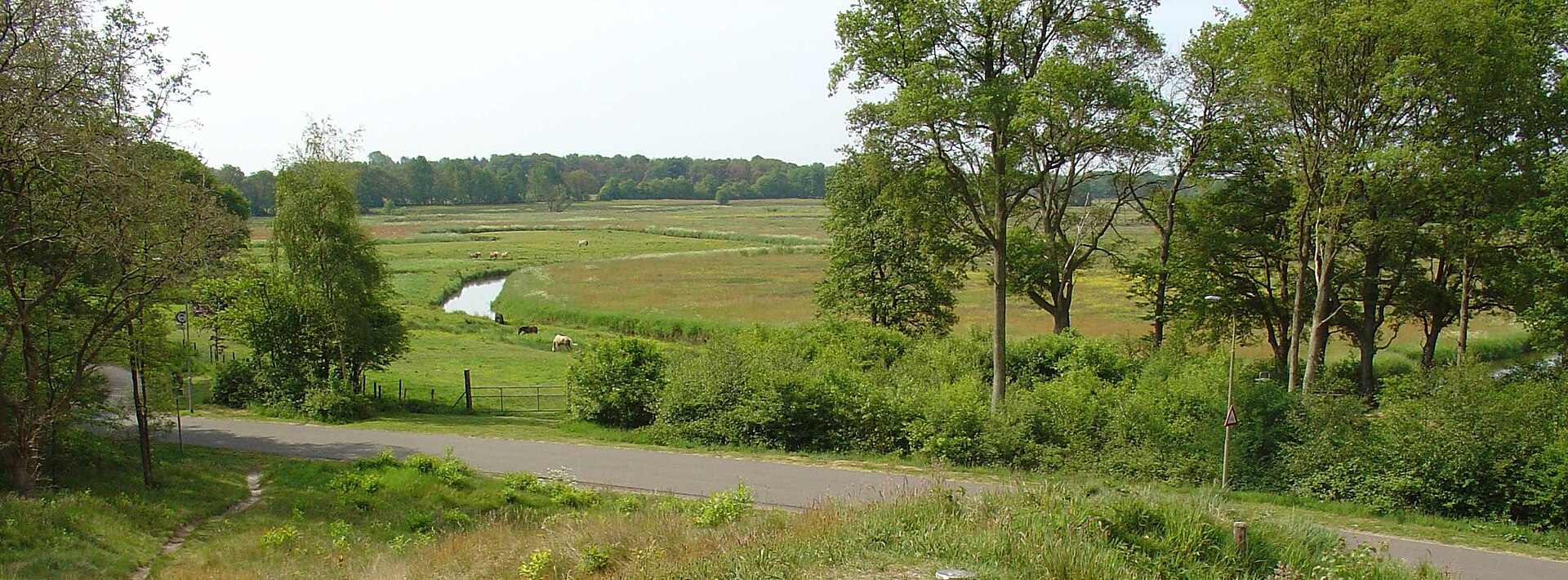
3,148 records
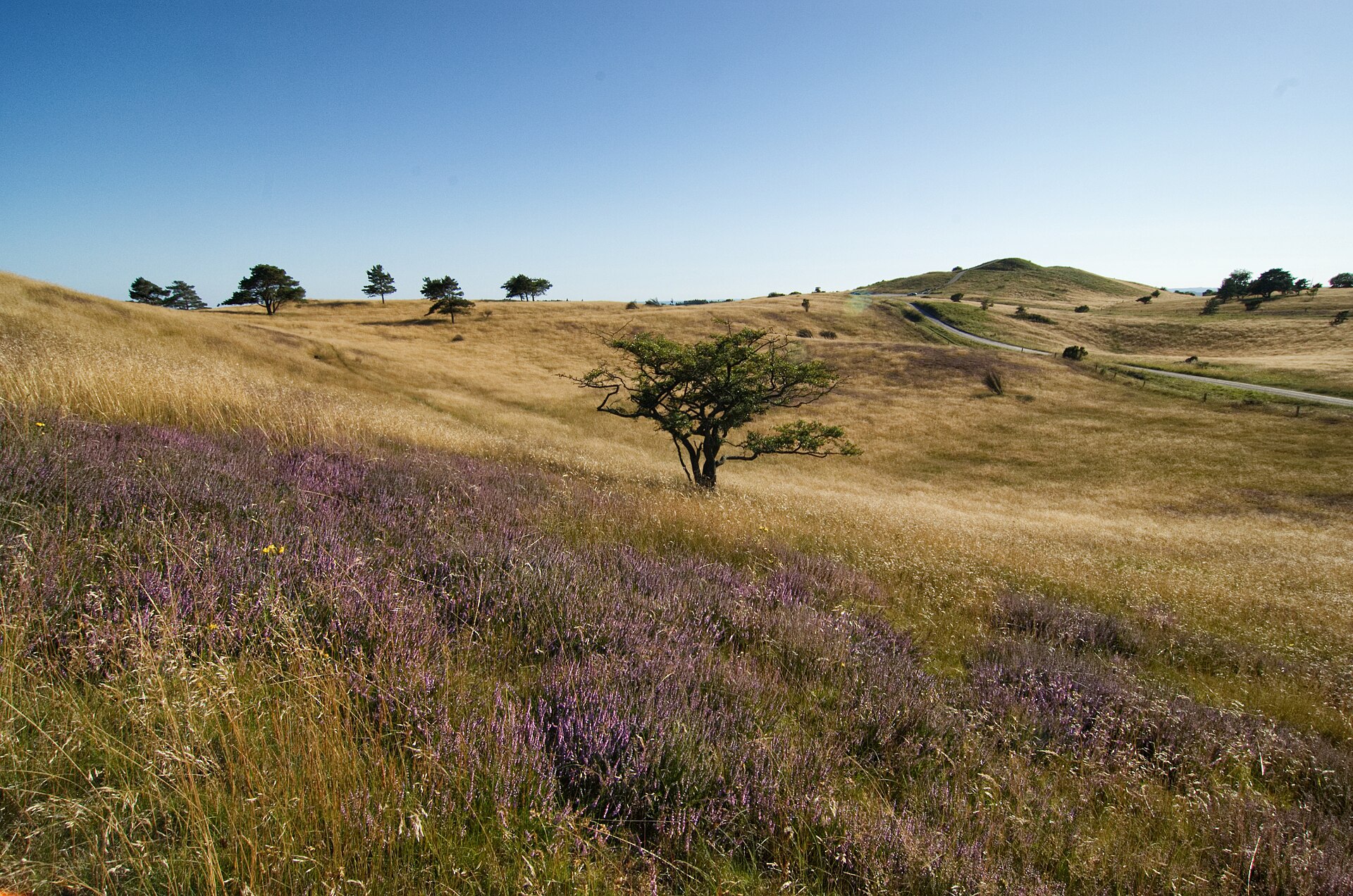
2,236 records
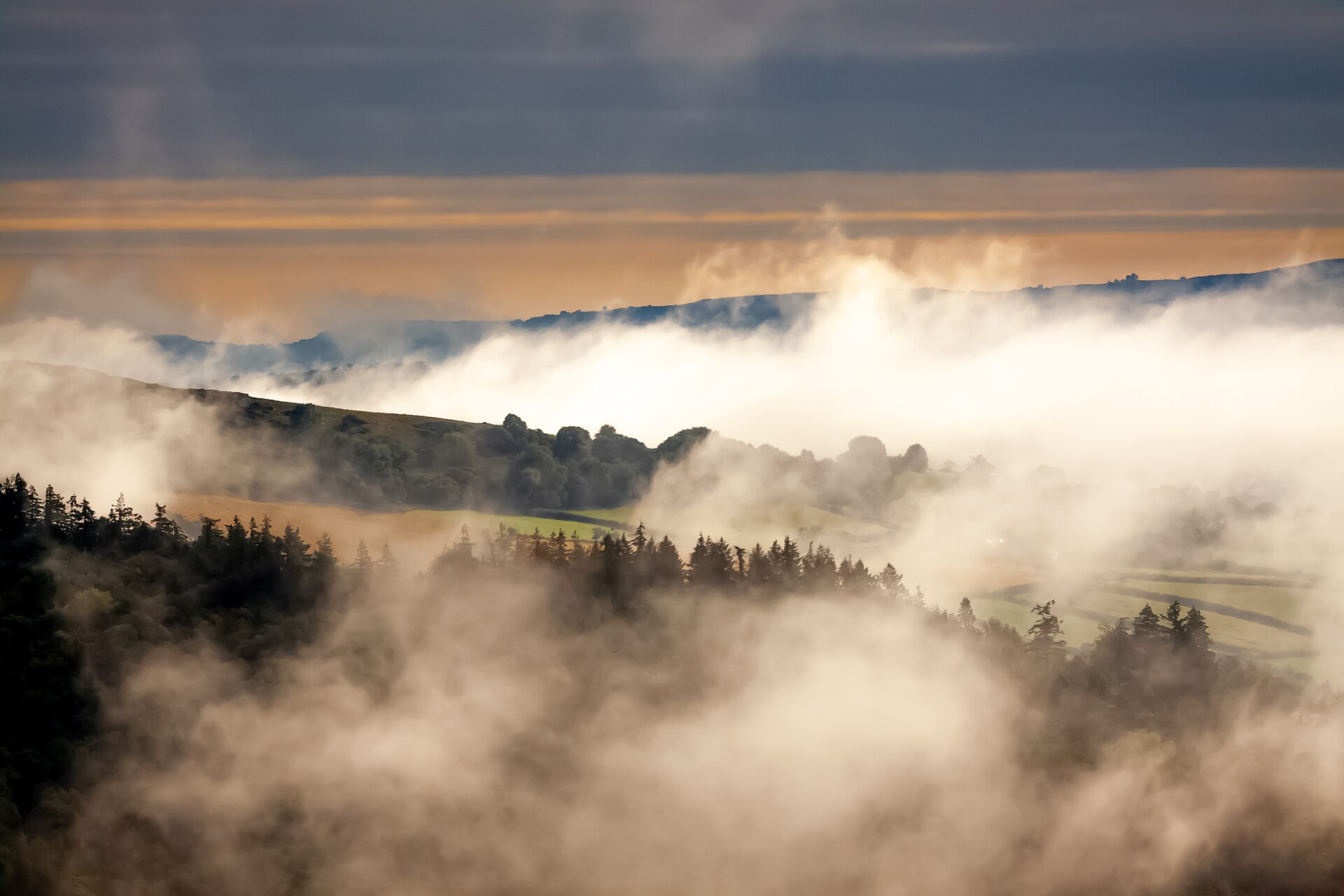
2,083 records
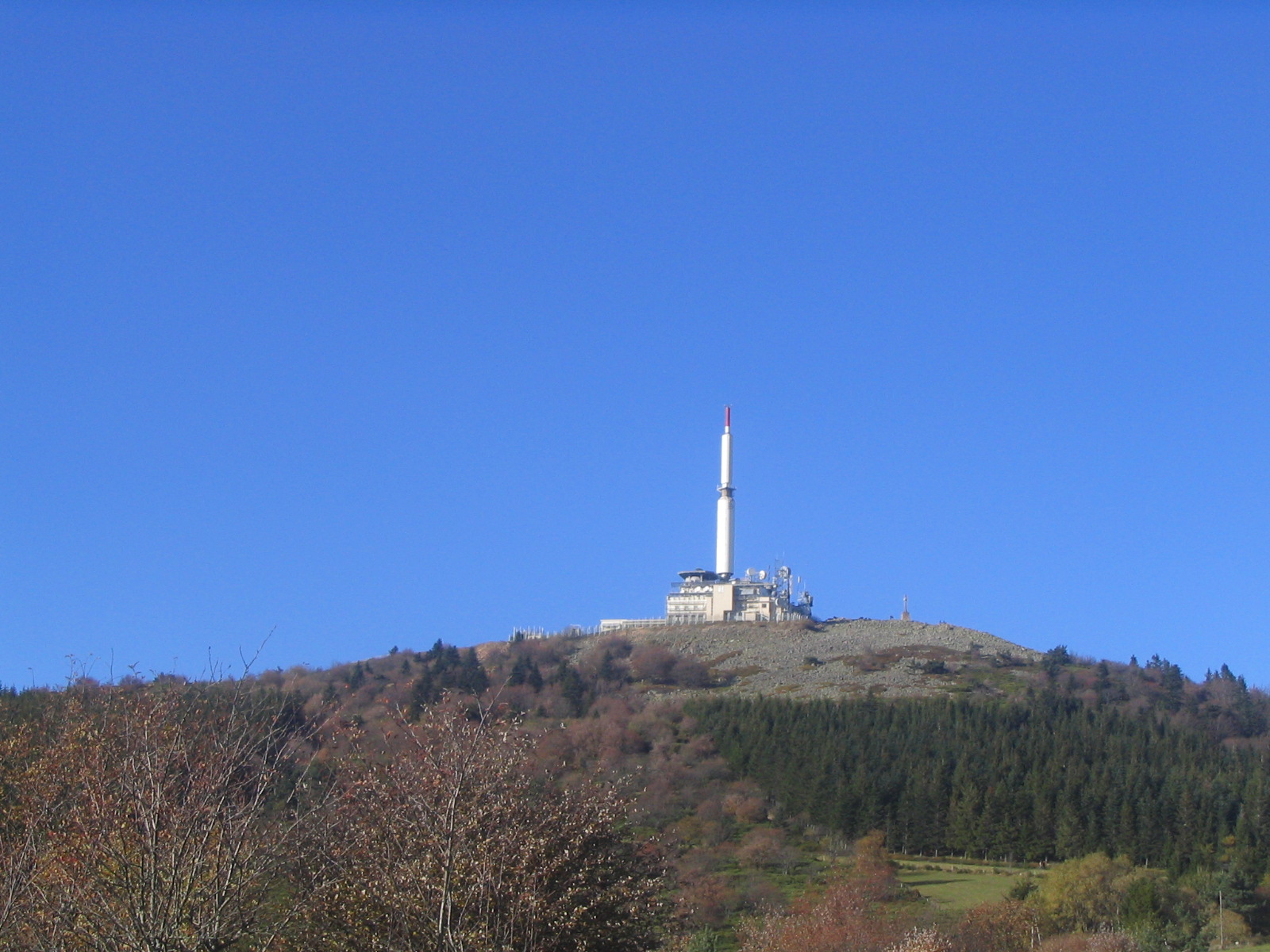
1,796 records
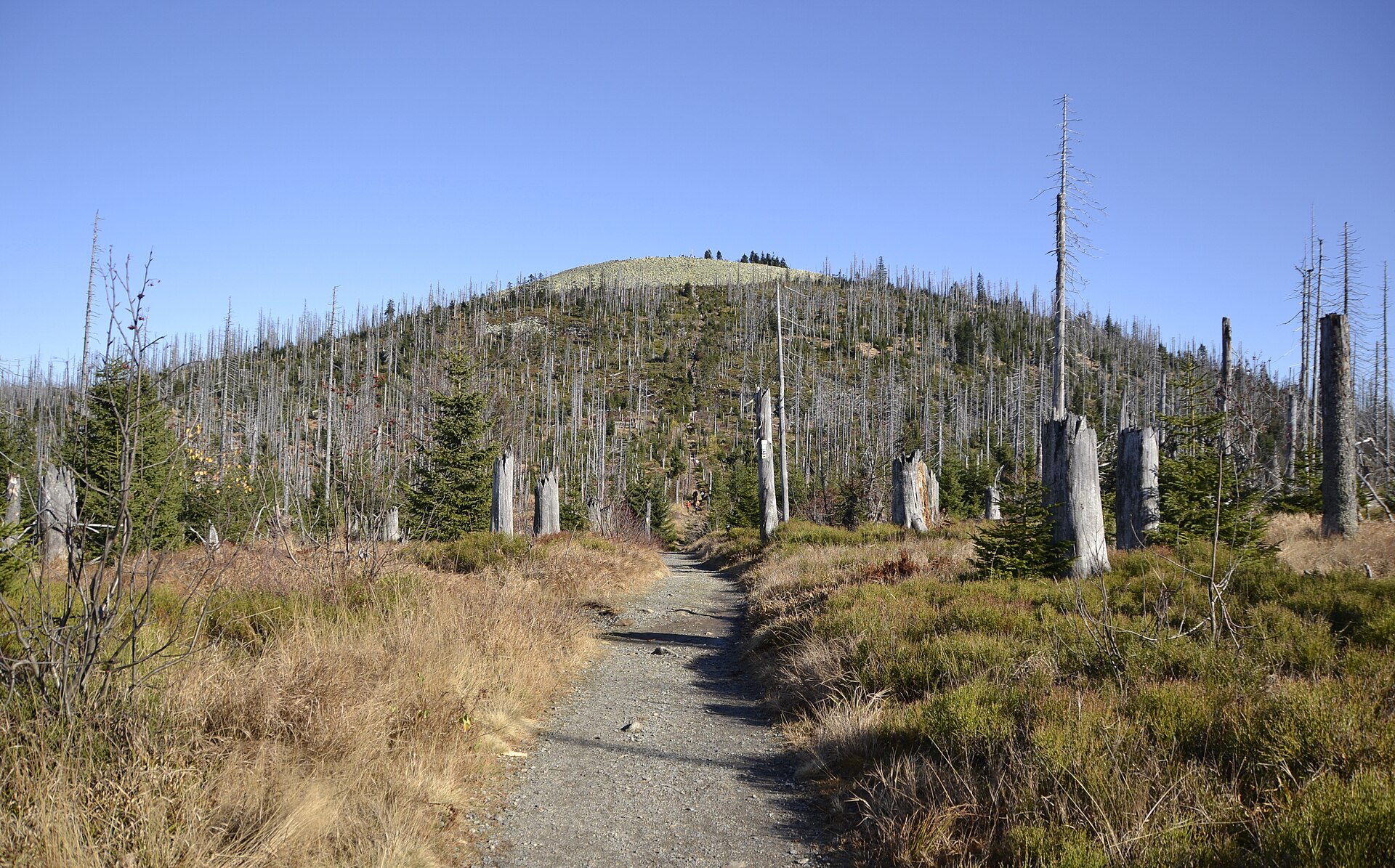
1,584 records
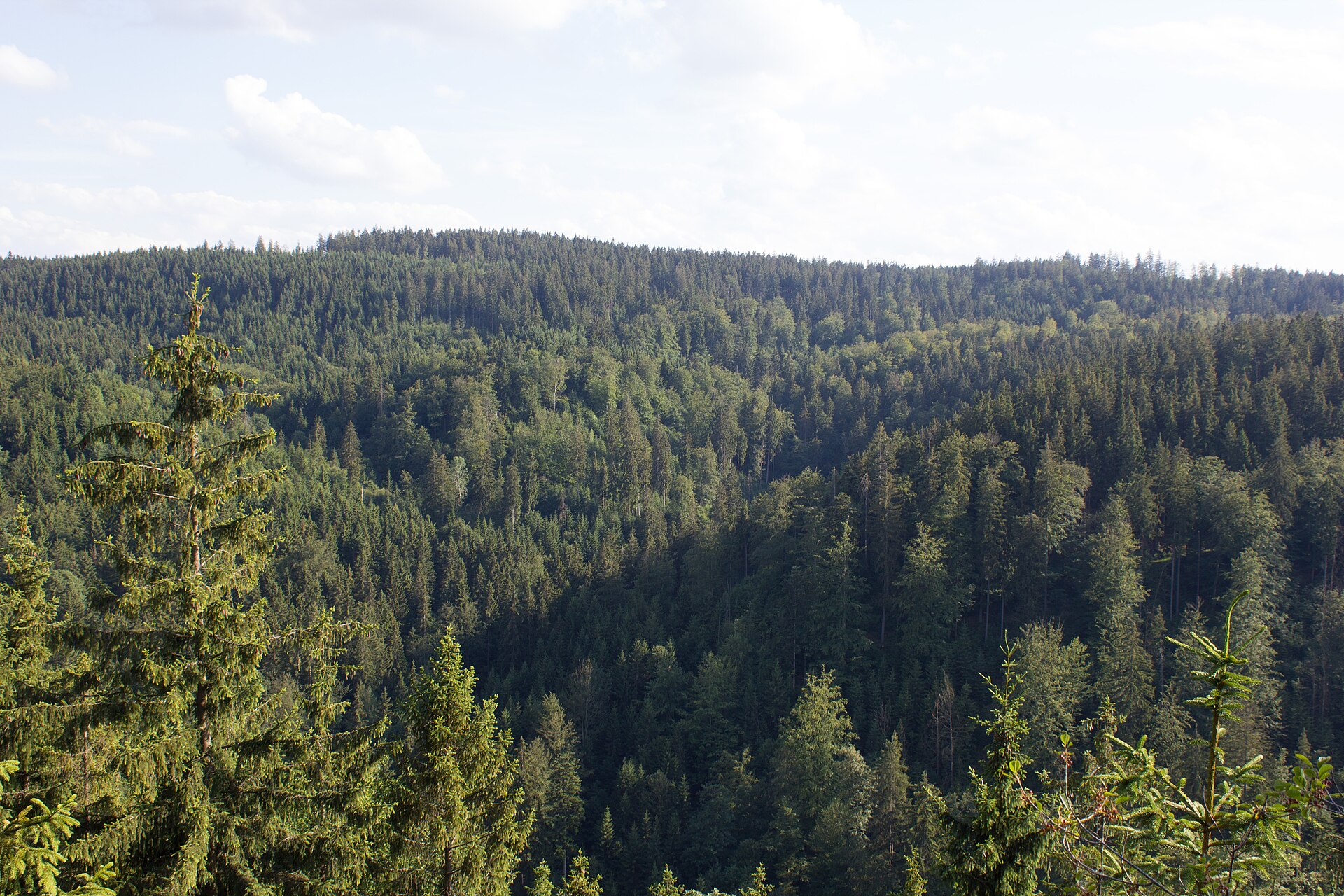
1,514 records
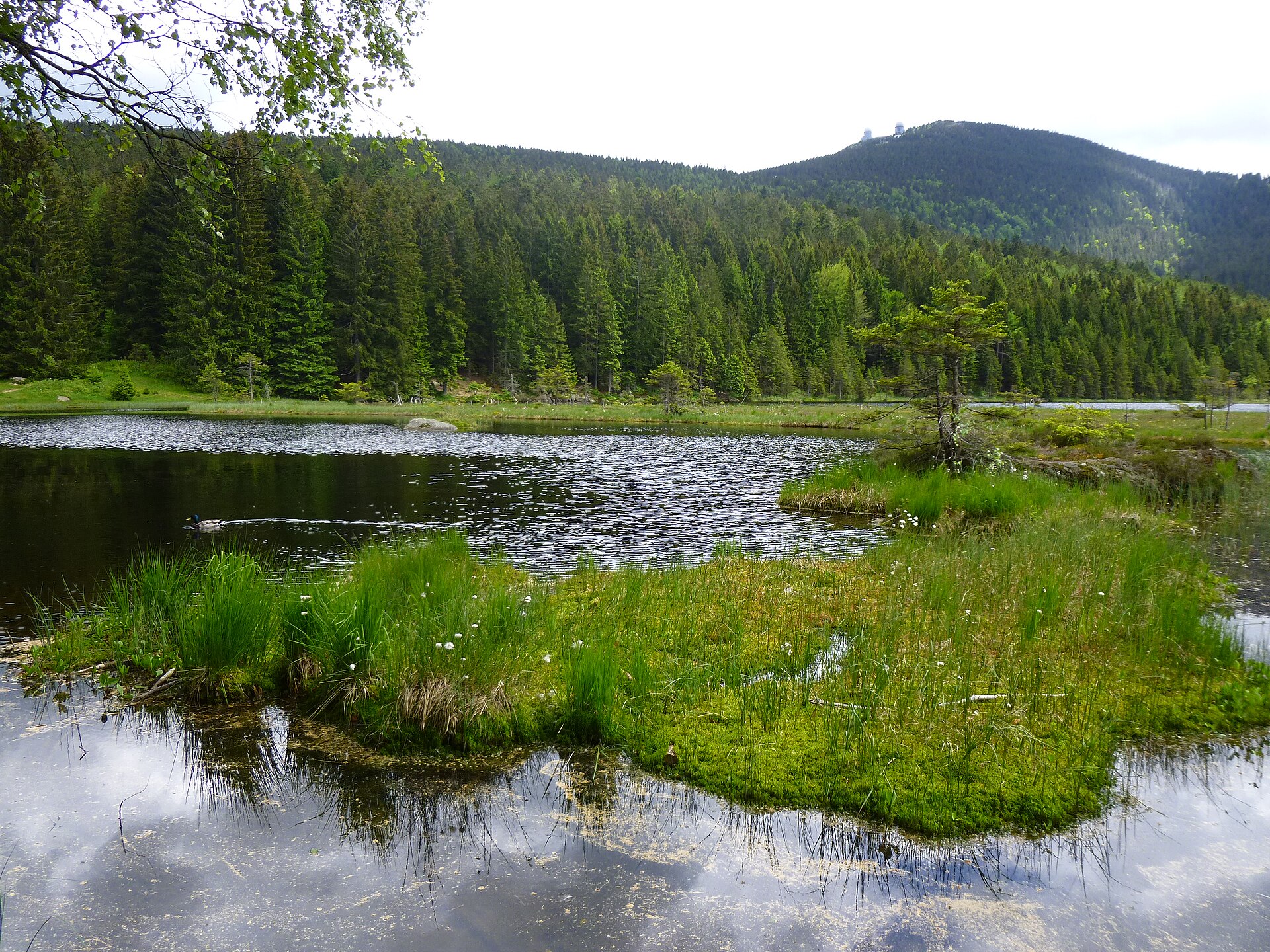
1,473 records
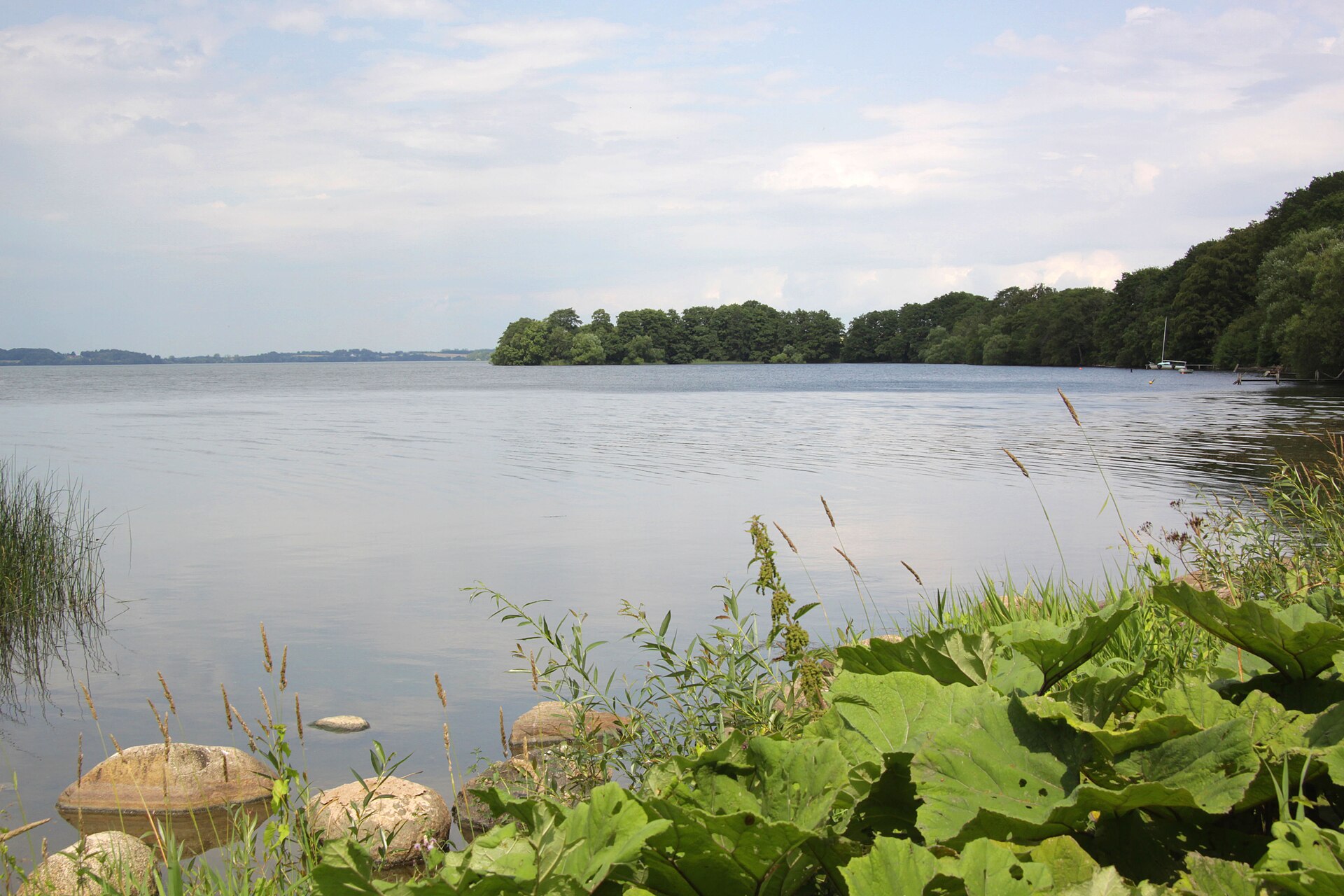
1,459 records
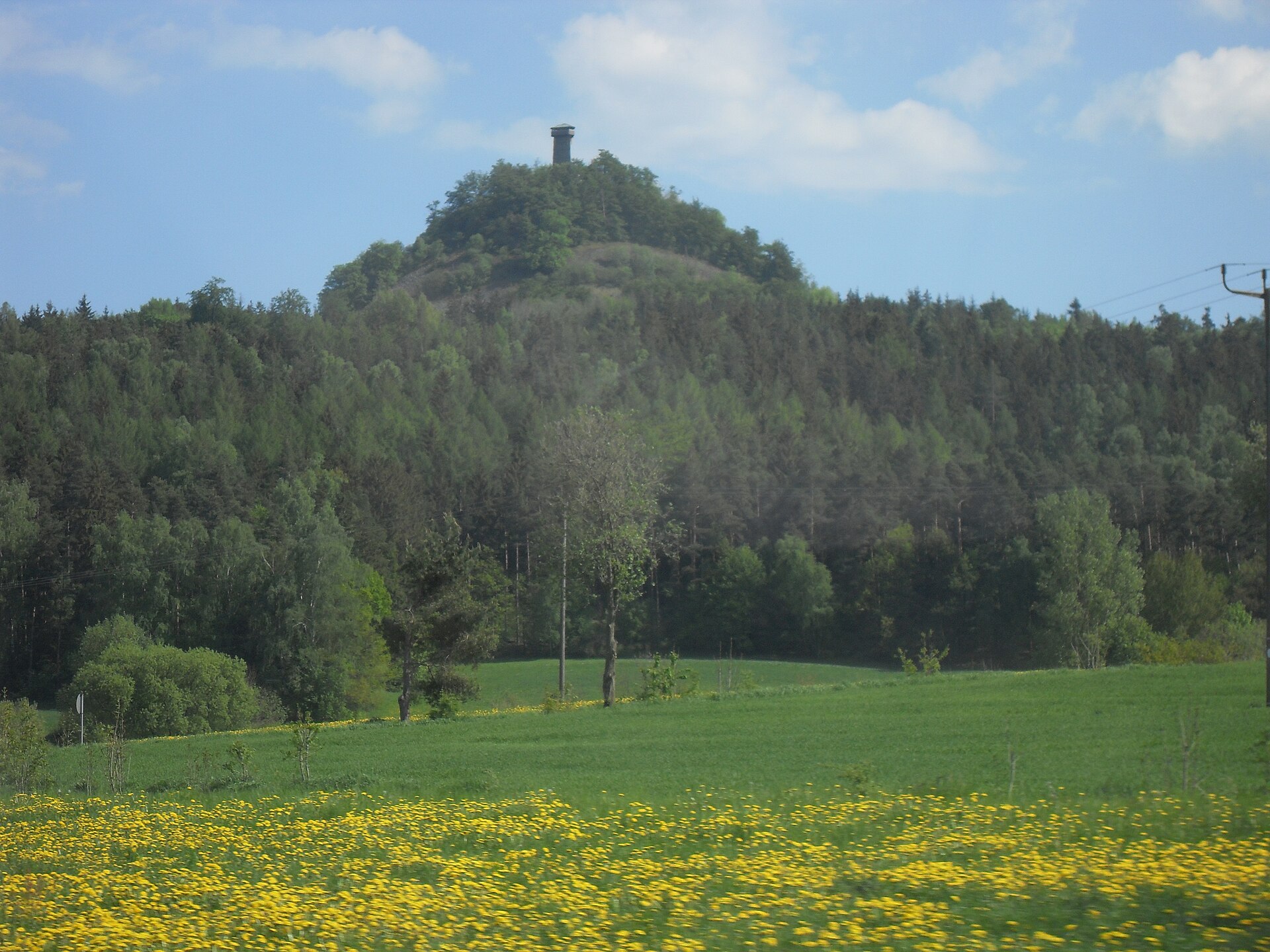
1,423 records

1,349 records
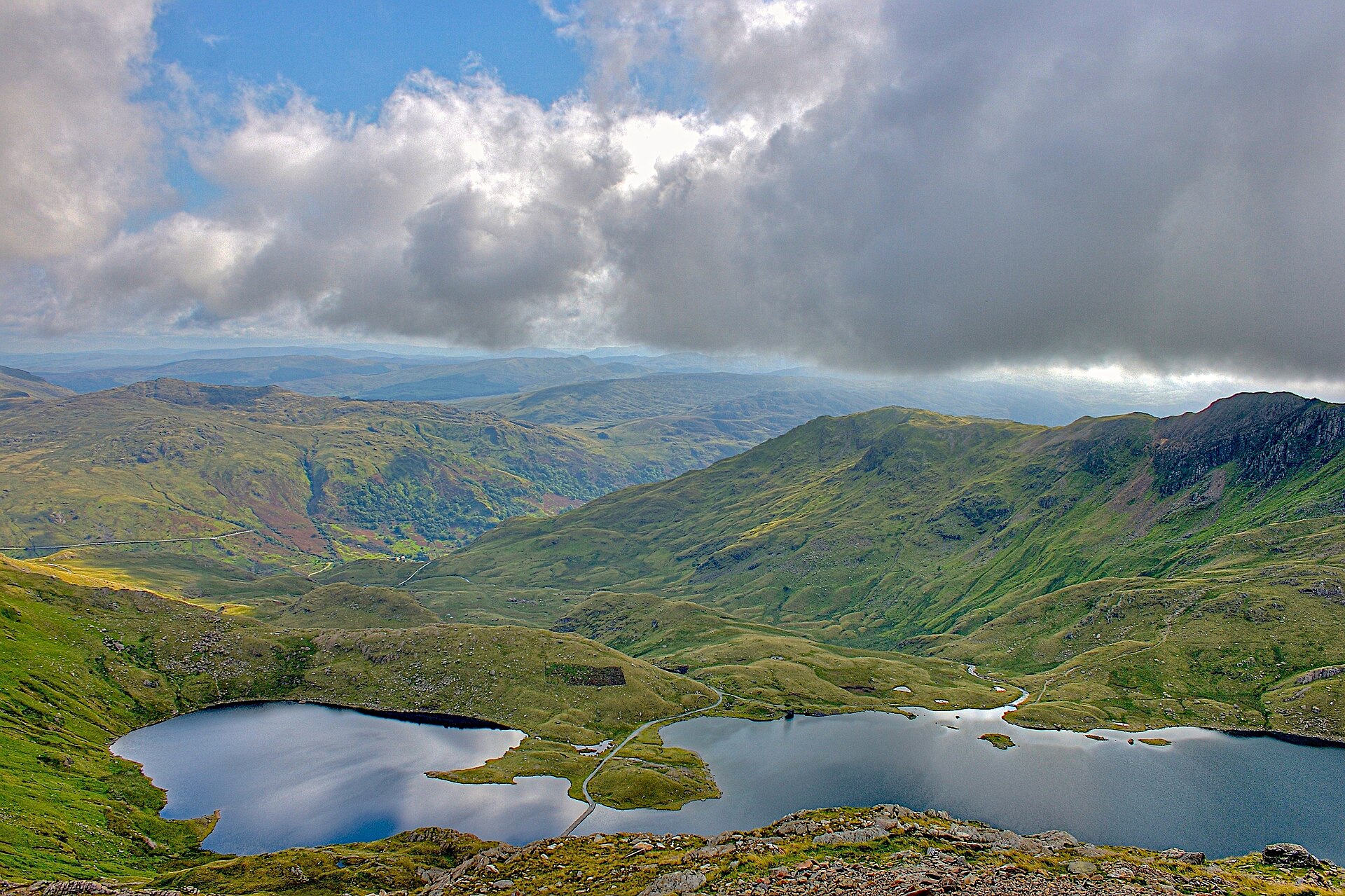
1,264 records

1,042 records
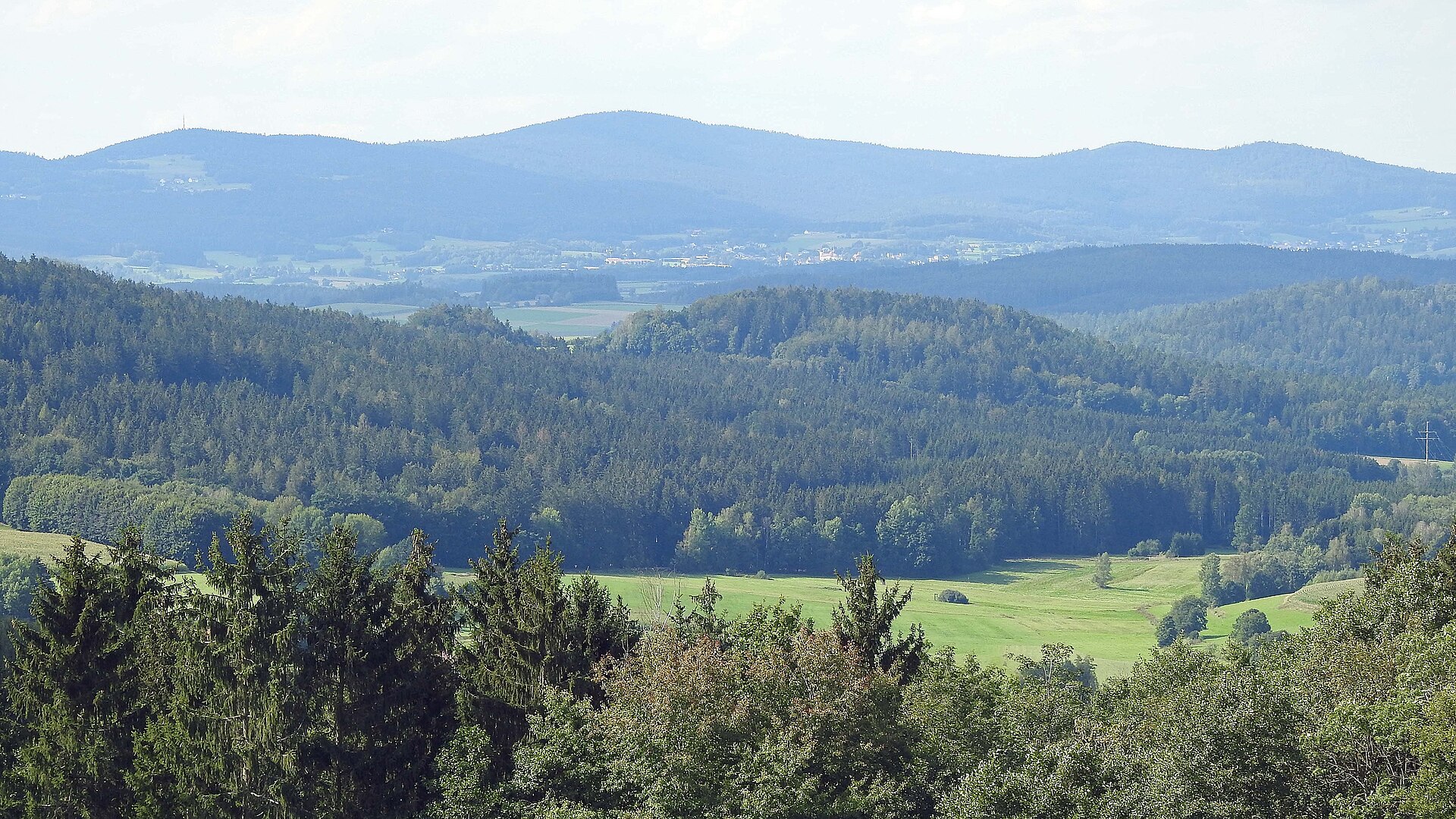
942 records
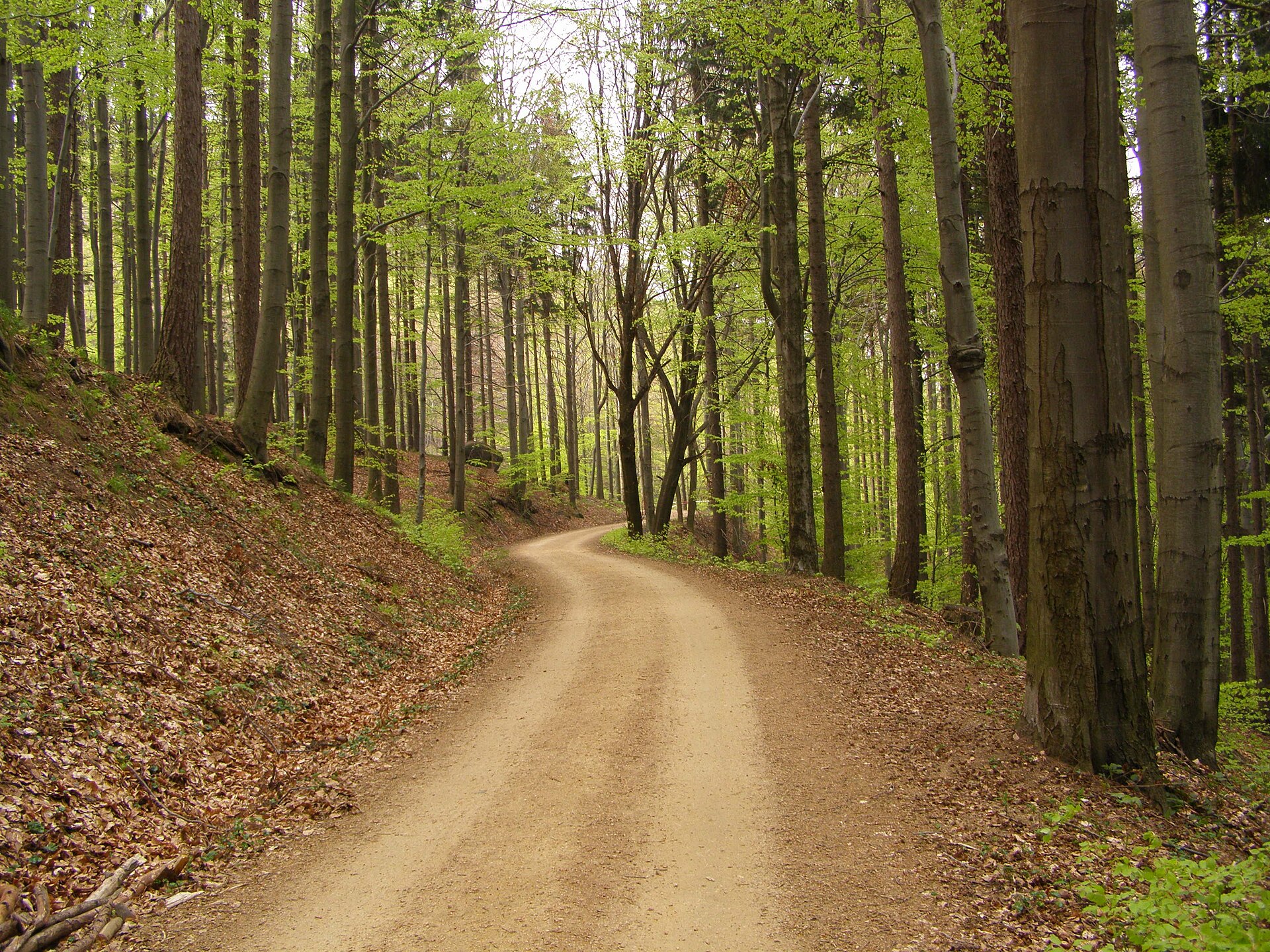
918 records
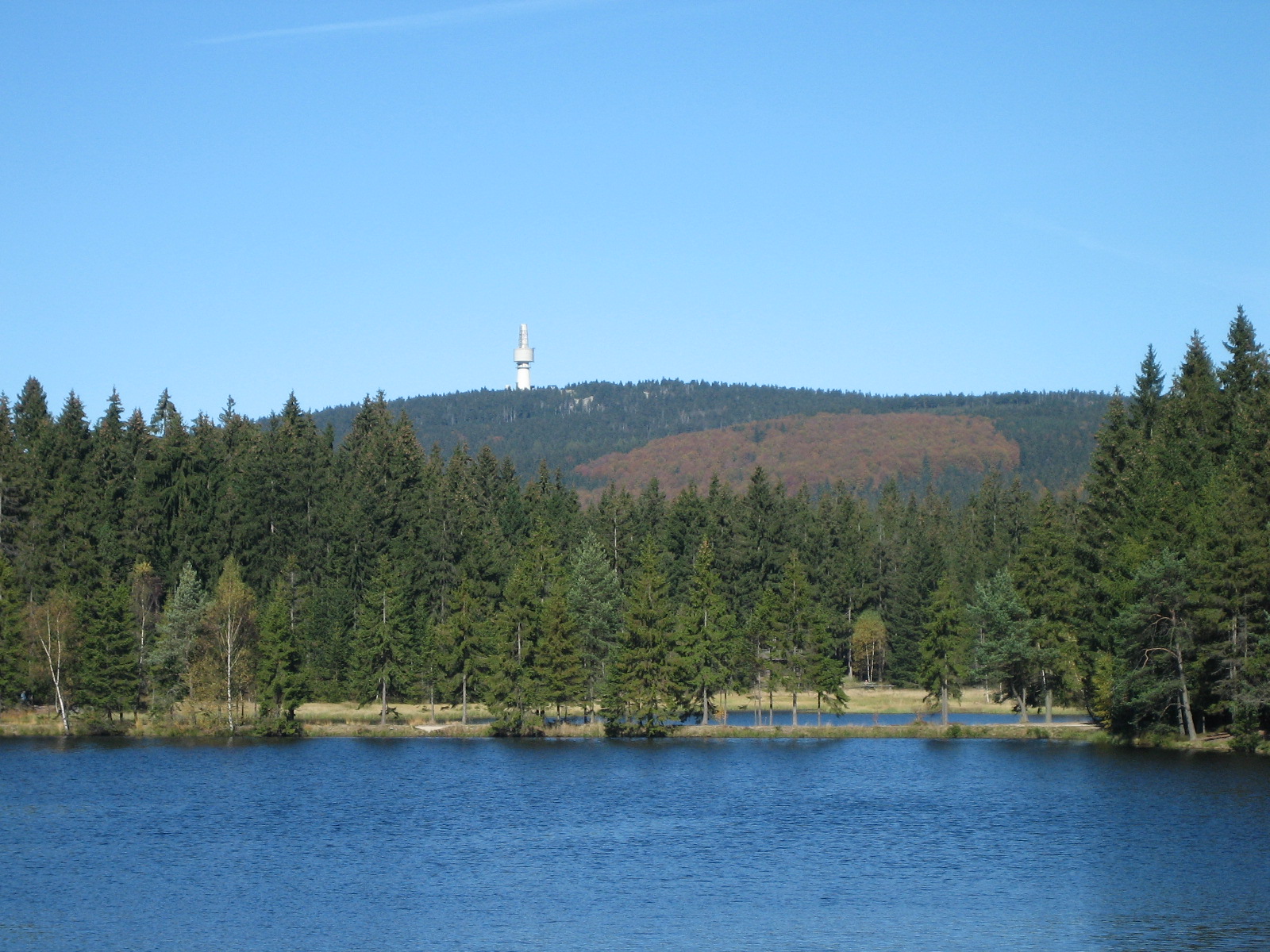
911 records
749 records
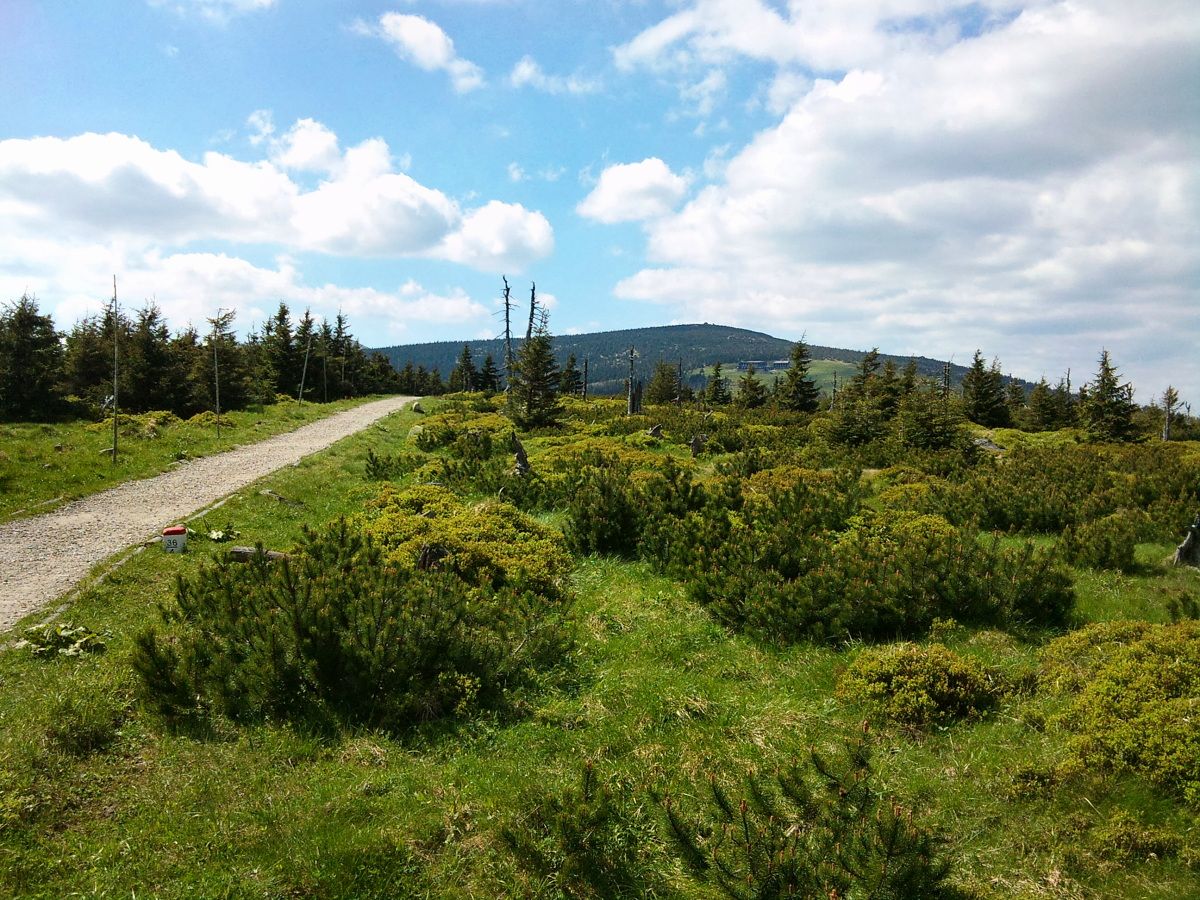
635 records
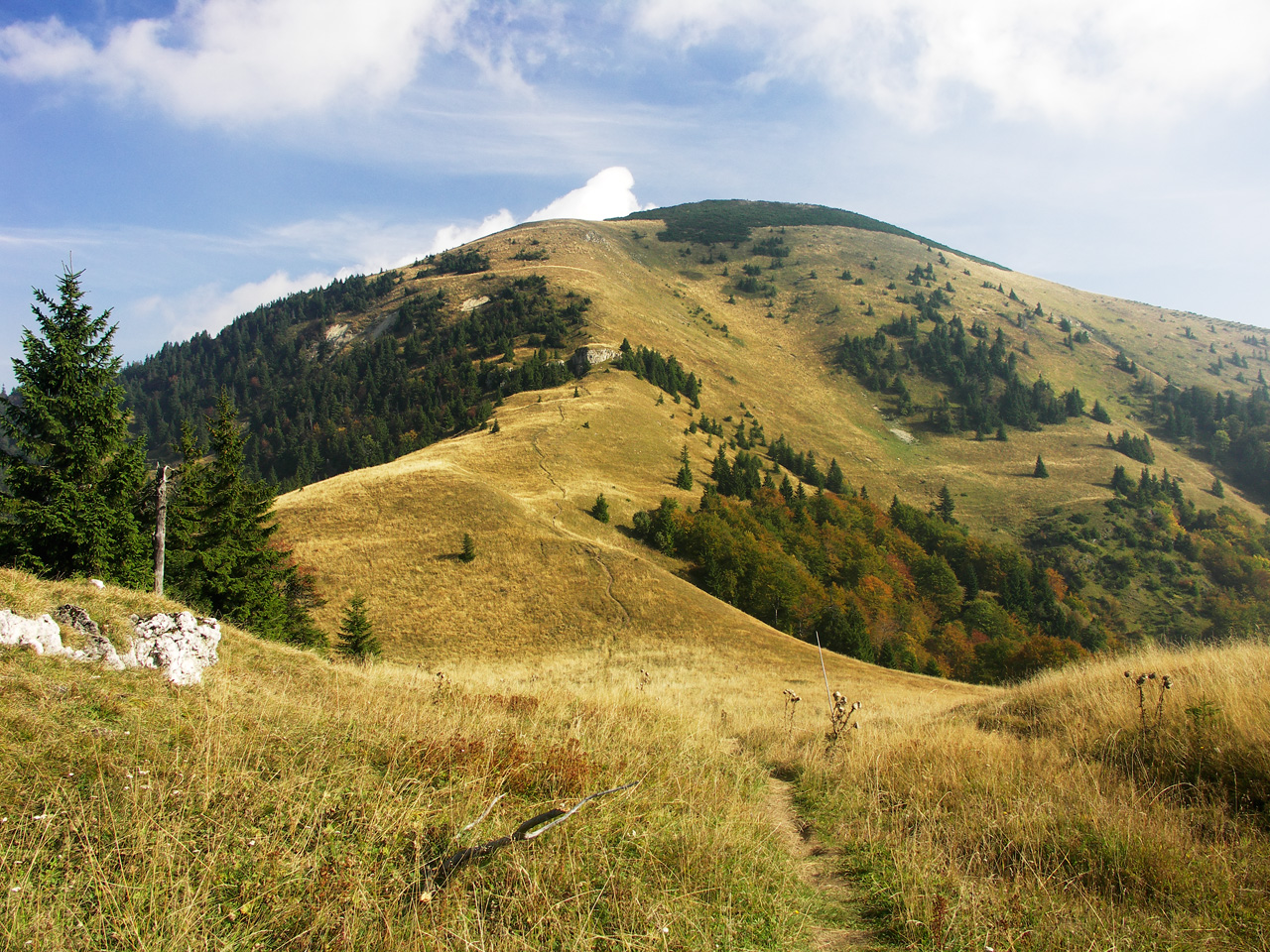
634 records
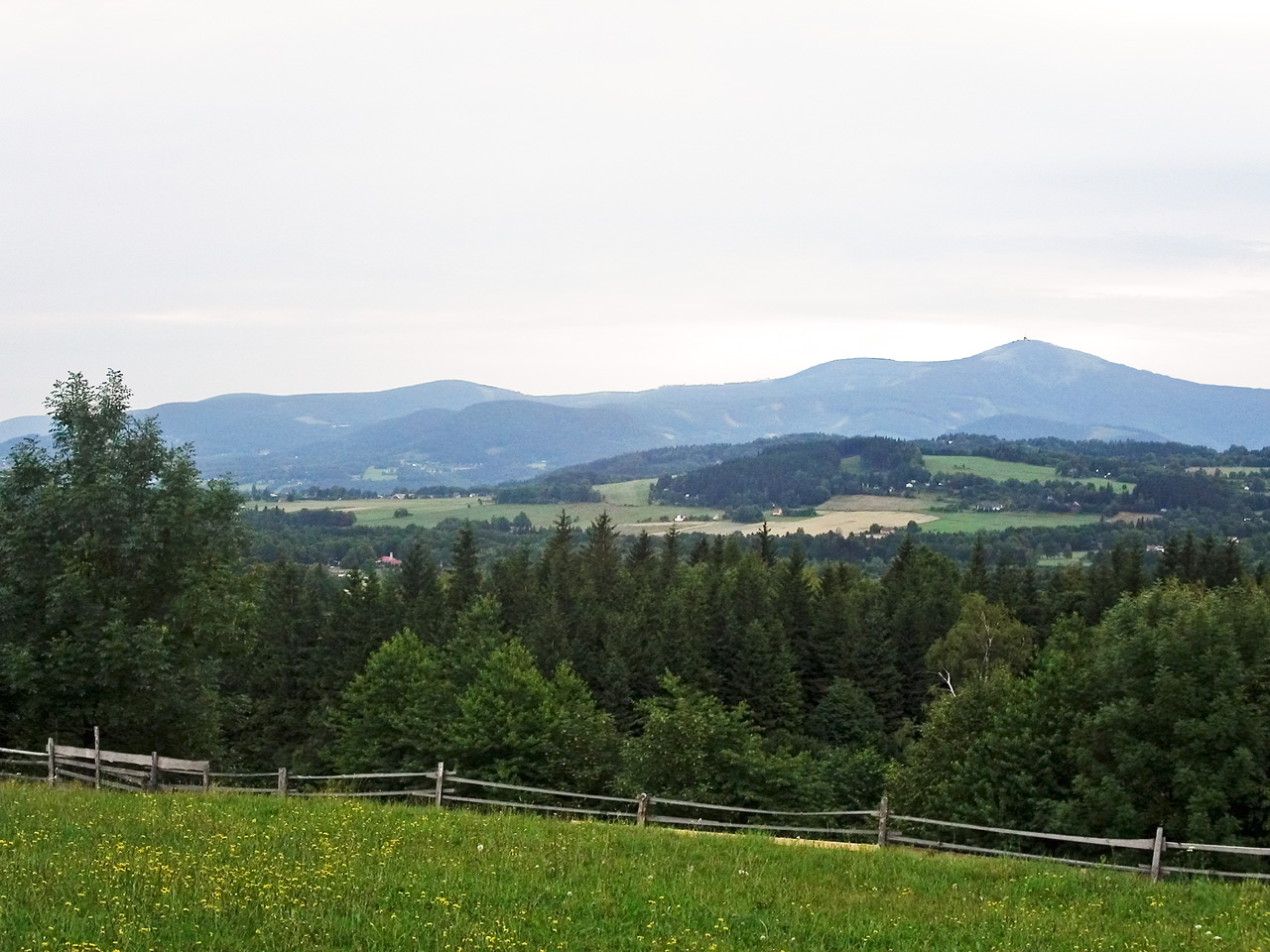
588 records
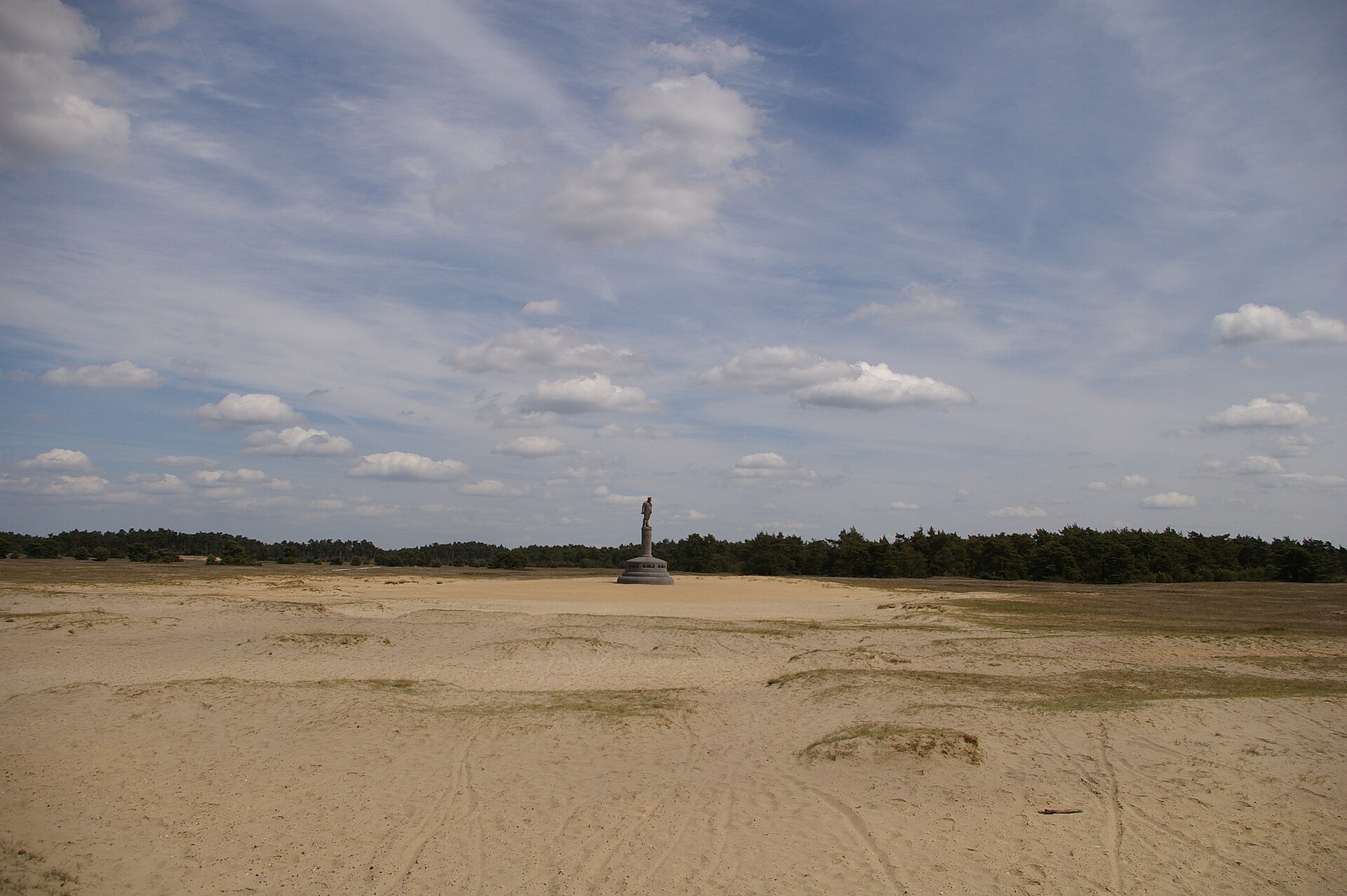
464 records
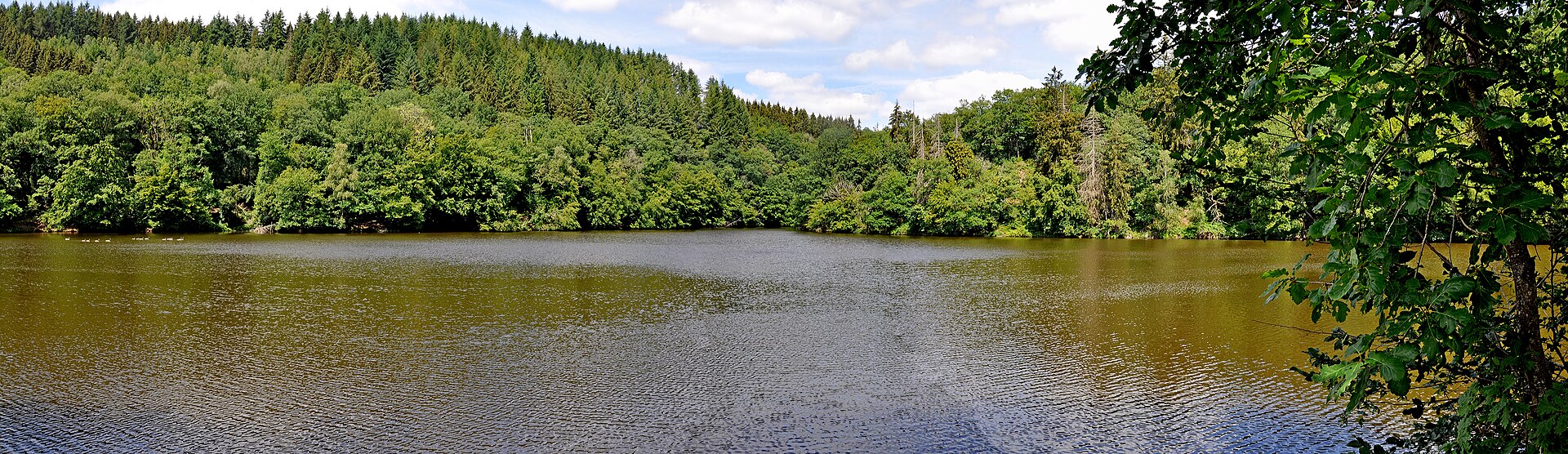
460 records
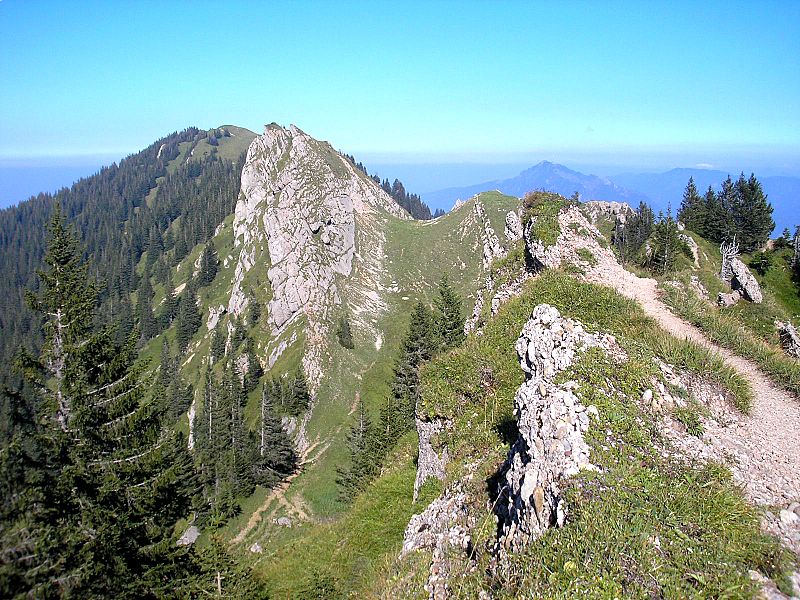
447 records
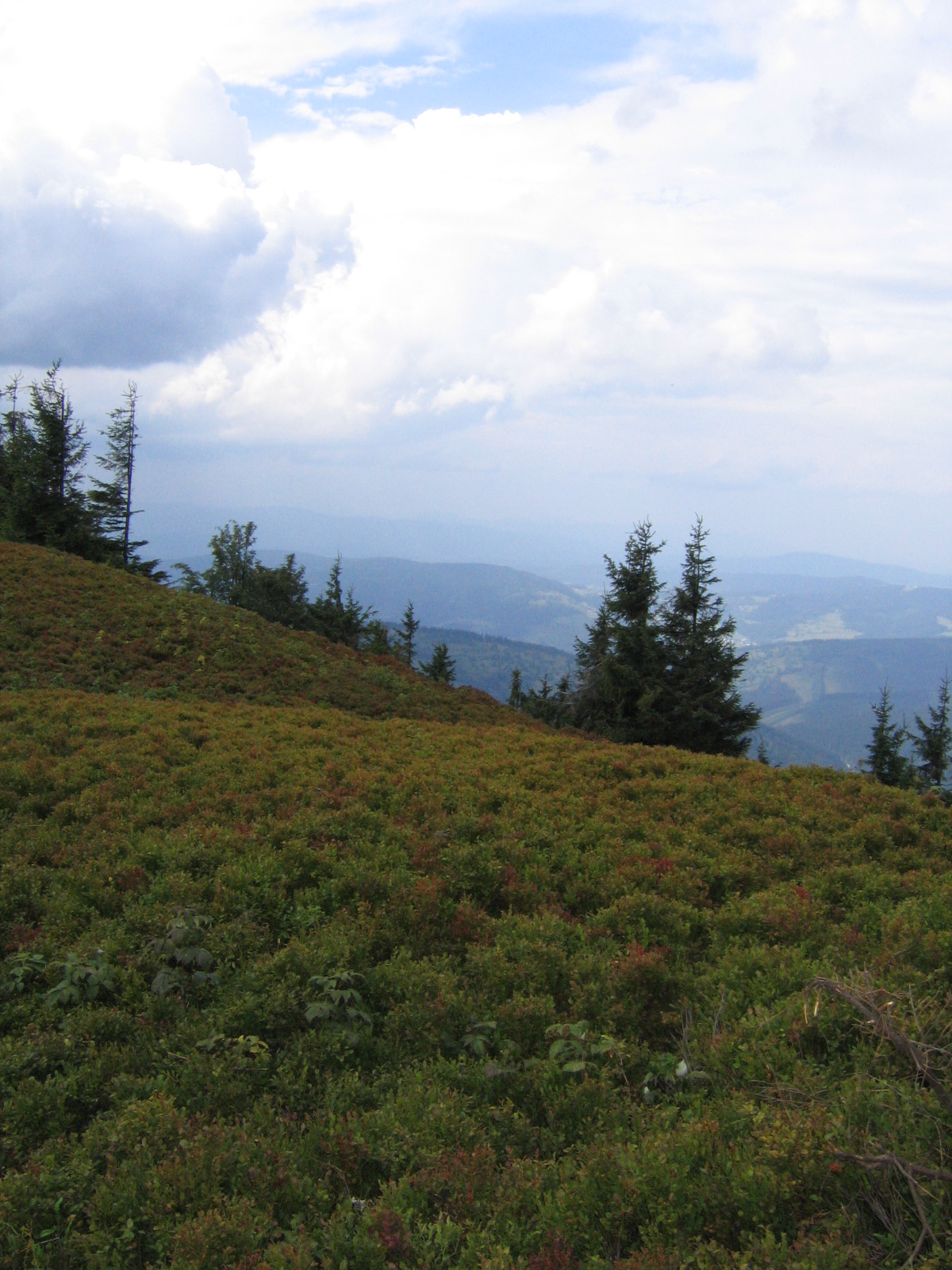
398 records
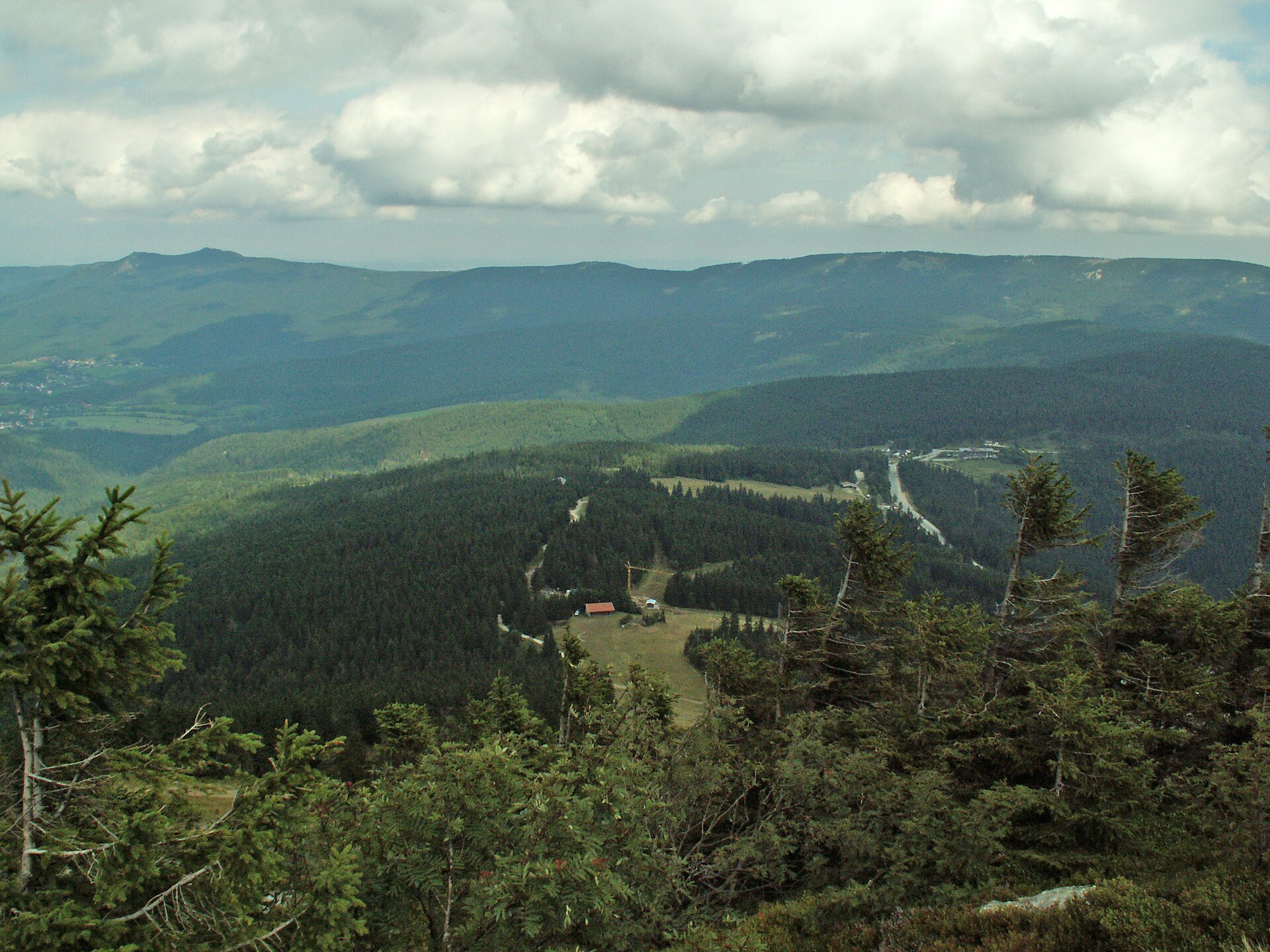
377 records
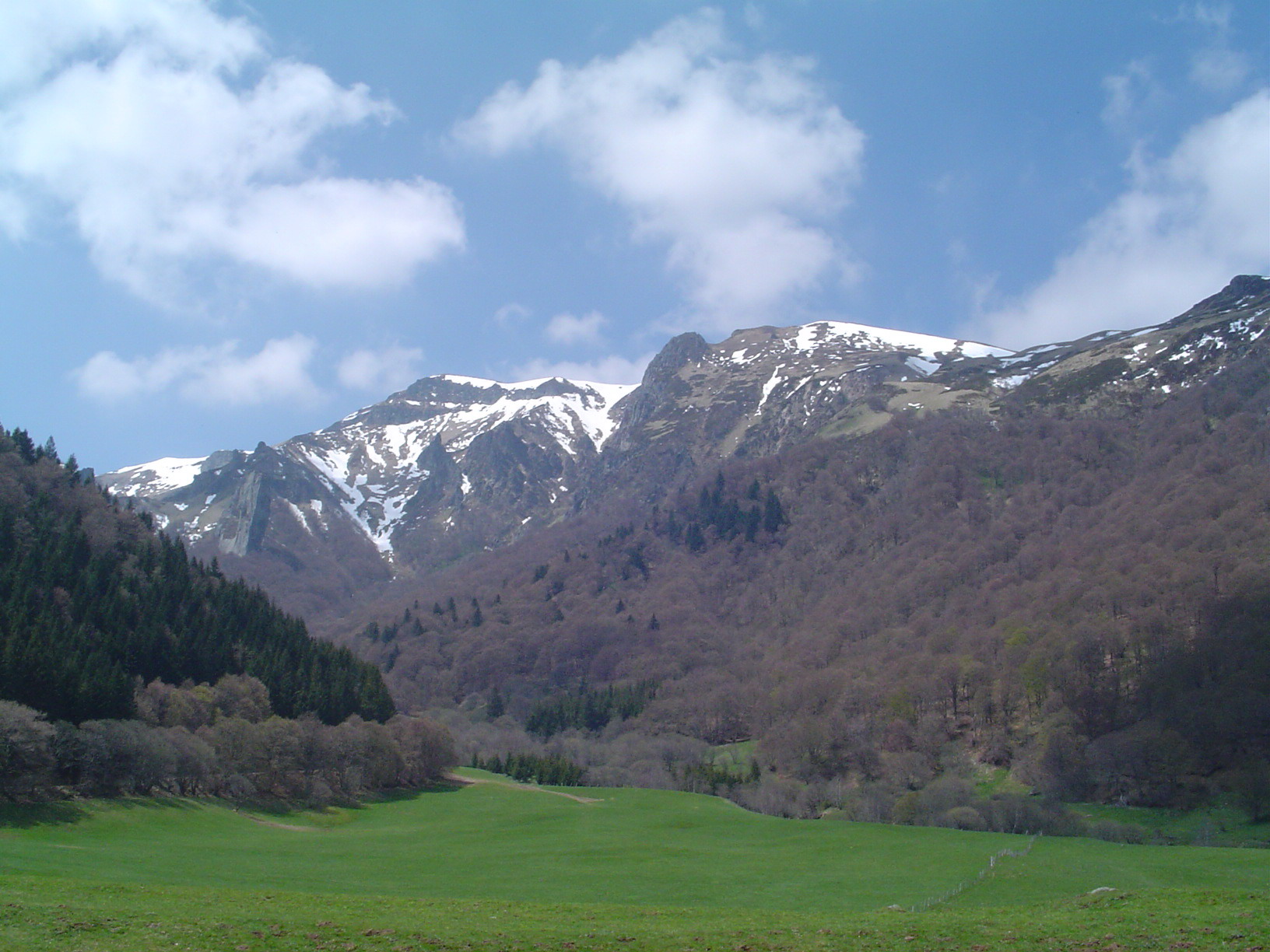
368 records
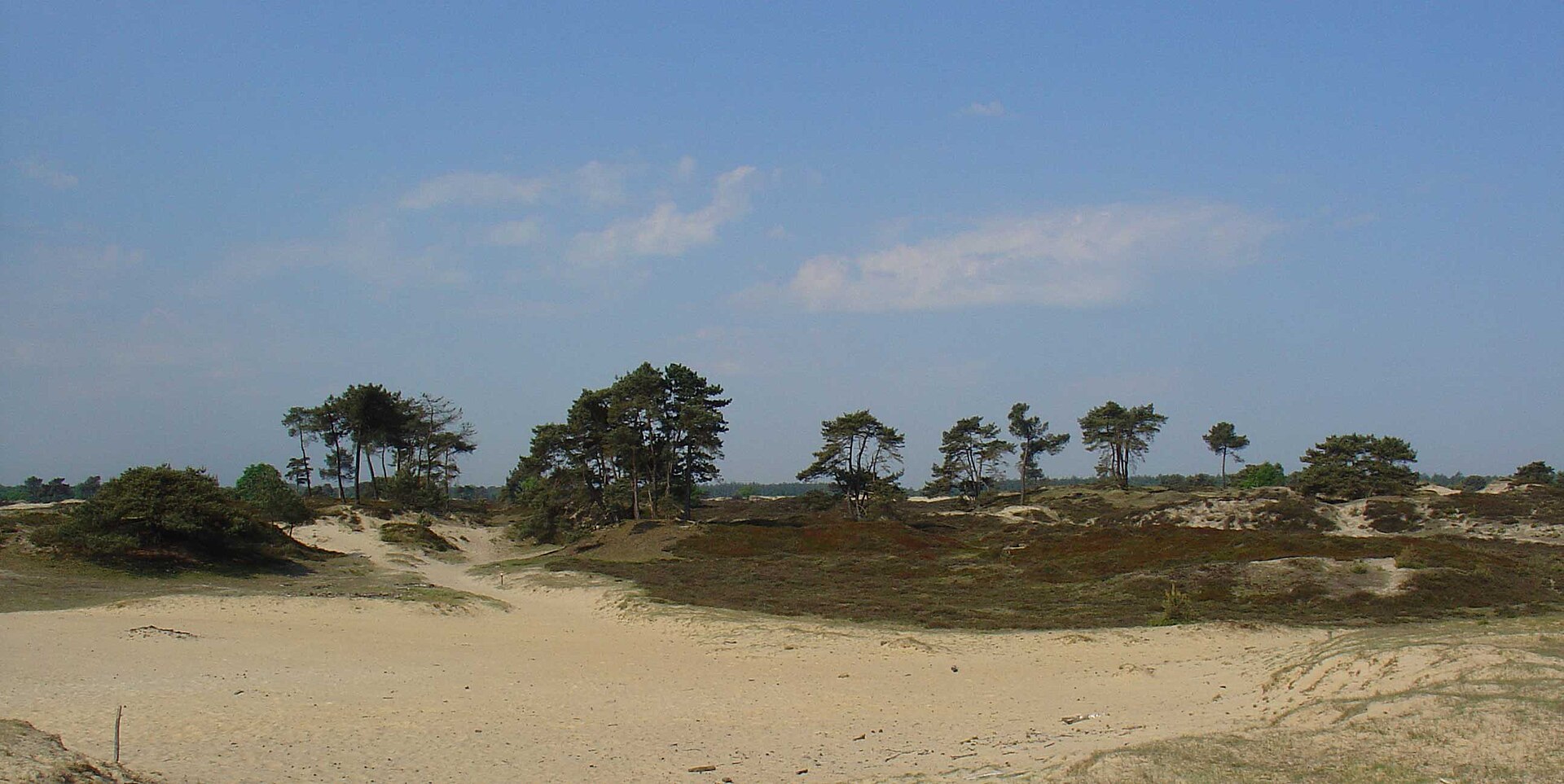
295 records
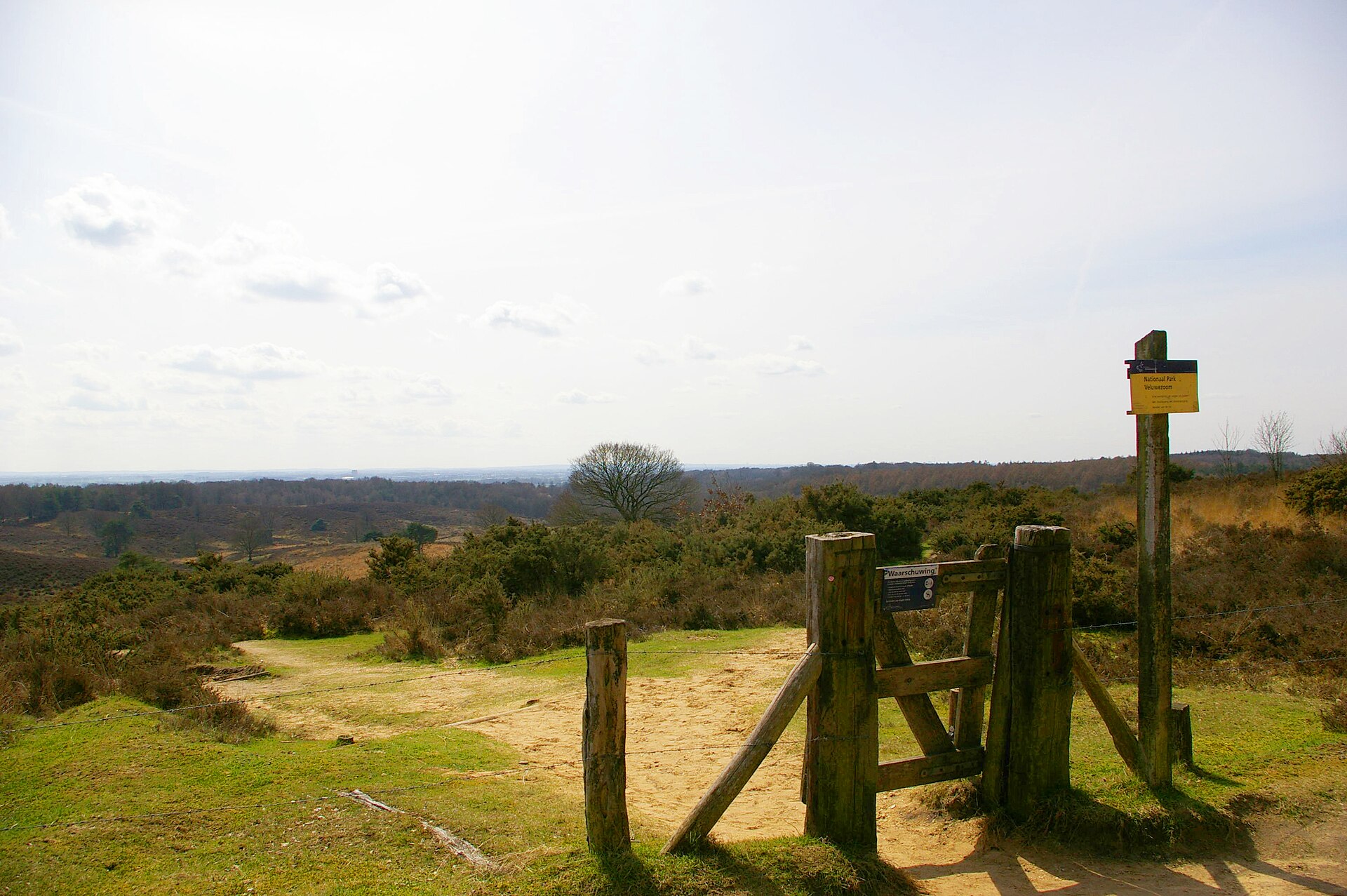
279 records
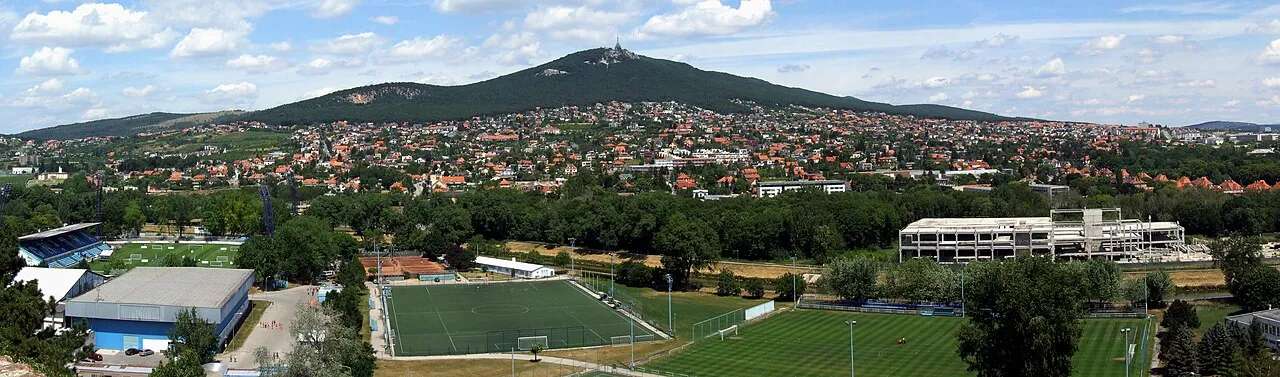
265 records
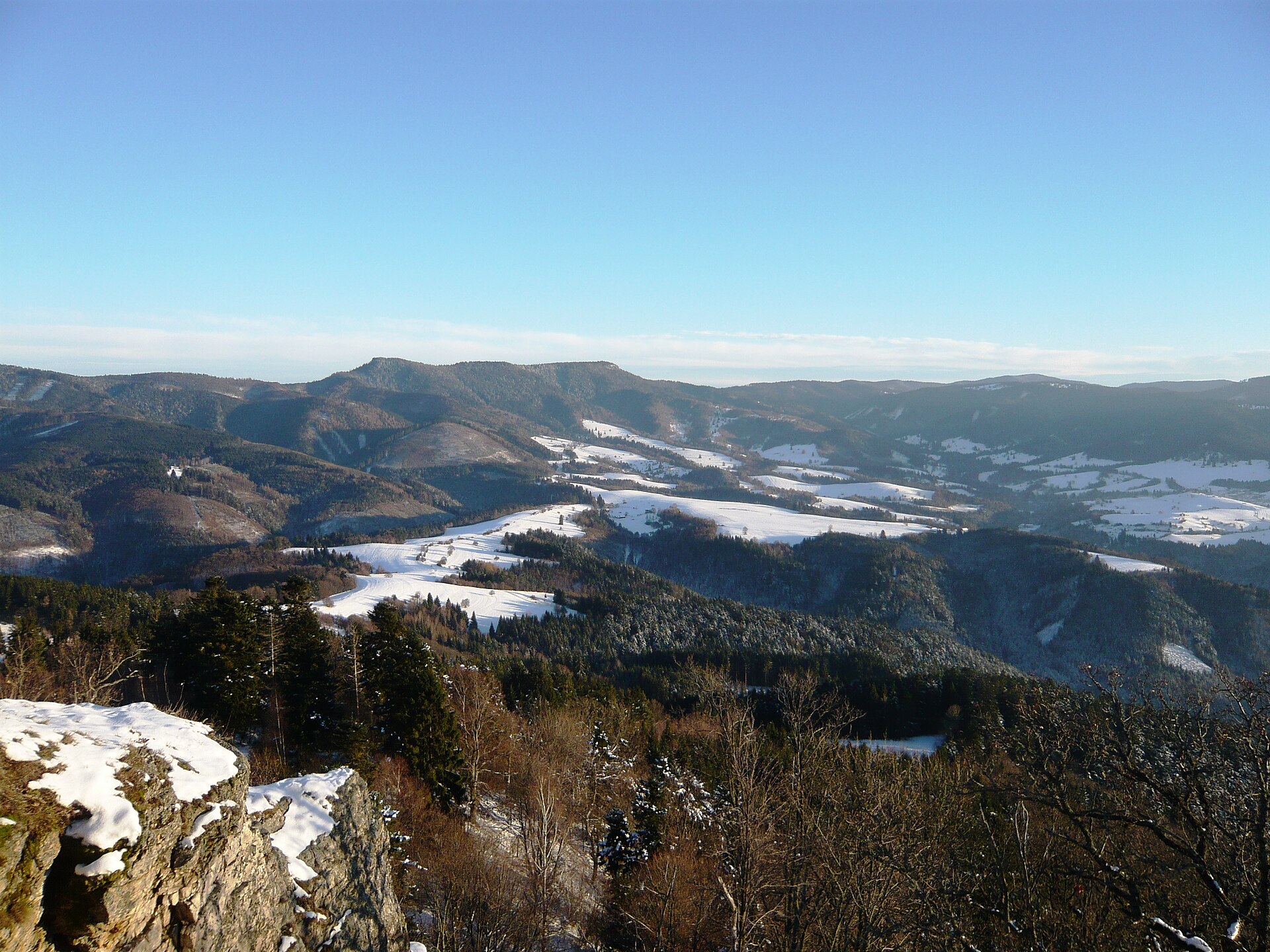
245 records
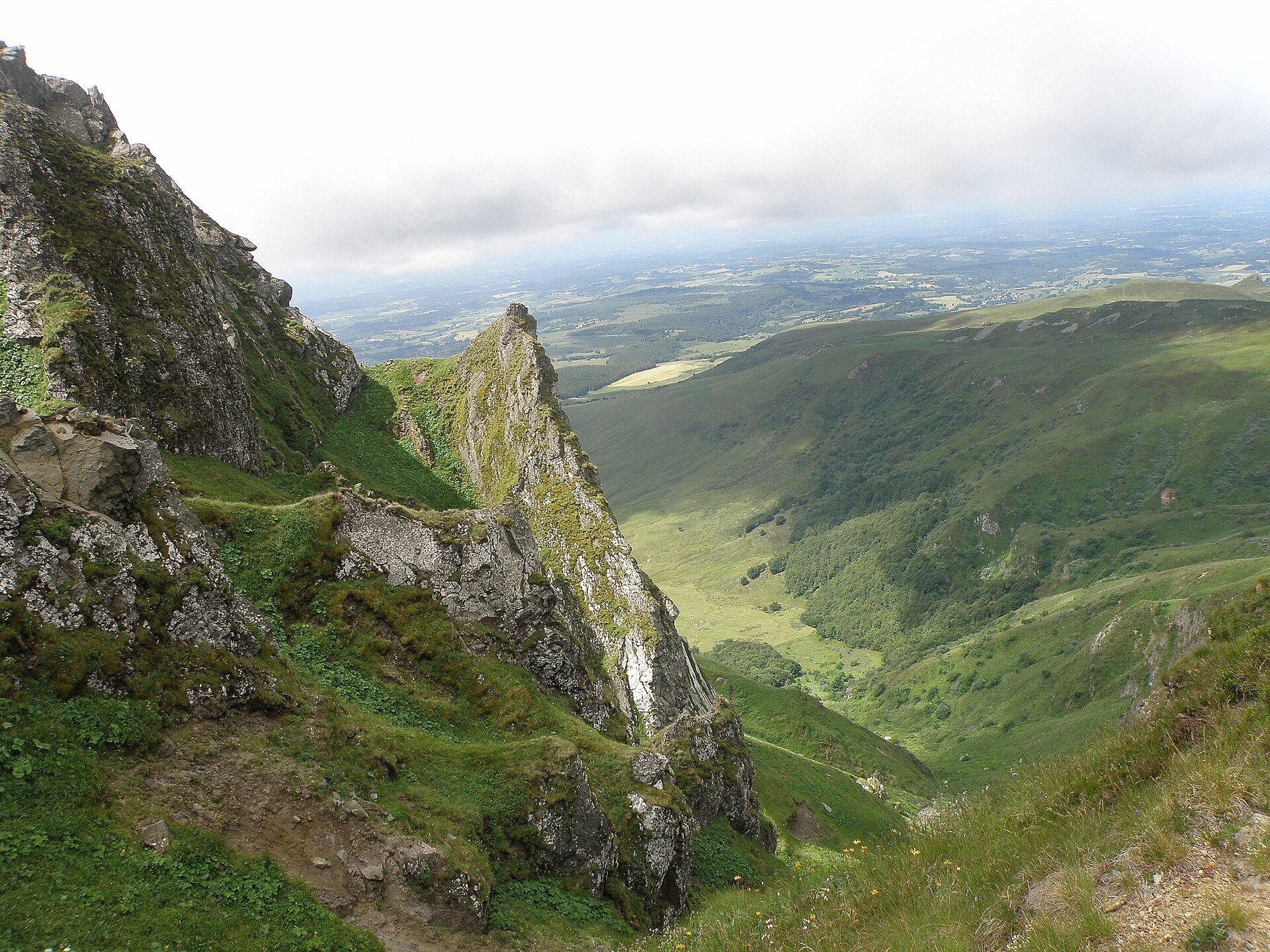
225 records
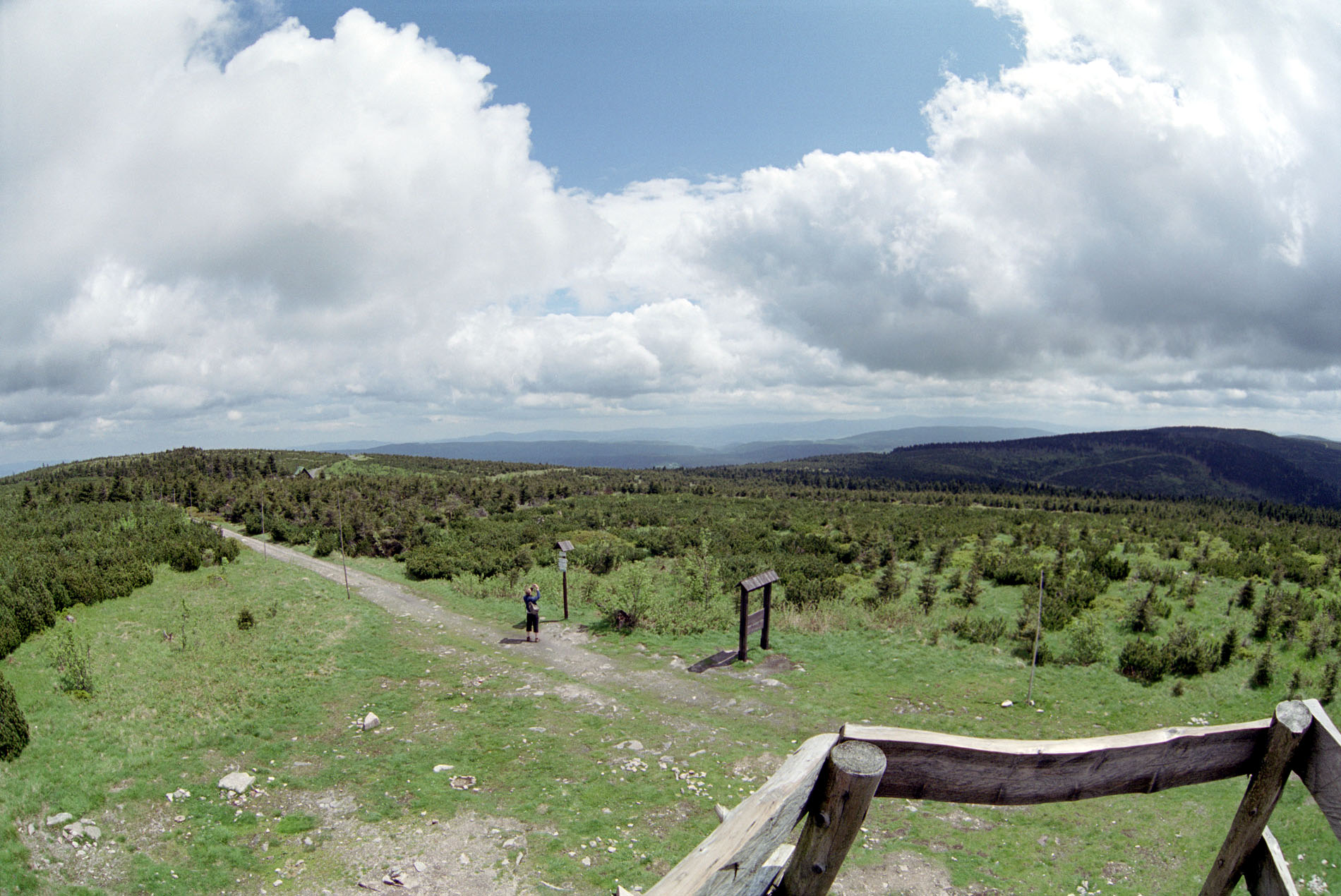
209 records
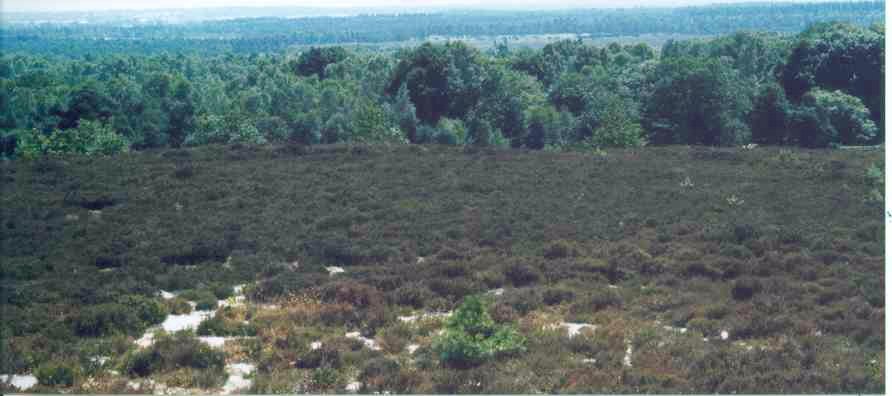
188 records
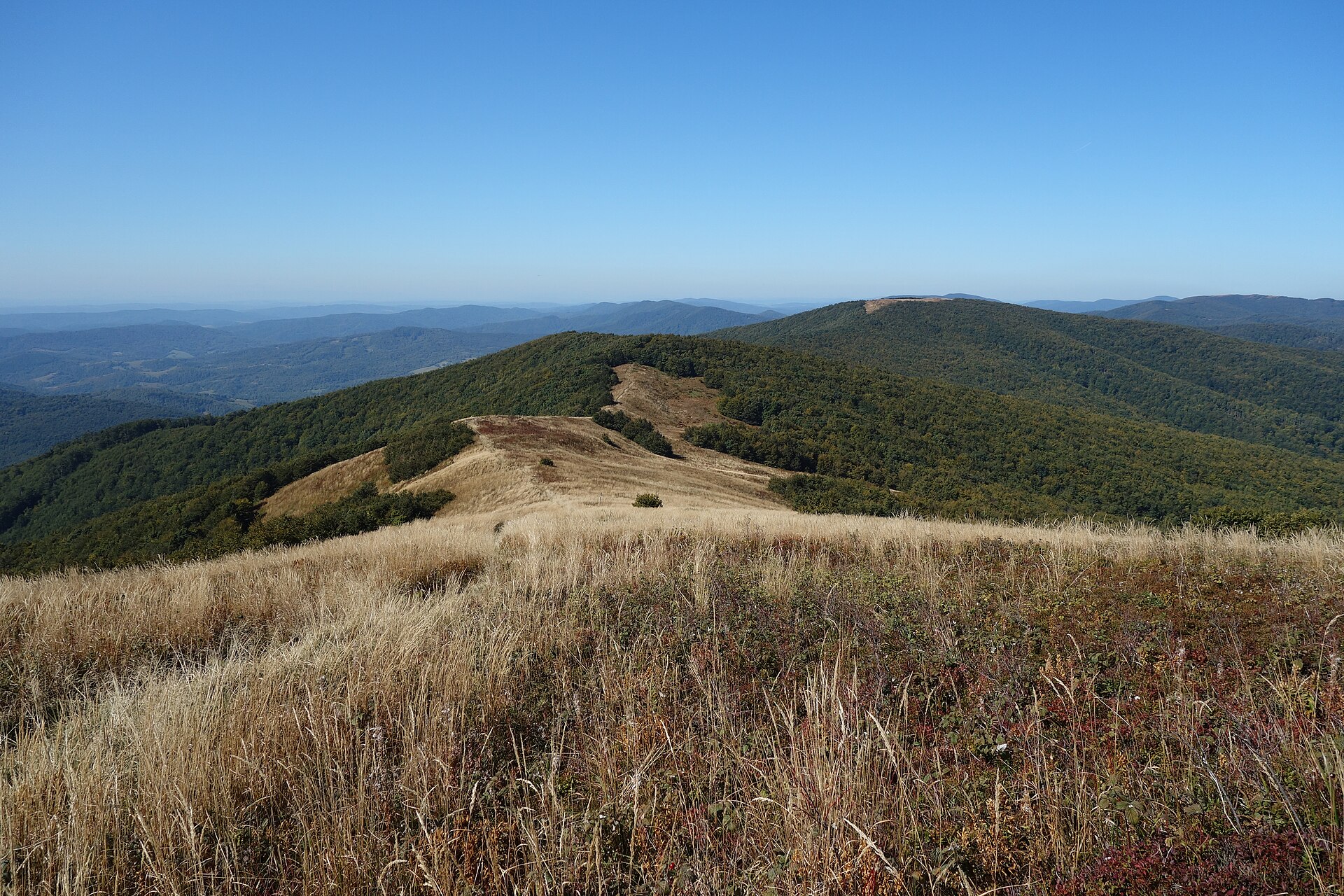
182 records
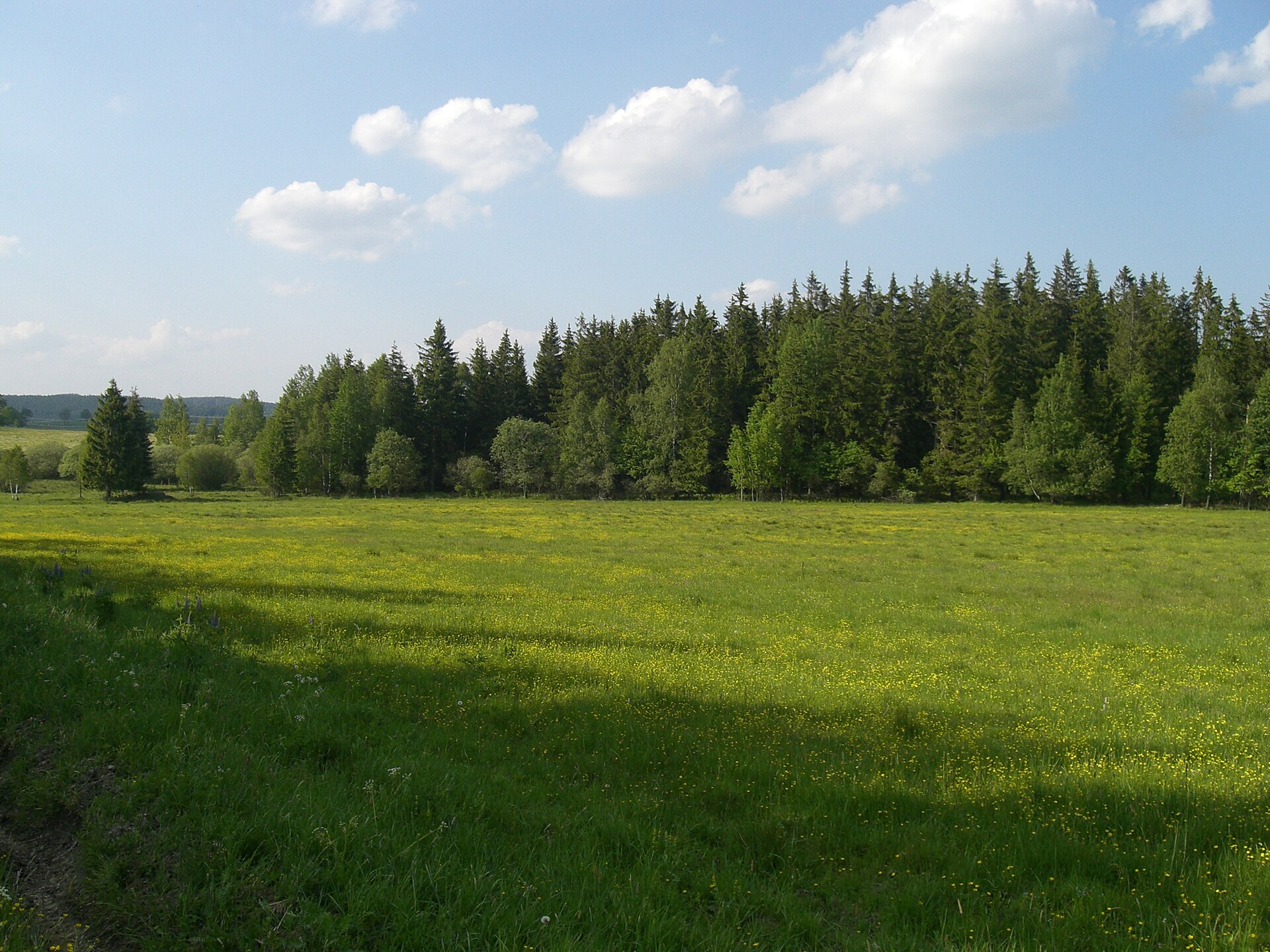
149 records
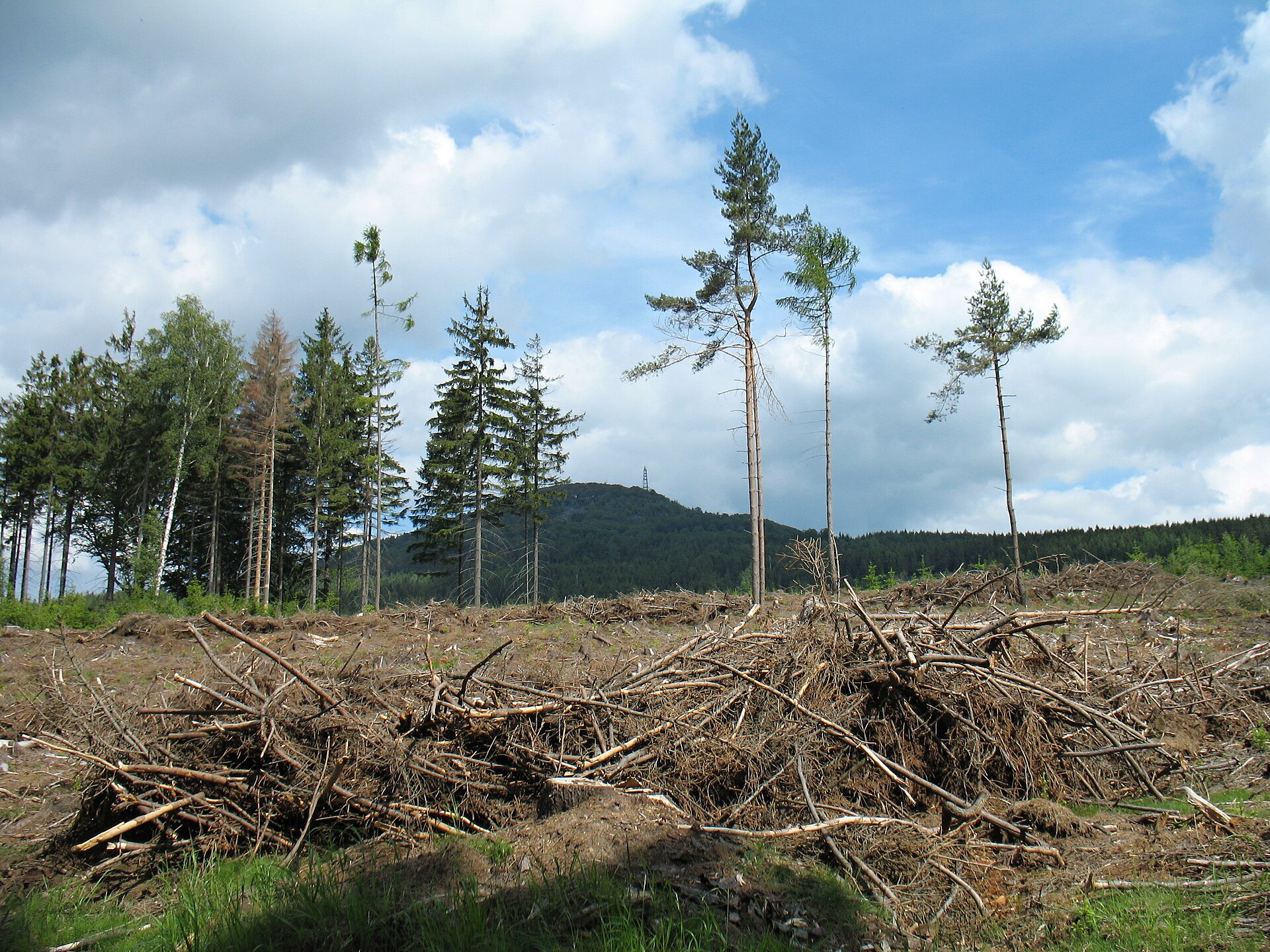
148 records
143 records
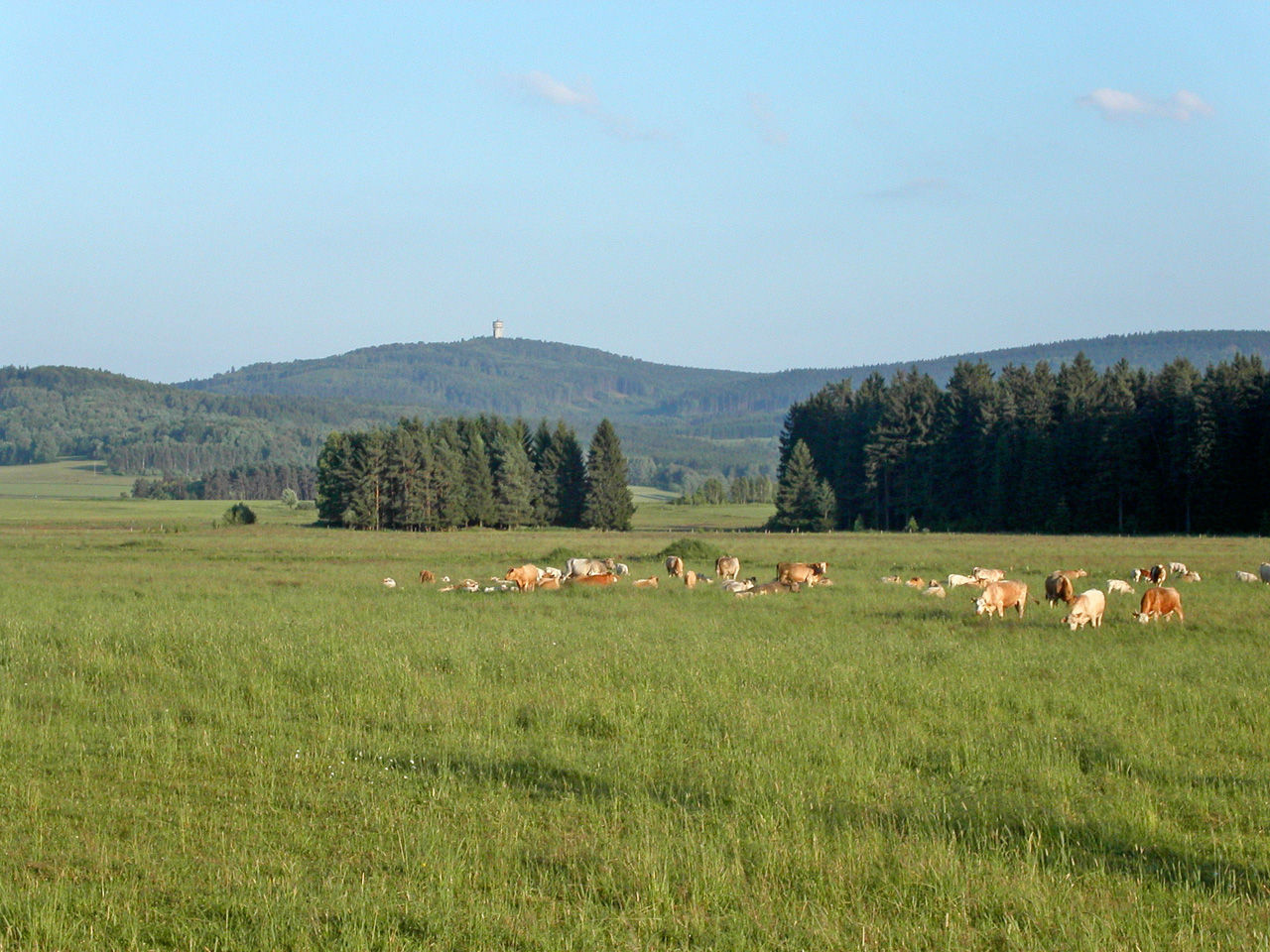
139 records
138 records
130 records
37 records

11 records
8 records
Other species to discover

Sources and credits
- Presence: most-recorded species of each place on GBIF and species of Community interest in the Natura 2000 forms (EEA, CC-BY 4.0); absence from the list does not mean the species is absent.
- Common names: Wikidata (CC0) and GBIF.
- Photos and sounds: Wikimedia Commons, author and licence given for each file.
- Classification: GBIF Backbone Taxonomy (GBIF Secretariat), CC BY 4.0, doi:10.15468/39omei.
- Countries, elevations, months and maps: GBIF.org, CC0 or CC BY 4.0 occurrences only, accessed October 22, 2026, GBIF.org.
- Base map: Natural Earth (public domain).
- Excerpt: Wikipedia, CC BY-SA 4.0 (full credit below the excerpt).
- Native range and life form: World Checklist of Vascular Plants, Royal Botanic Gardens, Kew, CC BY 4.0 (no endorsement by Kew).
- Invasive alien species: Union list, Regulation (EU) No 1143/2014 (INBO, CC0); Global Register of Introduced and Invasive Species (ISSG, CC BY 4.0).