
Bird
Common Pheasant: where to see it
Phasianus colchicus
Invasive alien in some territories
Listed as invasive alien for: Mexico, Japan (GRIIS).
This bird species is recorded in 61 protected areas of the atlas, including 10 whose official Natura 2000 form lists it. Within the atlas countries, it is mostly observed in the United Kingdom, Sweden and France (16 countries in all). Most records (8 in 10) lie between sea level and 410 m. Records peak from March to June. It has a wingspan of 64.5–71.7 cm. Its EU population is assessed as threatened (2013–2018 Birds Directive reporting).
Best time to see it: March–June
Records published on GBIF by month (CC0 and CC BY 4.0 licences only), in the atlas countries, all years combined; they also reflect observer activity.
Key facts
- Wingspan
- 64.5–71.7 cm Wikidata, after BW et al. 2000
- Clutch size
- 9.9 eggs on average Wikidata, after Jetz et al. 2008
Status and protection
Birds Directive II/A · III/A
The species is listed in Annexes II/A and III/A of the Birds Directive.
EU population assessed as threatened, stable in the short term (2013–2018 Birds Directive reporting). EU breeding population: 50–100 pairs.
Distribution
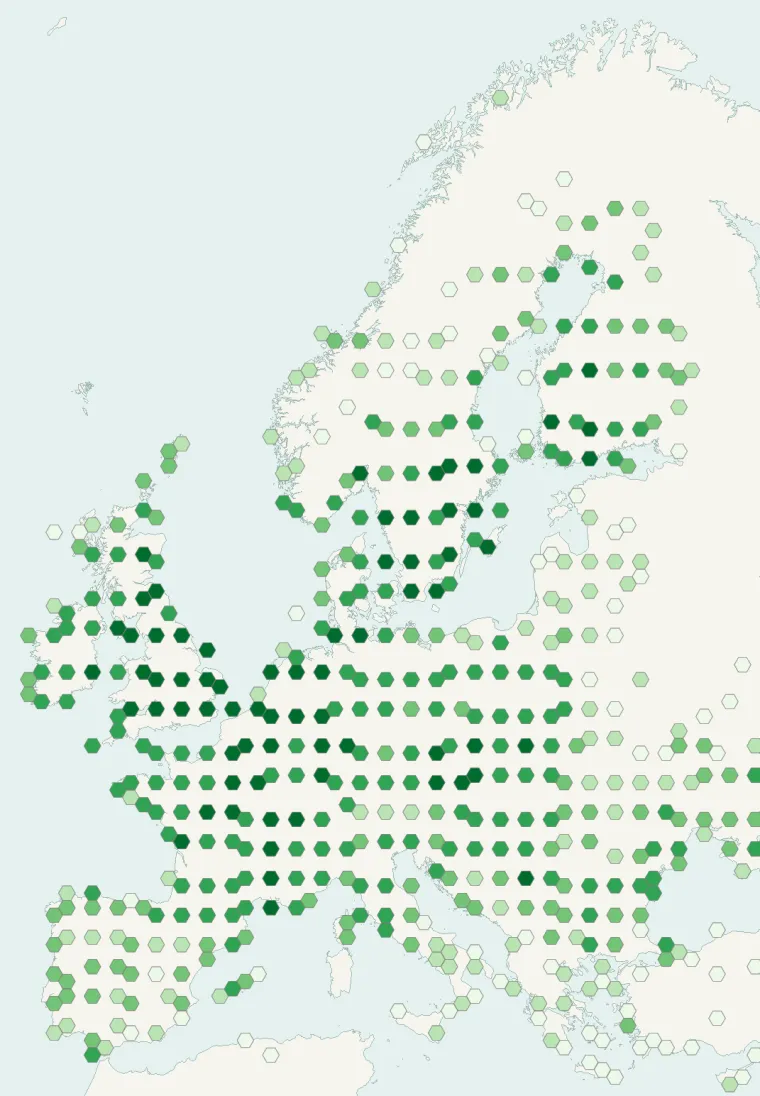
Records published on GBIF (CC0 and CC BY 4.0 licences): the darker the shade, the more records there are; they also reflect observation effort.
Atlas countries where it is recorded
Listen
-
0:17 · © SanoAK: Alexander Kürthy · CC BY-SA 4.0 · Wikimedia Commons · Original file
-
0:10 · © Jonathon Jongsma · CC BY-SA 3.0 · Wikimedia Commons · Original file
-
0:16 · © Jochem verweij · CC BY-SA 4.0 · Wikimedia Commons · Original file
From Wikipedia
The common pheasant (Phasianus colchicus), ring-necked pheasant, or blue-headed pheasant, is a bird in the pheasant family (Phasianidae). The genus name comes from Latin phasianus 'pheasant'. The species name colchicus is Latin for 'of Colchis' (modern day Georgia), a country on the Black Sea where pheasants became known to Europeans. Although Phasianus was previously thought to be closely related to the genus Gallus, the genus of junglefowl and domesticated chickens, recent studies show that they are in different subfamilies, having diverged over 20 million years ago.
Source: Wikipedia, article “Common pheasant” (version of October 17, 2026) · history and authors · licence CC BY-SA 4.0 · shortened excerpt
Protected areas where it is recorded
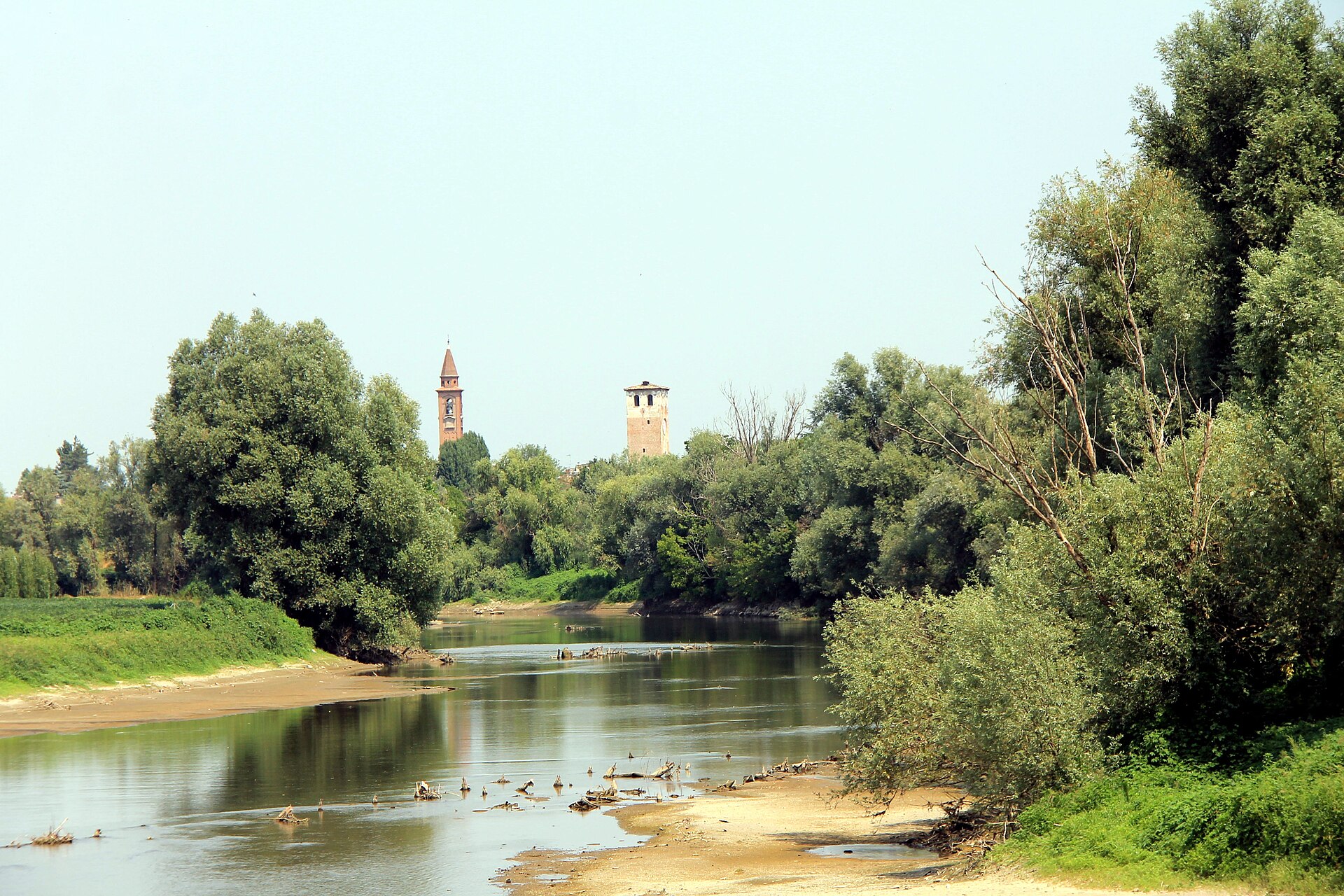
Natura 2000 · resident, passage 31 records

9,735 records

4,912 records
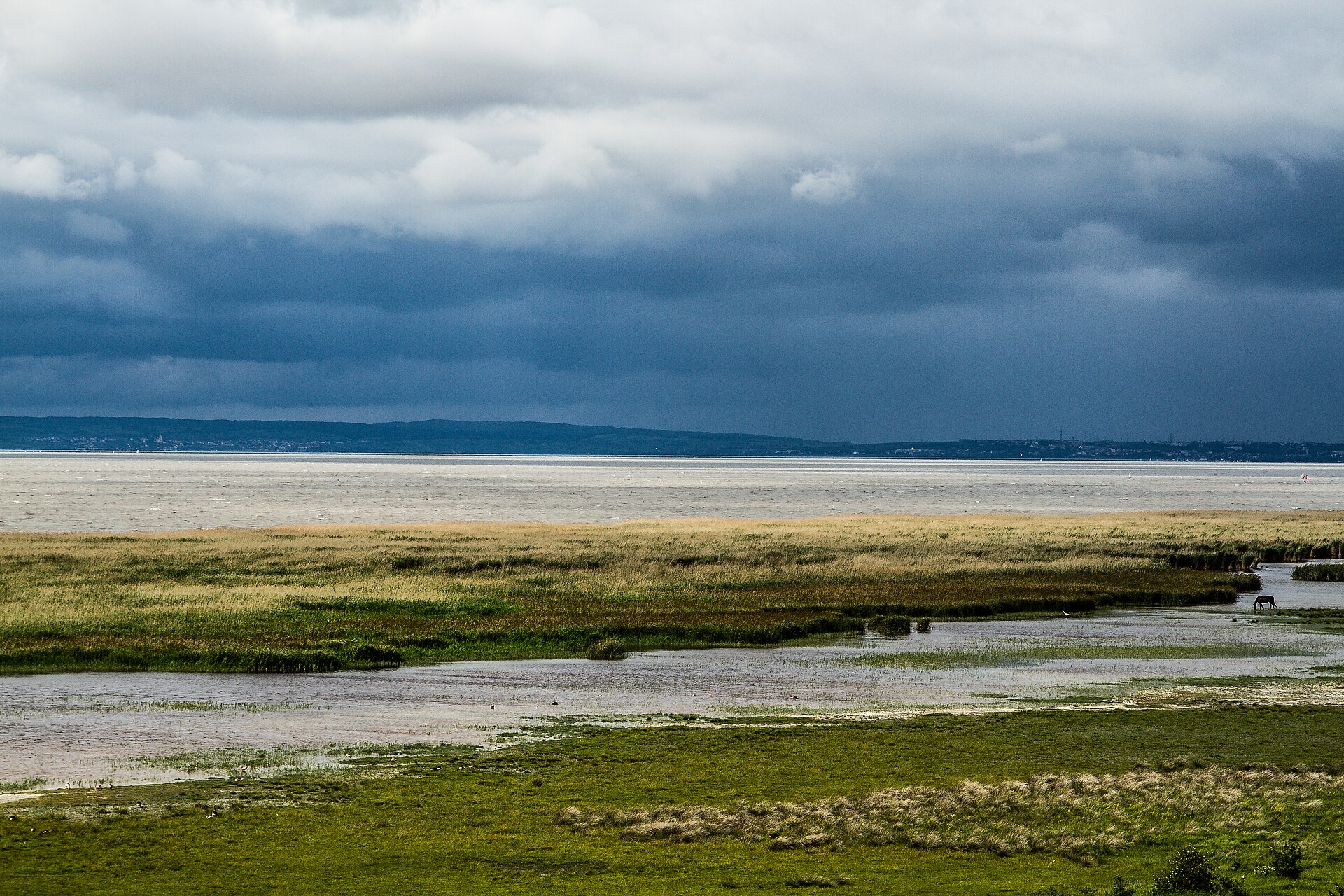
2,893 records

2,300 records
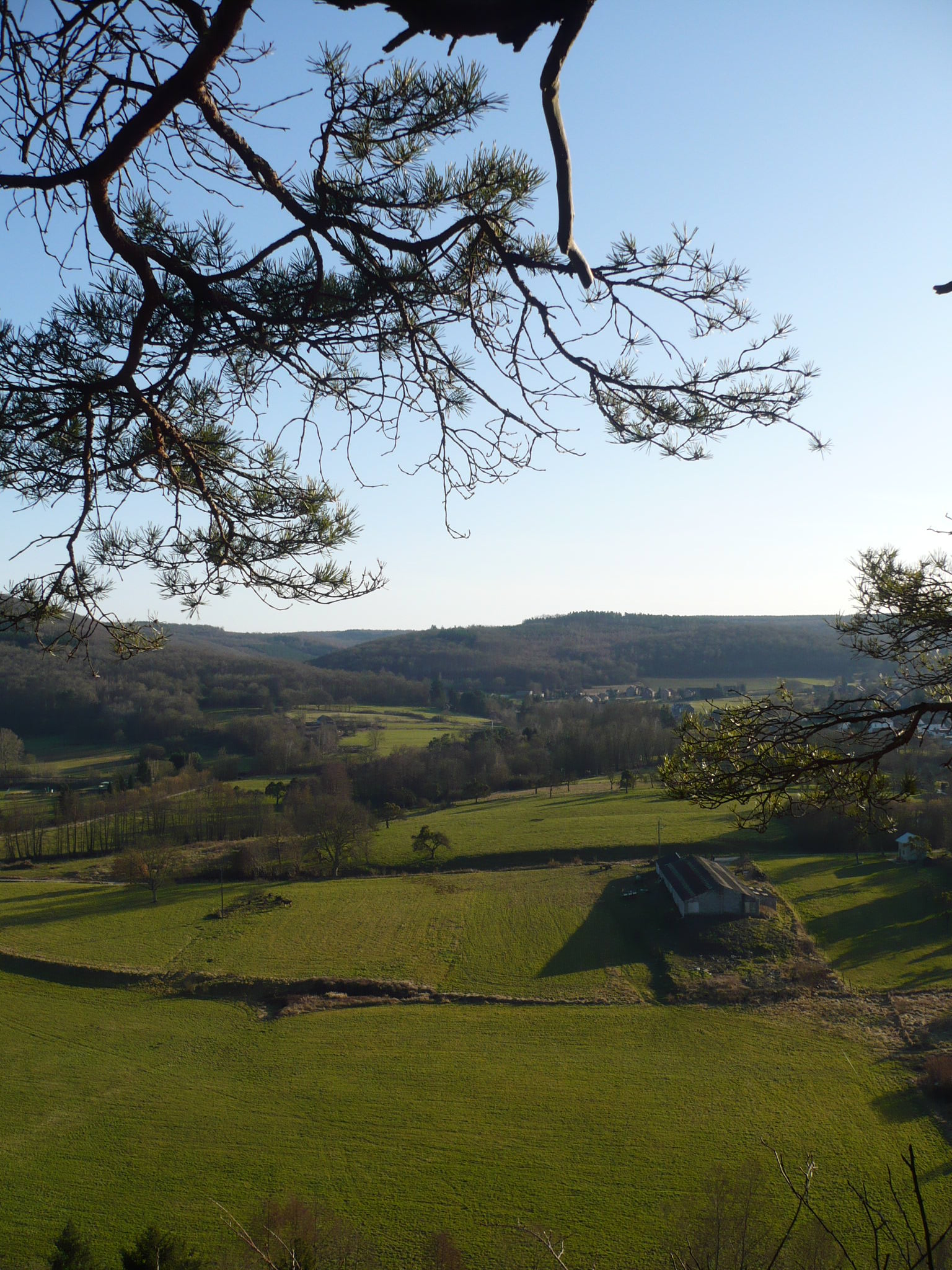
1,529 records
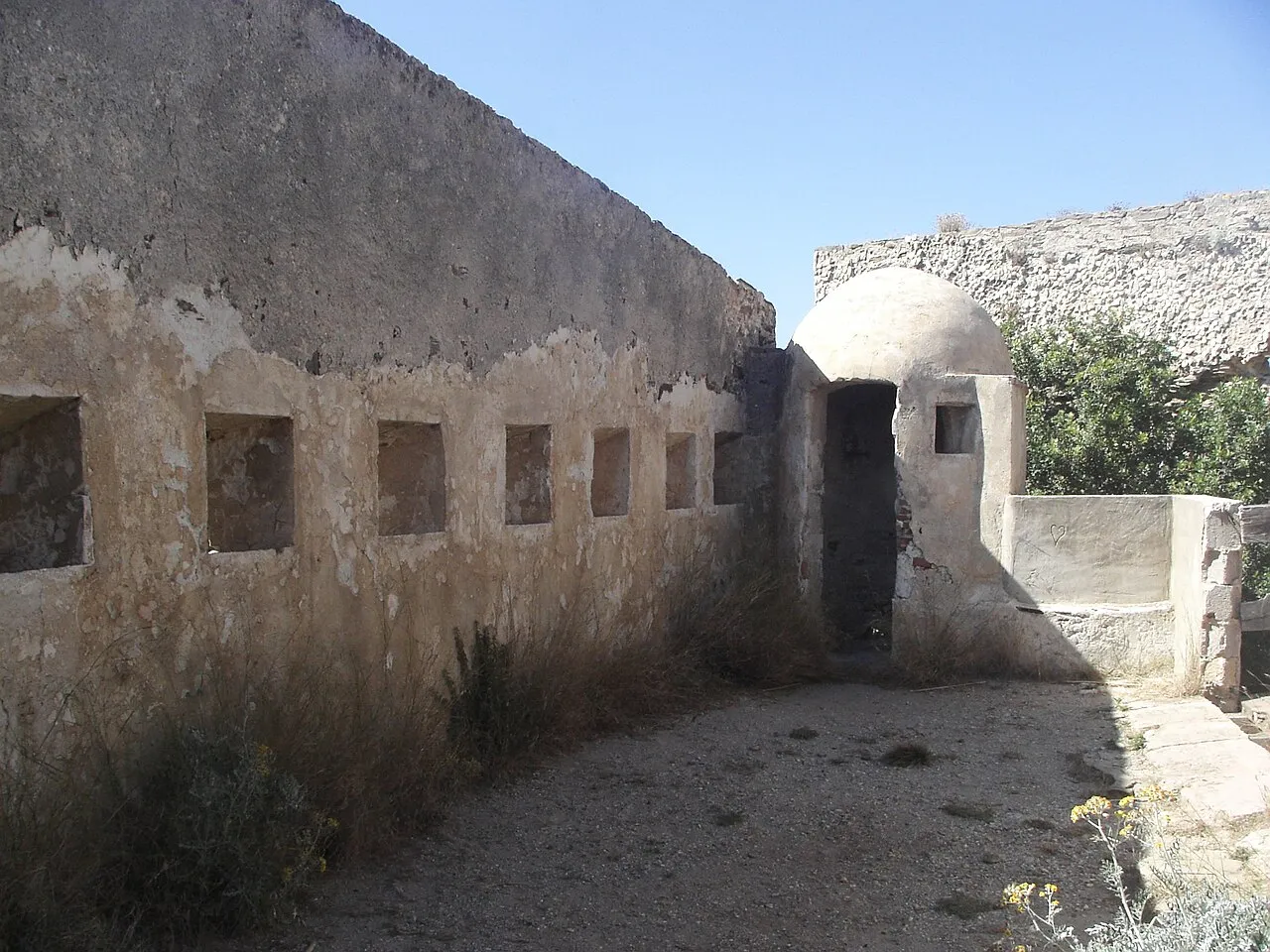
1,296 records

1,124 records

1,079 records

1,048 records
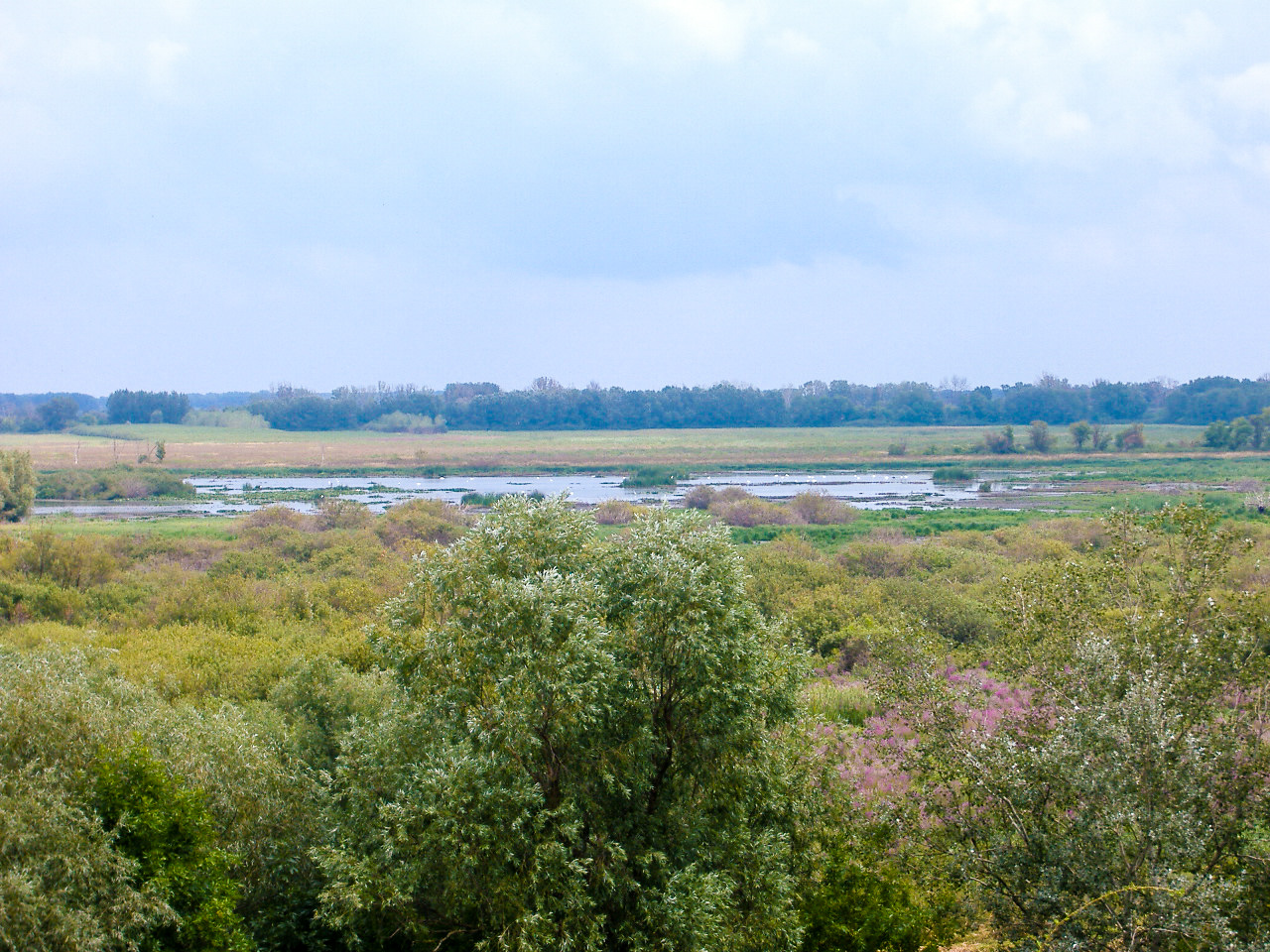
870 records

869 records

567 records
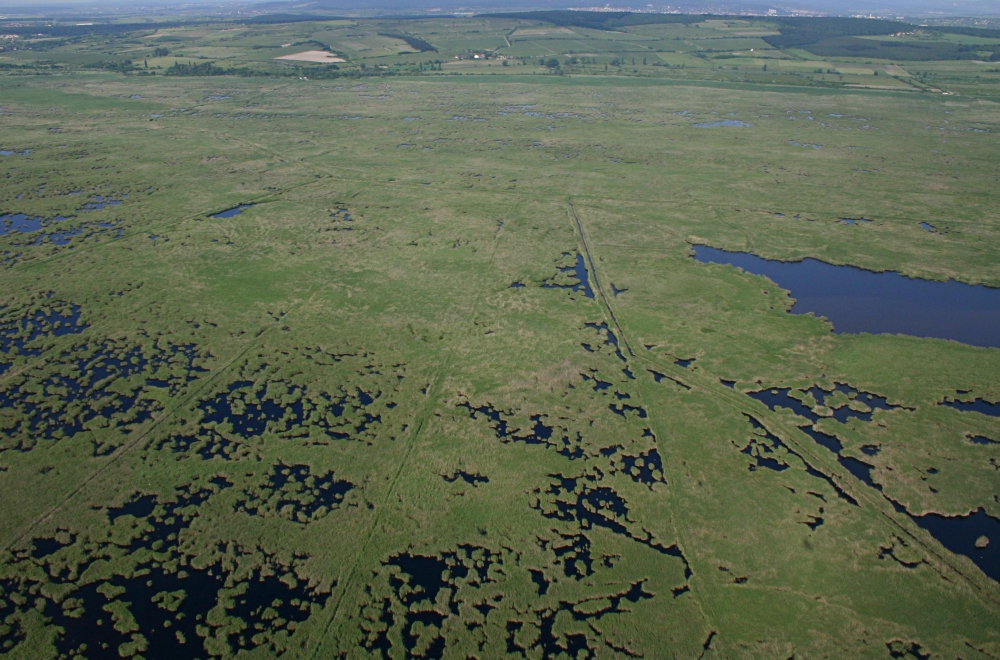
521 records

503 records
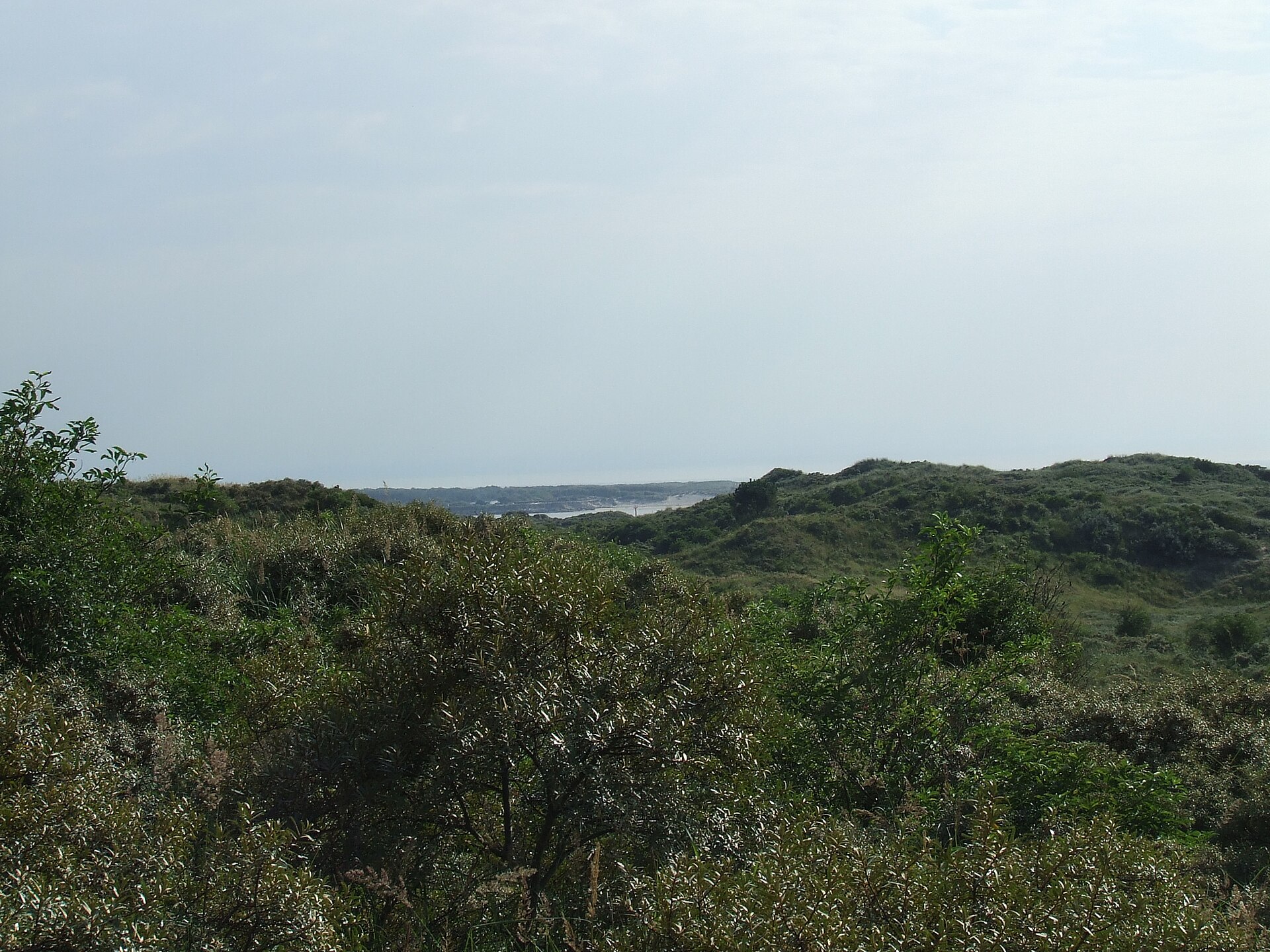
331 records
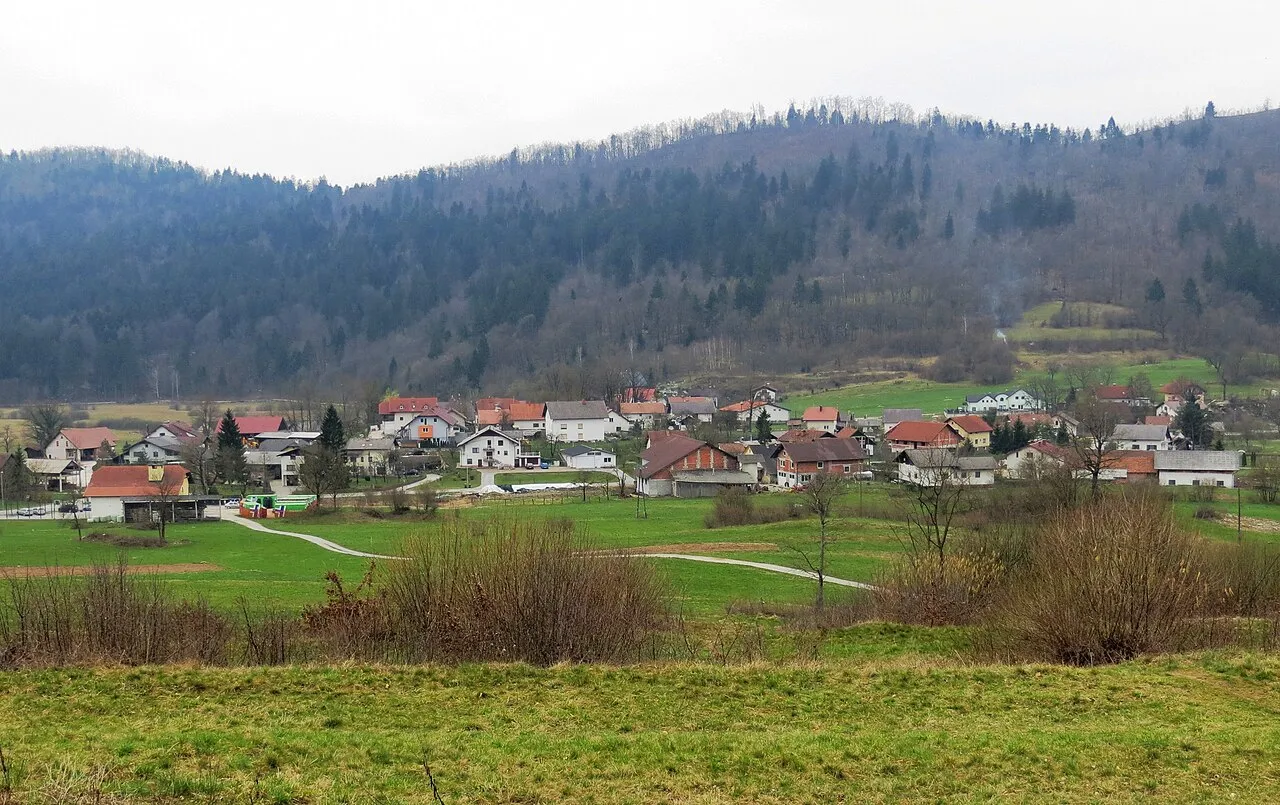
254 records

196 records

192 records

159 records

121 records

97 records
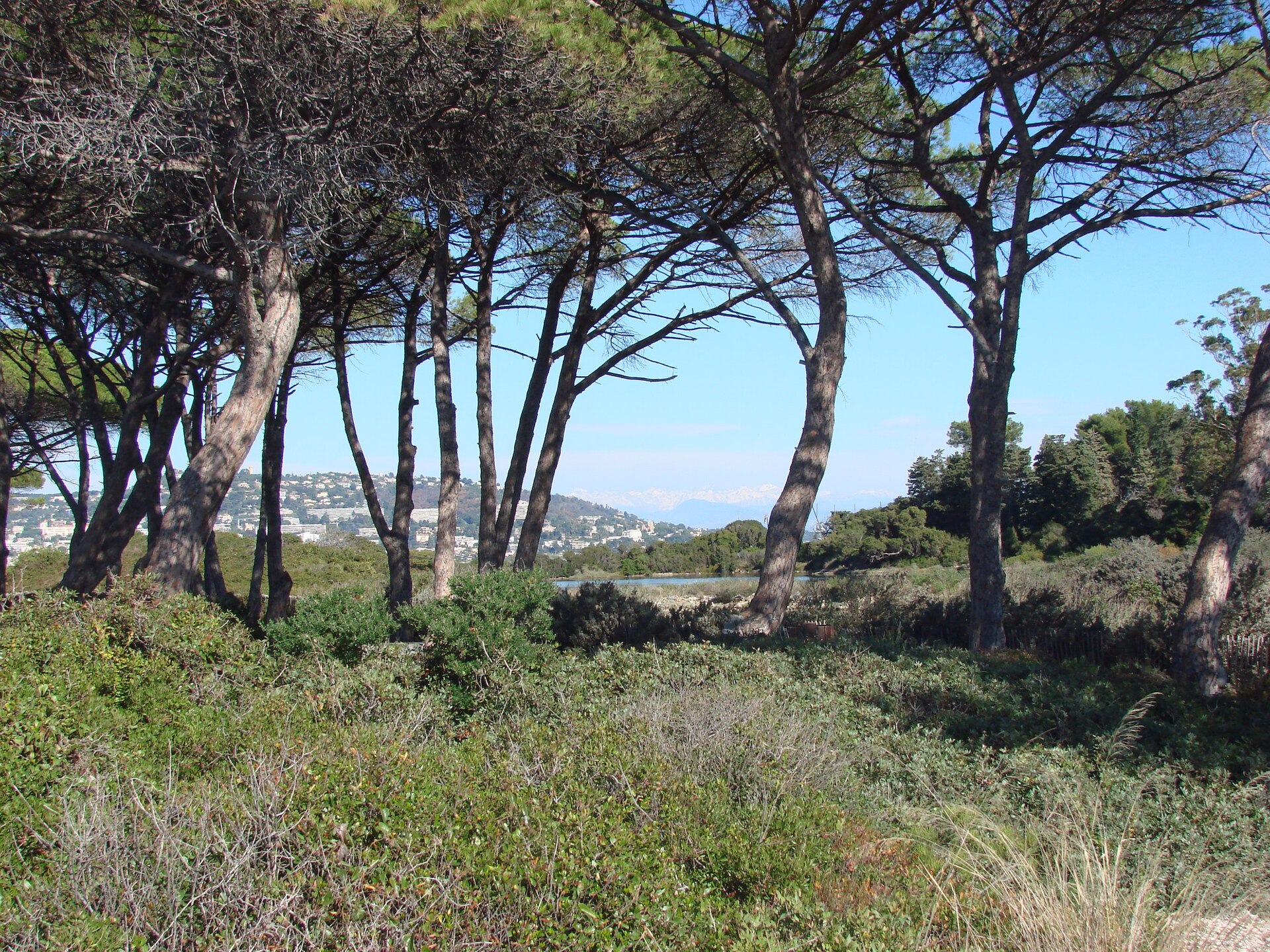
93 records

91 records

80 records
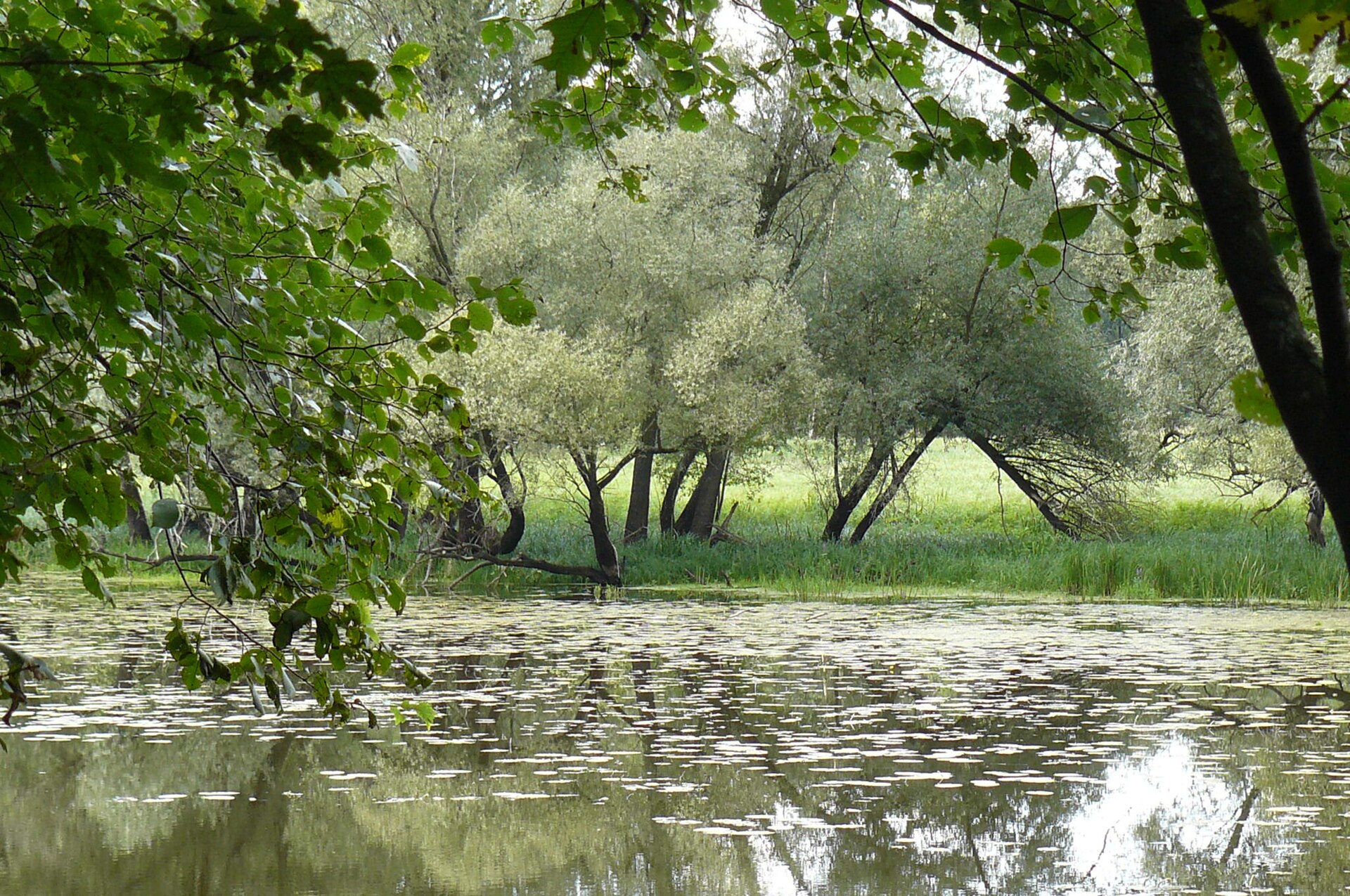
72 records
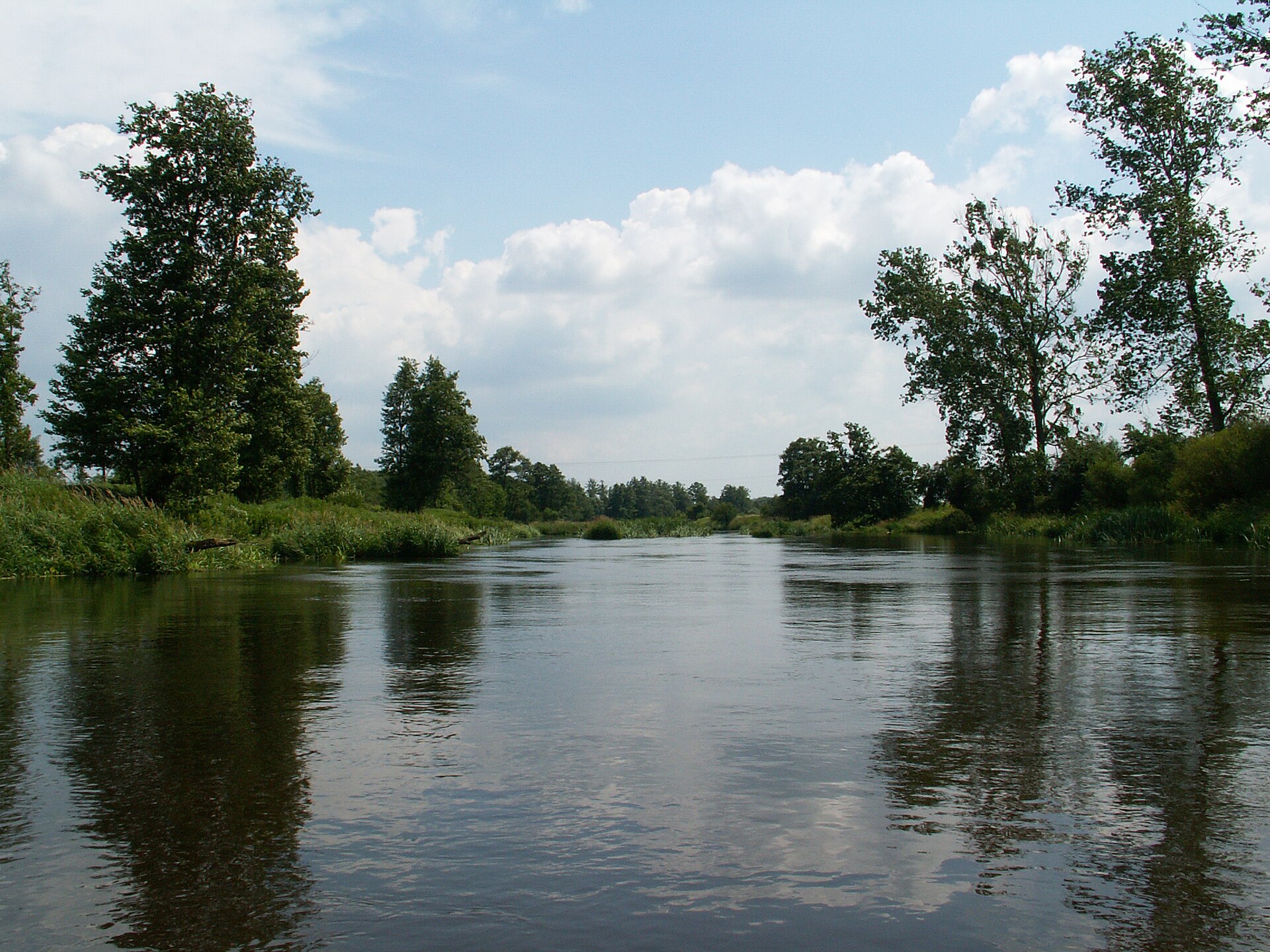
67 records

64 records

61 records

52 records
47 records

45 records
45 records
44 records

43 records

38 records
37 records

35 records

28 records

24 records

23 records
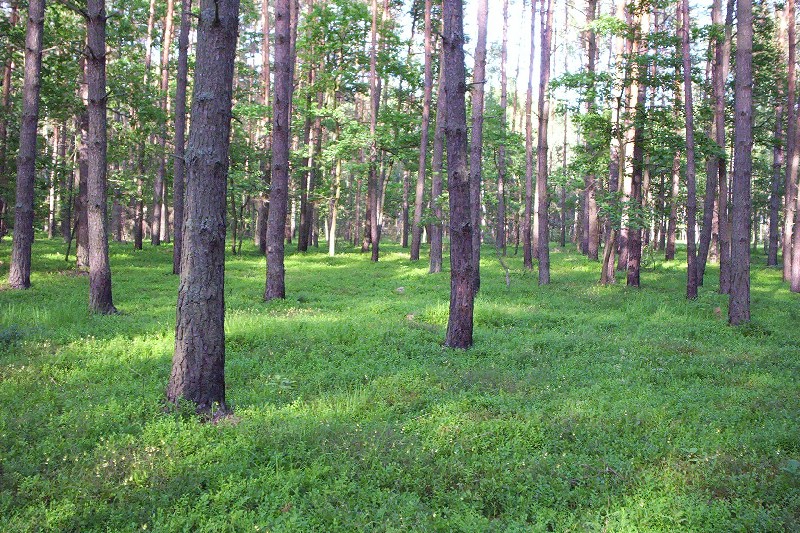
22 records

22 records

20 records

18 records

17 records
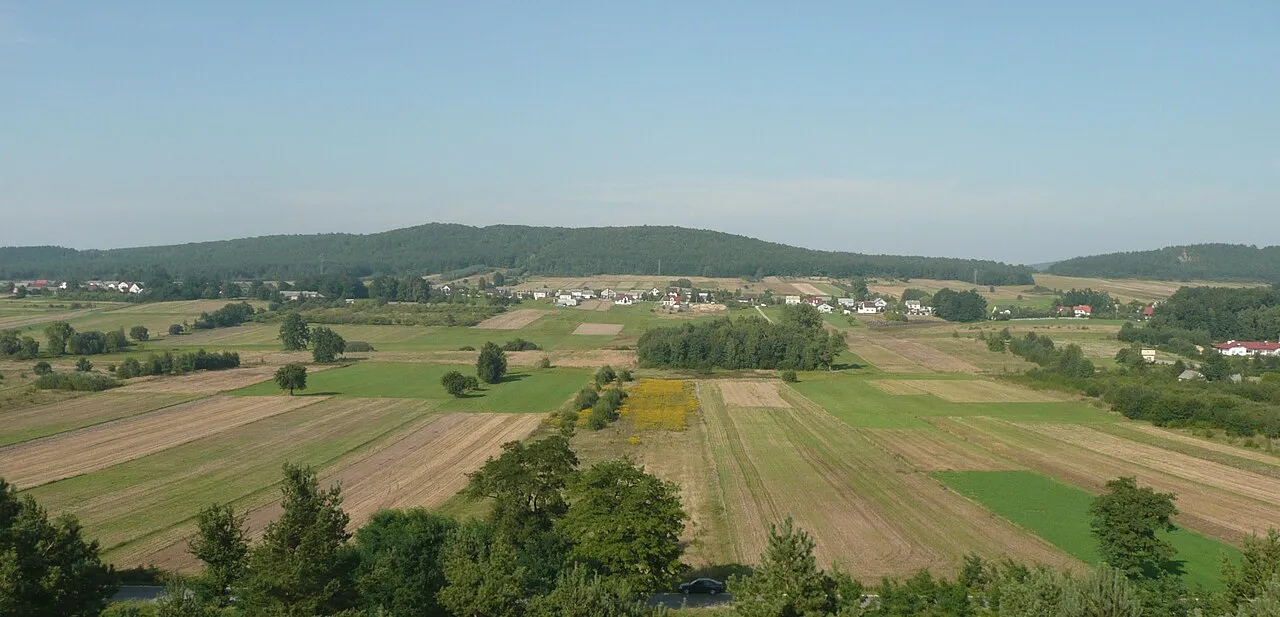
14 records
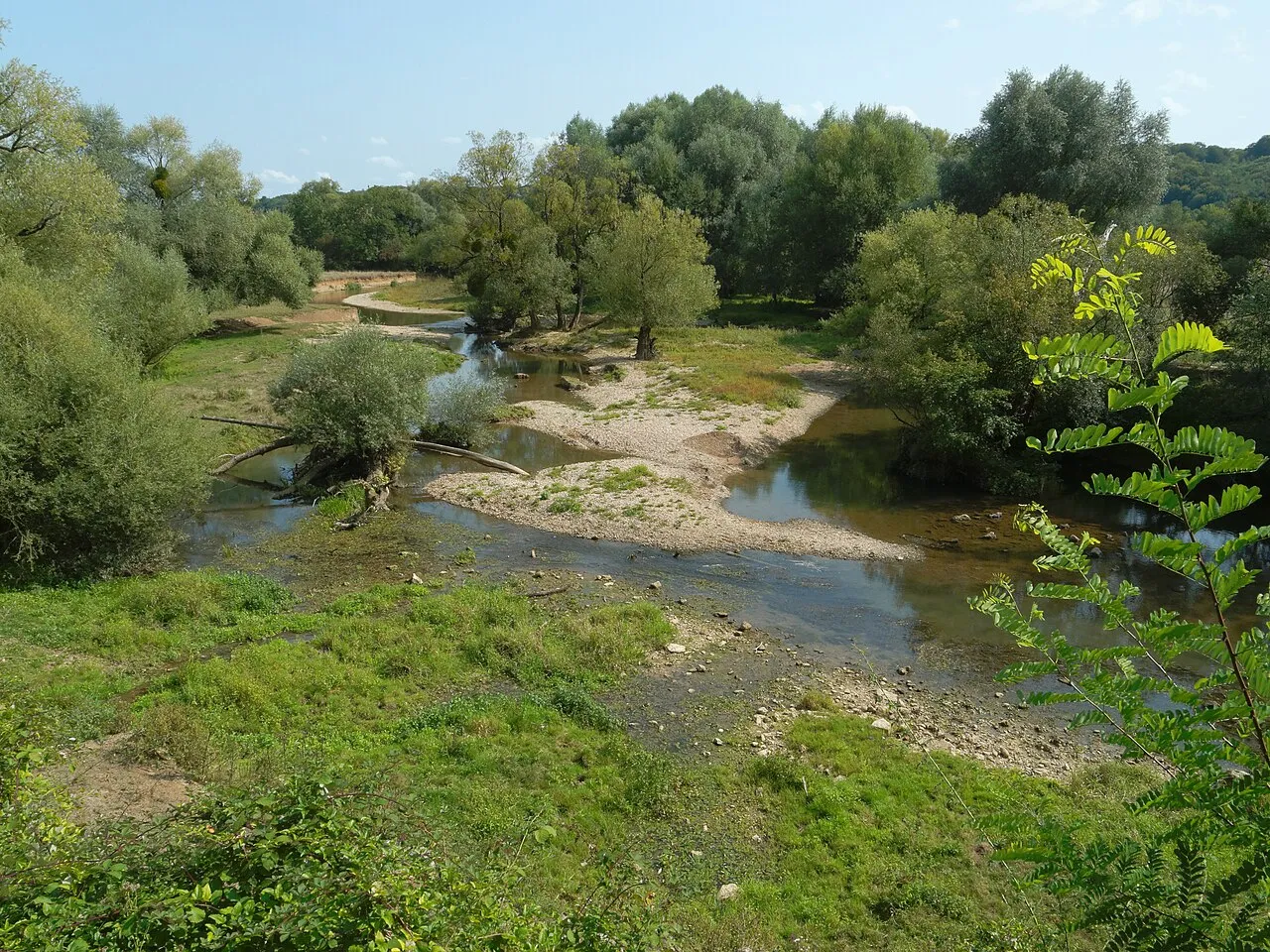
8 records

8 records
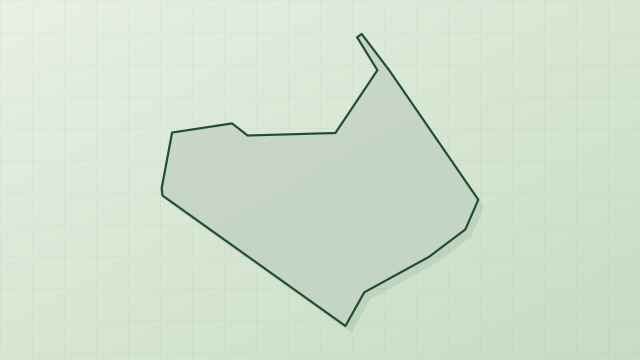
6 records

6 records
5 records
Natura 2000 · resident
Natura 2000 · resident
Natura 2000
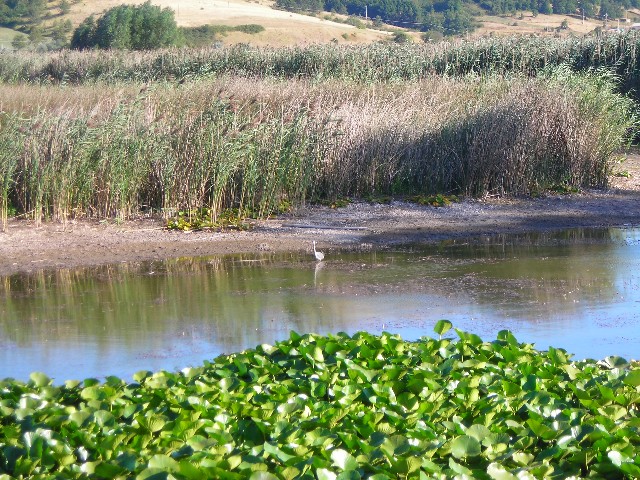
Natura 2000 · resident
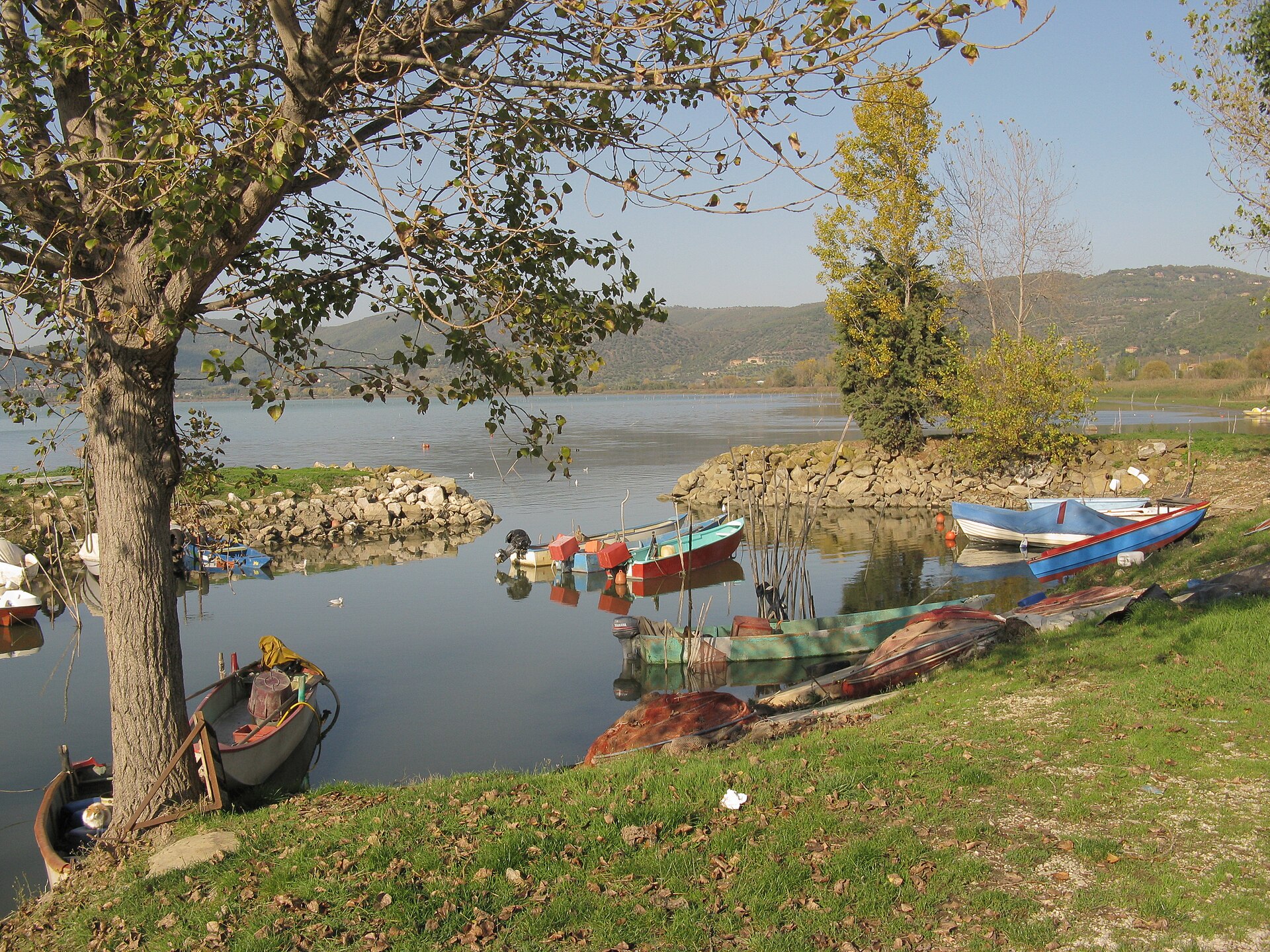
Natura 2000
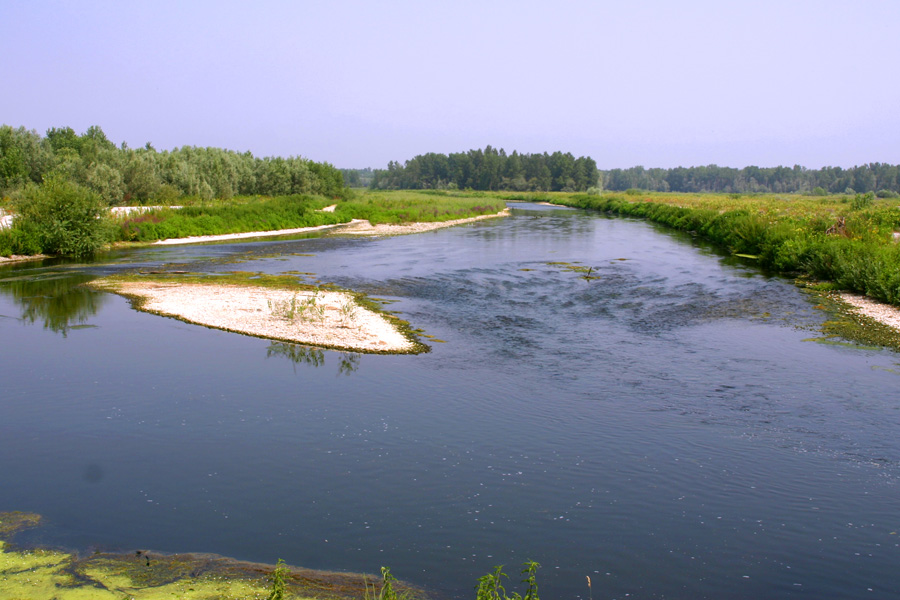
Natura 2000 · resident

Natura 2000 · resident, wintering, passage

Natura 2000 · resident

Natura 2000 · breeding
Other species to discover
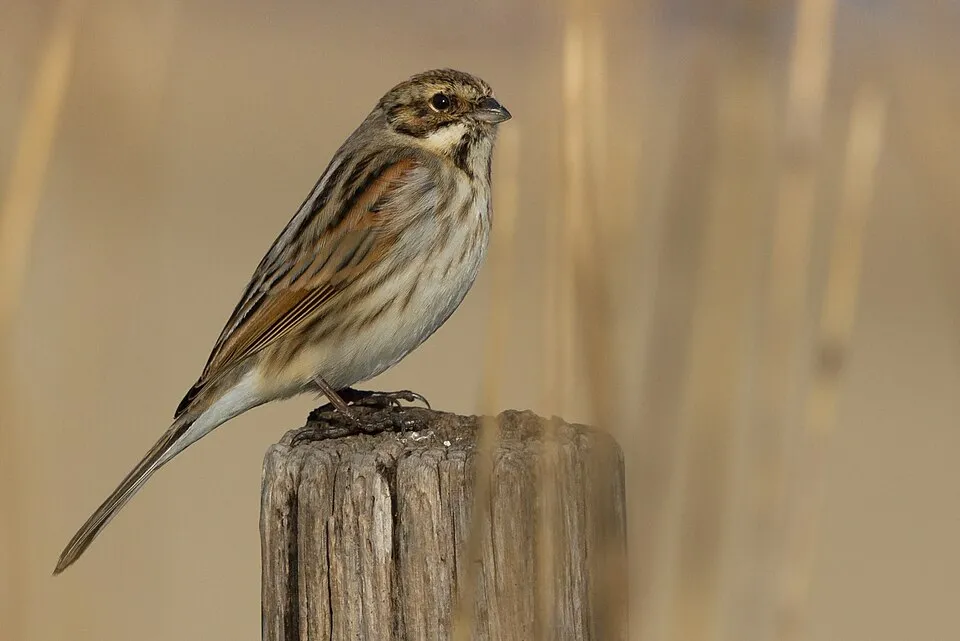 Reed Bunting
Emberiza schoeniclus 19 places in common
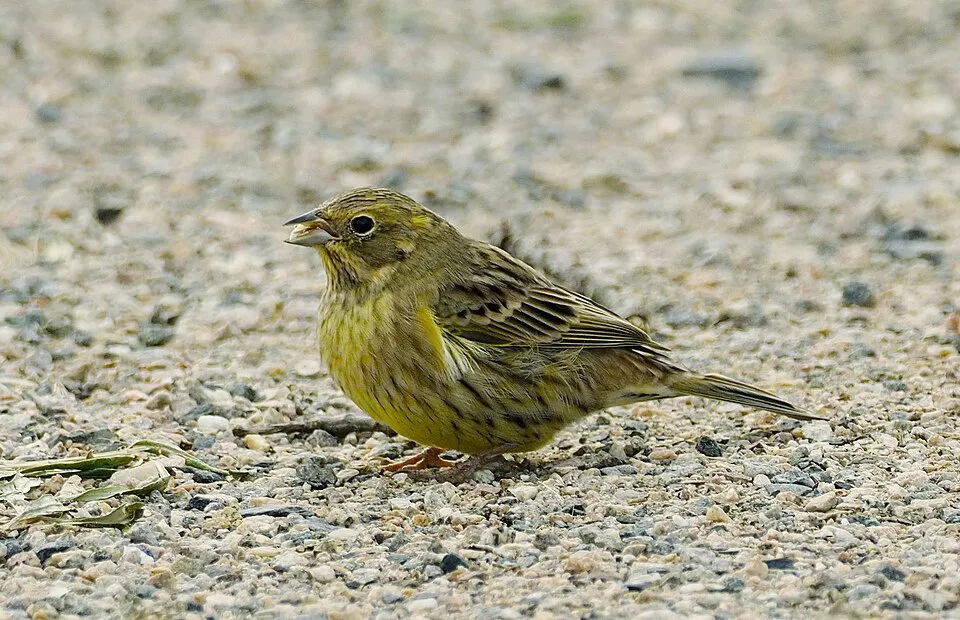 Yellowhammer
Emberiza citrinella 27 places in common
 Eurasian Magpie
Pica pica 35 places in common
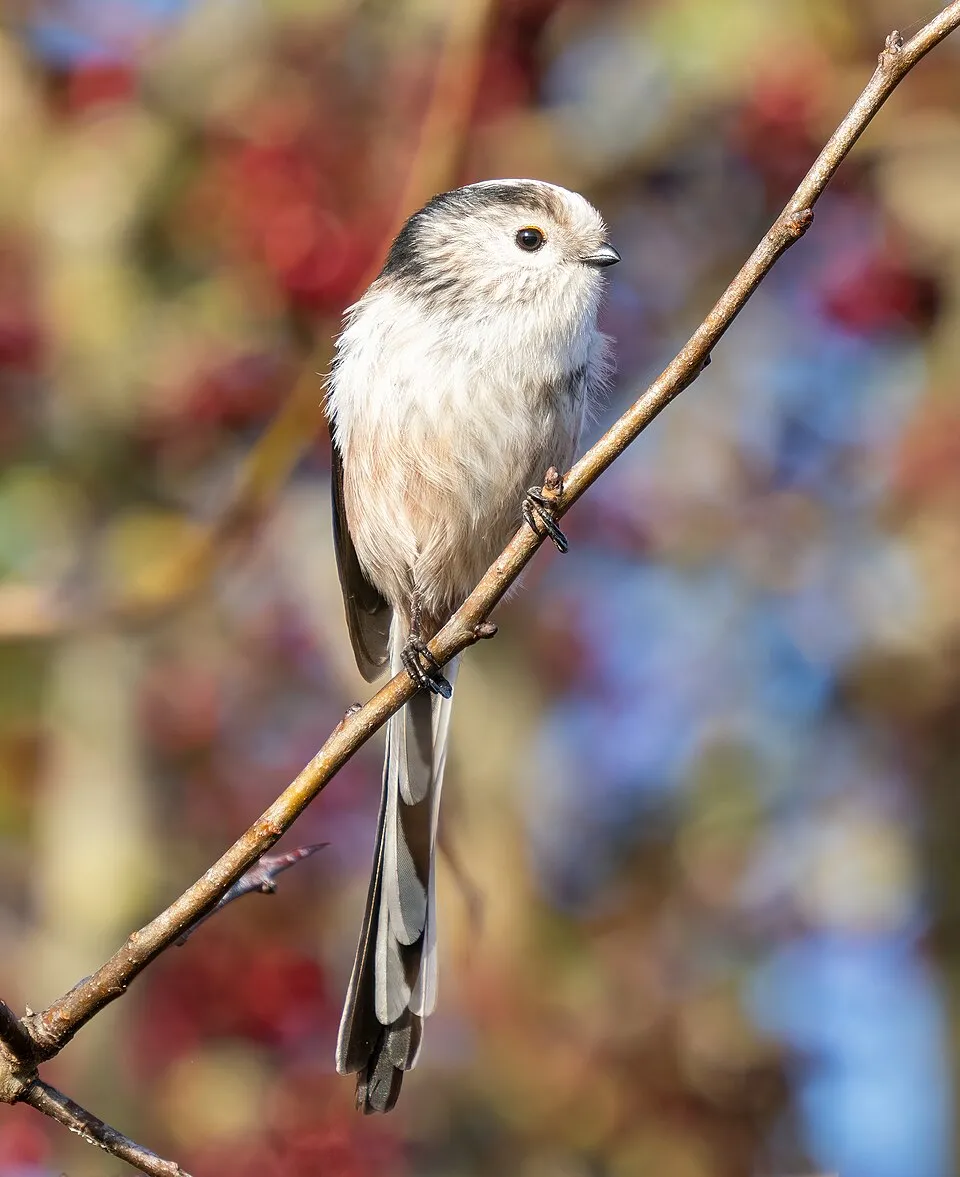 Long-tailed Tit
Aegithalos caudatus 26 places in common
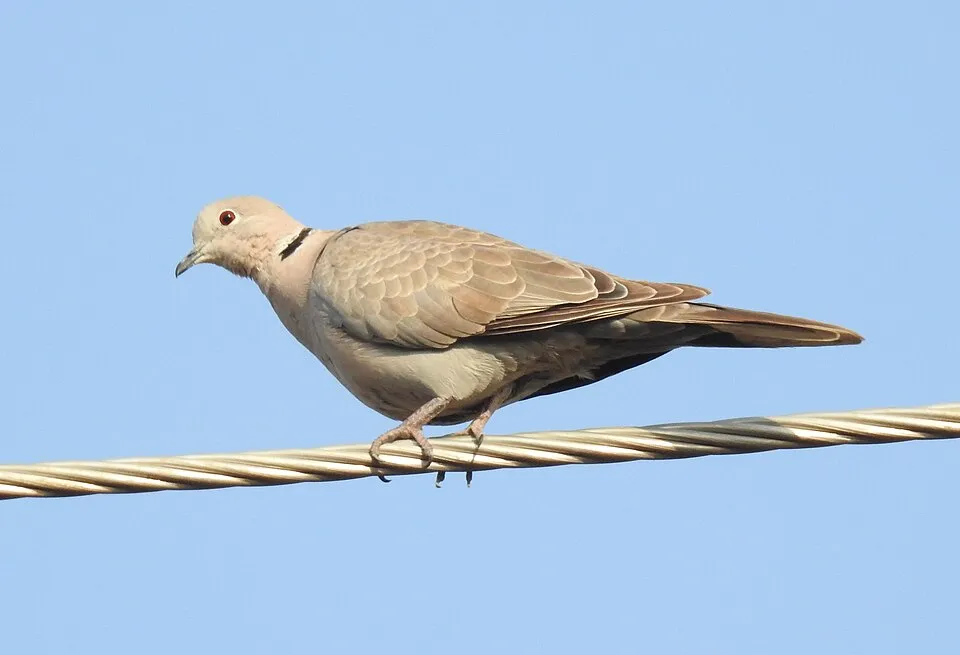 Eurasian Collared Dove
Streptopelia decaocto 26 places in common
 Eurasian Tree Sparrow
Passer montanus 26 places in common
Sources and credits
- Presence: most-recorded species of each place on GBIF and species of Community interest in the Natura 2000 forms (EEA, CC-BY 4.0); absence from the list does not mean the species is absent.
- Common names: Wikidata (CC0) and GBIF.
- Photos and sounds: Wikimedia Commons, author and licence given for each file.
- Classification: GBIF Backbone Taxonomy (GBIF Secretariat), CC BY 4.0, doi:10.15468/39omei.
- Countries, elevations, months and maps: GBIF.org, CC0 or CC BY 4.0 occurrences only, accessed October 22, 2026, GBIF.org.
- Base map: Natural Earth (public domain).
- Excerpt: Wikipedia, CC BY-SA 4.0 (full credit below the excerpt).
- Key facts: Wikidata (CC0), with the references cited under each value.
- Annexes: Directive 2009/147/EC (consolidated version), © European Union, EUR-Lex.
- EU bird populations: EEA / DG ENV, Article 12 Birds Directive reporting (2013–2018), CC BY 4.0.
- Invasive alien species: Union list, Regulation (EU) No 1143/2014 (INBO, CC0); Global Register of Introduced and Invasive Species (ISSG, CC BY 4.0).