
Mammal
Grey Seal: where to see it
Halichoerus grypus
This mammal species is recorded in 40 protected areas of the atlas, and is listed on the official Natura 2000 form of each of them. Within the atlas countries, it is mostly observed in Sweden, the United Kingdom and Denmark (9 countries in all). Records peak from May to September. It is a species of Community interest under the Habitats Directive (Annexes II and V).
Best time to see it: May–September
Records published on GBIF by month (CC0 and CC BY 4.0 licences only), in the atlas countries, all years combined; they also reflect observer activity.
Key facts
- Gestation
- 11.5 months Wikidata, after Grzimeks Enzyklopädie, 1988
- Maximum recorded lifespan
- 43 years Wikidata, after Longevity of Mammals in Captivity, 2005
Status and protection
Habitats Directive II · V
The species is listed in Annexes II and V of the Habitats Directive.
Distribution
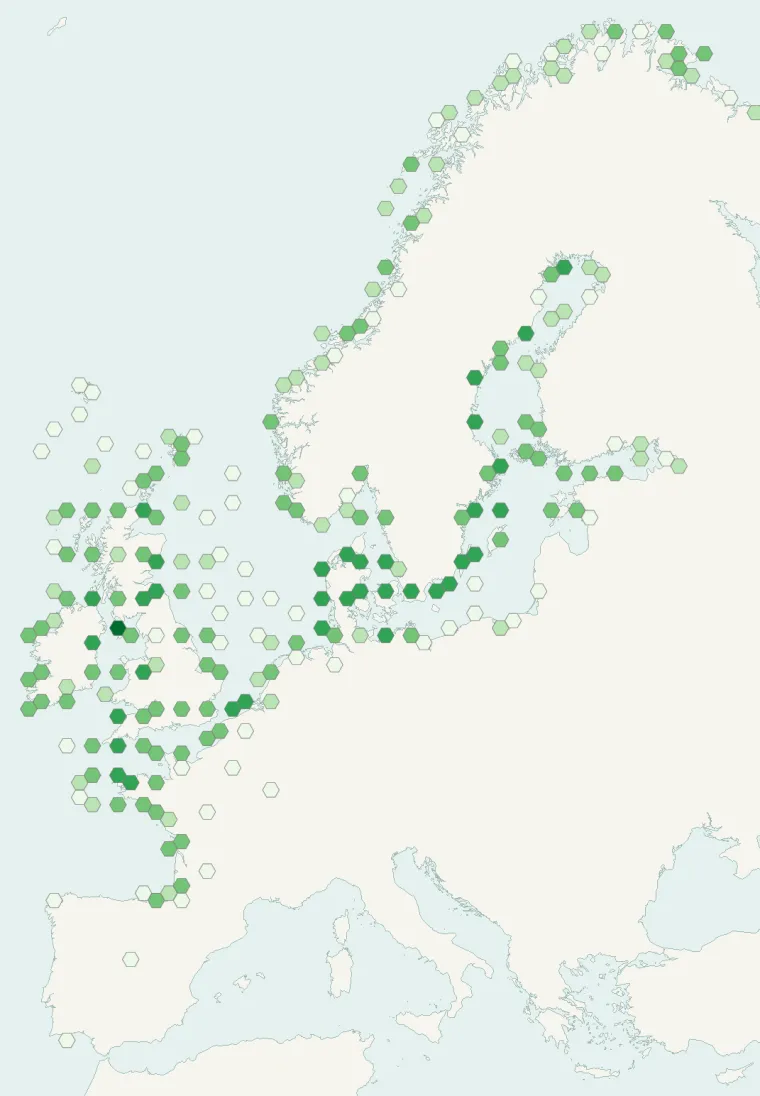
Records published on GBIF (CC0 and CC BY 4.0 licences): the darker the shade, the more records there are; they also reflect observation effort.
Atlas countries where it is recorded
From Wikipedia
The grey seal (Halichoerus grypus), or gray seal in the United States, is a large seal of the family Phocidae, which are commonly referred to as "true seals" or "earless seals". The only species classified in the genus Halichoerus, it is found on both shores of the North Atlantic Ocean. The name Halichoerus grypus is taken from Ancient Greek via Latin, and means "hook-nosed sea pig". It is also known as the horsehead seal, owing to its large head.
Source: Wikipedia, article “Grey seal” (version of October 22, 2026) · history and authors · licence CC BY-SA 4.0 · shortened excerpt
Protected areas where it is recorded

Natura 2000
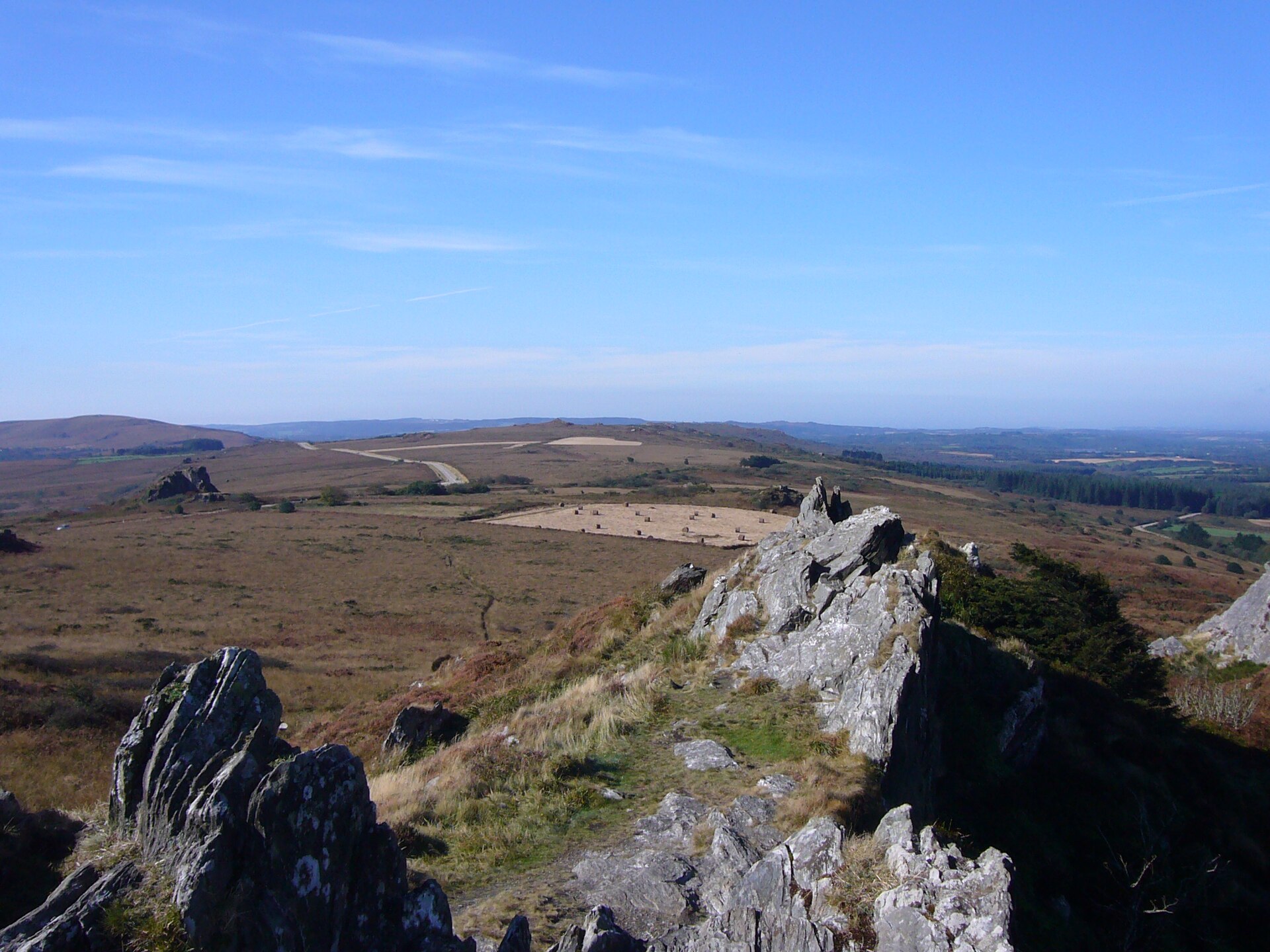
Natura 2000
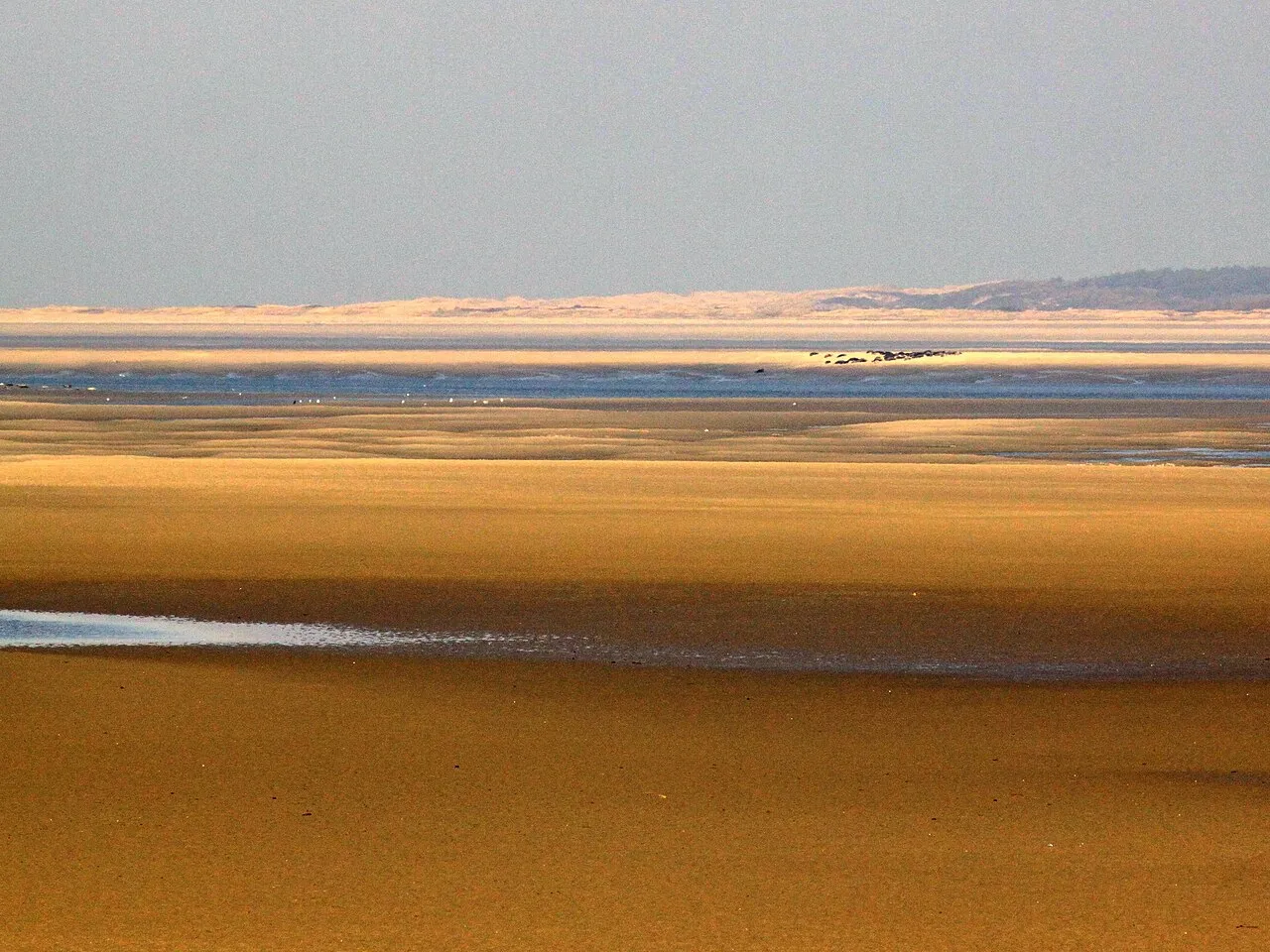
Natura 2000

Natura 2000

Natura 2000
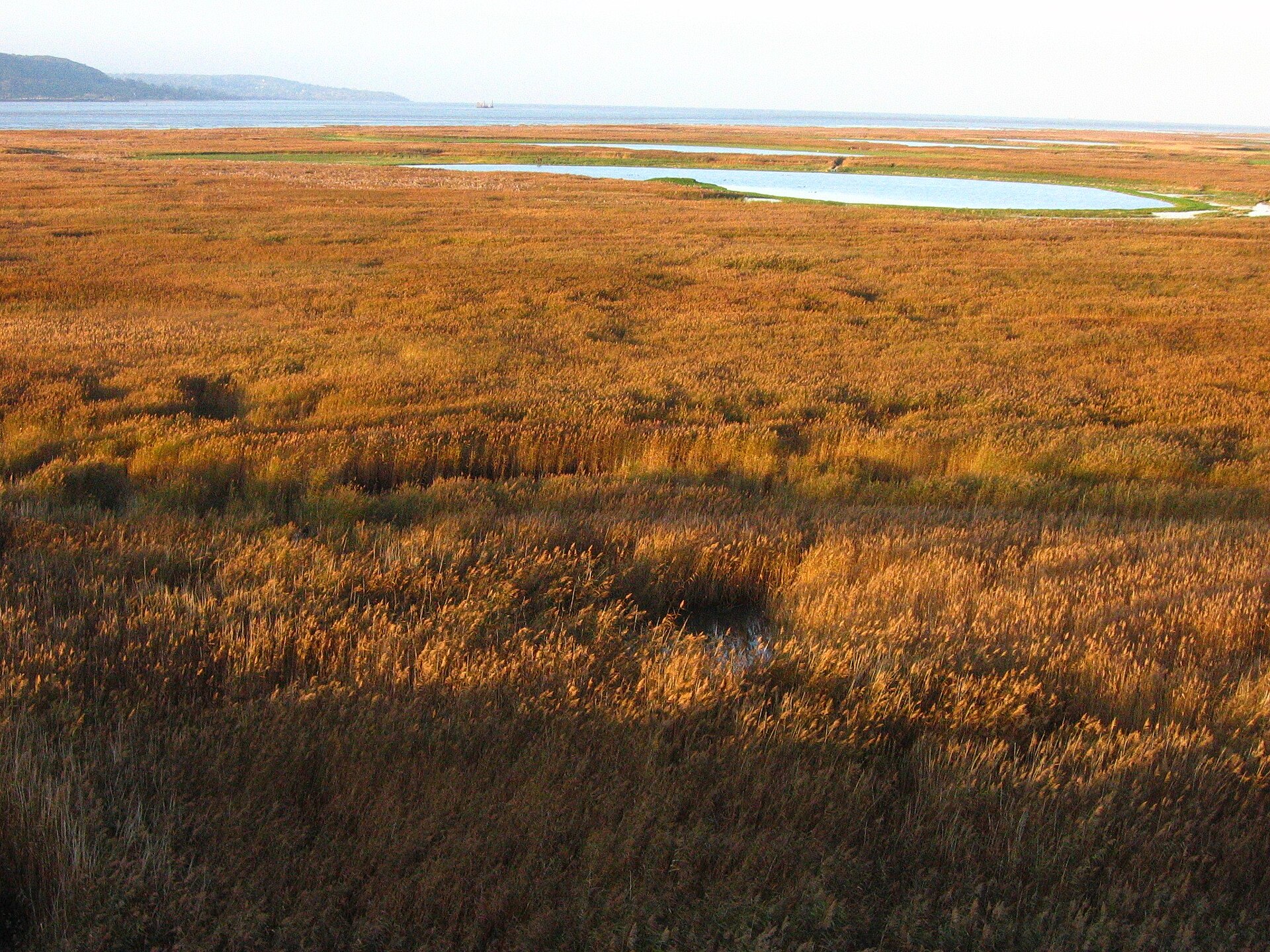
Natura 2000
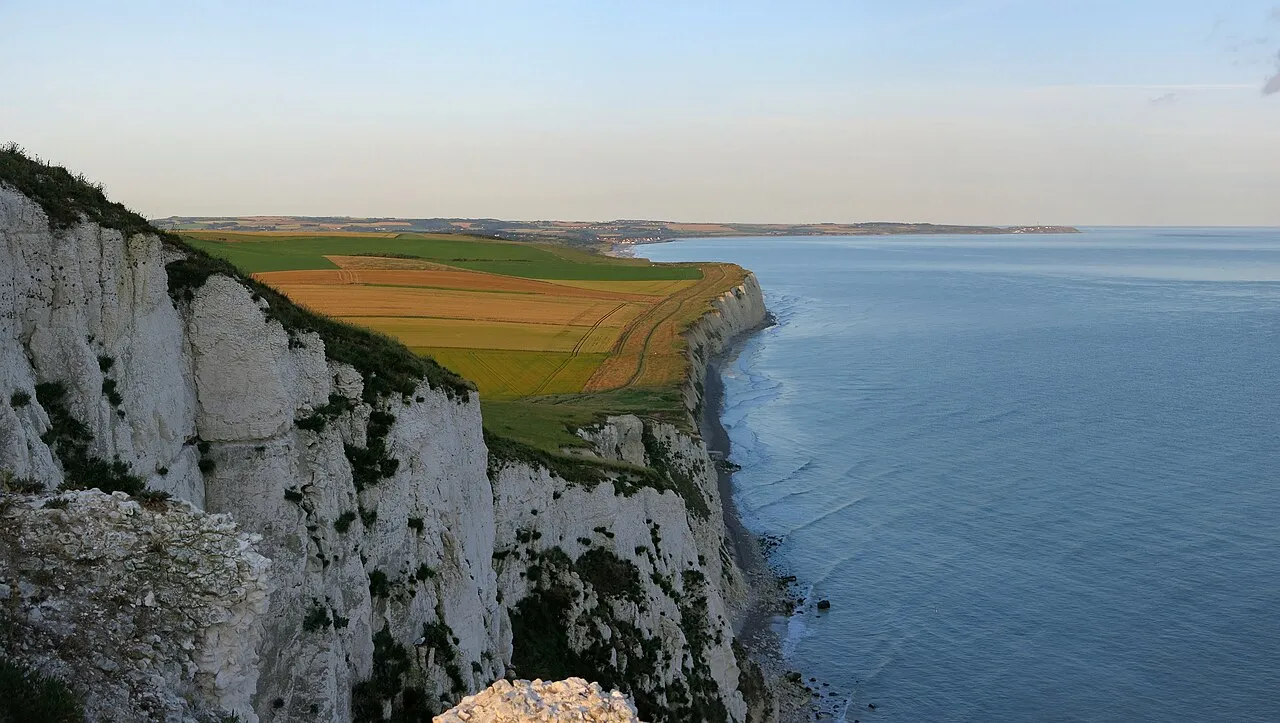
Natura 2000
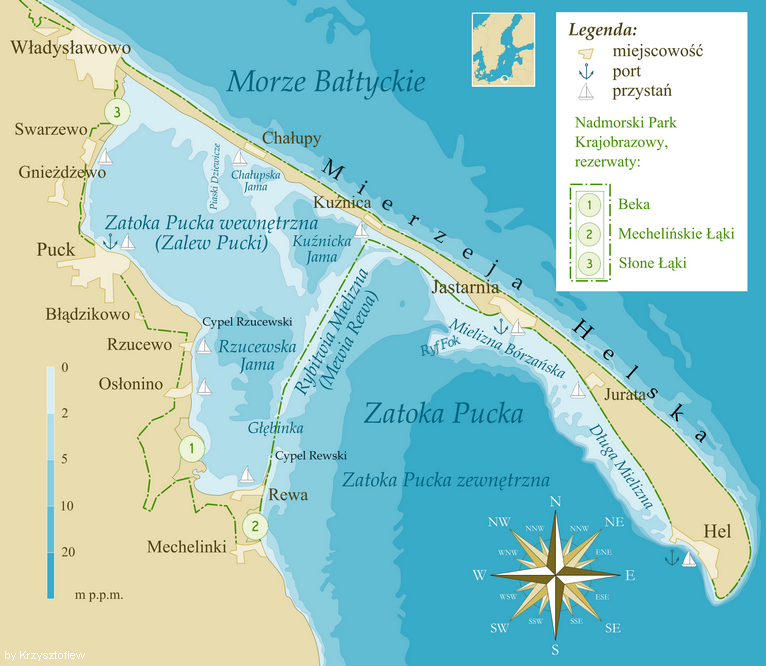
Natura 2000
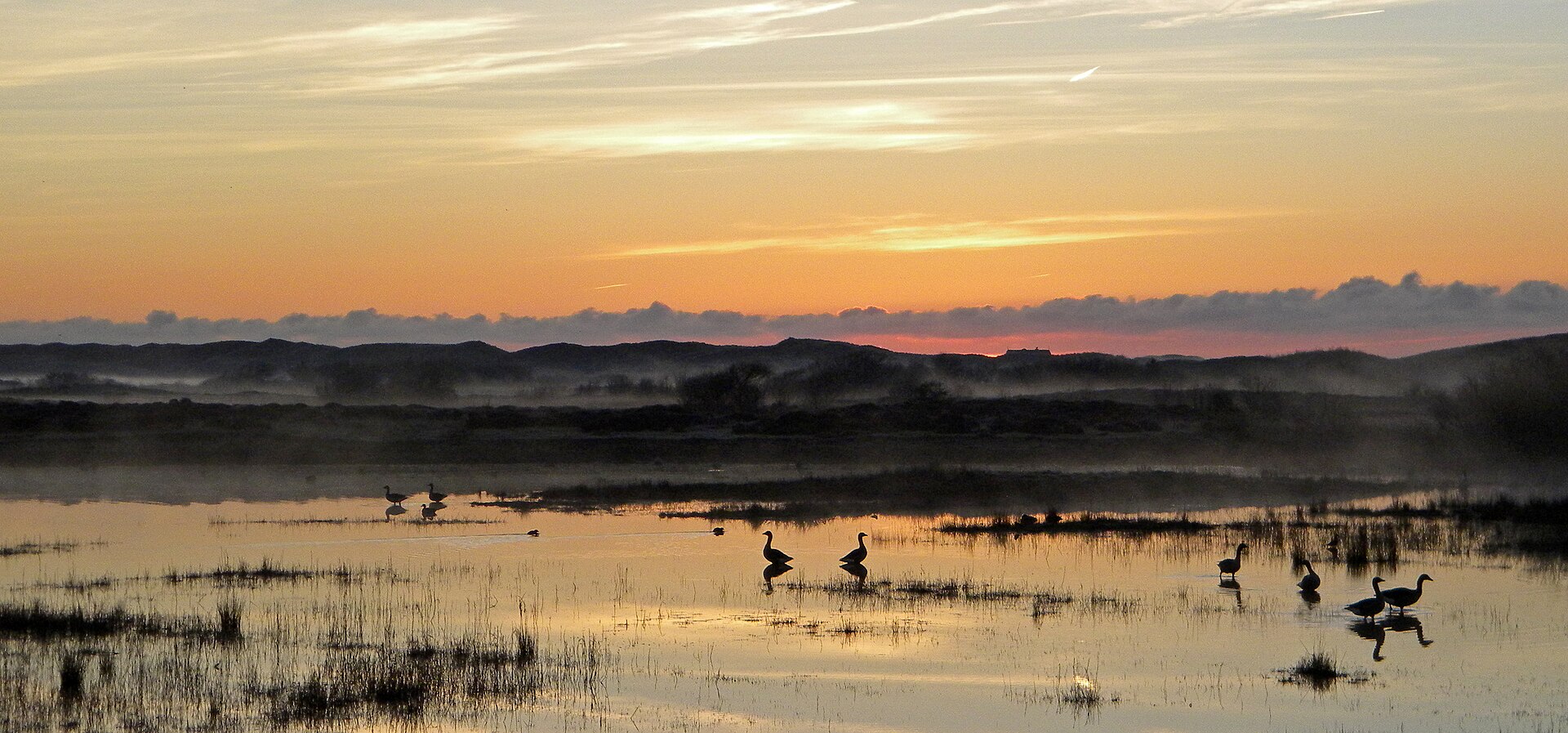
Natura 2000

Natura 2000

Natura 2000
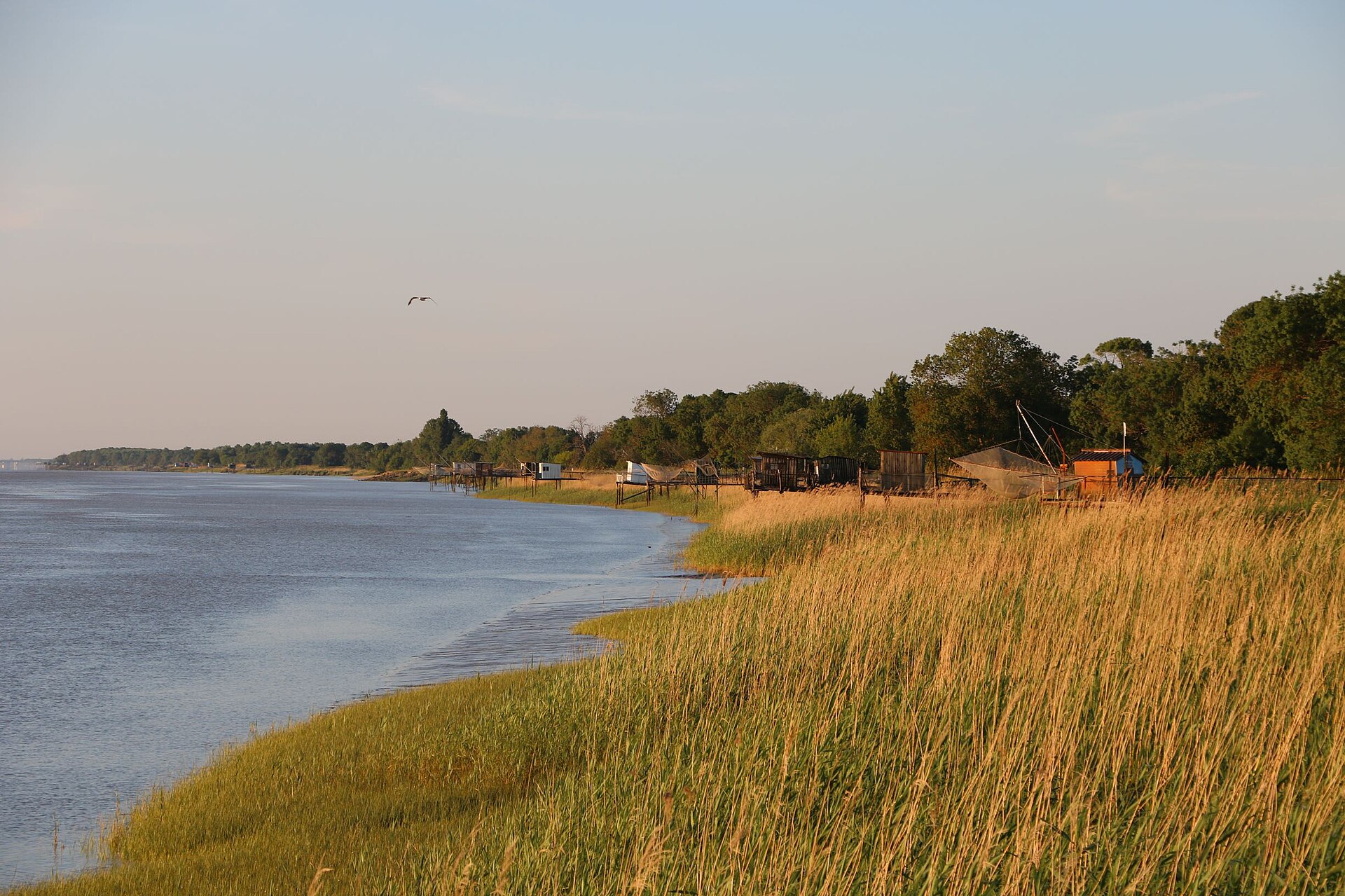
Natura 2000
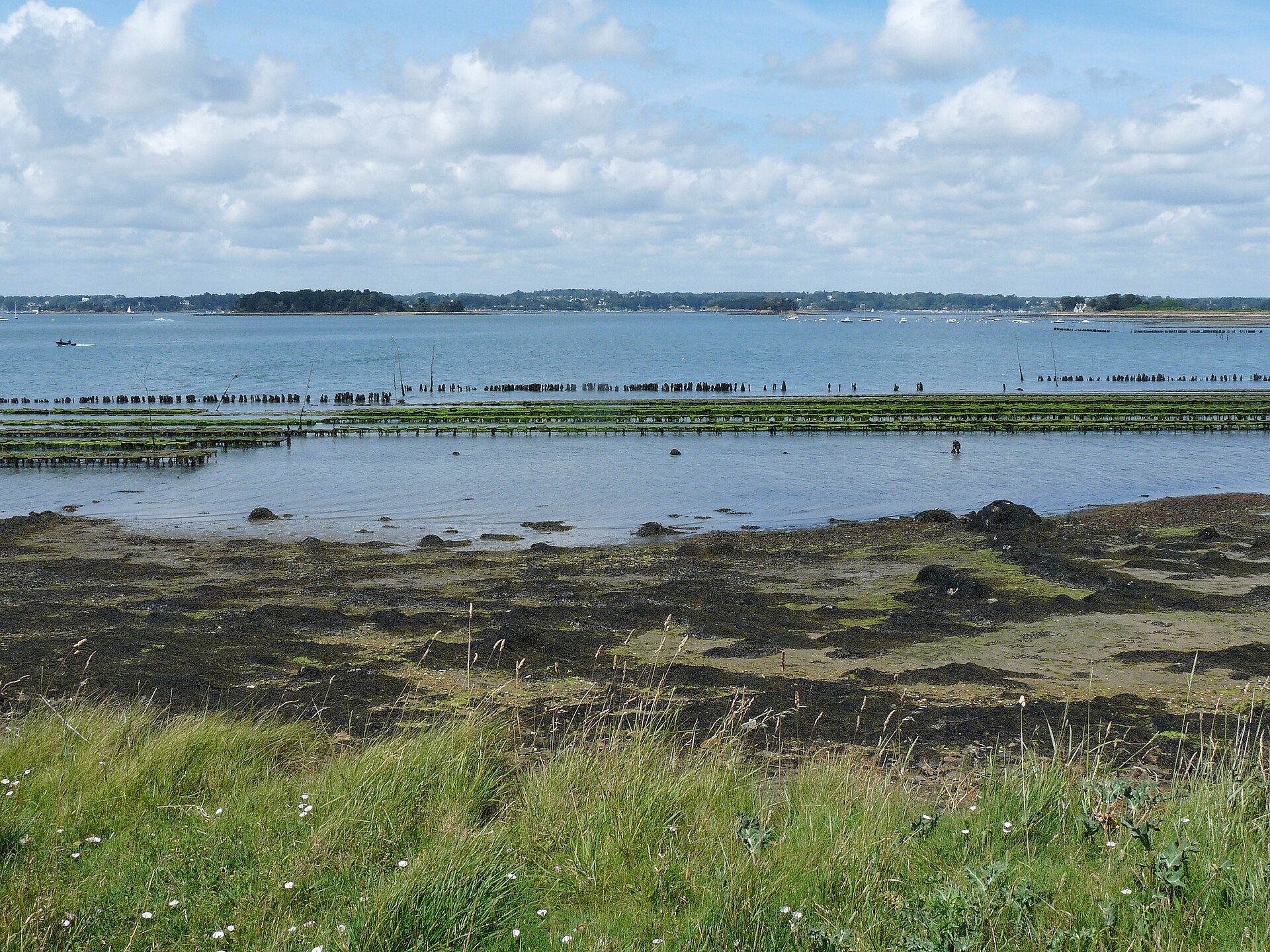
Natura 2000
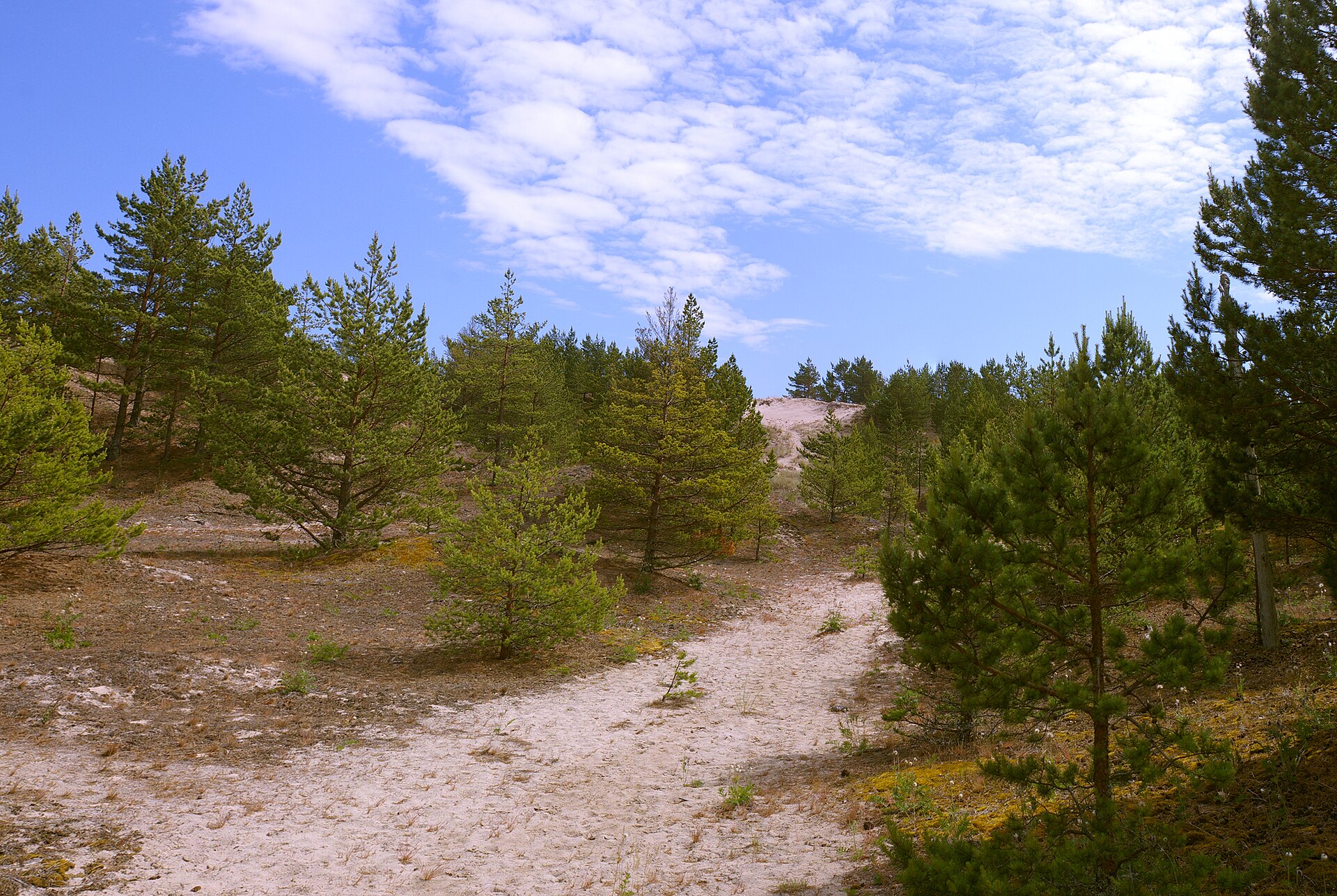
Natura 2000

Natura 2000

Natura 2000

Natura 2000

Natura 2000
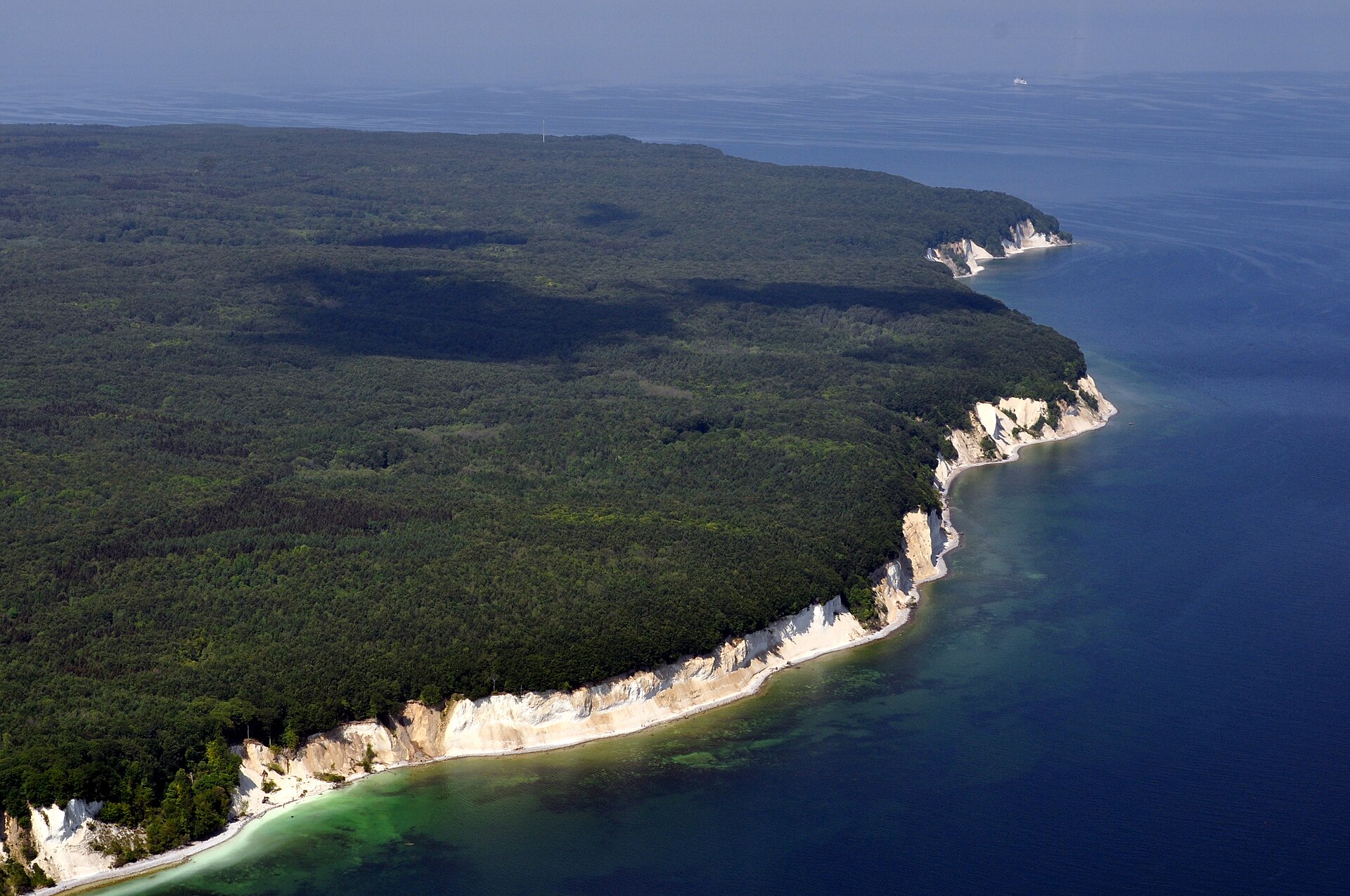
Natura 2000
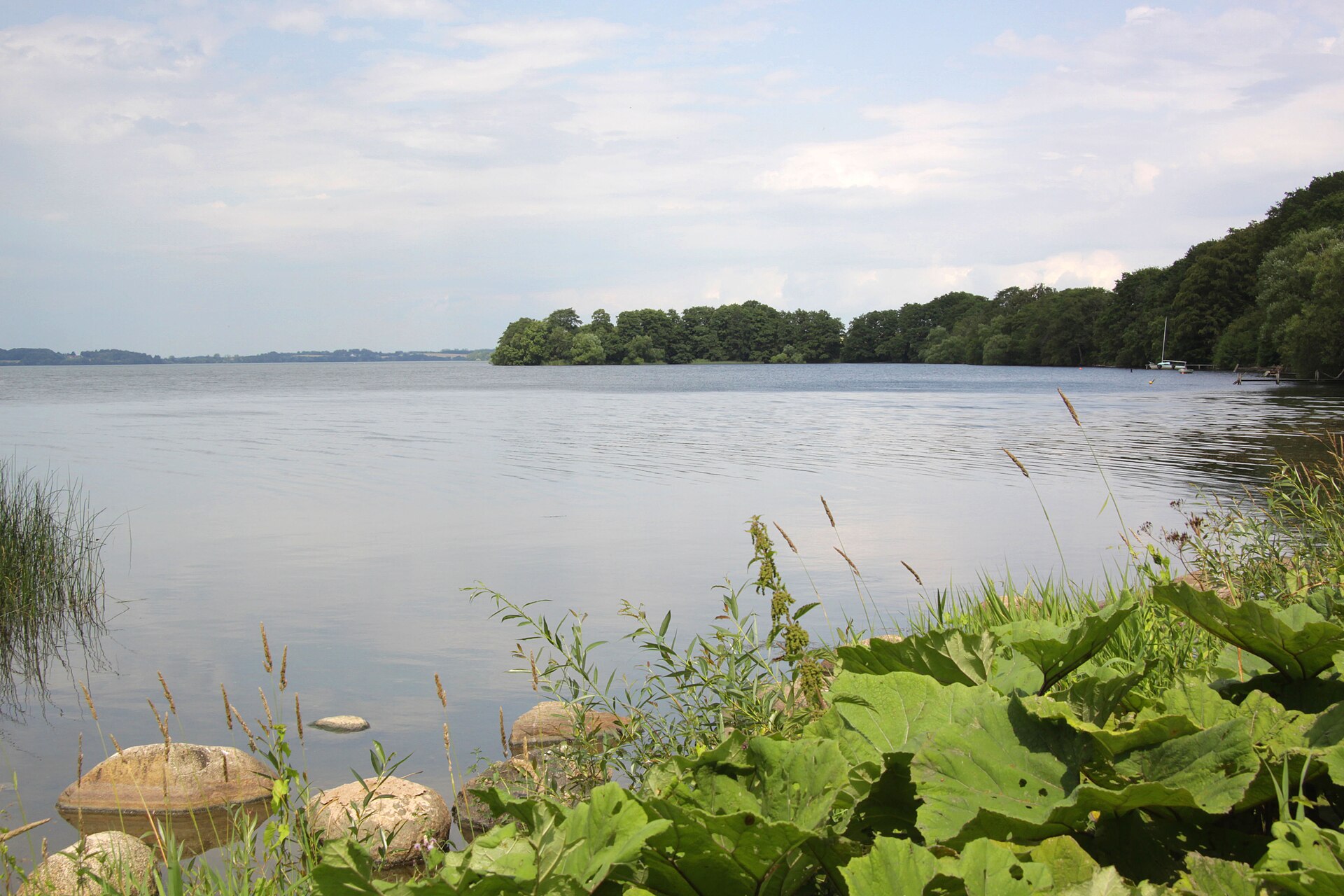
Natura 2000
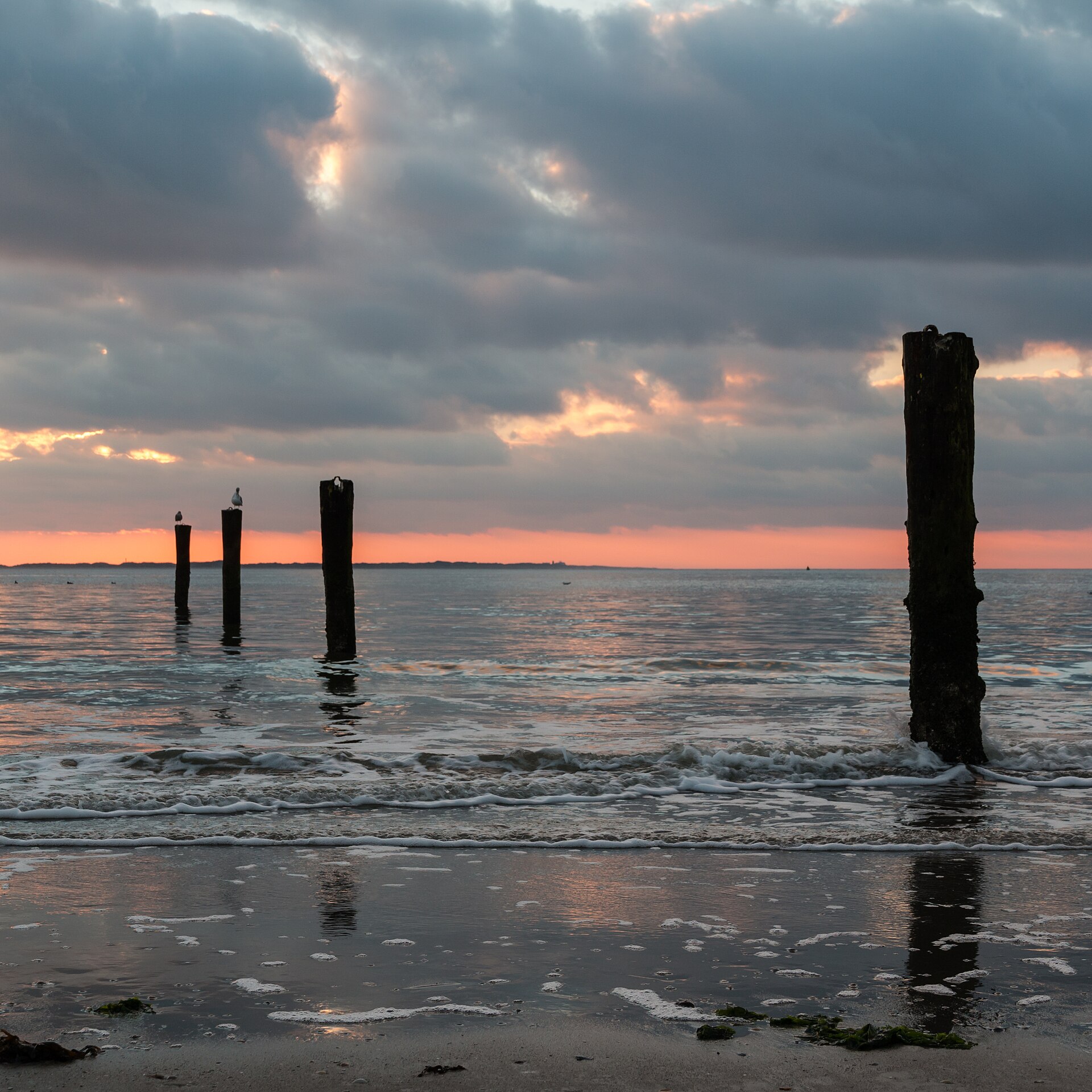
Natura 2000
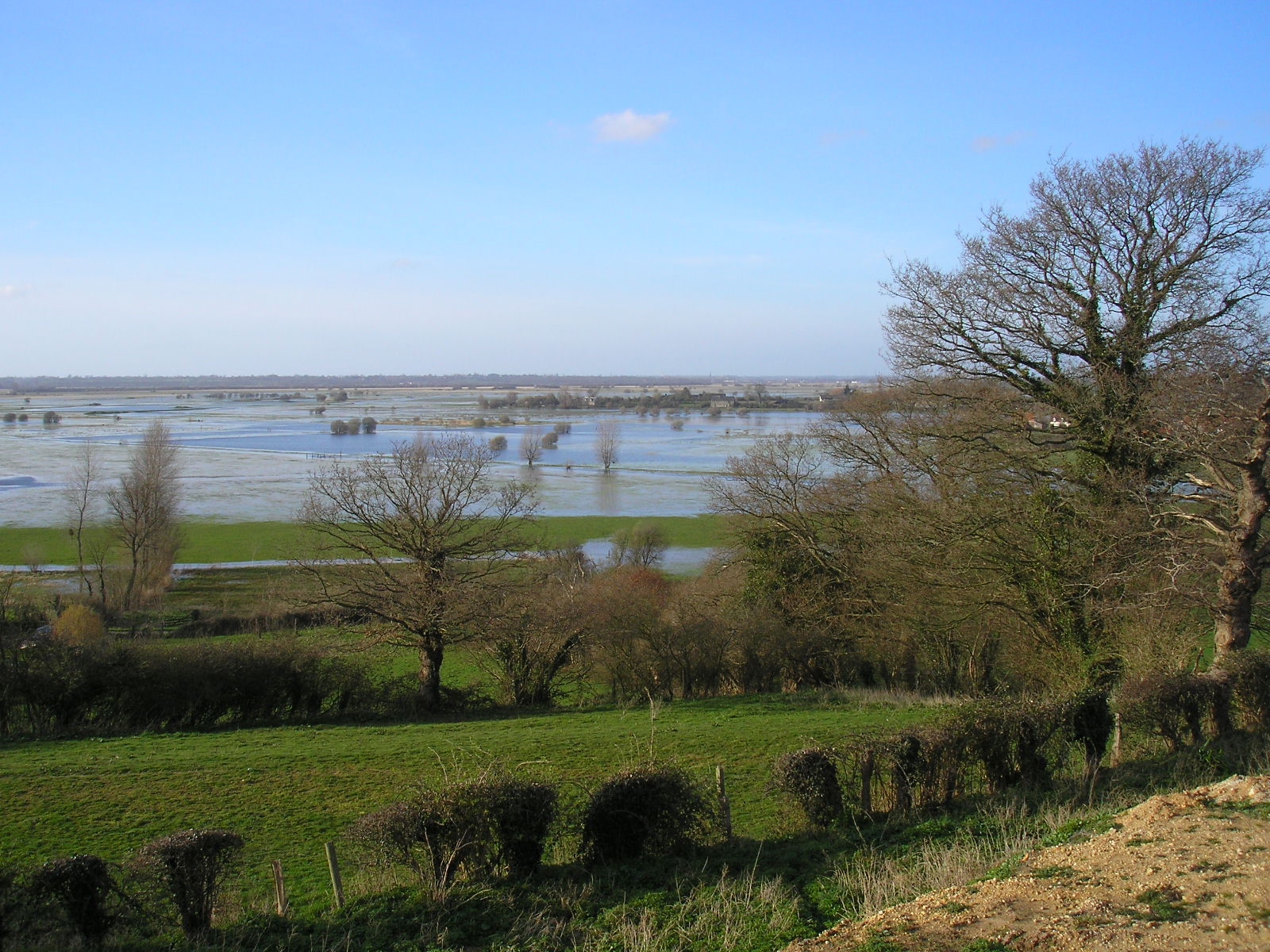
Natura 2000
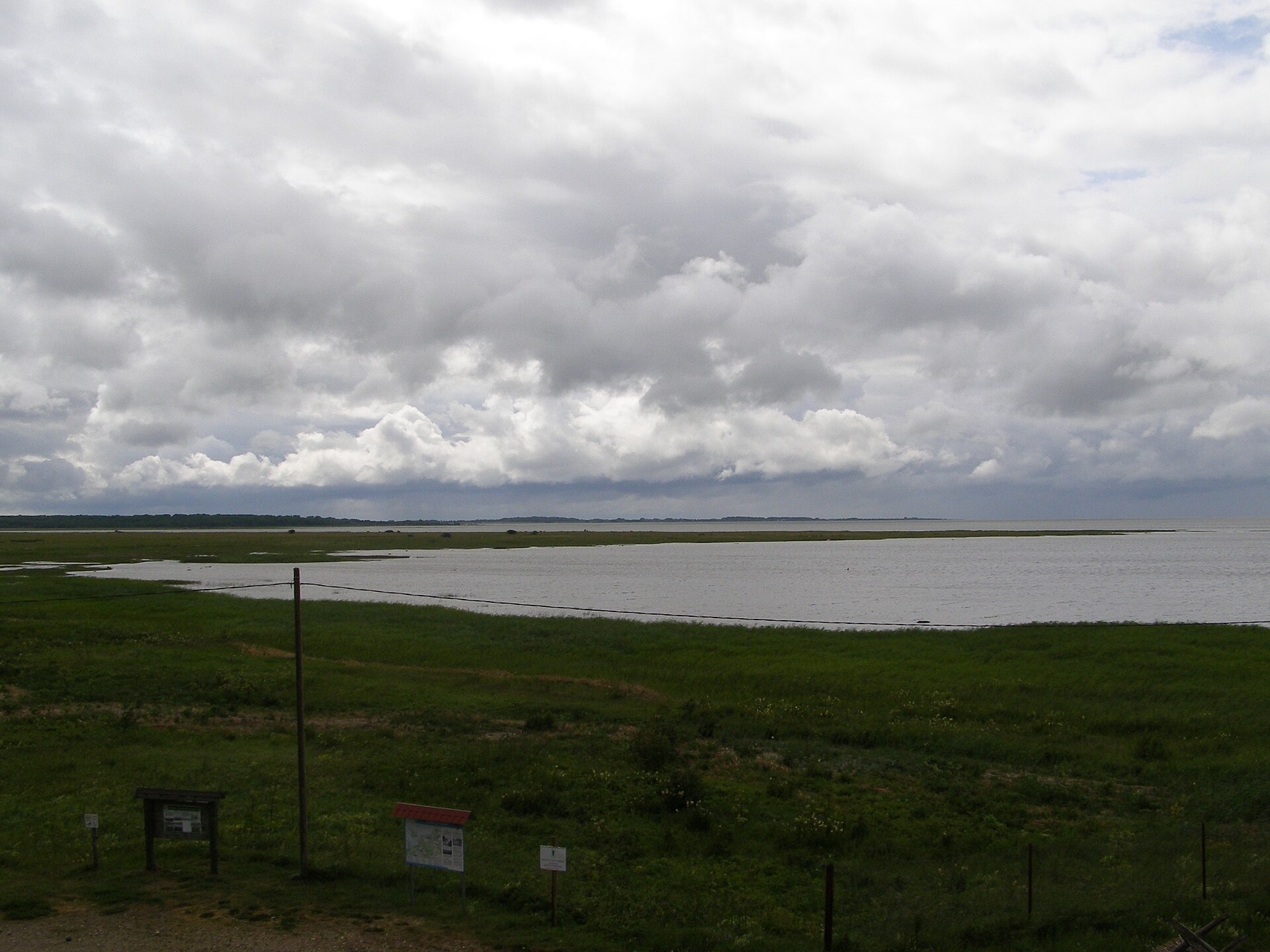
Natura 2000
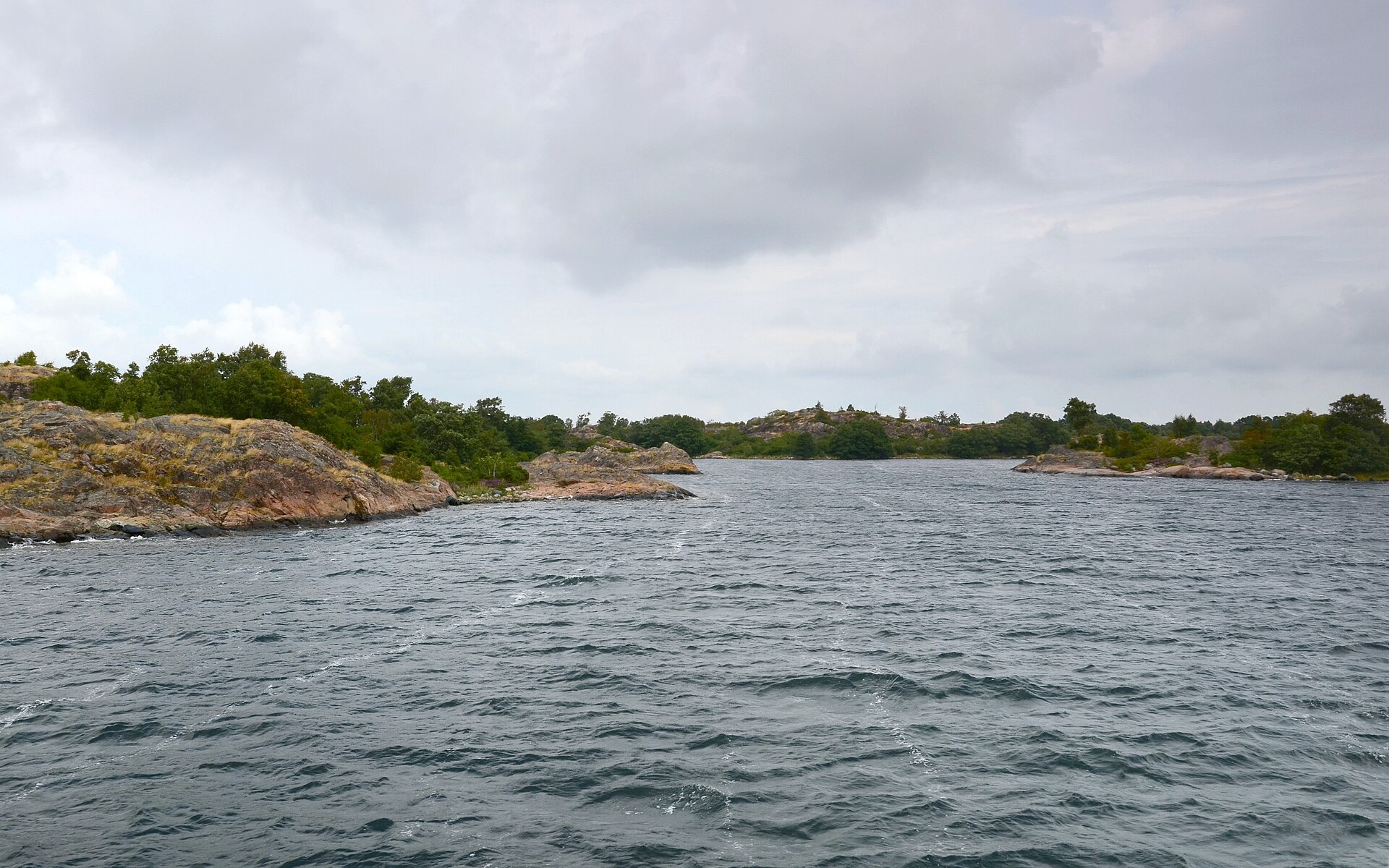
Natura 2000

Natura 2000

Natura 2000

Natura 2000
Natura 2000
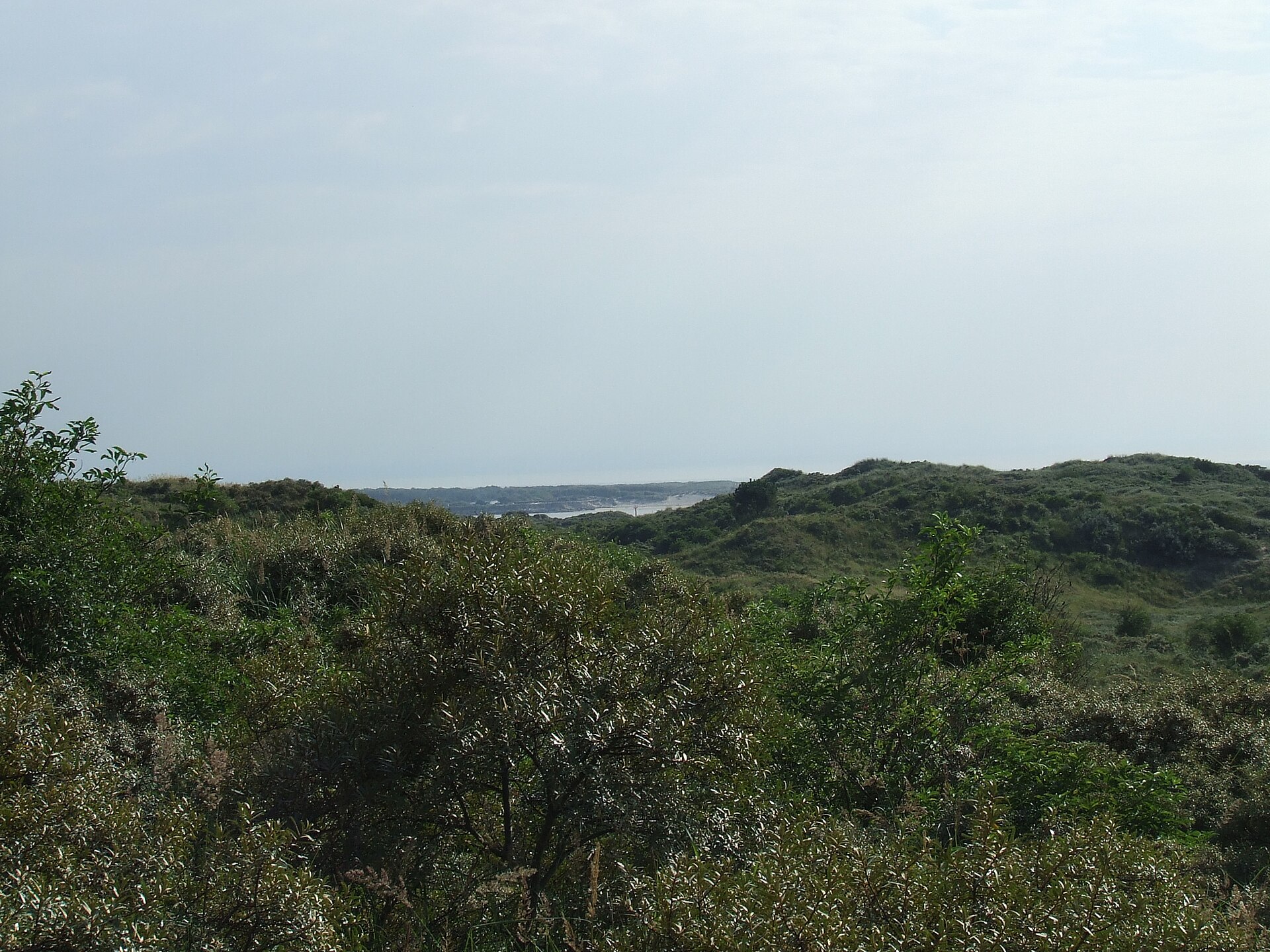
Natura 2000
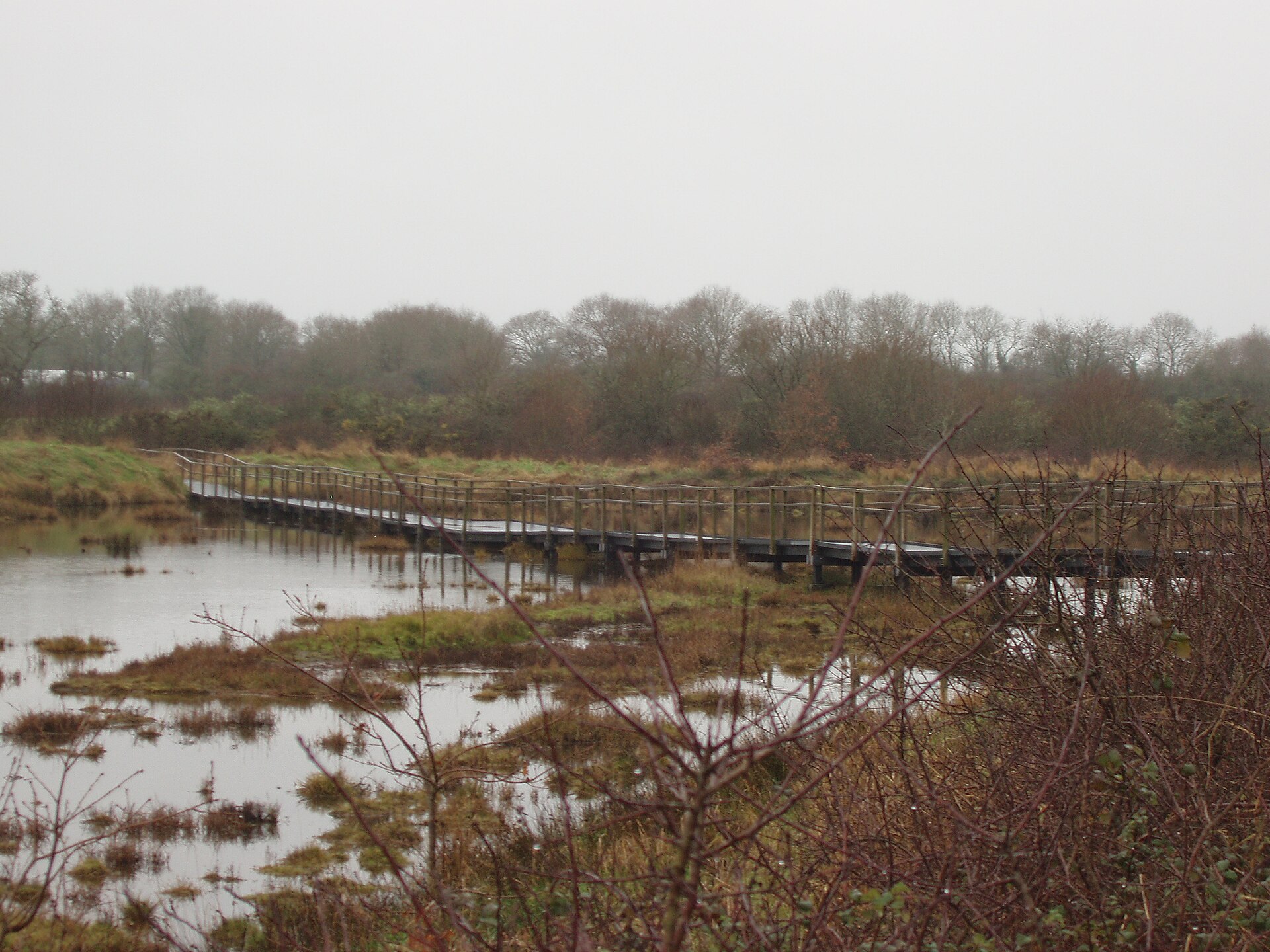
Natura 2000
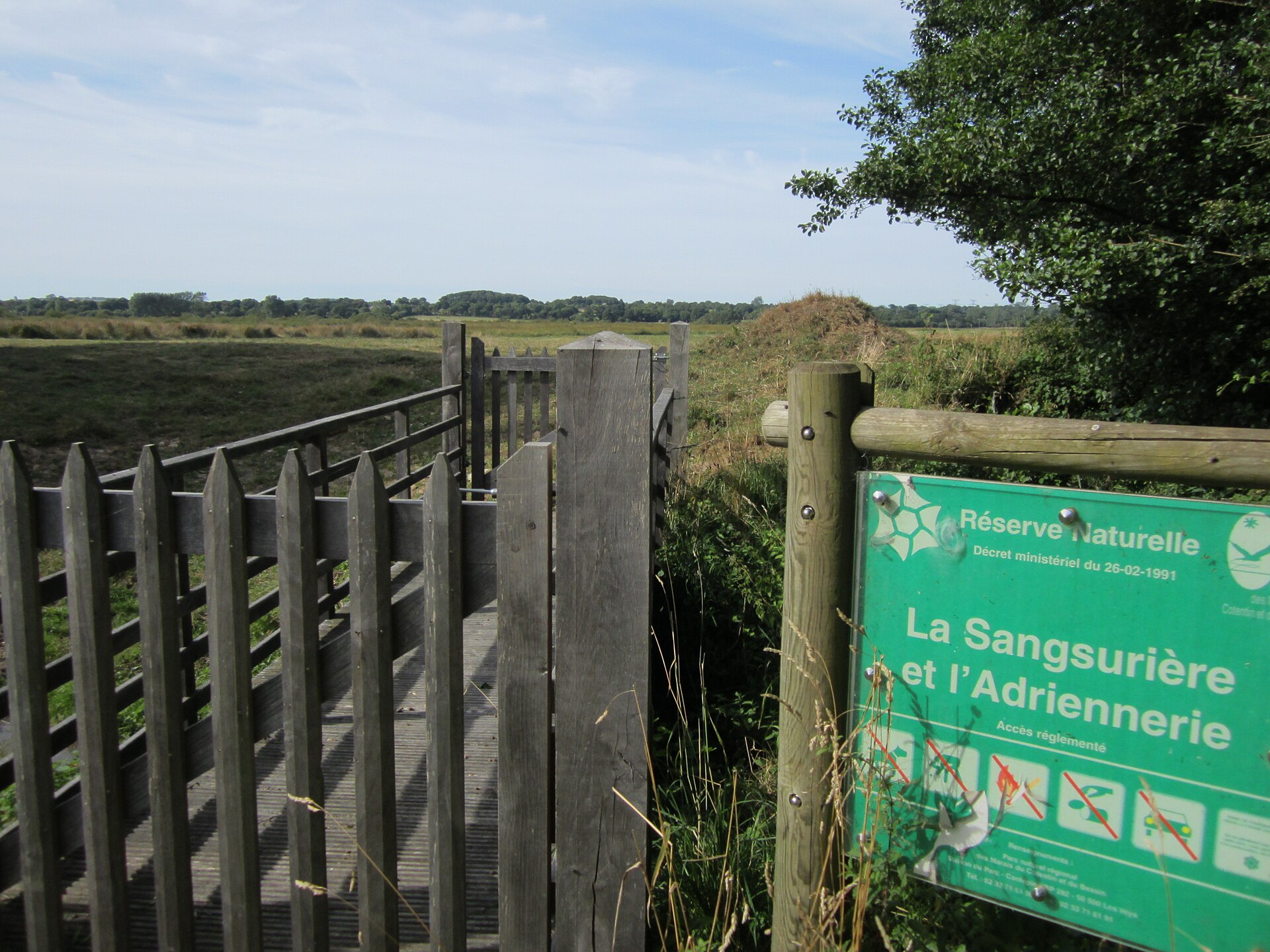
Natura 2000
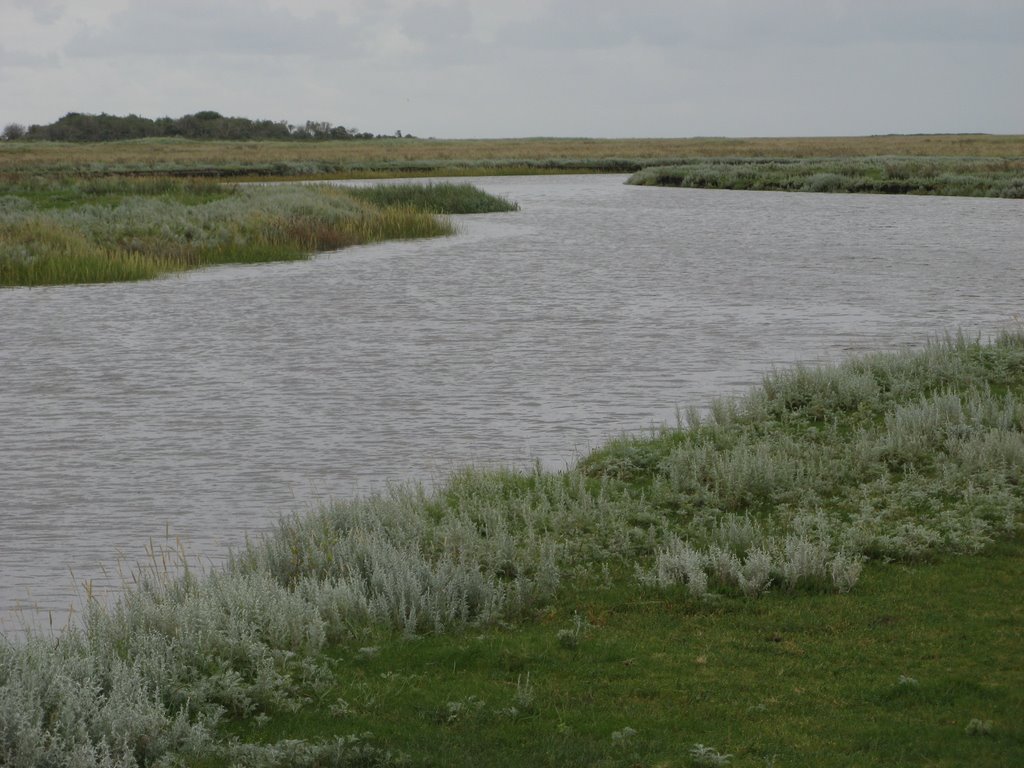
Natura 2000

Natura 2000

Natura 2000

Natura 2000
Natura 2000
Natura 2000

Natura 2000
Natura 2000

Natura 2000
Other species to discover
 Harbour Seal
Phoca vitulina 21 places in common
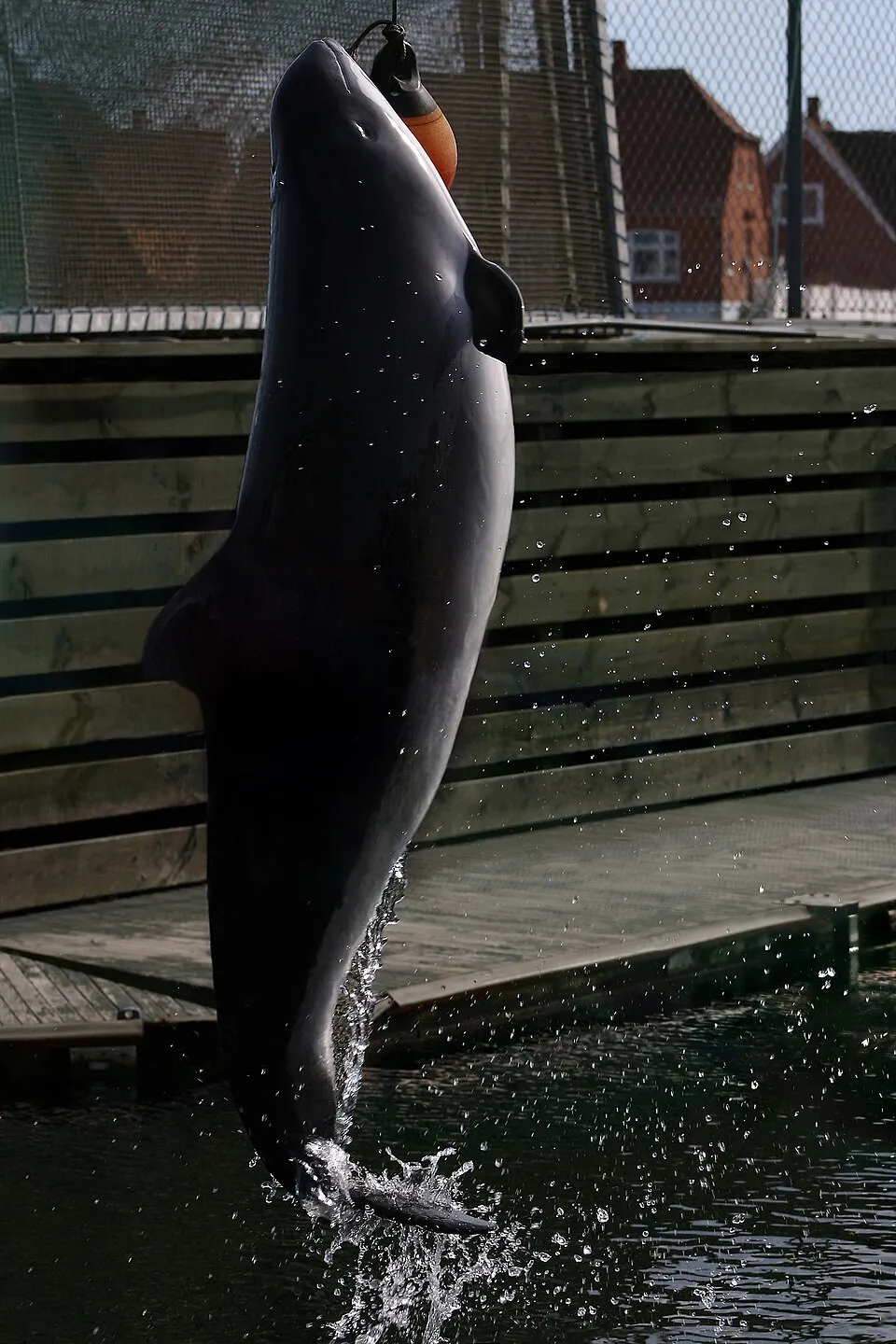 Harbour porpoise
Phocoena phocoena 20 places in common
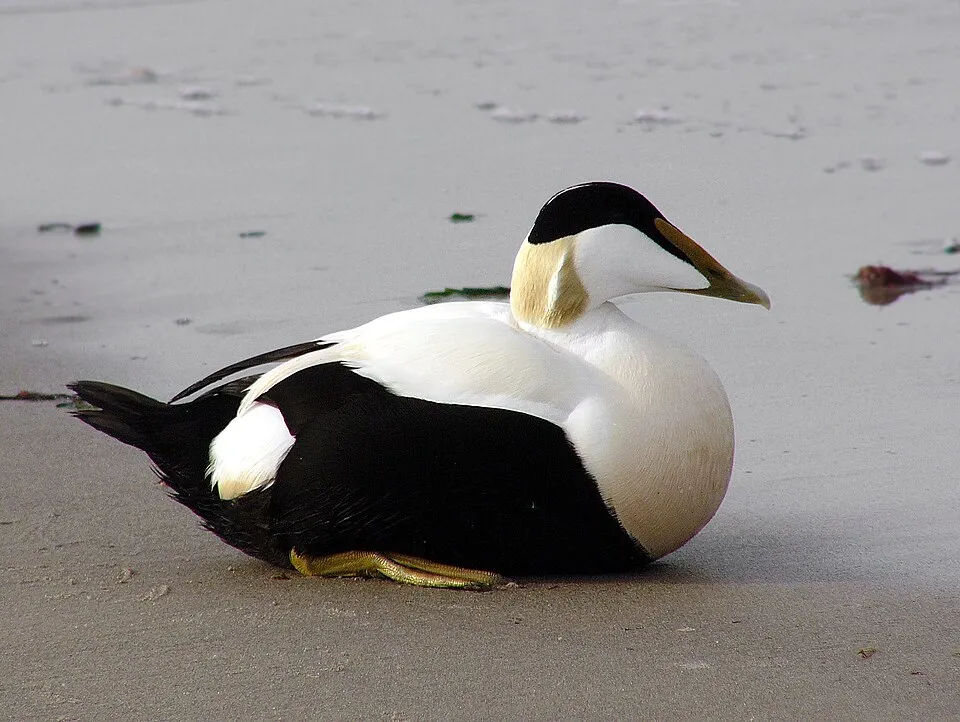 Common Eider
Somateria mollissima 26 places in common
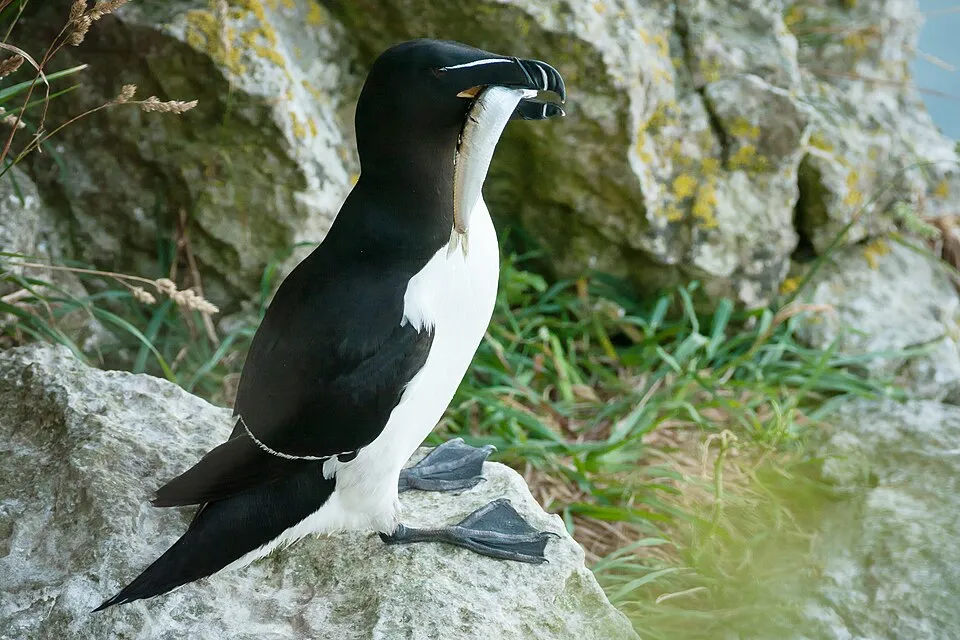 Razorbill
Alca torda 18 places in common
 European Herring Gull
Larus argentatus 34 places in common
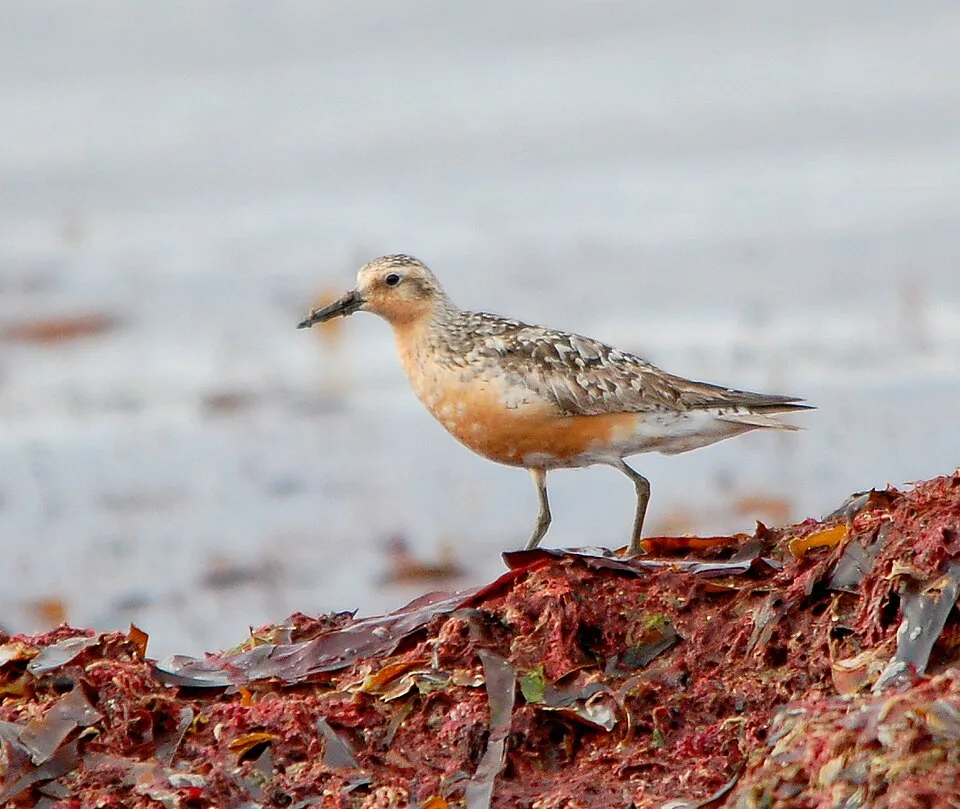 Red Knot
Calidris canutus 20 places in common
Sources and credits
- Presence: most-recorded species of each place on GBIF and species of Community interest in the Natura 2000 forms (EEA, CC-BY 4.0); absence from the list does not mean the species is absent.
- Common names: Wikidata (CC0) and GBIF.
- Photos and sounds: Wikimedia Commons, author and licence given for each file.
- Classification: GBIF Backbone Taxonomy (GBIF Secretariat), CC BY 4.0, doi:10.15468/39omei.
- Countries, elevations, months and maps: GBIF.org, CC0 or CC BY 4.0 occurrences only, accessed October 22, 2026, GBIF.org.
- Base map: Natural Earth (public domain).
- Excerpt: Wikipedia, CC BY-SA 4.0 (full credit below the excerpt).
- Key facts: Wikidata (CC0), with the references cited under each value.
- Annexes: Directive 92/43/EEC (consolidated version), © European Union, EUR-Lex.