
Reptile
Horseshoe Whip Snake: where to see it
Hemorrhois hippocrepis
This reptile species is recorded in 28 protected areas of the atlas, and is listed on the official Natura 2000 form of each of them. Within the atlas countries, it is observed in Portugal and Spain. Records peak from May to June. It is a species of Community interest under the Habitats Directive (Annex IV). In the EU its conservation status is assessed as favourable (2013–2018 reporting).
Best time to see it: May–June
Records published on GBIF by month (CC0 and CC BY 4.0 licences only), in the atlas countries, all years combined; they also reflect observer activity.
Status and protection
Habitats Directive IV
The species is listed in Annex IV of the Habitats Directive.
In the EU its conservation status is assessed as favourable in the Mediterranean region (2013–2018 reporting).
Distribution
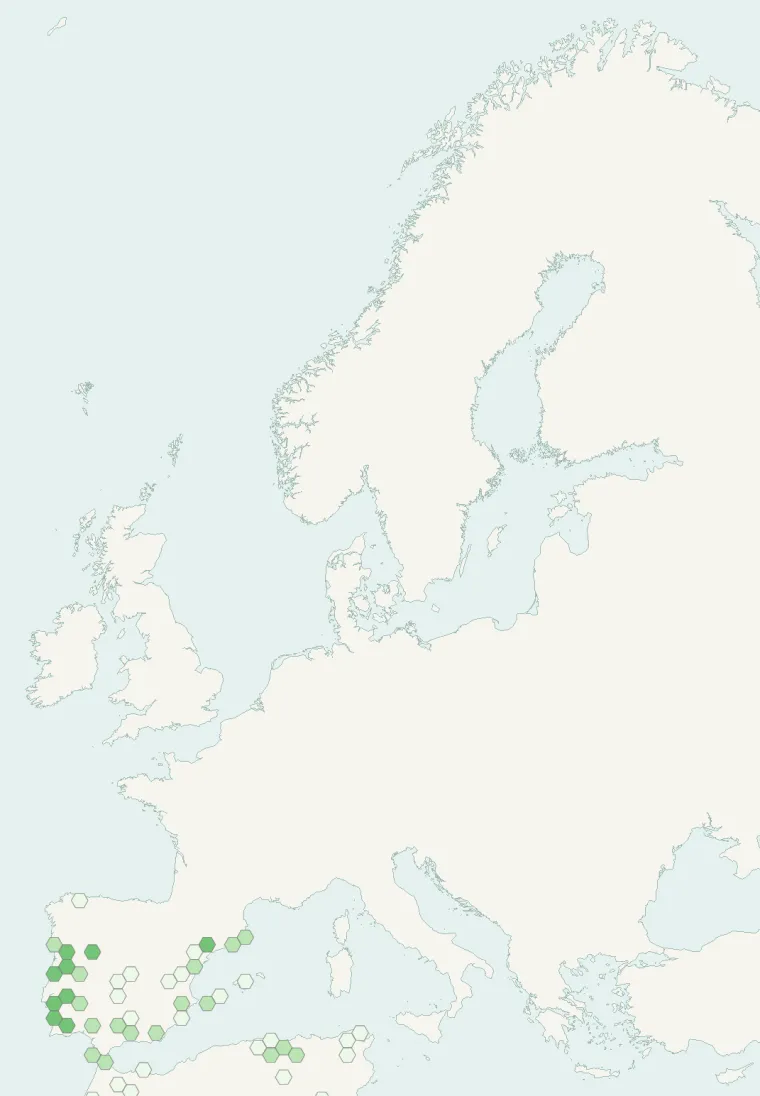
Records published on GBIF (CC0 and CC BY 4.0 licences): the darker the shade, the more records there are; they also reflect observation effort.
Atlas countries where it is recorded
From Wikipedia
The horseshoe whip snake (Hemorrhois hippocrepis) is a species of snake in the family Colubridae. The species is native to southwestern Europe and northwestern Africa.
Source: Wikipedia, article “Horseshoe whip snake” (version of October 22, 2026) · history and authors · licence CC BY-SA 4.0
Protected areas where it is recorded
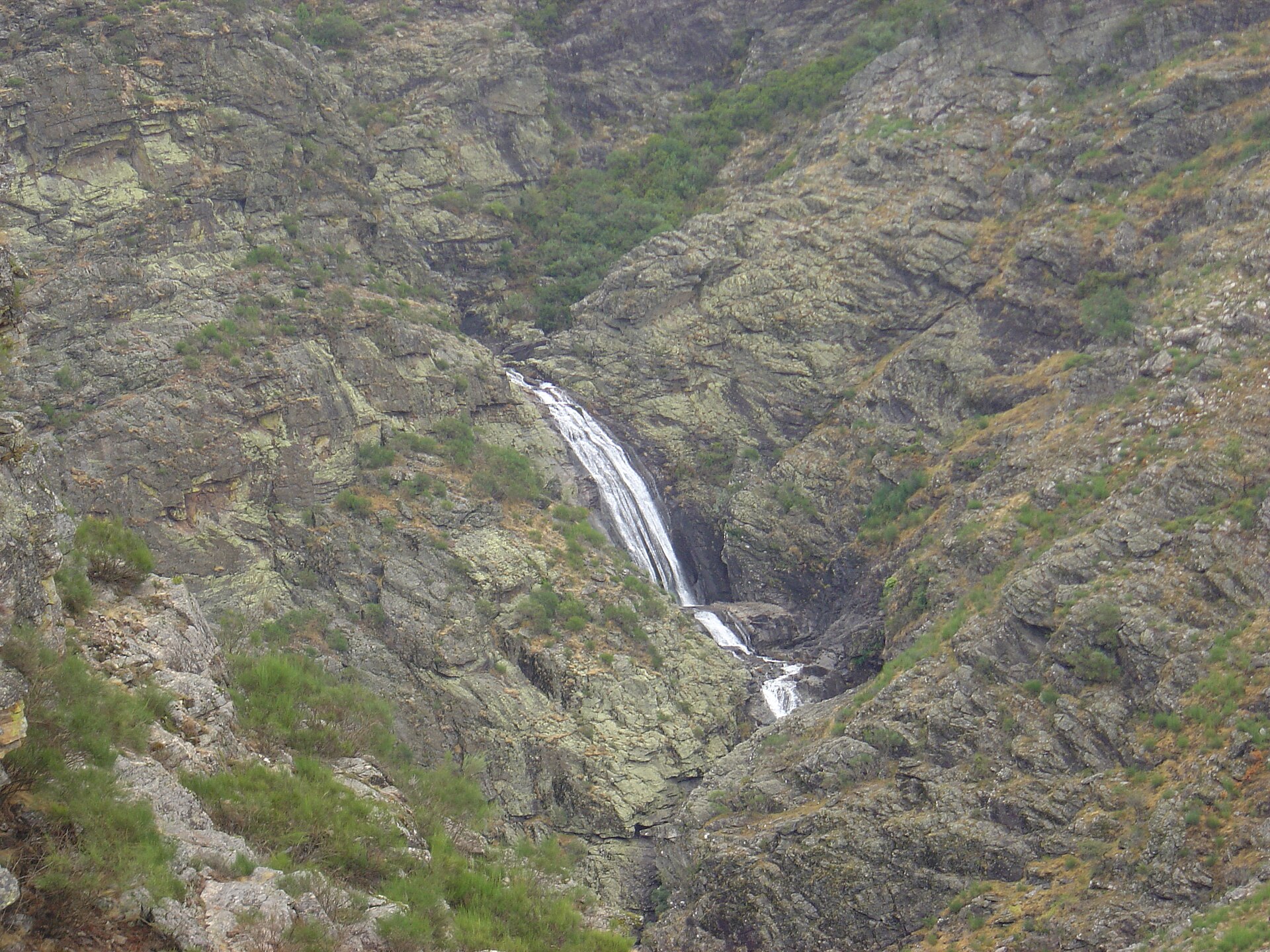
Natura 2000

Natura 2000
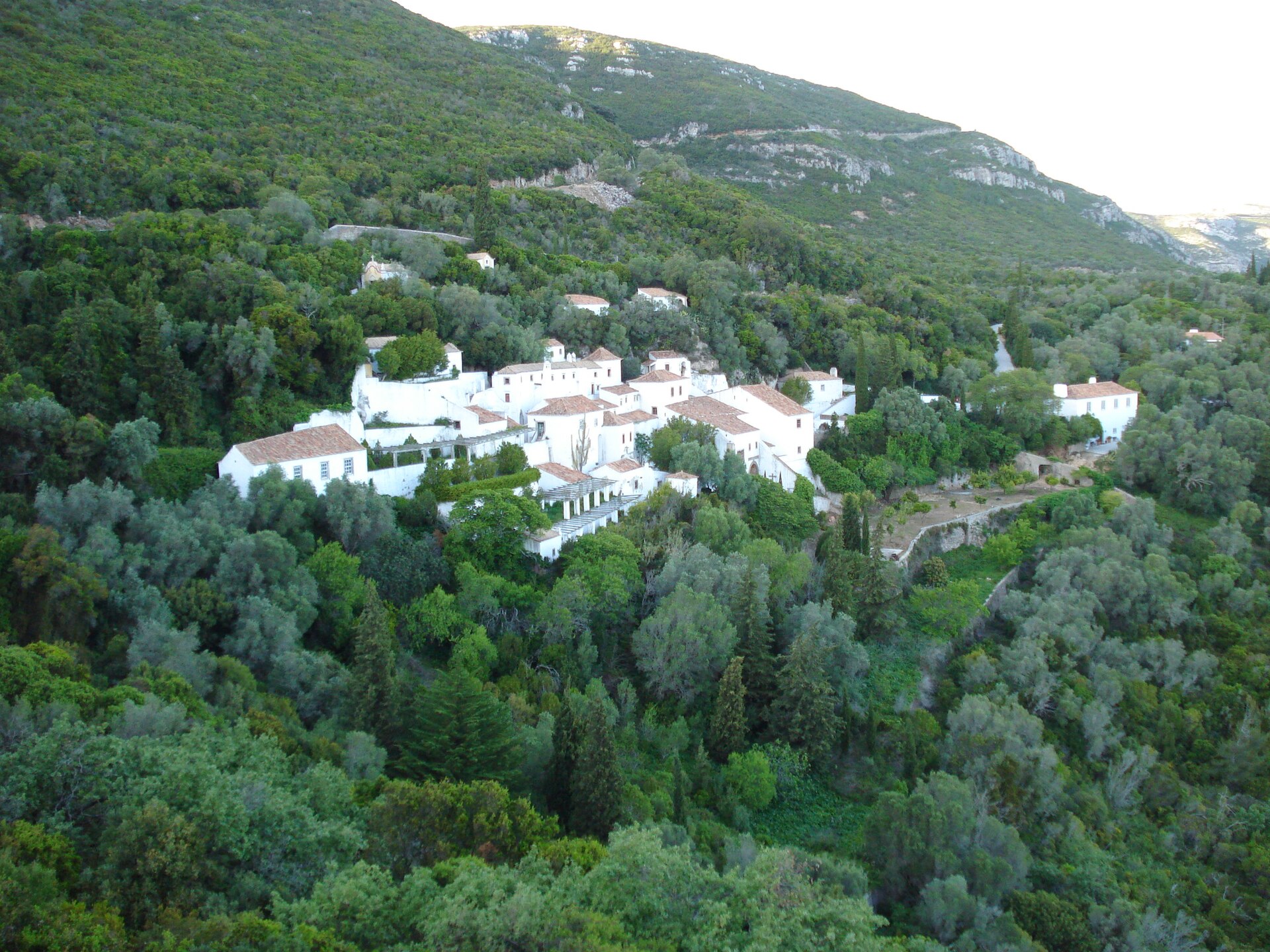
Natura 2000
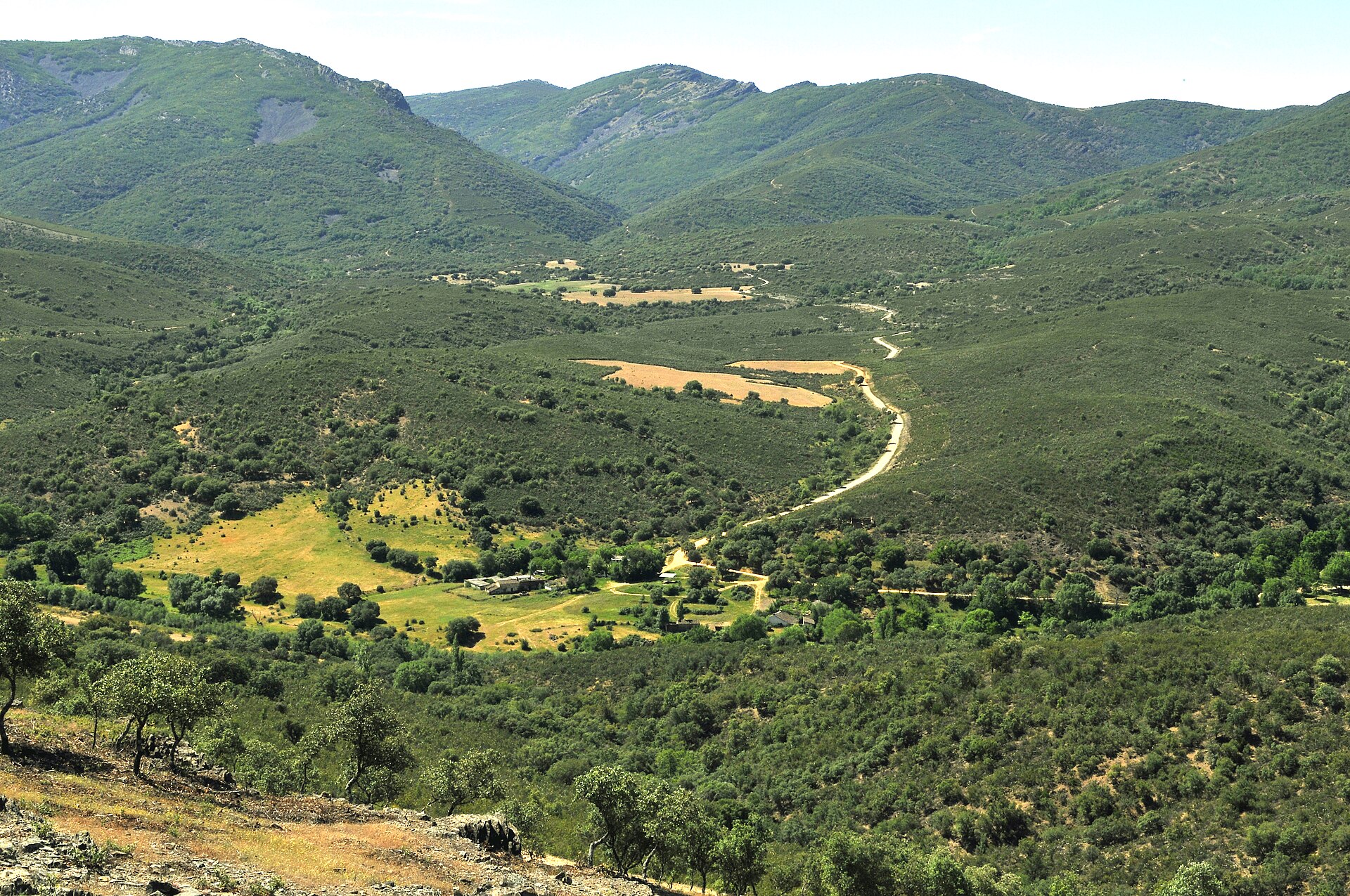
Natura 2000

Natura 2000
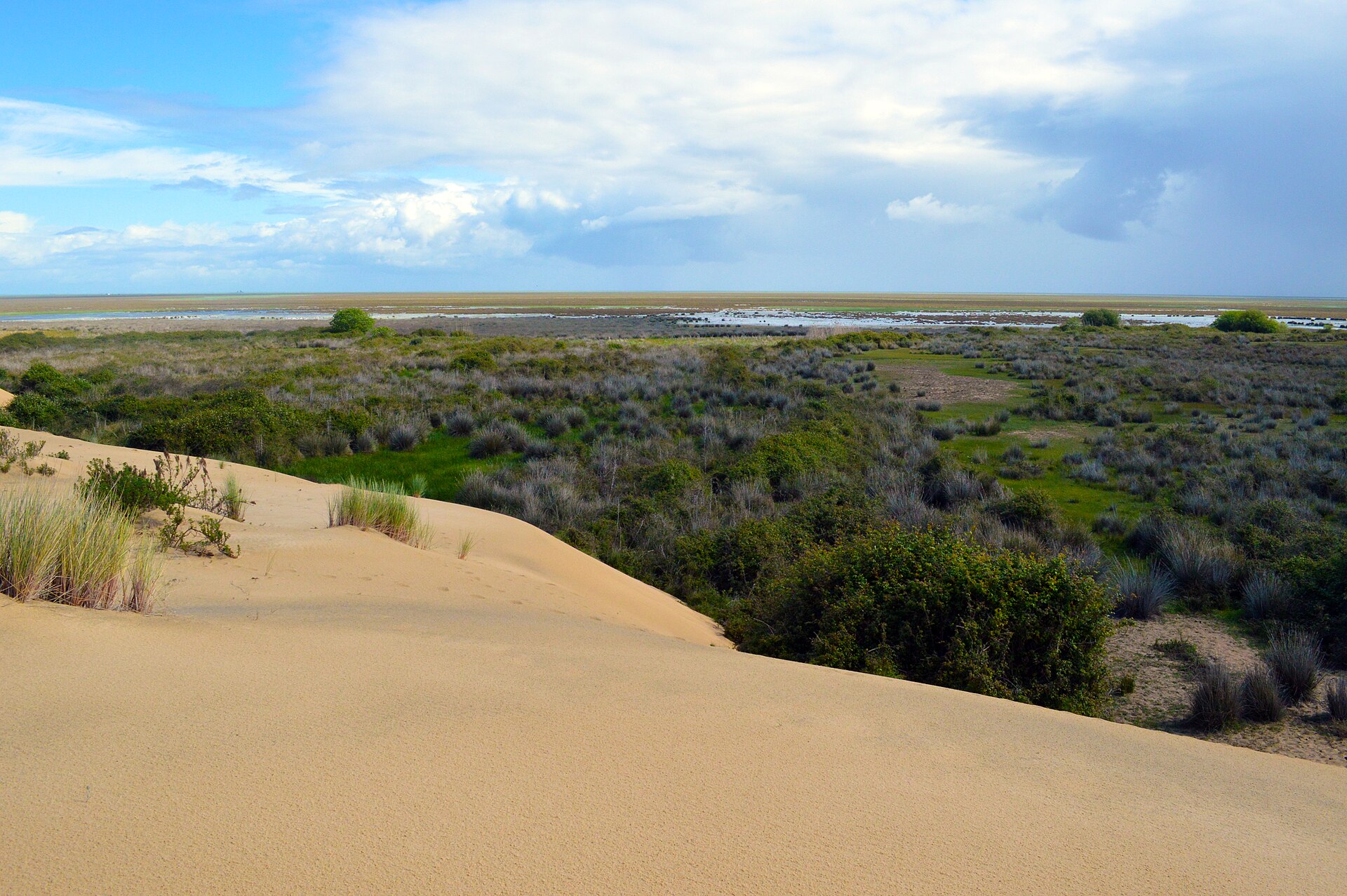
Natura 2000
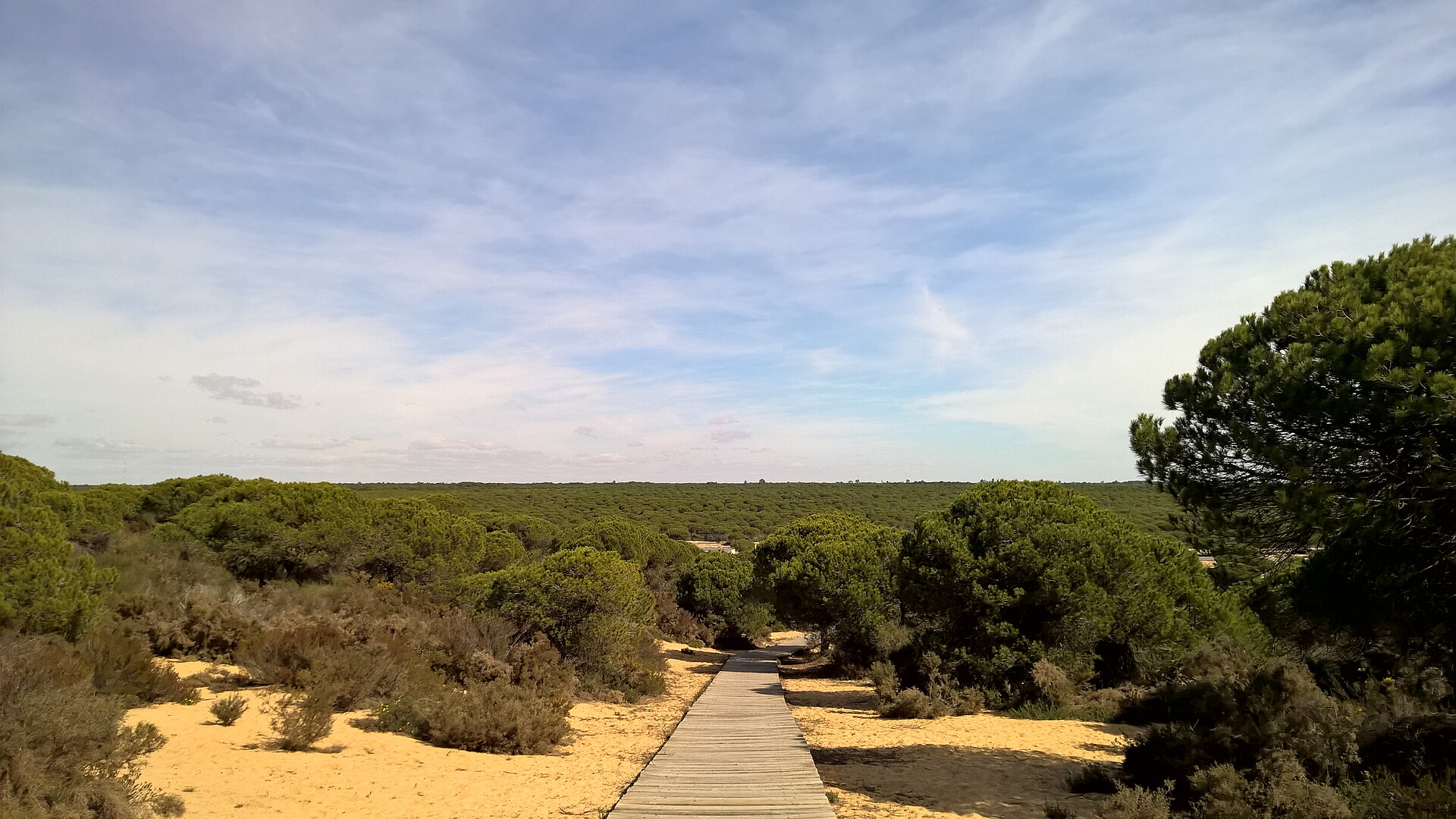
Natura 2000
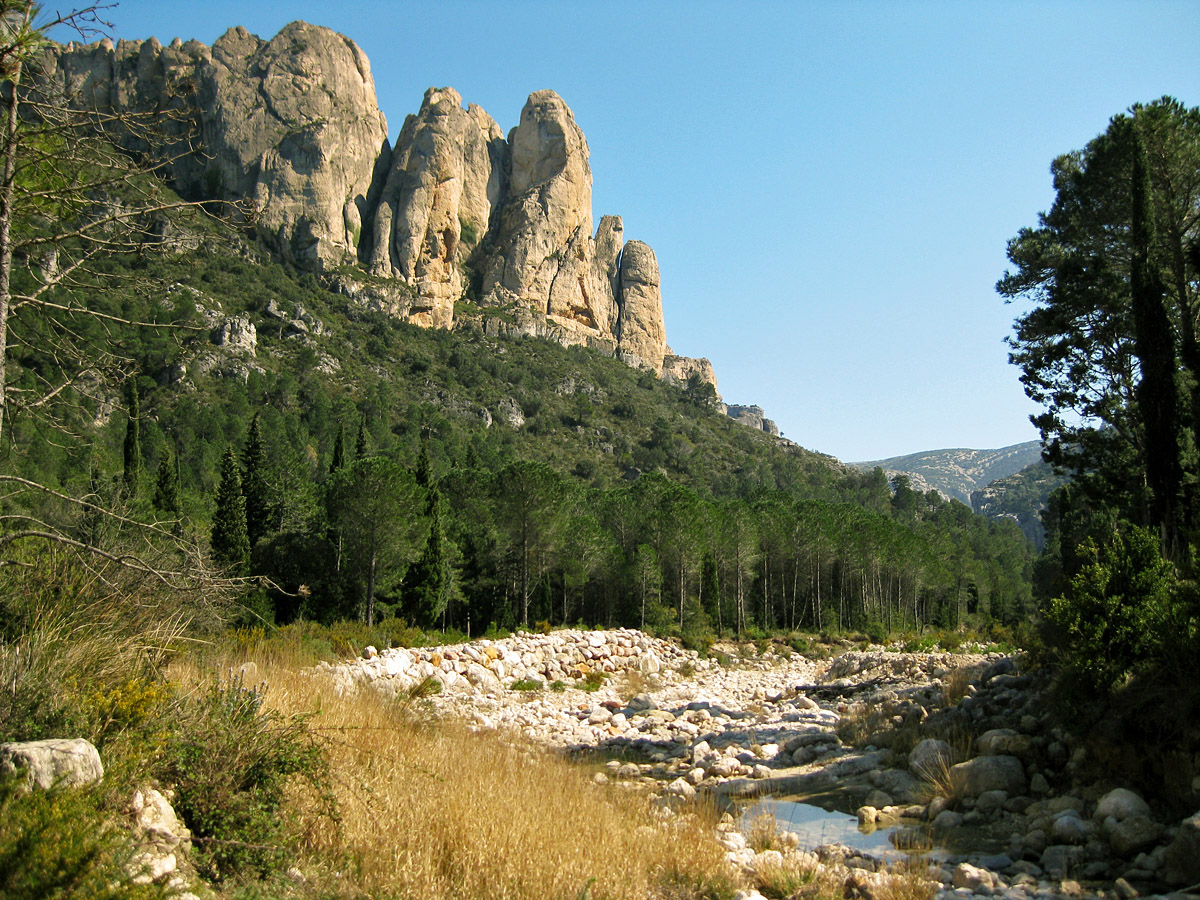
Natura 2000
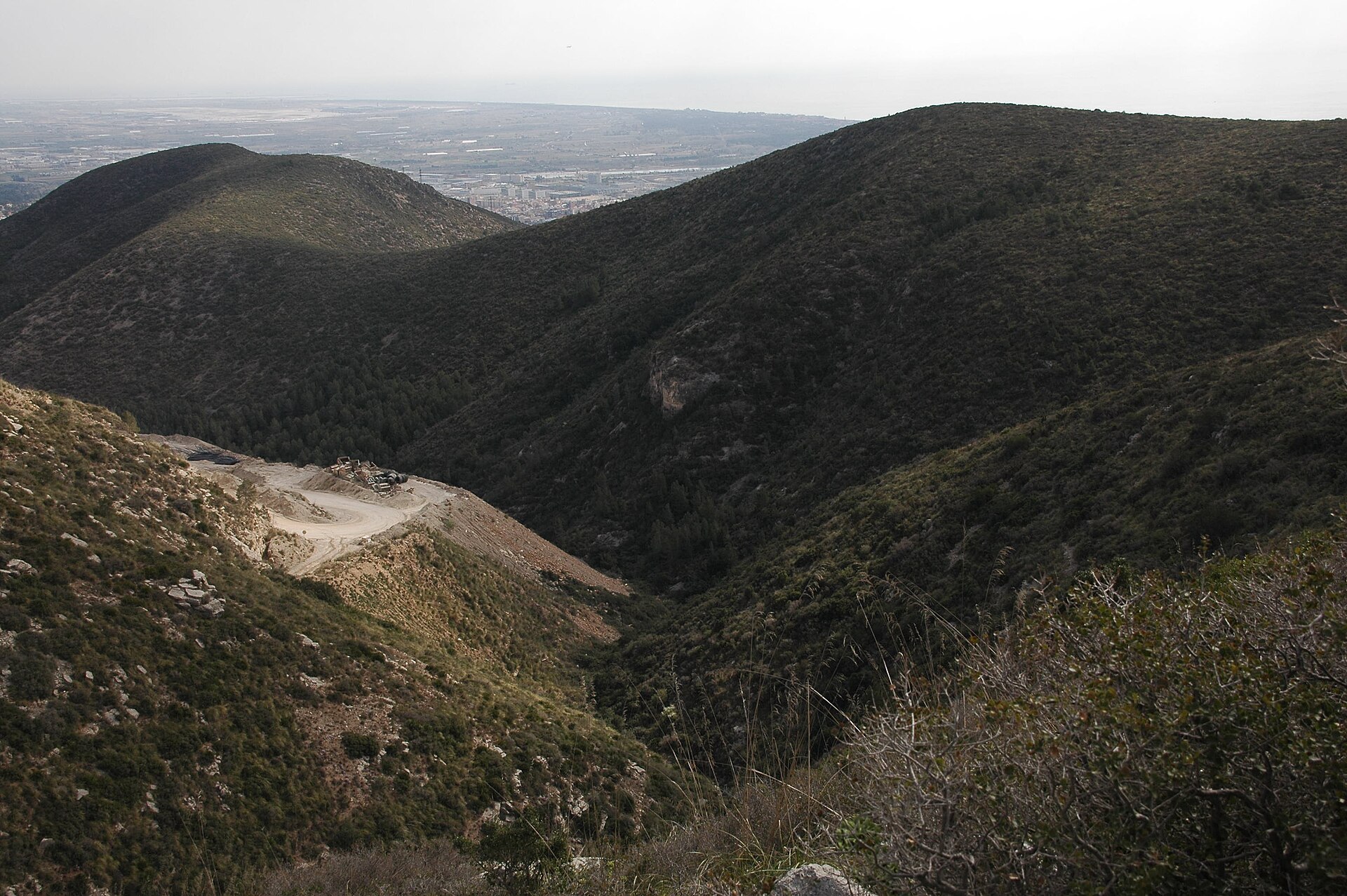
Natura 2000
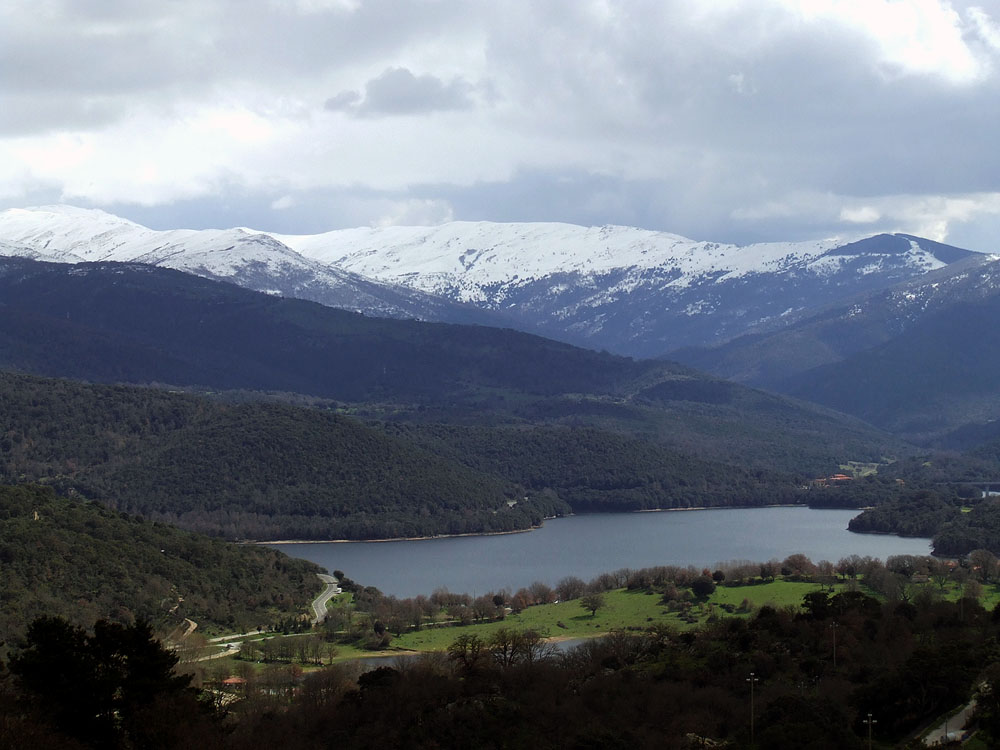
Natura 2000

Natura 2000
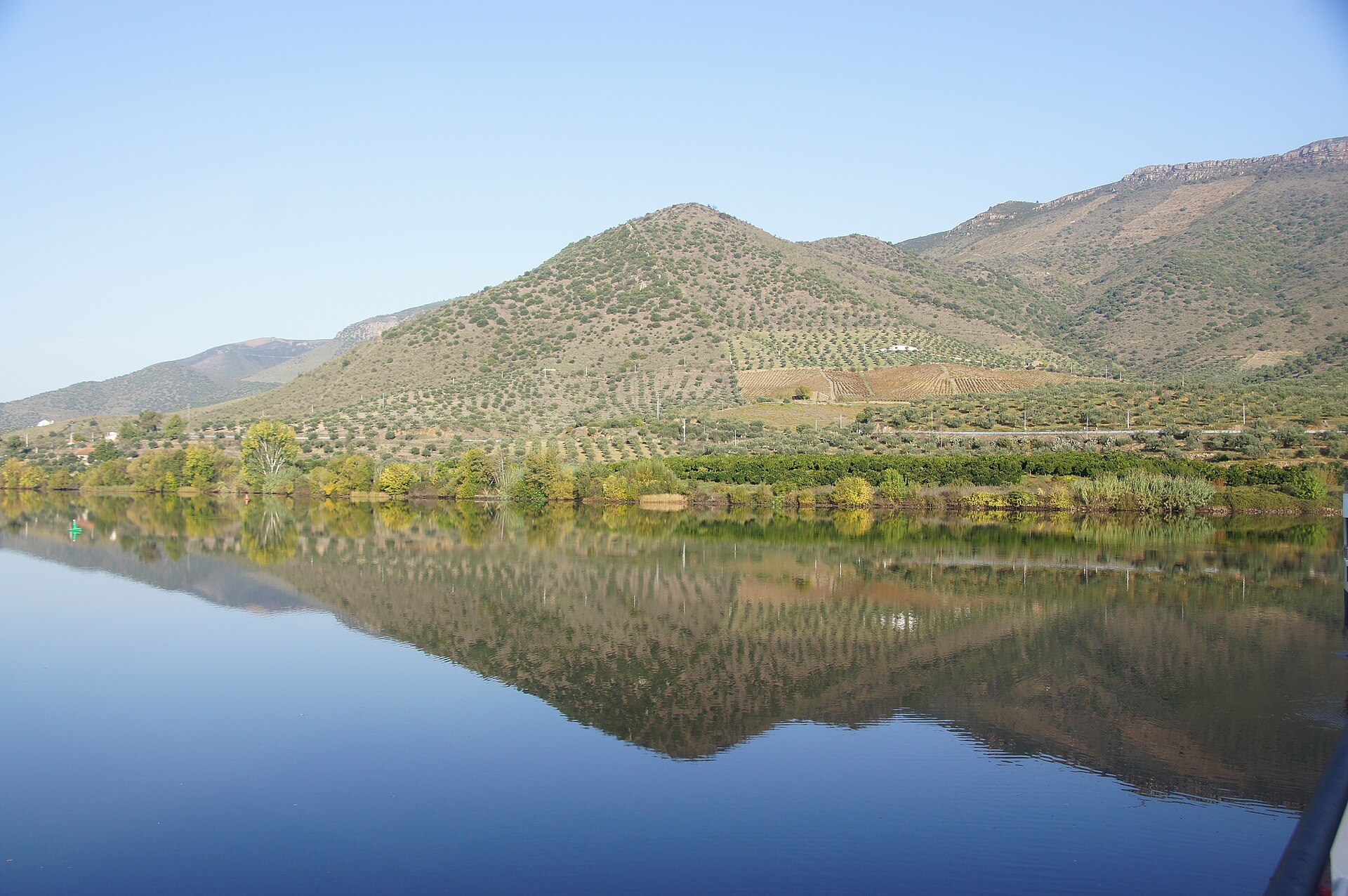
Natura 2000
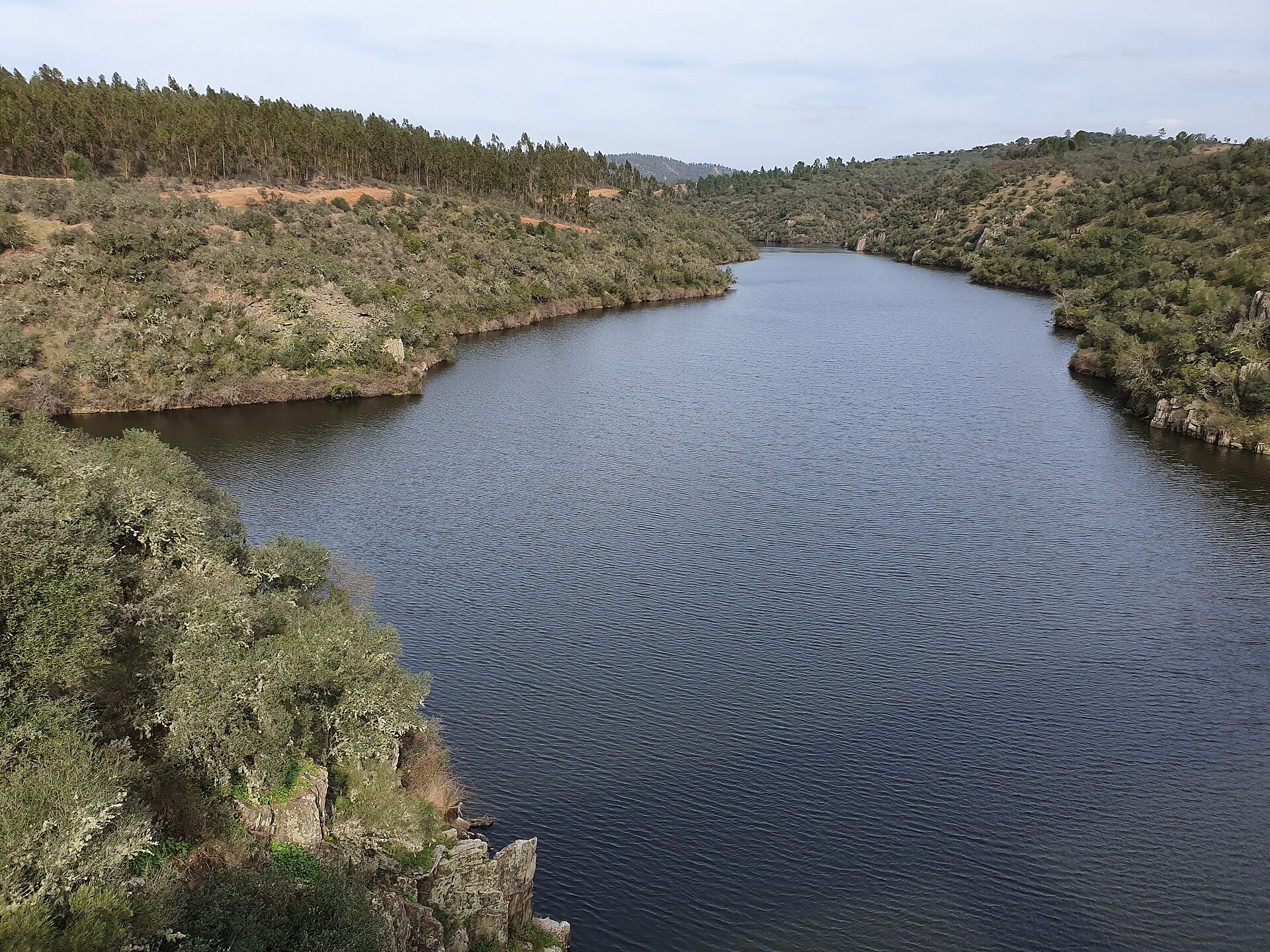
Natura 2000
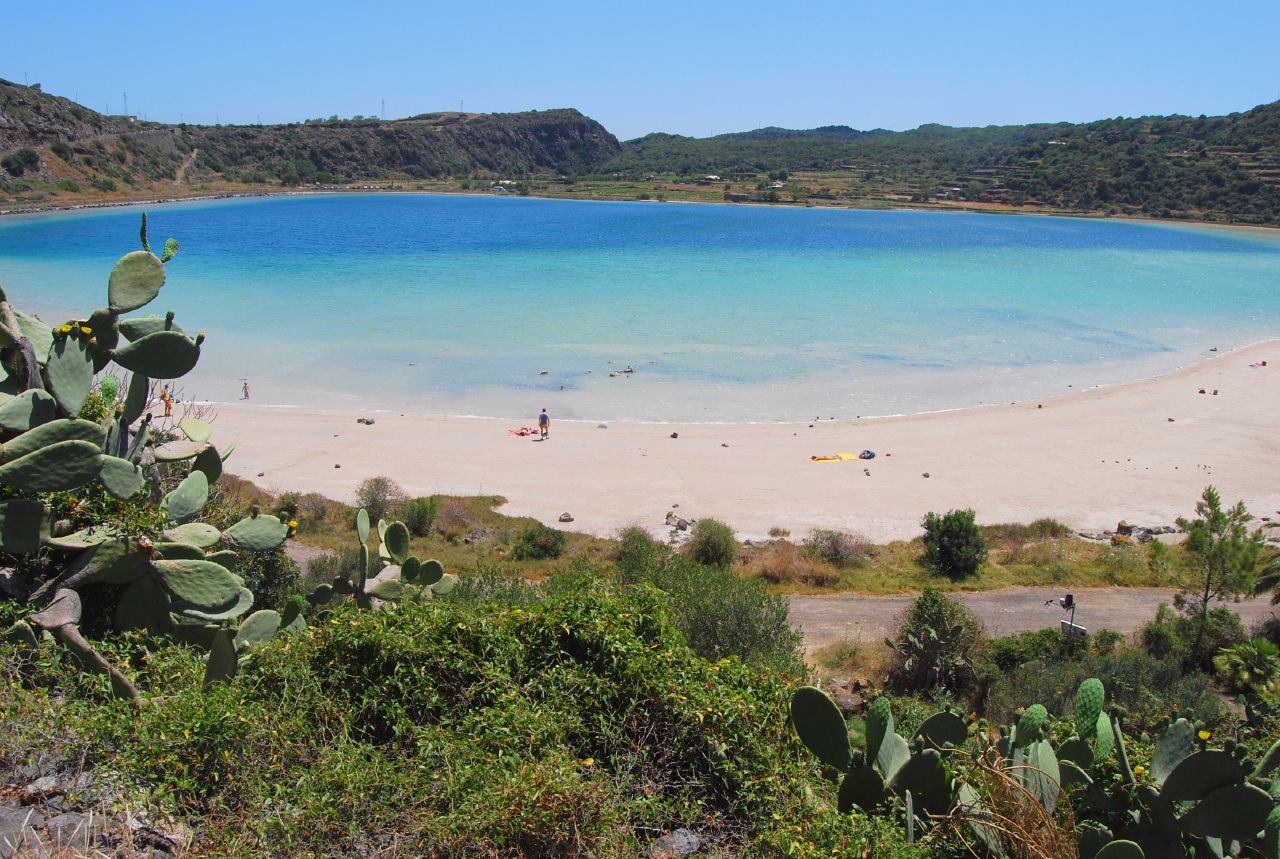
Natura 2000
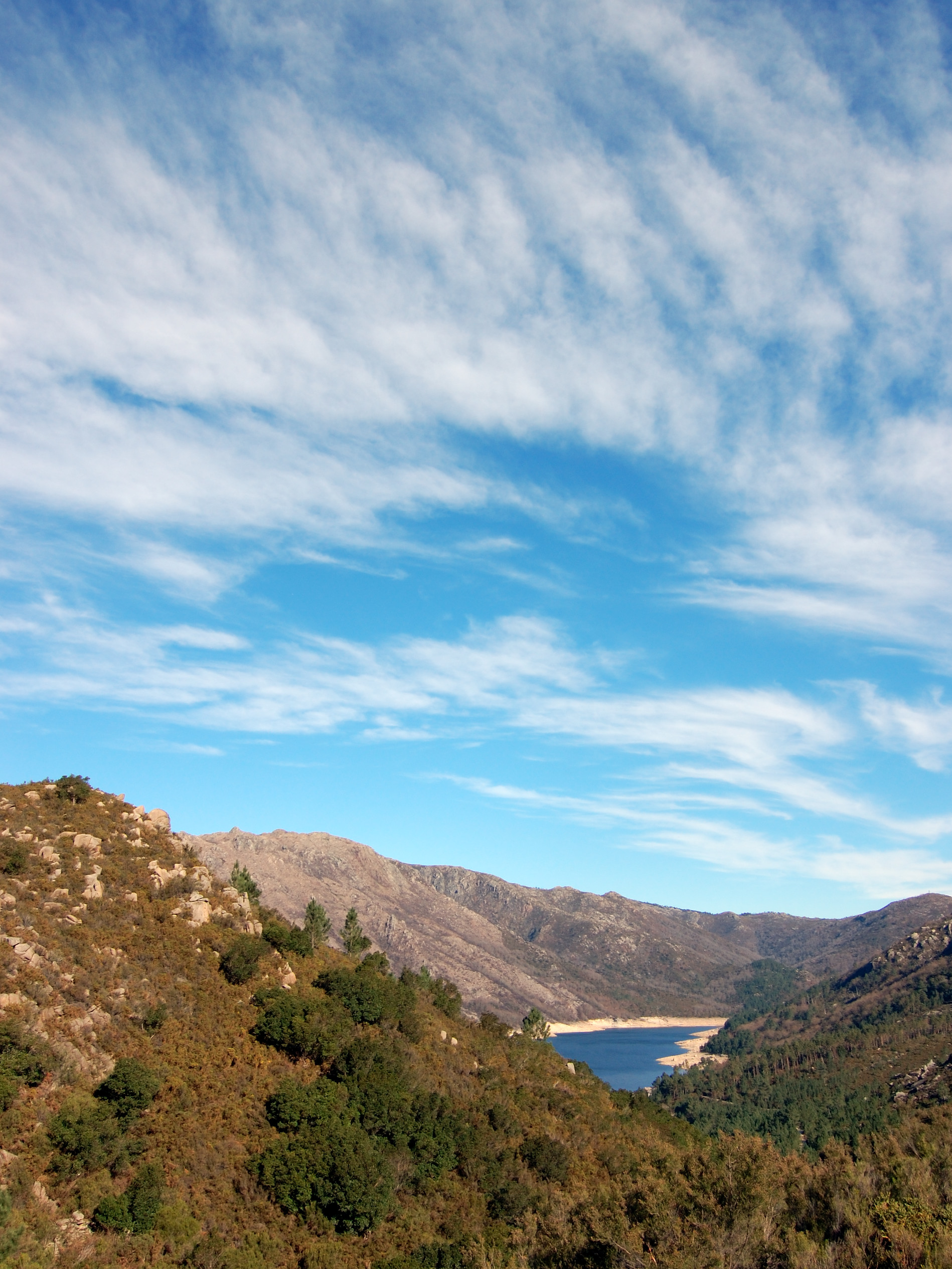
Natura 2000
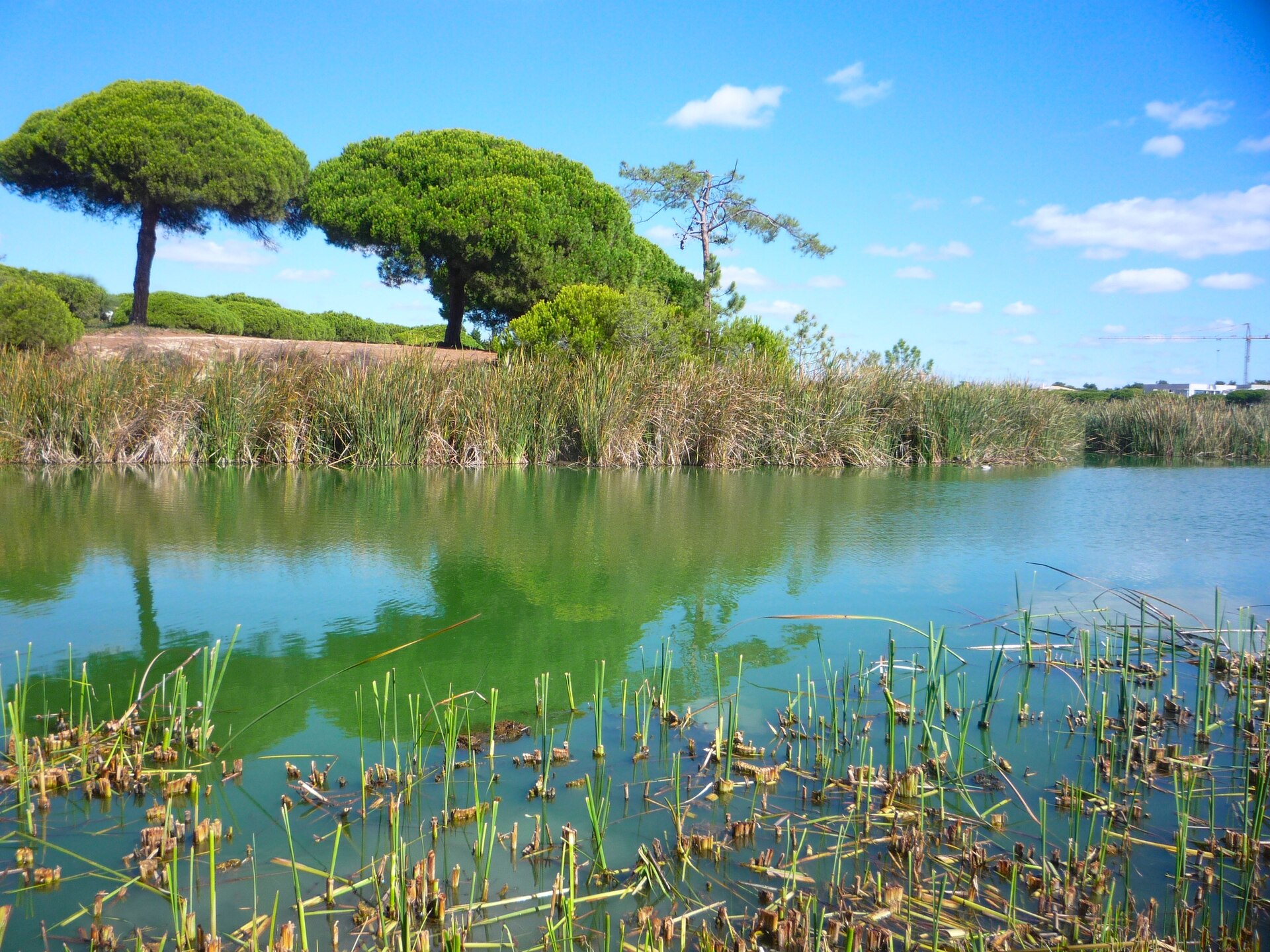
Natura 2000

Natura 2000
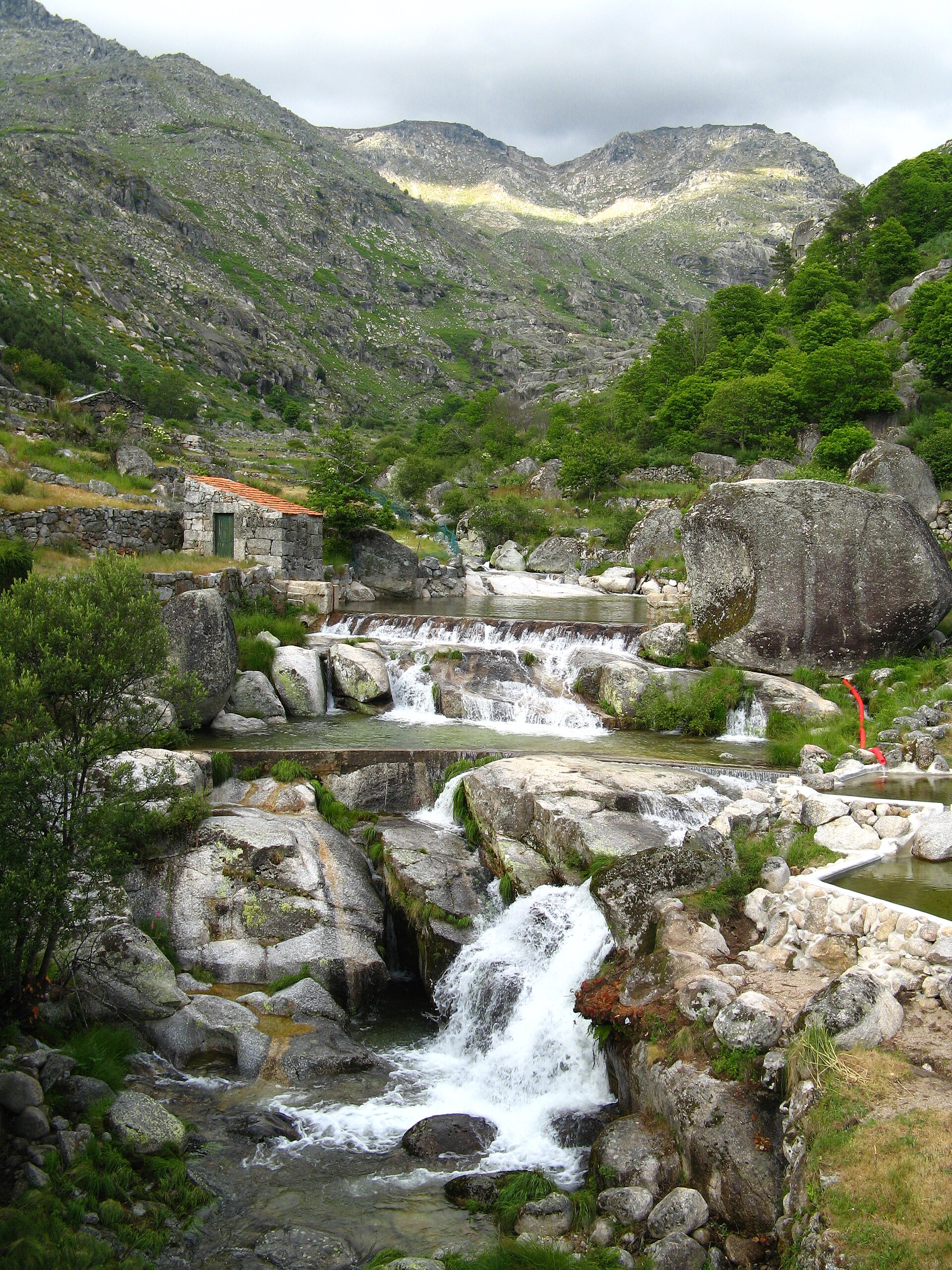
Natura 2000

Natura 2000

Natura 2000
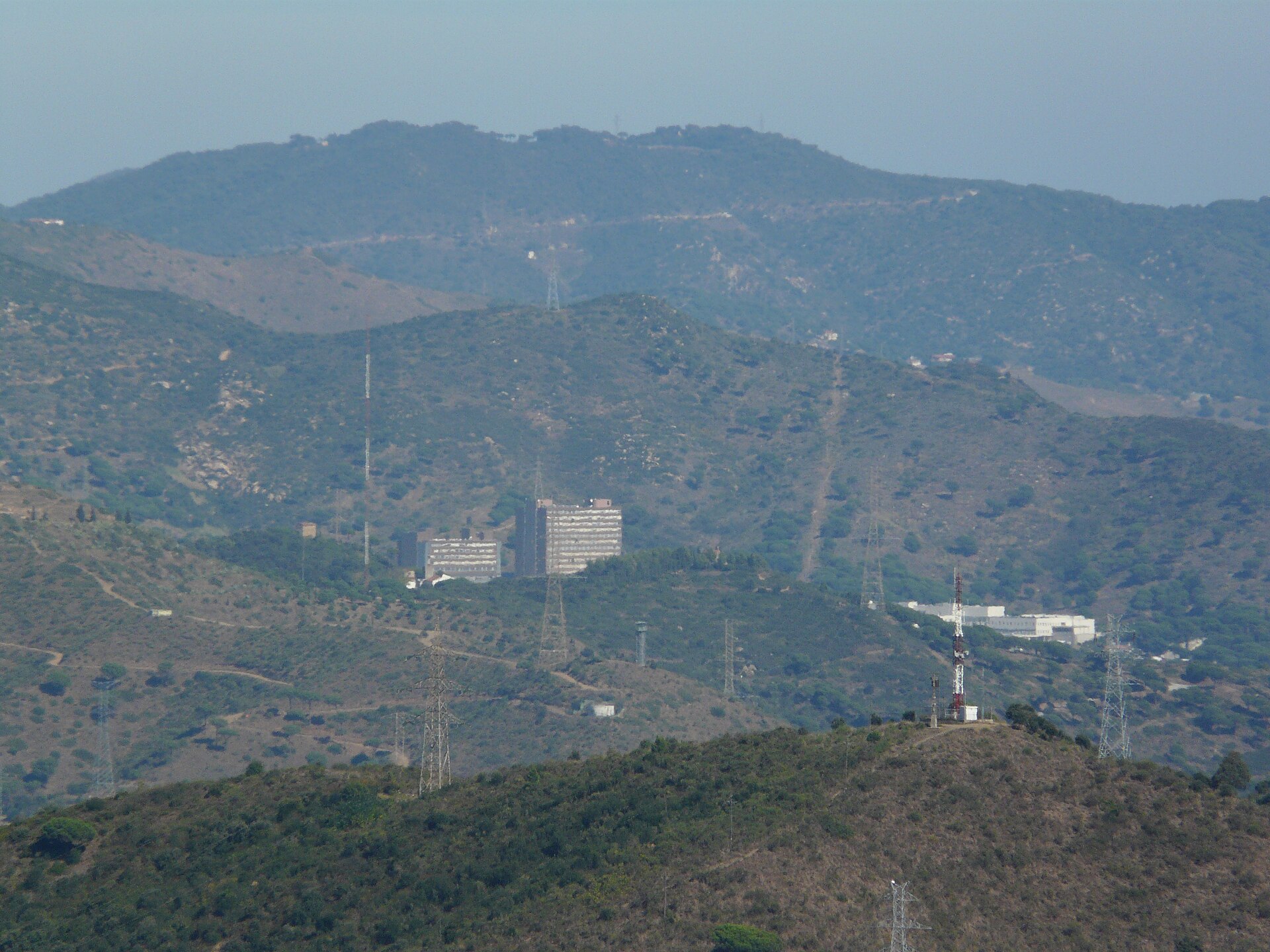
Natura 2000
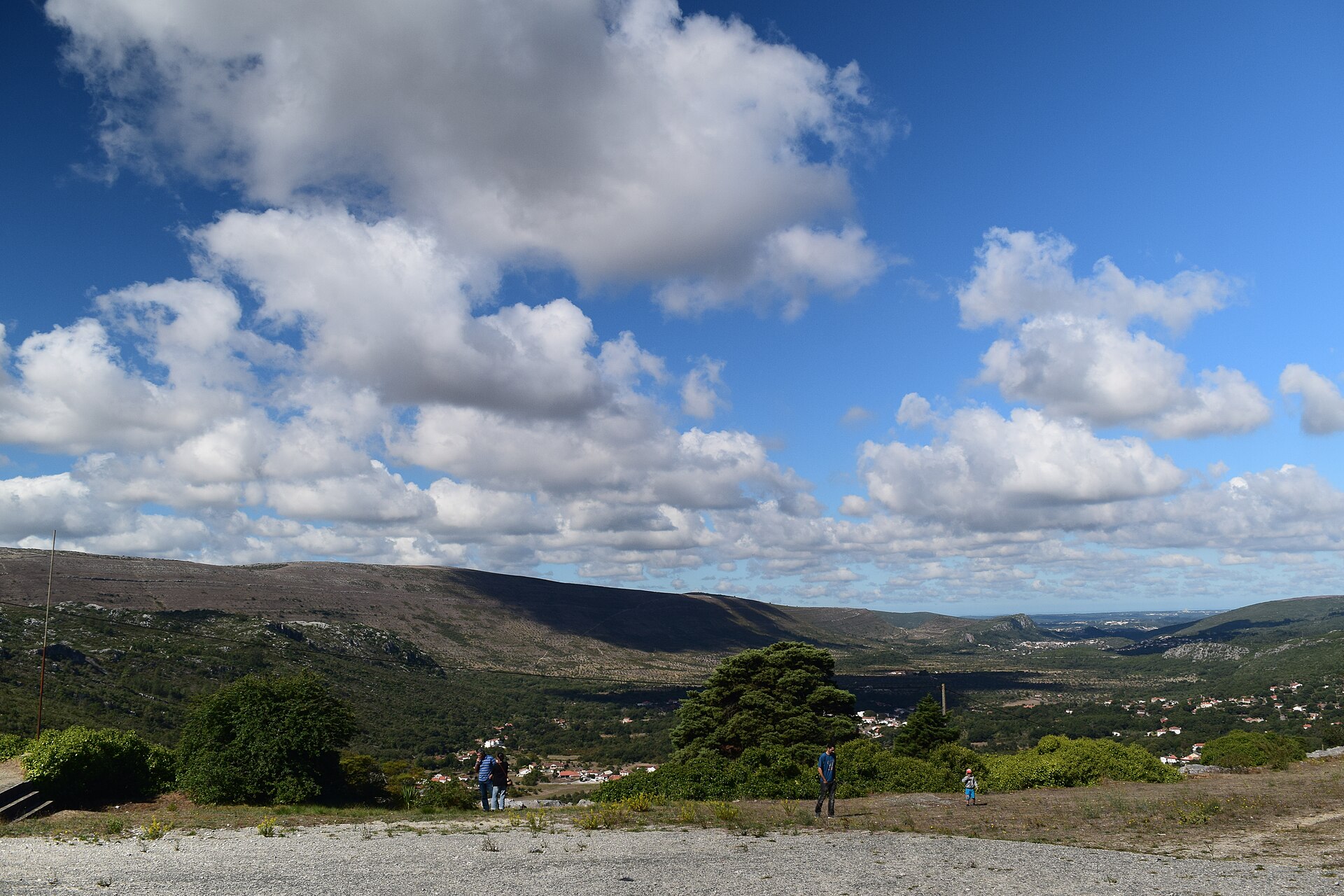
Natura 2000
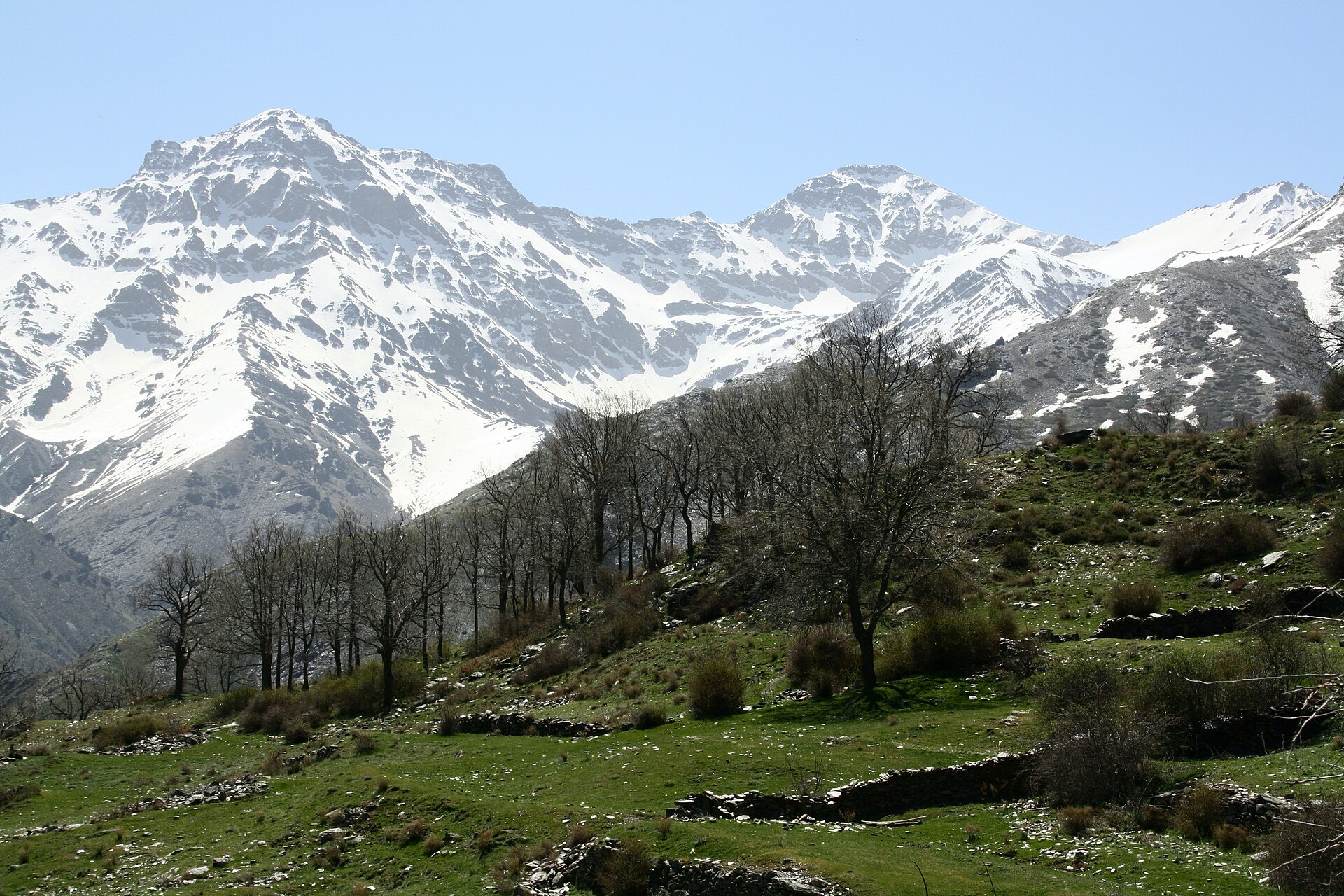
Natura 2000
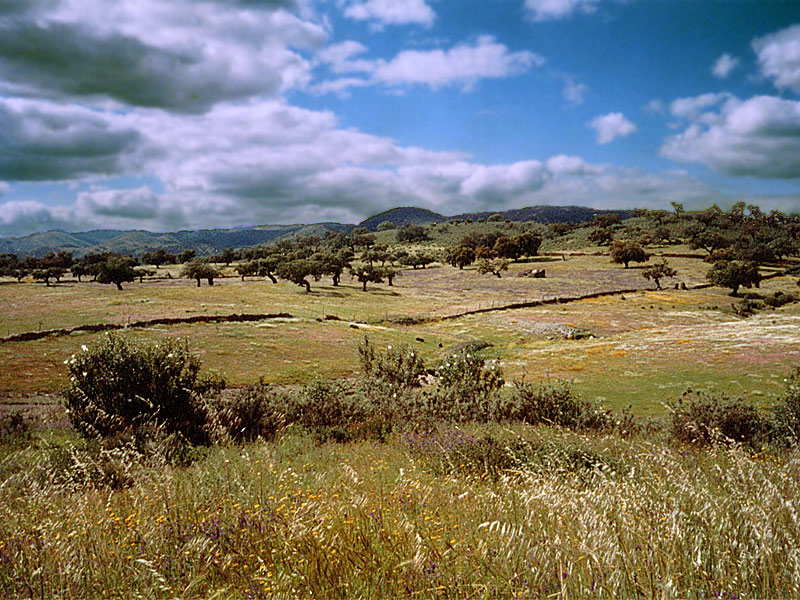
Natura 2000
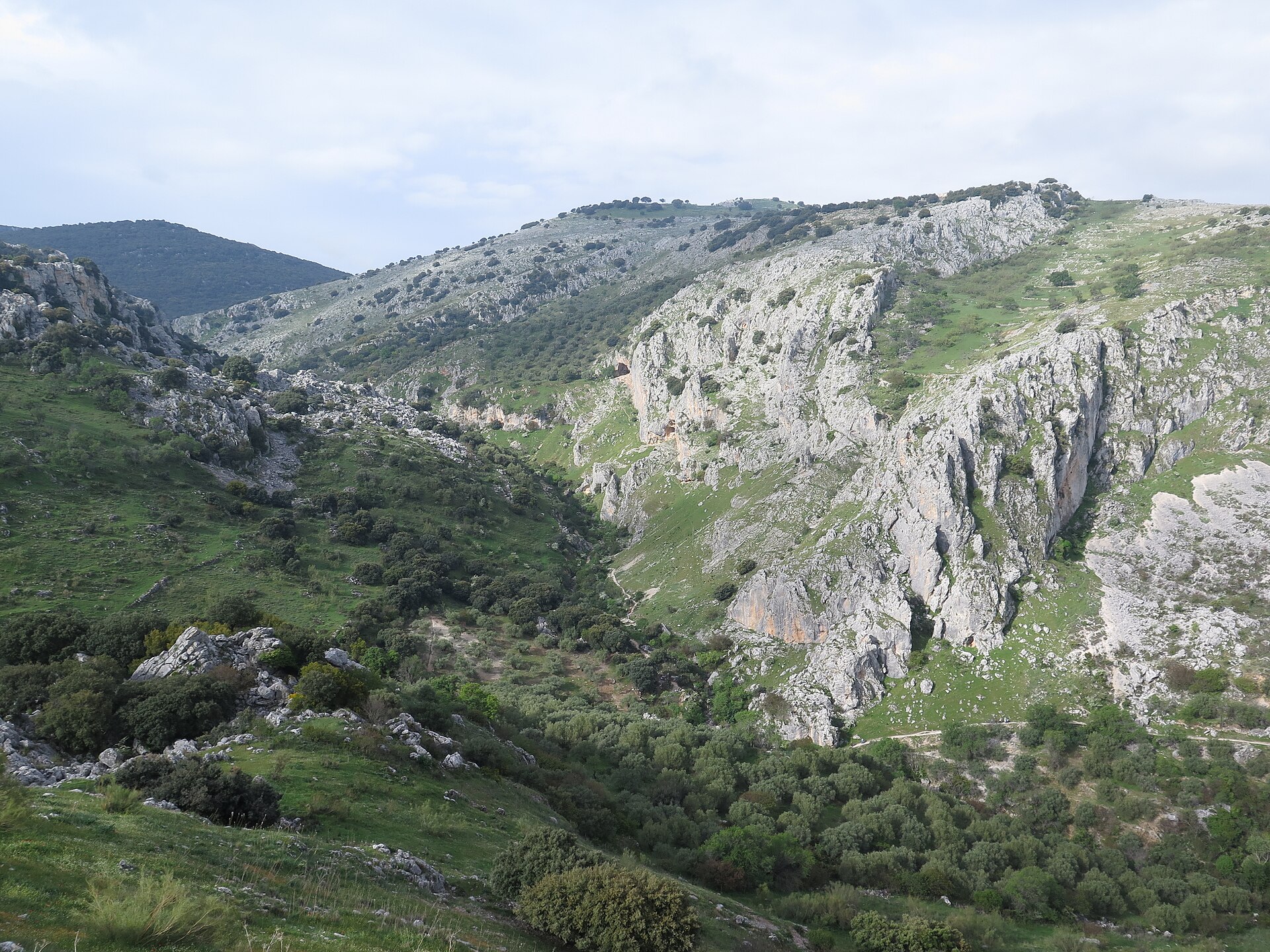
Natura 2000
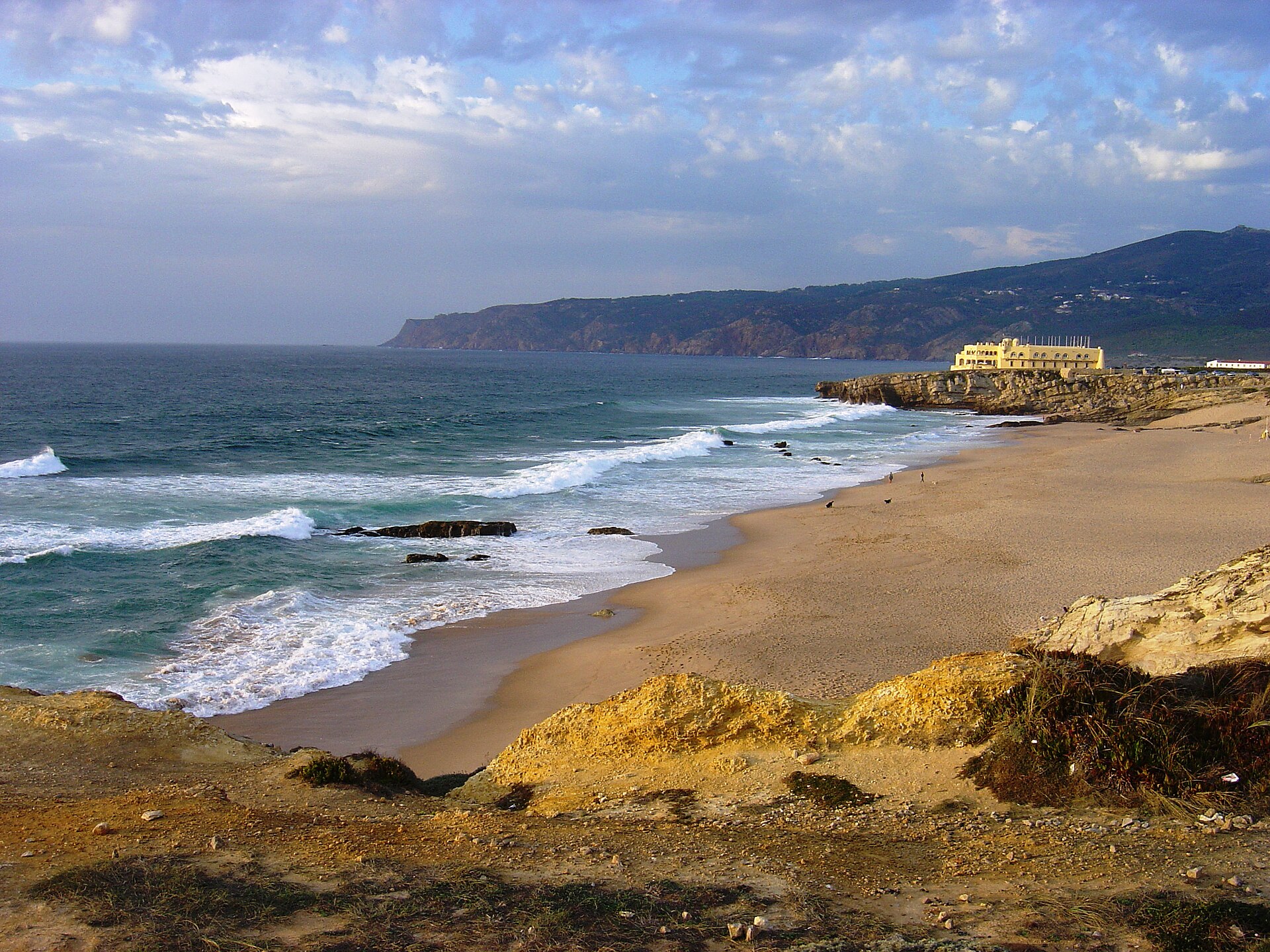
Natura 2000

Natura 2000

Natura 2000
Other species to discover
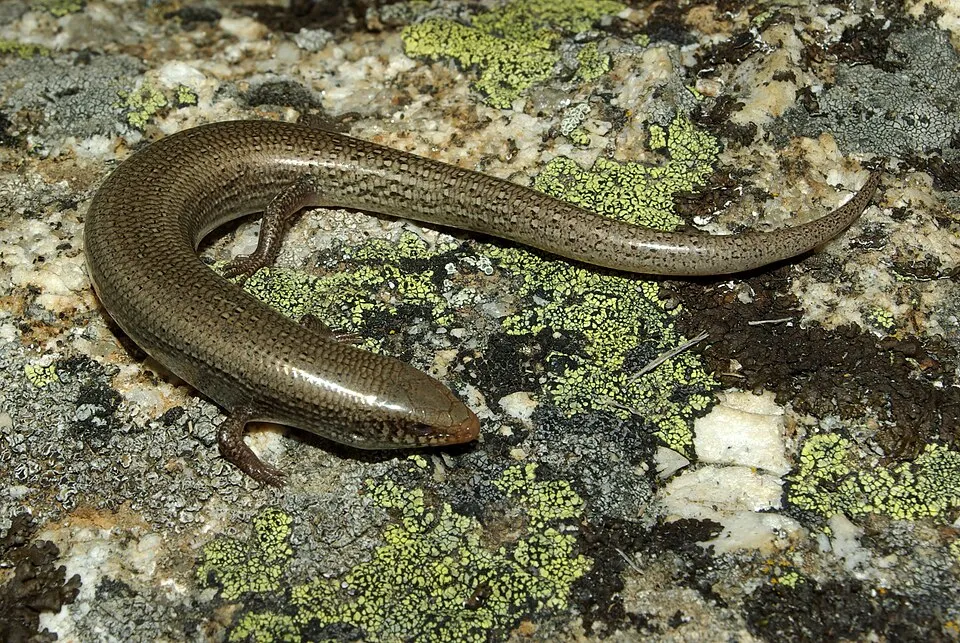 Bedriaga's skink
Chalcides bedriagai 20 places in common
 Iberian pond turtle
Mauremys leprosa 24 places in common
 Egyptian mongoose
Herpestes ichneumon 14 places in common
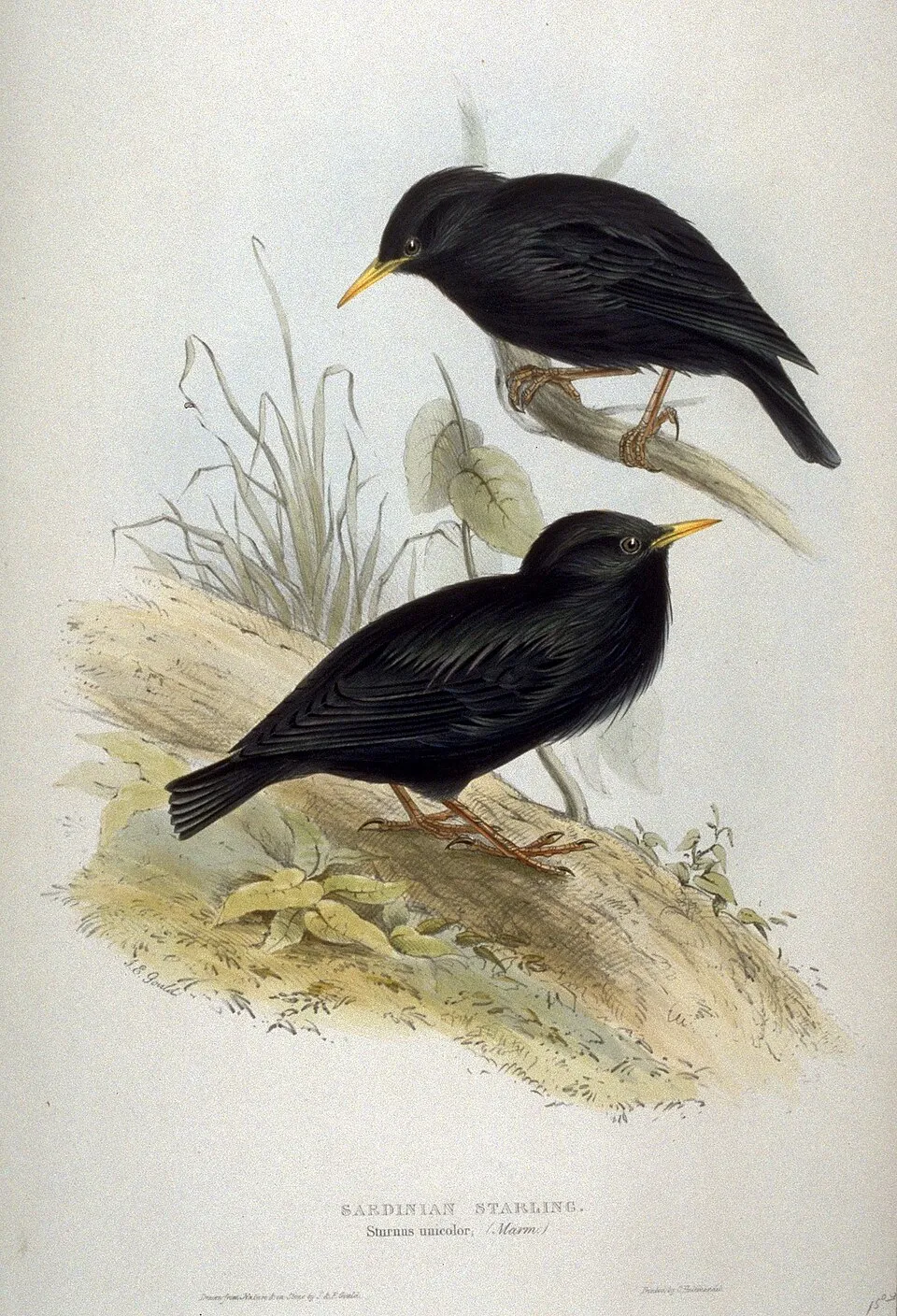 Spotless Starling
Sturnus unicolor 16 places in common
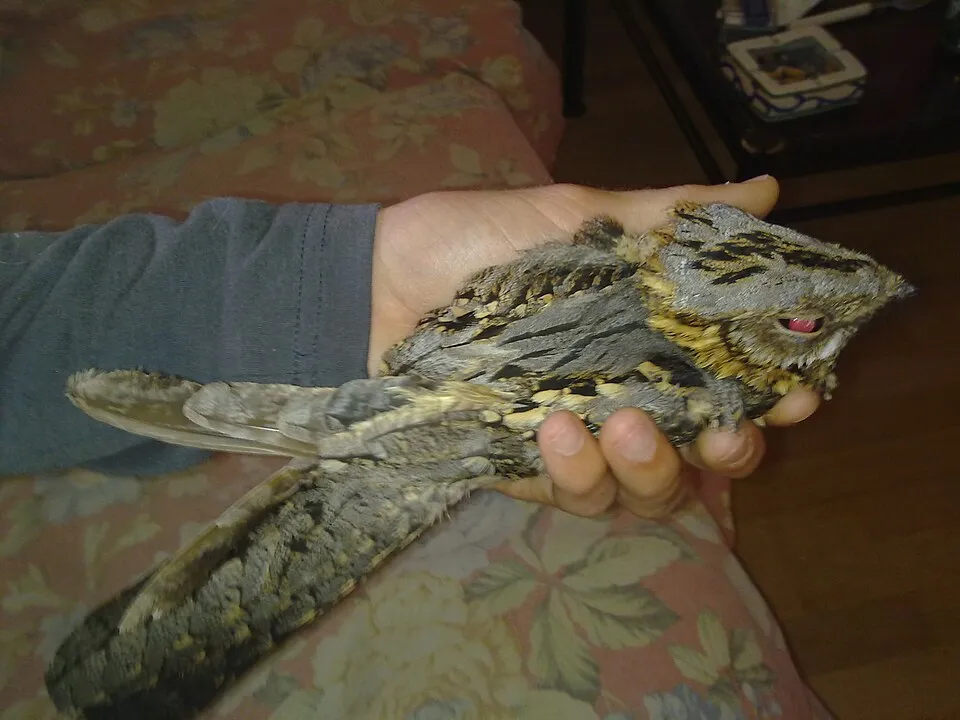 Red-necked Nightjar
Caprimulgus ruficollis 15 places in common
 Perez's Frog
Pelophylax perezi 19 places in common
Sources and credits
- Presence: most-recorded species of each place on GBIF and species of Community interest in the Natura 2000 forms (EEA, CC-BY 4.0); absence from the list does not mean the species is absent.
- Common names: Wikidata (CC0) and GBIF.
- Photos and sounds: Wikimedia Commons, author and licence given for each file.
- Classification: GBIF Backbone Taxonomy (GBIF Secretariat), CC BY 4.0, doi:10.15468/39omei.
- Countries, elevations, months and maps: GBIF.org, CC0 or CC BY 4.0 occurrences only, accessed October 22, 2026, GBIF.org.
- Base map: Natural Earth (public domain).
- Excerpt: Wikipedia, CC BY-SA 4.0 (full credit below the excerpt).
- Annexes: Directive 92/43/EEC (consolidated version), © European Union, EUR-Lex.
- Conservation status: EEA / DG ENV, Article 17 Habitats Directive reporting (2013–2018), CC BY 4.0.