
Bird
Red-necked Phalarope: where to see it
Phalaropus lobatus
This bird species is recorded in 55 protected areas of the atlas, including 49 whose official Natura 2000 form lists it. Within the atlas countries, it is mostly observed in Sweden, Norway and the United Kingdom (10 countries in all). Records peak from May to July. It has a wingspan of 34 cm. It is subject to special conservation measures under the Birds Directive (Annex I). Its EU population is assessed as declining (2013–2018 Birds Directive reporting).
Best time to see it: May–July
Records published on GBIF by month (CC0 and CC BY 4.0 licences only), in the atlas countries, all years combined; they also reflect observer activity.
Key facts
- Wingspan
- 34 cm Wikidata, after Ericson et al. 2007
- Weight (female)
- 39 g Wikidata, after Handbook of Australian, New Zealand and Antarctic Birds
- Weight (male)
- 35 g Wikidata, after Handbook of Australian, New Zealand and Antarctic Birds
- Clutch size
- 4 eggs Wikidata, after Jetz et al. 2008
- Incubation
- 19 days Wikidata, after British Trust for Ornithology
Status and protection
Birds Directive I
The species is listed in Annex I of the Birds Directive.
EU population assessed as declining (2013–2018 Birds Directive reporting).
Distribution
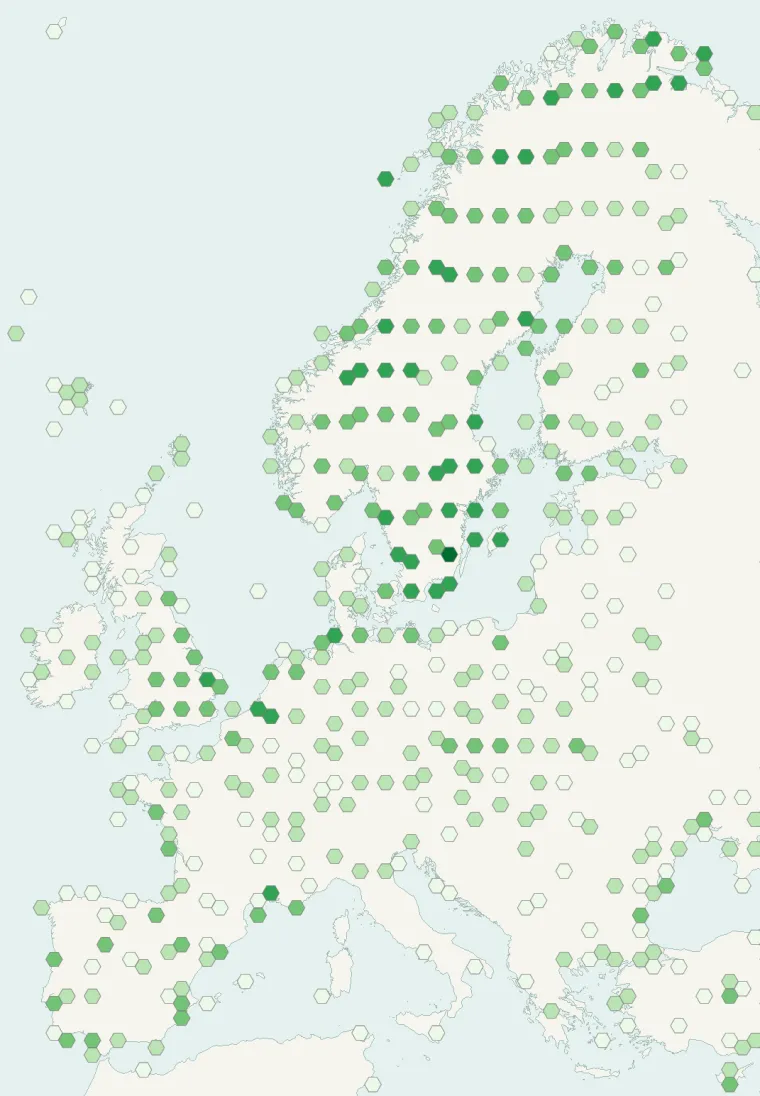
Records published on GBIF (CC0 and CC BY 4.0 licences): the darker the shade, the more records there are; they also reflect observation effort.
Atlas countries where it is recorded
Listen
-
0:09 · © Jonathon Jongsma · CC BY-SA 3.0 · Wikimedia Commons · Original file
-
0:06 · © Jonathon Jongsma · CC BY-SA 3.0 · Wikimedia Commons · Original file
From Wikipedia
The red-necked phalarope (Phalaropus lobatus), also known as the northern phalarope and hyperborean phalarope, is a small wader. This phalarope breeds in the Arctic regions of North America and Eurasia. It is migratory, and, unusually for a wader, winters at sea on tropical oceans.
Source: Wikipedia, article “Red-necked phalarope” (version of August 9, 2026) · history and authors · licence CC BY-SA 4.0
Protected areas where it is recorded
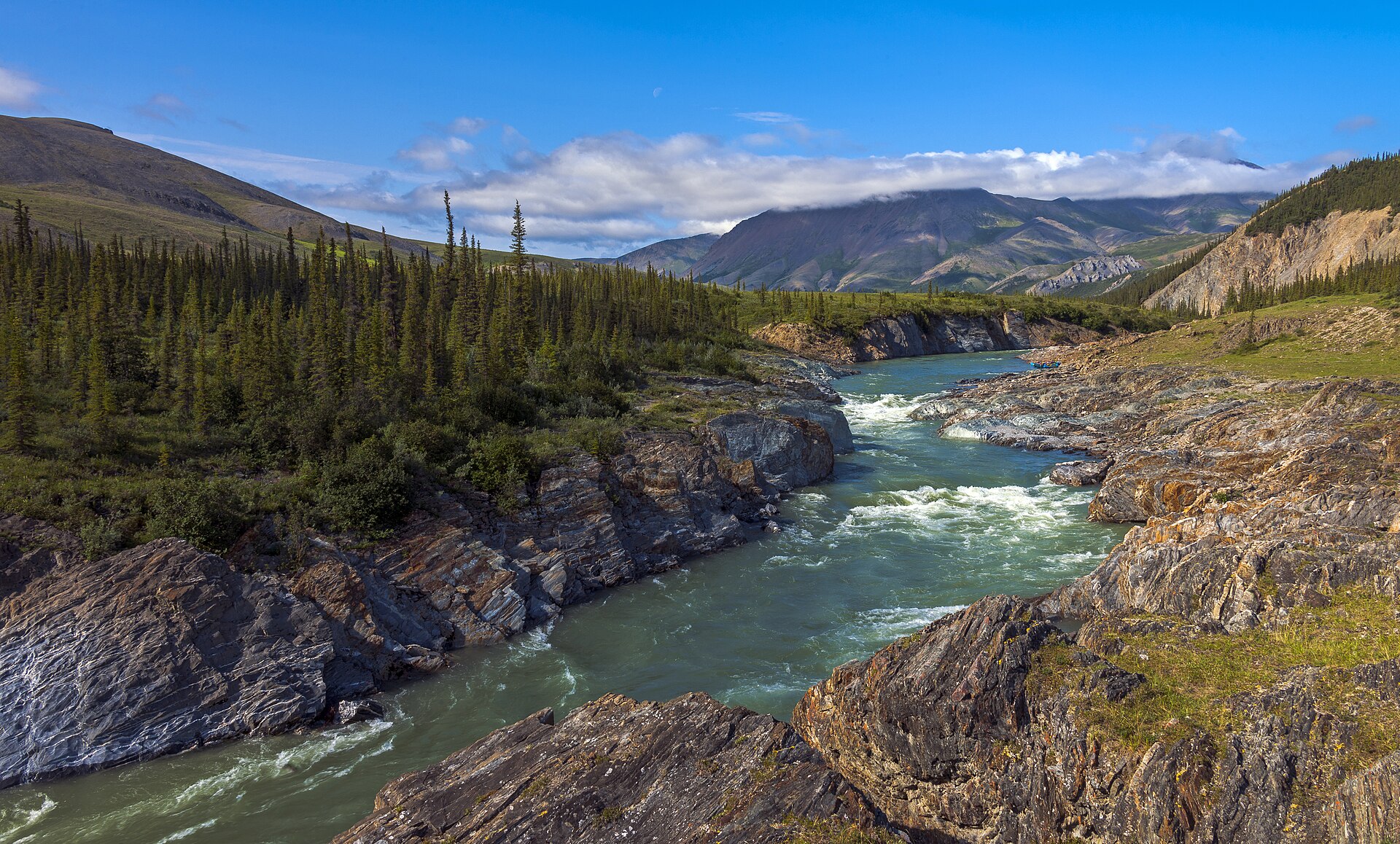
490 records

459 records
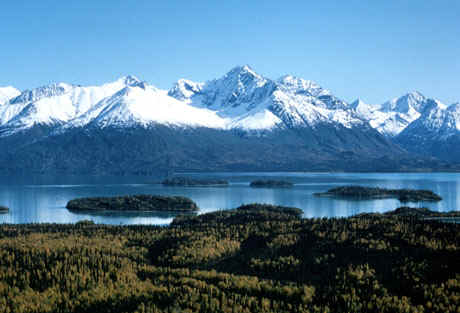
262 records

147 records

118 records
7 records
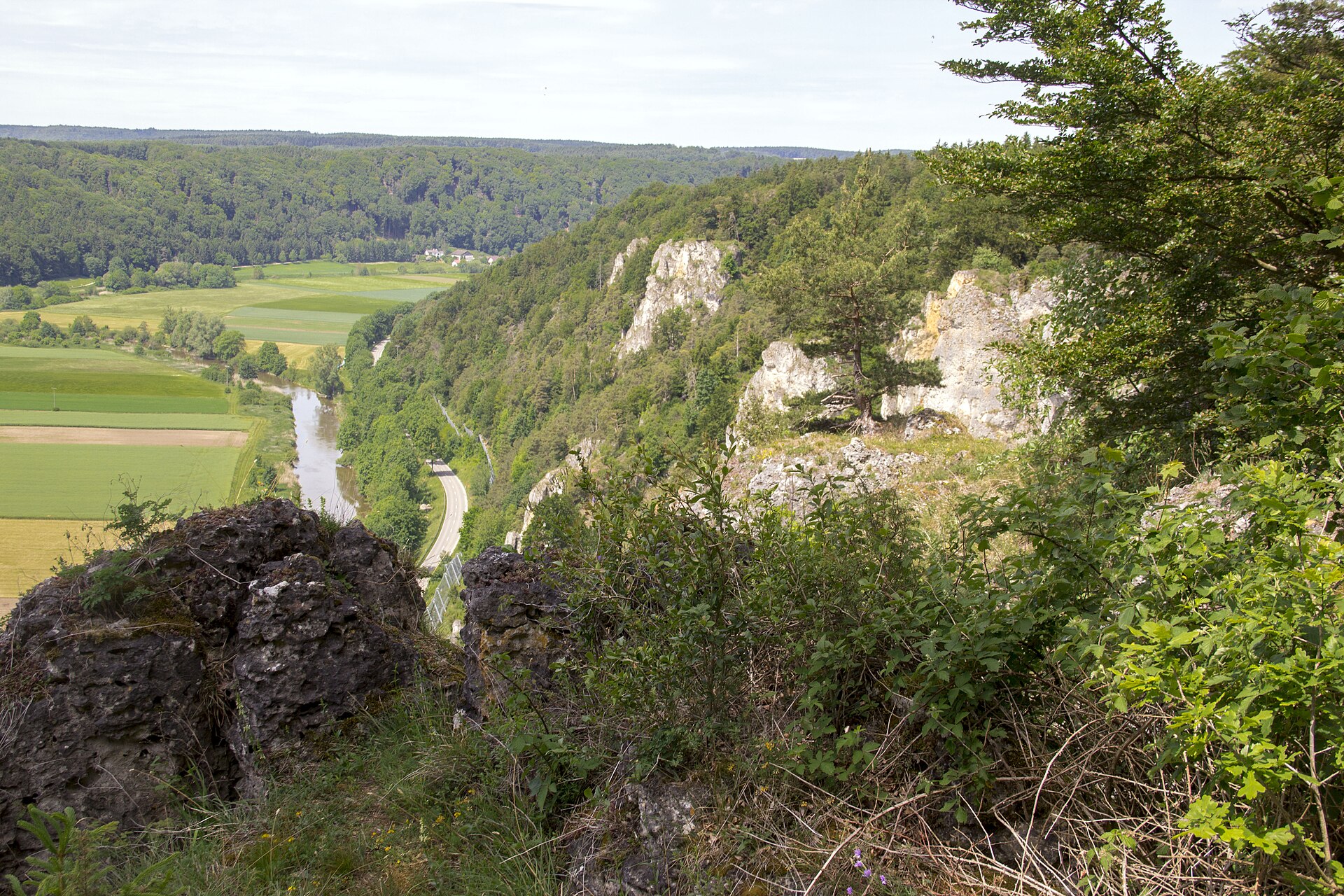
Natura 2000 · passage
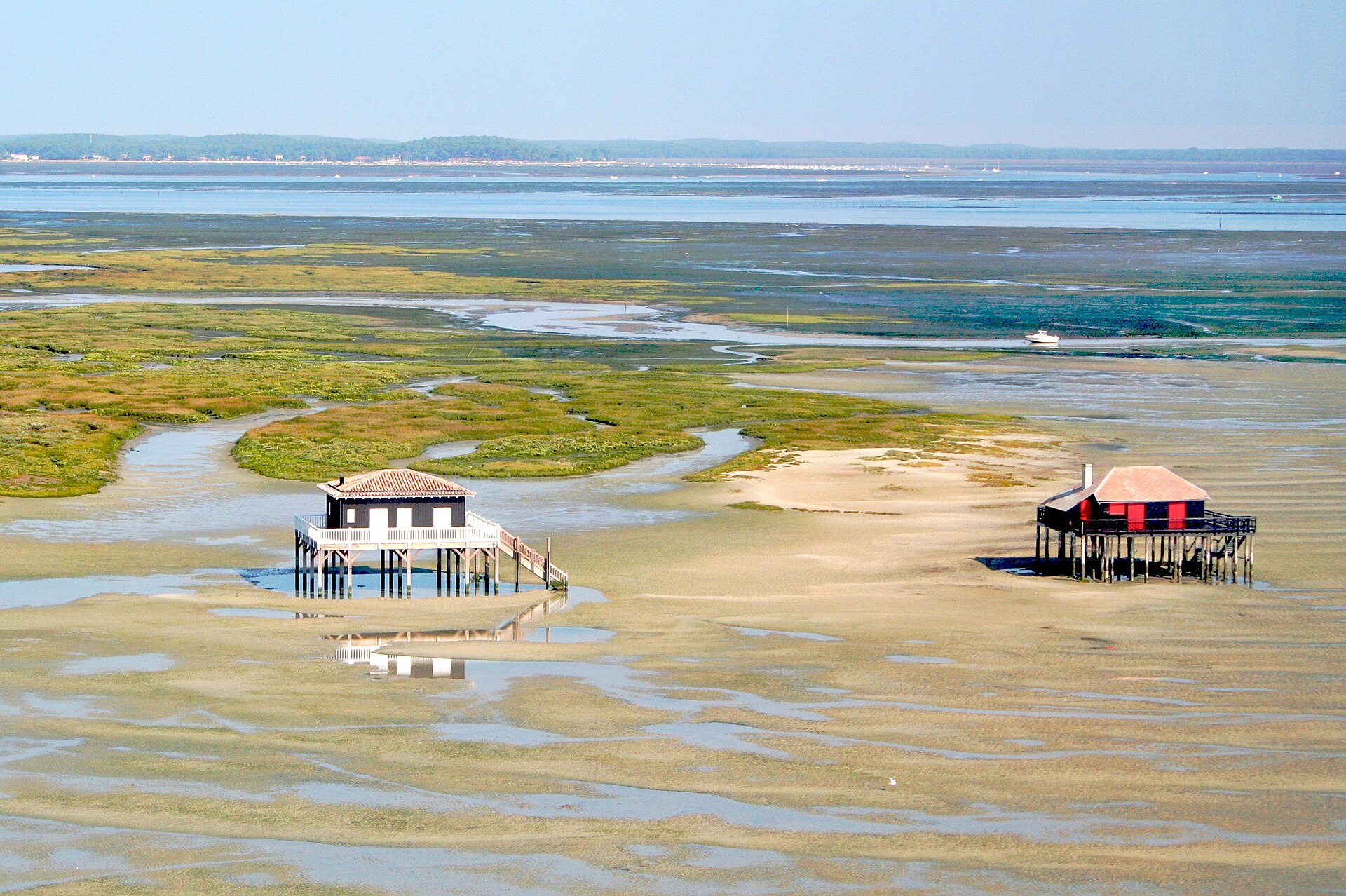
Natura 2000 · passage, wintering

Natura 2000 · passage
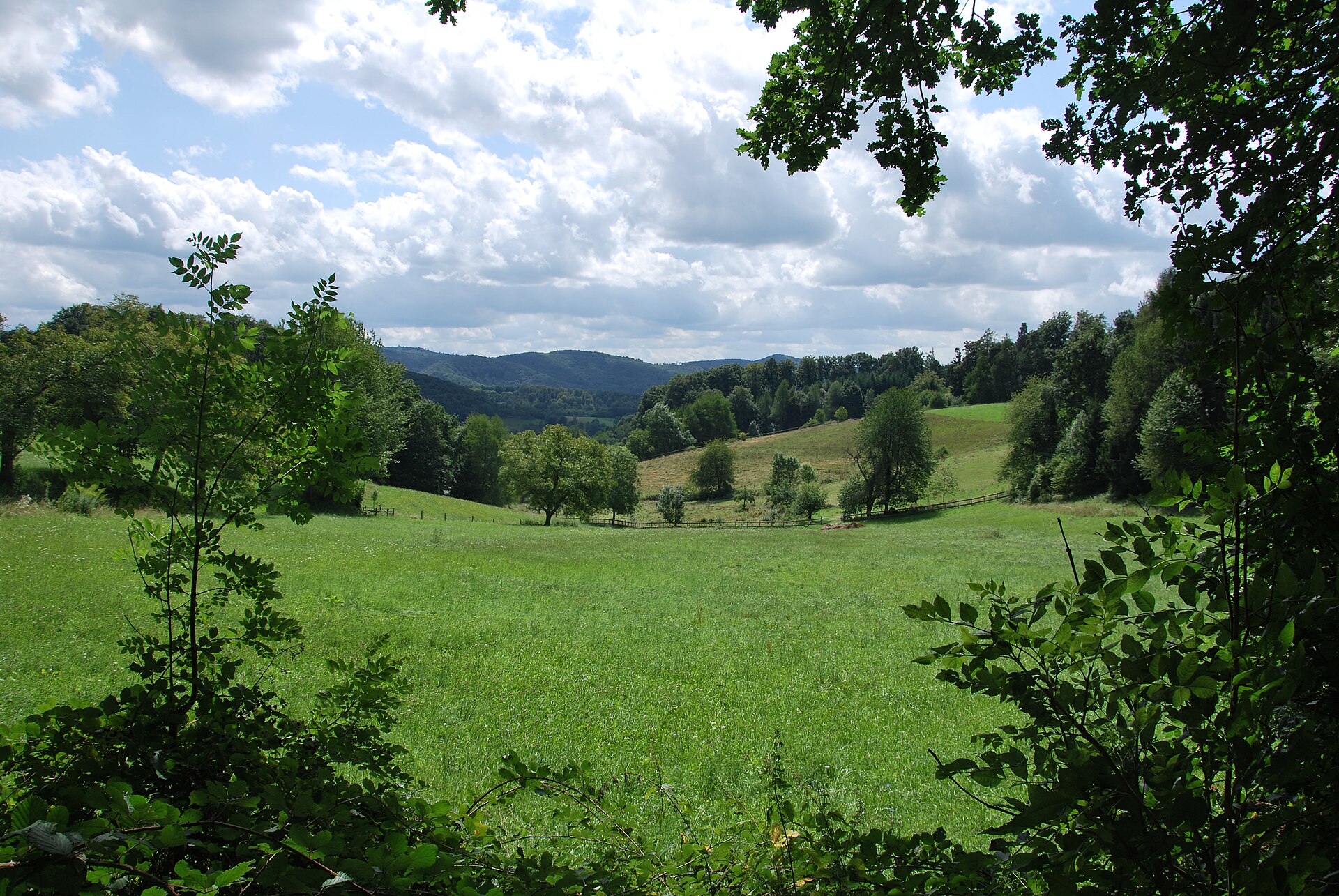
Natura 2000 · passage

Natura 2000 · passage
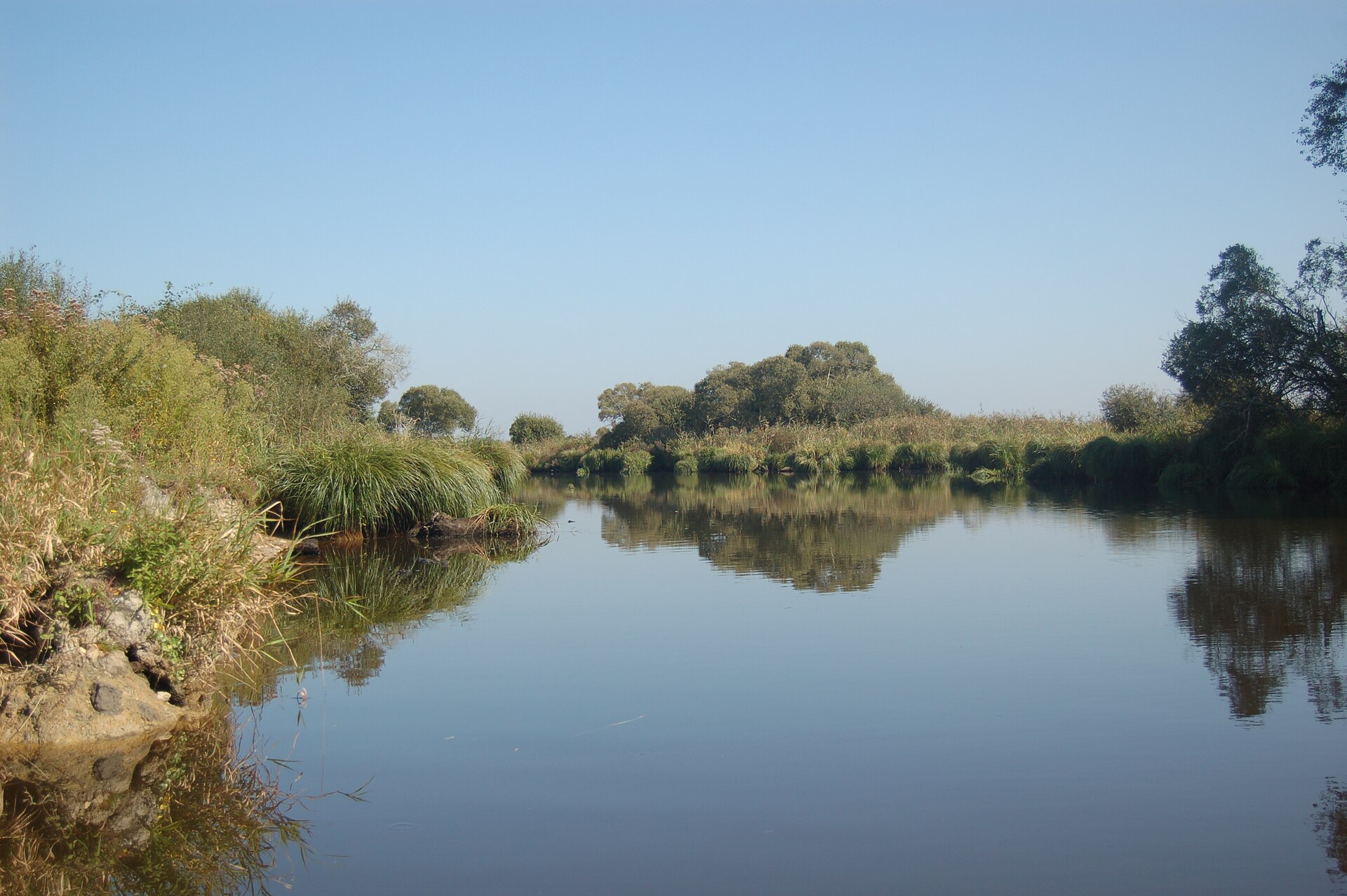
Natura 2000 · wintering, passage
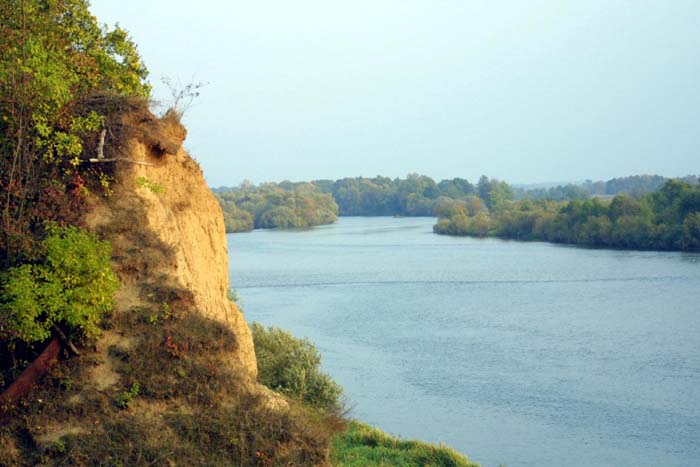
Natura 2000 · passage
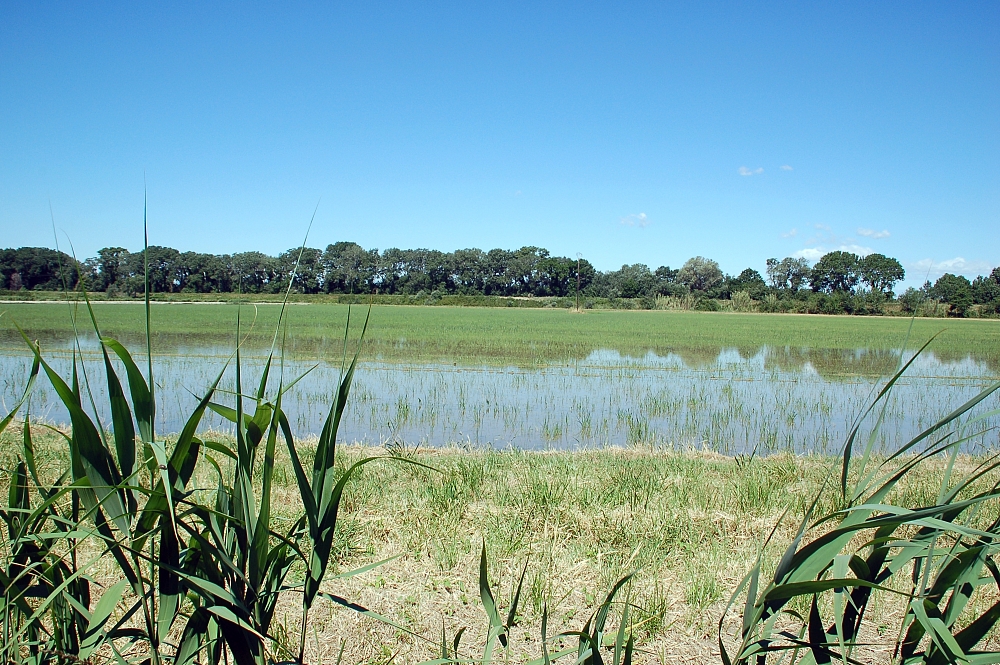
Natura 2000 · passage
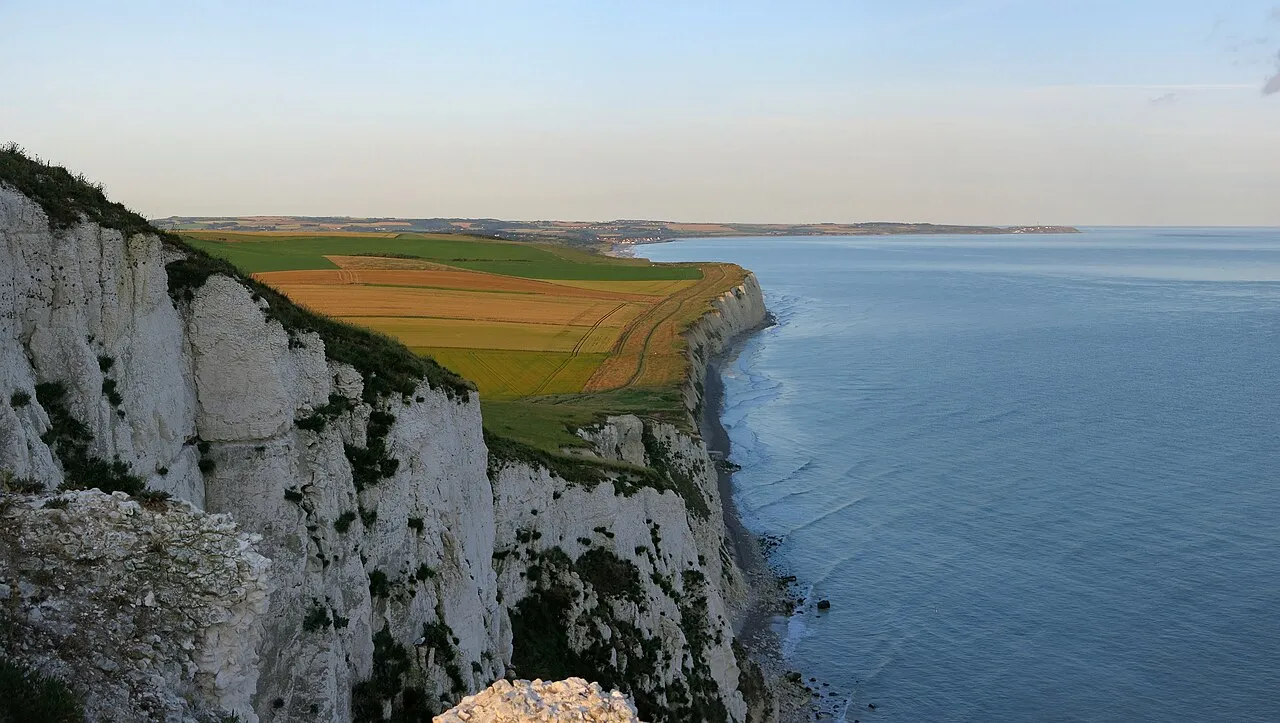
Natura 2000 · passage
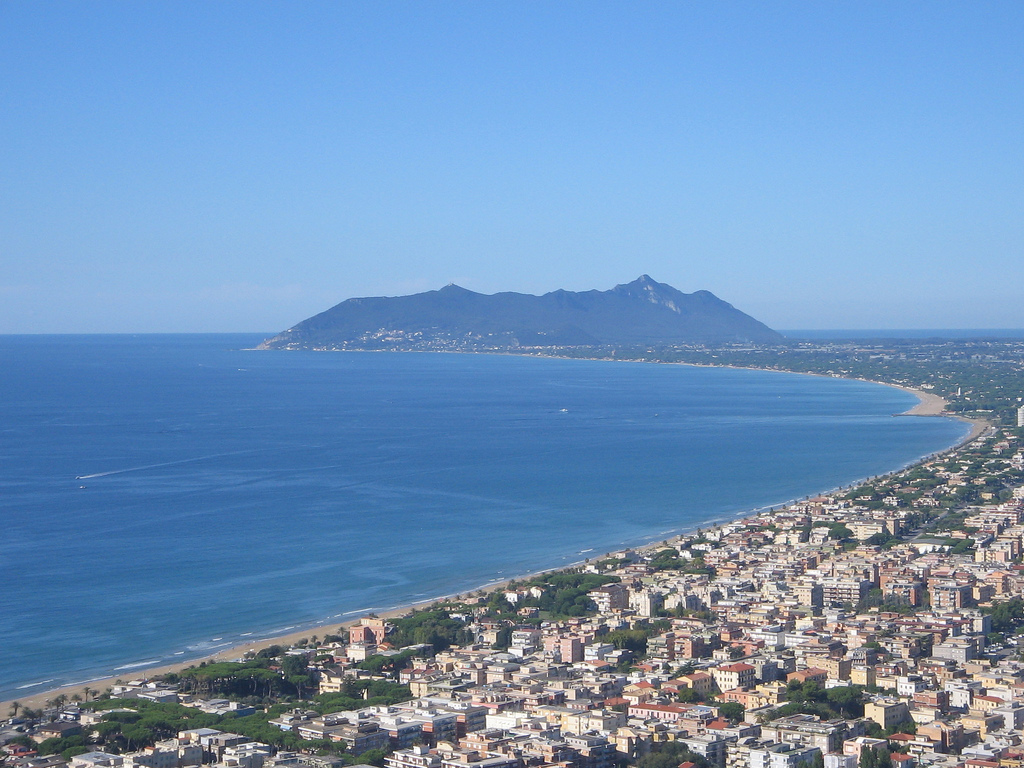
Natura 2000 · passage
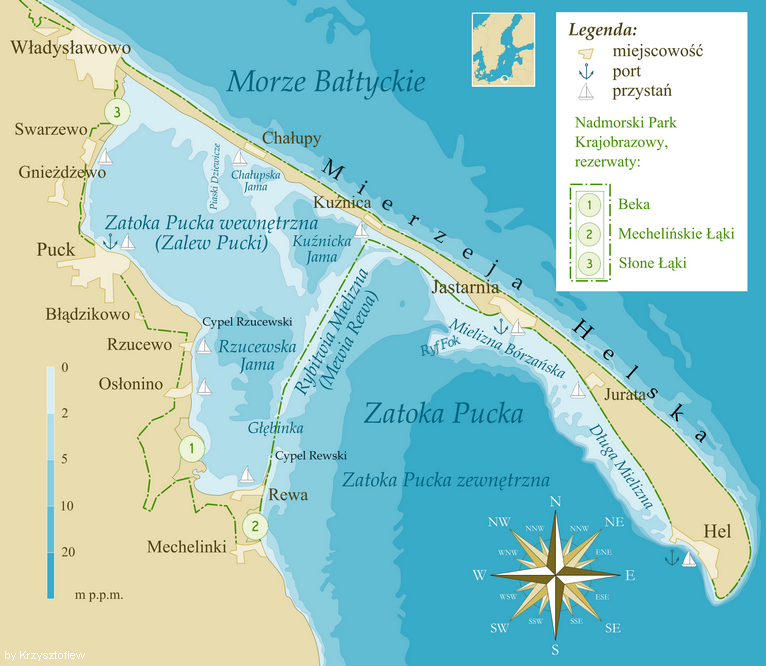
Natura 2000 · passage
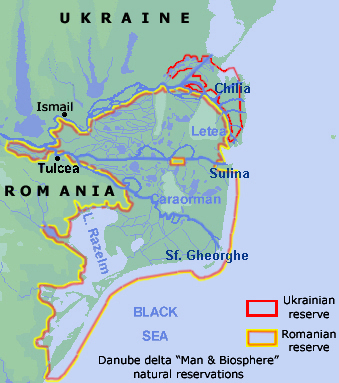
Natura 2000 · passage
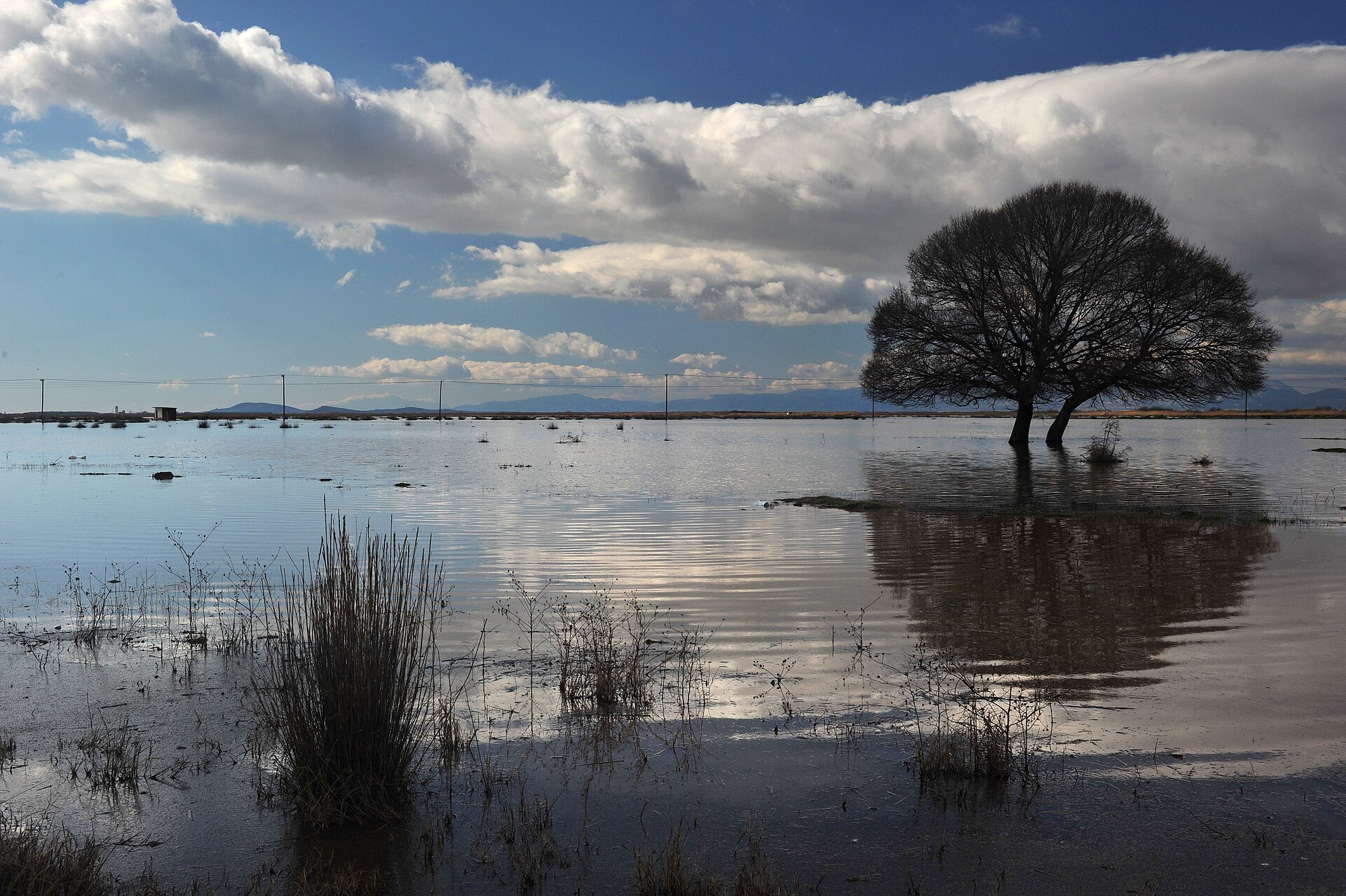
Natura 2000 · passage

Natura 2000 · passage

Natura 2000 · passage

Natura 2000 · passage
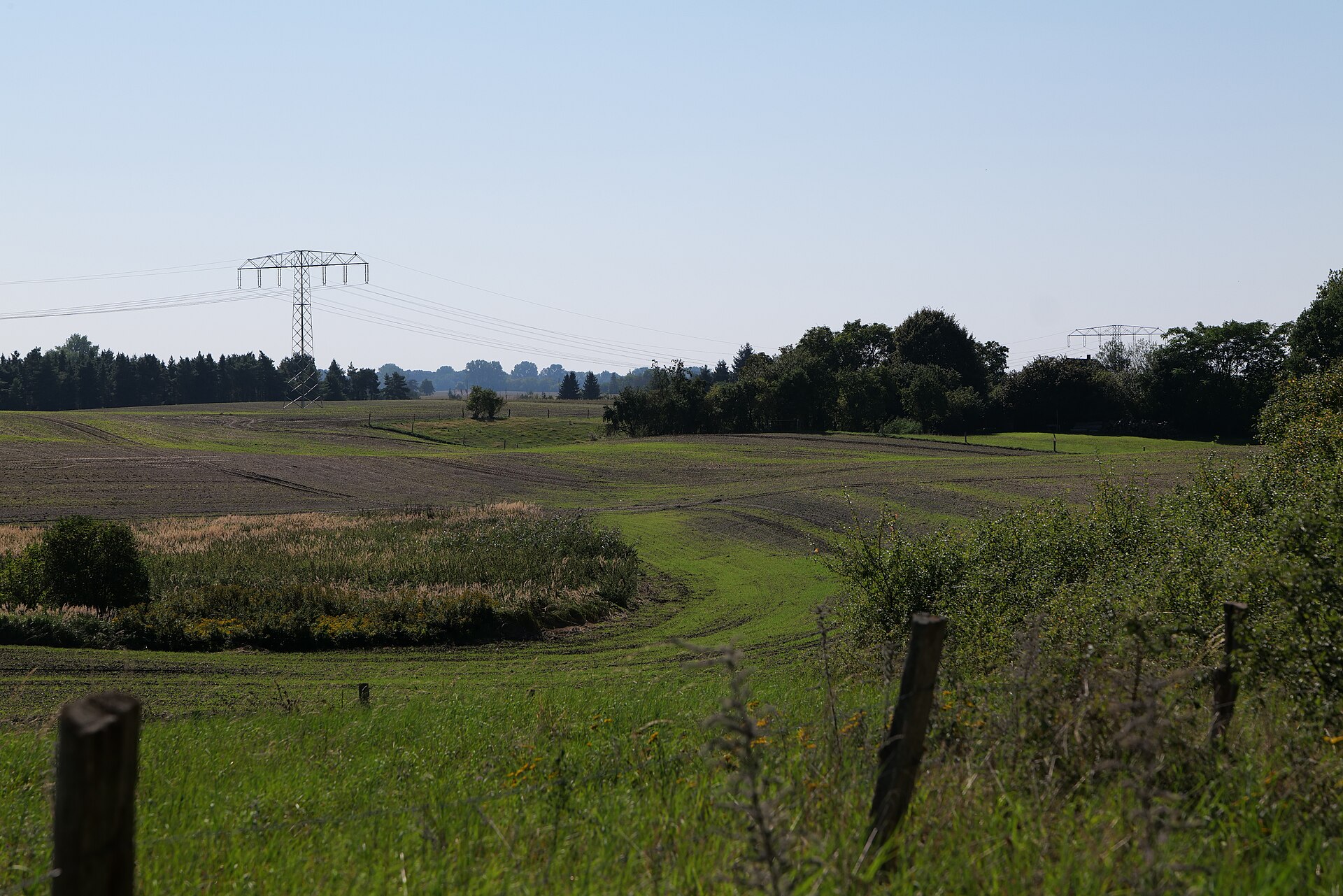
Natura 2000 · passage
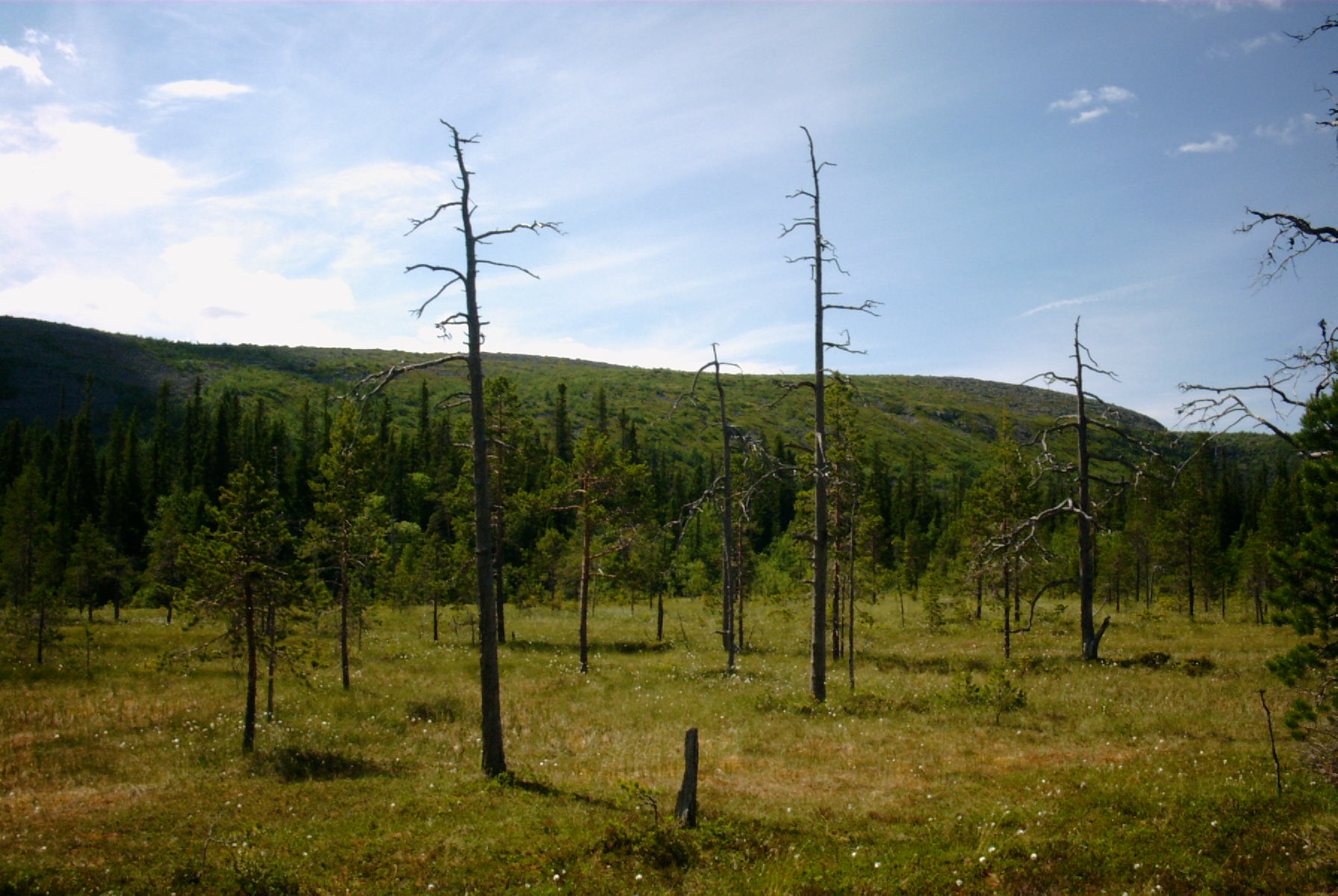
Natura 2000 · breeding
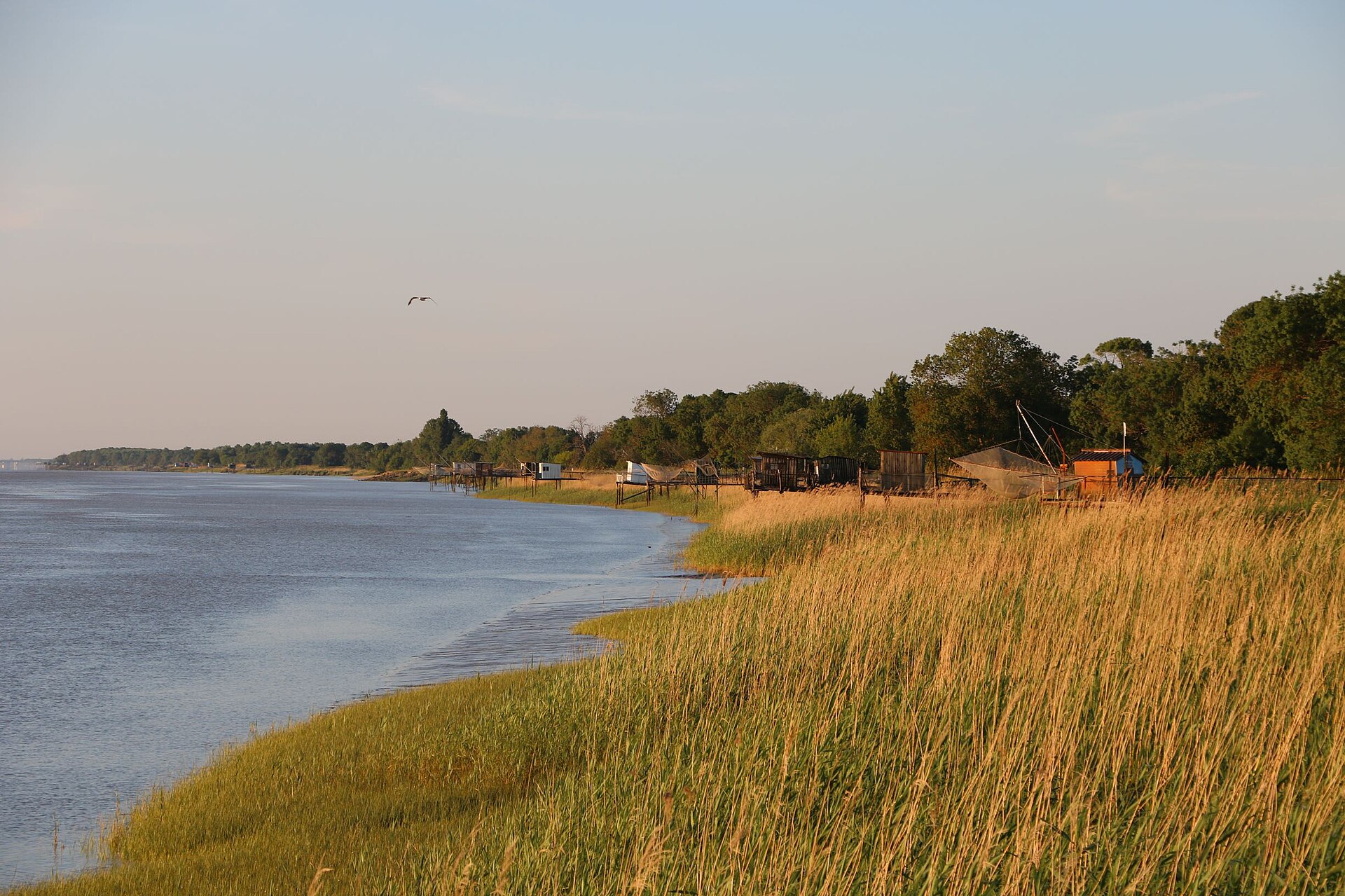
Natura 2000 · passage, wintering

Natura 2000 · passage
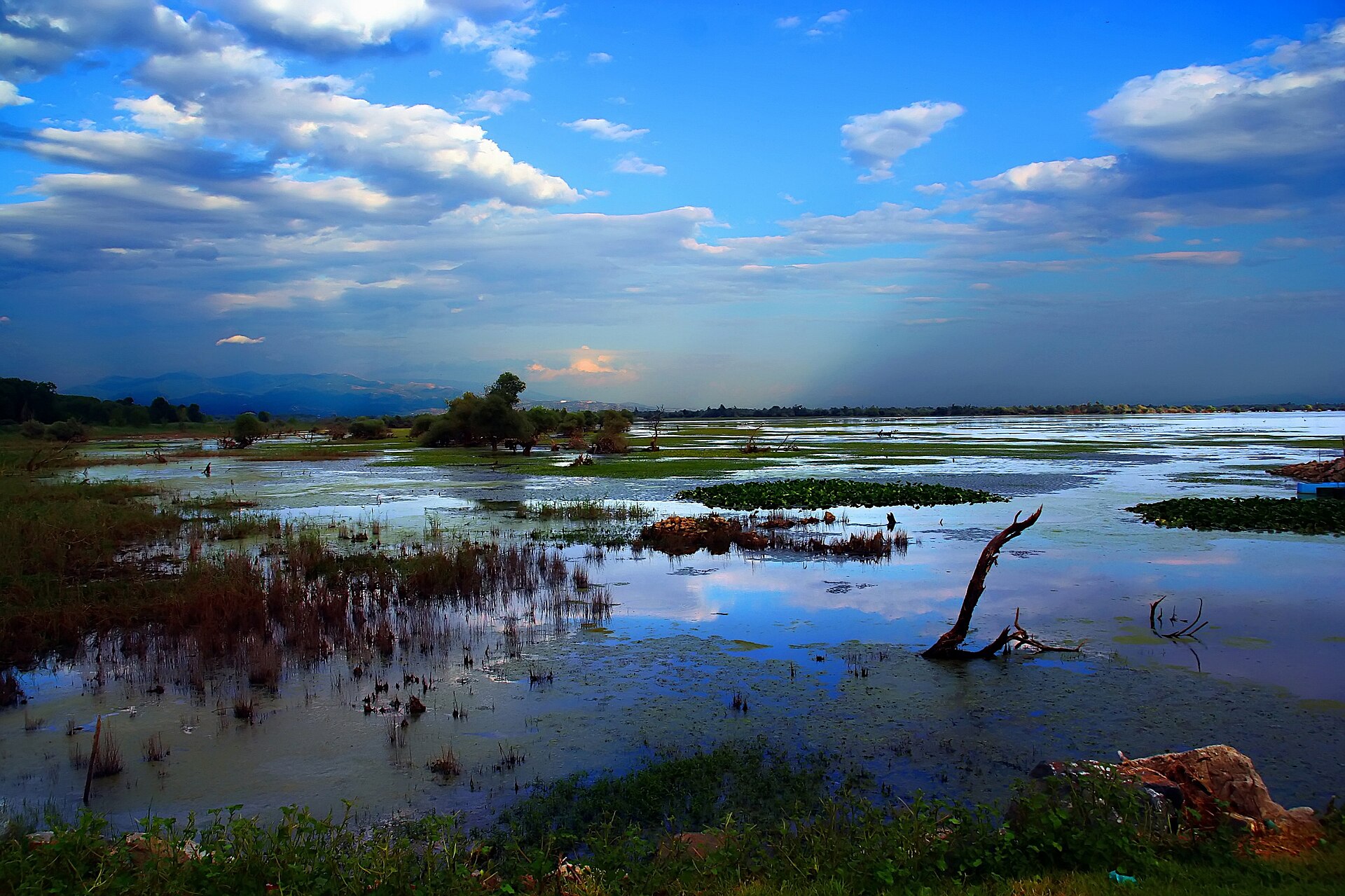
Natura 2000 · passage
Natura 2000 · passage
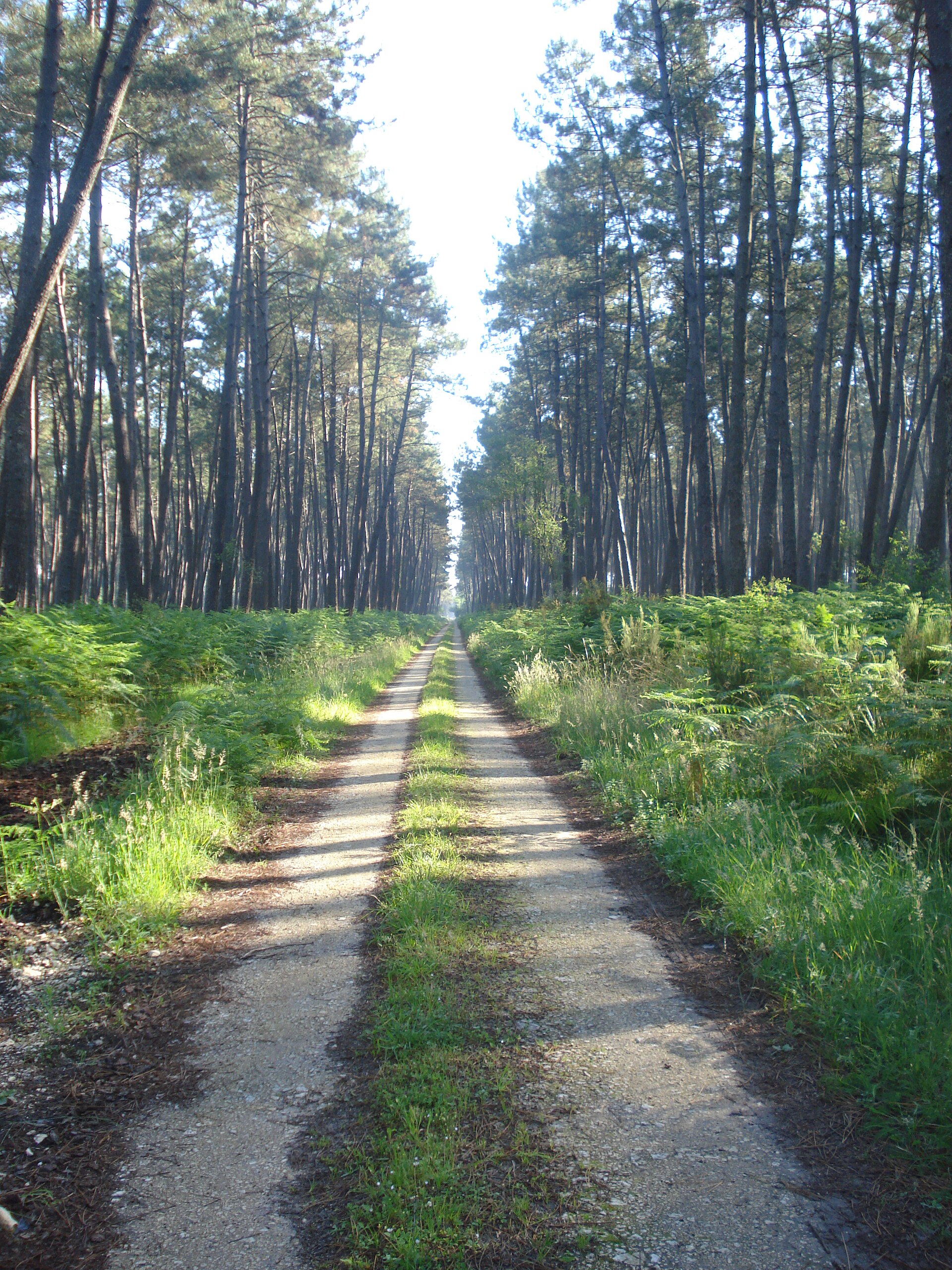
Natura 2000 · passage, wintering
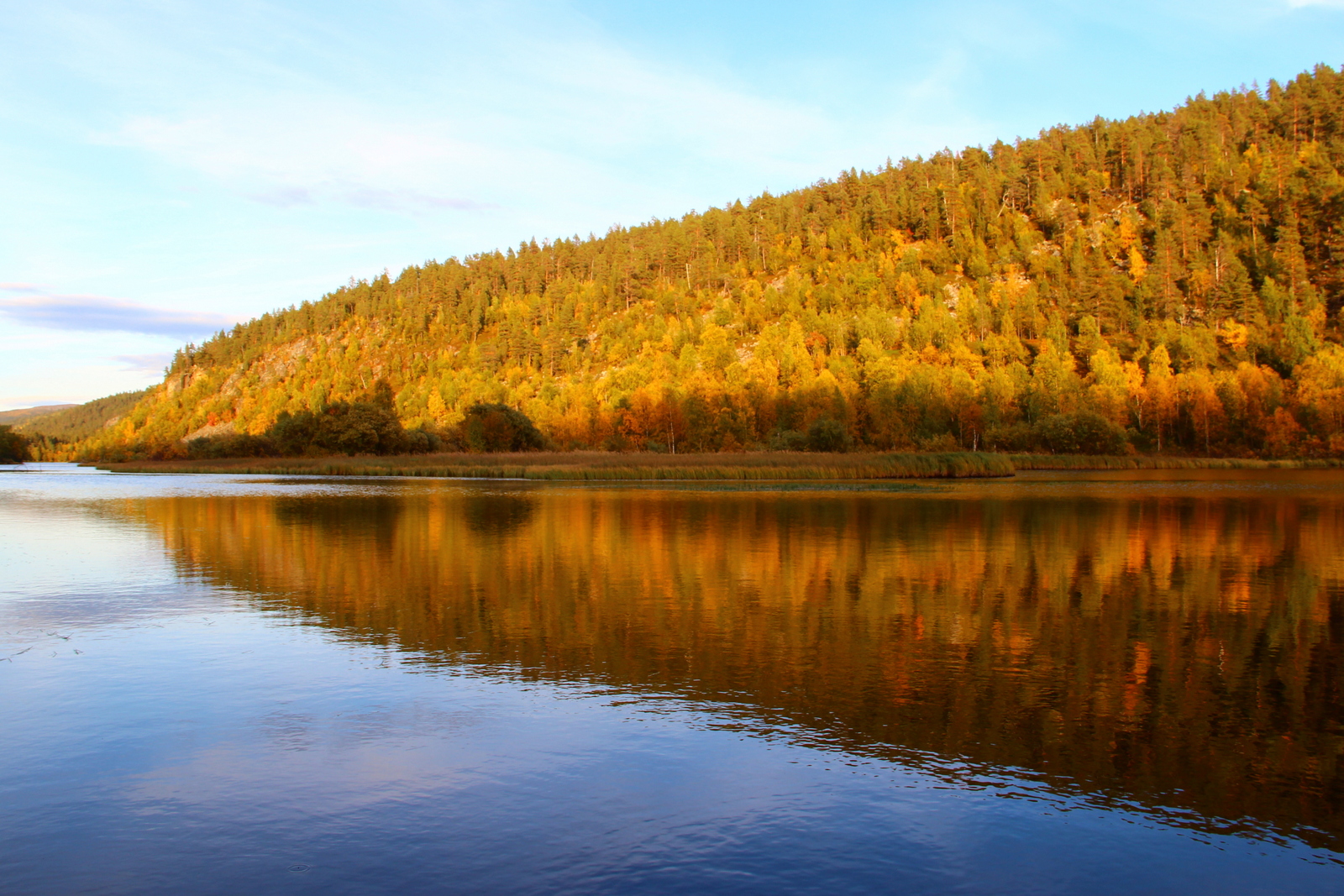
Natura 2000 · breeding
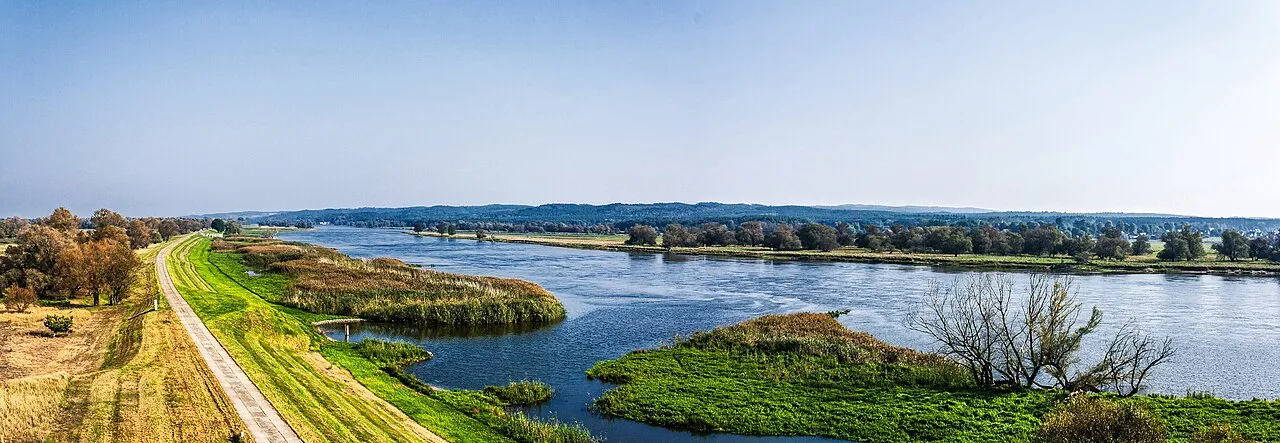
Natura 2000 · passage

Natura 2000 · wintering, passage

Natura 2000 · passage
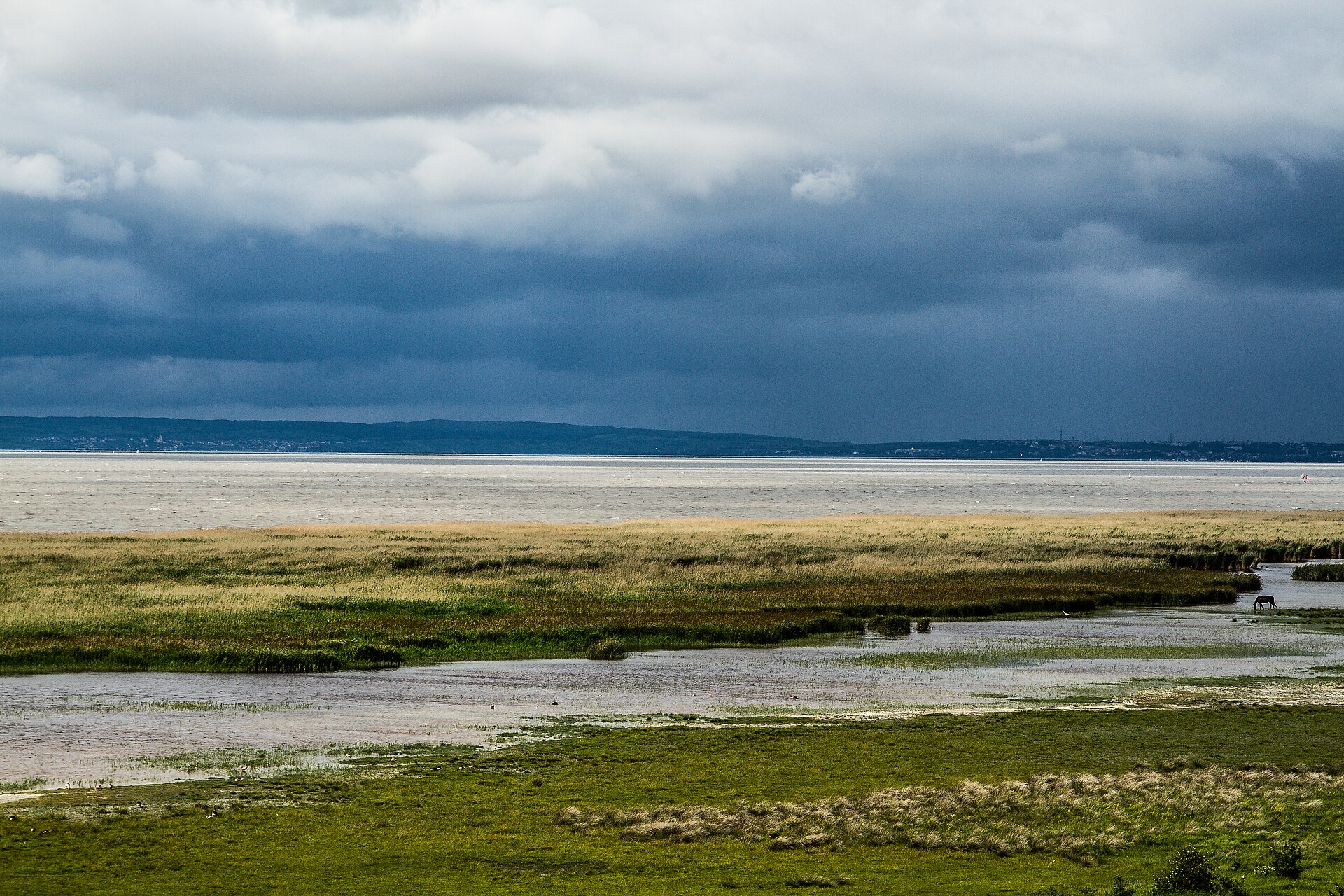
Natura 2000 · passage
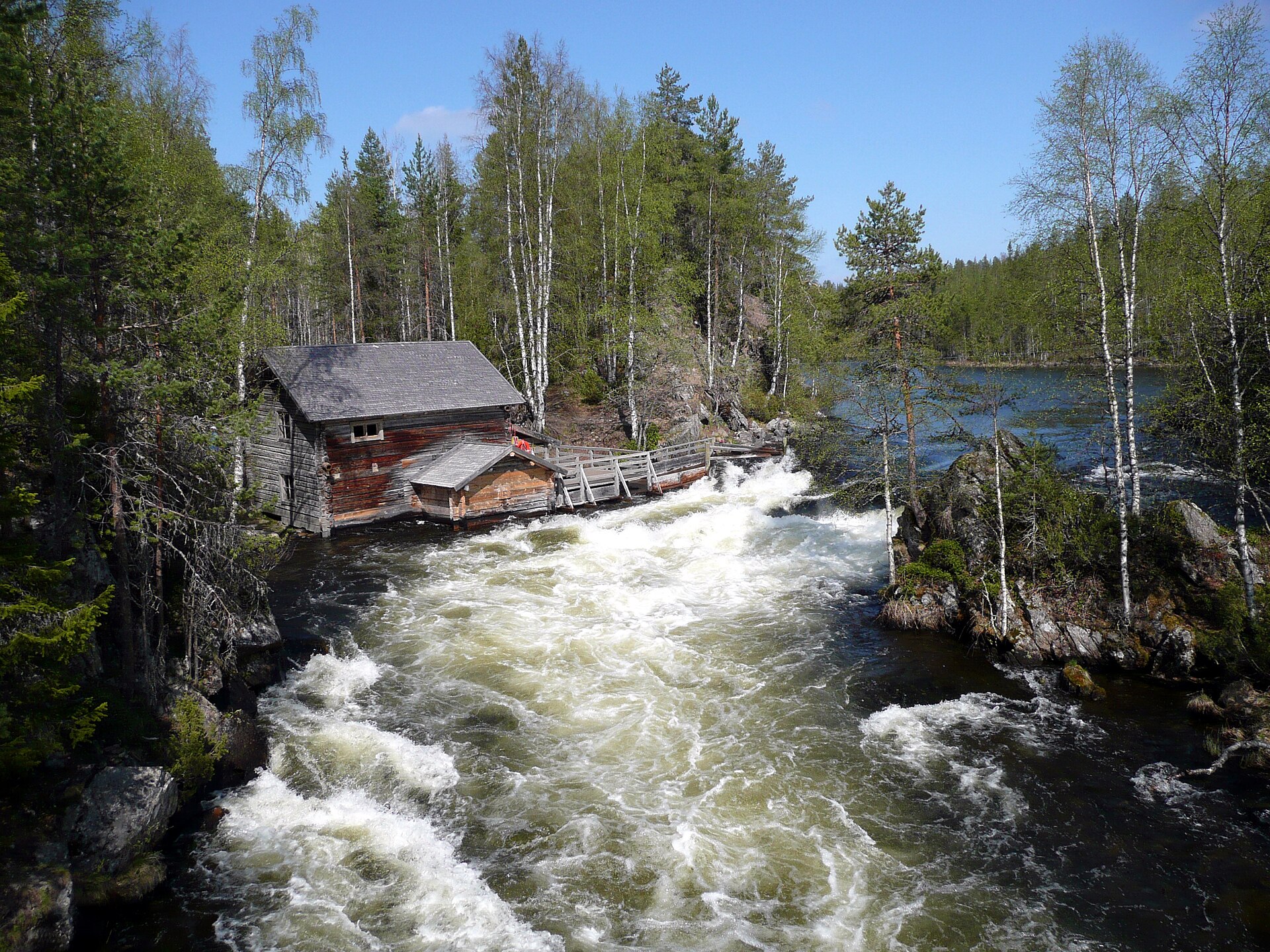
Natura 2000 · breeding

Natura 2000 · breeding
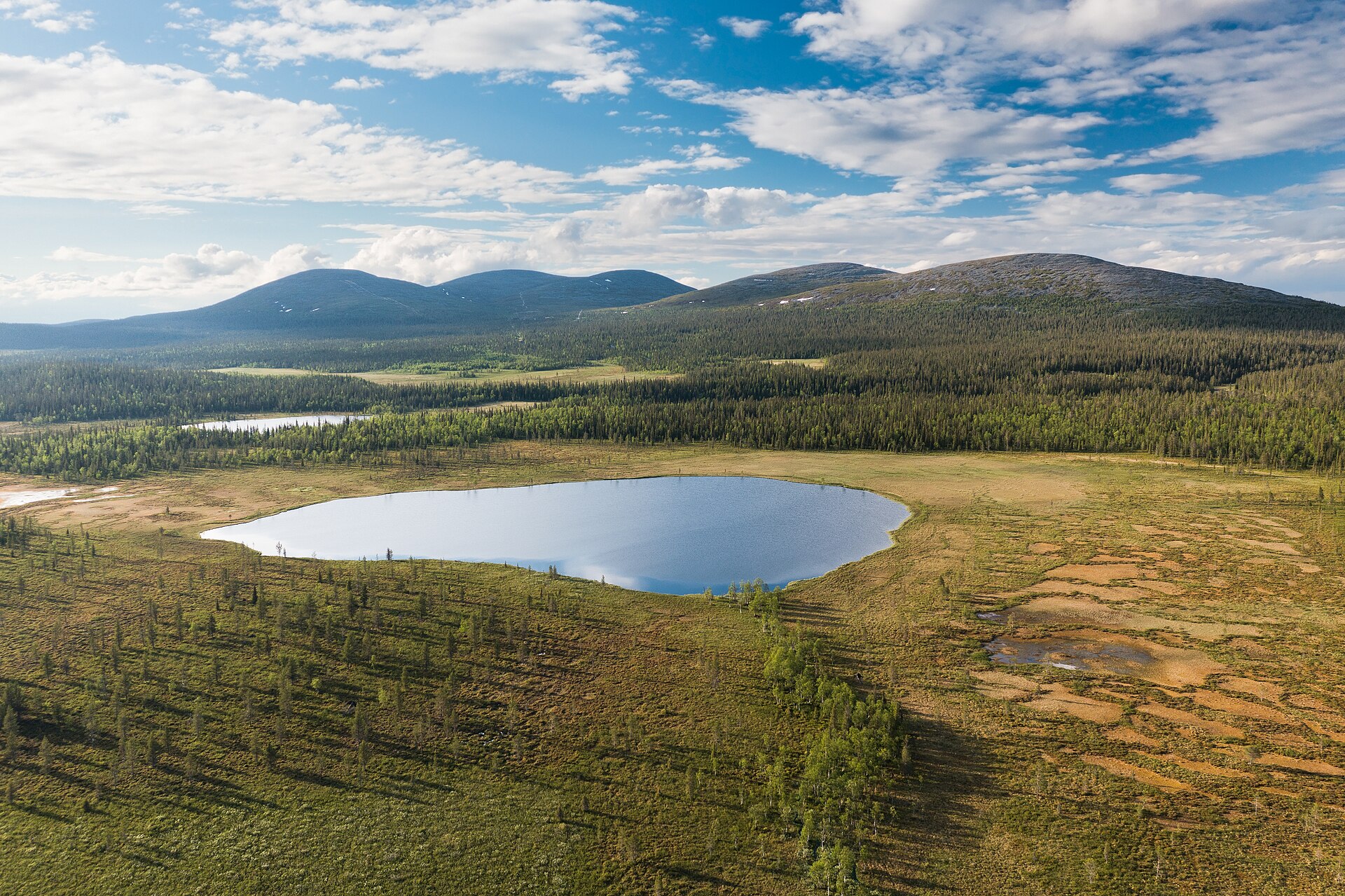
Natura 2000 · breeding

Natura 2000 · passage

Natura 2000 · passage
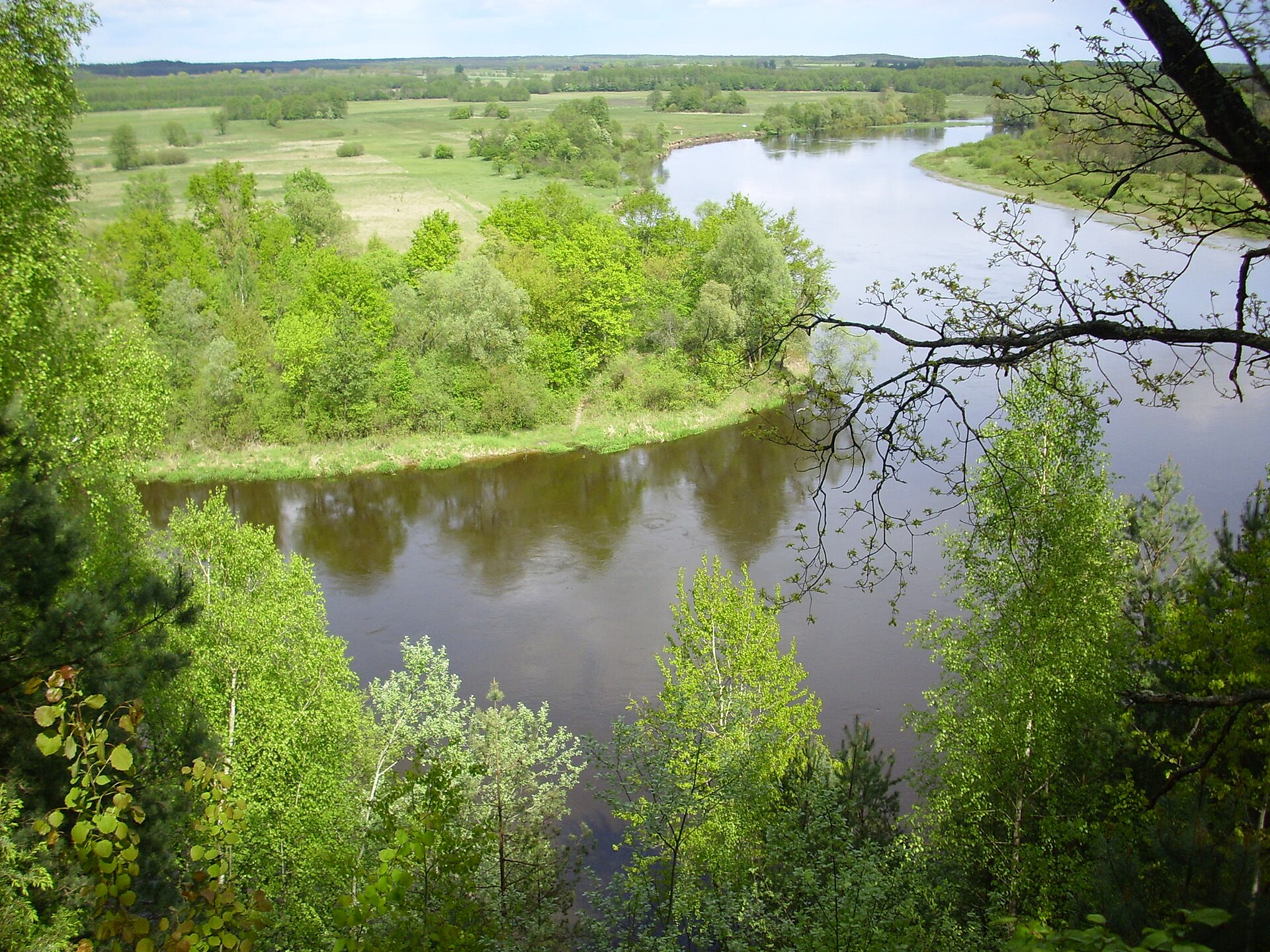
Natura 2000 · passage

Natura 2000 · passage
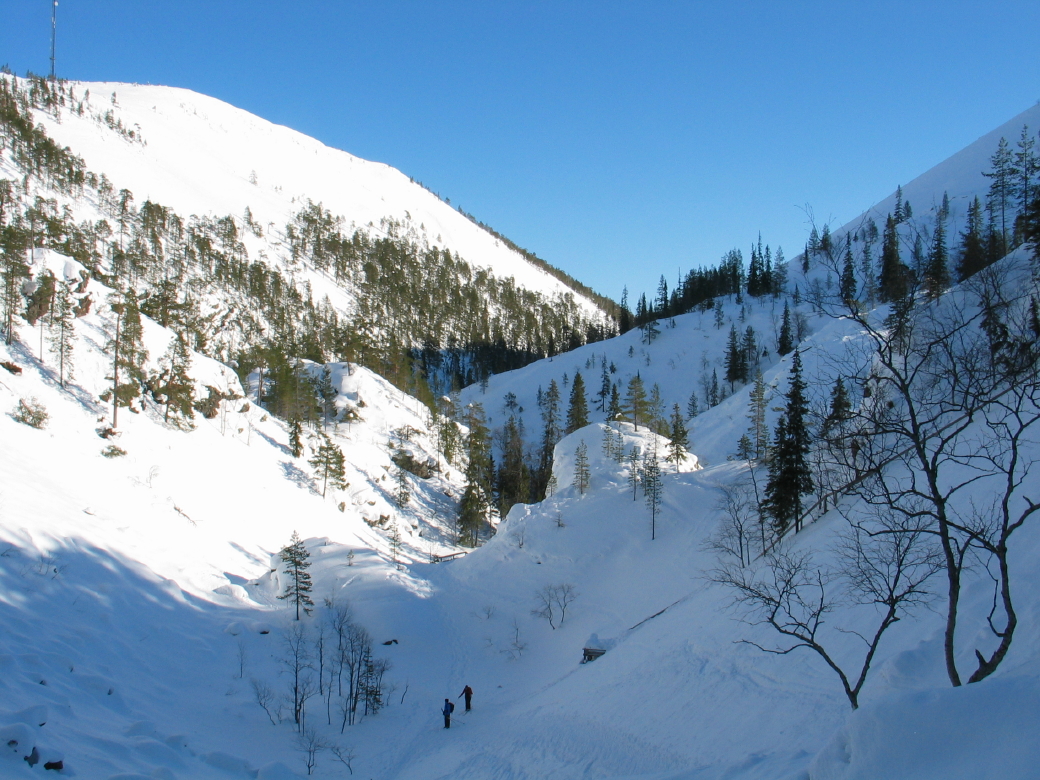
Natura 2000 · breeding

Natura 2000 · wintering, passage
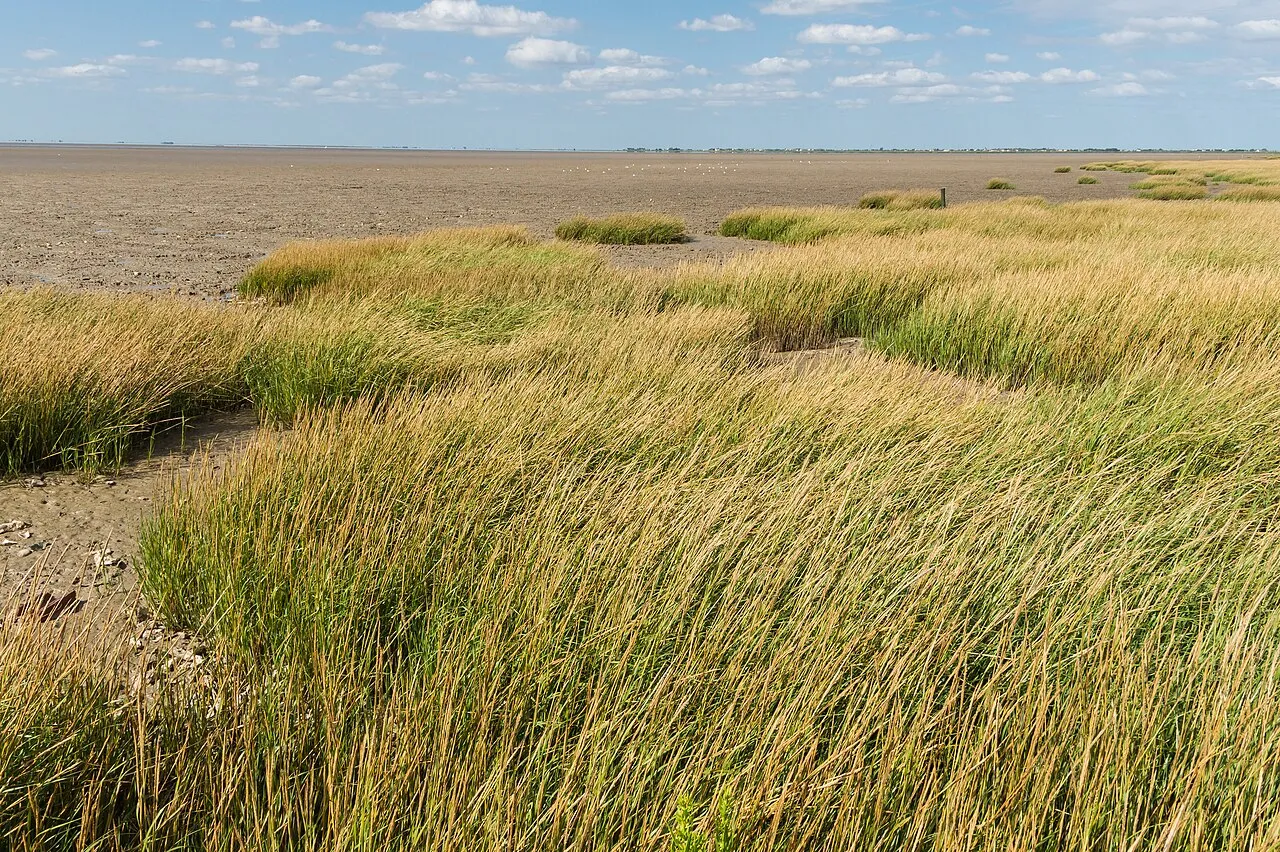
Natura 2000 · wintering, passage
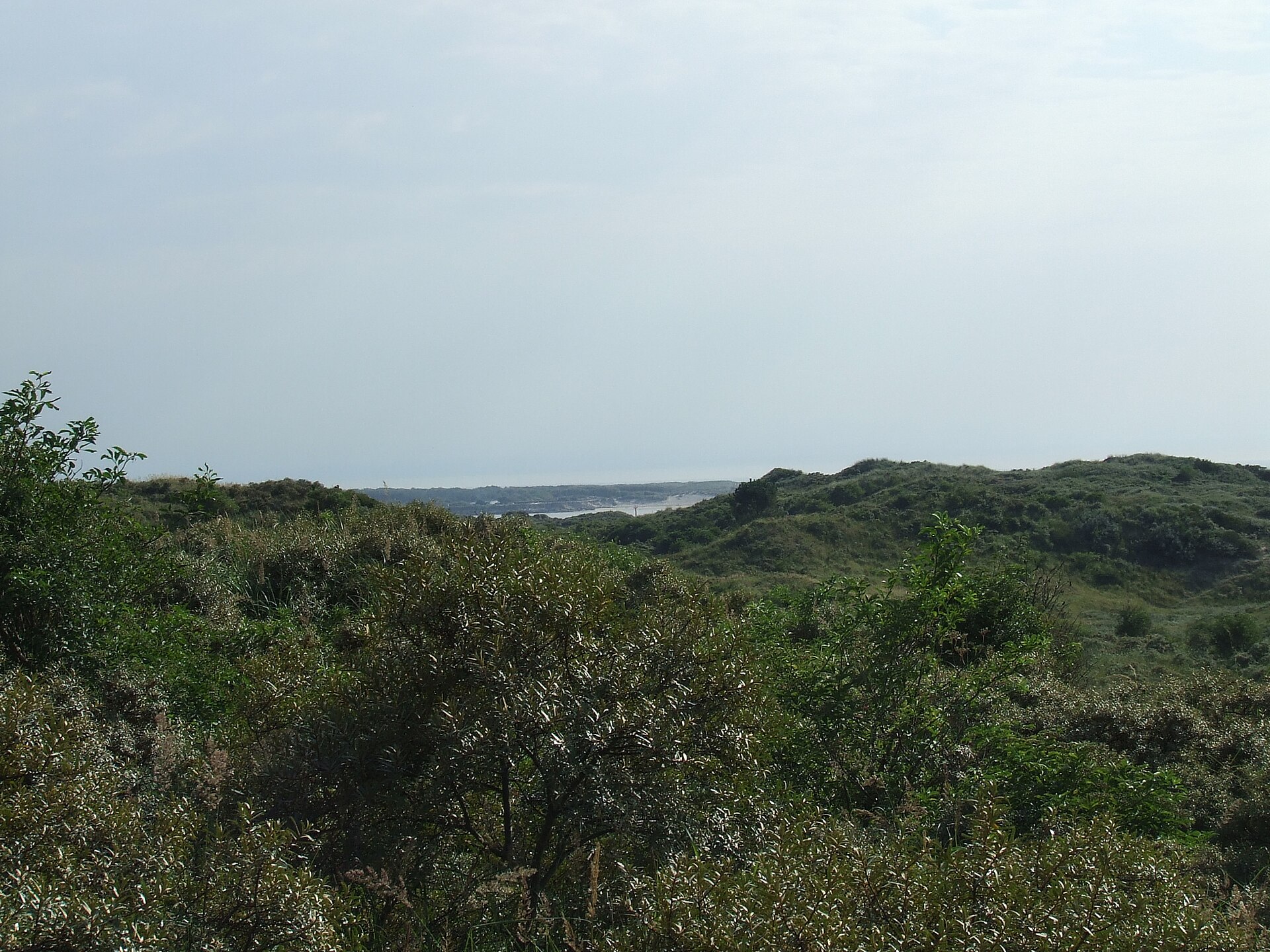
Natura 2000 · passage

Natura 2000 · wintering, passage
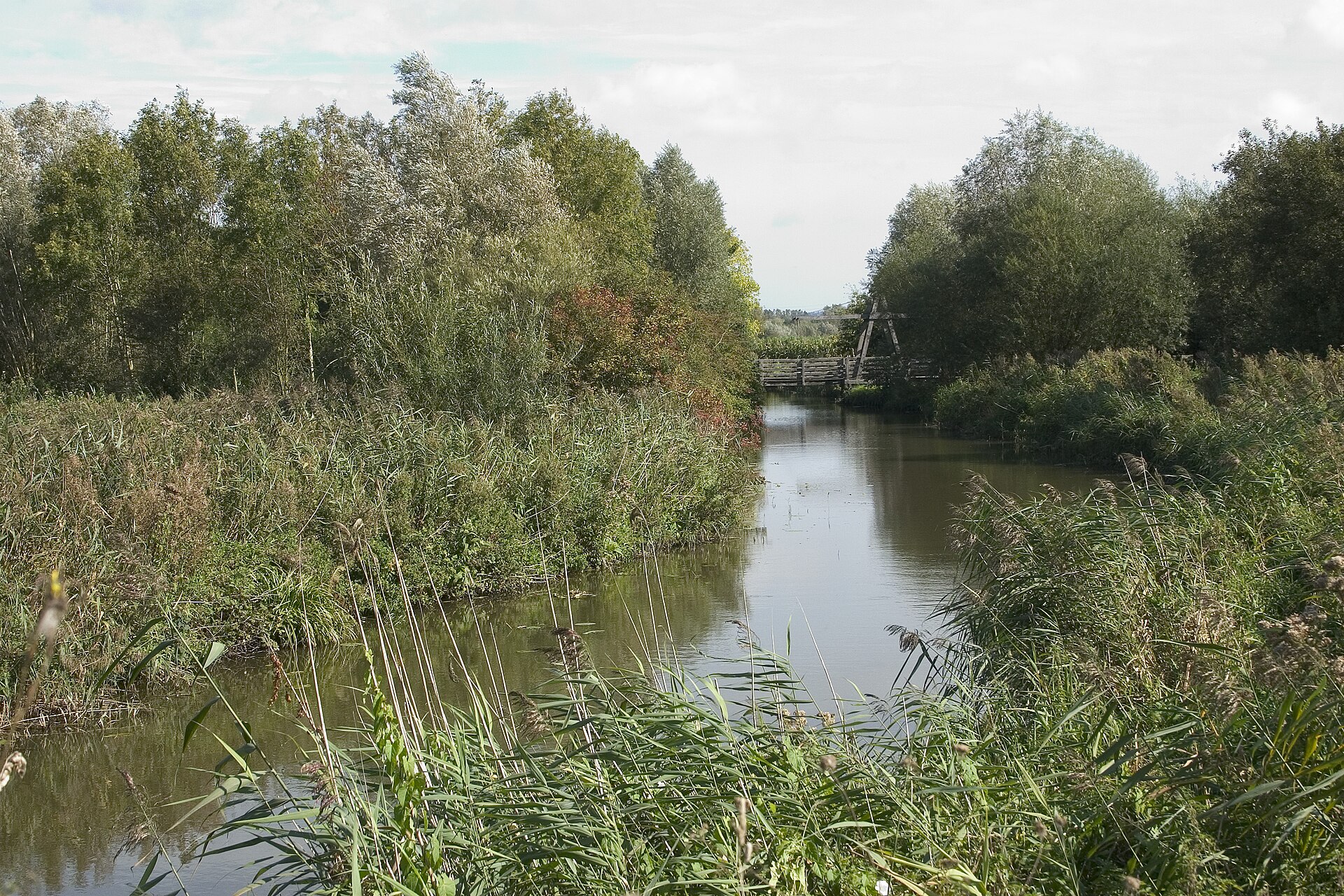
Natura 2000 · passage

Natura 2000 · breeding

Natura 2000 · passage
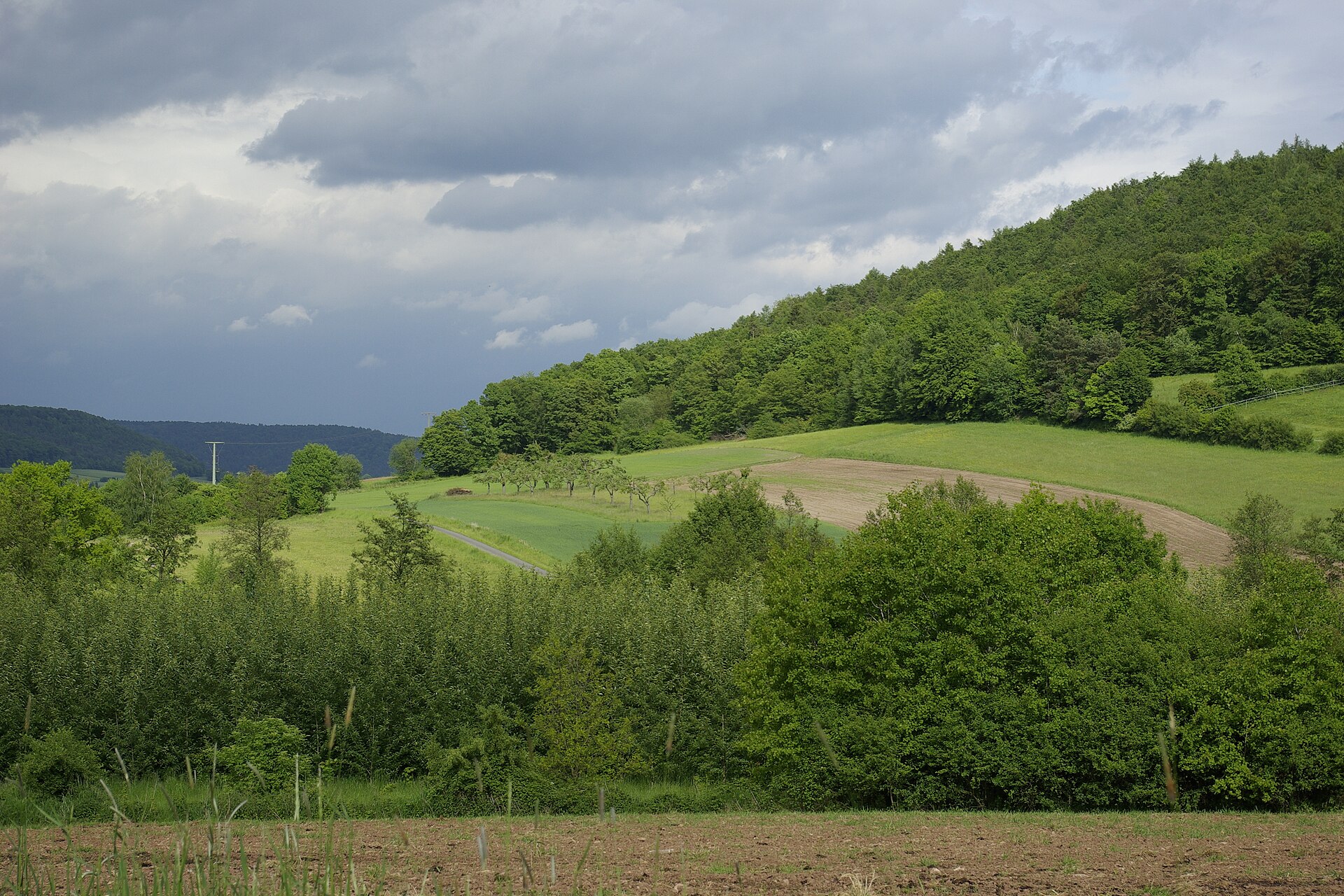
Natura 2000 · passage
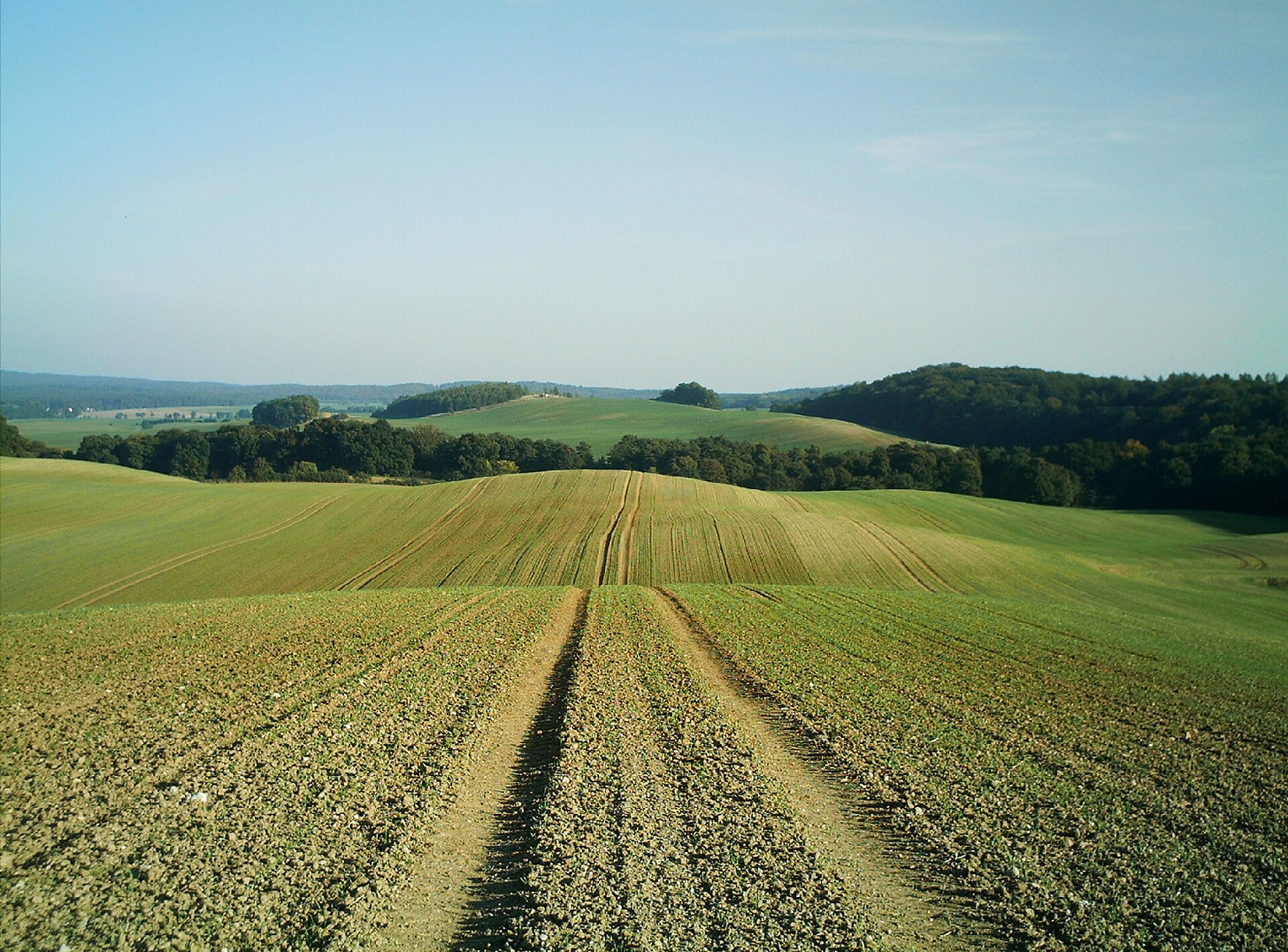
Natura 2000 · passage
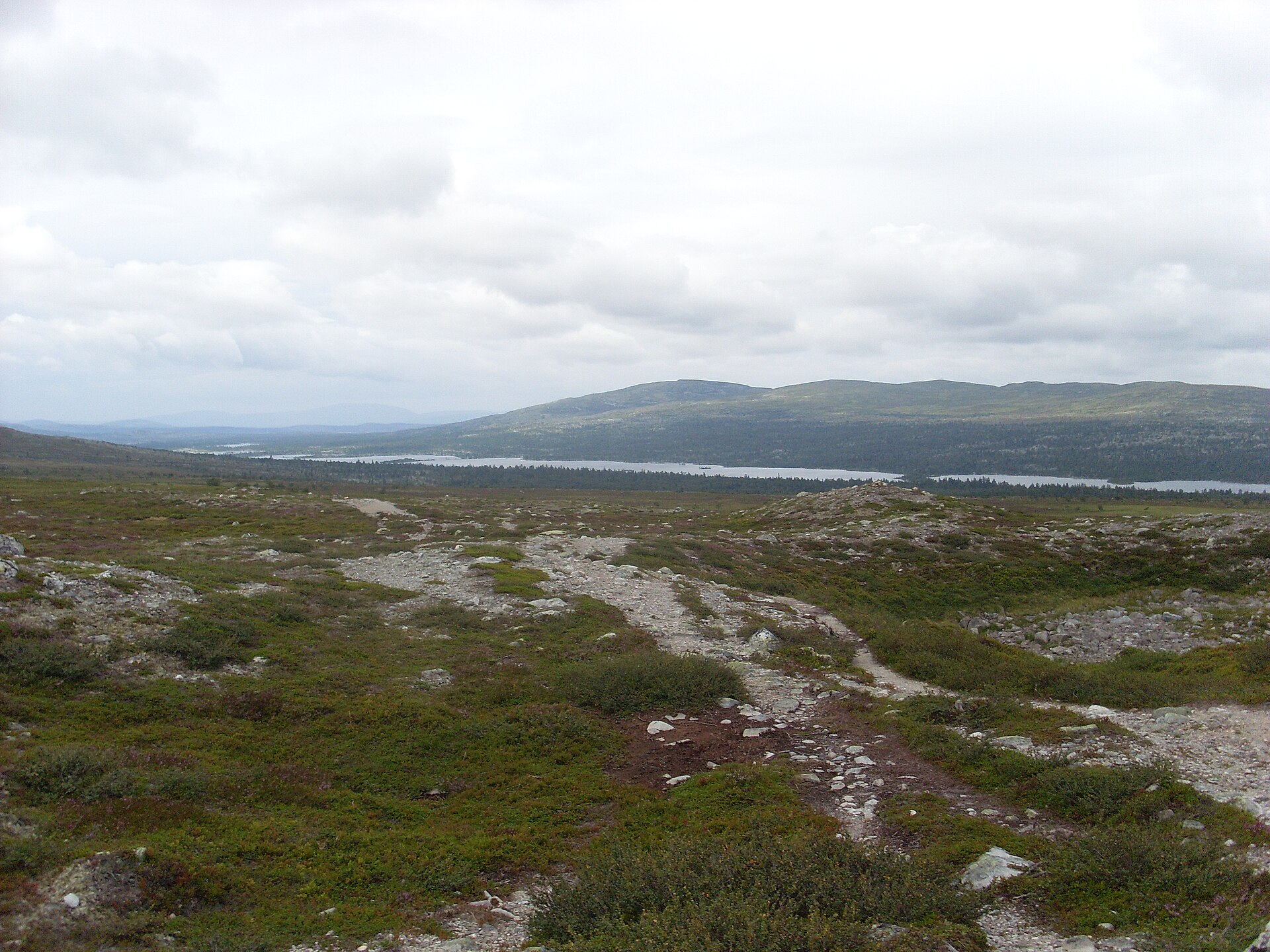
Natura 2000 · breeding

Natura 2000 · breeding
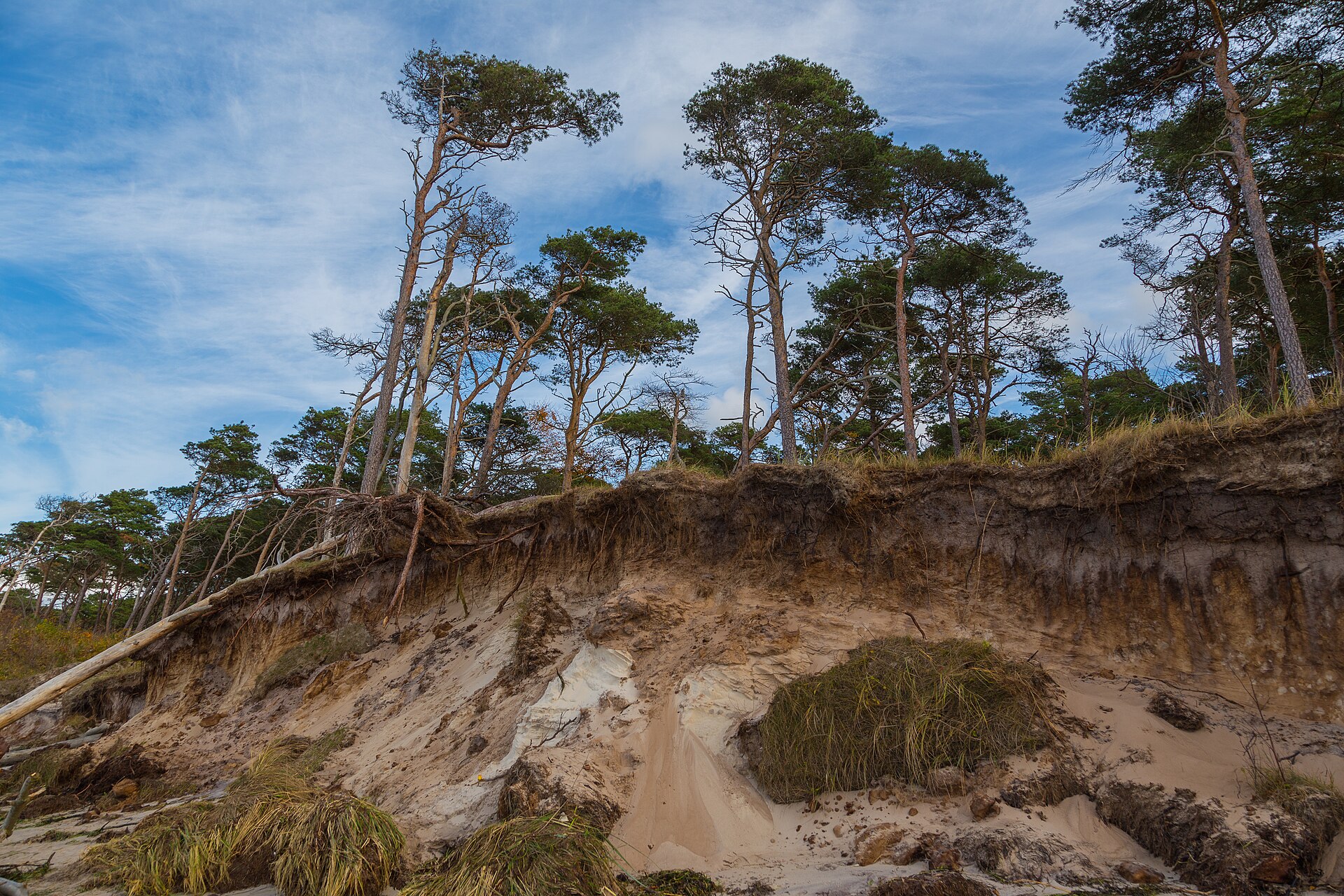
Natura 2000 · passage

Natura 2000
Other species to discover
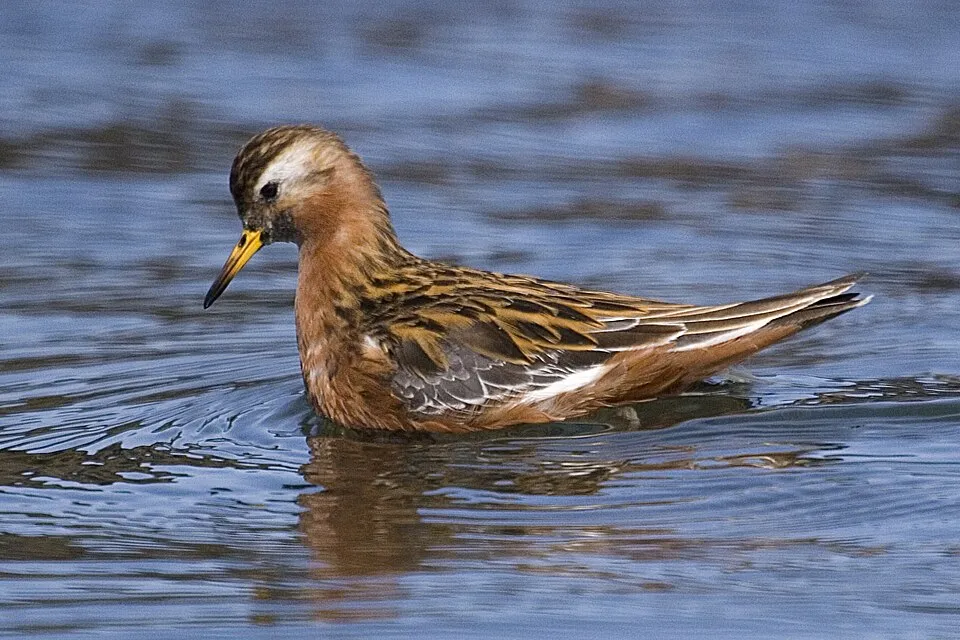 Red Phalarope
Phalaropus fulicarius Same genus
 Horned Grebe
Podiceps auritus 27 places in common
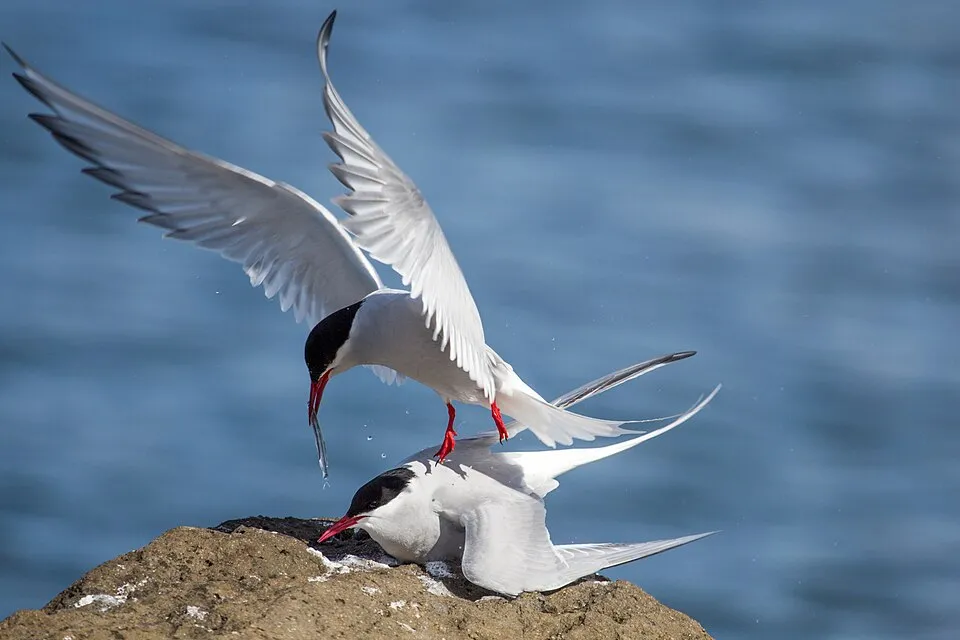 Arctic Tern
Sterna paradisaea 30 places in common
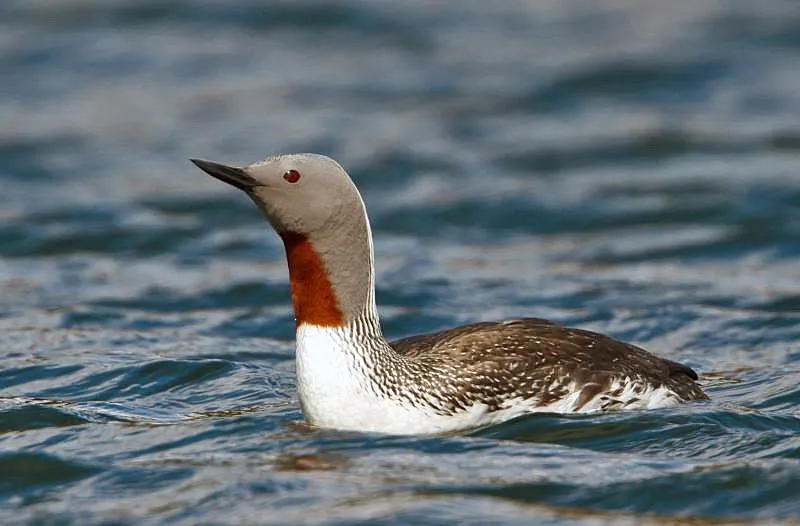 Red-throated Diver
Gavia stellata 40 places in common
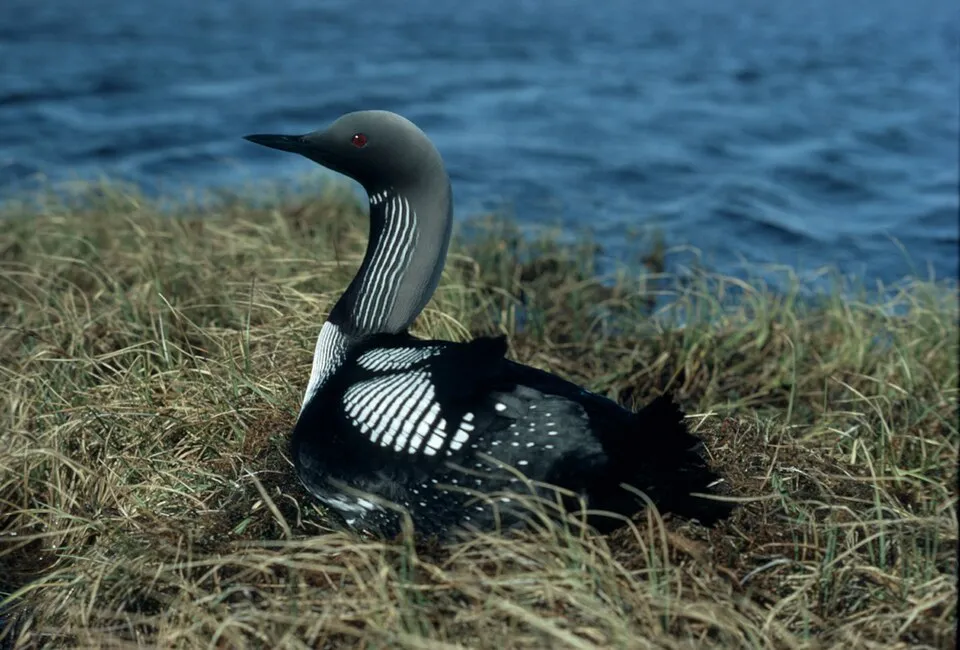 Black-throated loon
Gavia arctica 41 places in common
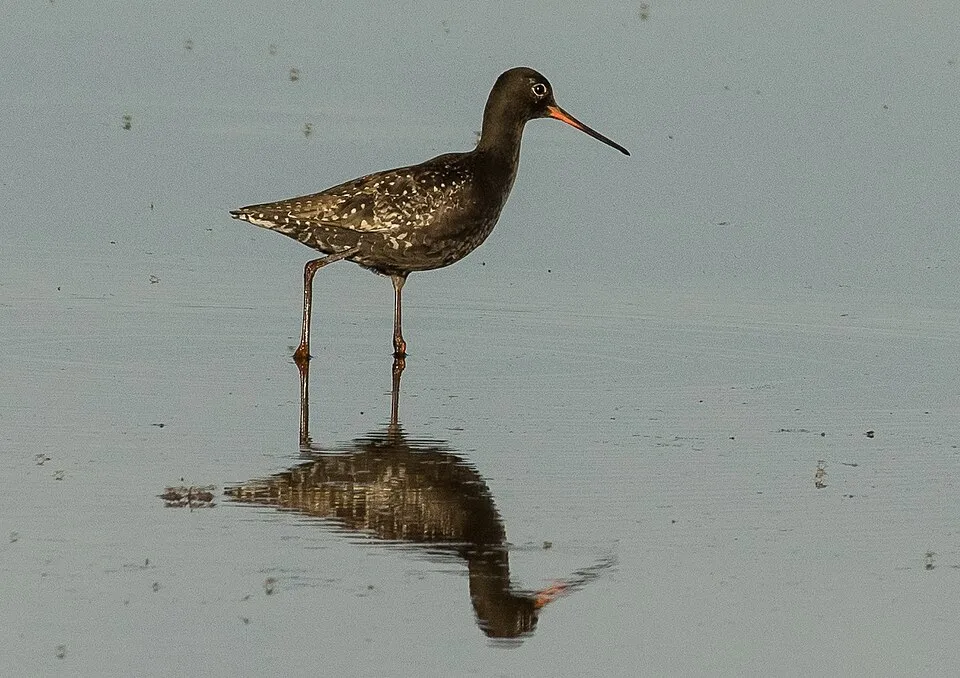 Spotted Redshank
Tringa erythropus 31 places in common
Sources and credits
- Presence: most-recorded species of each place on GBIF and species of Community interest in the Natura 2000 forms (EEA, CC-BY 4.0); absence from the list does not mean the species is absent.
- Common names: Wikidata (CC0) and GBIF.
- Photos and sounds: Wikimedia Commons, author and licence given for each file.
- Classification: GBIF Backbone Taxonomy (GBIF Secretariat), CC BY 4.0, doi:10.15468/39omei.
- Countries, elevations, months and maps: GBIF.org, CC0 or CC BY 4.0 occurrences only, accessed October 22, 2026, GBIF.org.
- Base map: Natural Earth (public domain).
- Excerpt: Wikipedia, CC BY-SA 4.0 (full credit below the excerpt).
- Key facts: Wikidata (CC0), with the references cited under each value.
- Annexes: Directive 2009/147/EC (consolidated version), © European Union, EUR-Lex.
- EU bird populations: EEA / DG ENV, Article 12 Birds Directive reporting (2013–2018), CC BY 4.0.