
Bird
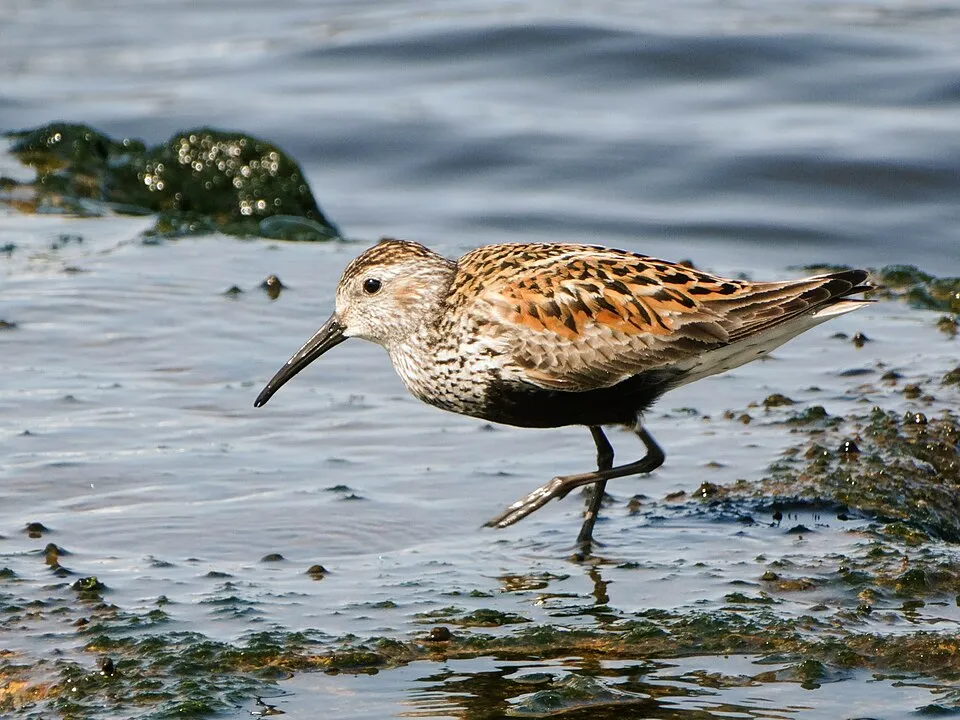
Temminck's Stint: where to see it
Calidris temminckii
This bird species is recorded in 42 protected areas of the atlas, including 40 whose official Natura 2000 form lists it. Within the atlas countries, it is mostly observed in Sweden, Norway and Spain (11 countries in all). Records peak from May to August. It has a wingspan of 36 cm. Its EU population is assessed as near threatened (2013–2018 Birds Directive reporting).
Best time to see it: May–August
Records published on GBIF by month (CC0 and CC BY 4.0 licences only), in the atlas countries, all years combined; they also reflect observer activity.
Key facts
- Wingspan
- 36 cm Wikidata, after app.bto.org
- Weight (female)
- 27.8 g Wikidata, after Lislevand et al. 2007
- Weight (male)
- 24.3 g Wikidata, after Lislevand et al. 2007
- Clutch size
- 4 eggs Wikidata, after Jetz et al. 2008
- Incubation
- 21 days Wikidata, after British Trust for Ornithology
Status and protection
EU population assessed as near threatened, decreasing in the short term (2013–2018 Birds Directive reporting). EU breeding population: 6,600–9,000 pairs.
Distribution
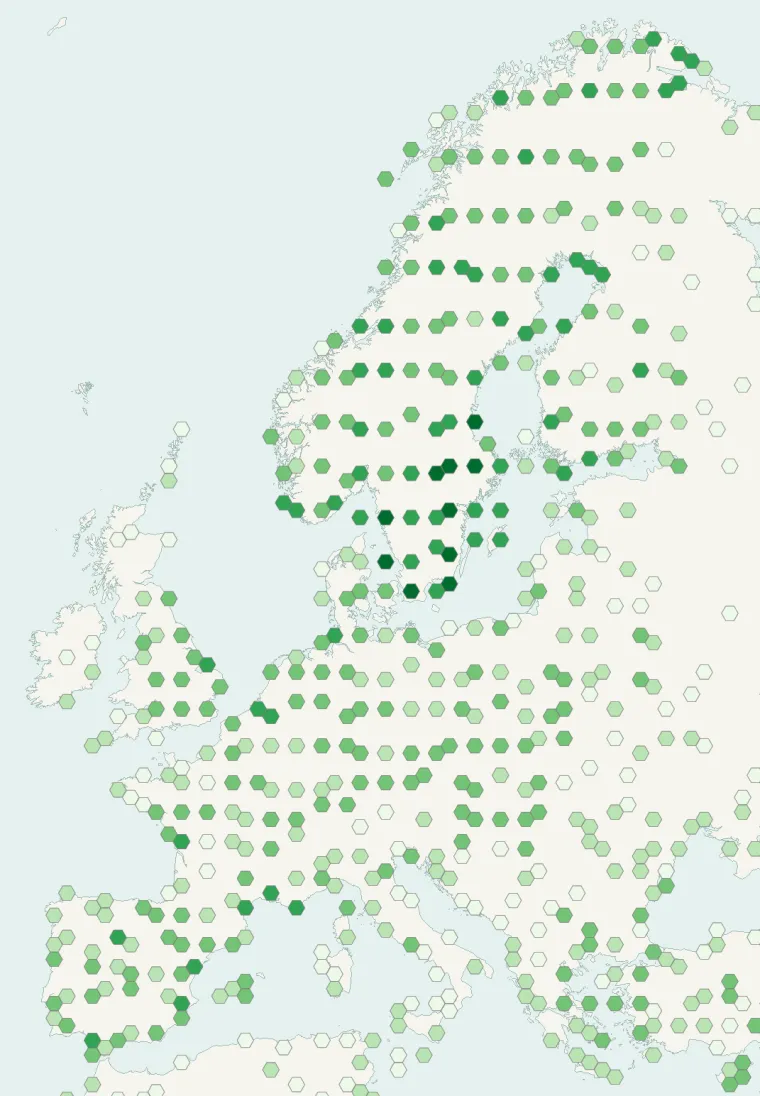
Records published on GBIF (CC0 and CC BY 4.0 licences): the darker the shade, the more records there are; they also reflect observation effort.
Atlas countries where it is recorded
Listen
-
0:26 · © Vladimir Yu. Arkhipov, Arkhivov · CC BY-SA 4.0 · Wikimedia Commons · Original file
From Wikipedia
Temminck's stint (Calidris temminckii) is a small wader native to the Old World. This bird's common name and Latin binomial commemorate the Dutch naturalist Coenraad Jacob Temminck. The genus name is from Ancient Greek kalidris or skalidris, a term used by Aristotle for some grey-coloured waterside birds. Within the genus Calidris, Temminck's stint is most closely related to the long-toed stint (Calidris subminuta). Temminck's stint is one of the species to which the Agreement on the Conservation of African-Eurasian Migratory Waterbirds (AEWA) applies.
Source: Wikipedia, article “Temminck's stint” (version of June 9, 2026) · history and authors · licence CC BY-SA 4.0
Protected areas where it is recorded

340 records

199 records

Natura 2000 · passage
Natura 2000 · passage

Natura 2000 · passage
Natura 2000 · passage
Natura 2000 · passage
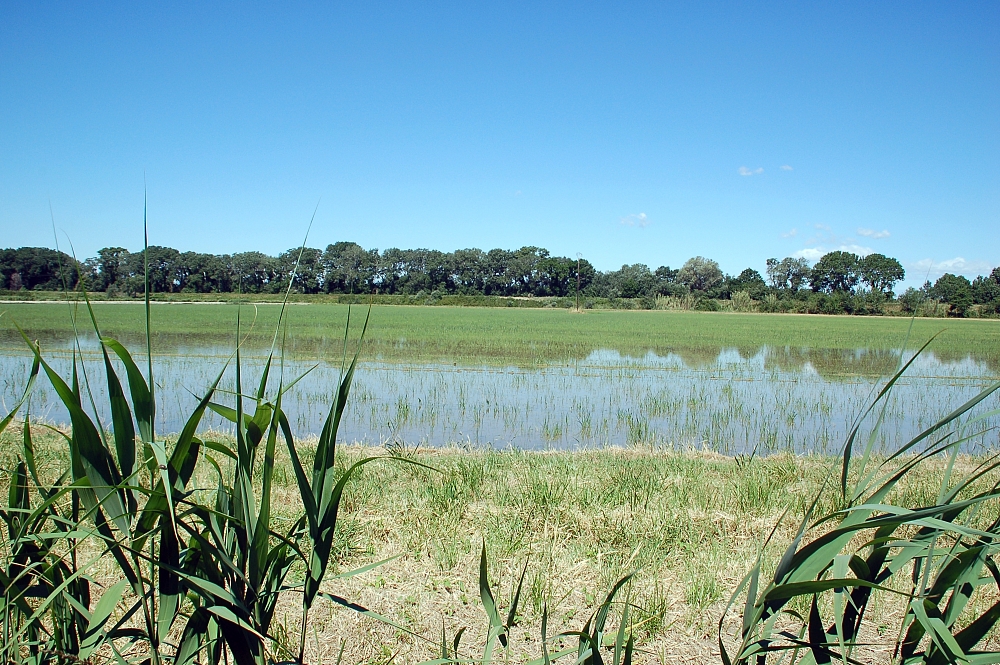
Natura 2000 · passage, wintering

Natura 2000 · passage
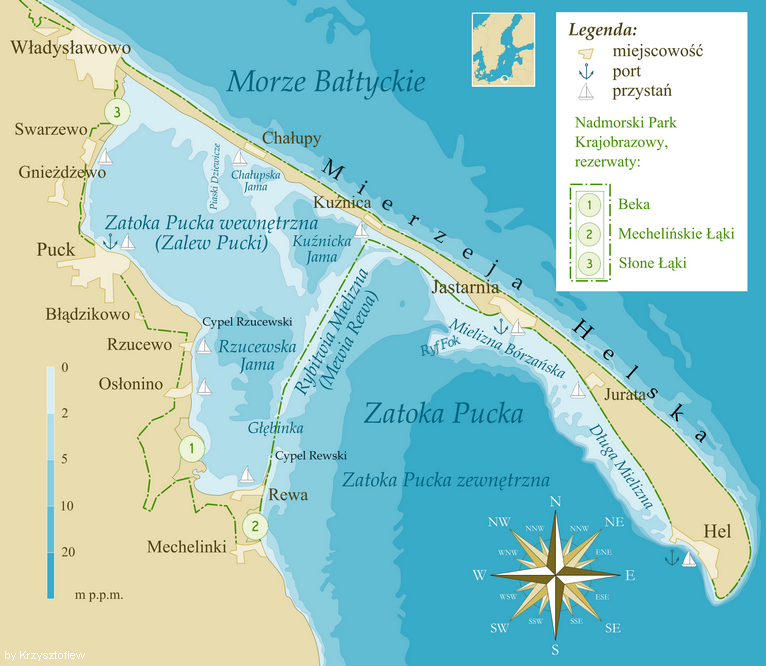
Natura 2000 · passage
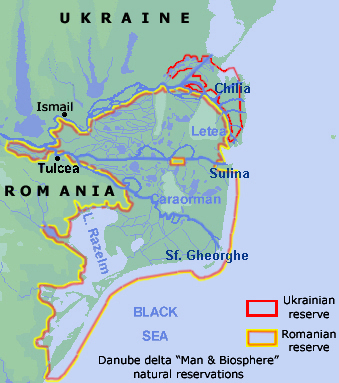
Natura 2000 · passage
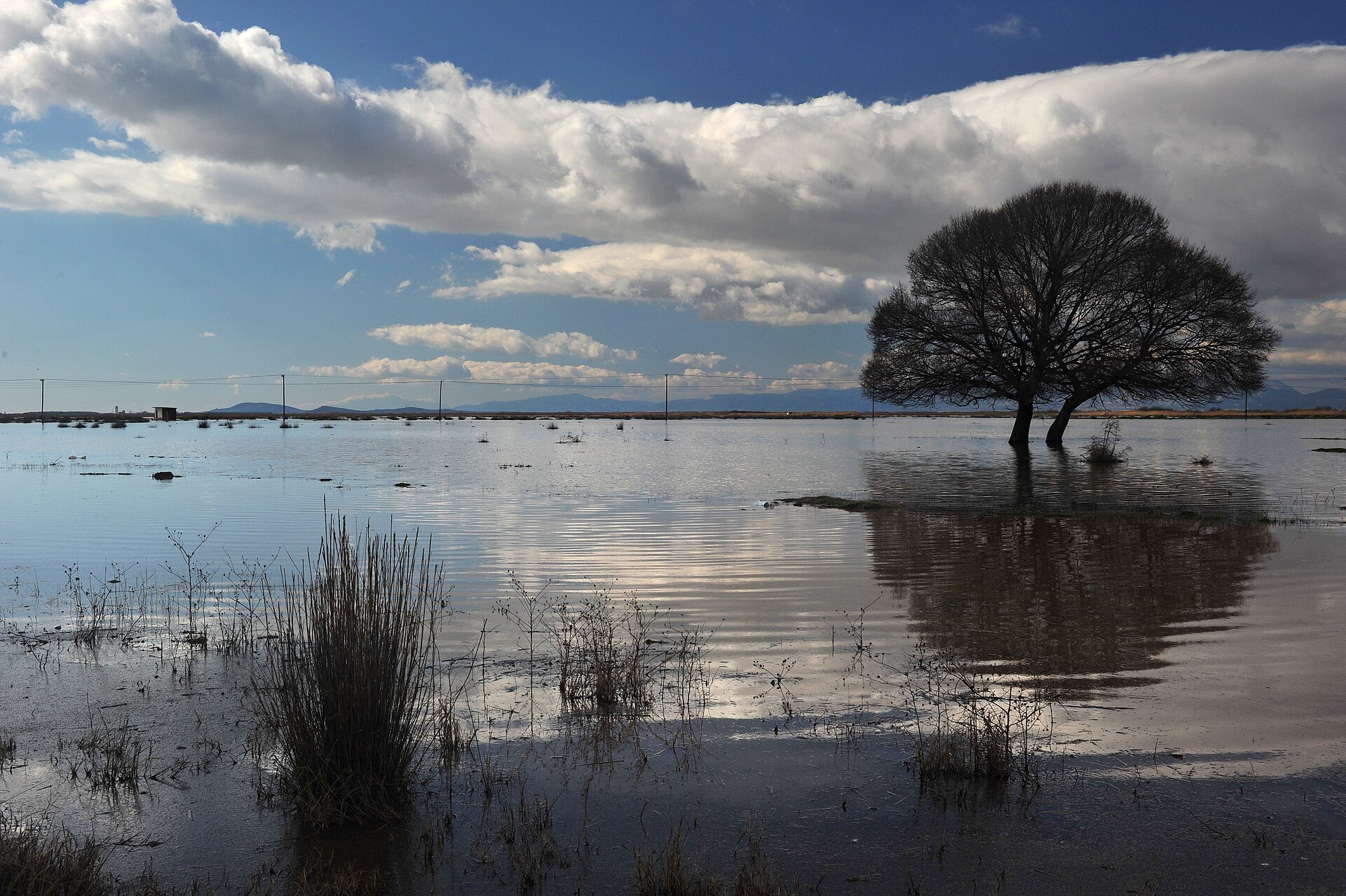
Natura 2000 · passage

Natura 2000 · passage

Natura 2000 · passage, wintering
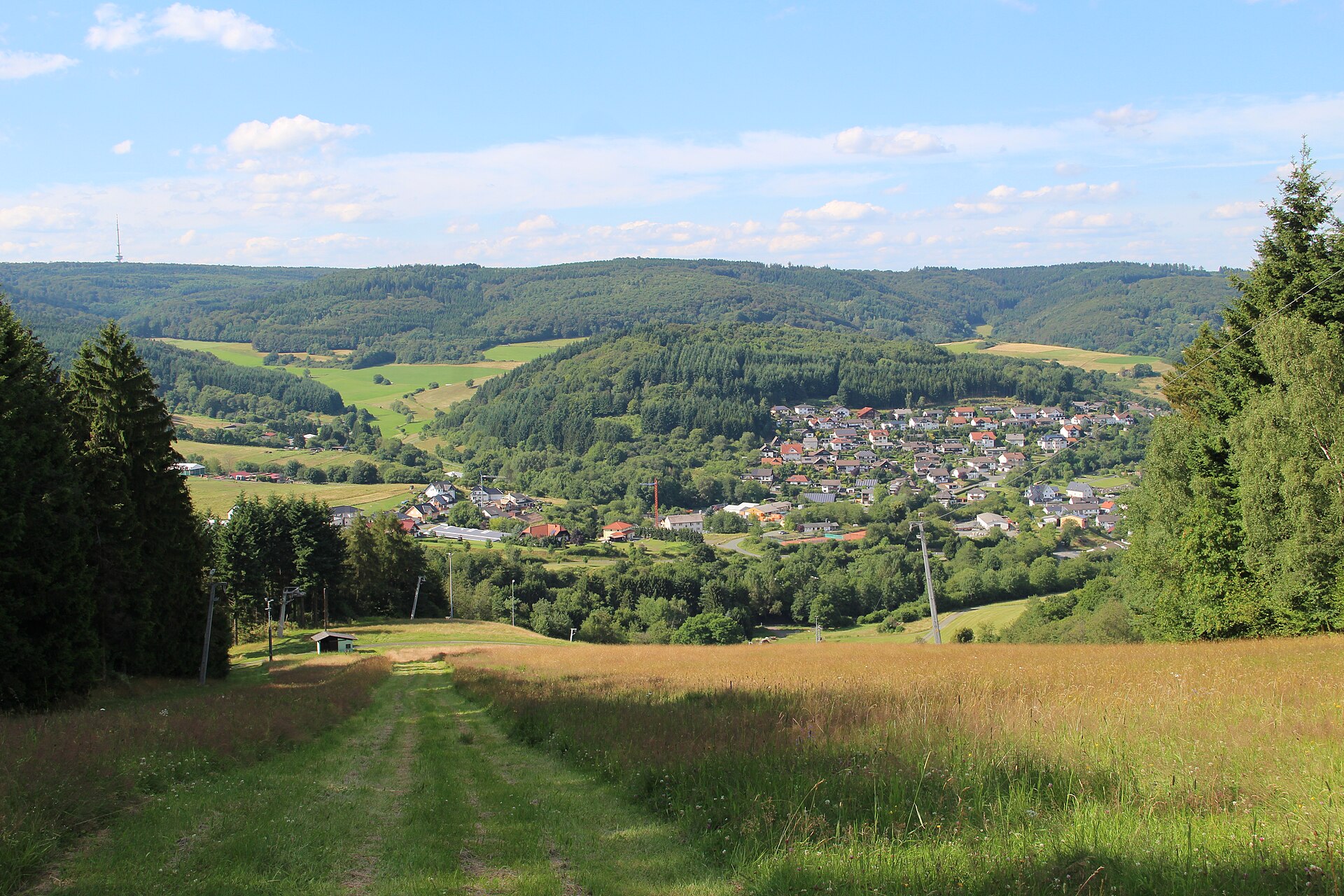
Natura 2000 · passage
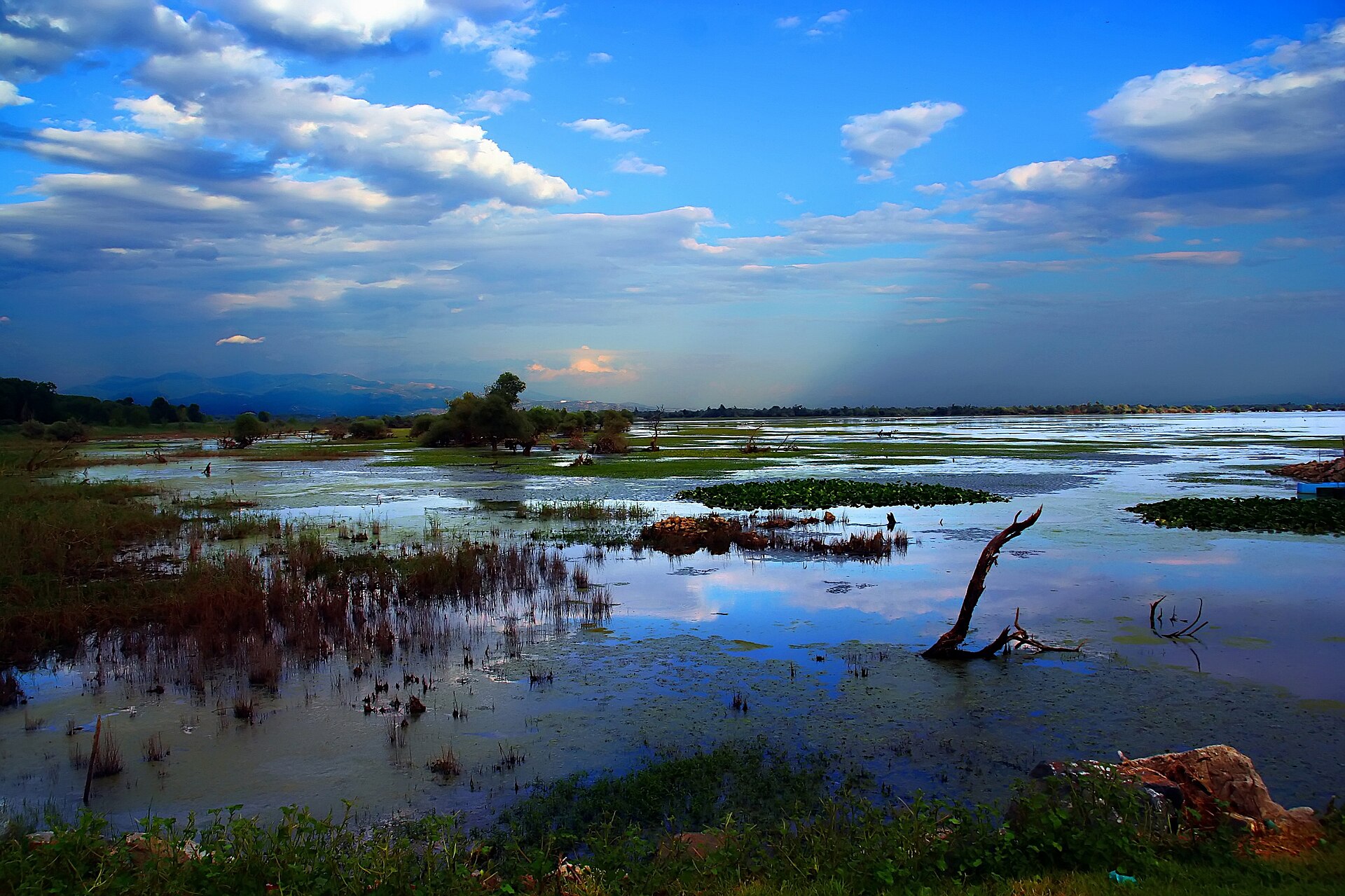
Natura 2000 · passage
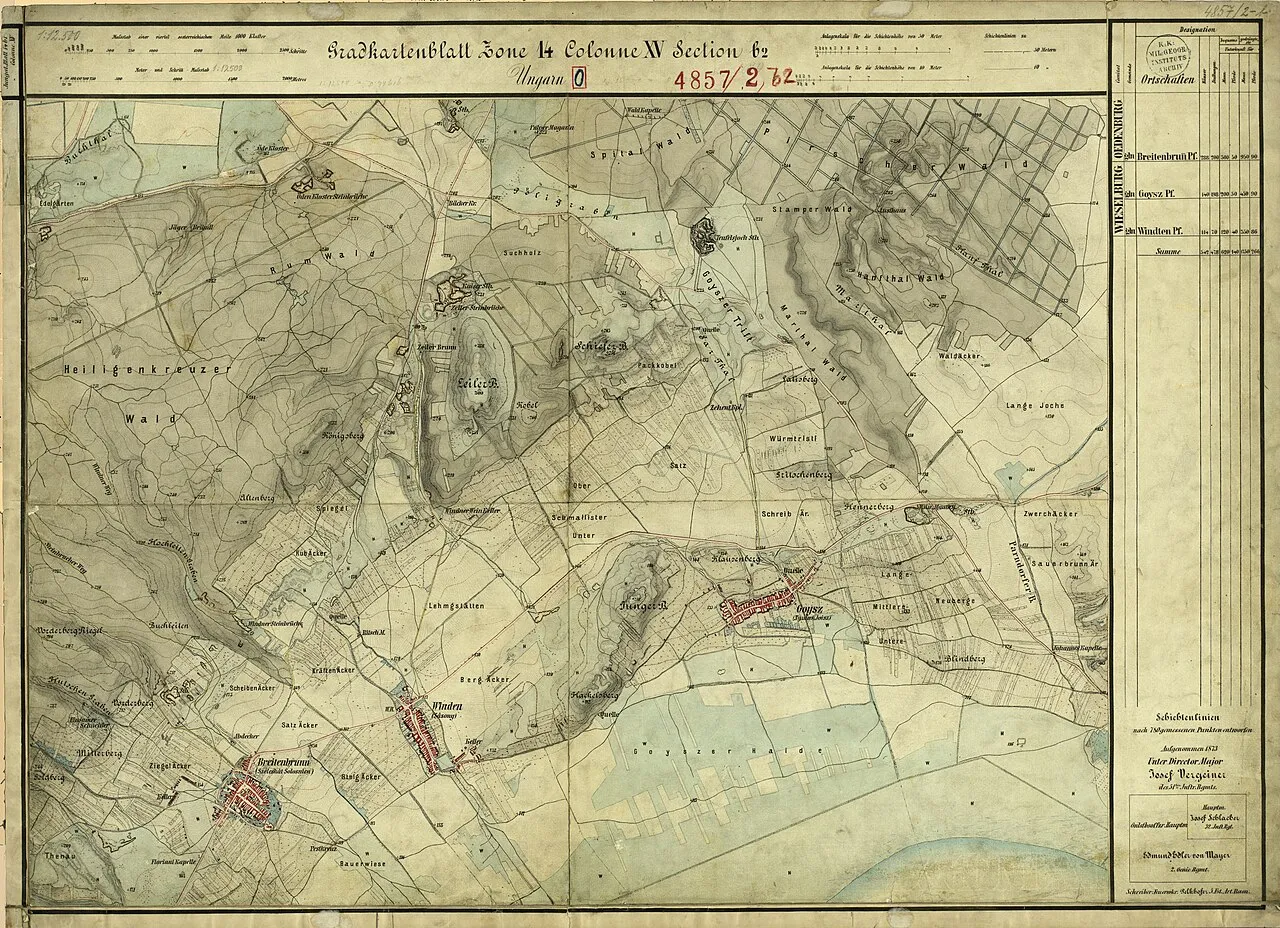
Natura 2000 · passage
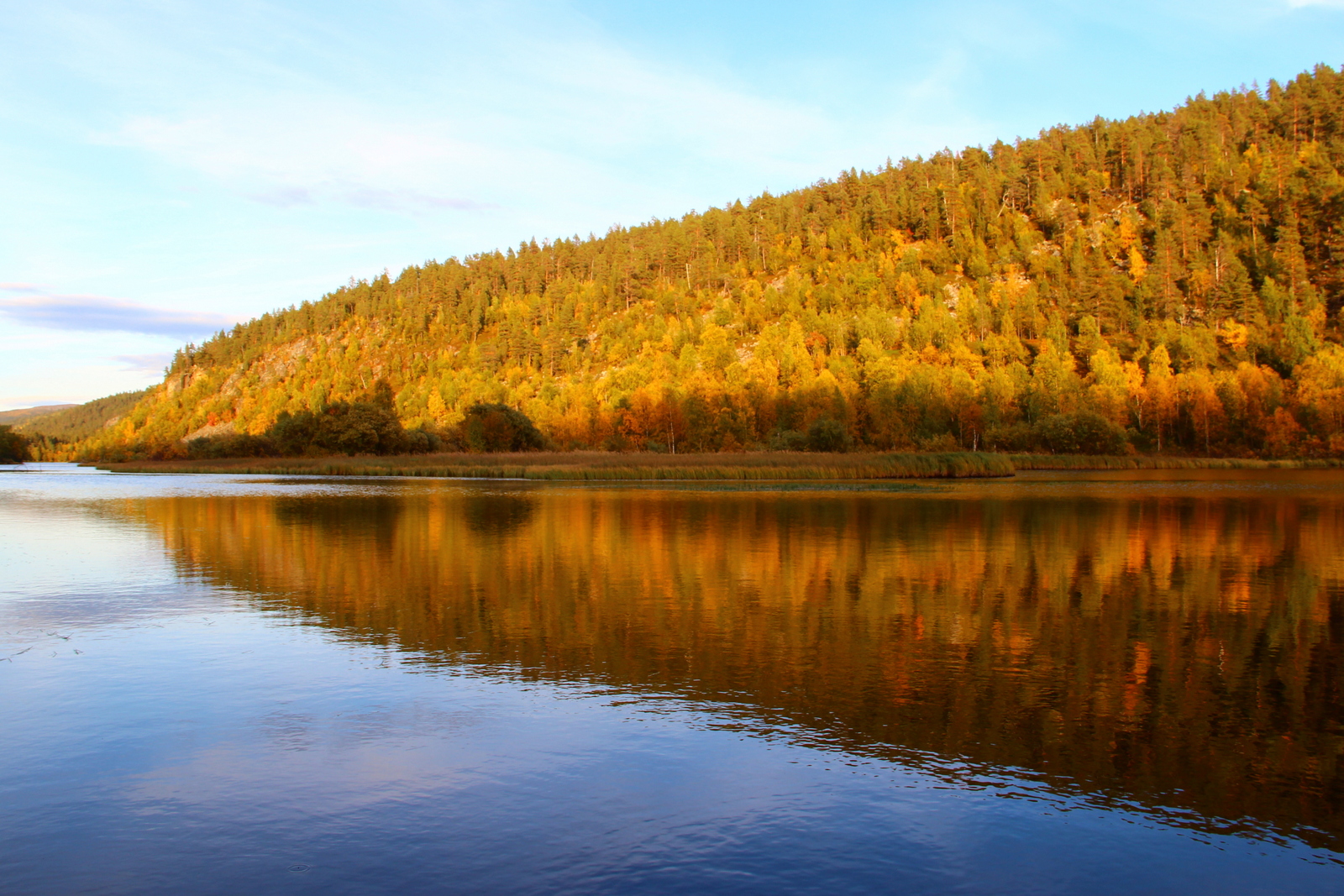
Natura 2000 · breeding

Natura 2000 · breeding
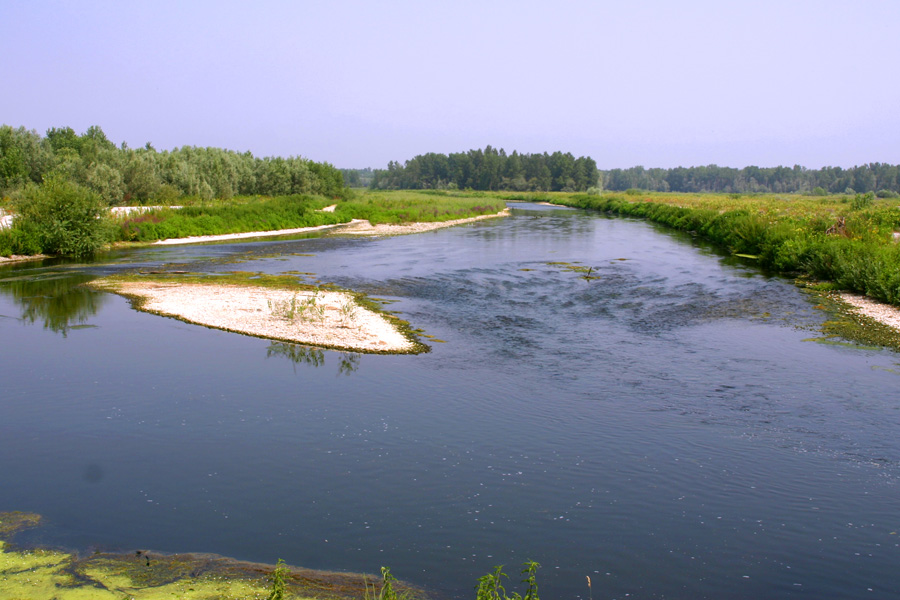
Natura 2000 · passage
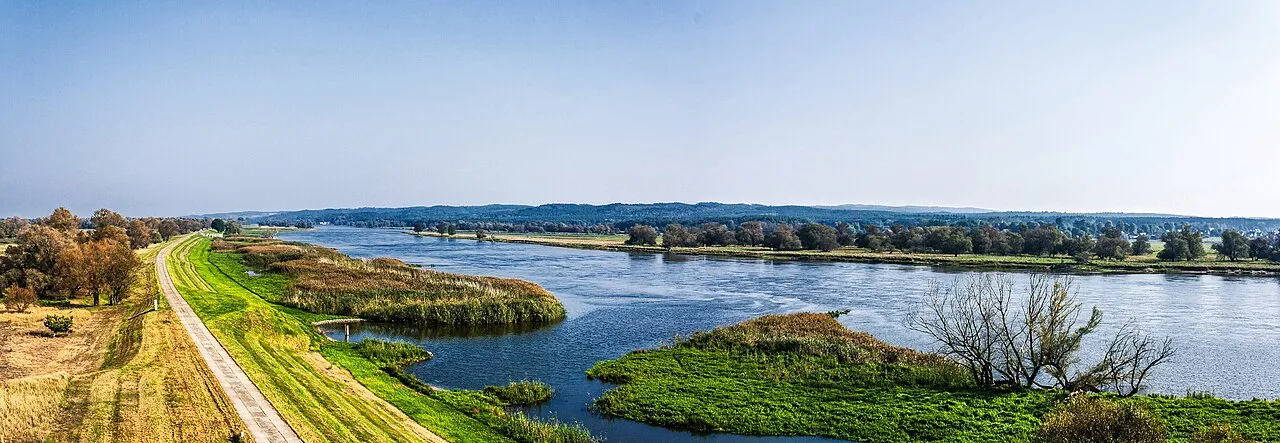
Natura 2000 · passage
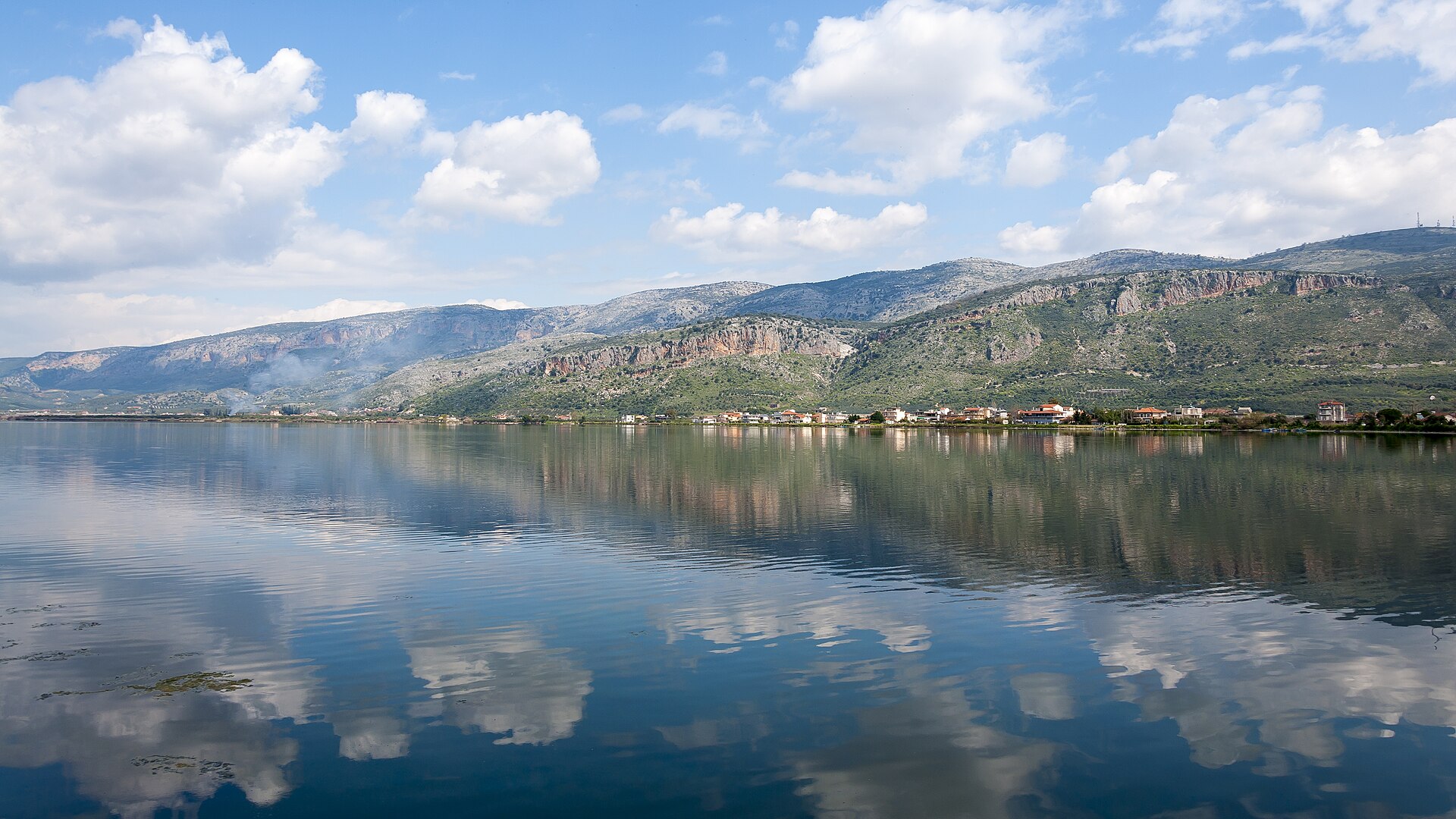
Natura 2000 · passage
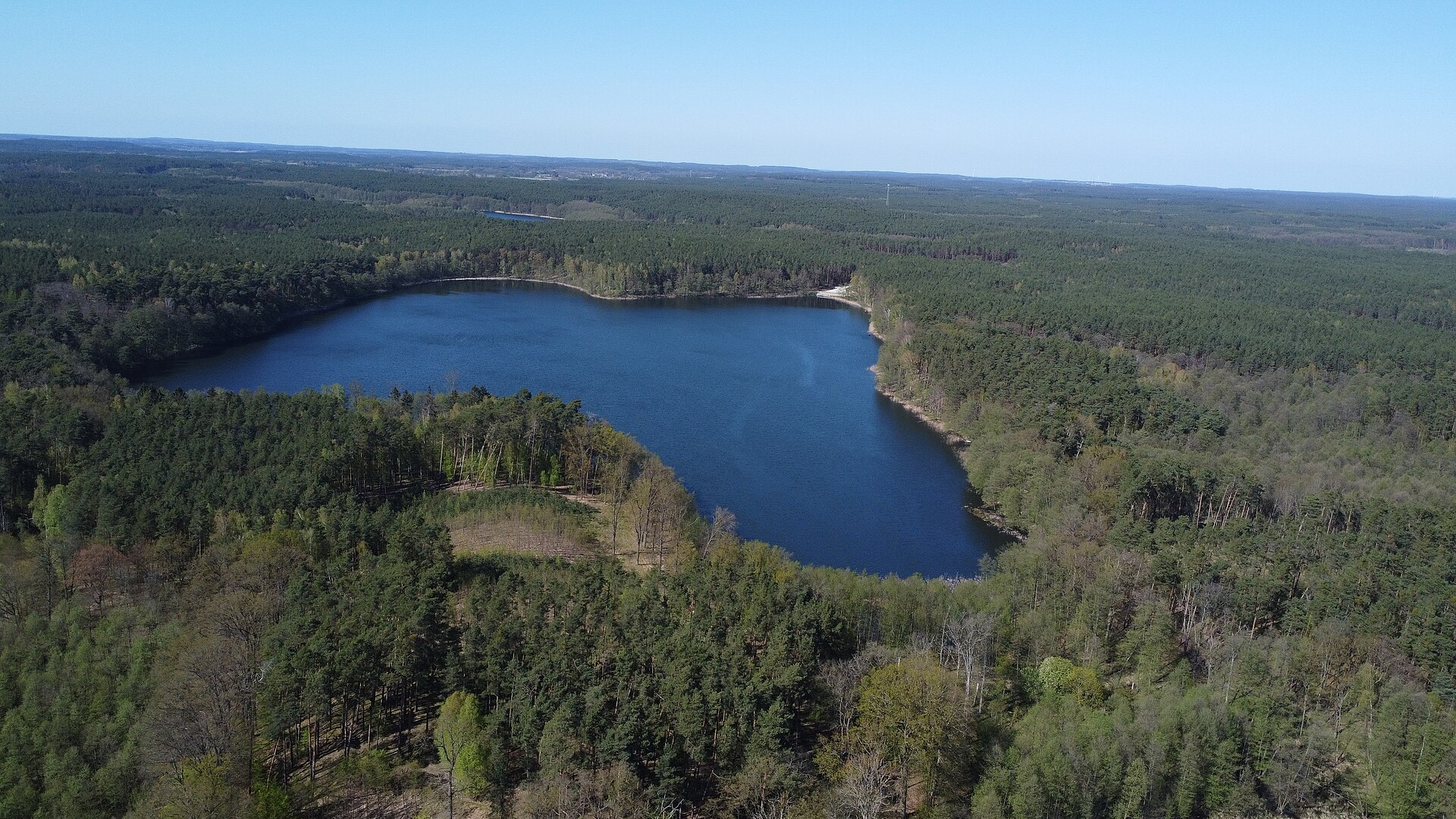
Natura 2000 · passage
Natura 2000 · passage

Natura 2000 · passage
Natura 2000 · passage
Natura 2000 · passage
Natura 2000 · passage
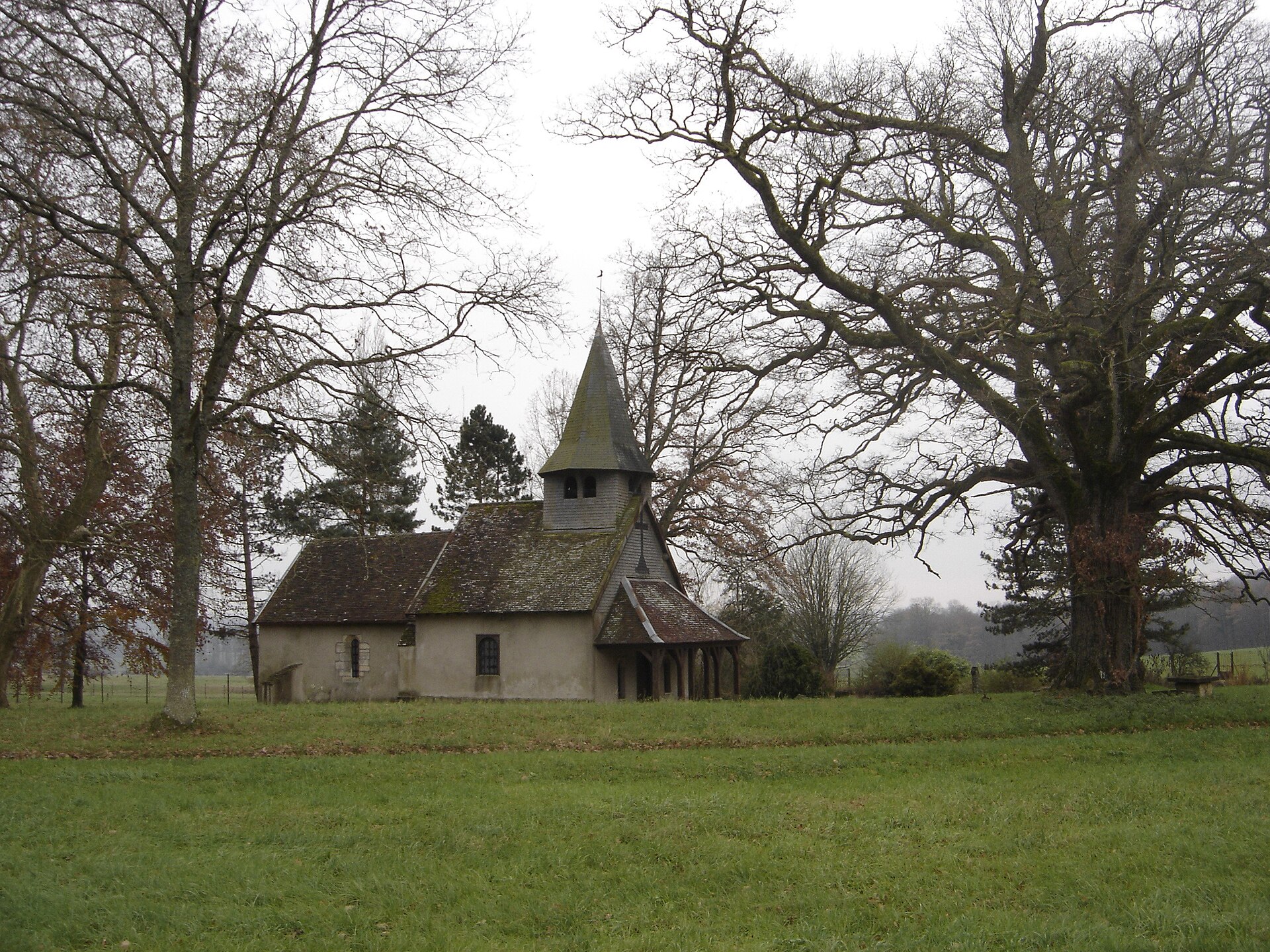
Natura 2000 · wintering, passage

Natura 2000 · breeding
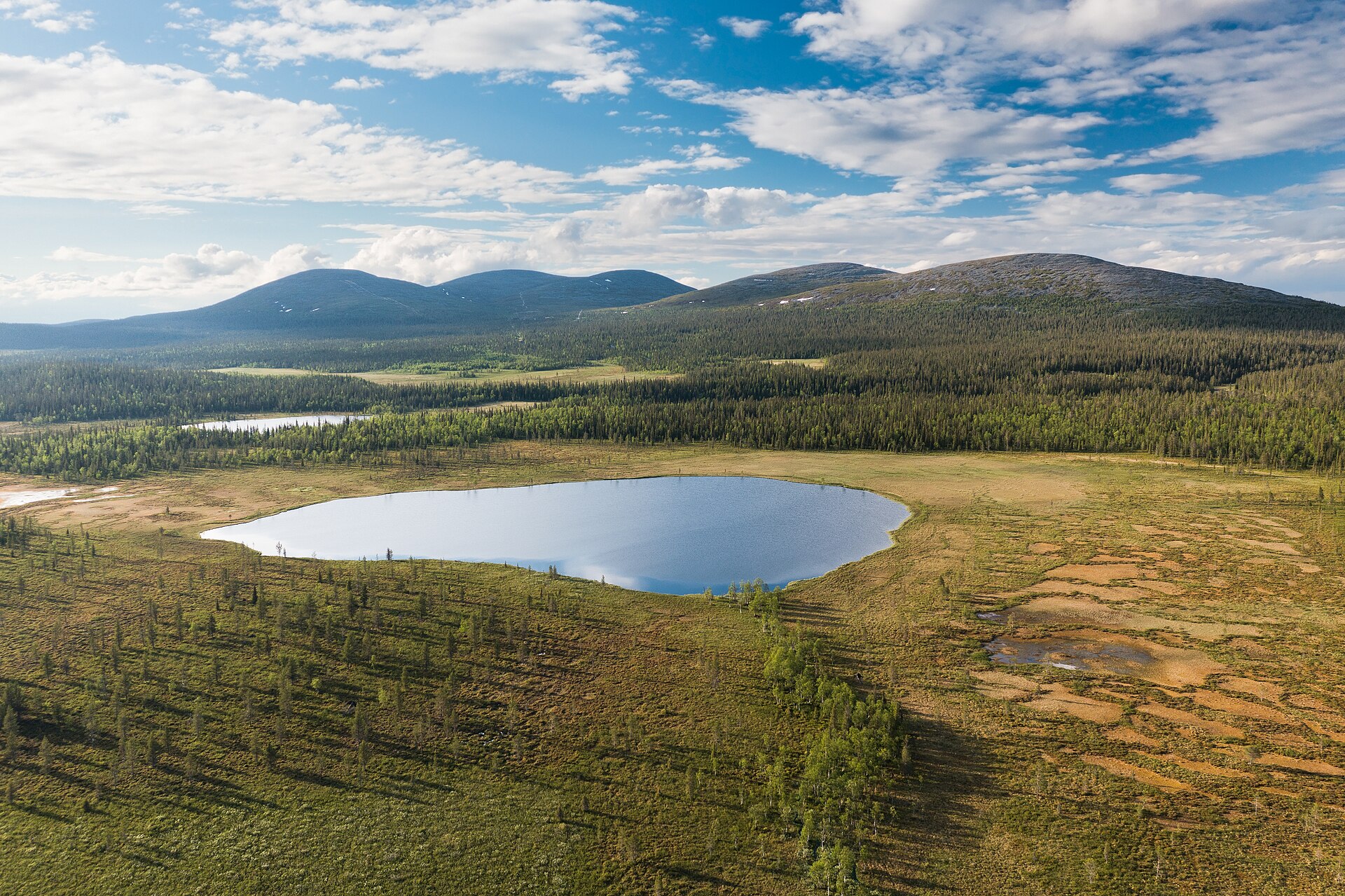
Natura 2000 · breeding
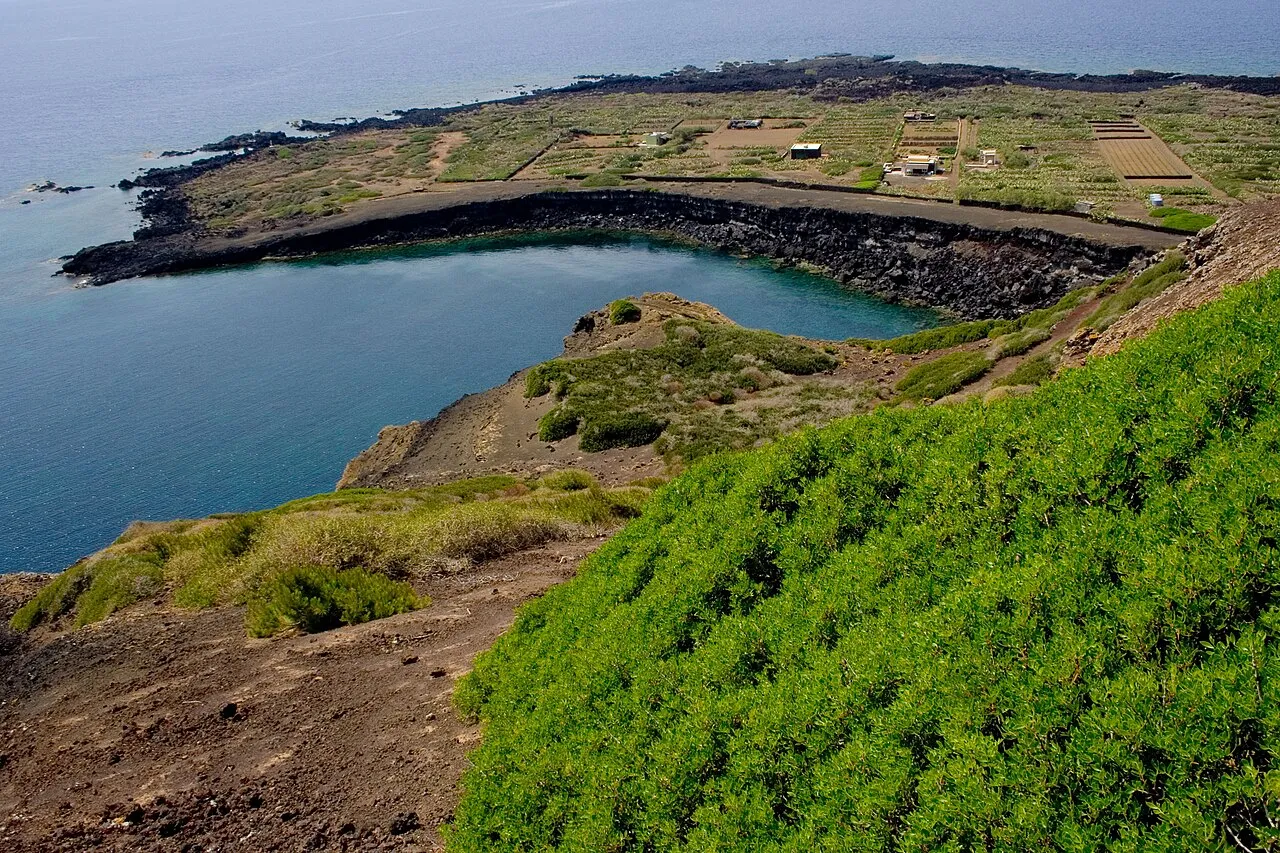
Natura 2000 · passage

Natura 2000 · passage

Natura 2000 · passage
Natura 2000 · passage

Natura 2000 · passage
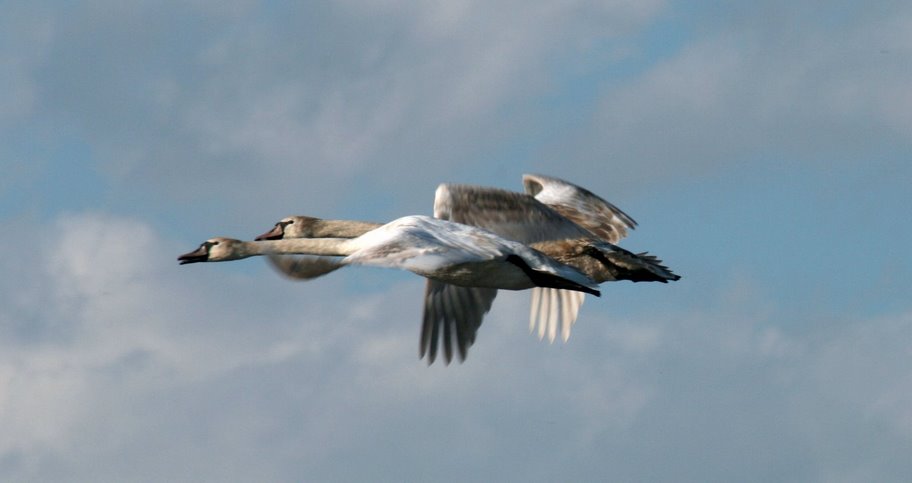
Natura 2000 · passage
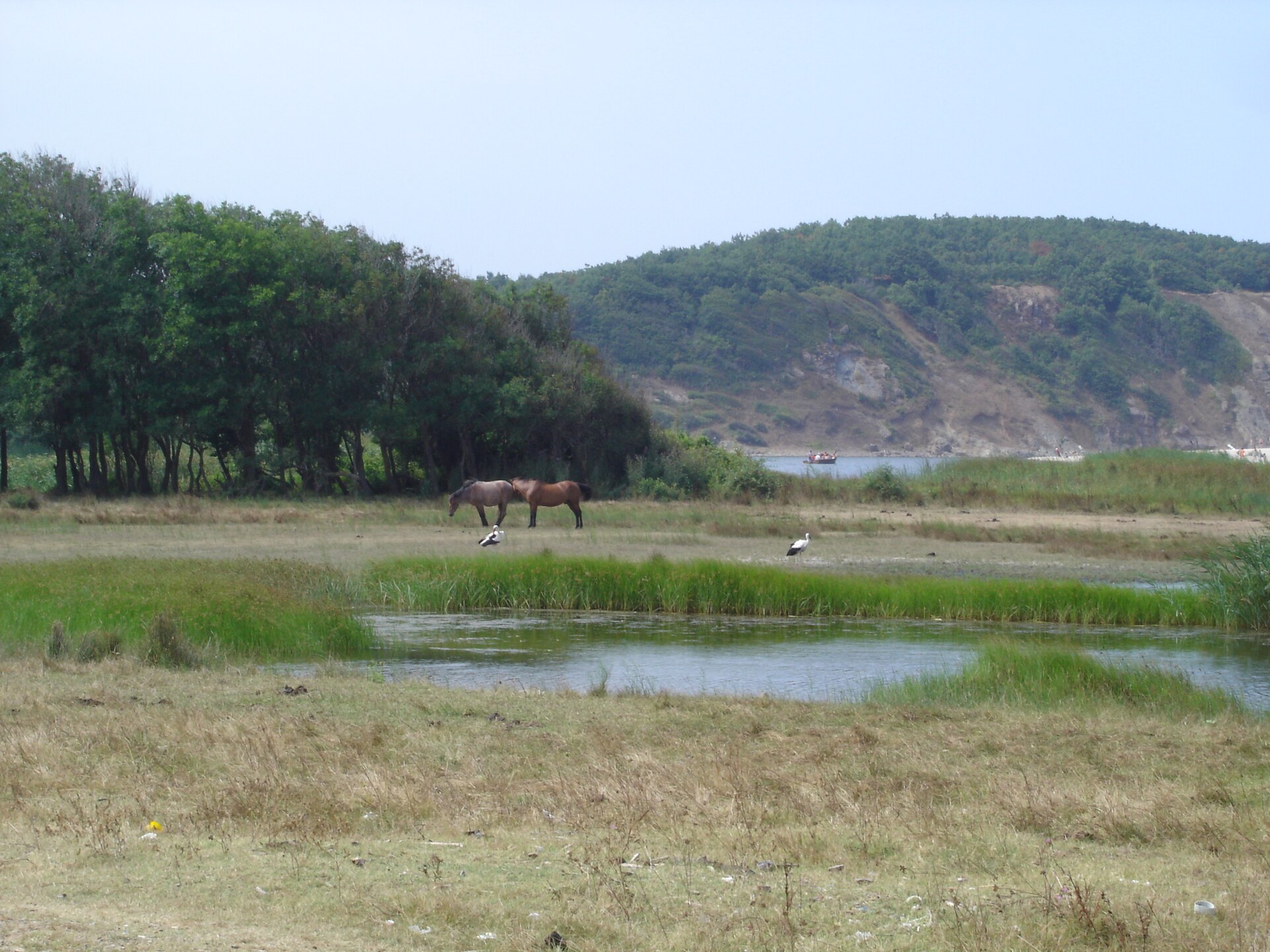
Natura 2000 · passage
Natura 2000 · passage

Natura 2000 · breeding
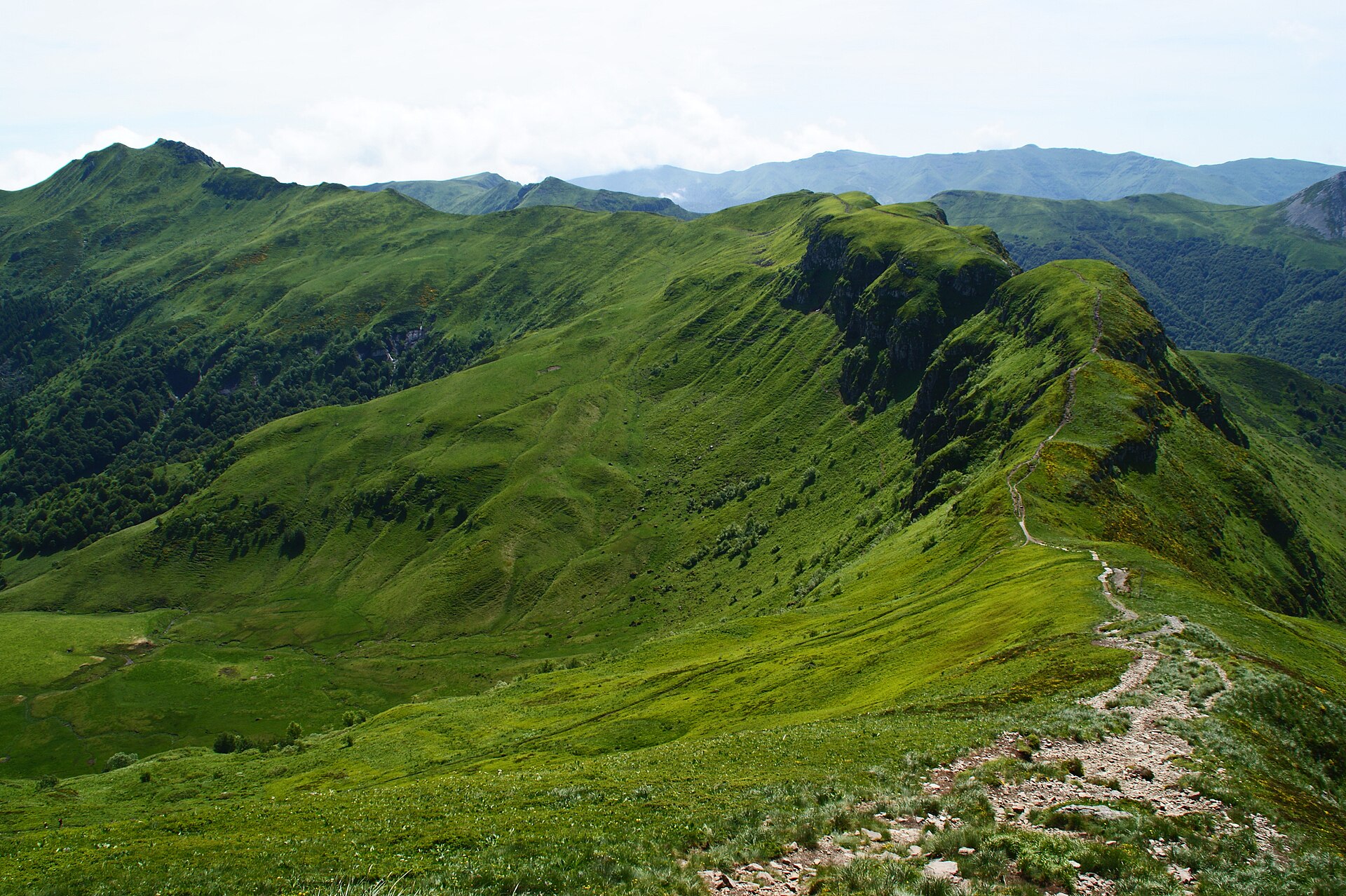
Natura 2000 · passage

Natura 2000
Other species to discover


Sources and credits
- Presence: most-recorded species of each place on GBIF and species of Community interest in the Natura 2000 forms (EEA, CC-BY 4.0); absence from the list does not mean the species is absent.
- Common names: Wikidata (CC0) and GBIF.
- Photos and sounds: Wikimedia Commons, author and licence given for each file.
- Classification: GBIF Backbone Taxonomy (GBIF Secretariat), CC BY 4.0, doi:10.15468/39omei.
- Countries, elevations, months and maps: GBIF.org, CC0 or CC BY 4.0 occurrences only, accessed October 22, 2026, GBIF.org.
- Base map: Natural Earth (public domain).
- Excerpt: Wikipedia, CC BY-SA 4.0 (full credit below the excerpt).
- Key facts: Wikidata (CC0), with the references cited under each value.
- EU bird populations: EEA / DG ENV, Article 12 Birds Directive reporting (2013–2018), CC BY 4.0.