
Bird
Sanderling: where to see it
Calidris alba
This bird species is recorded in 81 protected areas of the atlas, including 60 whose official Natura 2000 form lists it. Within the atlas countries, it is mostly observed in Sweden, the United Kingdom and Spain (12 countries in all). Records peak from August to October. It has a wingspan of 35 cm. Its EU population is assessed as secure (2013–2018 Birds Directive reporting).
Best time to see it: August–October
Records published on GBIF by month (CC0 and CC BY 4.0 licences only), in the atlas countries, all years combined; they also reflect observer activity.
Key facts
Status and protection
EU population assessed as secure, increasing in the short term (2013–2018 Birds Directive reporting). EU wintering population: 75,100–99,000 individuals.
Distribution
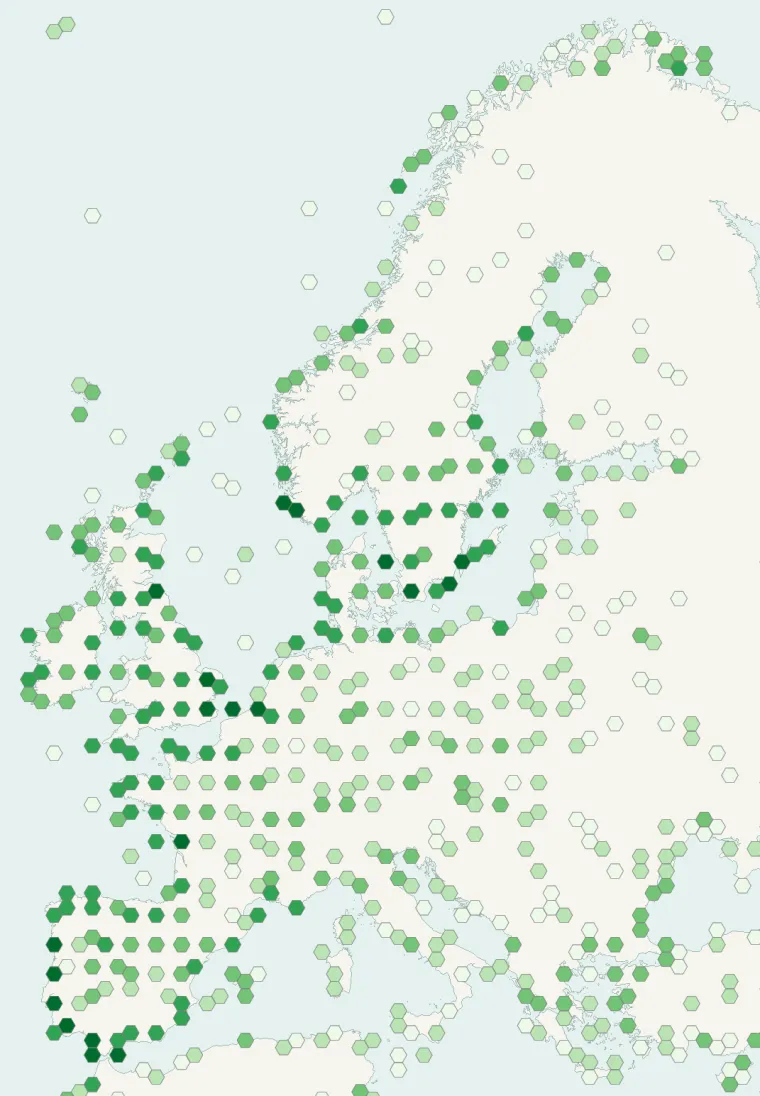
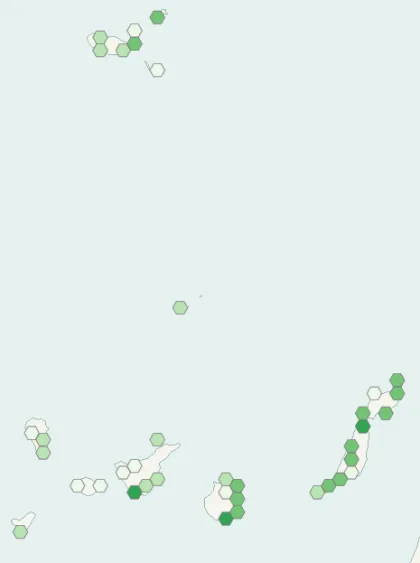
Records published on GBIF (CC0 and CC BY 4.0 licences): the darker the shade, the more records there are; they also reflect observation effort.
From Wikipedia
The sanderling (Calidris alba) is a small wading bird. It is a circumpolar Arctic breeder, being among the most extreme northern breeding birds in the world, nesting only on the coldest tundra, north of the 5°C July isotherm; in Europe, its southernmost breeding locality is Svalbard, where only a handful (5–15) pairs breed. It is a long-distance migrant, wintering south to South America, western and southern Europe, Africa, and Australia. It is highly gregarious in winter, sometimes forming large flocks on coastal mudflats or sandy beaches.
Source: Wikipedia, article “Sanderling” (version of October 17, 2026) · history and authors · licence CC BY-SA 4.0 · shortened excerpt
Protected areas where it is recorded
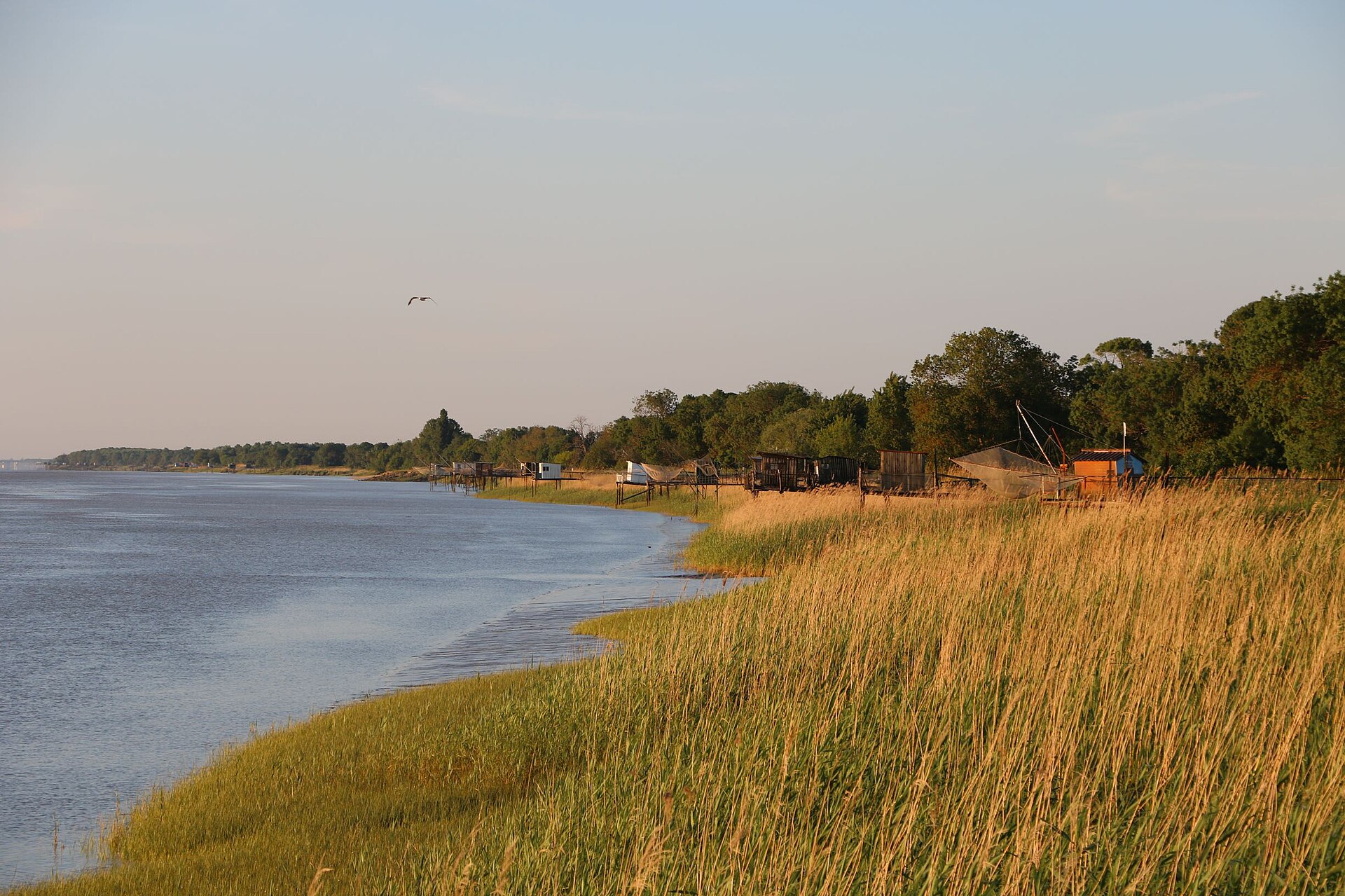
Natura 2000 · wintering, passage 7,046 records
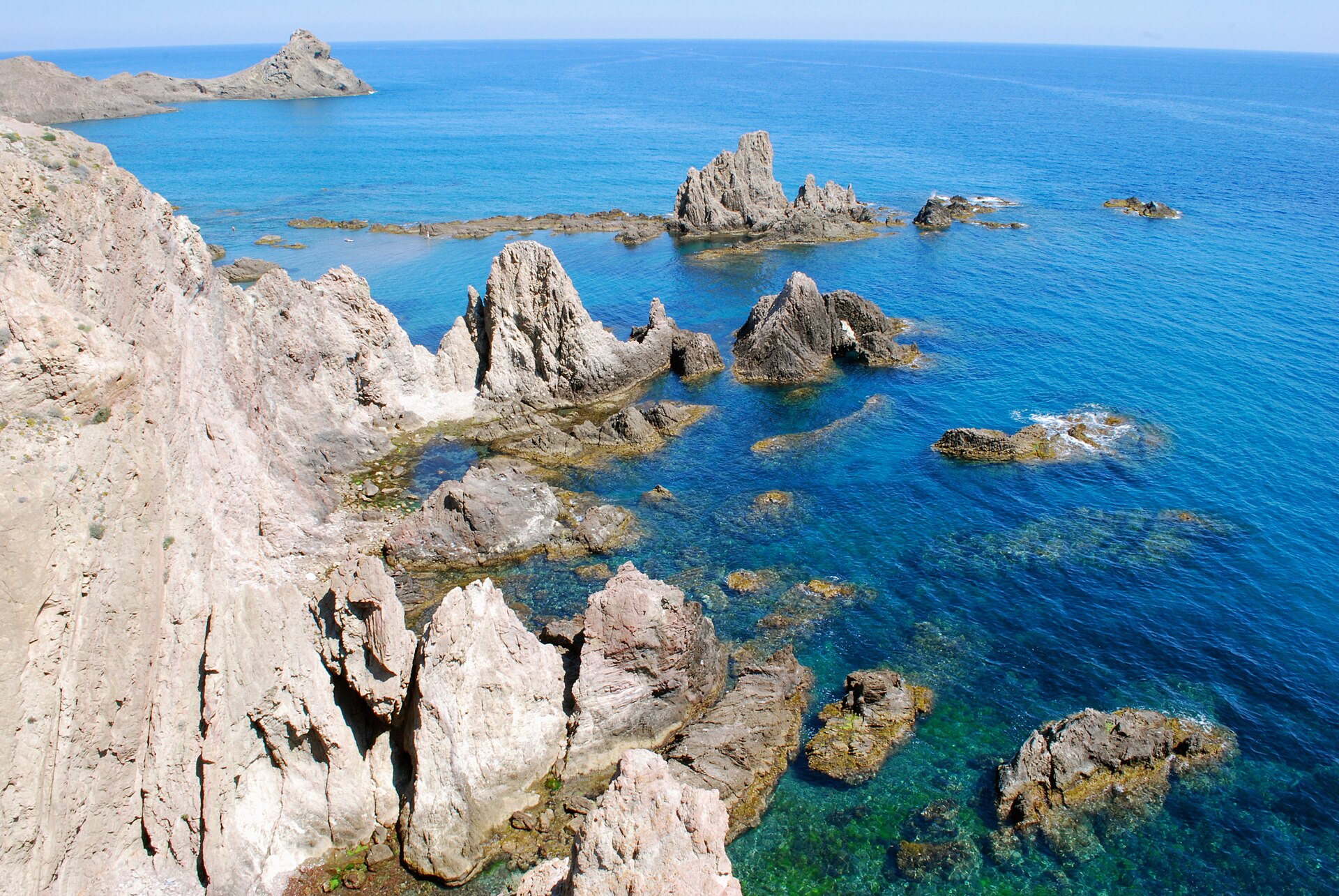
Natura 2000 · passage, wintering 1,488 records

Natura 2000 · wintering 904 records
Natura 2000 · passage, wintering 298 records

2,276 records
1,246 records
1,216 records

836 records

575 records
490 records
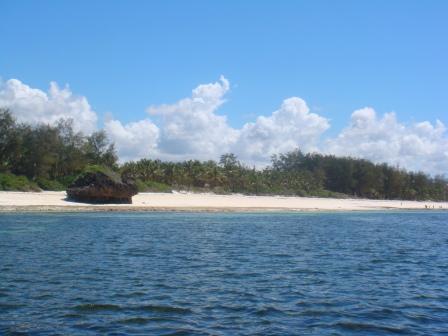
287 records

213 records

192 records
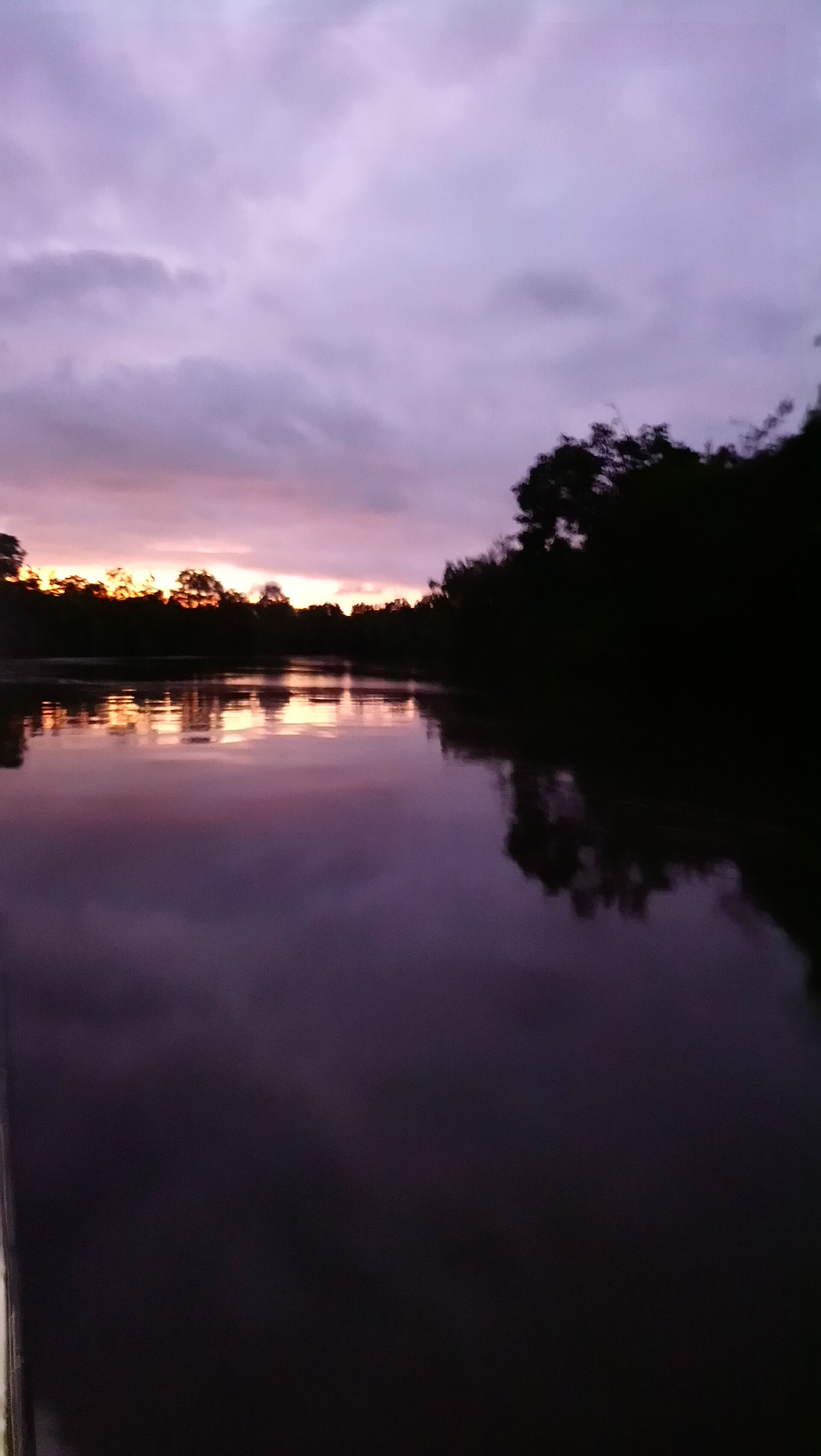
133 records
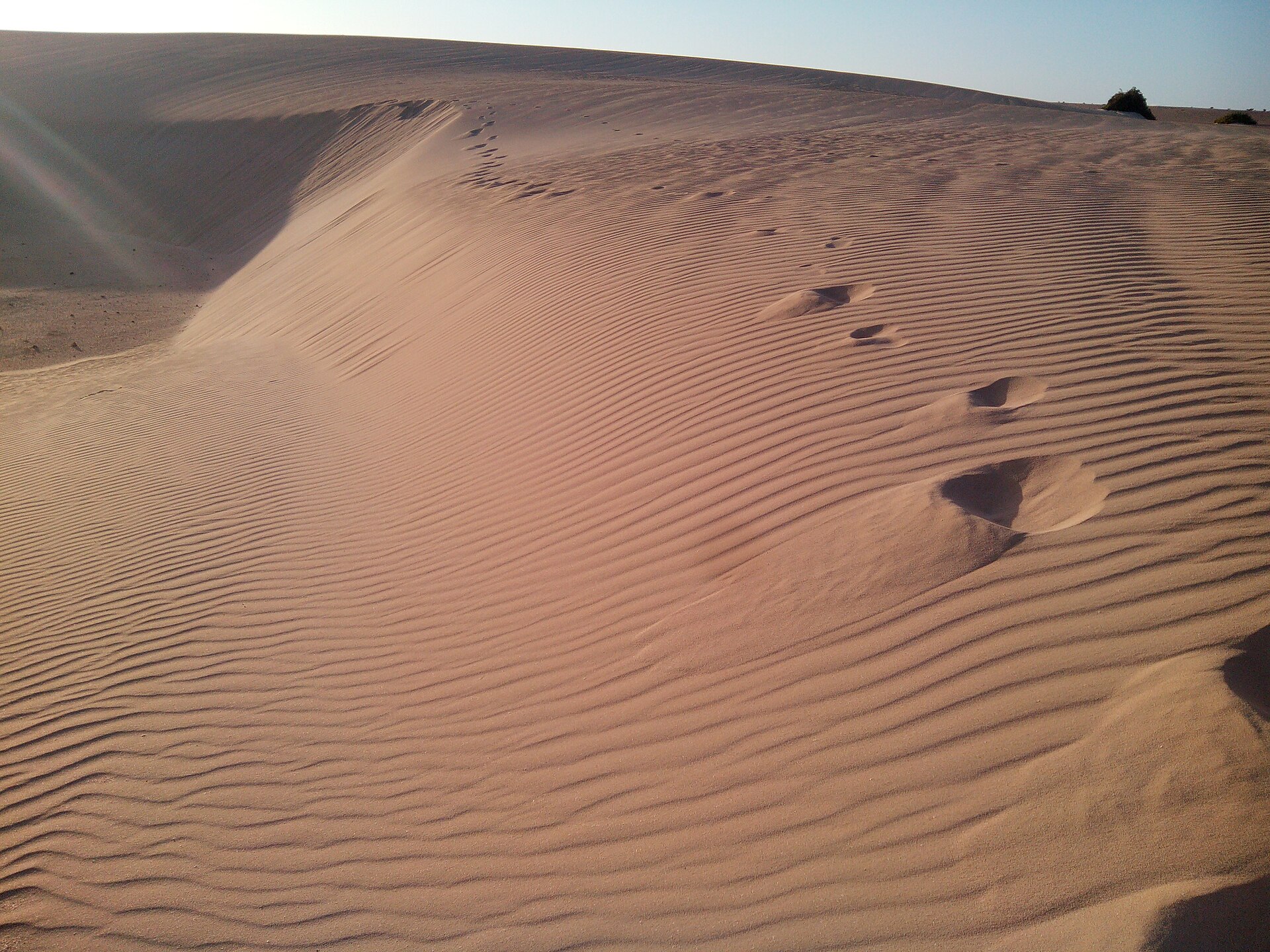
131 records

93 records
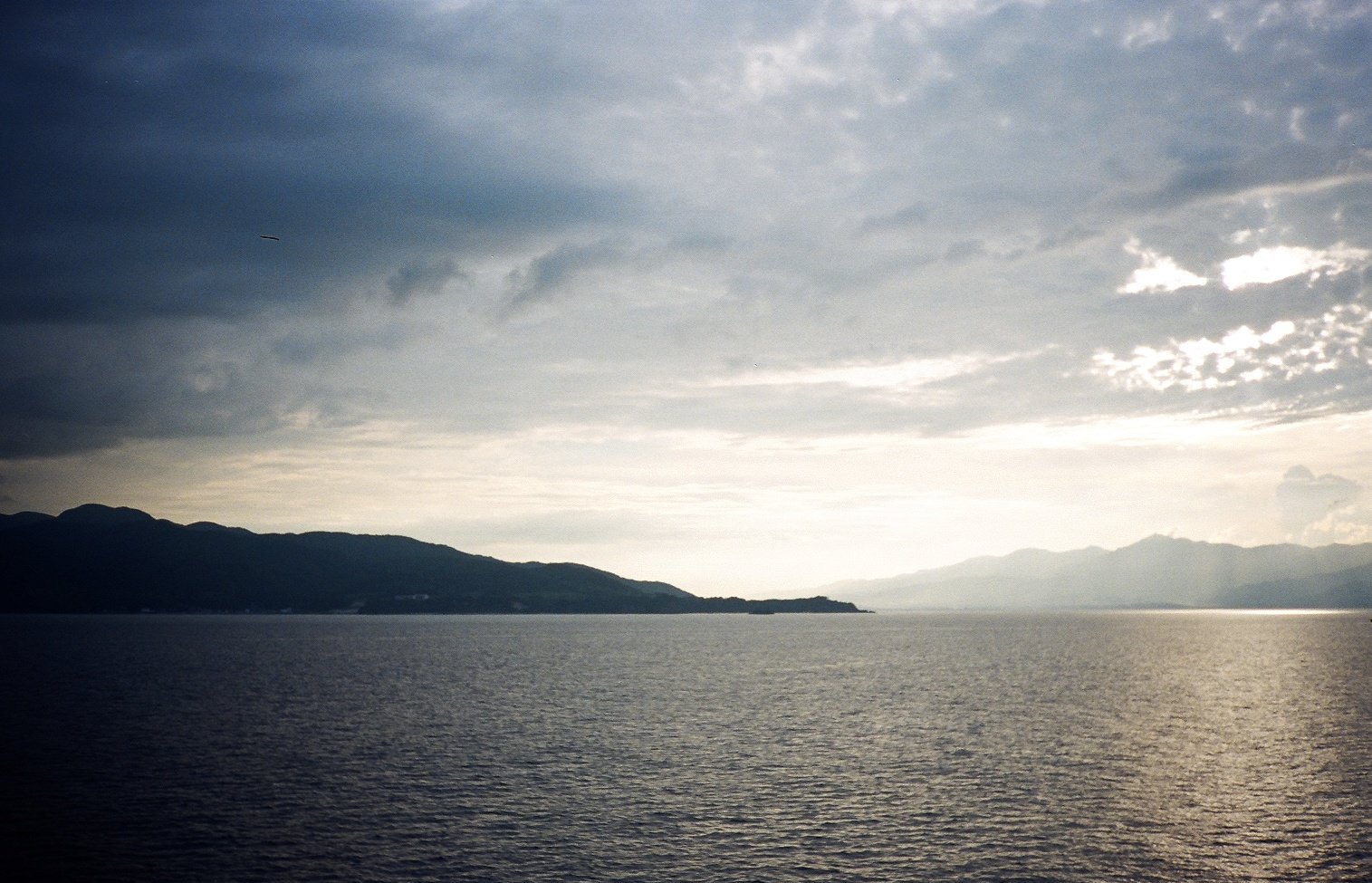
74 records

67 records

58 records

38 records

31 records

26 records
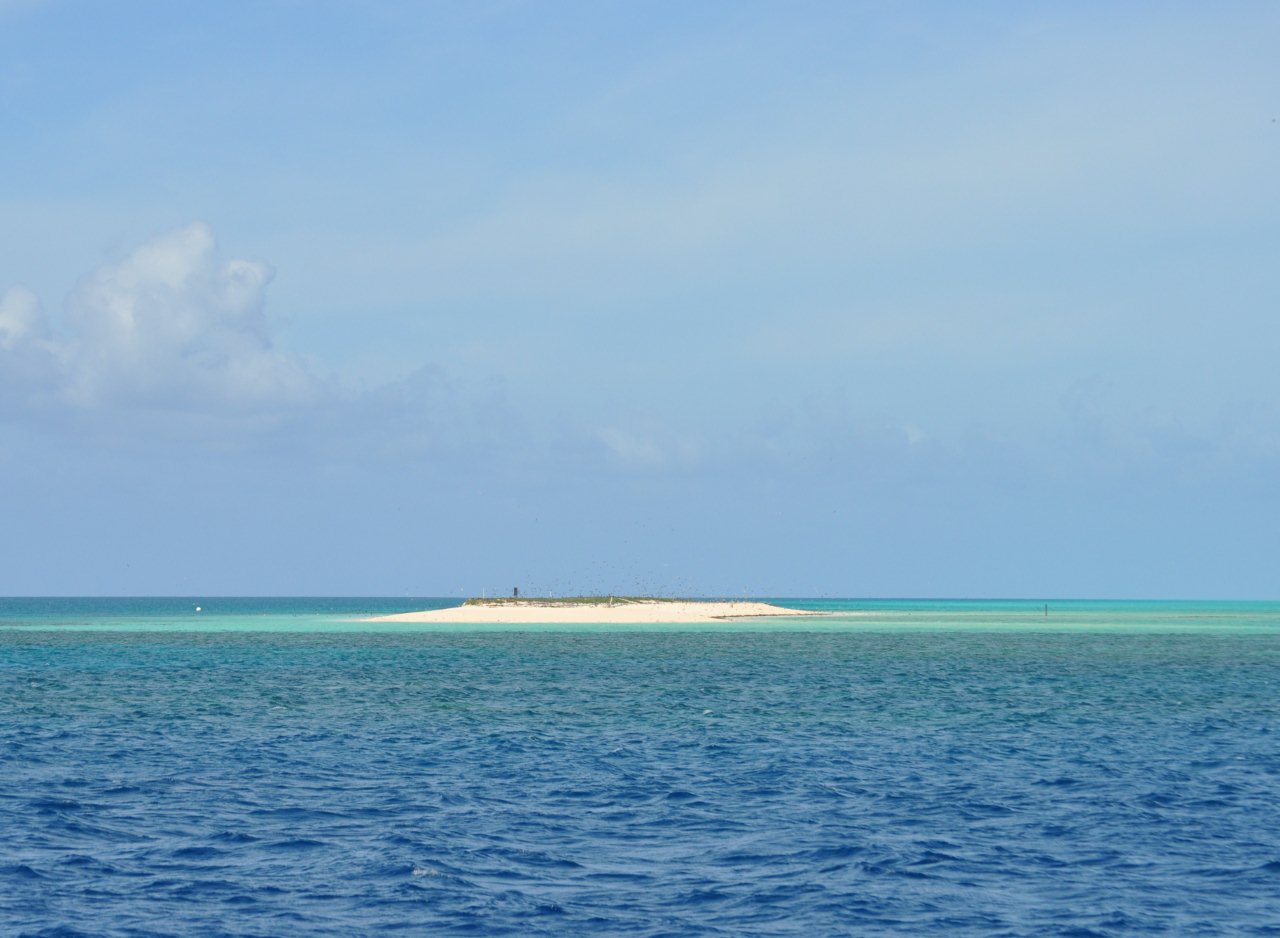
13 records
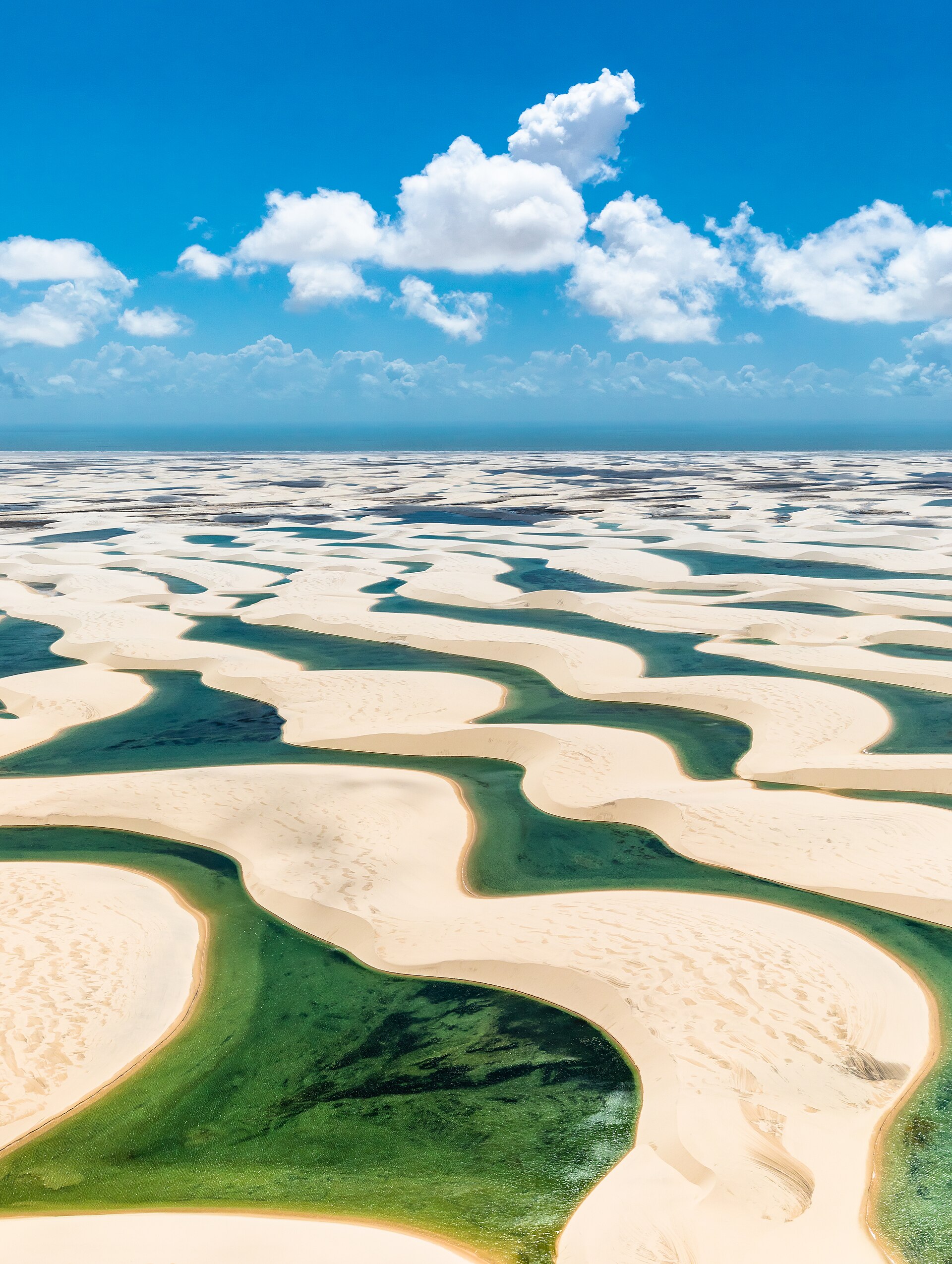
12 records
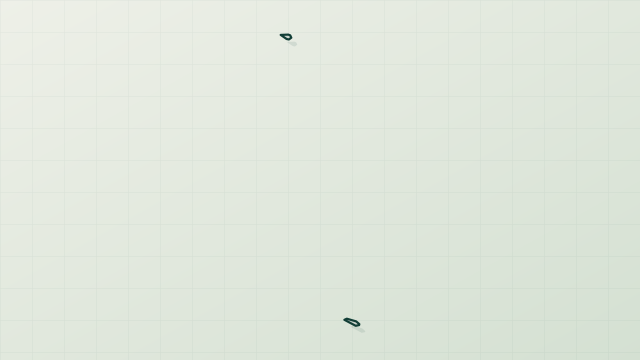
1 records
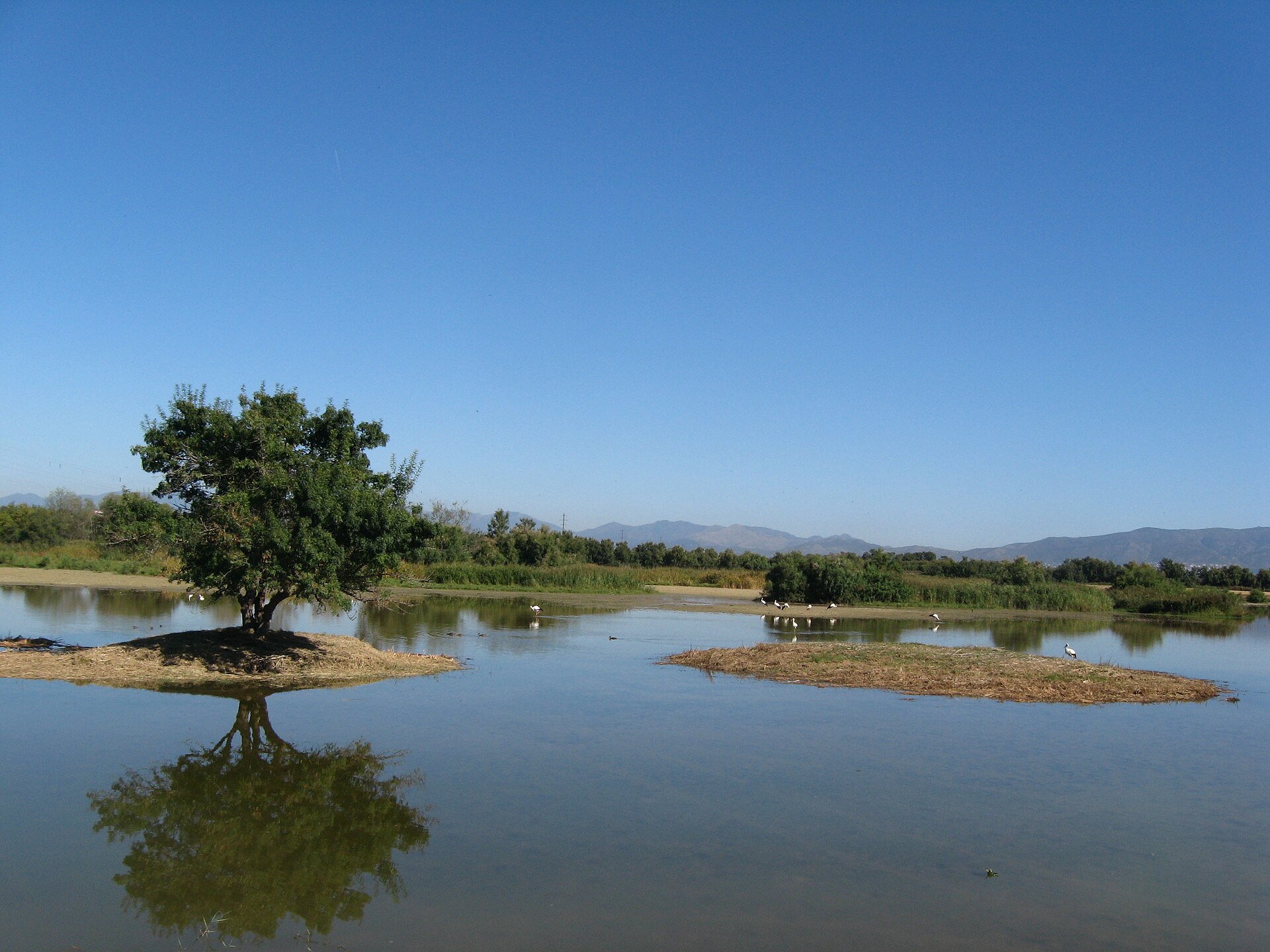
Natura 2000 · wintering
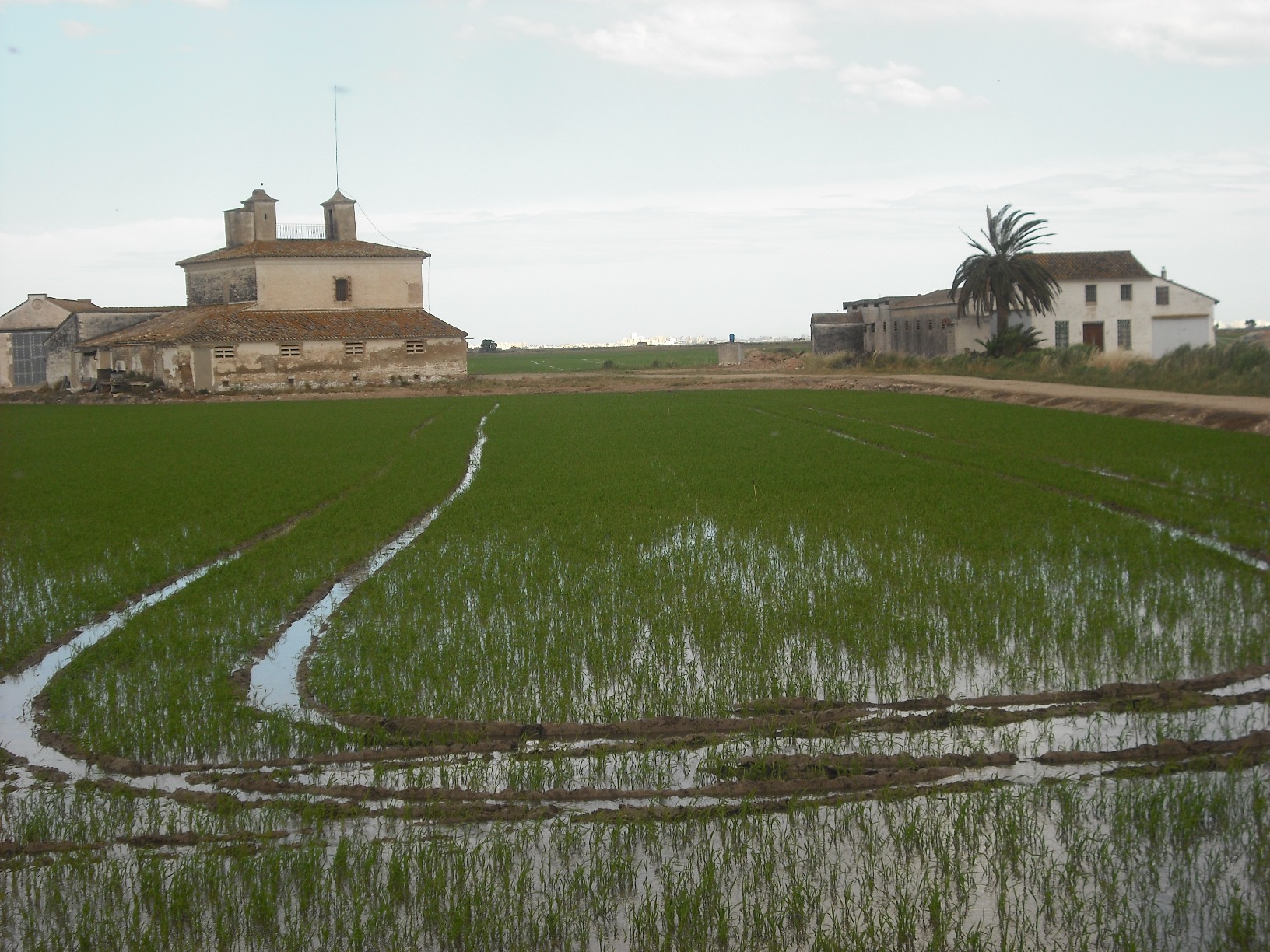
Natura 2000 · wintering
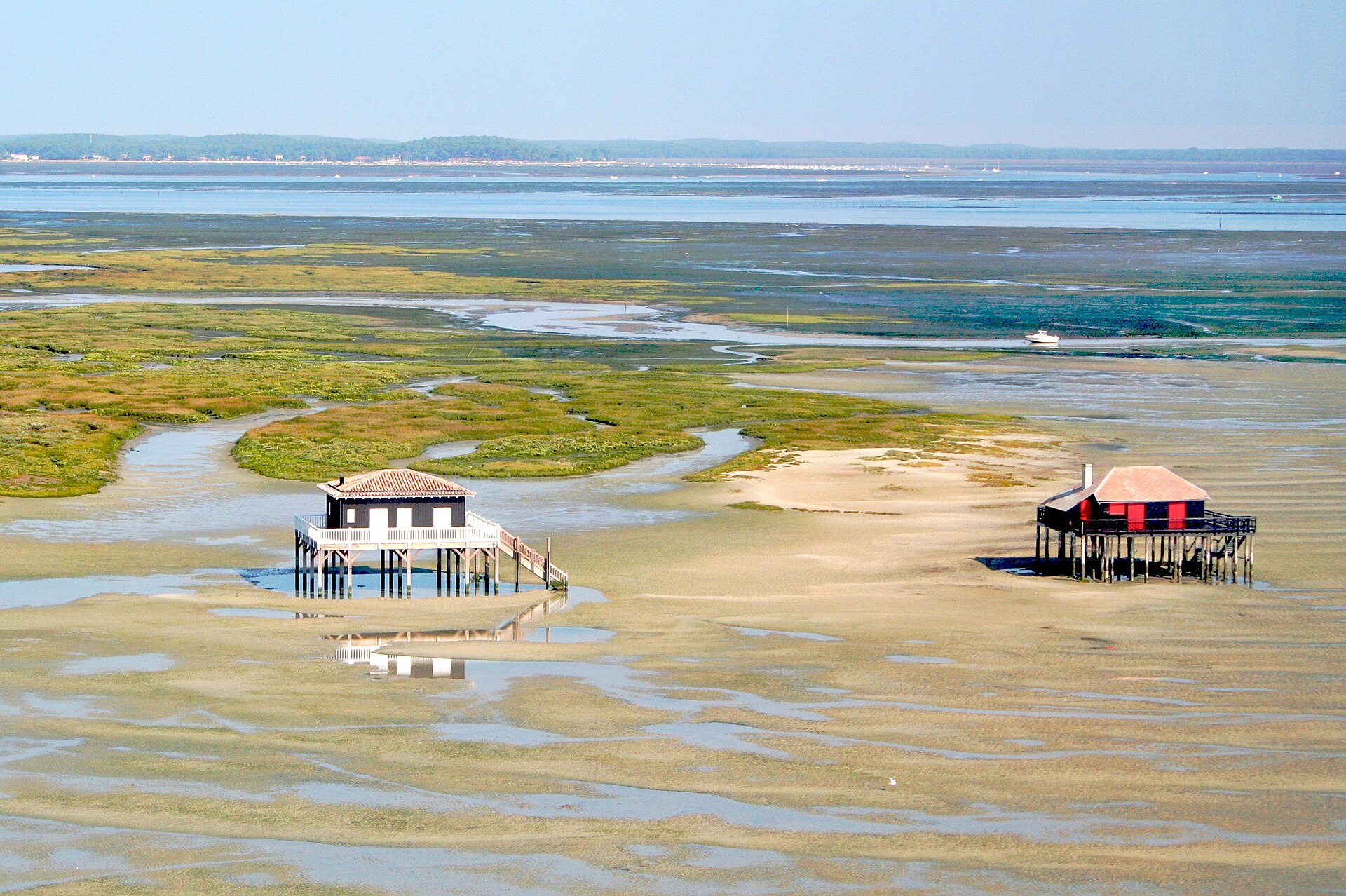
Natura 2000 · wintering, passage

Natura 2000 · passage
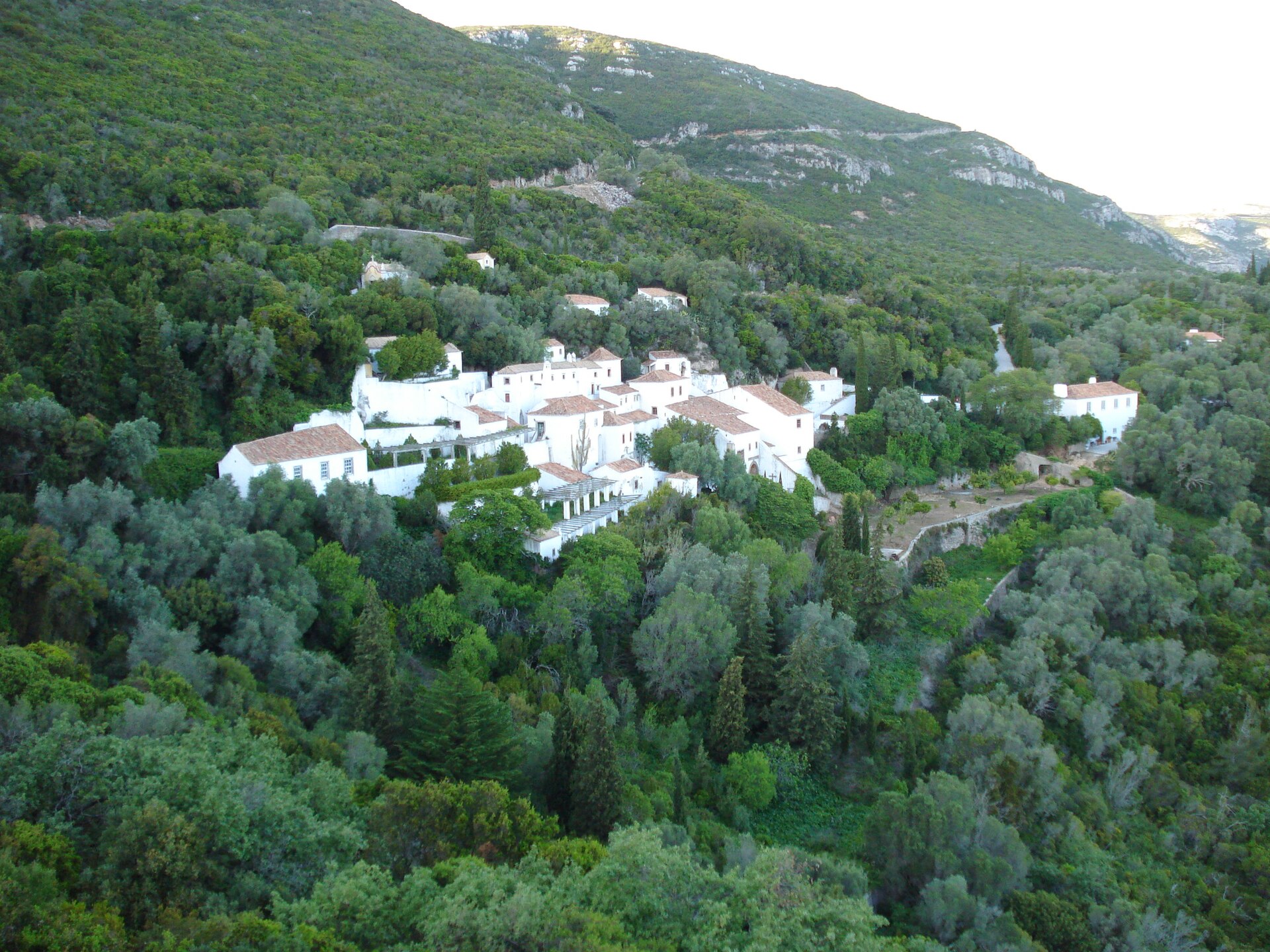
Natura 2000 · passage

Natura 2000 · wintering, passage

Natura 2000 · passage, wintering
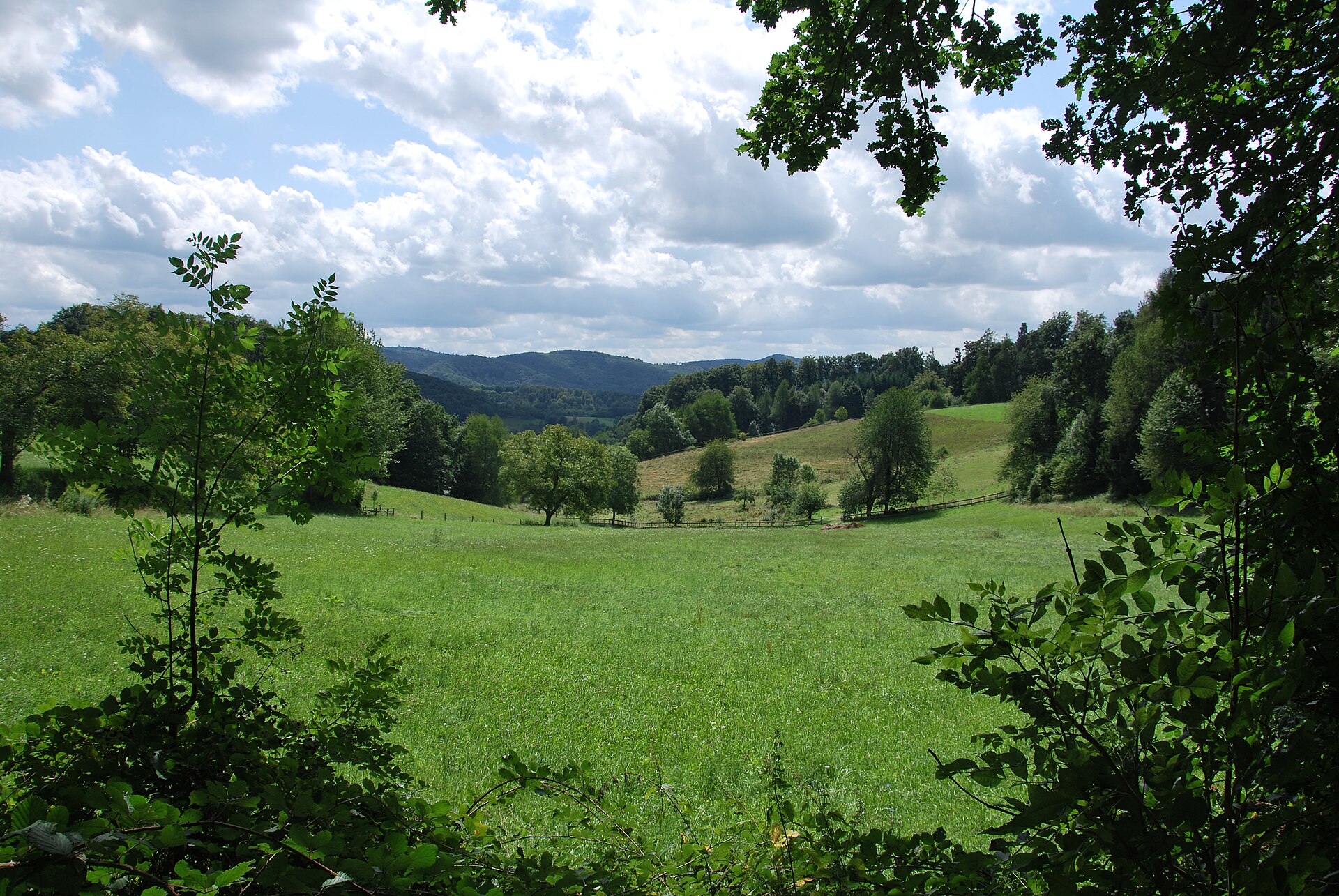
Natura 2000 · passage

Natura 2000 · passage
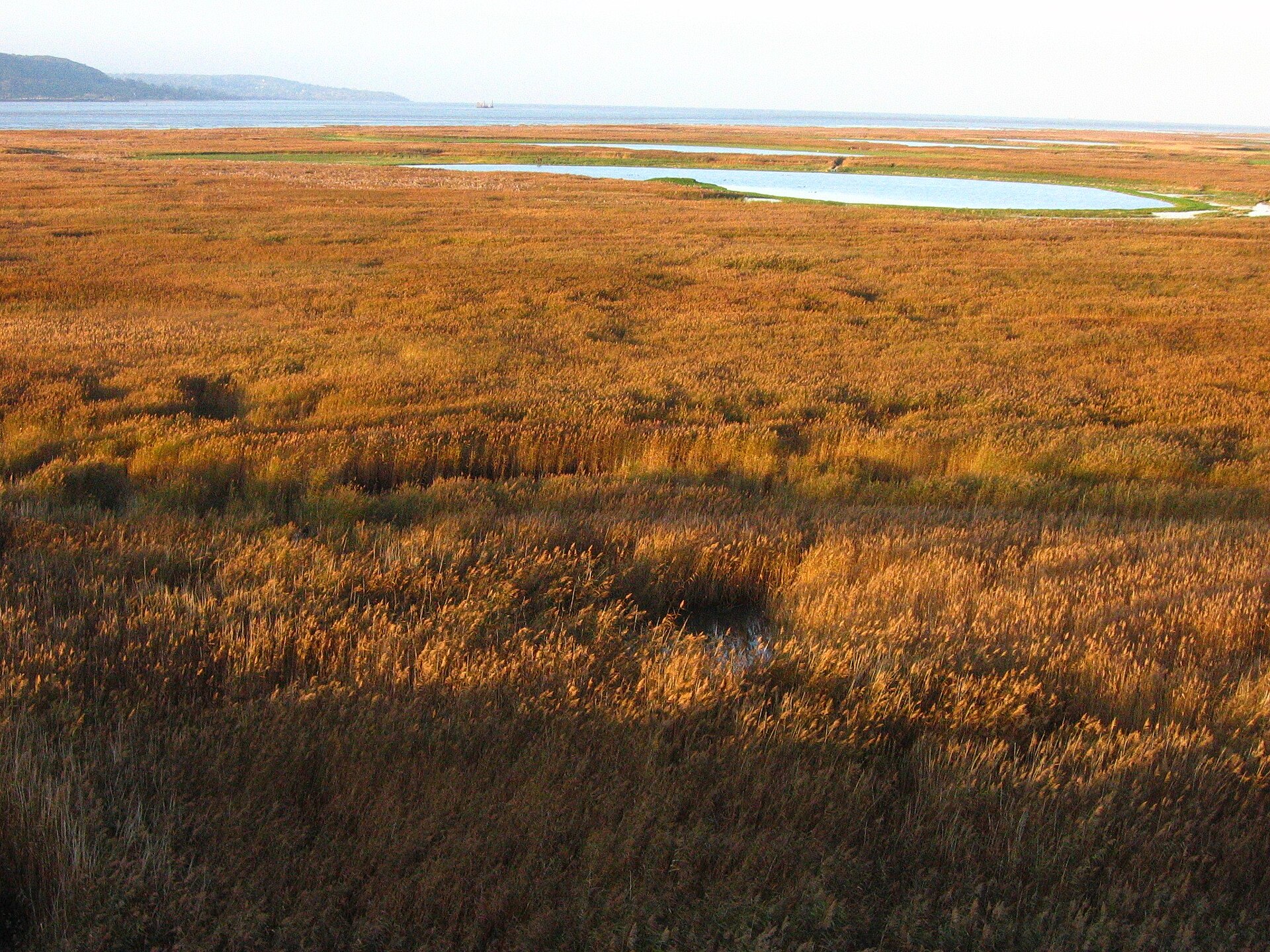
Natura 2000 · passage, wintering
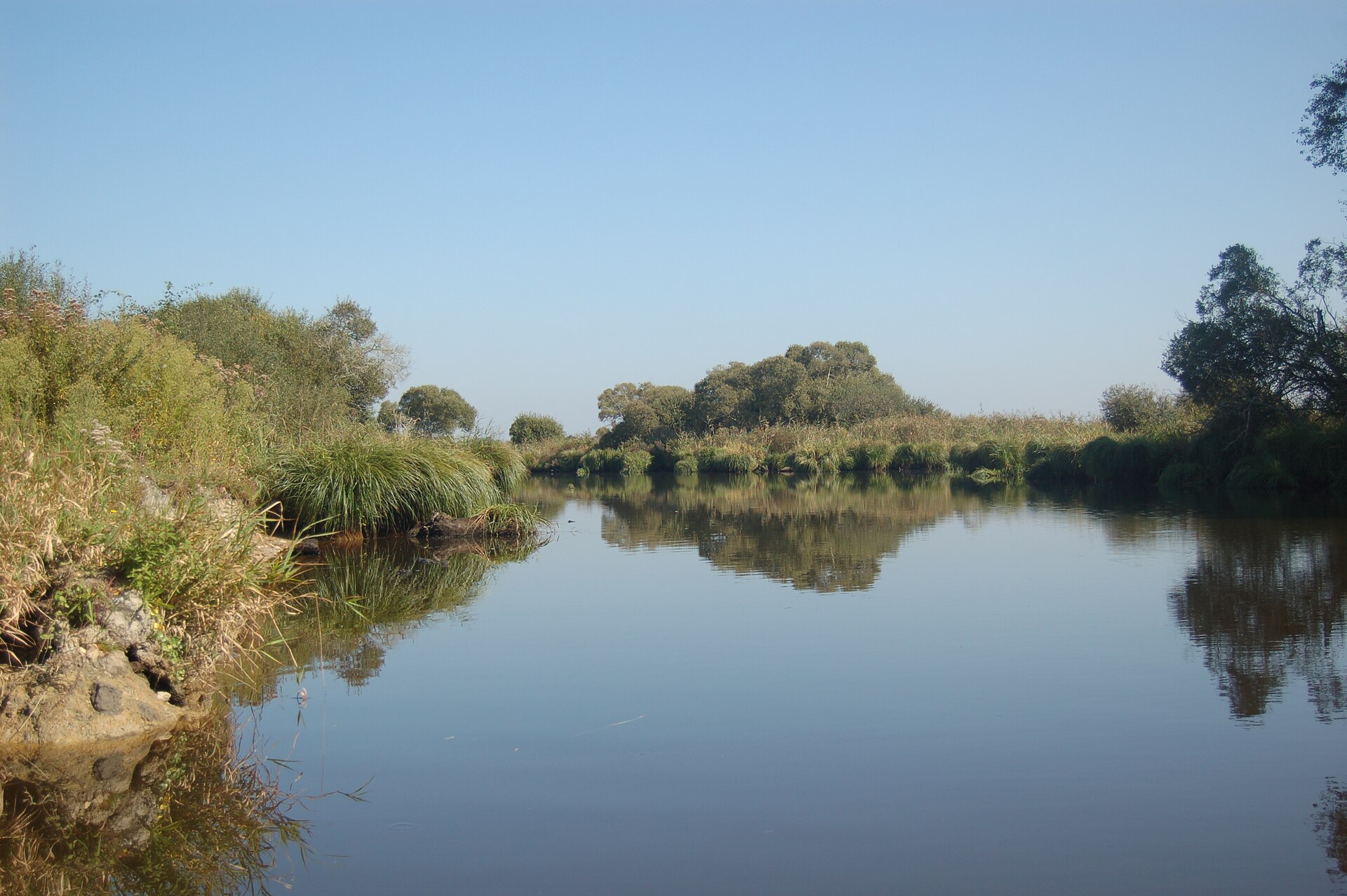
Natura 2000 · wintering
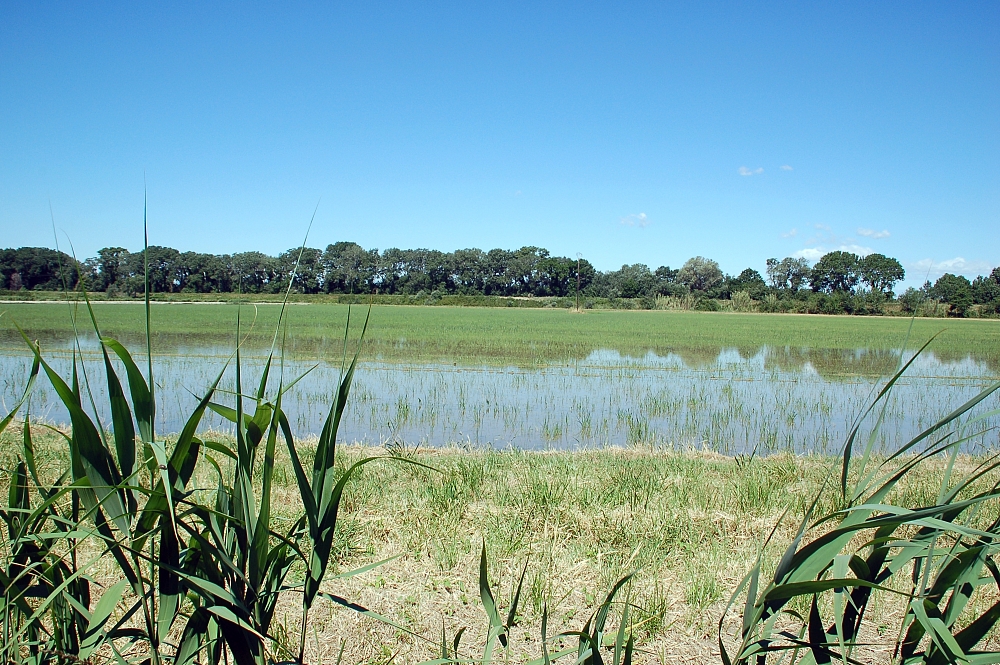
Natura 2000 · passage, wintering
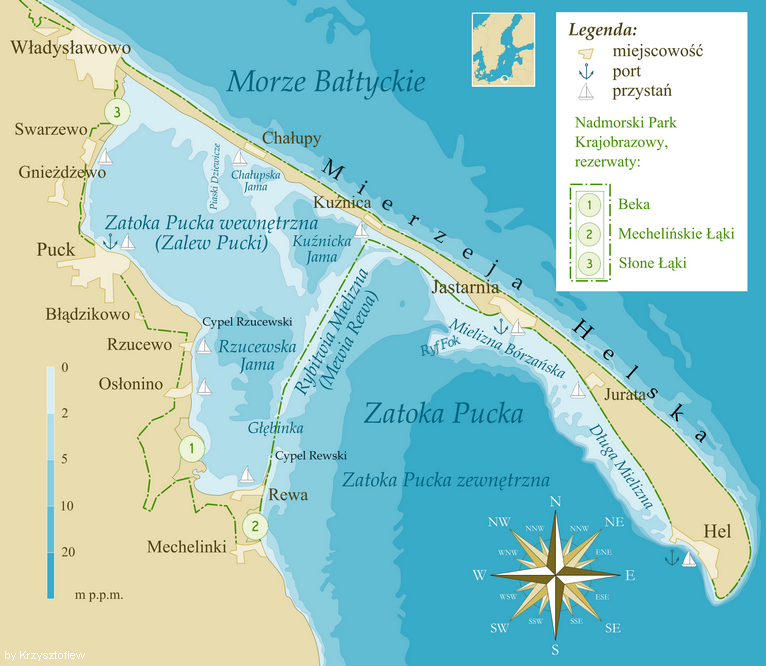
Natura 2000 · passage
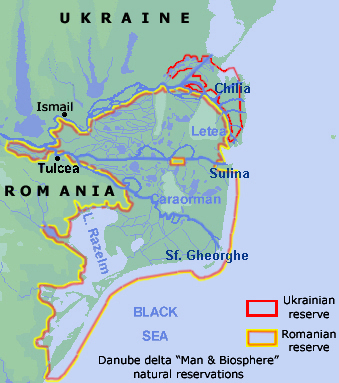
Natura 2000 · passage
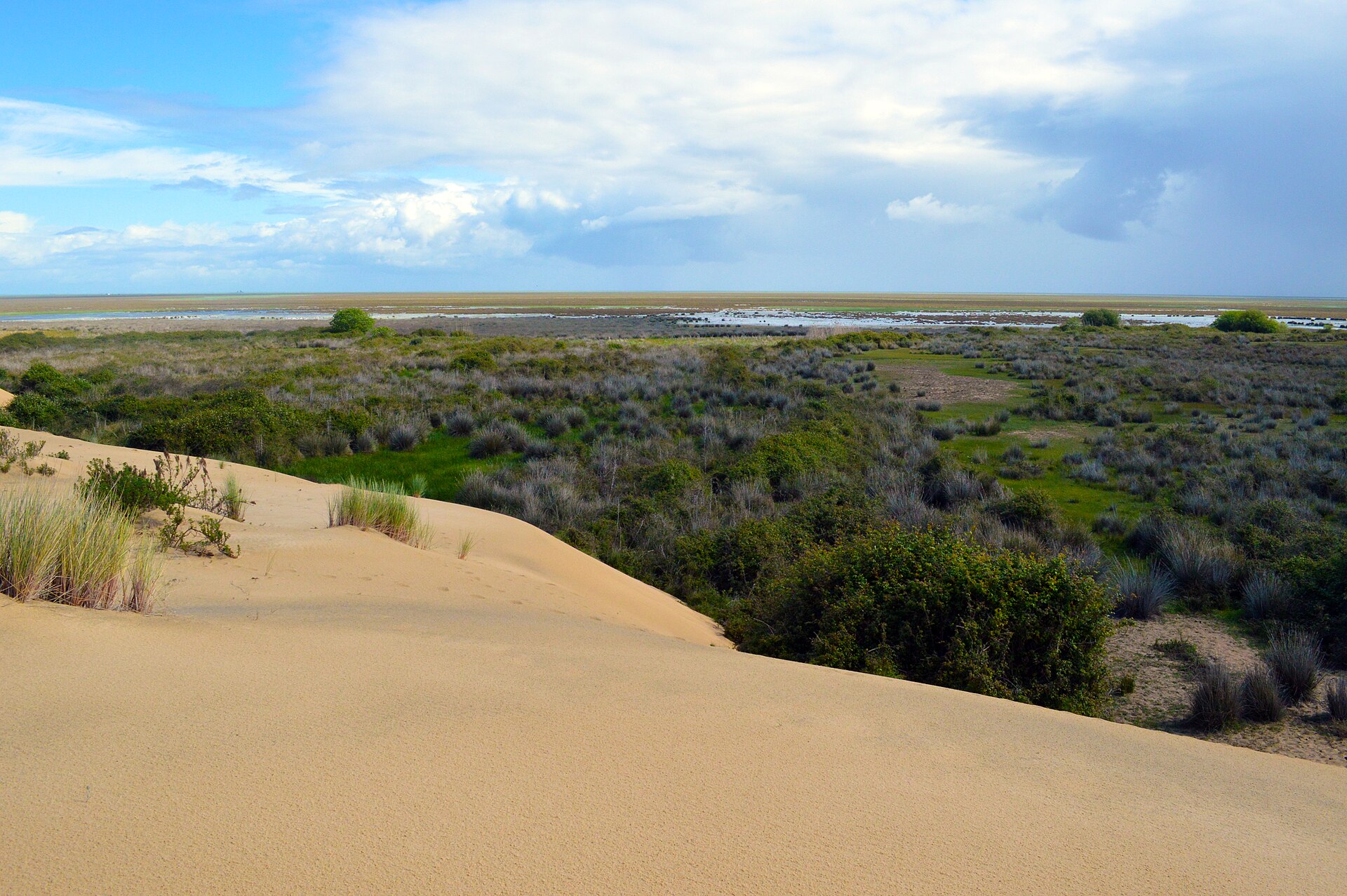
Natura 2000 · passage, wintering
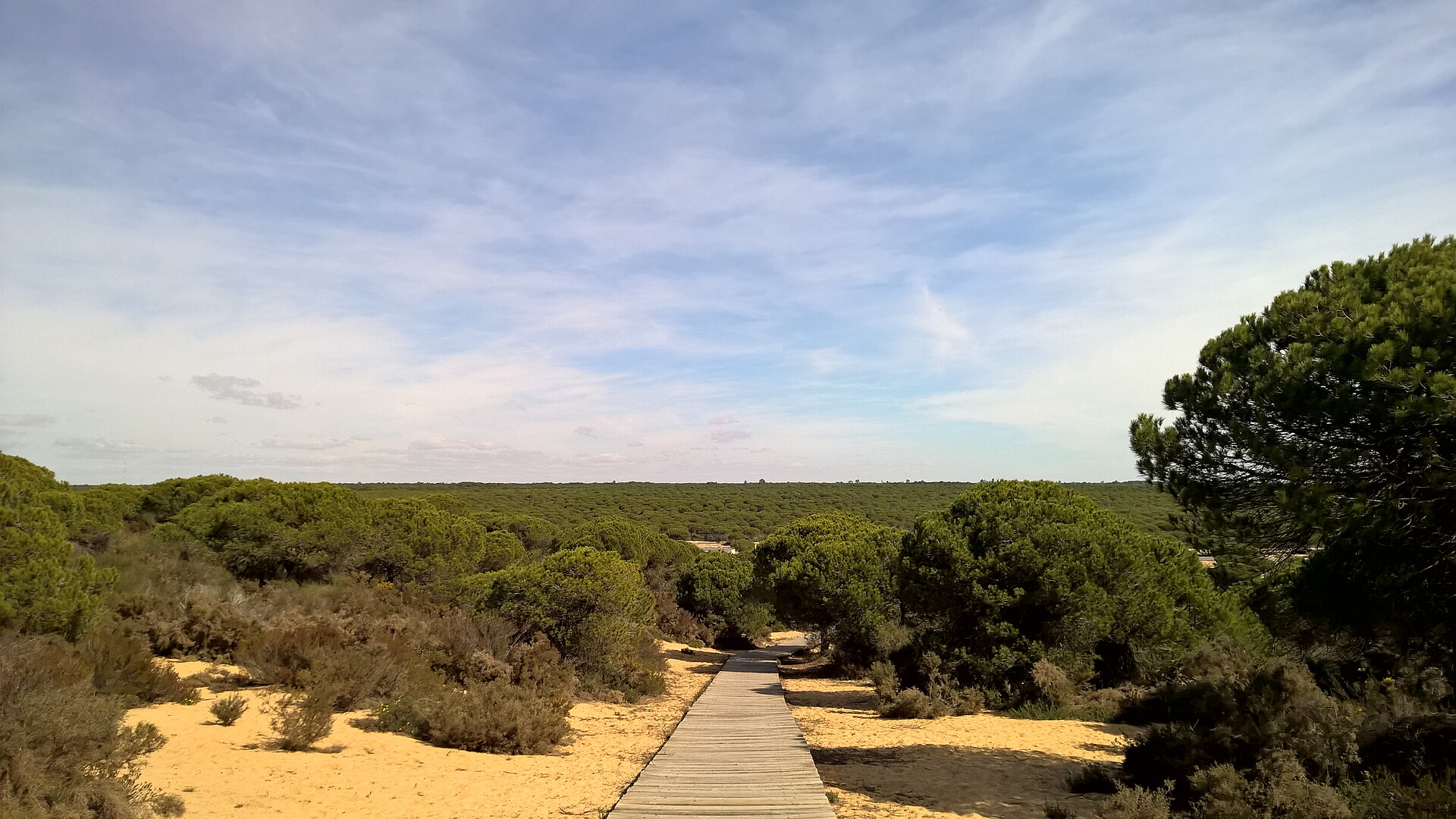
Natura 2000 · passage, wintering
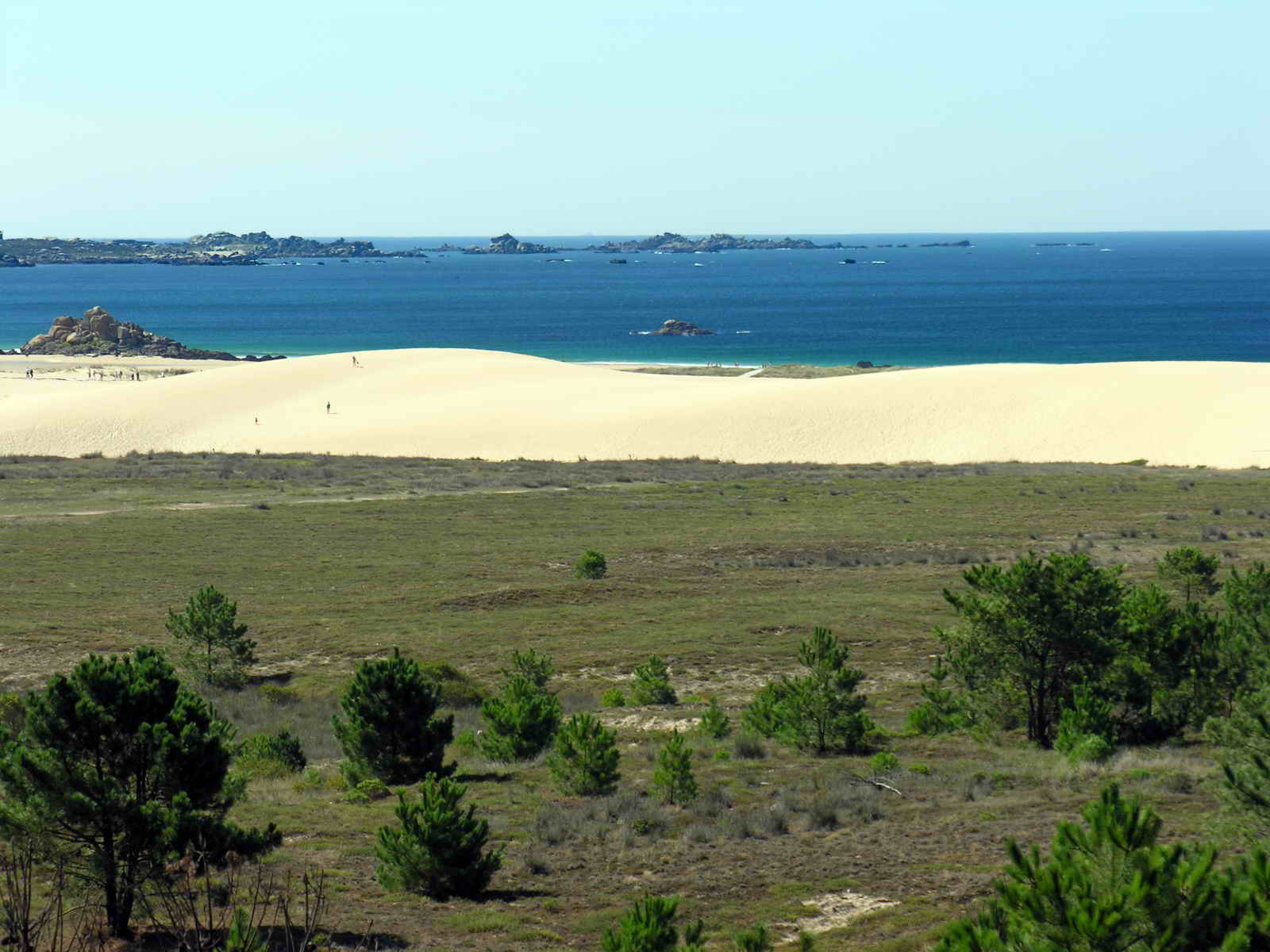
Natura 2000 · wintering, passage
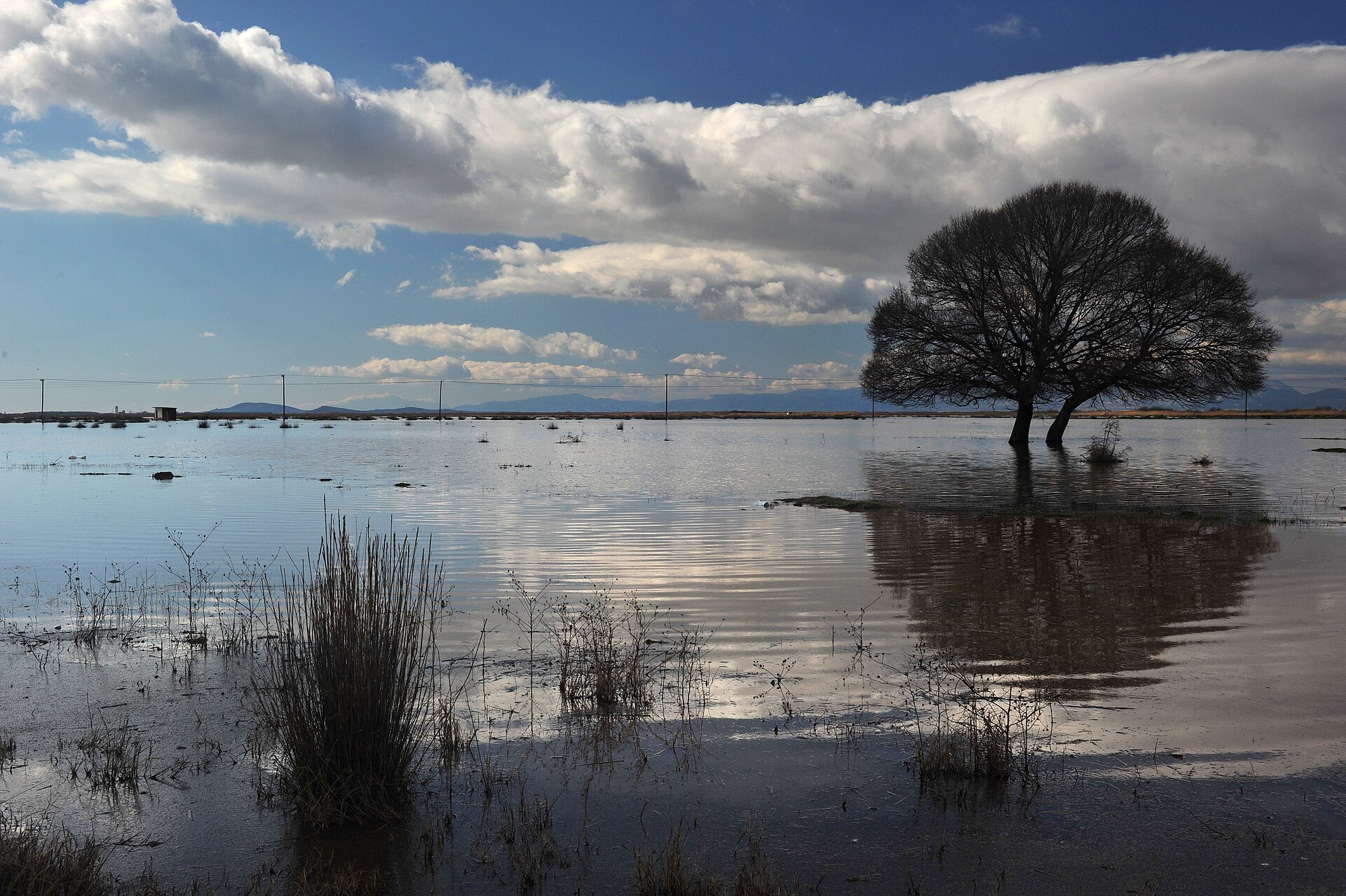
Natura 2000 · wintering
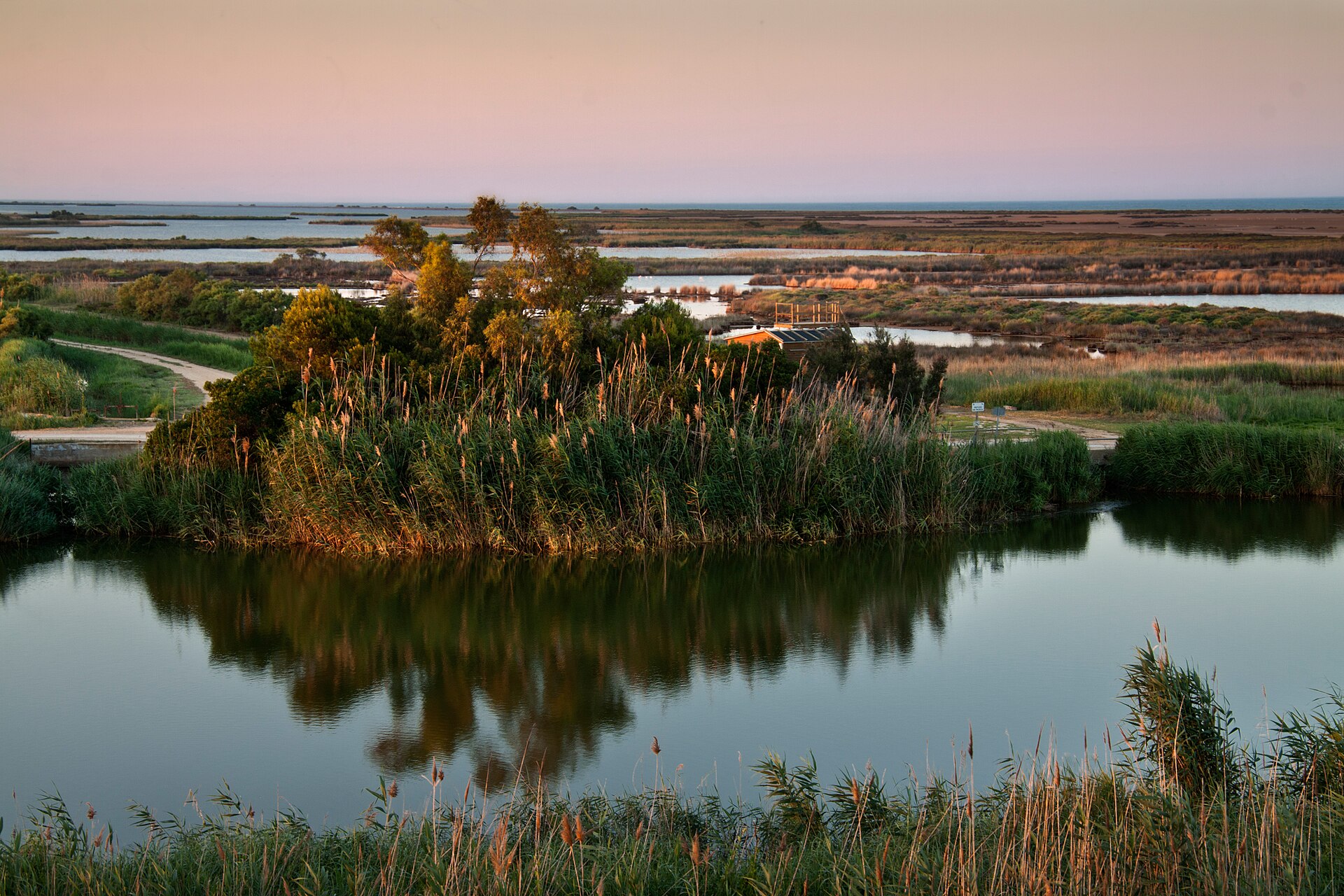
Natura 2000 · wintering

Natura 2000 · passage, wintering
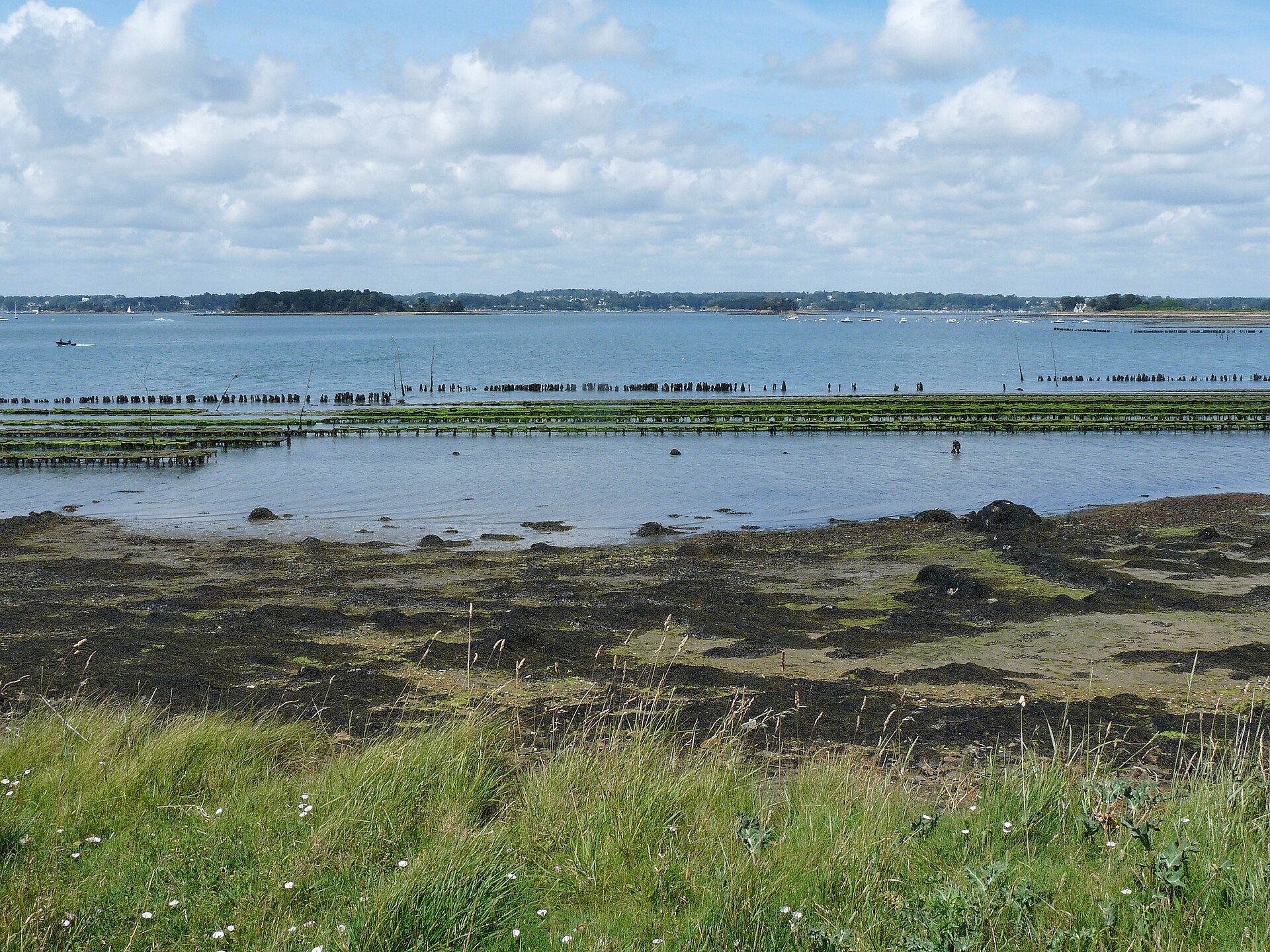
Natura 2000 · wintering, passage

Natura 2000 · passage
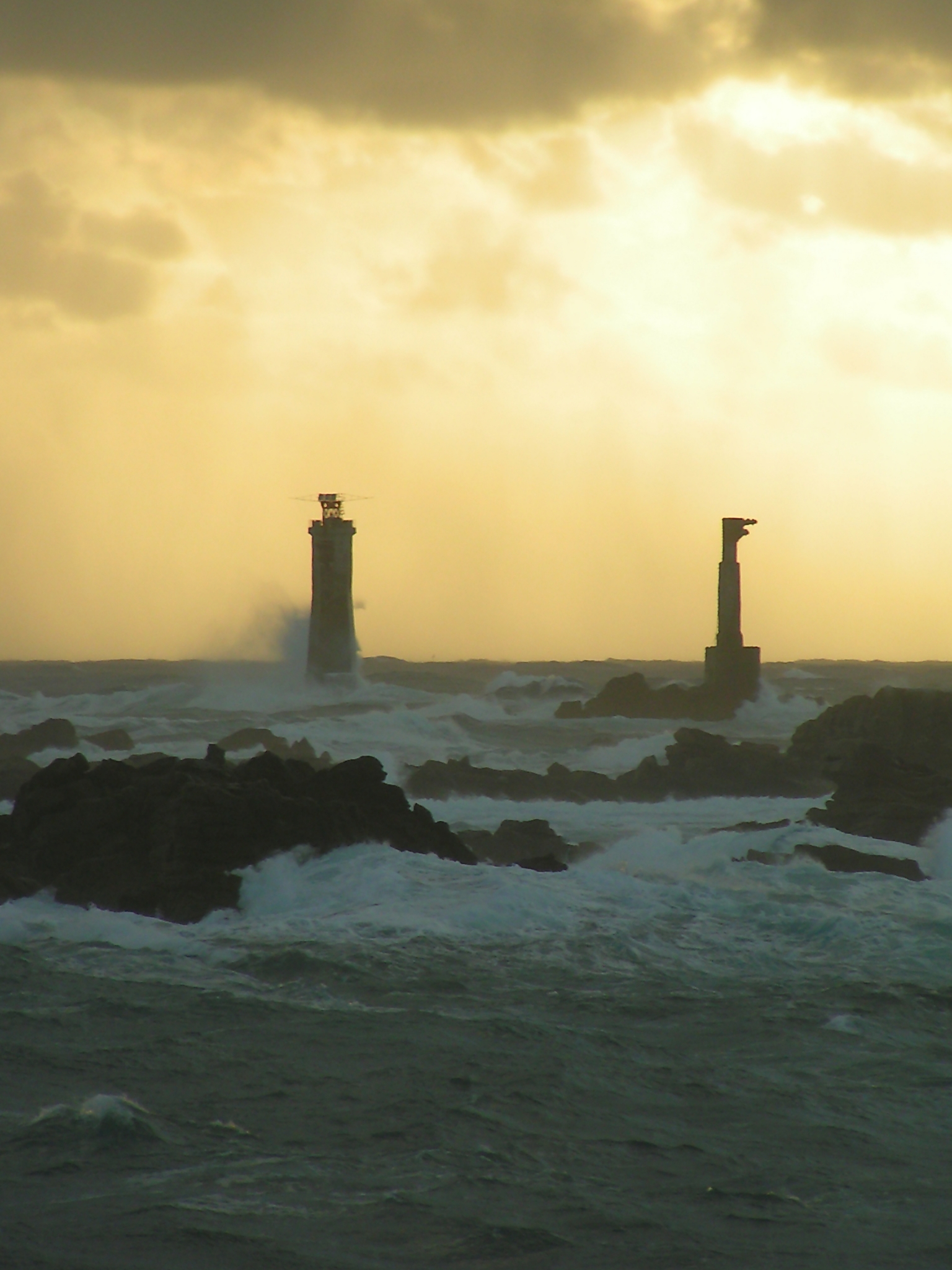
Natura 2000 · wintering

Natura 2000 · wintering
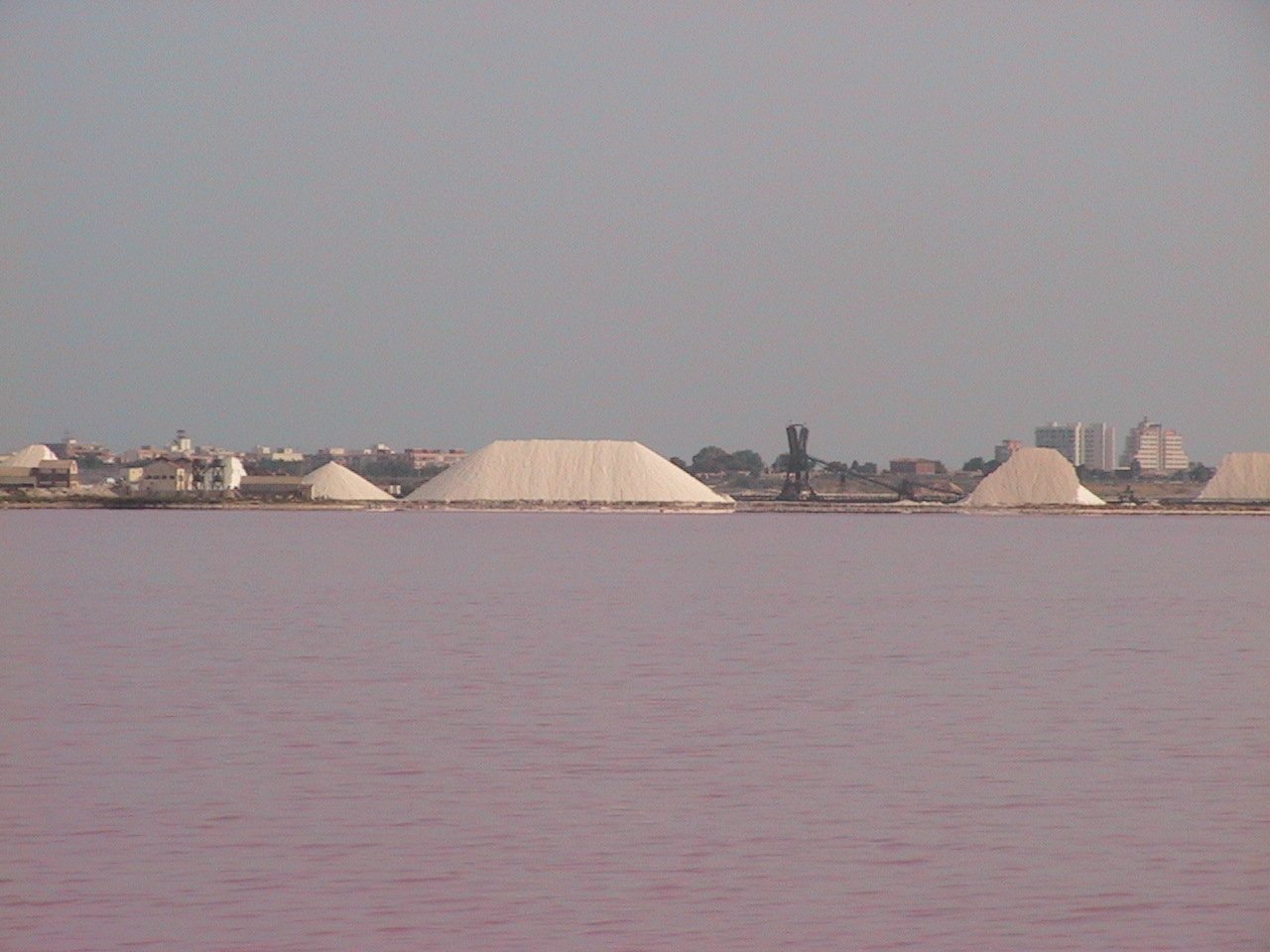
Natura 2000 · wintering
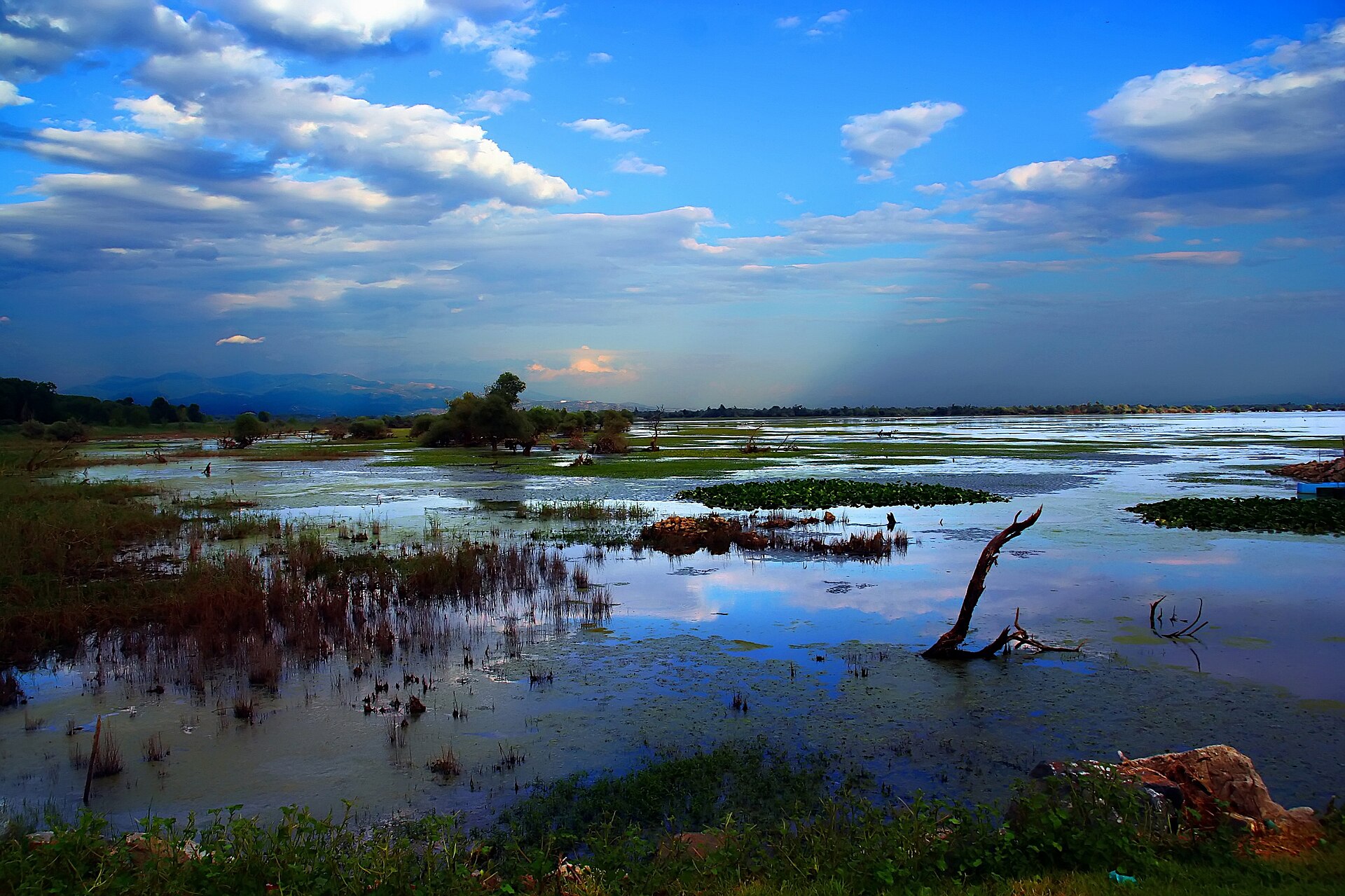
Natura 2000 · passage
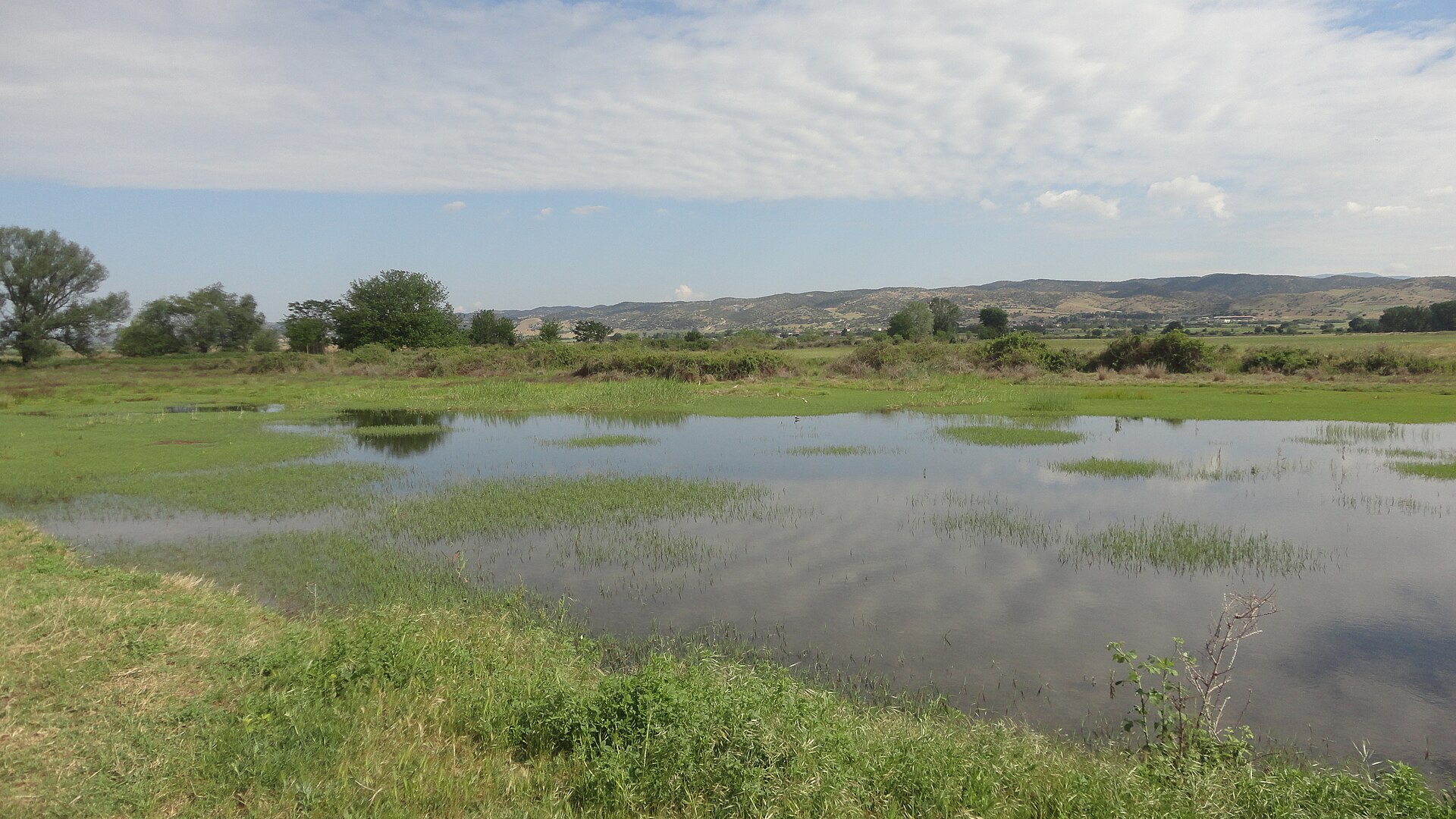
Natura 2000 · wintering
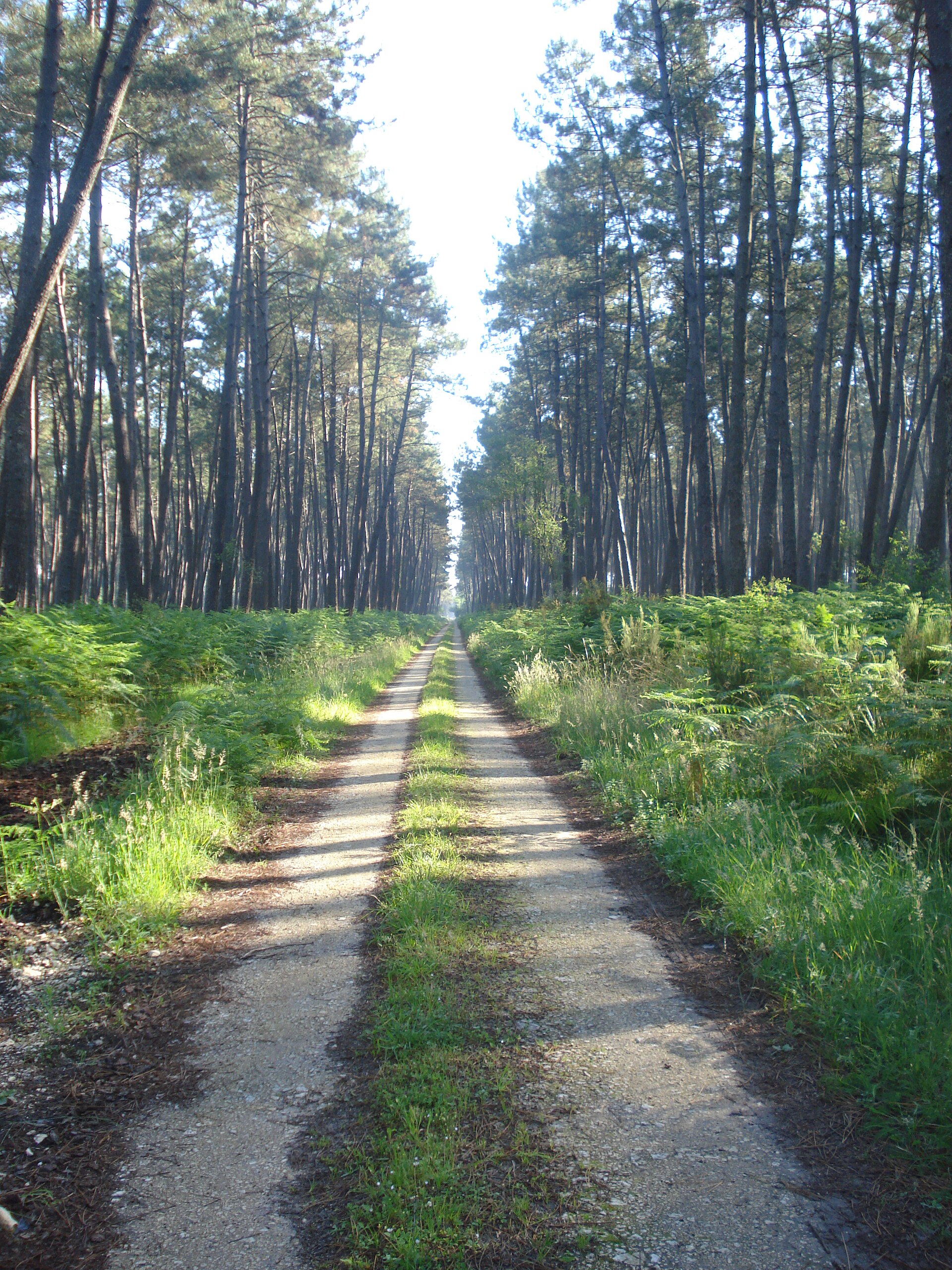
Natura 2000 · wintering, passage
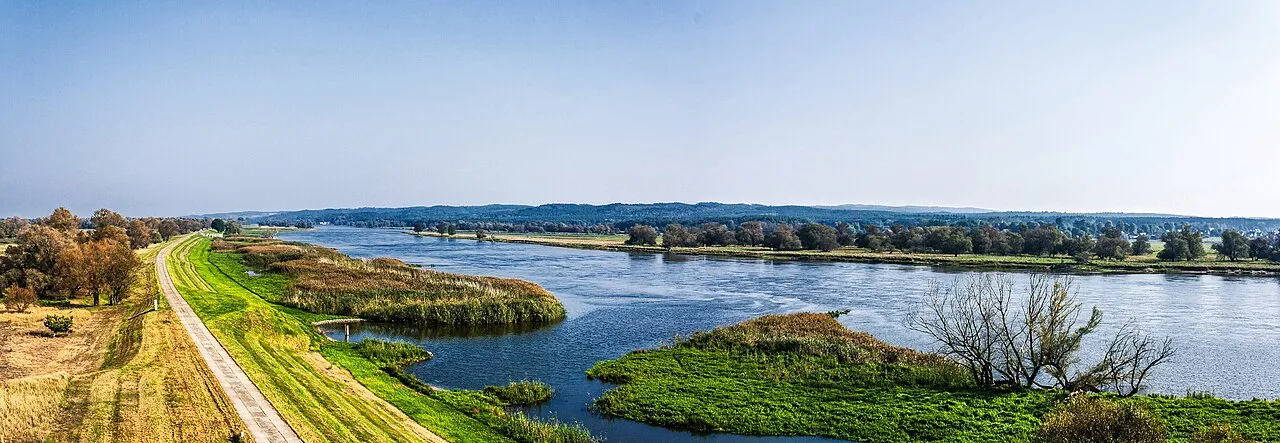
Natura 2000 · passage
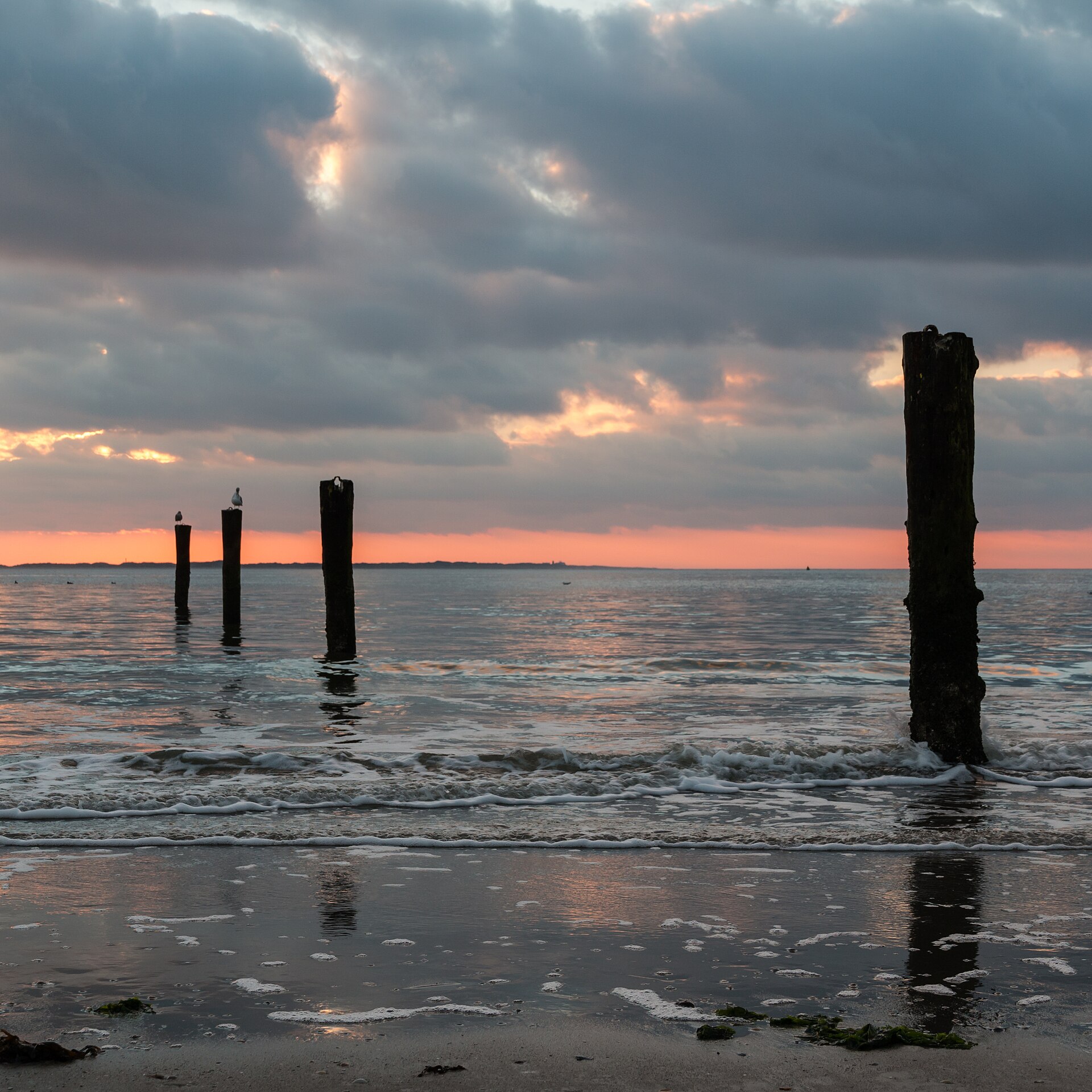
Natura 2000 · passage

Natura 2000 · passage, wintering
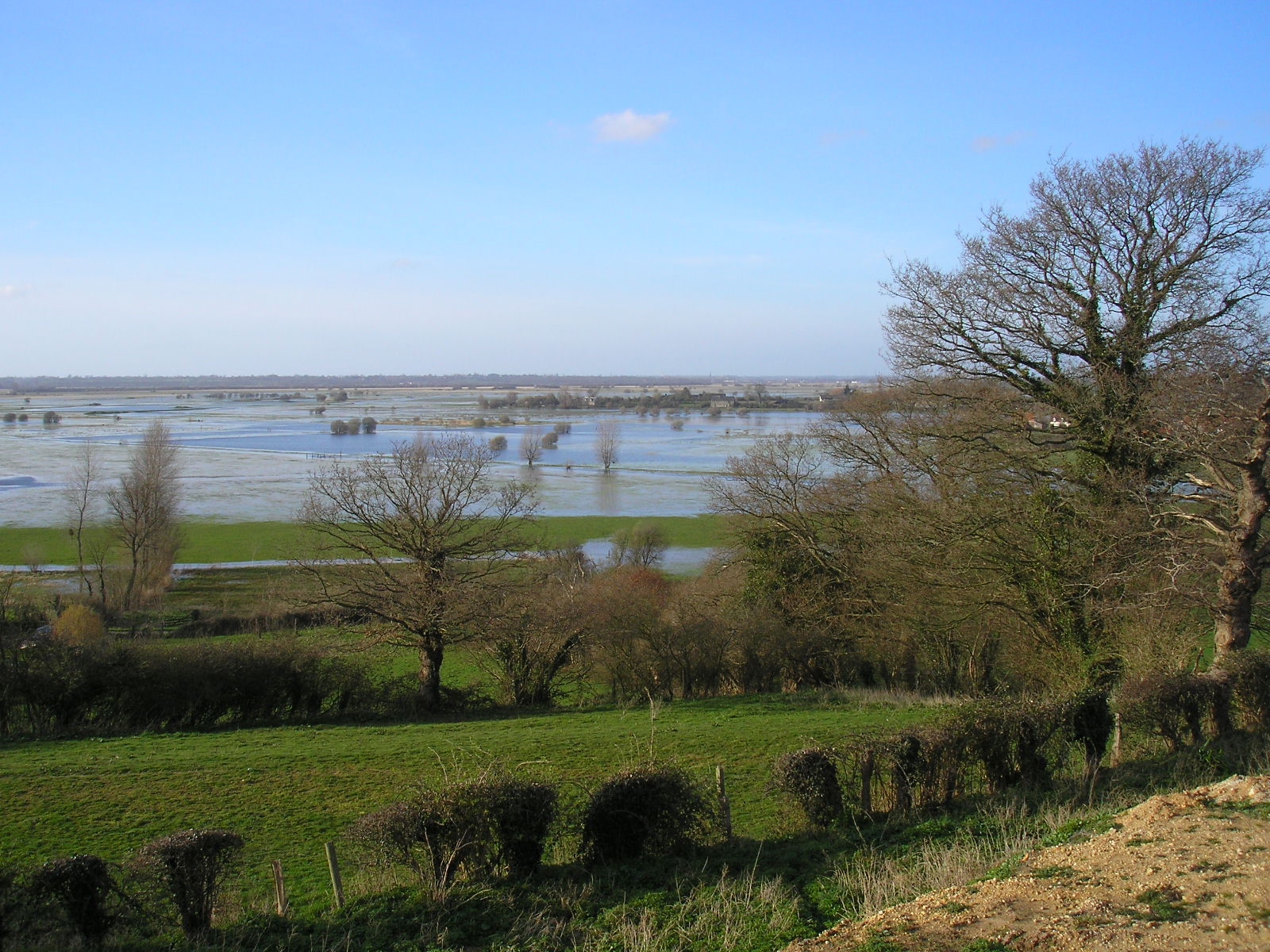
Natura 2000 · wintering, passage

Natura 2000 · passage
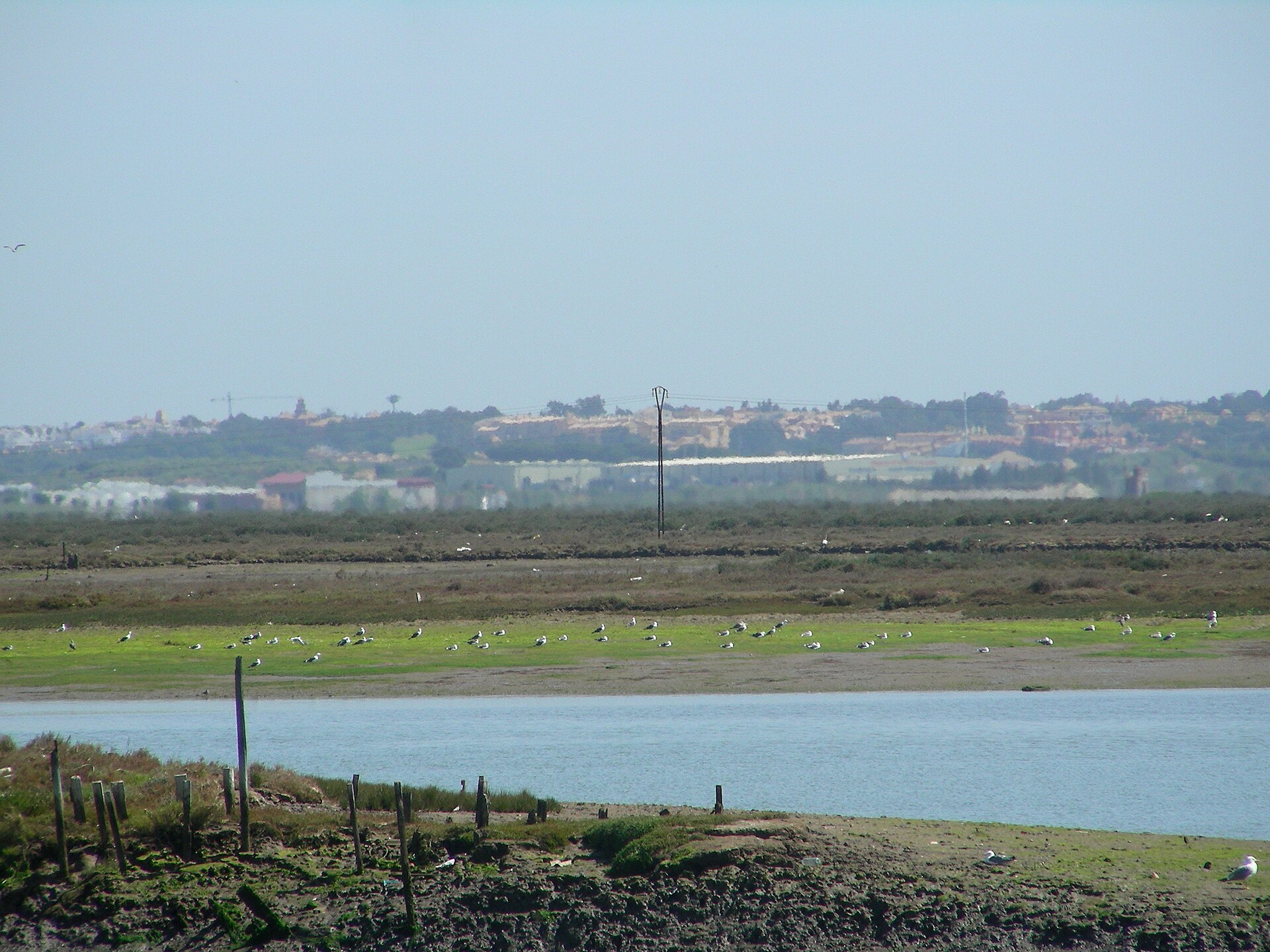
Natura 2000 · wintering
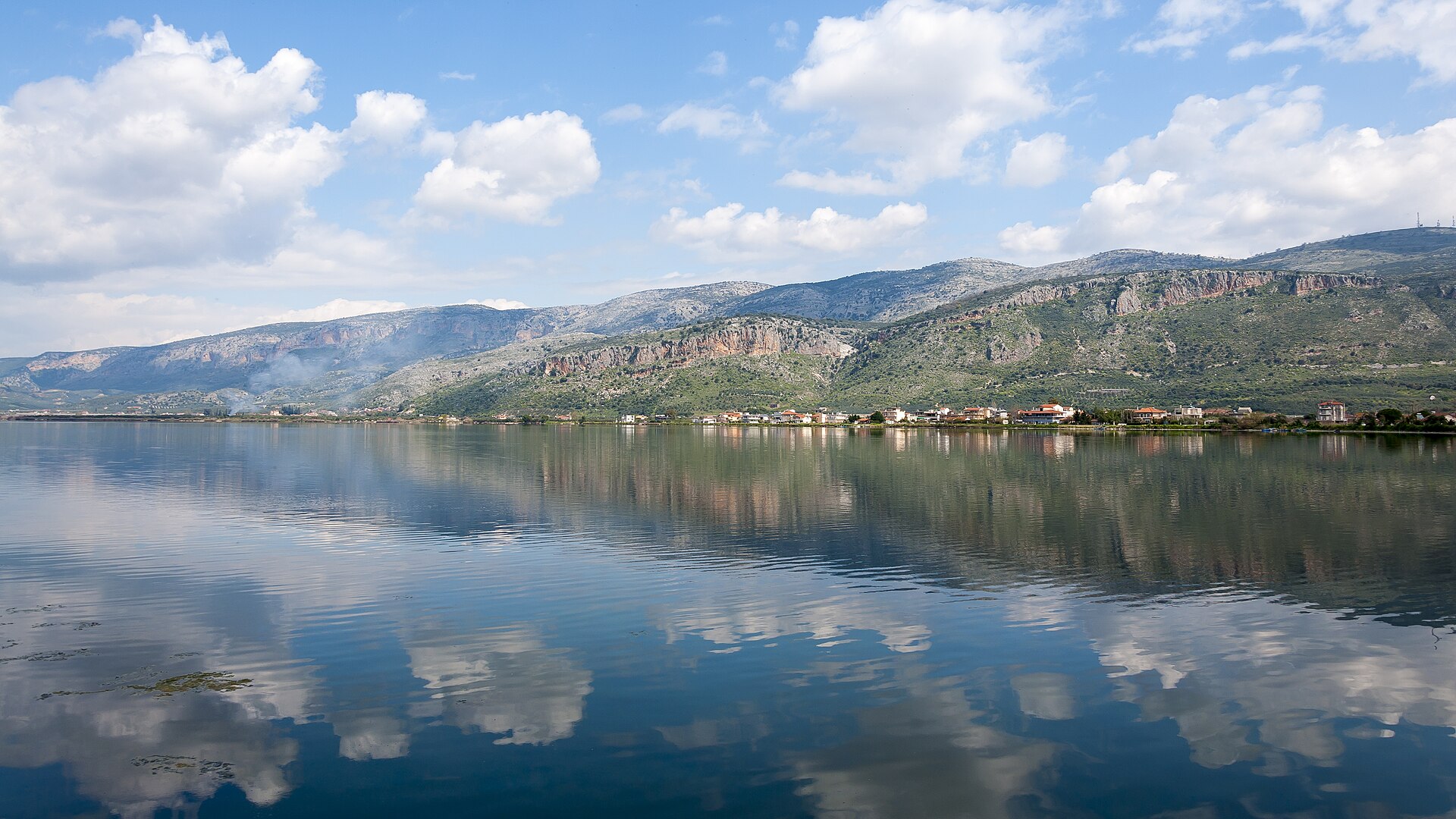
Natura 2000 · passage
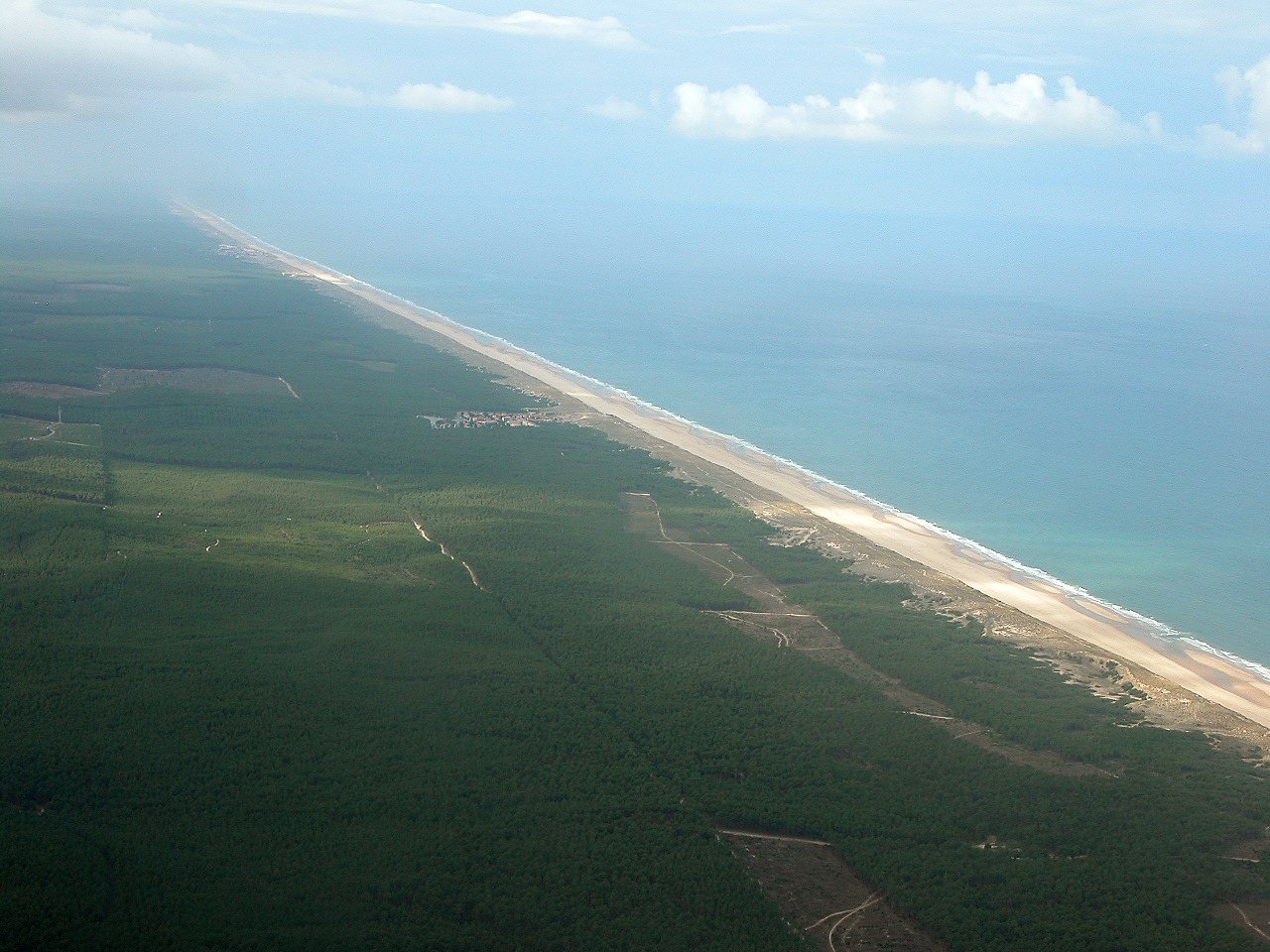
Natura 2000 · wintering

Natura 2000 · passage

Natura 2000 · wintering
Natura 2000 · passage
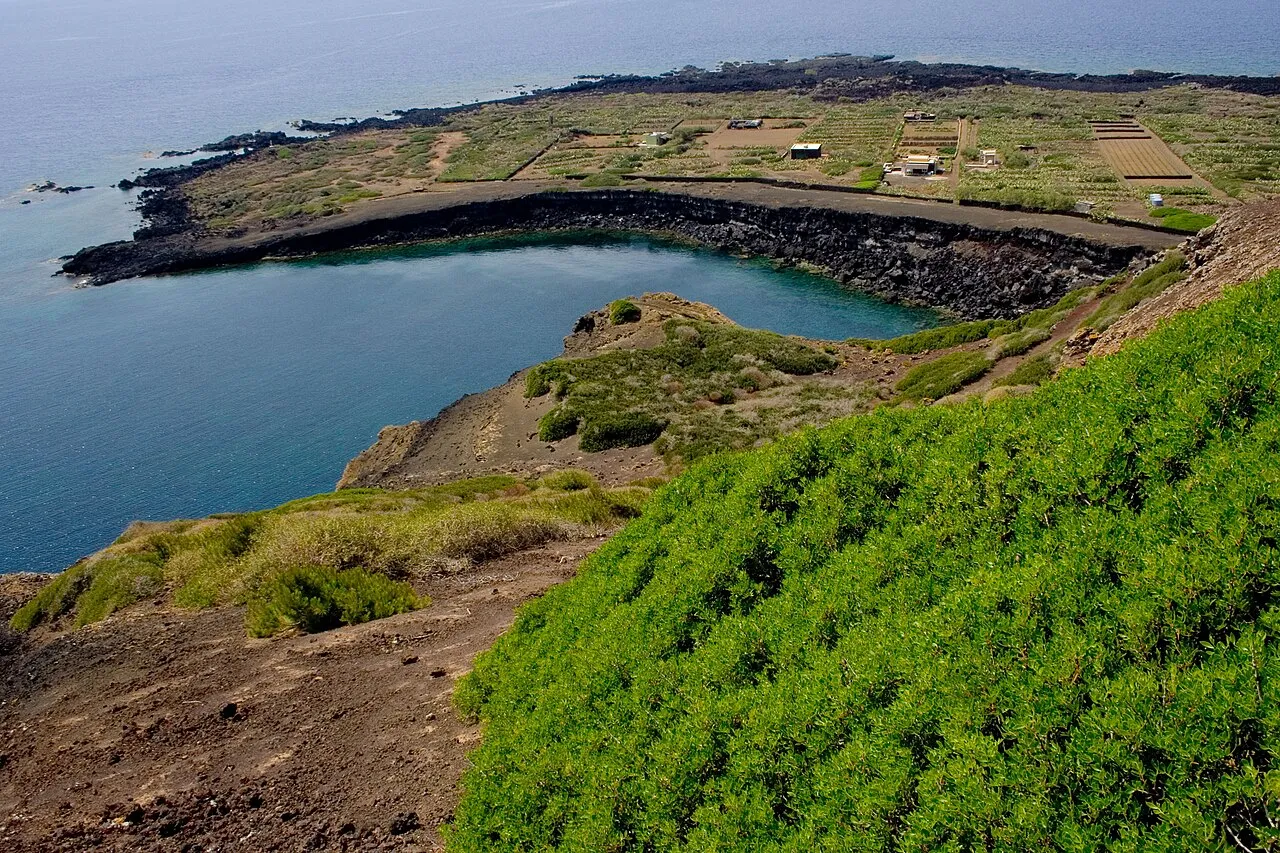
Natura 2000 · passage

Natura 2000 · wintering, breeding, passage
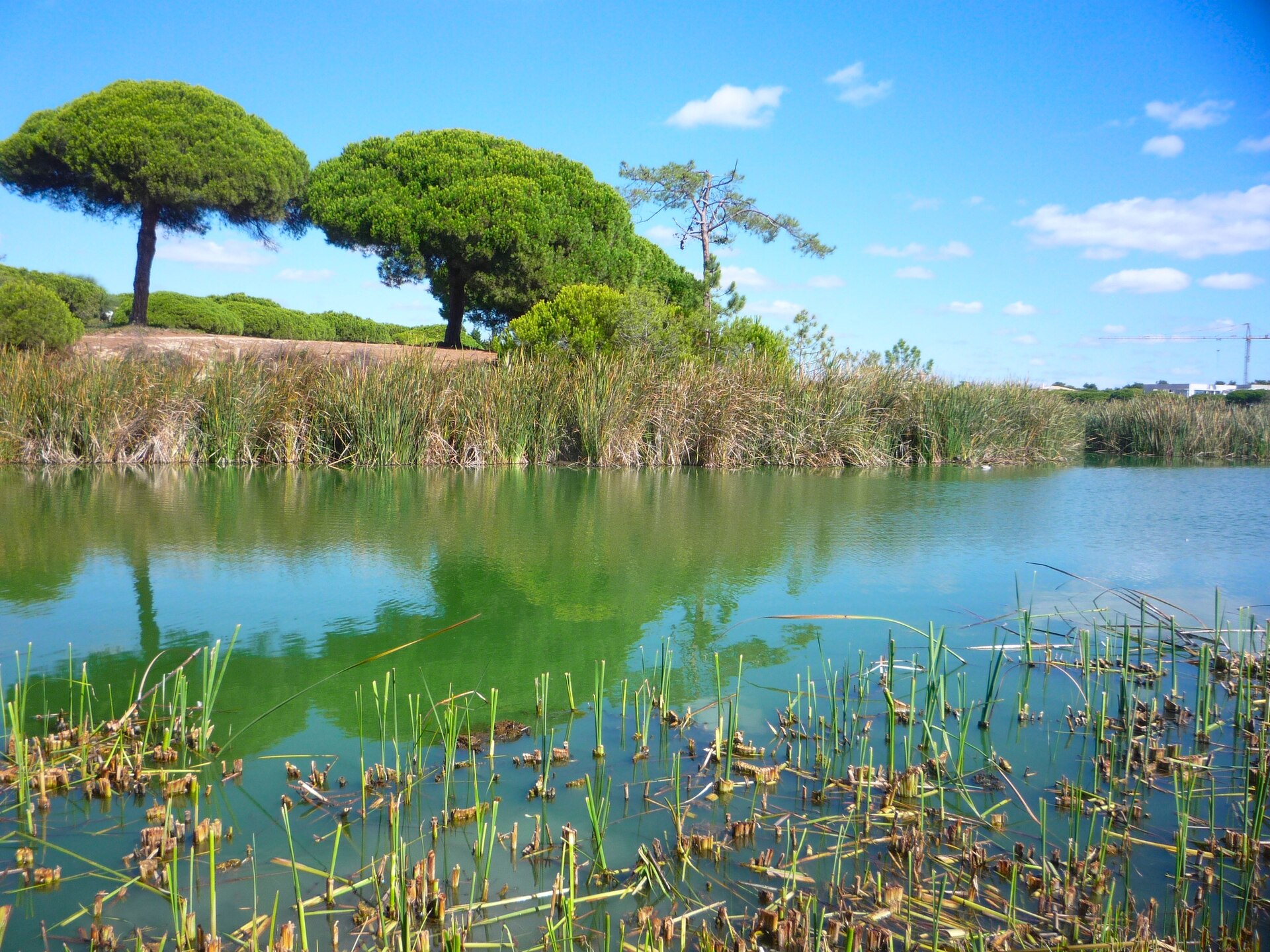
Natura 2000 · wintering
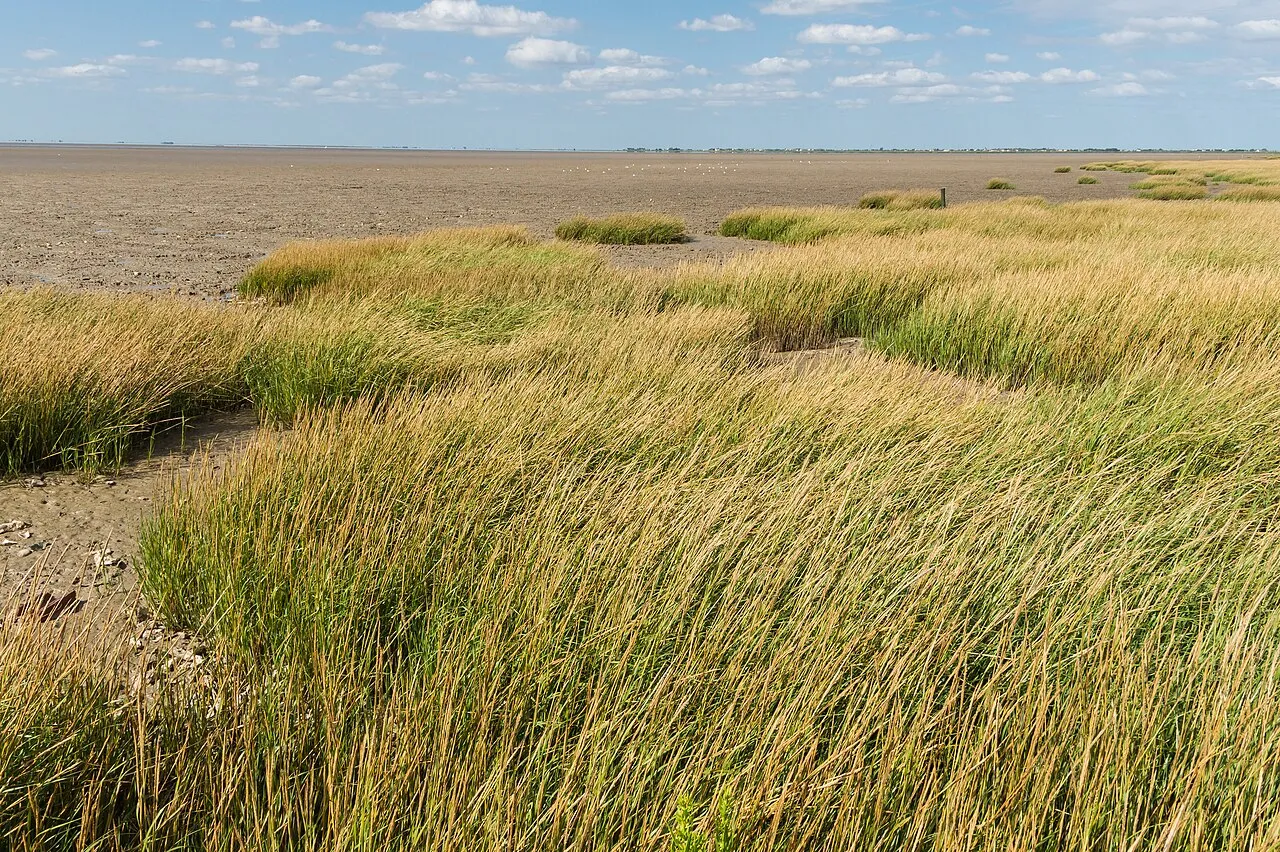
Natura 2000 · passage, wintering
Natura 2000 · passage, wintering
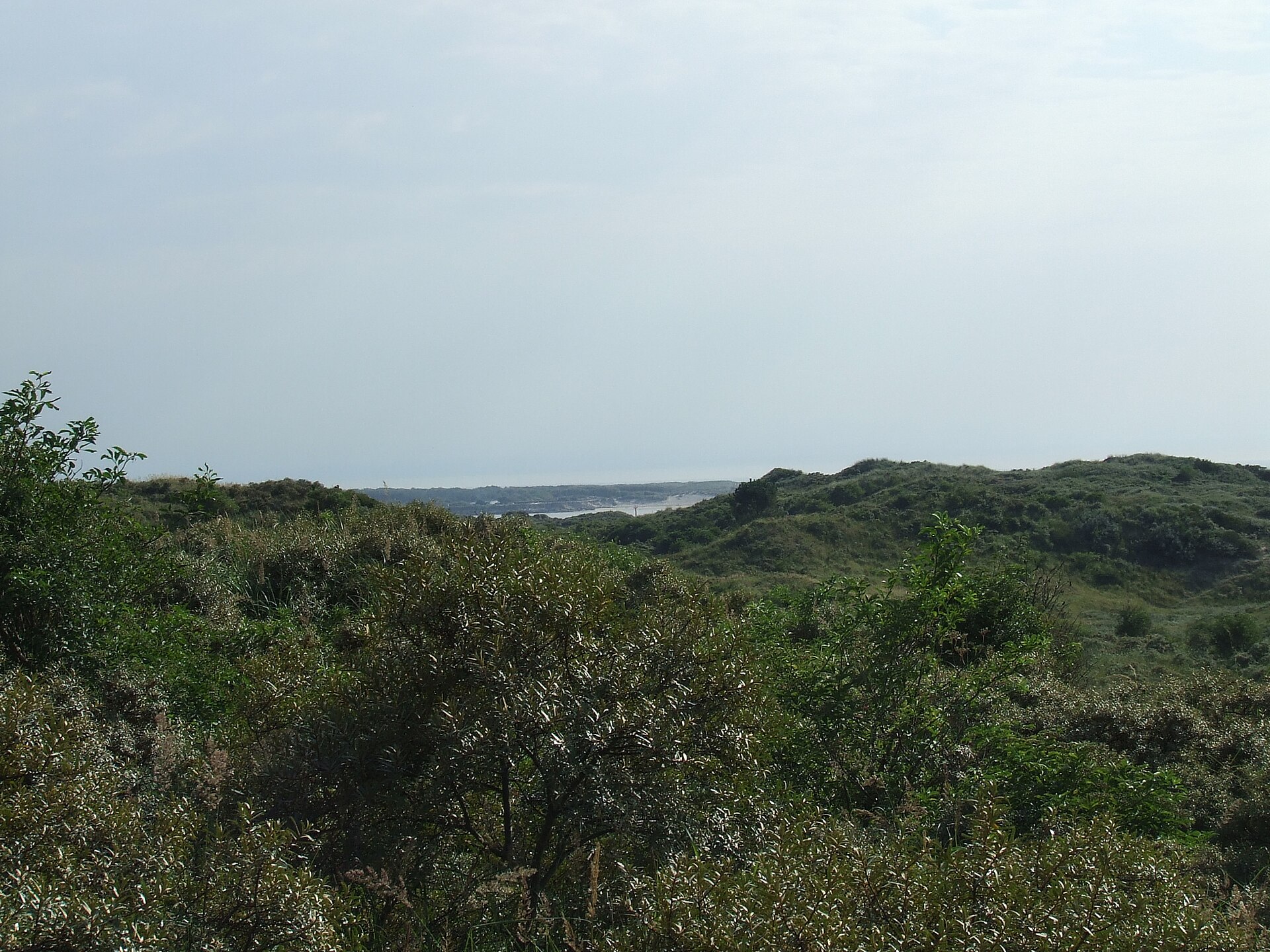
Natura 2000 · wintering, breeding

Natura 2000 · passage, wintering
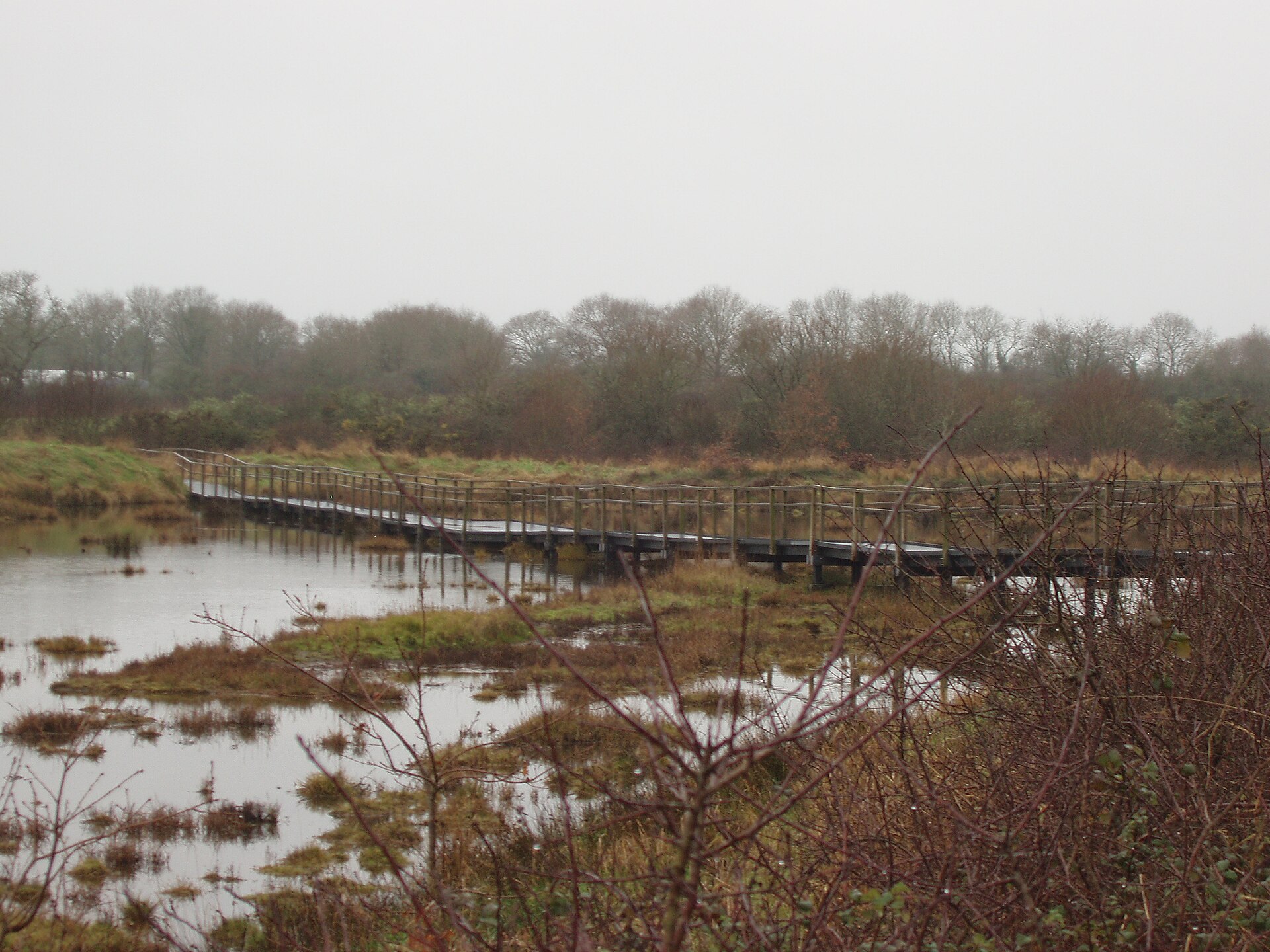
Natura 2000 · wintering, passage
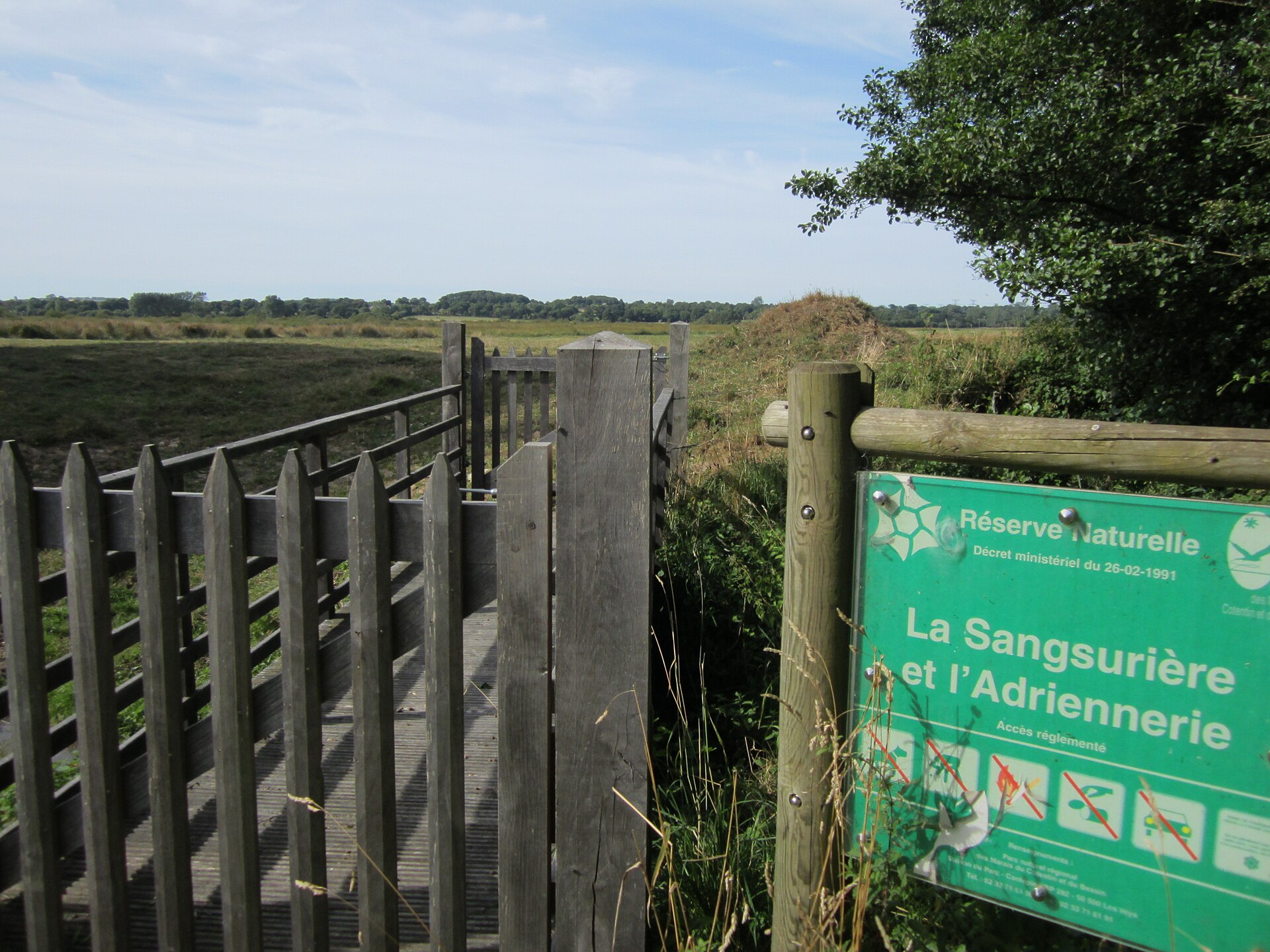
Natura 2000 · wintering, passage

Natura 2000 · passage

Natura 2000 · wintering, passage
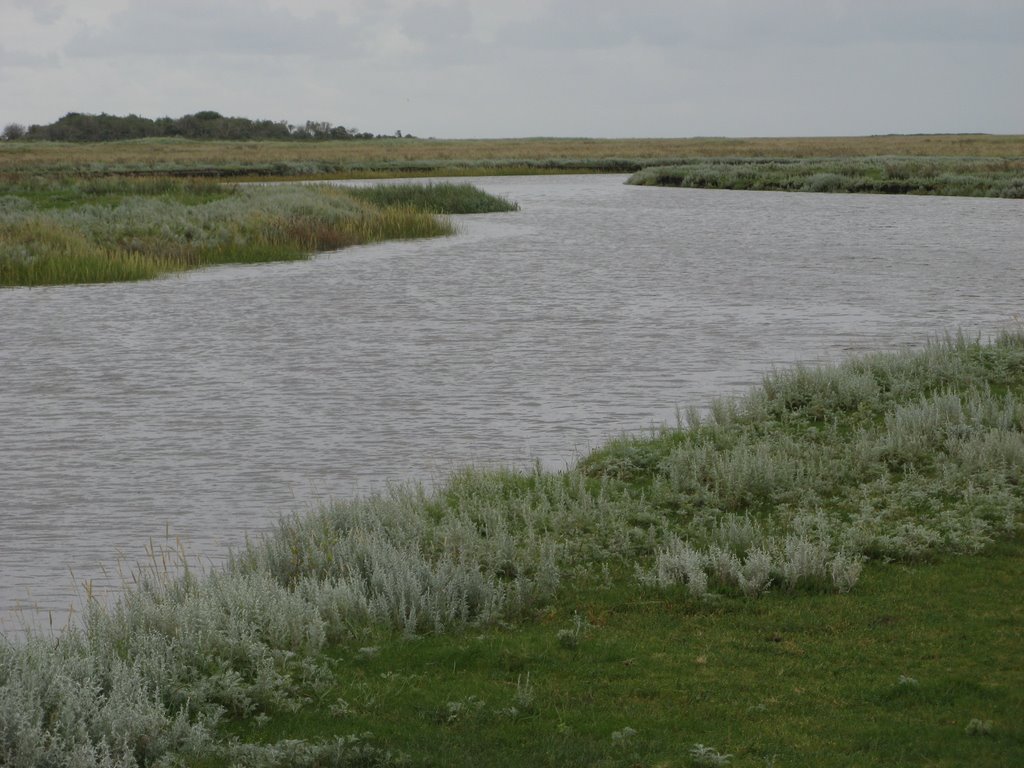
Natura 2000 · wintering
Natura 2000 · passage

Natura 2000 · passage, wintering
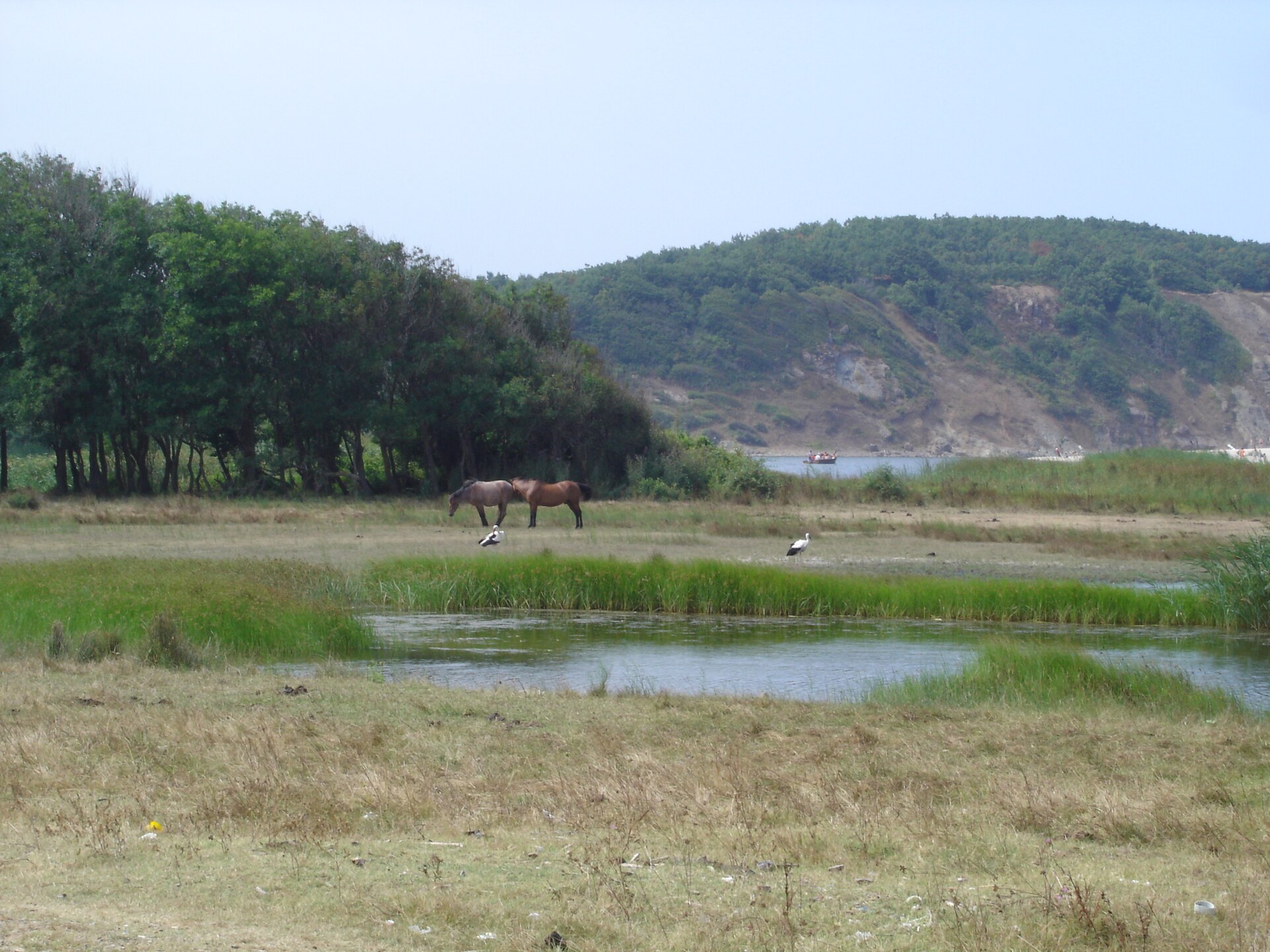
Natura 2000 · wintering, passage
Natura 2000 · passage

Natura 2000 · passage
Other species to discover

Sources and credits
- Presence: most-recorded species of each place on GBIF and species of Community interest in the Natura 2000 forms (EEA, CC-BY 4.0); absence from the list does not mean the species is absent.
- Common names: Wikidata (CC0) and GBIF.
- Photos and sounds: Wikimedia Commons, author and licence given for each file.
- Classification: GBIF Backbone Taxonomy (GBIF Secretariat), CC BY 4.0, doi:10.15468/39omei.
- Countries, elevations, months and maps: GBIF.org, CC0 or CC BY 4.0 occurrences only, accessed October 22, 2026, GBIF.org.
- Base map: Natural Earth (public domain).
- Excerpt: Wikipedia, CC BY-SA 4.0 (full credit below the excerpt).
- Key facts: Wikidata (CC0), with the references cited under each value.
- EU bird populations: EEA / DG ENV, Article 12 Birds Directive reporting (2013–2018), CC BY 4.0.