
Bird
Dunlin: where to see it
Calidris alpina
This bird species is recorded in 126 protected areas of the atlas, including 106 whose official Natura 2000 form lists it. Within the atlas countries, it is mostly observed in Sweden, the United Kingdom and Norway (12 countries in all). Records peak from July to September. It has a wingspan of 36 cm. It is subject to special conservation measures under the Birds Directive (Annex I, some populations). Its EU population is assessed as depleted (2013–2018 Birds Directive reporting).
Best time to see it: July–September
Records published on GBIF by month (CC0 and CC BY 4.0 licences only), in the atlas countries, all years combined; they also reflect observer activity.
Key facts
- Wingspan
- 36 cm Wikidata, after Ericson et al. 2007
Status and protection
Birds Directive I (some populations)
The species is listed in Annex I of the Birds Directive (for some populations or subspecies).
EU population assessed as depleted, stable in the short term (2013–2018 Birds Directive reporting). EU breeding population: 30,500–50,700 pairs.
Distribution
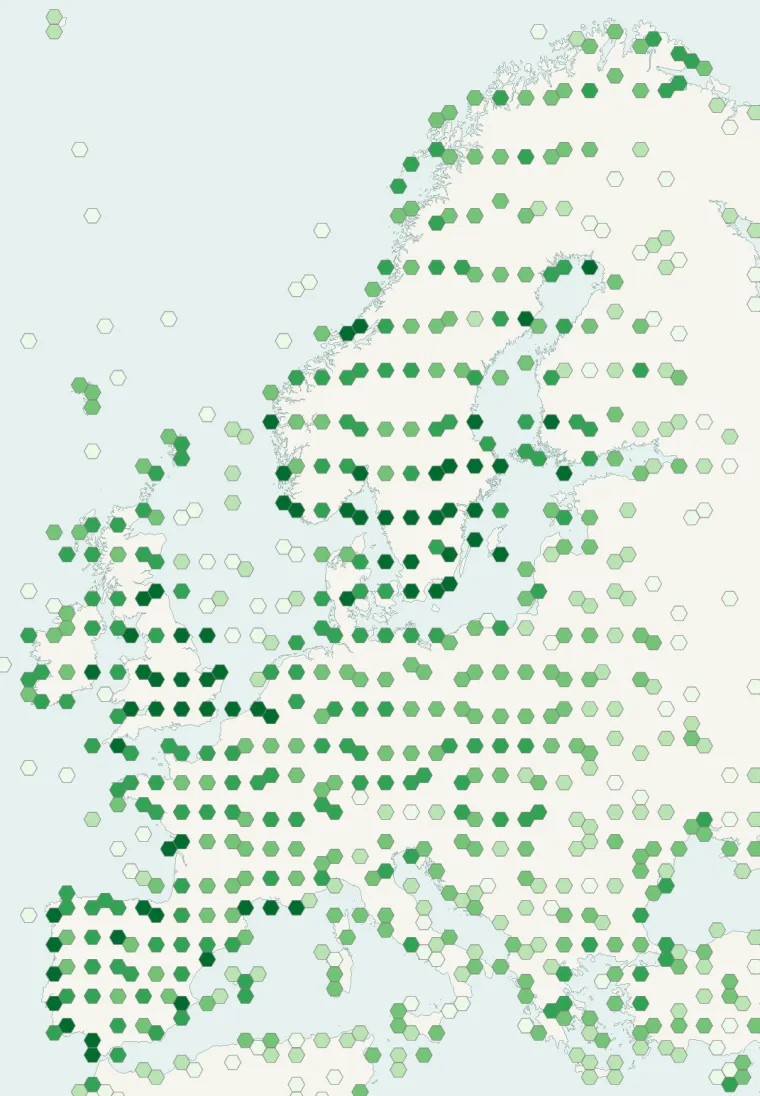
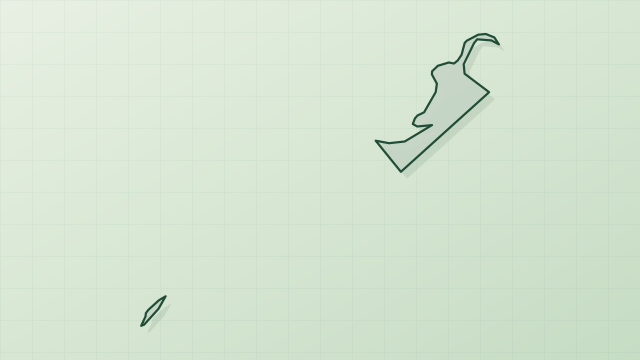
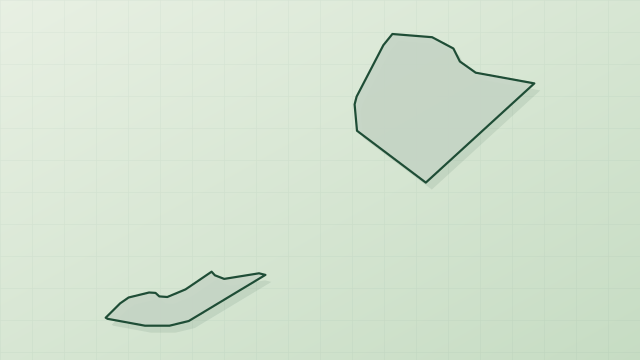
Records published on GBIF (CC0 and CC BY 4.0 licences): the darker the shade, the more records there are; they also reflect observation effort.
Listen
-
0:36 · © Beeld en Geluid Collecties · CC BY 4.0 · Wikimedia Commons · Original file
-
0:22 · © Doug Hynes · CC BY-SA 4.0 · Wikimedia Commons · Original file
-
8:30 · © Doug Hynes · CC BY-SA 4.0 · Wikimedia Commons · Original file
From Wikipedia
The dunlin (Calidris alpina) is a small wader in the genus Calidris. The English name is a dialect form of "dunling", first recorded in 1531–1532. It derives from dun, "dull brown", with the suffix -ling, meaning a person or thing with the given quality. It is a circumpolar breeder in Arctic or subarctic regions. Birds that breed in western Europe are short-distance migrants largely staying on western and southern European and northwest African coasts; those breeding in far northern Europe and Asia are long-distance migrants, wintering south to Africa, southeast and west Asia.
Source: Wikipedia, article “Dunlin” (version of October 17, 2026) · history and authors · licence CC BY-SA 4.0 · shortened excerpt
Protected areas where it is recorded
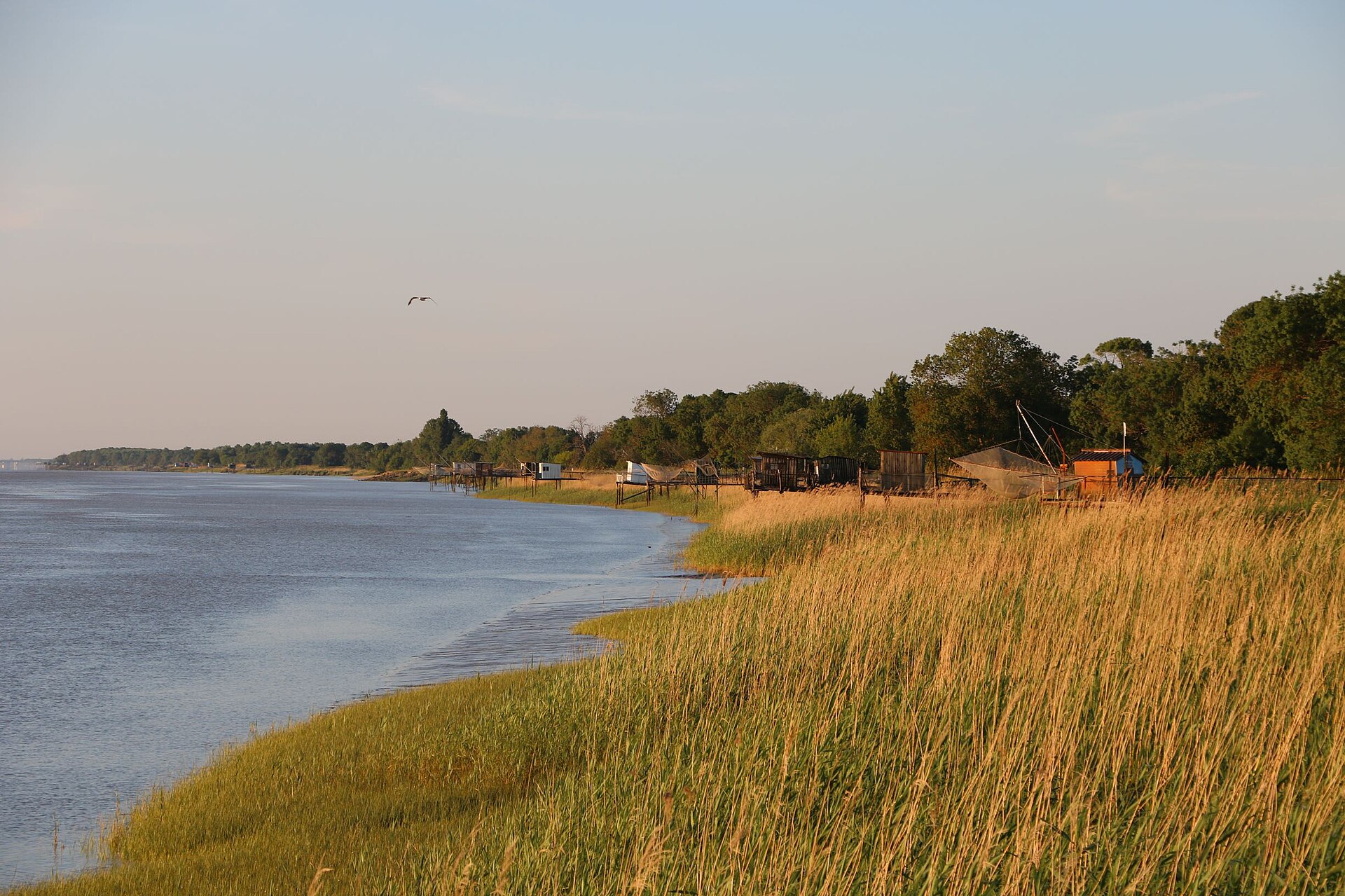
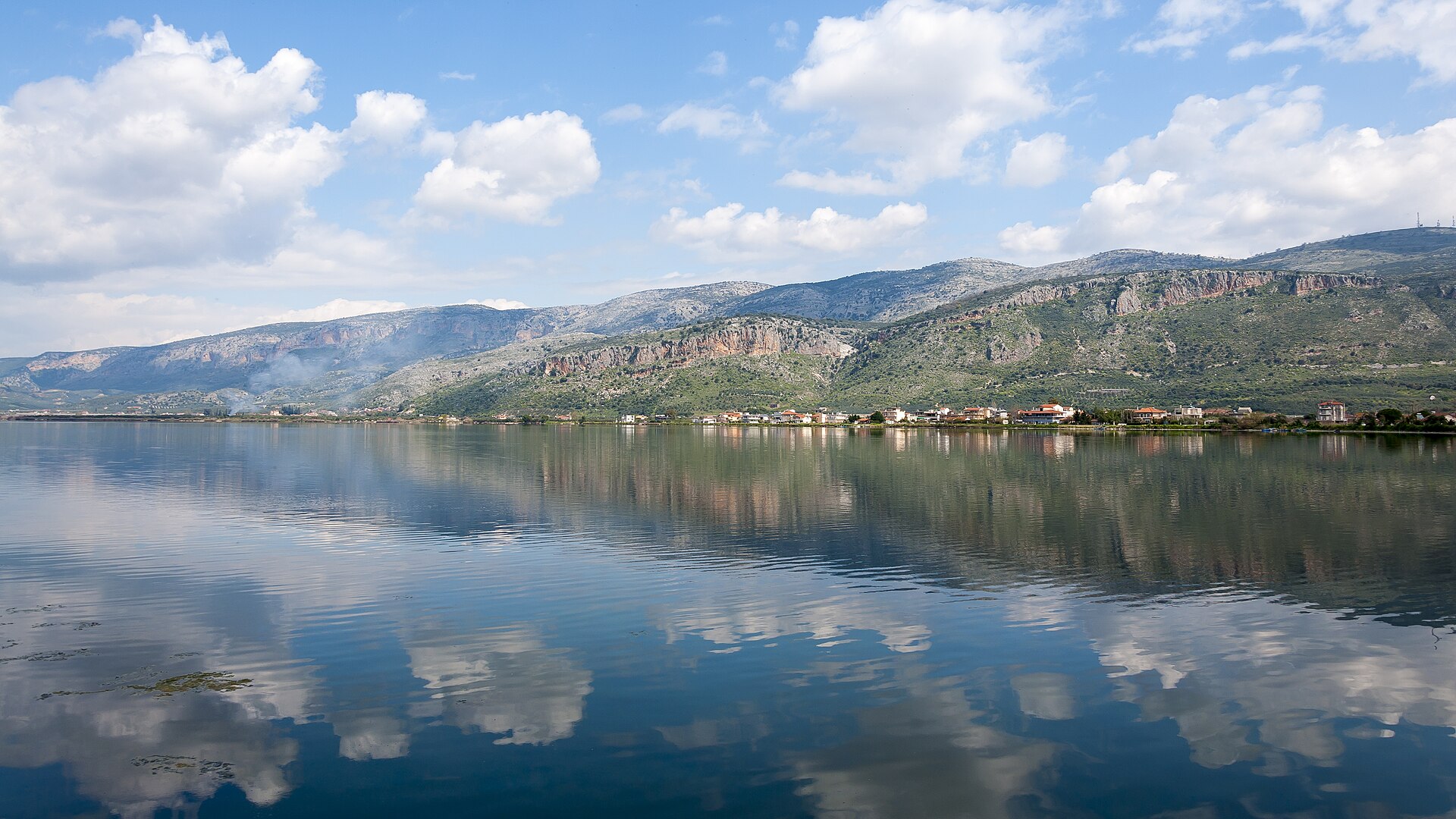
Natura 2000 · passage, wintering 13,696 records
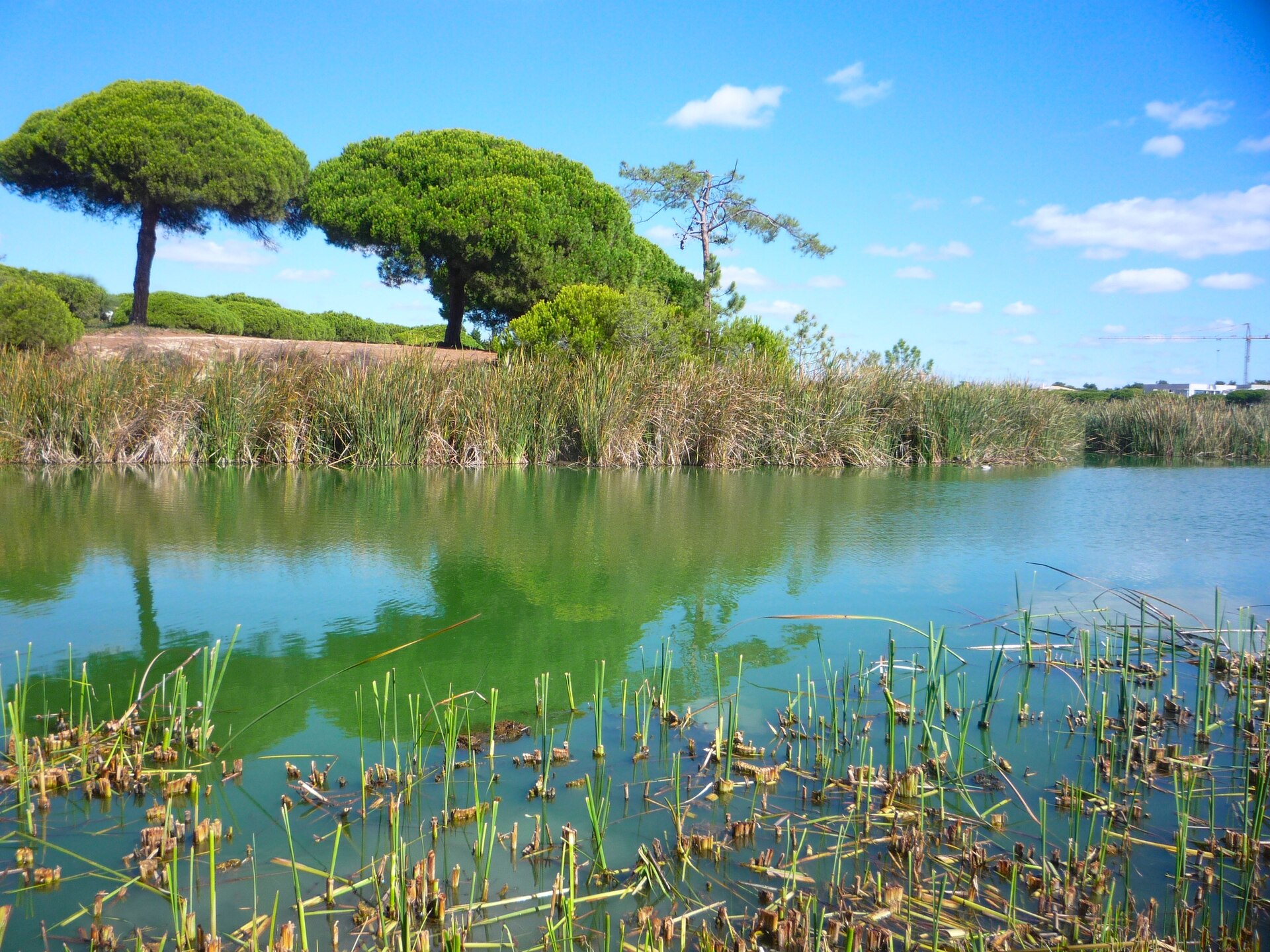
Natura 2000 · wintering 9,274 records

Natura 2000 · passage, breeding 8,812 records

Natura 2000 · passage, wintering 4,523 records
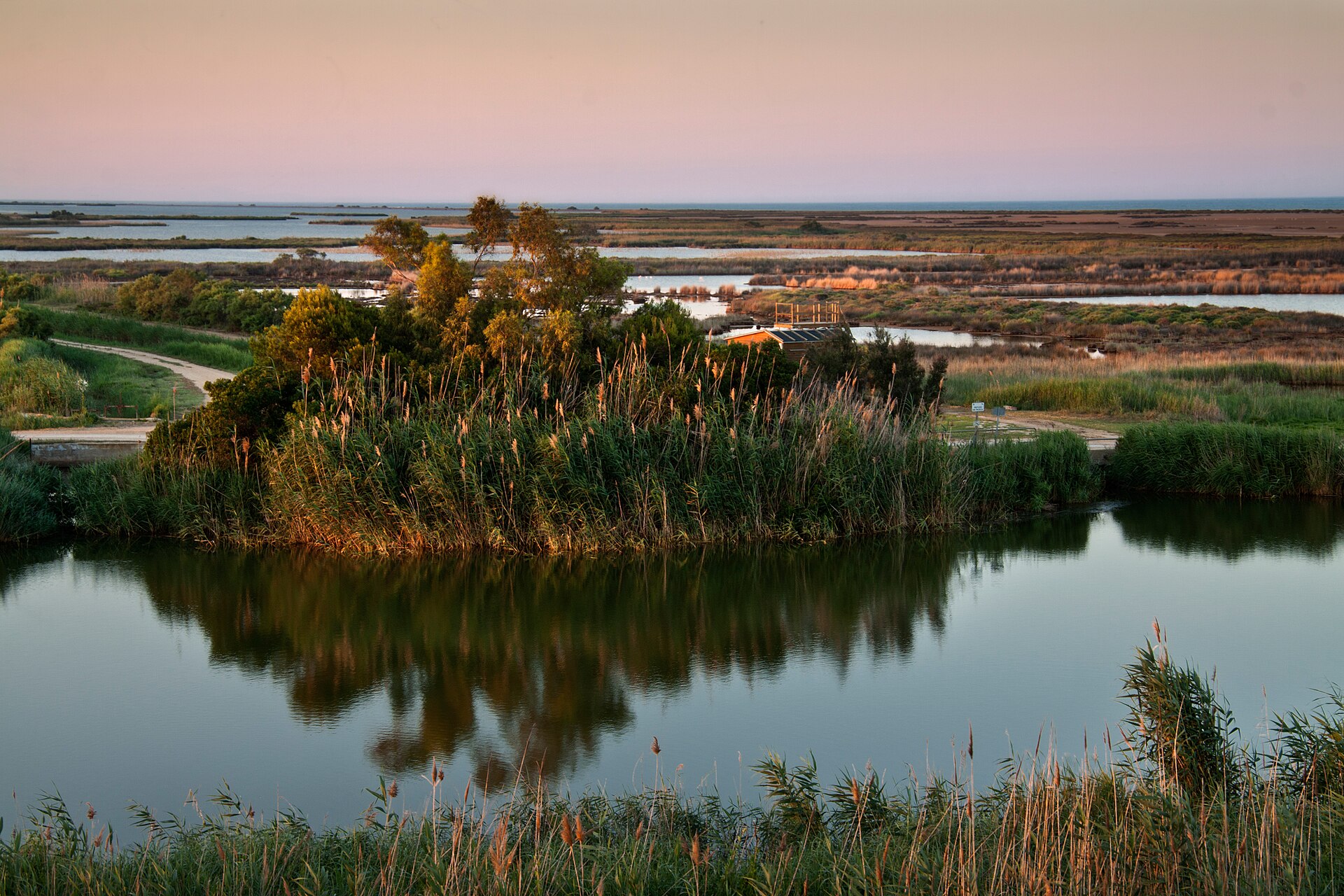
Natura 2000 · wintering 2,818 records
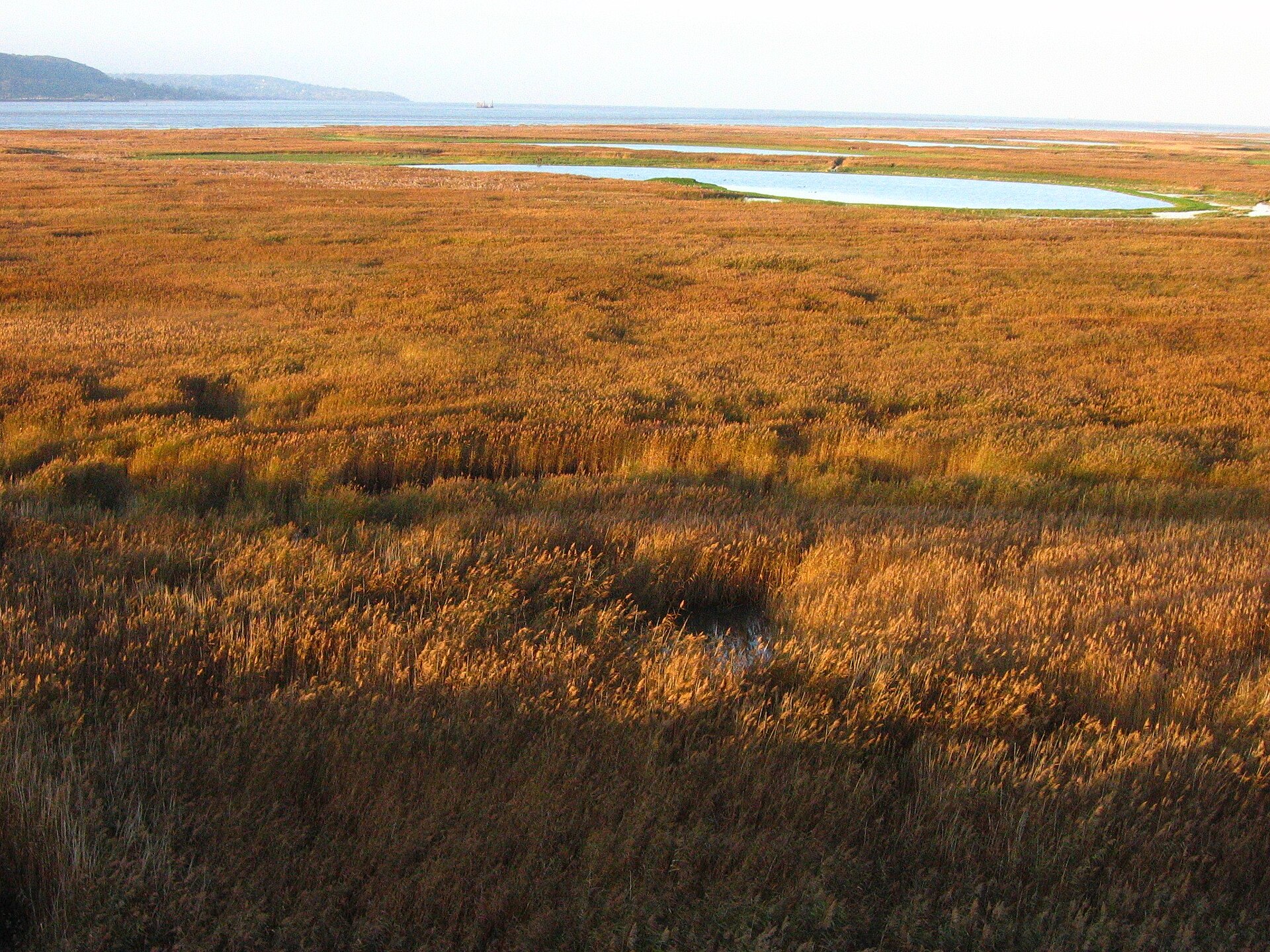
Natura 2000 · passage, wintering, breeding 1,921 records

Natura 2000 · passage, wintering 1,784 records
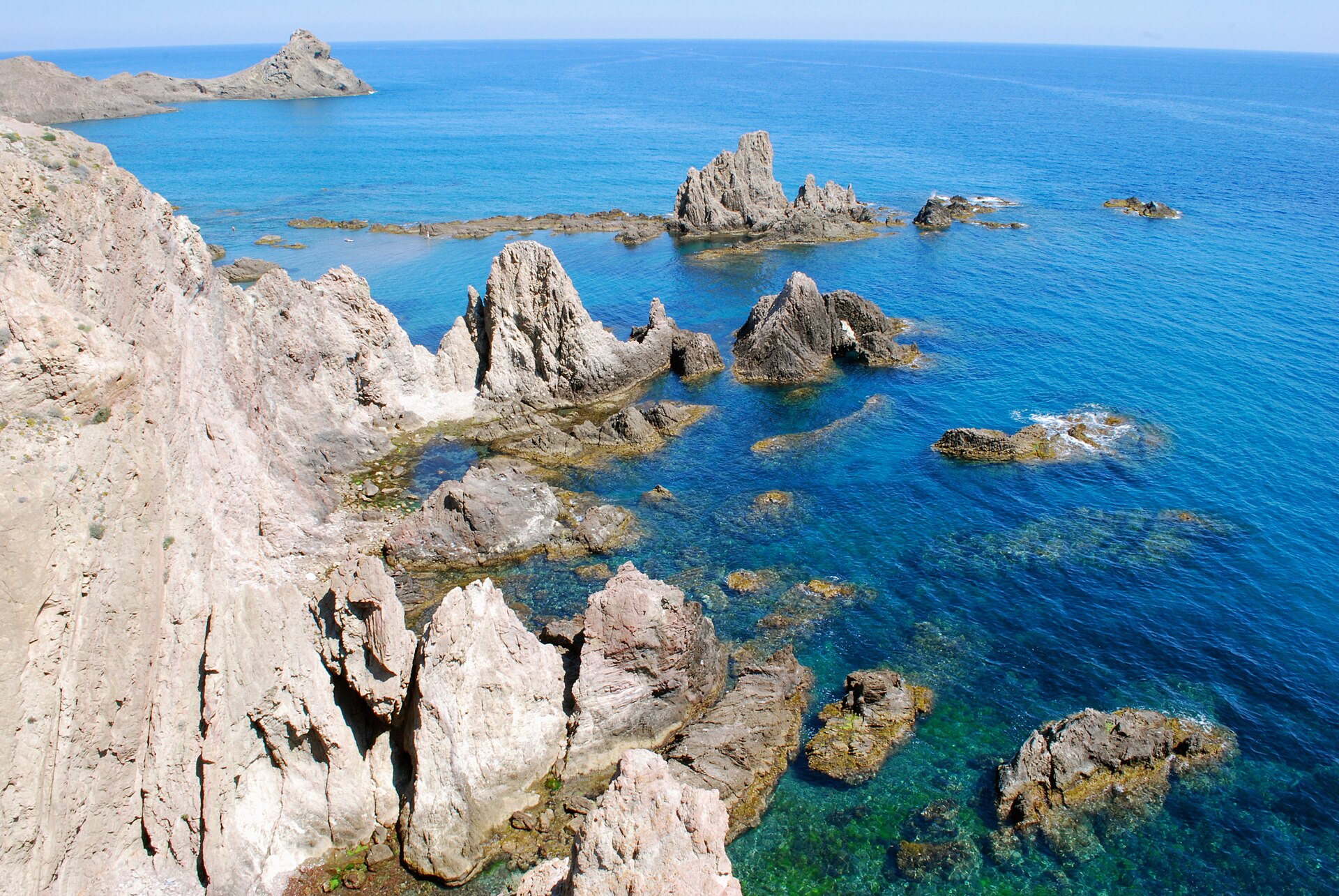
Natura 2000 · wintering 1,290 records
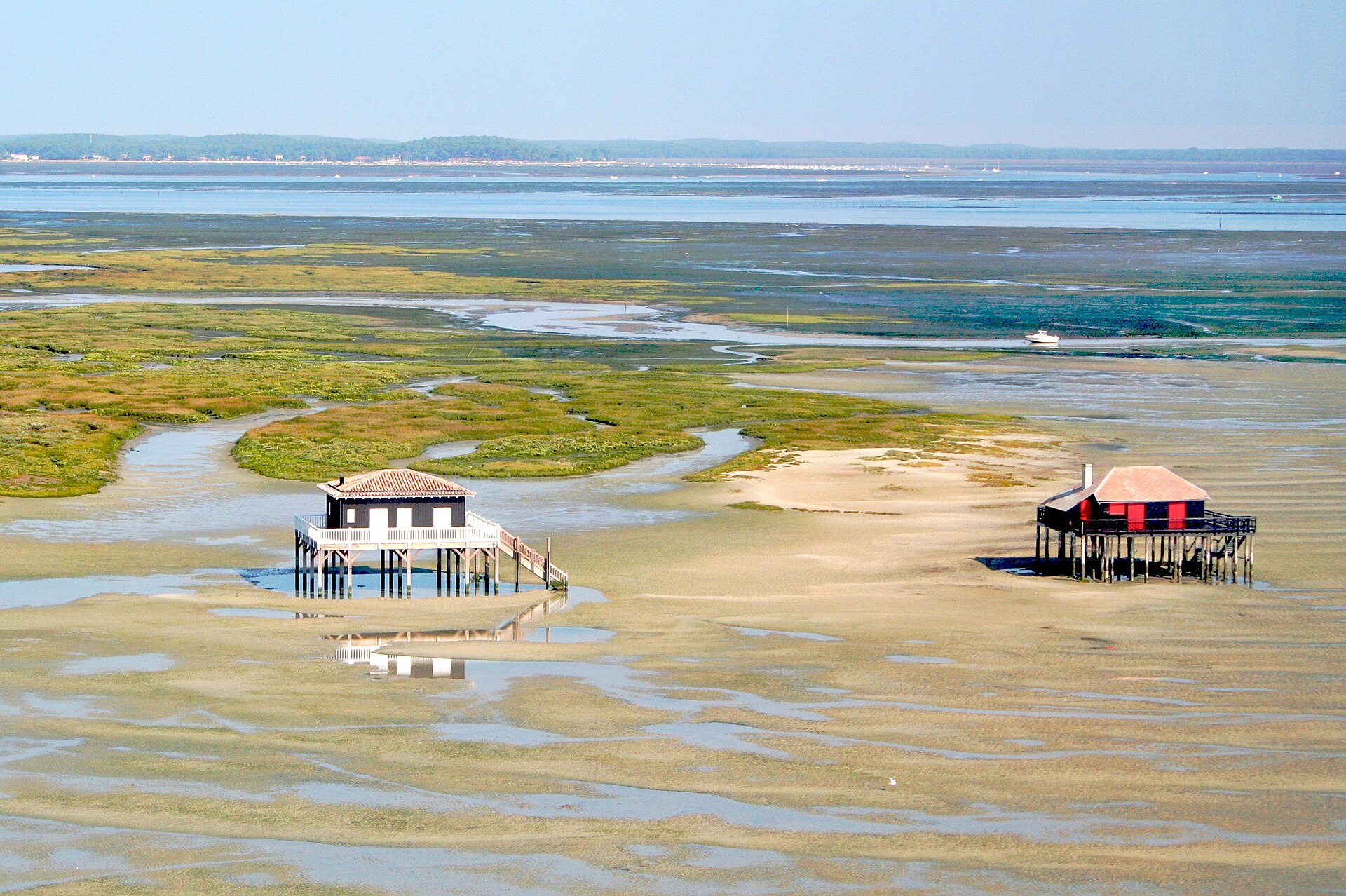
Natura 2000 · wintering, passage 1,115 records

Natura 2000 · wintering 832 records
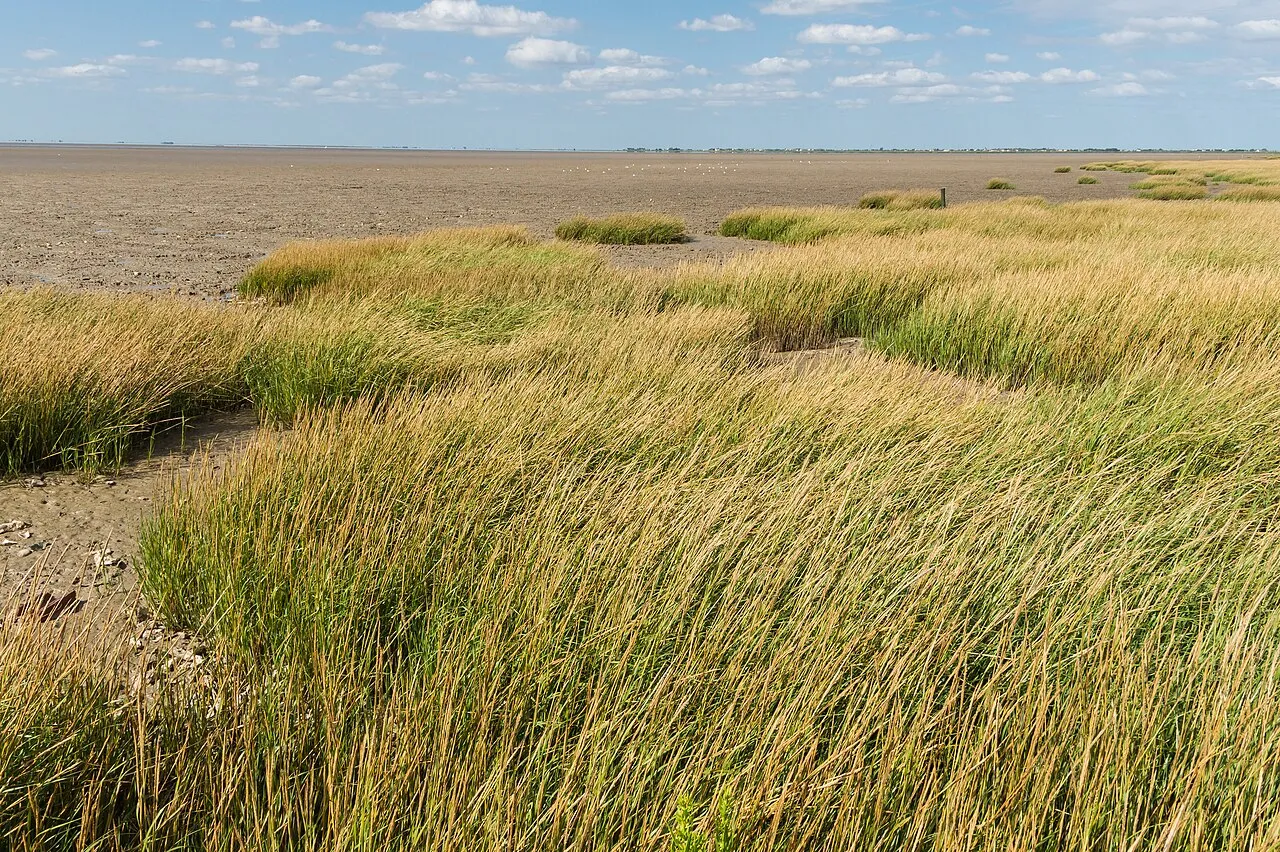
Natura 2000 · wintering, passage 574 records
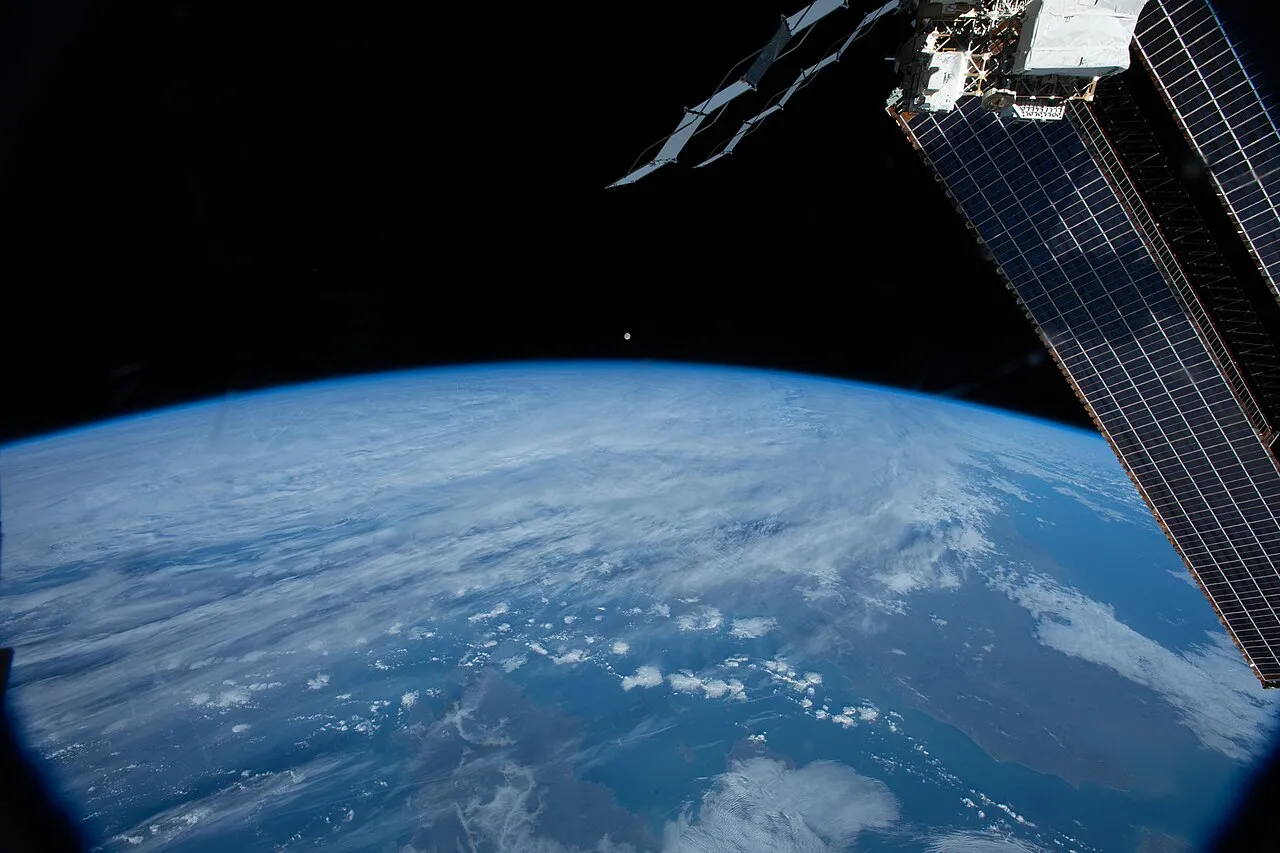
Natura 2000 · wintering, passage 401 records

Natura 2000 · wintering, passage 188 records

Natura 2000 · passage 111 records
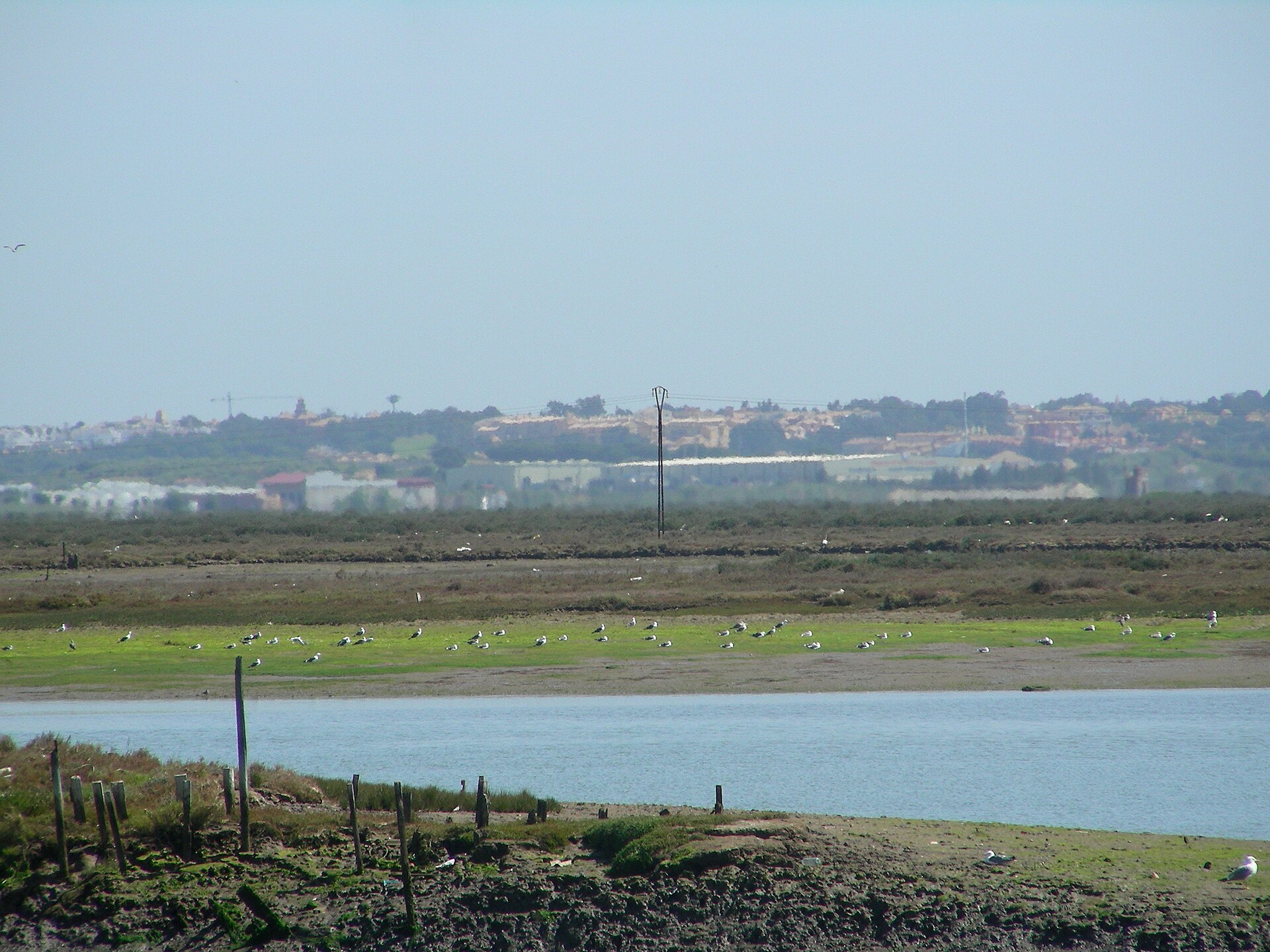
Natura 2000 · wintering 22 records

13,845 records
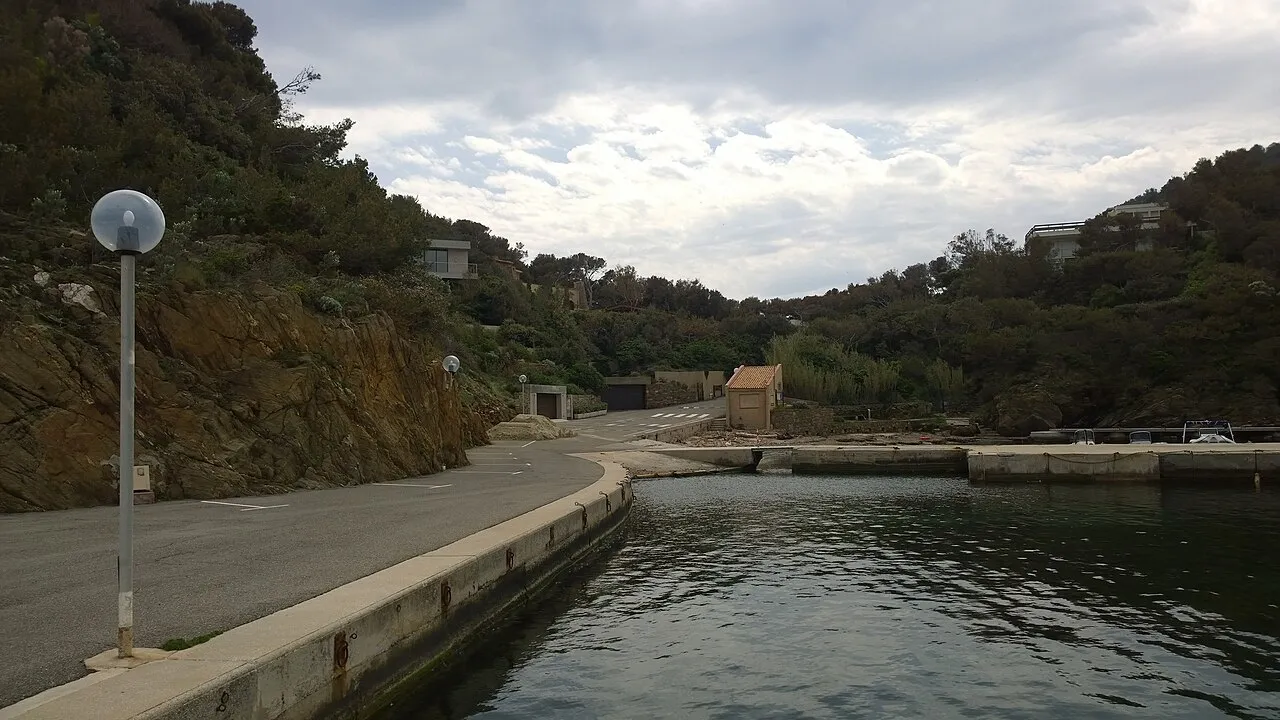
5,432 records

4,010 records
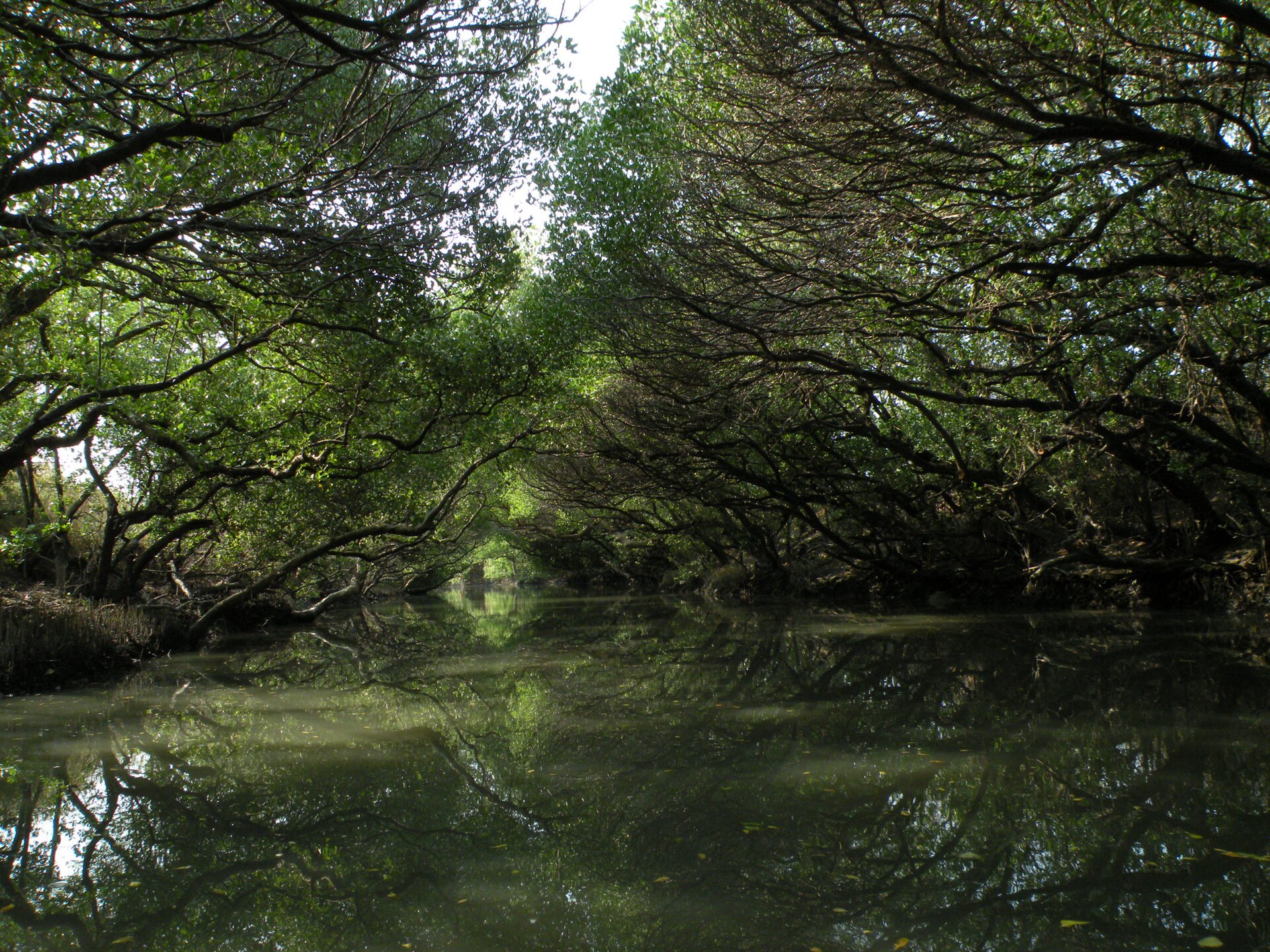
3,498 records

1,265 records
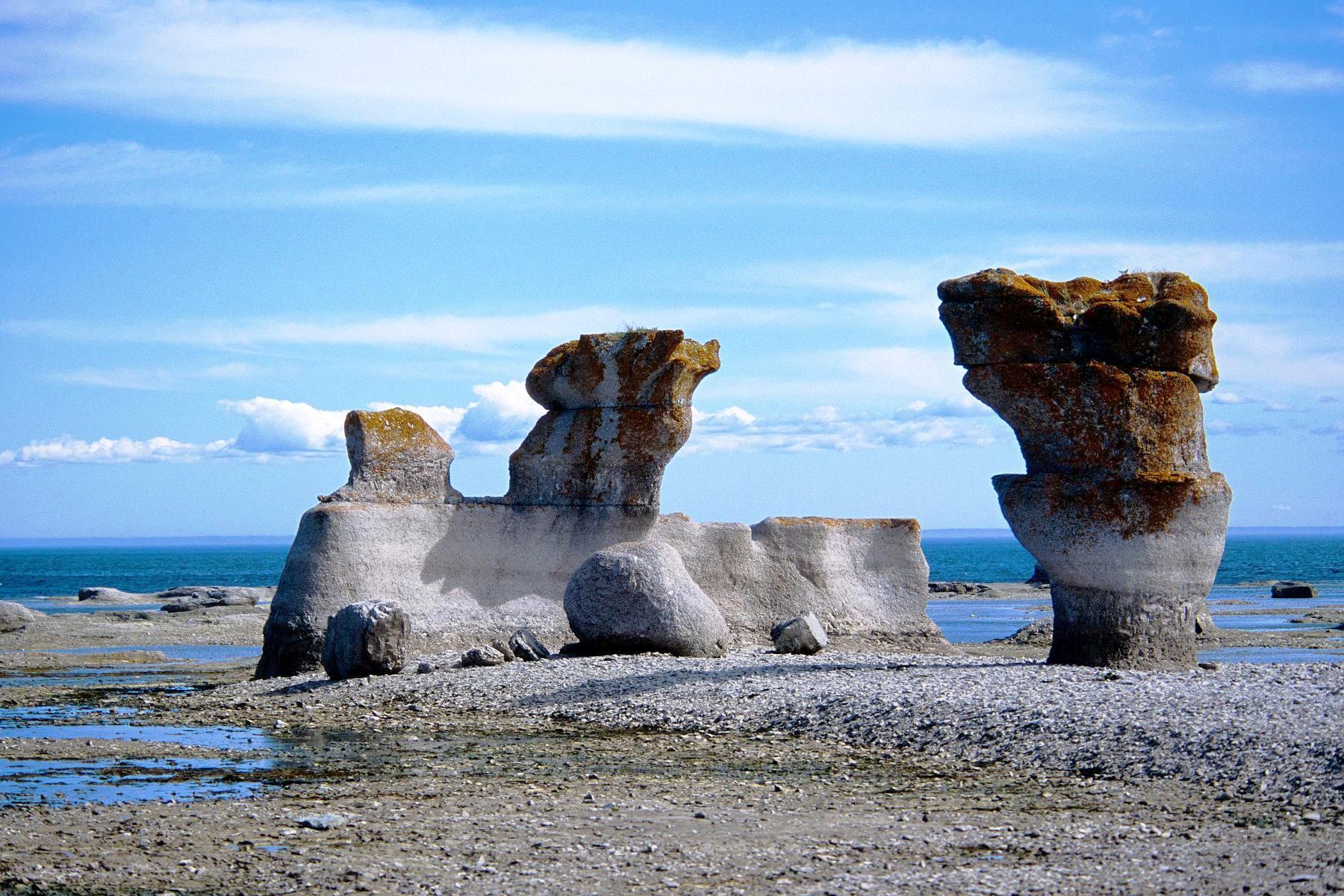
1,162 records
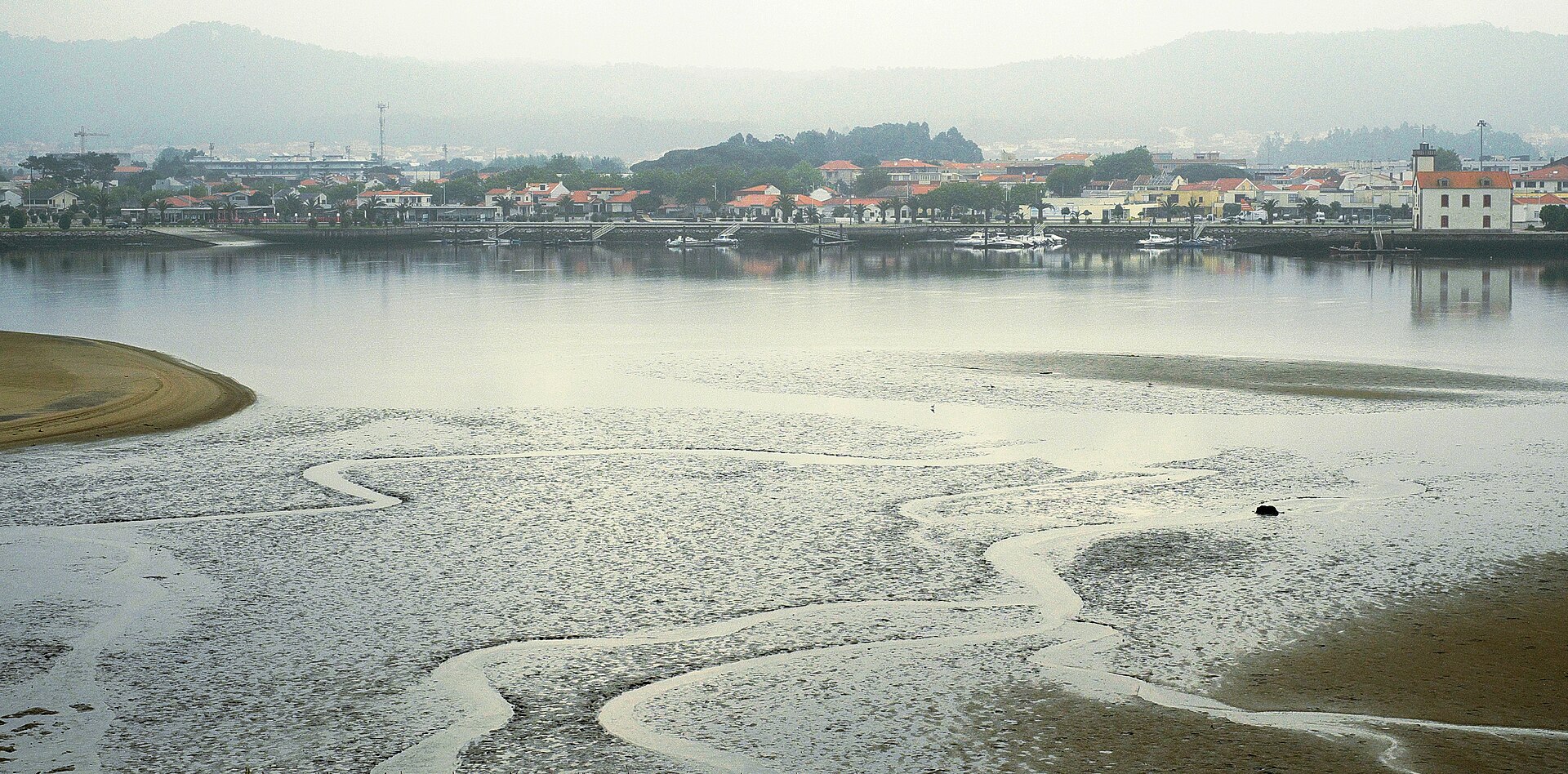
1,007 records
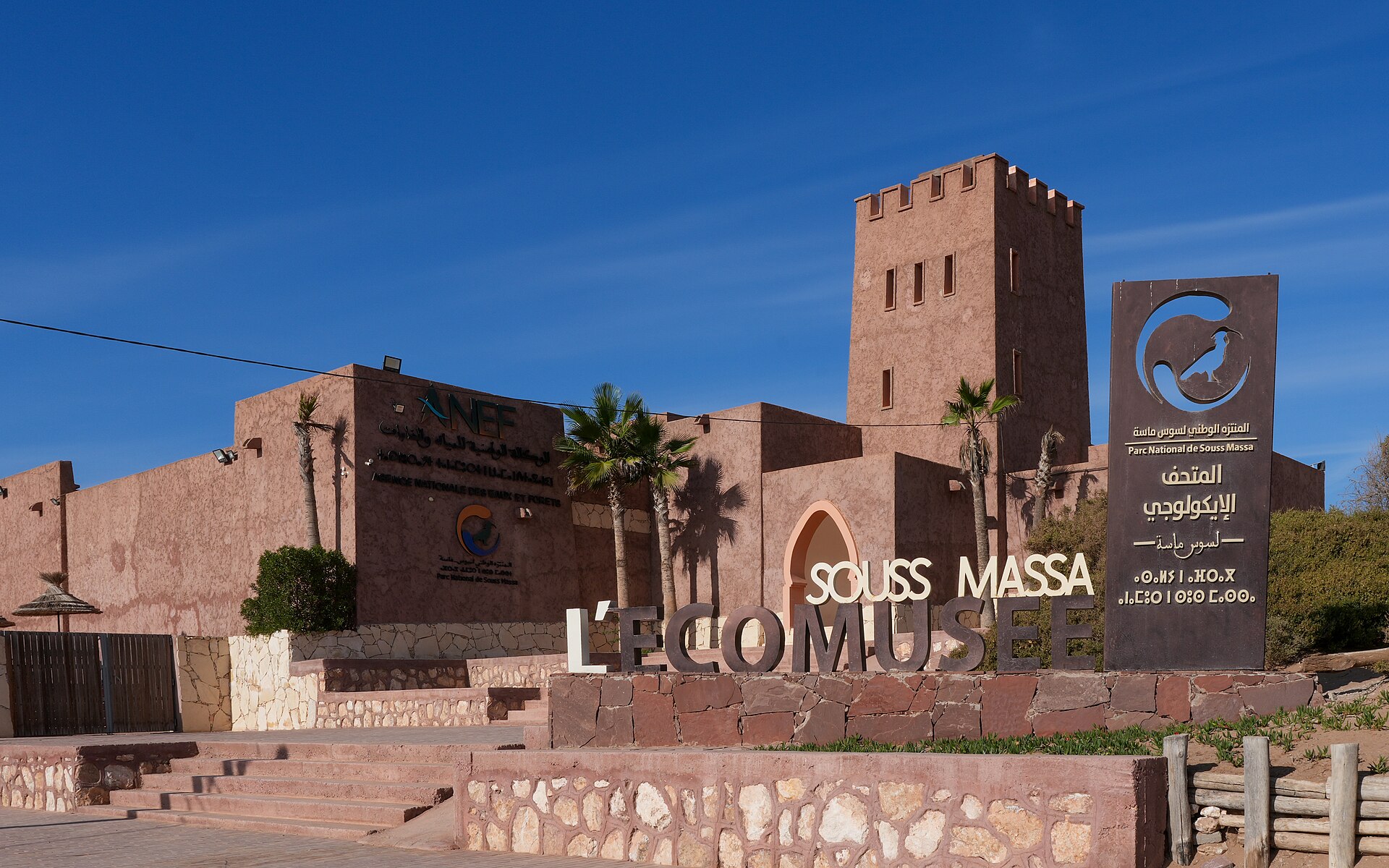
857 records
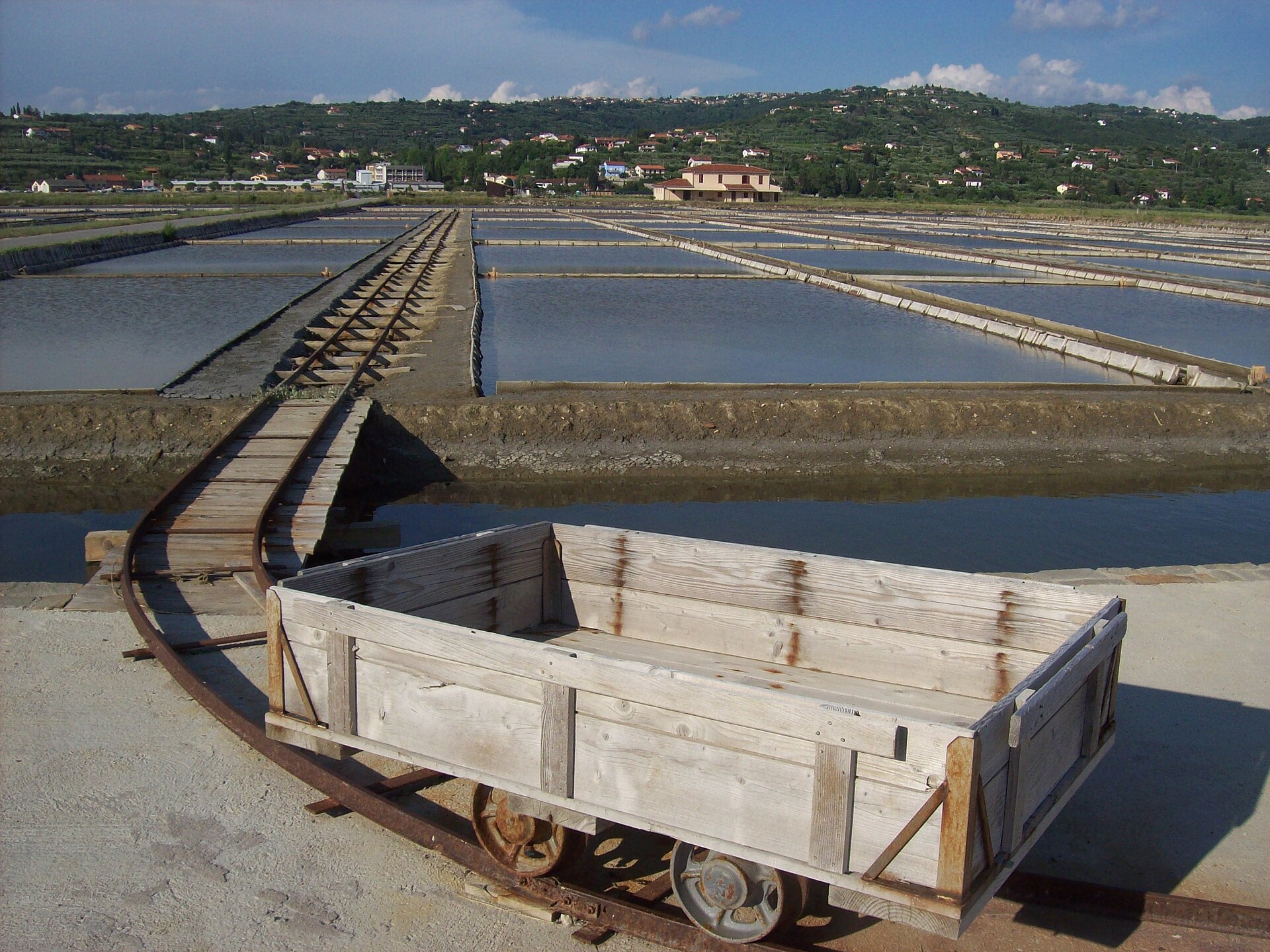
200 records
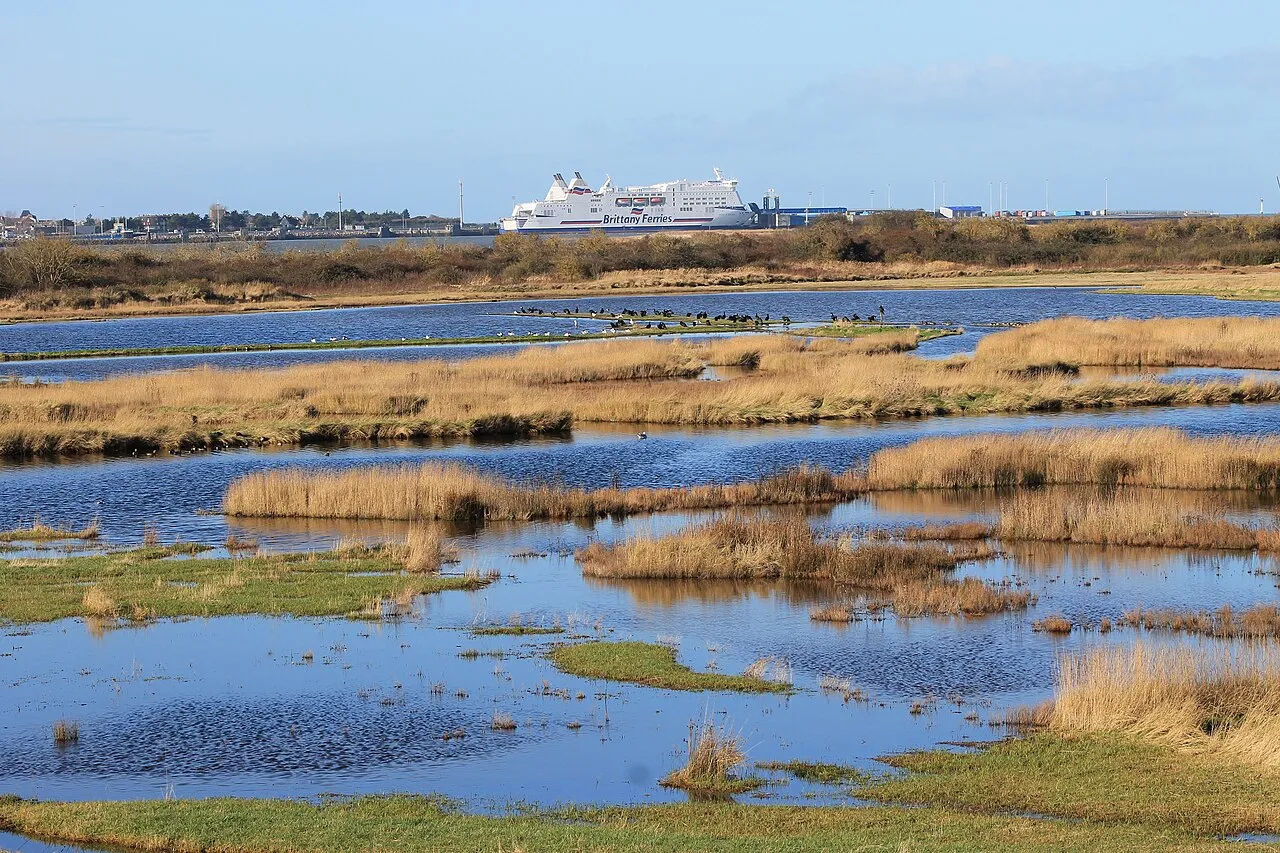
166 records
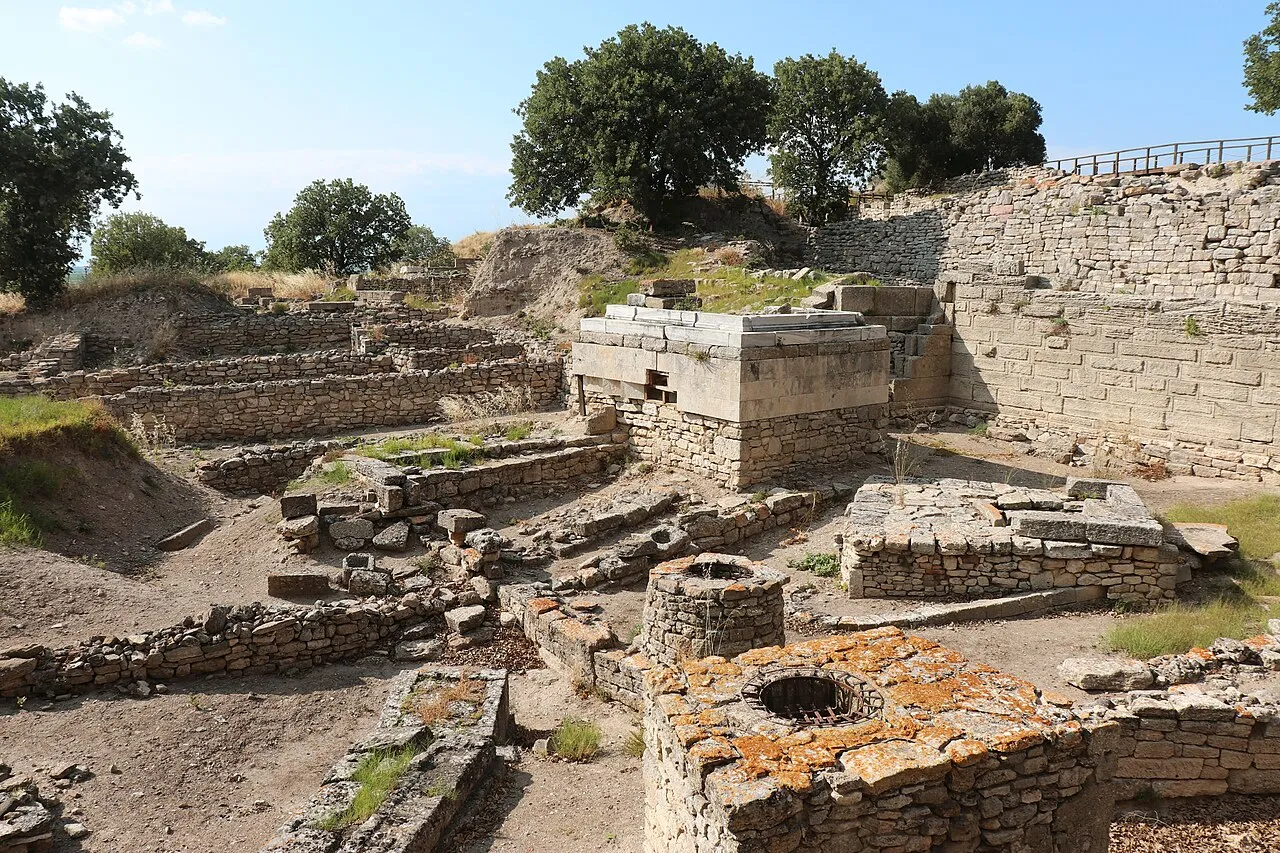
130 records
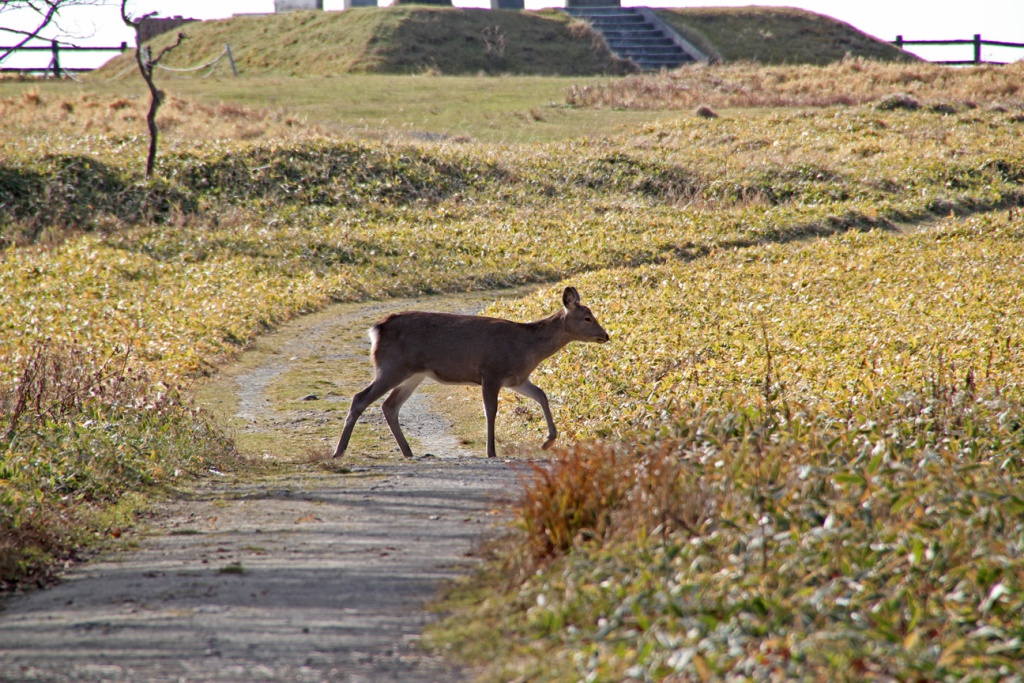
108 records

103 records
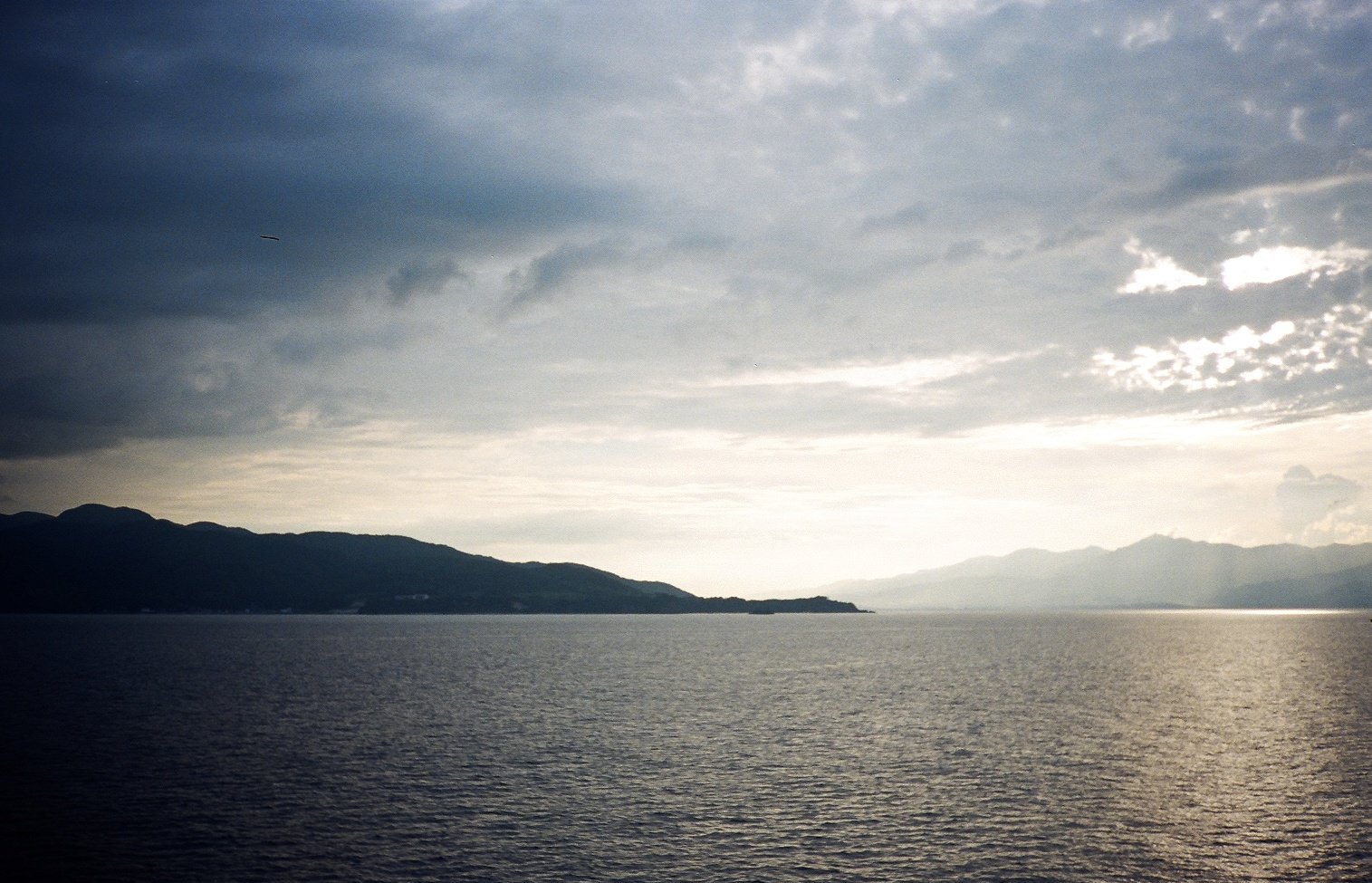
89 records
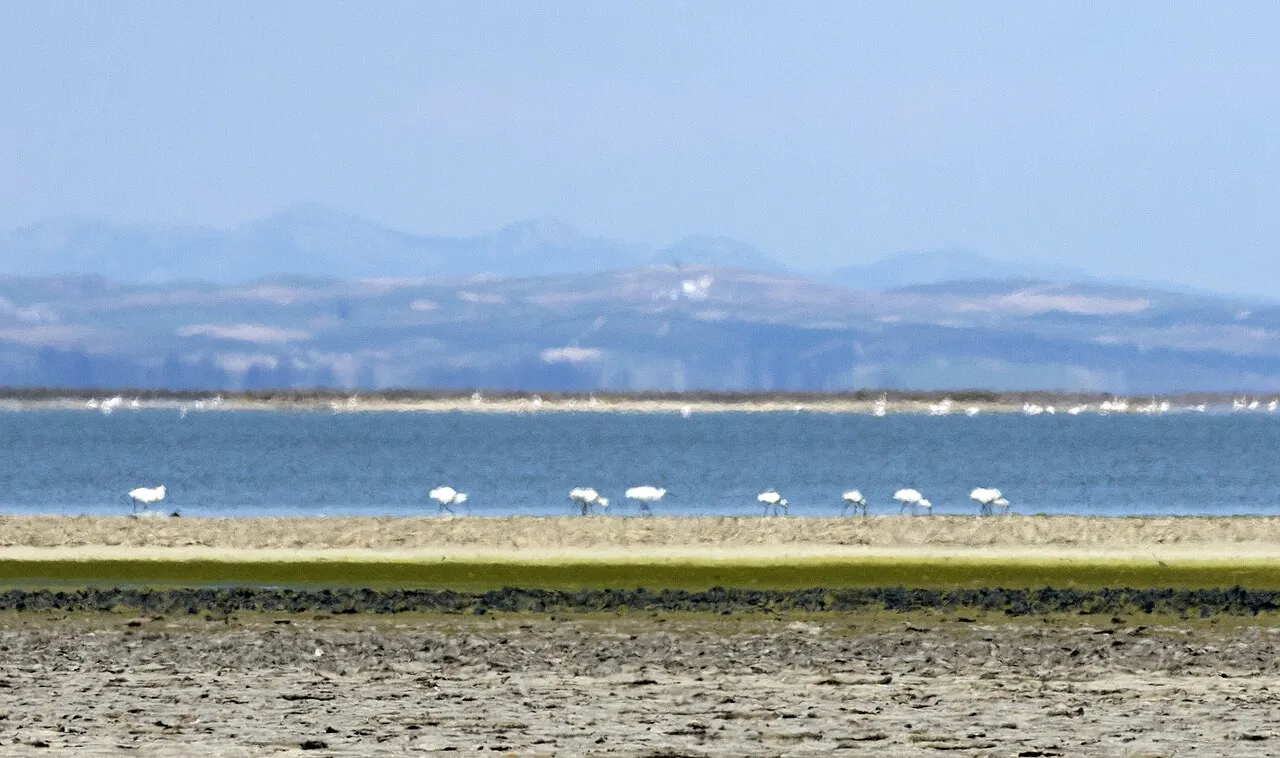
88 records
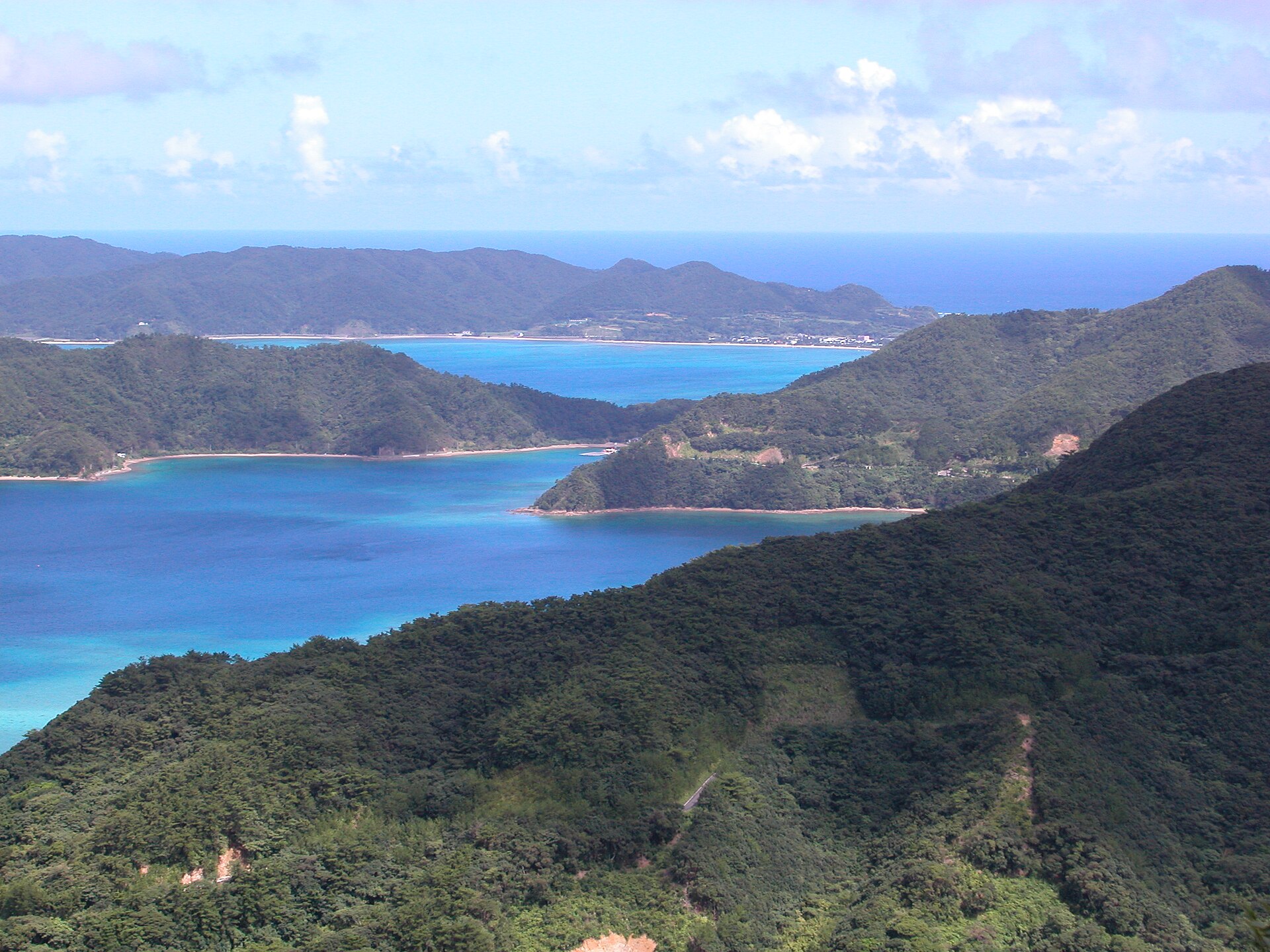
82 records
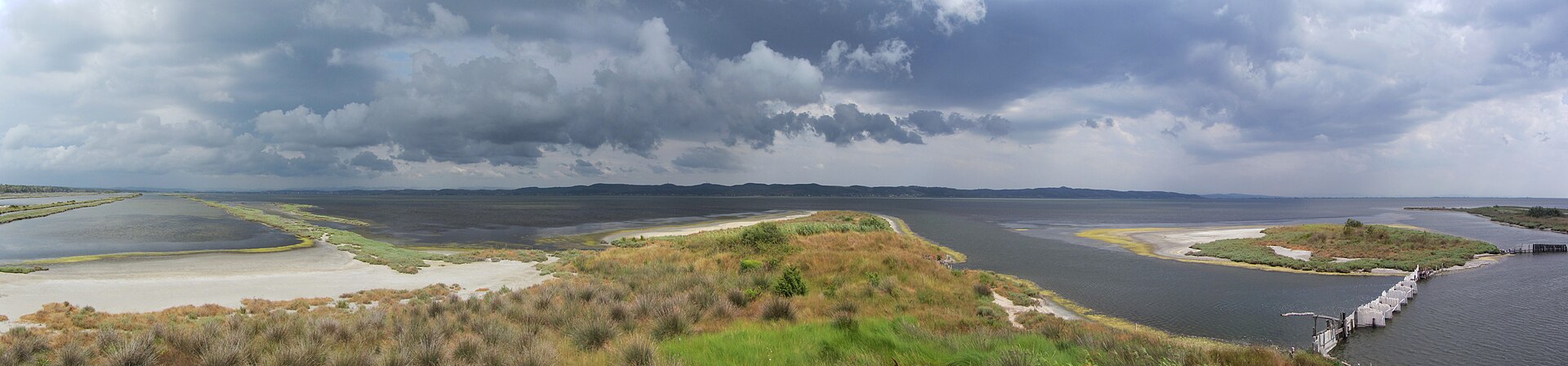
82 records

75 records

5 records
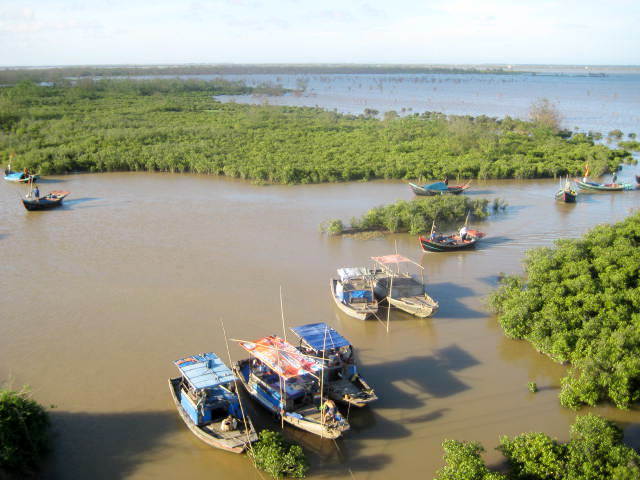
4 records
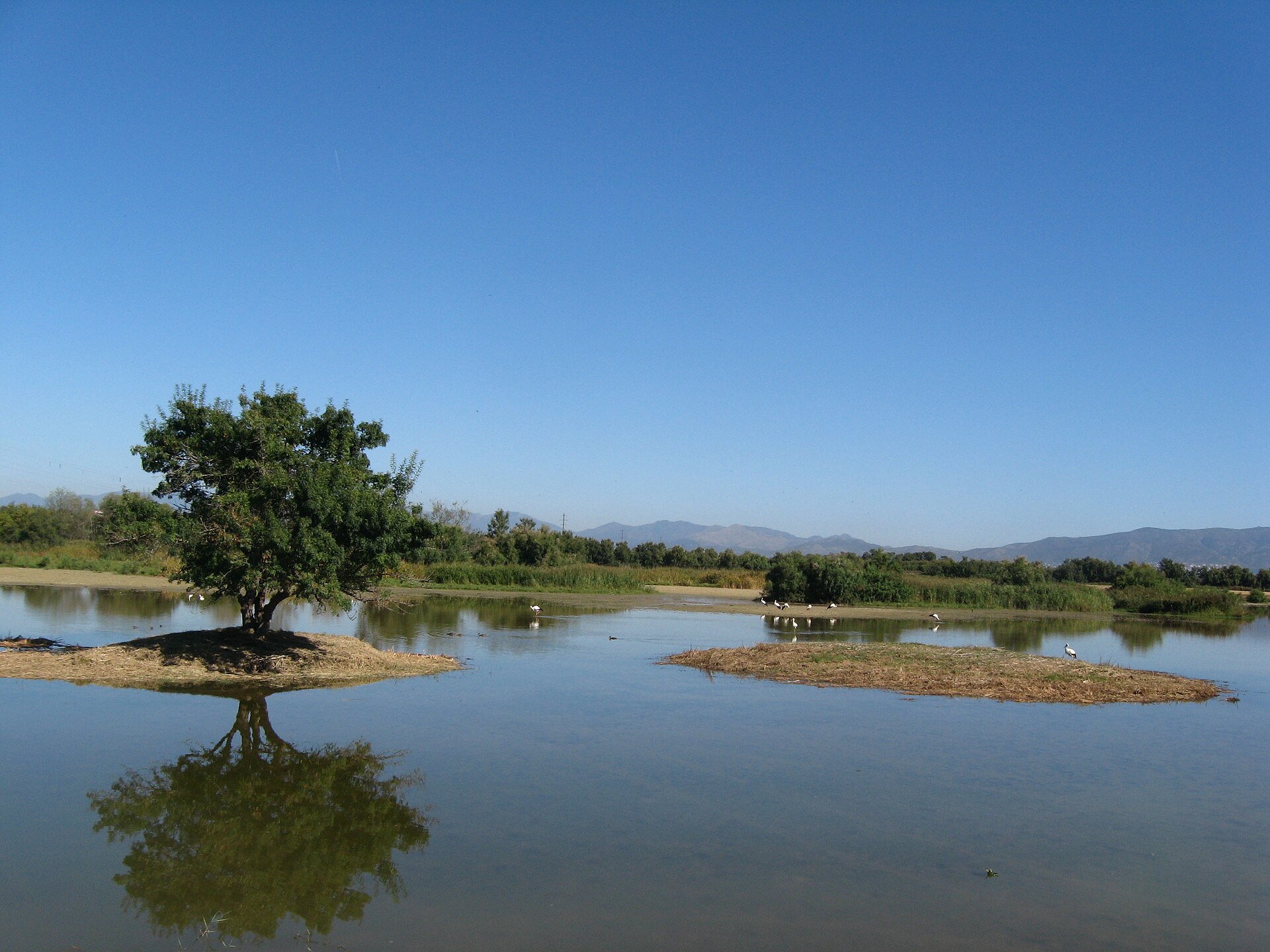
Natura 2000 · wintering
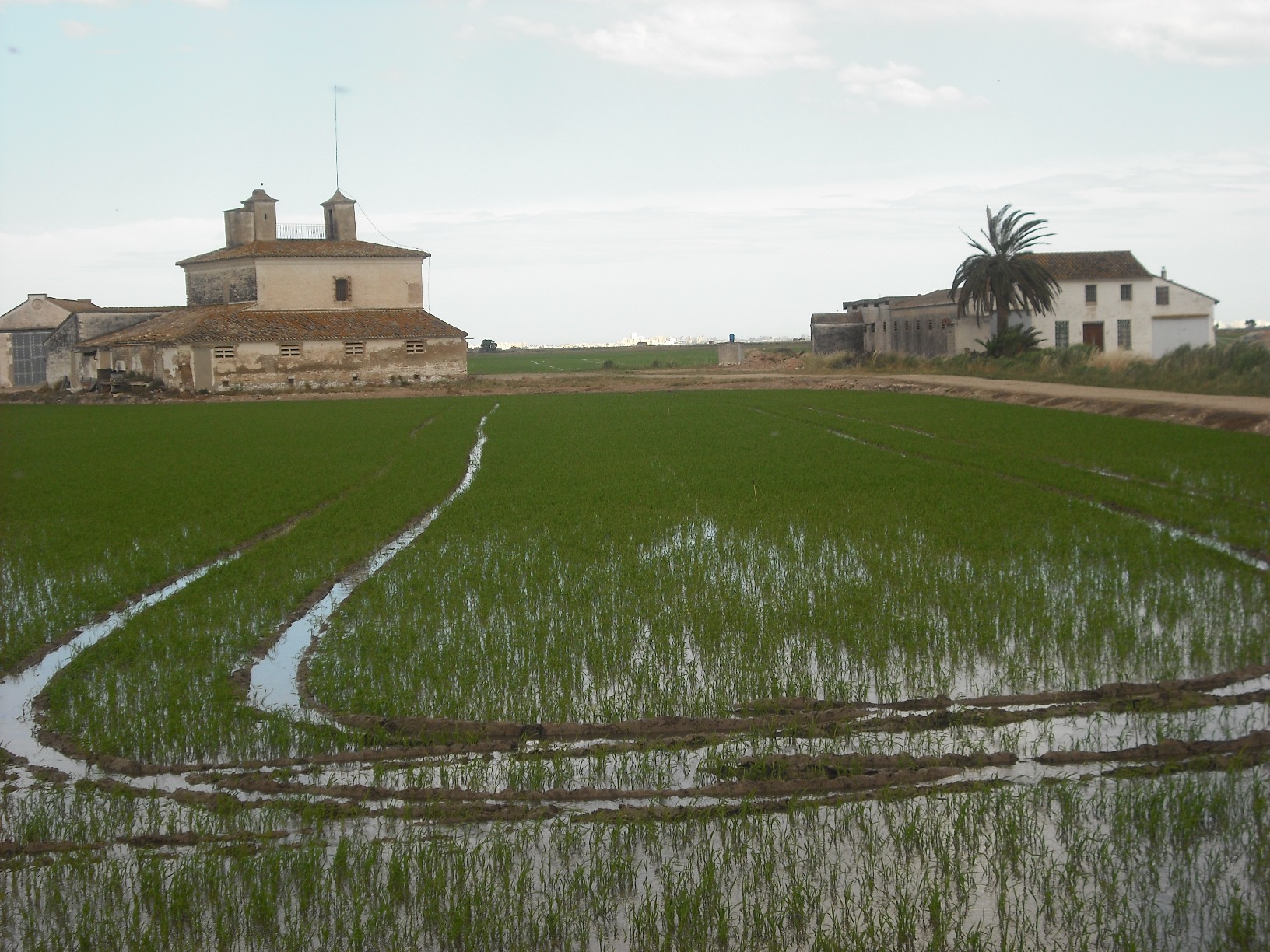
Natura 2000 · wintering
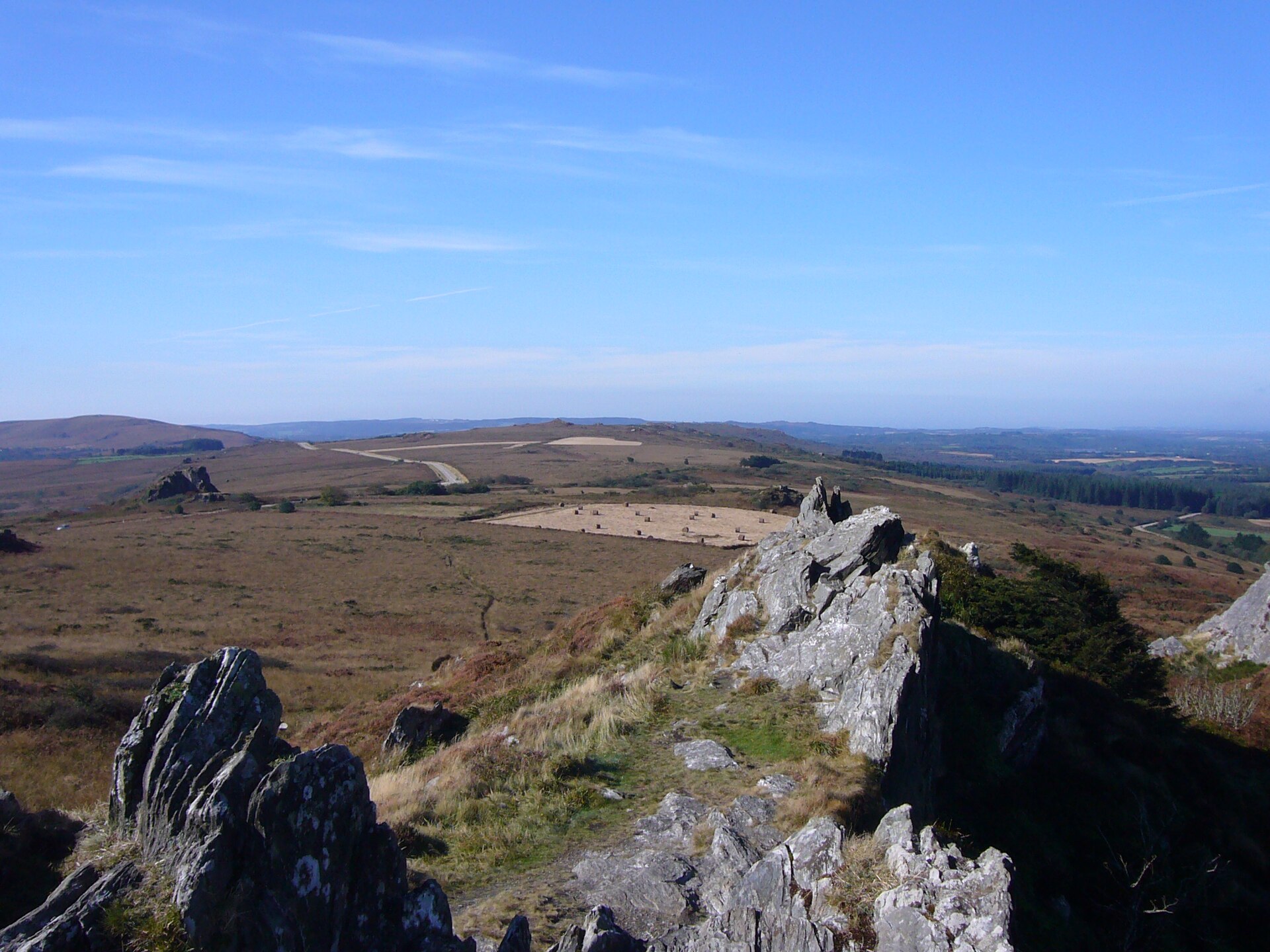
Natura 2000 · wintering

Natura 2000 · wintering
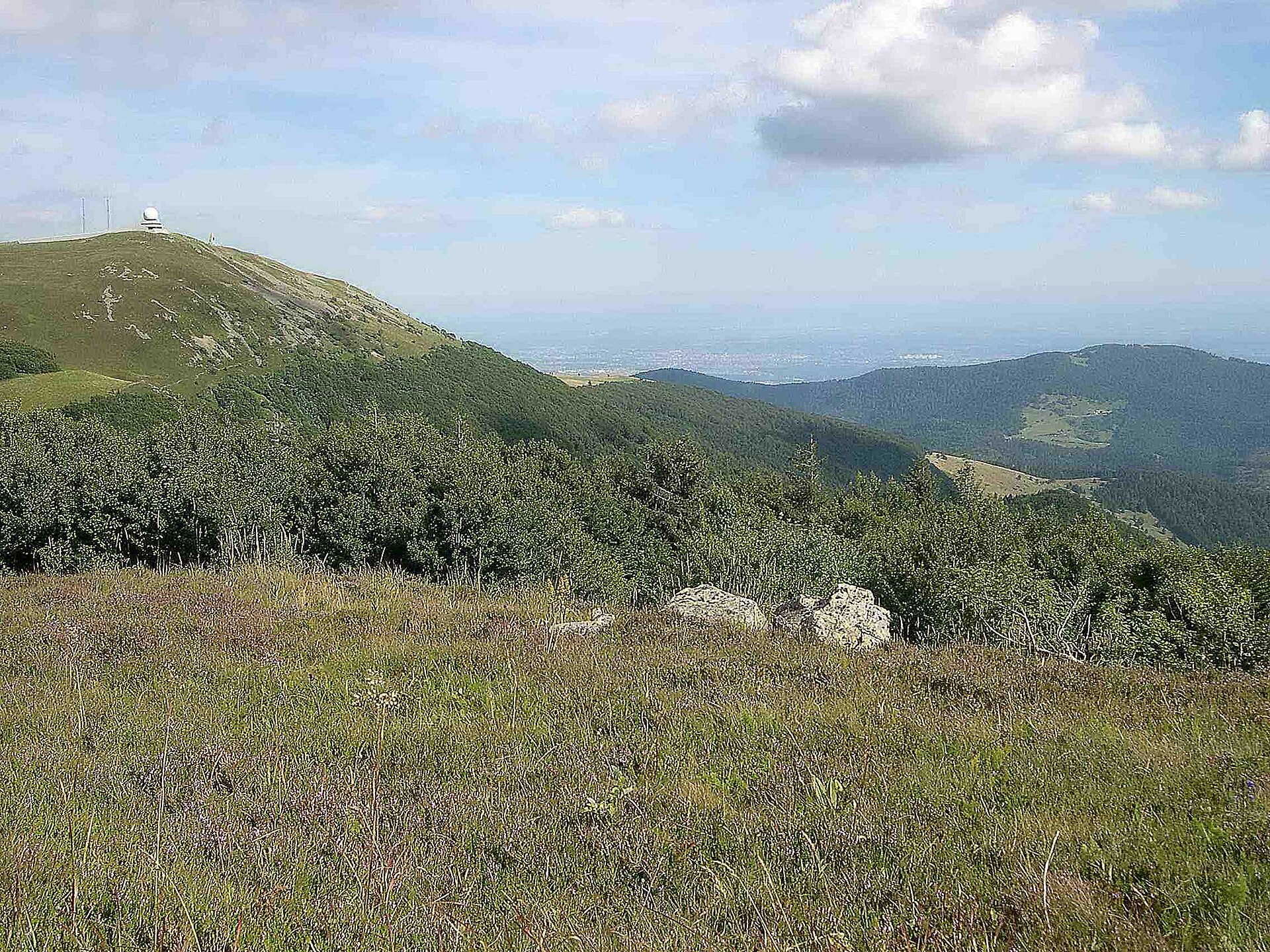
Natura 2000 · passage
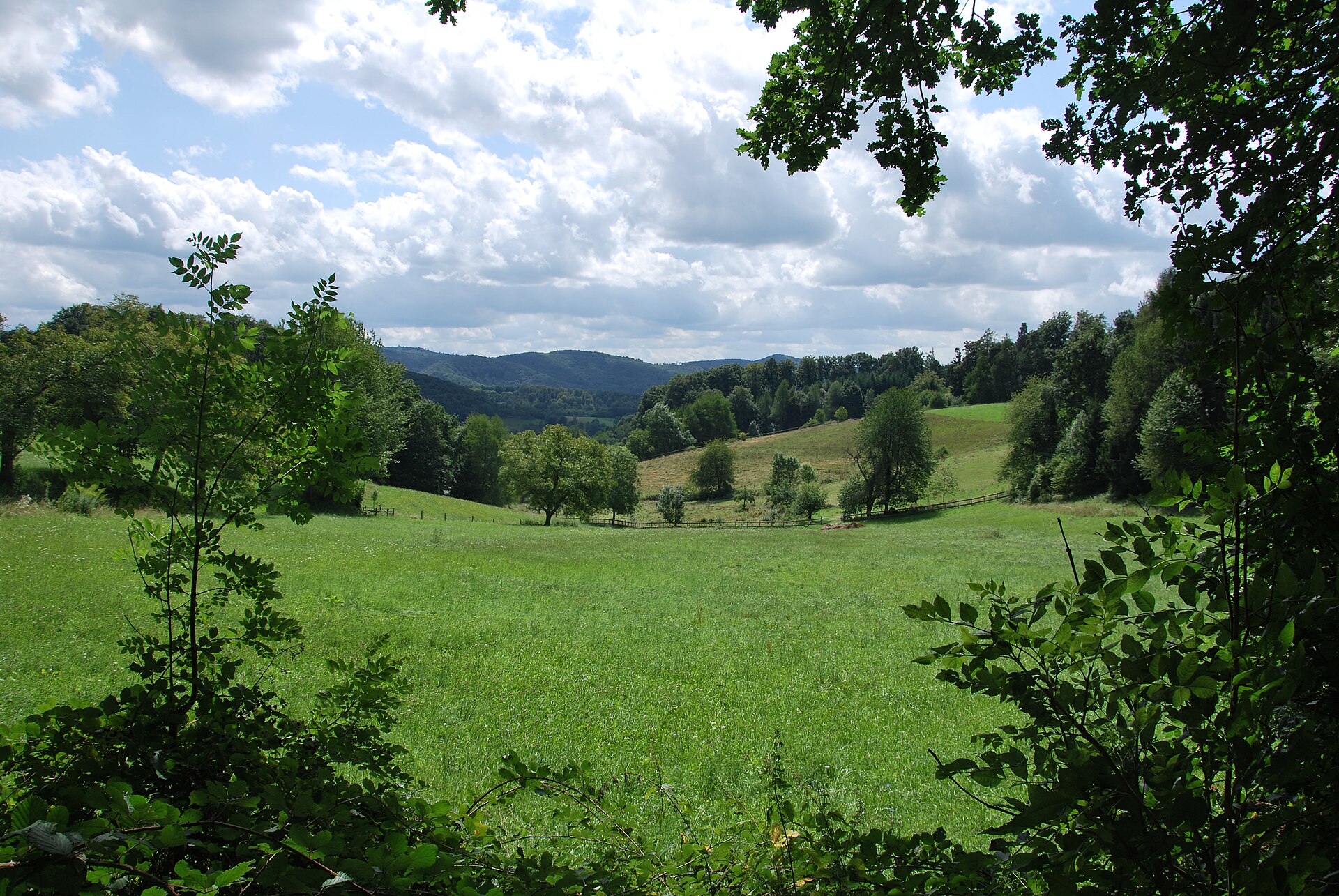
Natura 2000 · passage

Natura 2000 · breeding
Natura 2000 · passage, wintering, breeding
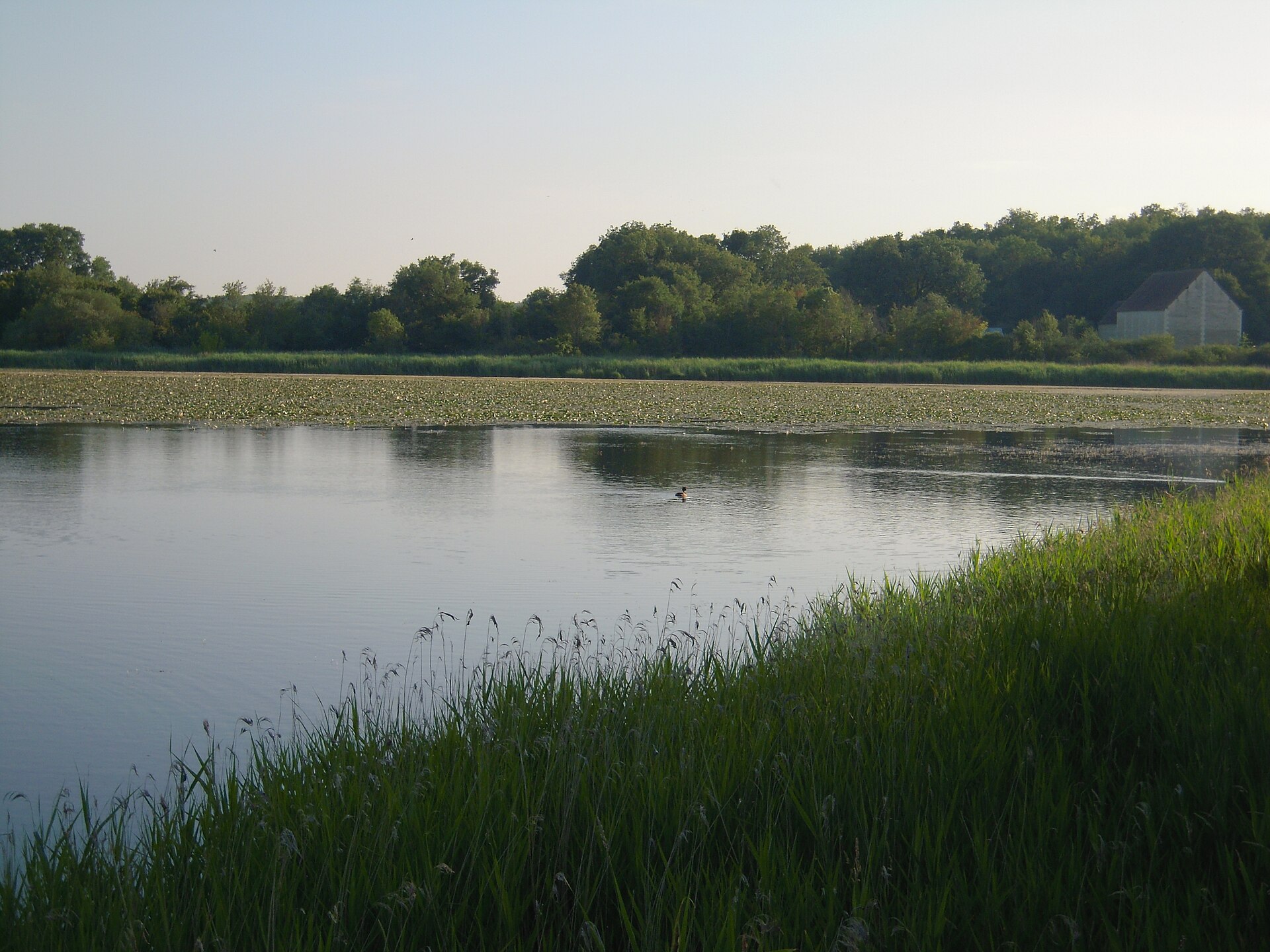
Natura 2000 · wintering
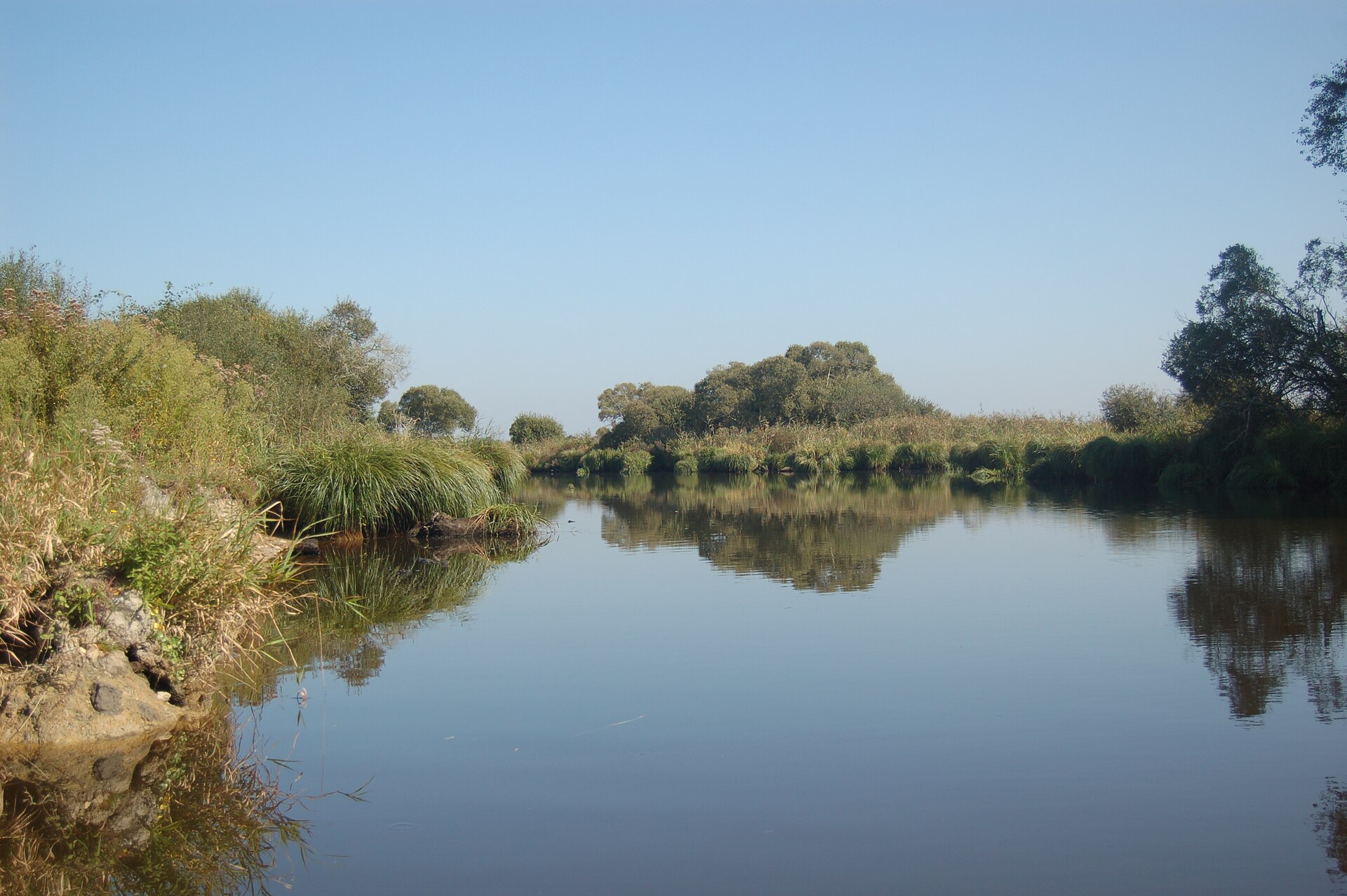
Natura 2000 · wintering
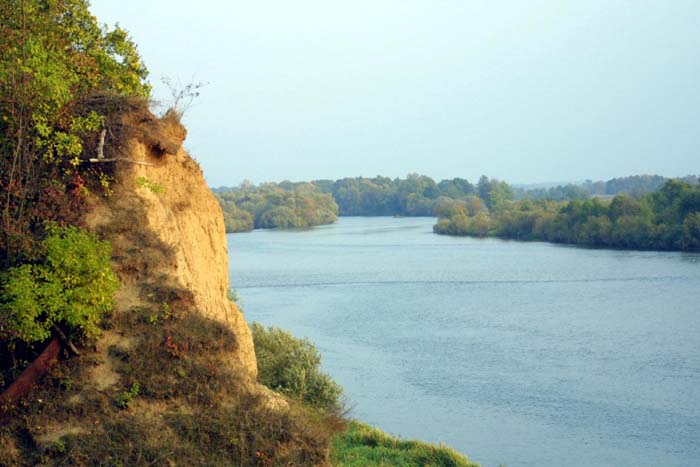
Natura 2000 · passage
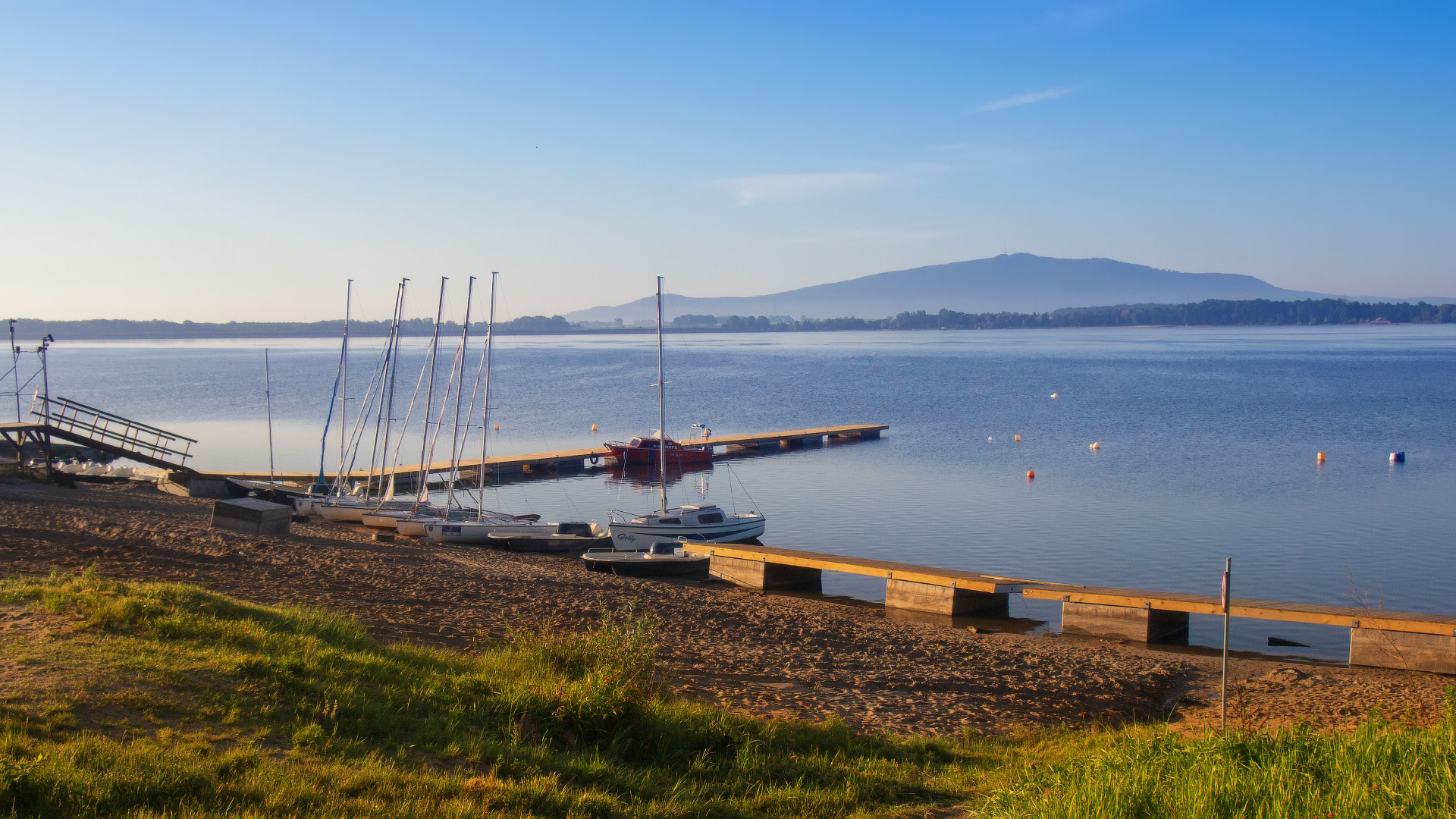
Natura 2000 · passage
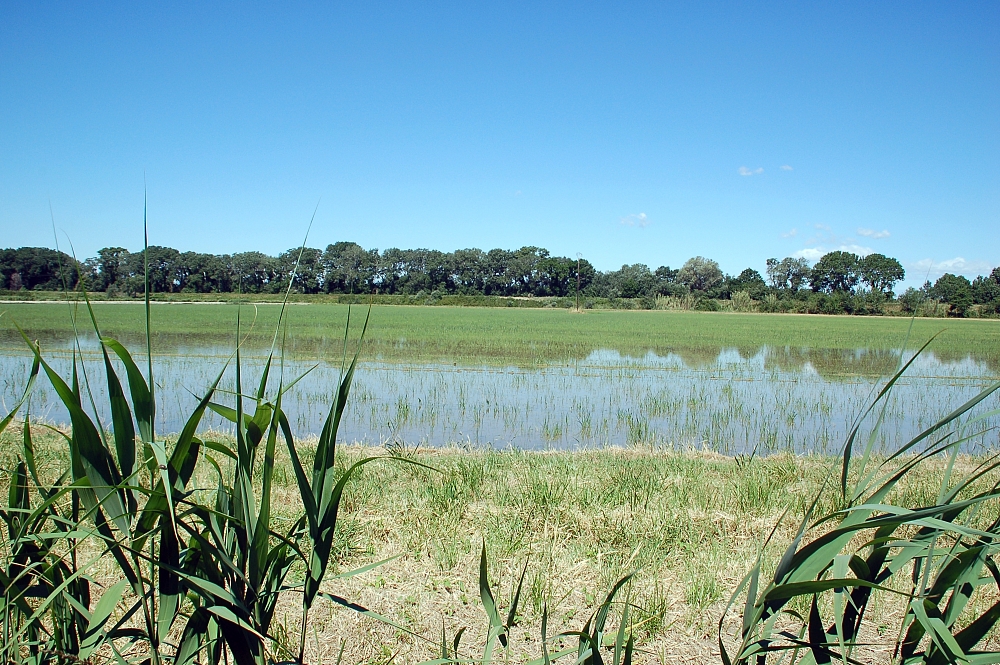
Natura 2000 · wintering, passage
Natura 2000 · passage

Natura 2000 · passage
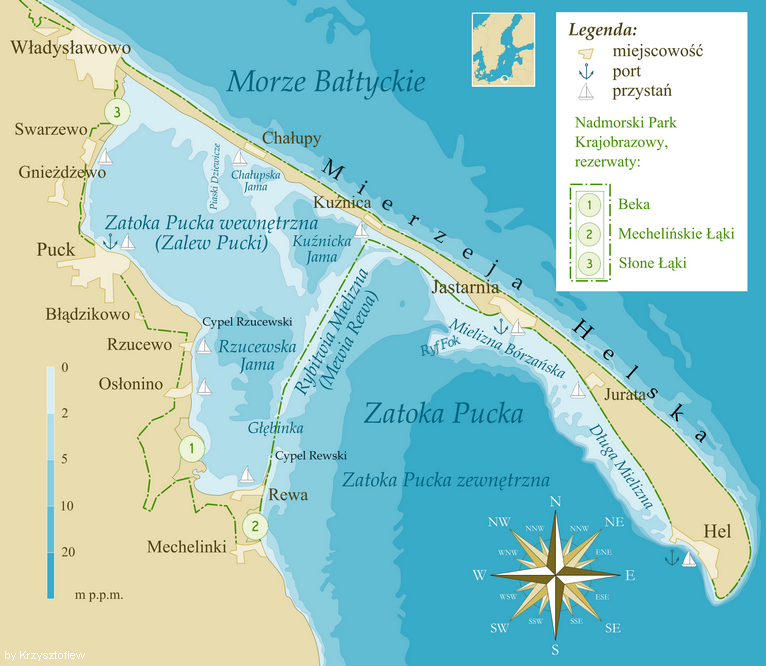
Natura 2000 · passage

Natura 2000 · passage
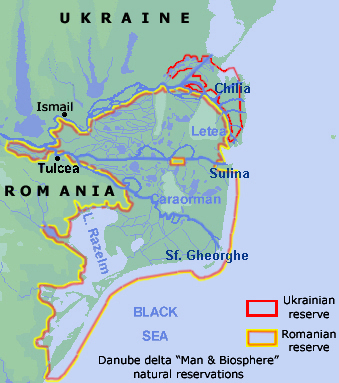
Natura 2000 · passage
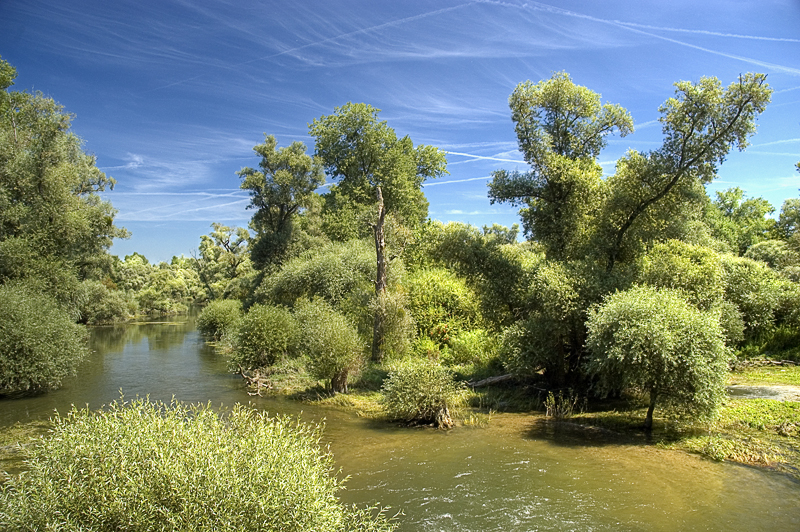
Natura 2000 · passage
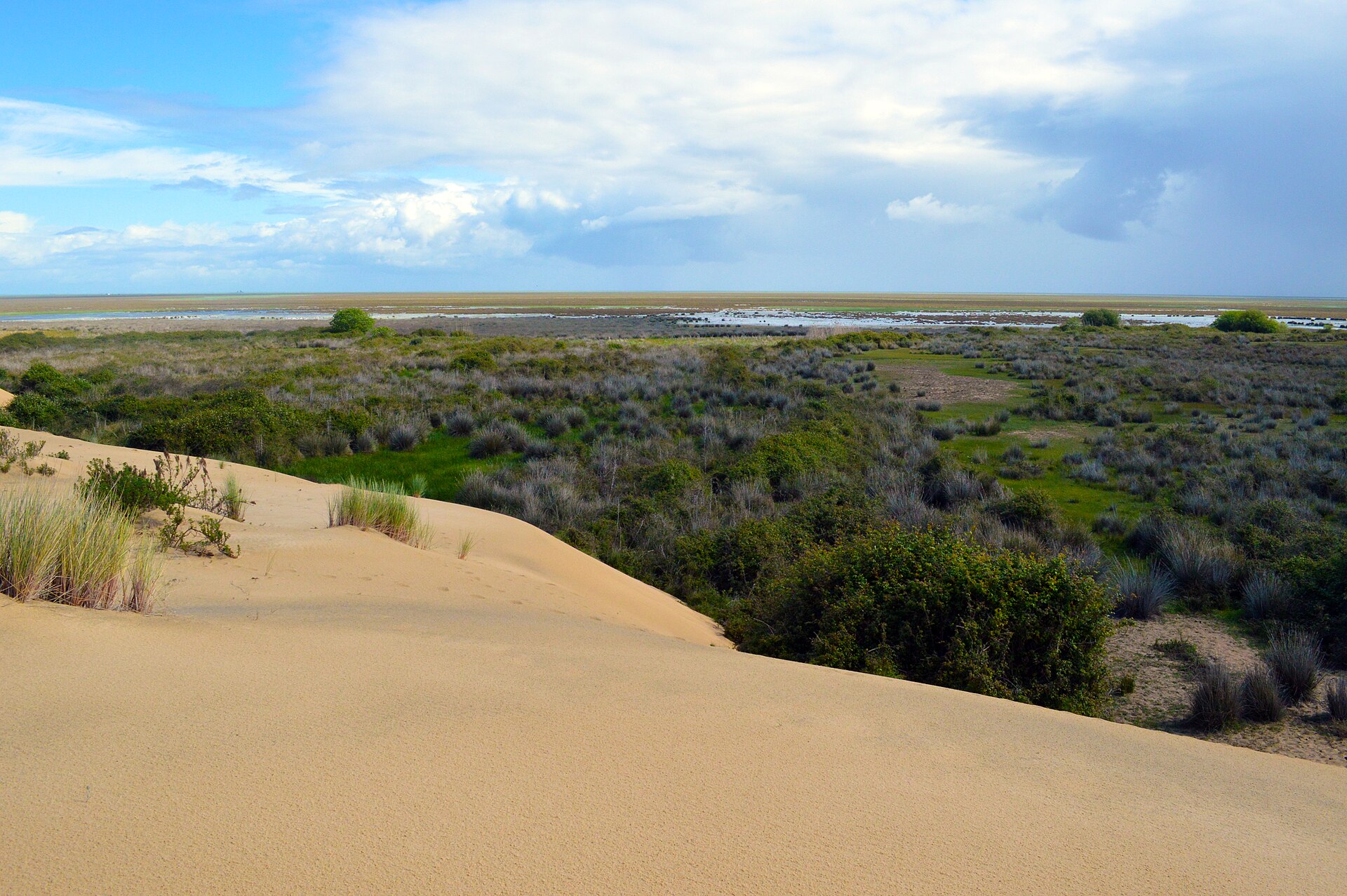
Natura 2000 · wintering, passage
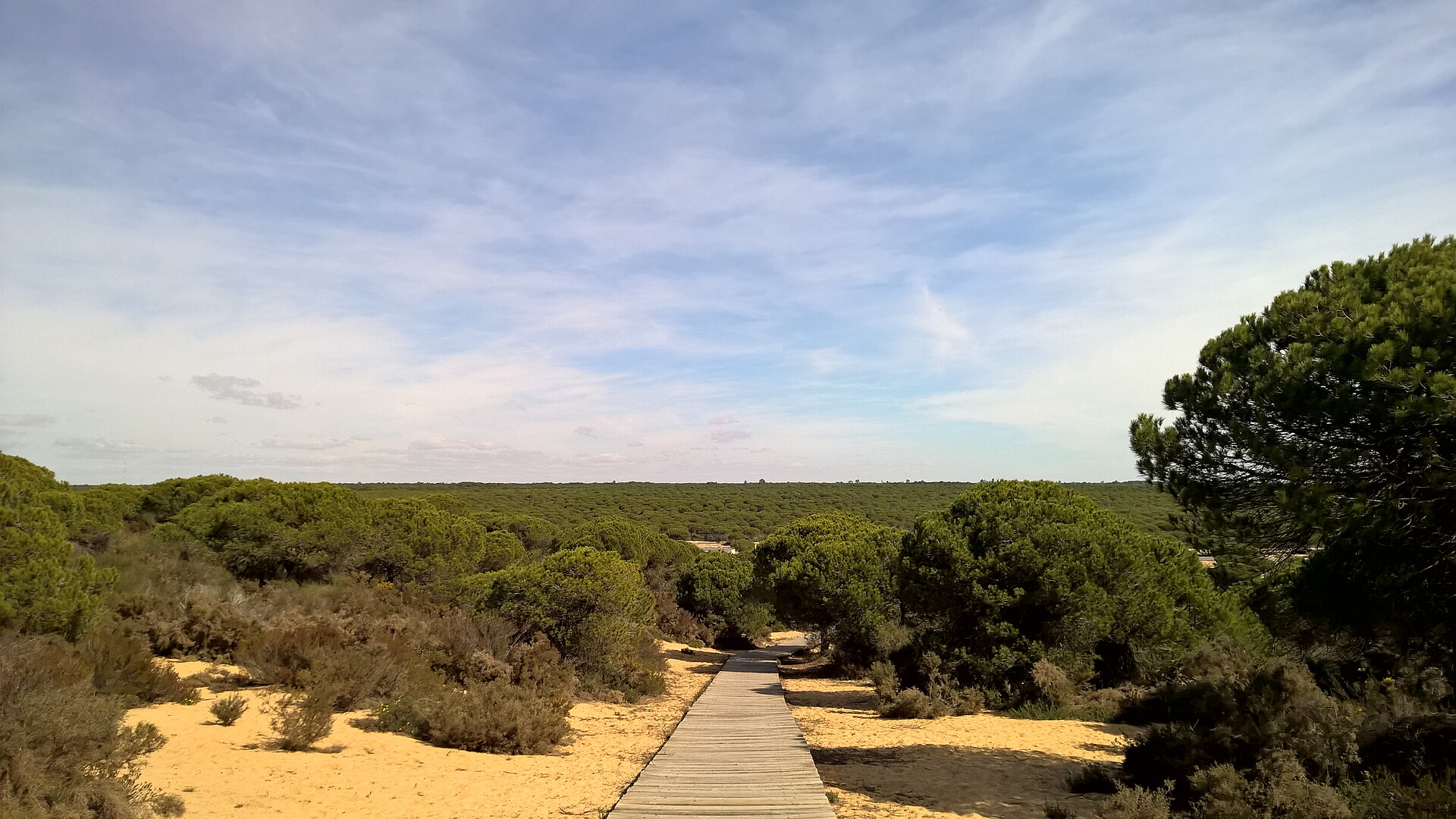
Natura 2000 · wintering, passage
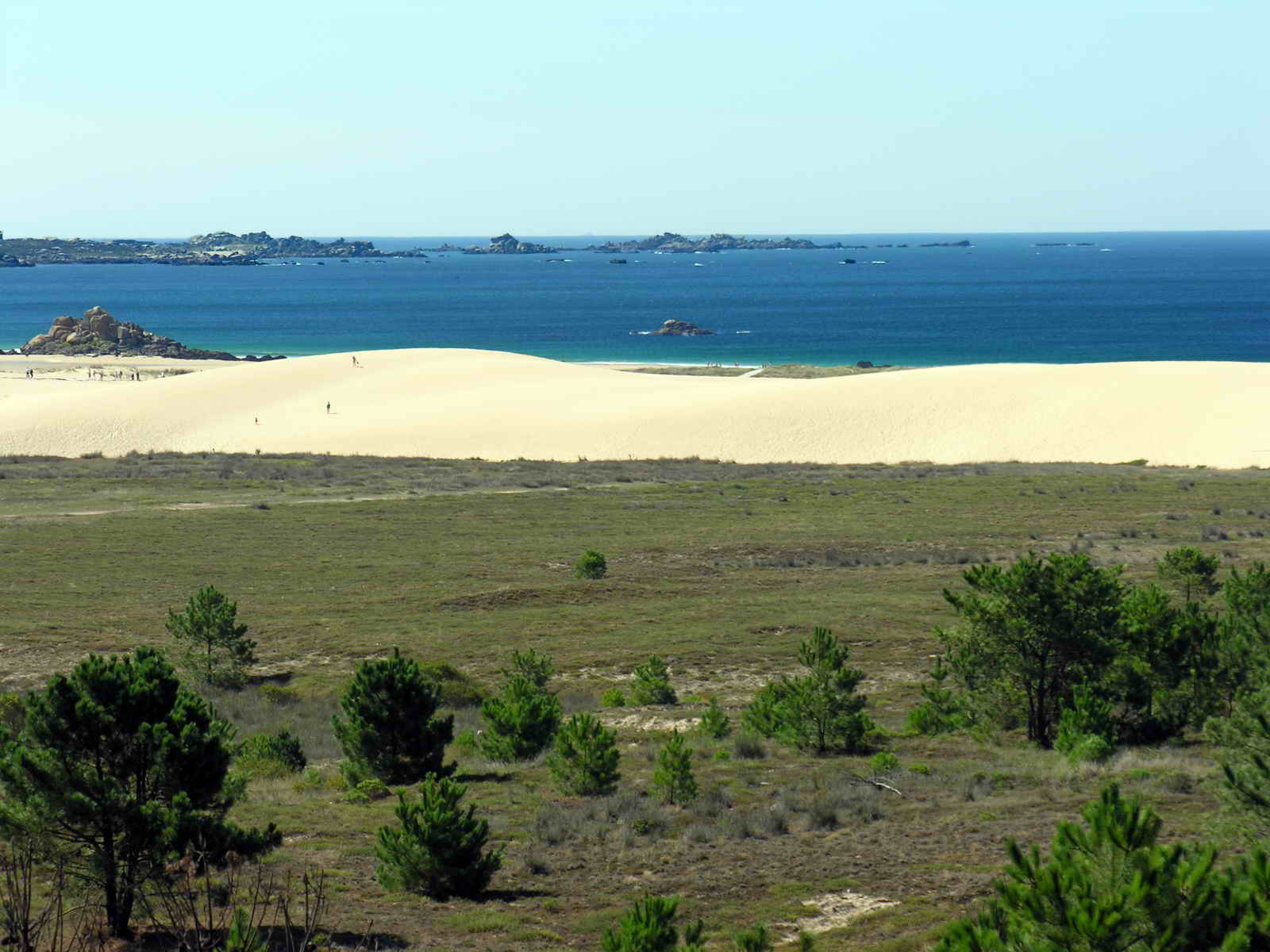
Natura 2000 · wintering
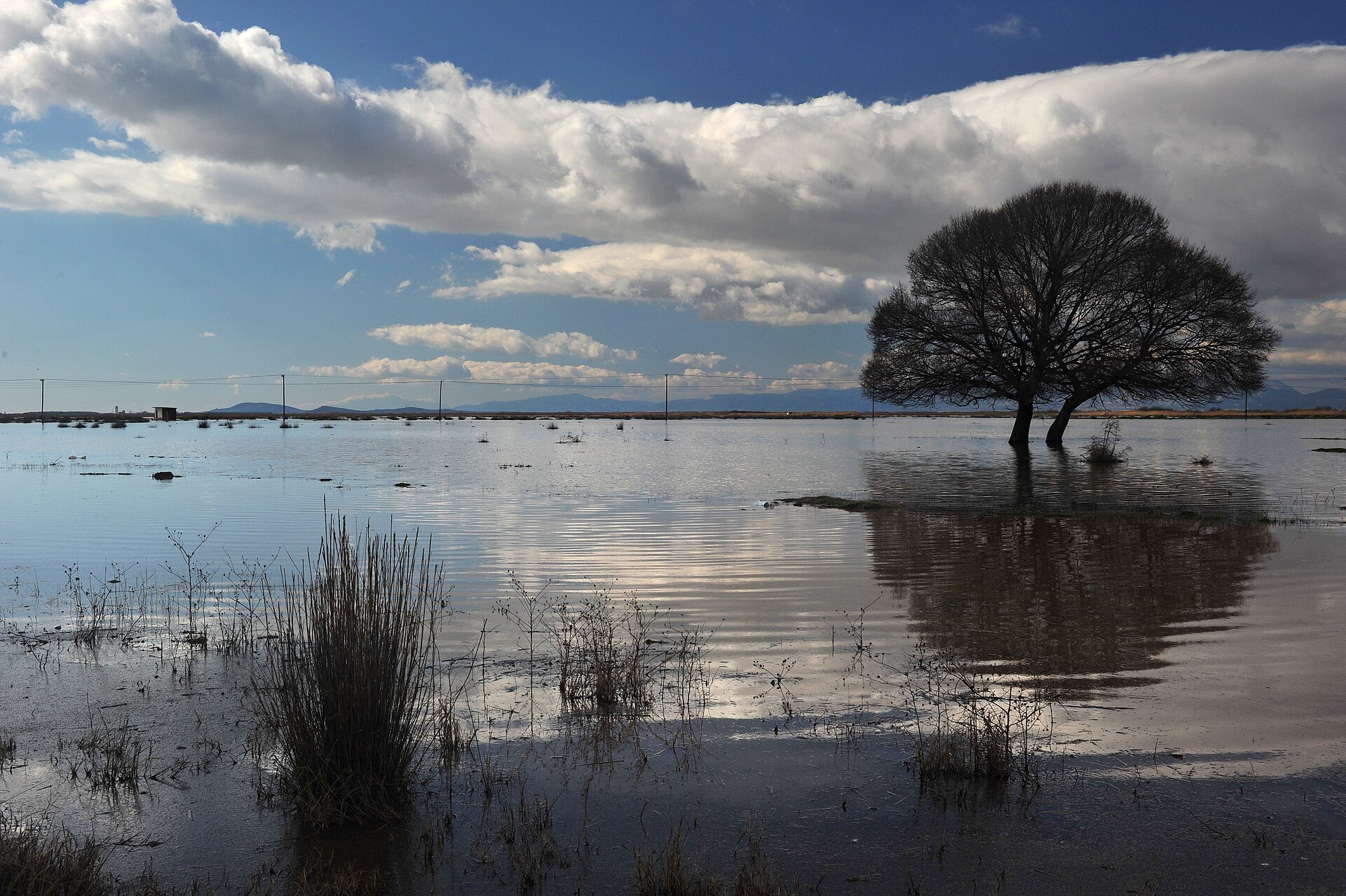
Natura 2000 · wintering, passage

Natura 2000 · wintering, passage

Natura 2000 · passage
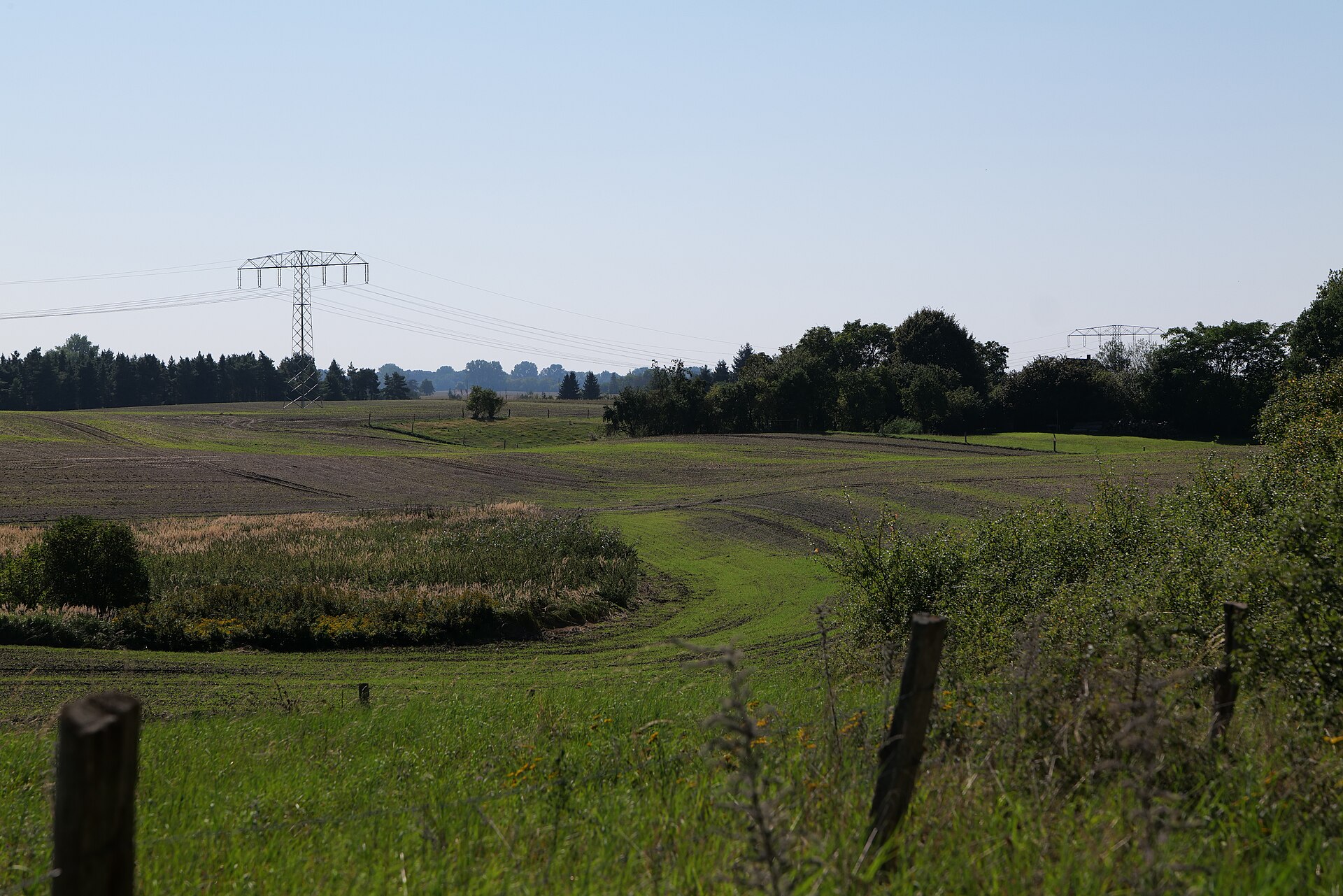
Natura 2000 · passage

Natura 2000 · wintering
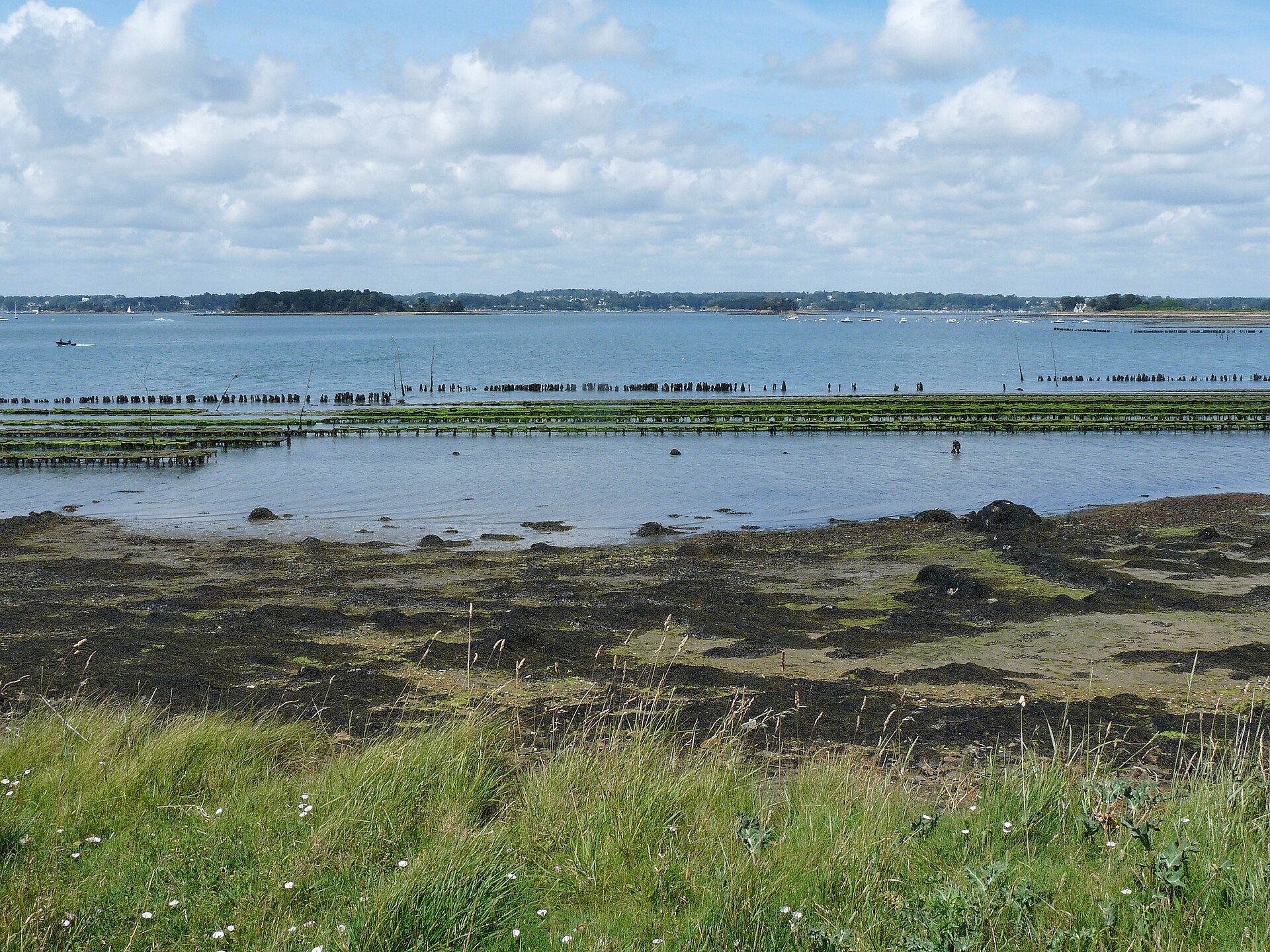
Natura 2000 · wintering, passage

Natura 2000 · passage
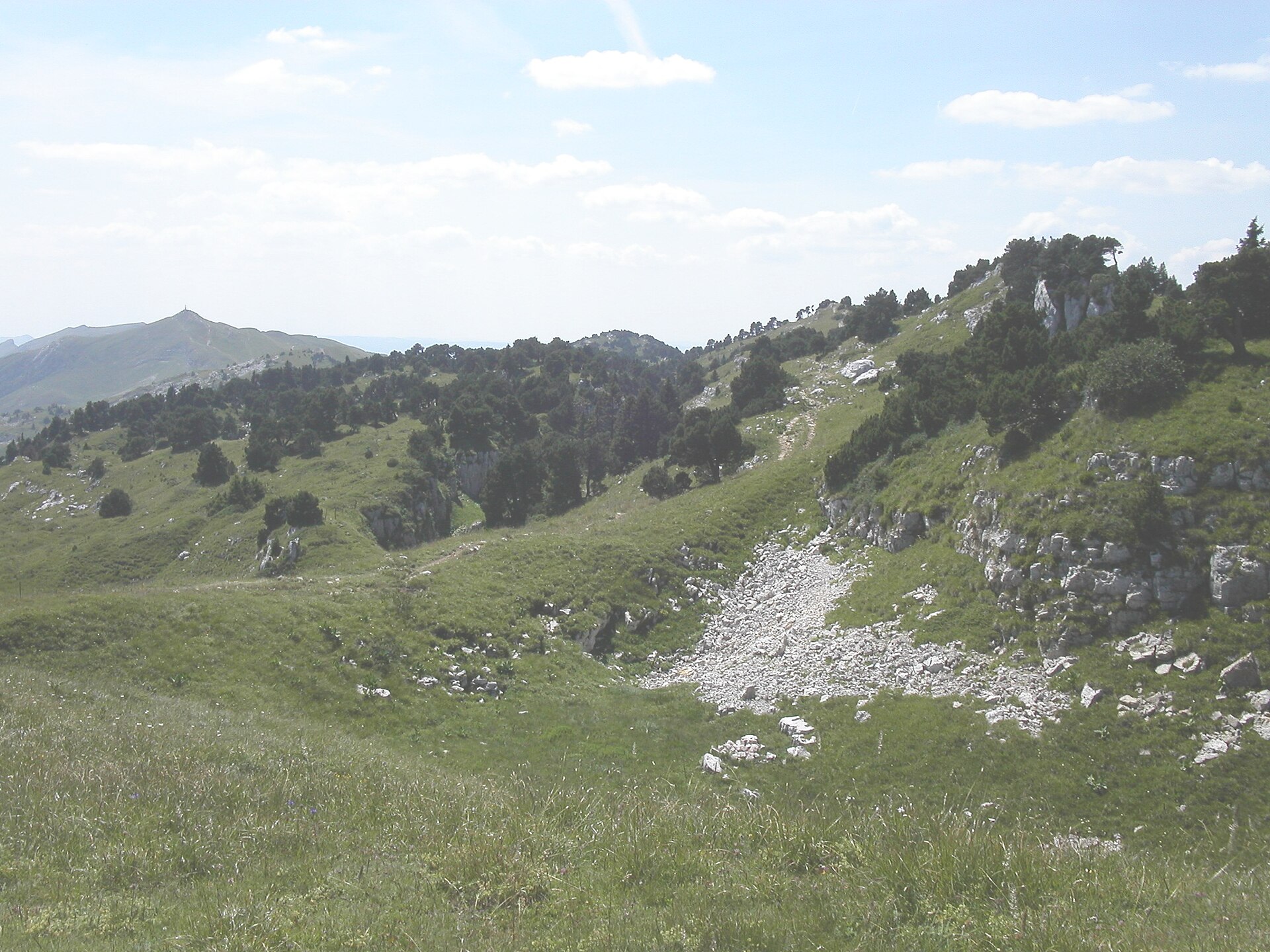
Natura 2000 · passage
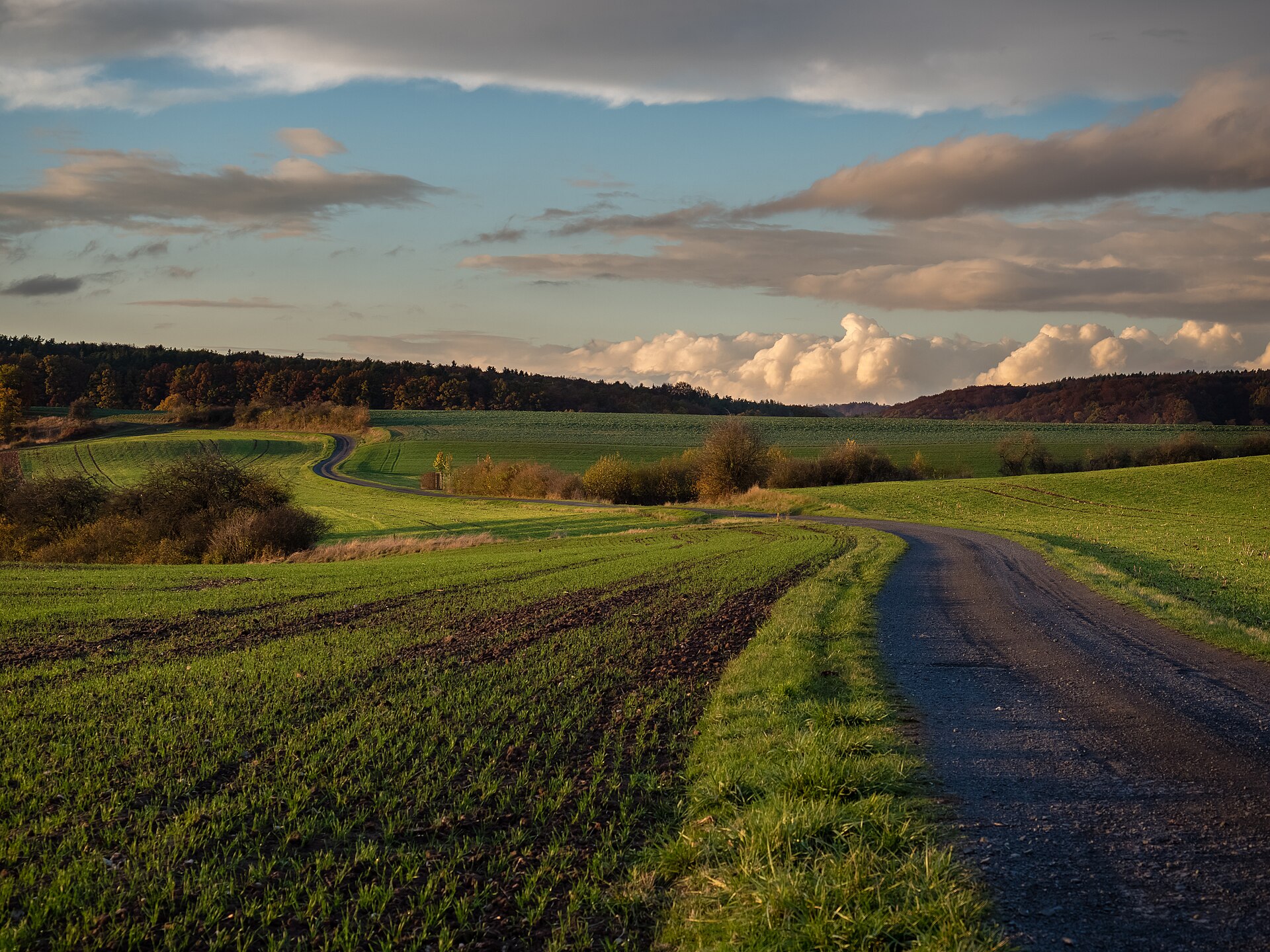
Natura 2000 · passage
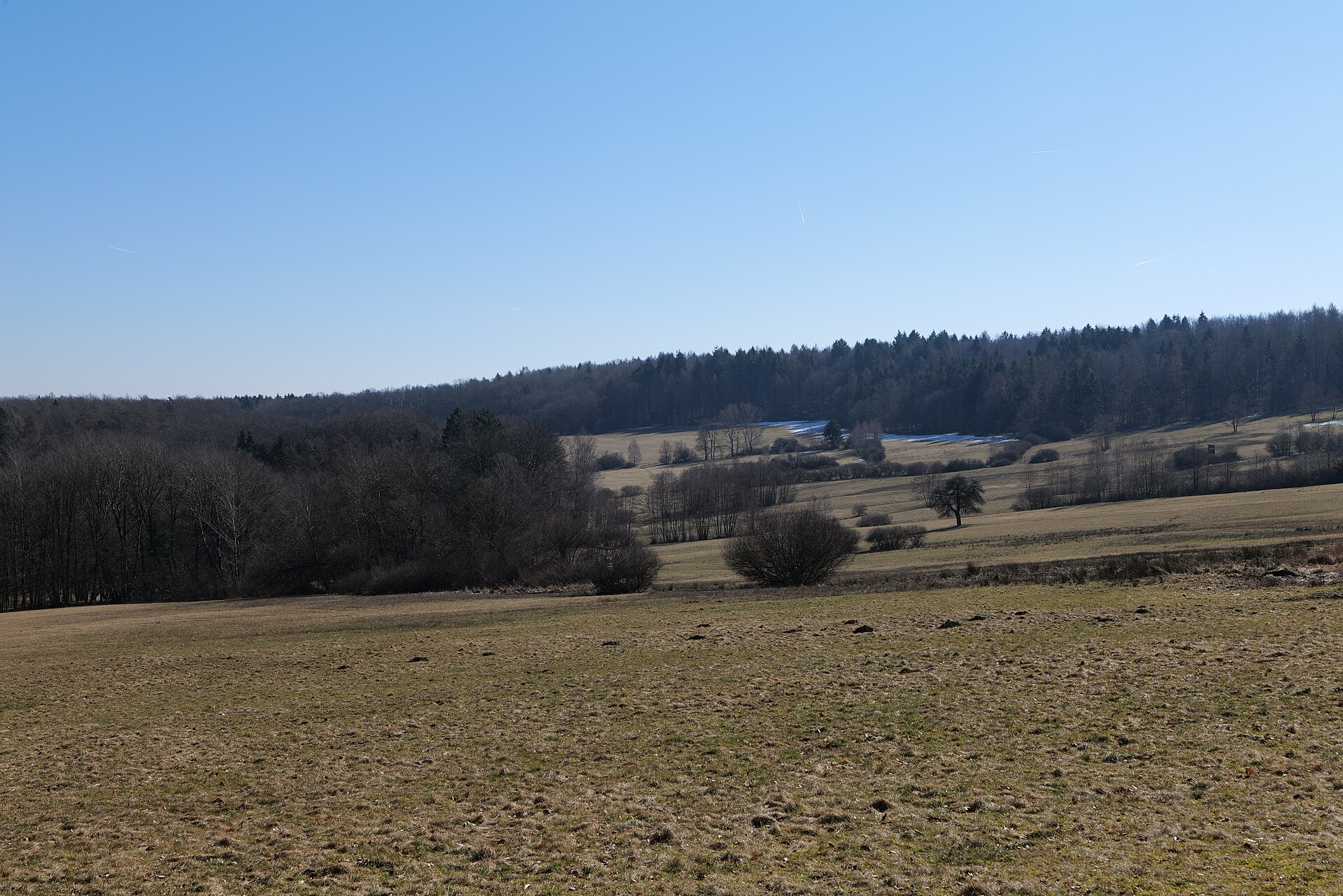
Natura 2000 · passage
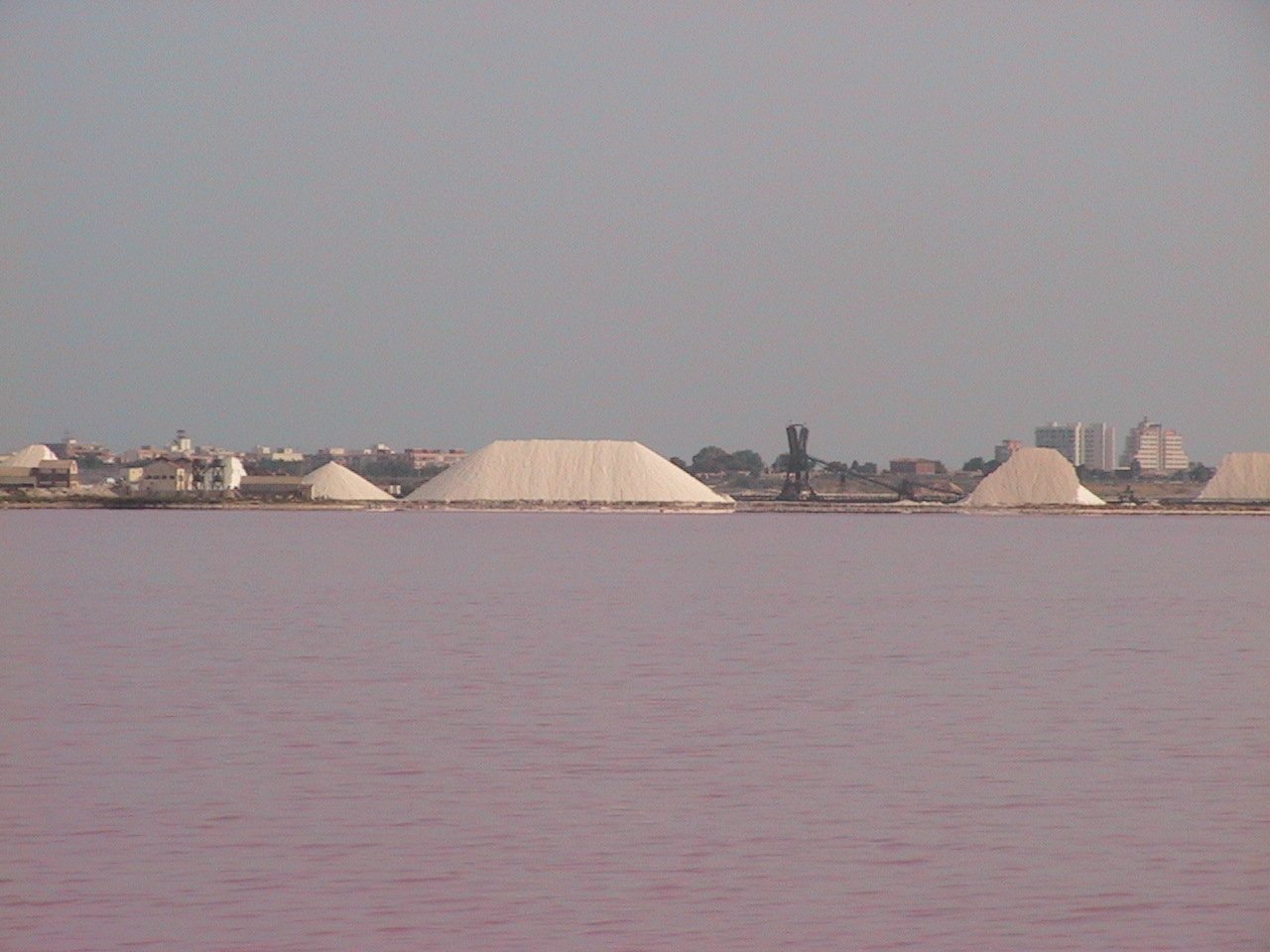
Natura 2000 · wintering
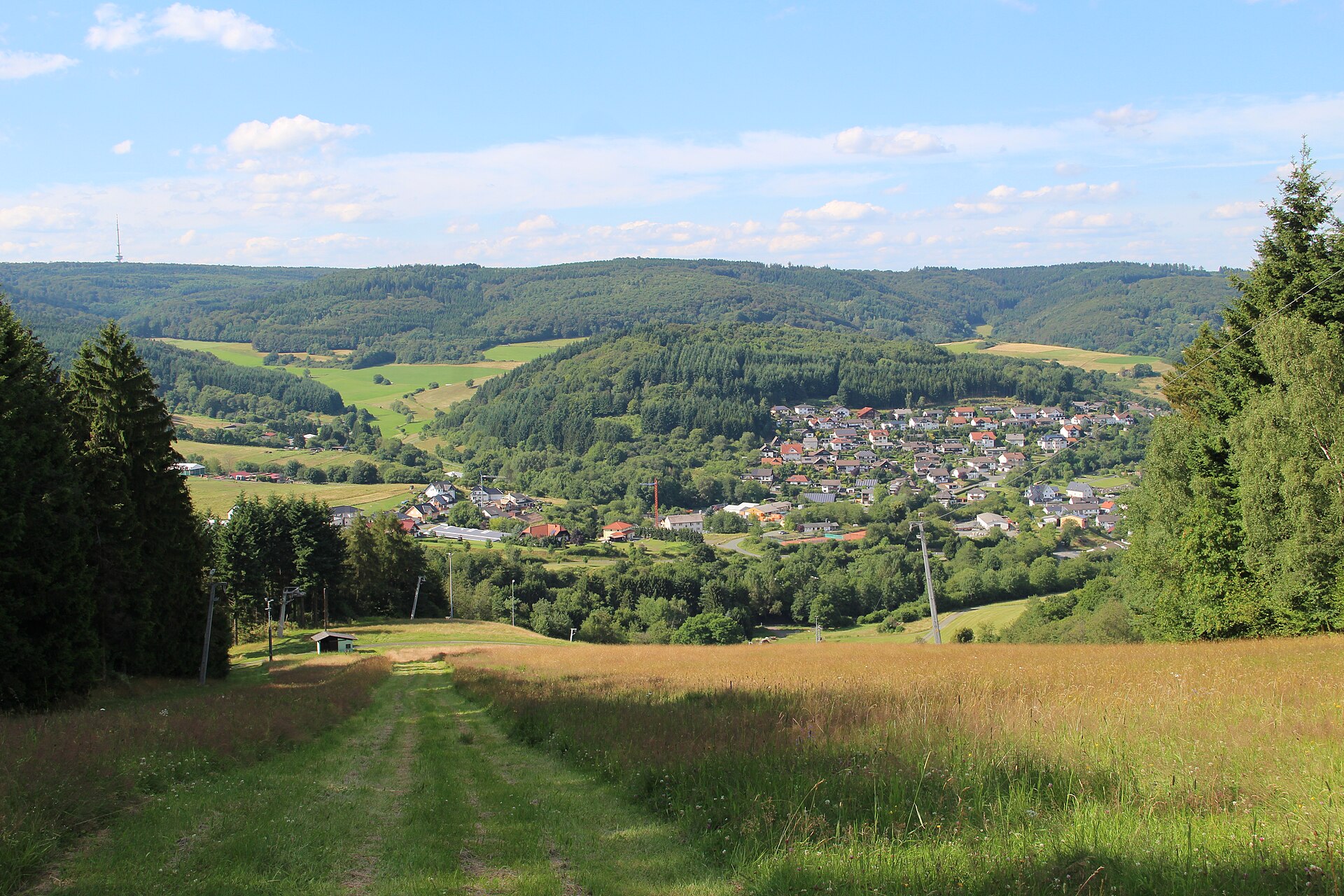
Natura 2000 · passage
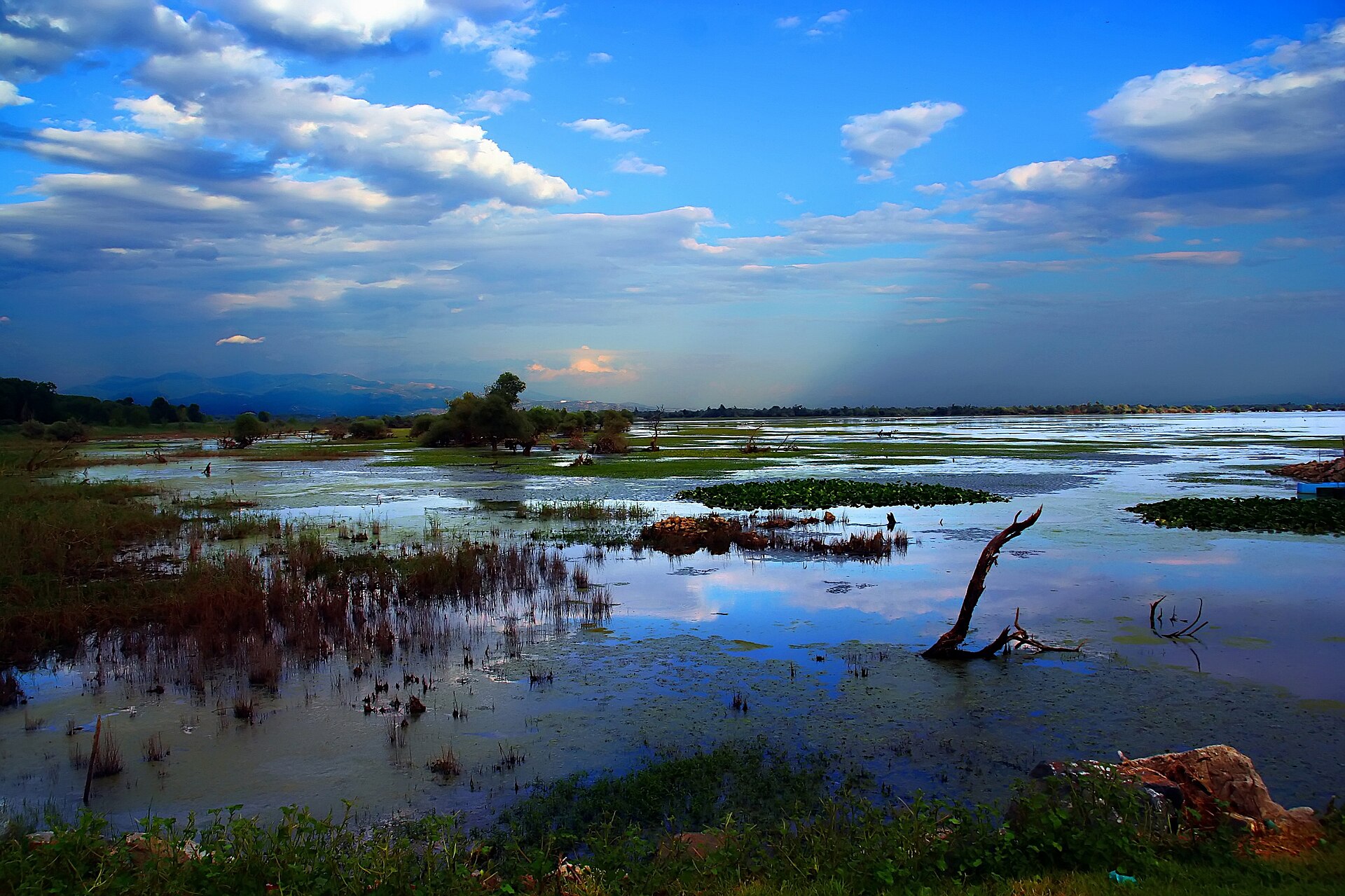
Natura 2000 · passage
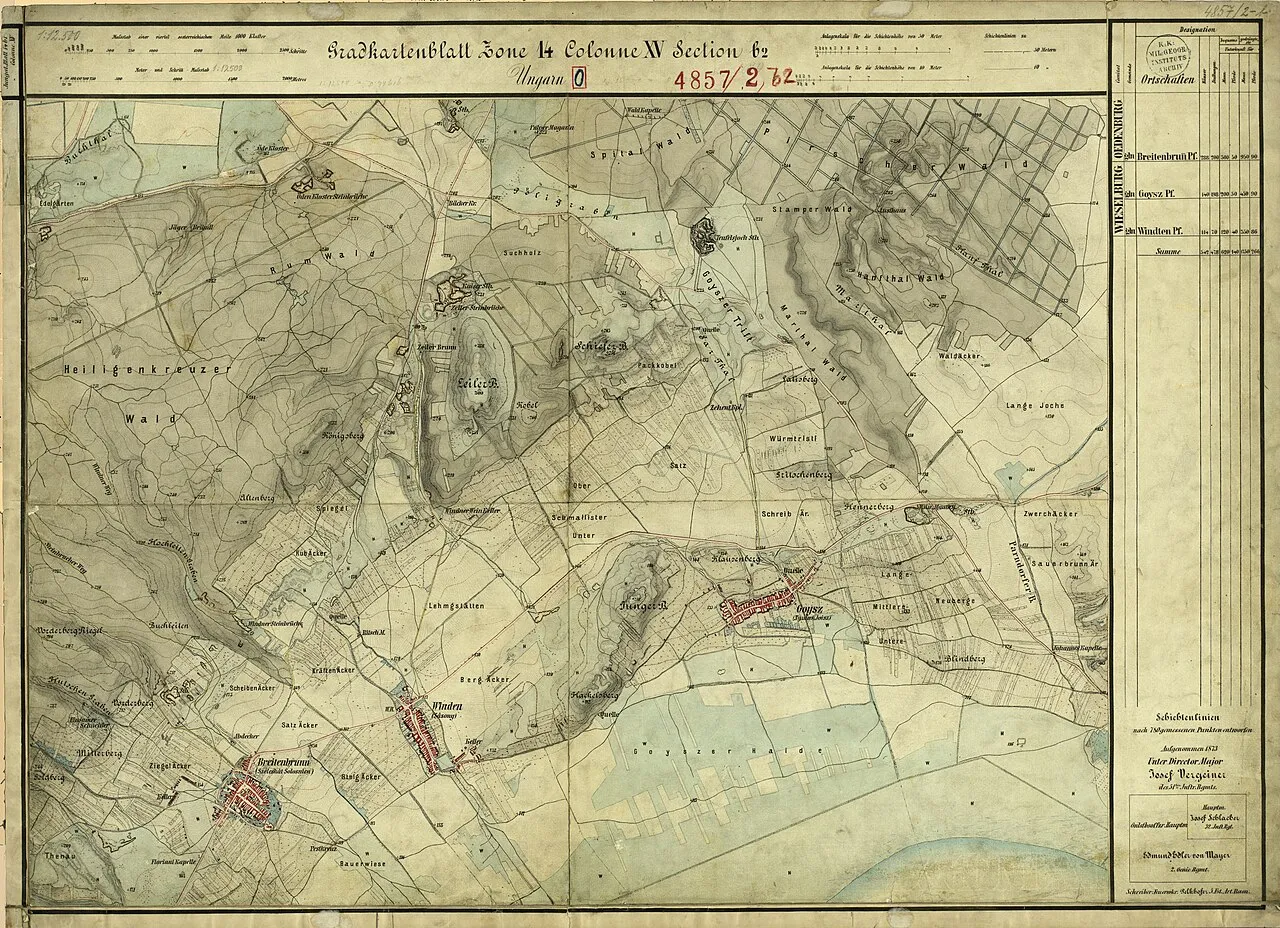
Natura 2000 · passage
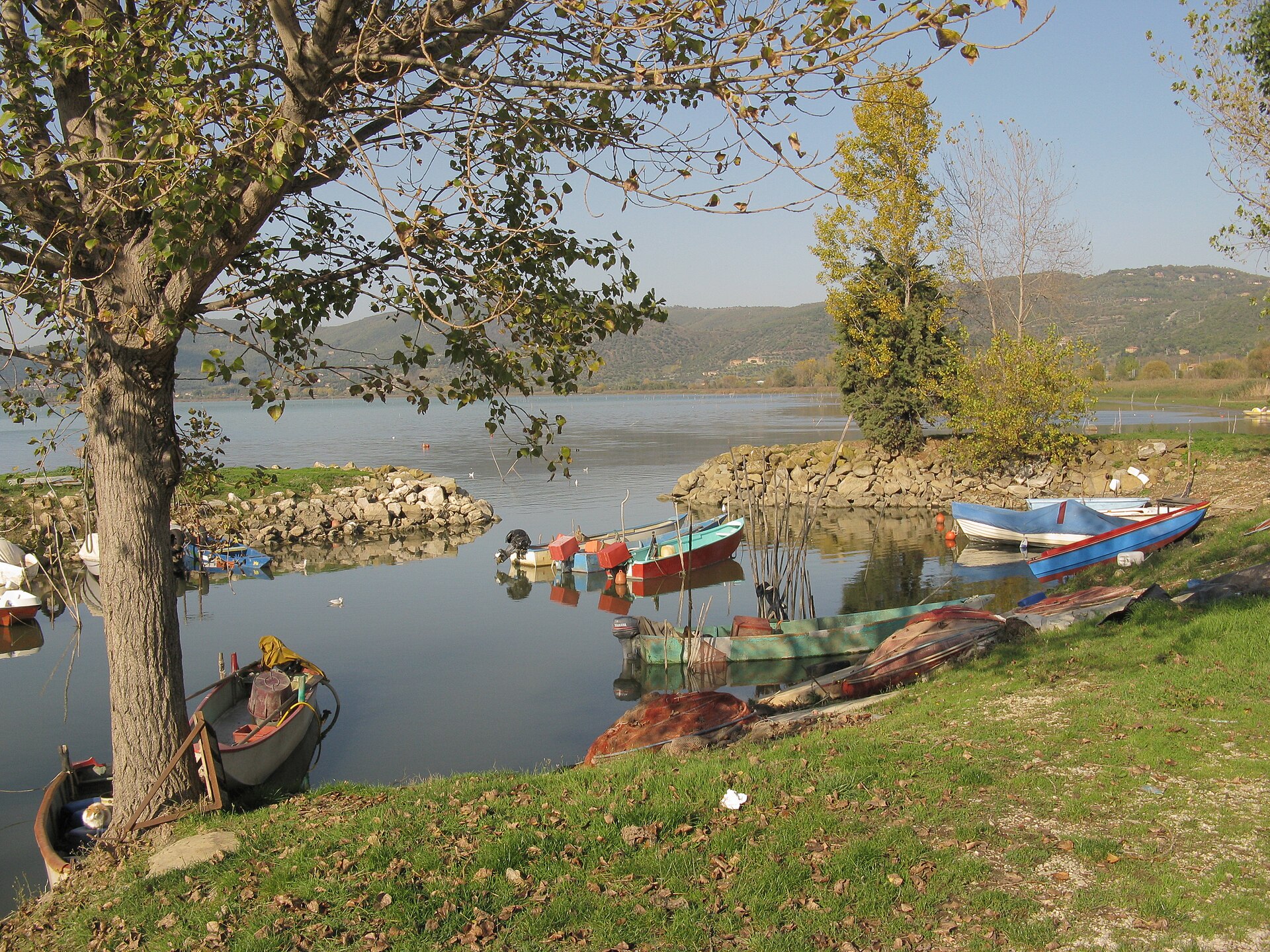
Natura 2000 · passage
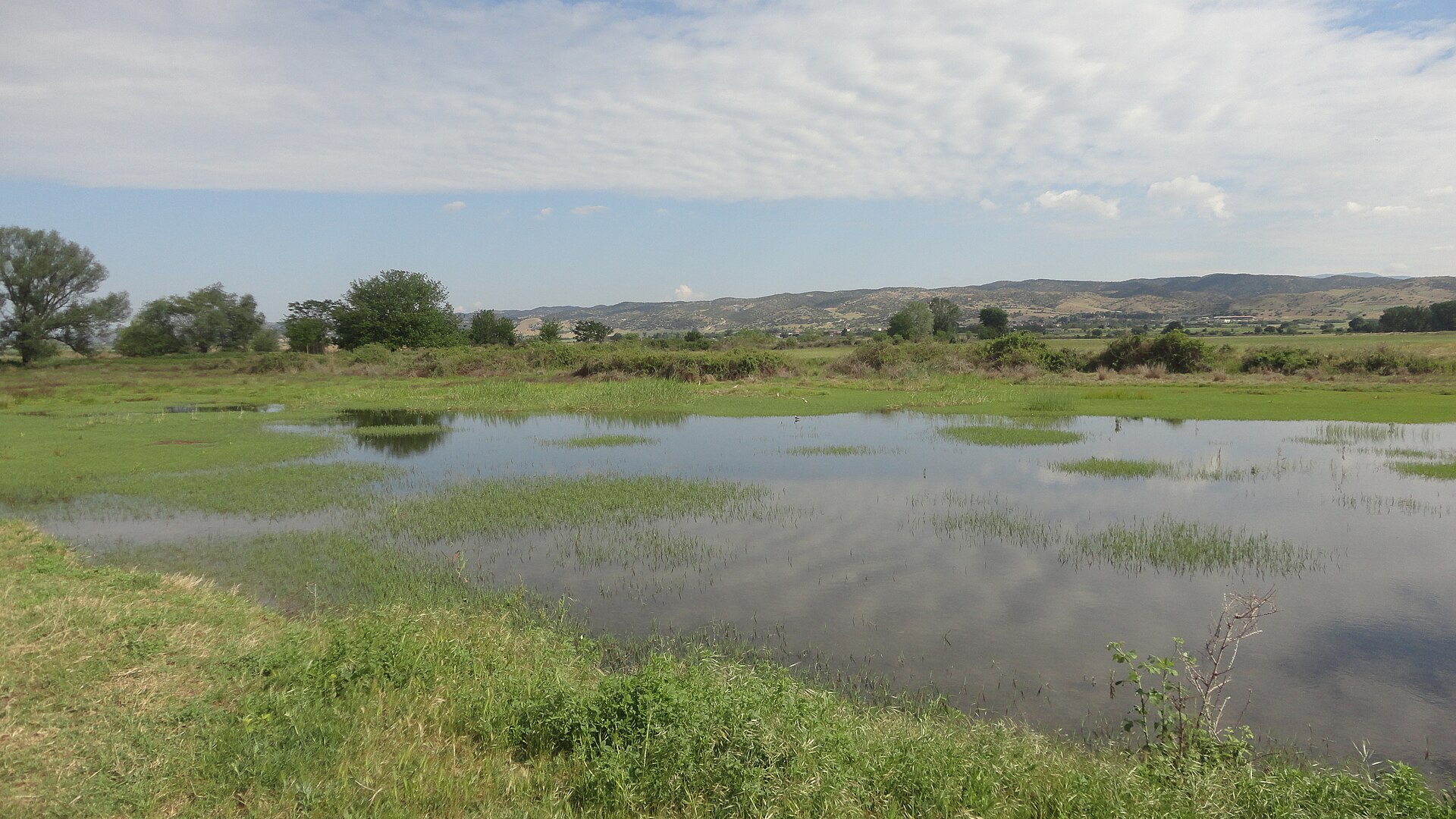
Natura 2000 · wintering
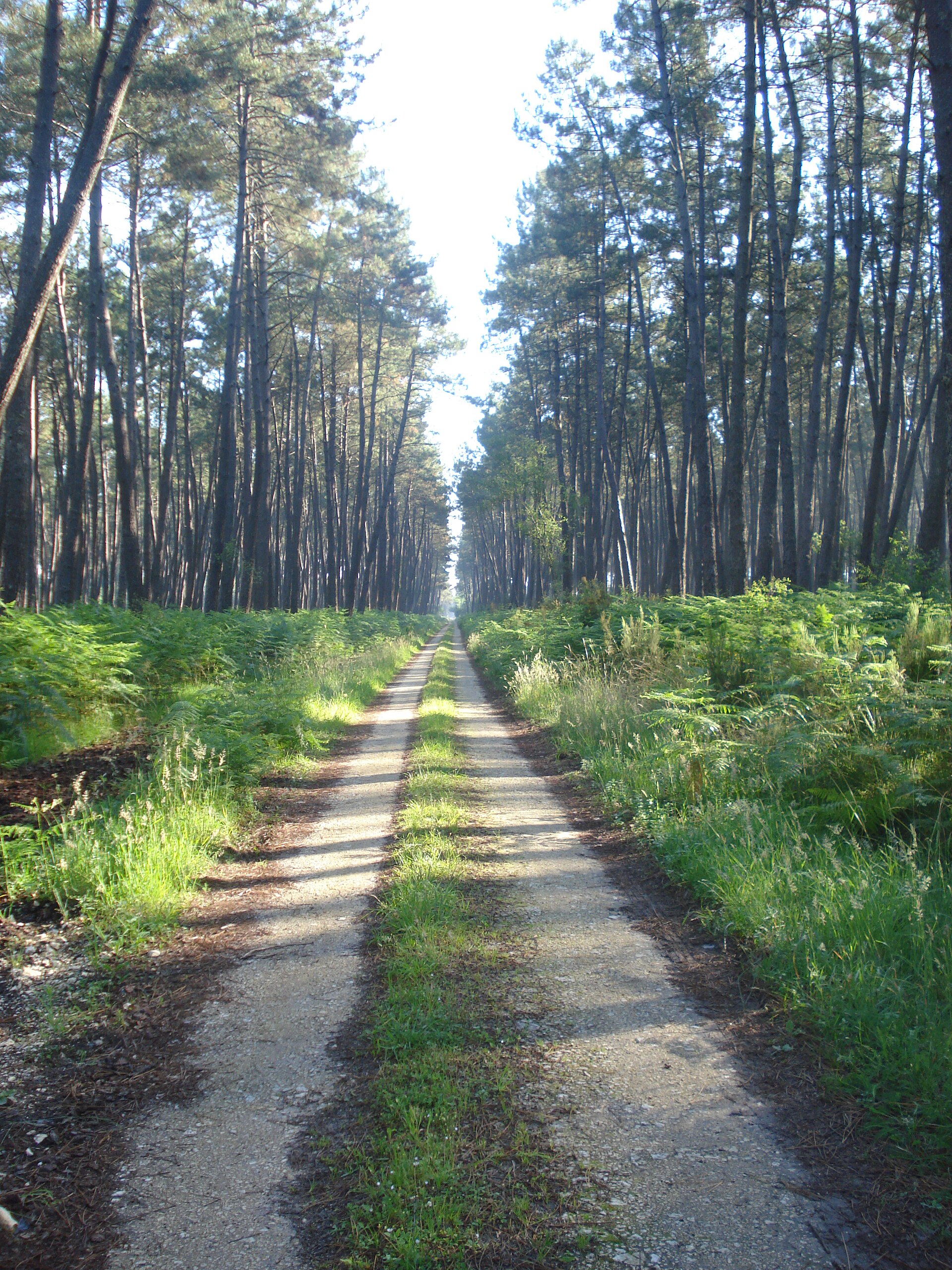
Natura 2000 · wintering, passage
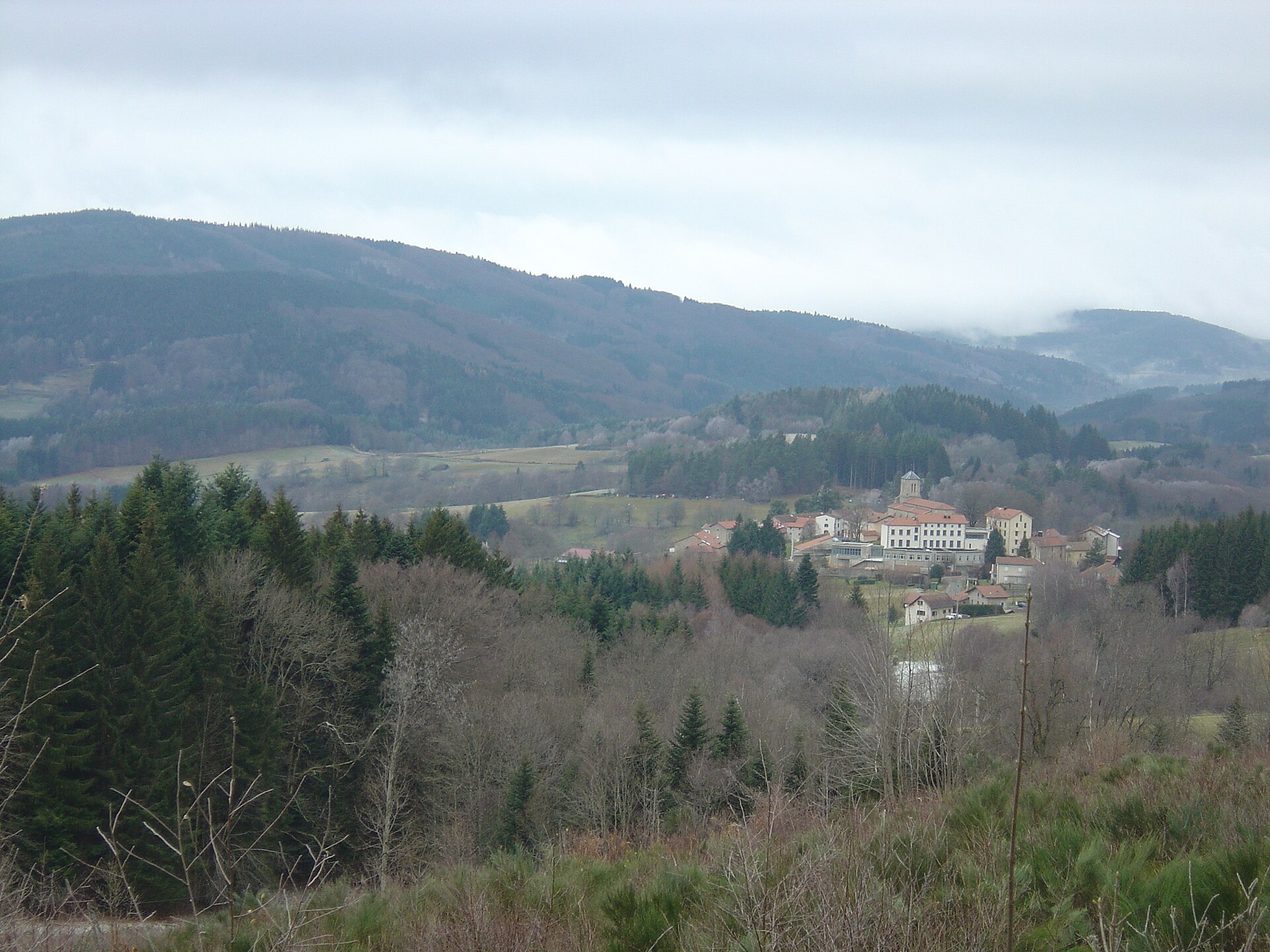
Natura 2000 · passage
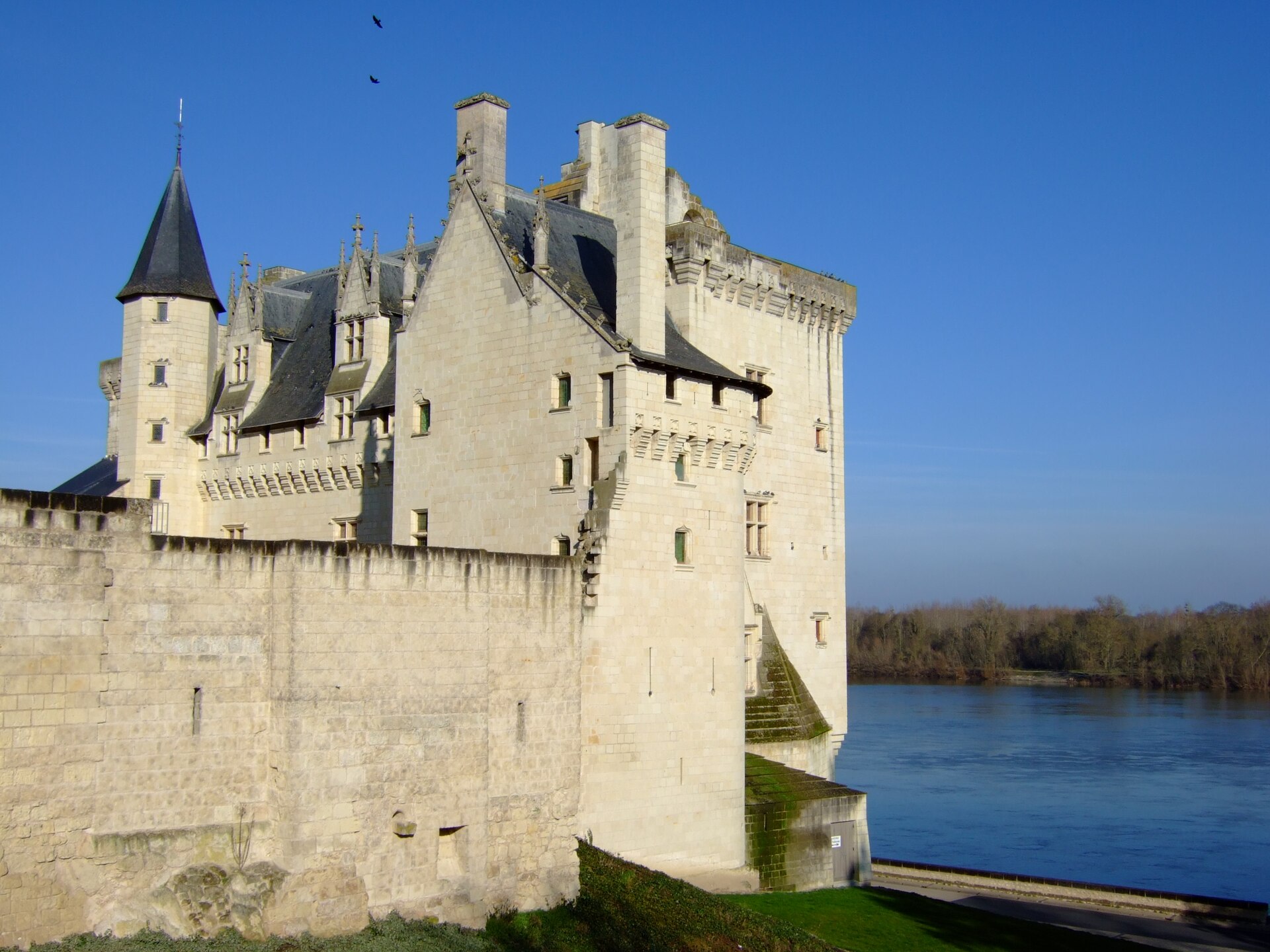
Natura 2000 · passage
Natura 2000 · passage
Natura 2000 · passage
Natura 2000 · passage
Natura 2000 · passage
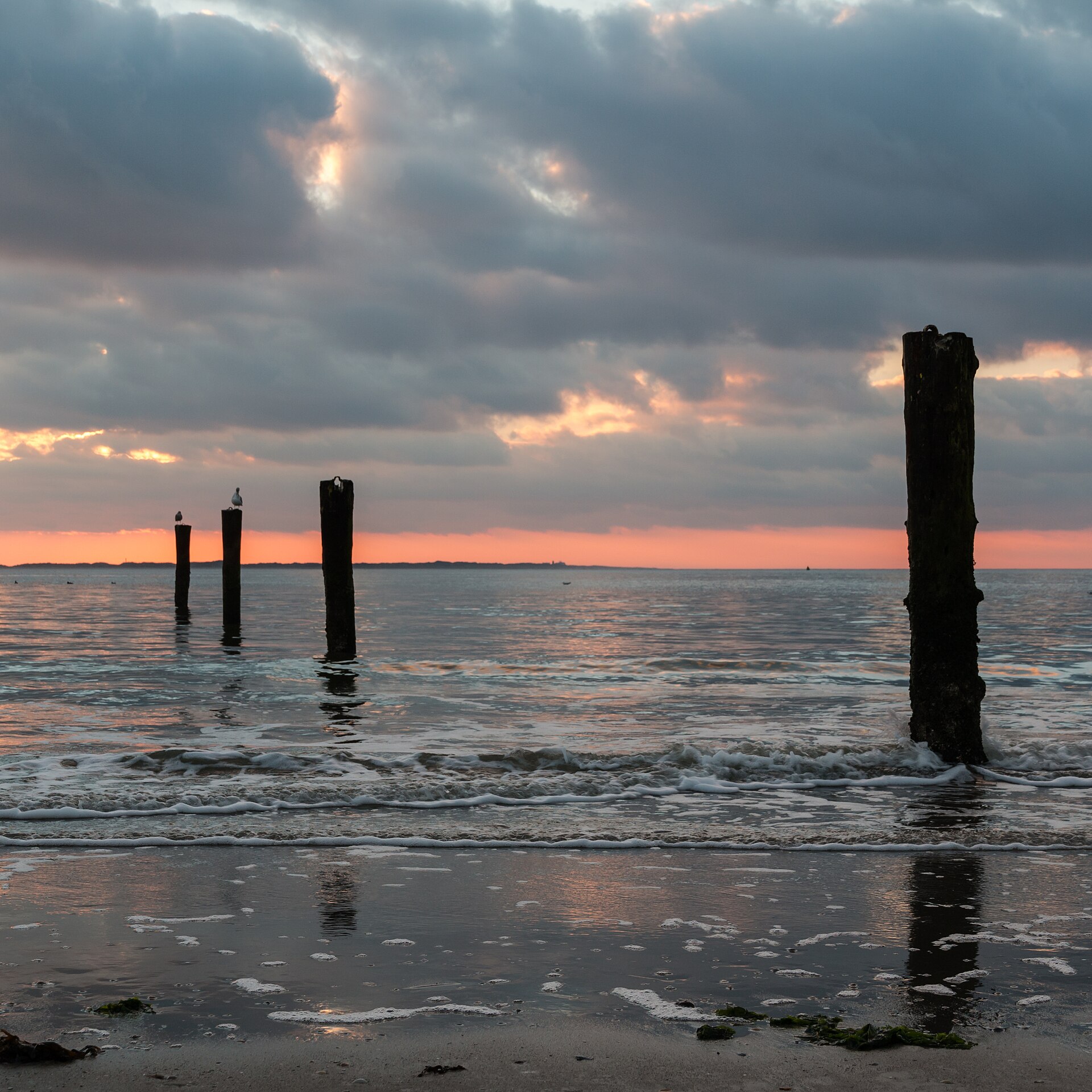
Natura 2000 · passage
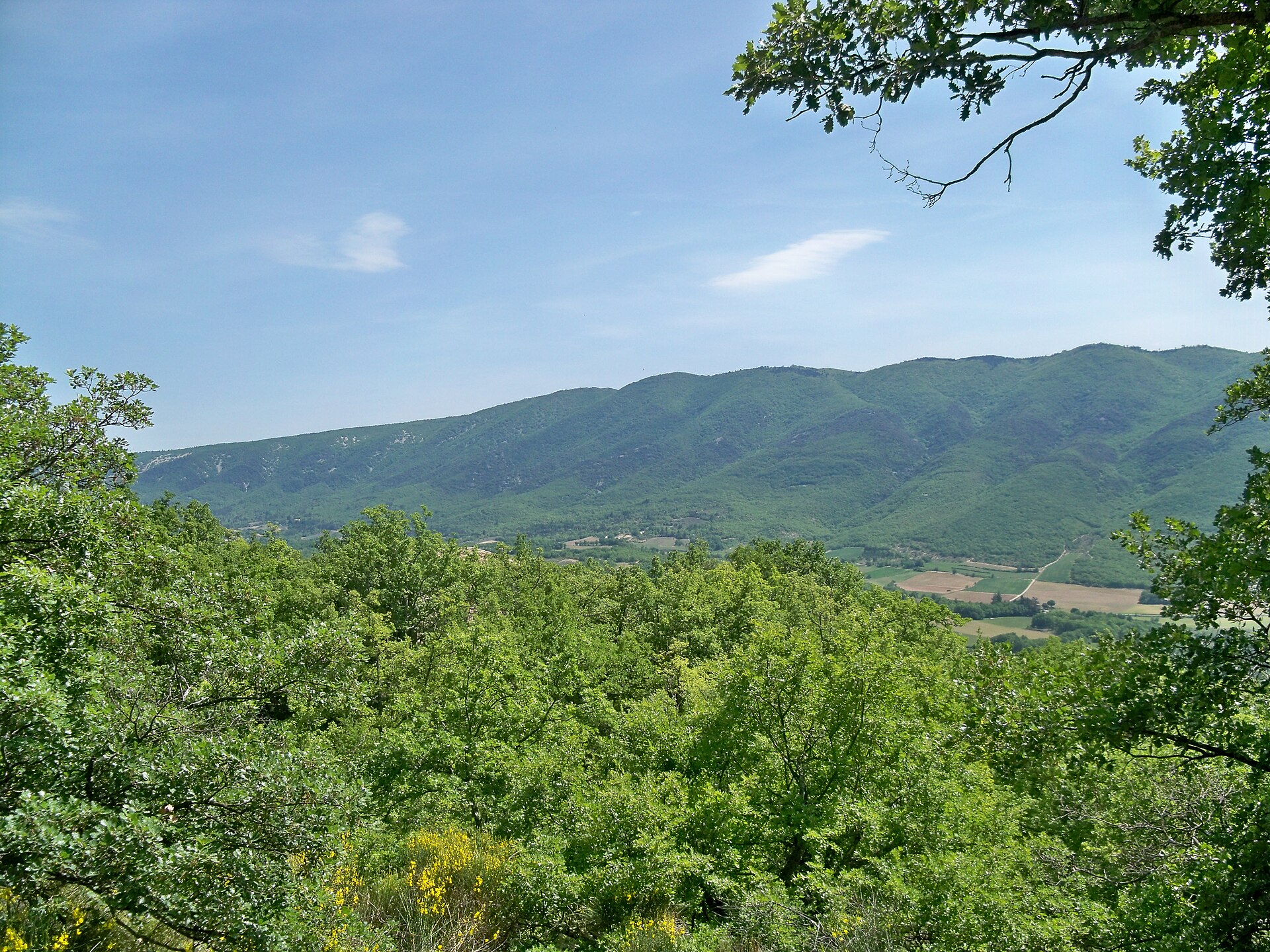
Natura 2000 · passage

Natura 2000 · wintering, passage
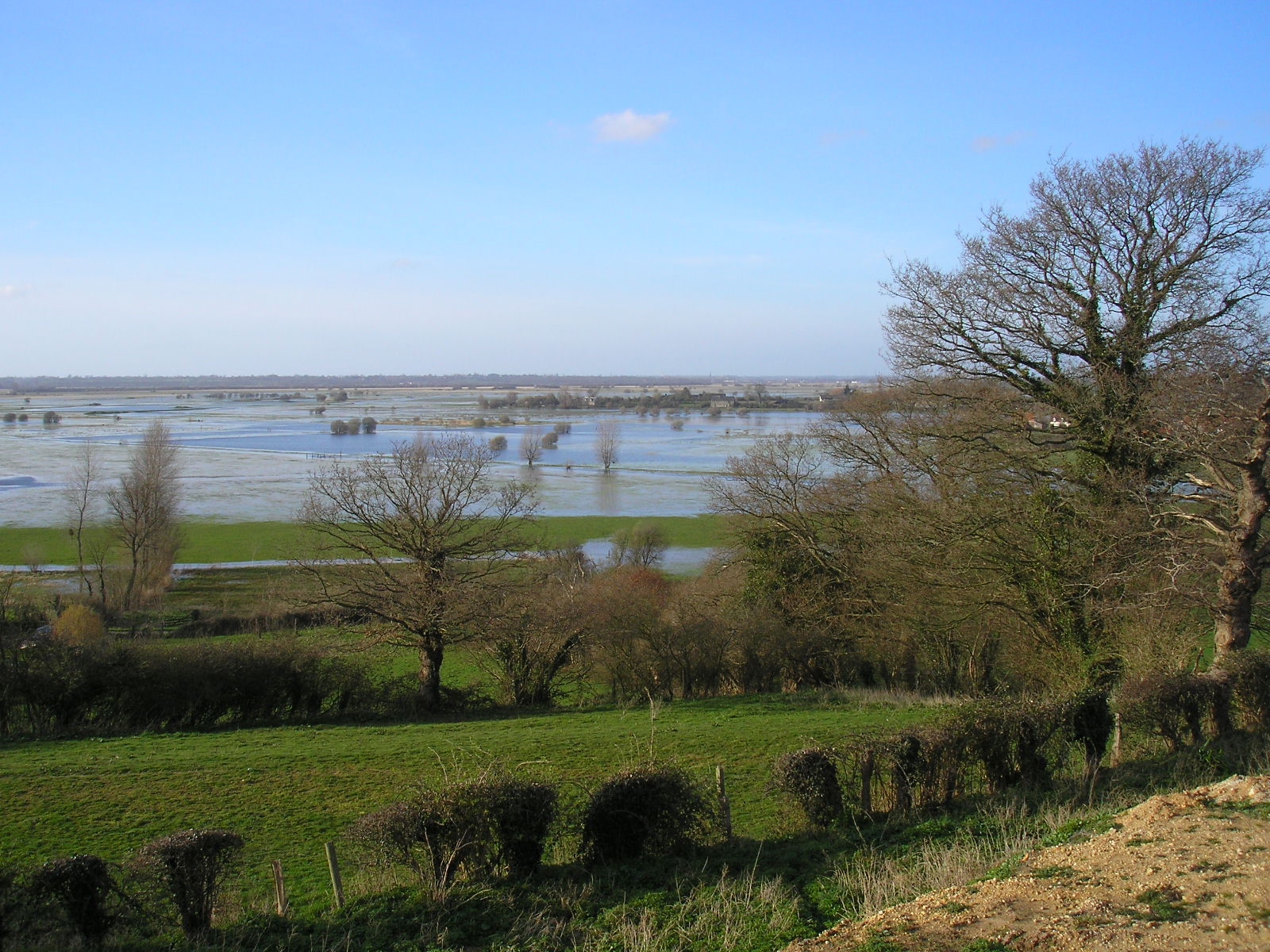
Natura 2000 · wintering

Natura 2000 · wintering, passage
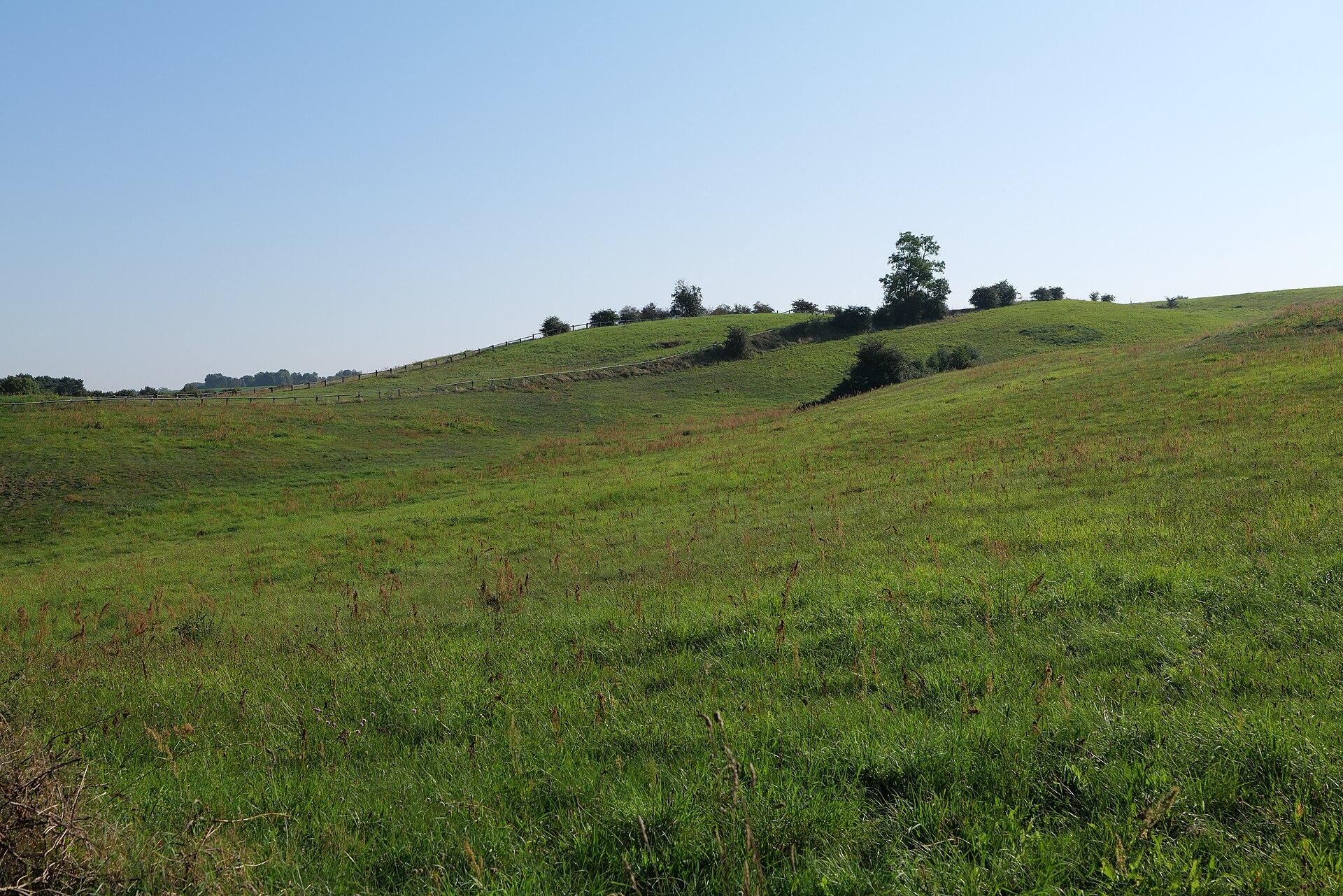
Natura 2000 · passage
Natura 2000 · wintering
Natura 2000 · passage

Natura 2000 · passage
Natura 2000 · passage, wintering

Natura 2000 · passage
Natura 2000 · passage
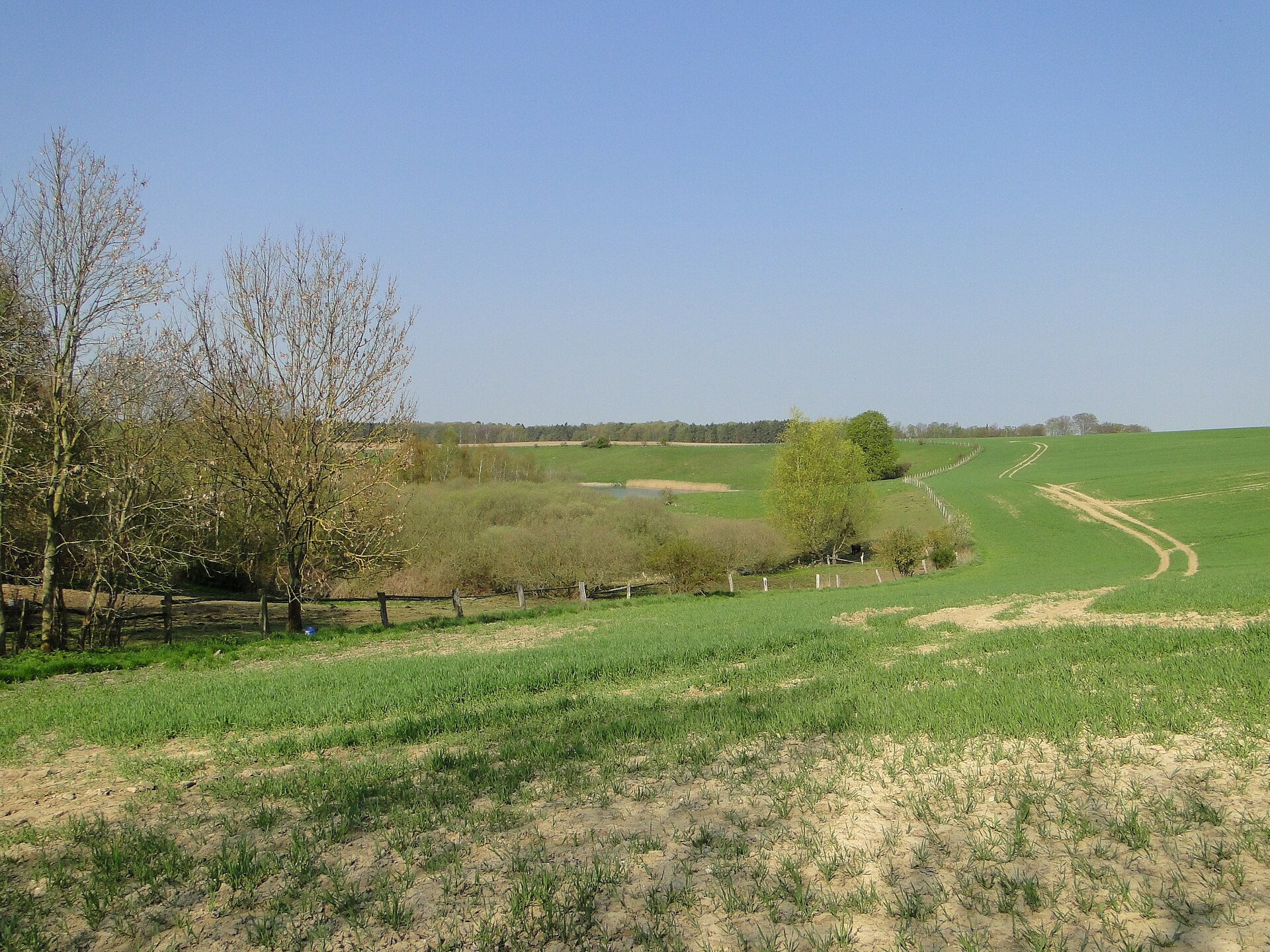
Natura 2000 · passage
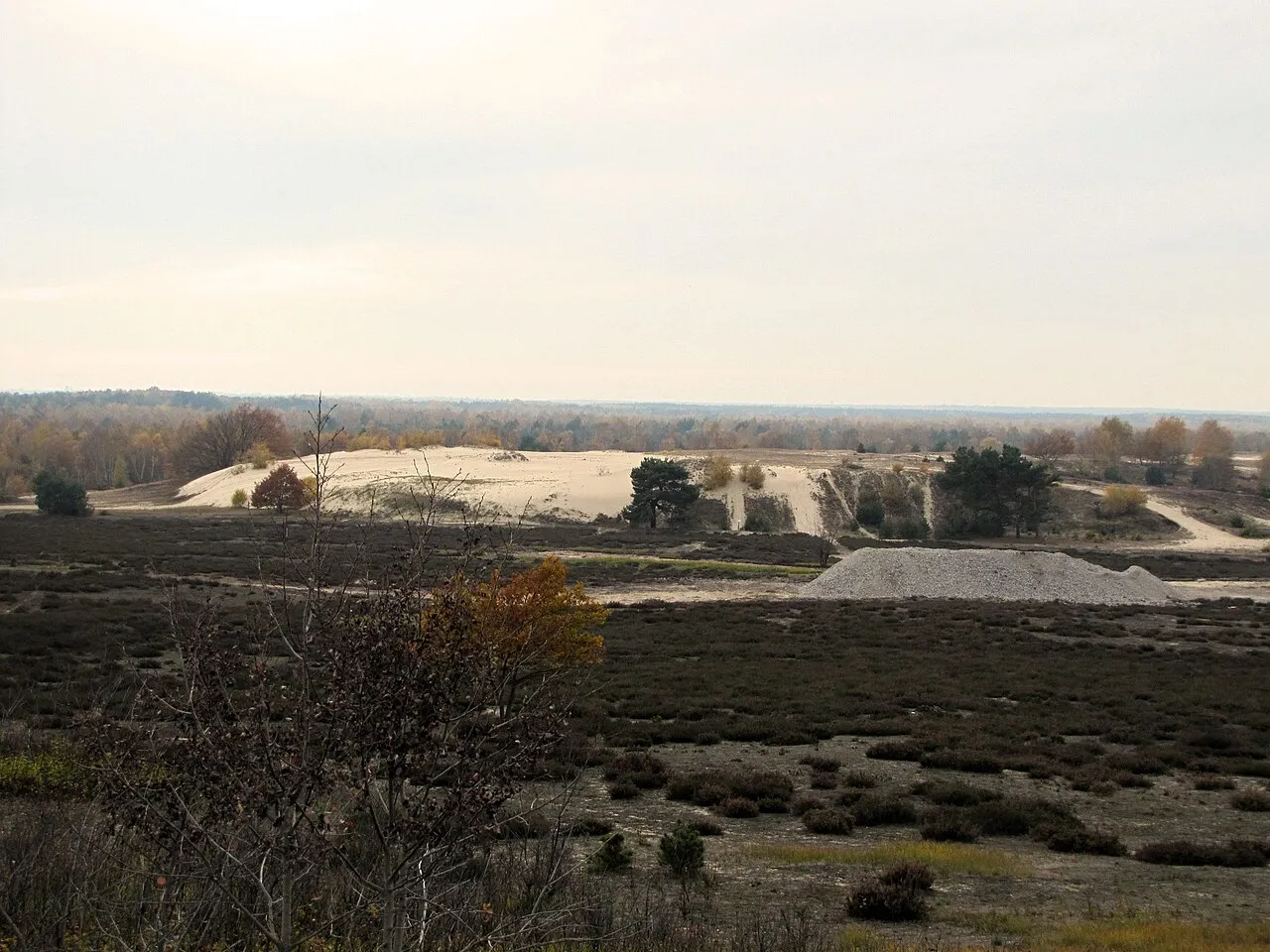
Natura 2000 · passage
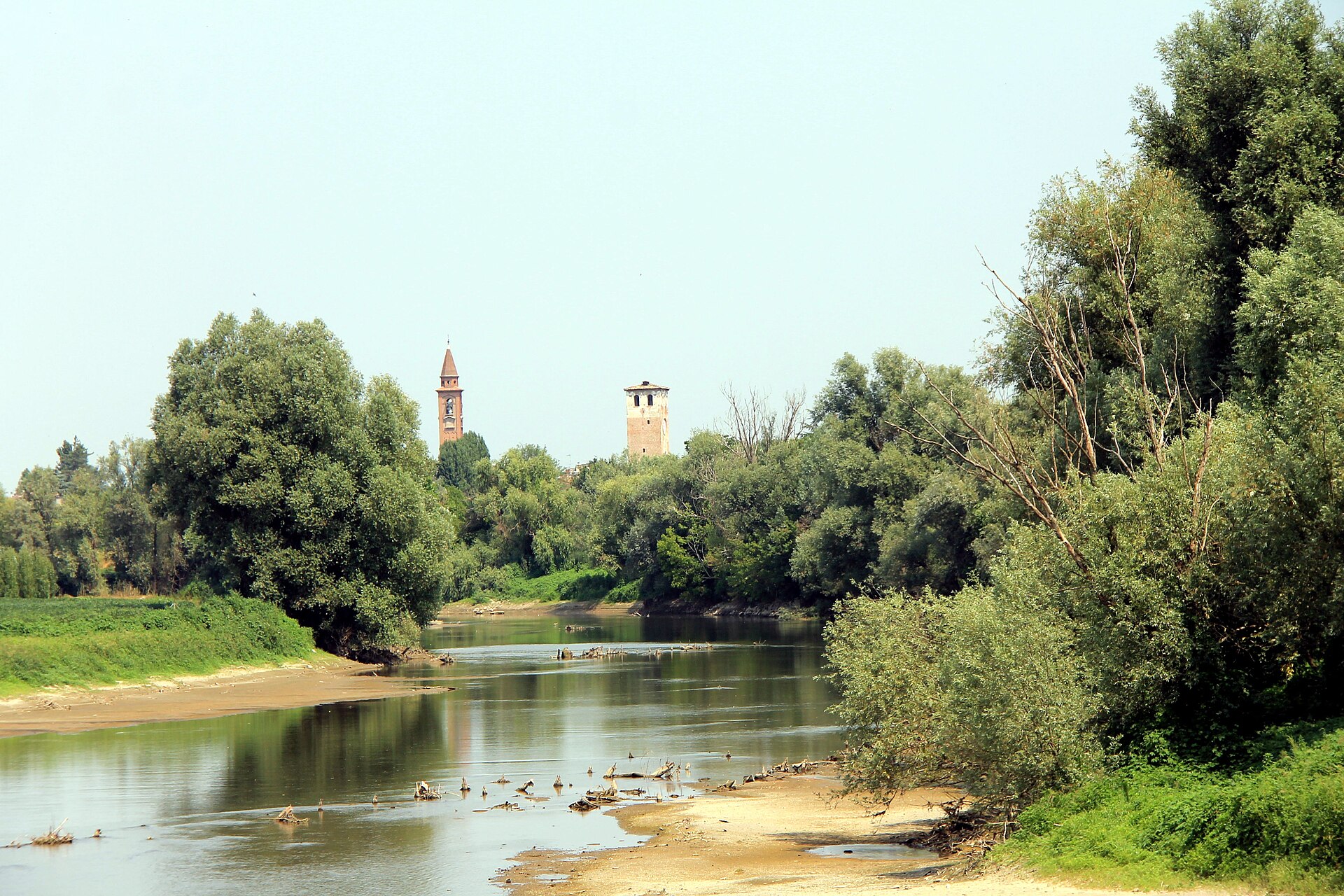
Natura 2000 · passage

Natura 2000 · wintering
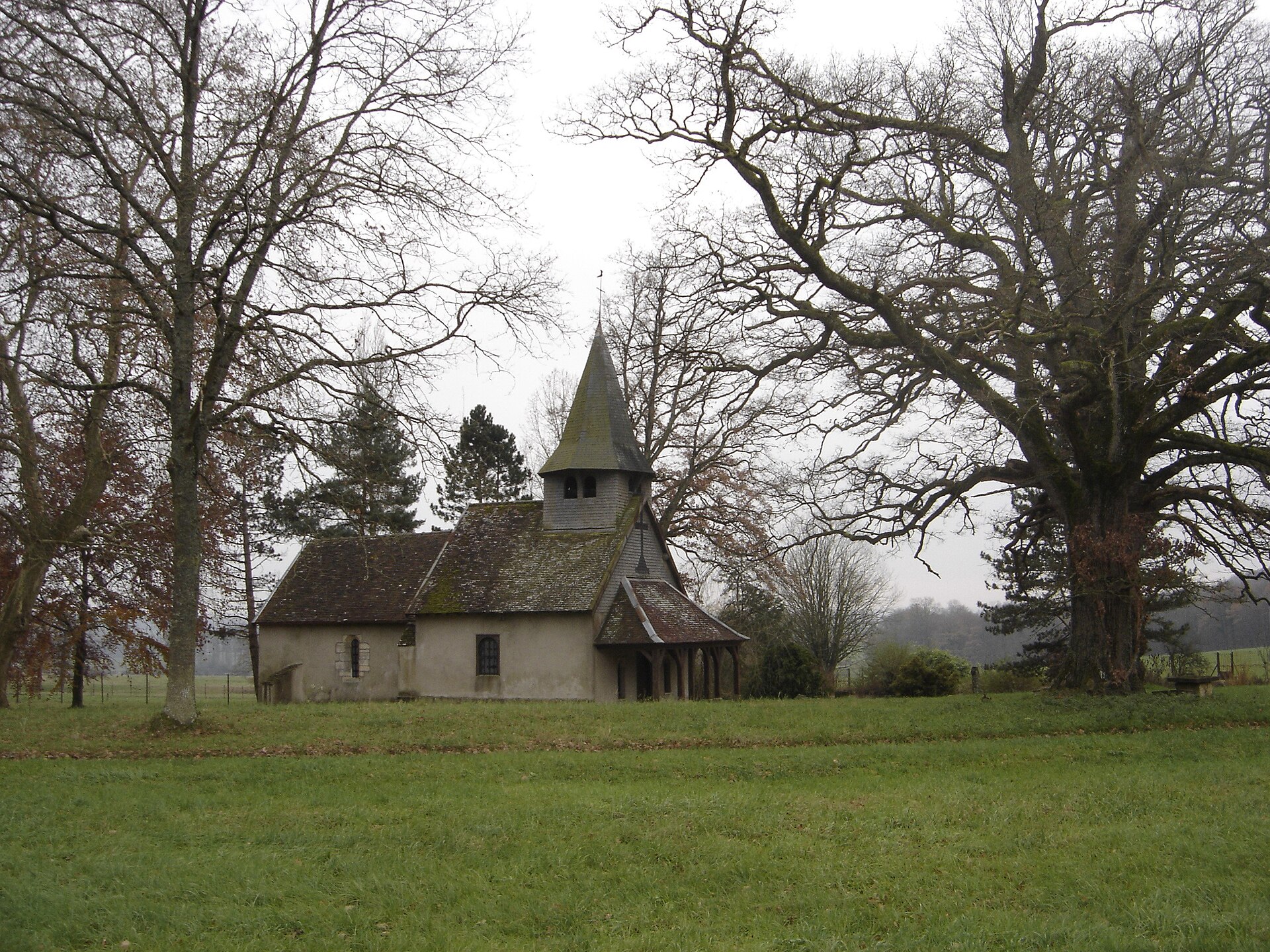
Natura 2000 · passage, wintering
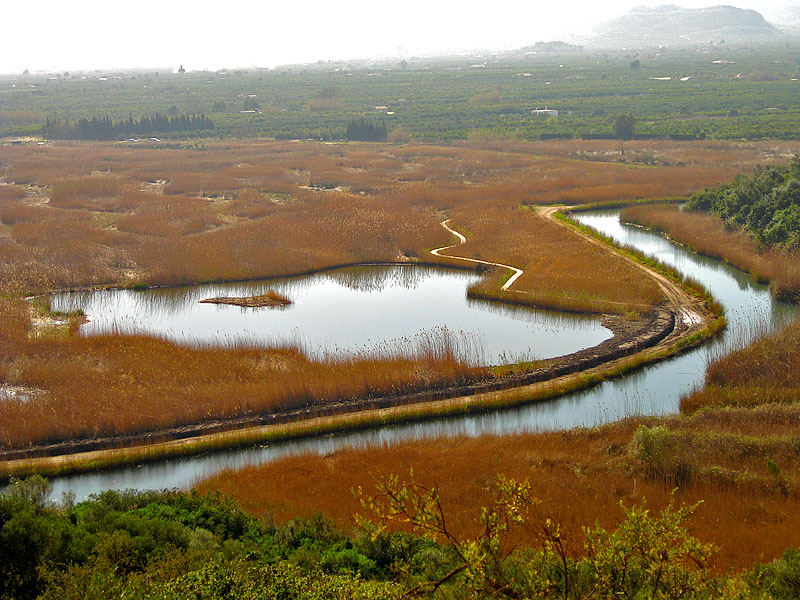
Natura 2000 · wintering

Natura 2000 · wintering, passage
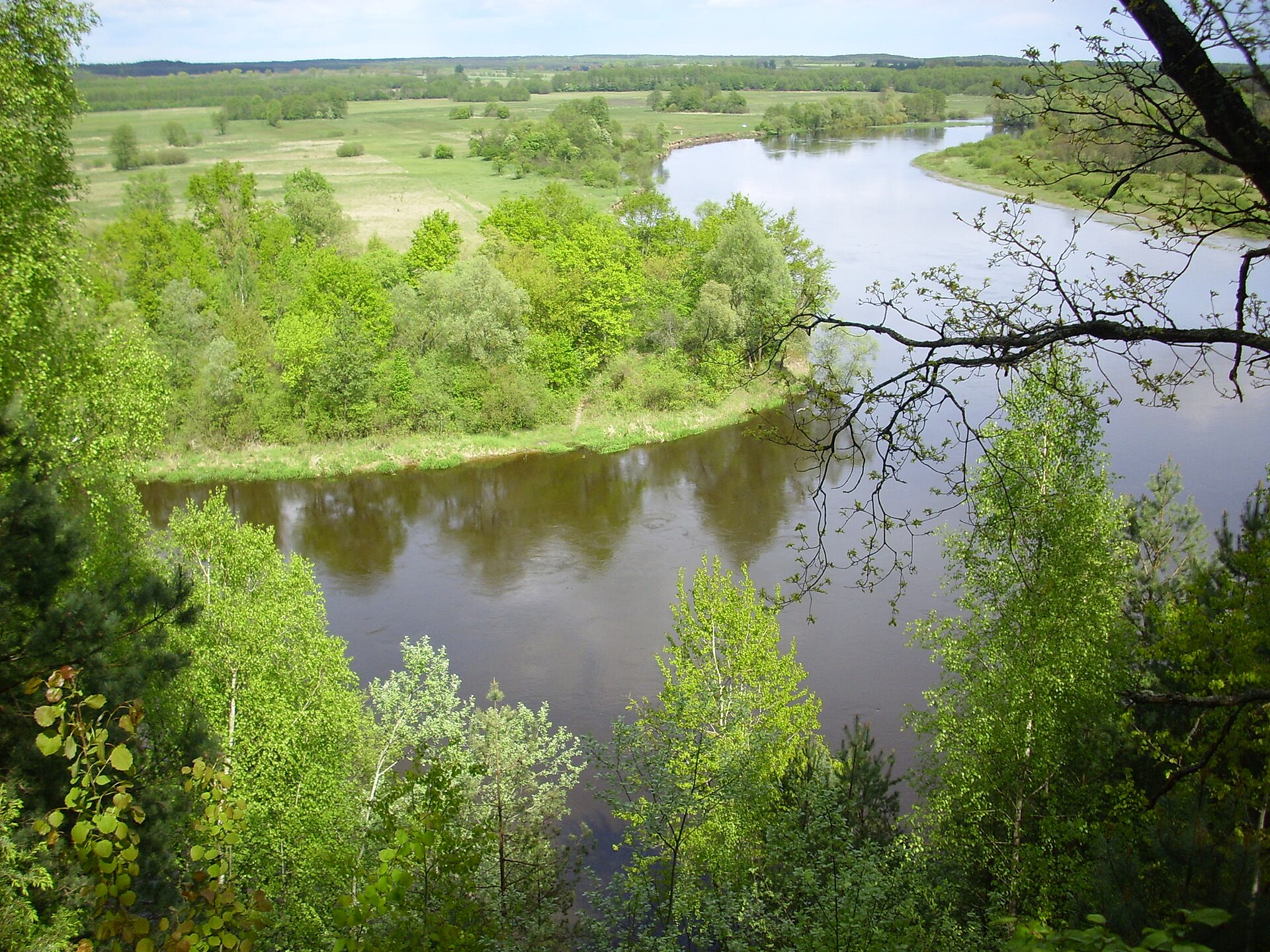
Natura 2000 · passage

Natura 2000 · passage
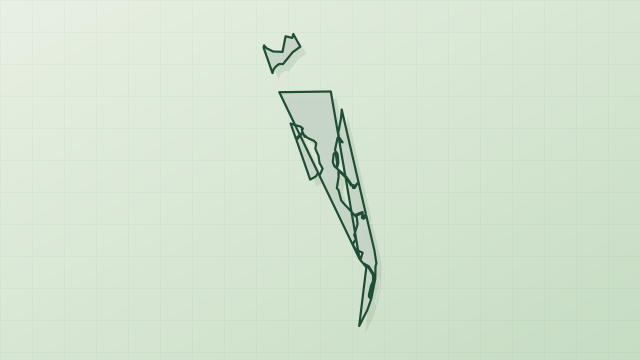
Natura 2000 · passage
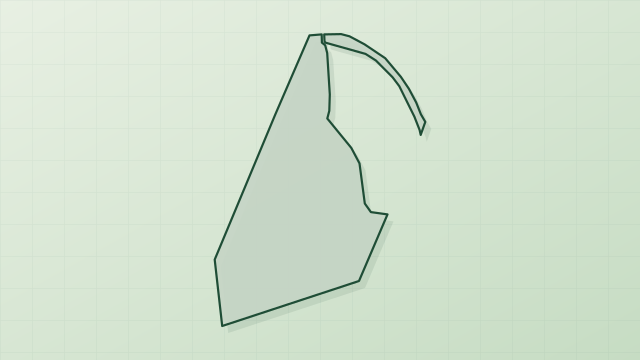
Natura 2000 · passage

Natura 2000 · passage
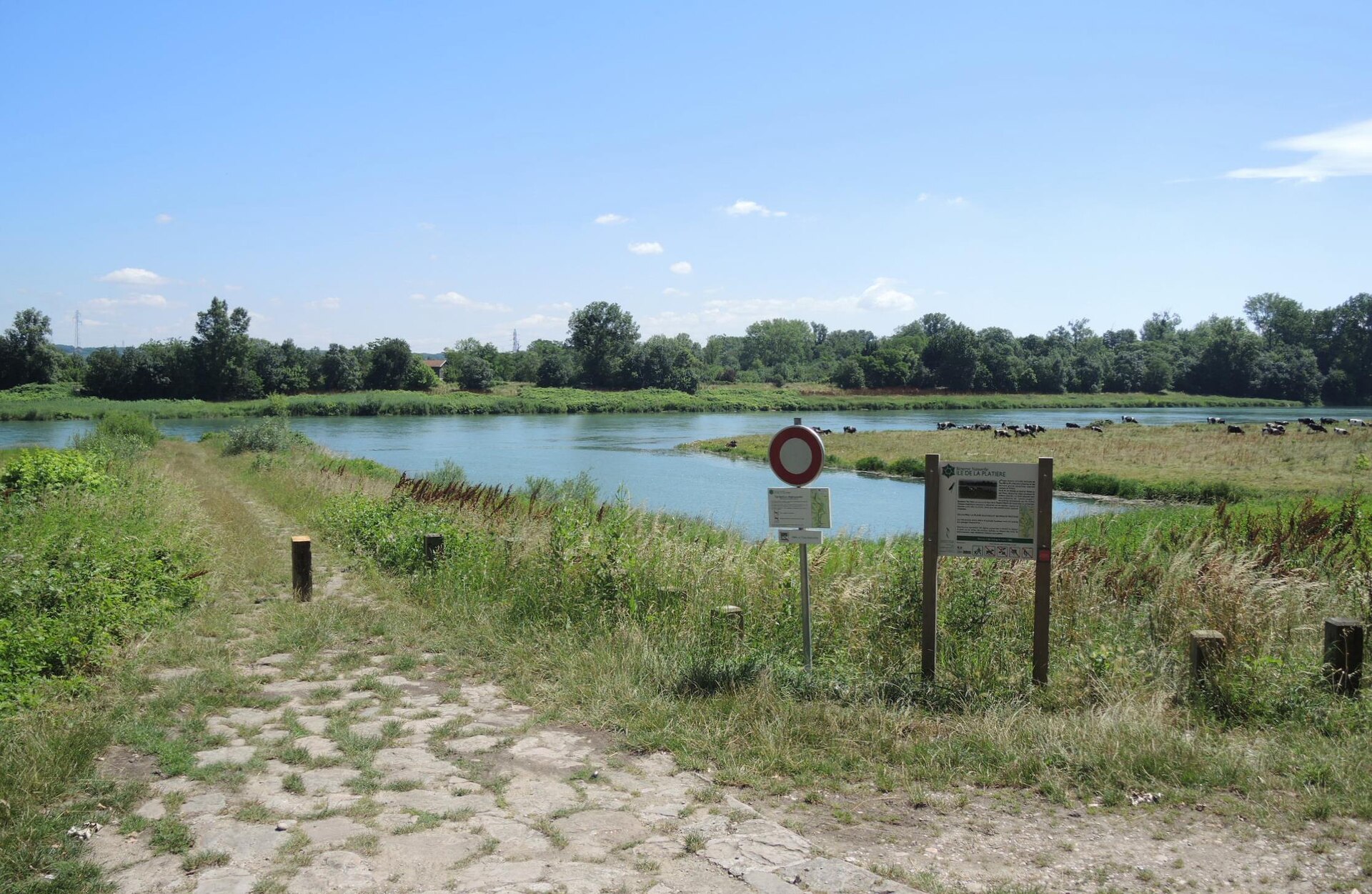
Natura 2000 · passage
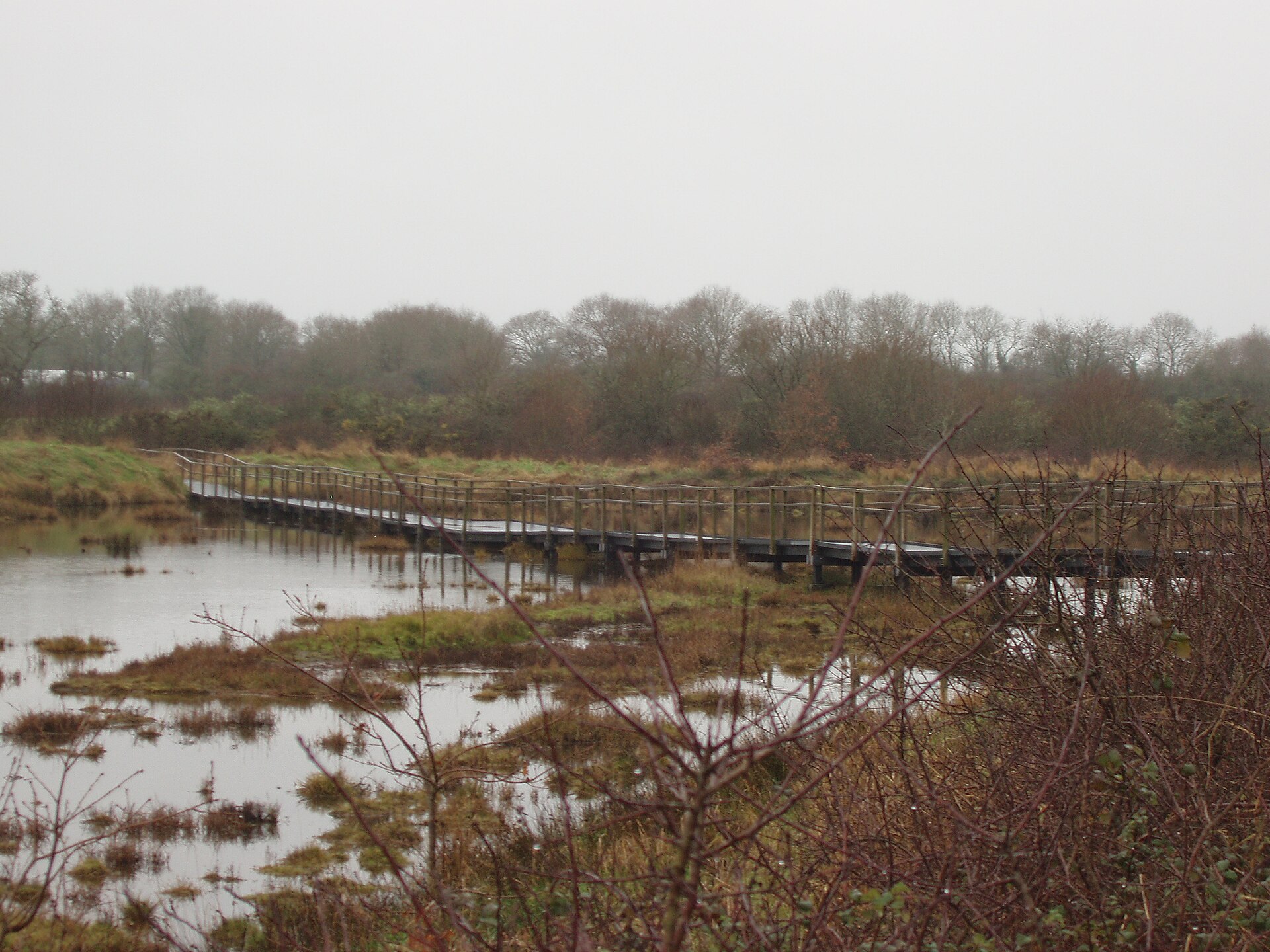
Natura 2000 · passage
Natura 2000 · passage
Natura 2000 · wintering, passage
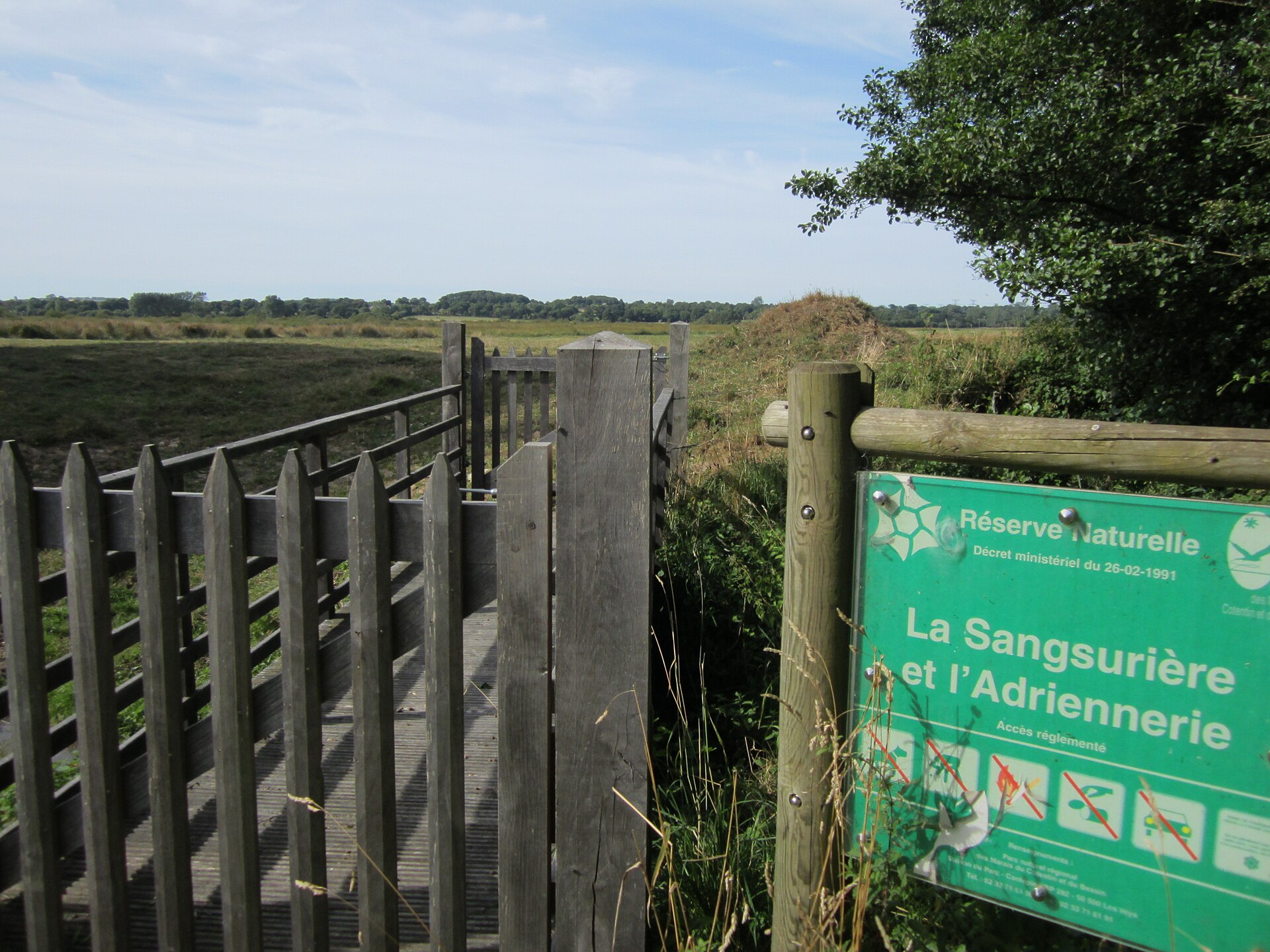
Natura 2000 · wintering

Natura 2000 · wintering, passage
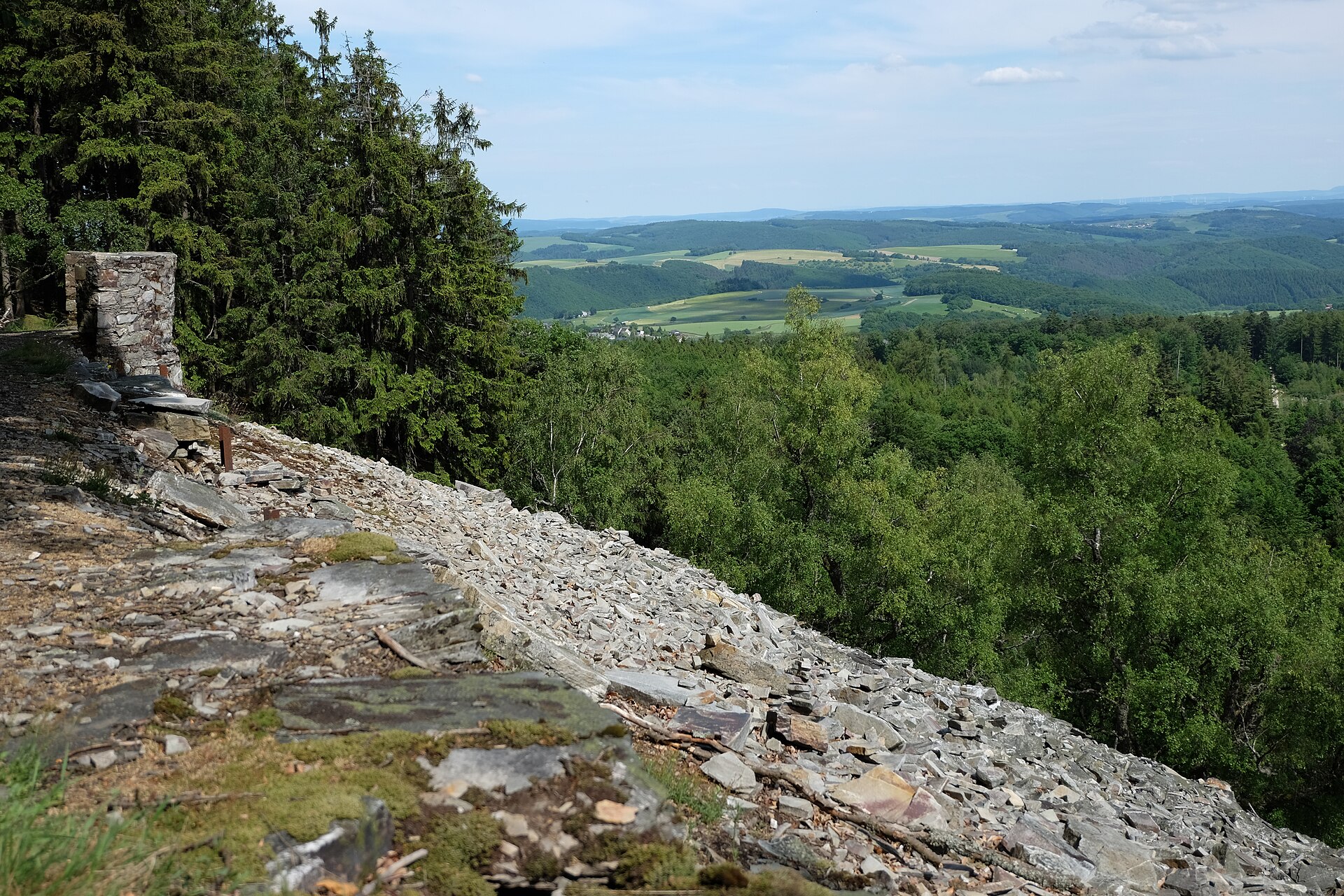
Natura 2000 · passage
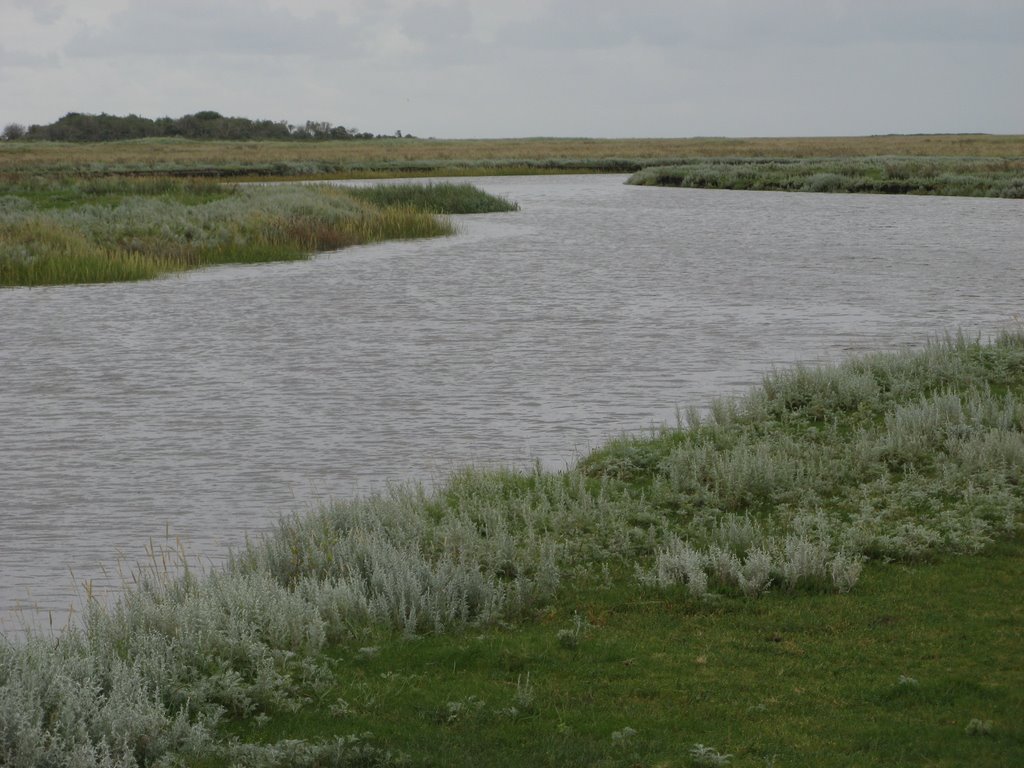
Natura 2000 · wintering
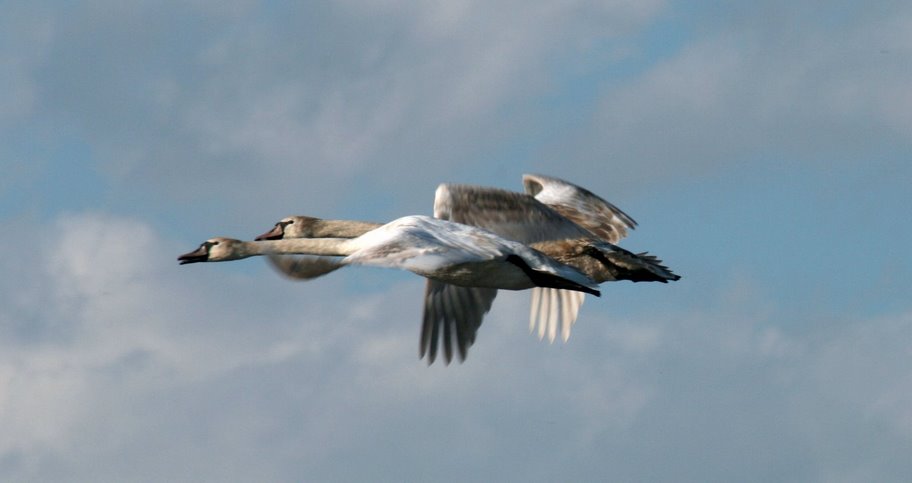
Natura 2000 · passage

Natura 2000 · passage, wintering, breeding
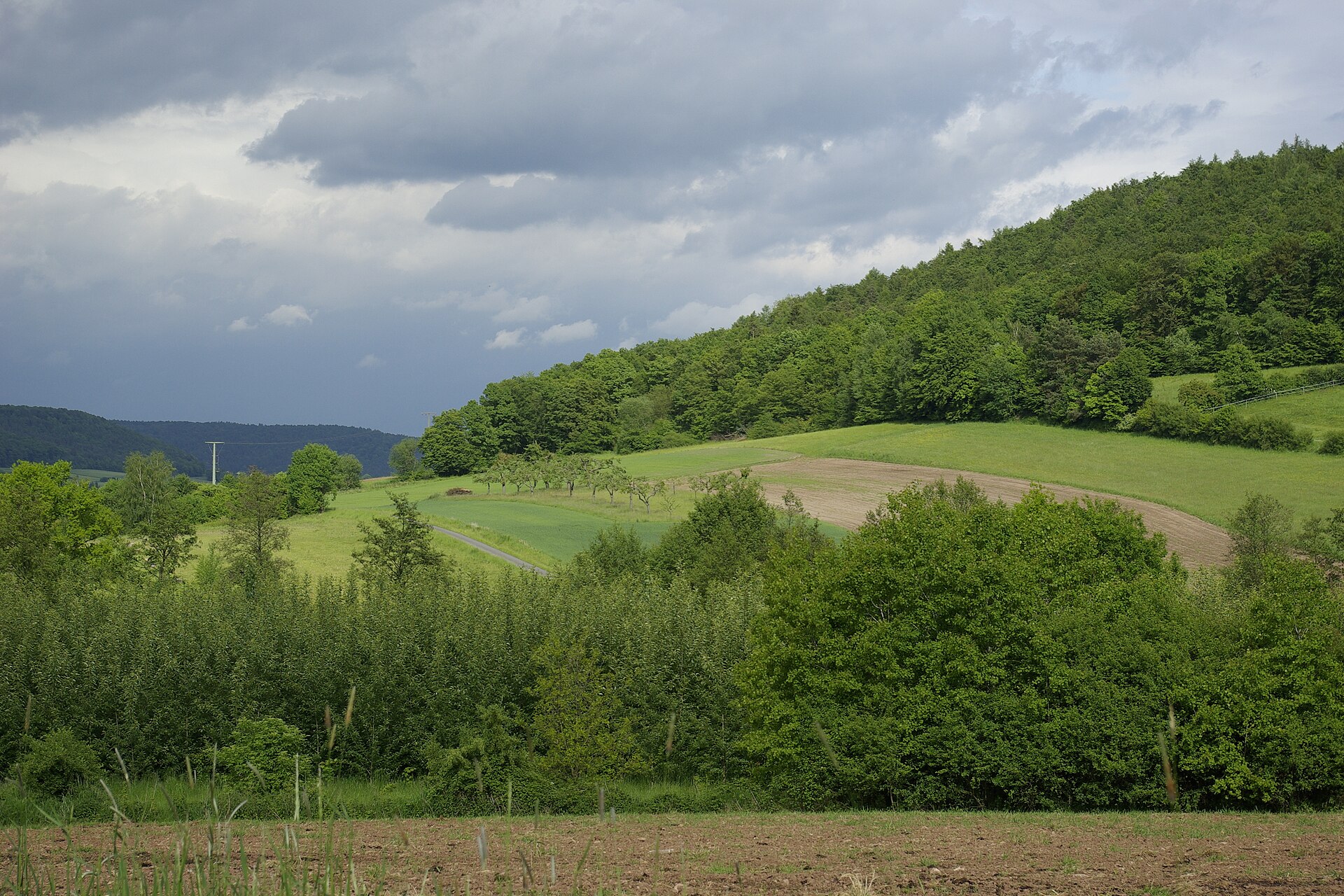
Natura 2000 · passage
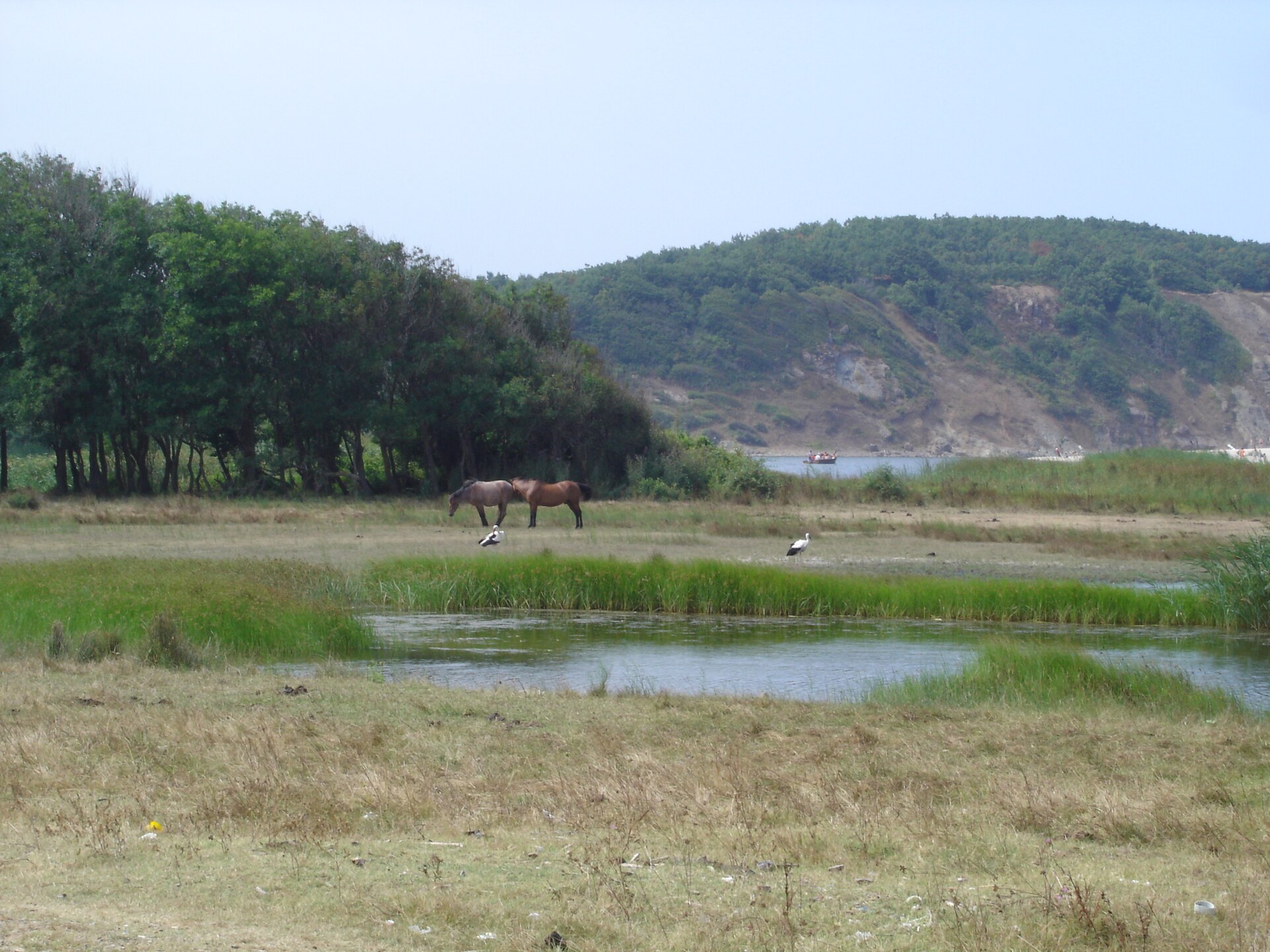
Natura 2000 · wintering, passage

Natura 2000 · passage
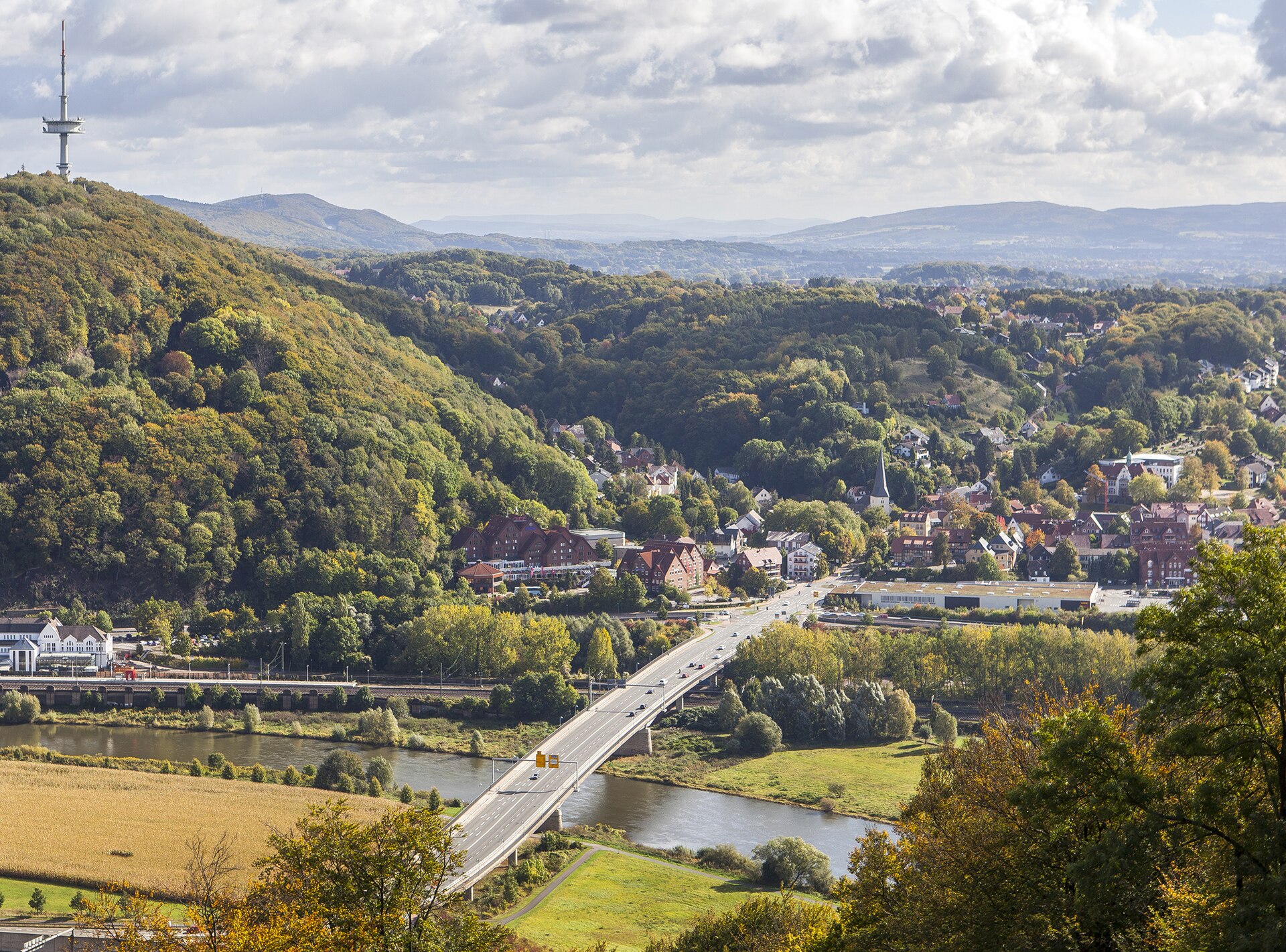
Natura 2000 · passage

Natura 2000 · passage
Natura 2000 · wintering, passage
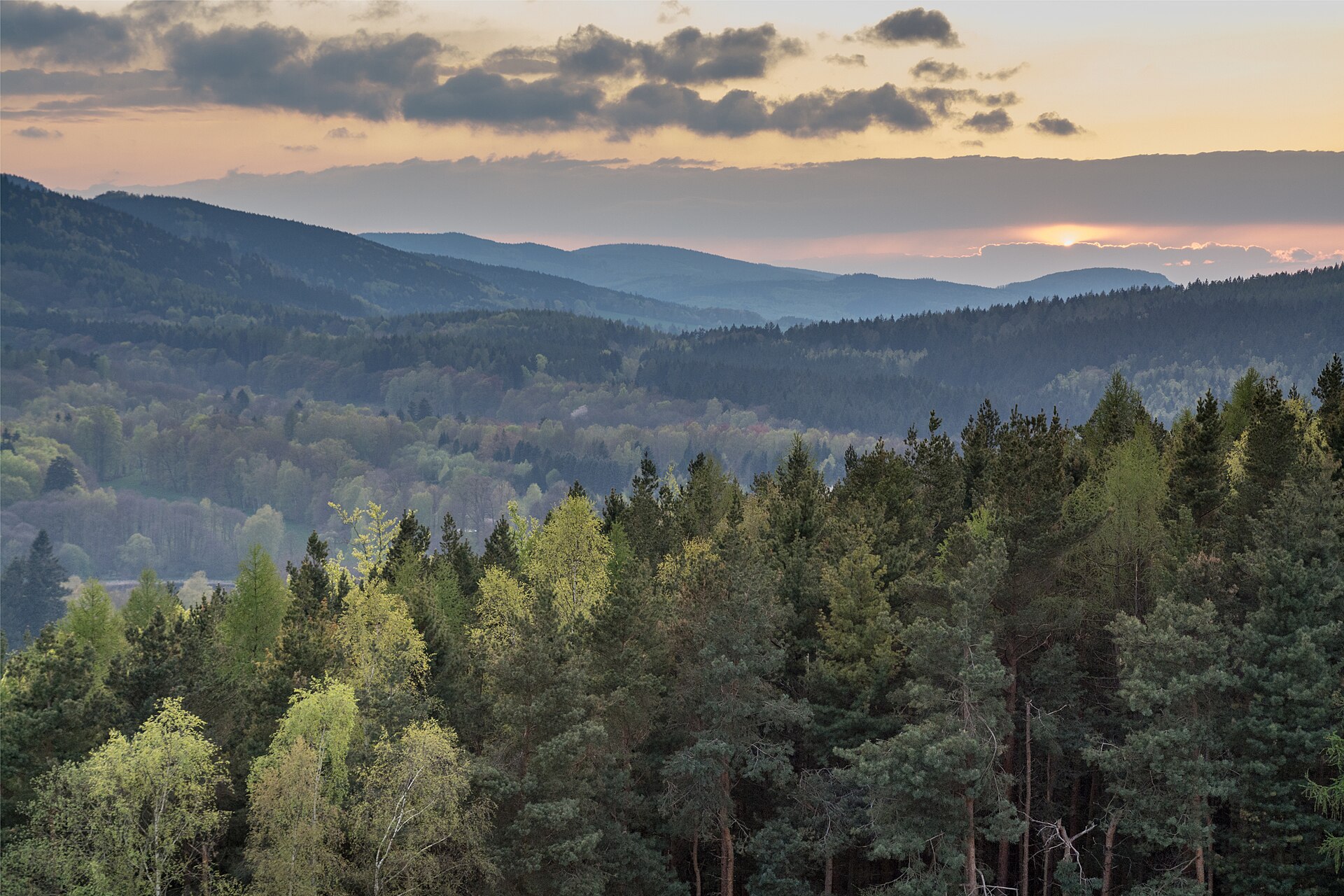
Natura 2000 · passage

Natura 2000
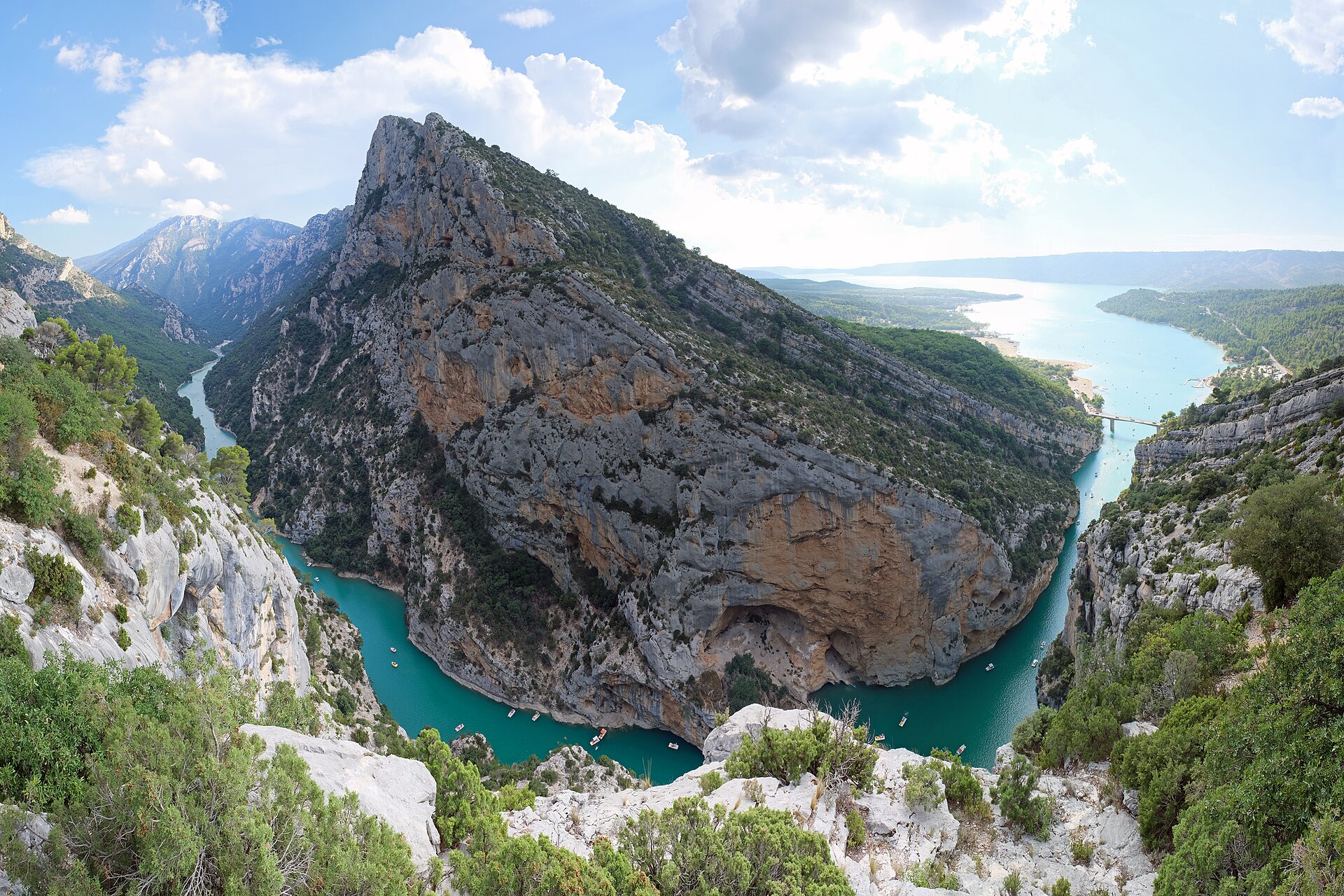
Natura 2000 · passage
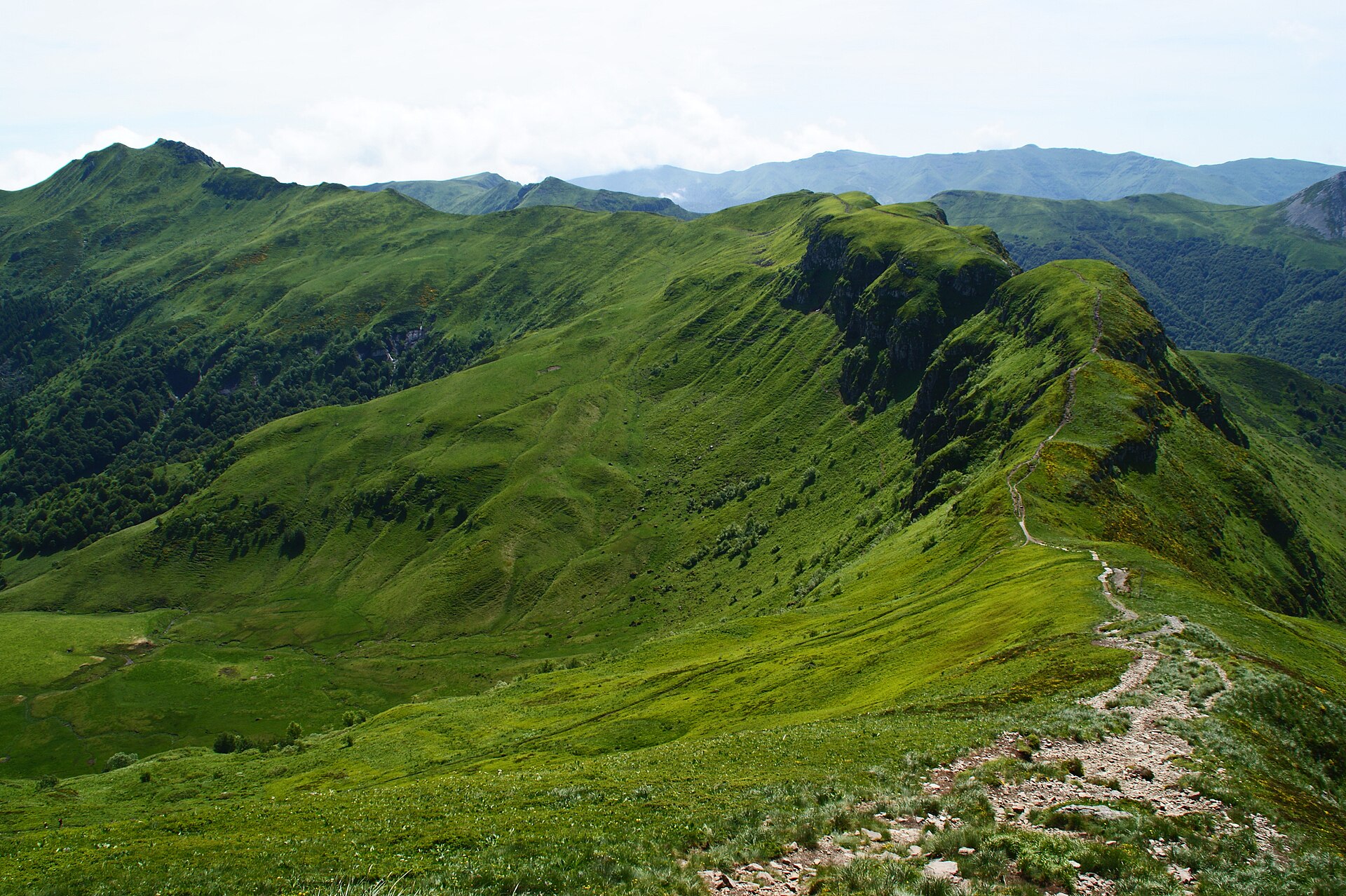
Natura 2000 · passage
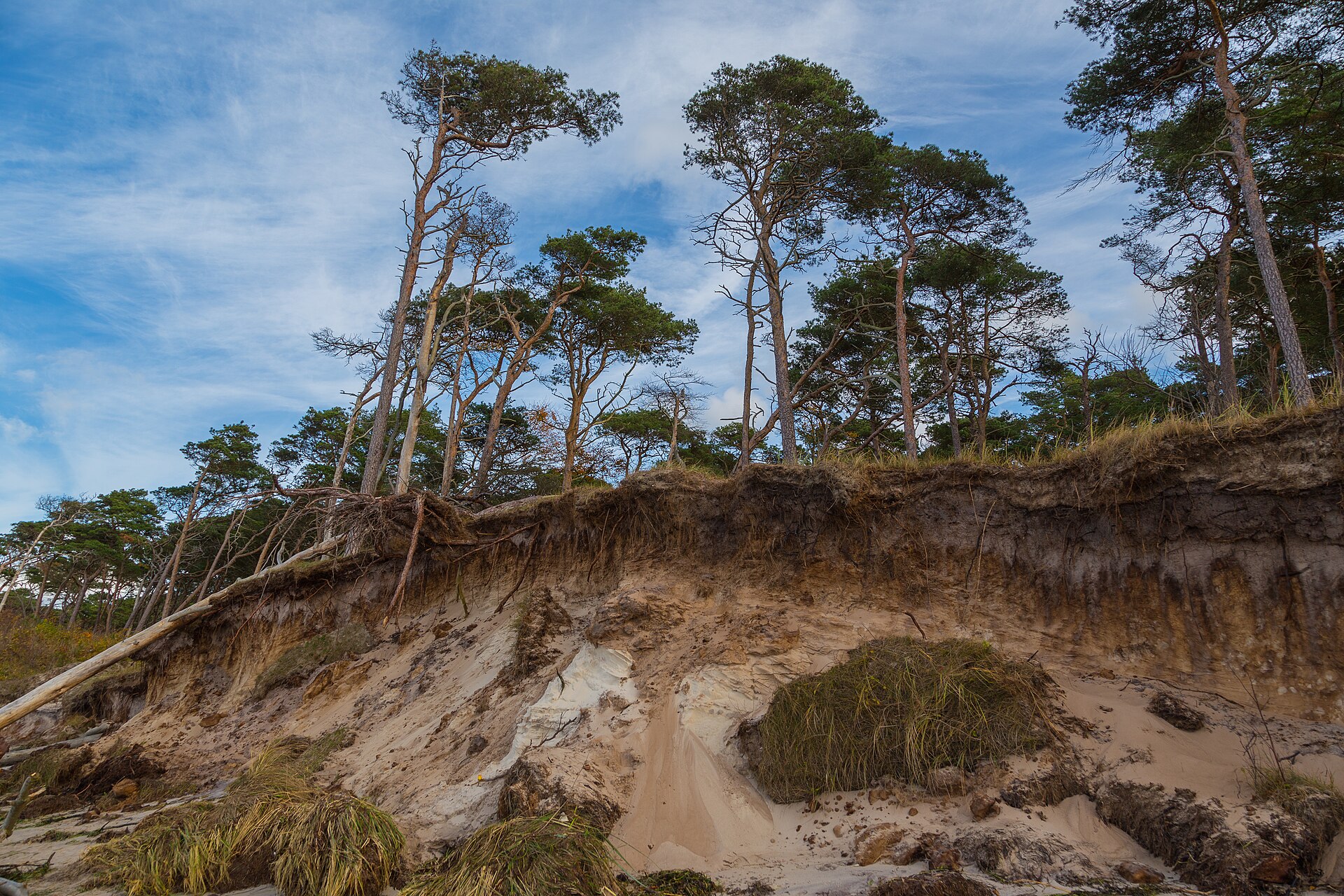
Natura 2000 · passage

Natura 2000
Other species to discover


Sources and credits
- Presence: most-recorded species of each place on GBIF and species of Community interest in the Natura 2000 forms (EEA, CC-BY 4.0); absence from the list does not mean the species is absent.
- Common names: Wikidata (CC0) and GBIF.
- Photos and sounds: Wikimedia Commons, author and licence given for each file.
- Classification: GBIF Backbone Taxonomy (GBIF Secretariat), CC BY 4.0, doi:10.15468/39omei.
- Countries, elevations, months and maps: GBIF.org, CC0 or CC BY 4.0 occurrences only, accessed October 22, 2026, GBIF.org.
- Base map: Natural Earth (public domain).
- Excerpt: Wikipedia, CC BY-SA 4.0 (full credit below the excerpt).
- Key facts: Wikidata (CC0), with the references cited under each value.
- Annexes: Directive 2009/147/EC (consolidated version), © European Union, EUR-Lex.
- EU bird populations: EEA / DG ENV, Article 12 Birds Directive reporting (2013–2018), CC BY 4.0.