
Bird
Little Owl: where to see it
Athene noctua
This bird species is recorded in 34 protected areas of the atlas, including 29 whose official Natura 2000 form lists it. Within the atlas countries, it is mostly observed in France, Spain and Belgium (13 countries in all). Most records (8 in 10) lie between sea level and 310 m. Records peak from January to September. It has a wingspan of 56 cm.
Best time to see it: January–September
Records published on GBIF by month (CC0 and CC BY 4.0 licences only), in the atlas countries, all years combined; they also reflect observer activity.
Key facts
- Wingspan
- 56 cm Wikidata, after app.bto.org
- Clutch size
- 4.2 eggs on average Wikidata, after Jetz et al. 2008
Distribution
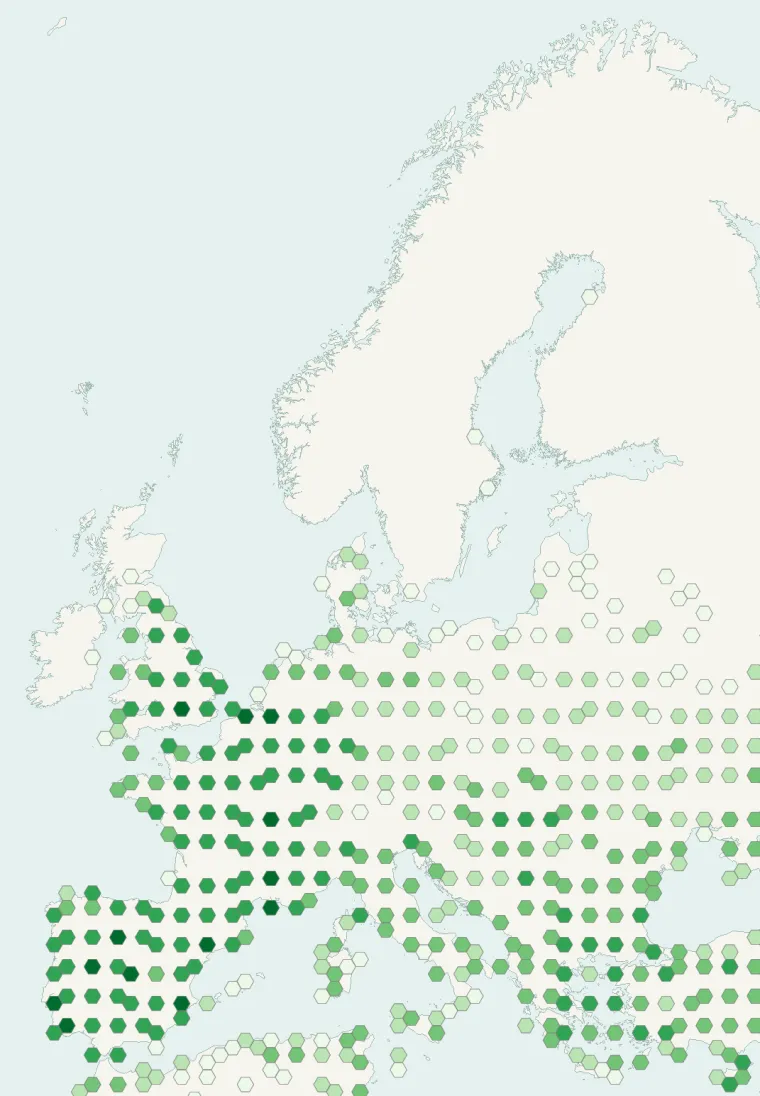
Records published on GBIF (CC0 and CC BY 4.0 licences): the darker the shade, the more records there are; they also reflect observation effort.
Listen
-
4:14 · © Nikolaos Sarikakis · CC BY-SA 4.0 · Wikimedia Commons · Original file
-
0:13 · © Joost van Bruggen · CC BY-SA 4.0 · Wikimedia Commons · Original file
-
0:16 · © Joost van Bruggen · CC BY-SA 4.0 · Wikimedia Commons · Original file
From Wikipedia
The little owl (Athene noctua), also known as the owl of Athena or owl of Minerva, is a bird that inhabits much of the temperate and warmer parts of Europe, the Palearctic east to Korea, and North Africa. It was introduced into Britain at the end of the 19th century and into the South Island of New Zealand in the early 20th century. This owl is a member of the typical or true owl family Strigidae, which contains most species of owl, the other grouping being the barn owls, Tytonidae.
Source: Wikipedia, article “Little owl” (version of July 28, 2026) · history and authors · licence CC BY-SA 4.0 · shortened excerpt
Protected areas where it is recorded

1,083 records

37 records

7 records

4 records

1 records

Natura 2000 · resident

Natura 2000 · resident

Natura 2000 · breeding
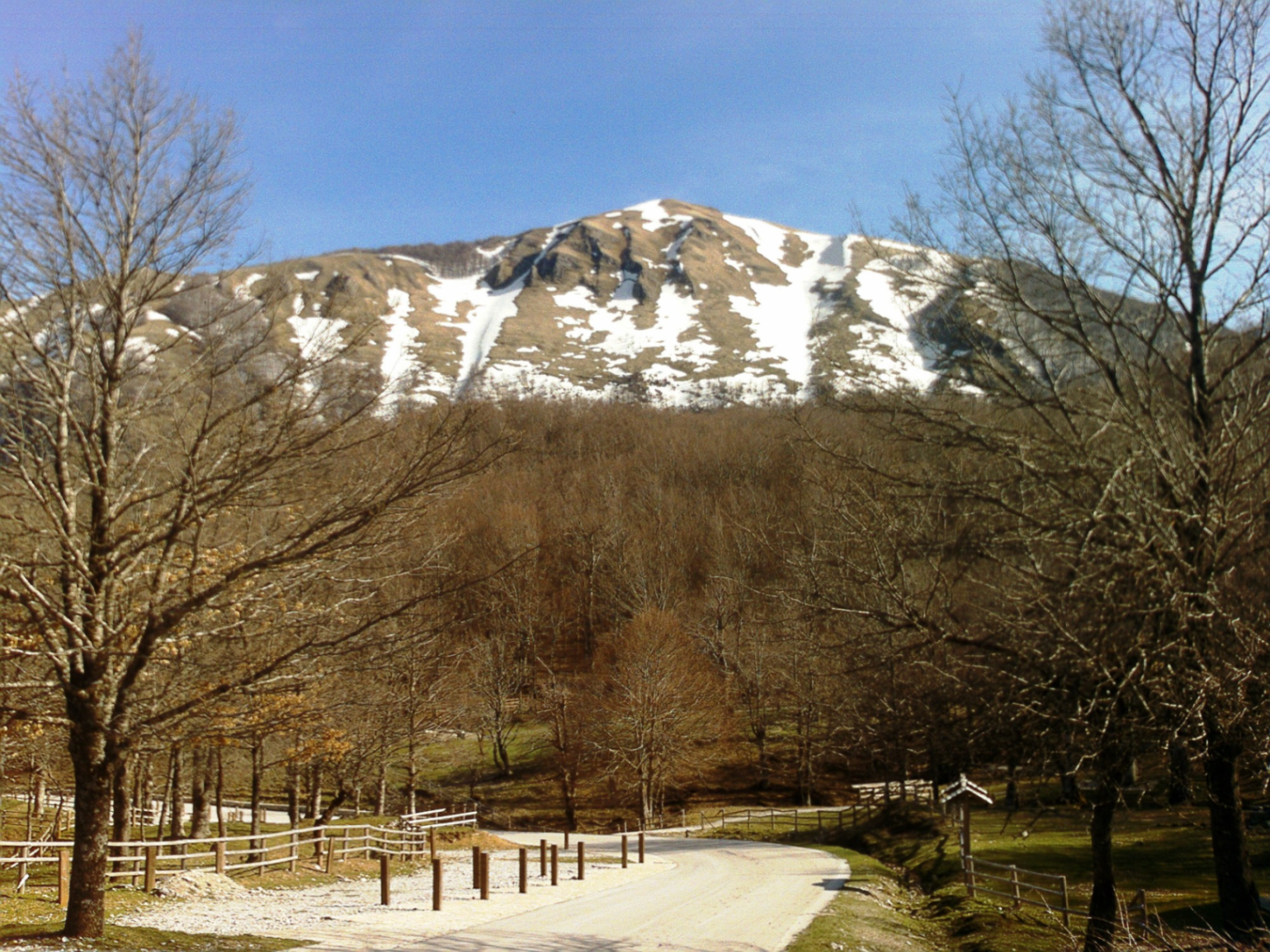
Natura 2000 · resident
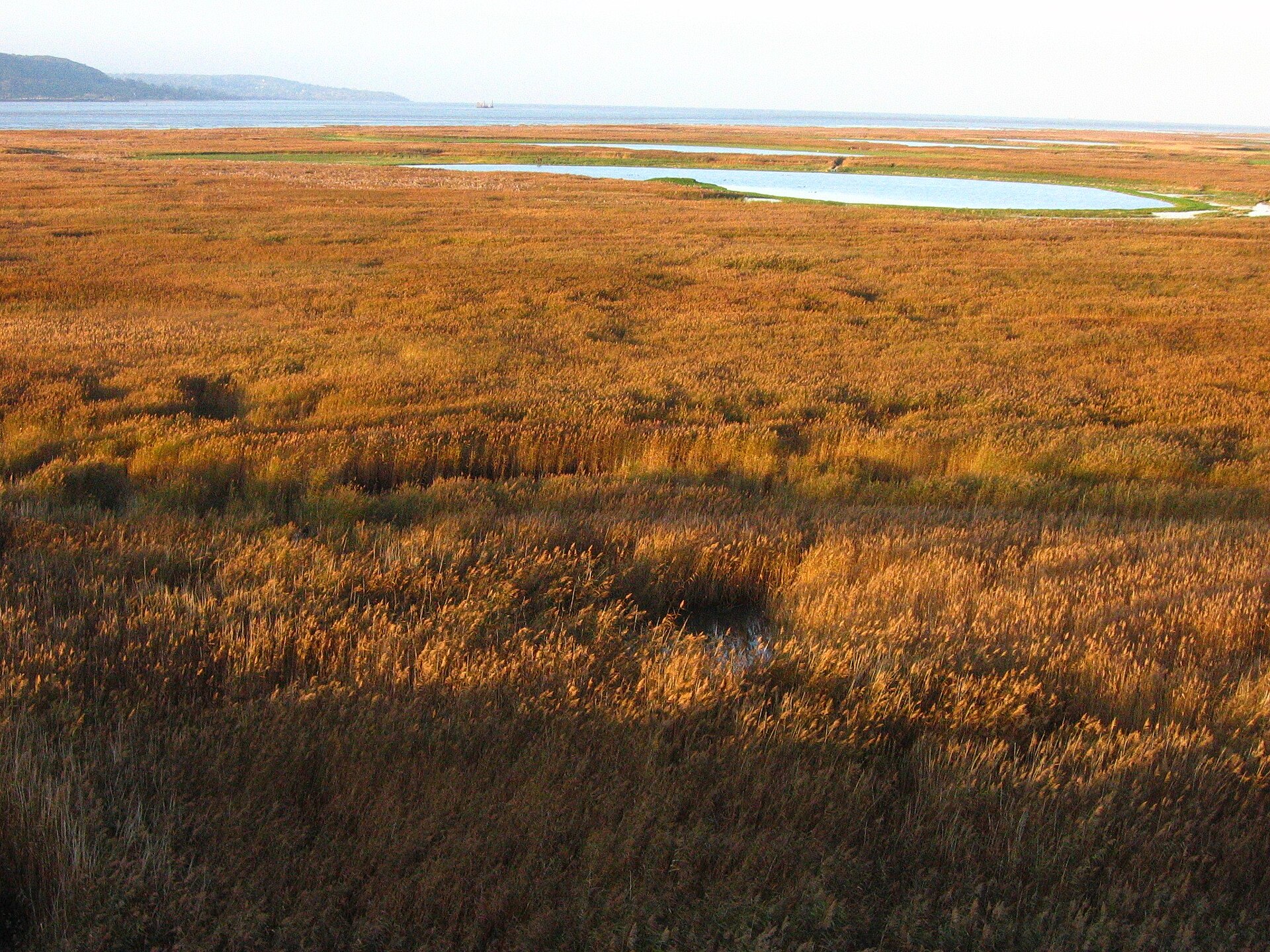
Natura 2000 · breeding
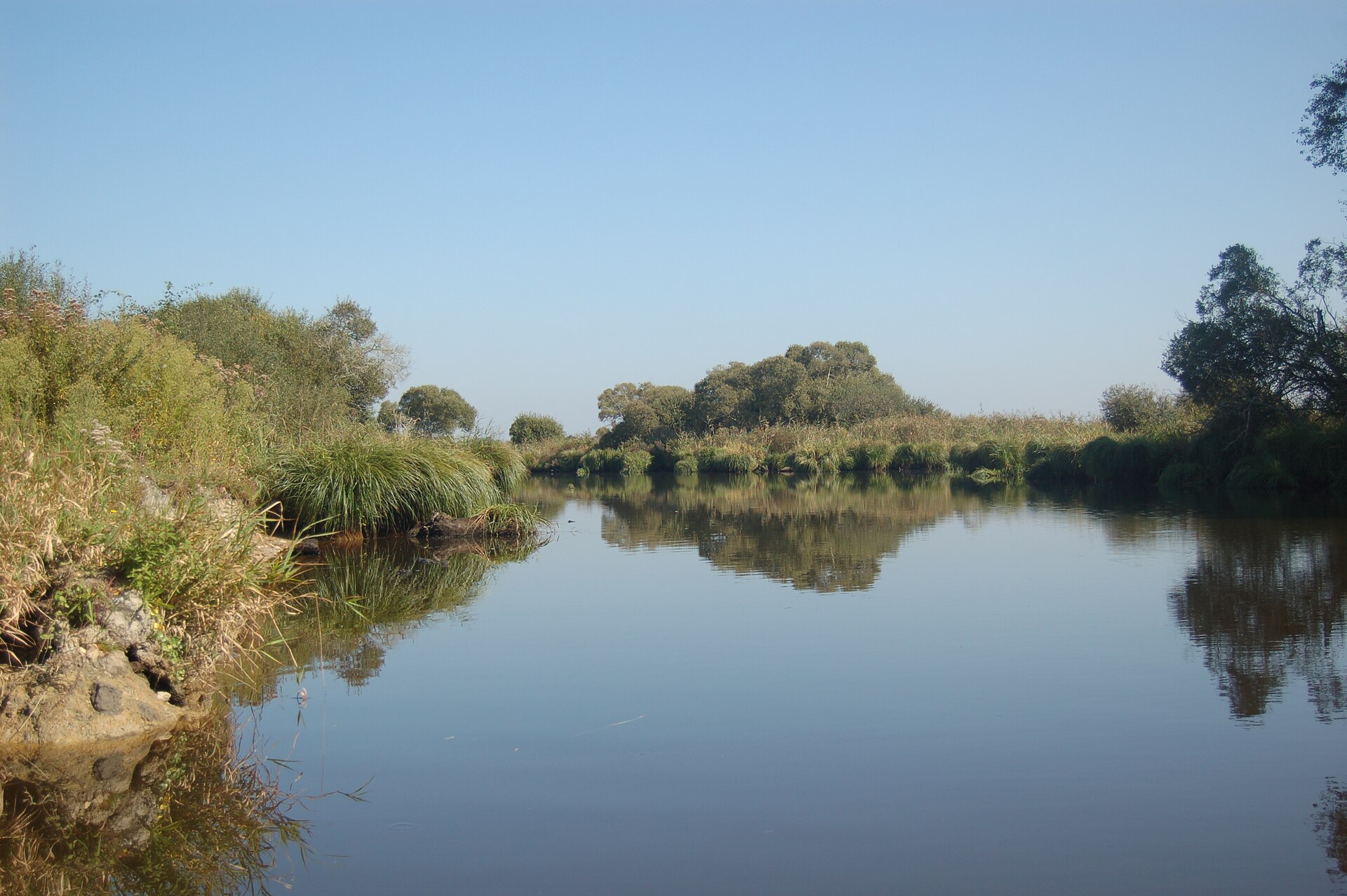
Natura 2000 · resident
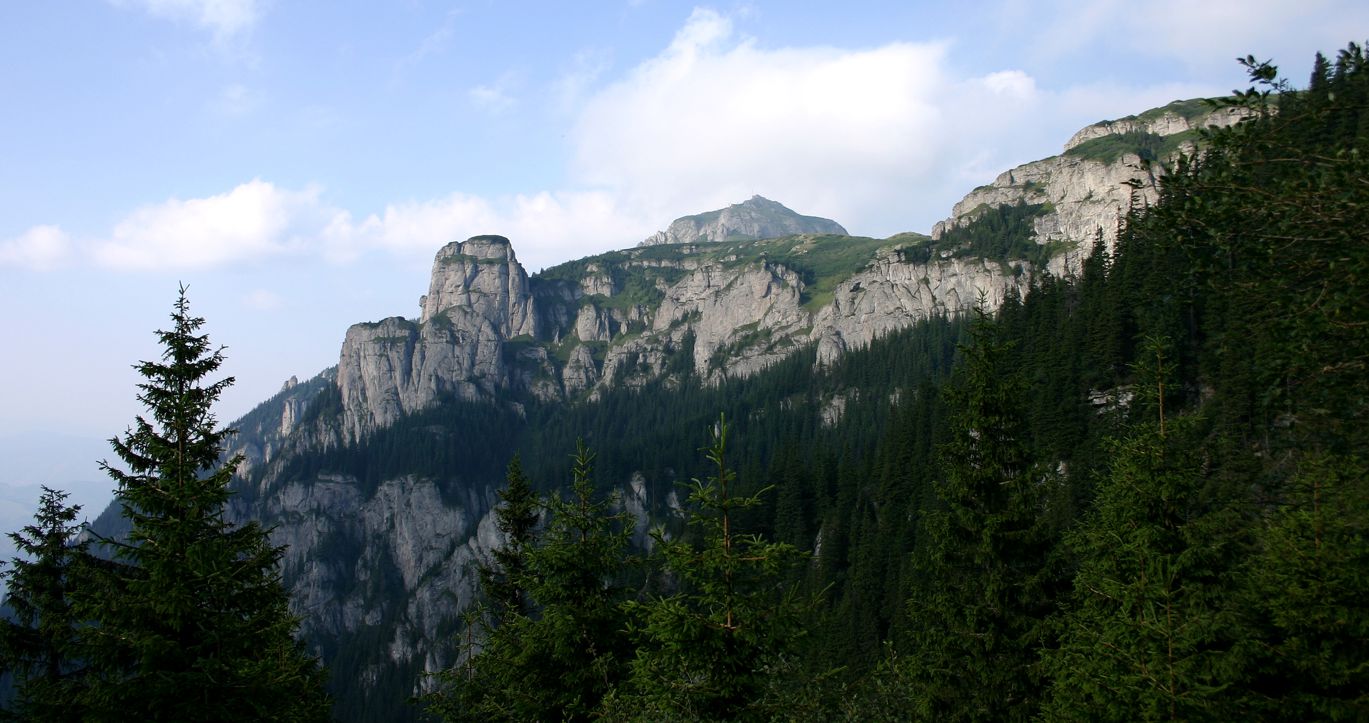
Natura 2000 · breeding

Natura 2000 · resident
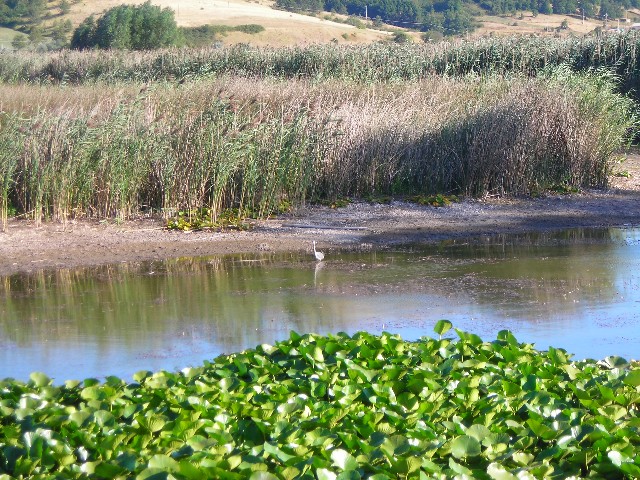
Natura 2000 · resident
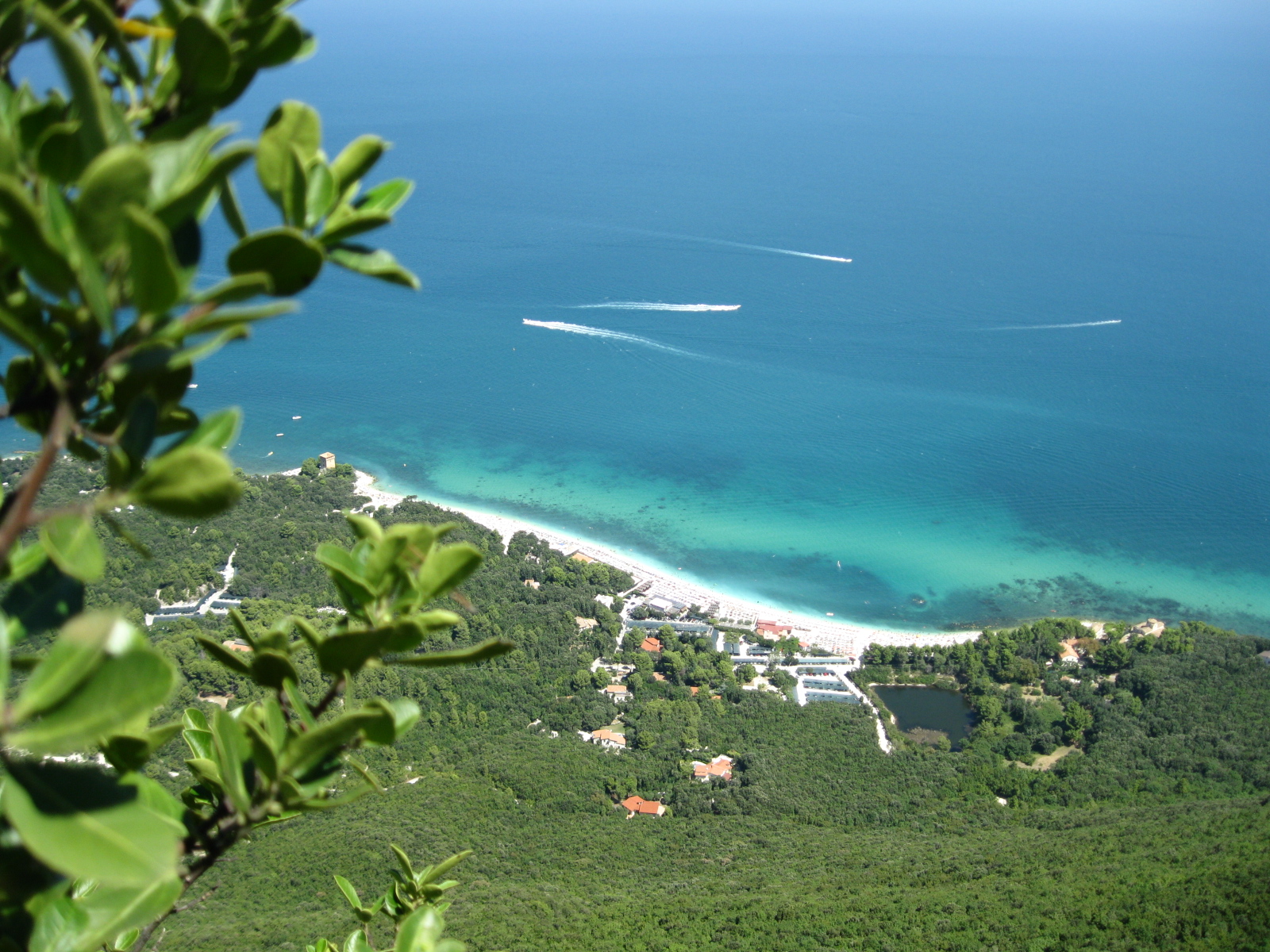
Natura 2000 · resident

Natura 2000 · passage, breeding, wintering, resident
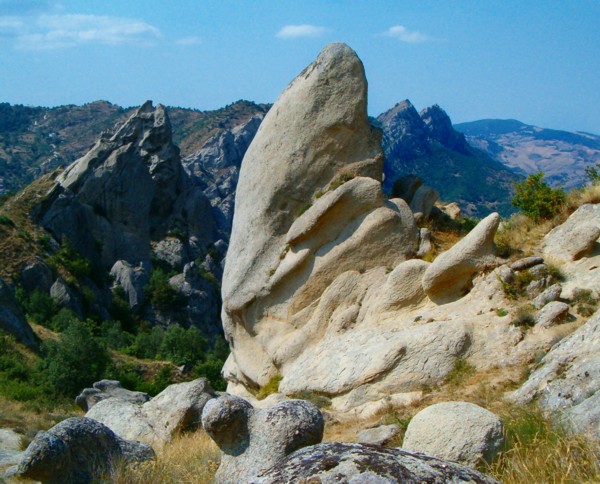
Natura 2000 · resident

Natura 2000 · resident, breeding

Natura 2000 · resident
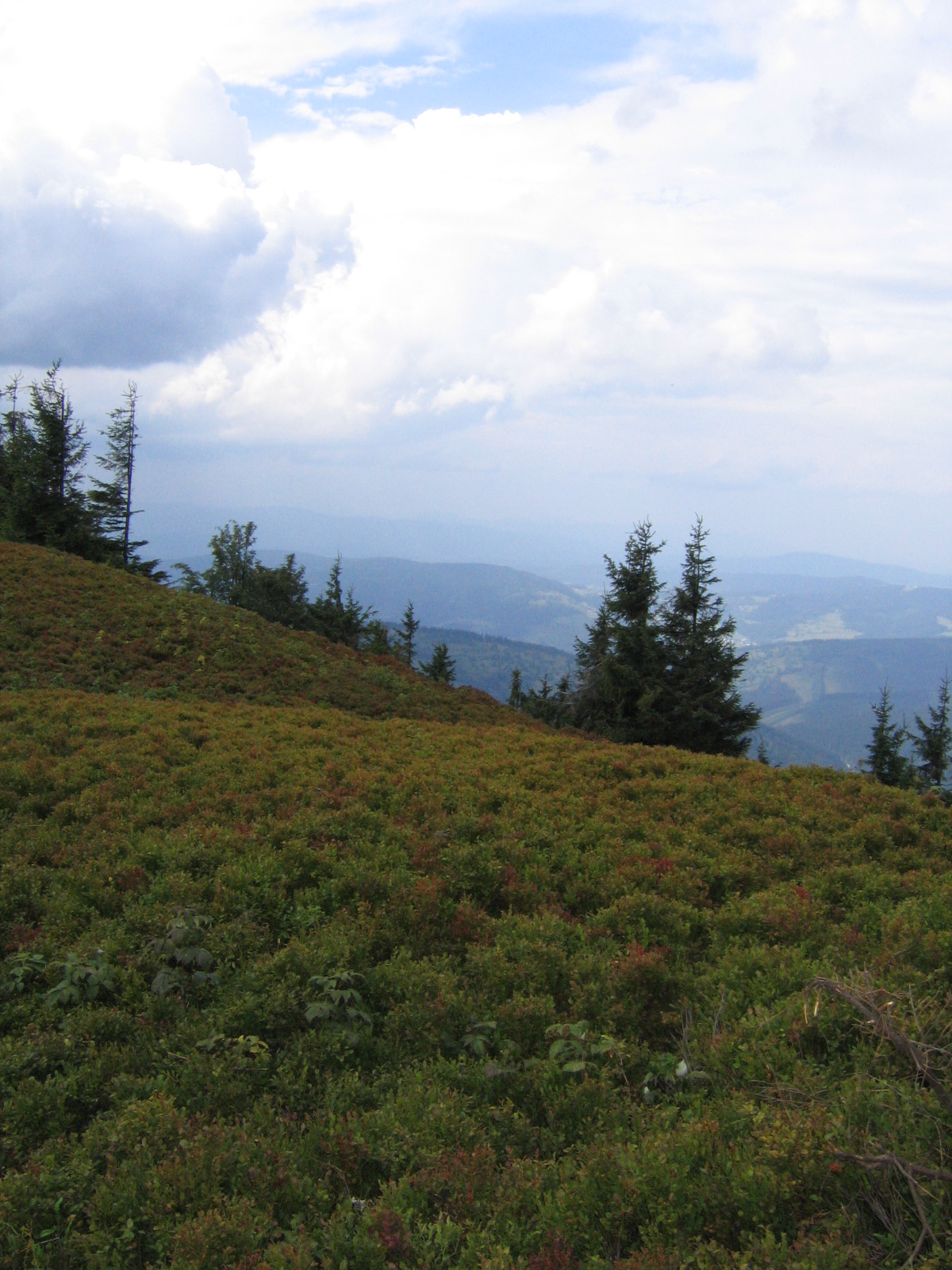
Natura 2000
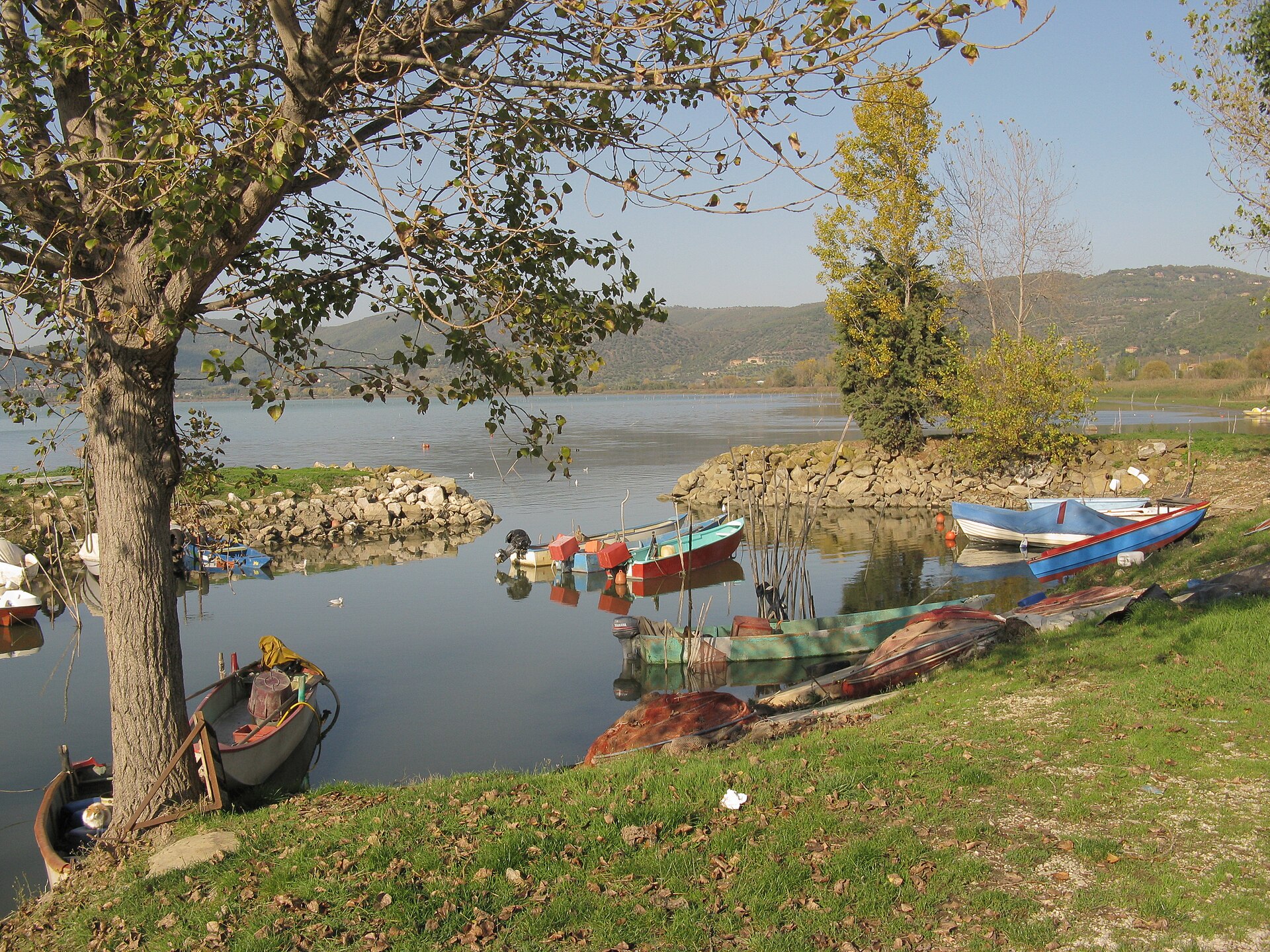
Natura 2000
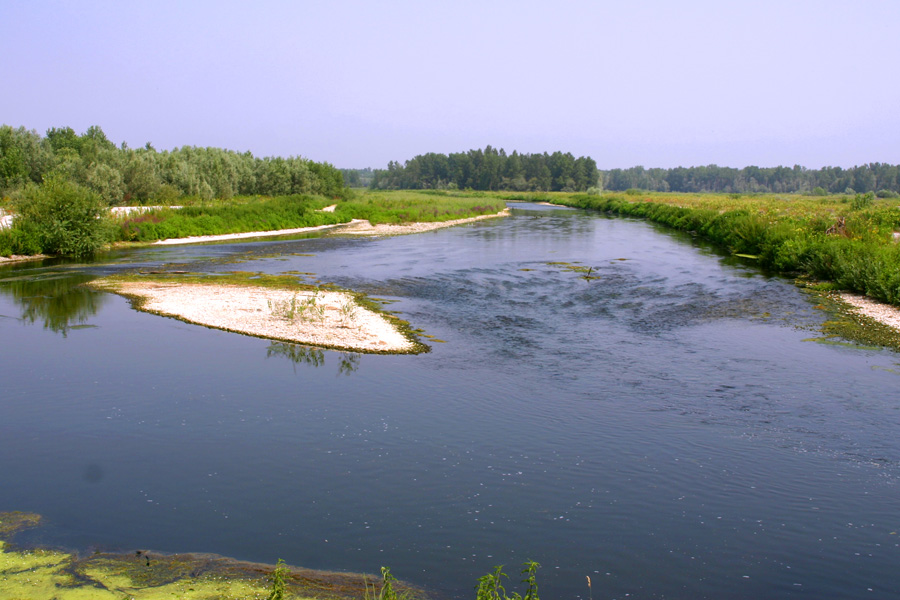
Natura 2000 · resident

Natura 2000 · resident, breeding, wintering, passage

Natura 2000 · resident

Natura 2000 · resident

Natura 2000 · resident
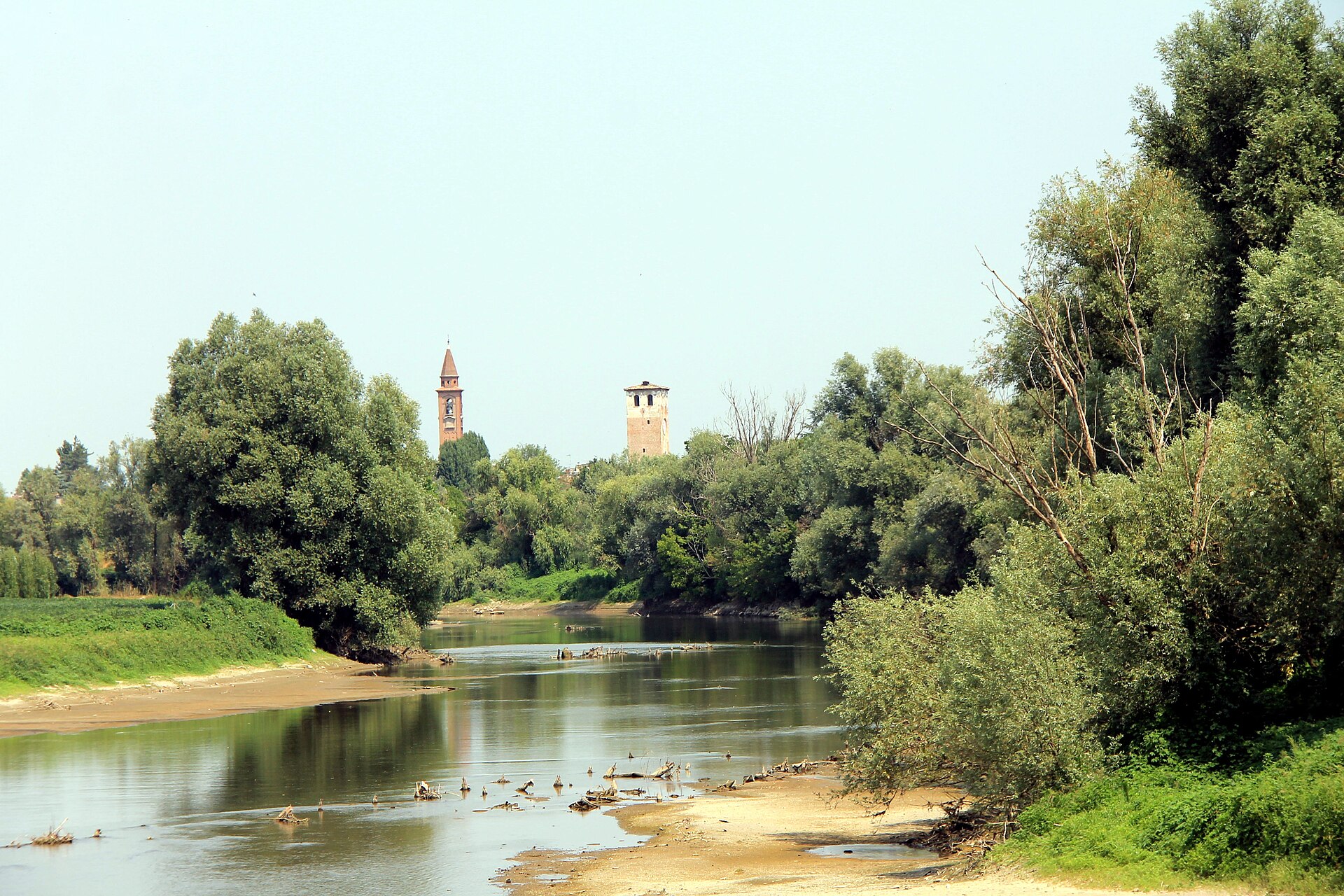
Natura 2000 · resident, passage

Natura 2000 · resident, breeding

Natura 2000 · resident
Natura 2000 · breeding
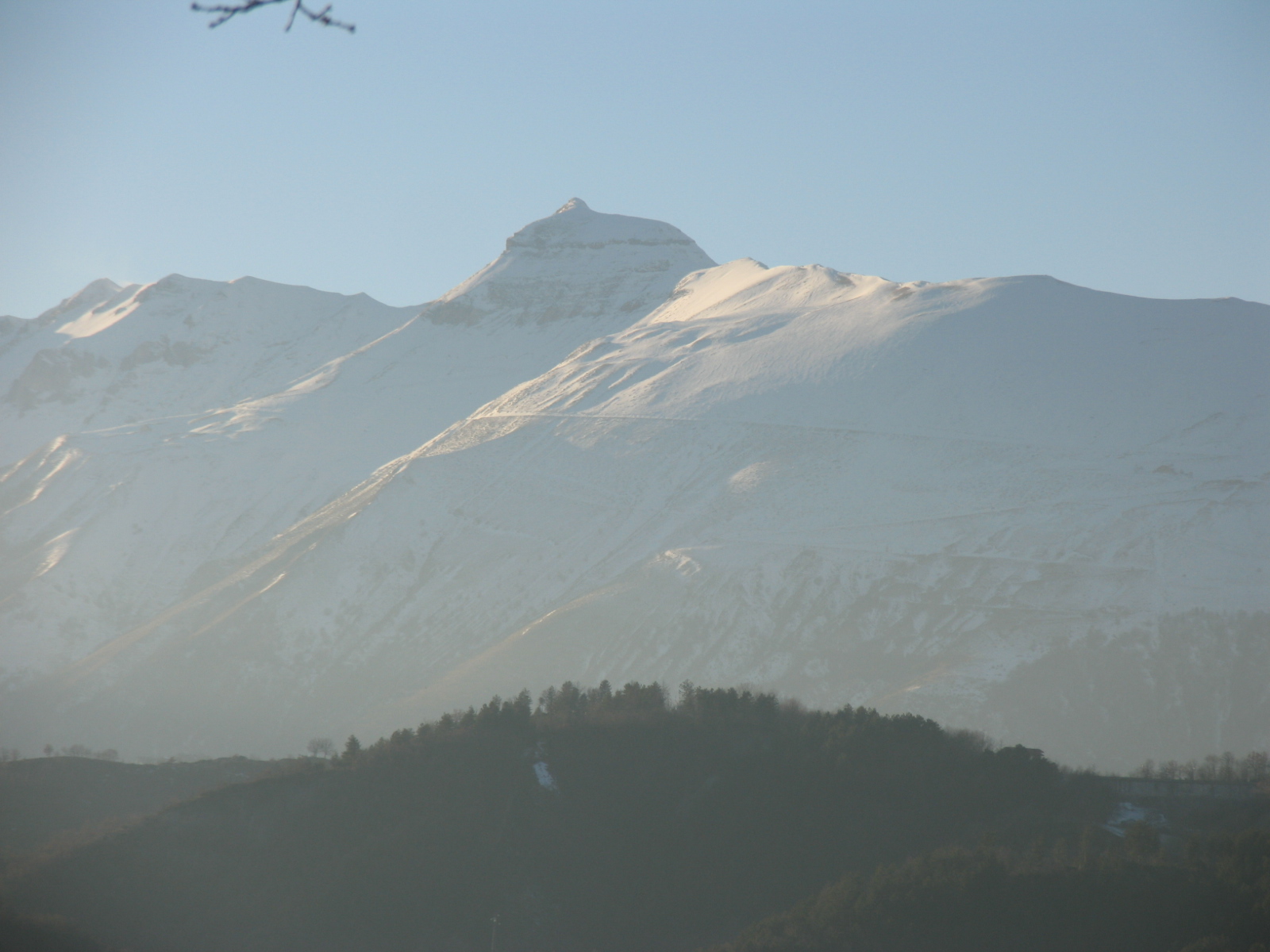
Natura 2000 · breeding, resident
Natura 2000 · passage, wintering, breeding

Natura 2000 · resident
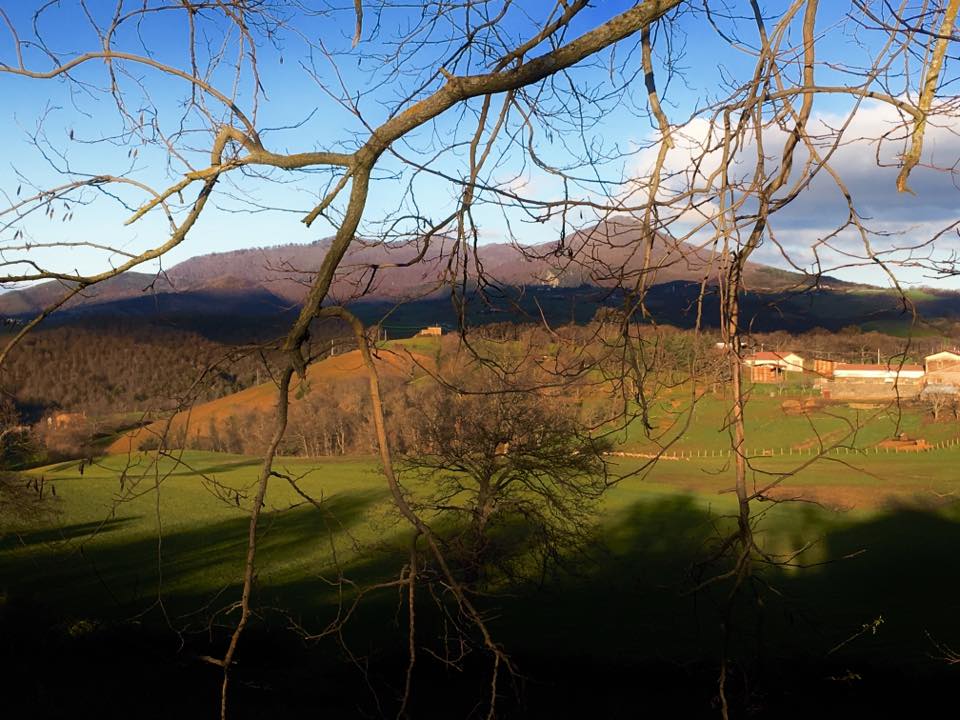
Natura 2000 · resident
Other species to discover
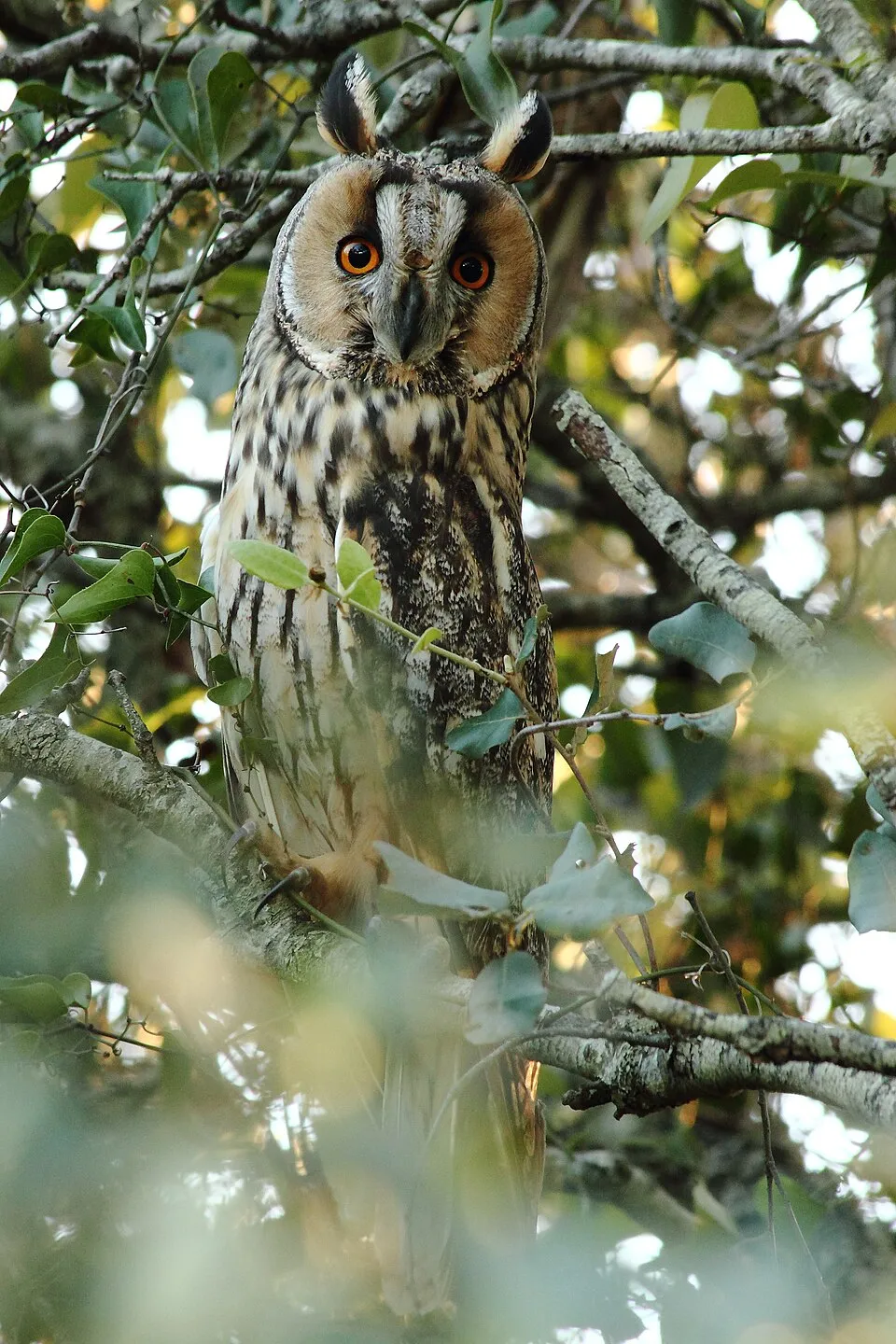 Long-eared Owl
Asio otus 22 places in common
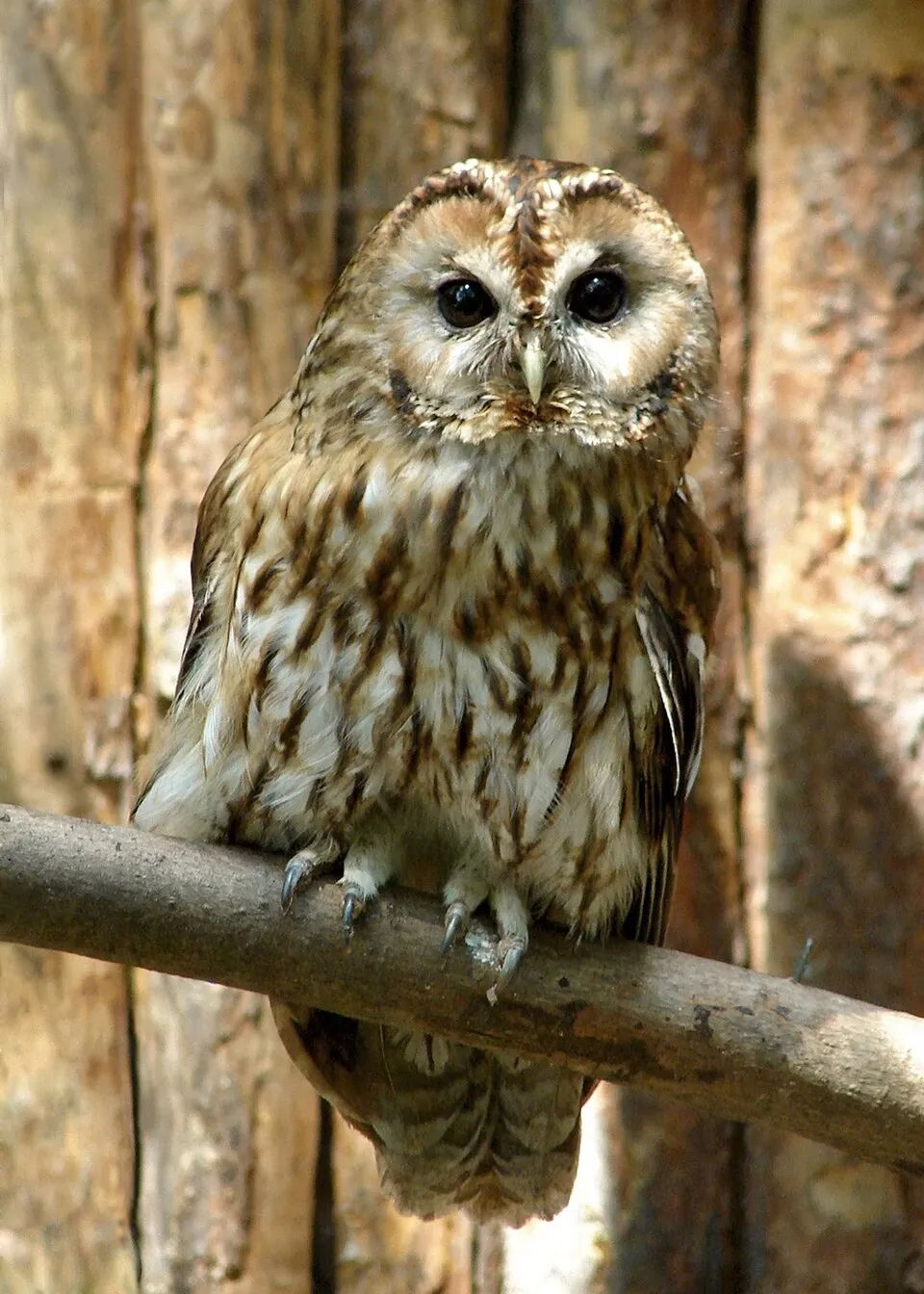 Tawny owl
Strix aluco 18 places in common
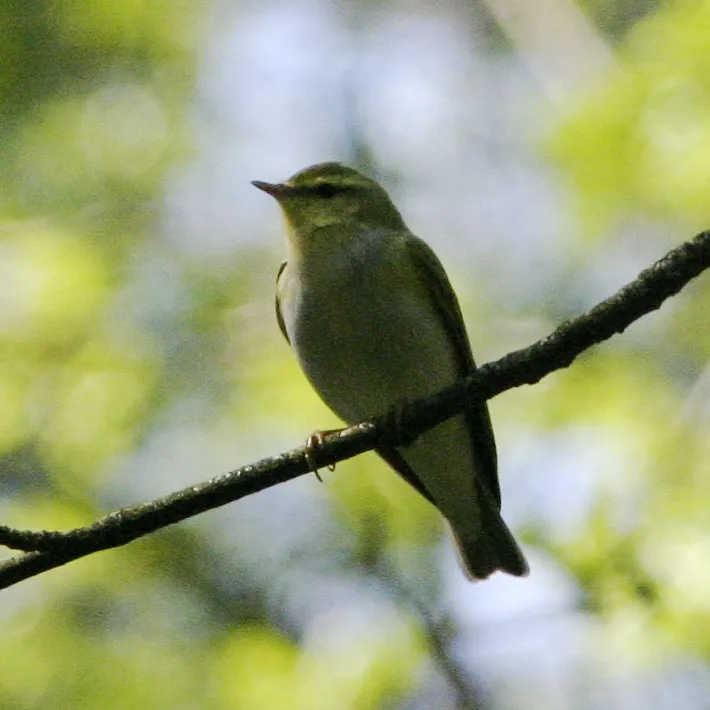 Wood Warbler
Phylloscopus sibilatrix 20 places in common
 Eurasian Sparrowhawk
Accipiter nisus 24 places in common
 Hawfinch
Coccothraustes coccothraustes 18 places in common
 Common Swift
Apus apus 22 places in common
Sources and credits
- Presence: most-recorded species of each place on GBIF and species of Community interest in the Natura 2000 forms (EEA, CC-BY 4.0); absence from the list does not mean the species is absent.
- Common names: Wikidata (CC0) and GBIF.
- Photos and sounds: Wikimedia Commons, author and licence given for each file.
- Classification: GBIF Backbone Taxonomy (GBIF Secretariat), CC BY 4.0, doi:10.15468/39omei.
- Countries, elevations, months and maps: GBIF.org, CC0 or CC BY 4.0 occurrences only, accessed October 22, 2026, GBIF.org.
- Base map: Natural Earth (public domain).
- Excerpt: Wikipedia, CC BY-SA 4.0 (full credit below the excerpt).
- Key facts: Wikidata (CC0), with the references cited under each value.