
Bird
Long-eared Owl: where to see it
Asio otus
This bird species is recorded in 48 protected areas of the atlas, including 47 whose official Natura 2000 form lists it. Within the atlas countries, it is mostly observed in Sweden, France and Belgium (15 countries in all). Most records (8 in 10) lie between sea level and 1,200 m. Records peak from May to July. It has a wingspan of 95 cm.
Best time to see it: May–July
Records published on GBIF by month (CC0 and CC BY 4.0 licences only), in the atlas countries, all years combined; they also reflect observer activity.
Key facts
- Wingspan
- 95 cm Wikidata, after app.bto.org
Distribution
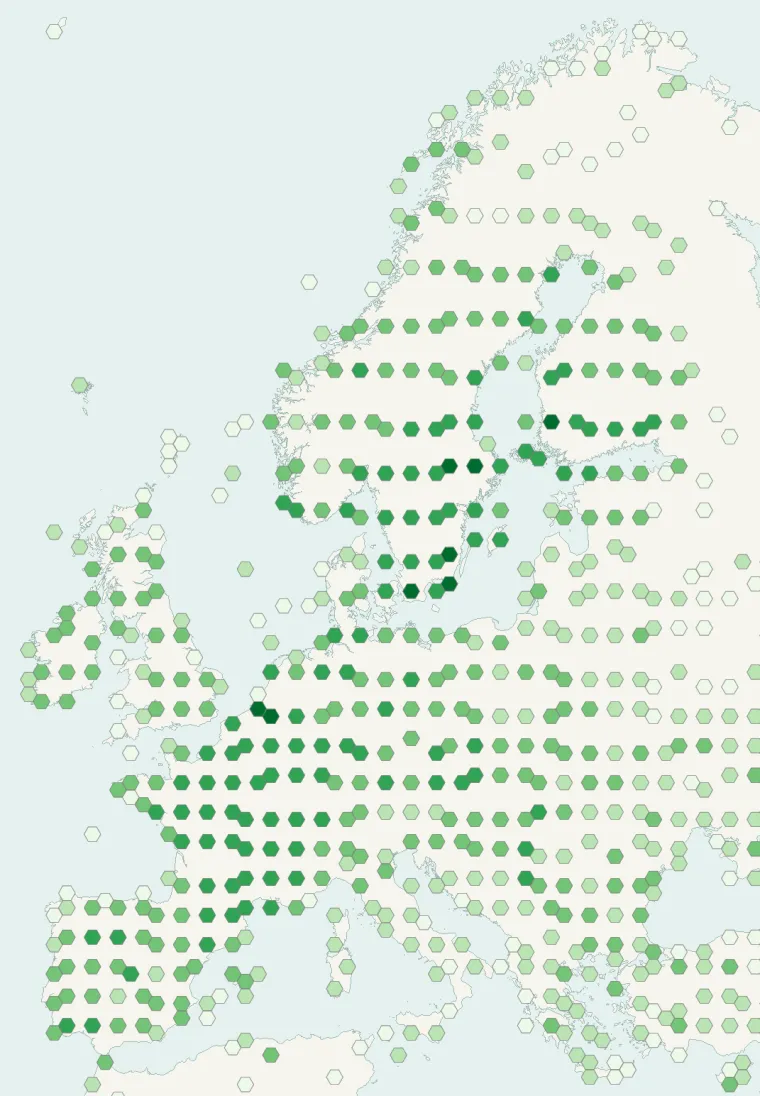
Records published on GBIF (CC0 and CC BY 4.0 licences): the darker the shade, the more records there are; they also reflect observation effort.
Listen
-
1:00 · © Alexander Kurthy · CC BY-SA 4.0 · Wikimedia Commons · Original file
-
1:01 · © Benjamin Mayer · CC BY-SA 4.0 · Wikimedia Commons · Original file
-
0:55 · © JACOB Hervé · CC BY-SA 4.0 · Wikimedia Commons · Original file
From Wikipedia
The long-eared owl (Asio otus), also known as the northern long-eared owl or informally as the lesser horned owl or cat owl, is a medium-sized typical owl with an extensive range. The genus name, Asio, is Latin for "horned owl", and the specific epithet, otus, is derived from Greek and refers to a small eared owl. It breeds in Europe and the Palearctic, as well as in North America. This owl prefers semi-open habitats, particularly woodland edge, as they to roost and nest within dense stands of wood but prefer to hunt over open ground.
Source: Wikipedia, article “Long-eared owl” (version of October 19, 2026) · history and authors · licence CC BY-SA 4.0 · shortened excerpt
Protected areas where it is recorded
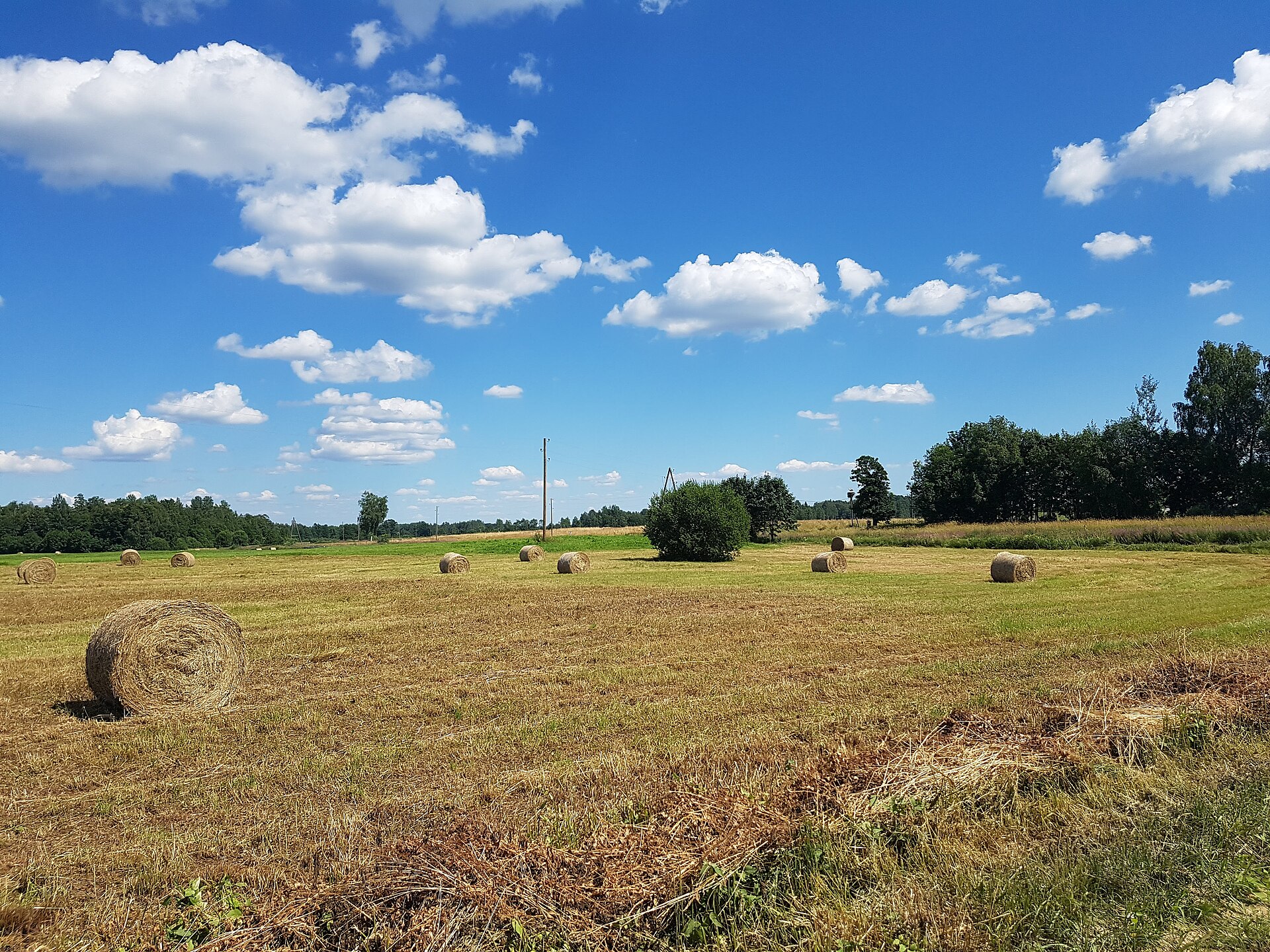
2 records
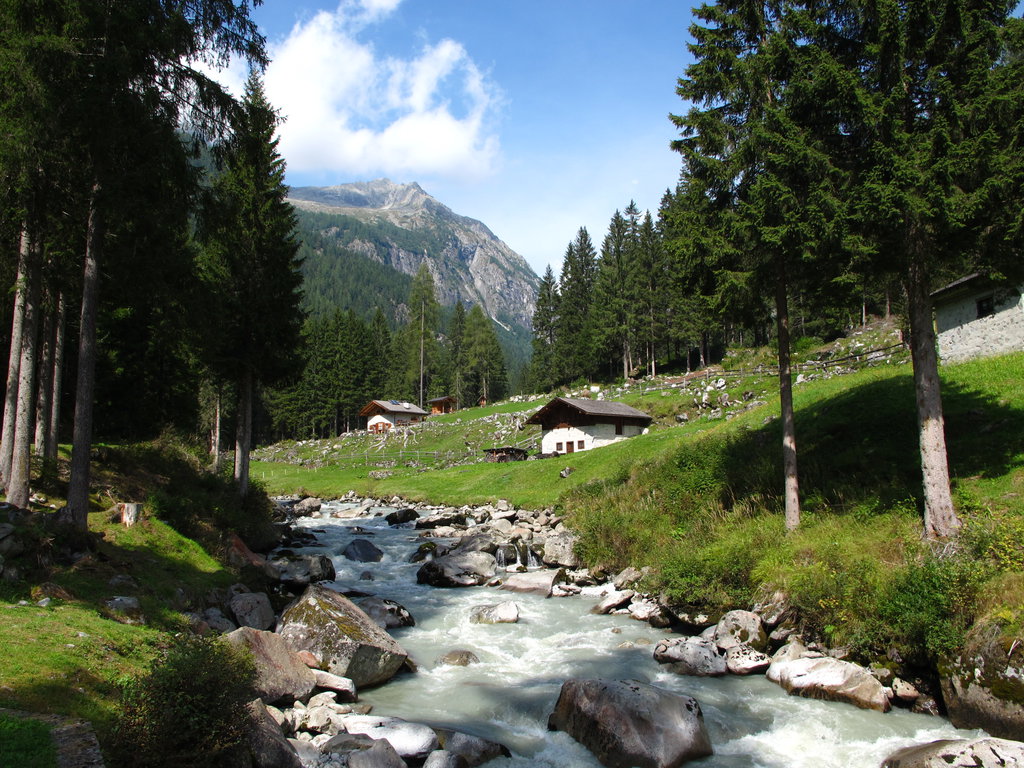
Natura 2000 · breeding
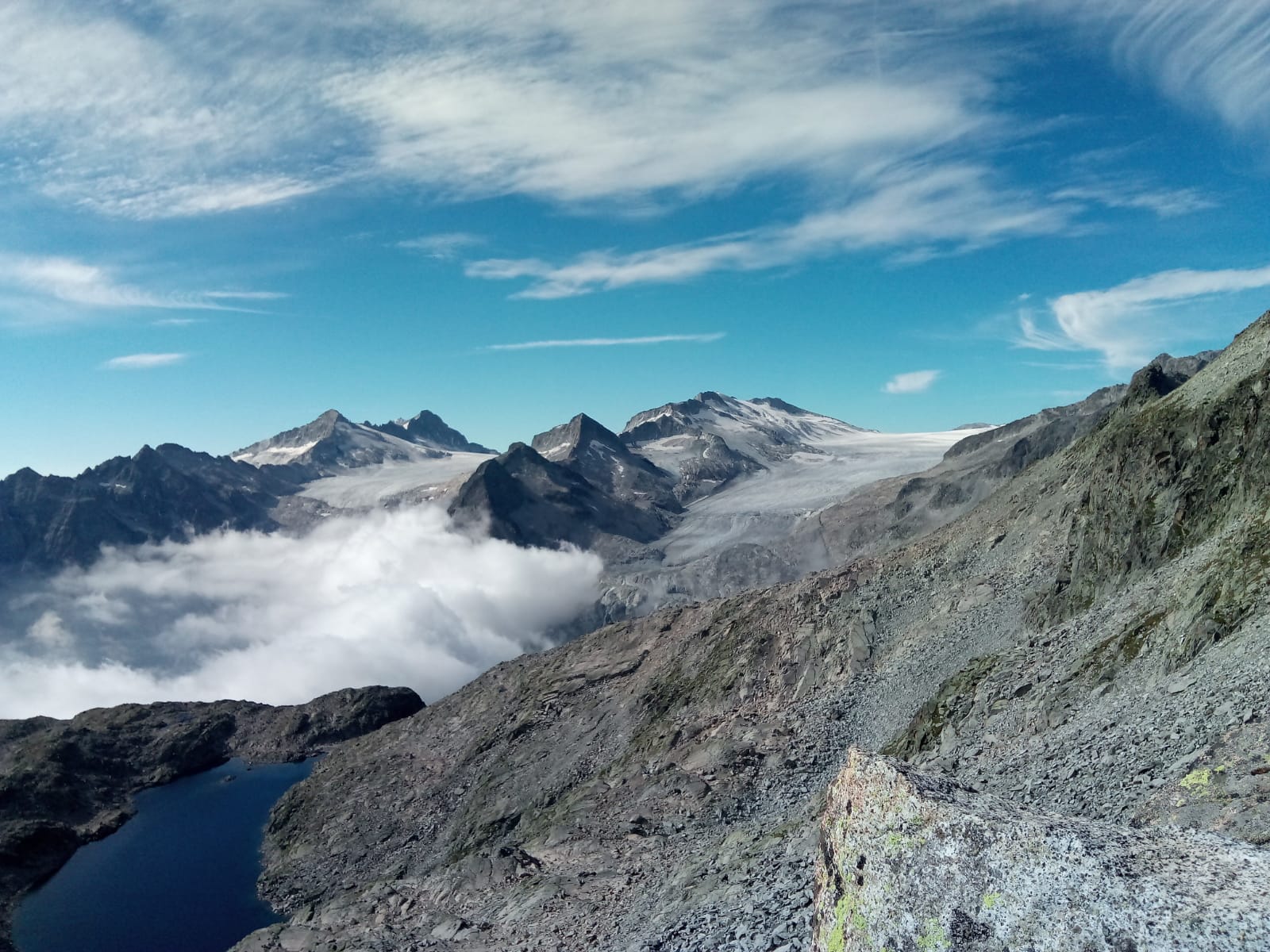
Natura 2000 · breeding, wintering
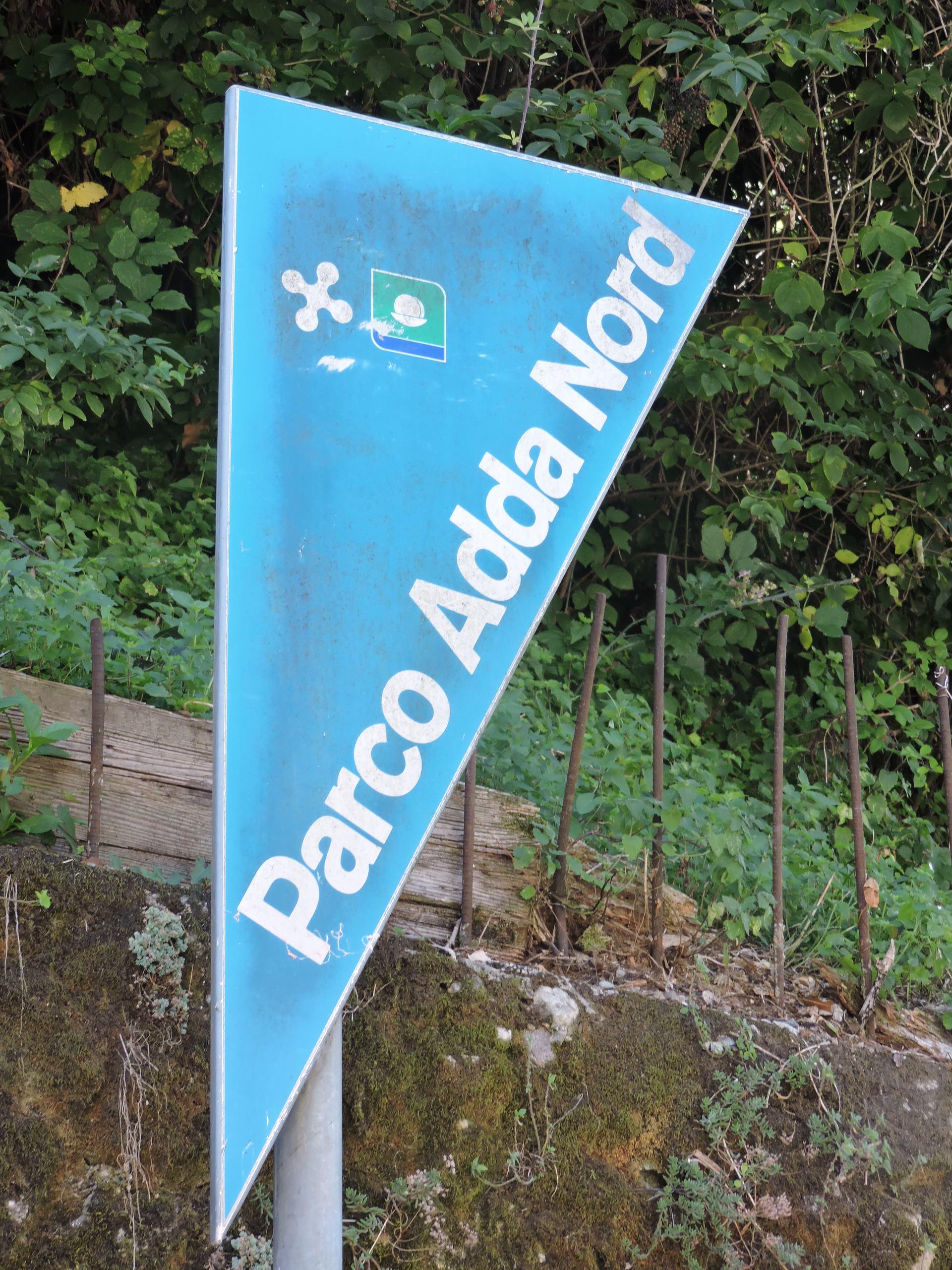
Natura 2000 · wintering

Natura 2000 · breeding

Natura 2000 · resident, passage
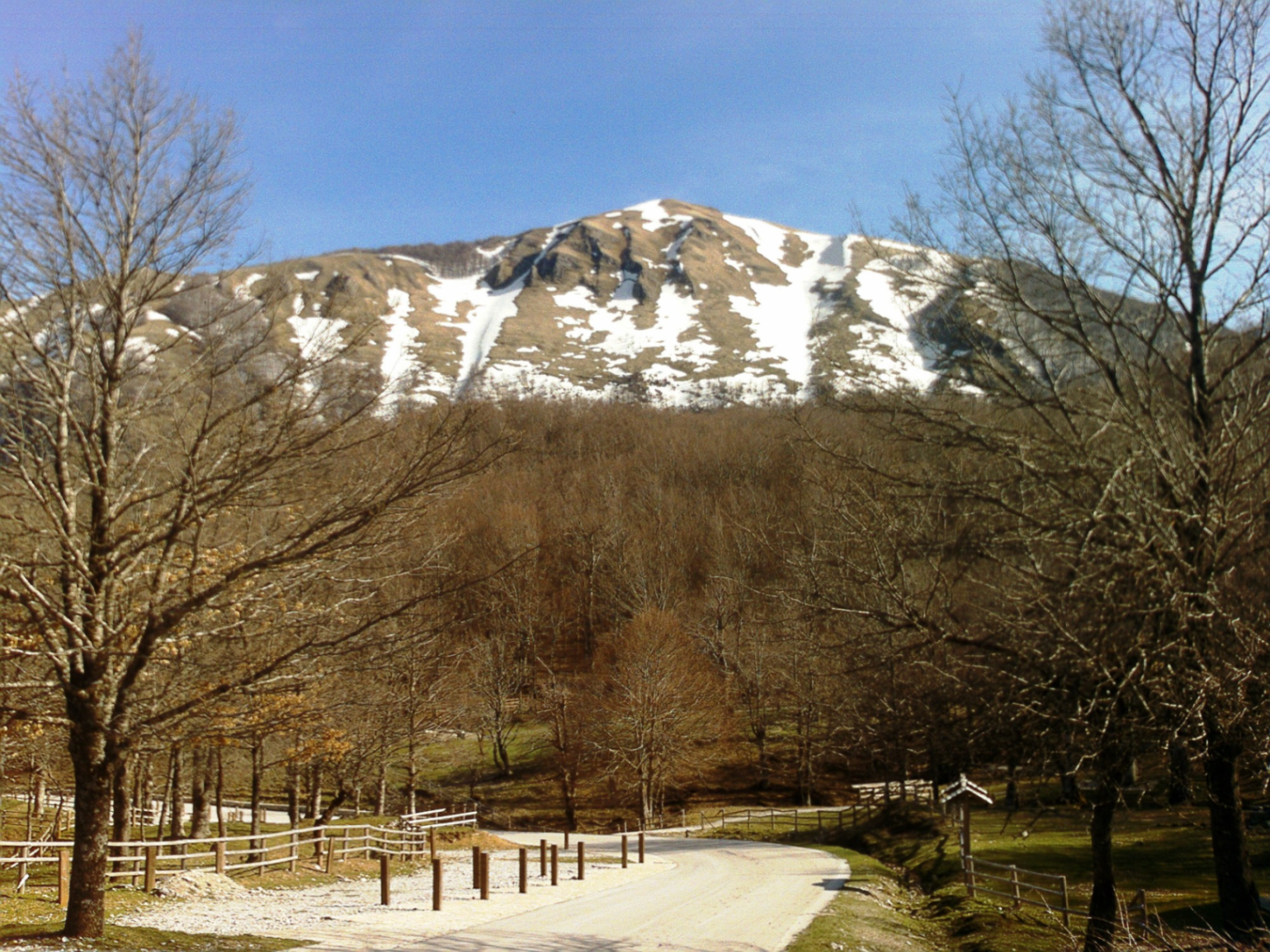
Natura 2000 · resident
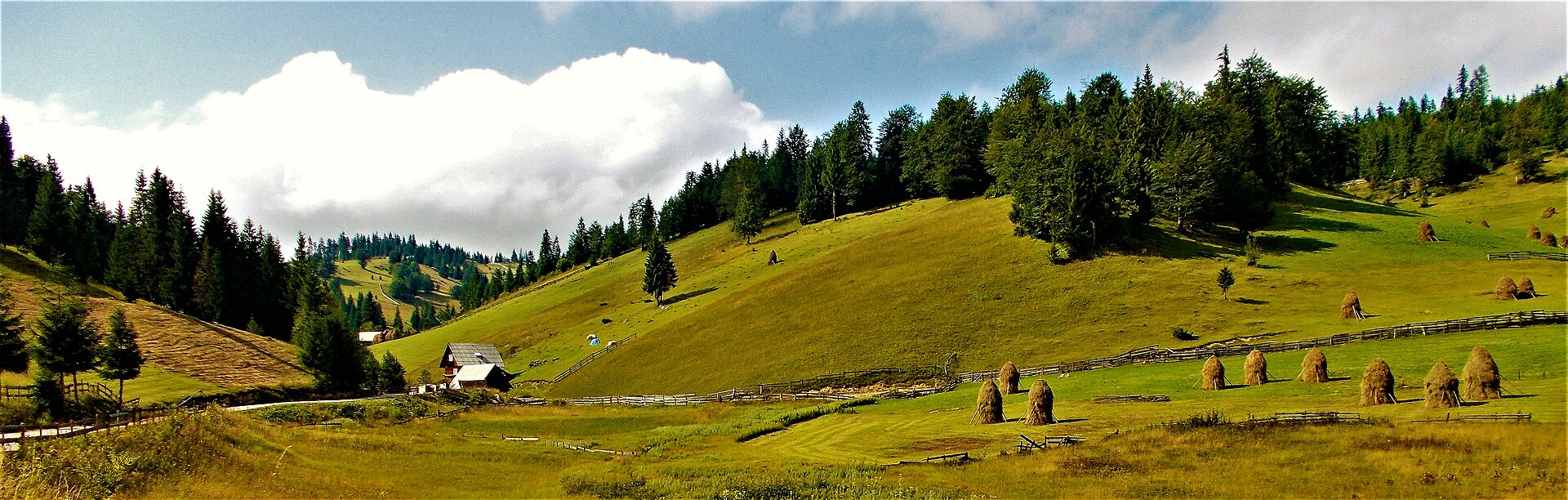
Natura 2000 · breeding

Natura 2000 · breeding
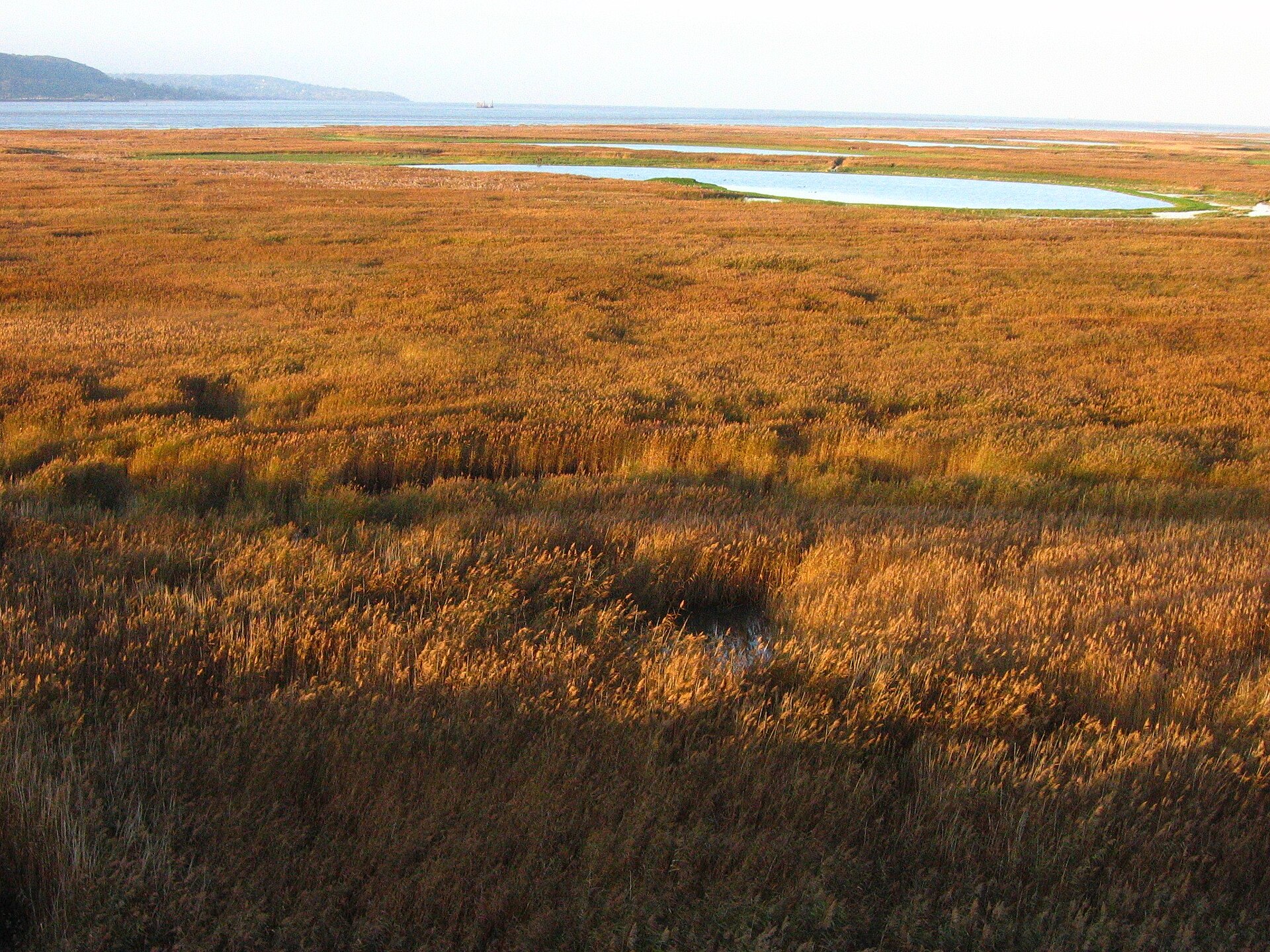
Natura 2000 · breeding, wintering
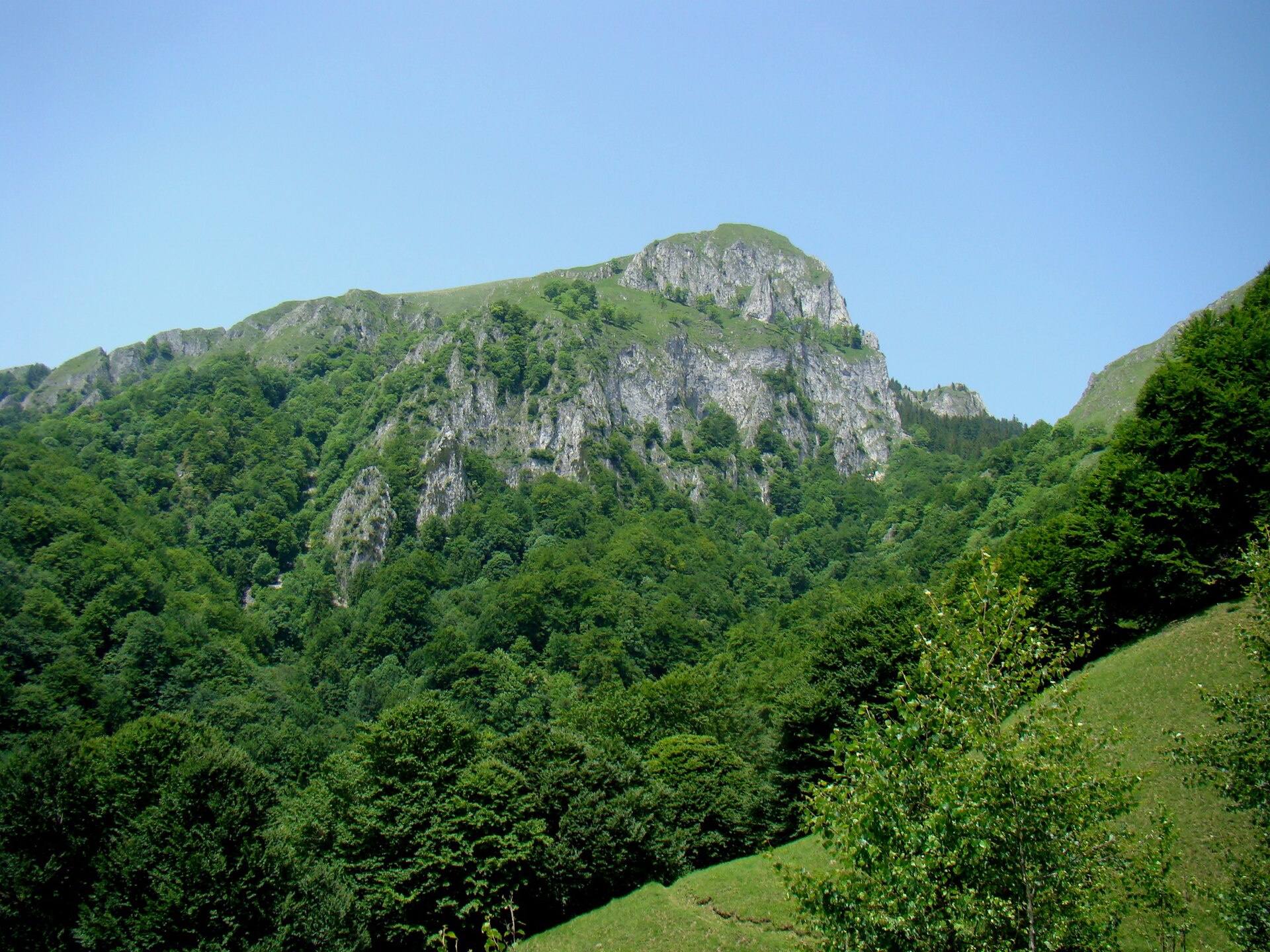
Natura 2000 · resident
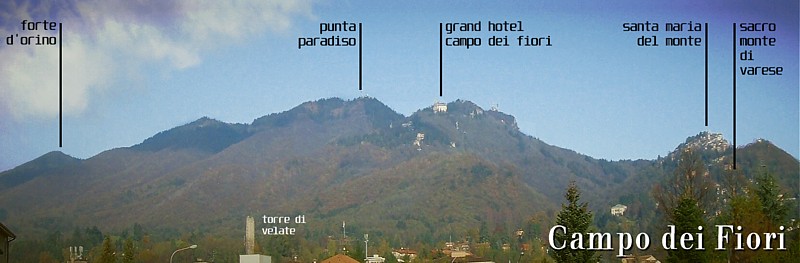
Natura 2000 · wintering

Natura 2000 · breeding
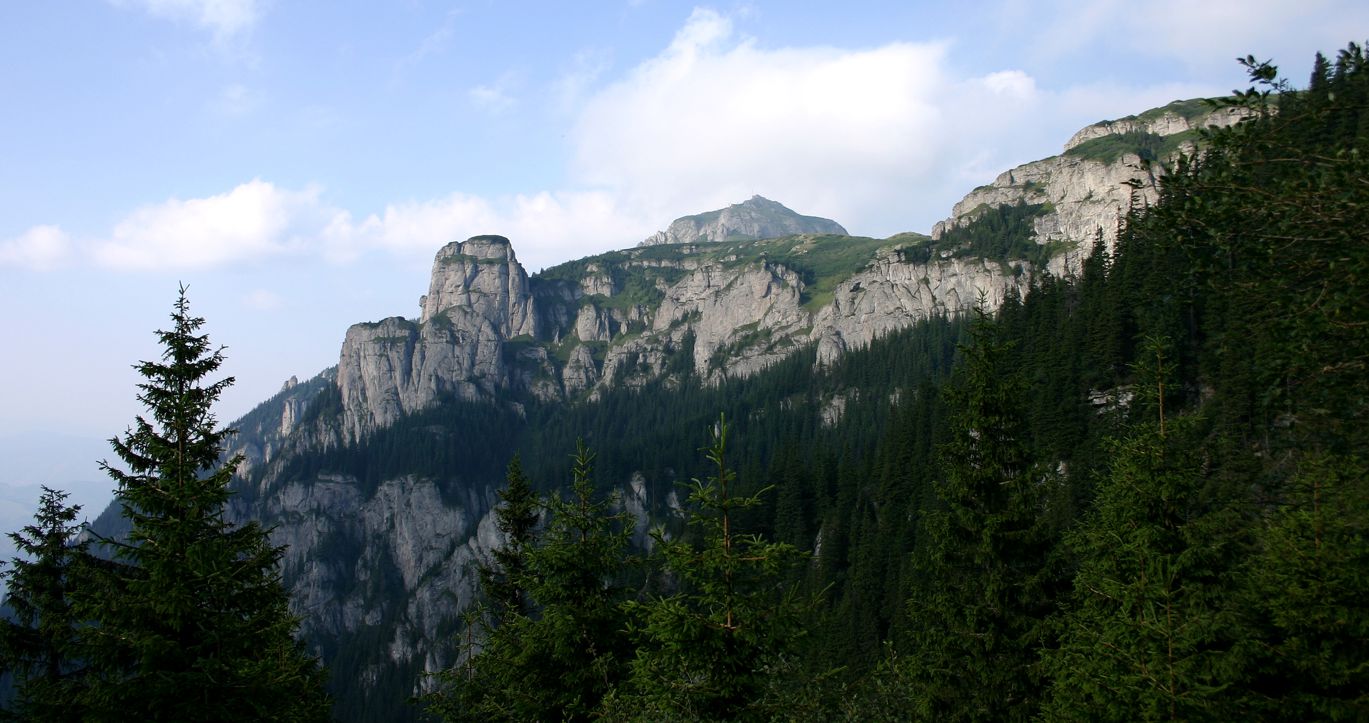
Natura 2000 · resident
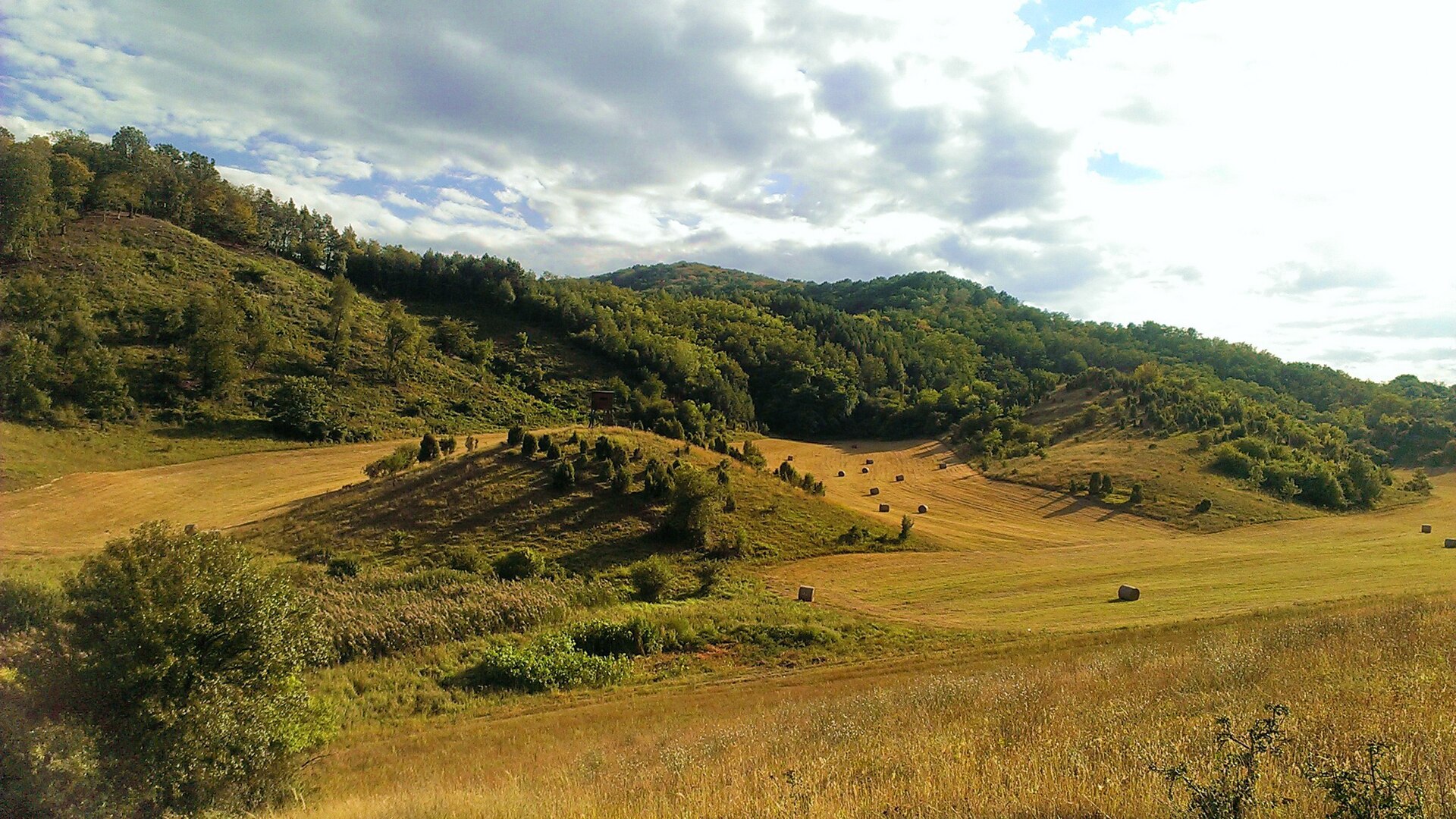
Natura 2000
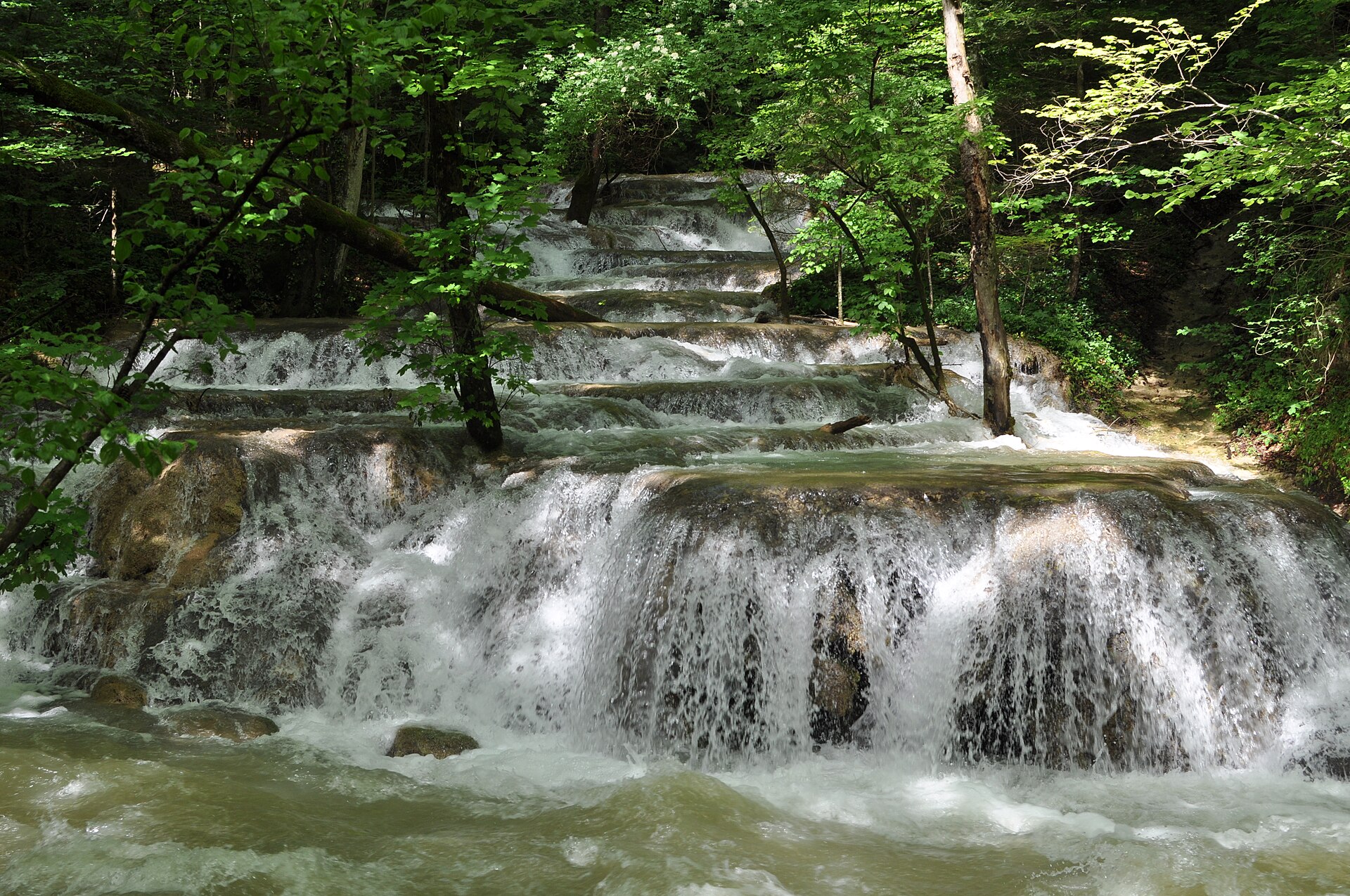
Natura 2000 · breeding
Natura 2000 · resident
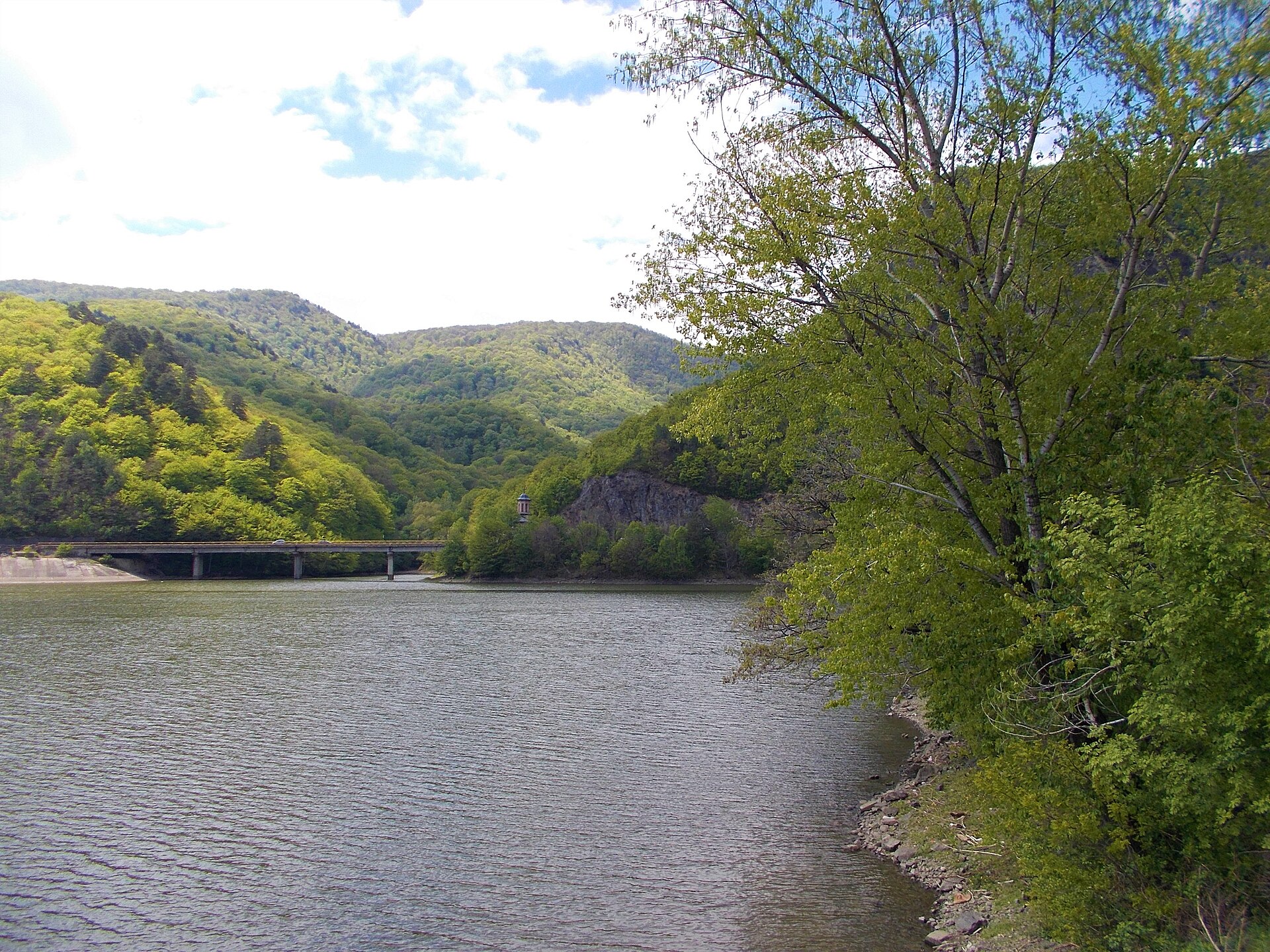
Natura 2000 · resident
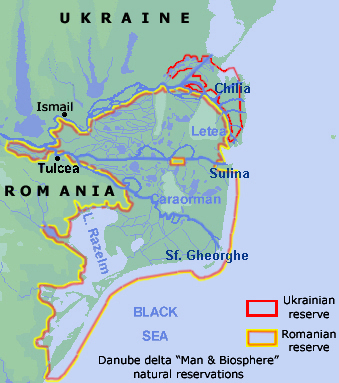
Natura 2000 · breeding, resident
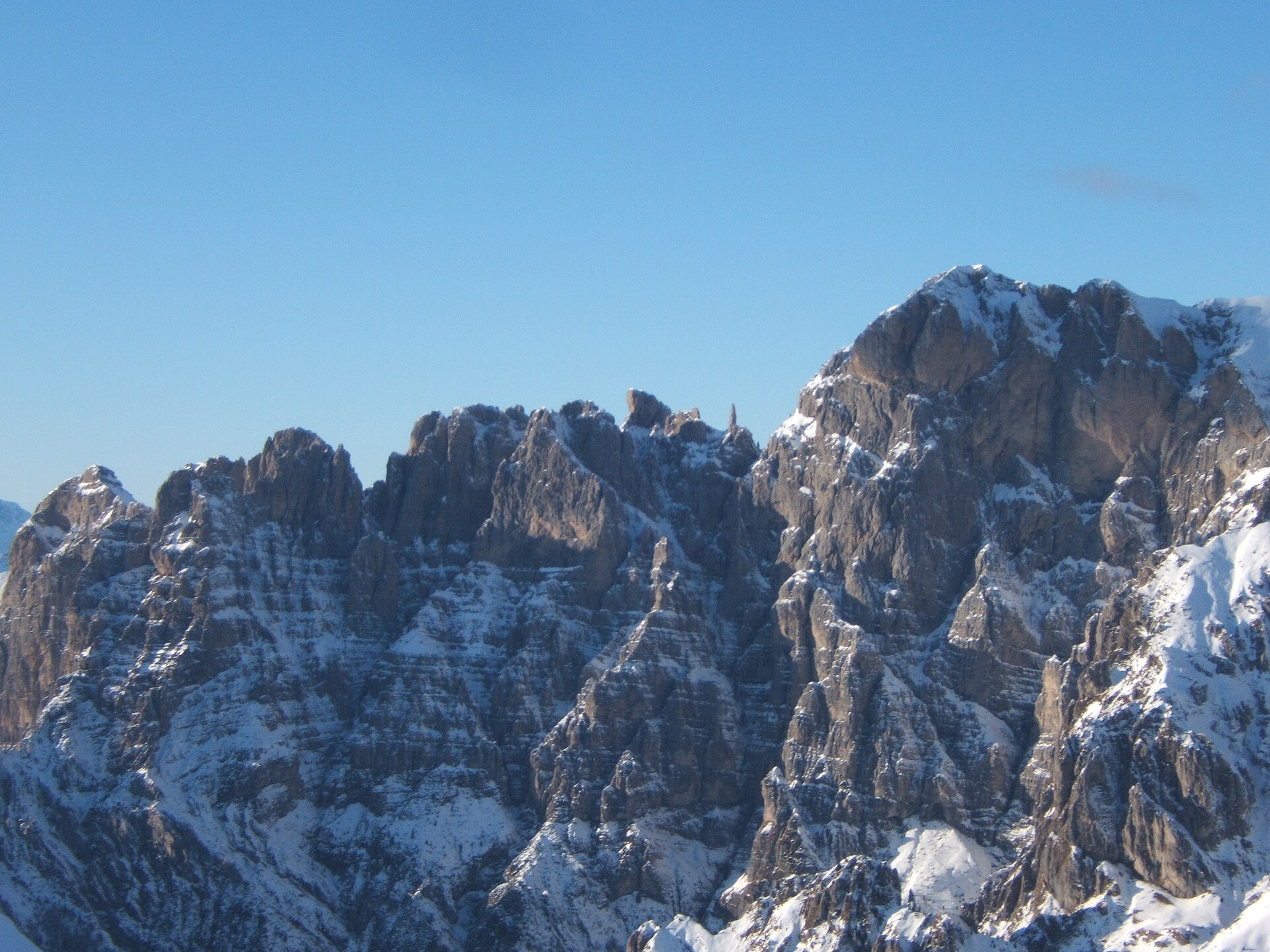
Natura 2000 · breeding
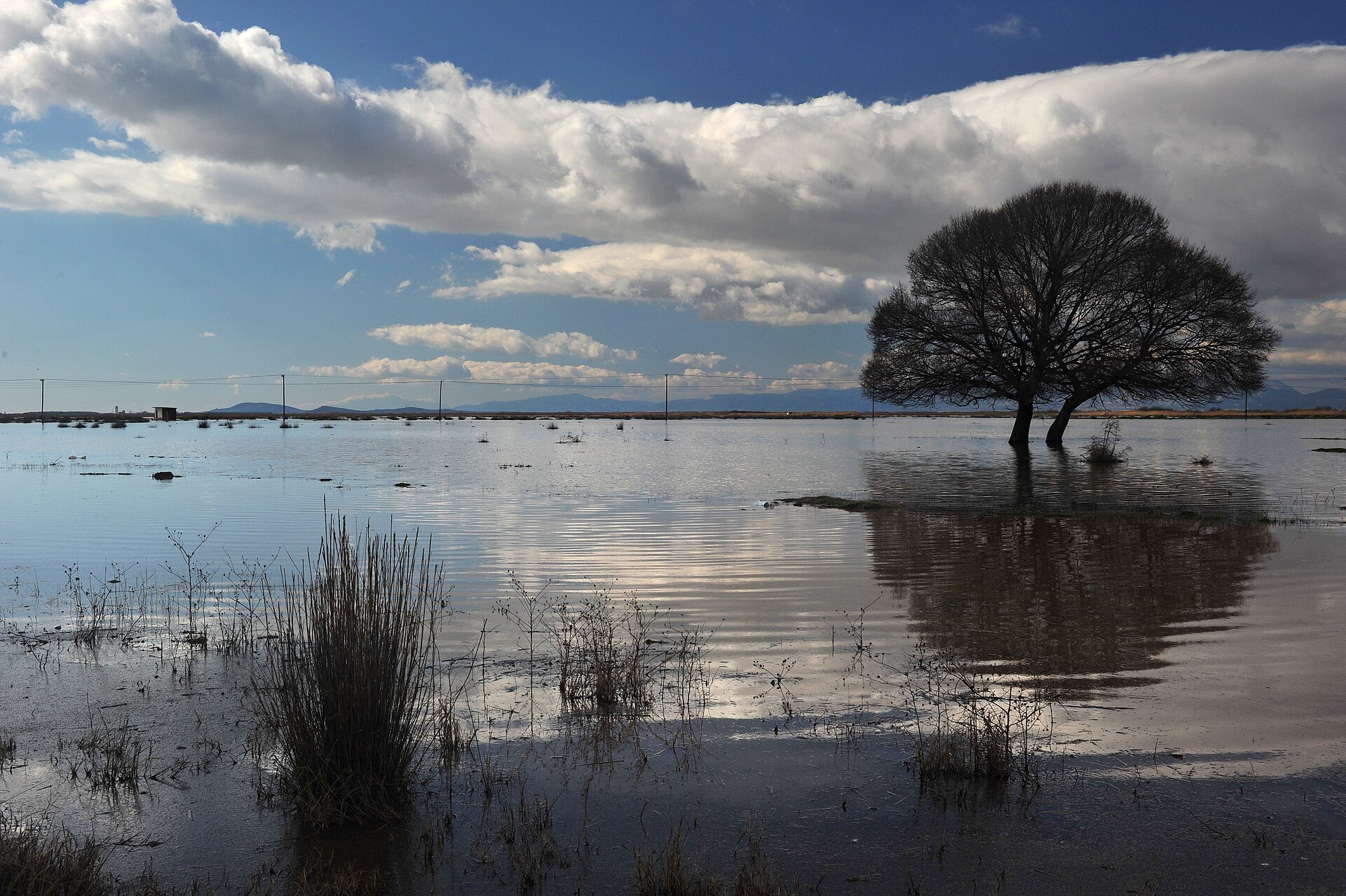
Natura 2000 · resident, breeding

Natura 2000 · breeding, passage, wintering, resident
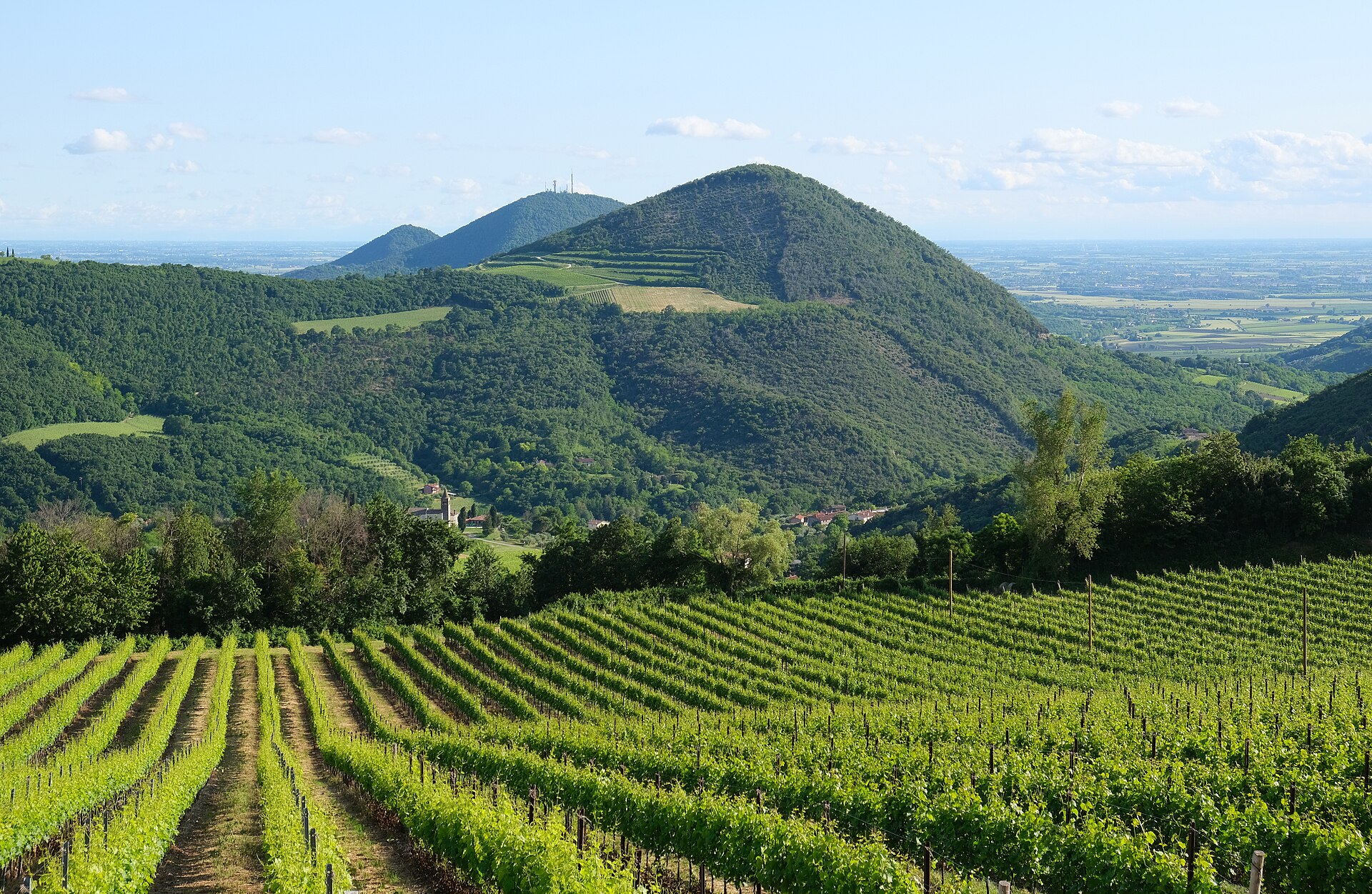
Natura 2000 · breeding
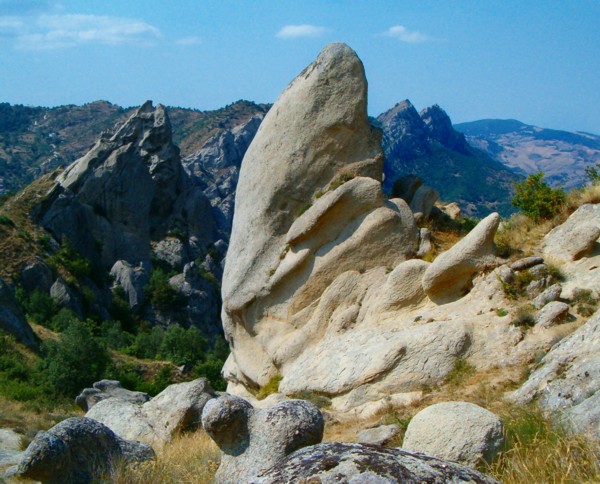
Natura 2000 · resident
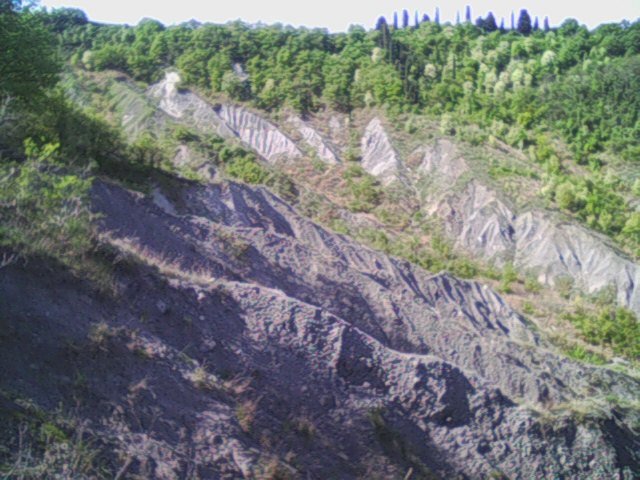
Natura 2000 · breeding
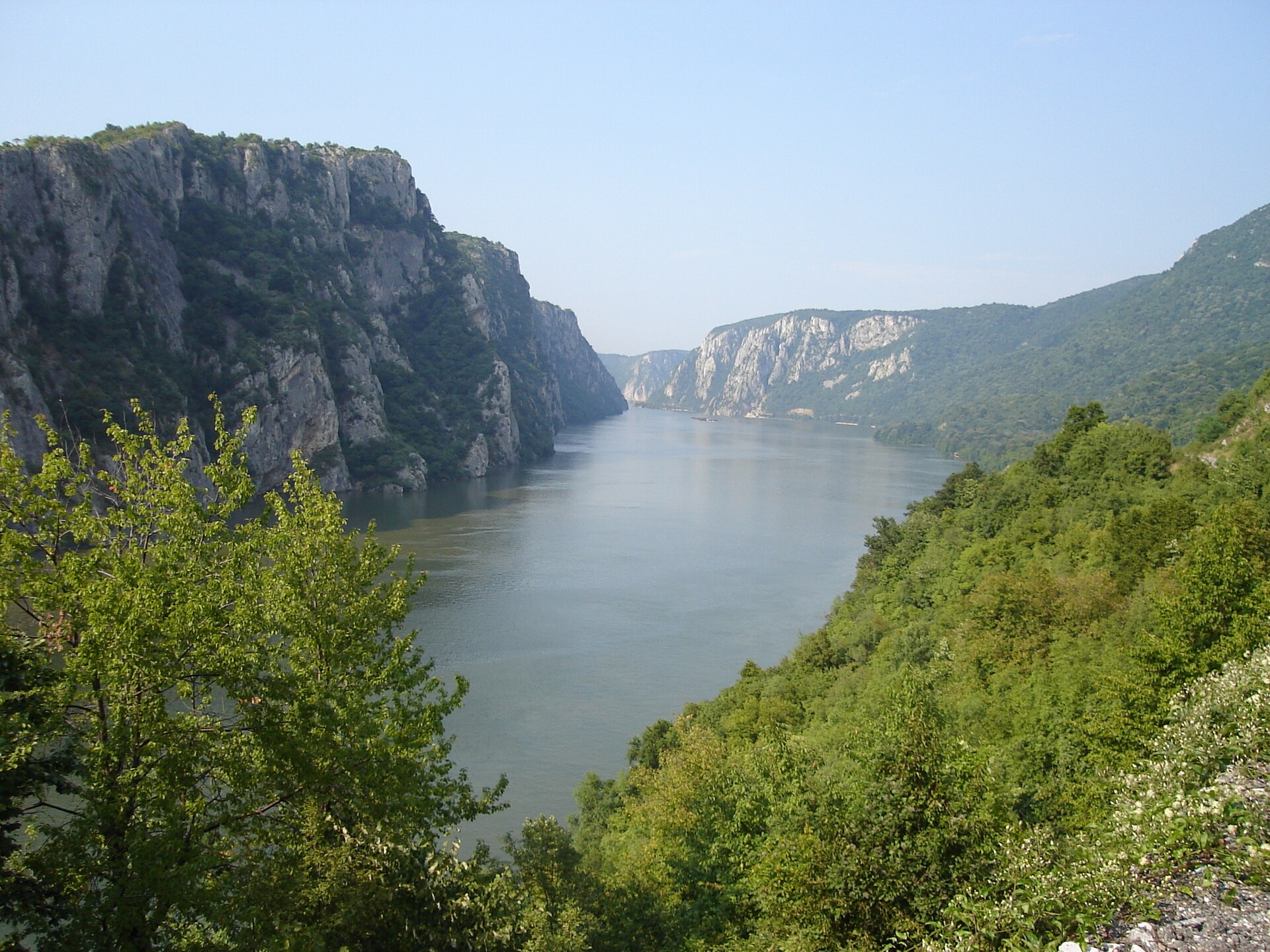
Natura 2000 · passage
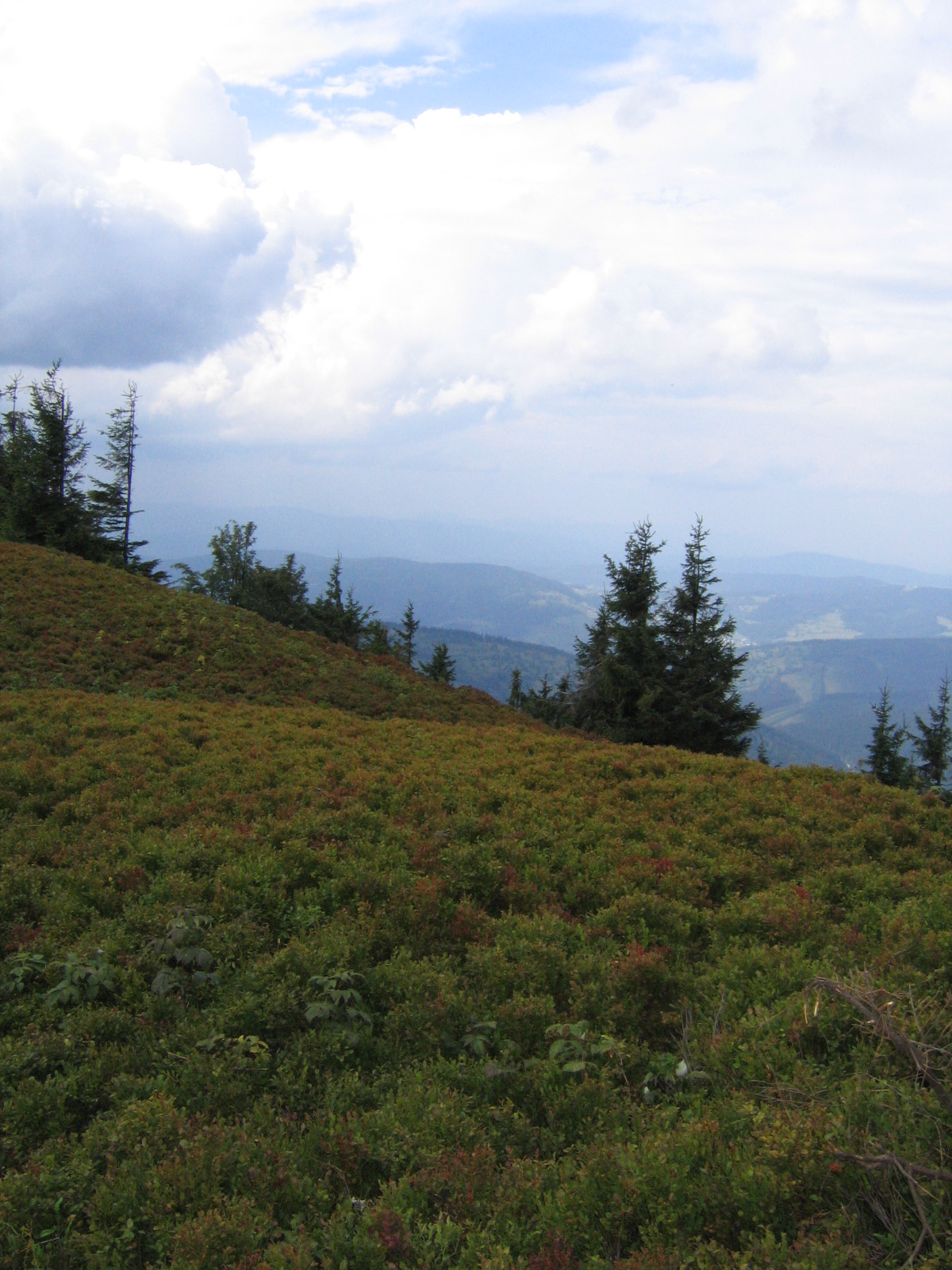
Natura 2000
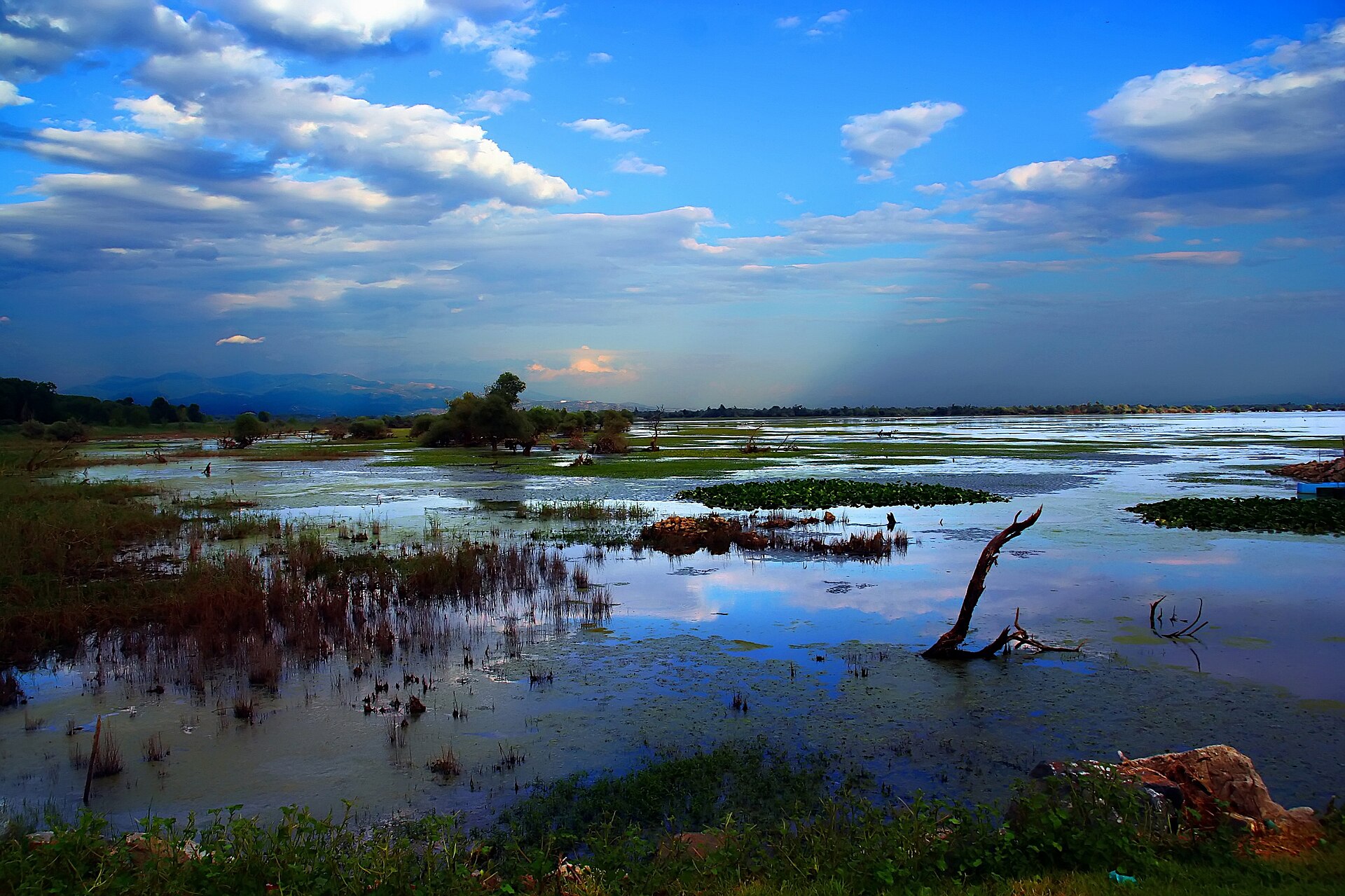
Natura 2000 · resident
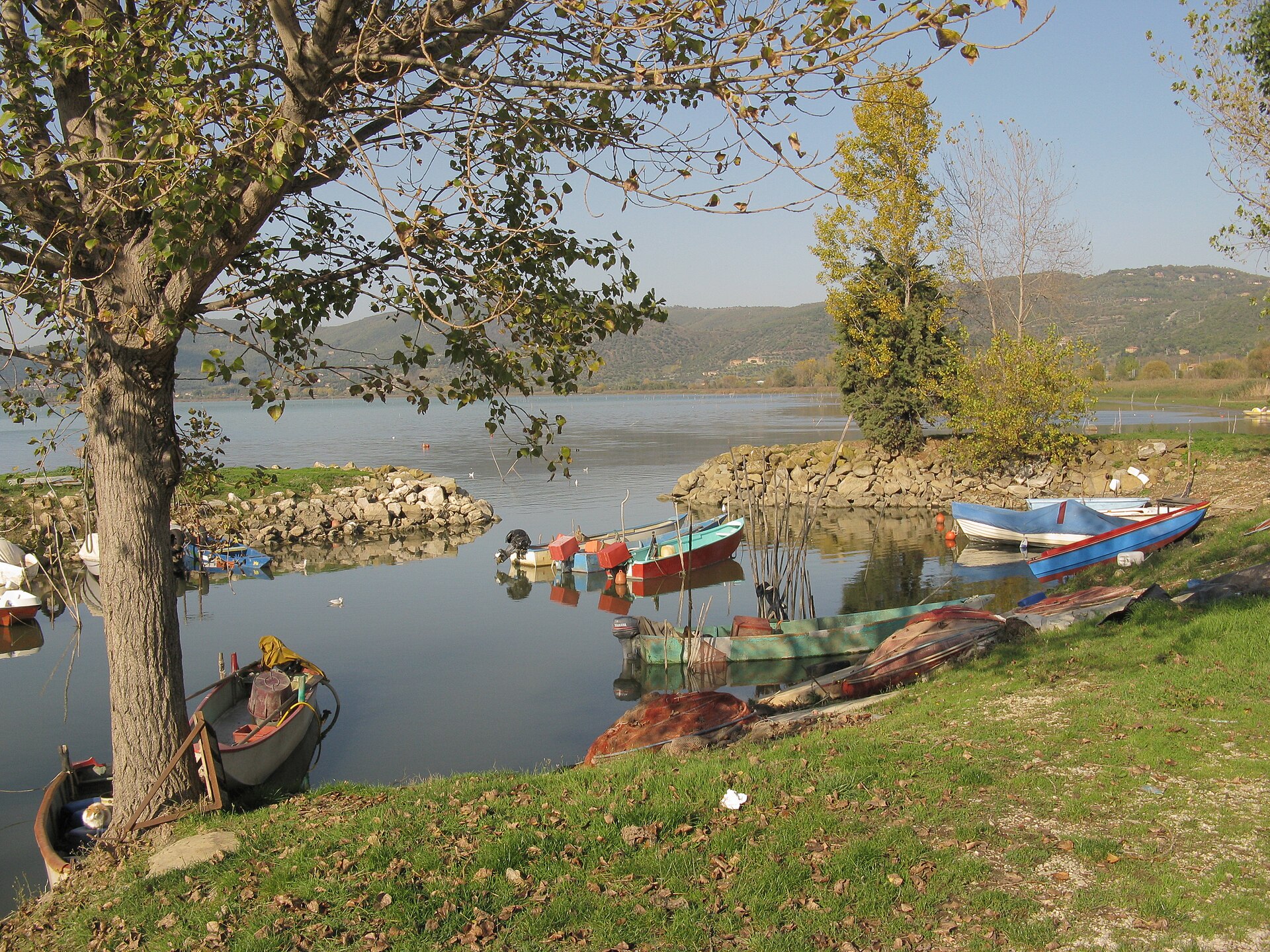
Natura 2000
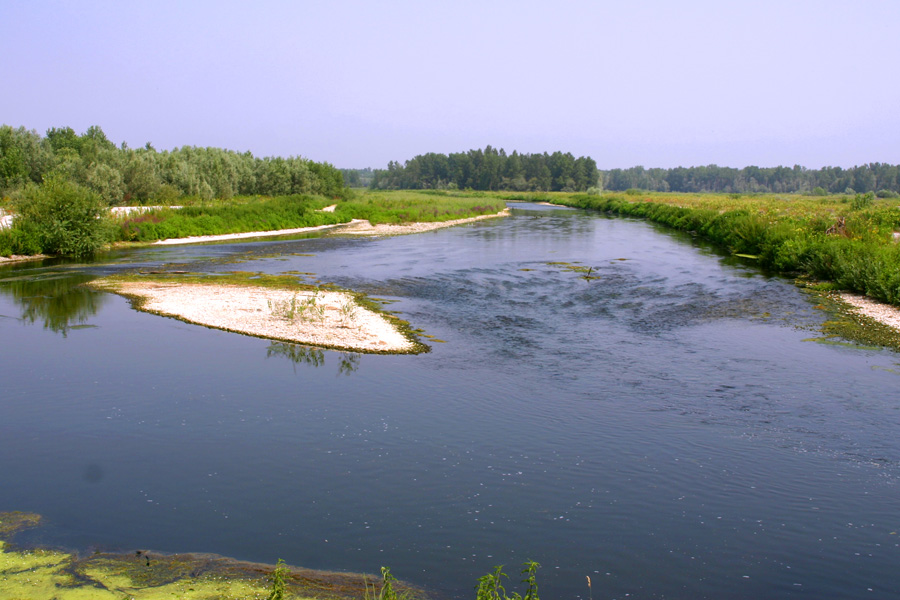
Natura 2000 · resident
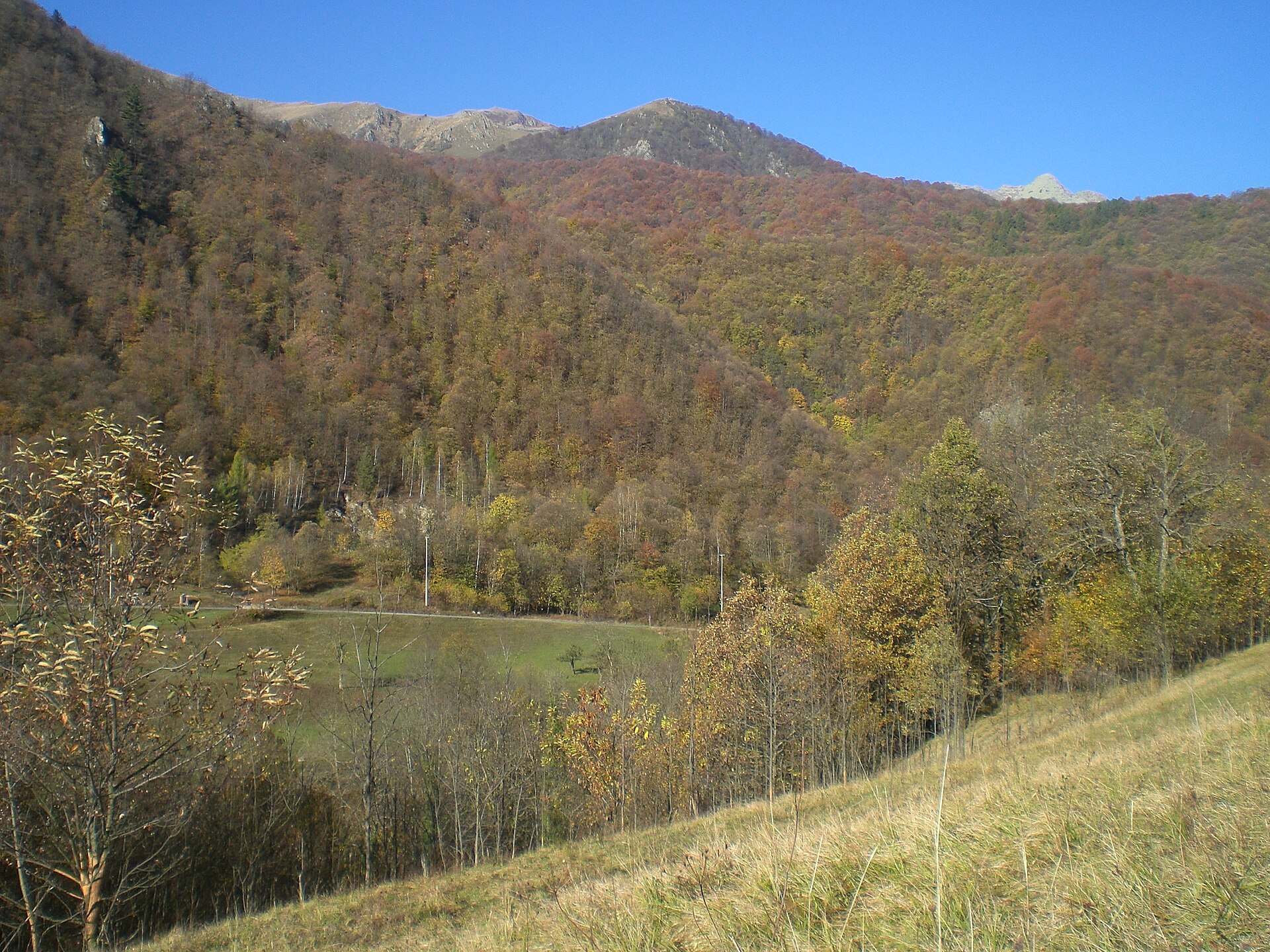
Natura 2000 · breeding
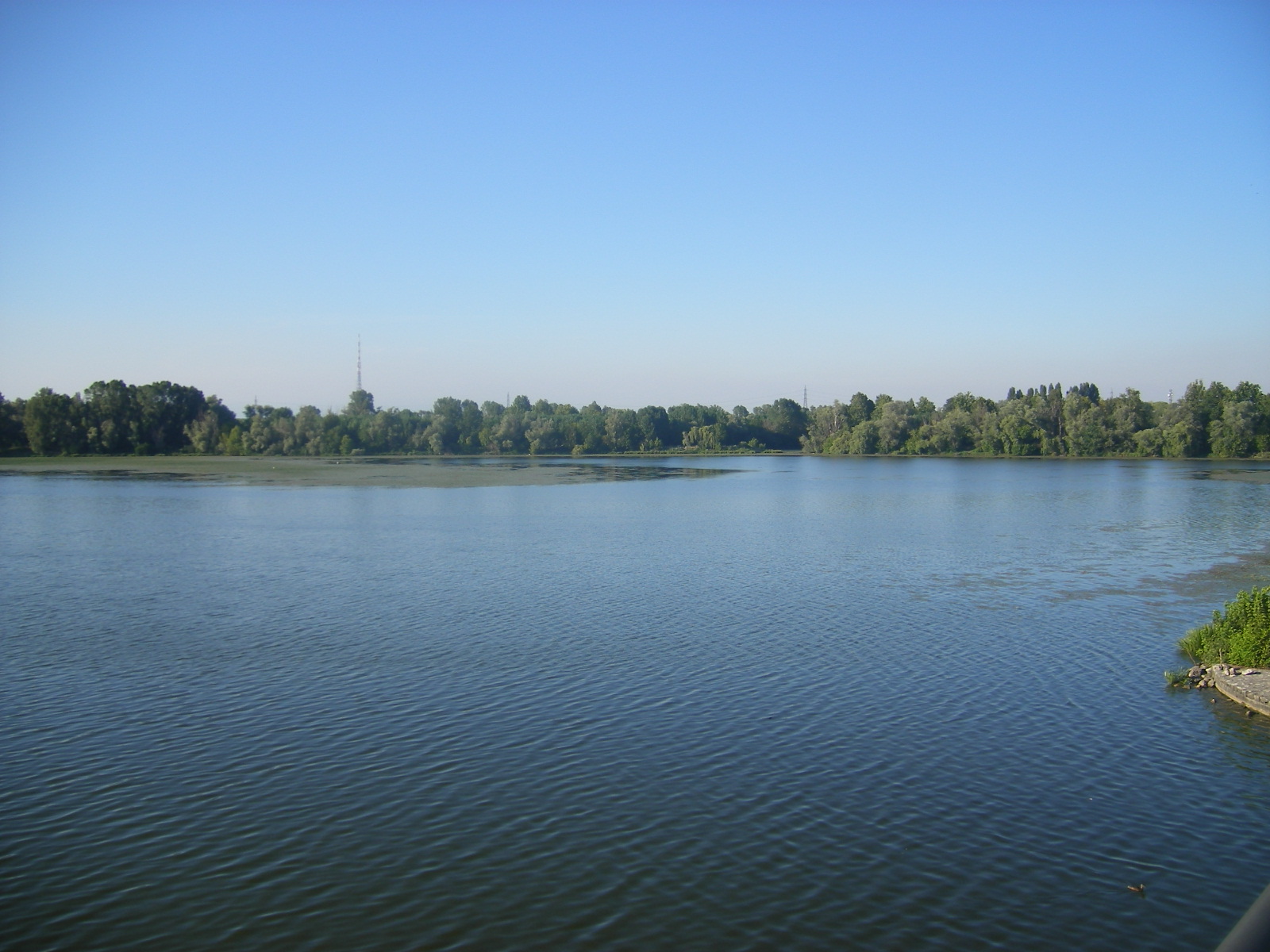
Natura 2000 · breeding, wintering, resident, passage

Natura 2000 · resident

Natura 2000
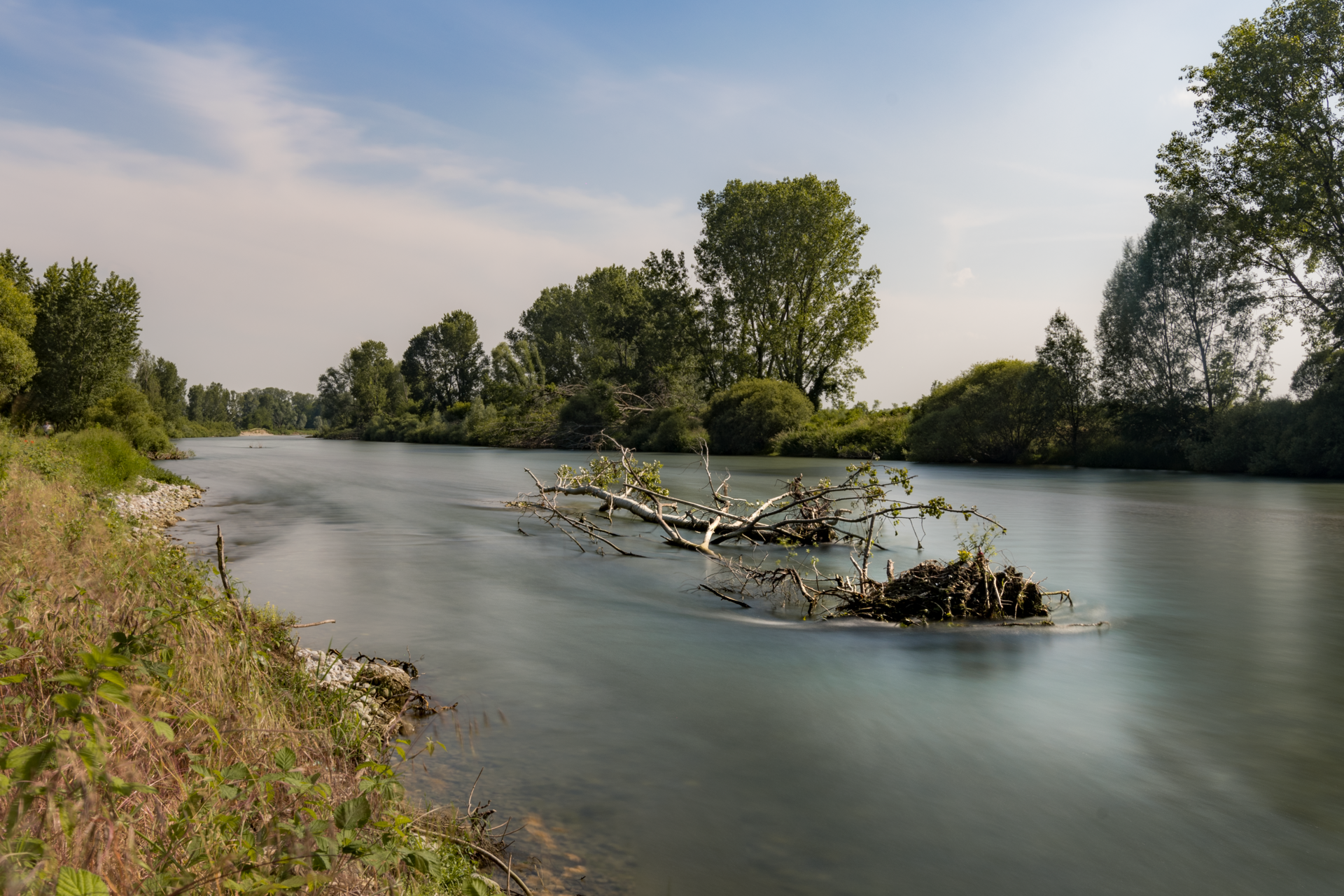
Natura 2000 · resident, wintering, breeding
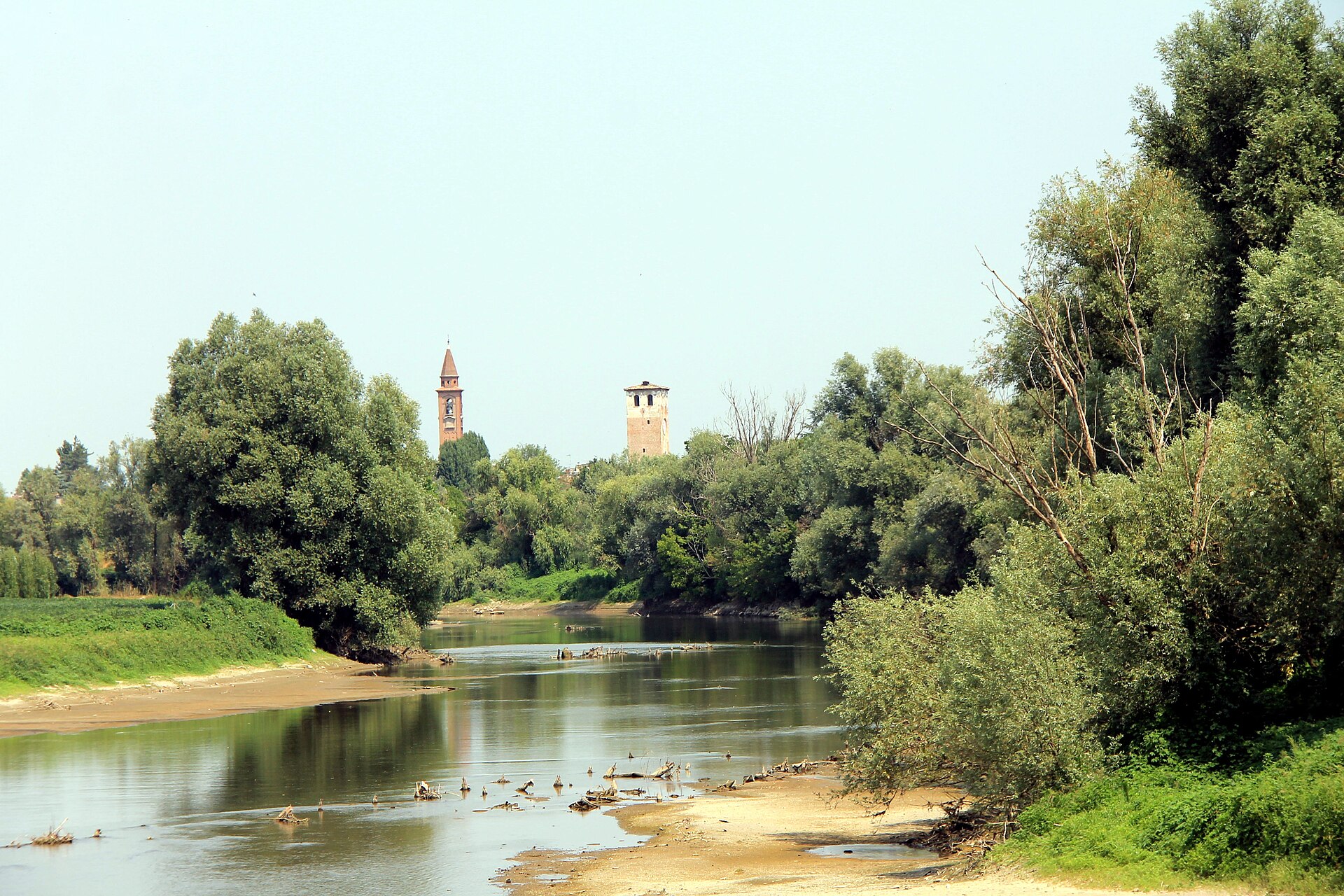
Natura 2000 · resident, breeding, wintering, passage
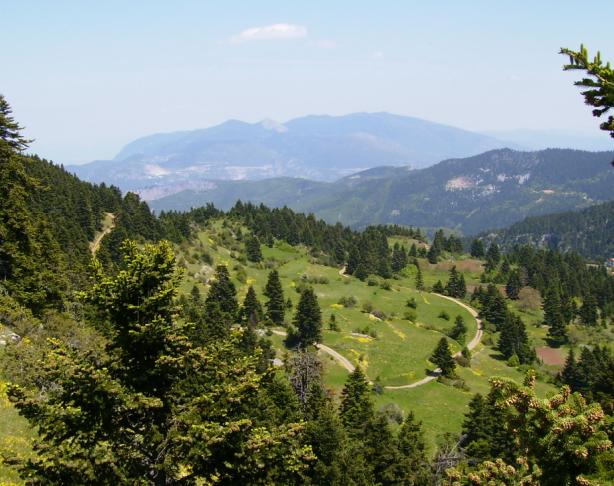
Natura 2000 · resident
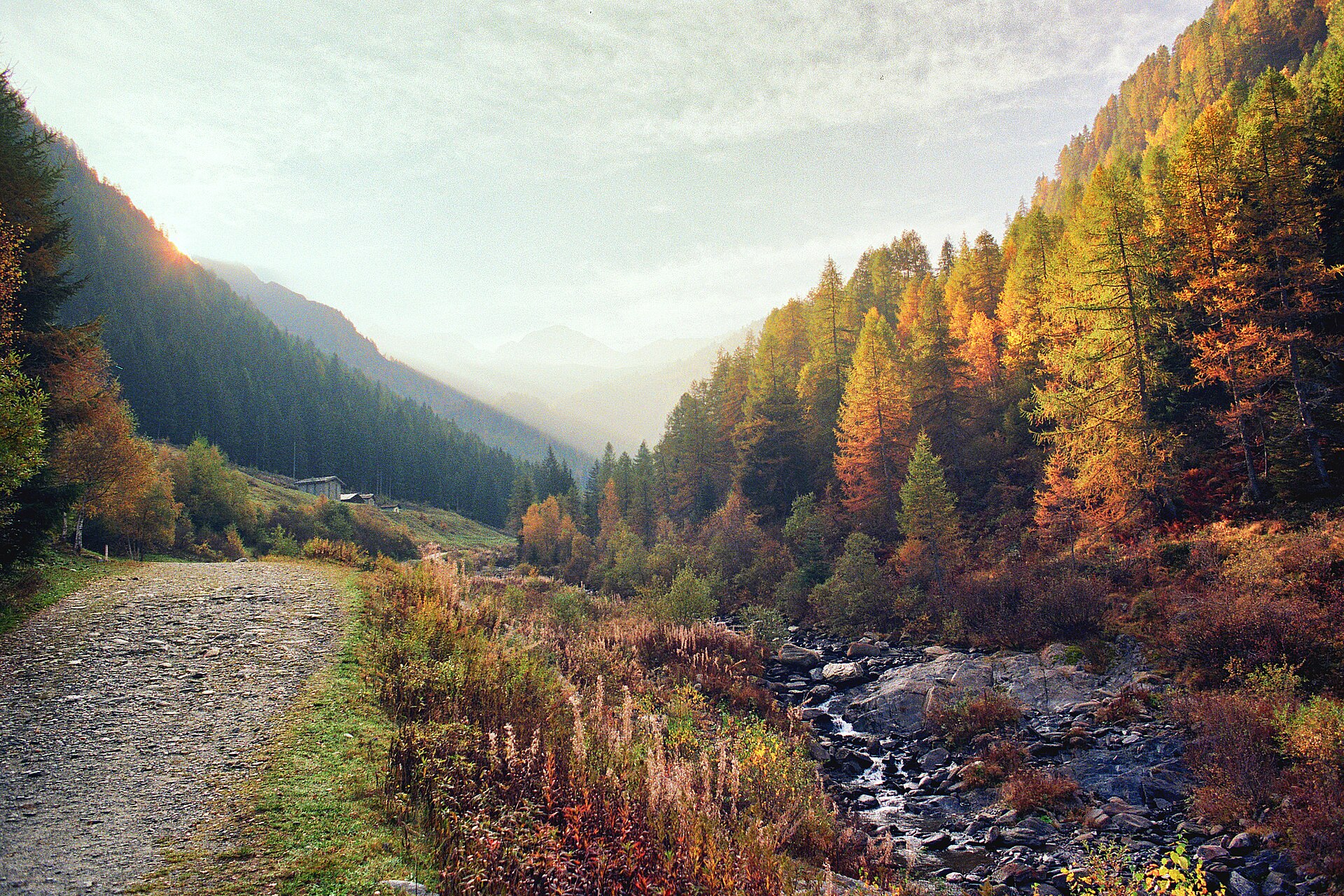
Natura 2000 · breeding, resident, wintering

Natura 2000 · passage
Natura 2000 · breeding, wintering
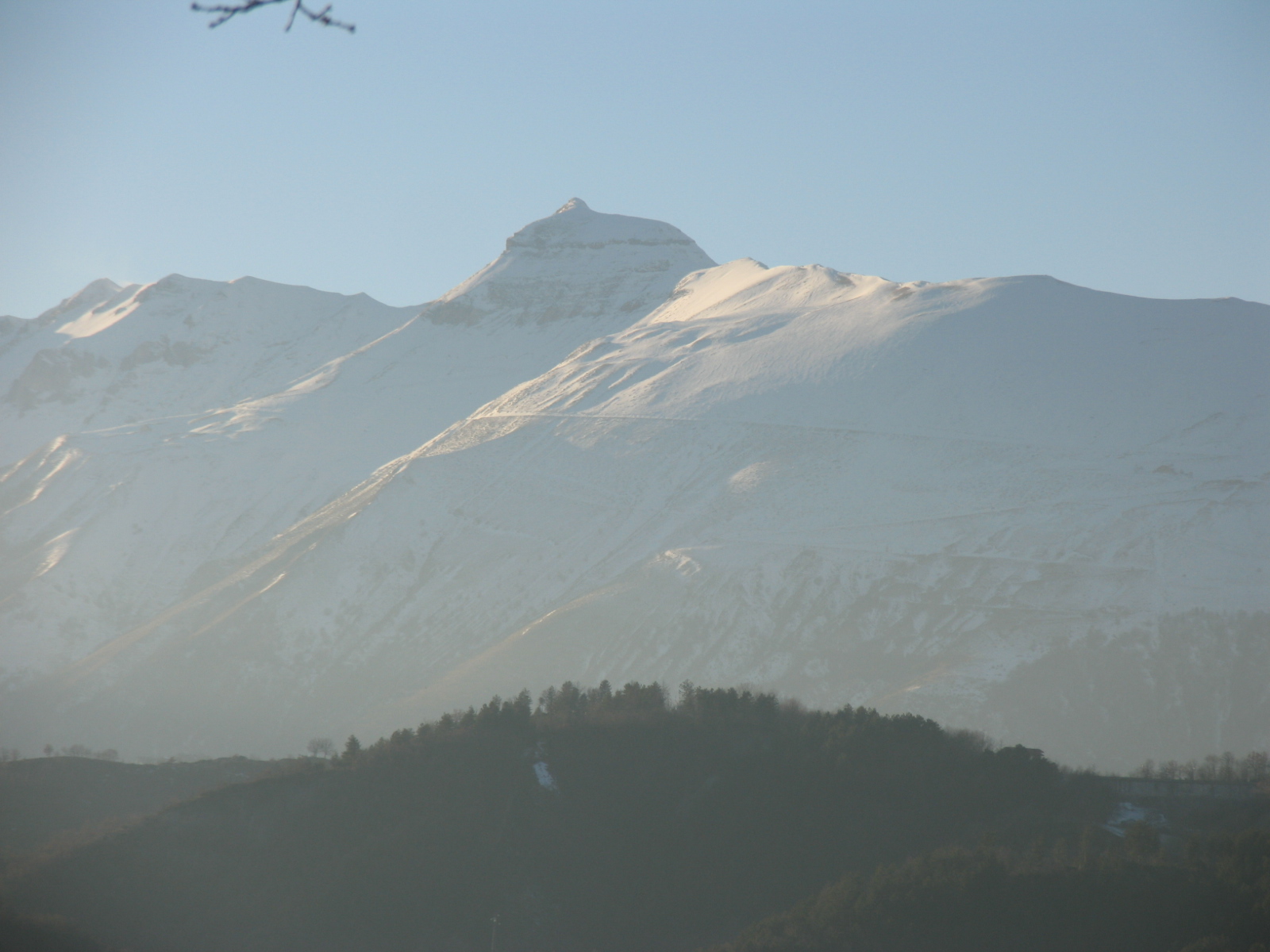
Natura 2000 · breeding
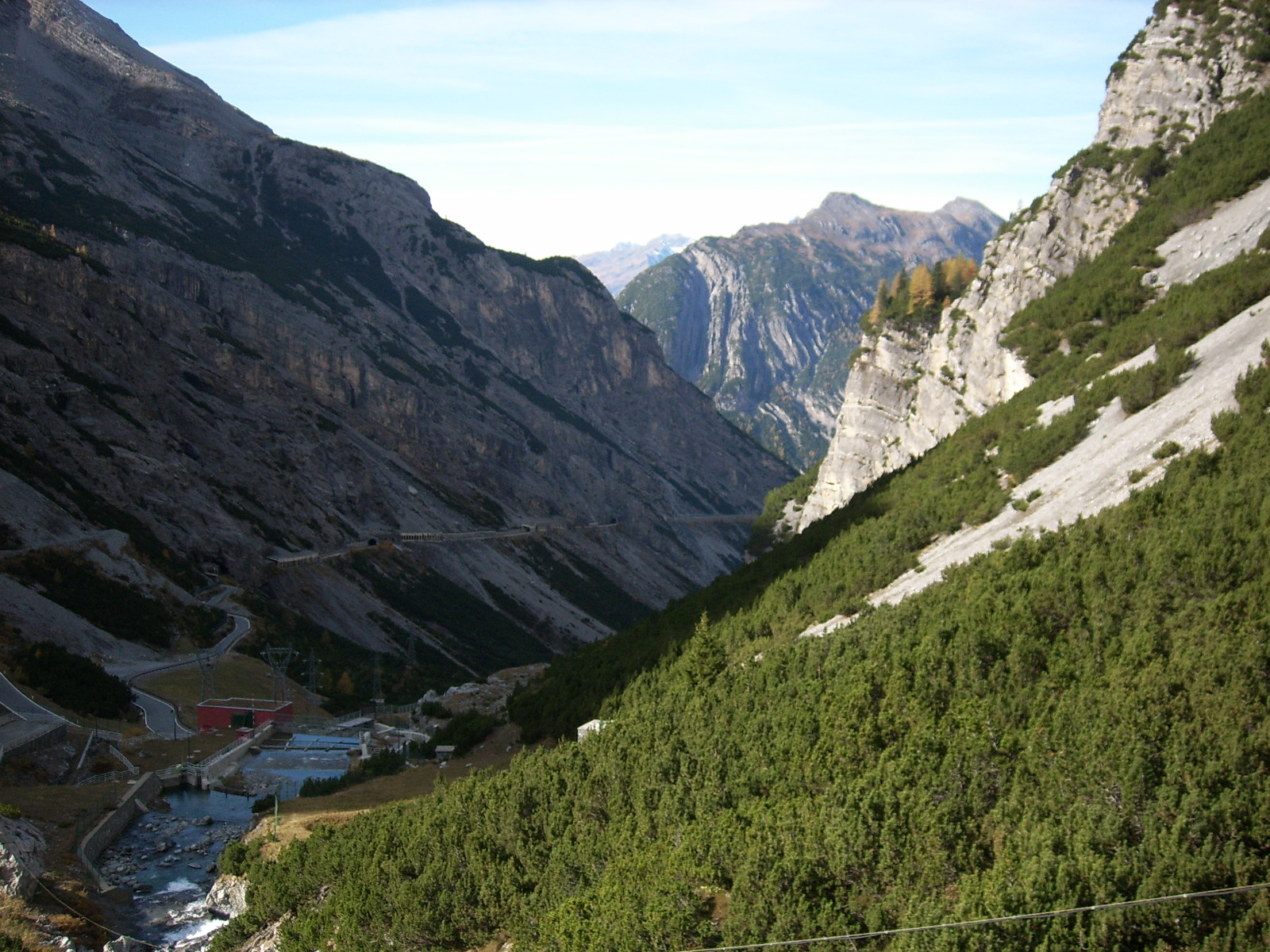
Natura 2000 · resident, breeding
Natura 2000 · passage, resident, wintering, breeding

Natura 2000 · breeding
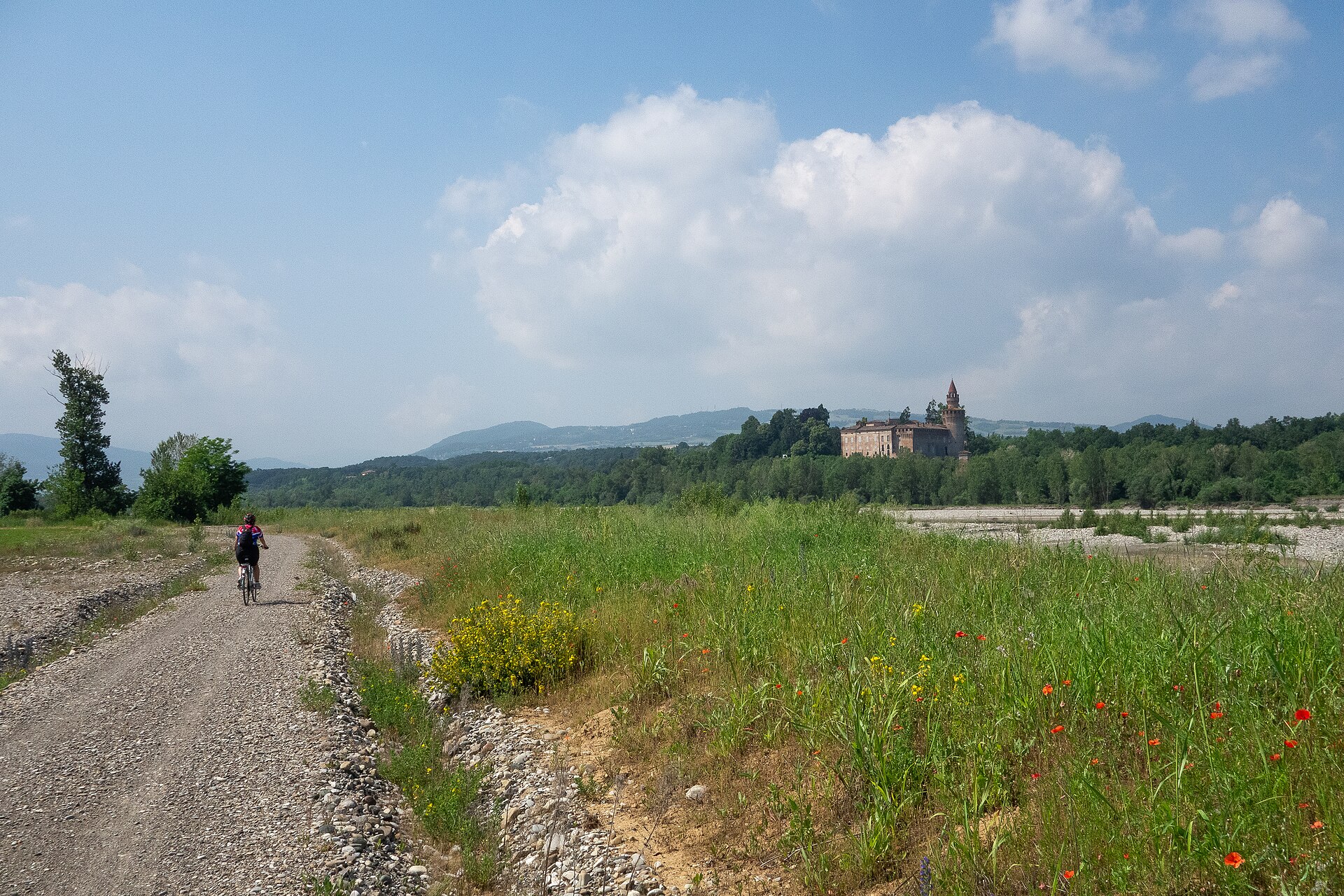
Natura 2000 · wintering, passage, breeding, resident

Natura 2000 · breeding, passage
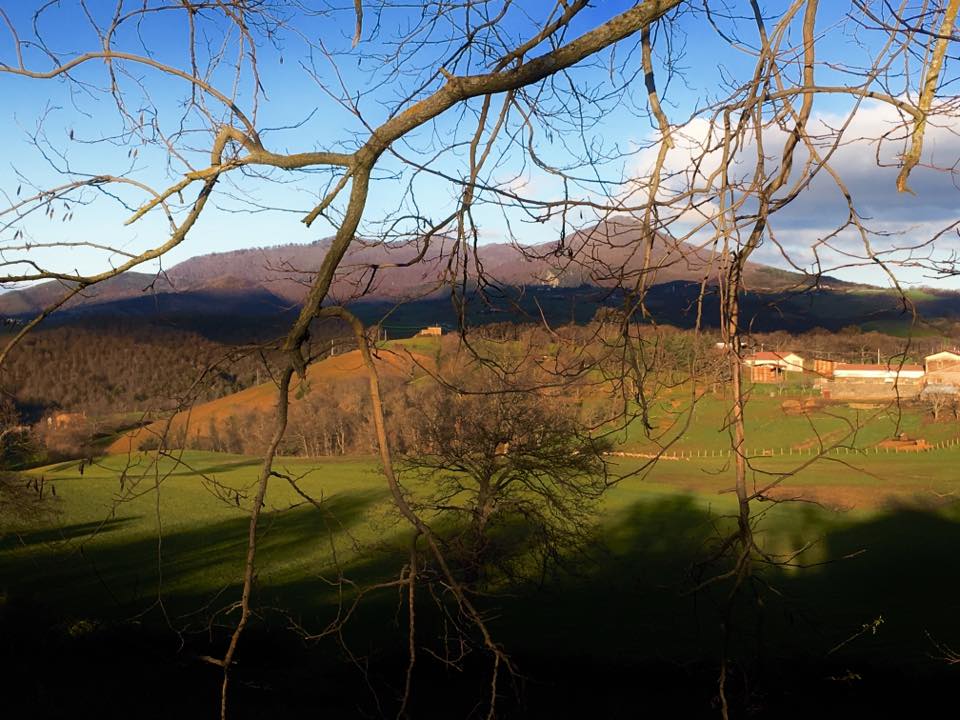
Natura 2000 · resident

Natura 2000 · breeding
Other species to discover


Sources and credits
- Presence: most-recorded species of each place on GBIF and species of Community interest in the Natura 2000 forms (EEA, CC-BY 4.0); absence from the list does not mean the species is absent.
- Common names: Wikidata (CC0) and GBIF.
- Photos and sounds: Wikimedia Commons, author and licence given for each file.
- Classification: GBIF Backbone Taxonomy (GBIF Secretariat), CC BY 4.0, doi:10.15468/39omei.
- Countries, elevations, months and maps: GBIF.org, CC0 or CC BY 4.0 occurrences only, accessed October 22, 2026, GBIF.org.
- Base map: Natural Earth (public domain).
- Excerpt: Wikipedia, CC BY-SA 4.0 (full credit below the excerpt).
- Key facts: Wikidata (CC0), with the references cited under each value.