
Bird
Savi's Warbler: where to see it
Locustella luscinioides
This bird species is recorded in 63 protected areas of the atlas, including 56 whose official Natura 2000 form lists it. Within the atlas countries, it is mostly observed in Sweden, France and Spain (19 countries in all). Most records (8 in 10) lie between sea level and 330 m. Records peak from April to June. It has a wingspan of 20 cm.
Best time to see it: April–June
Records published on GBIF by month (CC0 and CC BY 4.0 licences only), in the atlas countries, all years combined; they also reflect observer activity.
Key facts
- Wingspan
- 20 cm Wikidata, after app.bto.org
- Clutch size
- 4.5 eggs on average Wikidata, after Jetz et al. 2008
- Incubation
- 10 days Wikidata, after British Trust for Ornithology
Distribution
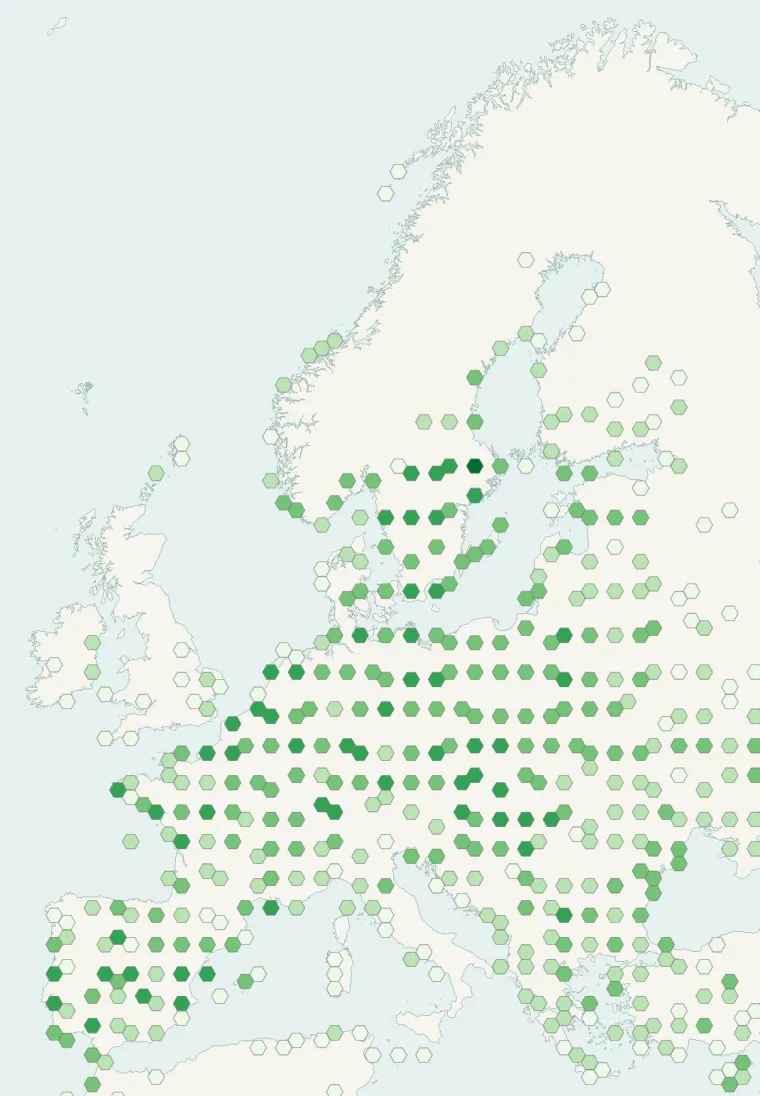
Records published on GBIF (CC0 and CC BY 4.0 licences): the darker the shade, the more records there are; they also reflect observation effort.
Atlas countries where it is recorded
Listen
-
0:26 · © Pascal Christe · CC BY-SA 4.0 · Wikimedia Commons · Original file
-
1:32 · © Darekk2 · CC BY-SA 3.0 · Wikimedia Commons · Original file
From Wikipedia
Savi's warbler (Locustella luscinioides) is a species of Old World warbler in the genus Locustella. It breeds in Europe and the western Palearctic. It is migratory, wintering in northern and sub-Saharan Africa. This small passerine bird is found in reed beds, usually with some bushes. Three to six eggs are laid in a nest in reeds. The adult has an unstreaked grey-brown back, whitish grey underparts and a lack of throat streaks, which is a distinction from the river warbler. The sexes are identical, as with most warblers, but young birds are yellower below.
Source: Wikipedia, article “Savi's warbler” (version of June 22, 2026) · history and authors · licence CC BY-SA 4.0 · shortened excerpt
Protected areas where it is recorded

Natura 2000 · breeding 3 records

1,049 records
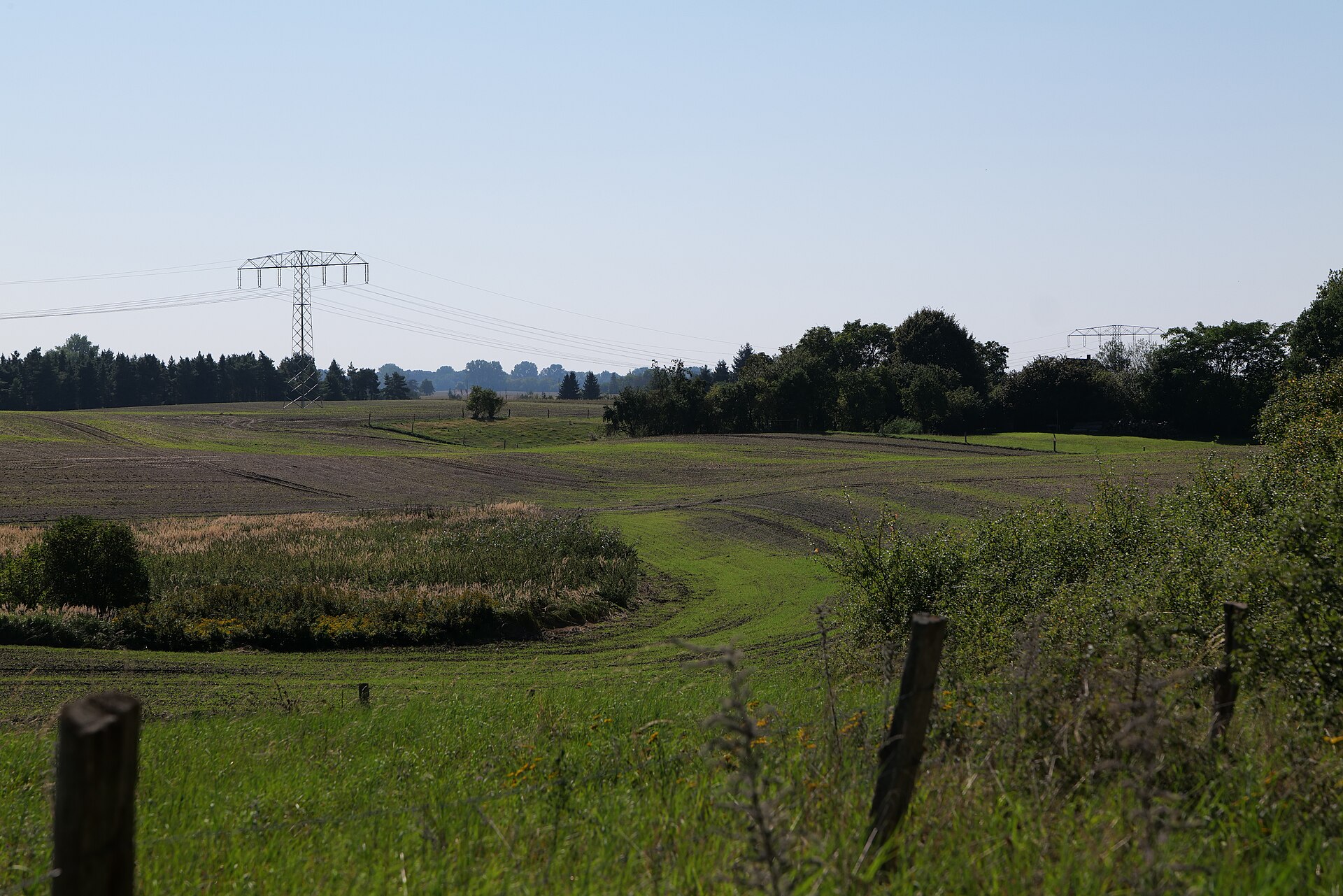
332 records

134 records

98 records
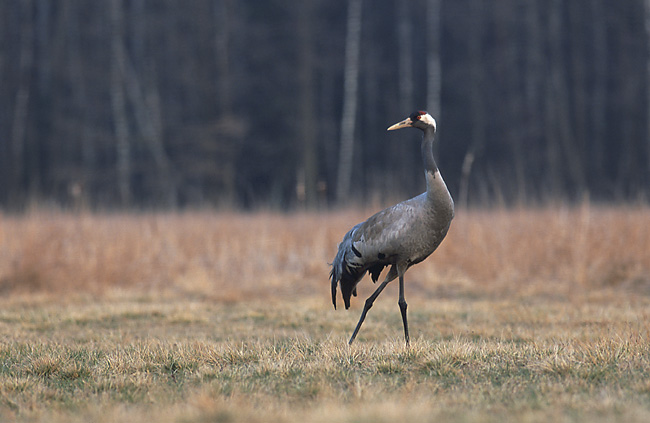
43 records
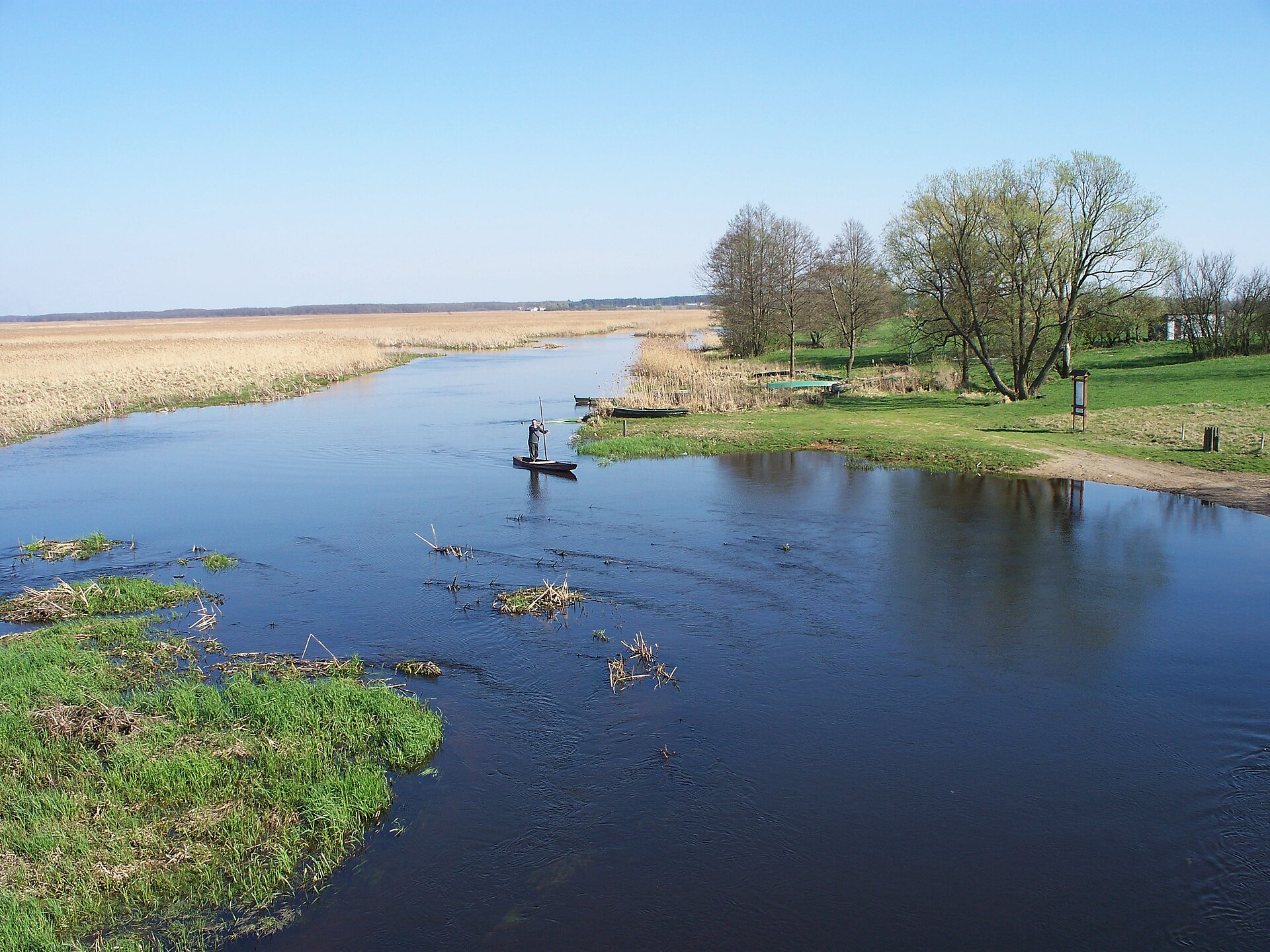
40 records
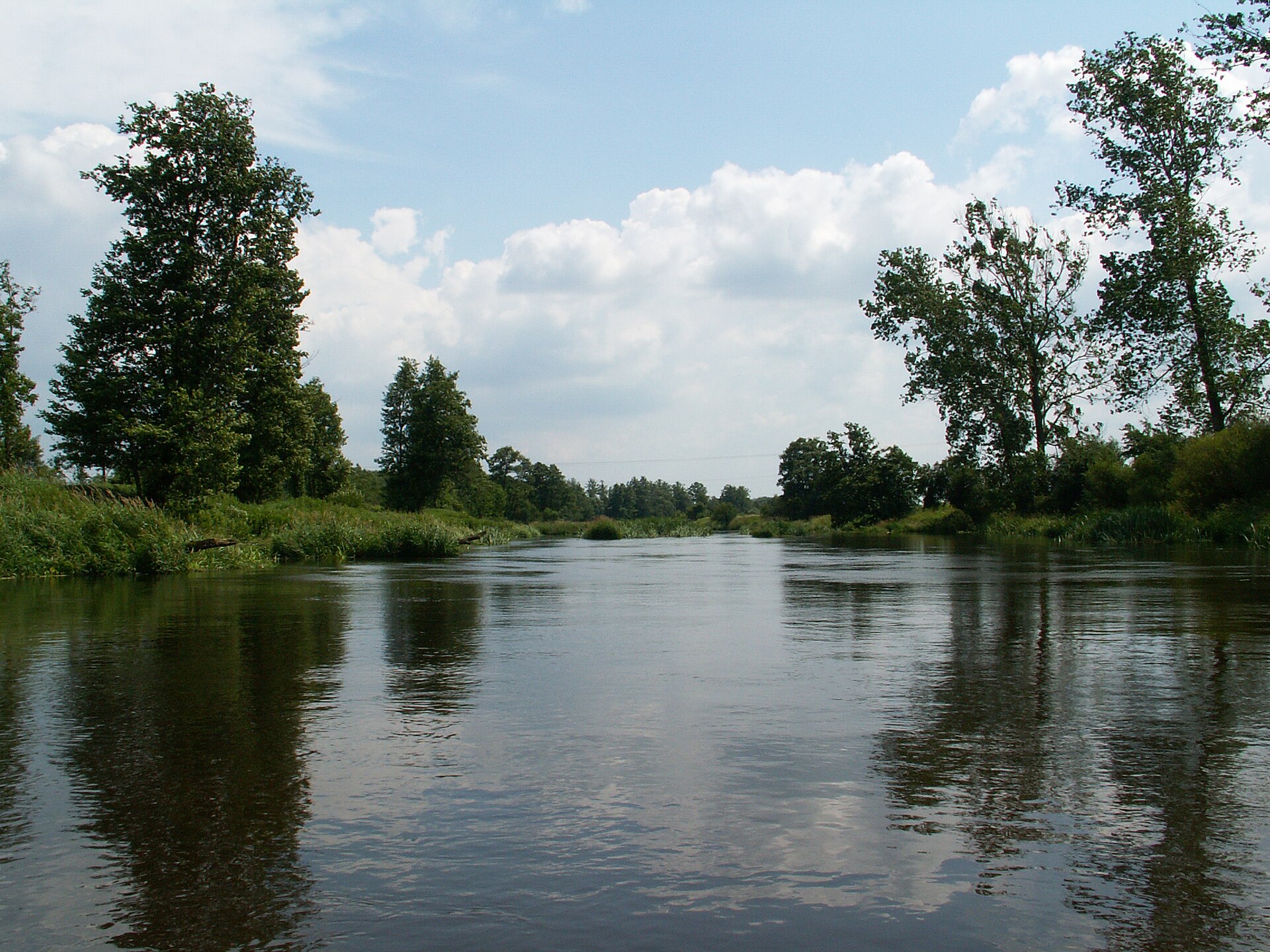
37 records
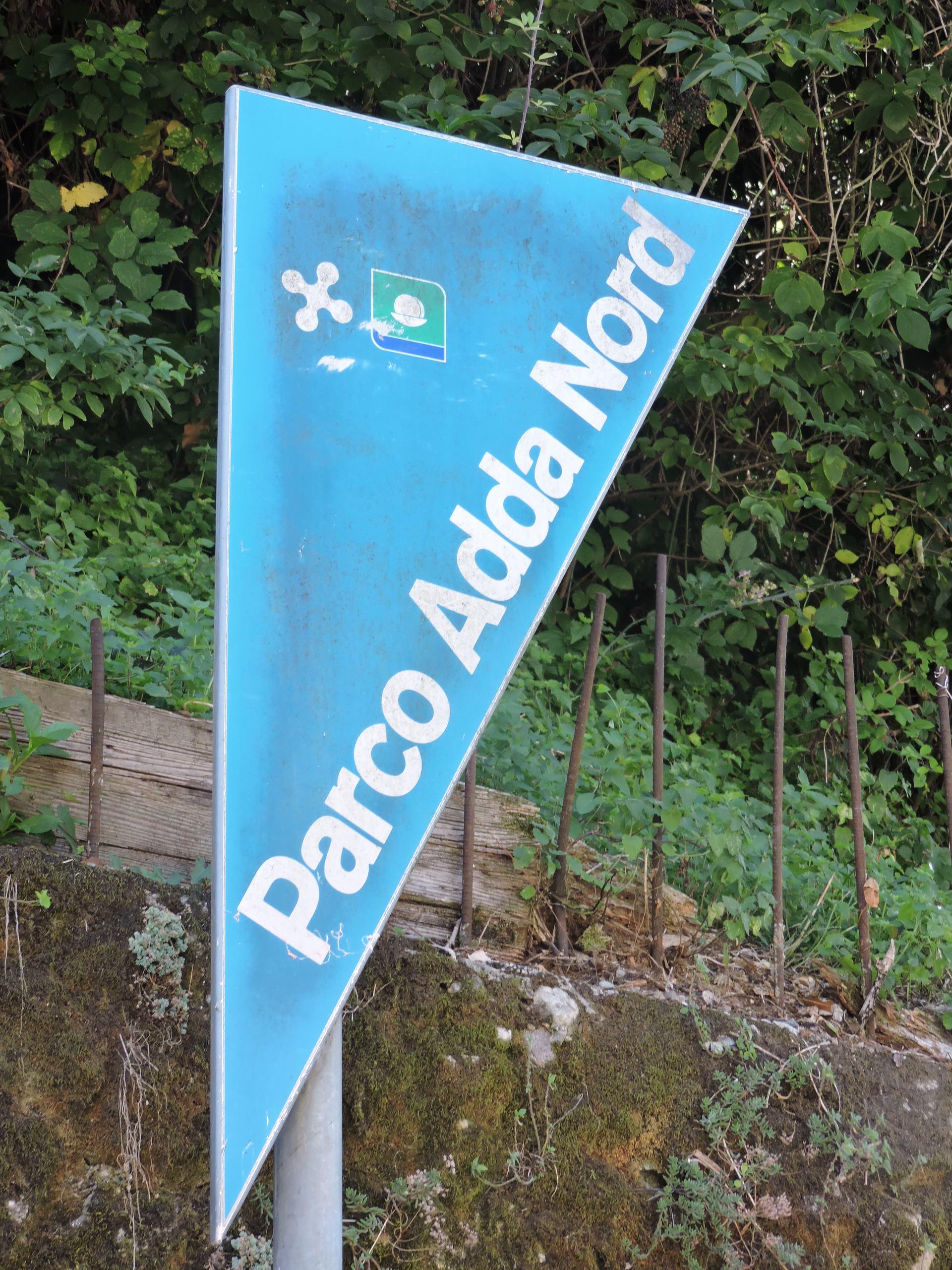
Natura 2000 · breeding
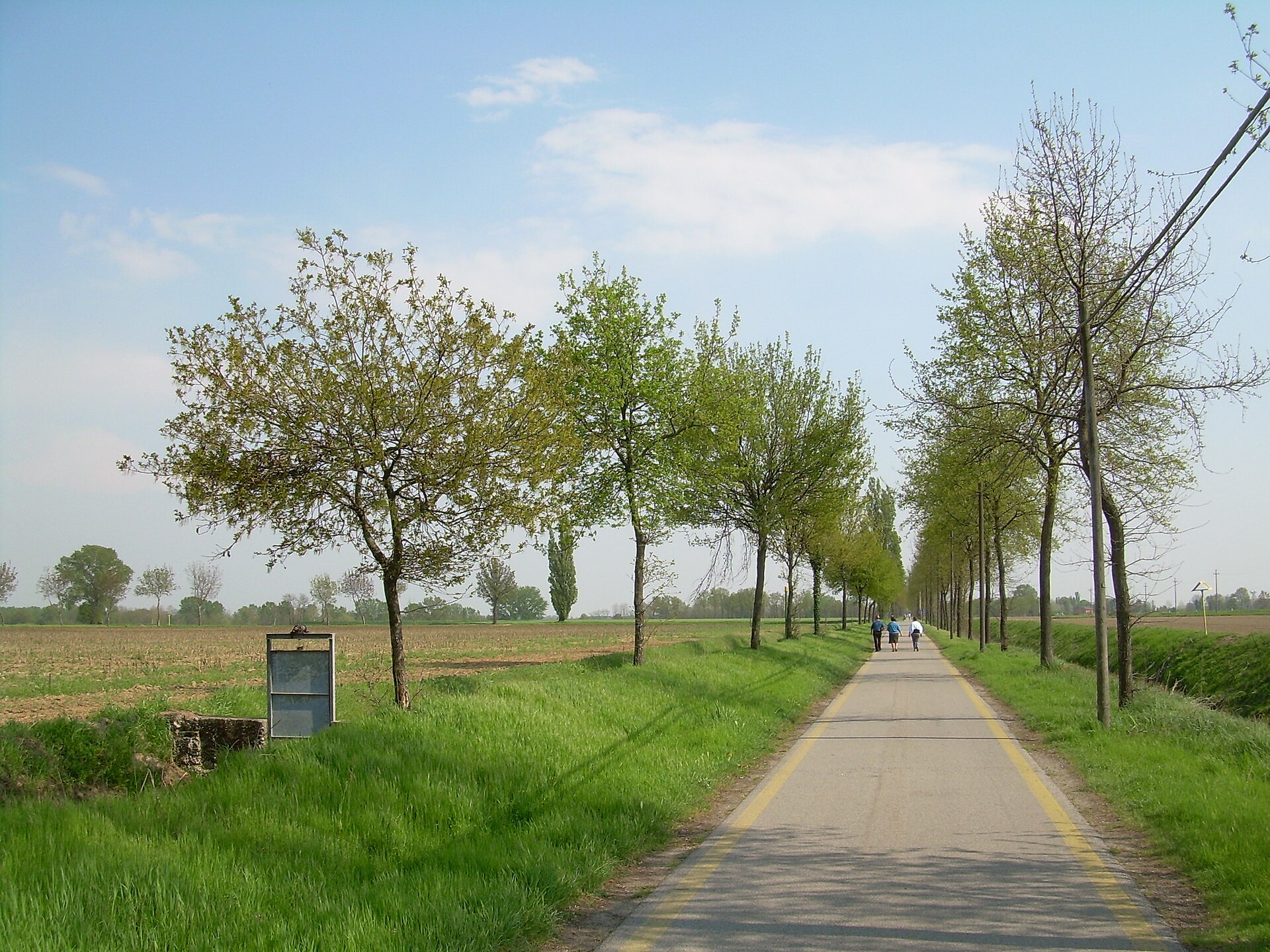
Natura 2000 · passage, breeding
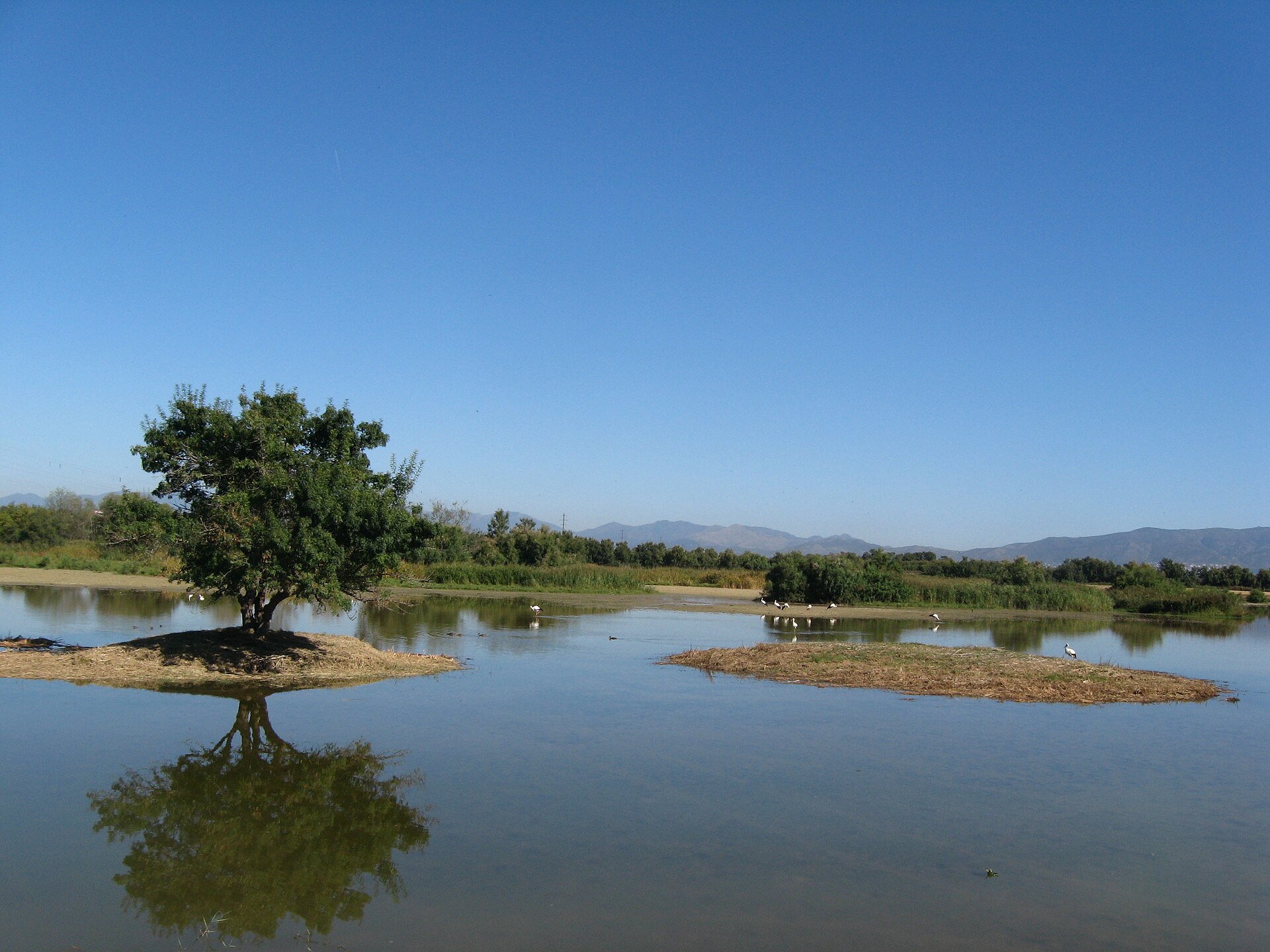
Natura 2000 · breeding

Natura 2000 · passage
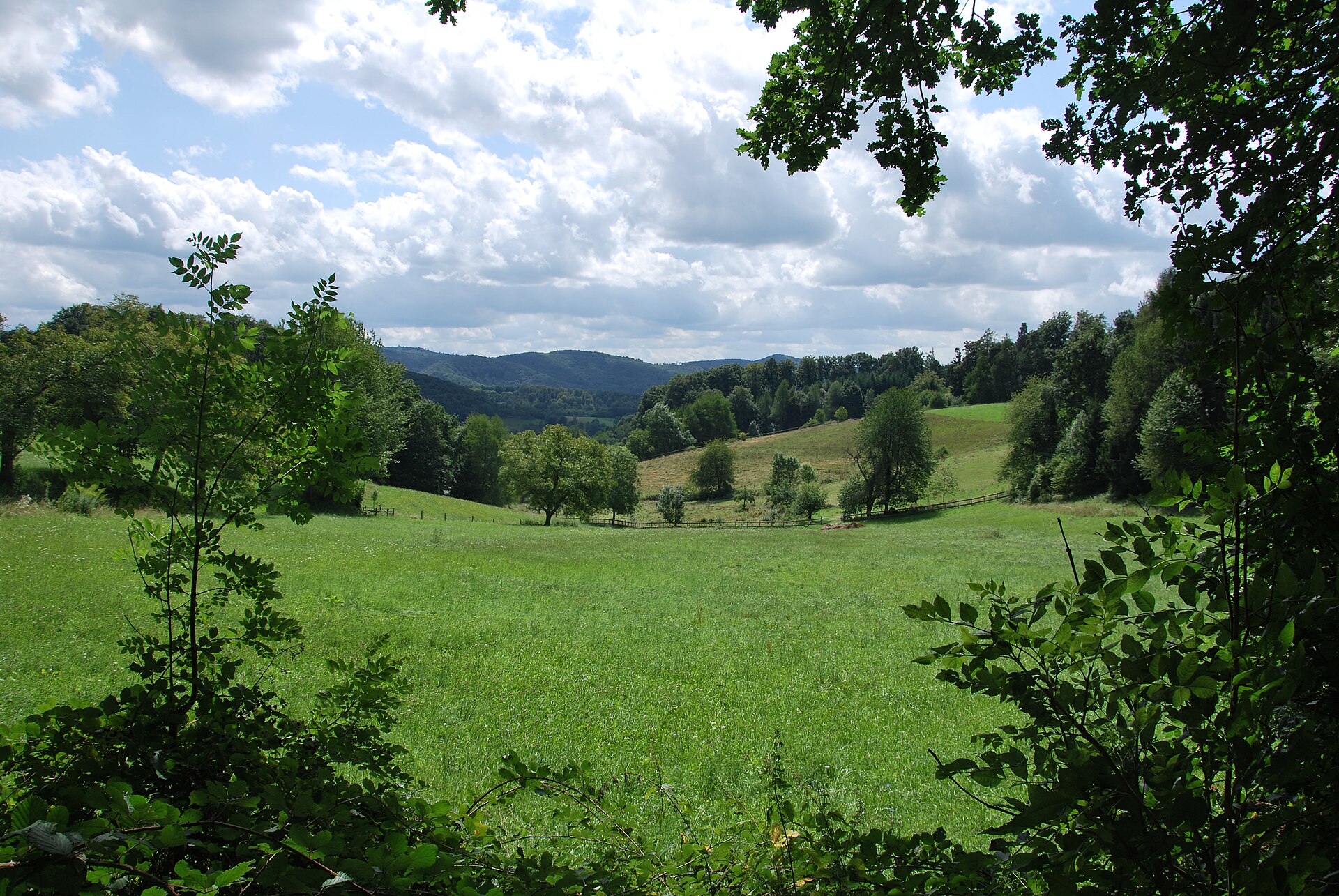
Natura 2000 · breeding

Natura 2000 · breeding
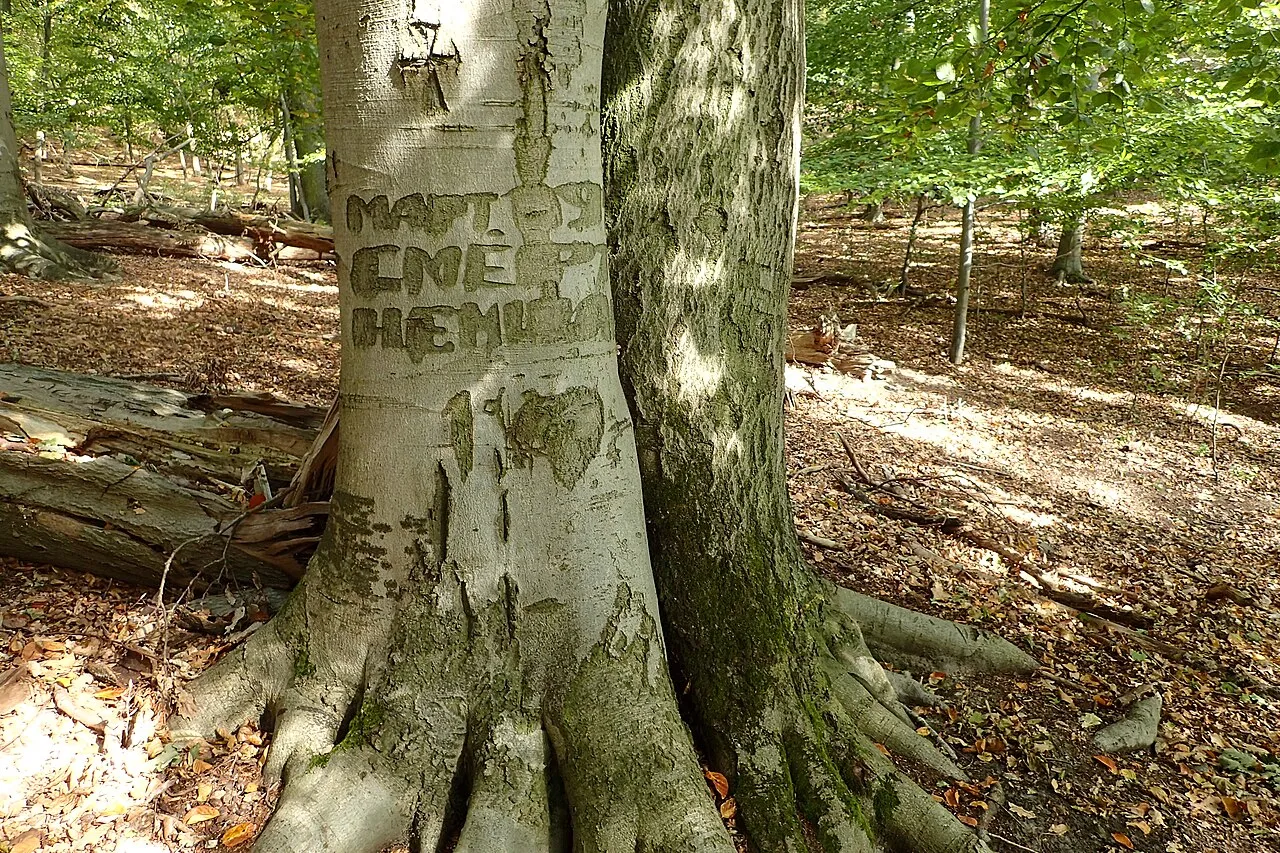
Natura 2000 · breeding

Natura 2000 · breeding
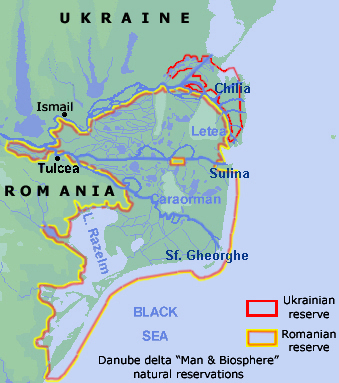
Natura 2000 · breeding
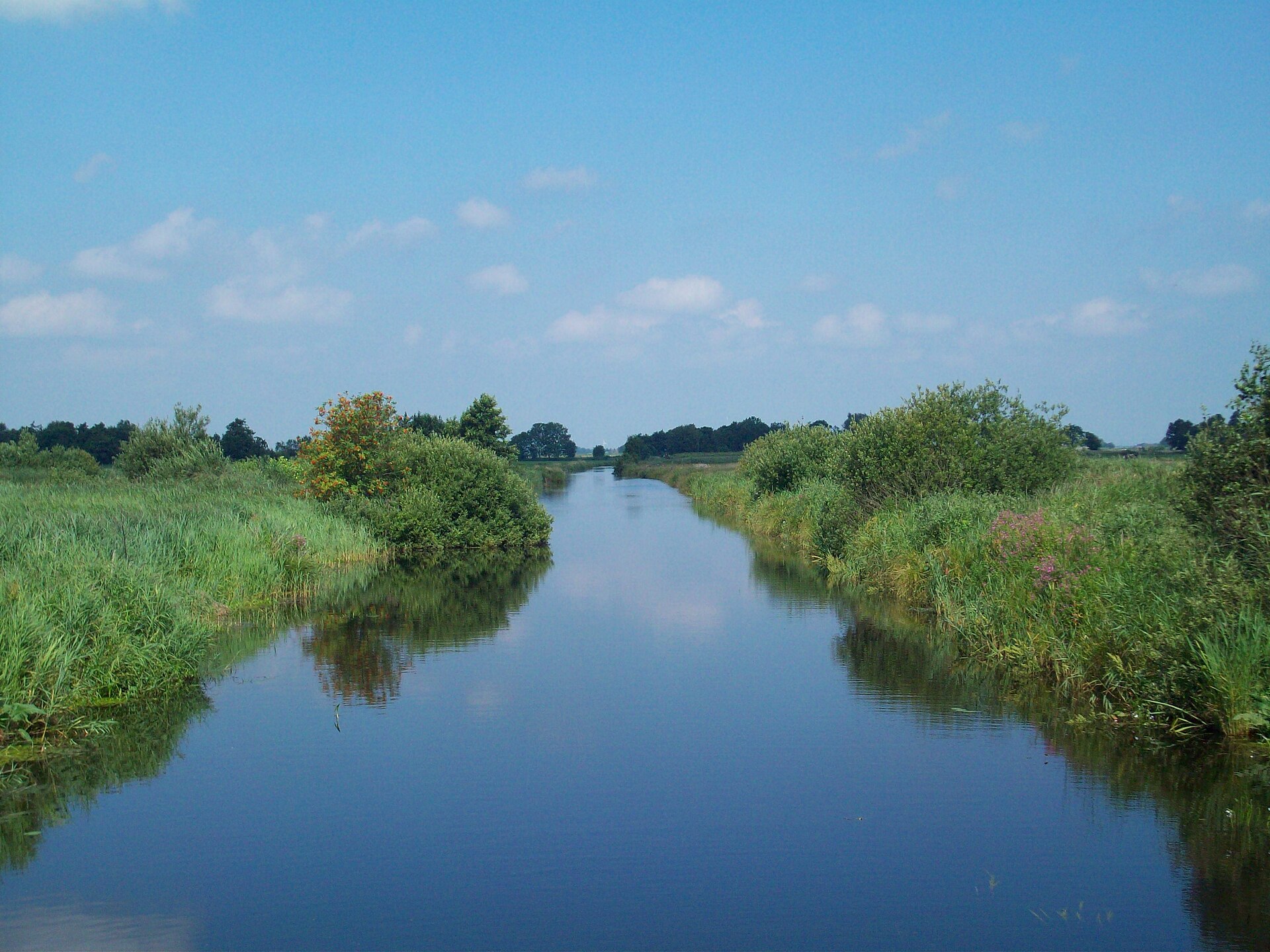
Natura 2000 · breeding
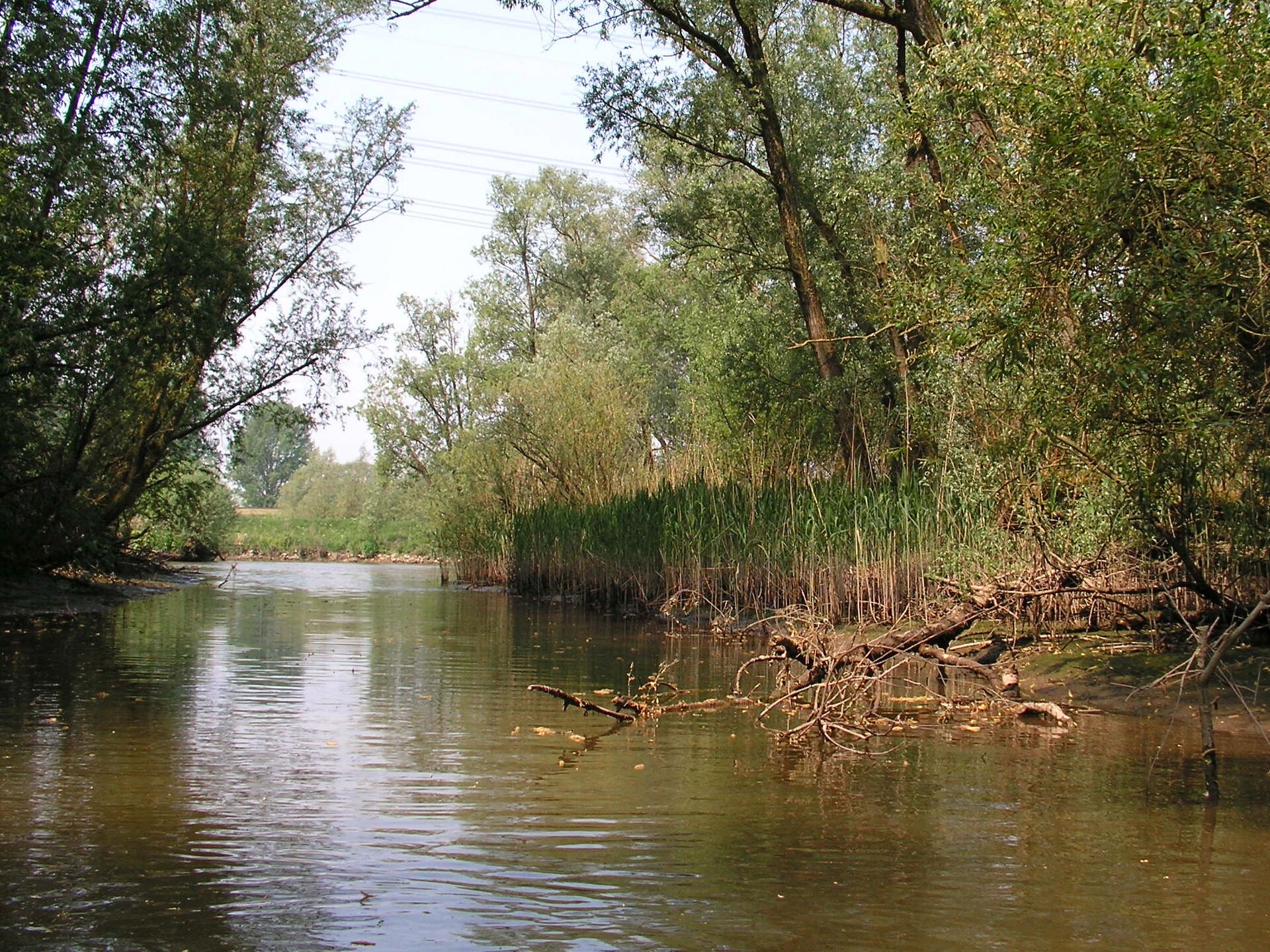
Natura 2000 · breeding
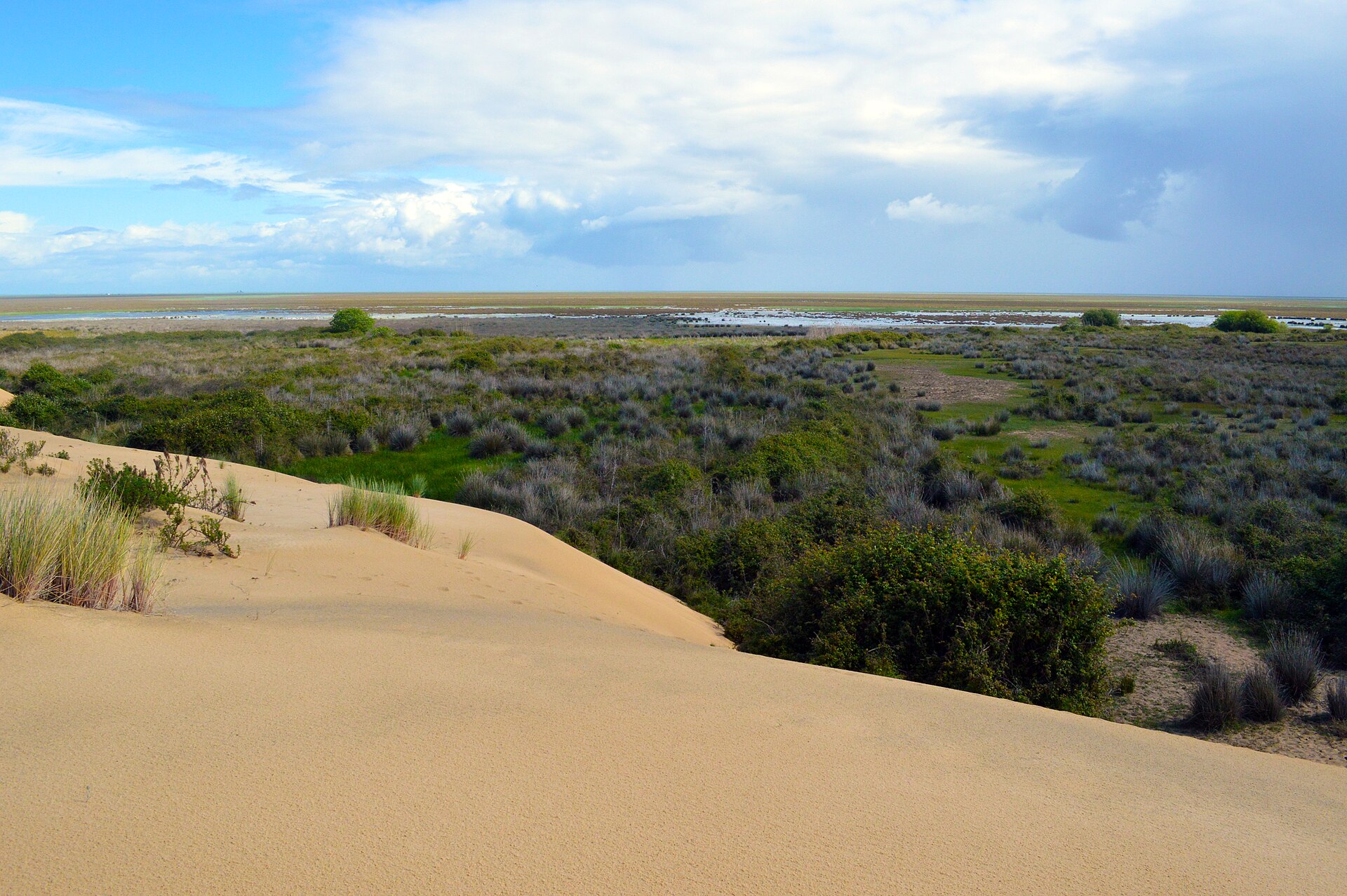
Natura 2000 · breeding
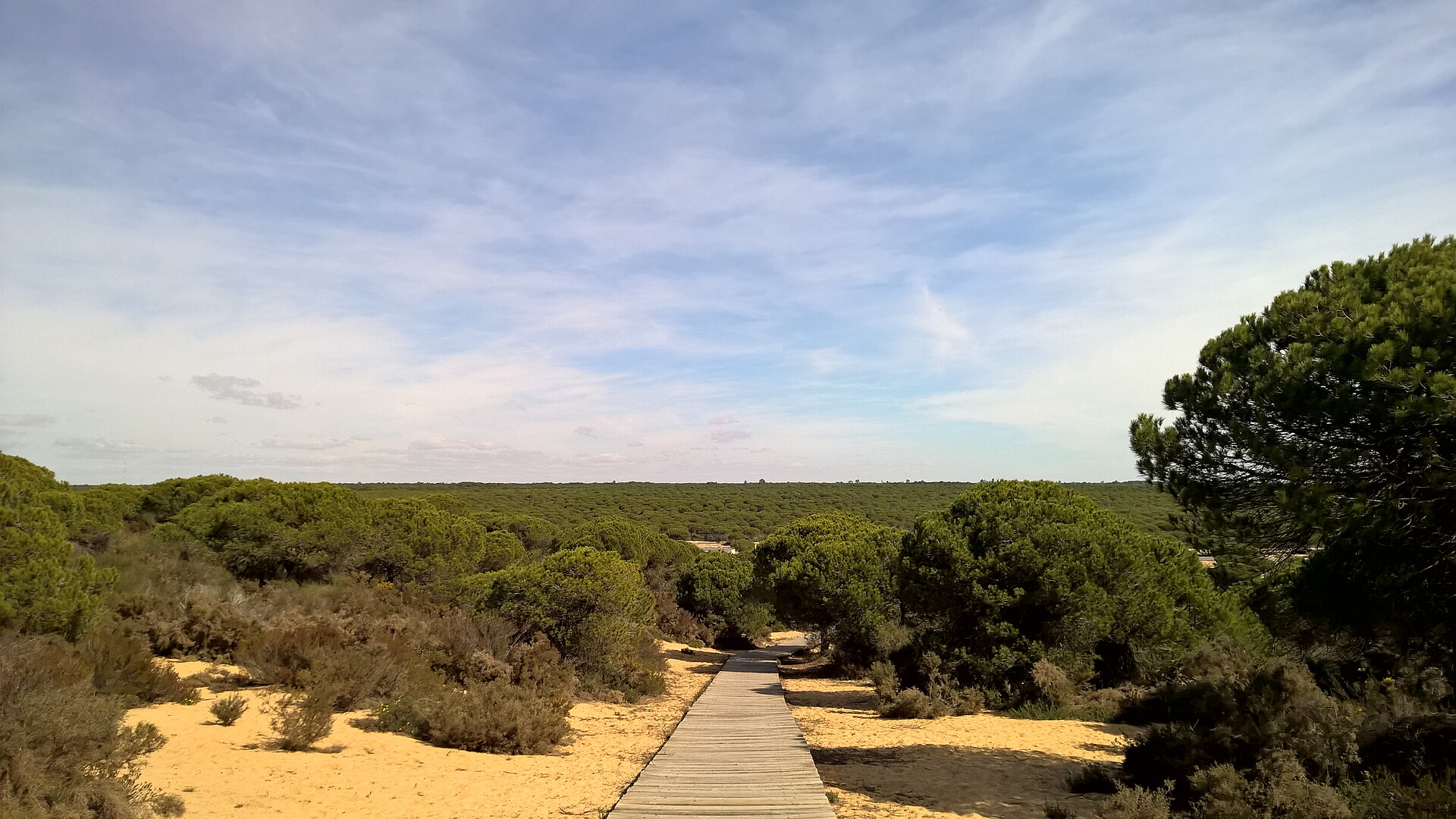
Natura 2000 · breeding
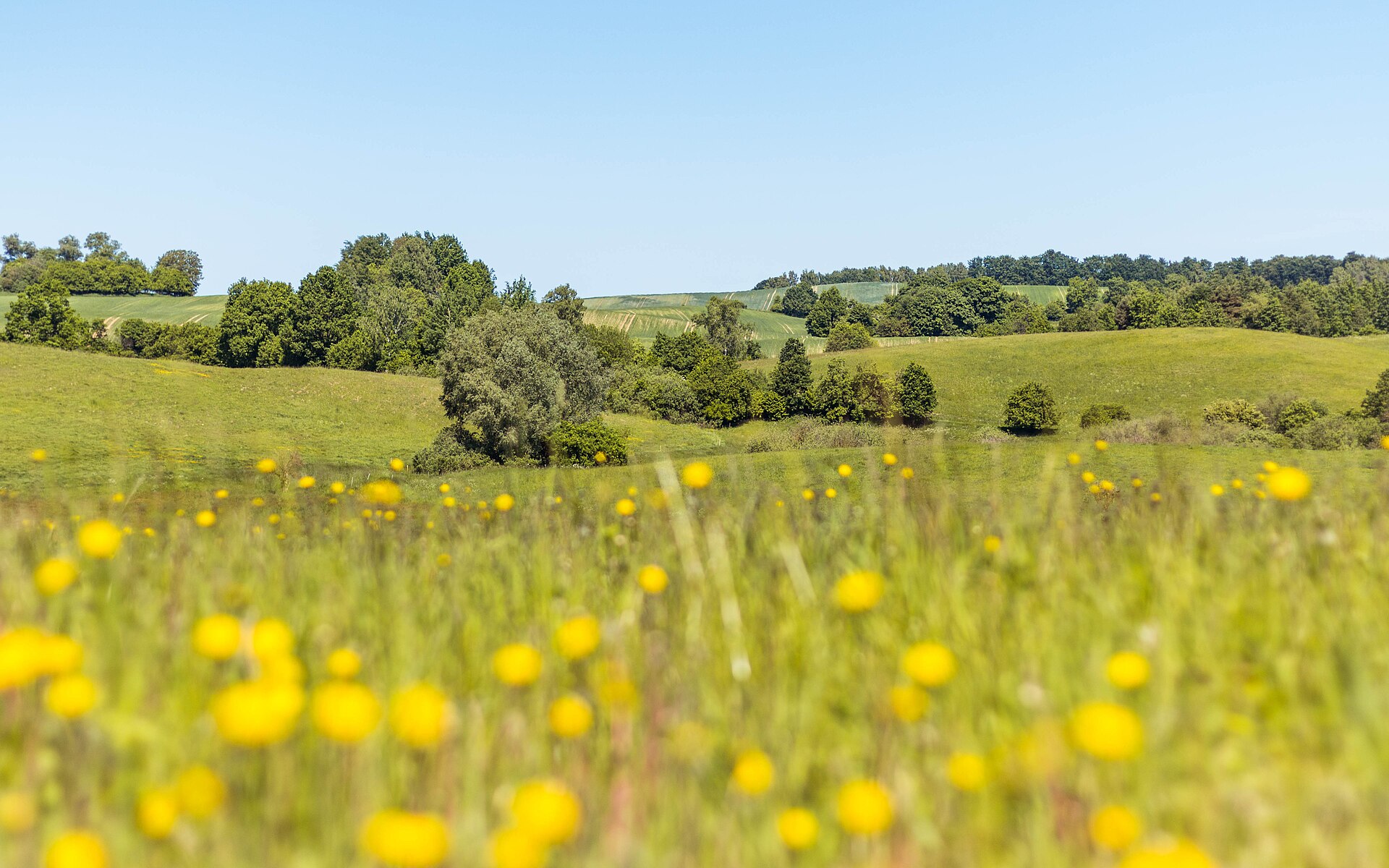
Natura 2000 · breeding
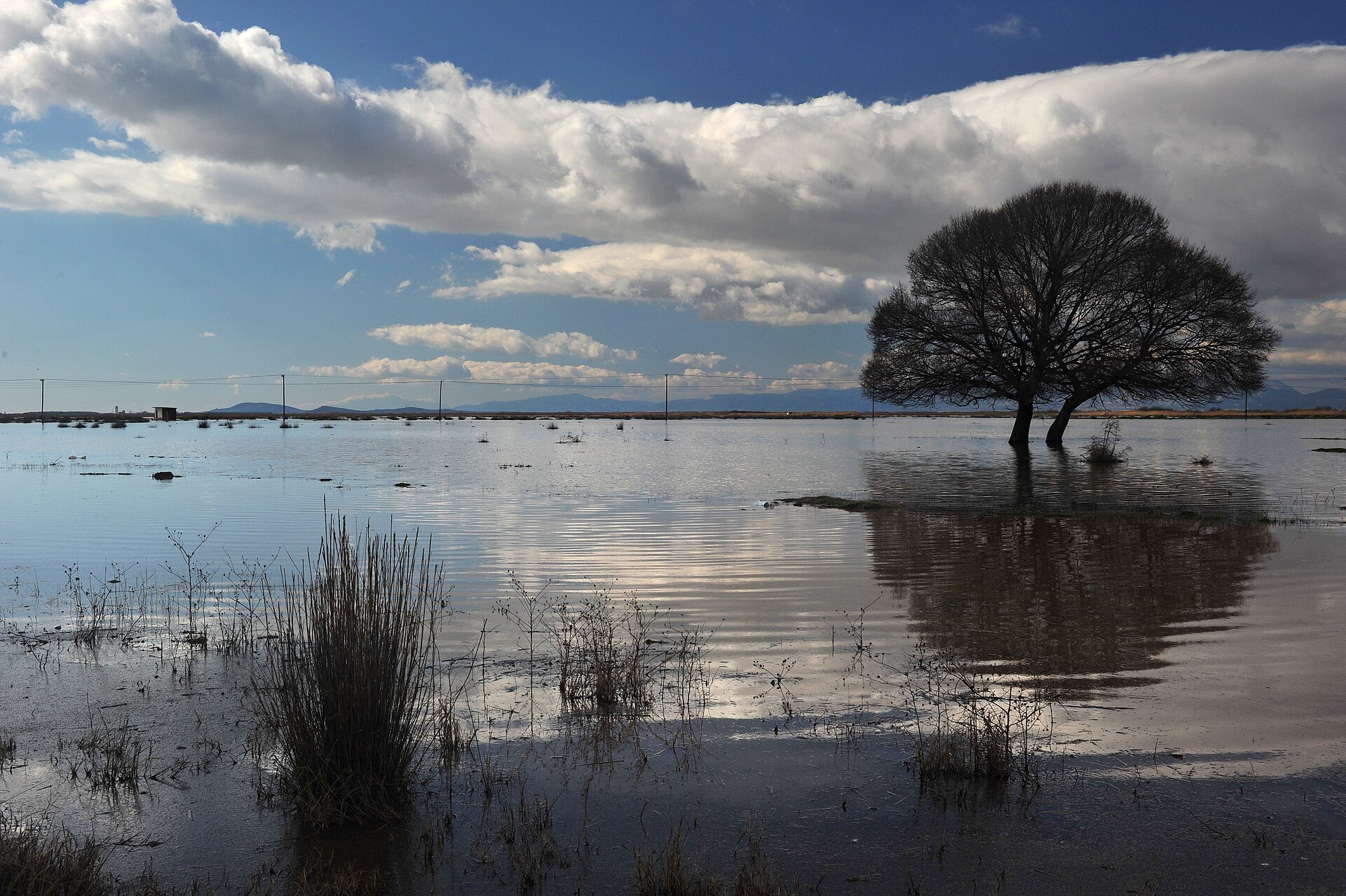
Natura 2000 · breeding
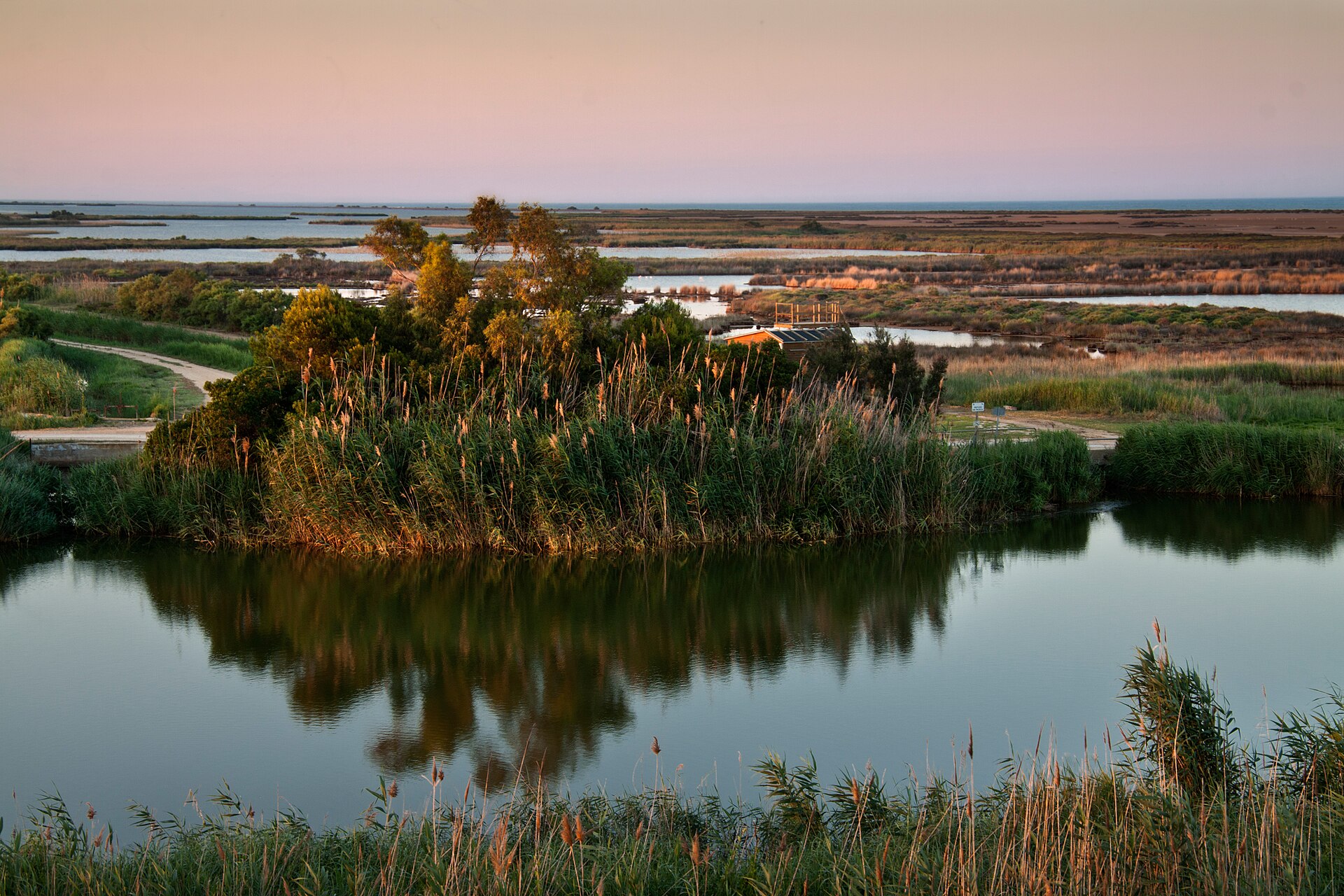
Natura 2000 · breeding

Natura 2000 · breeding, passage

Natura 2000 · breeding
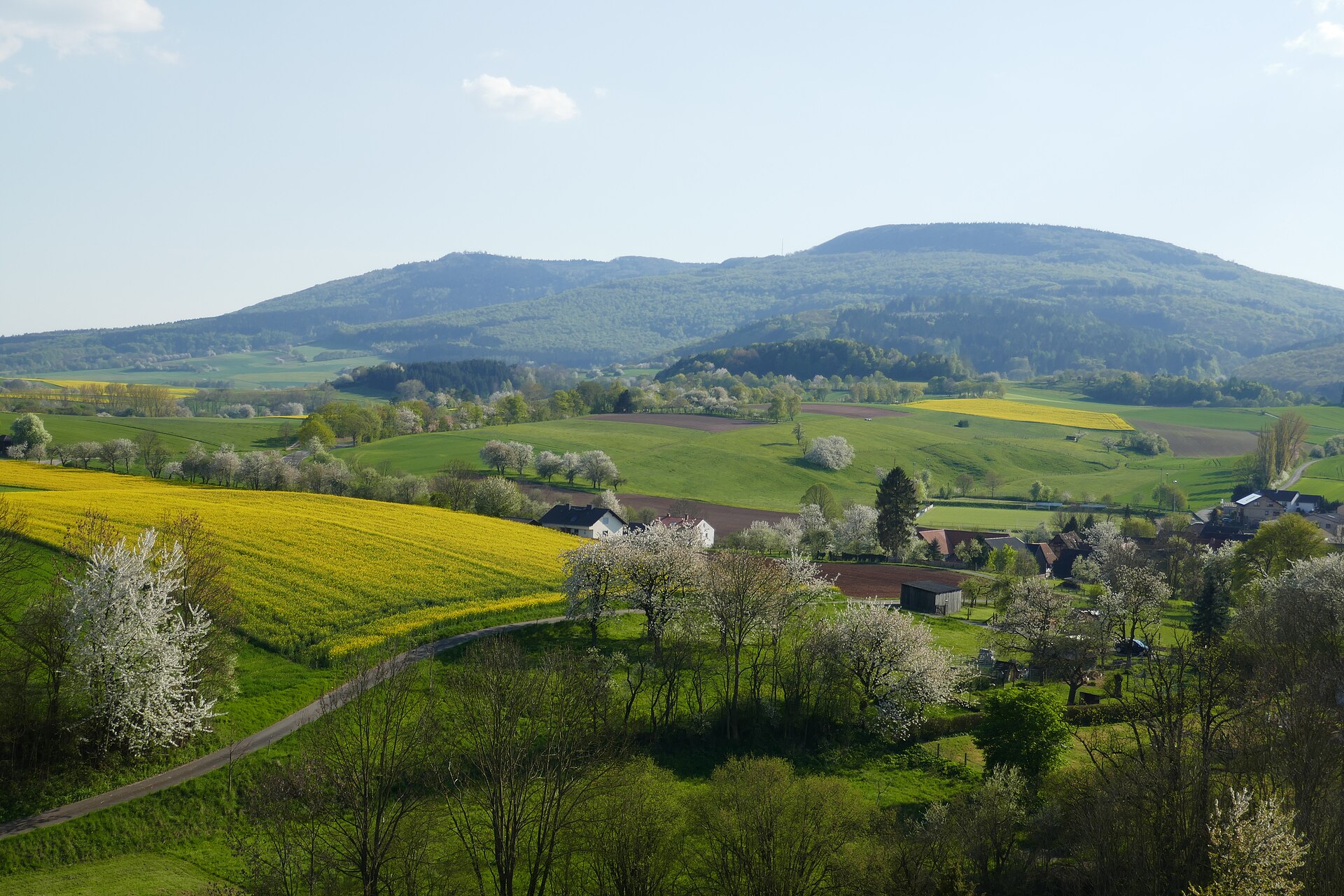
Natura 2000 · breeding

Natura 2000 · breeding
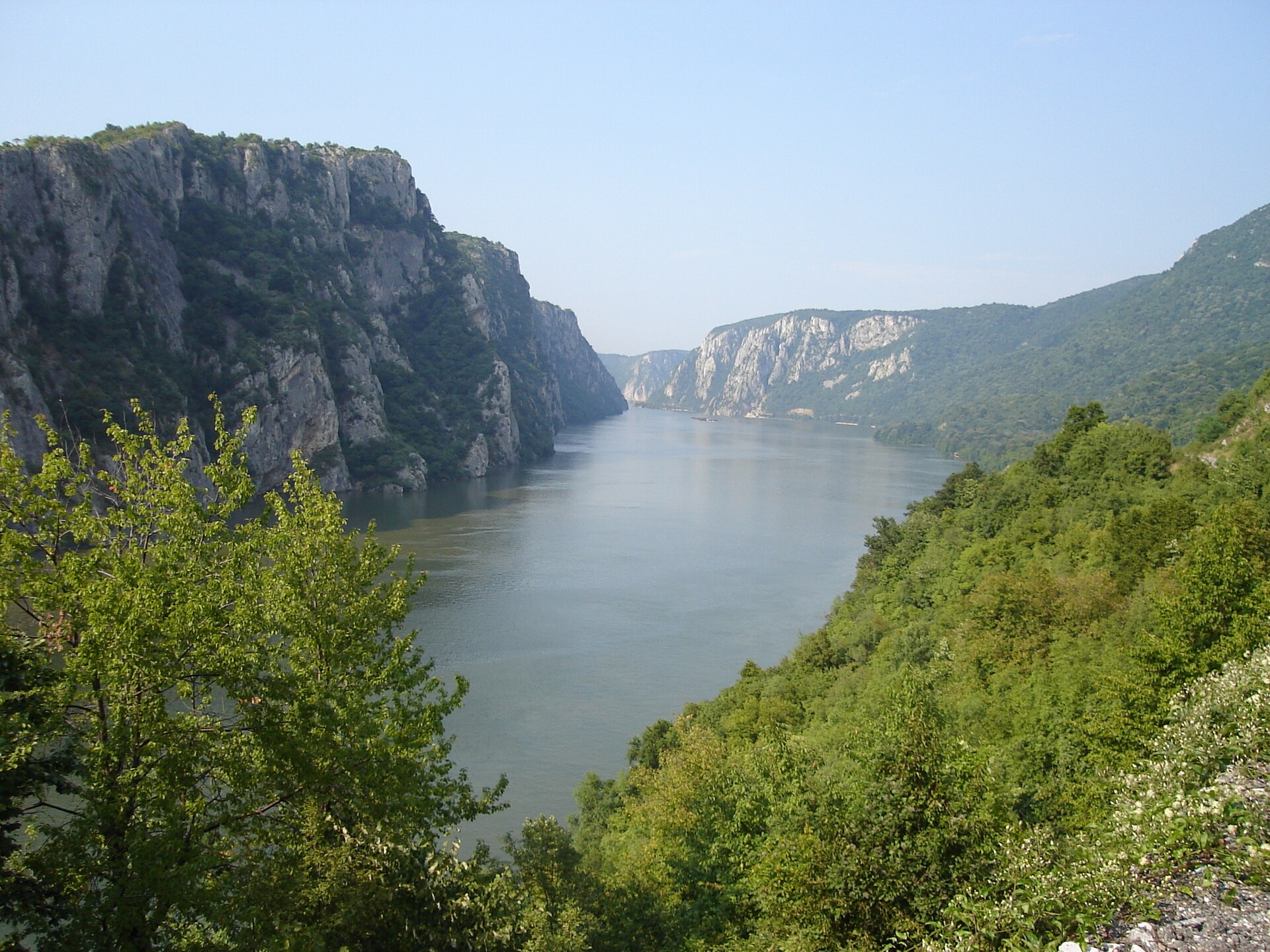
Natura 2000 · passage

Natura 2000 · passage
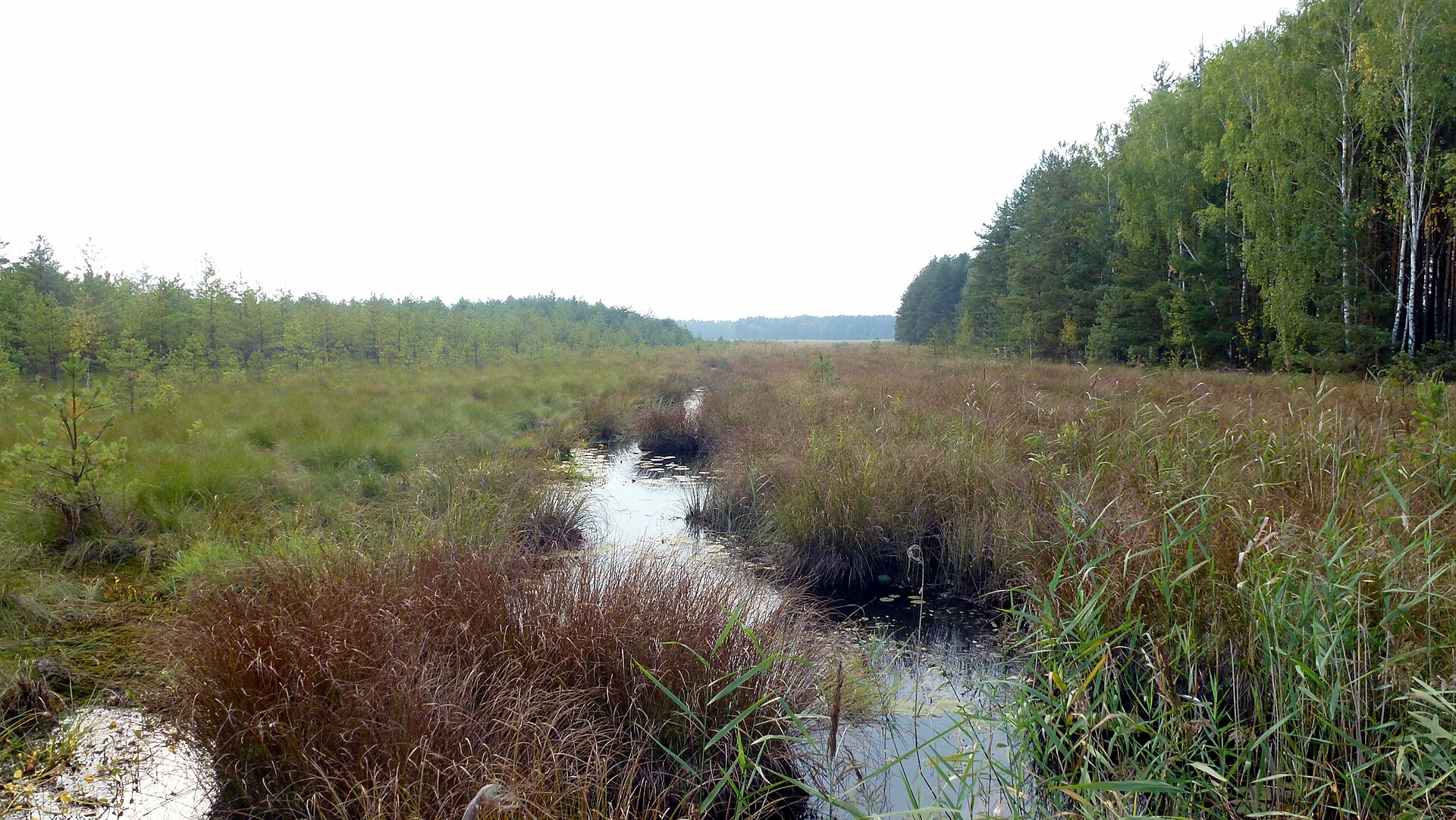
Natura 2000 · breeding
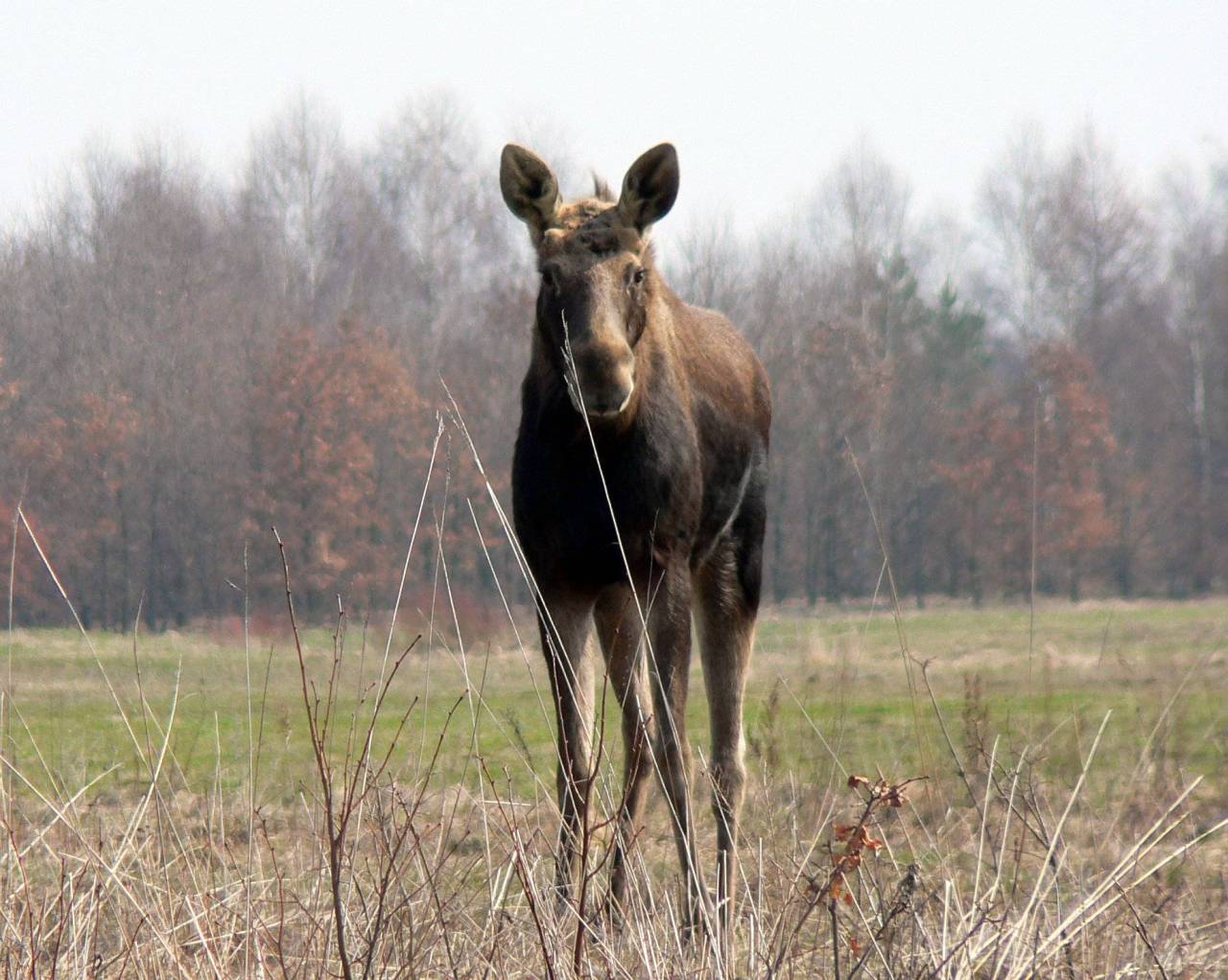
Natura 2000 · breeding
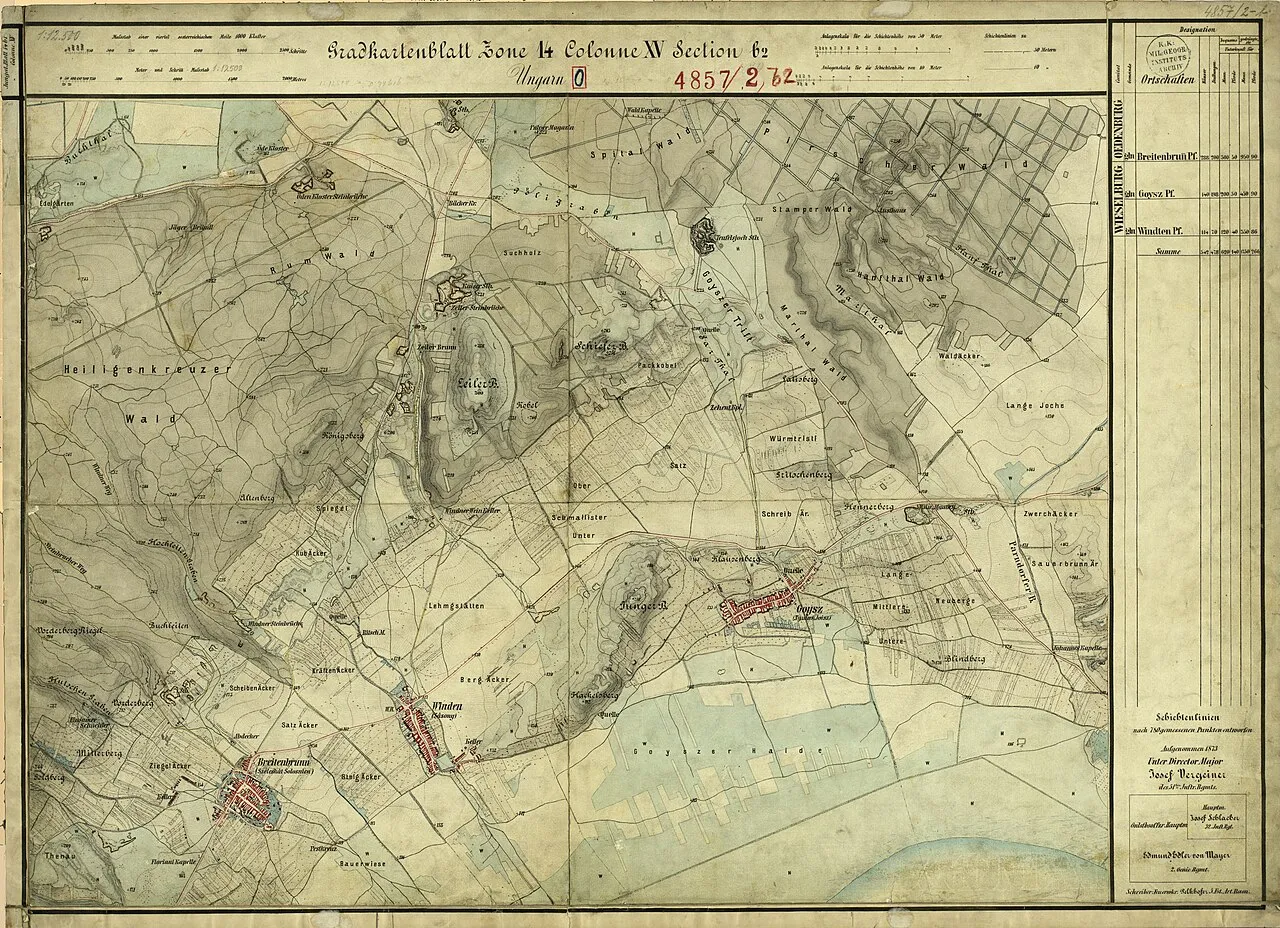
Natura 2000 · breeding
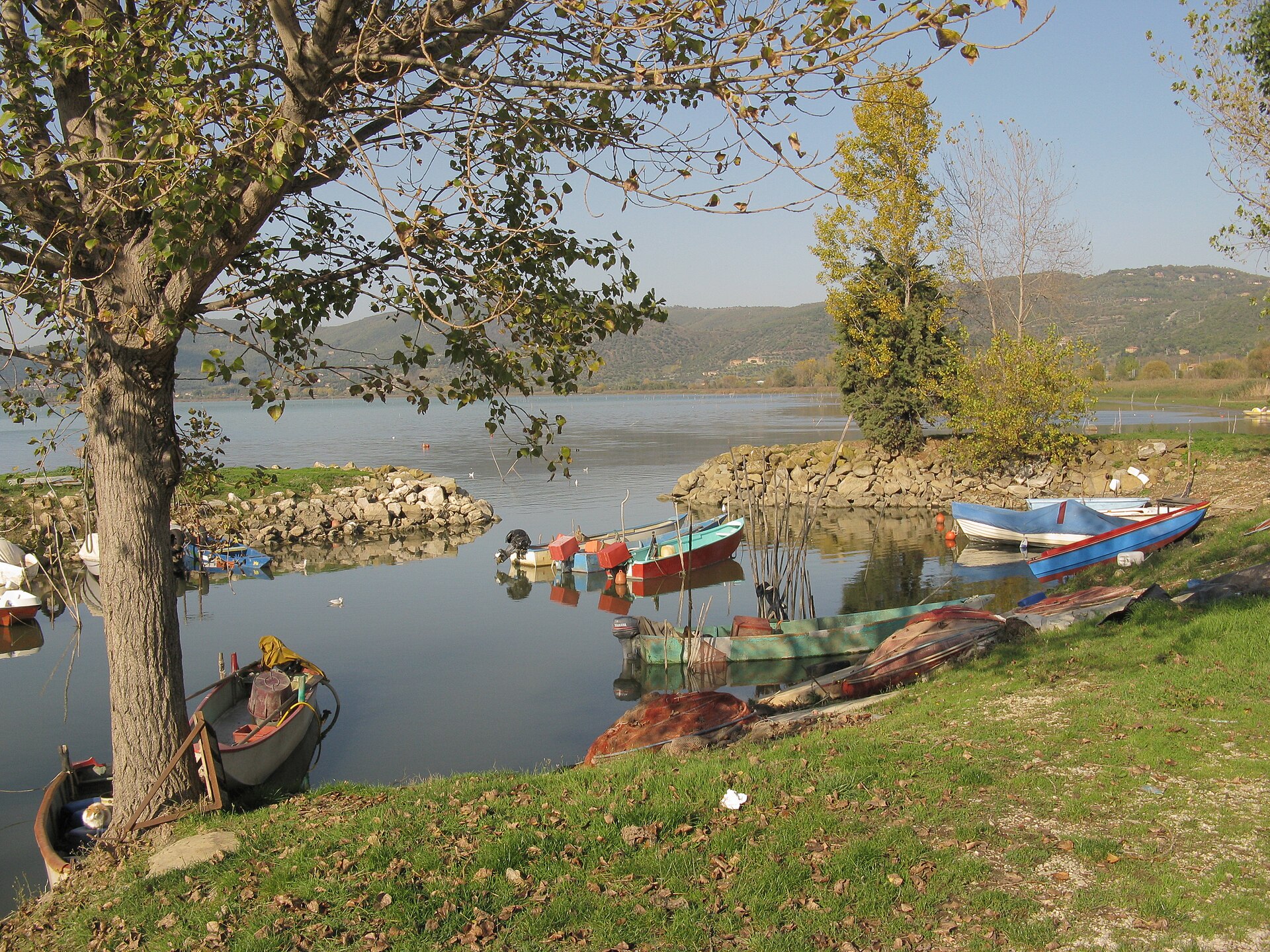
Natura 2000

Natura 2000
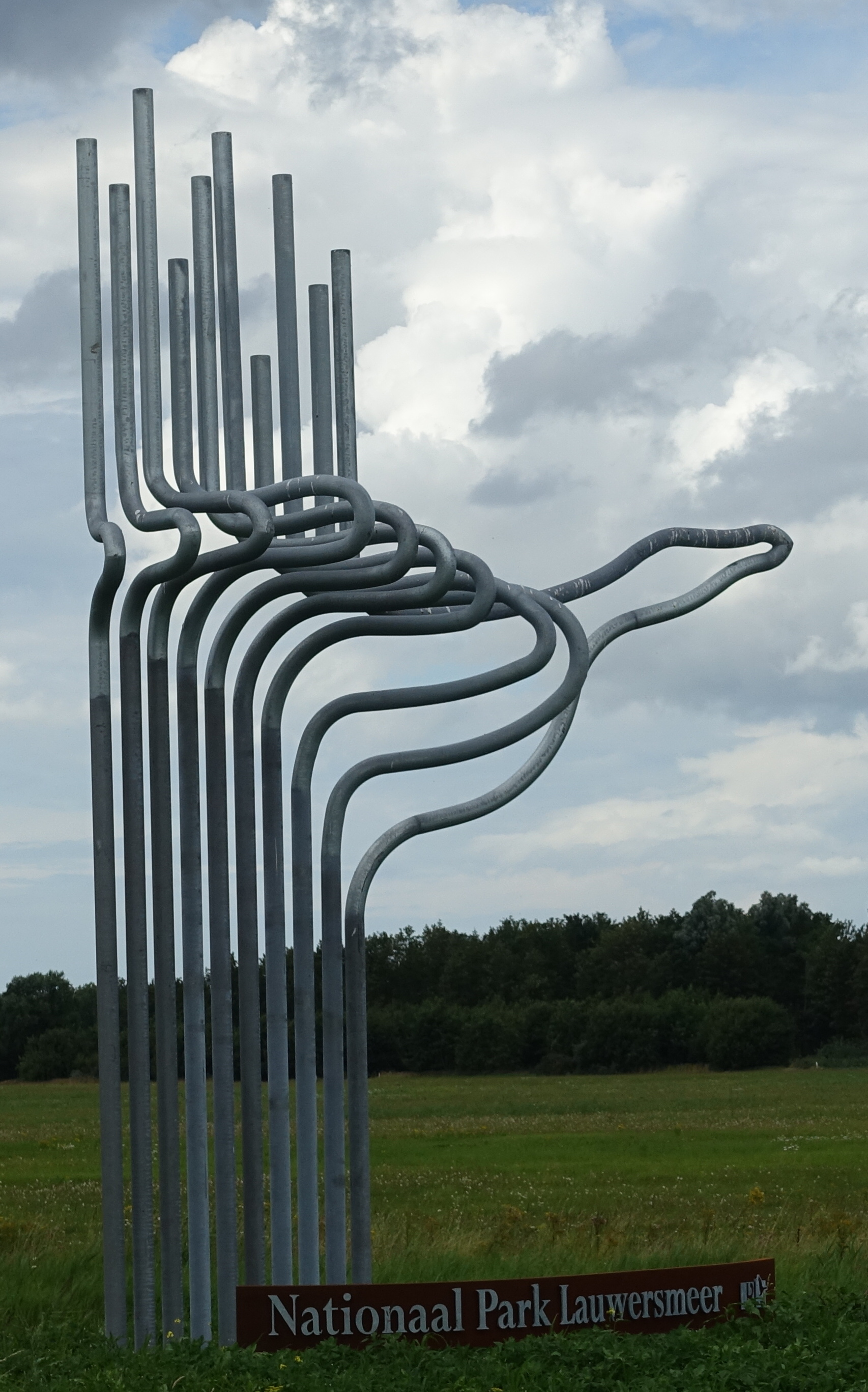
Natura 2000 · breeding
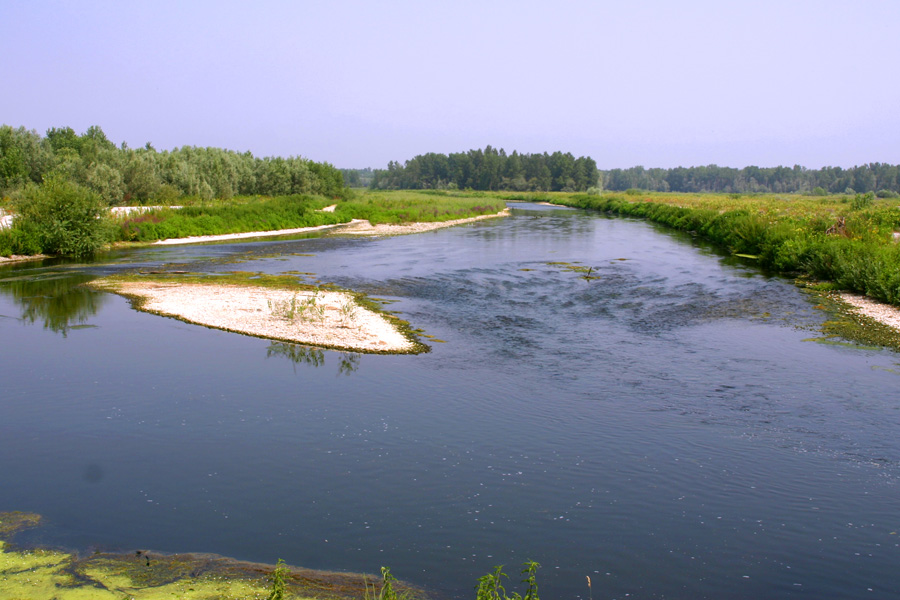
Natura 2000 · passage
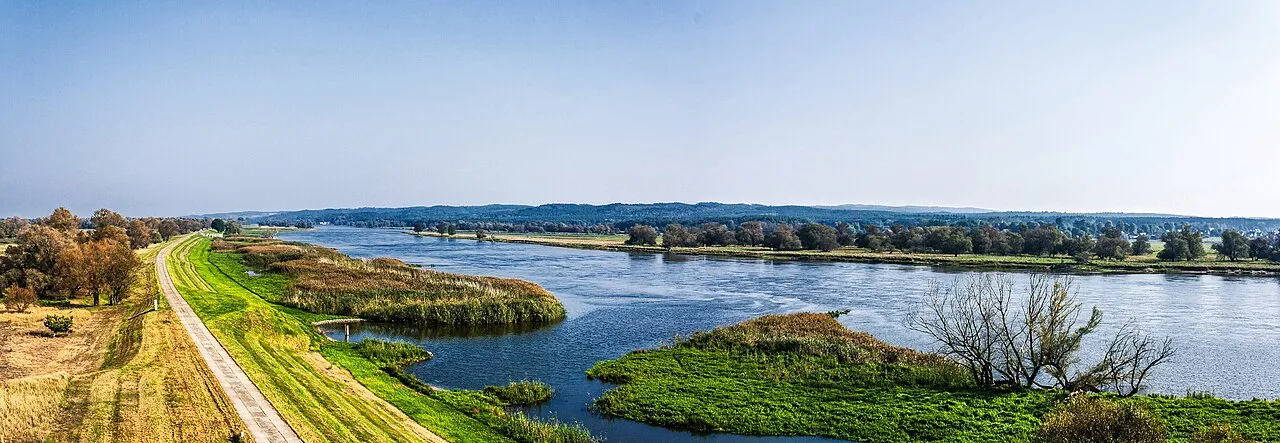
Natura 2000 · breeding
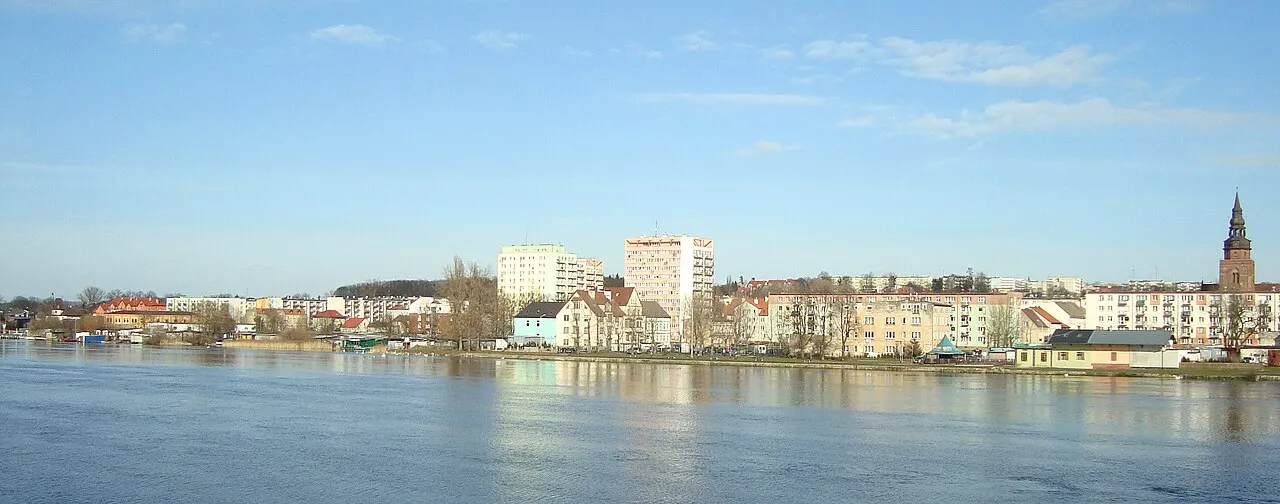
Natura 2000 · breeding
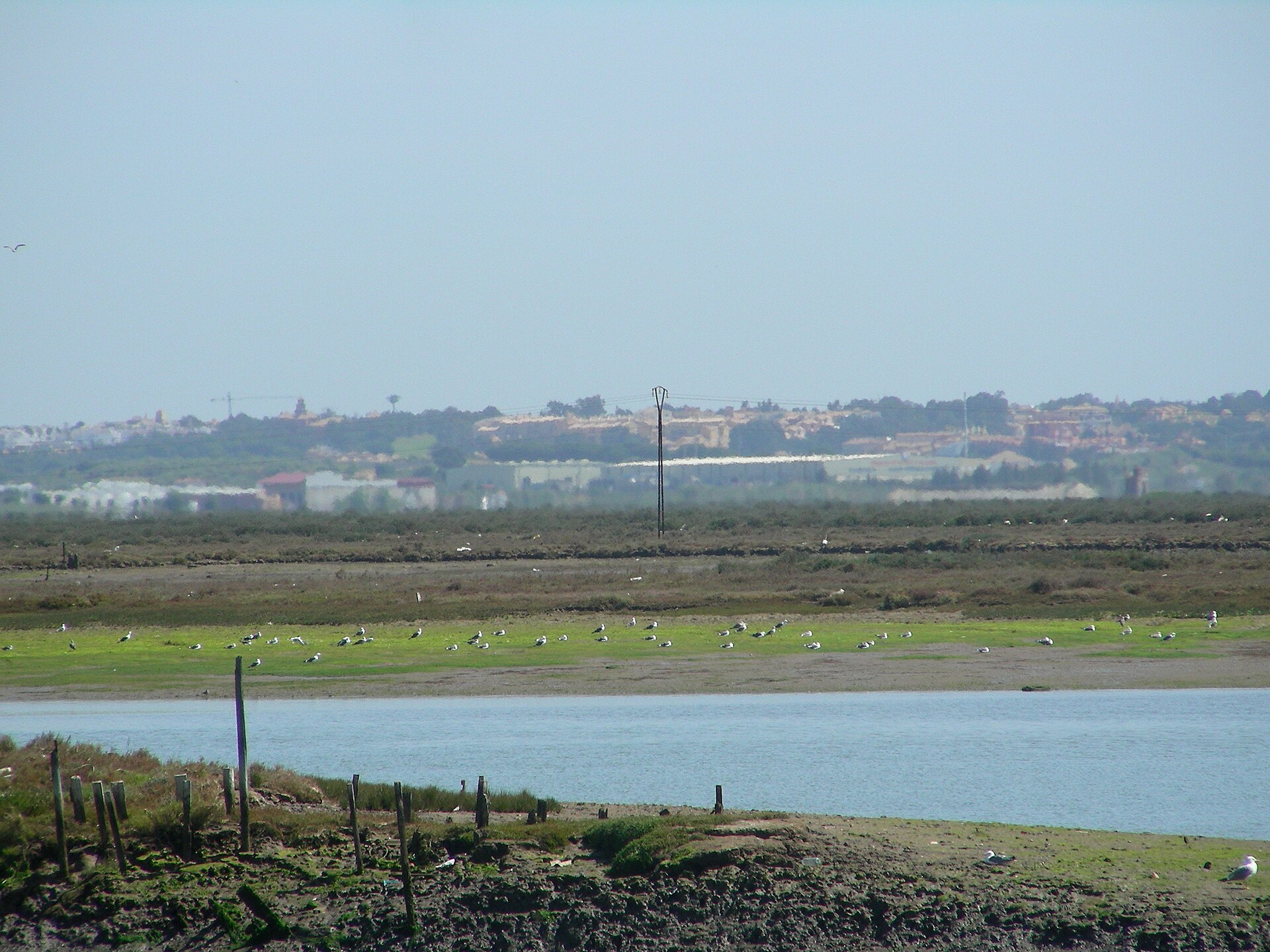
Natura 2000 · breeding, passage
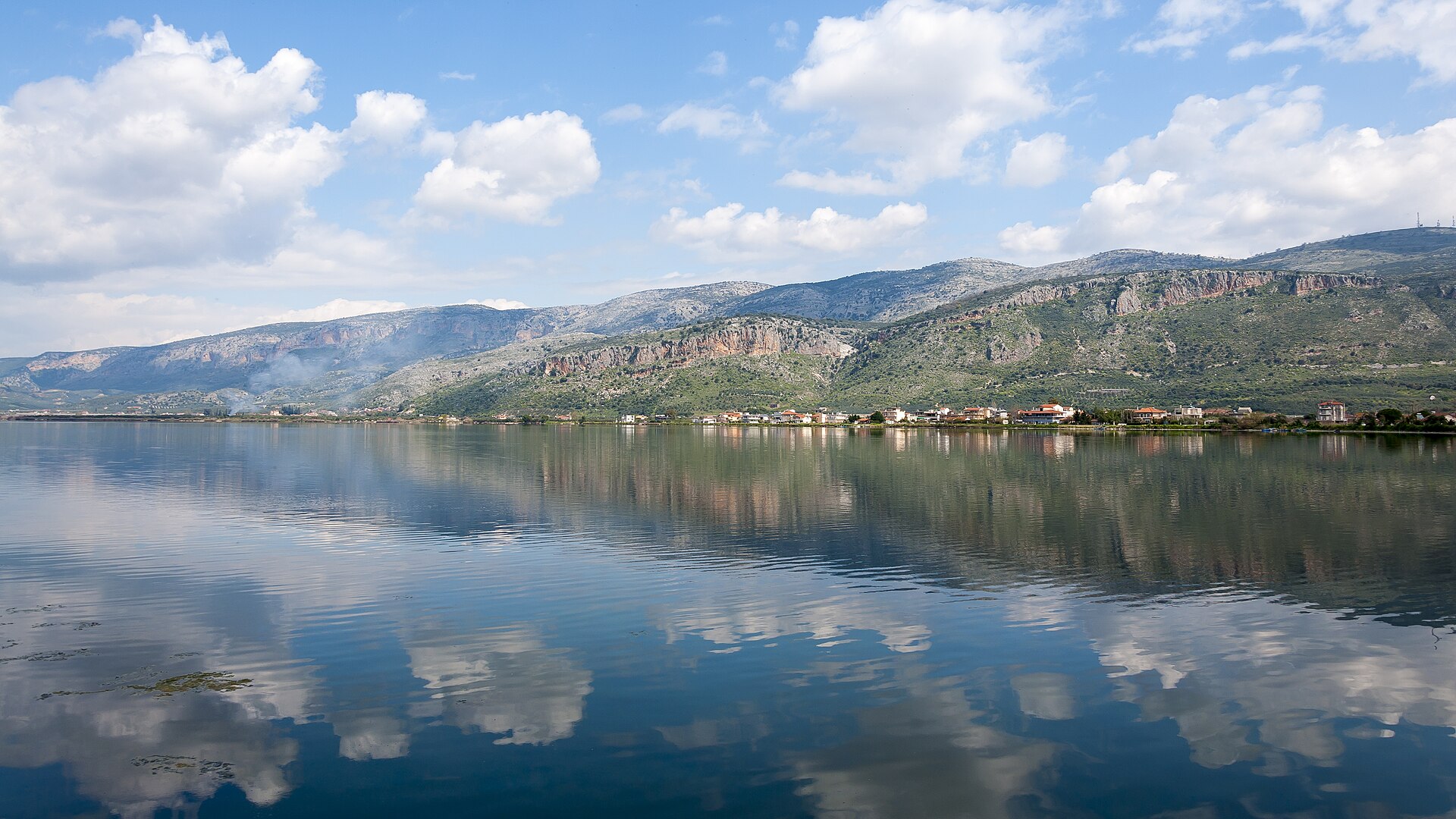
Natura 2000 · passage
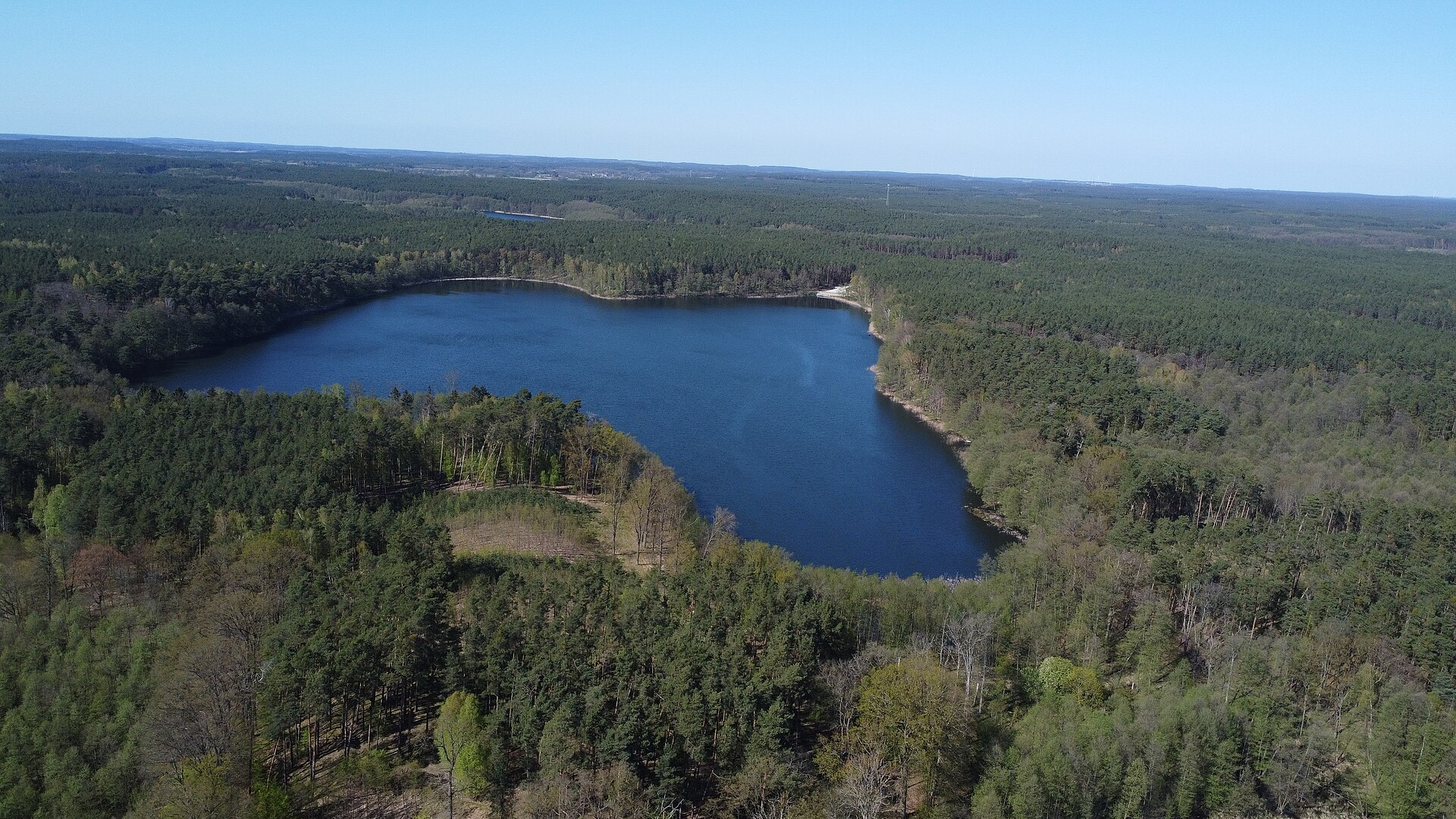
Natura 2000 · breeding
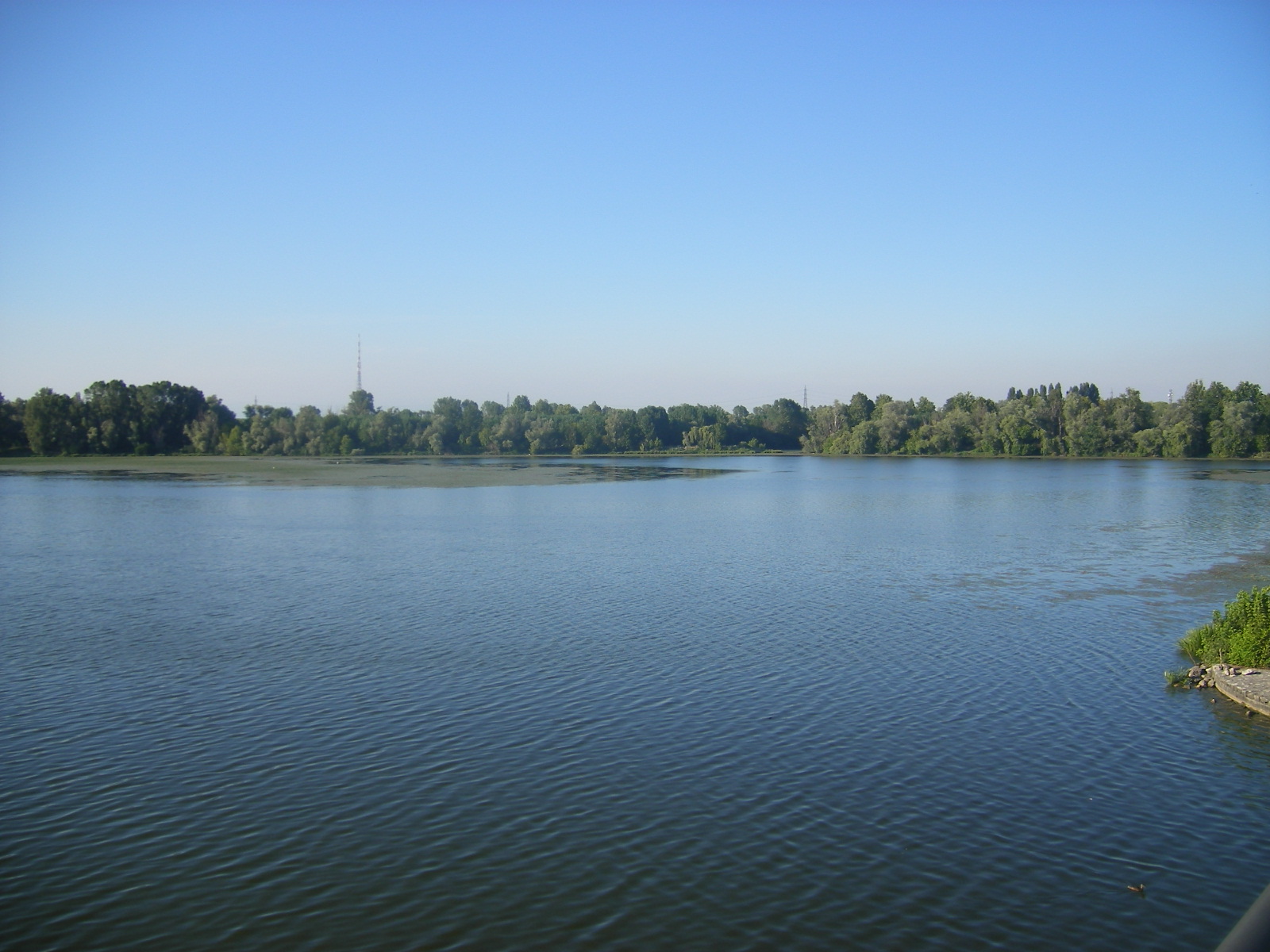
Natura 2000 · passage, breeding

Natura 2000 · breeding
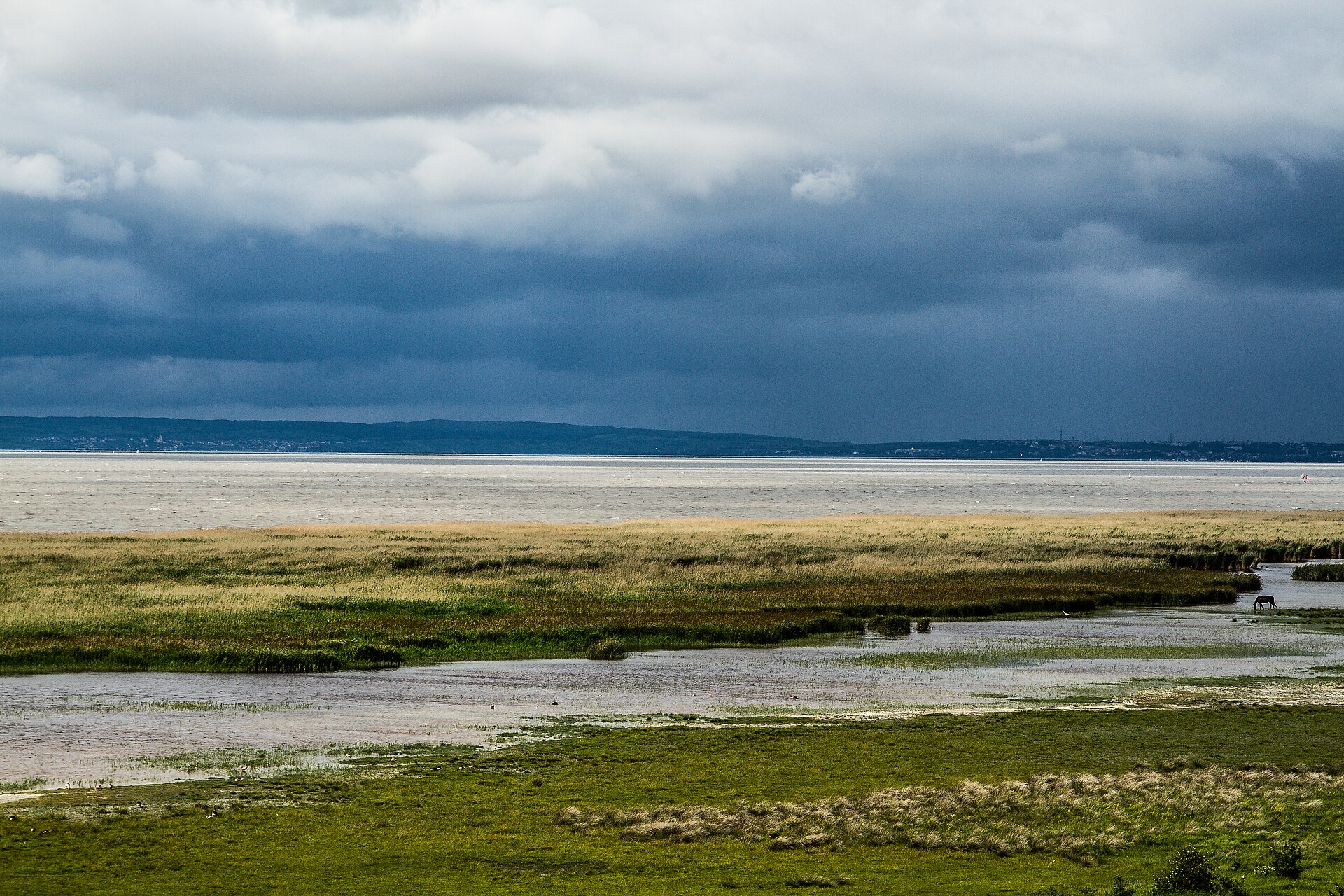
Natura 2000 · breeding
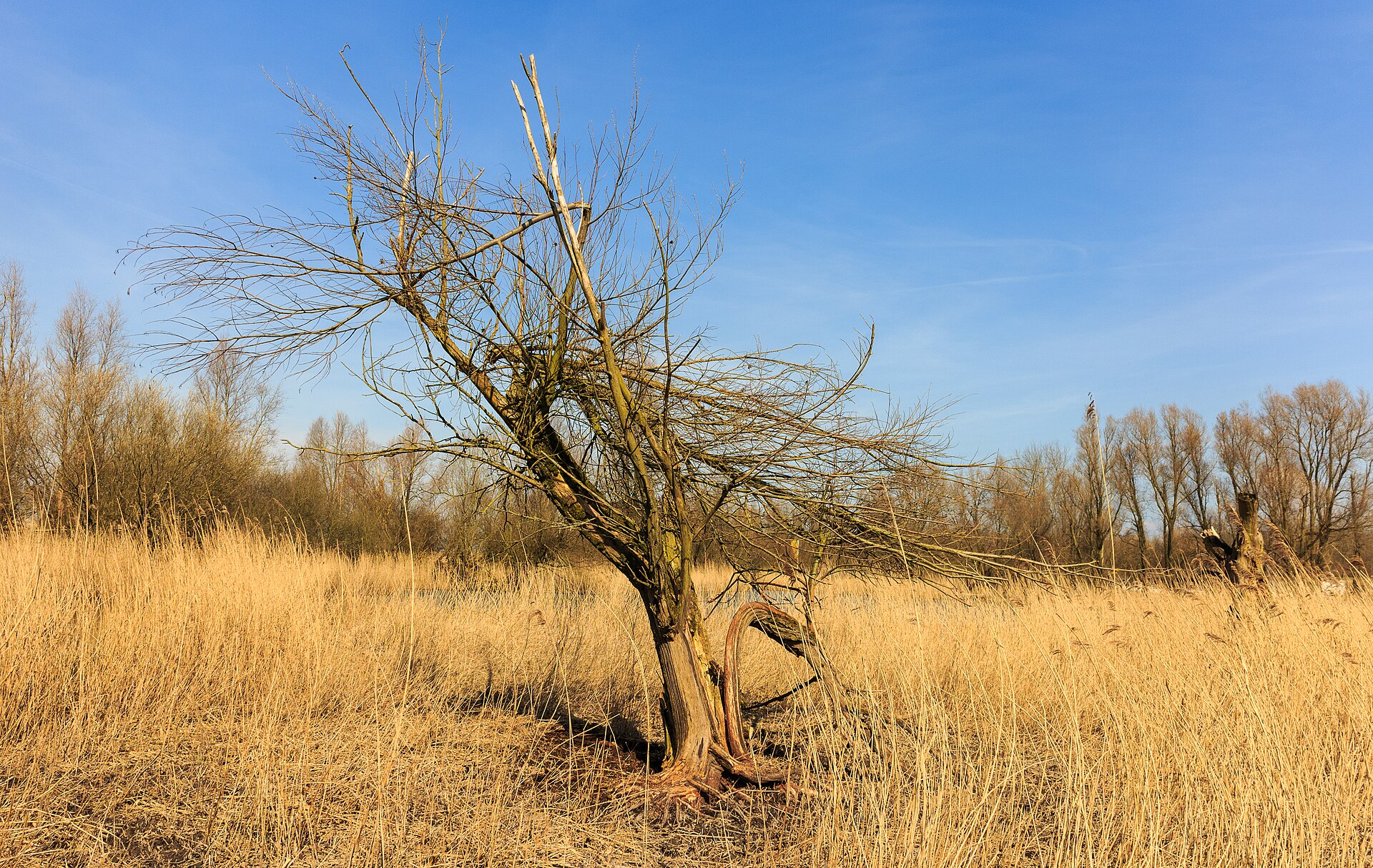
Natura 2000 · breeding
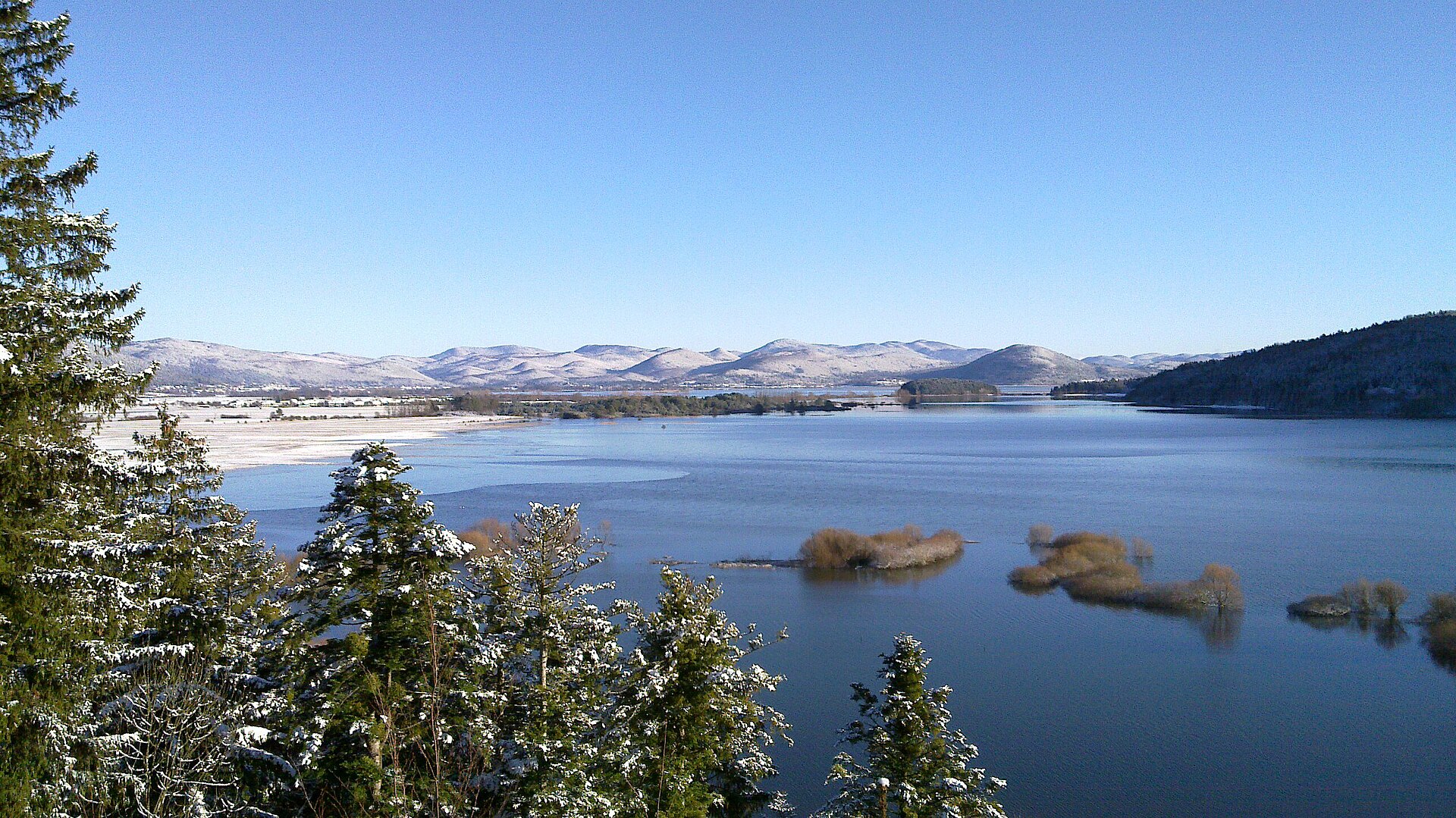
Natura 2000 · breeding
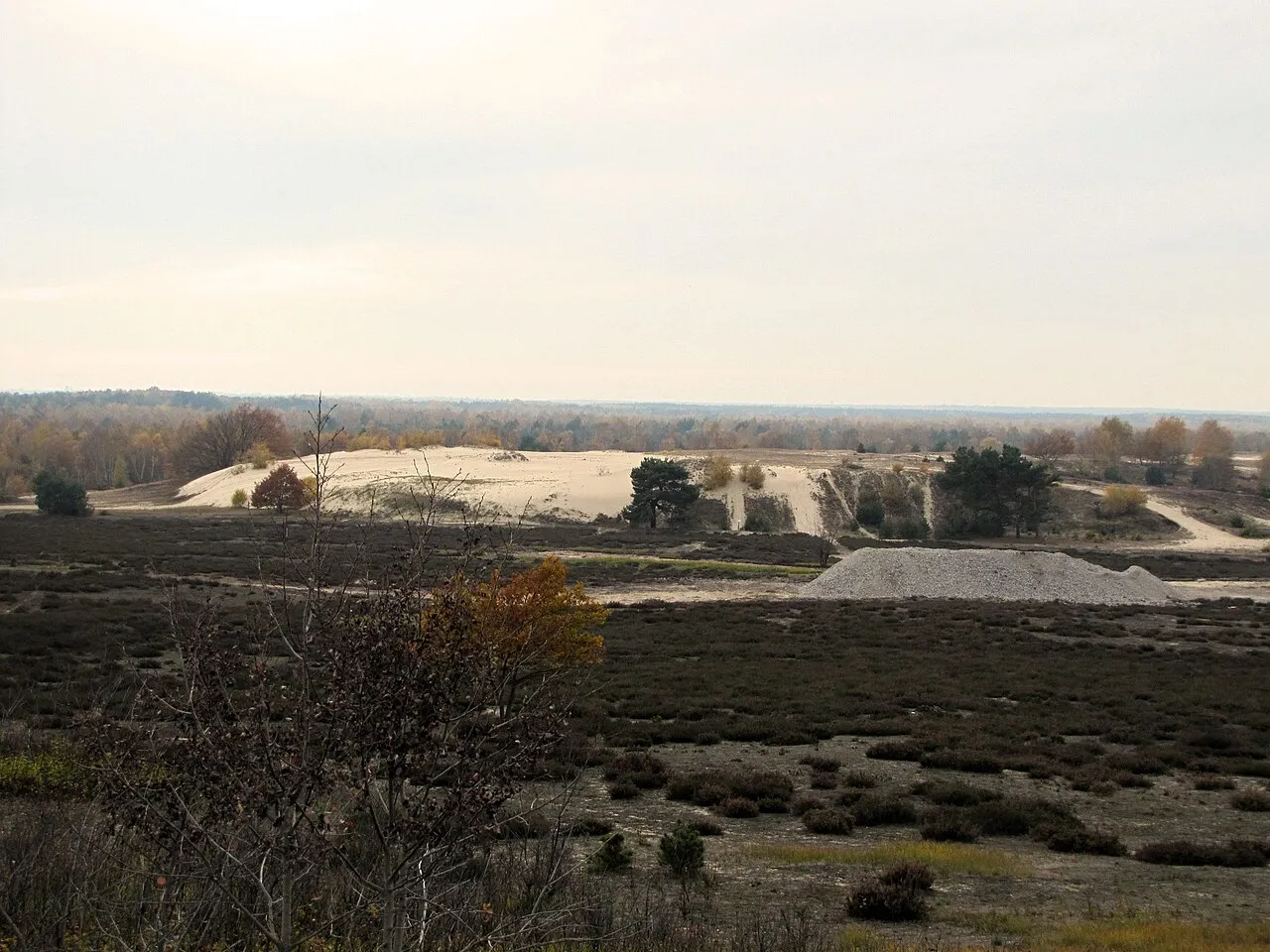
Natura 2000 · breeding
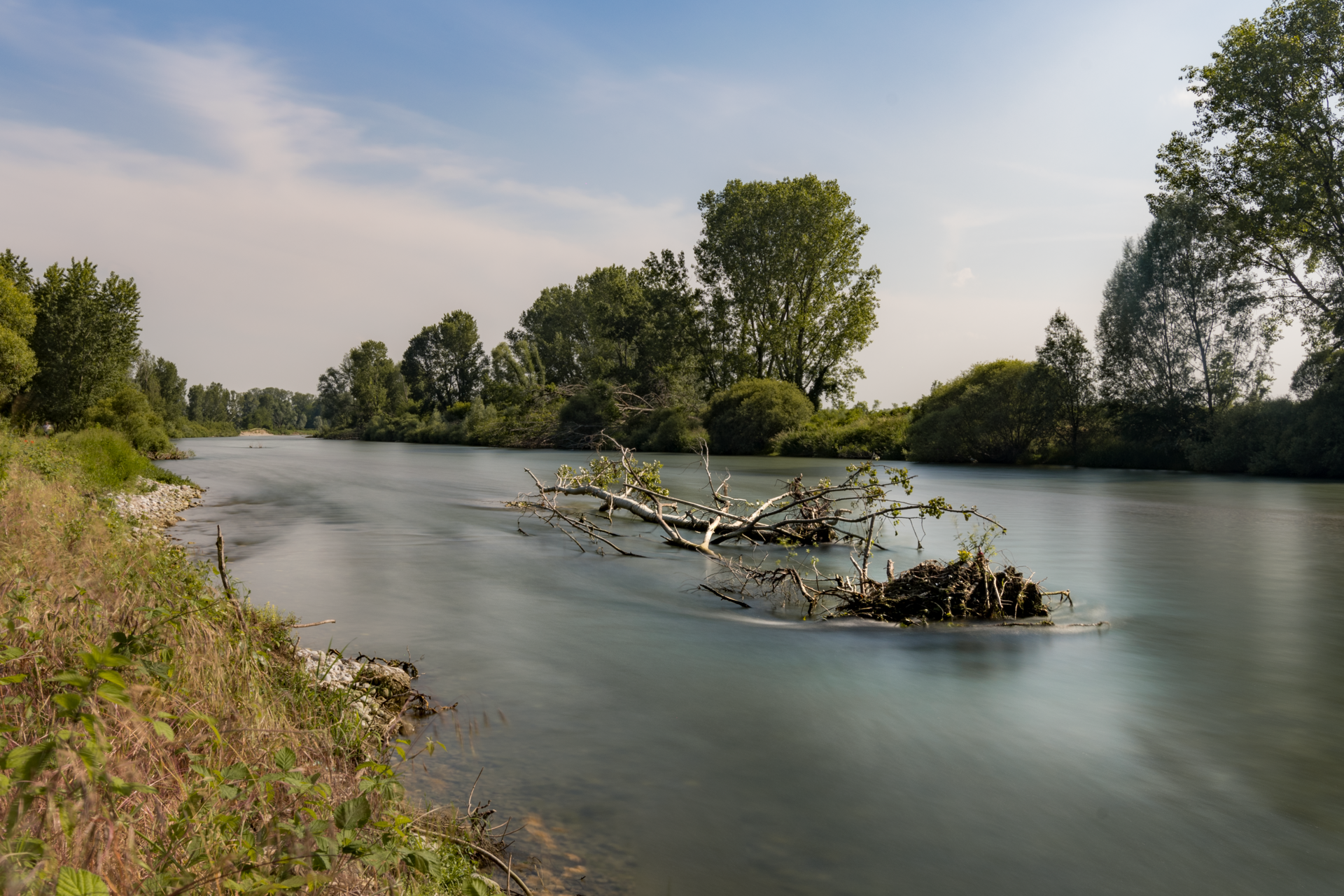
Natura 2000 · passage
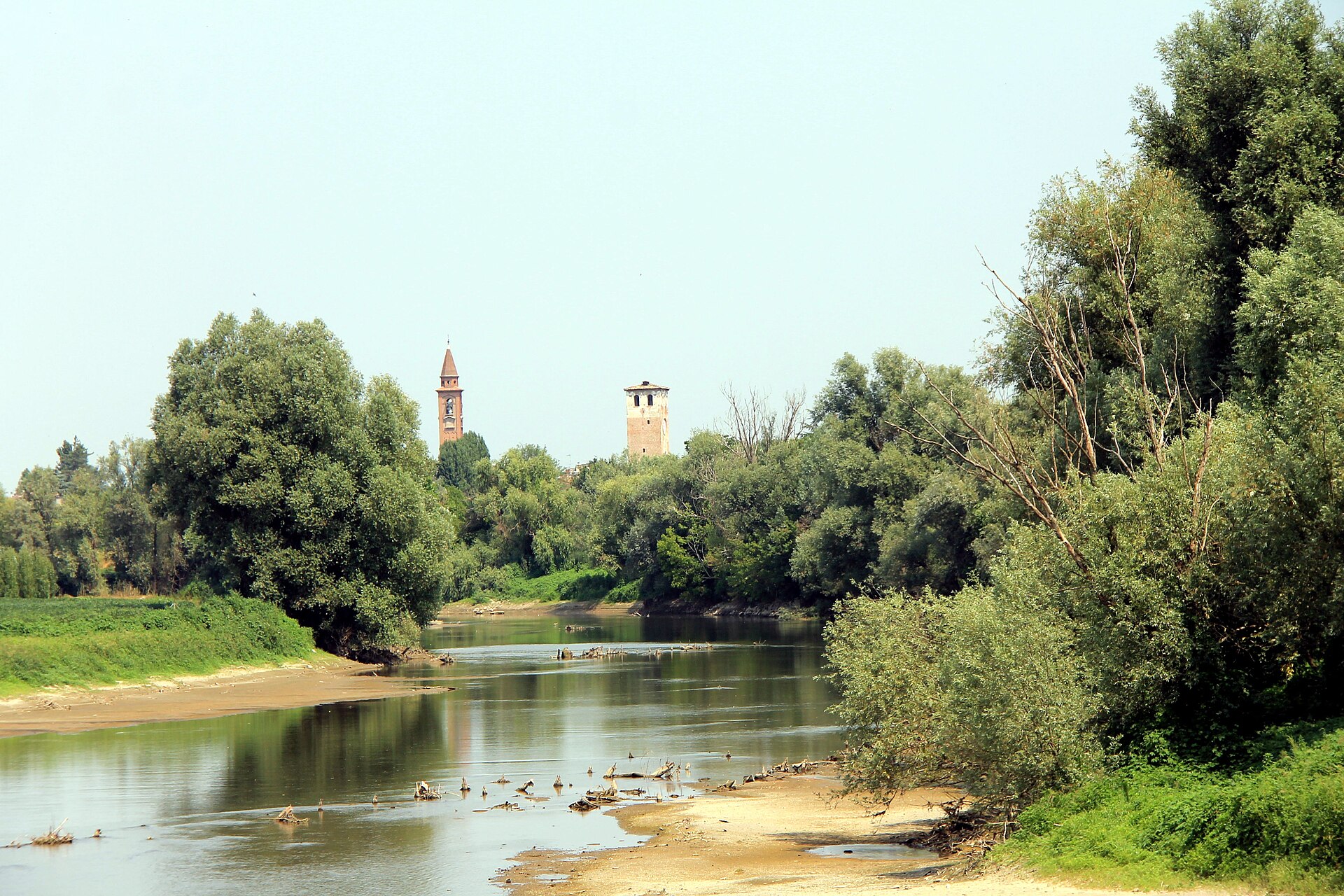
Natura 2000 · breeding, passage
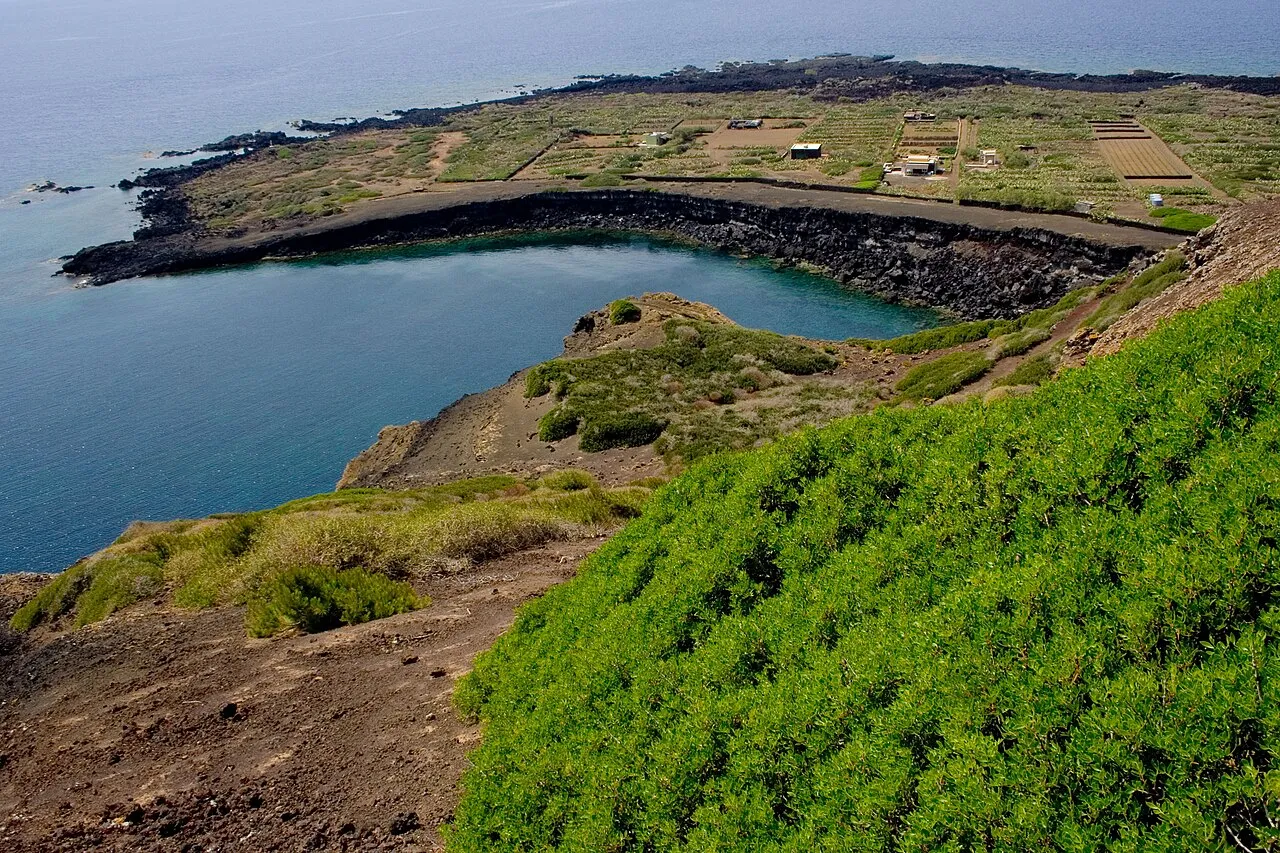
Natura 2000 · passage
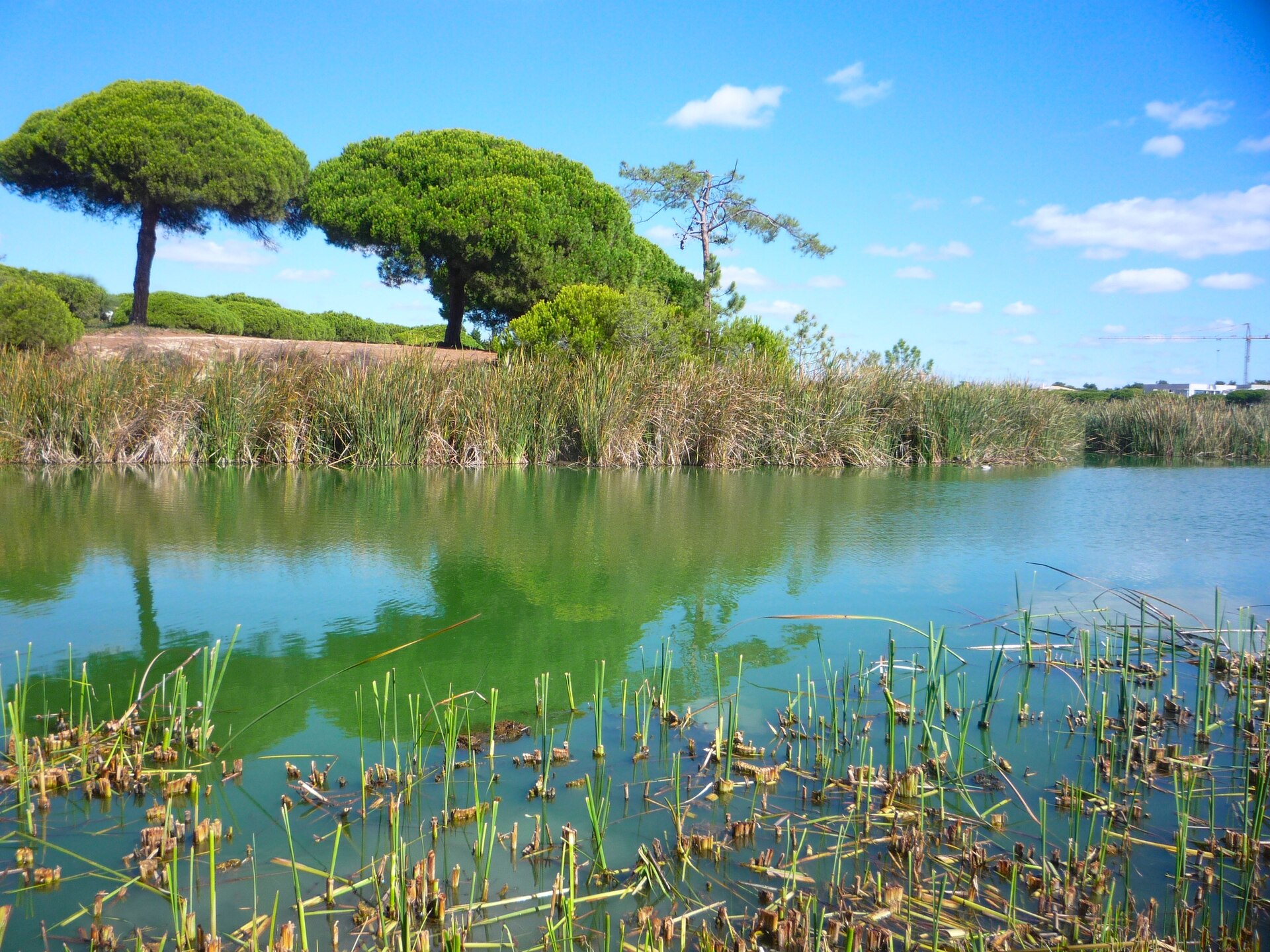
Natura 2000 · passage
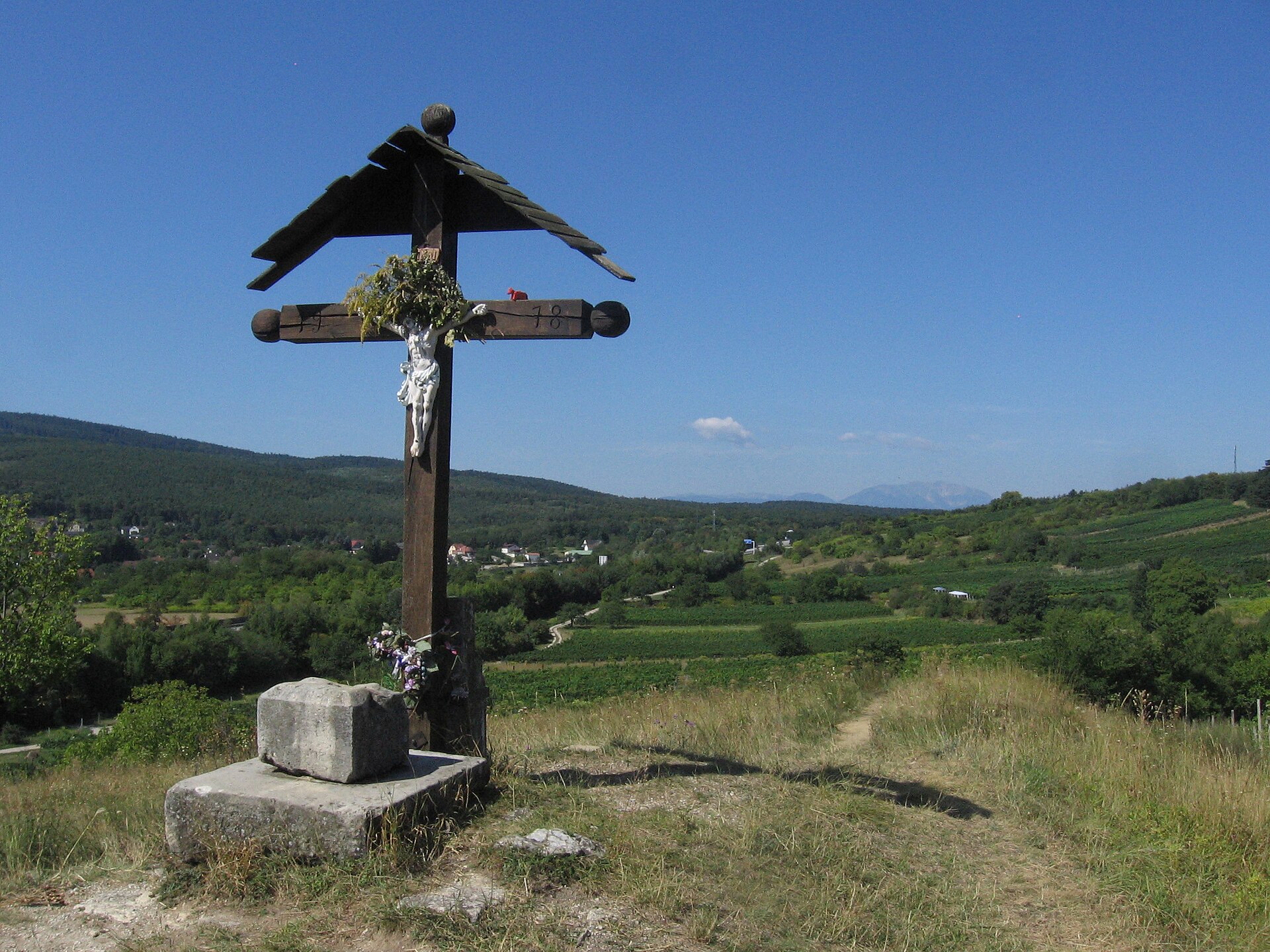
Natura 2000 · passage, breeding
Natura 2000 · passage

Natura 2000 · passage
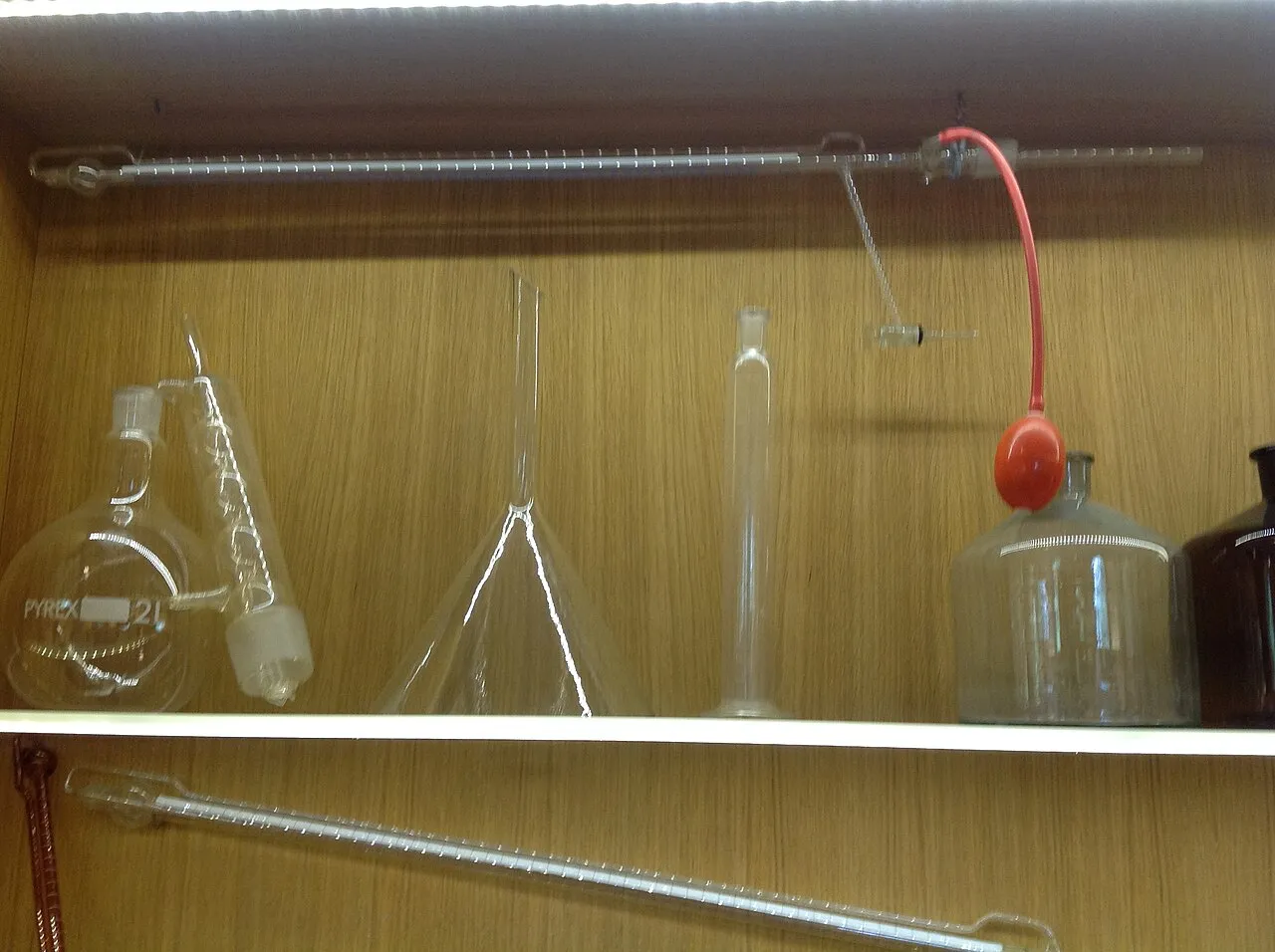
Natura 2000 · passage, breeding
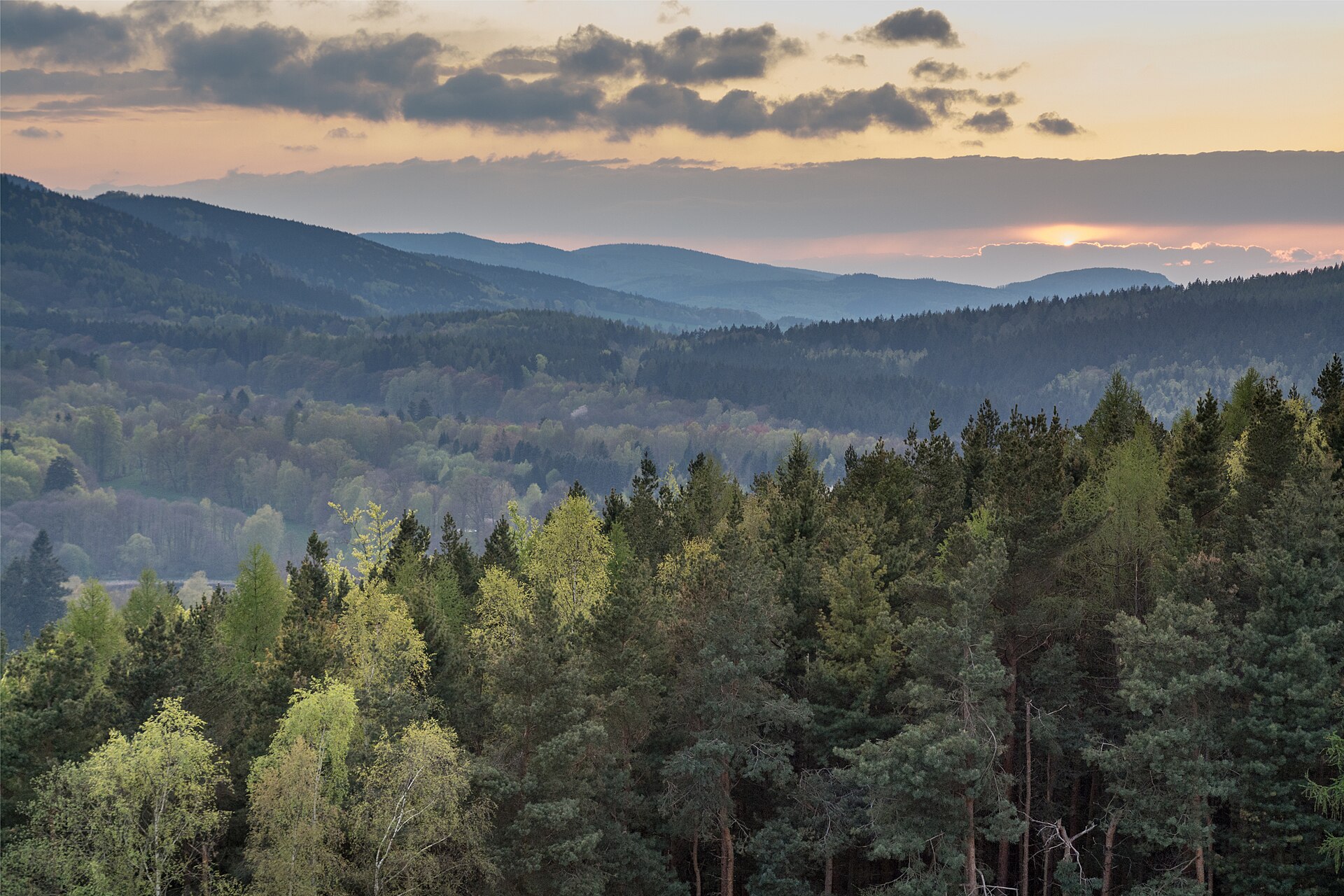
Natura 2000 · passage
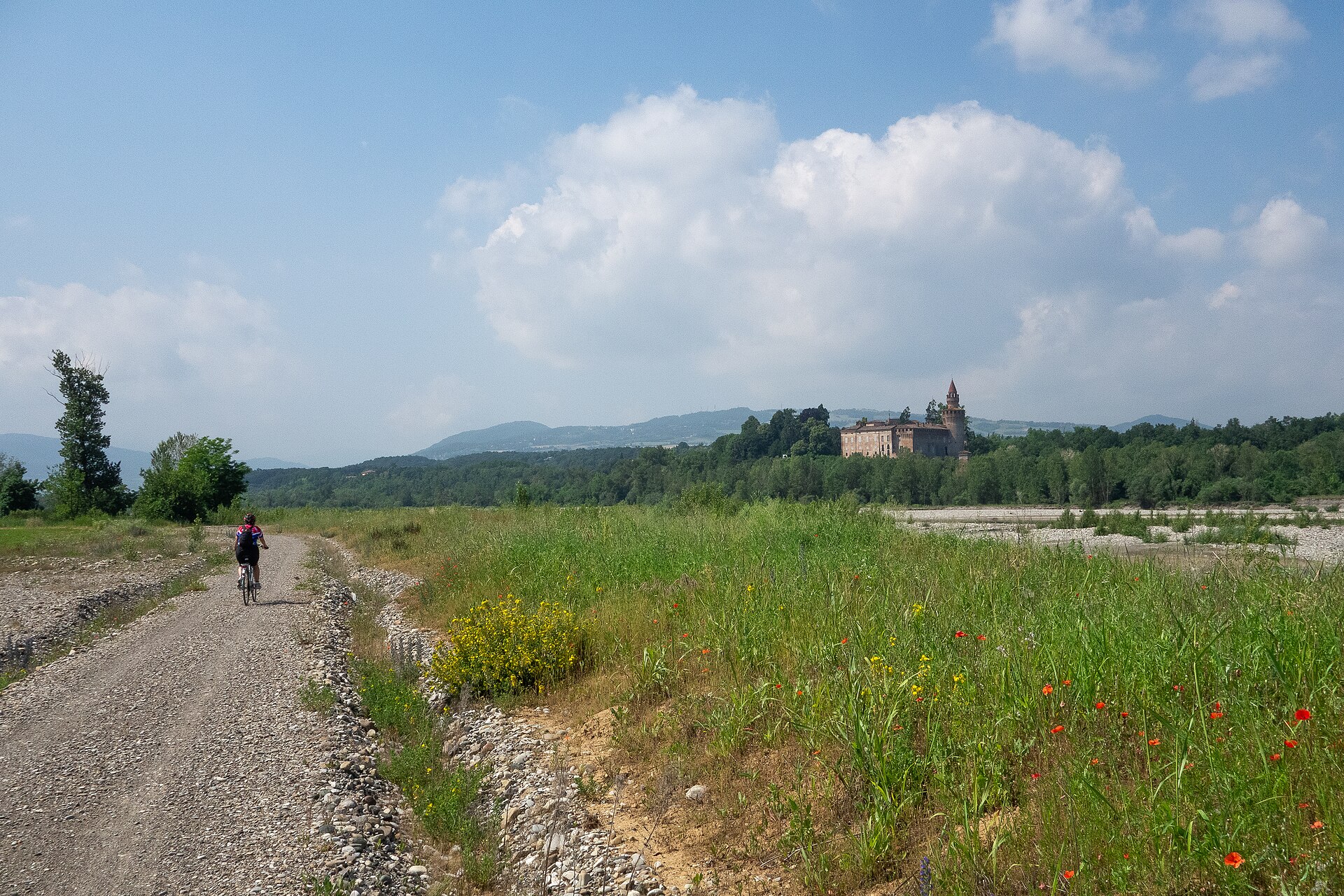
Natura 2000 · passage
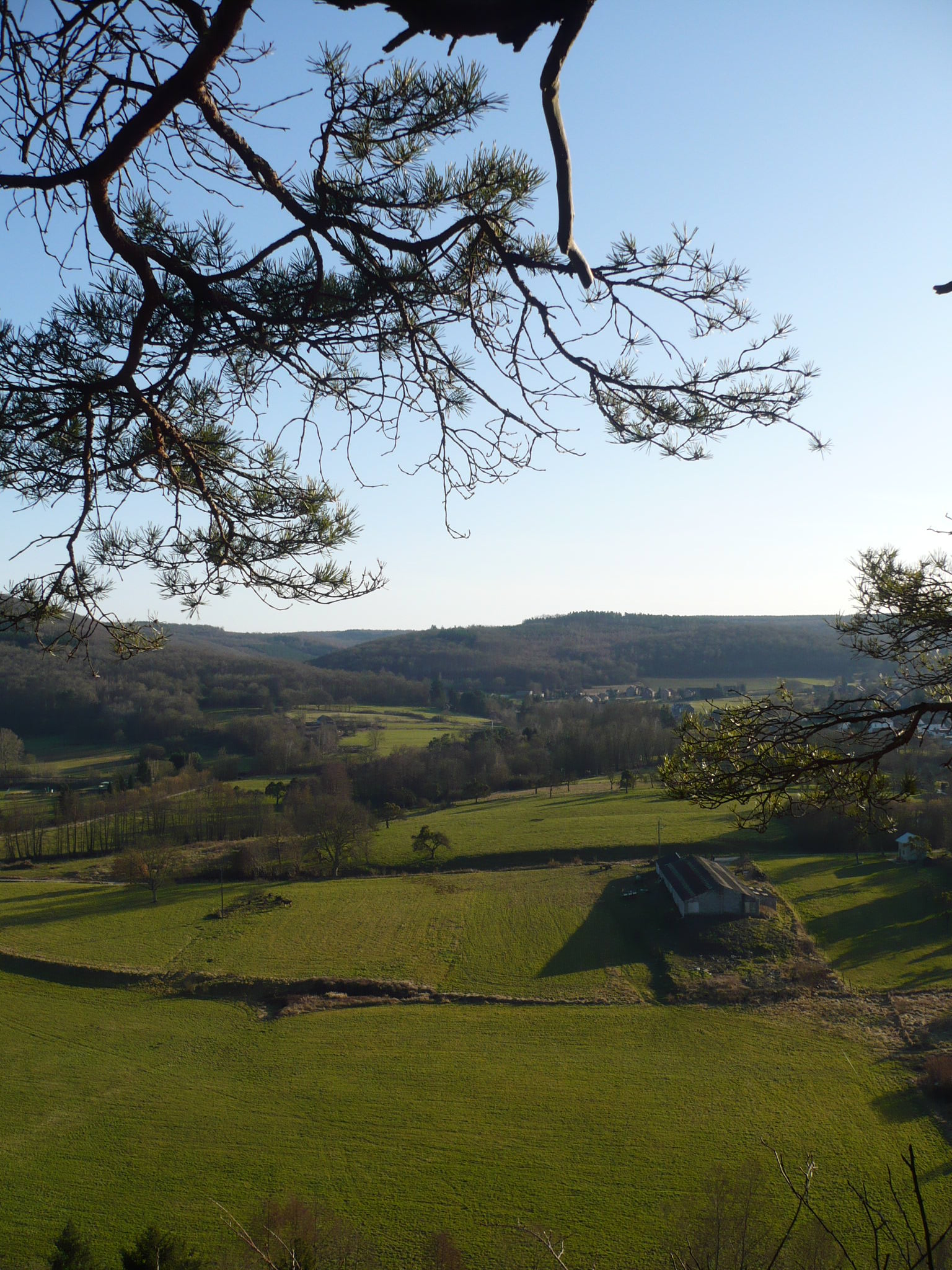
Natura 2000 · breeding
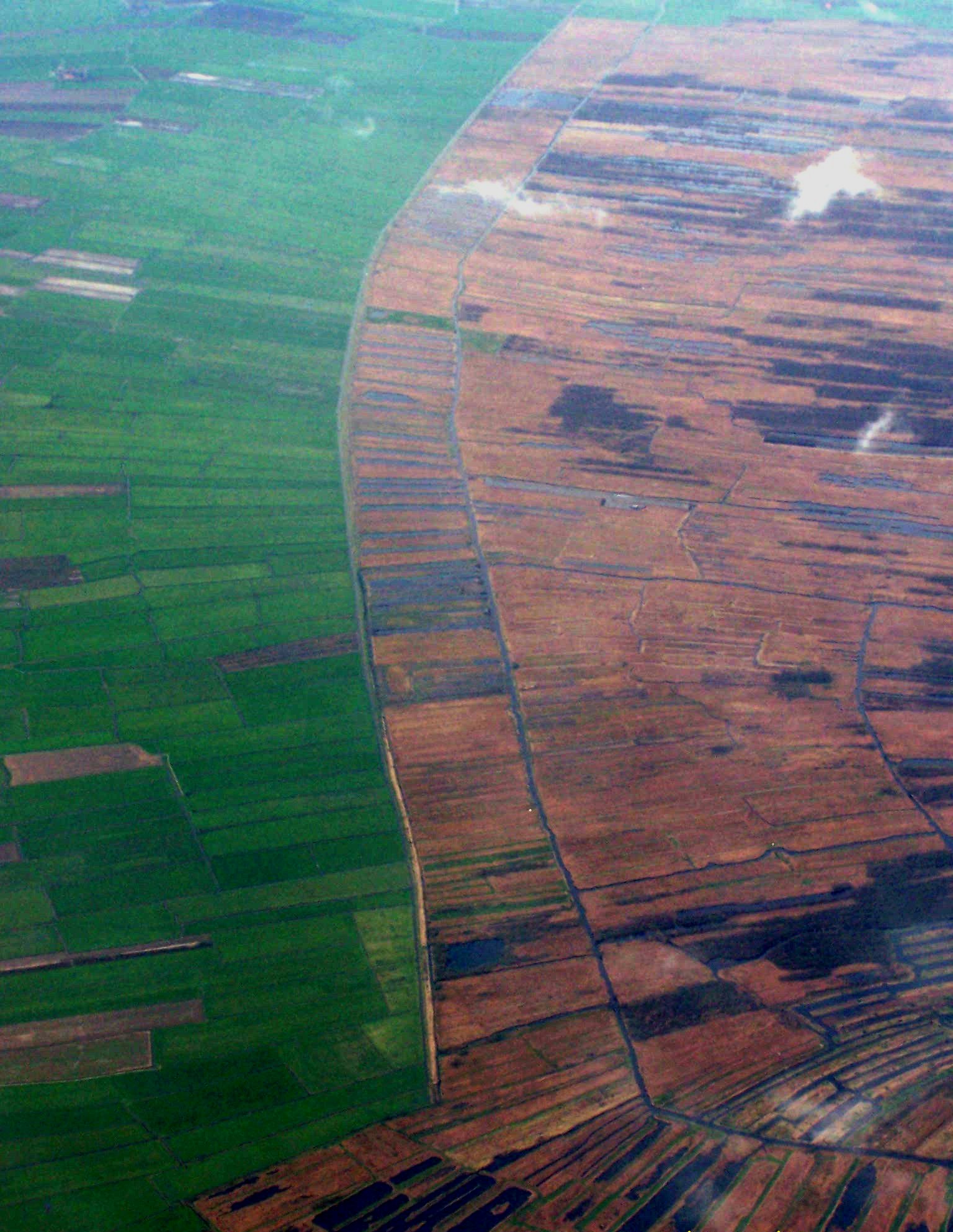
Natura 2000 · breeding

Natura 2000 · breeding

Natura 2000 · breeding

Natura 2000
Other species to discover
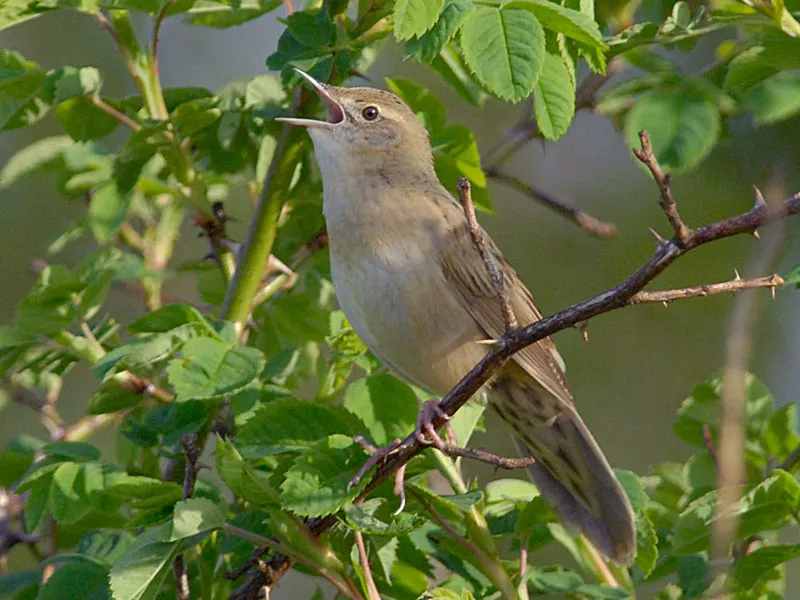 Common Grasshopper Warbler
Locustella naevia Same genus
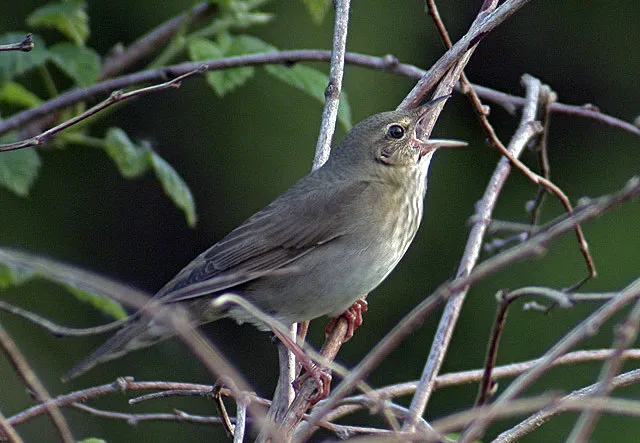 River warbler
Locustella fluviatilis Same genus
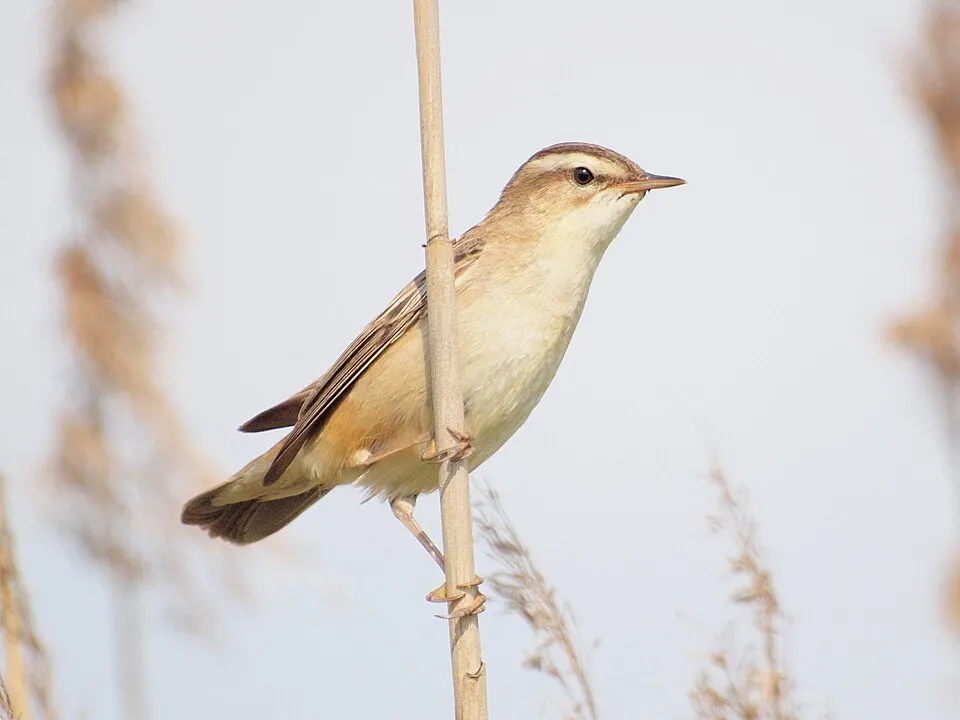 Sedge warbler
Acrocephalus schoenobaenus 44 places in common
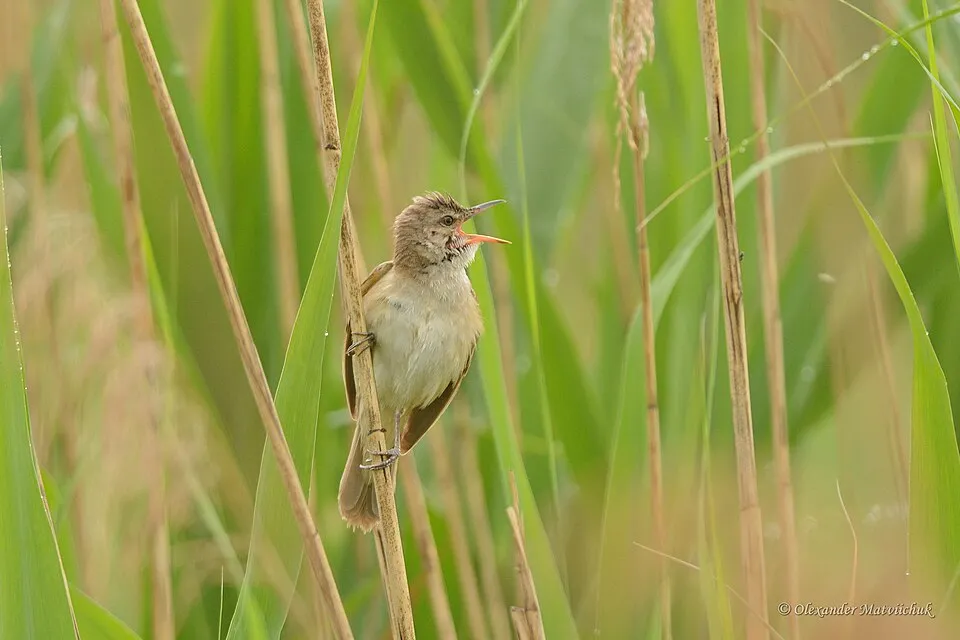 Great Reed Warbler
Acrocephalus arundinaceus 44 places in common
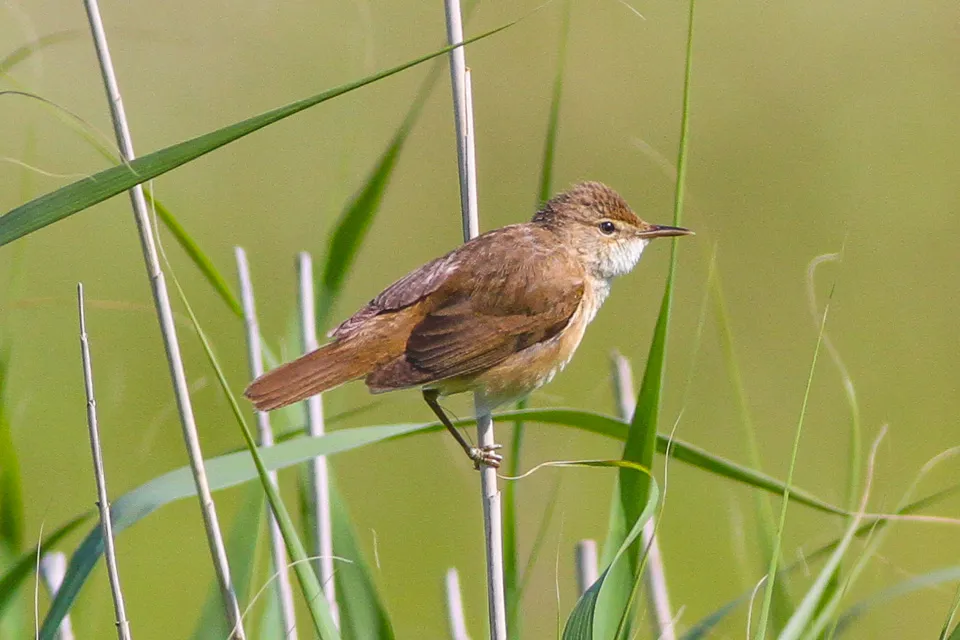 Eurasian Reed Warbler
Acrocephalus scirpaceus 37 places in common
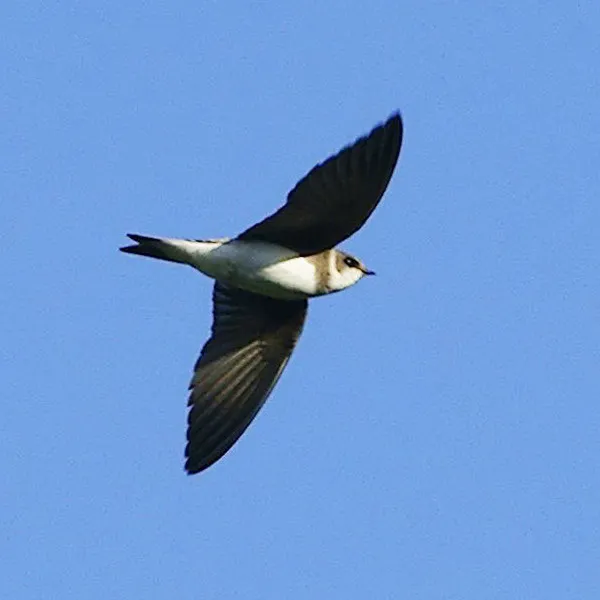 Sand Martin
Riparia riparia 35 places in common
Sources and credits
- Presence: most-recorded species of each place on GBIF and species of Community interest in the Natura 2000 forms (EEA, CC-BY 4.0); absence from the list does not mean the species is absent.
- Common names: Wikidata (CC0) and GBIF.
- Photos and sounds: Wikimedia Commons, author and licence given for each file.
- Classification: GBIF Backbone Taxonomy (GBIF Secretariat), CC BY 4.0, doi:10.15468/39omei.
- Countries, elevations, months and maps: GBIF.org, CC0 or CC BY 4.0 occurrences only, accessed October 22, 2026, GBIF.org.
- Base map: Natural Earth (public domain).
- Excerpt: Wikipedia, CC BY-SA 4.0 (full credit below the excerpt).
- Key facts: Wikidata (CC0), with the references cited under each value.