
Bird
American Flamingo: where to see it
Phoenicopterus ruber
This bird species is recorded in 22 protected areas of the atlas, including 18 whose official Natura 2000 form lists it. Within the atlas countries, it is observed in the Netherlands, France and Portugal. Records peak from September to April. It has a wingspan of 153 cm. It is subject to special conservation measures under the Birds Directive (Annex I).
Best time to see it: September–April
Records published on GBIF by month (CC0 and CC BY 4.0 licences only), in the atlas countries, all years combined; they also reflect observer activity.
Key facts
- Wingspan
- 153 cm Wikidata, after Ericson et al. 2007
- Weight (female)
- 2.53 kg Wikidata, after Lislevand et al. 2007
- Weight (male)
- 3.58 kg Wikidata, after Lislevand et al. 2007
- Clutch size
- 1 egg Wikidata, after Jetz et al. 2008
Status and protection
Birds Directive I
The species is listed in Annex I of the Birds Directive.
Distribution
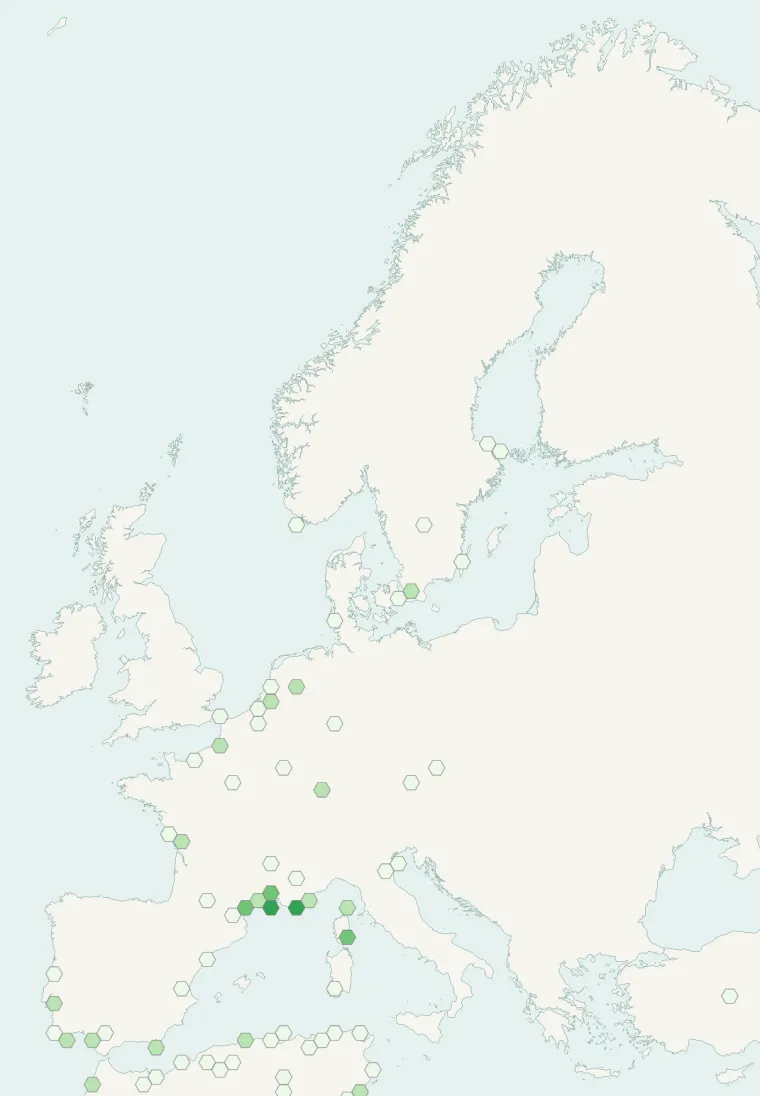
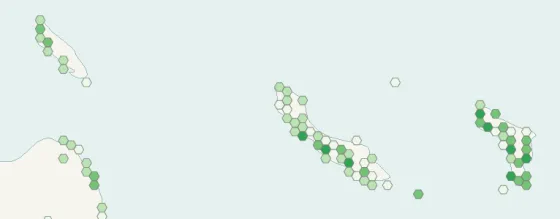
Records published on GBIF (CC0 and CC BY 4.0 licences): the darker the shade, the more records there are; they also reflect observation effort.
Atlas countries where it is recorded
From Wikipedia
The American flamingo (Phoenicopterus ruber) is a large species of flamingo native to the West Indies, northern South America (including the Galápagos Islands) and the Yucatán Peninsula. It is closely related to the greater flamingo and Chilean flamingo, and was formerly considered conspecific with the greater flamingo, but that treatment is now widely viewed (e.g. by the American and British Ornithologists' Unions) as incorrect due to a lack of evidence. It is also known as the Caribbean flamingo, although it is also present in the Galápagos Islands.
Source: Wikipedia, article “American flamingo” (version of July 4, 2026) · history and authors · licence CC BY-SA 4.0 · shortened excerpt
Protected areas where it is recorded

5,438 records

3,246 records

689 records
144 records

Natura 2000 · passage
Natura 2000 · passage
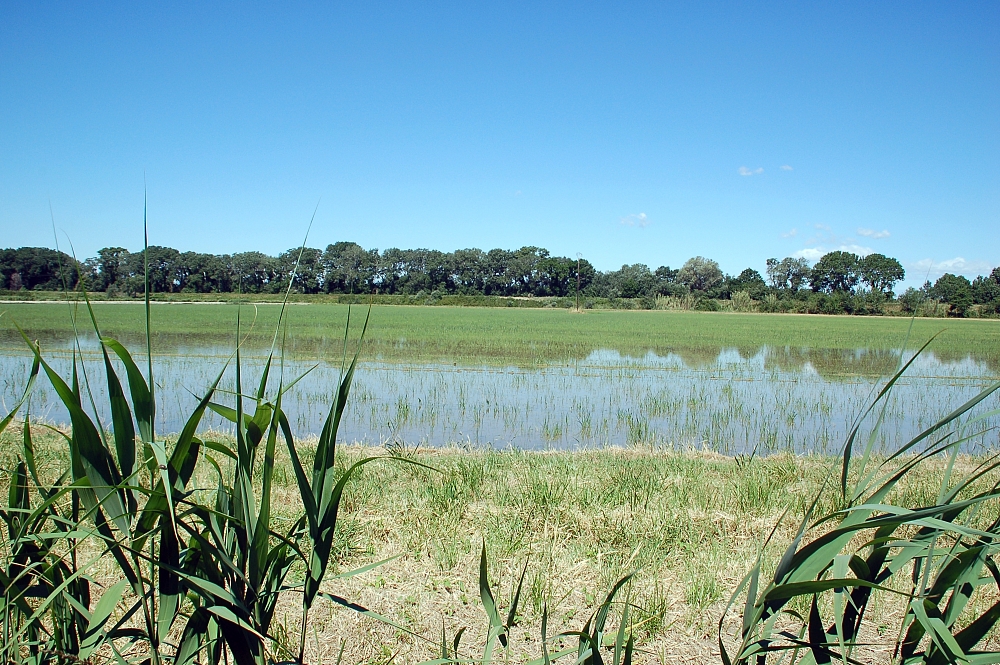
Natura 2000 · breeding, wintering, resident, passage
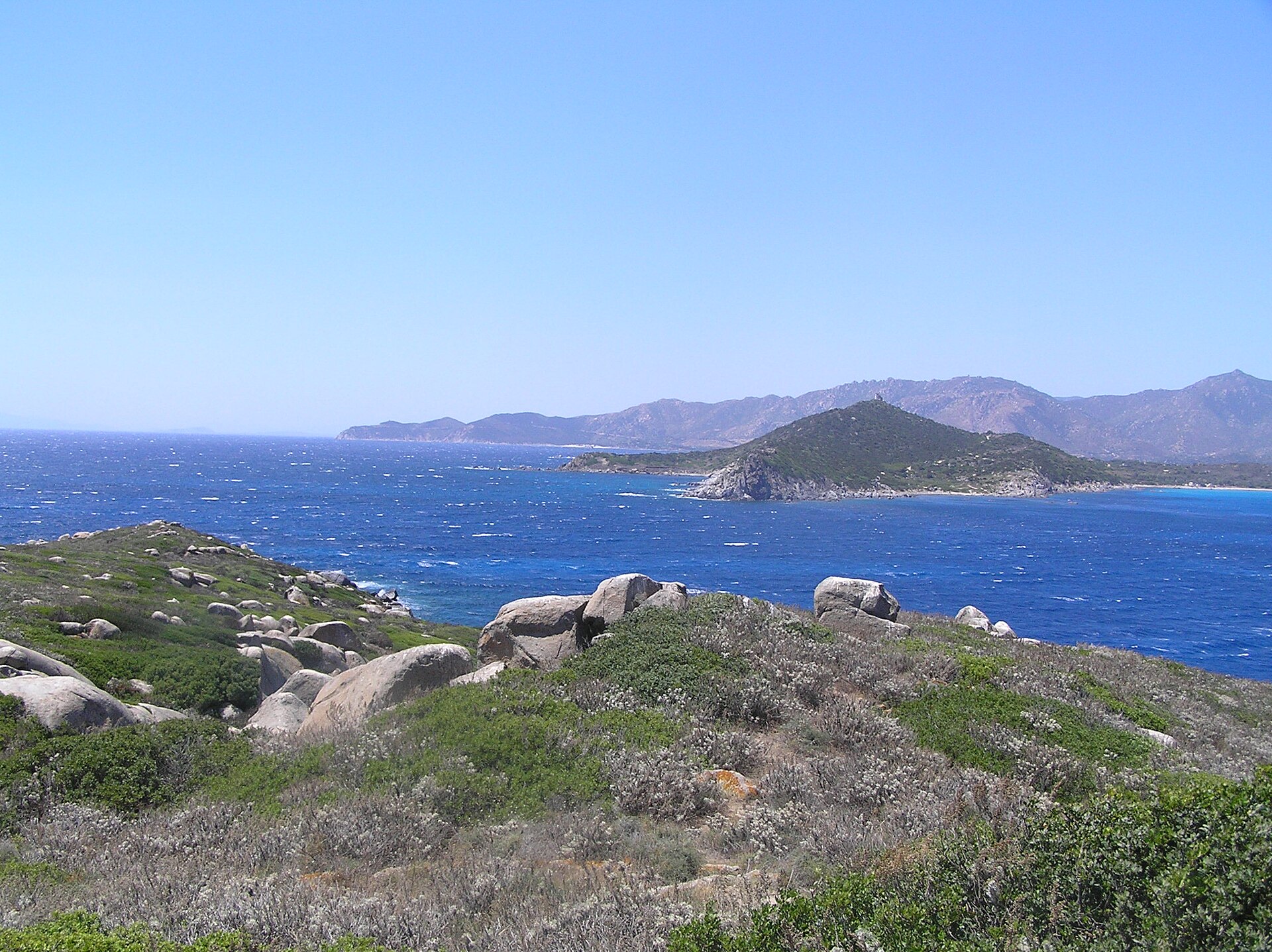
Natura 2000 · passage, wintering
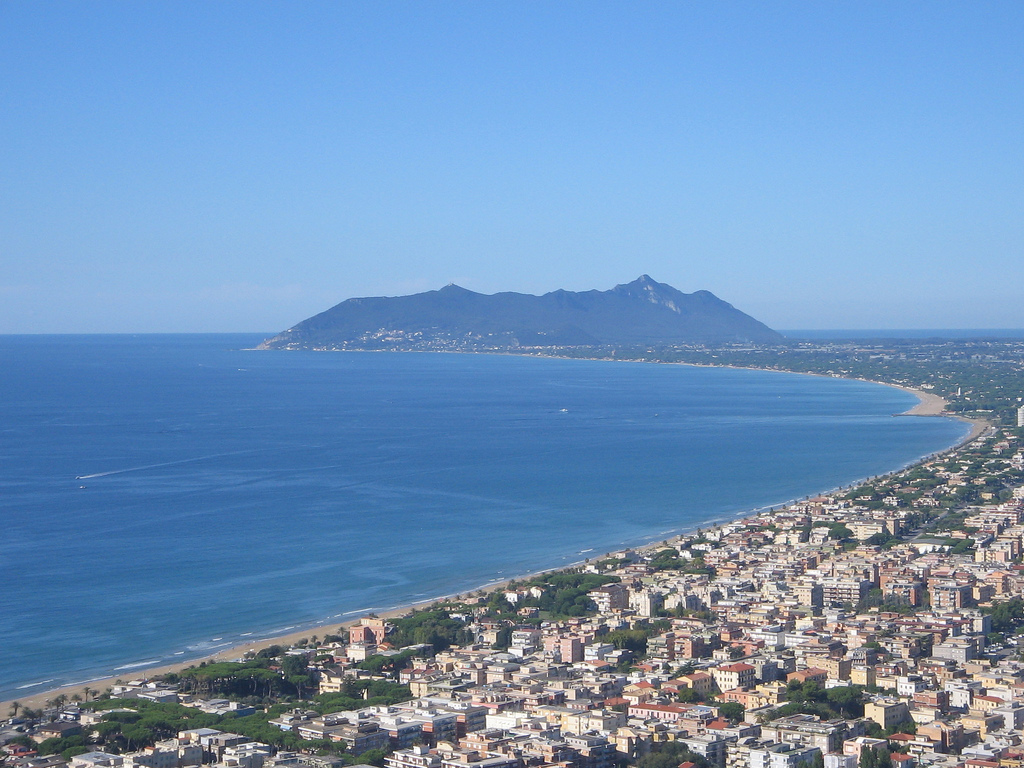
Natura 2000 · wintering, passage

Natura 2000 · passage, resident, wintering, breeding

Natura 2000 · resident, wintering
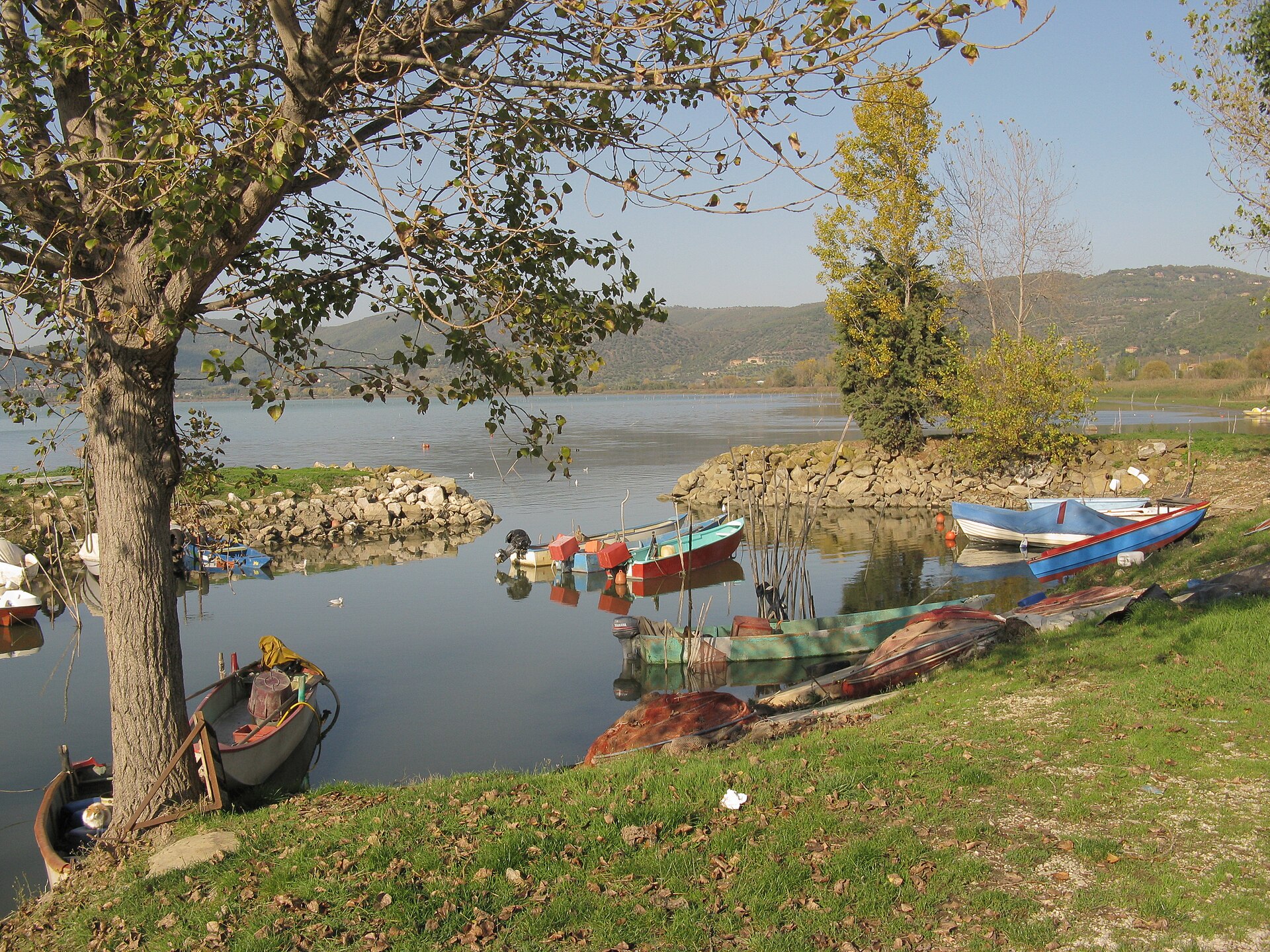
Natura 2000
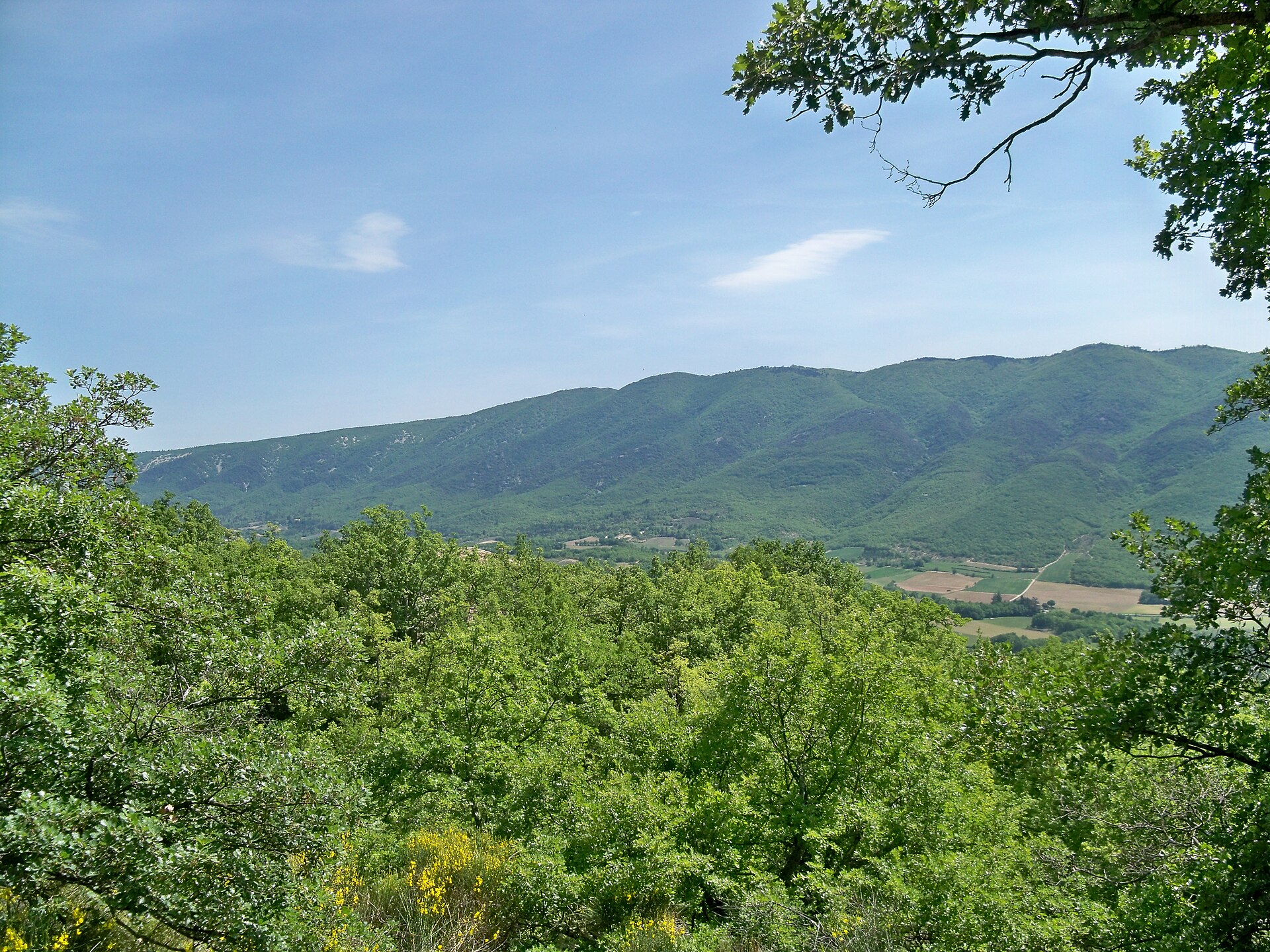
Natura 2000 · passage

Natura 2000 · wintering, passage

Natura 2000 · passage, wintering

Natura 2000 · passage, wintering, resident
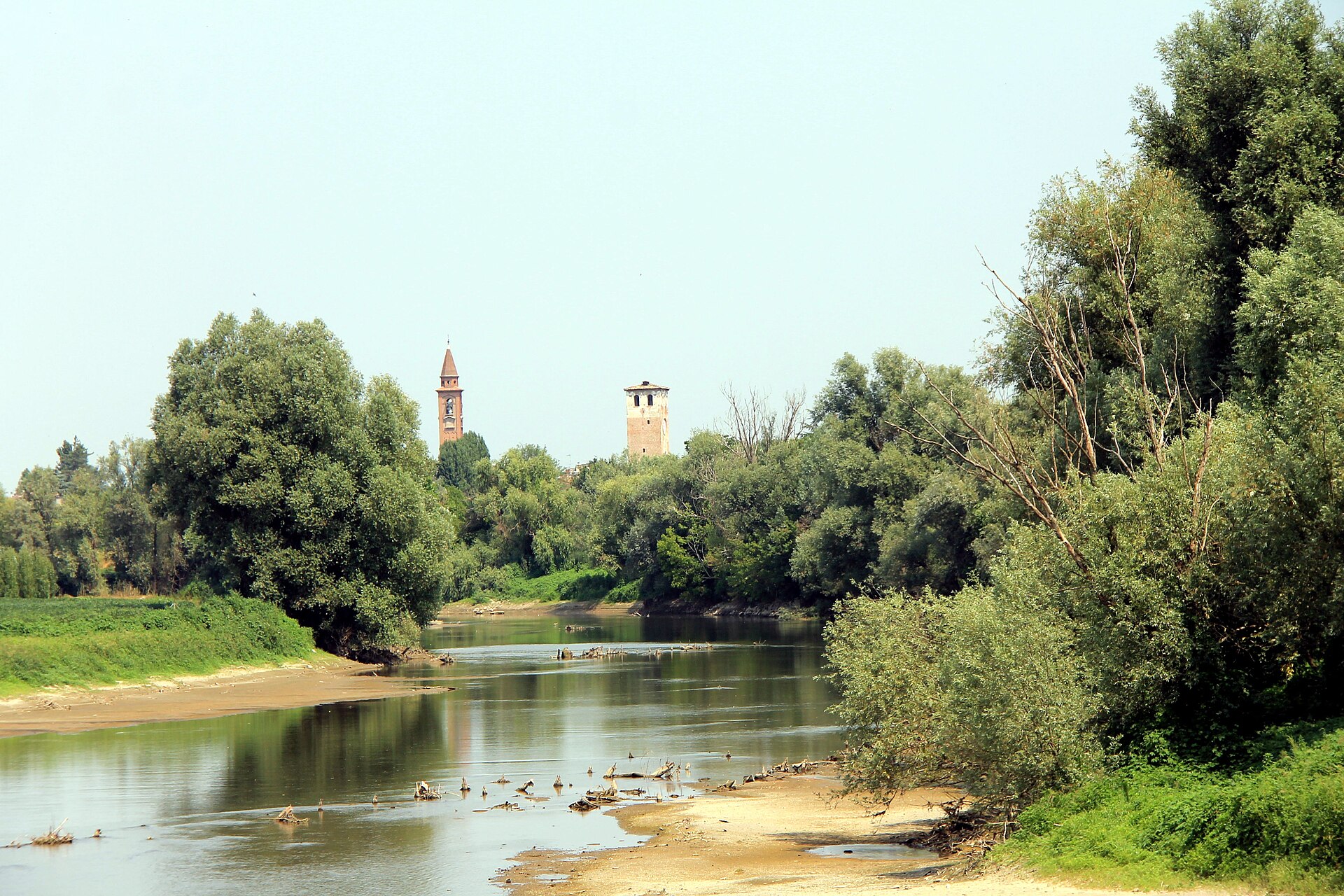
Natura 2000 · passage
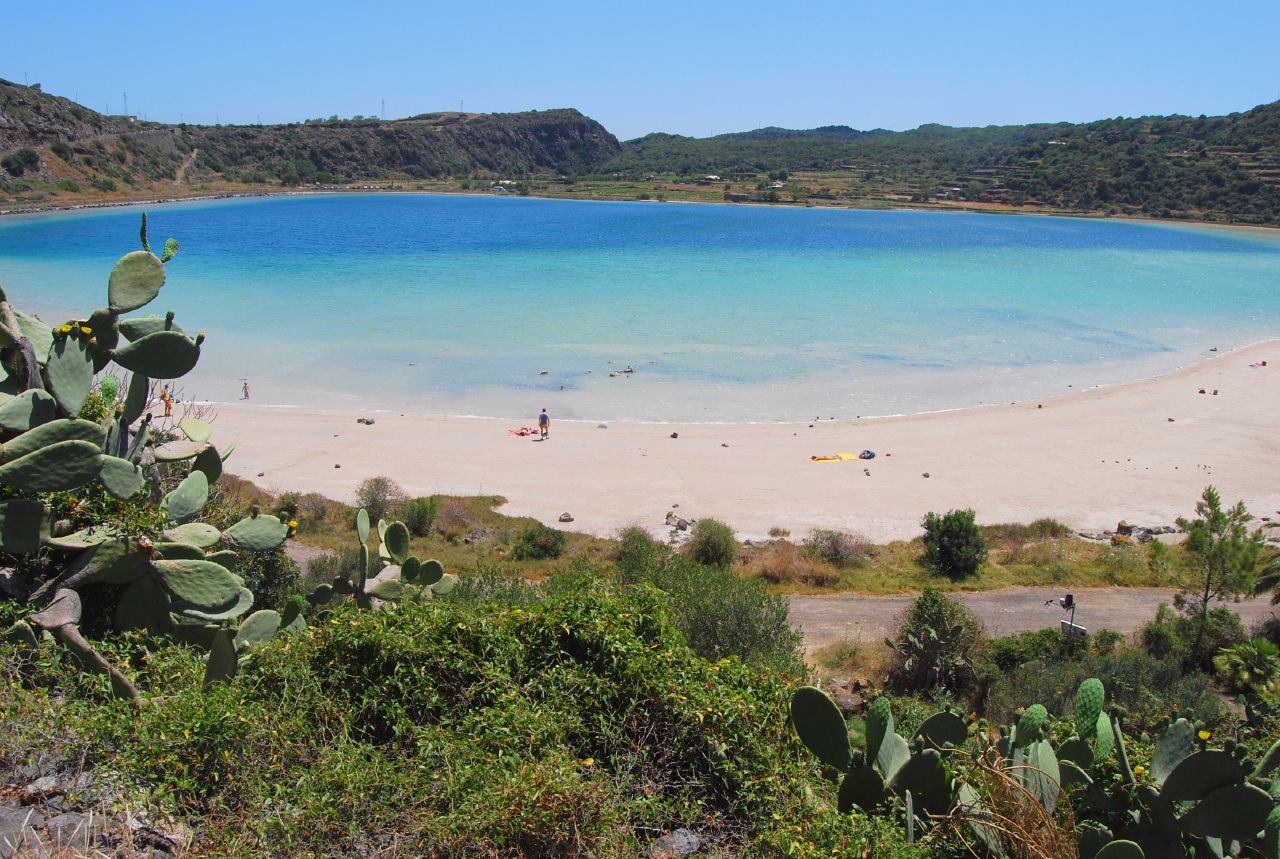
Natura 2000 · passage
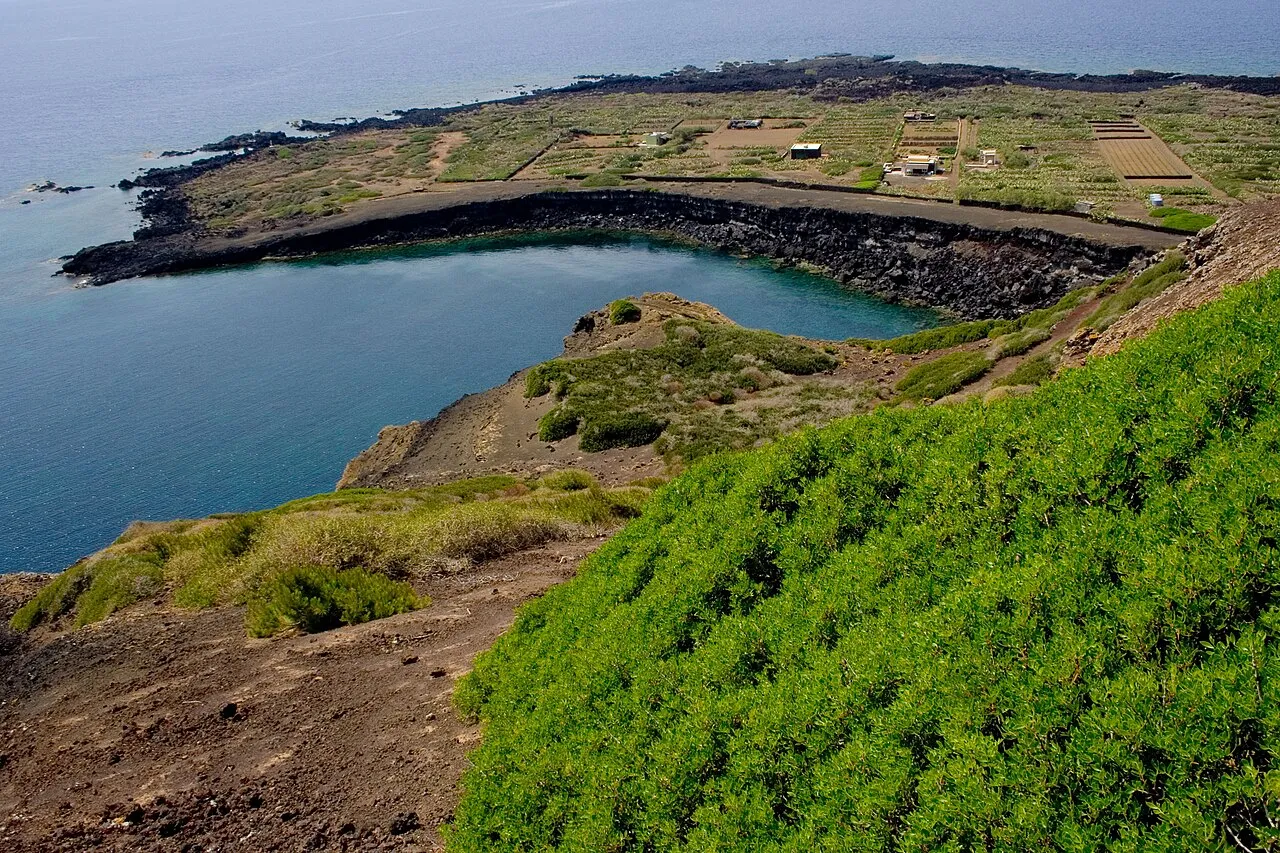
Natura 2000 · passage
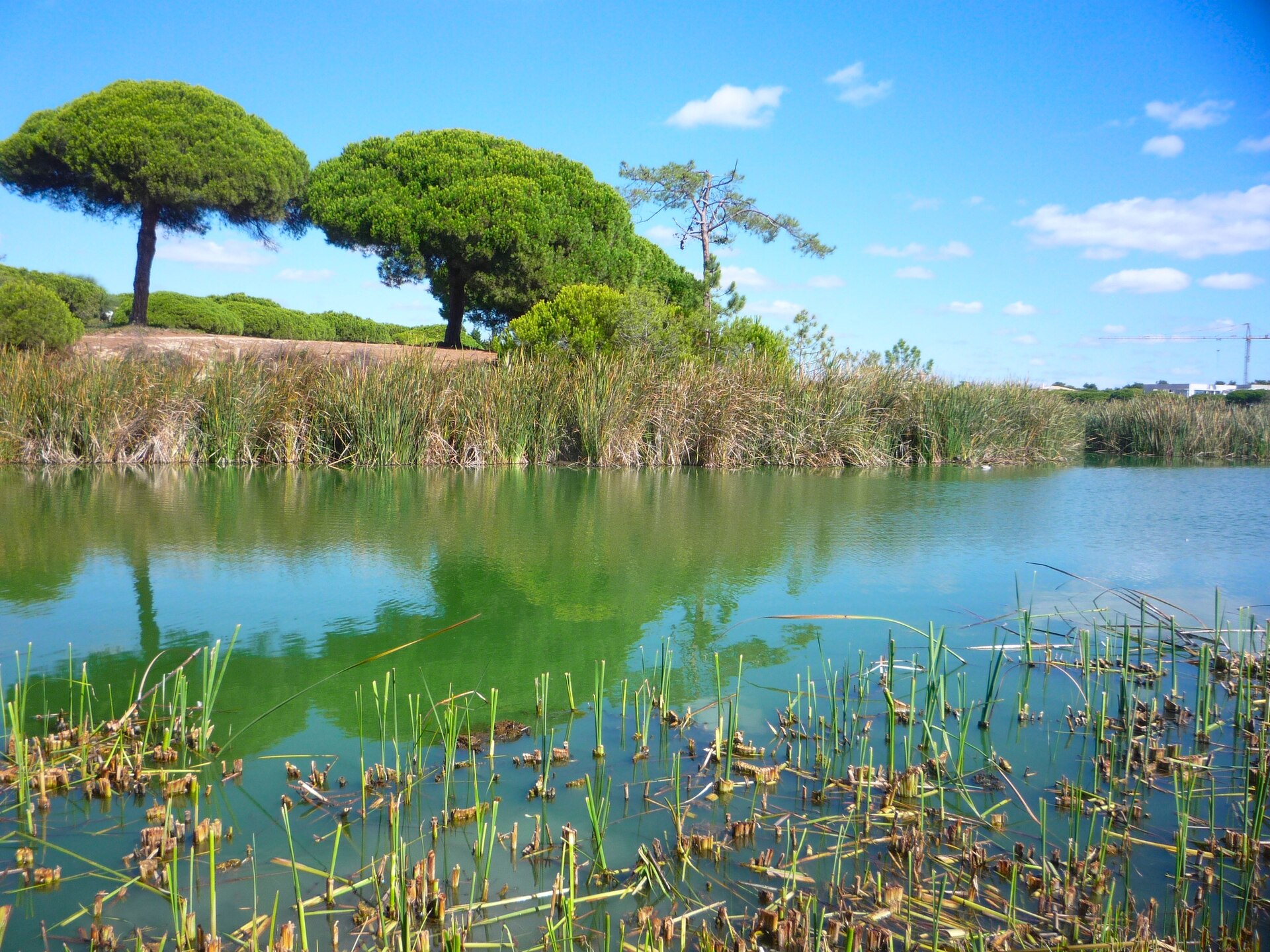
Natura 2000 · wintering

Natura 2000 · wintering
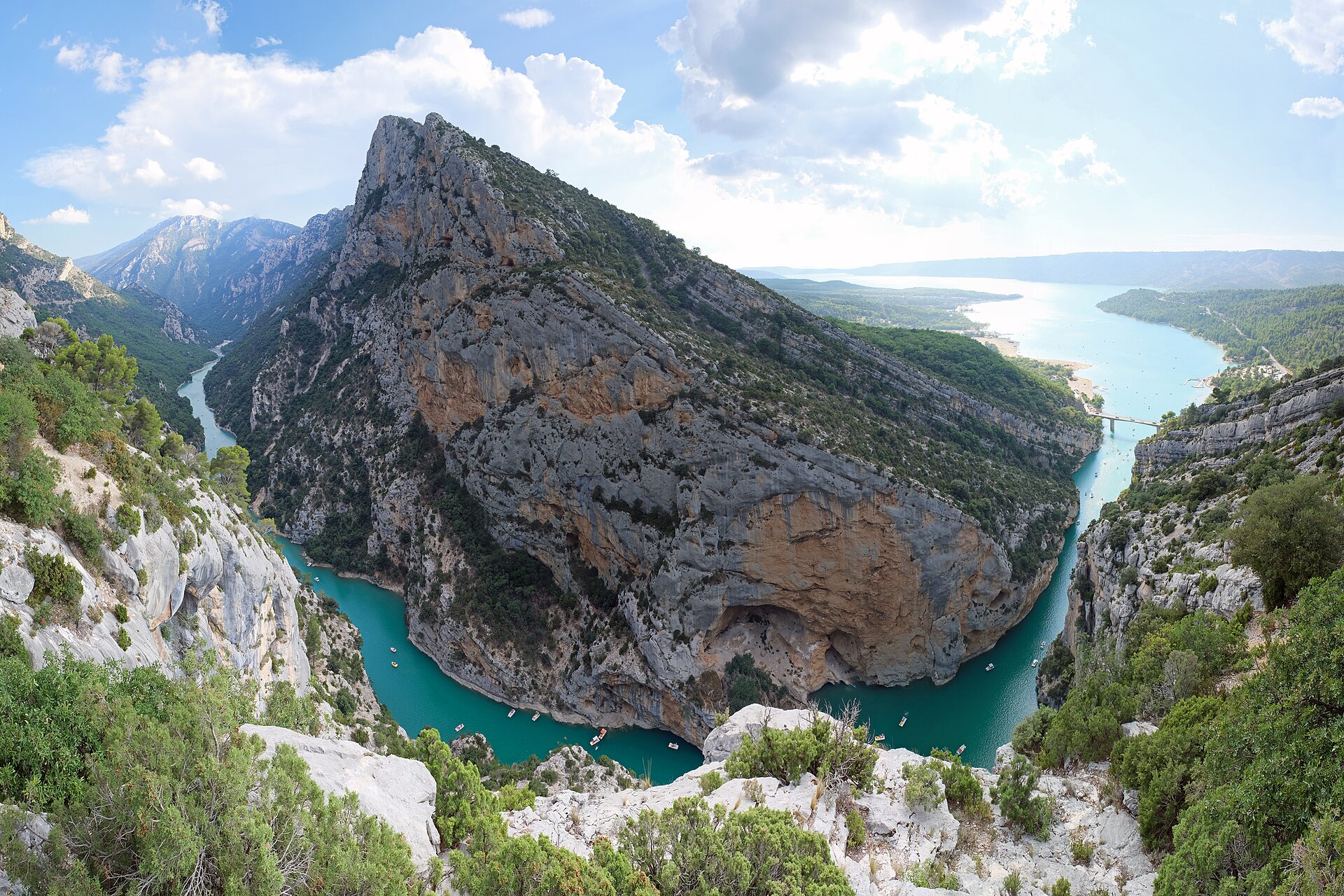
Natura 2000 · passage
Other species to discover
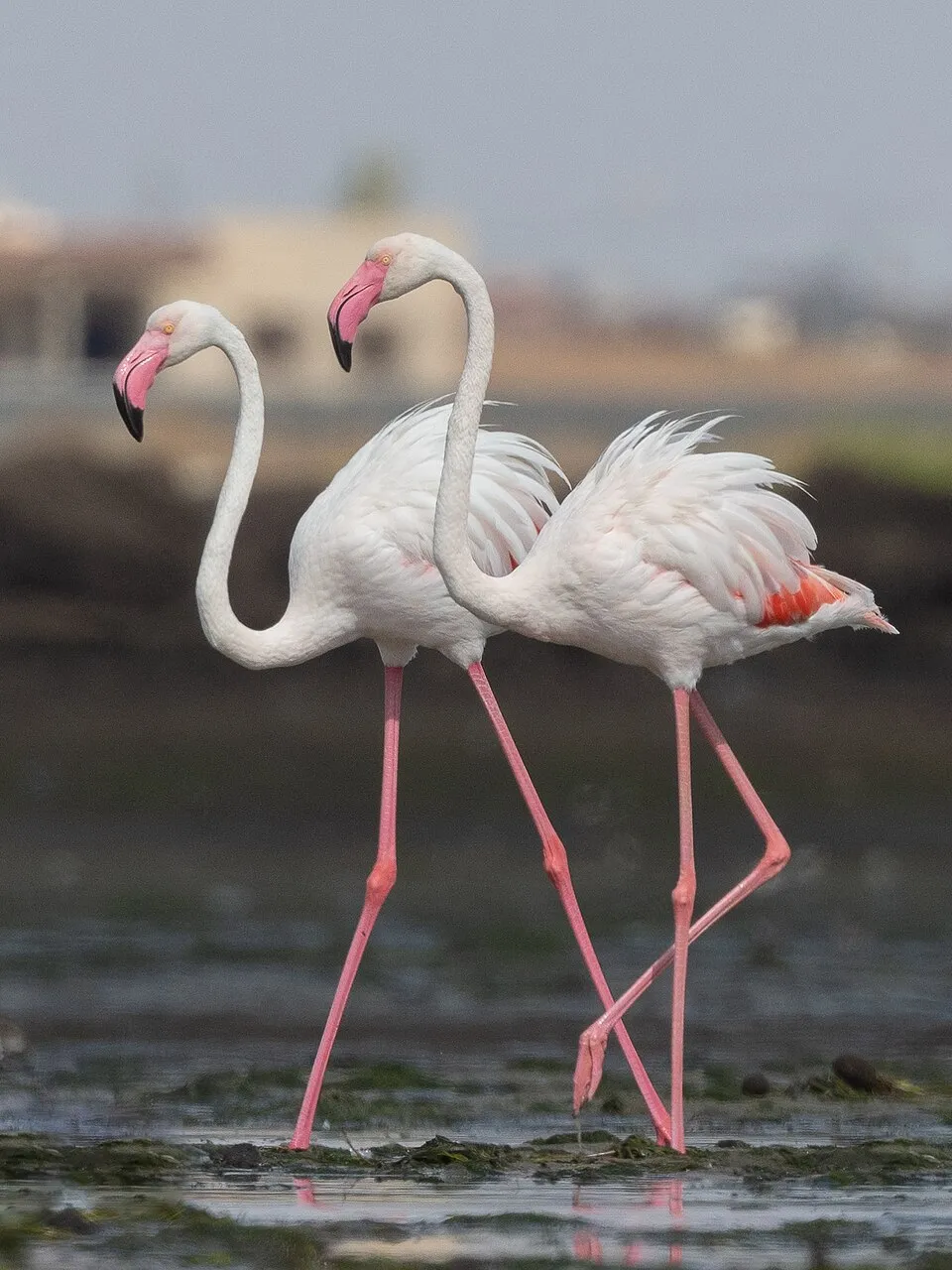 Greater Flamingo
Phoenicopterus roseus Same genus
 Moustached Warbler
Acrocephalus melanopogon 12 places in common
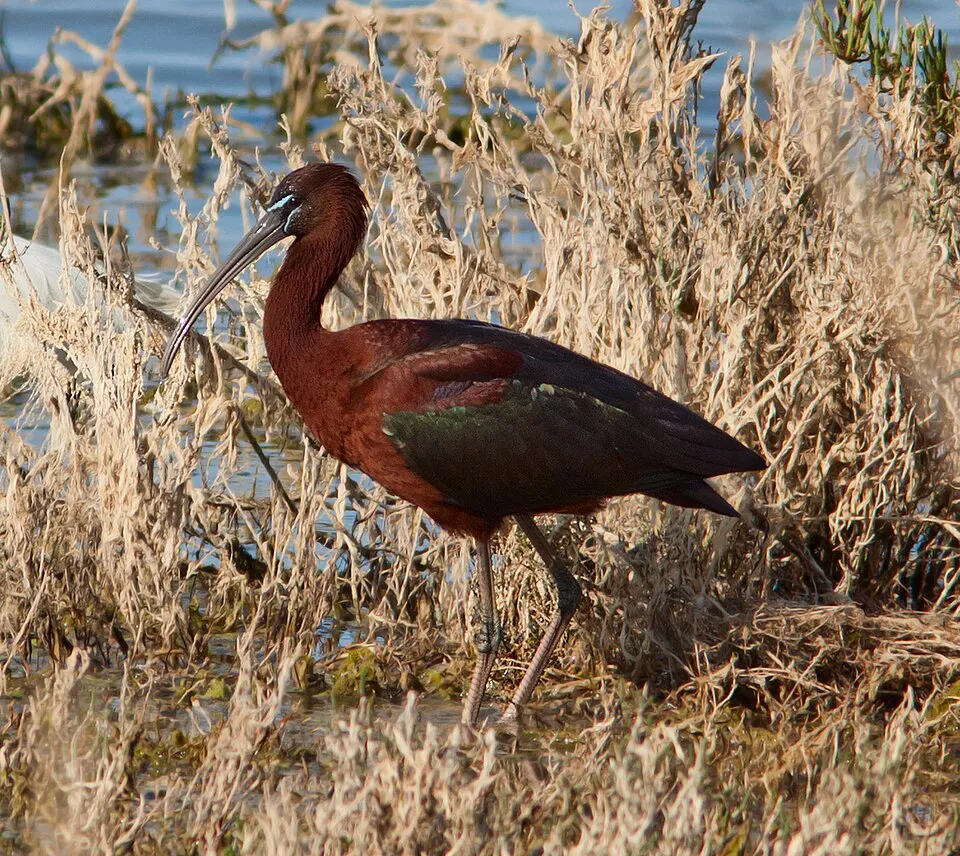 Glossy Ibis
Plegadis falcinellus 12 places in common
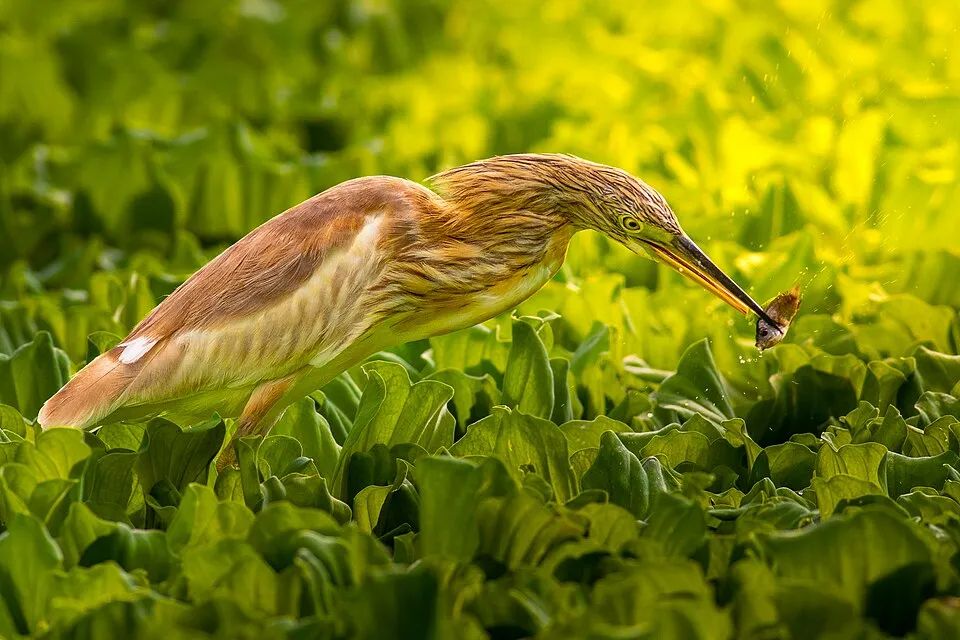 Squacco Heron
Ardeola ralloides 15 places in common
 Pied Avocet
Recurvirostra avosetta 16 places in common
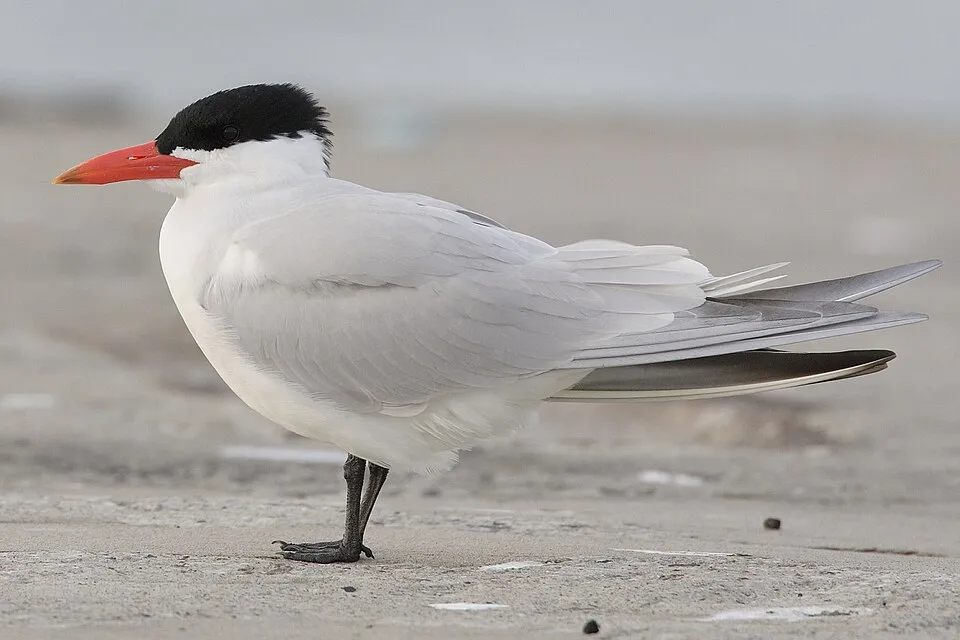 Caspian Tern
Hydroprogne caspia 13 places in common
Sources and credits
- Presence: most-recorded species of each place on GBIF and species of Community interest in the Natura 2000 forms (EEA, CC-BY 4.0); absence from the list does not mean the species is absent.
- Common names: Wikidata (CC0) and GBIF.
- Photos and sounds: Wikimedia Commons, author and licence given for each file.
- Classification: GBIF Backbone Taxonomy (GBIF Secretariat), CC BY 4.0, doi:10.15468/39omei.
- Countries, elevations, months and maps: GBIF.org, CC0 or CC BY 4.0 occurrences only, accessed October 22, 2026, GBIF.org.
- Base map: Natural Earth (public domain).
- Excerpt: Wikipedia, CC BY-SA 4.0 (full credit below the excerpt).
- Key facts: Wikidata (CC0), with the references cited under each value.
- Annexes: Directive 2009/147/EC (consolidated version), © European Union, EUR-Lex.