
Bird
Greater Flamingo: where to see it
Phoenicopterus roseus
This bird species is recorded in 45 protected areas of the atlas, including 22 whose official Natura 2000 form lists it. Within the atlas countries, it is mostly observed in France, Spain and Portugal (6 countries in all). Records are spread throughout the year. It has a wingspan of 151–176 cm. It is subject to special conservation measures under the Birds Directive (Annex I). Its EU population is assessed as secure (2013–2018 Birds Directive reporting).
Best time to see it: all year round
Records published on GBIF by month (CC0 and CC BY 4.0 licences only), in the atlas countries, all years combined; they also reflect observer activity.
Key facts
- Wingspan
- 151–176 cm Wikidata, after birdsoftheworld.org; Birds of the World
Status and protection
Birds Directive I
The species is listed in Annex I of the Birds Directive.
EU population assessed as secure, stable in the short term (2013–2018 Birds Directive reporting). EU breeding population: 24,600–84,500 pairs.
Distribution
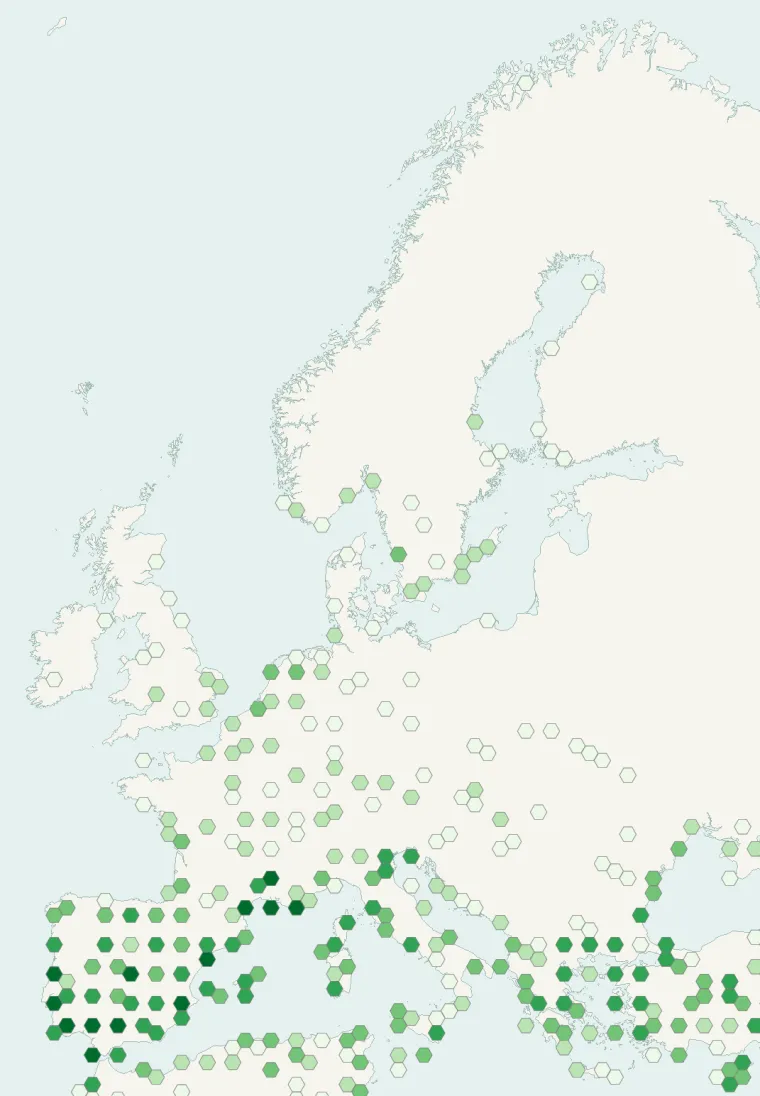
Records published on GBIF (CC0 and CC BY 4.0 licences): the darker the shade, the more records there are; they also reflect observation effort.
Atlas countries where it is recorded
Listen
-
0:09 · © Joost van Bruggen · CC BY-SA 4.0 · Wikimedia Commons · Original file
-
0:20 · © Olaf Oliviero Riemer · CC BY-SA 3.0 · Wikimedia Commons · Original file
From Wikipedia
The greater flamingo (Phoenicopterus roseus) is the largest and most widespread species of the flamingo family. Common in the Old World, they are found in Northern (coastal) and Sub-Saharan Africa, the Indian subcontinent (south of the Himalayas), Central Asia, the Middle East, the Levant, the Persian Gulf, the Gulf of Aden, the Red Sea, and the Mediterranean countries of Southern Europe.
Source: Wikipedia, article “Greater flamingo” (version of October 10, 2026) · history and authors · licence CC BY-SA 4.0
Protected areas where it is recorded
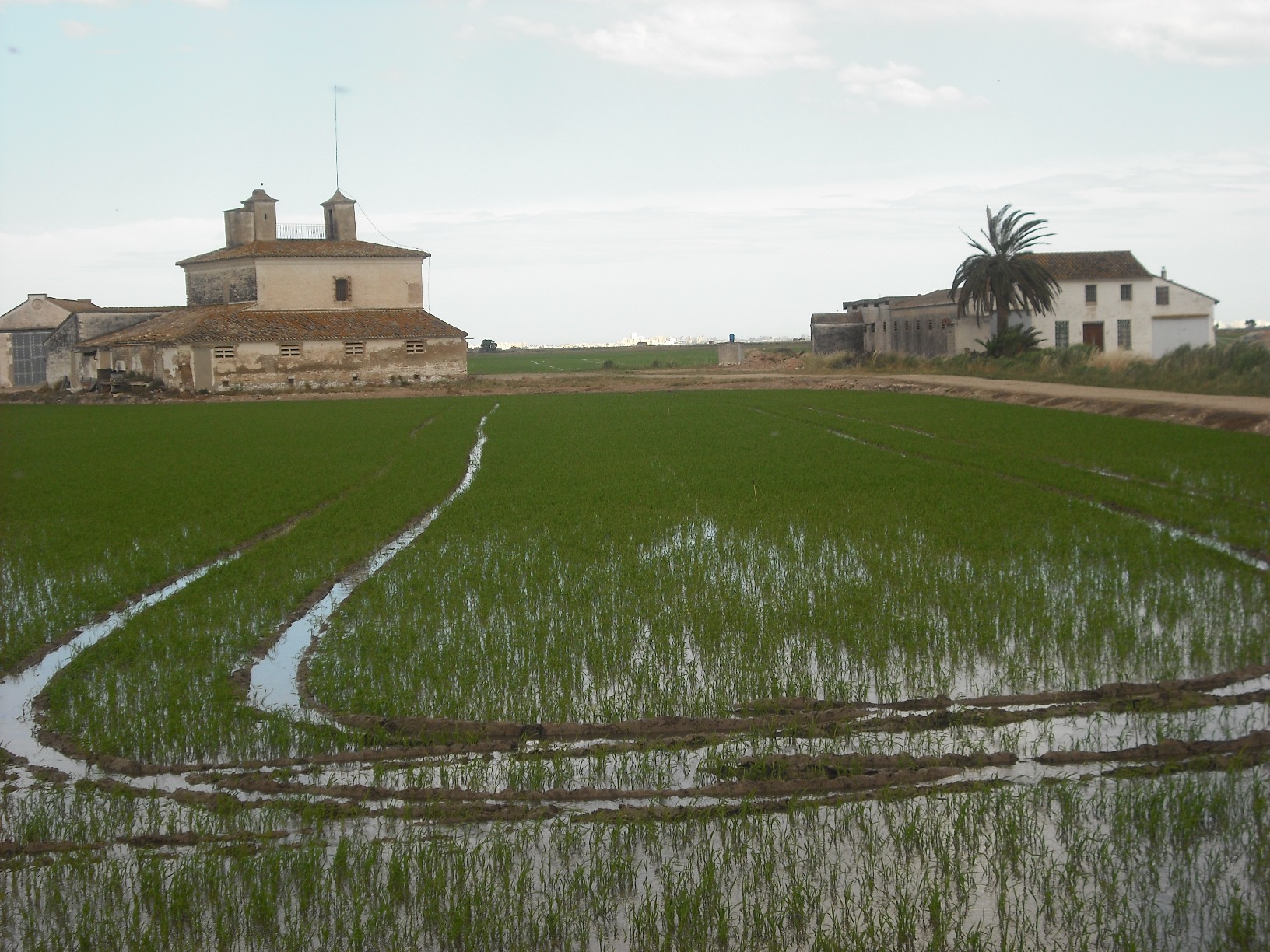
Natura 2000 · passage, wintering 7,555 records
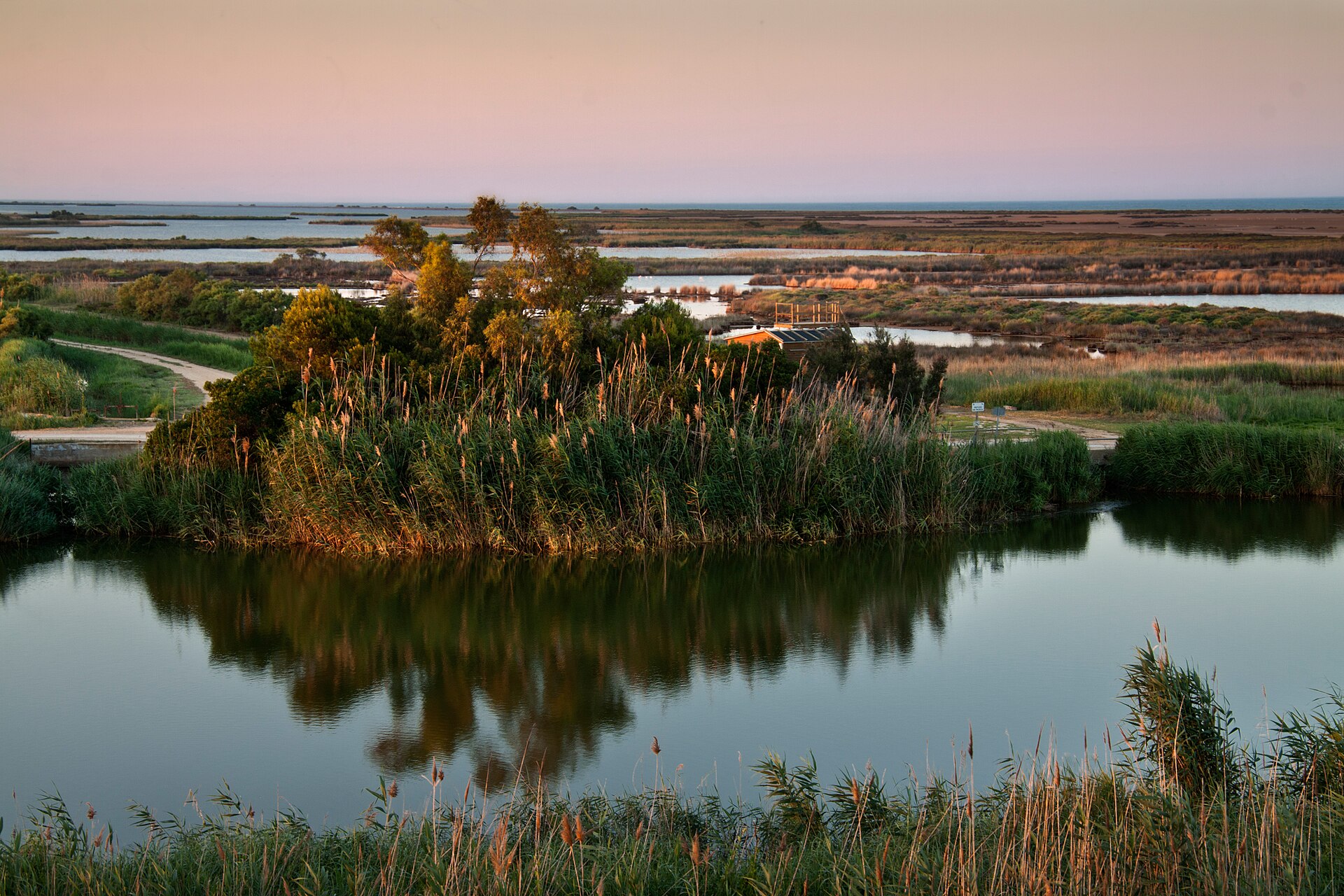
Natura 2000 · wintering, breeding 6,826 records
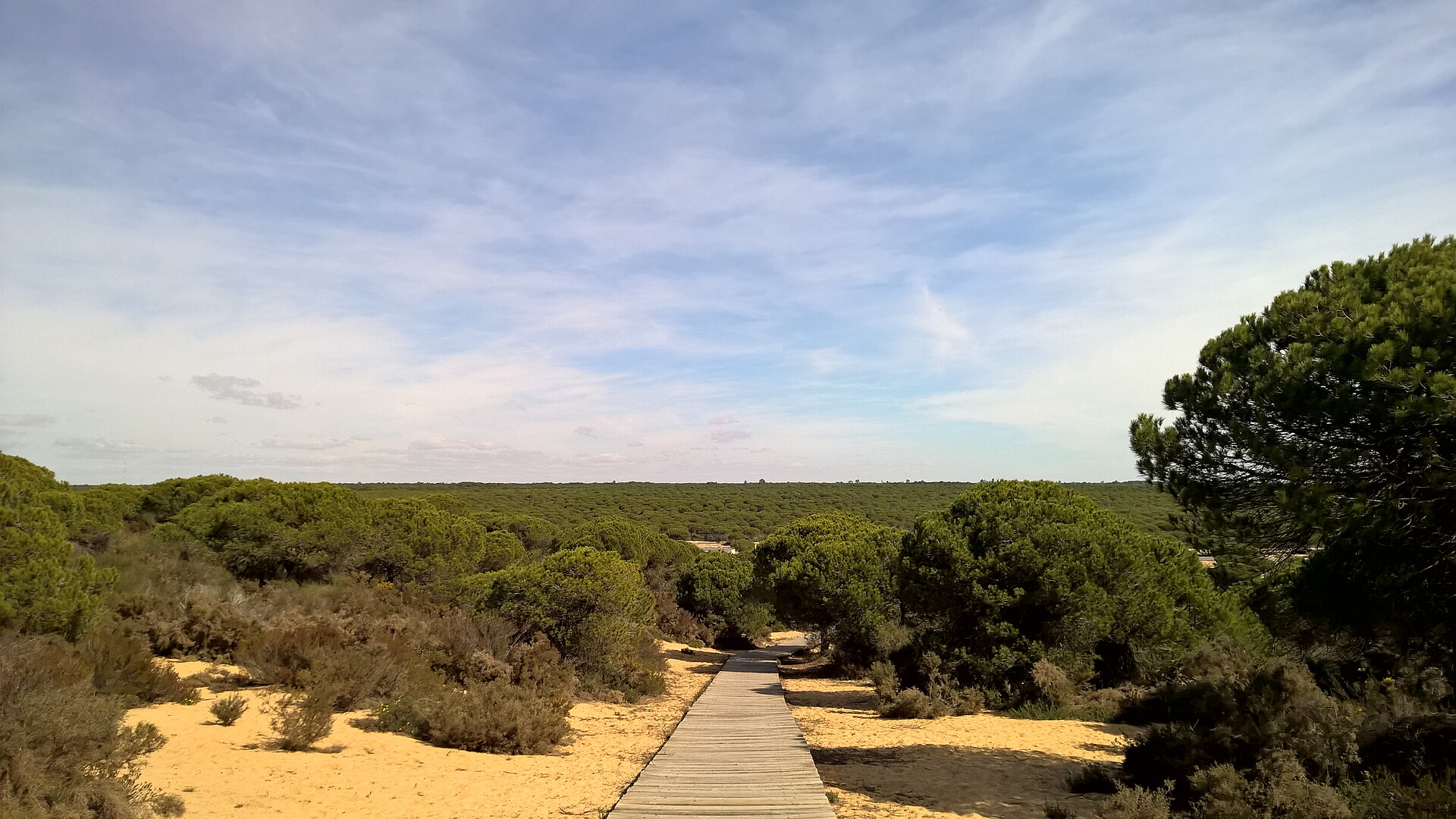
Natura 2000 · wintering, breeding 5,176 records
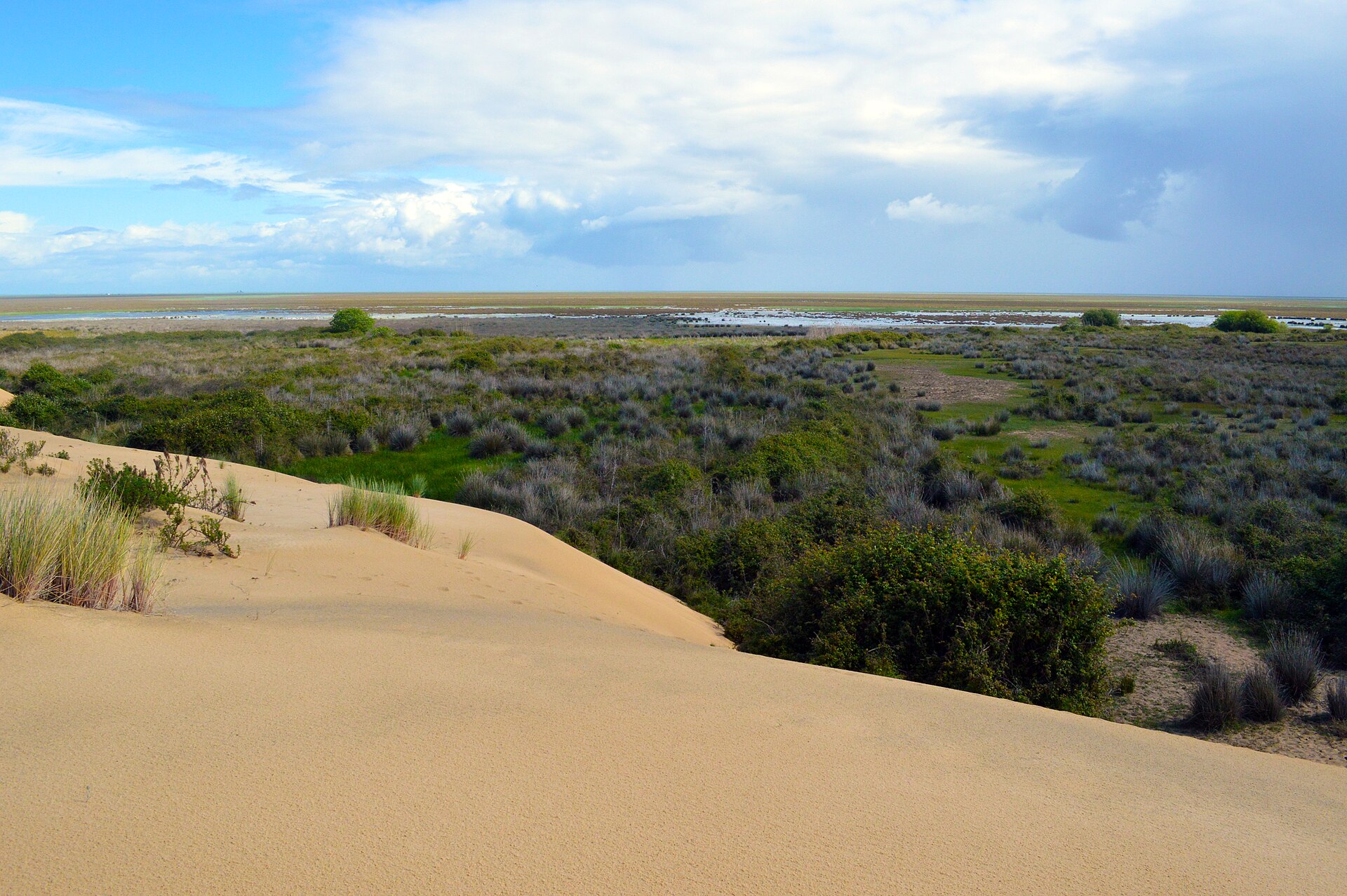
Natura 2000 · wintering, breeding 4,912 records
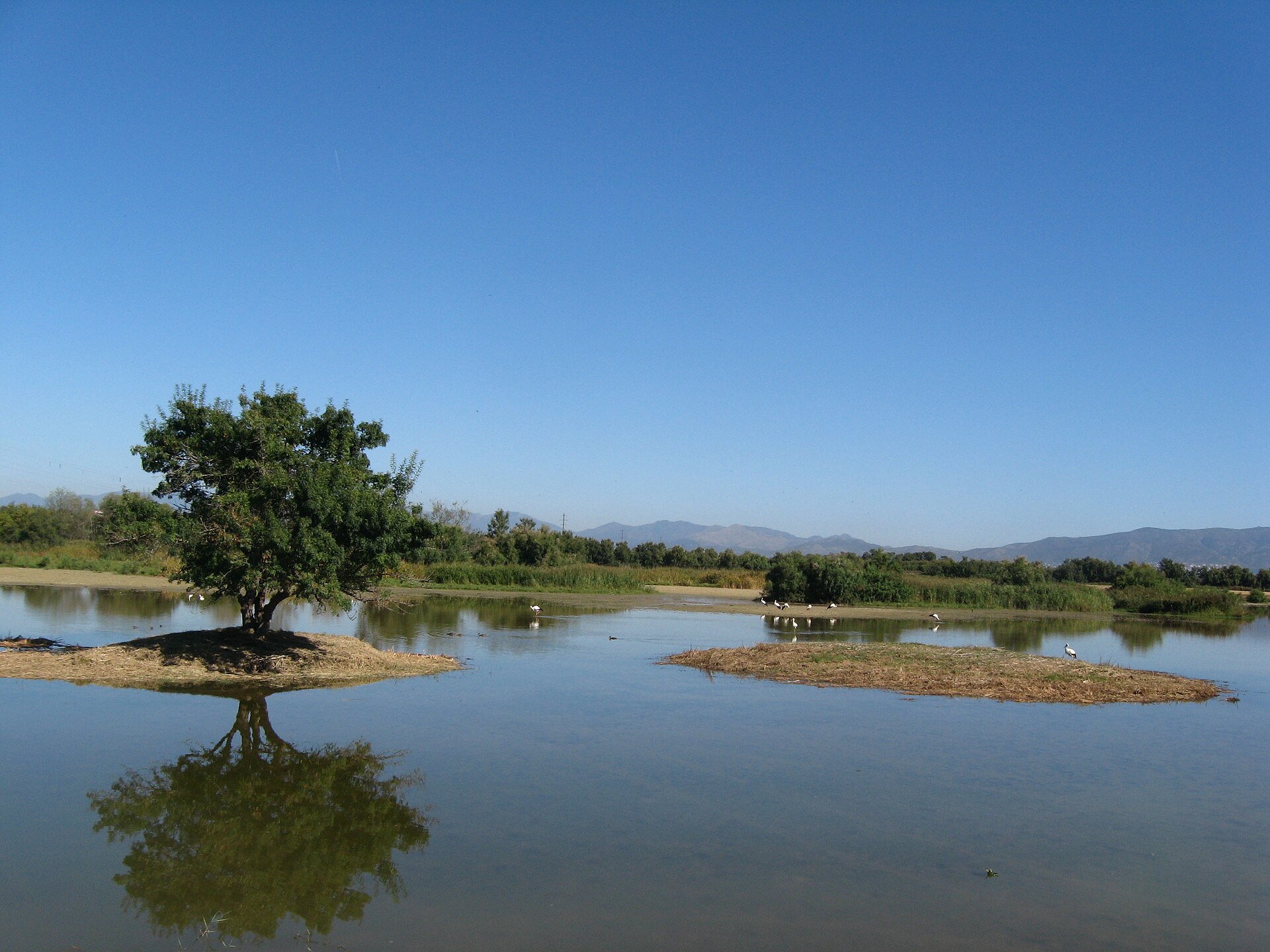
Natura 2000 · wintering 3,018 records
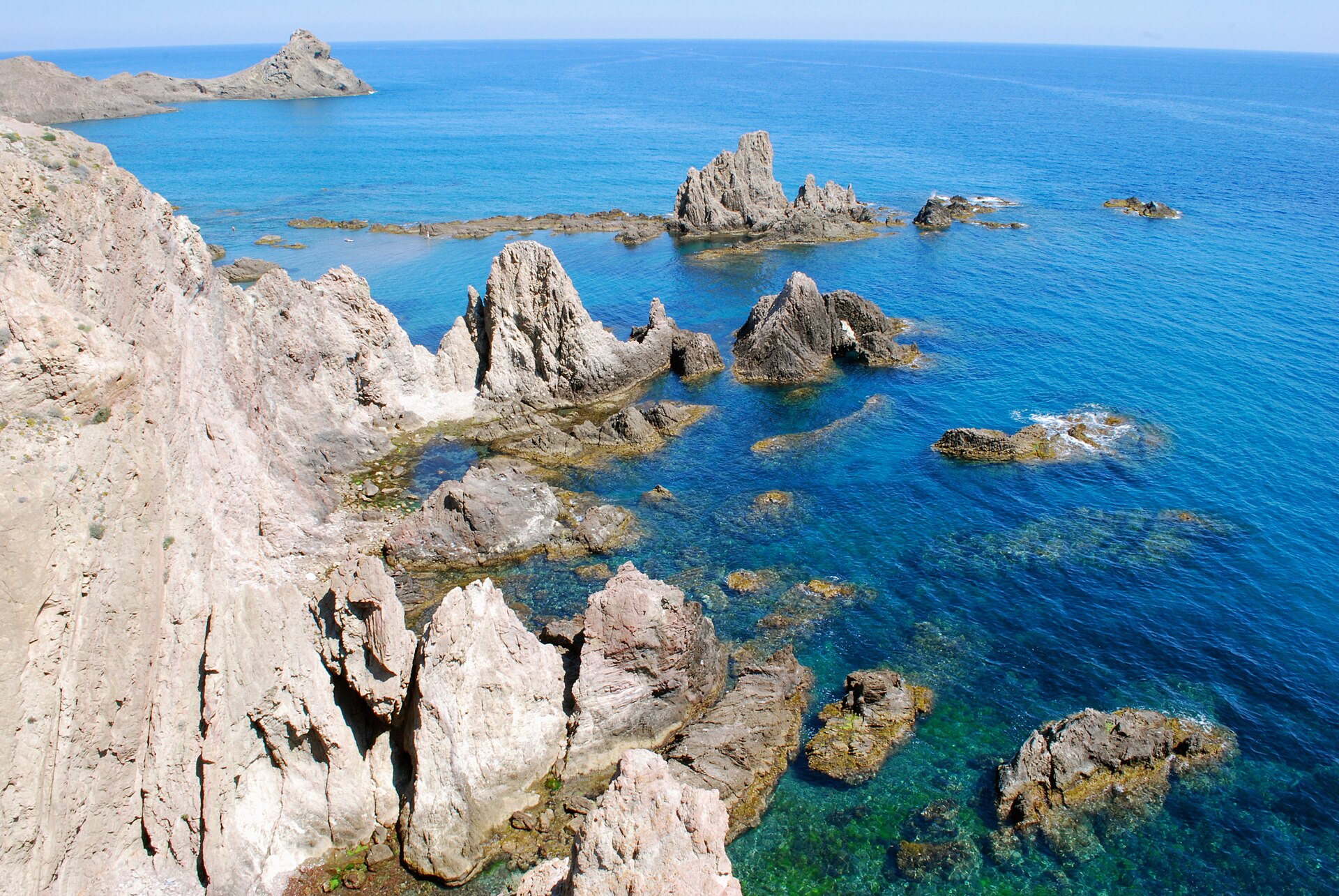
Natura 2000 · wintering, breeding, resident 2,522 records

Natura 2000 · resident 1,979 records

Natura 2000 · breeding, resident, wintering 1,923 records
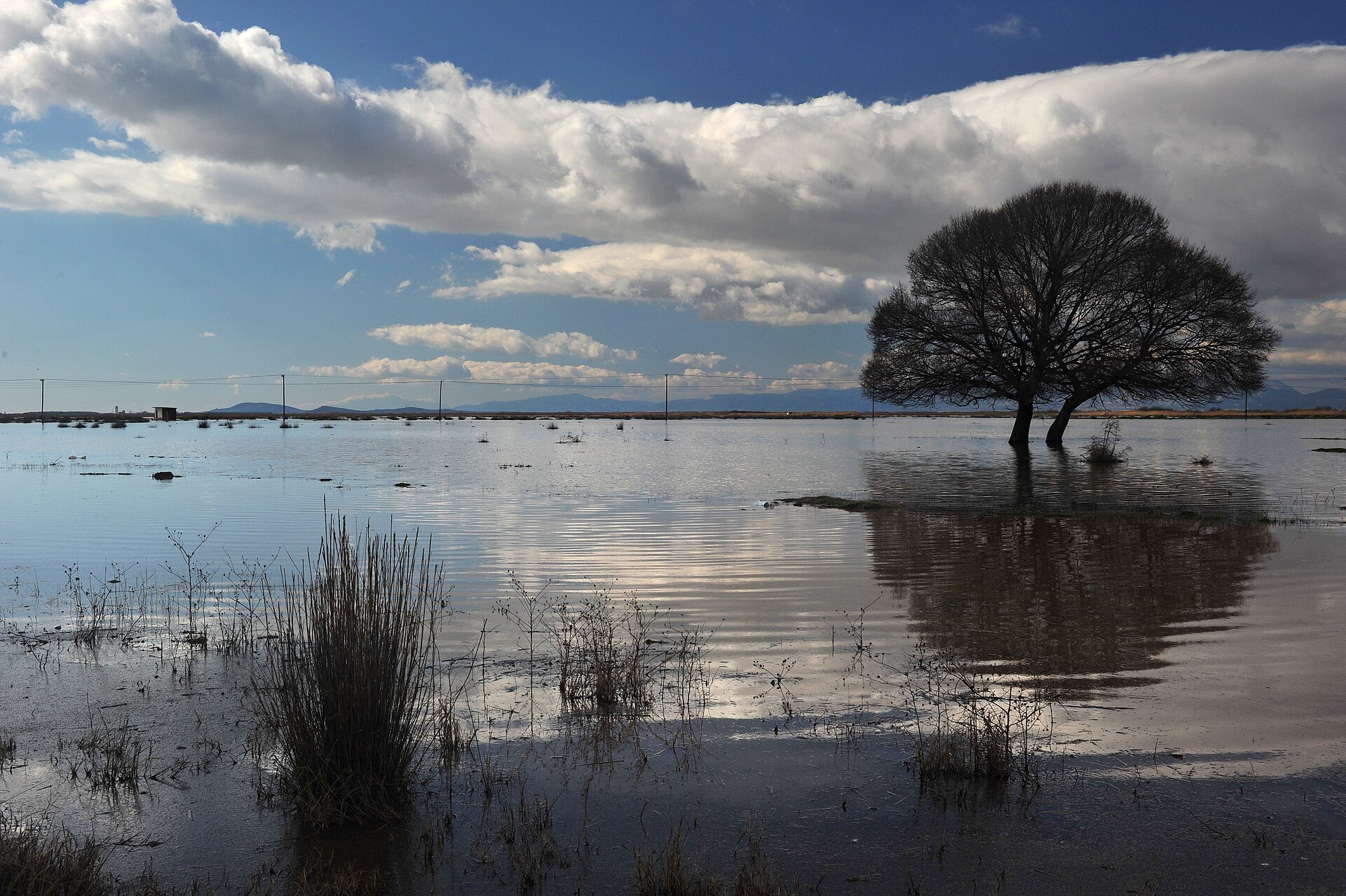
Natura 2000 · wintering, passage 1,129 records
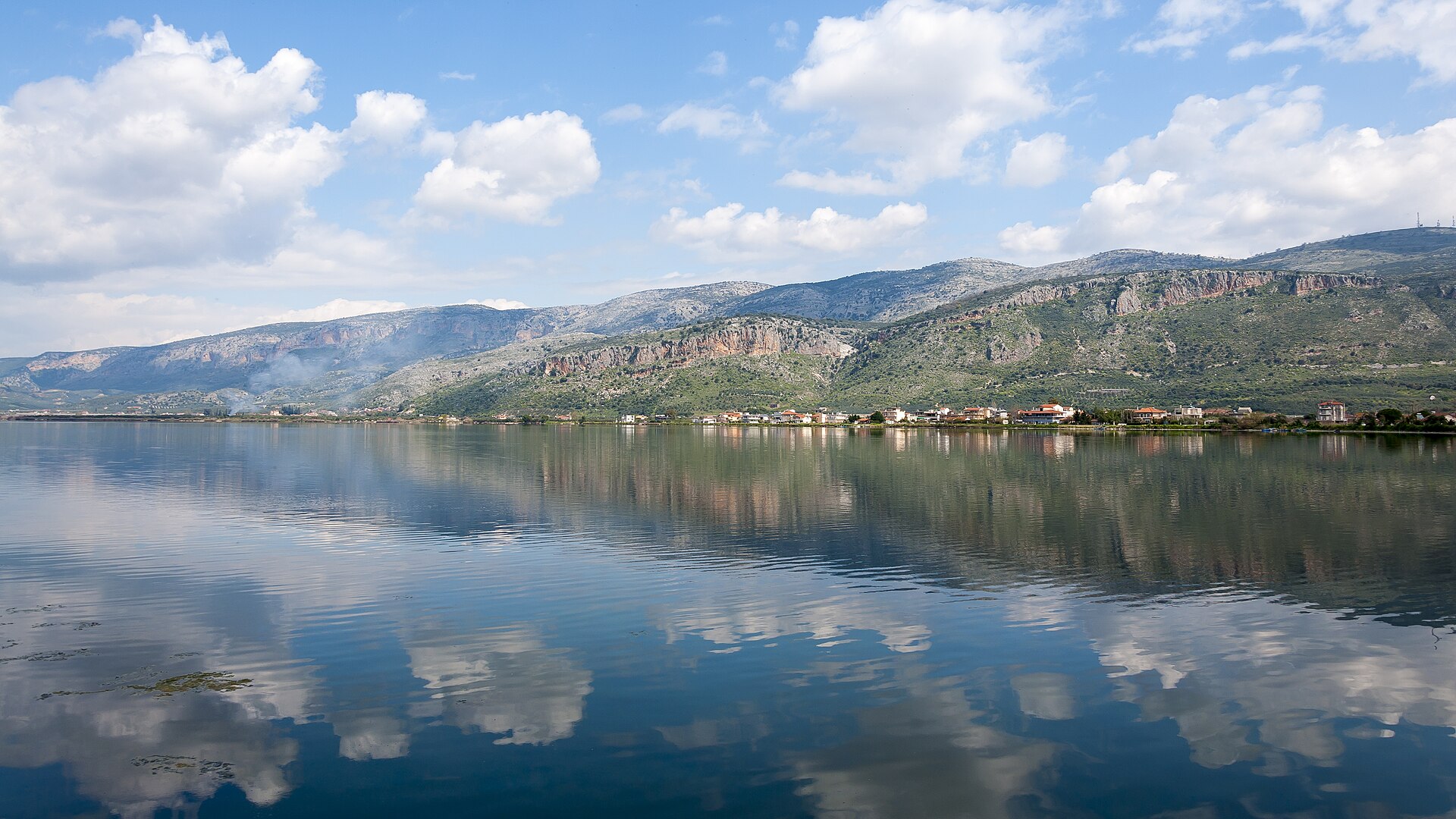
Natura 2000 · resident, wintering 941 records

Natura 2000 · passage 644 records
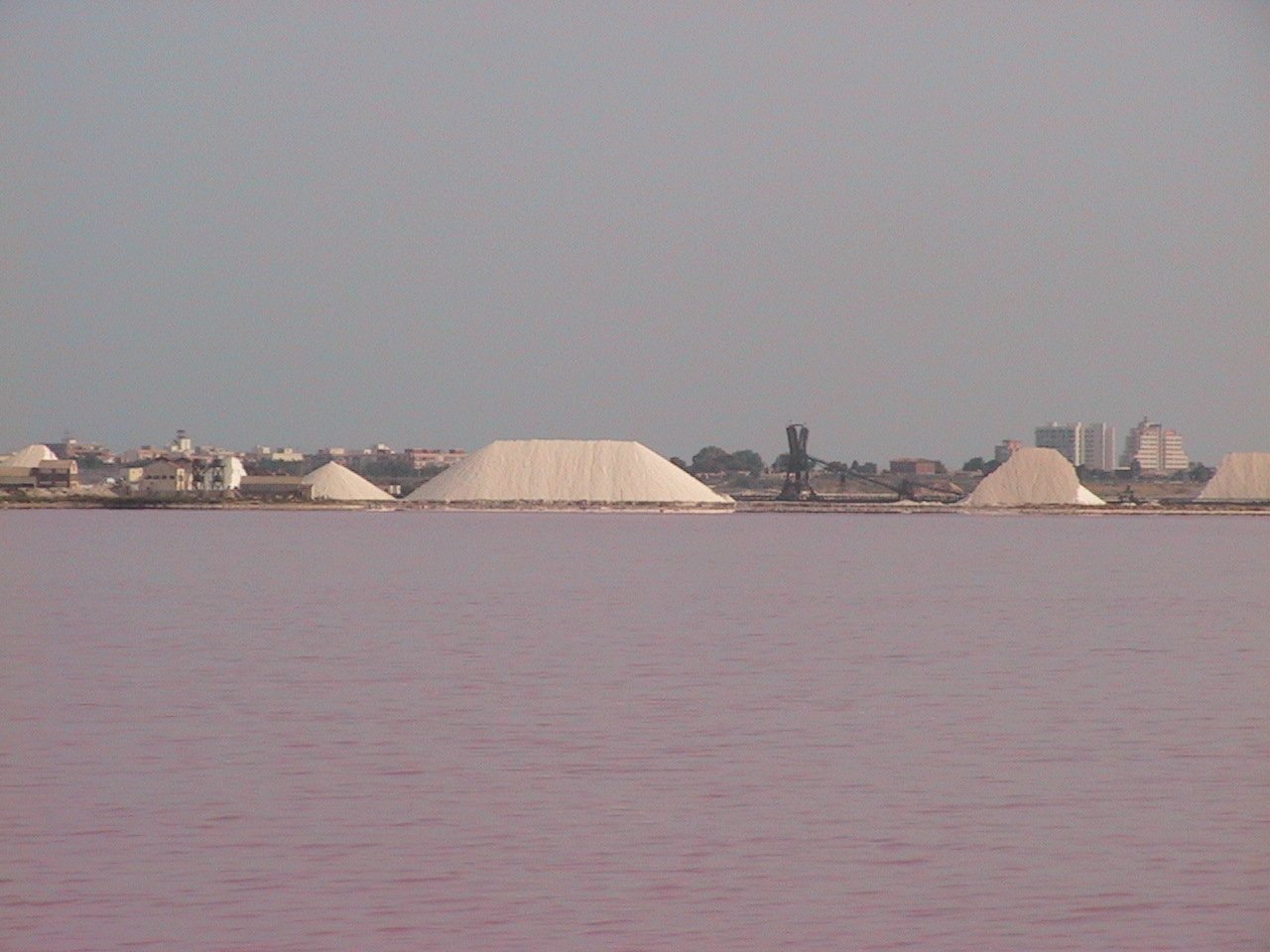
Natura 2000 · wintering 512 records
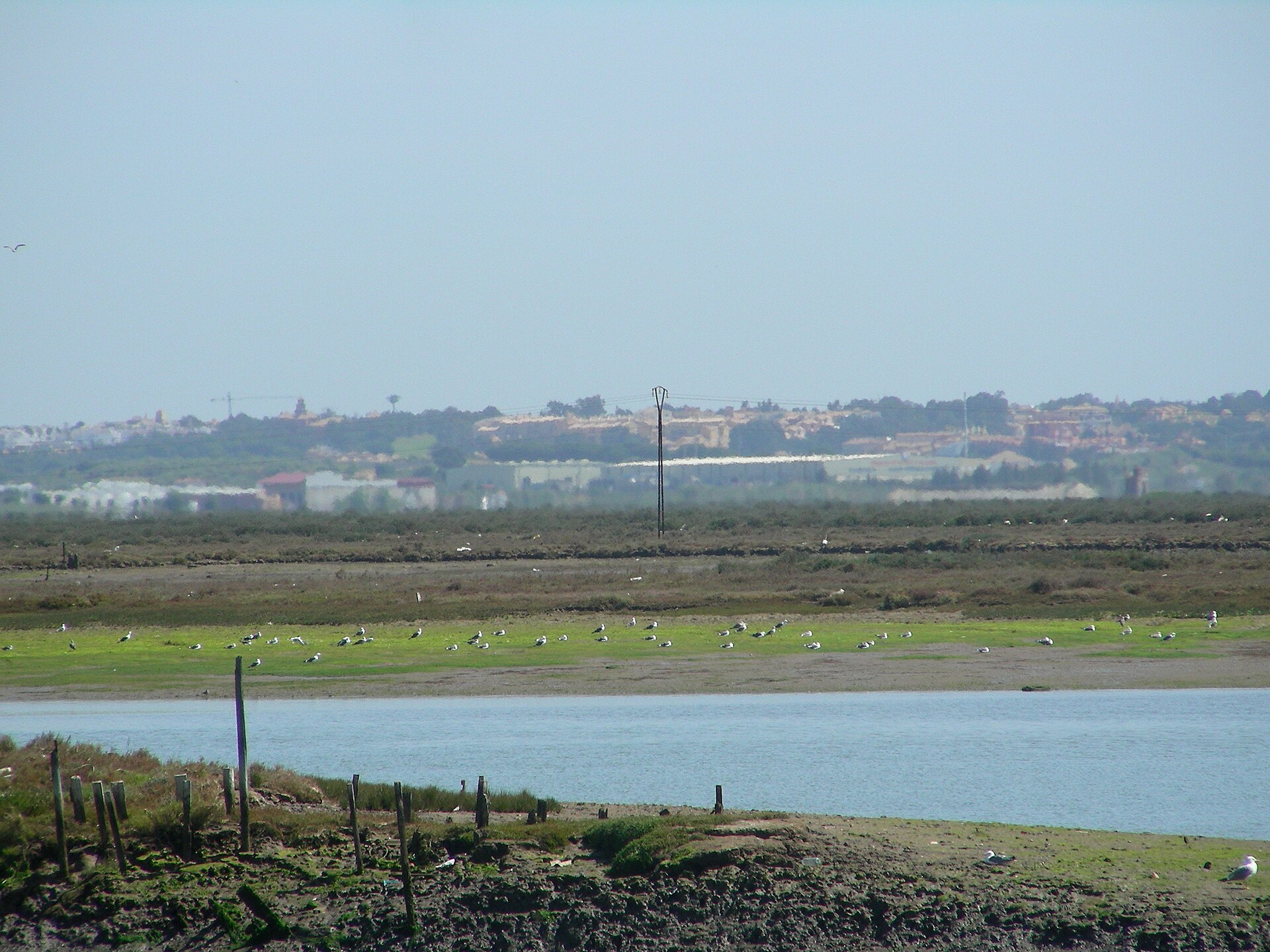
Natura 2000 · wintering 14 records
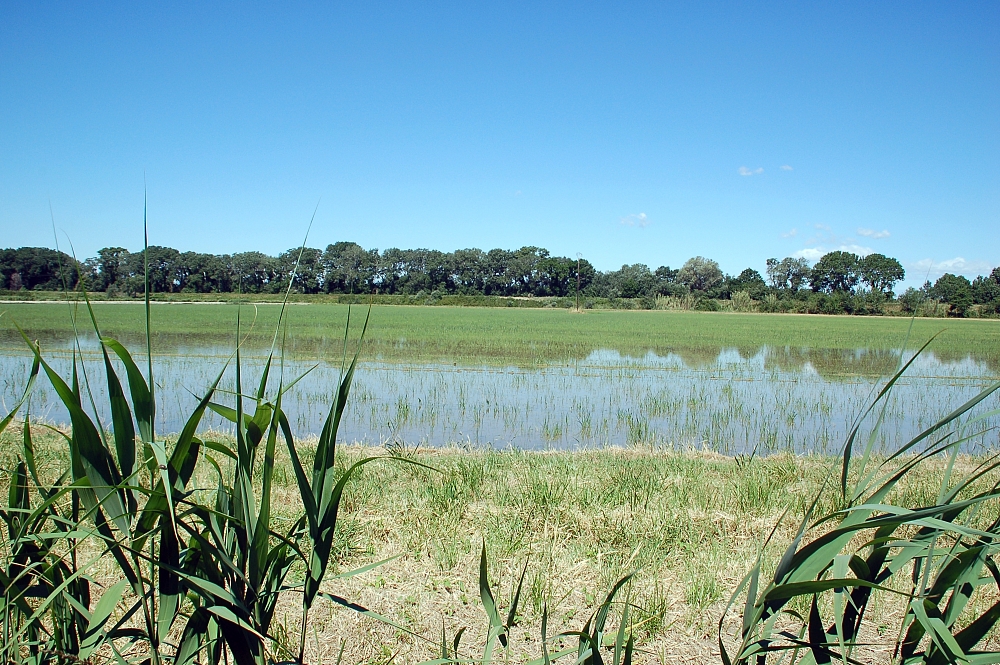
39,242 records

17,732 records
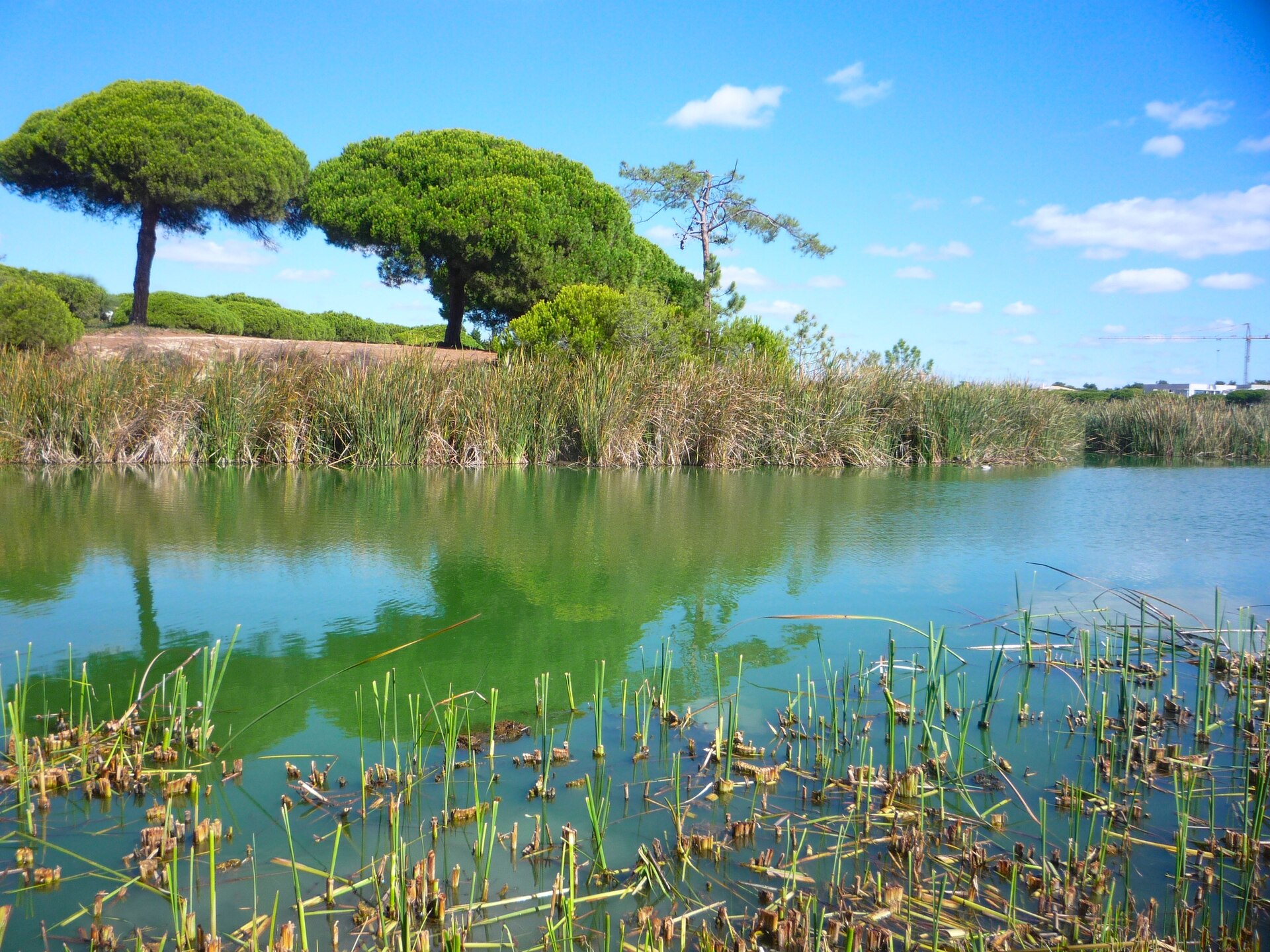
8,275 records

7,822 records
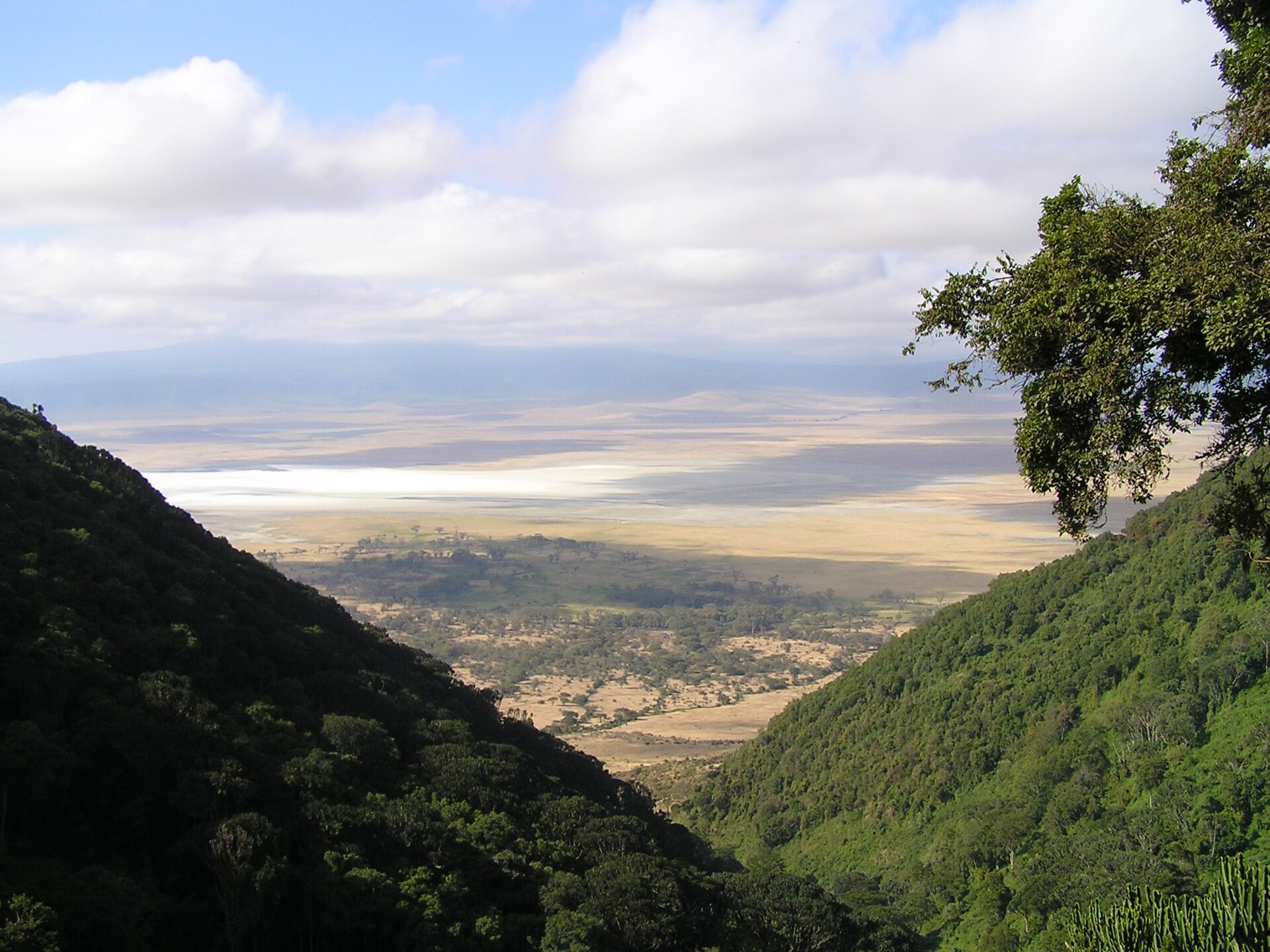
2,312 records

1,788 records

1,538 records

1,426 records
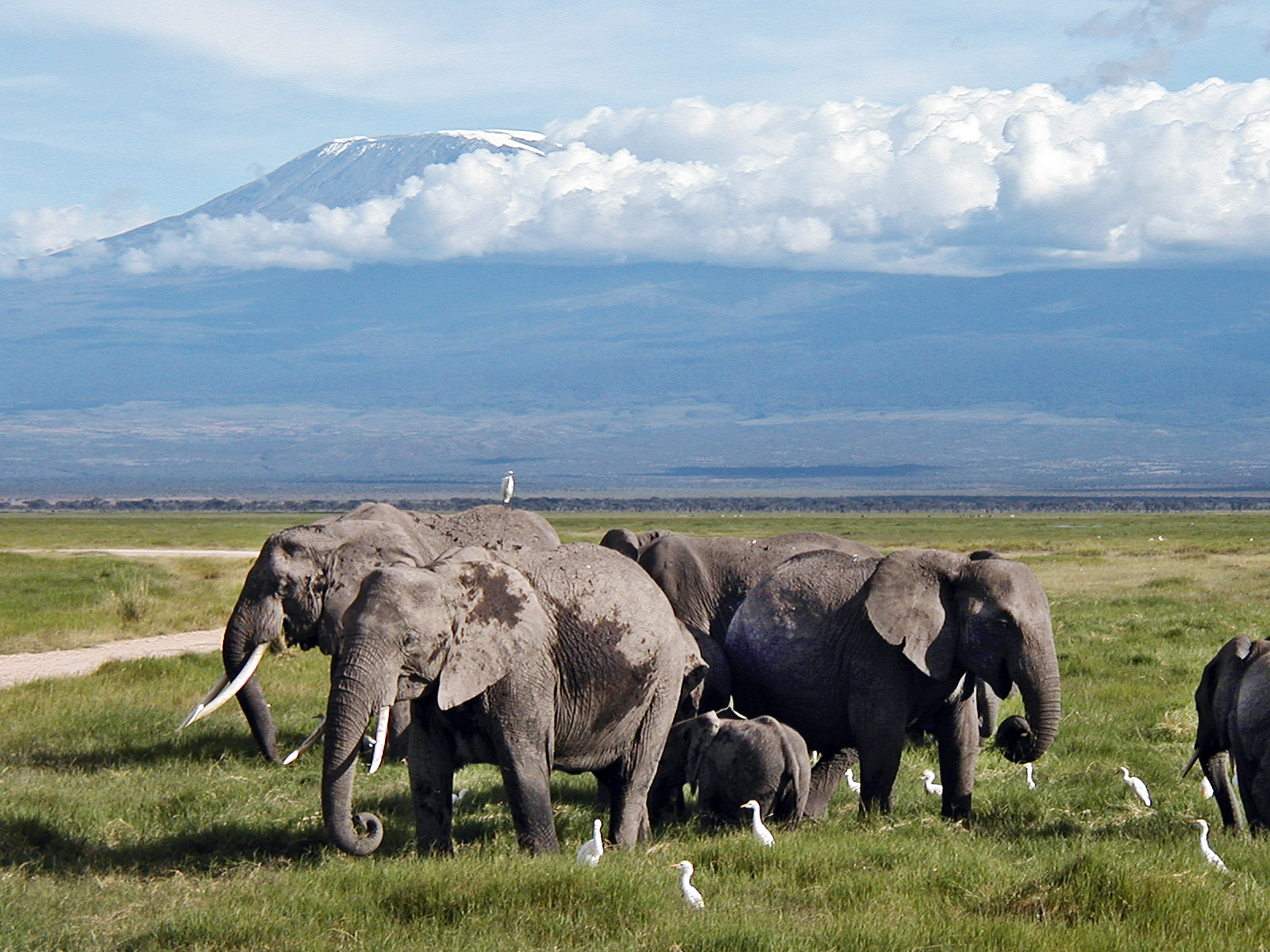
1,200 records

1,021 records
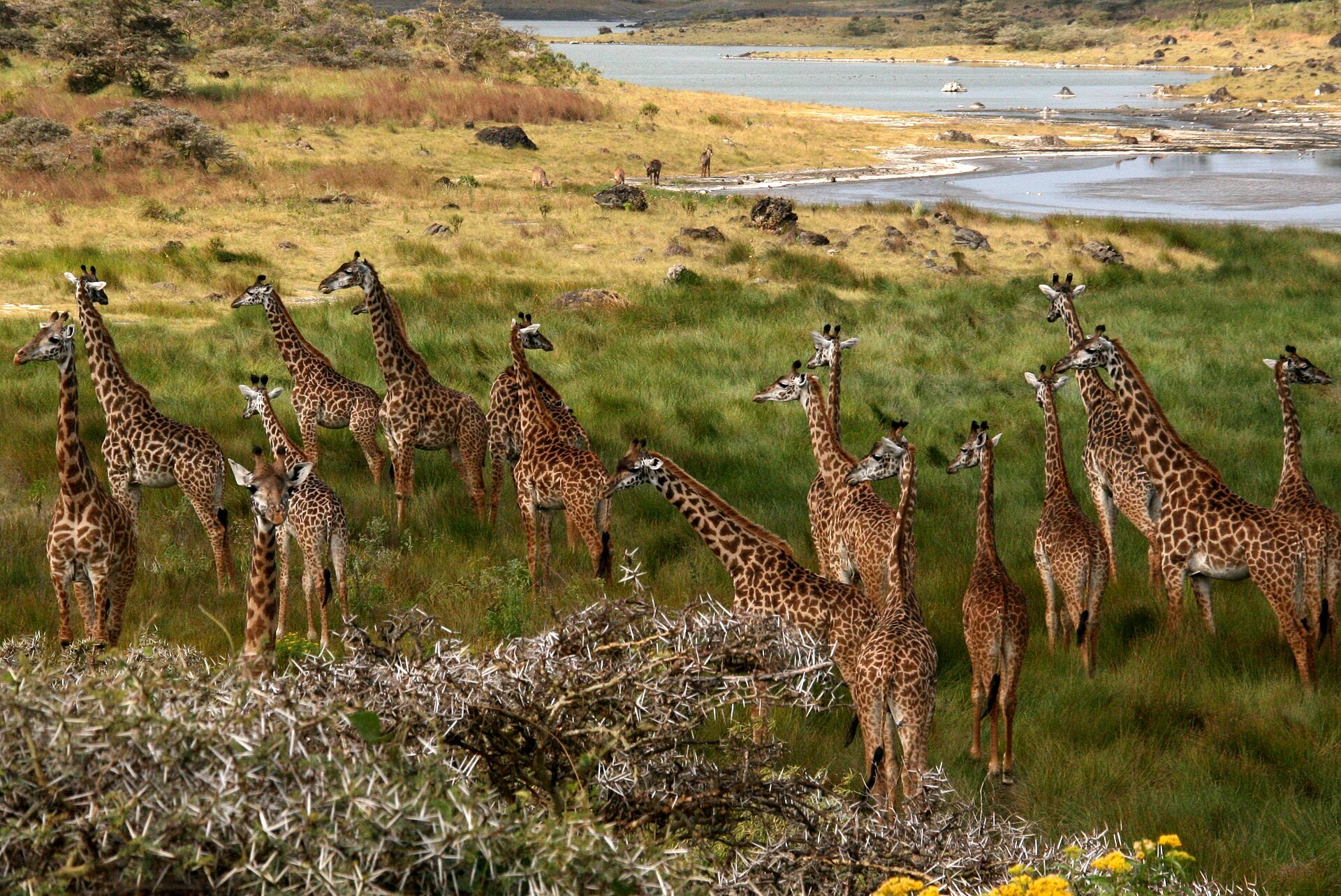
680 records

635 records

380 records
361 records

339 records

264 records
183 records
161 records
157 records

113 records

101 records
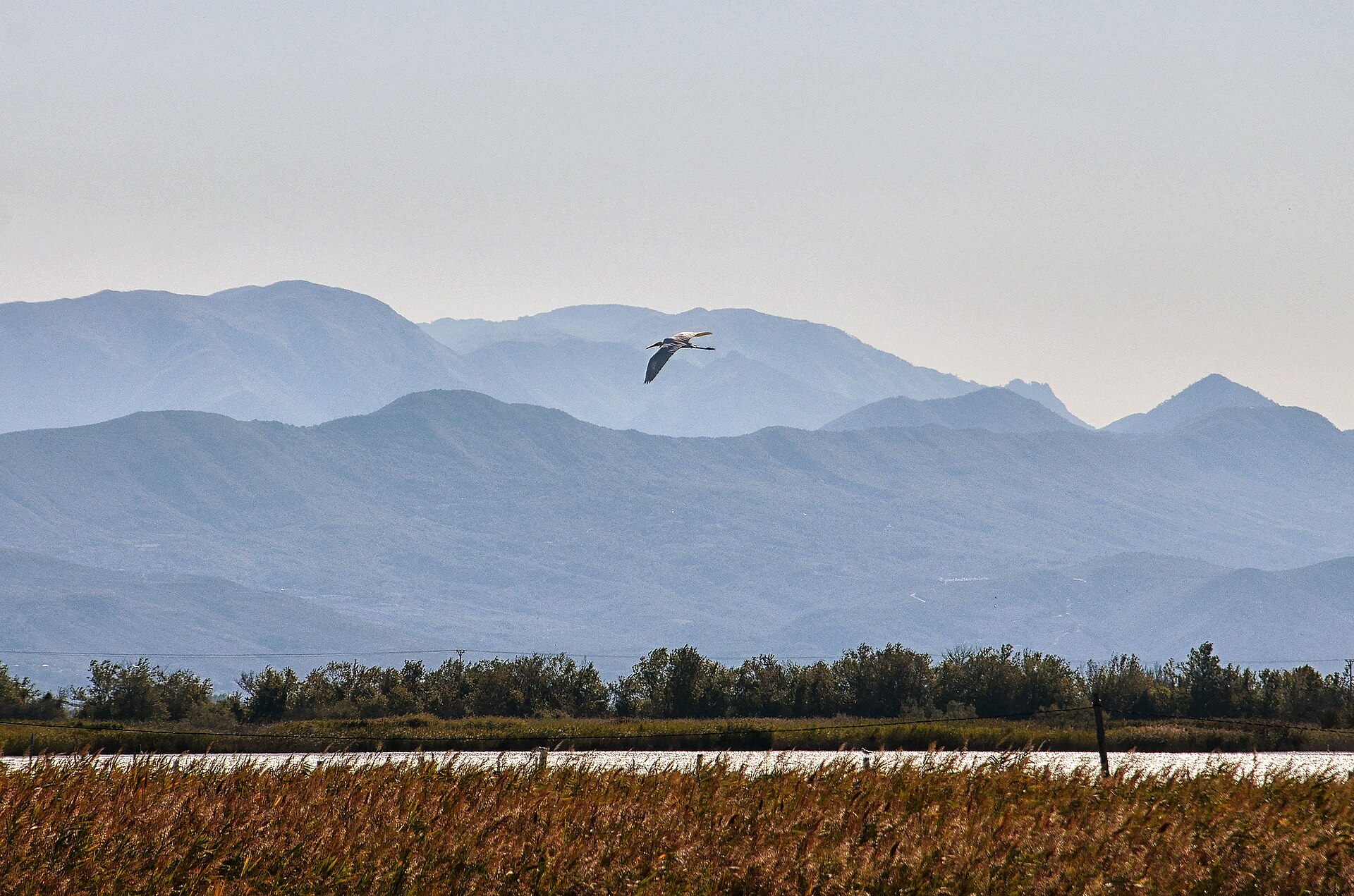
50 records

12 records

Natura 2000 · passage, wintering

Natura 2000 · resident
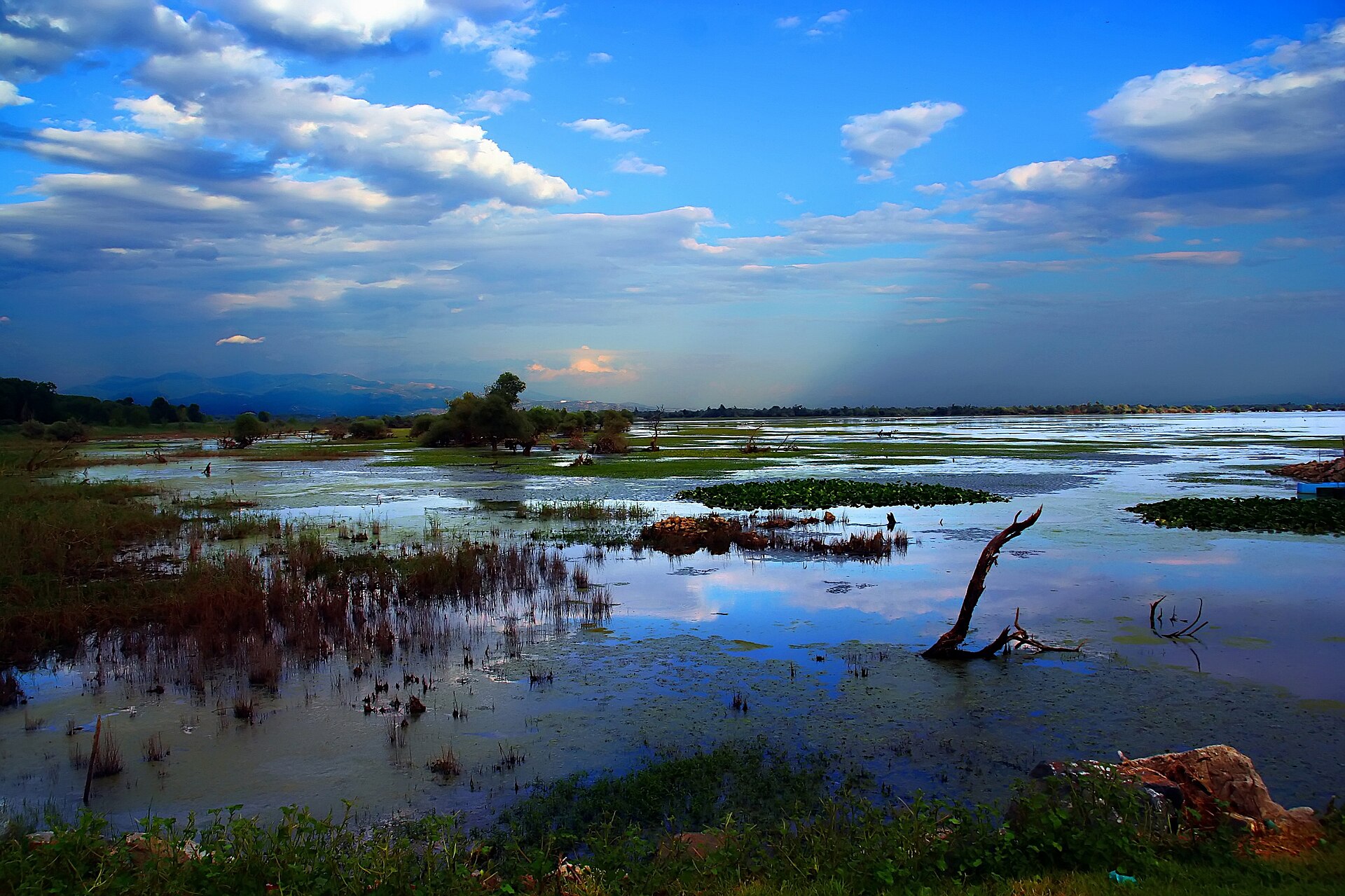
Natura 2000 · wintering, passage
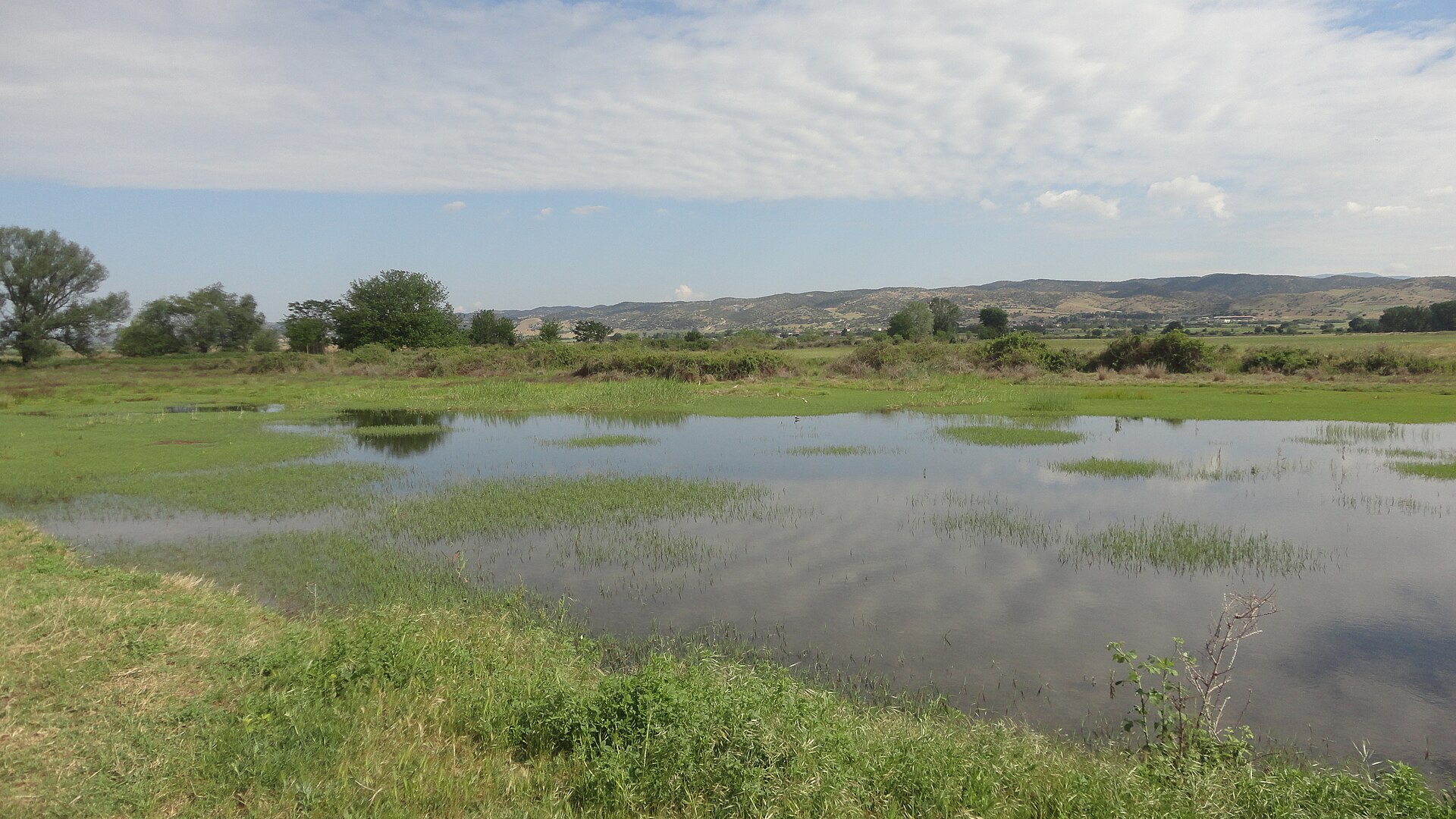
Natura 2000 · wintering, passage
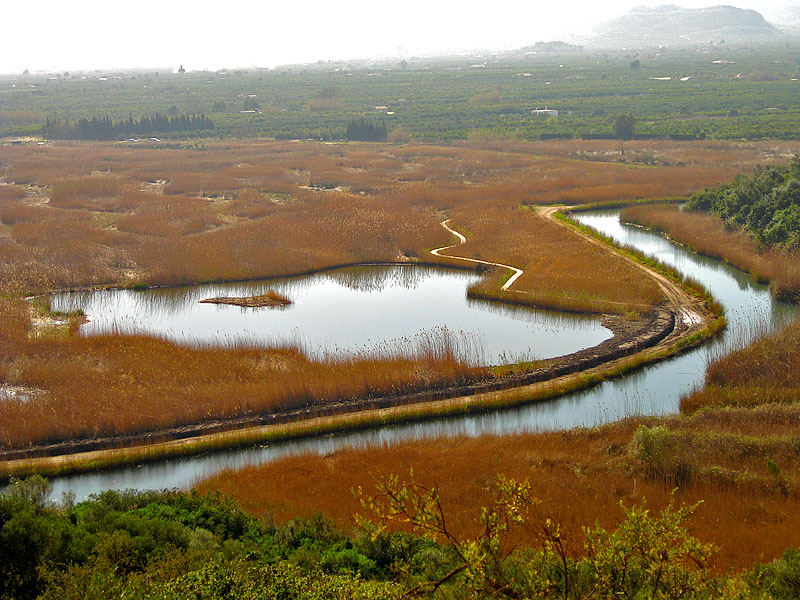
Natura 2000 · wintering

Natura 2000 · passage
Natura 2000 · passage
Natura 2000 · wintering

Natura 2000 · passage
Other species to discover
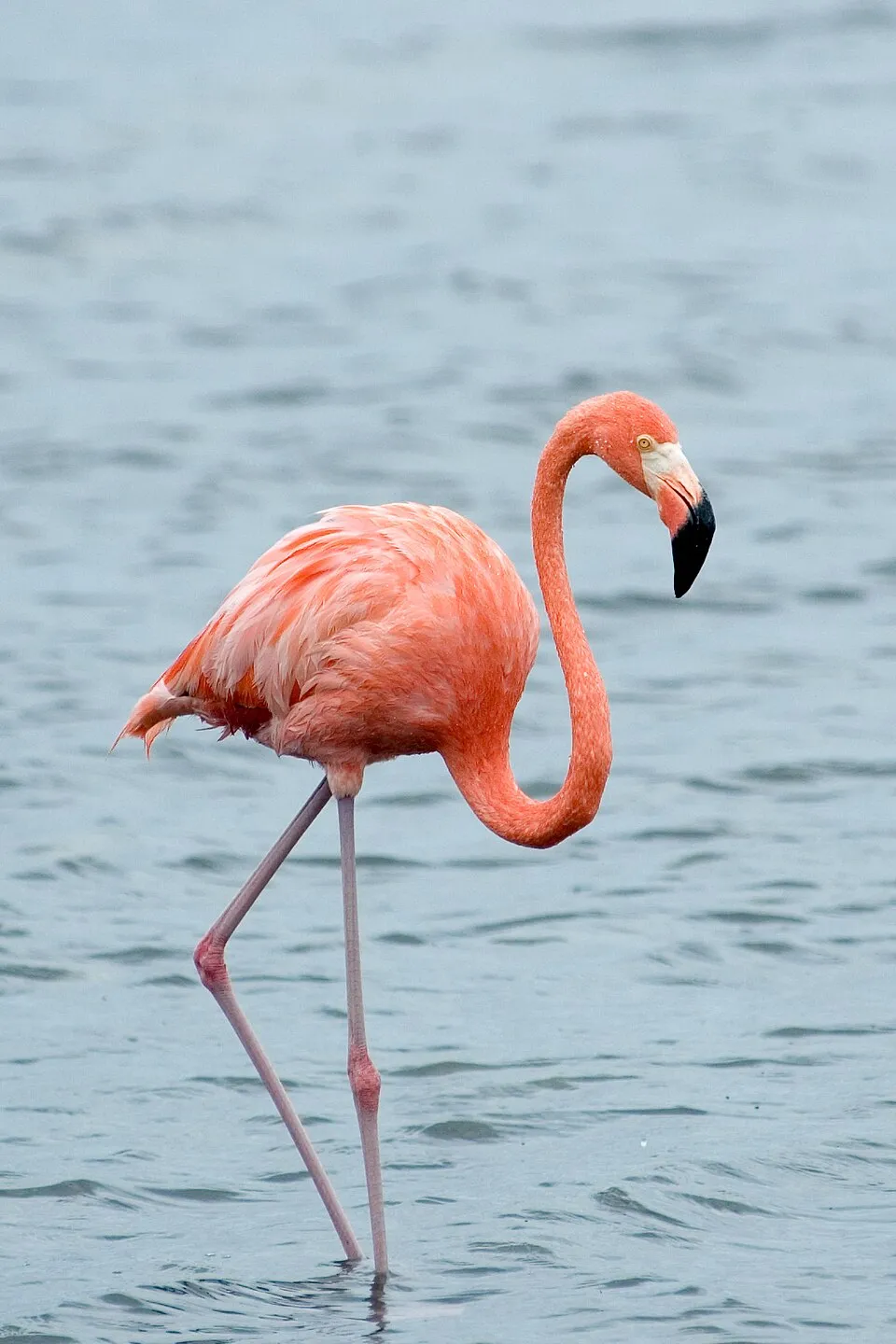 American Flamingo
Phoenicopterus ruber Same genus
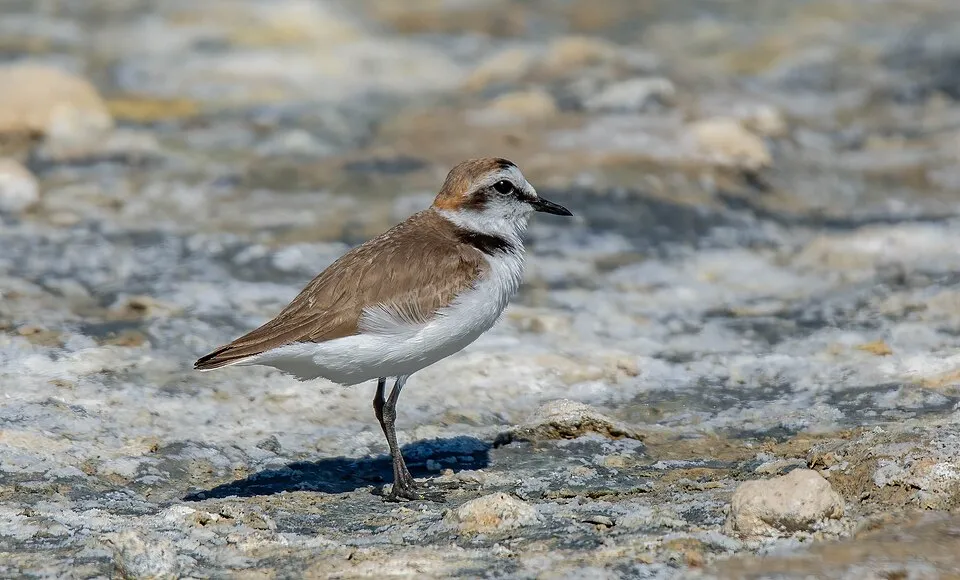 Kentish Plover
Charadrius alexandrinus 33 places in common
 Collared Pratincole
Glareola pratincola 18 places in common
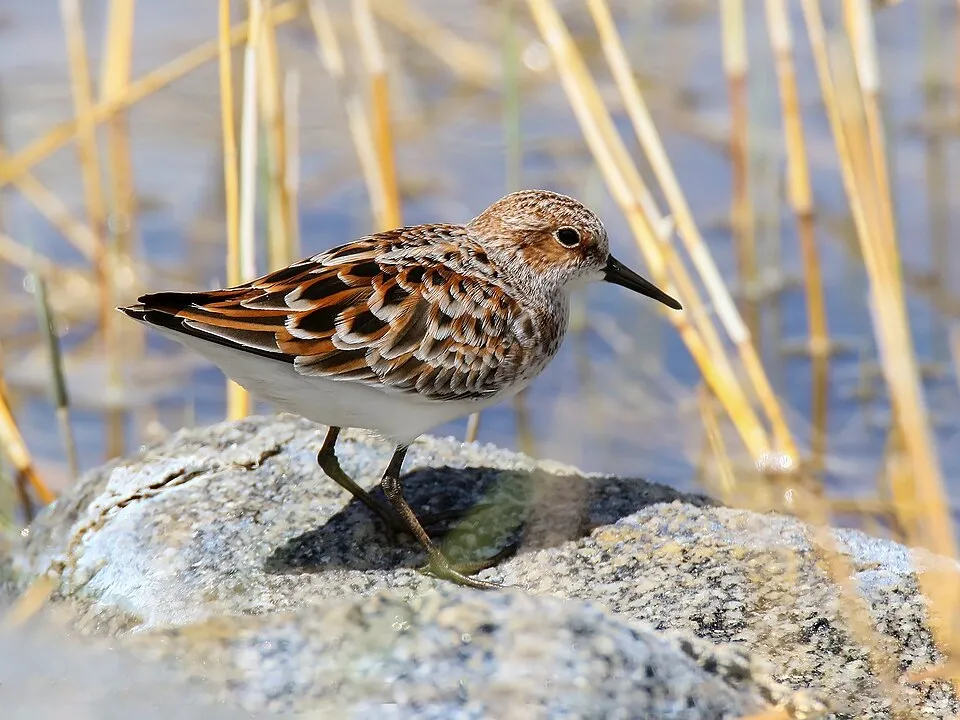 Little Stint
Calidris minuta 25 places in common
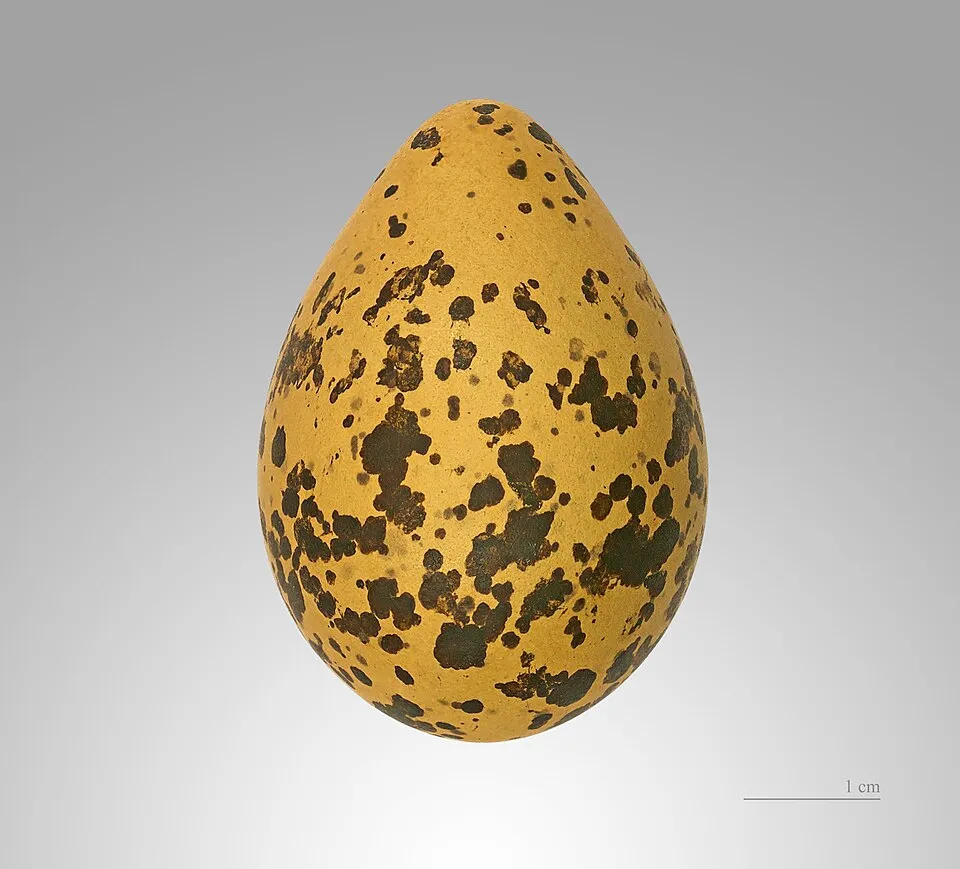 Black-winged Stilt
Himantopus himantopus 37 places in common
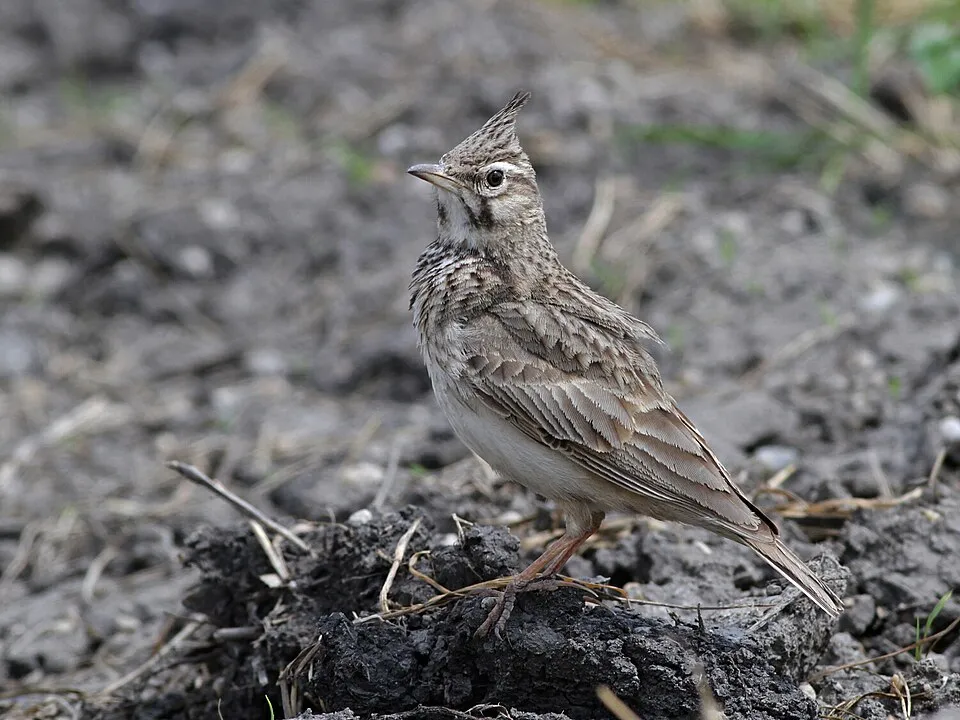 Crested Lark
Galerida cristata 25 places in common
Sources and credits
- Presence: most-recorded species of each place on GBIF and species of Community interest in the Natura 2000 forms (EEA, CC-BY 4.0); absence from the list does not mean the species is absent.
- Common names: Wikidata (CC0) and GBIF.
- Photos and sounds: Wikimedia Commons, author and licence given for each file.
- Classification: GBIF Backbone Taxonomy (GBIF Secretariat), CC BY 4.0, doi:10.15468/39omei.
- Countries, elevations, months and maps: GBIF.org, CC0 or CC BY 4.0 occurrences only, accessed October 22, 2026, GBIF.org.
- Base map: Natural Earth (public domain).
- Excerpt: Wikipedia, CC BY-SA 4.0 (full credit below the excerpt).
- Key facts: Wikidata (CC0), with the references cited under each value.
- Annexes: Directive 2009/147/EC (consolidated version), © European Union, EUR-Lex.
- EU bird populations: EEA / DG ENV, Article 12 Birds Directive reporting (2013–2018), CC BY 4.0.