
Bird
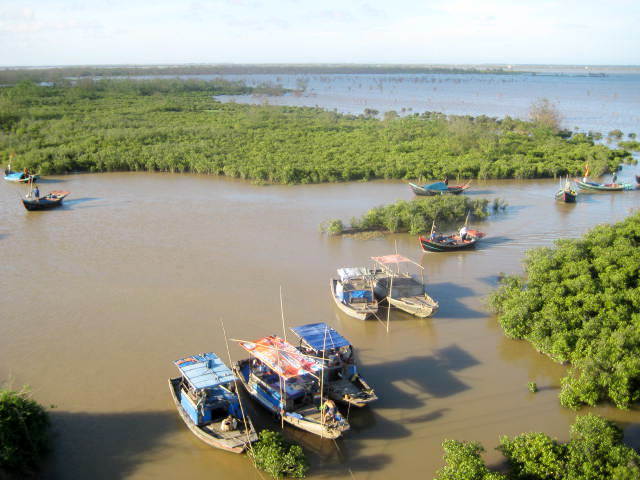
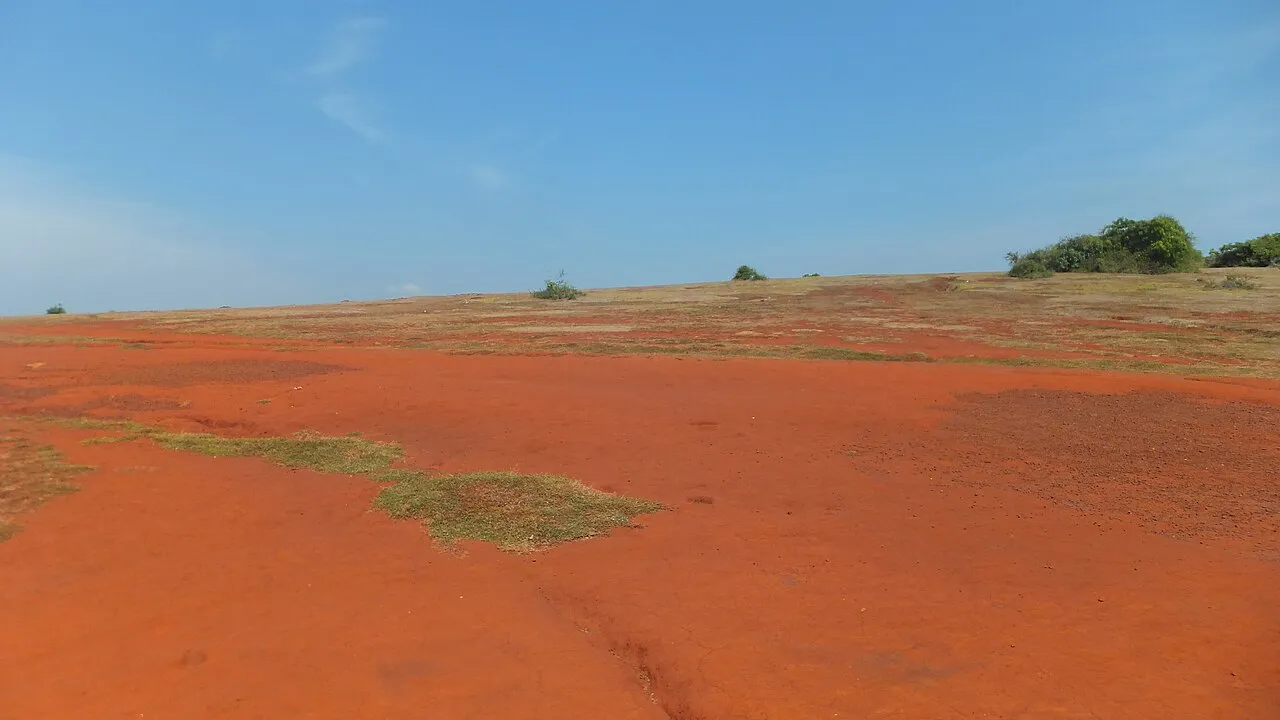
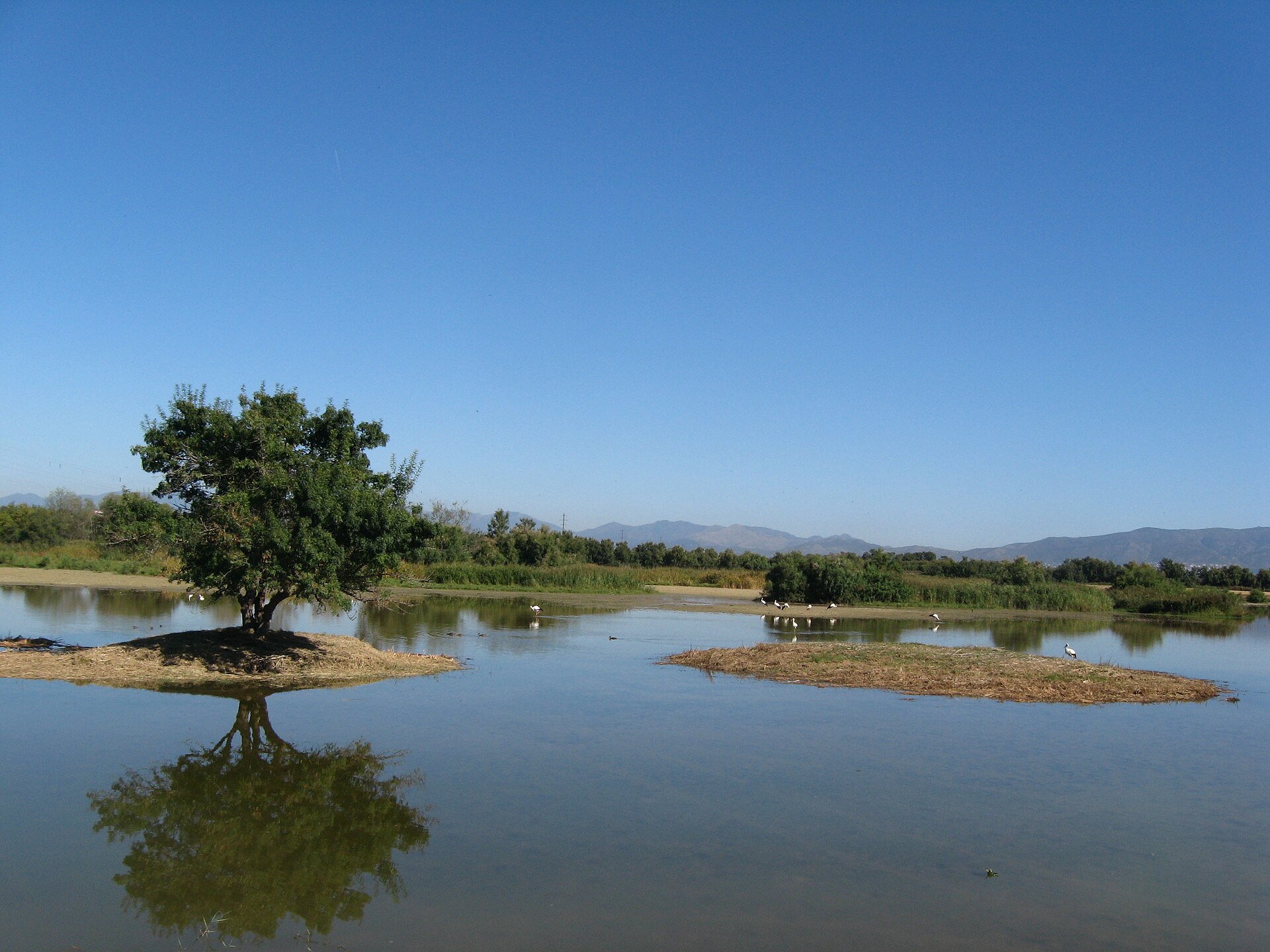
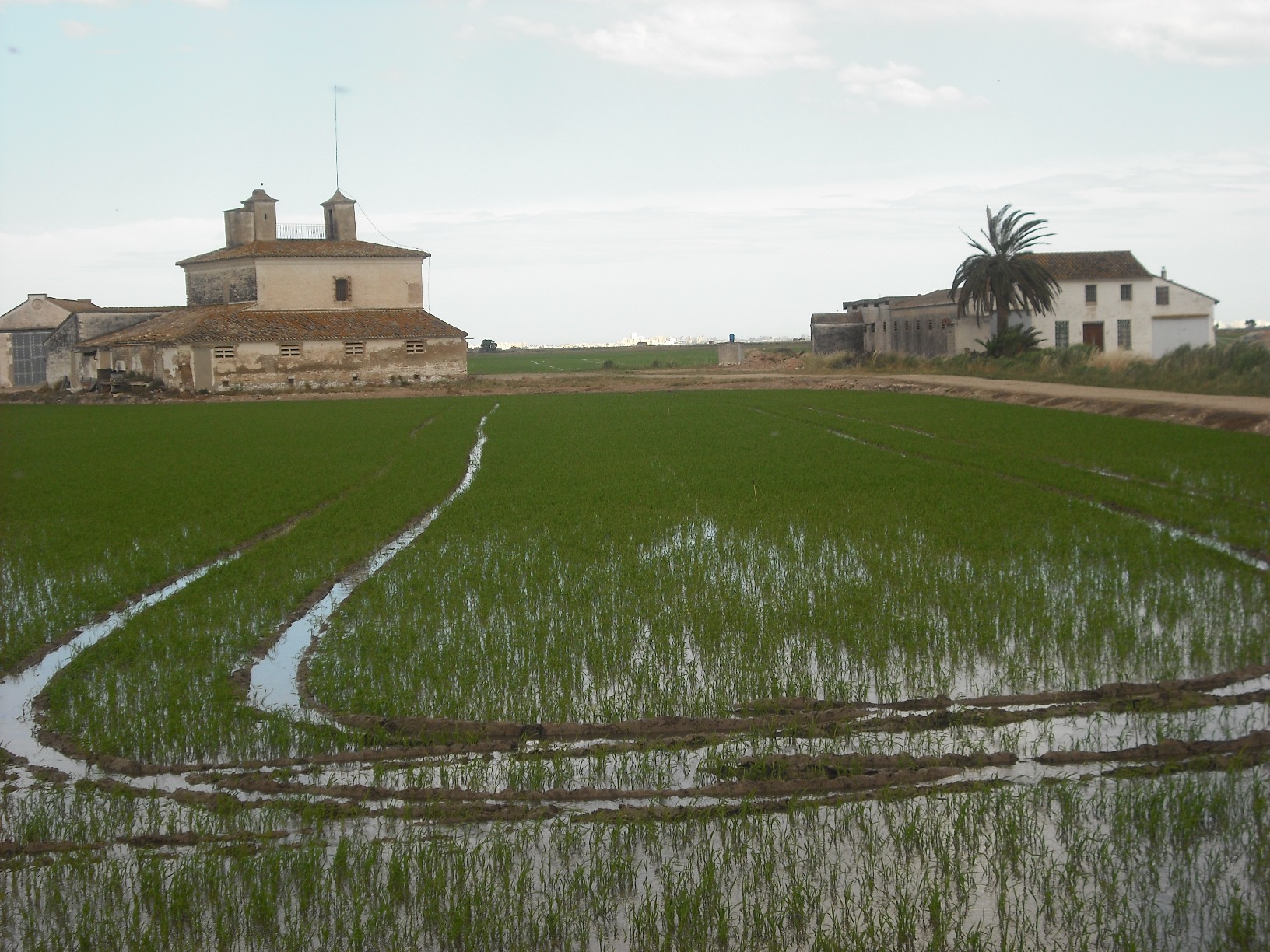
Kentish Plover: where to see it
Charadrius alexandrinus
This bird species is recorded in 88 protected areas of the atlas, including 74 whose official Natura 2000 form lists it. Within the atlas countries, it is mostly observed in Spain, France and Portugal (12 countries in all). Records peak from April to August. It has a wingspan of 41.1–43.9 cm and weighs 47 g. It is subject to special conservation measures under the Birds Directive (Annex I). Its EU population is assessed as declining (2013–2018 Birds Directive reporting).
Best time to see it: April–August
Records published on GBIF by month (CC0 and CC BY 4.0 licences only), in the atlas countries, all years combined; they also reflect observer activity.
Key facts
- Wingspan
- 41.1–43.9 cm Wikidata, after Handbook of the Birds of the World
- Weight
- 47 g Wikidata, after Lislevand et al. 2007
Status and protection
Birds Directive I
The species is listed in Annex I of the Birds Directive.
EU population assessed as declining (2013–2018 Birds Directive reporting). EU breeding population: 6,600–14,000 pairs.
Distribution
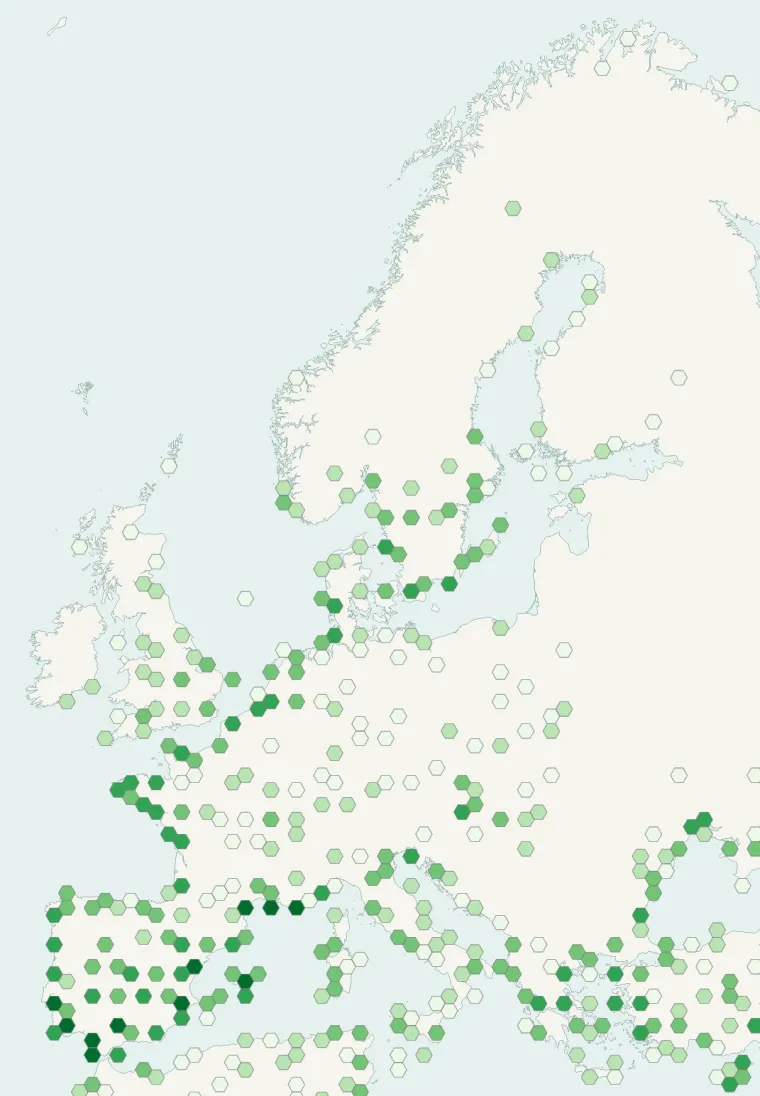
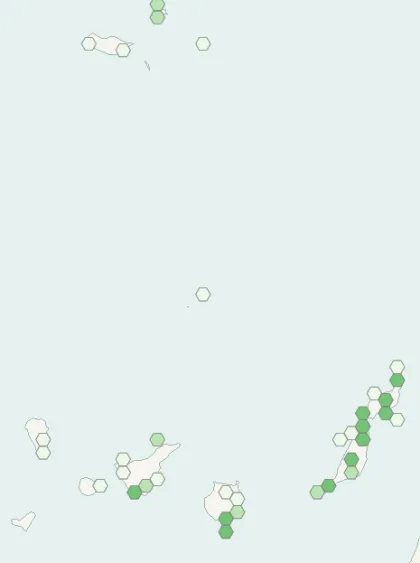
Records published on GBIF (CC0 and CC BY 4.0 licences): the darker the shade, the more records there are; they also reflect observation effort.
Atlas countries where it is recorded
Listen
-
0:07 · © Joost van Bruggen · CC BY-SA 4.0 · Wikimedia Commons · Original file
From Wikipedia
The Kentish plover (Anarhynchus alexandrinus) is a small wader (40–44 g (1.4–1.6 oz)) of the family Charadriidae that breeds on the shores of saline lakes, lagoons, and coasts, populating sand dunes, marshes, semi-arid desert, and tundra. Both male and female birds have pale plumages with a white underside, grey/brown back, dark legs and a dark bill; however, additionally the male birds also exhibit very dark incomplete breast bands, and dark markings either side of their head, therefore the Kentish plover is regarded as sexually dimorphic.
Source: Wikipedia, article “Kentish plover” (version of October 4, 2026) · history and authors · licence CC BY-SA 4.0 · shortened excerpt
Protected areas where it is recorded
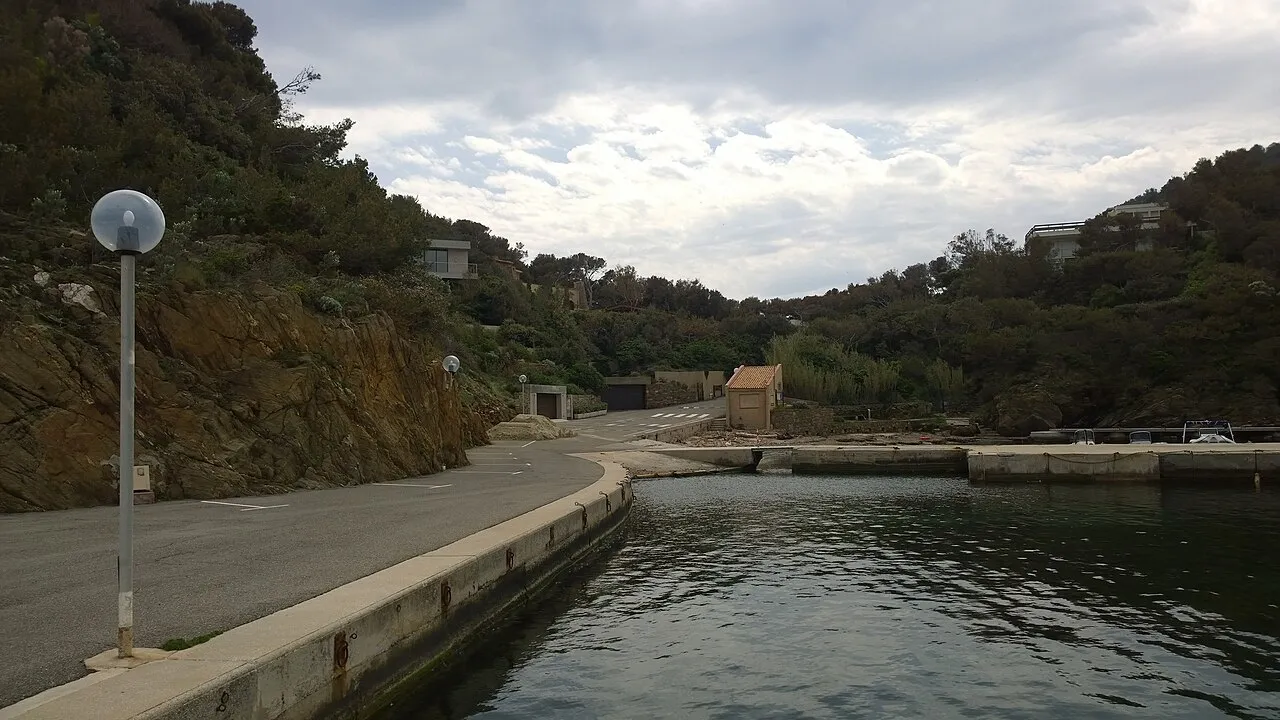
Natura 2000 · wintering, passage 7,713 records

Natura 2000 · breeding, wintering, resident 4,323 records
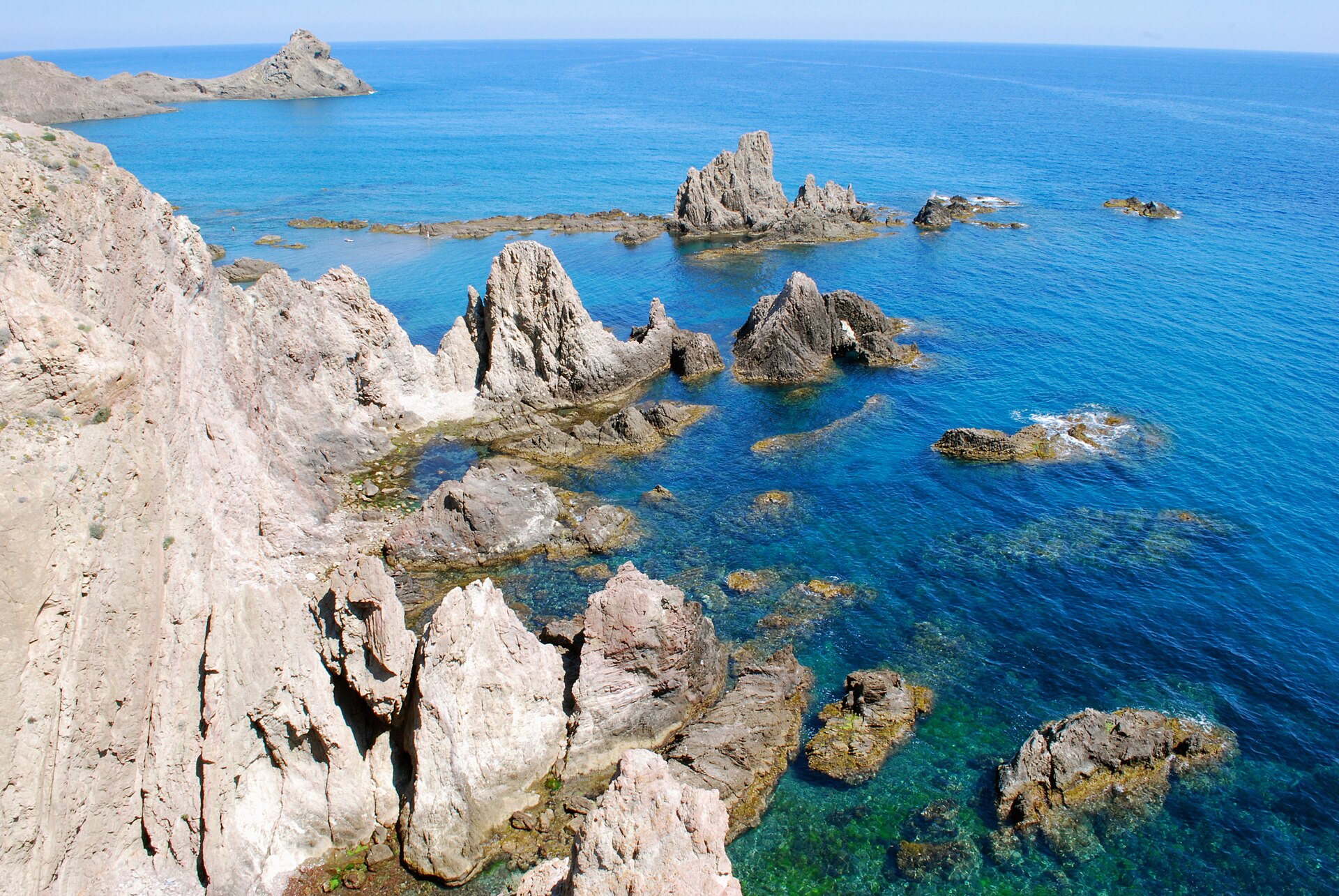
Natura 2000 · breeding, resident, wintering 1,784 records

Natura 2000 · wintering, breeding 1,645 records

Natura 2000 · resident, breeding 1,013 records
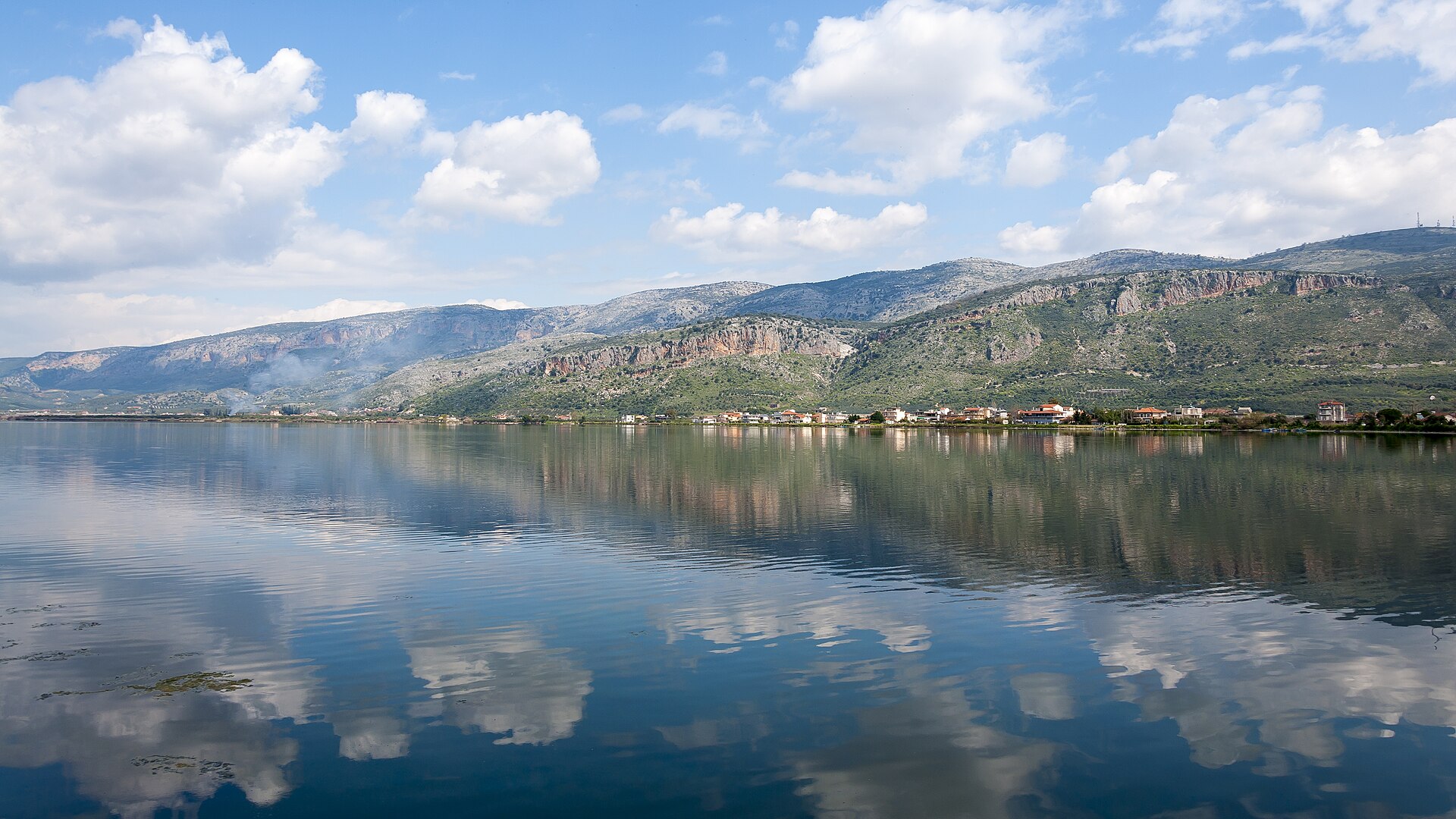
Natura 2000 · breeding, wintering 745 records
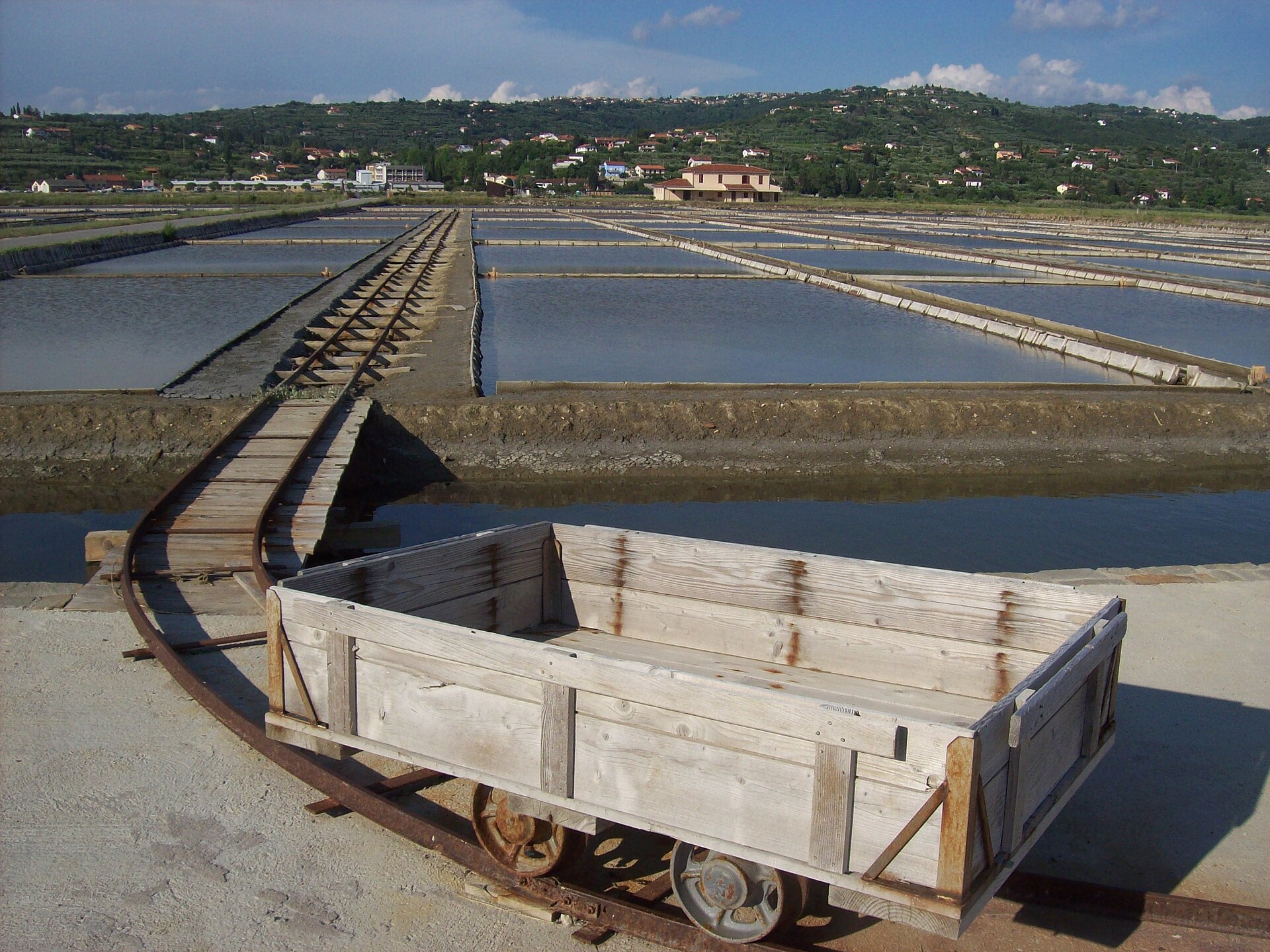
Natura 2000 · breeding 692 records
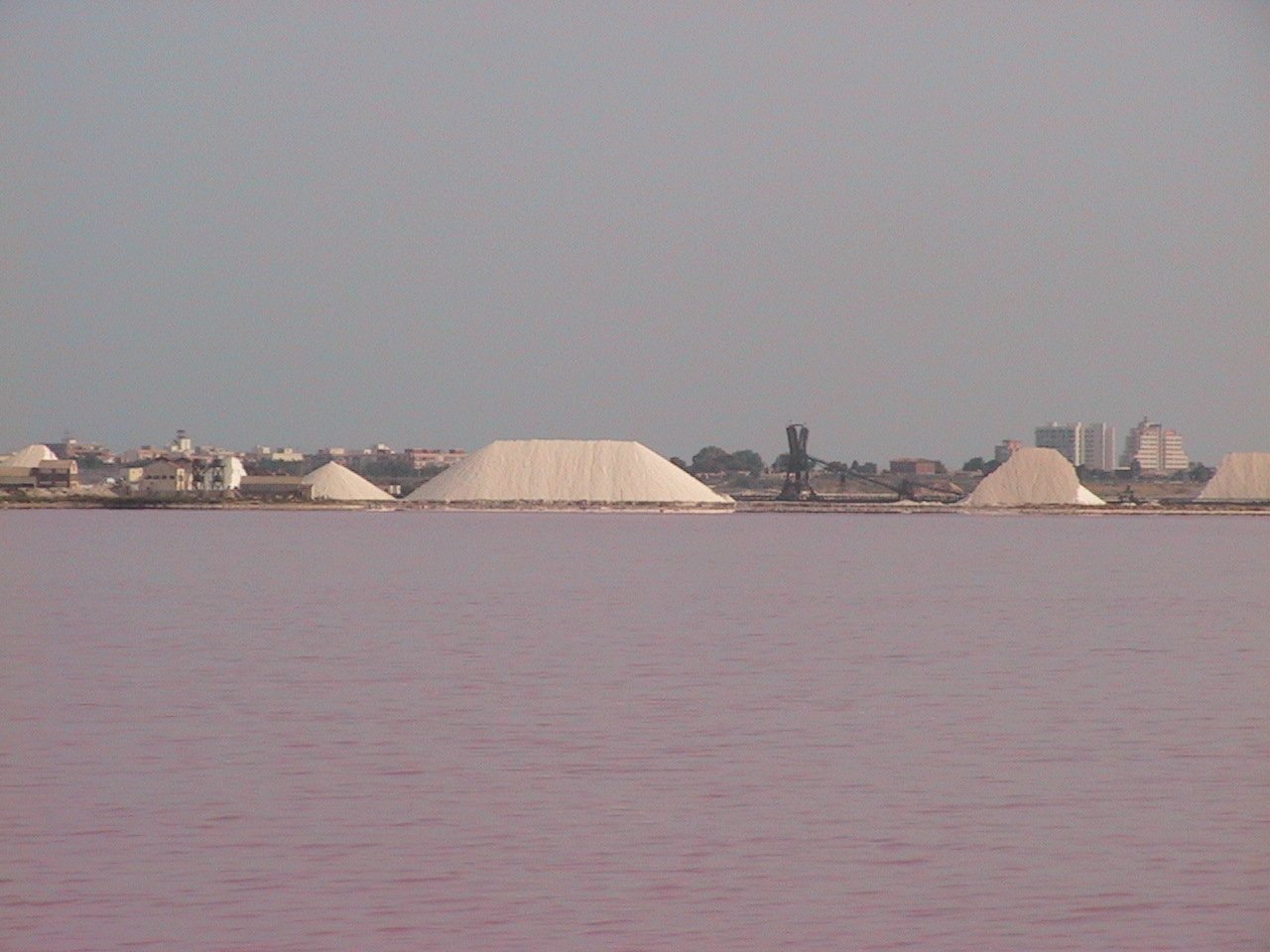
Natura 2000 · wintering, breeding 526 records

Natura 2000 · wintering, passage, breeding 210 records
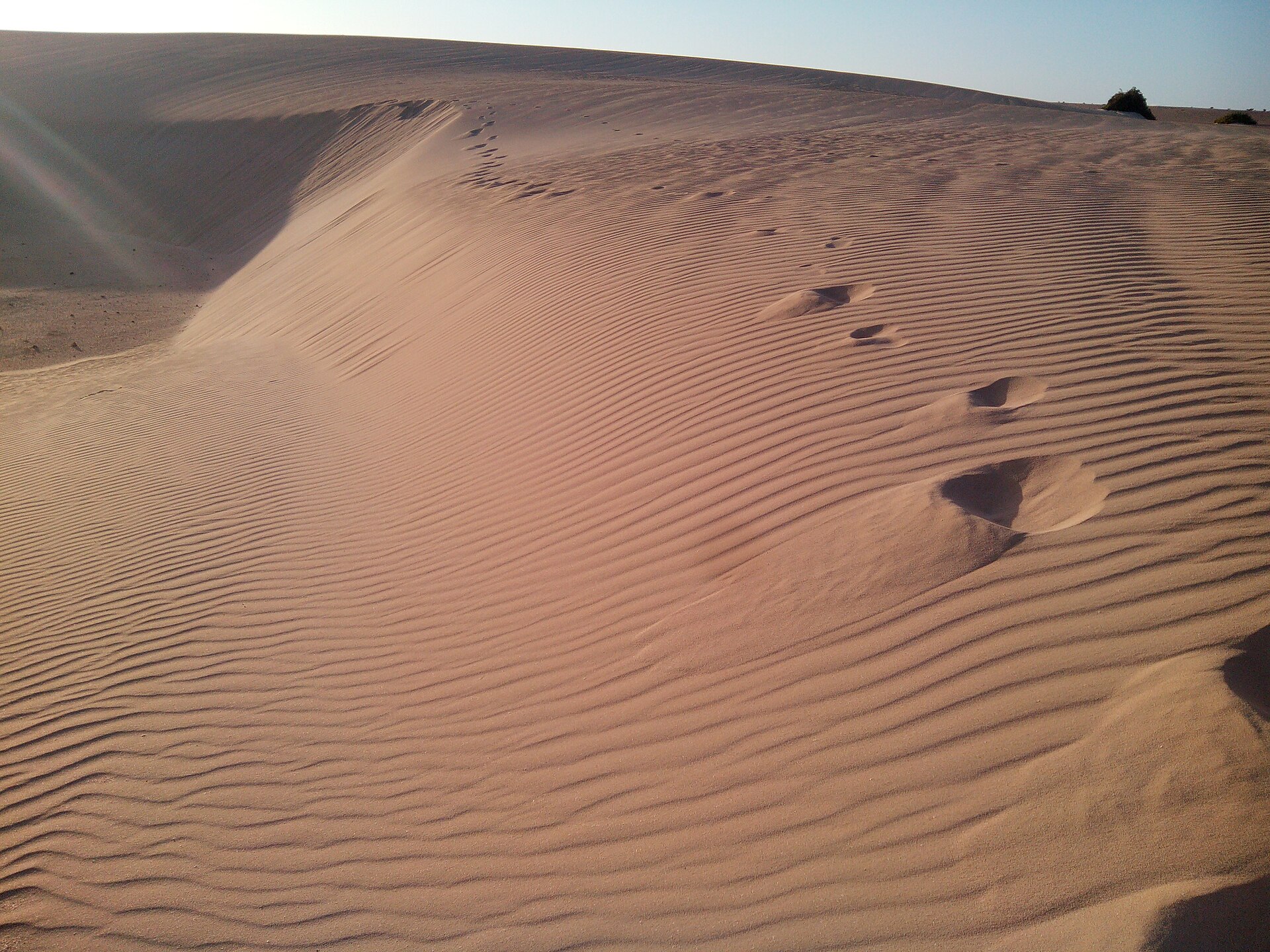
Natura 2000 58 records
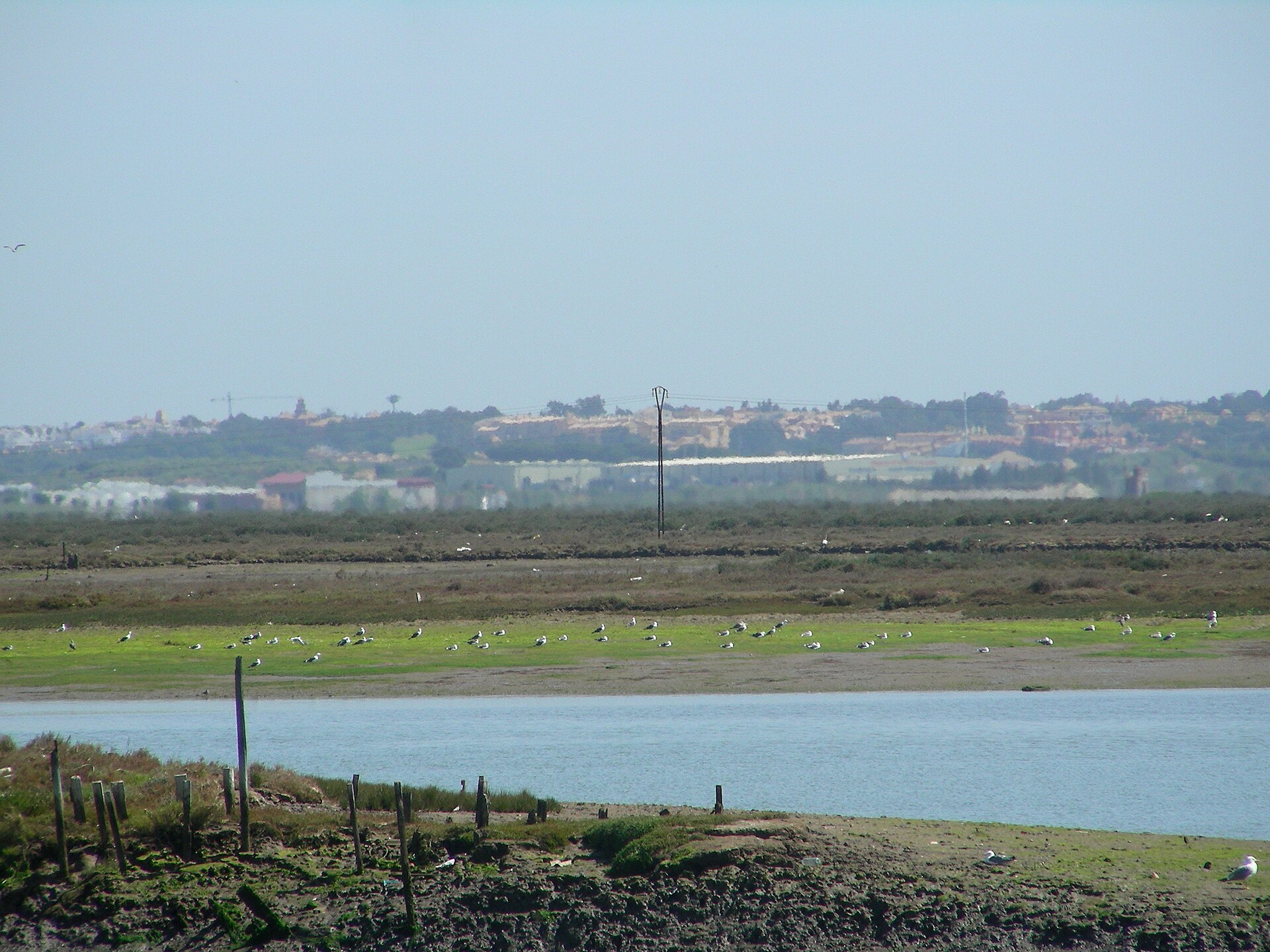
Natura 2000 · breeding, wintering 18 records

Natura 2000 · resident 1 records
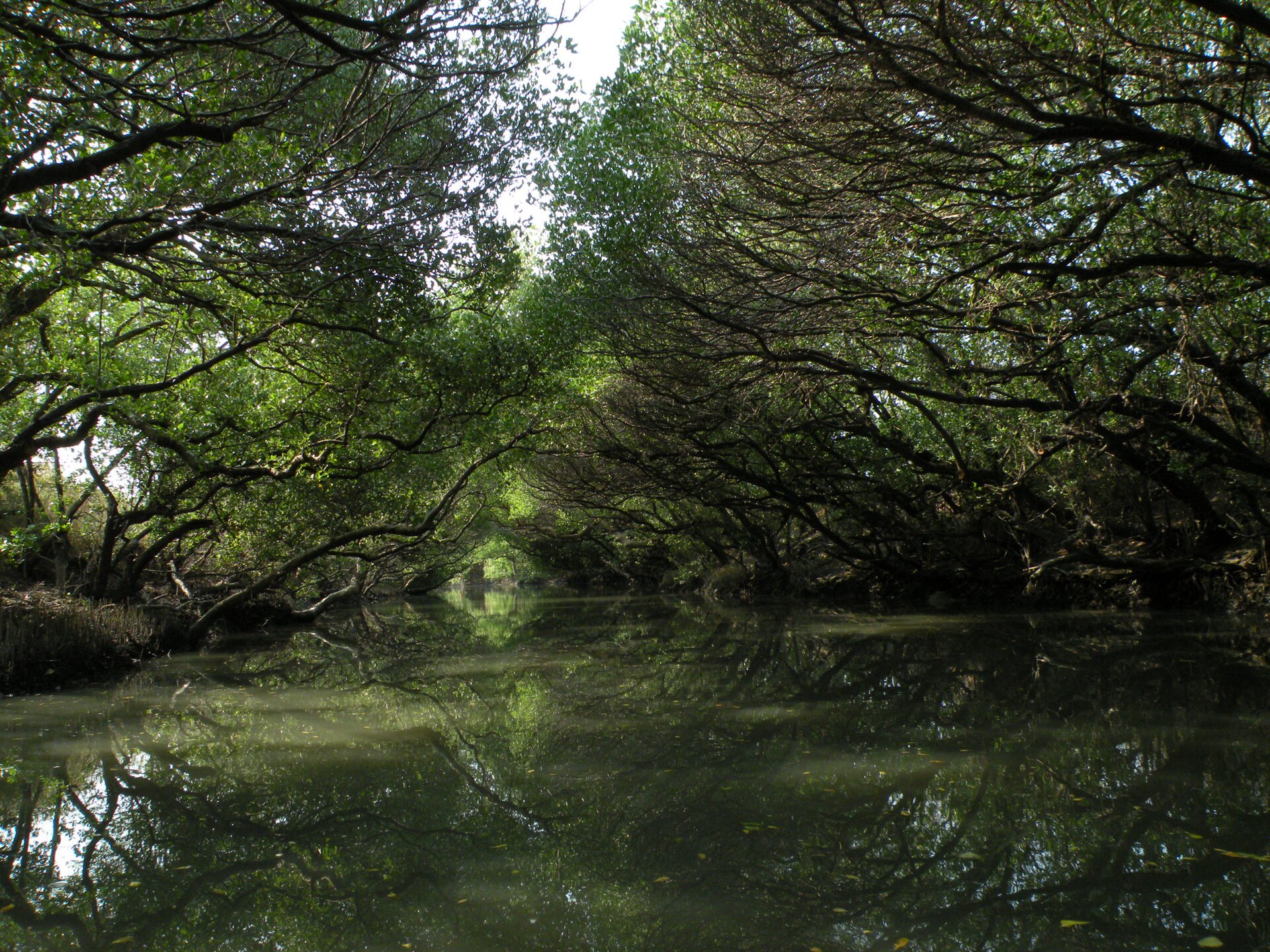
6,291 records
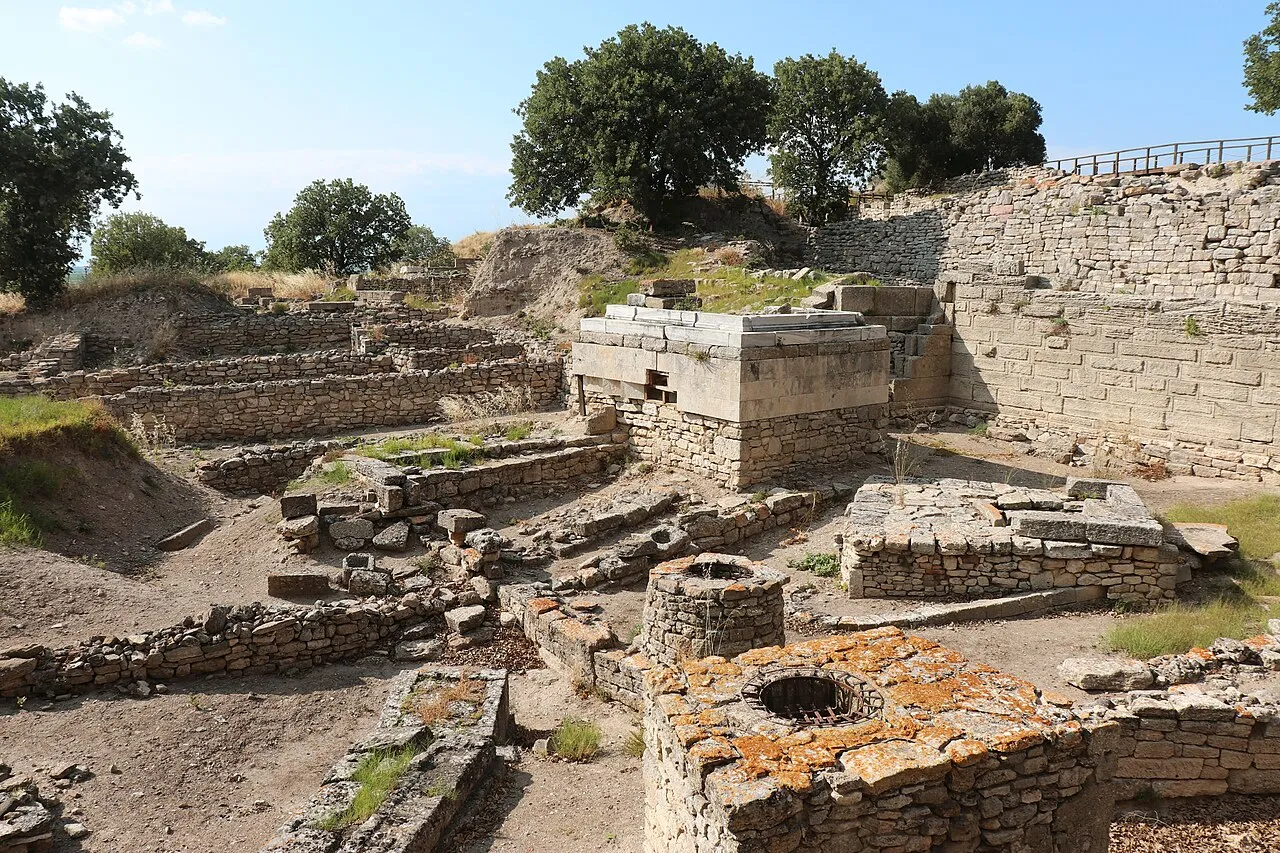
220 records
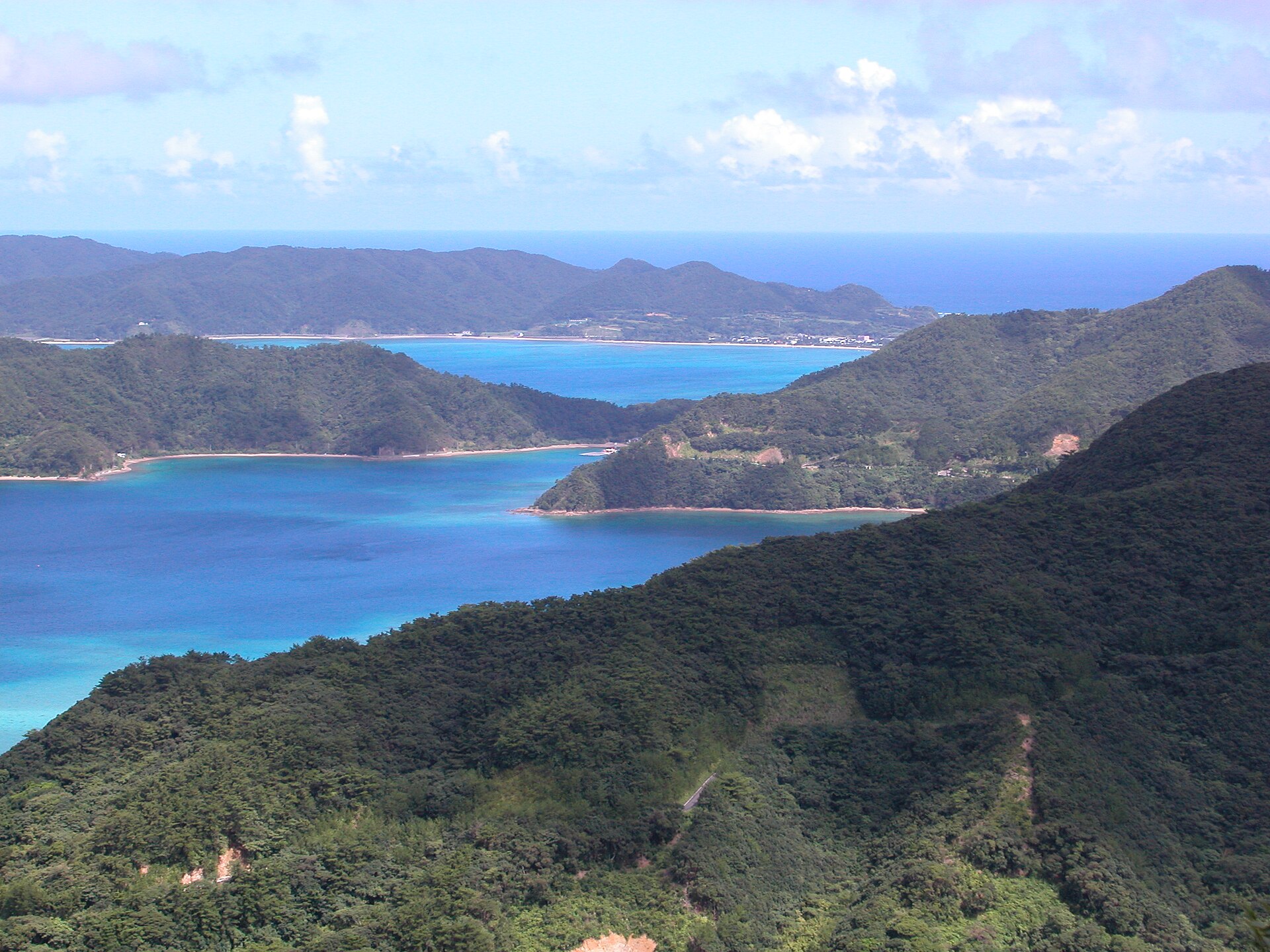
151 records

128 records
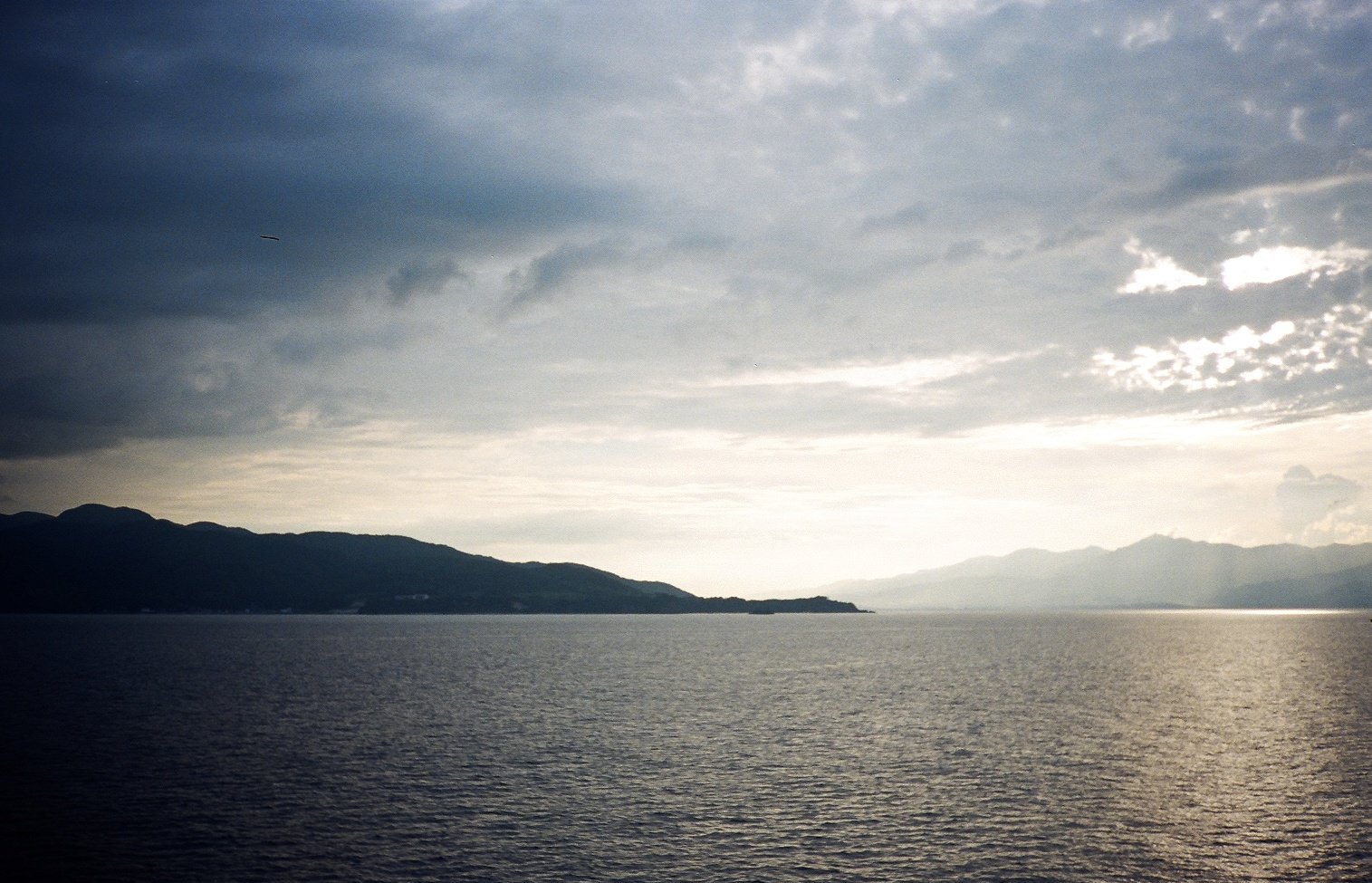
127 records
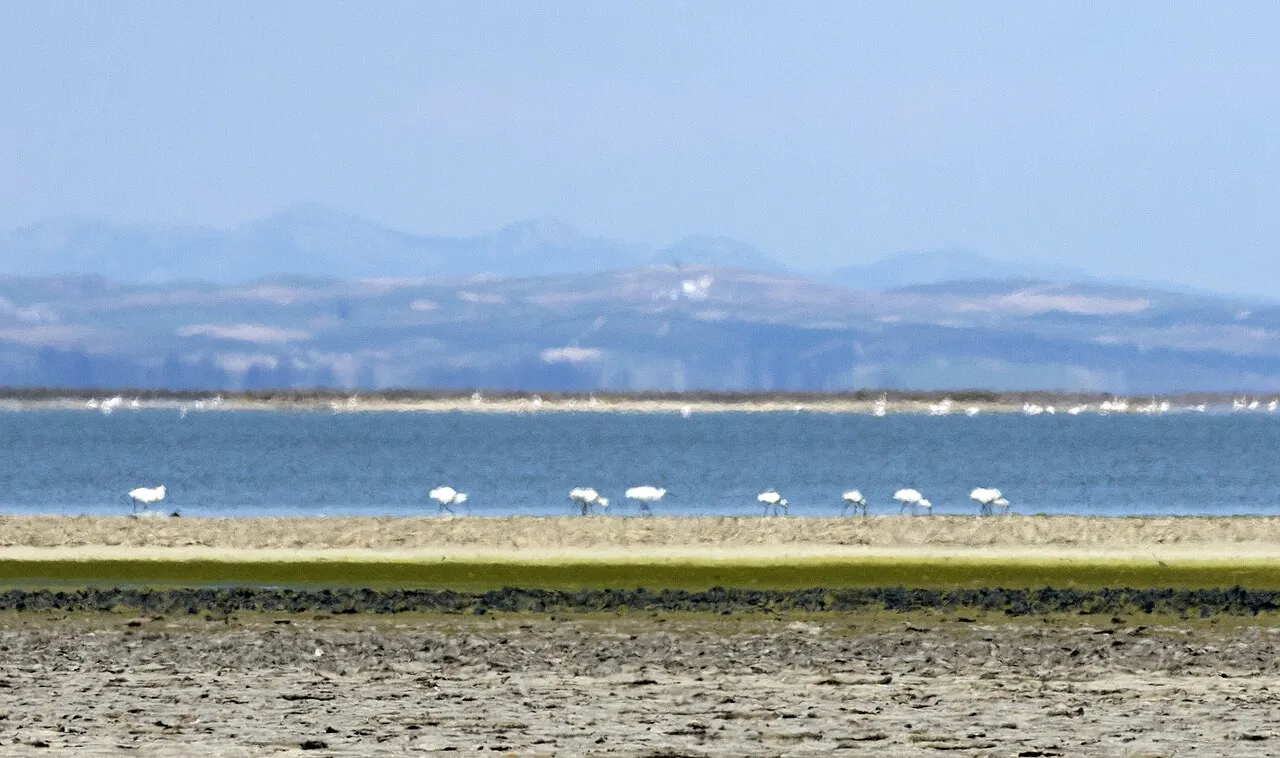
126 records

96 records

89 records

85 records
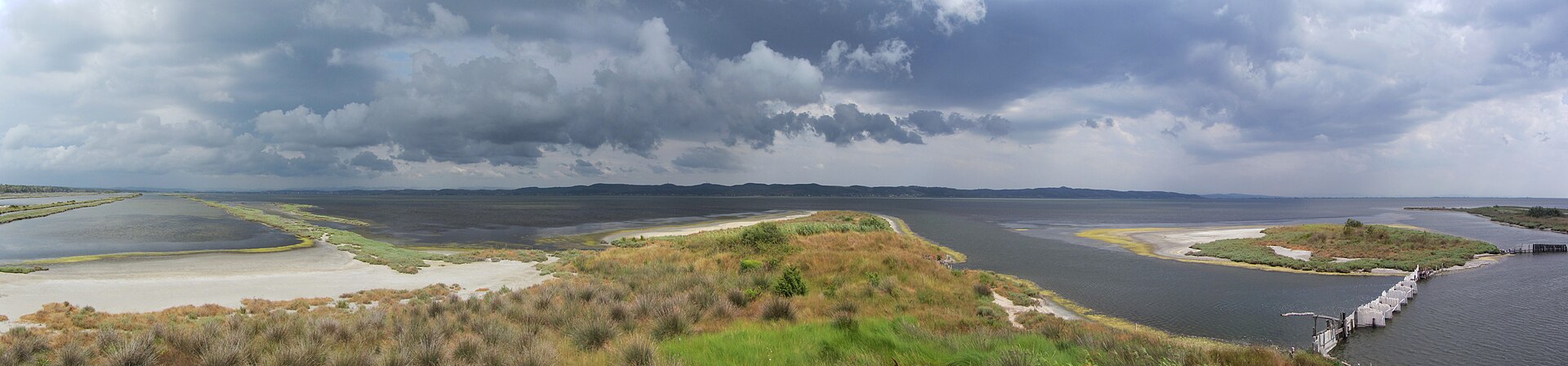
71 records
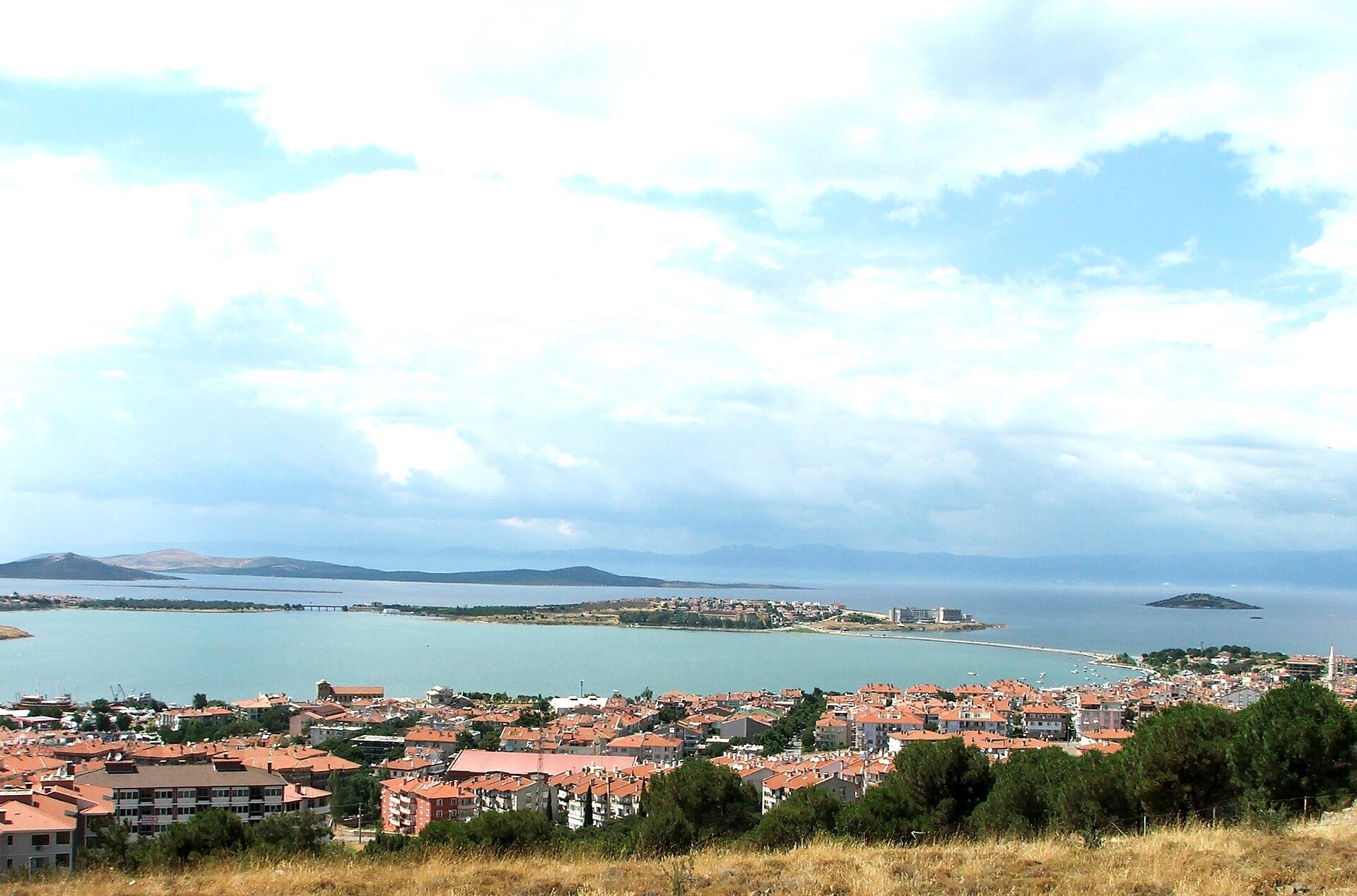
56 records

42 records
5 records
1 records
Natura 2000 · breeding, wintering
Natura 2000 · breeding, passage, wintering
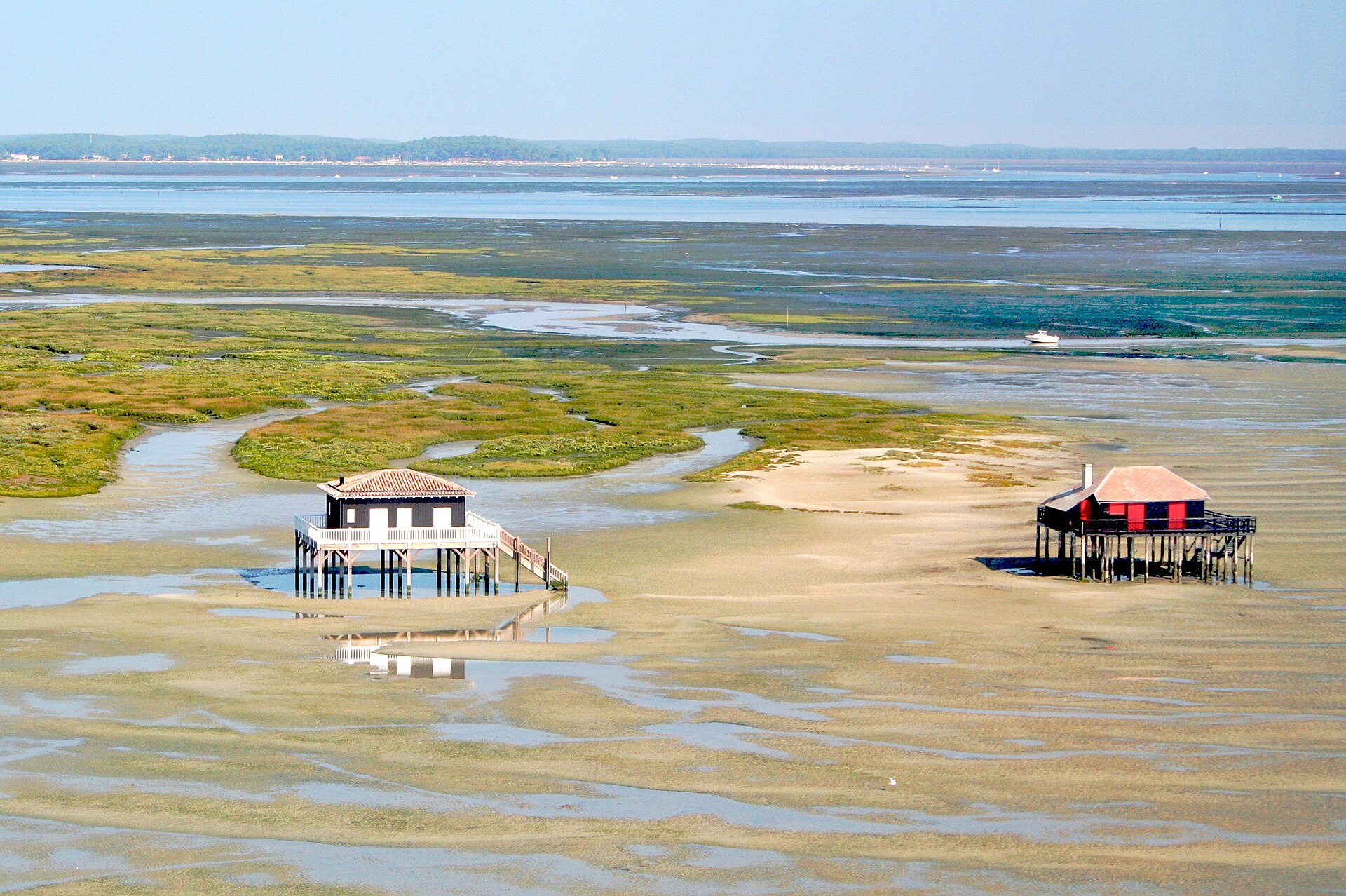
Natura 2000 · breeding, wintering, passage

Natura 2000 · passage
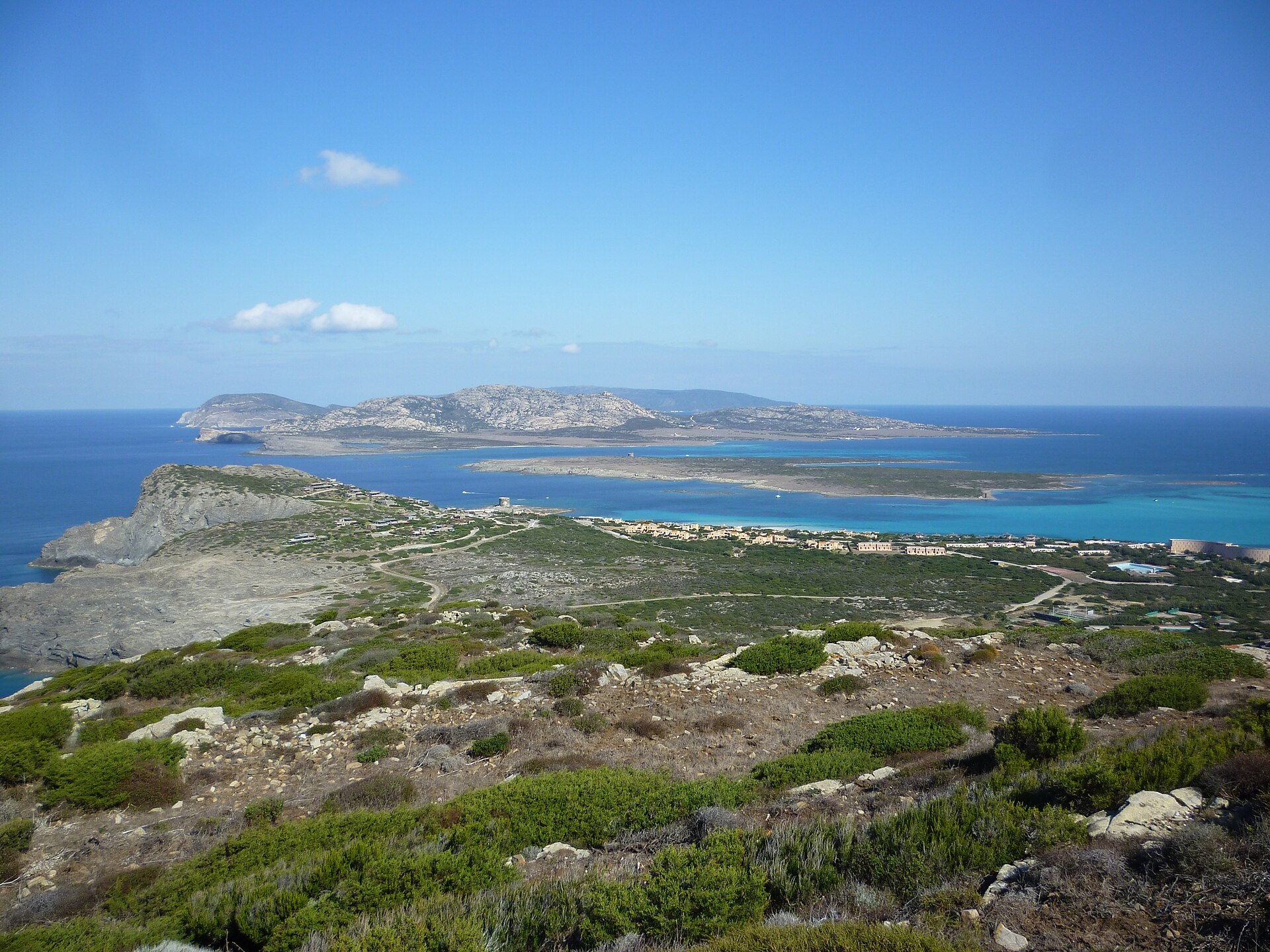
Natura 2000 · passage, breeding, wintering

Natura 2000 · resident, wintering
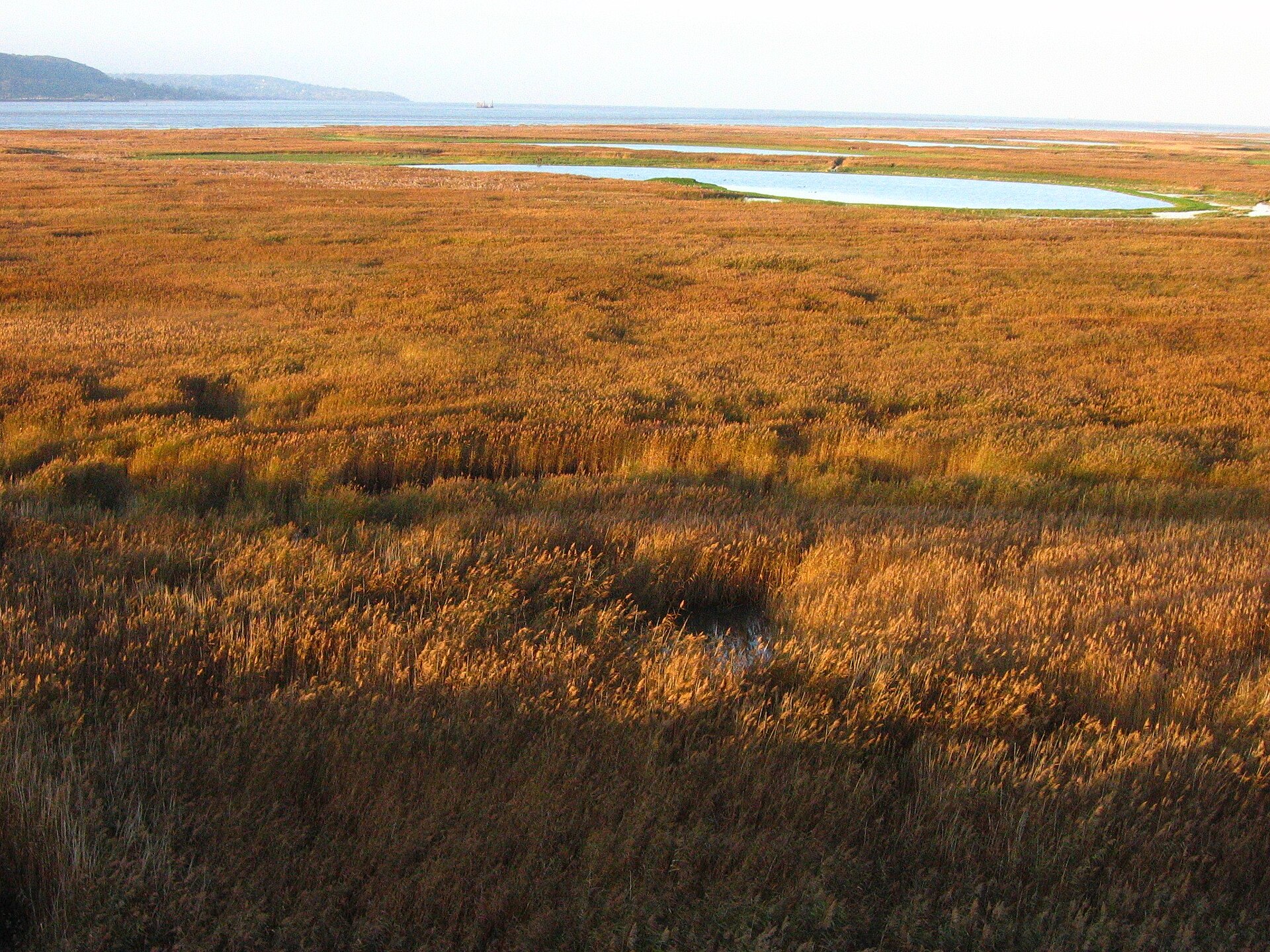
Natura 2000 · wintering, passage, breeding
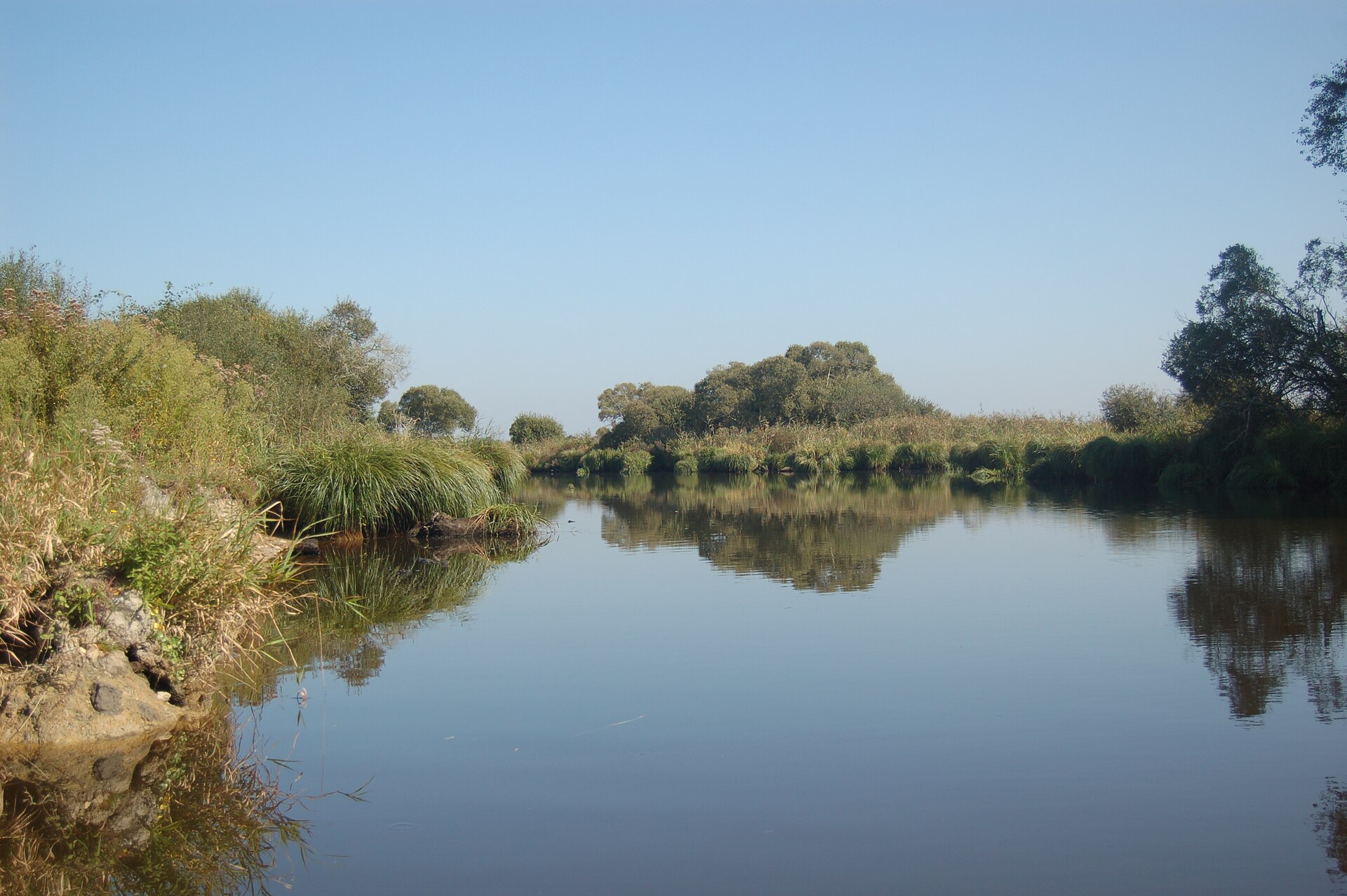
Natura 2000 · passage
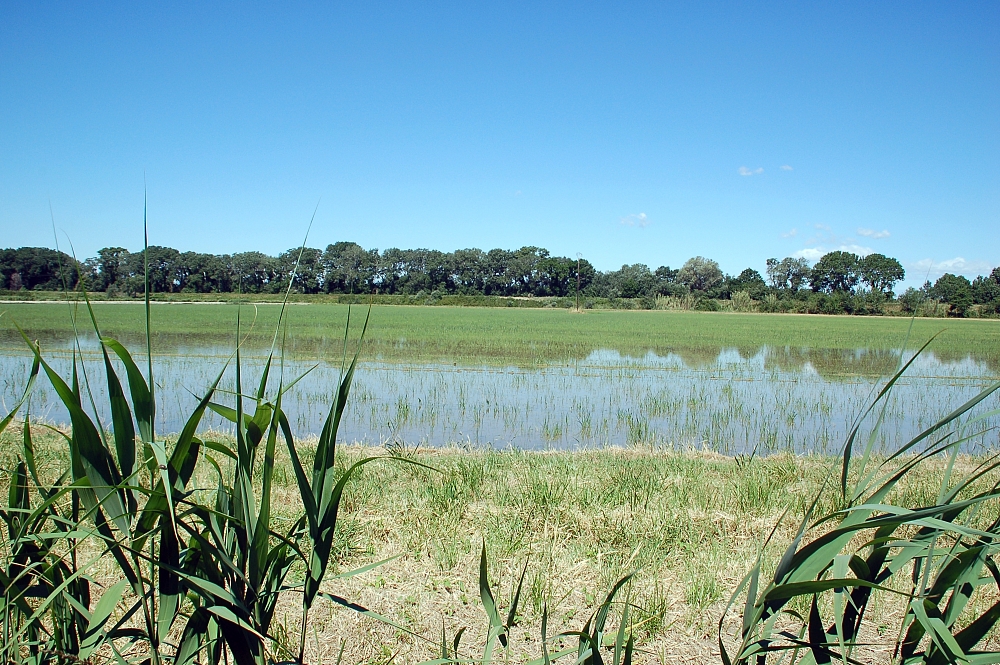
Natura 2000 · breeding, wintering, passage
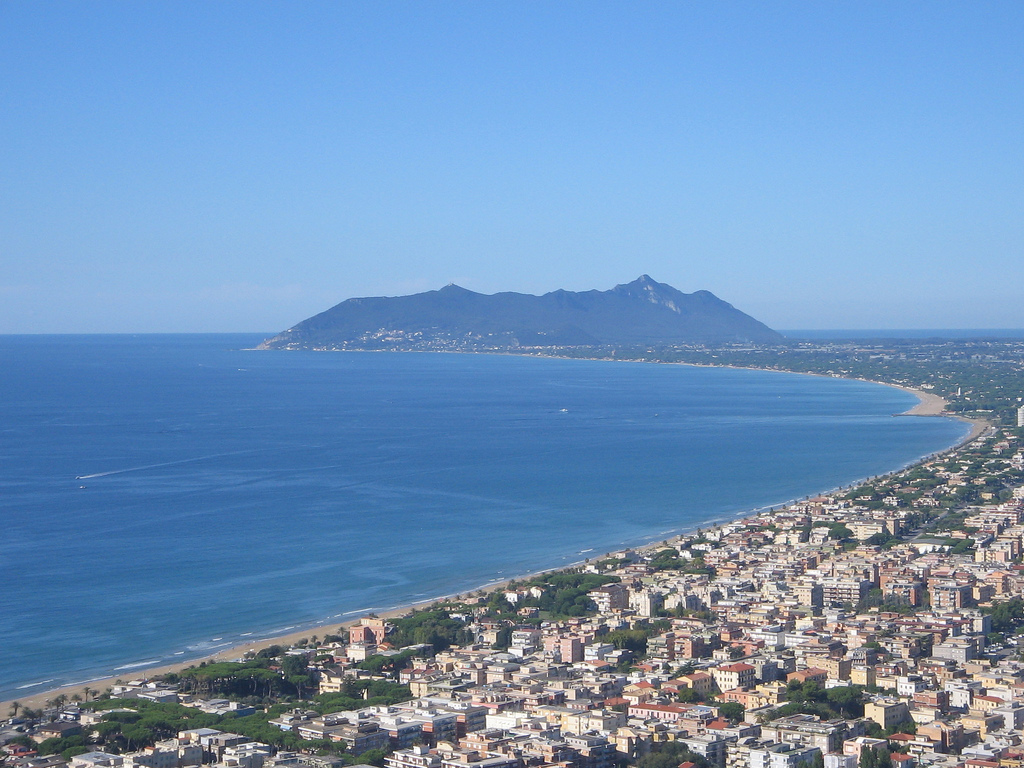
Natura 2000 · wintering, breeding, passage
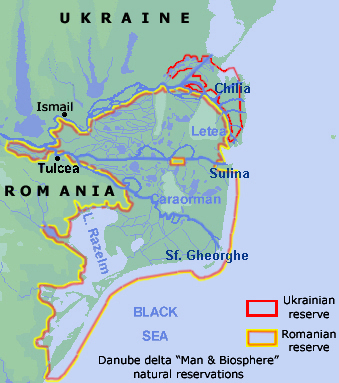
Natura 2000 · passage, breeding
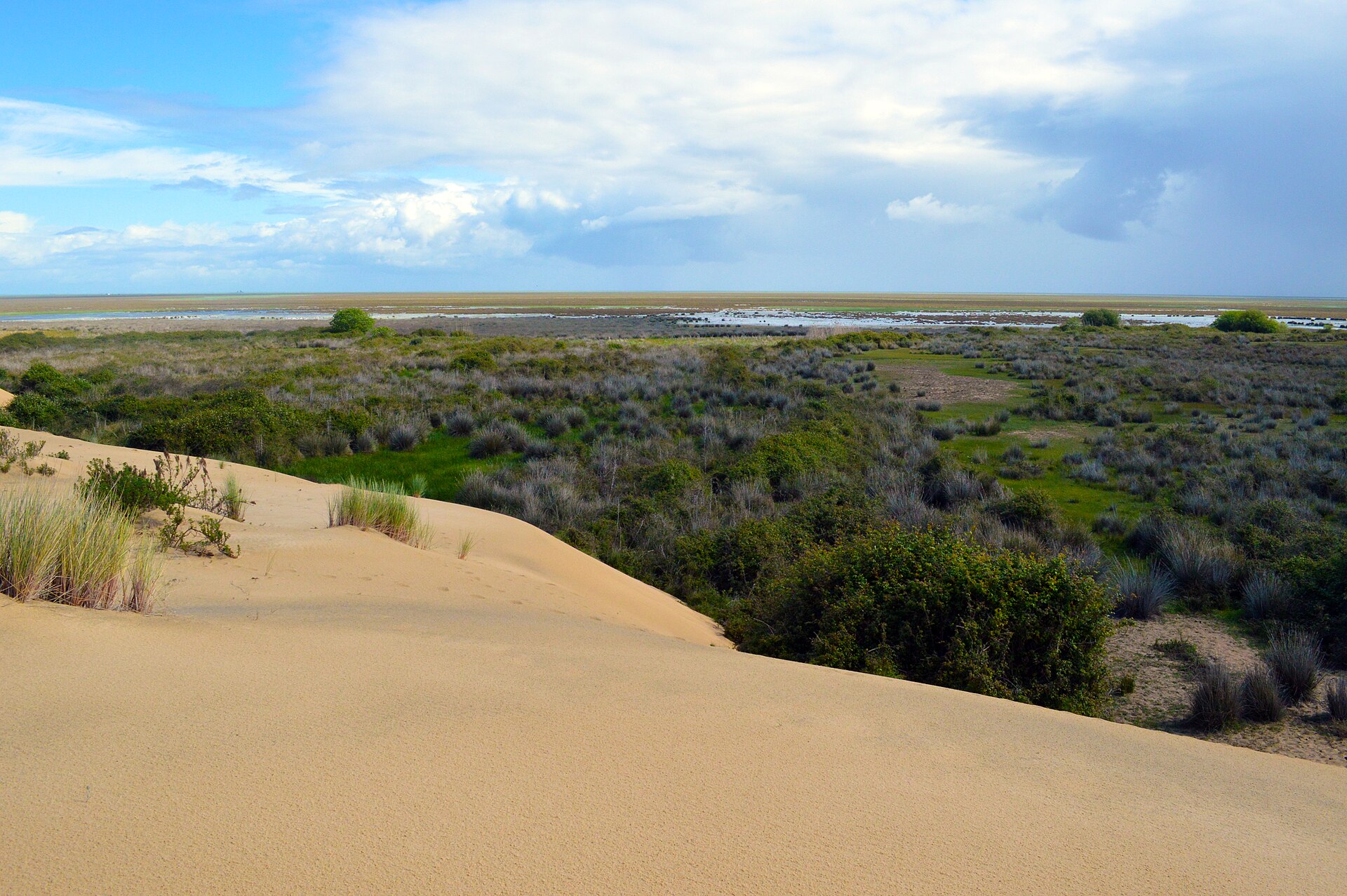
Natura 2000 · breeding, resident, wintering, passage
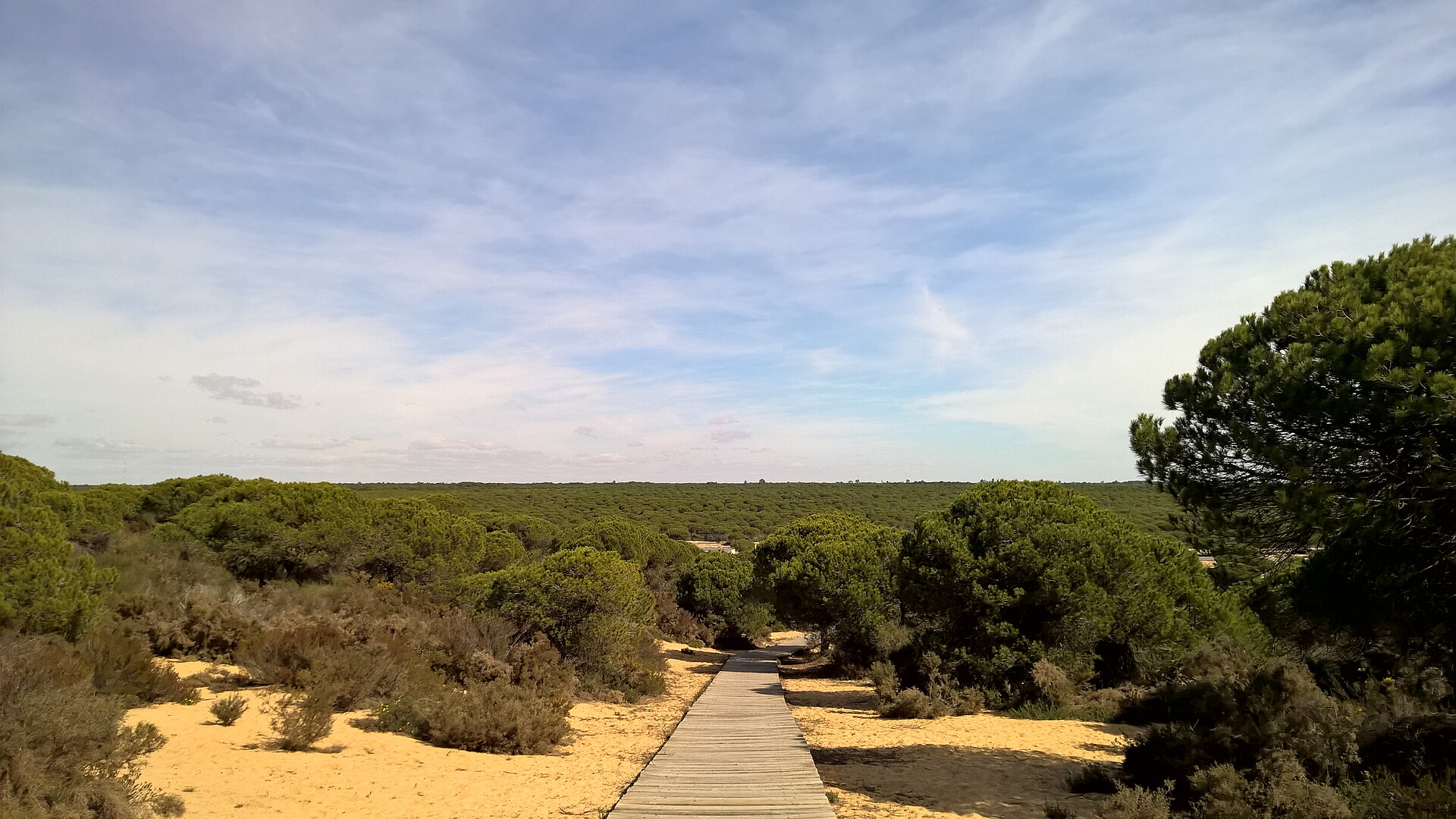
Natura 2000 · breeding, resident, wintering, passage
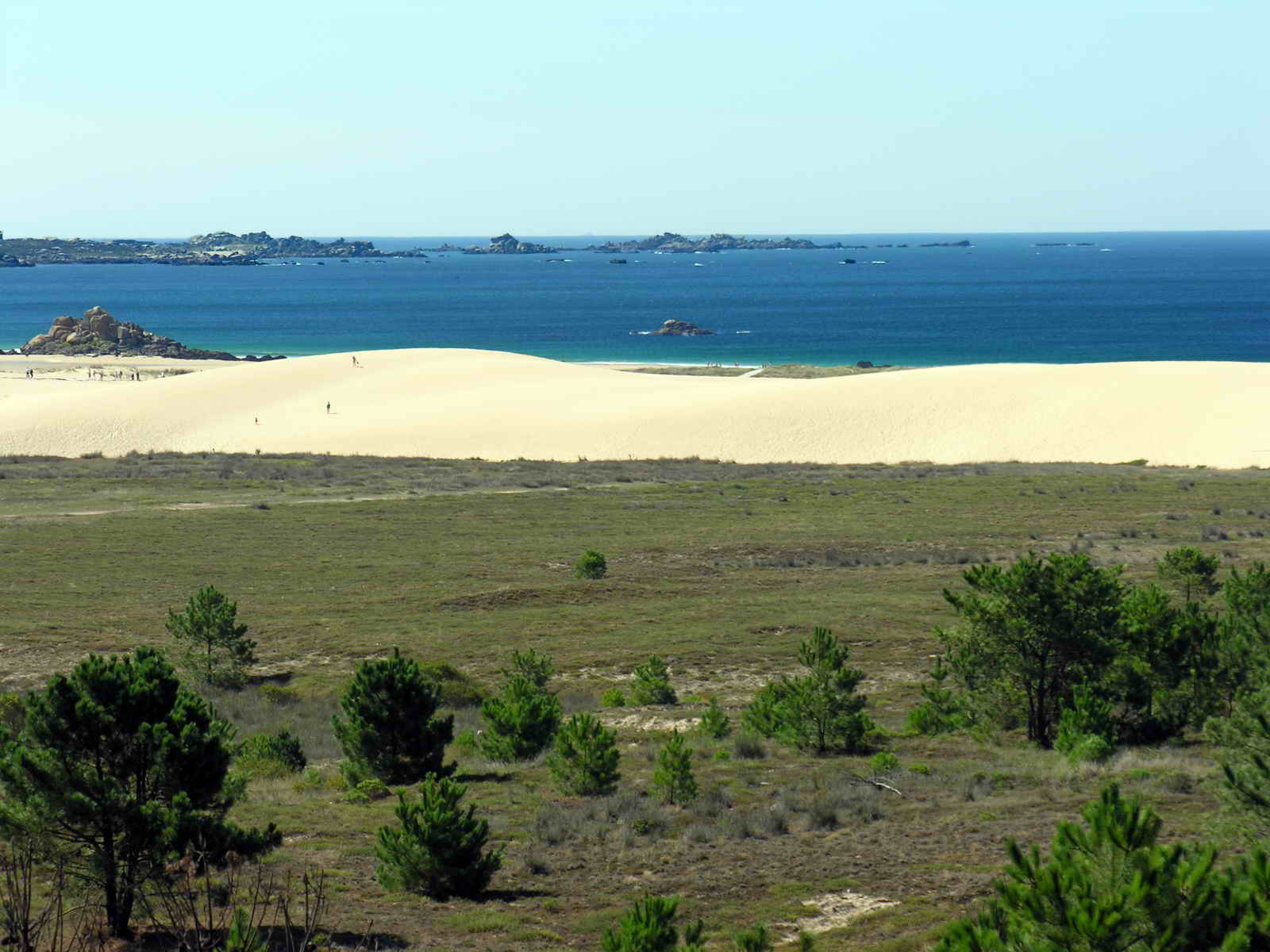
Natura 2000 · wintering, resident
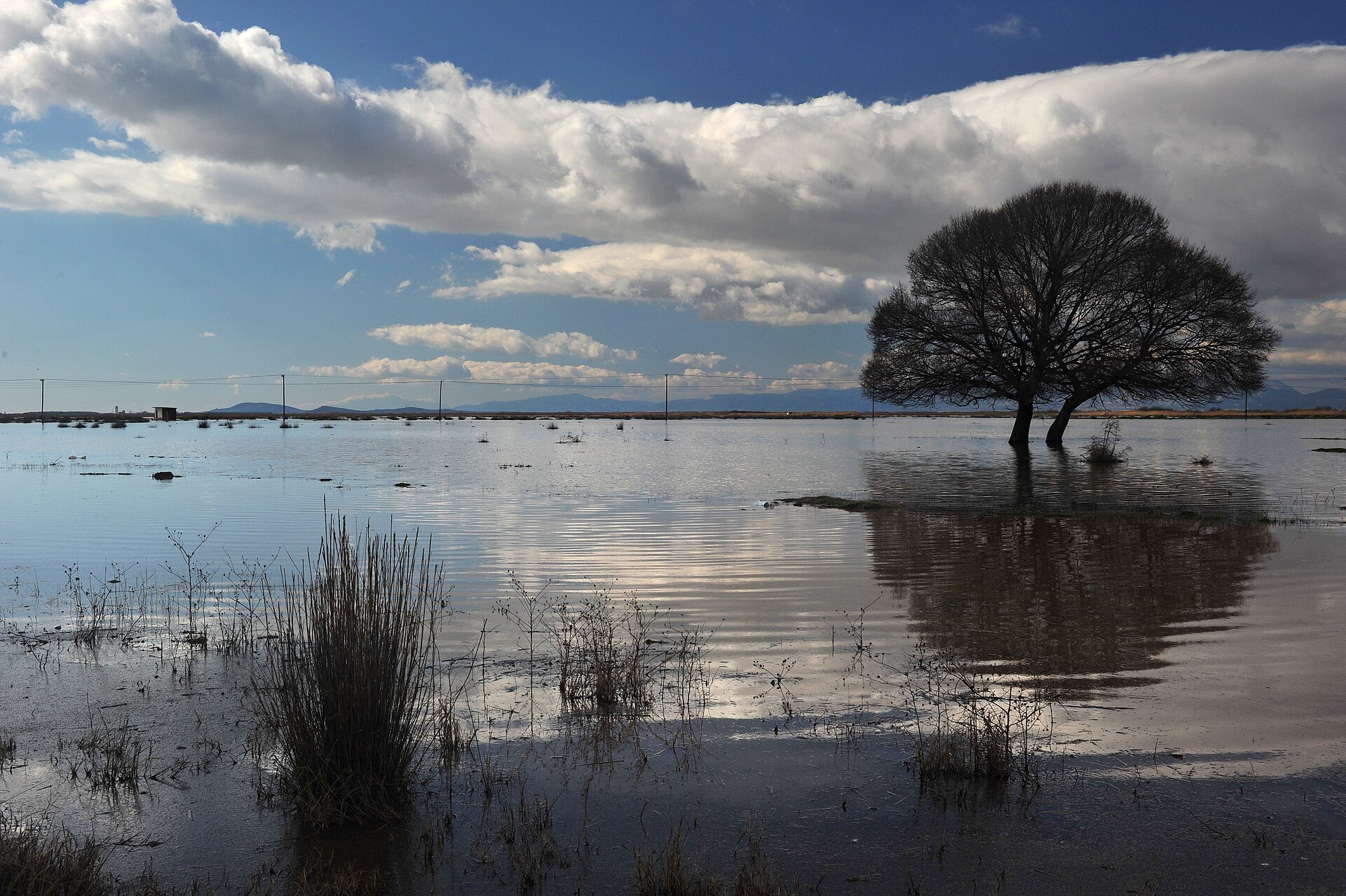
Natura 2000 · wintering, breeding
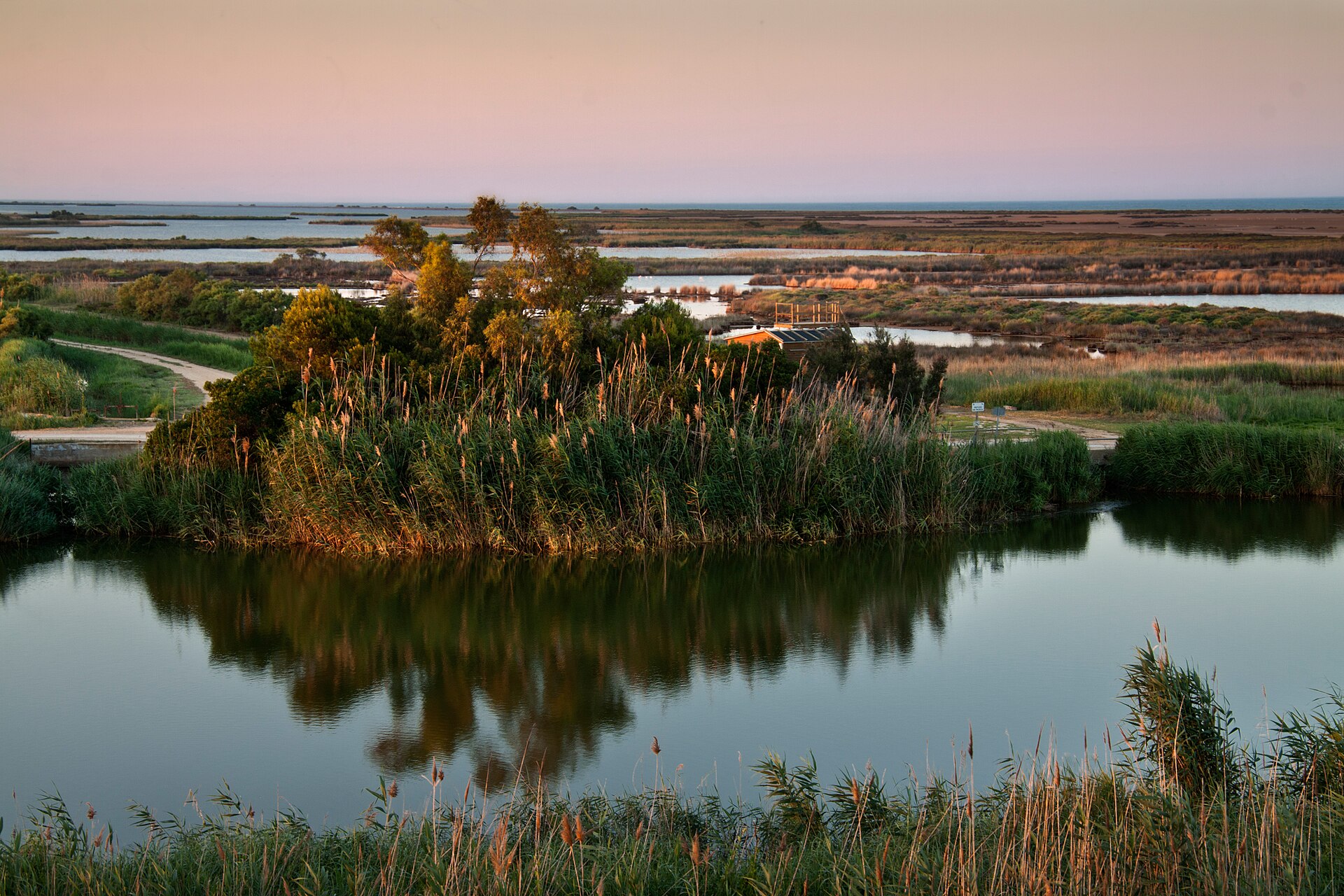
Natura 2000 · wintering, breeding

Natura 2000 · breeding, passage, wintering, resident

Natura 2000 · breeding
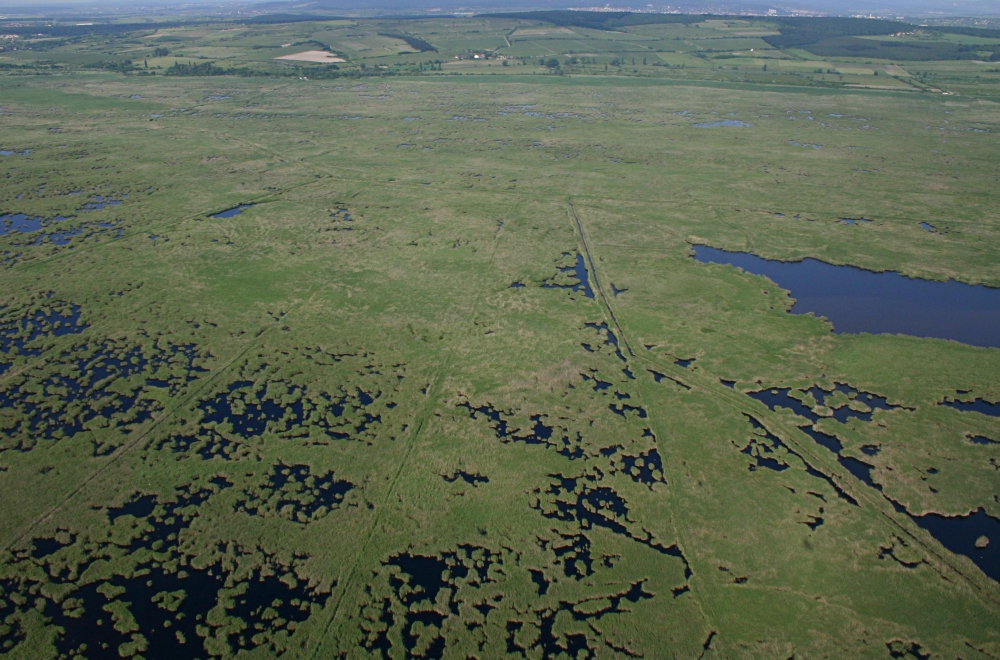
Natura 2000 · breeding

Natura 2000 · resident, wintering
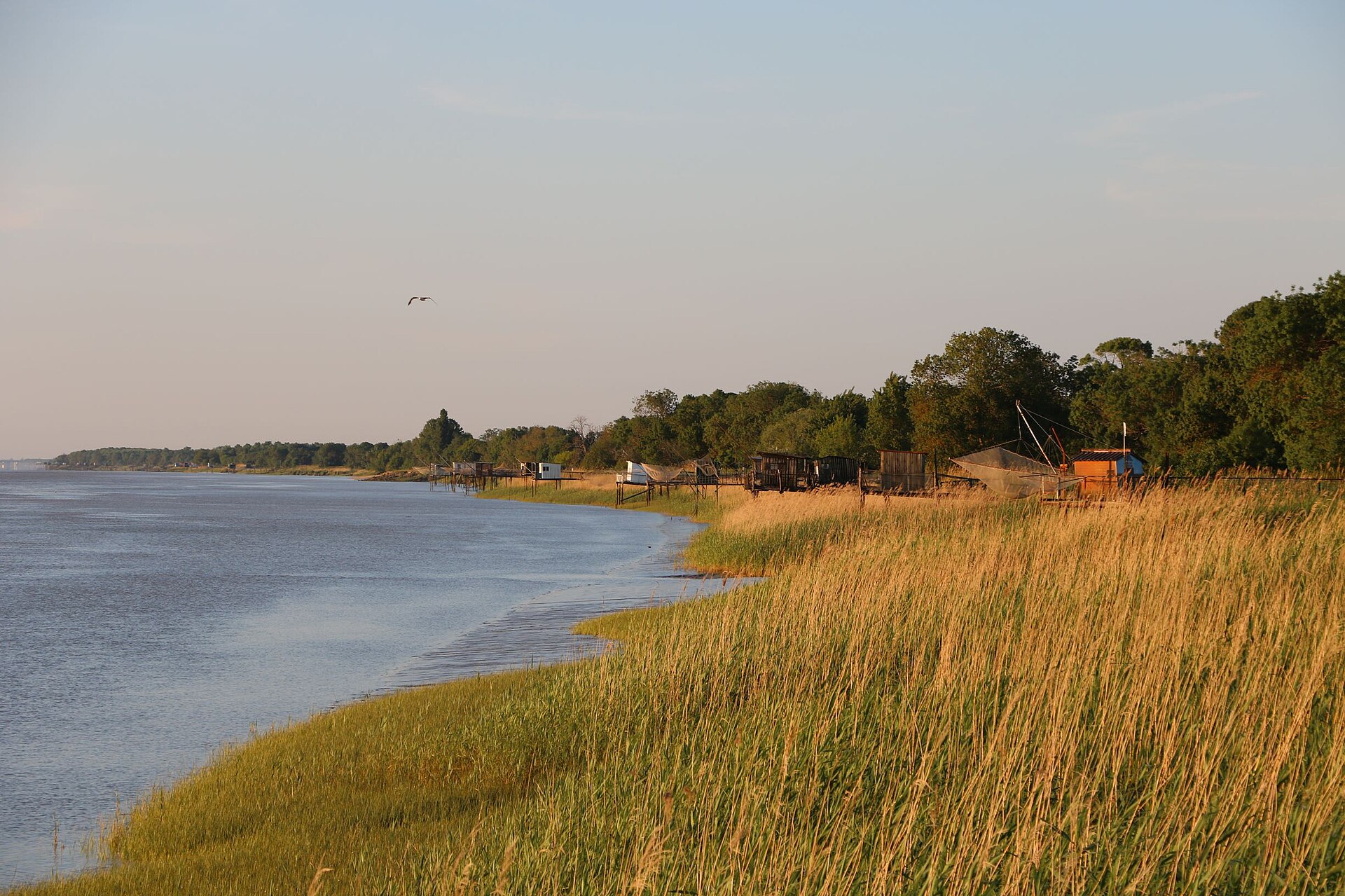
Natura 2000 · passage, breeding, wintering
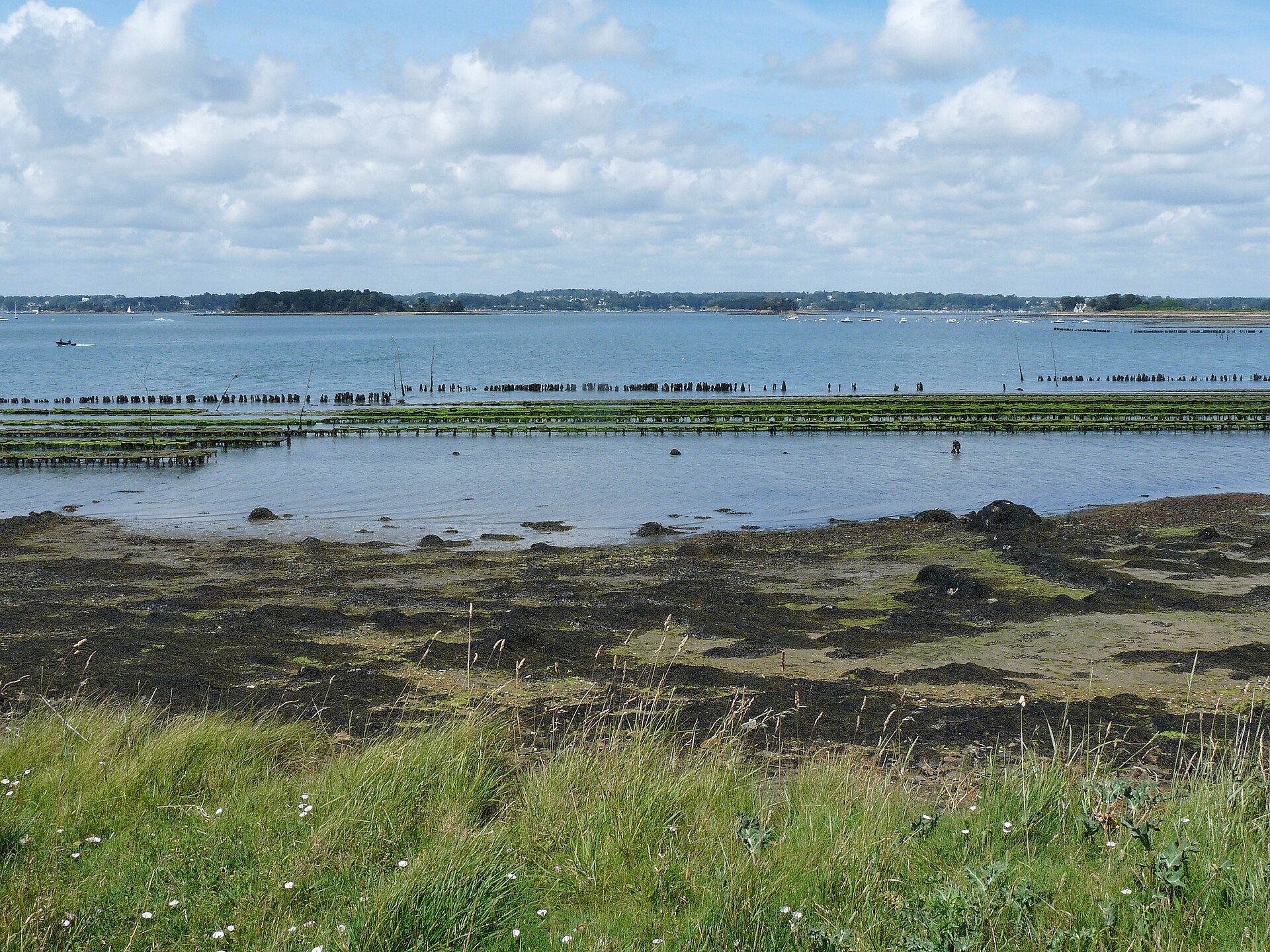
Natura 2000 · wintering, breeding
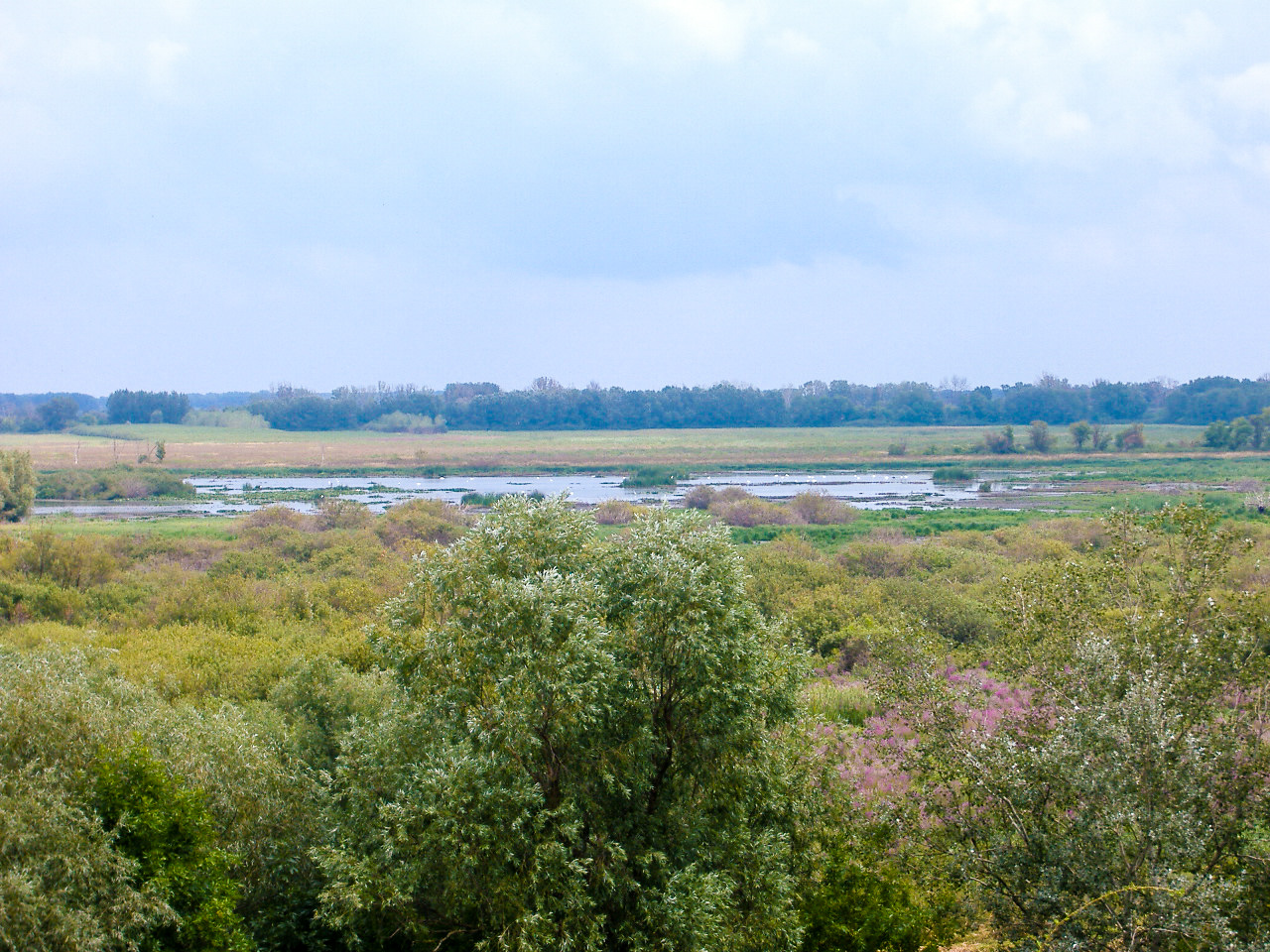
Natura 2000 · breeding
Natura 2000 · passage
Natura 2000 · breeding, passage
Natura 2000 · passage
Natura 2000 · wintering
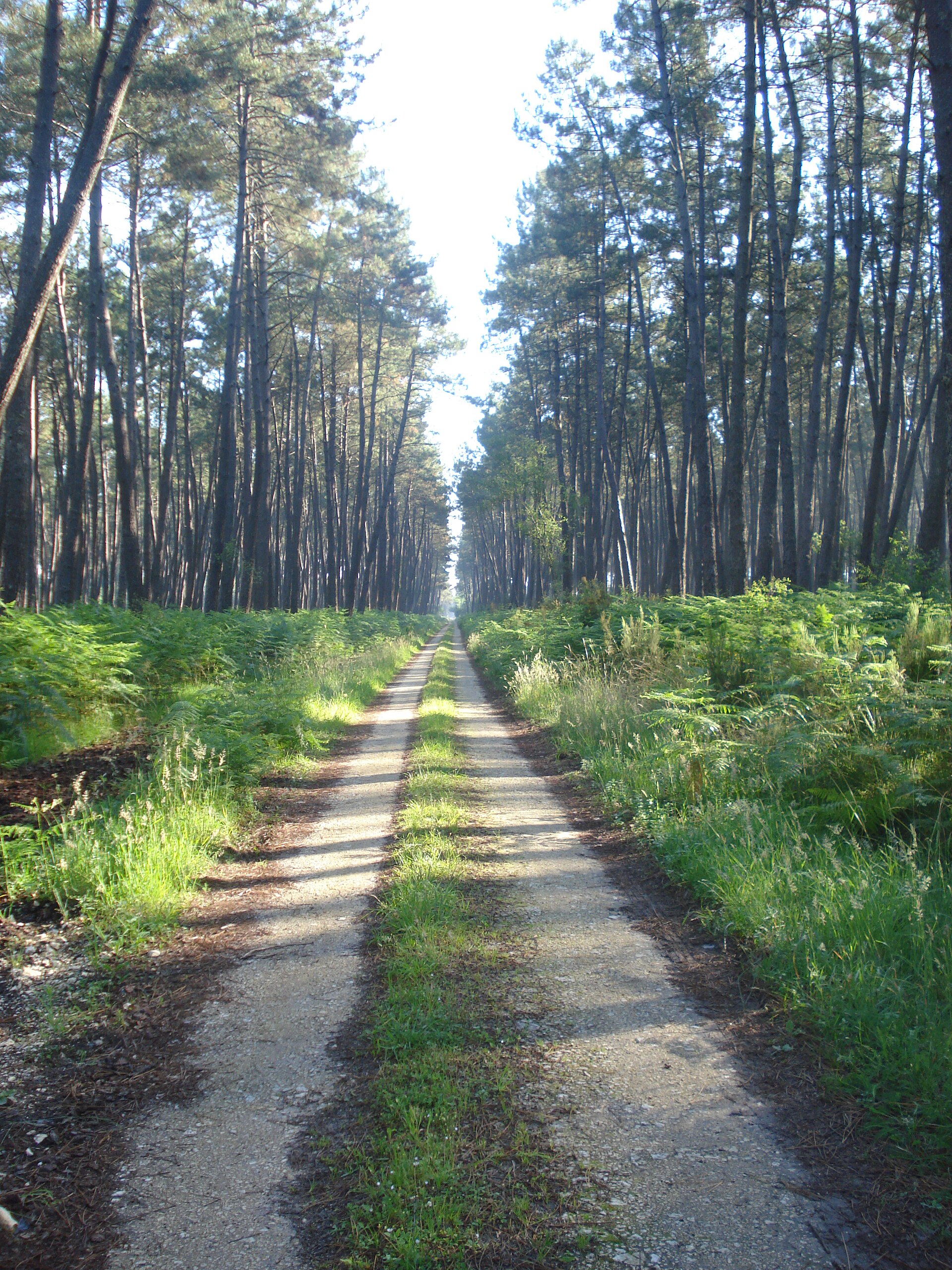
Natura 2000 · breeding, wintering, passage
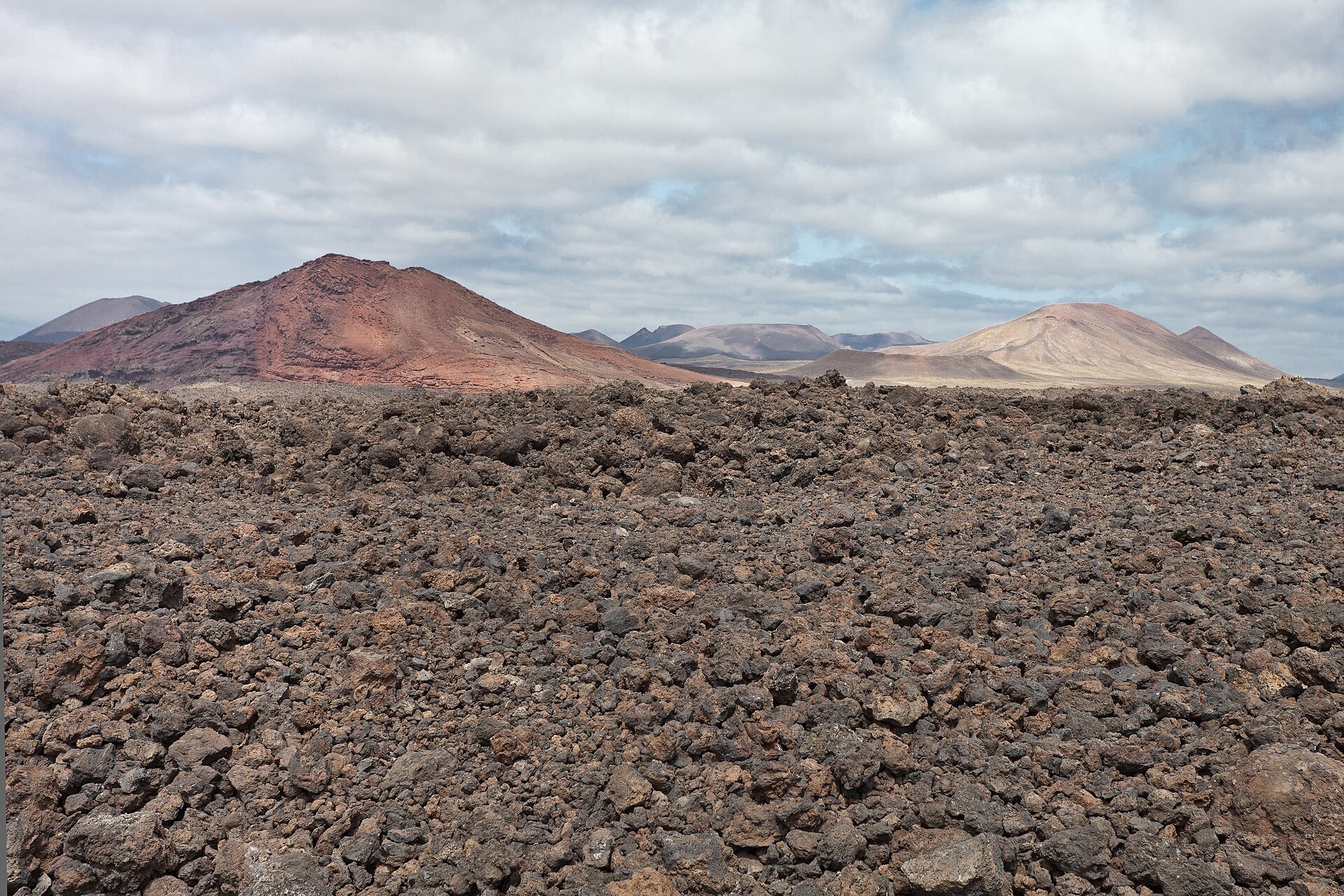
Natura 2000

Natura 2000 · passage, breeding

Natura 2000 · passage, breeding

Natura 2000 · wintering, passage, breeding
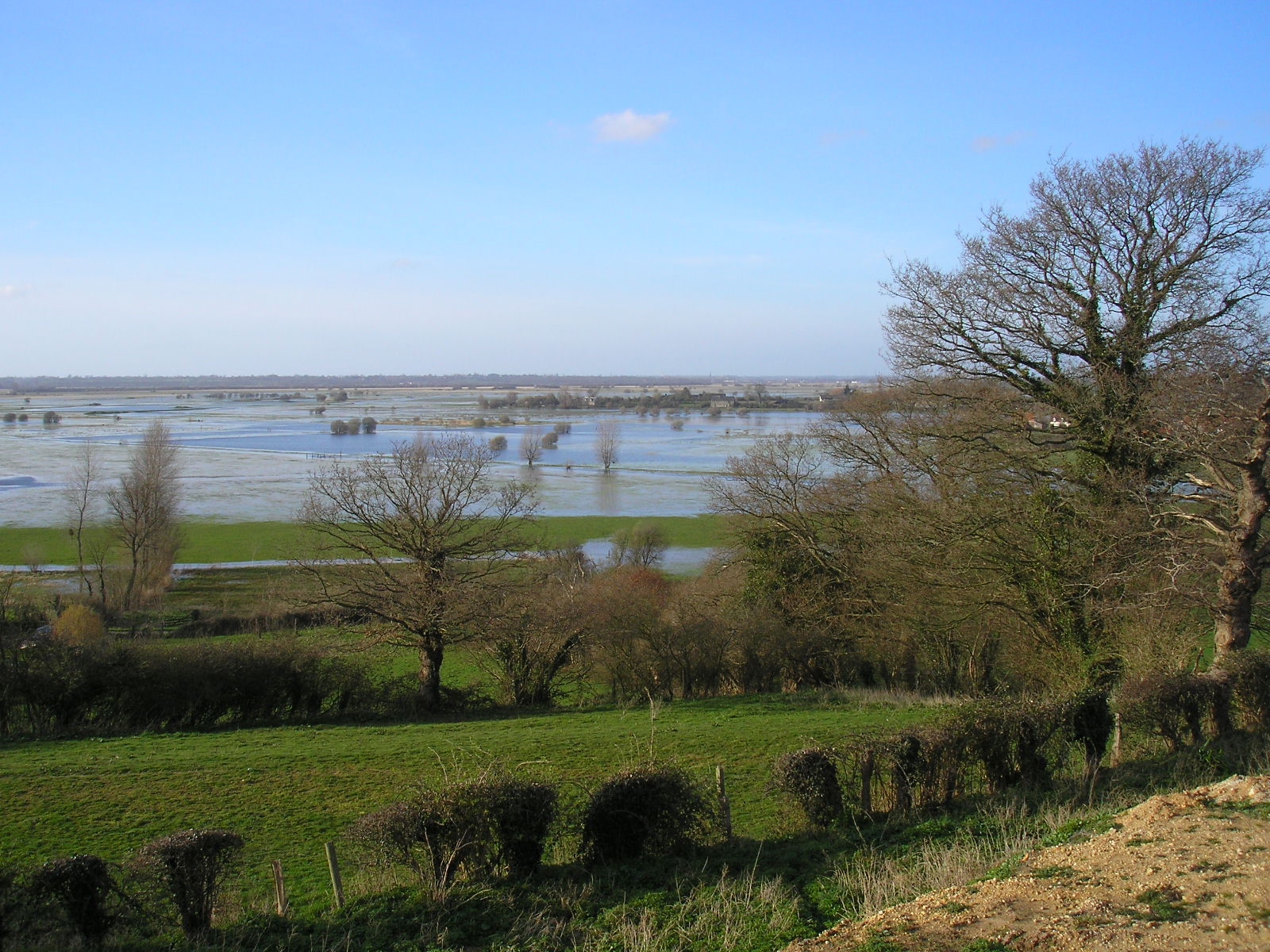
Natura 2000 · breeding, wintering, passage

Natura 2000 · breeding, passage, wintering, resident

Natura 2000 · breeding, passage, wintering
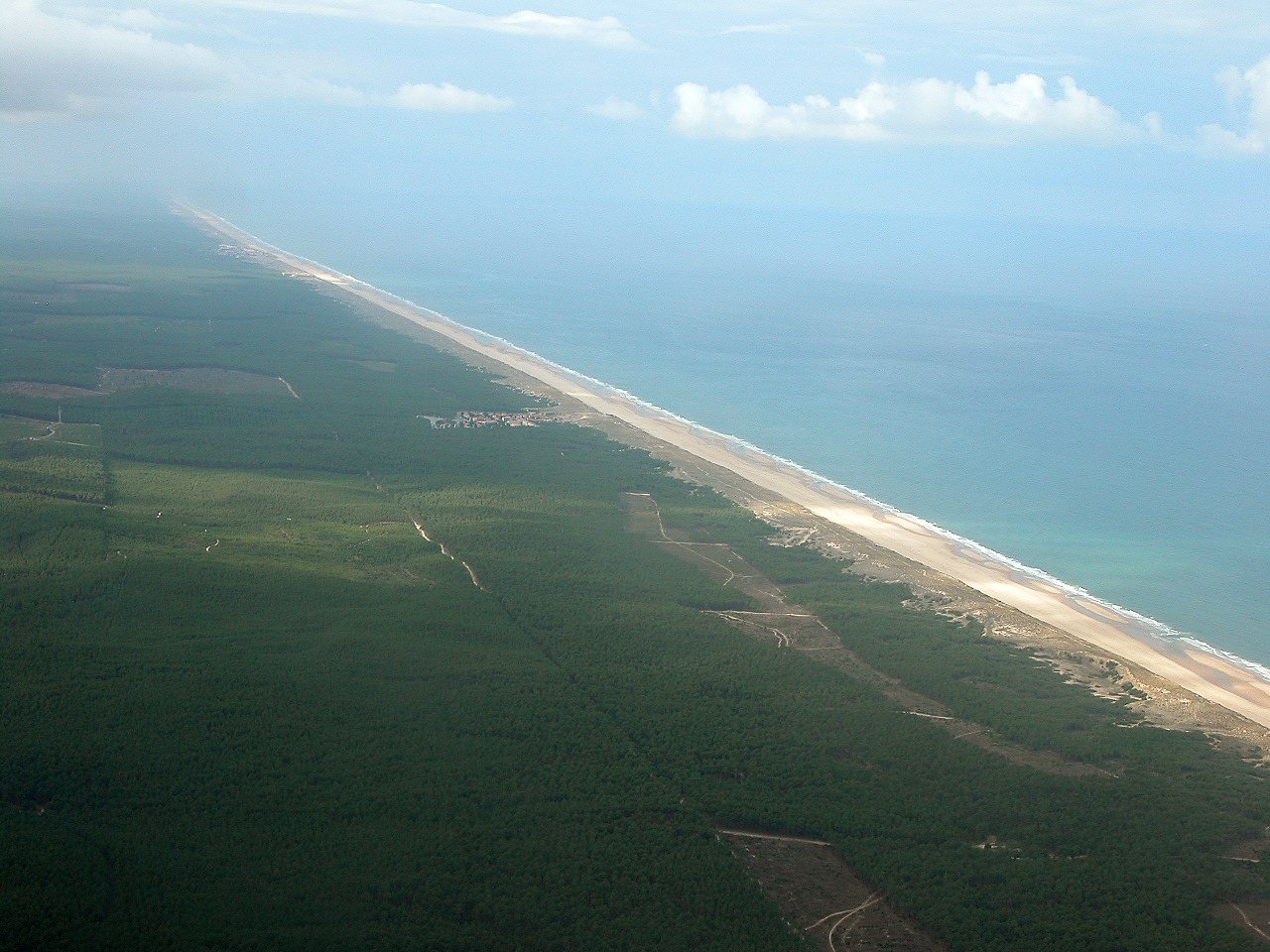
Natura 2000 · breeding, wintering
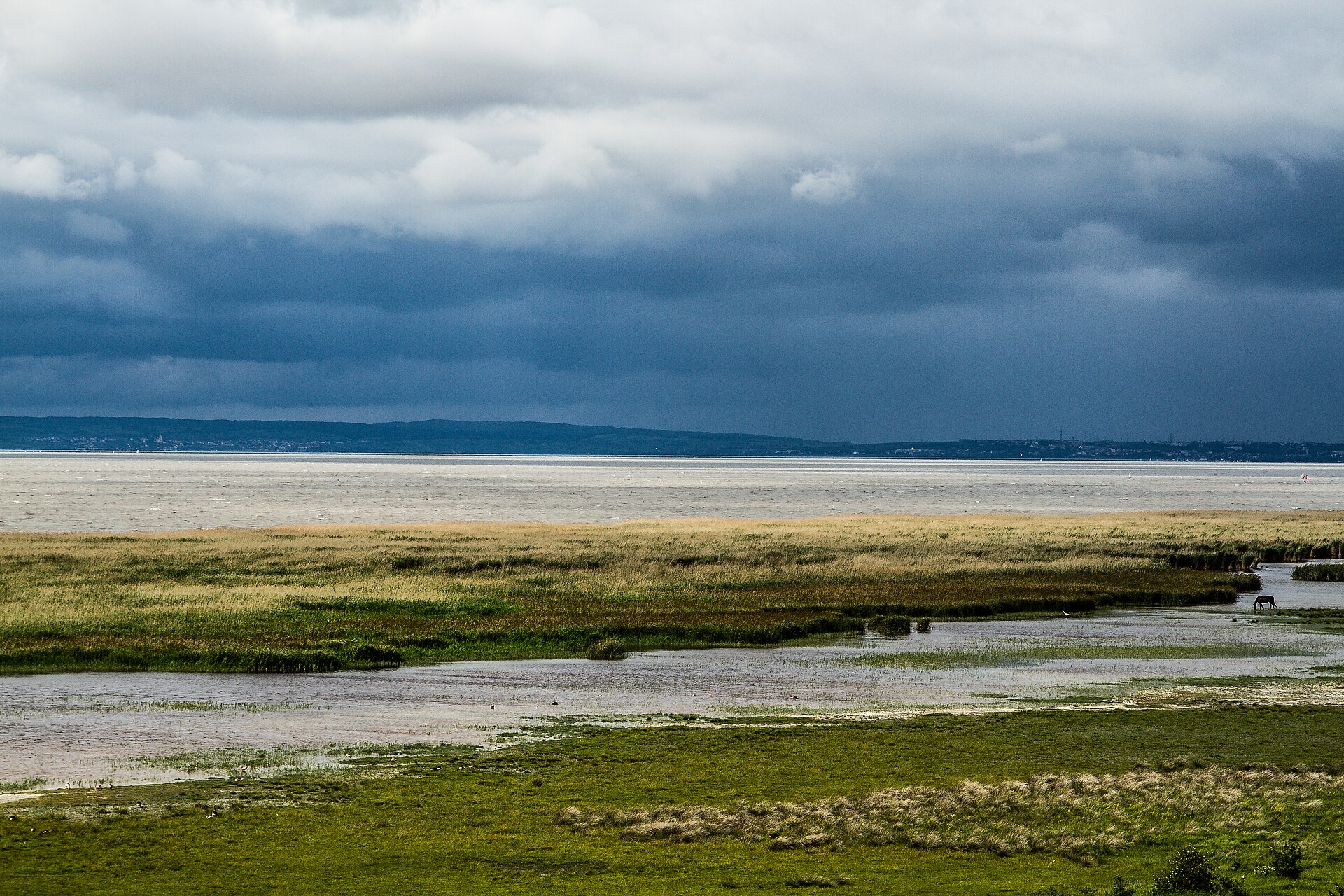
Natura 2000 · breeding, passage

Natura 2000 · breeding, passage
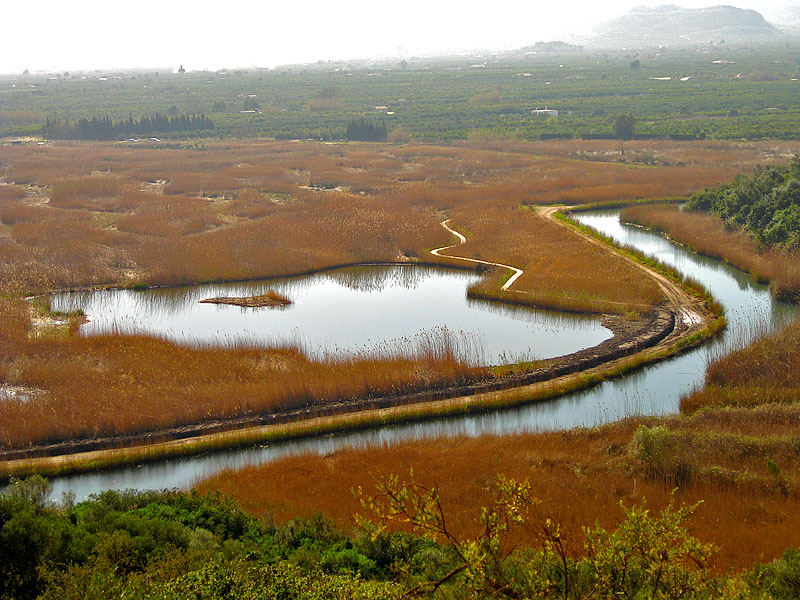
Natura 2000 · breeding, wintering
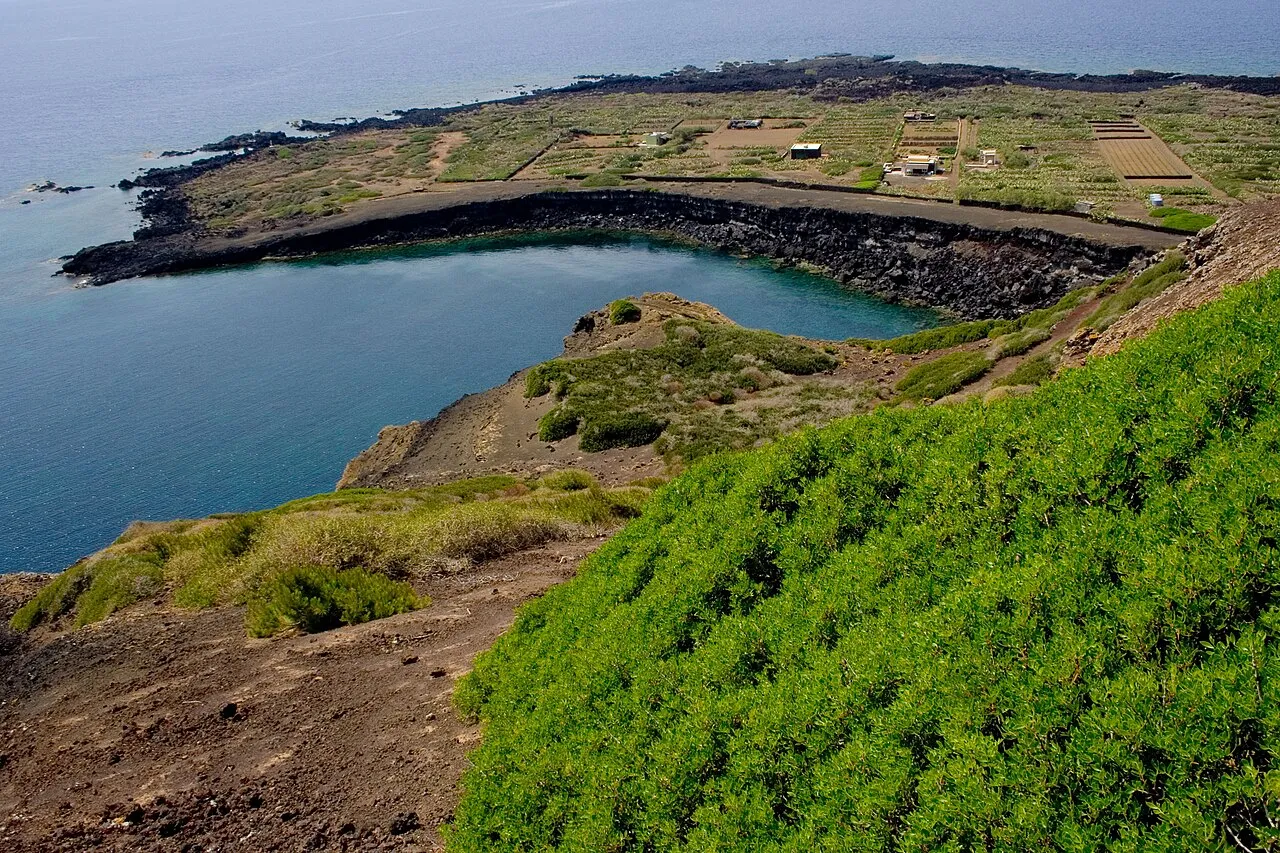
Natura 2000 · passage

Natura 2000 · passage
Natura 2000 · wintering, passage
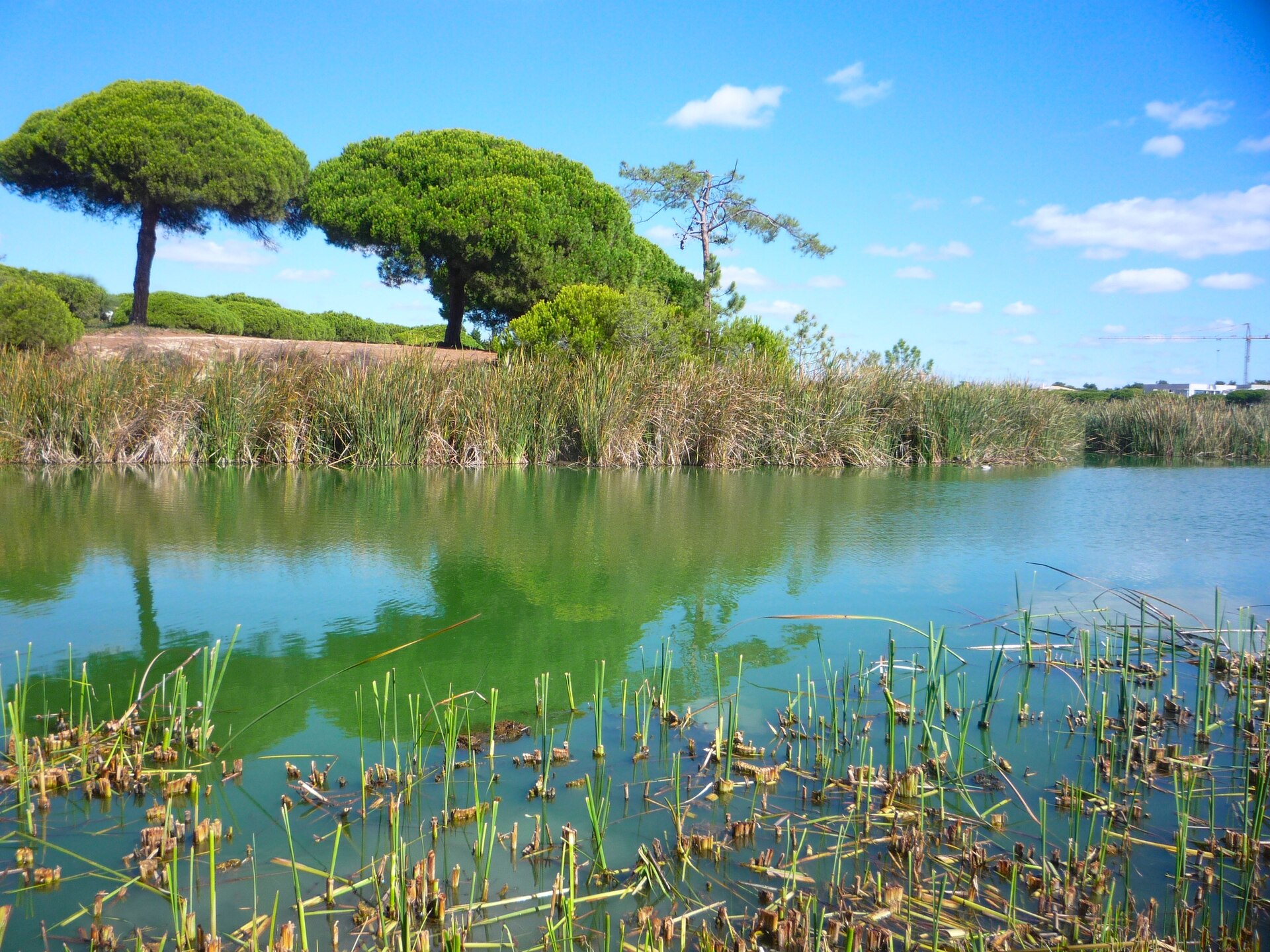
Natura 2000 · resident, wintering, breeding
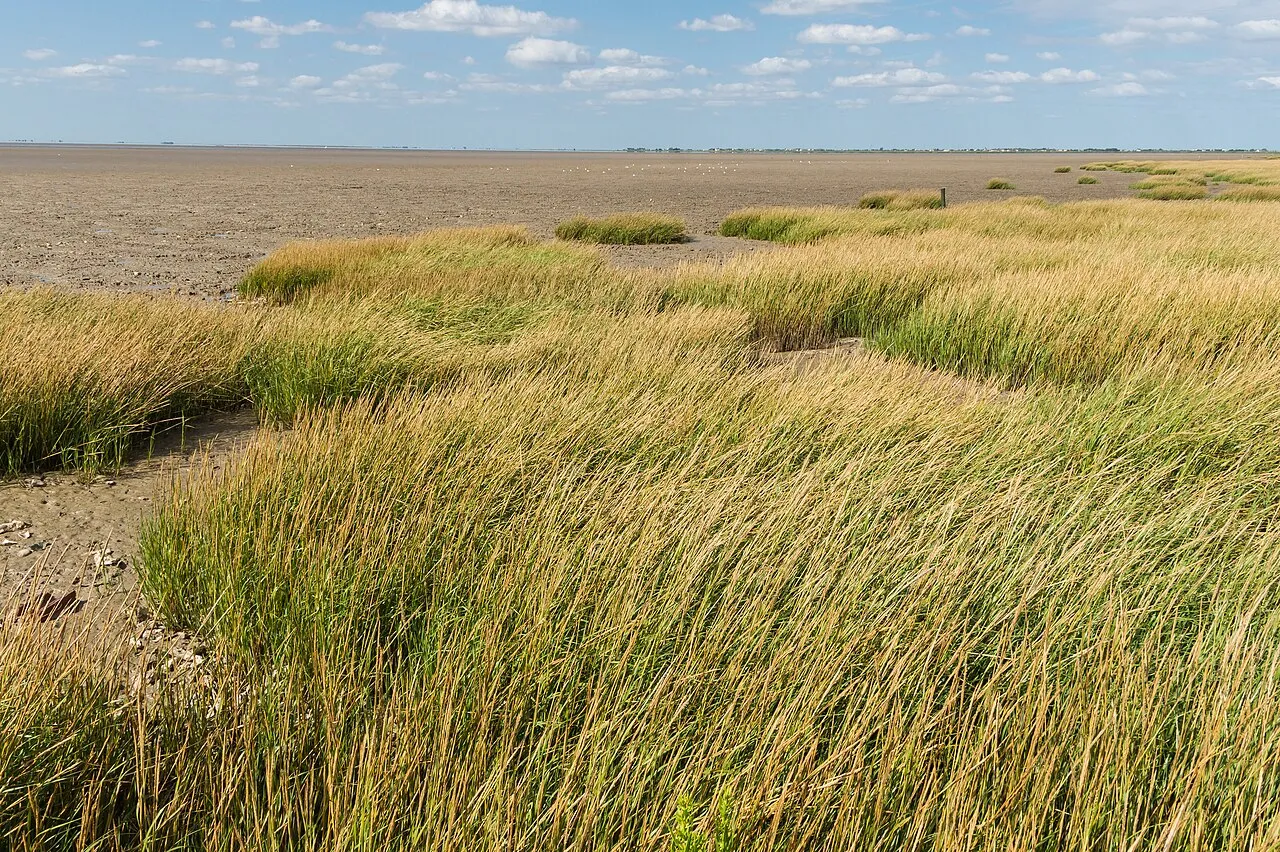
Natura 2000 · wintering, passage, breeding
Natura 2000 · wintering, passage, breeding
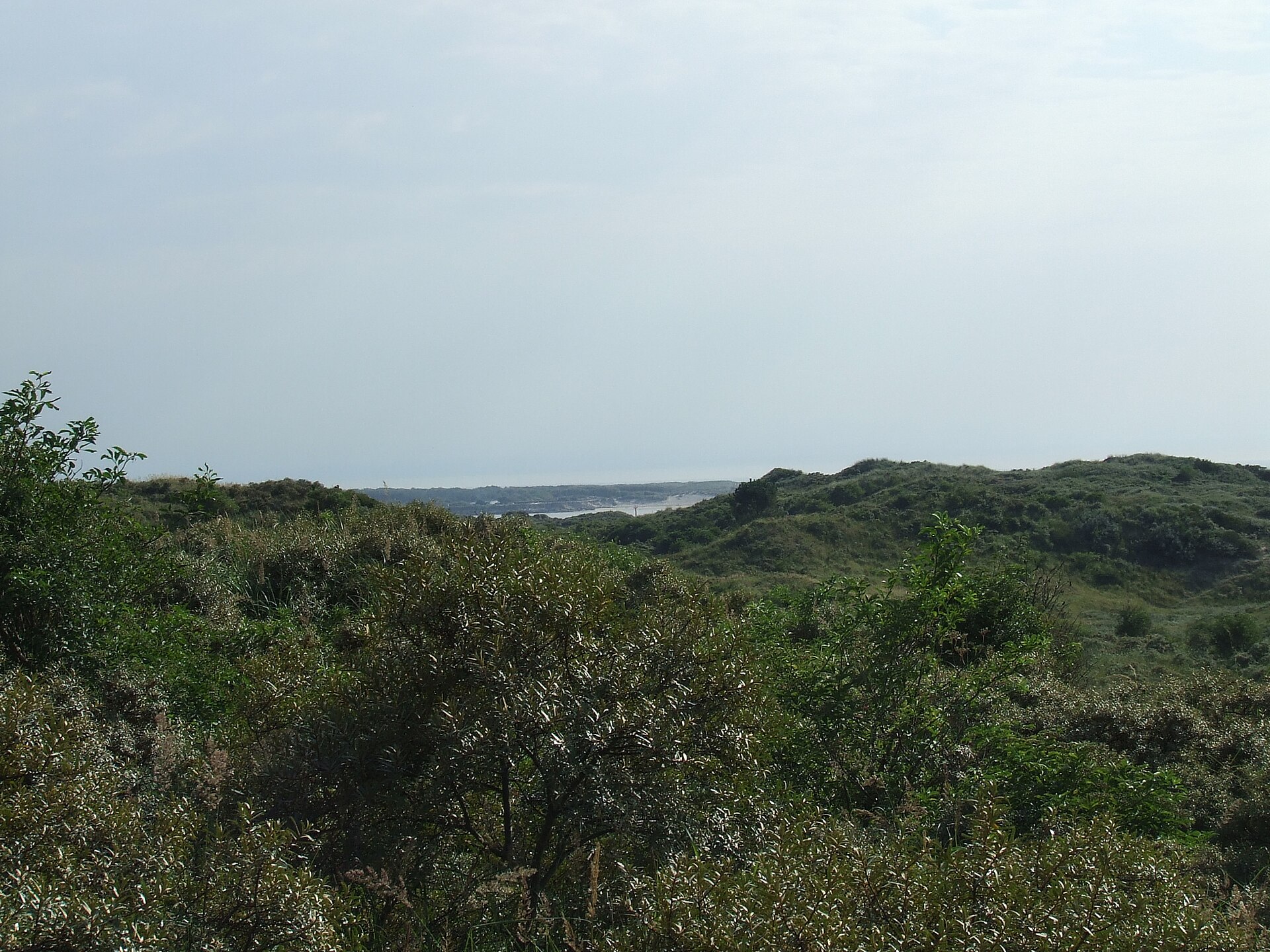
Natura 2000 · passage

Natura 2000 · wintering, passage, breeding
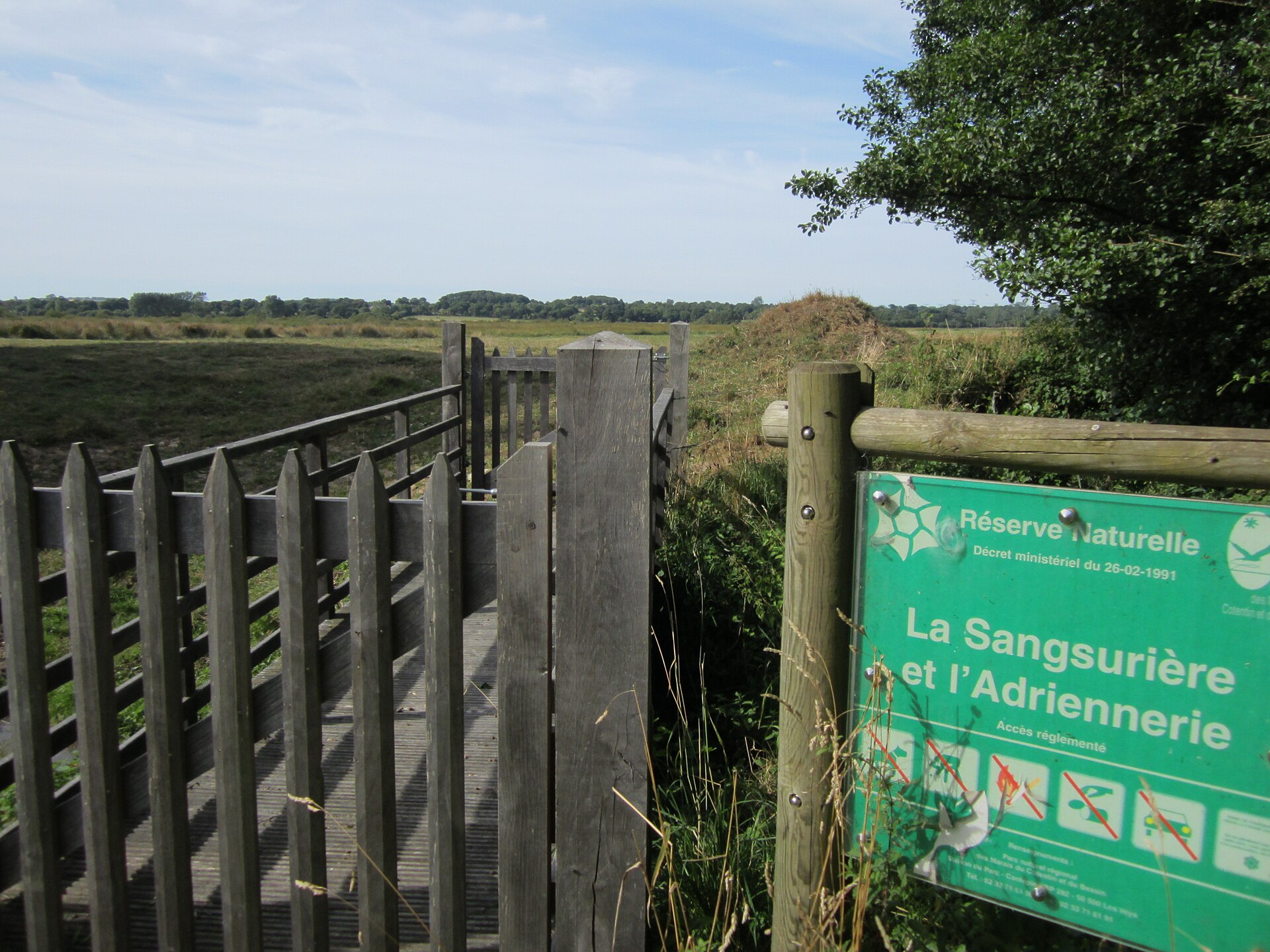
Natura 2000 · breeding, wintering, passage

Natura 2000 · passage
Natura 2000 · breeding

Natura 2000 · wintering, passage
Natura 2000 · breeding
Natura 2000 · passage

Natura 2000 · passage, breeding
Natura 2000 · passage

Natura 2000 · breeding, wintering
Natura 2000 · passage

Natura 2000 · breeding, passage
Natura 2000

Natura 2000 · wintering, breeding

Natura 2000 · passage, breeding

Natura 2000
Other species to discover
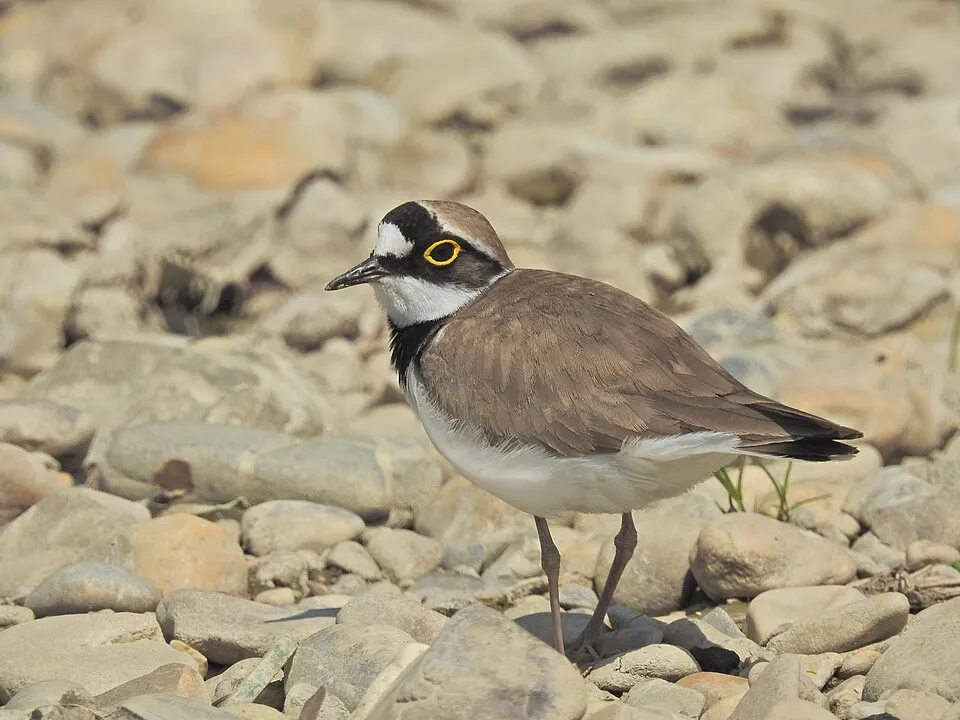 Little Ringed Plover
Charadrius dubius Same genus
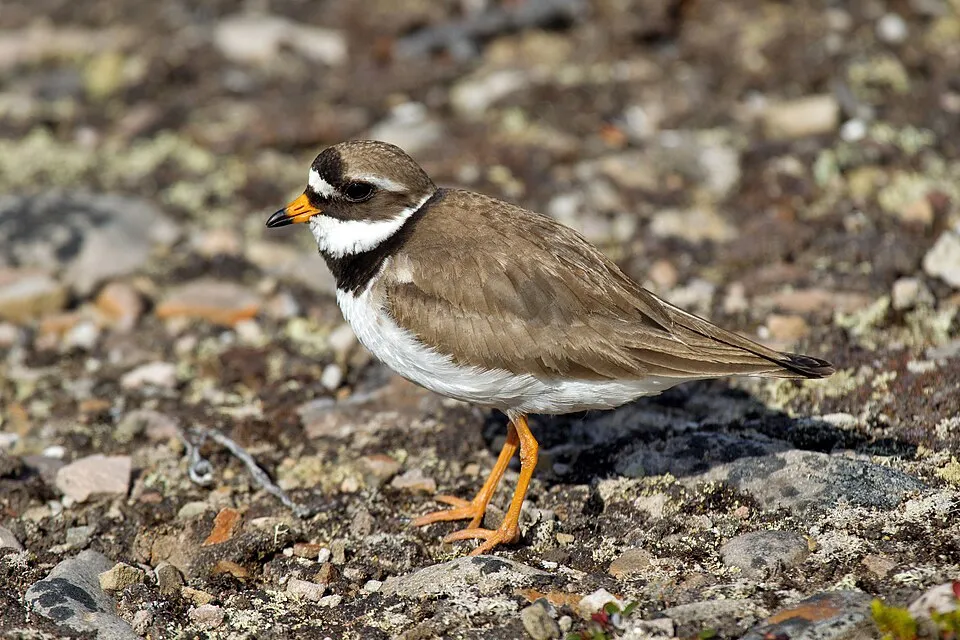 Common Ringed Plover
Charadrius hiaticula Same genus
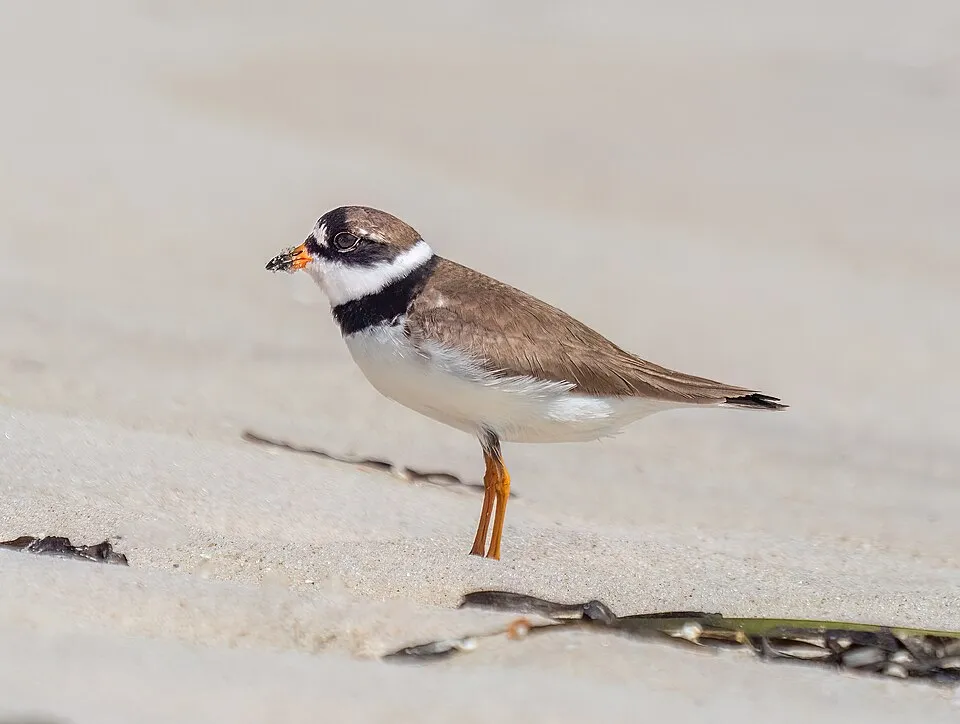 Semipalmated Plover
Charadrius semipalmatus Same genus
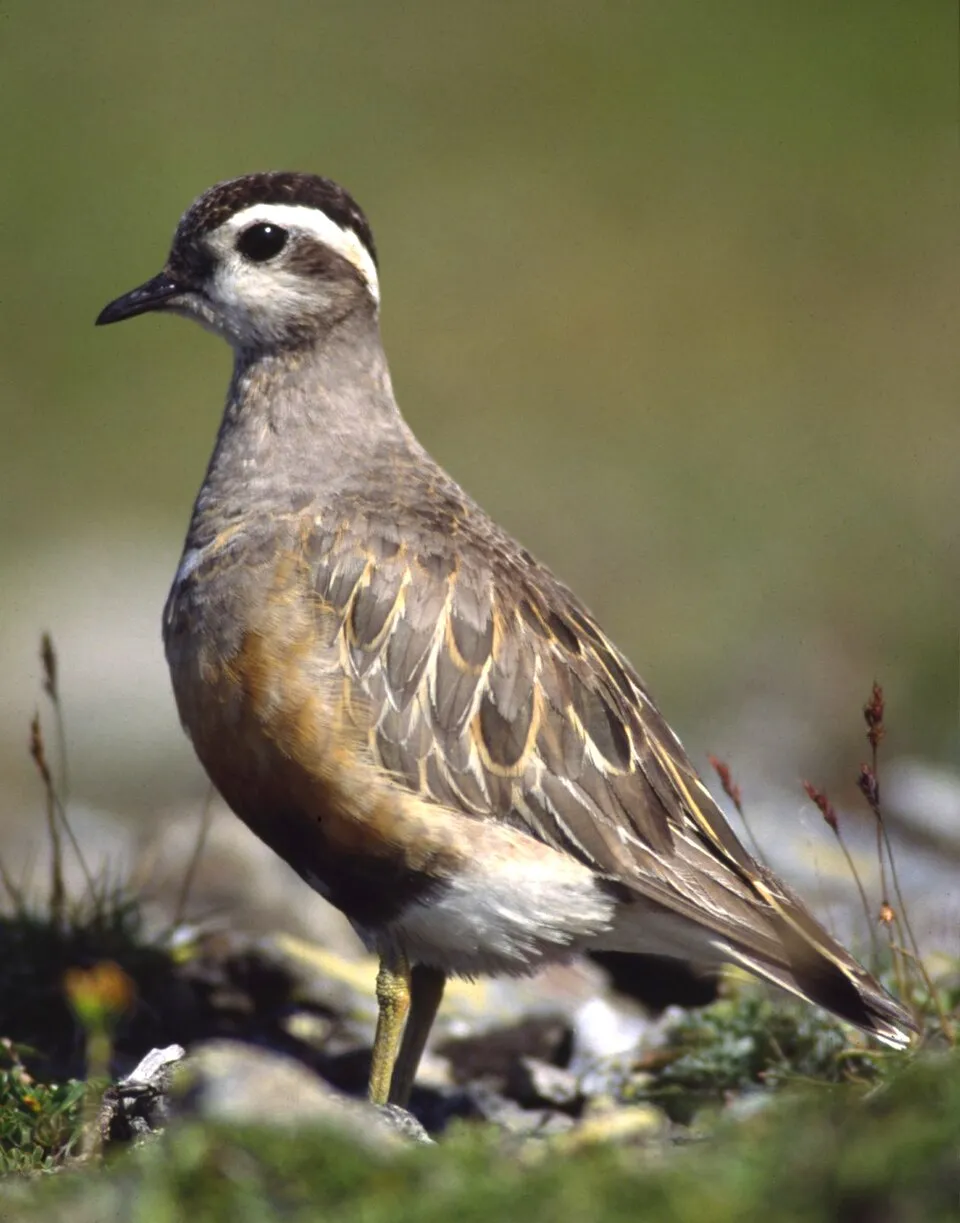 Eurasian Dotterel
Charadrius morinellus Same genus
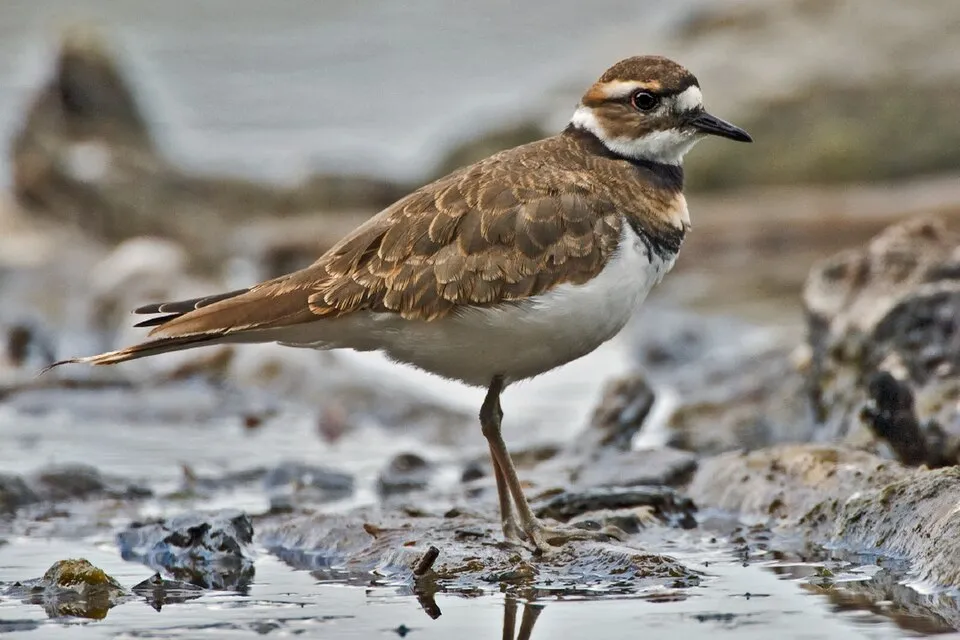 Killdeer
Charadrius vociferus Same genus
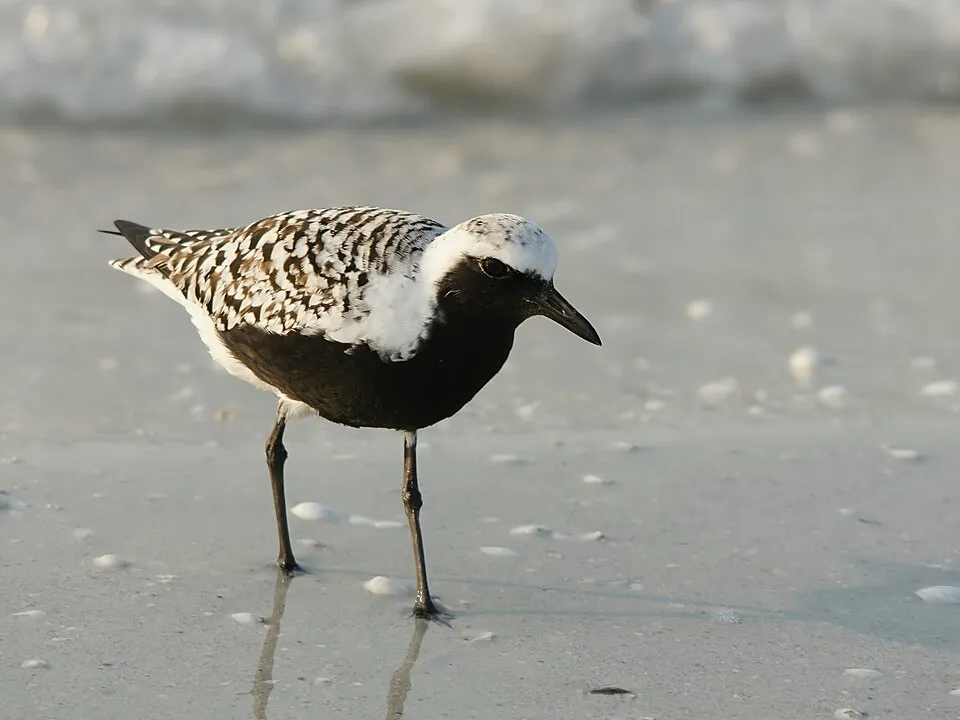 Grey Plover
Pluvialis squatarola 58 places in common
Sources and credits
- Presence: most-recorded species of each place on GBIF and species of Community interest in the Natura 2000 forms (EEA, CC-BY 4.0); absence from the list does not mean the species is absent.
- Common names: Wikidata (CC0) and GBIF.
- Photos and sounds: Wikimedia Commons, author and licence given for each file.
- Classification: GBIF Backbone Taxonomy (GBIF Secretariat), CC BY 4.0, doi:10.15468/39omei.
- Countries, elevations, months and maps: GBIF.org, CC0 or CC BY 4.0 occurrences only, accessed October 22, 2026, GBIF.org.
- Base map: Natural Earth (public domain).
- Excerpt: Wikipedia, CC BY-SA 4.0 (full credit below the excerpt).
- Key facts: Wikidata (CC0), with the references cited under each value.
- Annexes: Directive 2009/147/EC (consolidated version), © European Union, EUR-Lex.
- EU bird populations: EEA / DG ENV, Article 12 Birds Directive reporting (2013–2018), CC BY 4.0.