
Bird
Glossy Ibis: where to see it
Plegadis falcinellus
This bird species is recorded in 52 protected areas of the atlas, including 45 whose official Natura 2000 form lists it. Within the atlas countries, it is mostly observed in Spain, Portugal and France (10 countries in all). Records peak from March to September. It has a wingspan of 89 cm and weighs 633 g. It is subject to special conservation measures under the Birds Directive (Annex I). Its EU population is assessed as secure (2013–2018 Birds Directive reporting).
Best time to see it: March–September
Records published on GBIF by month (CC0 and CC BY 4.0 licences only), in the atlas countries, all years combined; they also reflect observer activity.
Key facts
- Wingspan
- 89 cm Wikidata, after Ericson et al. 2007
- Weight
- 633 g Wikidata, after Lislevand et al. 2007
- Clutch size
- 4 eggs Wikidata, after Jetz et al. 2008
Status and protection
Birds Directive I
The species is listed in Annex I of the Birds Directive.
EU population assessed as secure, increasing in the short term (2013–2018 Birds Directive reporting). EU breeding population: 11,200–32,000 pairs.
Distribution
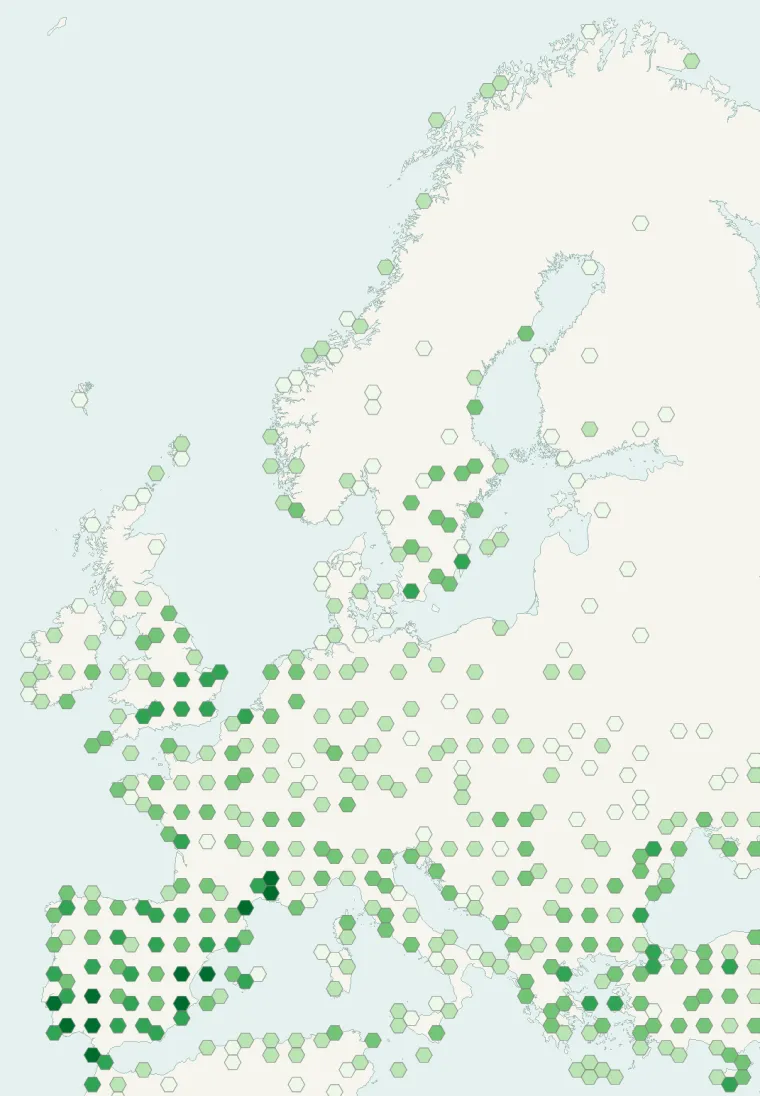
Records published on GBIF (CC0 and CC BY 4.0 licences): the darker the shade, the more records there are; they also reflect observation effort.
Atlas countries where it is recorded
Listen
-
1:14 · © Sudipto Roy · CC BY-SA 3.0 · Wikimedia Commons · Original file
-
0:07 · © Pere Josa · CC BY 4.0 · Wikimedia Commons · Original file
From Wikipedia
The glossy ibis (Plegadis falcinellus) is a water bird in the order Pelecaniformes and the ibis and spoonbill family Threskiornithidae. The scientific name derives from Ancient Greek plegados and Latin, falcis, both meaning "sickle" and referring to the distinctive shape of the bill. The historical name black curlew was used for the glossy ibis in Norfolk at least until the early 19th century, and this name also appears in Anglo-Saxon literature. Yalden and Albarella do not mention this species as occurring in medieval England.
Source: Wikipedia, article “Glossy ibis” (version of October 17, 2026) · history and authors · licence CC BY-SA 4.0
Protected areas where it is recorded
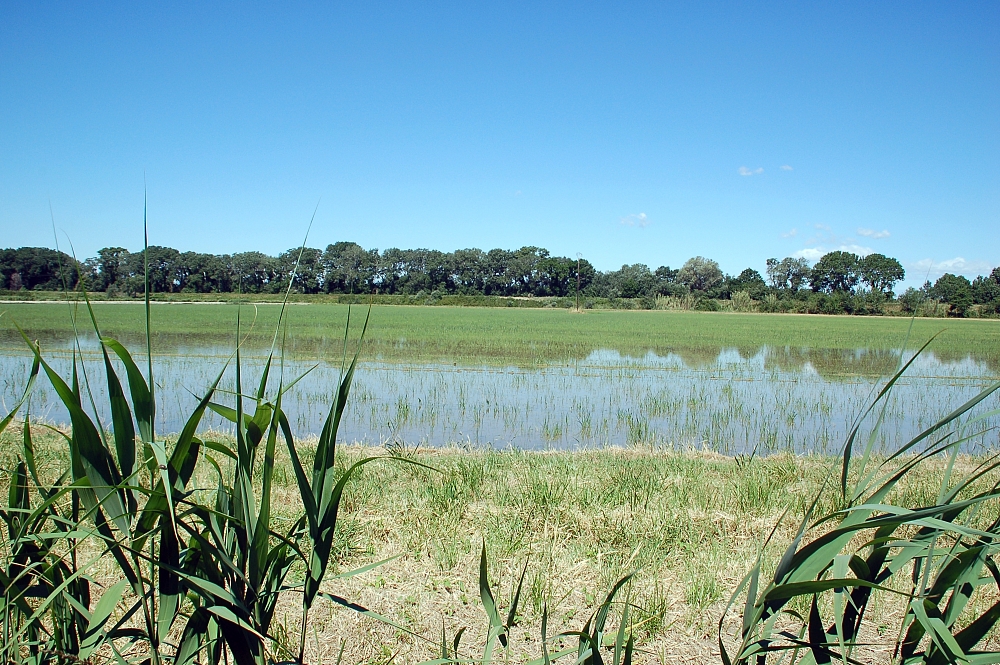
Natura 2000 · wintering, breeding, passage 12,071 records
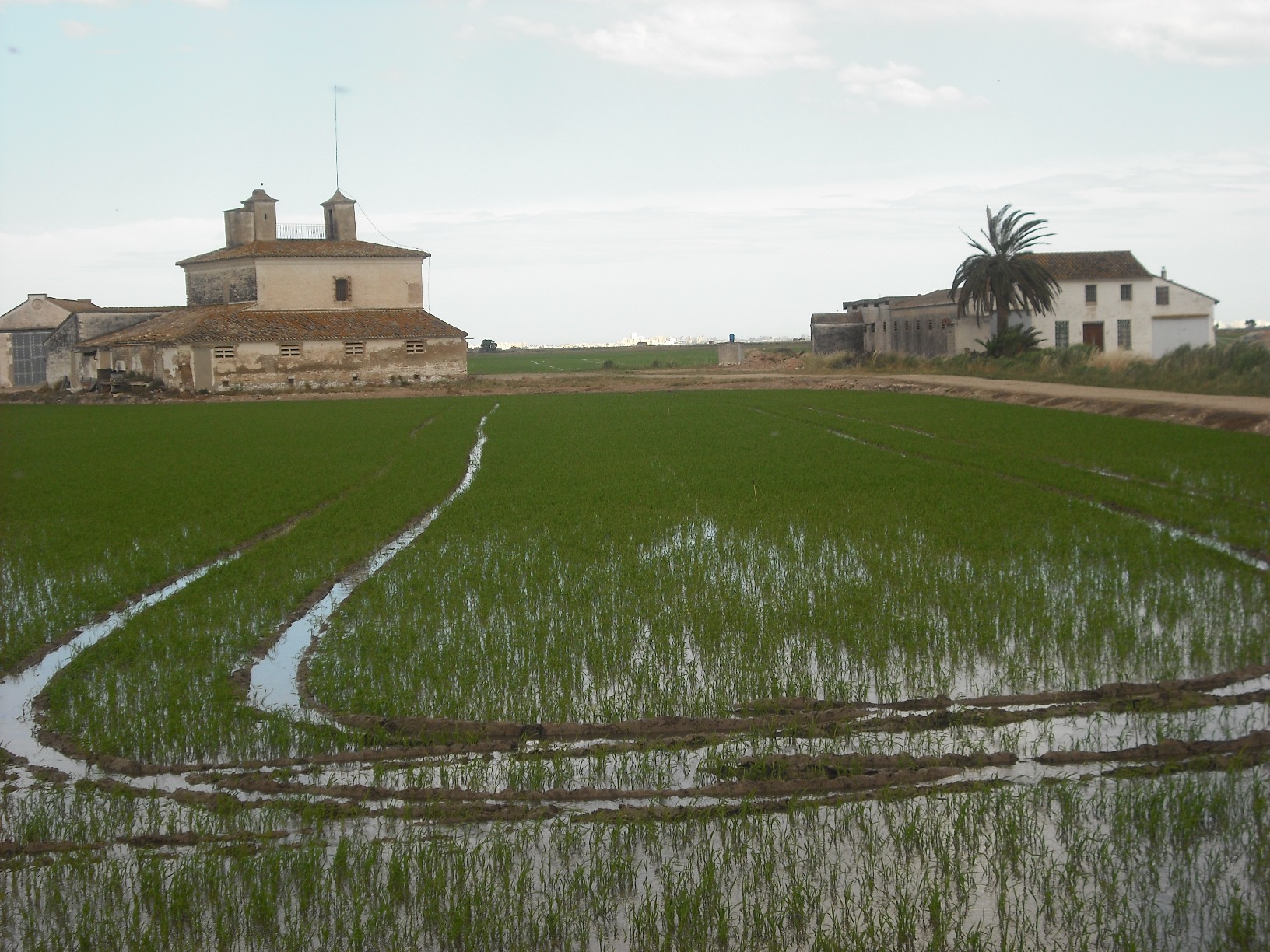
Natura 2000 · breeding, passage, wintering 7,374 records
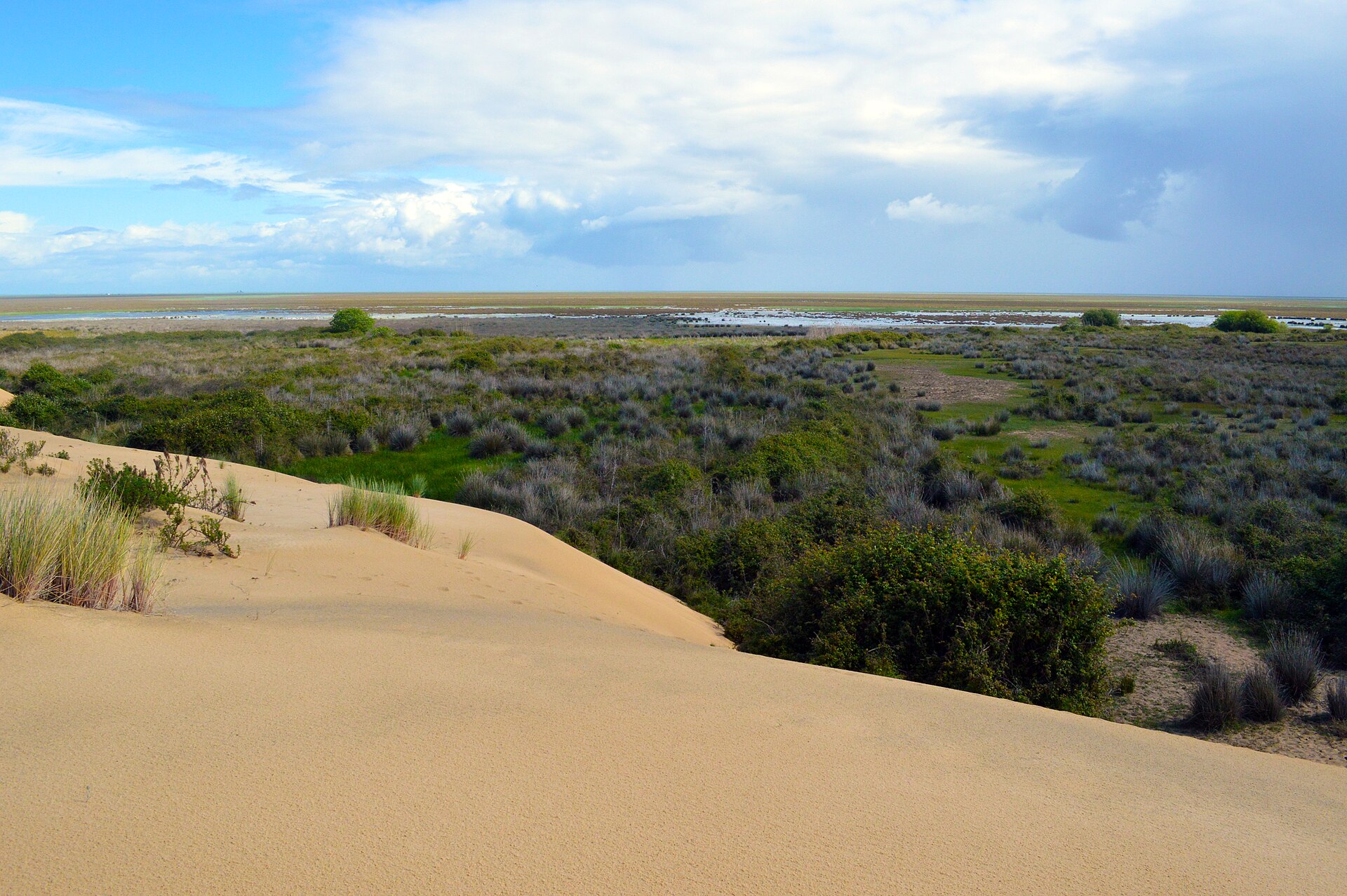
Natura 2000 · wintering, breeding, passage 4,811 records
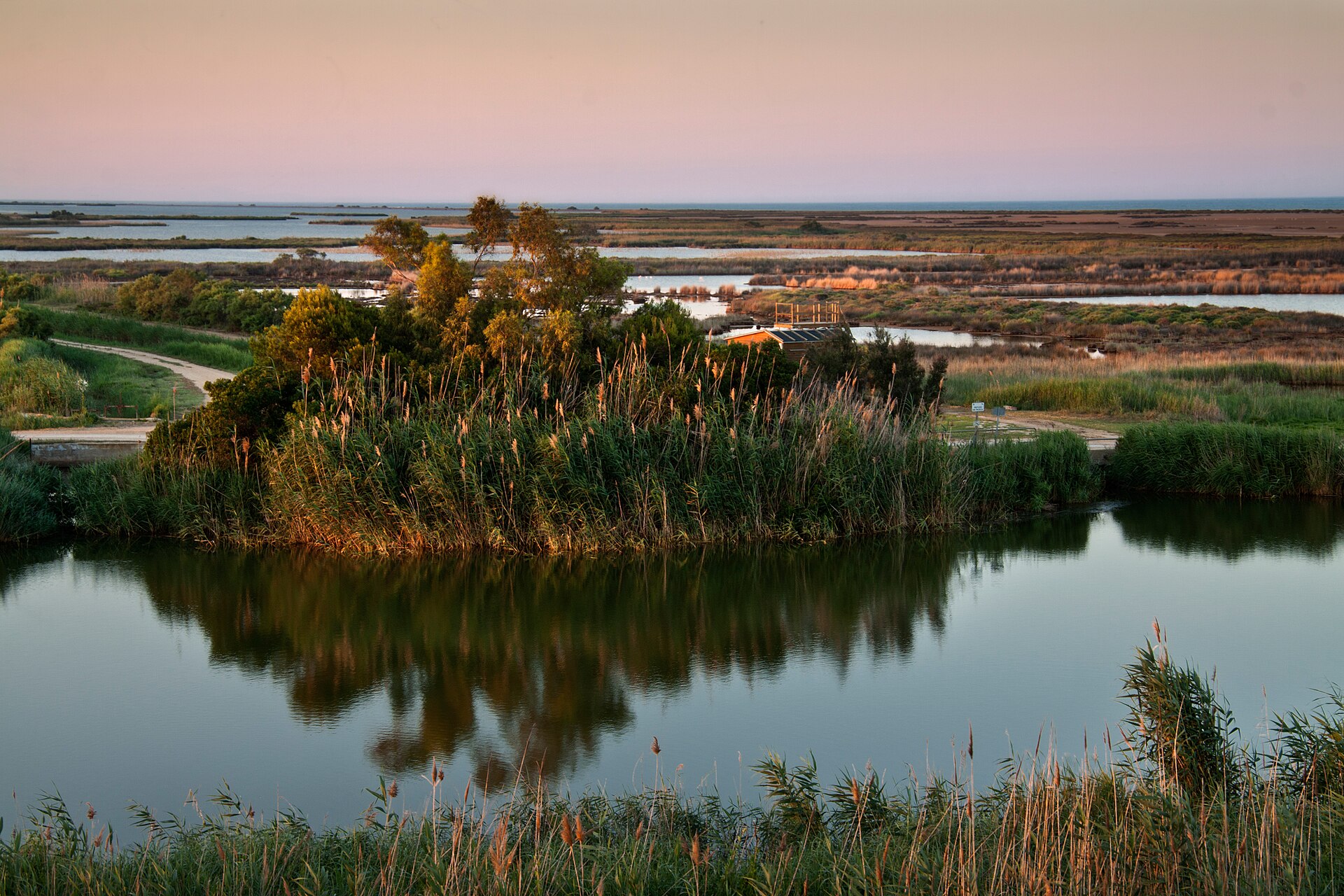
Natura 2000 · breeding, wintering 4,457 records
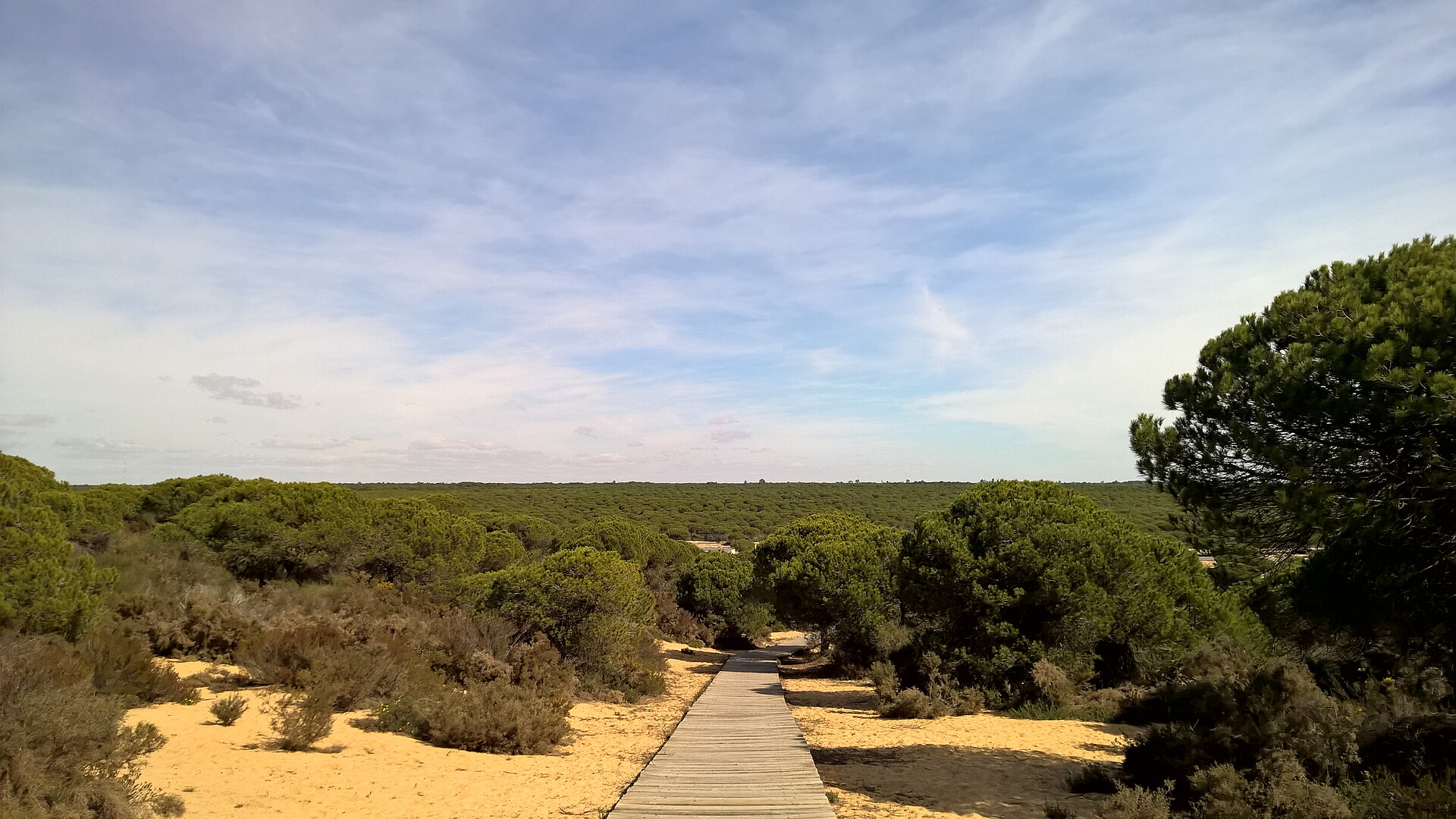
Natura 2000 · wintering, breeding, passage 3,891 records
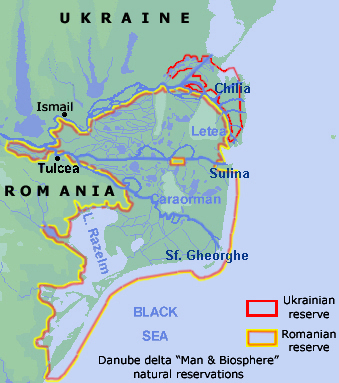
Natura 2000 · breeding 1,642 records
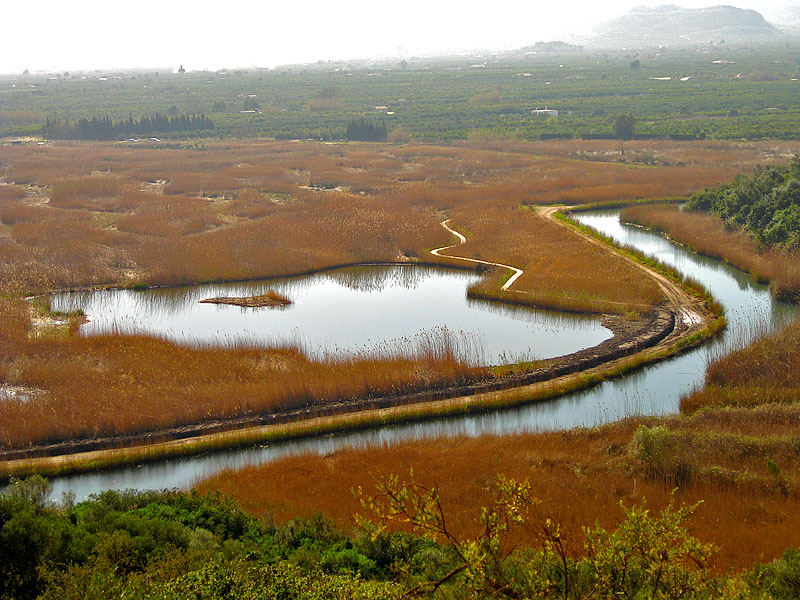
Natura 2000 · wintering 904 records
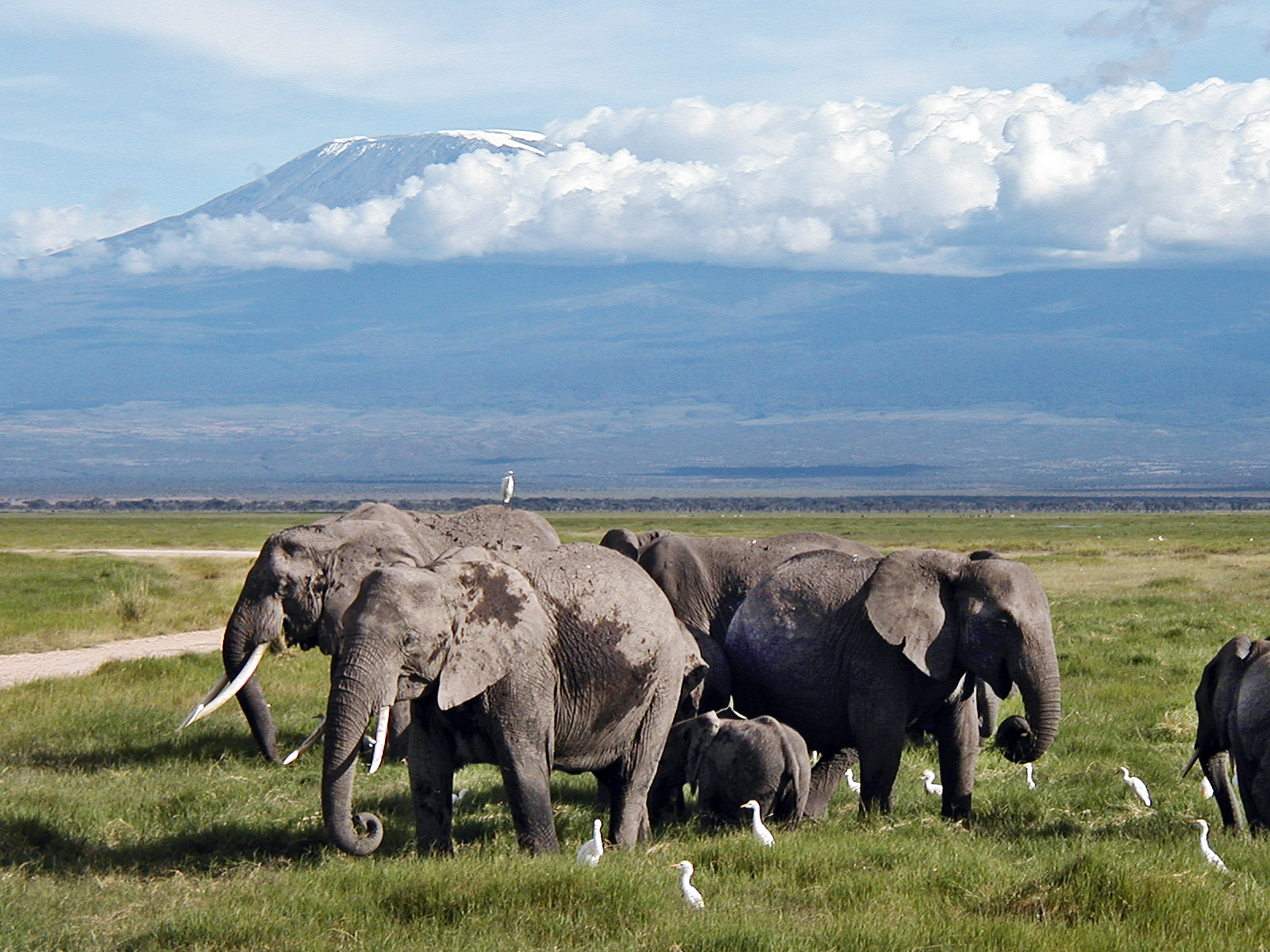
1,495 records
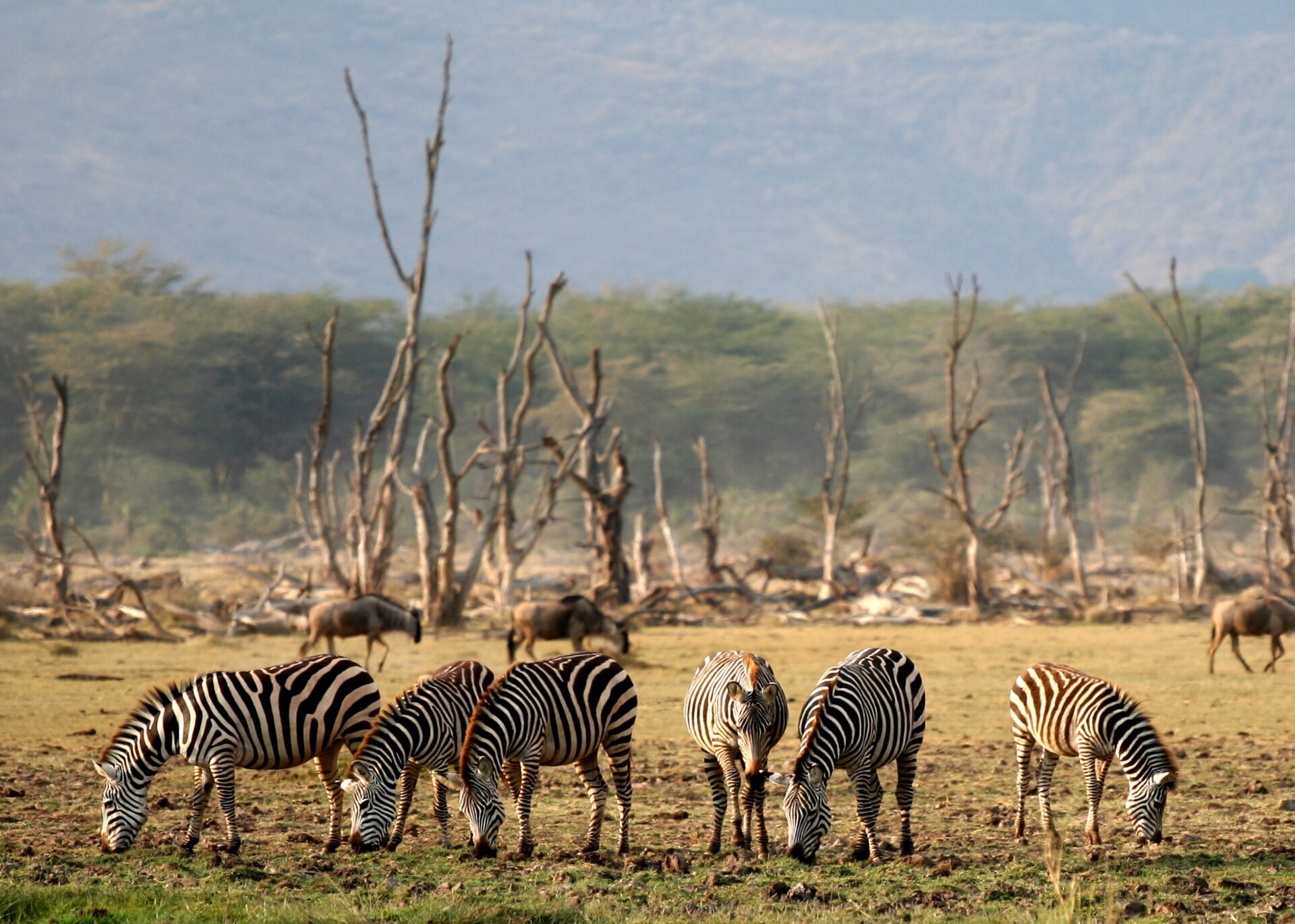
399 records
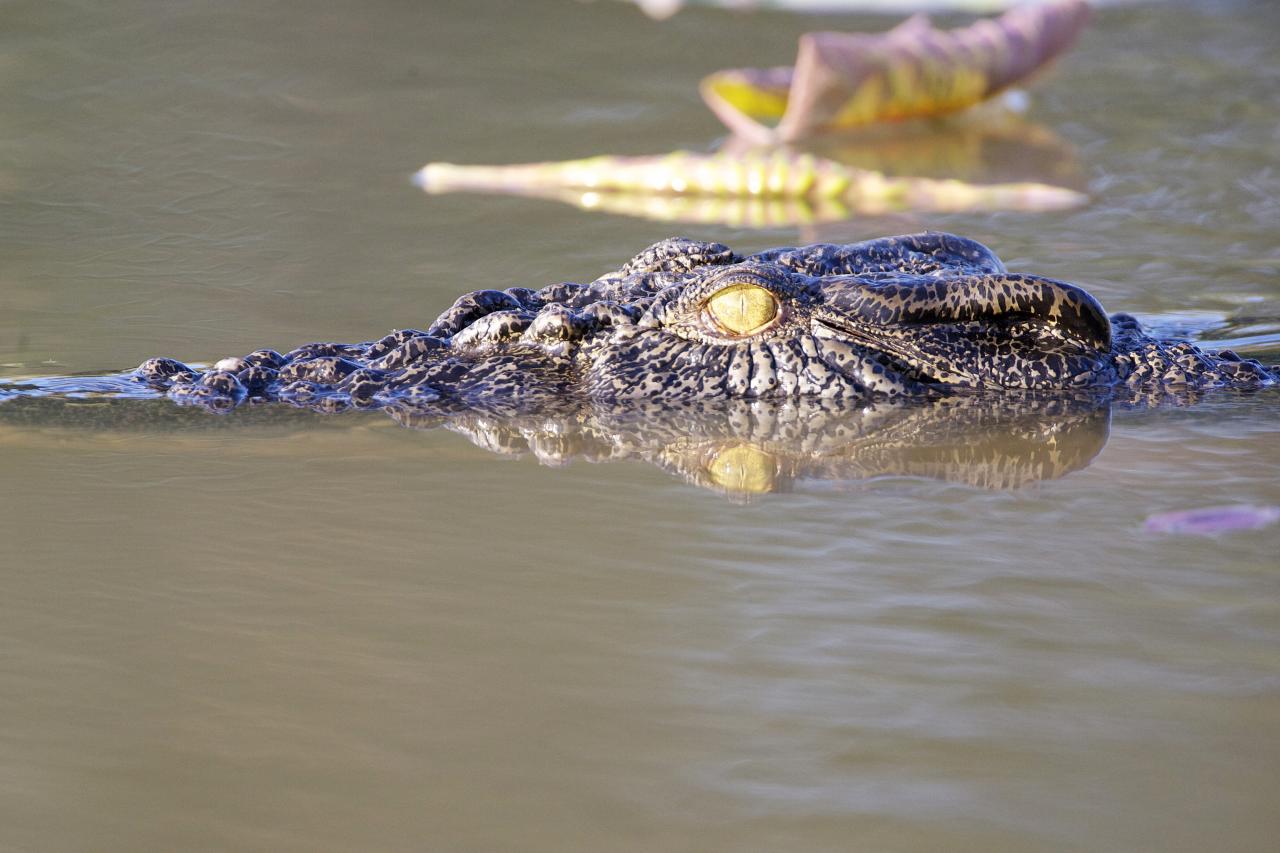
250 records

202 records

104 records
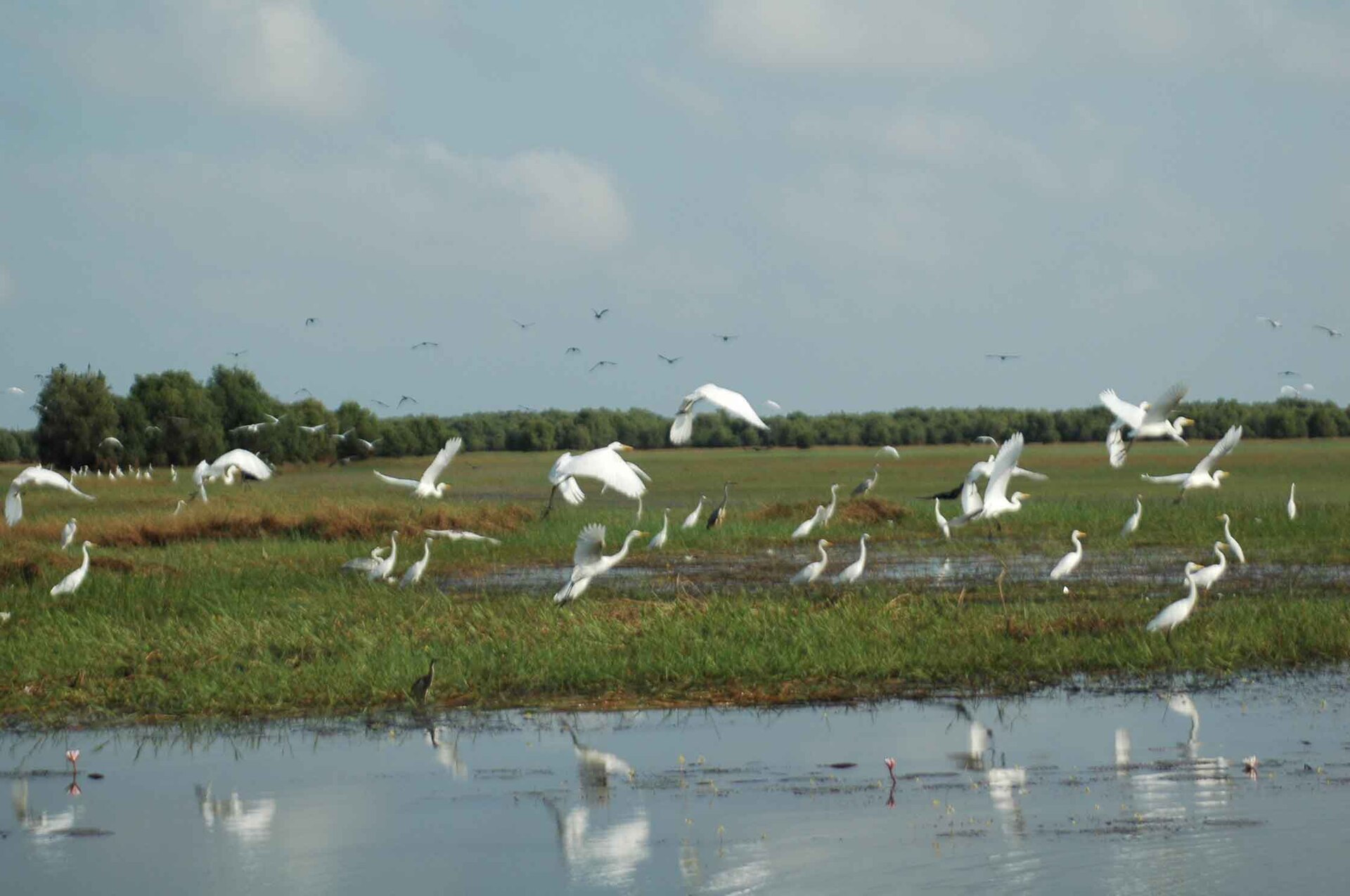
45 records

37 records
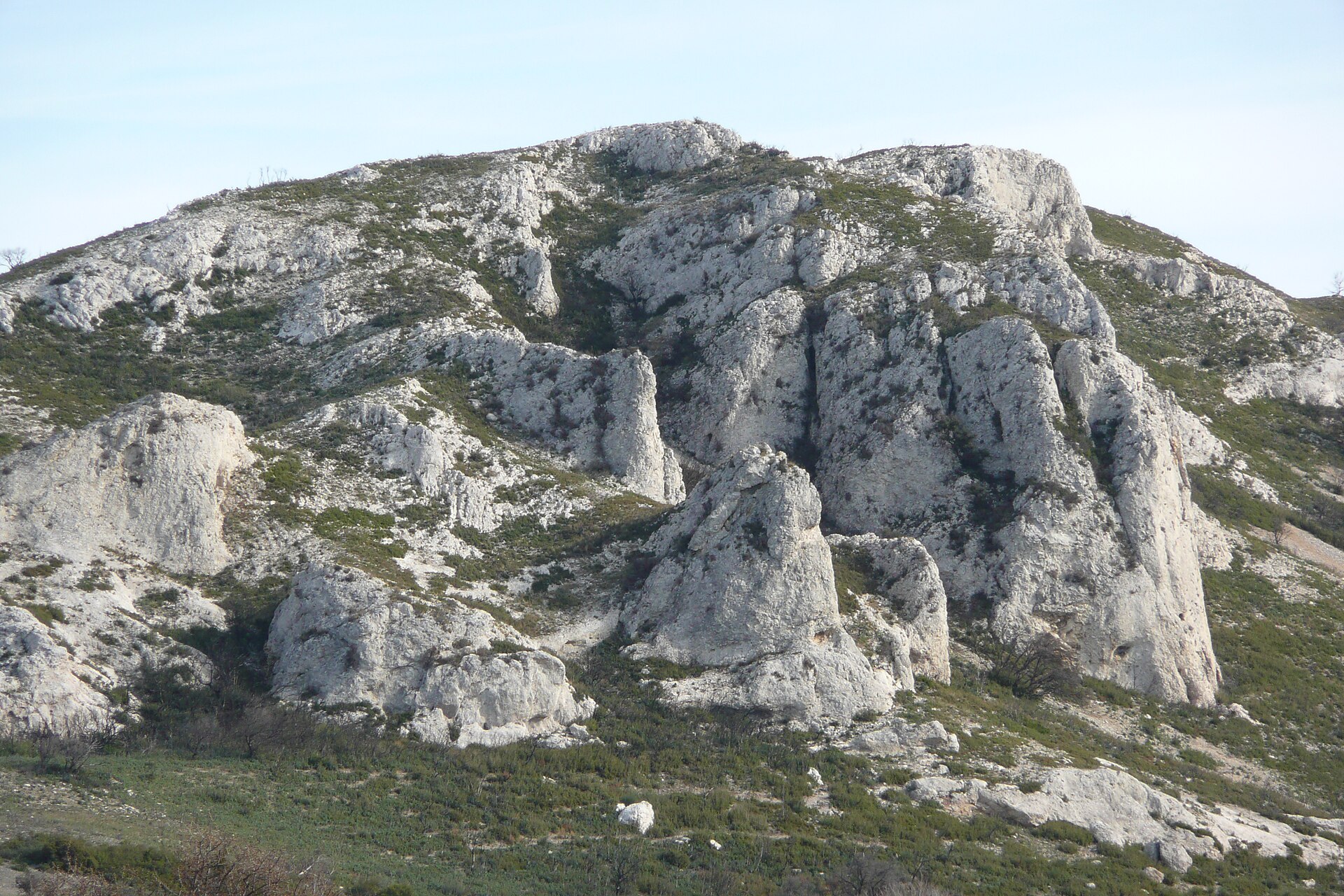
Natura 2000 · passage
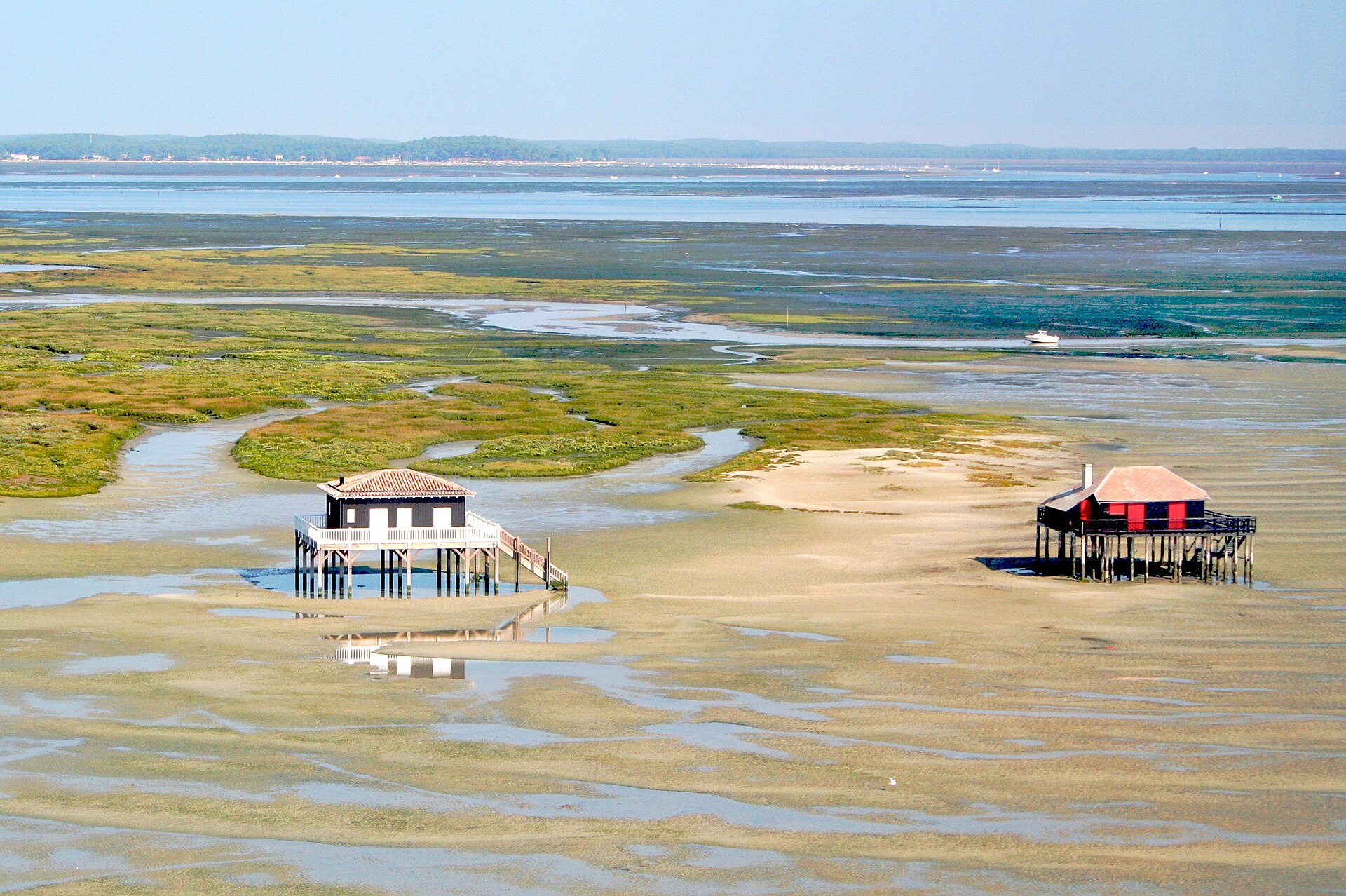
Natura 2000 · passage

Natura 2000 · passage

Natura 2000 · wintering
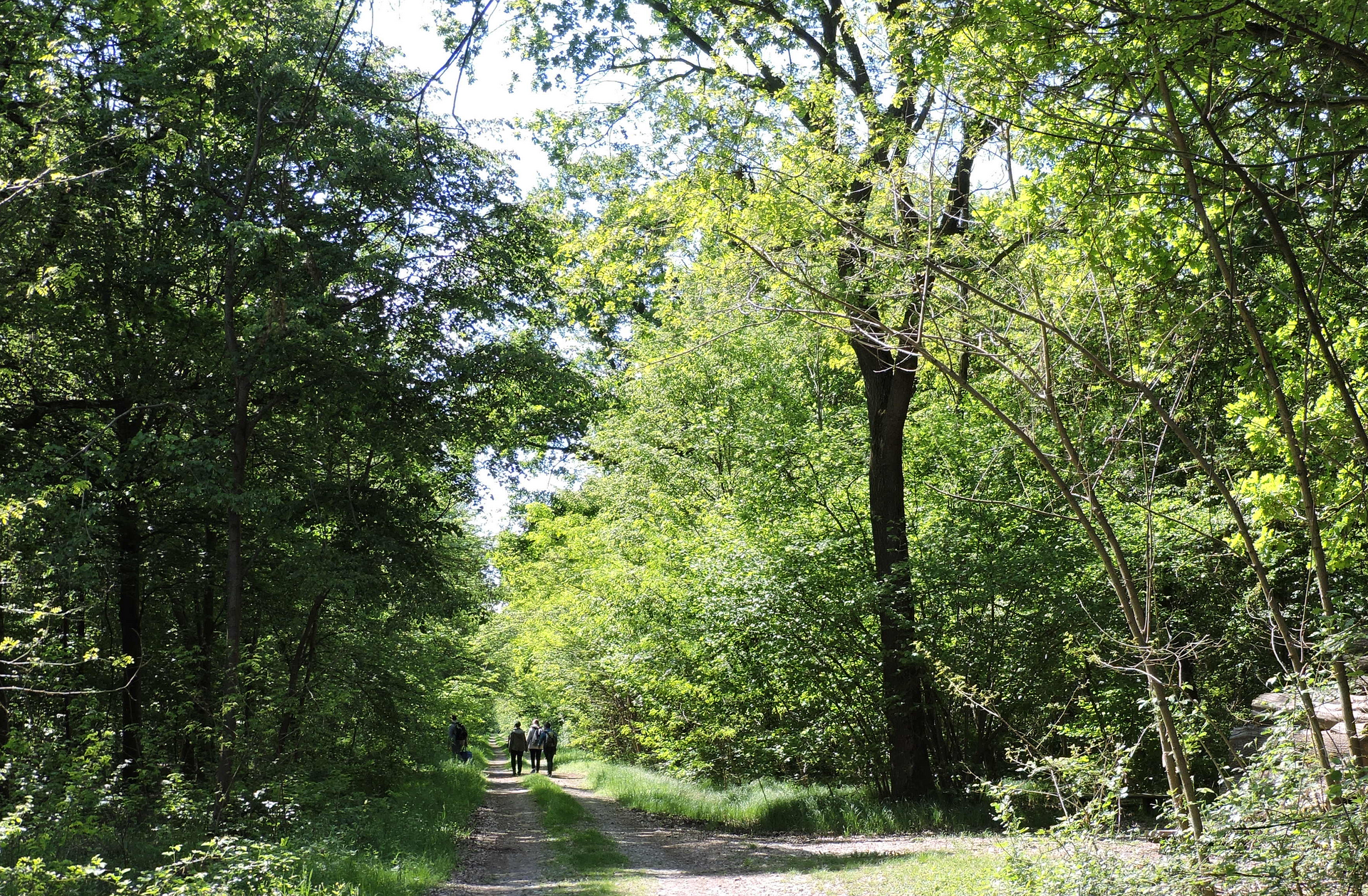
Natura 2000 · breeding
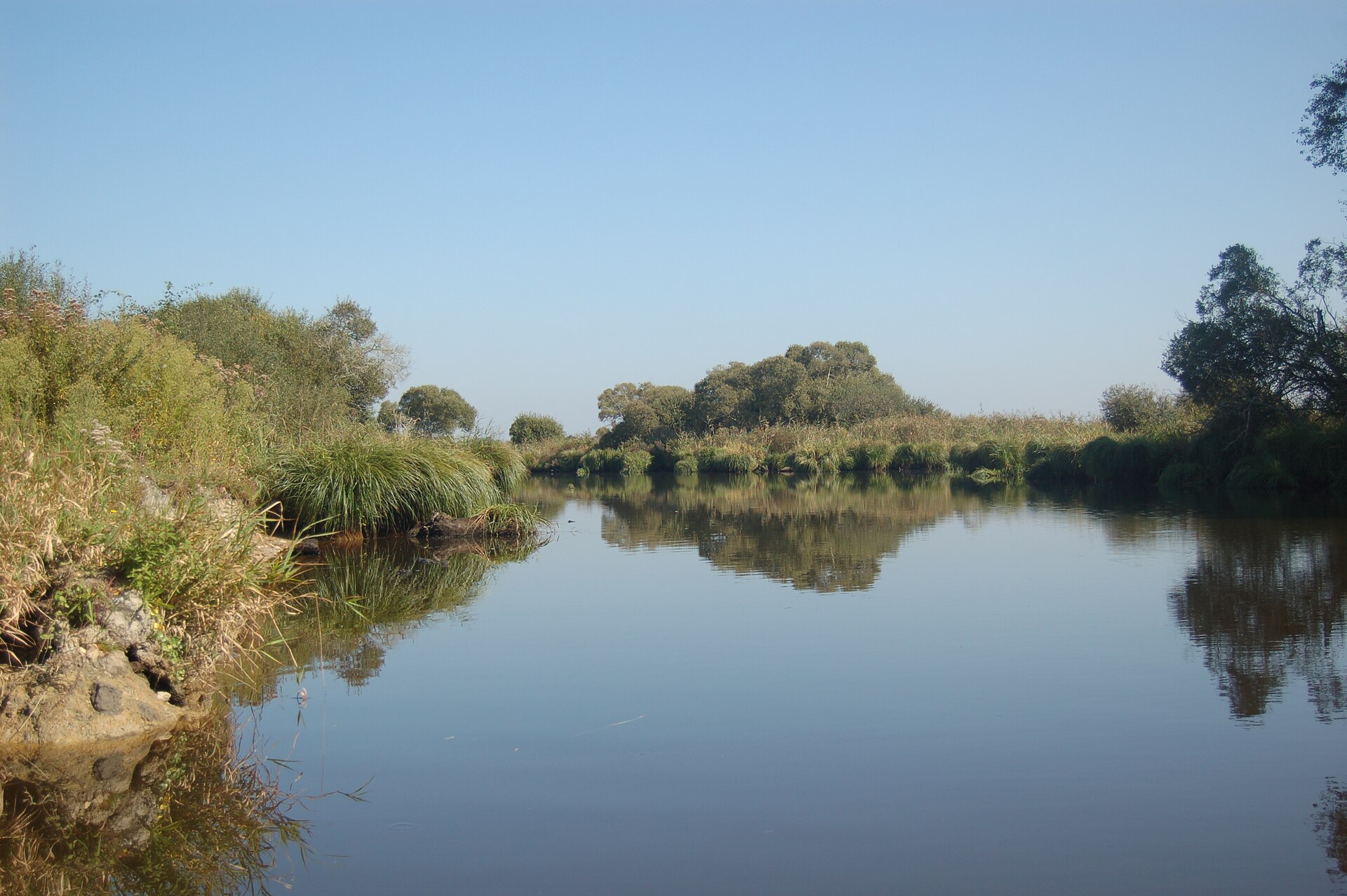
Natura 2000 · passage
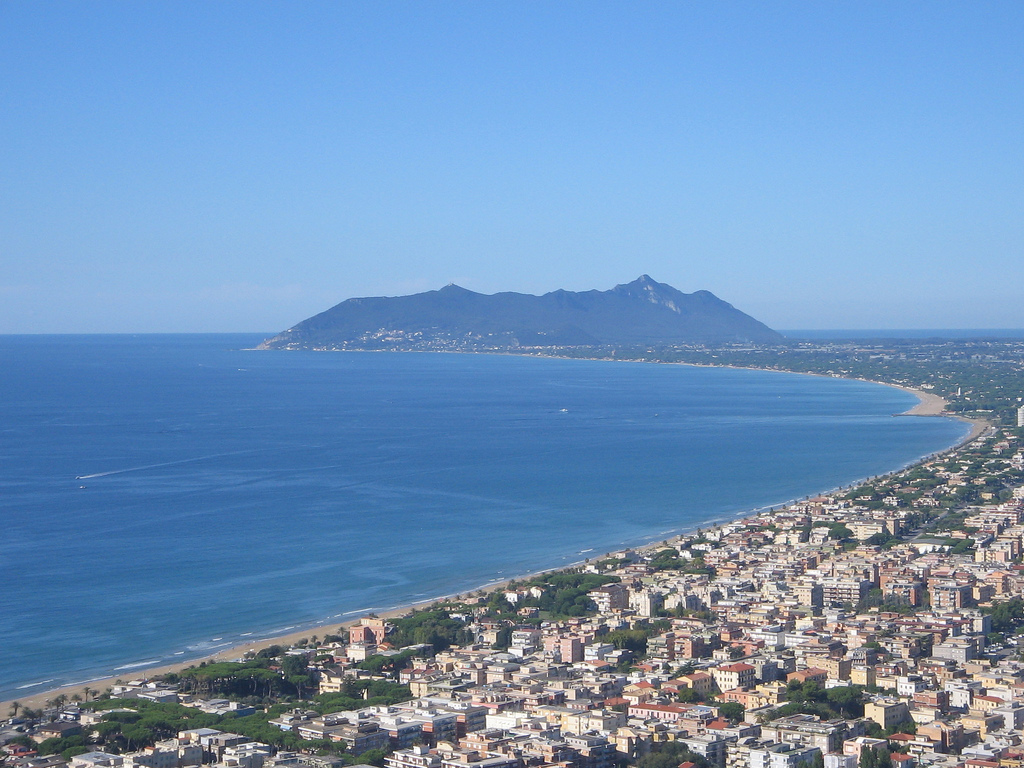
Natura 2000 · wintering, passage
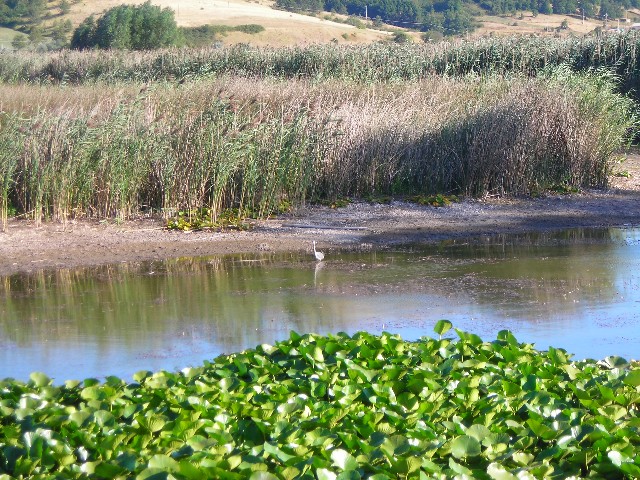
Natura 2000 · passage

Natura 2000 · passage, wintering, breeding

Natura 2000 · wintering, resident
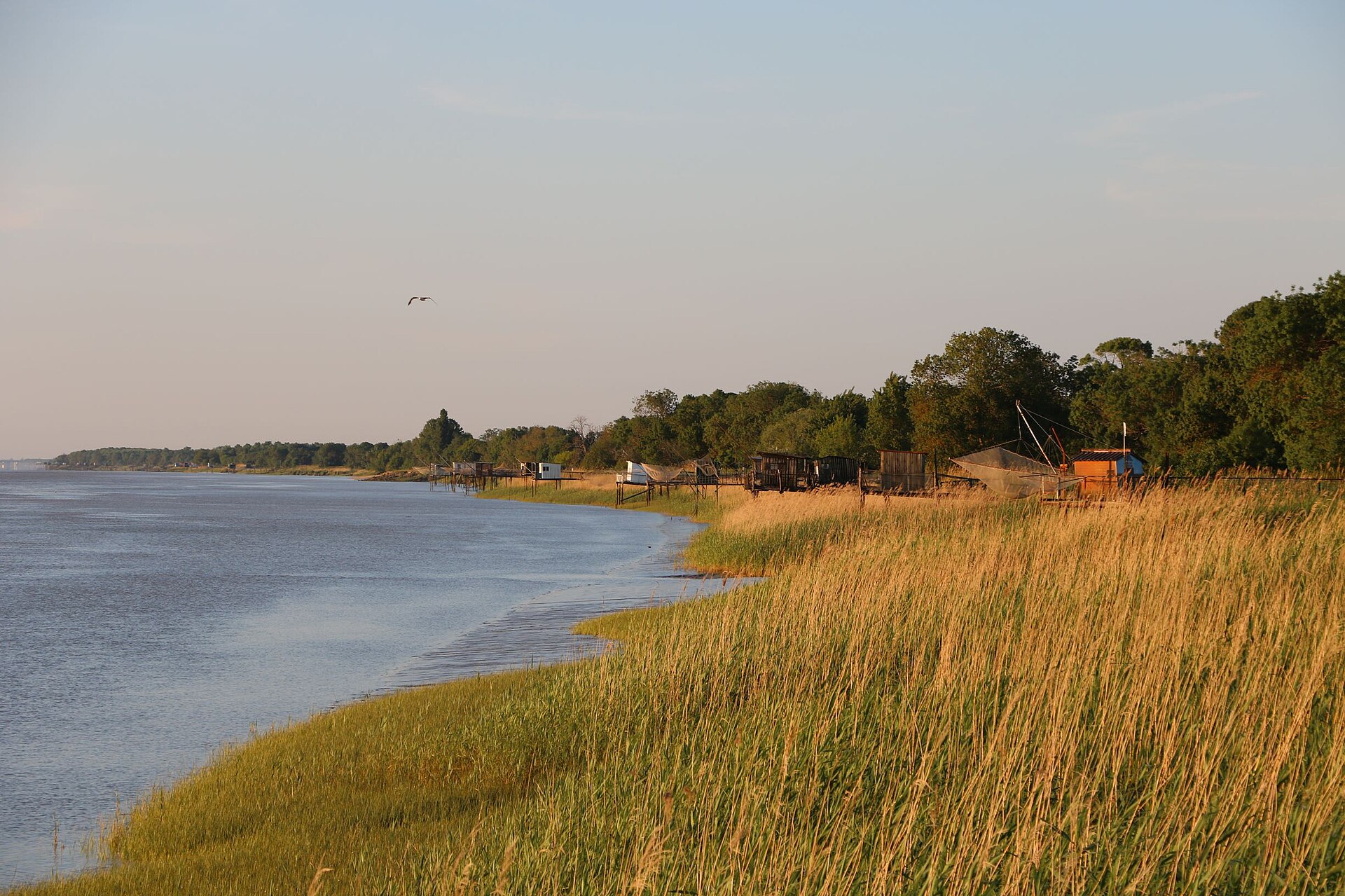
Natura 2000 · wintering, passage, breeding

Natura 2000 · passage

Natura 2000 · breeding
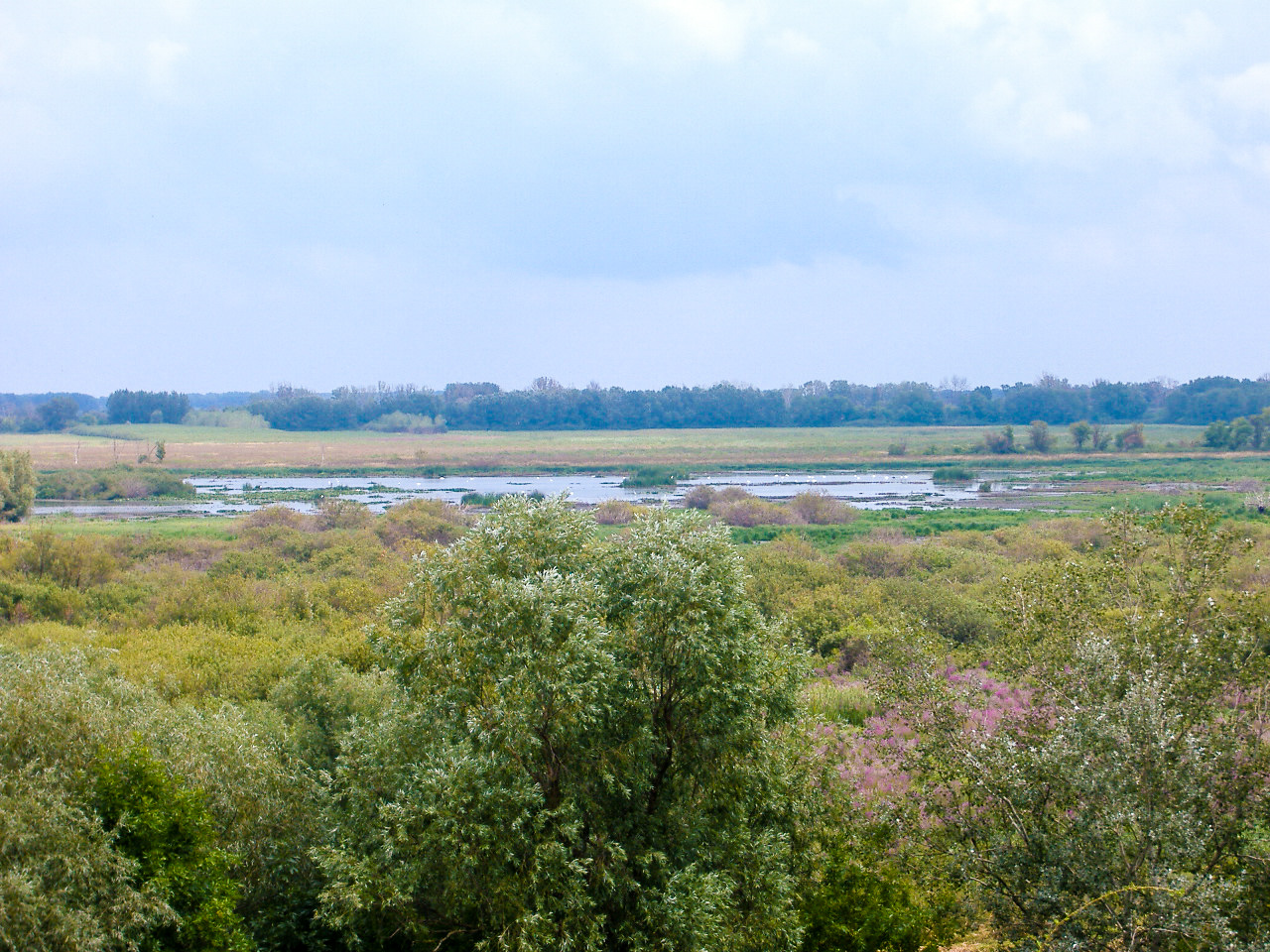
Natura 2000 · passage
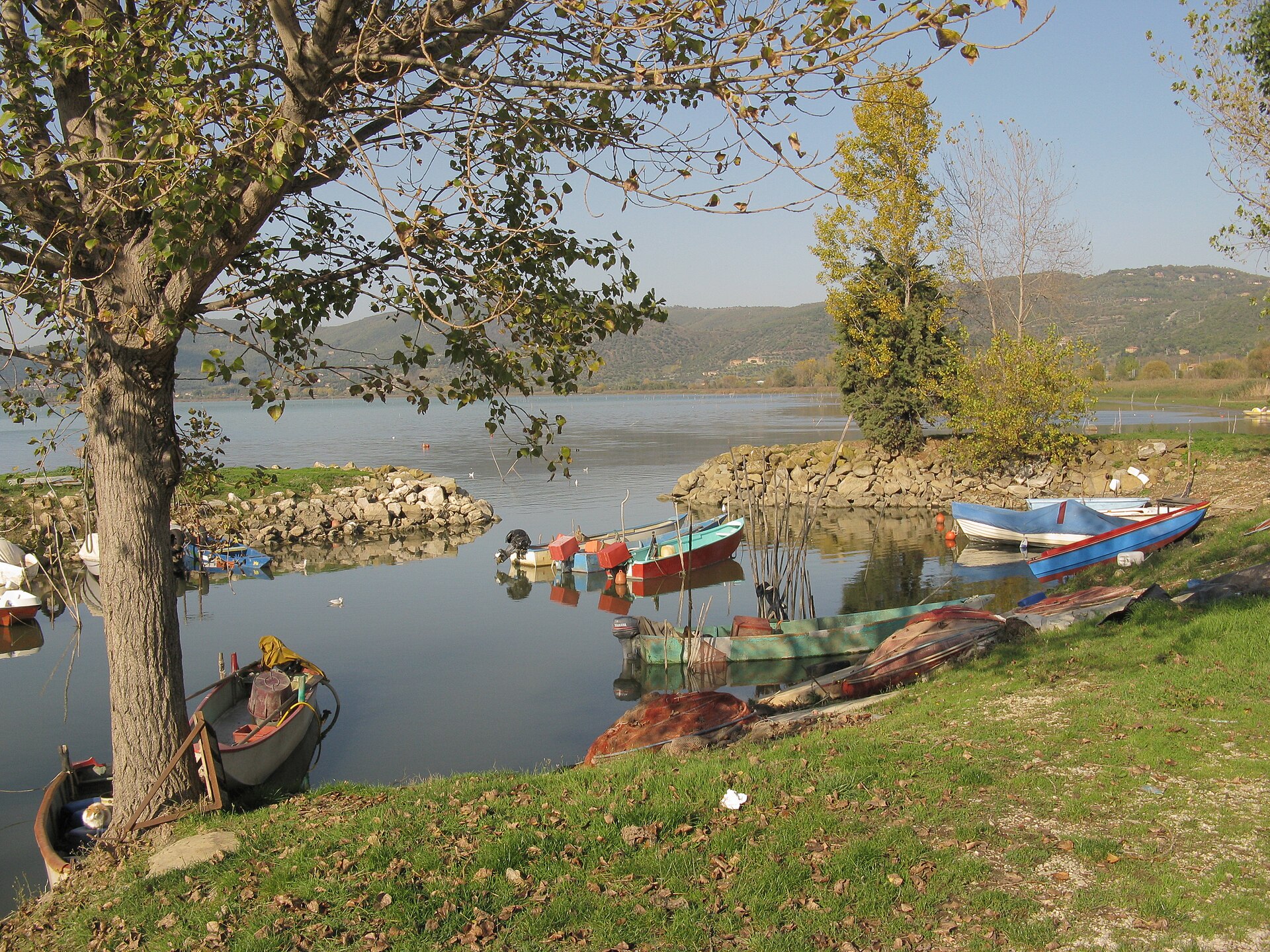
Natura 2000 · passage
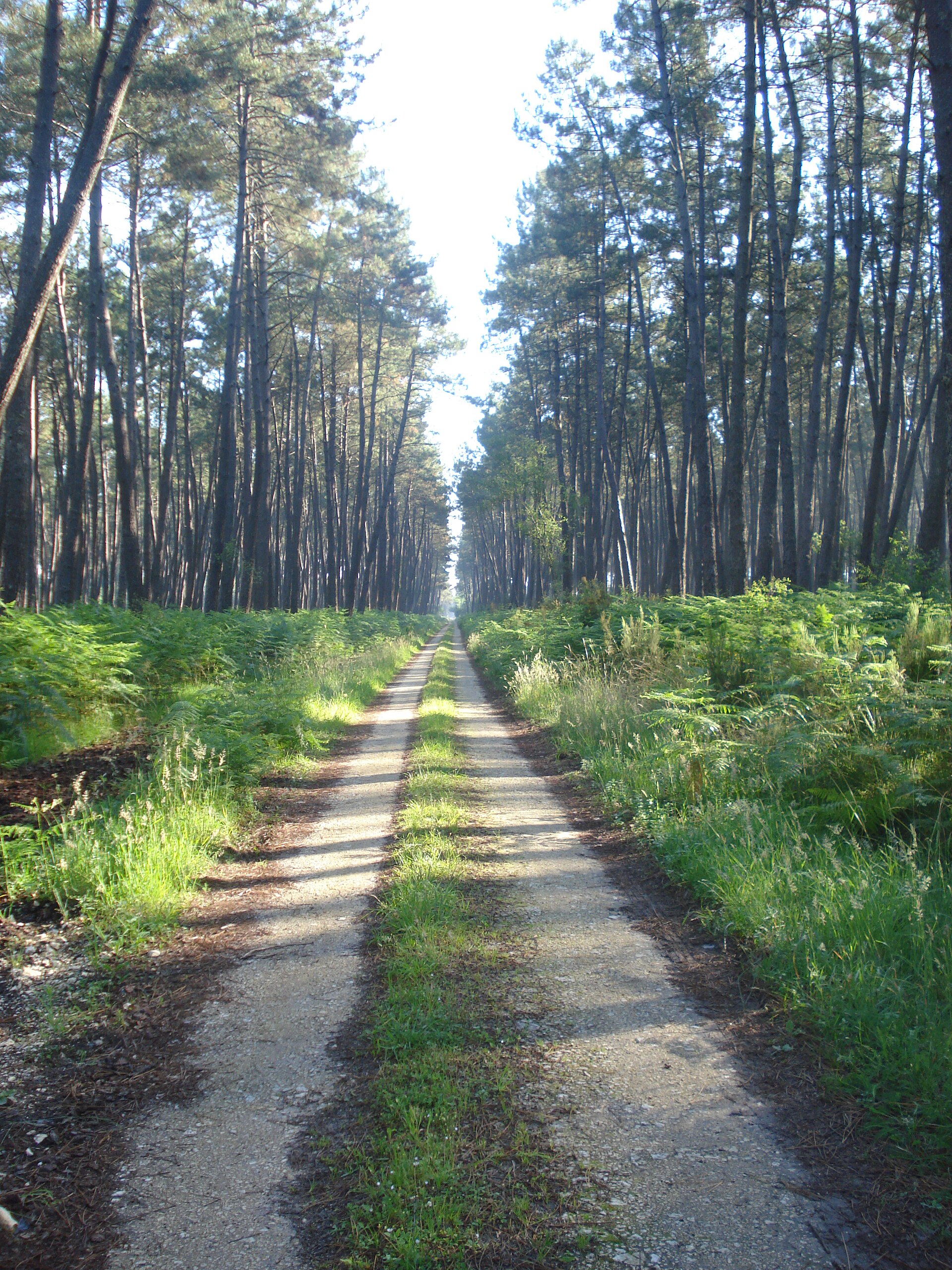
Natura 2000 · passage
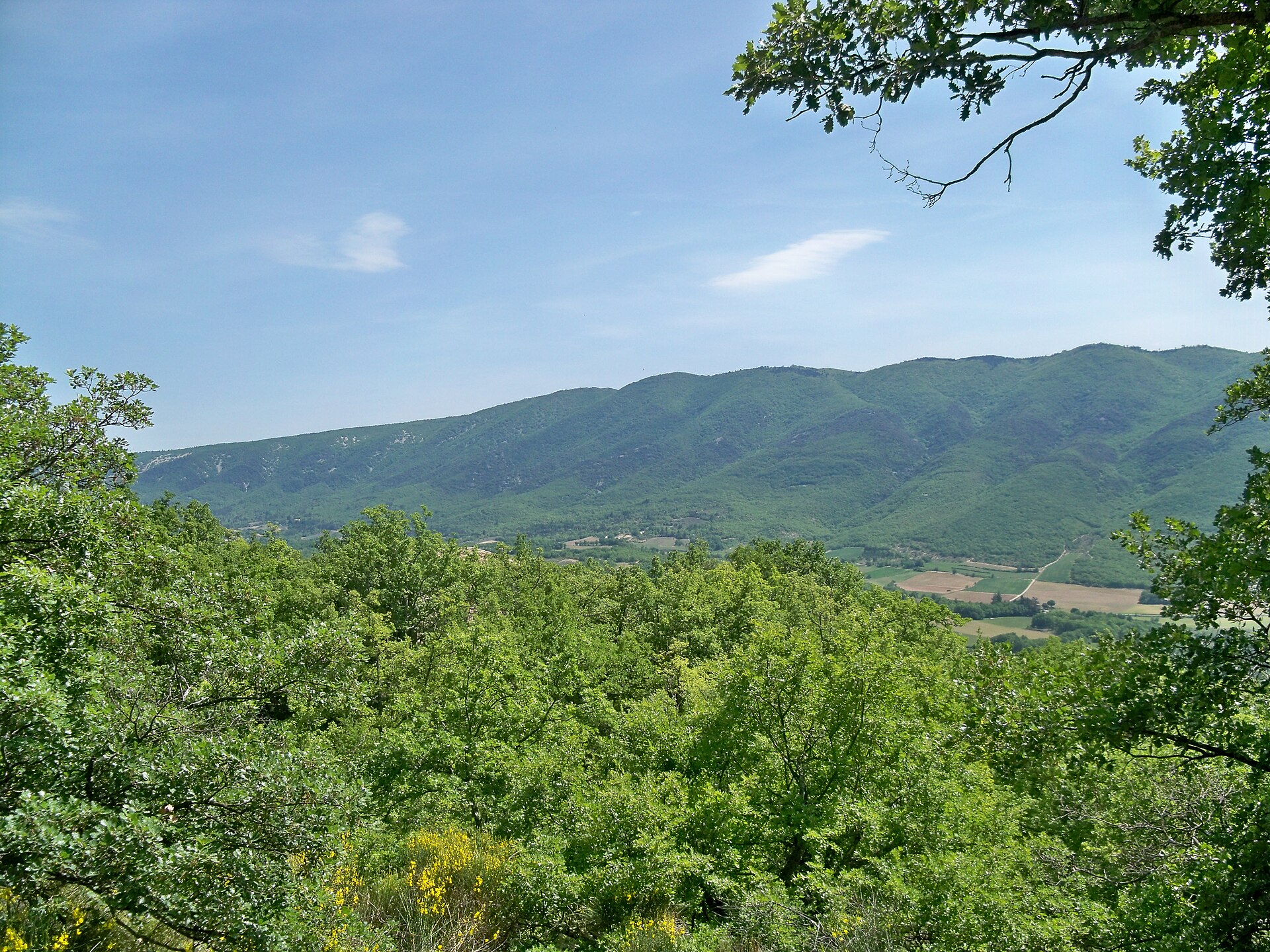
Natura 2000 · passage

Natura 2000 · passage, breeding

Natura 2000 · wintering, passage
Natura 2000 · passage

Natura 2000 · passage
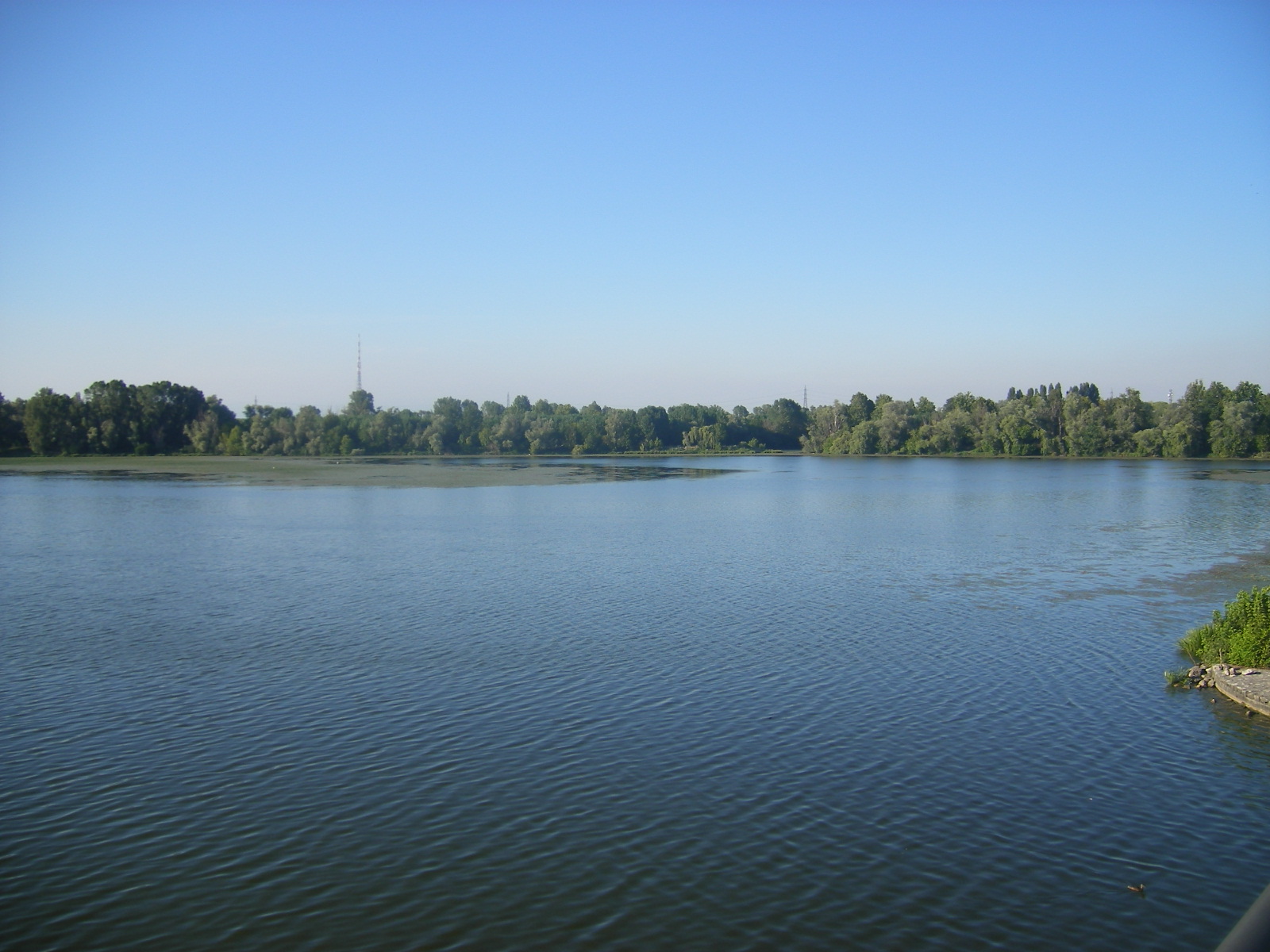
Natura 2000 · passage

Natura 2000 · passage, breeding, wintering

Natura 2000 · passage
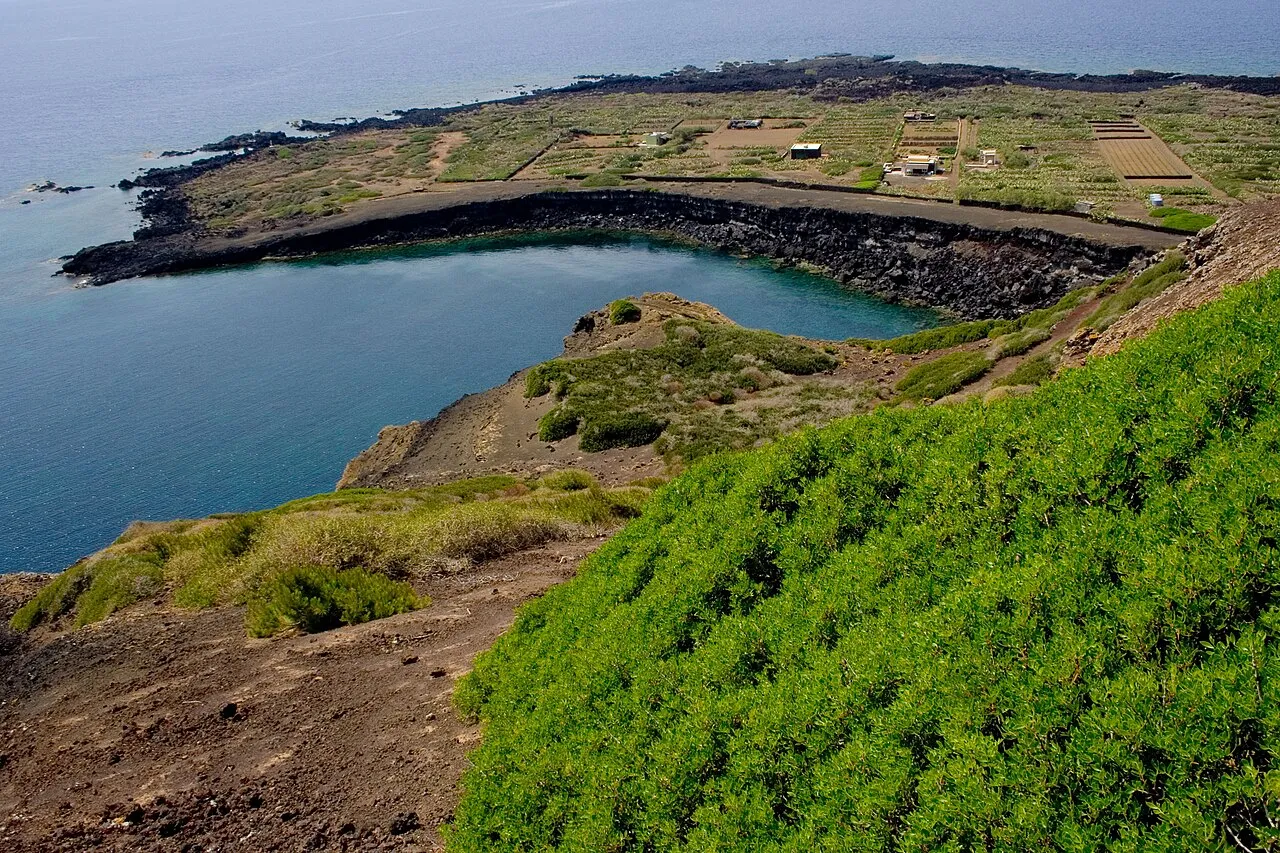
Natura 2000 · passage

Natura 2000 · passage, breeding

Natura 2000 · passage

Natura 2000 · wintering, passage

Natura 2000 · passage

Natura 2000 · resident
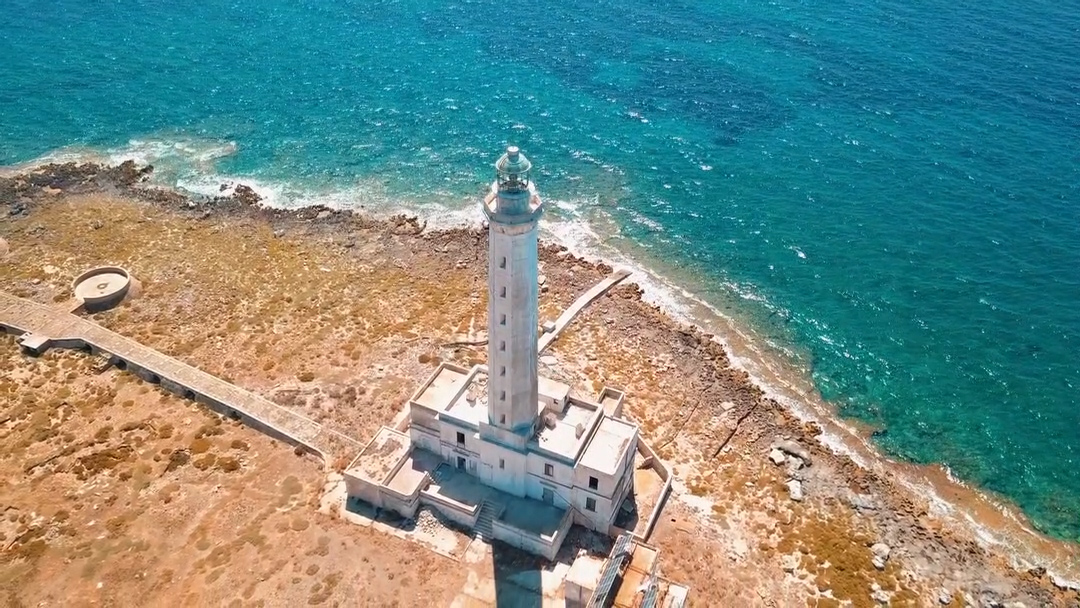
Natura 2000 · passage
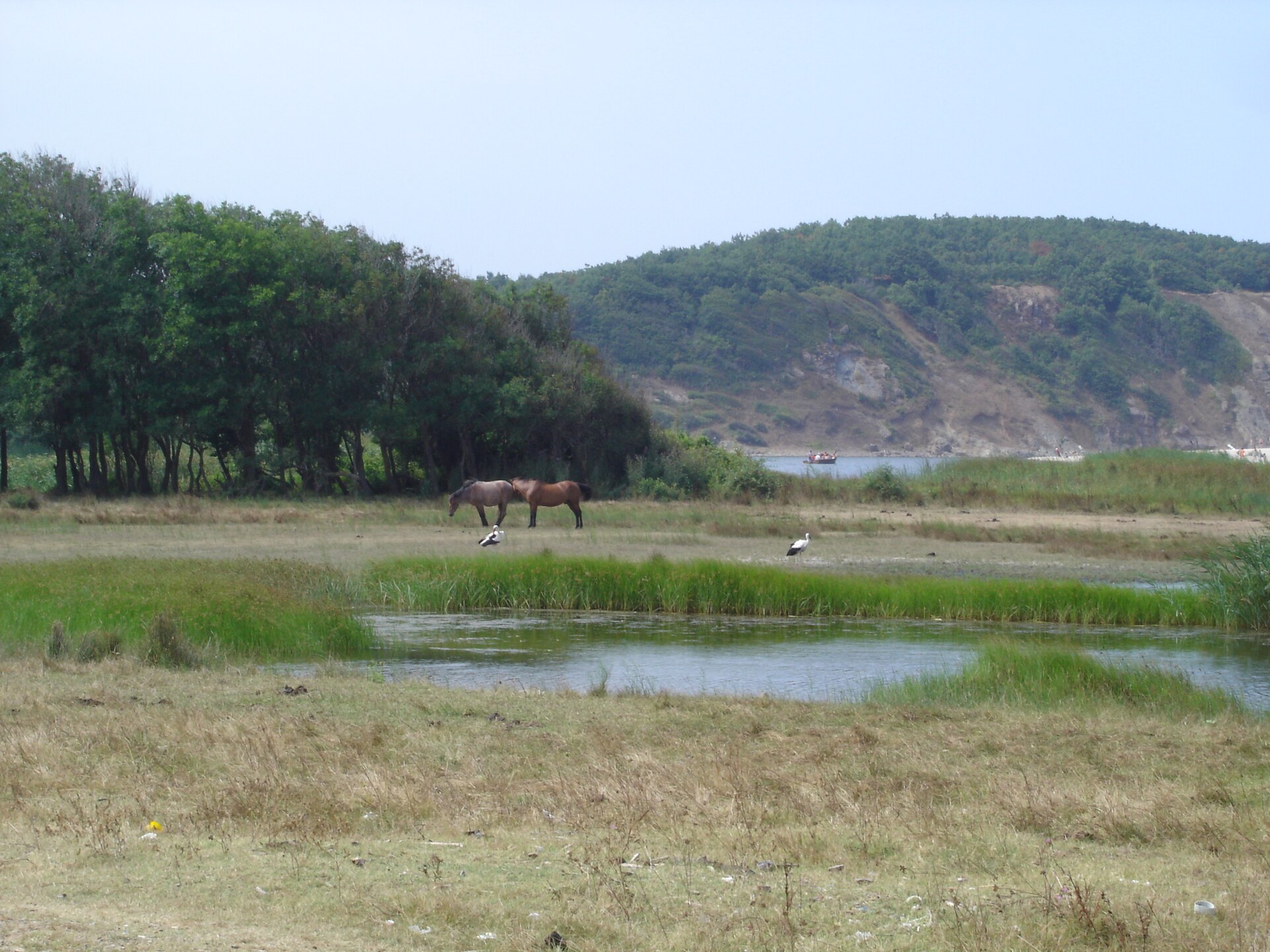
Natura 2000 · passage

Natura 2000 · passage
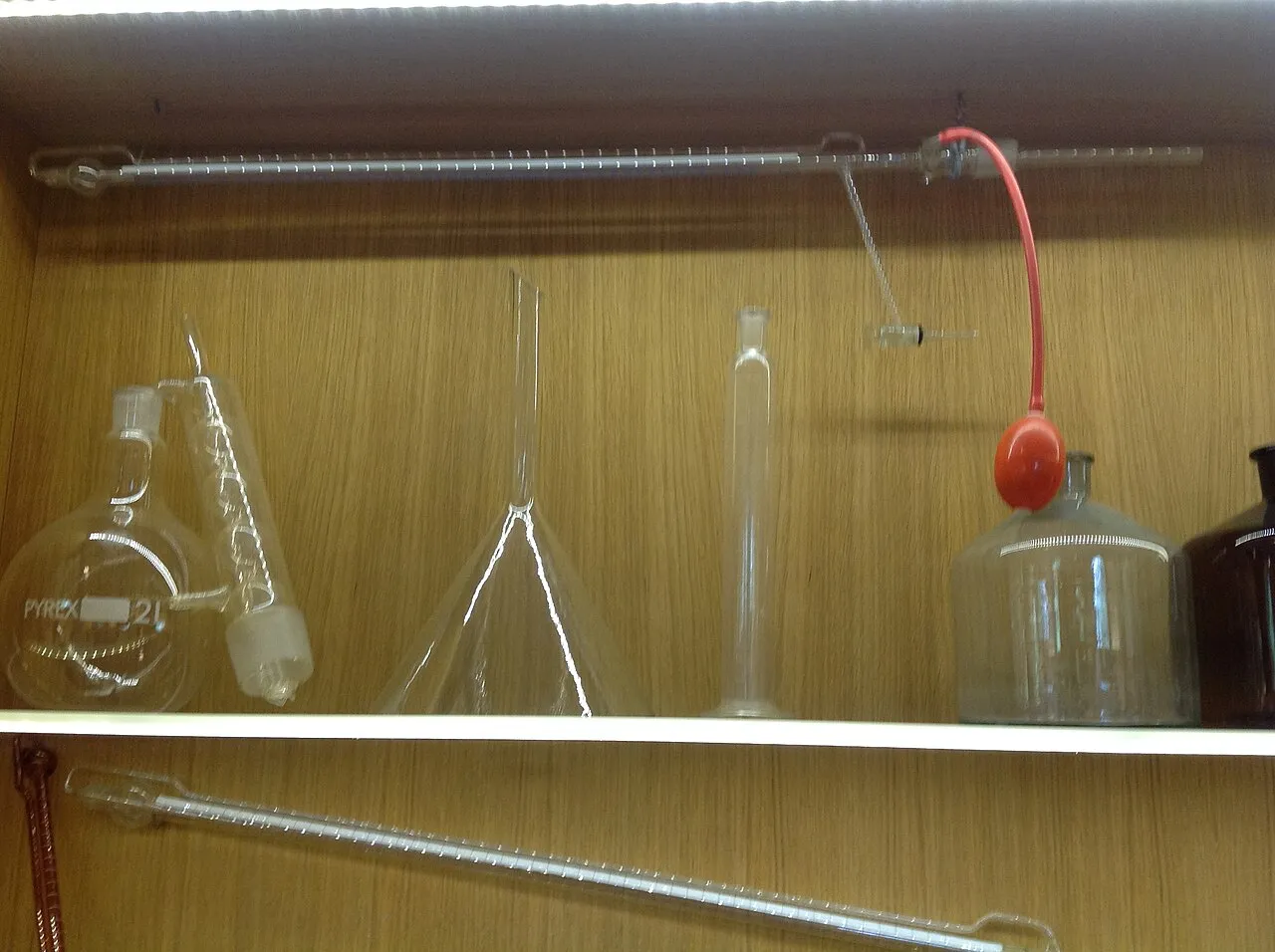
Natura 2000 · passage
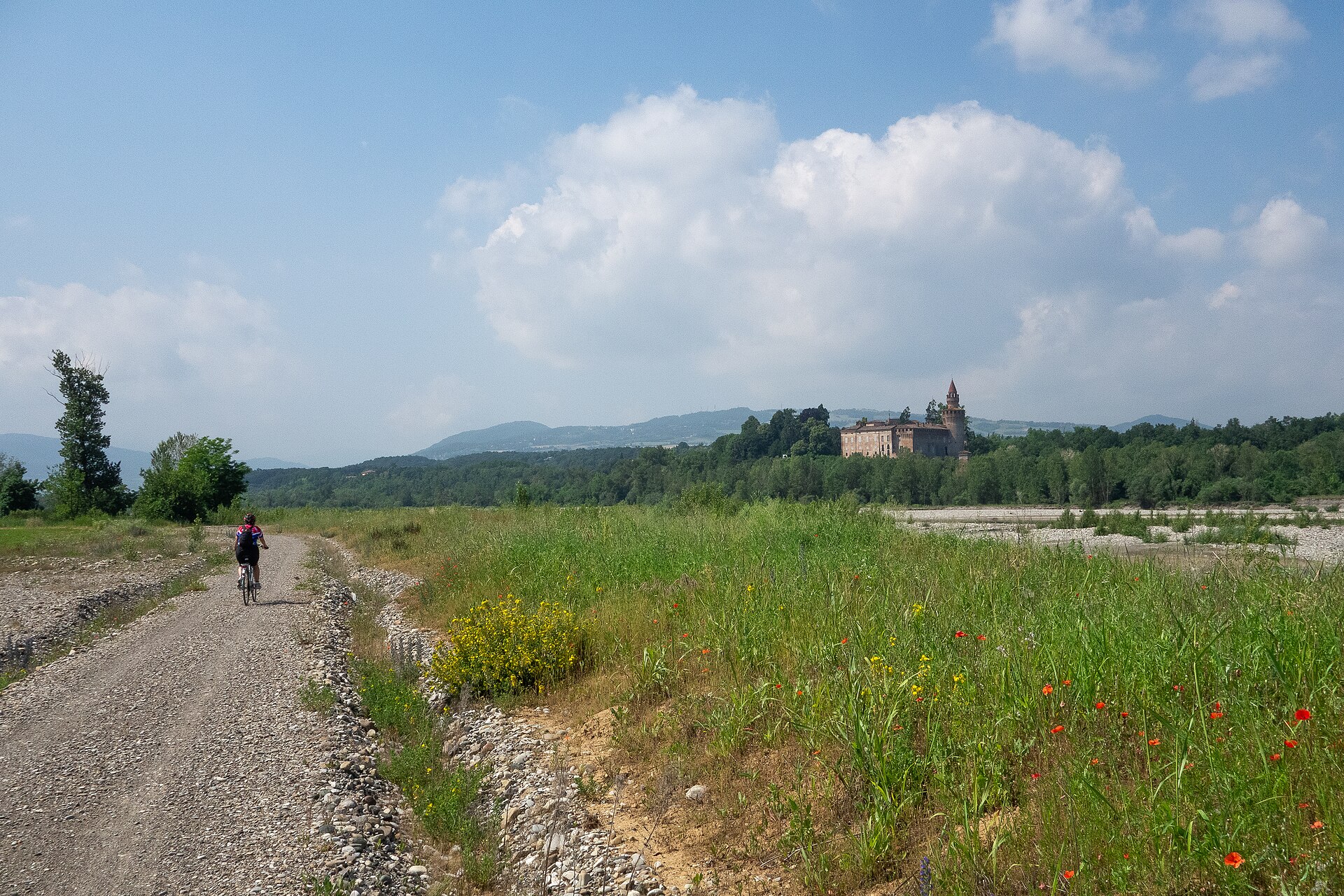
Natura 2000 · passage

Natura 2000 · passage
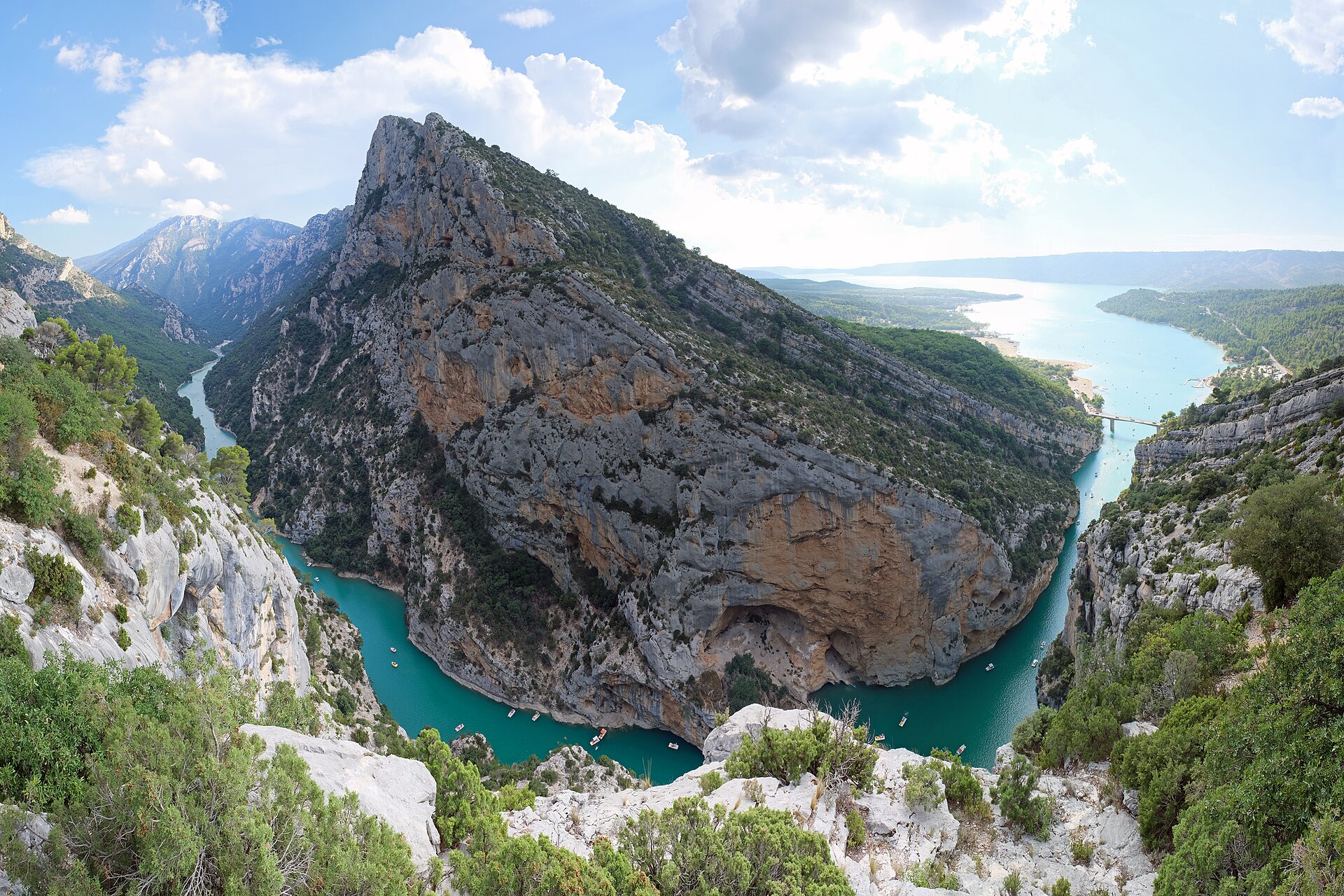
Natura 2000 · passage

Natura 2000
Other species to discover
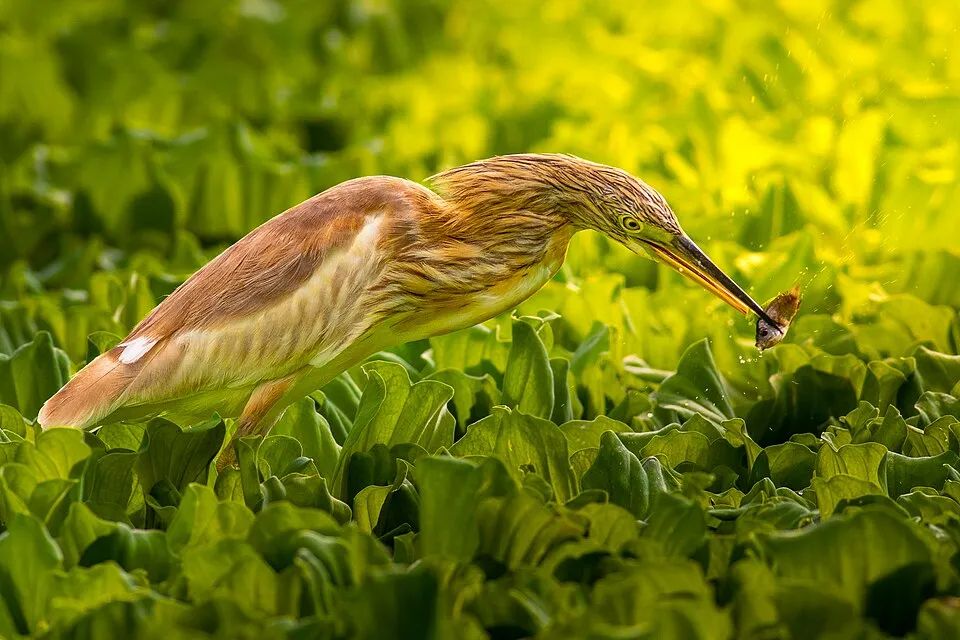 Squacco Heron
Ardeola ralloides 43 places in common
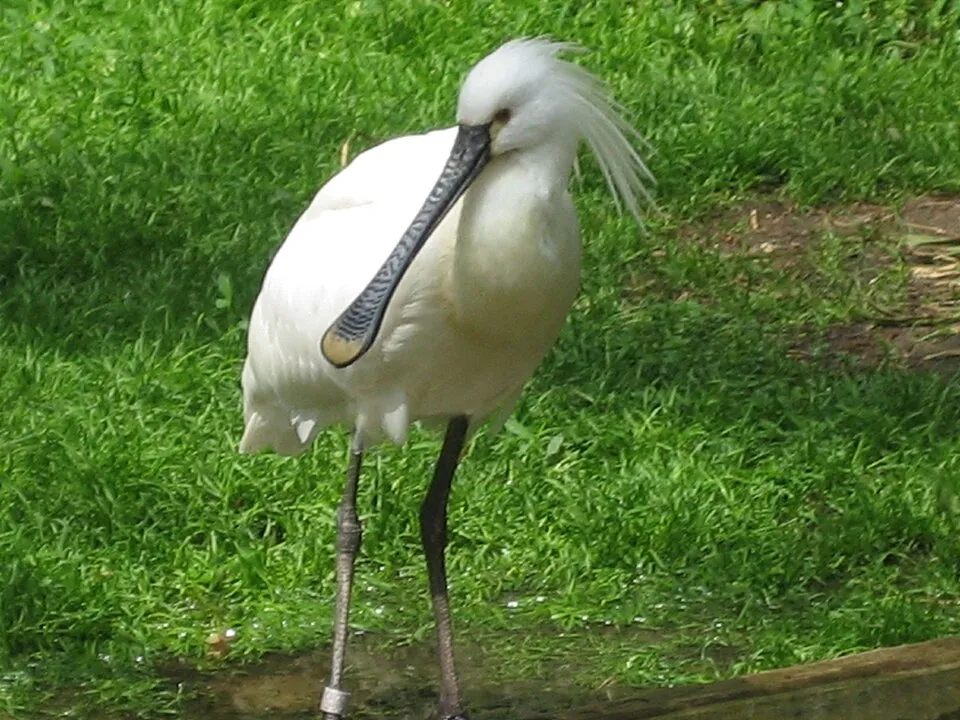 Eurasian Spoonbill
Platalea leucorodia 37 places in common
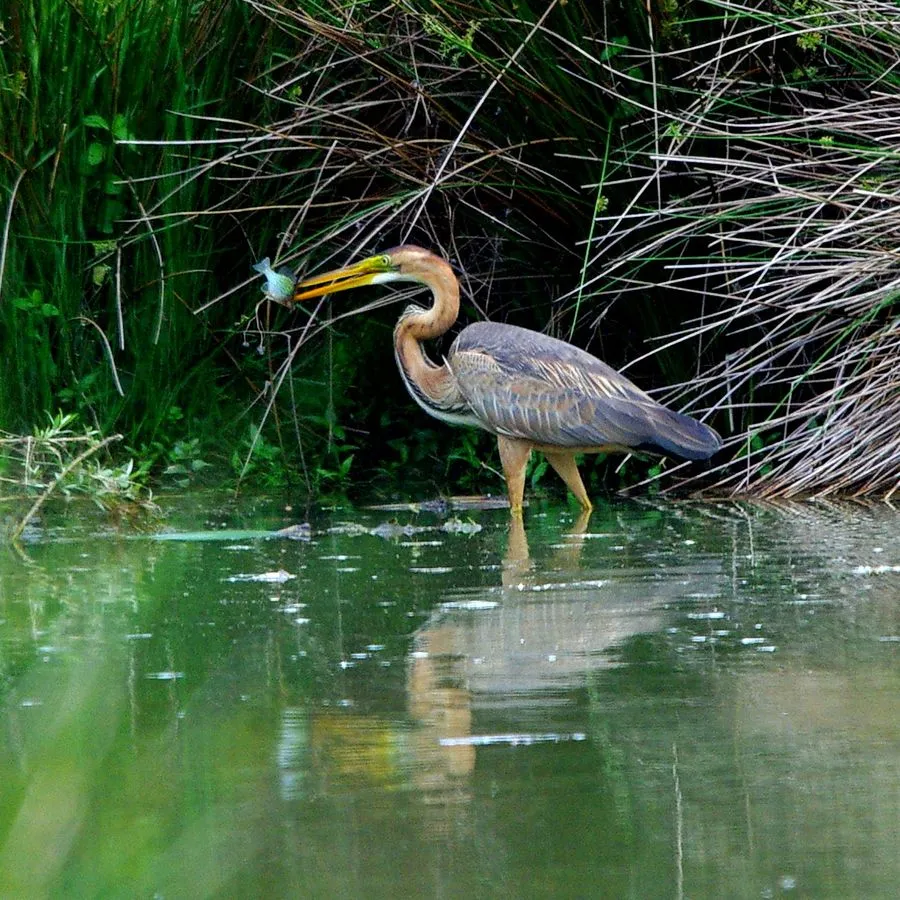 Purple Heron
Ardea purpurea 48 places in common
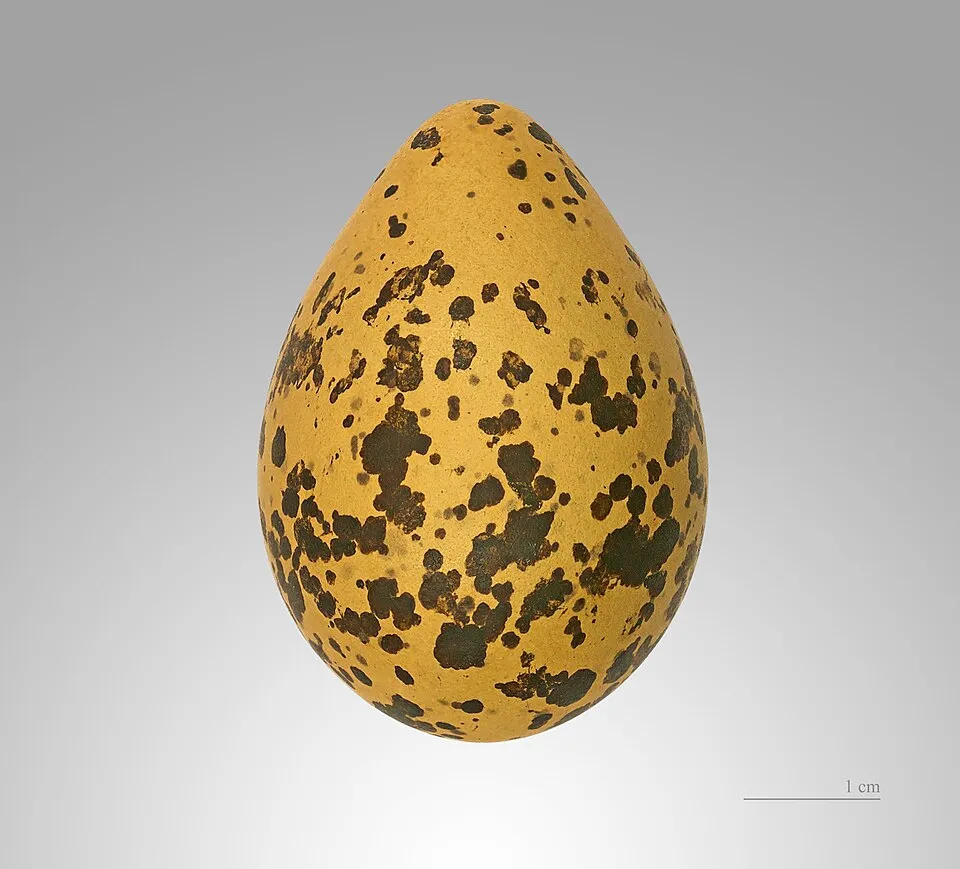 Black-winged Stilt
Himantopus himantopus 44 places in common
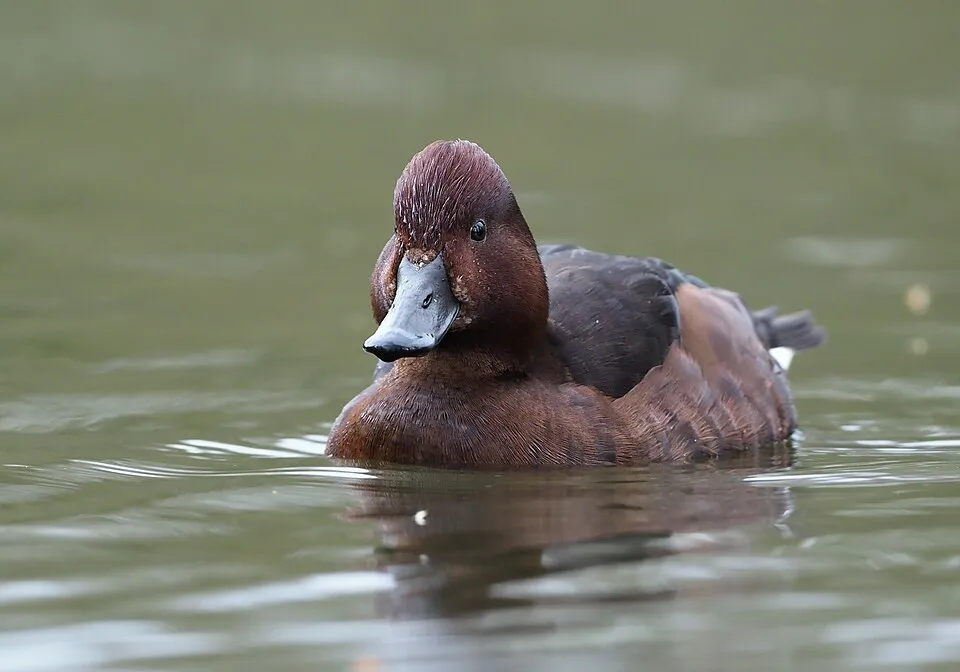 Ferruginous Duck
Aythya nyroca 35 places in common
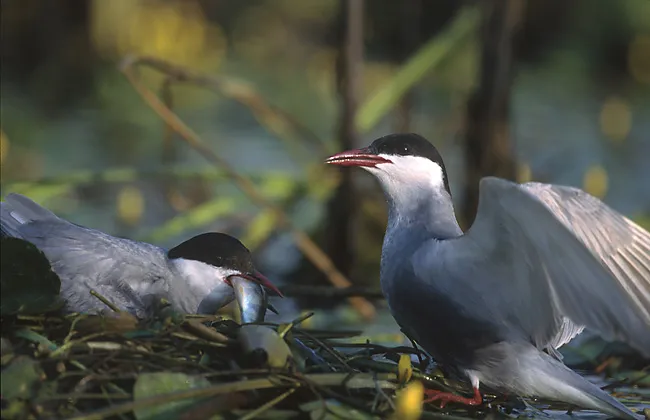 Whiskered Tern
Chlidonias hybrida 34 places in common
Sources and credits
- Presence: most-recorded species of each place on GBIF and species of Community interest in the Natura 2000 forms (EEA, CC-BY 4.0); absence from the list does not mean the species is absent.
- Common names: Wikidata (CC0) and GBIF.
- Photos and sounds: Wikimedia Commons, author and licence given for each file.
- Classification: GBIF Backbone Taxonomy (GBIF Secretariat), CC BY 4.0, doi:10.15468/39omei.
- Countries, elevations, months and maps: GBIF.org, CC0 or CC BY 4.0 occurrences only, accessed October 22, 2026, GBIF.org.
- Base map: Natural Earth (public domain).
- Excerpt: Wikipedia, CC BY-SA 4.0 (full credit below the excerpt).
- Key facts: Wikidata (CC0), with the references cited under each value.
- Annexes: Directive 2009/147/EC (consolidated version), © European Union, EUR-Lex.
- EU bird populations: EEA / DG ENV, Article 12 Birds Directive reporting (2013–2018), CC BY 4.0.