
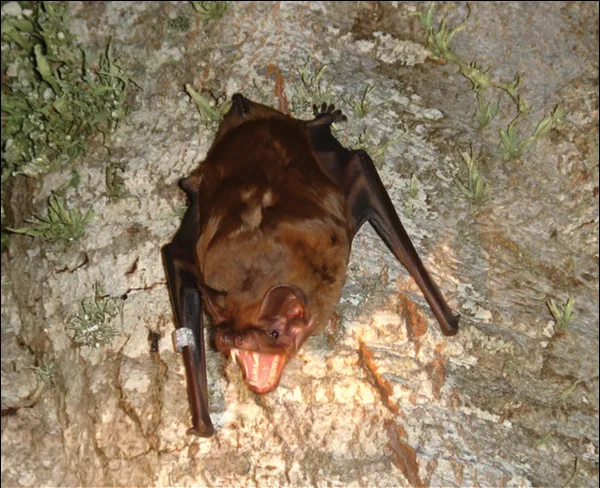
Mammal
Greater noctule bat: where to see it
Nyctalus lasiopterus
This mammal species is recorded in 44 protected areas of the atlas, and is listed on the official Natura 2000 form of each of them. Within the atlas countries, it is observed in France and Portugal. Records peak in January. It is a species of Community interest under the Habitats Directive (Annex IV). In the EU its conservation status is assessed as unfavourable (2013–2018 reporting).
Best time to see it: January
Records published on GBIF by month (CC0 and CC BY 4.0 licences only), in the atlas countries, all years combined; they also reflect observer activity.
Status and protection
Habitats Directive IV
The species is listed in Annex IV of the Habitats Directive.
In the EU its conservation status is assessed as unfavourable-bad in the Alpine and Continental regions and unfavourable-inadequate in the Mediterranean and Atlantic regions (2013–2018 reporting).
Distribution
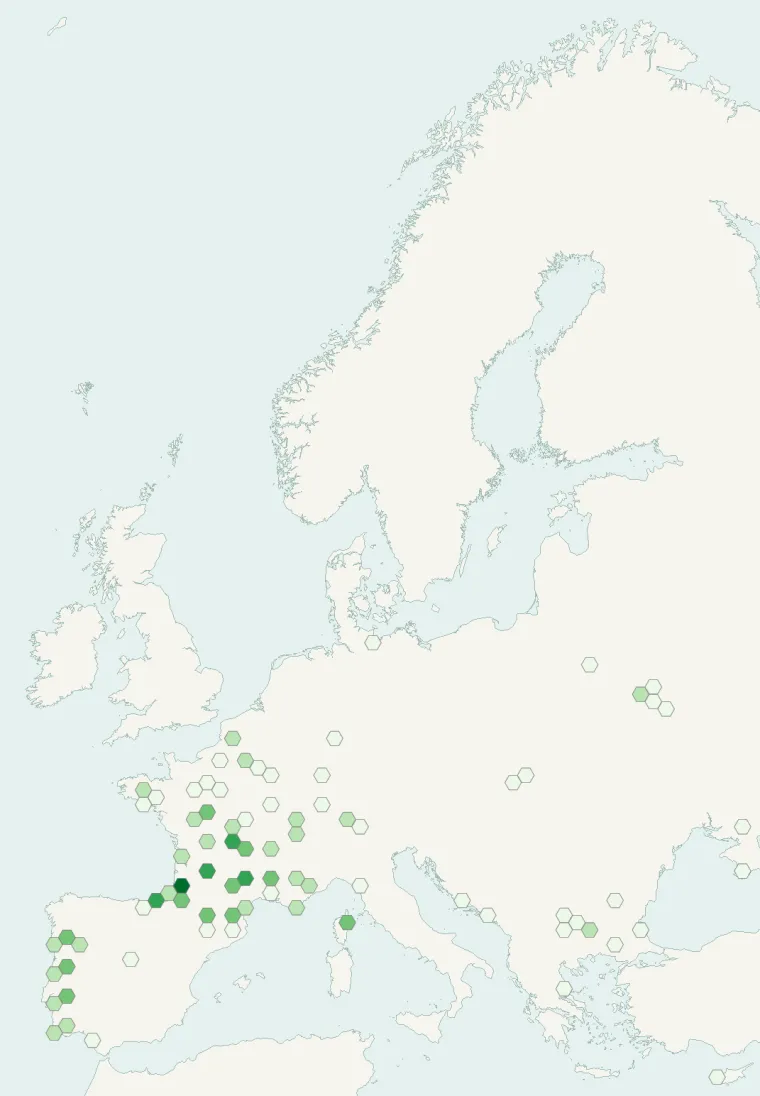
Records published on GBIF (CC0 and CC BY 4.0 licences): the darker the shade, the more records there are; they also reflect observation effort.
Atlas countries where it is recorded
Listen
-
0:32 · © Stanislas Wroza · CC BY-SA 4.0 · Wikimedia Commons · Original file
From Wikipedia
The greater noctule bat (Nyctalus lasiopterus) is a rare carnivorous bat found in Europe, West Asia, and North Africa. It is the largest and least studied bat in Europe with a wingspan of up to 46 centimetres (18 in) and is one of the few bat species to feed on passerine birds. Greater noctule bats are the only bat species to hunt birds on the wing rather than when roosting. The greater noctule bat has wings adapted for open-air hunting and uses echolocation frequencies above the hearing range of birds.
Source: Wikipedia, article “Greater noctule bat” (version of September 26, 2026) · history and authors · licence CC BY-SA 4.0
Protected areas where it is recorded
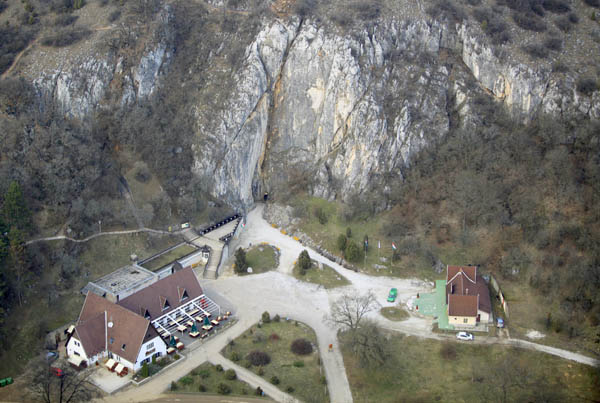
Natura 2000
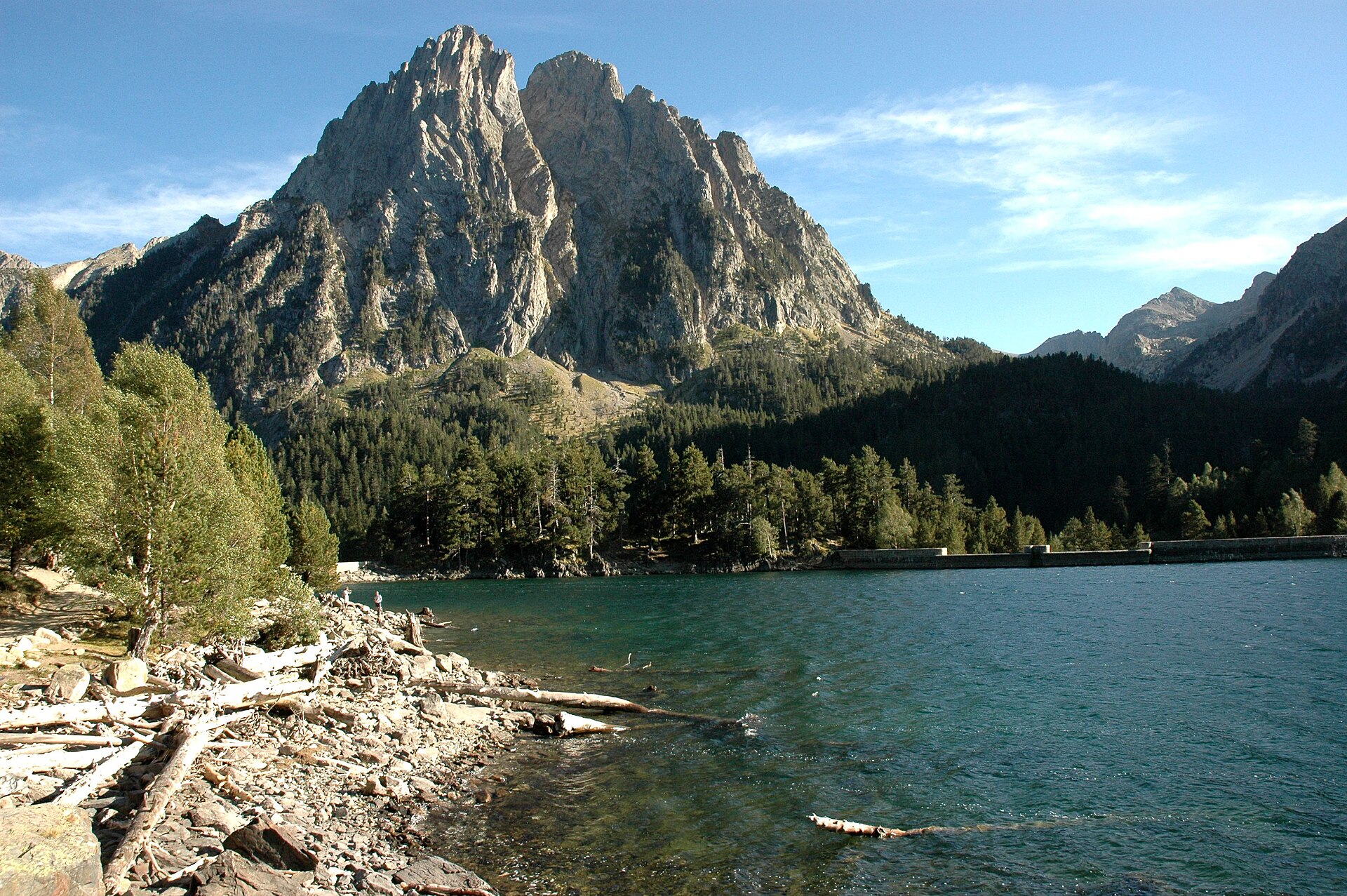
Natura 2000
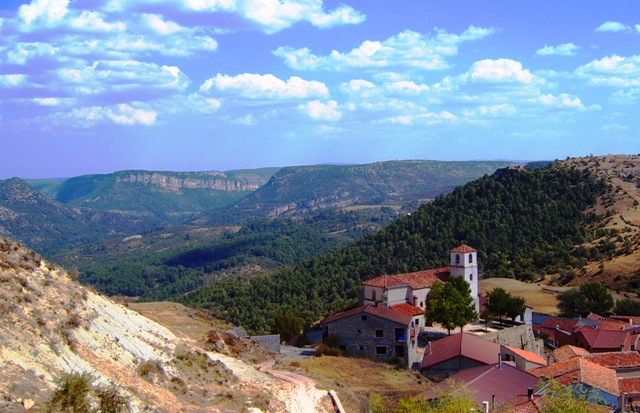
Natura 2000
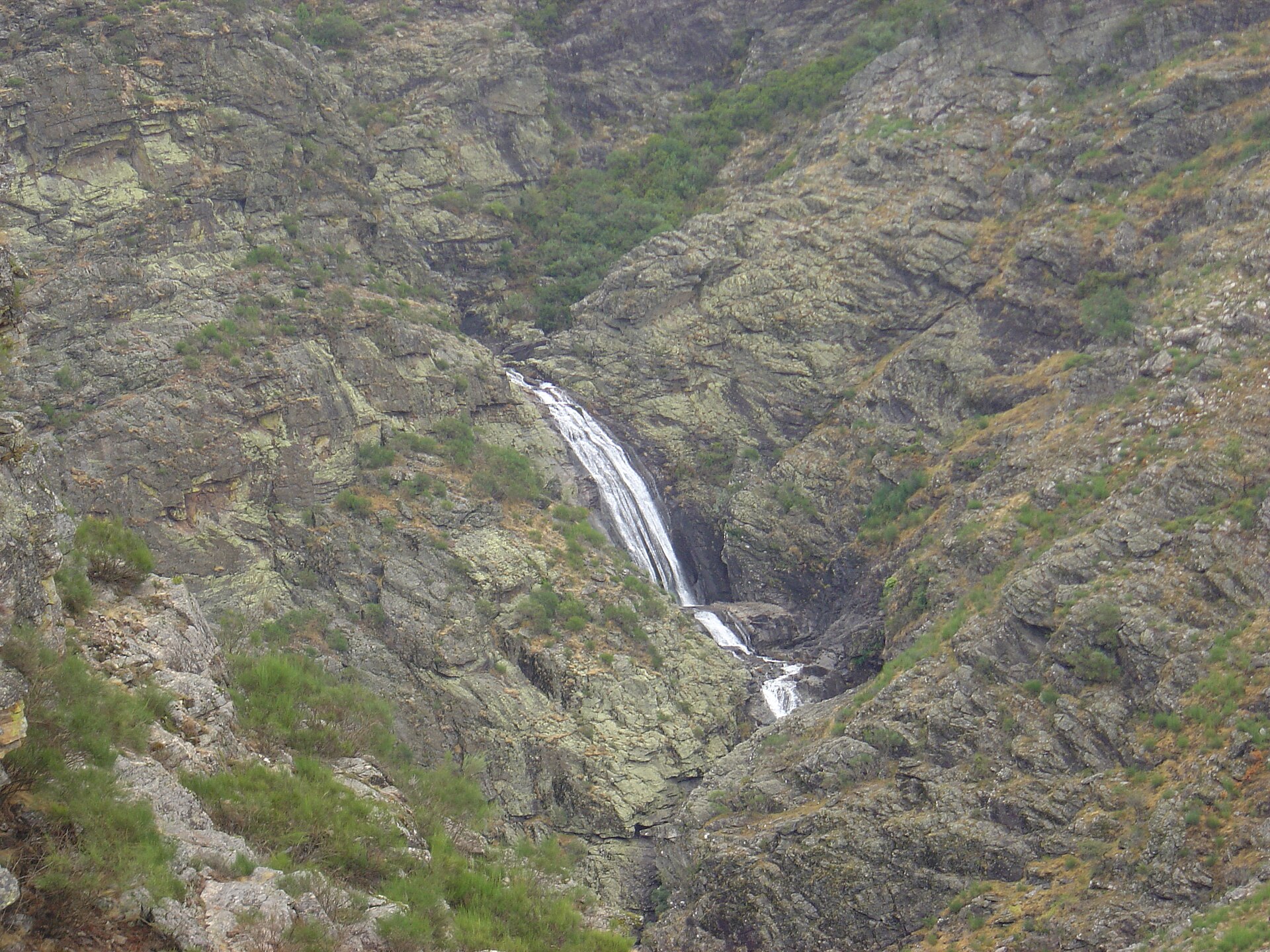
Natura 2000

Natura 2000

Natura 2000
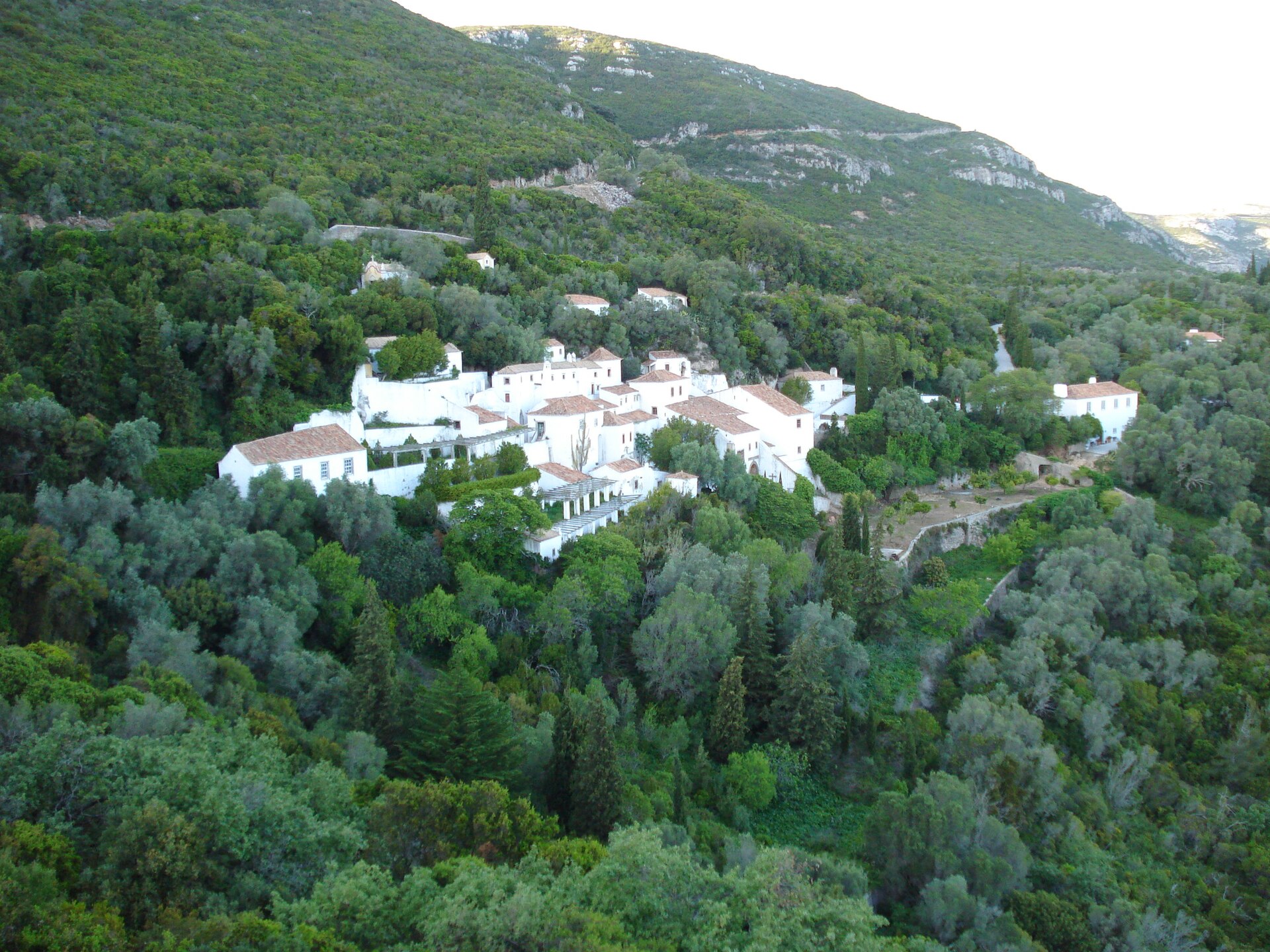
Natura 2000

Natura 2000

Natura 2000
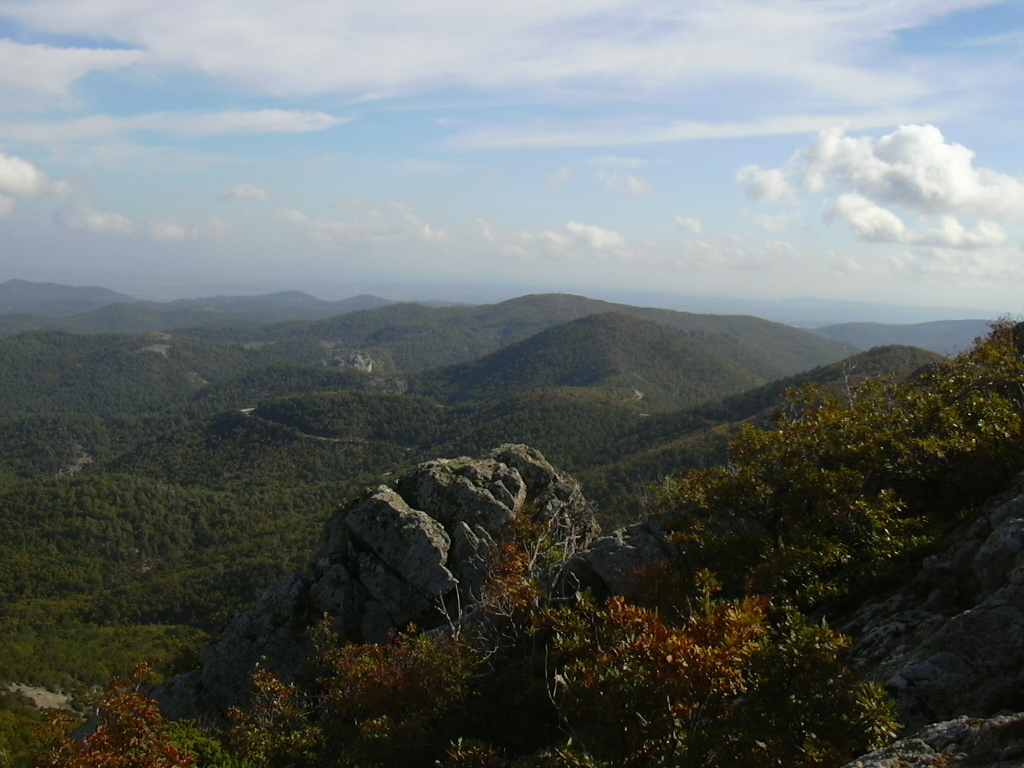
Natura 2000
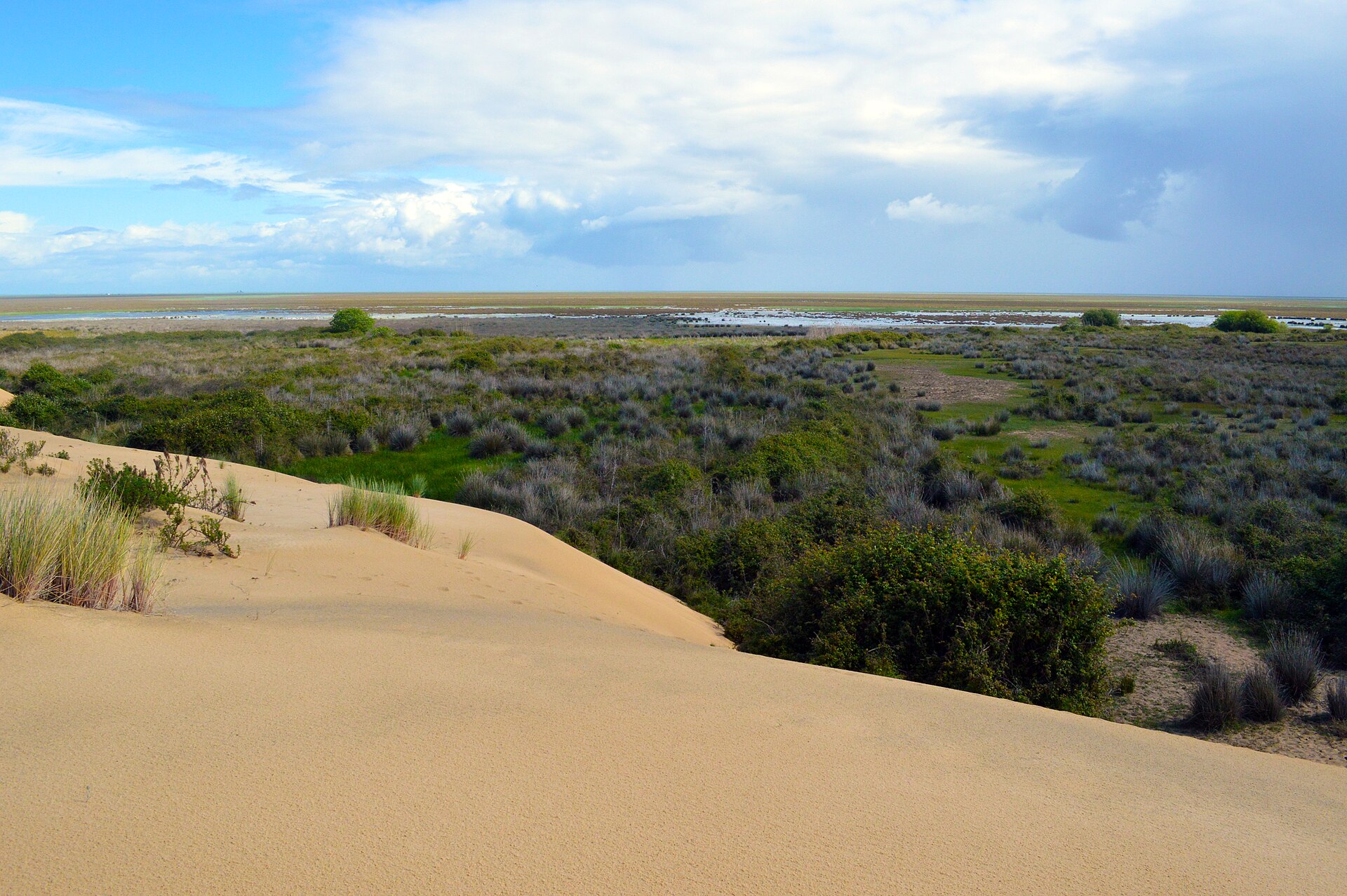
Natura 2000
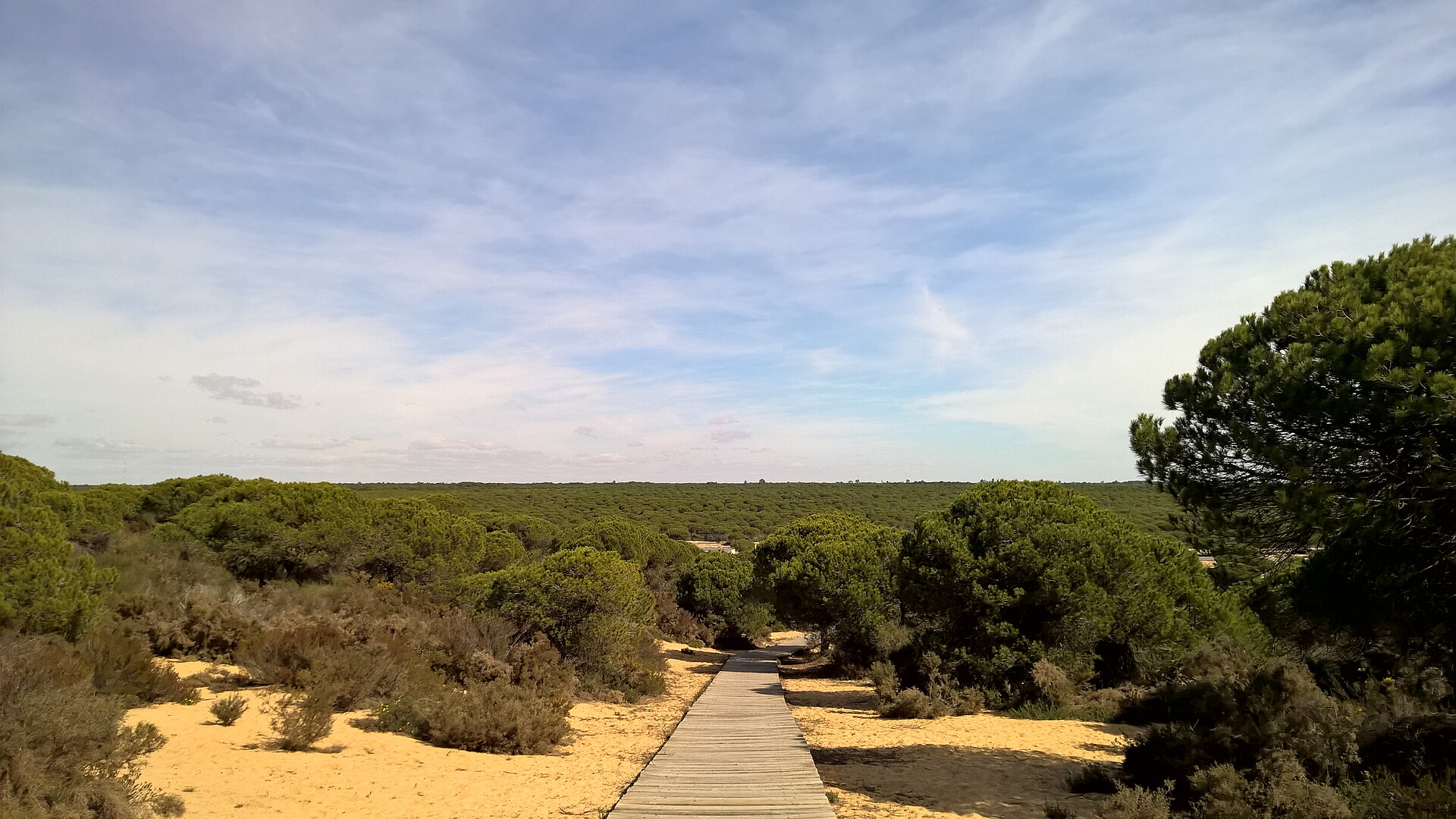
Natura 2000
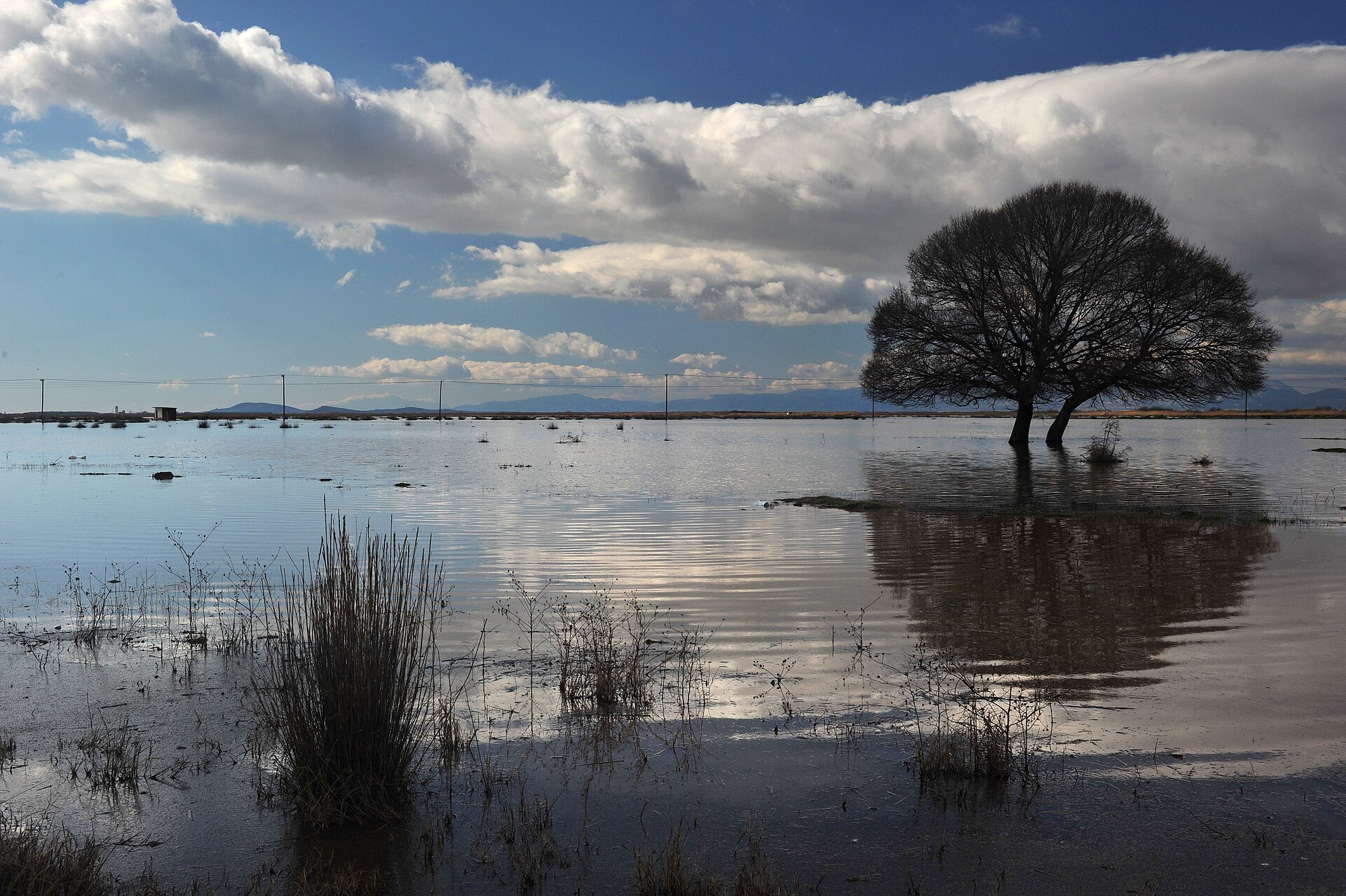
Natura 2000

Natura 2000
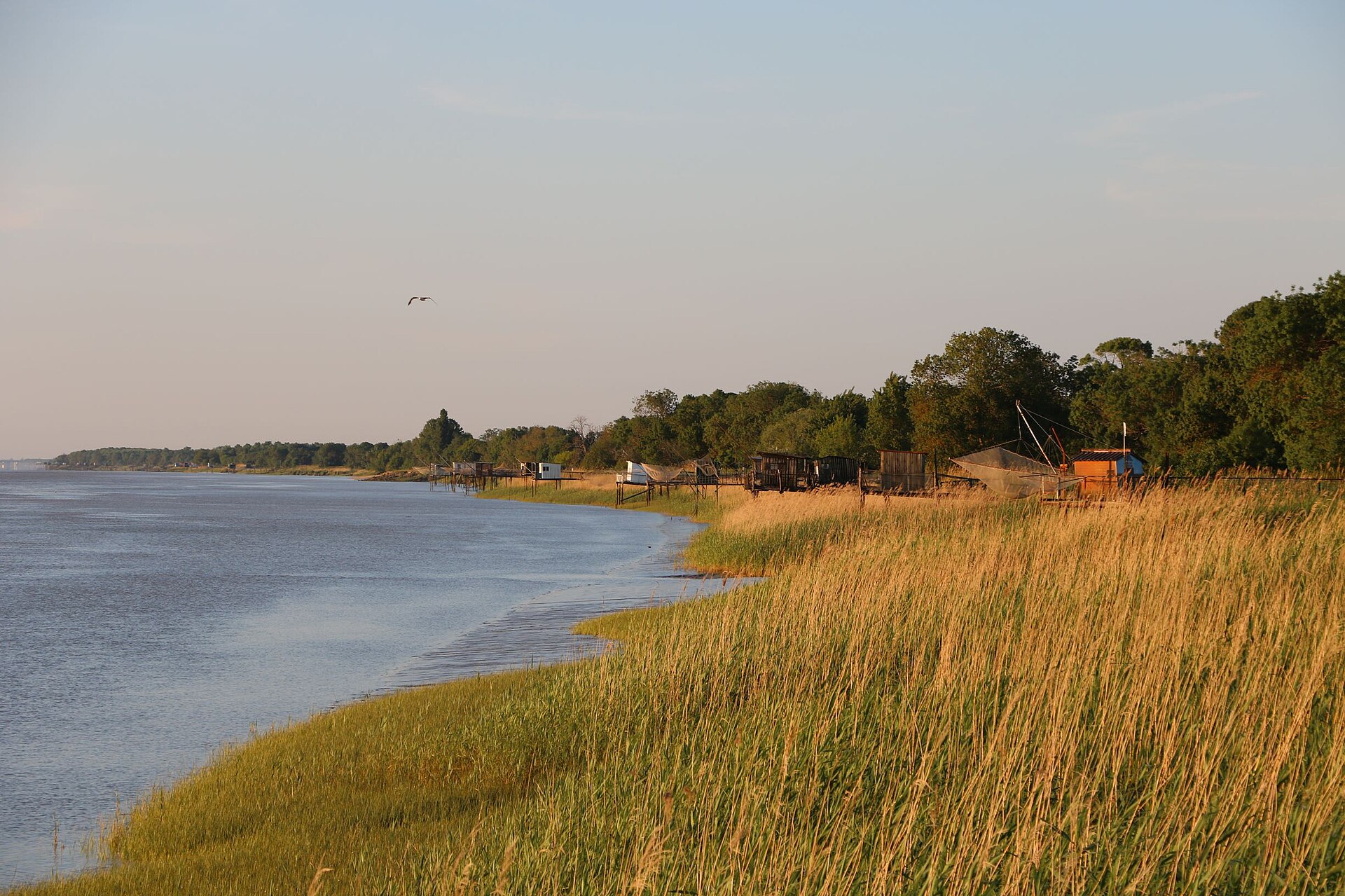
Natura 2000
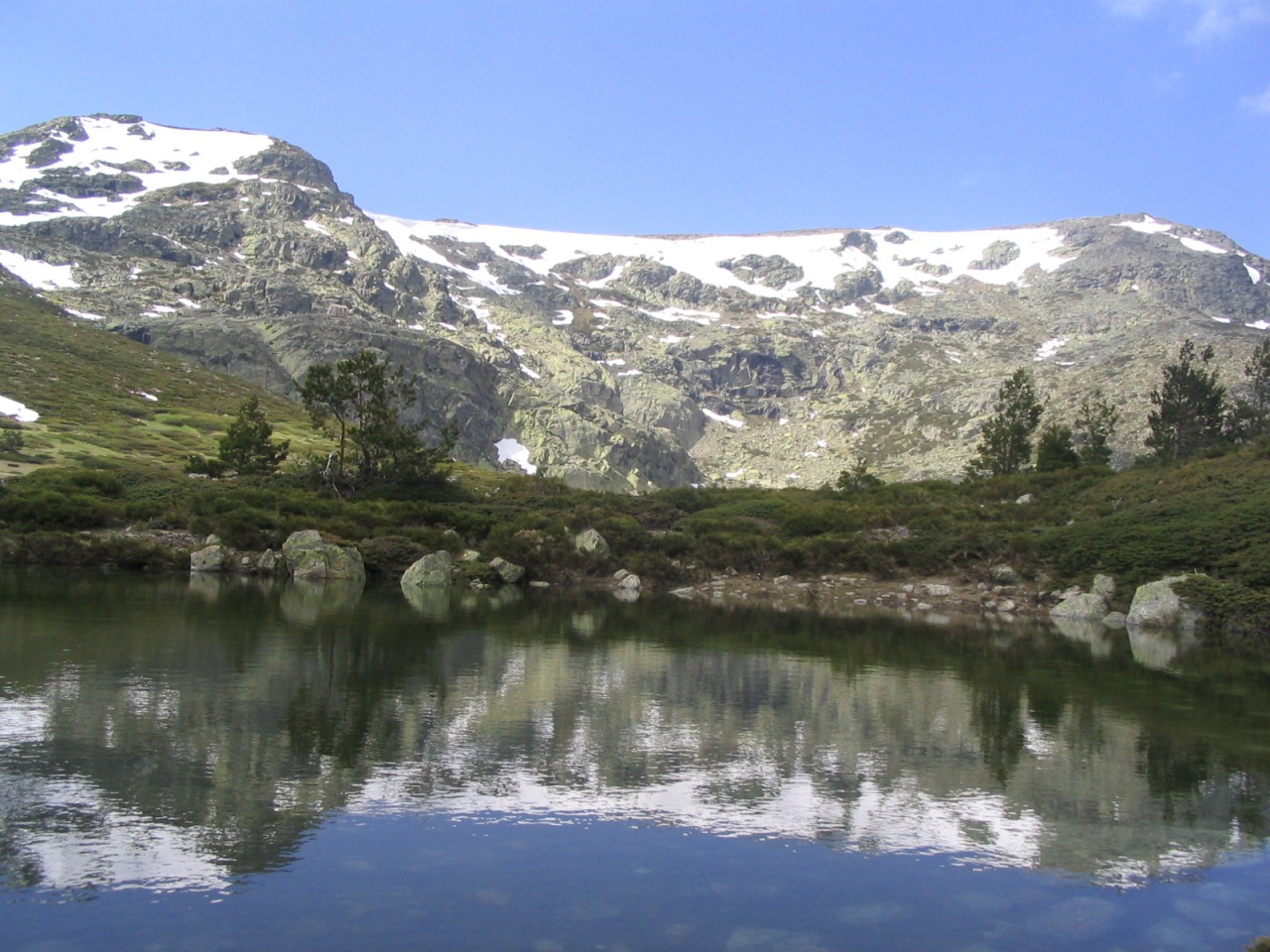
Natura 2000

Natura 2000

Natura 2000
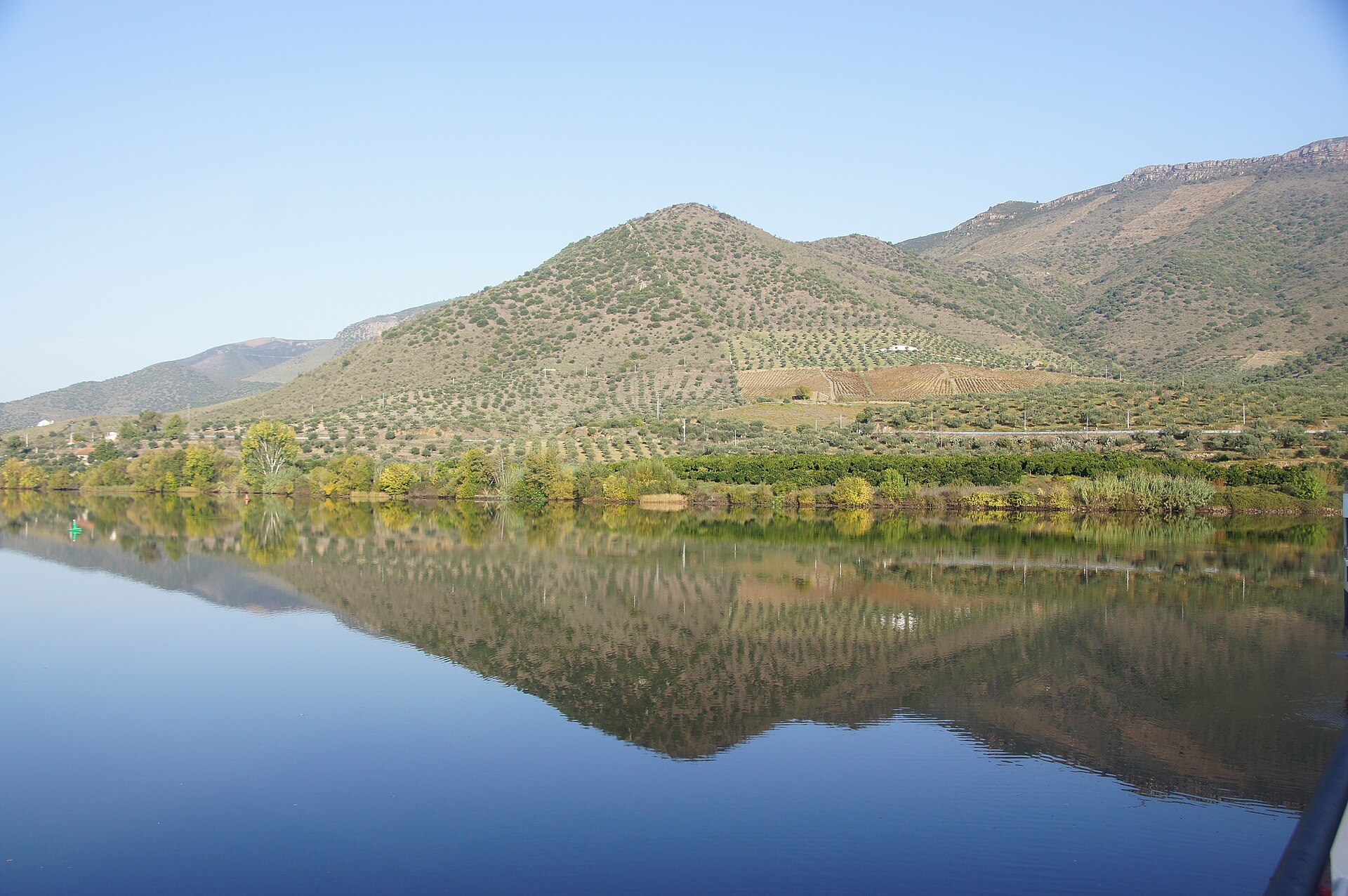
Natura 2000
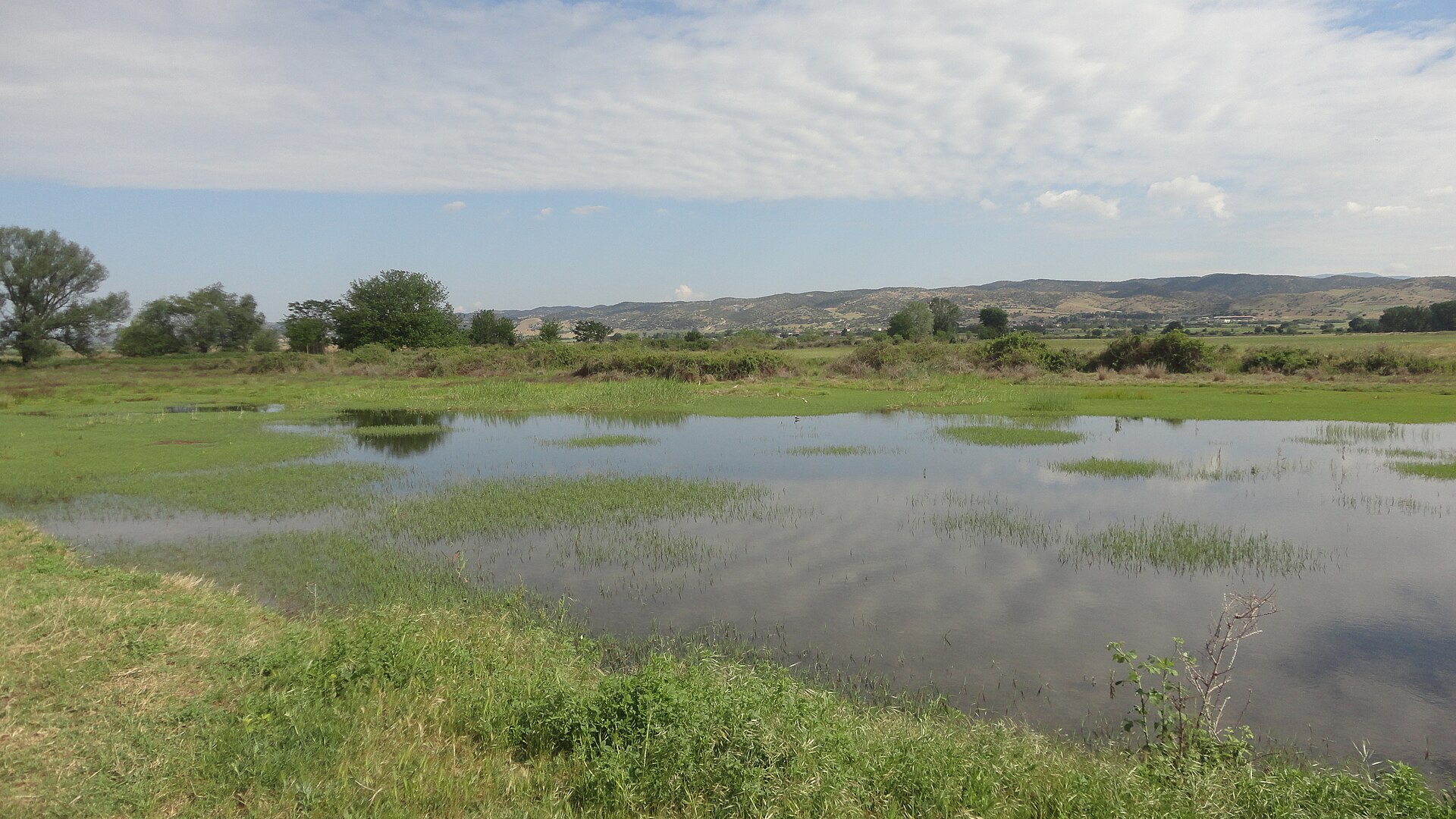
Natura 2000
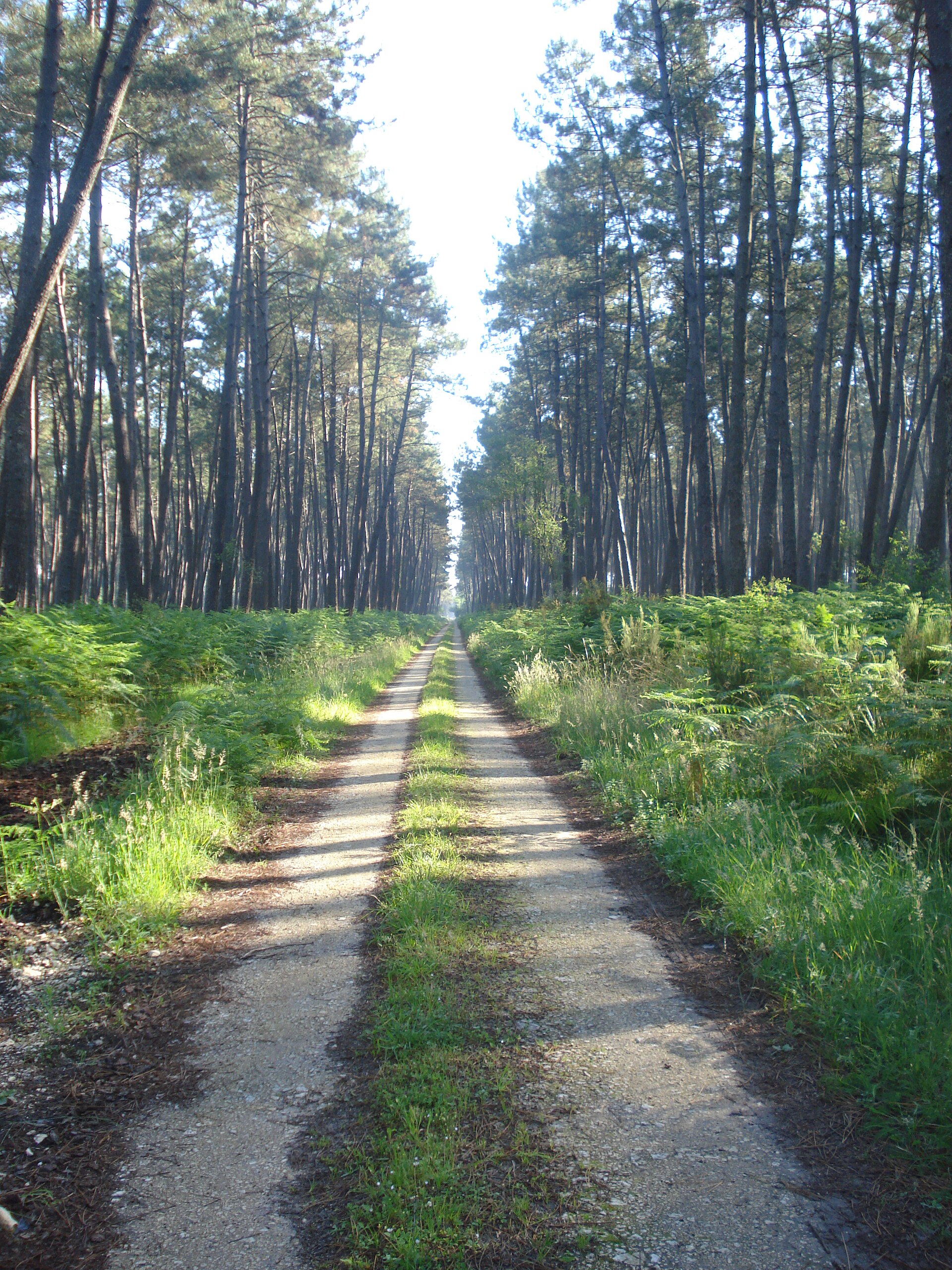
Natura 2000
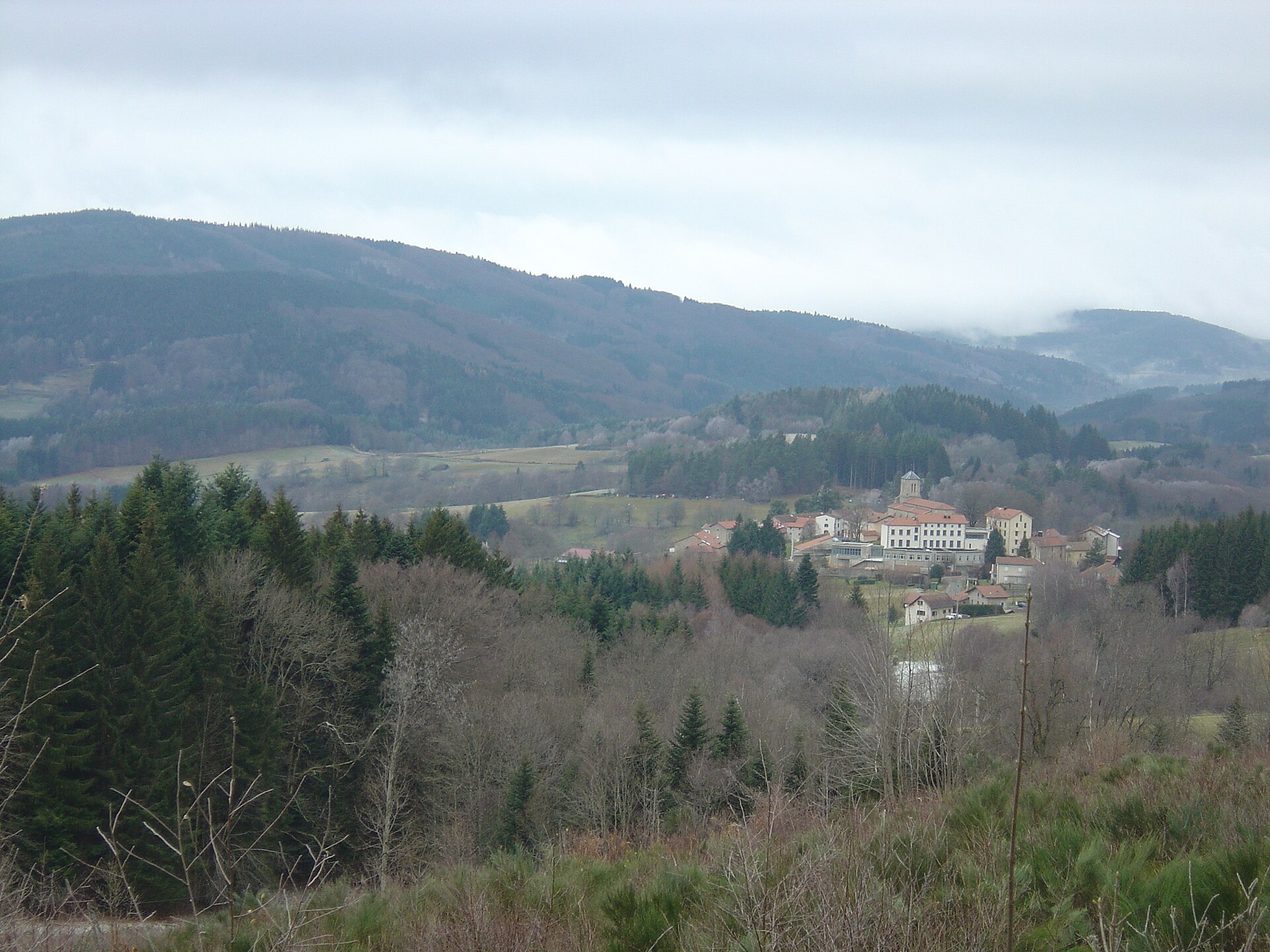
Natura 2000
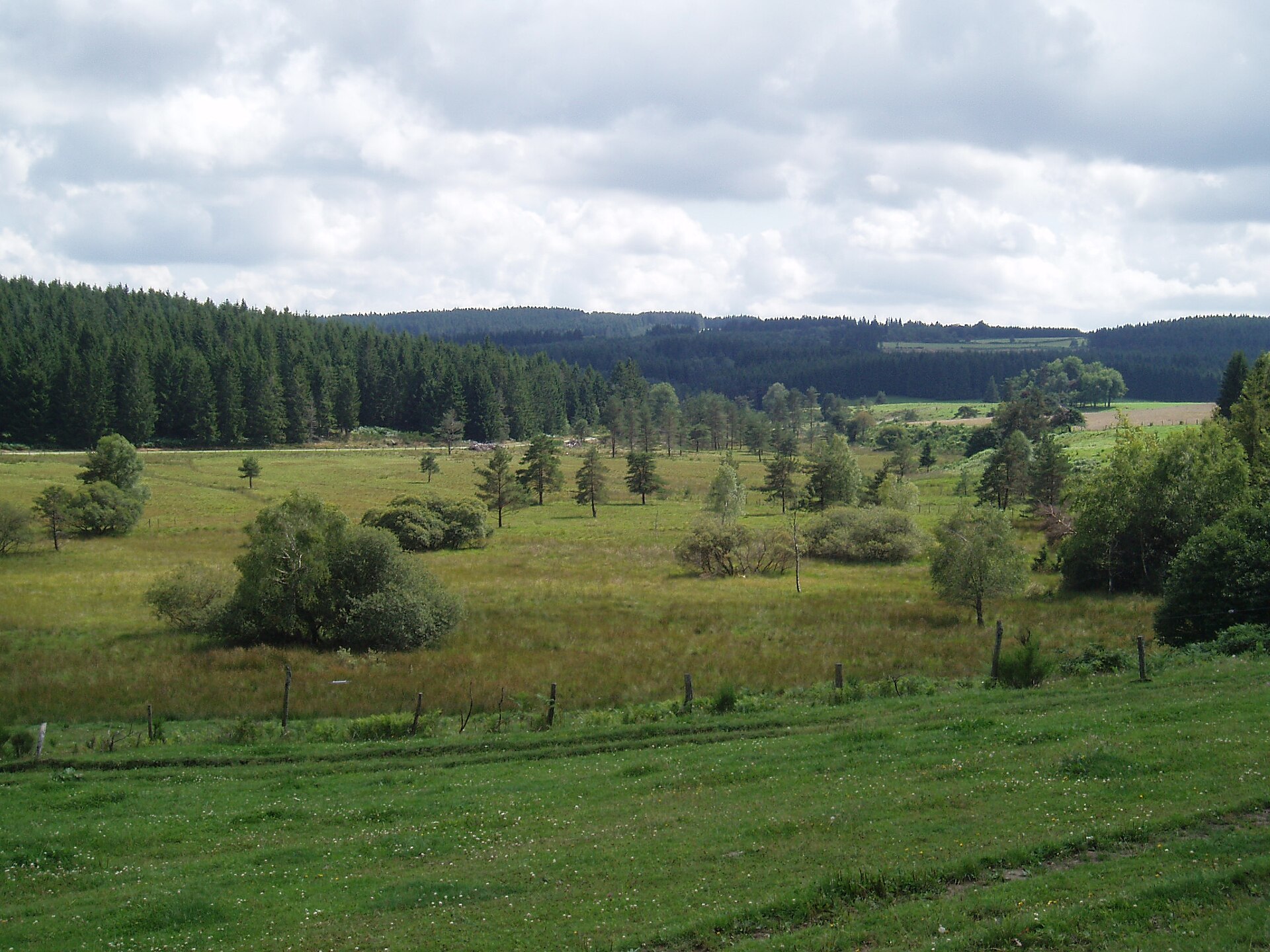
Natura 2000
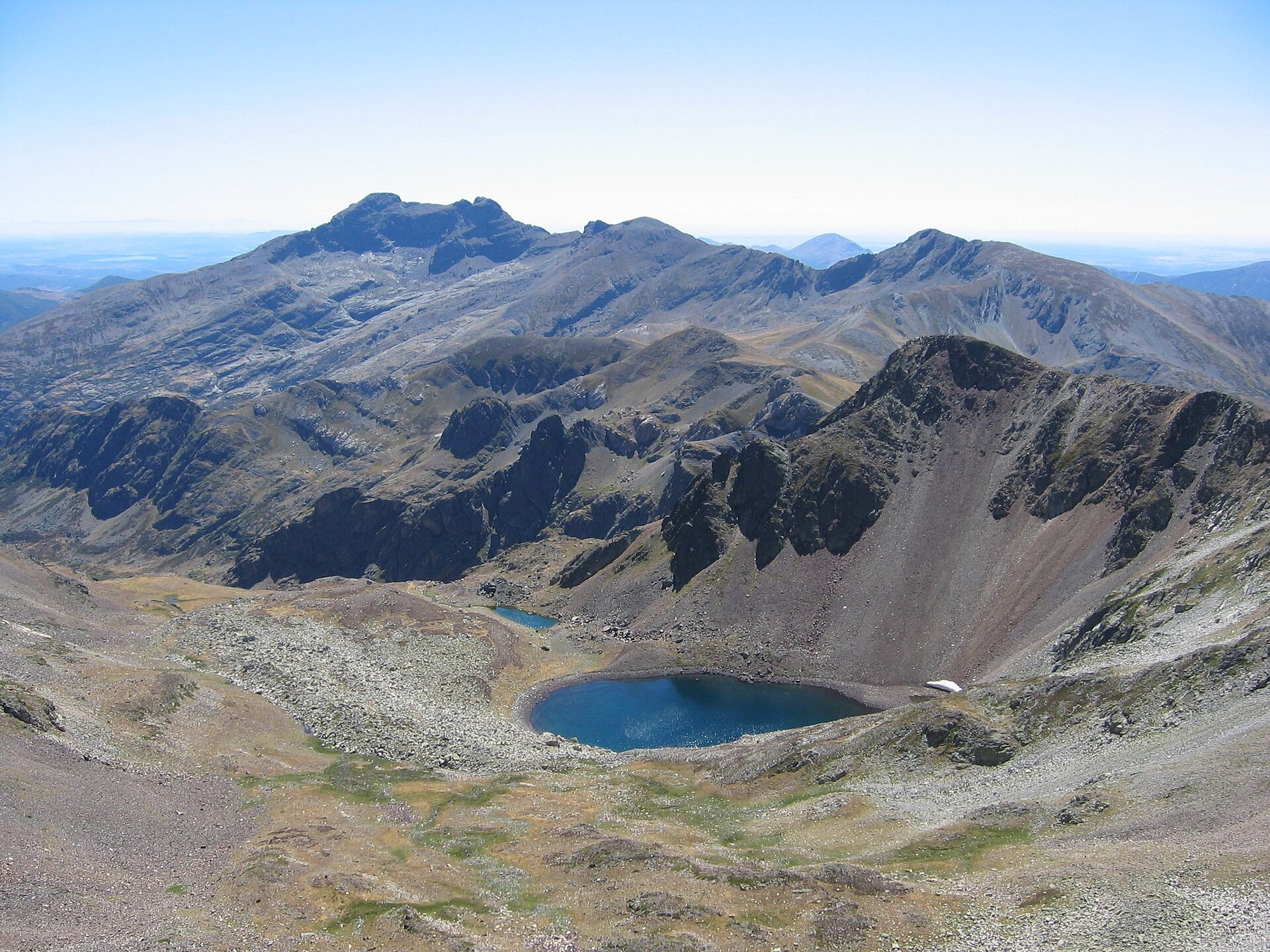
Natura 2000

Natura 2000

Natura 2000
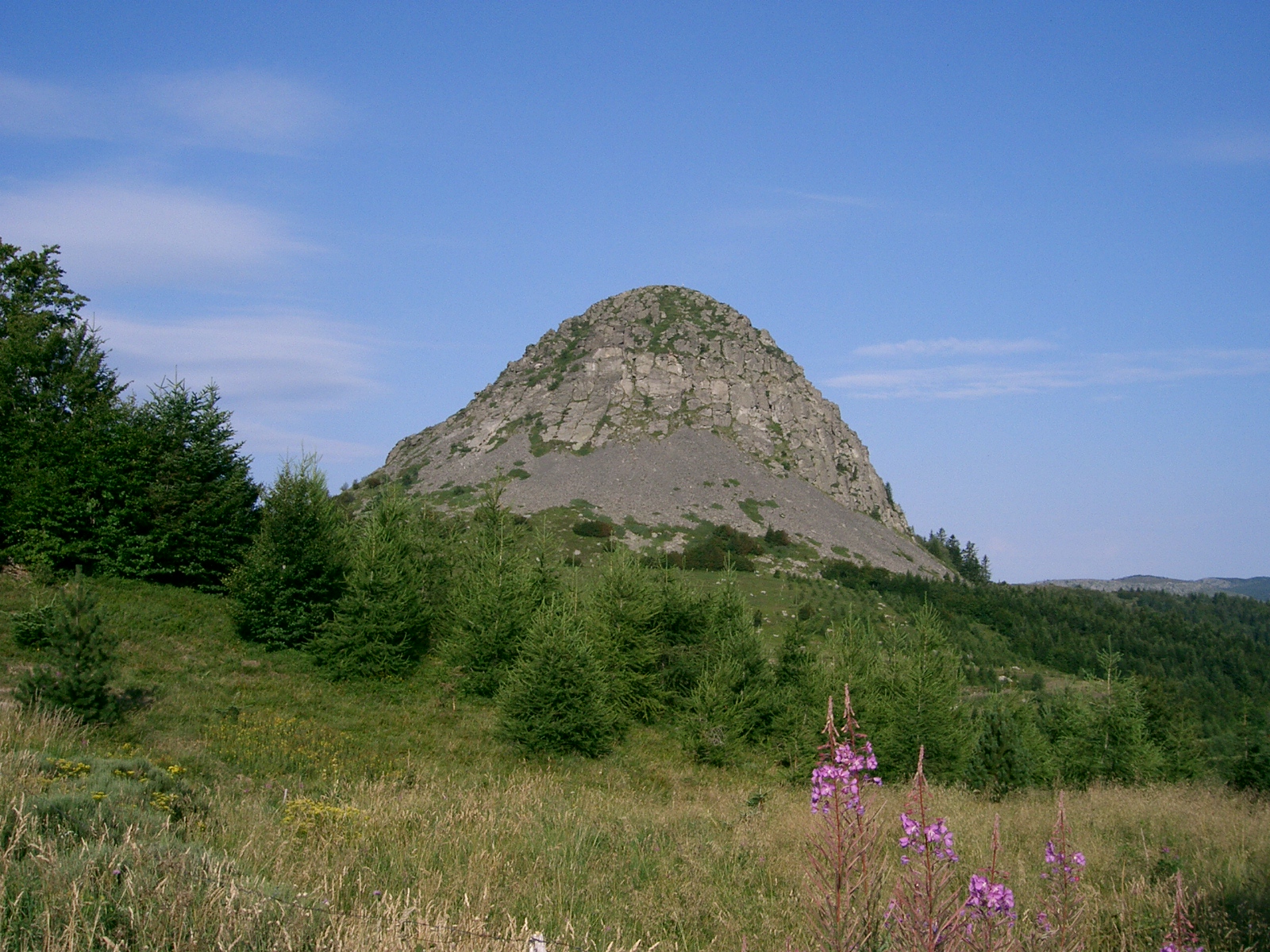
Natura 2000

Natura 2000

Natura 2000

Natura 2000
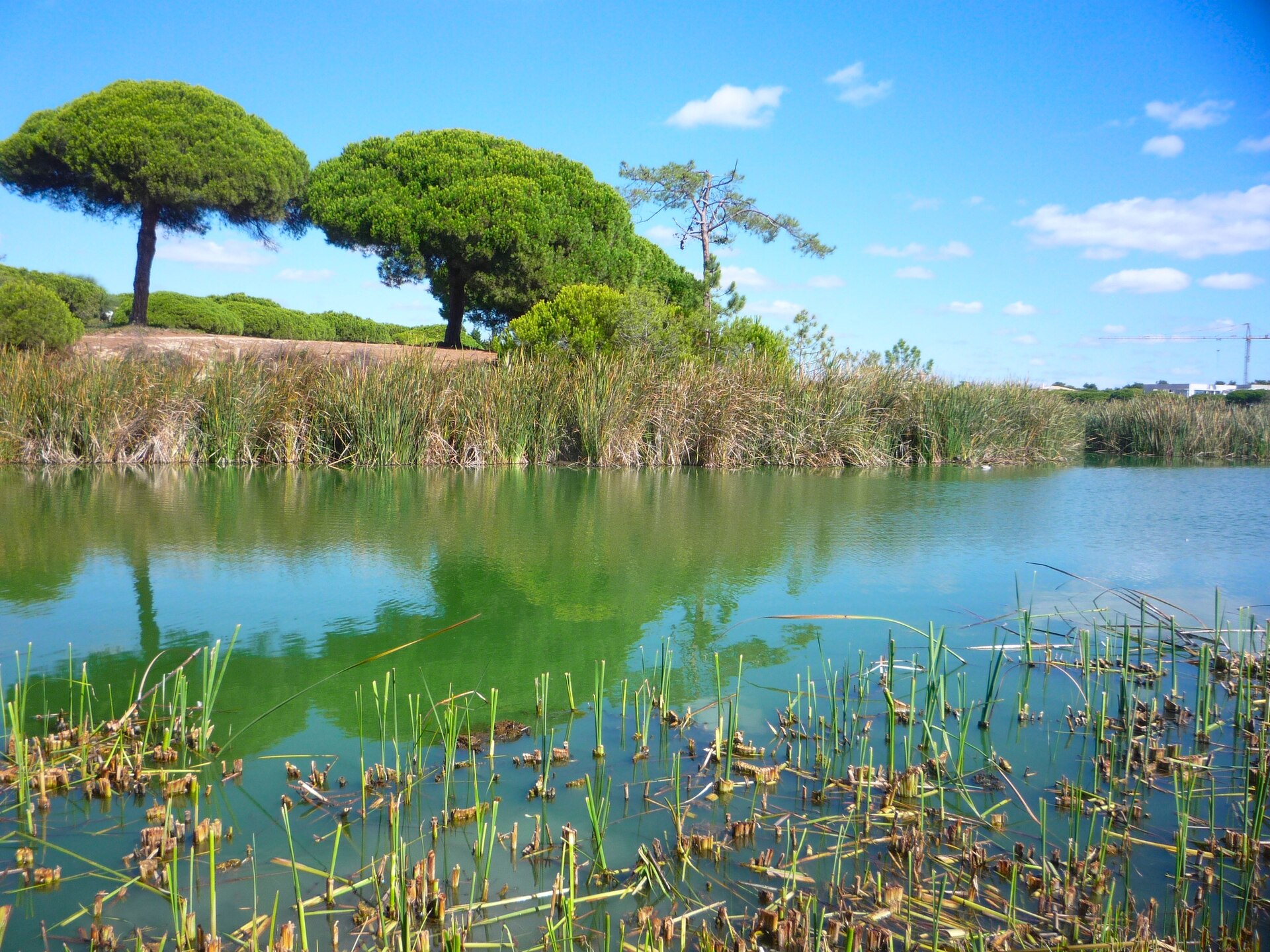
Natura 2000
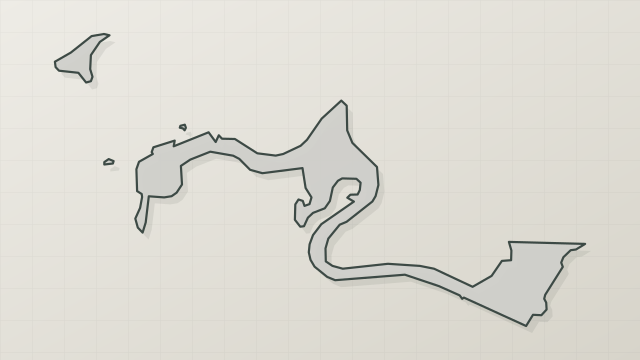
Natura 2000
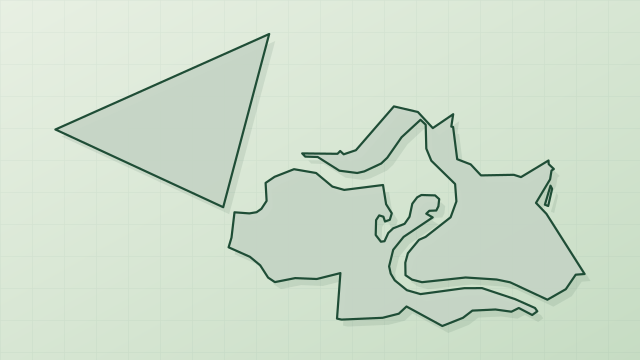
Natura 2000
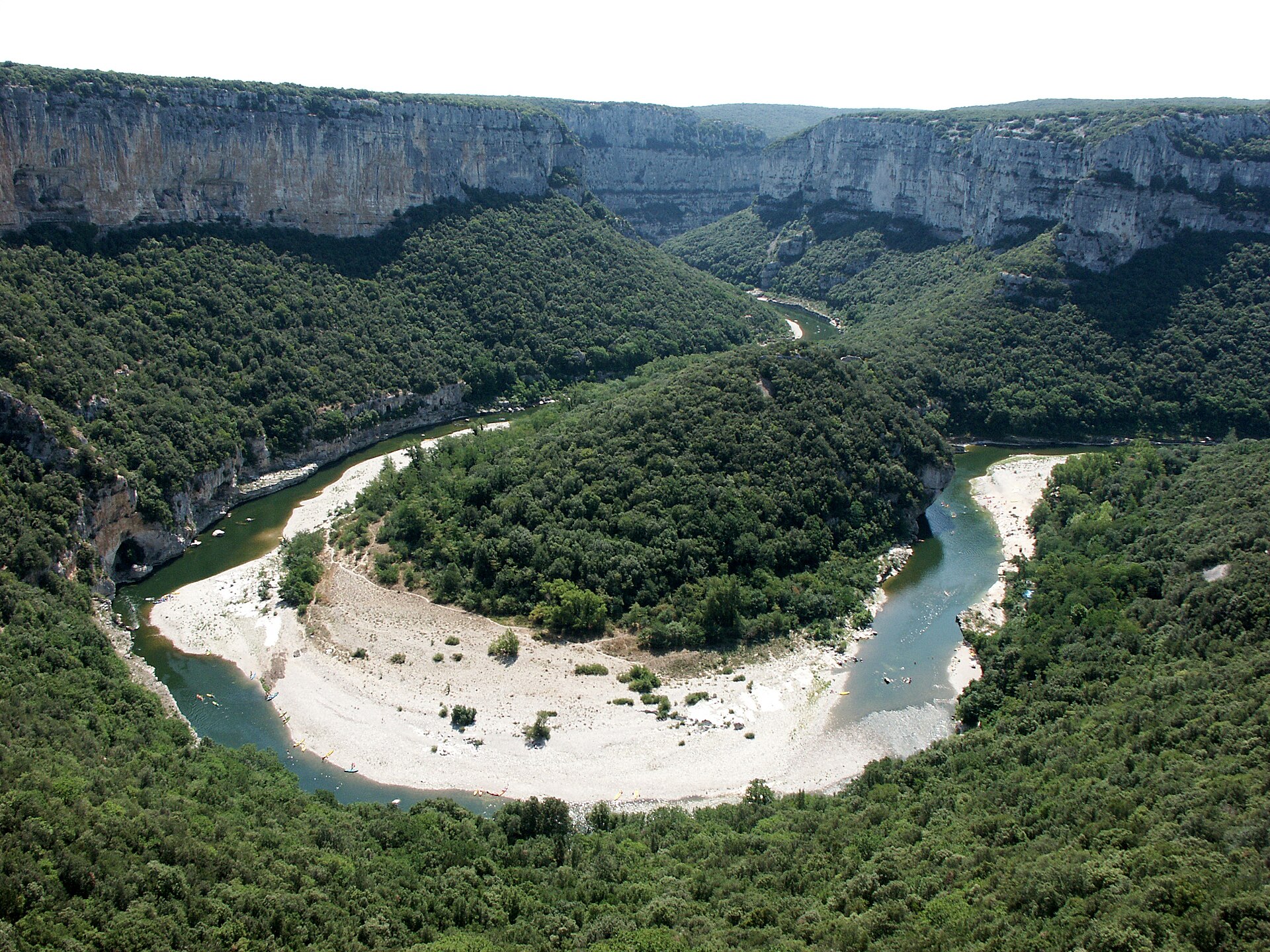
Natura 2000
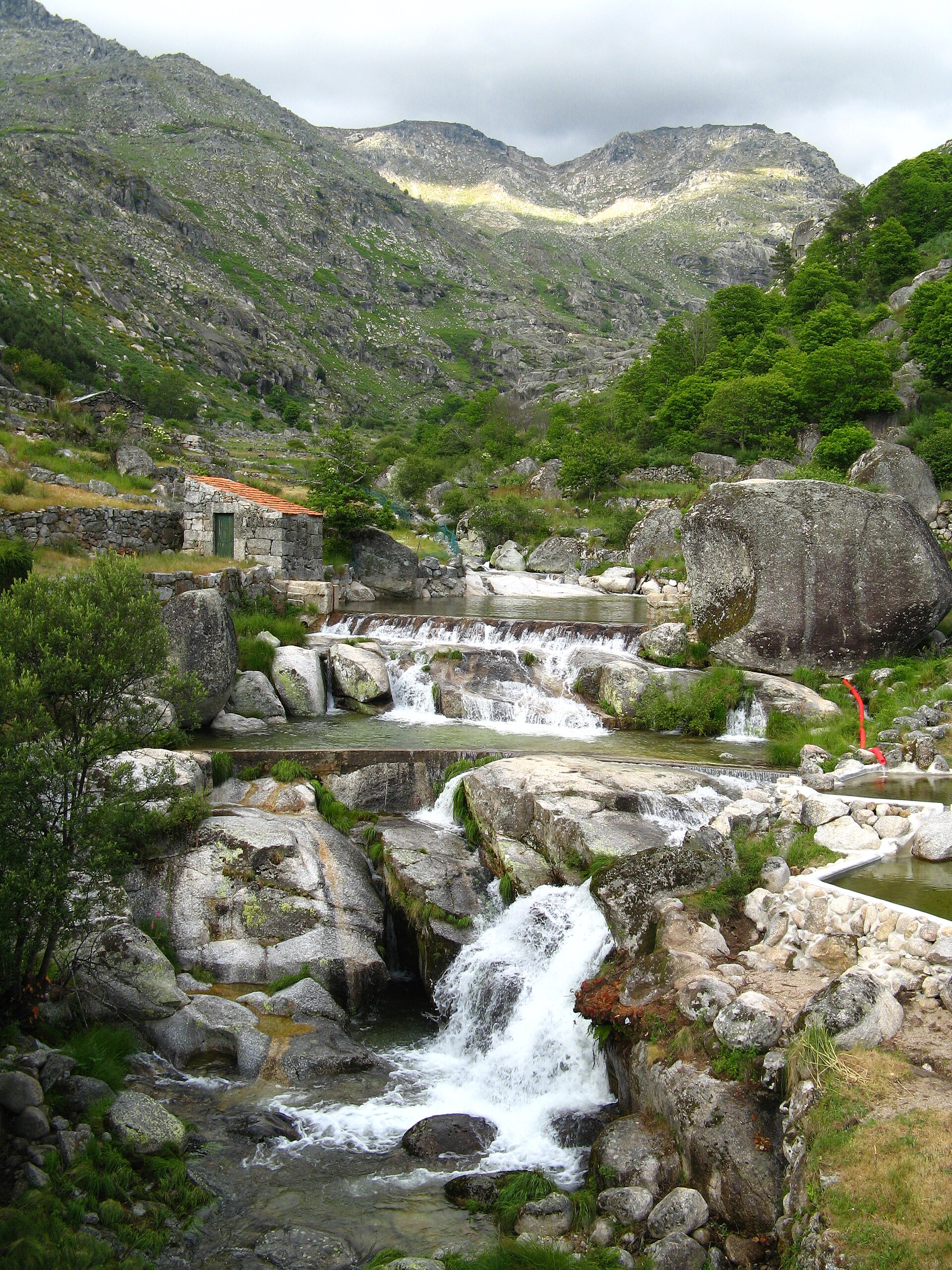
Natura 2000

Natura 2000
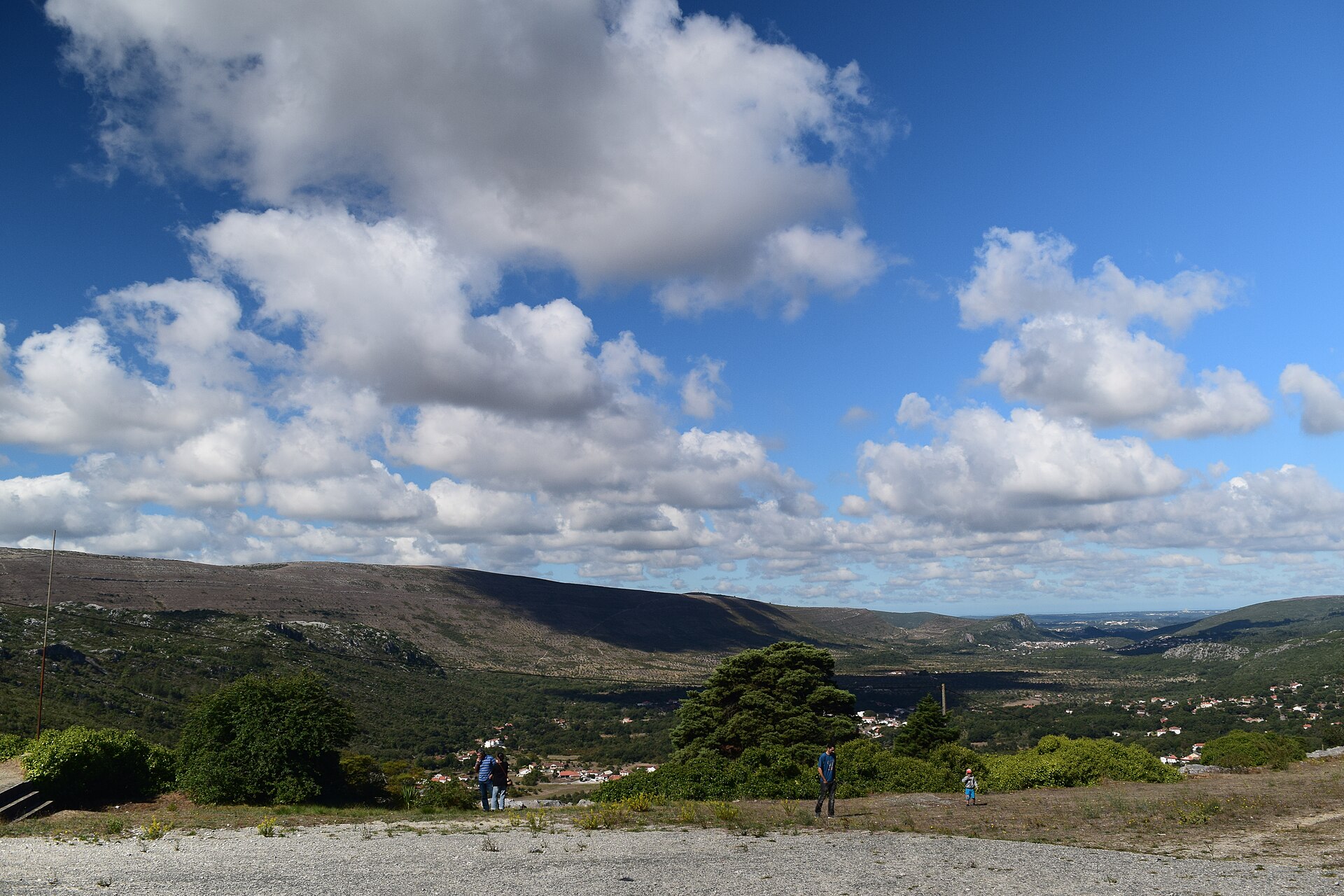
Natura 2000
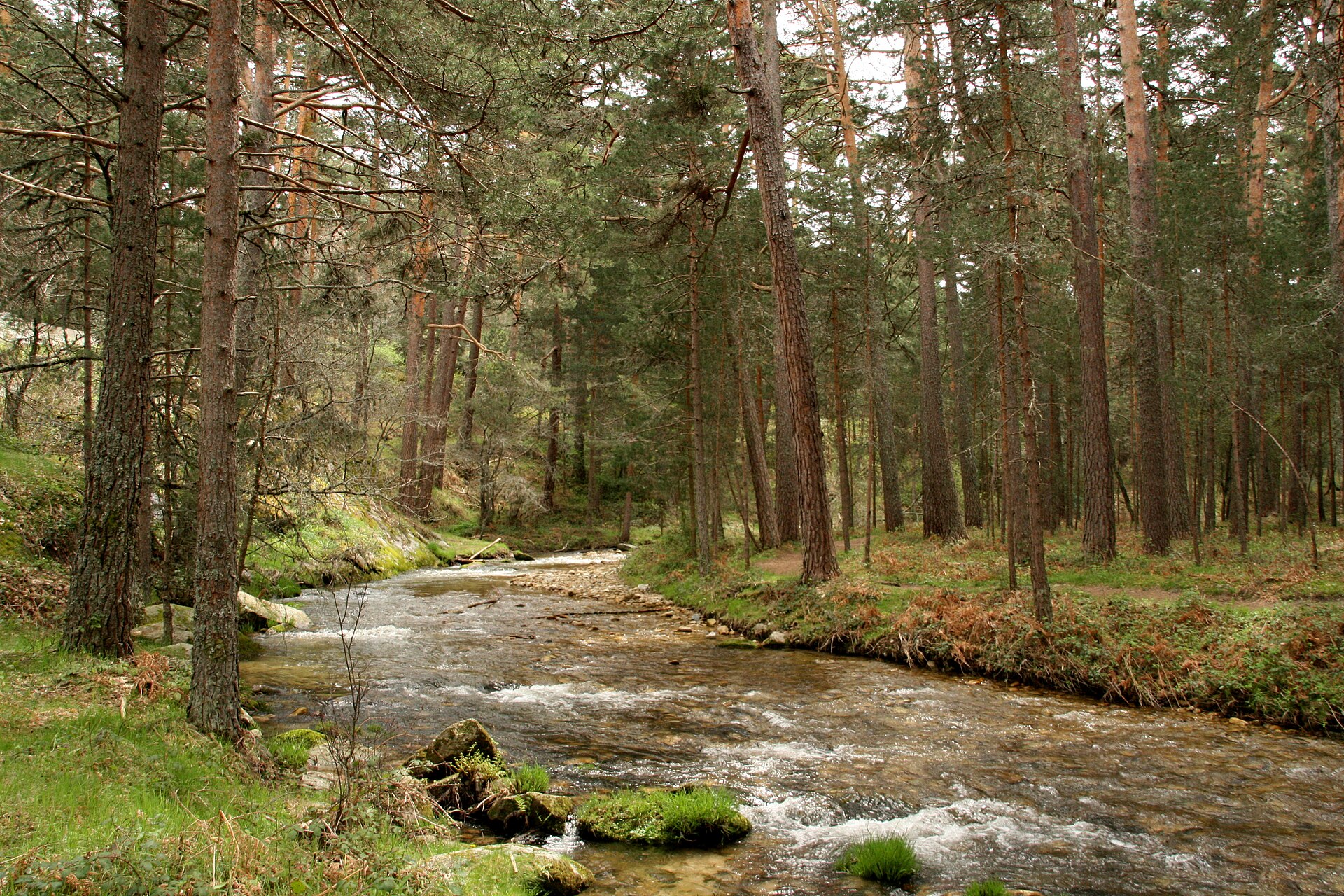
Natura 2000

Natura 2000

Natura 2000

Natura 2000

Natura 2000

Natura 2000

Natura 2000
Other species to discover
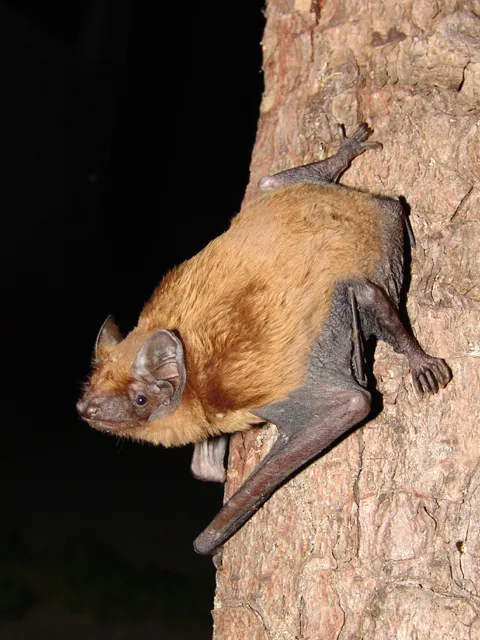
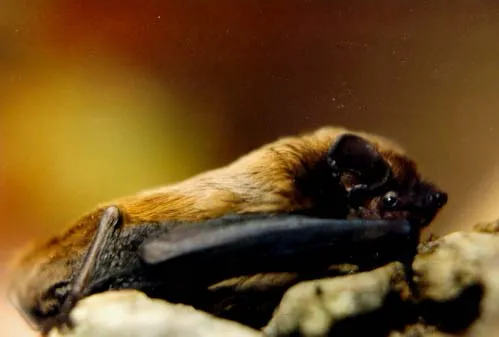 Lesser noctule
Nyctalus leisleri Same genus
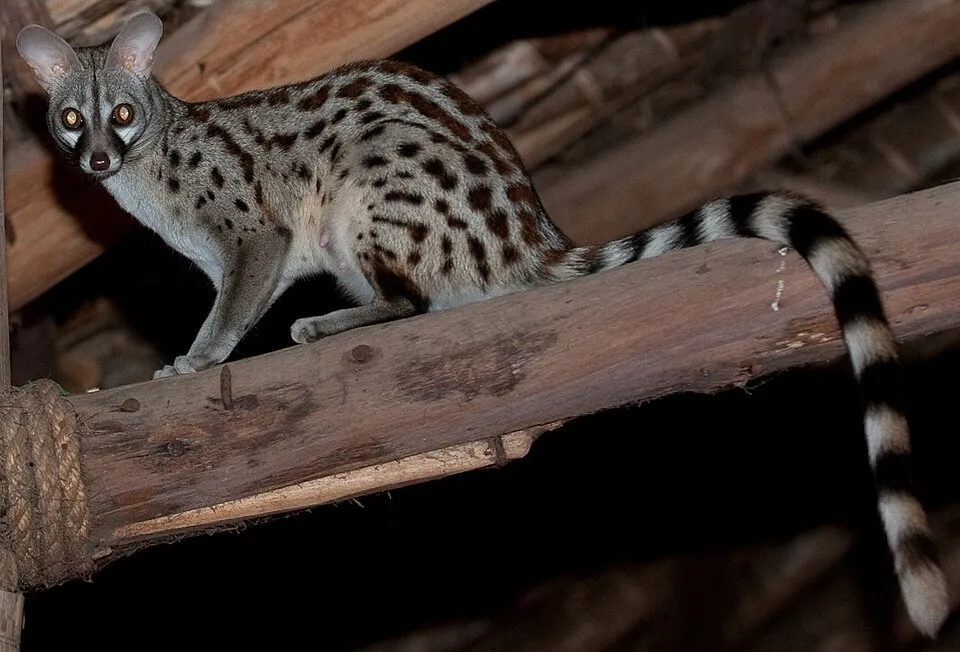
 Common noctule
Nyctalus noctula Same genus
 Common genet
Genetta genetta 27 places in common
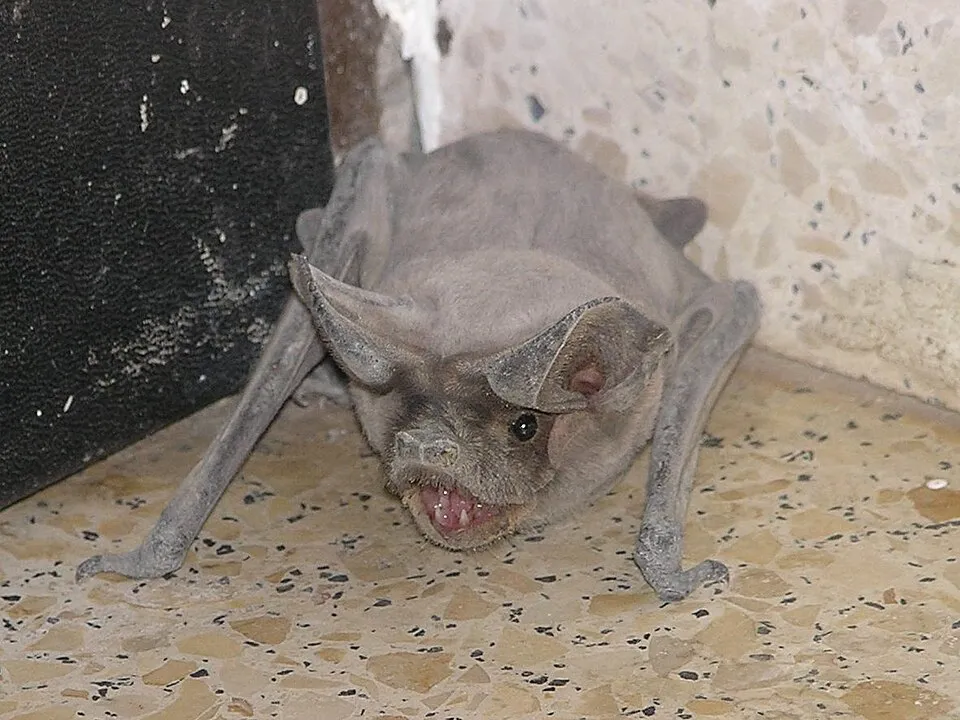 European free-tailed bat
Tadarida teniotis 33 places in common
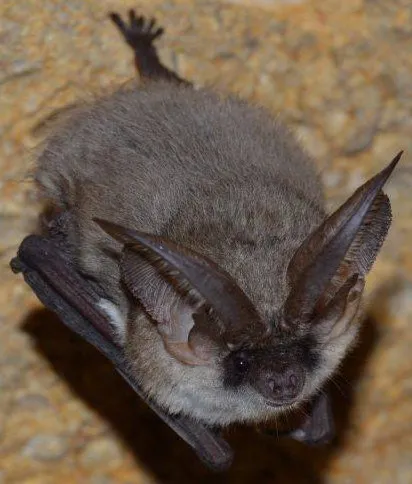 Grey long-eared bat
Plecotus austriacus 30 places in common
 Perez's Frog
Pelophylax perezi 21 places in common
Sources and credits
- Presence: most-recorded species of each place on GBIF and species of Community interest in the Natura 2000 forms (EEA, CC-BY 4.0); absence from the list does not mean the species is absent.
- Common names: Wikidata (CC0) and GBIF.
- Photos and sounds: Wikimedia Commons, author and licence given for each file.
- Classification: GBIF Backbone Taxonomy (GBIF Secretariat), CC BY 4.0, doi:10.15468/39omei.
- Countries, elevations, months and maps: GBIF.org, CC0 or CC BY 4.0 occurrences only, accessed October 22, 2026, GBIF.org.
- Base map: Natural Earth (public domain).
- Excerpt: Wikipedia, CC BY-SA 4.0 (full credit below the excerpt).
- Annexes: Directive 92/43/EEC (consolidated version), © European Union, EUR-Lex.
- Conservation status: EEA / DG ENV, Article 17 Habitats Directive reporting (2013–2018), CC BY 4.0.