
Bird
Eurasian Bullfinch: where to see it
Pyrrhula pyrrhula
This bird species is recorded in 108 protected areas of the atlas, including 24 whose official Natura 2000 form lists it. Within the atlas countries, it is mostly observed in Sweden, Norway and the United Kingdom (11 countries in all). Most records (8 in 10) lie between 50 and 1,700 m above sea level. Records peak from November to March. It has a wingspan of 26 cm and weighs 31 g. Its EU population is assessed as secure (2013–2018 Birds Directive reporting).
Best time to see it: November–March
Records published on GBIF by month (CC0 and CC BY 4.0 licences only), in the atlas countries, all years combined; they also reflect observer activity.
Key facts
- Wingspan
- 26 cm Wikidata, after Ericson et al. 2007
- Weight
- 31 g Wikidata, after Lislevand et al. 2007
- Clutch size
- 4.5 eggs on average Wikidata, after Jetz et al. 2008
- Incubation
- 15 days Wikidata, after British Trust for Ornithology
Status and protection
EU population assessed as secure, increasing in the short term (2013–2018 Birds Directive reporting). EU breeding population: 2,250,000–3,990,000 pairs.
Distribution
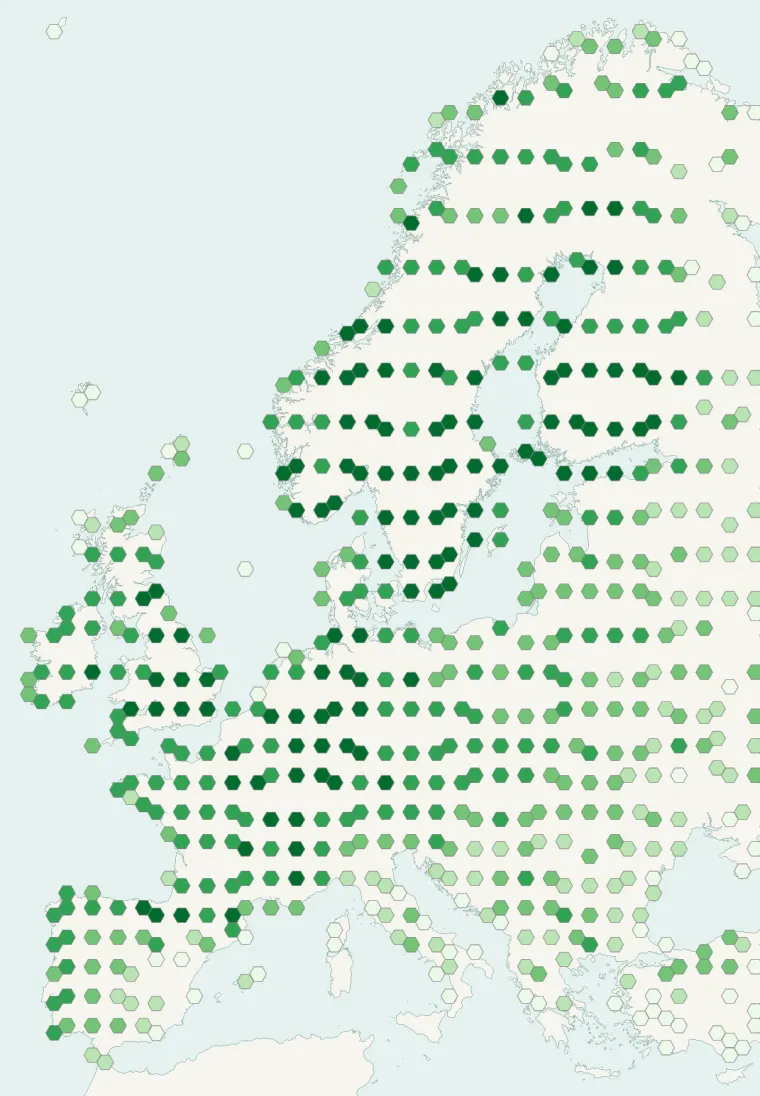
Records published on GBIF (CC0 and CC BY 4.0 licences): the darker the shade, the more records there are; they also reflect observation effort.
Atlas countries where it is recorded
Listen
-
0:47 · © Ndalyrose · CC BY-SA 4.0 · Wikimedia Commons · Original file
-
0:40 · © Benoît Van Hecke · CC BY-SA 4.0 · Wikimedia Commons · Original file
-
0:21 · © Benoît Van Hecke · CC BY-SA 4.0 · Wikimedia Commons · Original file
From Wikipedia
The Eurasian bullfinch or common bullfinch (Pyrrhula pyrrhula) is a small passerine bird in the finch family, Fringillidae. In Anglophone Europe it is known simply as the bullfinch (English regional, Shropshire: plum bird), as it is the original bird to bear the name bullfinch.
Source: Wikipedia, article “Eurasian bullfinch” (version of October 6, 2026) · history and authors · licence CC BY-SA 4.0
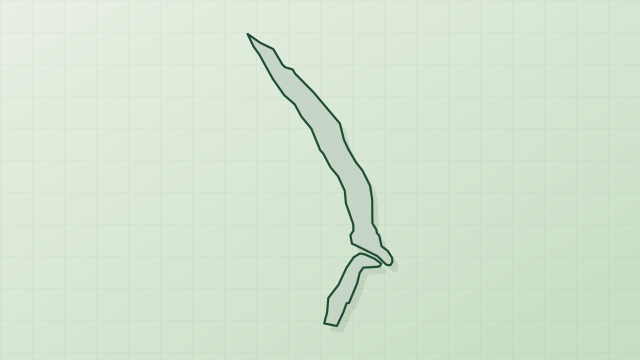
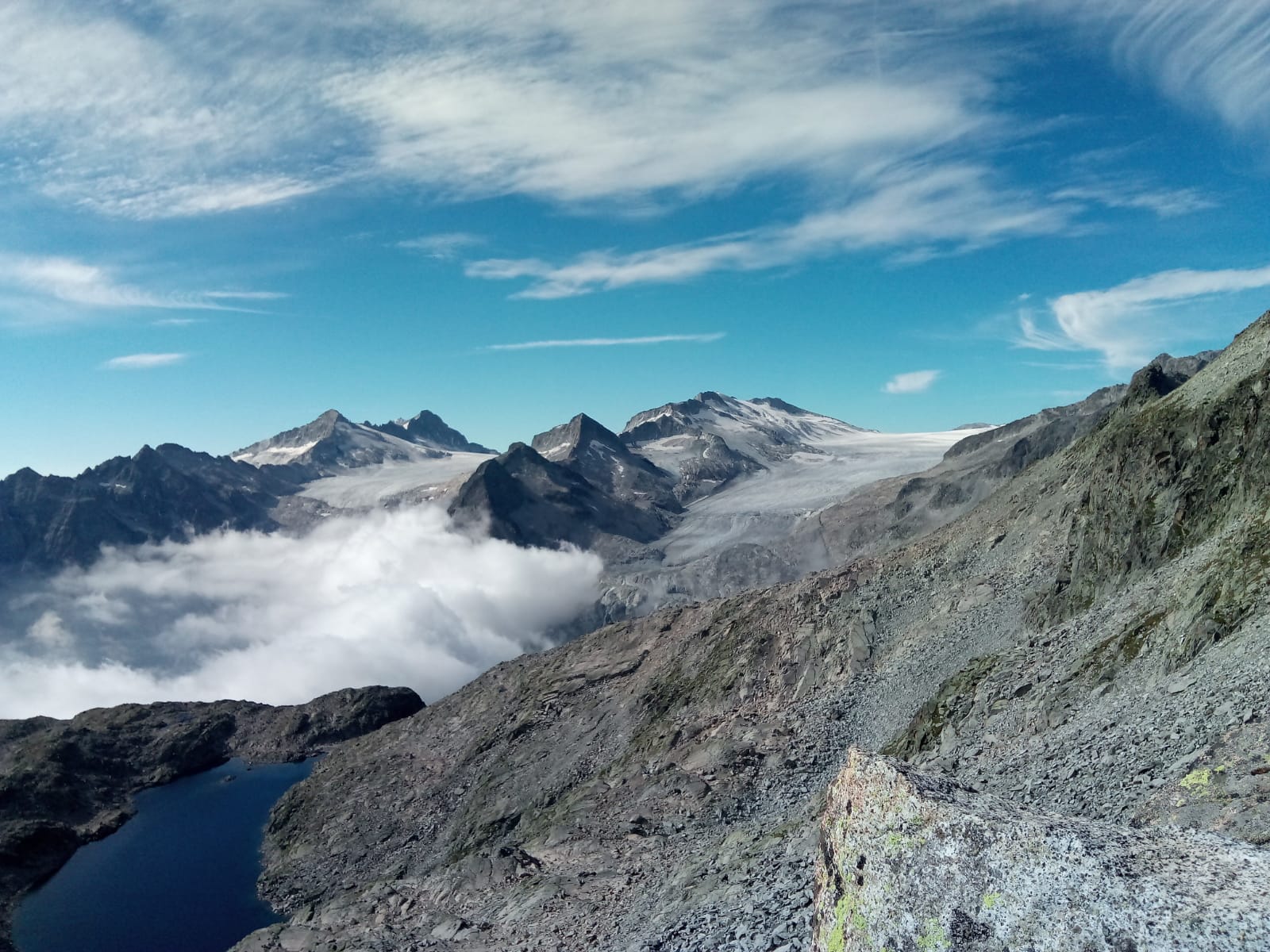
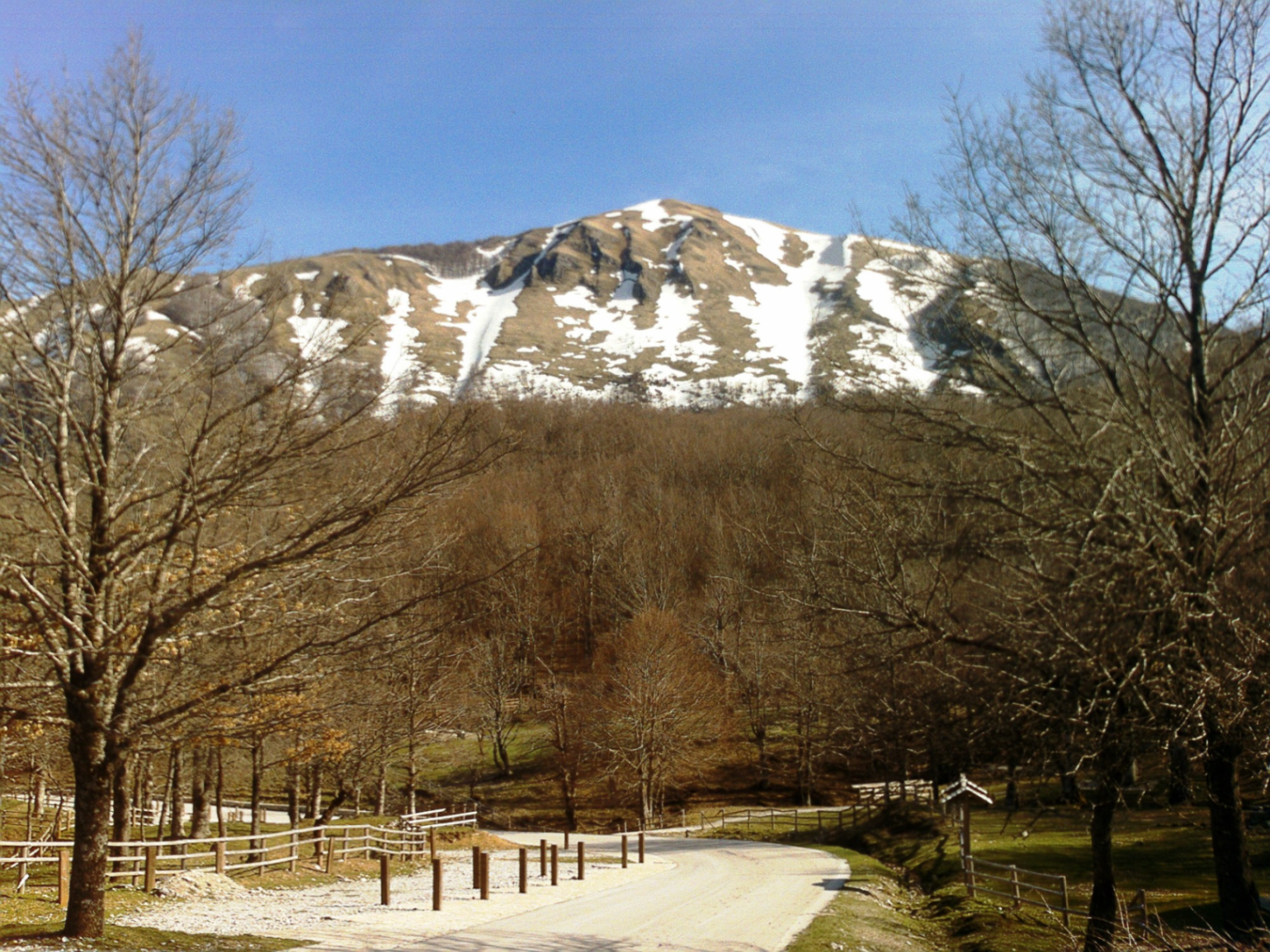
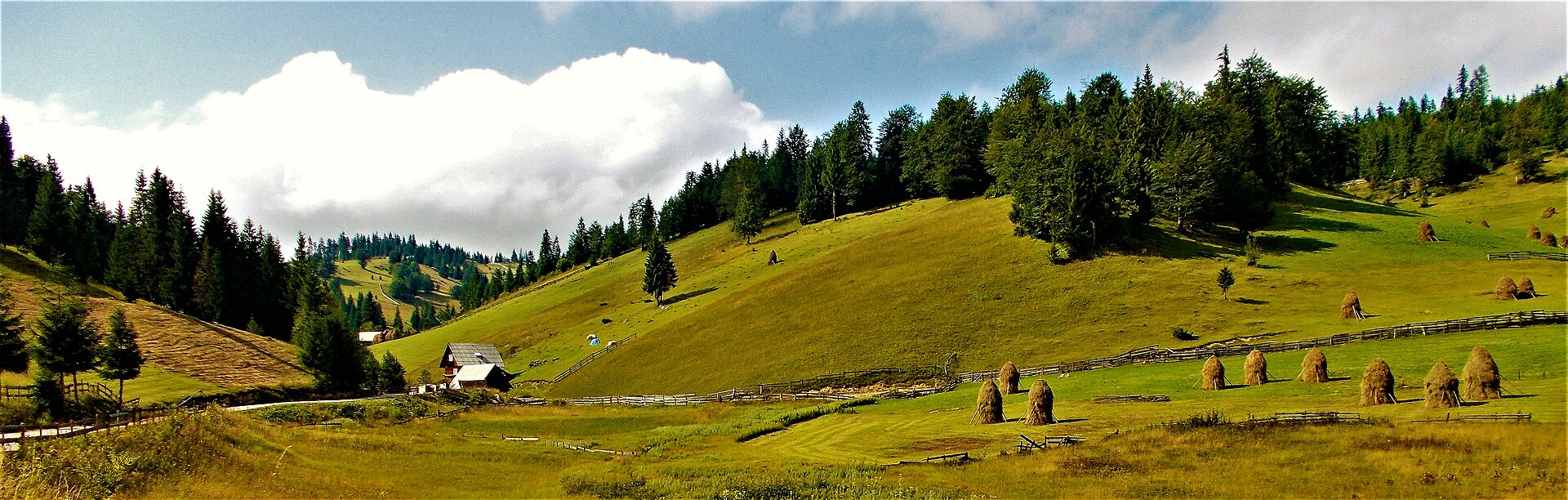
Protected areas where it is recorded
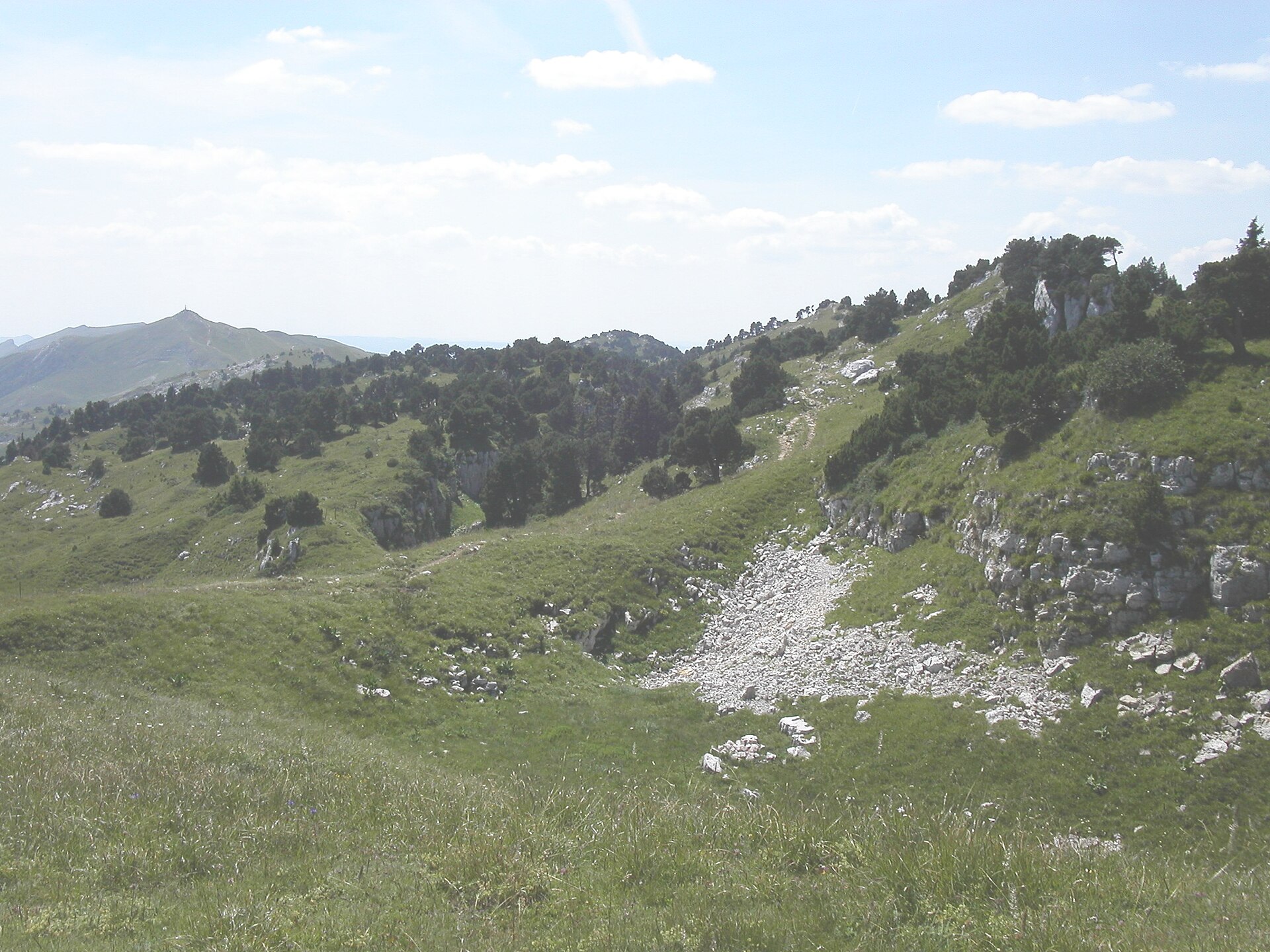
3,658 records
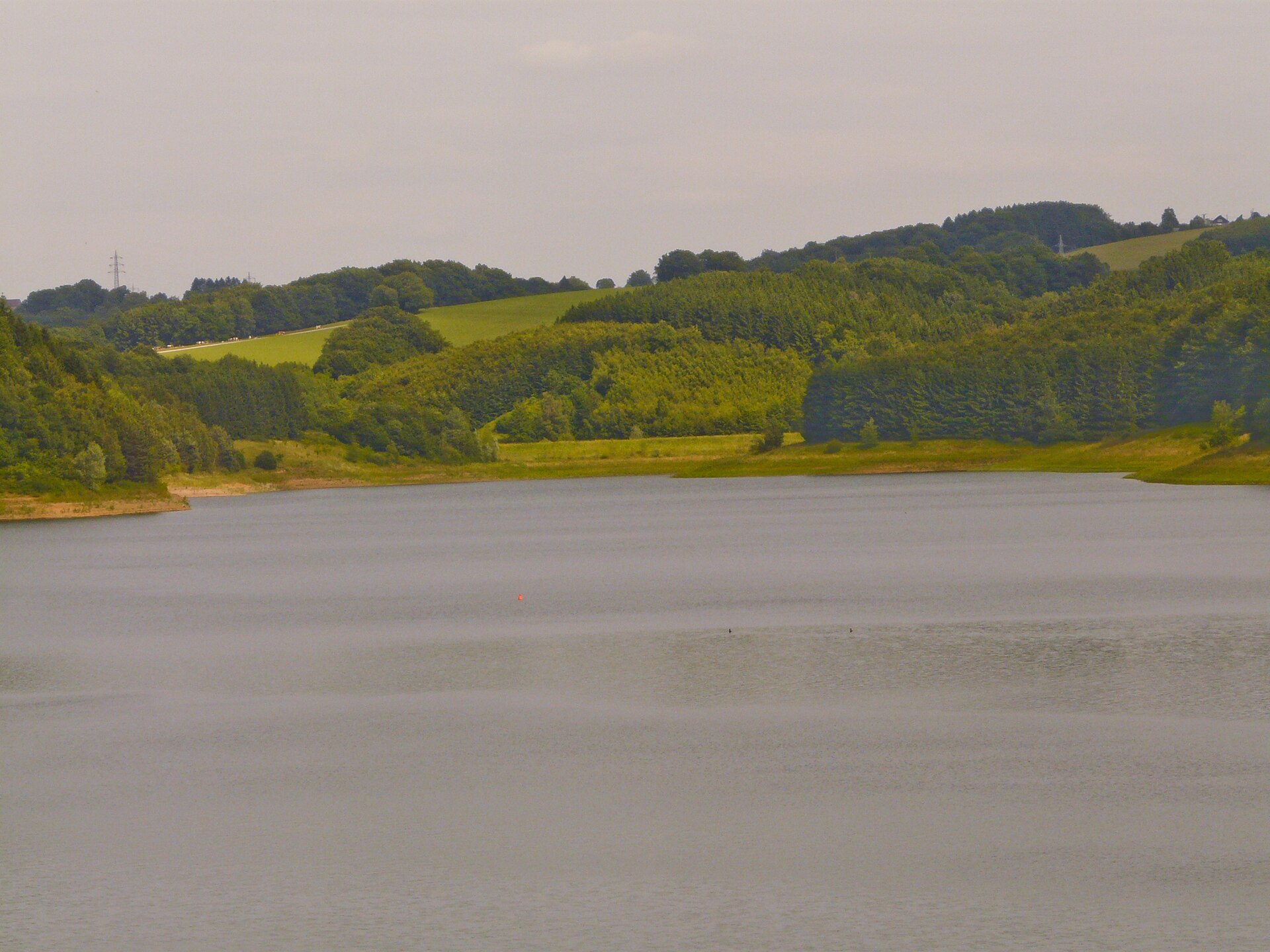
3,442 records
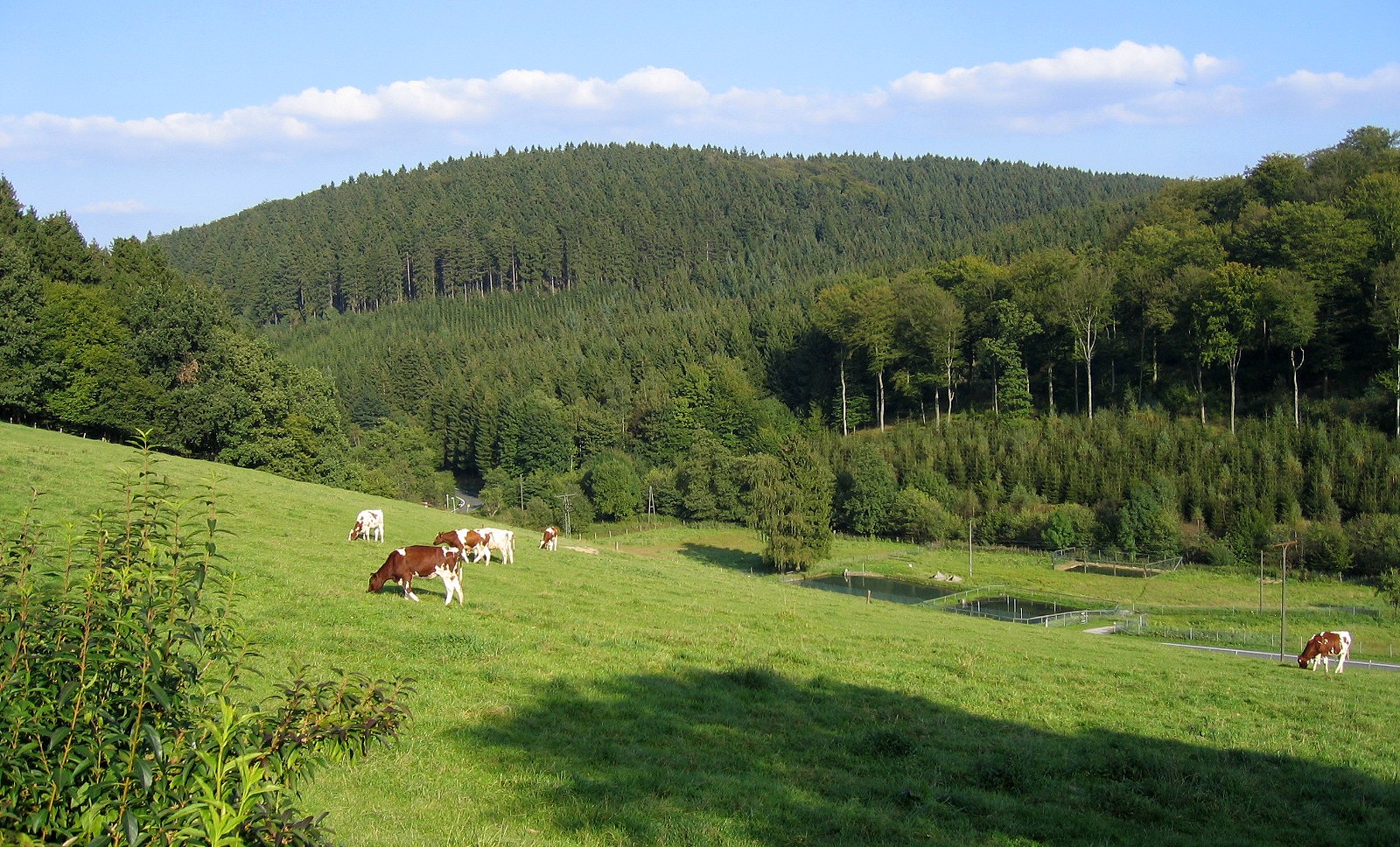
2,719 records
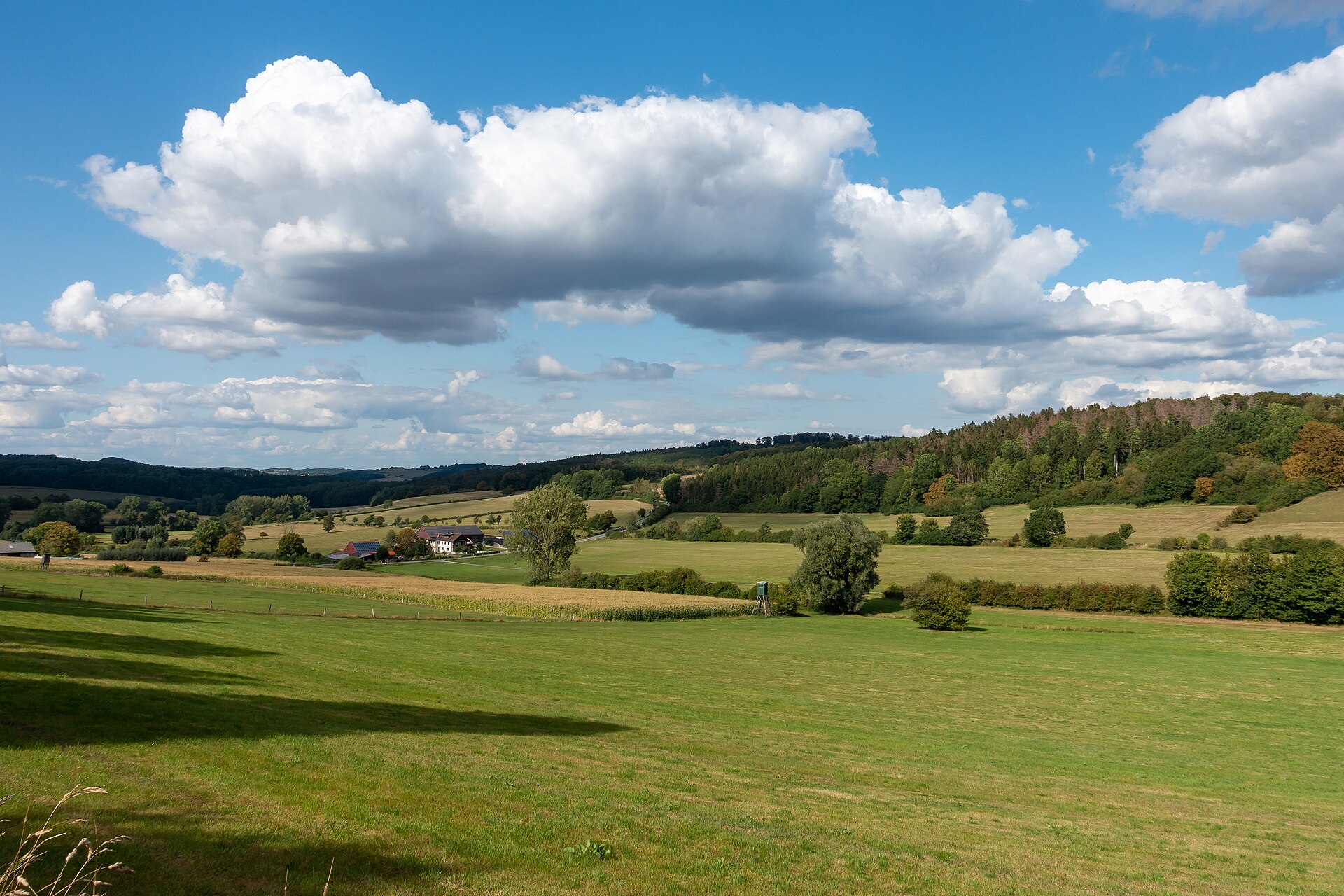
2,249 records
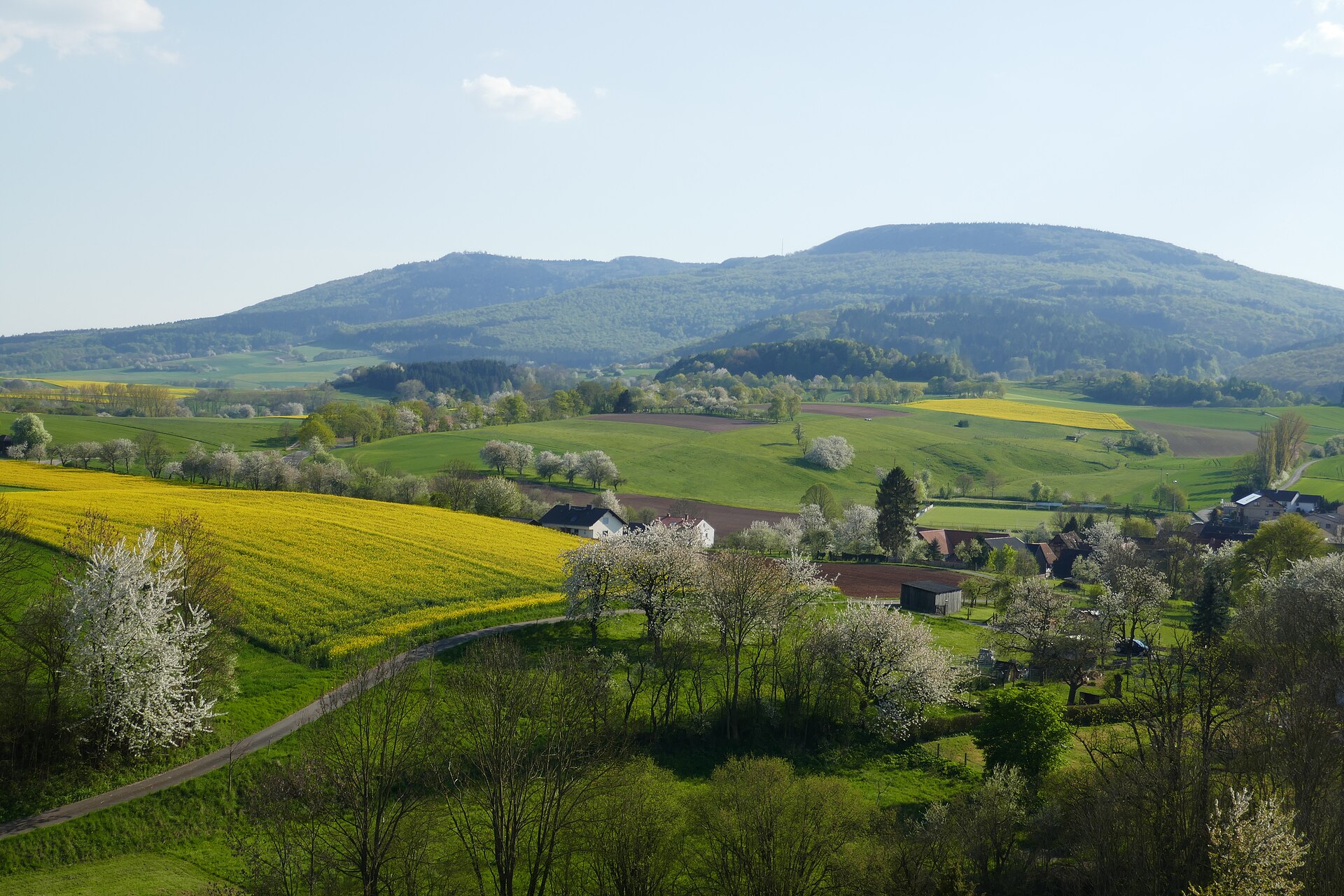
1,807 records

1,565 records
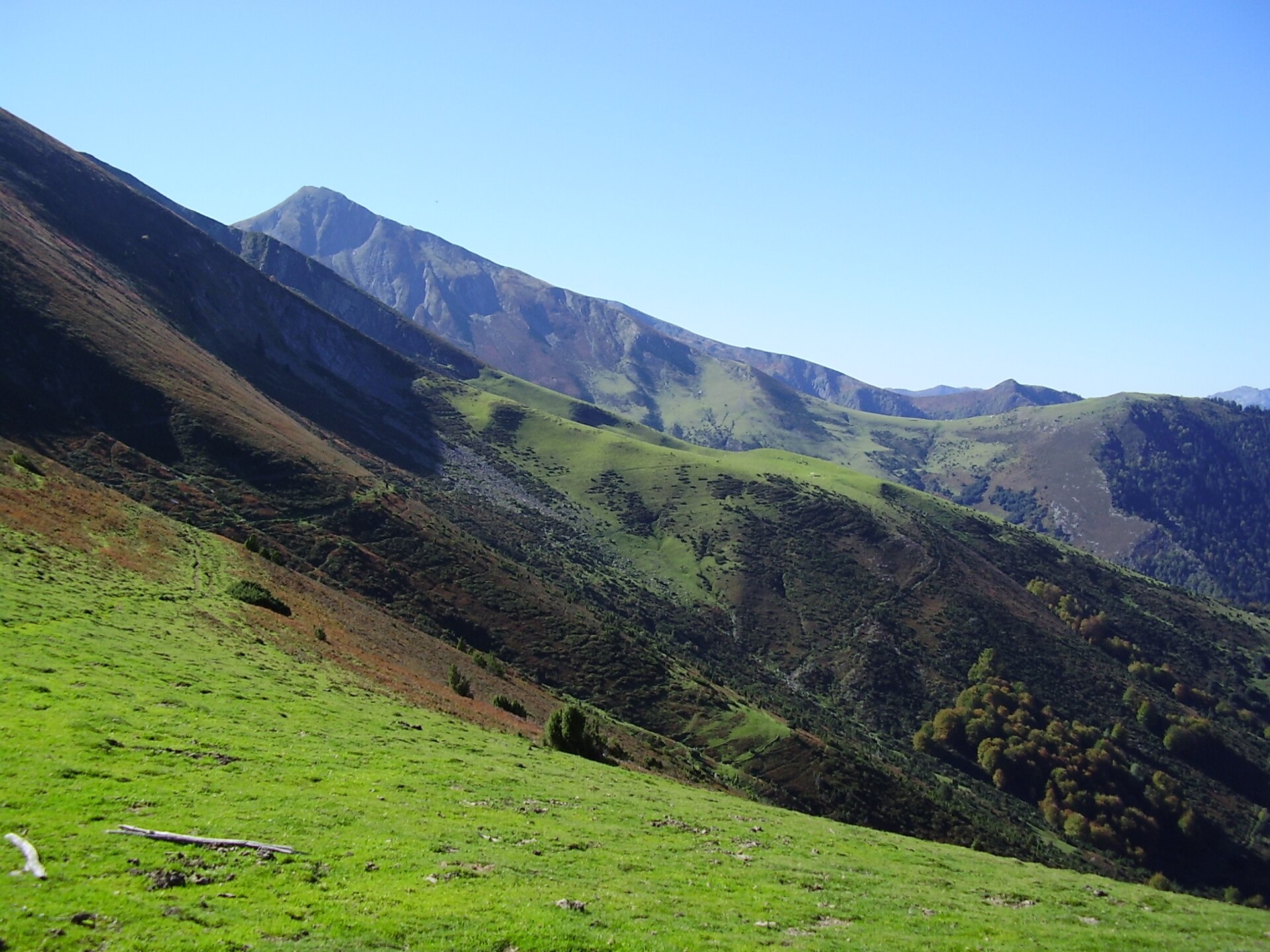
1,552 records
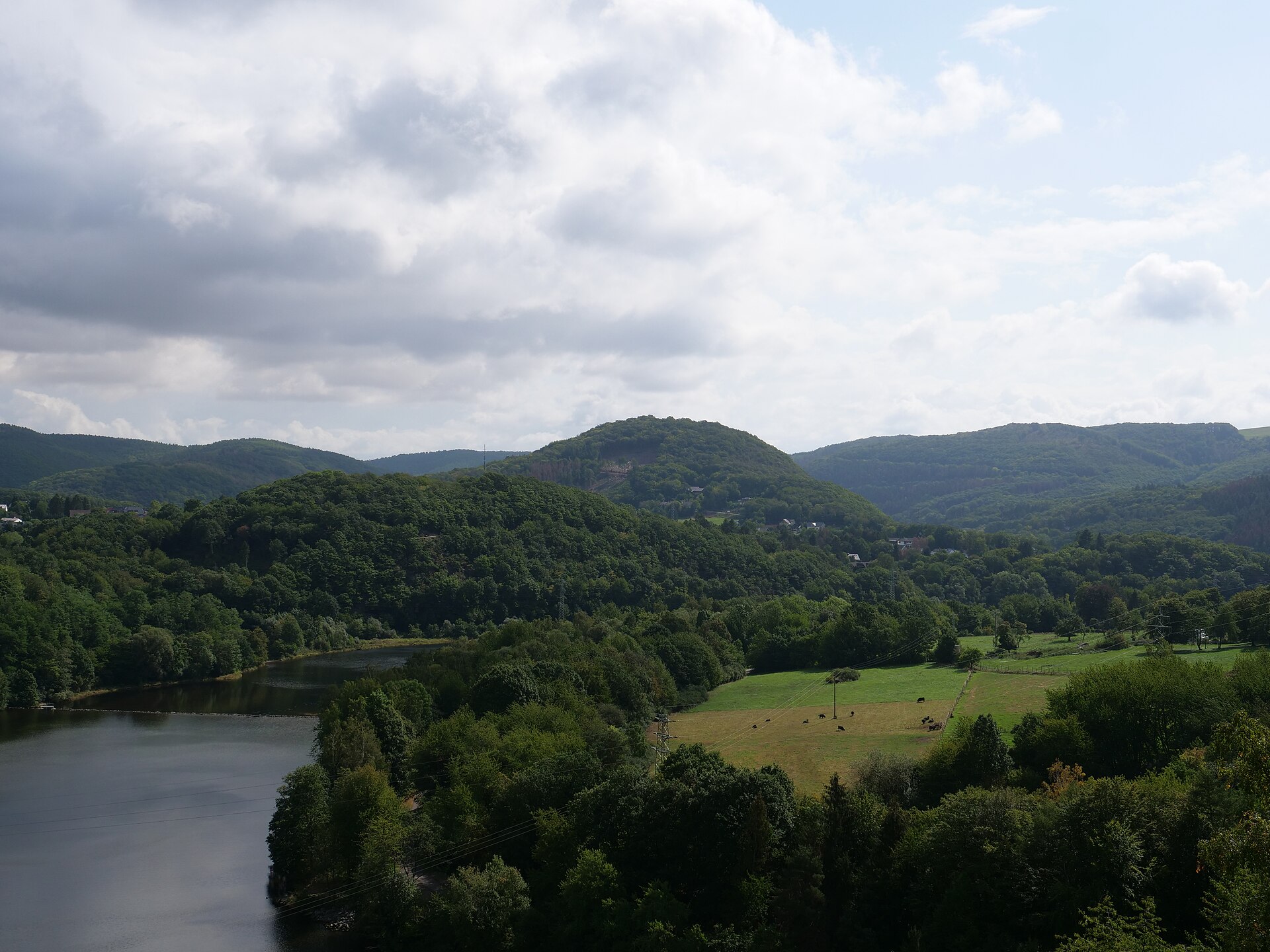
1,479 records
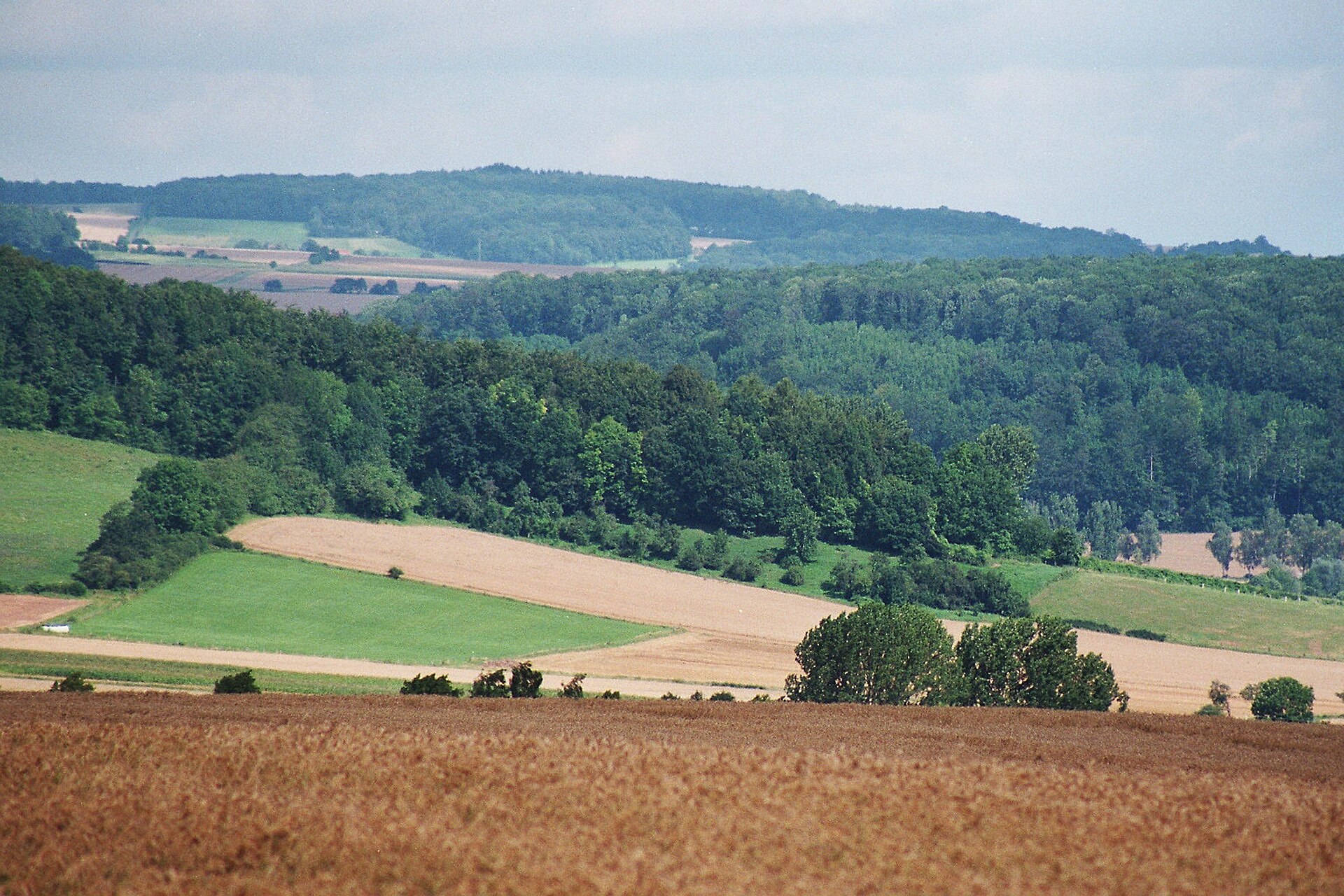
1,378 records
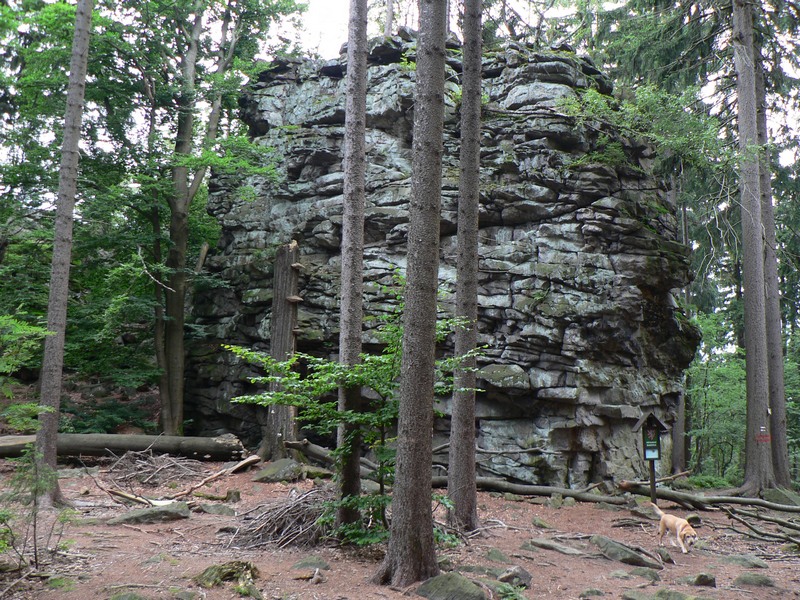
1,157 records

1,126 records
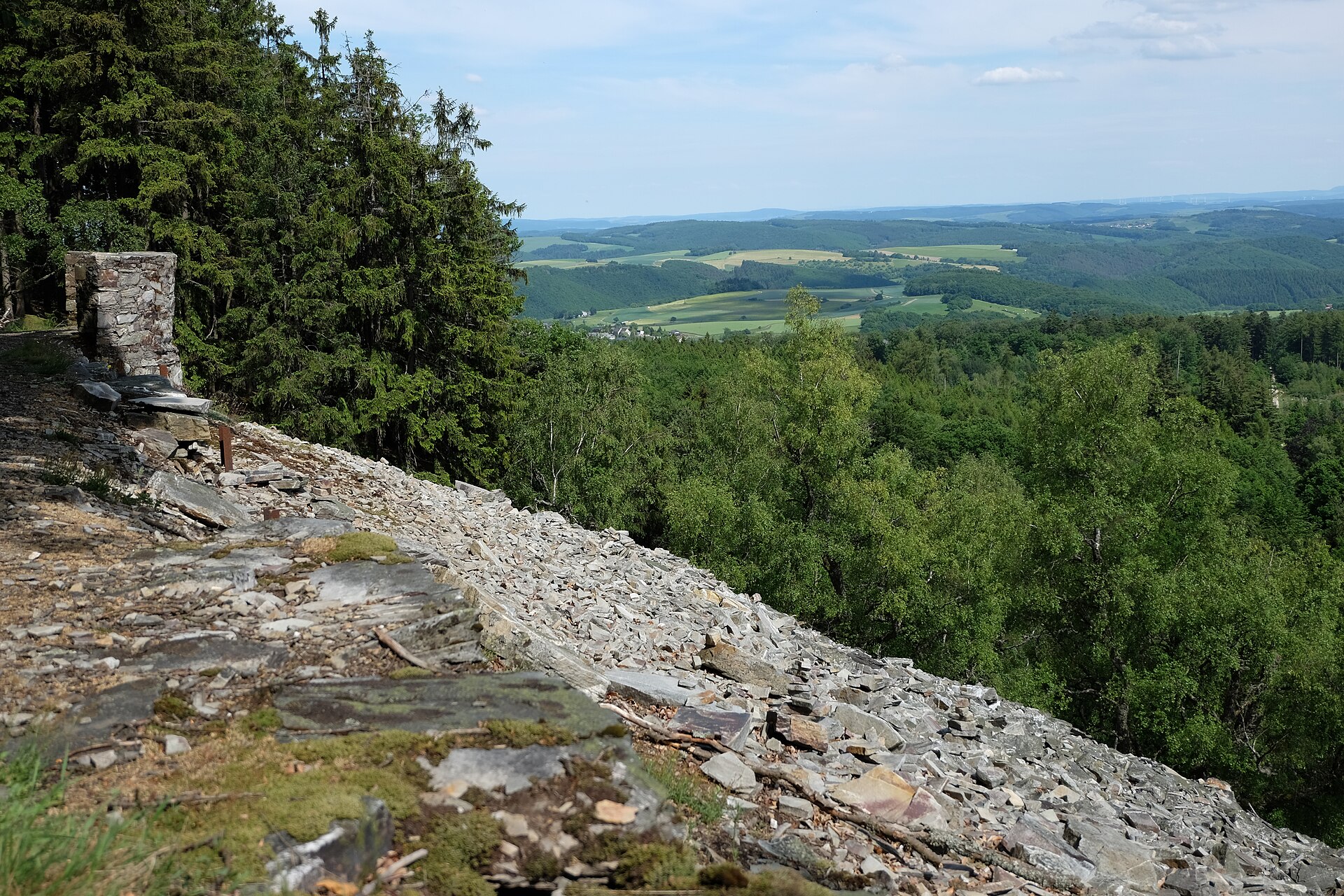
1,012 records
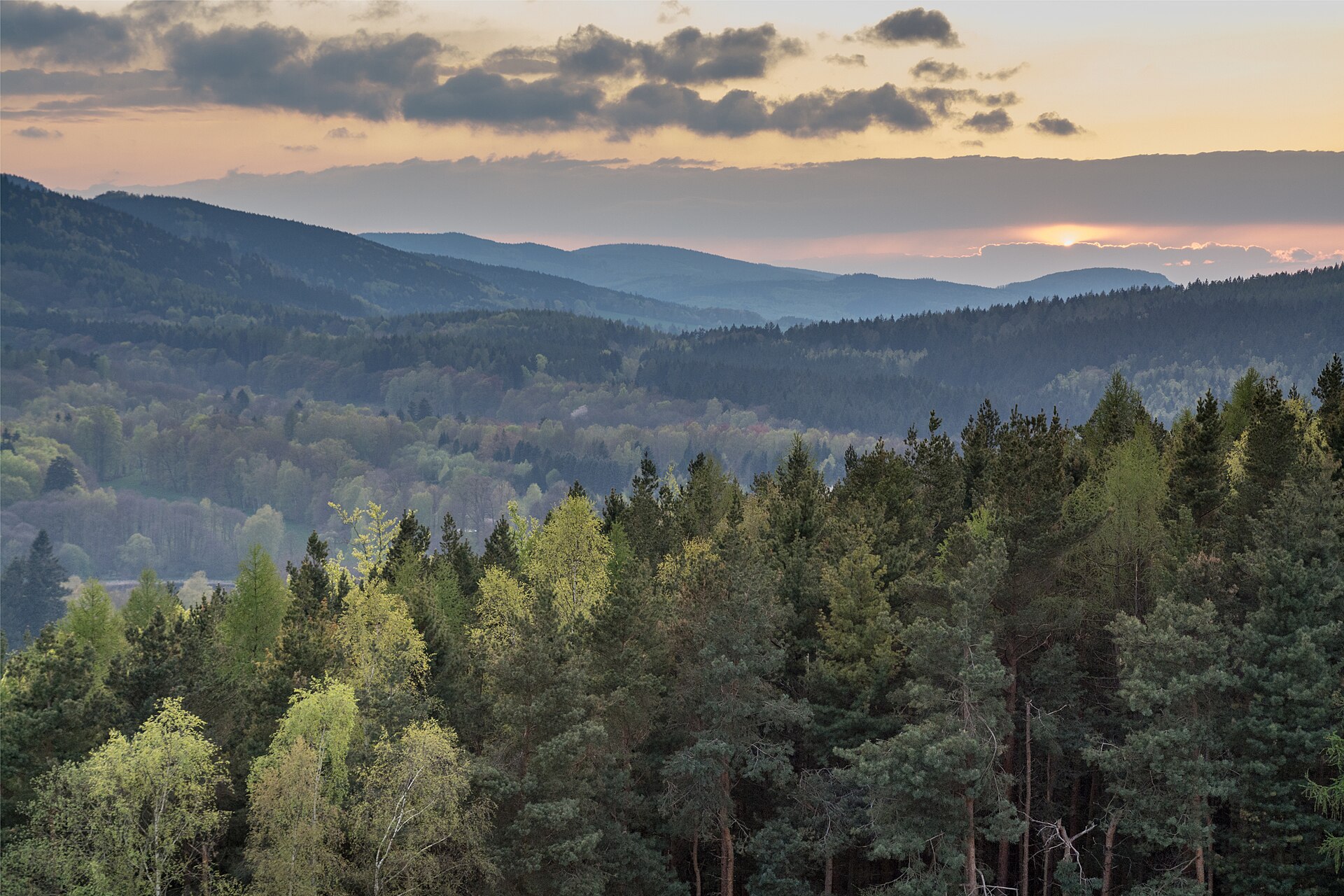
1,006 records
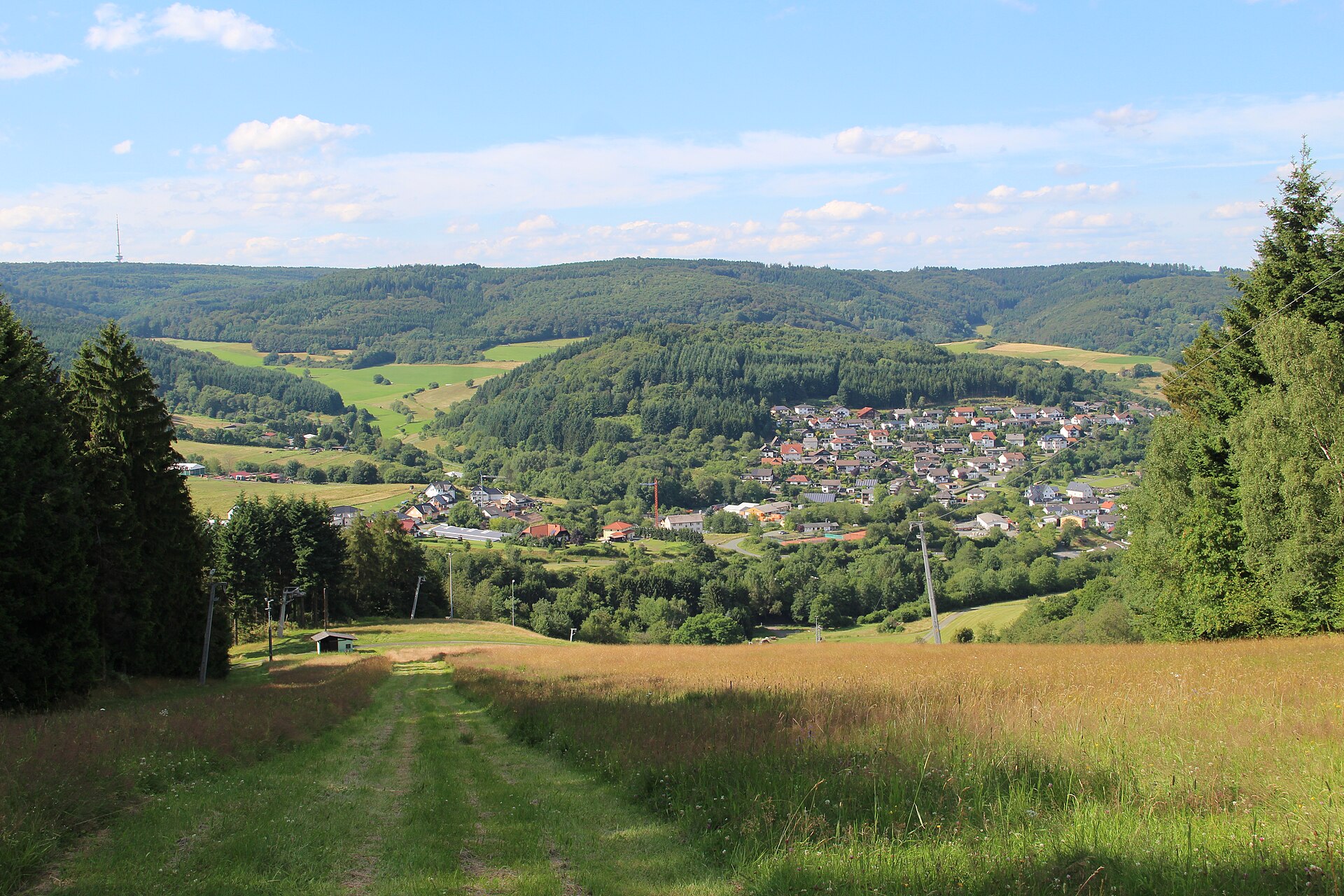
888 records
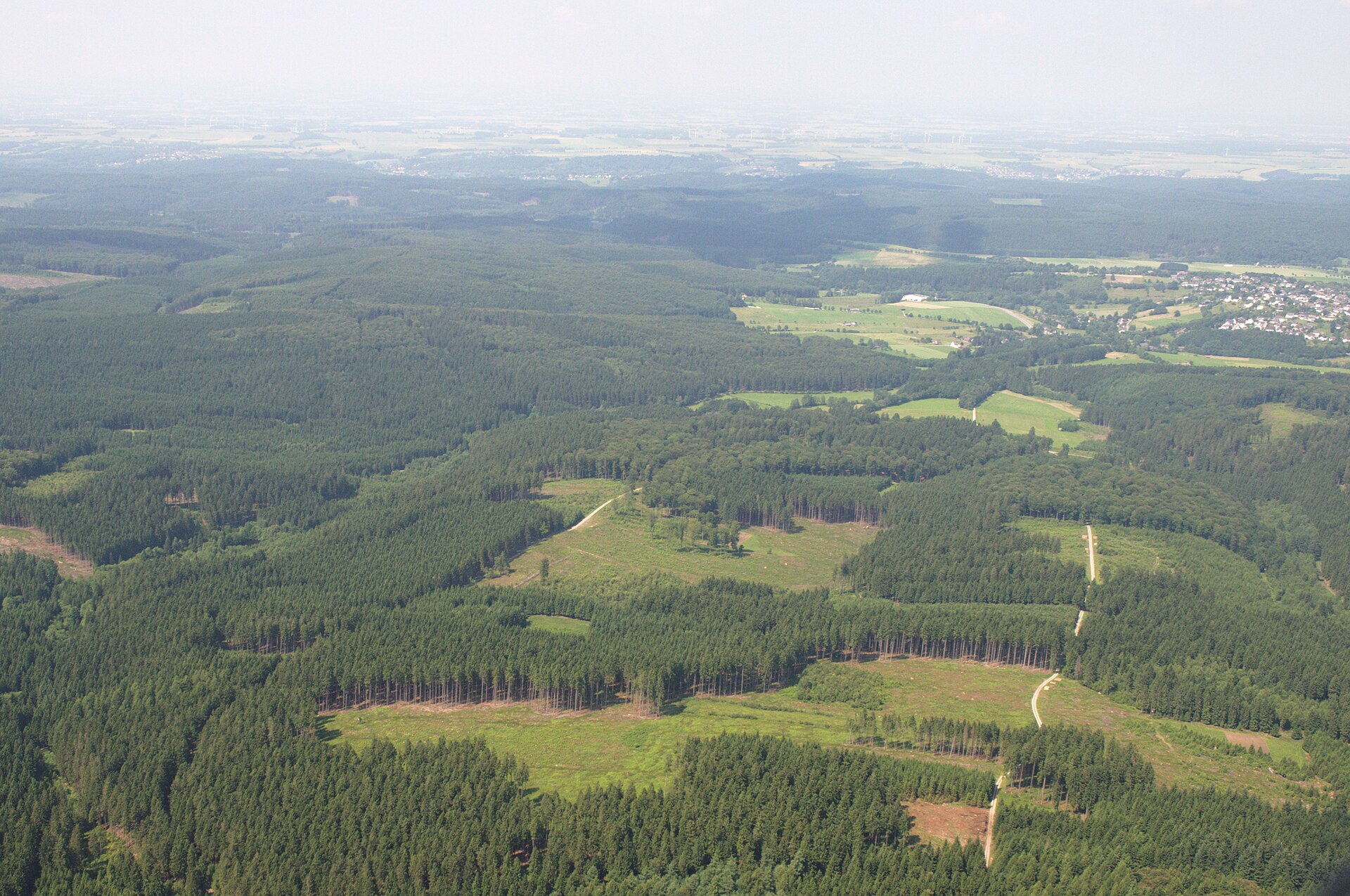
832 records
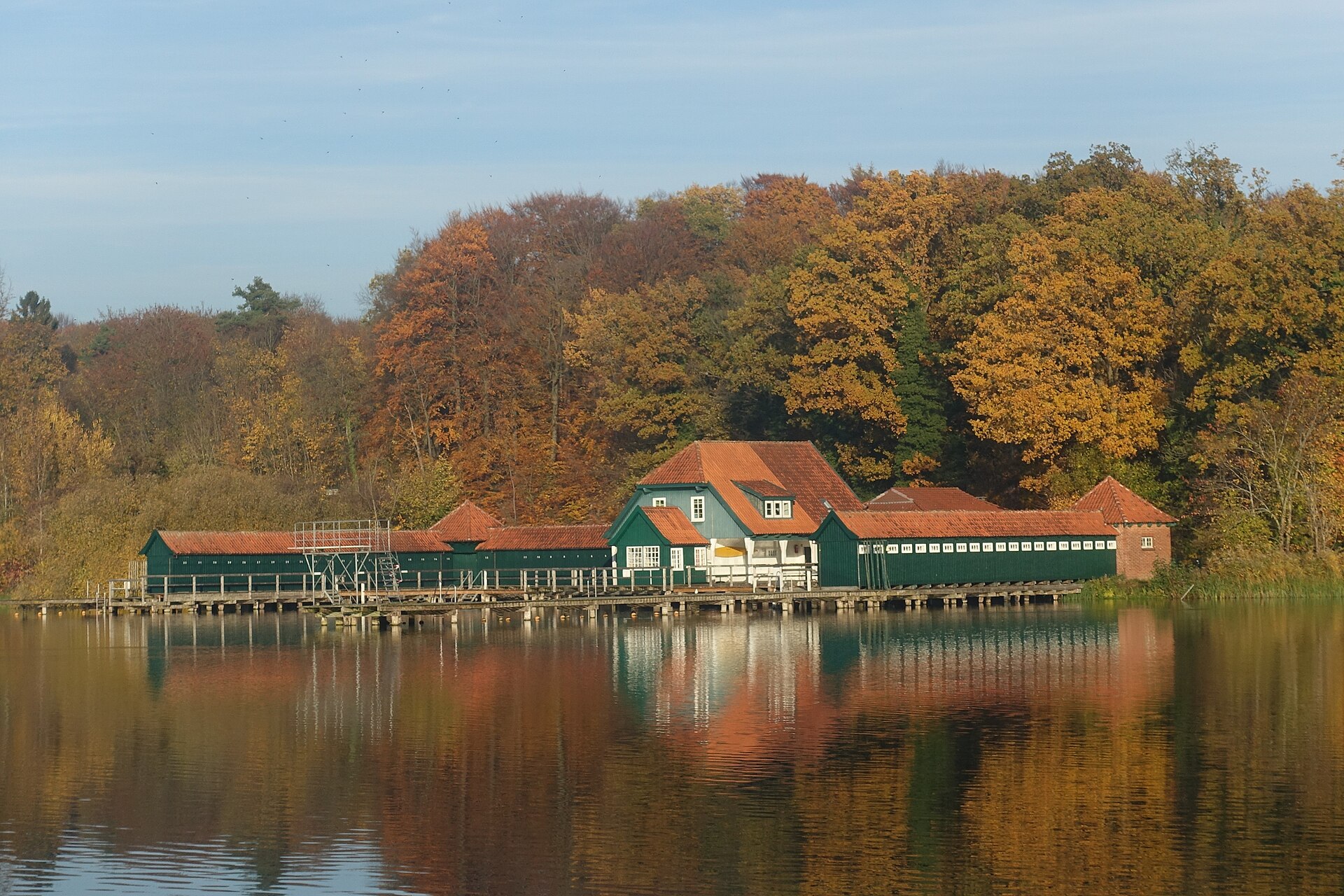
729 records
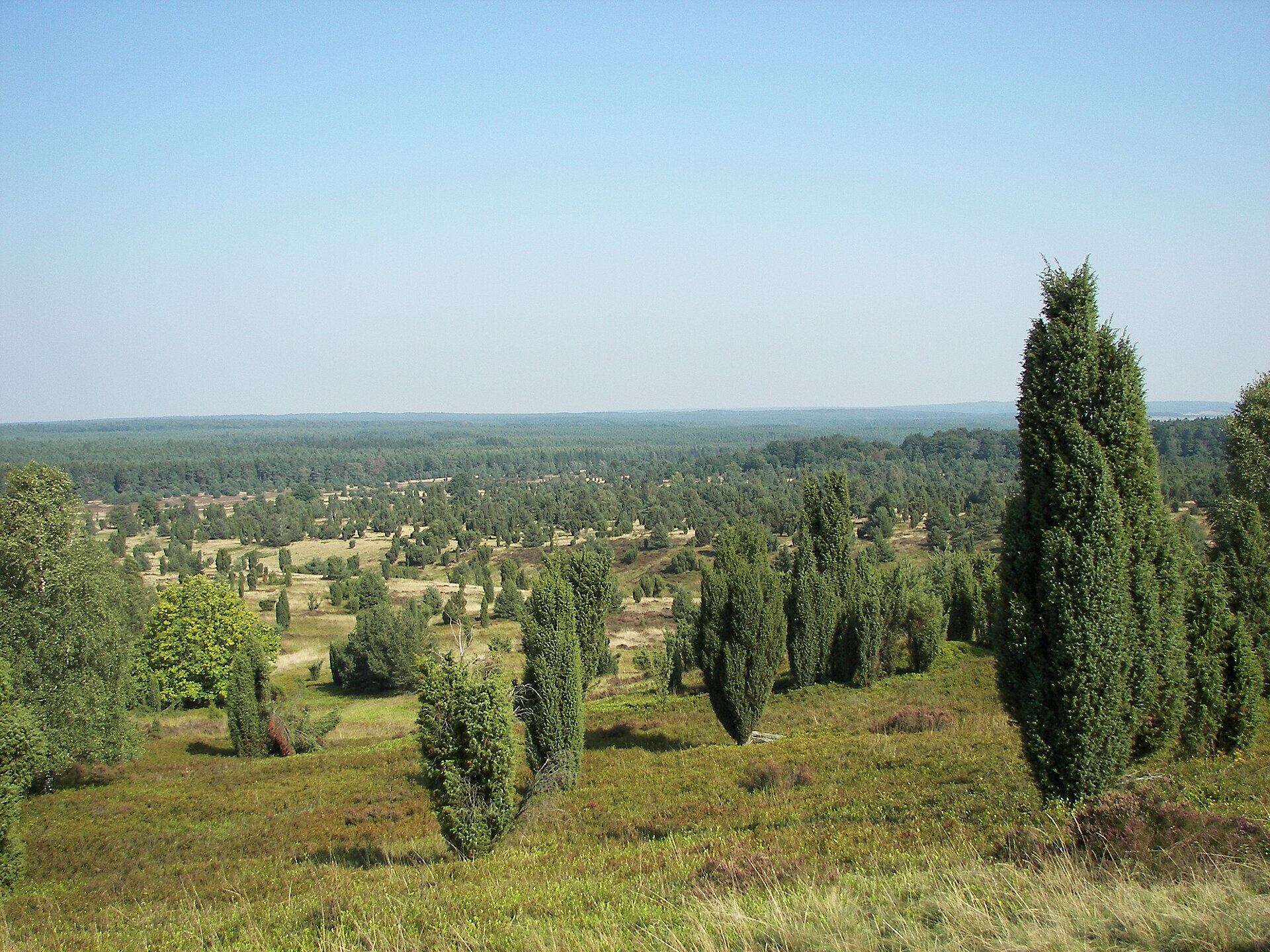
706 records
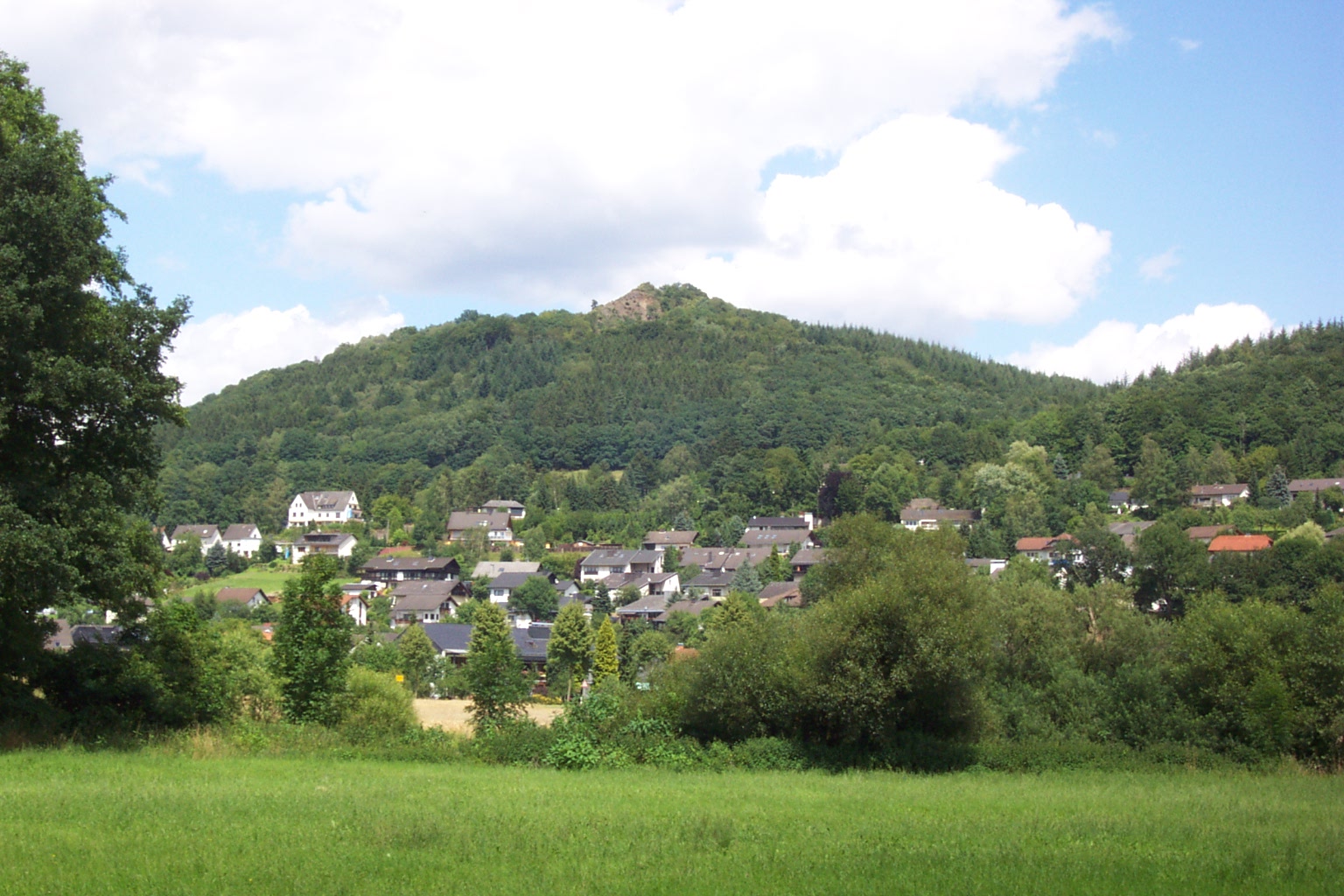
698 records
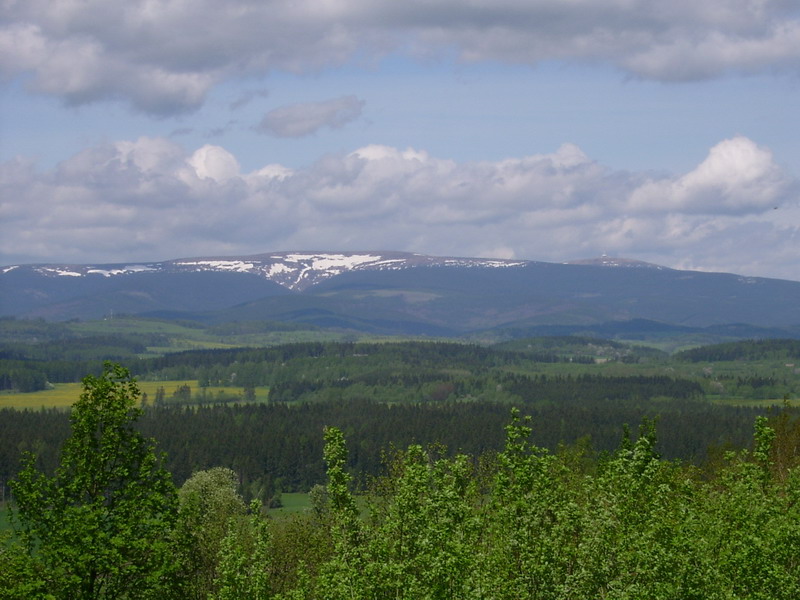
634 records
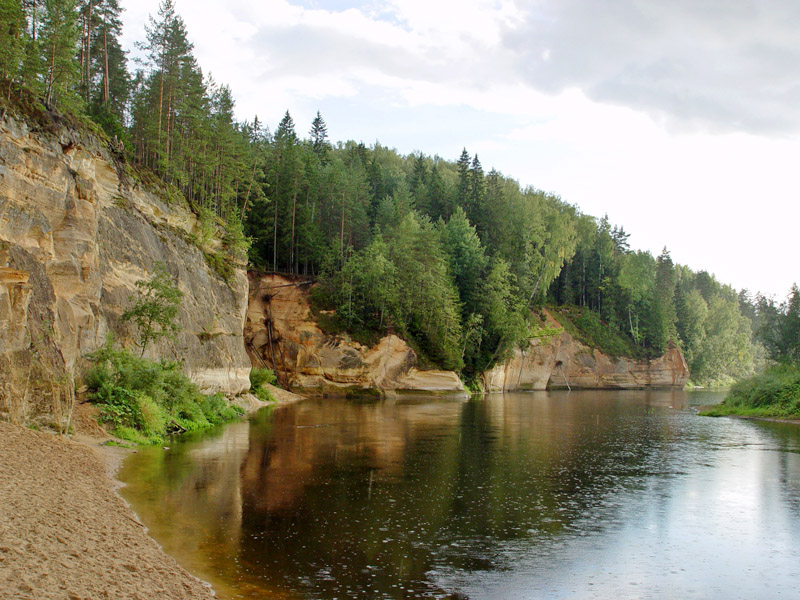
621 records
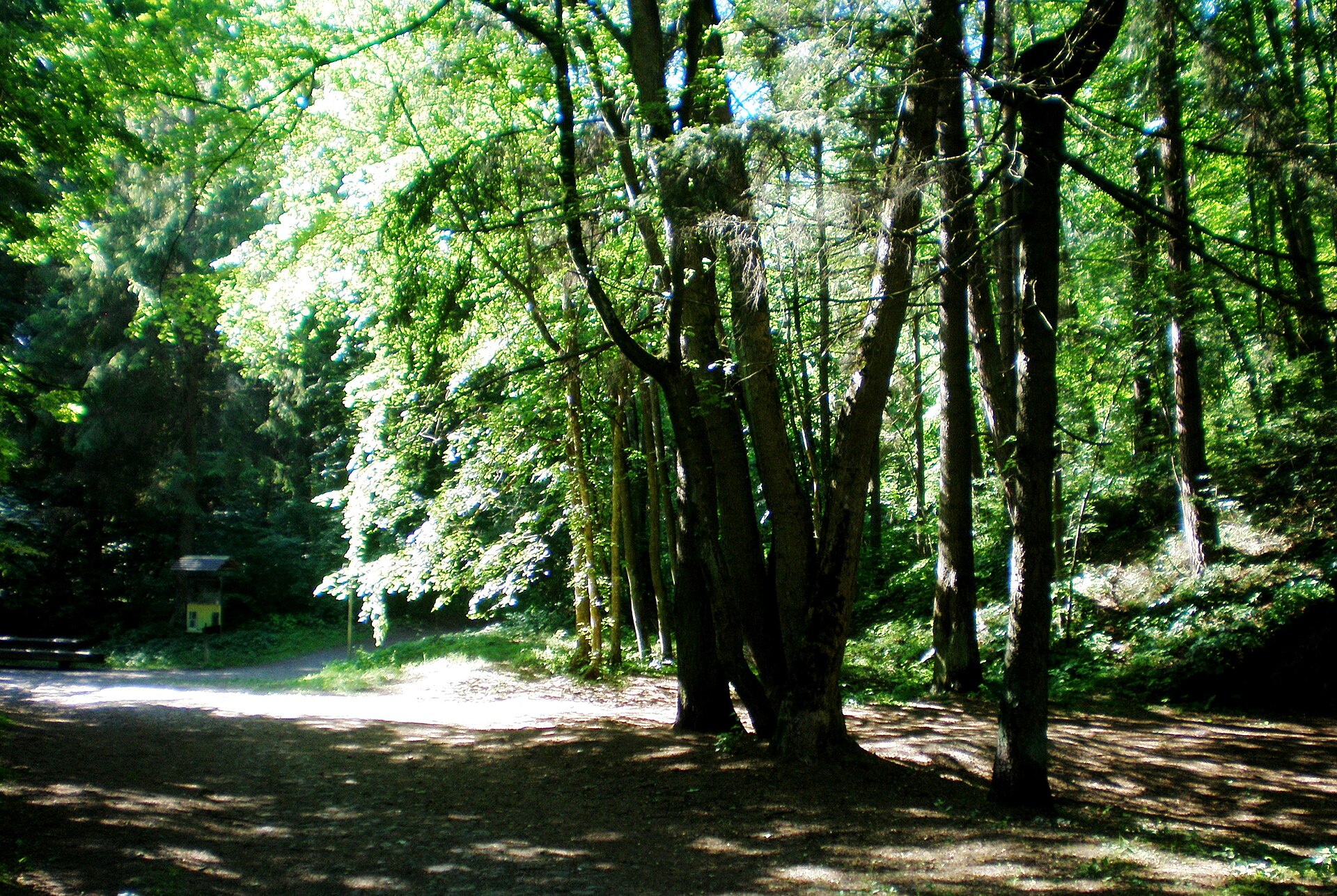
513 records
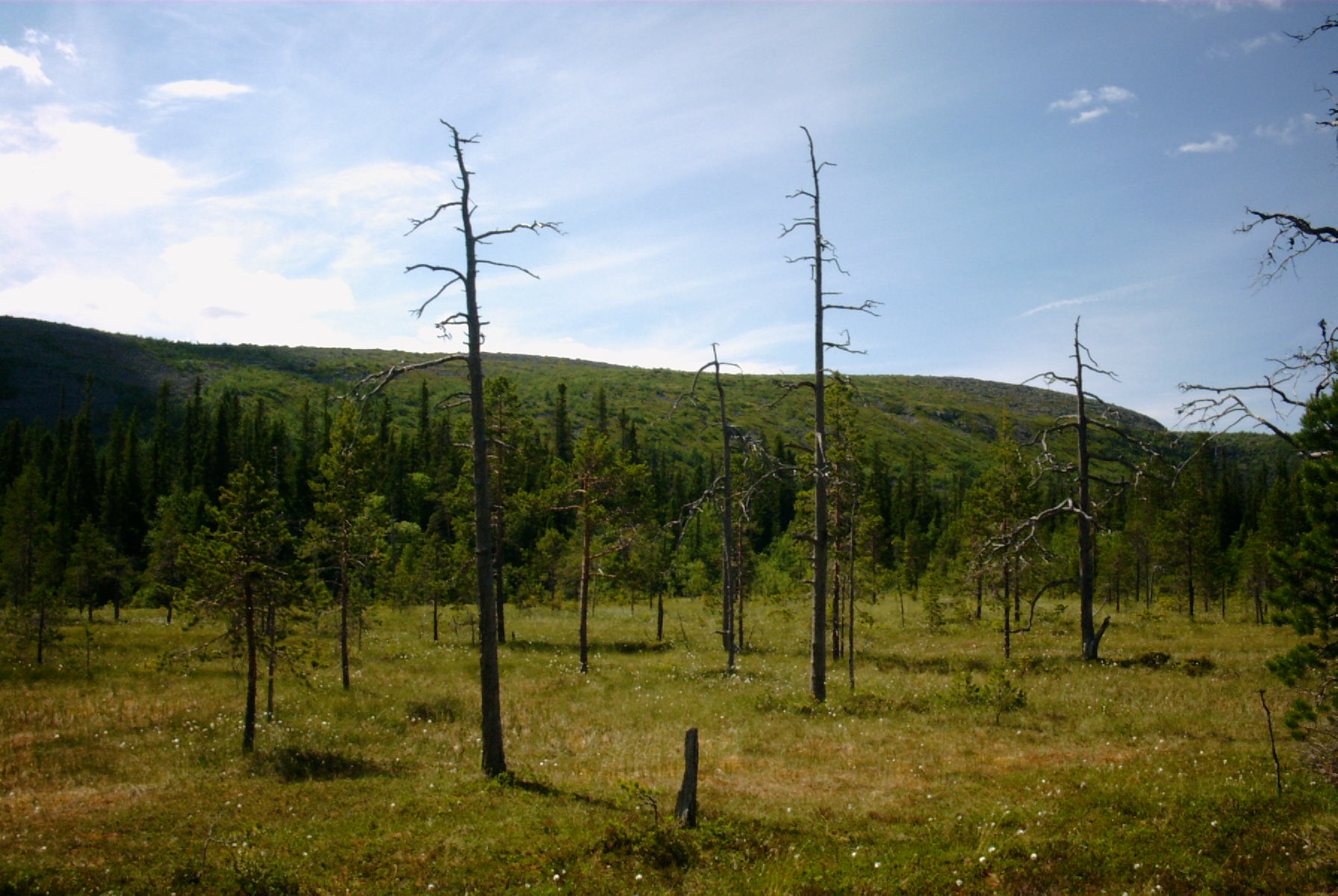
508 records
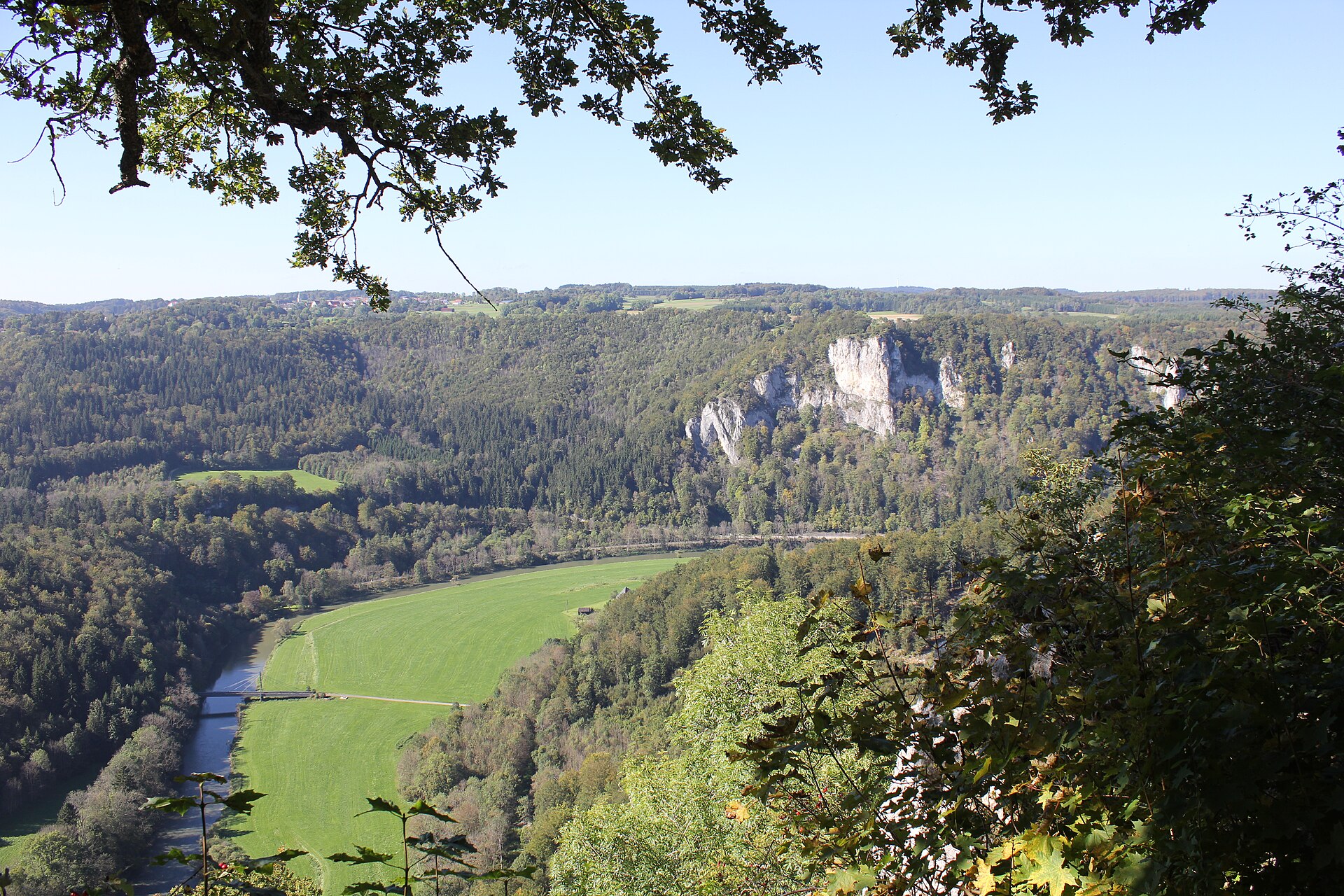
500 records
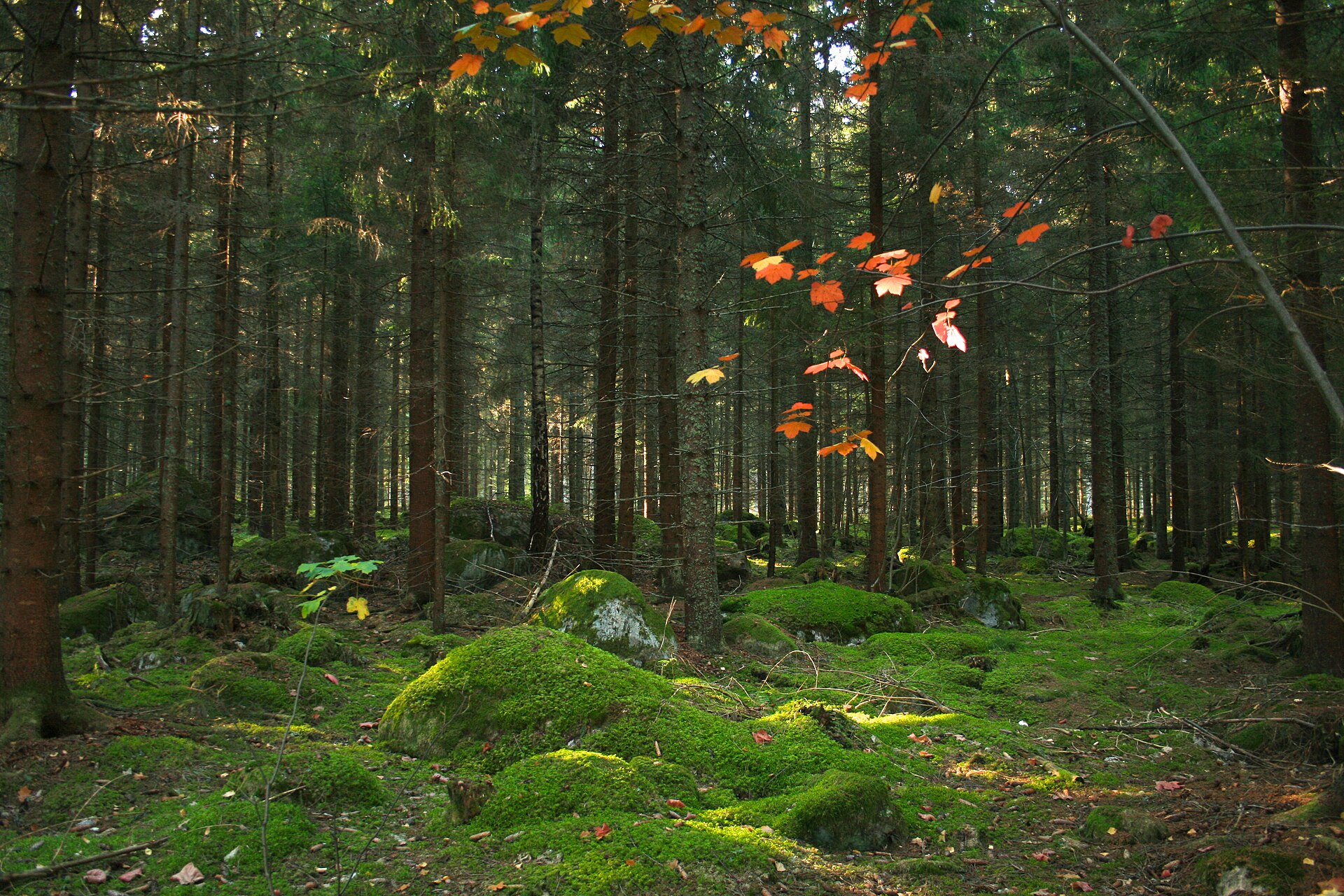
495 records
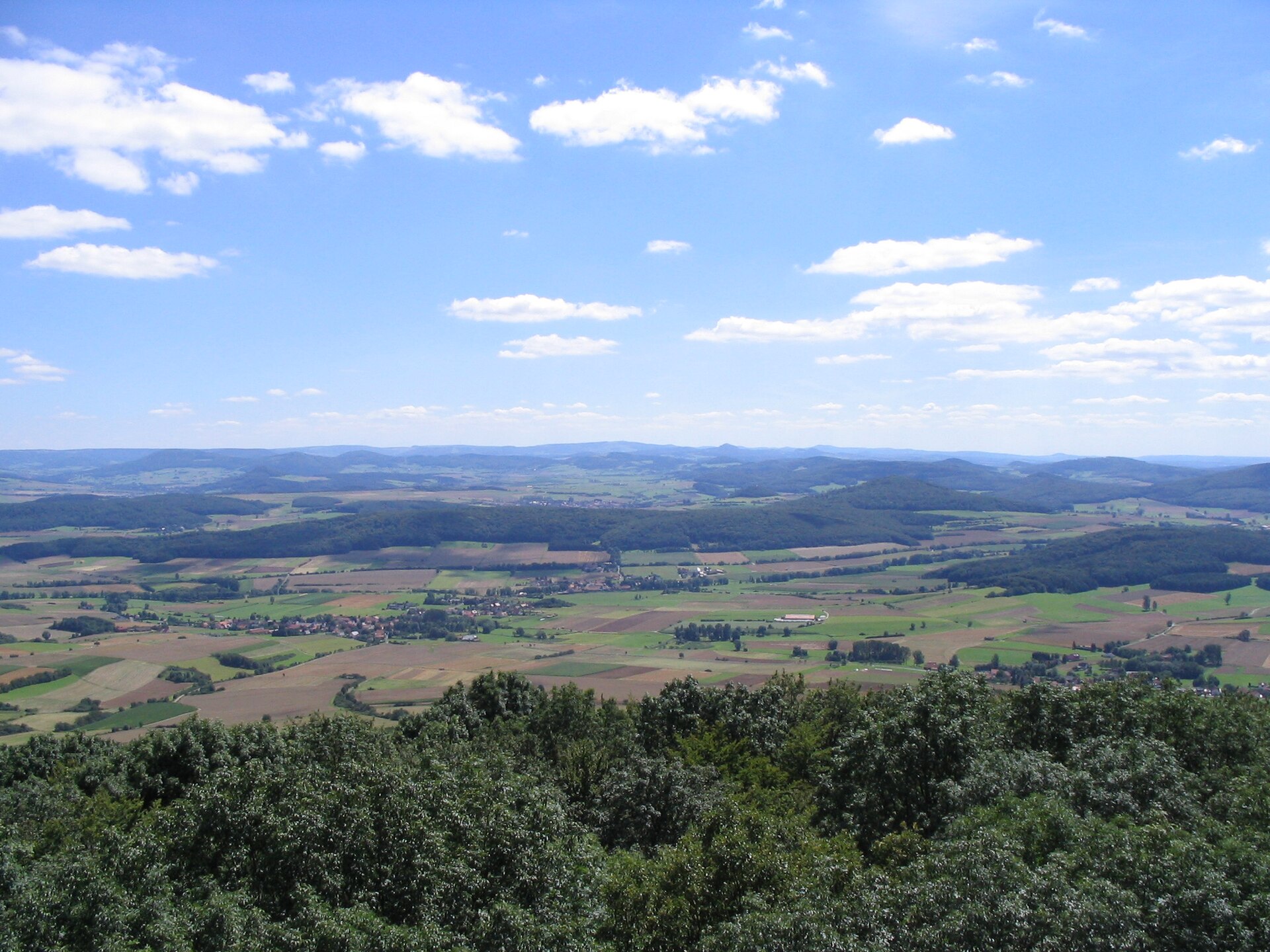
333 records
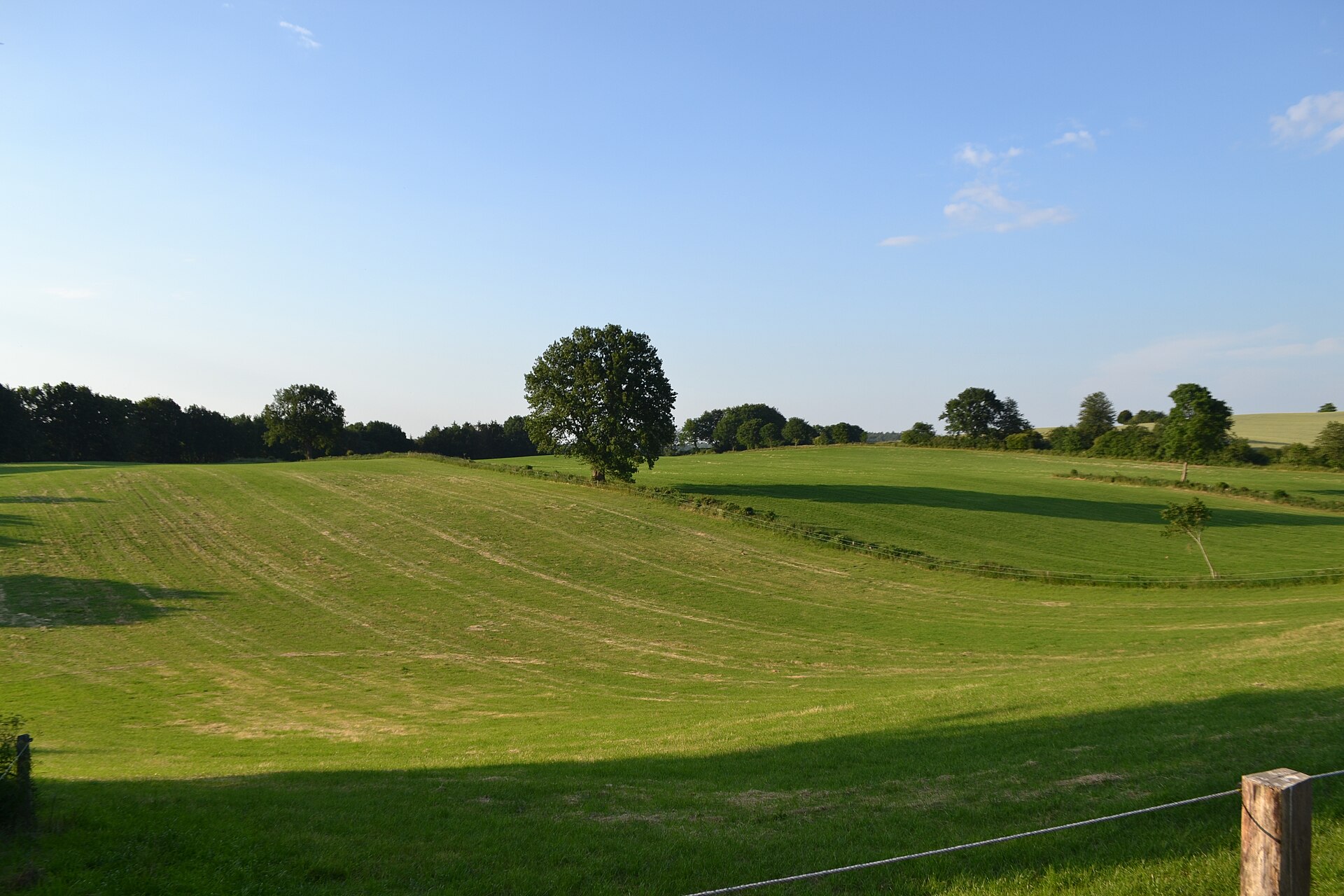
304 records
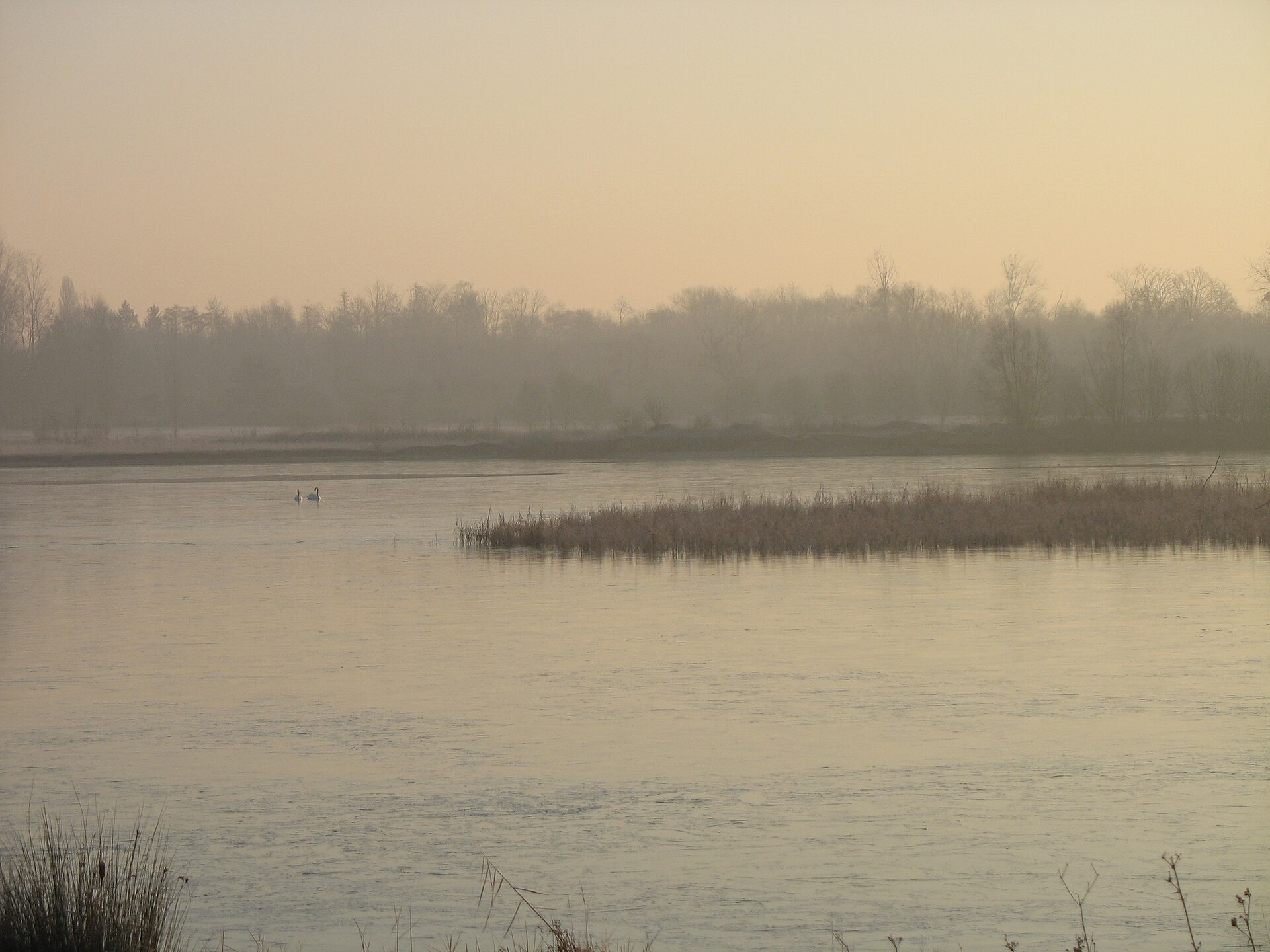
282 records

258 records
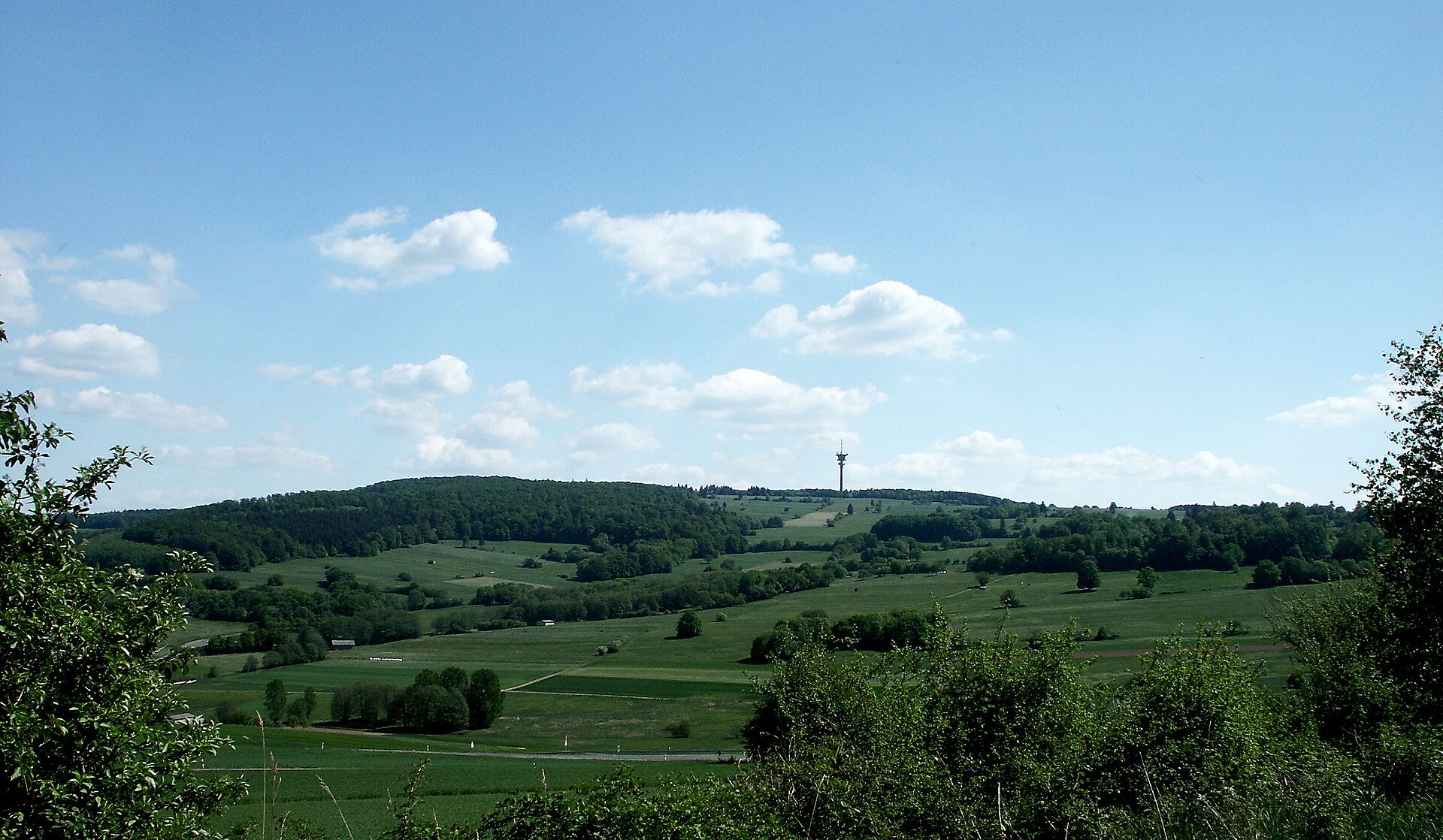
252 records

251 records
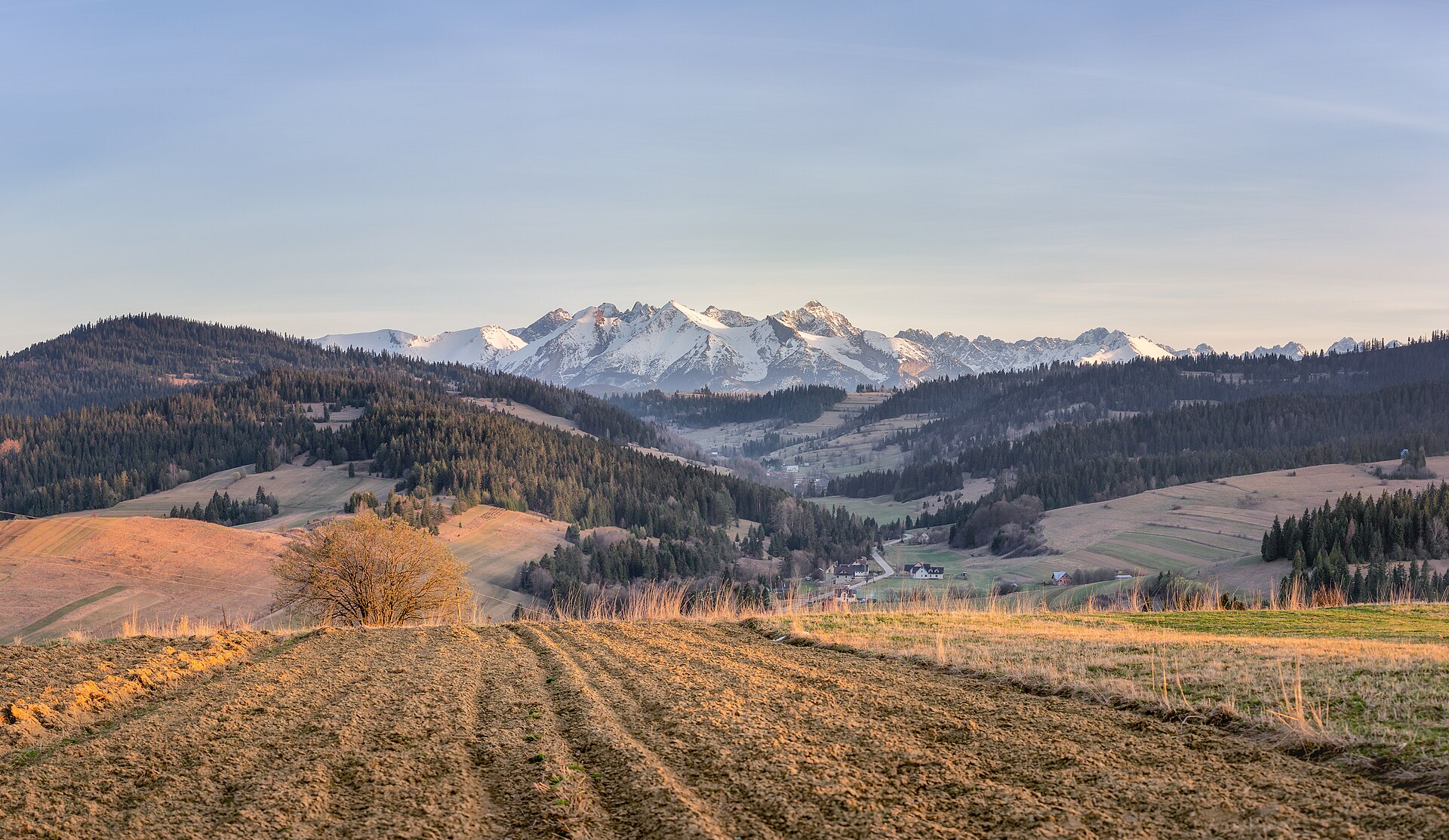
217 records

210 records
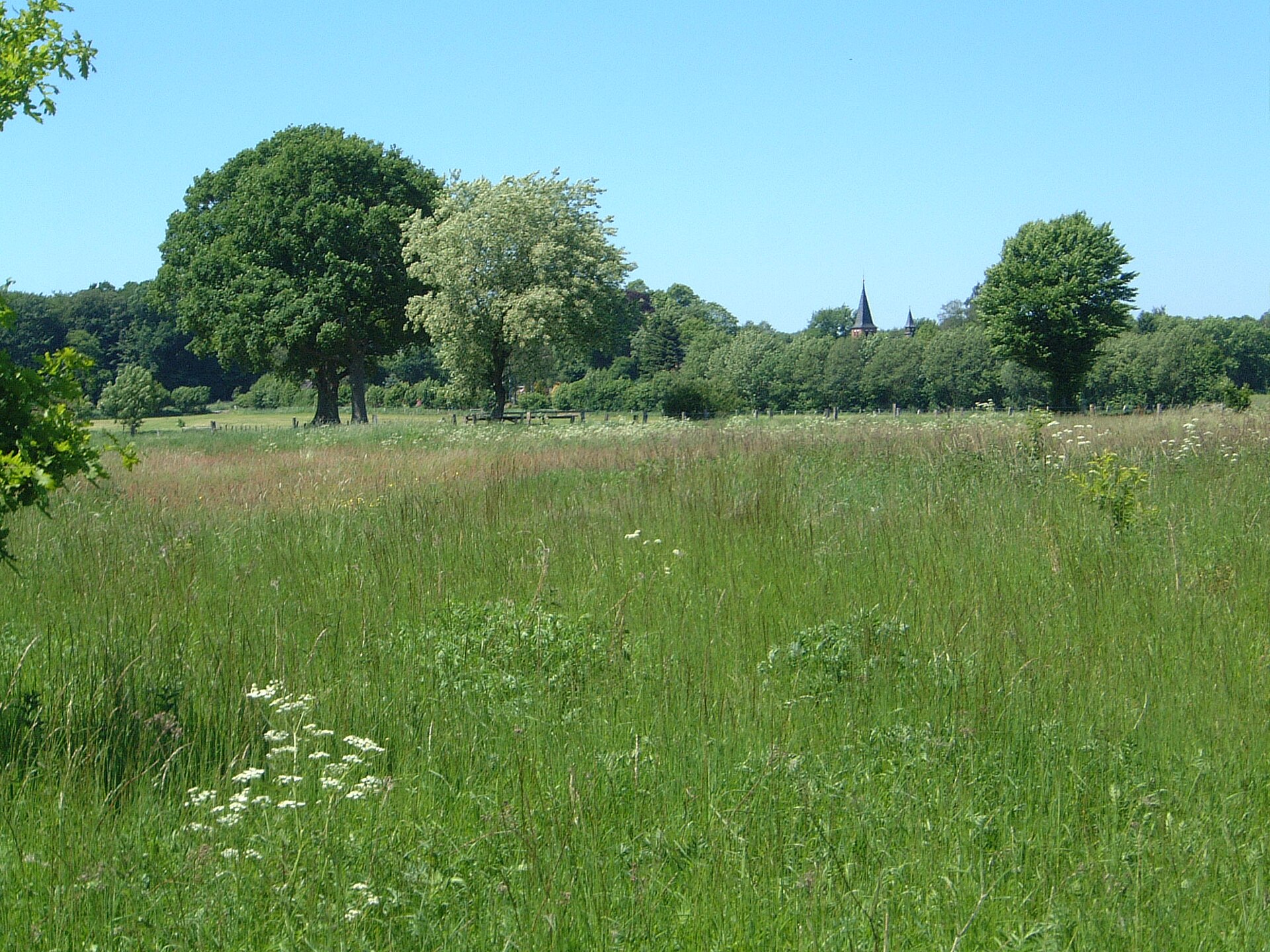
174 records

149 records

147 records
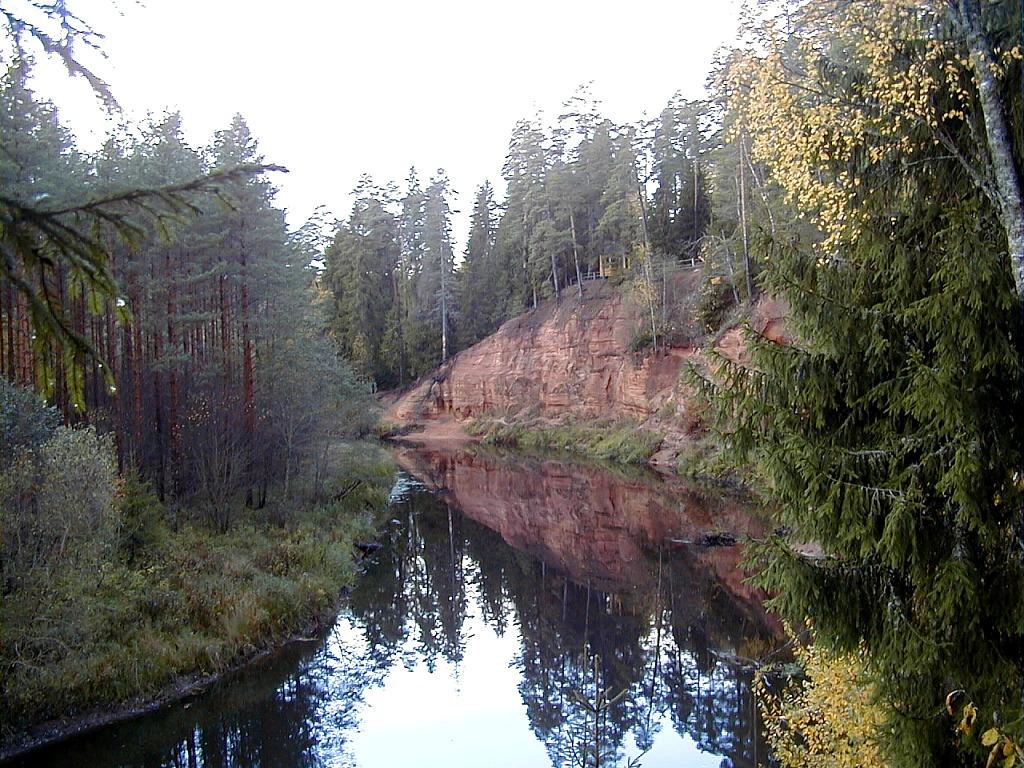
137 records
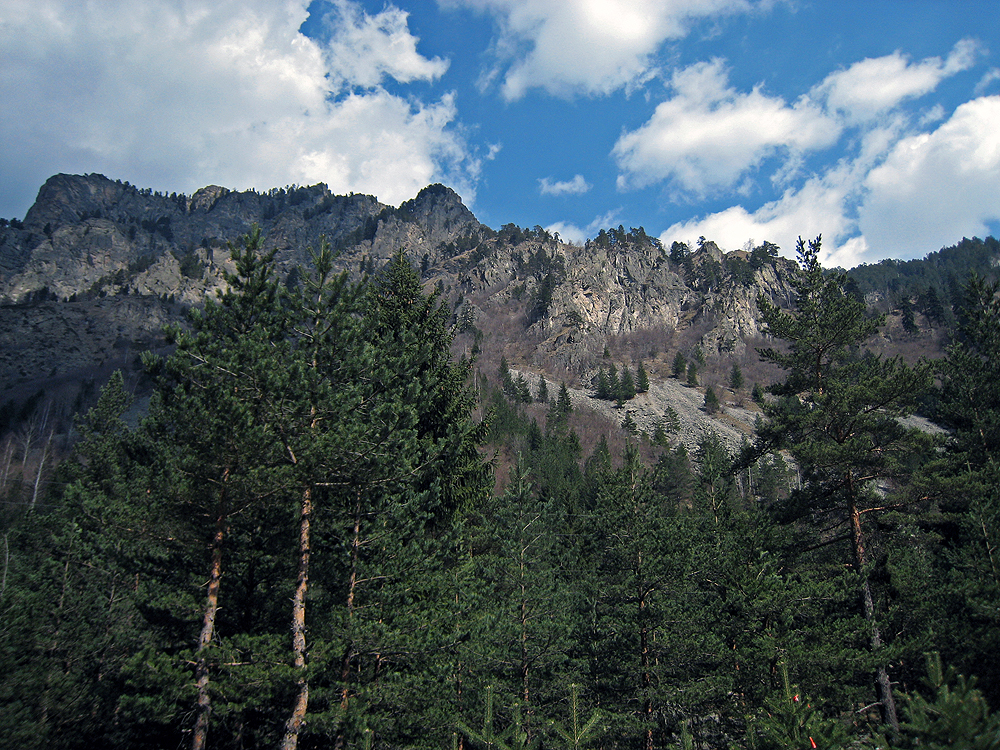
89 records

89 records
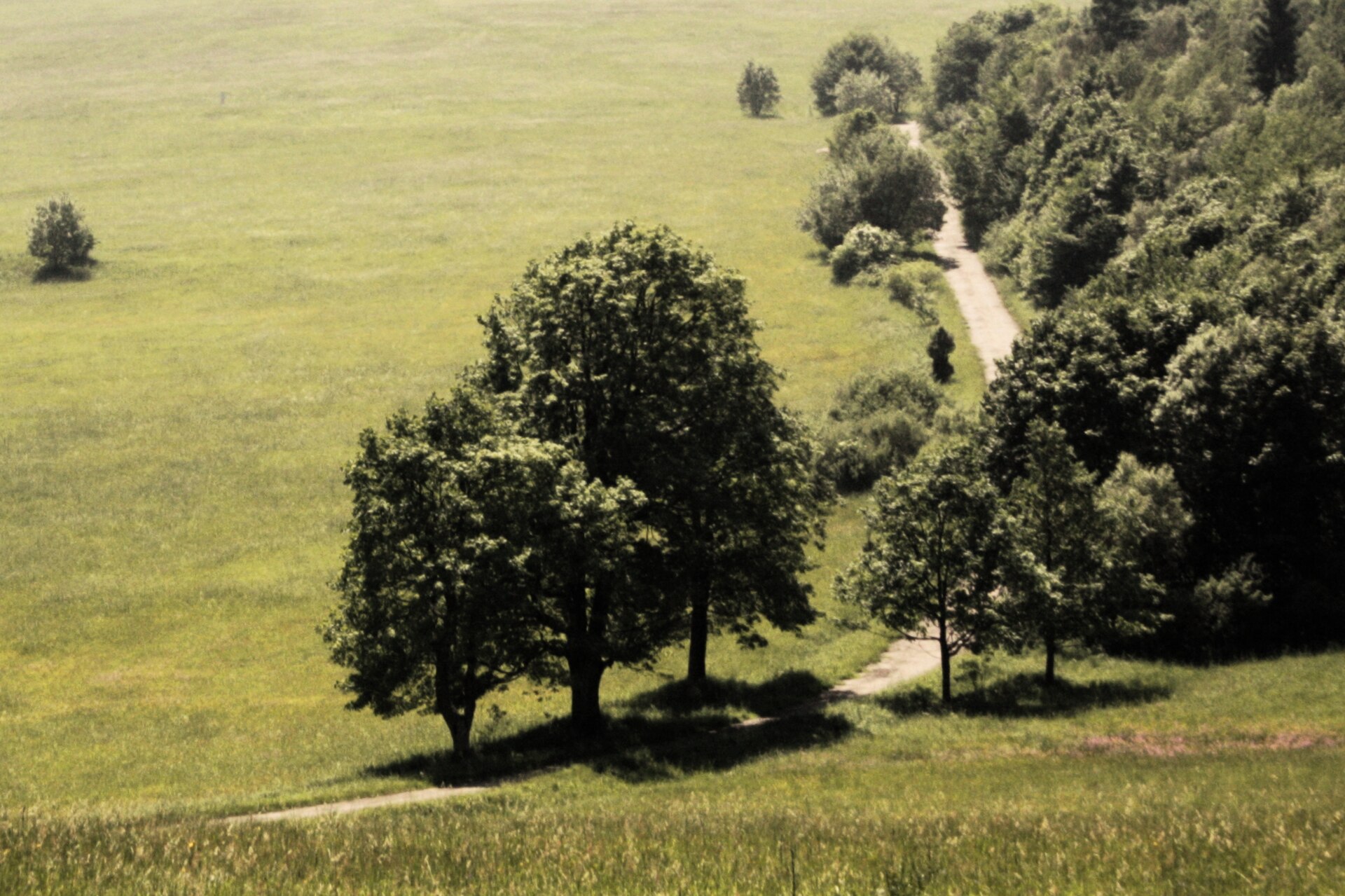
87 records
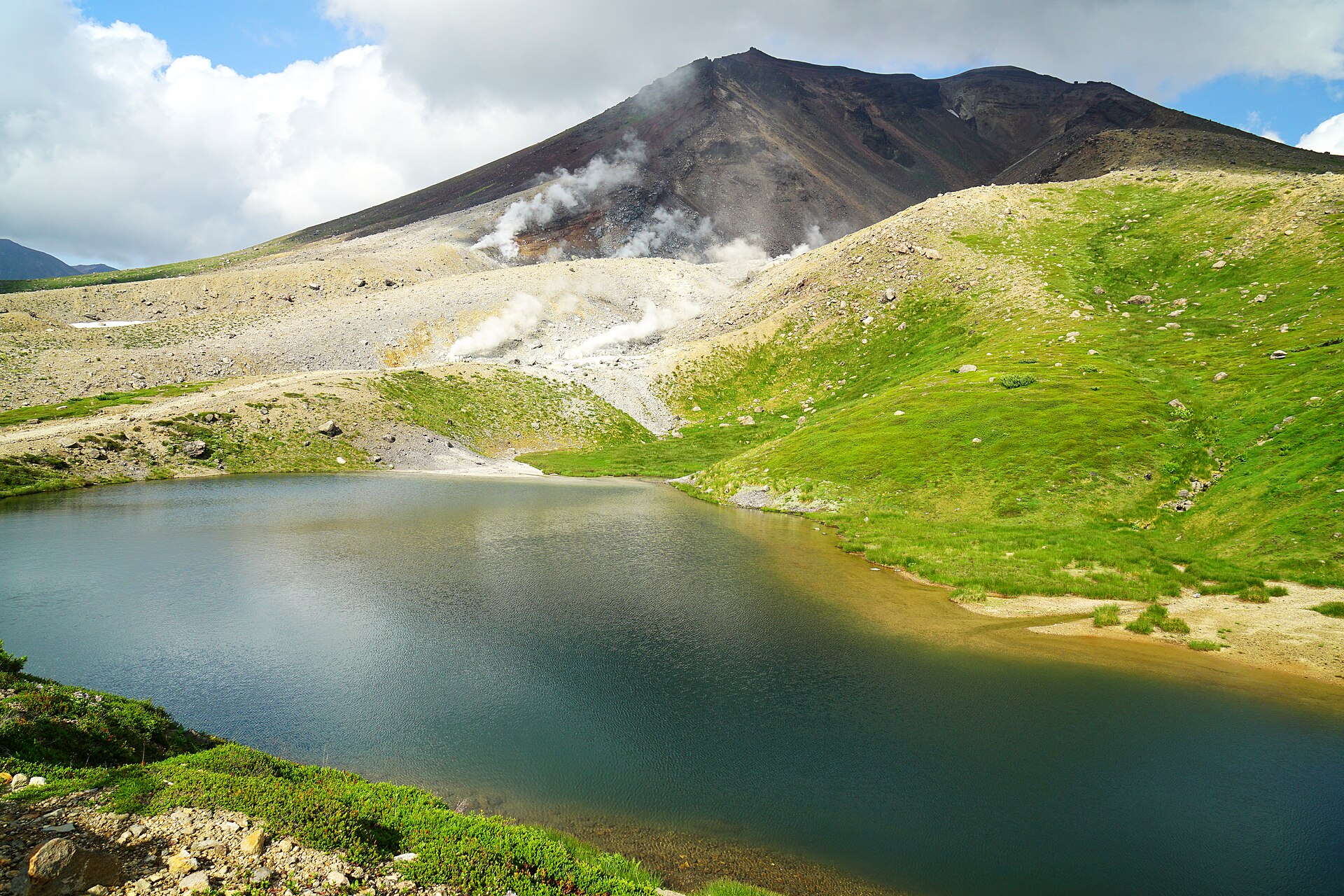
86 records
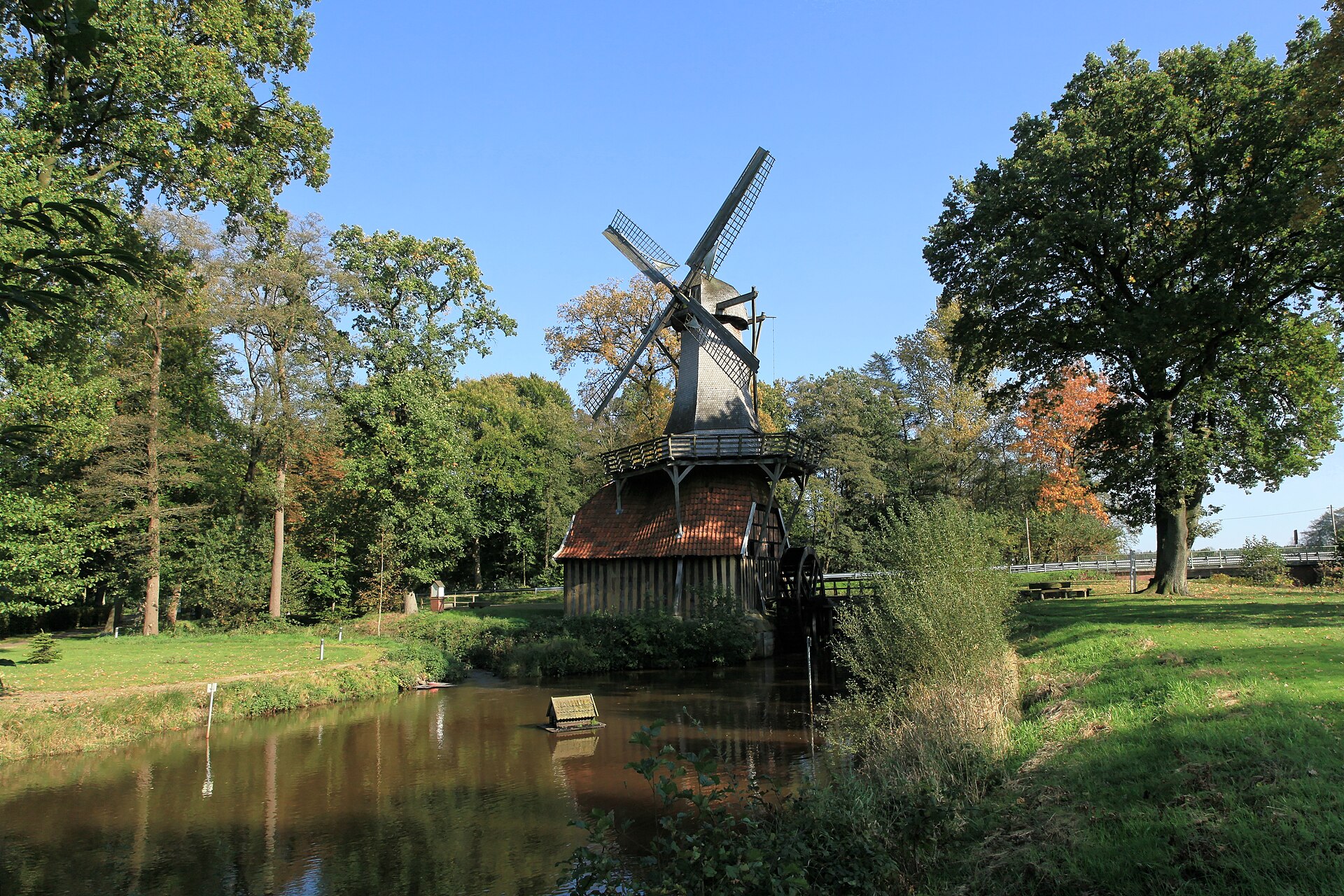
81 records
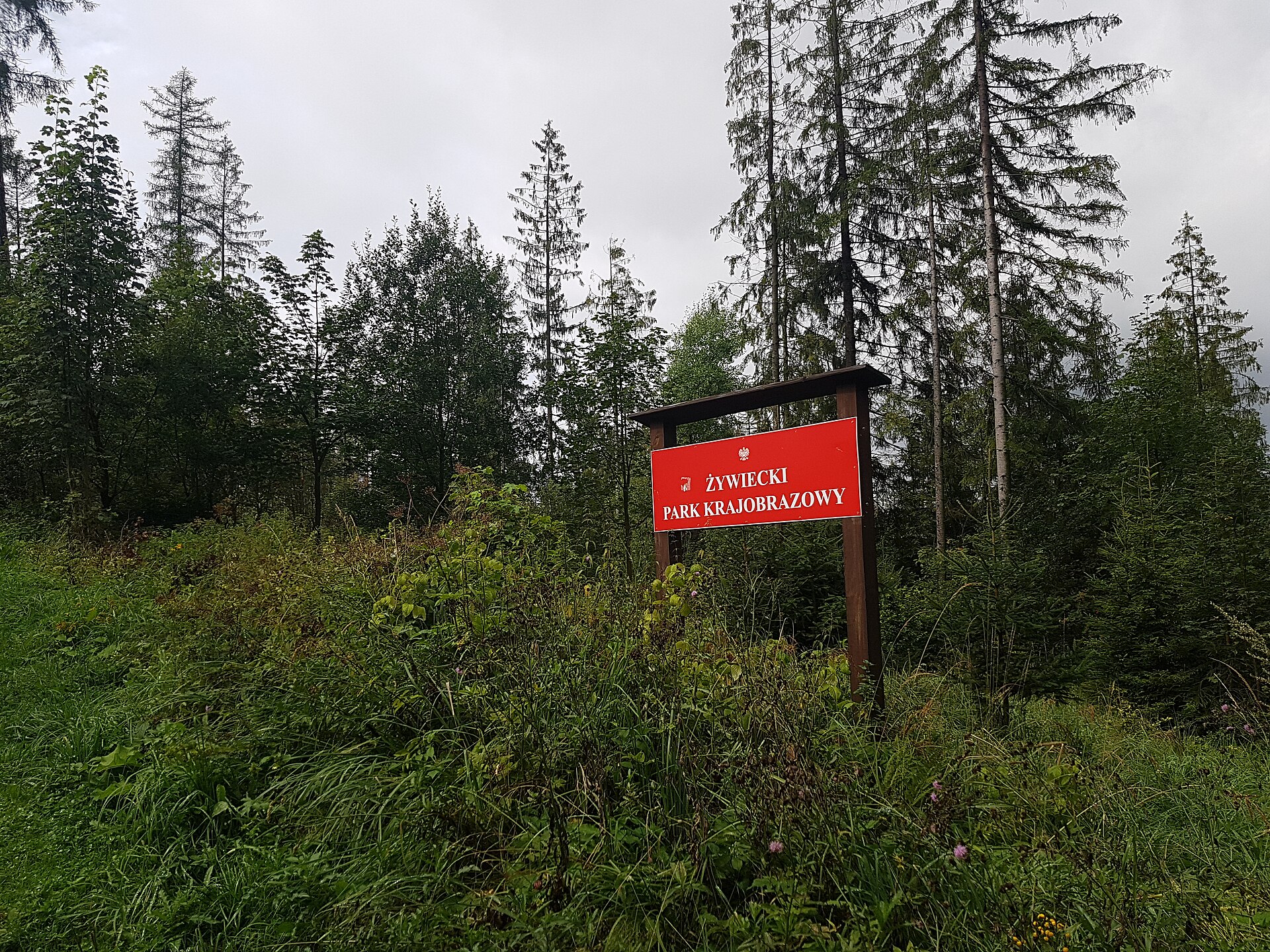
80 records
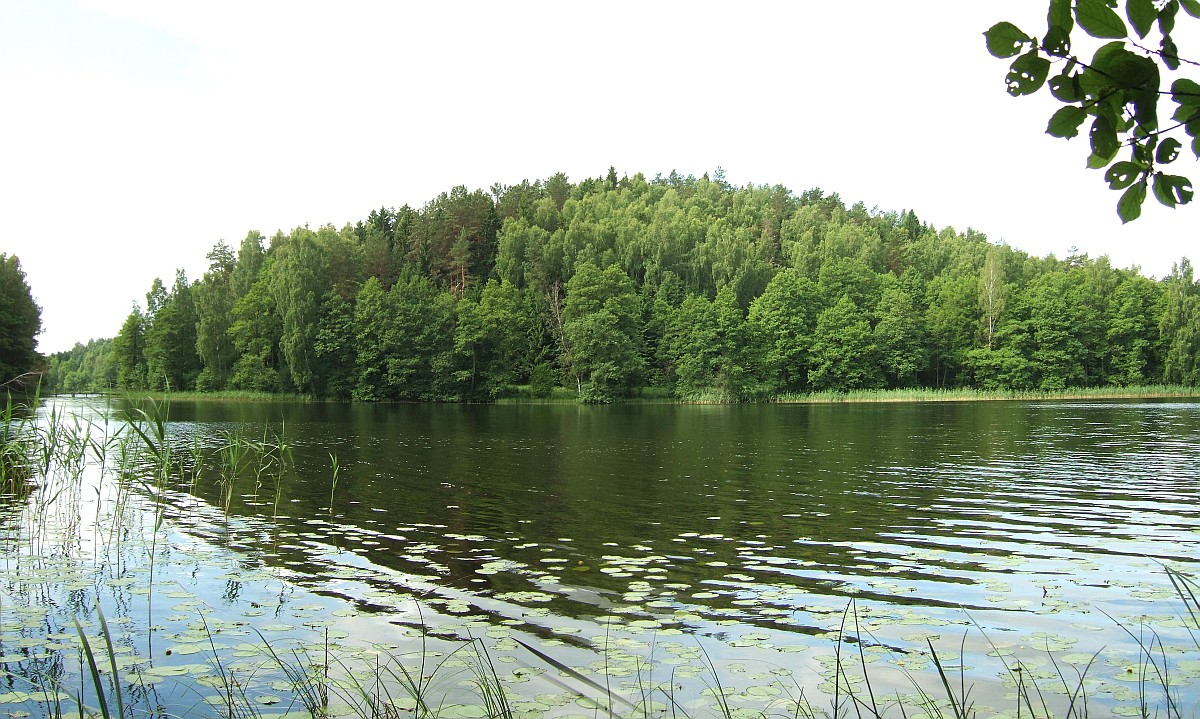
73 records

72 records
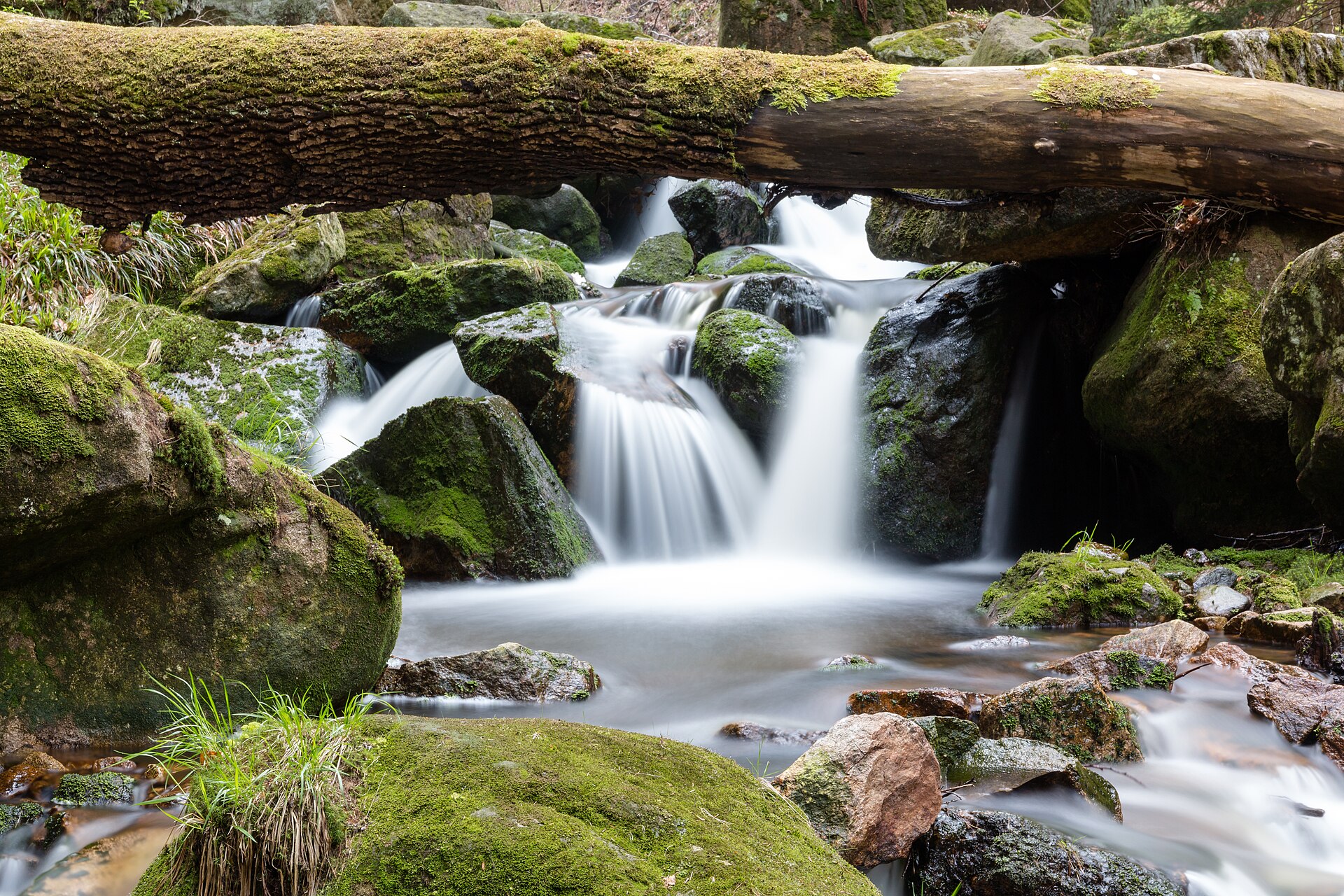
62 records
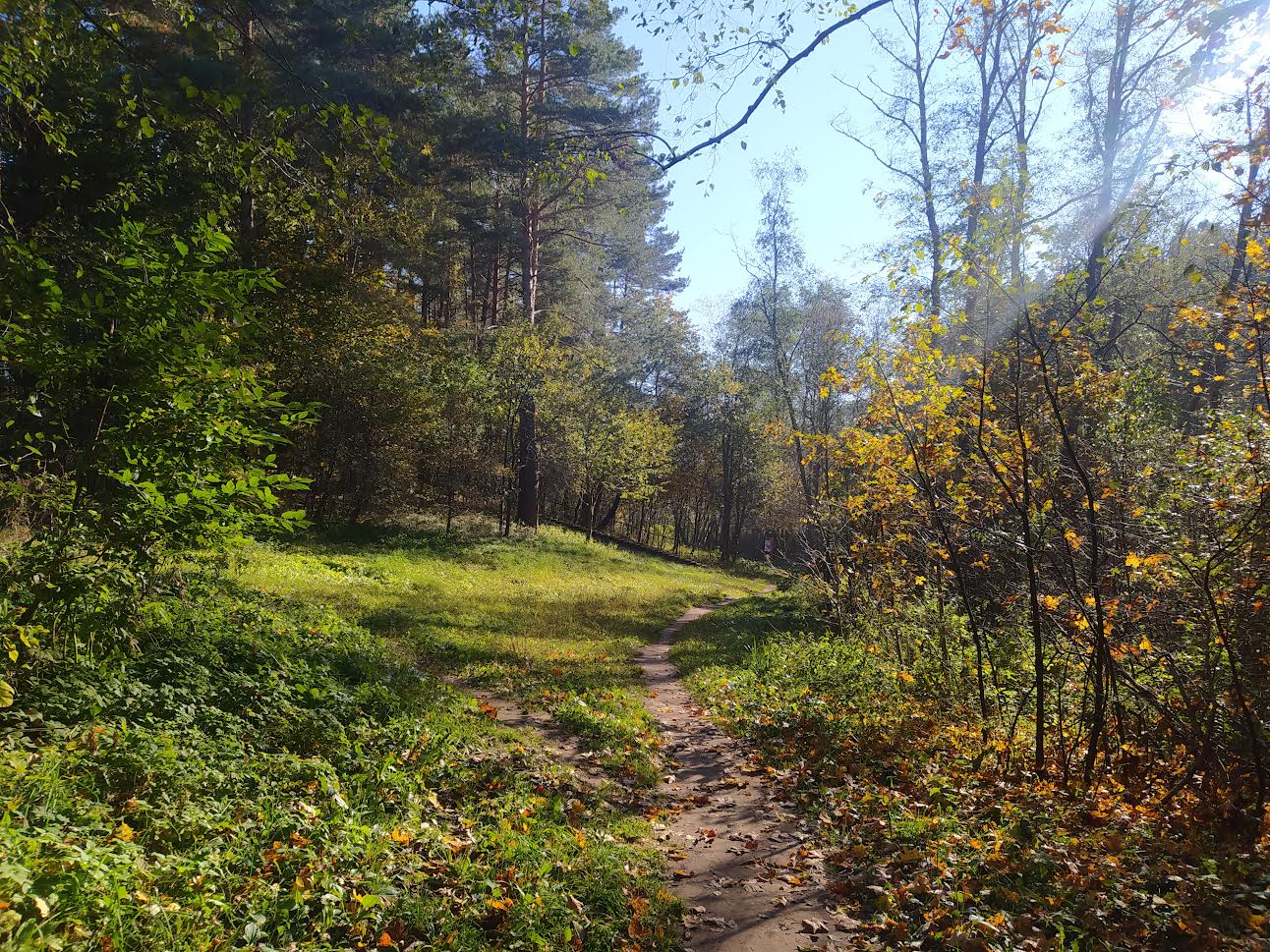
58 records
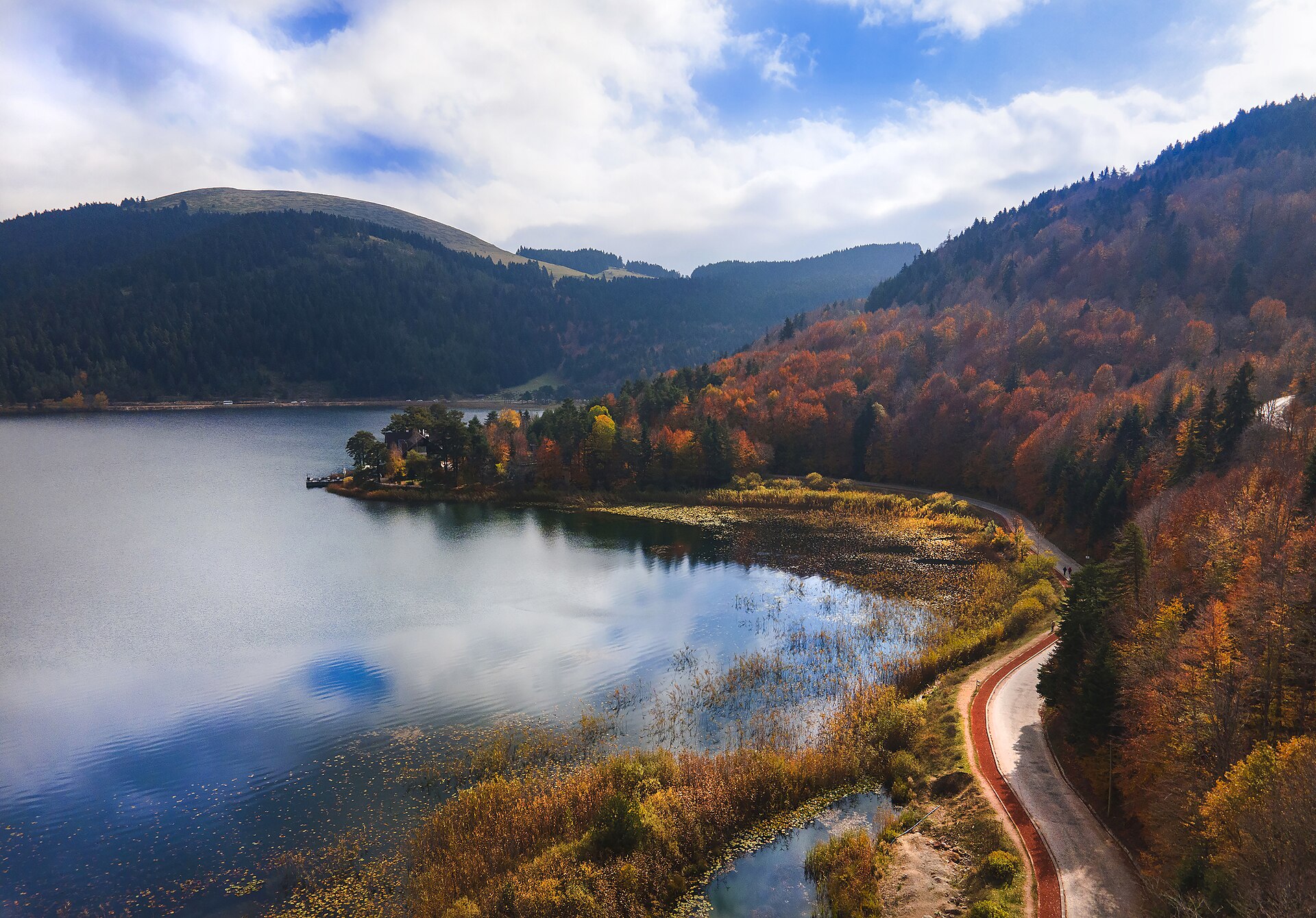
55 records
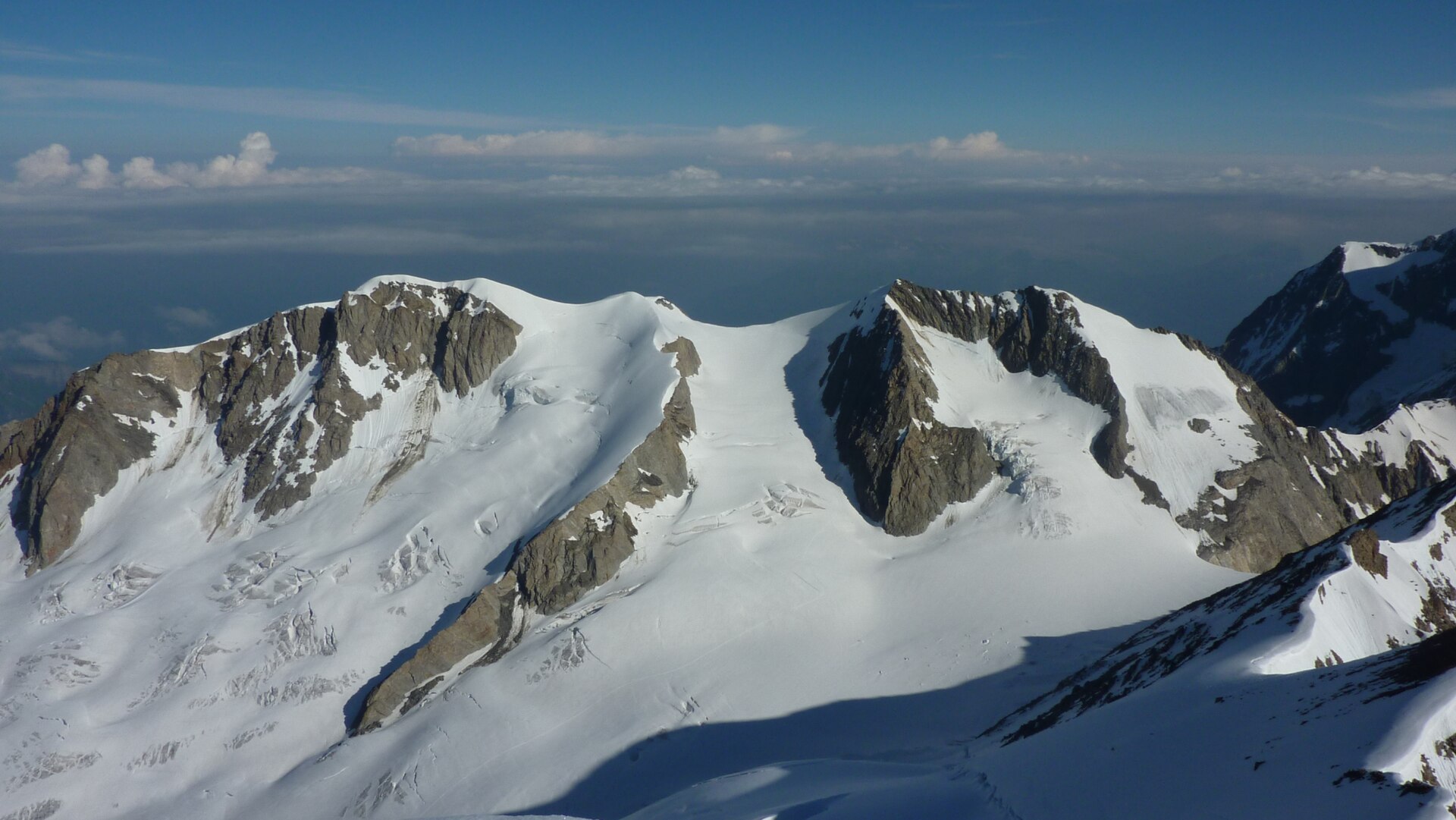
45 records
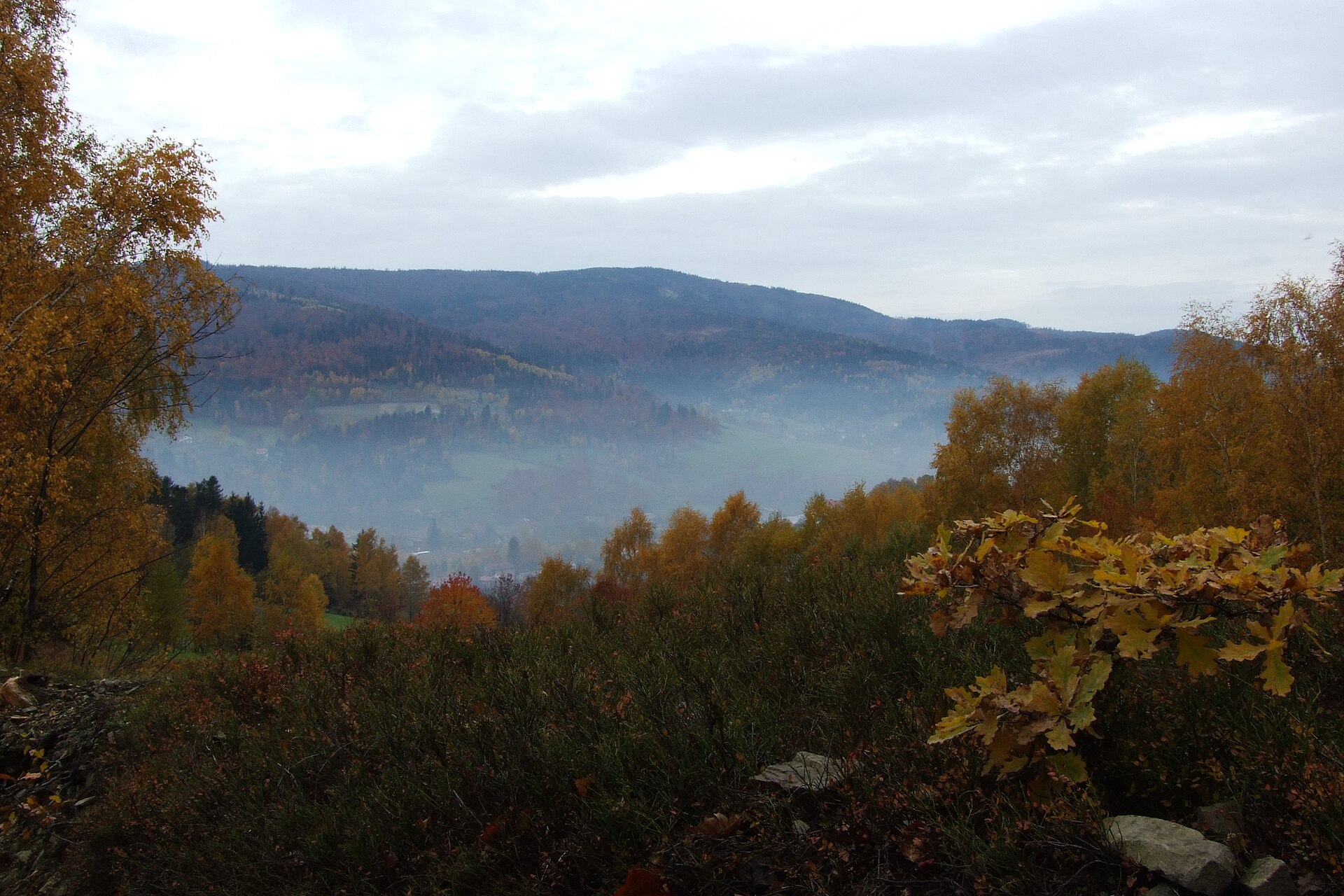
44 records
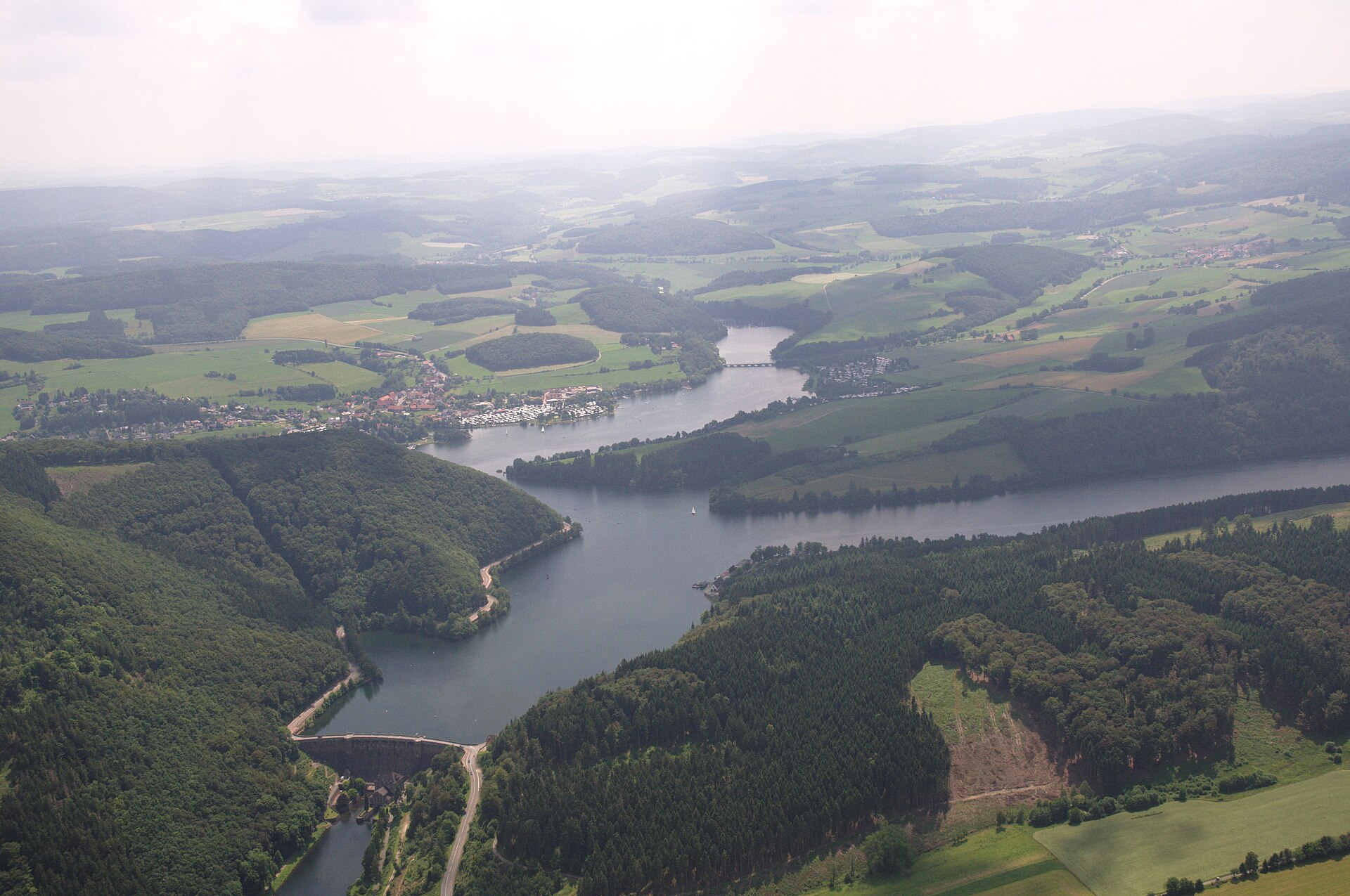
40 records

38 records

38 records
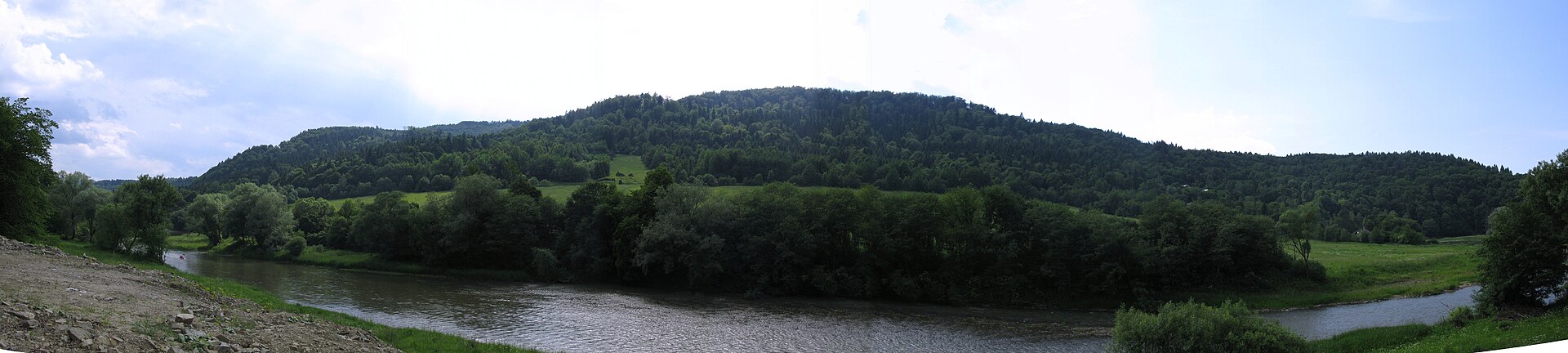
36 records
36 records
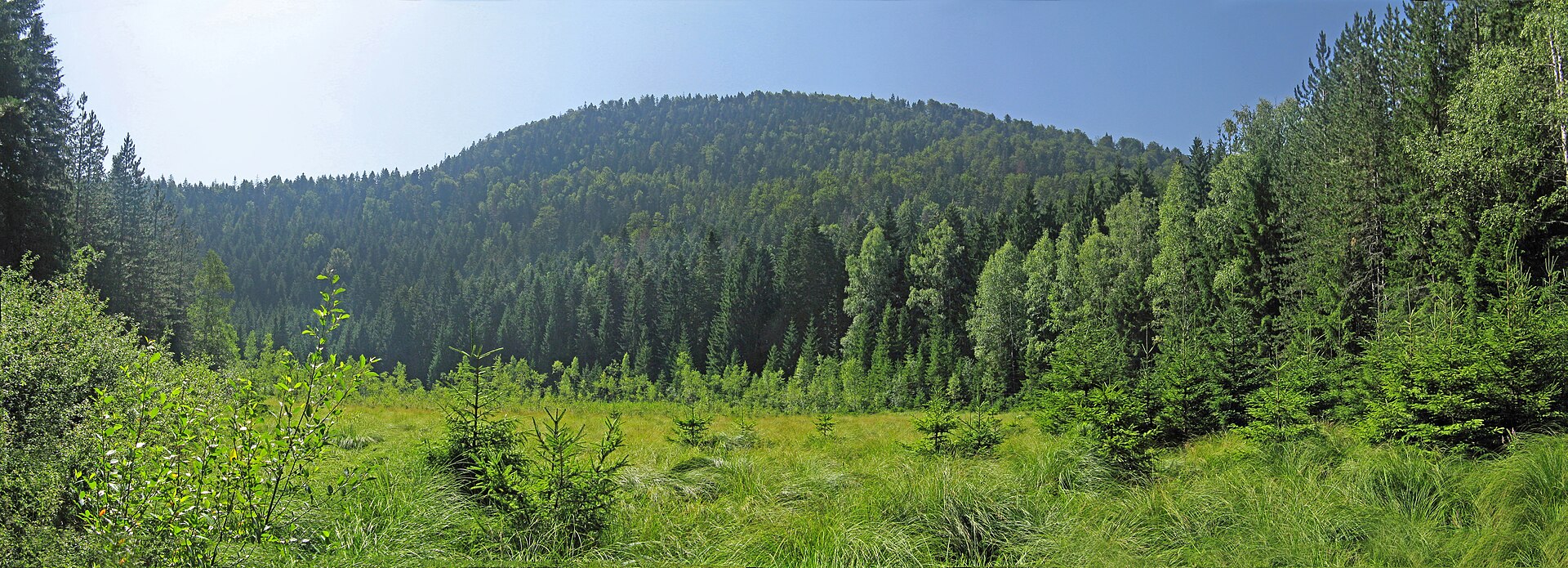
34 records
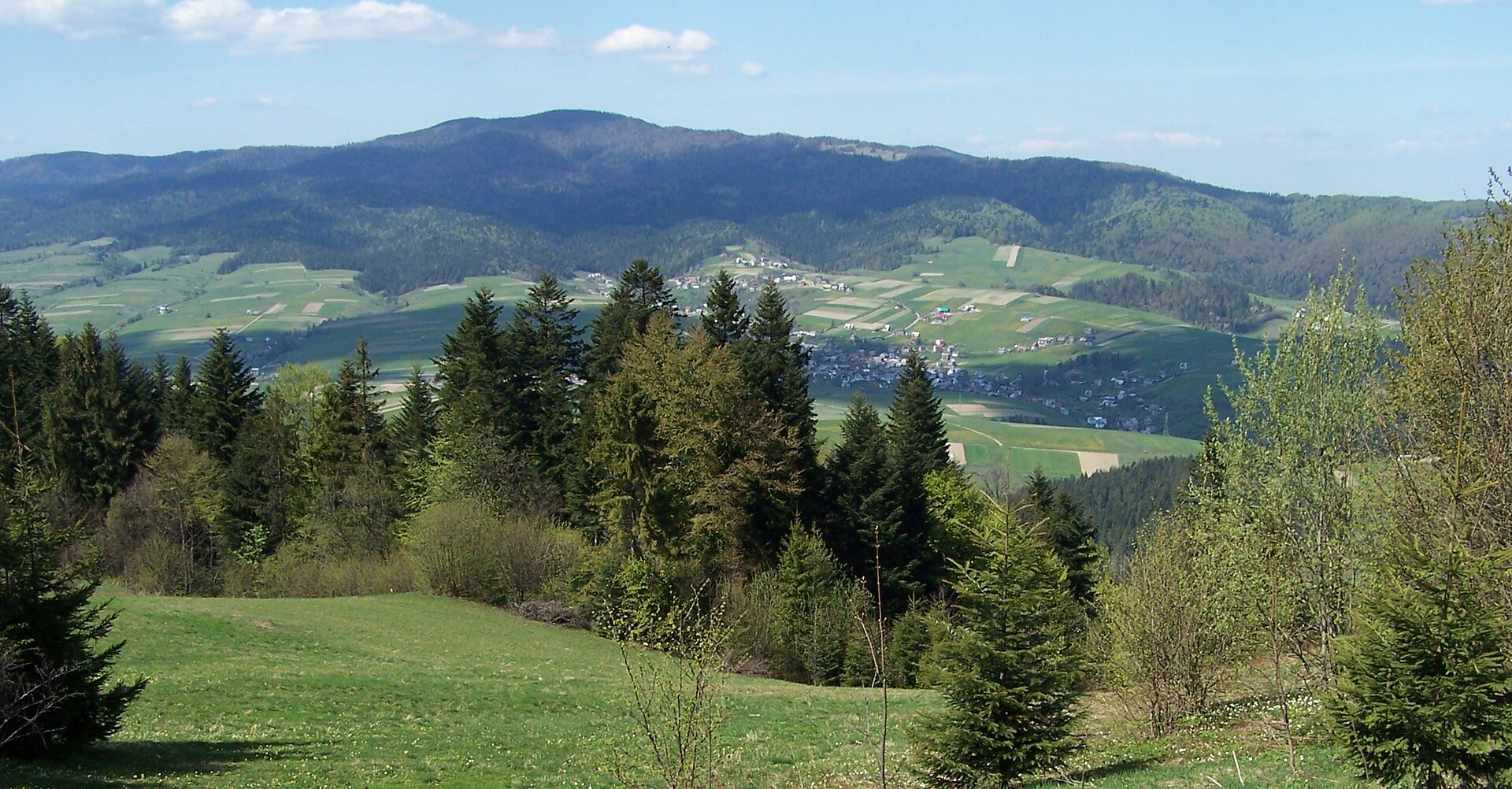
34 records
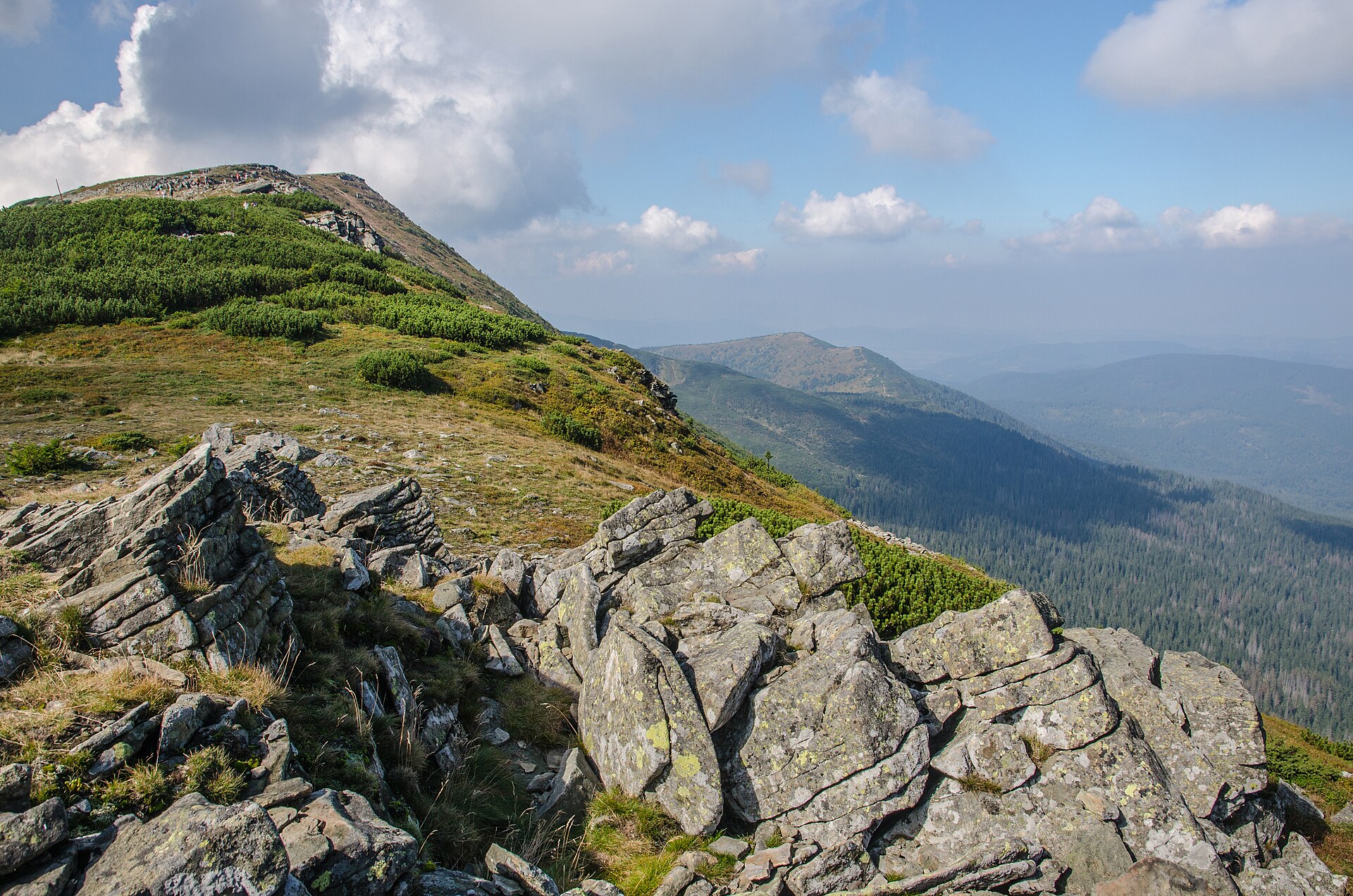
31 records
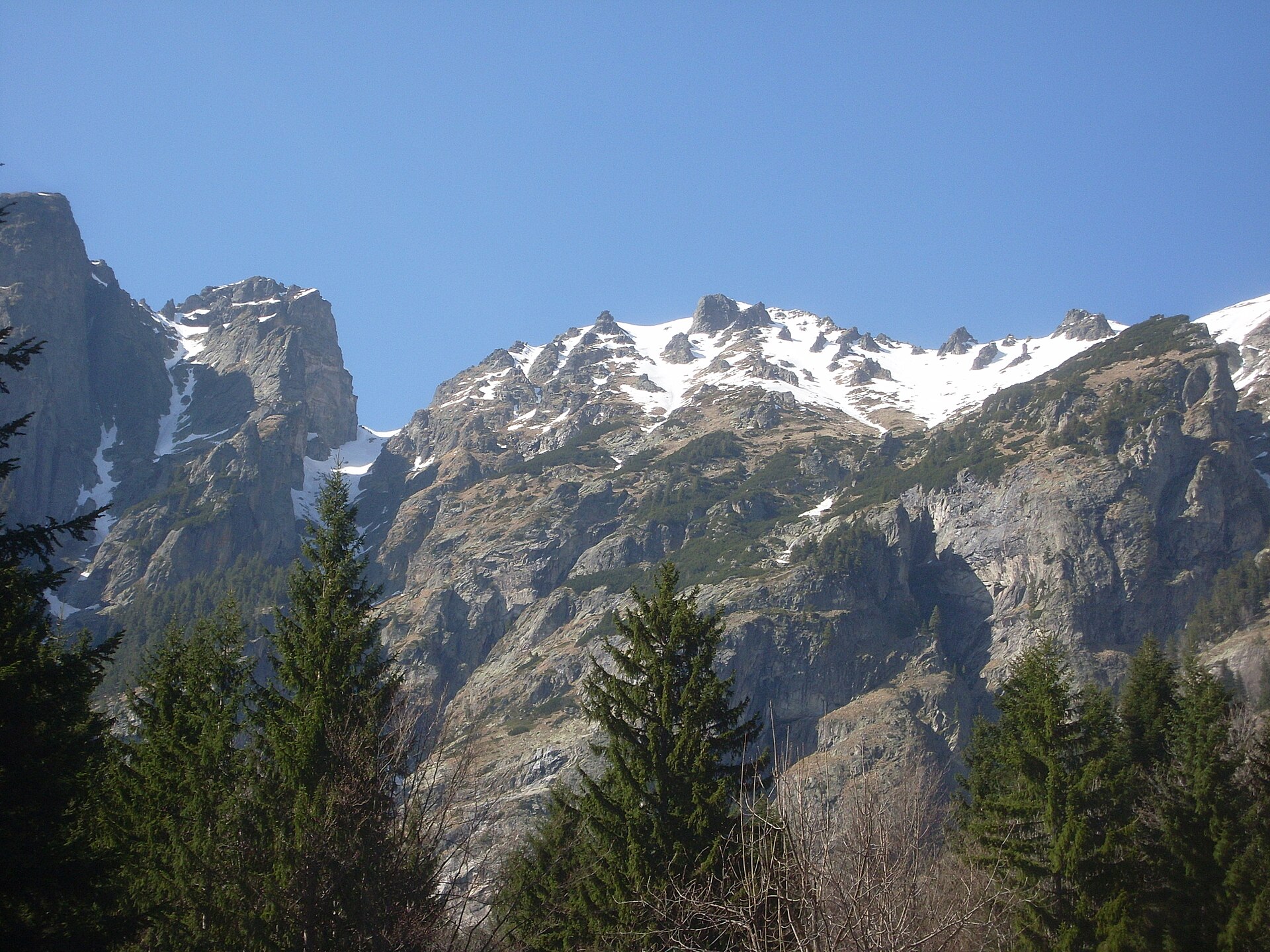
31 records
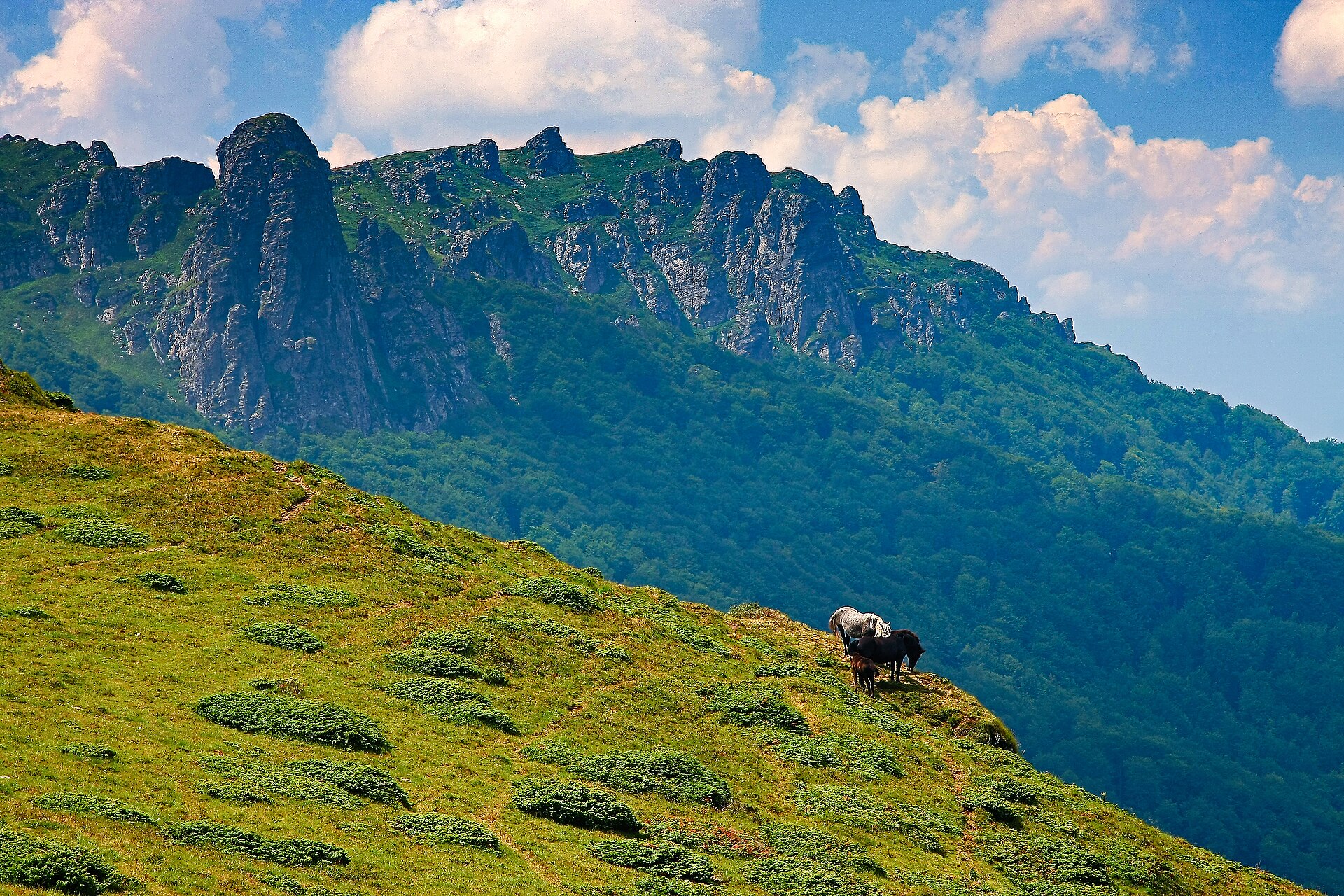
31 records
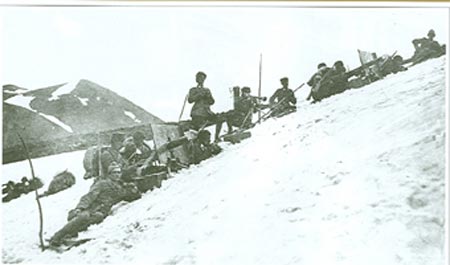
29 records
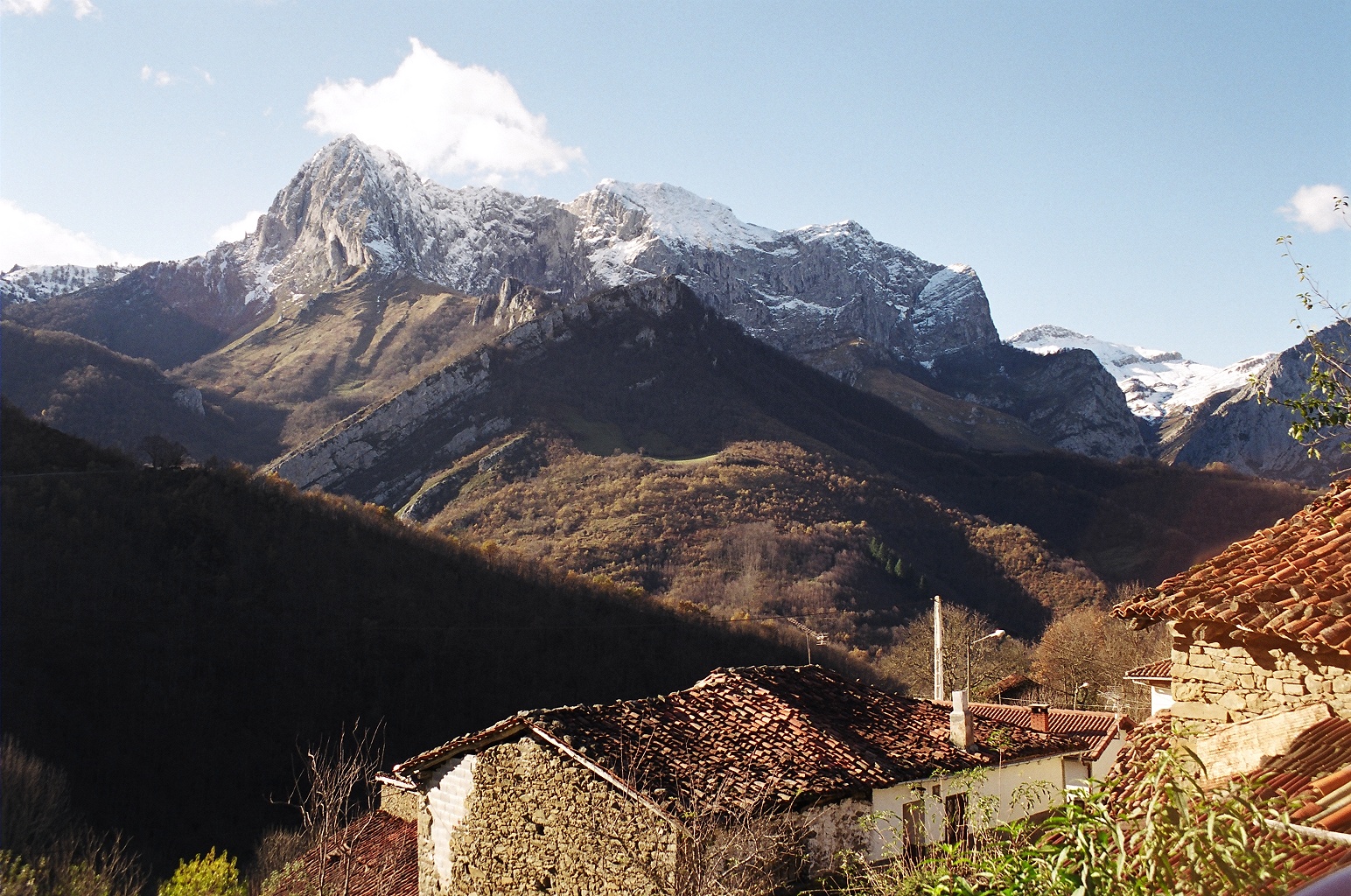
28 records
28 records
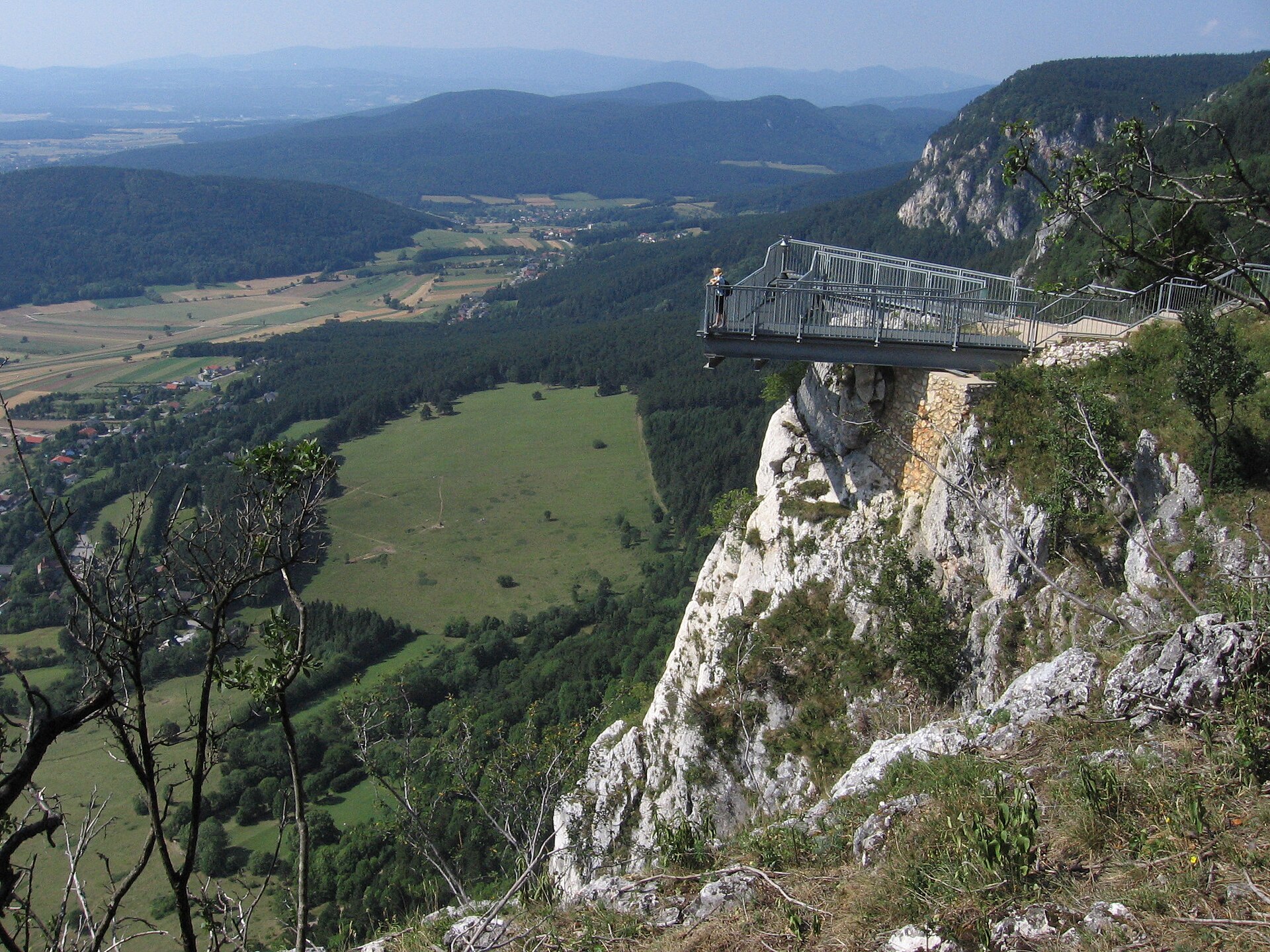
27 records

24 records
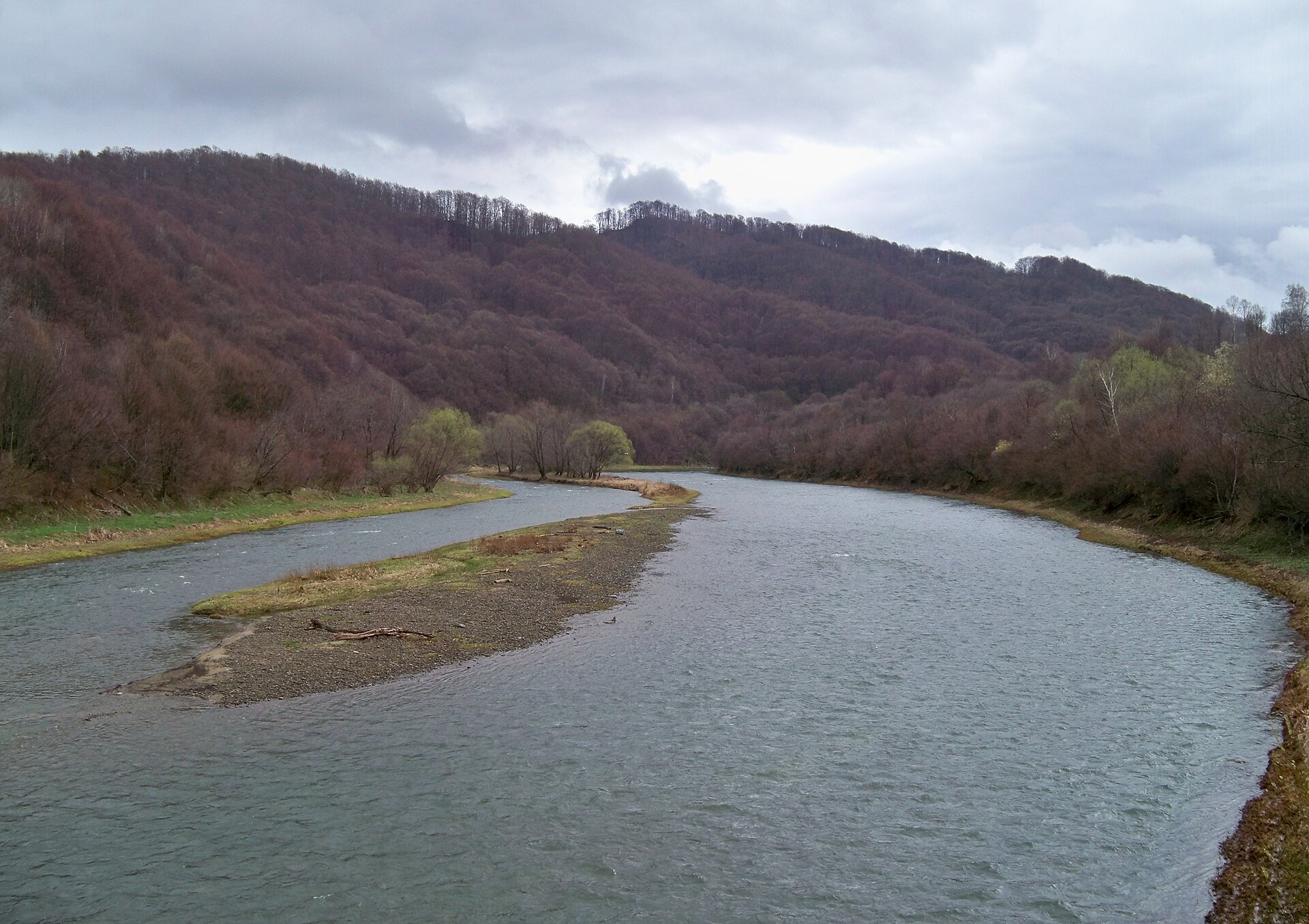
24 records
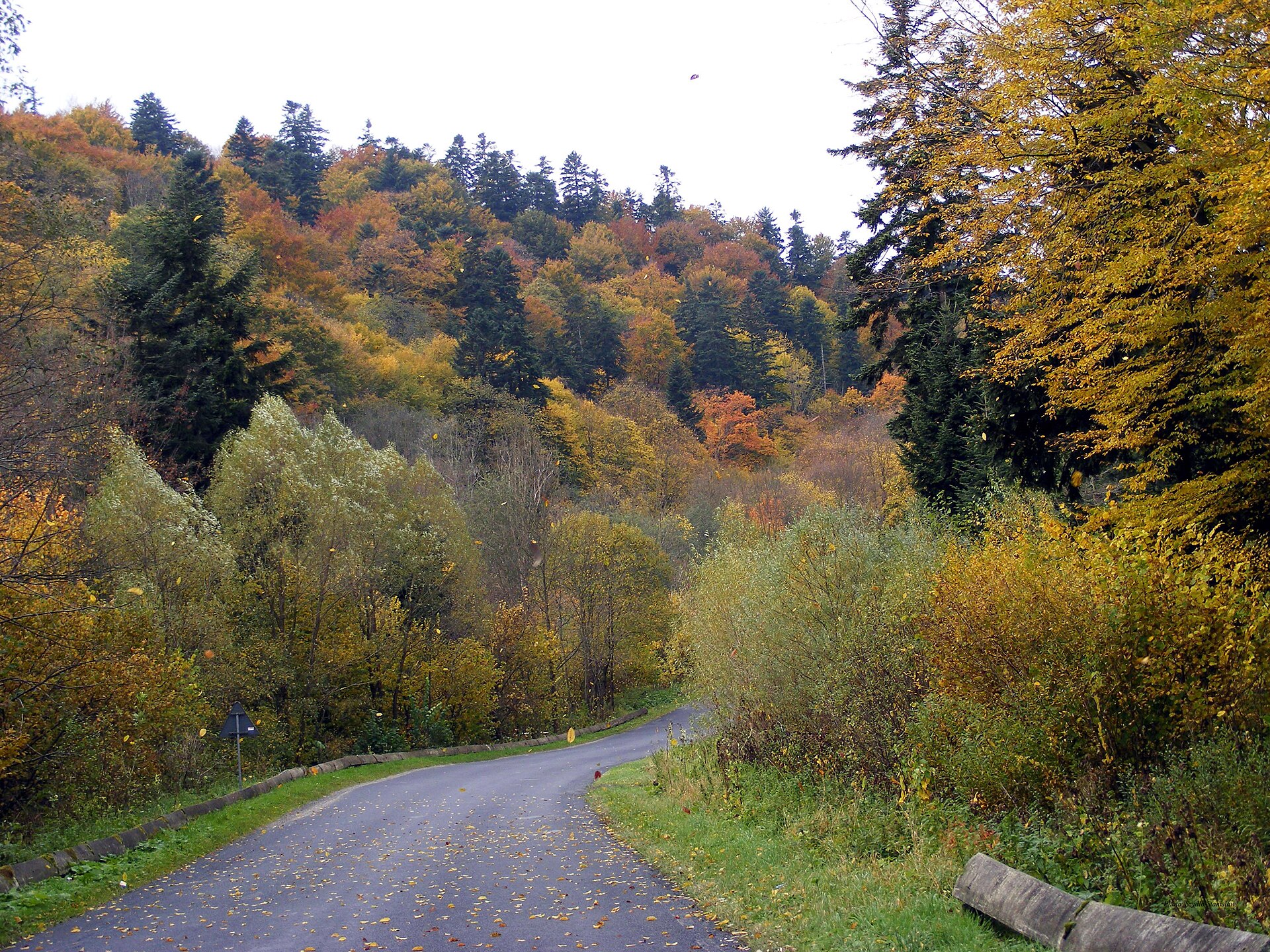
22 records

18 records
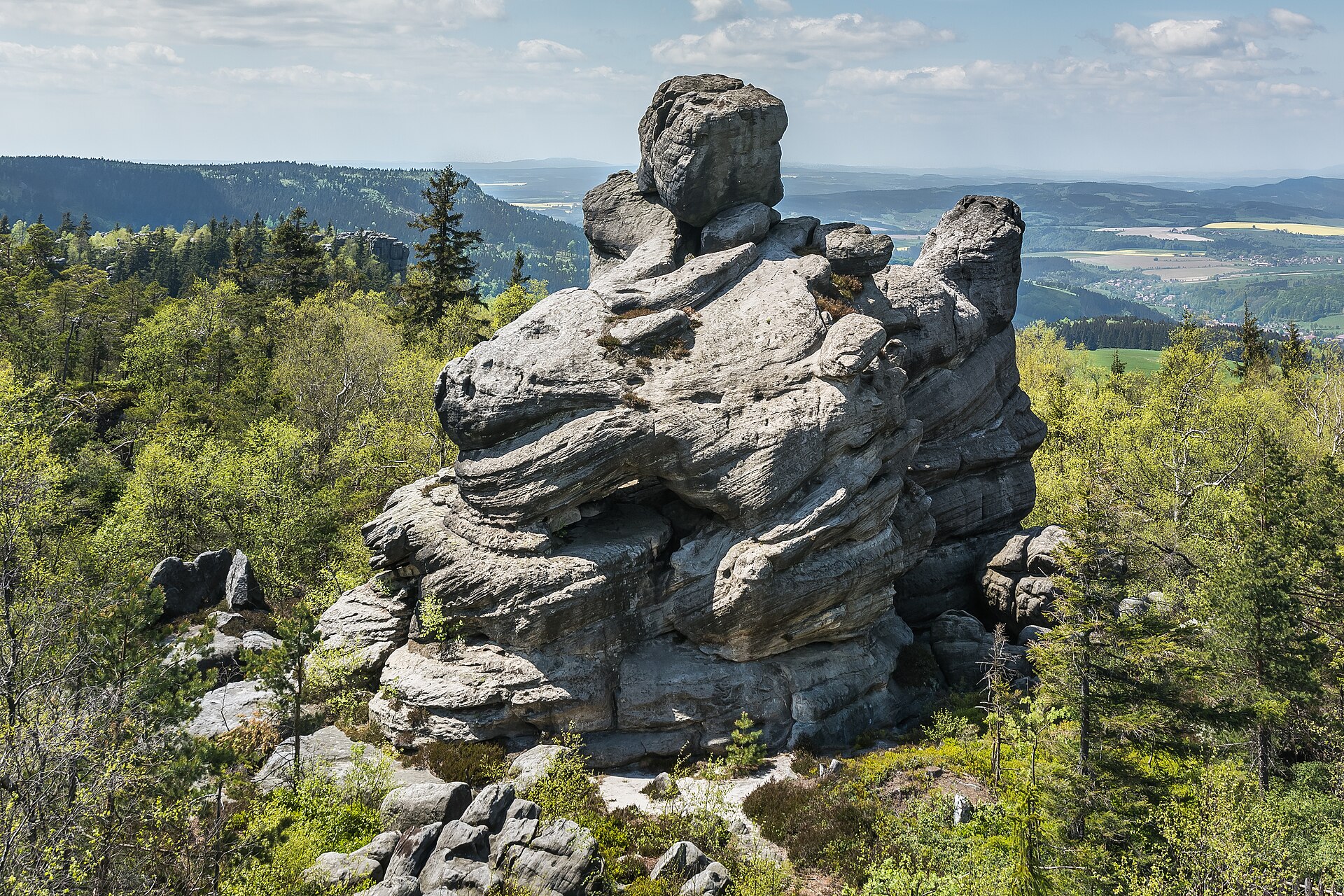
18 records
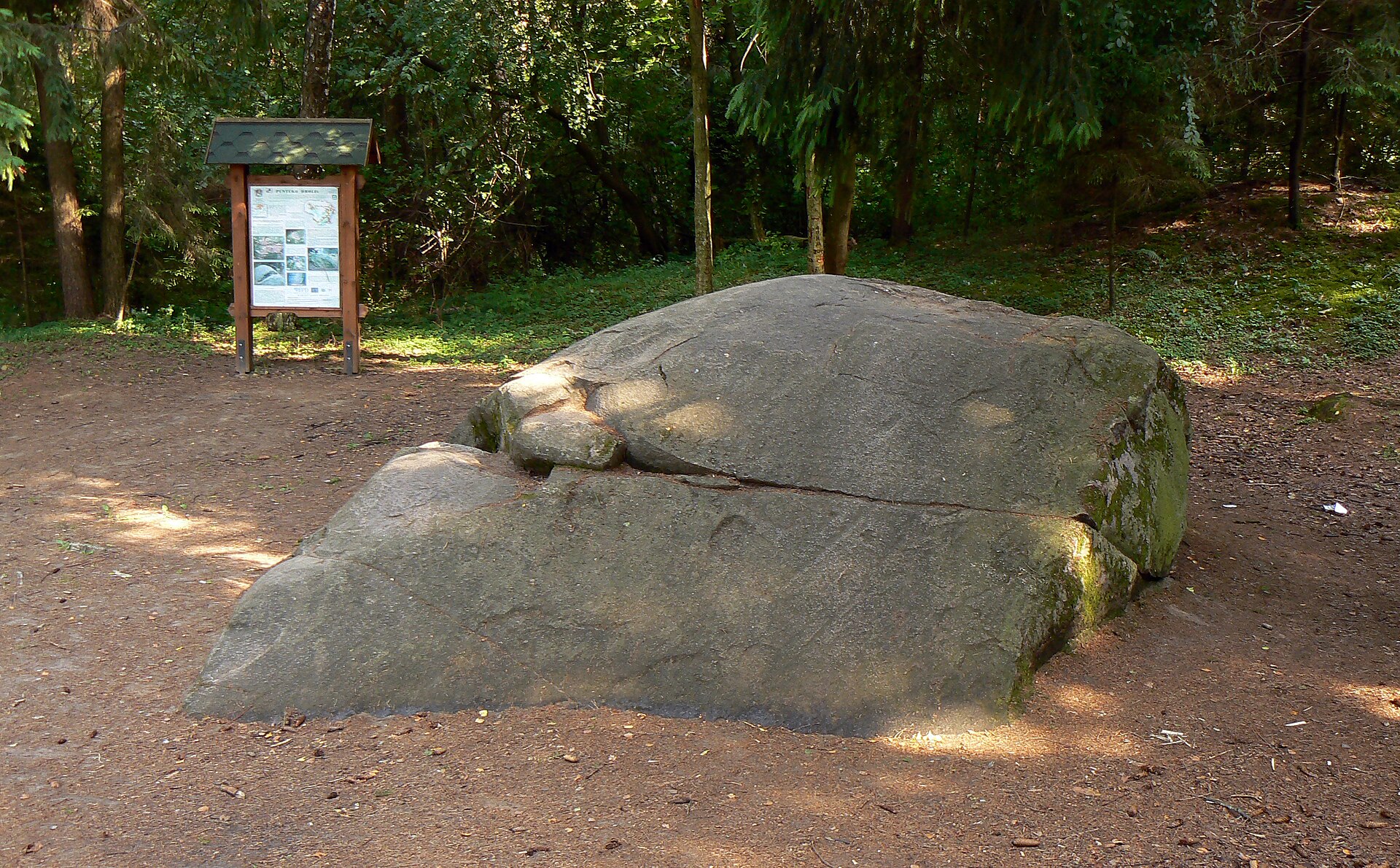
16 records
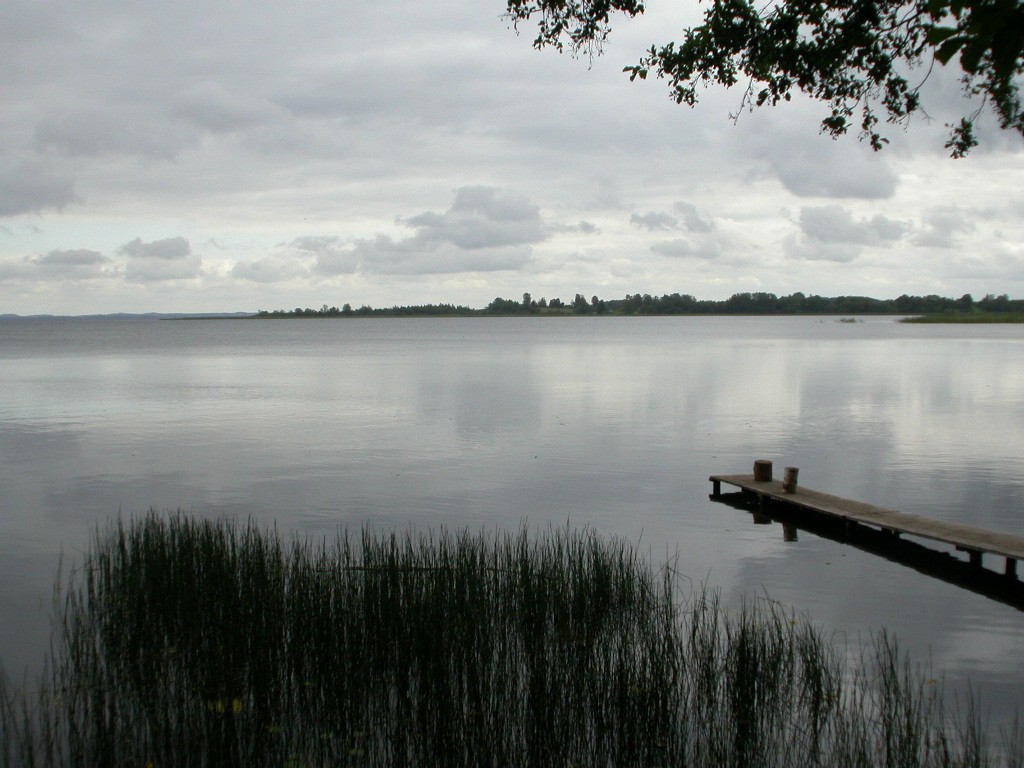
16 records

15 records
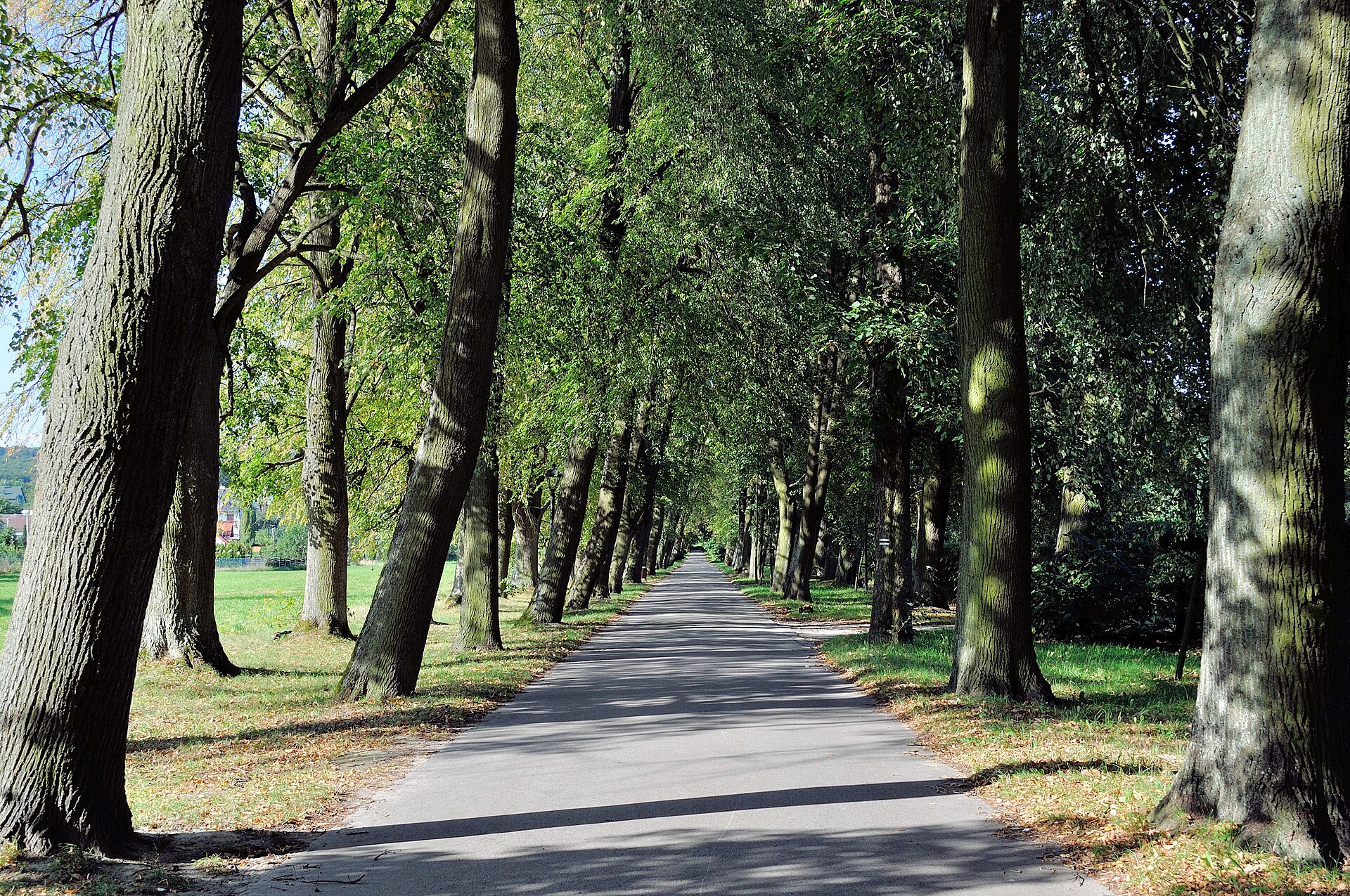
15 records
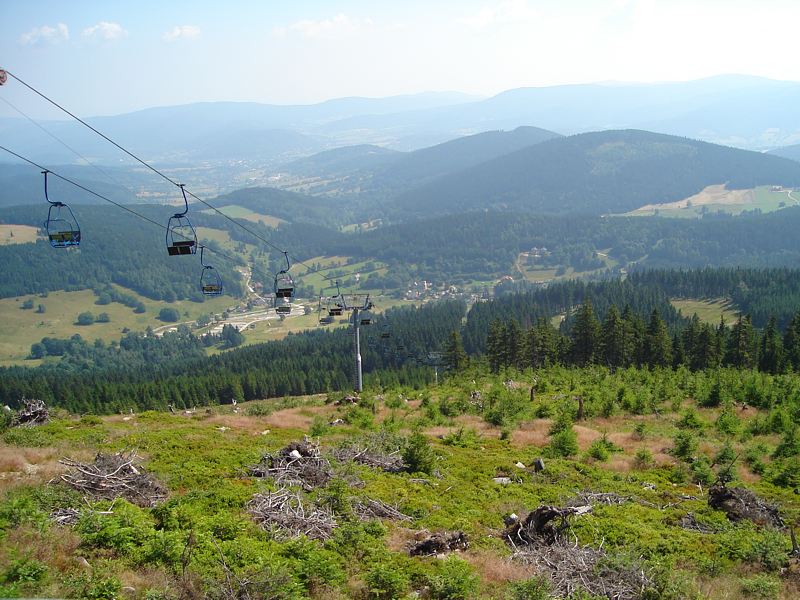
15 records

14 records
14 records

12 records

11 records

8 records
7 records
6 records
5 records

5 records

3 records
3 records
Natura 2000 · resident

Natura 2000 · resident
Natura 2000 · resident
Natura 2000 · resident
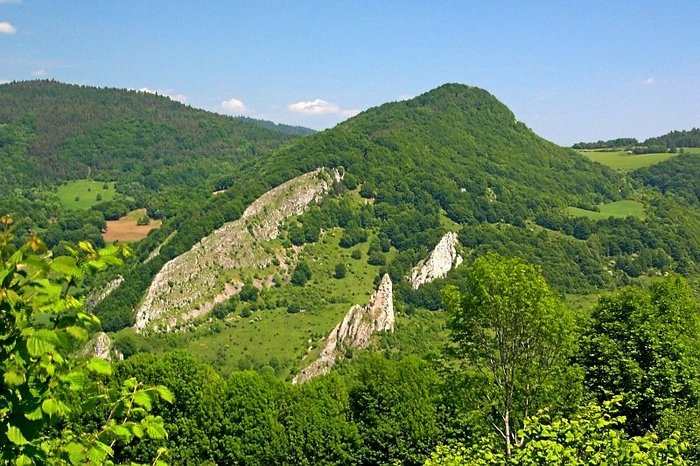
Natura 2000
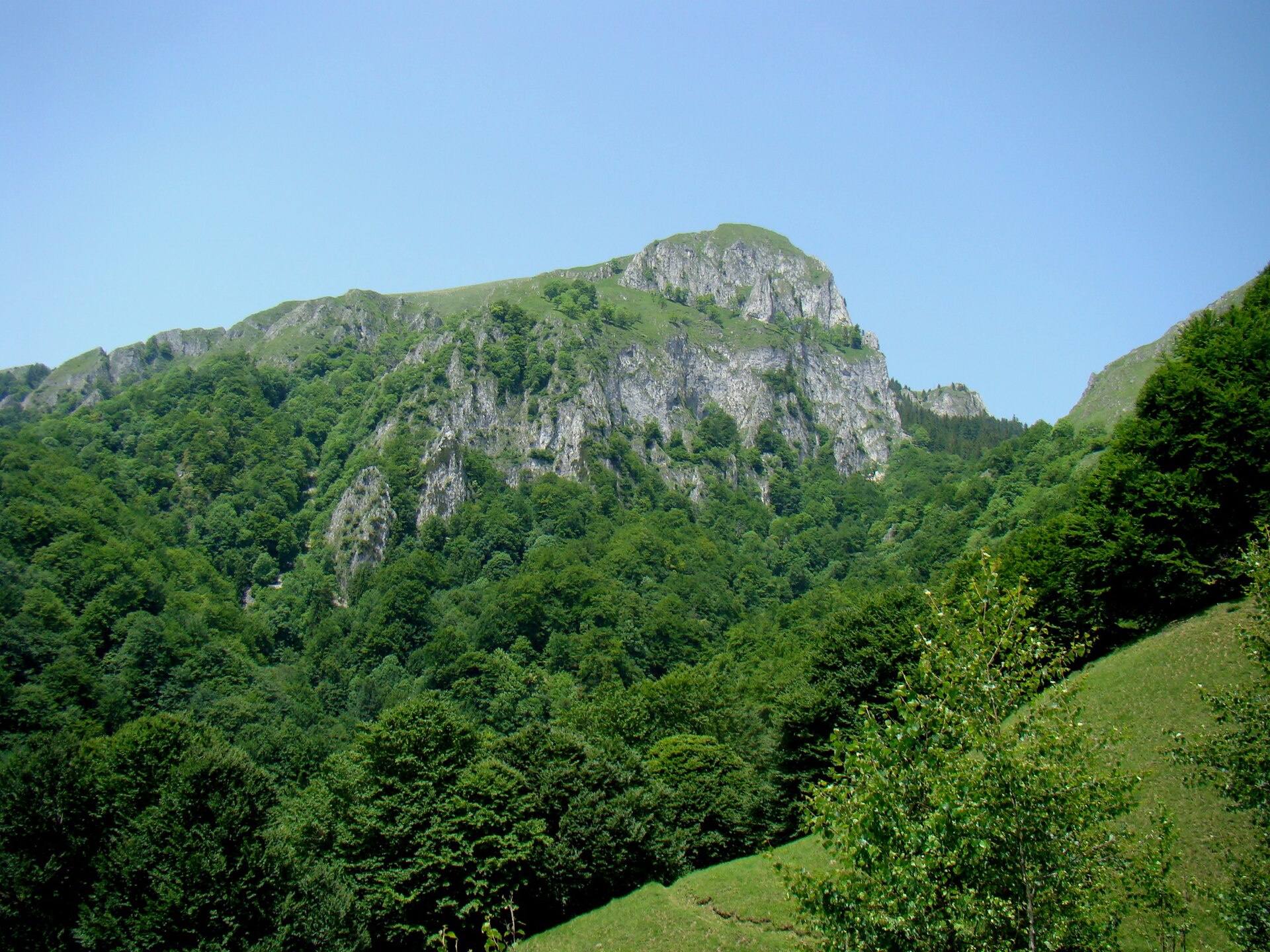
Natura 2000 · resident
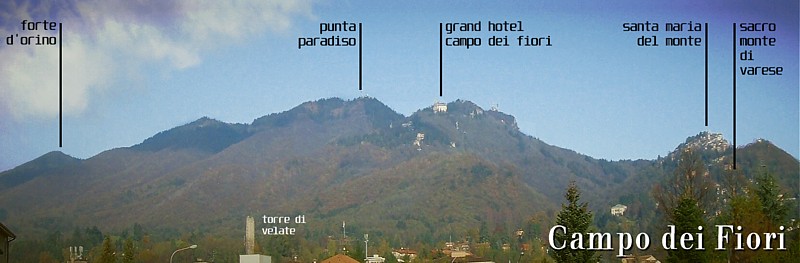
Natura 2000 · wintering
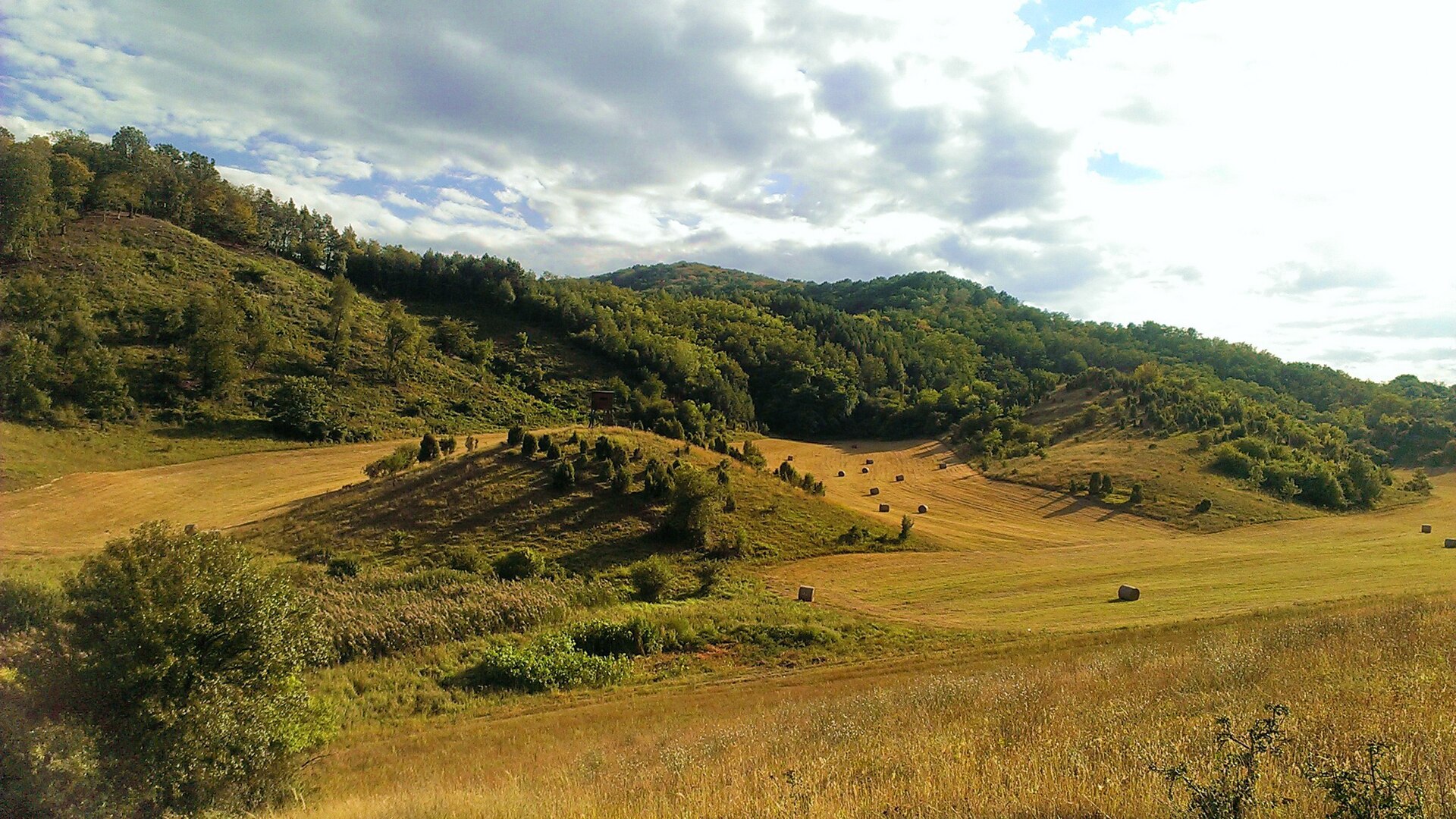
Natura 2000
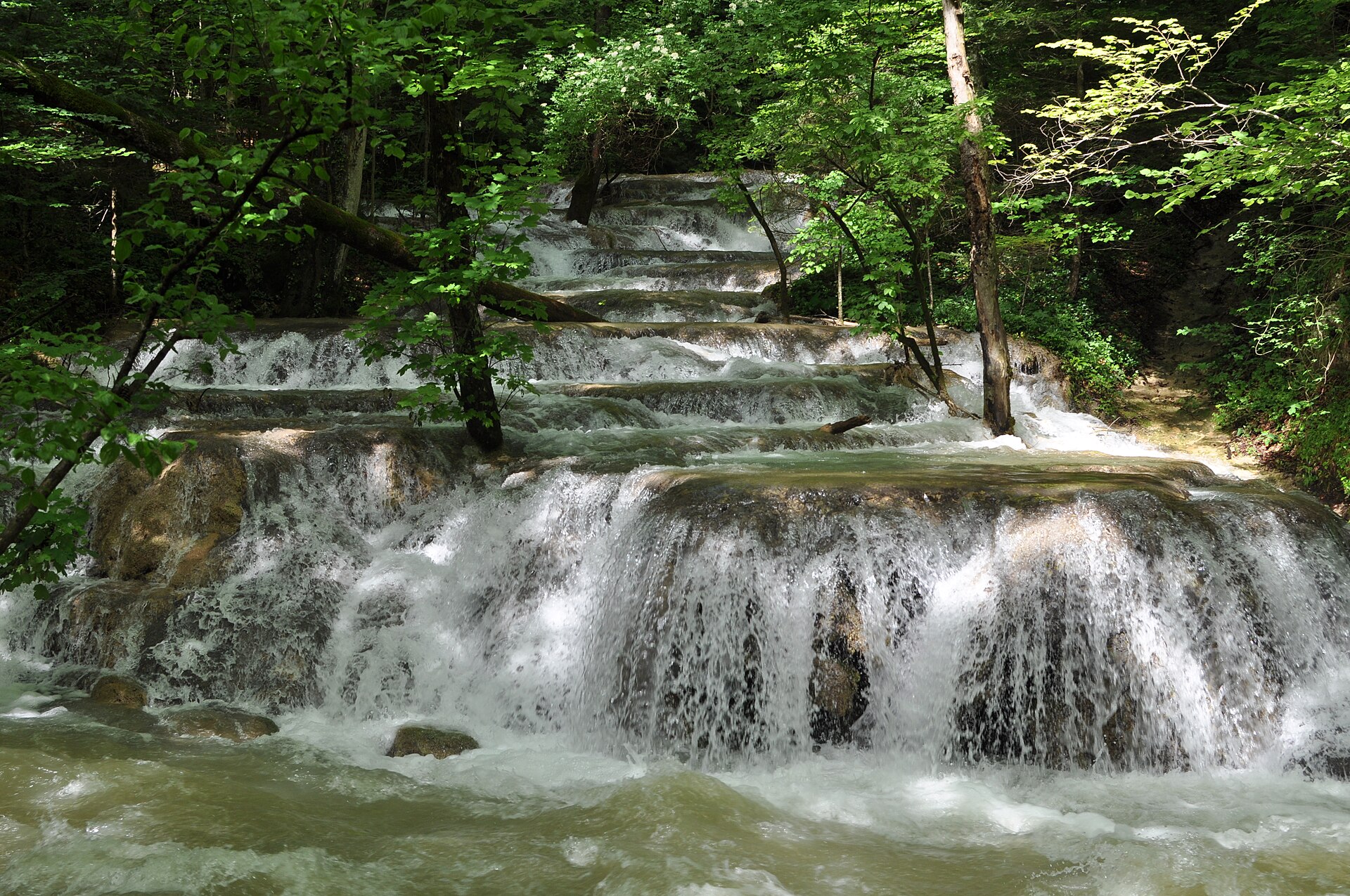
Natura 2000 · wintering
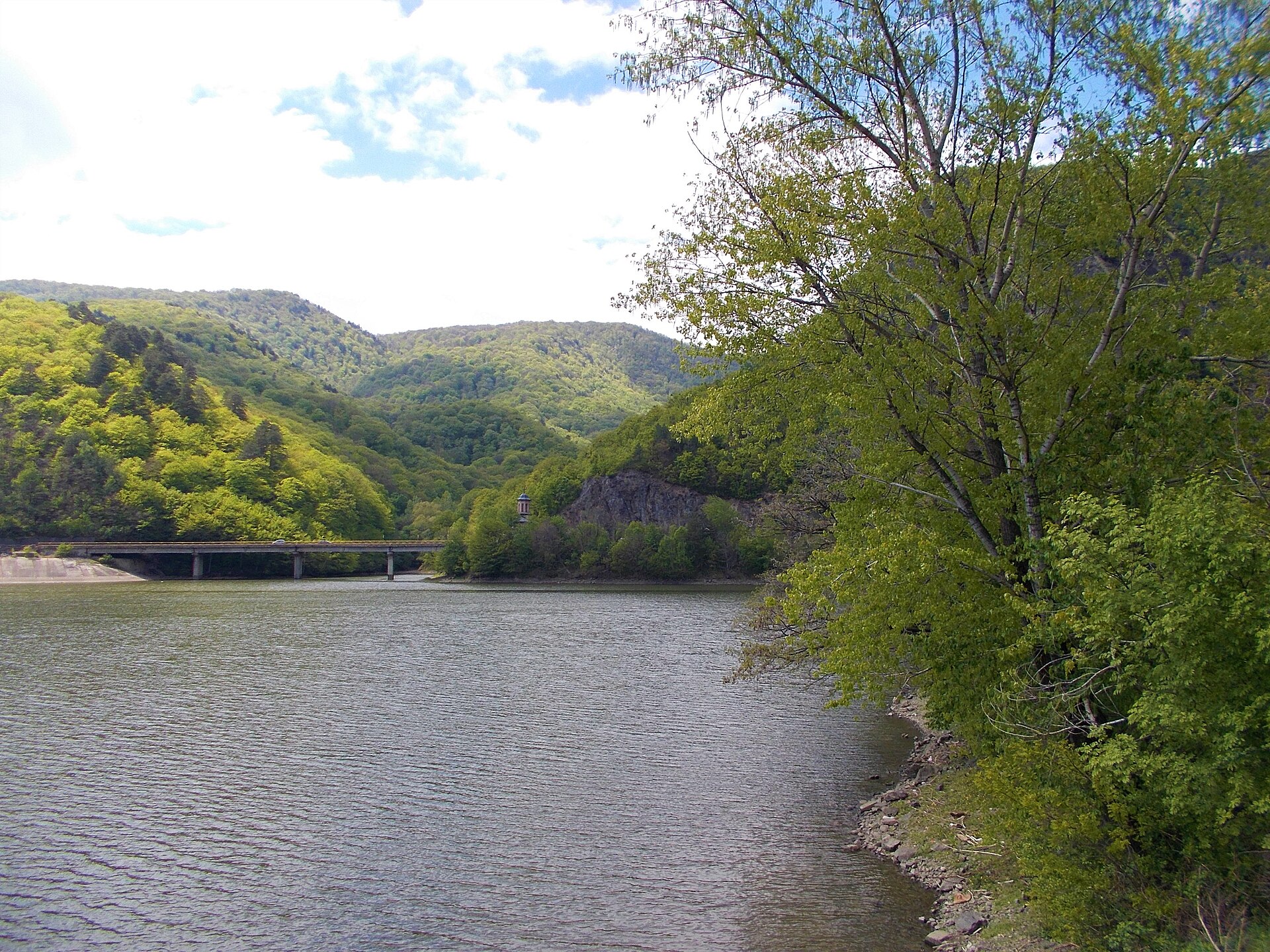
Natura 2000 · resident

Natura 2000 · breeding
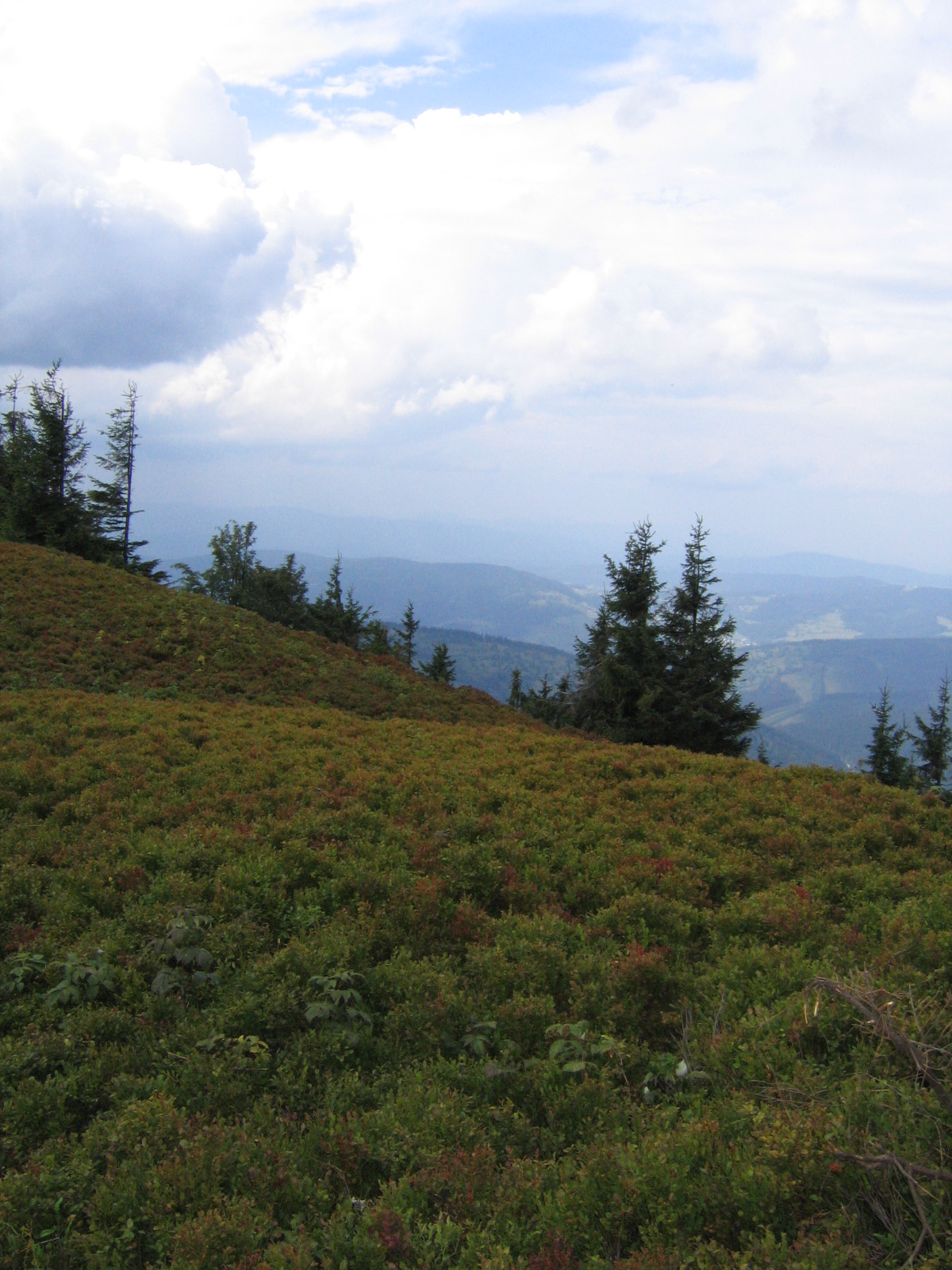
Natura 2000
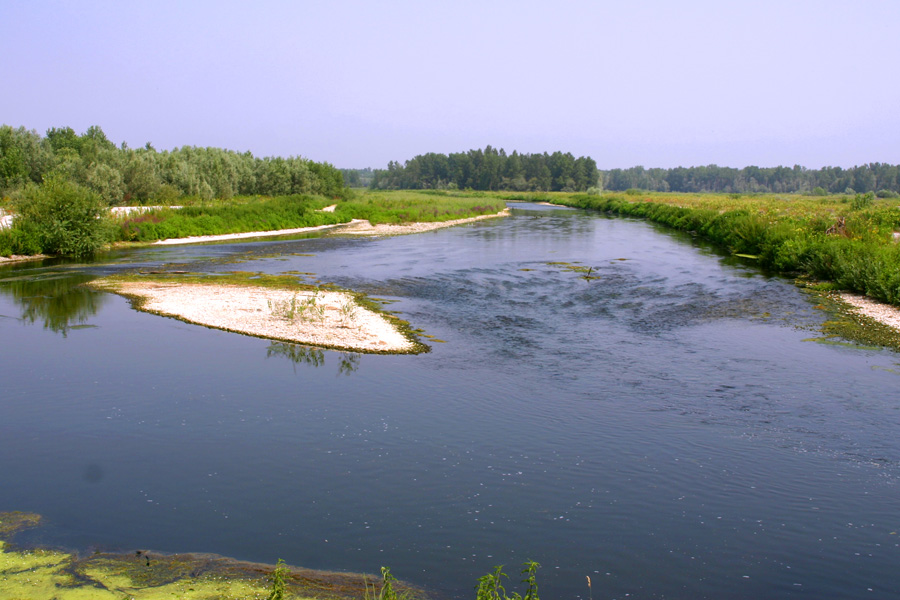
Natura 2000 · wintering, passage
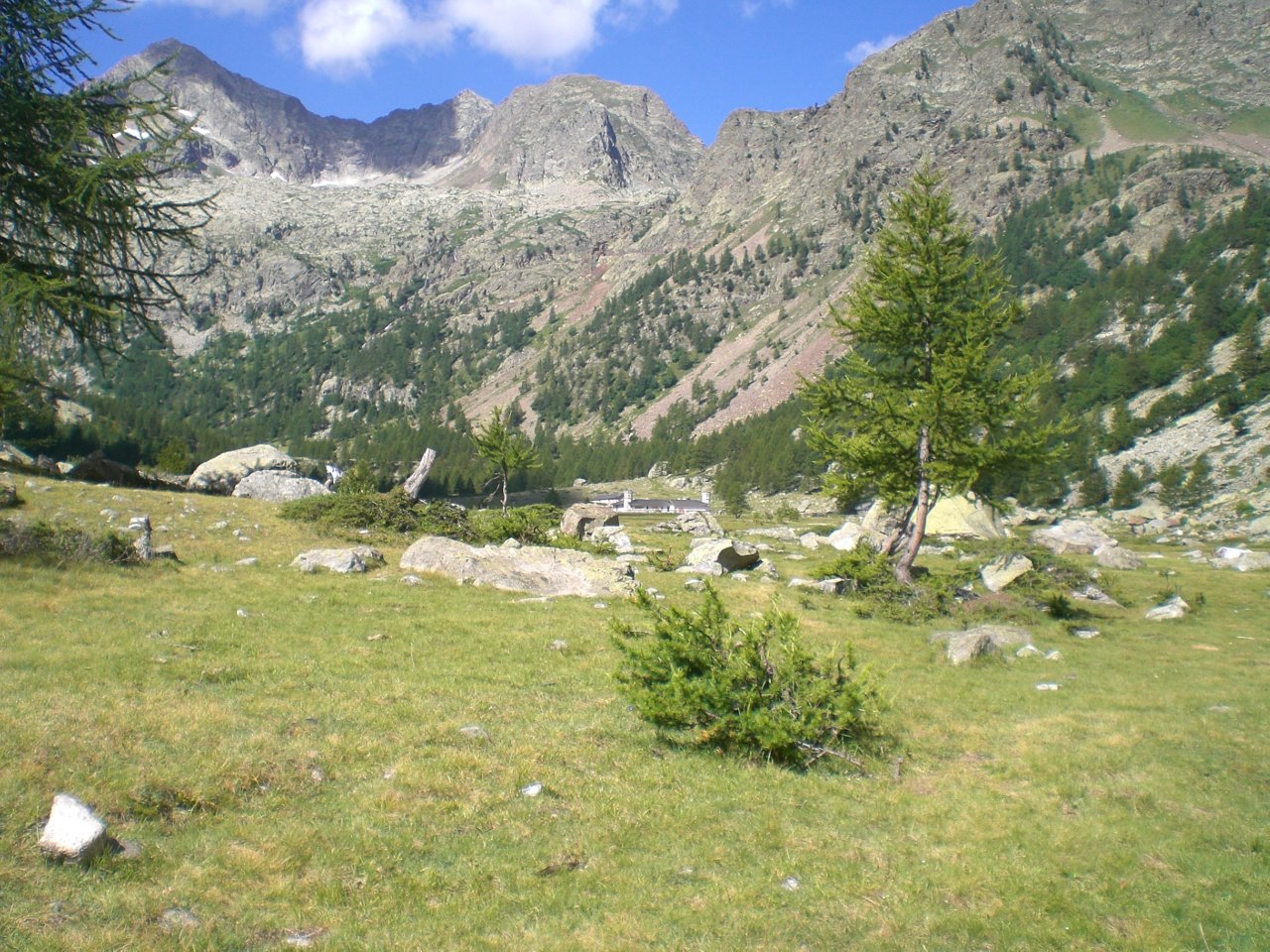
Natura 2000 · breeding

Natura 2000 · passage, wintering
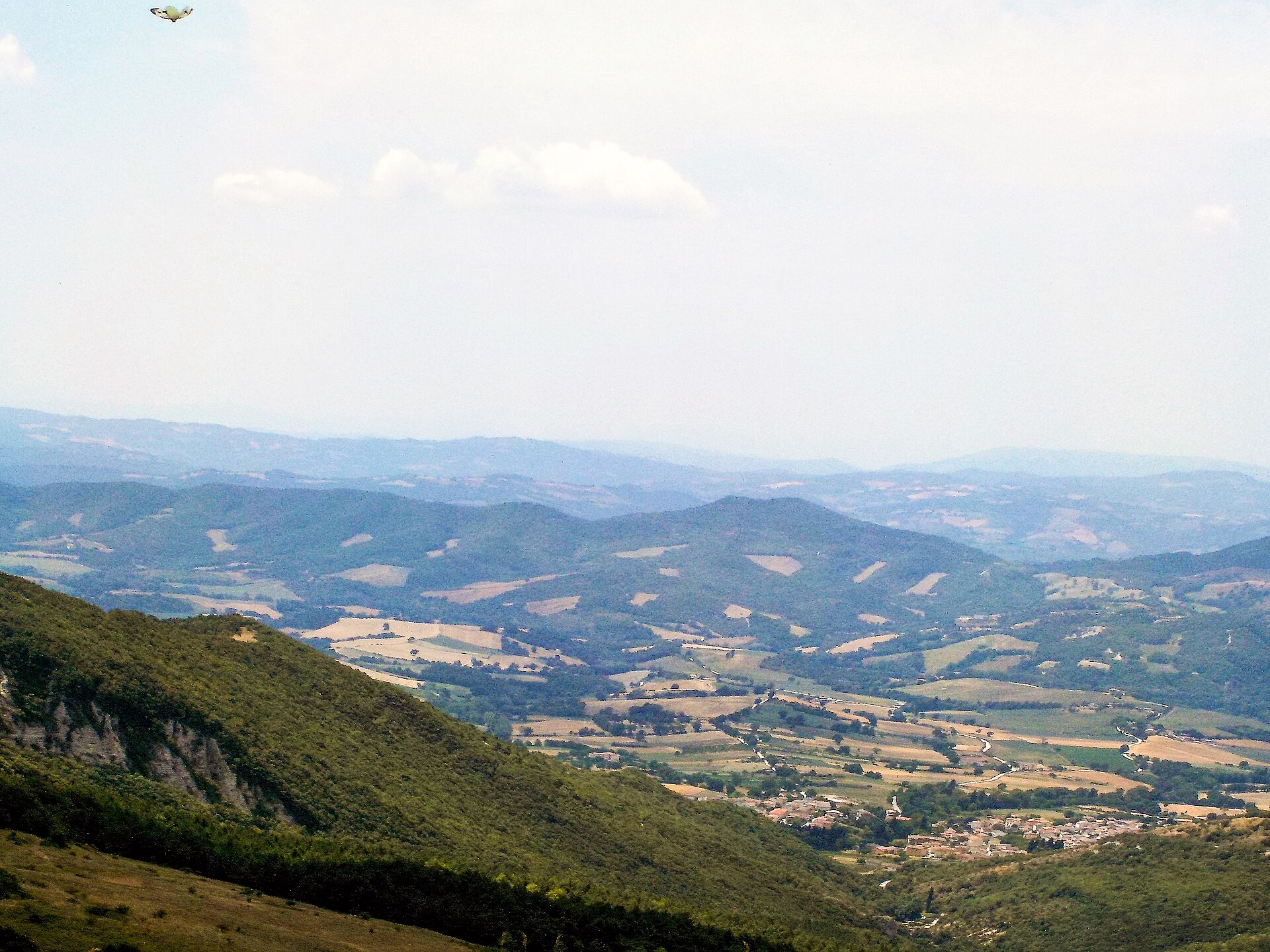
Natura 2000 · breeding
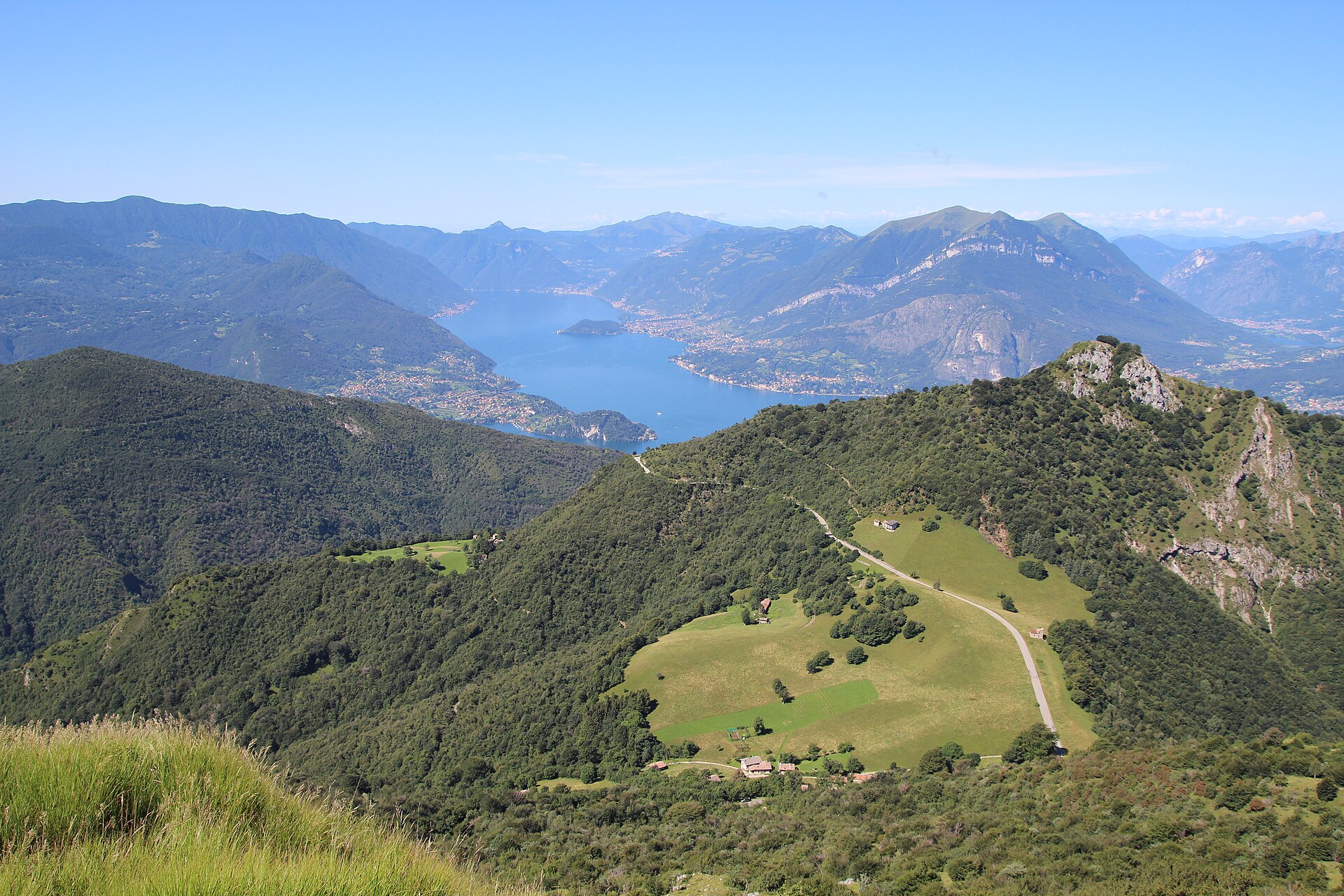
Natura 2000 · wintering, passage
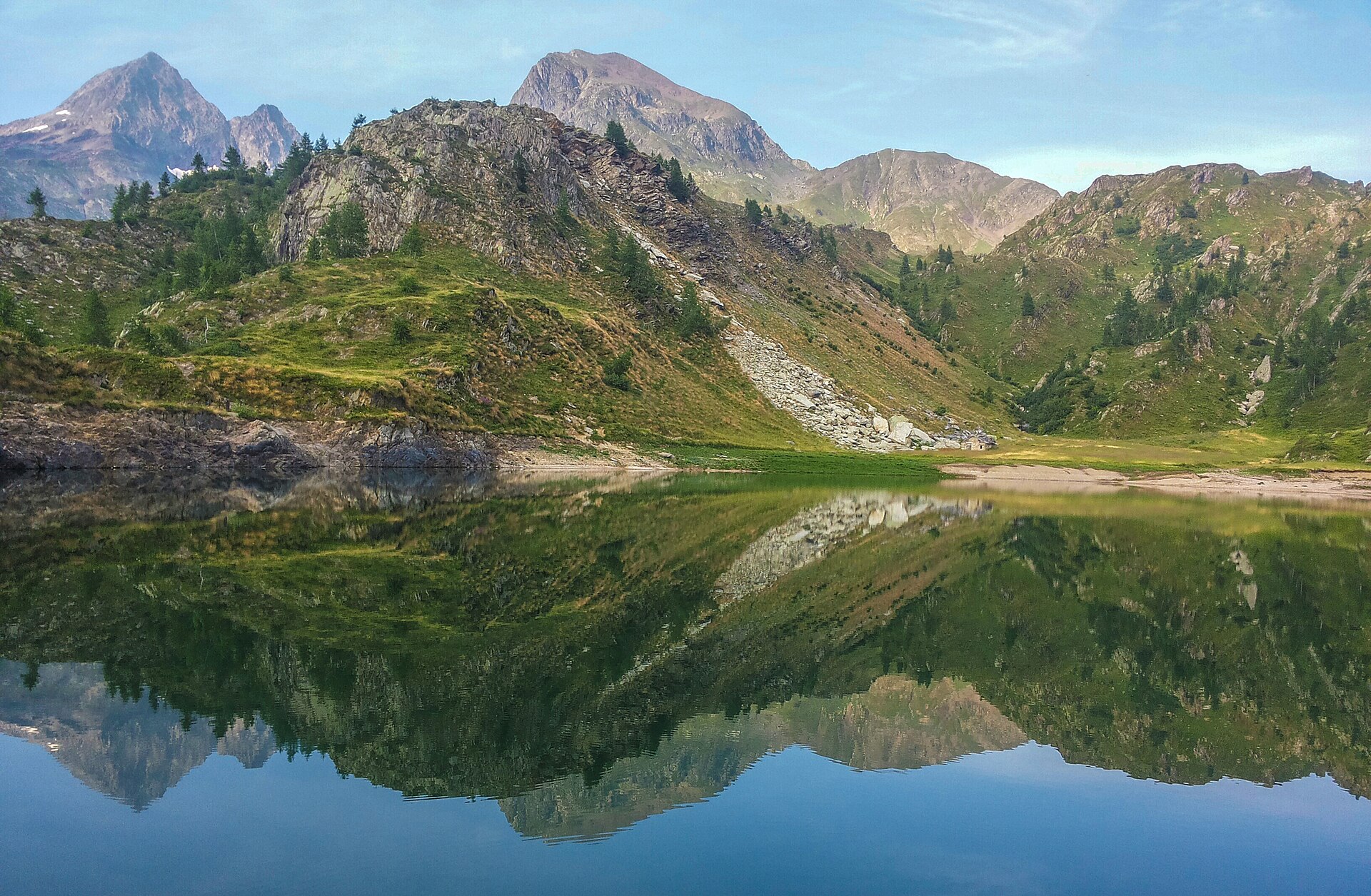
Natura 2000 · passage, breeding, resident
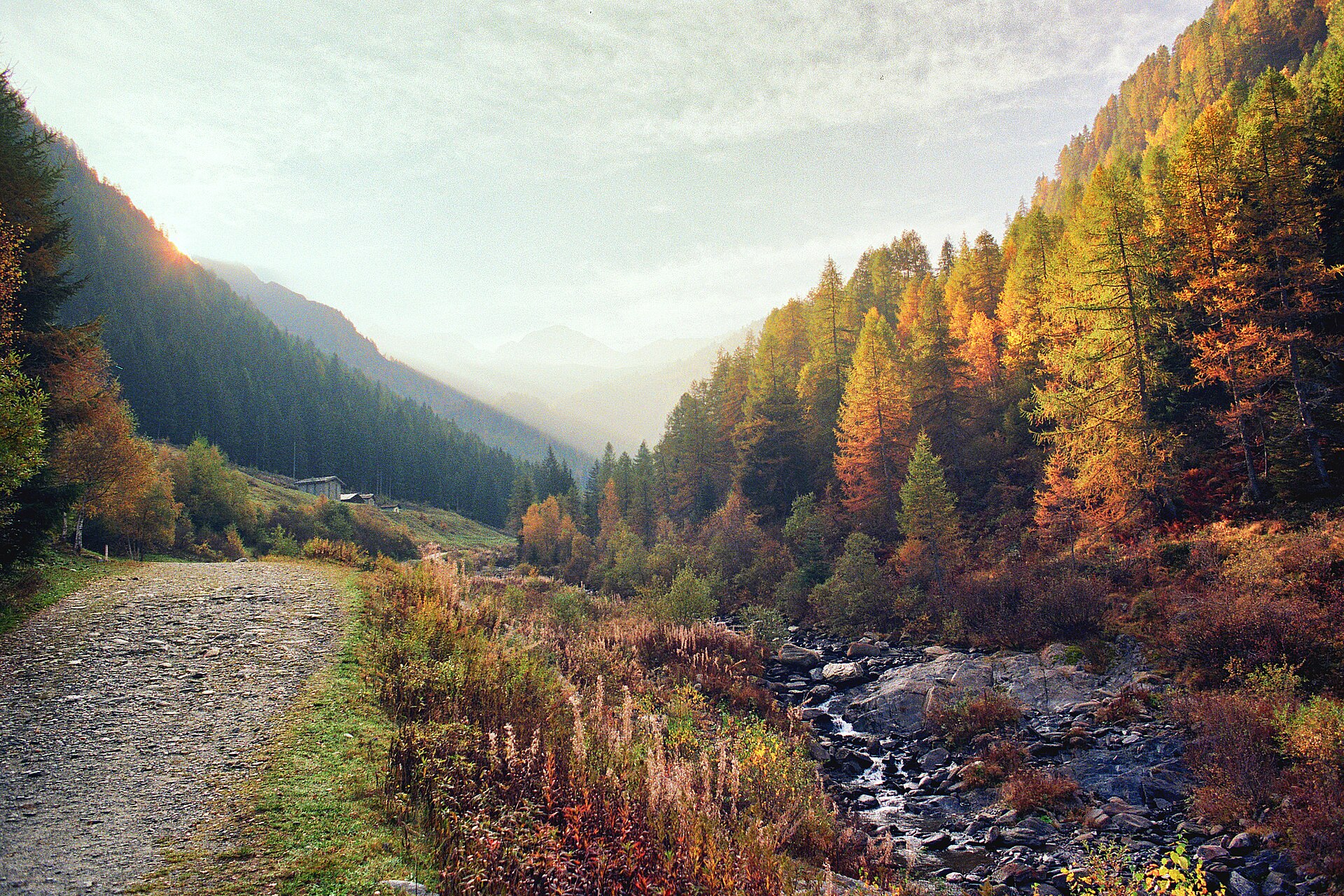
Natura 2000 · resident
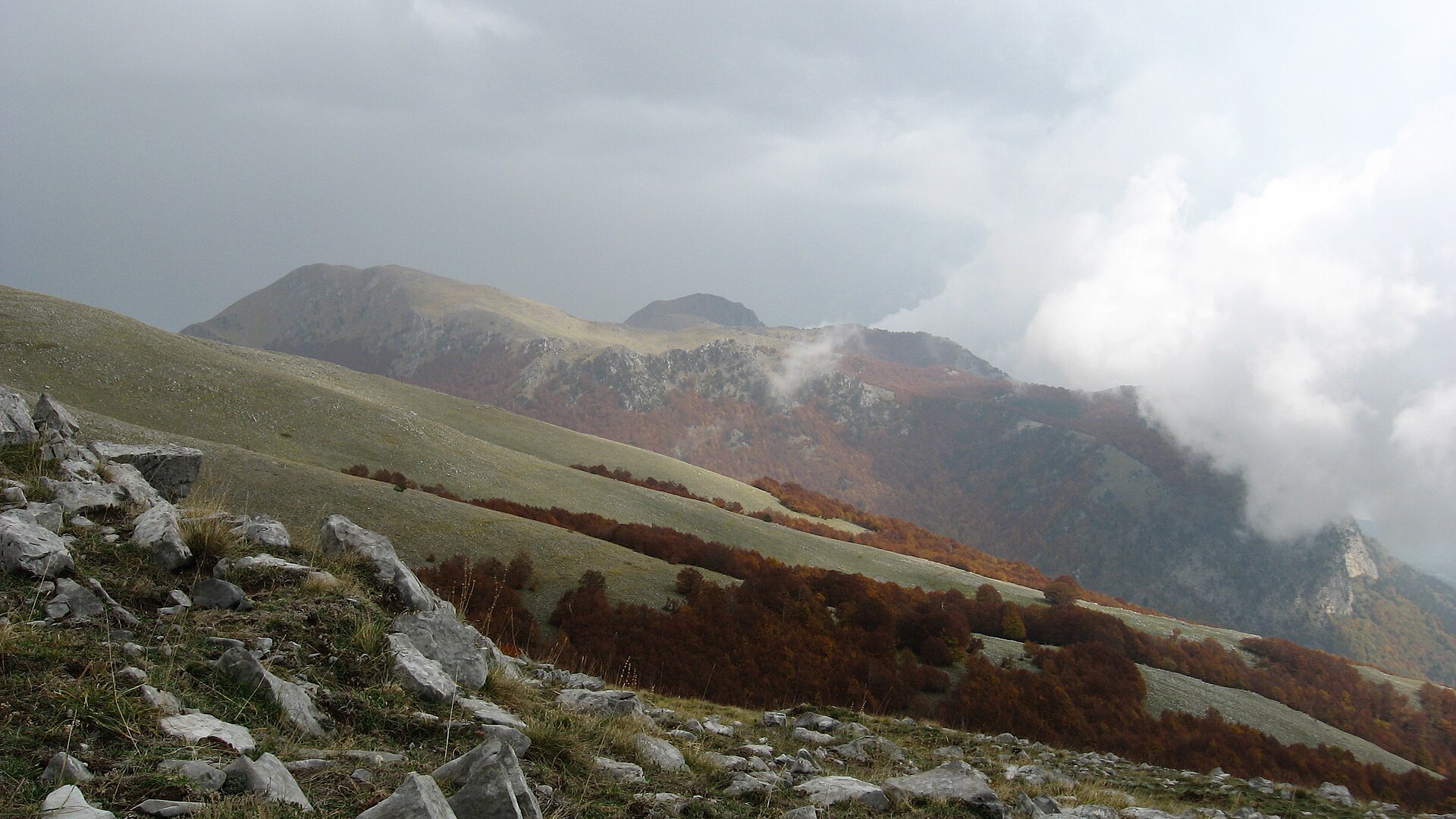
Natura 2000 · resident
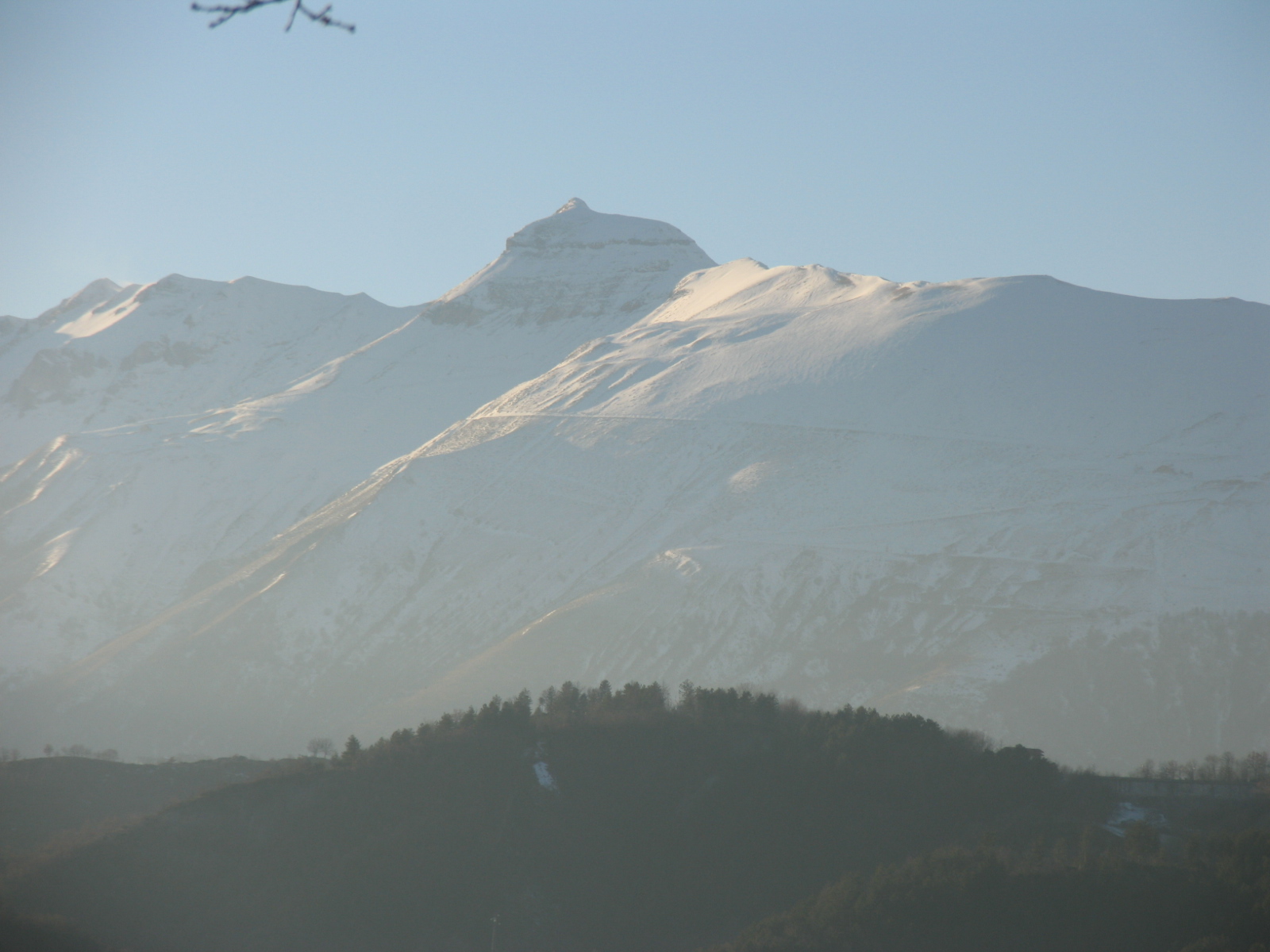
Natura 2000 · breeding
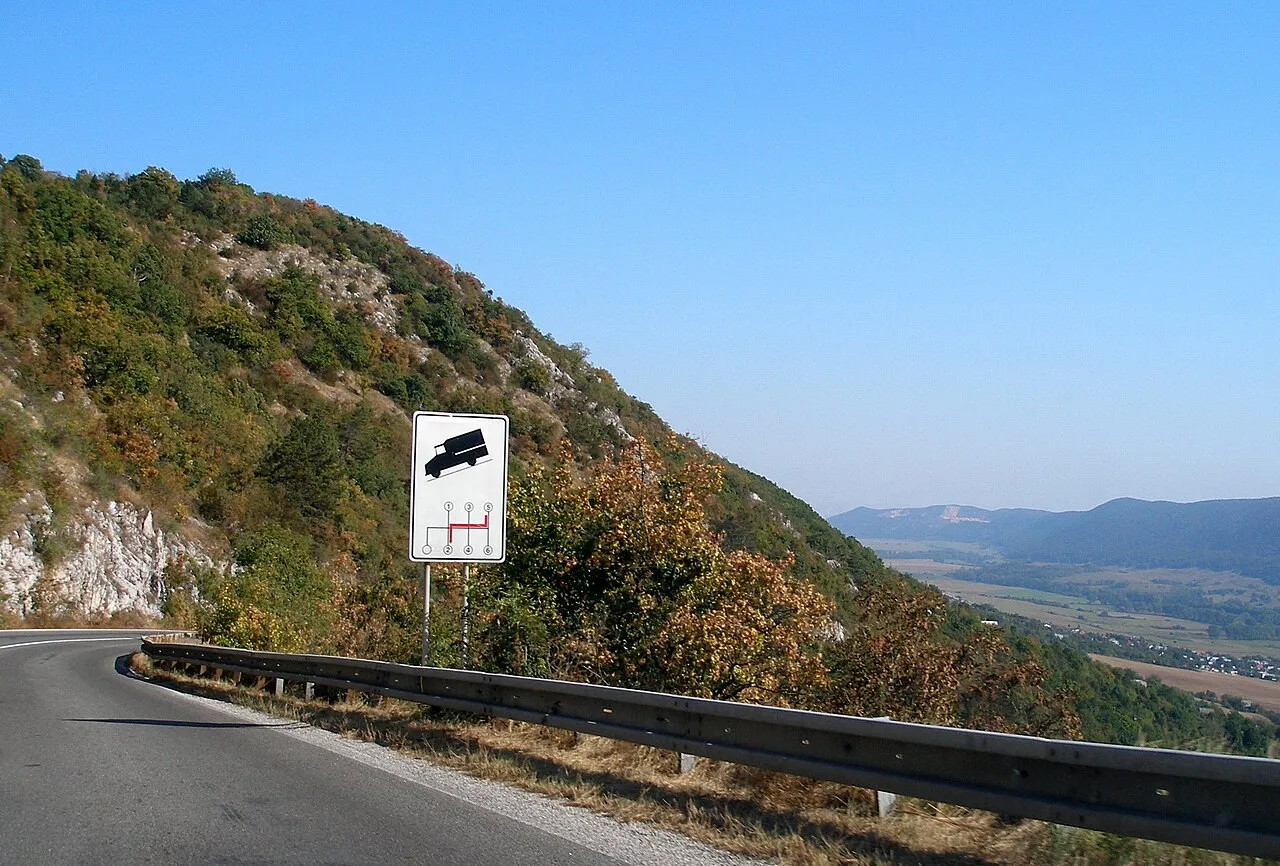
Natura 2000
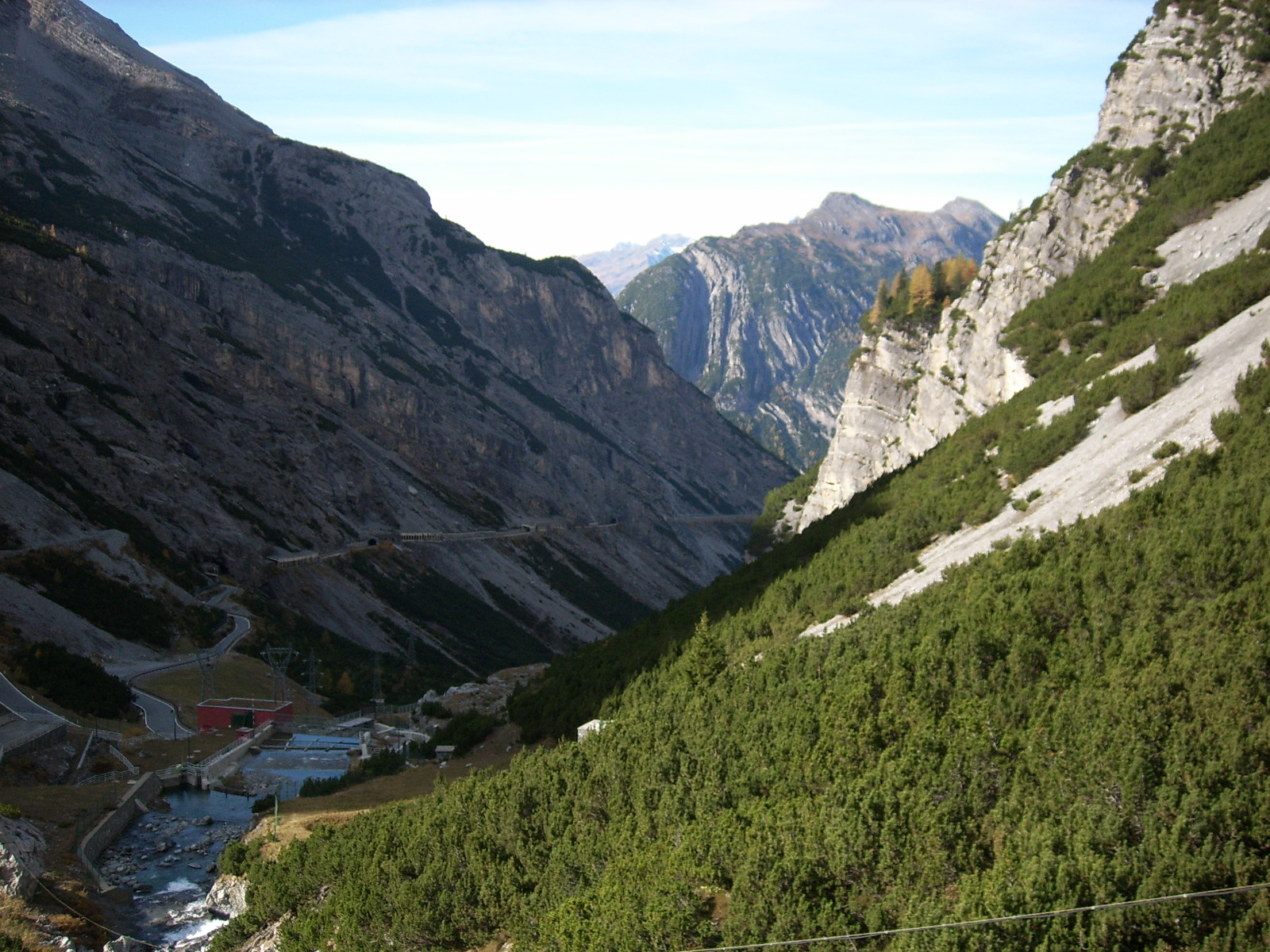
Natura 2000 · passage, resident
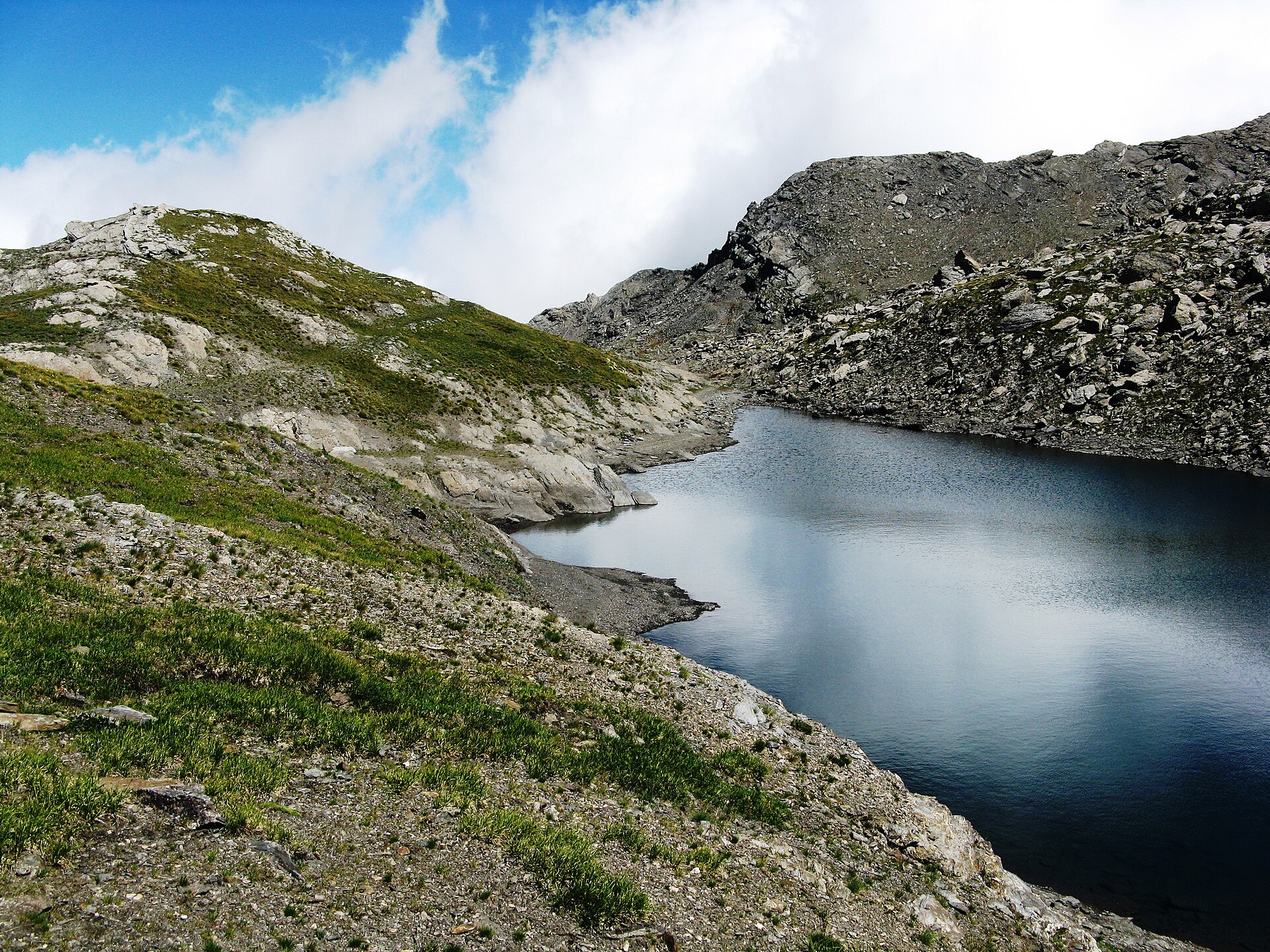
Natura 2000 · resident
Other species to discover
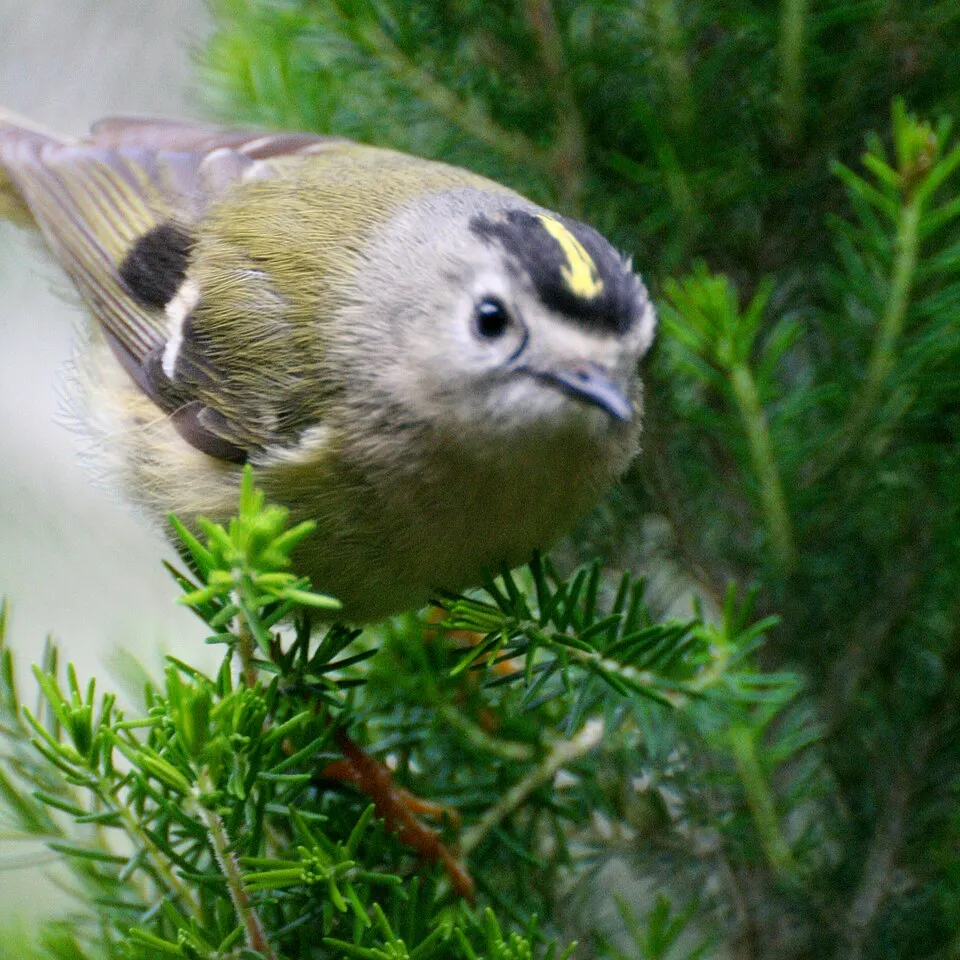 Goldcrest
Regulus regulus 63 places in common
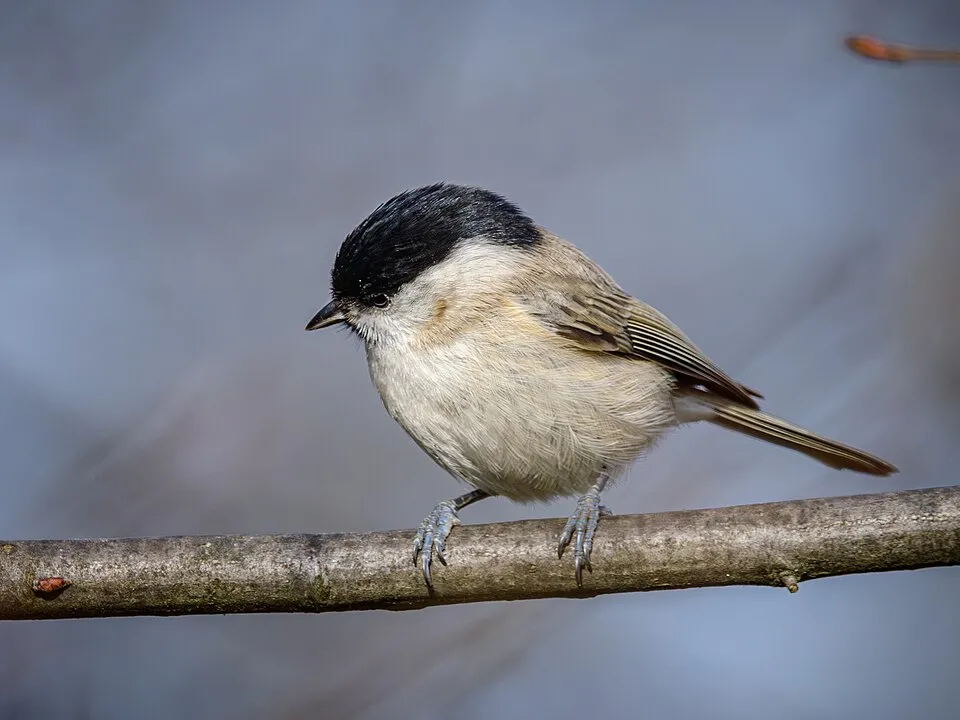 Marsh Tit
Poecile palustris 50 places in common
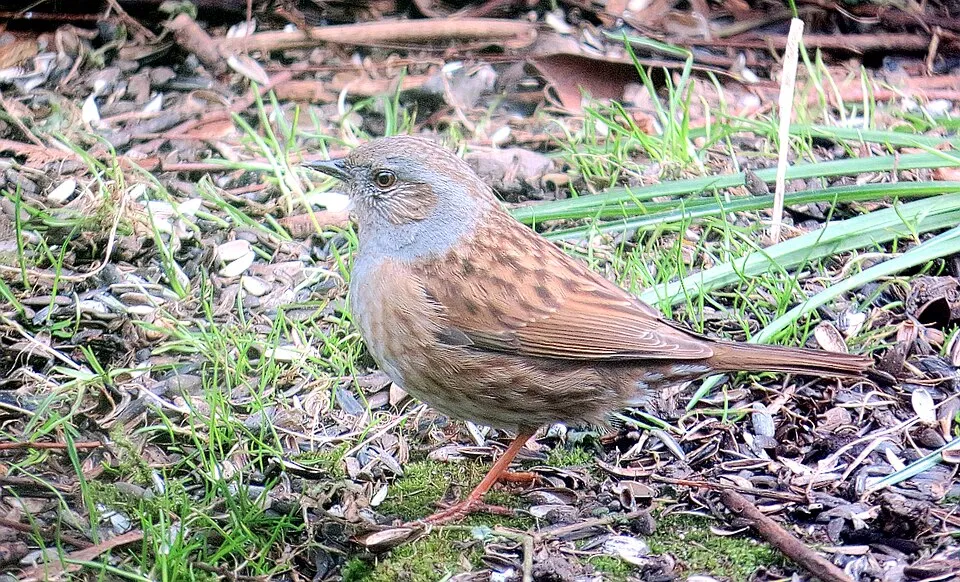 Dunnock
Prunella modularis 45 places in common
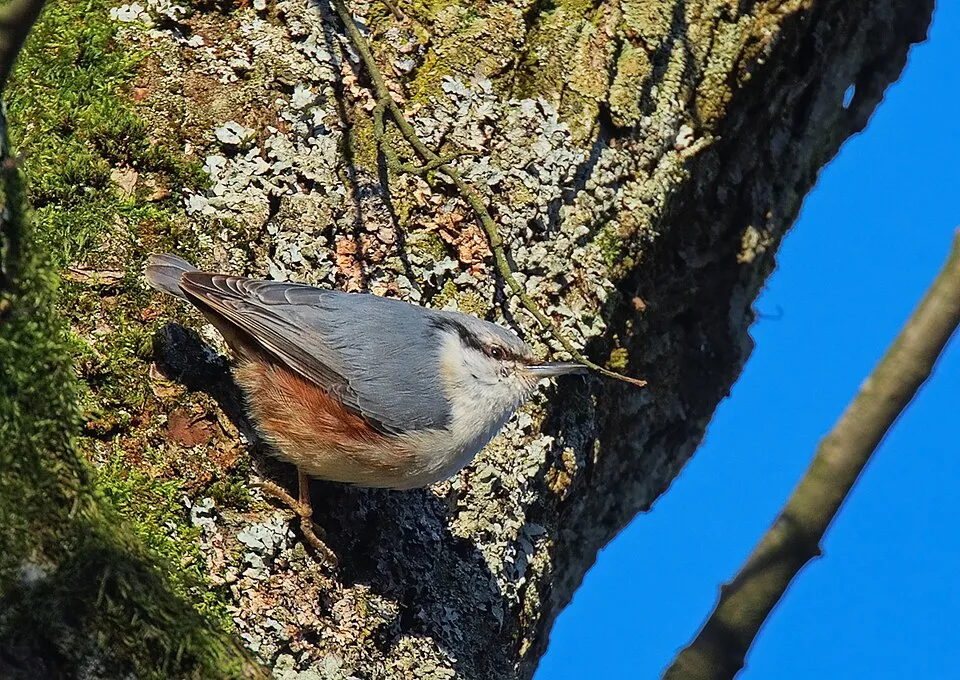 Eurasian Nuthatch
Sitta europaea 79 places in common
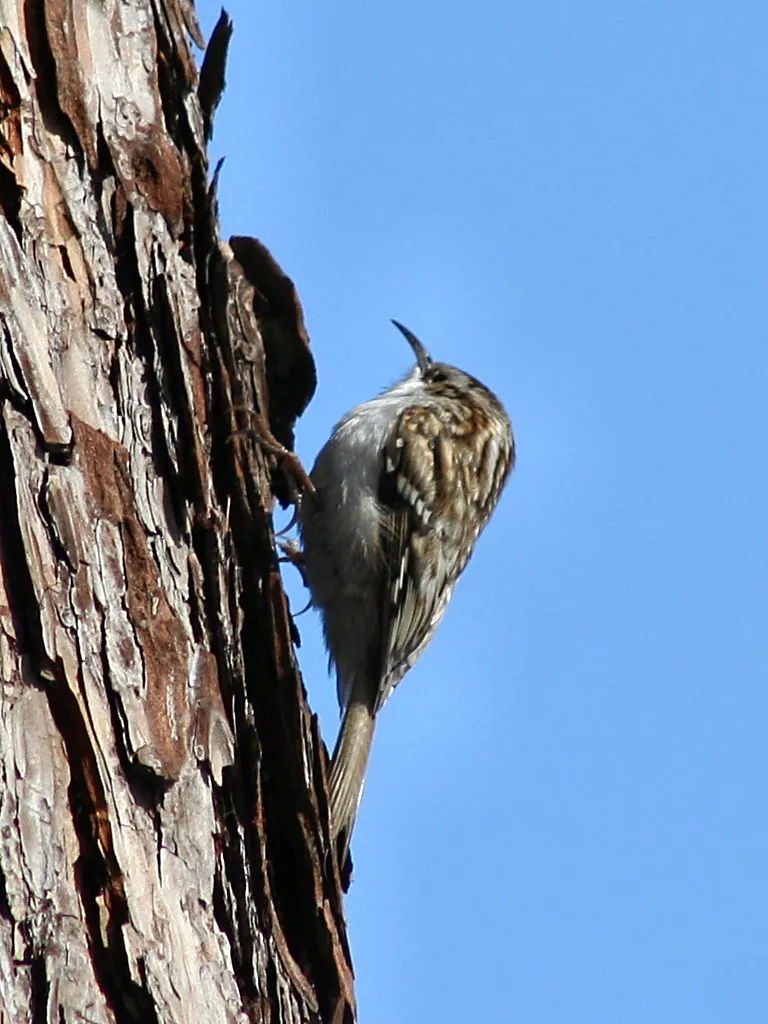 Eurasian Treecreeper
Certhia familiaris 34 places in common
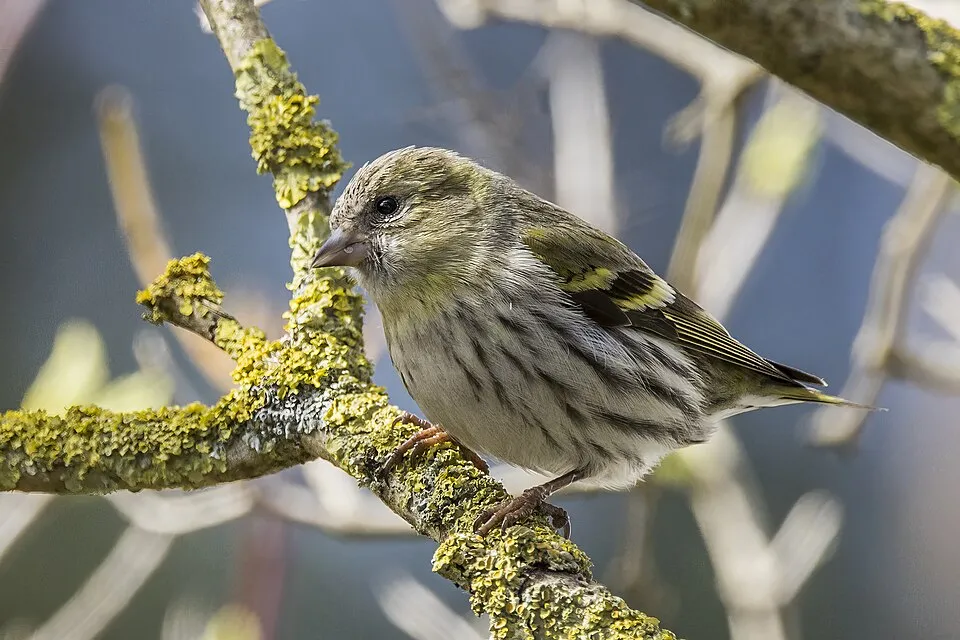 Eurasian Siskin
Spinus spinus 39 places in common
Sources and credits
- Presence: most-recorded species of each place on GBIF and species of Community interest in the Natura 2000 forms (EEA, CC-BY 4.0); absence from the list does not mean the species is absent.
- Common names: Wikidata (CC0) and GBIF.
- Photos and sounds: Wikimedia Commons, author and licence given for each file.
- Classification: GBIF Backbone Taxonomy (GBIF Secretariat), CC BY 4.0, doi:10.15468/39omei.
- Countries, elevations, months and maps: GBIF.org, CC0 or CC BY 4.0 occurrences only, accessed October 22, 2026, GBIF.org.
- Base map: Natural Earth (public domain).
- Excerpt: Wikipedia, CC BY-SA 4.0 (full credit below the excerpt).
- Key facts: Wikidata (CC0), with the references cited under each value.
- EU bird populations: EEA / DG ENV, Article 12 Birds Directive reporting (2013–2018), CC BY 4.0.