
Plant
Norway spruce: where to see it
Picea abies
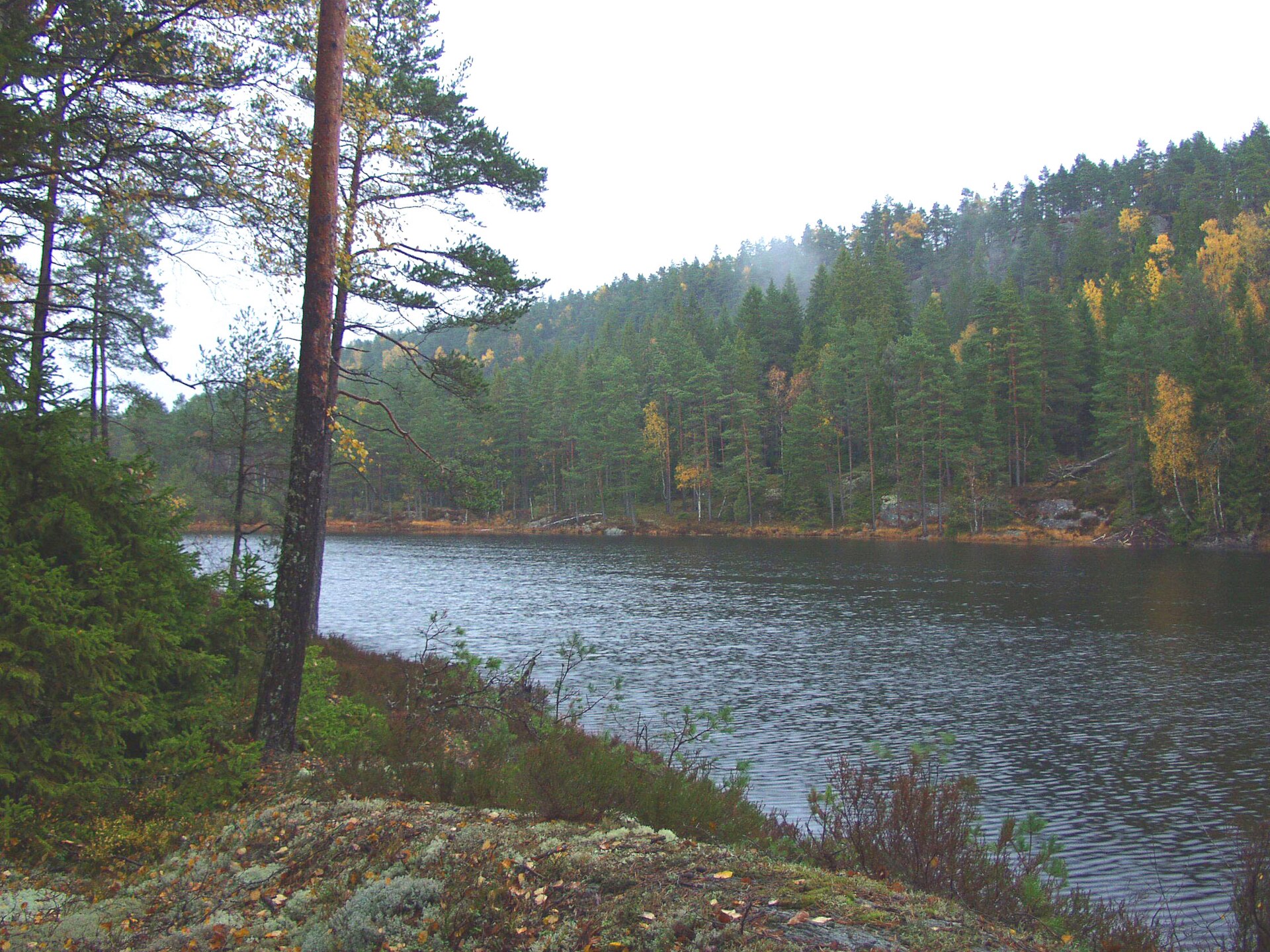
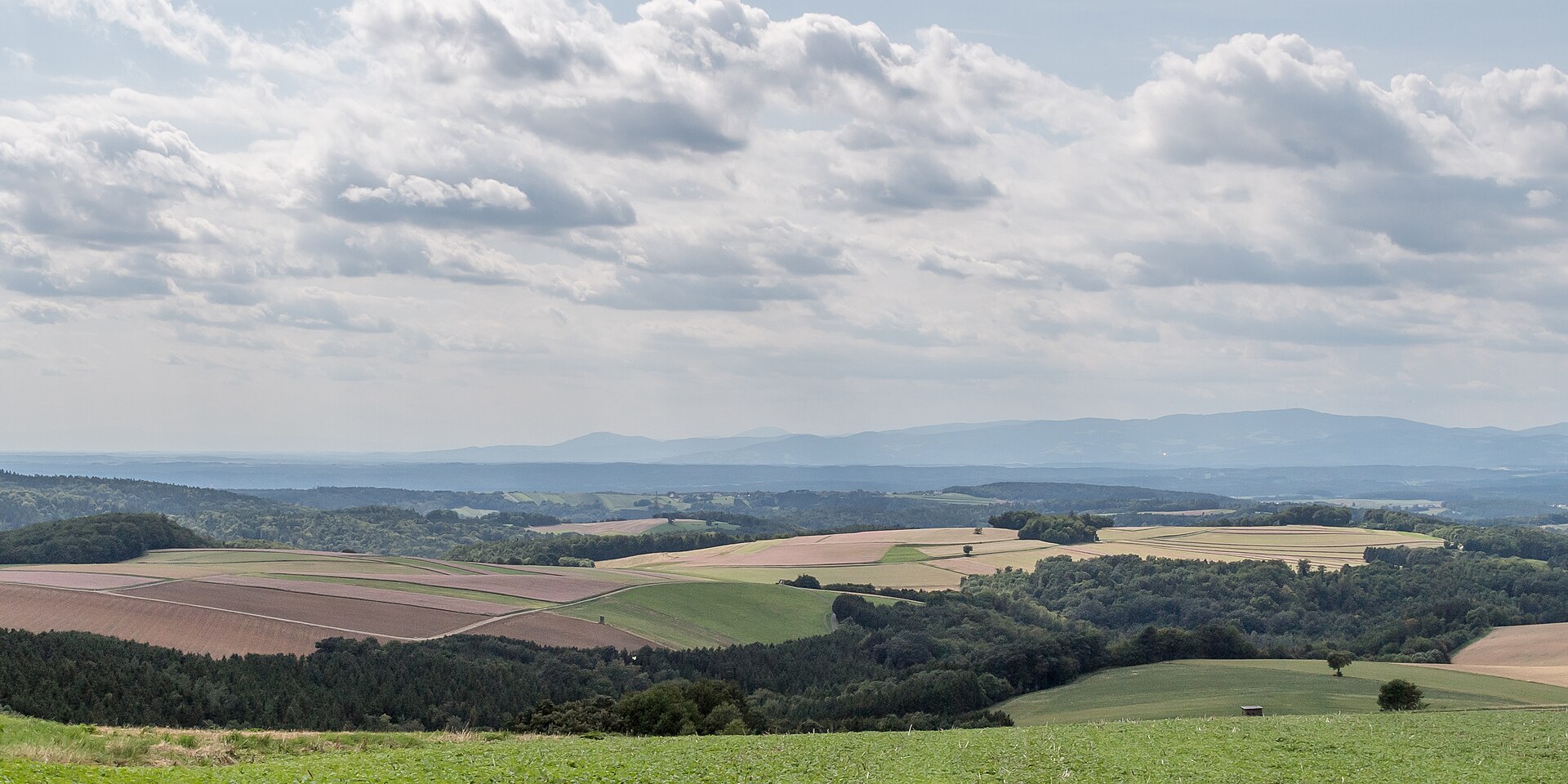
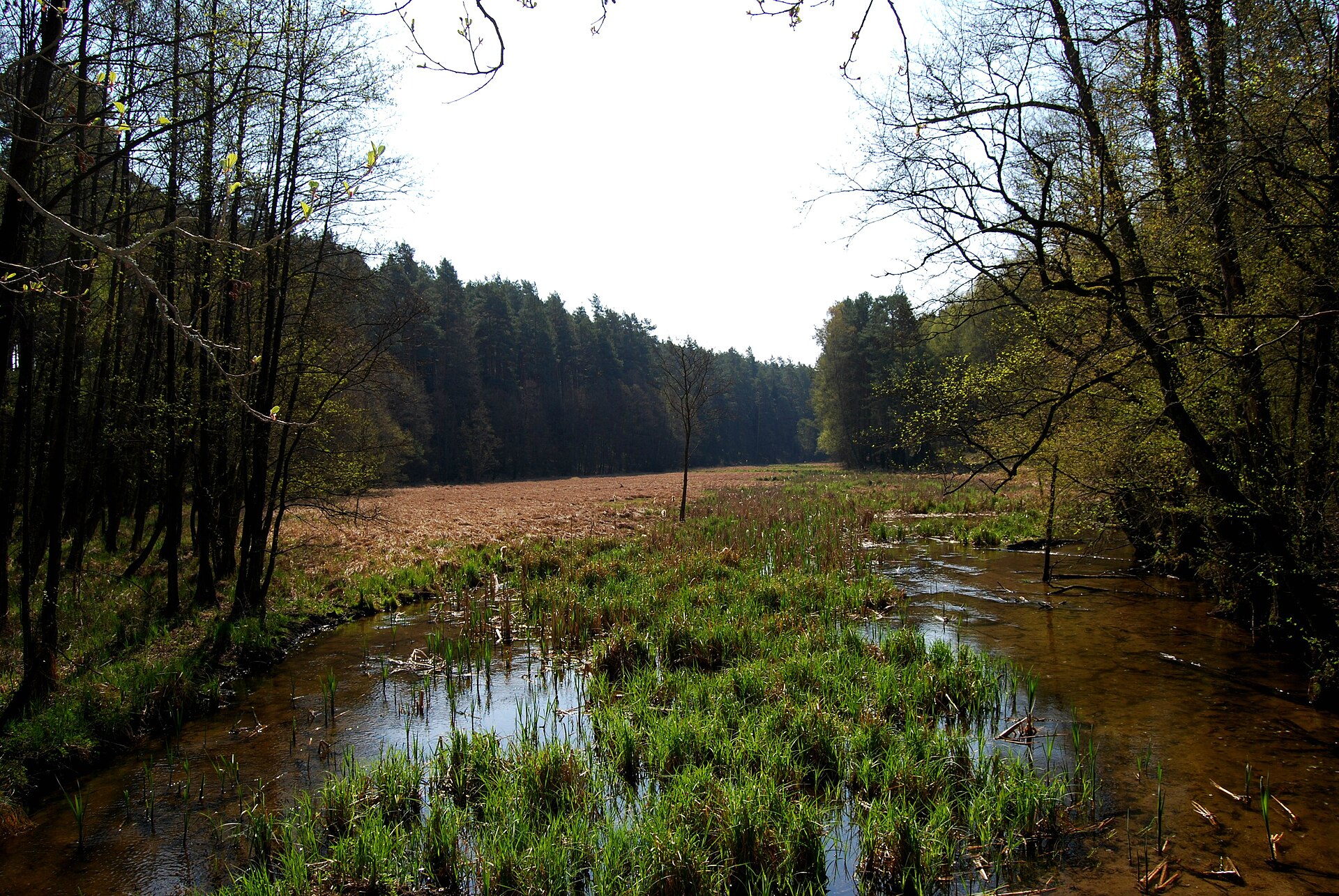
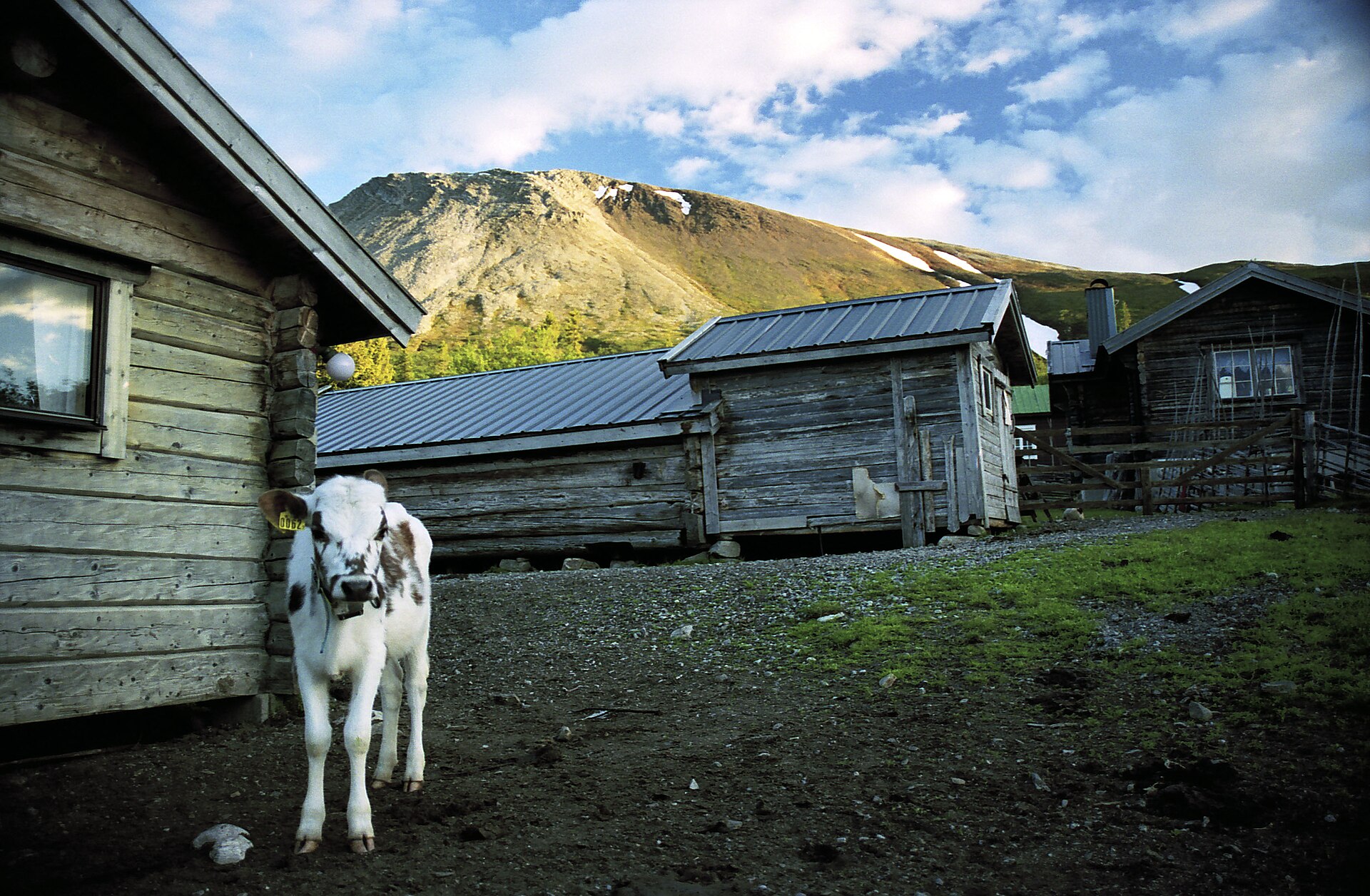
This plant species is recorded in 91 protected areas of the atlas. Within the atlas countries, it is mostly observed in Sweden, France and Germany (12 countries in all). Most records (8 in 10) lie between 430 and 1,450 m above sea level. Records peak from June to September. Plant (tree), native to Europe, introduced to temperate Asia, Australasia and North America.
Best time to see it: June–September
Records published on GBIF by month (CC0 and CC BY 4.0 licences only), in the atlas countries, all years combined; they also reflect observer activity.
Key facts
- Maximum recorded lifespan
- 468 years Wikidata, after www.rmtrr.org
- Life form
- tree
Distribution
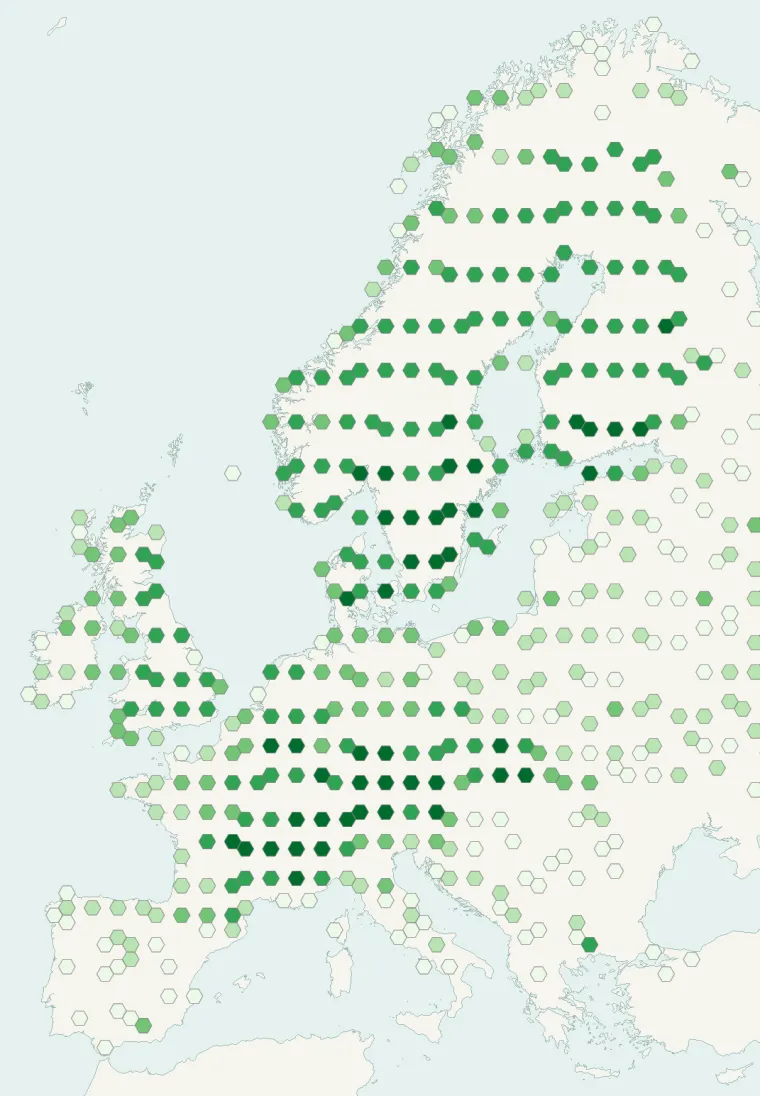
Records published on GBIF (CC0 and CC BY 4.0 licences): the darker the shade, the more records there are; they also reflect observation effort.
From Wikipedia
Picea abies, the Norway spruce, is a species of spruce native to Northern, Central and Eastern Europe. It has branchlets that typically hang downwards, and the longest cones of any spruce, 9–20 cm long. It is usually considered most closely related to the Siberian spruce (Picea obovata), which replaces it east of the Ural Mountains, and with which it hybridises freely, but its phylogeny has been disputed. Major pests that affect the species include the European spruce bark beetle, the large pine weevil, and the black arches moth.
Source: Wikipedia, article “Picea abies” (version of October 21, 2026) · history and authors · licence CC BY-SA 4.0 · shortened excerpt
Protected areas where it is recorded
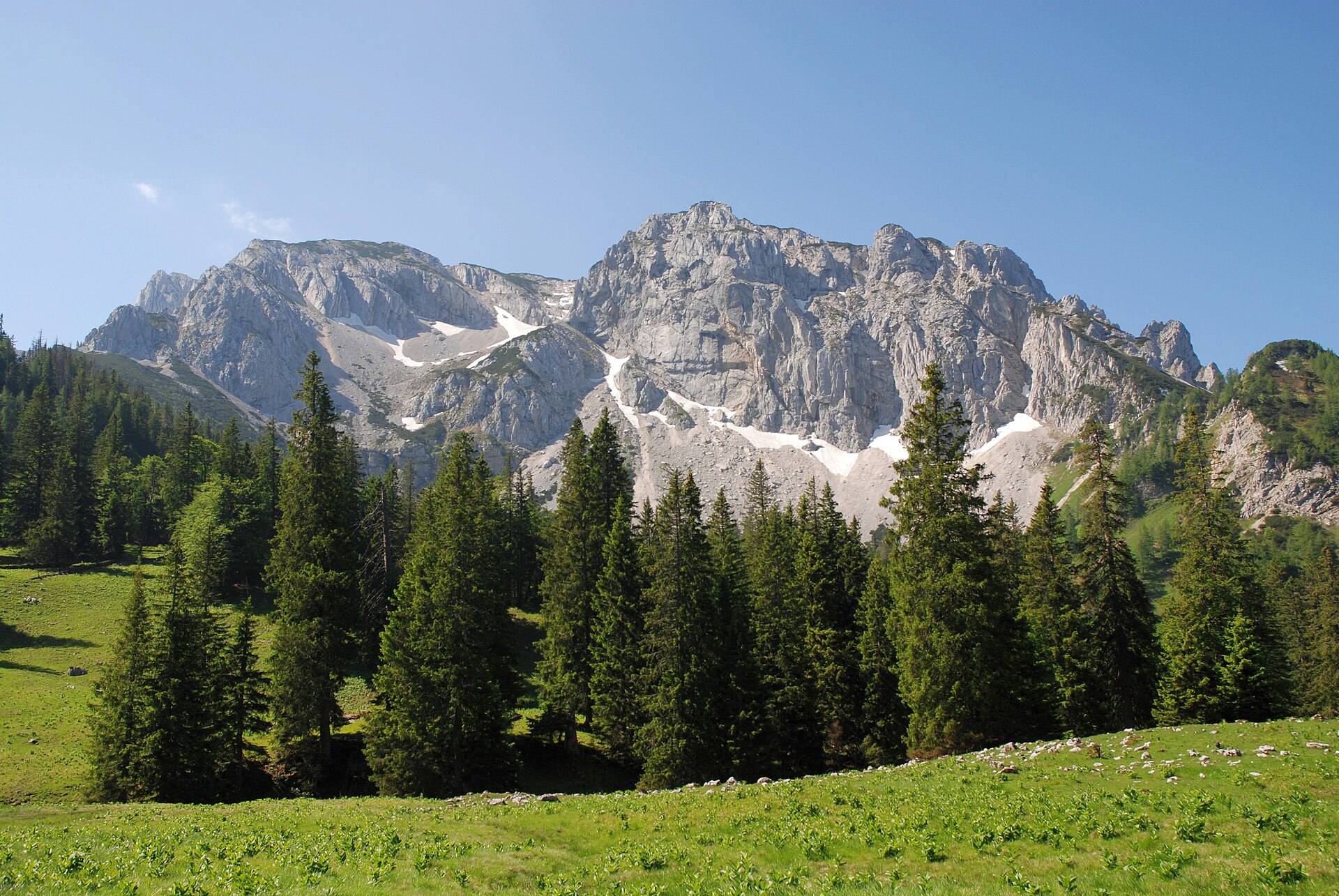
23,332 records
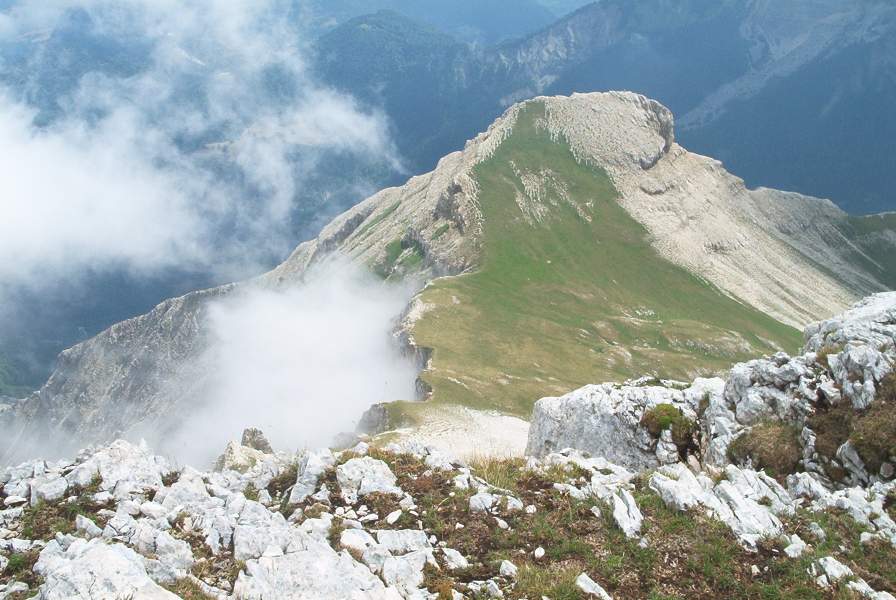
8,152 records
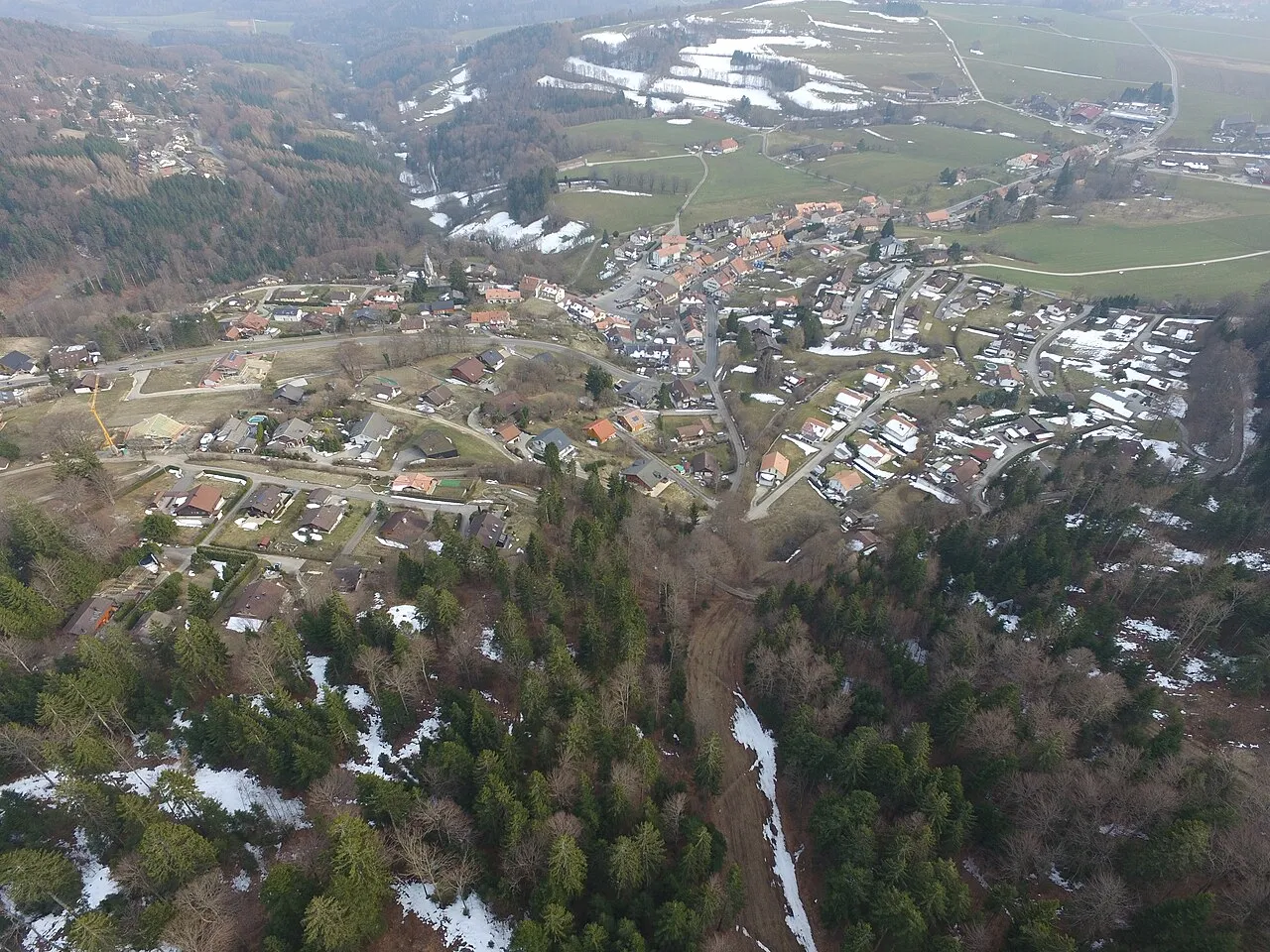
7,246 records
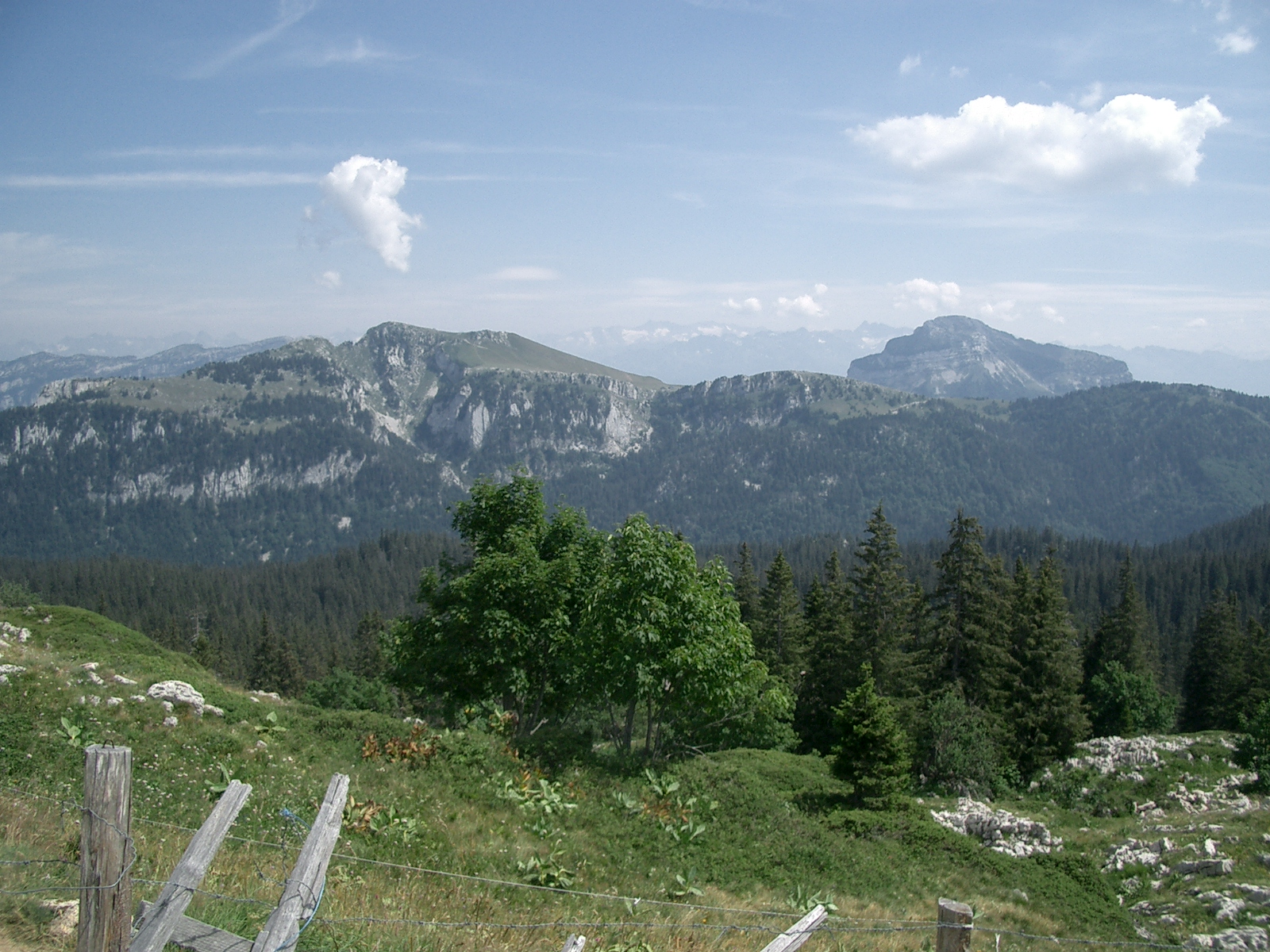
5,439 records
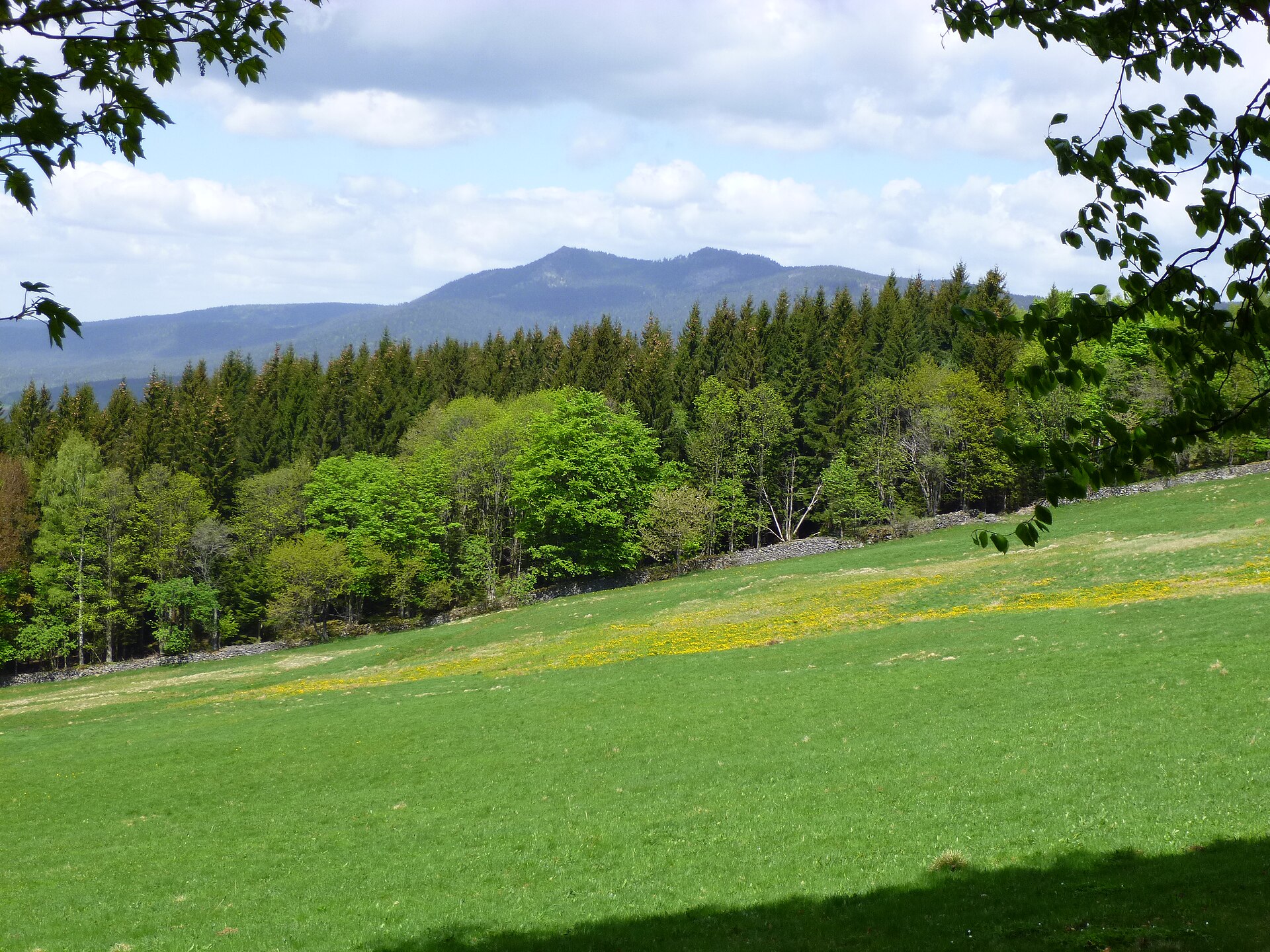
5,415 records
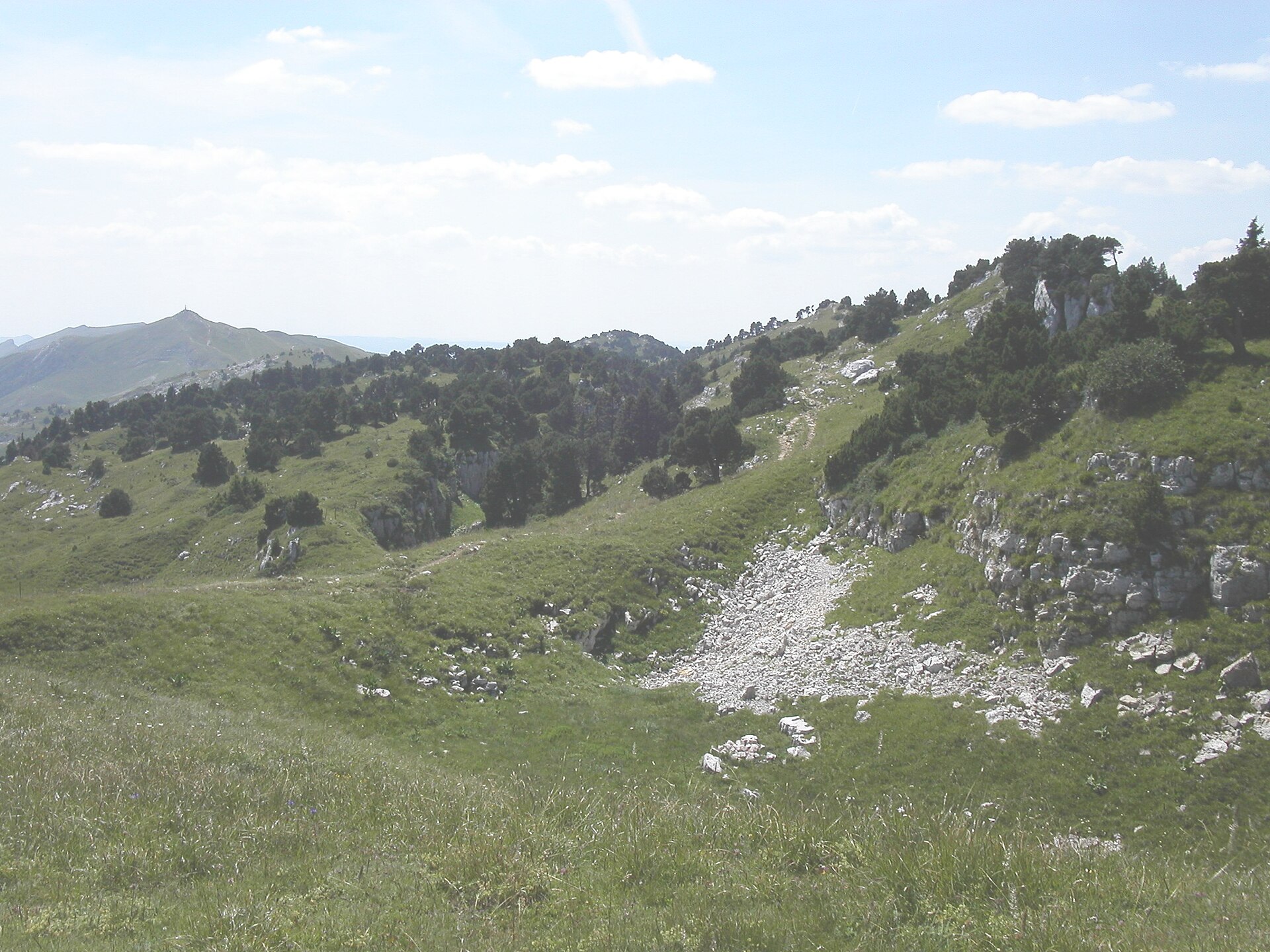
5,112 records
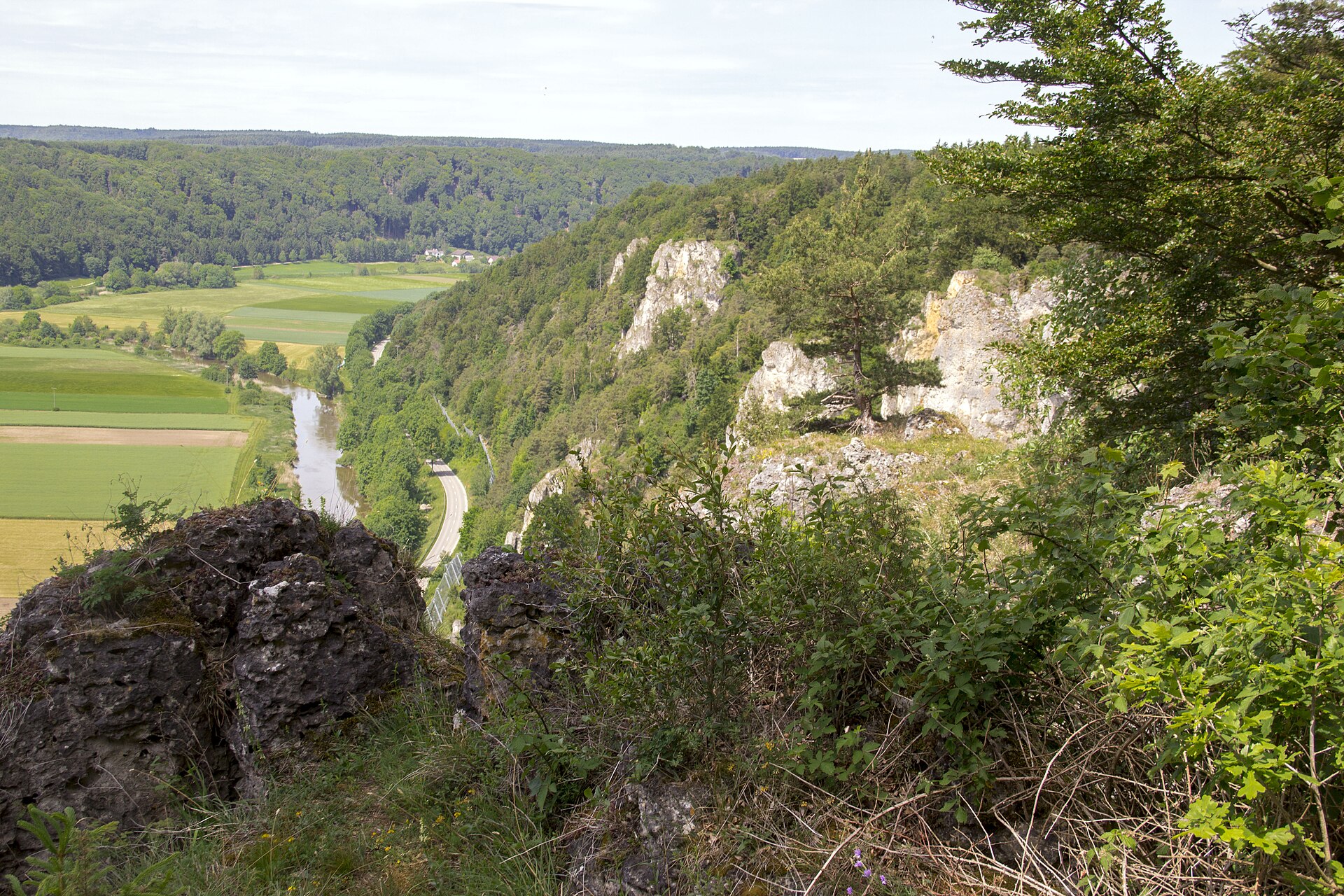
4,895 records
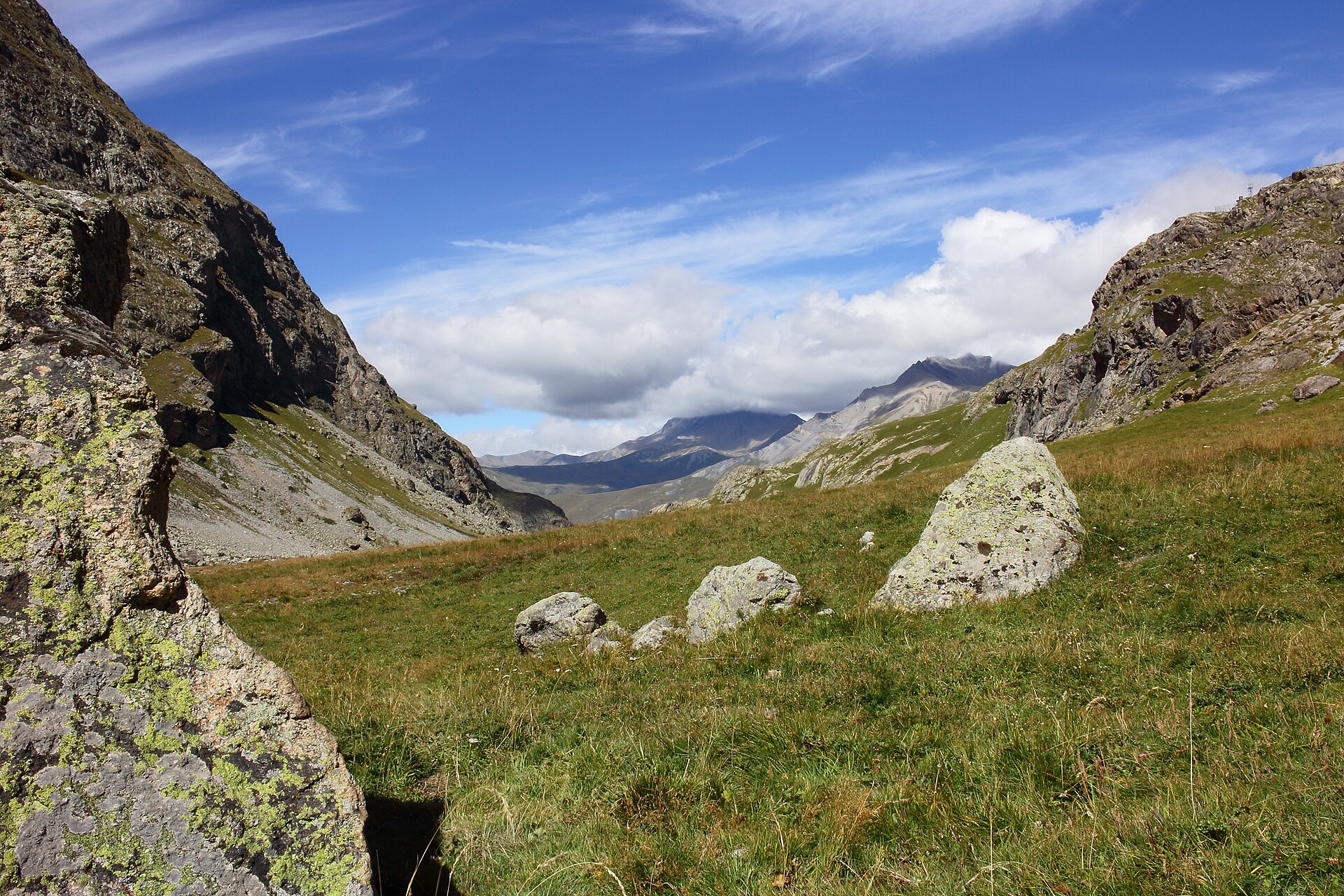
4,893 records

4,539 records
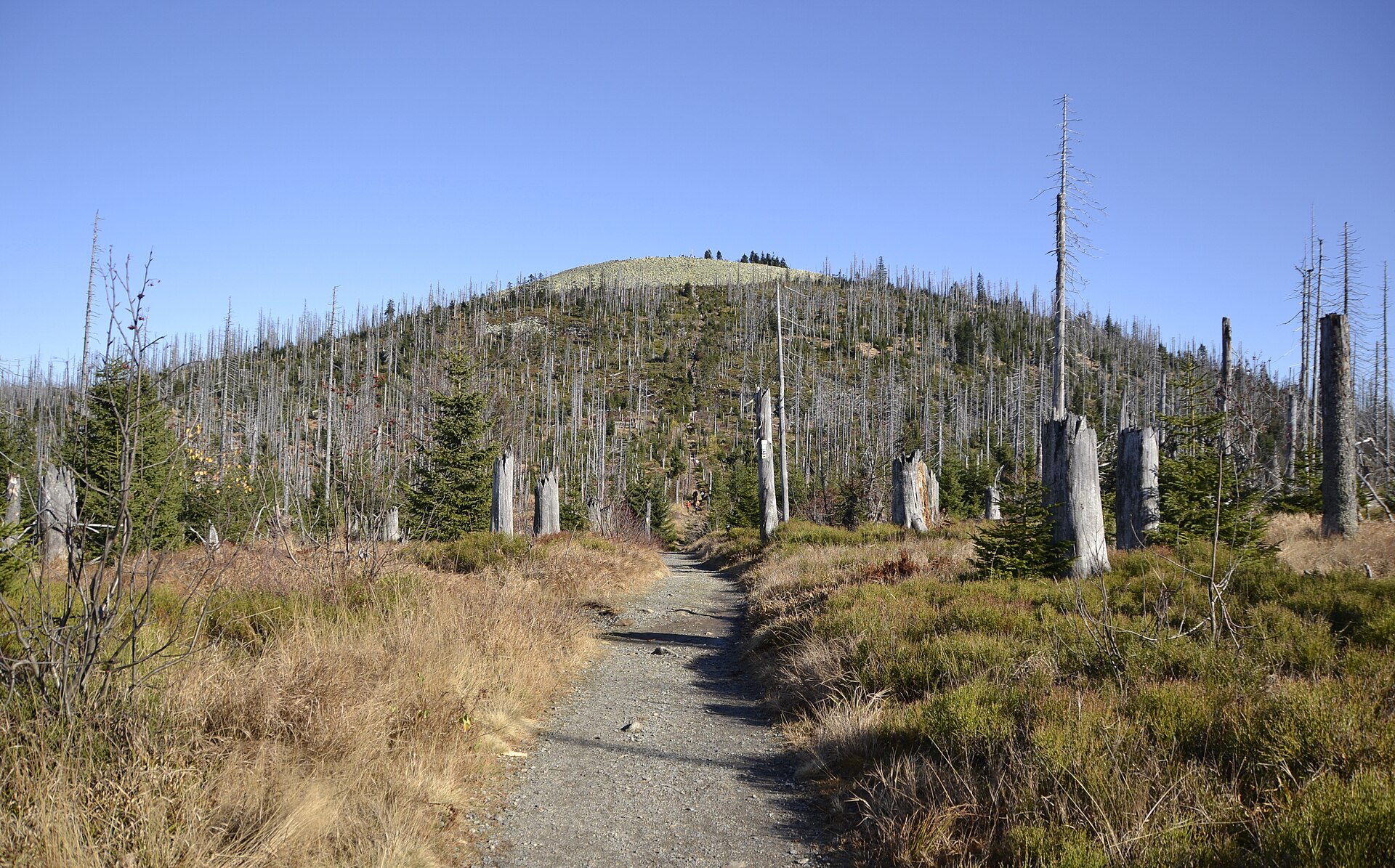
3,647 records
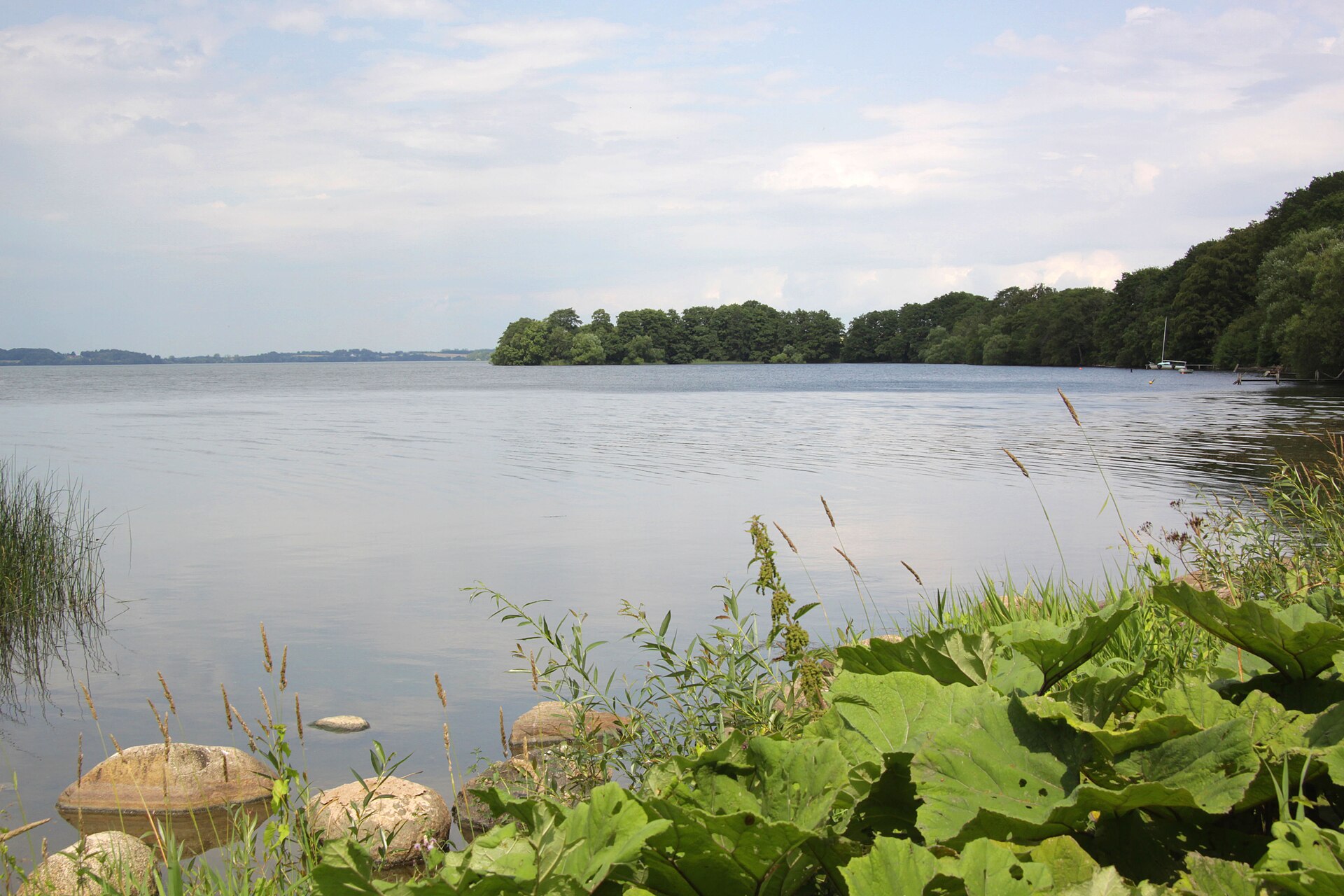
3,628 records
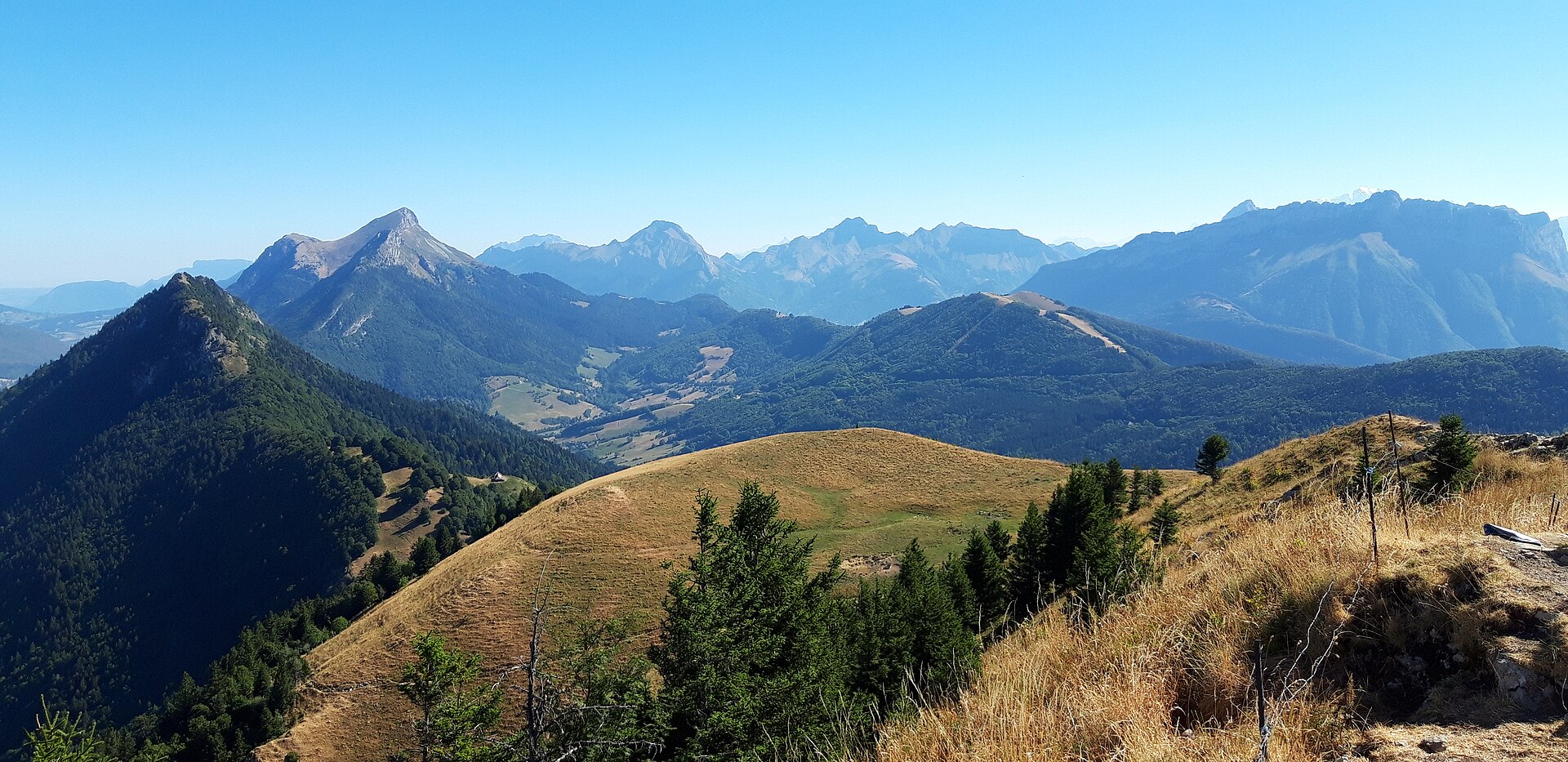
3,553 records
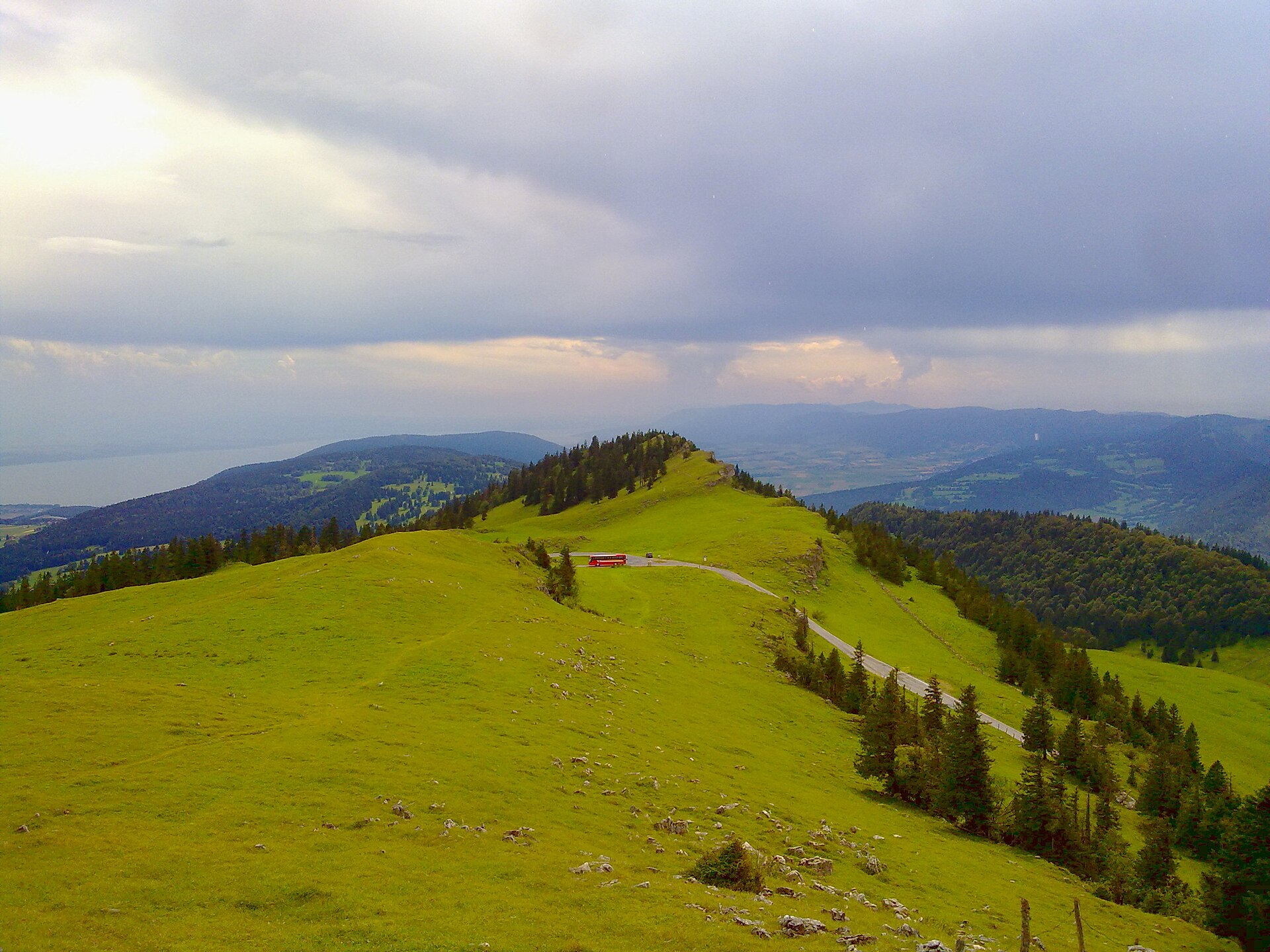
3,471 records
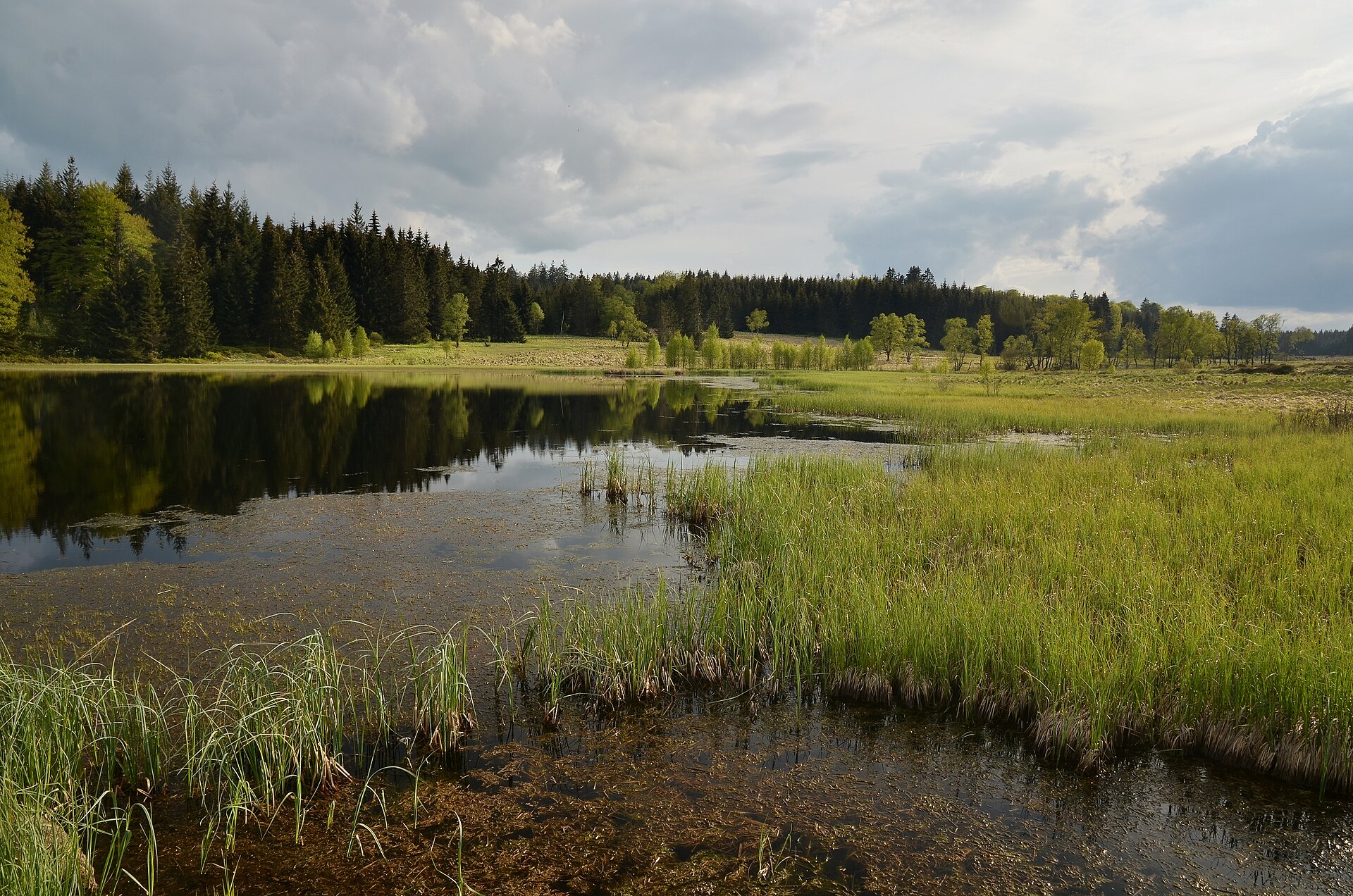
3,462 records
3,234 records
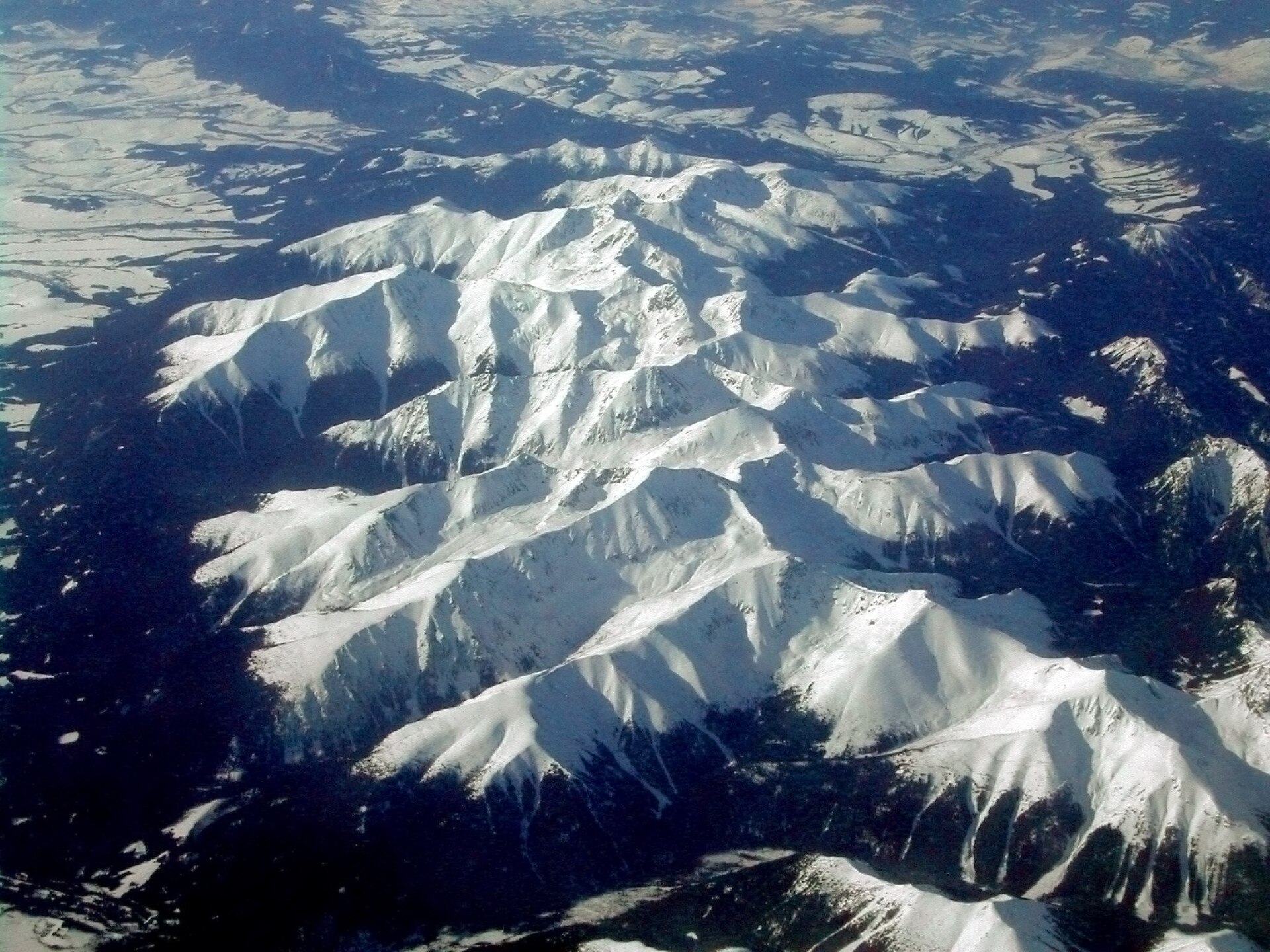
2,766 records
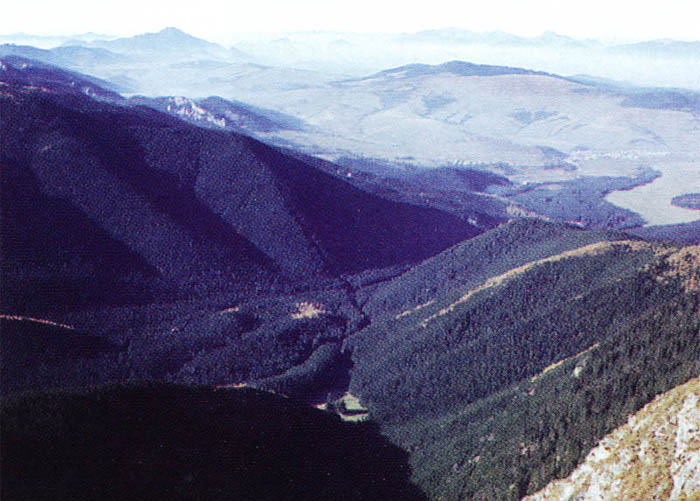
2,279 records
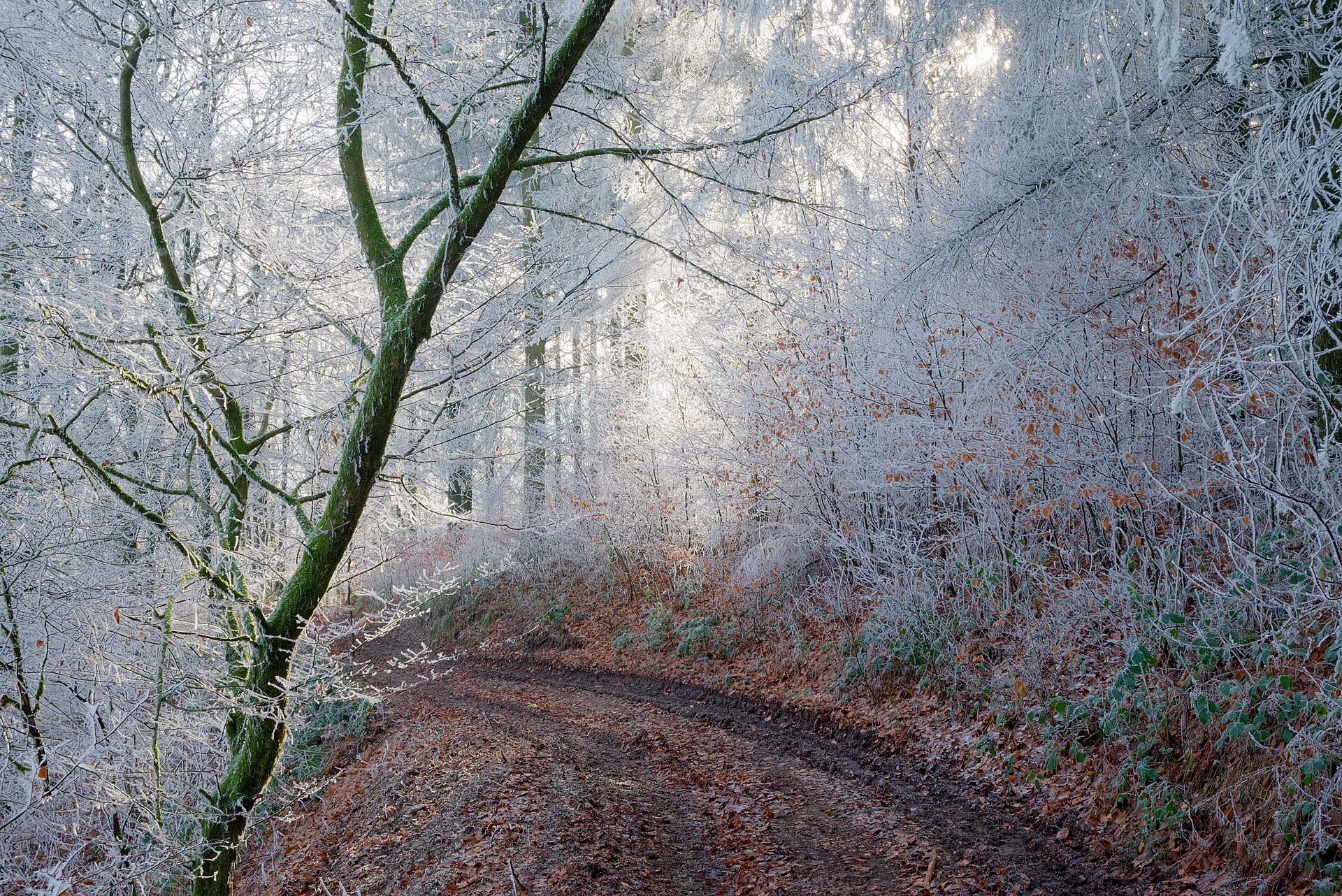
2,084 records
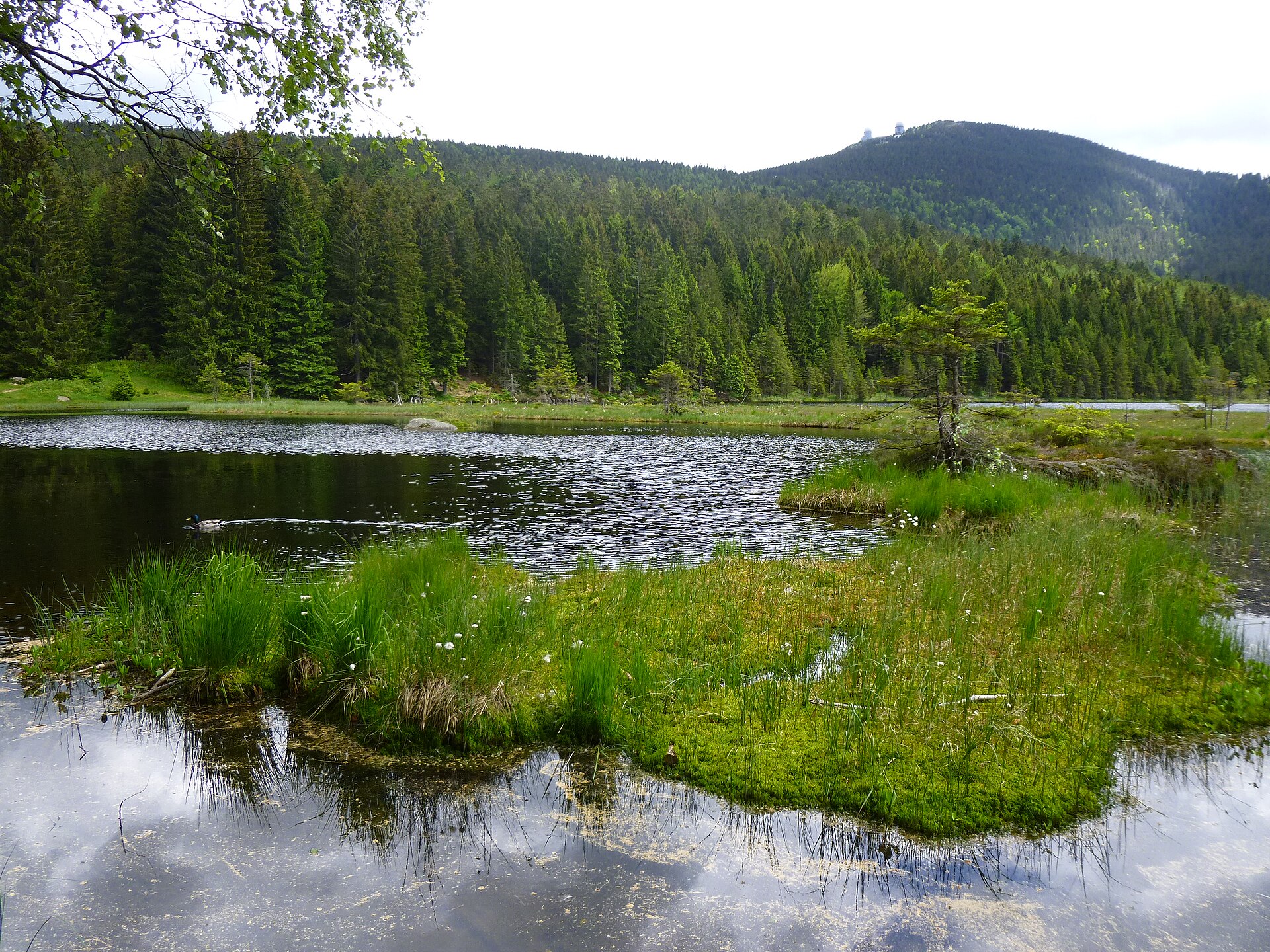
2,050 records
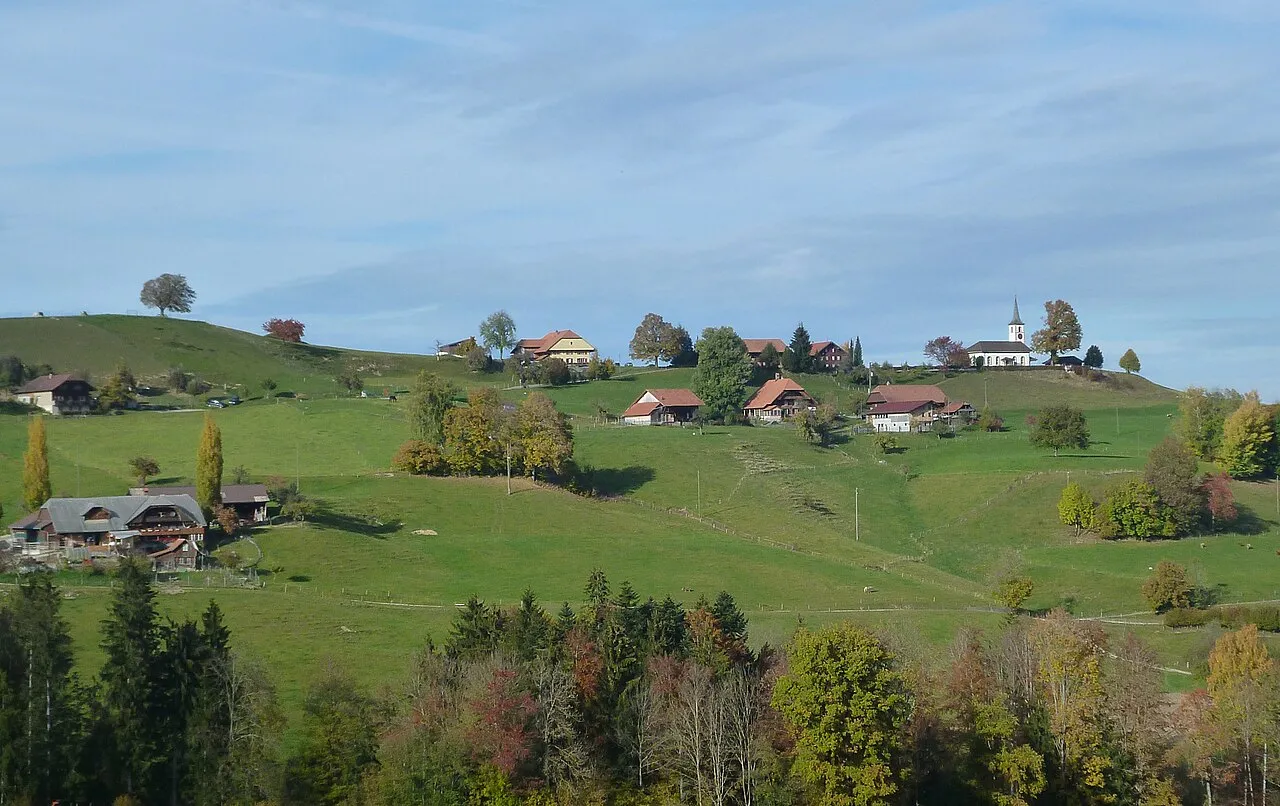
1,822 records
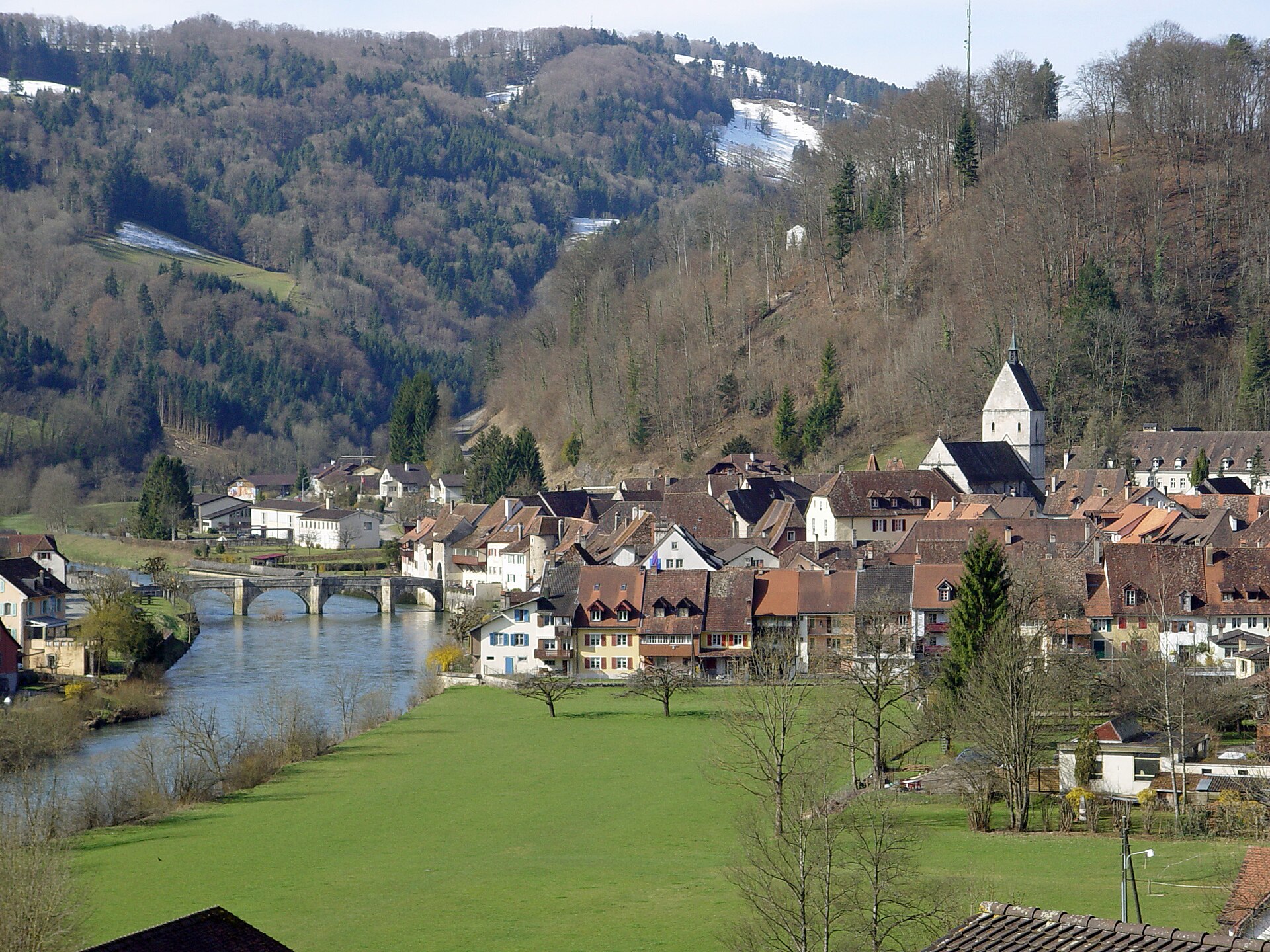
1,802 records
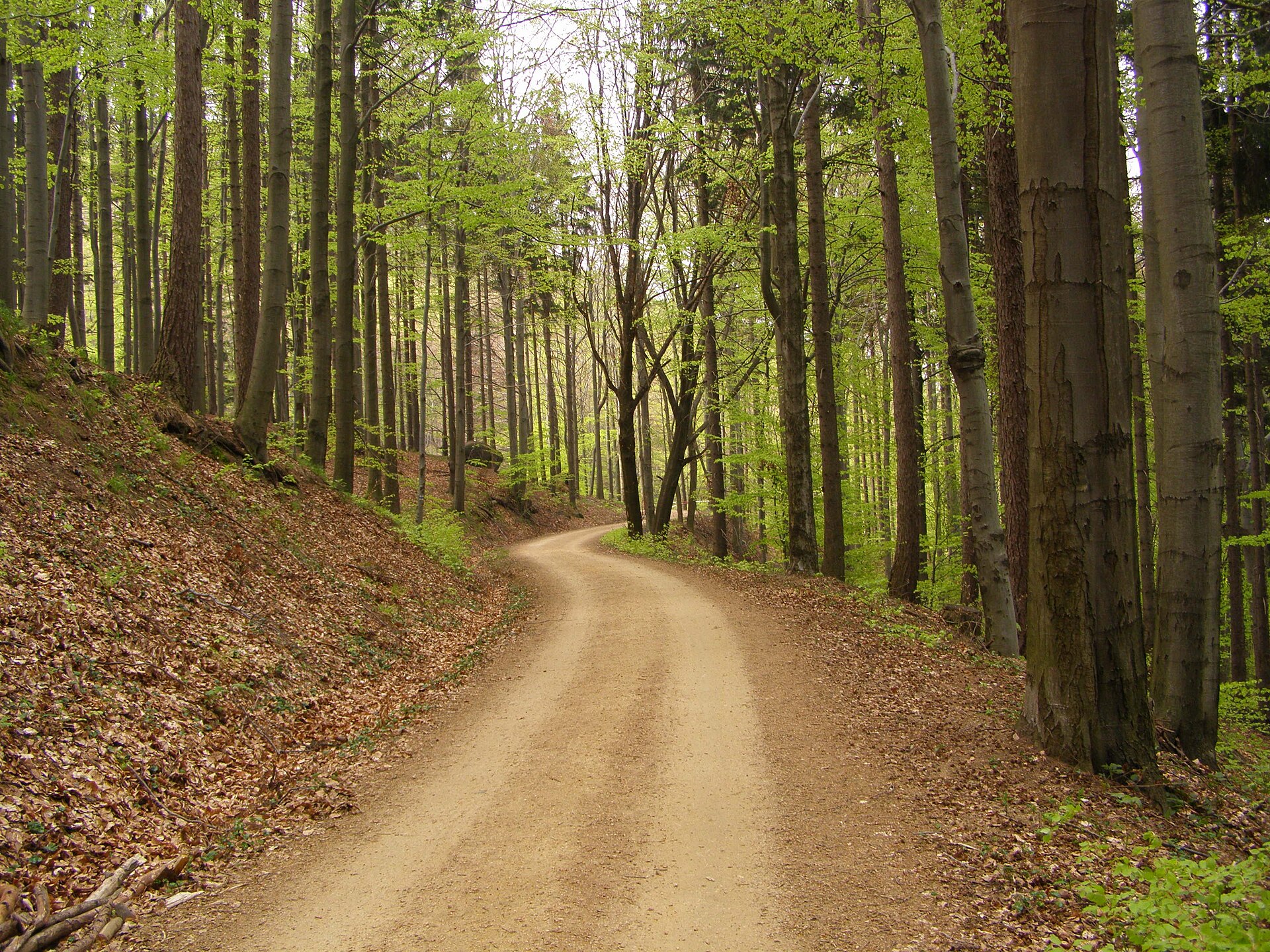
1,791 records
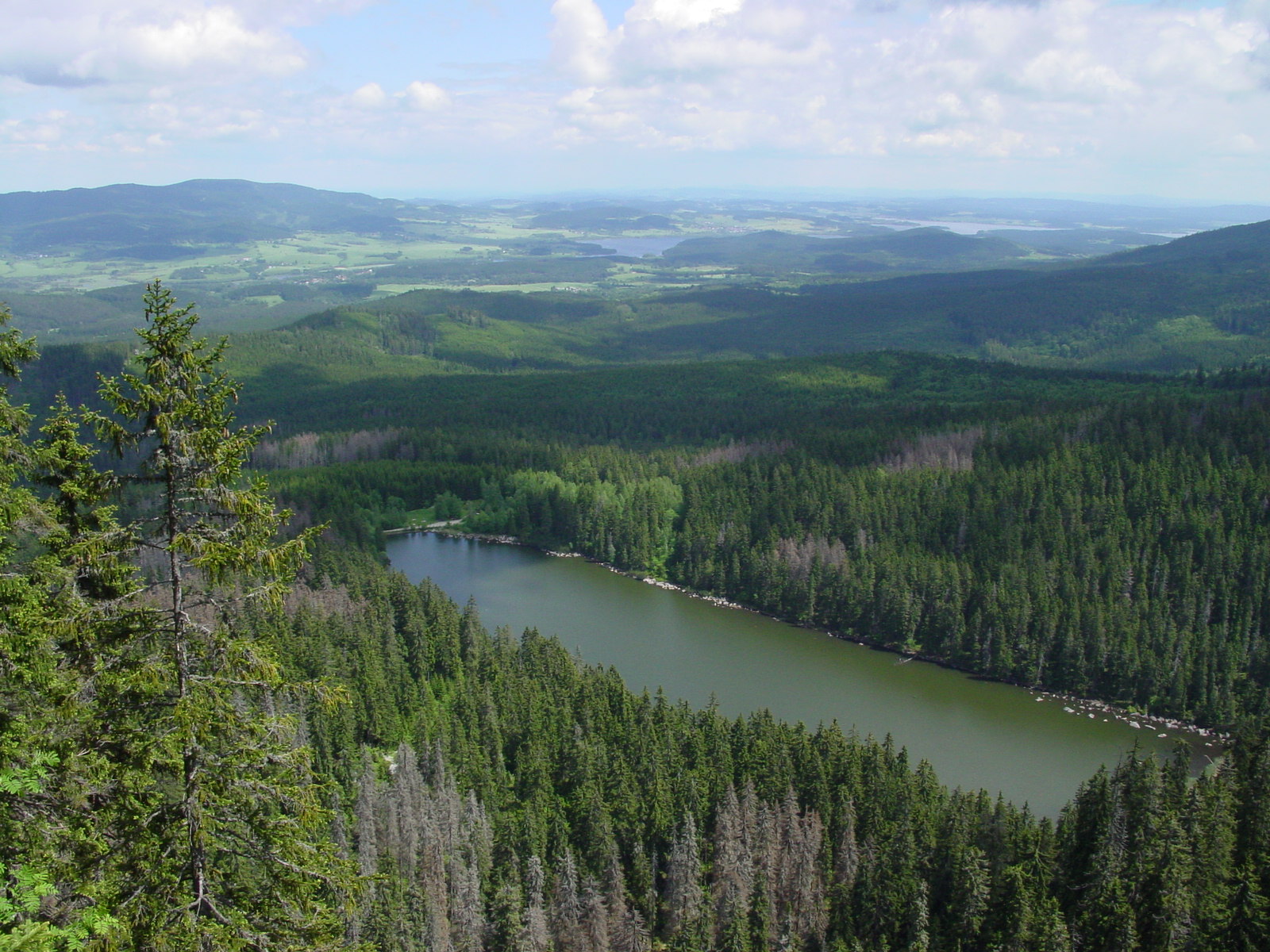
1,645 records
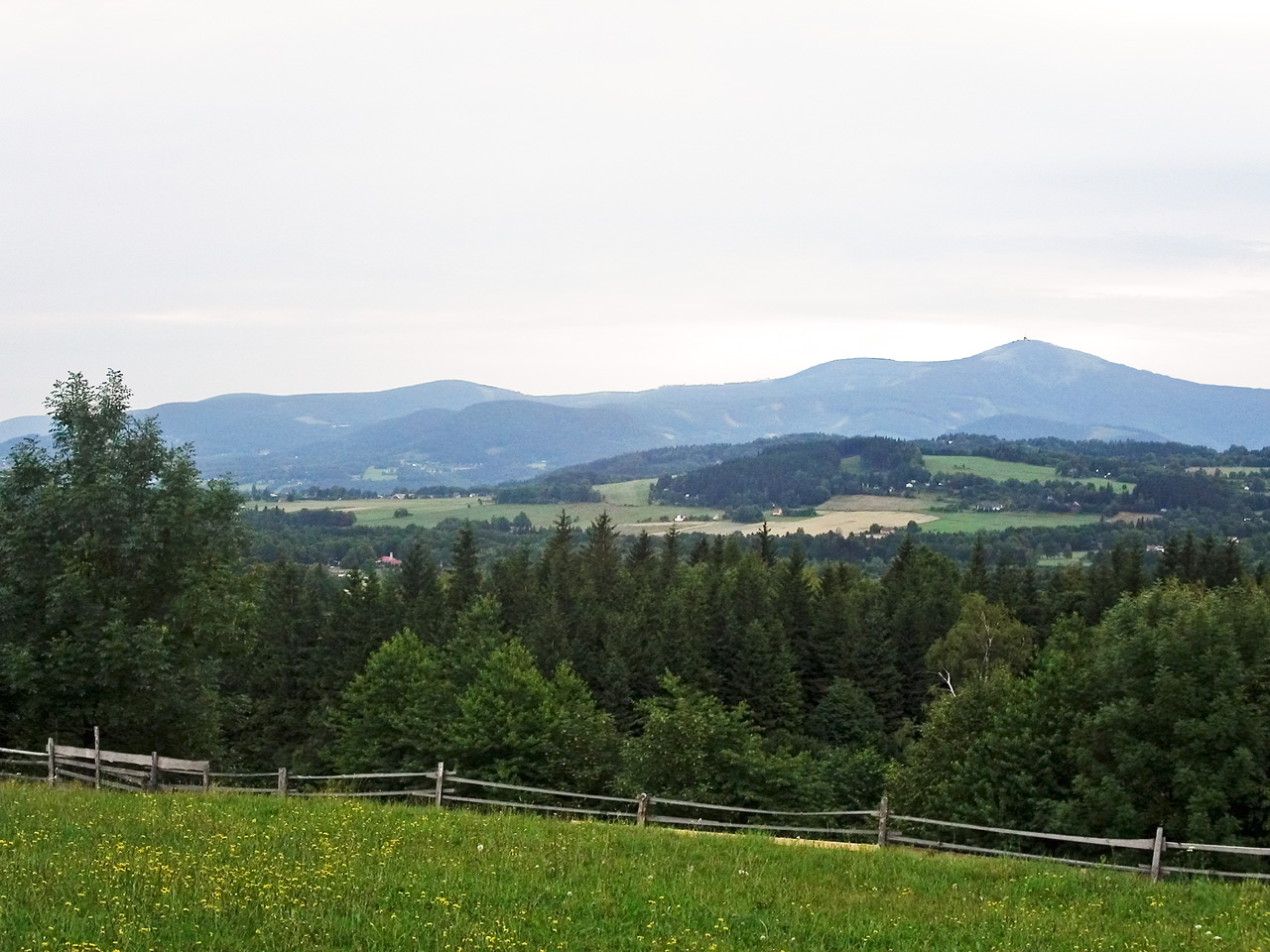
1,611 records
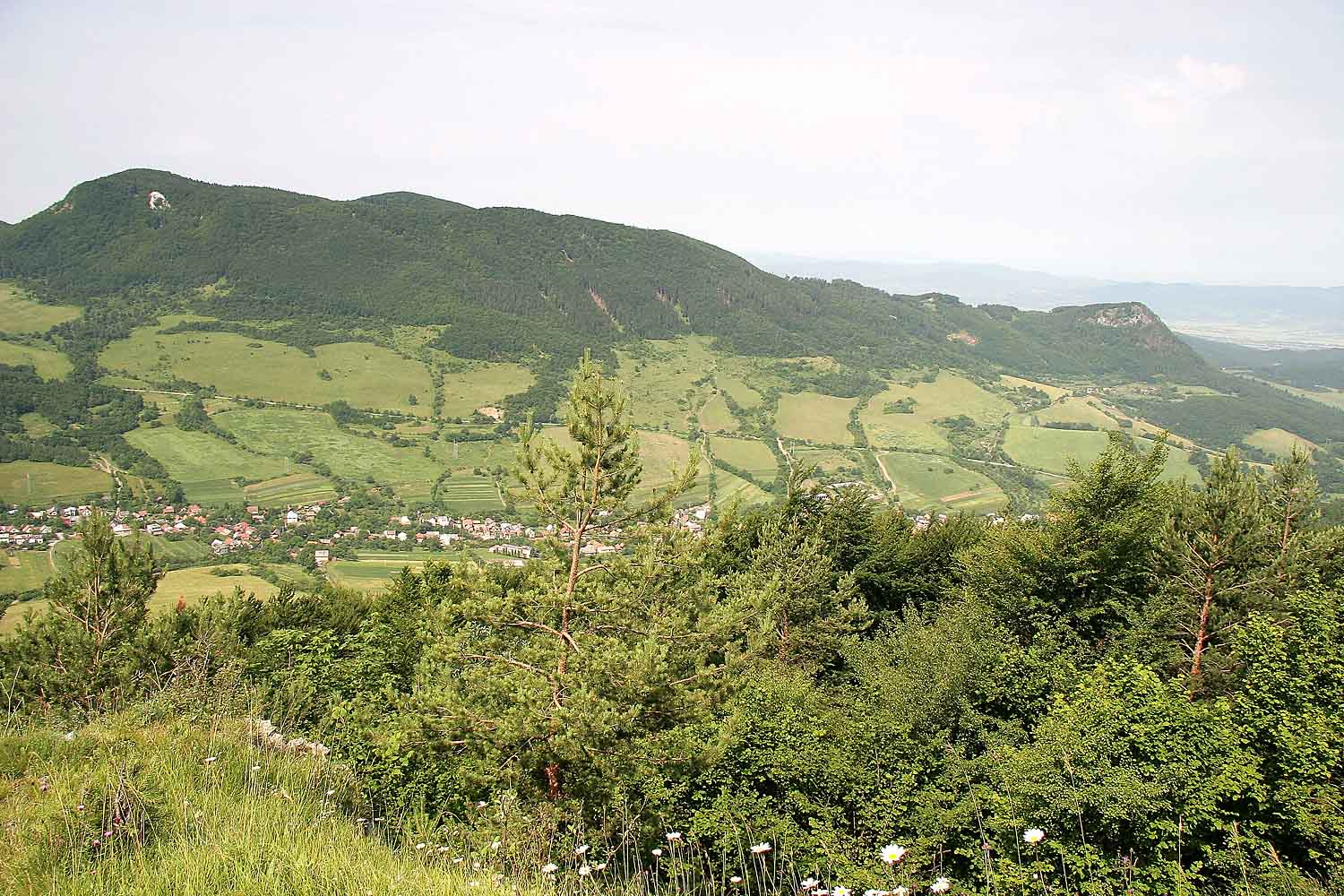
1,575 records
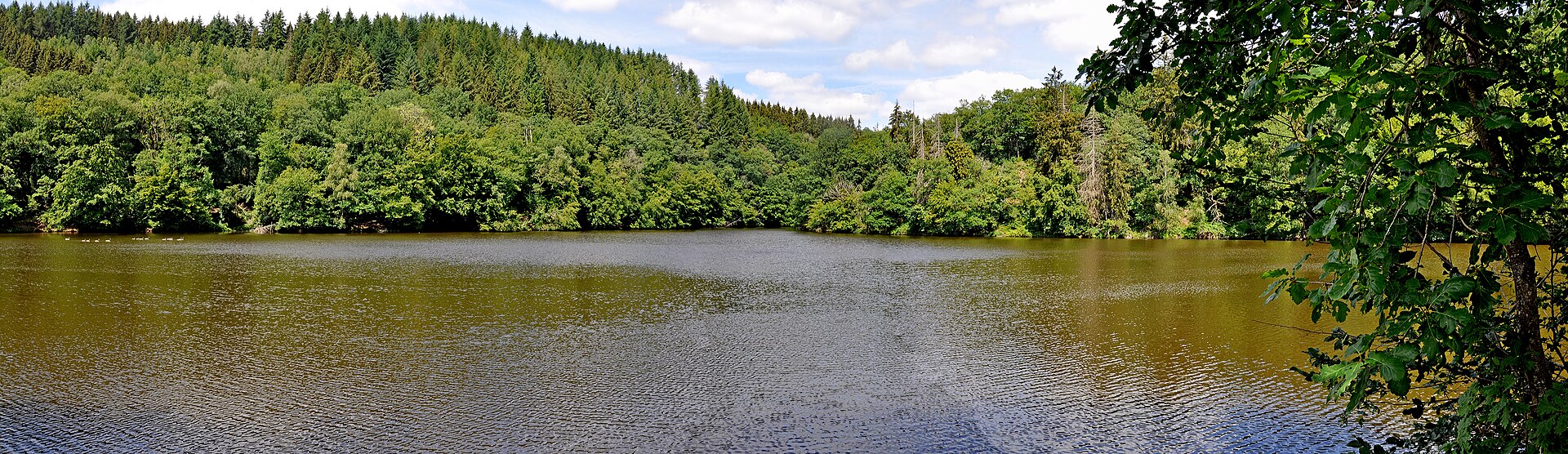
1,417 records
1,375 records
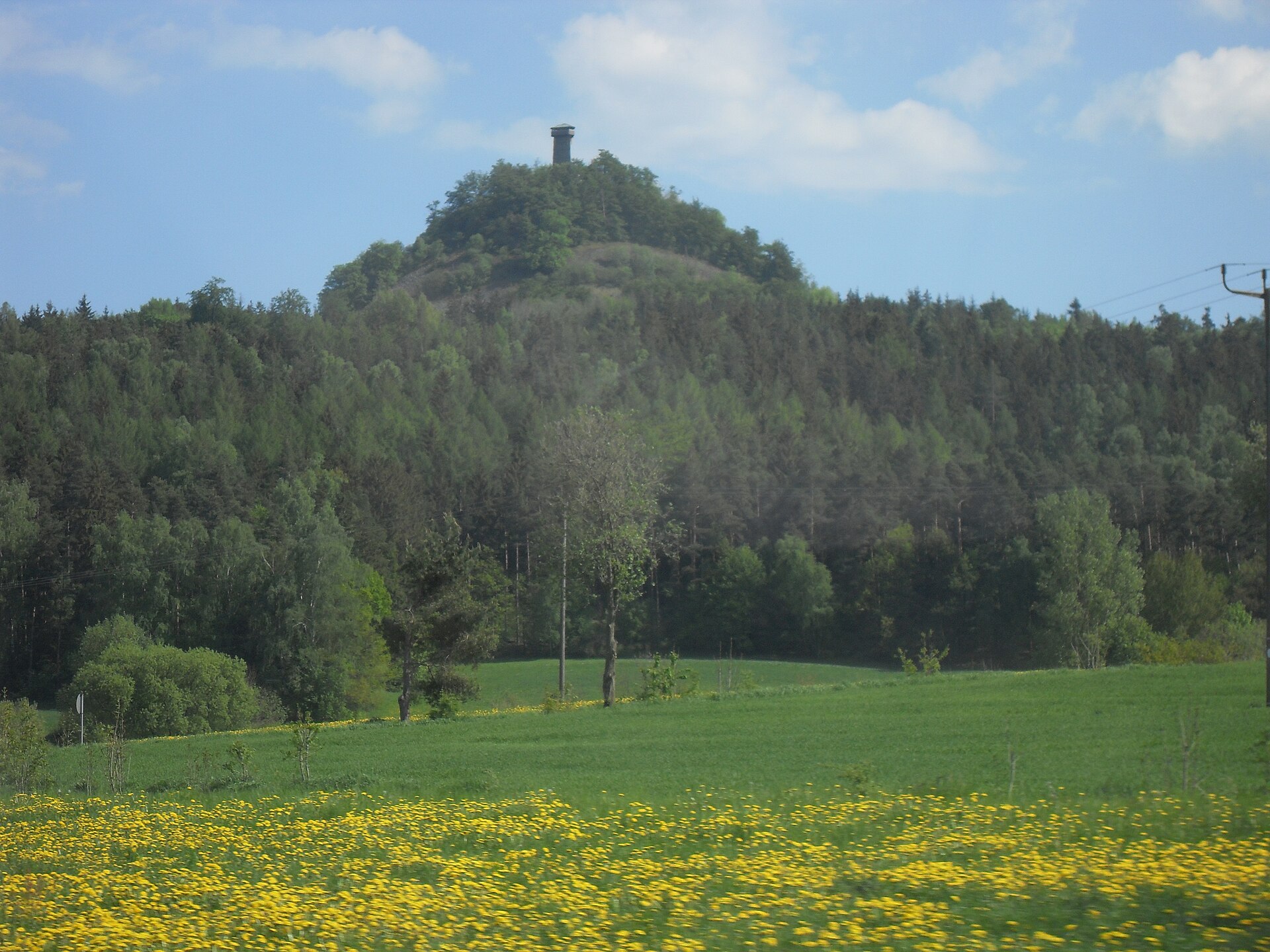
1,370 records
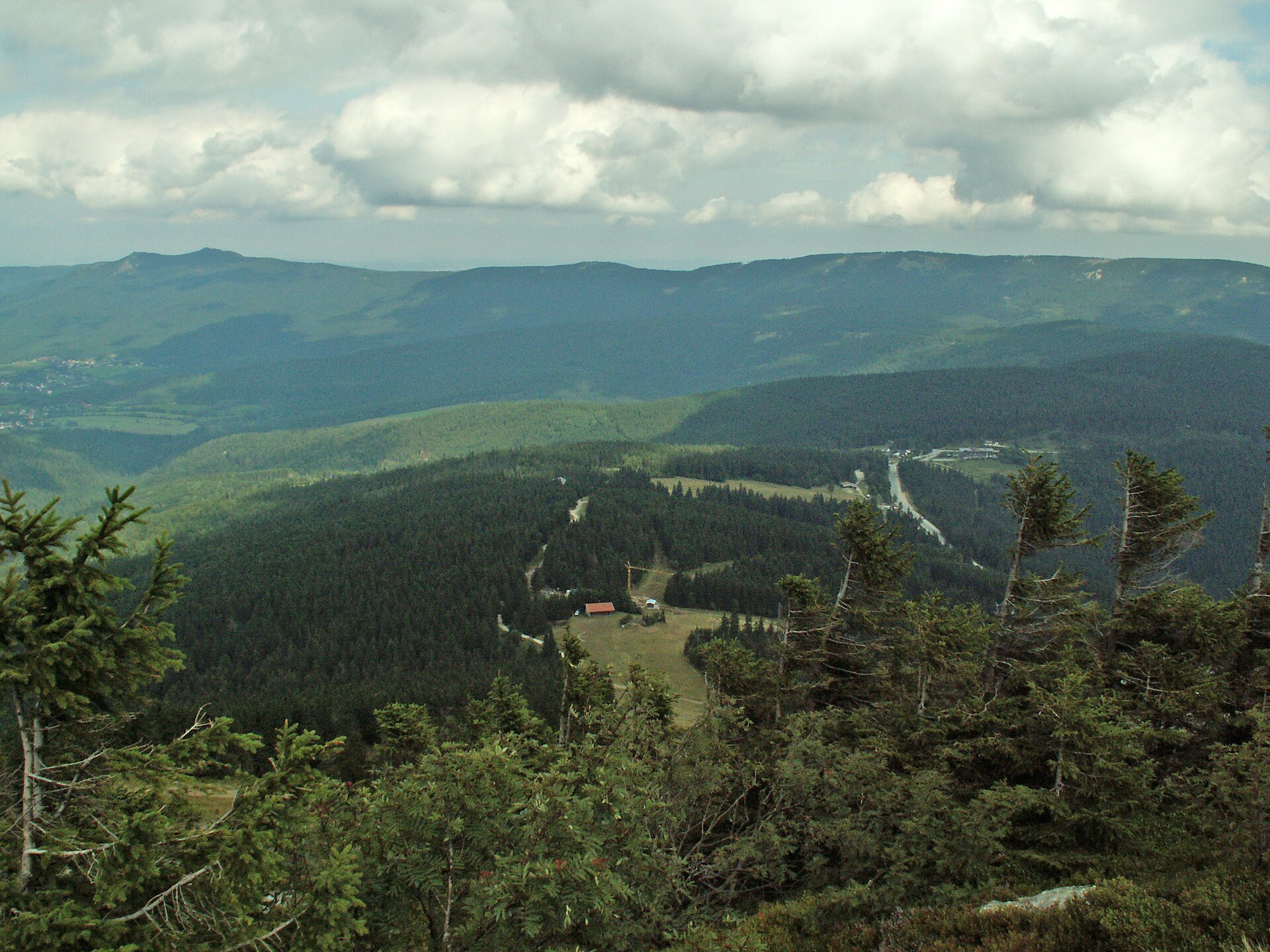
1,369 records
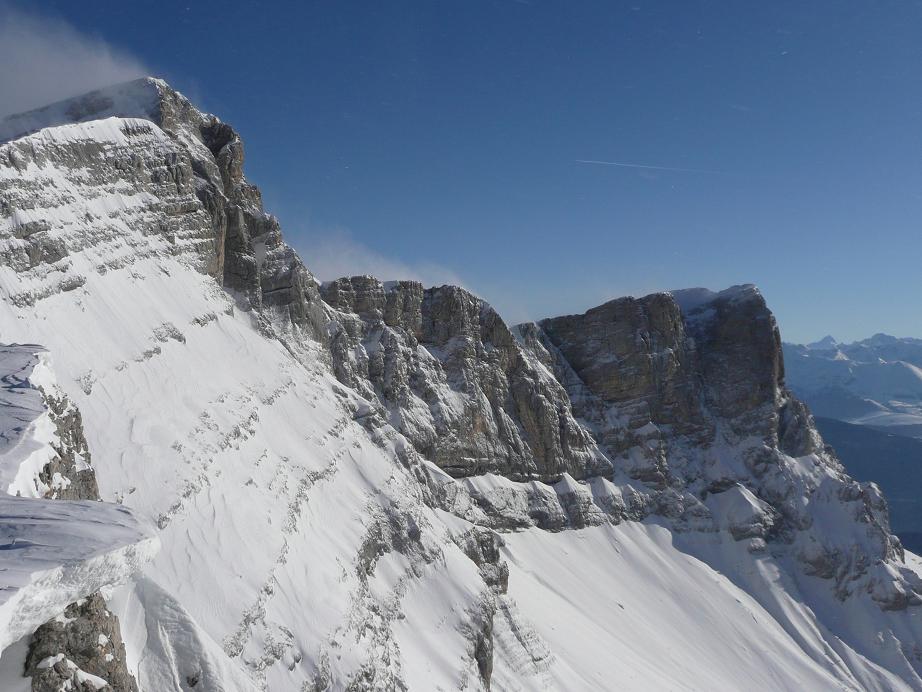
1,361 records
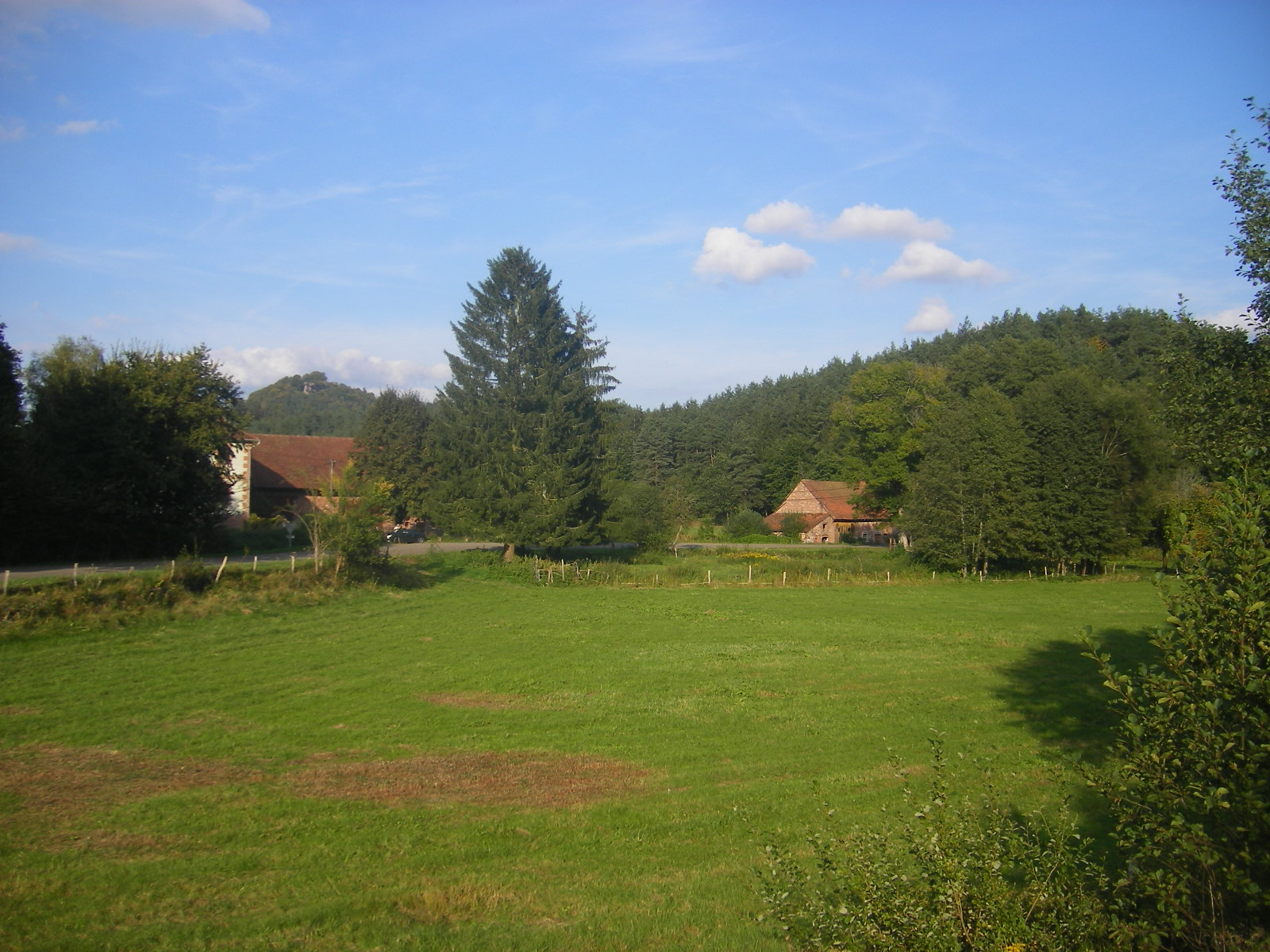
1,329 records
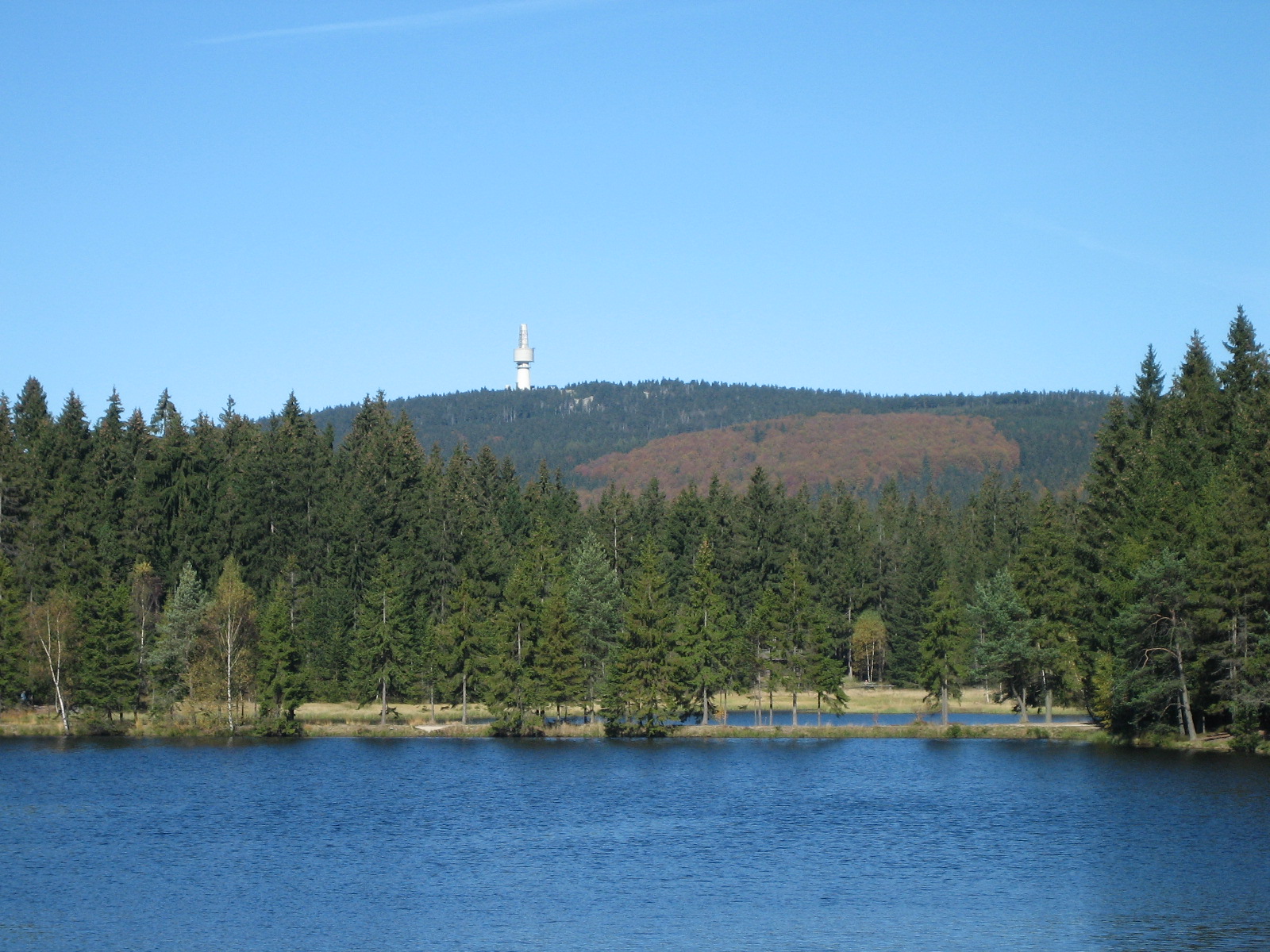
1,286 records
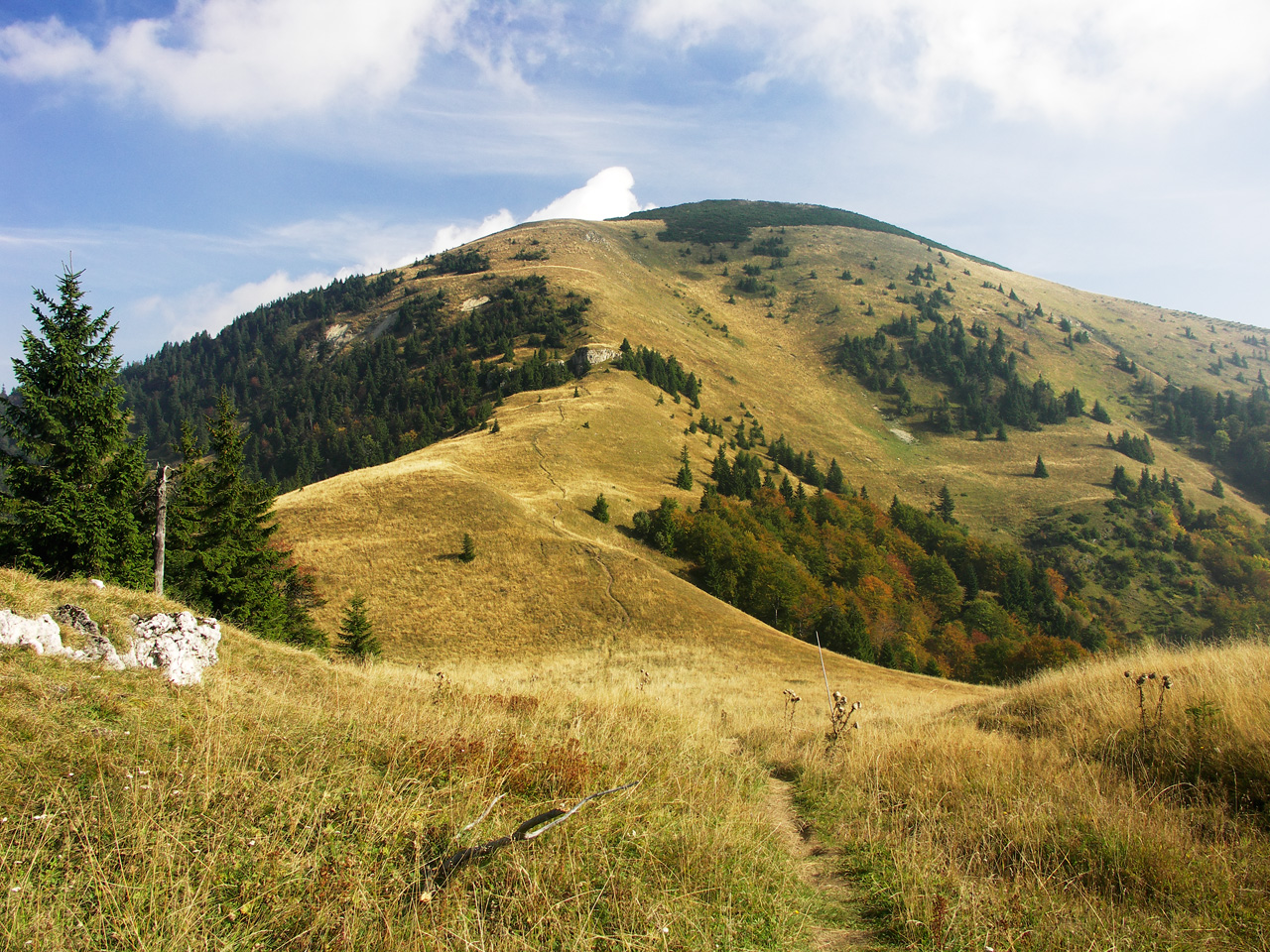
1,284 records
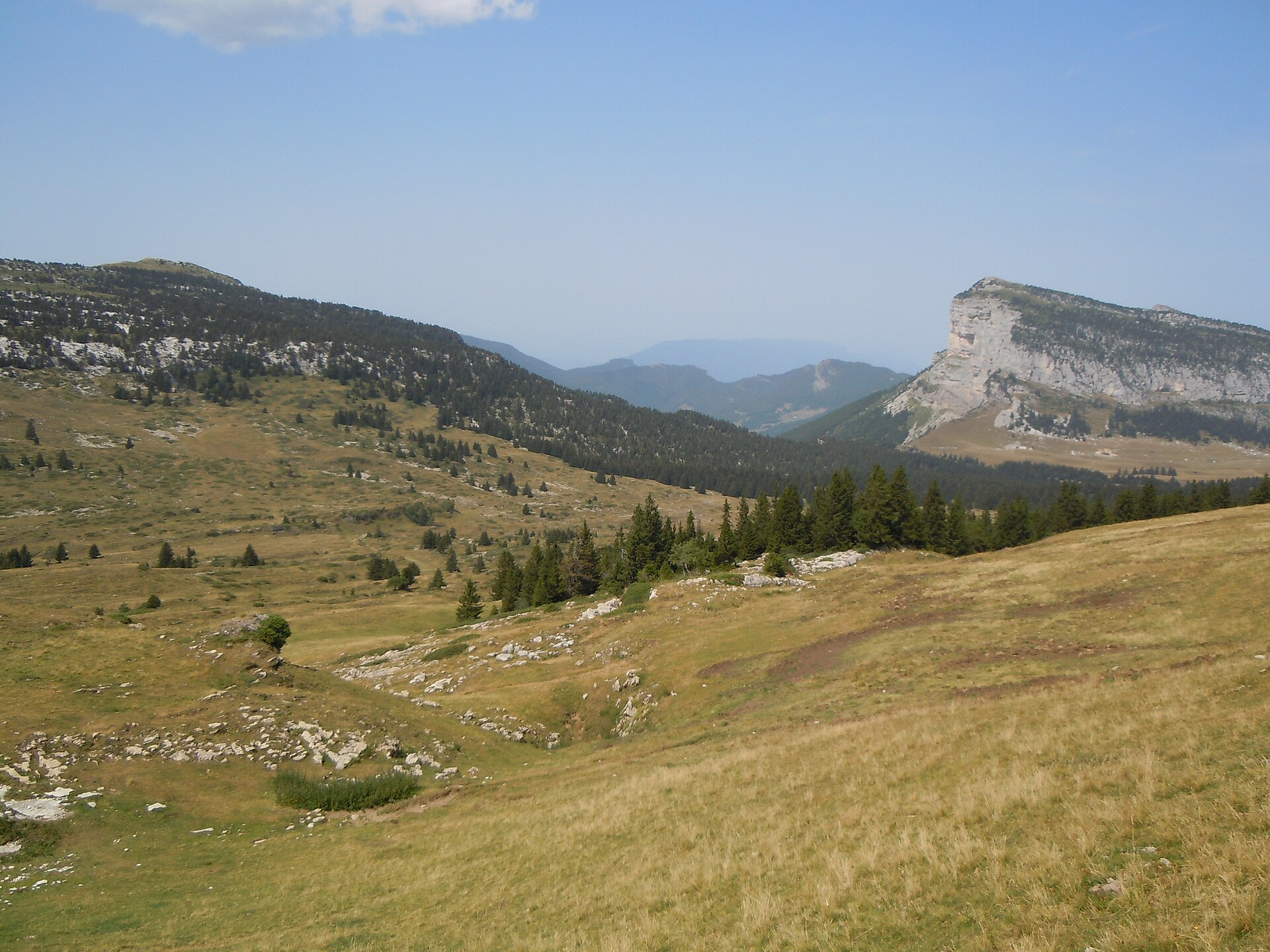
1,061 records
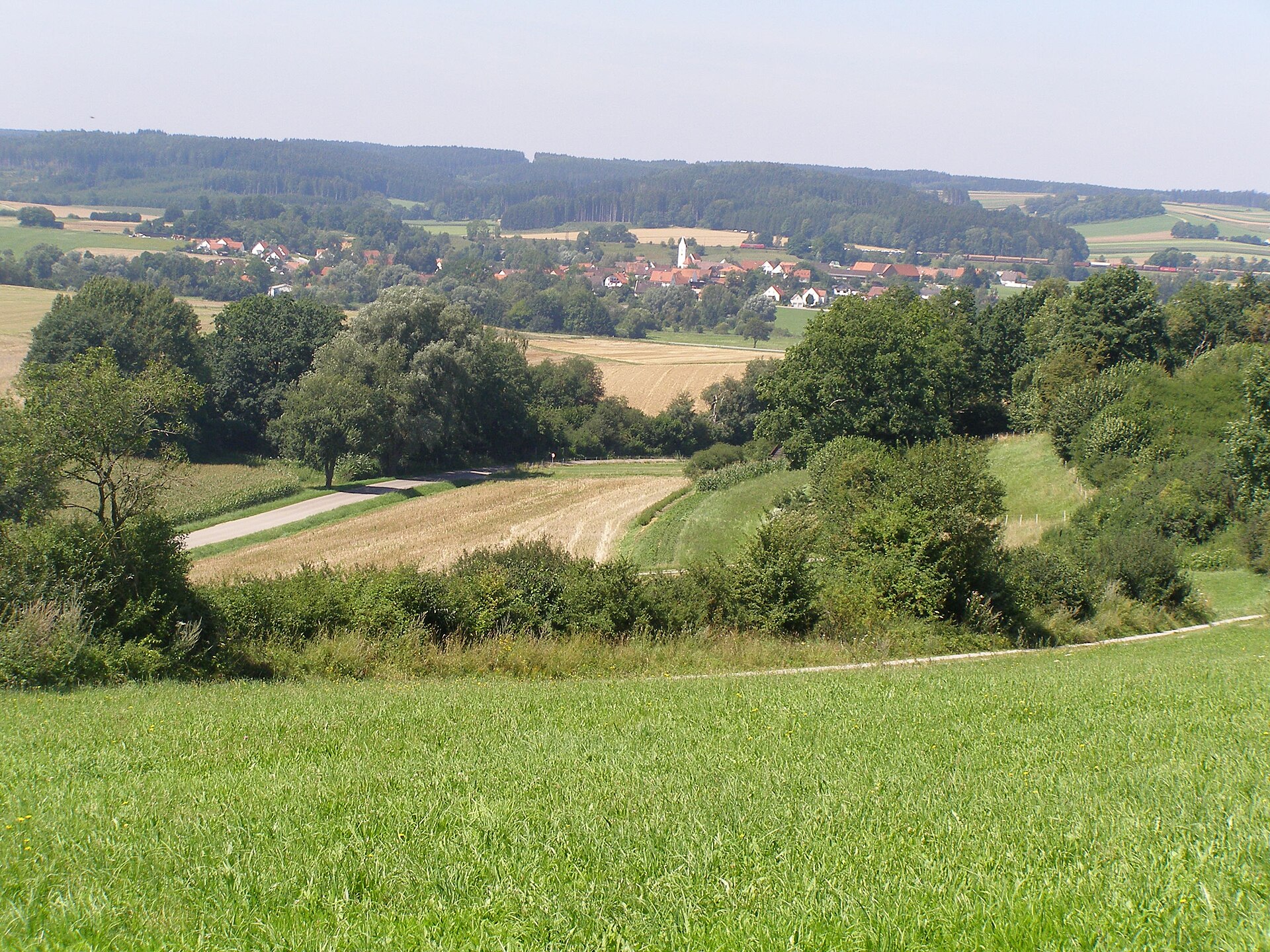
1,000 records
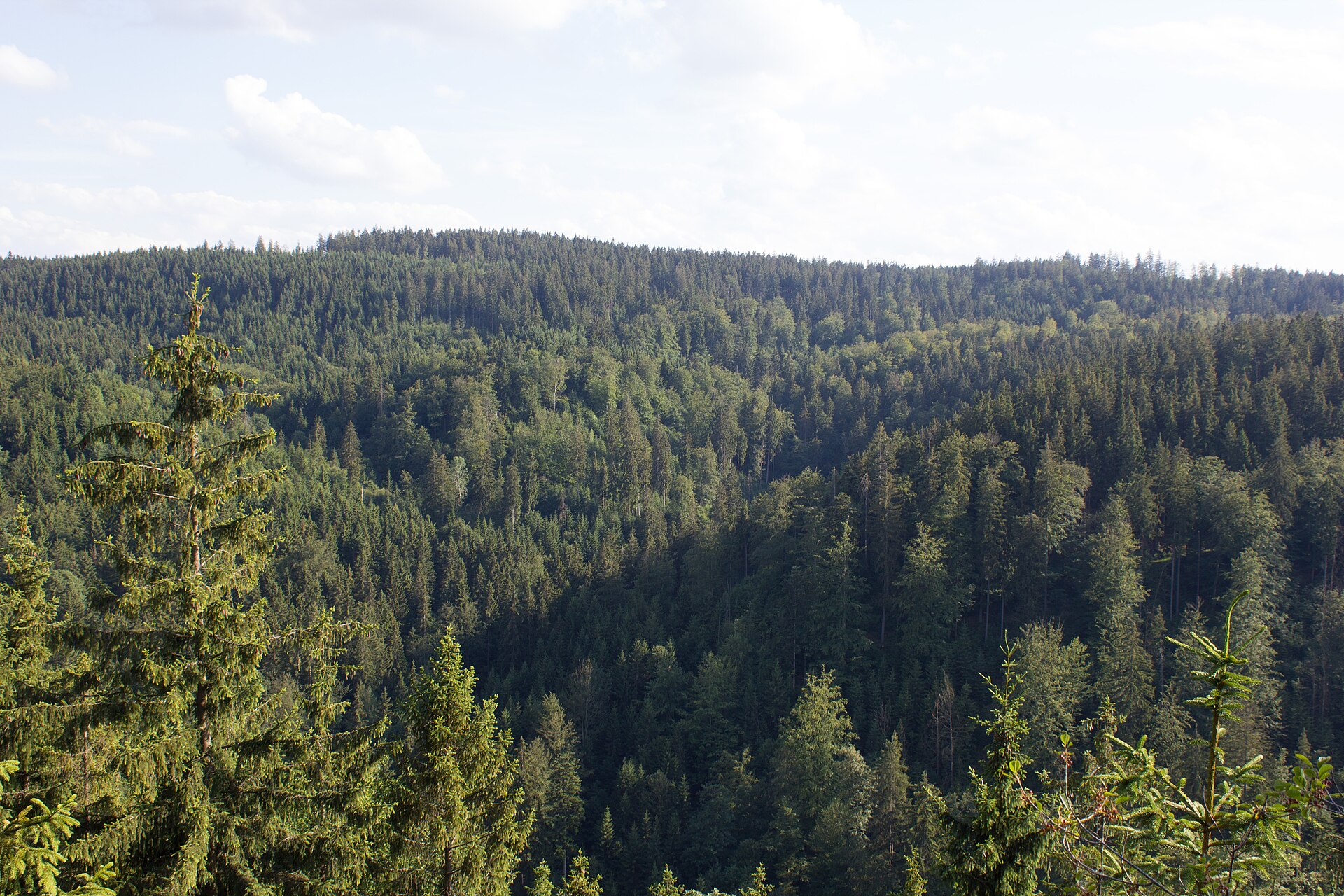
999 records
864 records
854 records
852 records
825 records
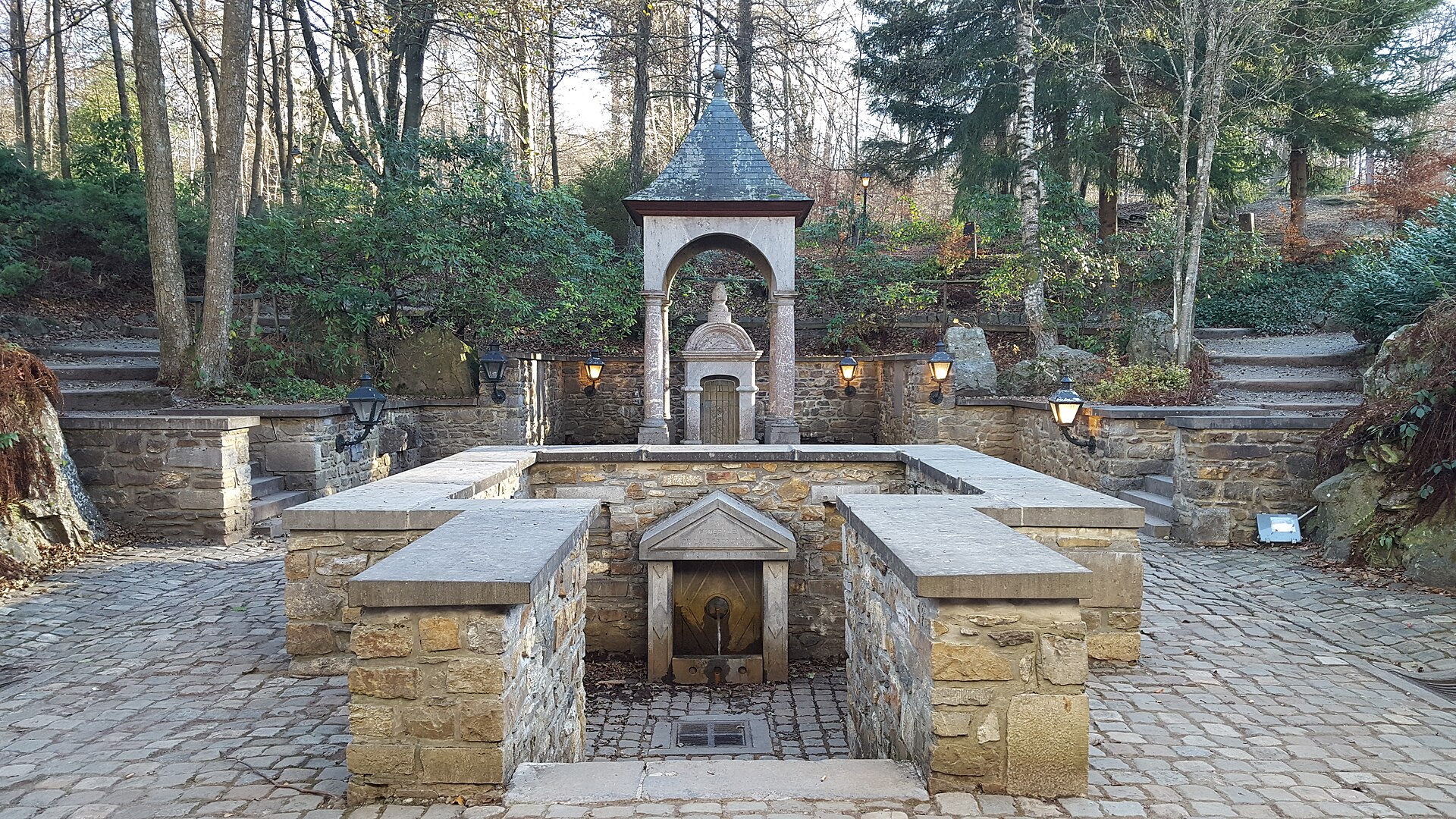
817 records
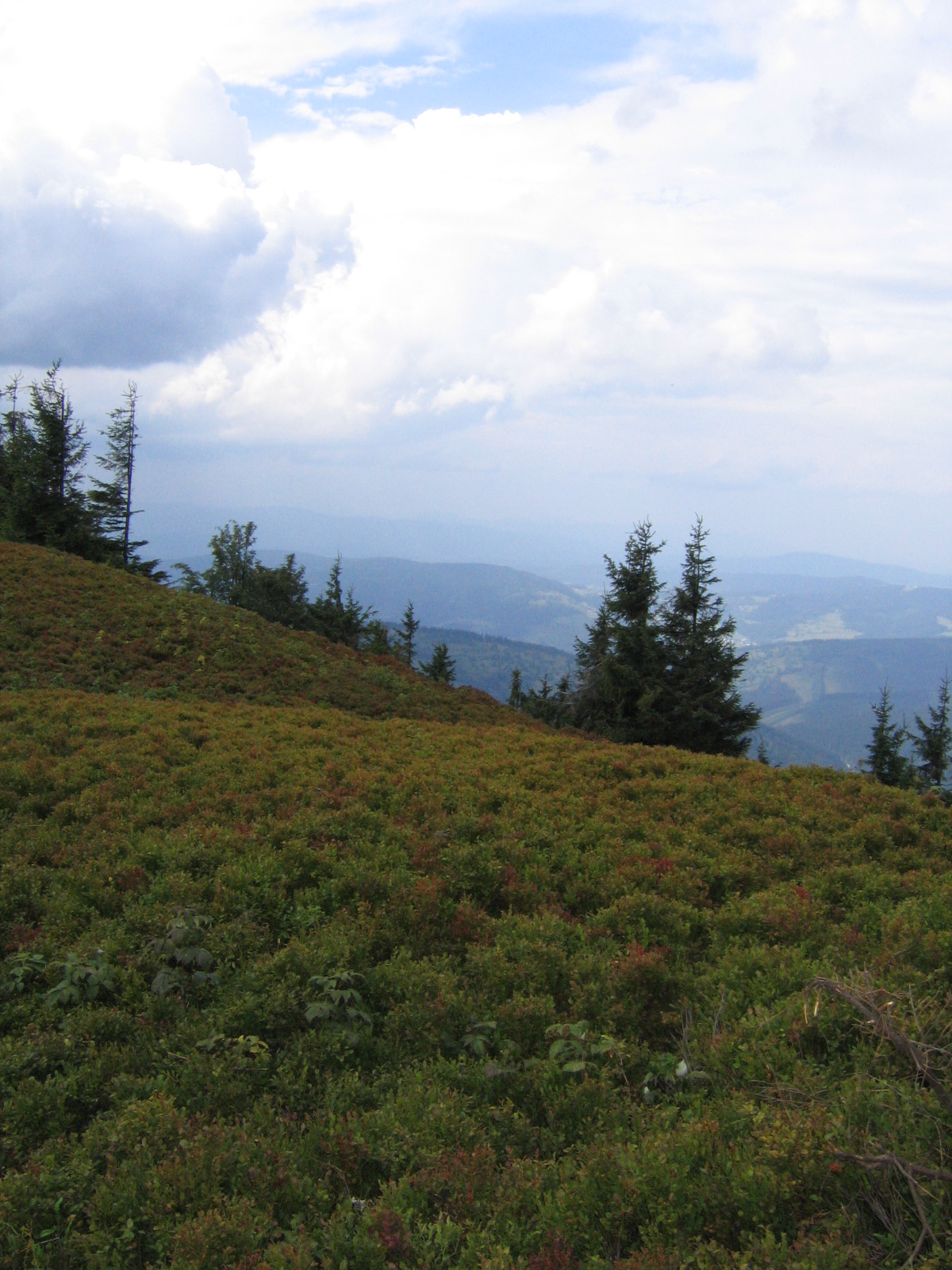
779 records
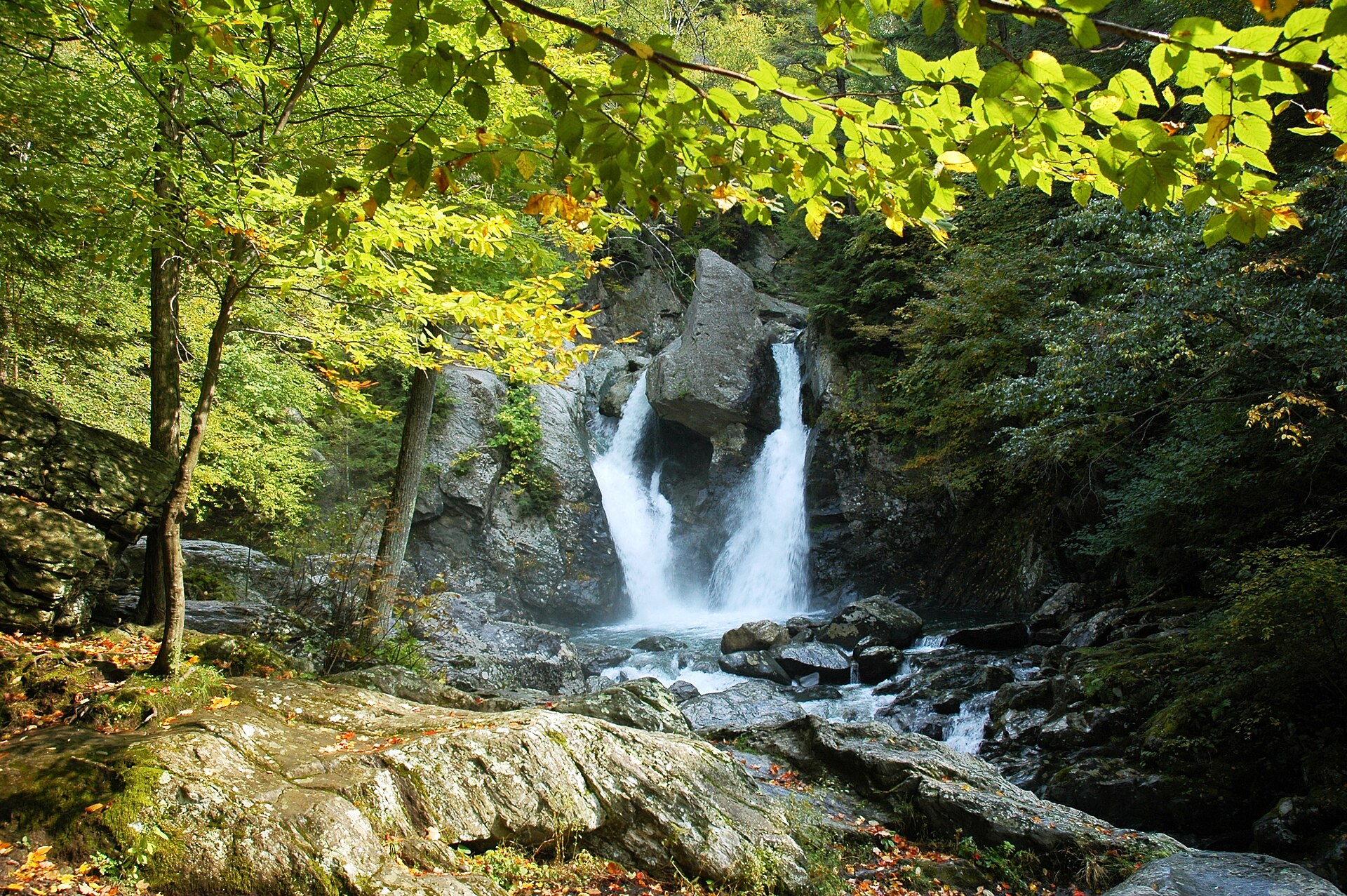
766 records
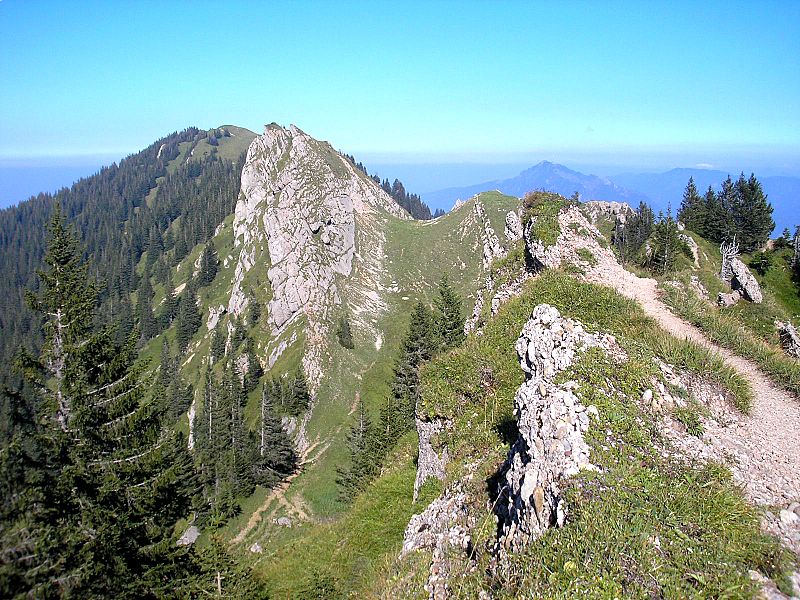
709 records
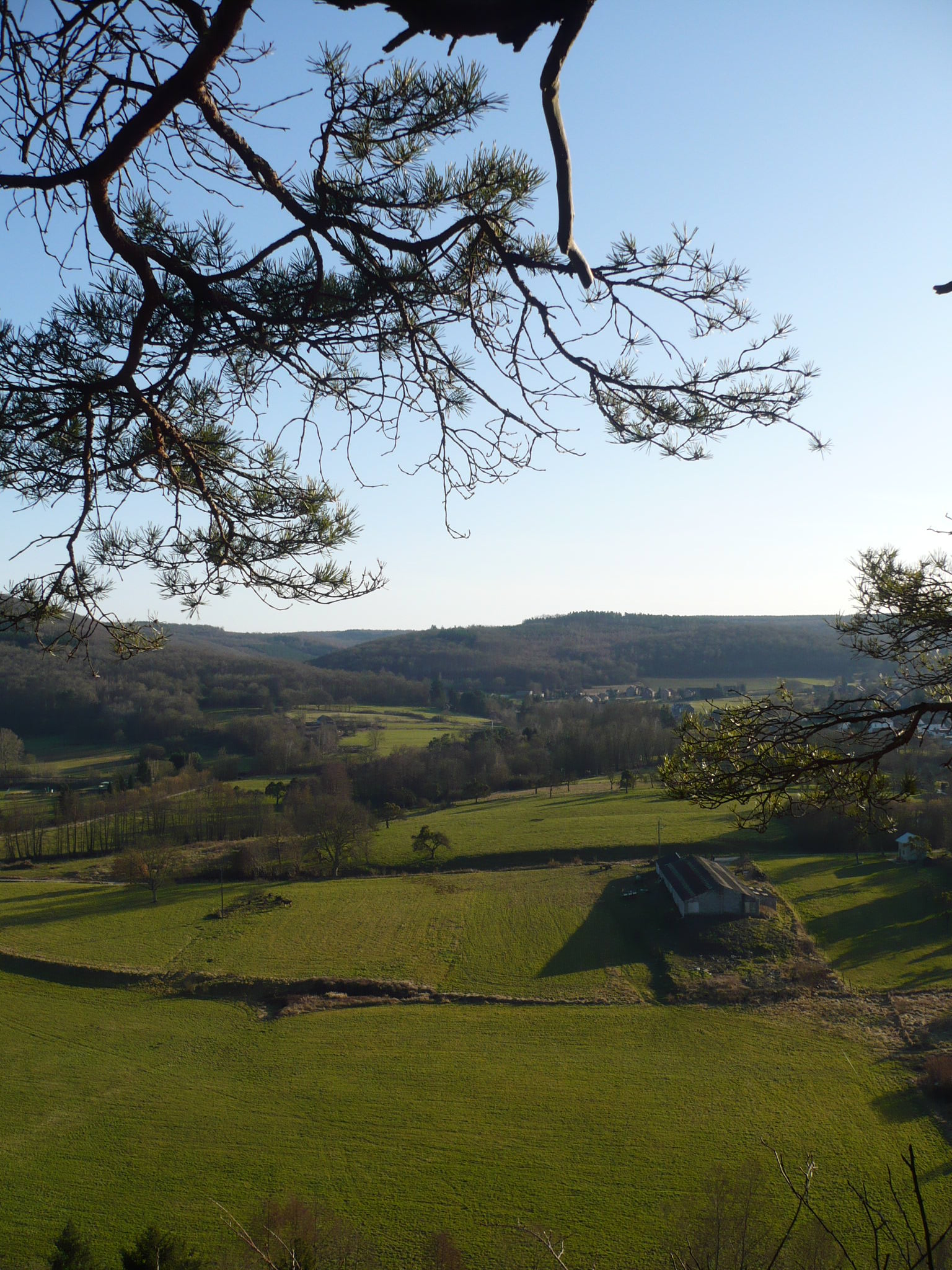
695 records
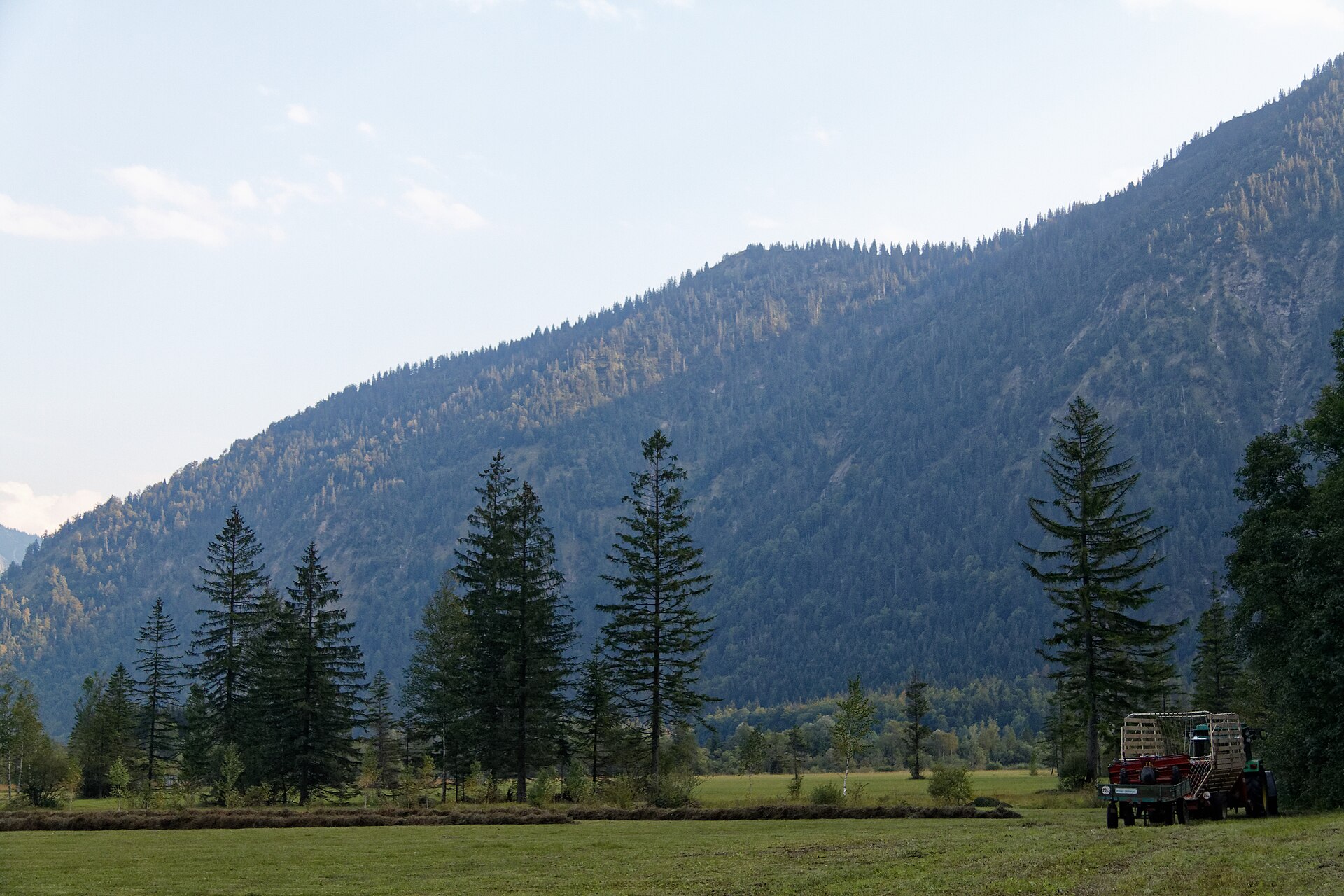
662 records
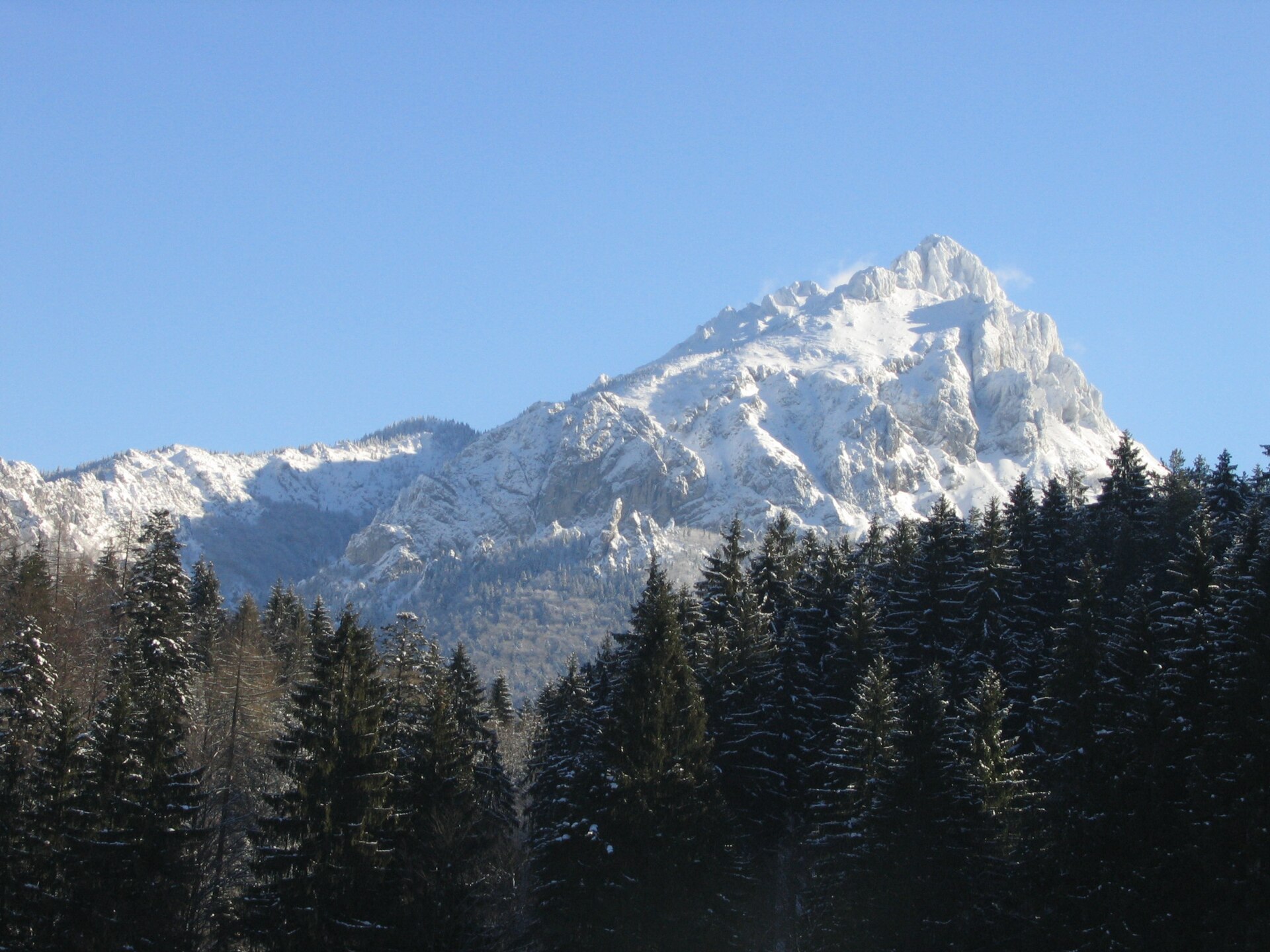
641 records
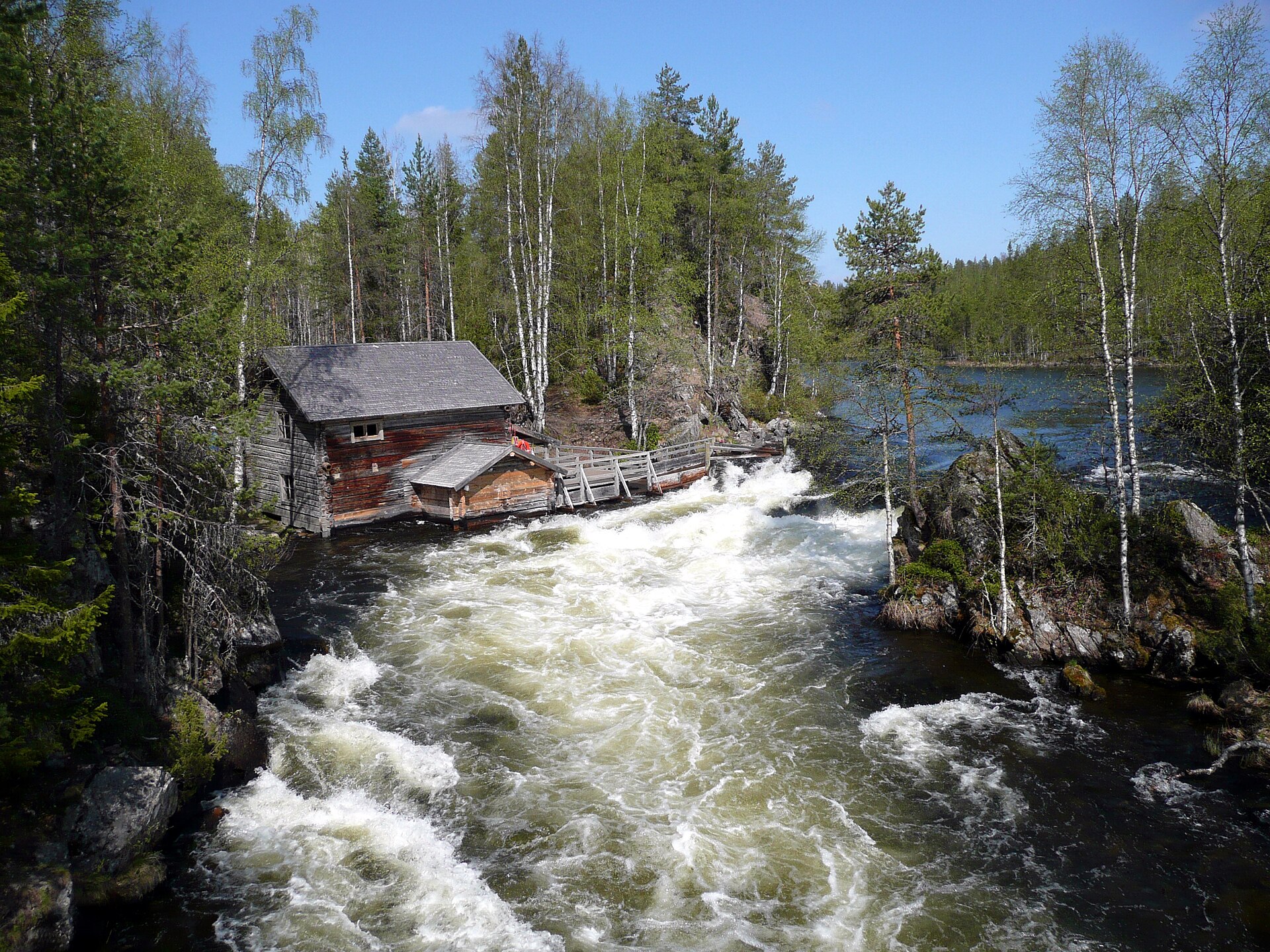
634 records
559 records
541 records
510 records
489 records
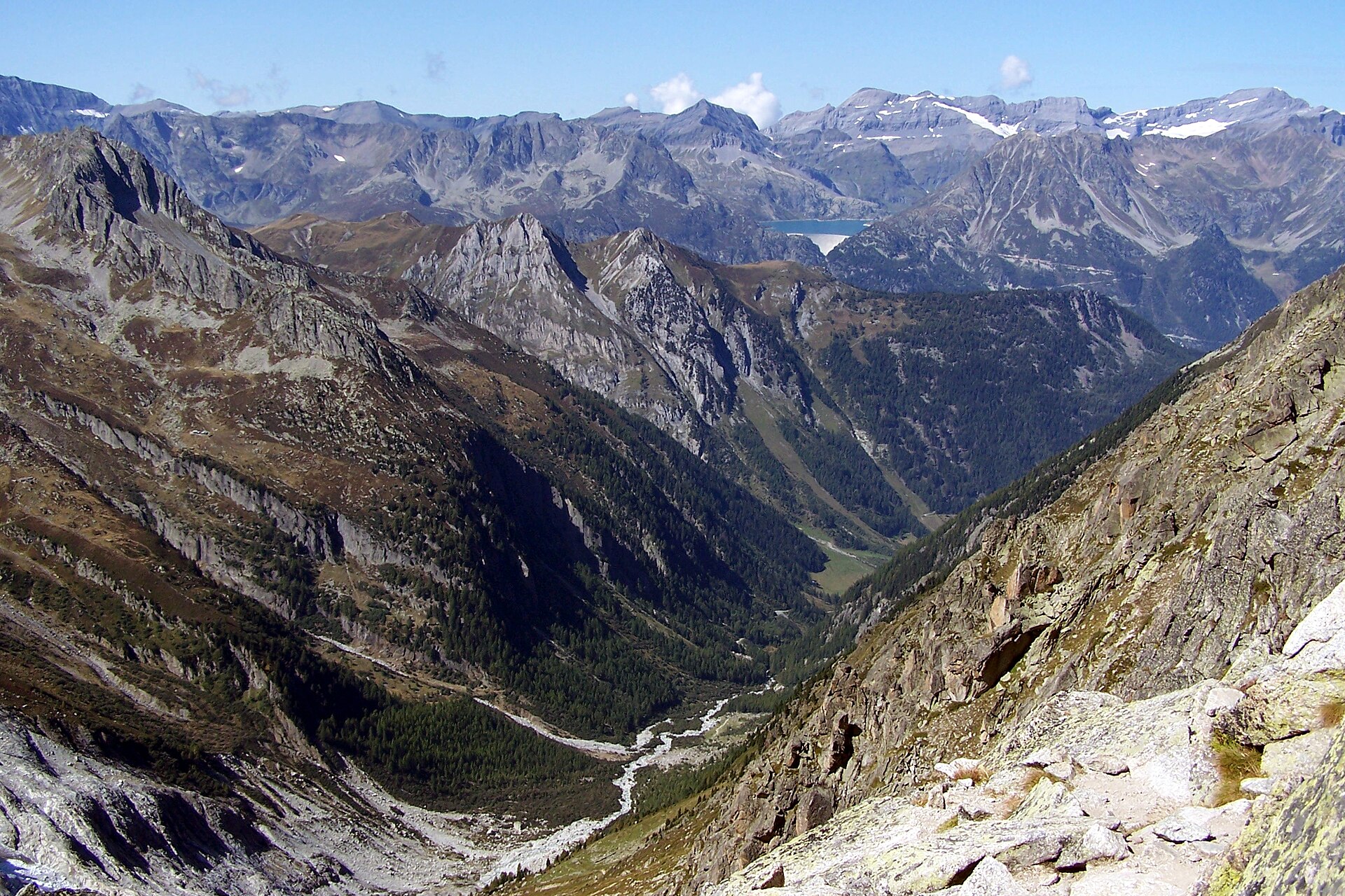
457 records
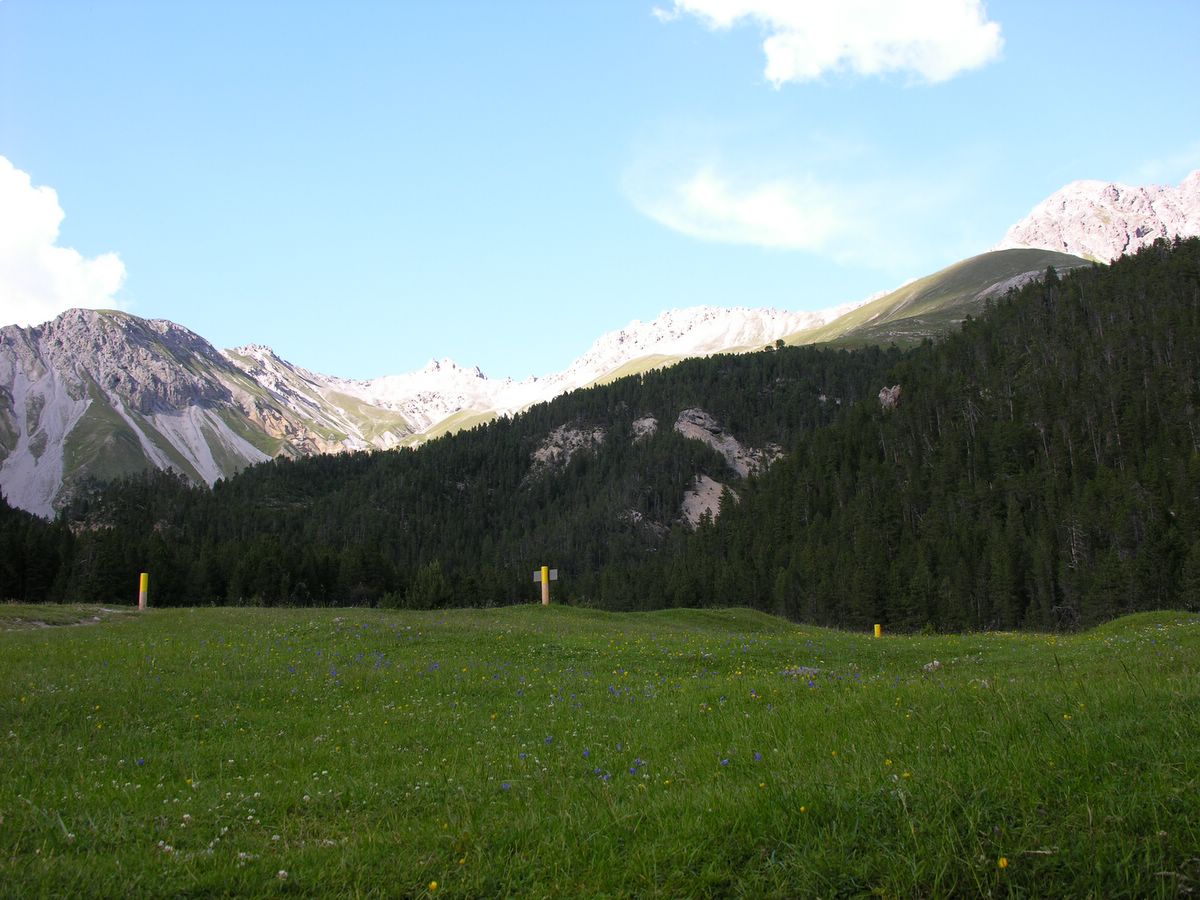
454 records
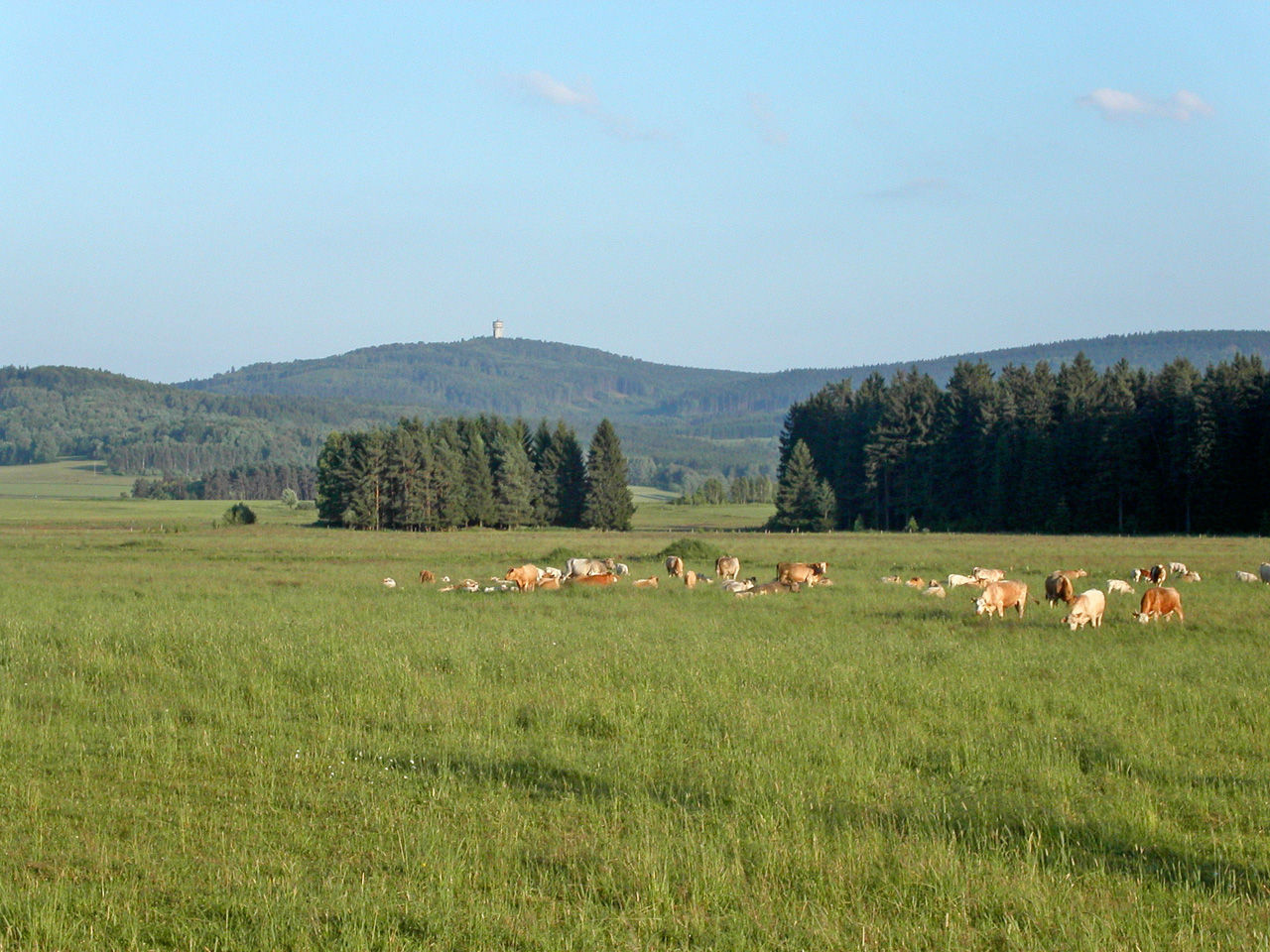
378 records
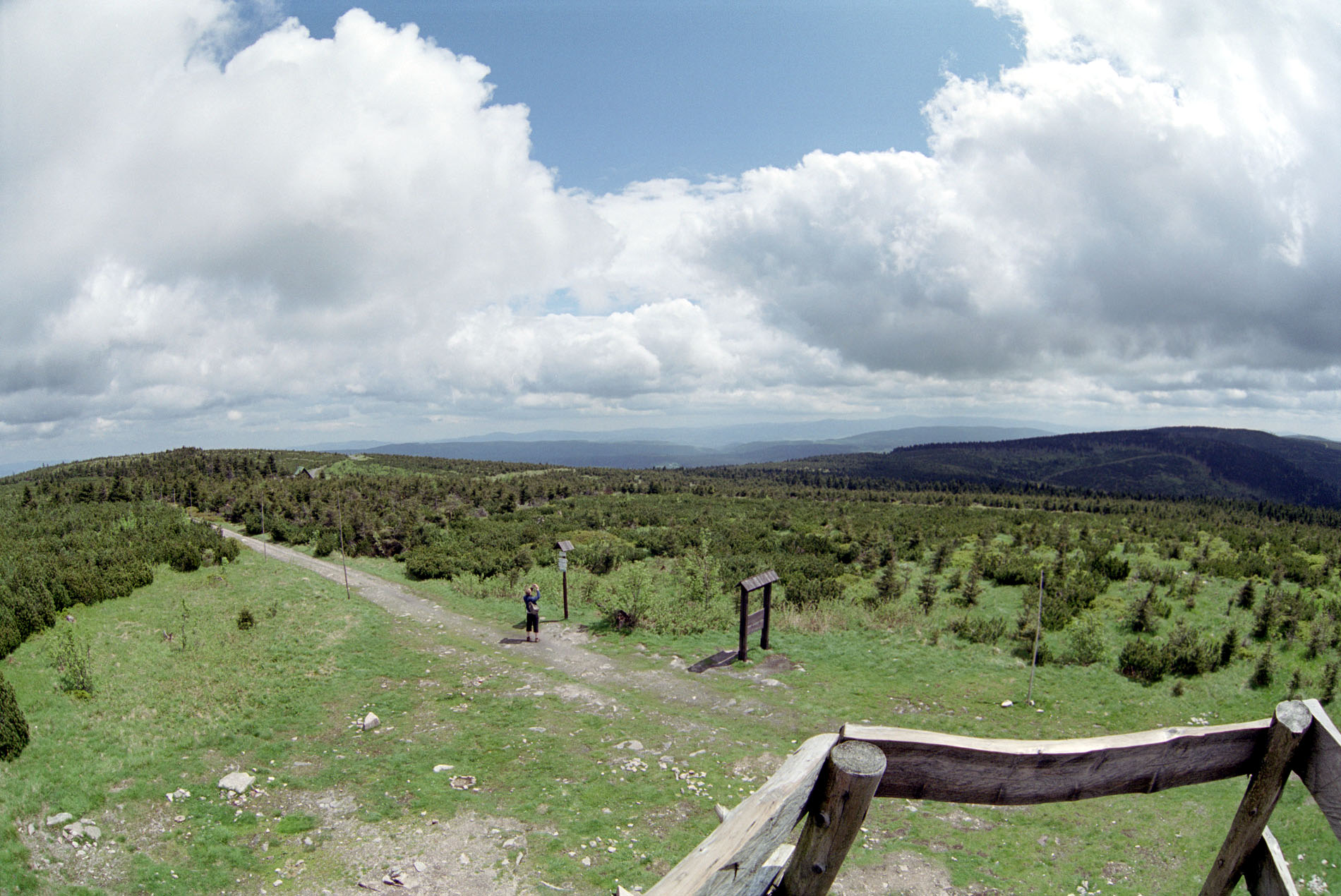
348 records
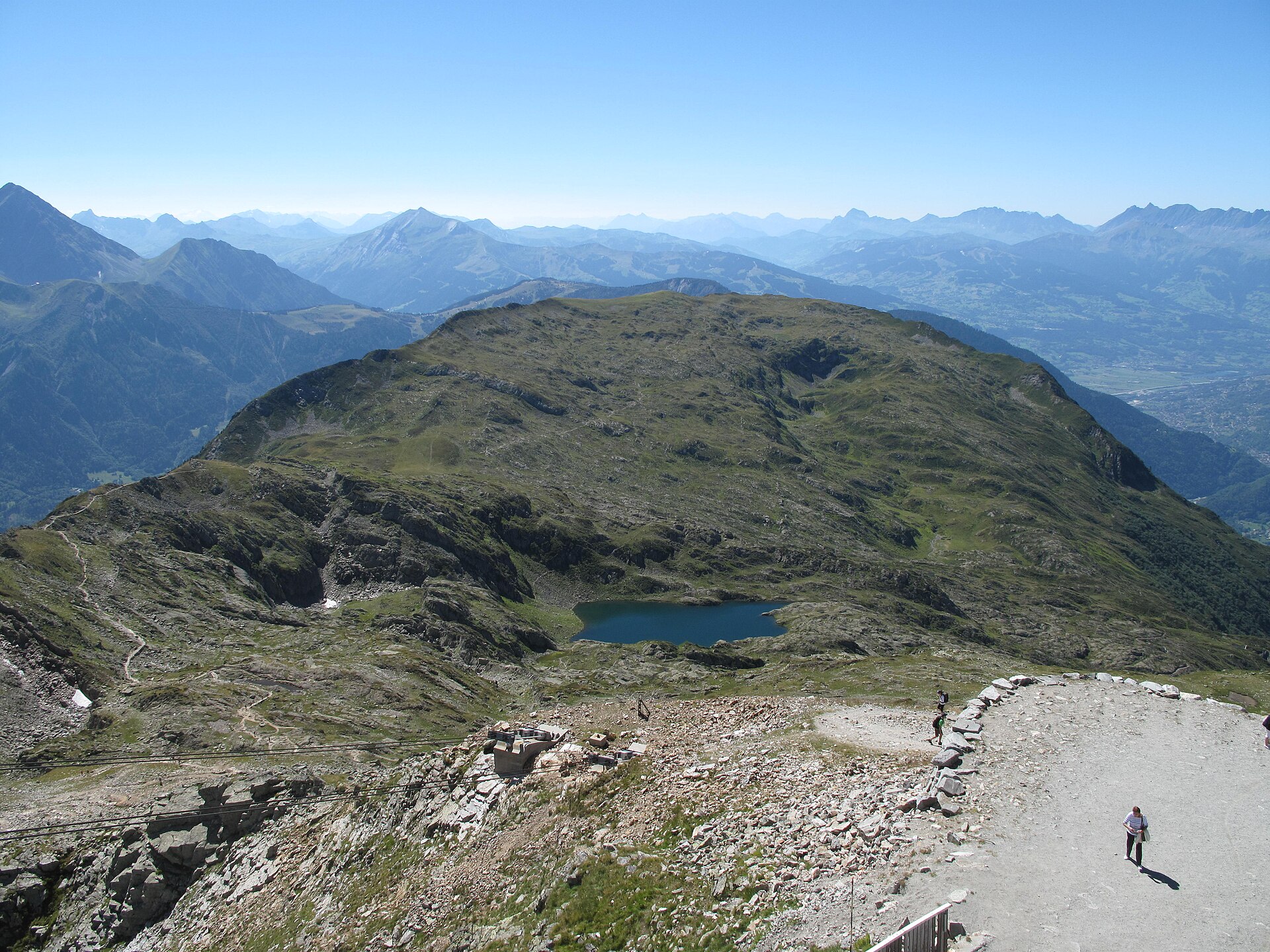
343 records
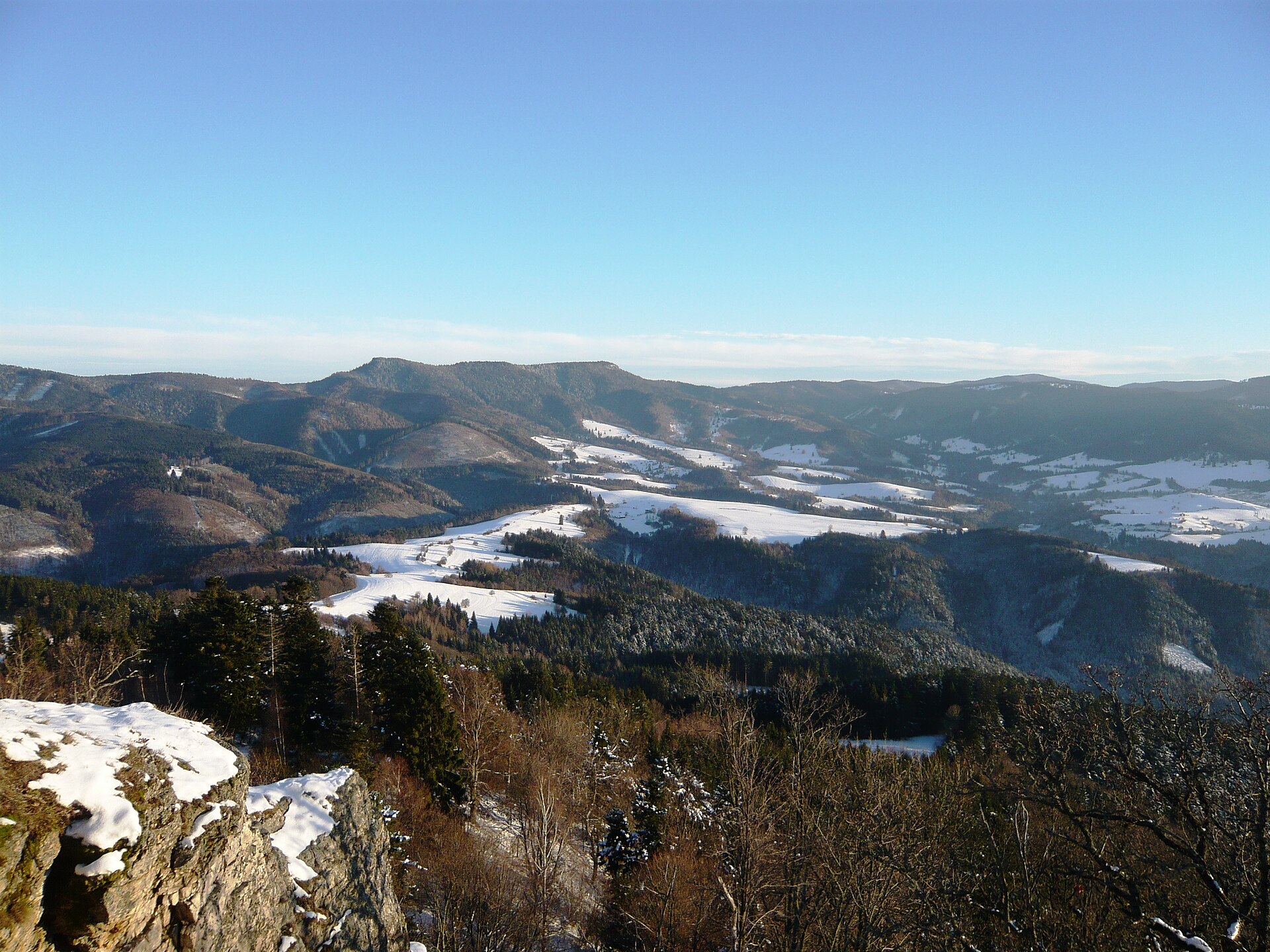
338 records
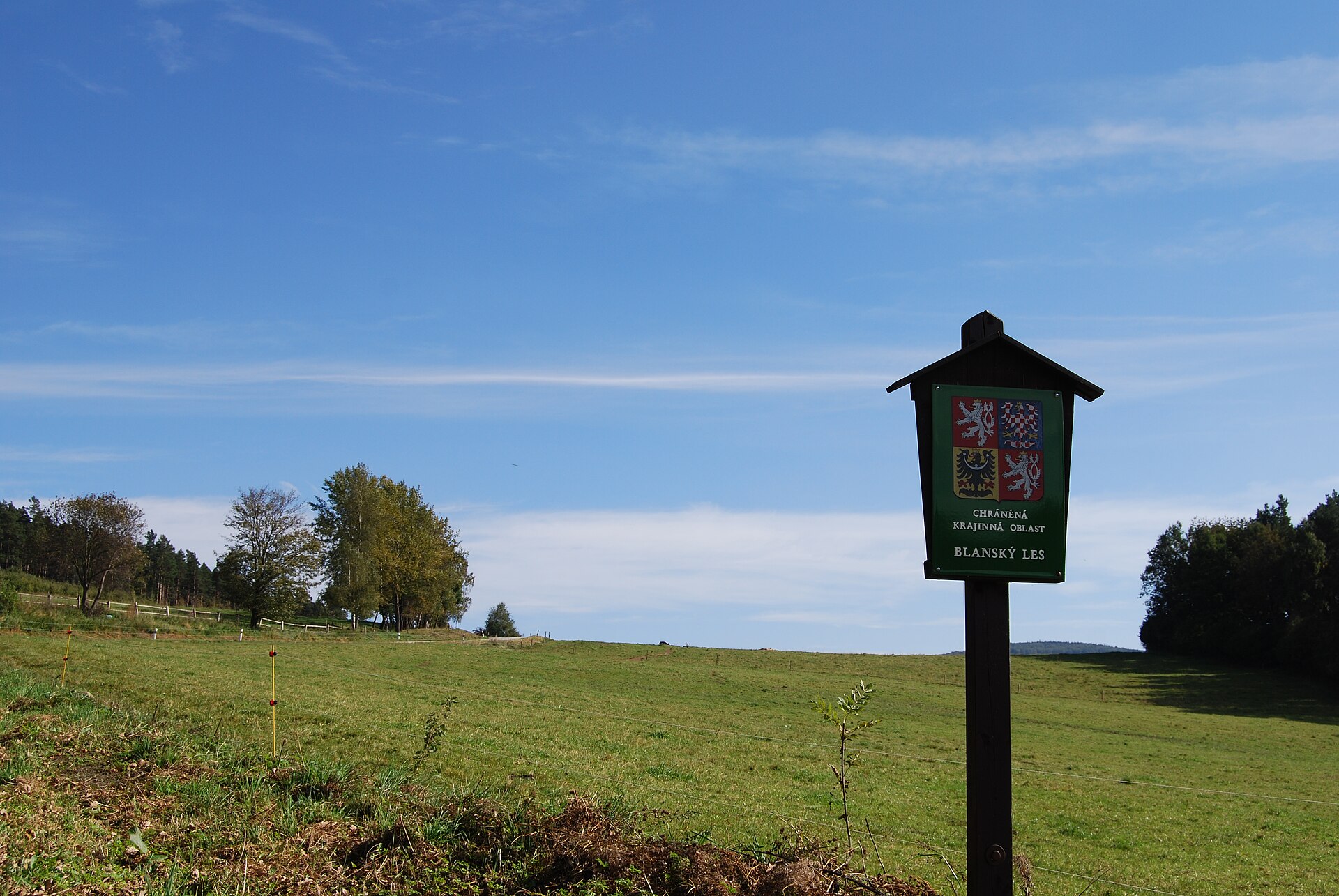
318 records
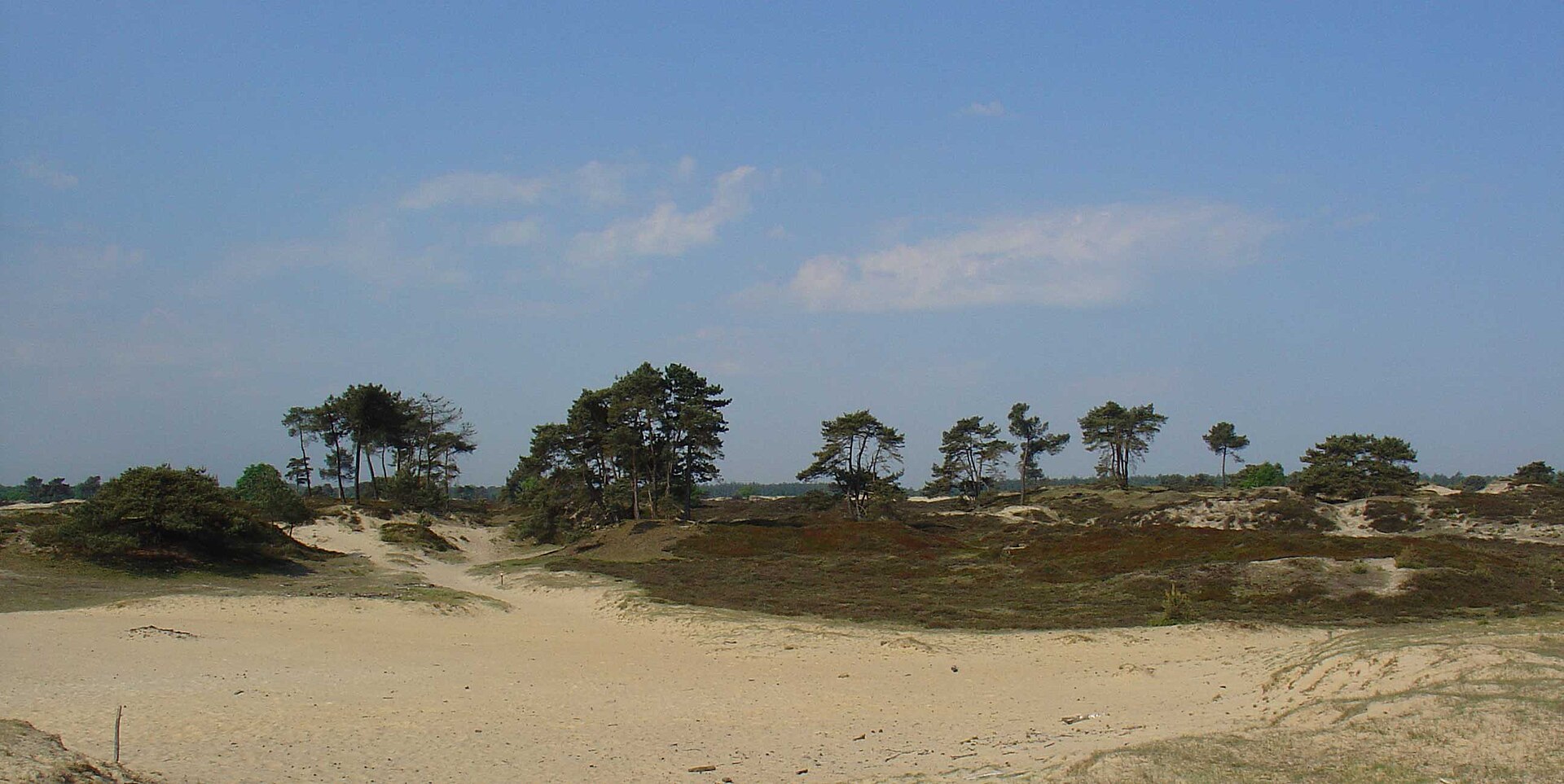
264 records
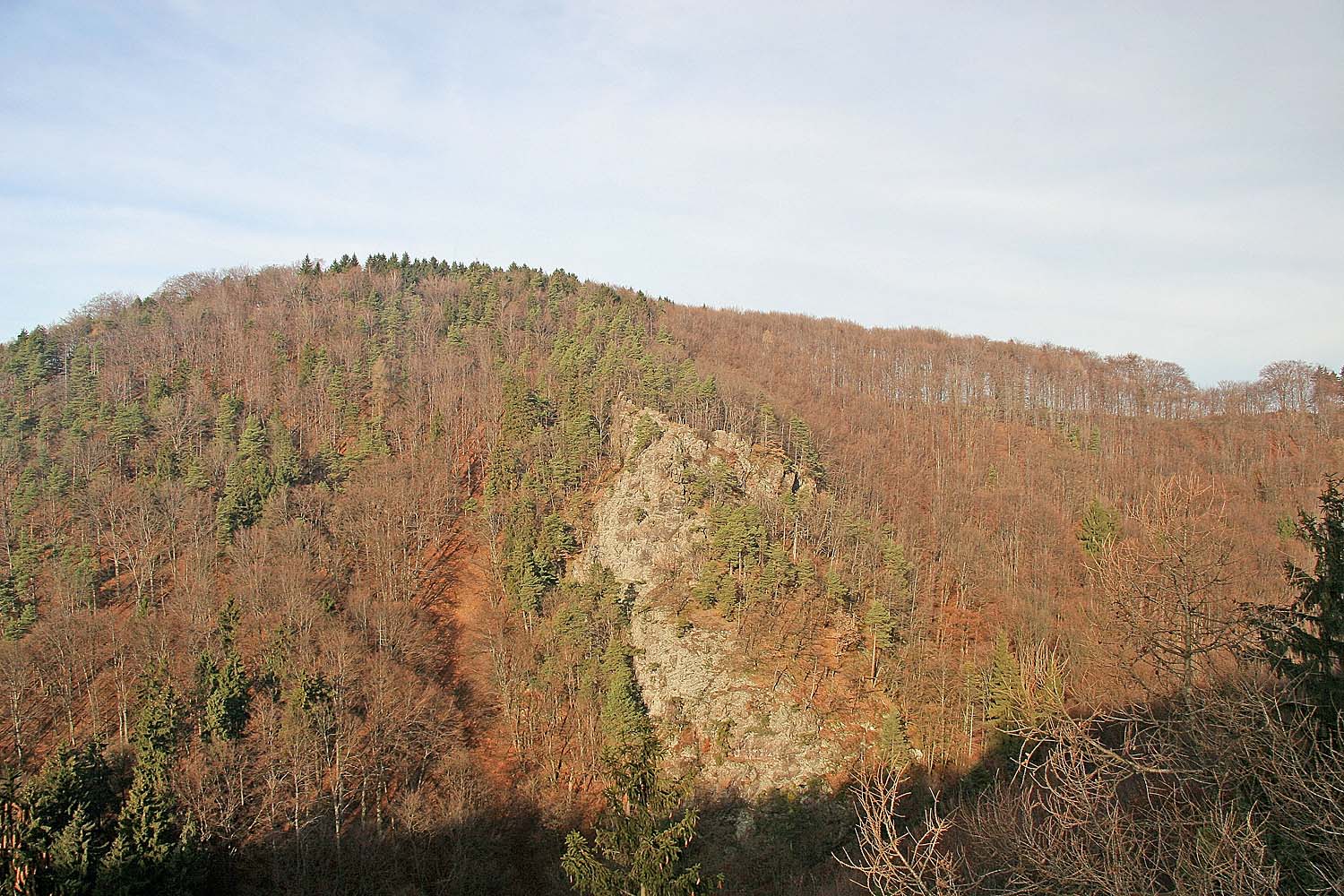
227 records
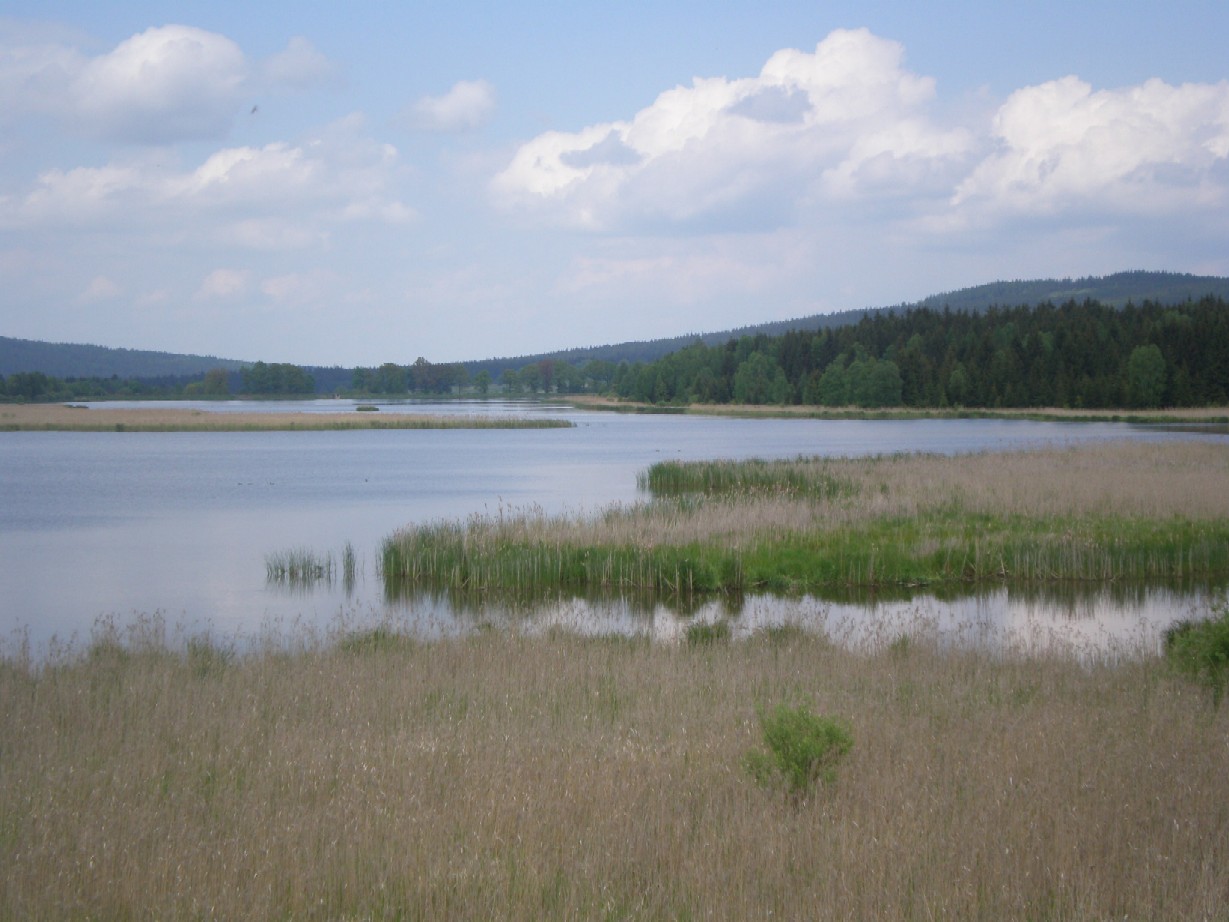
209 records
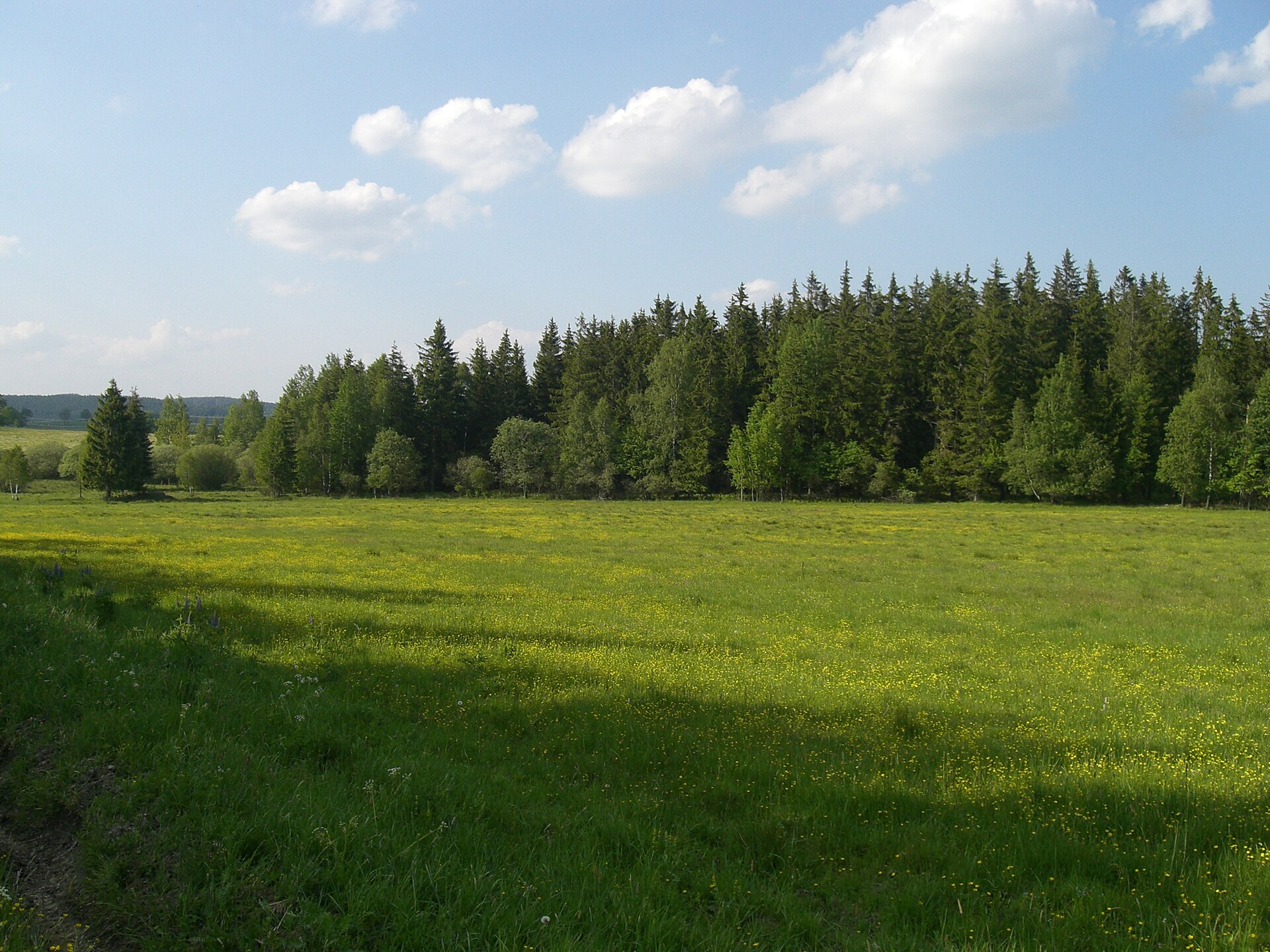
182 records
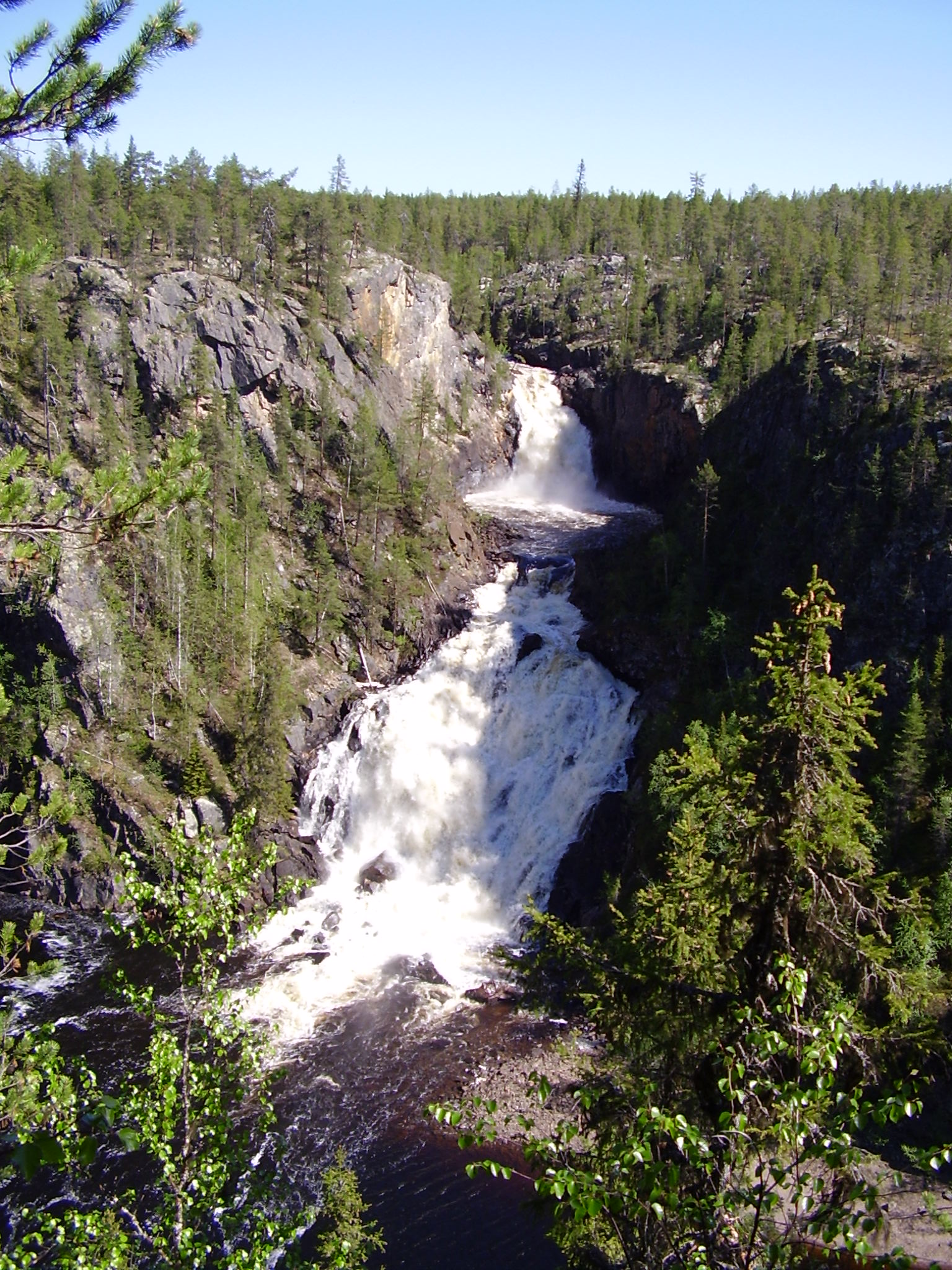
181 records
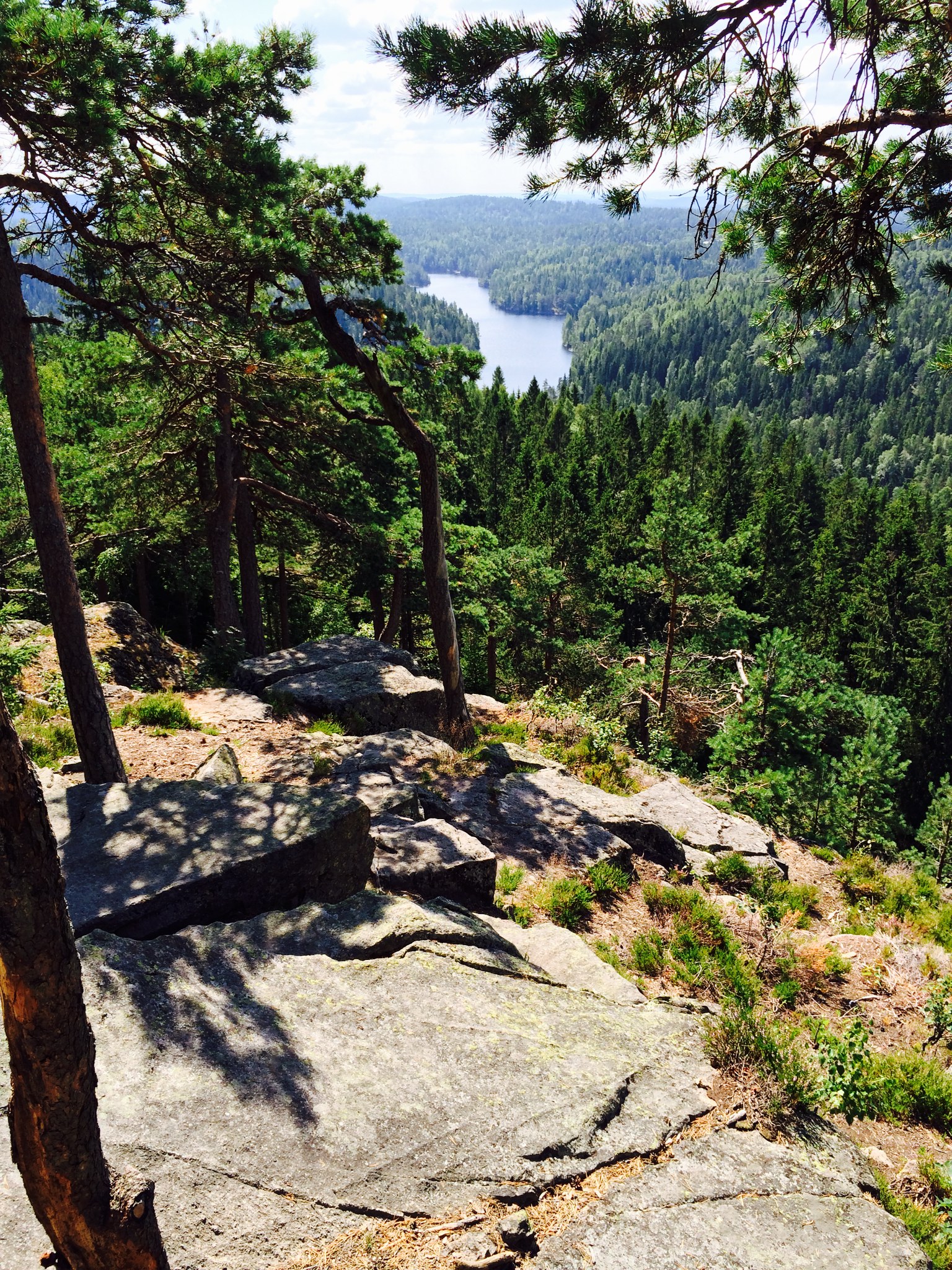
172 records
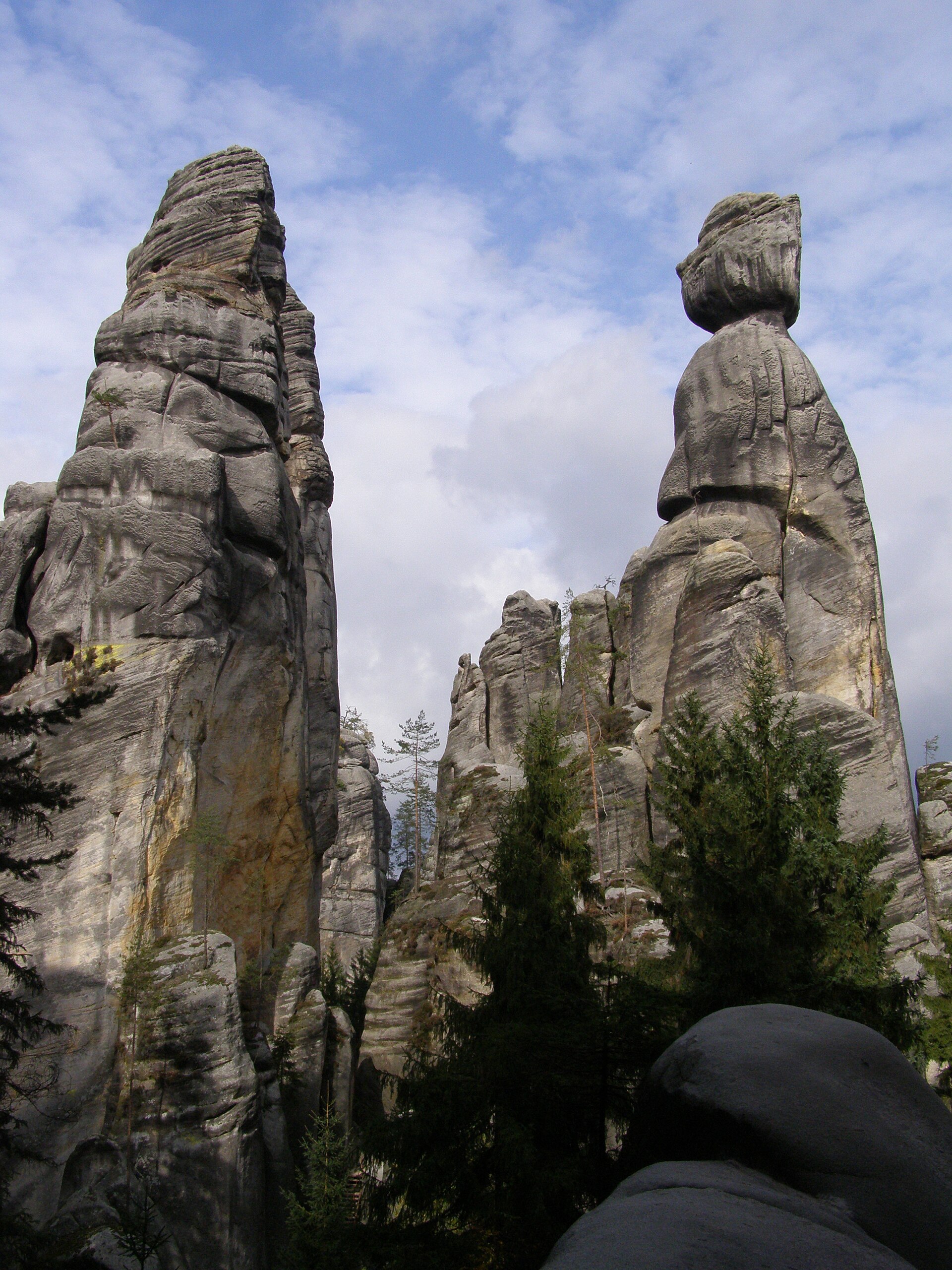
155 records
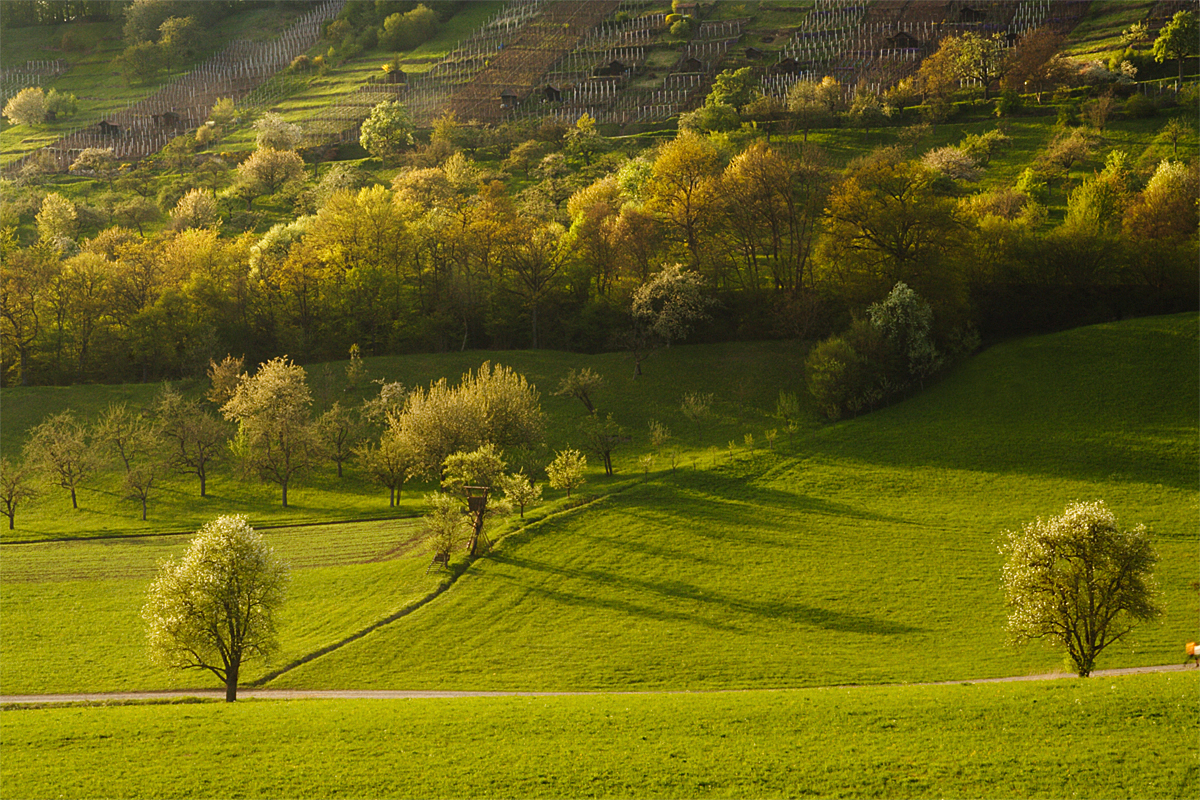
145 records
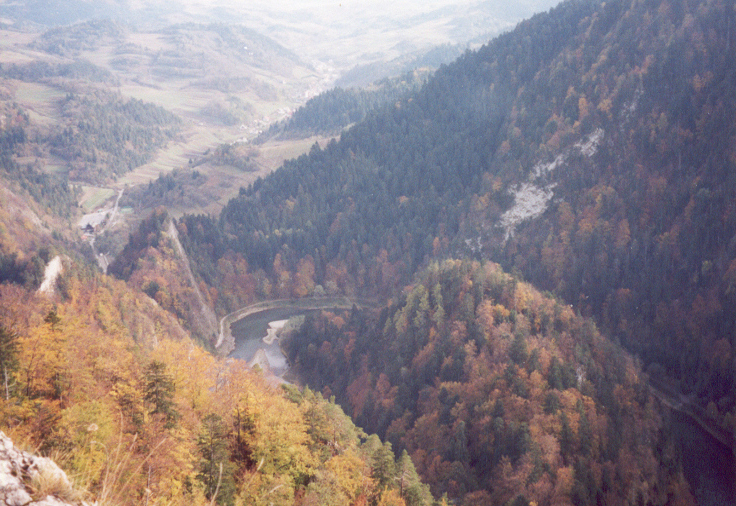
134 records
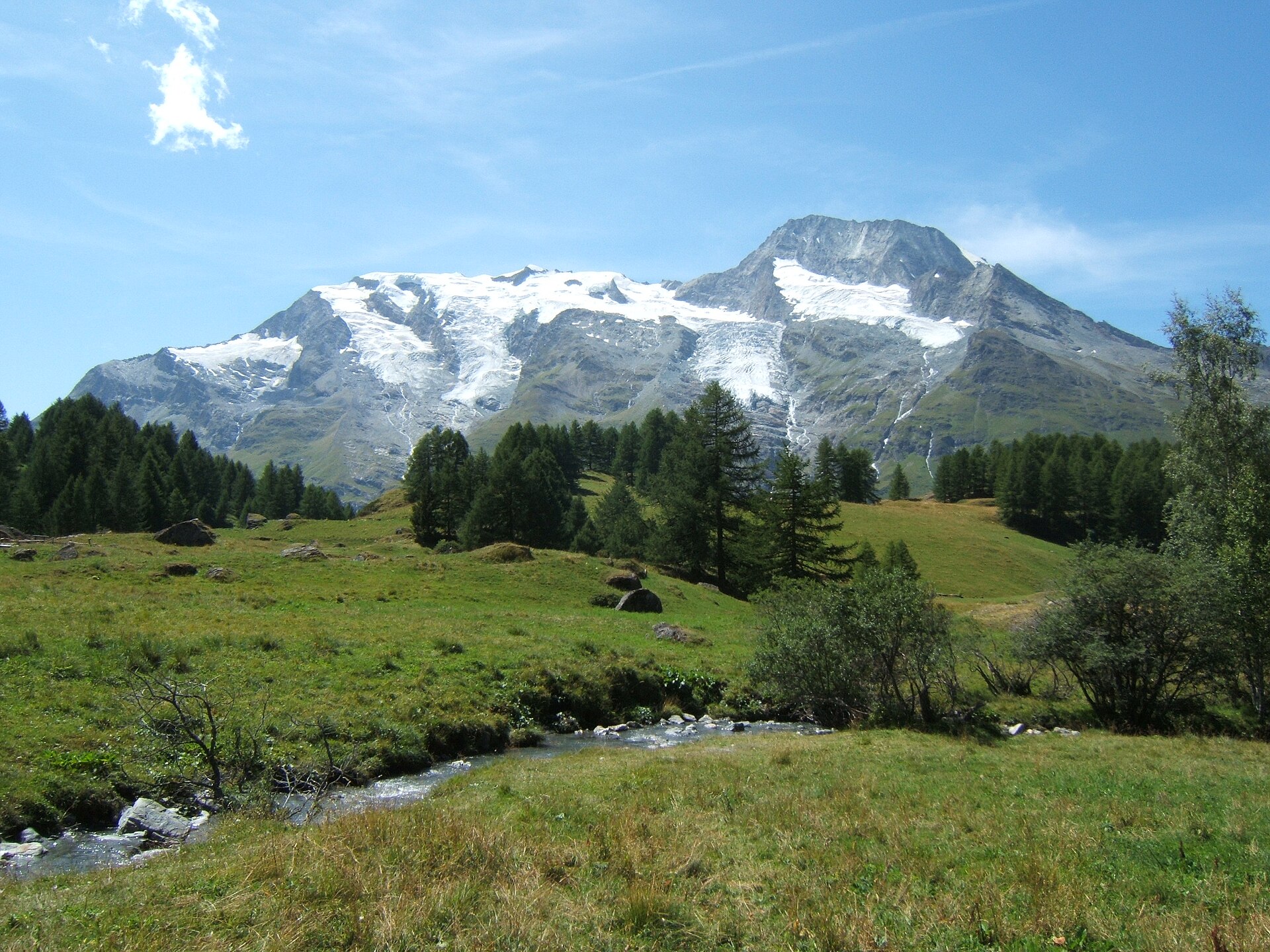
131 records
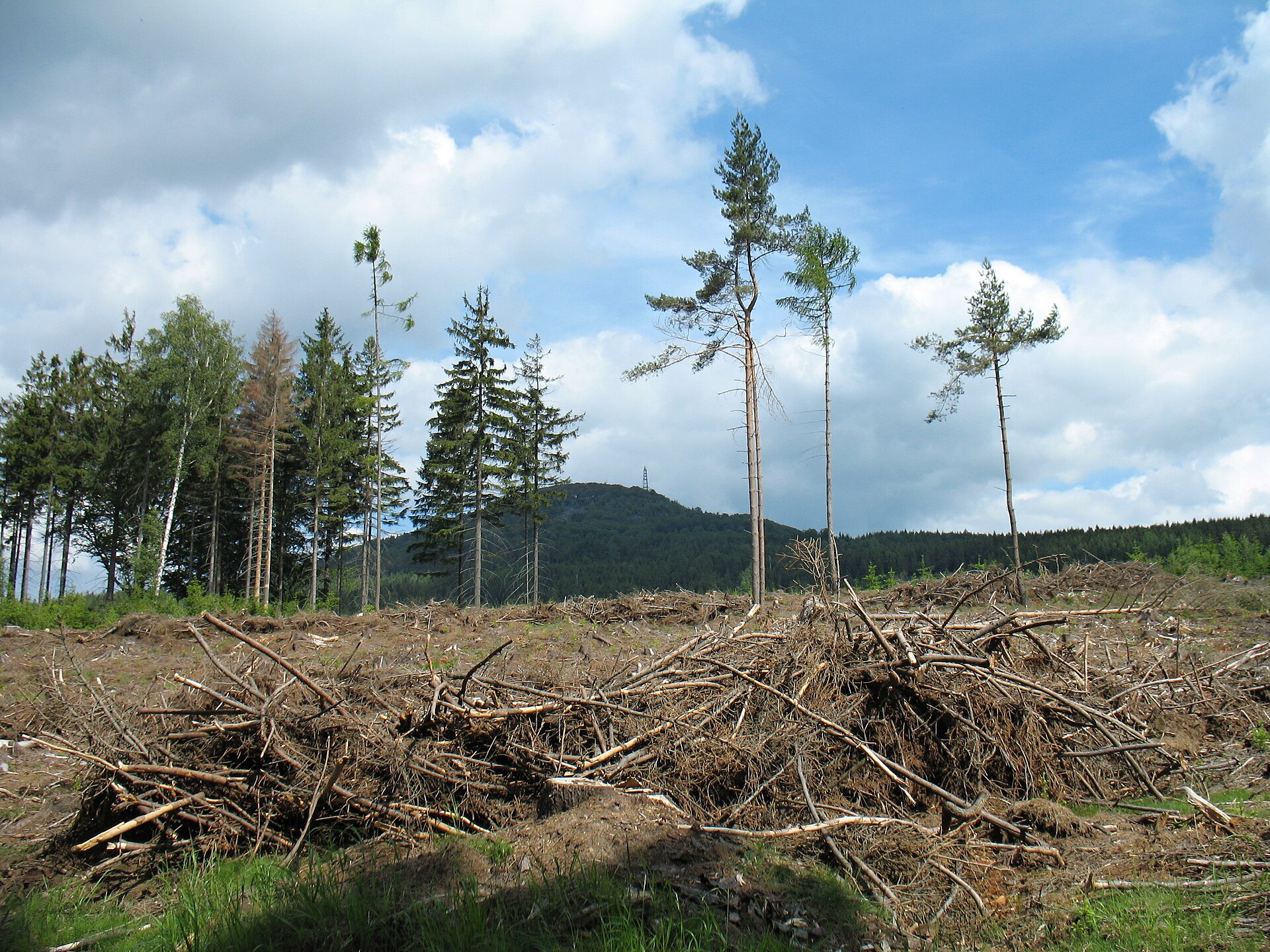
129 records
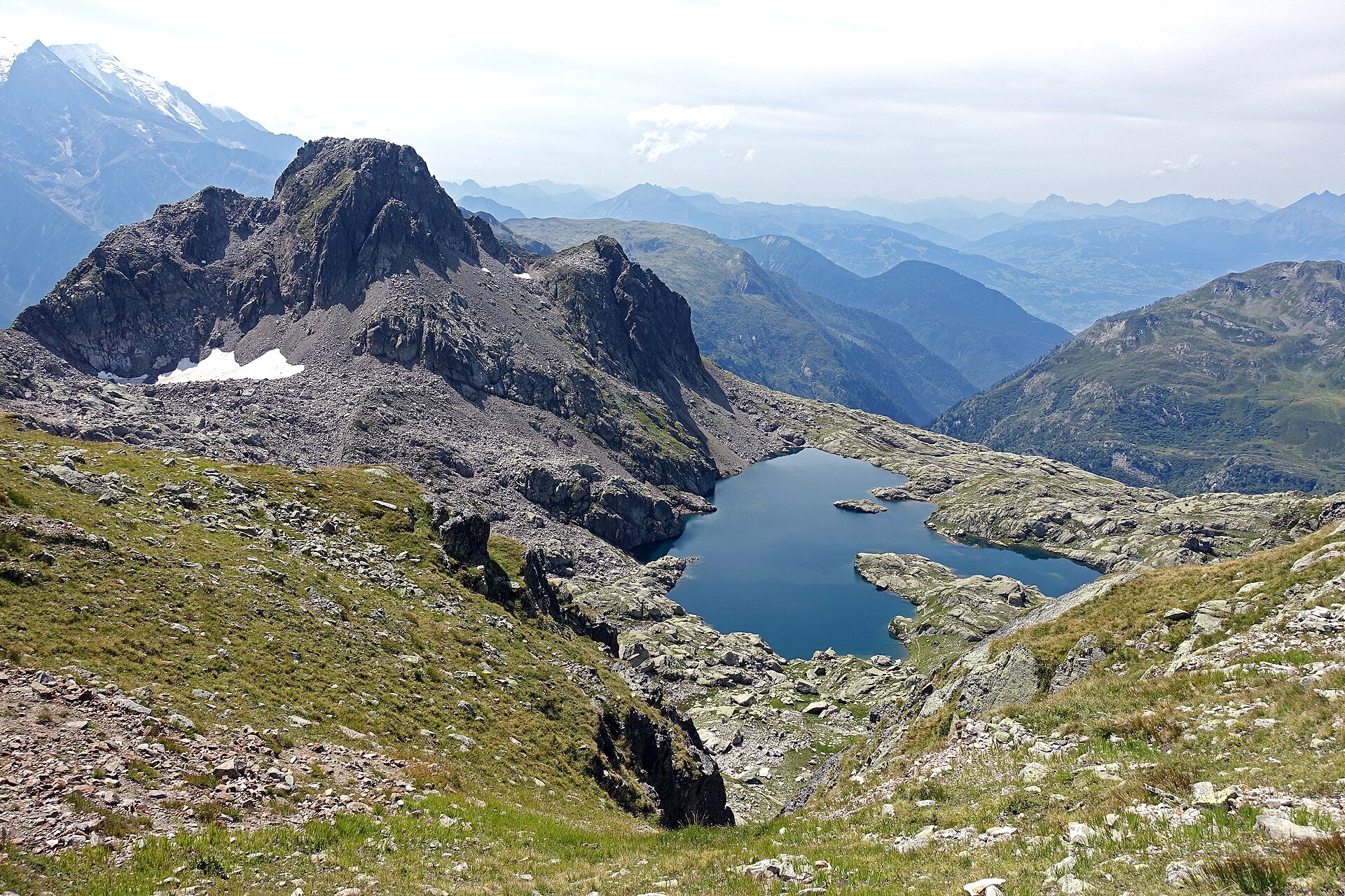
119 records
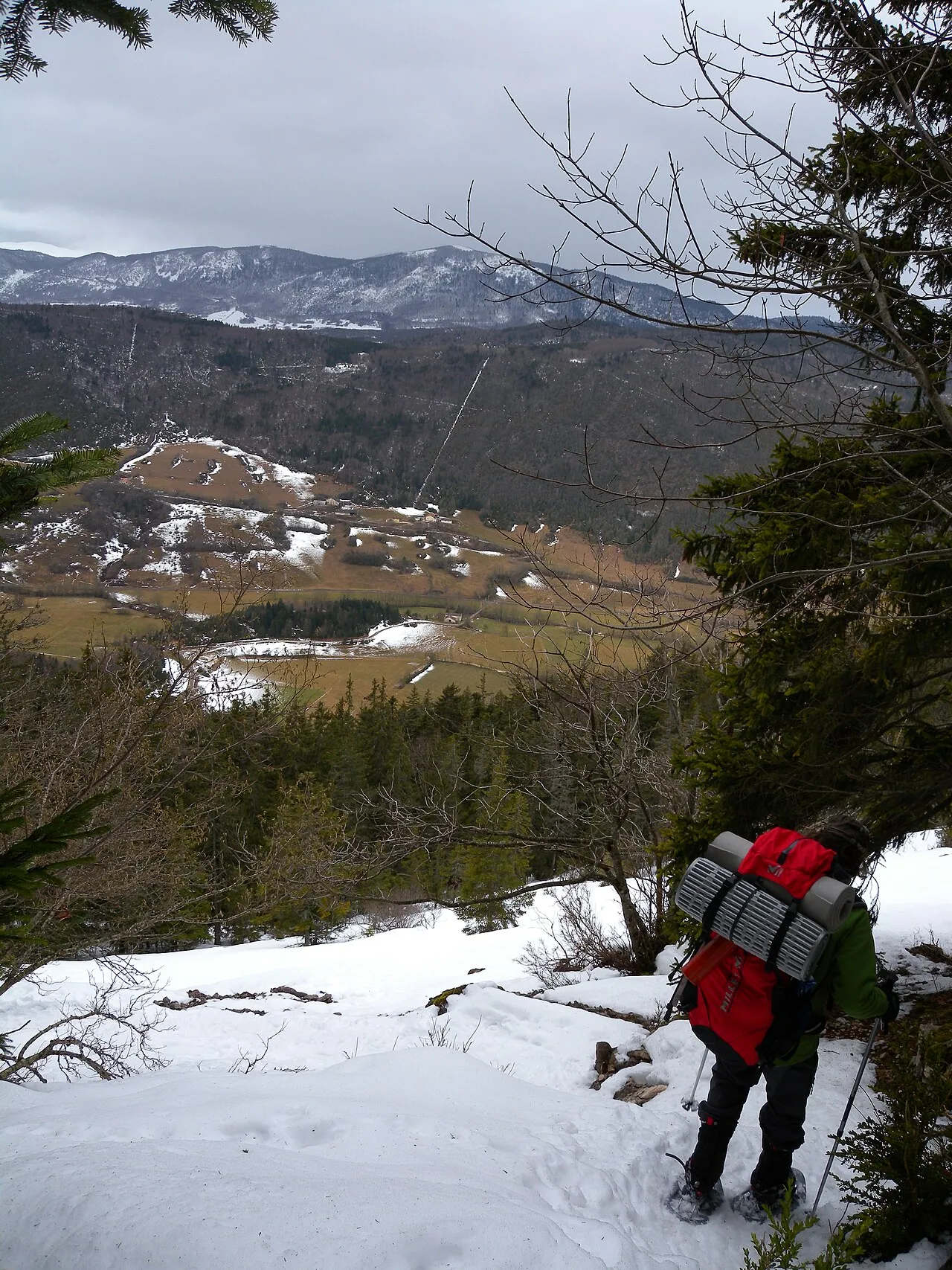
116 records
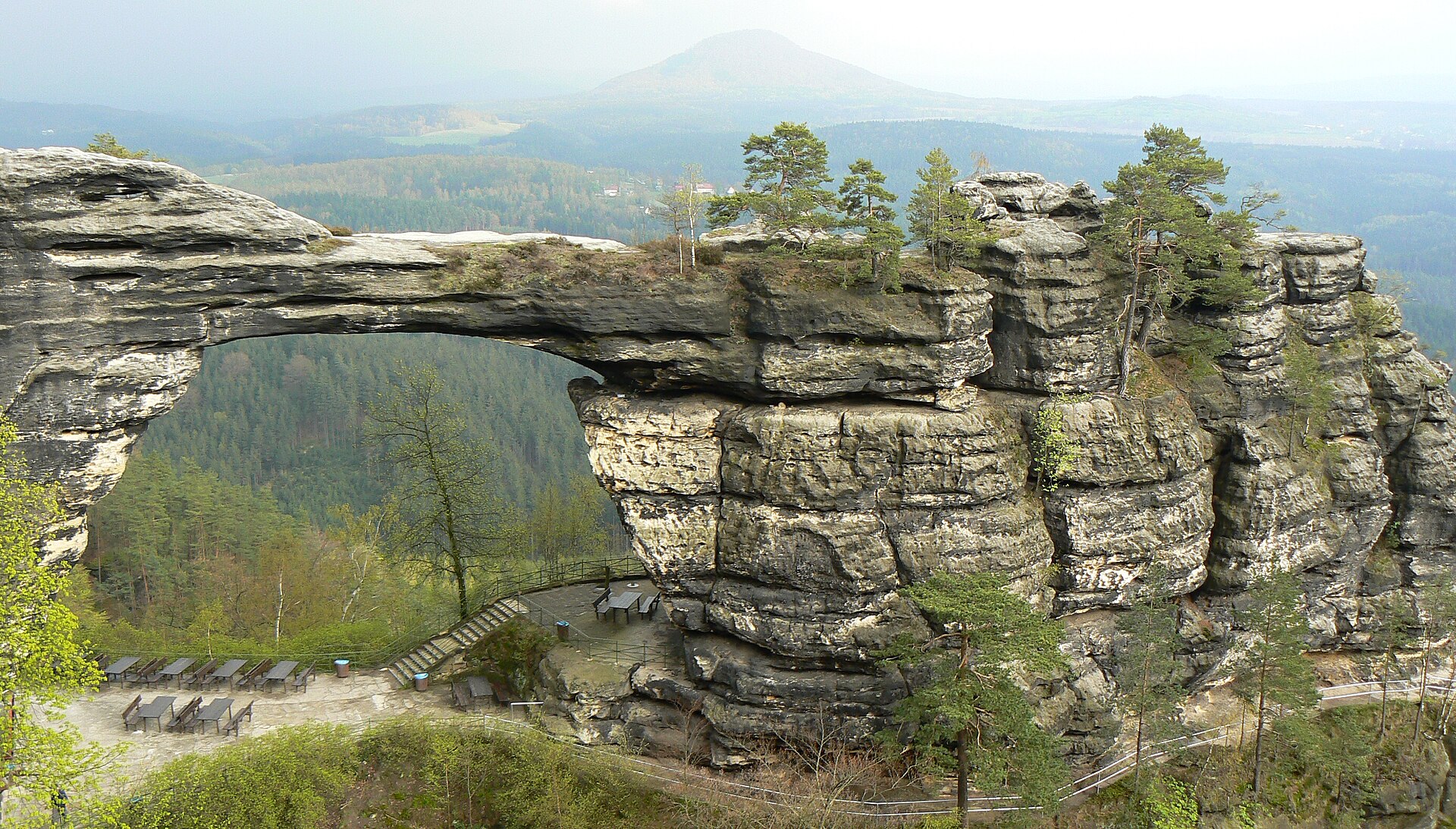
110 records
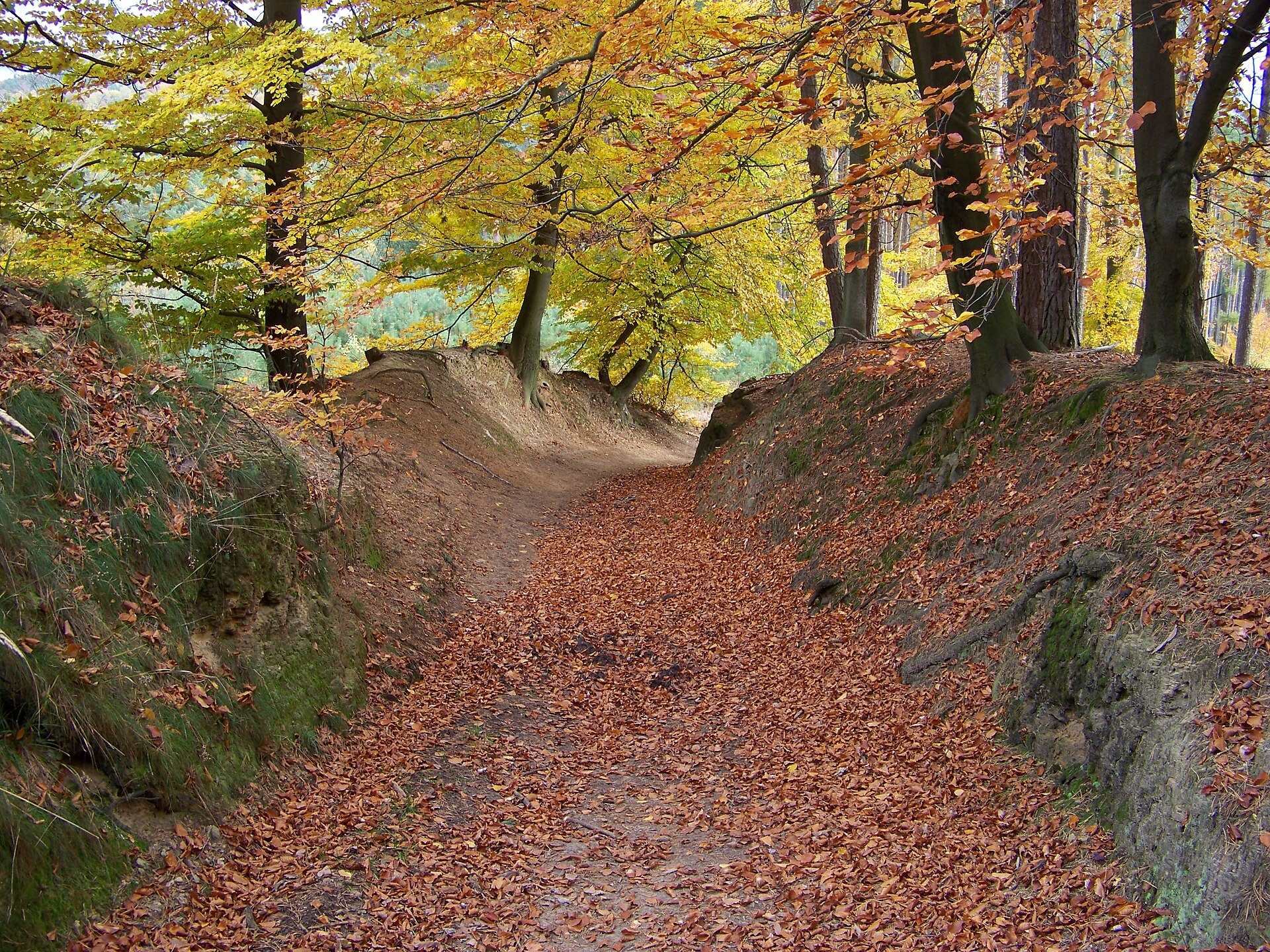
91 records
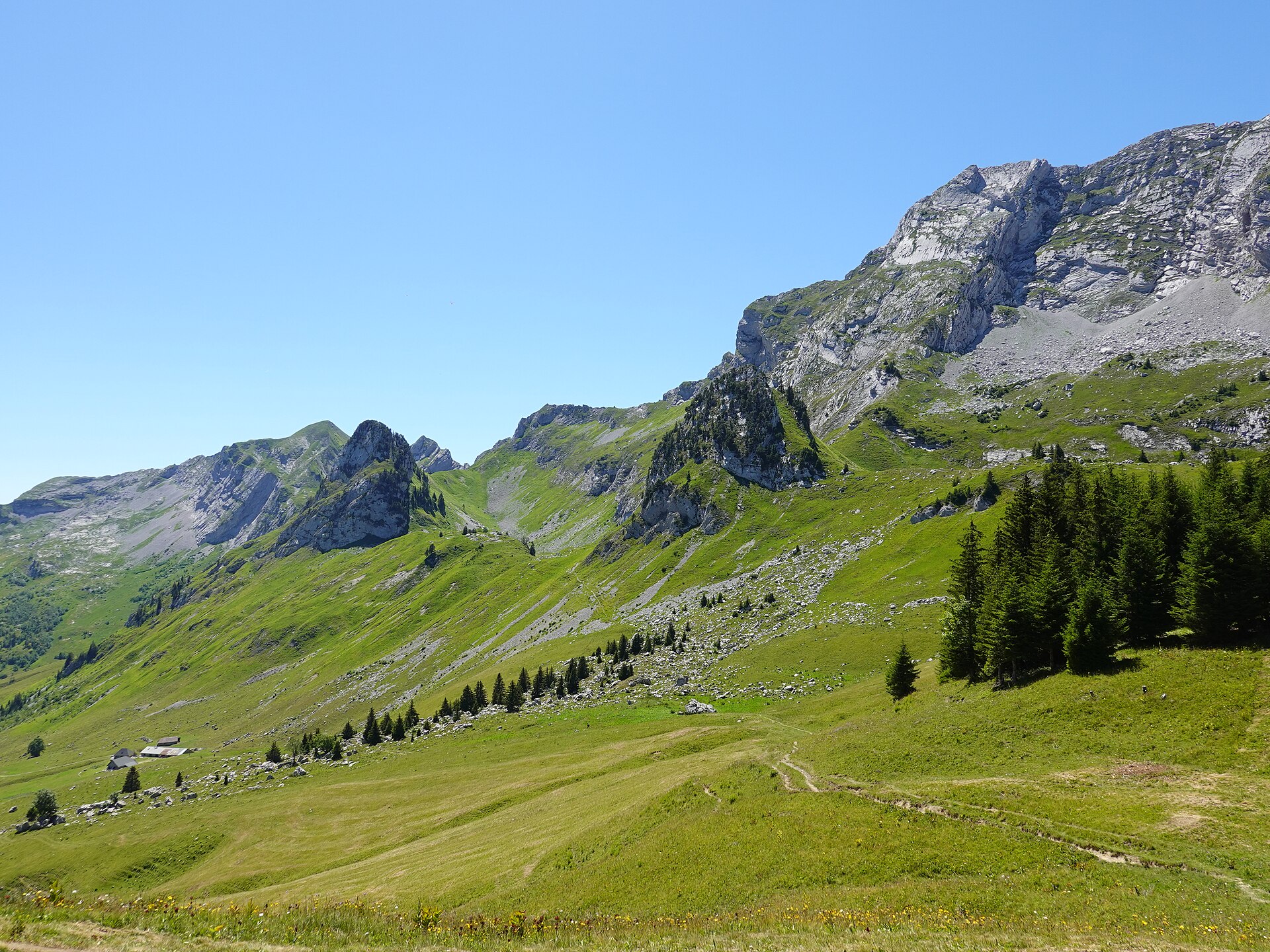
85 records
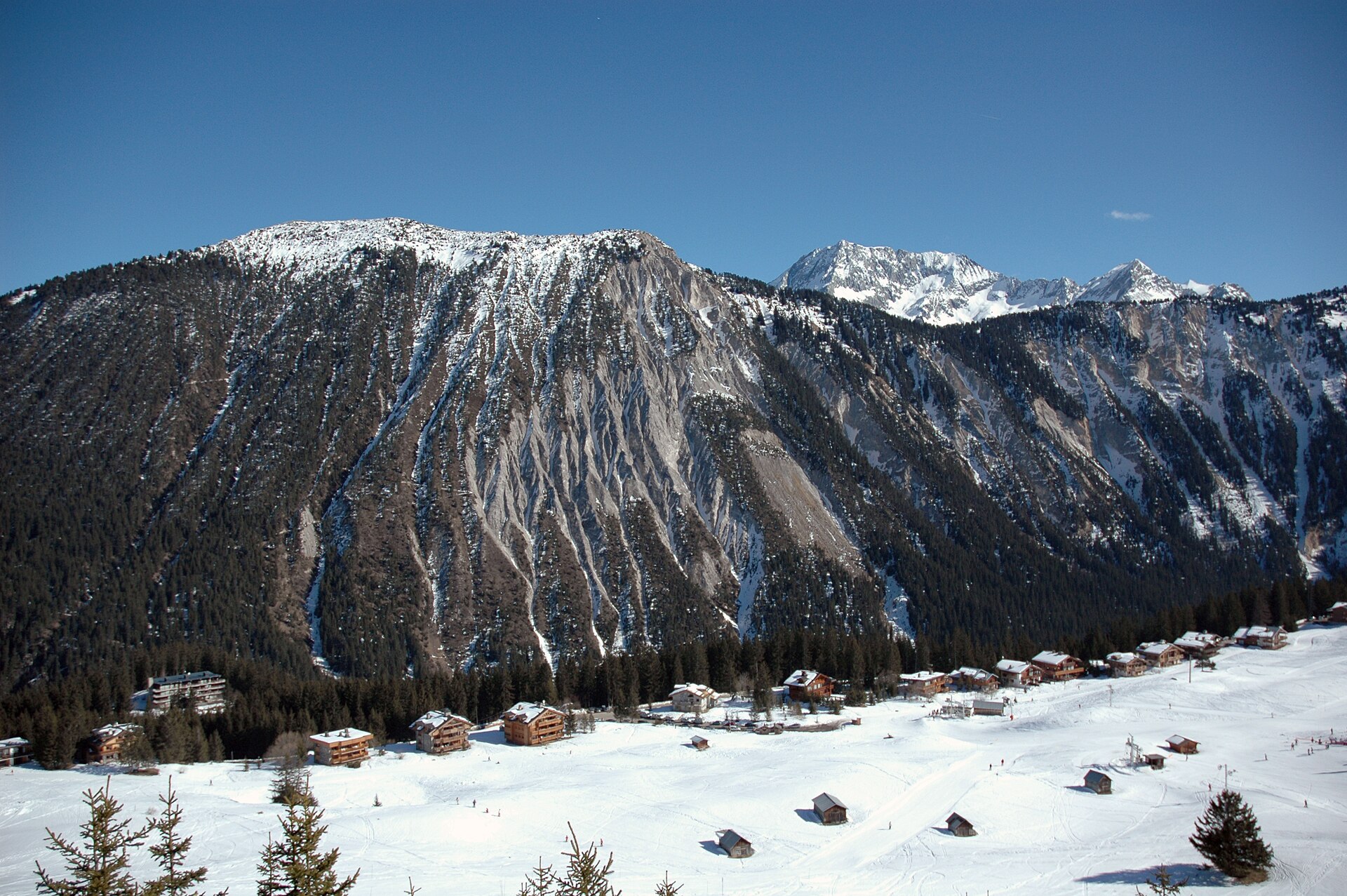
76 records
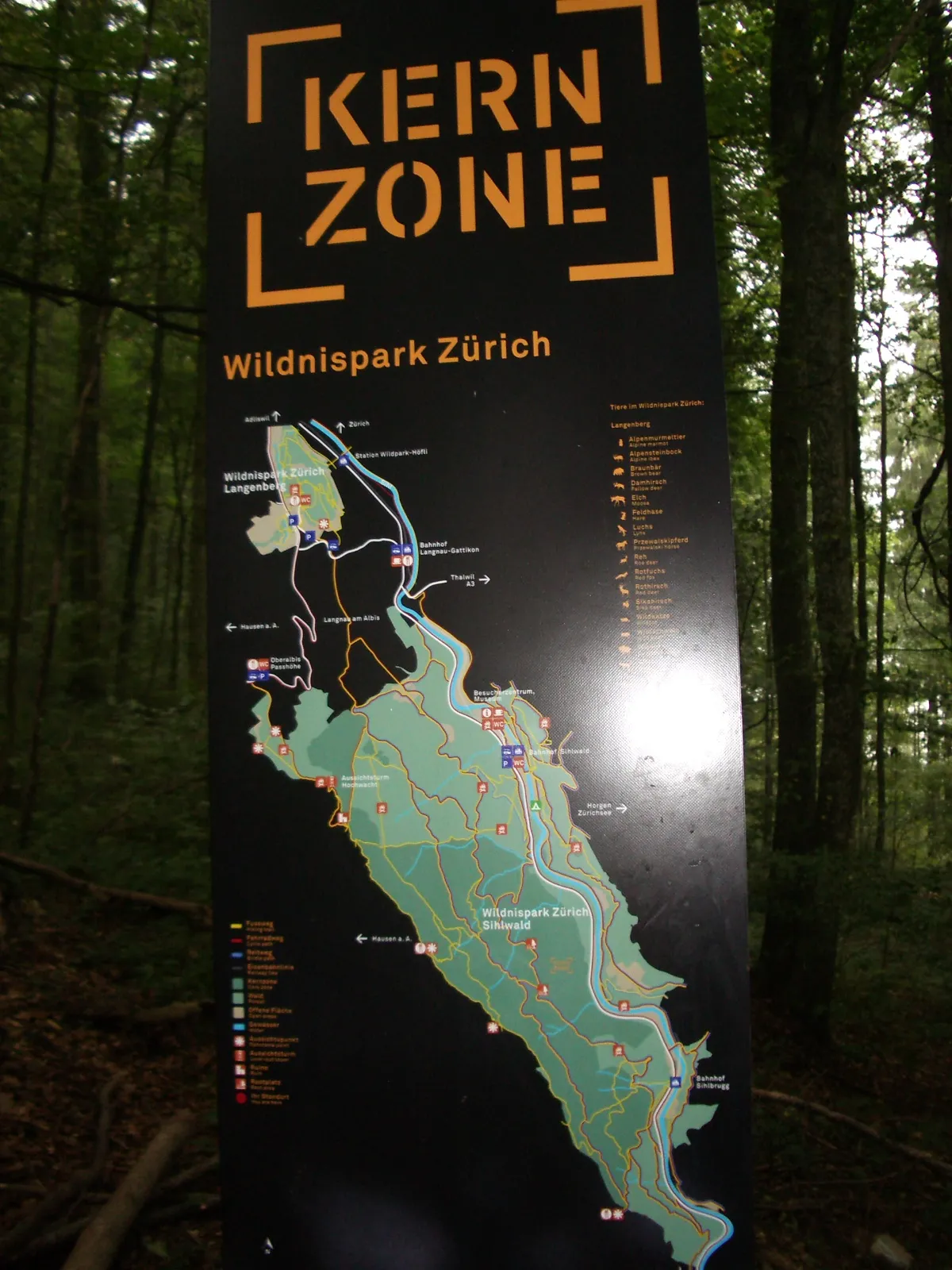
76 records
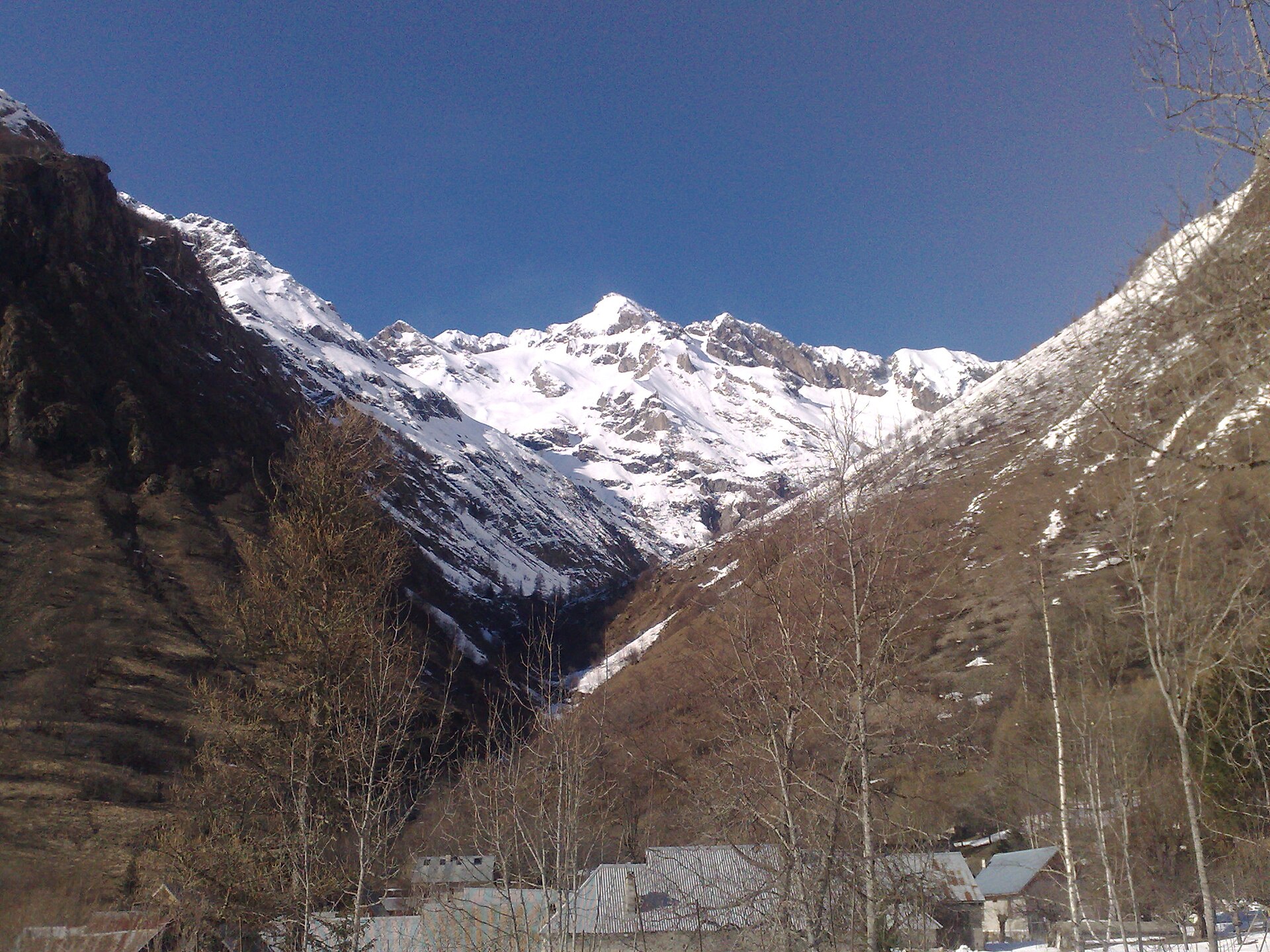
72 records
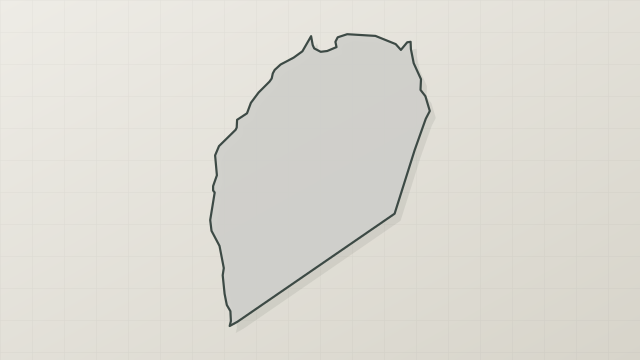
66 records
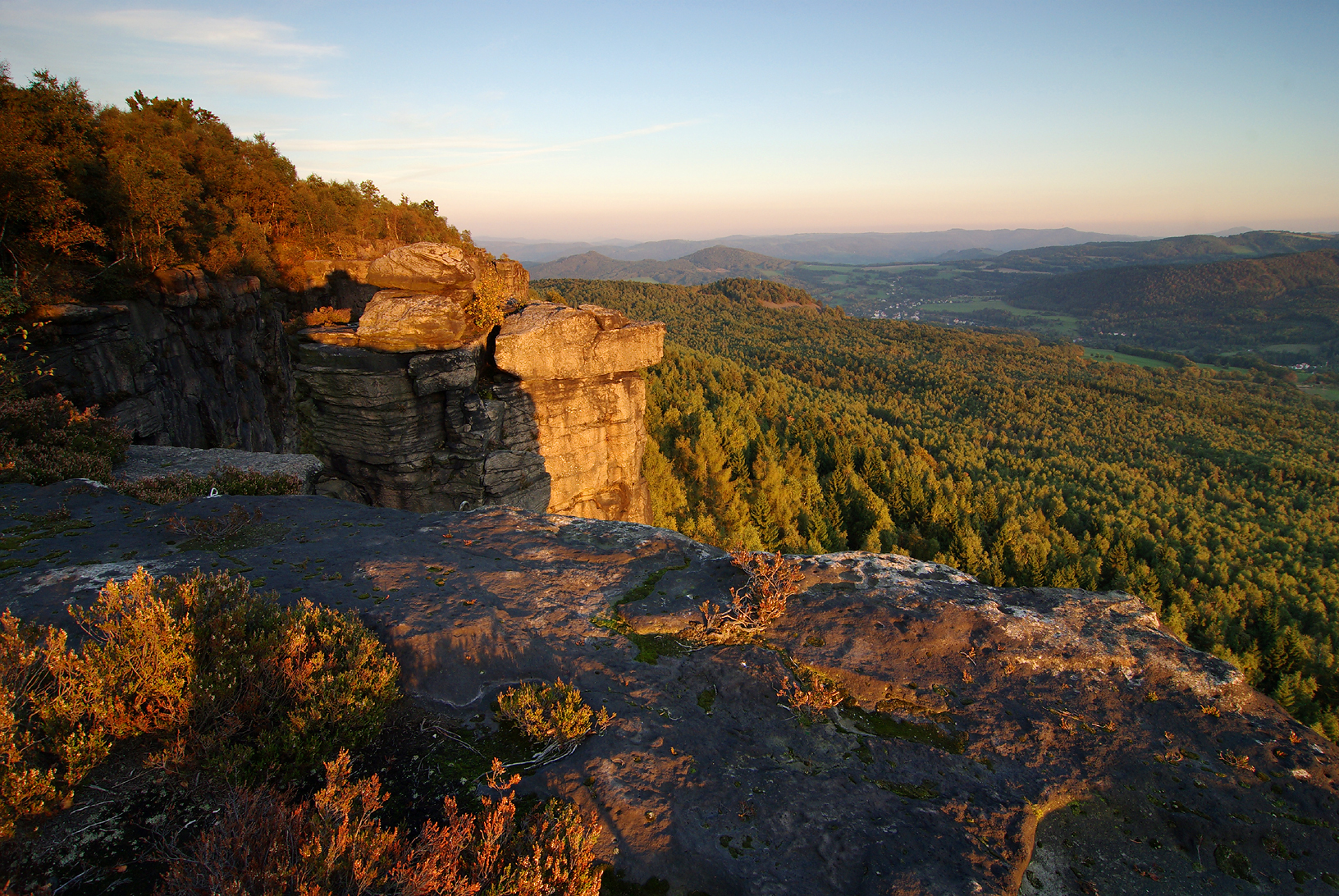
60 records
58 records
46 records
46 records
44 records
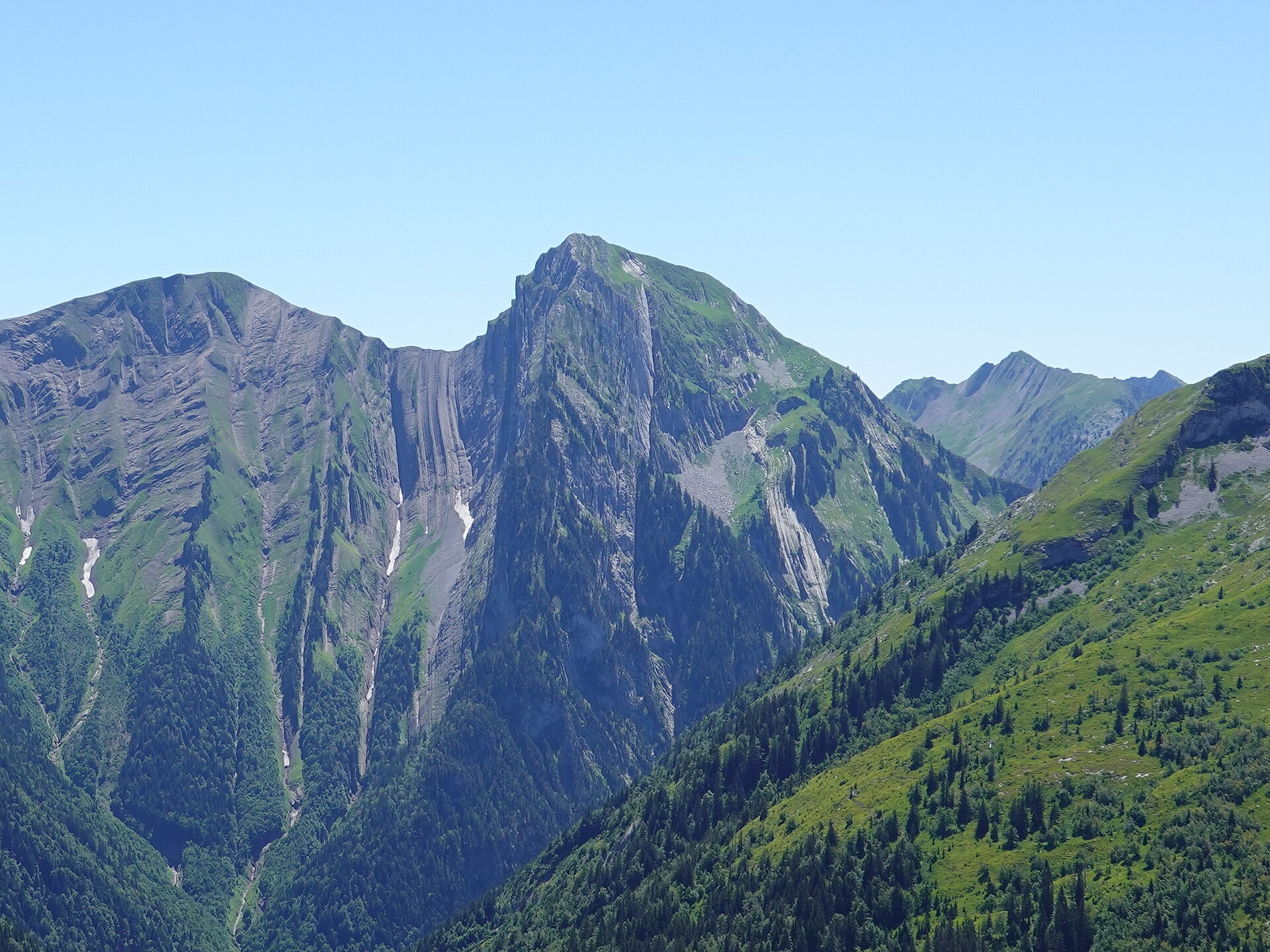
40 records
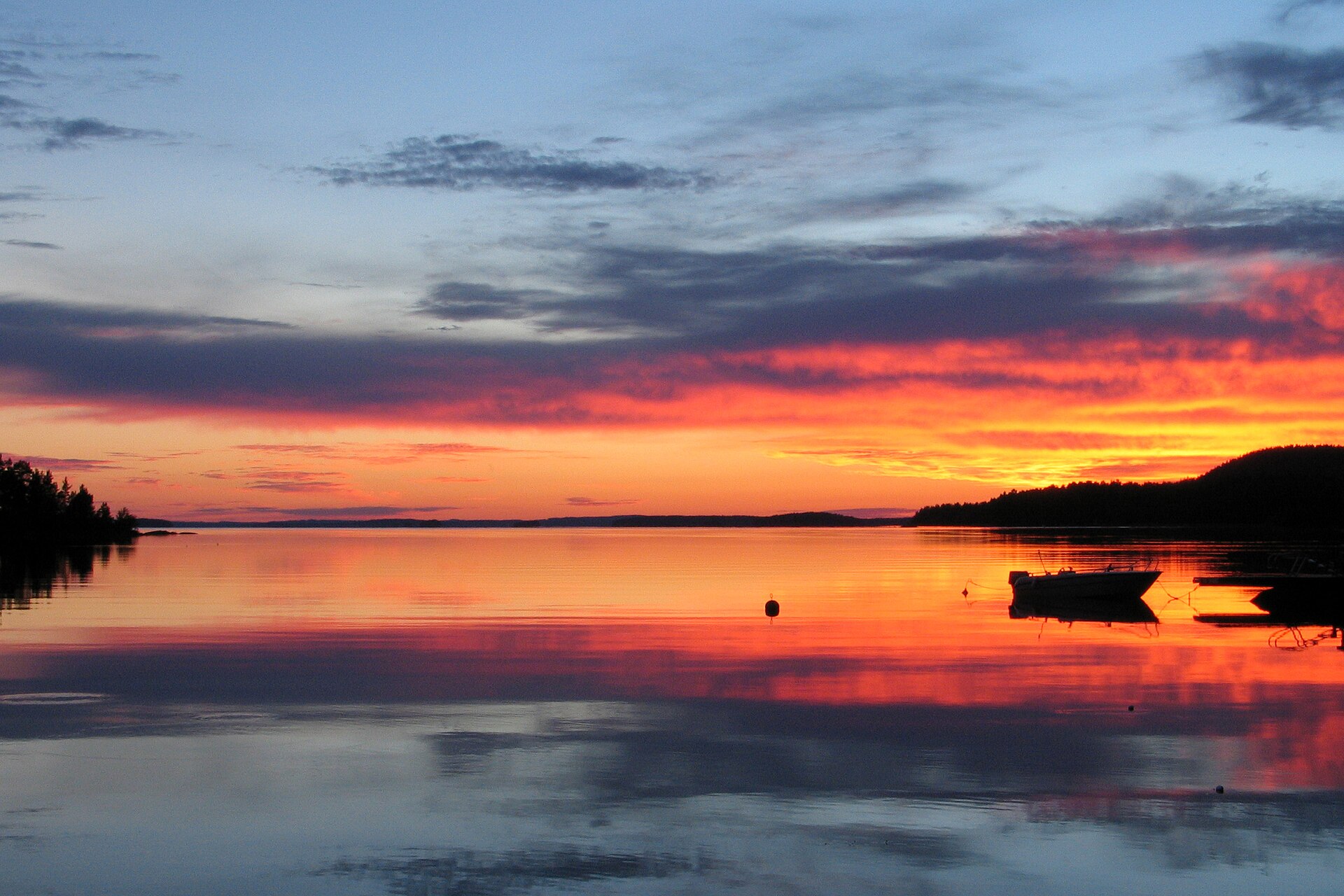
36 records
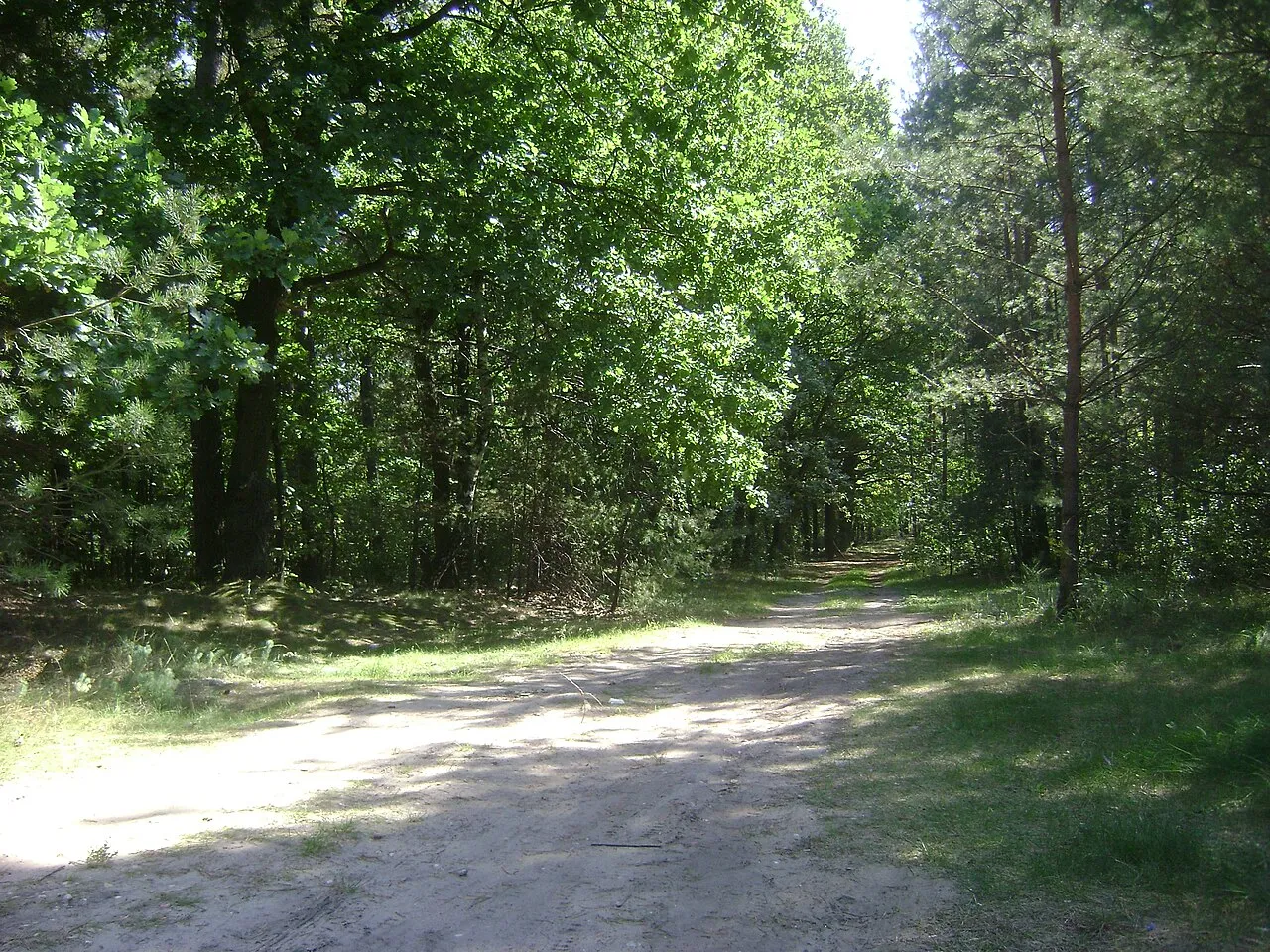
31 records

14 records
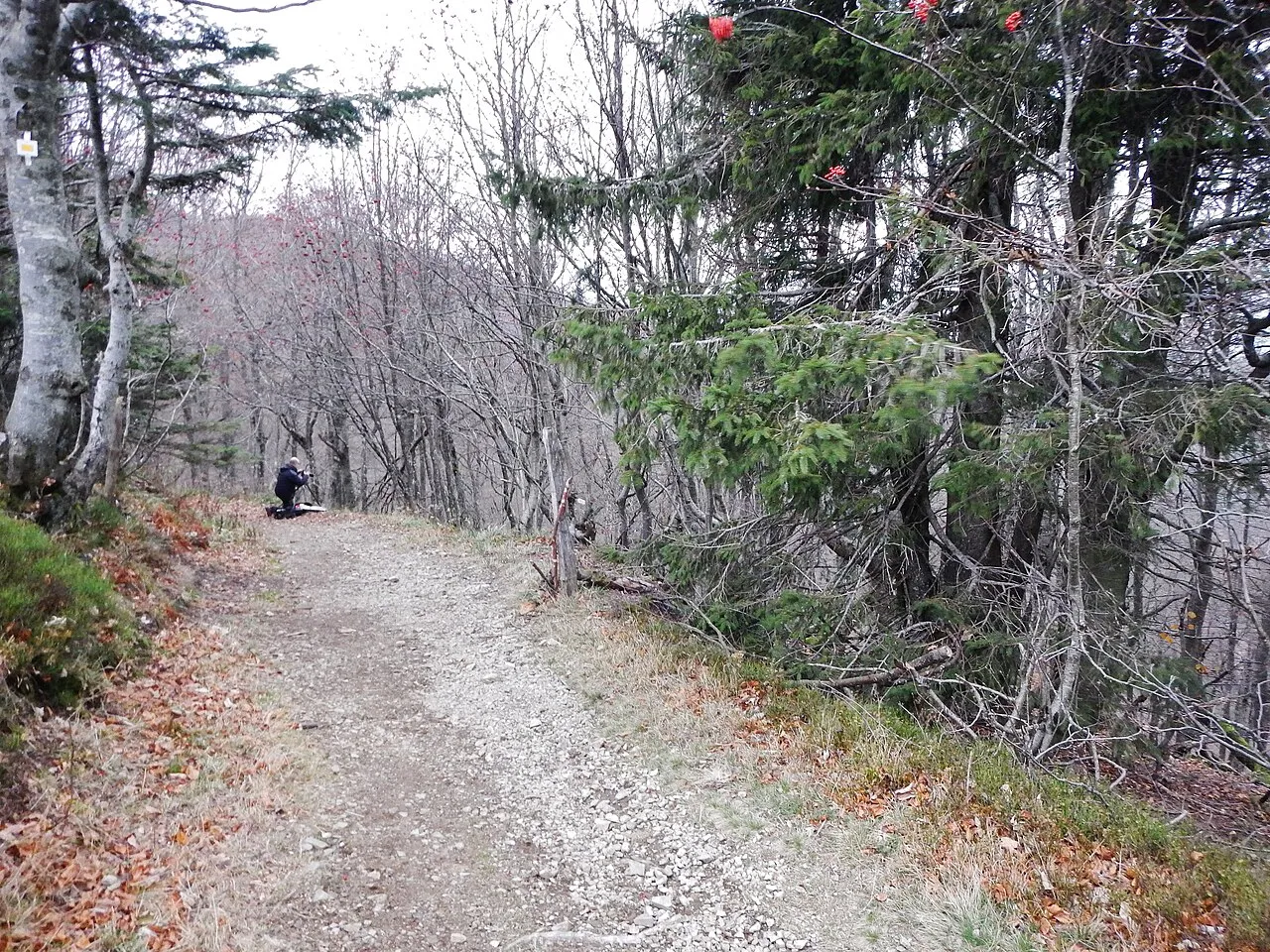
11 records
9 records
3 records
Other species to discover
Sources and credits
- Presence: most-recorded species of each place on GBIF and species of Community interest in the Natura 2000 forms (EEA, CC-BY 4.0); absence from the list does not mean the species is absent.
- Common names: Wikidata (CC0) and GBIF.
- Photos and sounds: Wikimedia Commons, author and licence given for each file.
- Classification: GBIF Backbone Taxonomy (GBIF Secretariat), CC BY 4.0, doi:10.15468/39omei.
- Countries, elevations, months and maps: GBIF.org, CC0 or CC BY 4.0 occurrences only, accessed October 22, 2026, GBIF.org.
- Base map: Natural Earth (public domain).
- Excerpt: Wikipedia, CC BY-SA 4.0 (full credit below the excerpt).
- Key facts: Wikidata (CC0), with the references cited under each value.
- Native range and life form: World Checklist of Vascular Plants, Royal Botanic Gardens, Kew, CC BY 4.0 (no endorsement by Kew).