
Bird
Scopoli's Shearwater: where to see it
Calonectris diomedea
This bird species is recorded in 40 protected areas of the atlas, including 38 whose official Natura 2000 form lists it. Within the atlas countries, it is mostly observed in Portugal, Spain and France (7 countries in all). Records peak from June to October. It has a wingspan of 117–135 cm. It is subject to special conservation measures under the Birds Directive (Annex I).
Best time to see it: June–October
Records published on GBIF by month (CC0 and CC BY 4.0 licences only), in the atlas countries, all years combined; they also reflect observer activity.
Key facts
- Wingspan
- 117–135 cm Wikidata, after Handbook of the Birds of the World
- Weight (female)
- 817.3 g Wikidata, after Lislevand et al. 2007
- Weight (male)
- 955.6 g Wikidata, after Lislevand et al. 2007
- Clutch size
- 1 egg Wikidata, after Lislevand et al. 2007
- Incubation
- 52 days Wikidata, after Handbook of the Birds of the World
Status and protection
Birds Directive I
The species is listed in Annex I of the Birds Directive.
Distribution
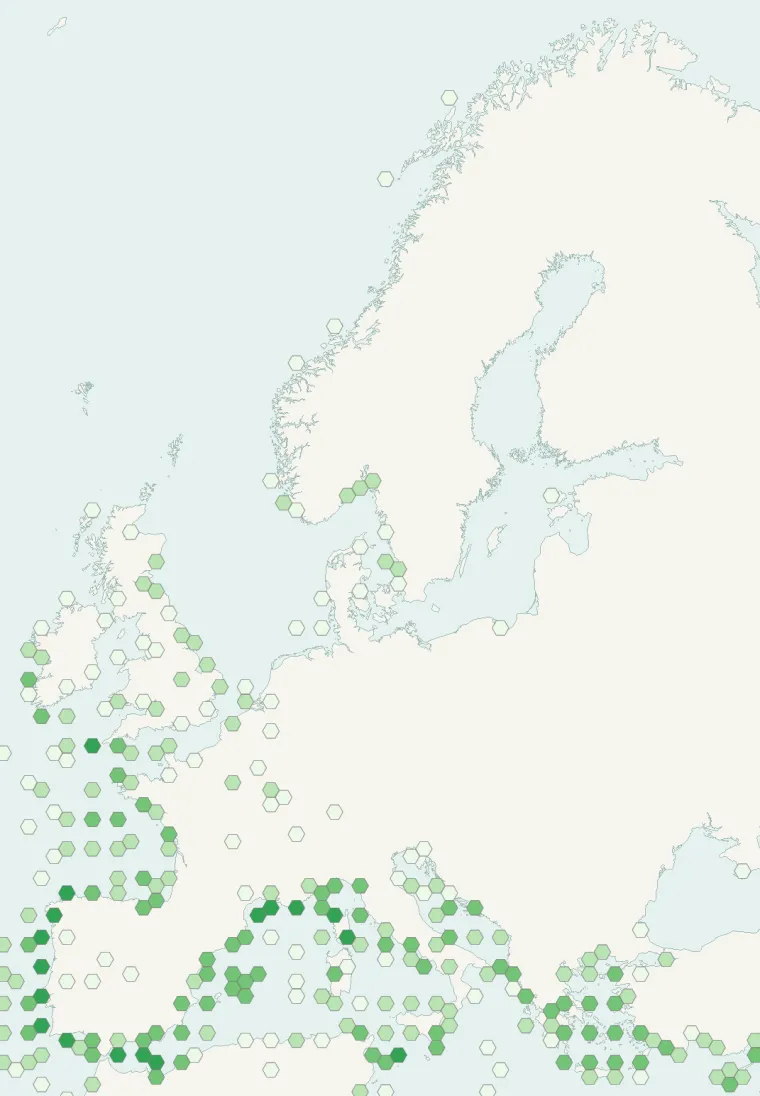
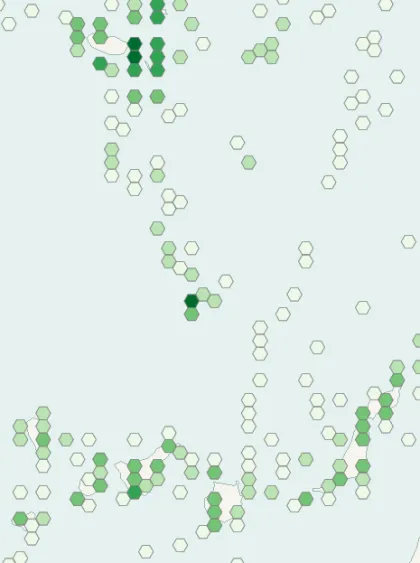
Records published on GBIF (CC0 and CC BY 4.0 licences): the darker the shade, the more records there are; they also reflect observation effort.
Atlas countries where it is recorded
Listen
-
0:17 · © Cedric Mroczko · CC BY-SA 4.0 · Wikimedia Commons · Original file
From Wikipedia
Scopoli's shearwater (Calonectris diomedea) is a seabird in the petrel family Procellariidae. It breeds on rocky islands and on steep coasts in the Mediterranean but outside the breeding season it forages in the Atlantic. It is brownish grey above with darker wings and mostly white below. The bill is pale yellow with a dark patch near the tip. The sexes are alike. It was formerly considered to be conspecific with Cory's shearwater.
Source: Wikipedia, article “Scopoli's shearwater” (version of November 2, 2025) · history and authors · licence CC BY-SA 4.0
Protected areas where it is recorded

Natura 2000 · breeding 254 records
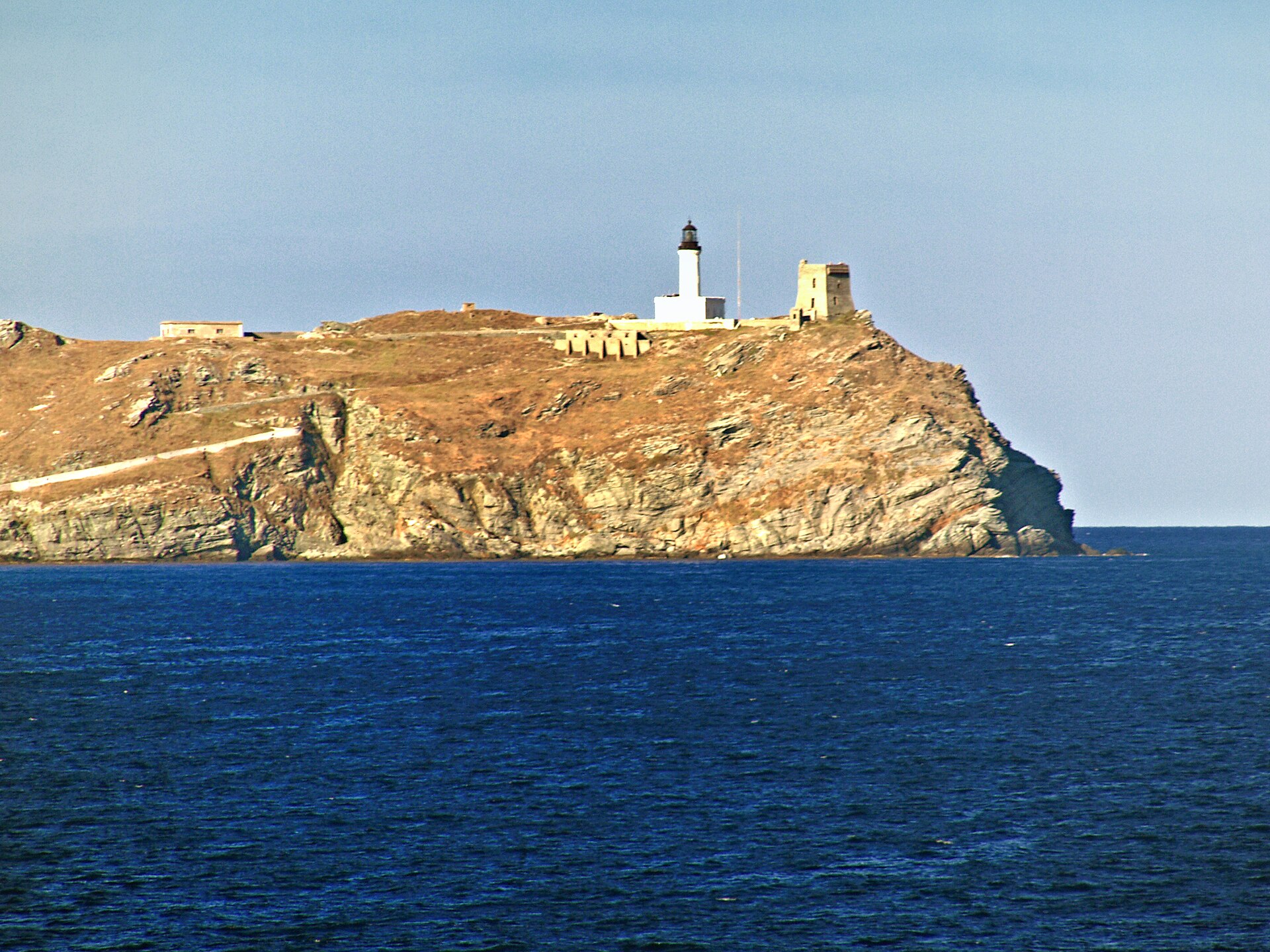
Natura 2000 · breeding, passage 175 records
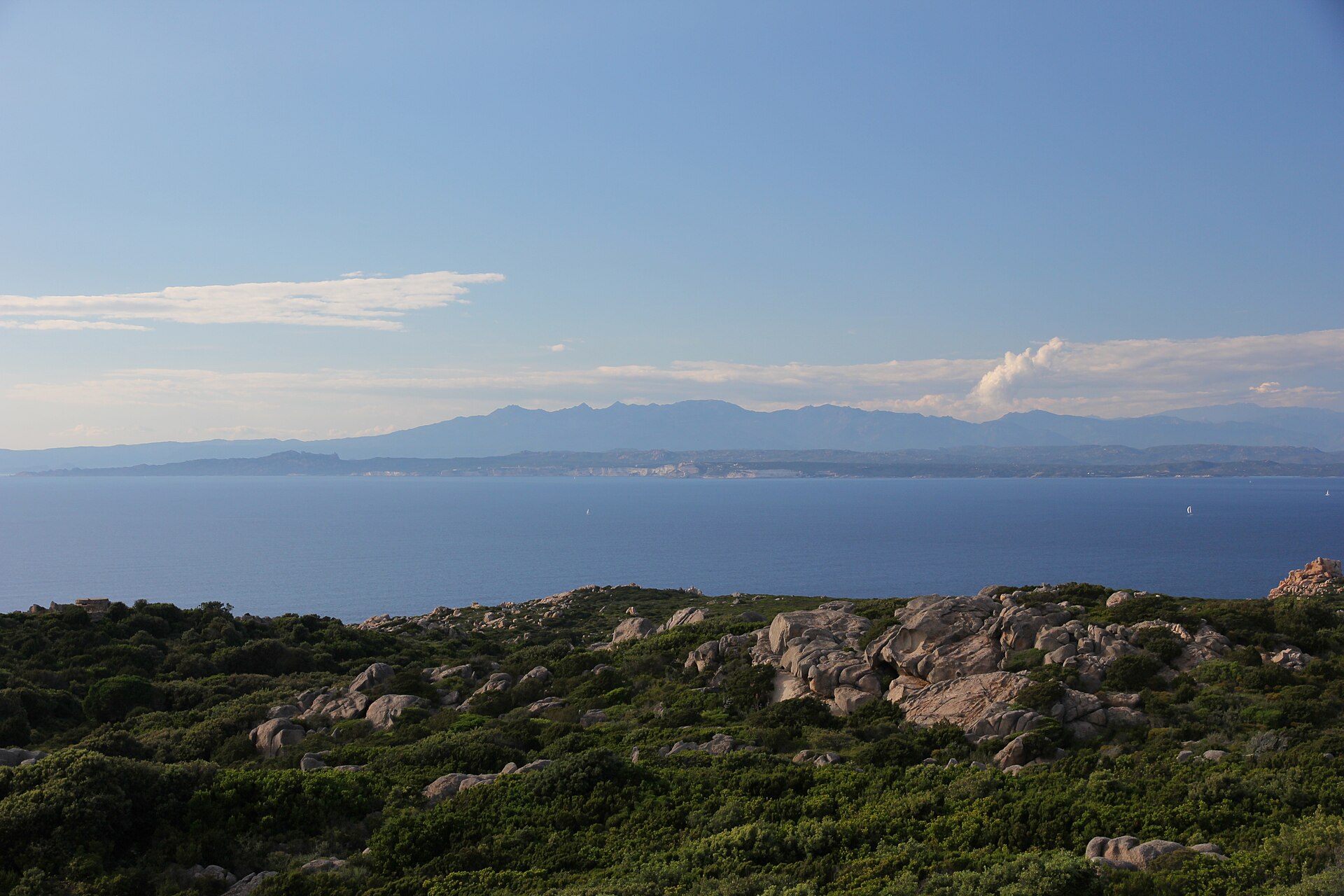
Natura 2000 · wintering, breeding 133 records

Natura 2000 · passage, breeding, wintering 51 records
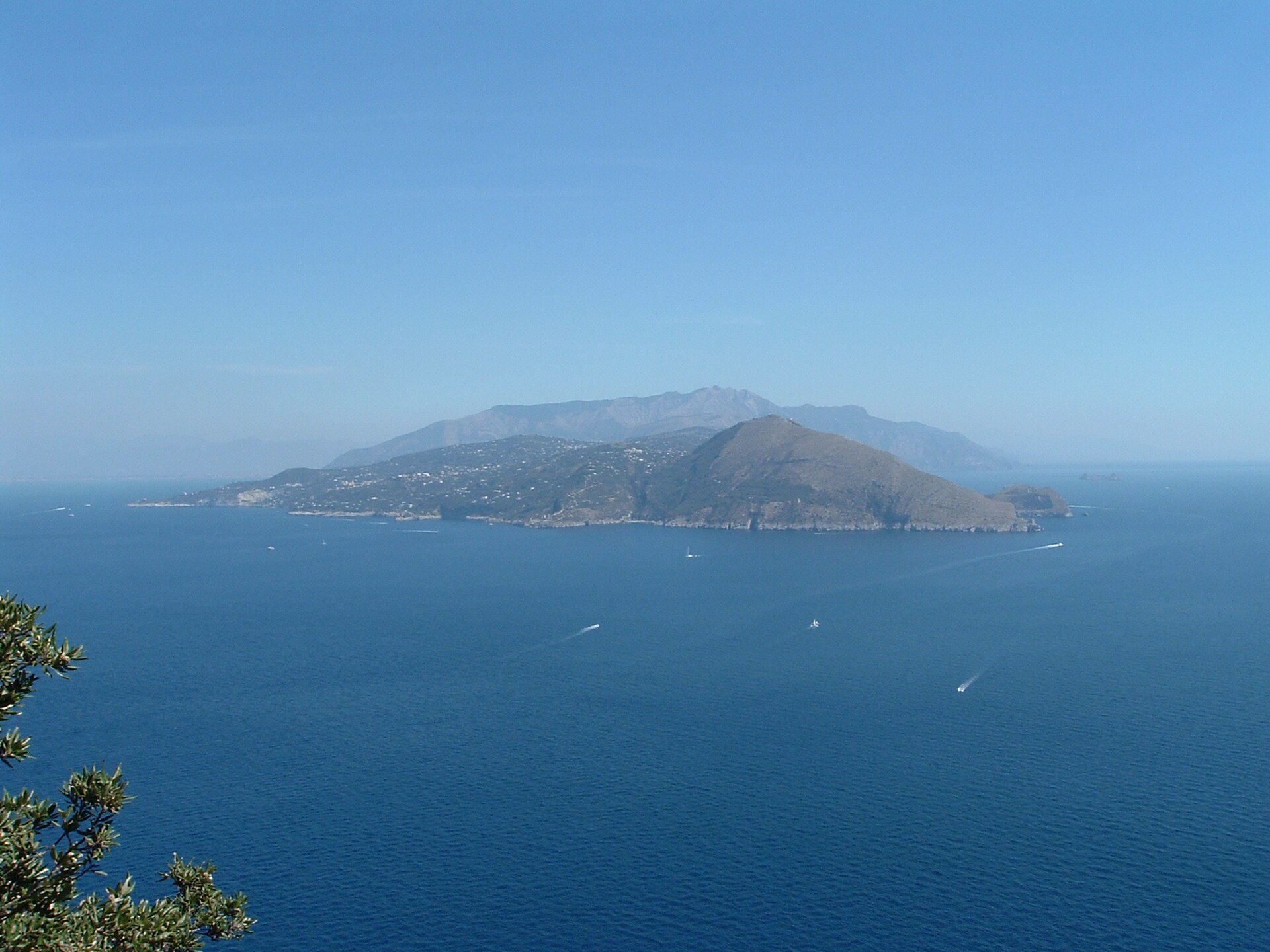
Natura 2000 · wintering, passage 3 records
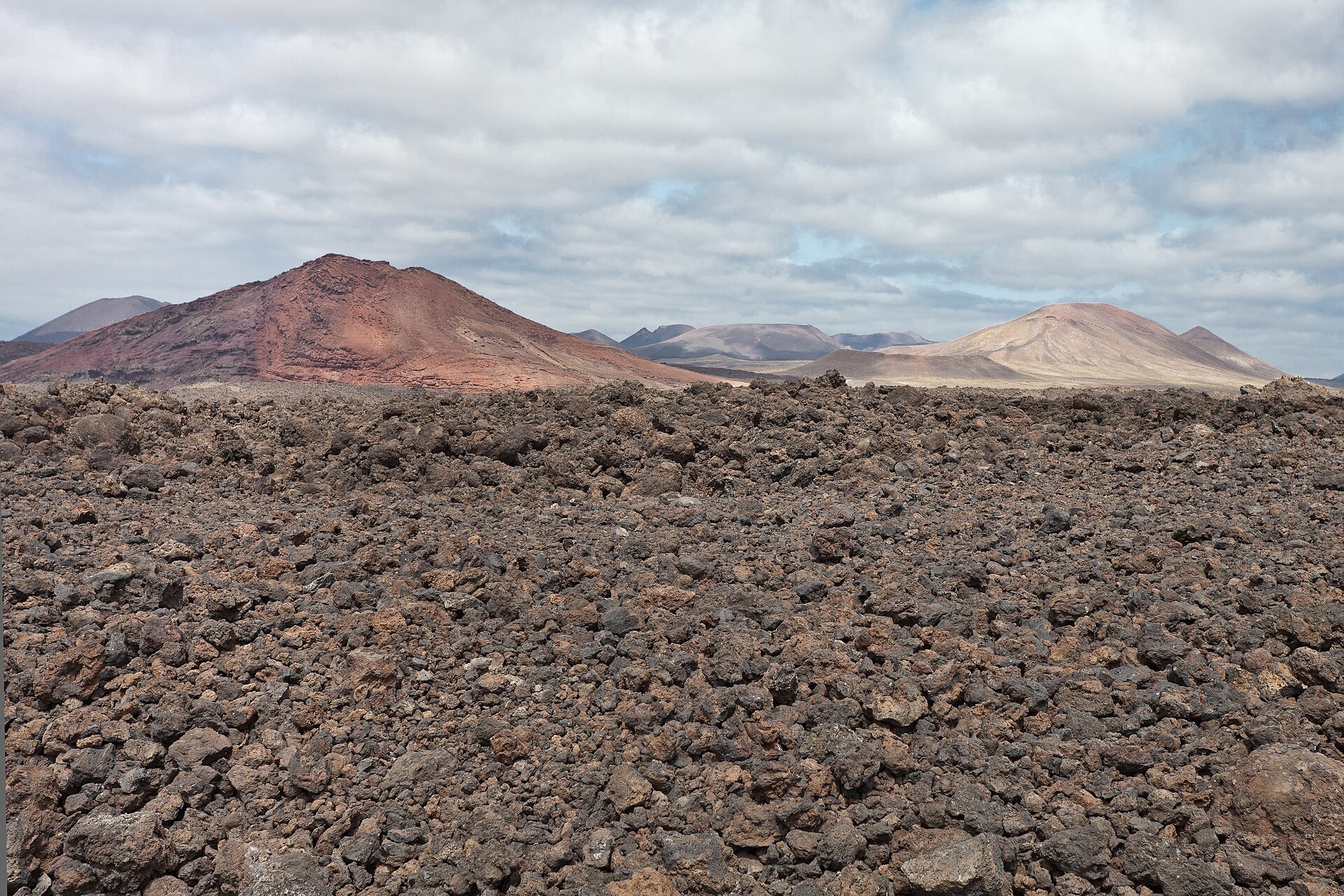
62 records

4 records
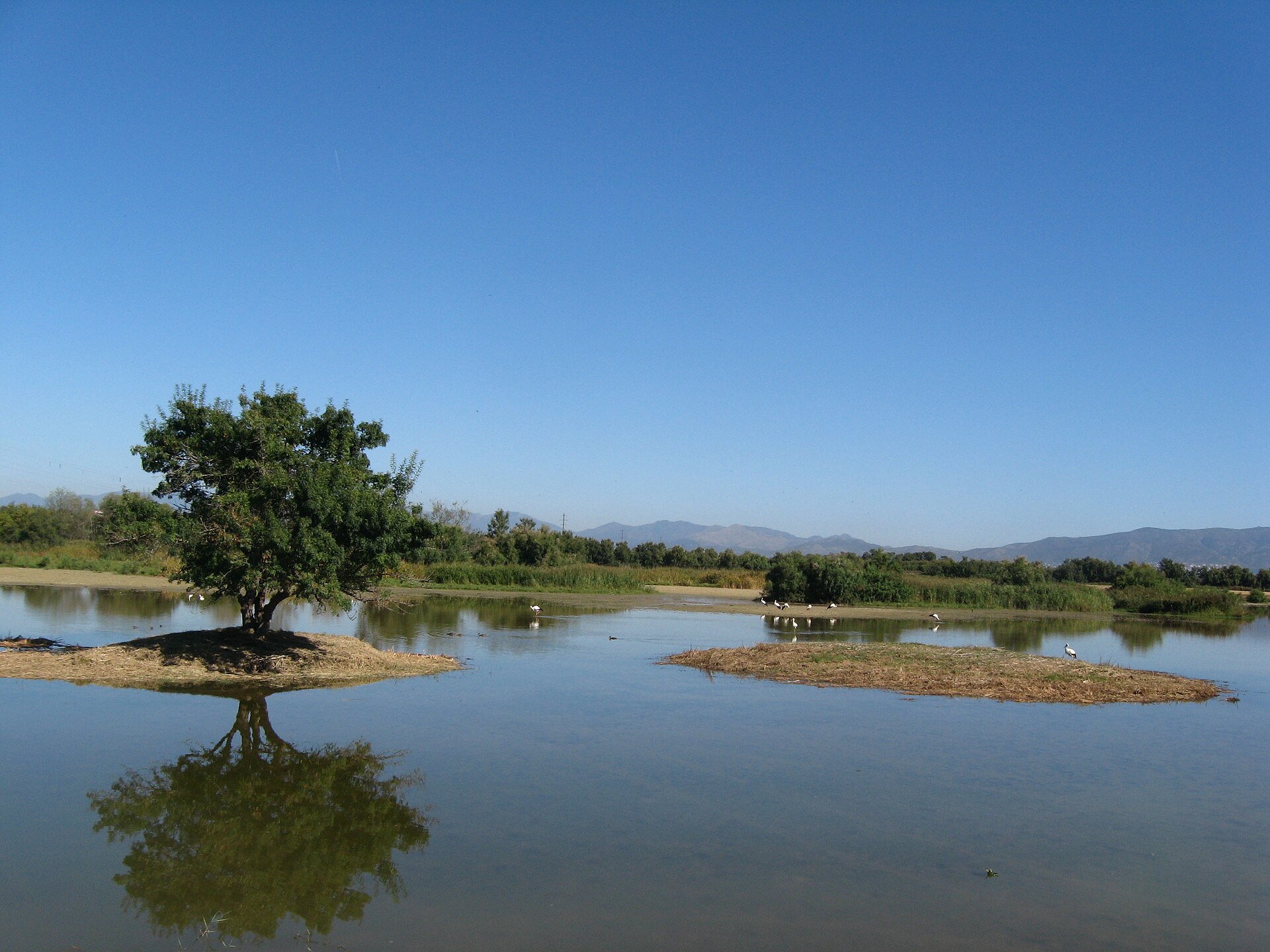
Natura 2000 · passage
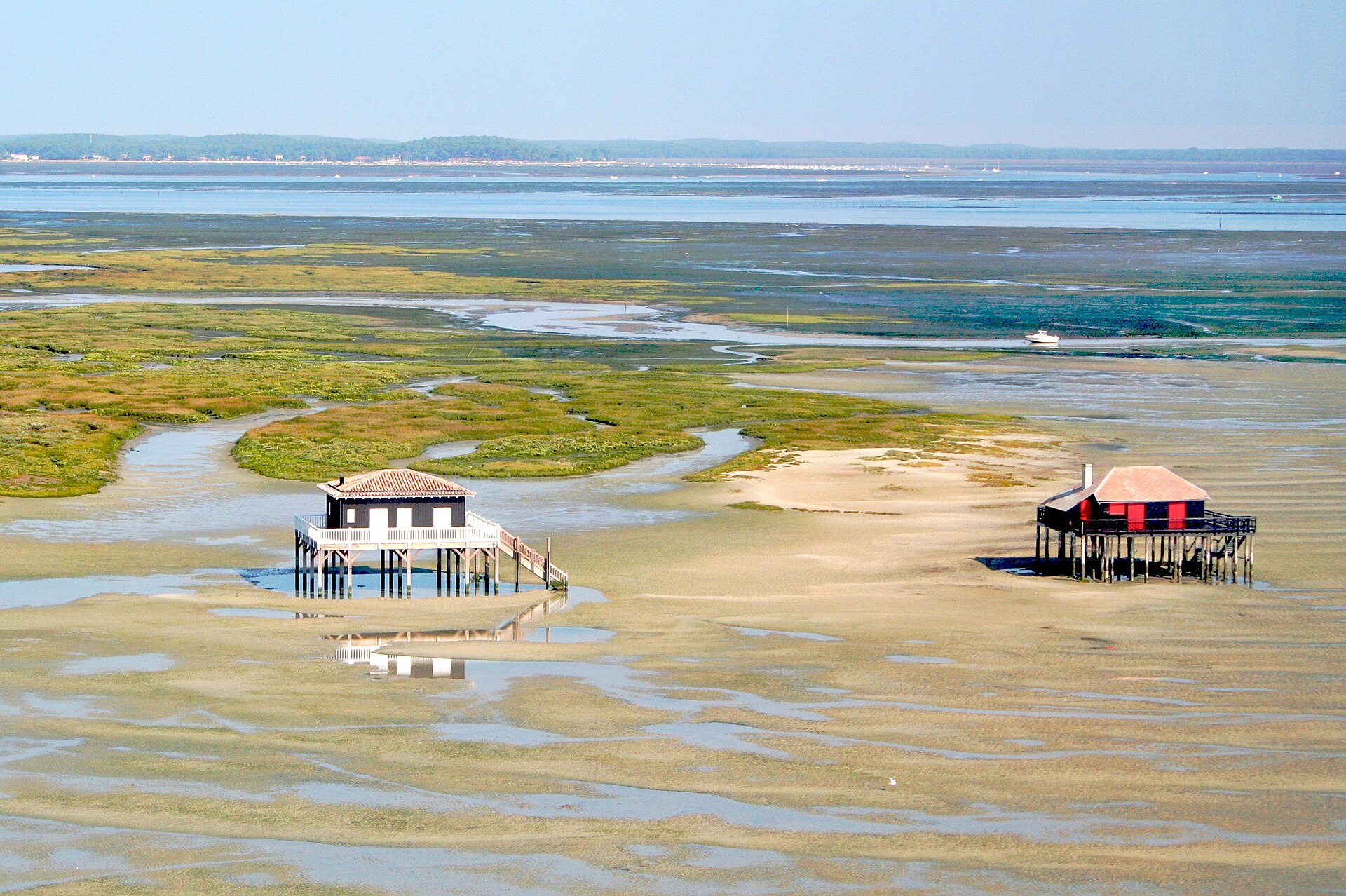
Natura 2000 · breeding

Natura 2000 · breeding, passage
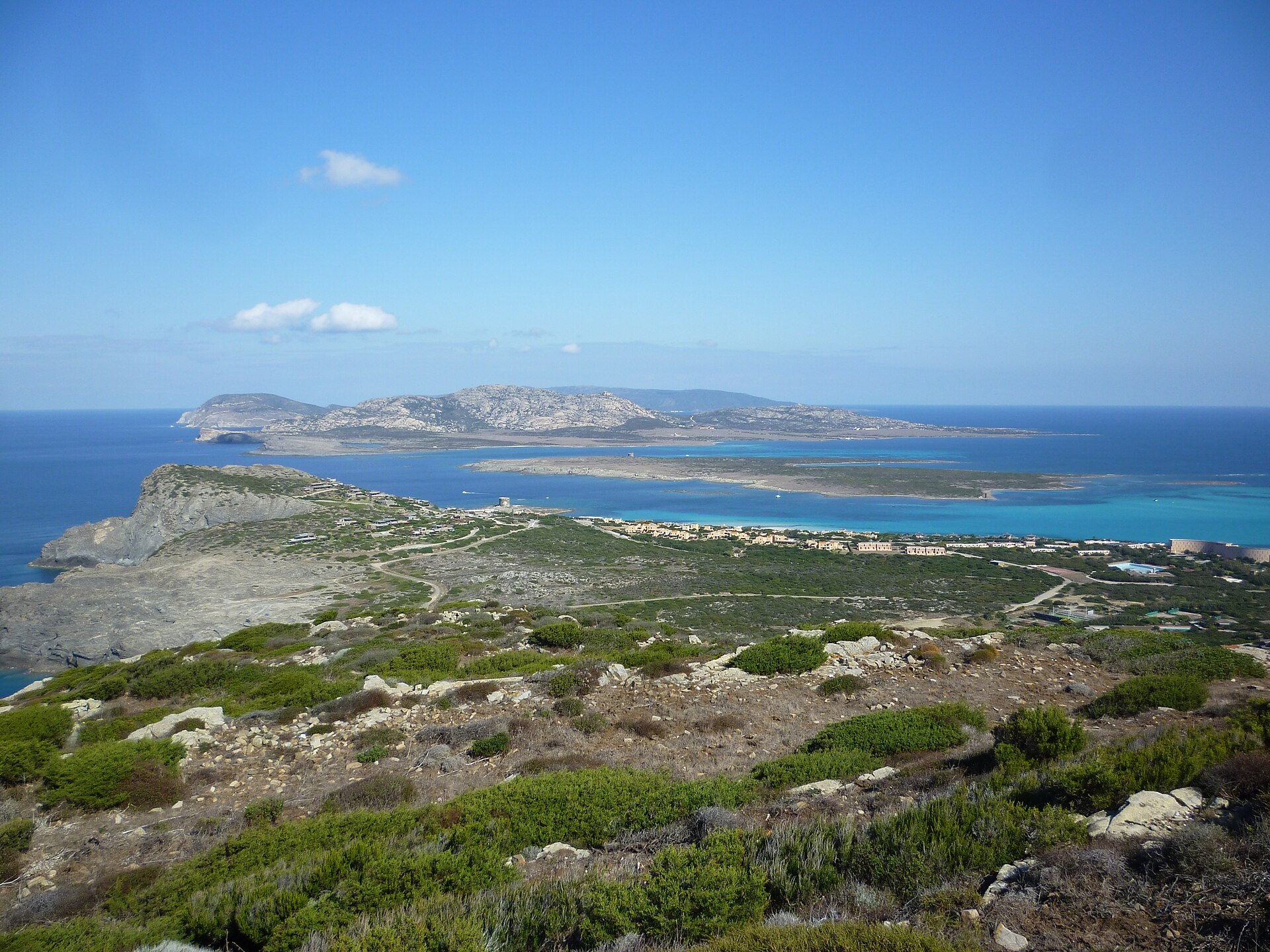
Natura 2000 · passage

Natura 2000 · passage

Natura 2000 · breeding
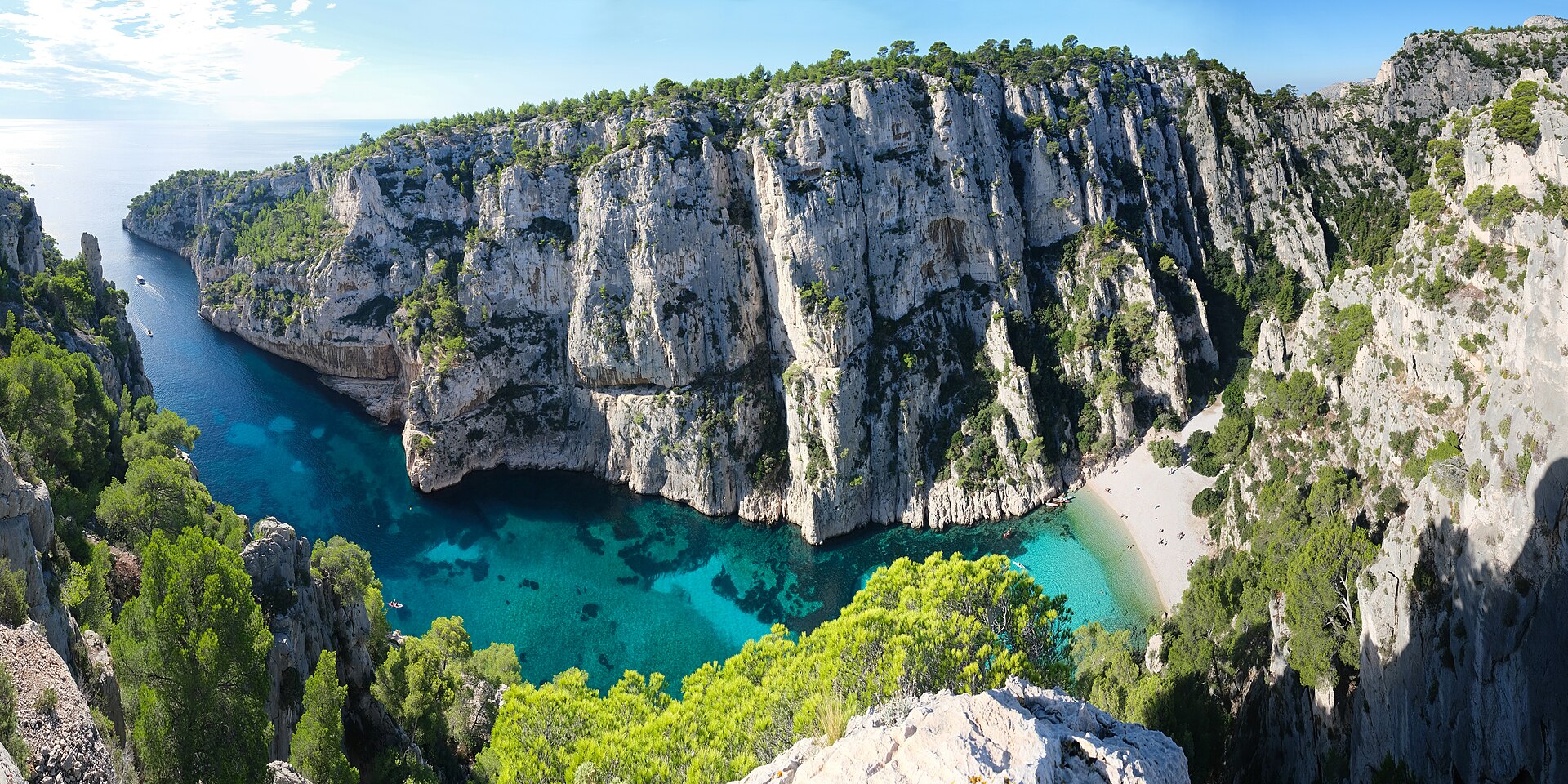
Natura 2000 · passage, breeding
Natura 2000 · passage
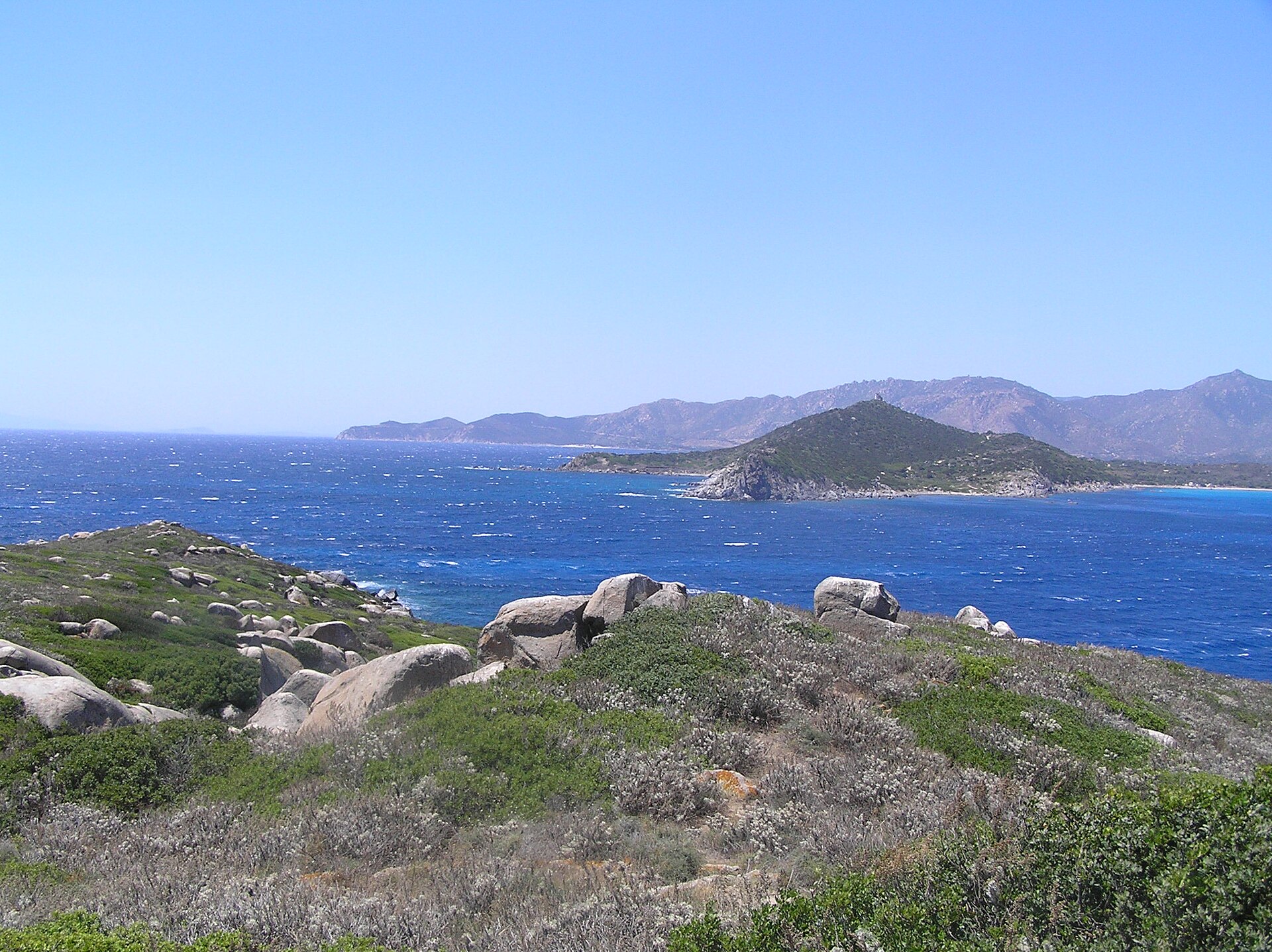
Natura 2000 · passage, breeding
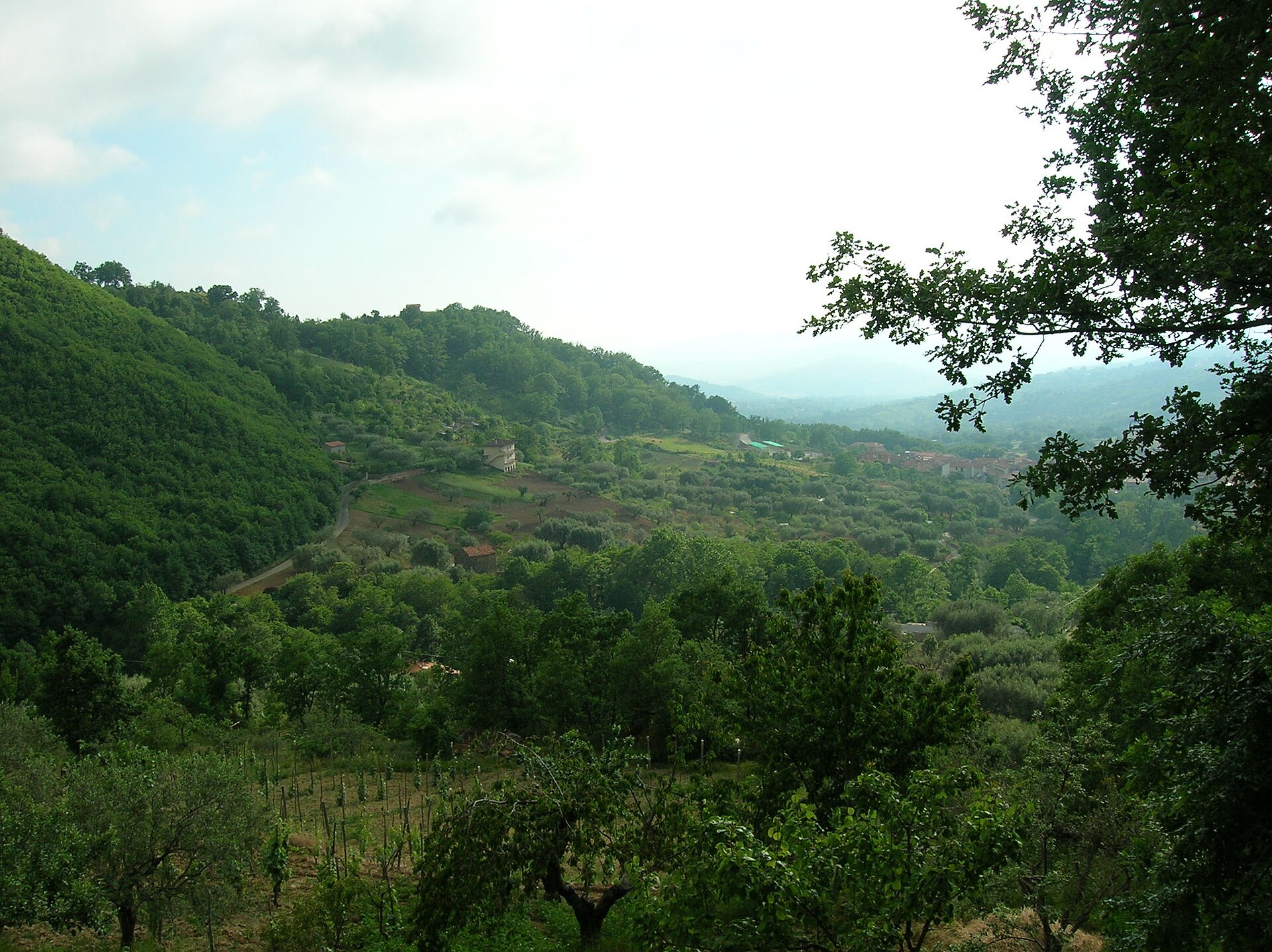
Natura 2000 · passage, wintering
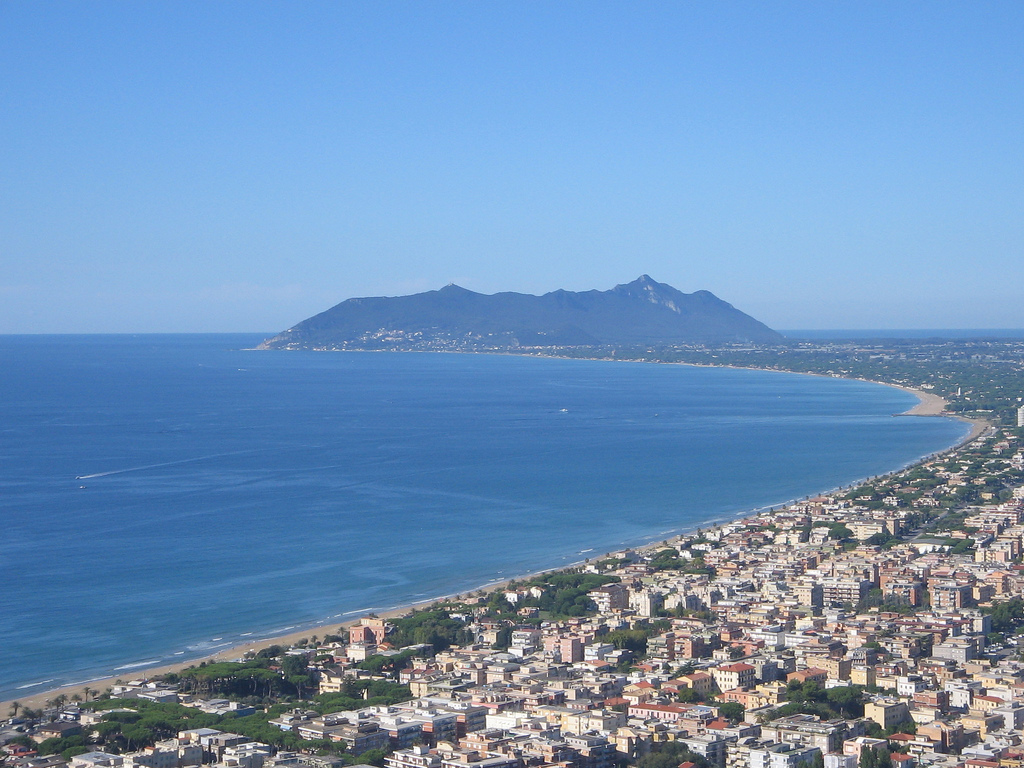
Natura 2000 · passage
Natura 2000 · passage, breeding

Natura 2000 · passage
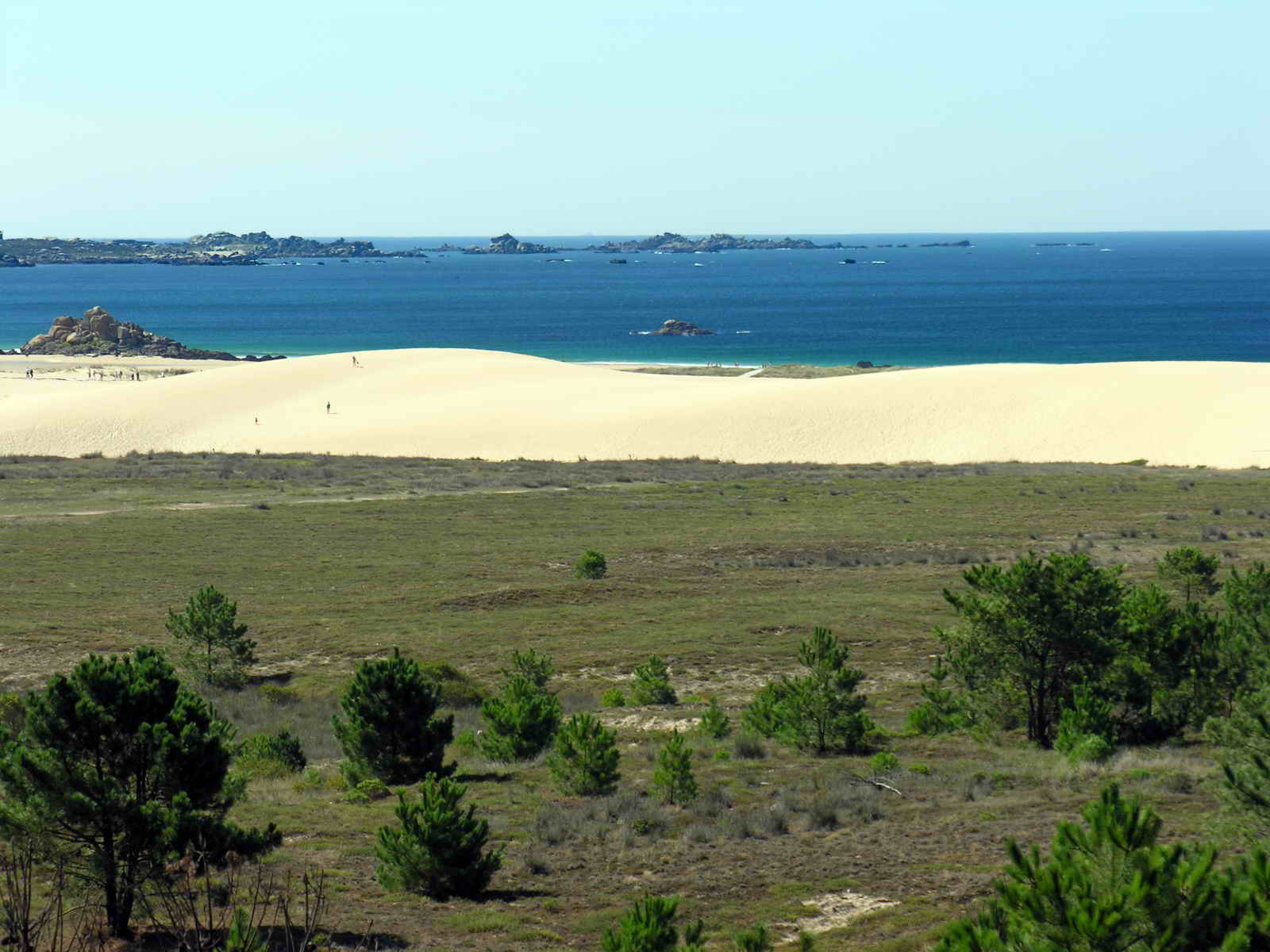
Natura 2000 · passage
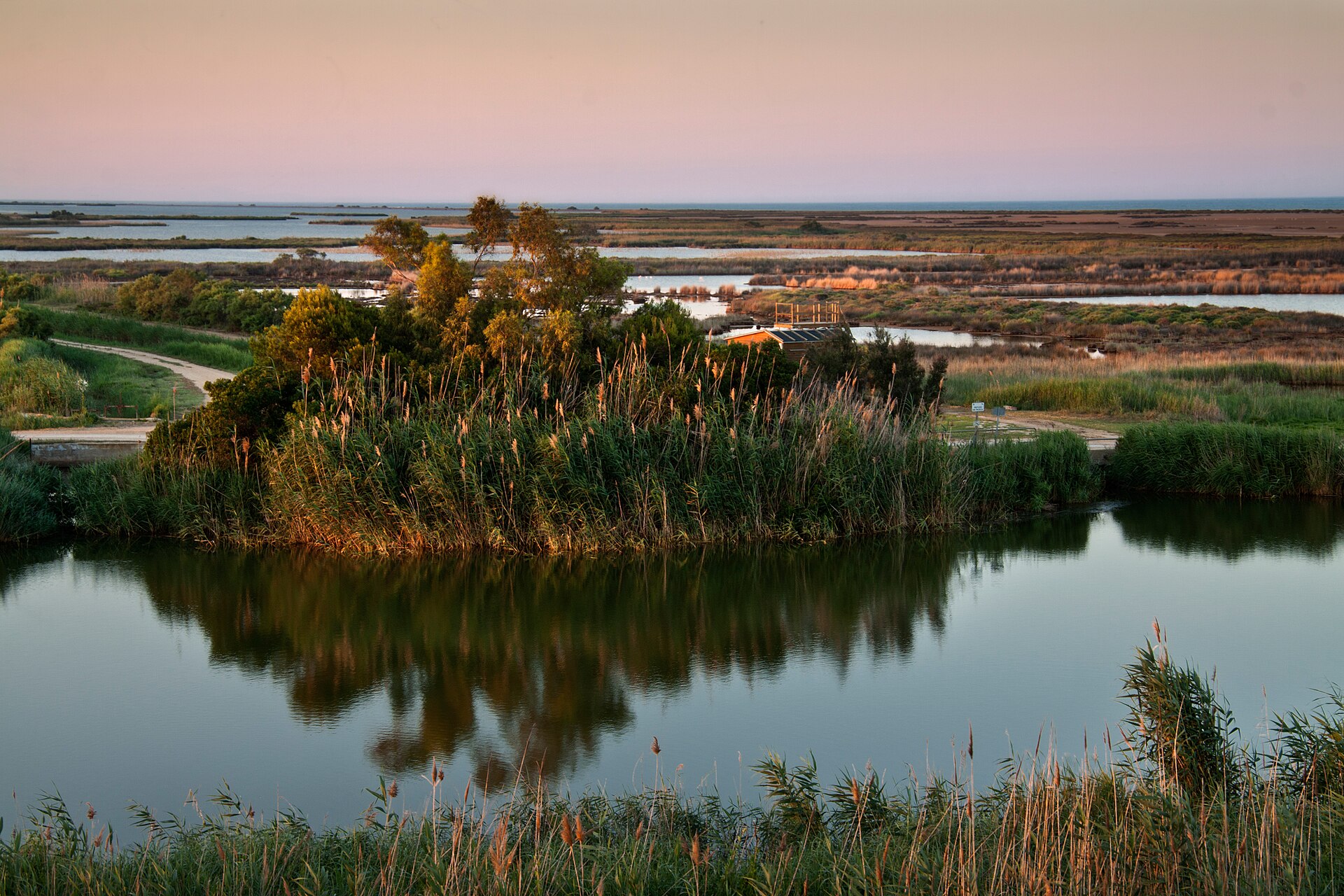
Natura 2000 · passage

Natura 2000 · passage
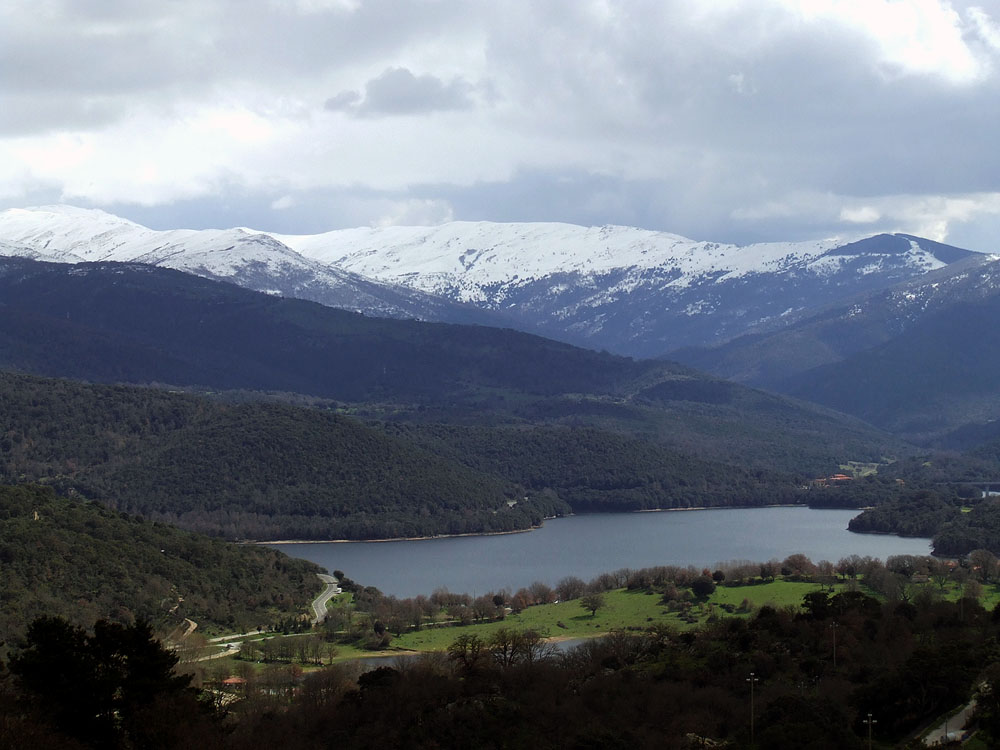
Natura 2000 · breeding
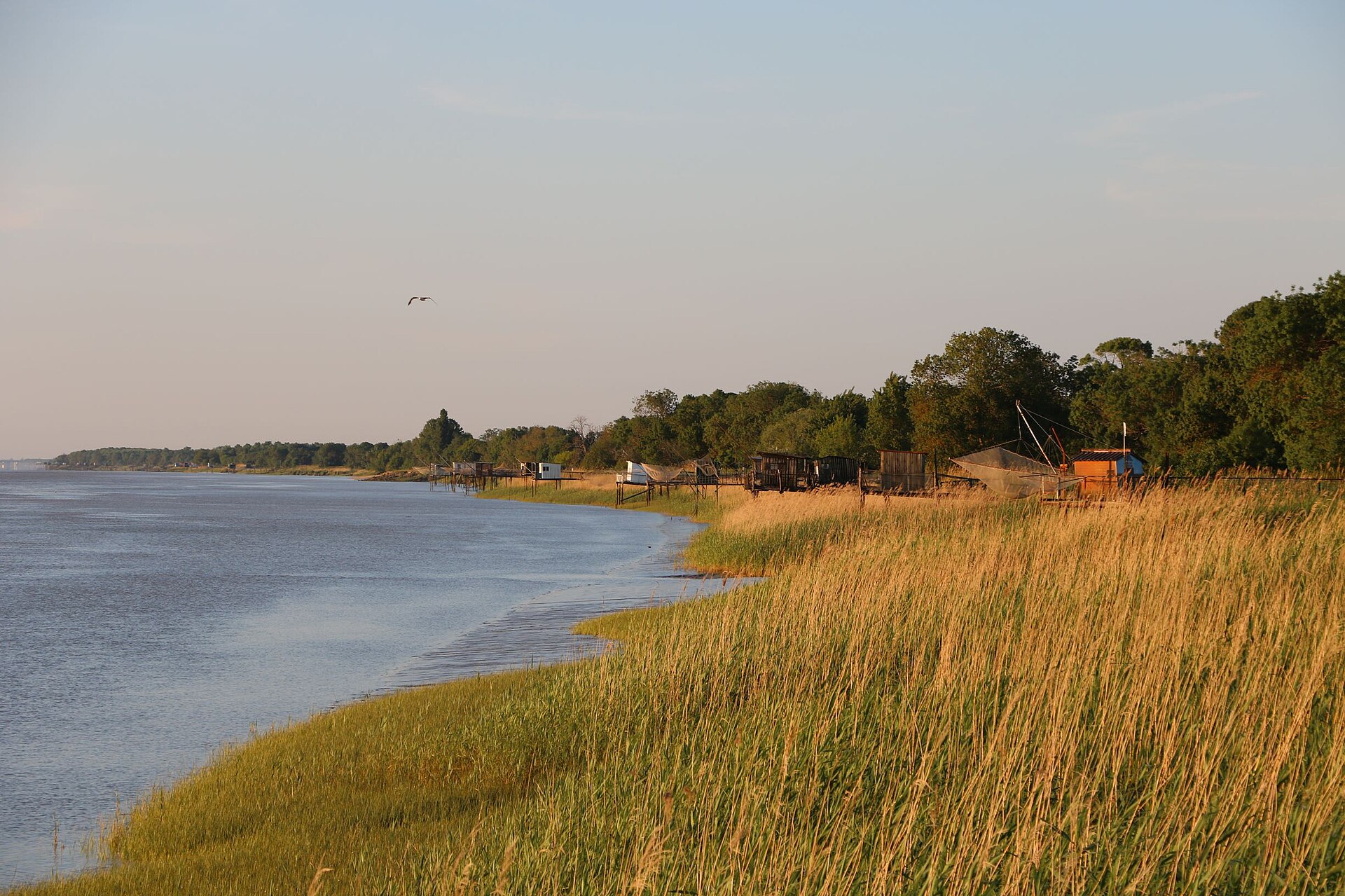
Natura 2000 · passage

Natura 2000 · passage
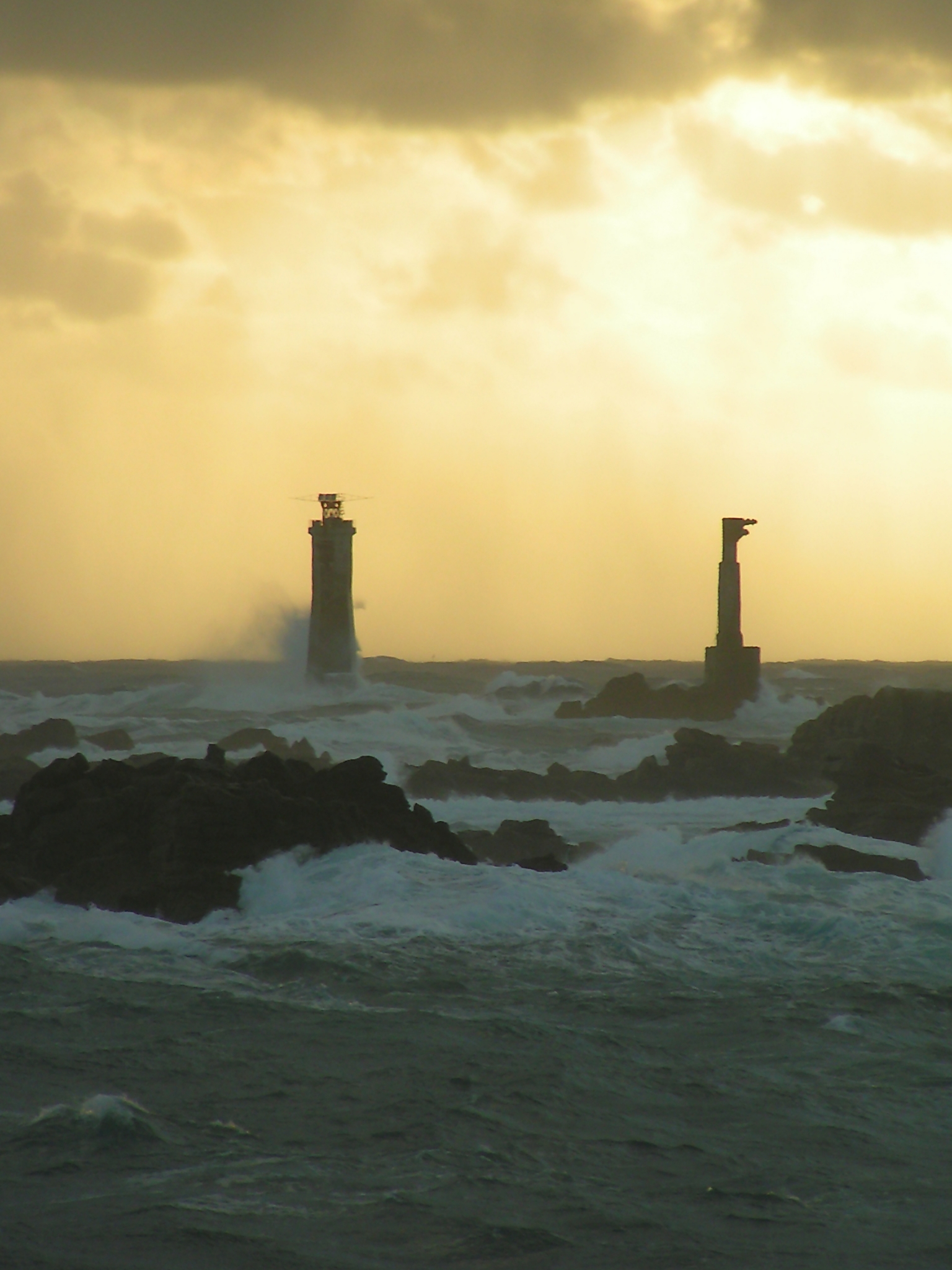
Natura 2000 · passage

Natura 2000 · passage
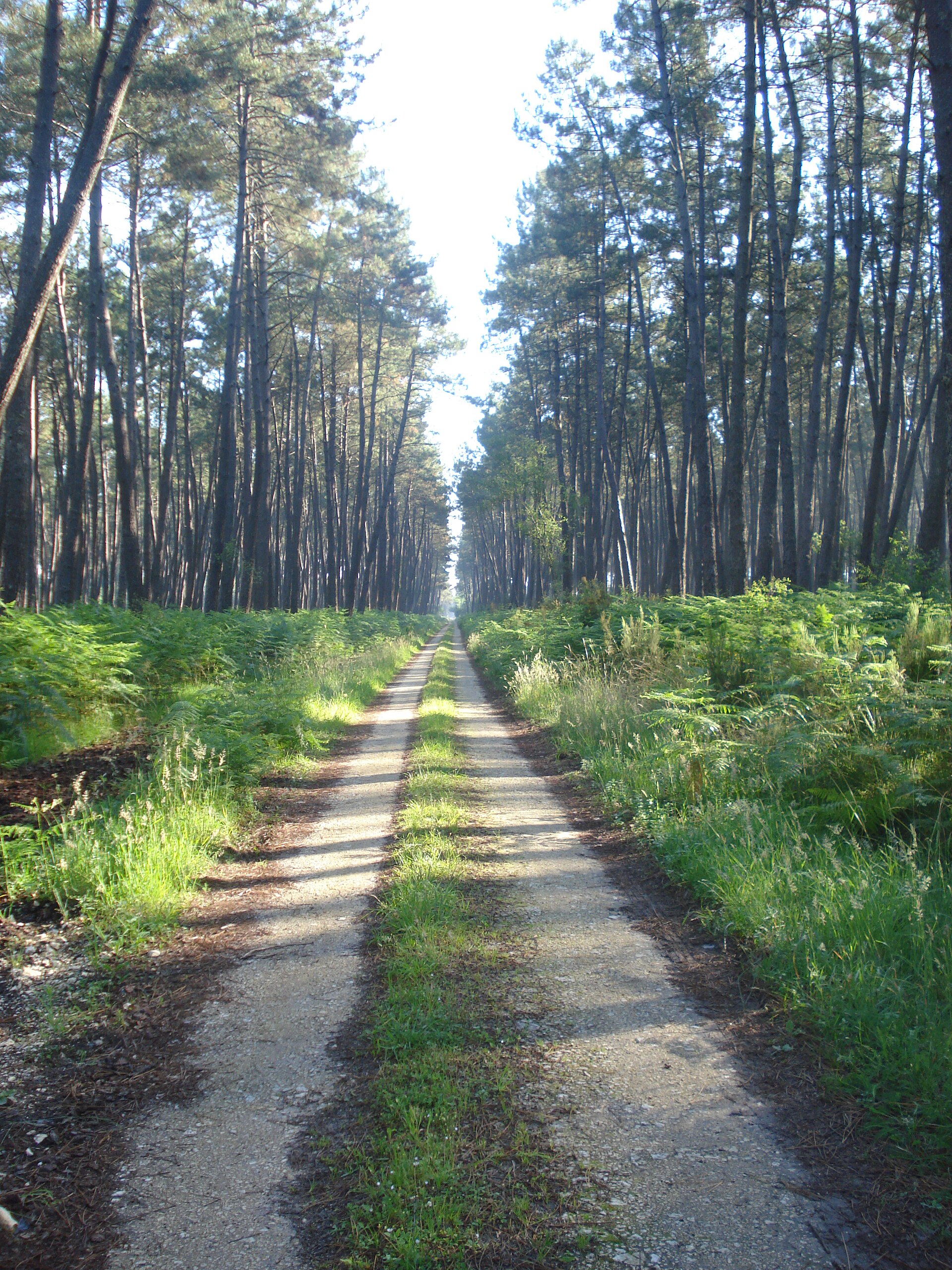
Natura 2000 · breeding
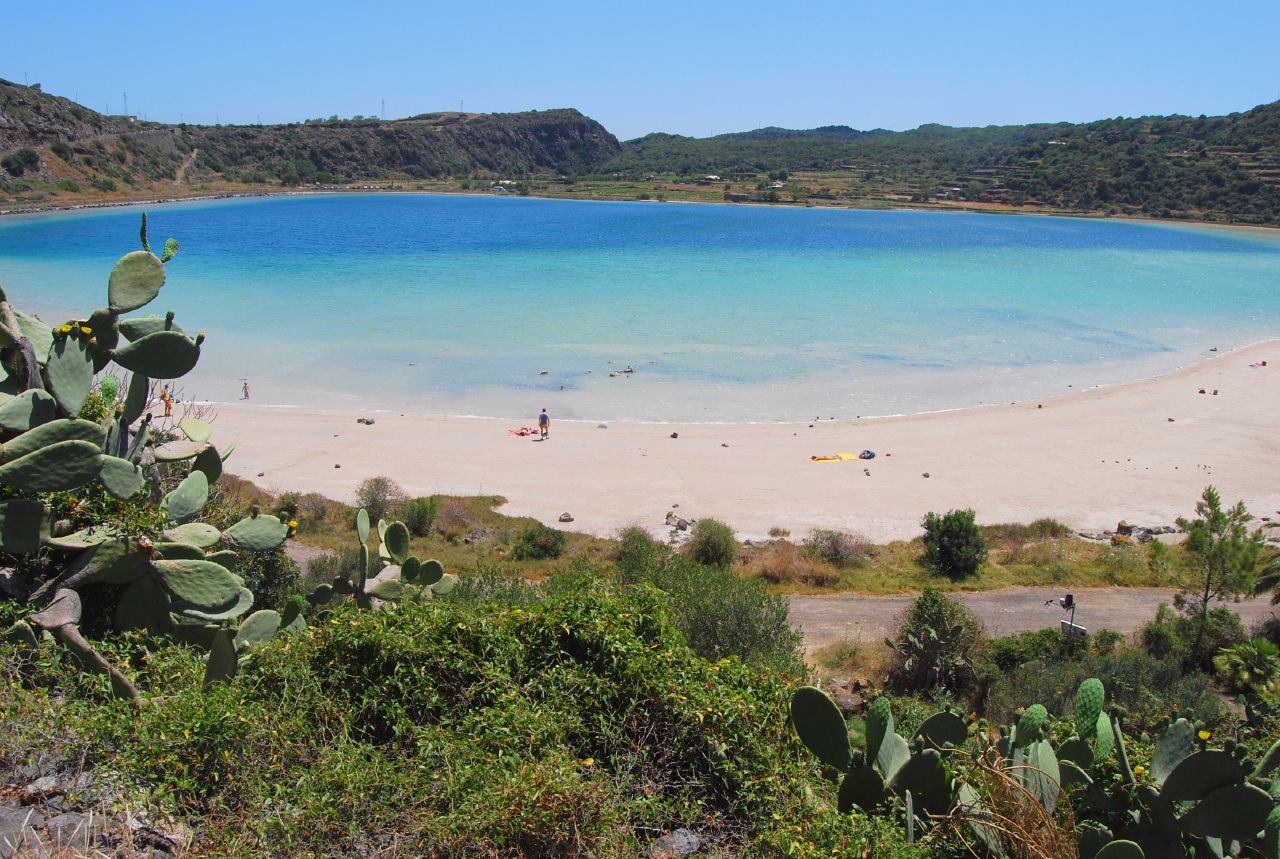
Natura 2000 · resident
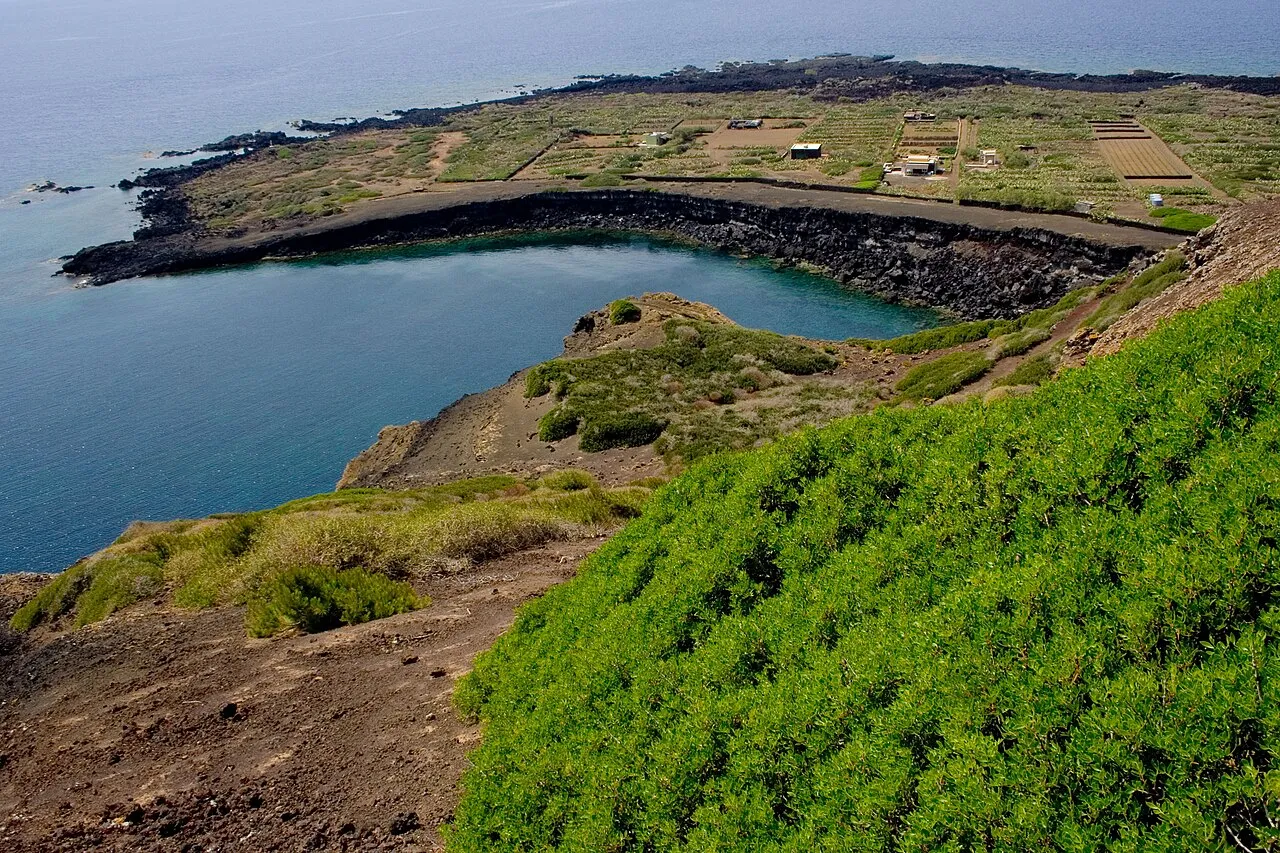
Natura 2000 · breeding, passage, wintering

Natura 2000 · passage
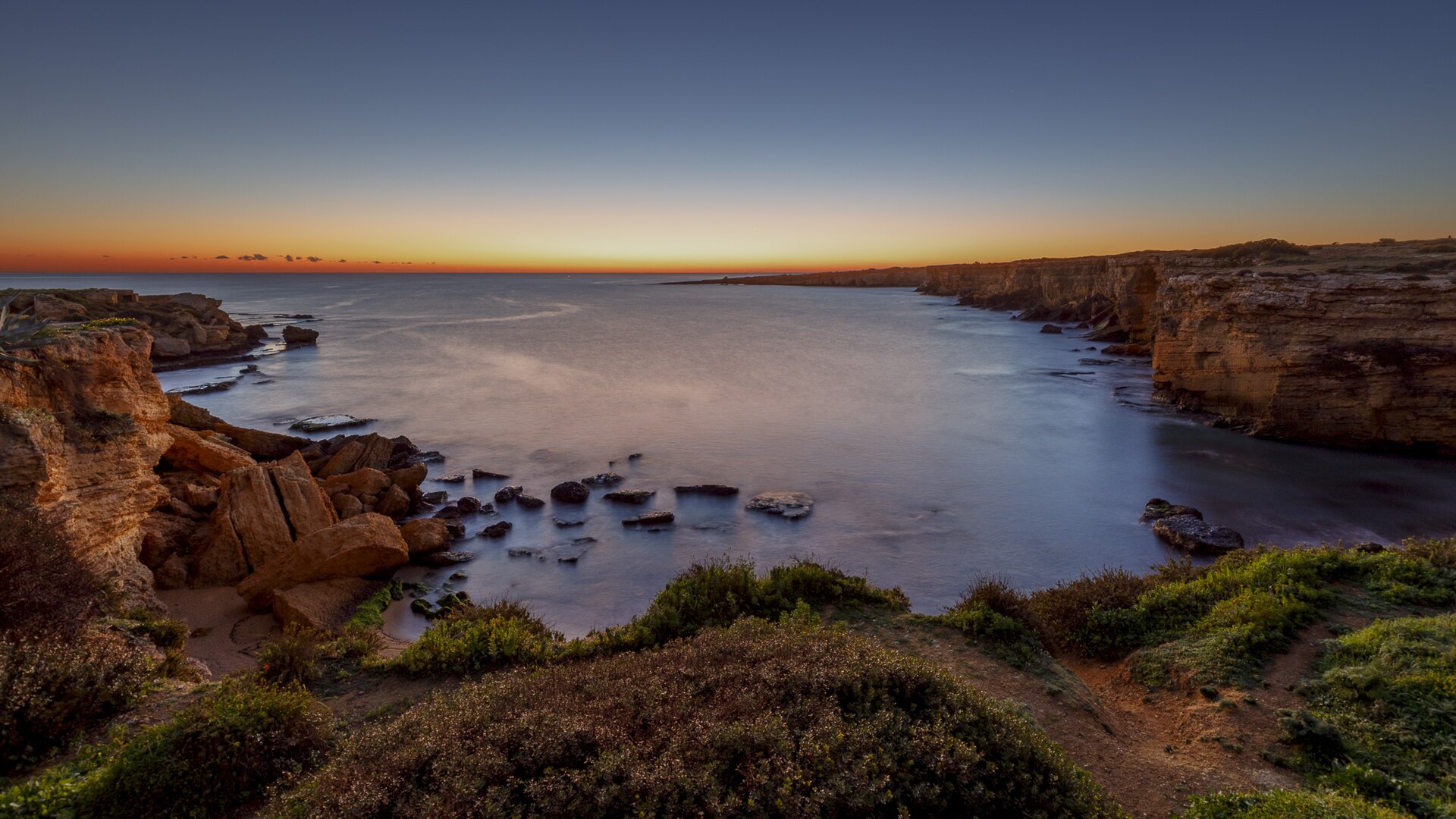
Natura 2000 · wintering
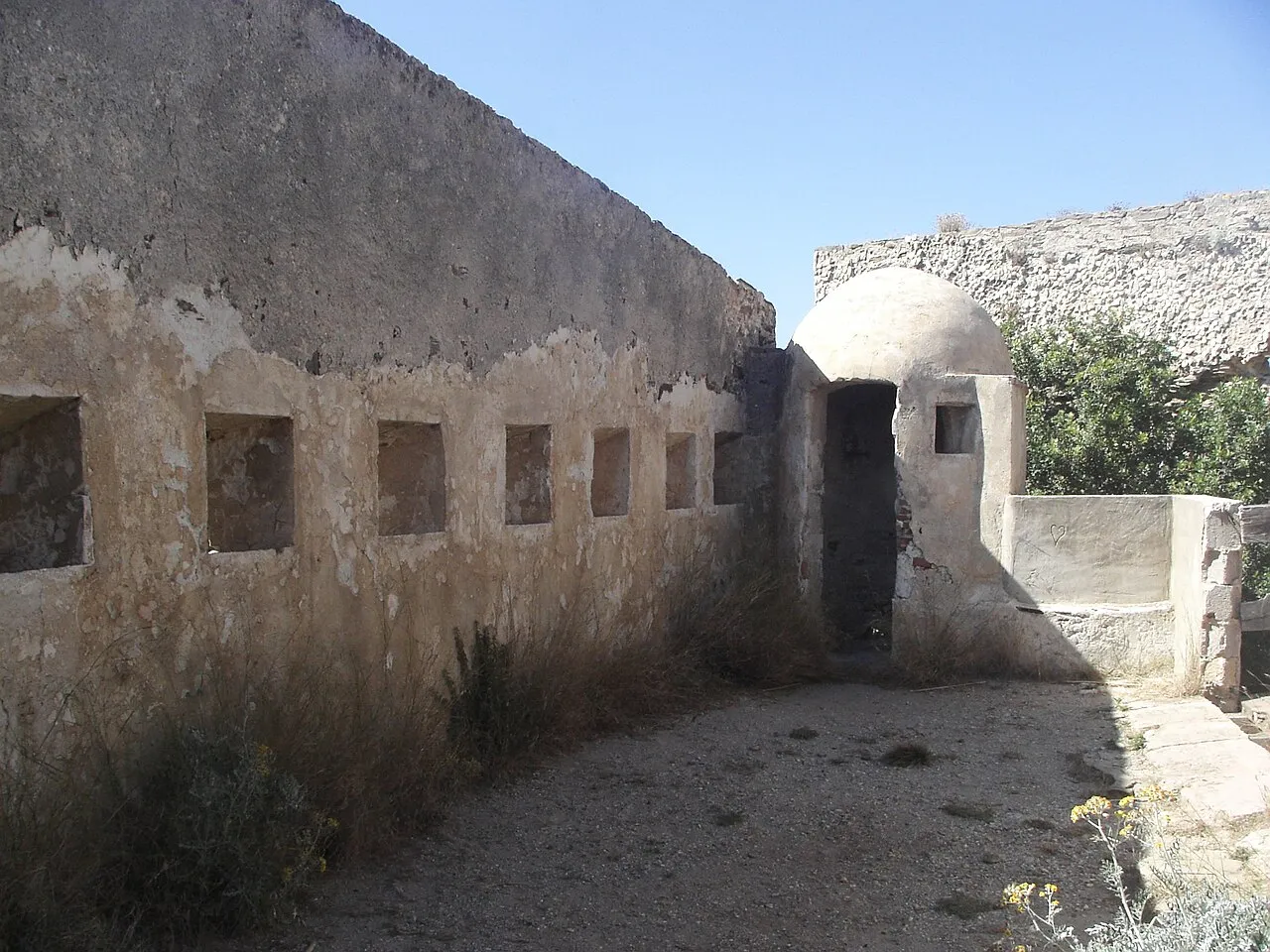
Natura 2000 · passage, breeding
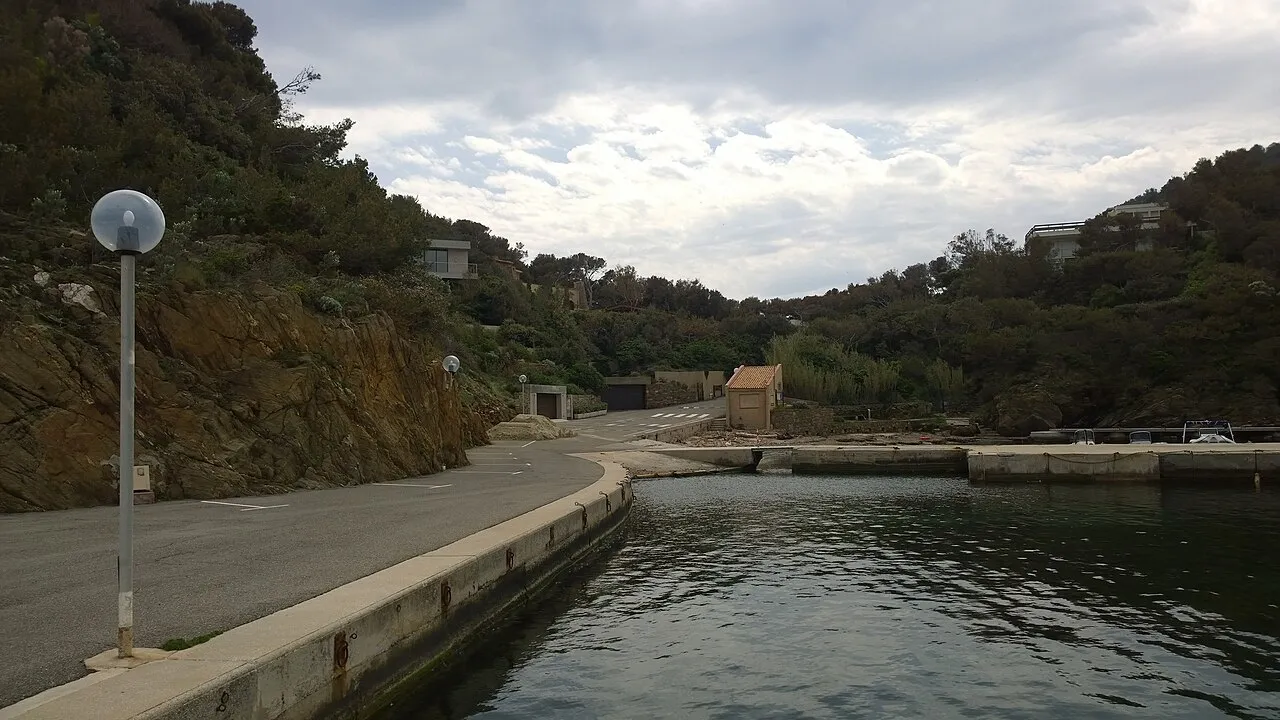
Natura 2000 · passage, breeding

Natura 2000 · breeding
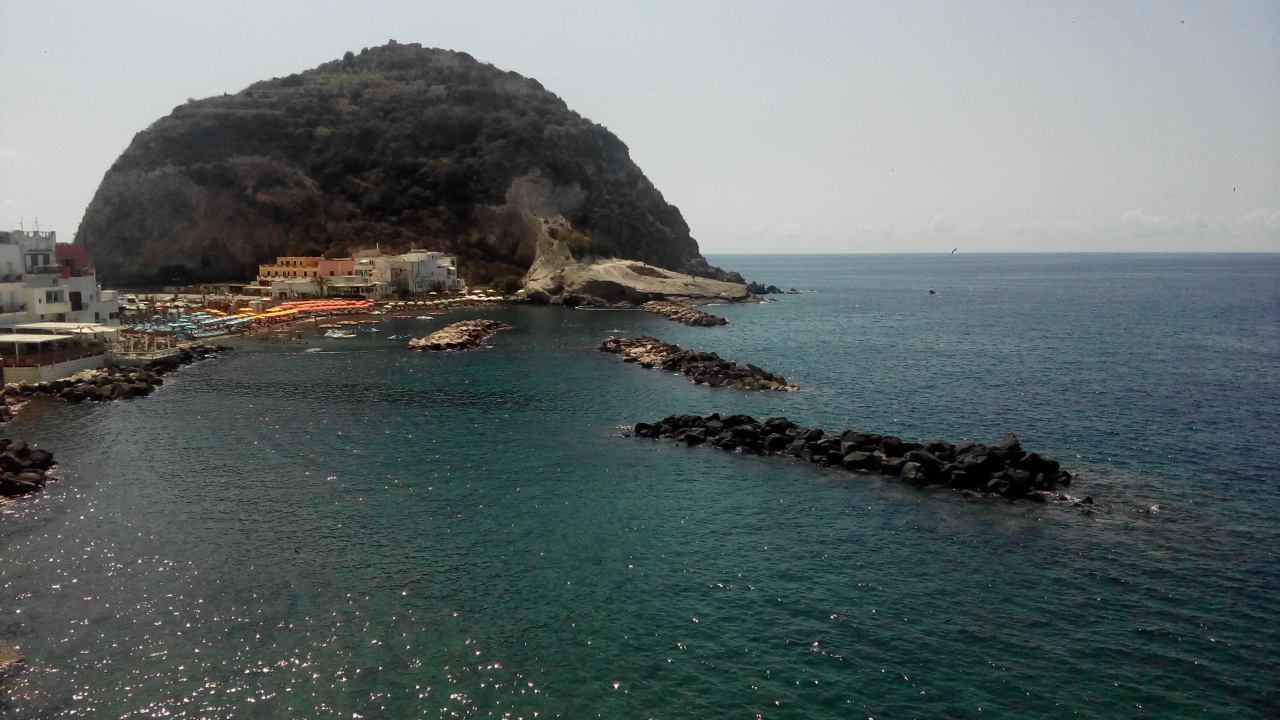
Natura 2000 · passage
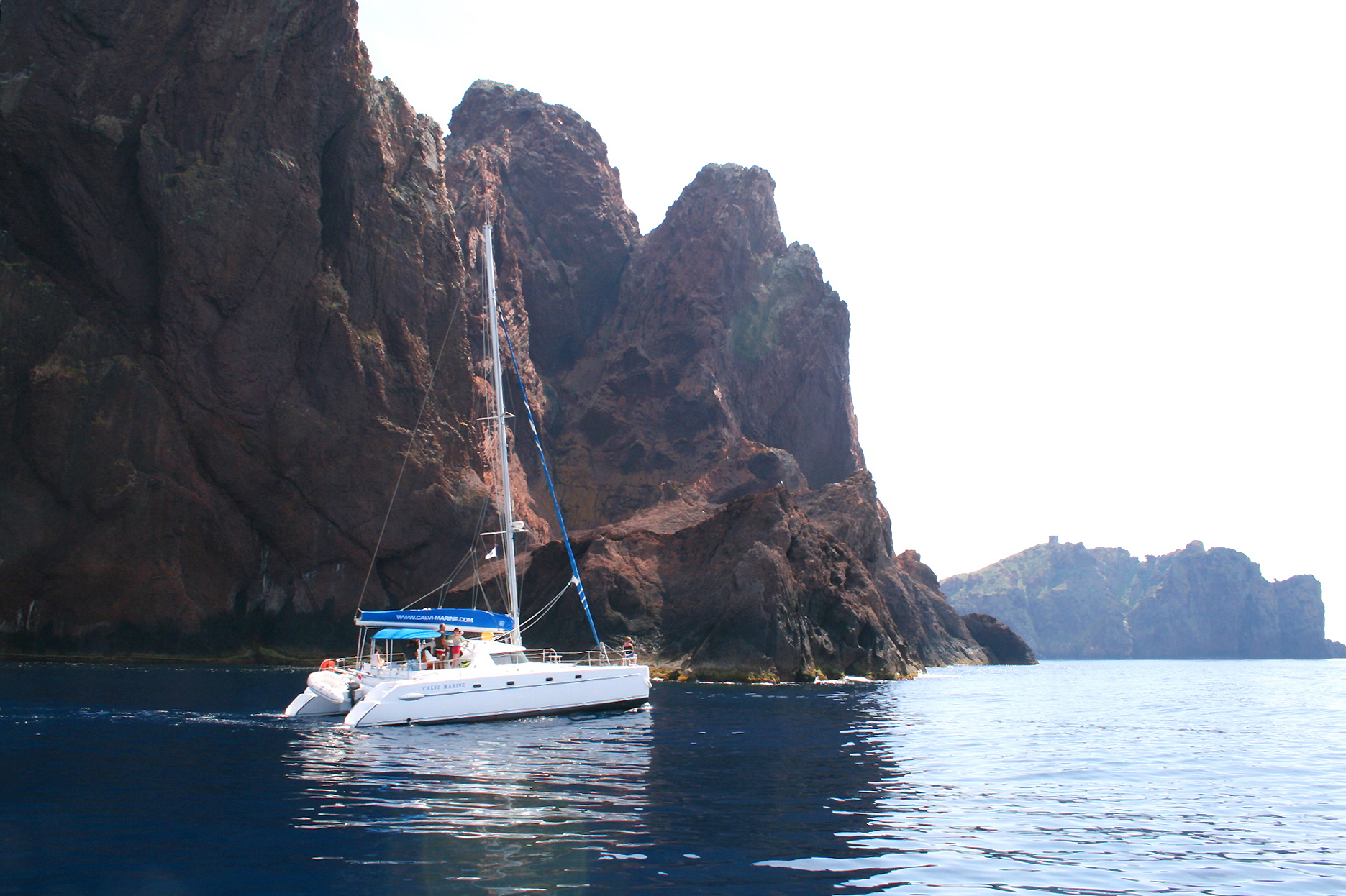
Natura 2000 · passage, breeding
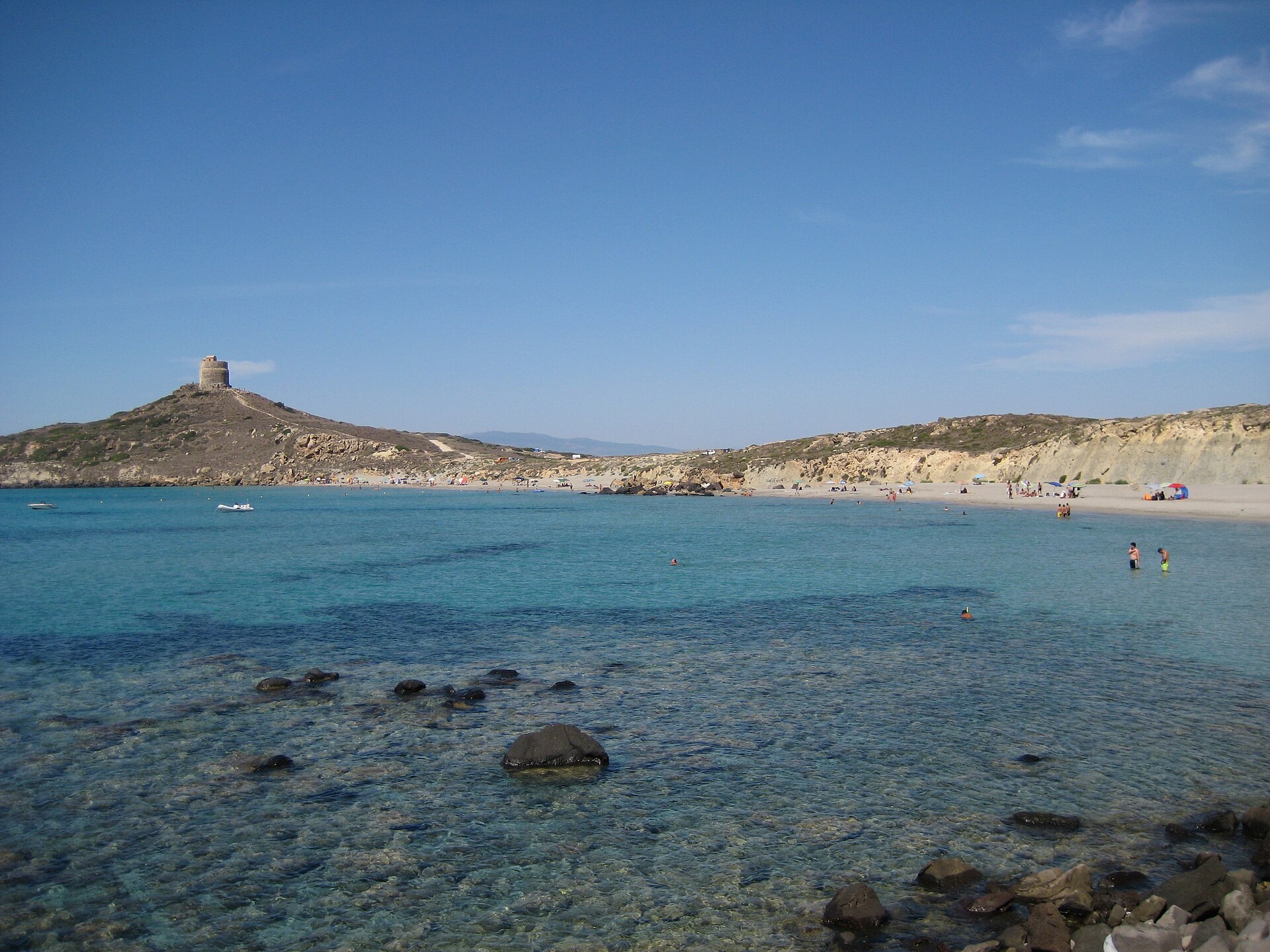
Natura 2000 · passage

Natura 2000 · passage, wintering, breeding
Other species to discover
 Cory's Shearwater
Calonectris borealis Same genus
 European Storm Petrel
Hydrobates pelagicus 24 places in common
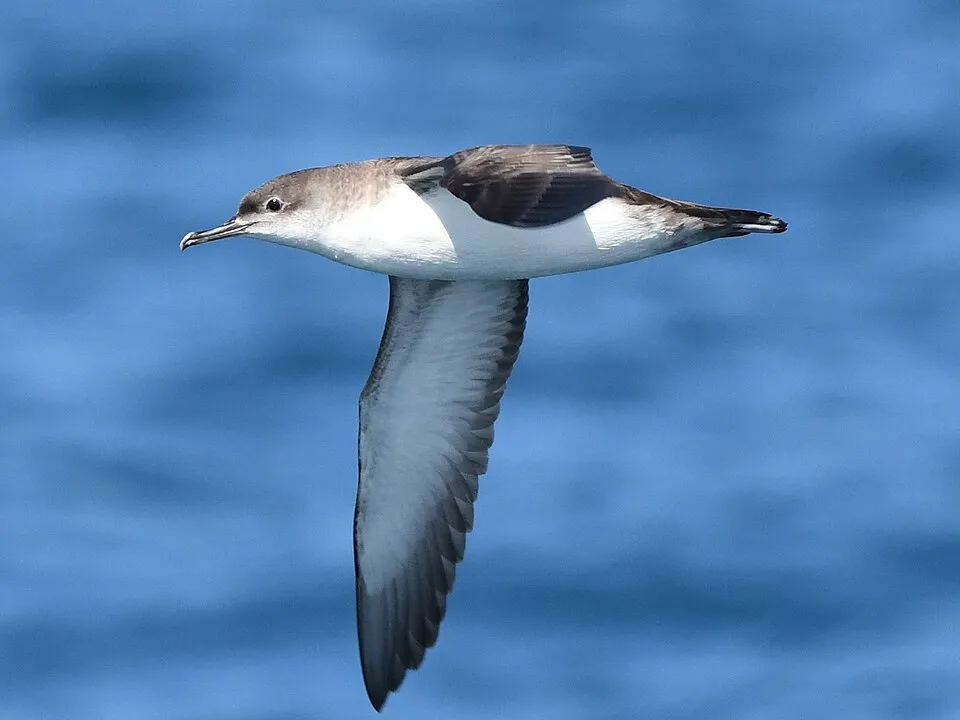 Yelkouan Shearwater
Puffinus yelkouan 19 places in common
 Eleonora's Falcon
Falco eleonorae 22 places in common
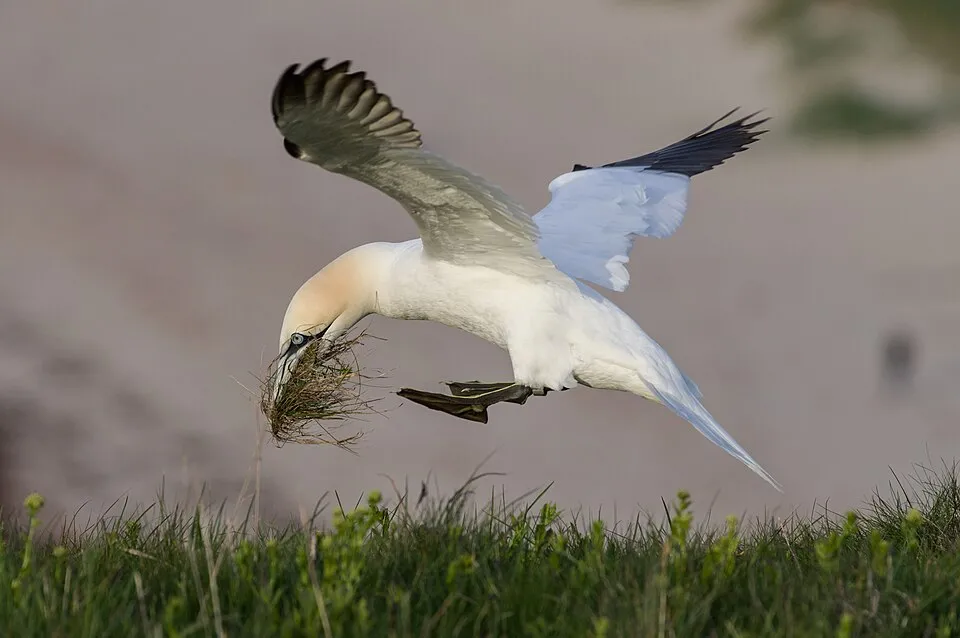 Northern Gannet
Morus bassanus 16 places in common
 Balearic shearwater
Puffinus mauretanicus 15 places in common
Sources and credits
- Presence: most-recorded species of each place on GBIF and species of Community interest in the Natura 2000 forms (EEA, CC-BY 4.0); absence from the list does not mean the species is absent.
- Common names: Wikidata (CC0) and GBIF.
- Photos and sounds: Wikimedia Commons, author and licence given for each file.
- Classification: GBIF Backbone Taxonomy (GBIF Secretariat), CC BY 4.0, doi:10.15468/39omei.
- Countries, elevations, months and maps: GBIF.org, CC0 or CC BY 4.0 occurrences only, accessed October 22, 2026, GBIF.org.
- Base map: Natural Earth (public domain).
- Excerpt: Wikipedia, CC BY-SA 4.0 (full credit below the excerpt).
- Key facts: Wikidata (CC0), with the references cited under each value.
- Annexes: Directive 2009/147/EC (consolidated version), © European Union, EUR-Lex.