
Bird
Blue Rock Thrush: where to see it
Monticola solitarius
This bird species is recorded in 83 protected areas of the atlas, including 16 whose official Natura 2000 form lists it. Within the atlas countries, it is mostly observed in Spain, Portugal and France (7 countries in all). Most records (8 in 10) lie between sea level and 550 m. Records peak from March to June. Its EU population is assessed as secure (2013–2018 Birds Directive reporting).
Best time to see it: March–June
Records published on GBIF by month (CC0 and CC BY 4.0 licences only), in the atlas countries, all years combined; they also reflect observer activity.
Key facts
- Clutch size
- 4.2 eggs on average Wikidata, after Jetz et al. 2008
- Incubation
- 13 days Wikidata, after Handbook of the Birds of the World
Status and protection
EU population assessed as secure, stable in the short term (2013–2018 Birds Directive reporting). EU breeding population: 43,300–89,300 pairs.
Distribution
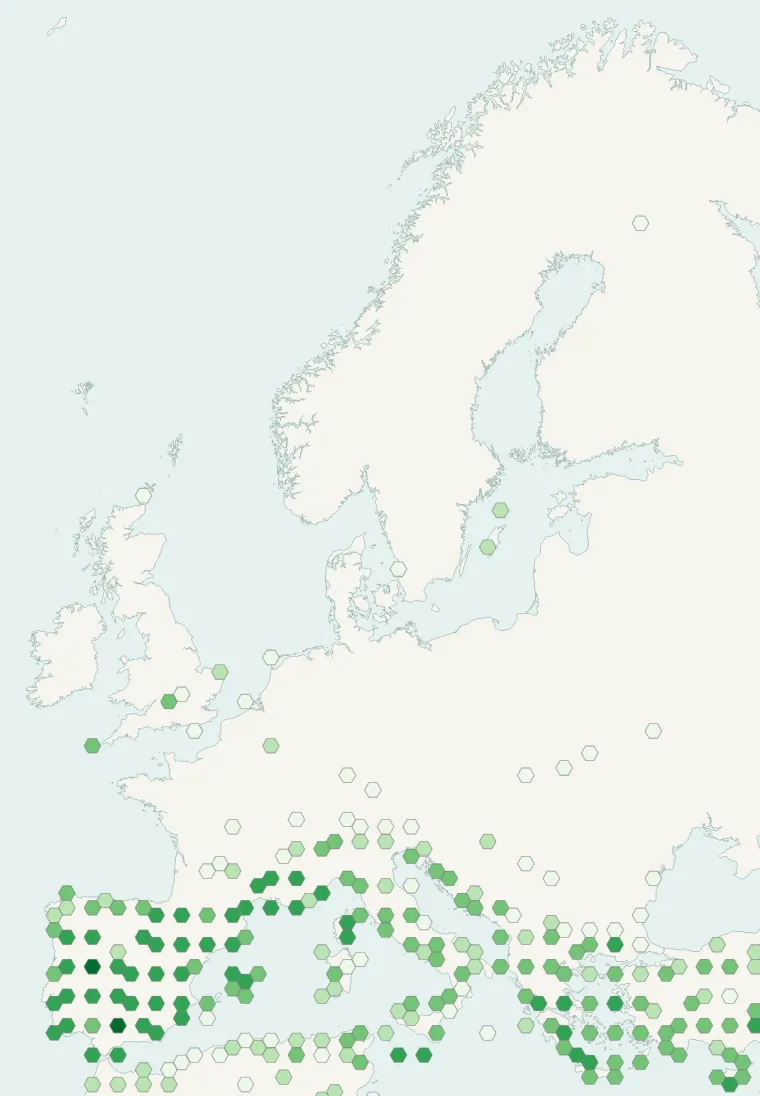
Records published on GBIF (CC0 and CC BY 4.0 licences): the darker the shade, the more records there are; they also reflect observation effort.
Atlas countries where it is recorded
Listen
-
0:25 · © Sternanita3 · CC BY-SA 4.0 · Wikimedia Commons · Original file
-
0:28 · © karliatje · CC BY 4.0 · Wikimedia Commons · Original file
From Wikipedia
The blue rock thrush (Monticola solitarius) is a species of chat. This thrush-like Old World flycatcher was formerly placed in the family Turdidae. It breeds in southern Europe, northwest Africa, and from Central Asia to northern China and Malaysia. The blue rock thrush is the official national bird of Malta.
Source: Wikipedia, article “Blue rock thrush” (version of October 22, 2026) · history and authors · licence CC BY-SA 4.0
Protected areas where it is recorded

6,447 records

4,708 records
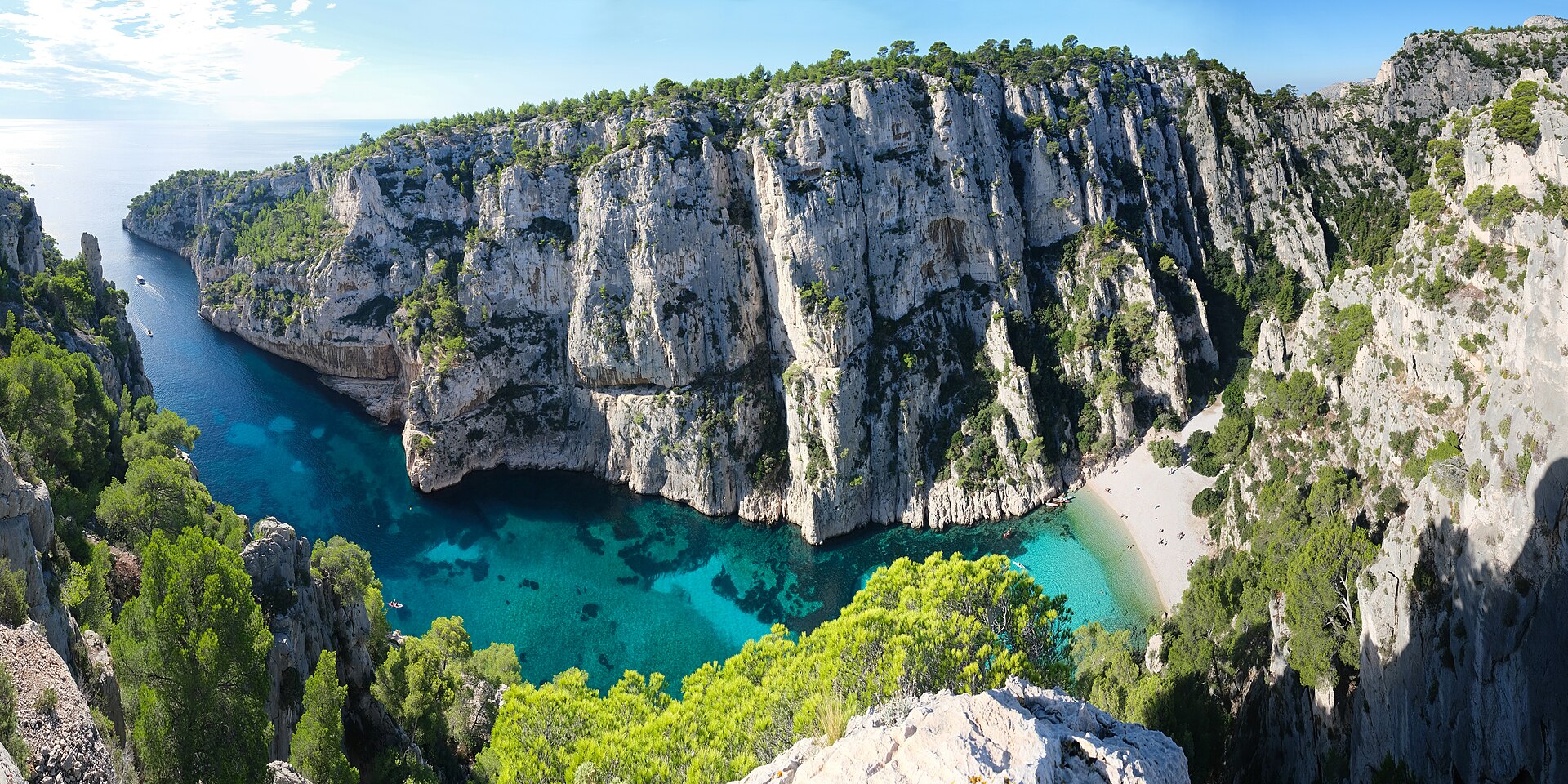
1,293 records

1,245 records

1,098 records

471 records
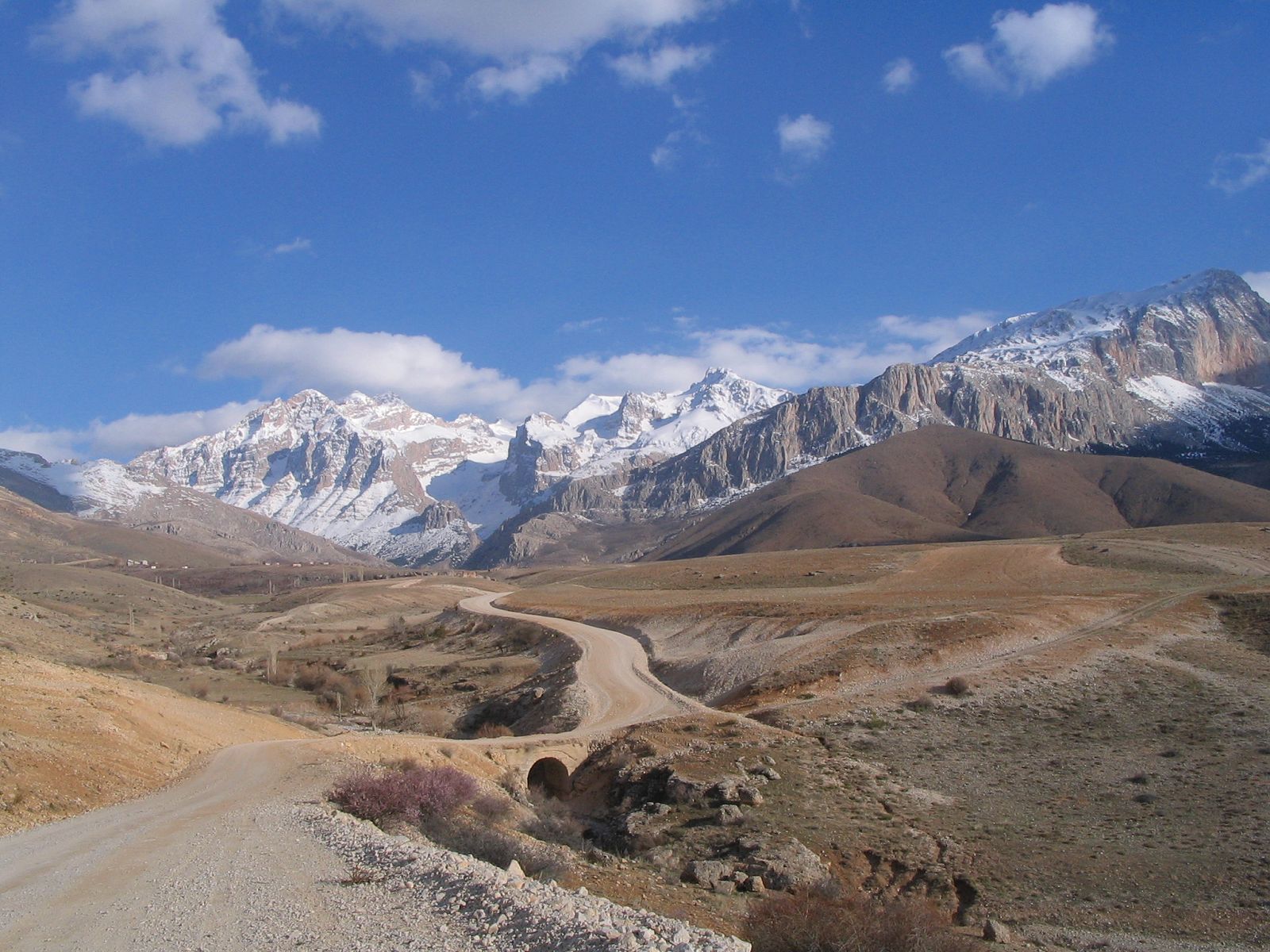
435 records
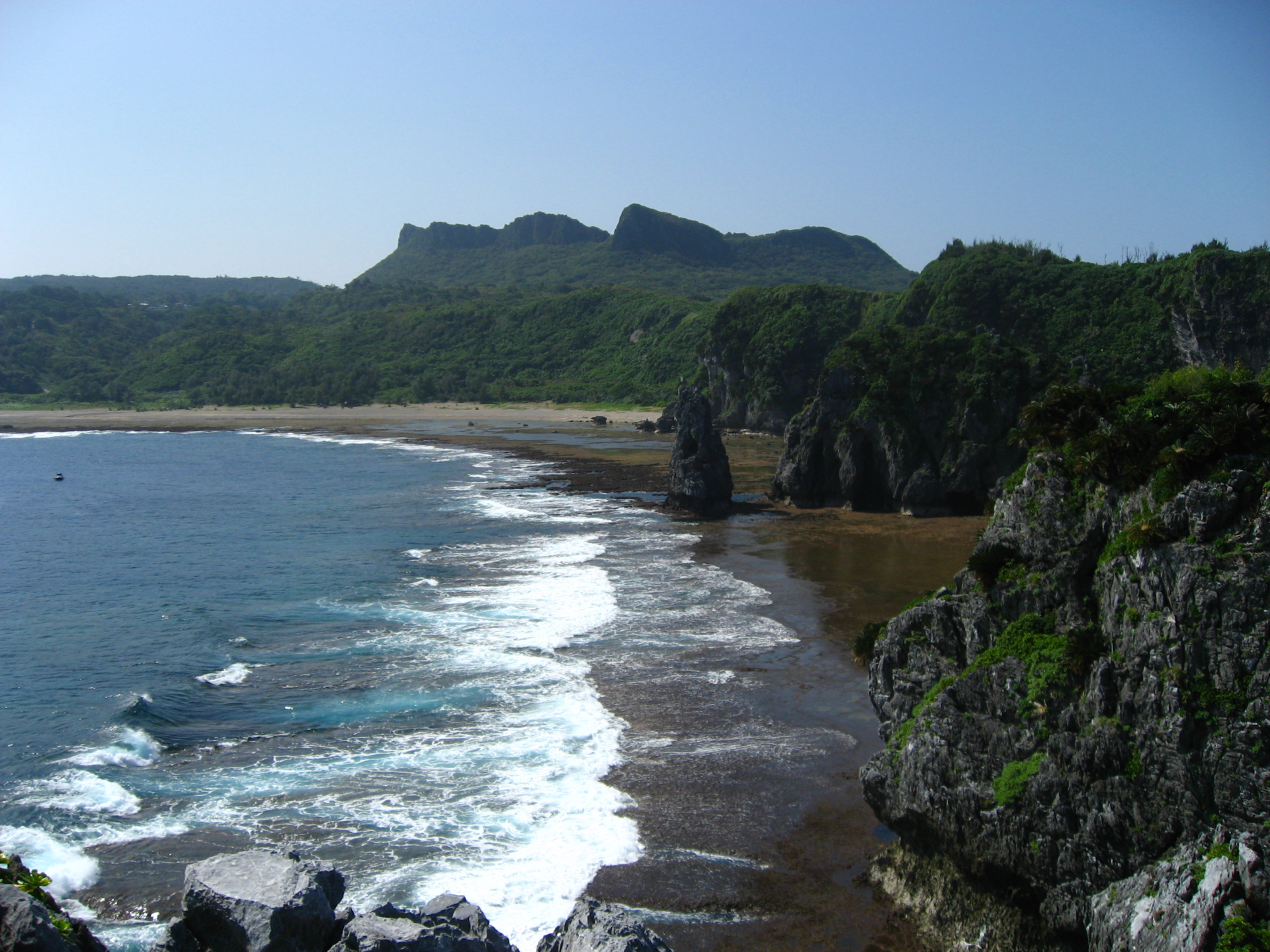
407 records
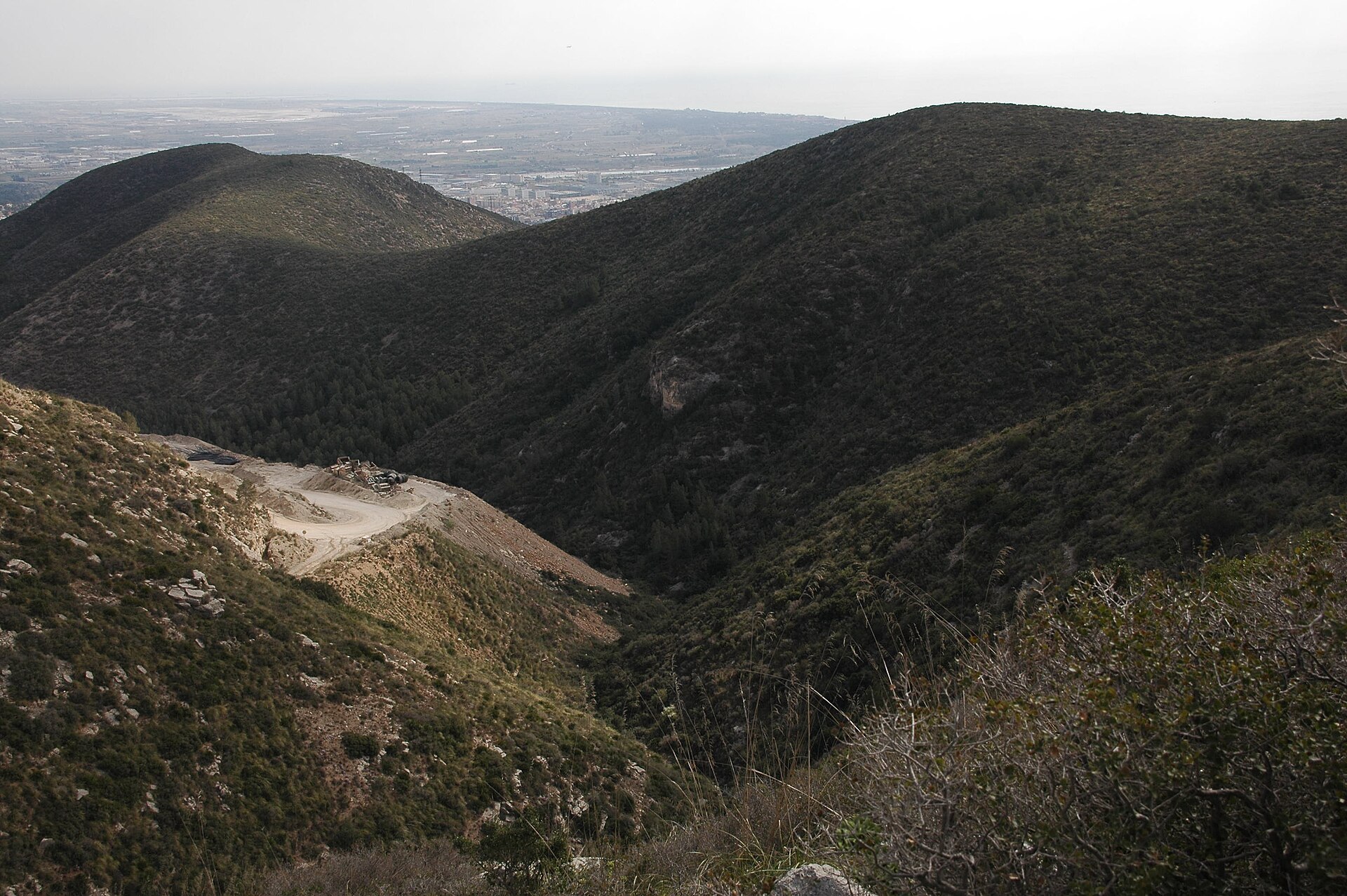
381 records

379 records
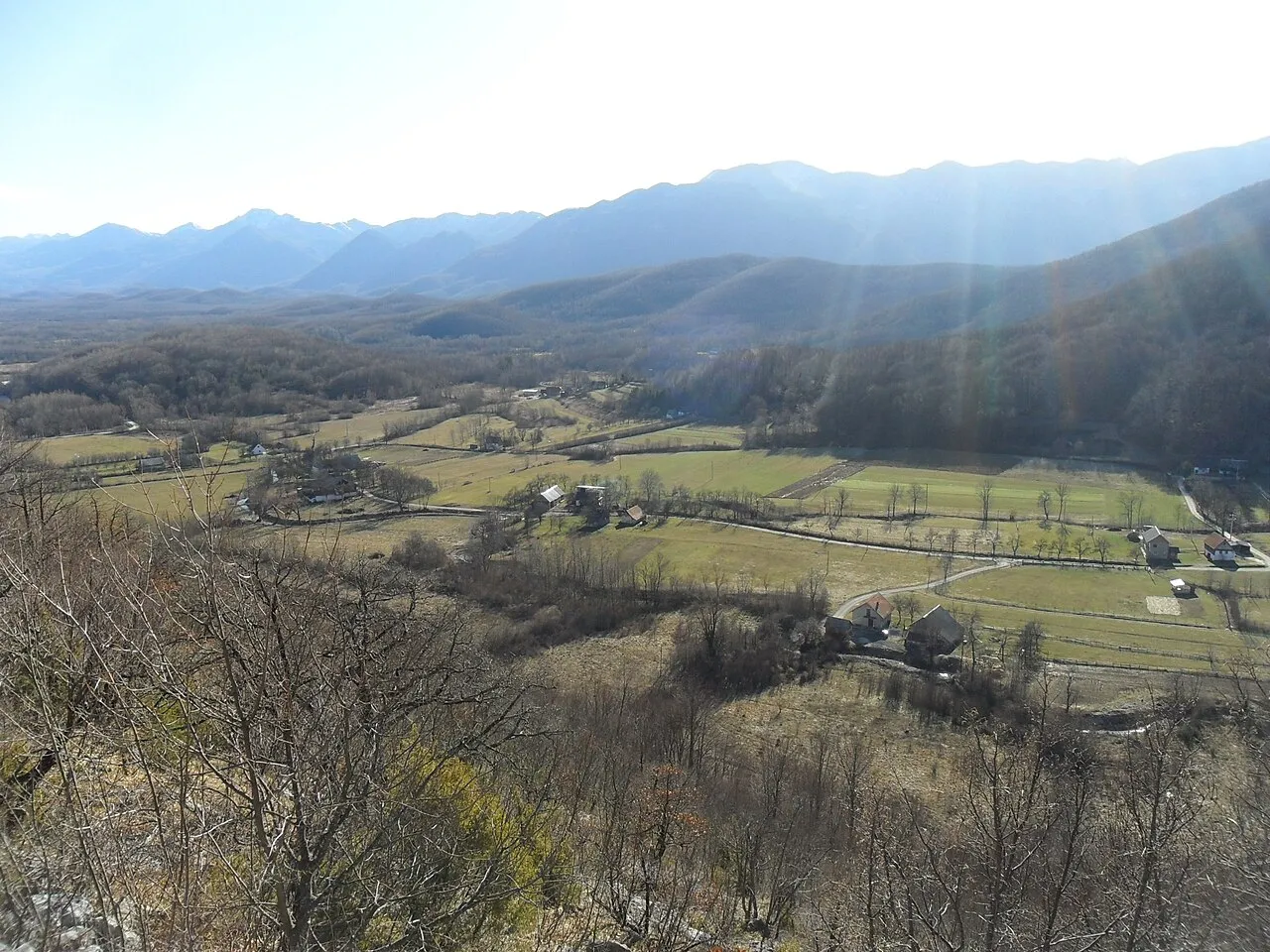
301 records
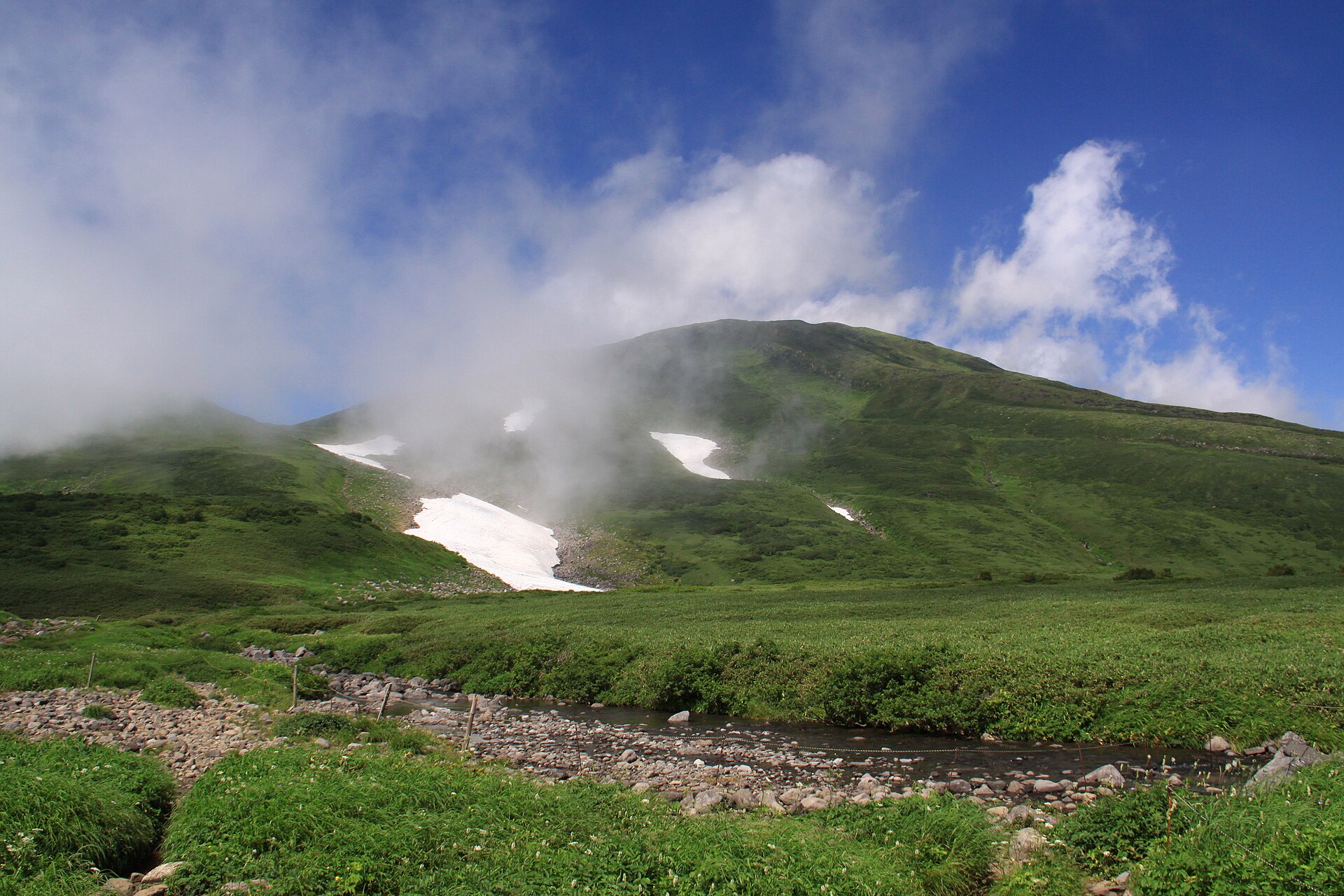
292 records
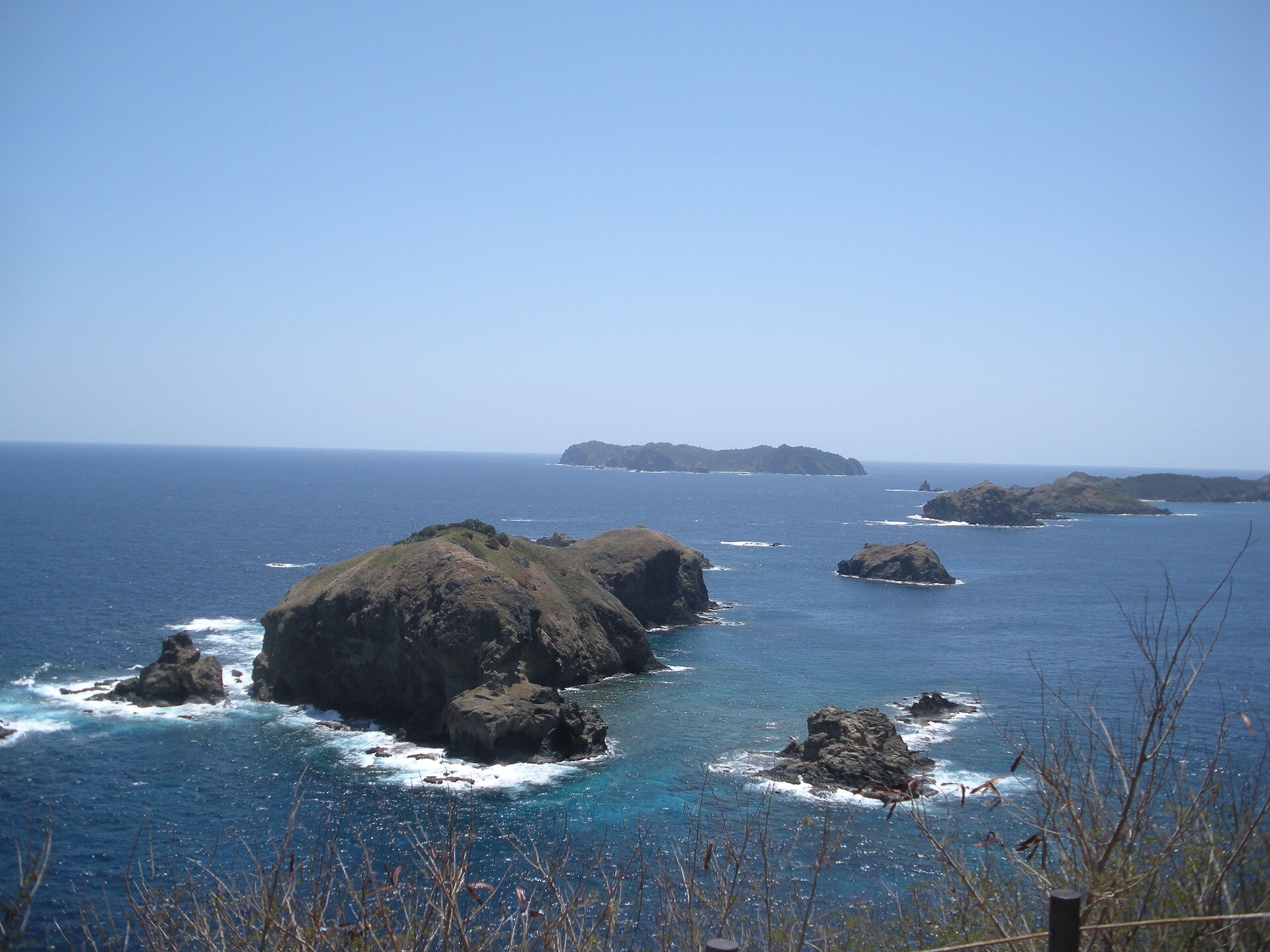
290 records

235 records

221 records

187 records

180 records

156 records

142 records

115 records

109 records

95 records

89 records

76 records
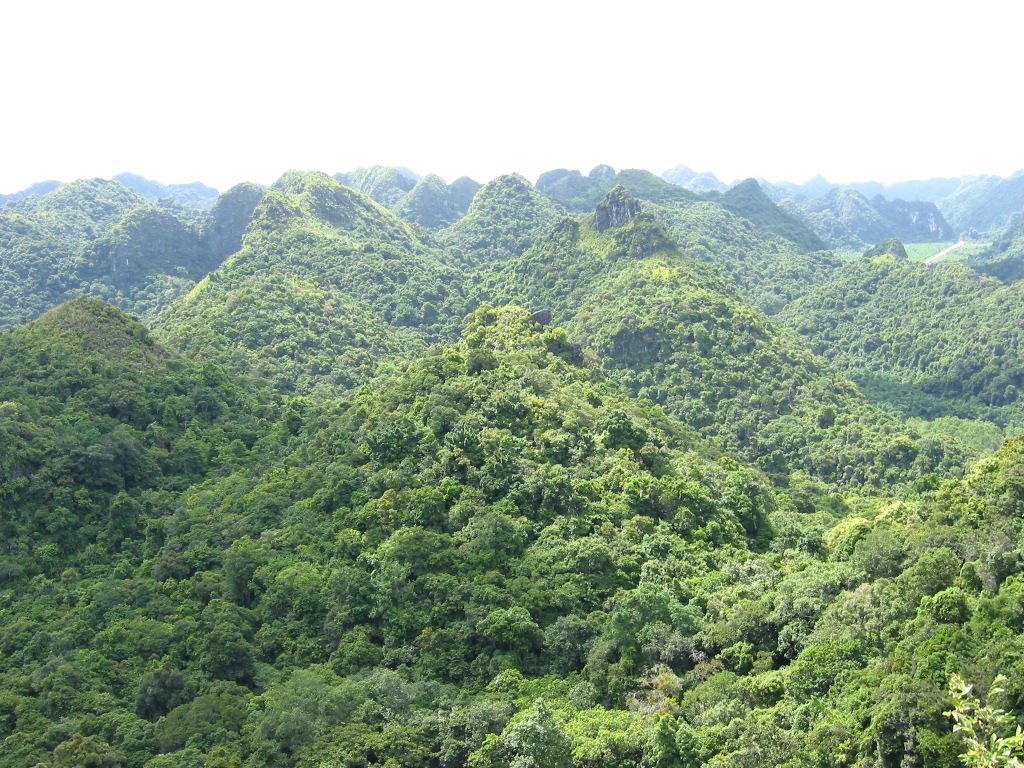
74 records

74 records
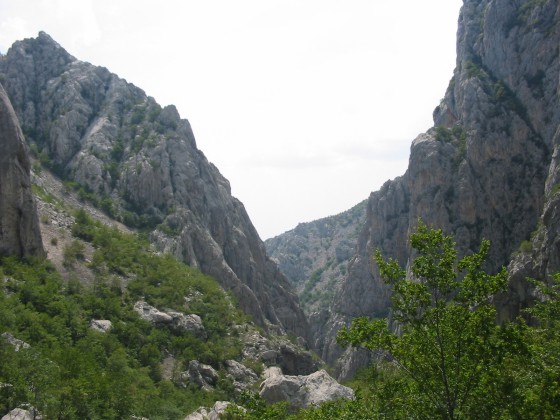
70 records

68 records

62 records

56 records
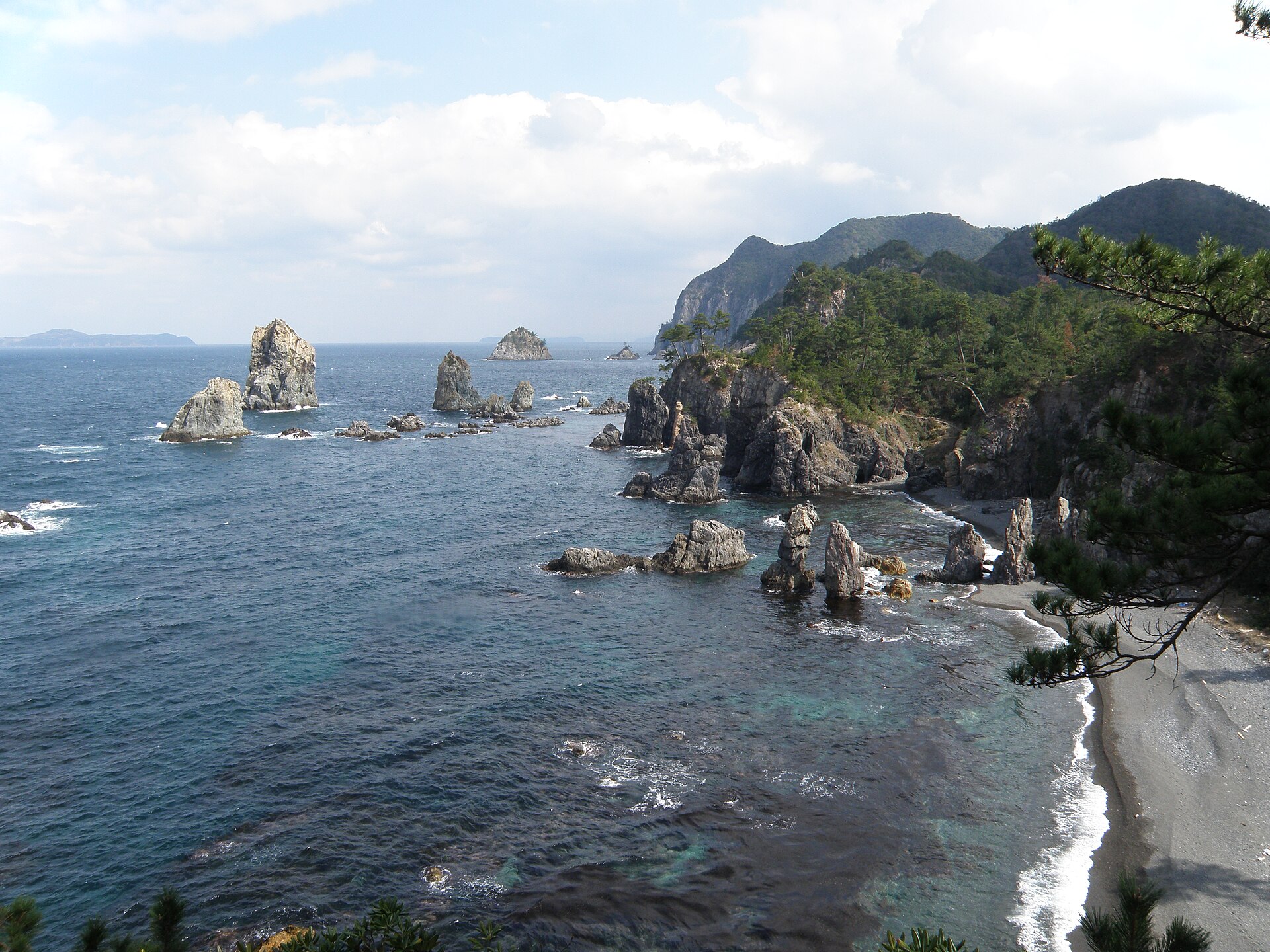
55 records

54 records

49 records

48 records

47 records

44 records

40 records
35 records

32 records

30 records

23 records

22 records

19 records

18 records

17 records

17 records

17 records

15 records
13 records
12 records

12 records

10 records

9 records

9 records

7 records

7 records
7 records
4 records

4 records

2 records
2 records

2 records
2 records

2 records

1 records

1 records

1 records

Natura 2000 · resident

Natura 2000 · resident
Natura 2000 · resident

Natura 2000 · wintering, passage, breeding, resident
Natura 2000 · breeding
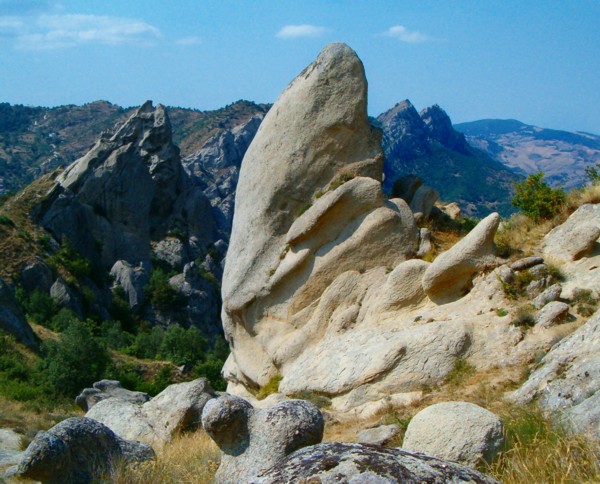
Natura 2000 · resident

Natura 2000 · breeding, resident
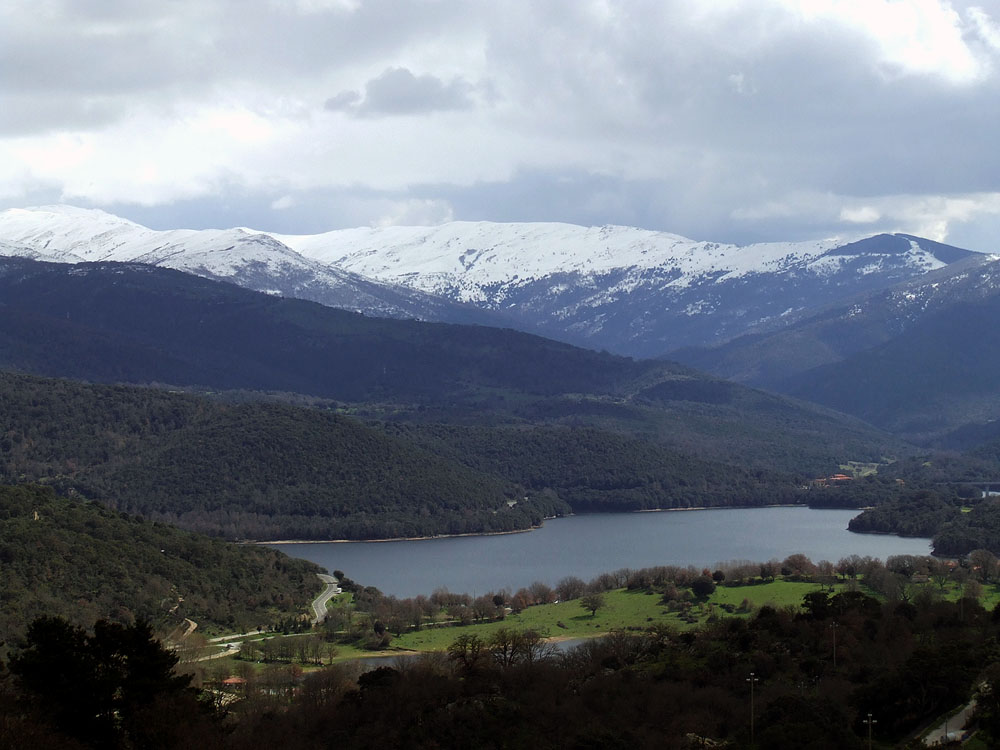
Natura 2000 · resident, passage
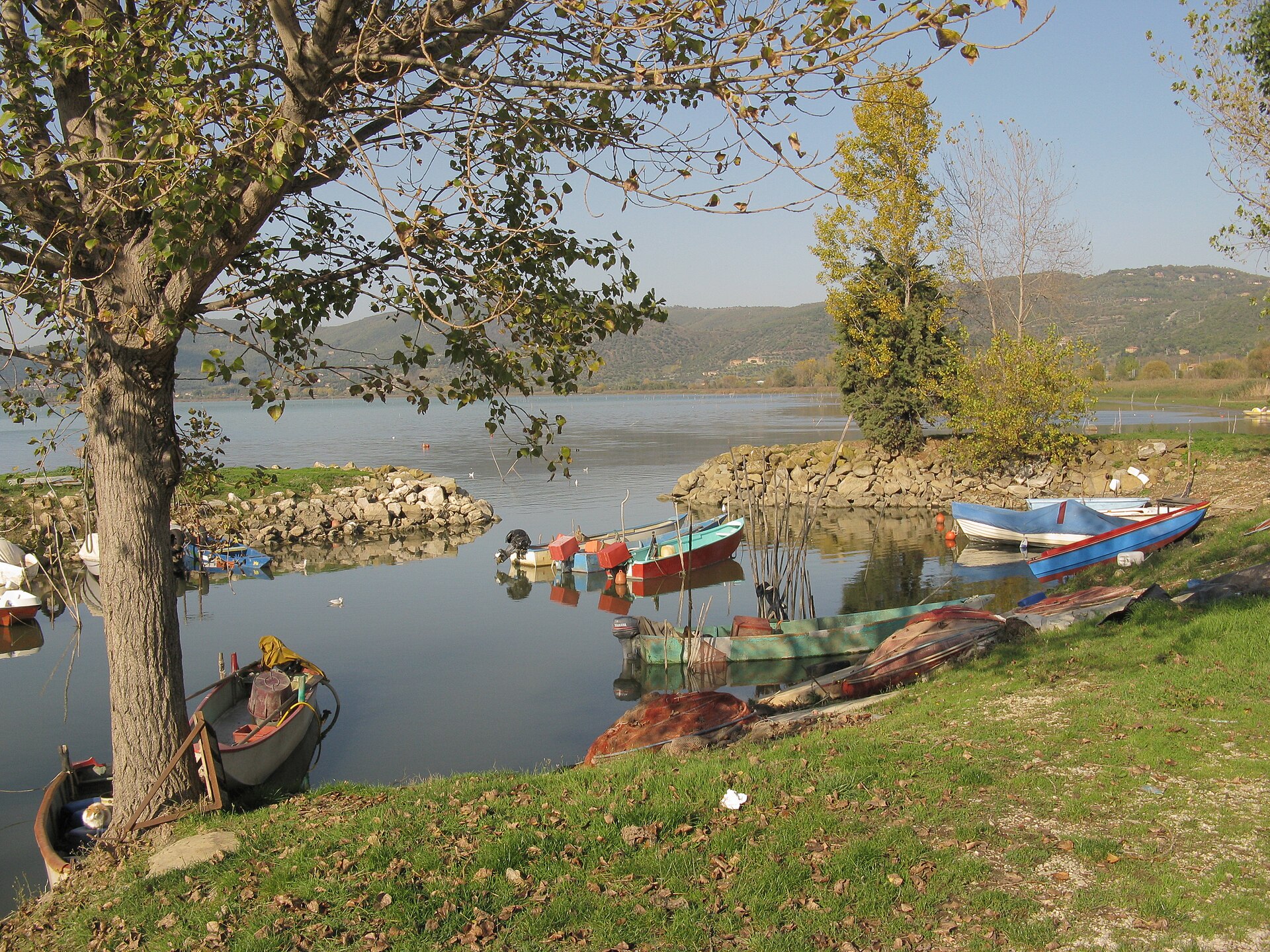
Natura 2000

Natura 2000 · resident

Natura 2000 · resident

Natura 2000 · passage
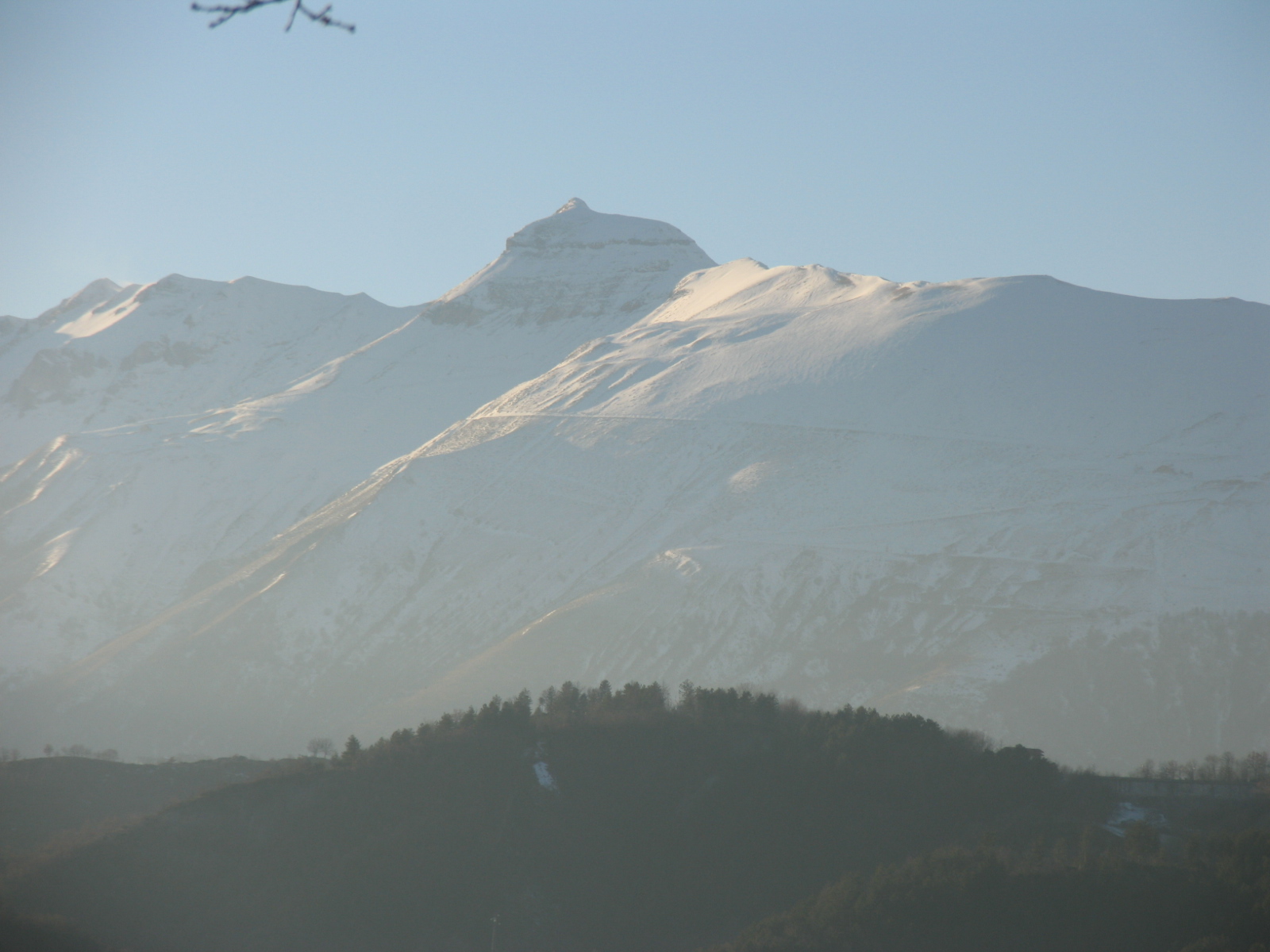
Natura 2000 · breeding

Natura 2000 · breeding

Natura 2000 · breeding, passage

Natura 2000 · breeding
Other species to discover
 Common Rock Thrush
Monticola saxatilis Same genus
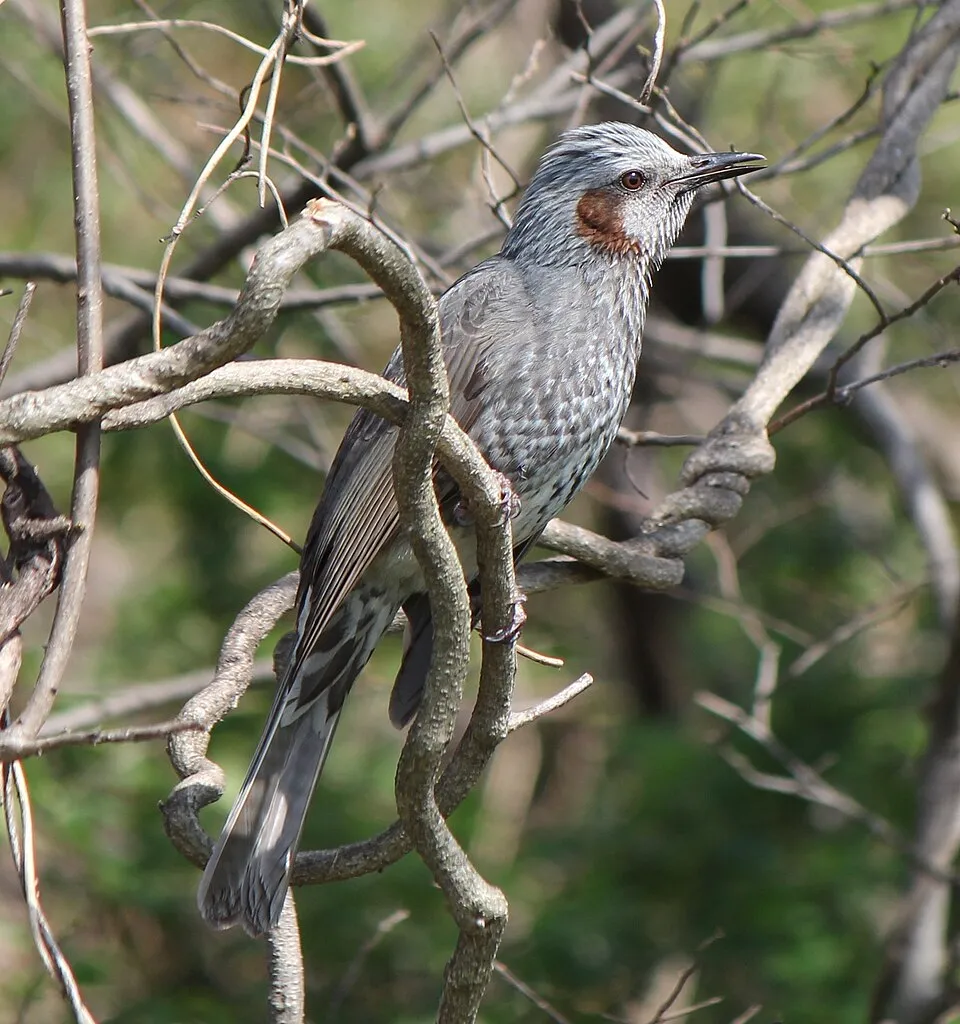 Brown-eared Bulbul
Hypsipetes amaurotis 26 places in common
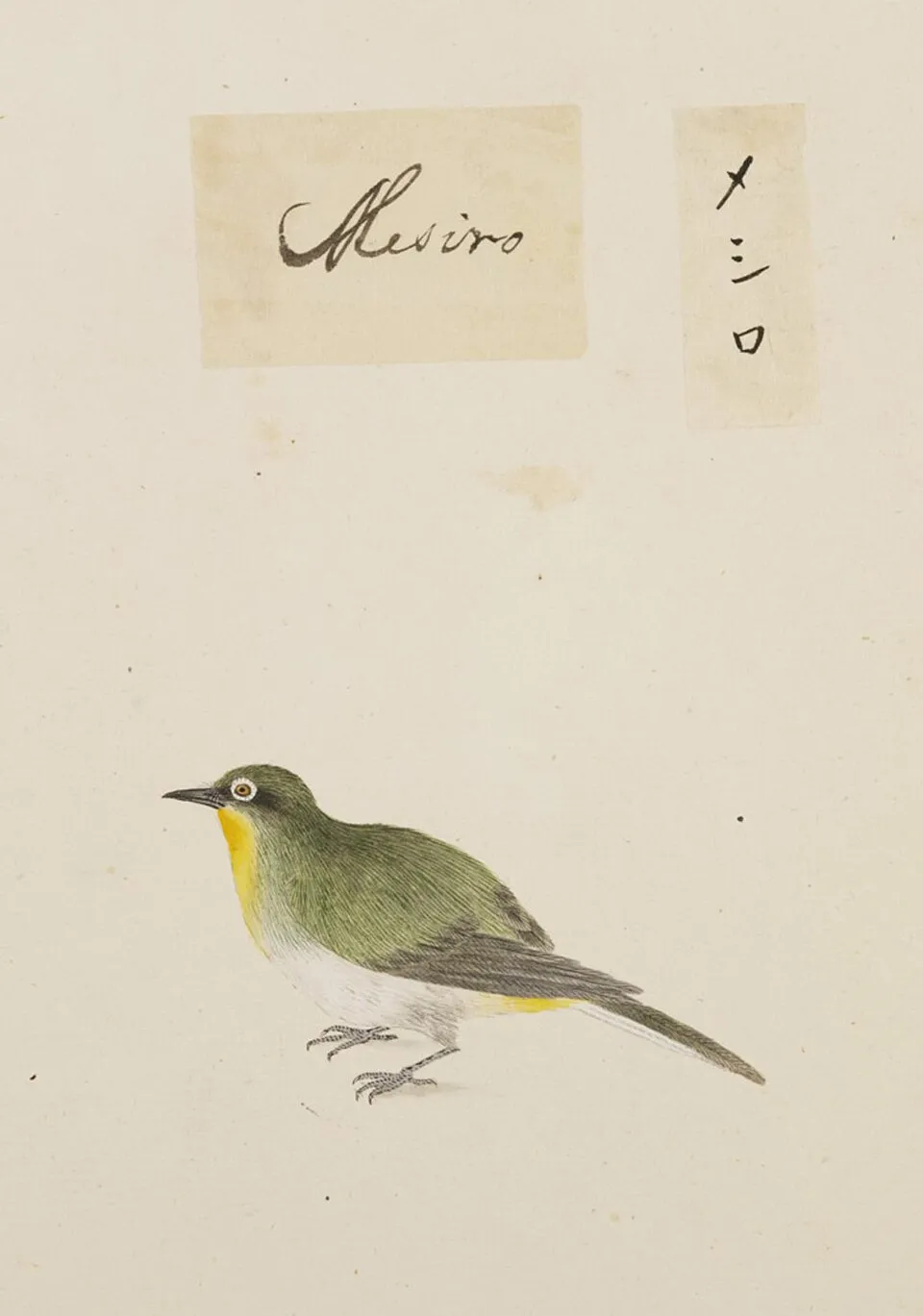 Warbling white-eye
Zosterops japonicus 20 places in common
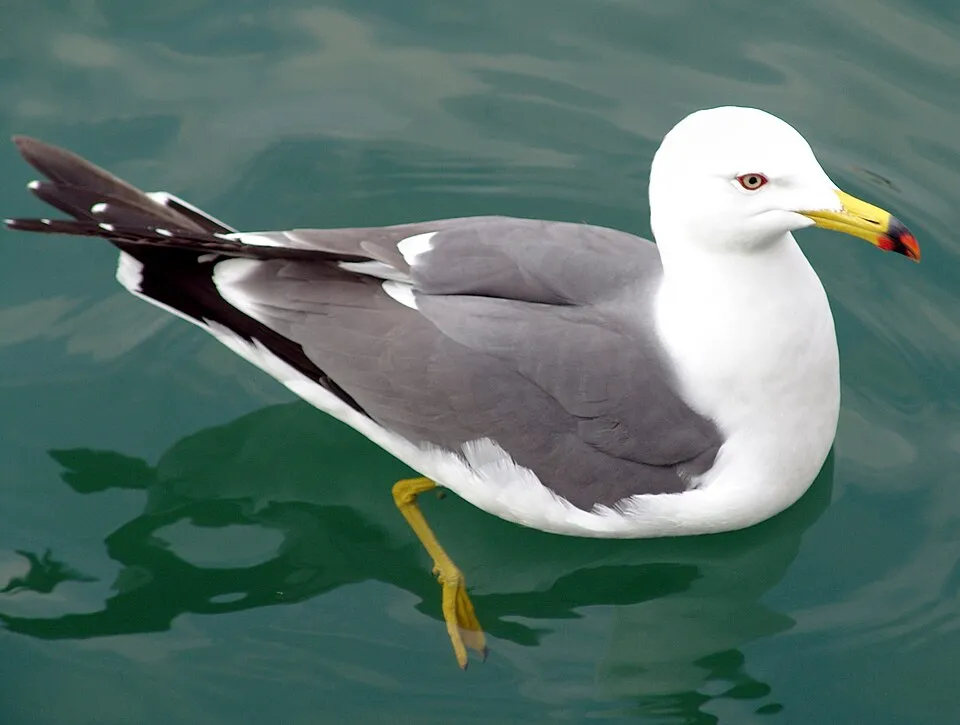 Black-tailed Gull
Larus crassirostris 15 places in common
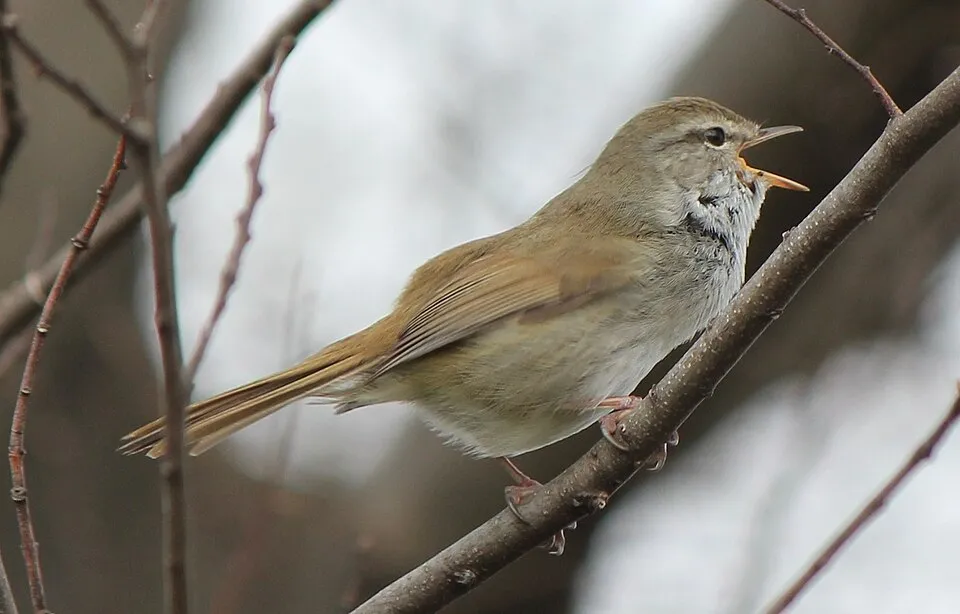 Japanese Bush Warbler
Horornis diphone 20 places in common
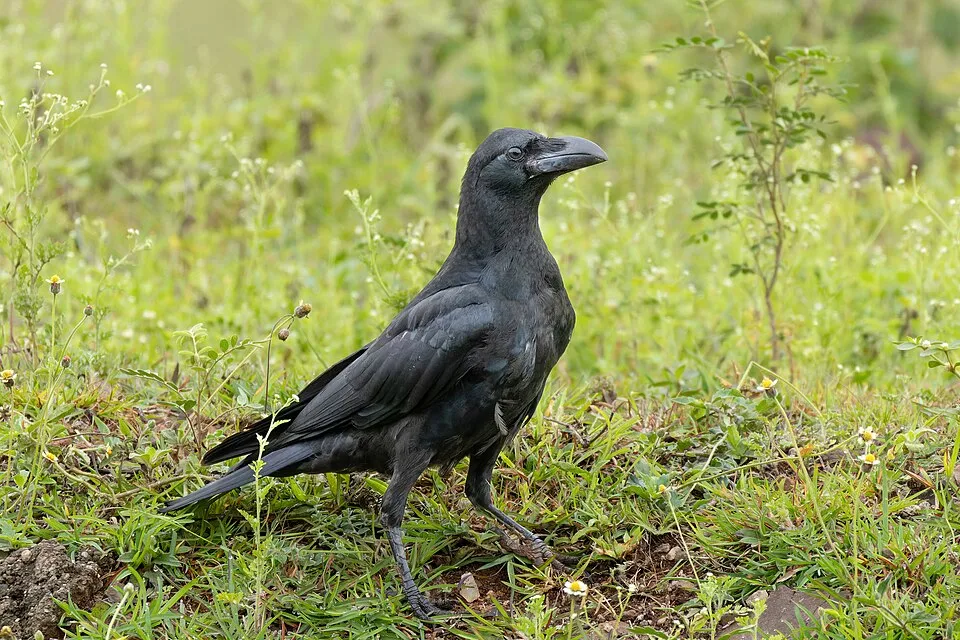 Large-billed Crow
Corvus macrorhynchos 37 places in common
Sources and credits
- Presence: most-recorded species of each place on GBIF and species of Community interest in the Natura 2000 forms (EEA, CC-BY 4.0); absence from the list does not mean the species is absent.
- Common names: Wikidata (CC0) and GBIF.
- Photos and sounds: Wikimedia Commons, author and licence given for each file.
- Classification: GBIF Backbone Taxonomy (GBIF Secretariat), CC BY 4.0, doi:10.15468/39omei.
- Countries, elevations, months and maps: GBIF.org, CC0 or CC BY 4.0 occurrences only, accessed October 22, 2026, GBIF.org.
- Base map: Natural Earth (public domain).
- Excerpt: Wikipedia, CC BY-SA 4.0 (full credit below the excerpt).
- Key facts: Wikidata (CC0), with the references cited under each value.
- EU bird populations: EEA / DG ENV, Article 12 Birds Directive reporting (2013–2018), CC BY 4.0.