
Bird
Common Rock Thrush: where to see it
Monticola saxatilis
This bird species is recorded in 99 protected areas of the atlas, including 90 whose official Natura 2000 form lists it. Within the atlas countries, it is mostly observed in France, Spain and Portugal (11 countries in all). Most records (8 in 10) lie between 380 and 2,350 m above sea level. Records peak from May to July.
Best time to see it: May–July
Records published on GBIF by month (CC0 and CC BY 4.0 licences only), in the atlas countries, all years combined; they also reflect observer activity.
Key facts
- Weight (female)
- 52.4 g Wikidata, after Lislevand et al. 2007
- Weight (male)
- 47 g Wikidata, after Lislevand et al. 2007
- Clutch size
- 3.5 eggs on average Wikidata, after Jetz et al. 2008
- Incubation
- 14 days Wikidata, after Handbook of the Birds of the World
Distribution
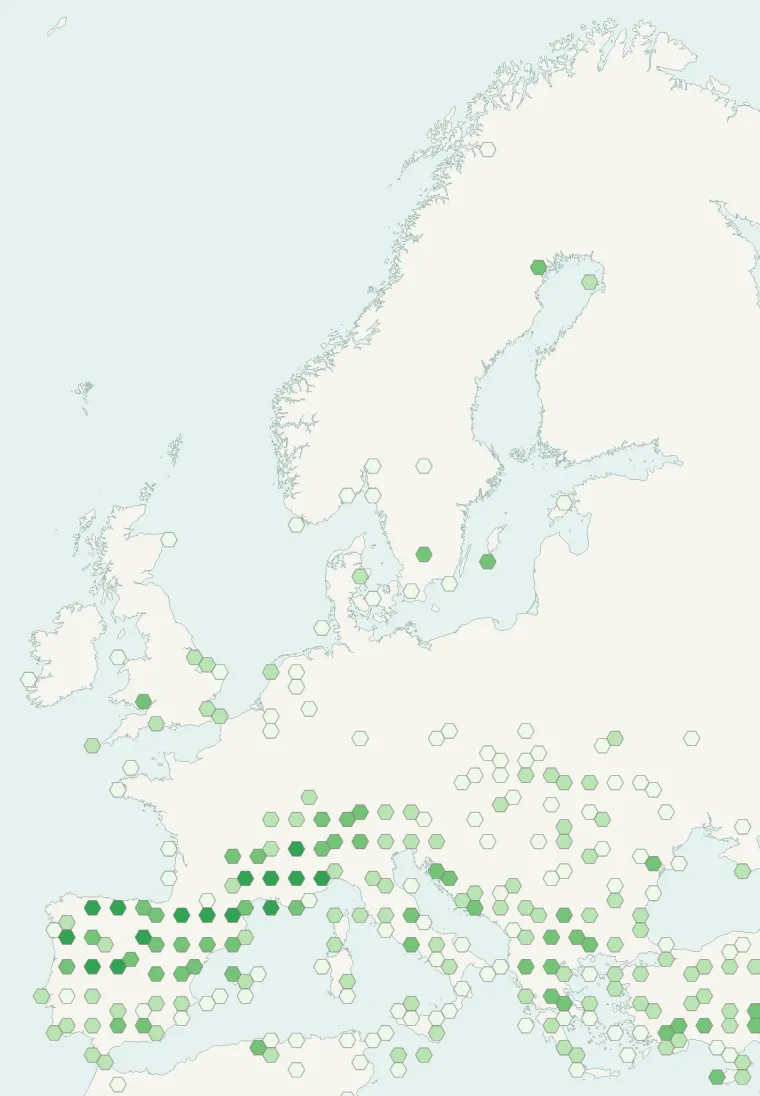
Records published on GBIF (CC0 and CC BY 4.0 licences): the darker the shade, the more records there are; they also reflect observation effort.
Atlas countries where it is recorded
Listen
-
0:34 · © Thomas SIGNEAU · CC BY-SA 4.0 · Wikimedia Commons · Original file
From Wikipedia
The common rock thrush (Monticola saxatilis), also known as the rufous-tailed rock thrush or simply rock thrush, is a species of chat that breeds in southern Europe across Central Asia to northern China. This species is strongly migratory, all populations wintering in Africa south of the Sahara. It is an uncommon visitor to northern Europe. Its range has contracted somewhat at the periphery in recent decades due to habitat destruction.
Source: Wikipedia, article “Common rock thrush” (version of August 29, 2026) · history and authors · licence CC BY-SA 4.0 · shortened excerpt
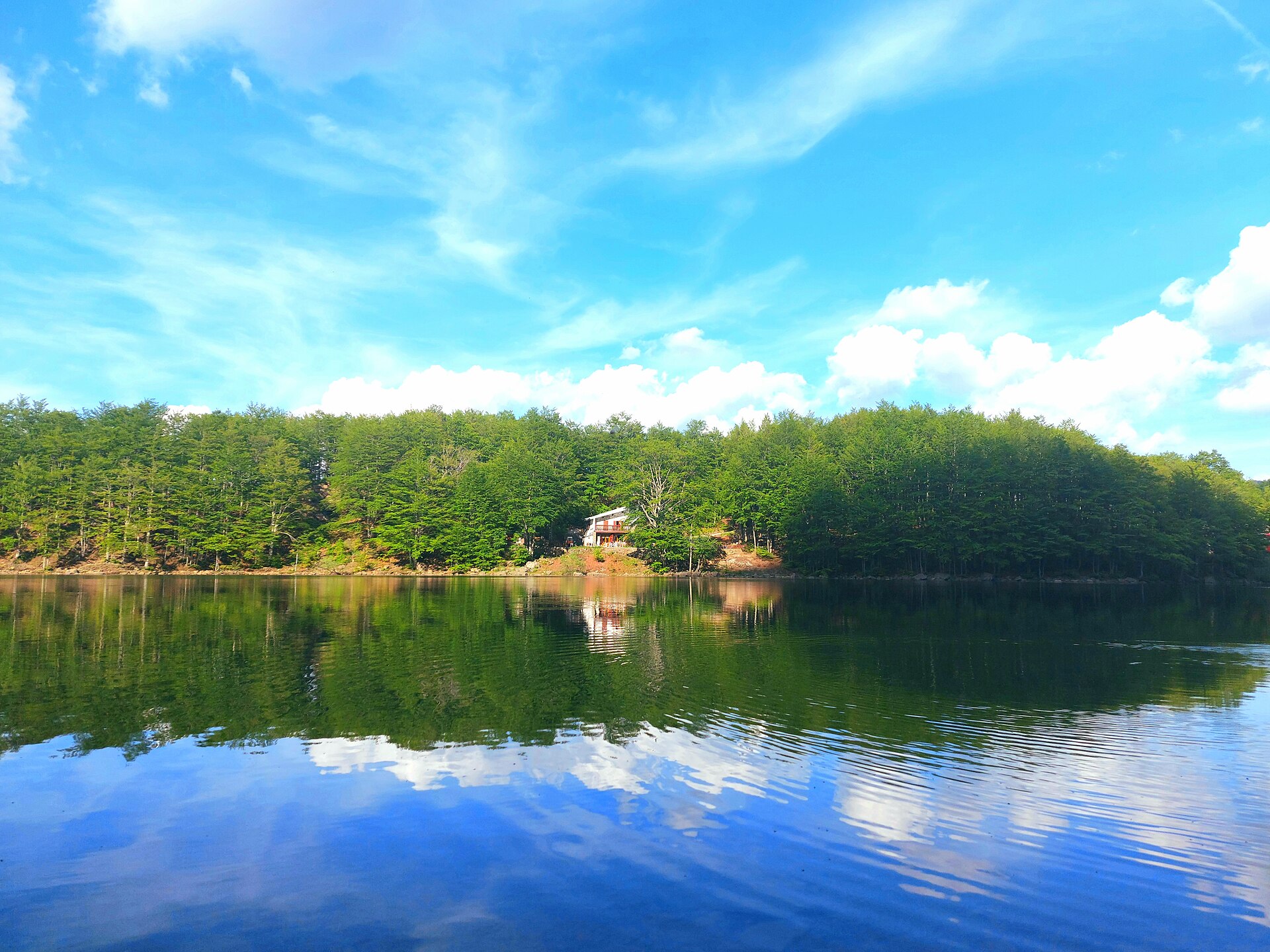
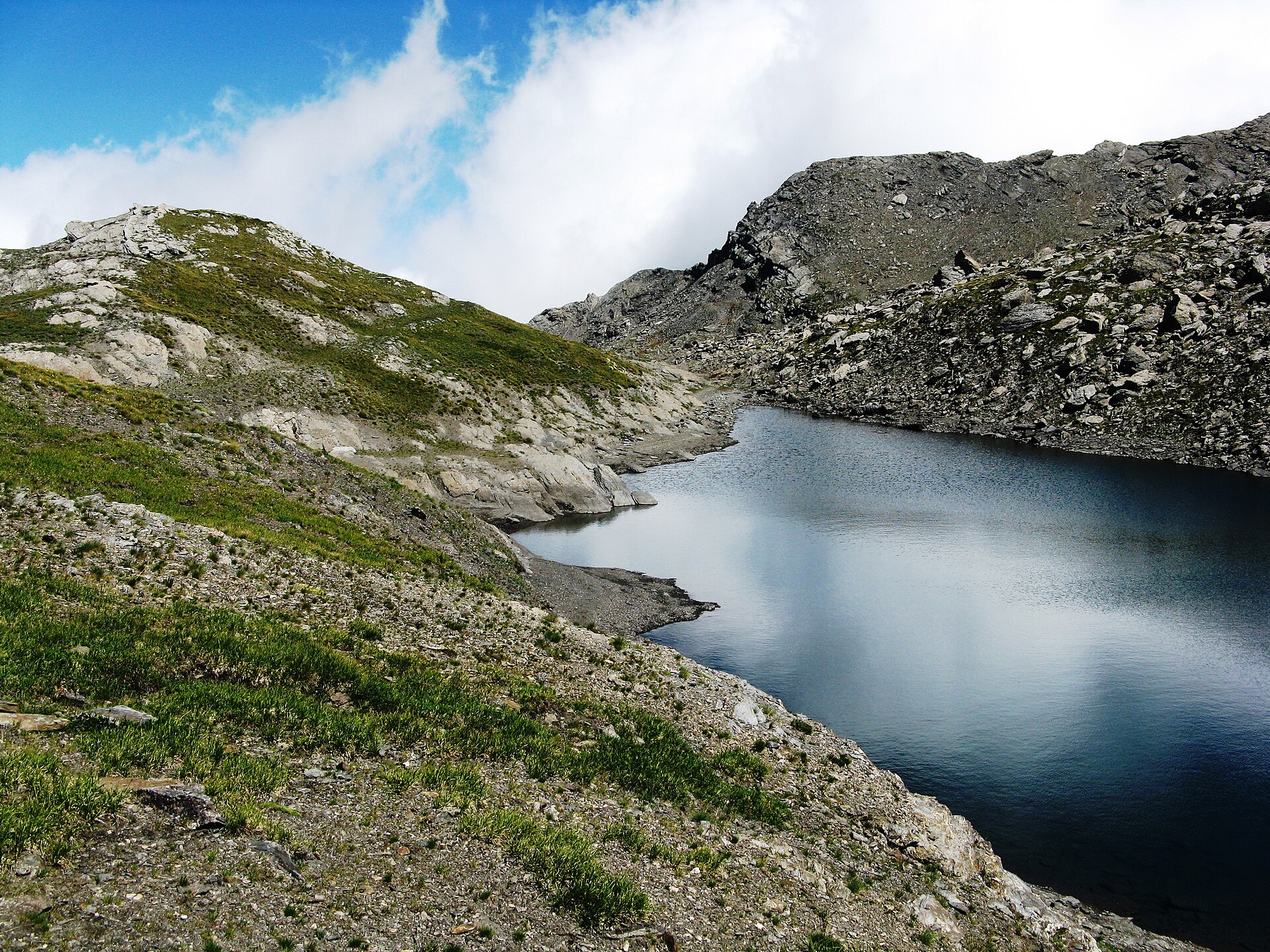
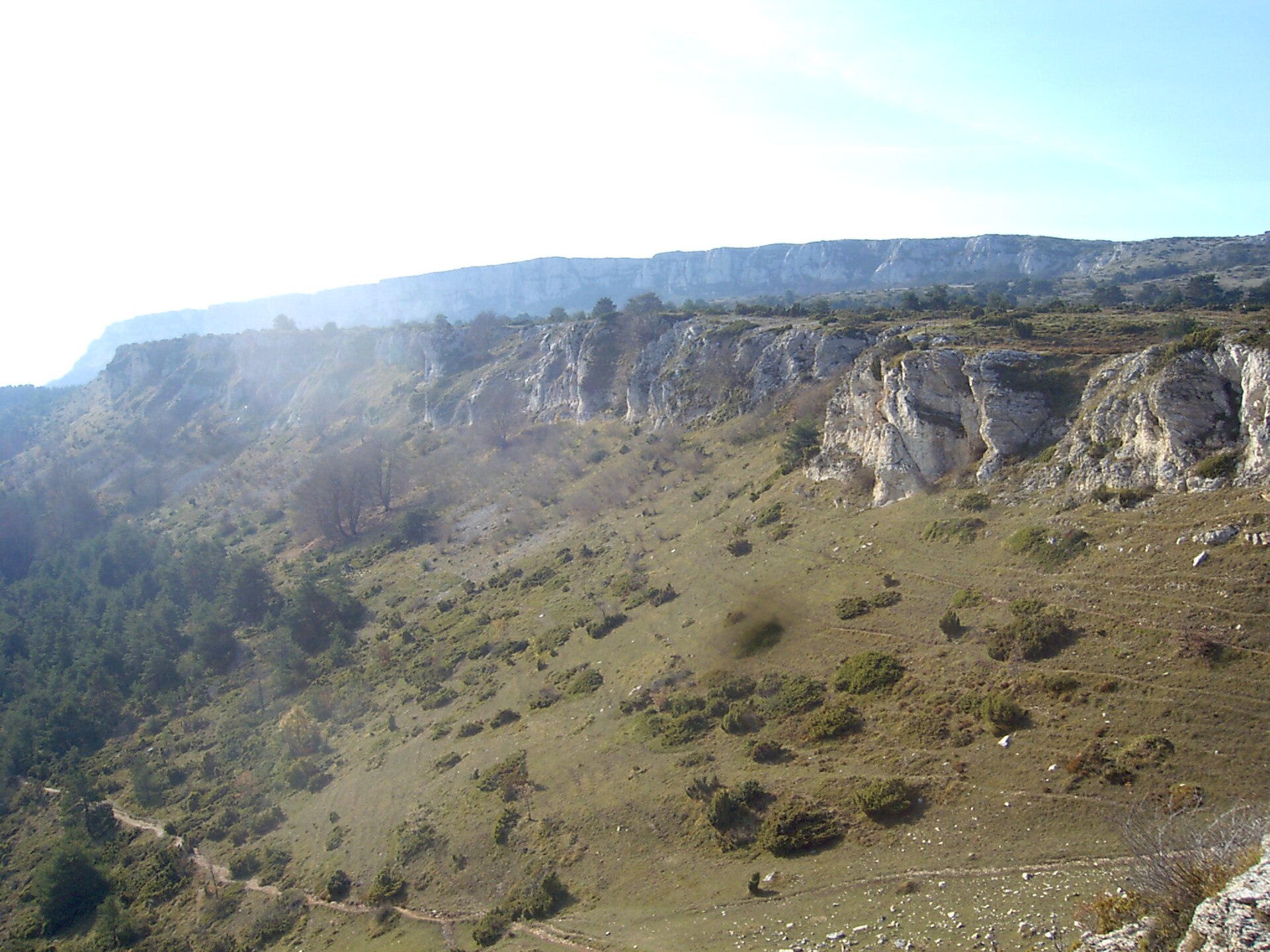
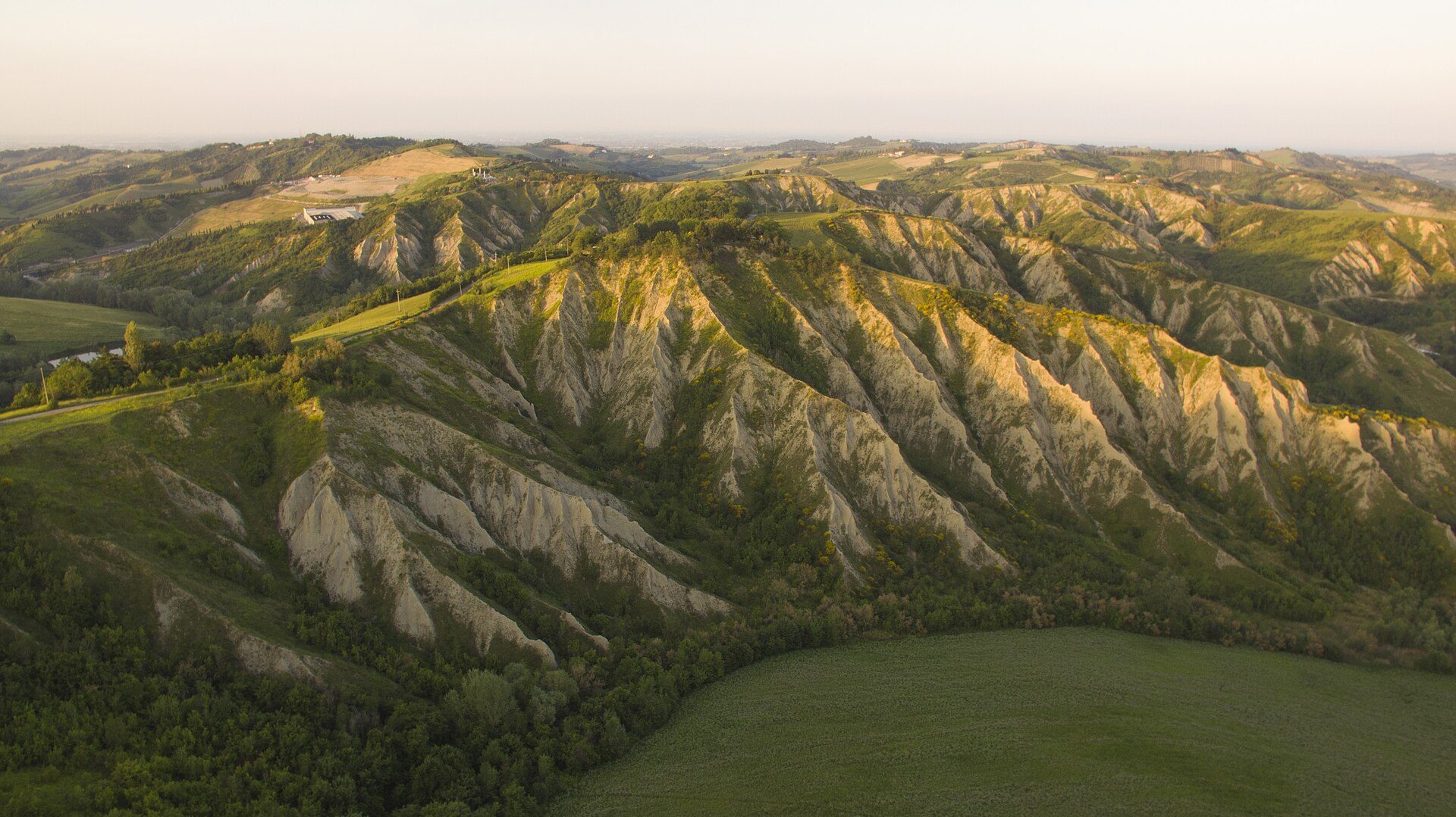
Protected areas where it is recorded
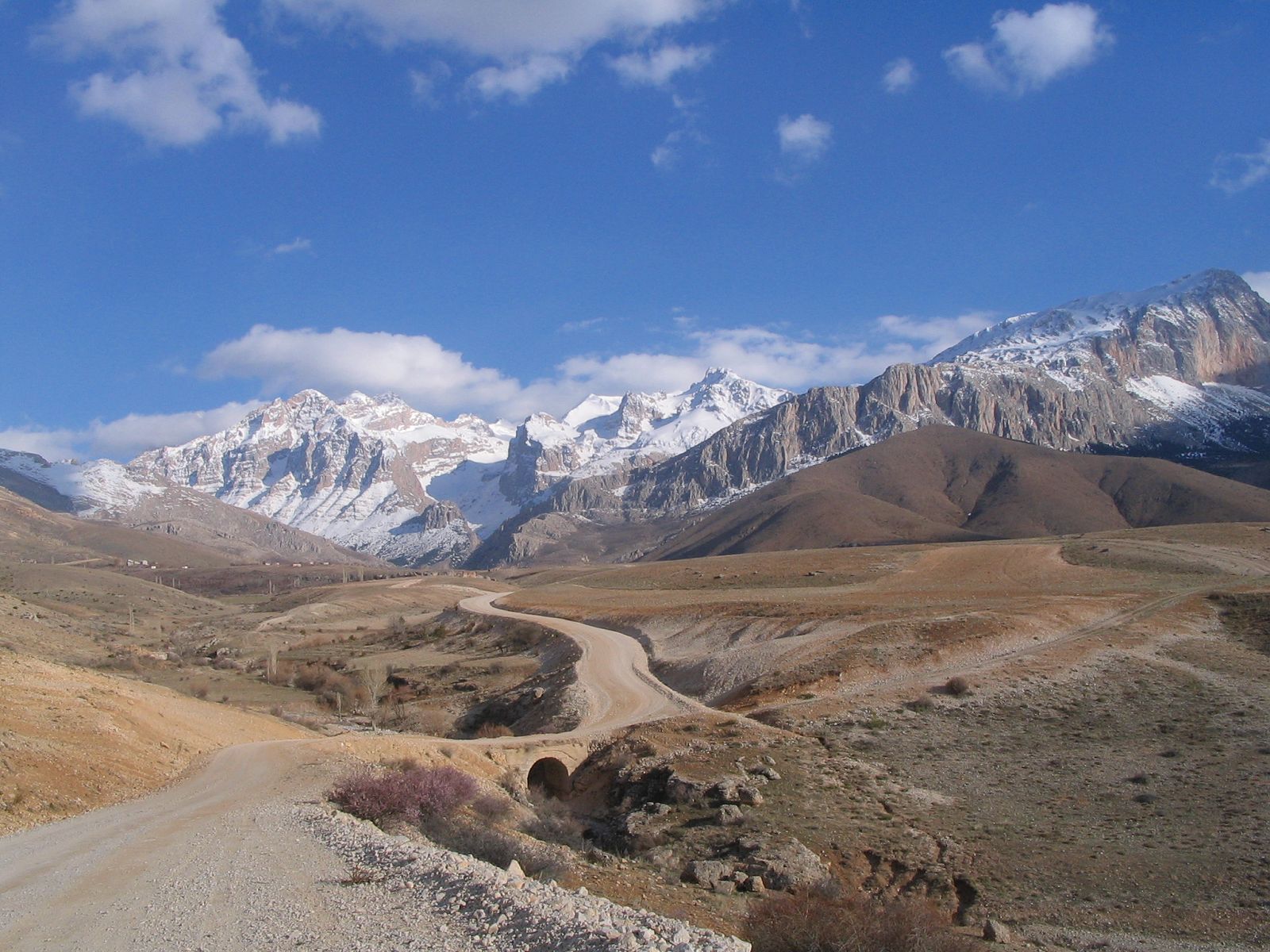
366 records

88 records
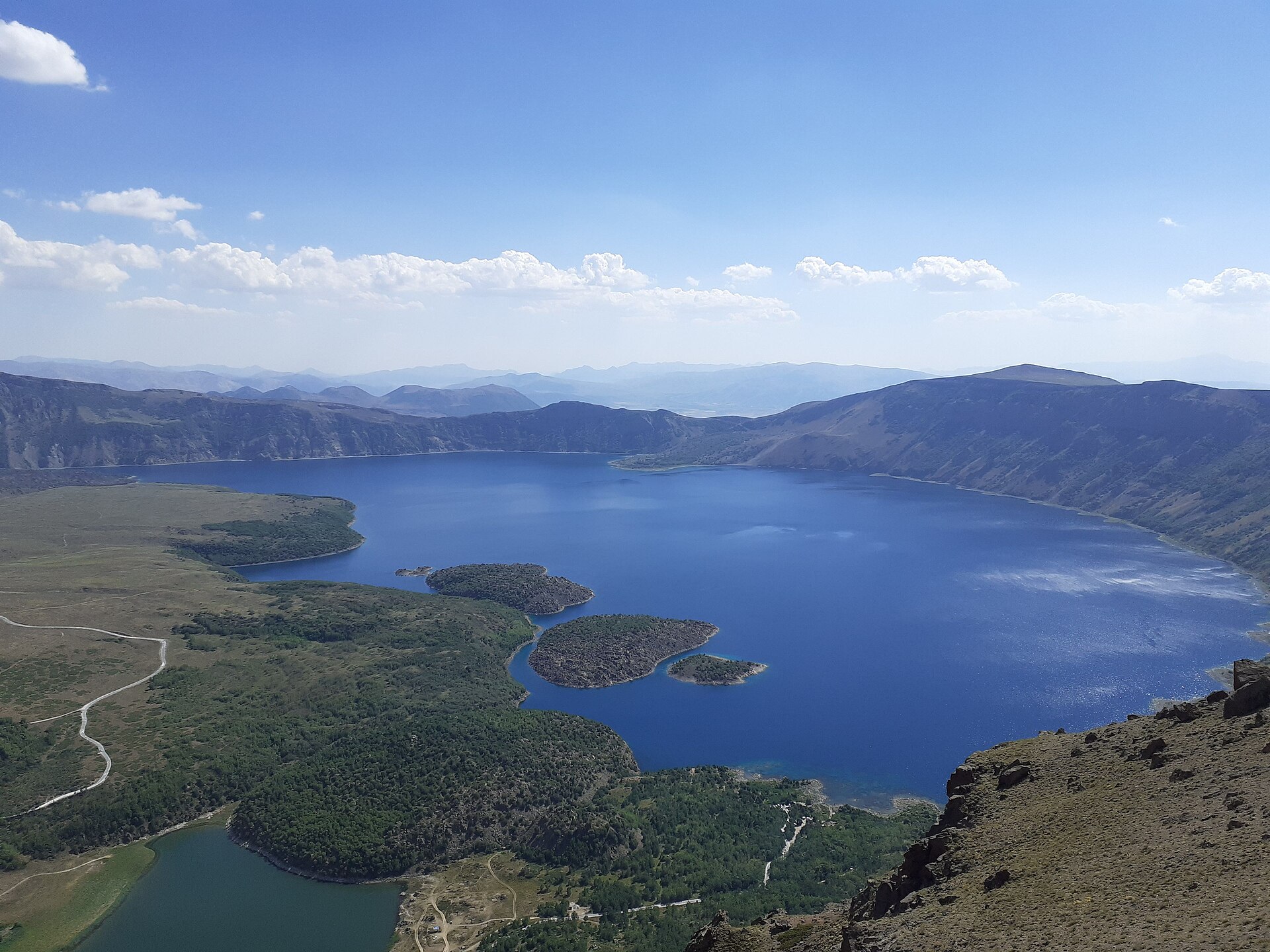
70 records
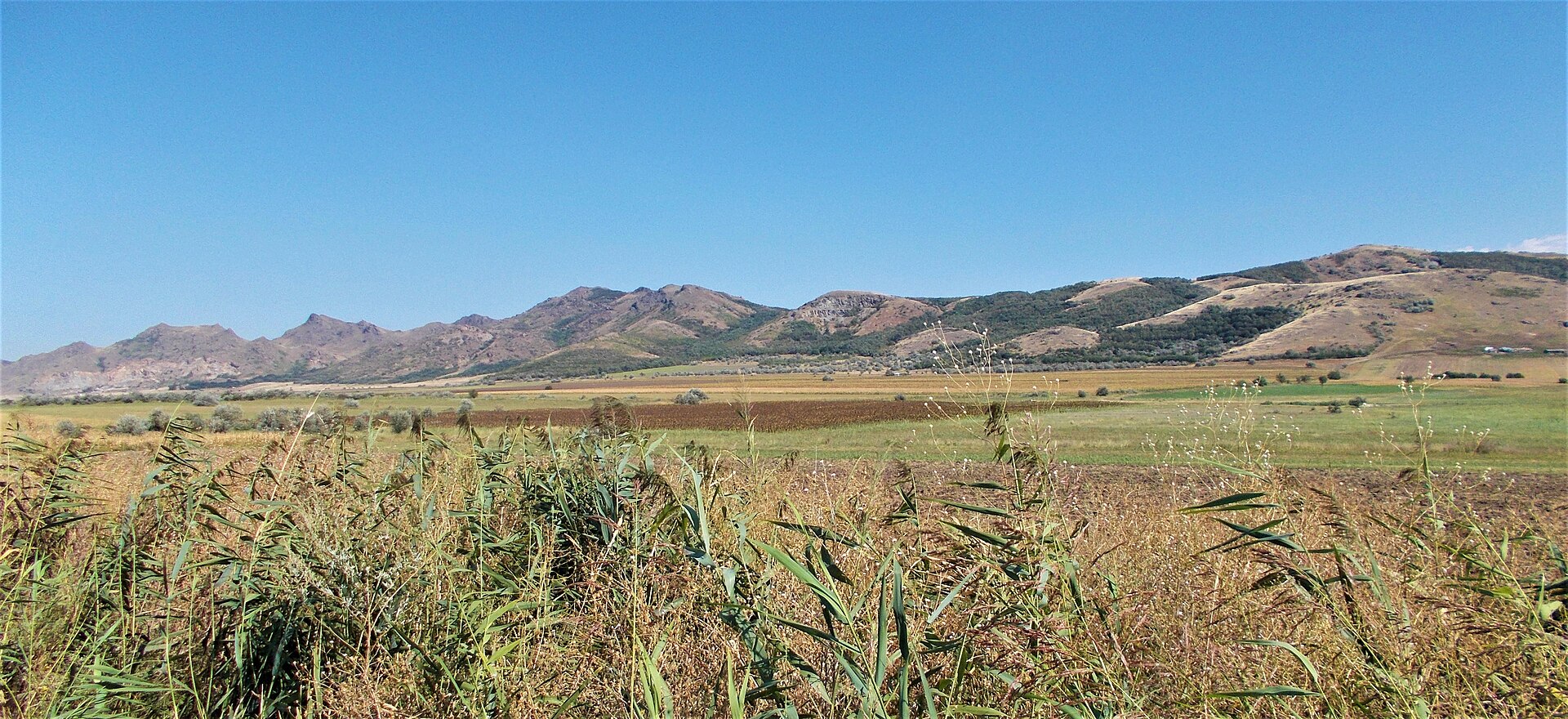
68 records

21 records

12 records

10 records

9 records
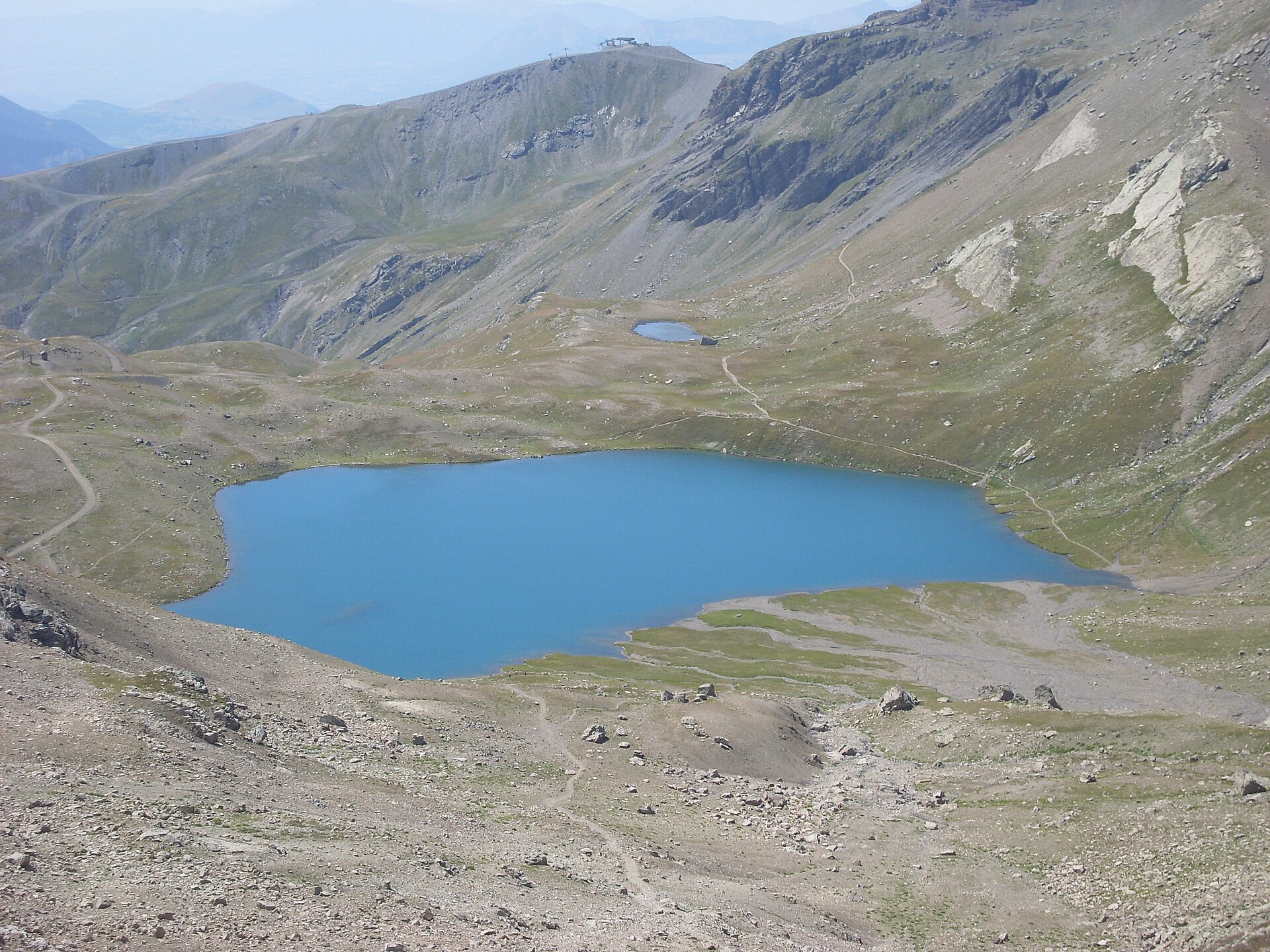
4 records

Natura 2000 · breeding
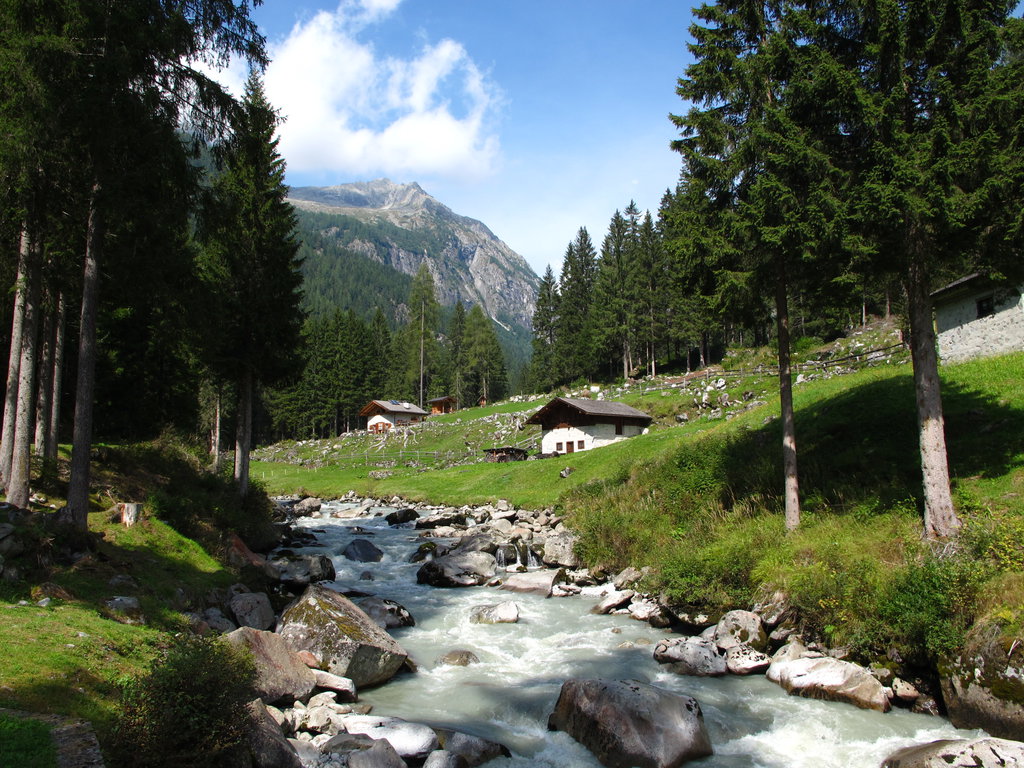
Natura 2000 · breeding
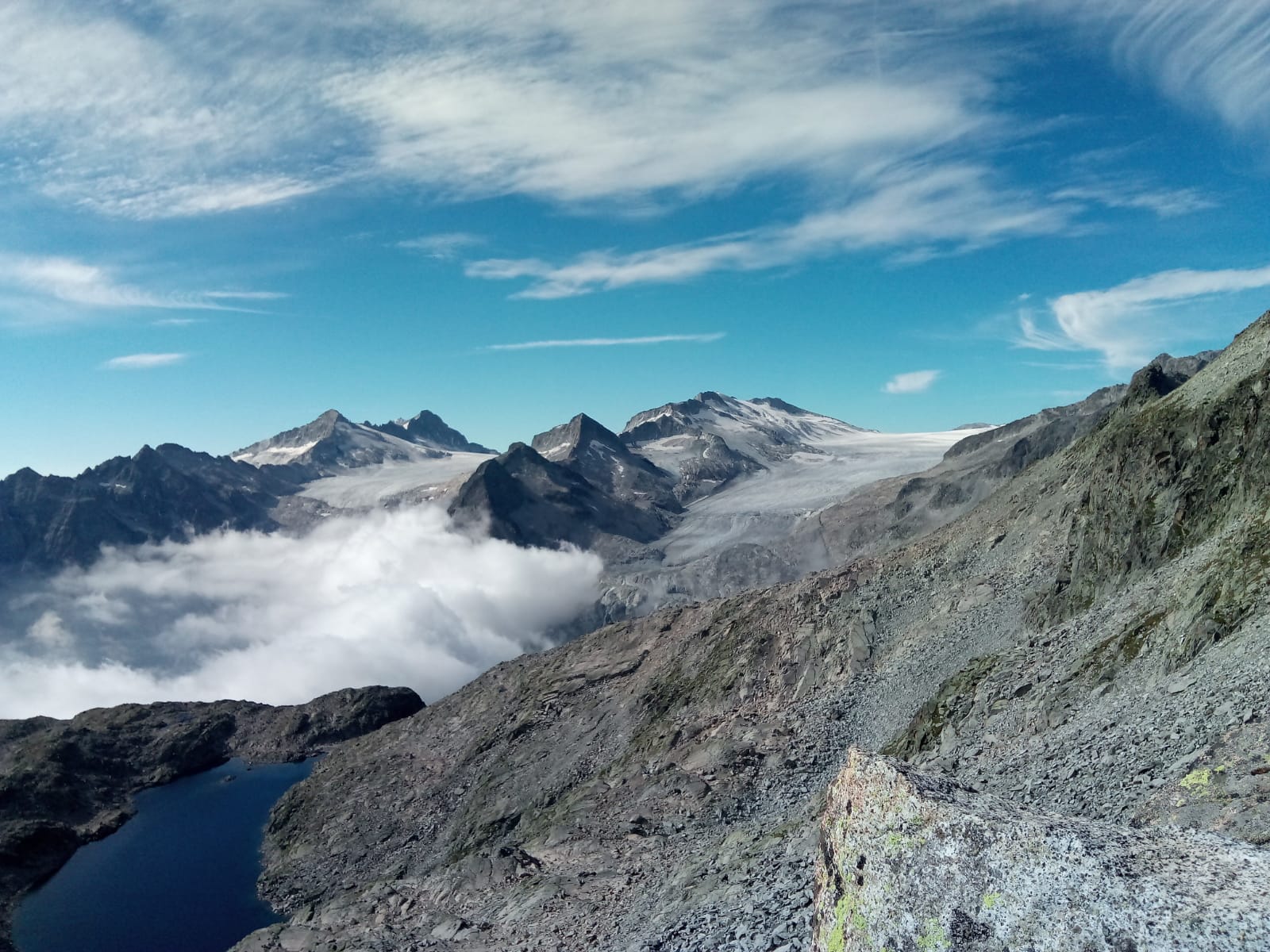
Natura 2000 · breeding
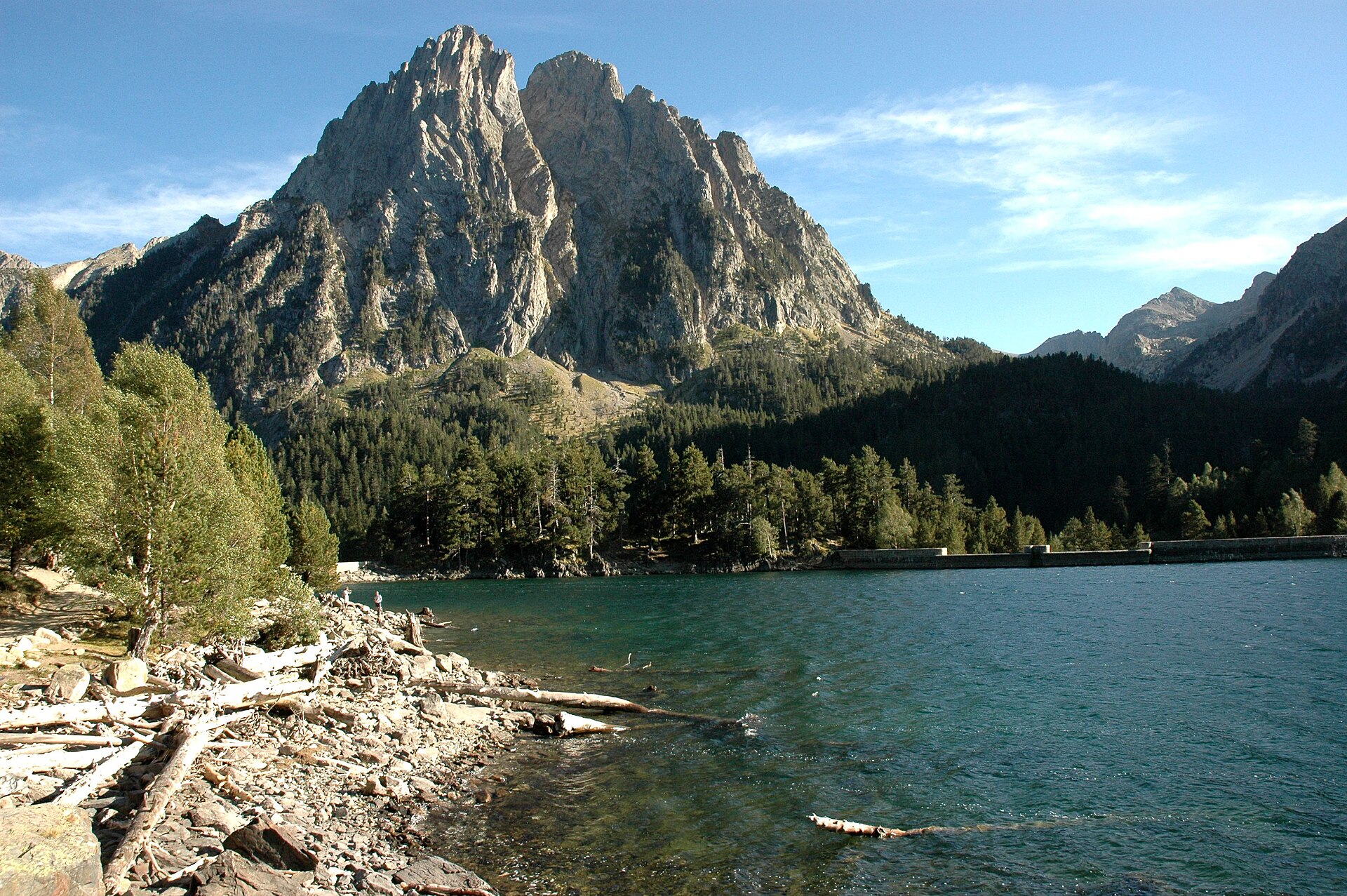
Natura 2000 · breeding
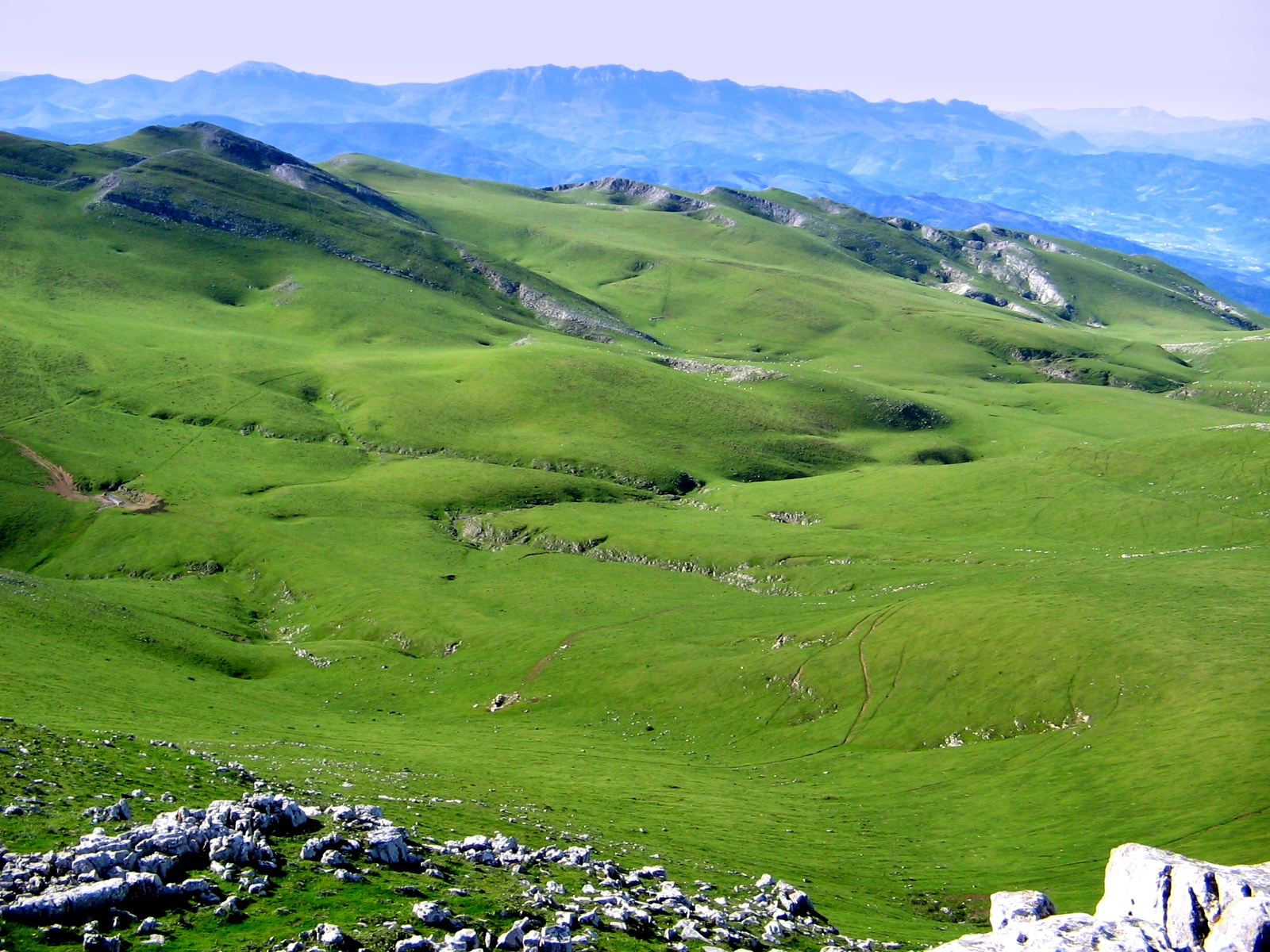
Natura 2000 · breeding

Natura 2000 · breeding

Natura 2000 · passage, breeding
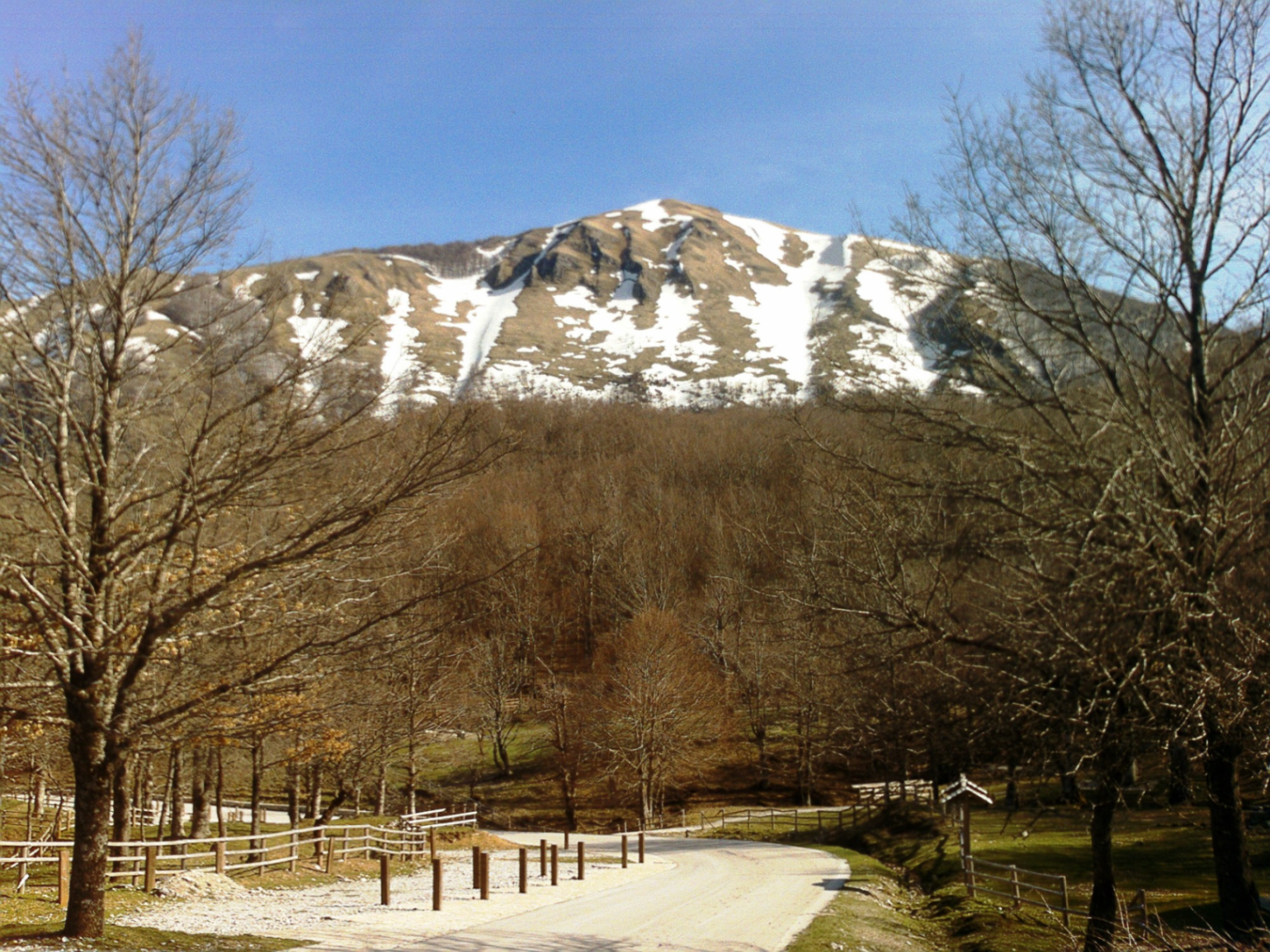
Natura 2000 · breeding
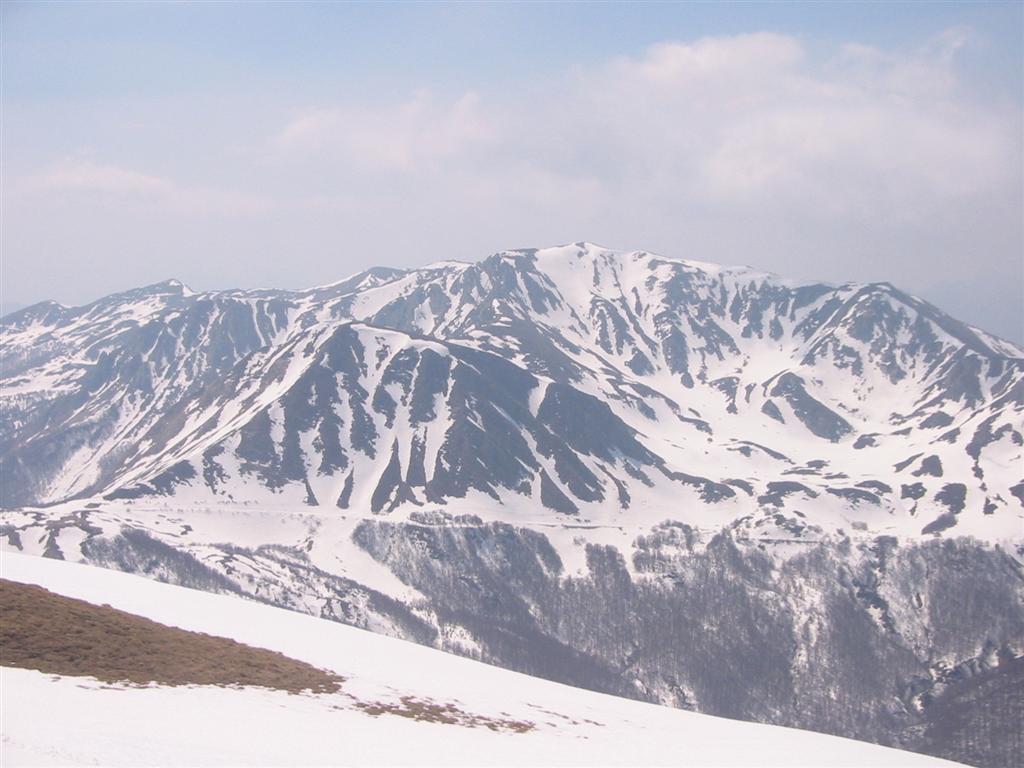
Natura 2000 · breeding, passage

Natura 2000 · passage, breeding
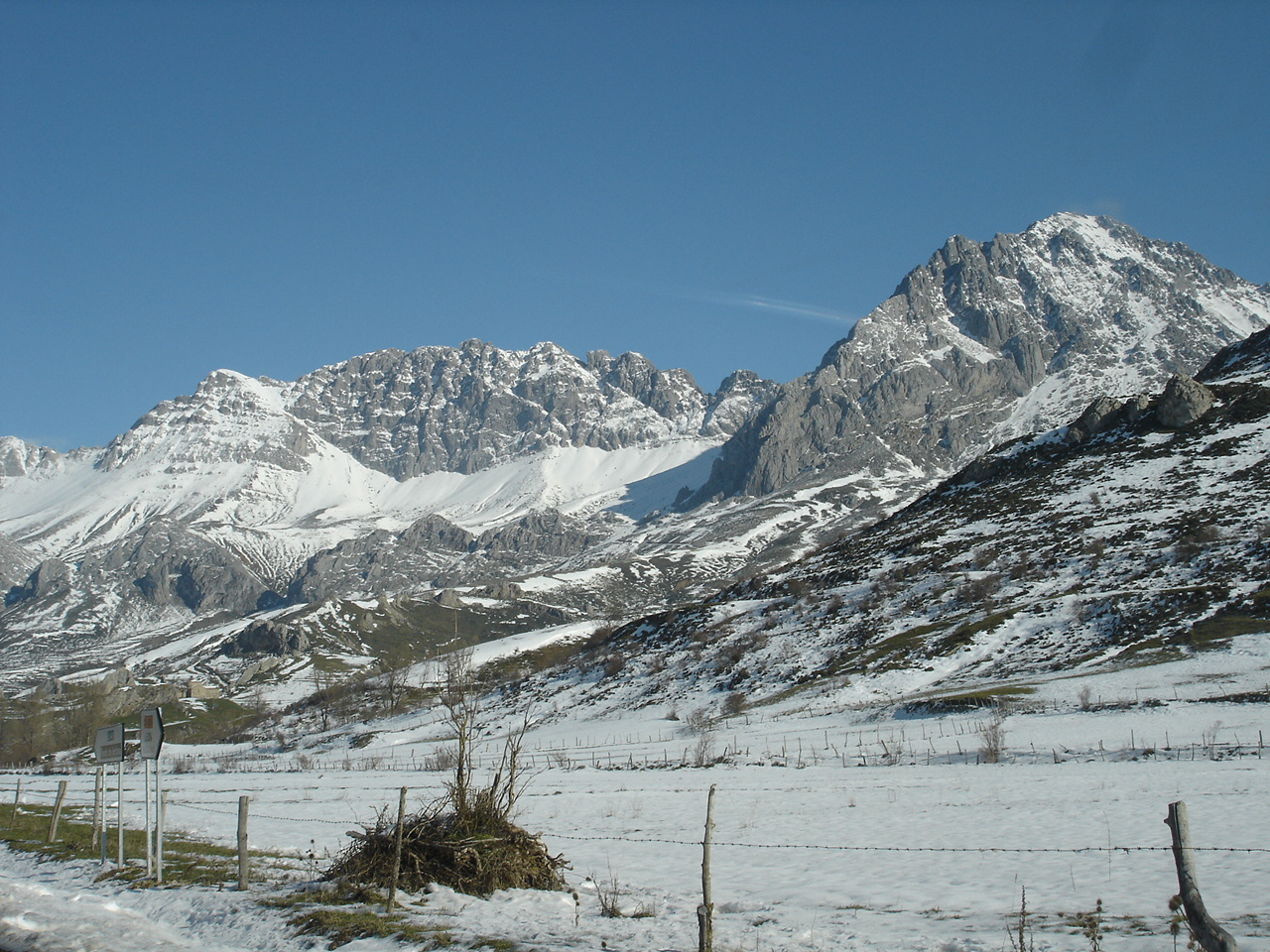
Natura 2000 · breeding
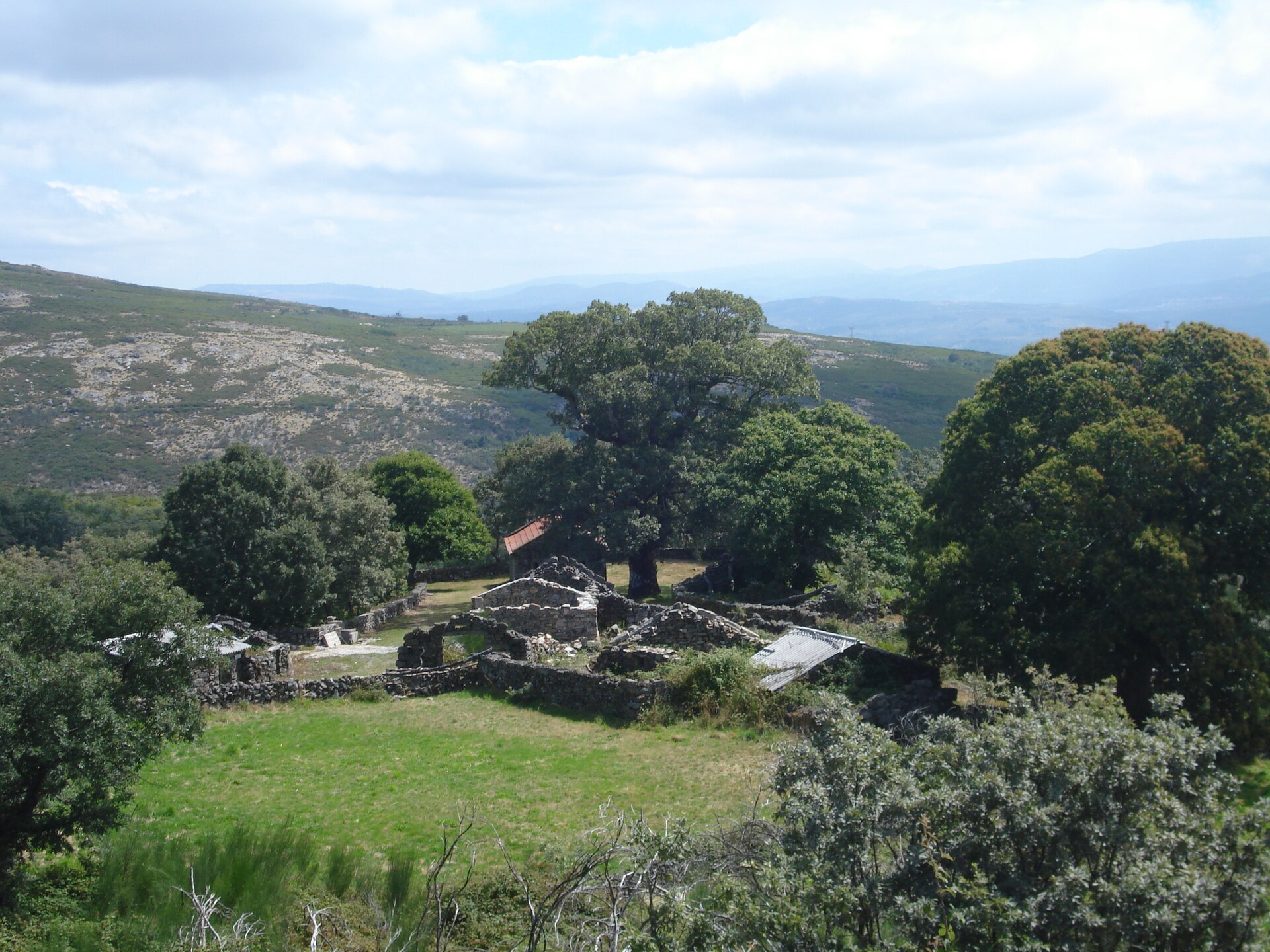
Natura 2000 · breeding
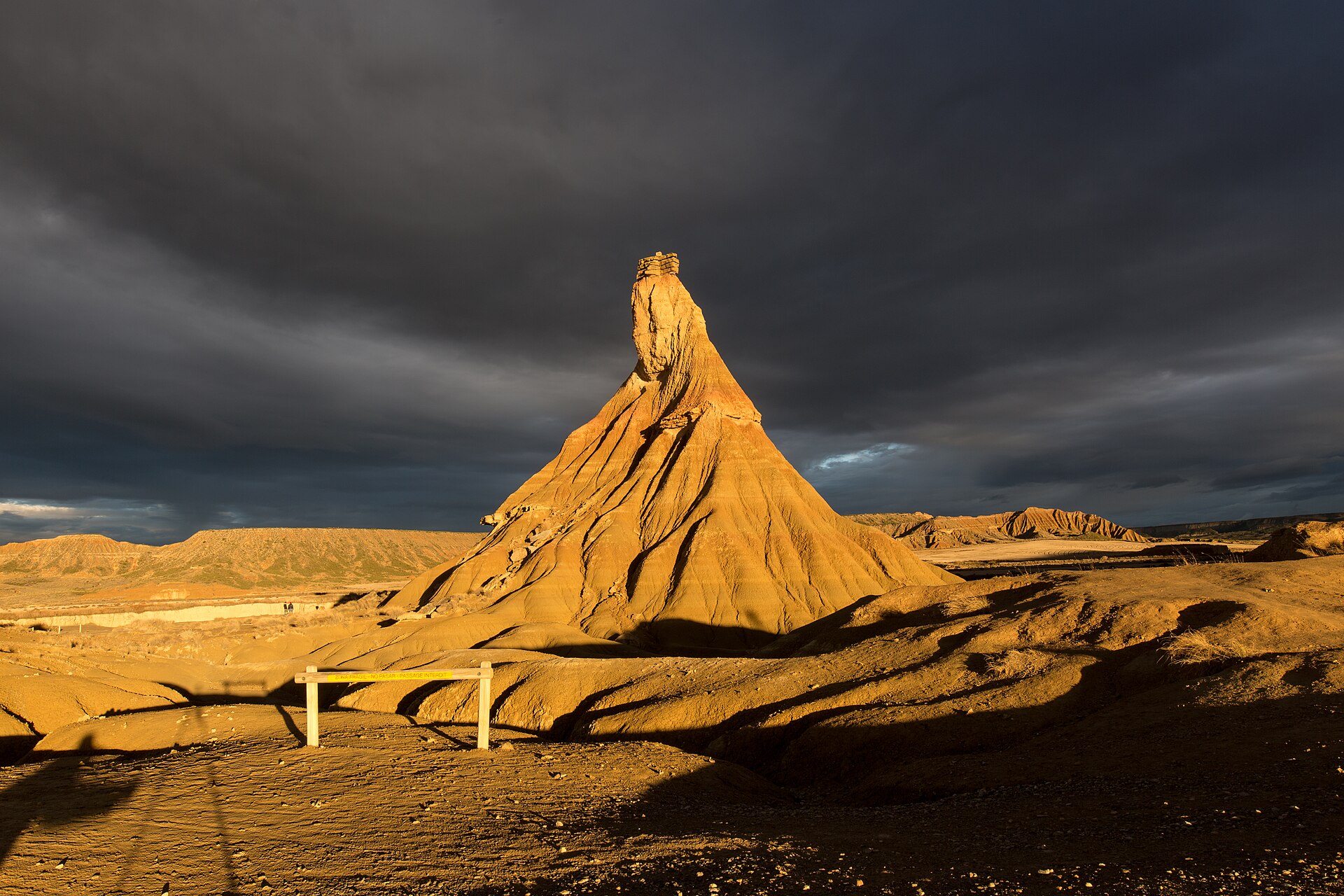
Natura 2000 · breeding
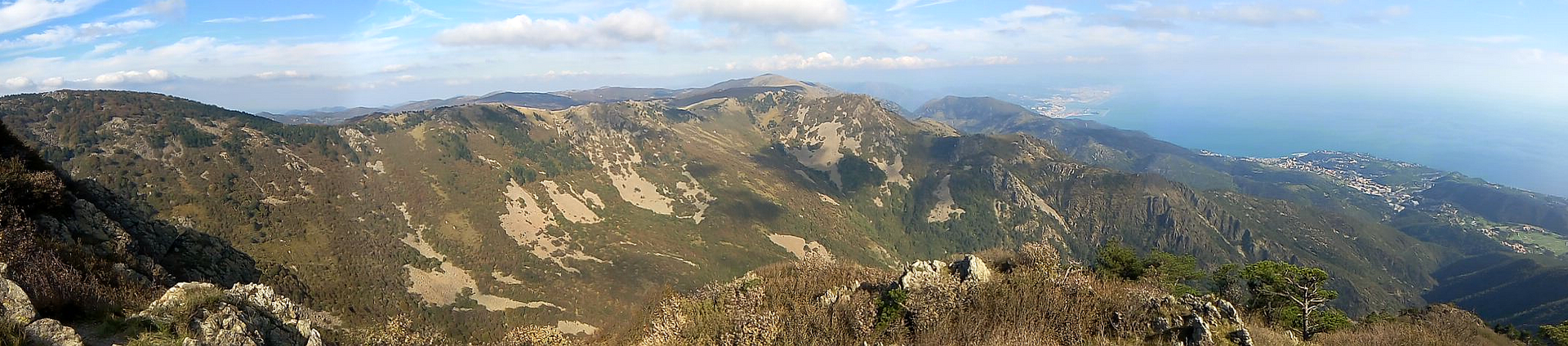
Natura 2000 · breeding, passage
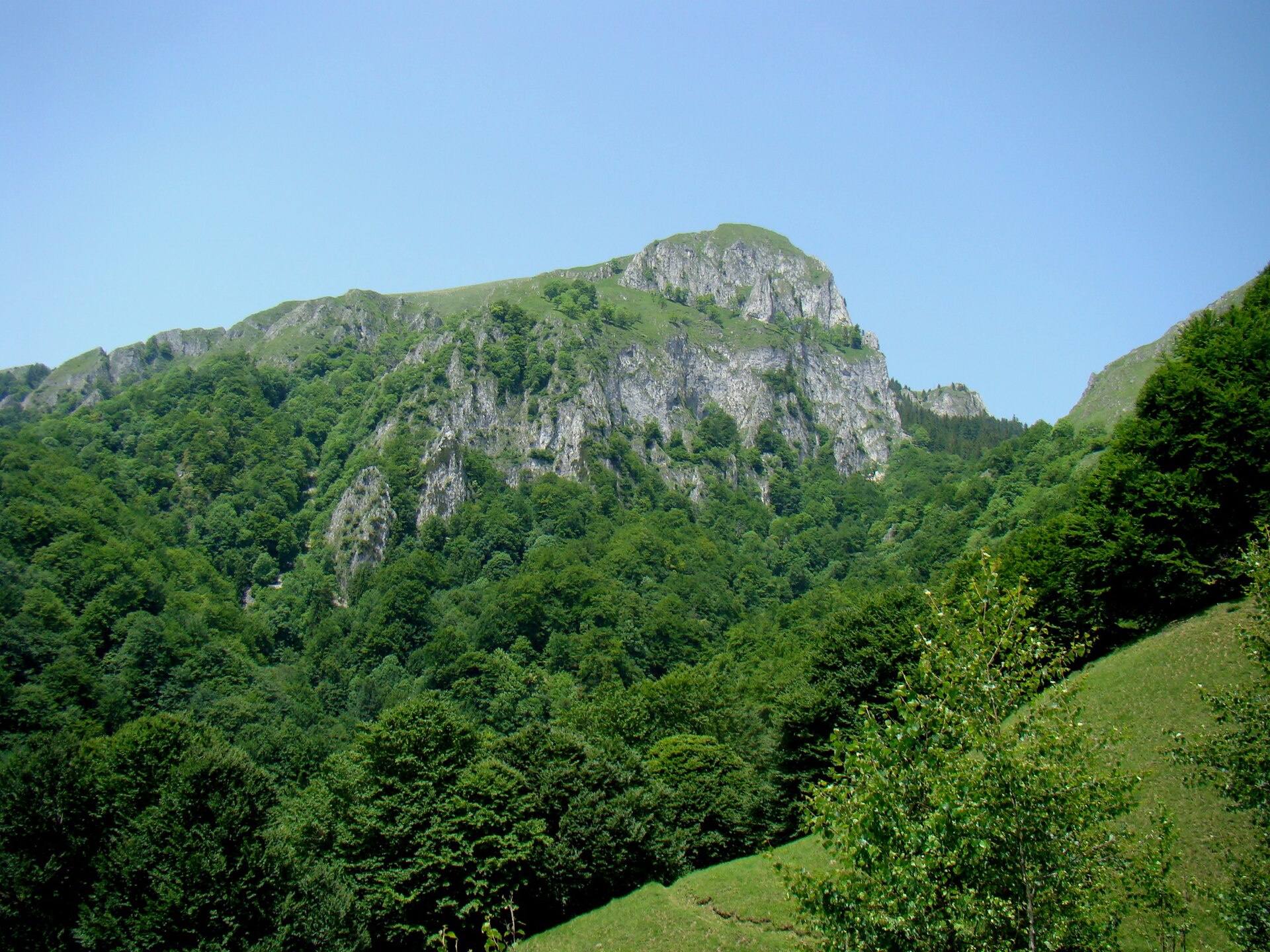
Natura 2000 · breeding
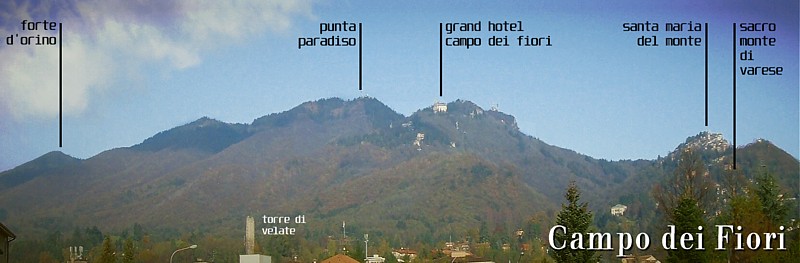
Natura 2000 · breeding

Natura 2000 · breeding
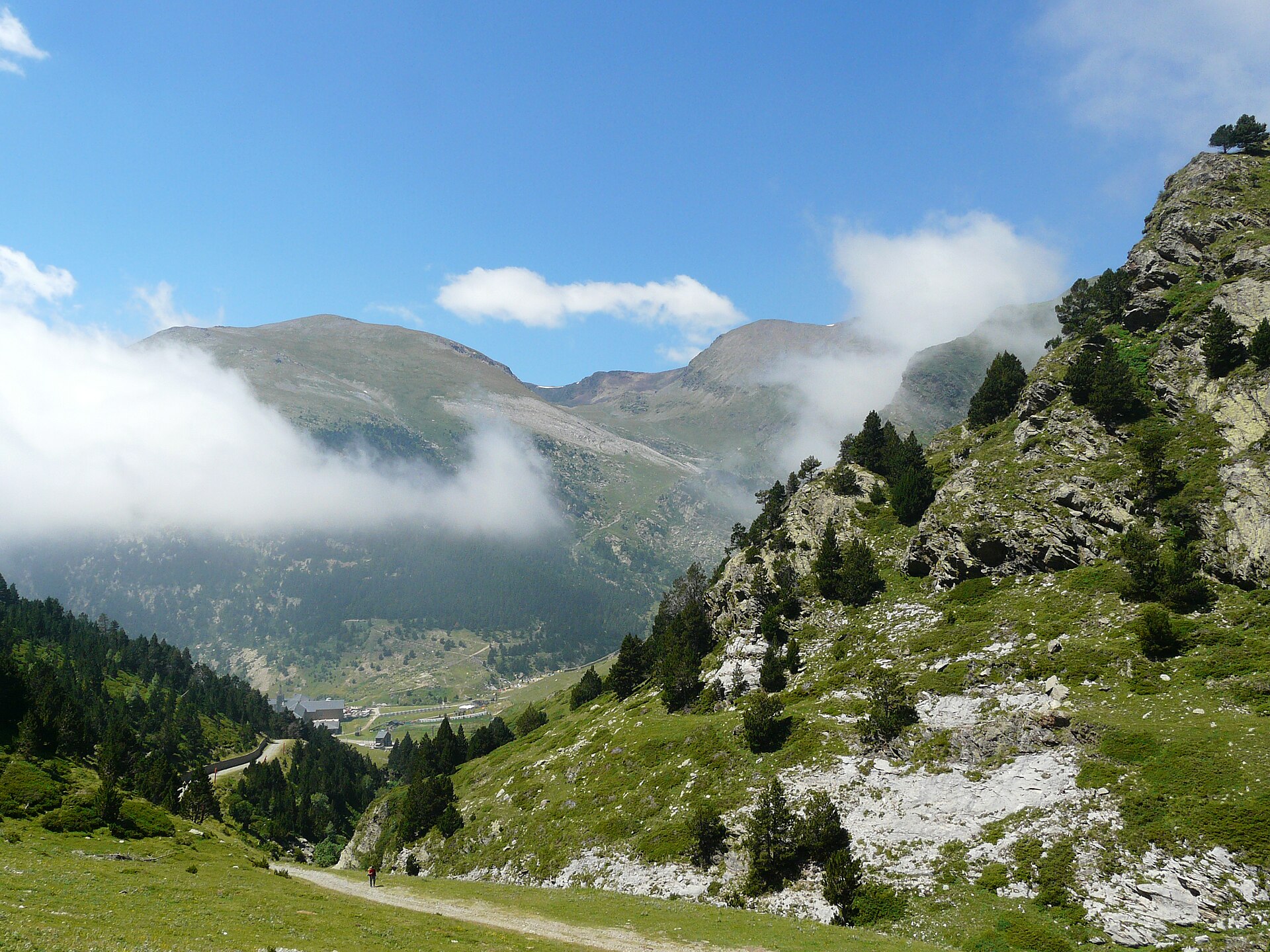
Natura 2000 · resident

Natura 2000 · breeding
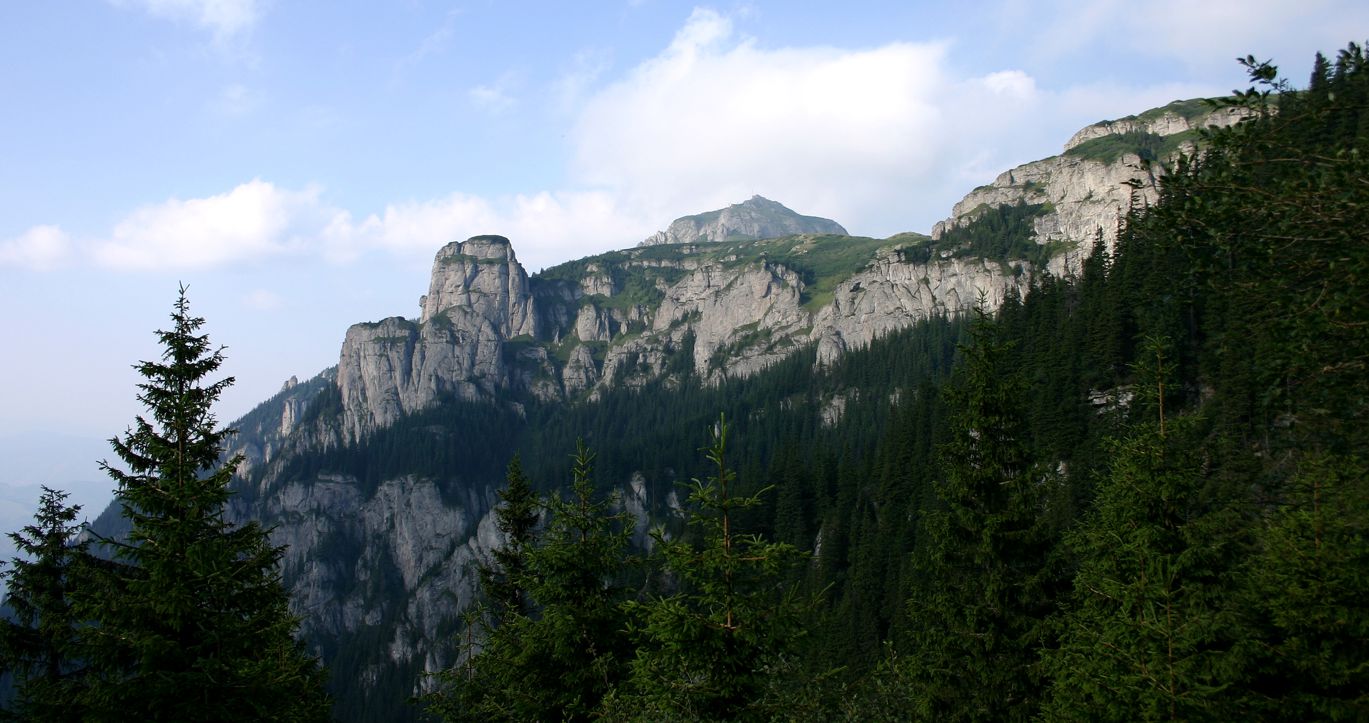
Natura 2000 · breeding
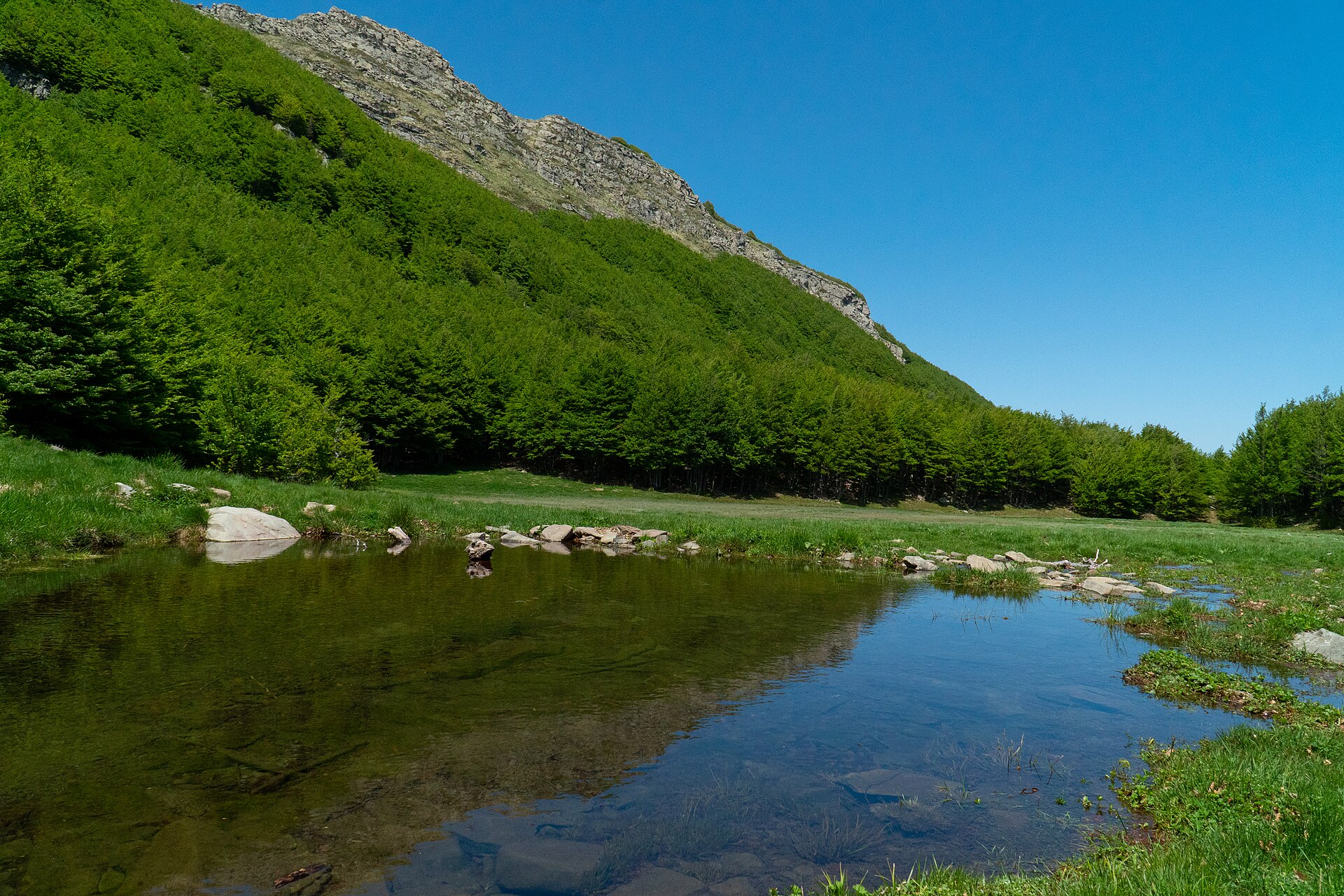
Natura 2000 · breeding, passage
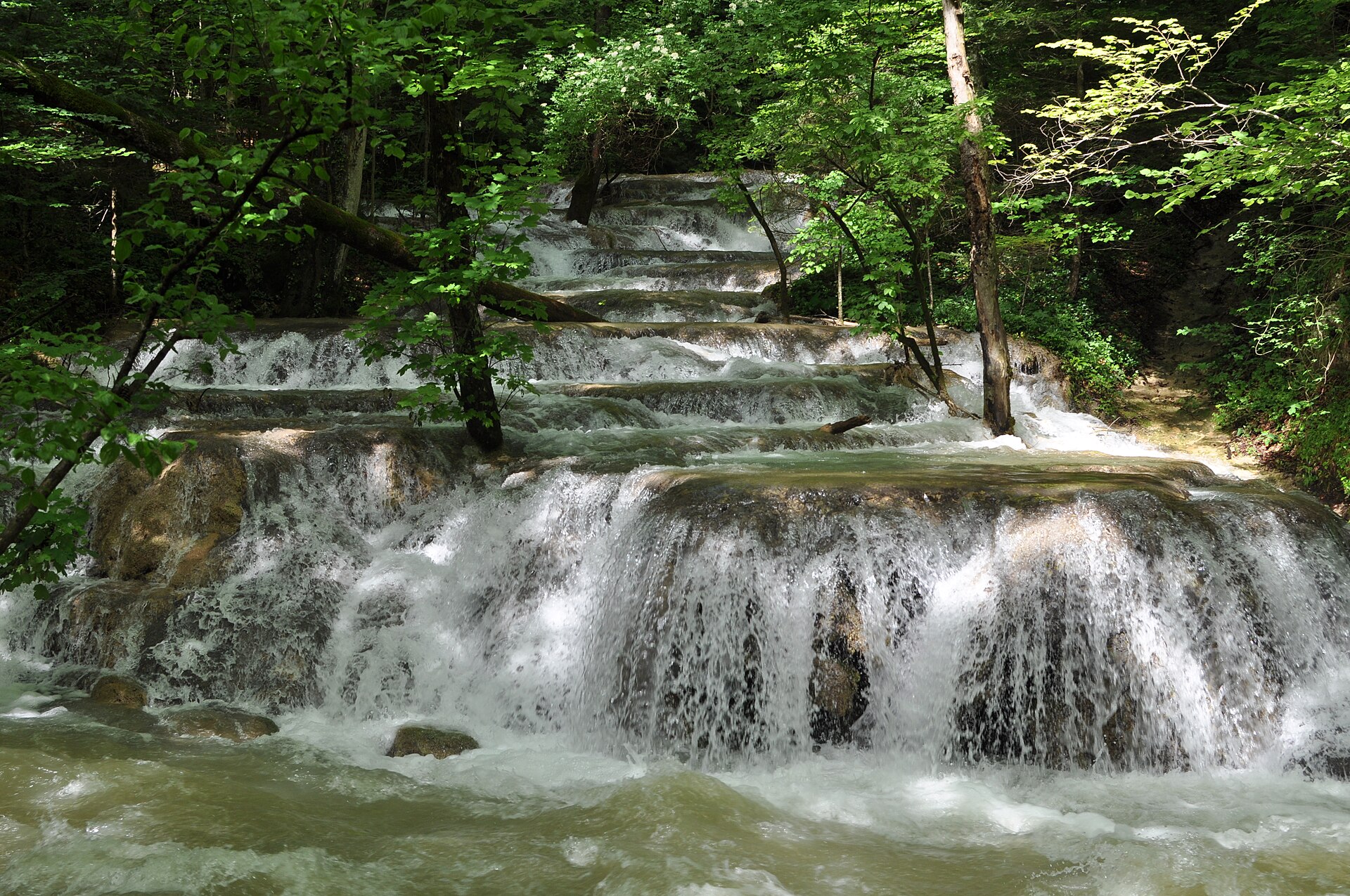
Natura 2000 · breeding

Natura 2000 · passage
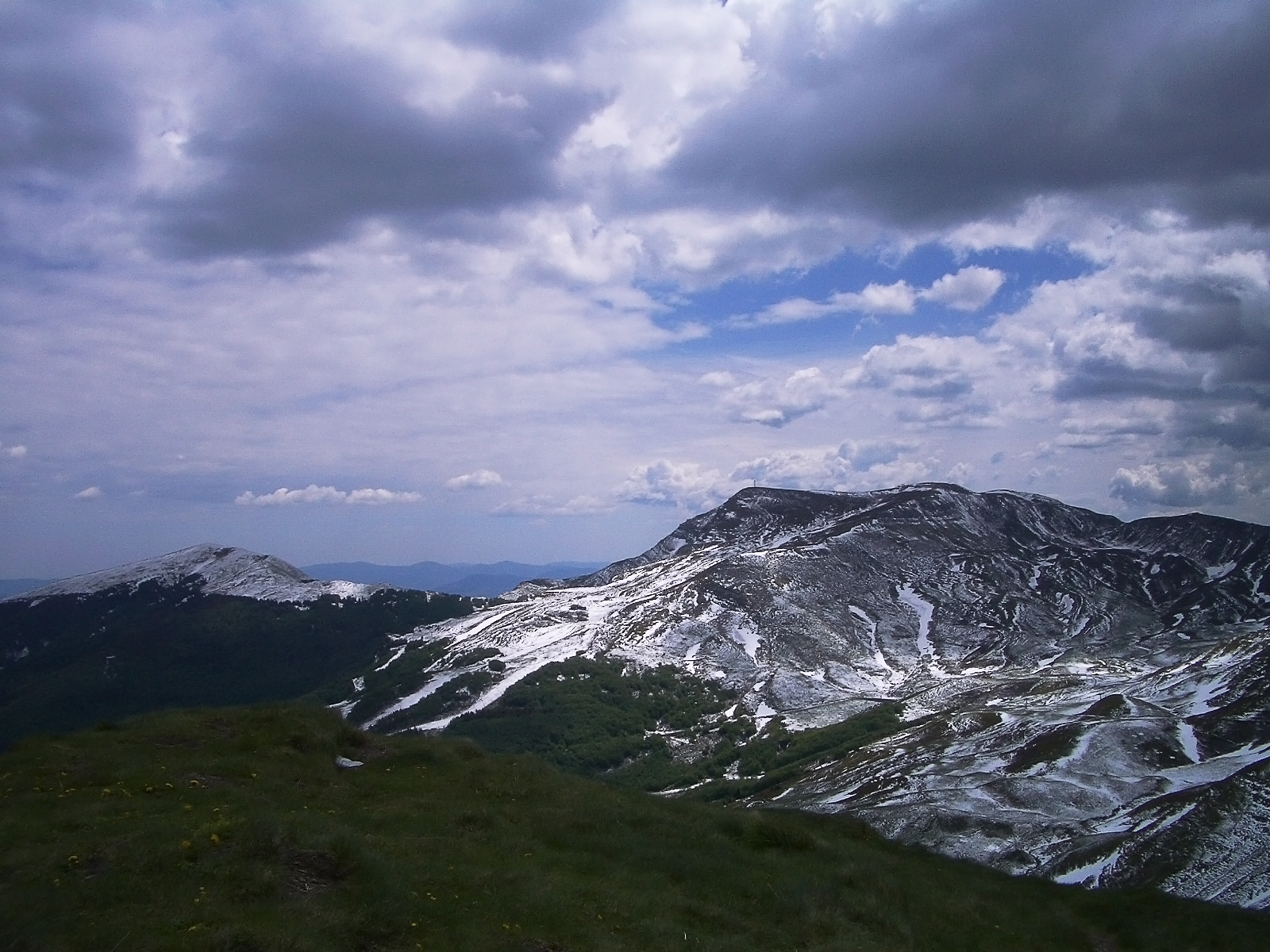
Natura 2000 · passage, breeding
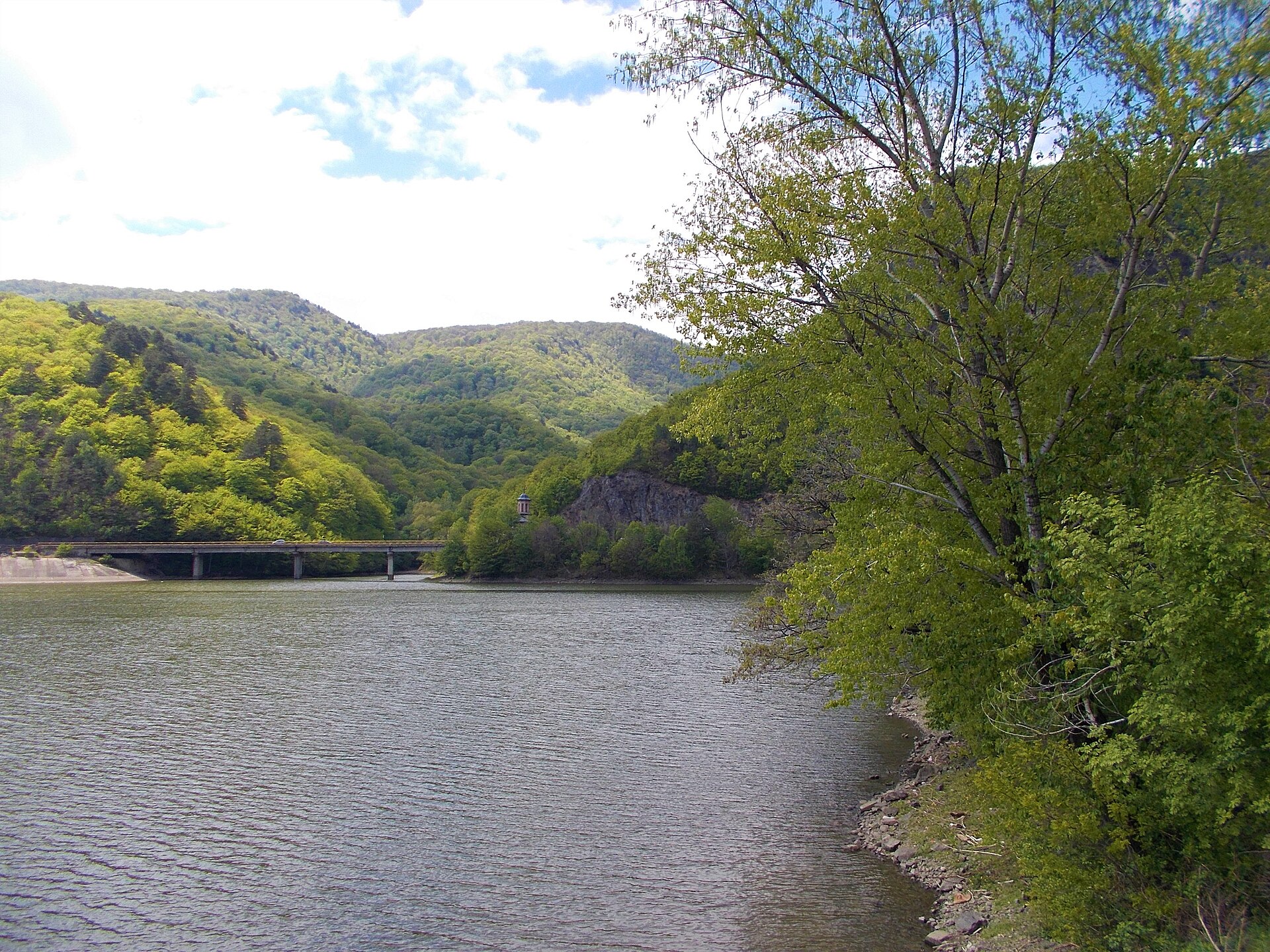
Natura 2000 · breeding
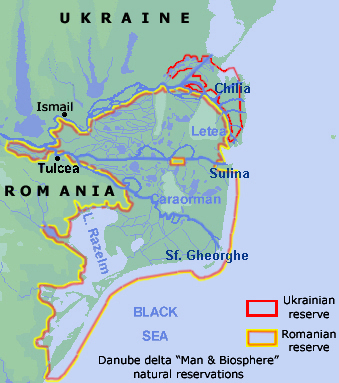
Natura 2000 · breeding
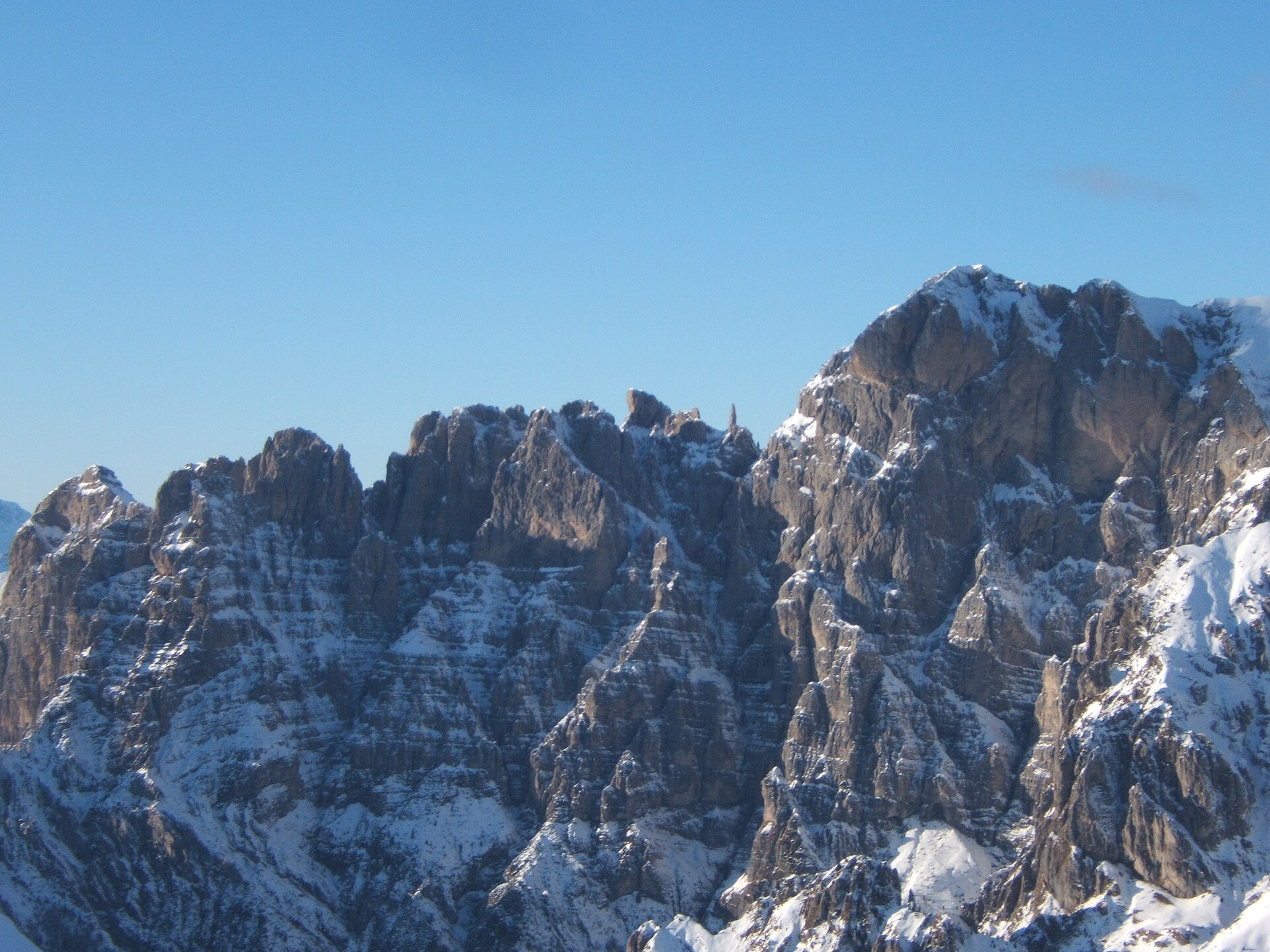
Natura 2000 · breeding
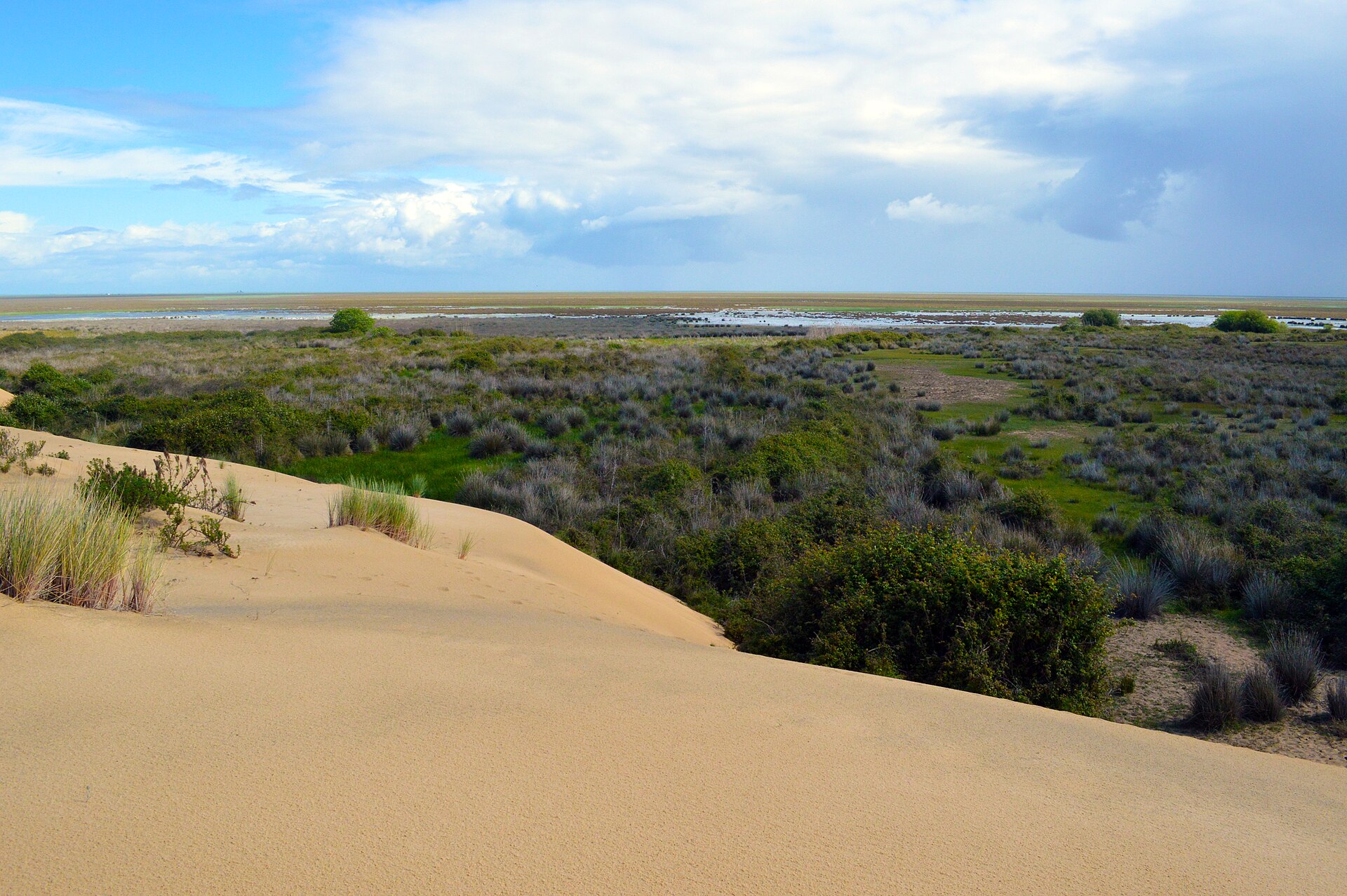
Natura 2000 · passage
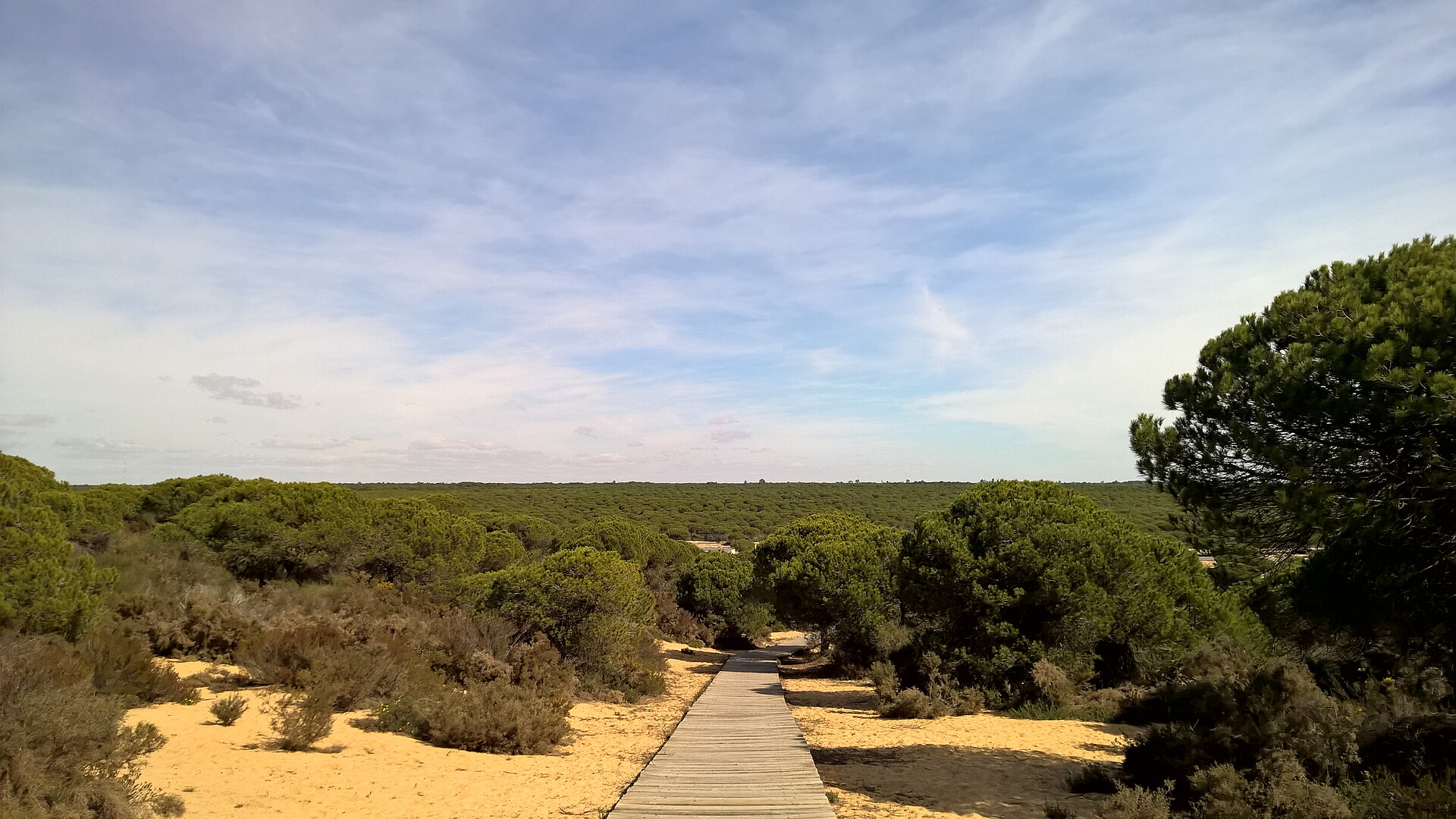
Natura 2000 · passage
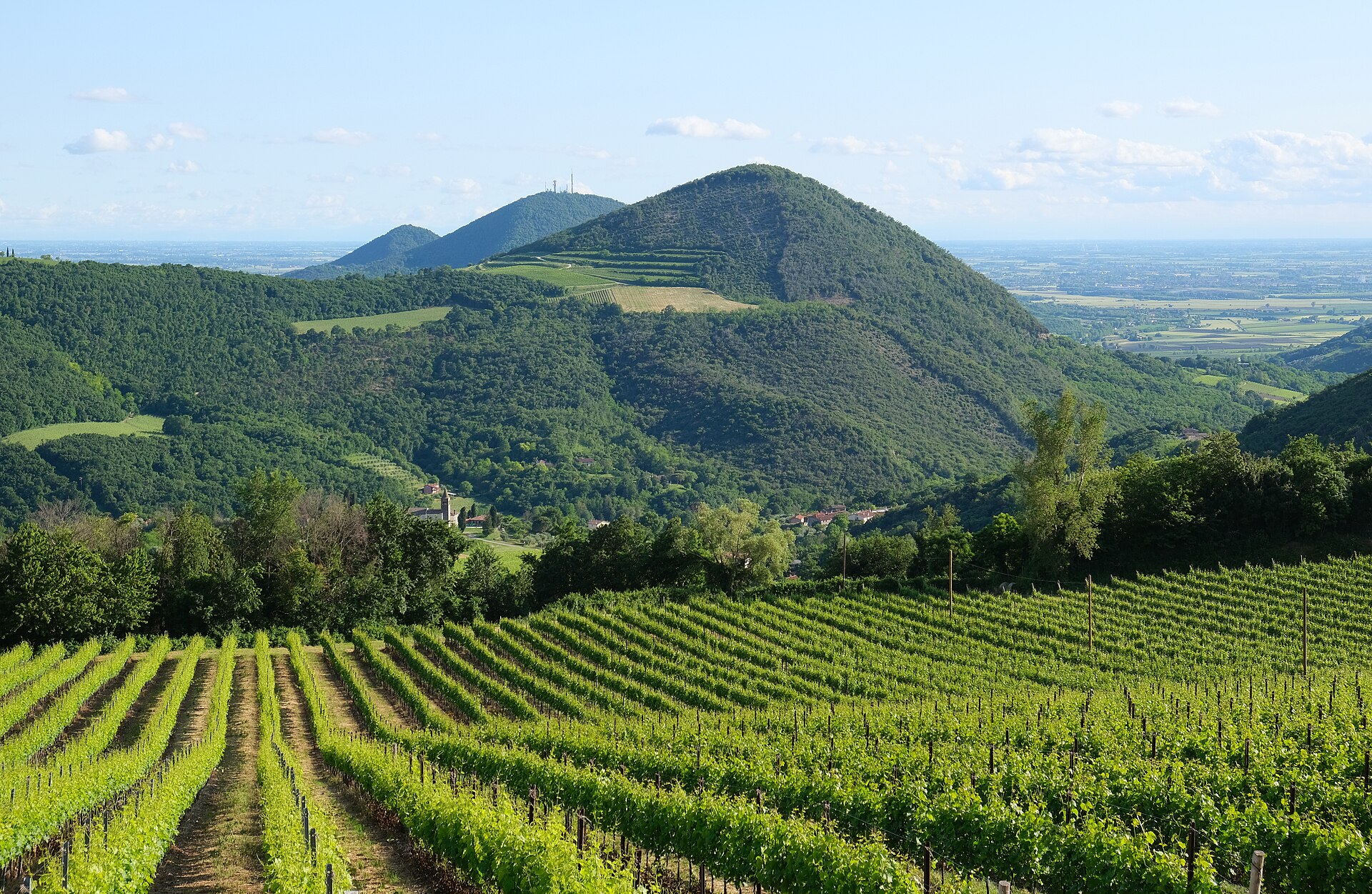
Natura 2000 · breeding
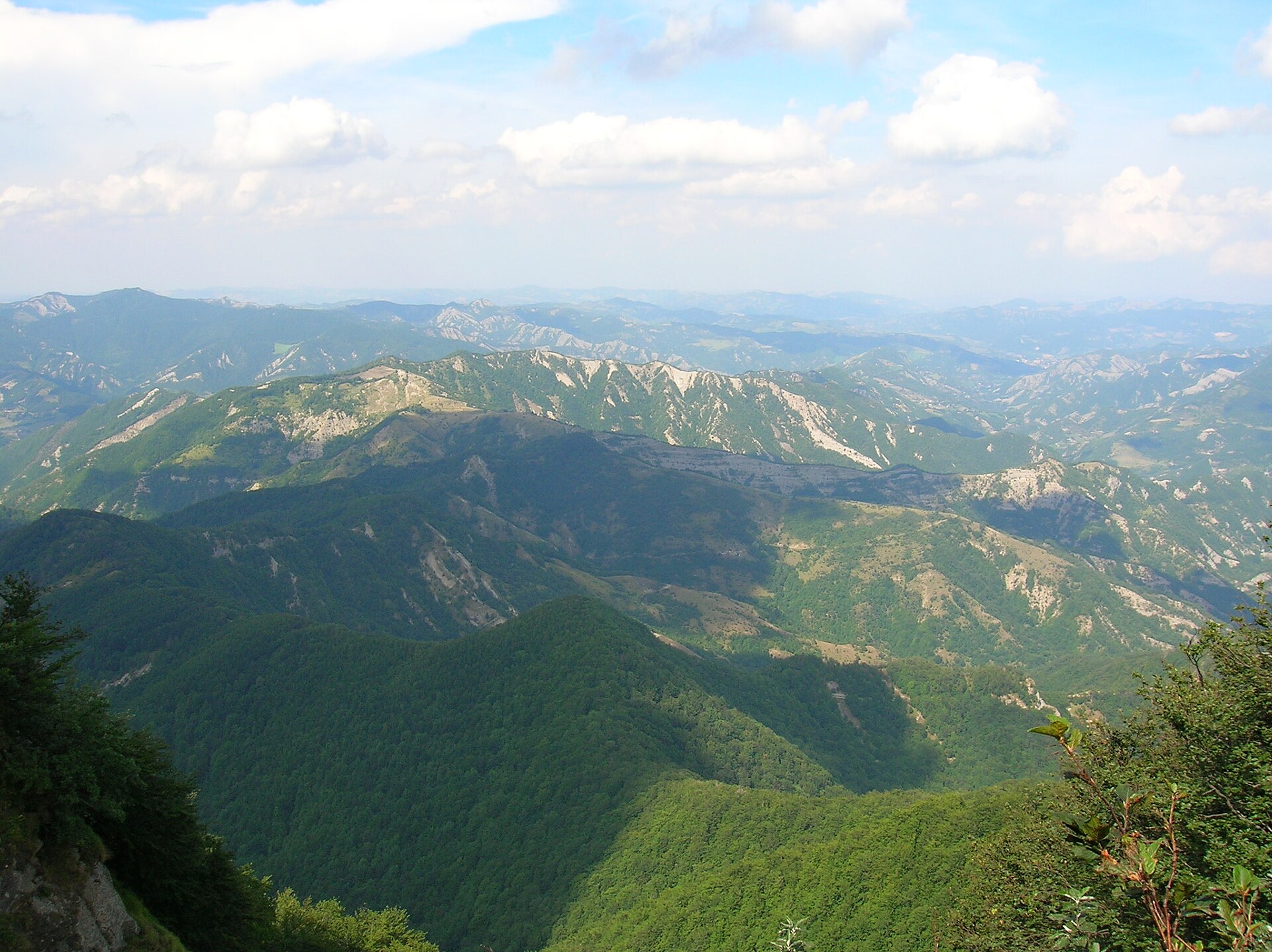
Natura 2000 · passage, breeding
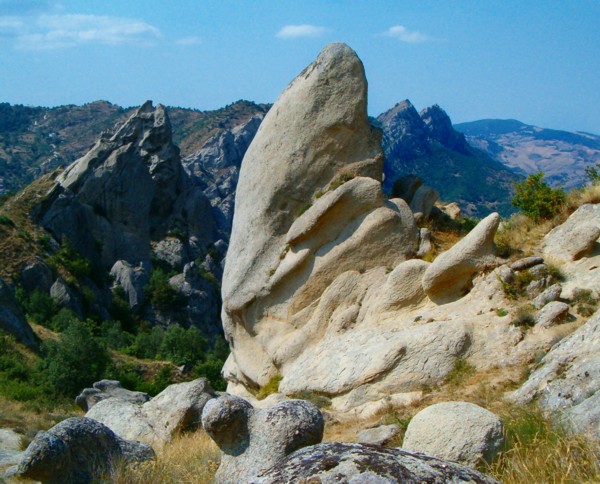
Natura 2000 · breeding
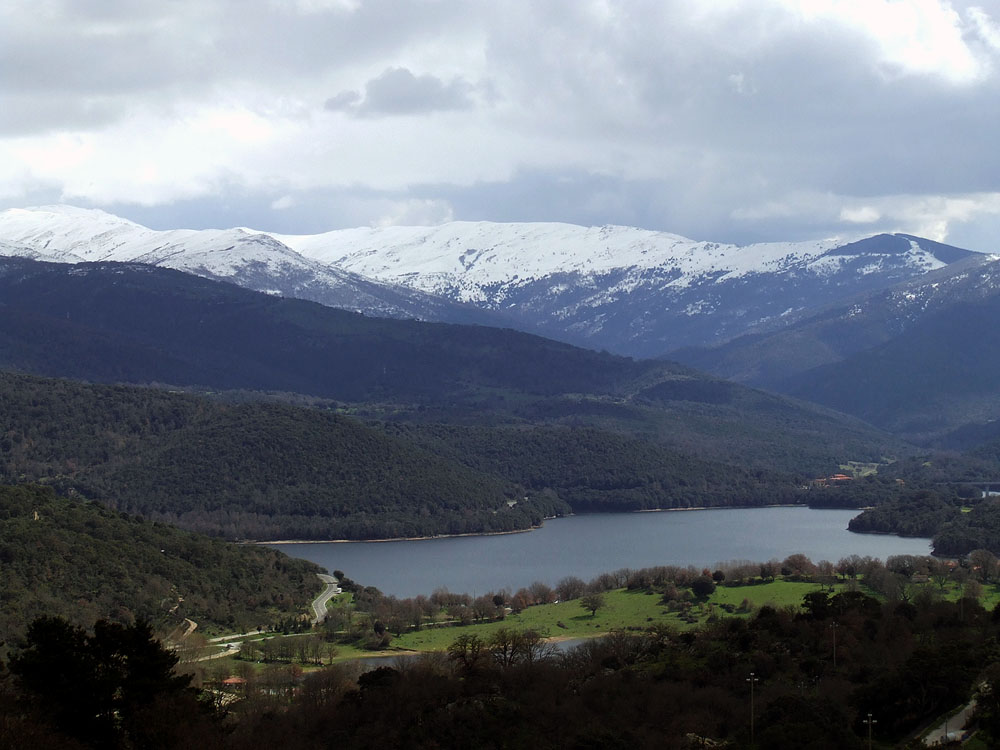
Natura 2000 · breeding, passage

Natura 2000 · breeding

Natura 2000 · resident

Natura 2000 · breeding
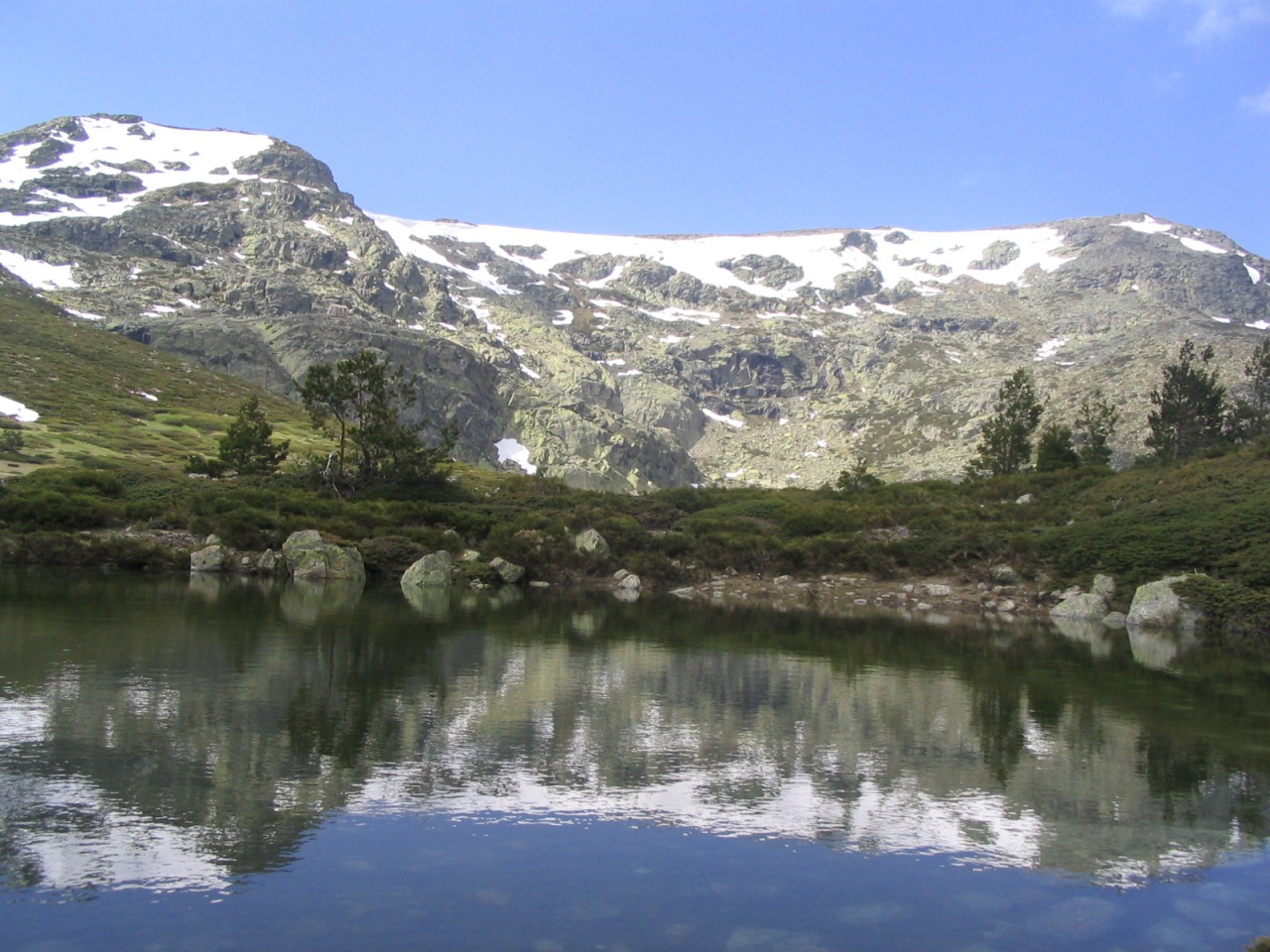
Natura 2000 · breeding, passage

Natura 2000 · breeding

Natura 2000 · breeding

Natura 2000 · breeding
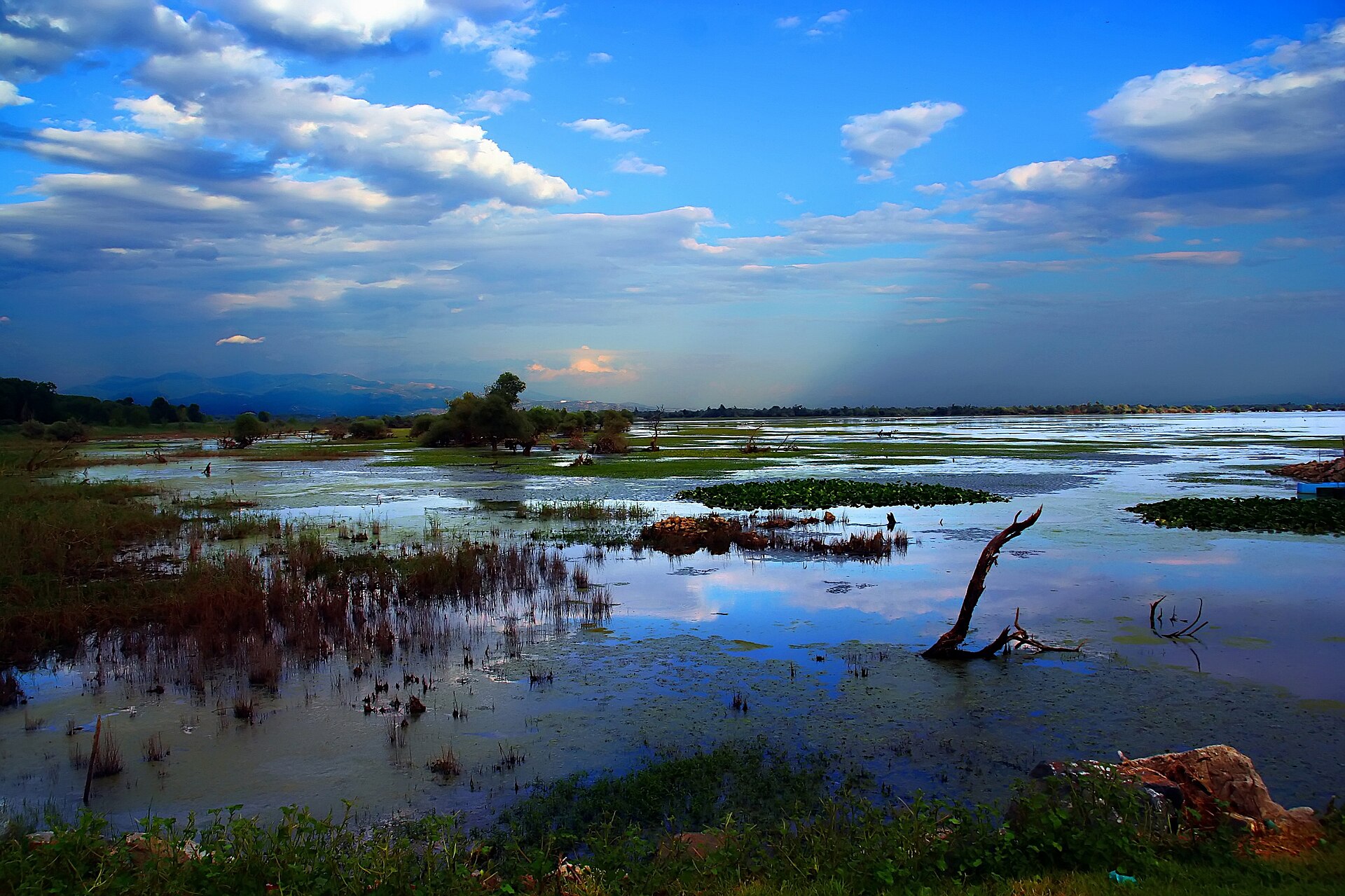
Natura 2000 · breeding

Natura 2000 · breeding
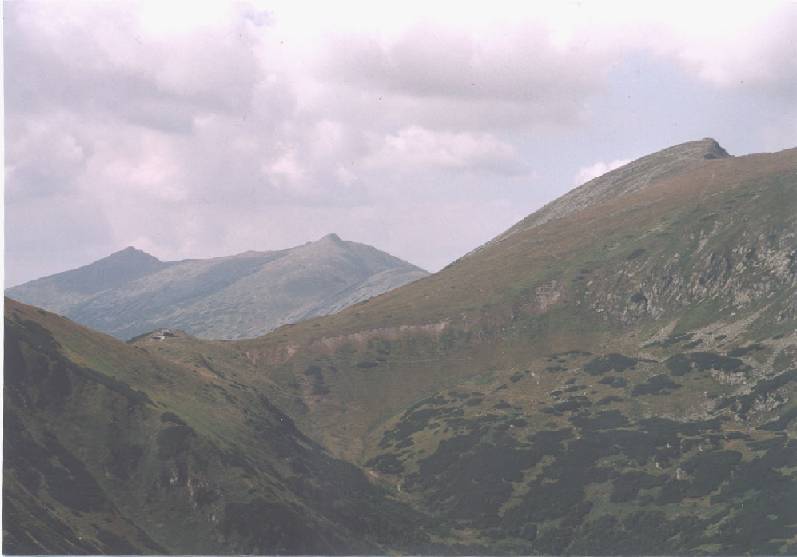
Natura 2000

Natura 2000 · passage
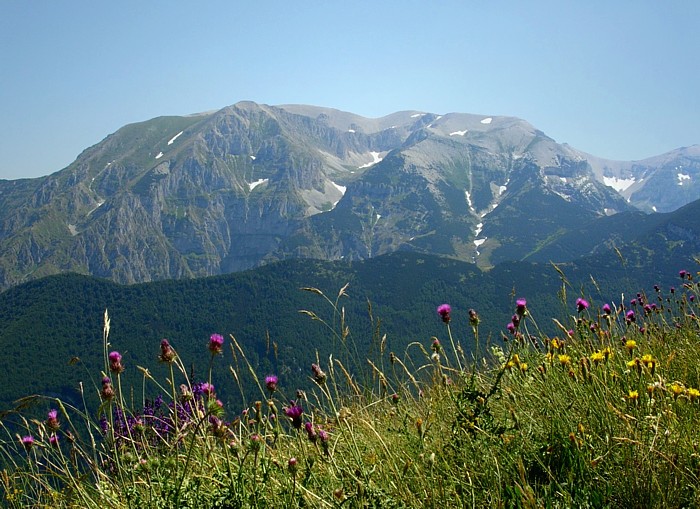
Natura 2000 · breeding
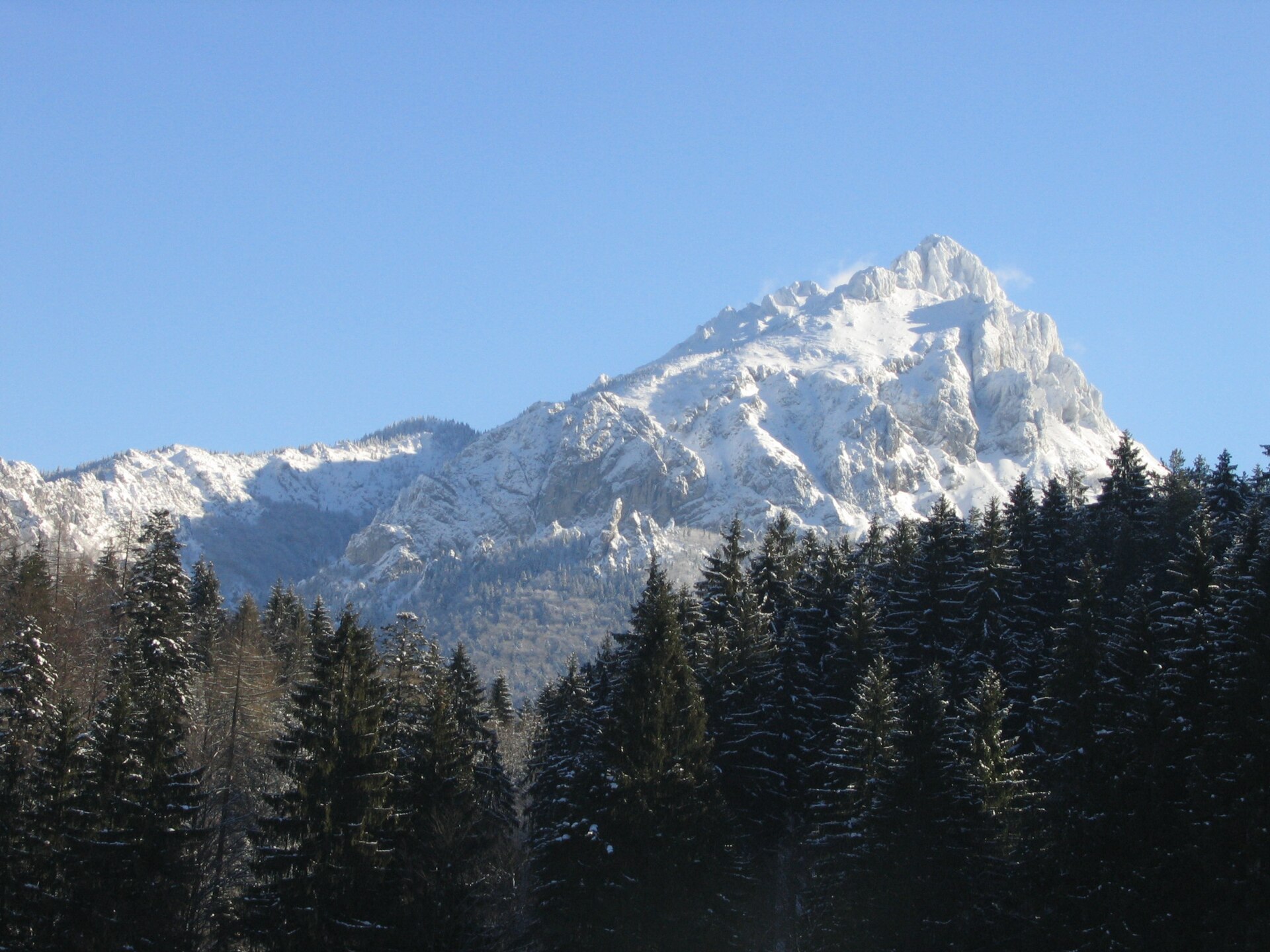
Natura 2000 · breeding
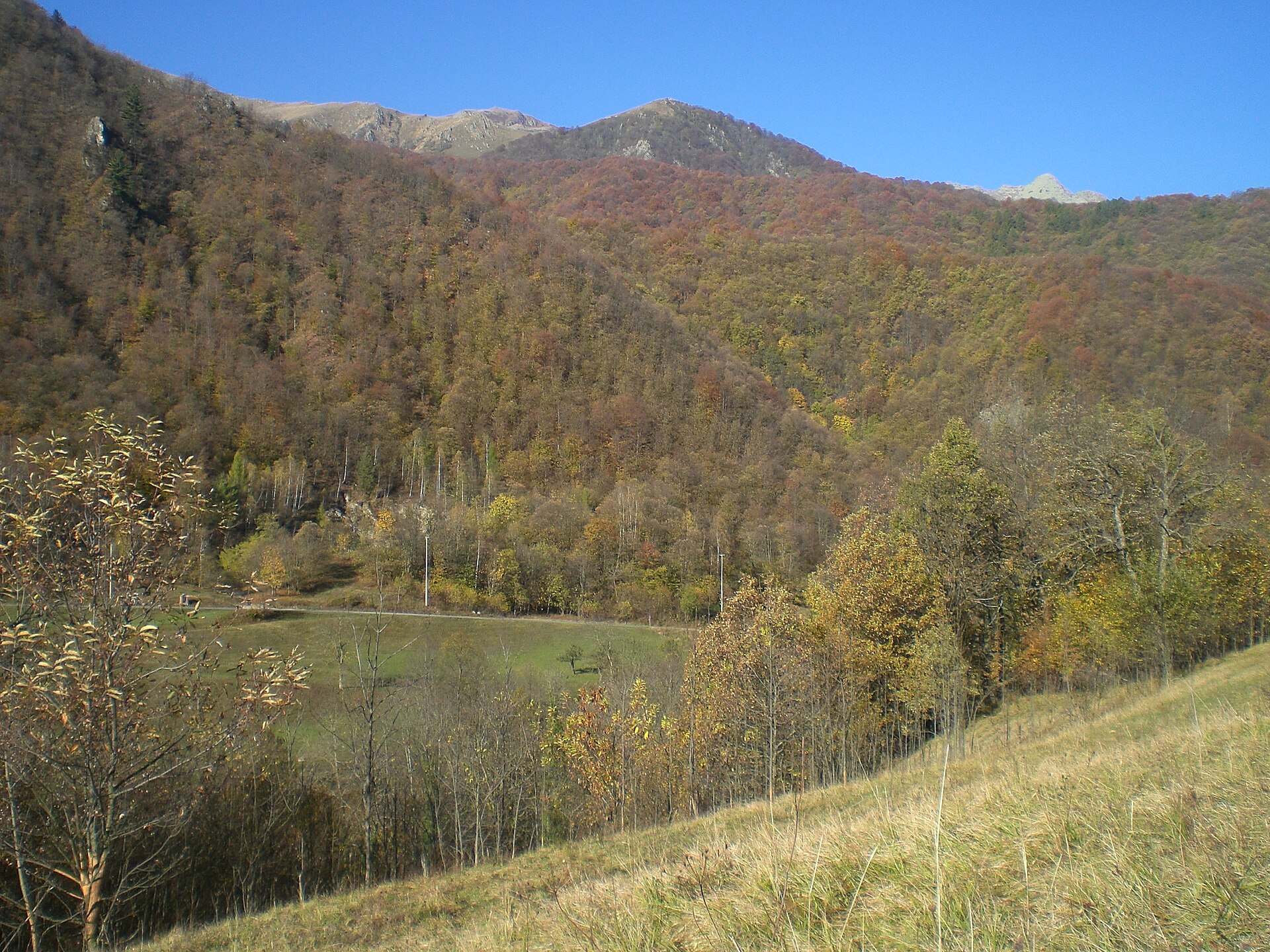
Natura 2000 · passage
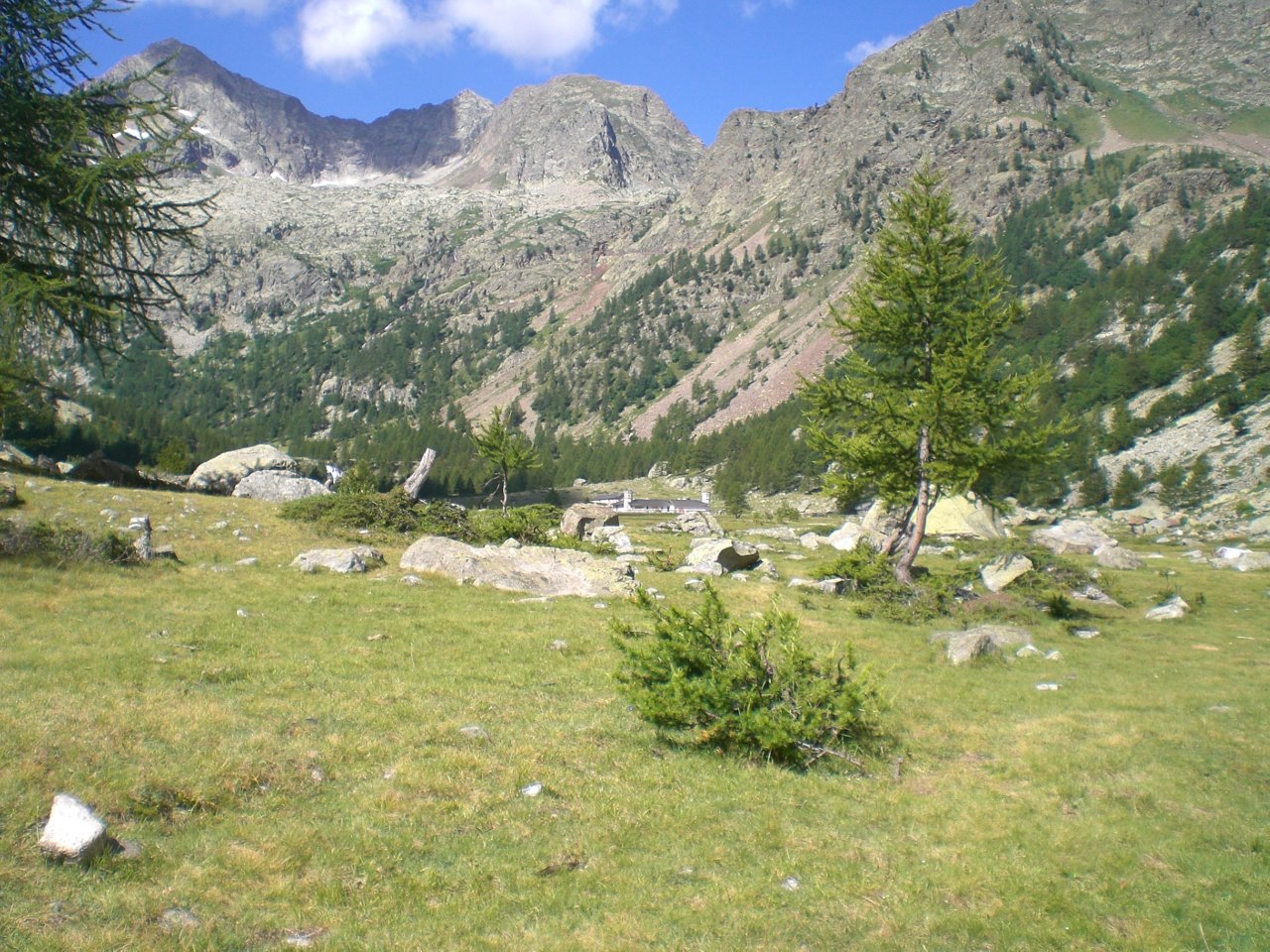
Natura 2000 · breeding
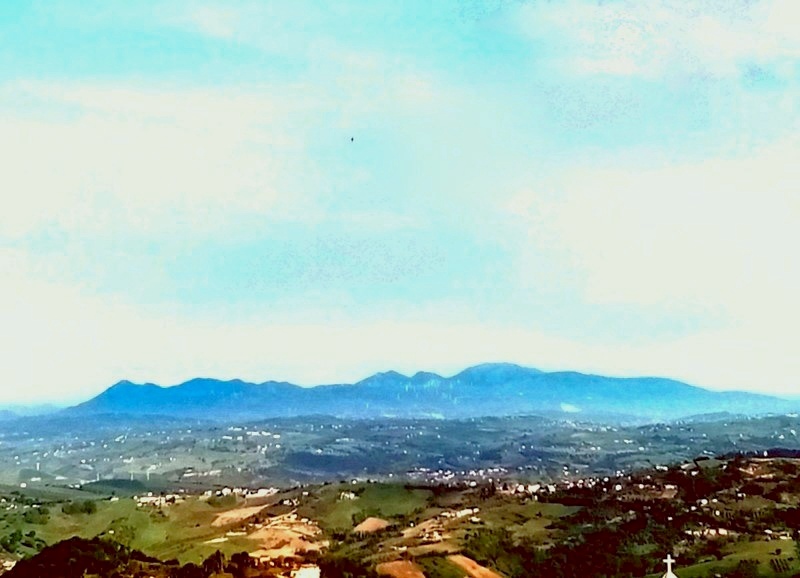
Natura 2000 · breeding
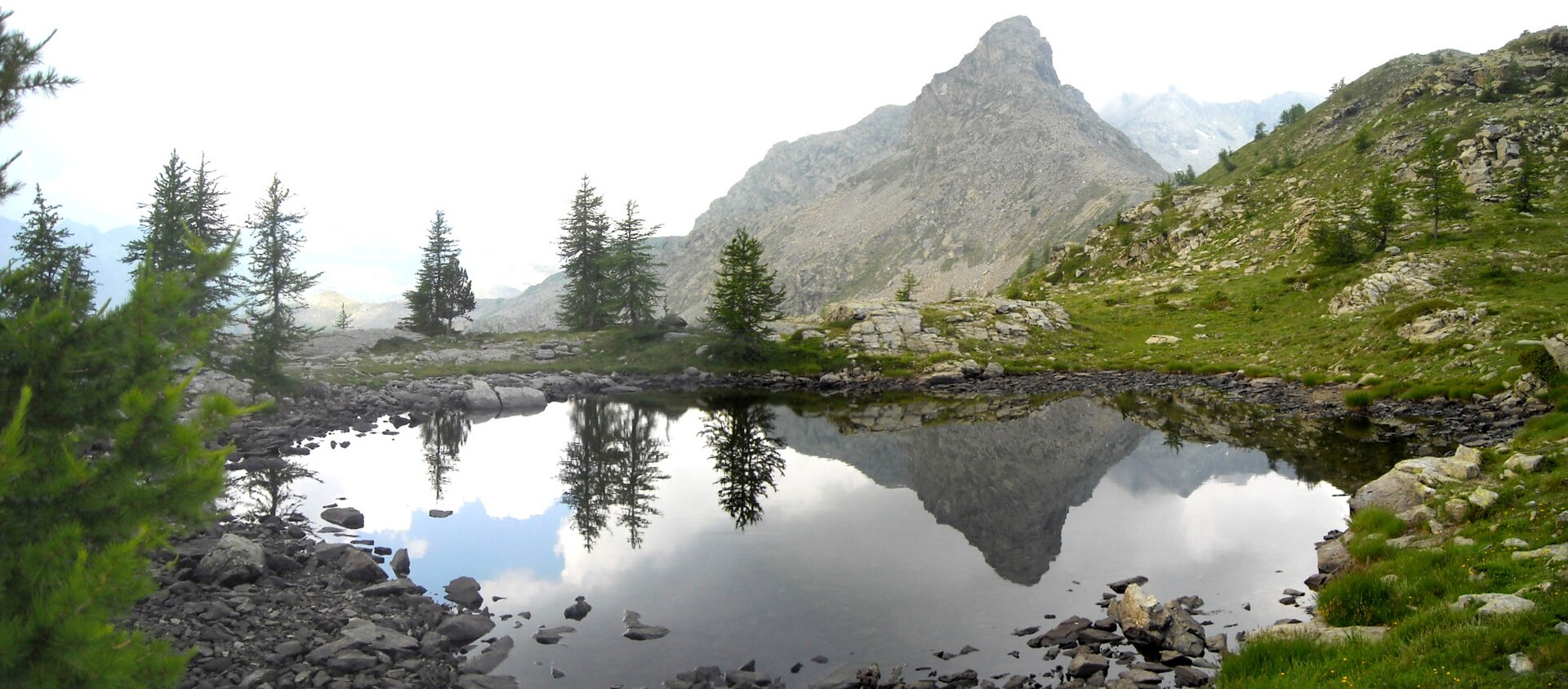
Natura 2000 · breeding
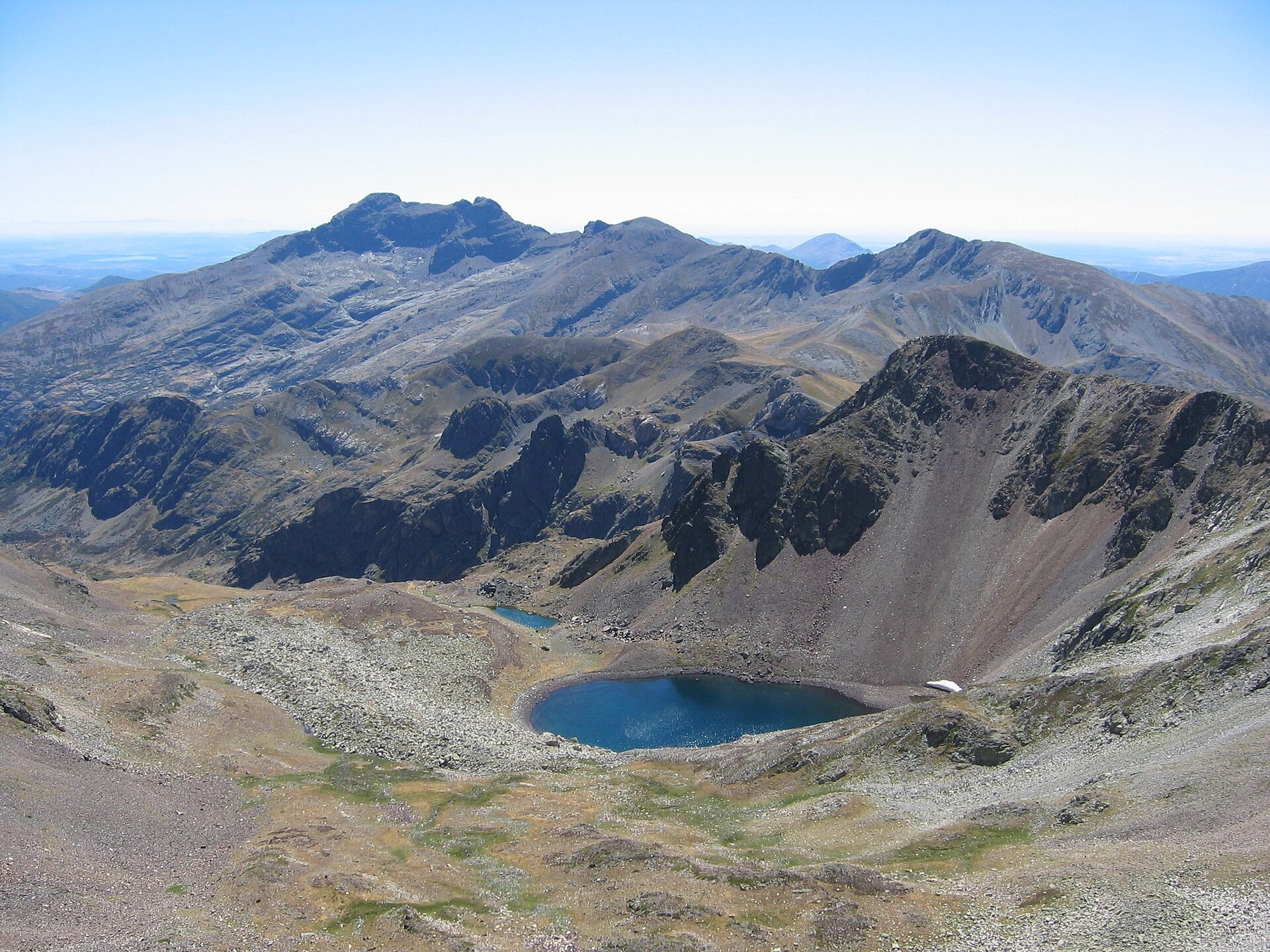
Natura 2000 · breeding

Natura 2000 · breeding

Natura 2000 · breeding

Natura 2000 · breeding

Natura 2000 · breeding
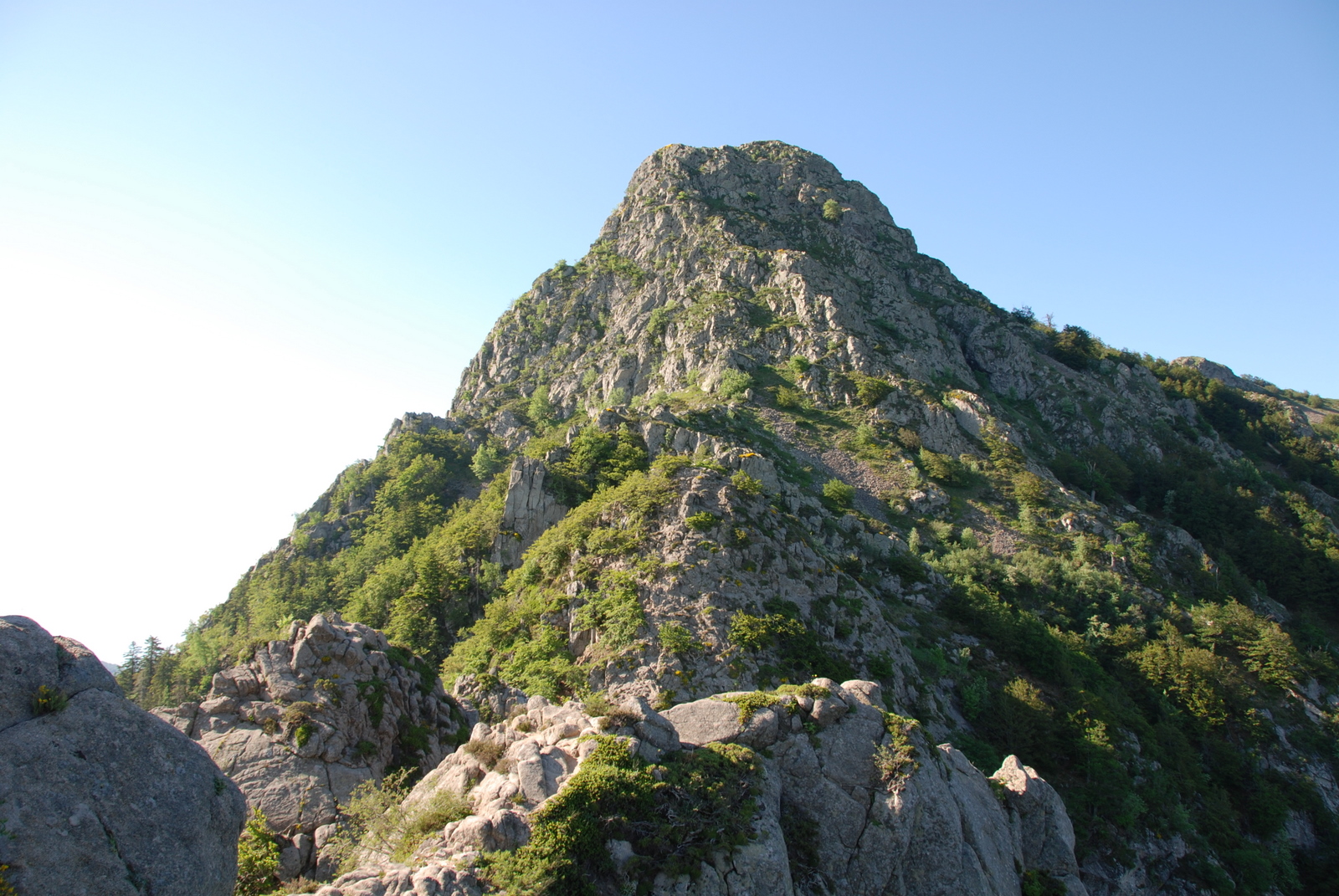
Natura 2000 · breeding

Natura 2000

Natura 2000 · breeding
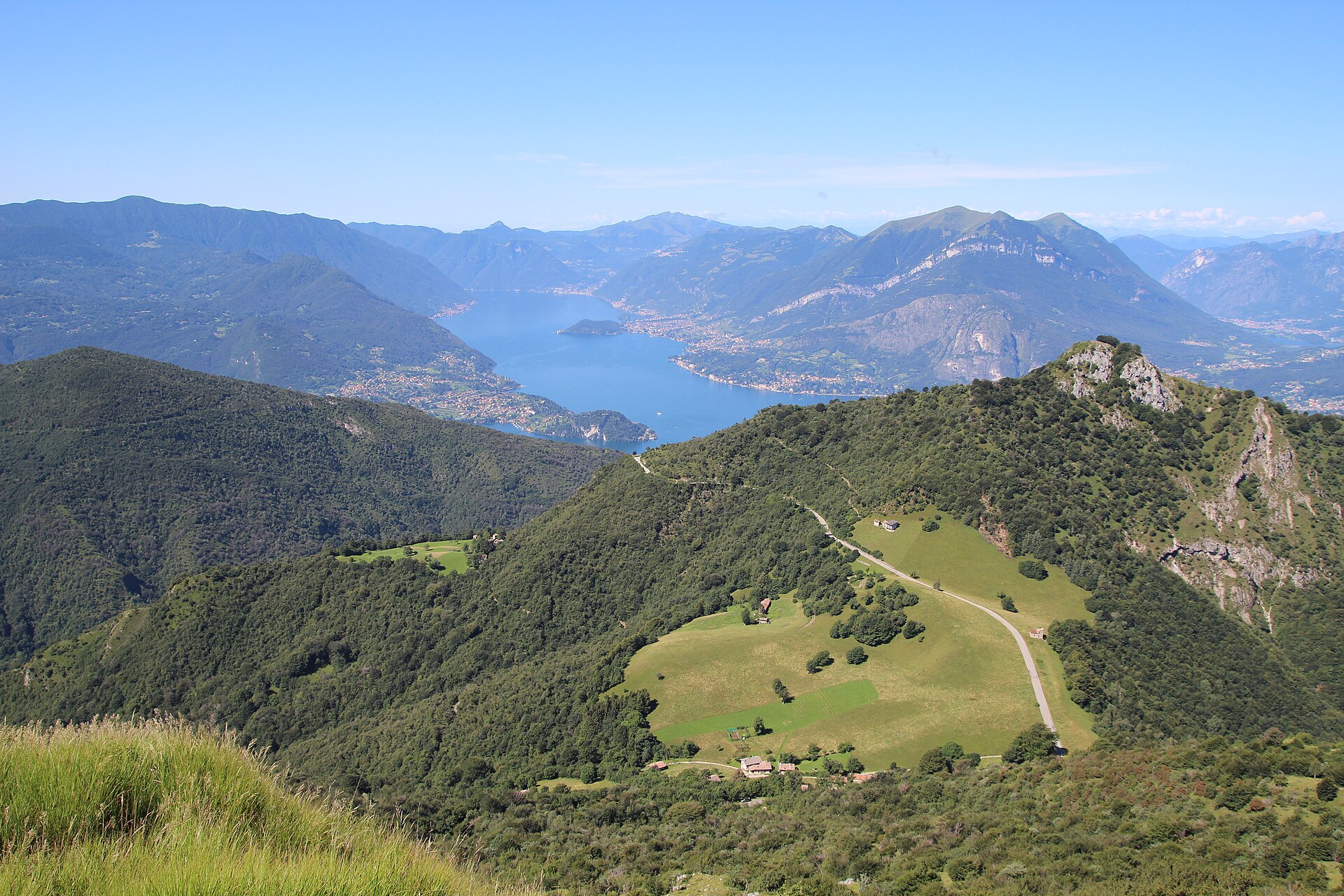
Natura 2000 · passage, breeding
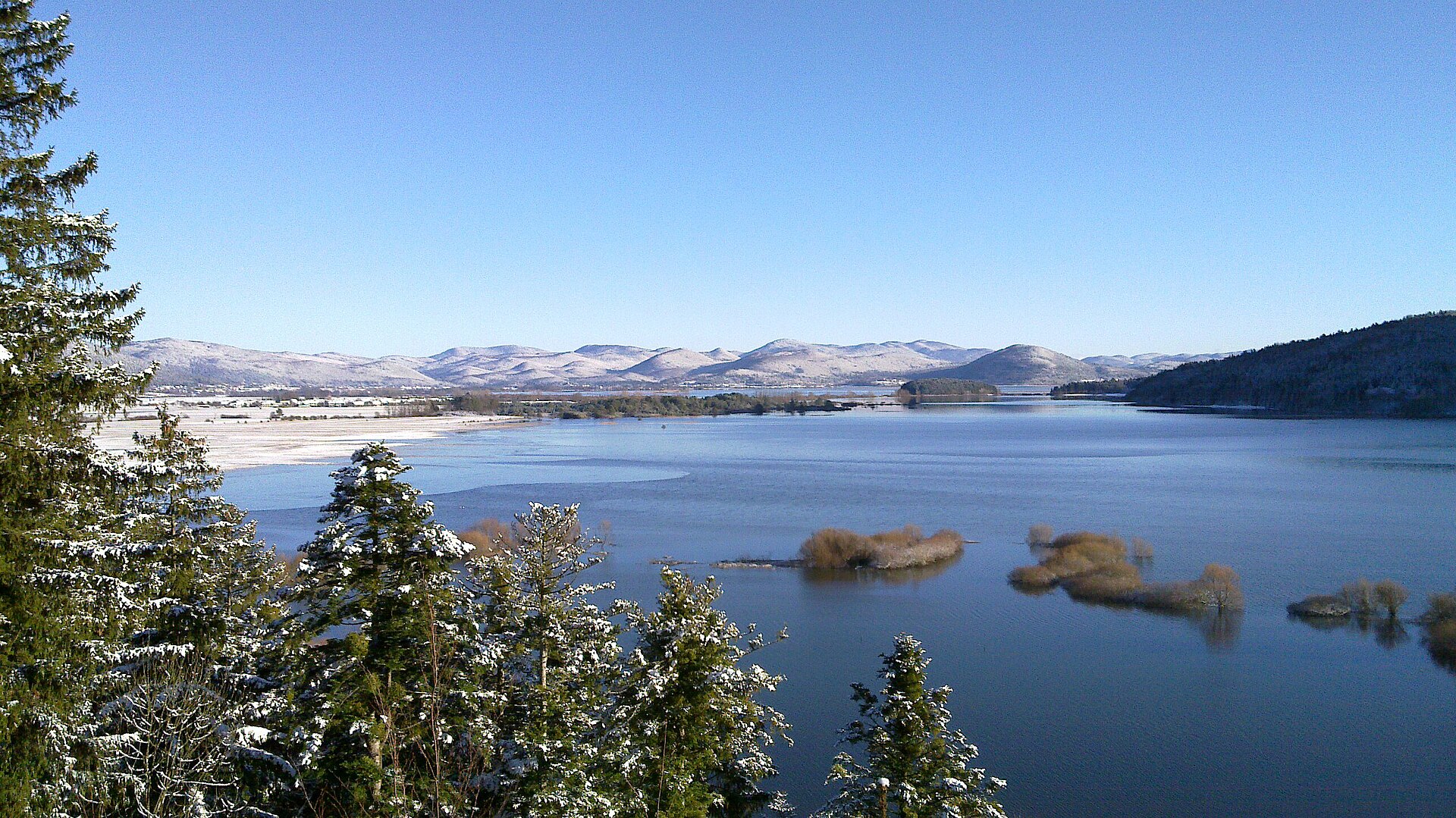
Natura 2000 · breeding
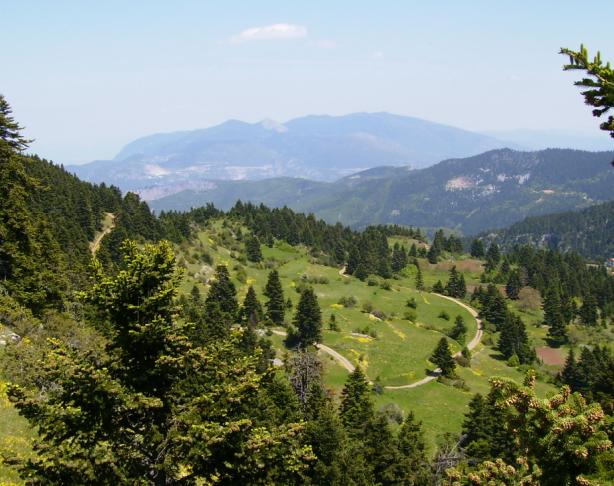
Natura 2000 · breeding

Natura 2000 · breeding
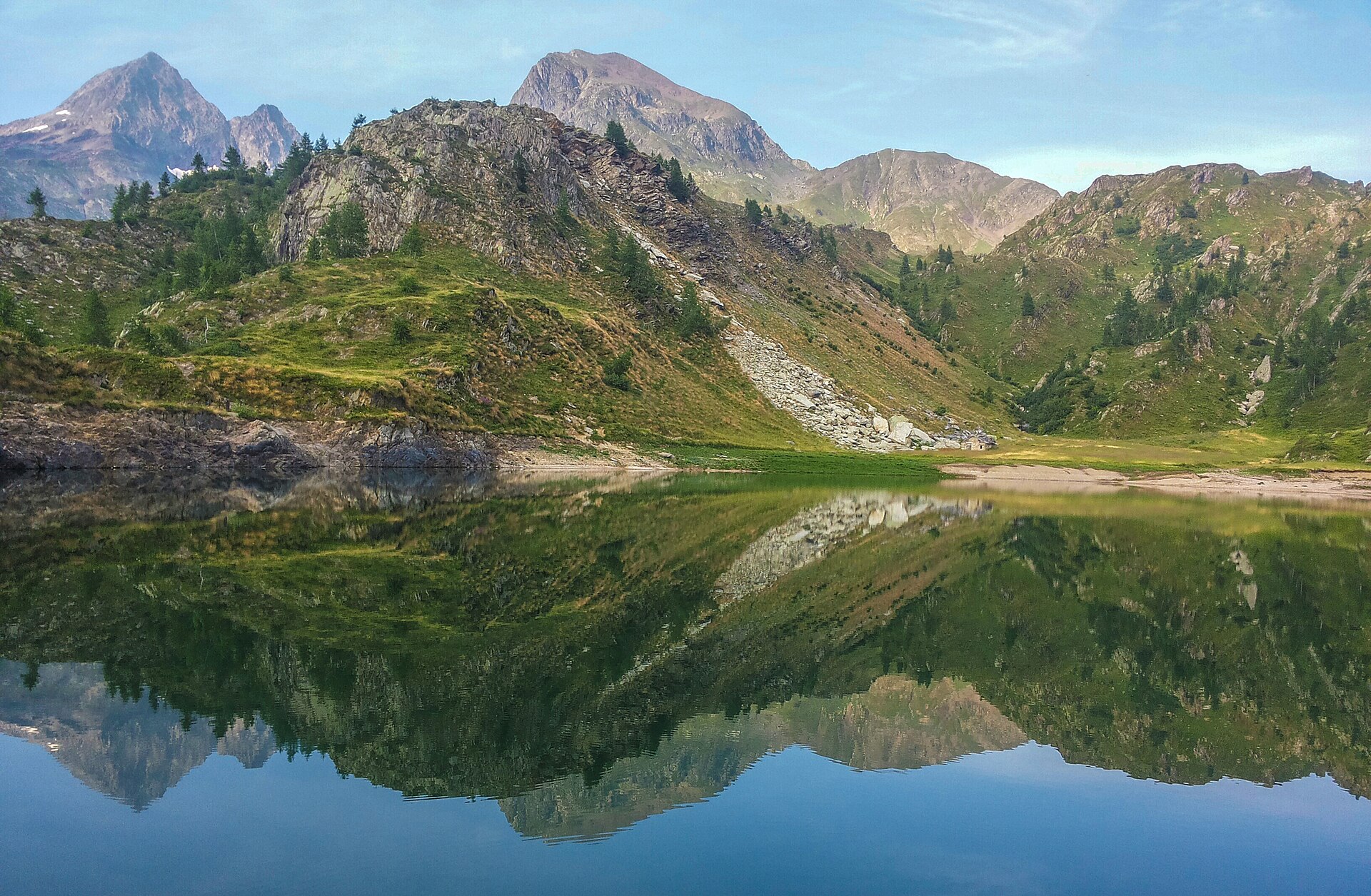
Natura 2000 · passage, breeding
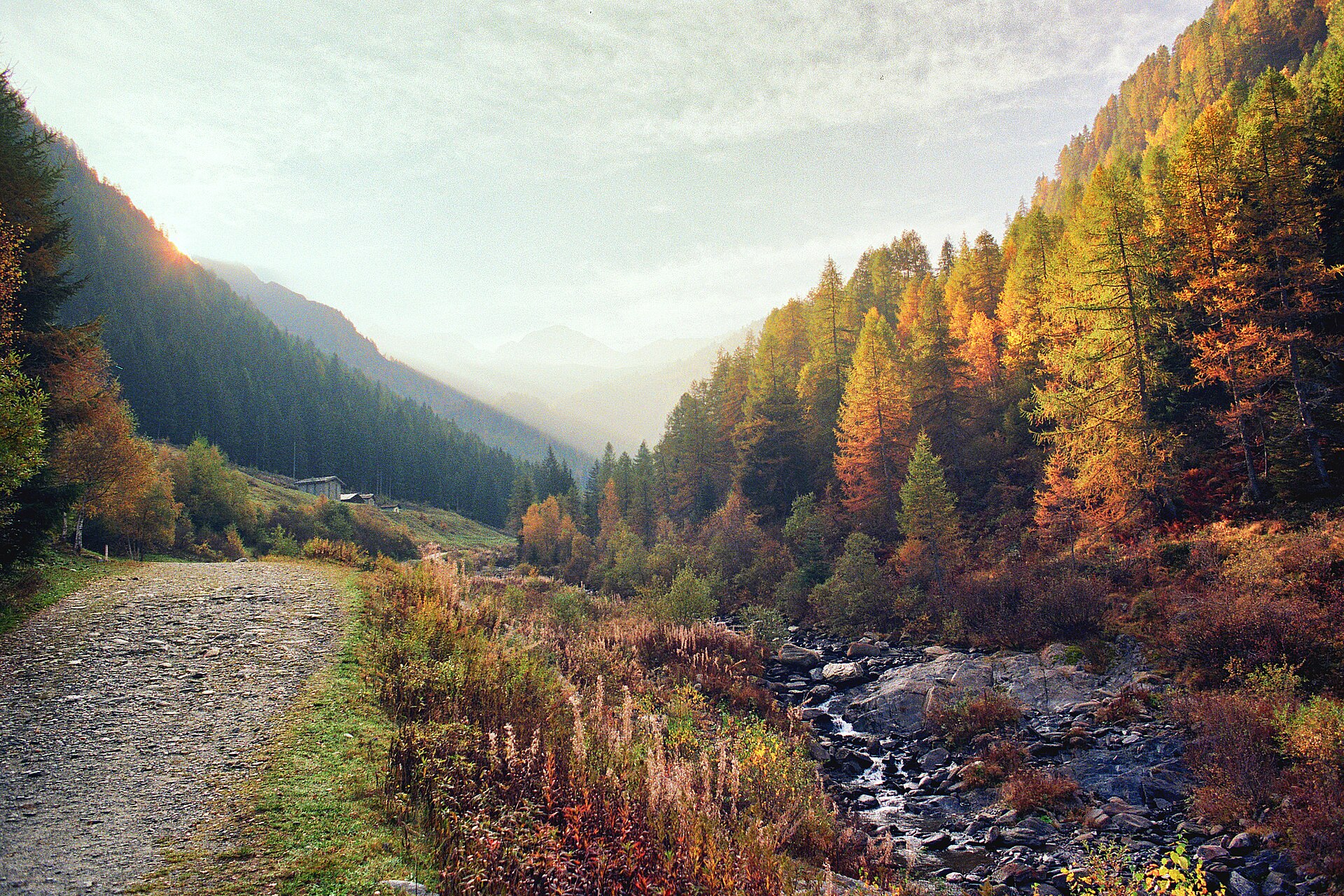
Natura 2000 · passage, breeding
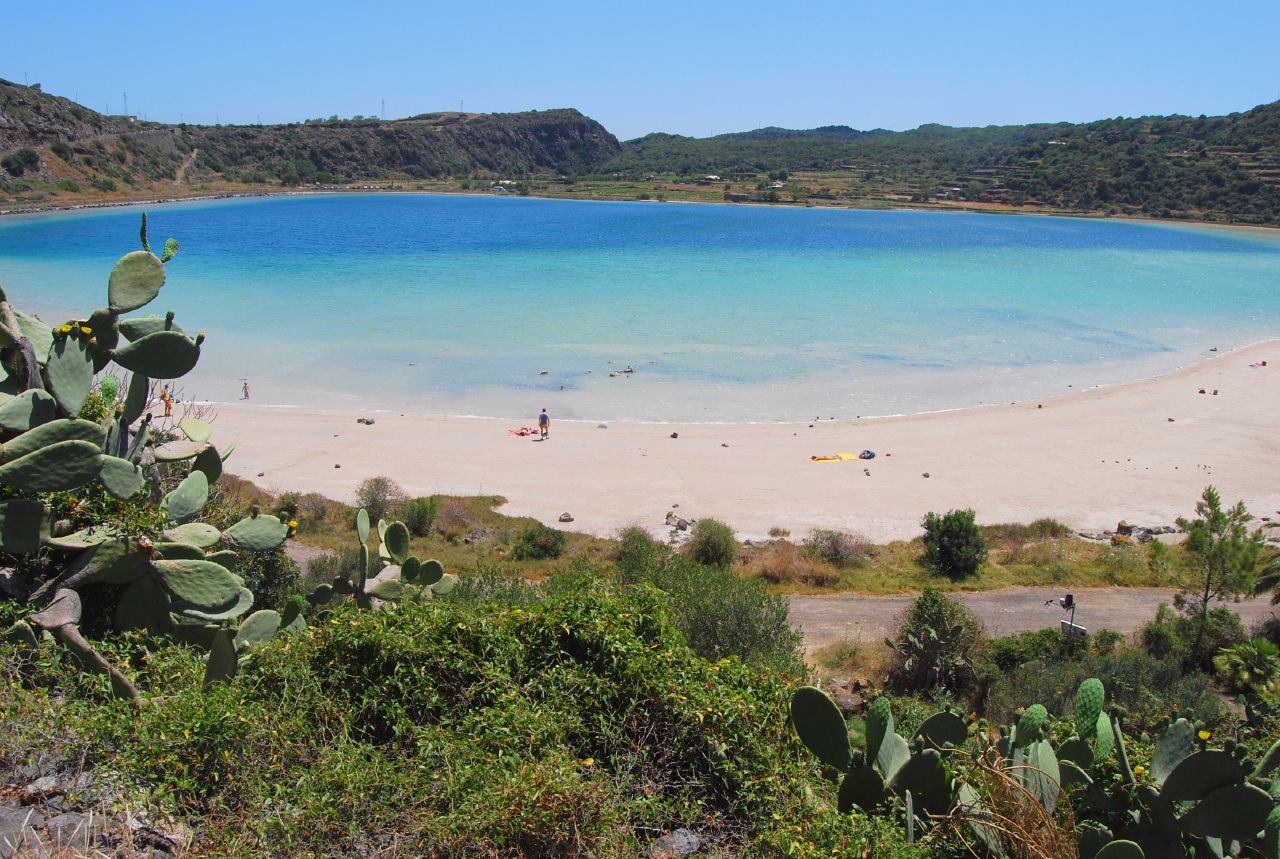
Natura 2000 · passage
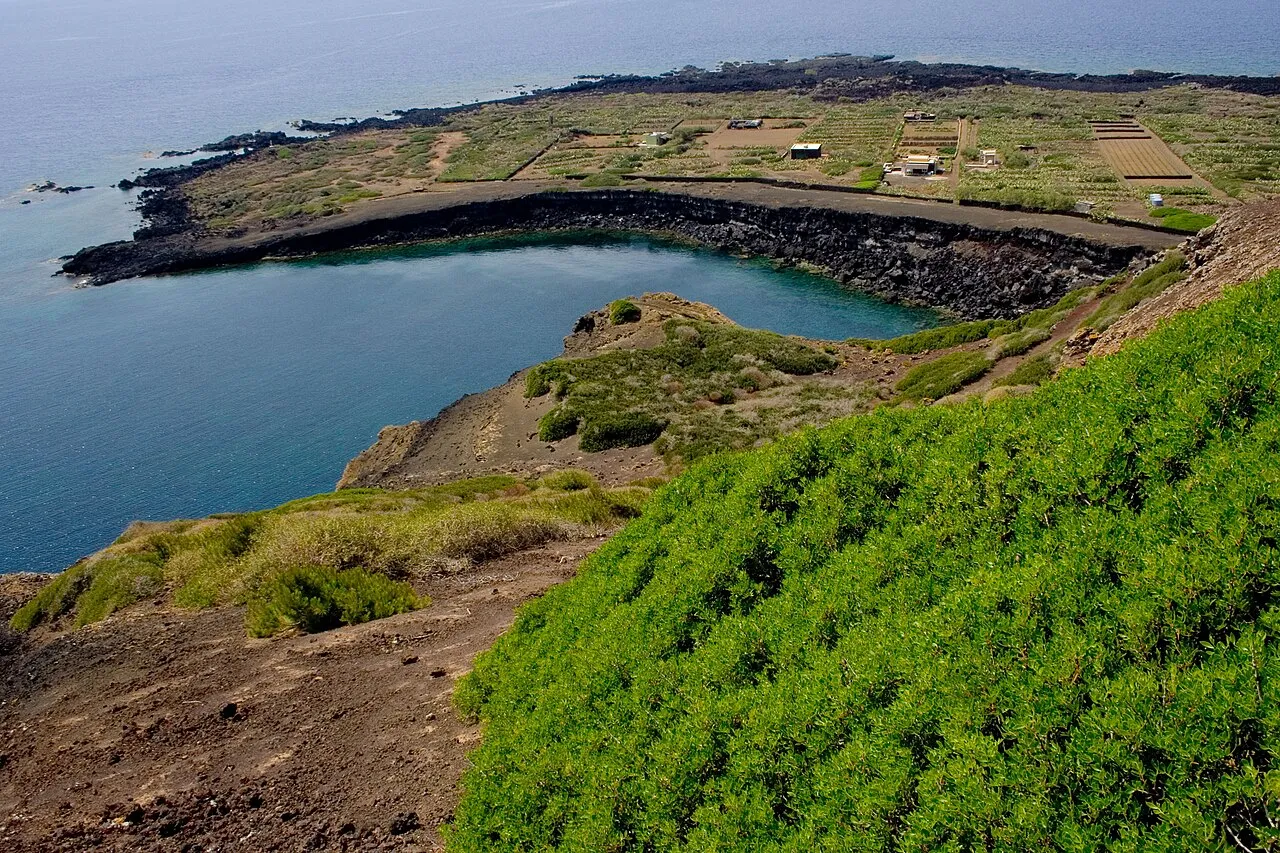
Natura 2000 · passage
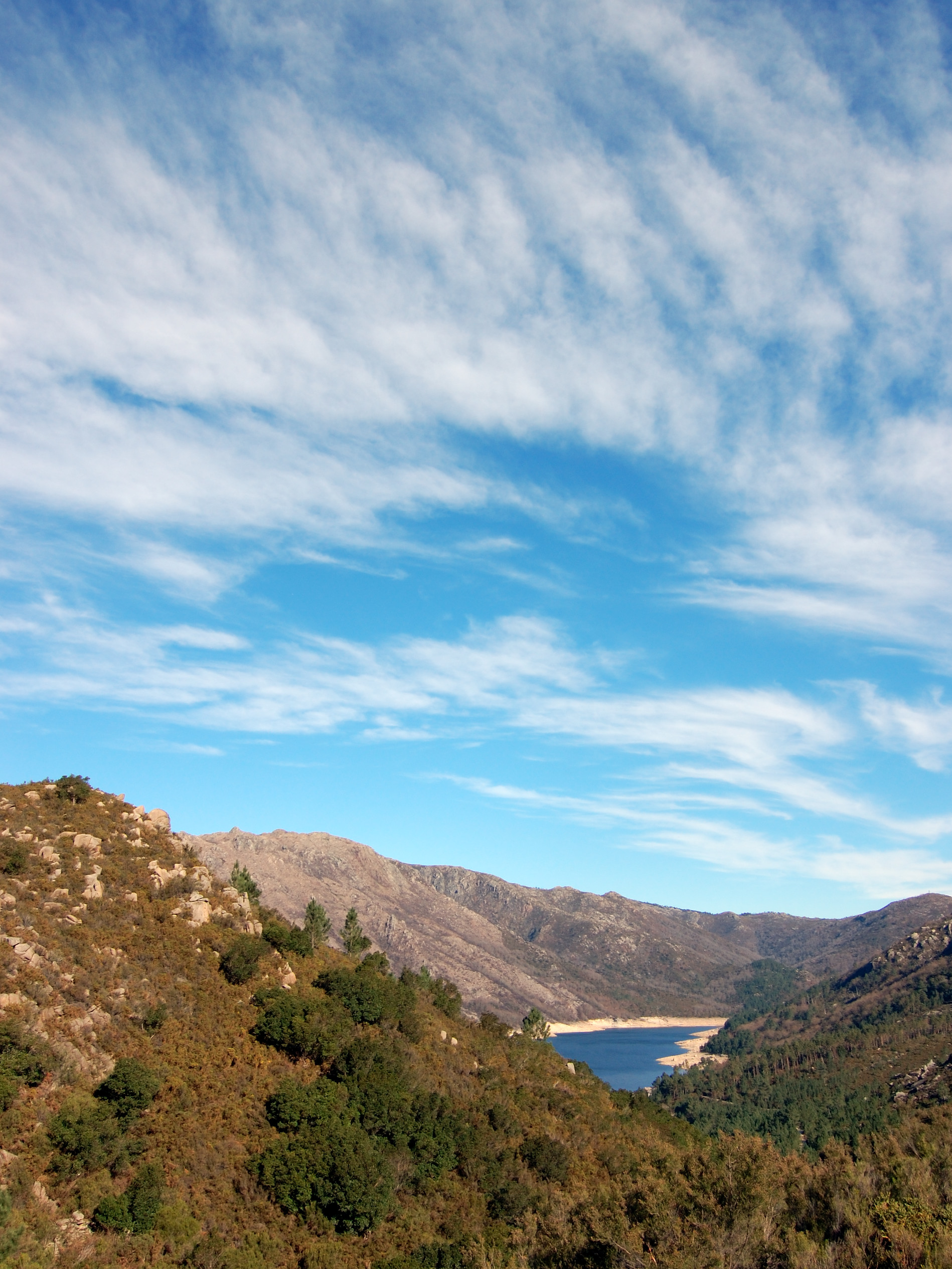
Natura 2000 · breeding
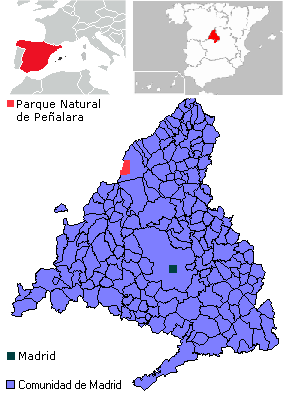
Natura 2000 · passage
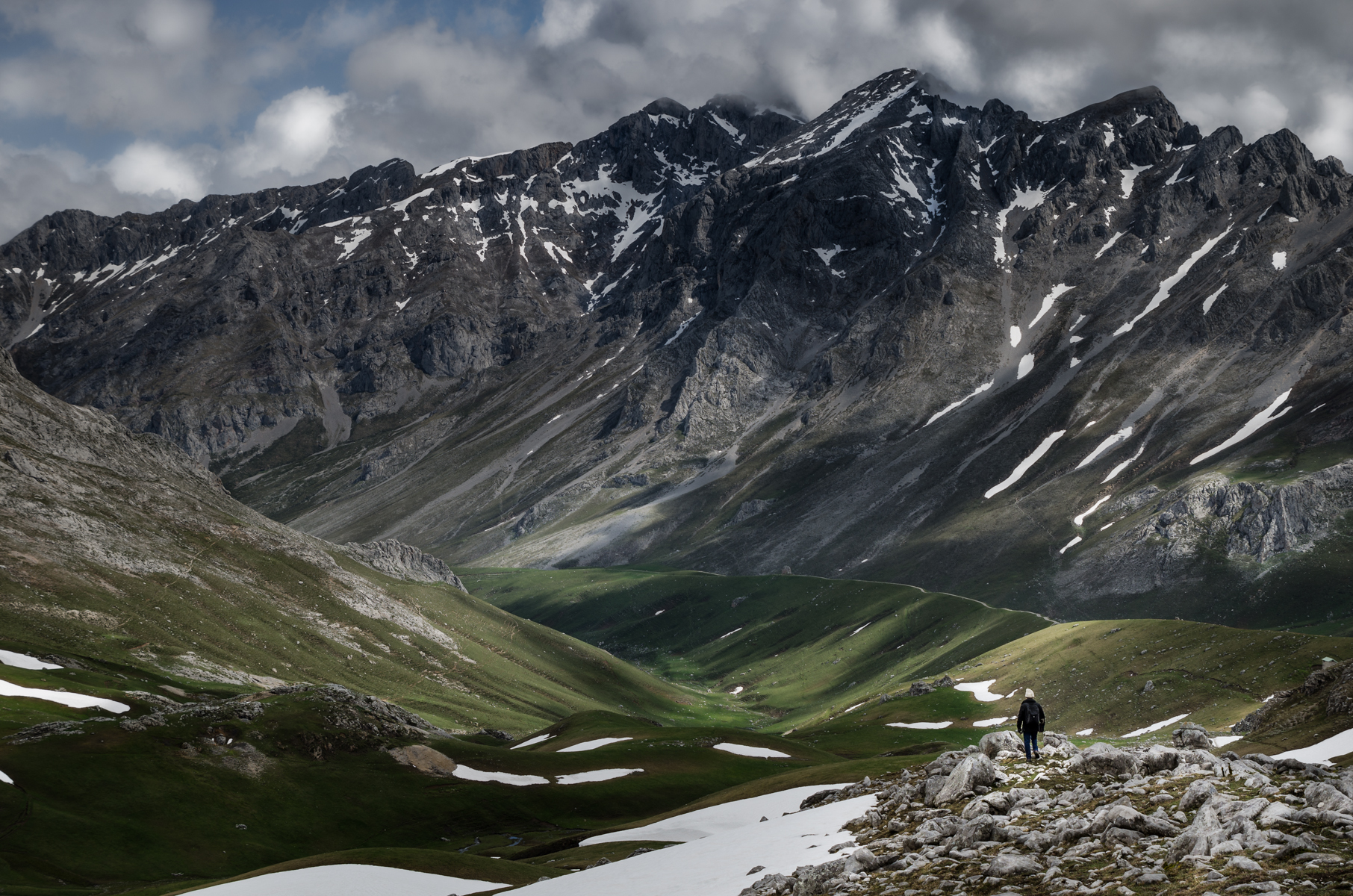
Natura 2000 · breeding
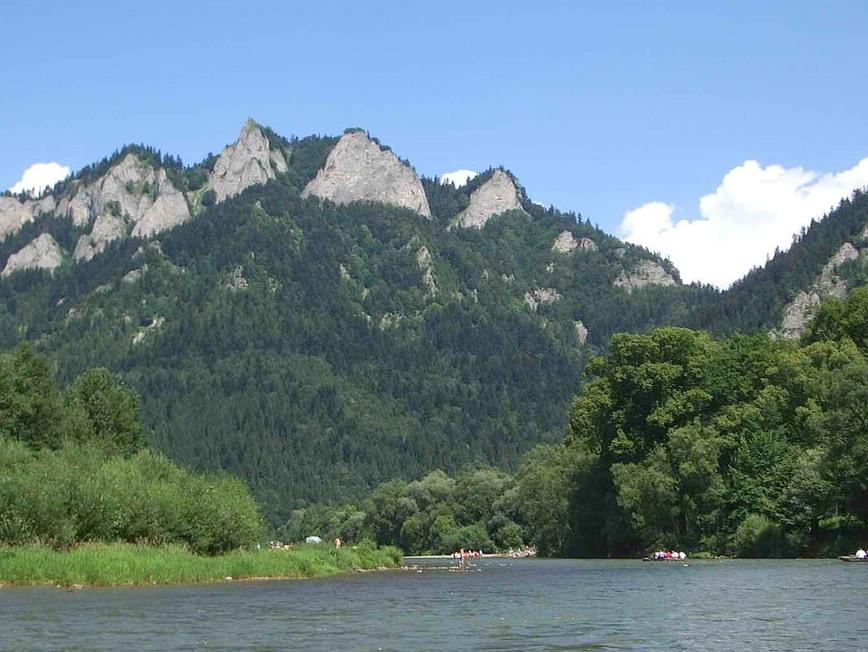
Natura 2000 · breeding
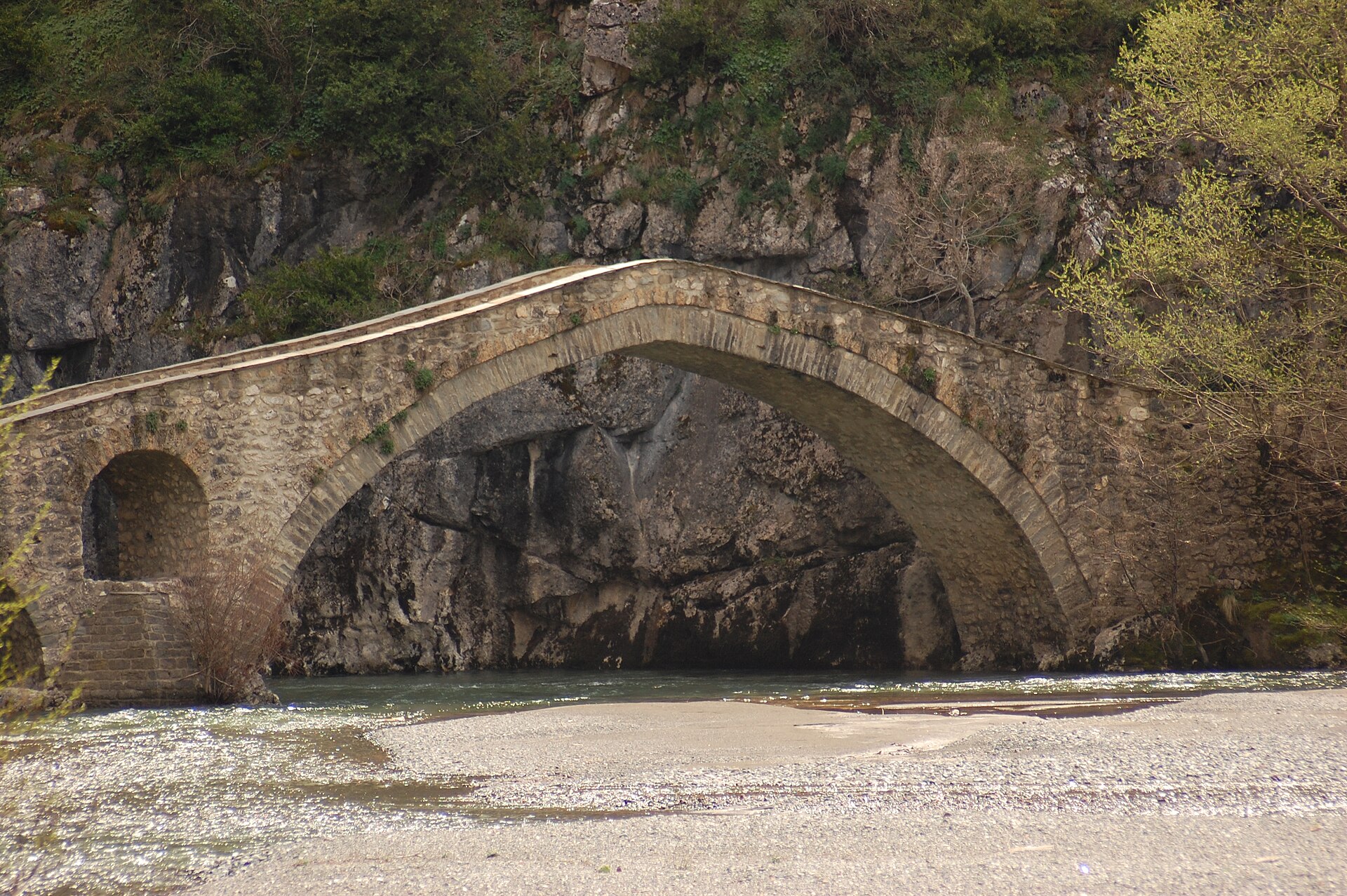
Natura 2000 · breeding
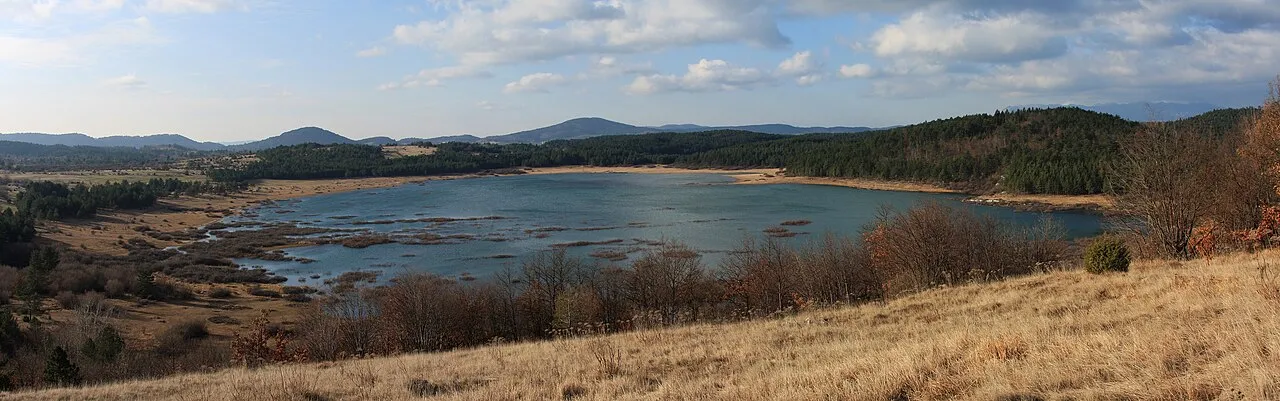
Natura 2000 · breeding

Natura 2000 · breeding
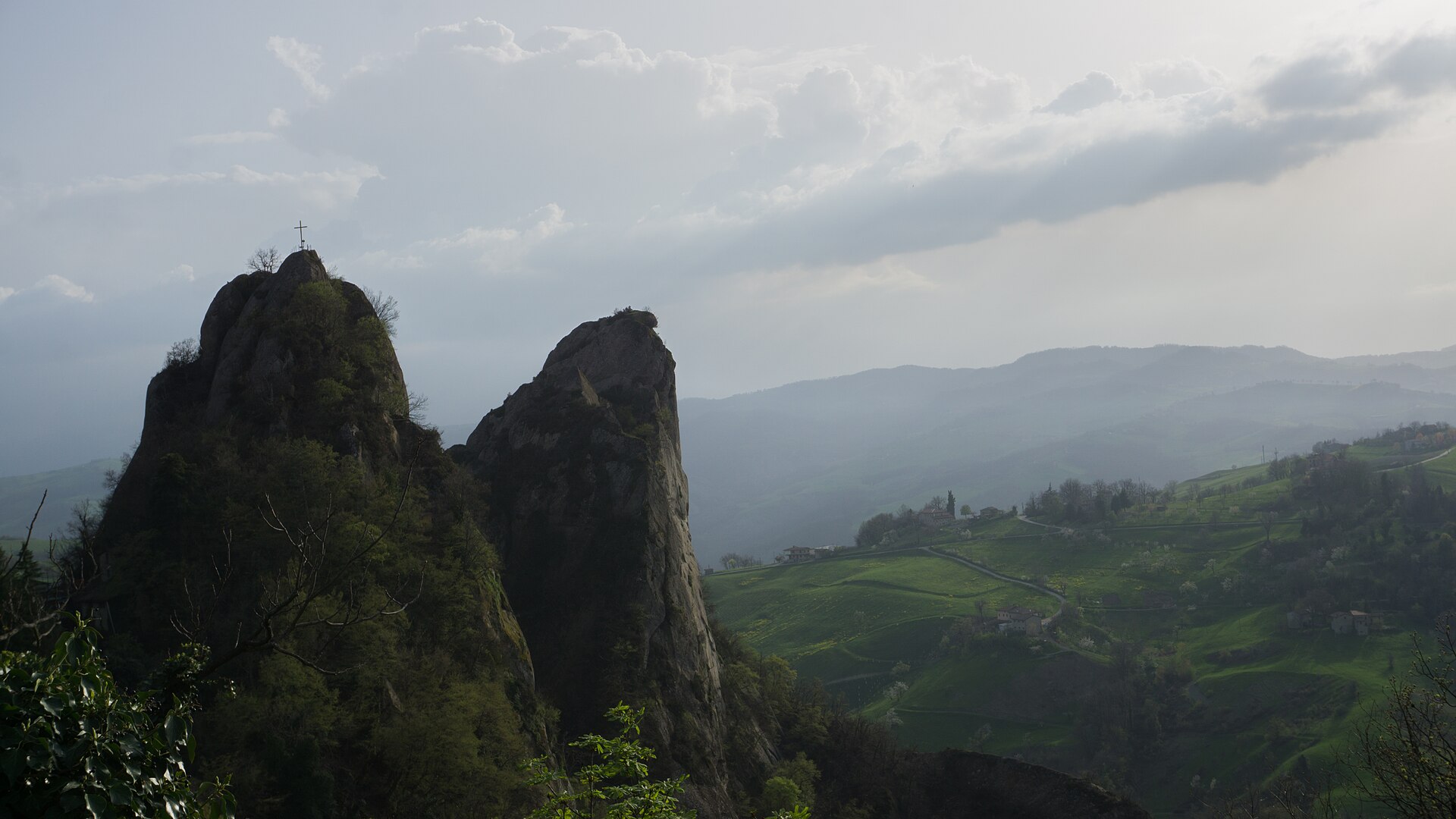
Natura 2000 · passage
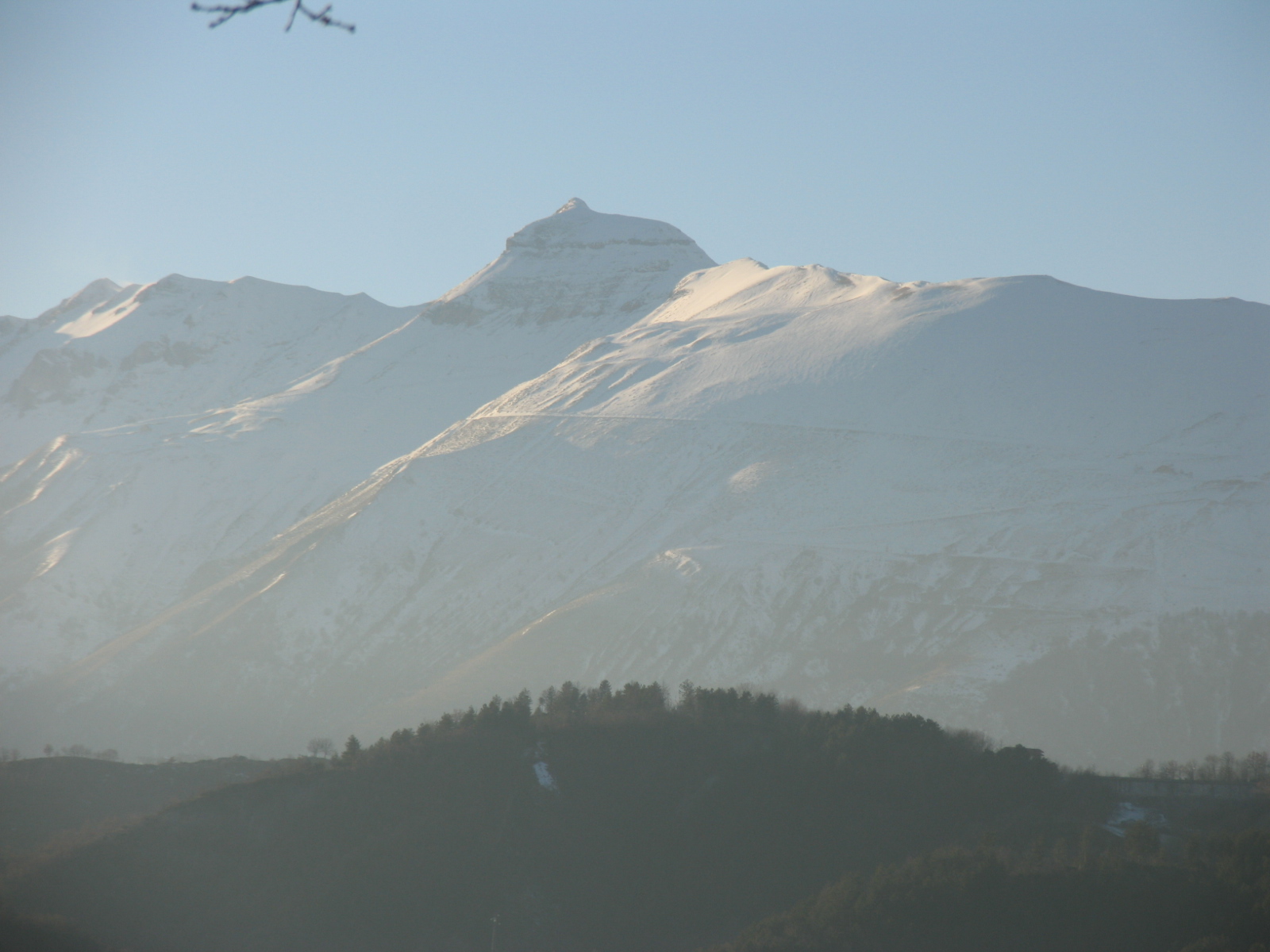
Natura 2000 · breeding
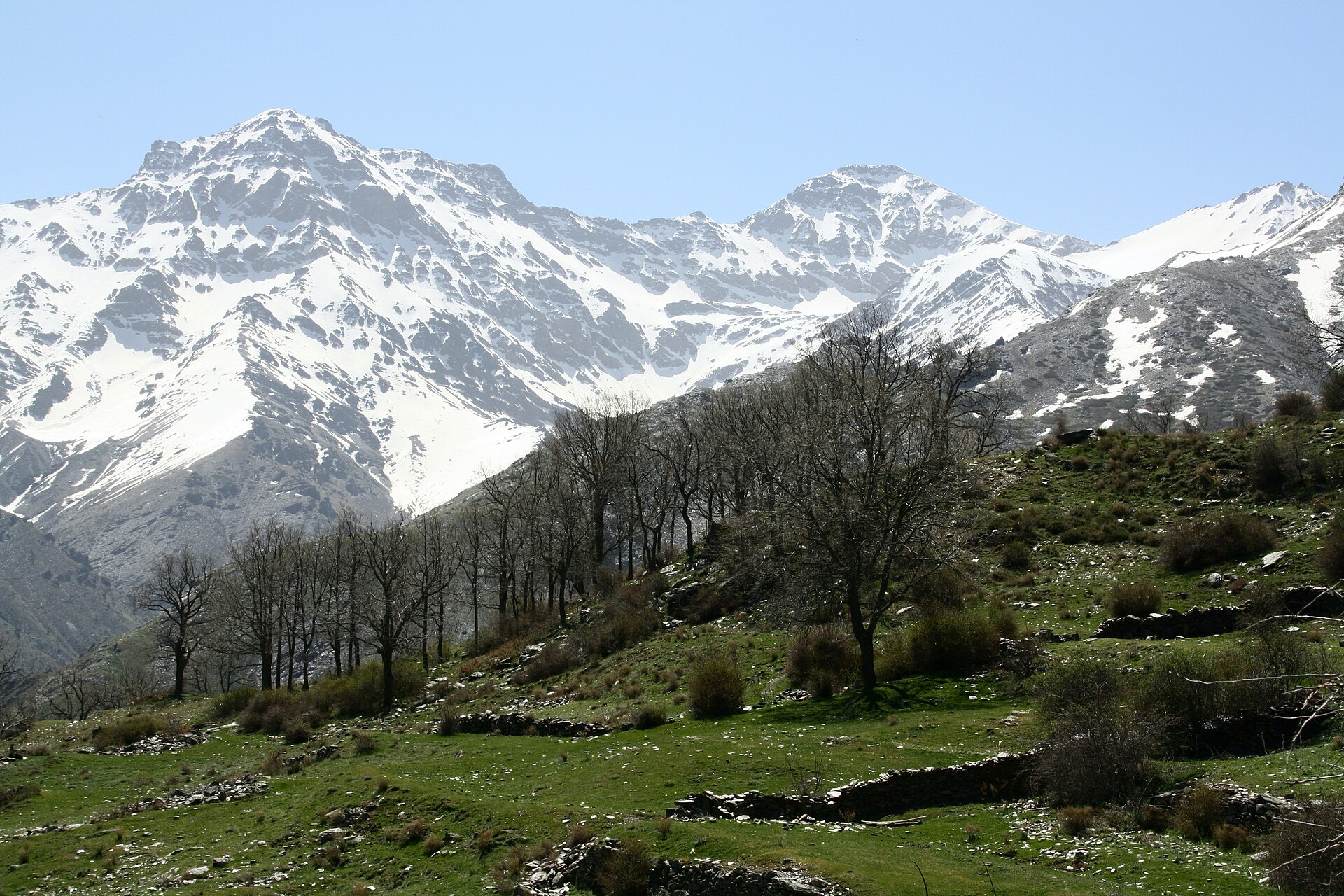
Natura 2000 · breeding
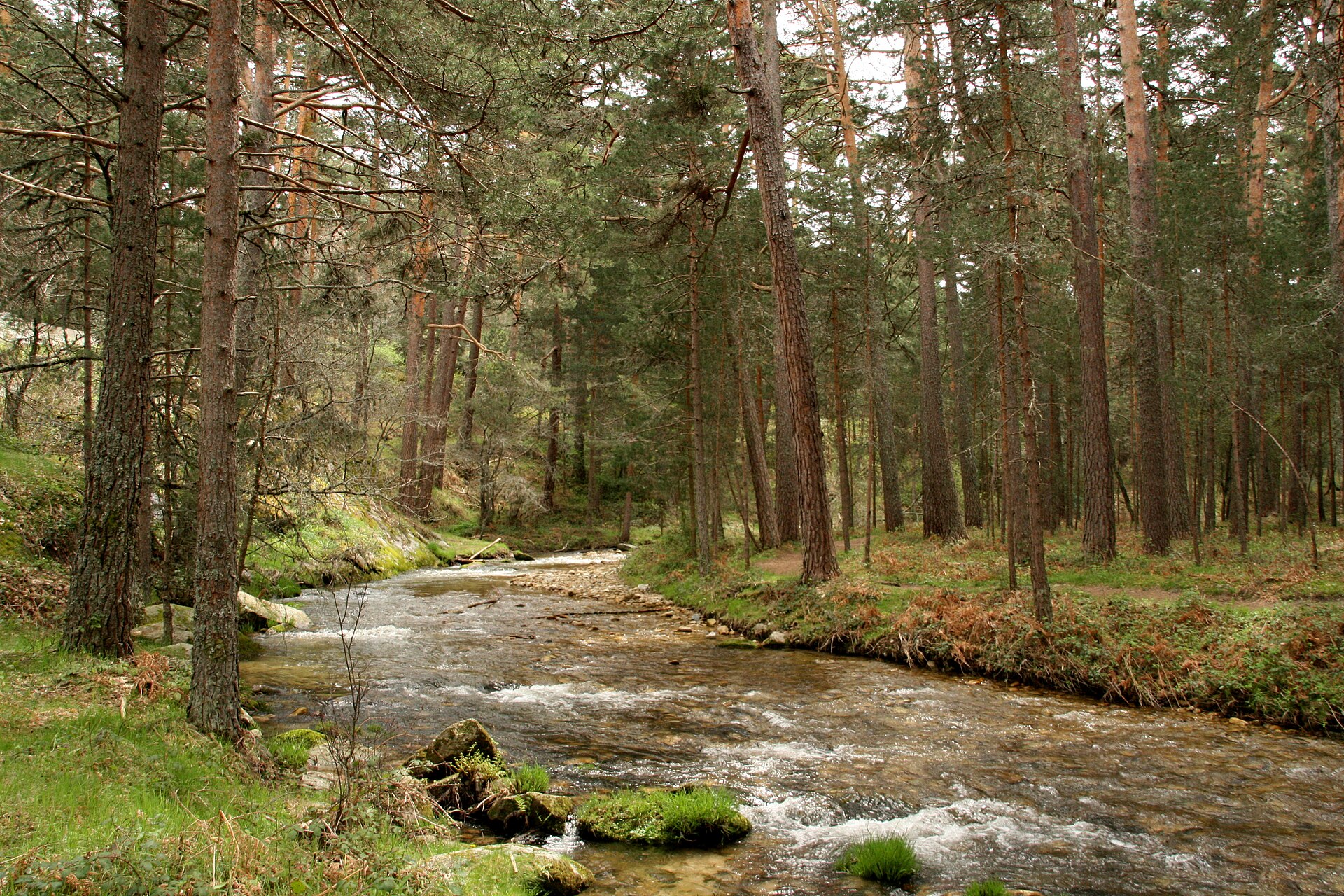
Natura 2000 · breeding

Natura 2000 · breeding
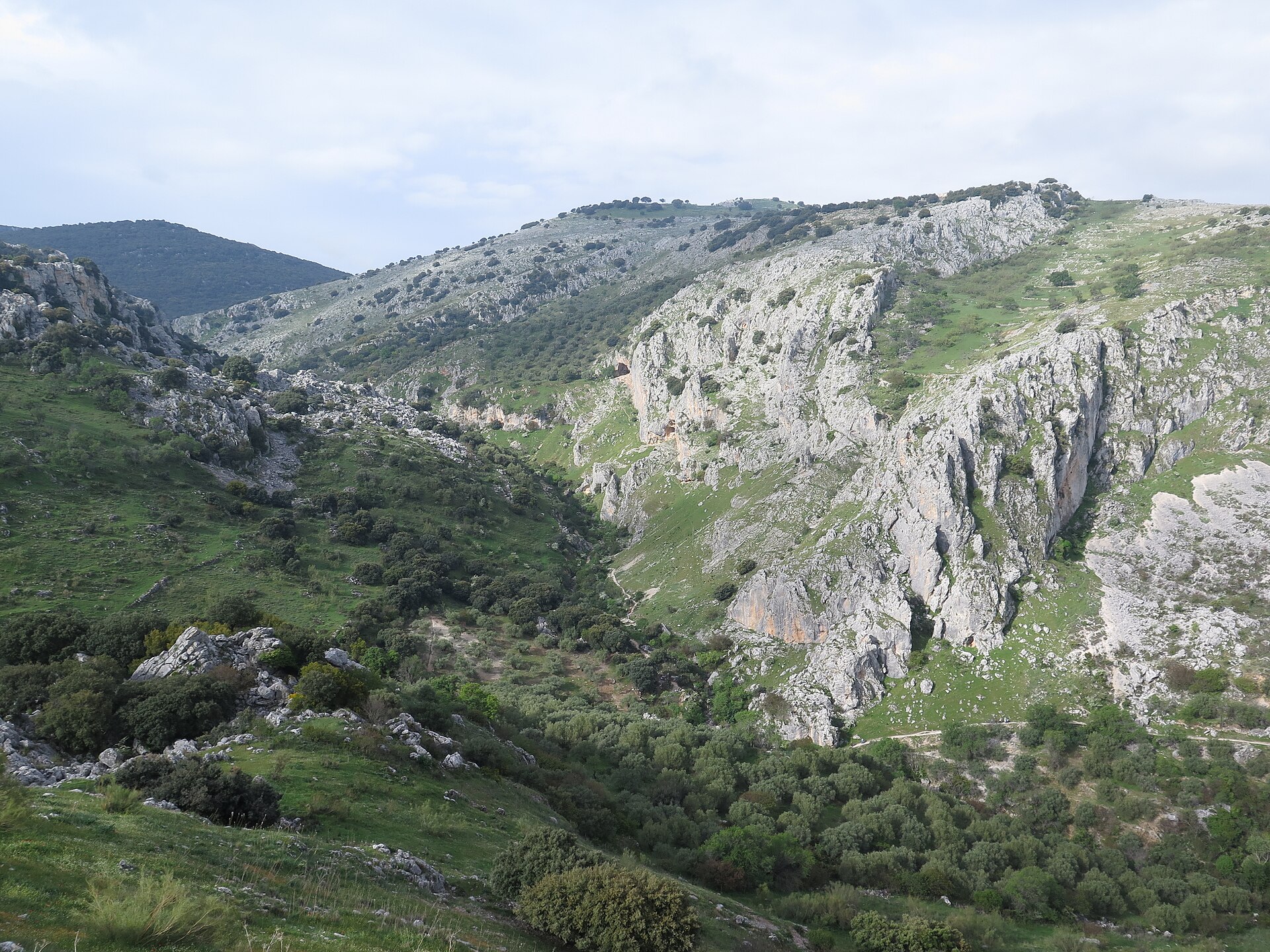
Natura 2000 · breeding
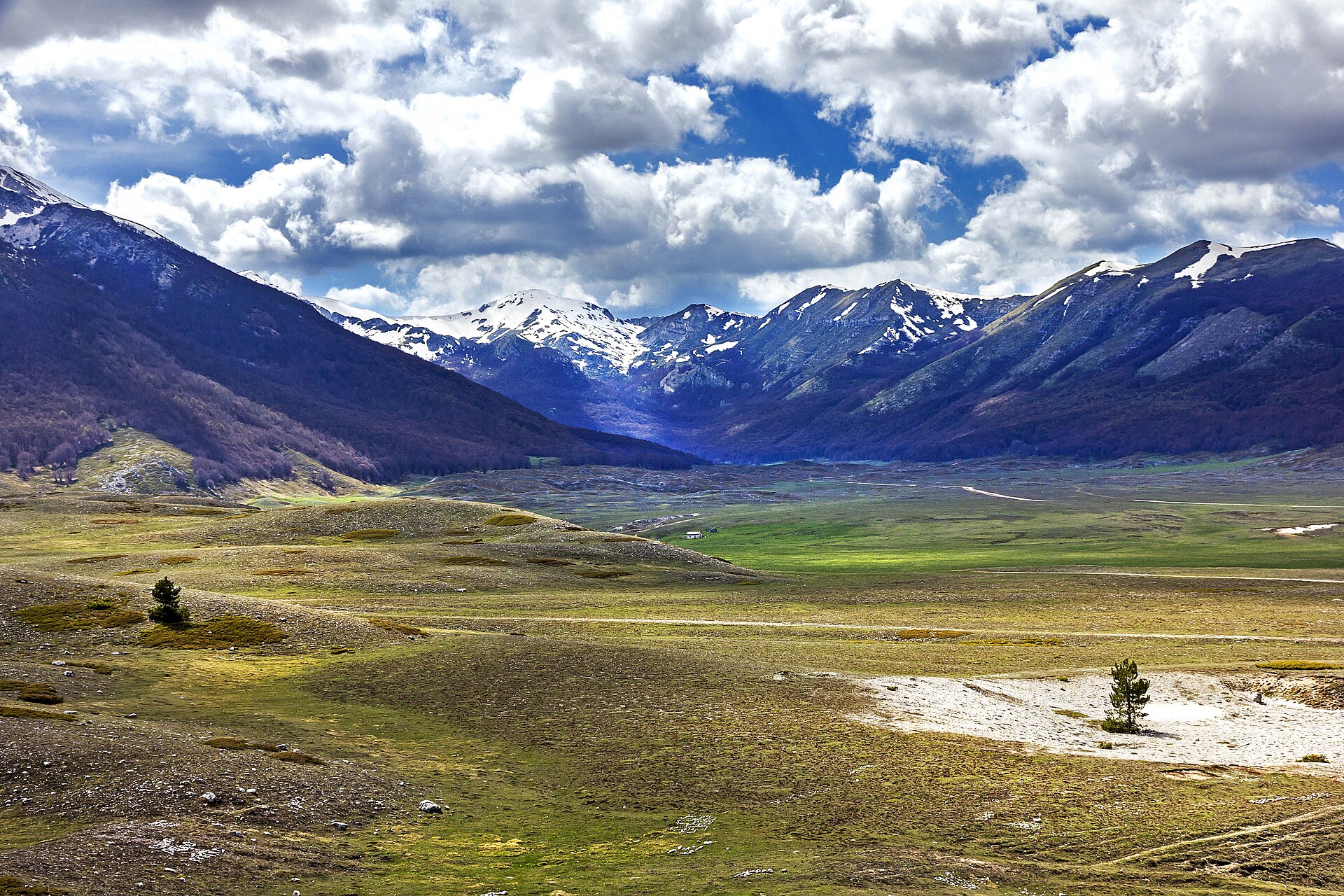
Natura 2000 · breeding
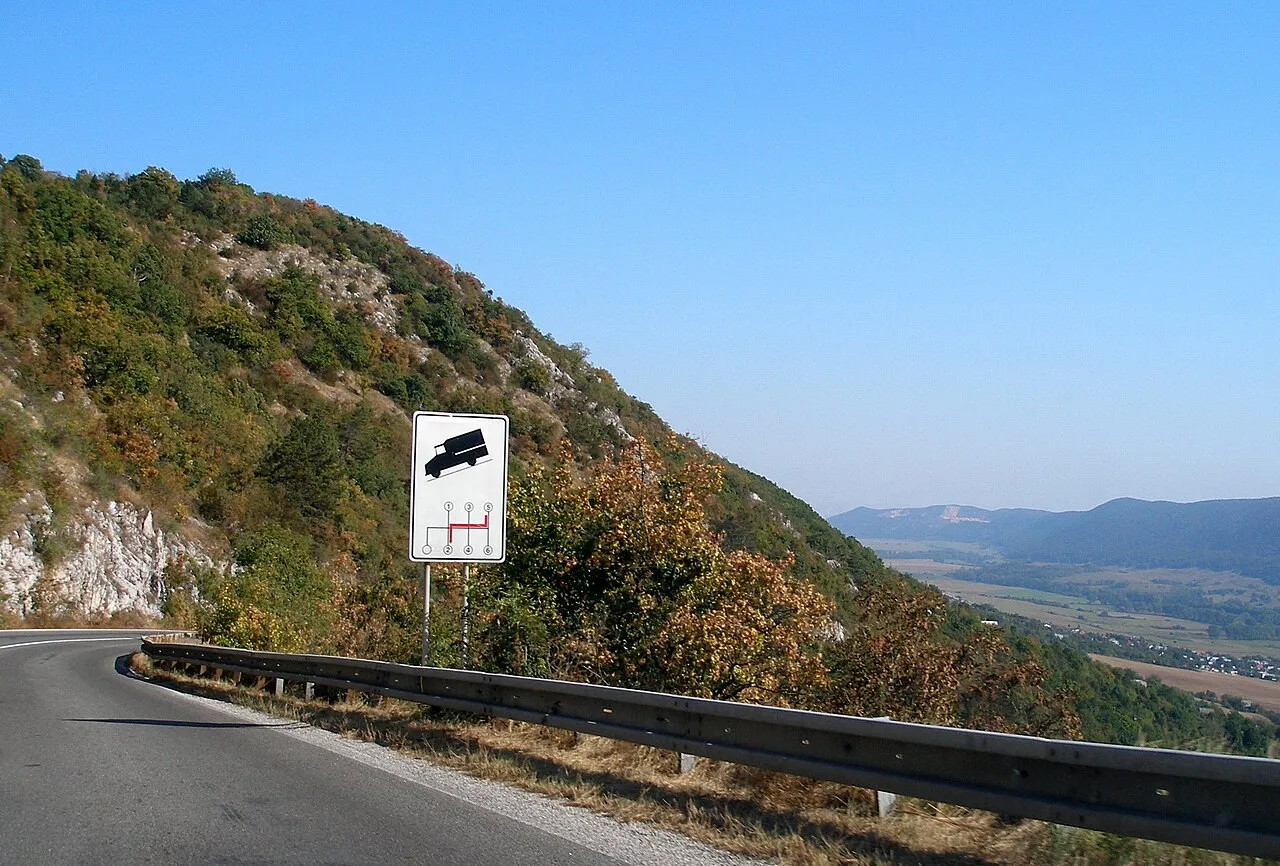
Natura 2000 · breeding
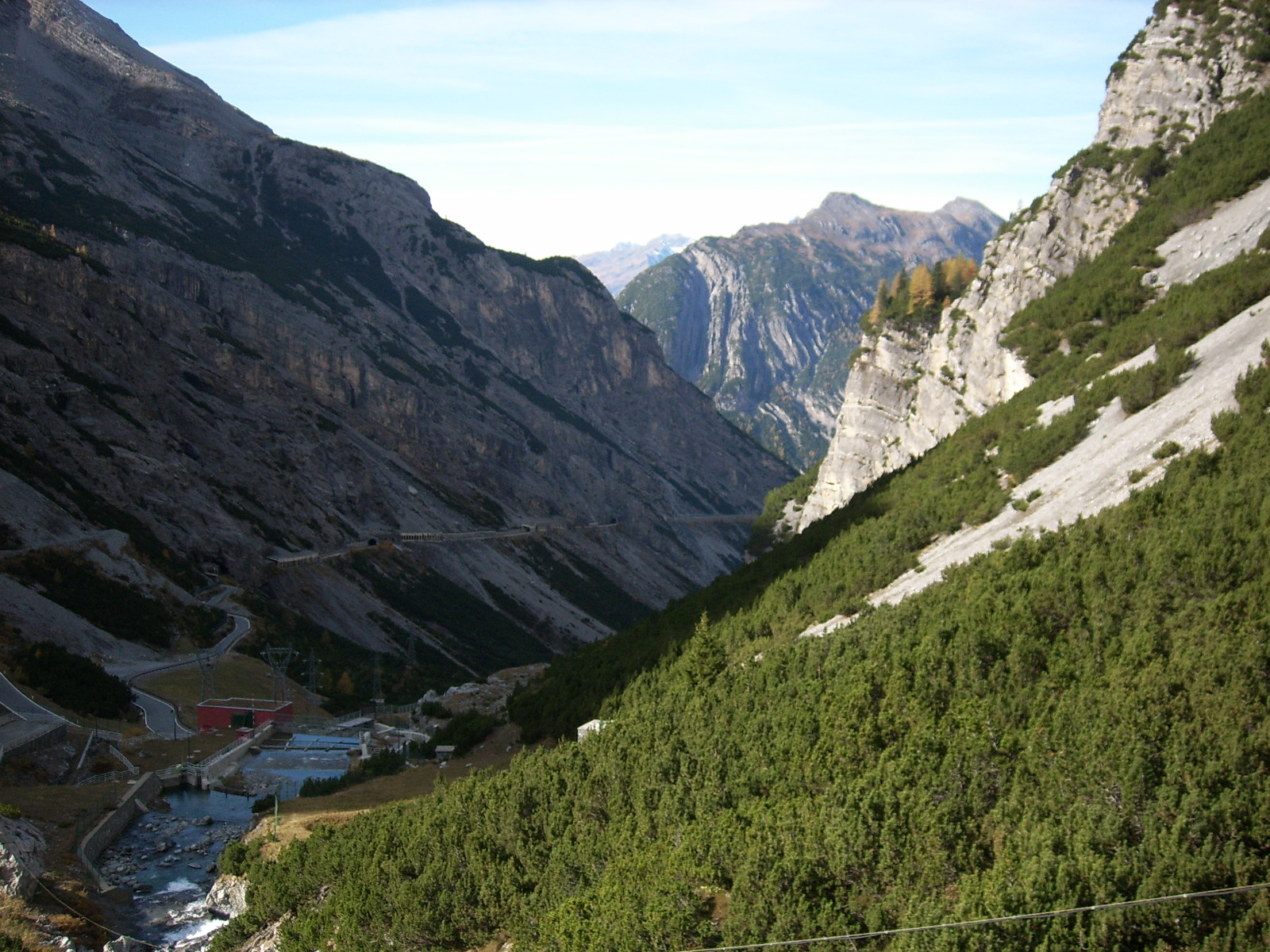
Natura 2000 · passage, breeding
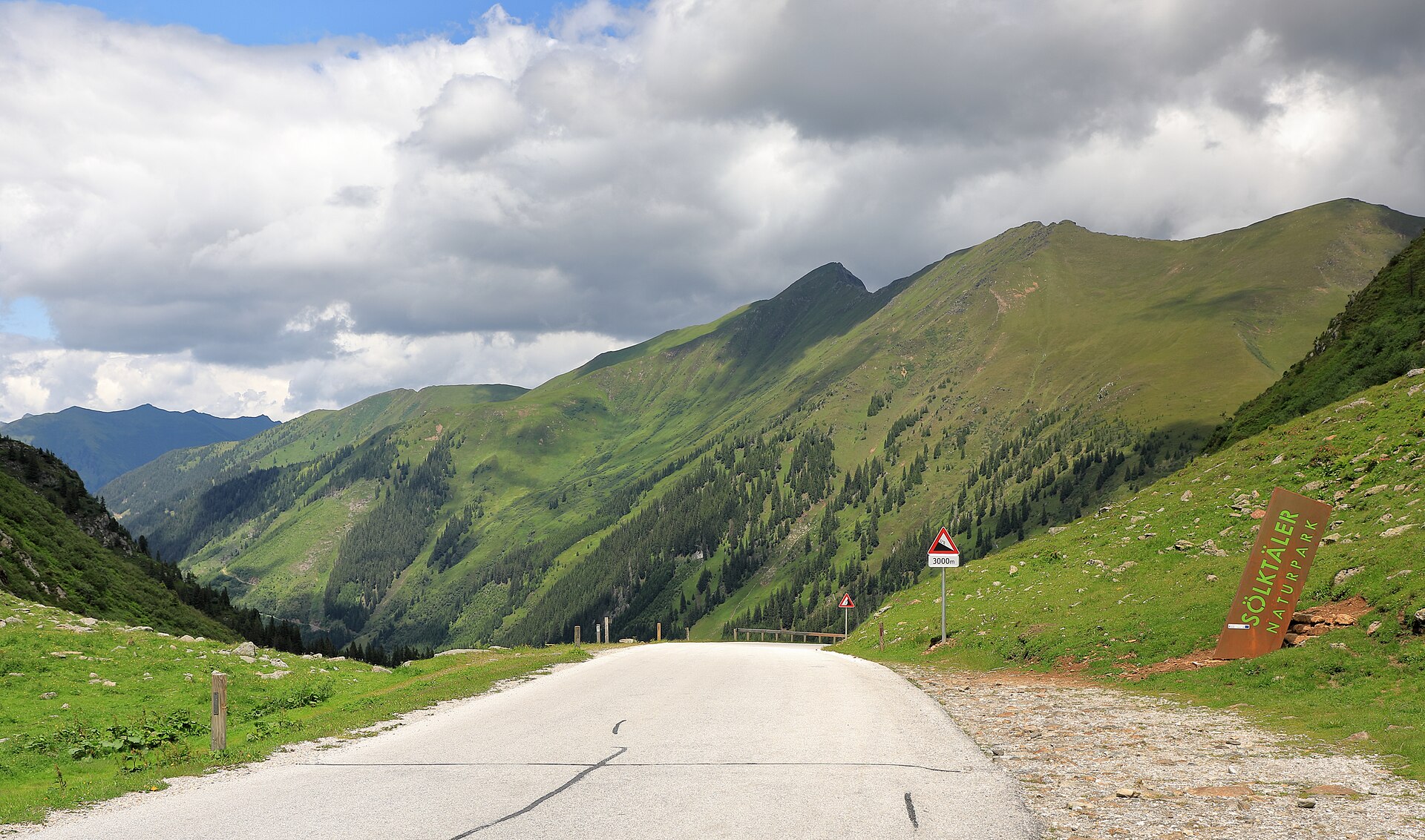
Natura 2000 · breeding

Natura 2000 · breeding
Natura 2000 · breeding, passage
Natura 2000 · breeding
Natura 2000 · breeding
Natura 2000 · breeding

Natura 2000 · passage, breeding

Natura 2000 · breeding
Other species to discover
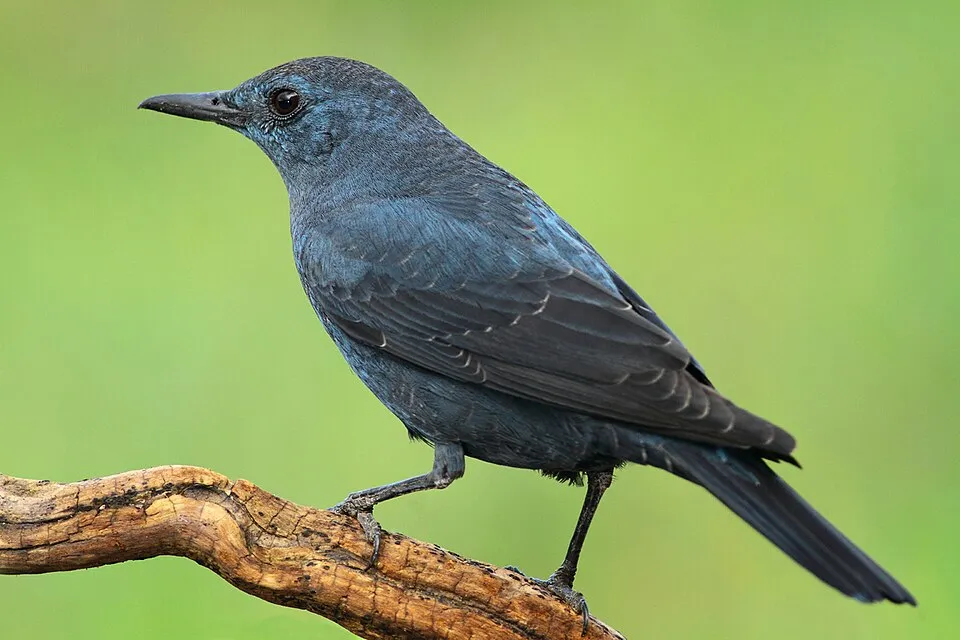 Blue Rock Thrush
Monticola solitarius Same genus
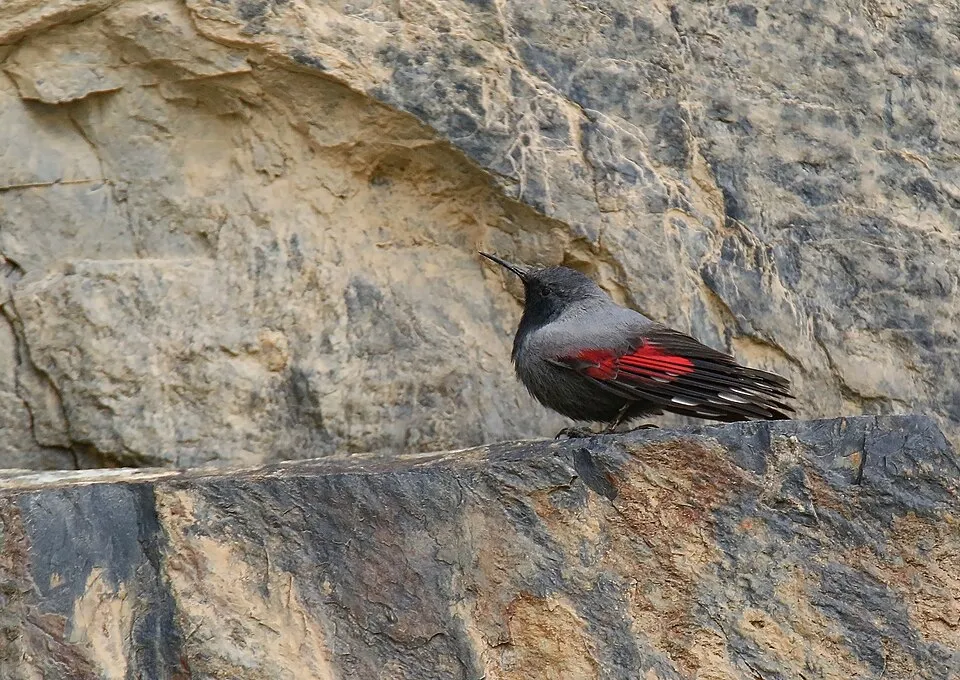 Wallcreeper
Tichodroma muraria 46 places in common
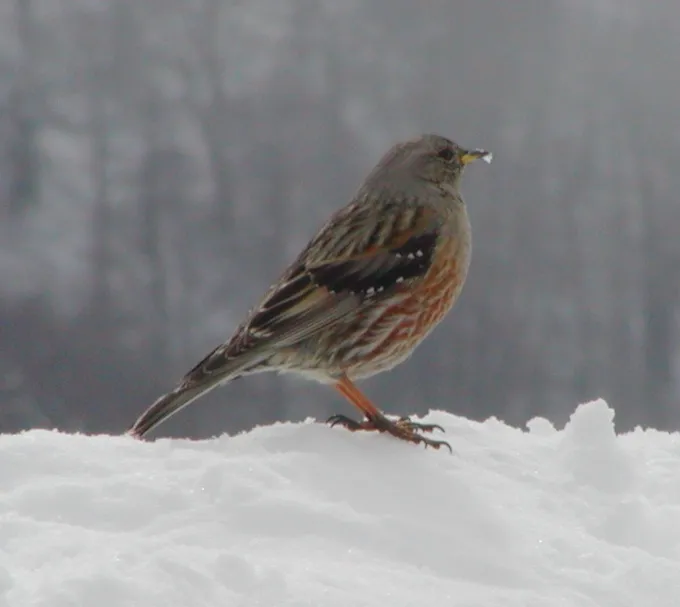 Alpine Accentor
Prunella collaris 46 places in common
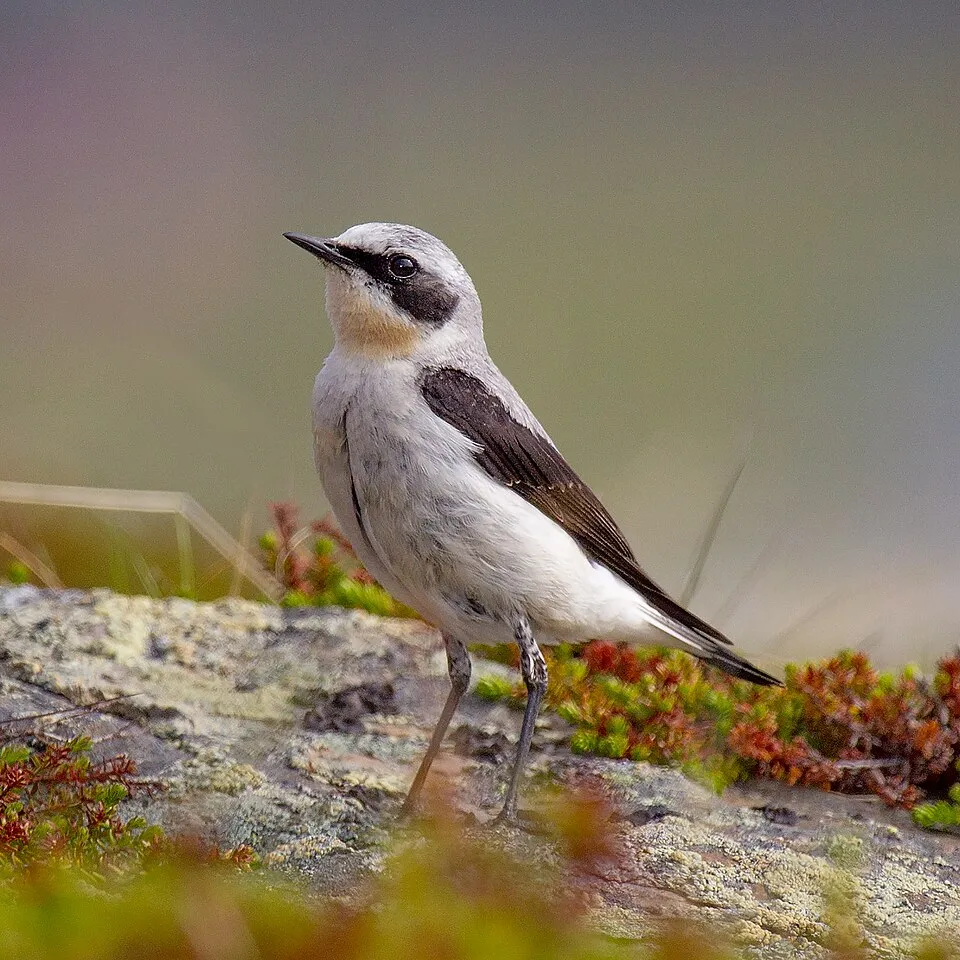 Northern Wheatear
Oenanthe oenanthe 79 places in common
Spotted Flycatcher
Muscicapa striata 65 places in common
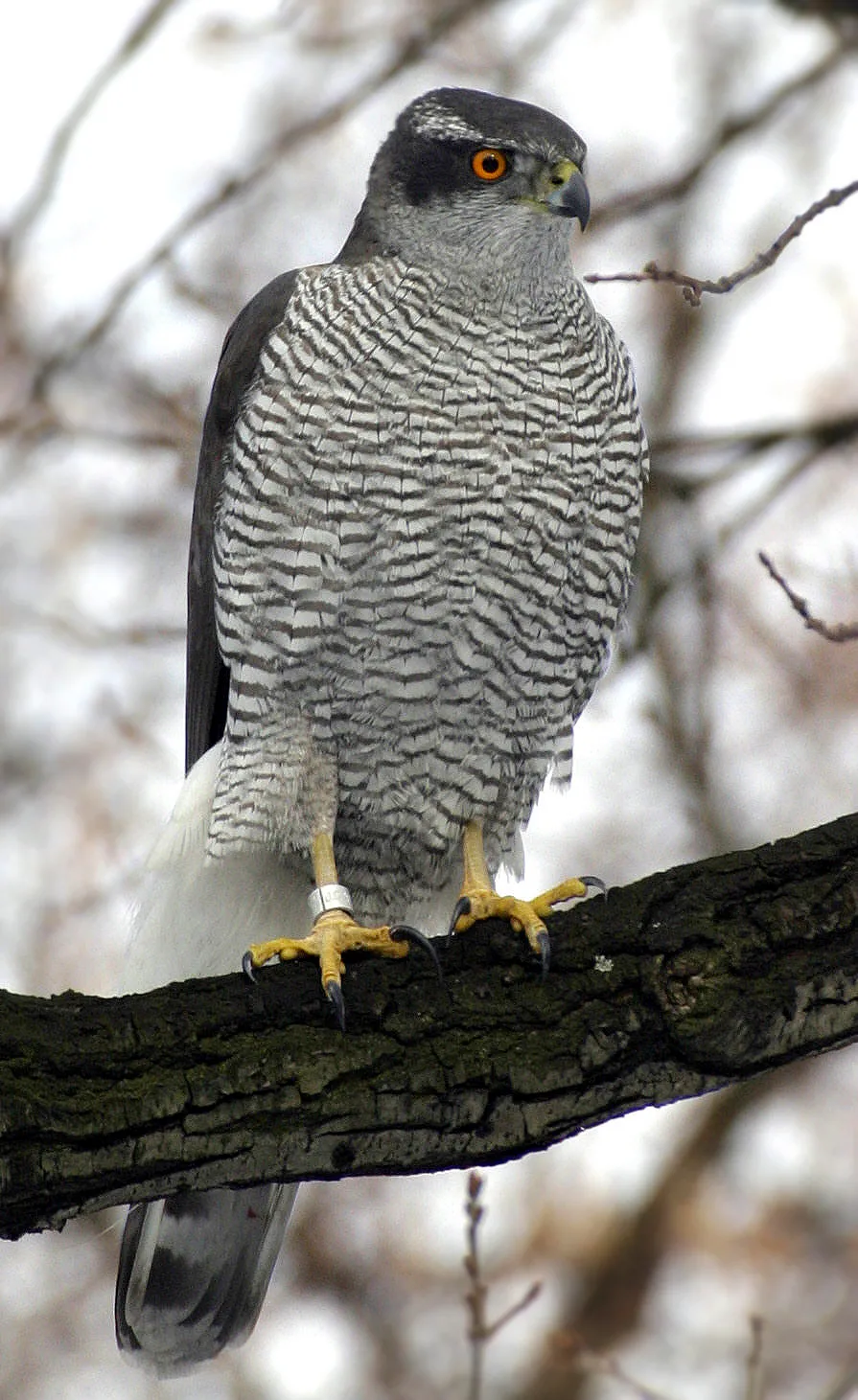 Eurasian Goshawk
Accipiter gentilis 47 places in common
Sources and credits
- Presence: most-recorded species of each place on GBIF and species of Community interest in the Natura 2000 forms (EEA, CC-BY 4.0); absence from the list does not mean the species is absent.
- Common names: Wikidata (CC0) and GBIF.
- Photos and sounds: Wikimedia Commons, author and licence given for each file.
- Classification: GBIF Backbone Taxonomy (GBIF Secretariat), CC BY 4.0, doi:10.15468/39omei.
- Countries, elevations, months and maps: GBIF.org, CC0 or CC BY 4.0 occurrences only, accessed October 22, 2026, GBIF.org.
- Base map: Natural Earth (public domain).
- Excerpt: Wikipedia, CC BY-SA 4.0 (full credit below the excerpt).
- Key facts: Wikidata (CC0), with the references cited under each value.