
Reptile
Loggerhead sea turtle: where to see it
Caretta caretta
This reptile species is recorded in 46 protected areas of the atlas, including 44 whose official Natura 2000 form lists it. Within the atlas countries, it is mostly observed in Spain, France and Portugal (5 countries in all). Records peak from June to January. It is a priority species under the Habitats Directive (Annexes II and IV).
Best time to see it: June–January
Records published on GBIF by month (CC0 and CC BY 4.0 licences only), in the atlas countries, all years combined; they also reflect observer activity.
Status and protection
Habitats Directive II · IV ★
The species is listed in Annexes II and IV of the Habitats Directive, as a priority species.
Distribution
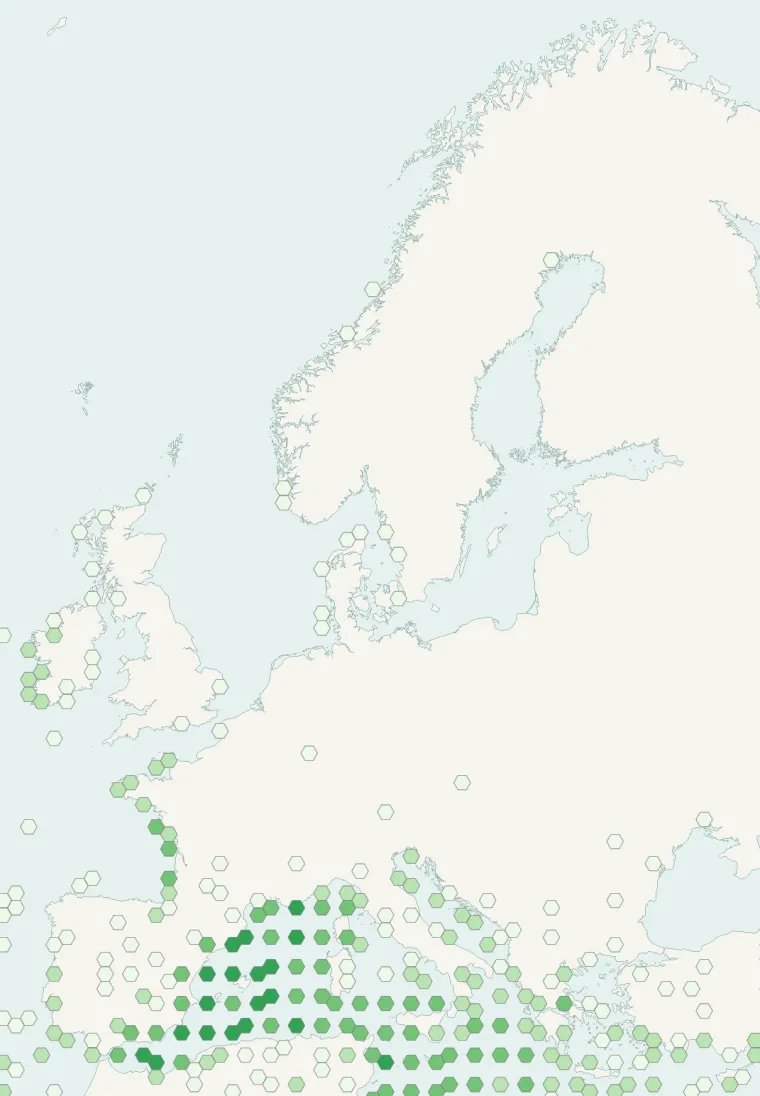
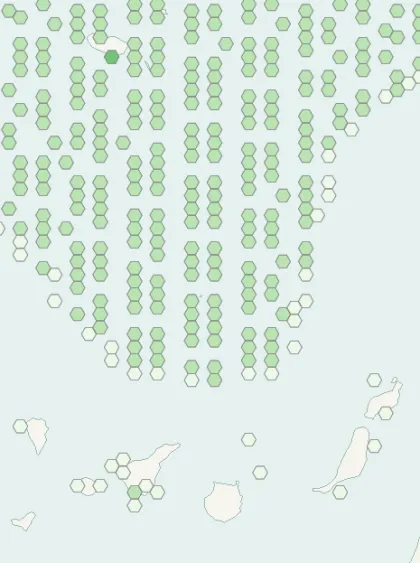
Records published on GBIF (CC0 and CC BY 4.0 licences): the darker the shade, the more records there are; they also reflect observation effort.
Atlas countries where it is recorded
From Wikipedia
The loggerhead sea turtle (Caretta caretta), loggerhead turtle or loggerhead, is a species of sea turtle distributed throughout the world. It is a marine reptile, belonging to the family Cheloniidae. The average loggerhead measures around 90 cm (35 in) in carapace length when fully grown. The adult loggerhead sea turtle weighs approximately 135 kg (298 lb), with the largest specimens weighing about 200 kg (440 lb). The skin ranges from yellow to brown in color, and the shell is typically reddish brown.
Source: Wikipedia, article “Loggerhead sea turtle” (version of October 12, 2026) · history and authors · licence CC BY-SA 4.0 · shortened excerpt
Protected areas where it is recorded
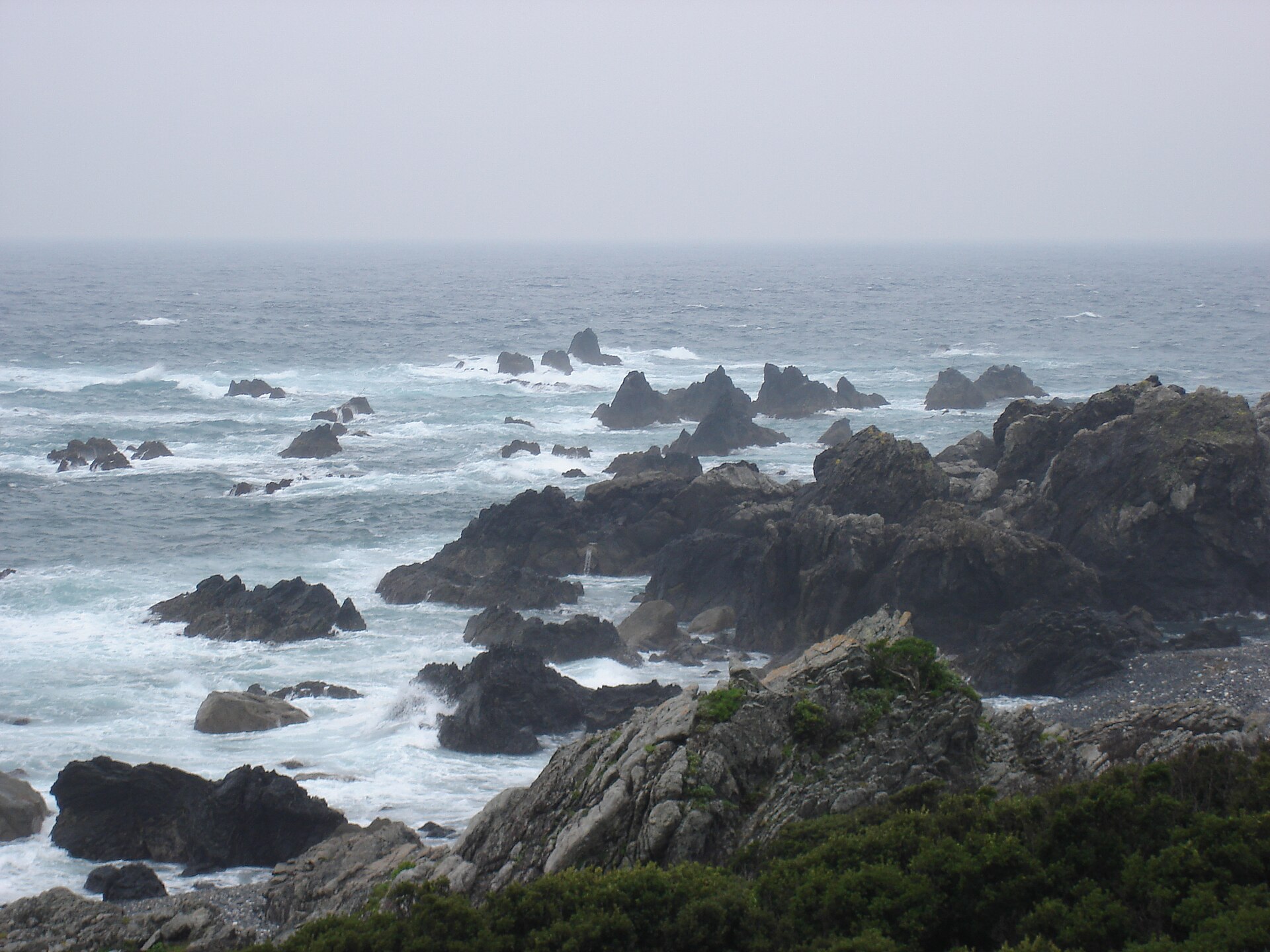
20 records
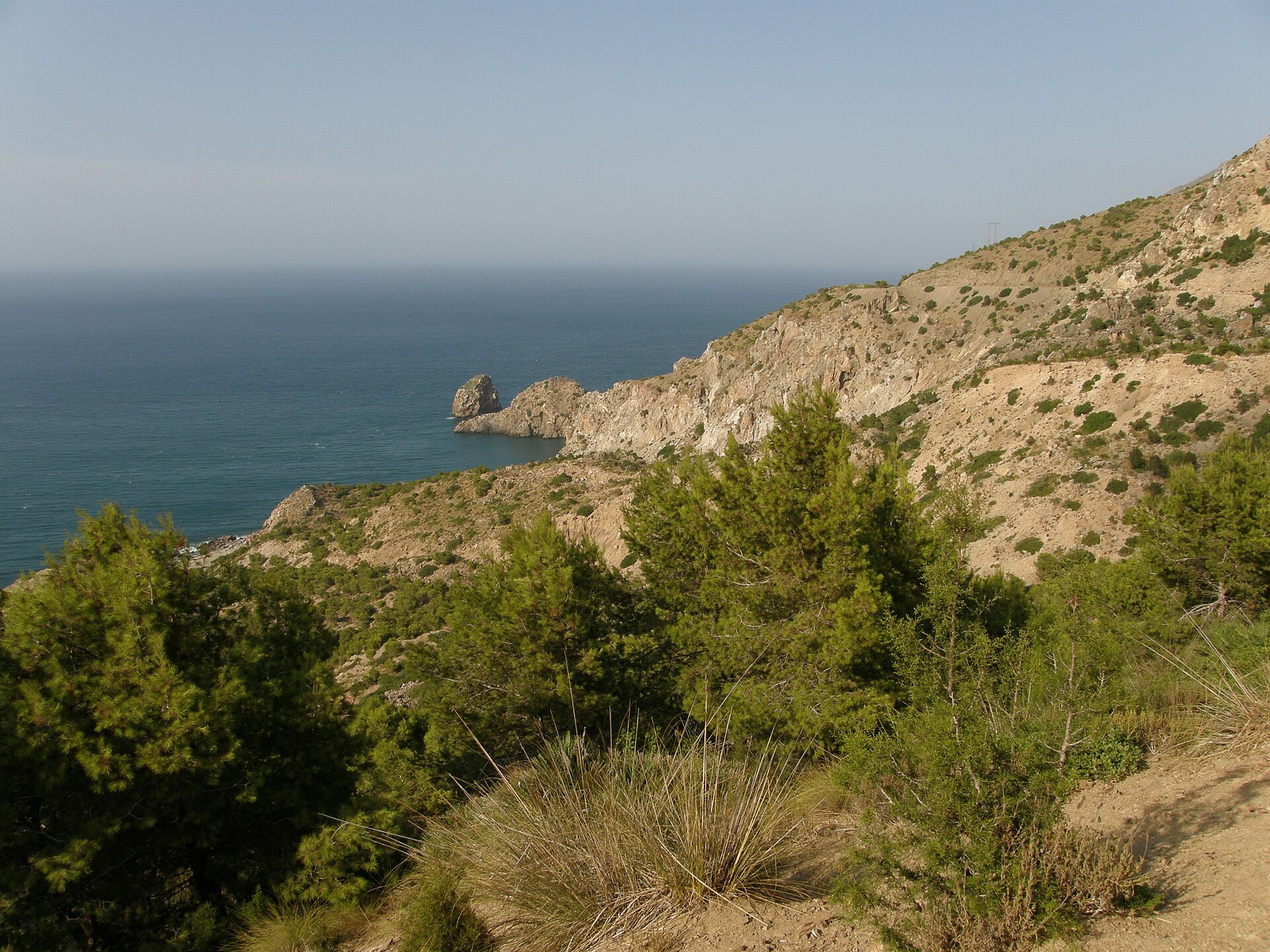
7 records
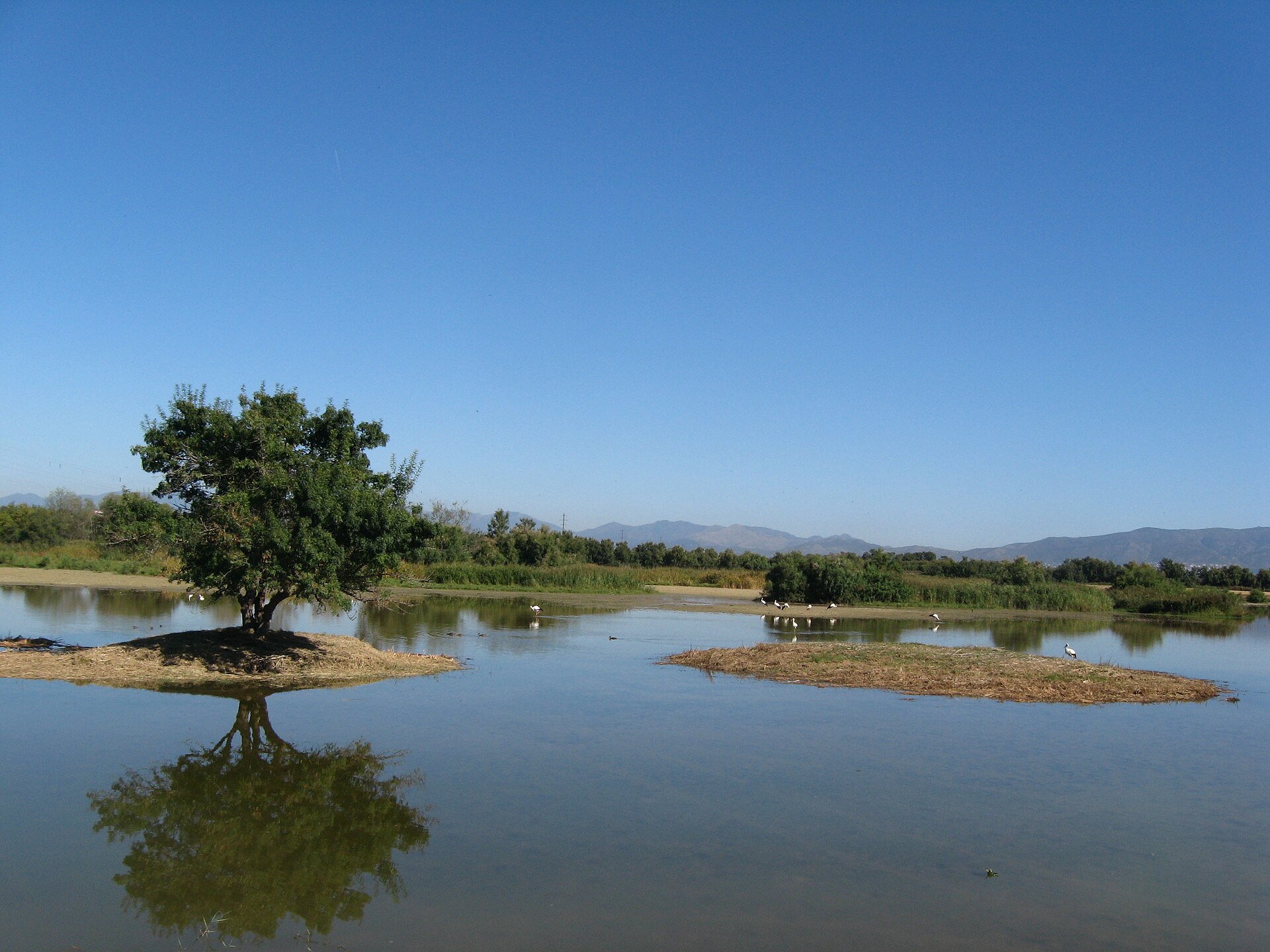
Natura 2000

Natura 2000

Natura 2000

Natura 2000
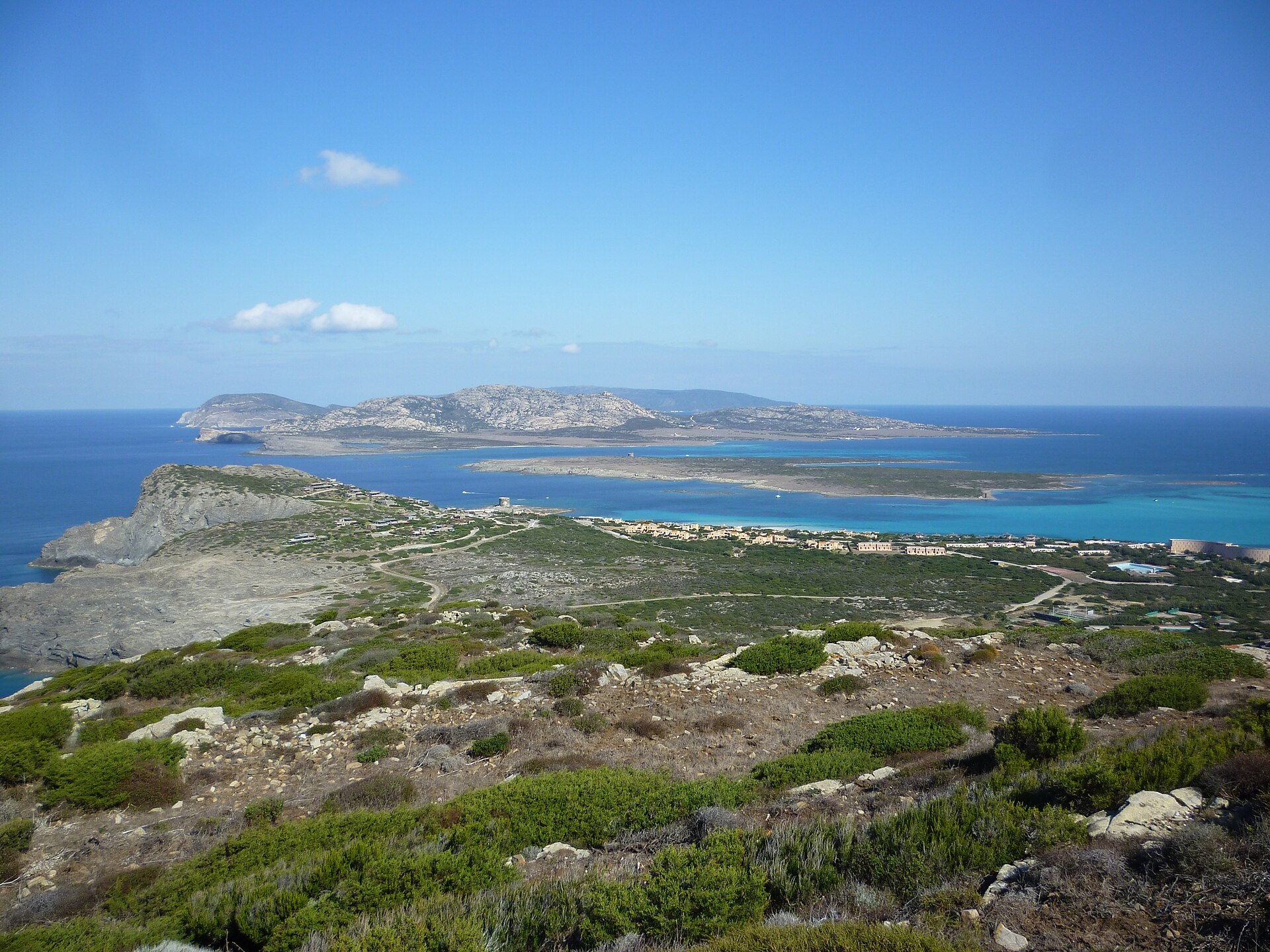
Natura 2000
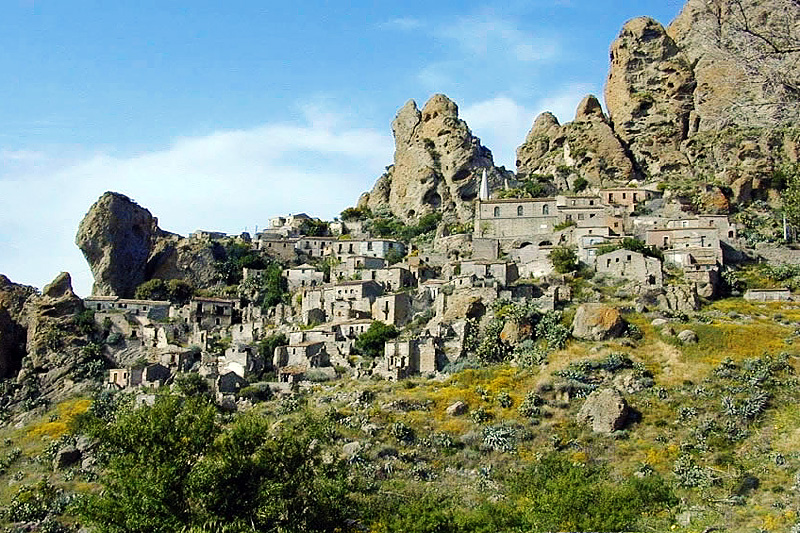
Natura 2000

Natura 2000

Natura 2000
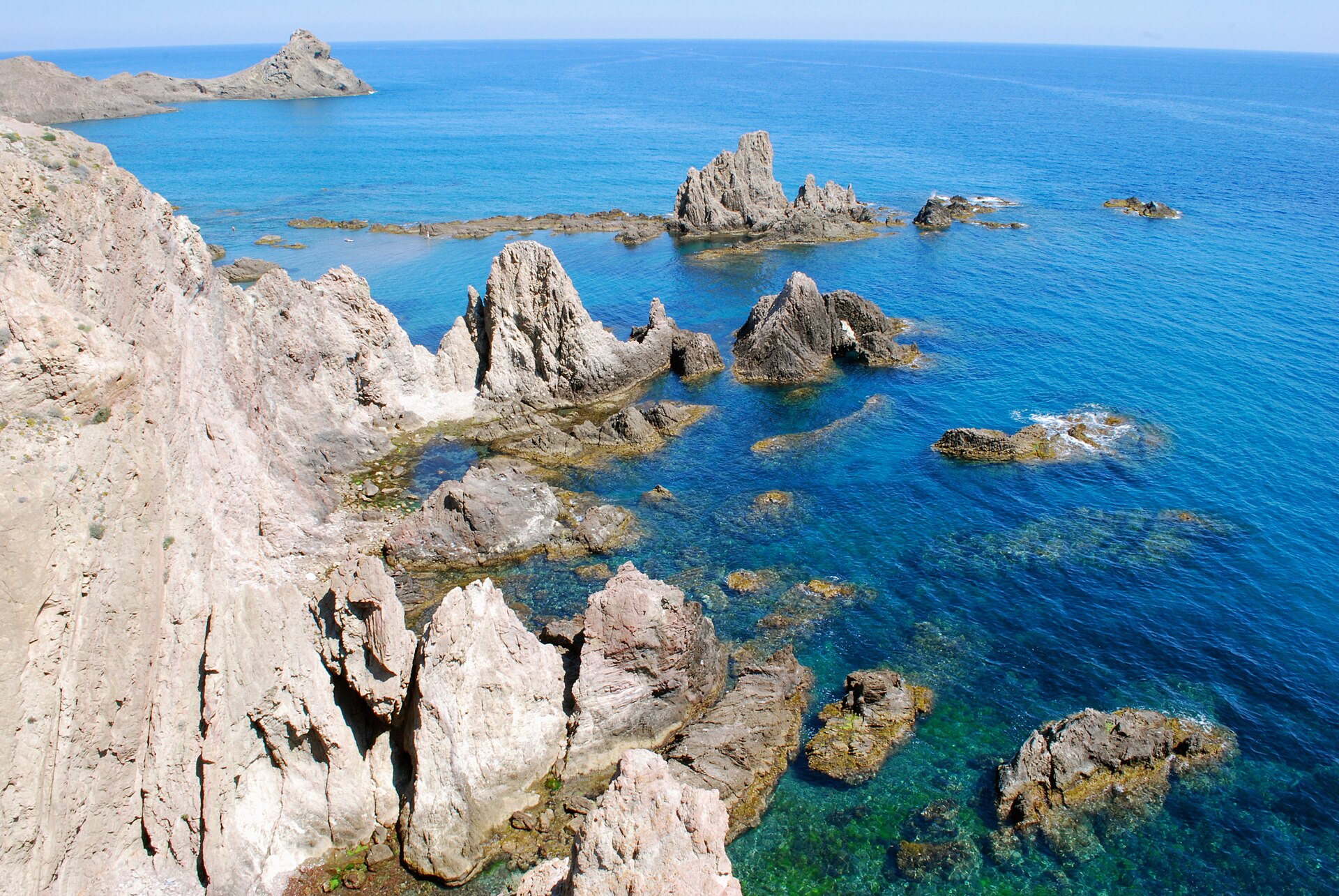
Natura 2000

Natura 2000
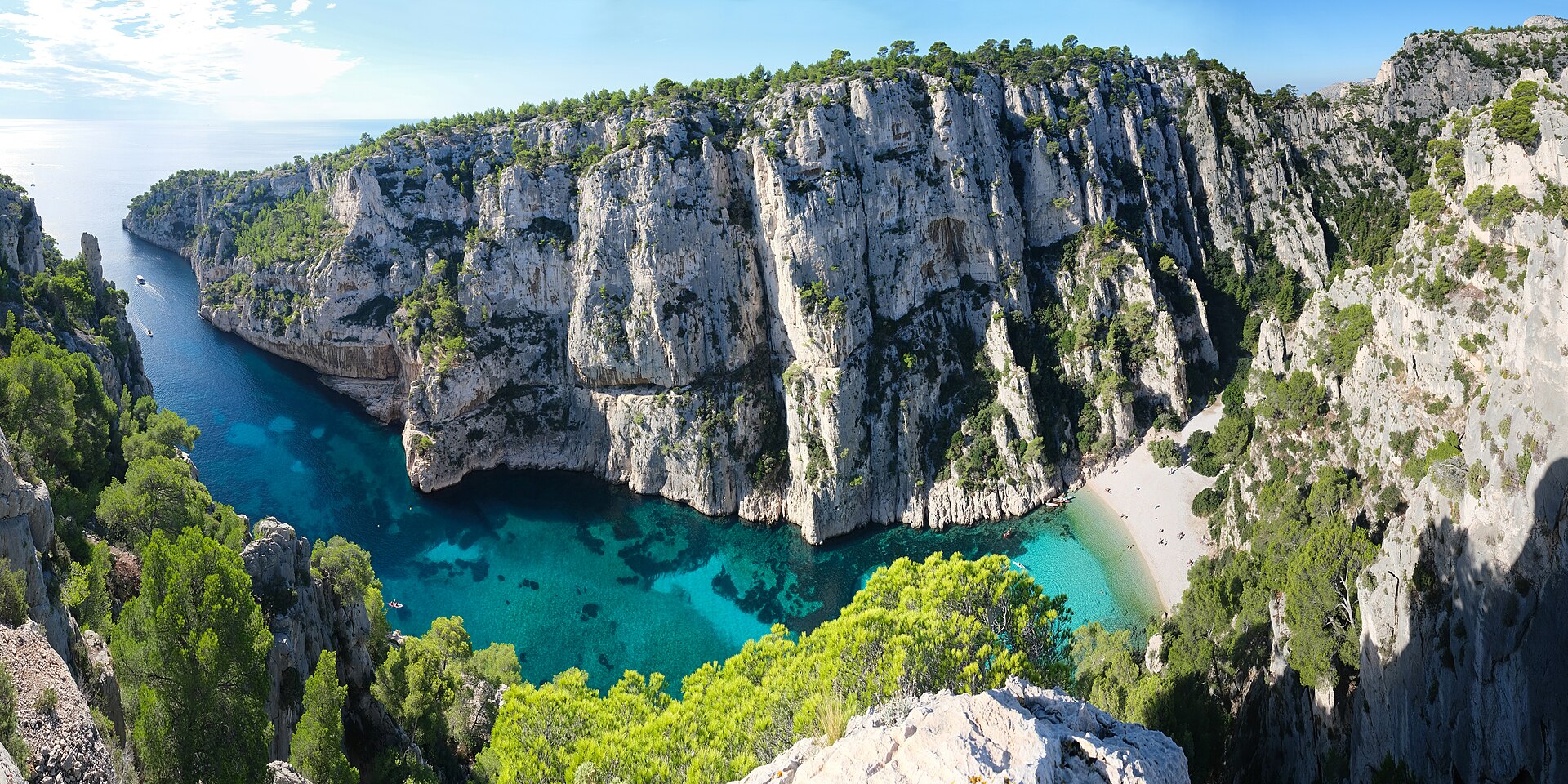
Natura 2000
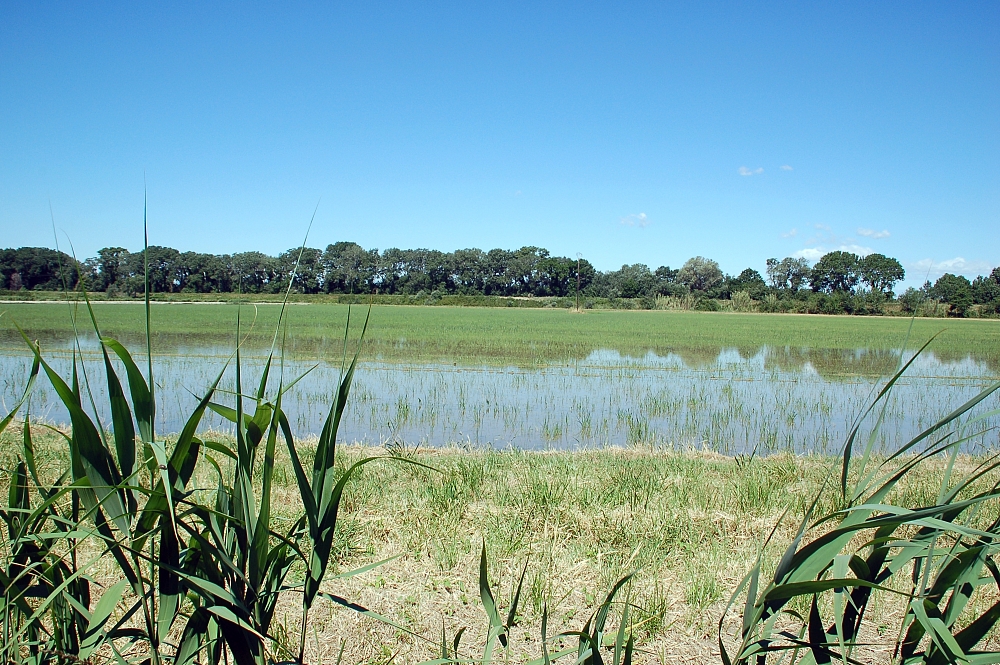
Natura 2000
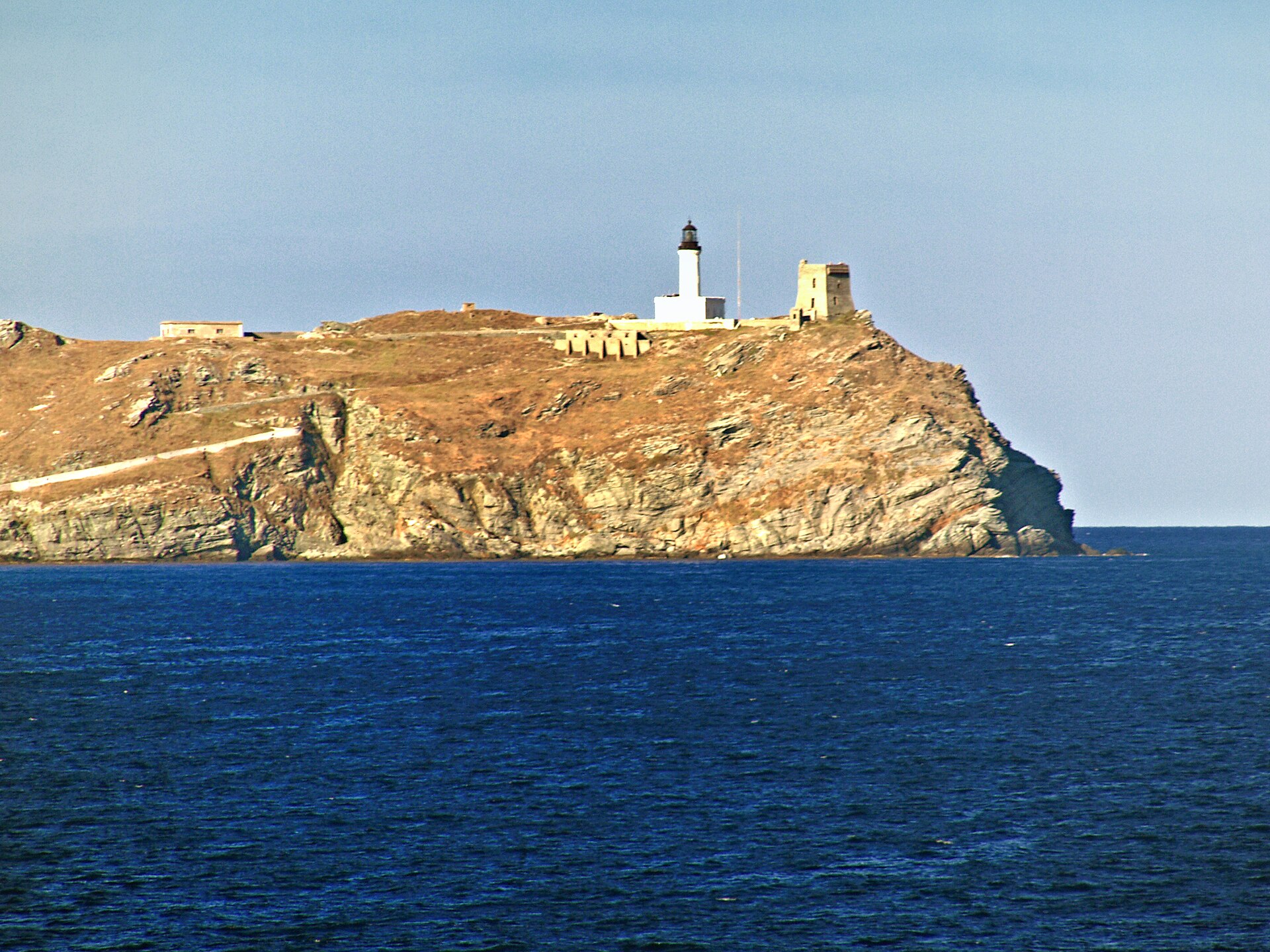
Natura 2000
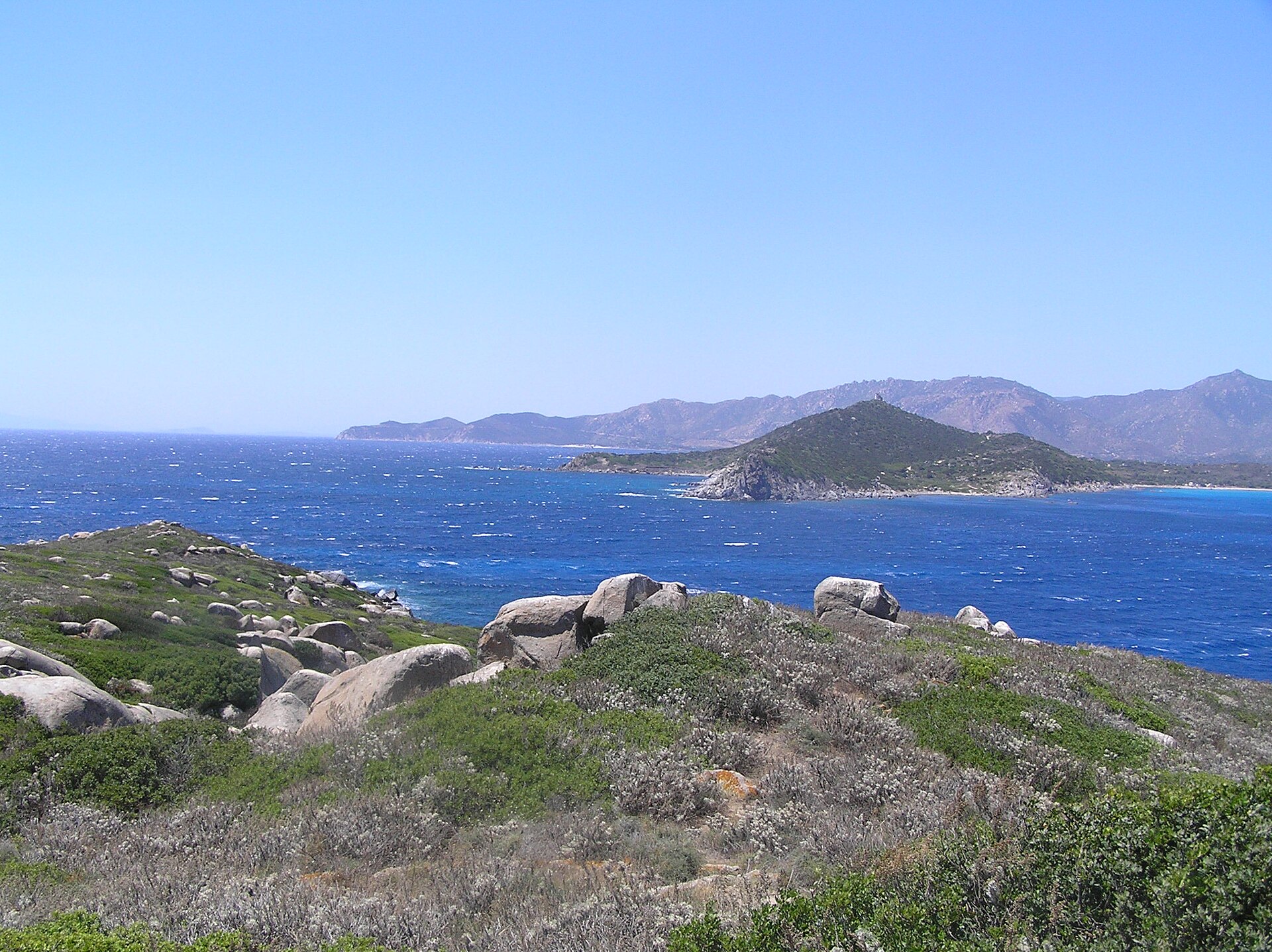
Natura 2000
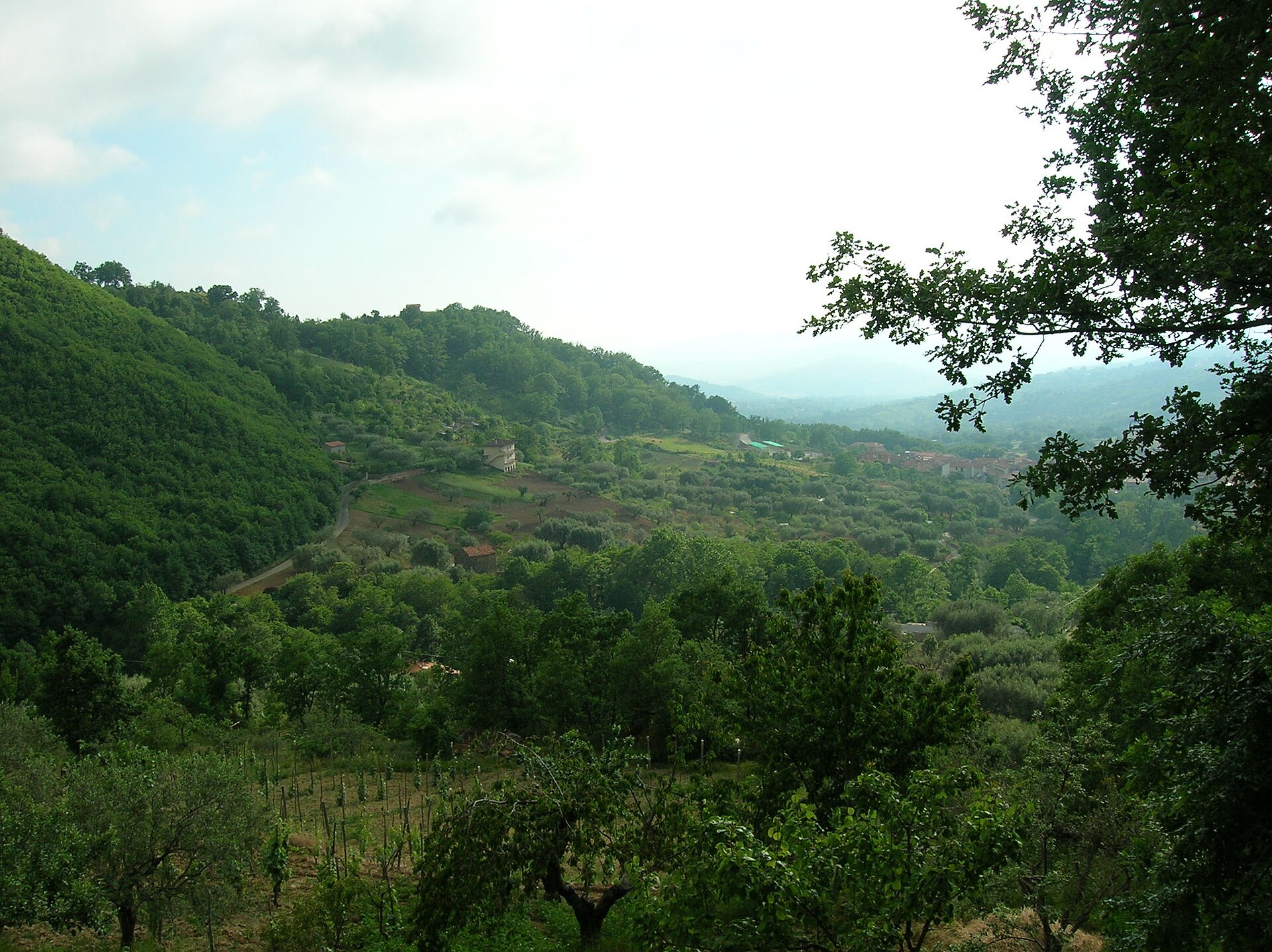
Natura 2000

Natura 2000
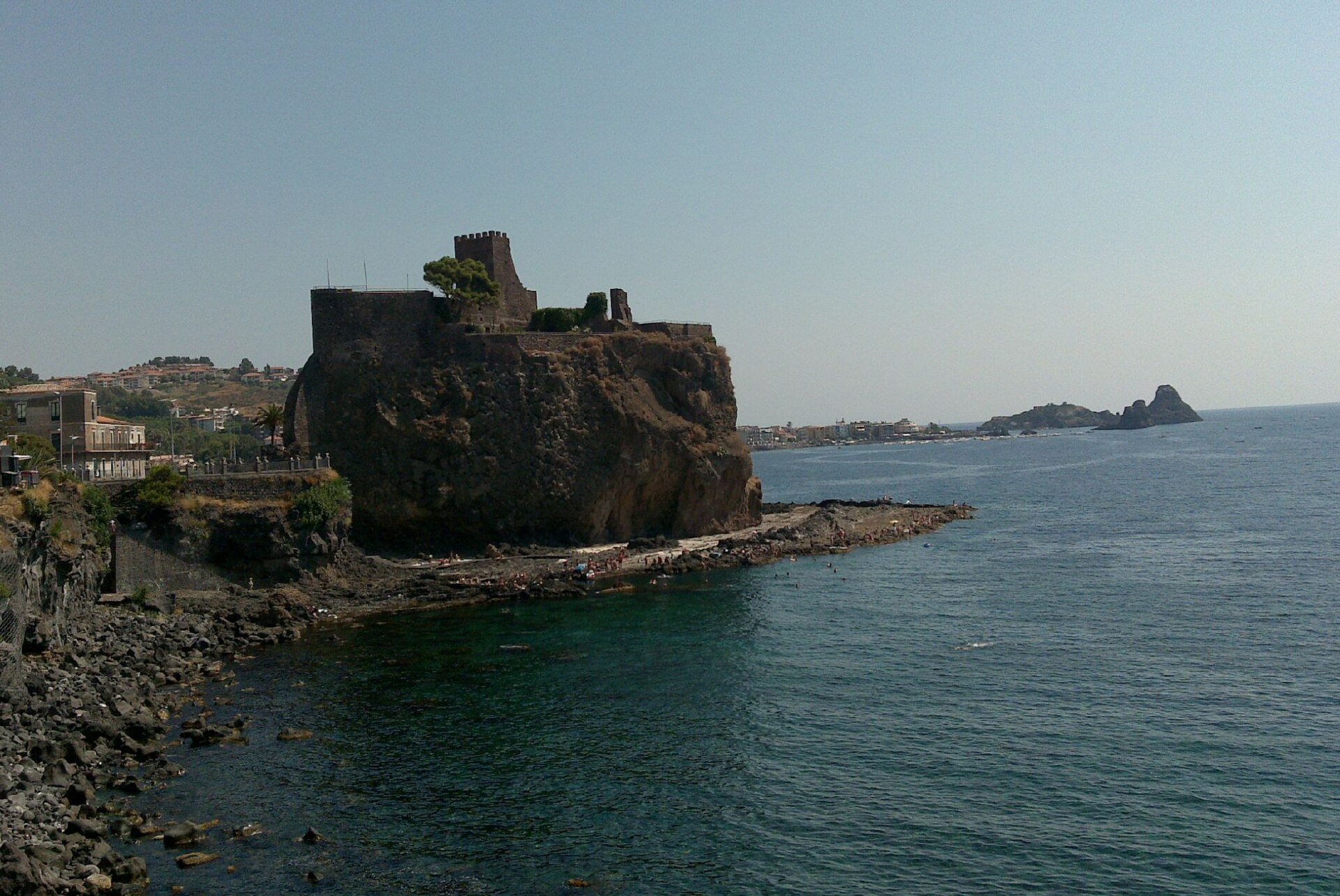
Natura 2000
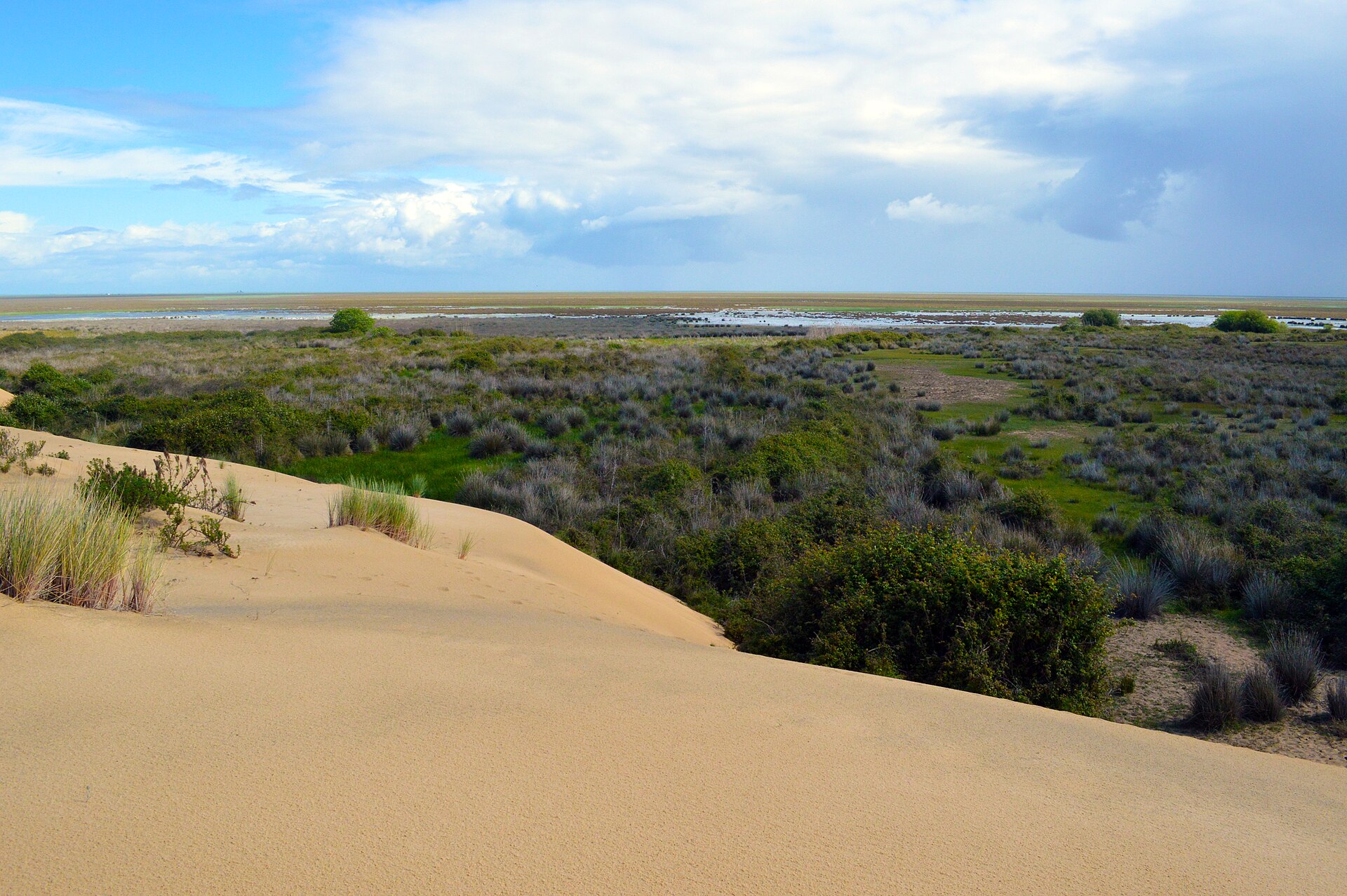
Natura 2000
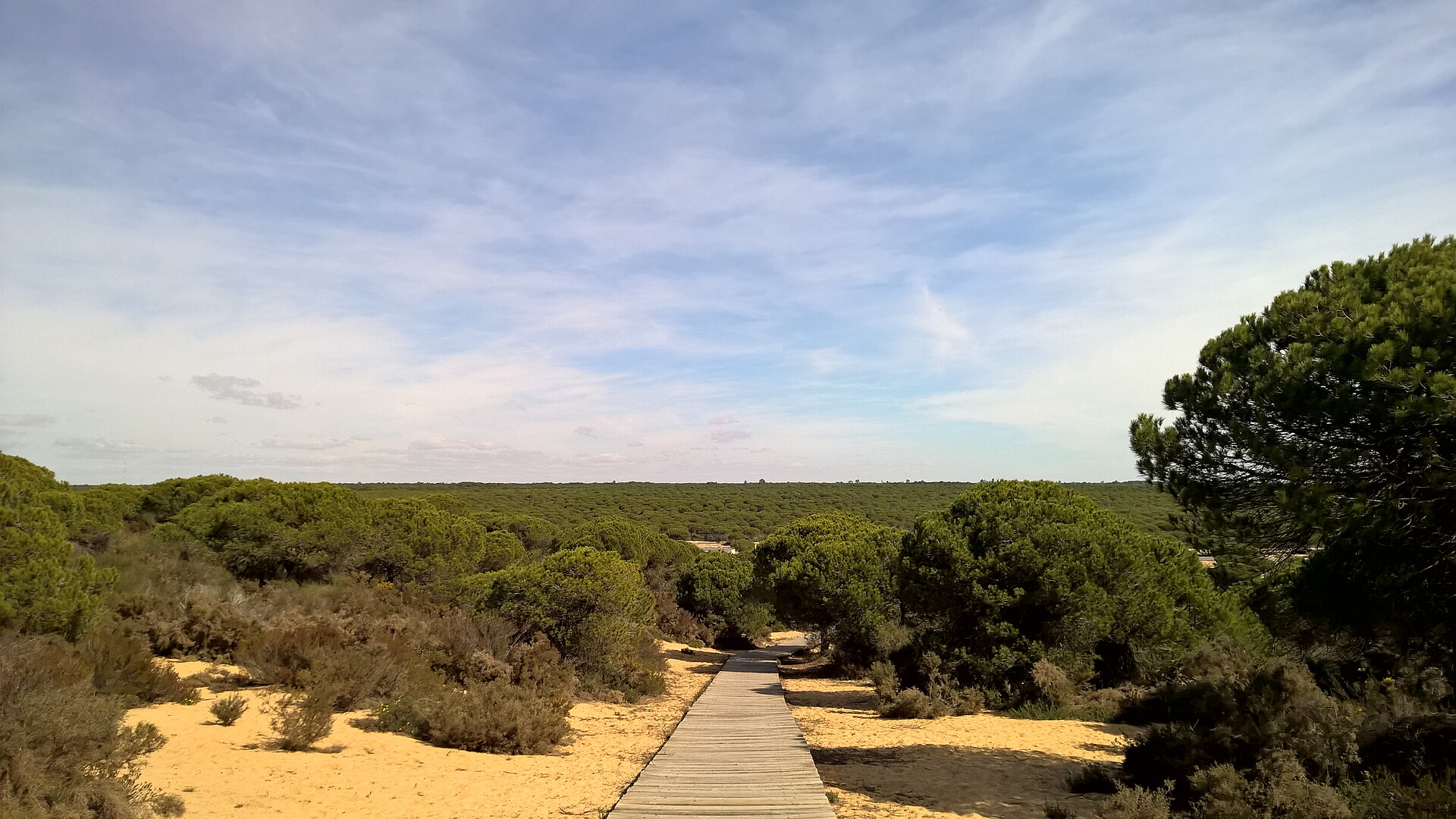
Natura 2000
Natura 2000
Natura 2000

Natura 2000

Natura 2000
Natura 2000
Natura 2000

Natura 2000
Natura 2000

Natura 2000

Natura 2000
Natura 2000
Natura 2000
Natura 2000
Natura 2000

Natura 2000
Natura 2000
Natura 2000
Natura 2000
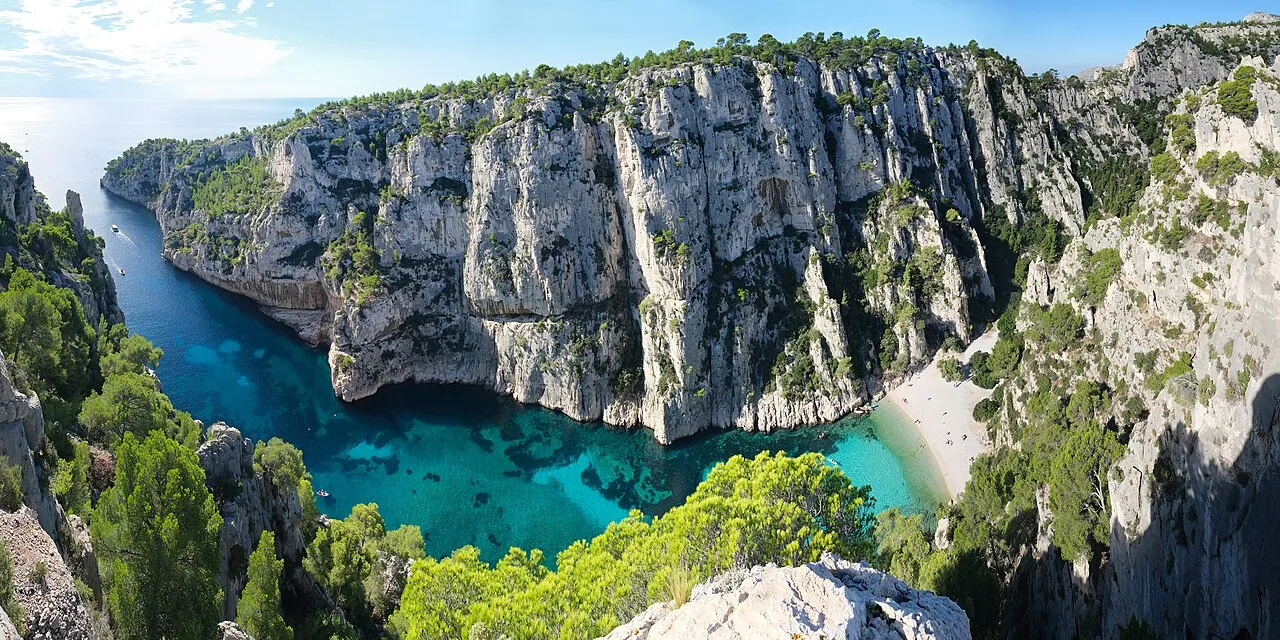
Natura 2000
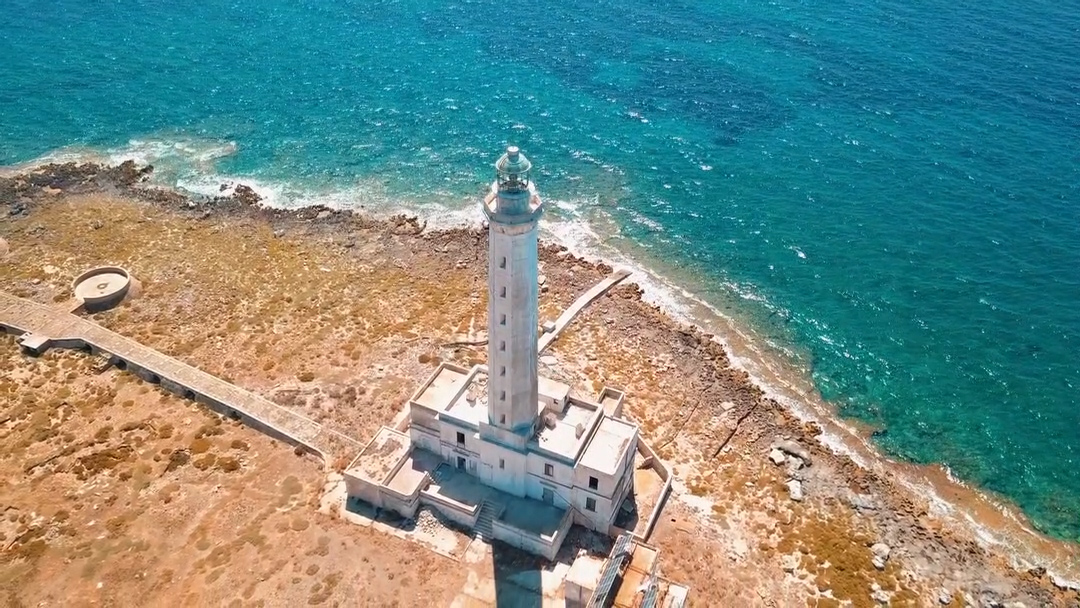
Natura 2000
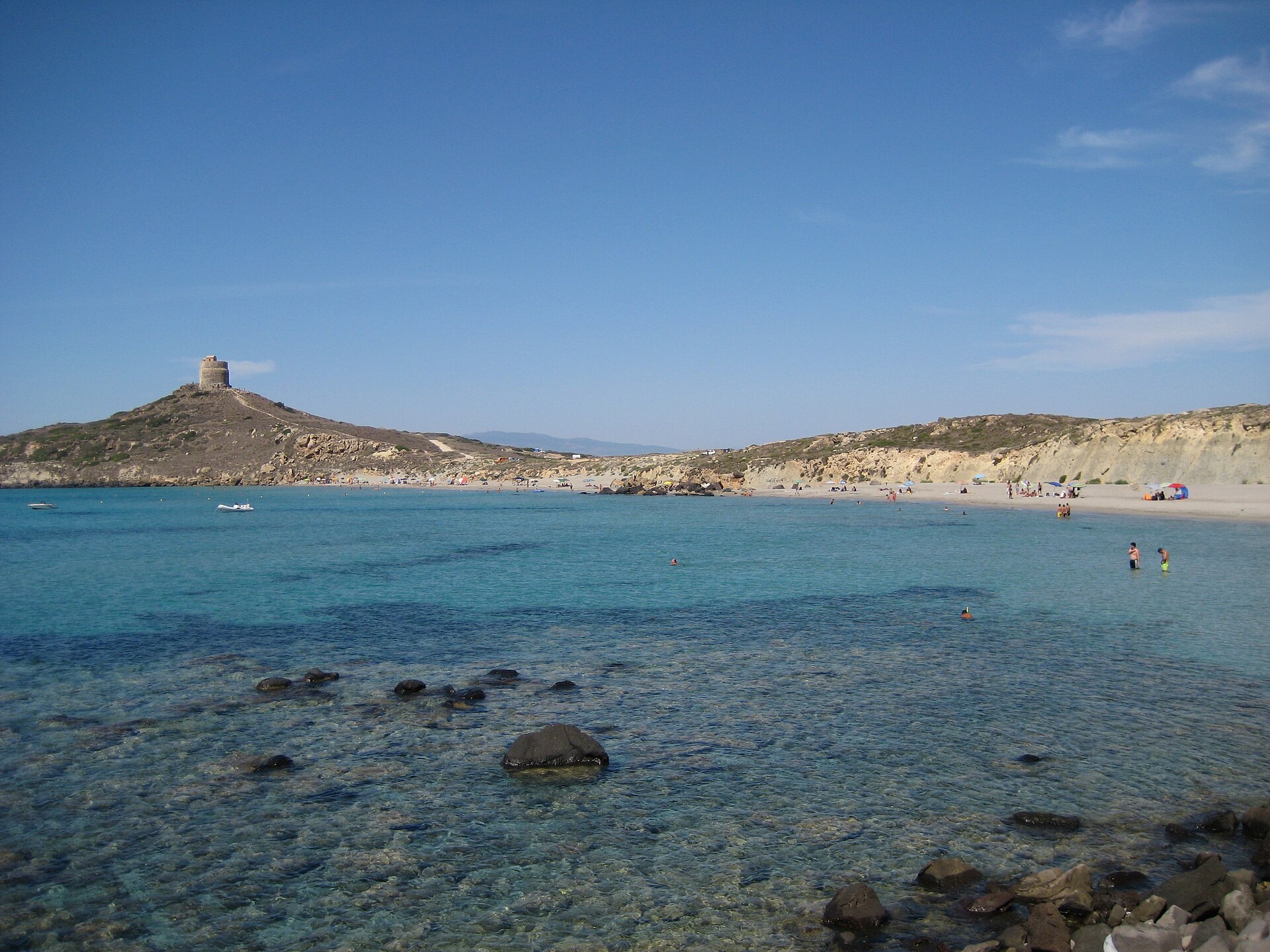
Natura 2000

Natura 2000
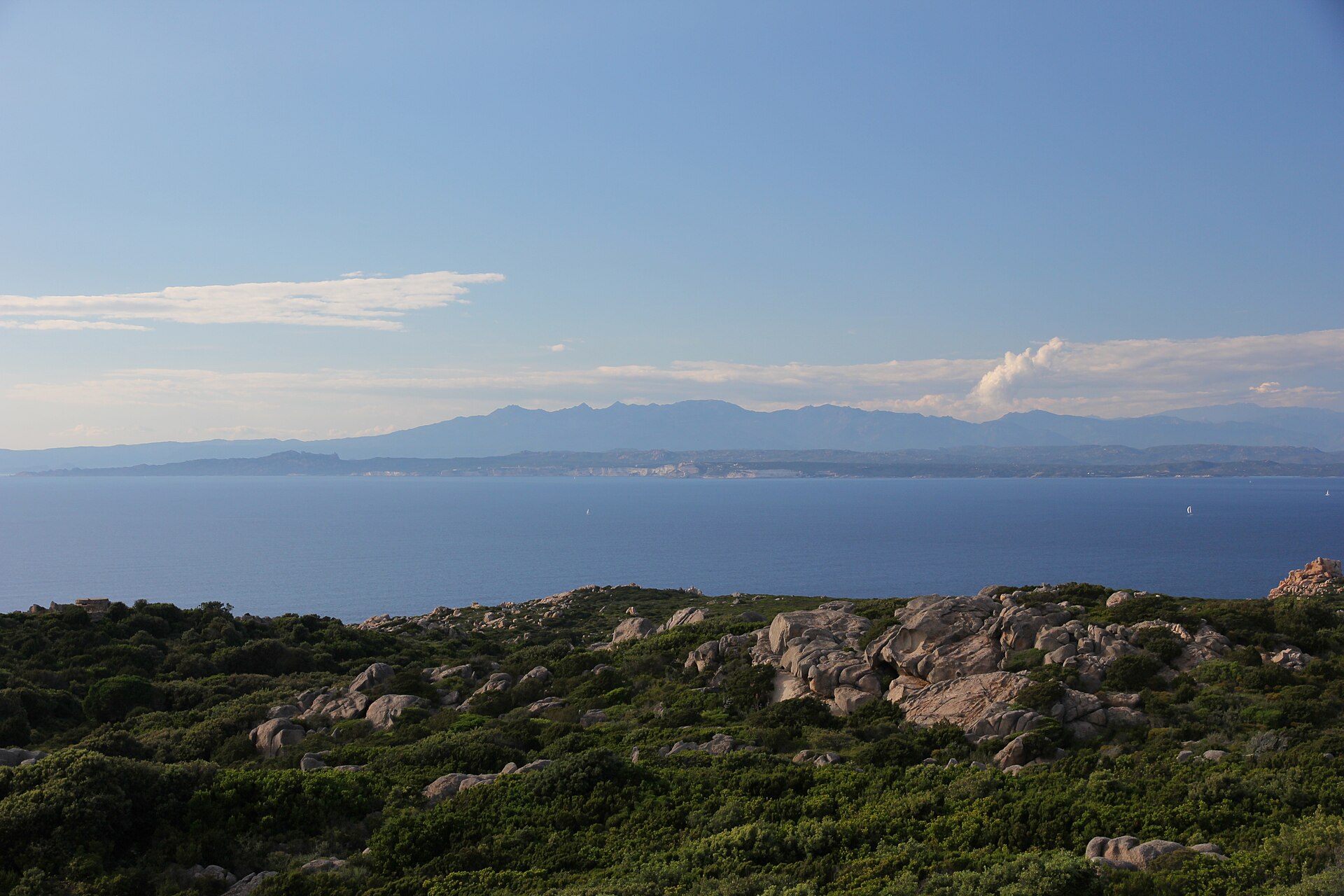
Natura 2000
Natura 2000

Natura 2000
Other species to discover
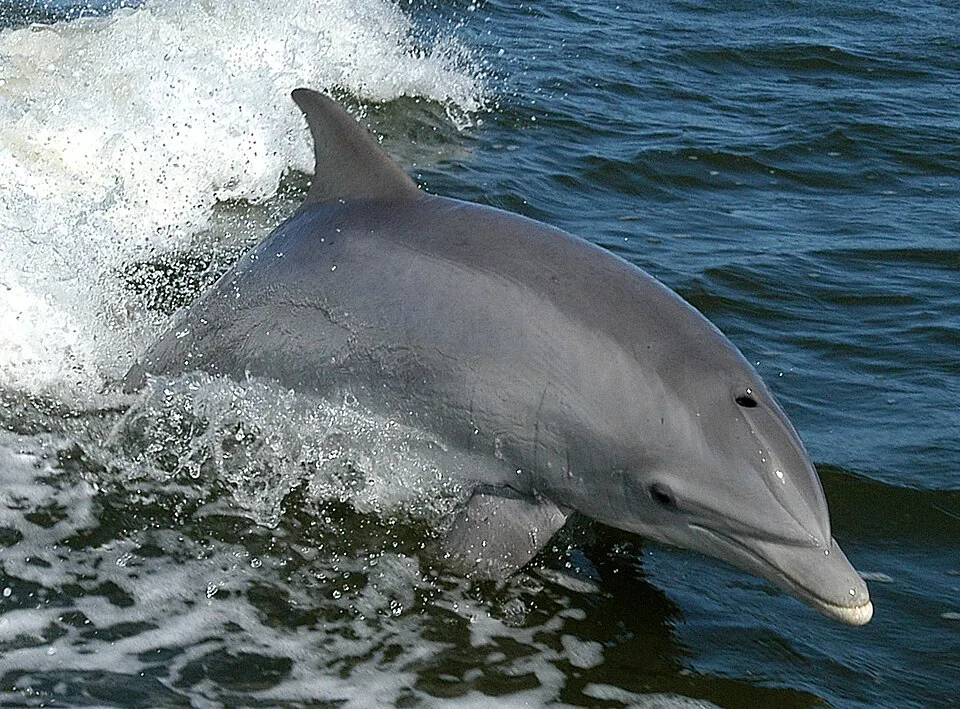 Common bottlenose dolphin
Tursiops truncatus 37 places in common
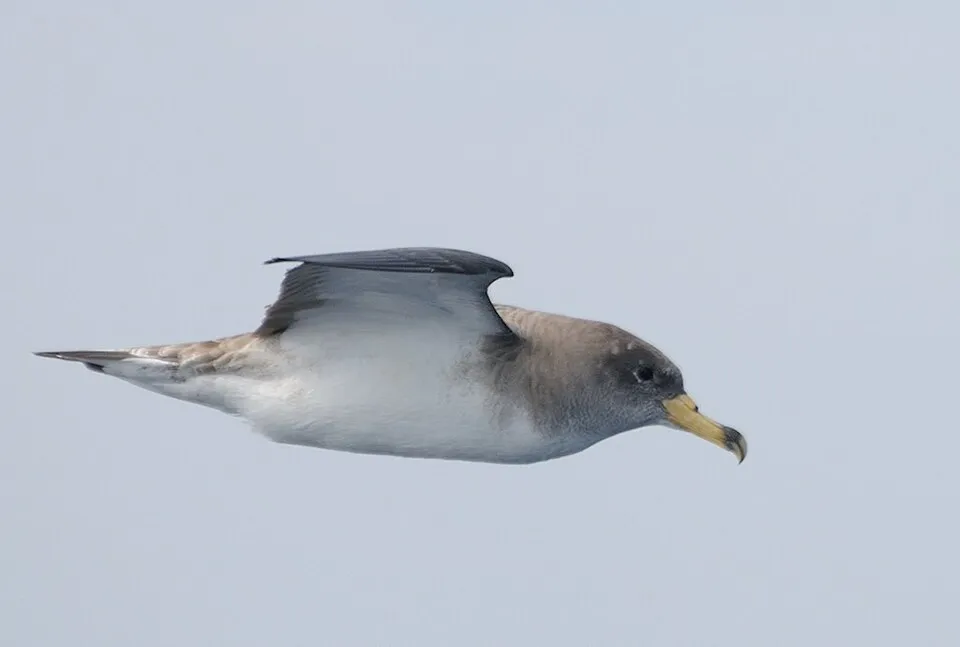 Scopoli's Shearwater
Calonectris diomedea 26 places in common
 European Storm Petrel
Hydrobates pelagicus 23 places in common
 Striped dolphin
Stenella coeruleoalba 17 places in common
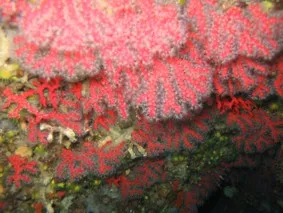 Red coral
Corallium rubrum 17 places in common
 Eleonora's Falcon
Falco eleonorae 23 places in common
Sources and credits
- Presence: most-recorded species of each place on GBIF and species of Community interest in the Natura 2000 forms (EEA, CC-BY 4.0); absence from the list does not mean the species is absent.
- Common names: Wikidata (CC0) and GBIF.
- Photos and sounds: Wikimedia Commons, author and licence given for each file.
- Classification: GBIF Backbone Taxonomy (GBIF Secretariat), CC BY 4.0, doi:10.15468/39omei.
- Countries, elevations, months and maps: GBIF.org, CC0 or CC BY 4.0 occurrences only, accessed October 22, 2026, GBIF.org.
- Base map: Natural Earth (public domain).
- Excerpt: Wikipedia, CC BY-SA 4.0 (full credit below the excerpt).
- Annexes: Directive 92/43/EEC (consolidated version), © European Union, EUR-Lex.