
Mammal
Common bottlenose dolphin: where to see it
Tursiops truncatus
This mammal species is recorded in 66 protected areas of the atlas, including 63 whose official Natura 2000 form lists it. Within the atlas countries, it is mostly observed in France, Portugal and the United Kingdom (8 countries in all). Records peak from May to September. It is a species of Community interest under the Habitats Directive (Annexes II and IV).
Best time to see it: May–September
Records published on GBIF by month (CC0 and CC BY 4.0 licences only), in the atlas countries, all years combined; they also reflect observer activity.
Key facts
- Gestation
- 12 months Wikidata, after Grzimeks Enzyklopädie, 1988
- Maximum recorded lifespan
- 52 years Wikidata, after Longevity of Mammals in Captivity, 2005
Status and protection
Habitats Directive II · IV
The species is listed in Annexes II and IV of the Habitats Directive.
Distribution
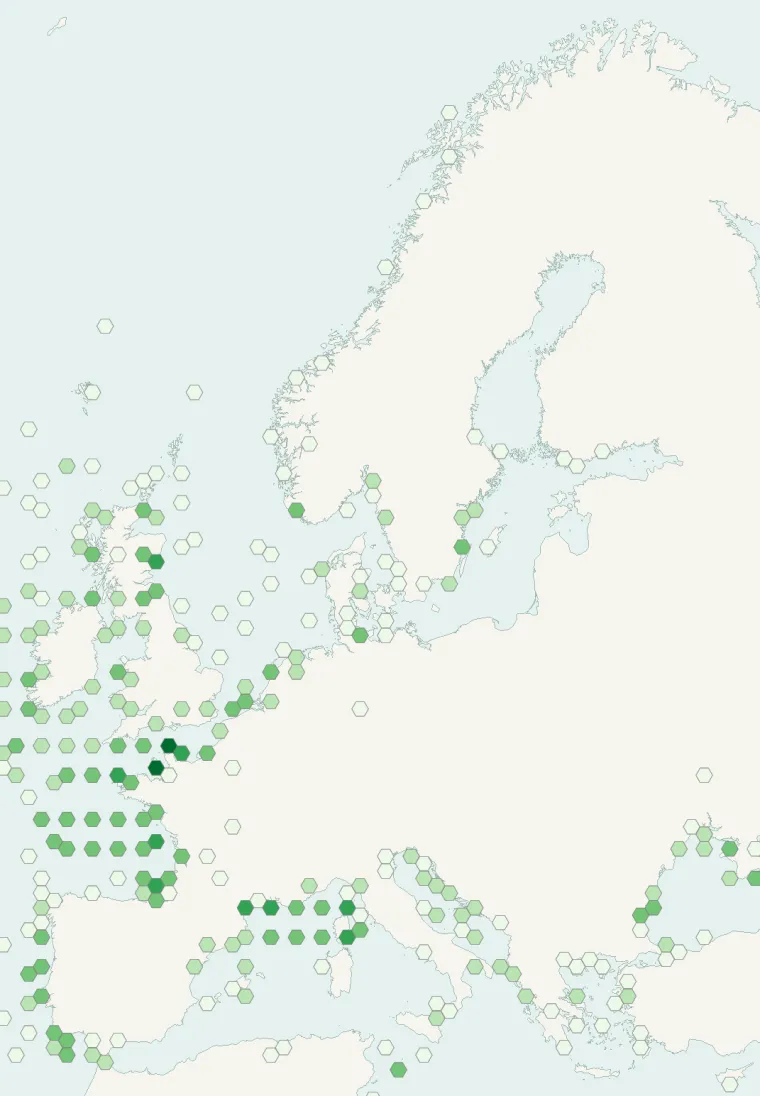
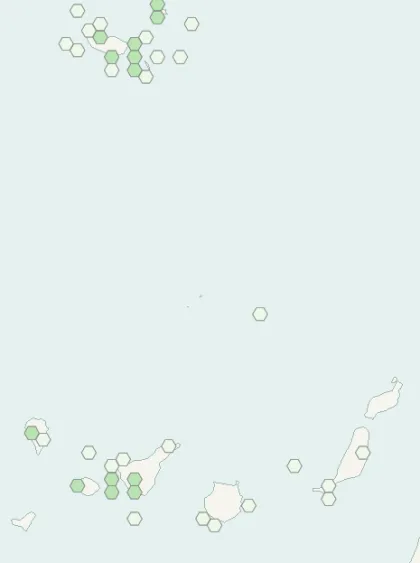
Records published on GBIF (CC0 and CC BY 4.0 licences): the darker the shade, the more records there are; they also reflect observation effort.
Atlas countries where it is recorded
From Wikipedia
The common bottlenose dolphin or Atlantic bottlenose dolphin (Tursiops truncatus) is one of three species of bottlenose dolphin in the genus Tursiops. While formerly known simply as the bottlenose dolphin, this term is now applied to the genus Tursiops as a whole. As considerable genetic variation has been described within this species, even between neighboring populations, many experts think additional species may be recognized and split out.
Source: Wikipedia, article “Common bottlenose dolphin” (version of July 28, 2026) · history and authors · licence CC BY-SA 4.0 · shortened excerpt
Protected areas where it is recorded
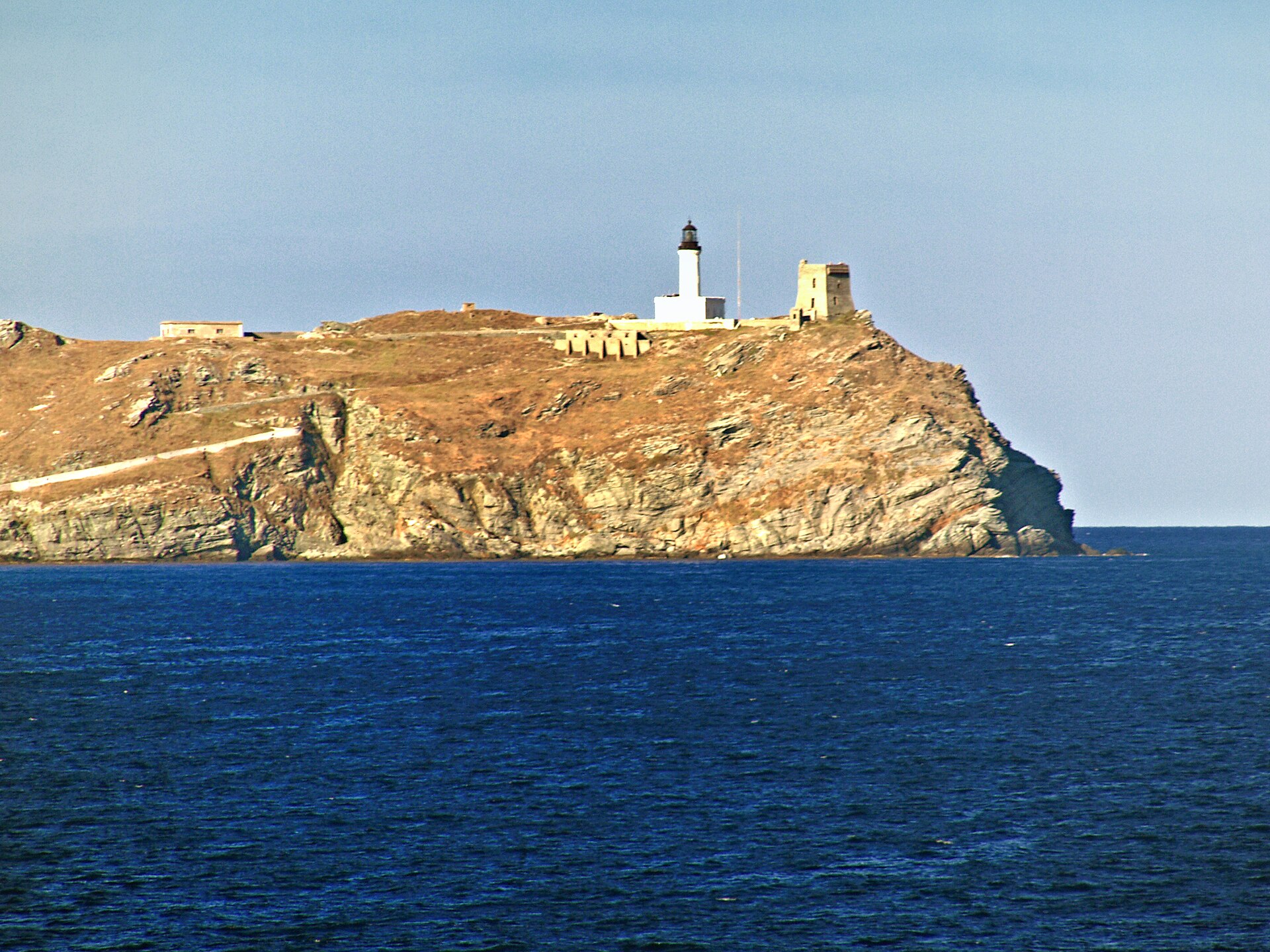
Natura 2000 756 records
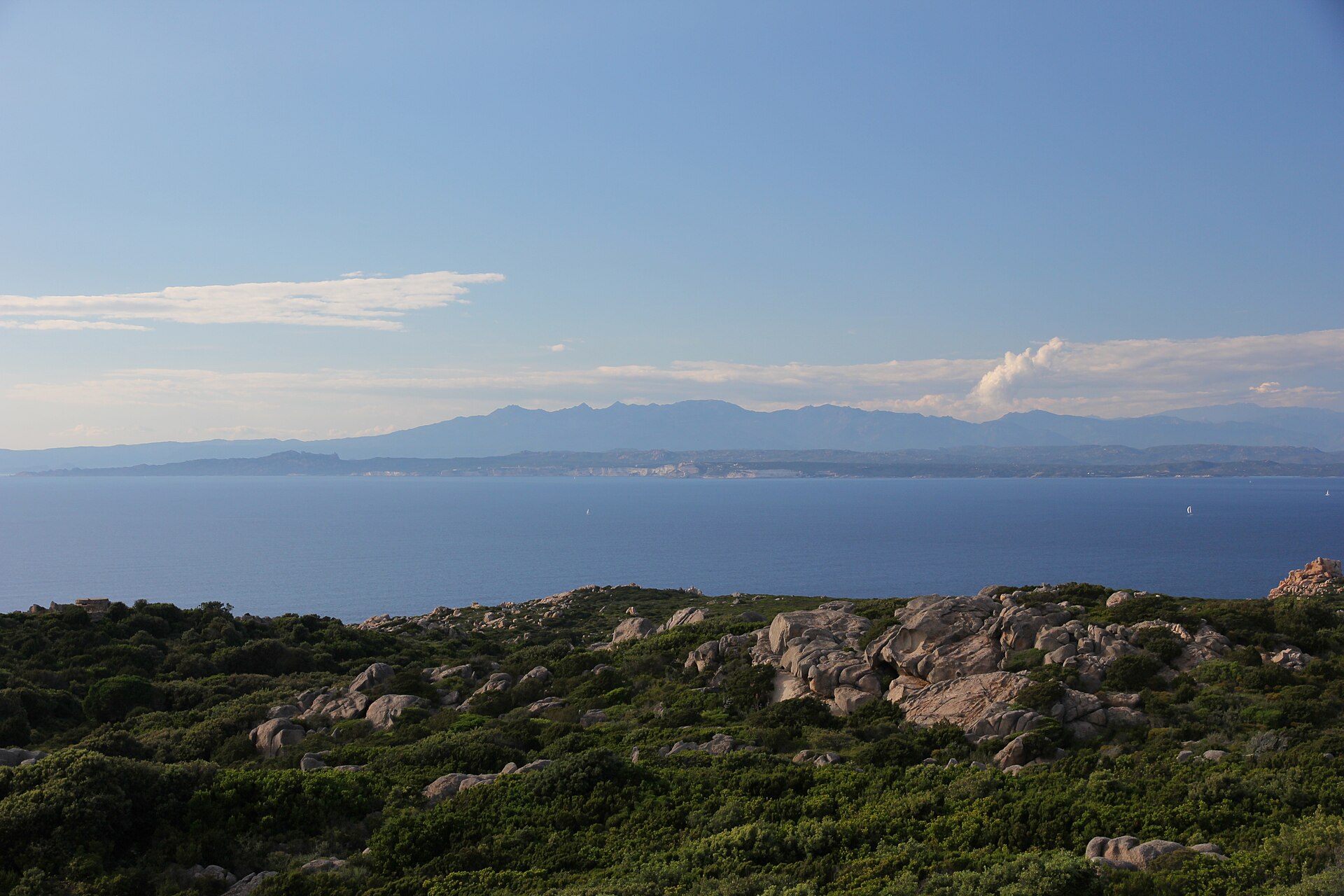
Natura 2000 213 records
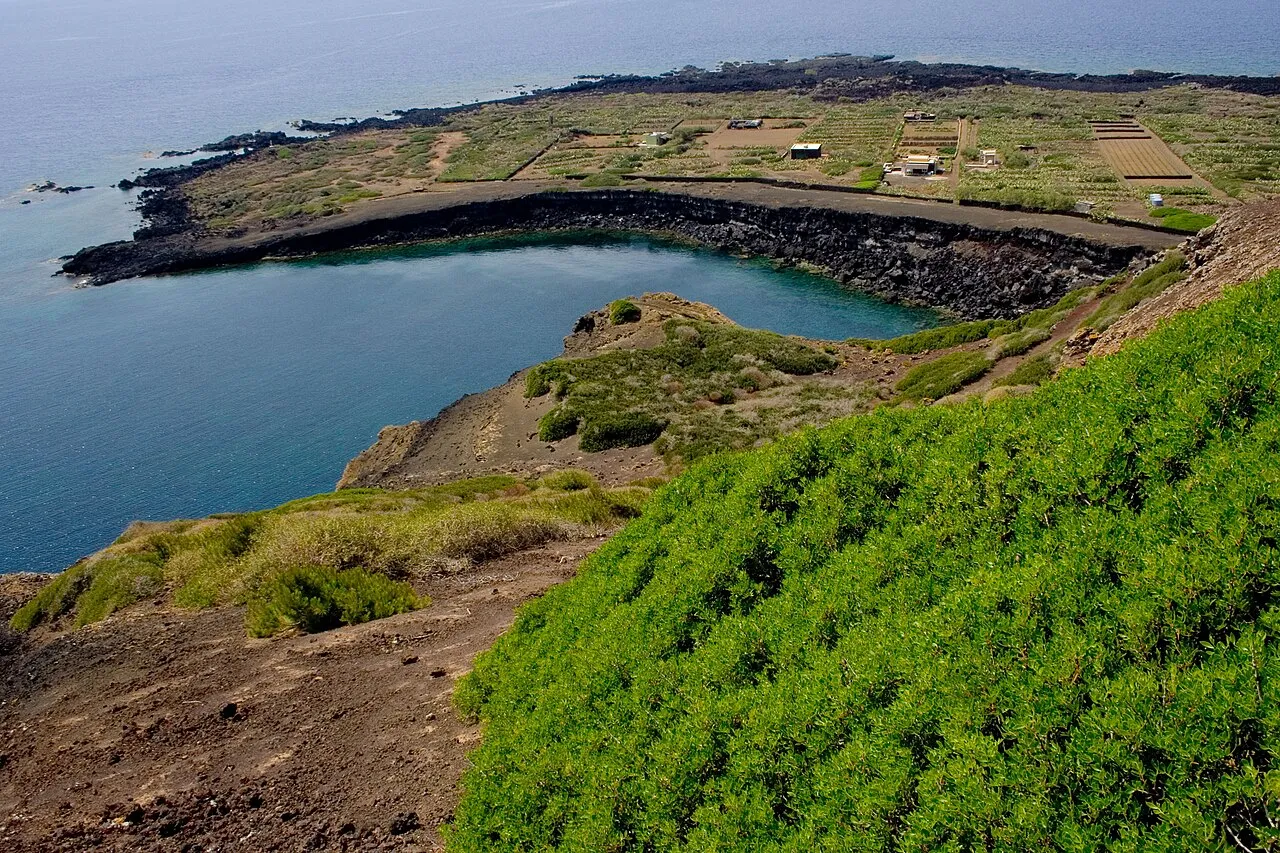
Natura 2000 32 records
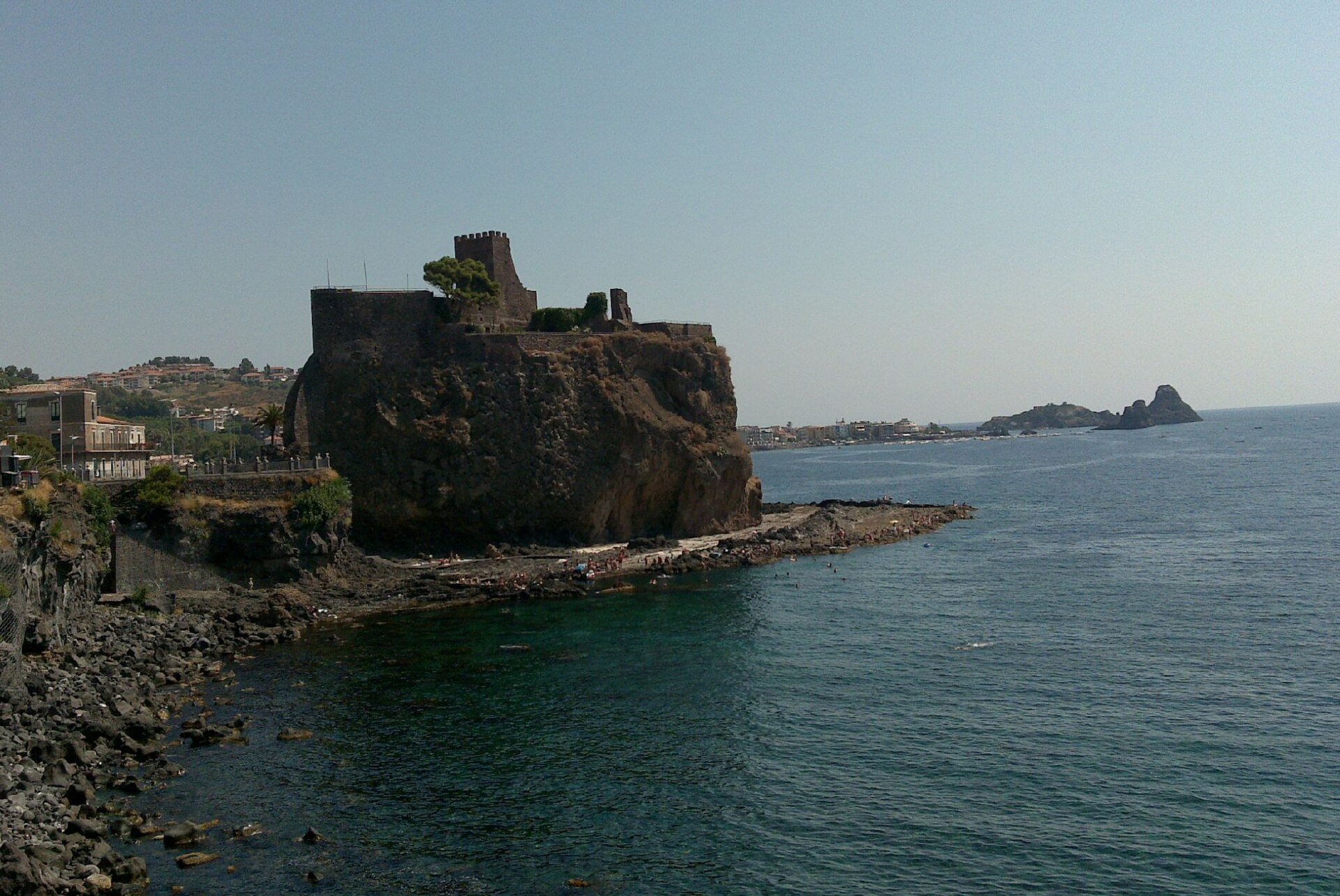
Natura 2000 3 records

537 records
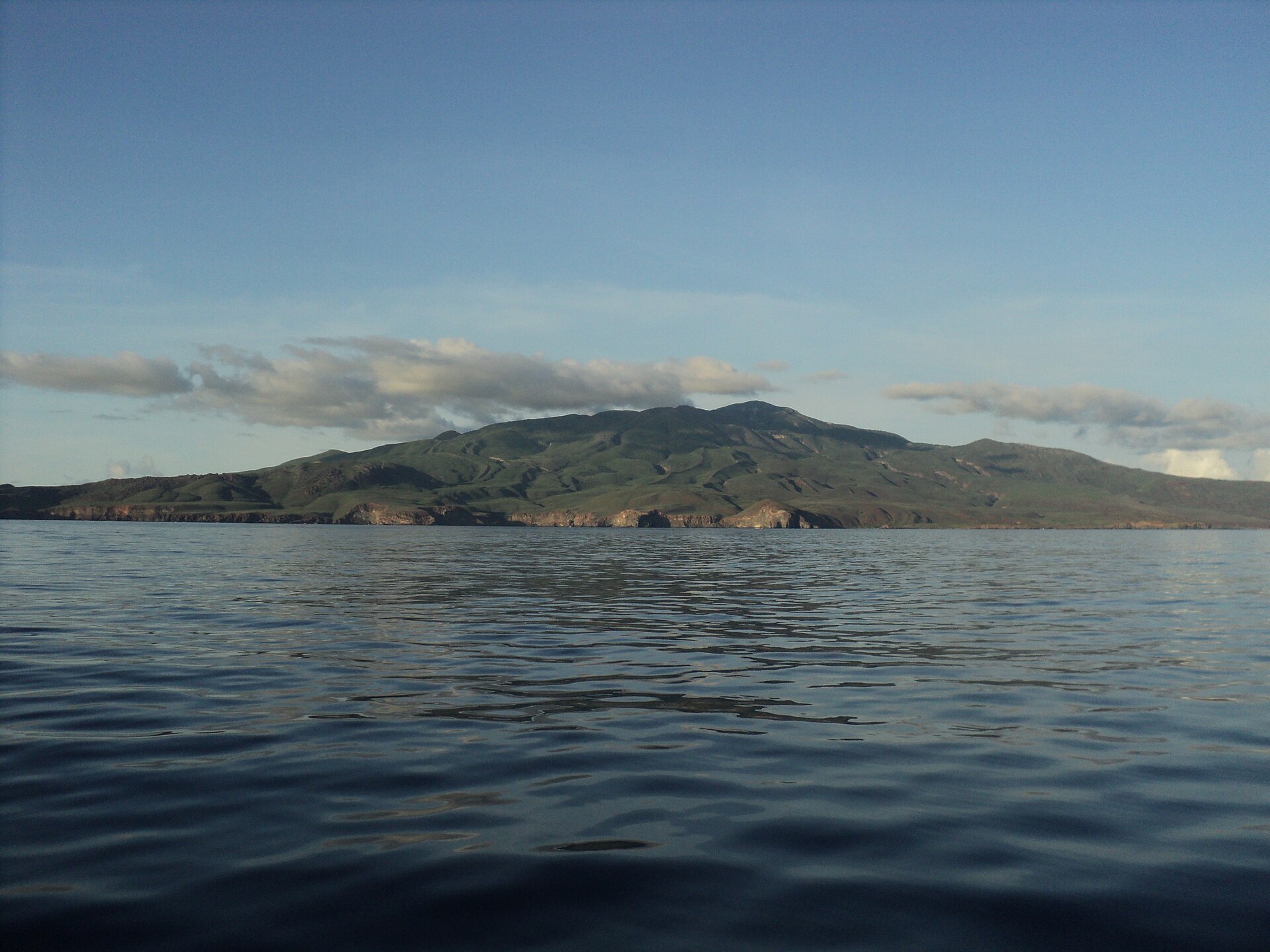
162 records
2 records

Natura 2000
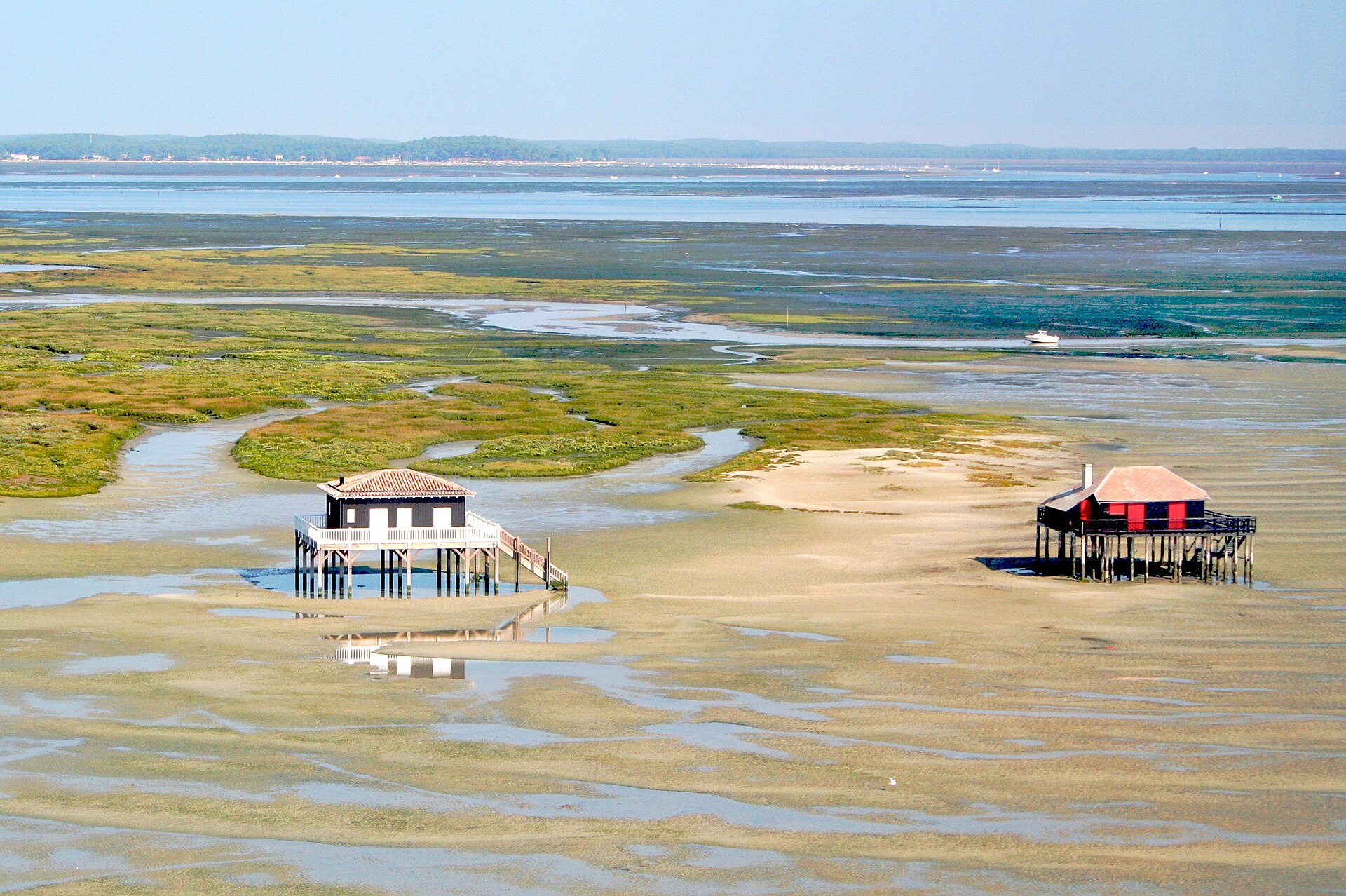
Natura 2000

Natura 2000

Natura 2000
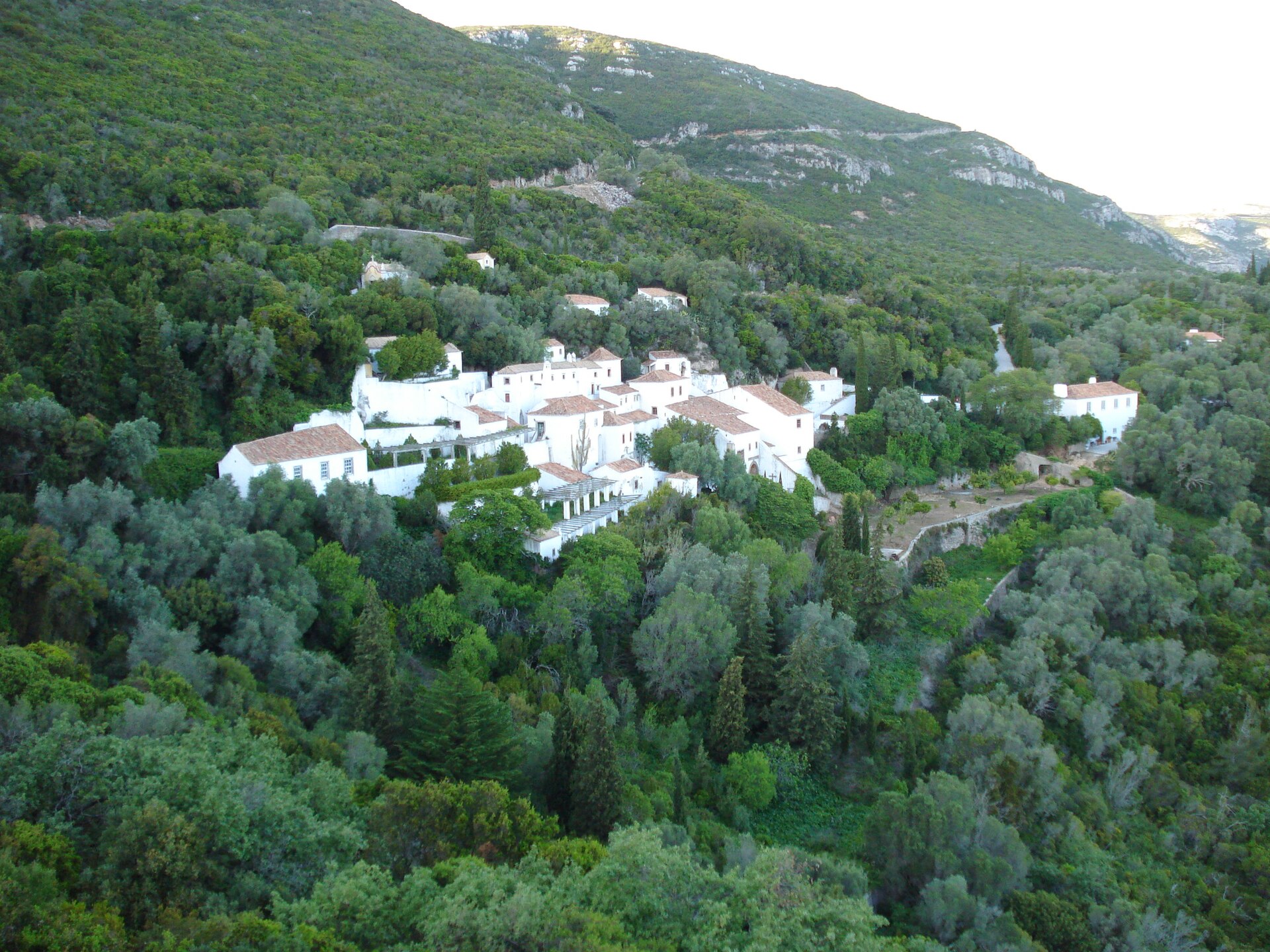
Natura 2000
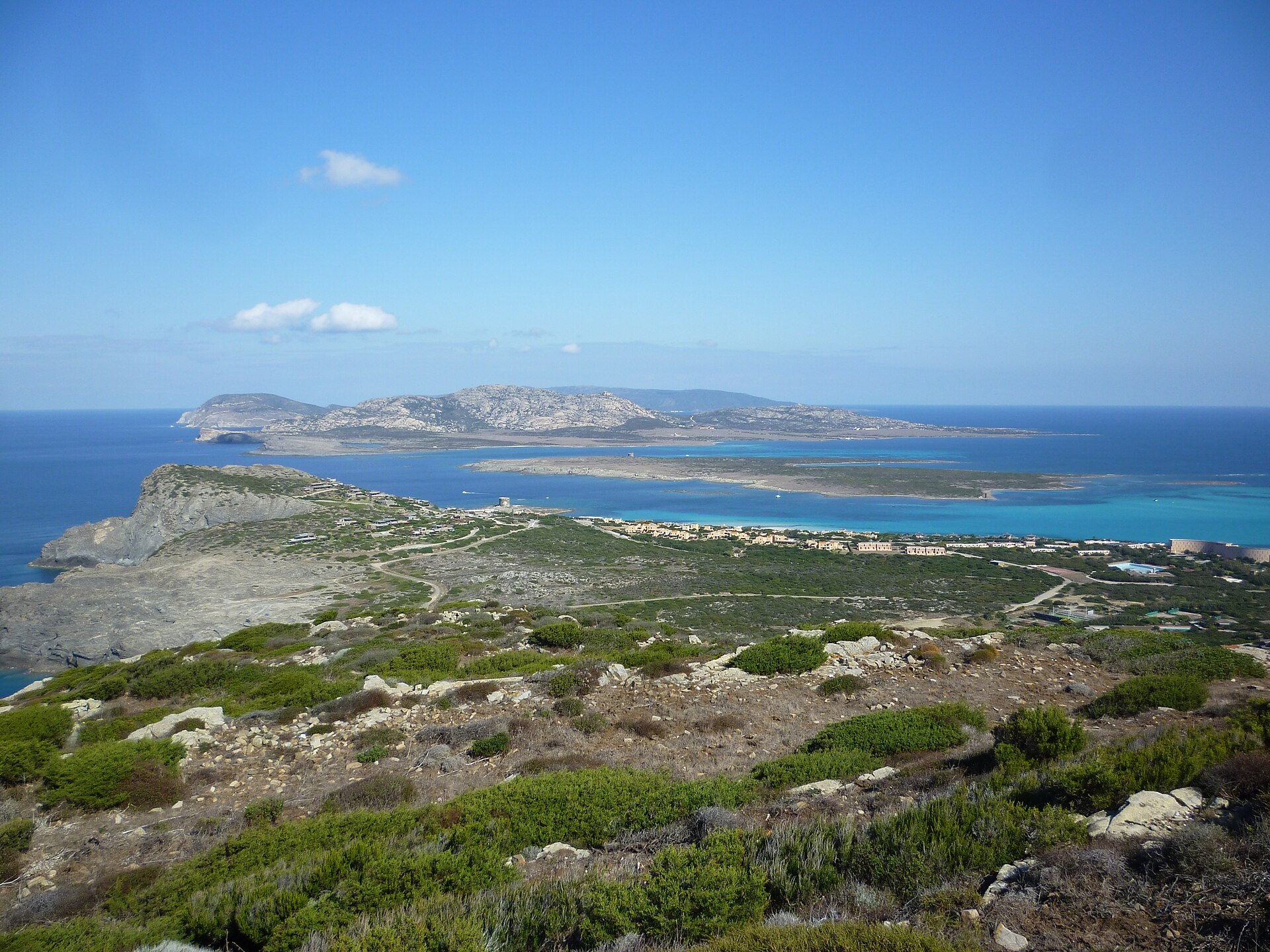
Natura 2000

Natura 2000

Natura 2000
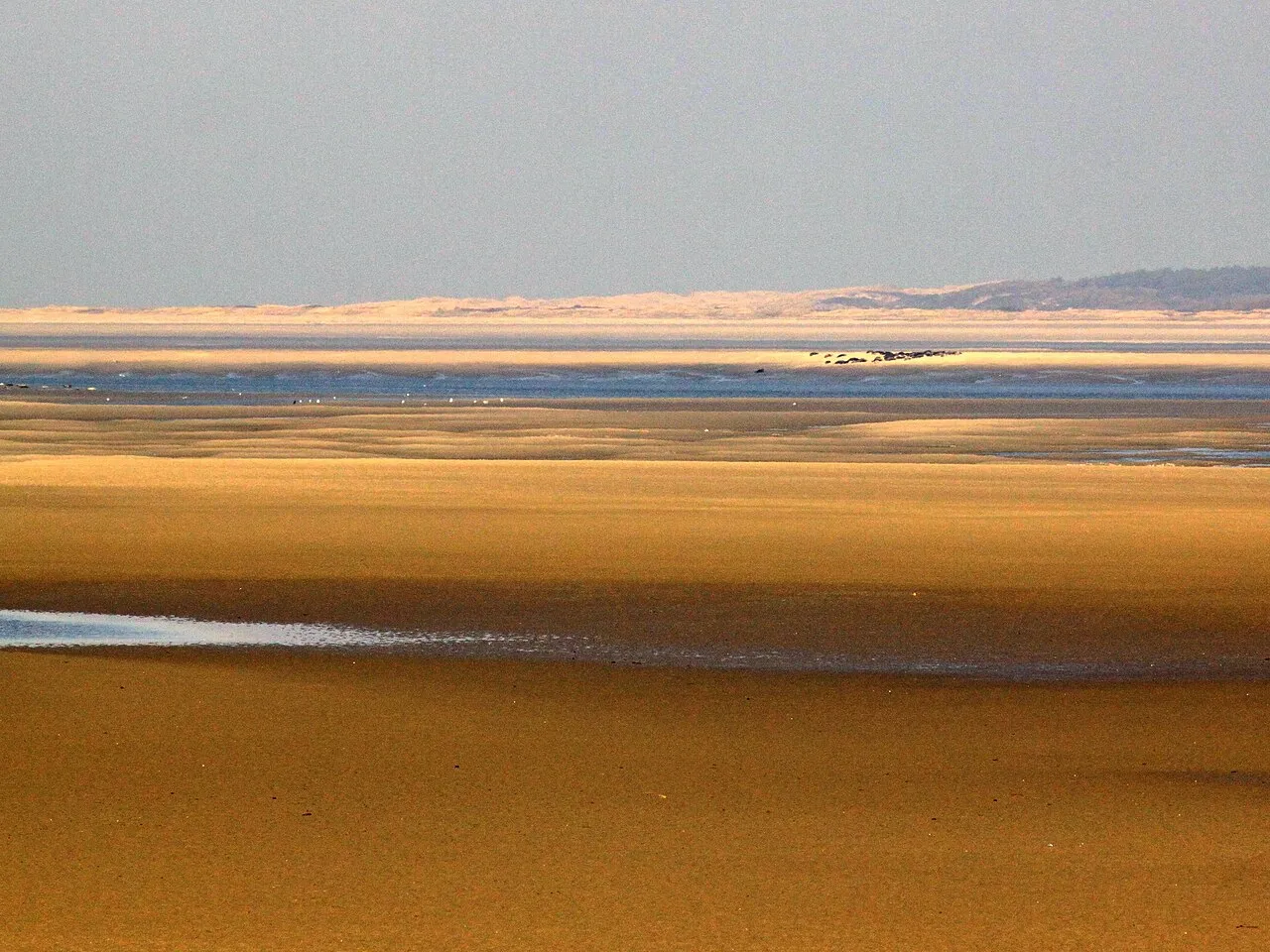
Natura 2000

Natura 2000
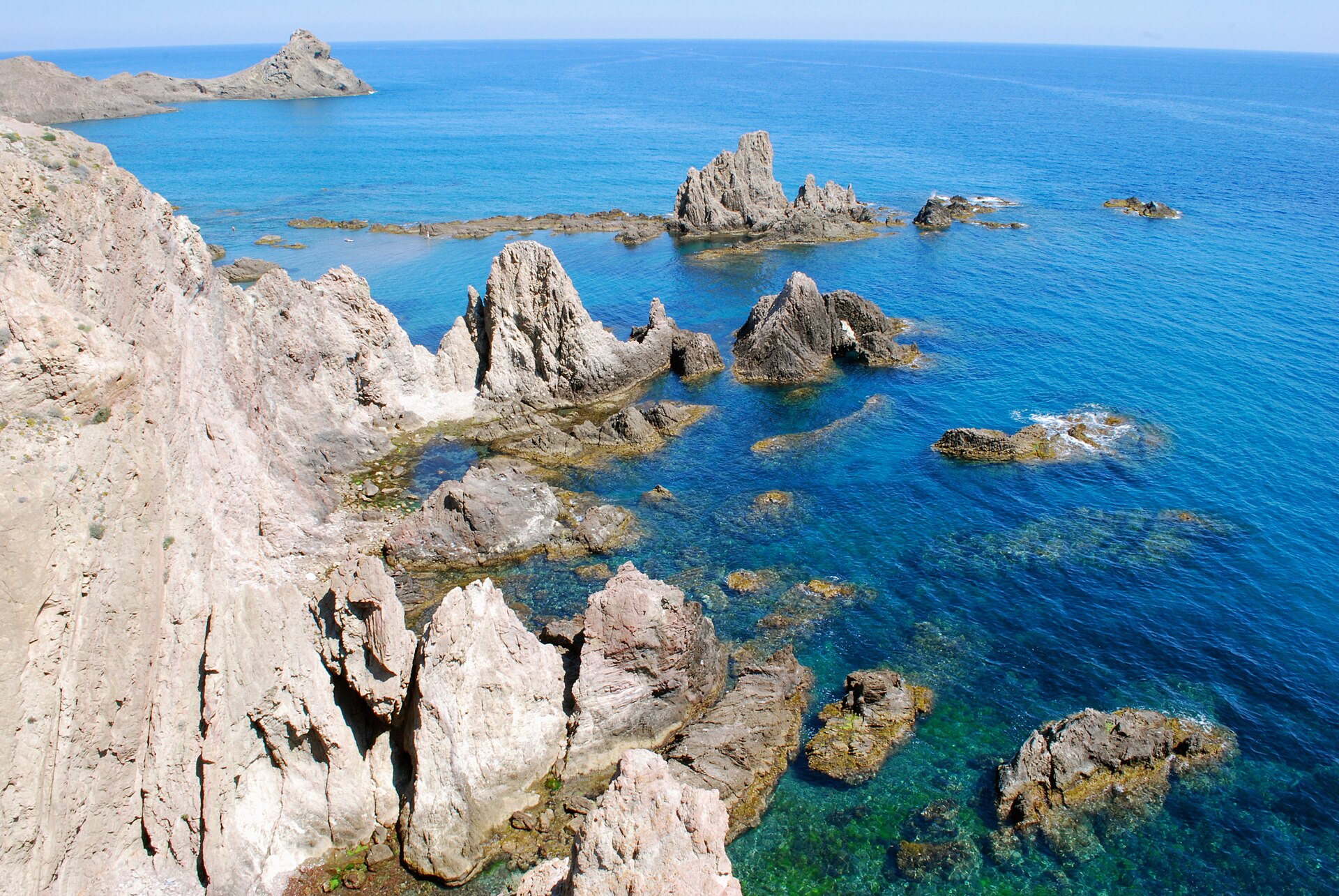
Natura 2000

Natura 2000
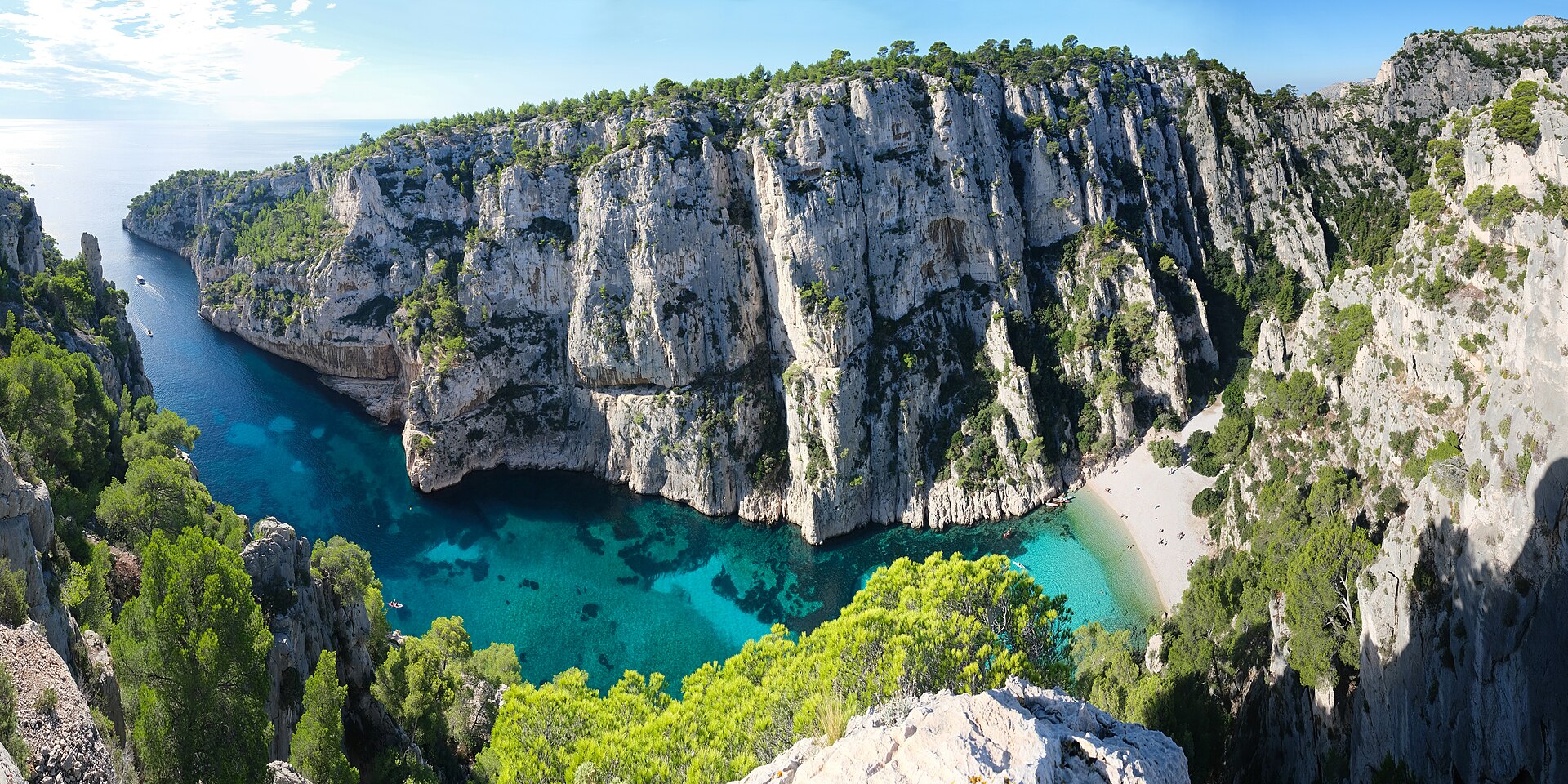
Natura 2000
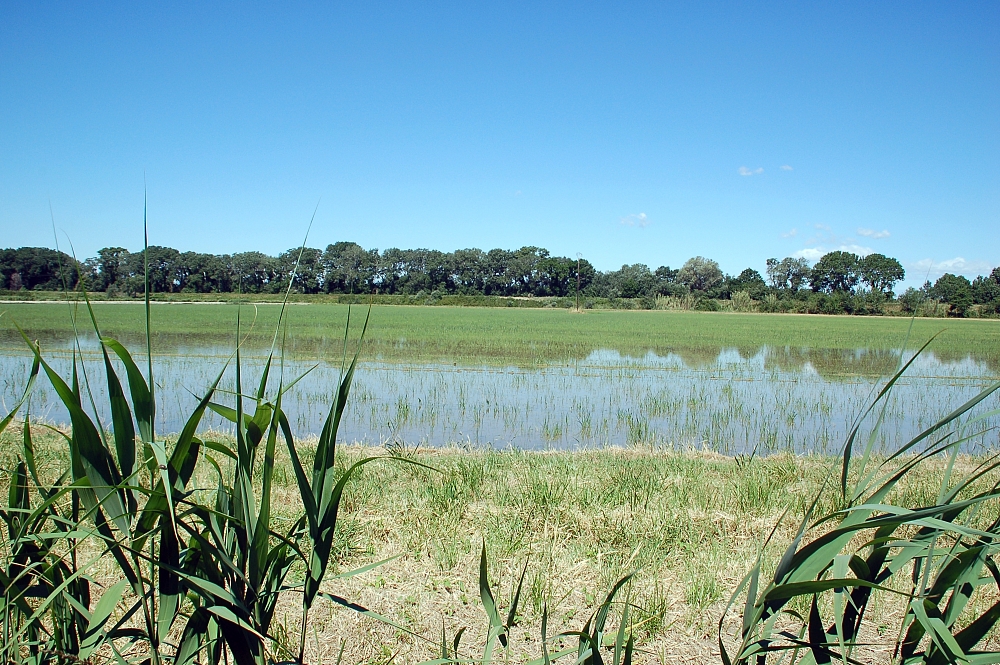
Natura 2000
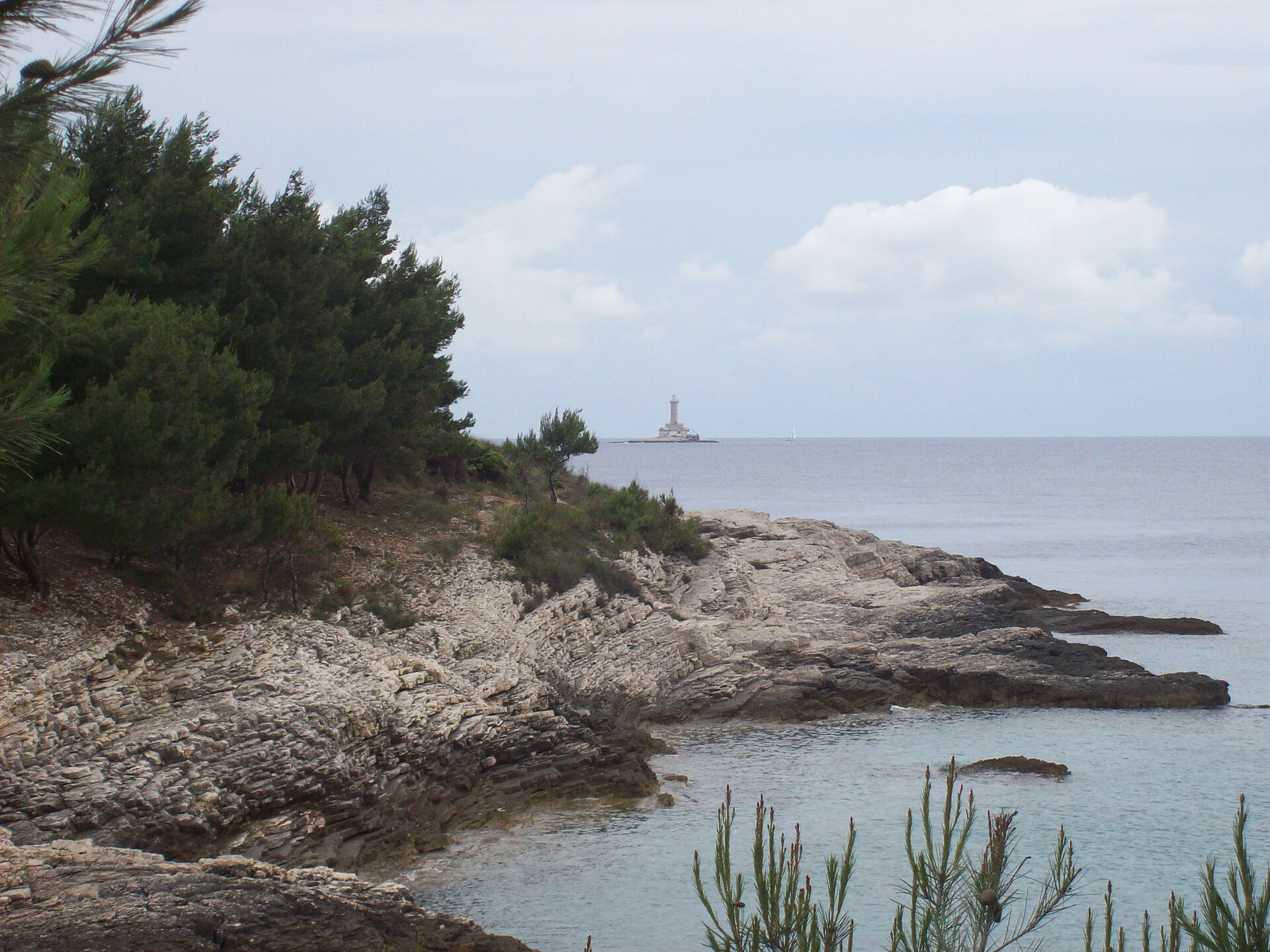
Natura 2000
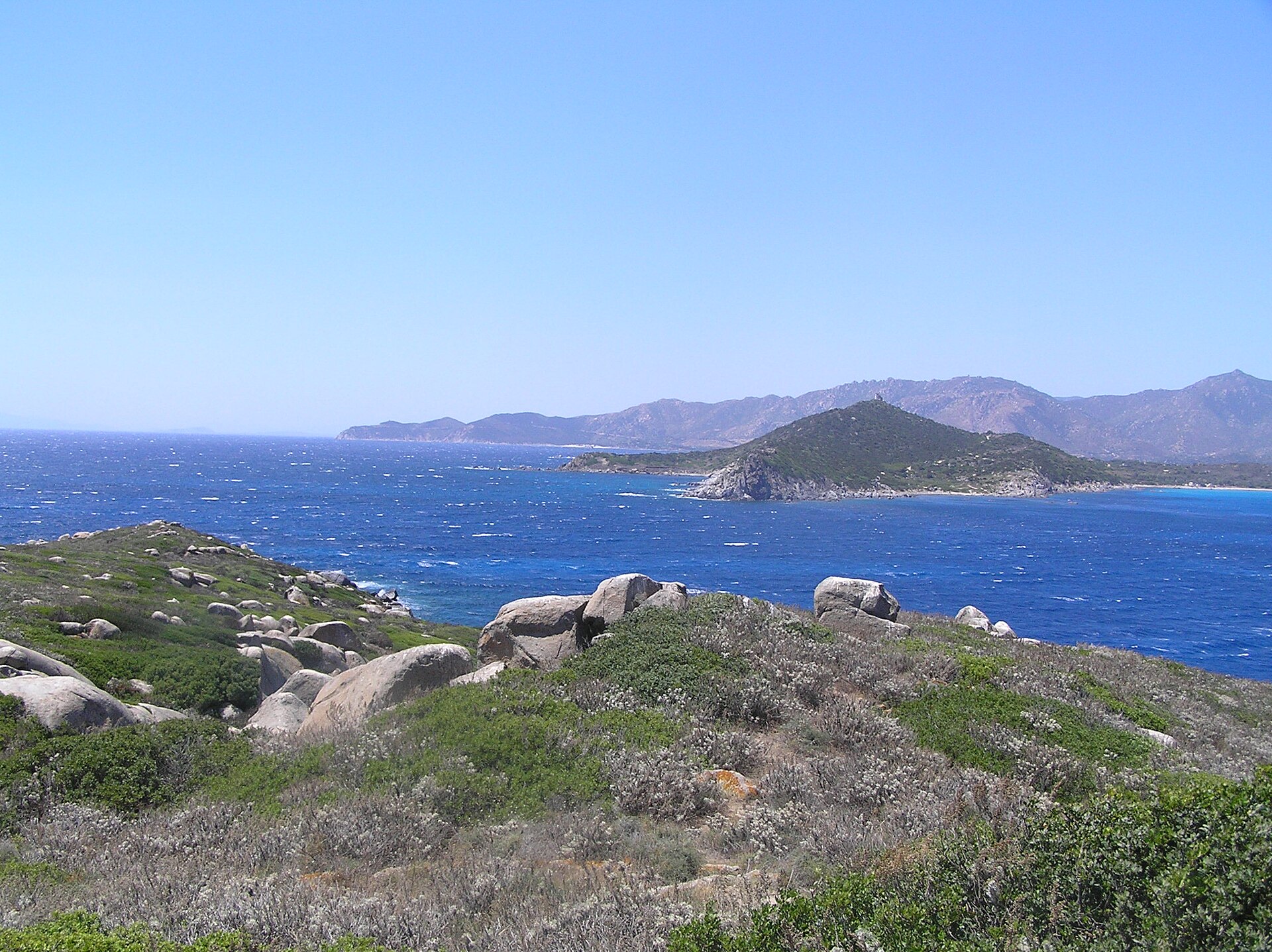
Natura 2000
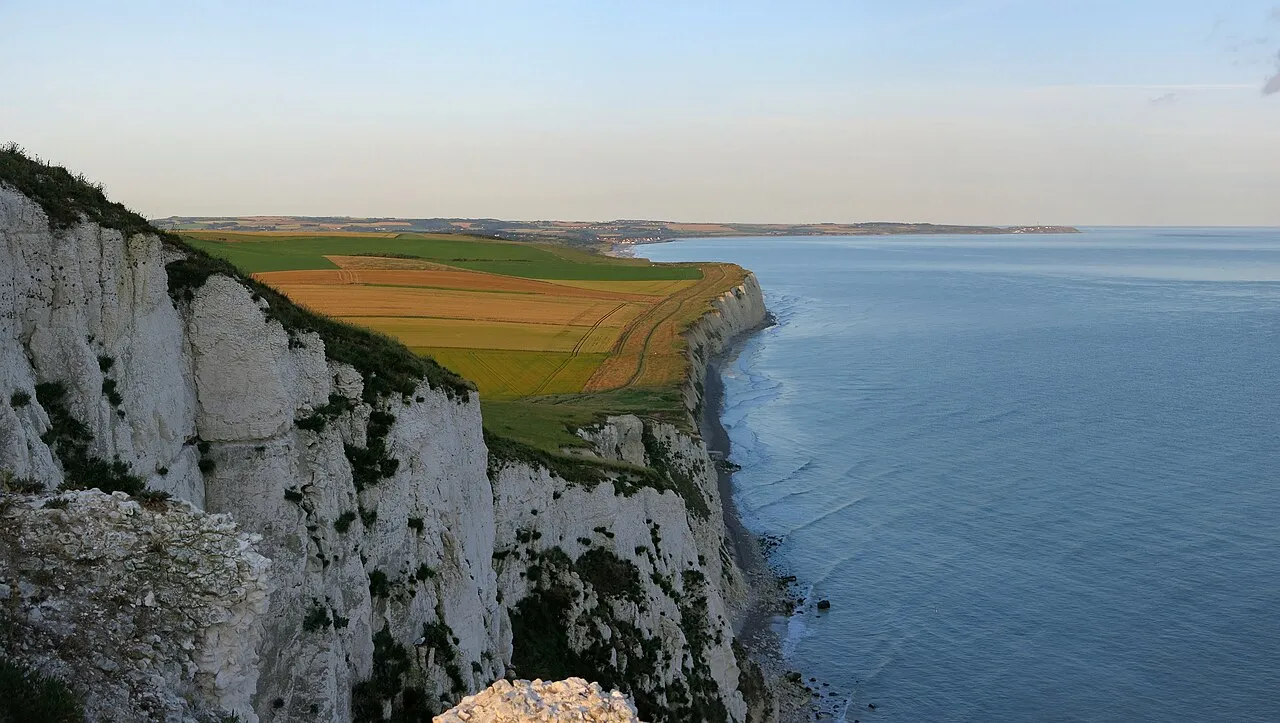
Natura 2000
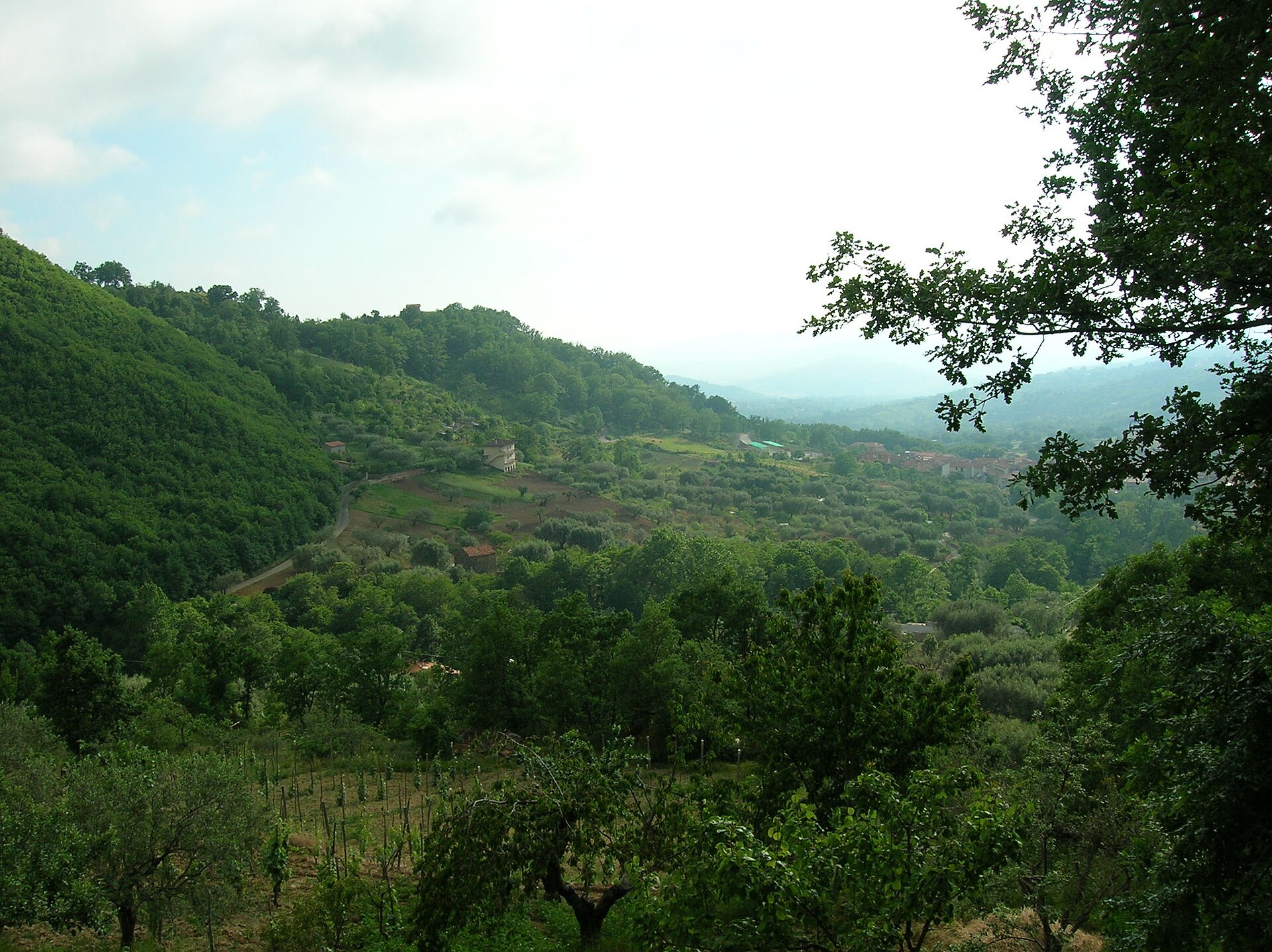
Natura 2000
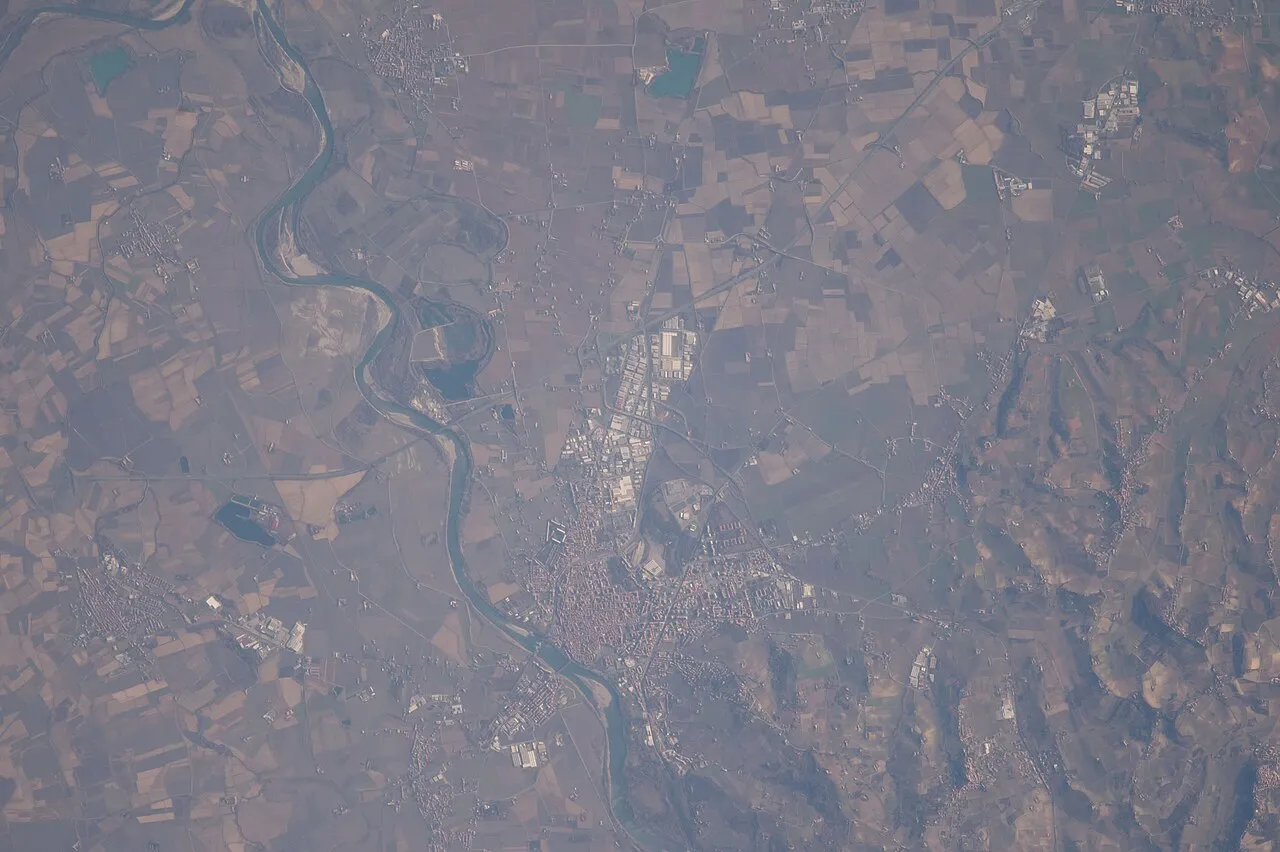
Natura 2000
Natura 2000
Natura 2000

Natura 2000
Natura 2000
Natura 2000
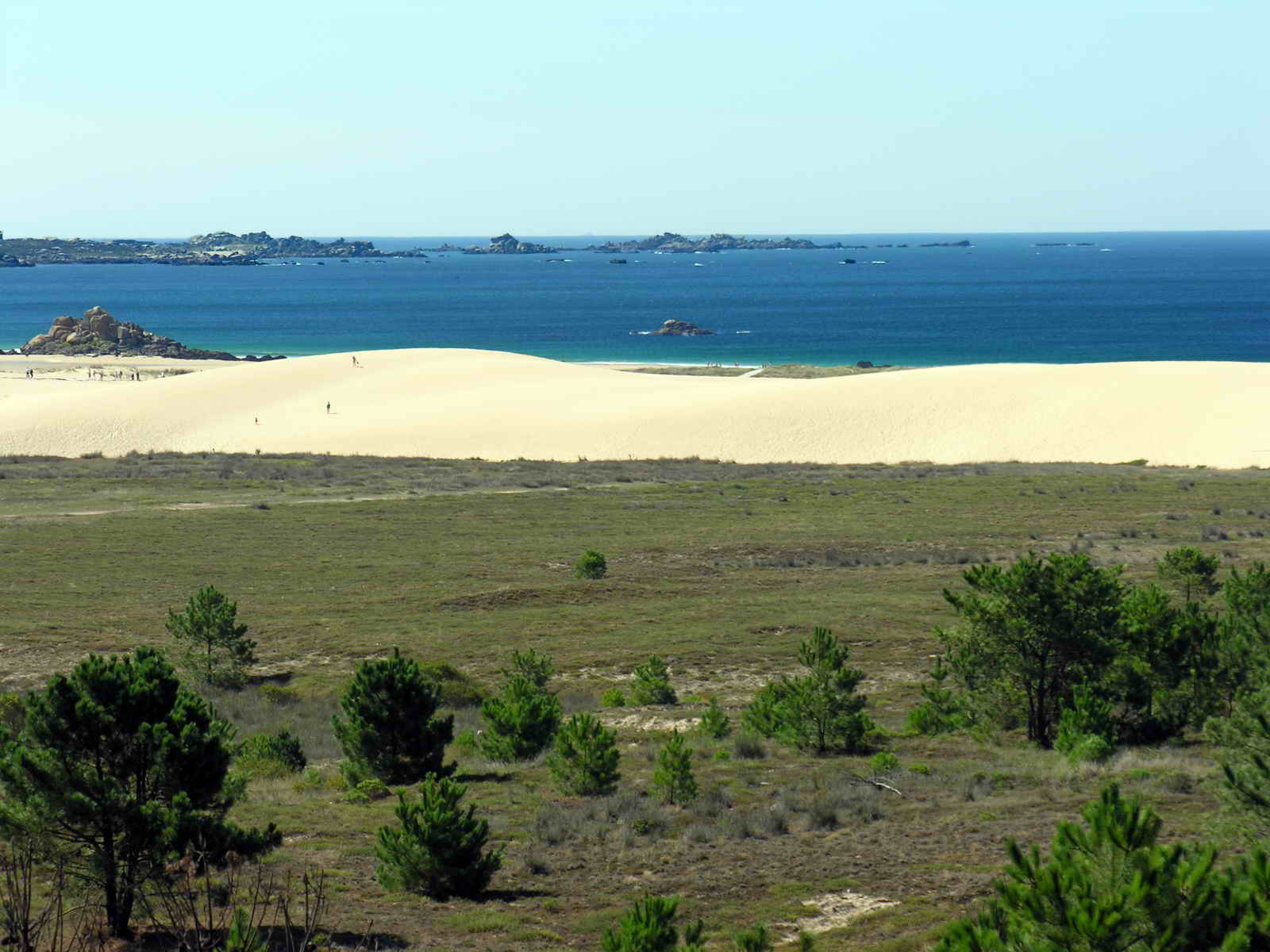
Natura 2000
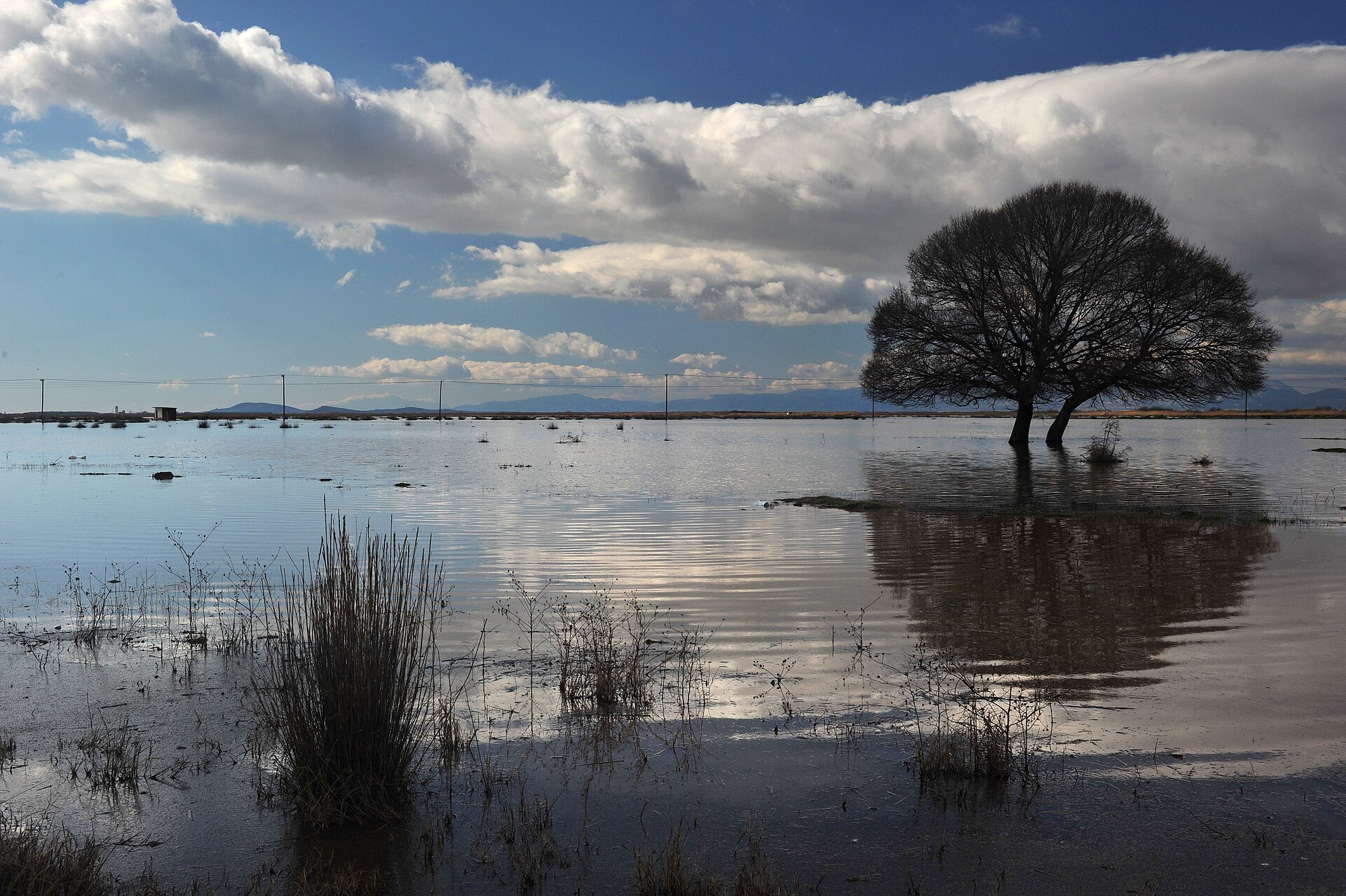
Natura 2000
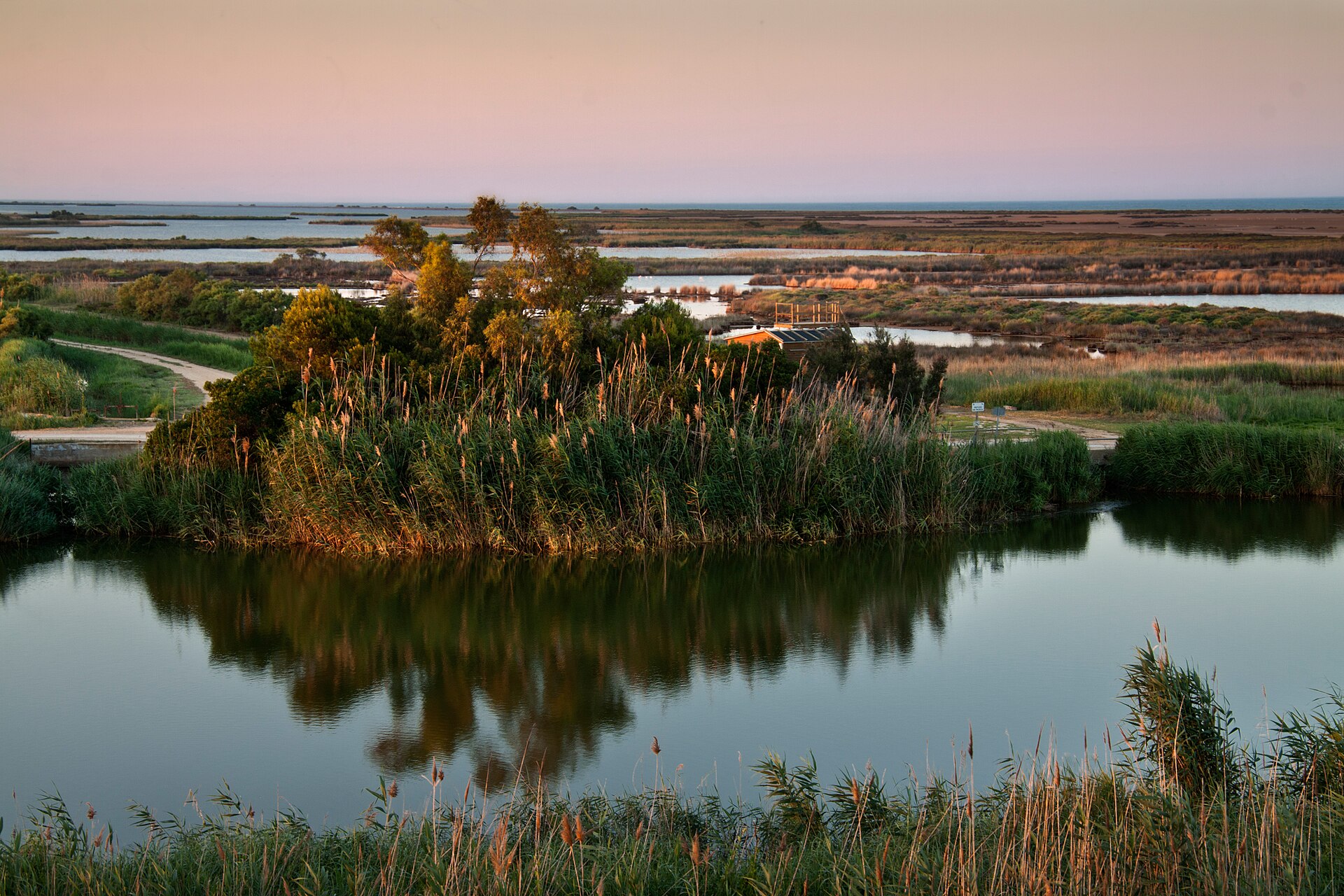
Natura 2000

Natura 2000
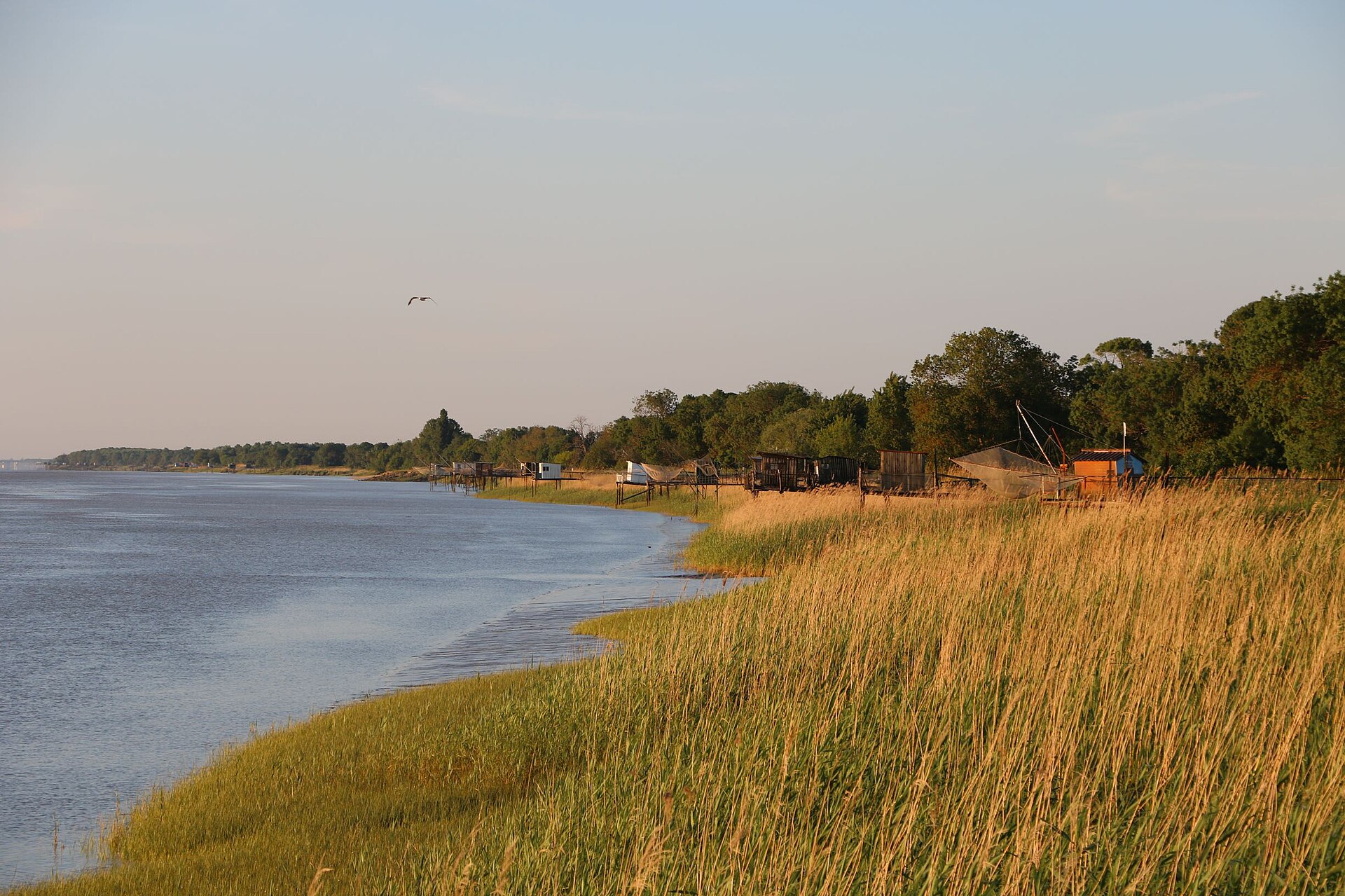
Natura 2000
Natura 2000

Natura 2000
Natura 2000

Natura 2000
Natura 2000
Natura 2000
Natura 2000
Natura 2000

Natura 2000

Natura 2000

Natura 2000
Natura 2000
Natura 2000

Natura 2000
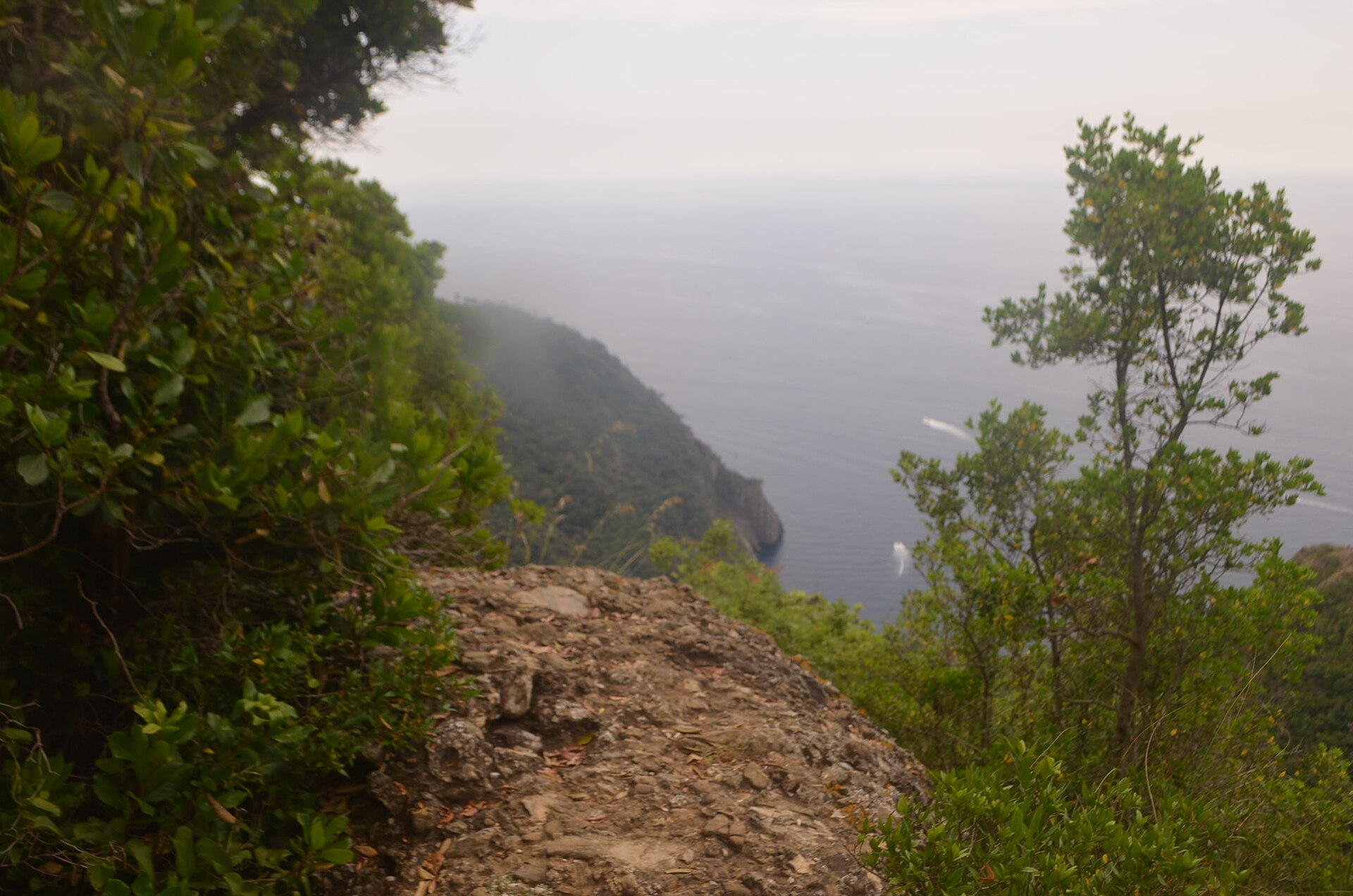
Natura 2000
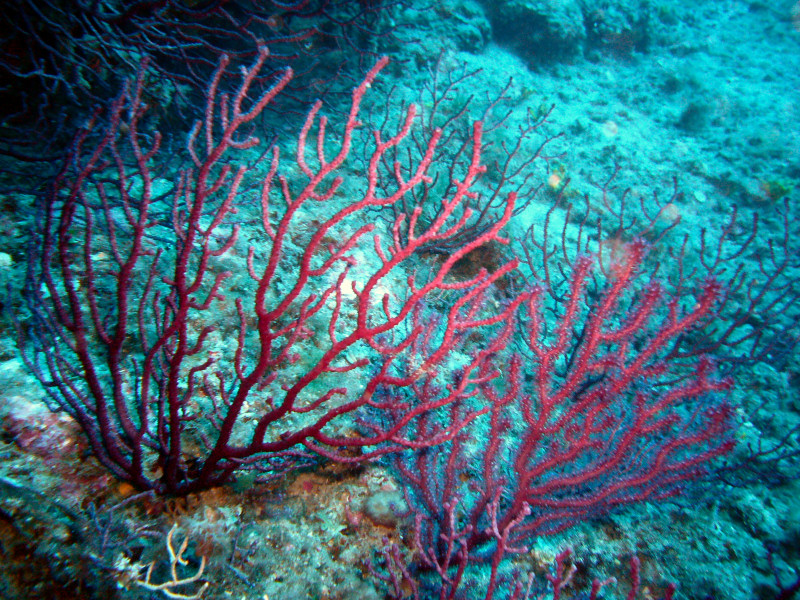
Natura 2000
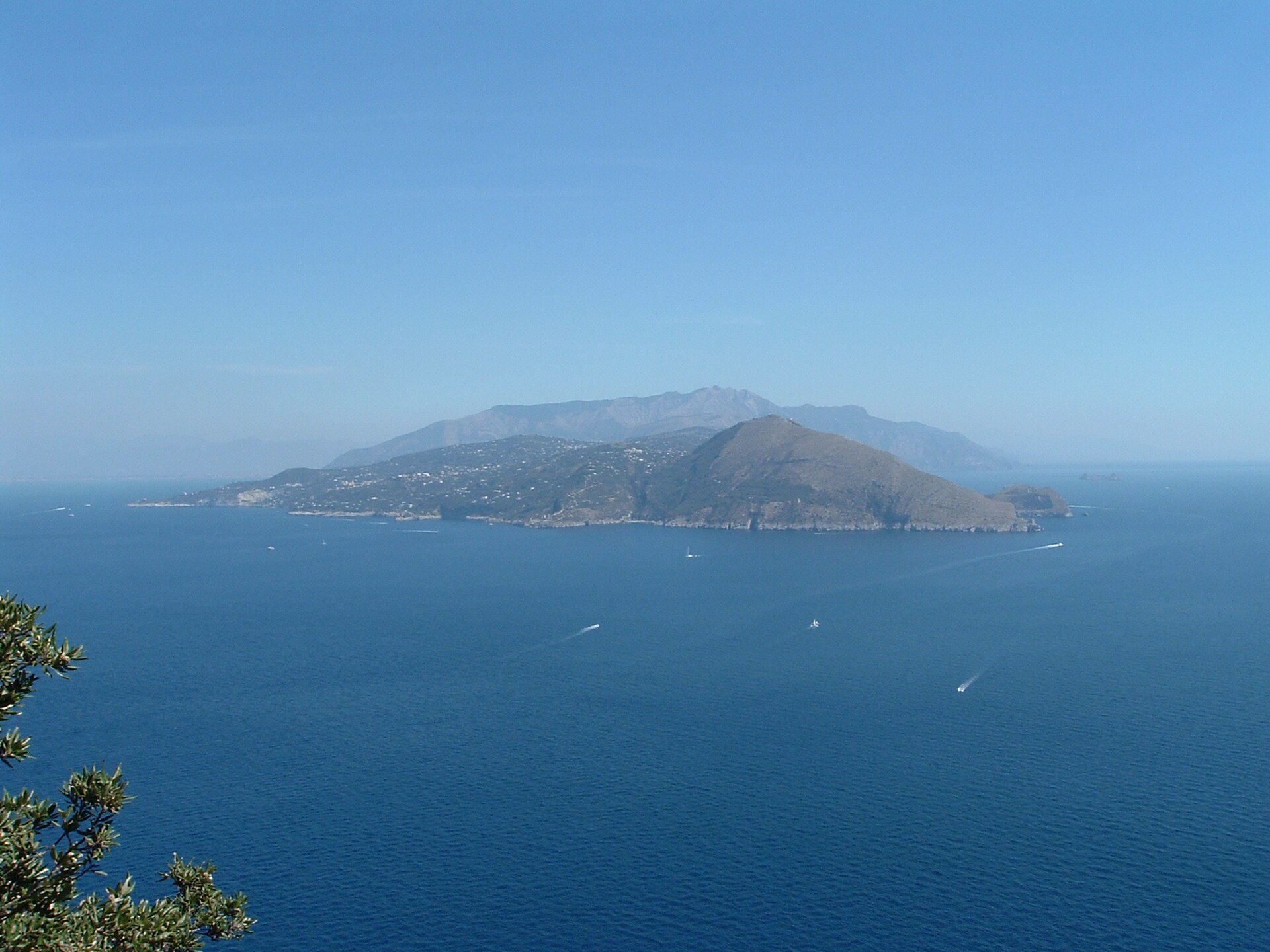
Natura 2000

Natura 2000
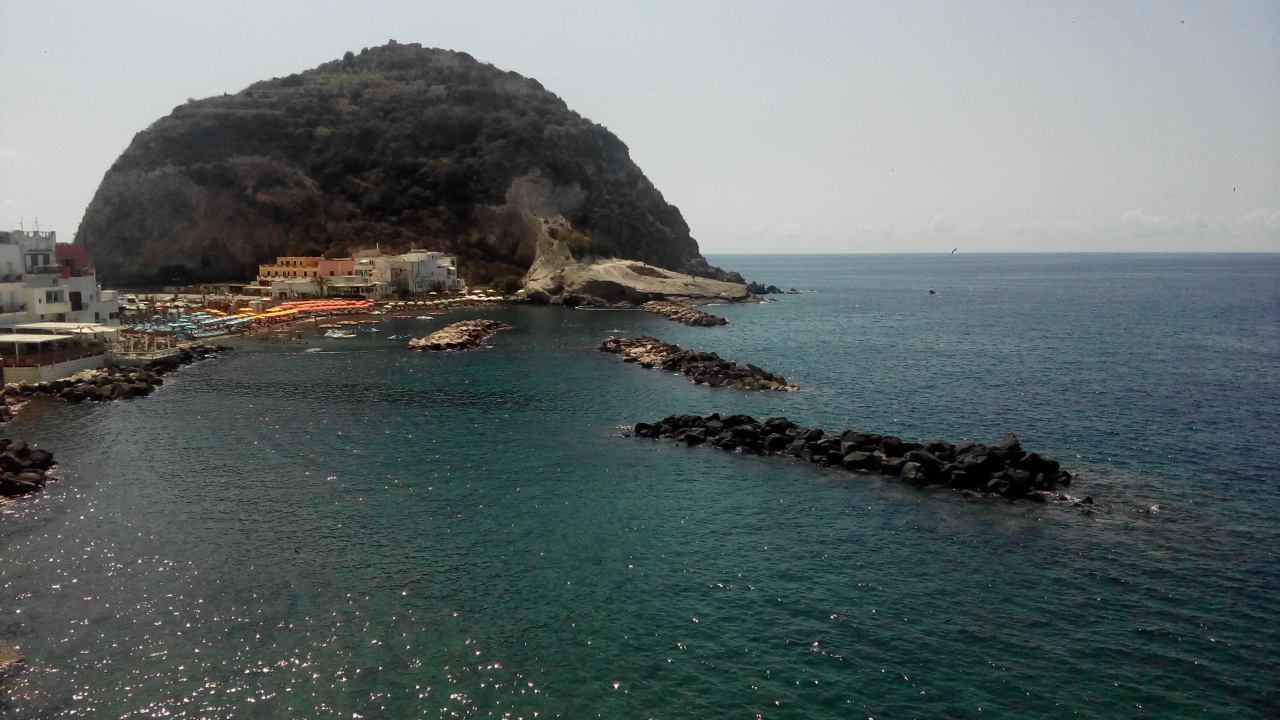
Natura 2000
Natura 2000
Natura 2000

Natura 2000
Natura 2000
Natura 2000
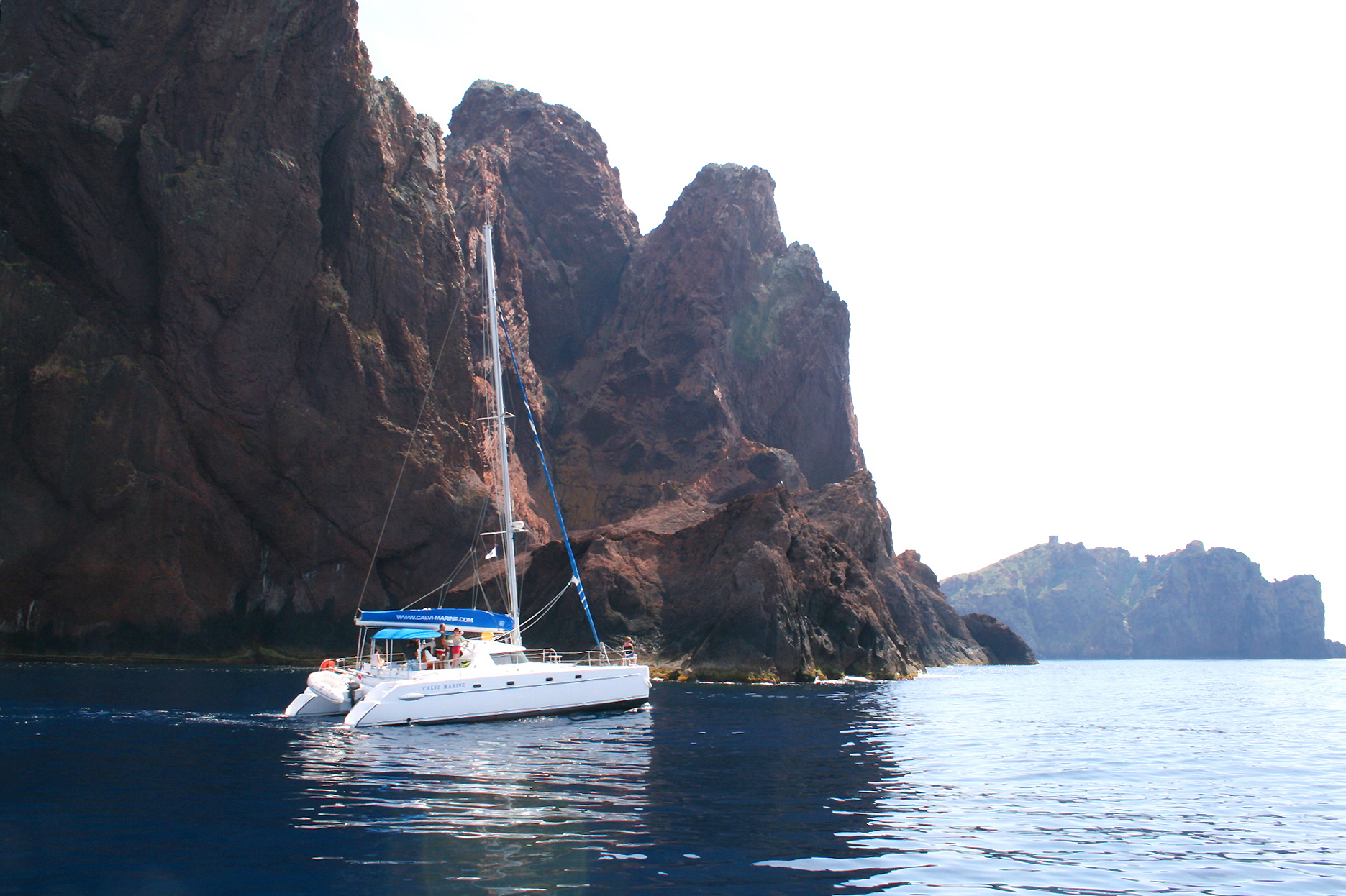
Natura 2000
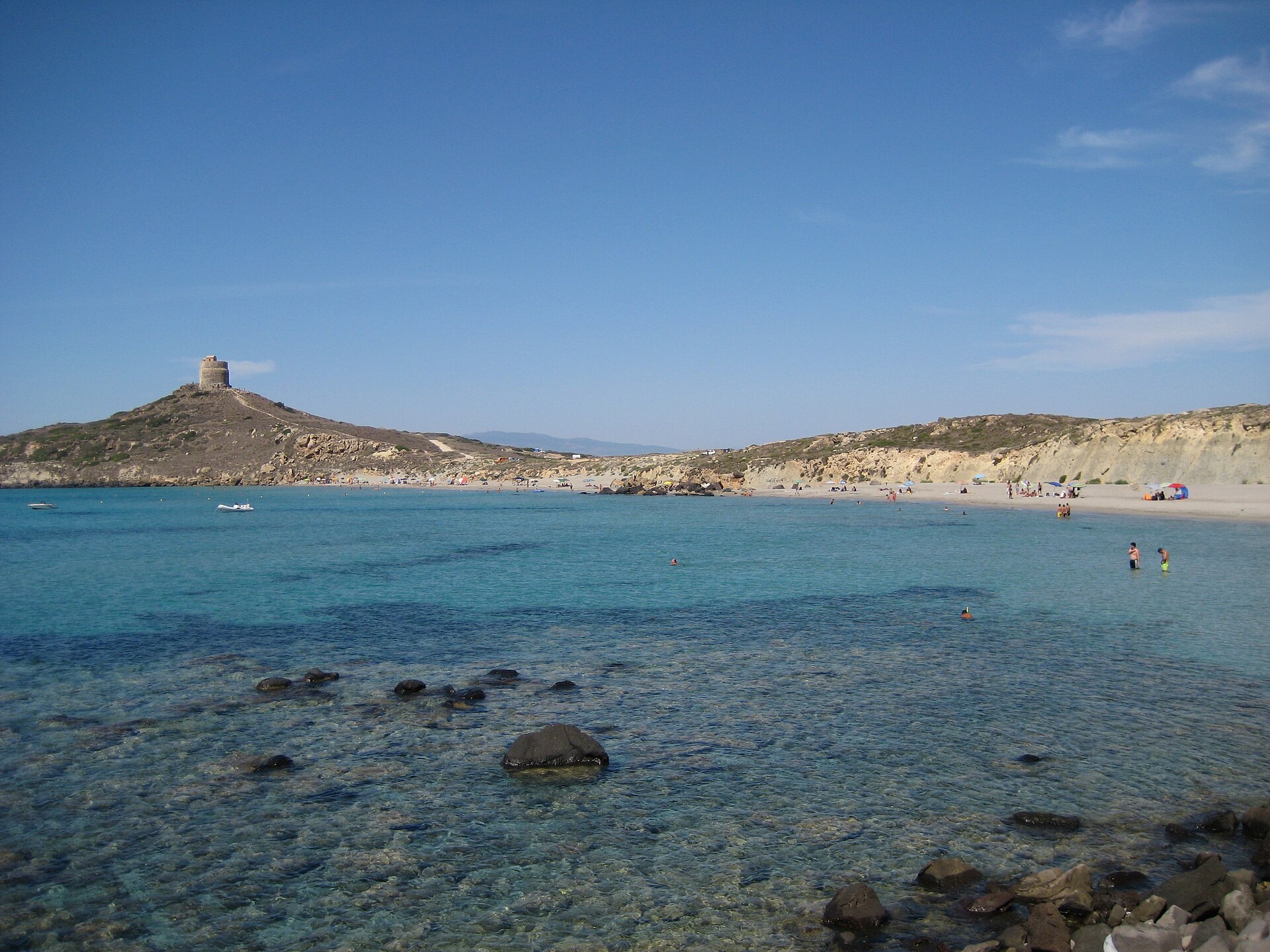
Natura 2000

Natura 2000

Natura 2000
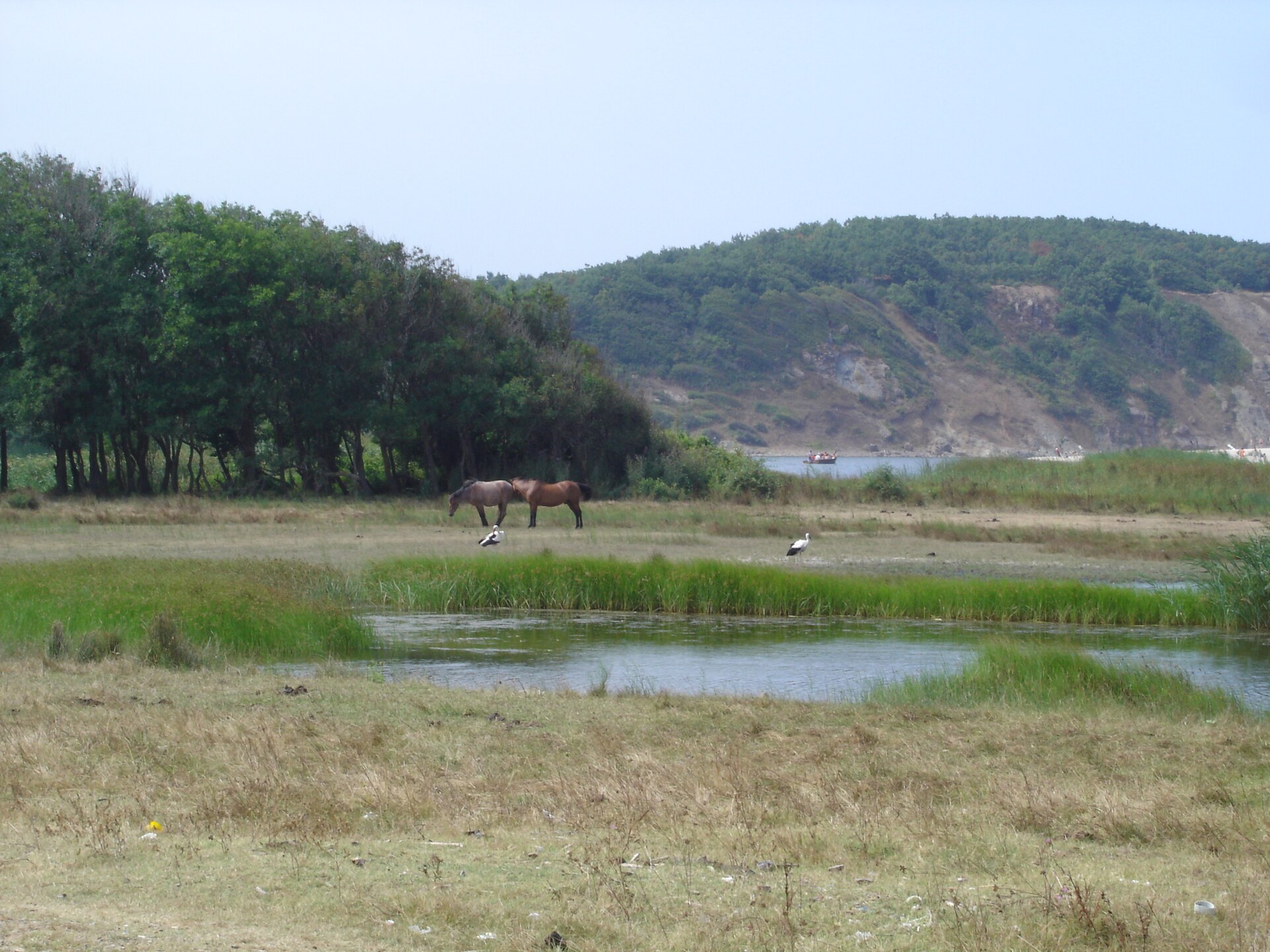
Natura 2000

Natura 2000
Other species to discover
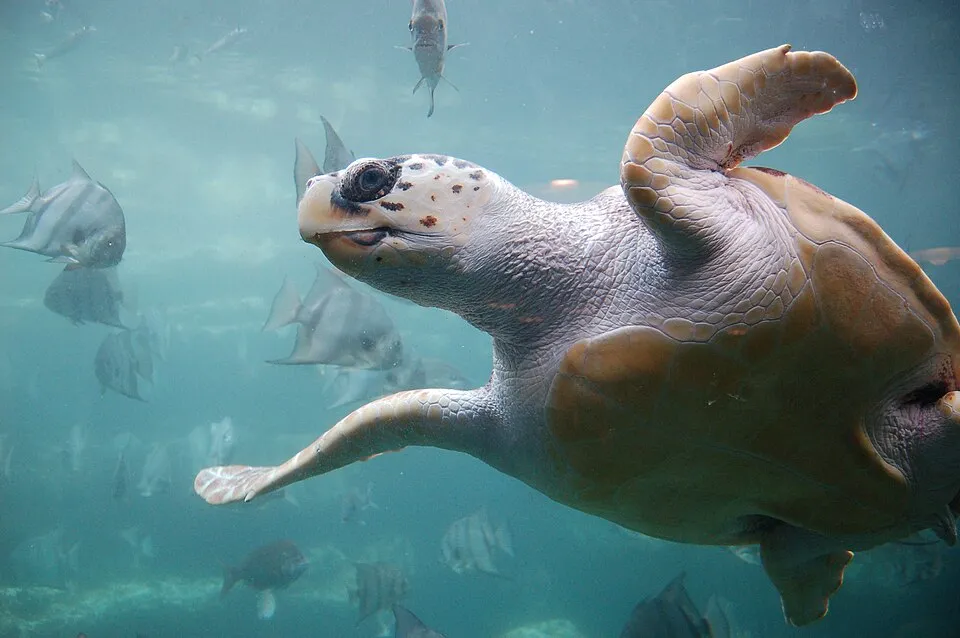 Loggerhead sea turtle
Caretta caretta 37 places in common
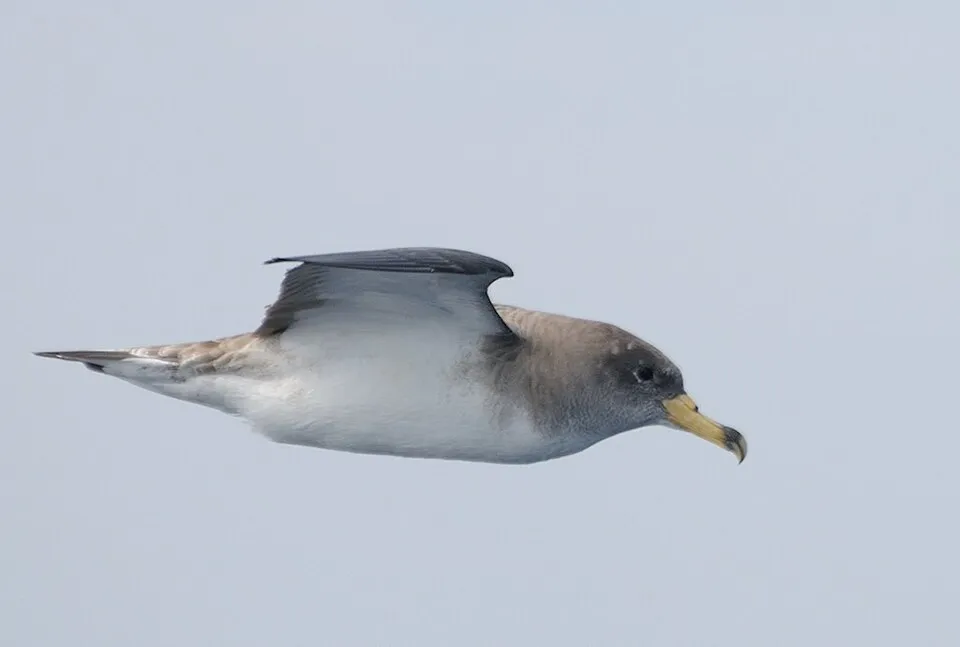 Scopoli's Shearwater
Calonectris diomedea 32 places in common
 European Storm Petrel
Hydrobates pelagicus 30 places in common
European shag
Phalacrocorax aristotelis 27 places in common
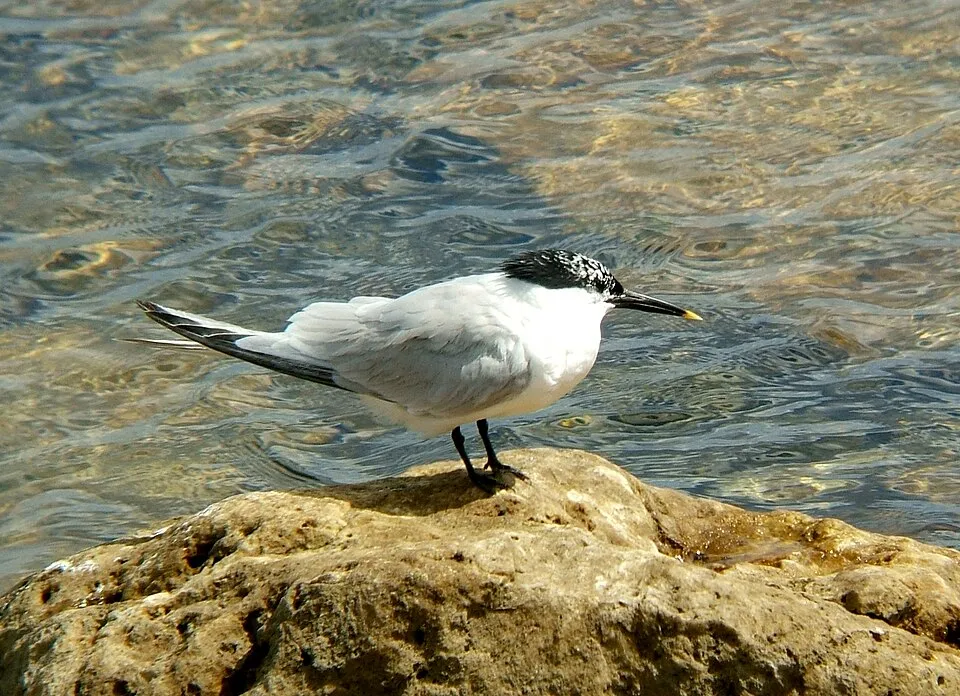 Sandwich Tern
Thalasseus sandvicensis 40 places in common
 Yellow-legged Gull
Larus michahellis 51 places in common
Sources and credits
- Presence: most-recorded species of each place on GBIF and species of Community interest in the Natura 2000 forms (EEA, CC-BY 4.0); absence from the list does not mean the species is absent.
- Common names: Wikidata (CC0) and GBIF.
- Photos and sounds: Wikimedia Commons, author and licence given for each file.
- Classification: GBIF Backbone Taxonomy (GBIF Secretariat), CC BY 4.0, doi:10.15468/39omei.
- Countries, elevations, months and maps: GBIF.org, CC0 or CC BY 4.0 occurrences only, accessed October 22, 2026, GBIF.org.
- Base map: Natural Earth (public domain).
- Excerpt: Wikipedia, CC BY-SA 4.0 (full credit below the excerpt).
- Key facts: Wikidata (CC0), with the references cited under each value.
- Annexes: Directive 92/43/EEC (consolidated version), © European Union, EUR-Lex.