
Bird
Short-toed Treecreeper: where to see it
Certhia brachydactyla
This bird species is recorded in 113 protected areas of the atlas, including 43 whose official Natura 2000 form lists it. Within the atlas countries, it is mostly observed in France, Spain and Germany (11 countries in all). Most records (8 in 10) lie between sea level and 900 m. Records peak from January to June. It weighs 8.4 g. It is subject to special conservation measures under the Birds Directive (Annex I, some populations). Its EU population is assessed as secure (2013–2018 Birds Directive reporting).
Best time to see it: January–June
Records published on GBIF by month (CC0 and CC BY 4.0 licences only), in the atlas countries, all years combined; they also reflect observer activity.
Key facts
- Weight
- 8.4 g Wikidata, after Lislevand et al. 2007
- Clutch size
- 5.9 eggs on average Wikidata, after Jetz et al. 2008
- Incubation
- 14 days Wikidata, after Handbook of the Birds of the World
Status and protection
Birds Directive I (some populations)
The species is listed in Annex I of the Birds Directive (for some populations or subspecies).
EU population assessed as secure, increasing in the short term (2013–2018 Birds Directive reporting). EU breeding population: 4,770,000–7,700,000 pairs.
Distribution
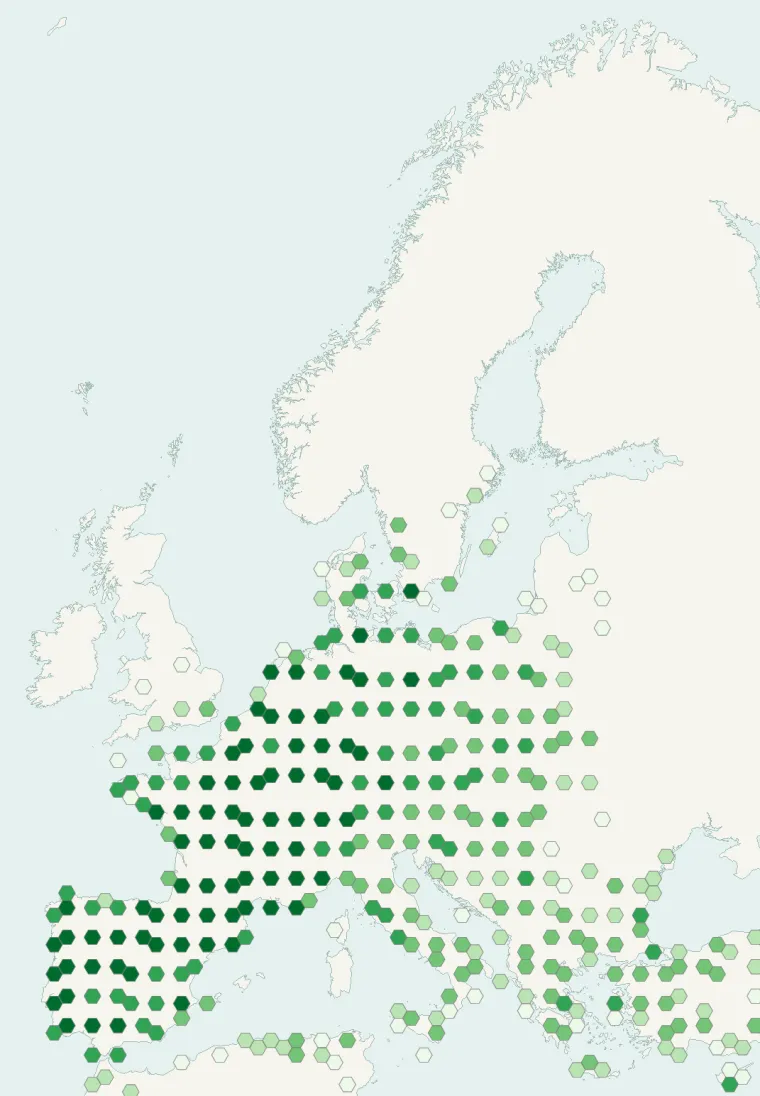
Records published on GBIF (CC0 and CC BY 4.0 licences): the darker the shade, the more records there are; they also reflect observation effort.
Atlas countries where it is recorded
Listen
-
0:28 · © Benoît Van Hecke · CC BY-SA 4.0 · Wikimedia Commons · Original file
-
0:24 · © Marie-Lan Taÿ Pamart · CC BY-SA 4.0 · Wikimedia Commons · Original file
-
1:50 · © Marie-Lan Taÿ Pamart · CC BY-SA 4.0 · Wikimedia Commons · Original file
From Wikipedia
The short-toed treecreeper (Certhia brachydactyla) is a small passerine bird found in woodlands through much of the warmer regions of Europe and into north Africa. It has a generally more southerly distribution than the other European treecreeper species, the common treecreeper, with which it is easily confused where they both occur. The short-toed treecreeper tends to prefer deciduous trees and lower altitudes than its relative in these overlap areas. Although mainly sedentary, vagrants have occurred outside the breeding range.
Source: Wikipedia, article “Short-toed treecreeper” (version of June 8, 2026) · history and authors · licence CC BY-SA 4.0 · shortened excerpt
Protected areas where it is recorded

Natura 2000 · resident 6,757 records

Natura 2000 · resident 1,618 records
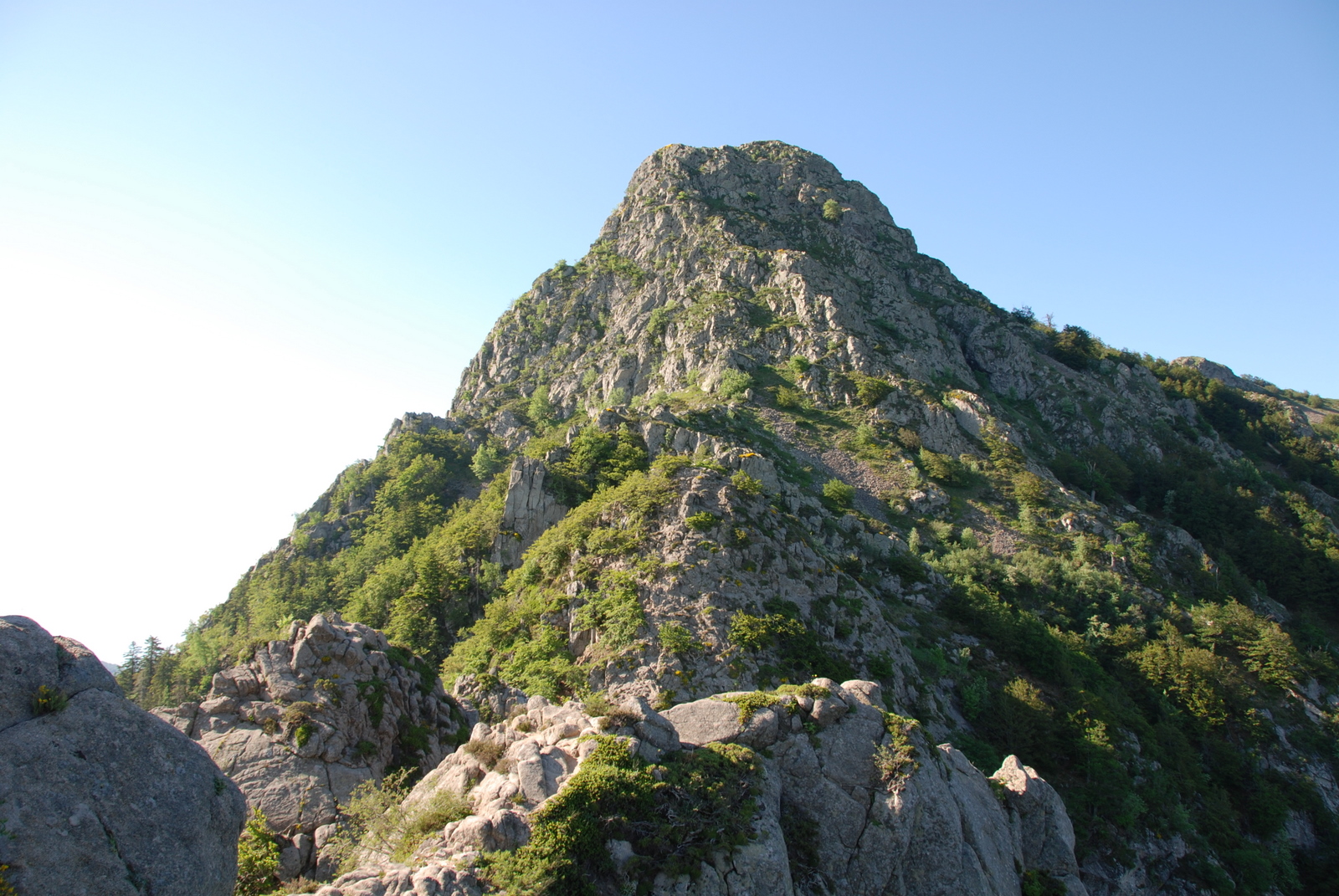
Natura 2000 · resident 601 records

Natura 2000 · resident 408 records

Natura 2000 · resident 287 records
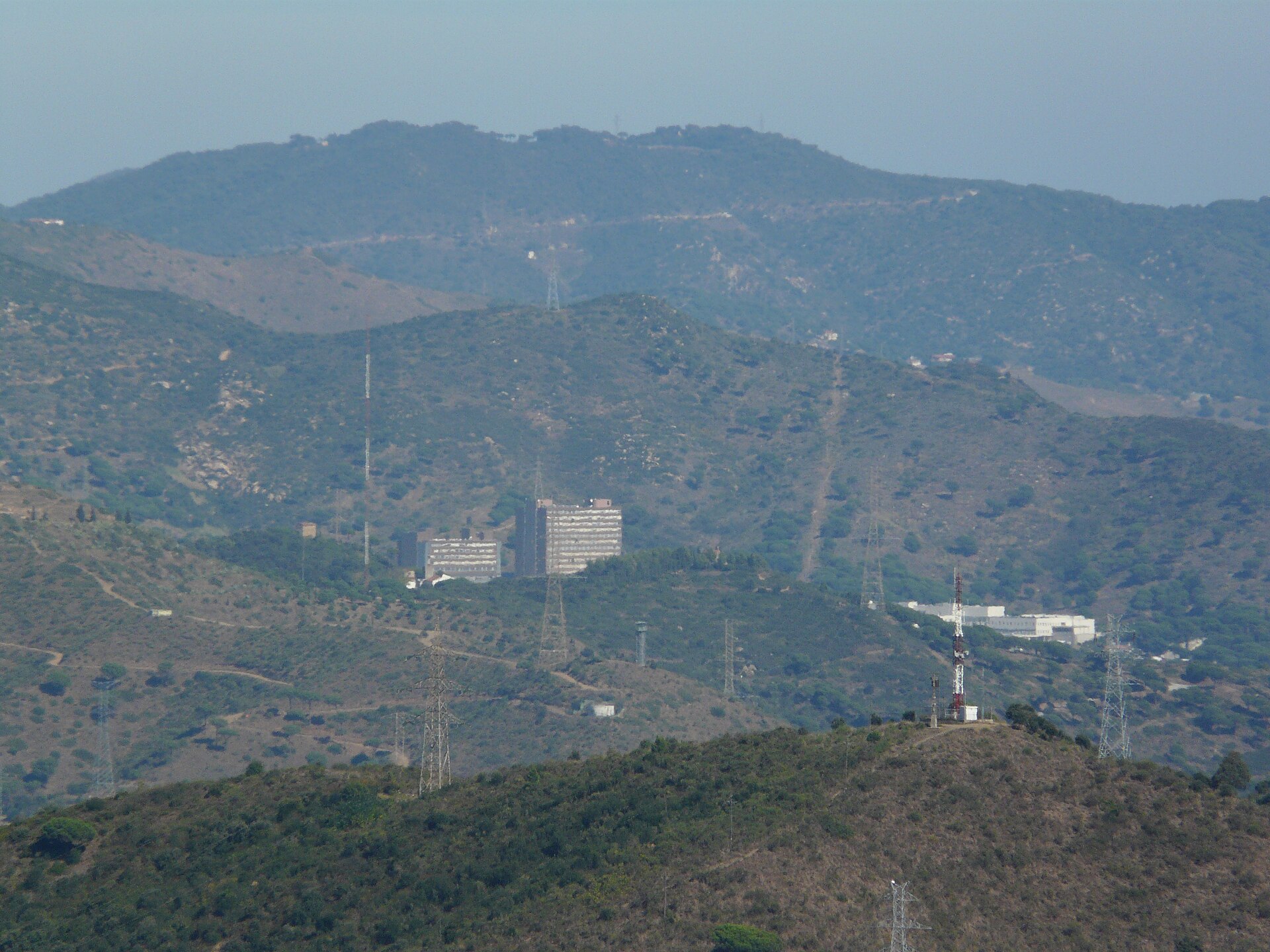
Natura 2000 · resident 281 records

Natura 2000 · resident 279 records
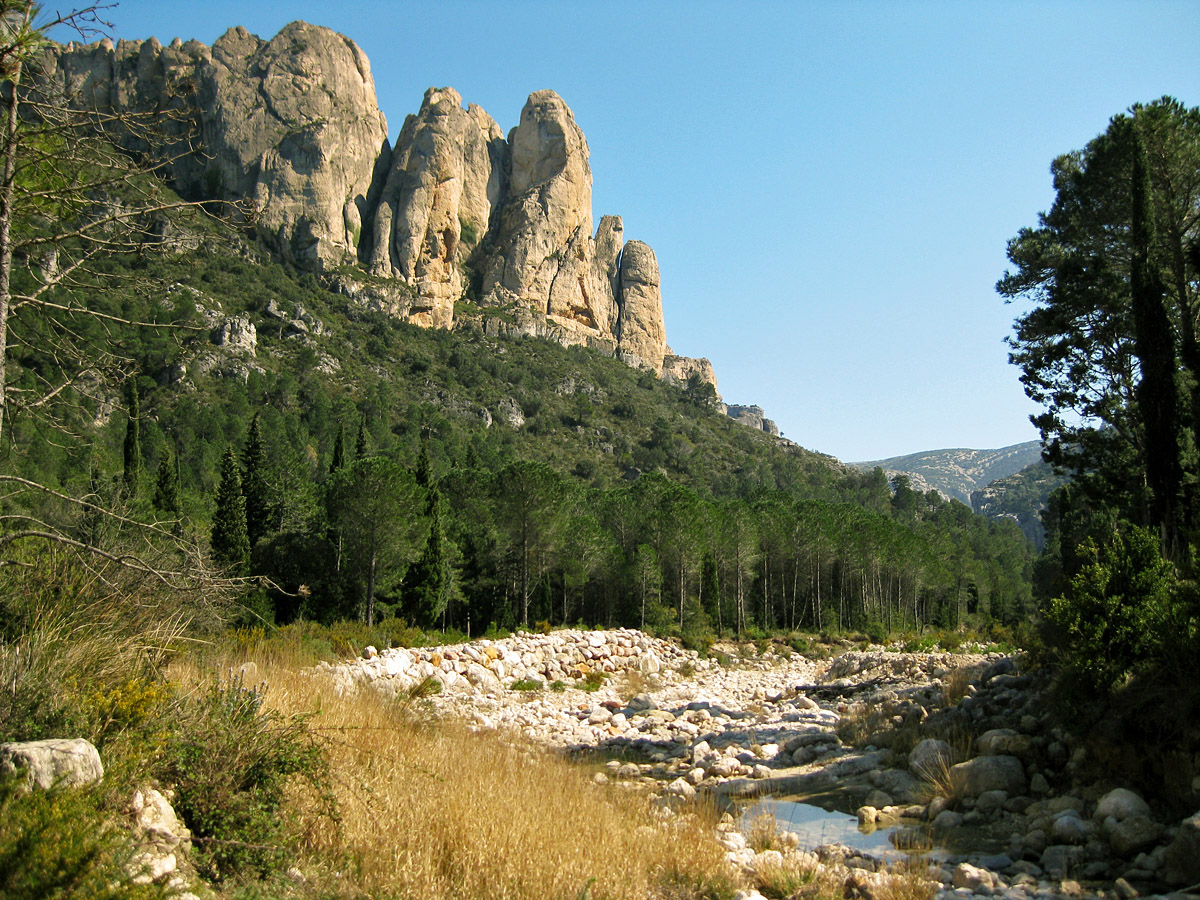
Natura 2000 · resident 203 records

Natura 2000 · resident 150 records
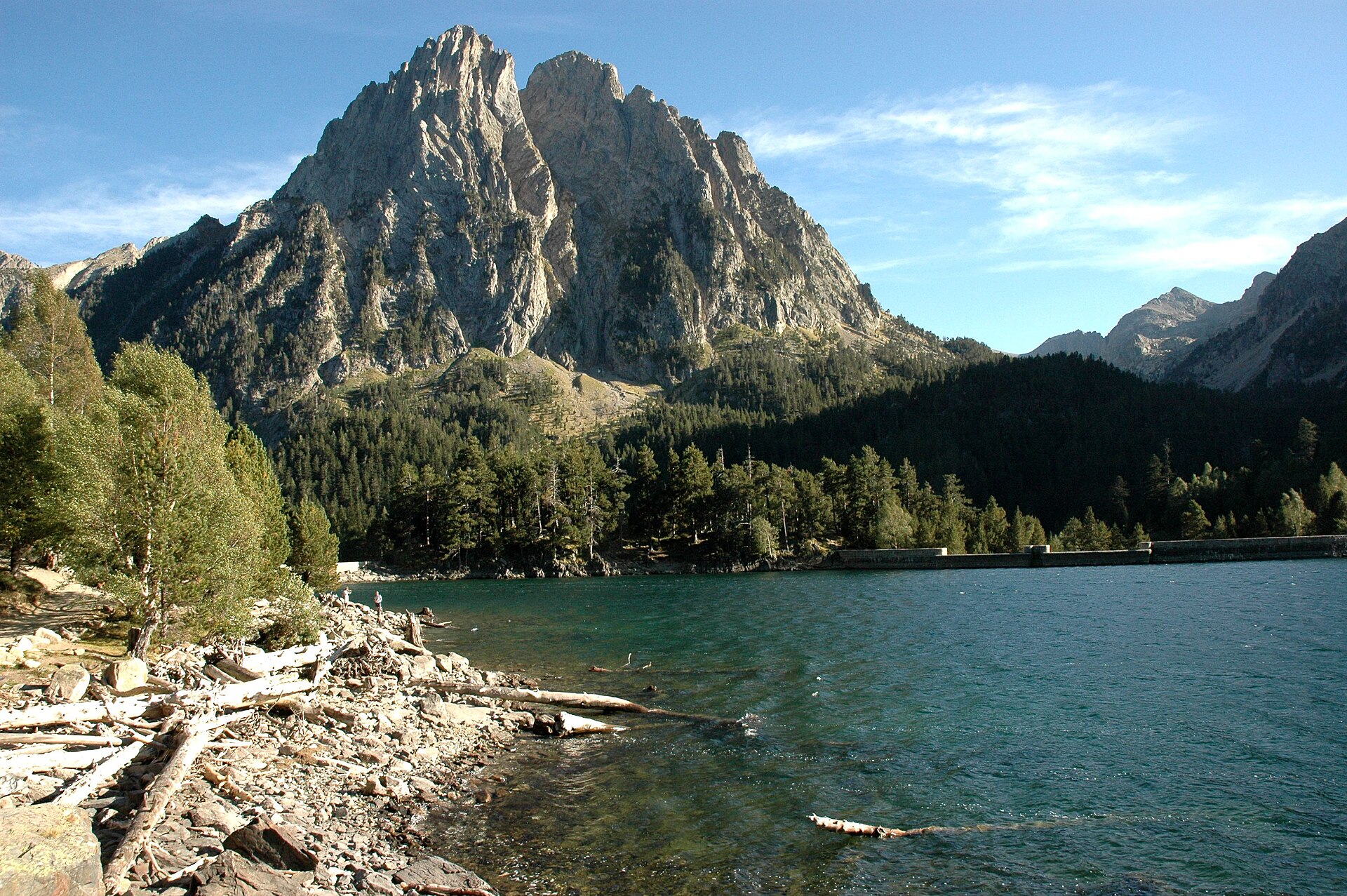
Natura 2000 · resident 61 records
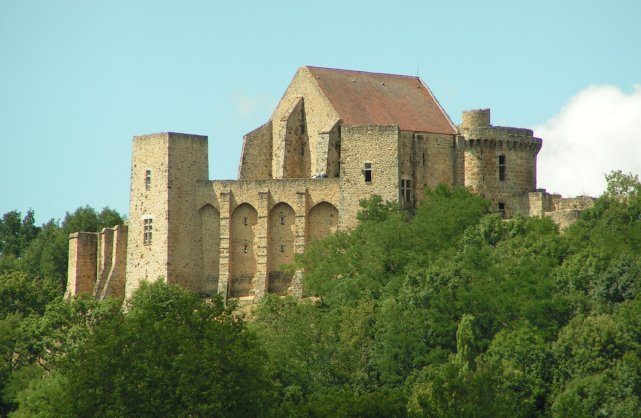
7,460 records
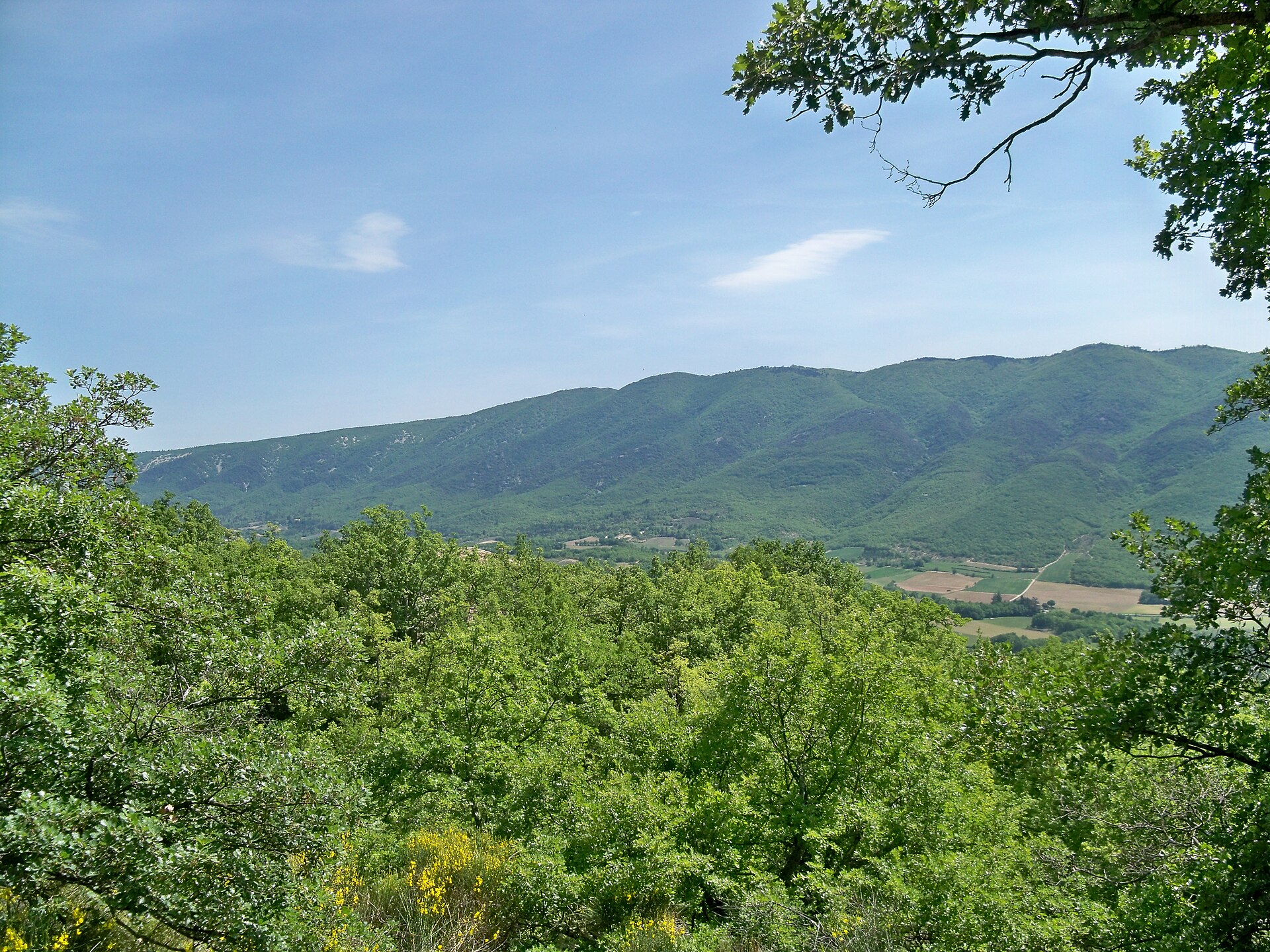
3,909 records
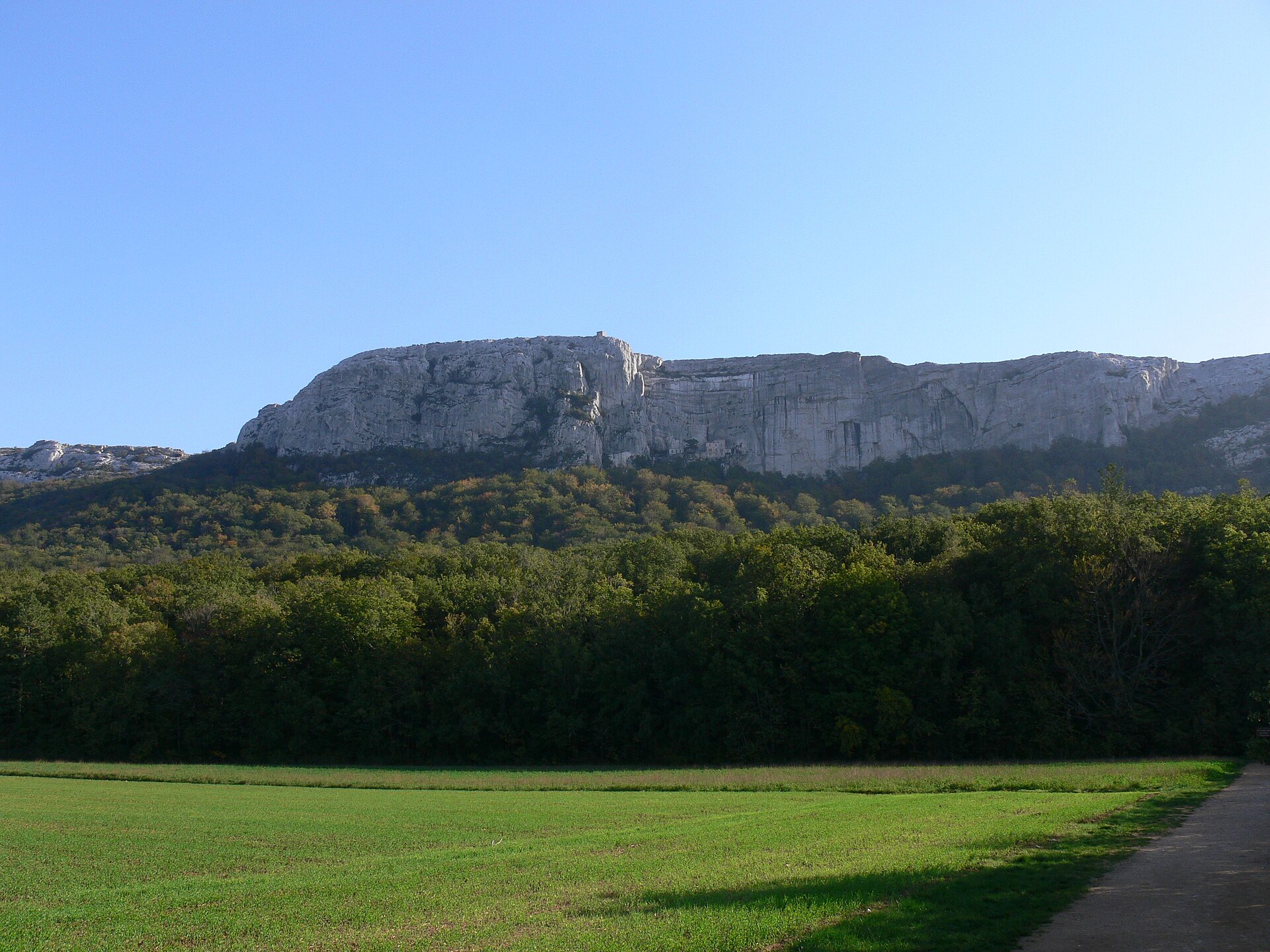
3,830 records

3,016 records
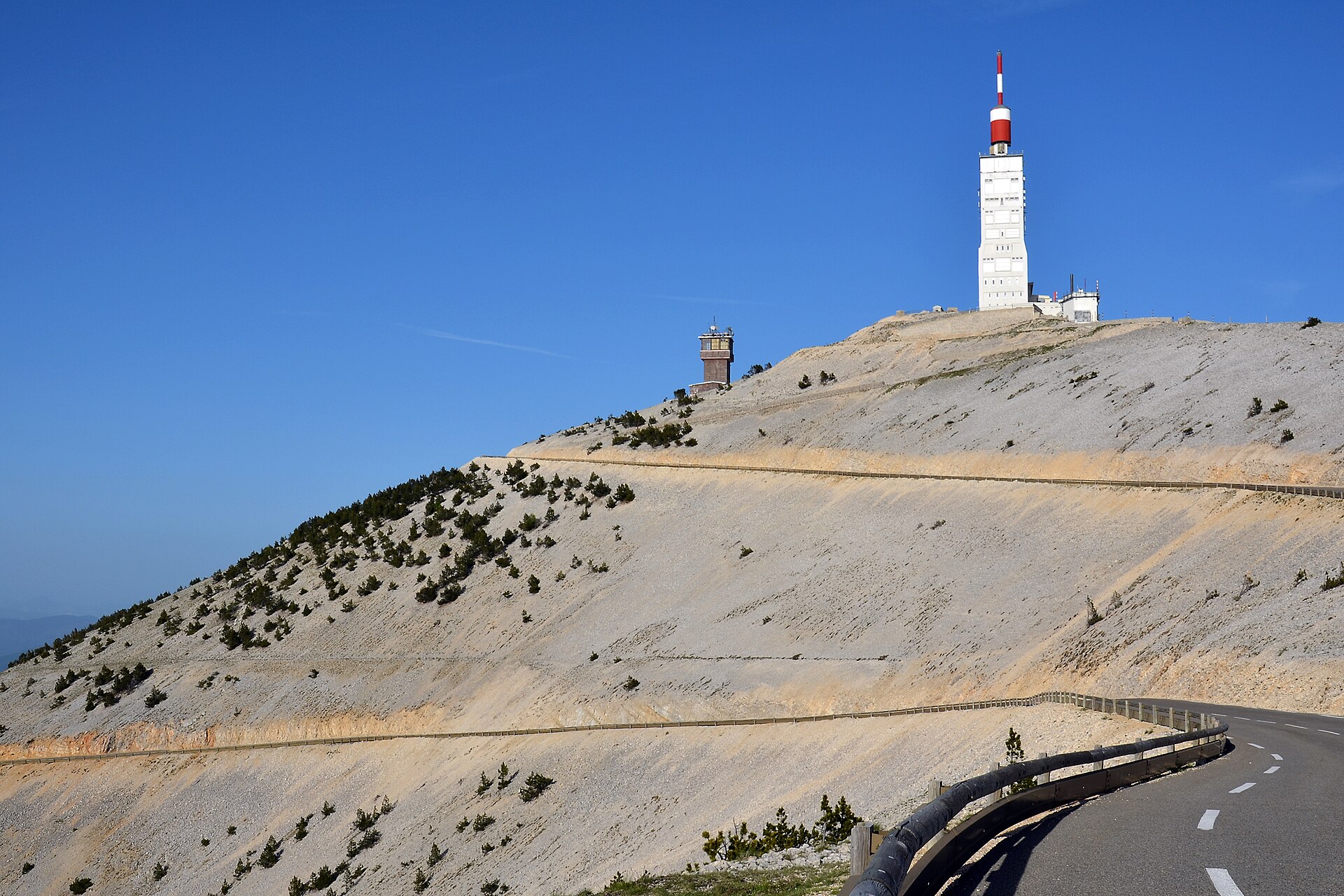
1,851 records
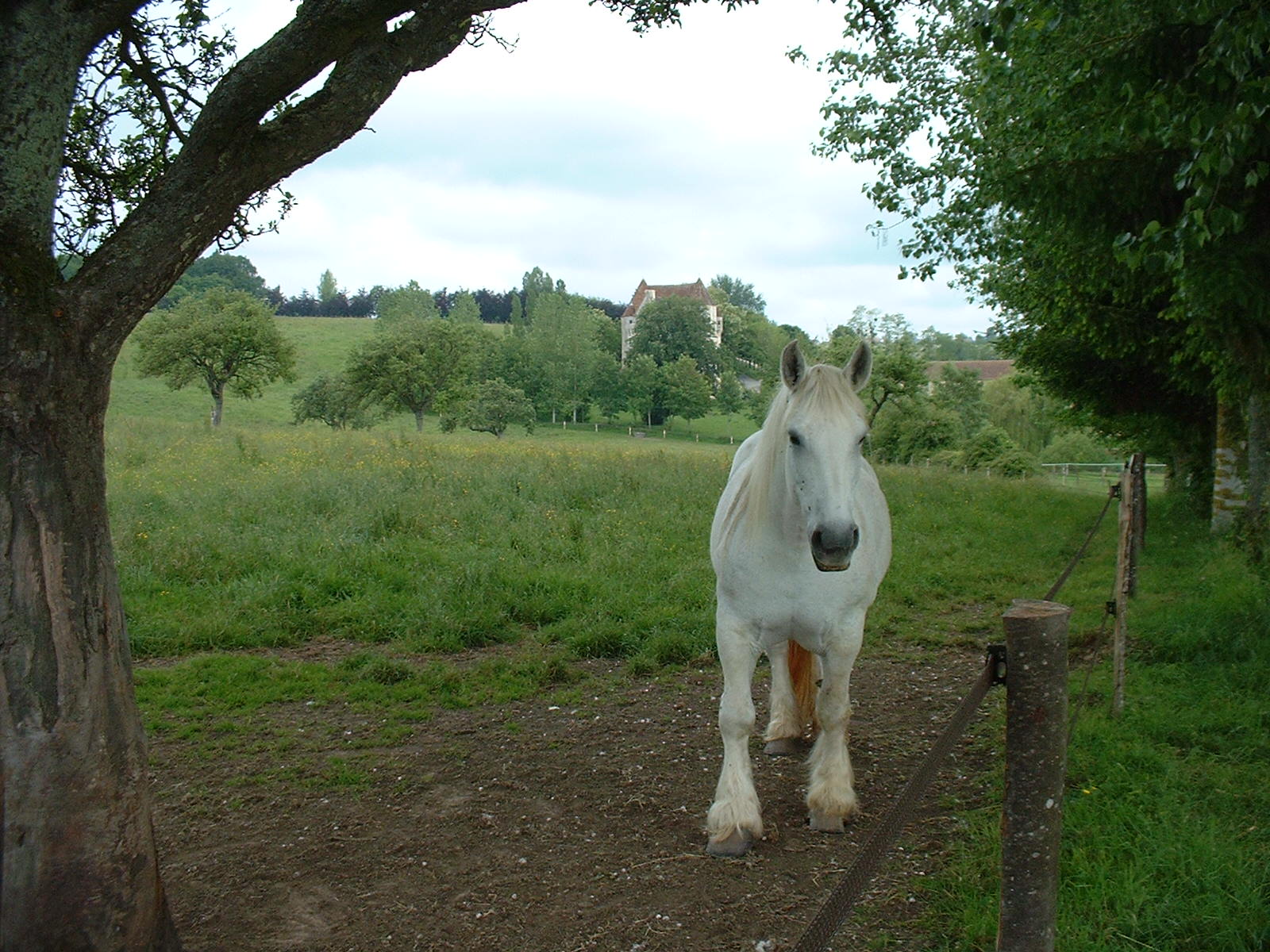
1,586 records
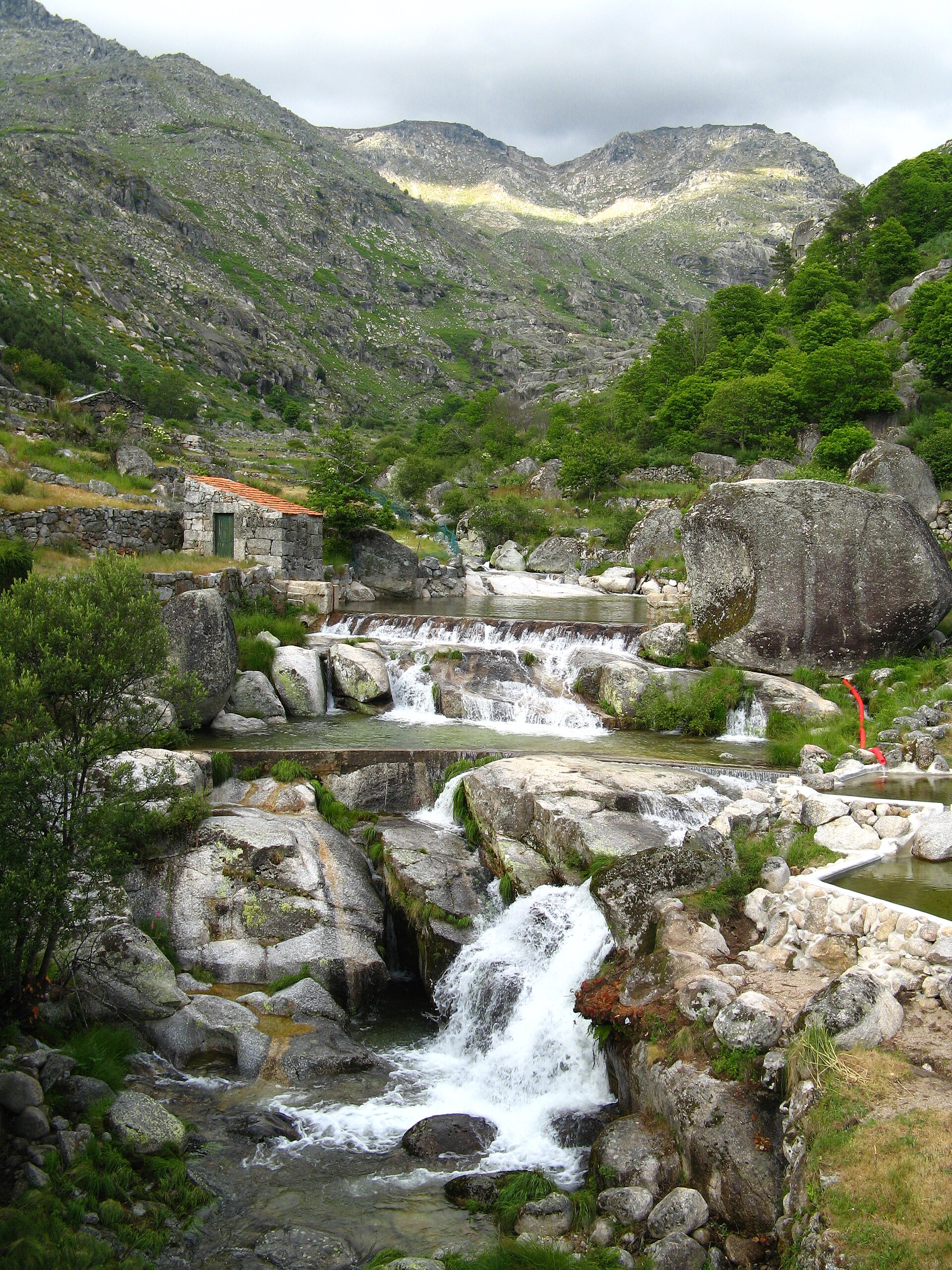
1,362 records

1,357 records
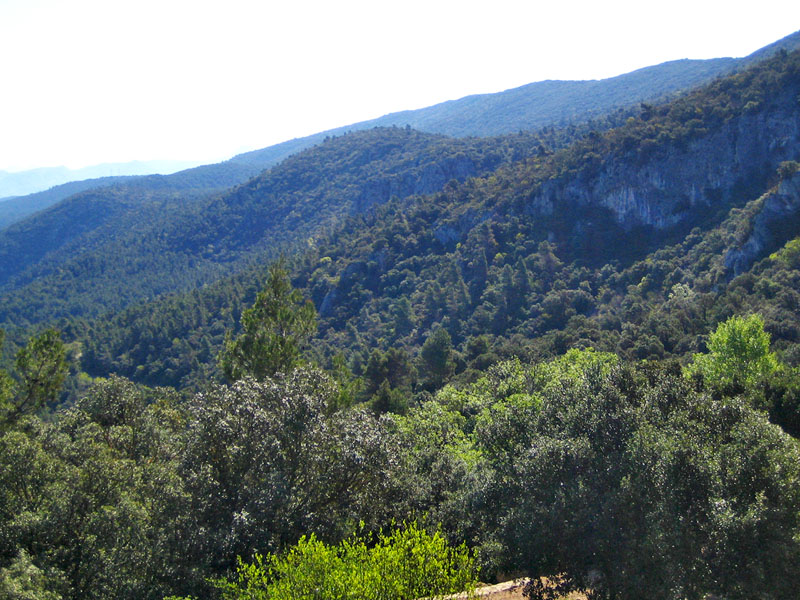
1,337 records

1,282 records

1,195 records
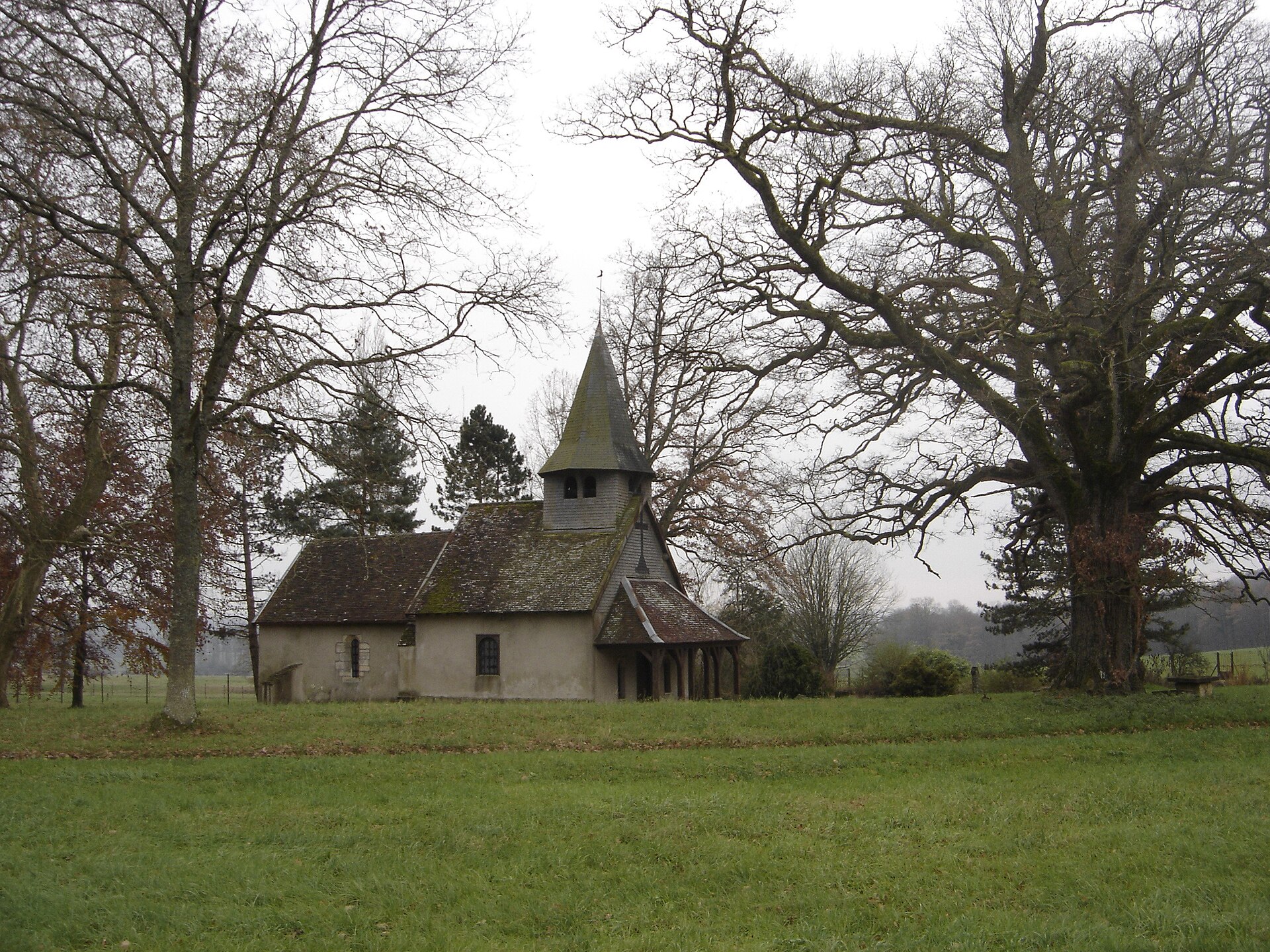
1,118 records
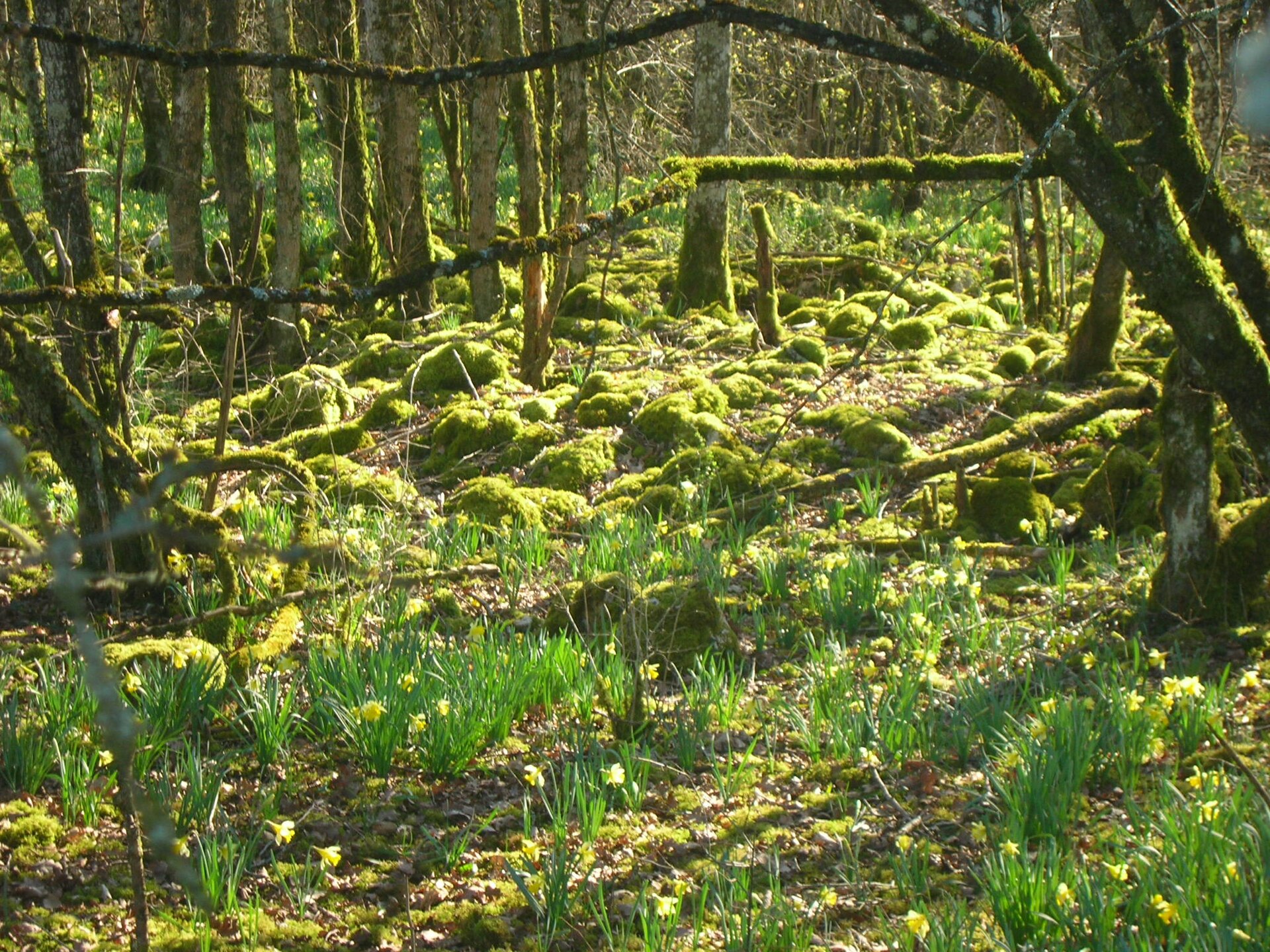
926 records

921 records
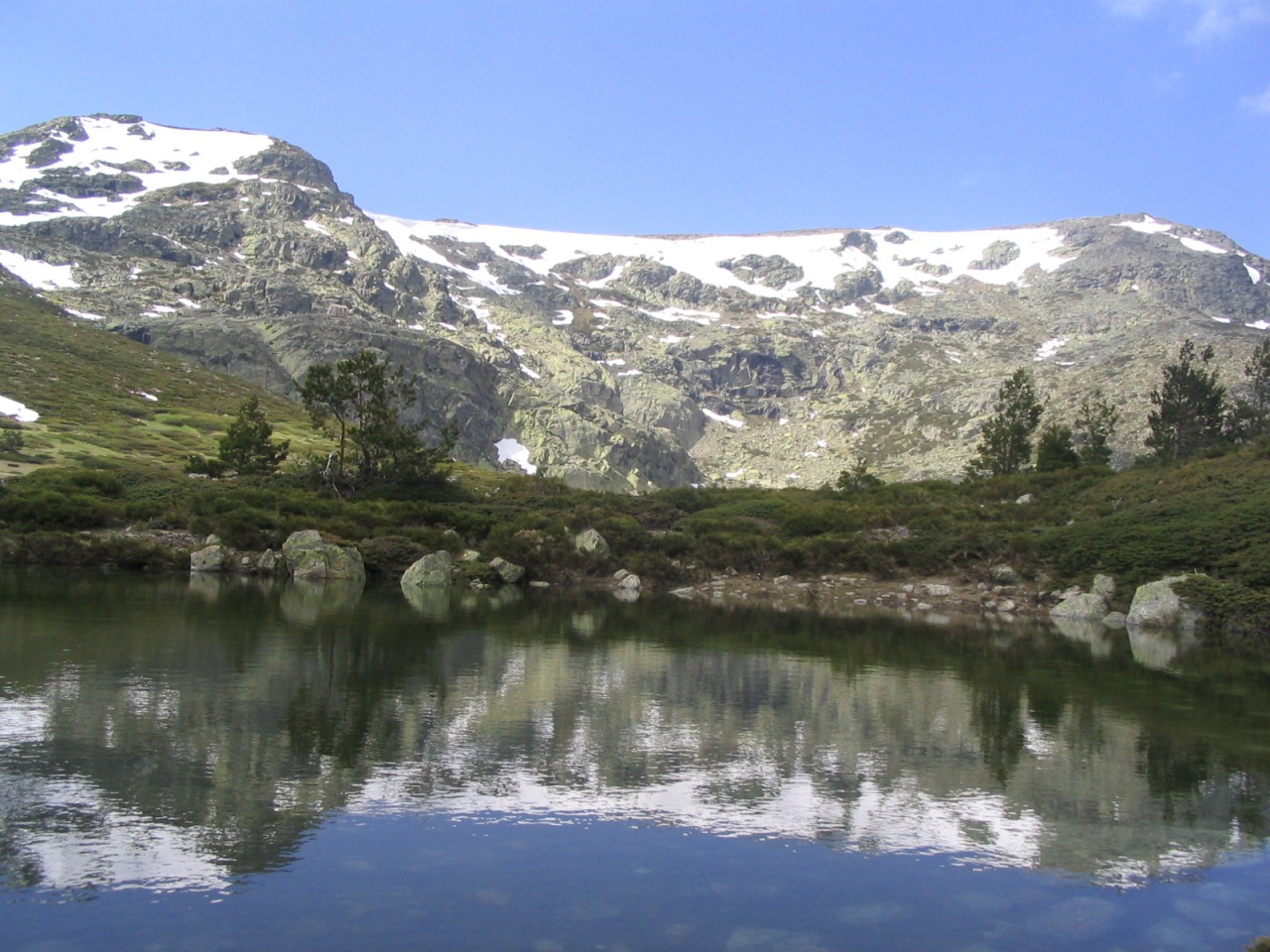
830 records
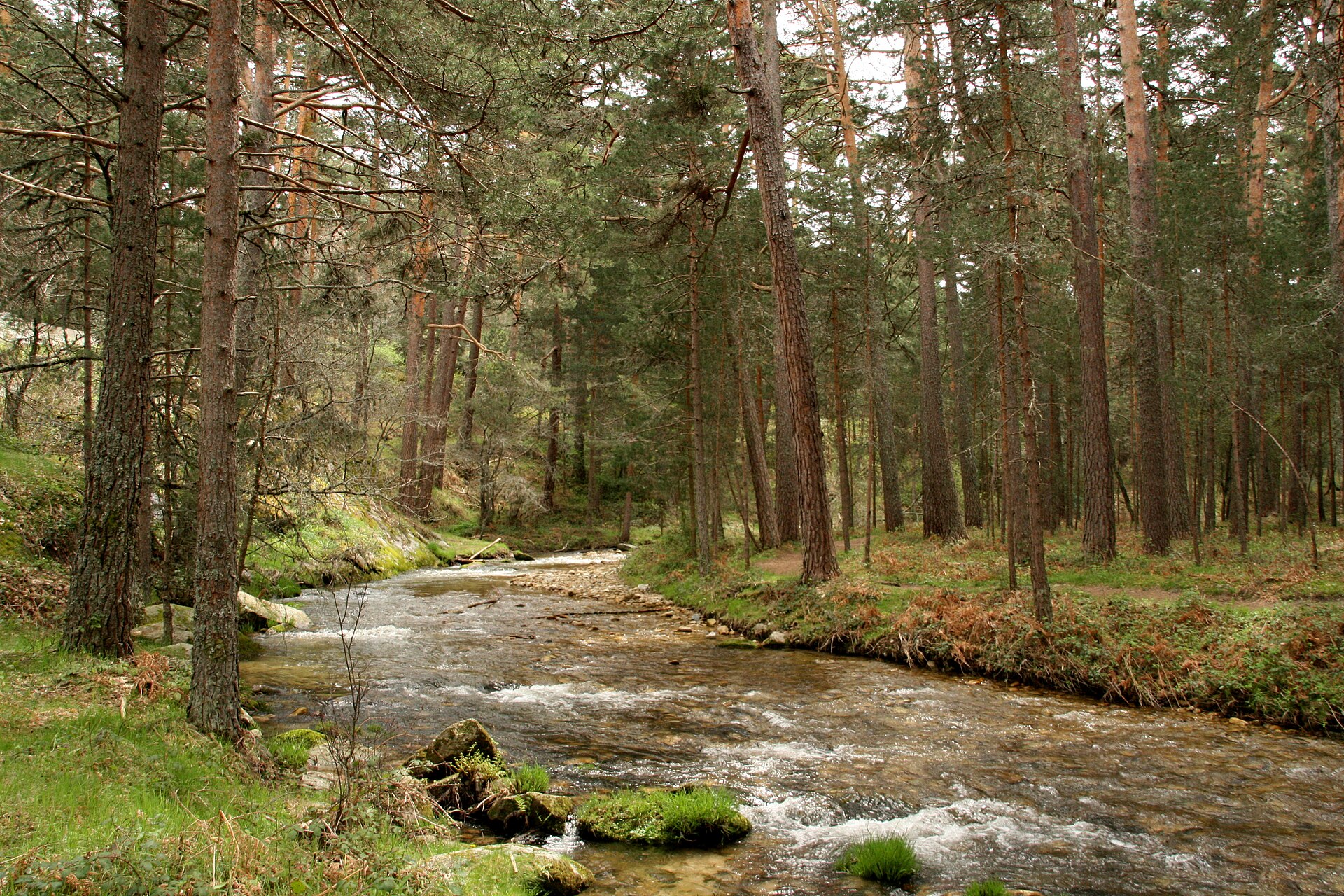
728 records
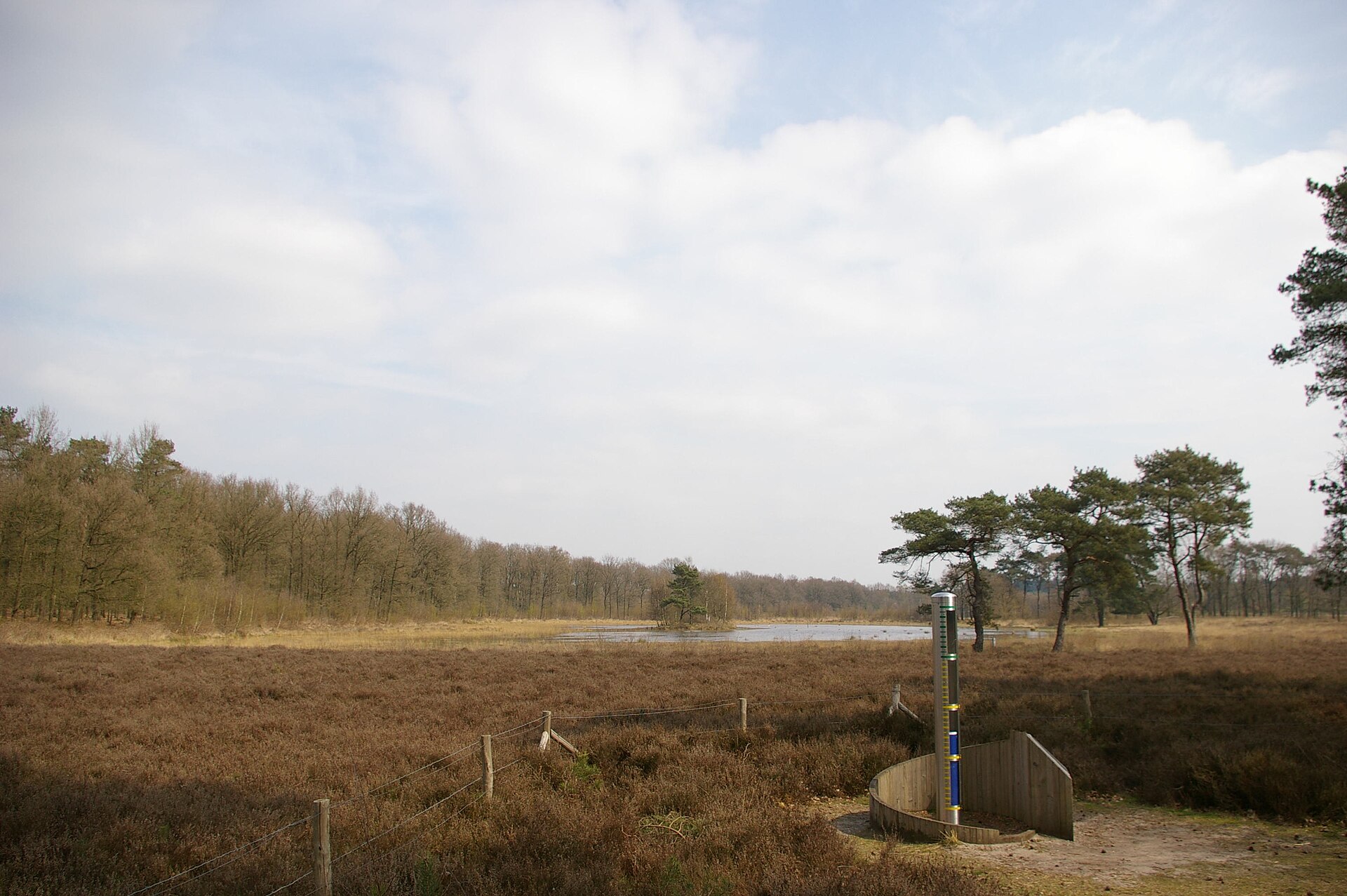
690 records
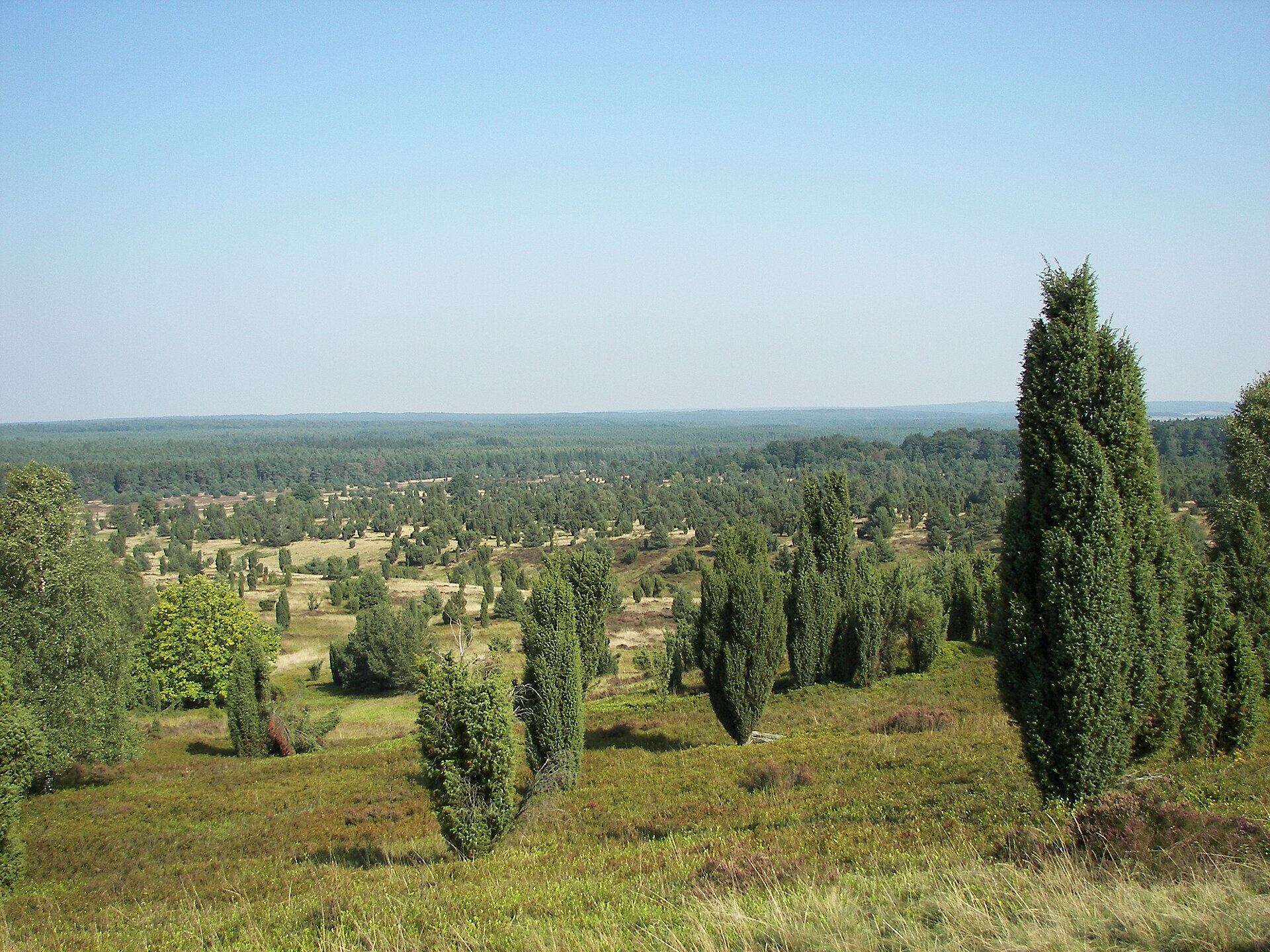
564 records
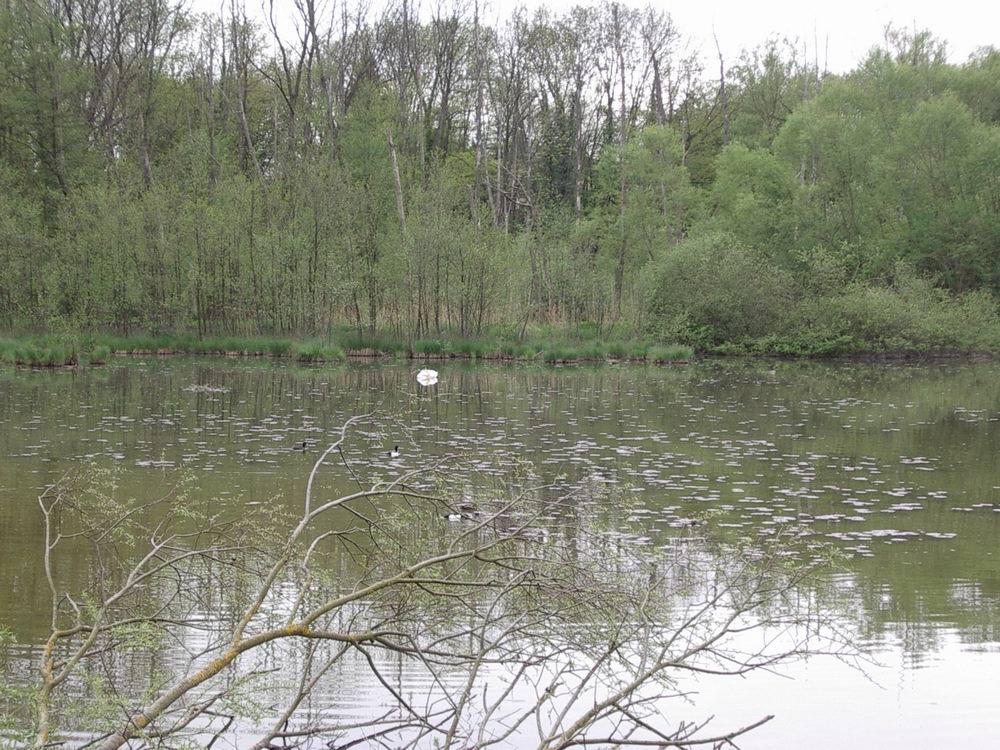
521 records

500 records

472 records
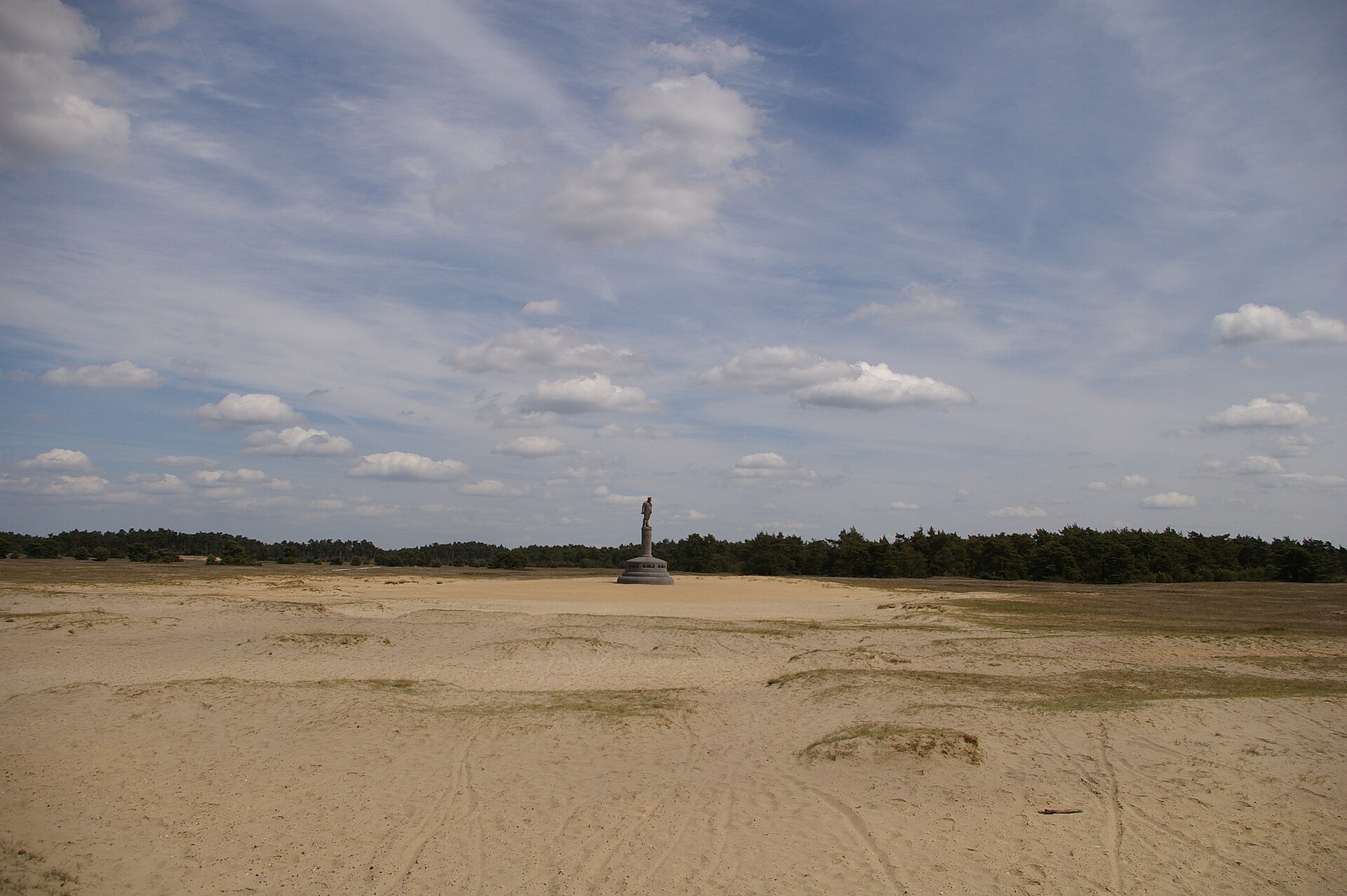
442 records
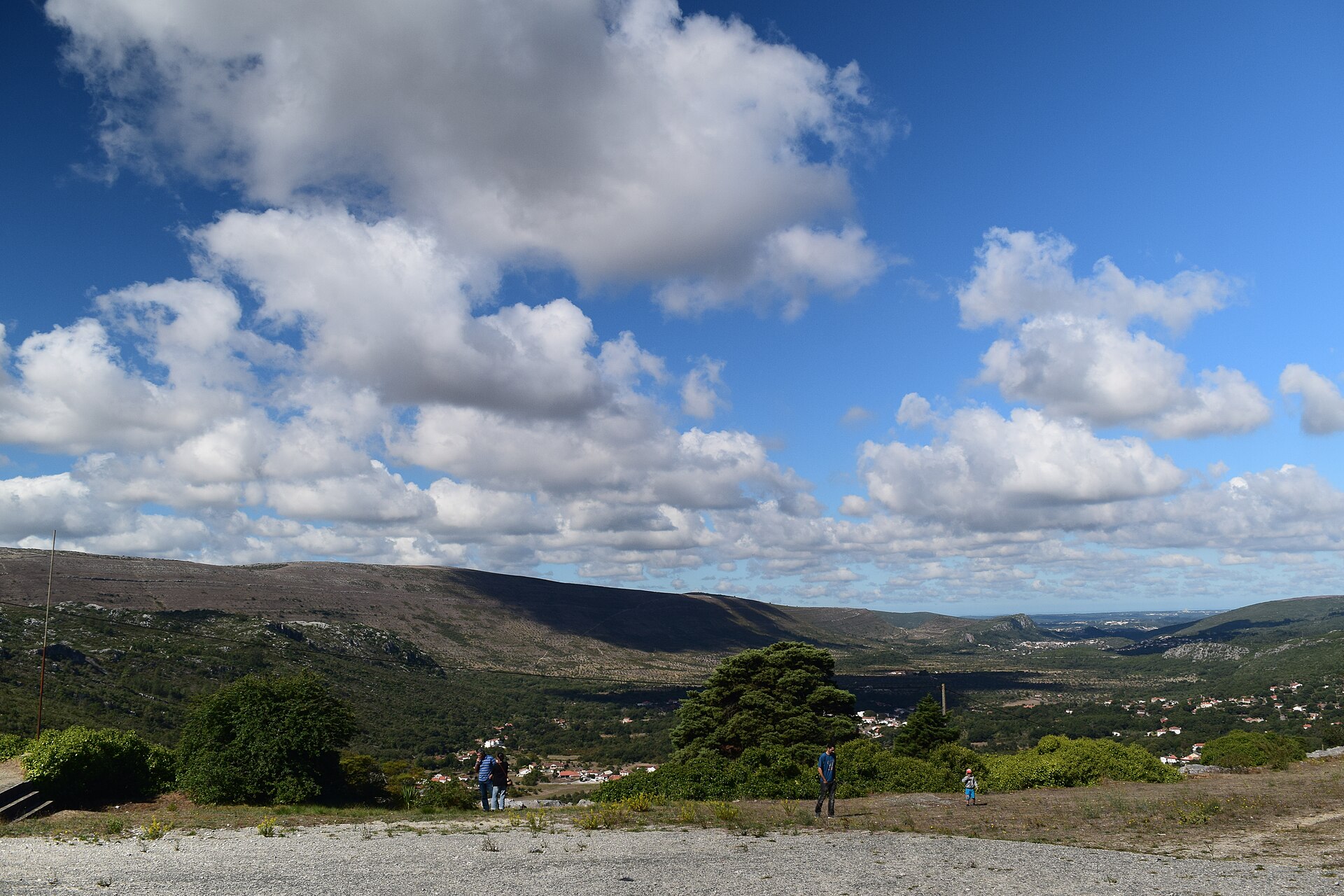
401 records
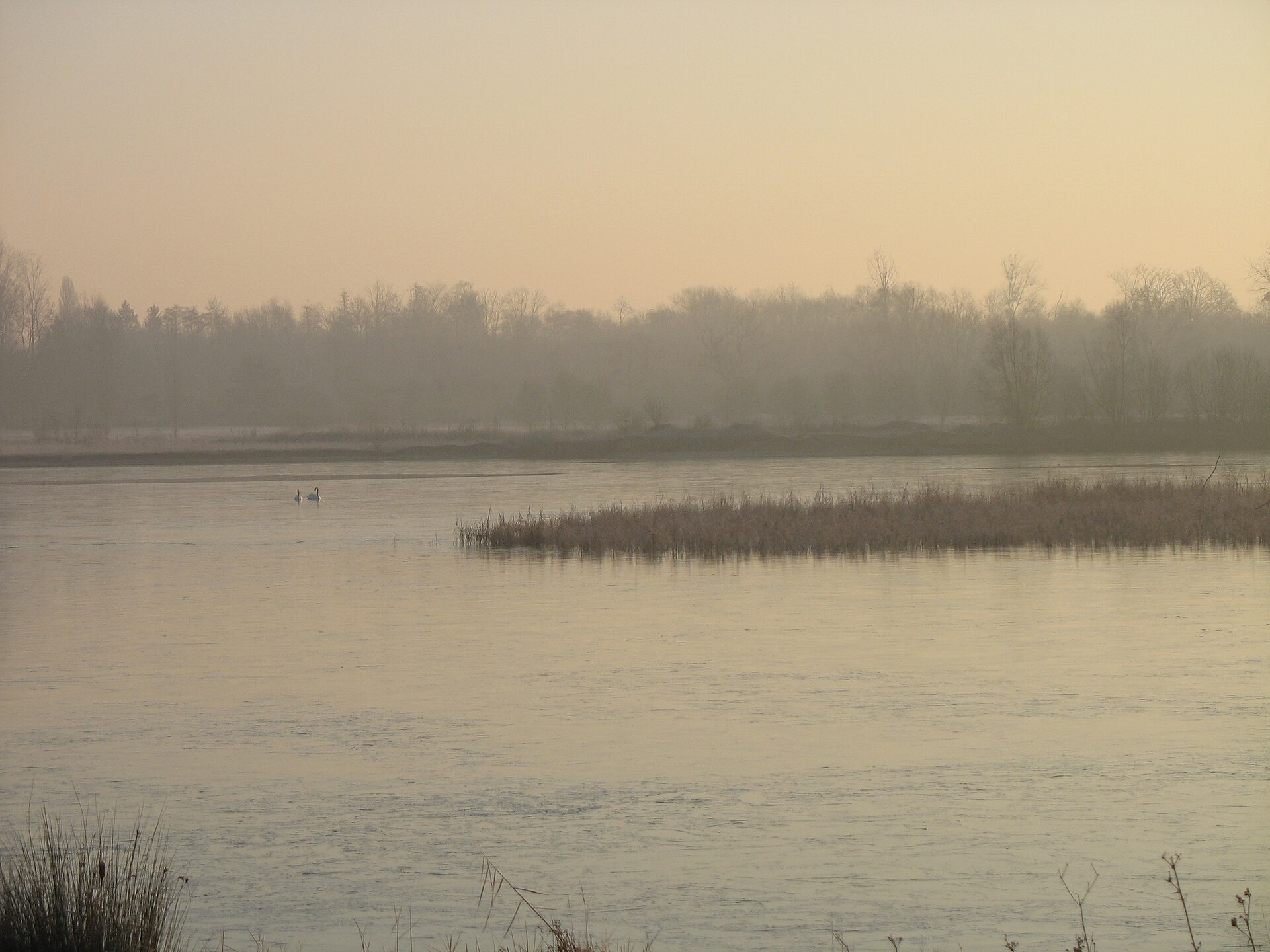
366 records

321 records

246 records

209 records
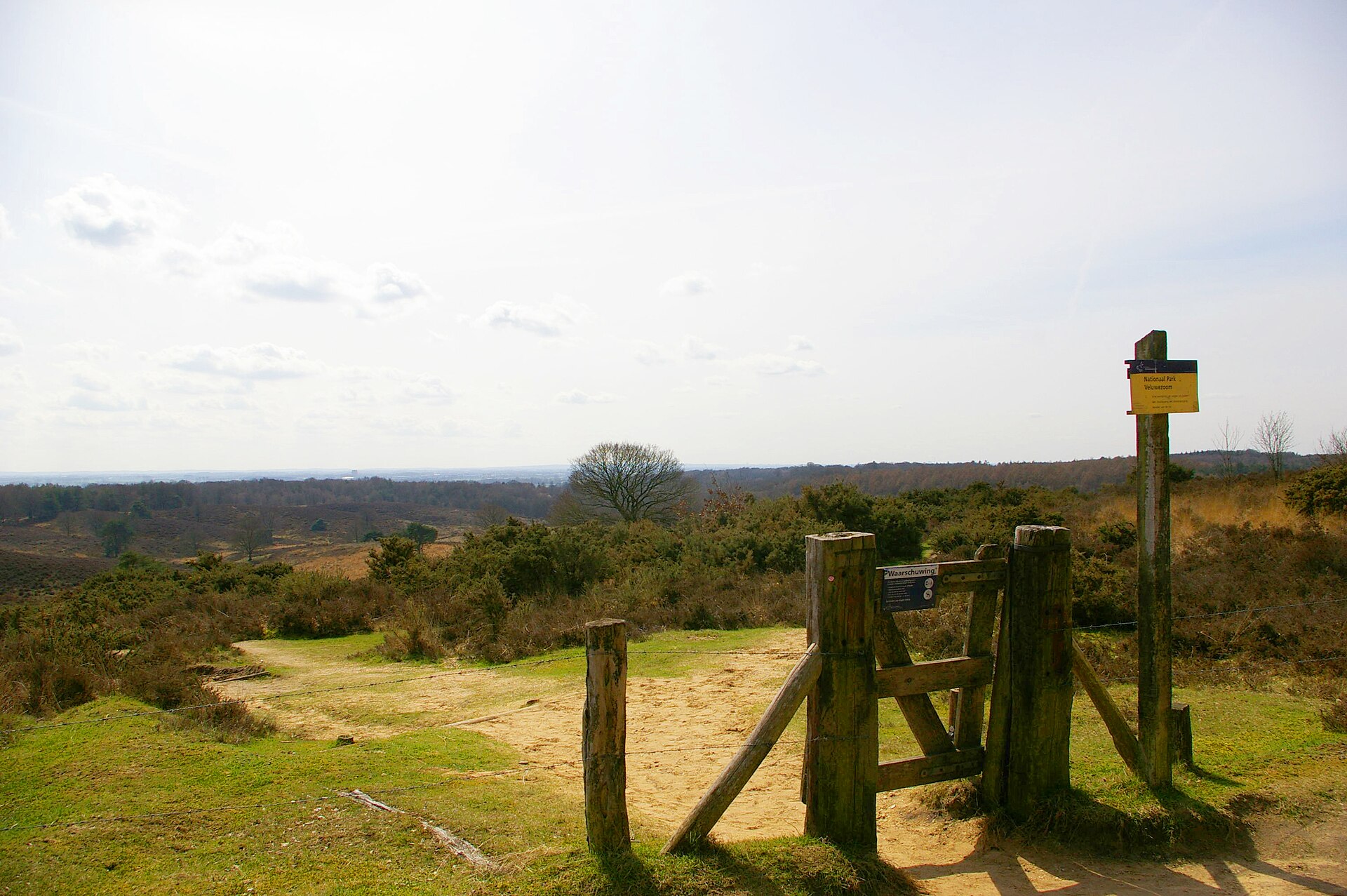
180 records

169 records

158 records

155 records
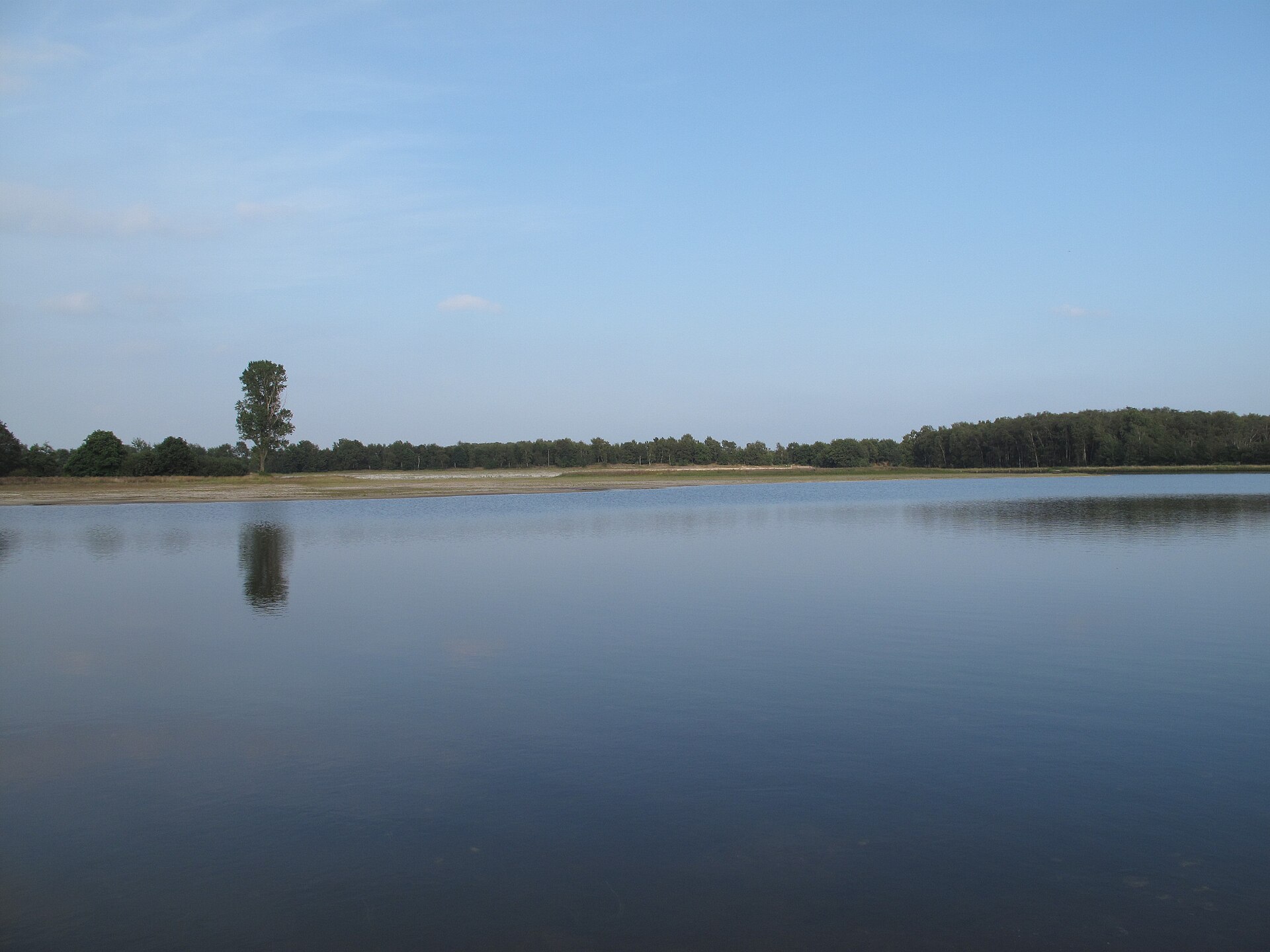
133 records
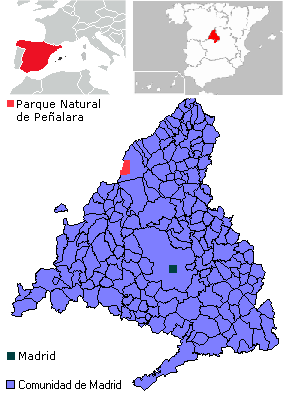
132 records
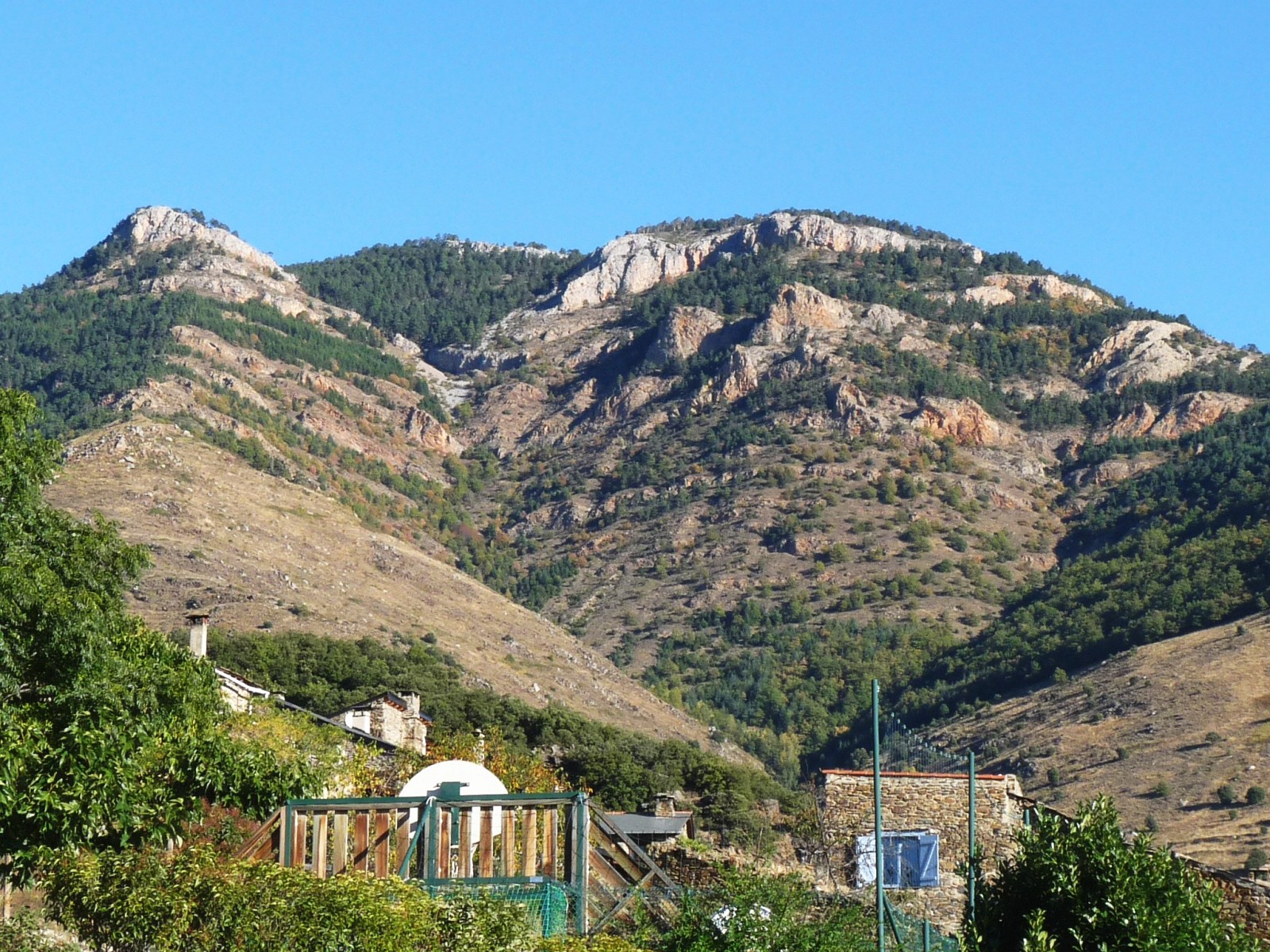
91 records

88 records
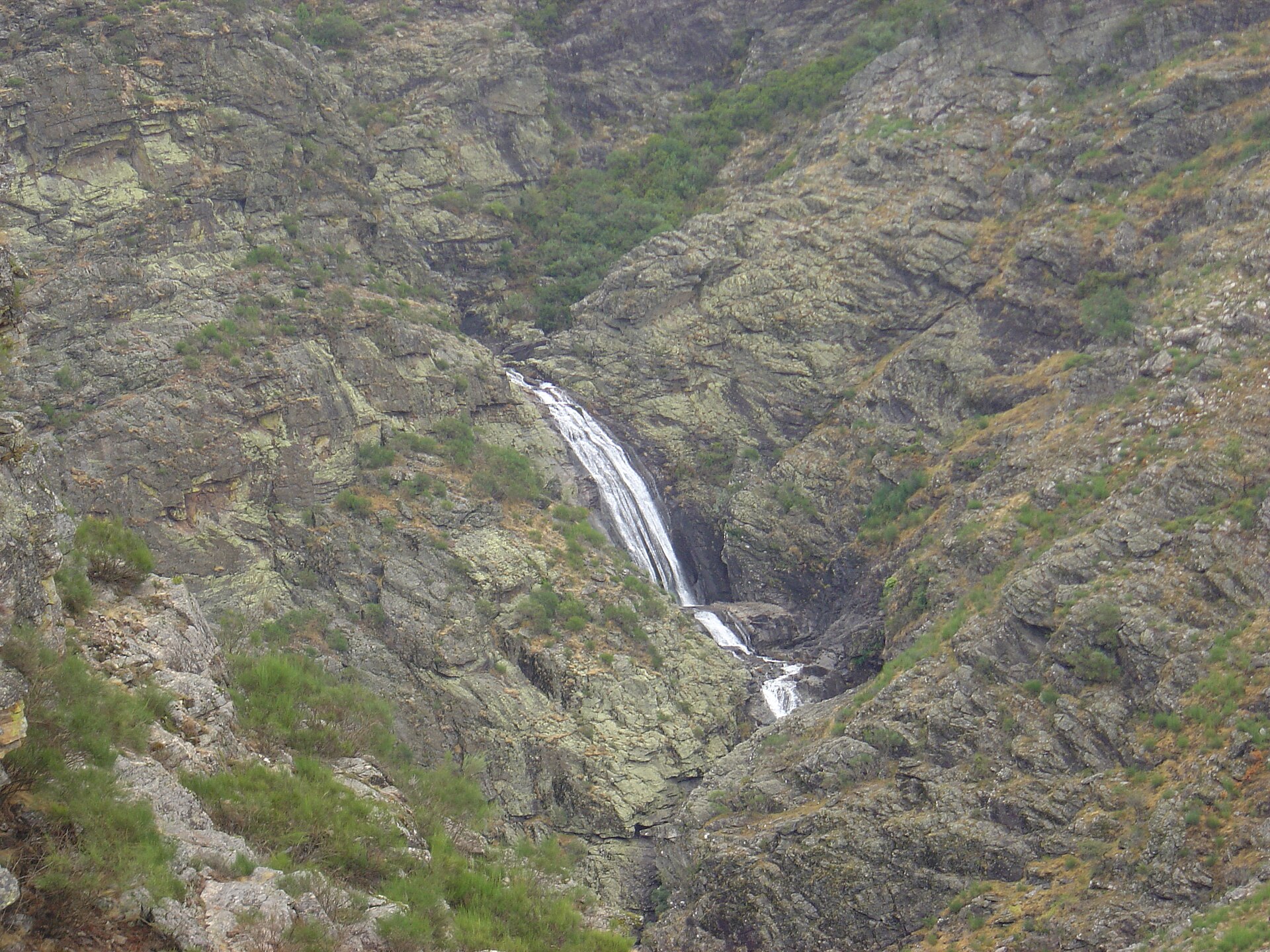
83 records

45 records
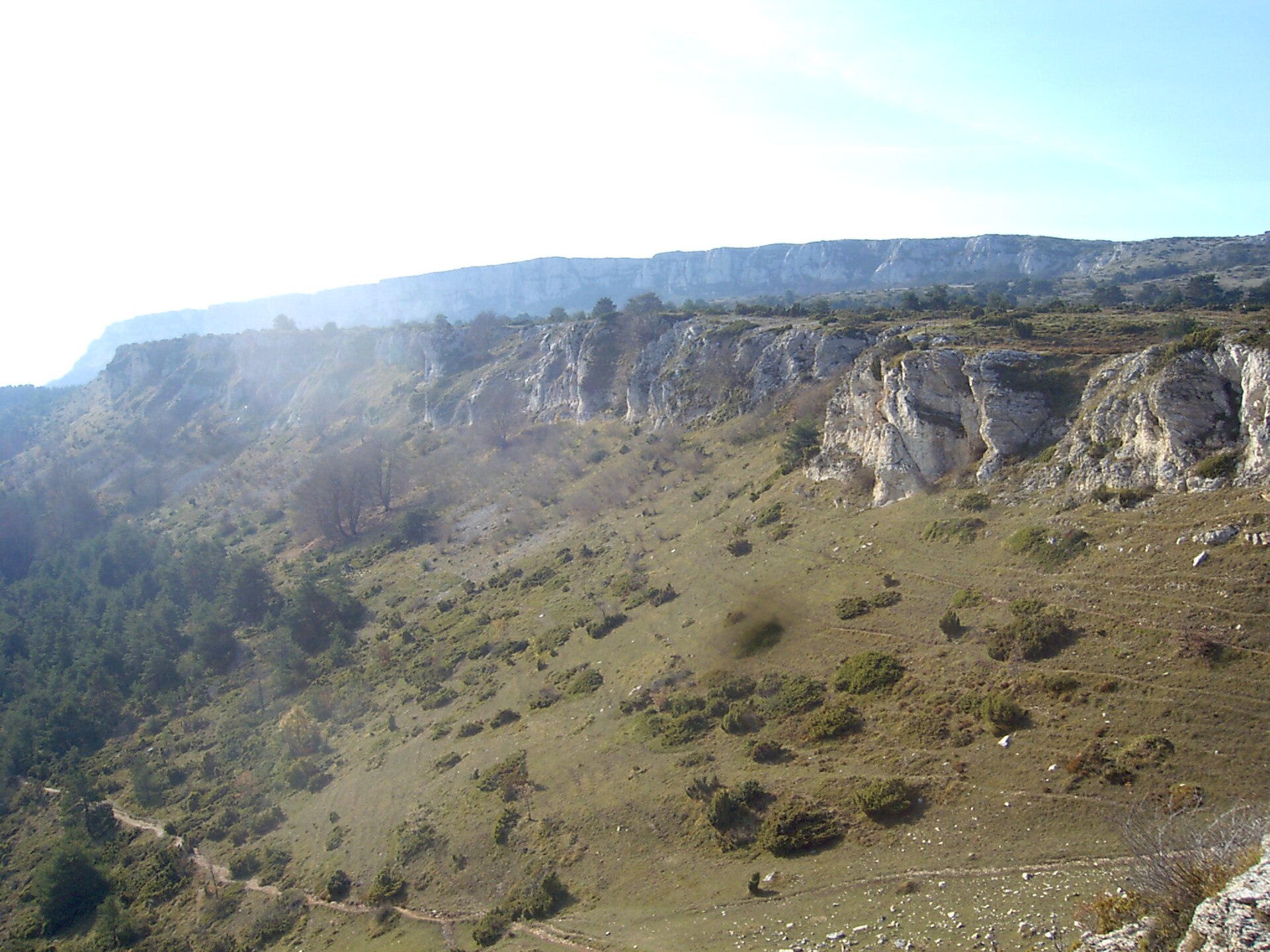
44 records

42 records

40 records

35 records

33 records

30 records

30 records
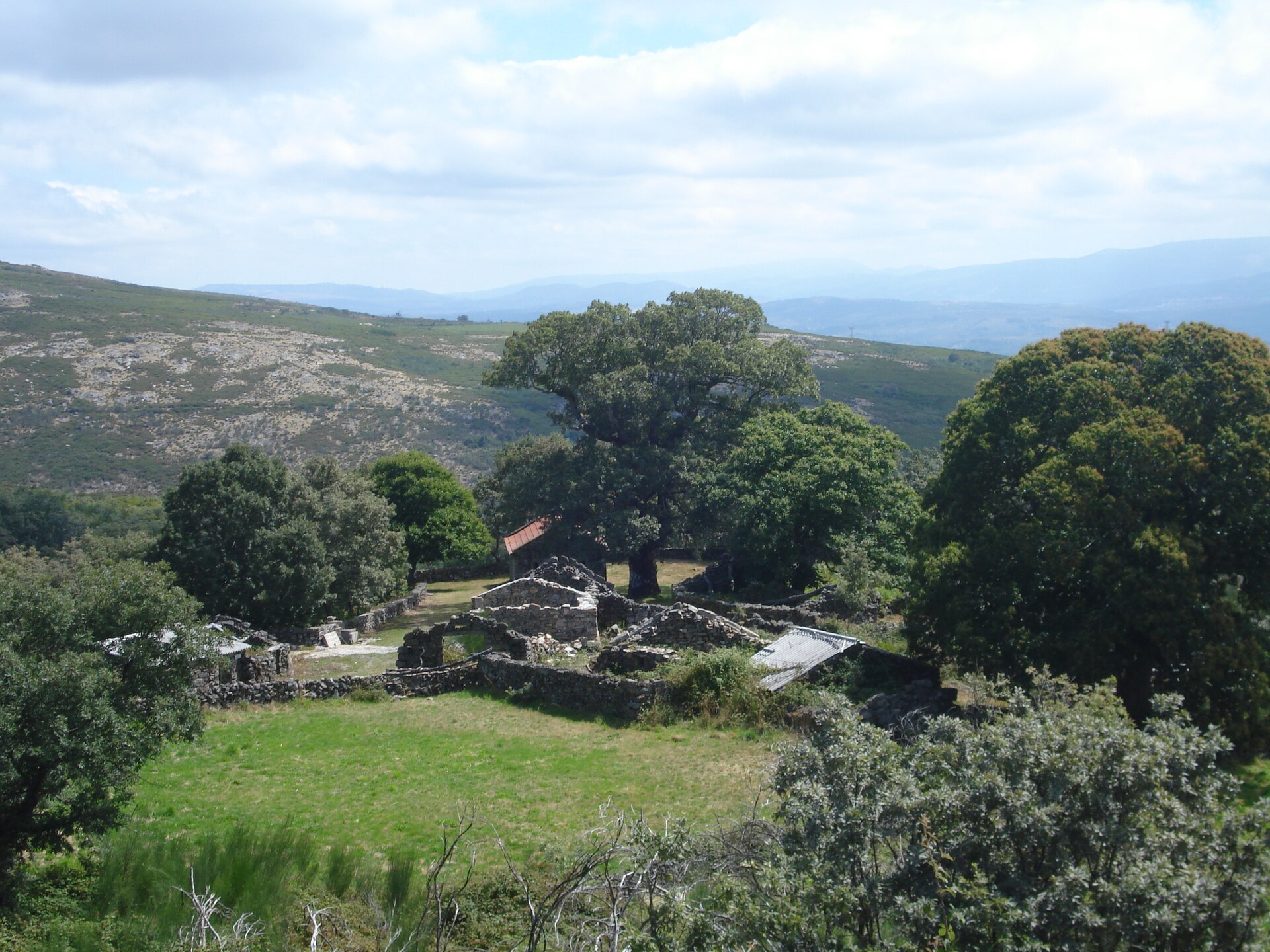
27 records
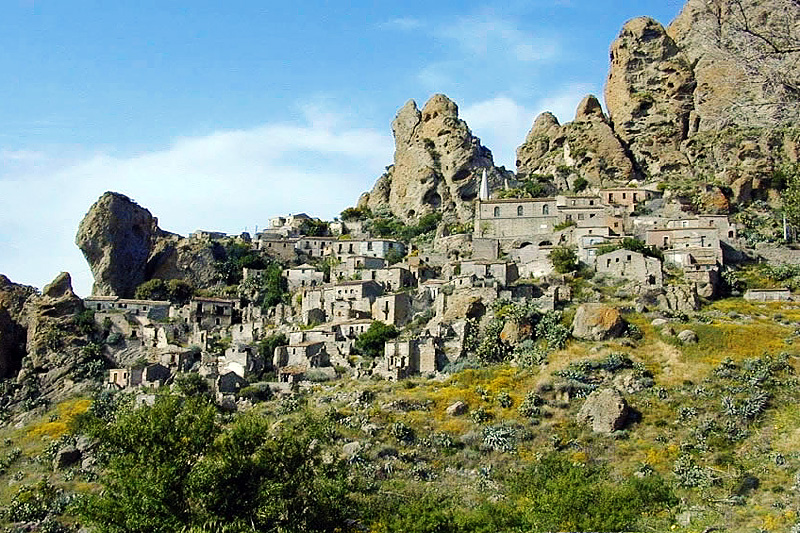
24 records
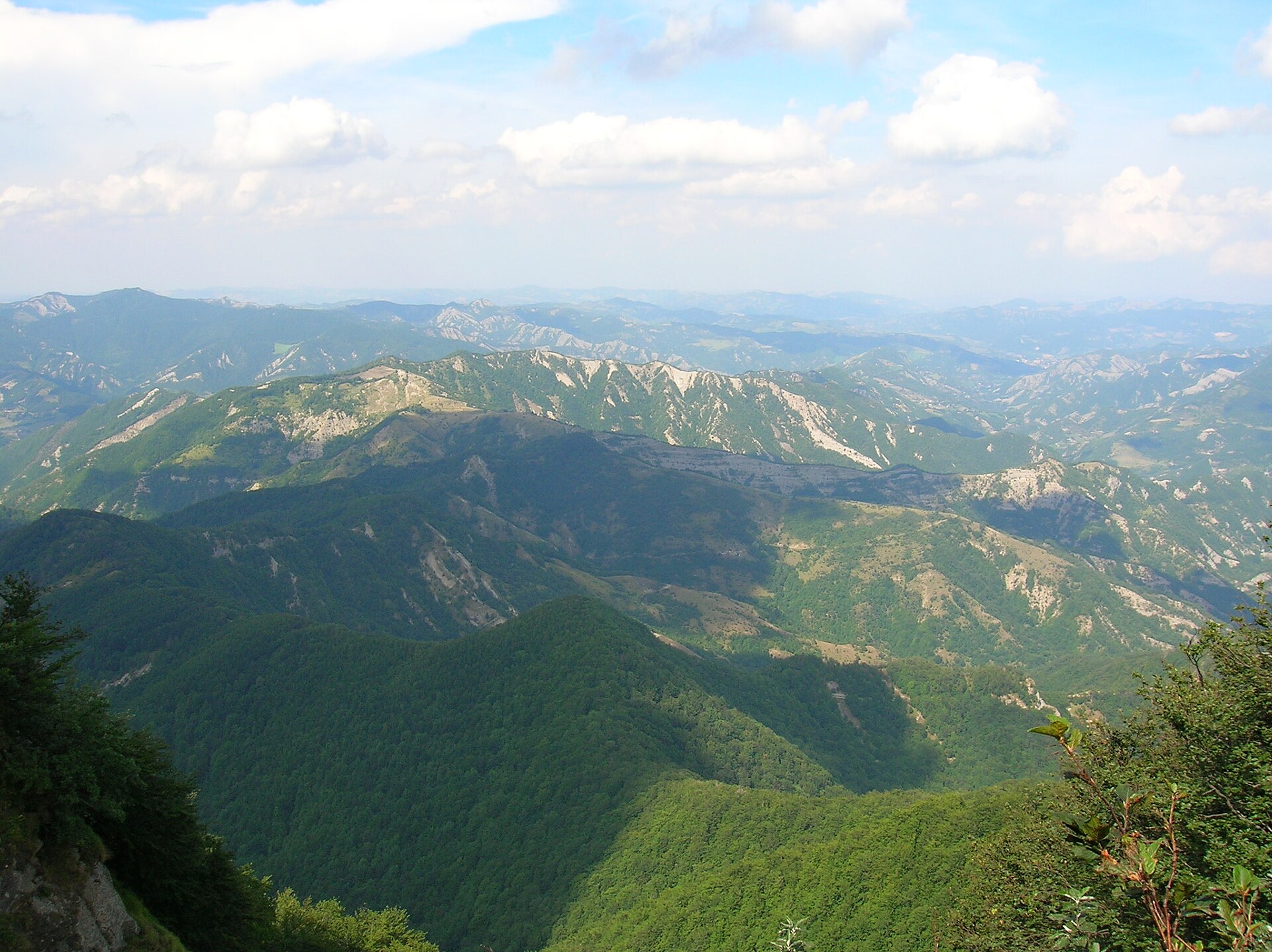
23 records

23 records
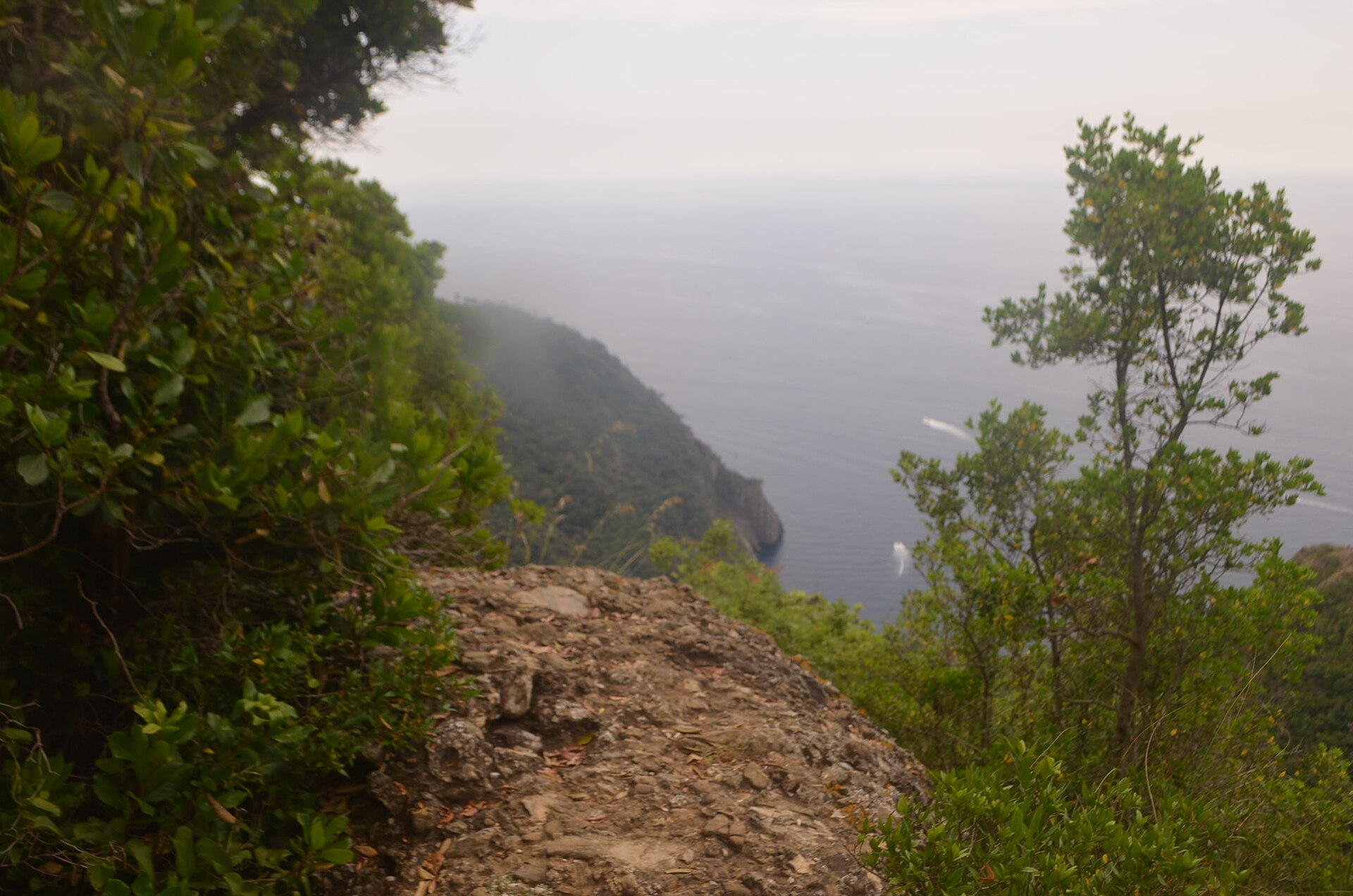
23 records

18 records
16 records
16 records
14 records
14 records
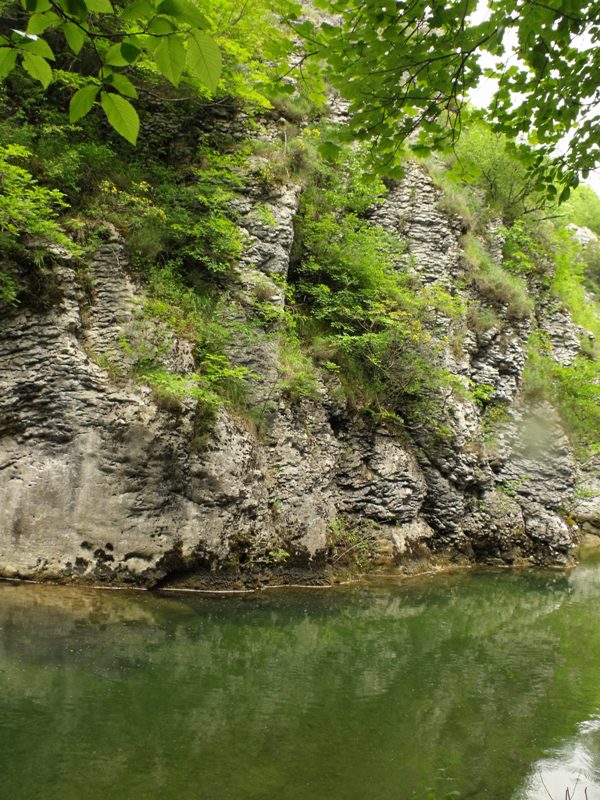
14 records

14 records
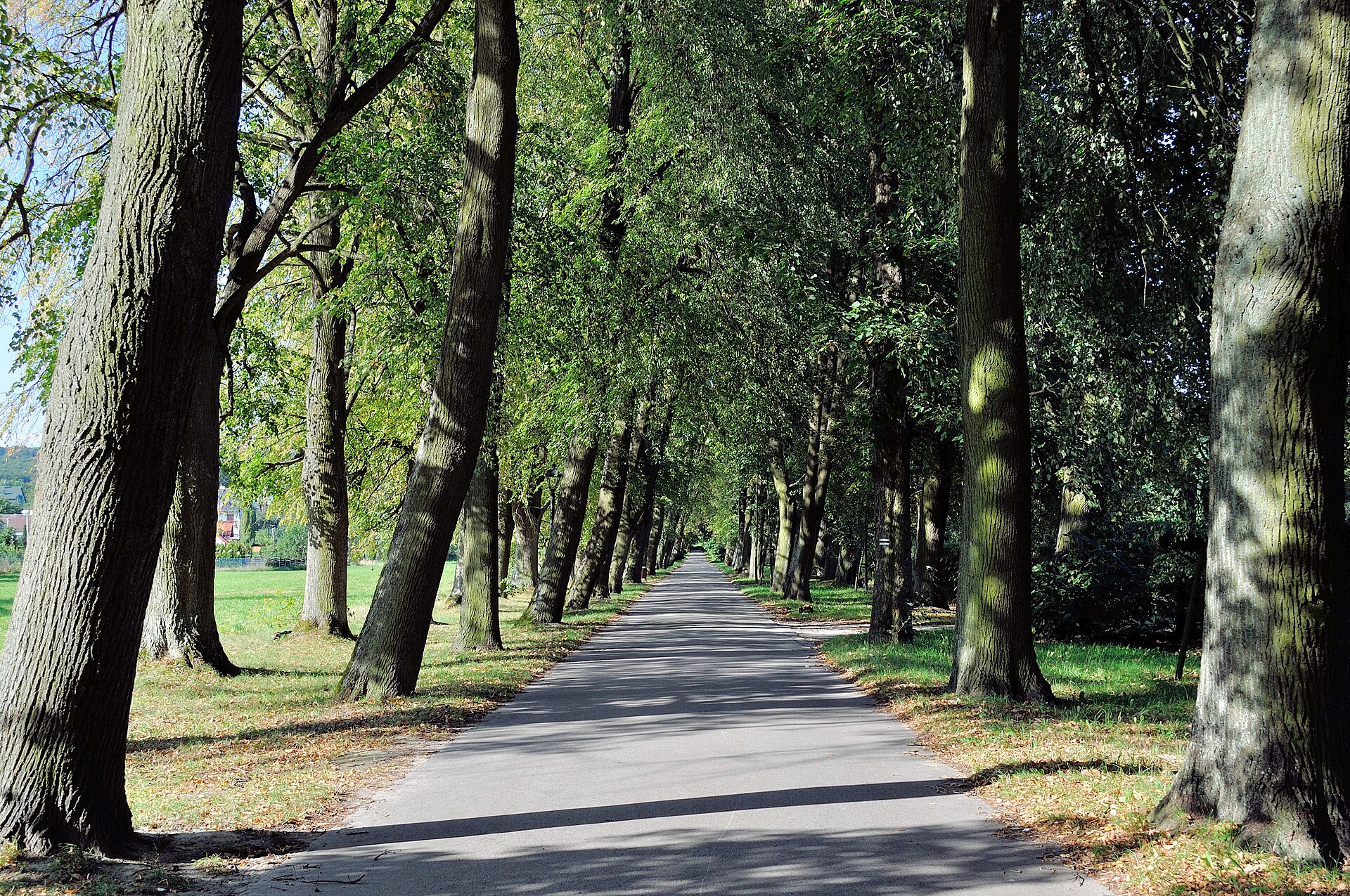
12 records
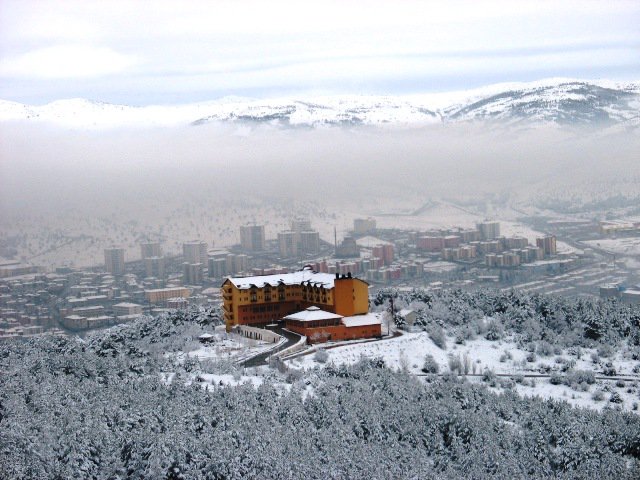
12 records

11 records
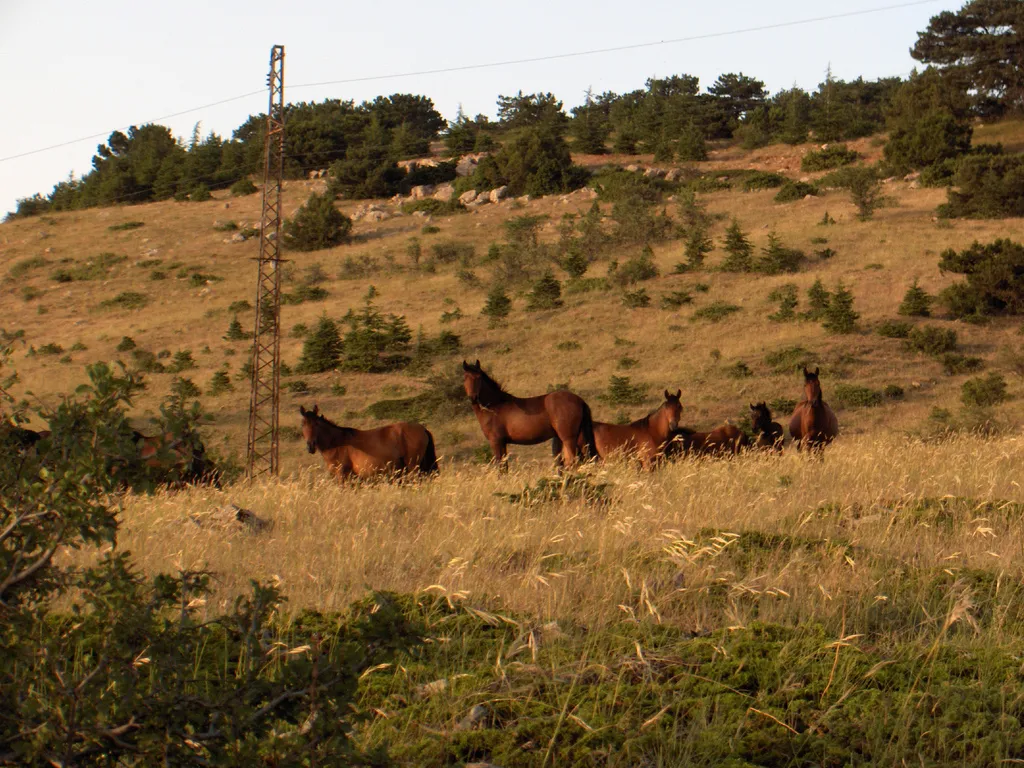
9 records

8 records

7 records
7 records
6 records
4 records

4 records

3 records

3 records

2 records

2 records

Natura 2000 · resident
Natura 2000 · resident
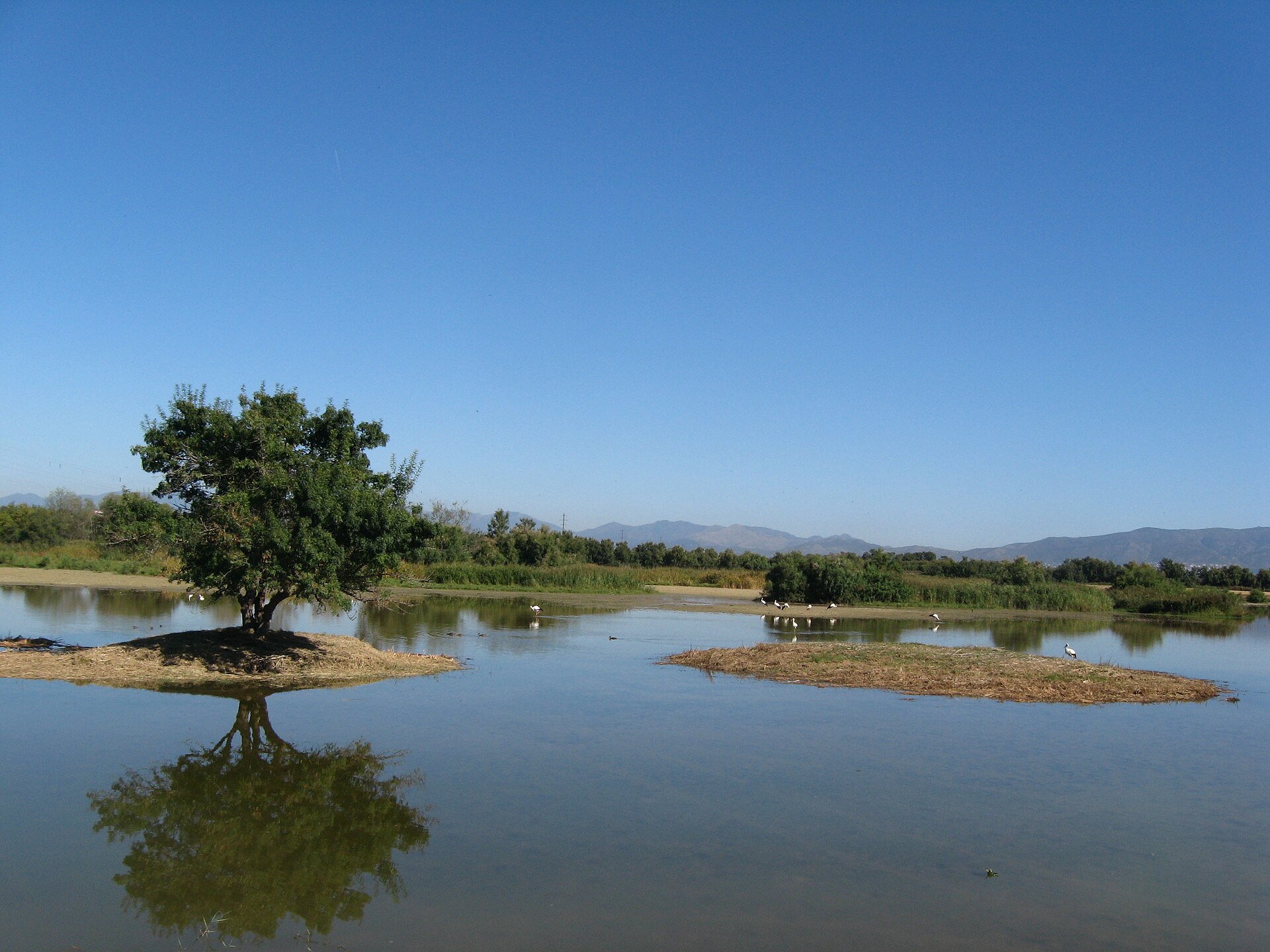
Natura 2000 · resident

Natura 2000 · resident
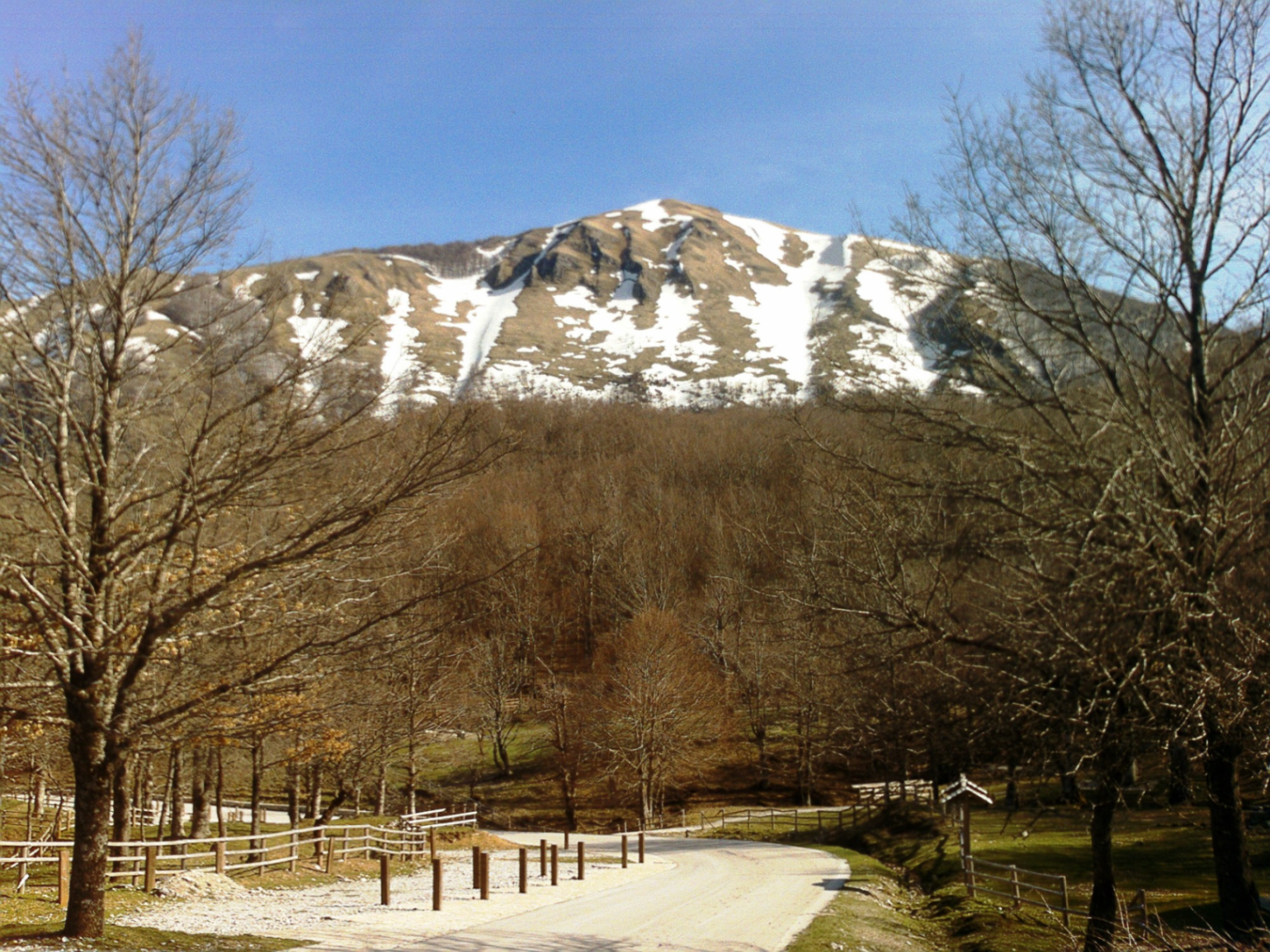
Natura 2000 · resident

Natura 2000 · resident
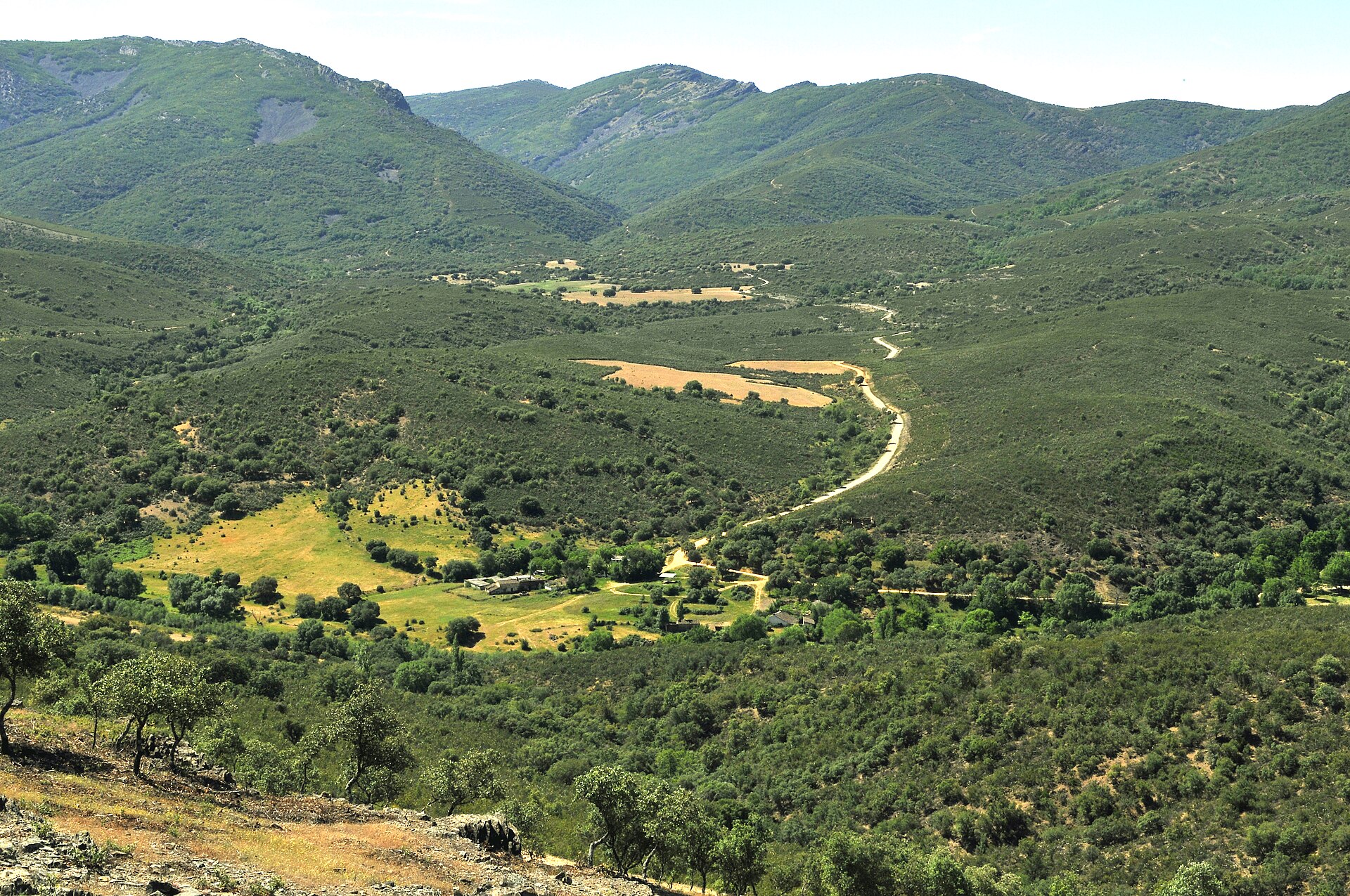
Natura 2000 · breeding
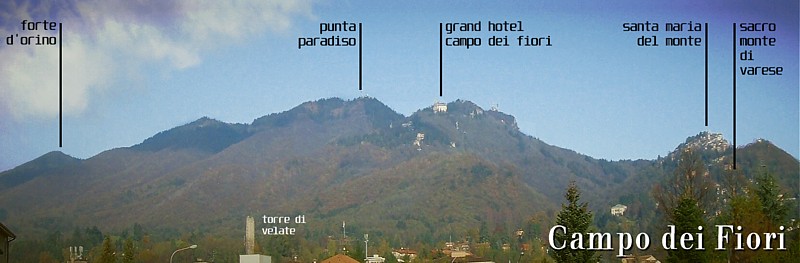
Natura 2000 · resident
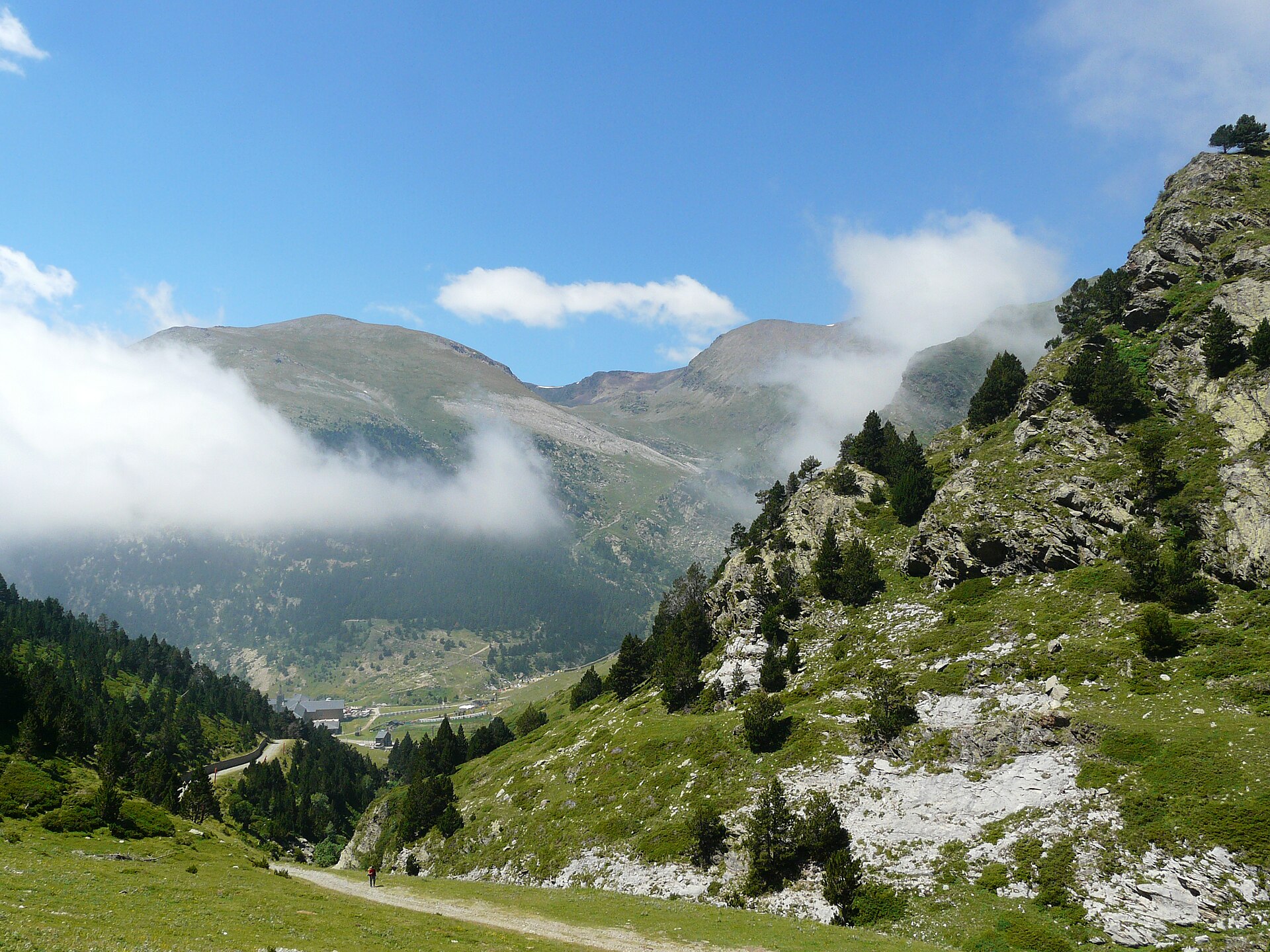
Natura 2000 · resident
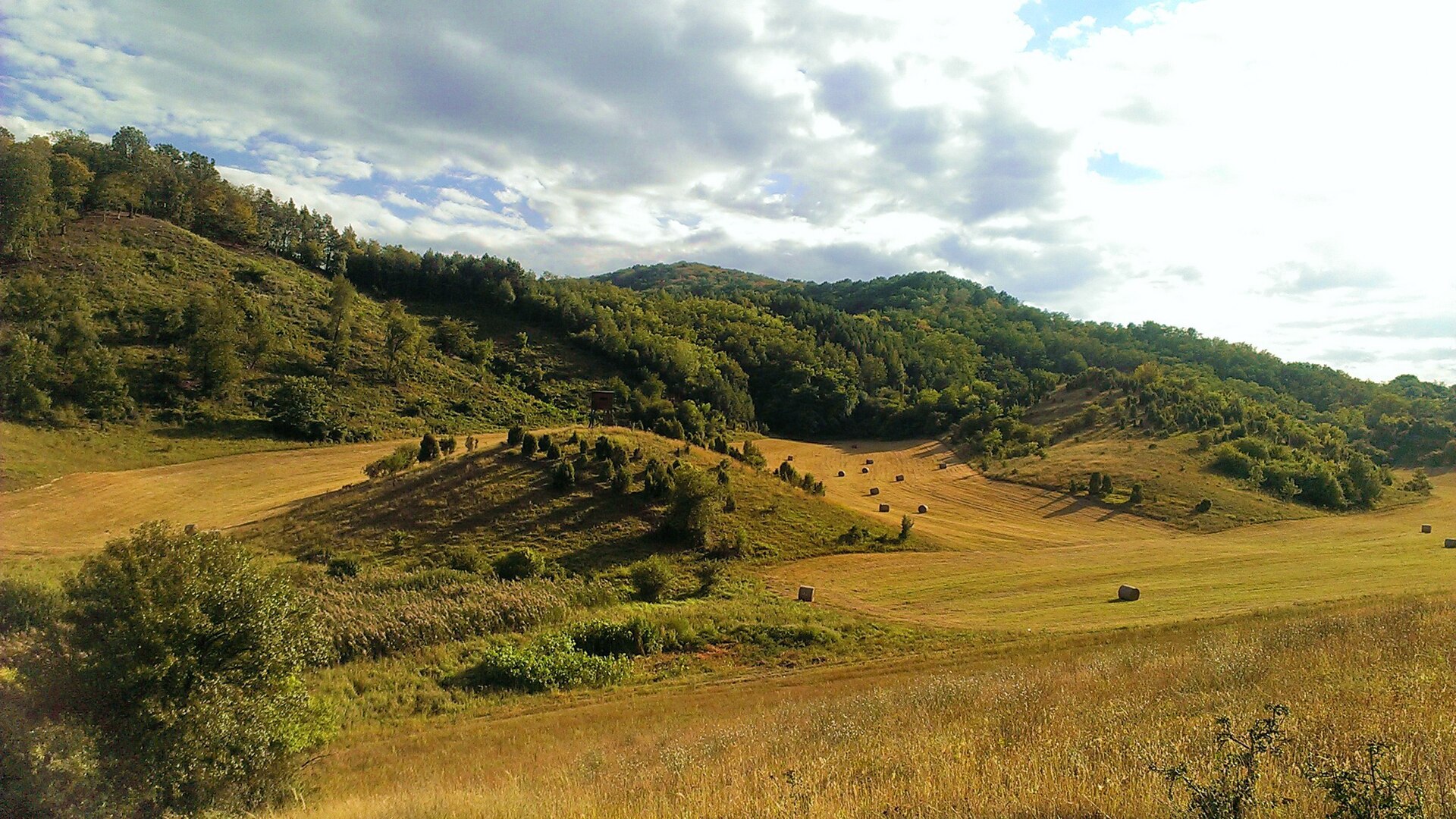
Natura 2000
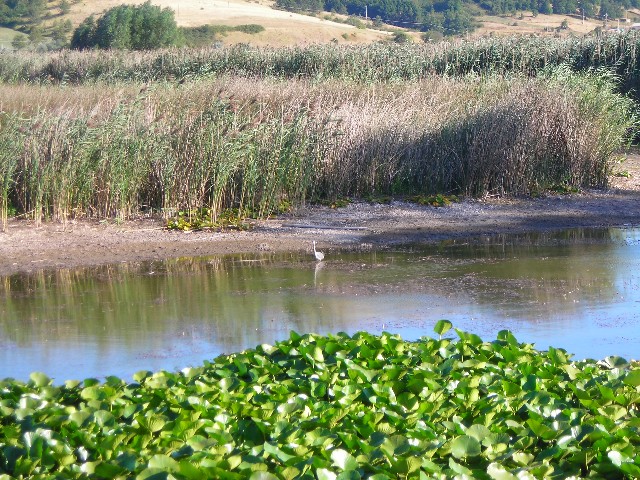
Natura 2000 · resident
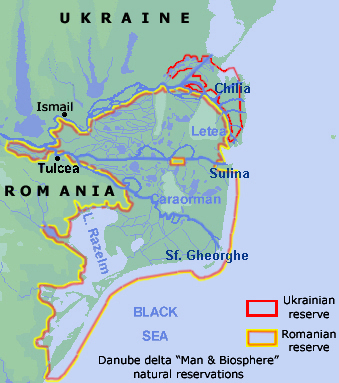
Natura 2000 · resident
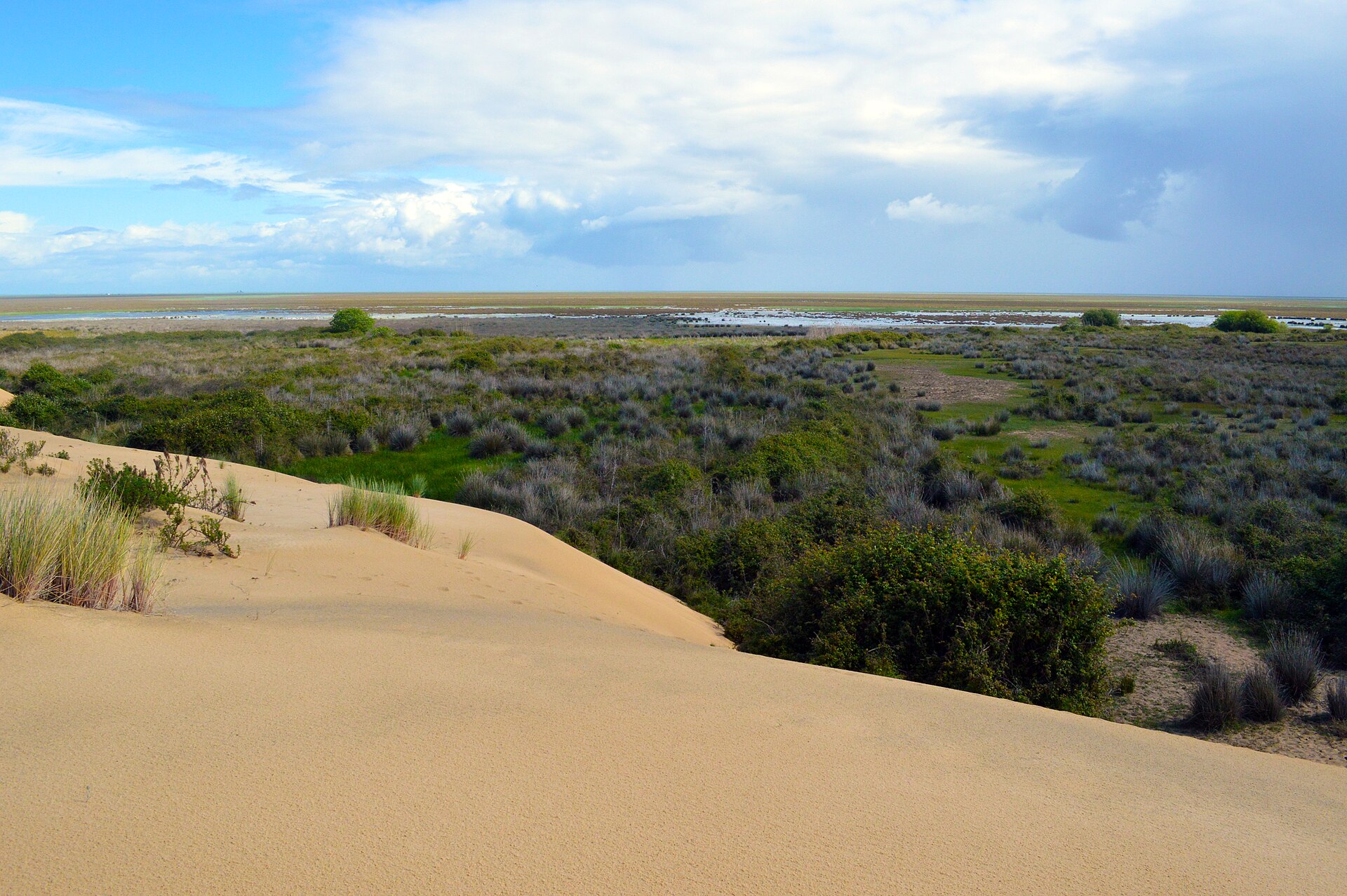
Natura 2000 · resident
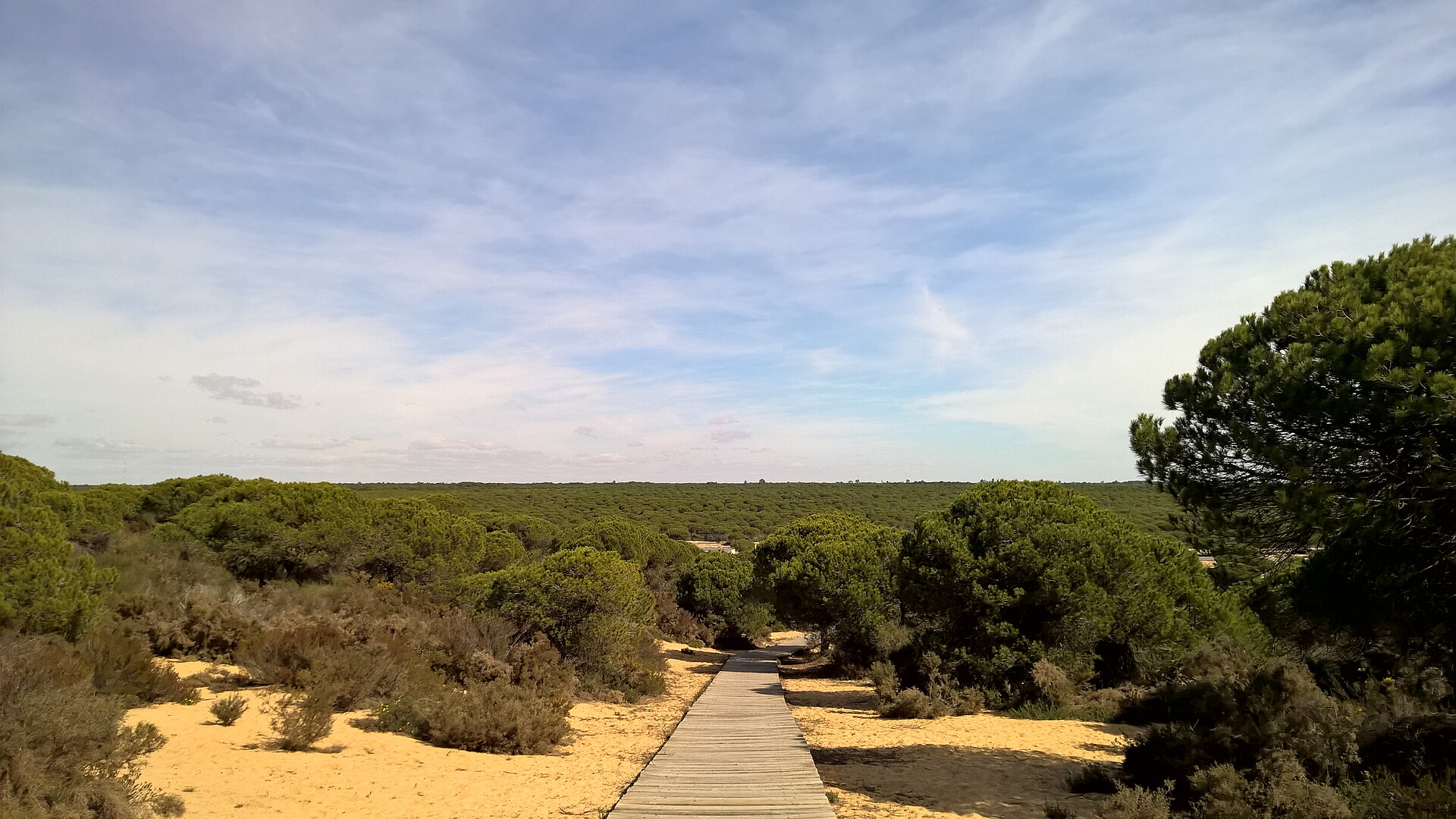
Natura 2000 · resident

Natura 2000 · breeding, wintering, passage
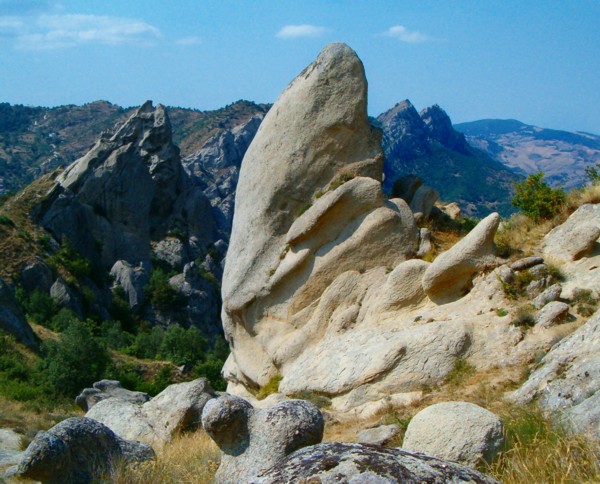
Natura 2000 · resident
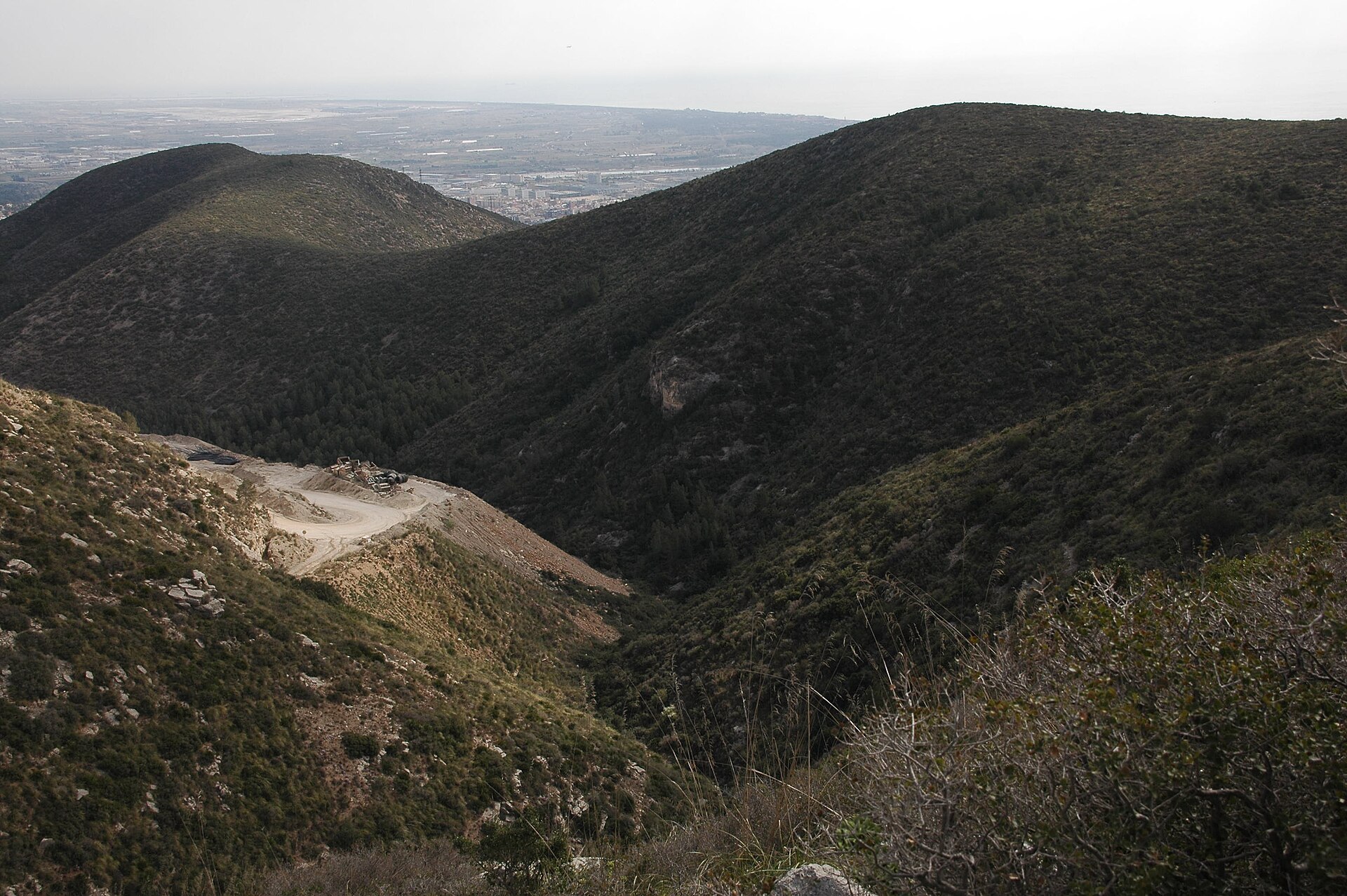
Natura 2000 · resident
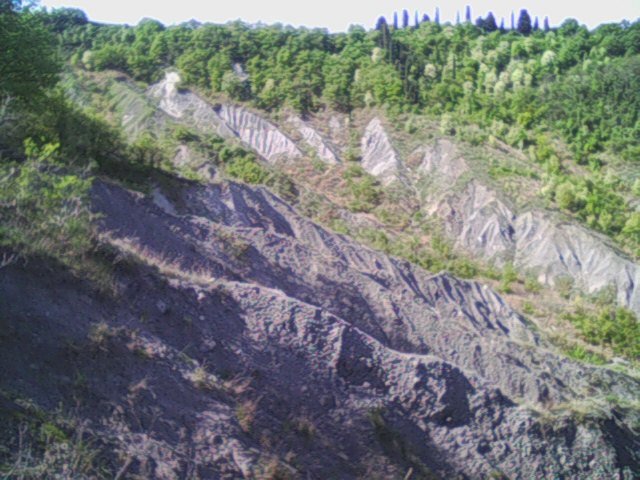
Natura 2000 · breeding
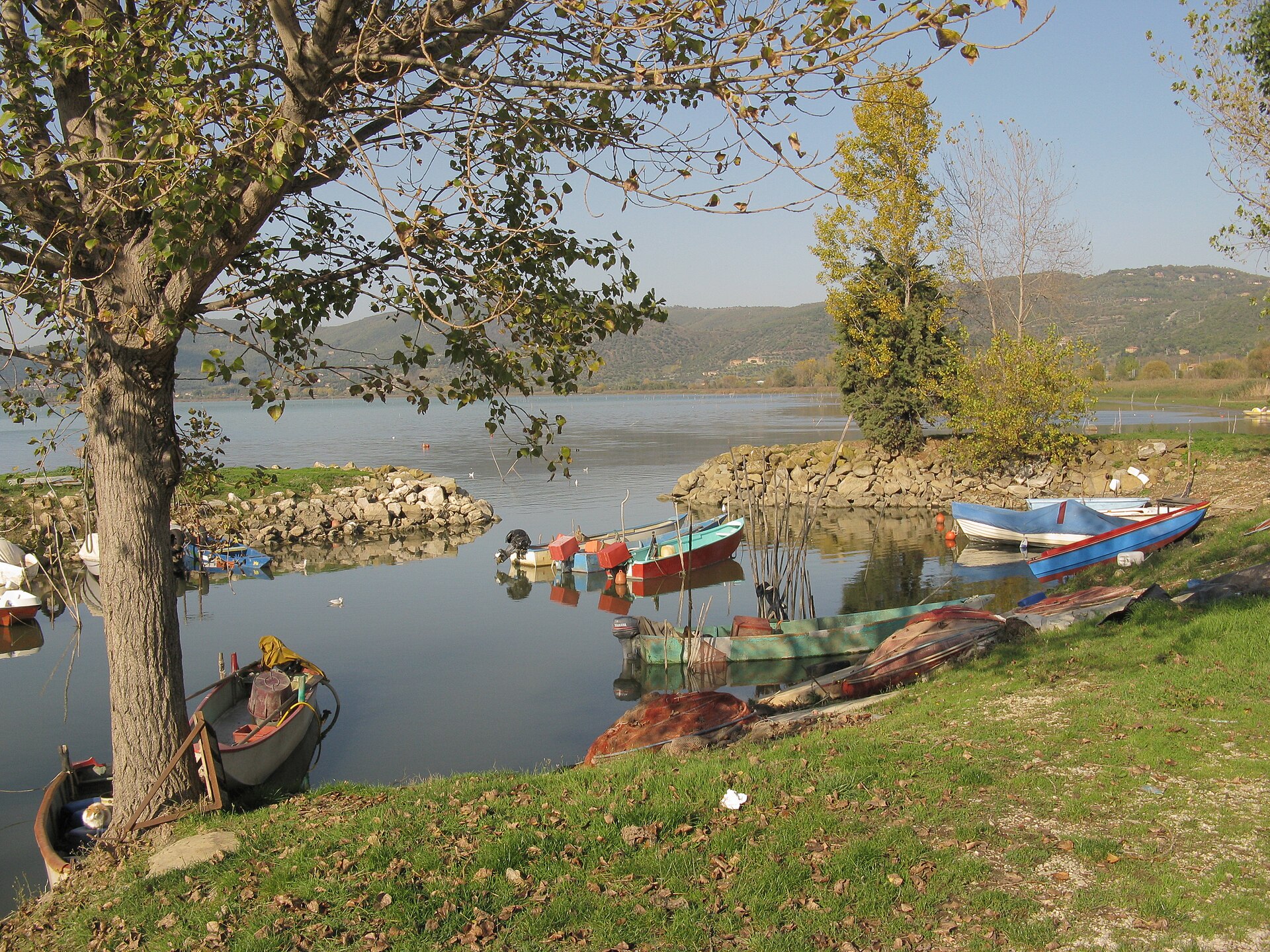
Natura 2000
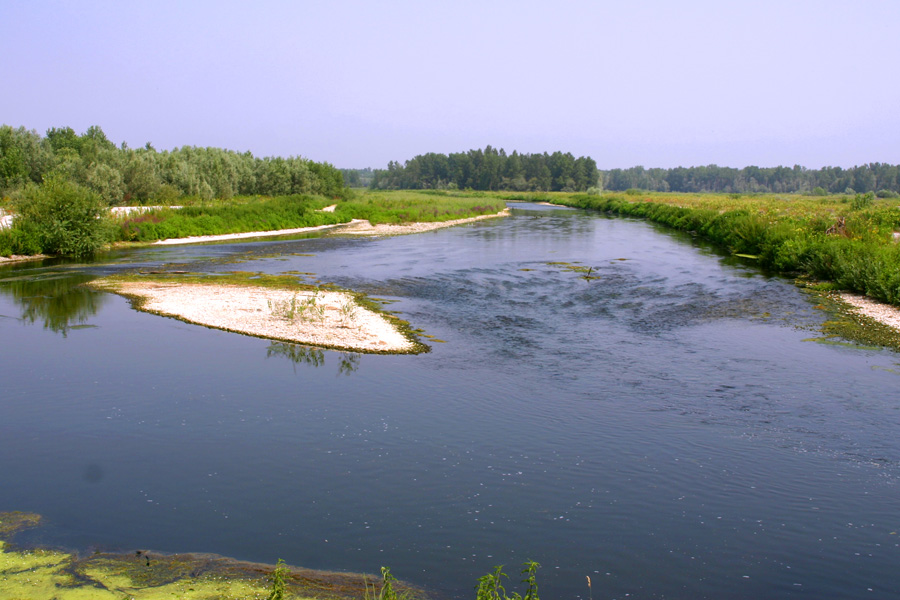
Natura 2000 · resident
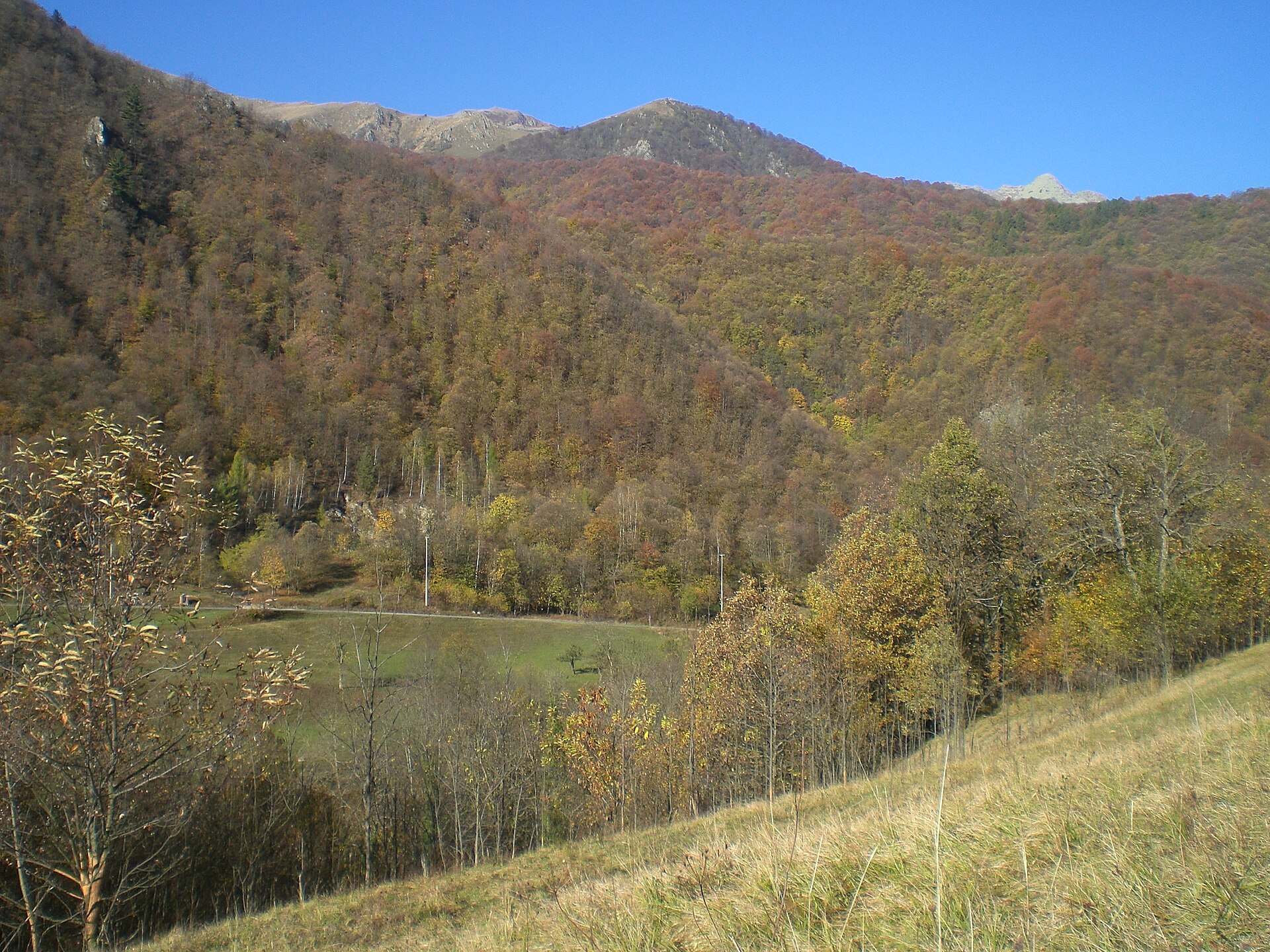
Natura 2000 · wintering, breeding

Natura 2000 · passage, wintering

Natura 2000 · resident

Natura 2000 · resident

Natura 2000 · resident
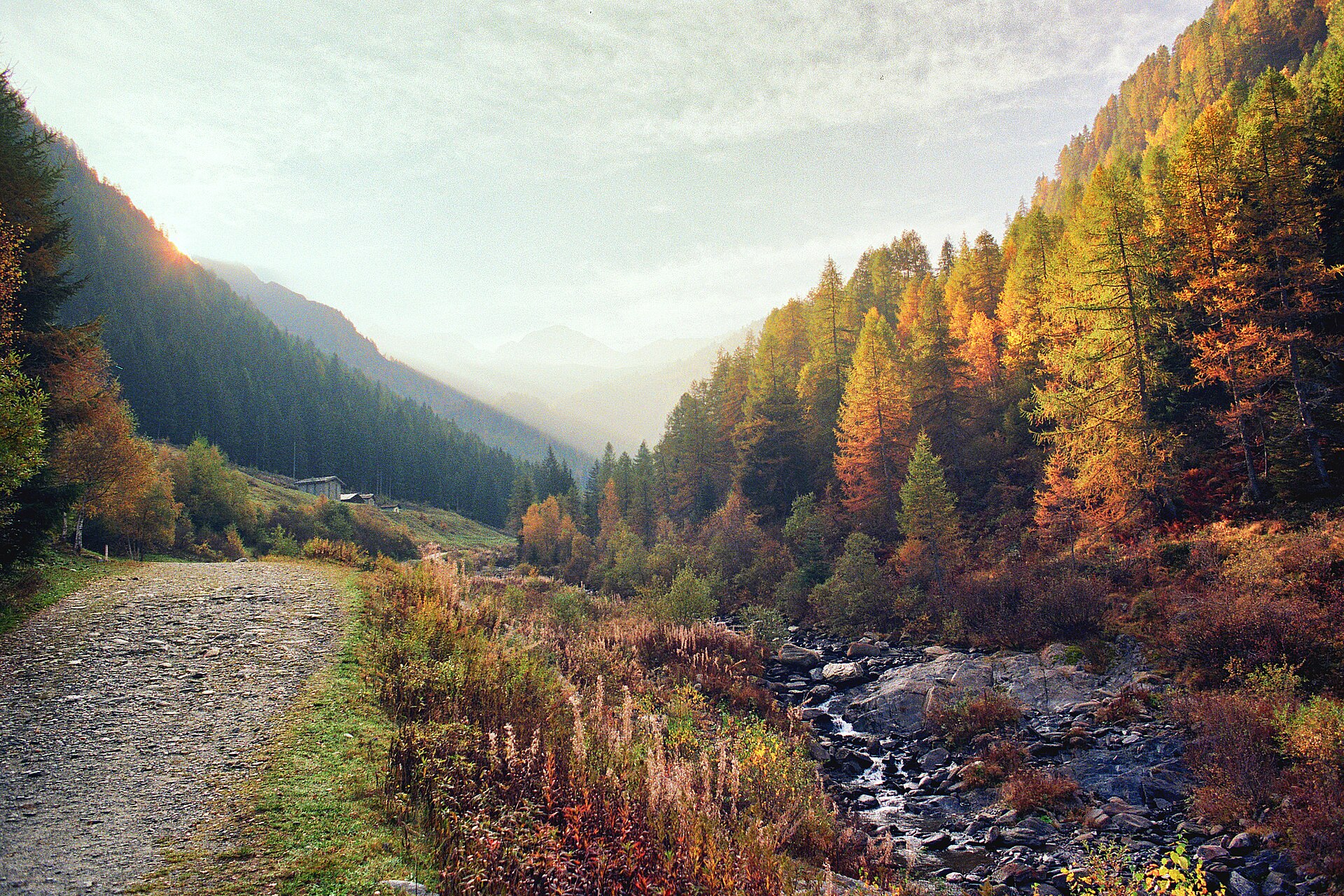
Natura 2000 · resident

Natura 2000 · wintering, passage, breeding
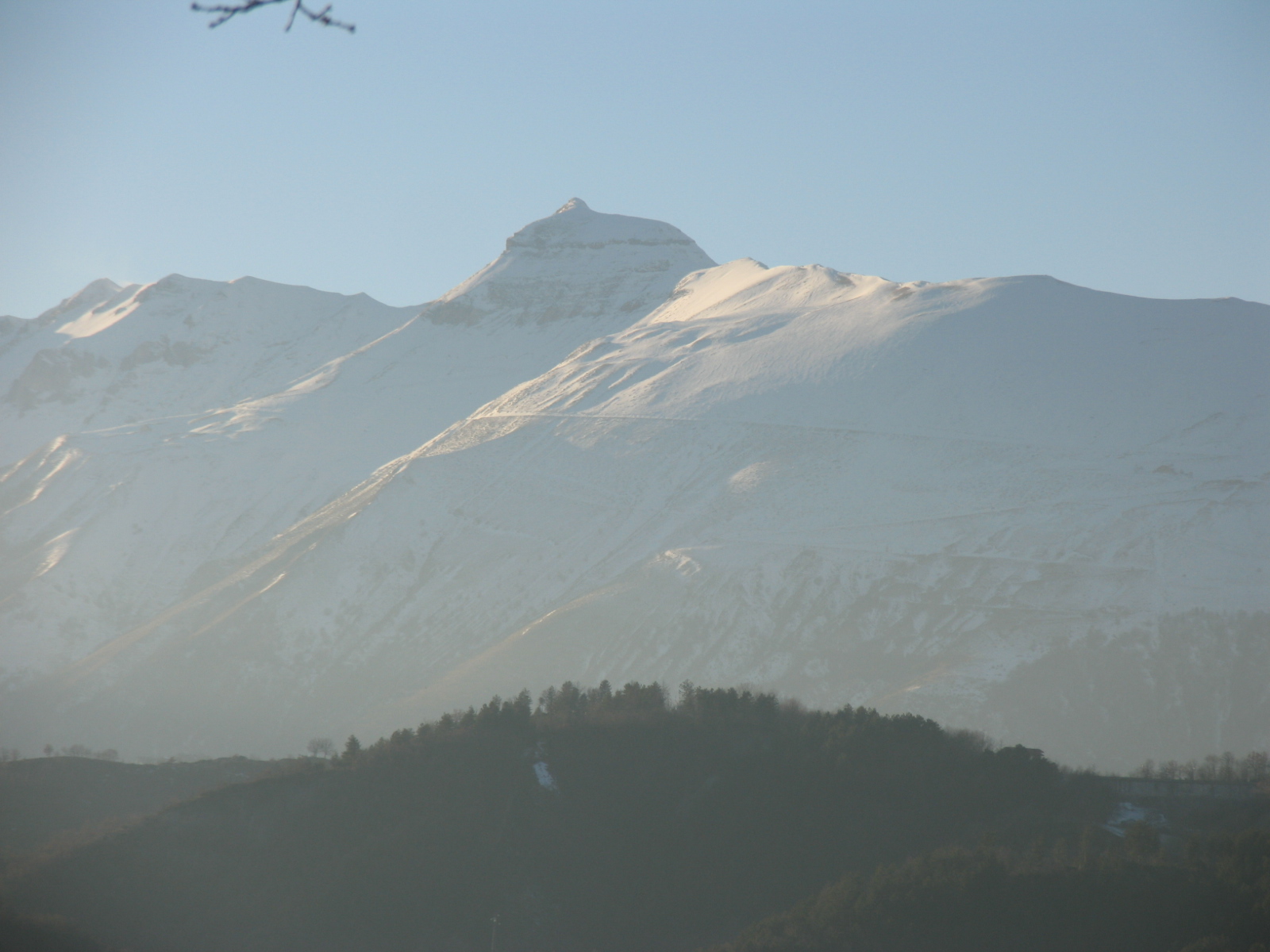
Natura 2000 · breeding
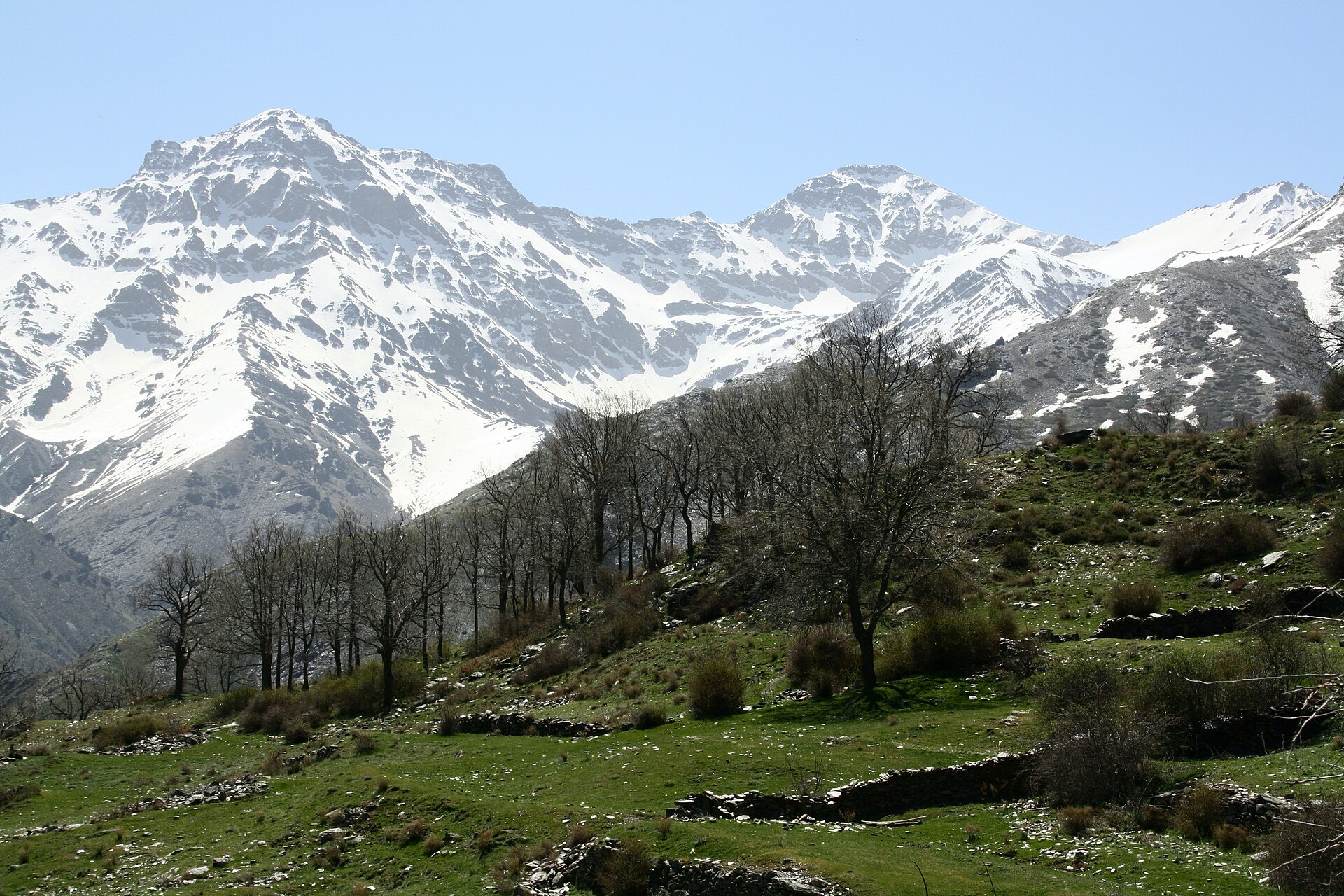
Natura 2000 · resident
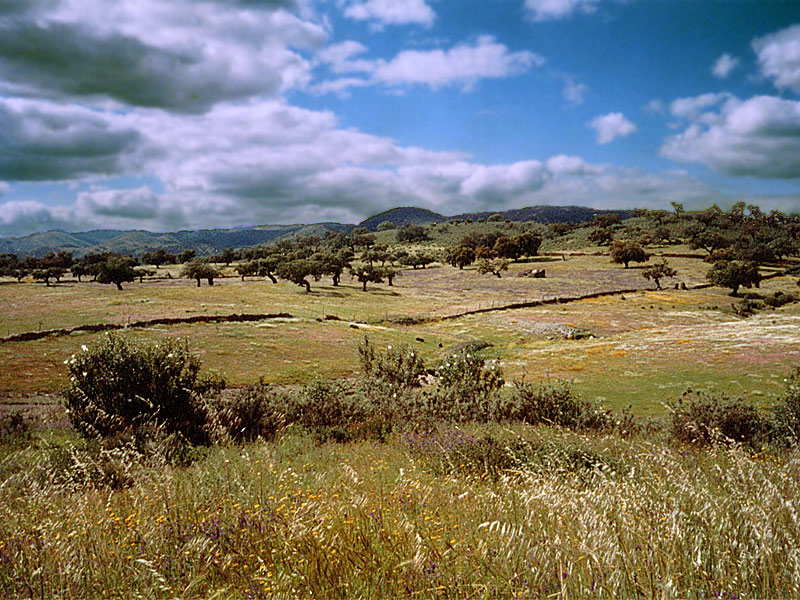
Natura 2000 · resident
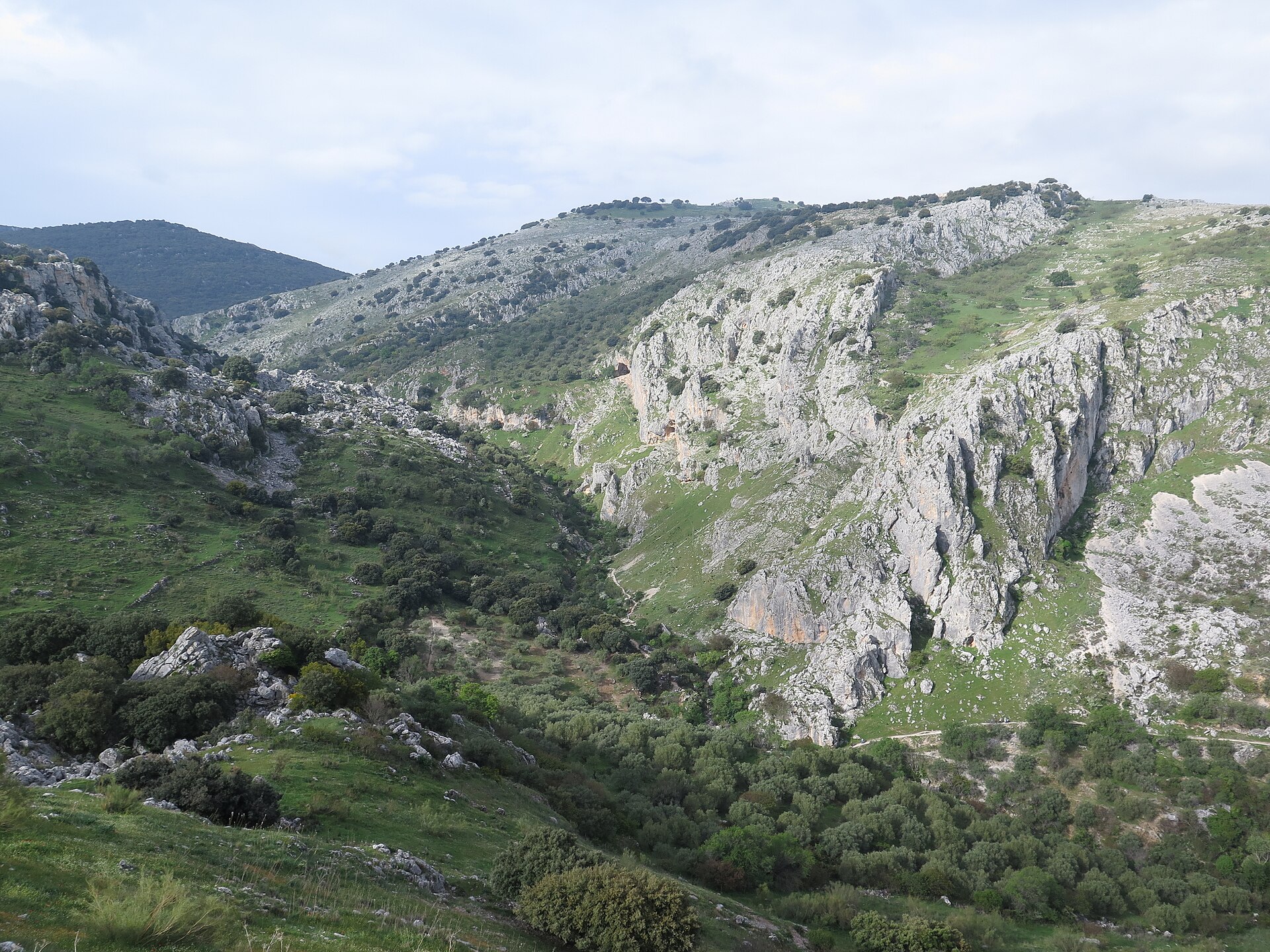
Natura 2000 · resident

Natura 2000 · wintering, breeding, passage, resident
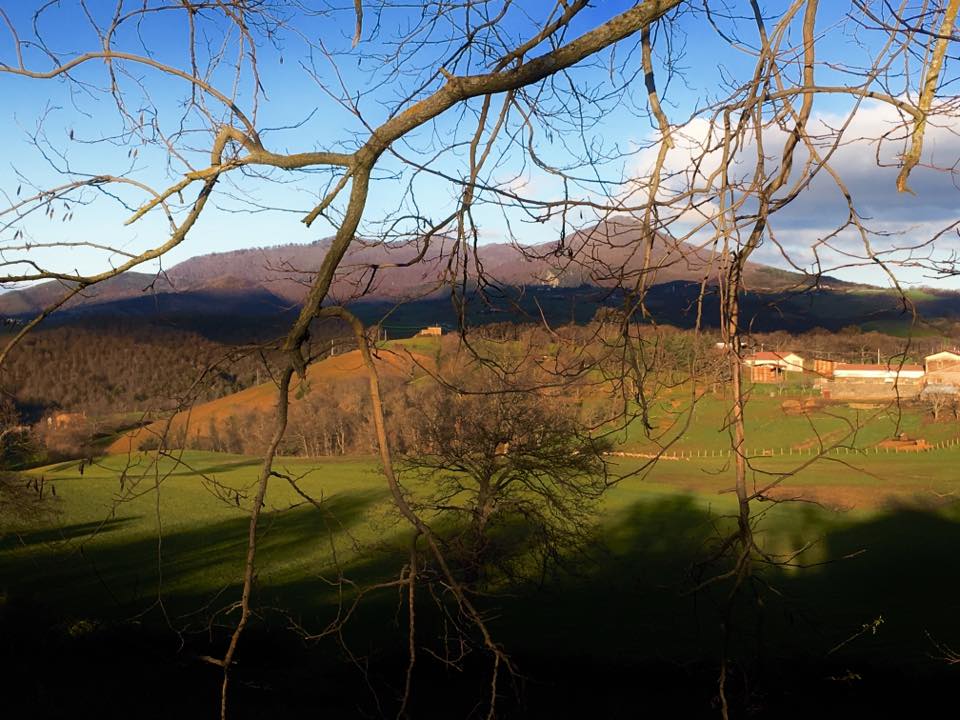
Natura 2000 · resident
Other species to discover
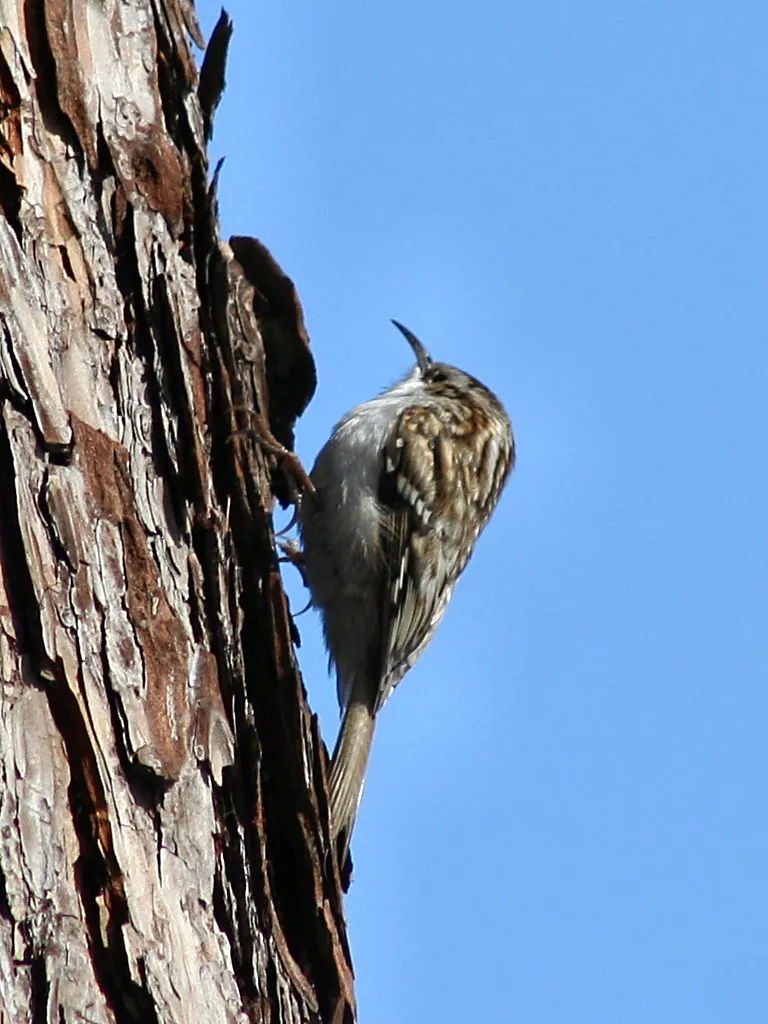 Eurasian Treecreeper
Certhia familiaris Same genus
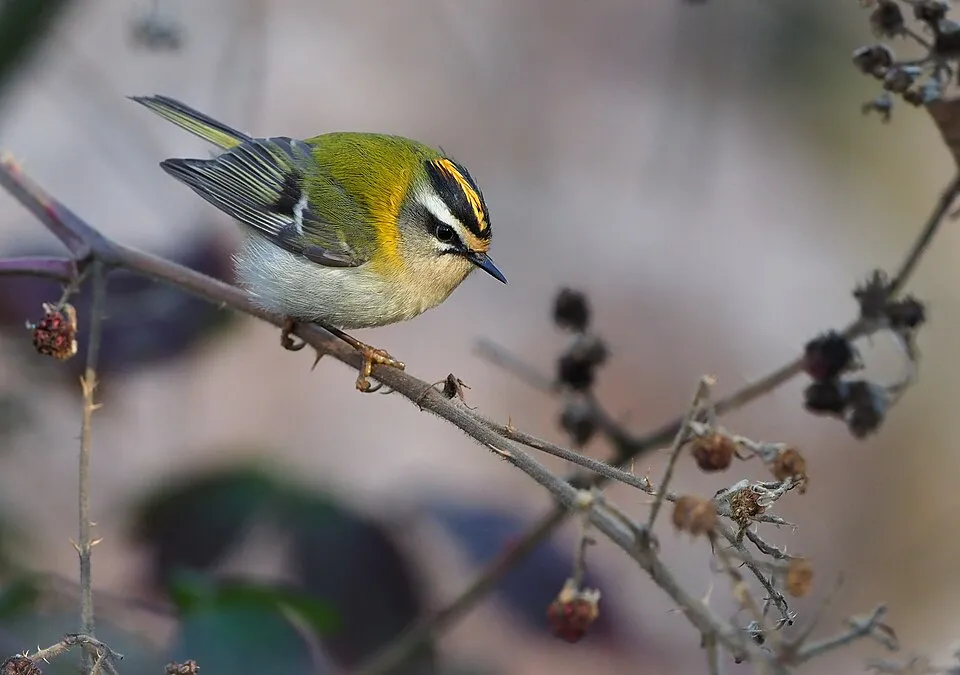 Common Firecrest
Regulus ignicapilla 54 places in common
 European Serin
Serinus serinus 53 places in common
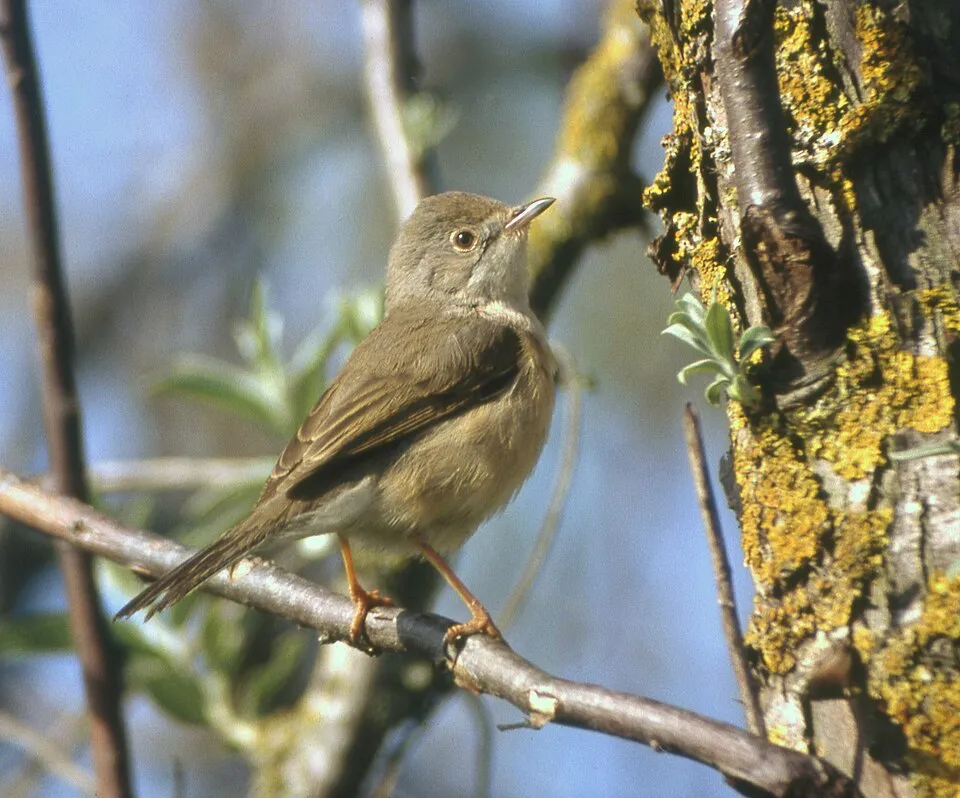 Subalpine warbler
Sylvia cantillans 41 places in common
Spotted Flycatcher
Muscicapa striata 55 places in common
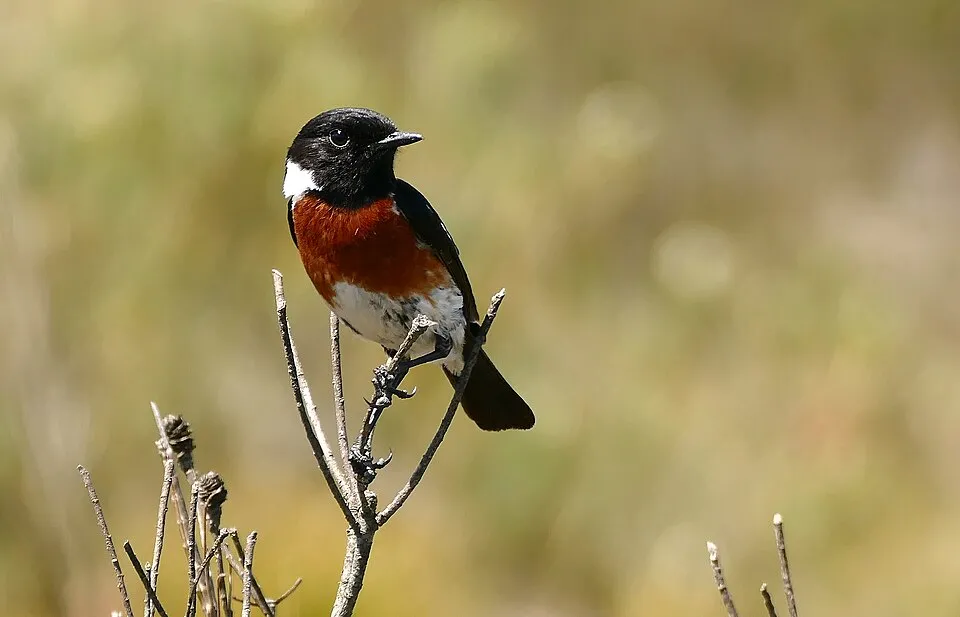 European stonechat
Saxicola torquatus 48 places in common
Sources and credits
- Presence: most-recorded species of each place on GBIF and species of Community interest in the Natura 2000 forms (EEA, CC-BY 4.0); absence from the list does not mean the species is absent.
- Common names: Wikidata (CC0) and GBIF.
- Photos and sounds: Wikimedia Commons, author and licence given for each file.
- Classification: GBIF Backbone Taxonomy (GBIF Secretariat), CC BY 4.0, doi:10.15468/39omei.
- Countries, elevations, months and maps: GBIF.org, CC0 or CC BY 4.0 occurrences only, accessed October 22, 2026, GBIF.org.
- Base map: Natural Earth (public domain).
- Excerpt: Wikipedia, CC BY-SA 4.0 (full credit below the excerpt).
- Key facts: Wikidata (CC0), with the references cited under each value.
- Annexes: Directive 2009/147/EC (consolidated version), © European Union, EUR-Lex.
- EU bird populations: EEA / DG ENV, Article 12 Birds Directive reporting (2013–2018), CC BY 4.0.