
Bird
European Pied Flycatcher: where to see it
Ficedula hypoleuca
This bird species is recorded in 72 protected areas of the atlas, including 54 whose official Natura 2000 form lists it. Within the atlas countries, it is mostly observed in Sweden, Norway and Spain (8 countries in all). Most records (8 in 10) lie between sea level and 750 m. Records peak from May to June. It has a wingspan of 22 cm and weighs 12 g. Its EU population is assessed as declining (2013–2018 Birds Directive reporting).
Best time to see it: May–June
Records published on GBIF by month (CC0 and CC BY 4.0 licences only), in the atlas countries, all years combined; they also reflect observer activity.
Key facts
- Wingspan
- 22 cm Wikidata, after app.bto.org
- Weight
- 12 g Wikidata, after Lislevand et al. 2007
- Clutch size
- 5.7 eggs on average Wikidata, after Jetz et al. 2008
- Incubation
- 14 days Wikidata, after Ricklefs 2000
Status and protection
EU population assessed as declining (2013–2018 Birds Directive reporting). EU breeding population: 2,220,000–3,080,000 pairs.
Distribution
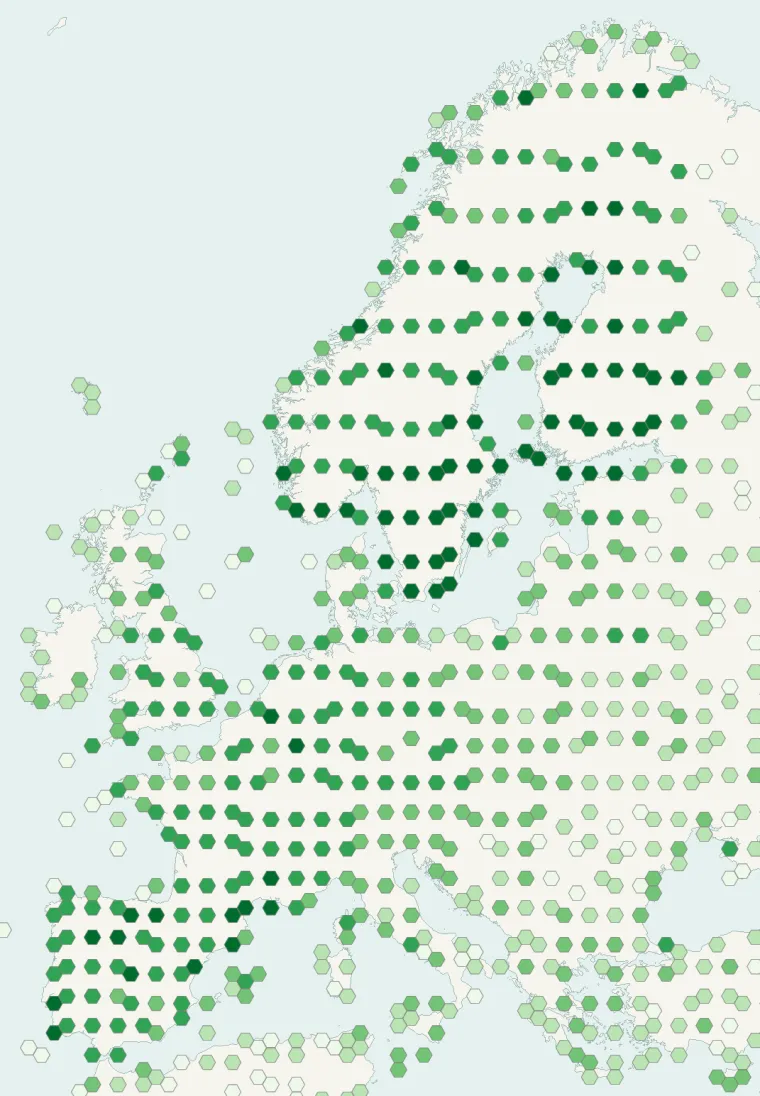
Records published on GBIF (CC0 and CC BY 4.0 licences): the darker the shade, the more records there are; they also reflect observation effort.
Atlas countries where it is recorded
Listen
-
0:49 · © Ndalyrose · CC BY-SA 4.0 · Wikimedia Commons · Original file
-
0:09 · © Joost van Bruggen · CC BY-SA 4.0 · Wikimedia Commons · Original file
-
0:09 · © Marie-Lan Taÿ Pamart · CC BY-SA 4.0 · Wikimedia Commons · Original file
From Wikipedia
The European pied flycatcher (Ficedula hypoleuca) is a small passerine bird in the Old World flycatcher family. One of the four species of Western Palearctic black-and-white flycatchers, it hybridises to a limited extent with the collared flycatcher. It breeds in most of Europe and across the Western Palearctic. It is migratory, wintering mainly in tropical Africa. It usually builds its nests in holes on oak trees. This species practices polygyny, usually bigamy, with the male travelling large distances to acquire a second mate.
Source: Wikipedia, article “European pied flycatcher” (version of March 2, 2026) · history and authors · licence CC BY-SA 4.0 · shortened excerpt
Protected areas where it is recorded
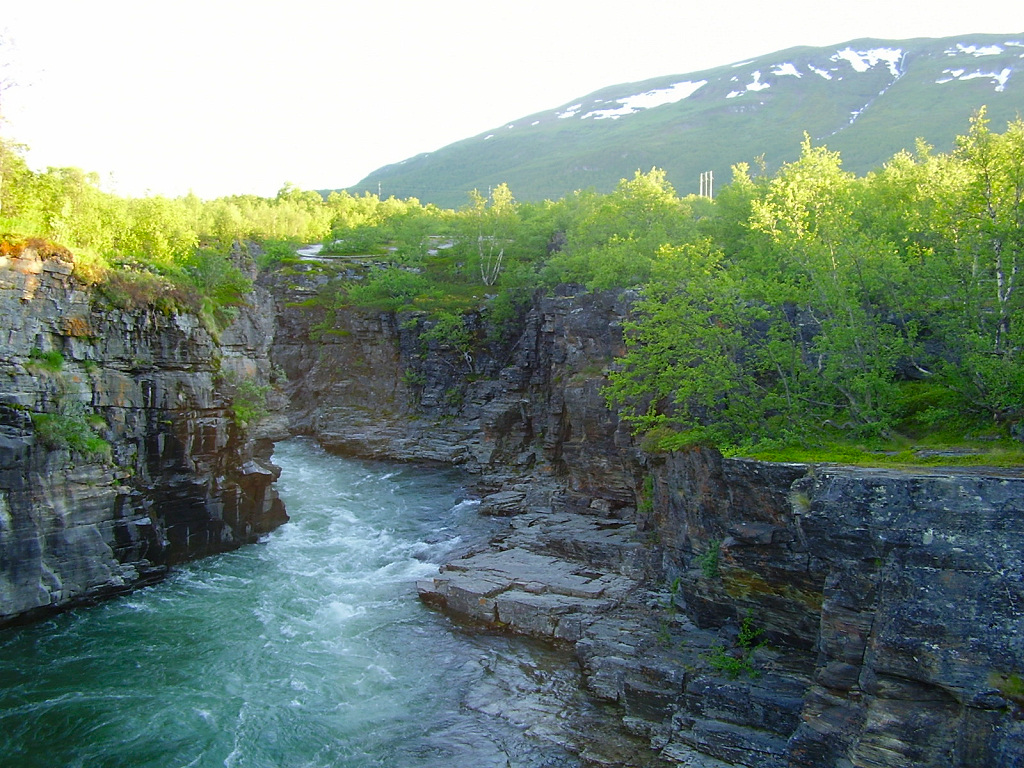
1,210 records
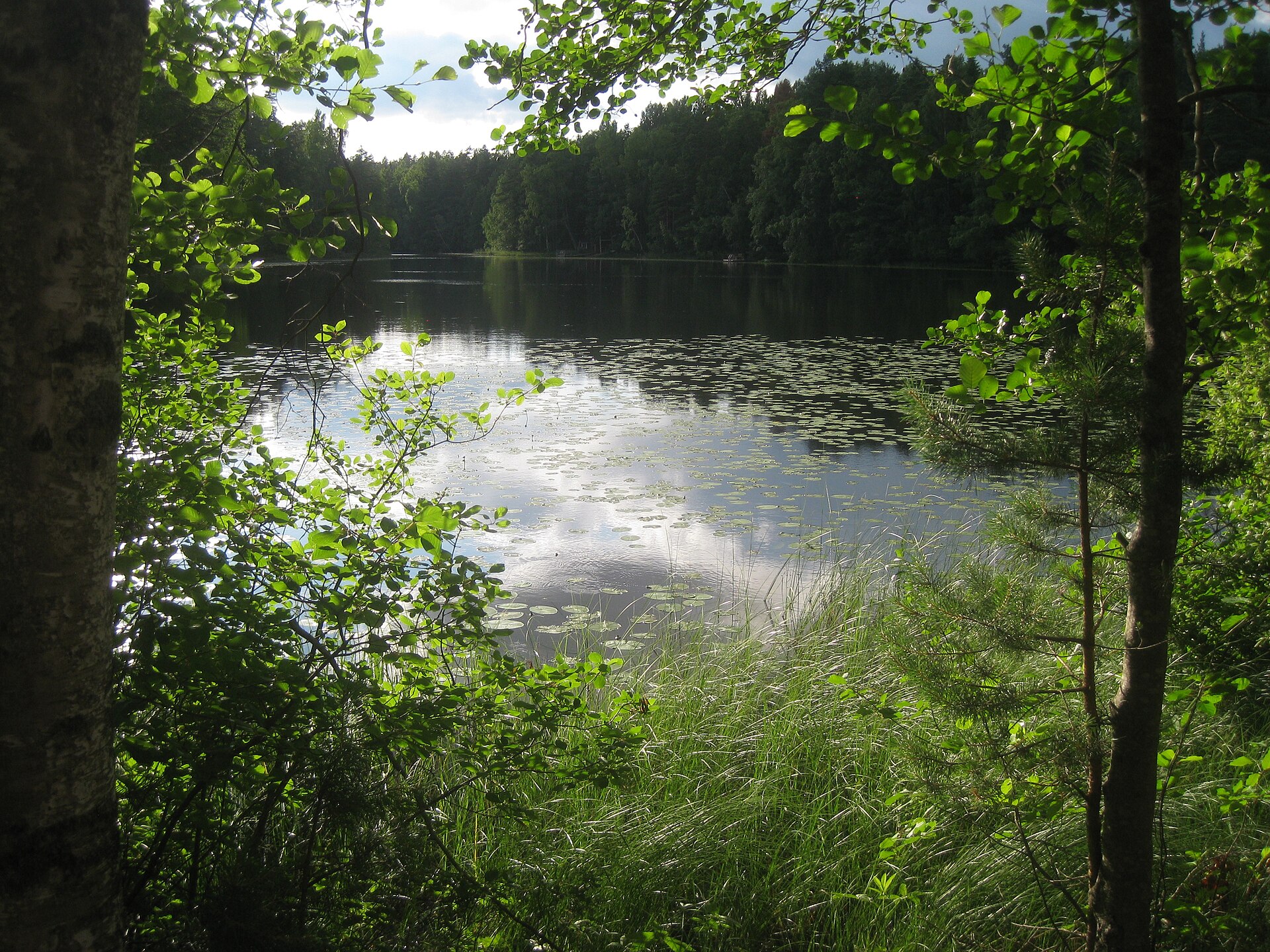
1,084 records

714 records
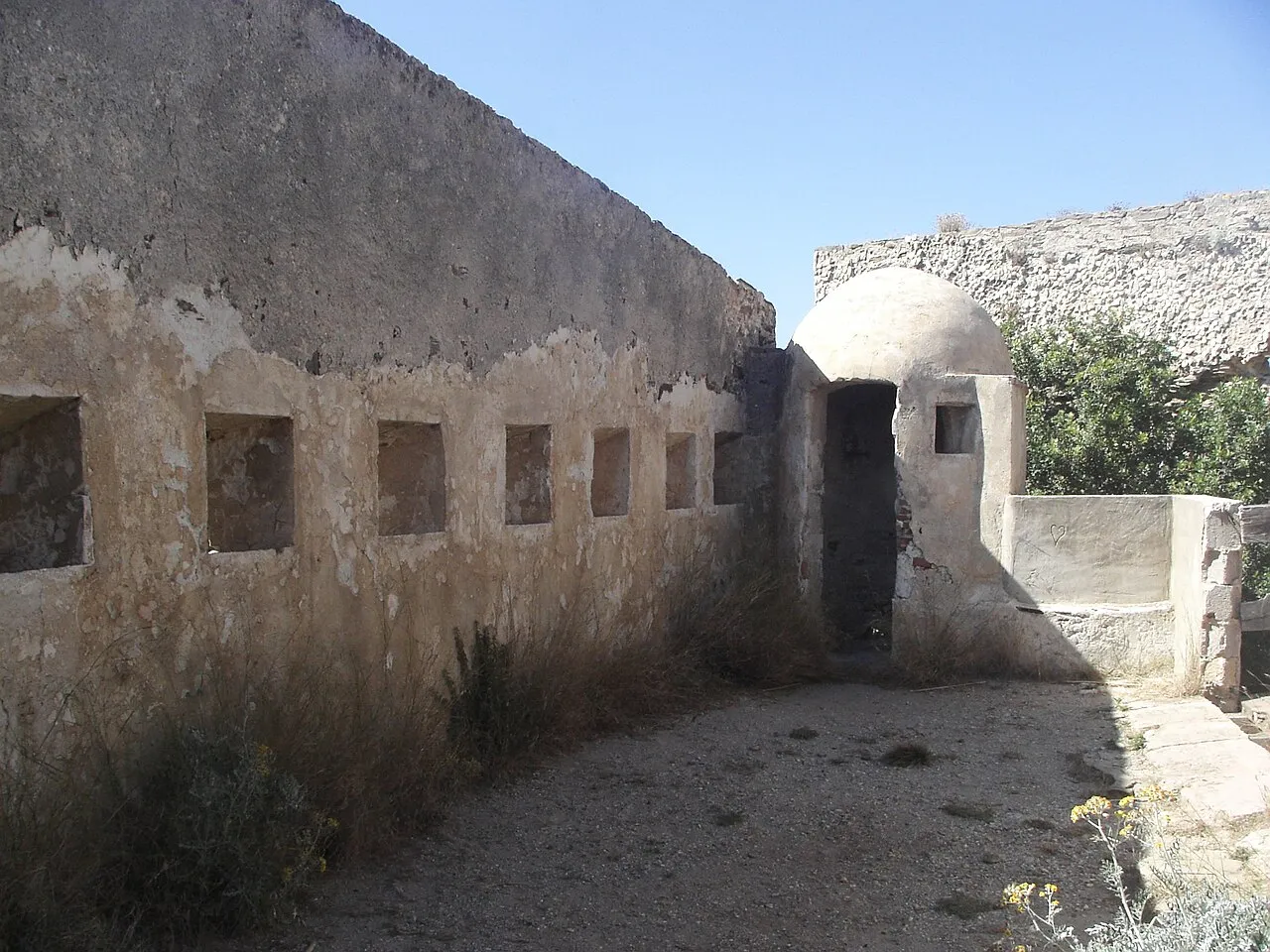
603 records
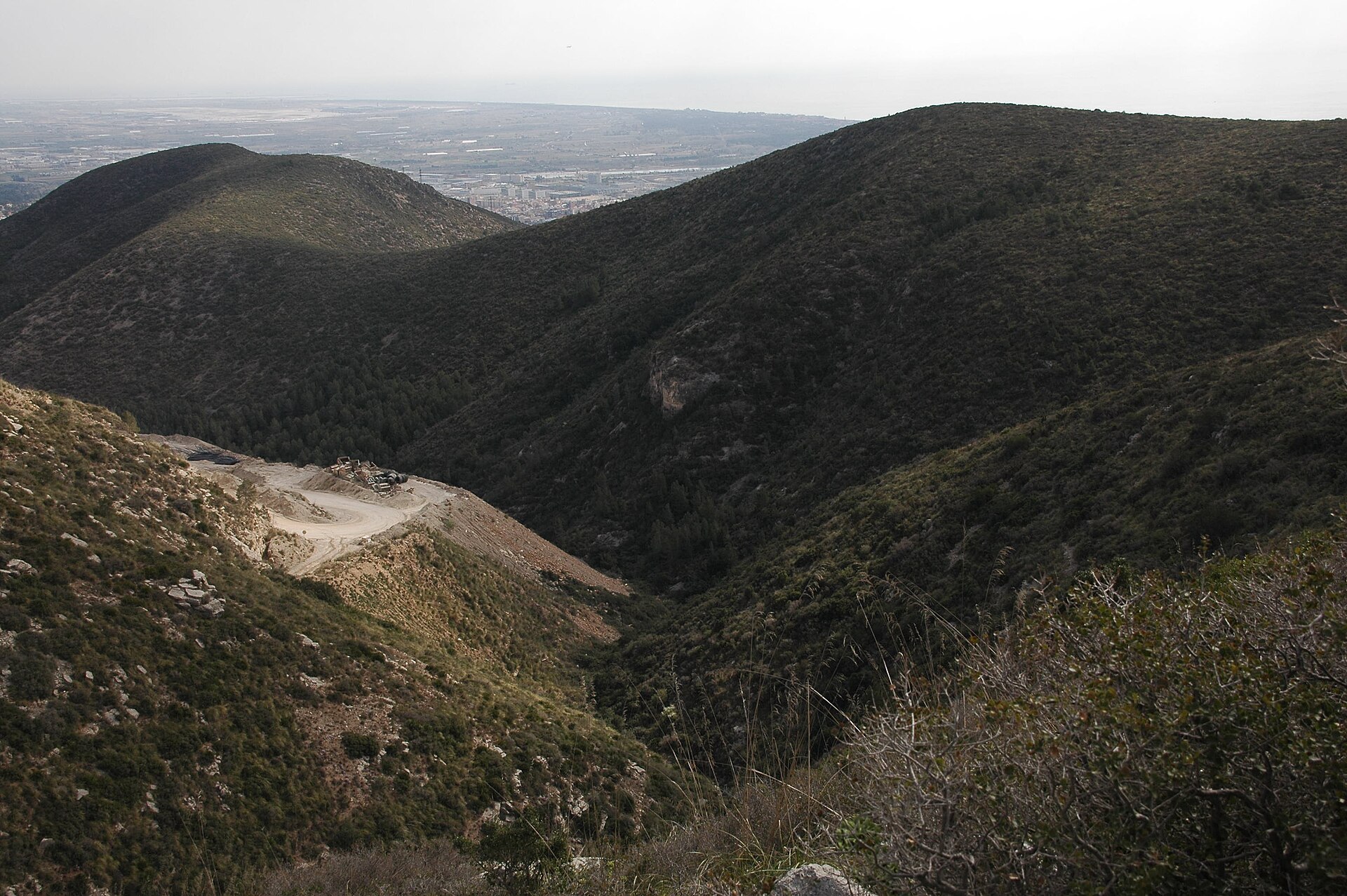
431 records

290 records

274 records
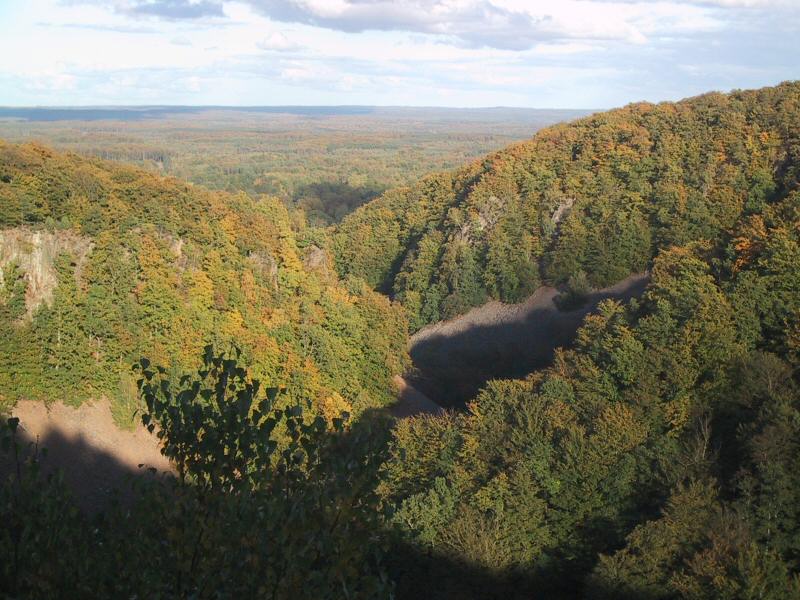
261 records
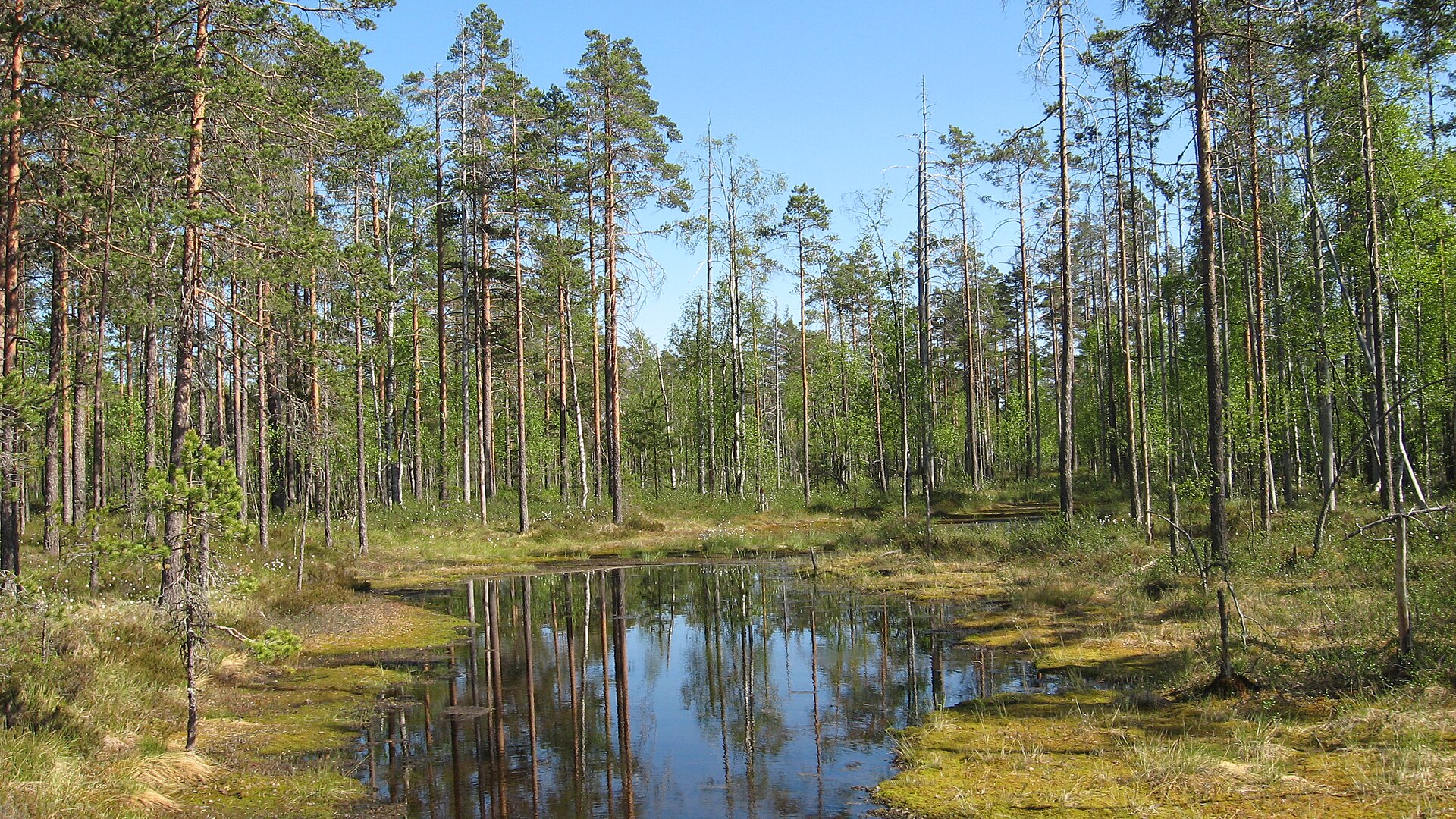
175 records
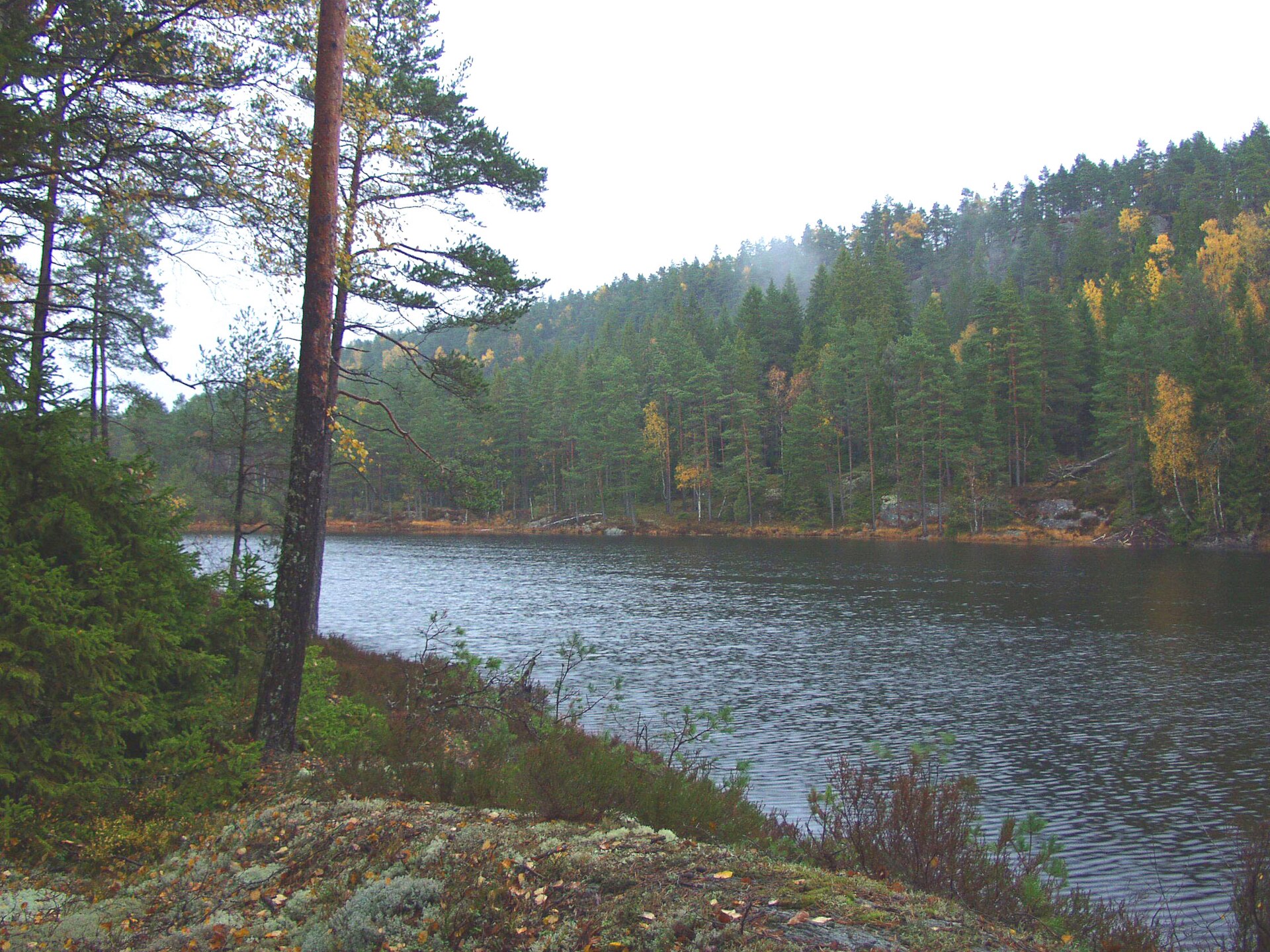
152 records
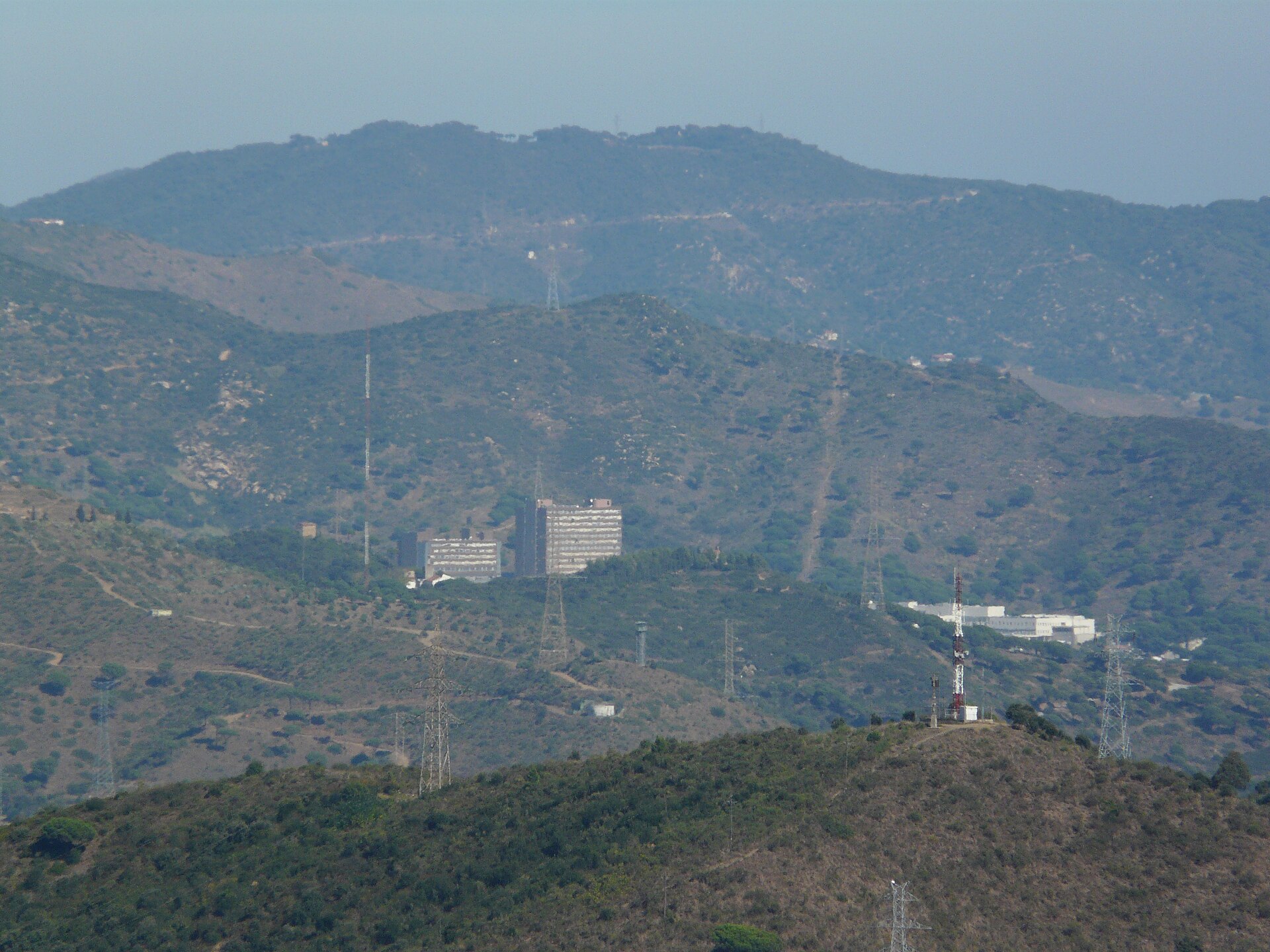
134 records

117 records

72 records

63 records
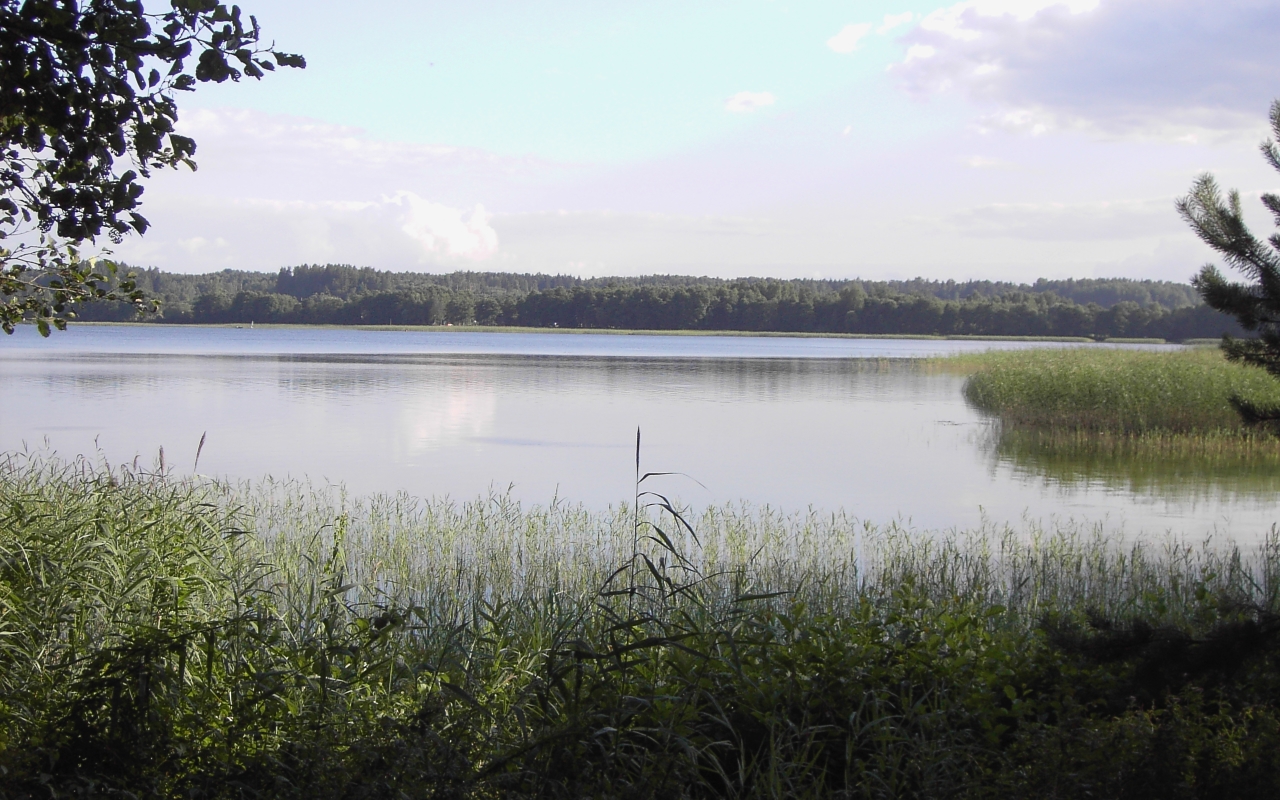
46 records
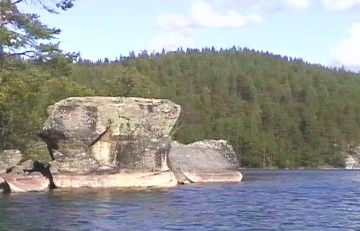
36 records
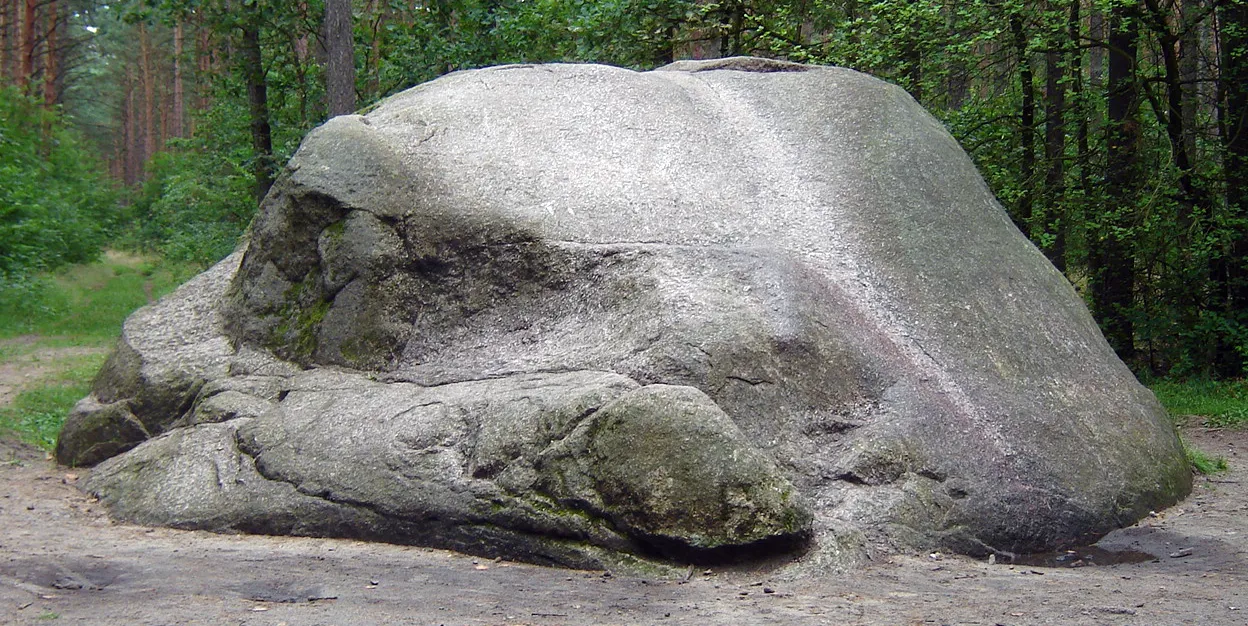
6 records

2 records

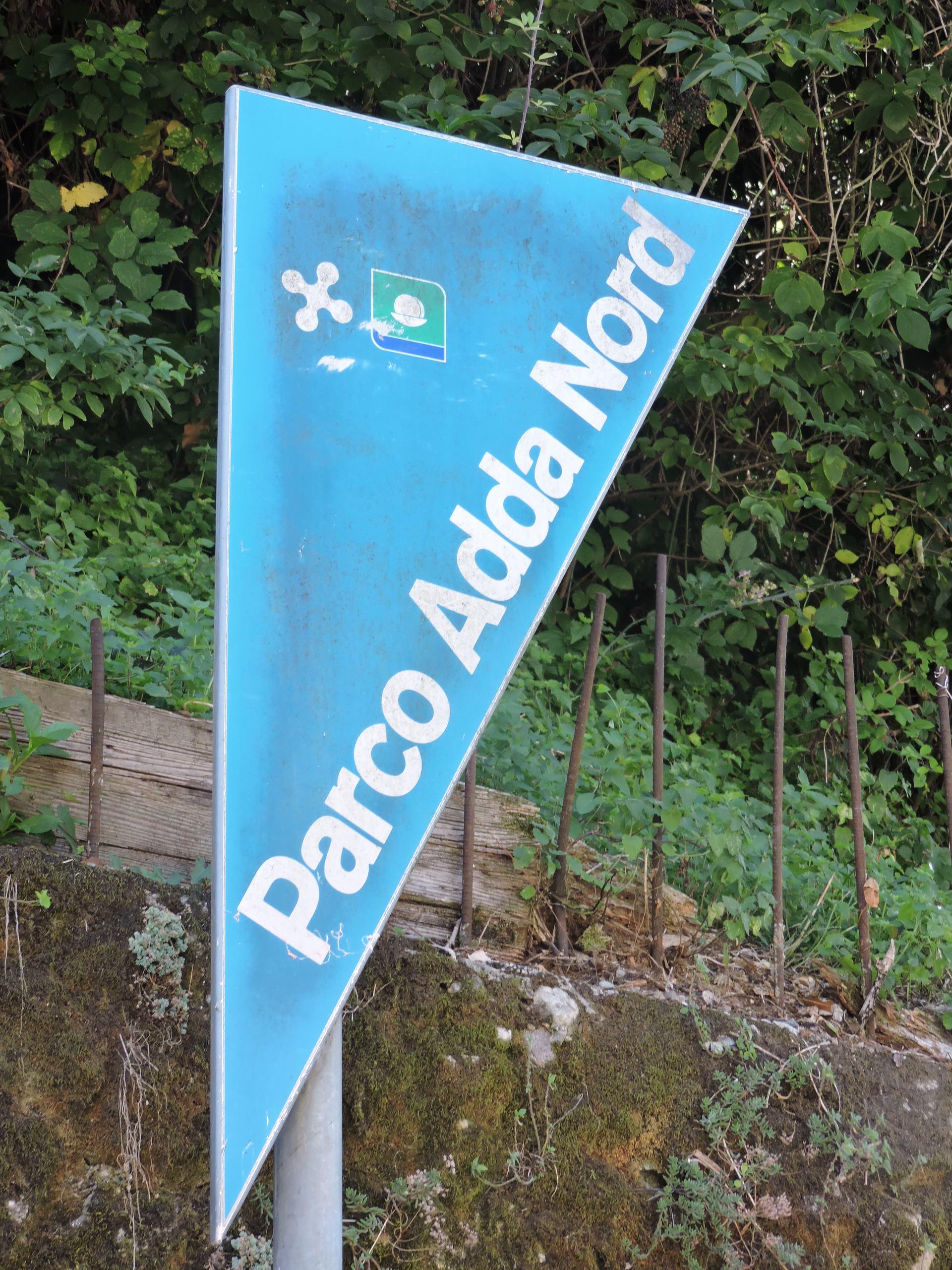
Natura 2000 · passage
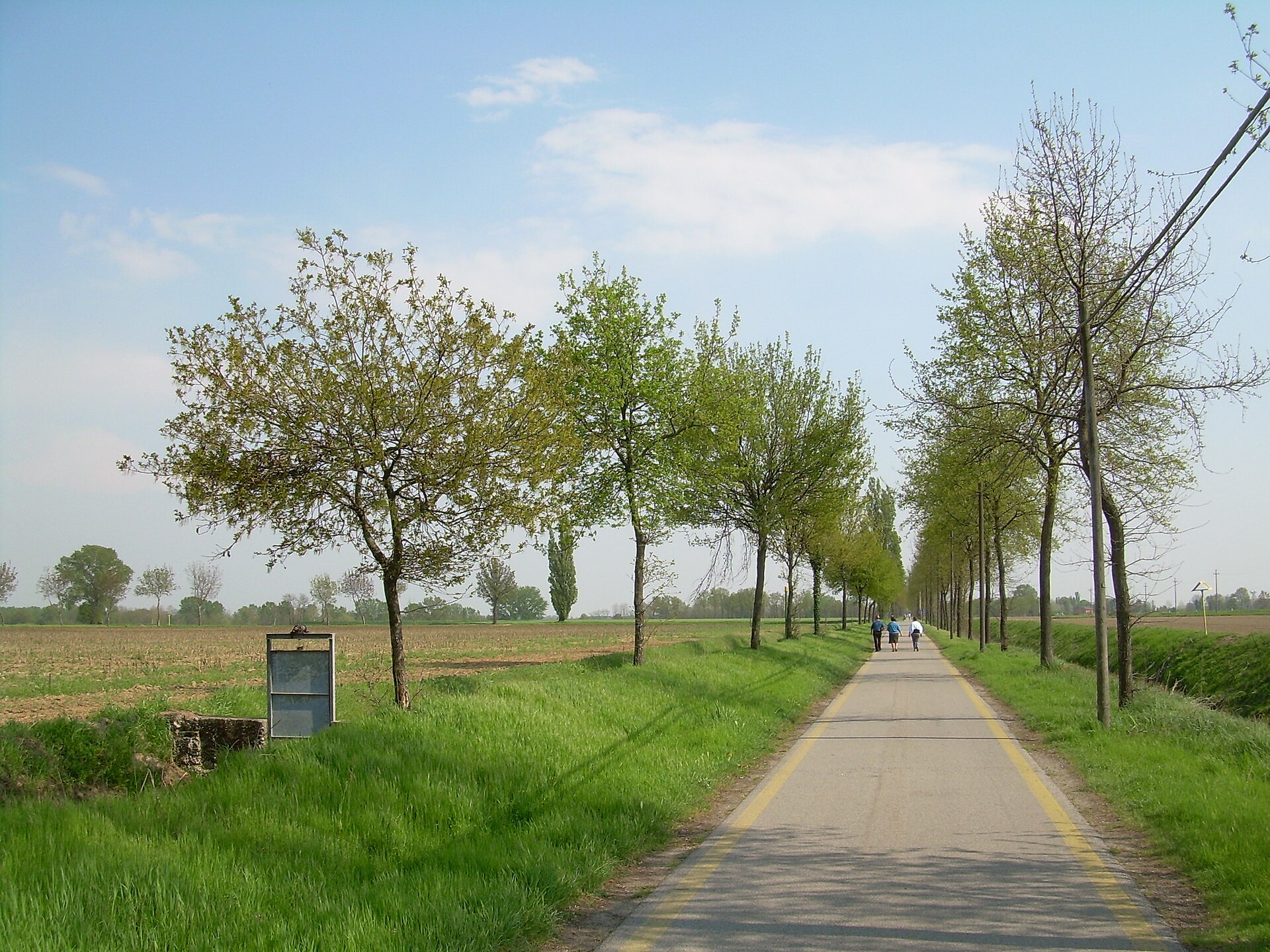
Natura 2000 · passage
Natura 2000 · passage

Natura 2000 · passage

Natura 2000 · passage
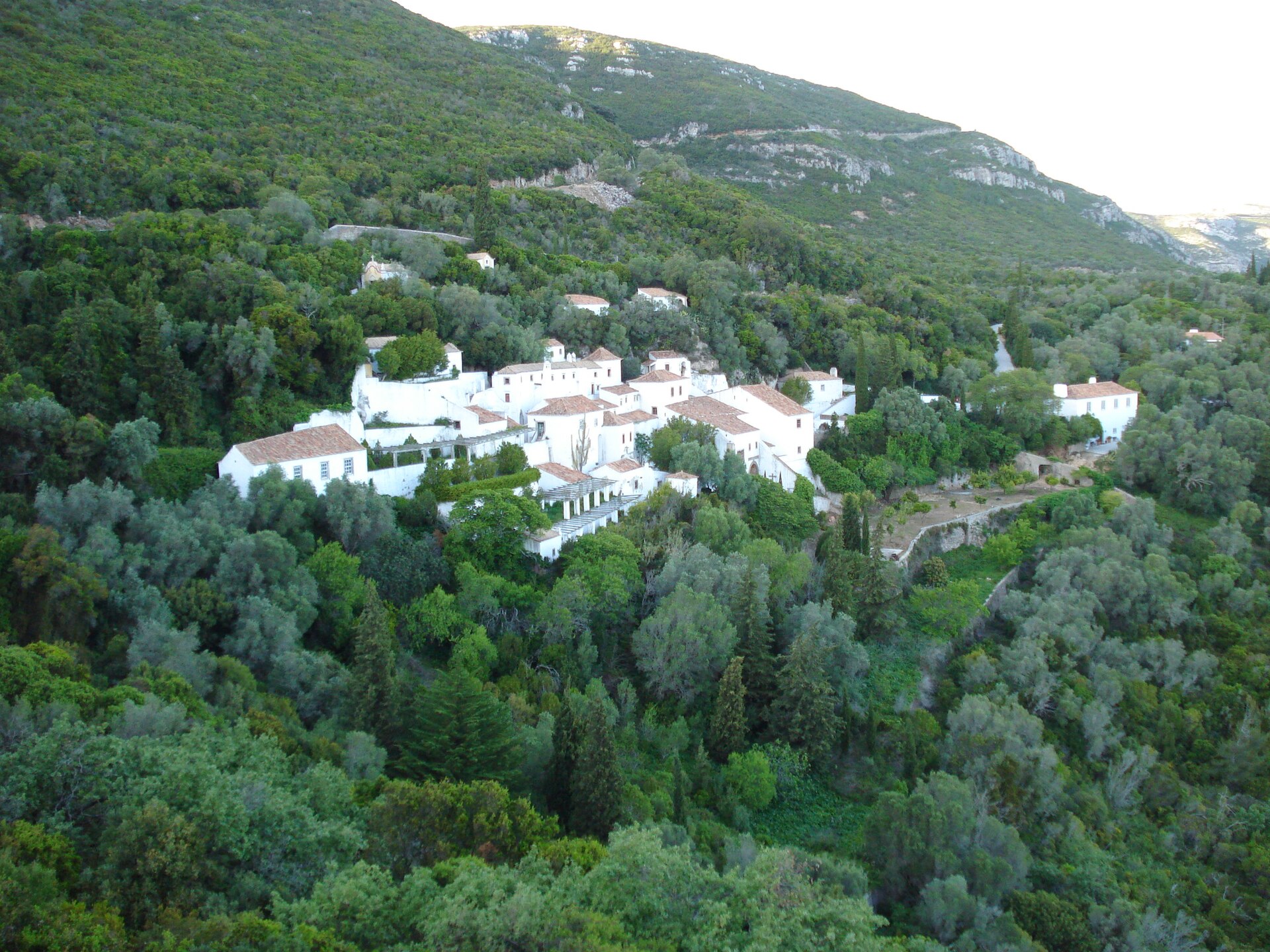
Natura 2000 · passage
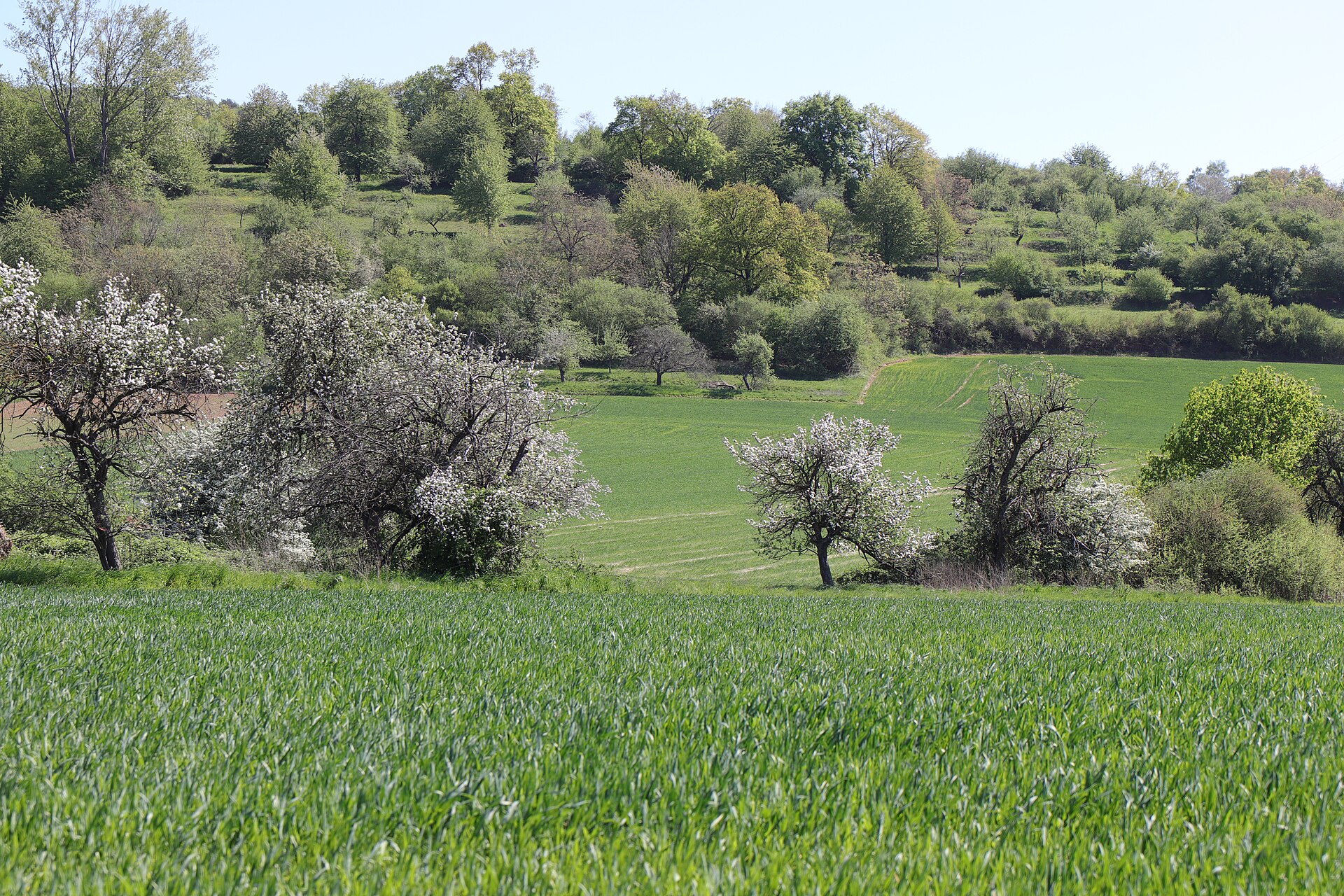
Natura 2000 · breeding
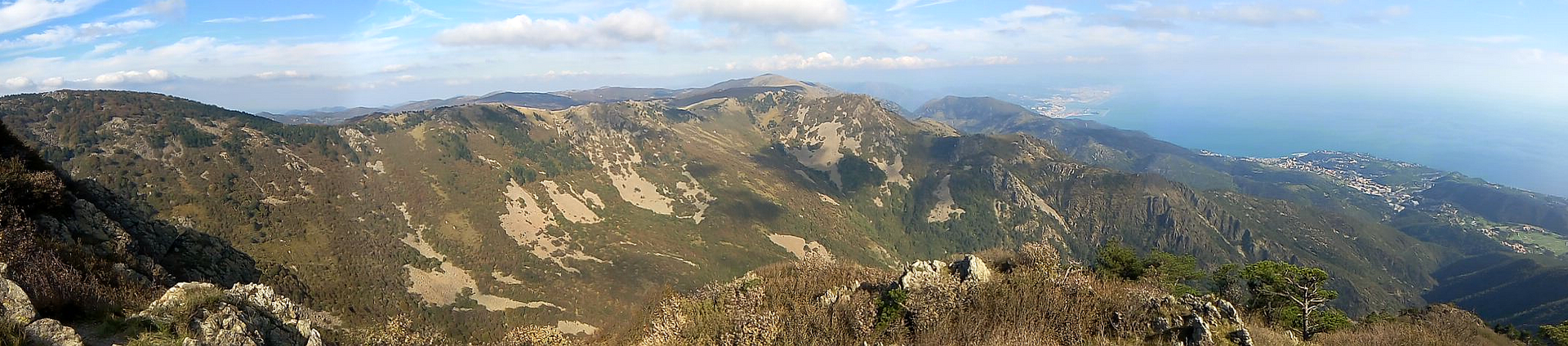
Natura 2000 · passage
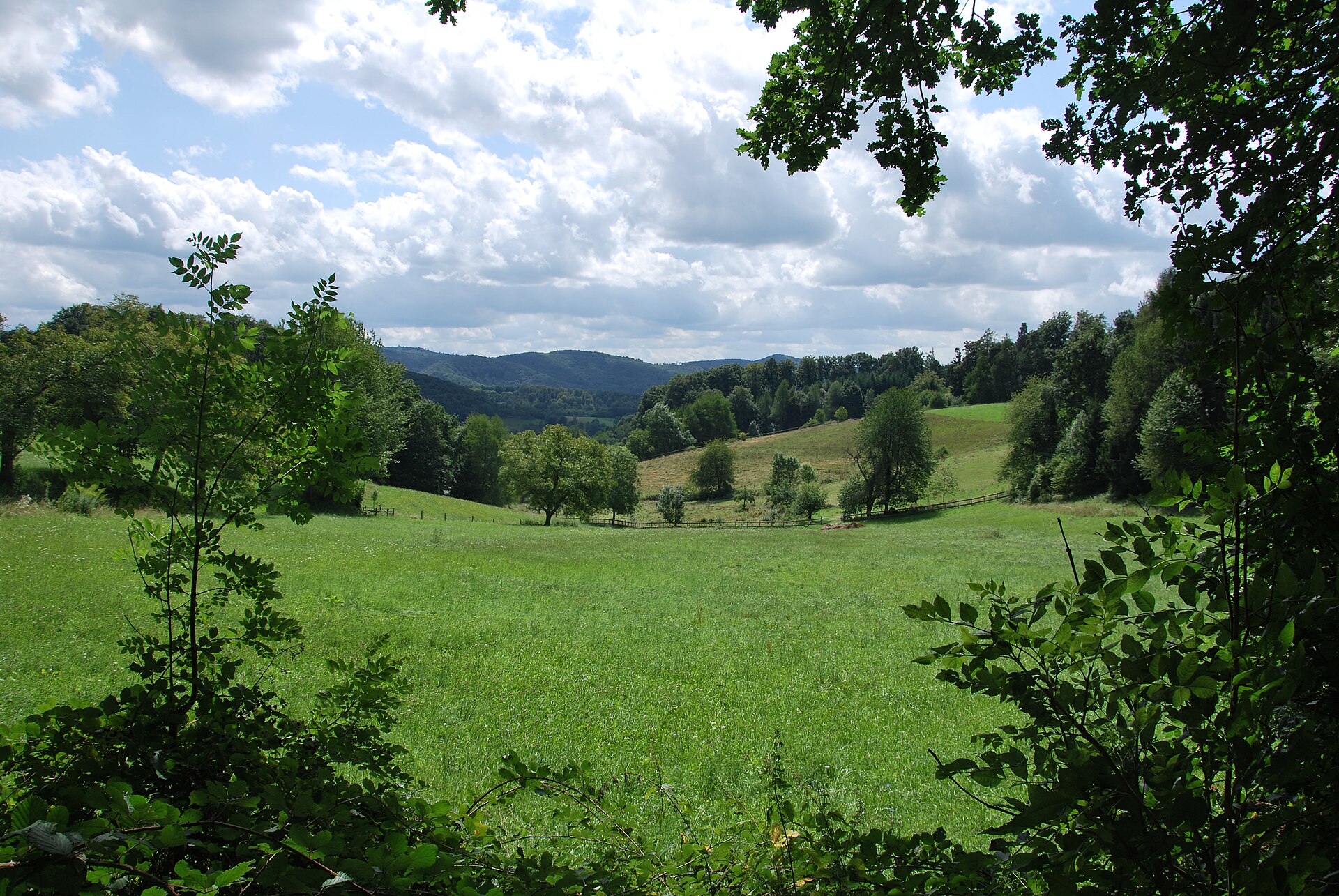
Natura 2000 · breeding
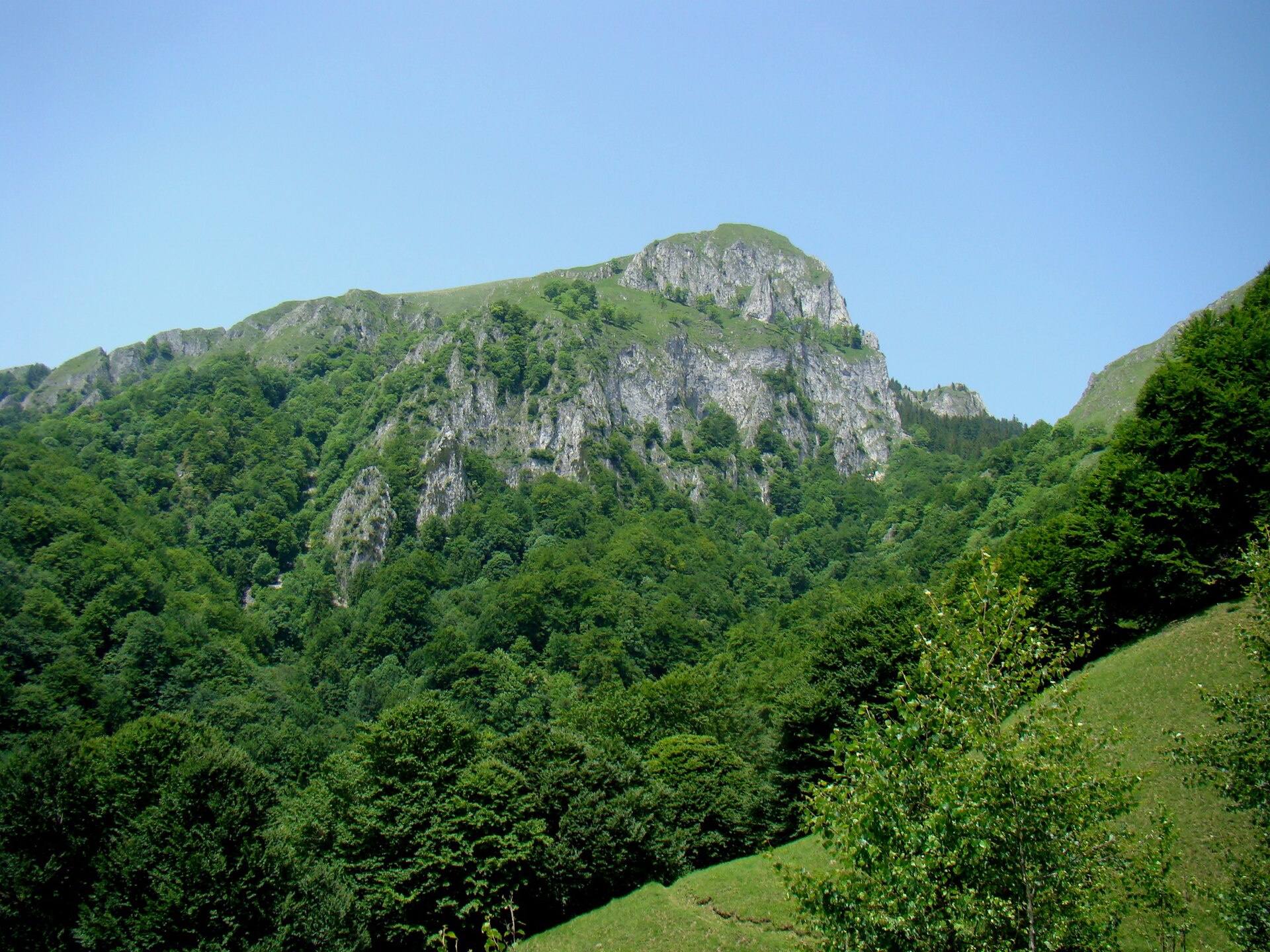
Natura 2000 · passage
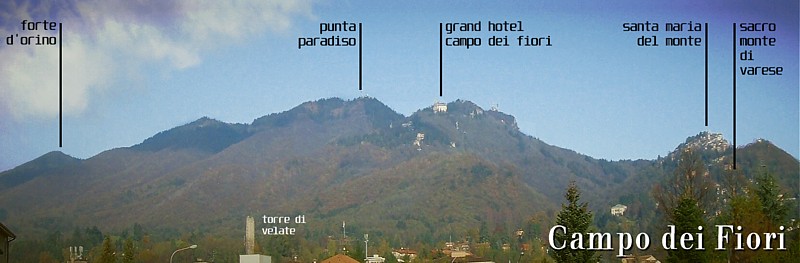
Natura 2000 · passage
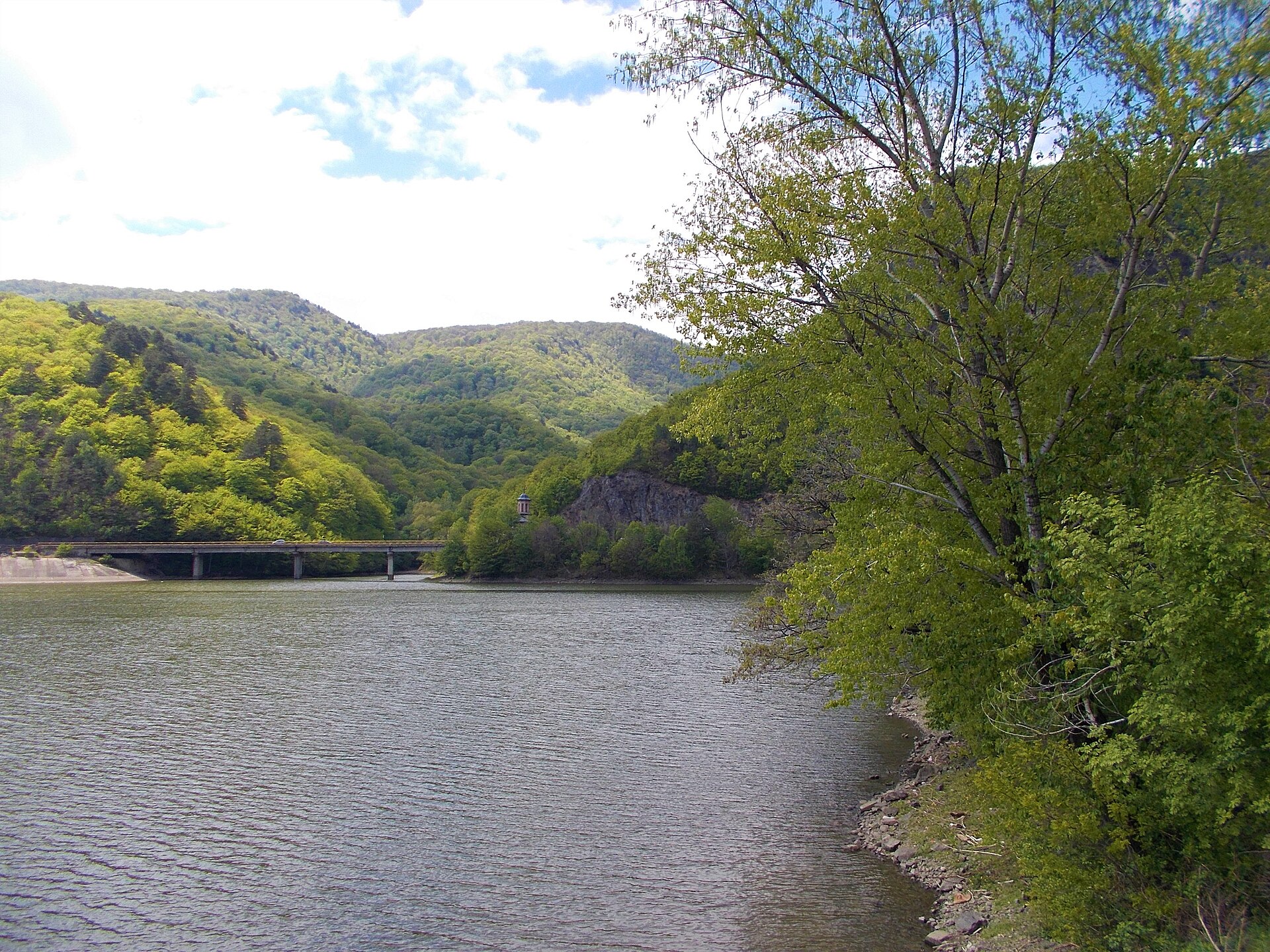
Natura 2000 · passage
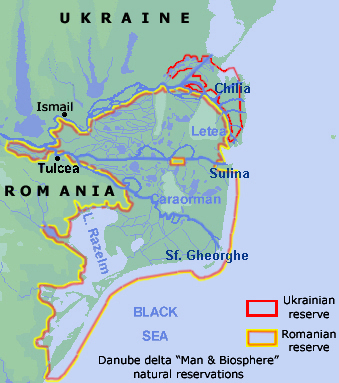
Natura 2000 · passage
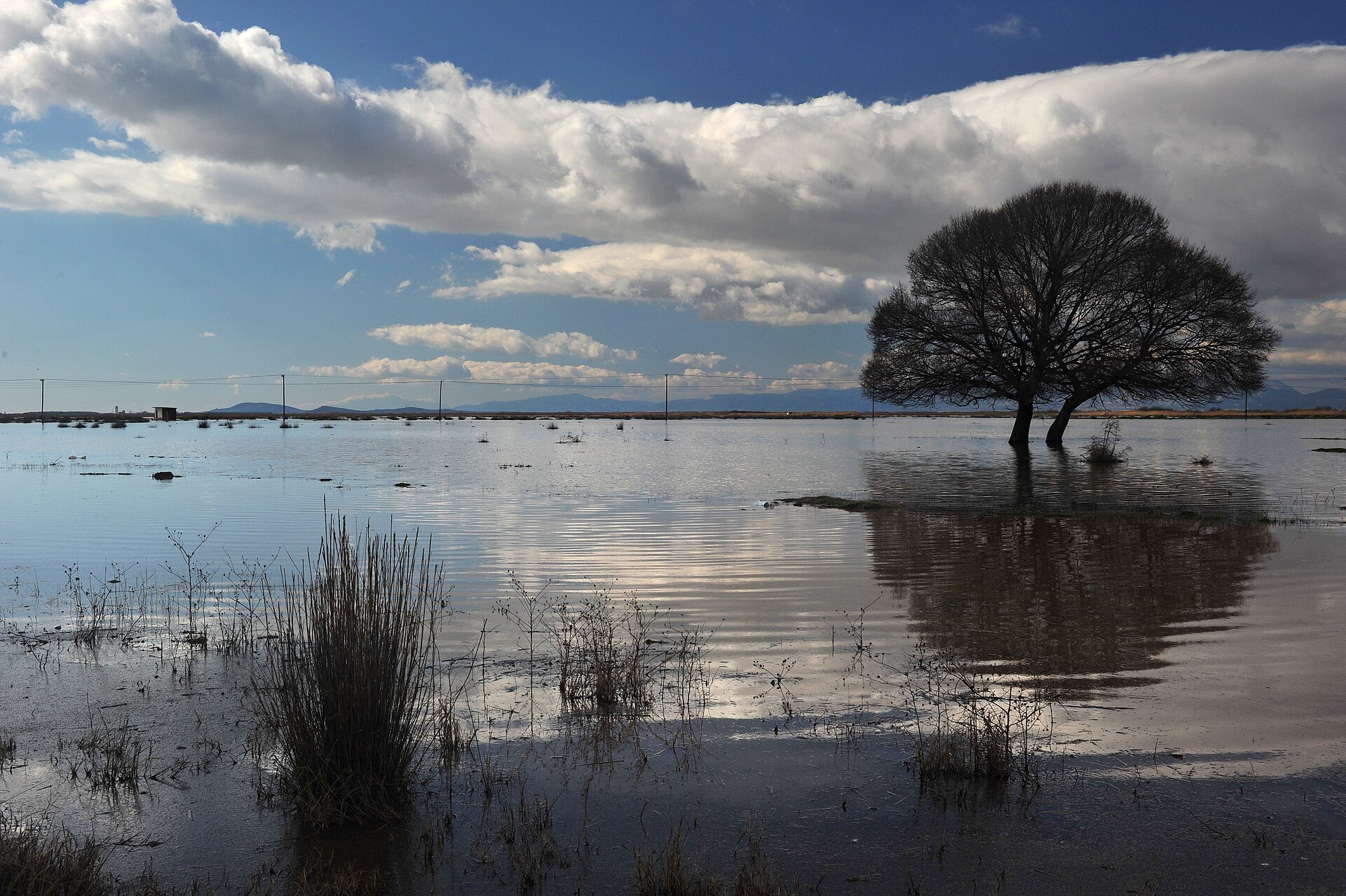
Natura 2000 · passage

Natura 2000 · passage
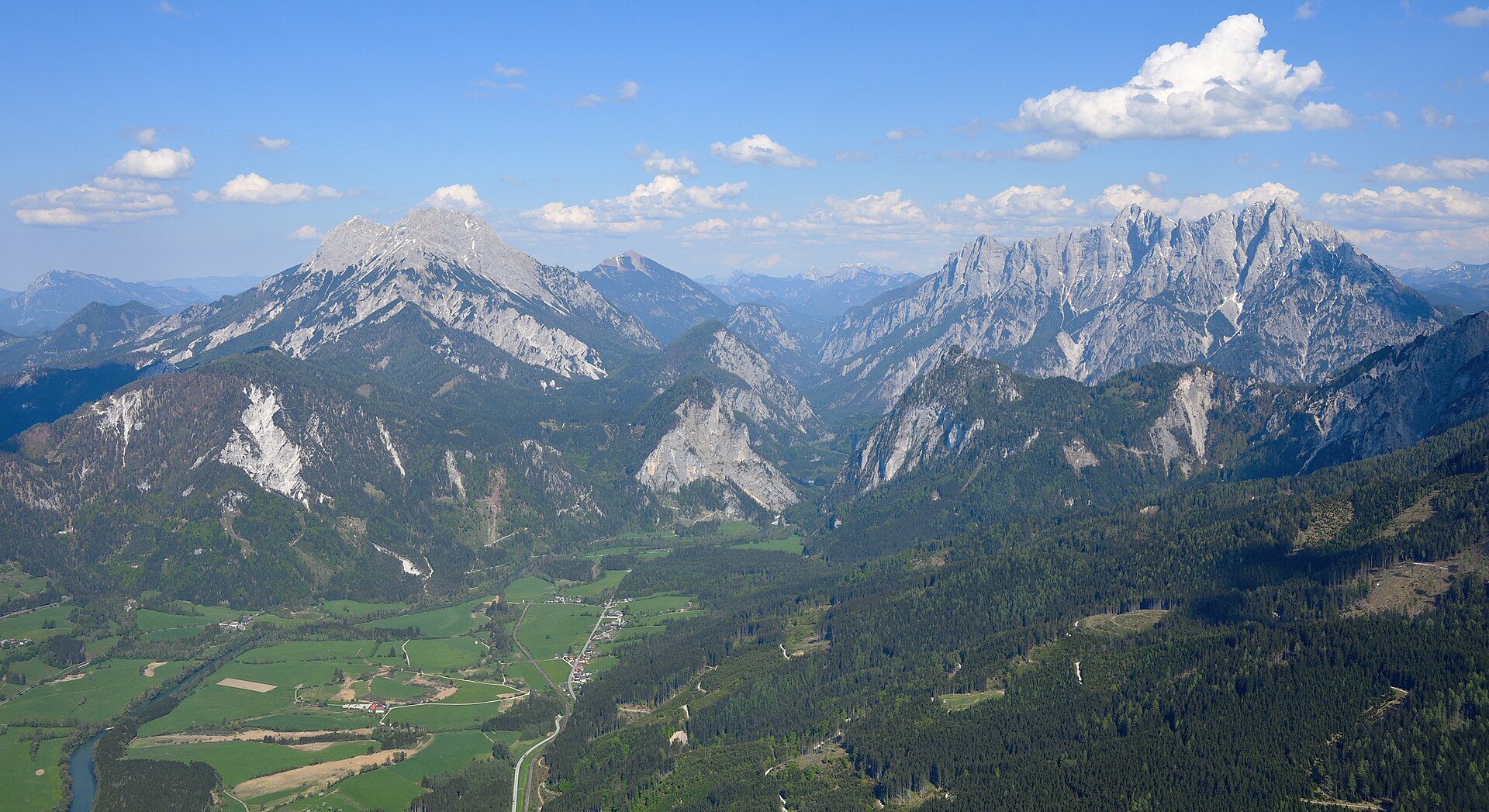
Natura 2000 · breeding, passage
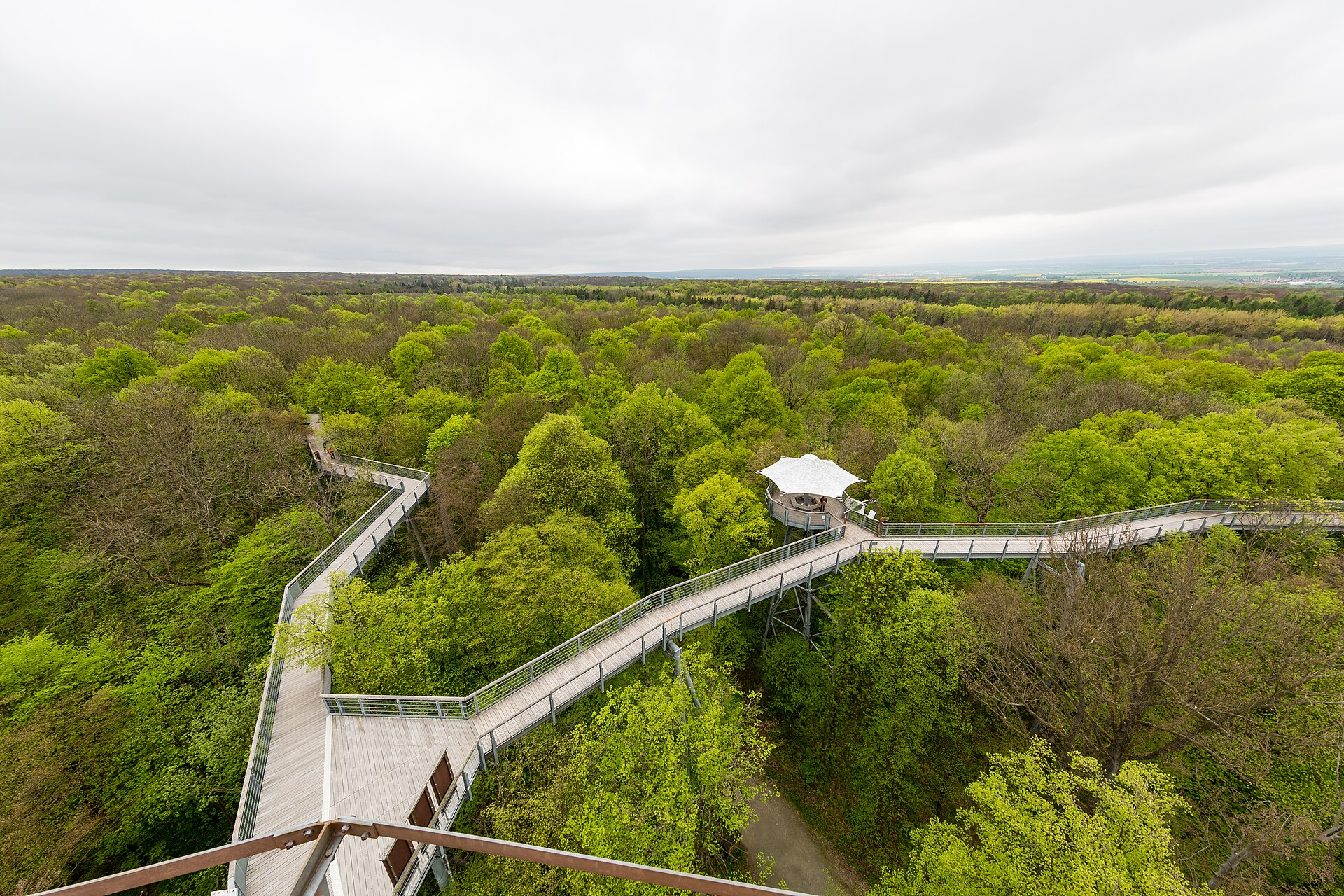
Natura 2000 · breeding
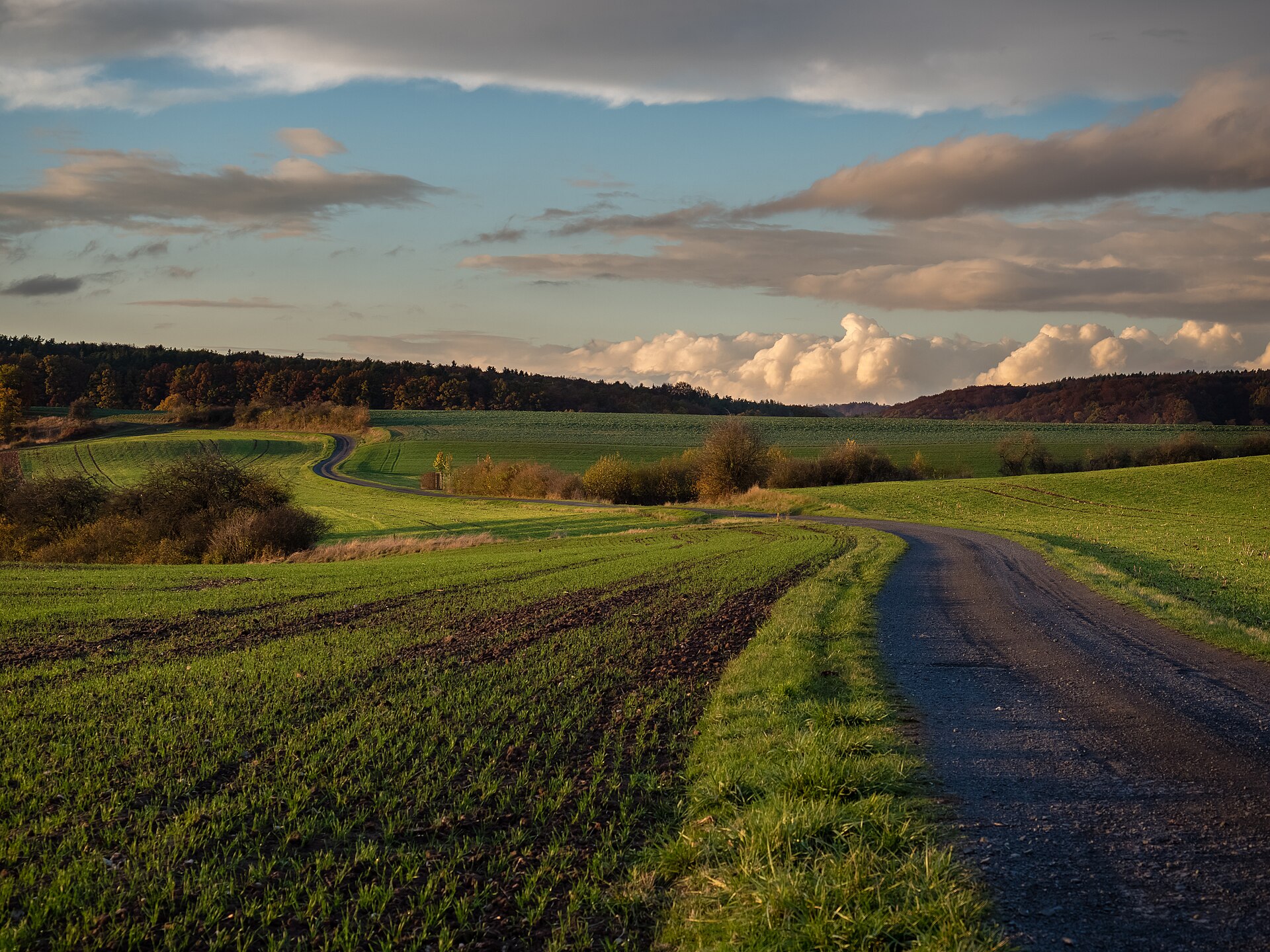
Natura 2000 · breeding
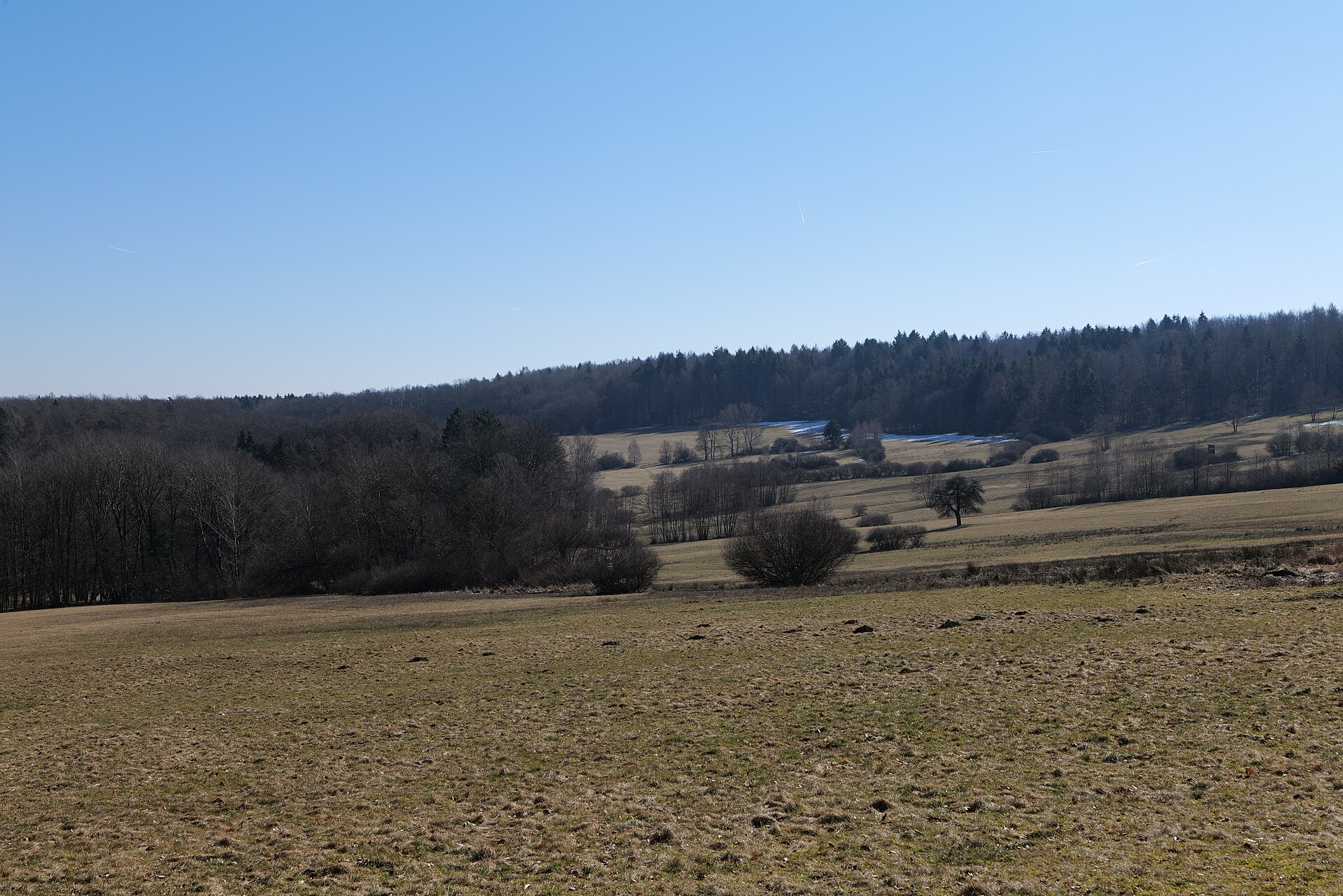
Natura 2000 · breeding

Natura 2000 · breeding
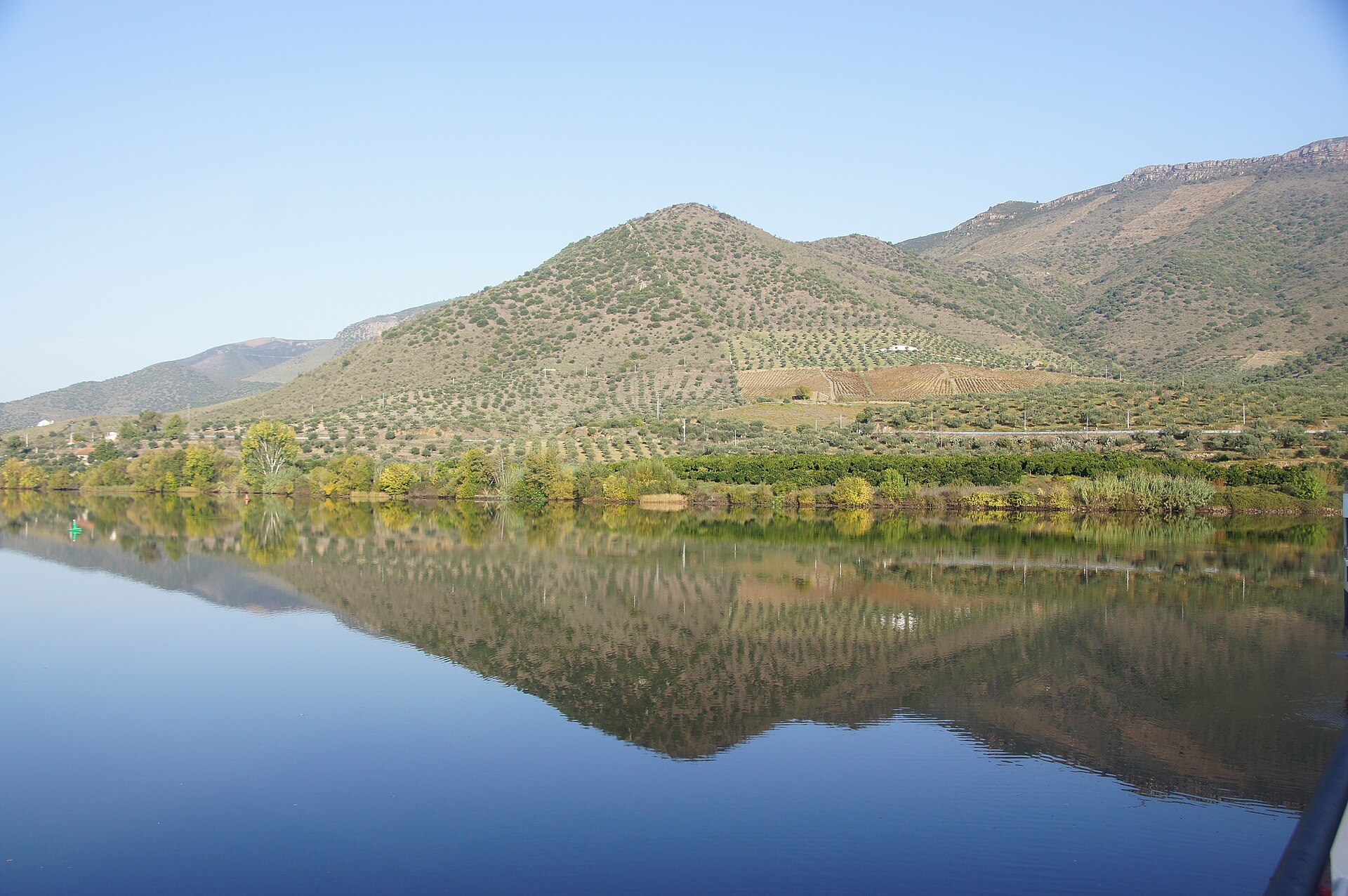
Natura 2000 · passage
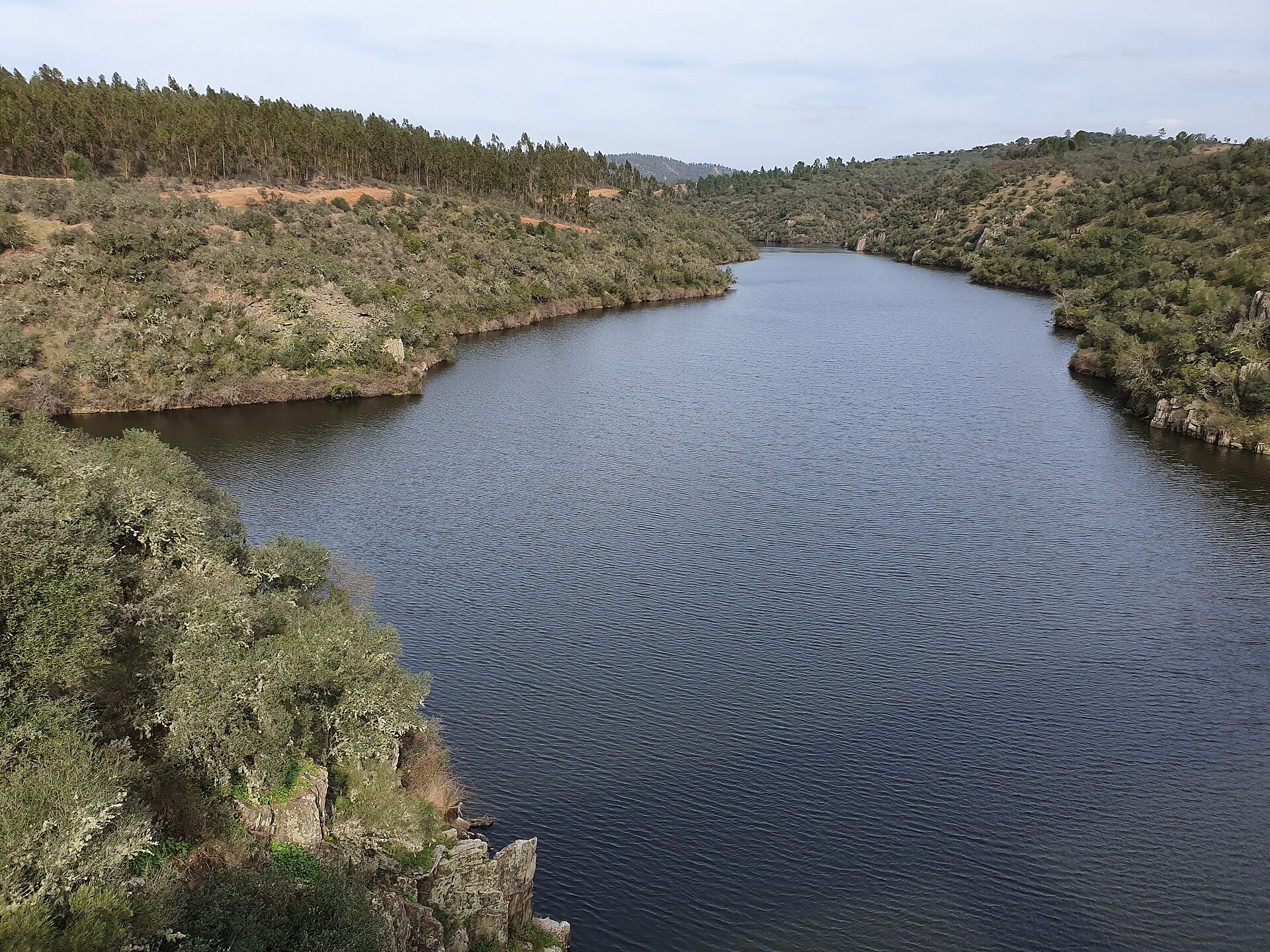
Natura 2000 · passage
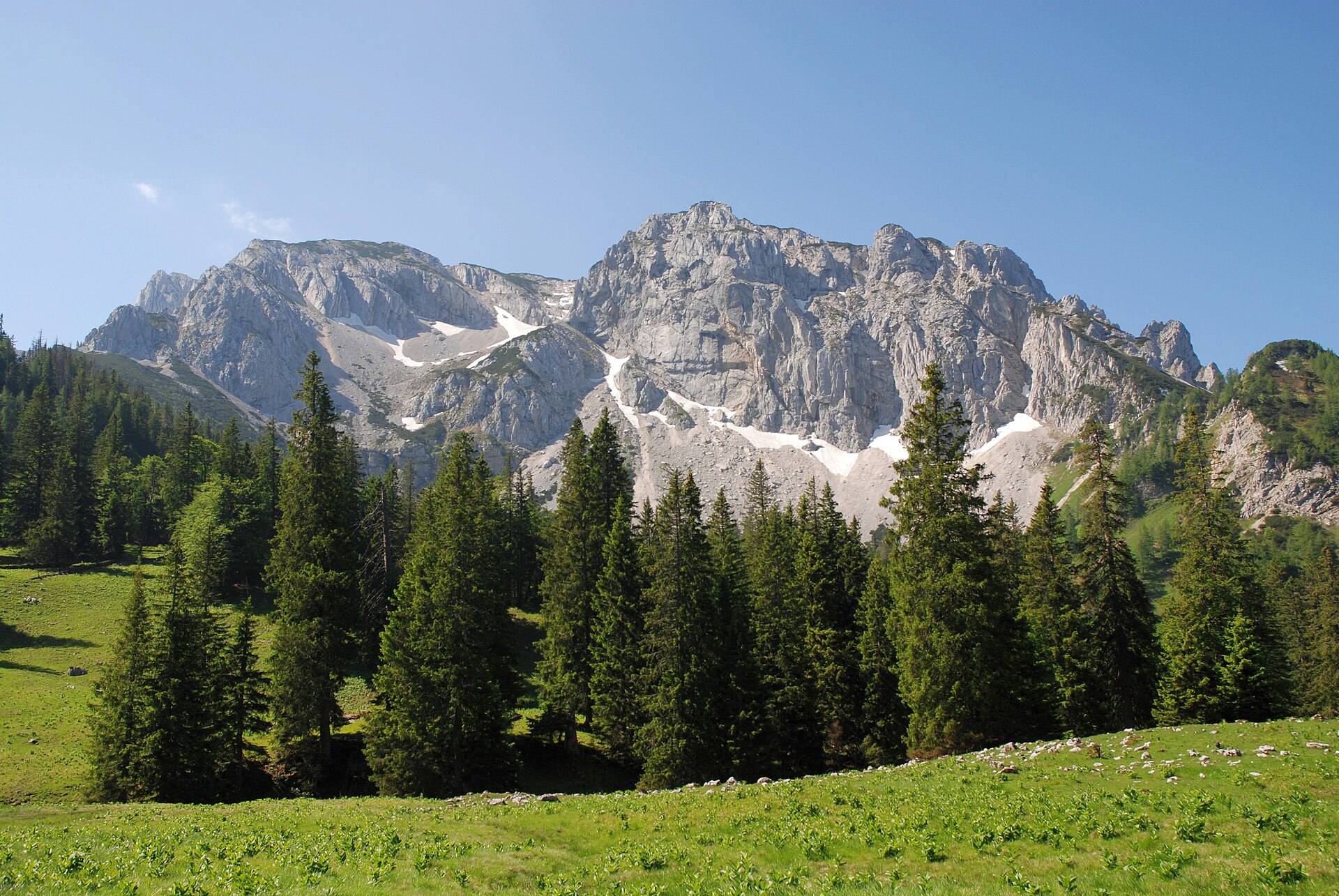
Natura 2000 · breeding

Natura 2000 · breeding
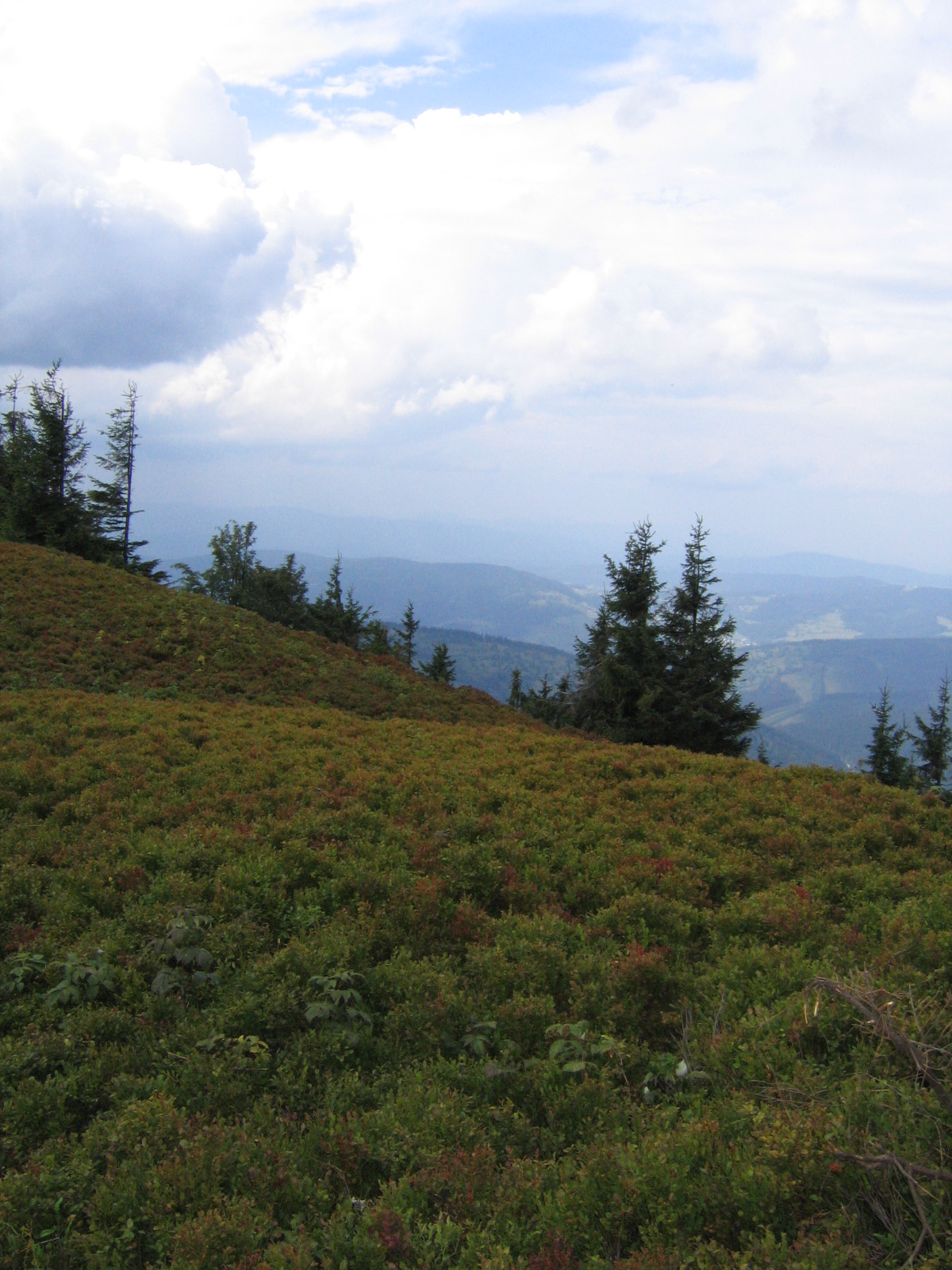
Natura 2000
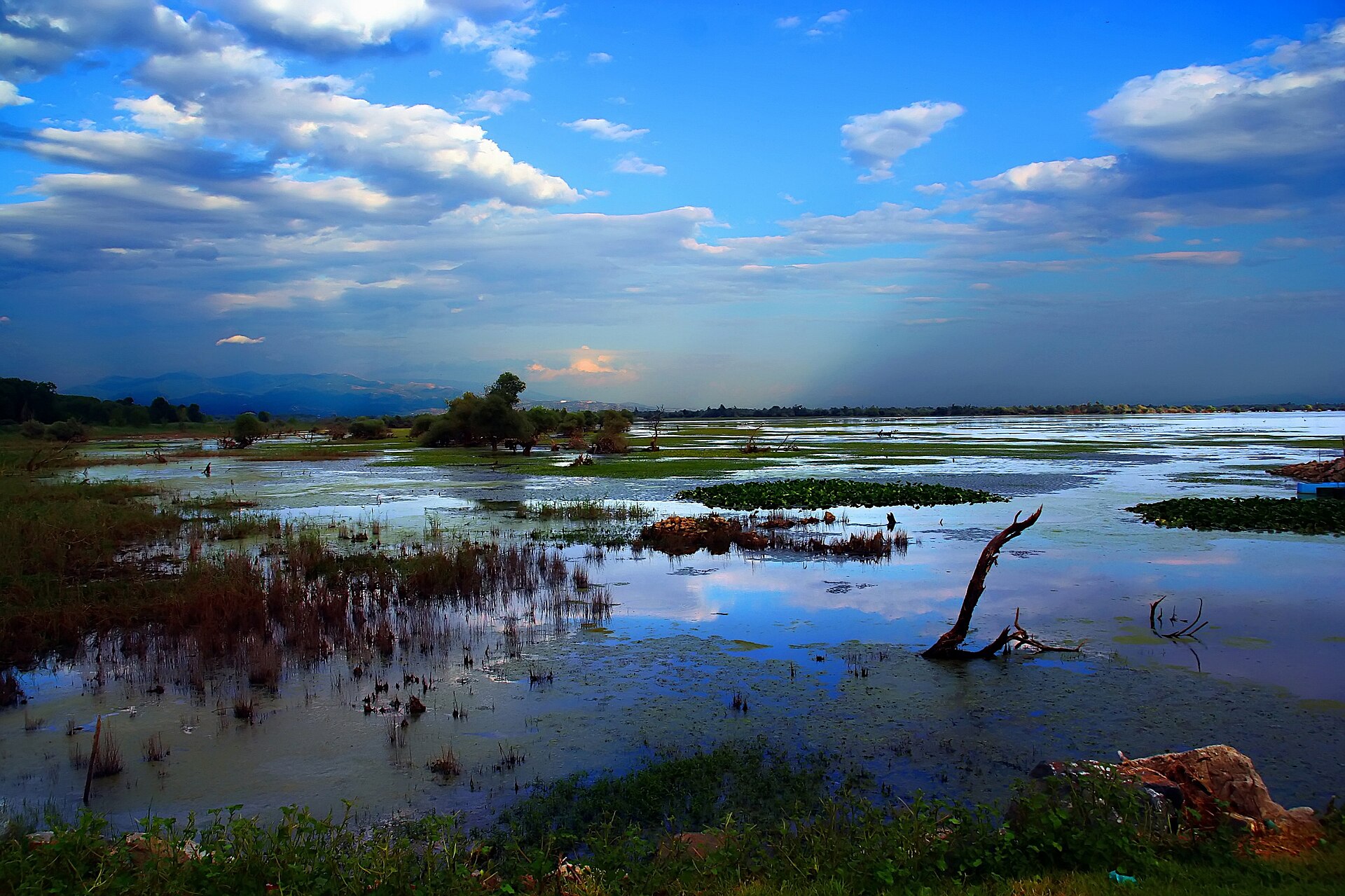
Natura 2000 · passage
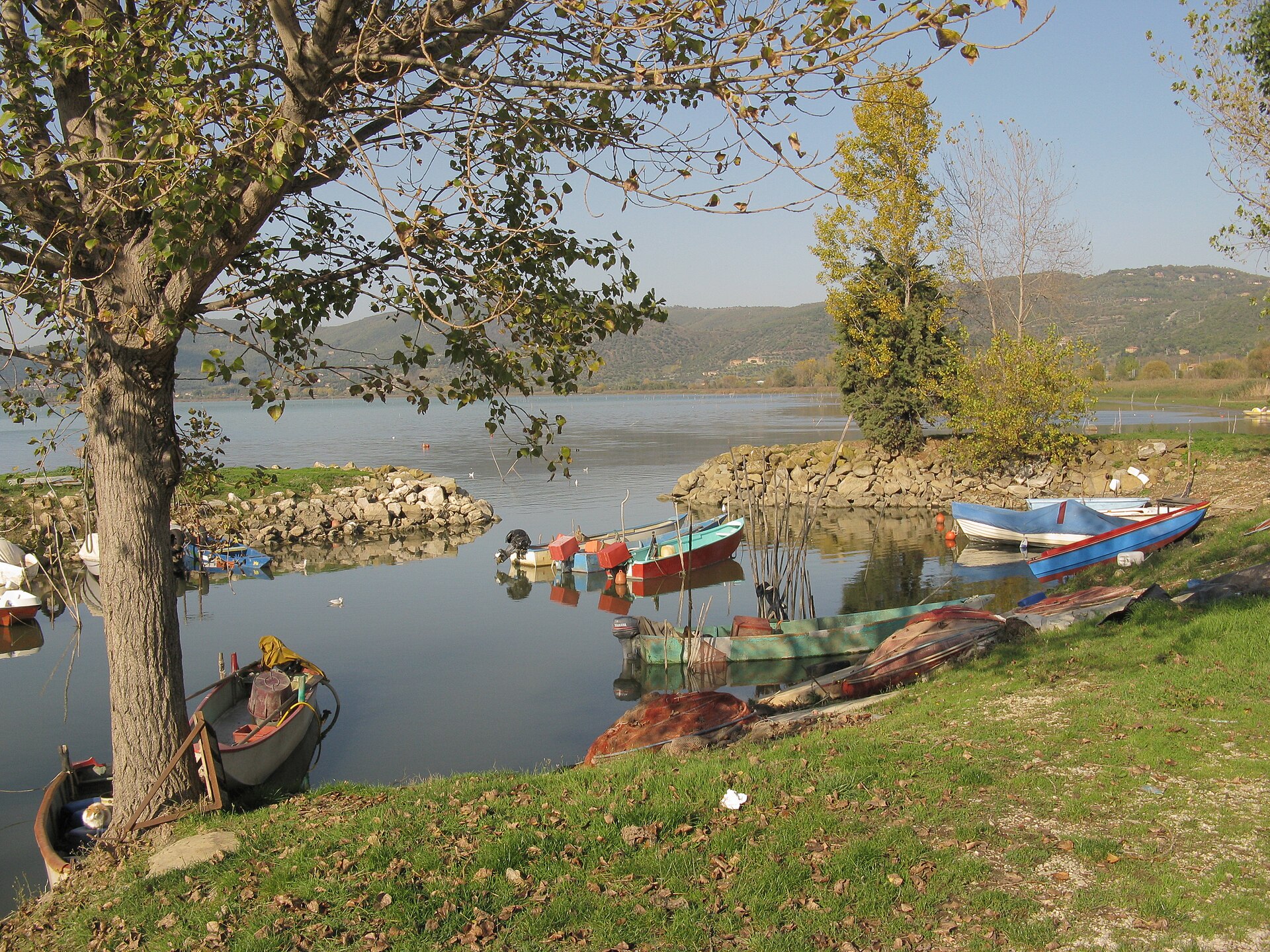
Natura 2000
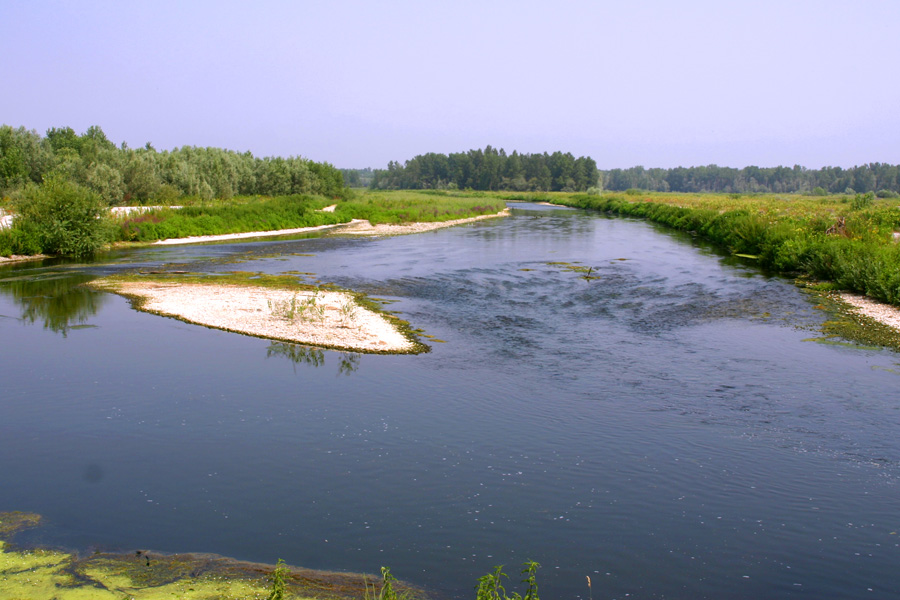
Natura 2000 · passage

Natura 2000 · passage
Natura 2000 · passage
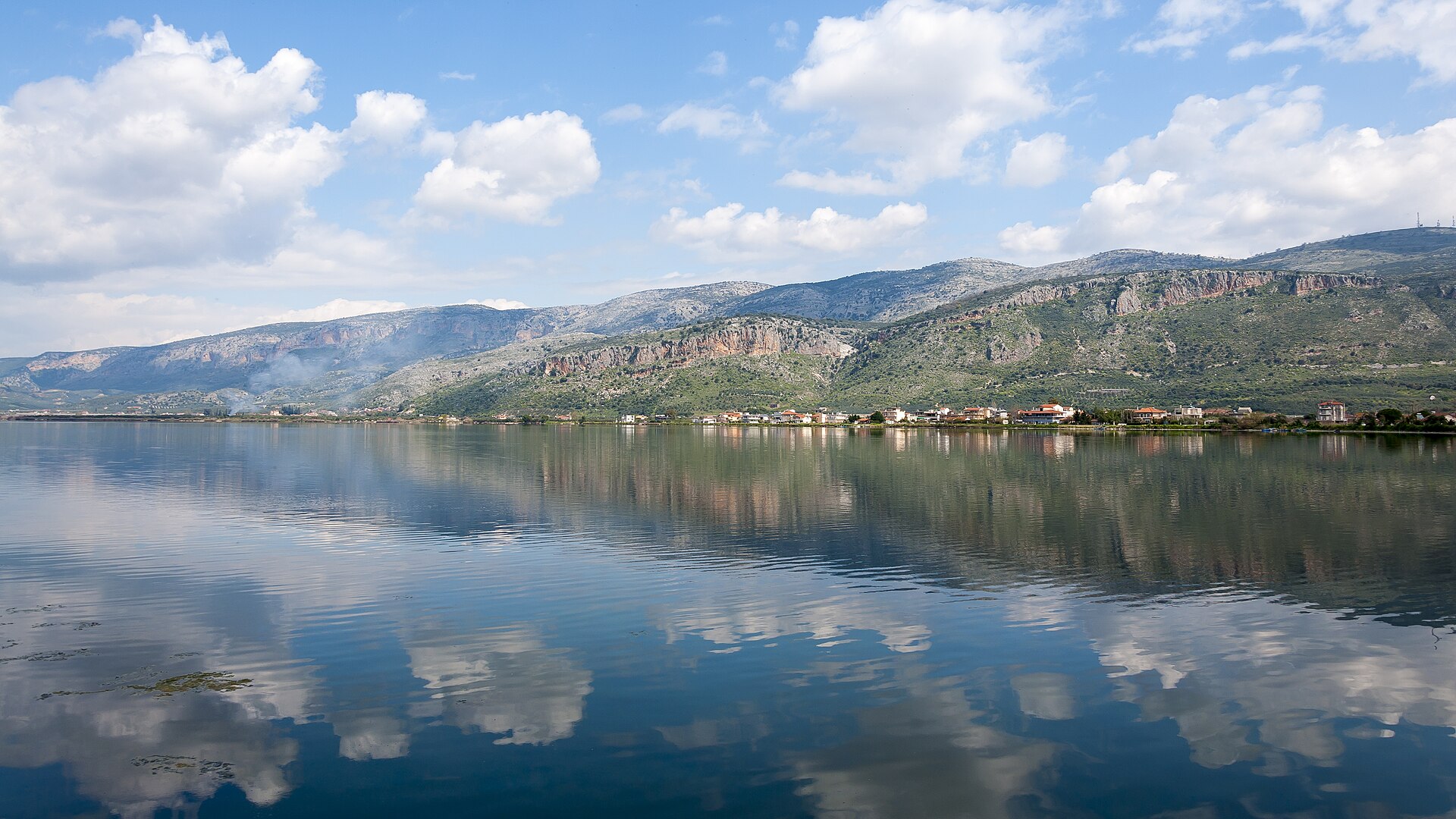
Natura 2000 · passage
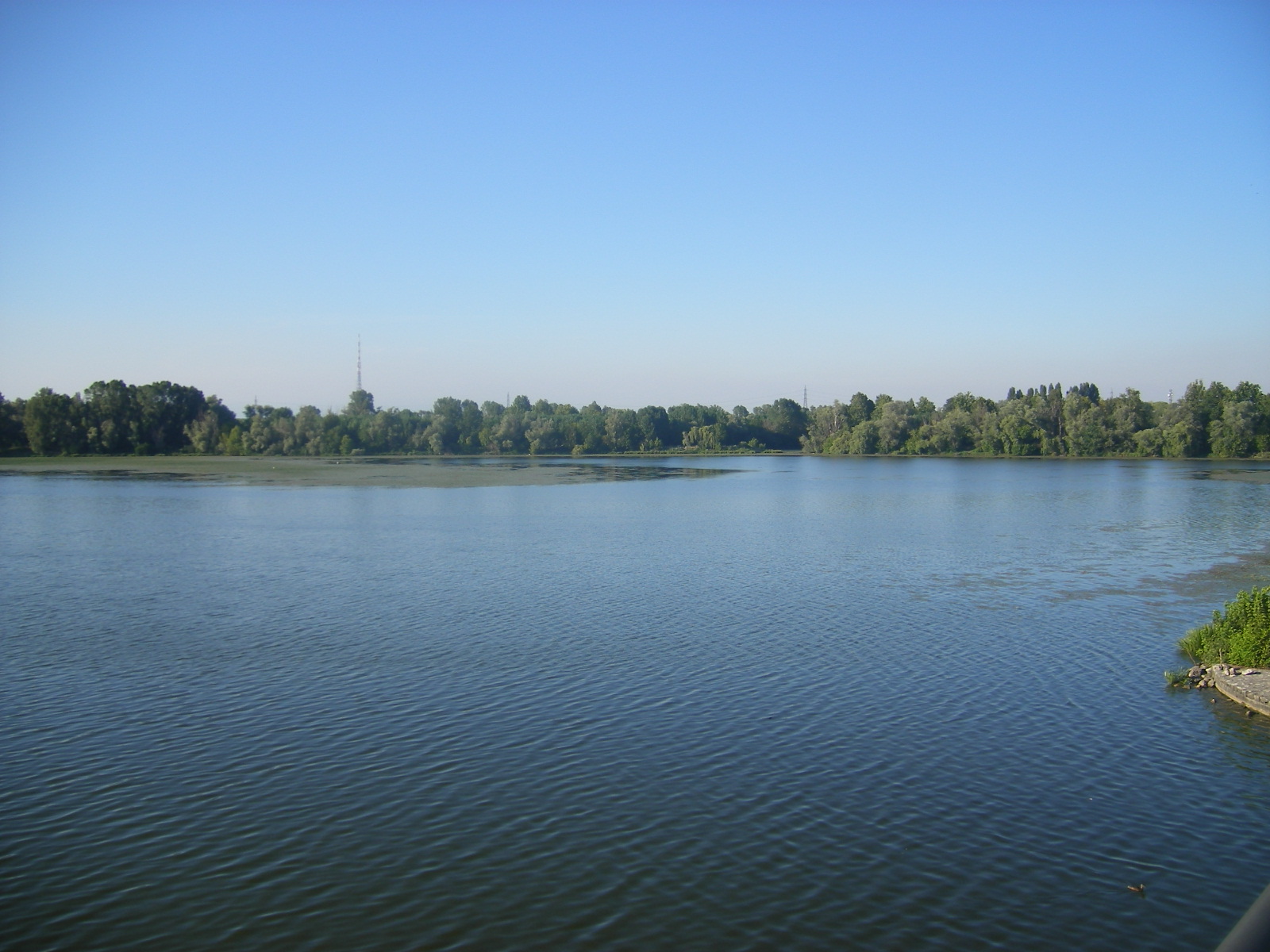
Natura 2000 · passage, wintering

Natura 2000 · passage

Natura 2000 · passage

Natura 2000
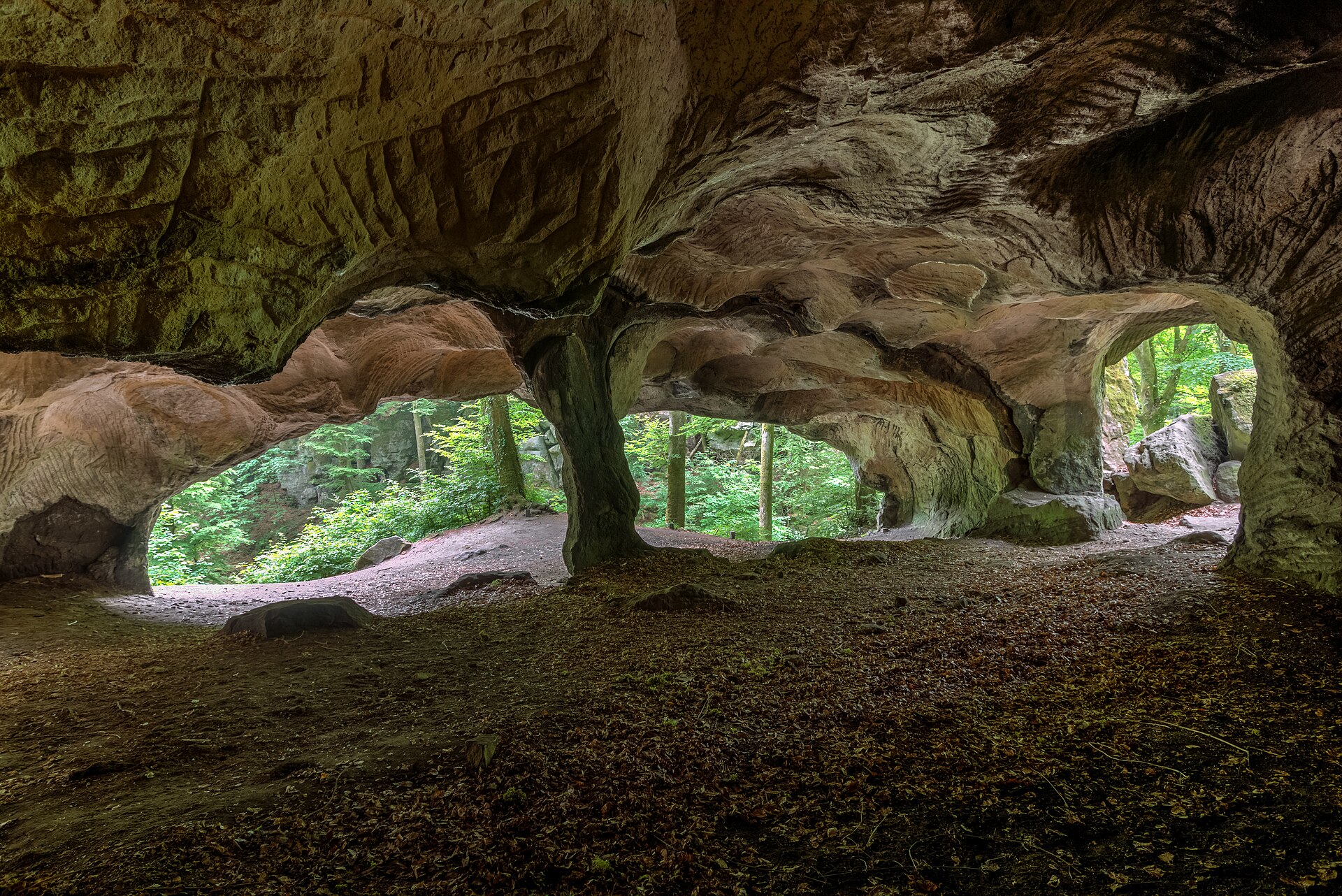
Natura 2000 · breeding
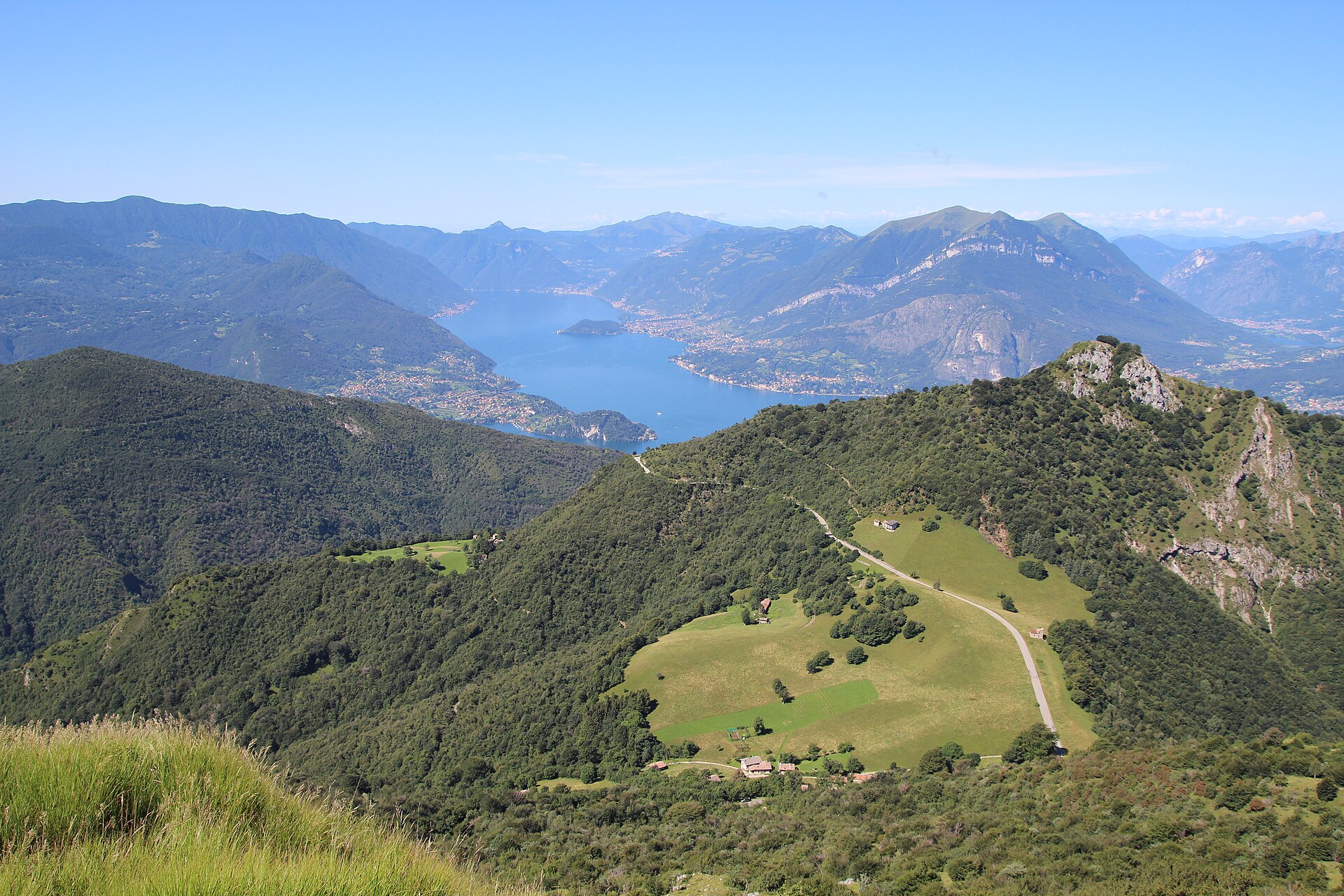
Natura 2000 · passage
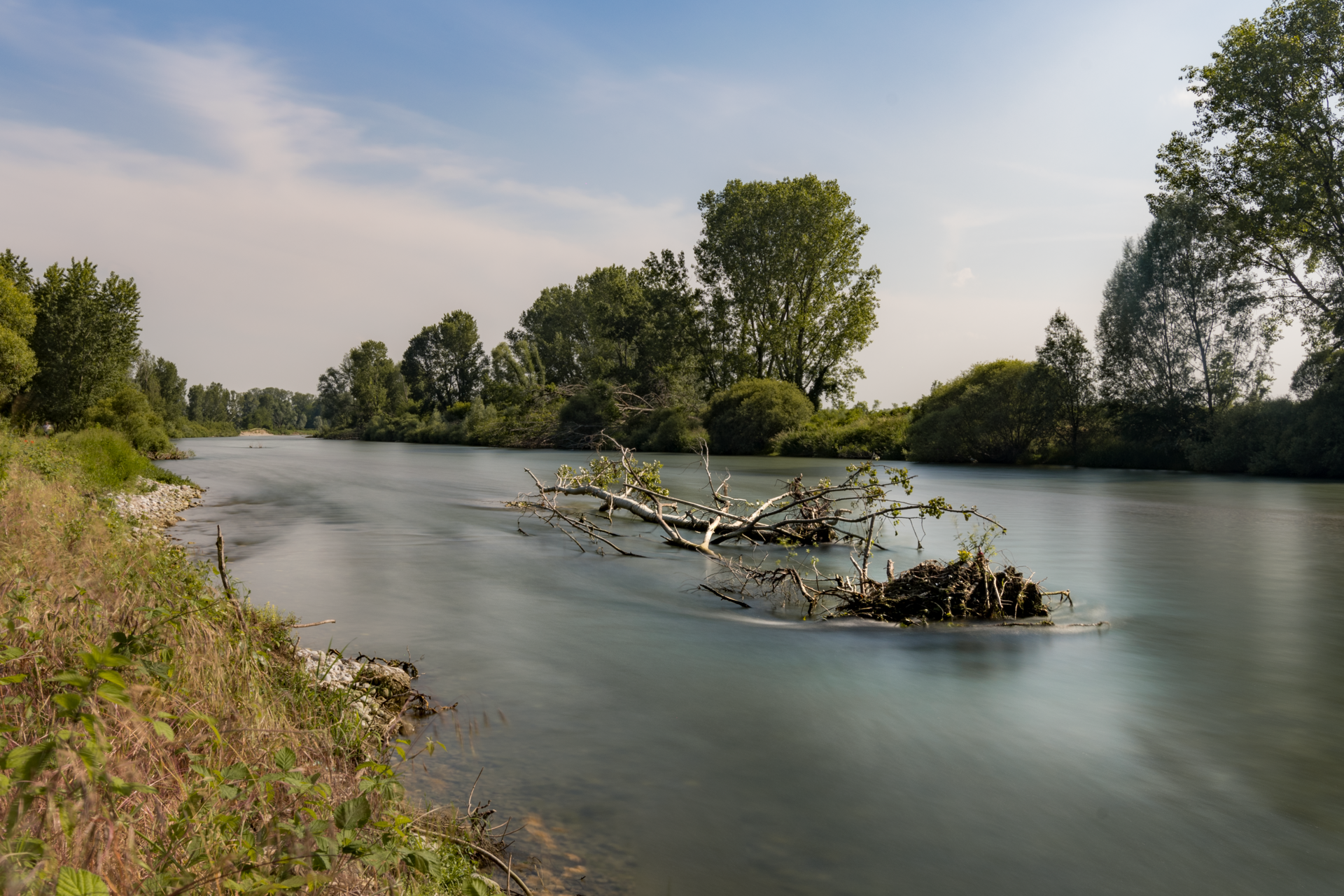
Natura 2000 · passage
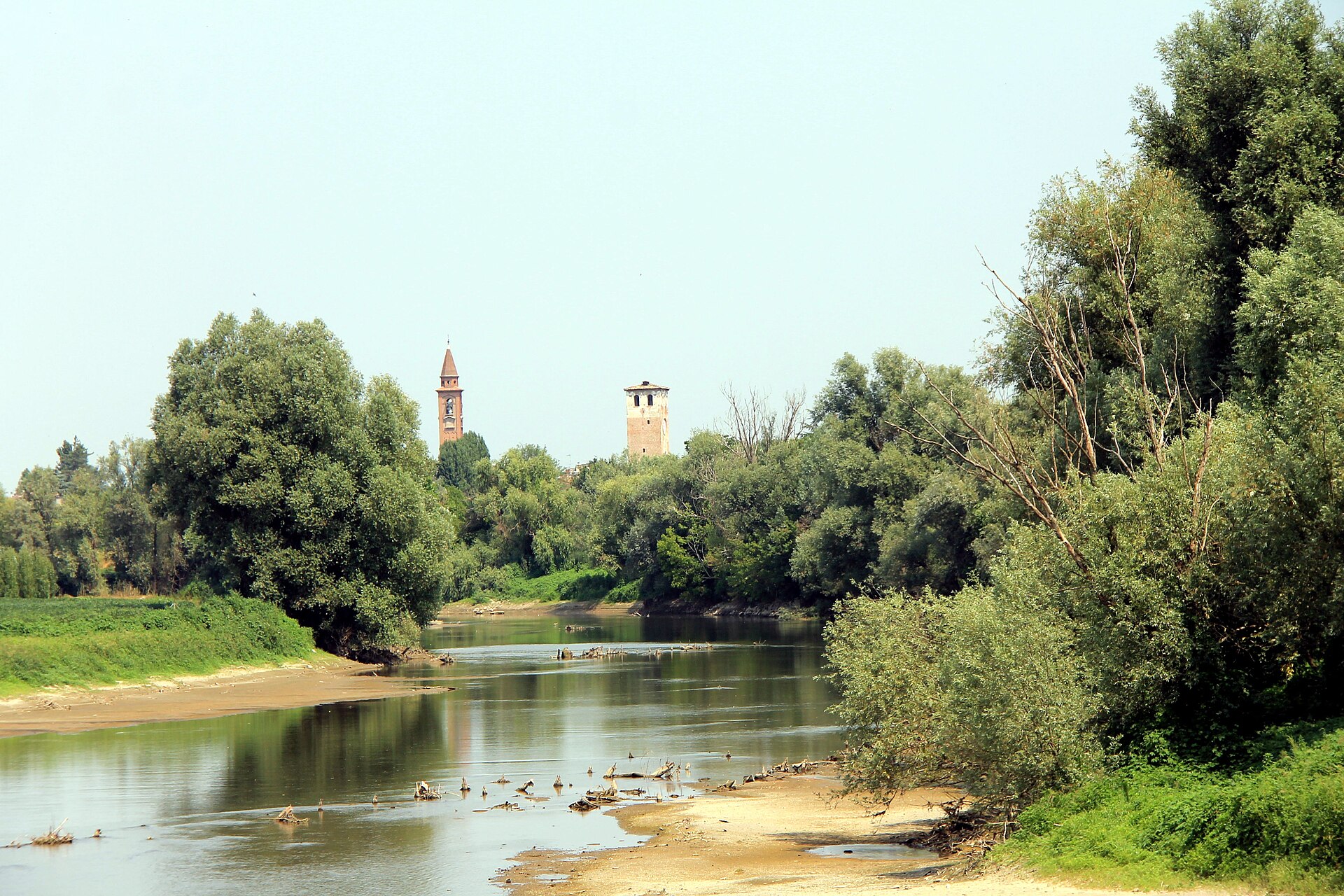
Natura 2000 · passage, wintering
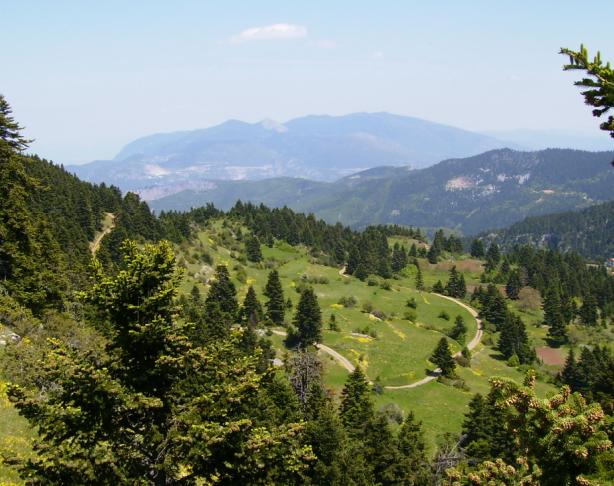
Natura 2000 · passage

Natura 2000 · passage
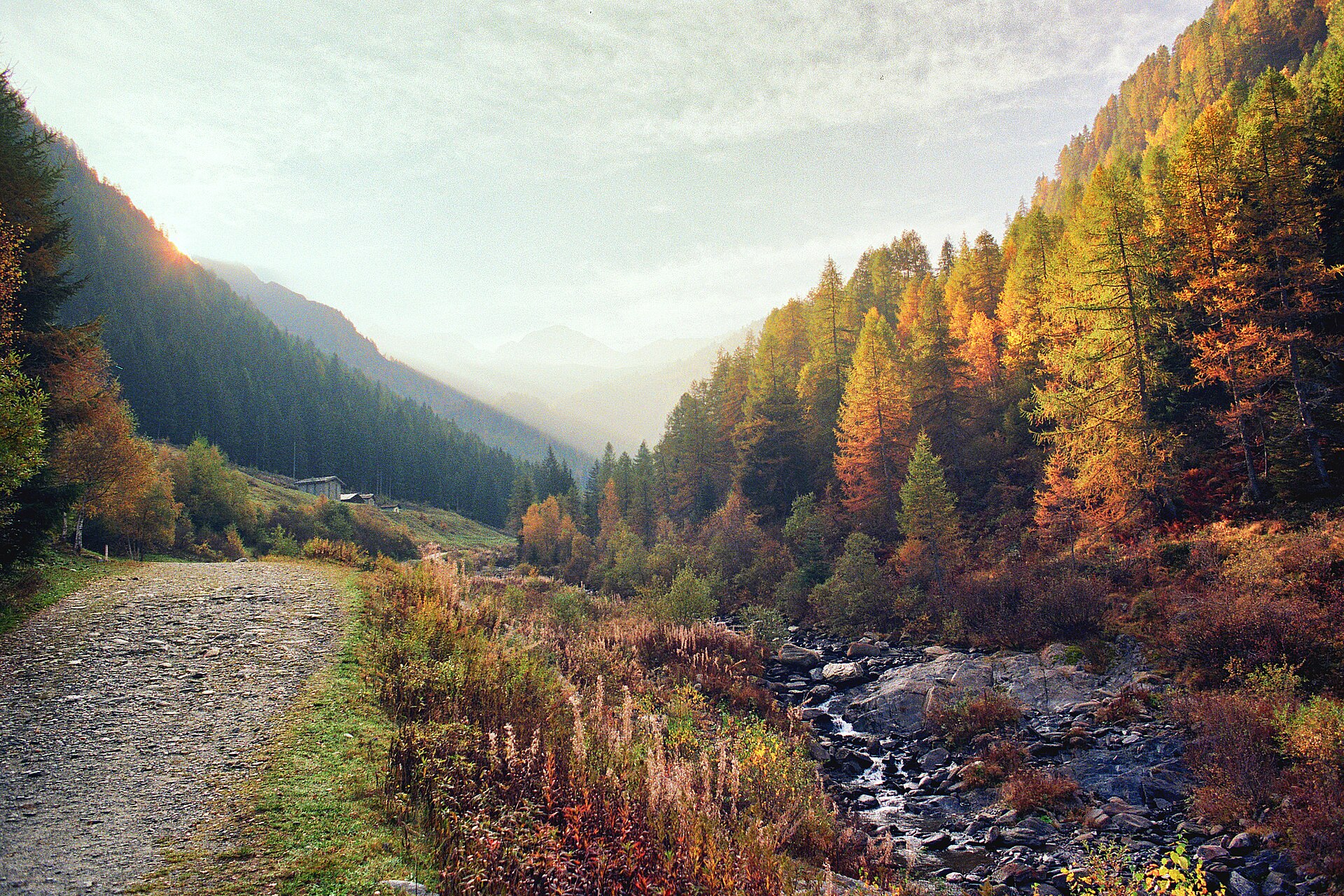
Natura 2000 · passage
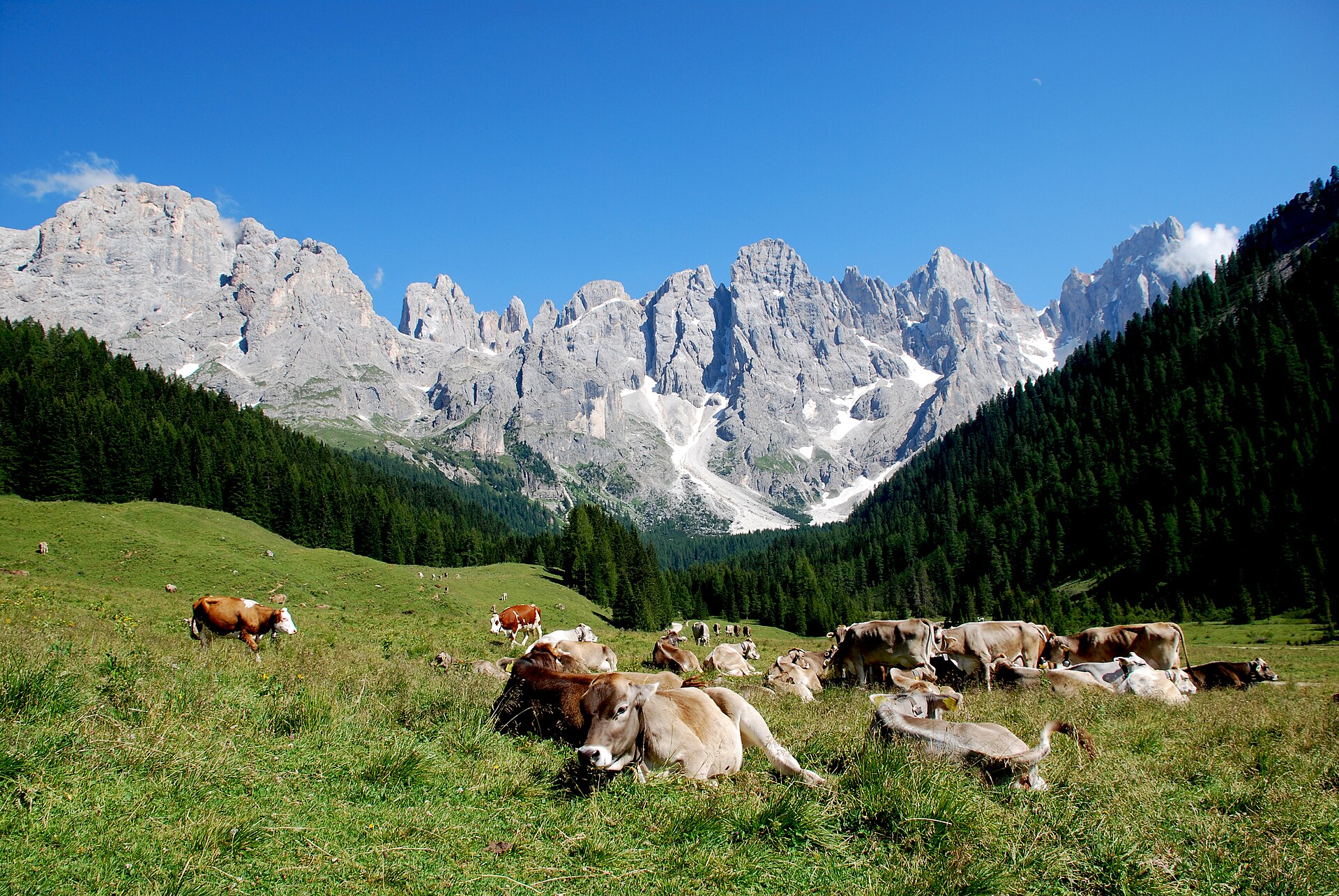
Natura 2000 · passage
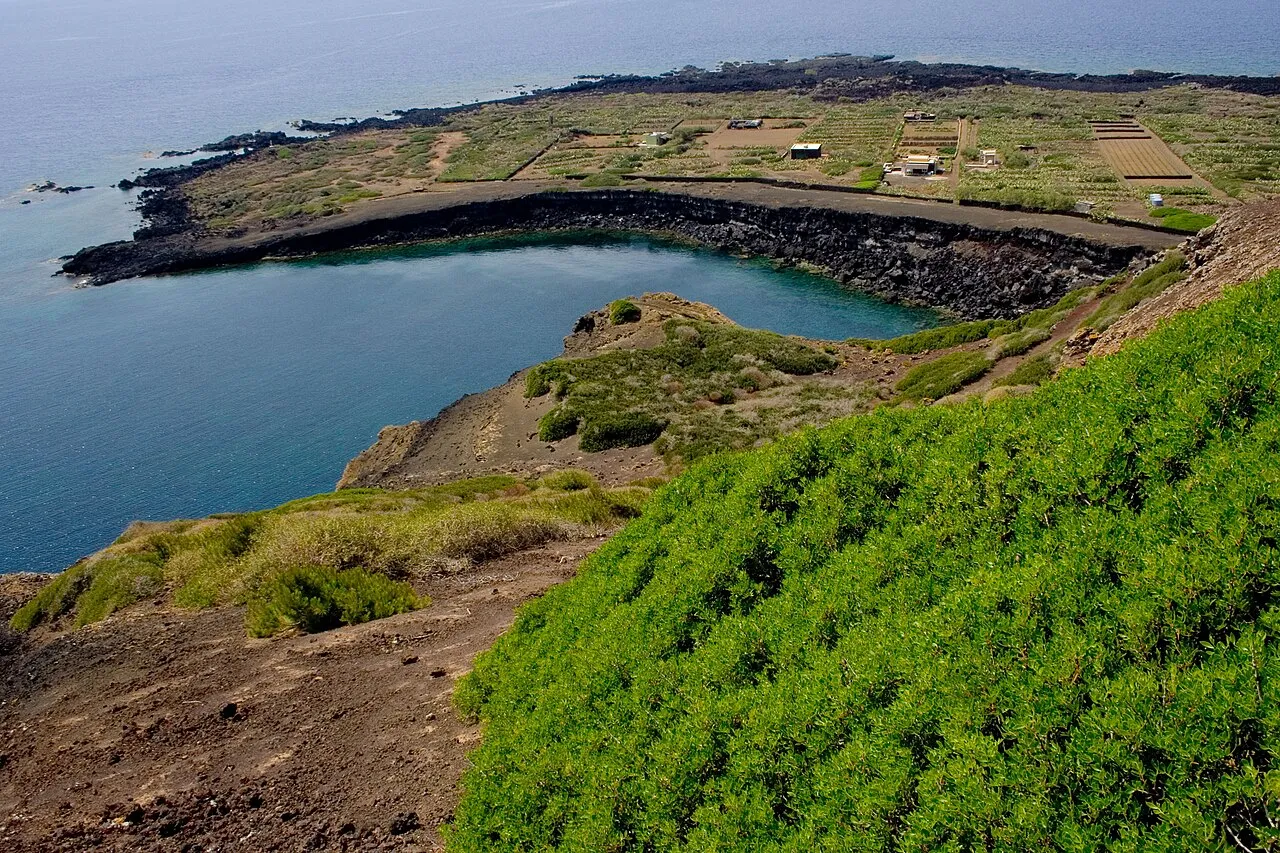
Natura 2000 · passage
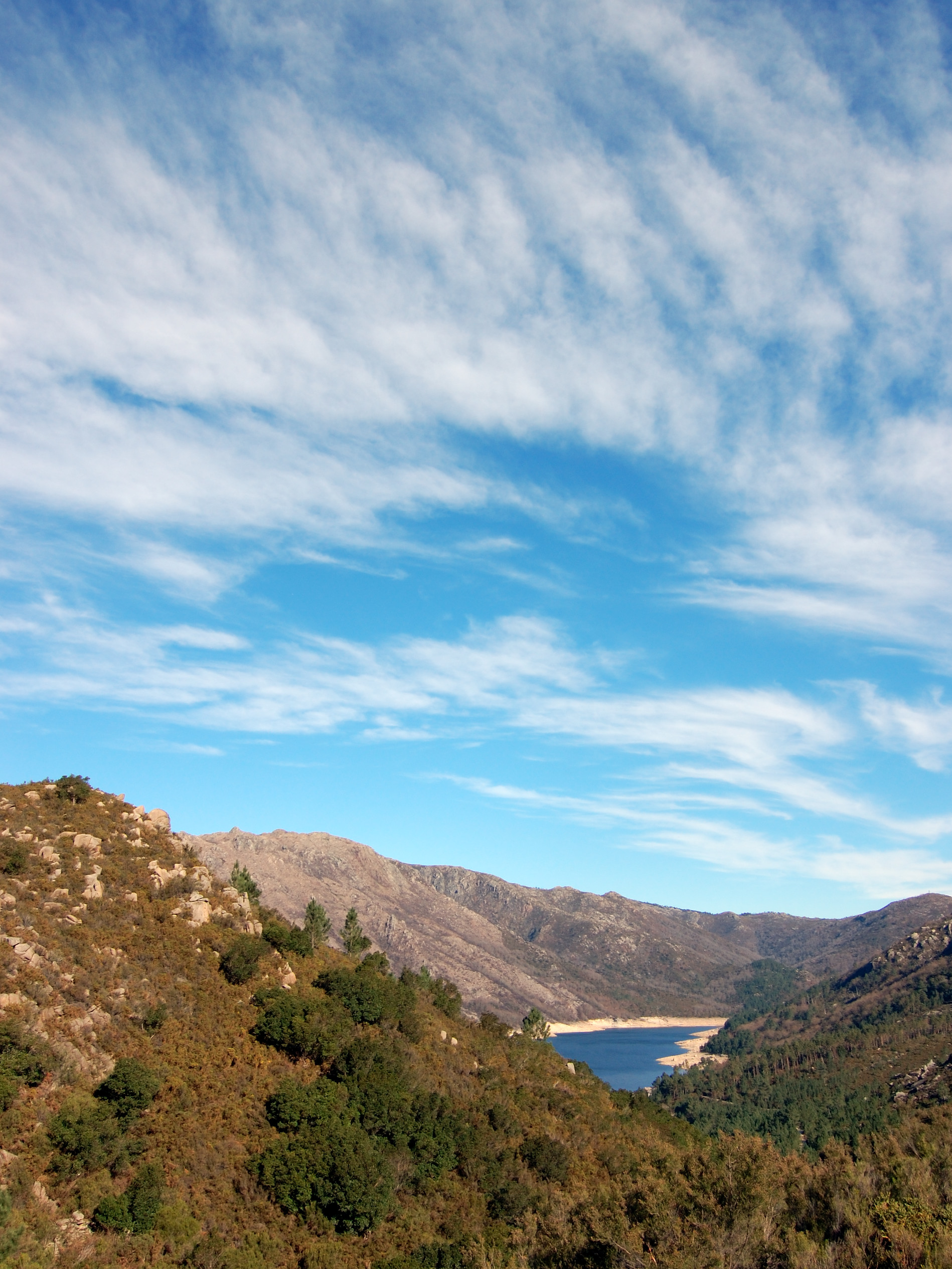
Natura 2000 · passage
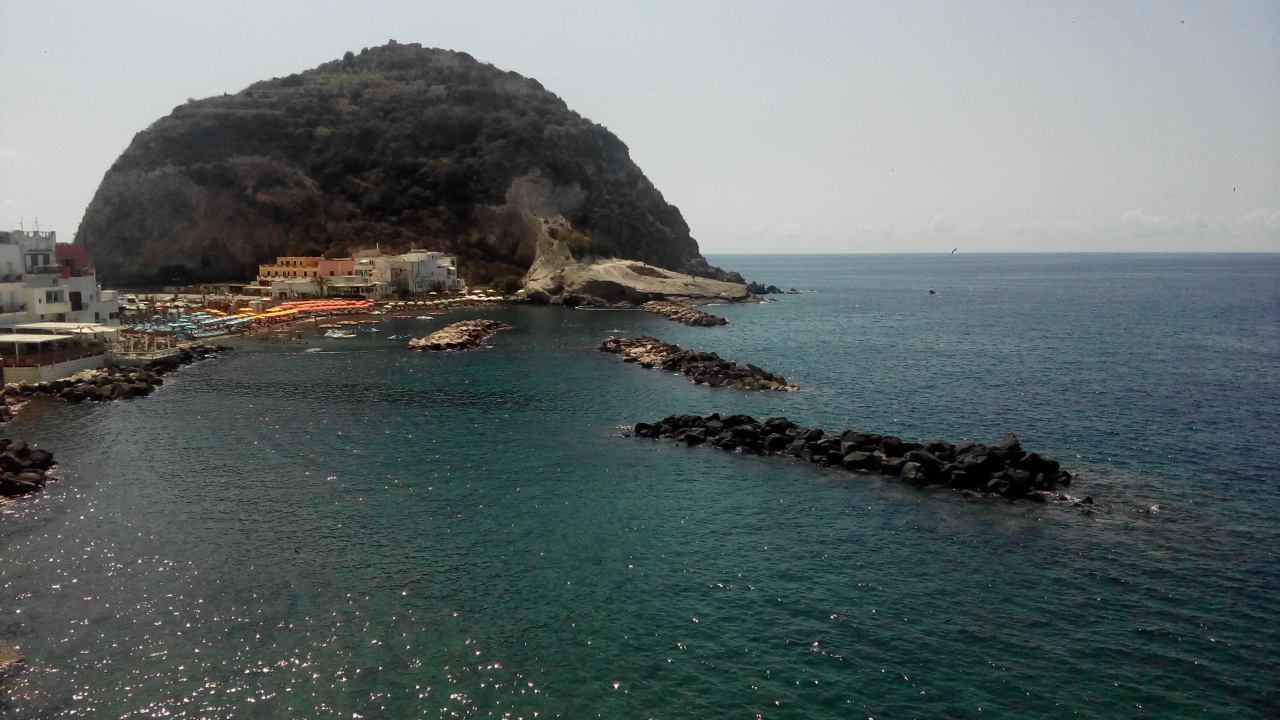
Natura 2000 · passage
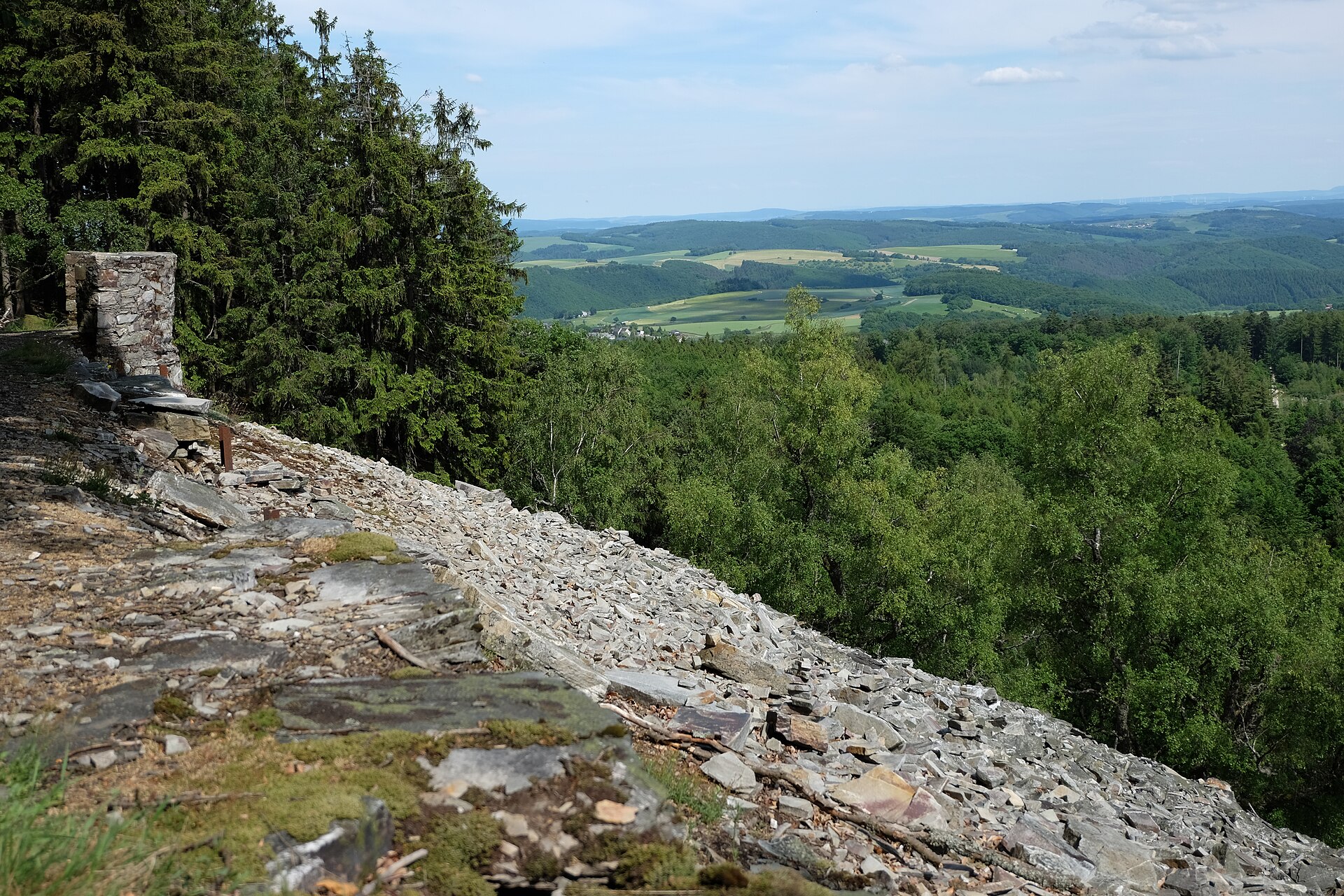
Natura 2000 · breeding
Natura 2000 · breeding
Natura 2000 · breeding, passage
Natura 2000 · passage
Natura 2000 · breeding
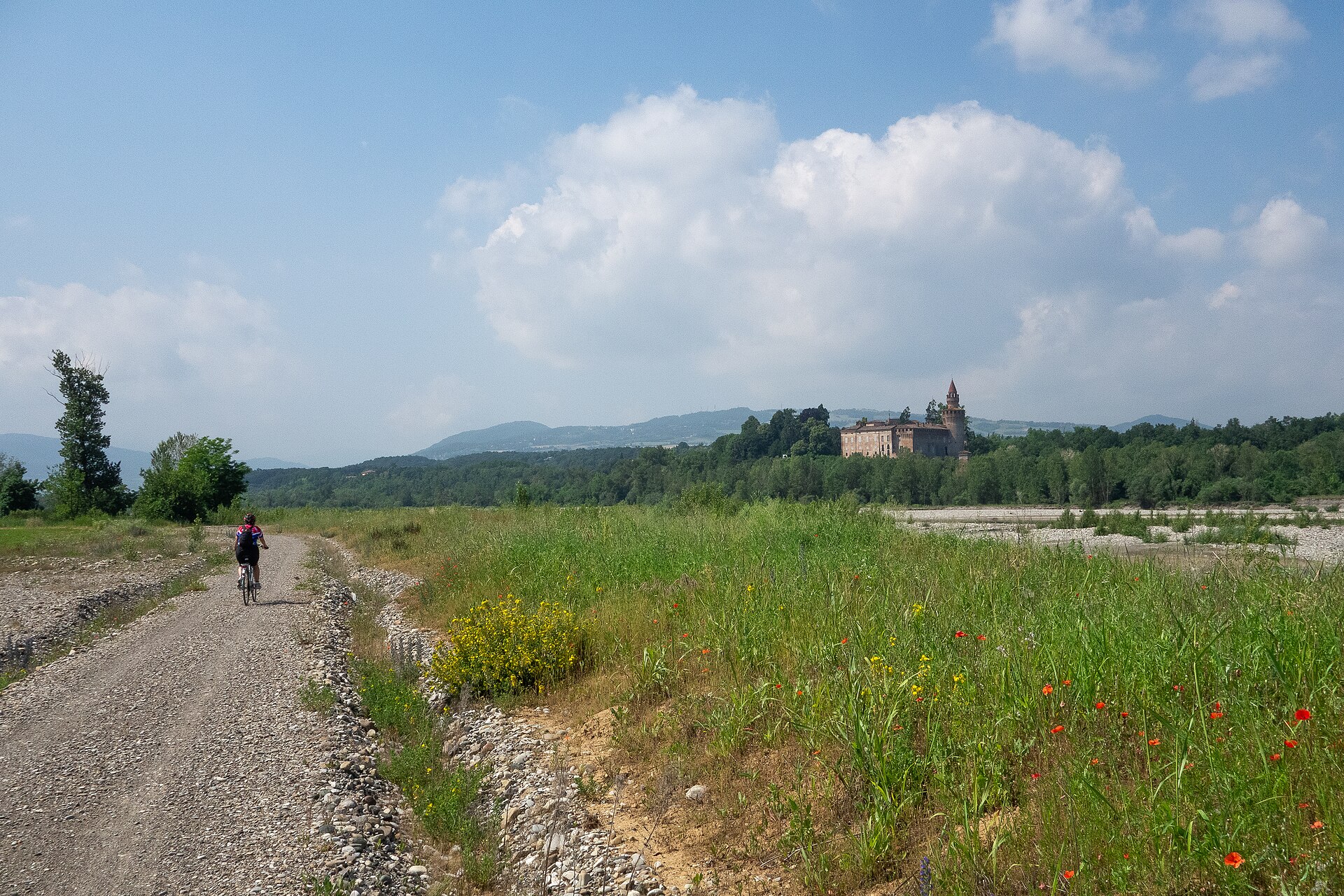
Natura 2000 · passage

Natura 2000 · passage
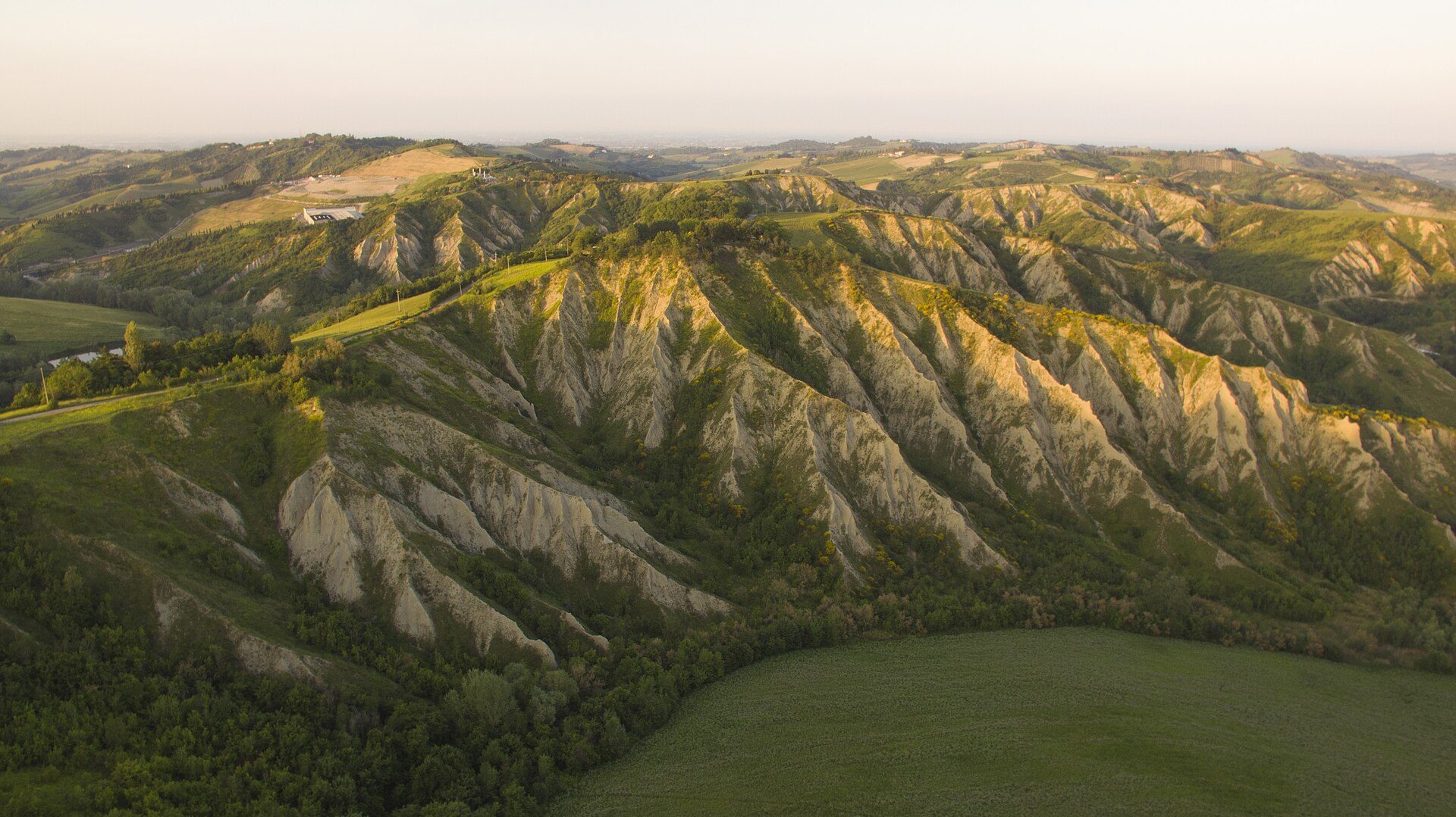
Natura 2000 · passage
Other species to discover
 Red-breasted Flycatcher
Ficedula parva Same genus
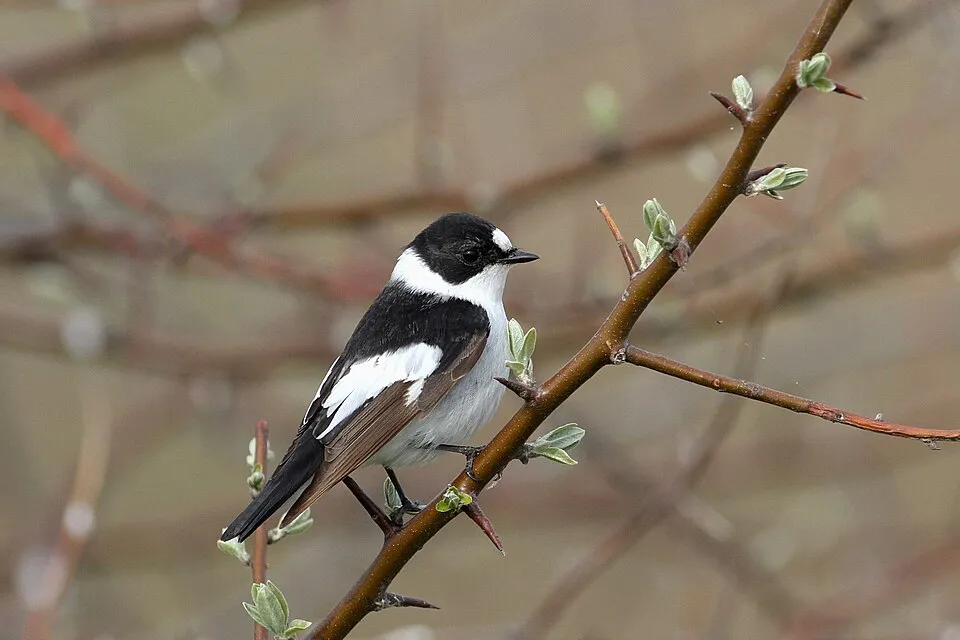 Collared Flycatcher
Ficedula albicollis Same genus
 Semicollared Flycatcher
Ficedula semitorquata Same genus
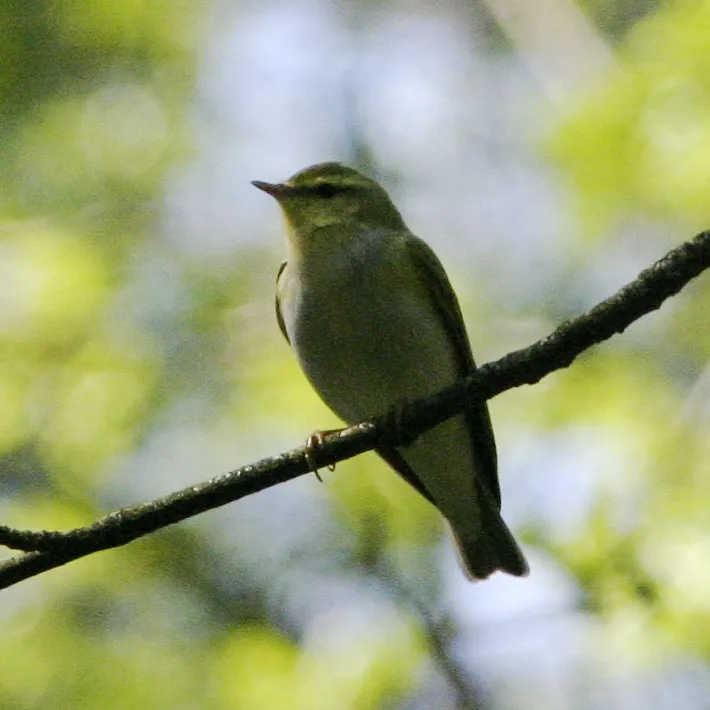 Wood Warbler
Phylloscopus sibilatrix 40 places in common
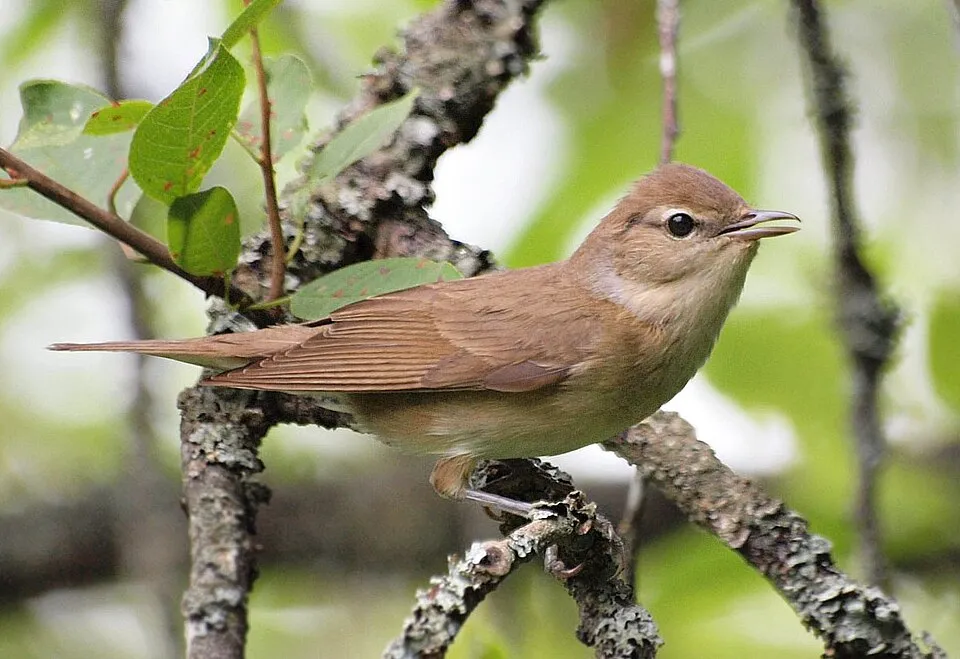 Garden Warbler
Sylvia borin 33 places in common
 Common Whitethroat
Sylvia communis 36 places in common
Sources and credits
- Presence: most-recorded species of each place on GBIF and species of Community interest in the Natura 2000 forms (EEA, CC-BY 4.0); absence from the list does not mean the species is absent.
- Common names: Wikidata (CC0) and GBIF.
- Photos and sounds: Wikimedia Commons, author and licence given for each file.
- Classification: GBIF Backbone Taxonomy (GBIF Secretariat), CC BY 4.0, doi:10.15468/39omei.
- Countries, elevations, months and maps: GBIF.org, CC0 or CC BY 4.0 occurrences only, accessed October 22, 2026, GBIF.org.
- Base map: Natural Earth (public domain).
- Excerpt: Wikipedia, CC BY-SA 4.0 (full credit below the excerpt).
- Key facts: Wikidata (CC0), with the references cited under each value.
- EU bird populations: EEA / DG ENV, Article 12 Birds Directive reporting (2013–2018), CC BY 4.0.