
Bird
Common Goldeneye: where to see it
Bucephala clangula
This bird species is recorded in 161 protected areas of the atlas, including 121 whose official Natura 2000 form lists it. Within the atlas countries, it is mostly observed in Sweden, Norway and the United Kingdom (8 countries in all). Most records (8 in 10) lie between sea level and 390 m. Records peak from December to May. It has a wingspan of 70 cm. Its EU population is assessed as secure (2013–2018 Birds Directive reporting).
Best time to see it: December–May
Records published on GBIF by month (CC0 and CC BY 4.0 licences only), in the atlas countries, all years combined; they also reflect observer activity.
Key facts
- Wingspan
- 70 cm Wikidata, after Ericson et al. 2007
- Weight (female)
- 800 g Wikidata, after Lislevand et al. 2007
- Weight (male)
- 1 kg Wikidata, after Lislevand et al. 2007
Status and protection
Birds Directive II/B
The species is listed in Annex II/B of the Birds Directive.
EU population assessed as secure, decreasing in the short term (2013–2018 Birds Directive reporting). EU breeding population: 187,000–241,000 pairs.
Distribution
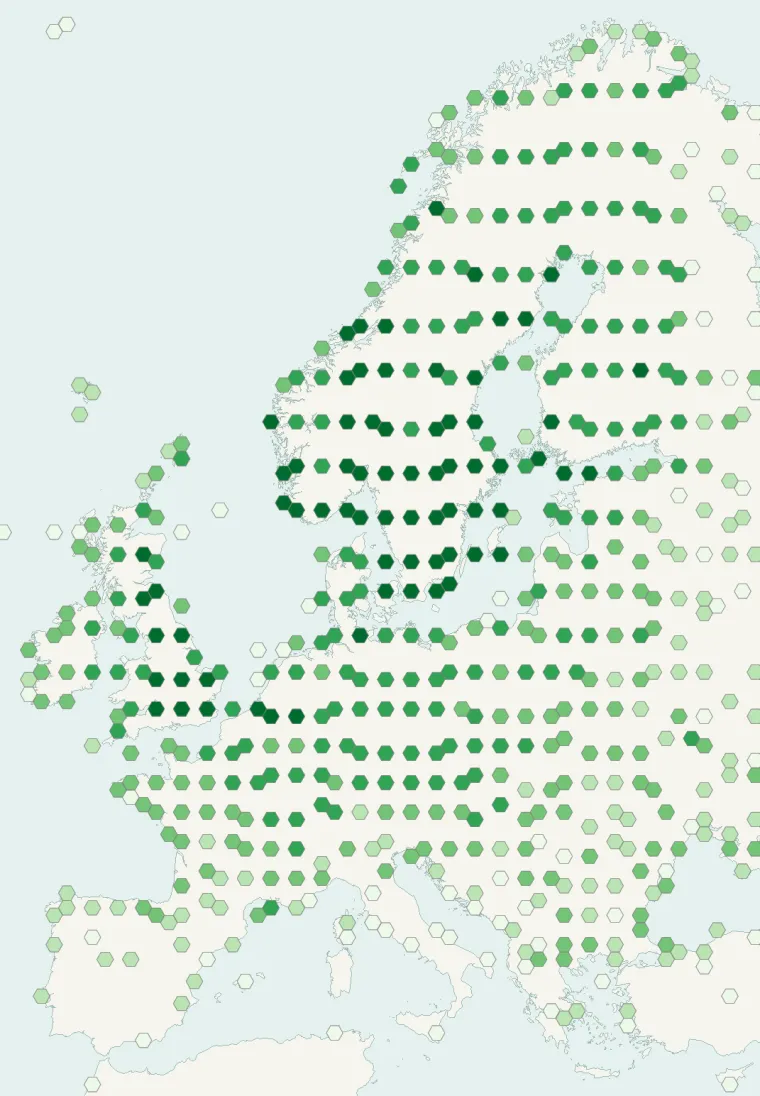
Records published on GBIF (CC0 and CC BY 4.0 licences): the darker the shade, the more records there are; they also reflect observation effort.
Atlas countries where it is recorded
Listen
-
0:22 · © Pascal Christe · CC BY-SA 4.0 · Wikimedia Commons · Original file
From Wikipedia
The common goldeneye or simply goldeneye (Bucephala clangula) is a medium-sized sea duck of the genus Bucephala, the goldeneyes. Its closest relative is the similar Barrow's goldeneye. The genus name is derived from the Ancient Greek boukephalos ("bullheaded", from bous, "bull" and kephale, "head"), a reference to the bulbous head shape of the bufflehead. The species name is derived from the Latin clangere ("to resound"). Common goldeneyes are aggressive and territorial ducks, and have elaborate courtship displays.
Source: Wikipedia, article “Common goldeneye” (version of September 9, 2026) · history and authors · licence CC BY-SA 4.0
Protected areas where it is recorded
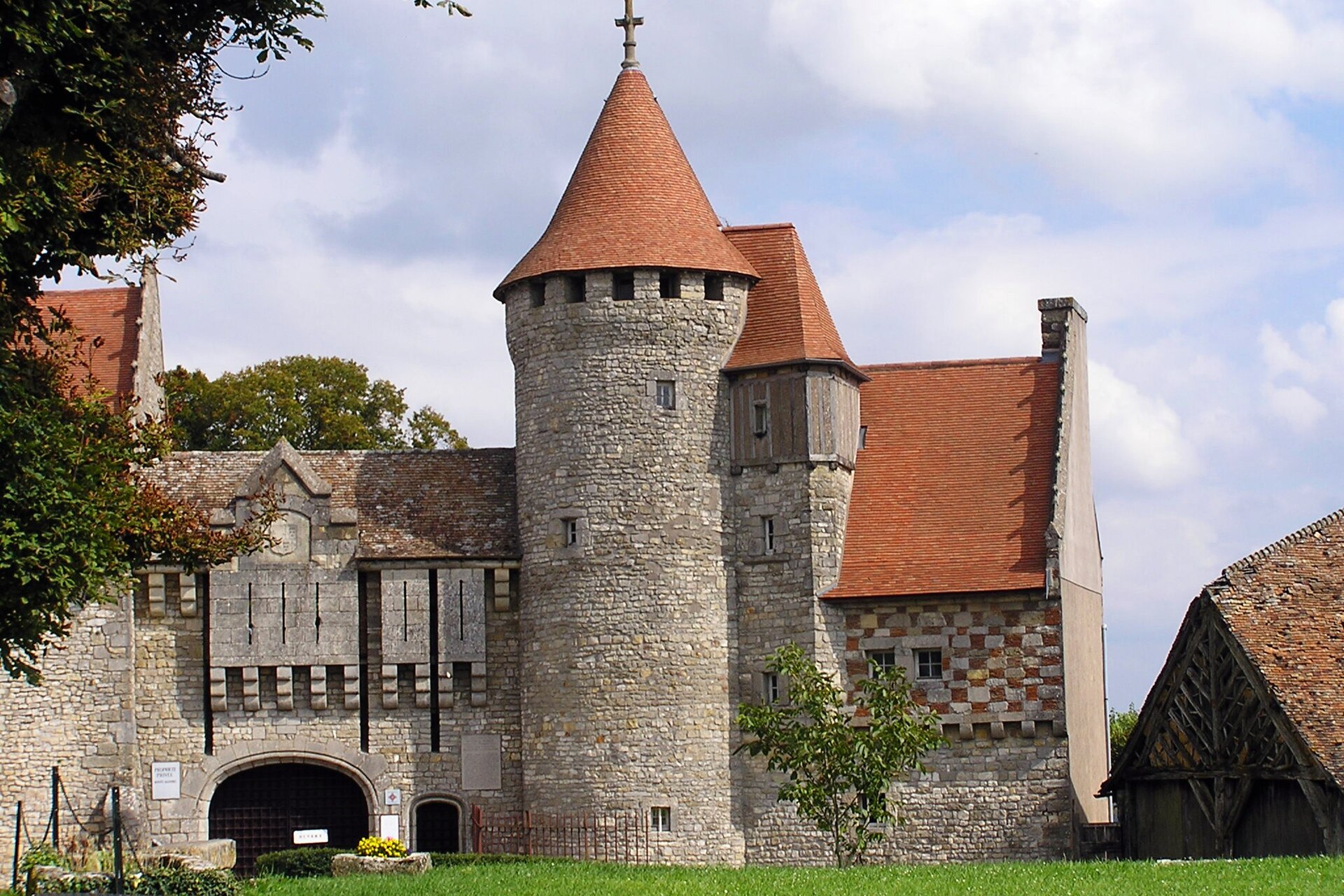
Natura 2000 · breeding, passage, wintering 1,922 records
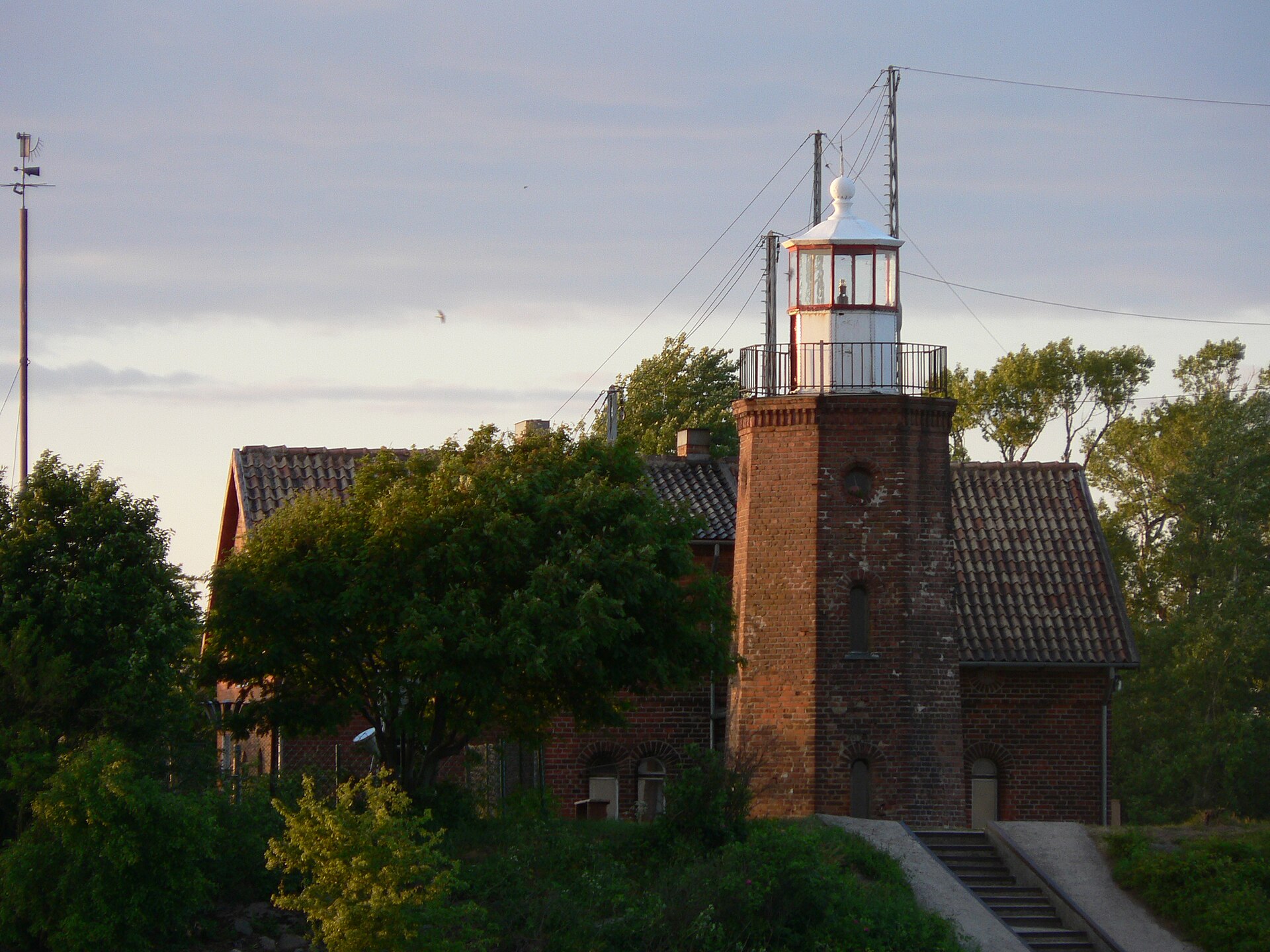
Natura 2000 · passage 954 records

Natura 2000 · passage 316 records
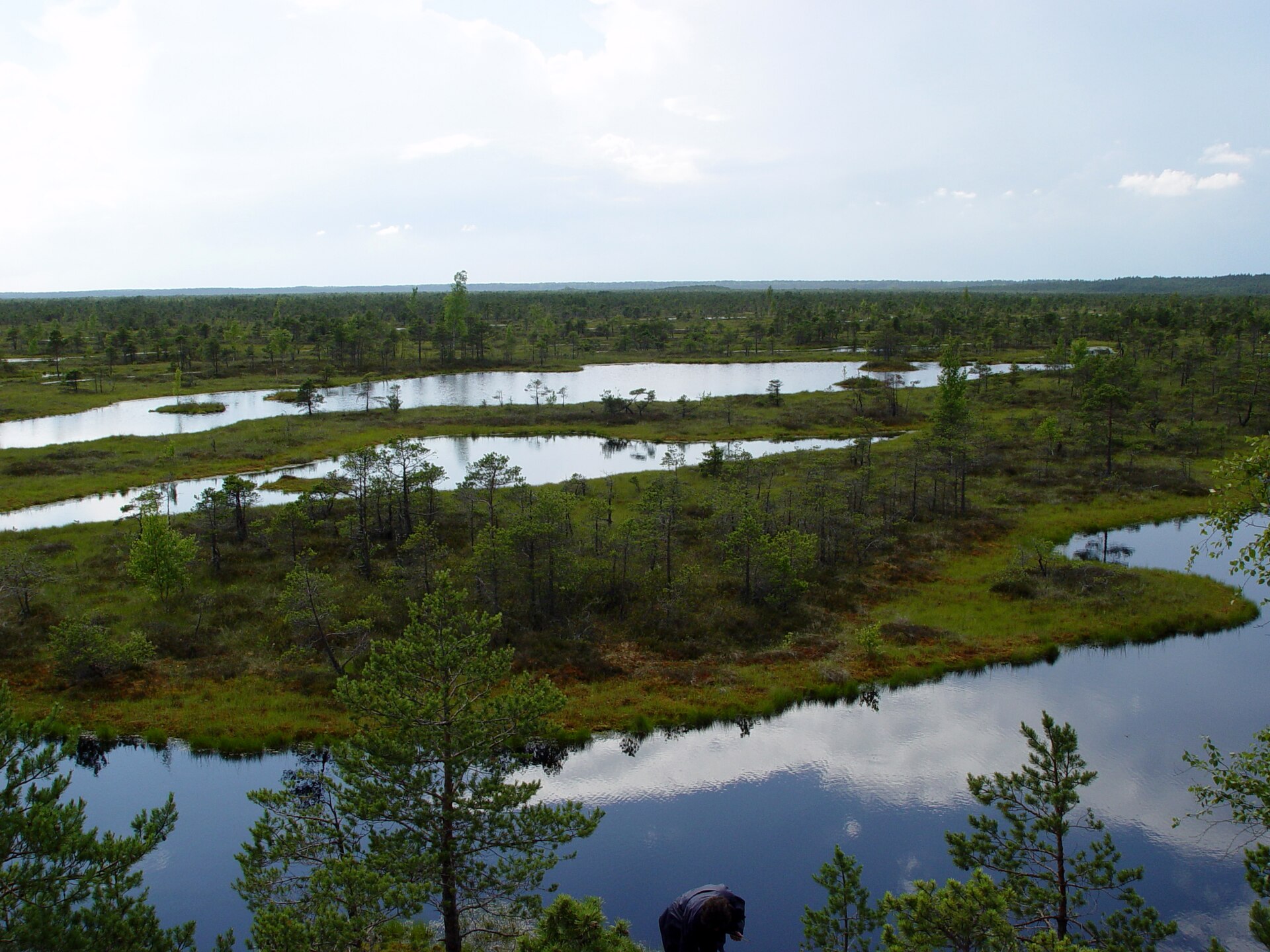
Natura 2000 · wintering 132 records
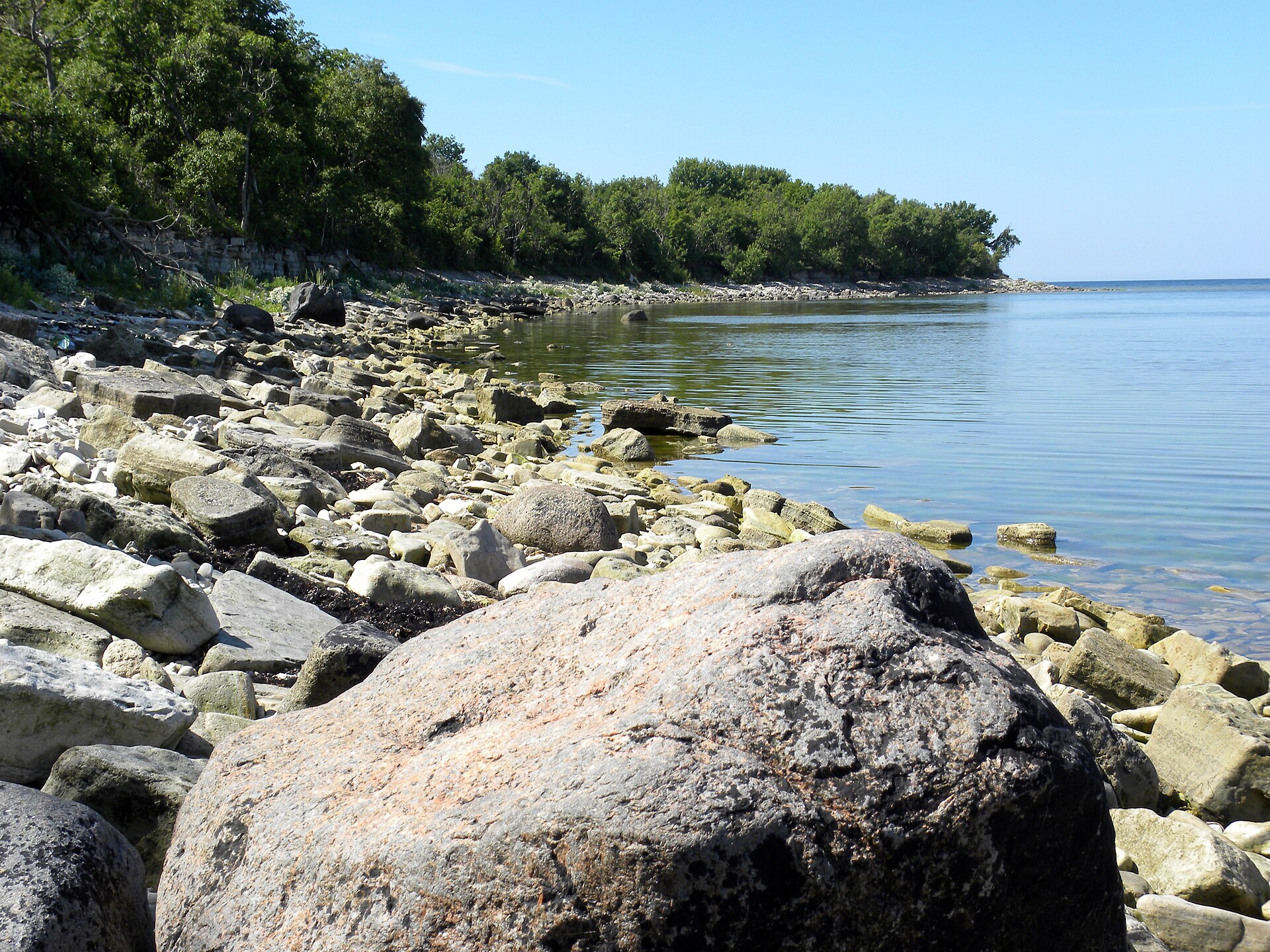
Natura 2000 · passage 108 records
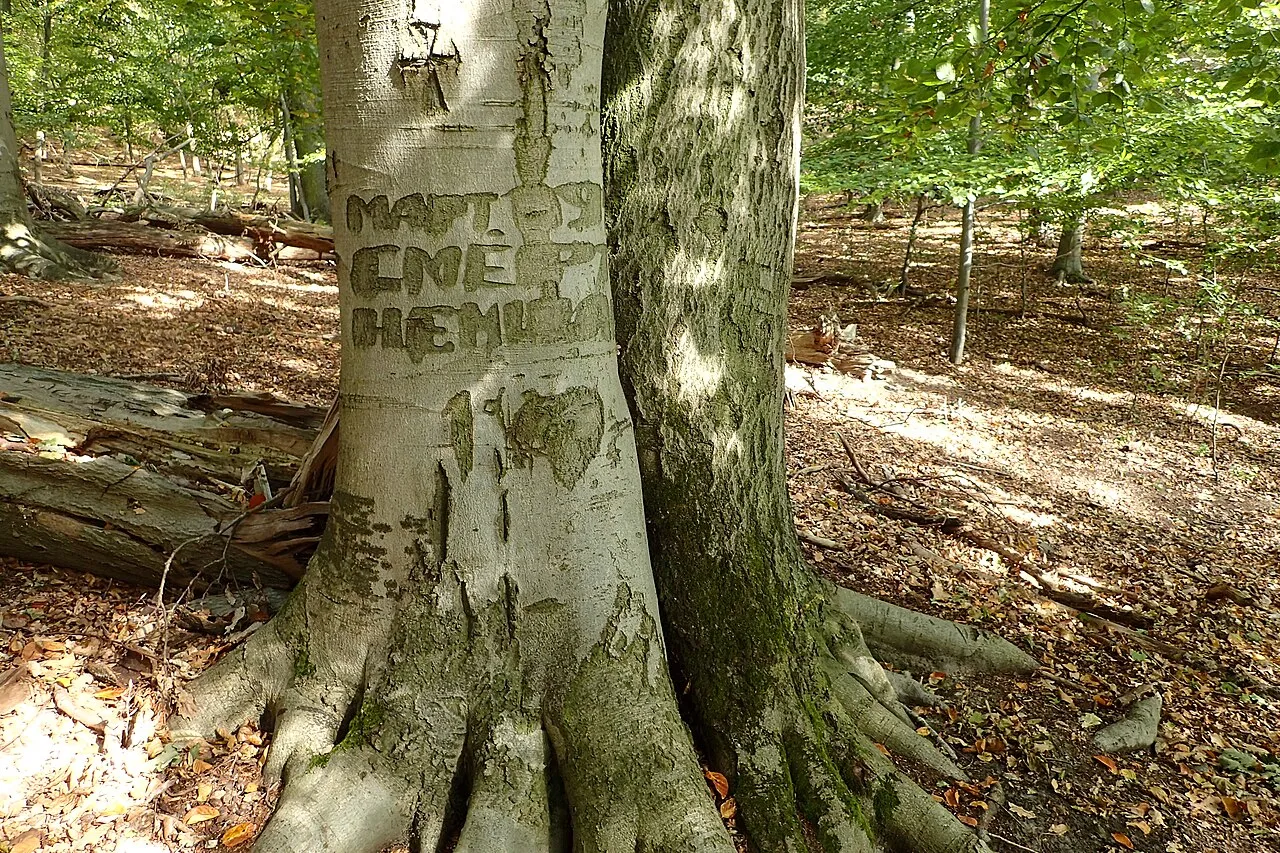
Natura 2000 · wintering, passage 92 records

Natura 2000 · wintering, passage 83 records
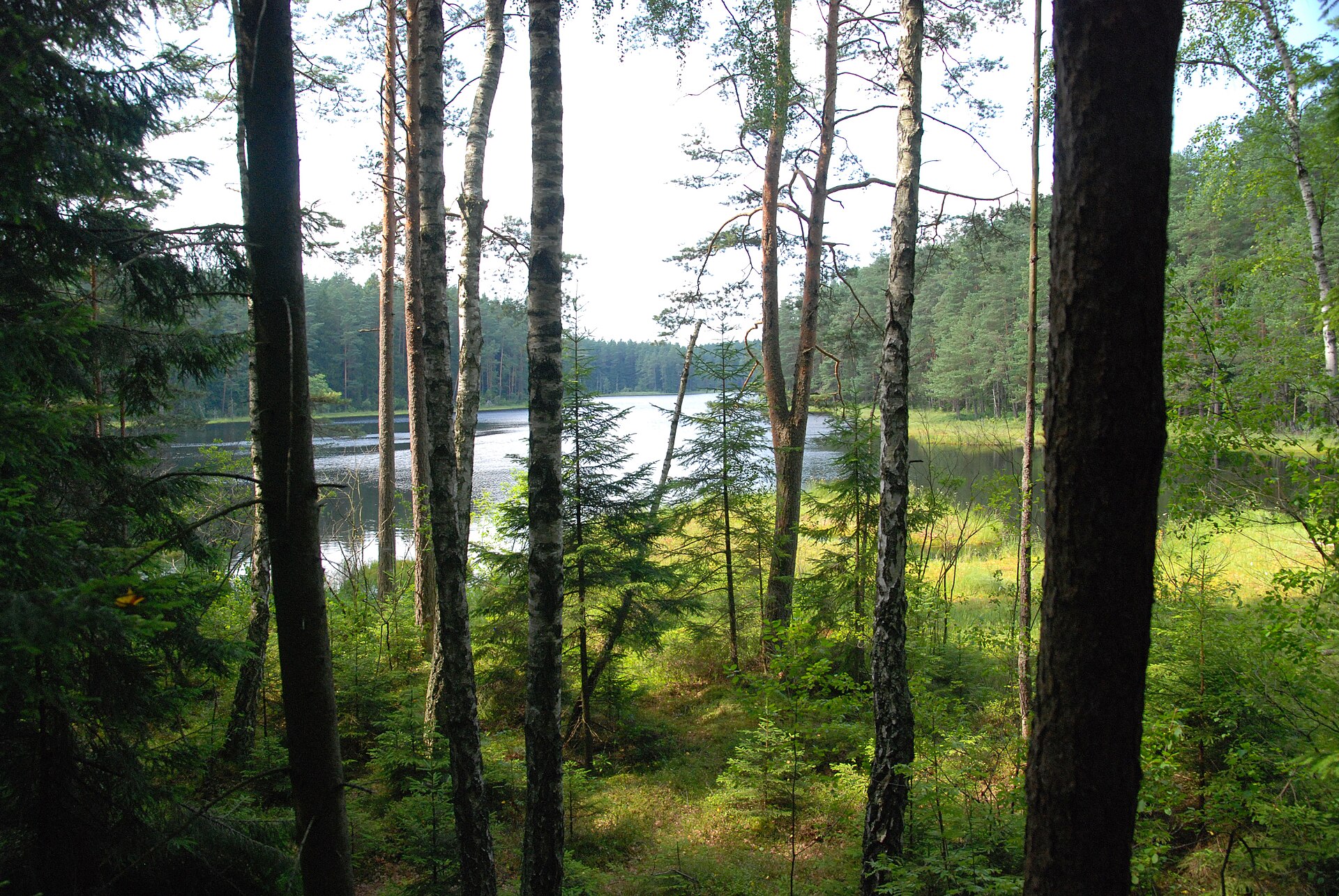
Natura 2000 · breeding 57 records

Natura 2000 · breeding 31 records
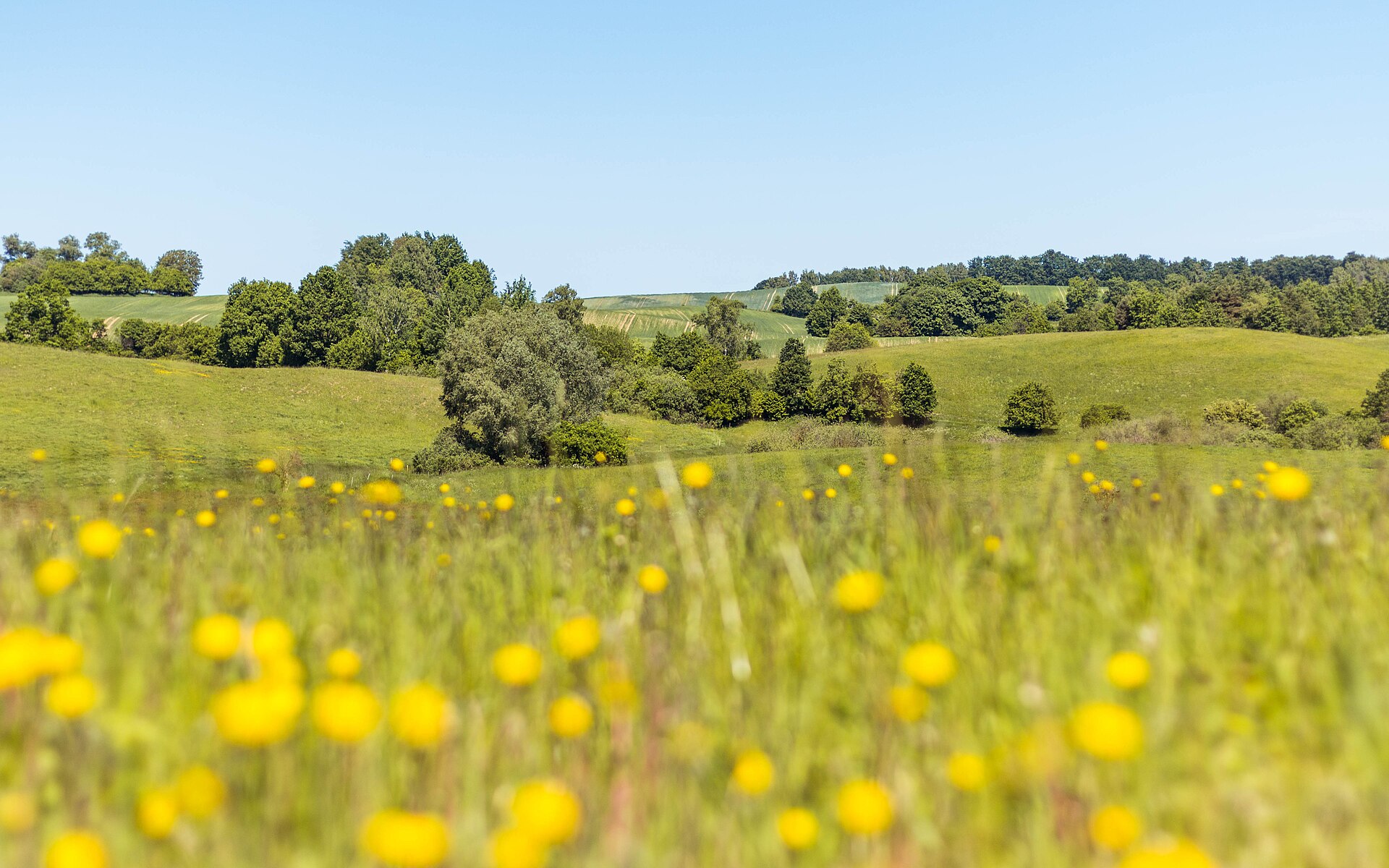
Natura 2000 · breeding 31 records

Natura 2000 · breeding 29 records
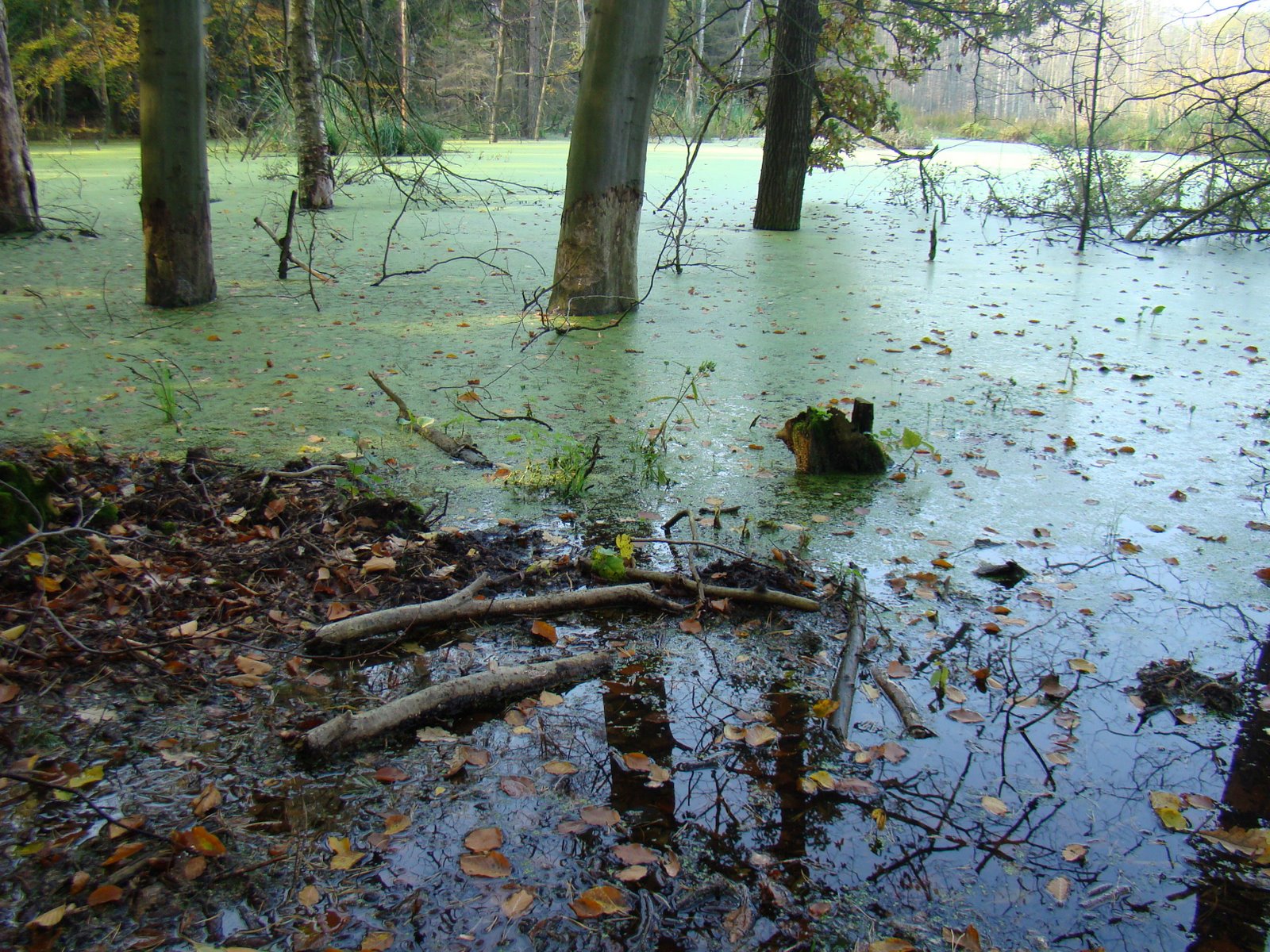
Natura 2000 · breeding 28 records
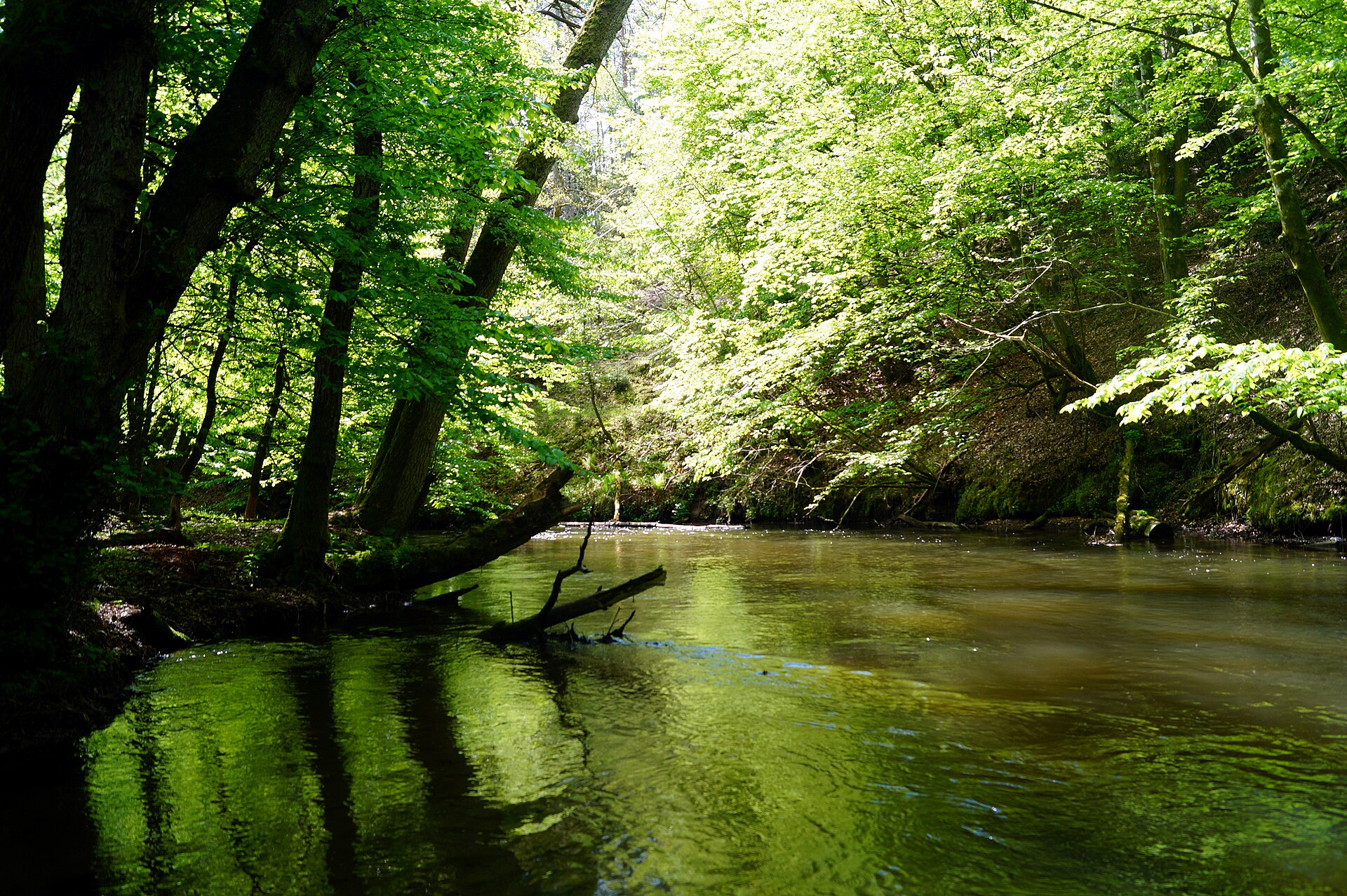
Natura 2000 · breeding 24 records
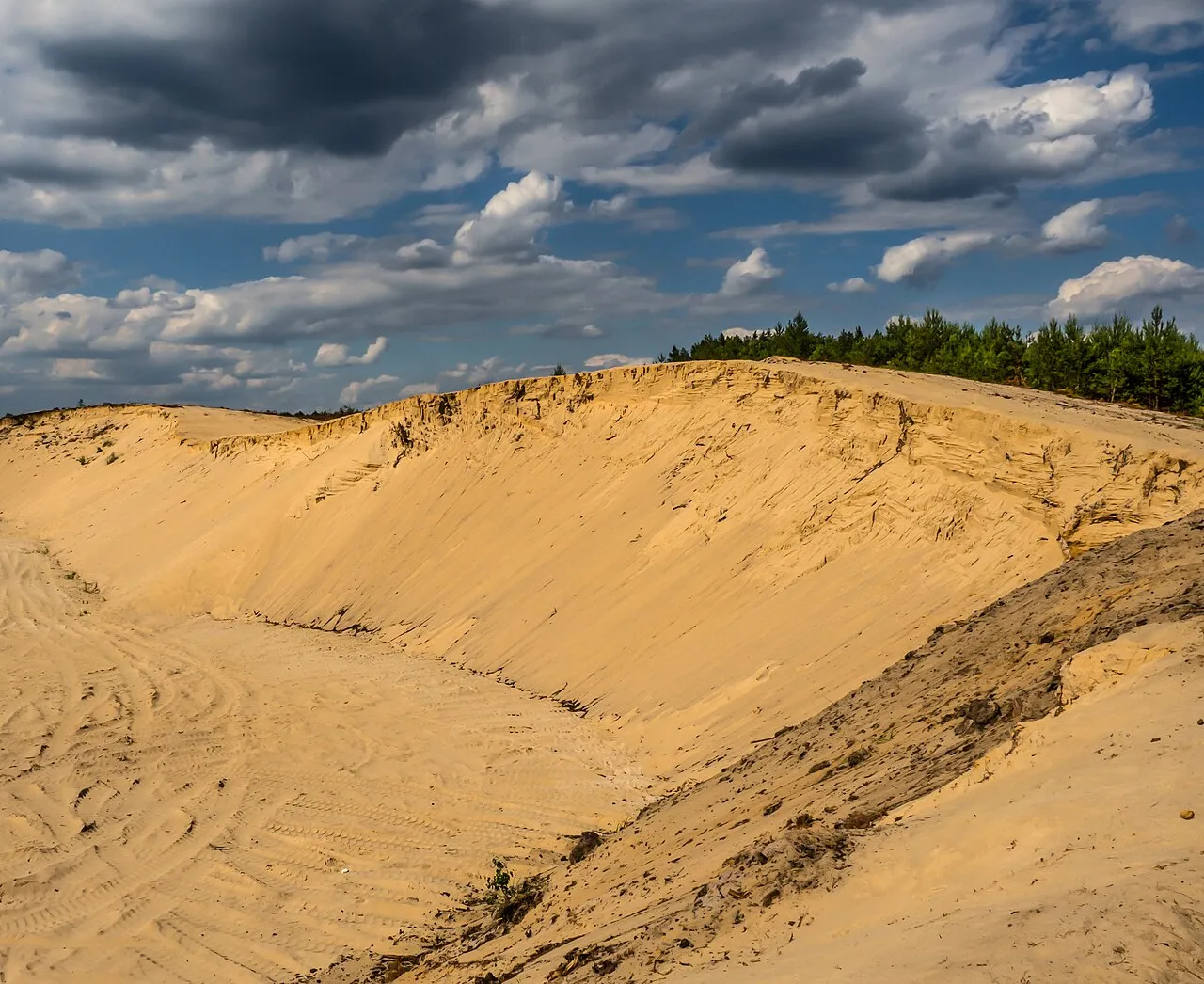
Natura 2000 · breeding 23 records
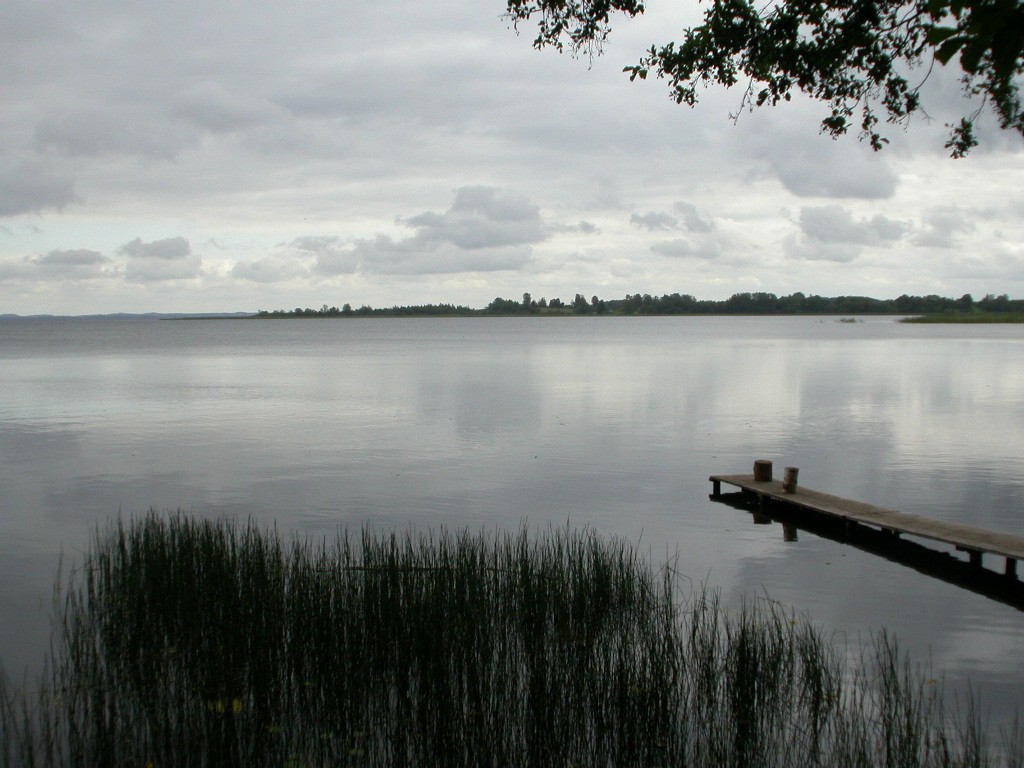
Natura 2000 22 records
Natura 2000 · breeding 12 records

Natura 2000 · wintering 4 records
Natura 2000 · passage, breeding, wintering 1 records

3,704 records
3,645 records
2,014 records
1,330 records
1,097 records

940 records
813 records
618 records
414 records
372 records
221 records

214 records
188 records
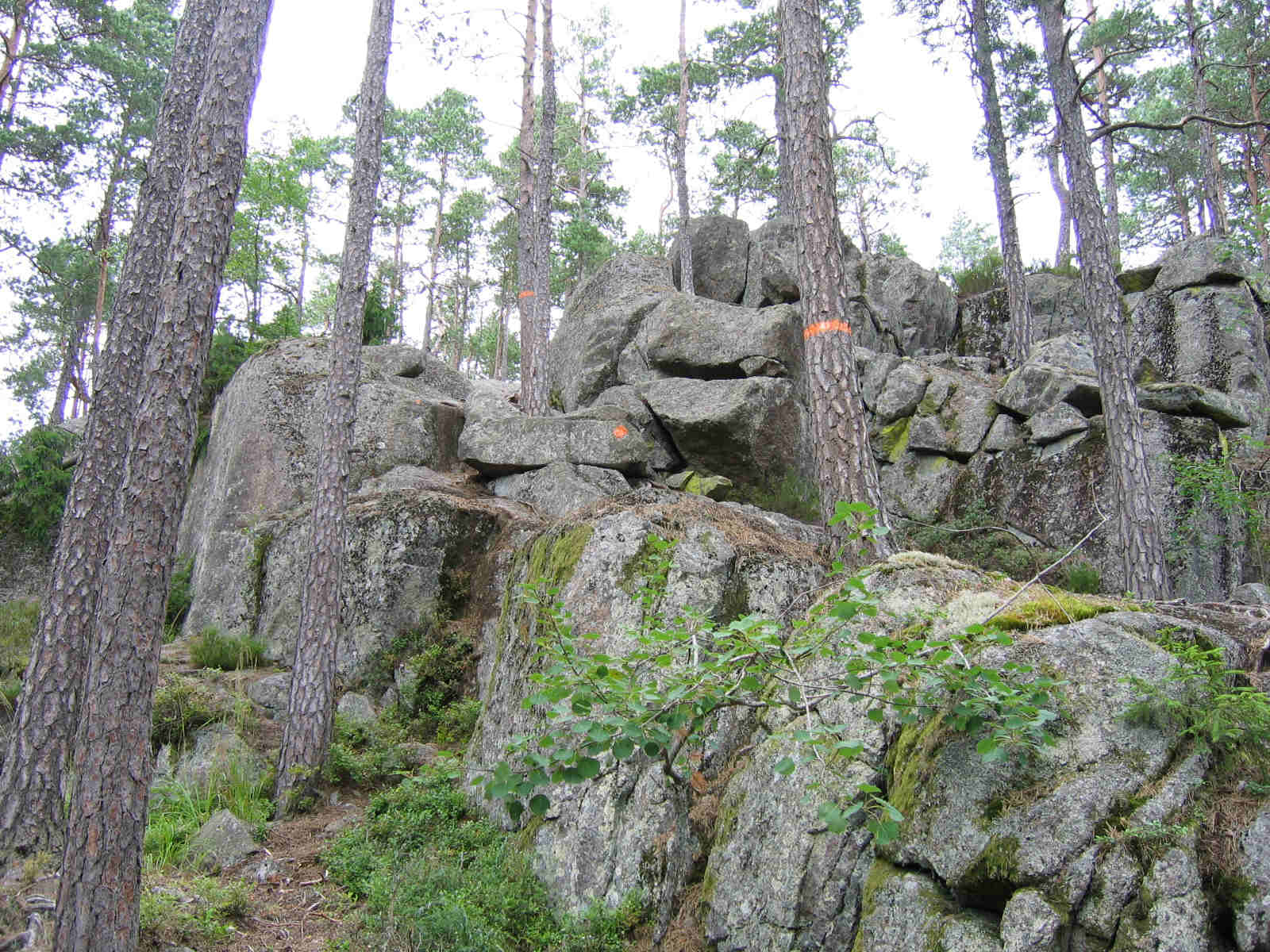
176 records
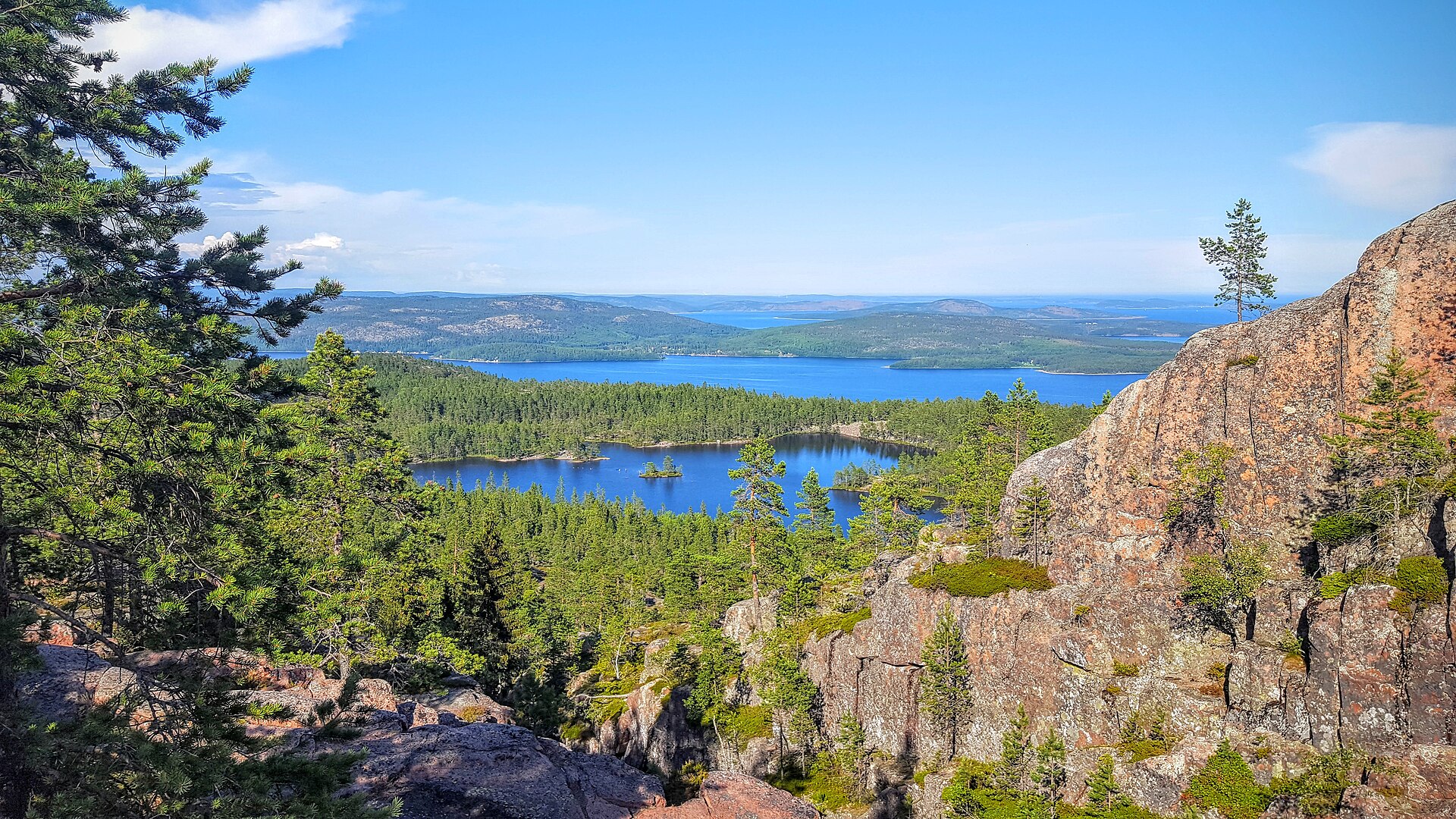
144 records
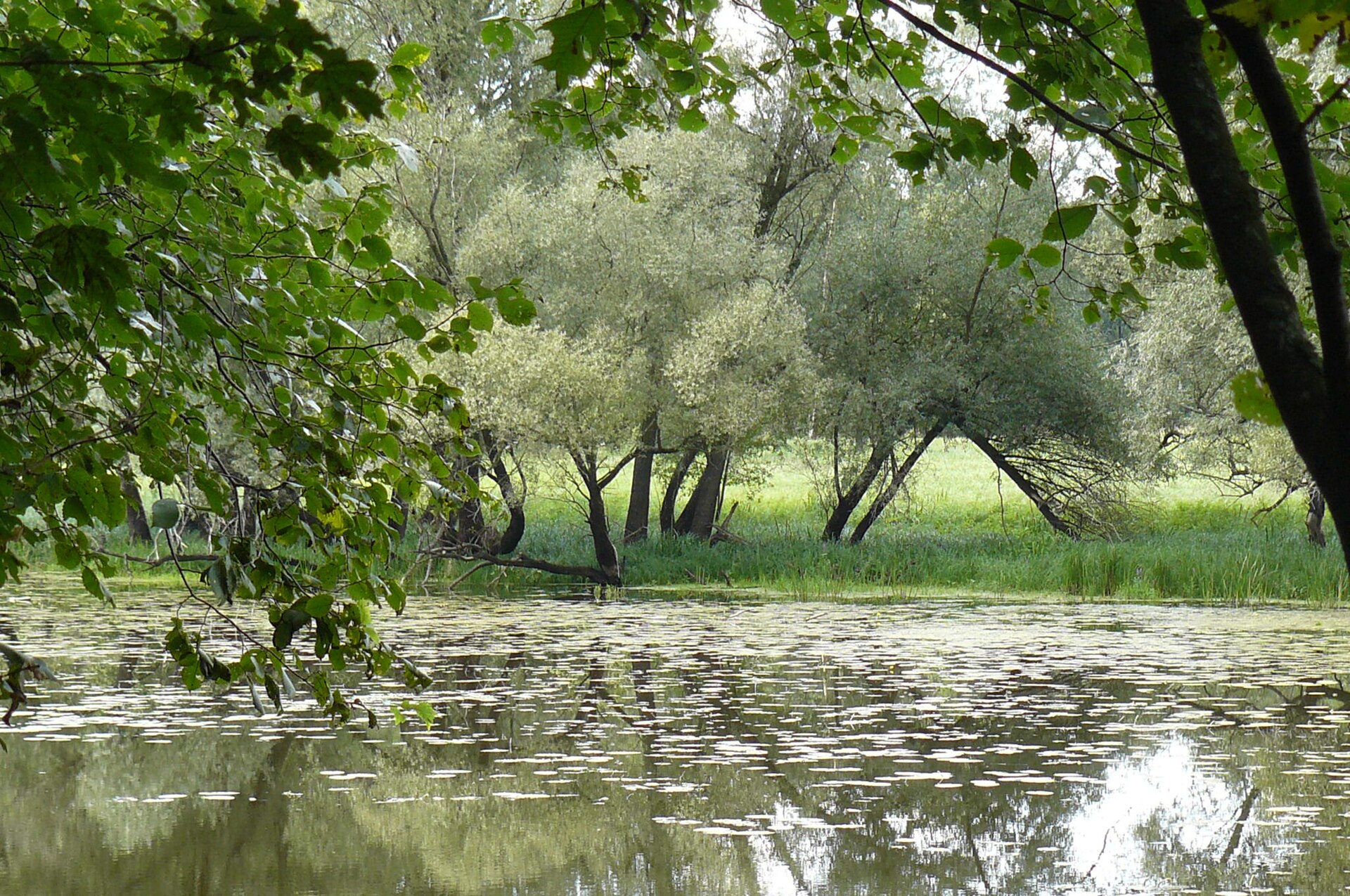
119 records
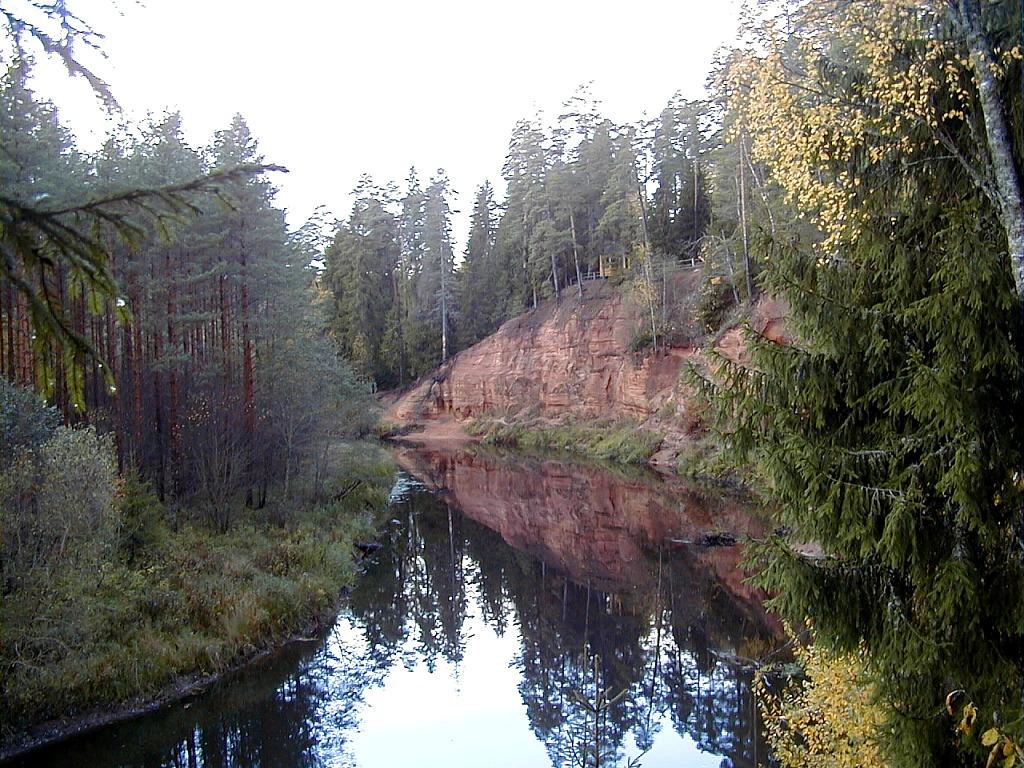
99 records

99 records
97 records
88 records
81 records
56 records

54 records
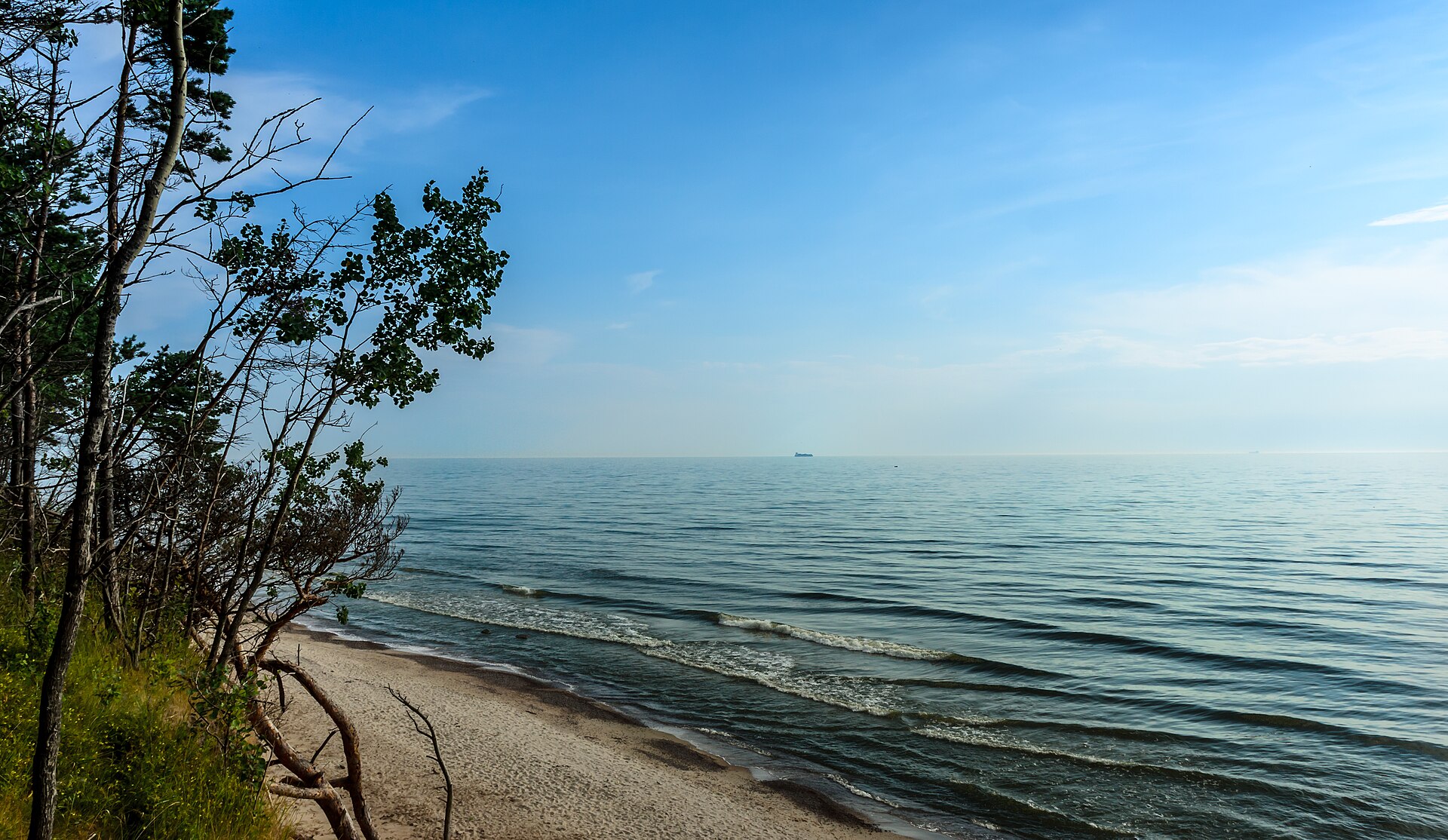
47 records
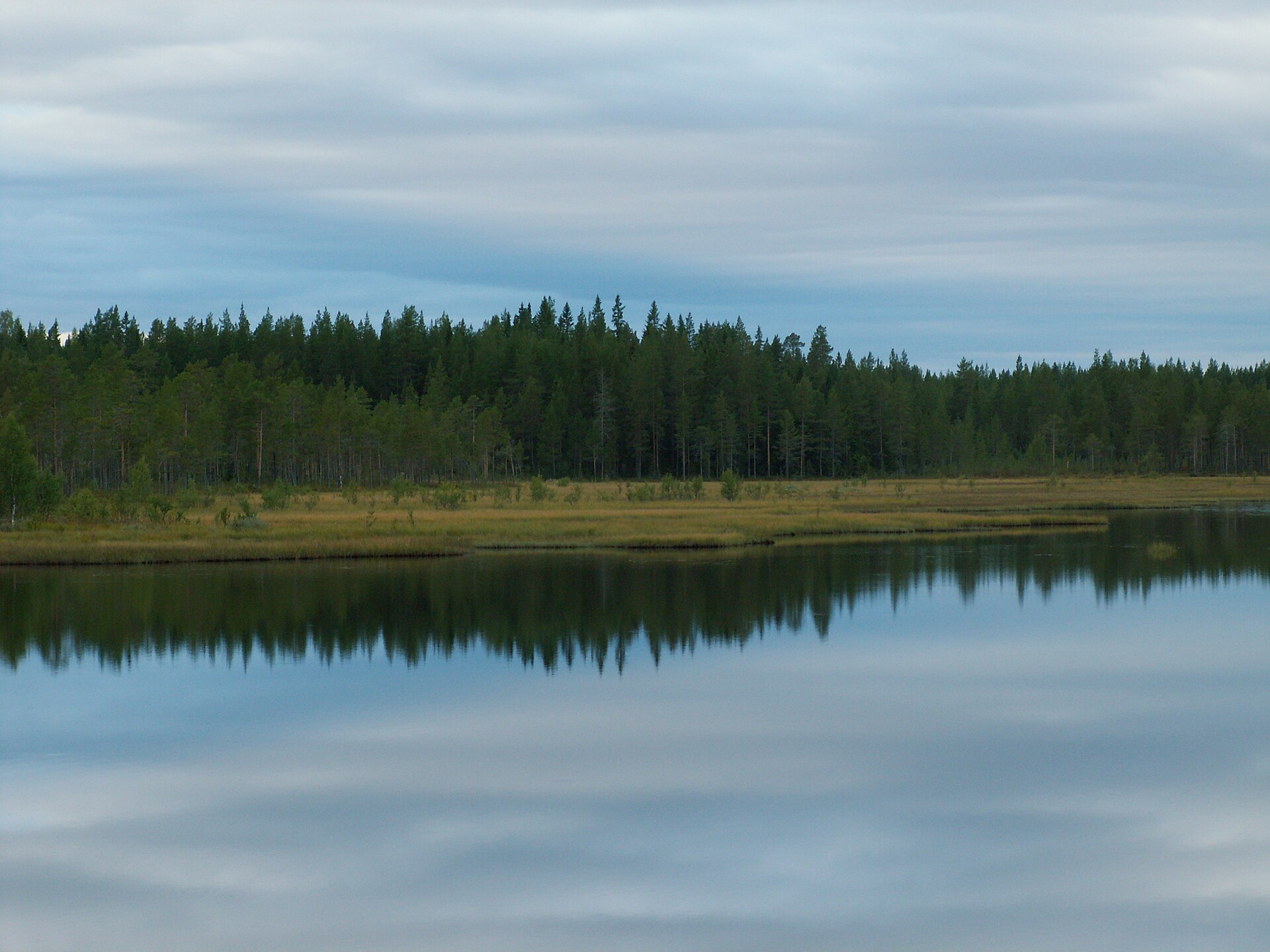
43 records

43 records
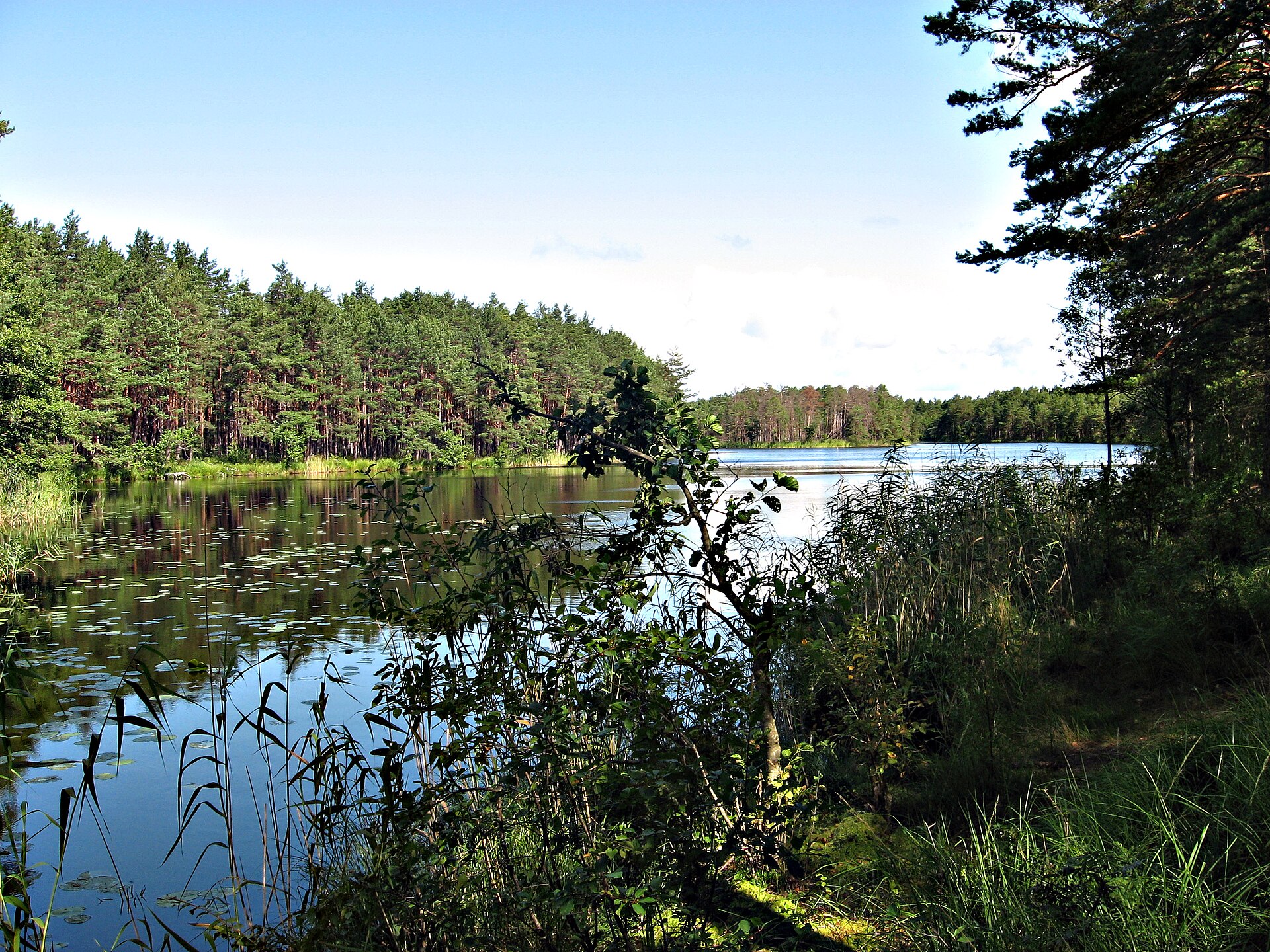
43 records
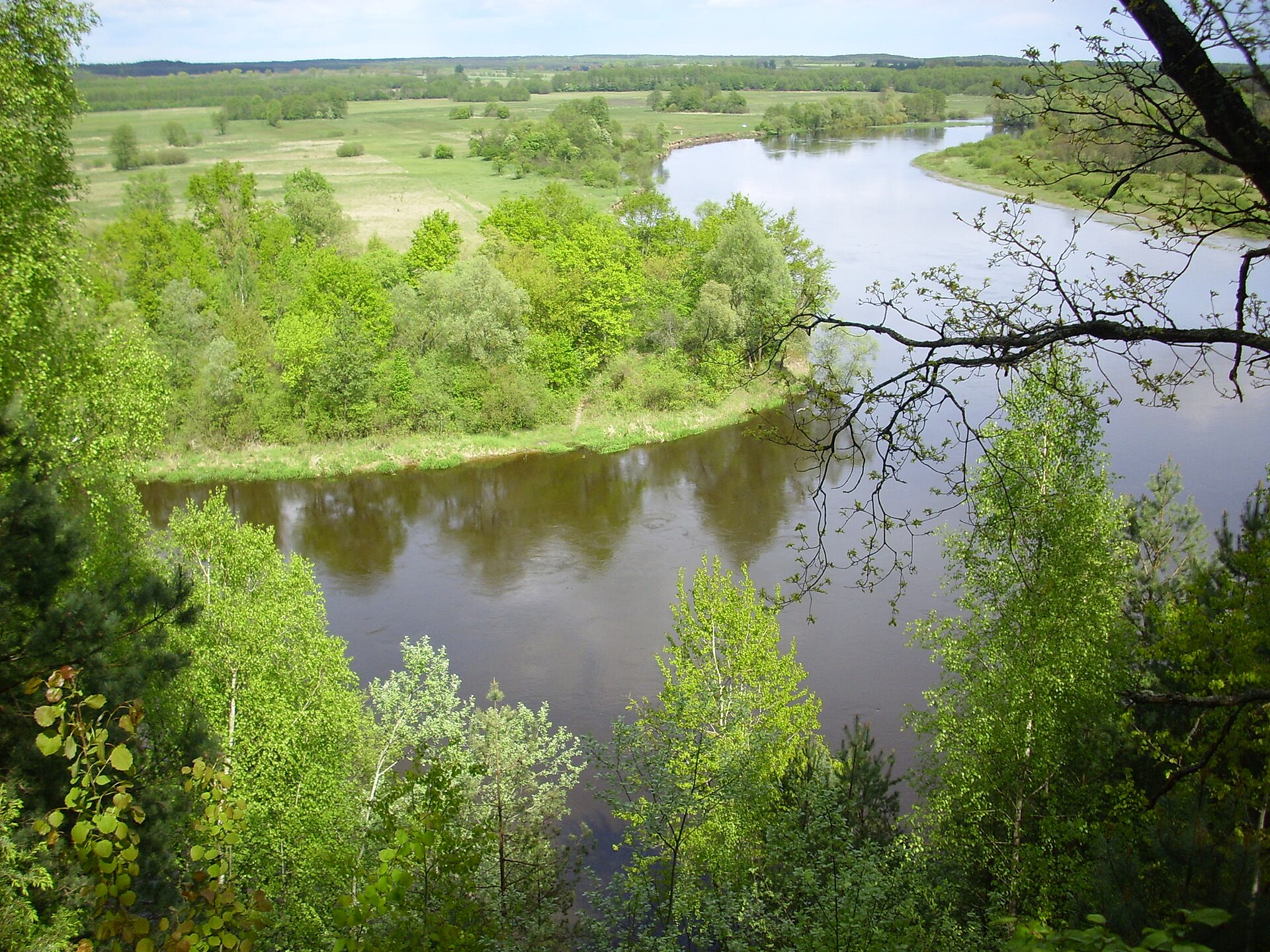
43 records

38 records

34 records
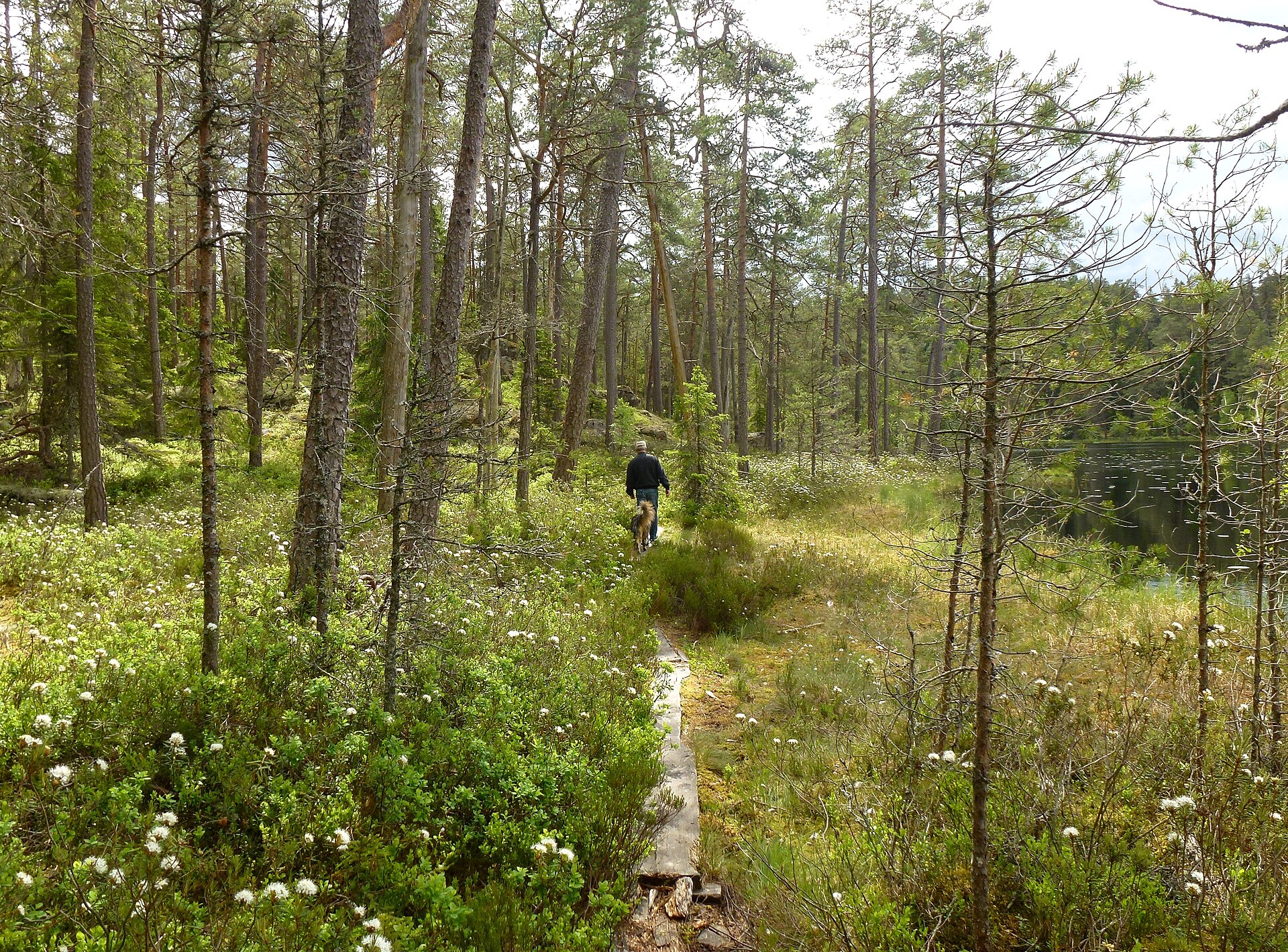
32 records
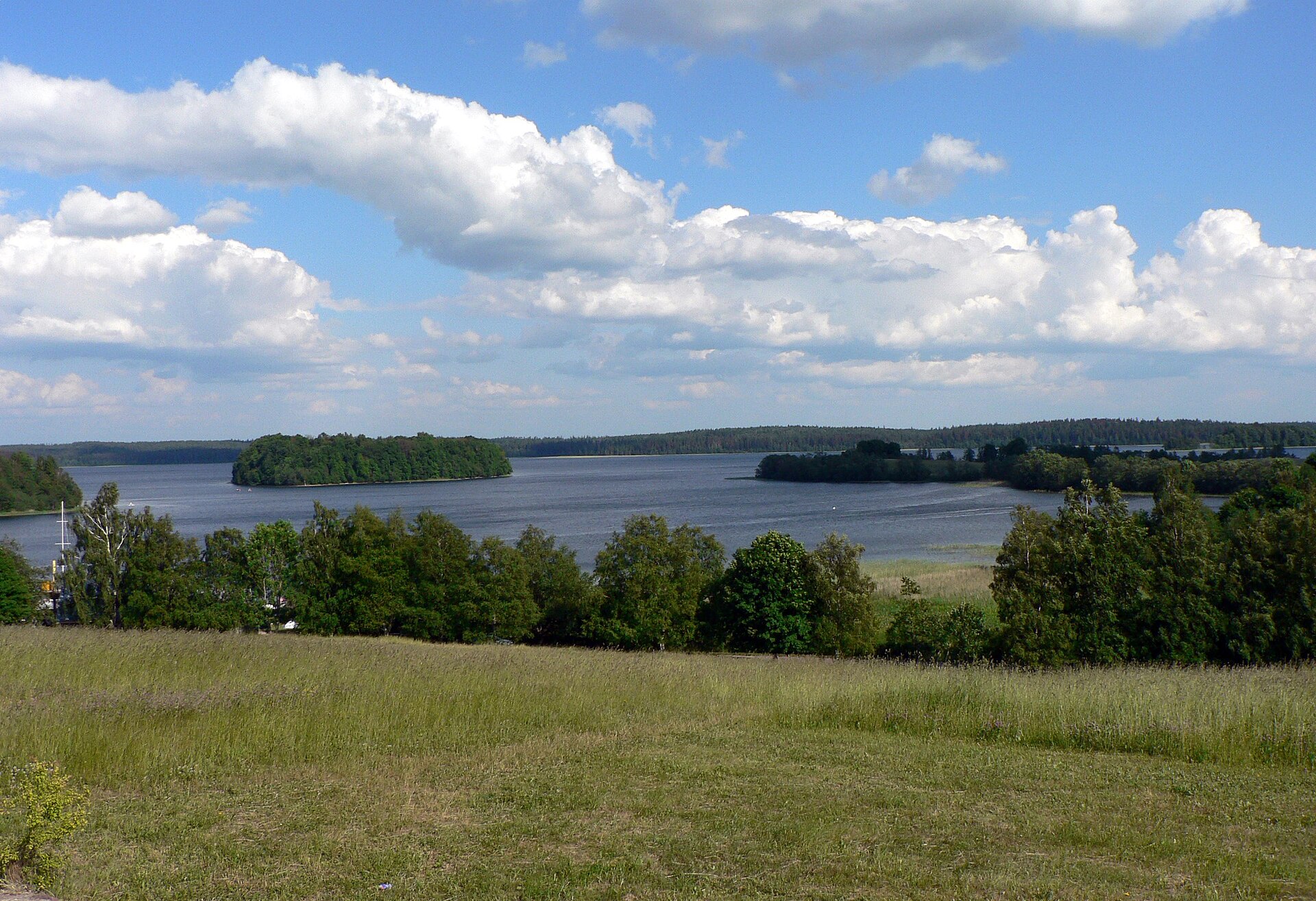
31 records
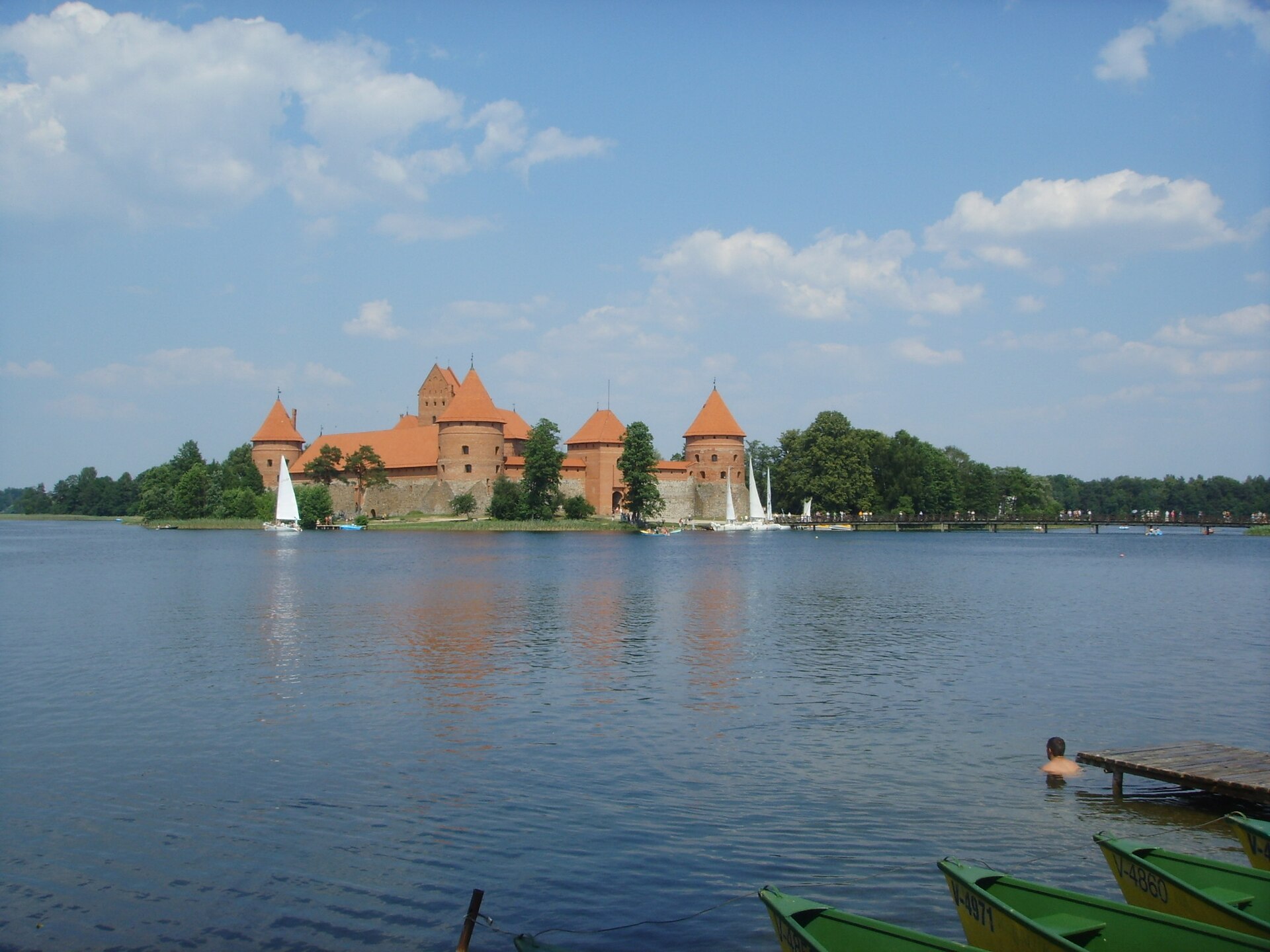
27 records
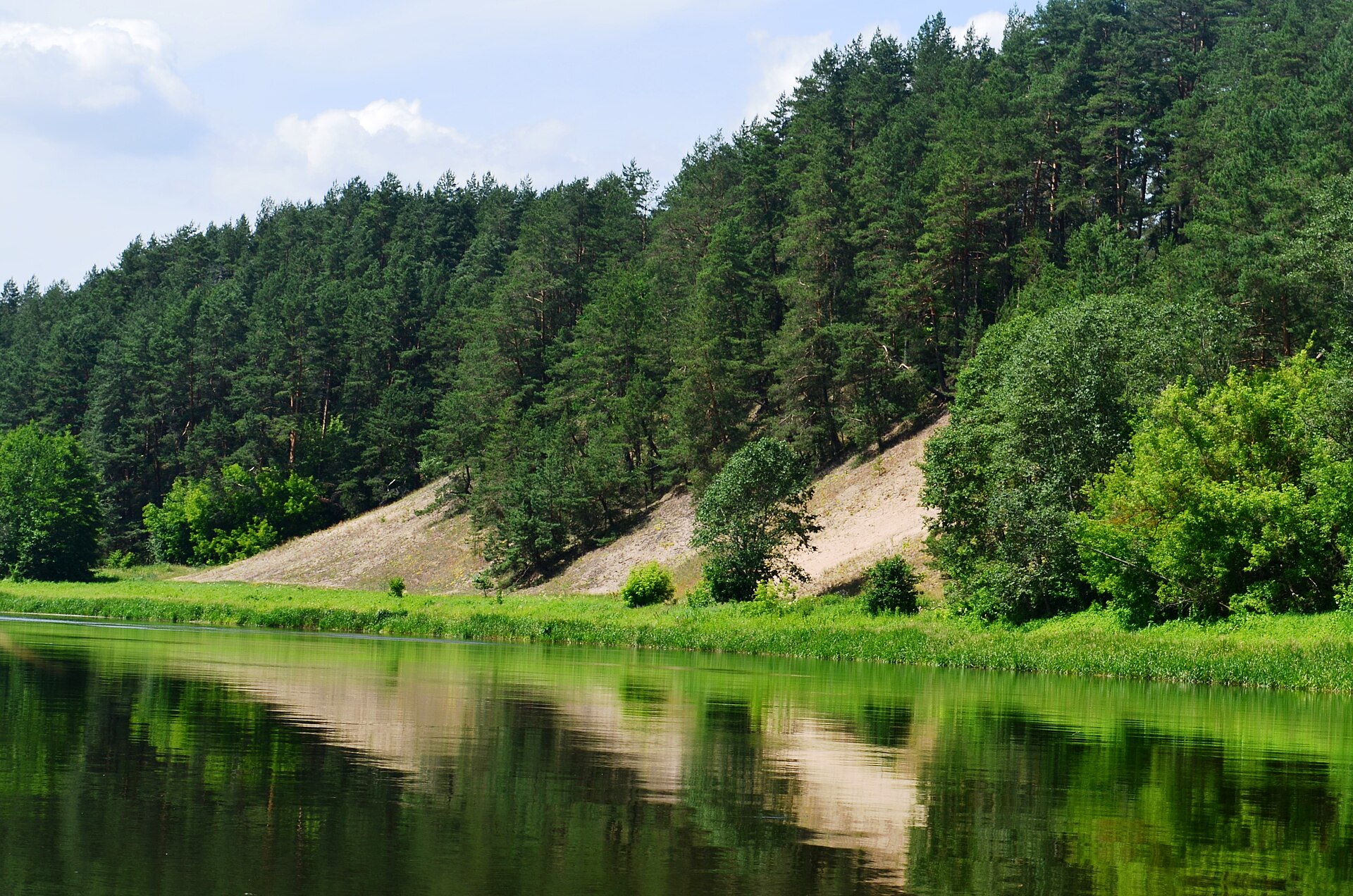
21 records
19 records
18 records

13 records

11 records

6 records
4 records
Natura 2000 · breeding, passage
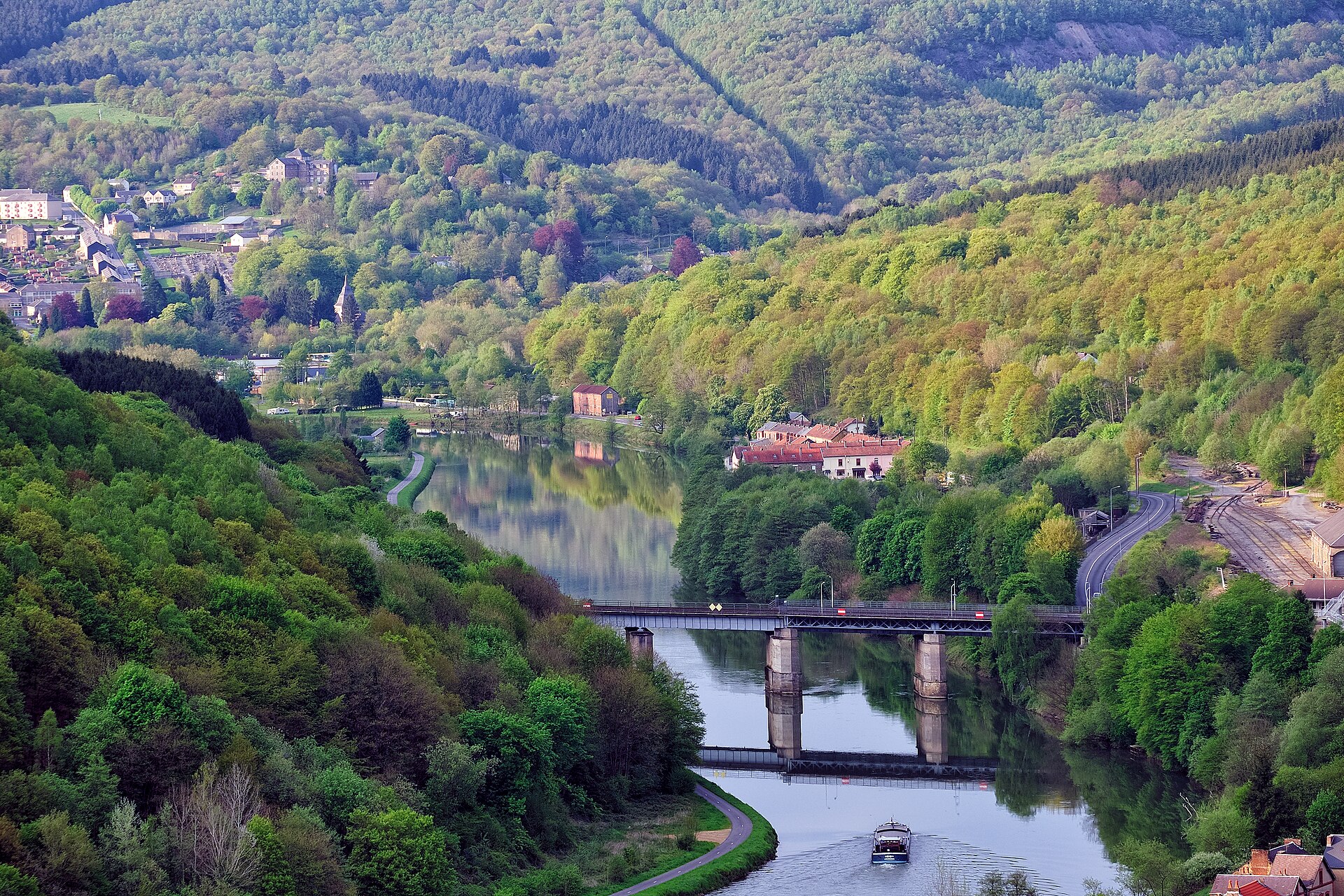
Natura 2000 · wintering, passage
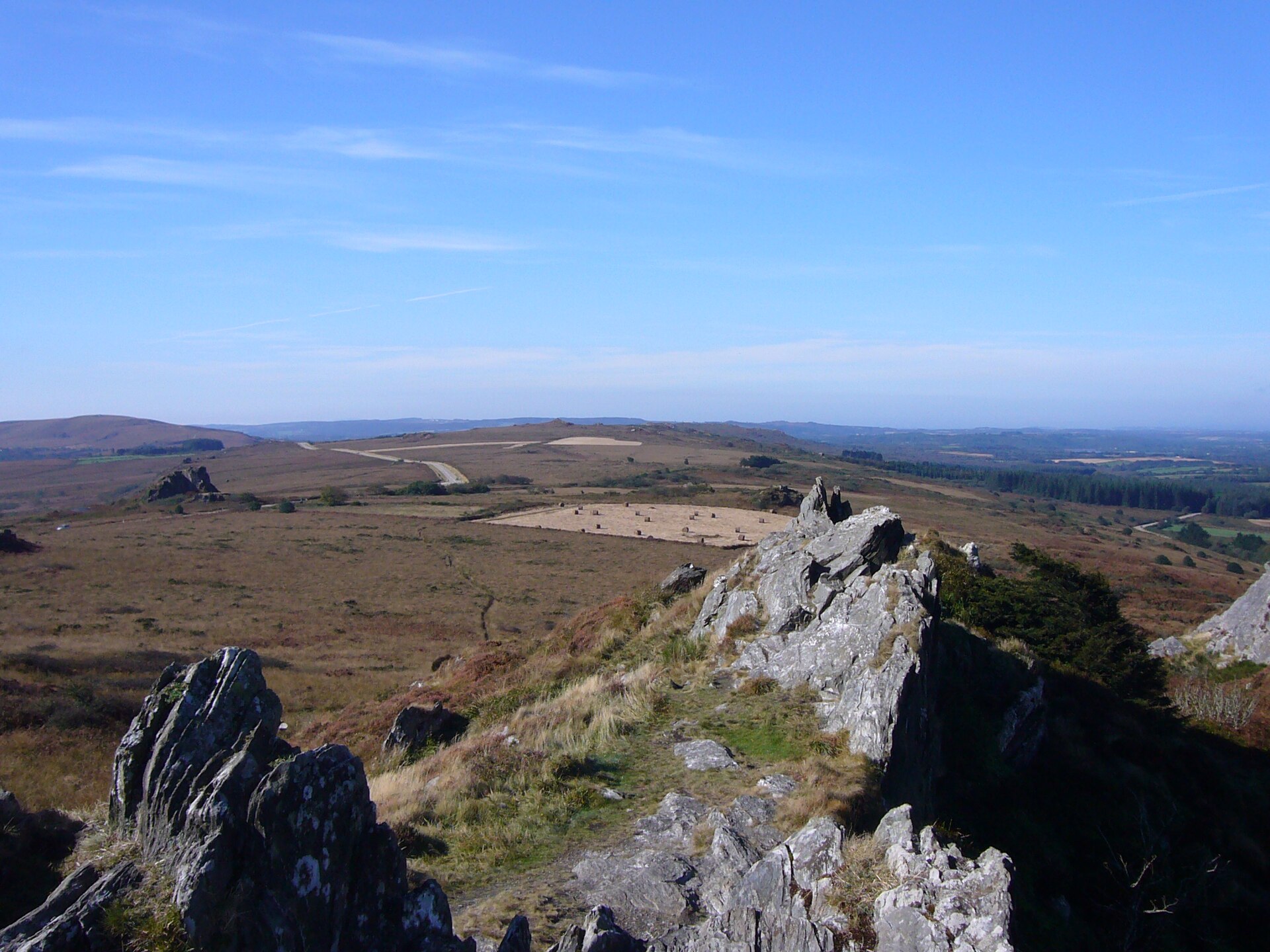
Natura 2000 · wintering
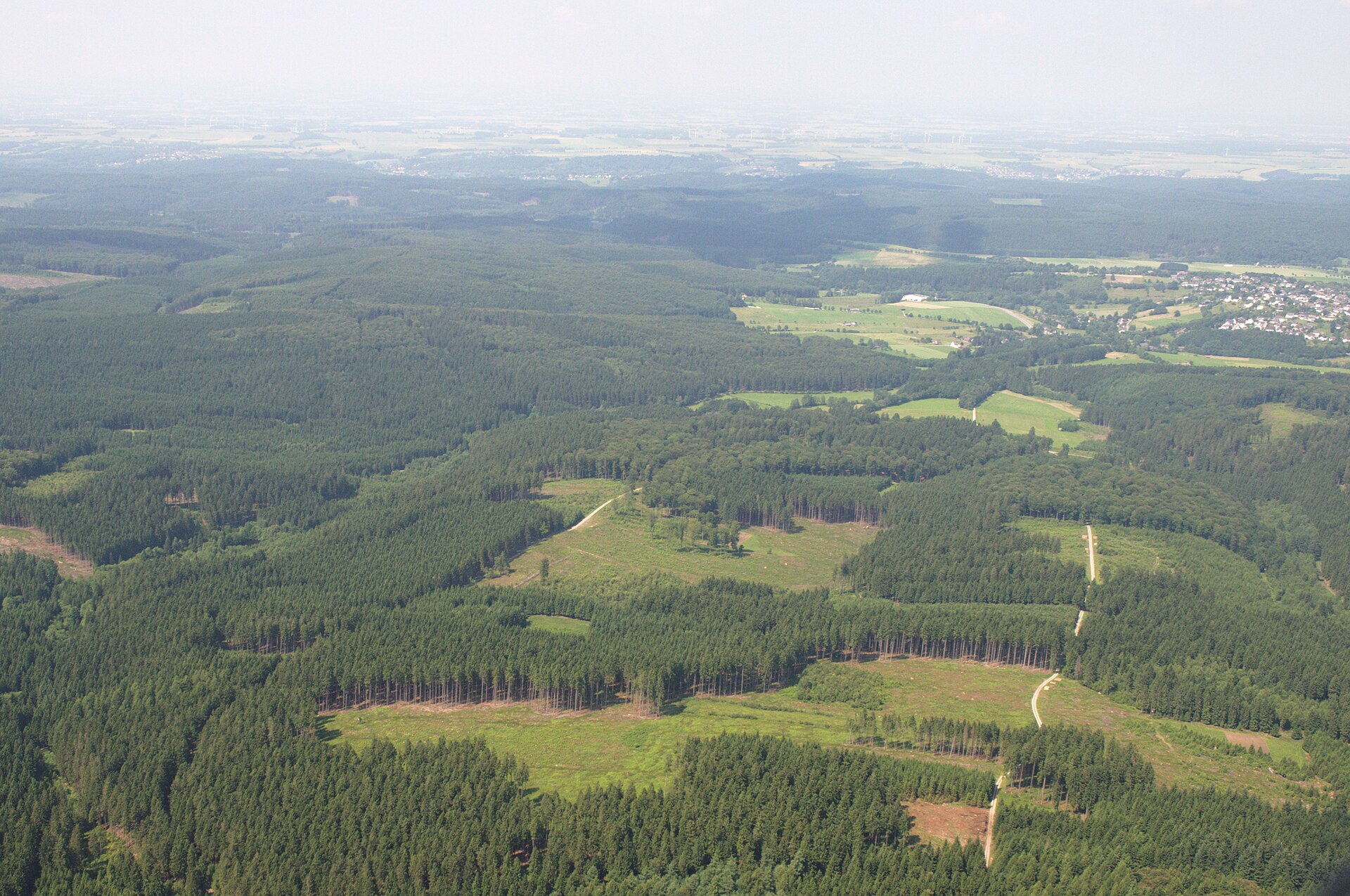
Natura 2000 · wintering
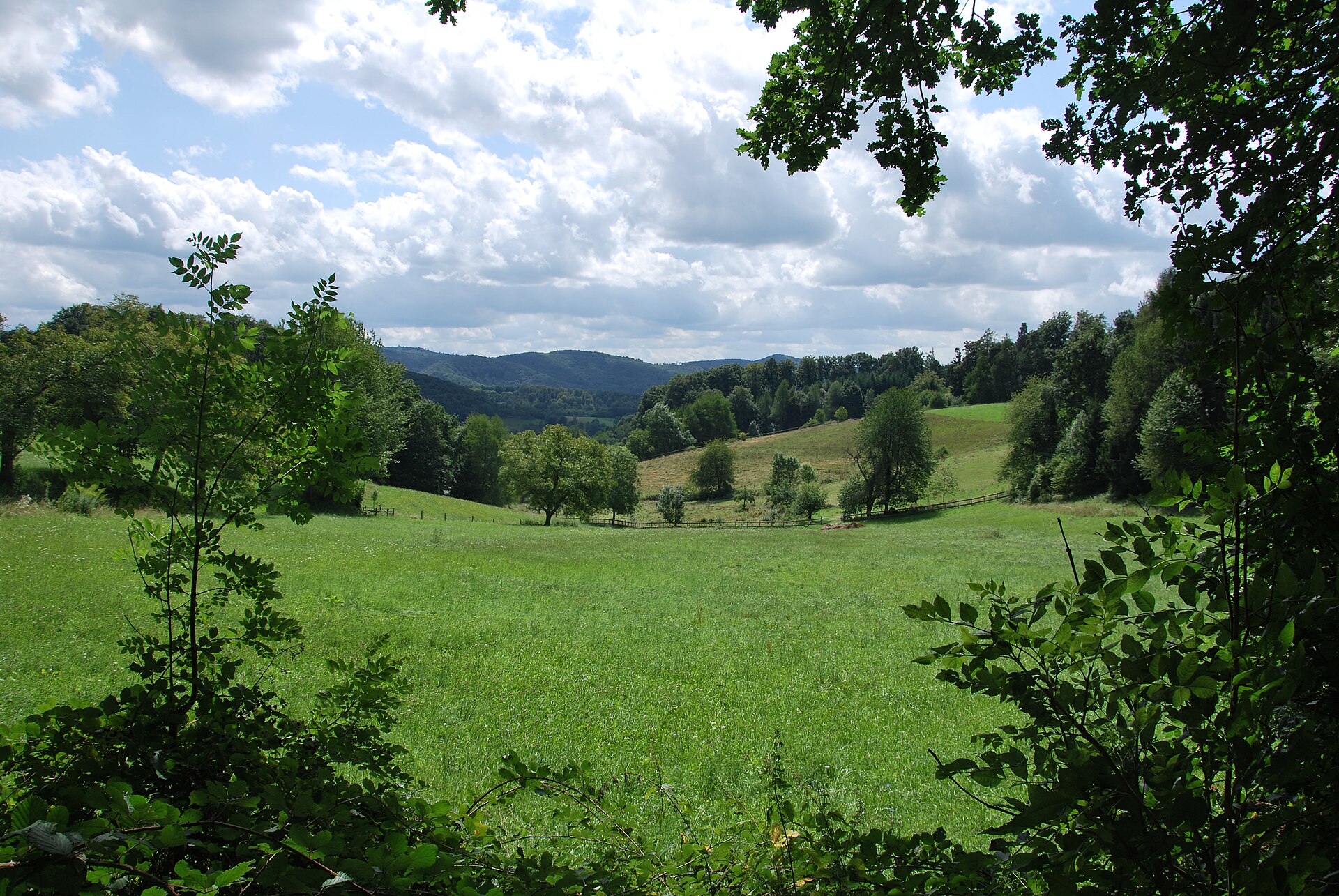
Natura 2000 · wintering, passage
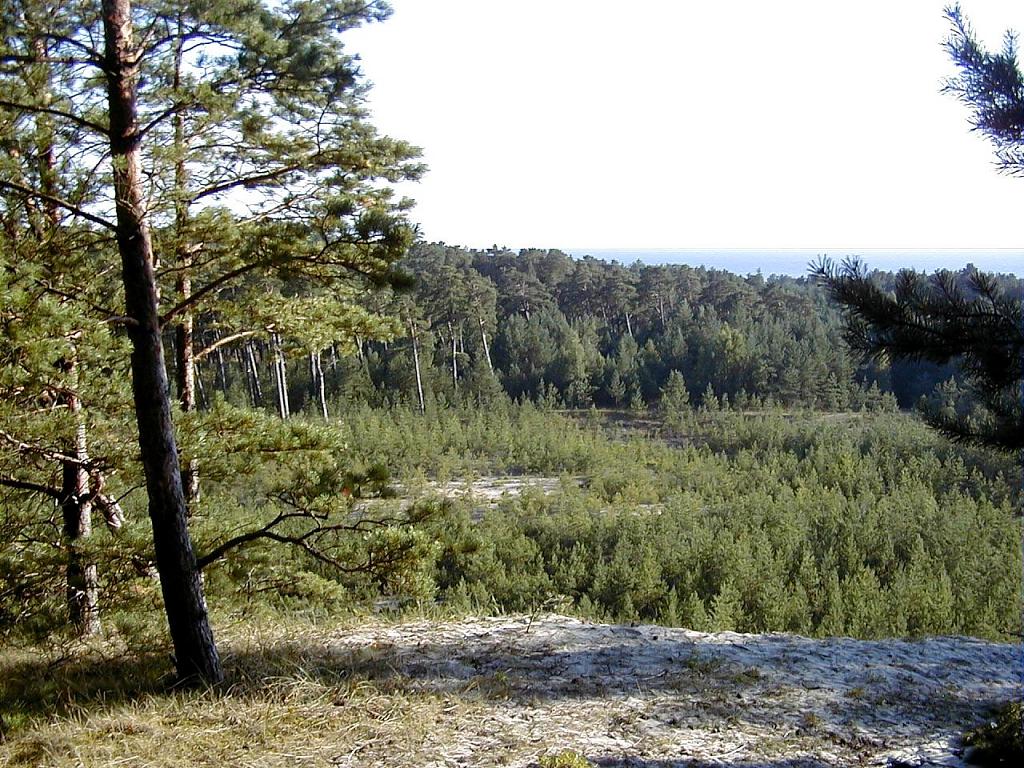
Natura 2000 · wintering

Natura 2000 · breeding, wintering
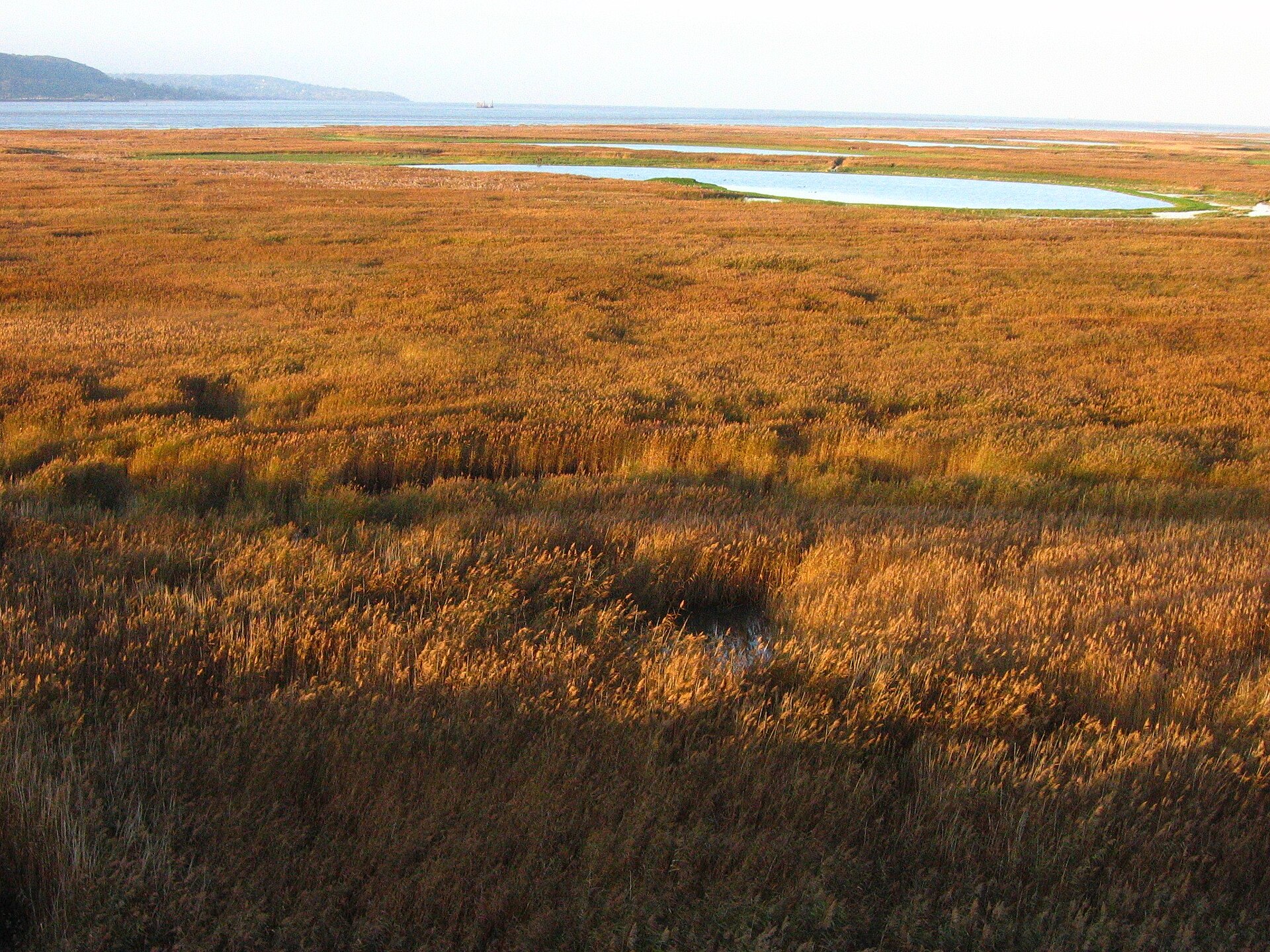
Natura 2000 · wintering, breeding
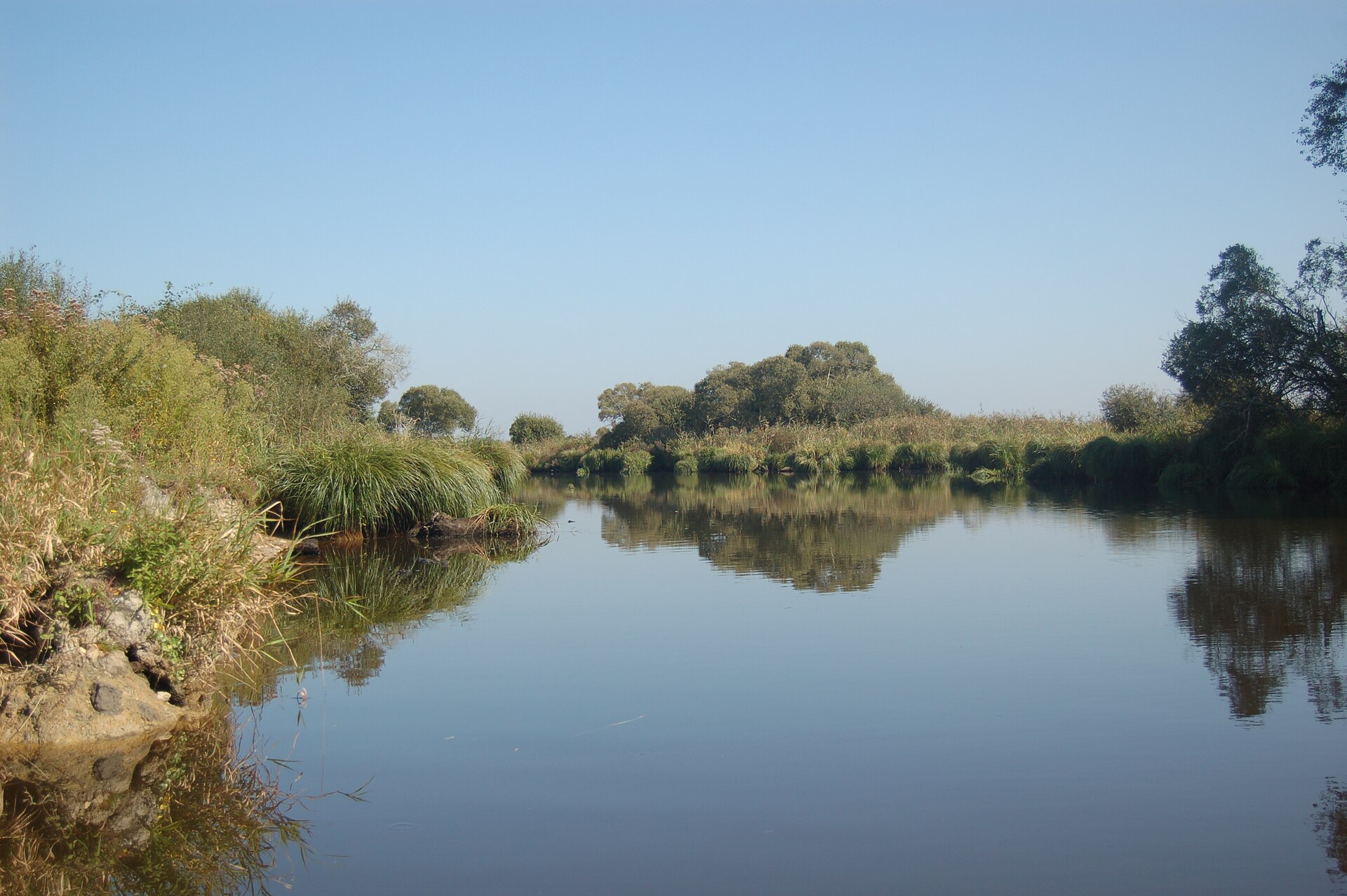
Natura 2000 · passage
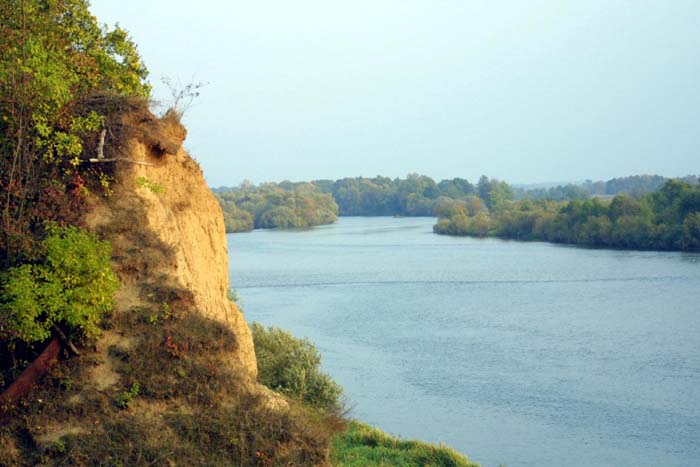
Natura 2000 · breeding
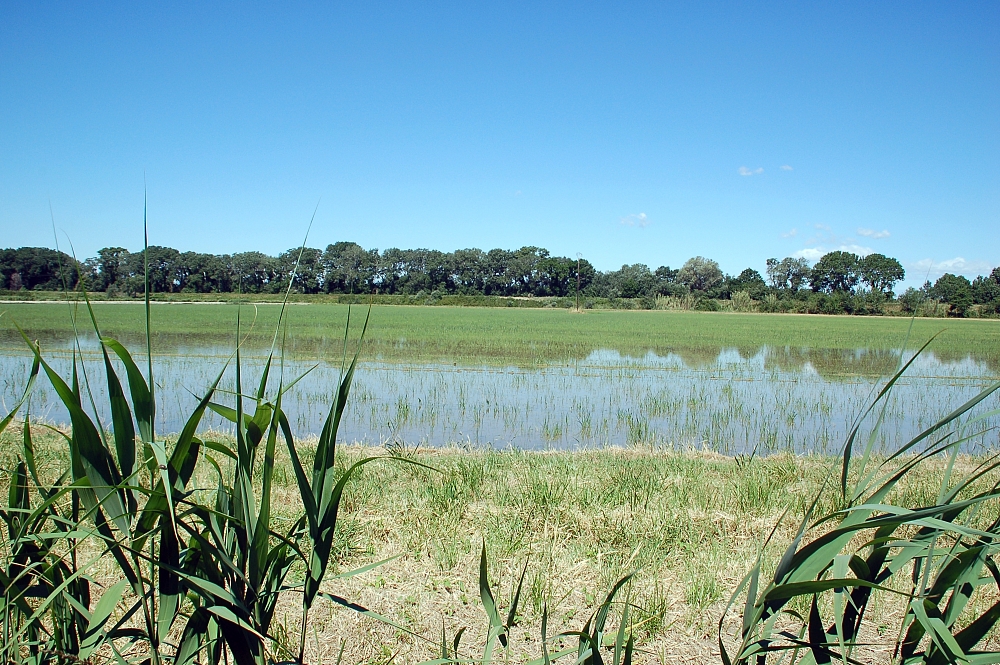
Natura 2000 · wintering, passage
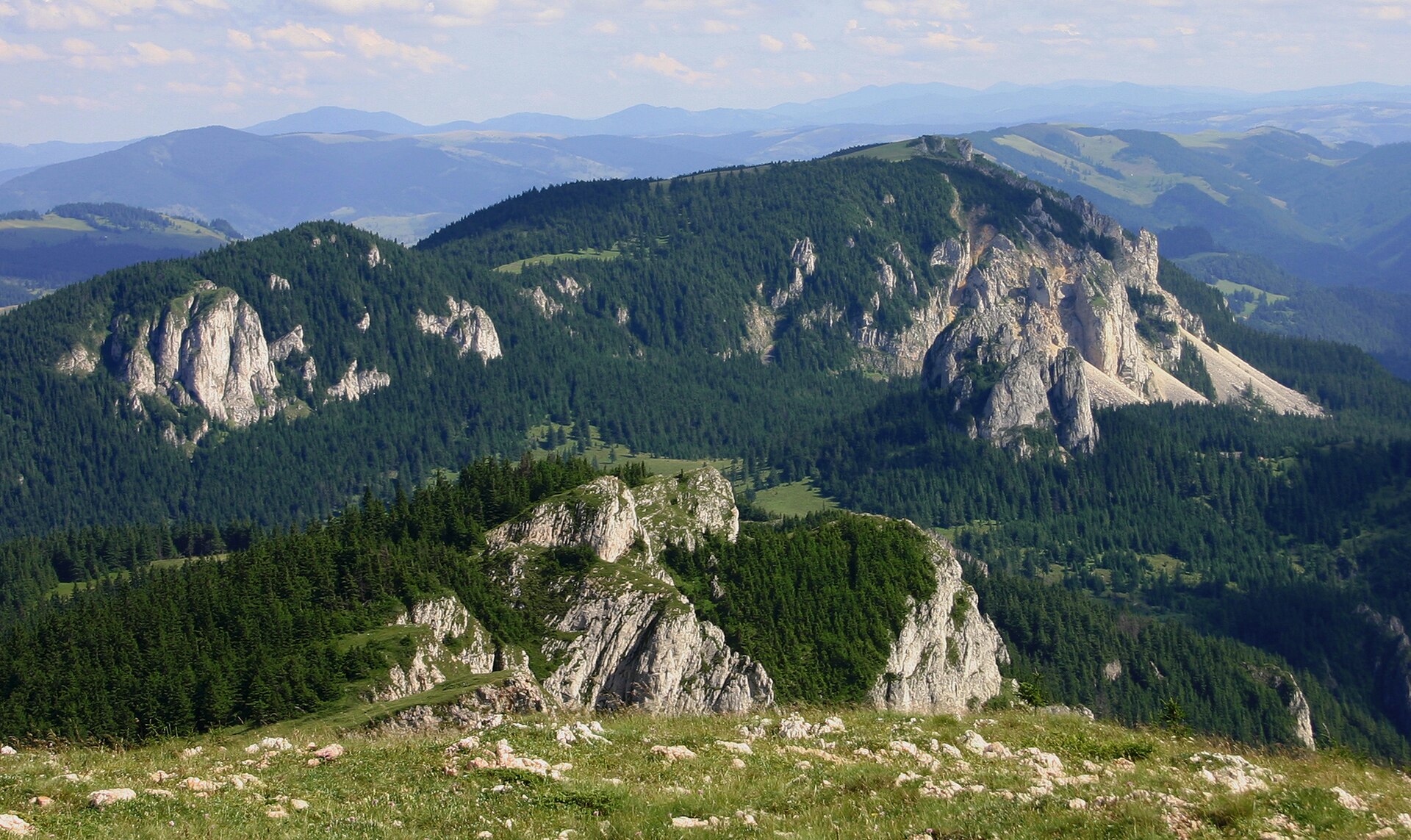
Natura 2000 · passage

Natura 2000 · passage, wintering
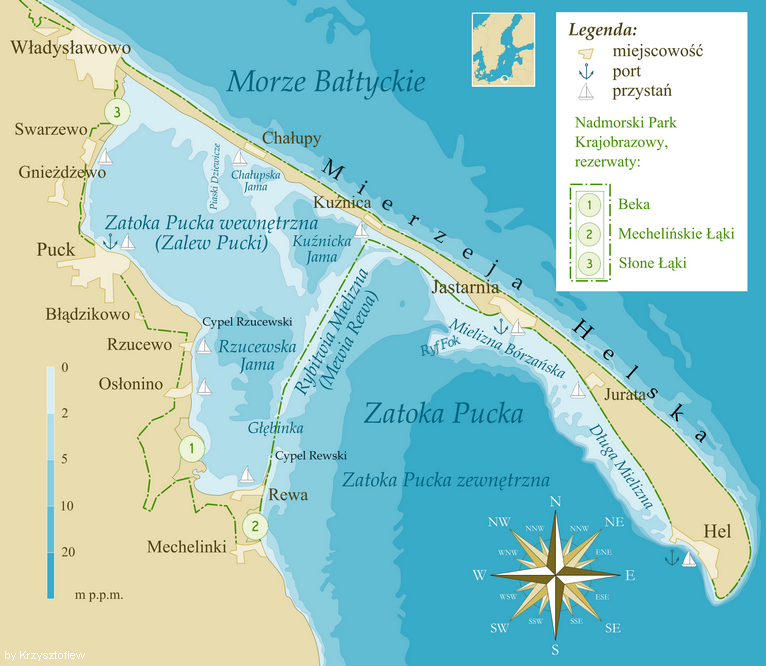
Natura 2000 · wintering, passage
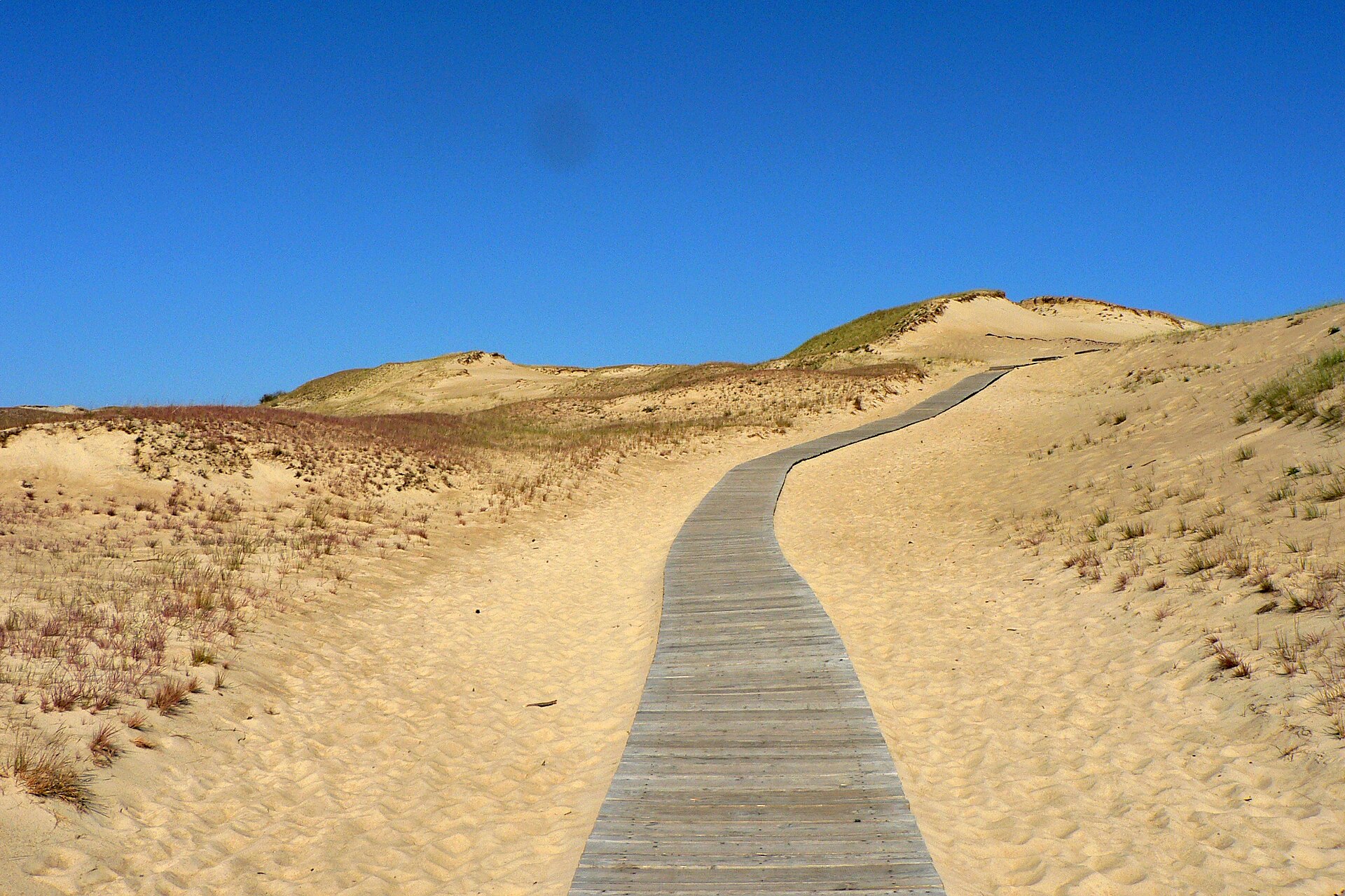
Natura 2000 · passage
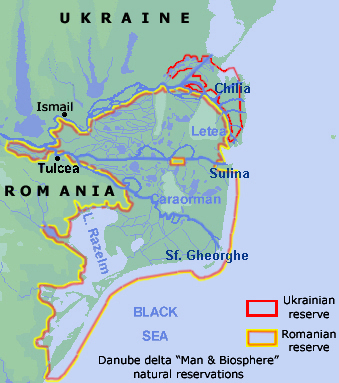
Natura 2000 · breeding, wintering
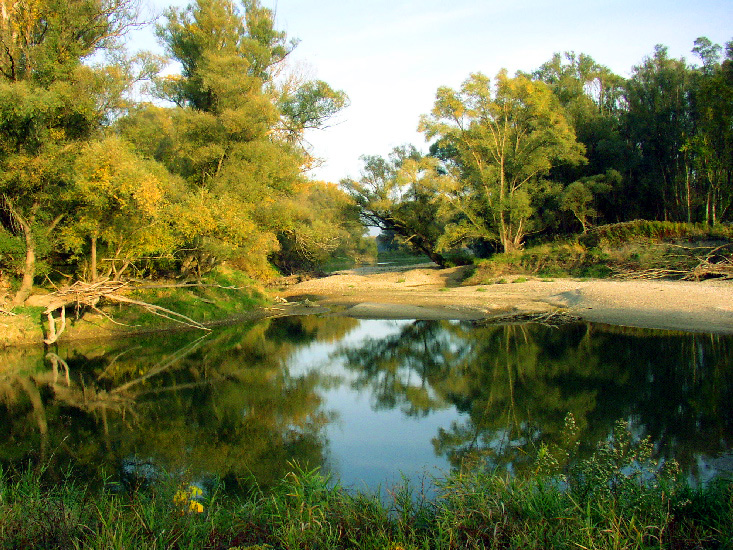
Natura 2000 · wintering, passage
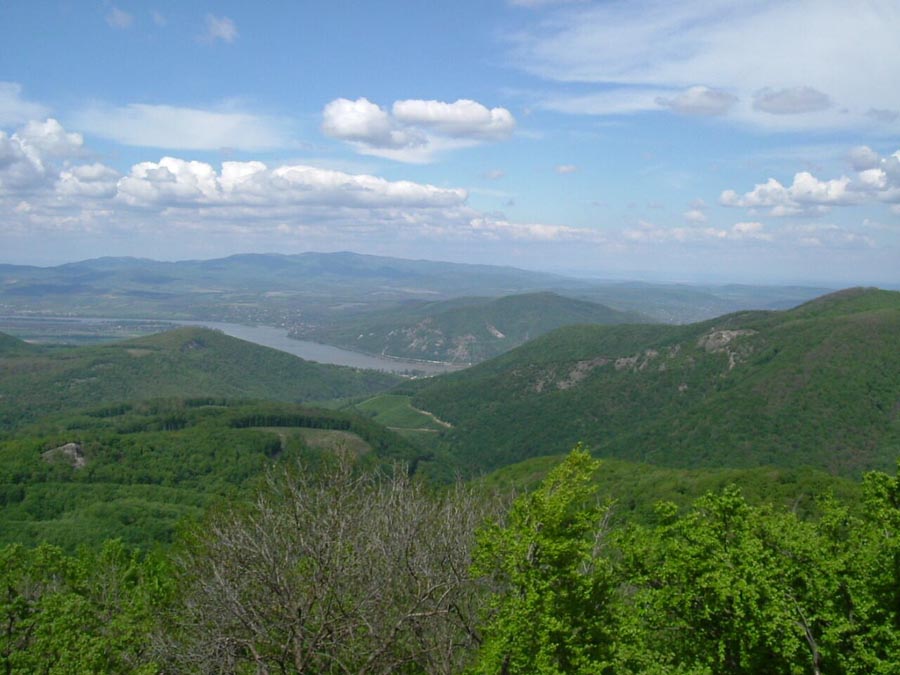
Natura 2000 · wintering, passage
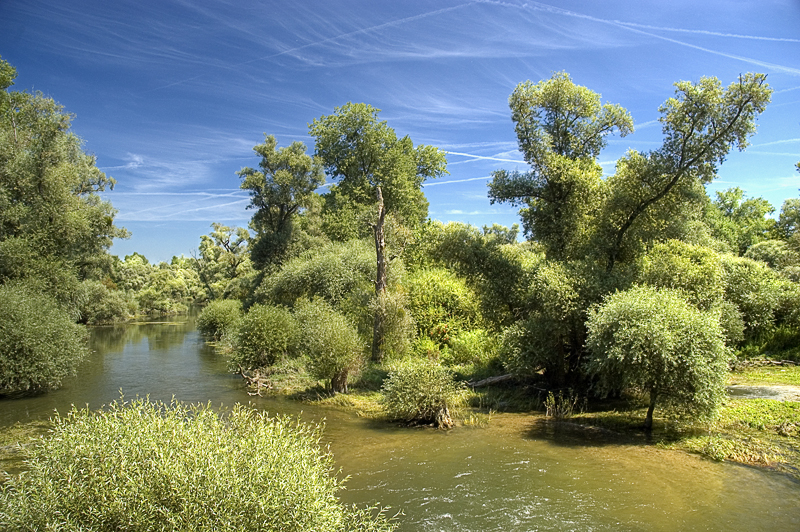
Natura 2000 · wintering
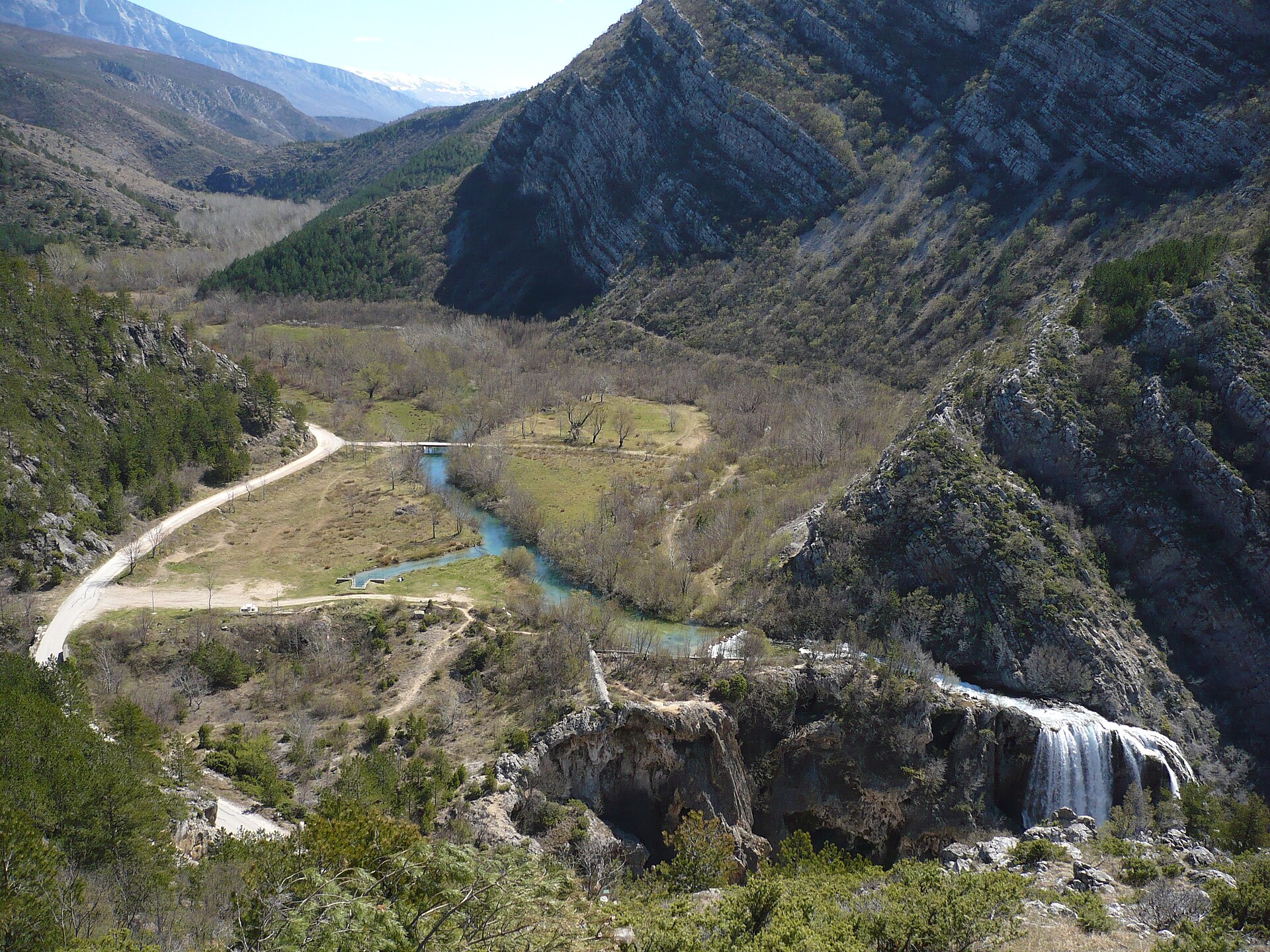
Natura 2000 · passage, wintering
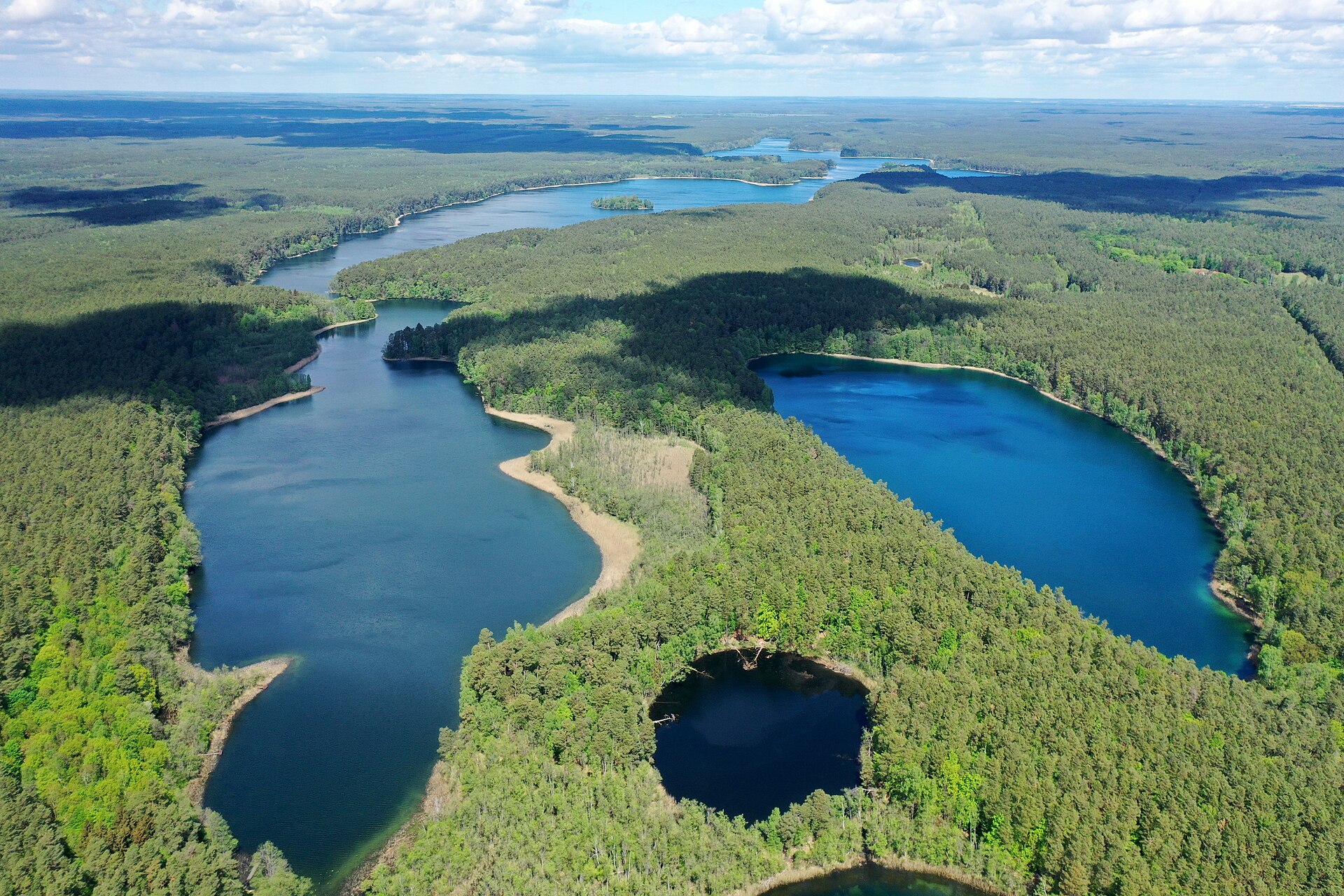
Natura 2000 · breeding
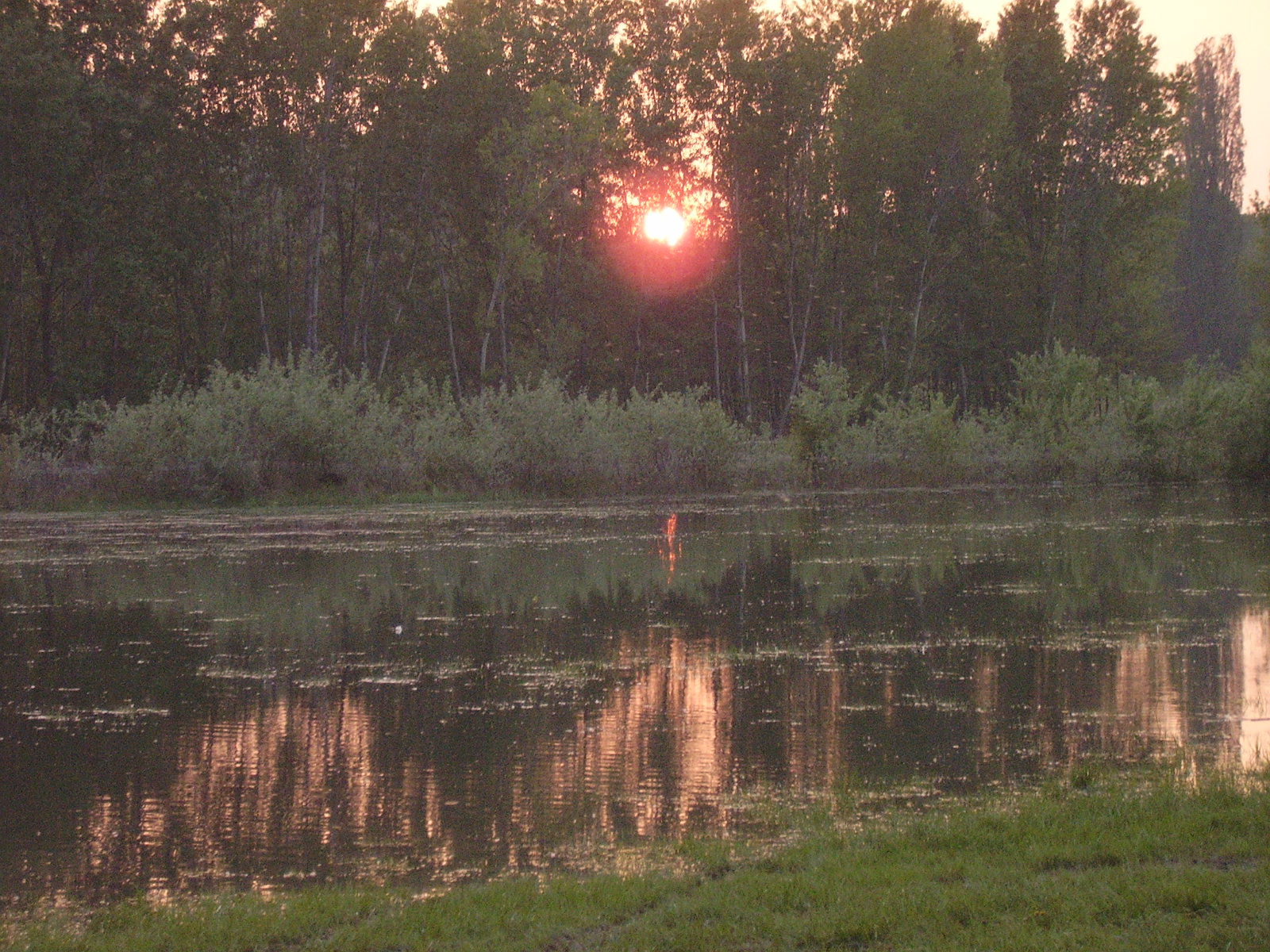
Natura 2000 · wintering

Natura 2000 · wintering, passage
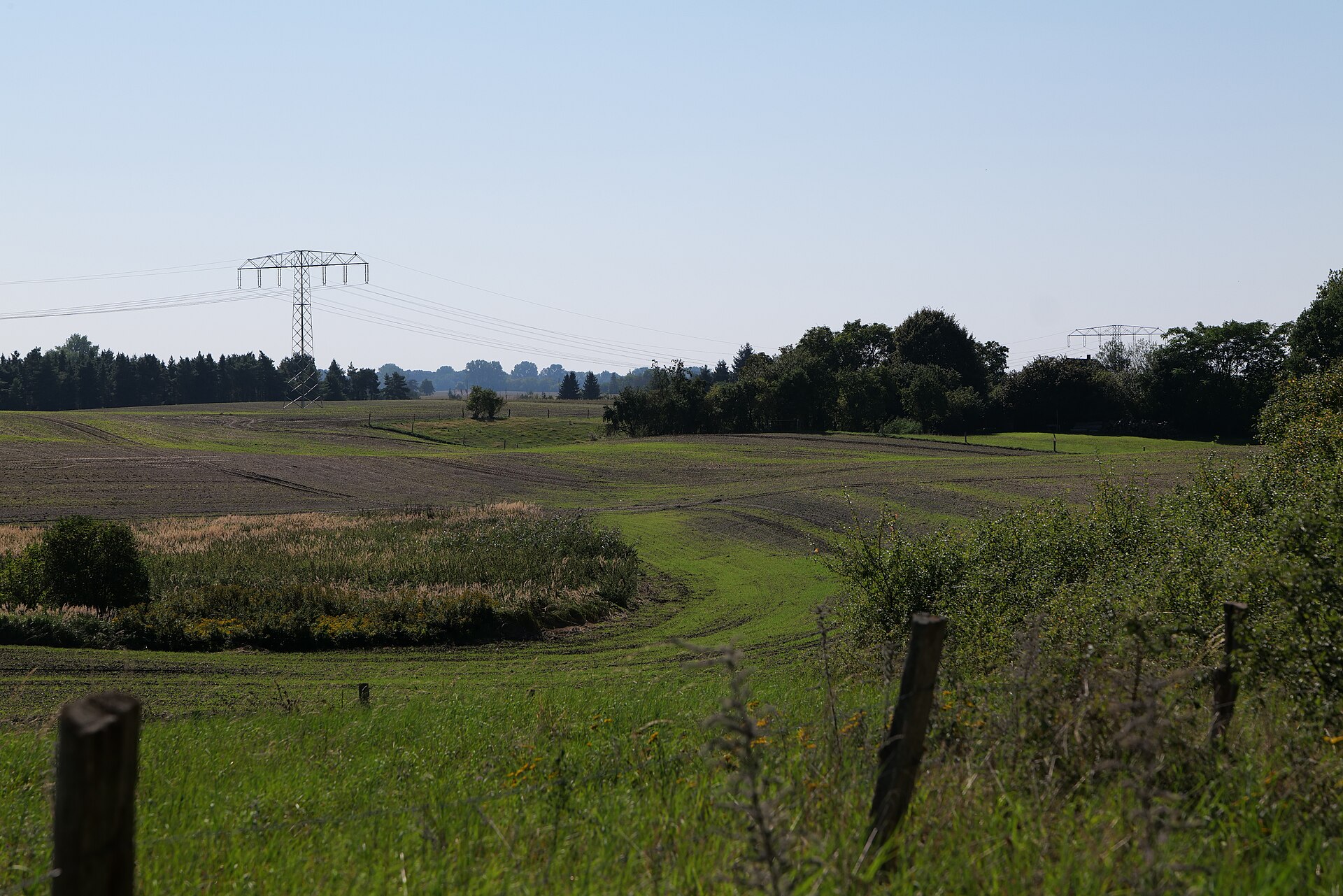
Natura 2000 · breeding, passage, wintering
Natura 2000 · wintering

Natura 2000 · wintering
Natura 2000 · breeding, passage
Natura 2000 · wintering

Natura 2000 · wintering
Natura 2000 · wintering

Natura 2000 · breeding

Natura 2000 · passage
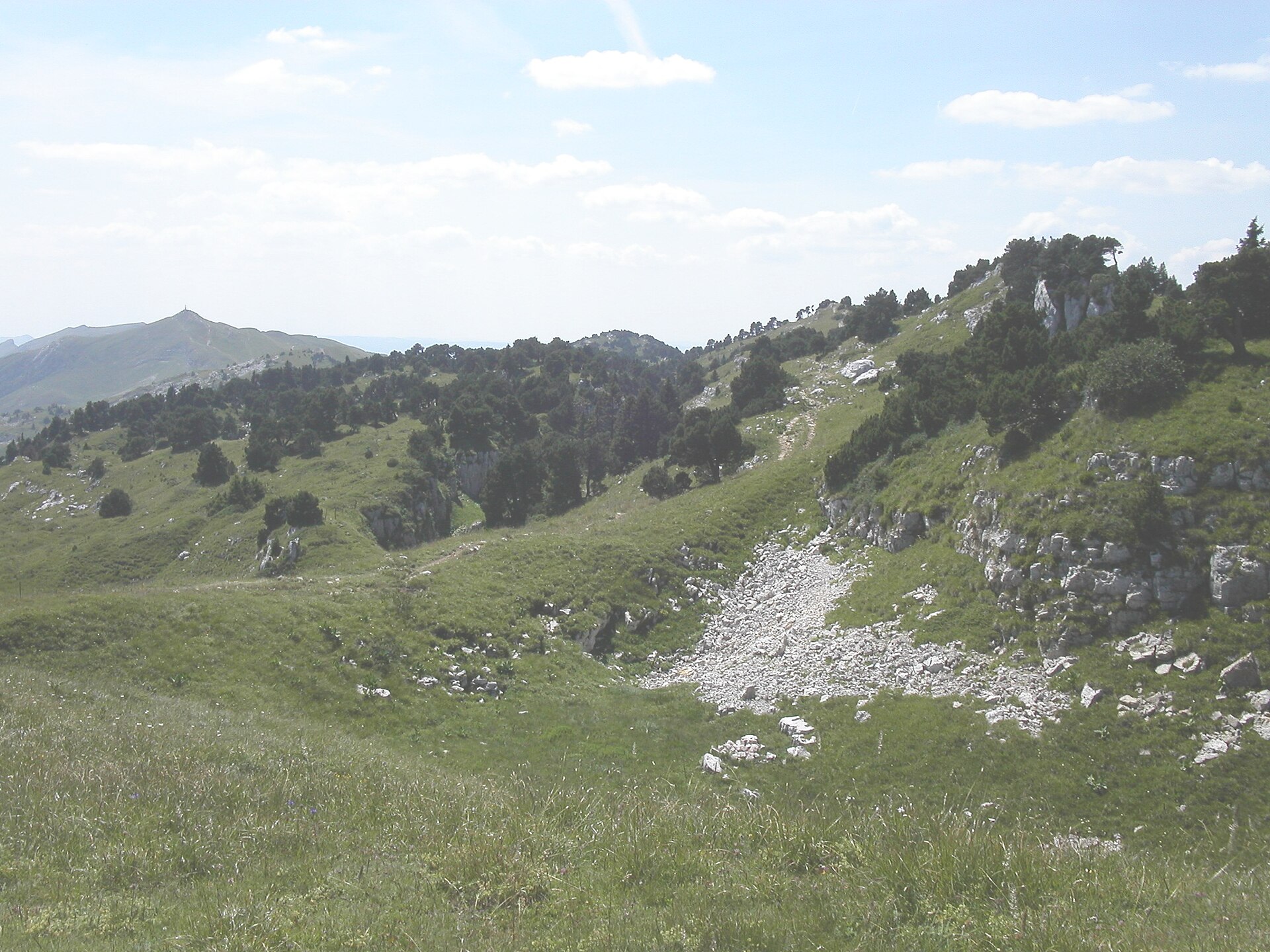
Natura 2000 · wintering
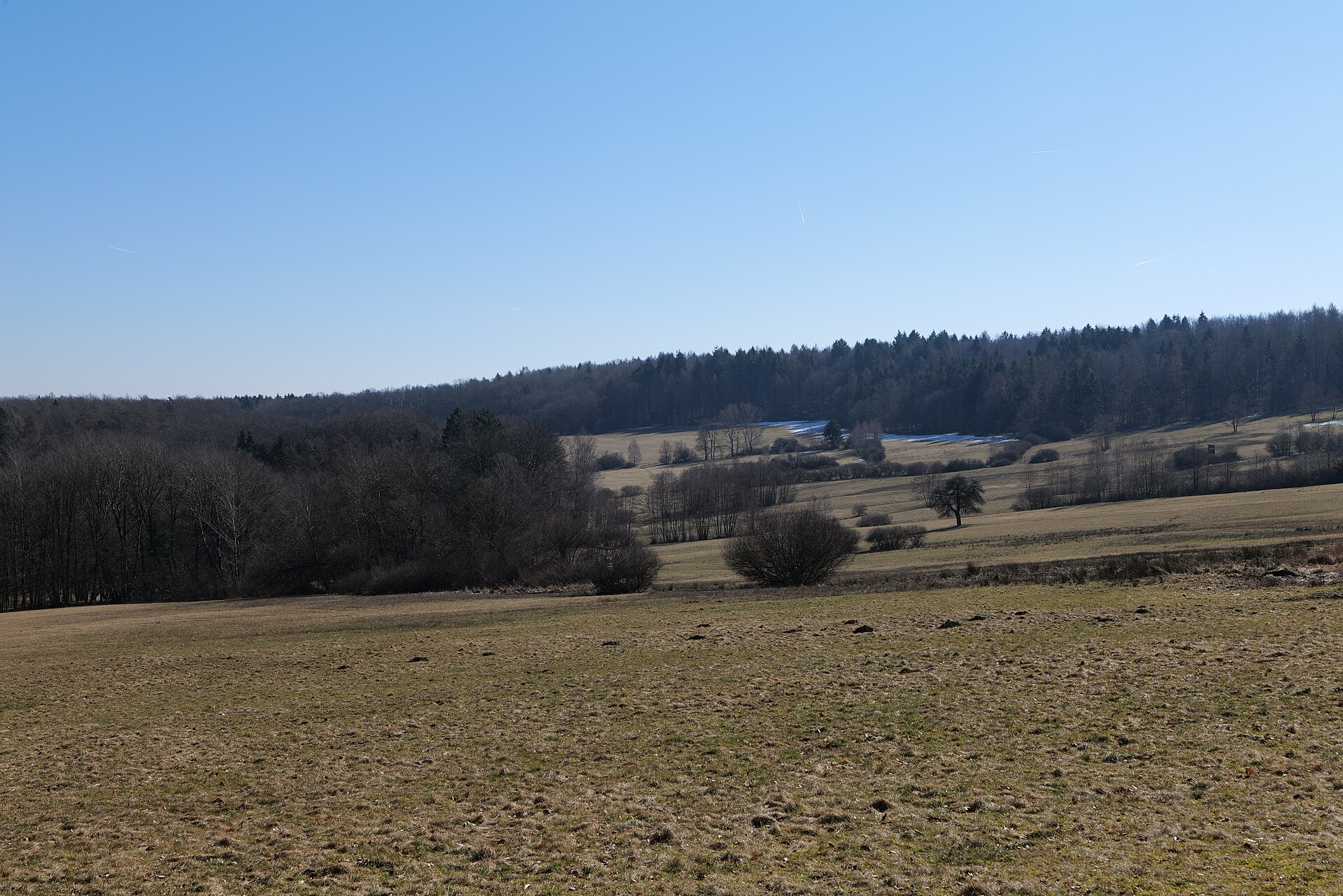
Natura 2000 · passage
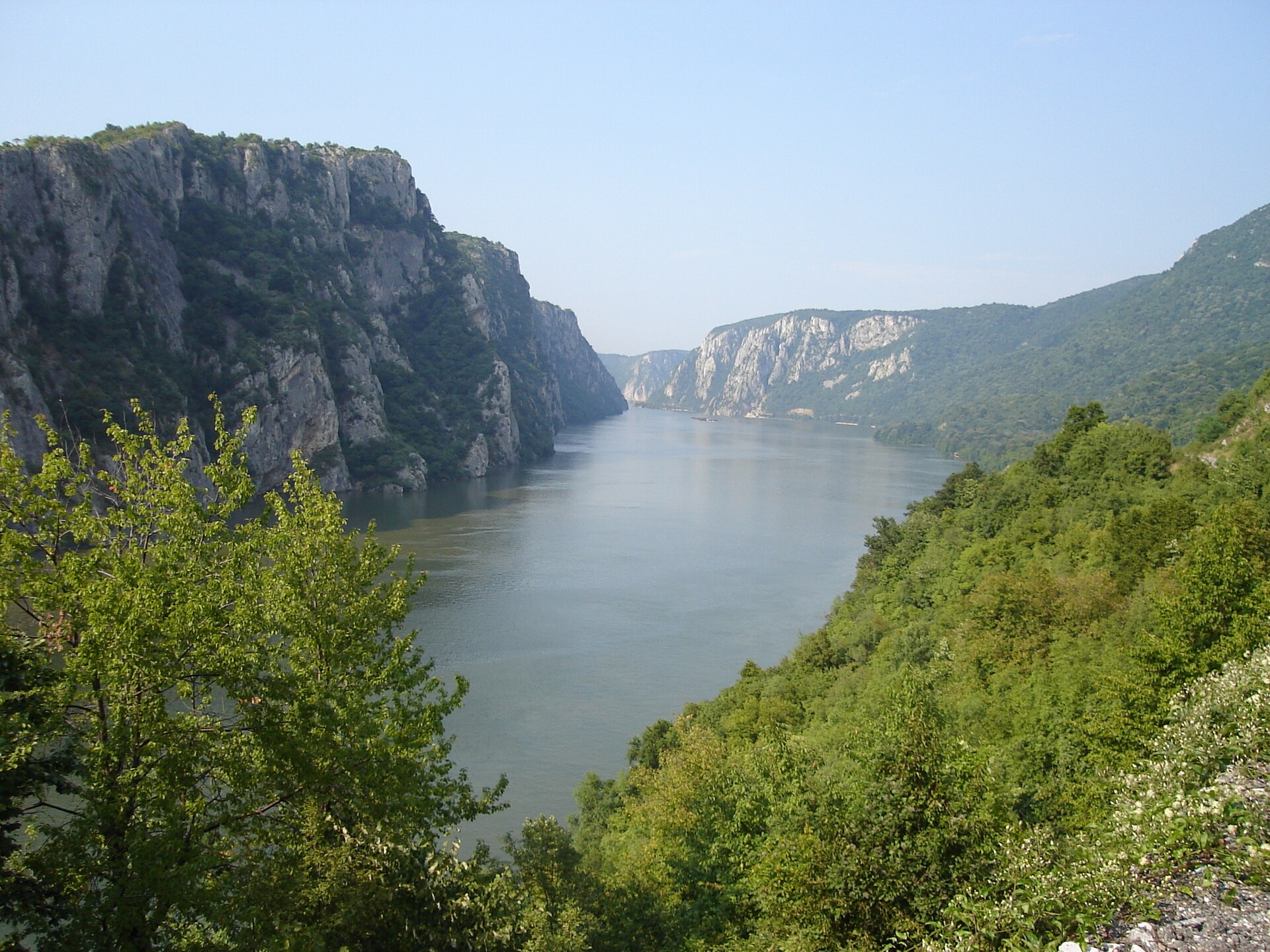
Natura 2000 · wintering

Natura 2000 · breeding
Natura 2000 · passage
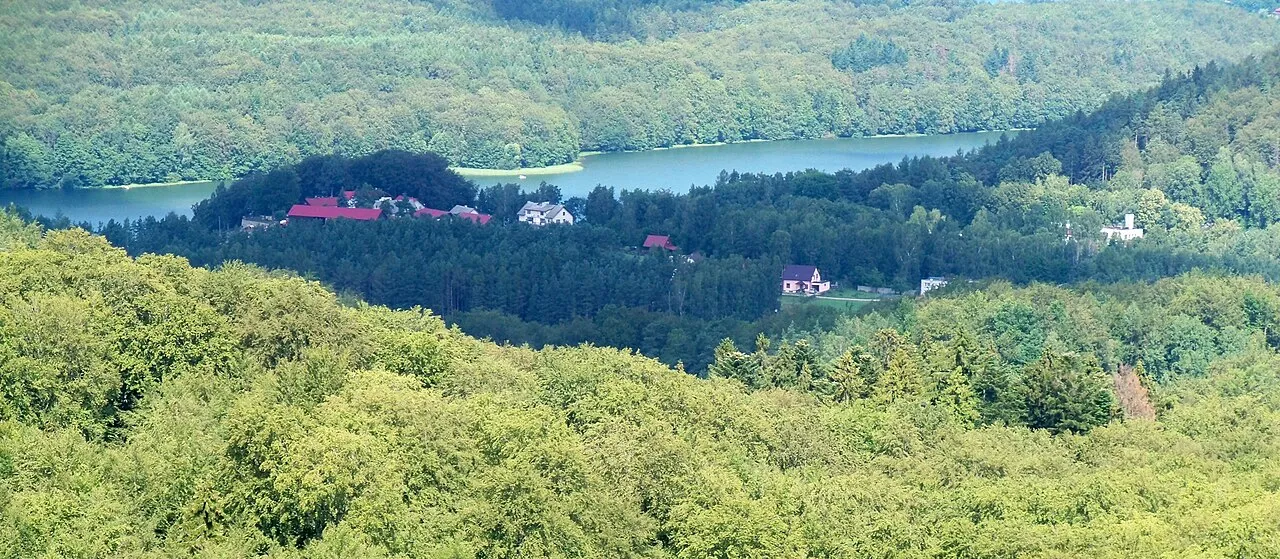
Natura 2000 · breeding
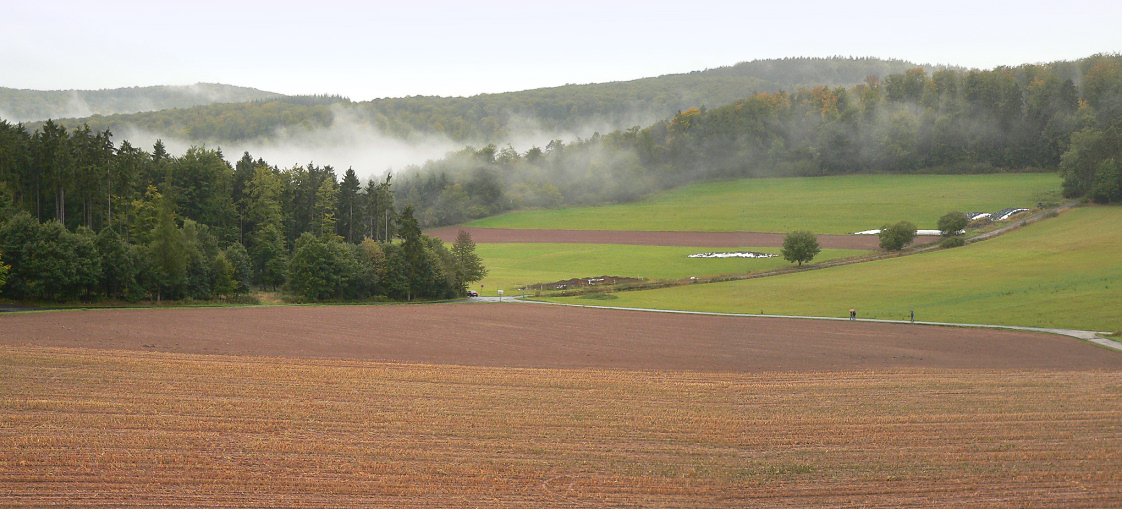
Natura 2000 · passage
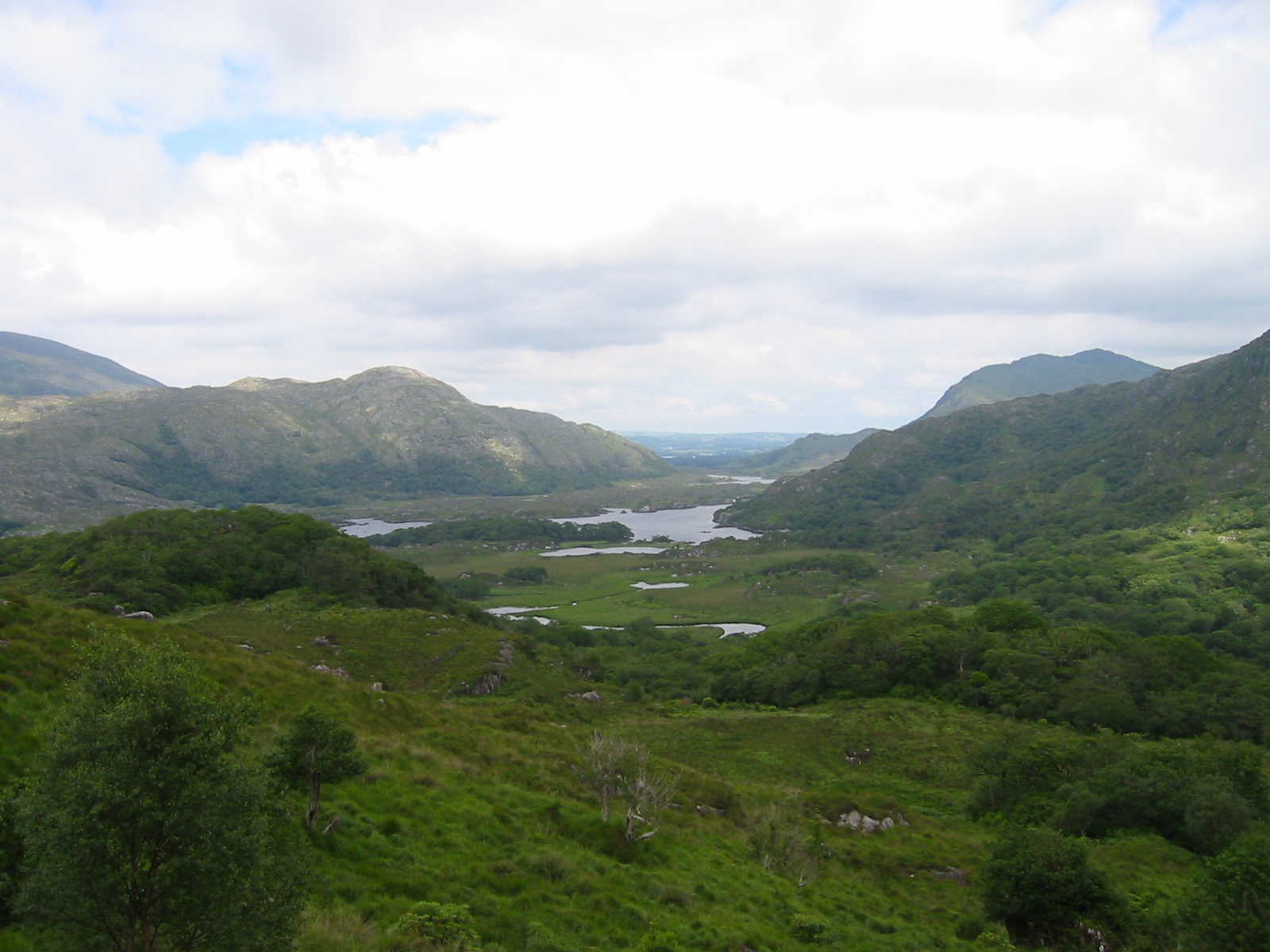
Natura 2000 · wintering
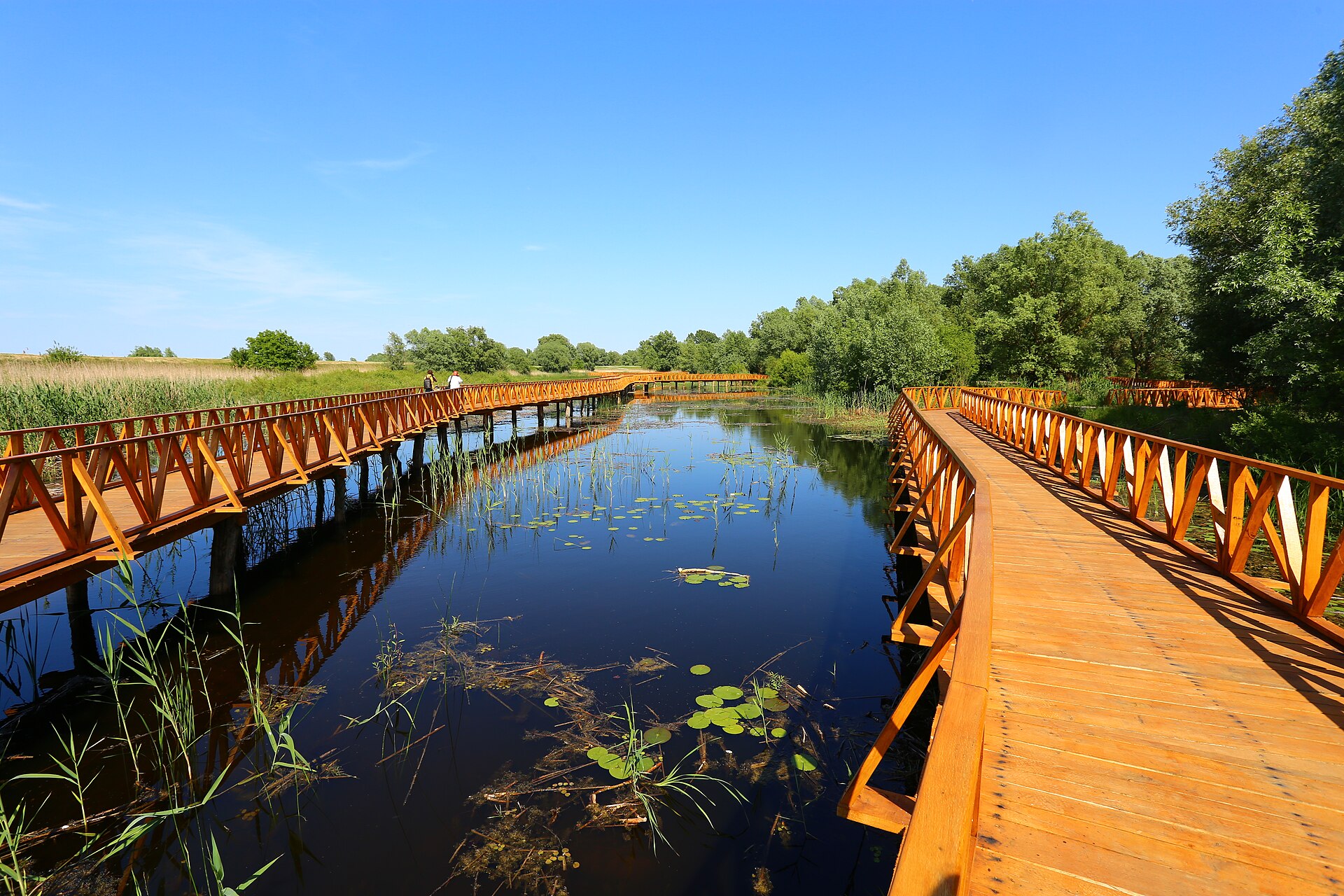
Natura 2000 · wintering
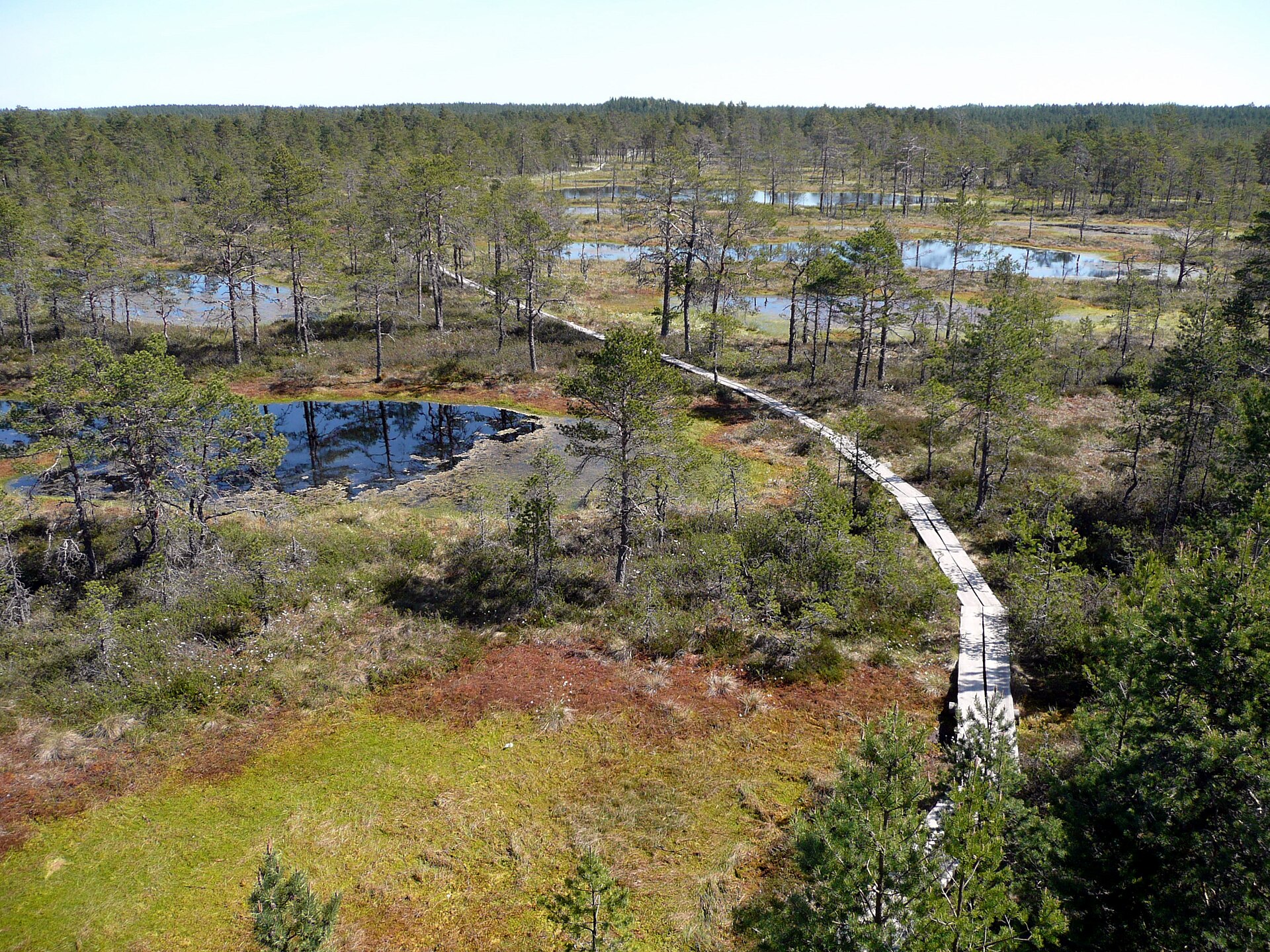
Natura 2000 · breeding, passage
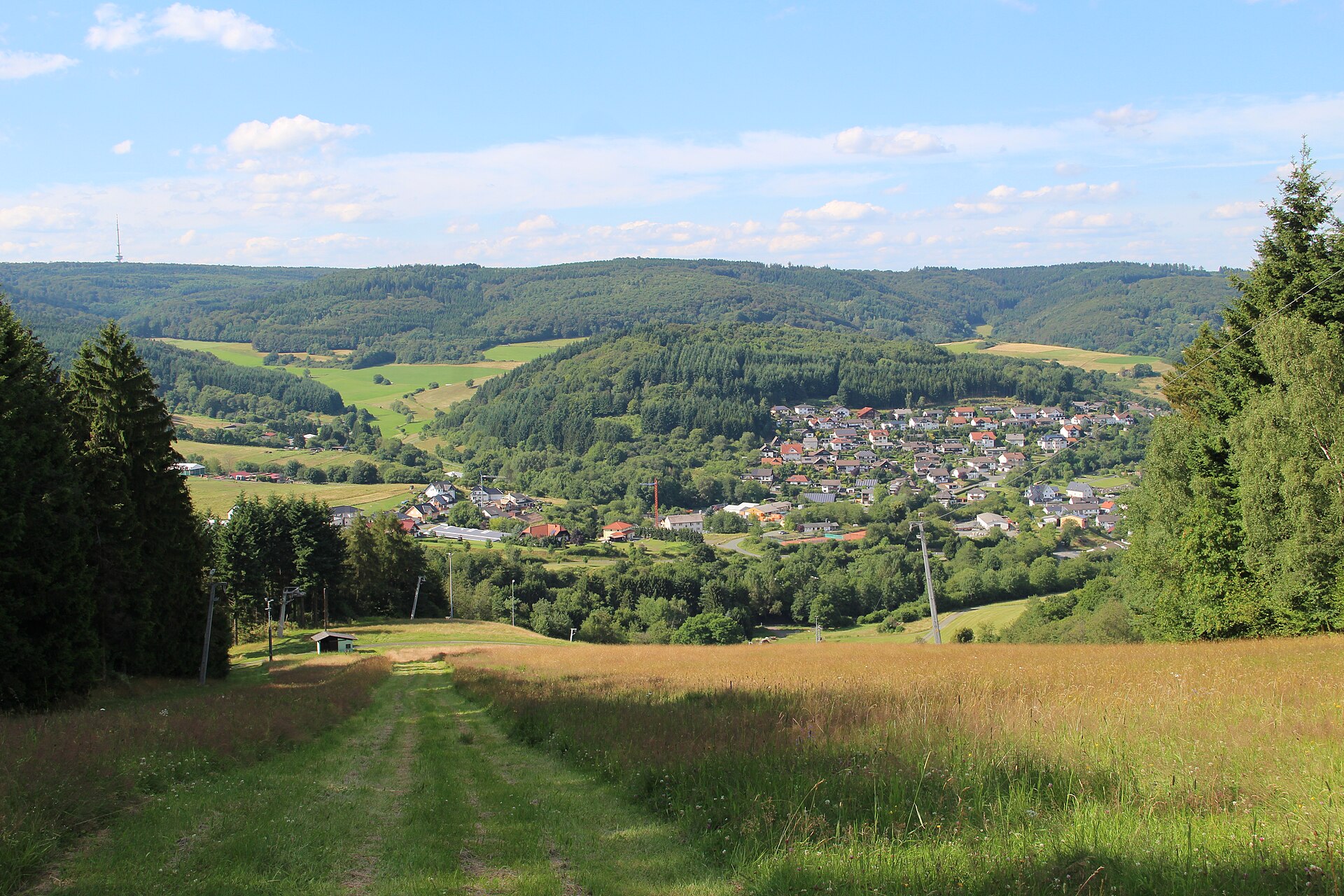
Natura 2000 · wintering
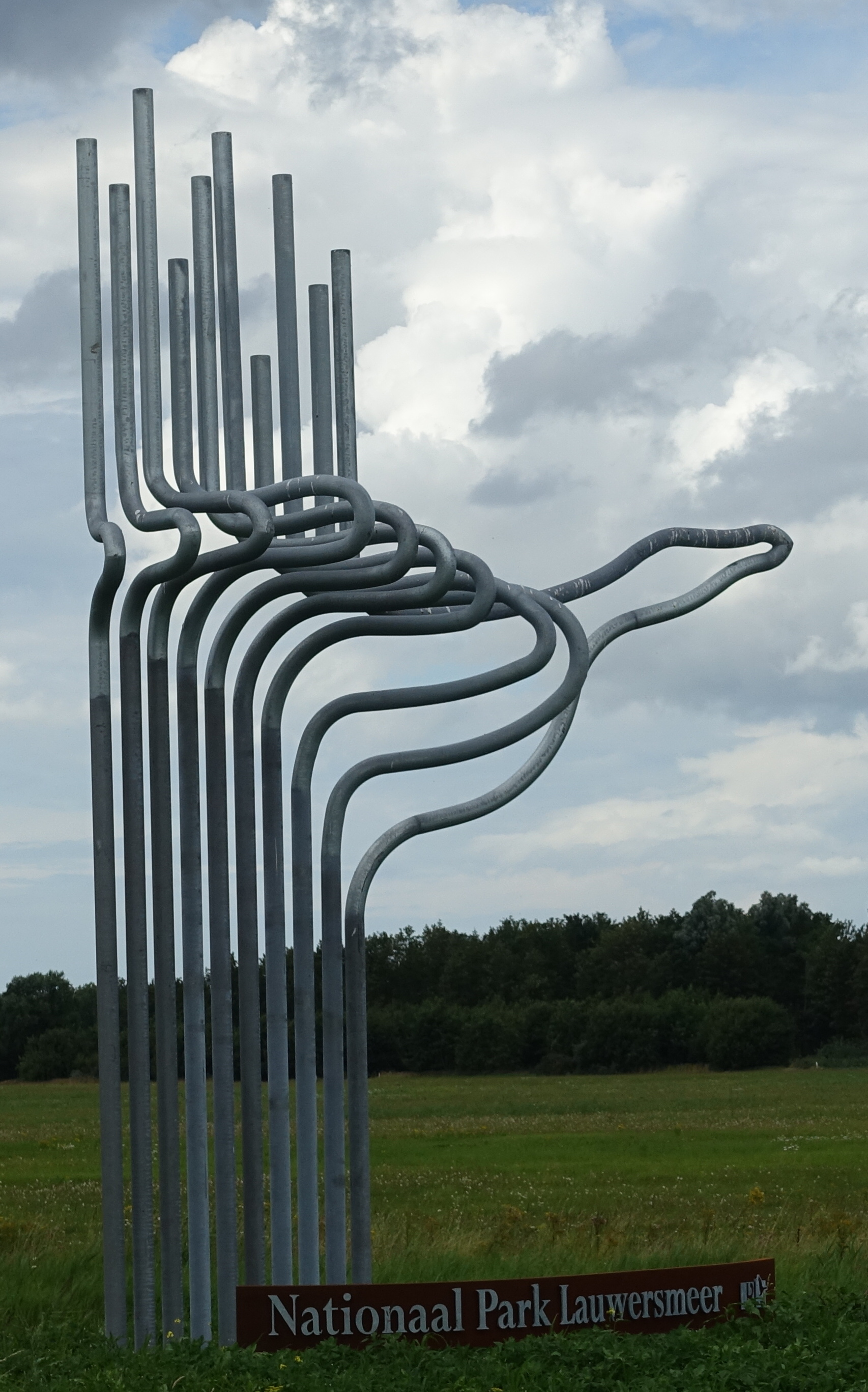
Natura 2000 · wintering
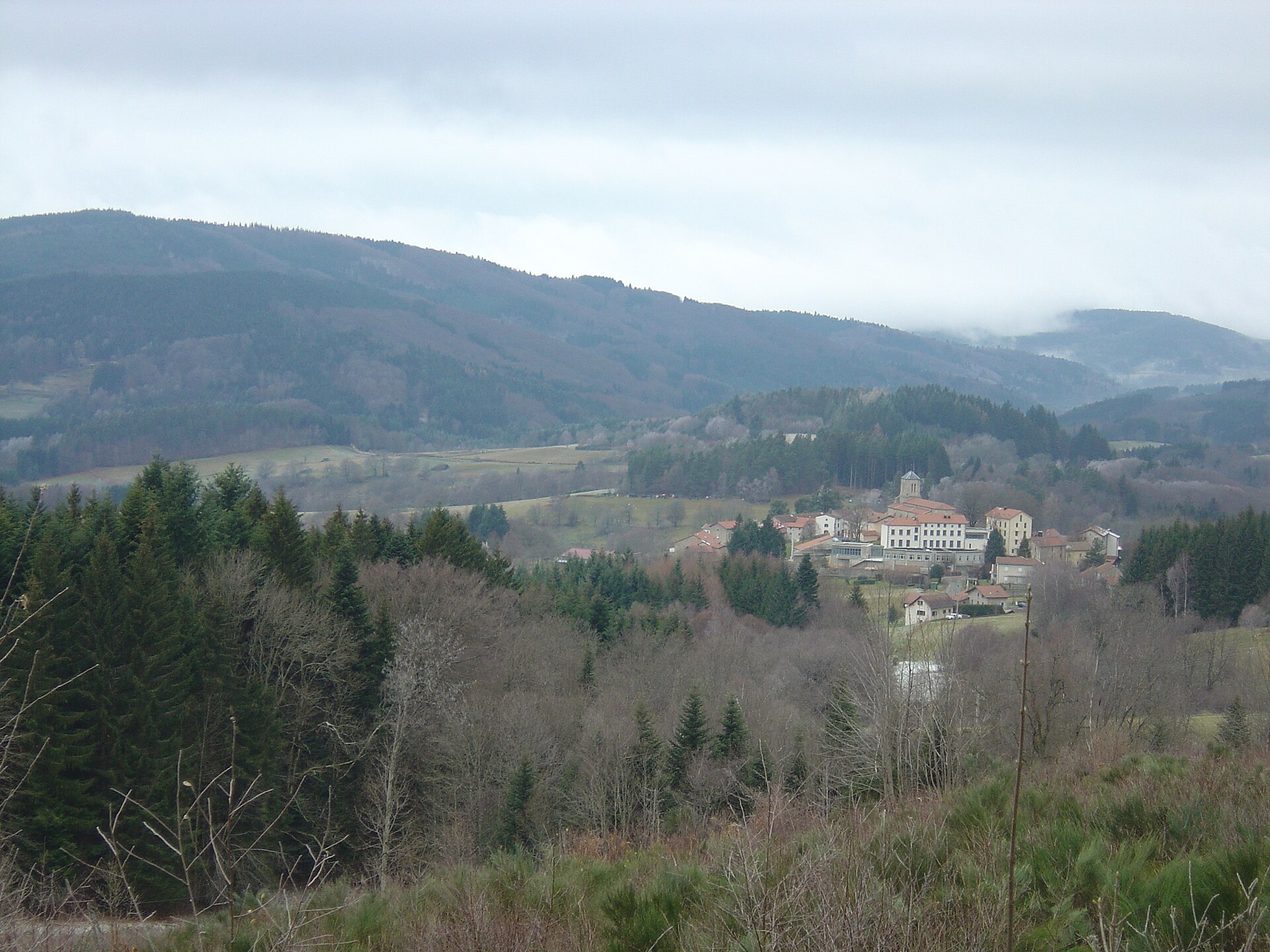
Natura 2000 · passage, wintering
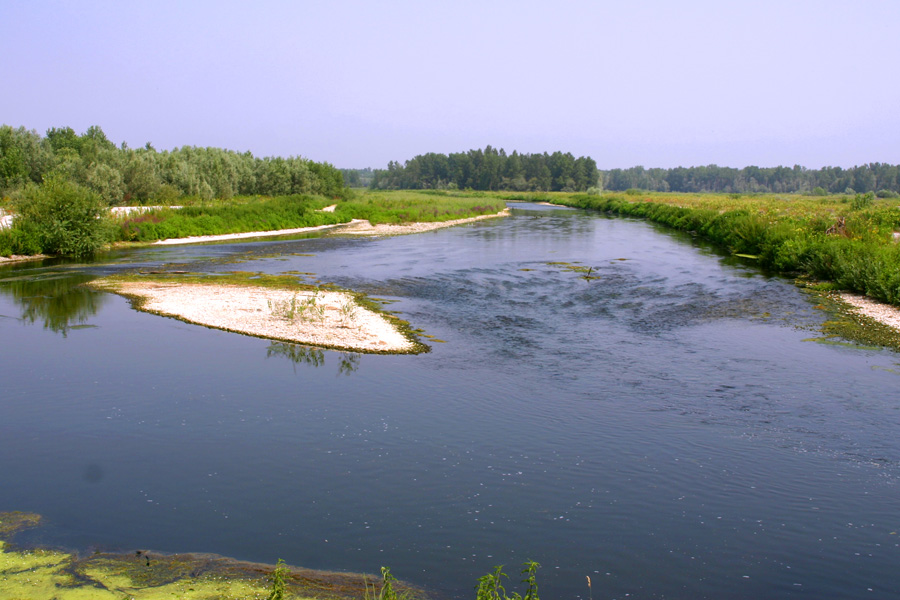
Natura 2000 · wintering
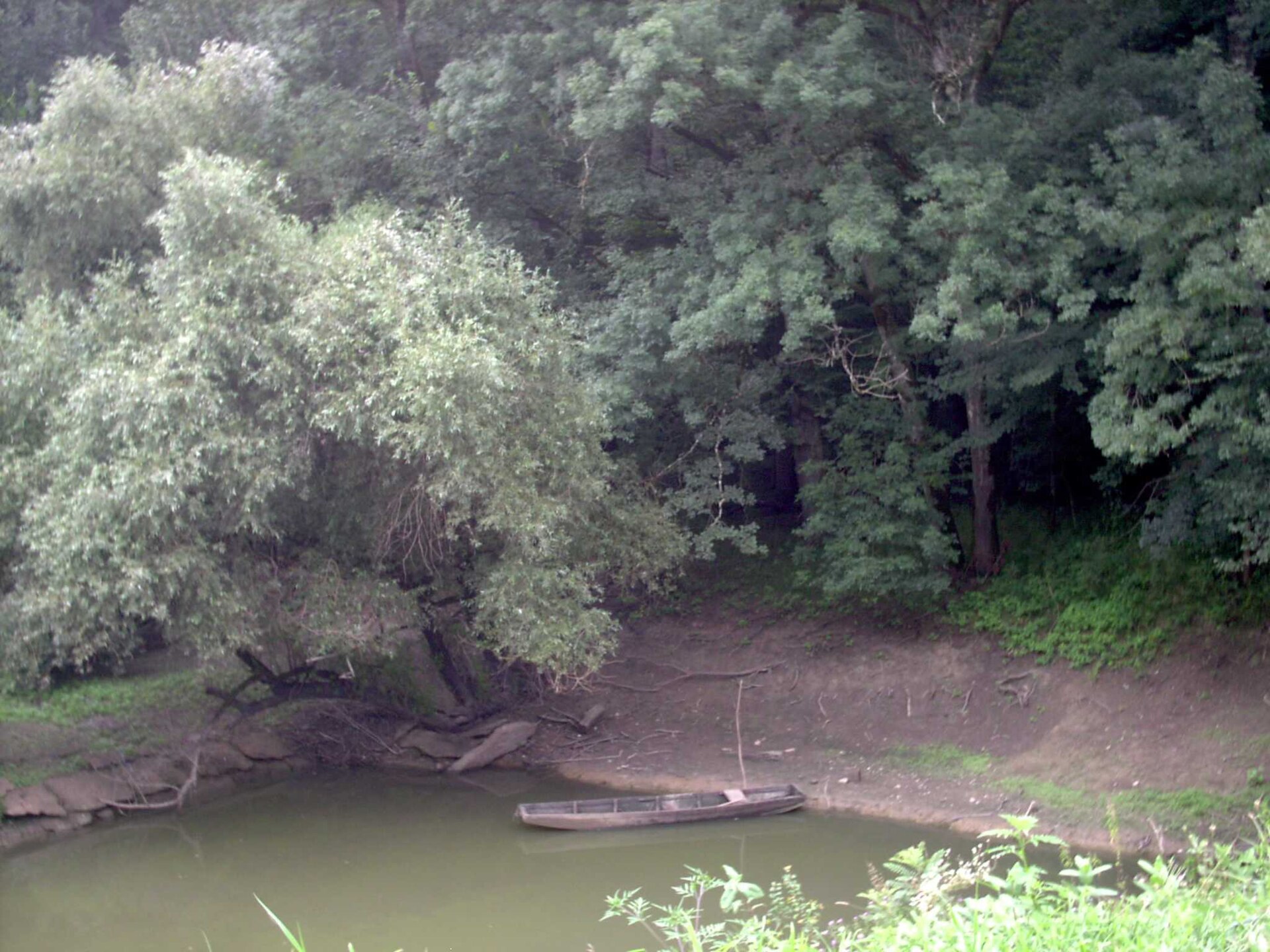
Natura 2000 · wintering
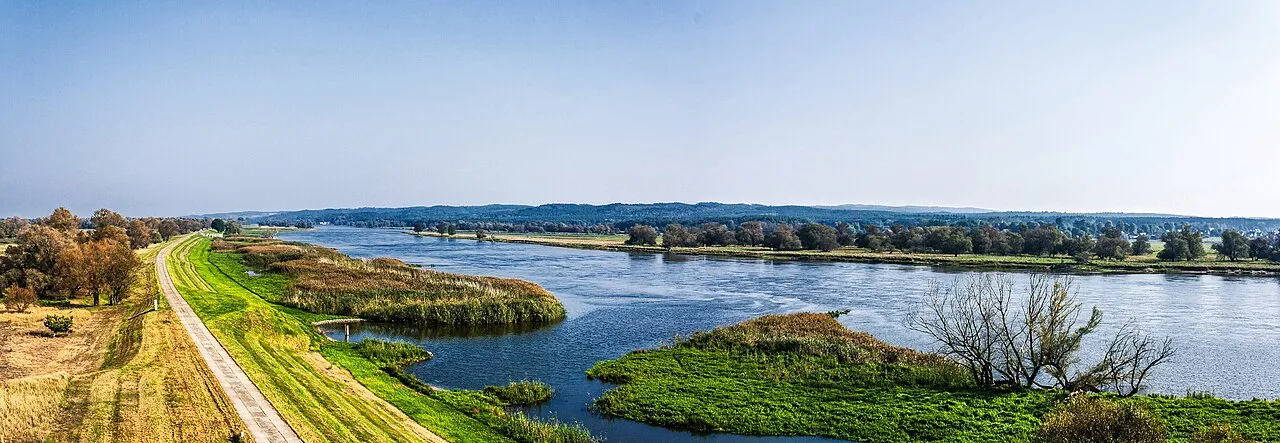
Natura 2000 · passage, breeding
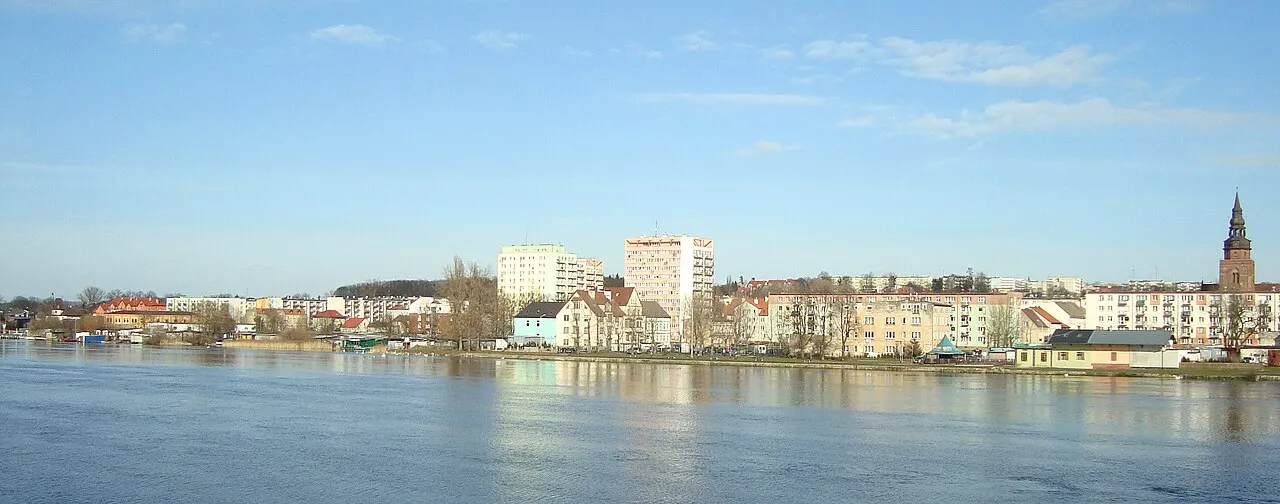
Natura 2000 · wintering, passage

Natura 2000 · passage
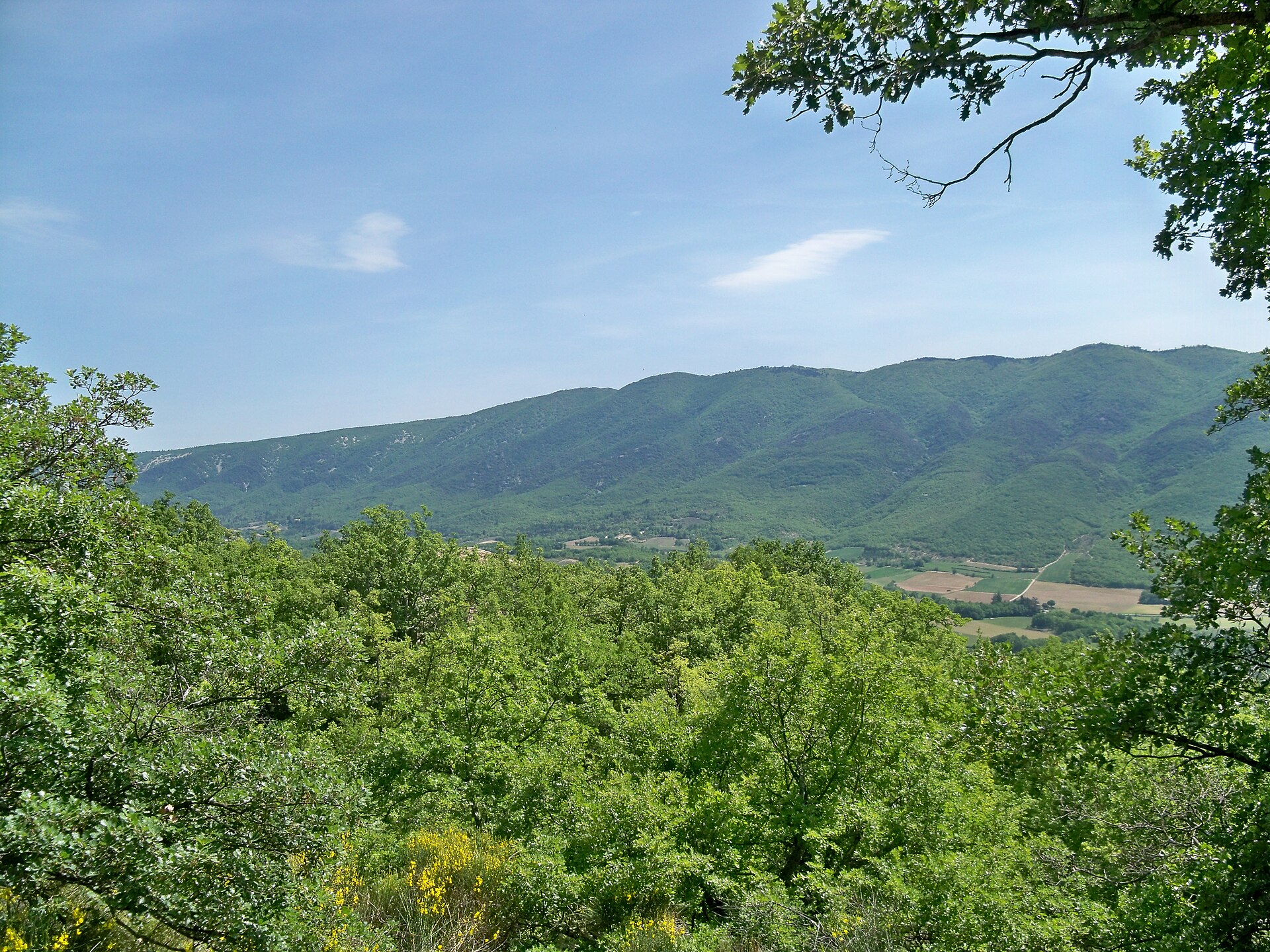
Natura 2000 · passage

Natura 2000 · wintering
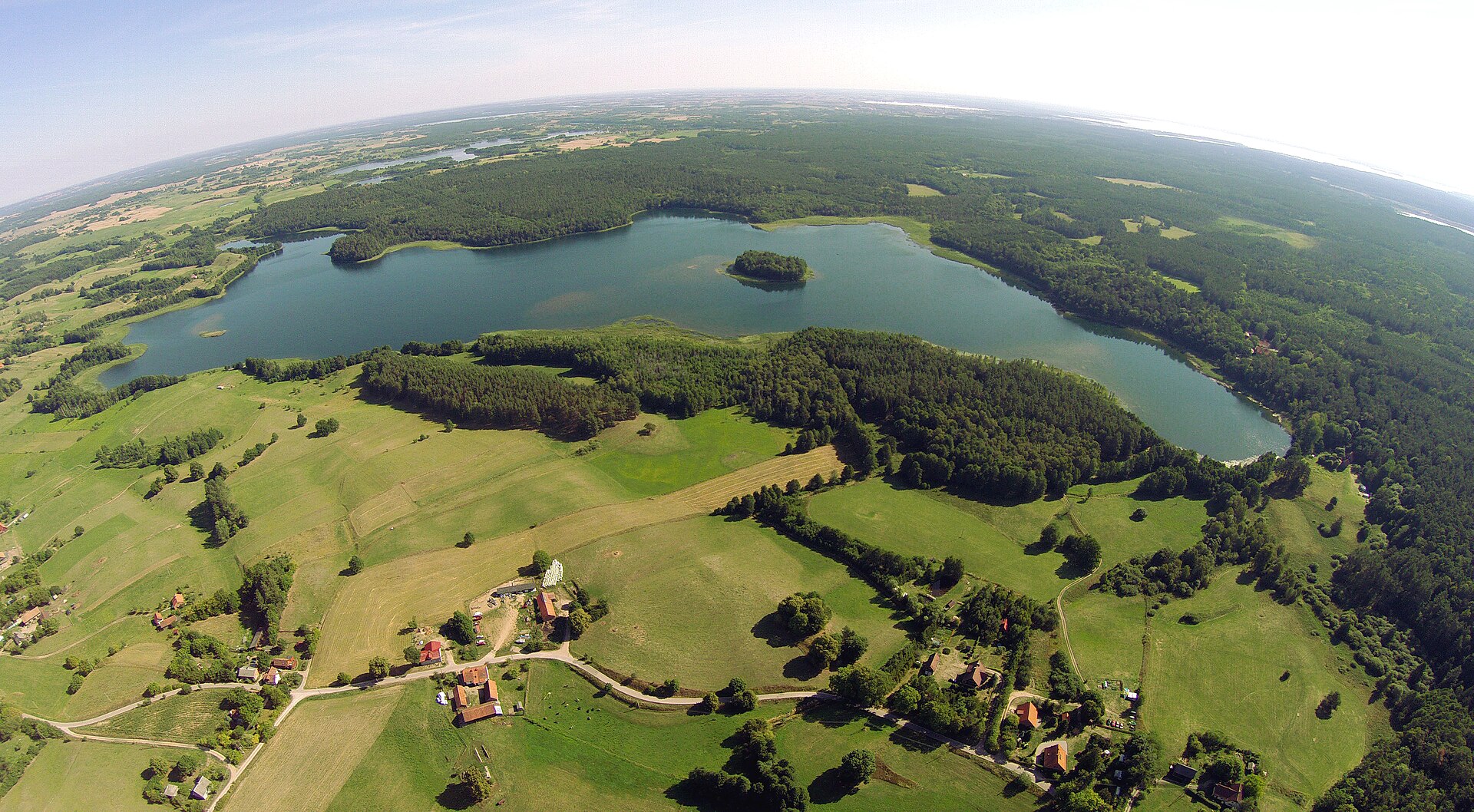
Natura 2000 · passage, breeding, wintering
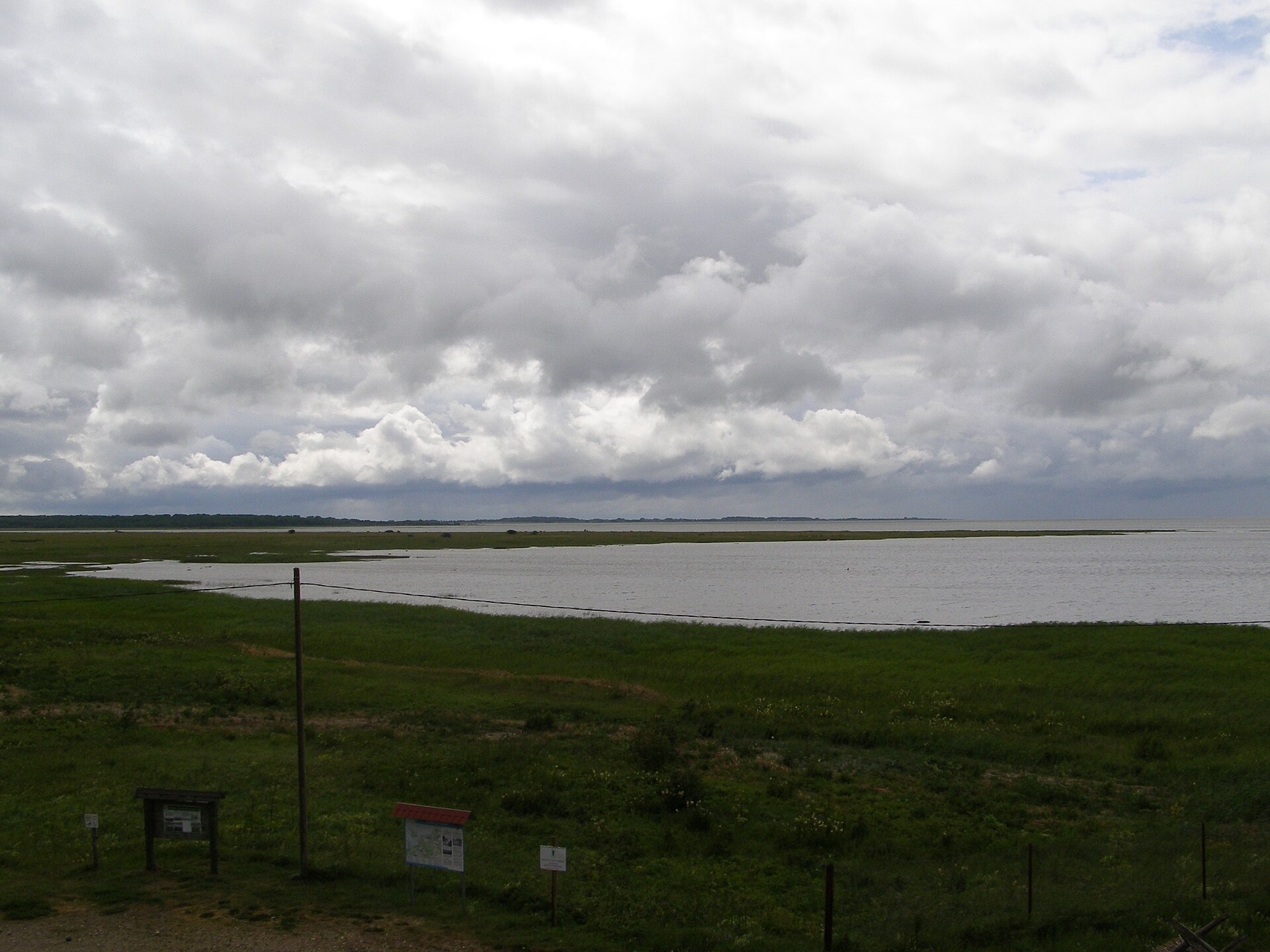
Natura 2000 · passage
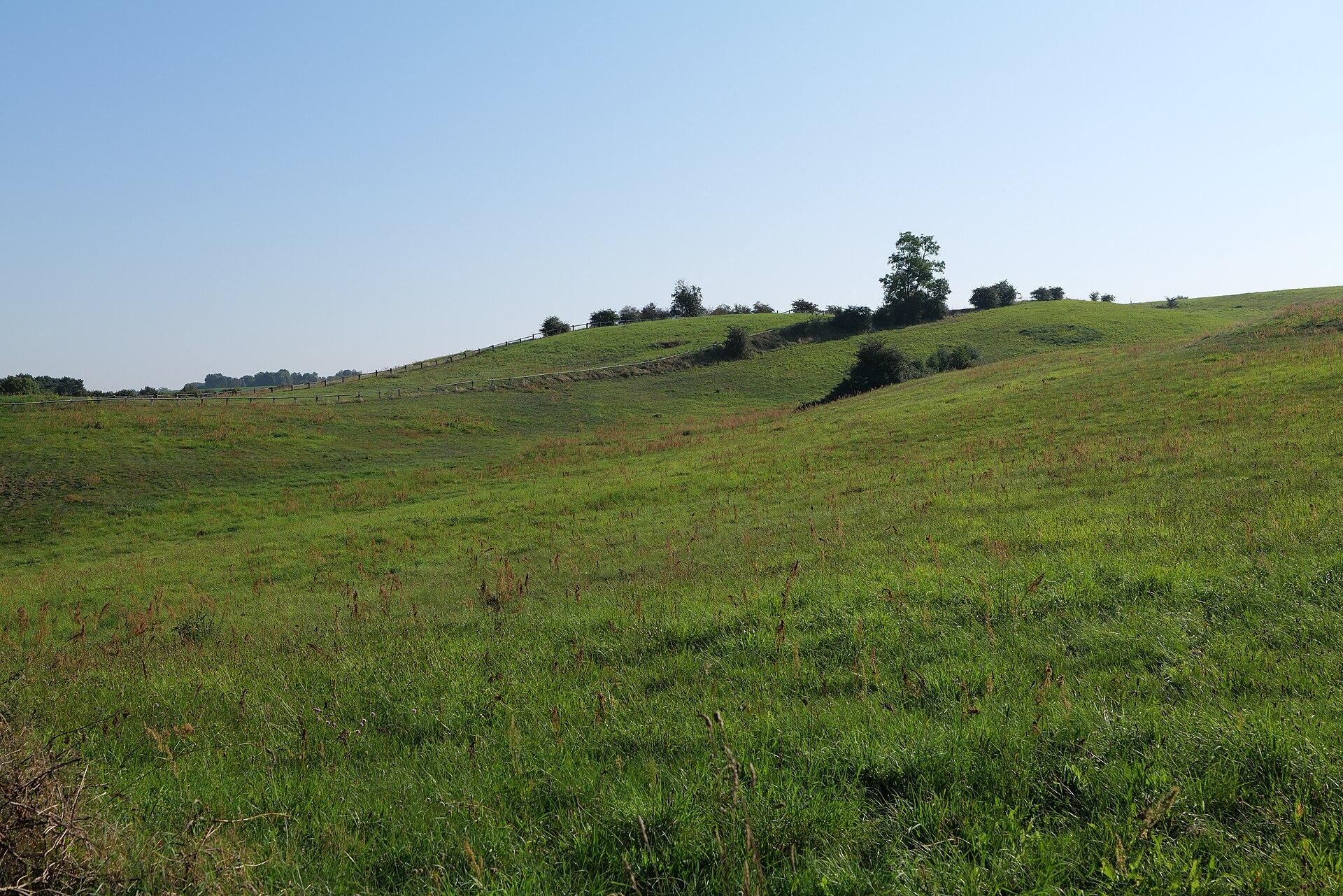
Natura 2000 · breeding, passage, wintering
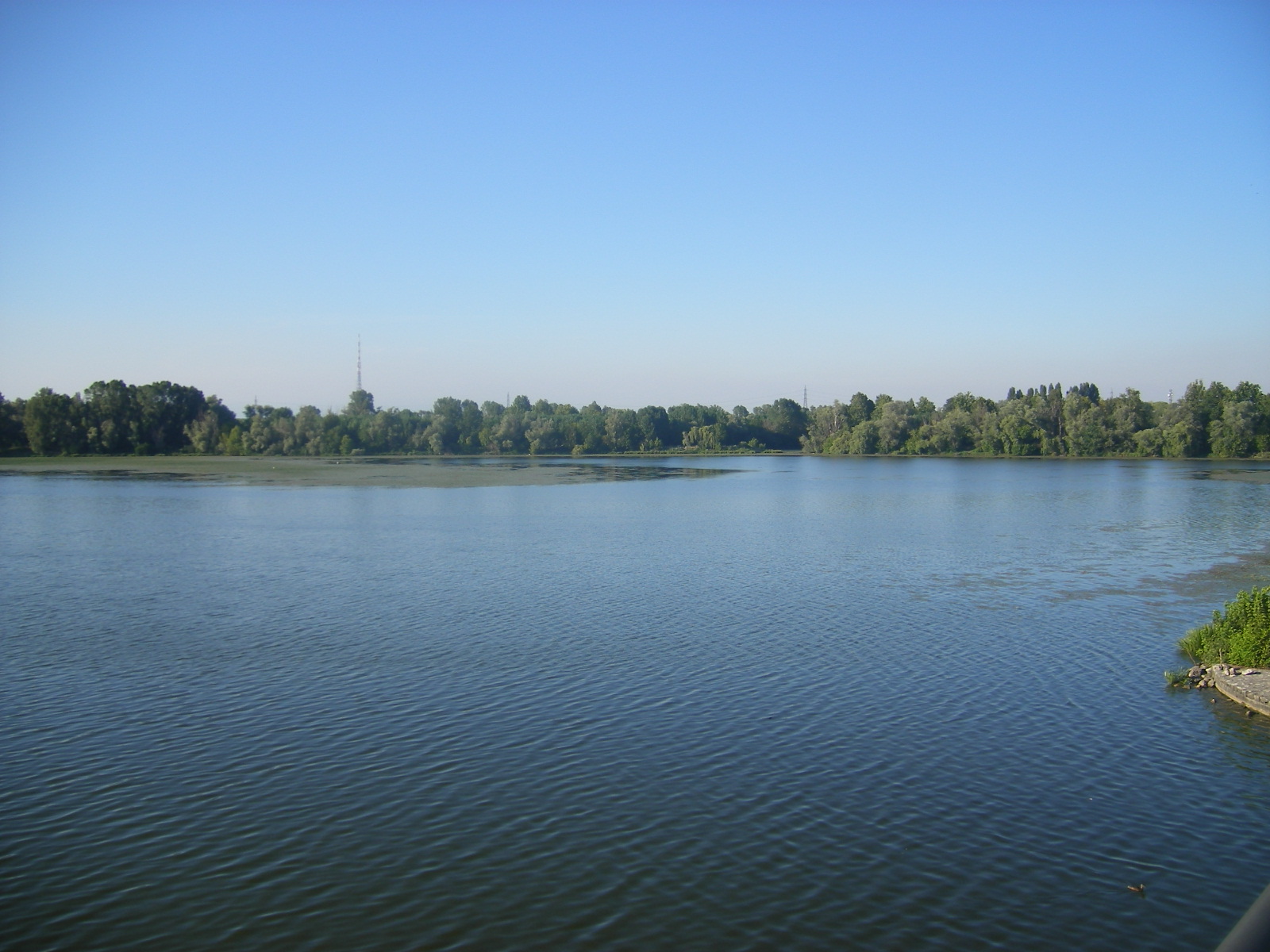
Natura 2000 · wintering, passage
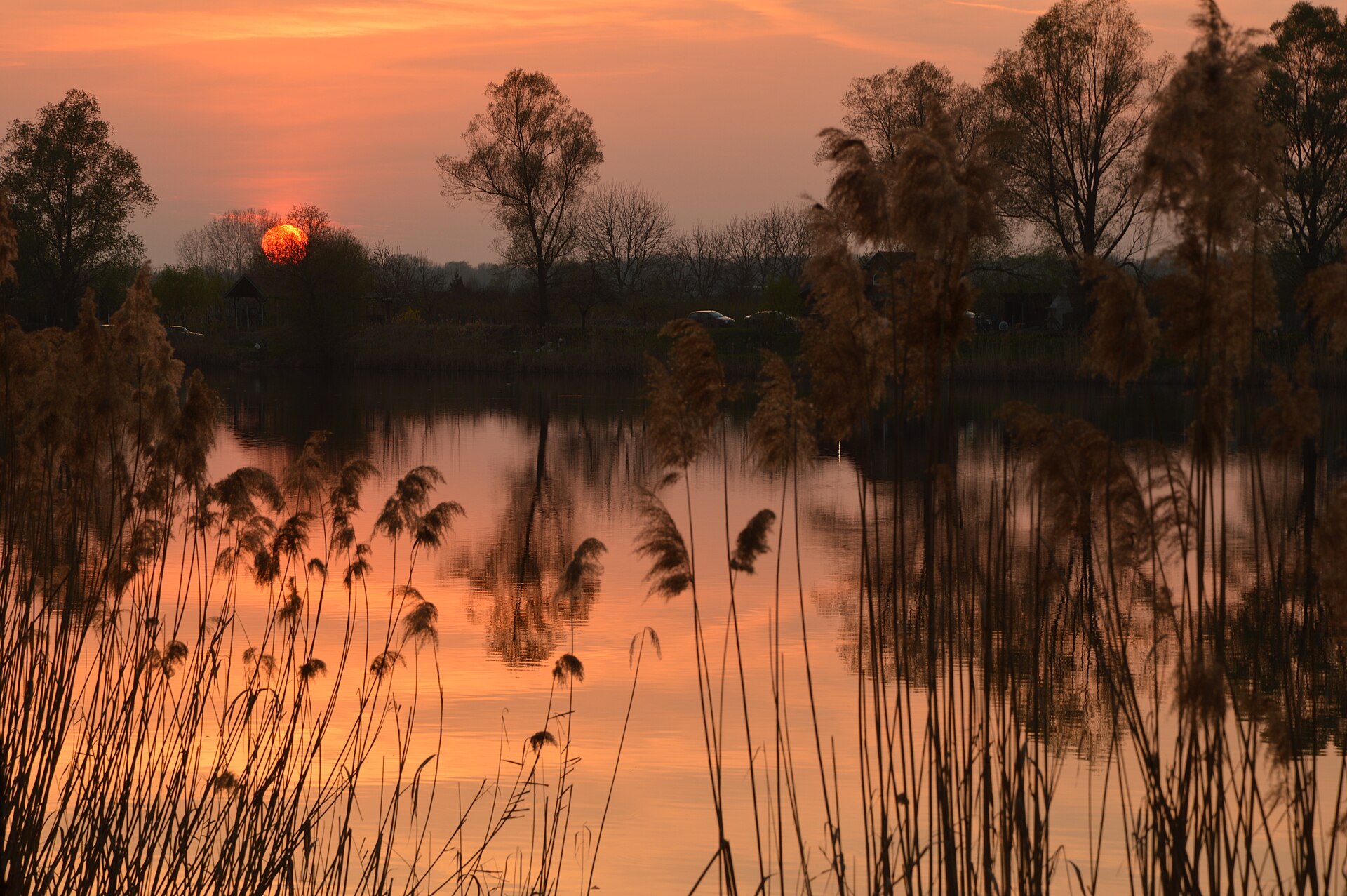
Natura 2000 · wintering, passage

Natura 2000 · breeding, passage
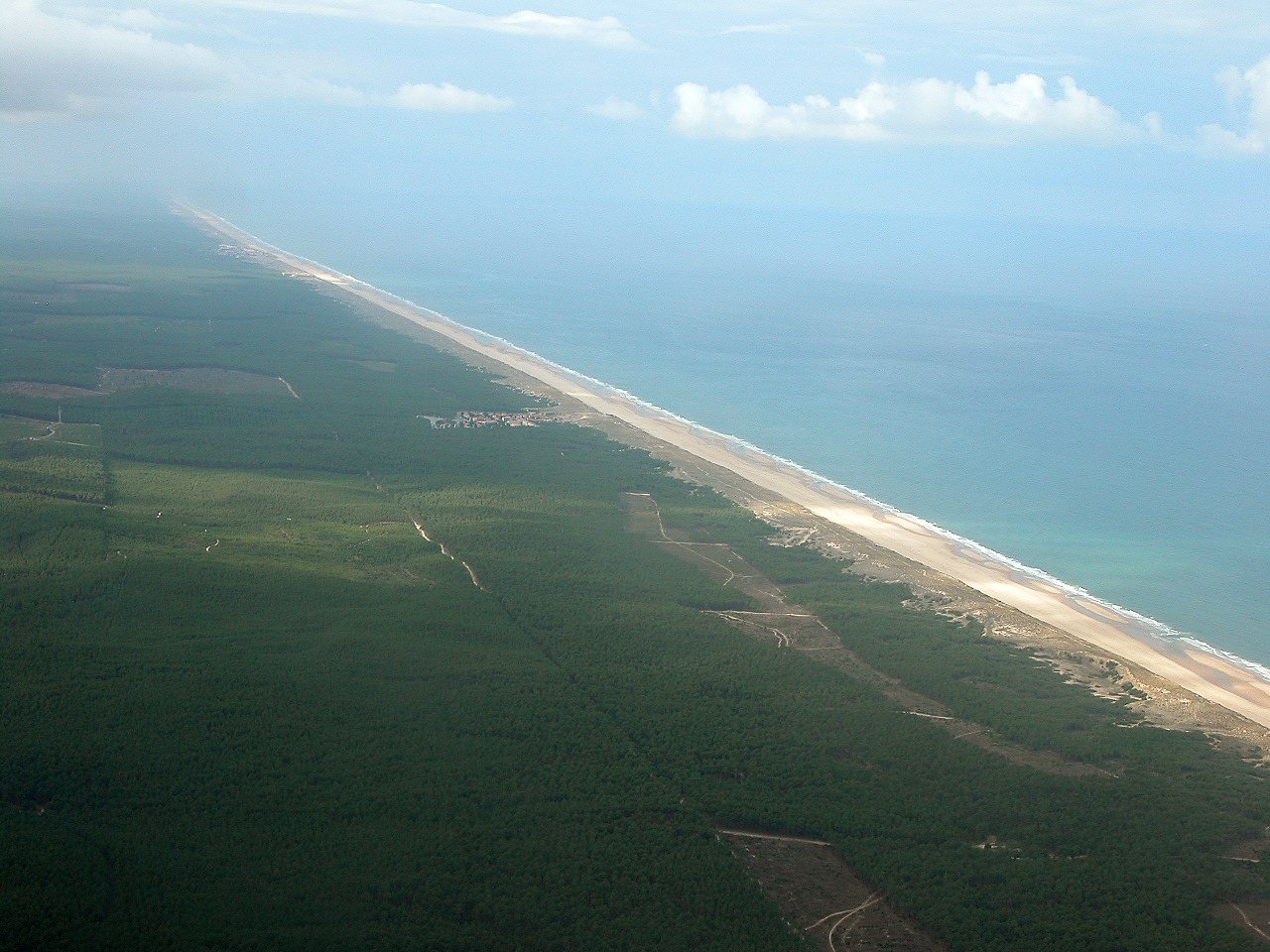
Natura 2000 · passage

Natura 2000 · breeding, passage, wintering
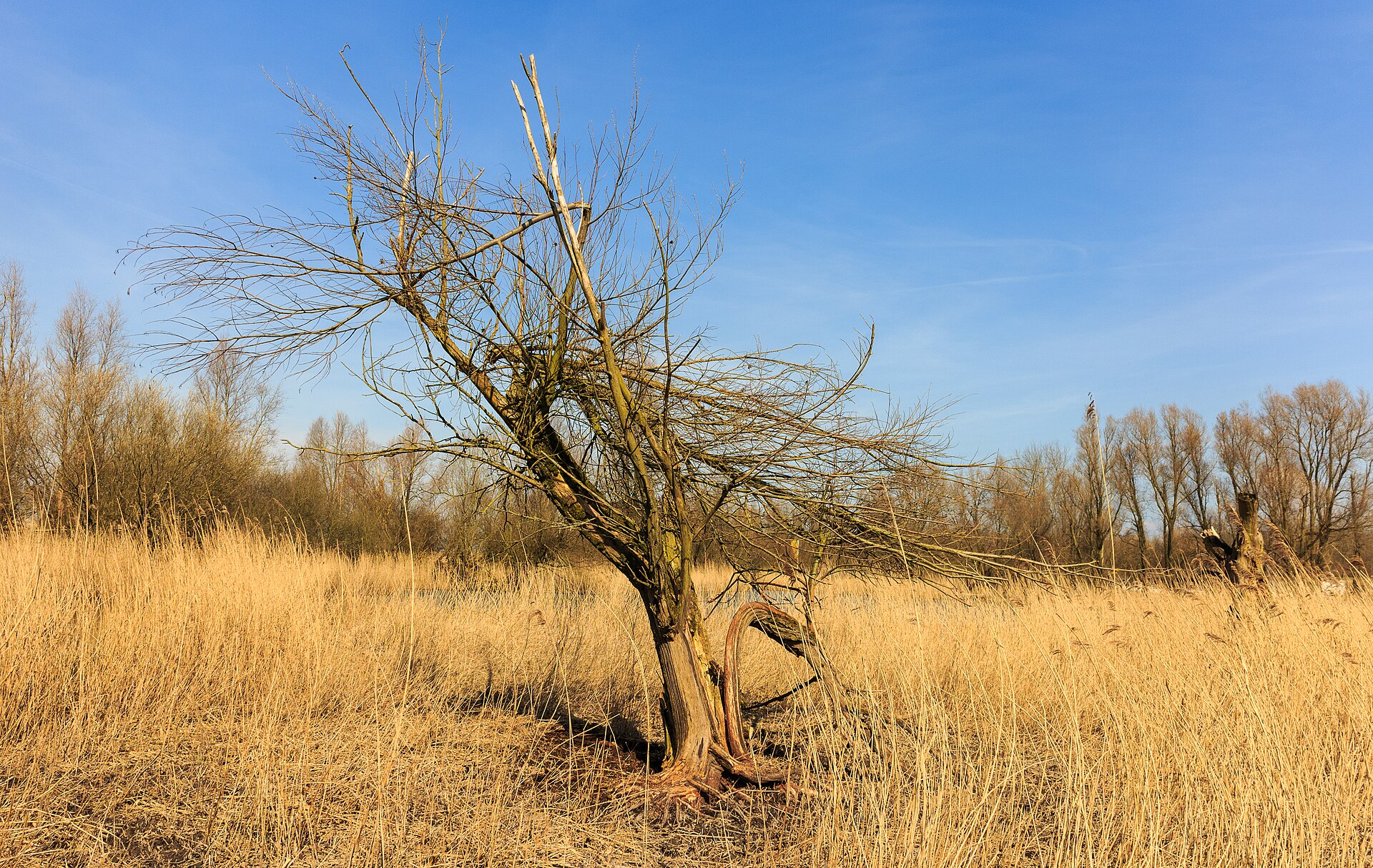
Natura 2000 · wintering
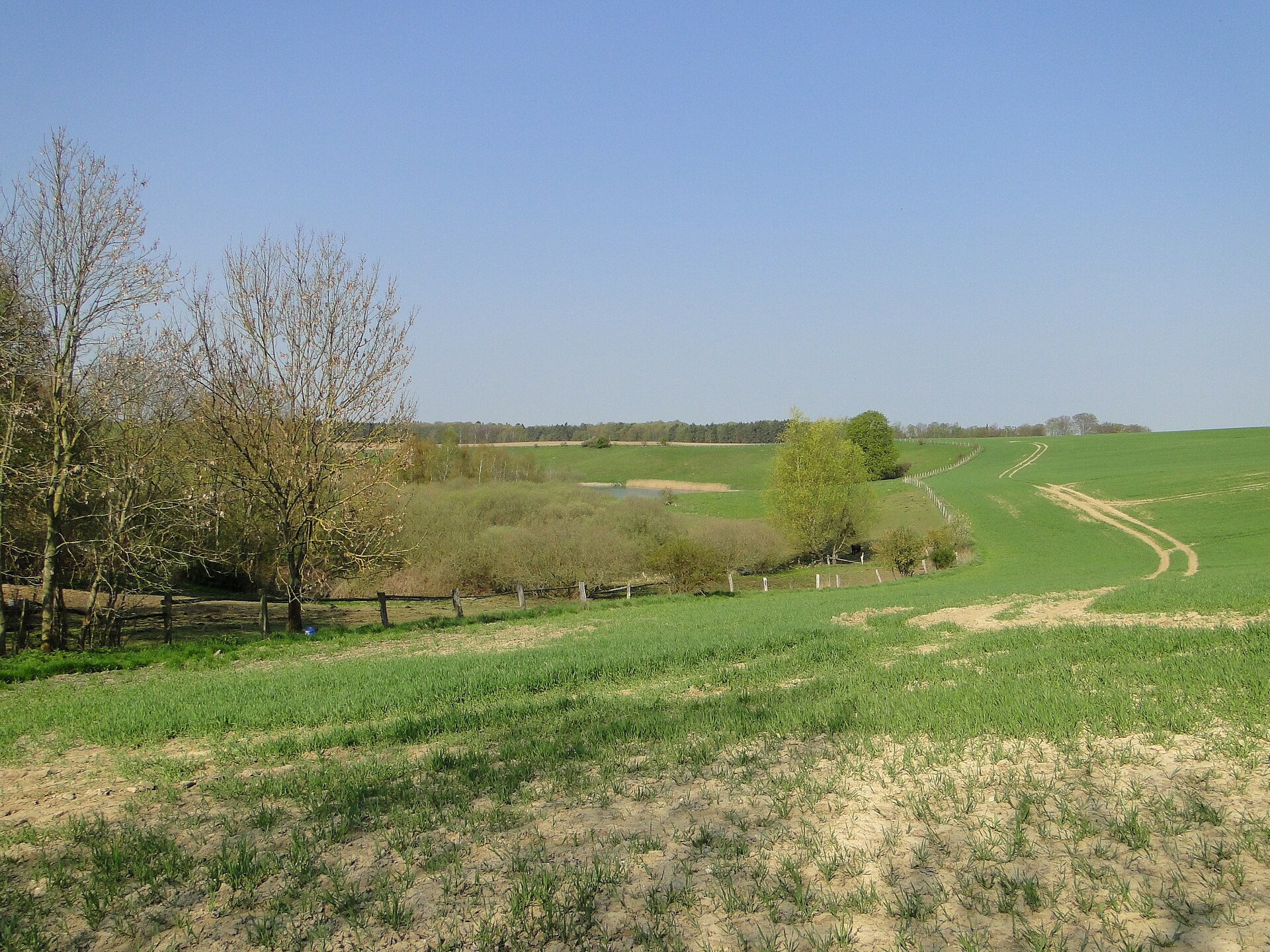
Natura 2000 · breeding, passage, wintering
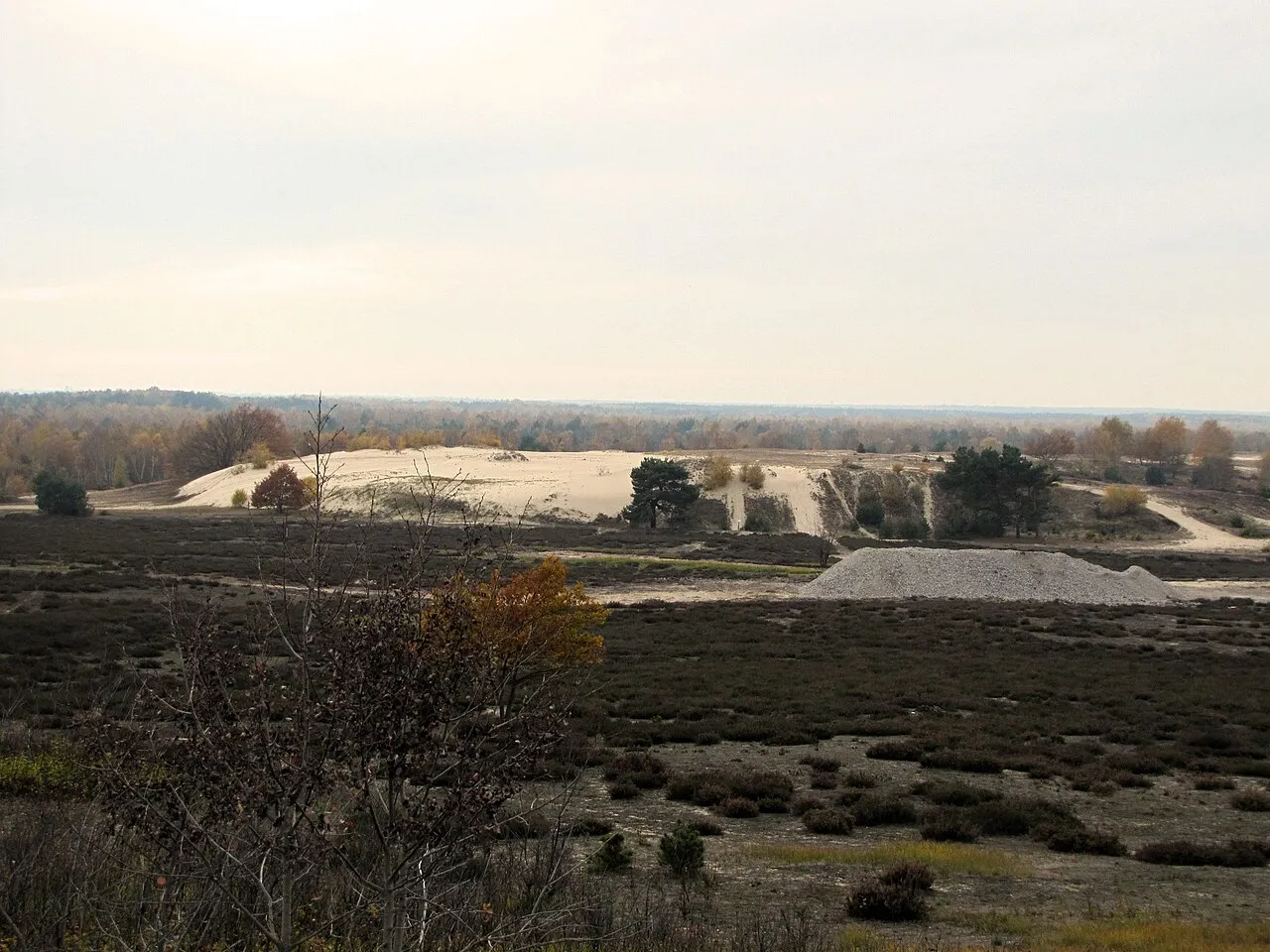
Natura 2000 · breeding, passage
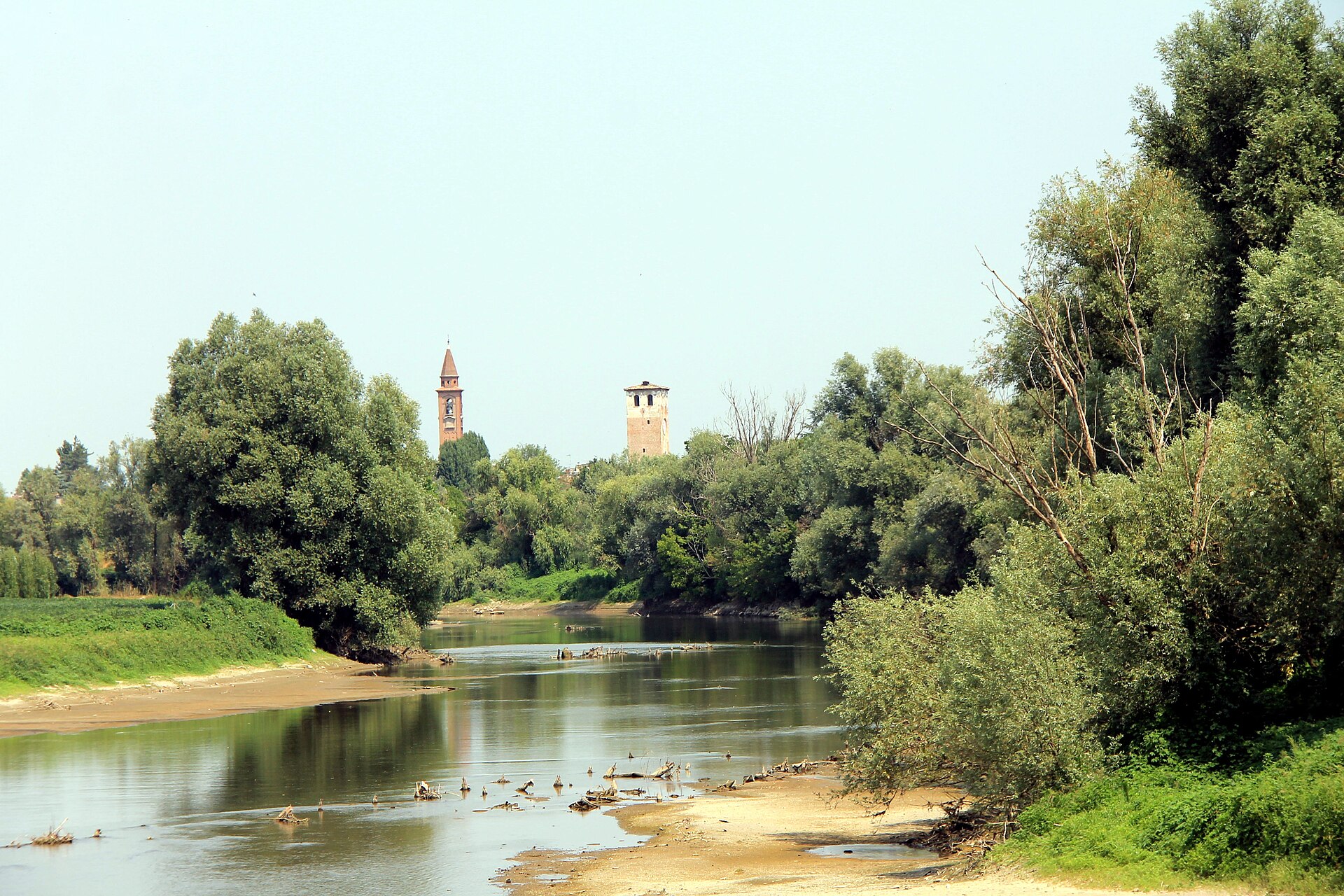
Natura 2000 · passage, wintering

Natura 2000 · wintering
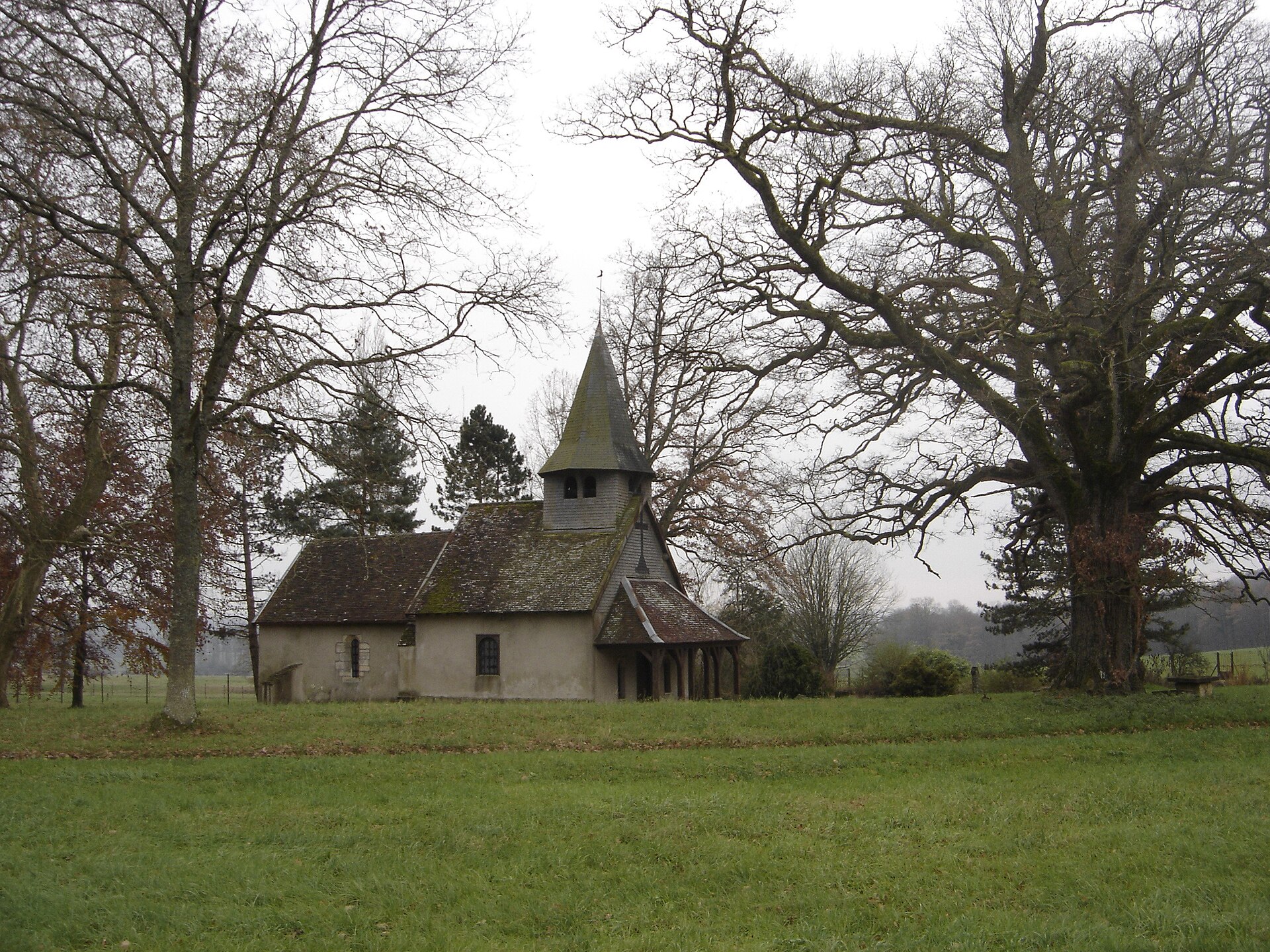
Natura 2000 · passage, wintering

Natura 2000 · passage, wintering

Natura 2000 · wintering, passage
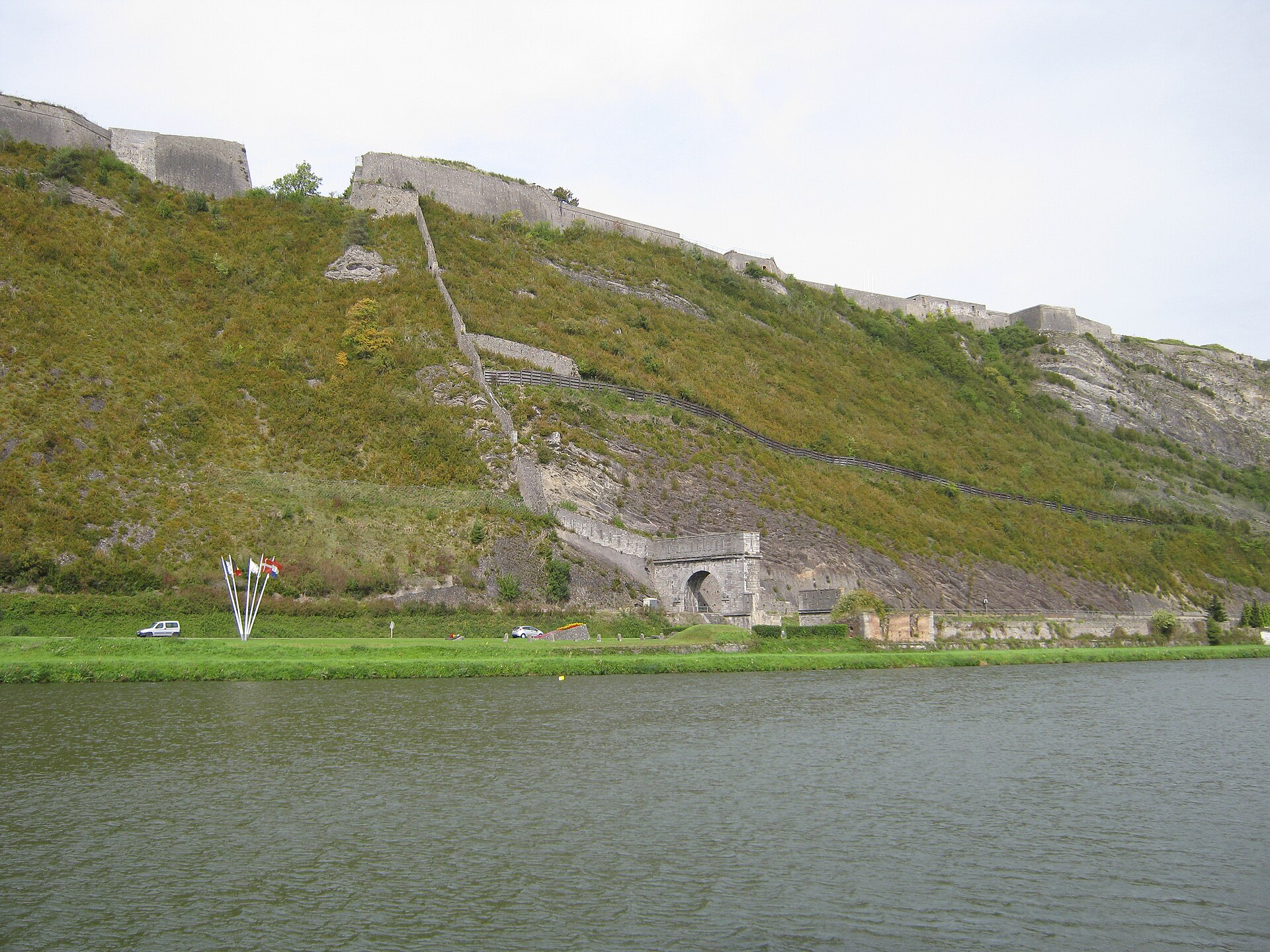
Natura 2000 · wintering, passage
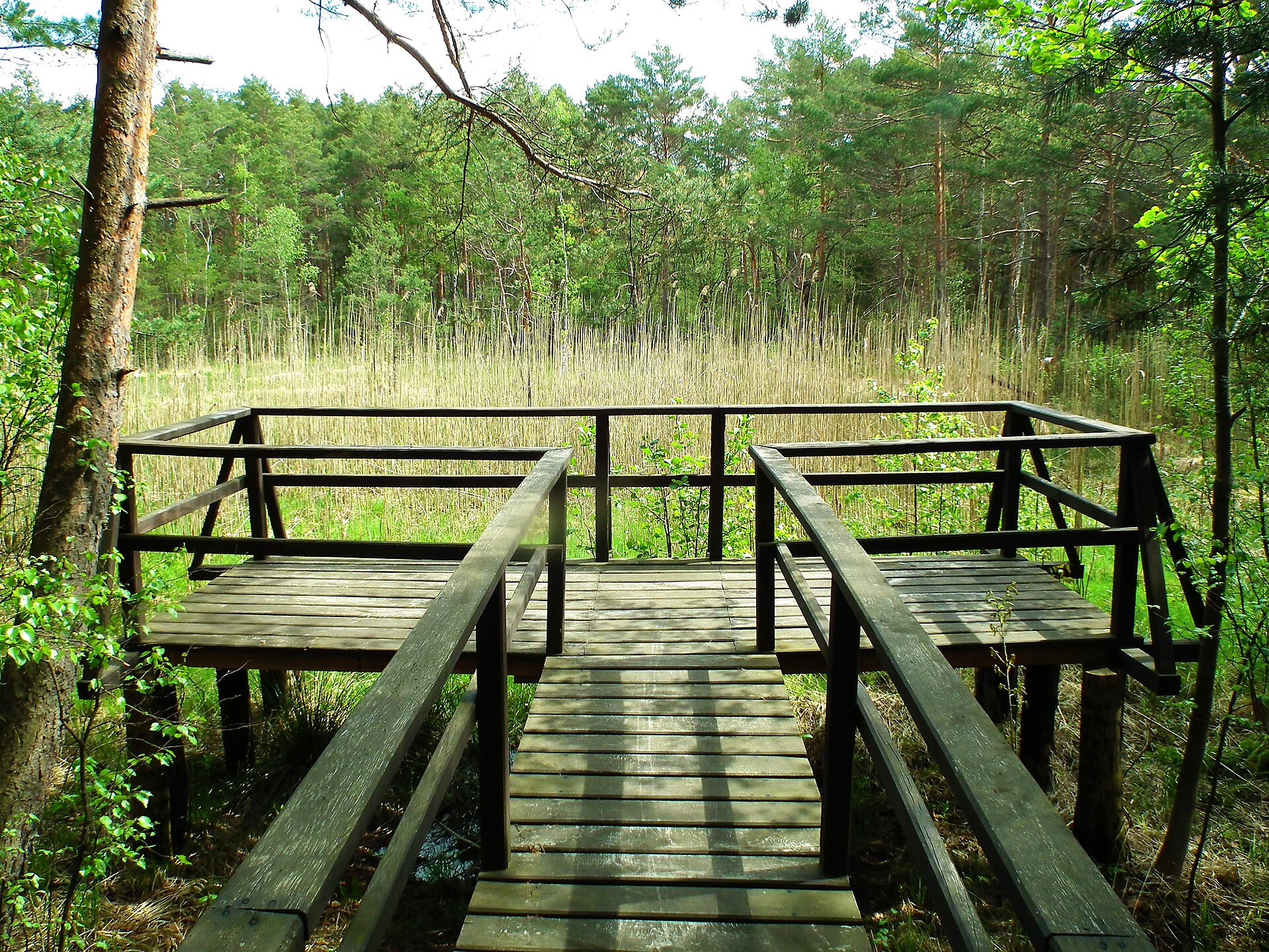
Natura 2000 · breeding

Natura 2000 · passage, breeding, wintering
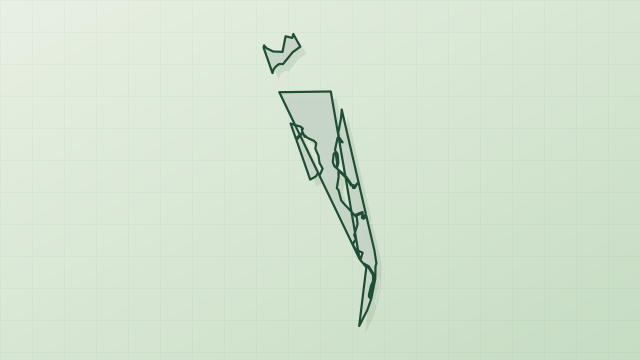
Natura 2000 · wintering
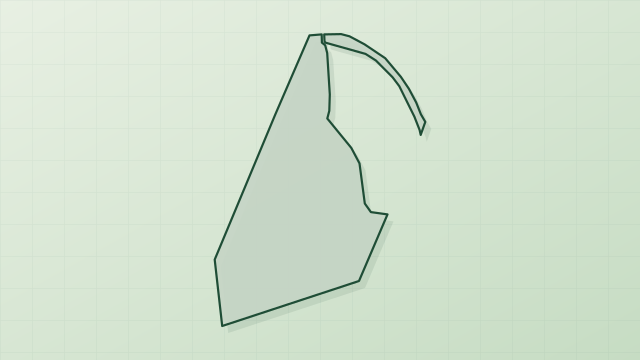
Natura 2000 · wintering

Natura 2000 · wintering
Natura 2000 · wintering, passage
Natura 2000 · wintering
Natura 2000 · wintering
Natura 2000 · wintering
Natura 2000 · wintering
Natura 2000 · wintering, breeding
Natura 2000 · passage
Natura 2000 · breeding

Natura 2000 · wintering
Natura 2000 · wintering
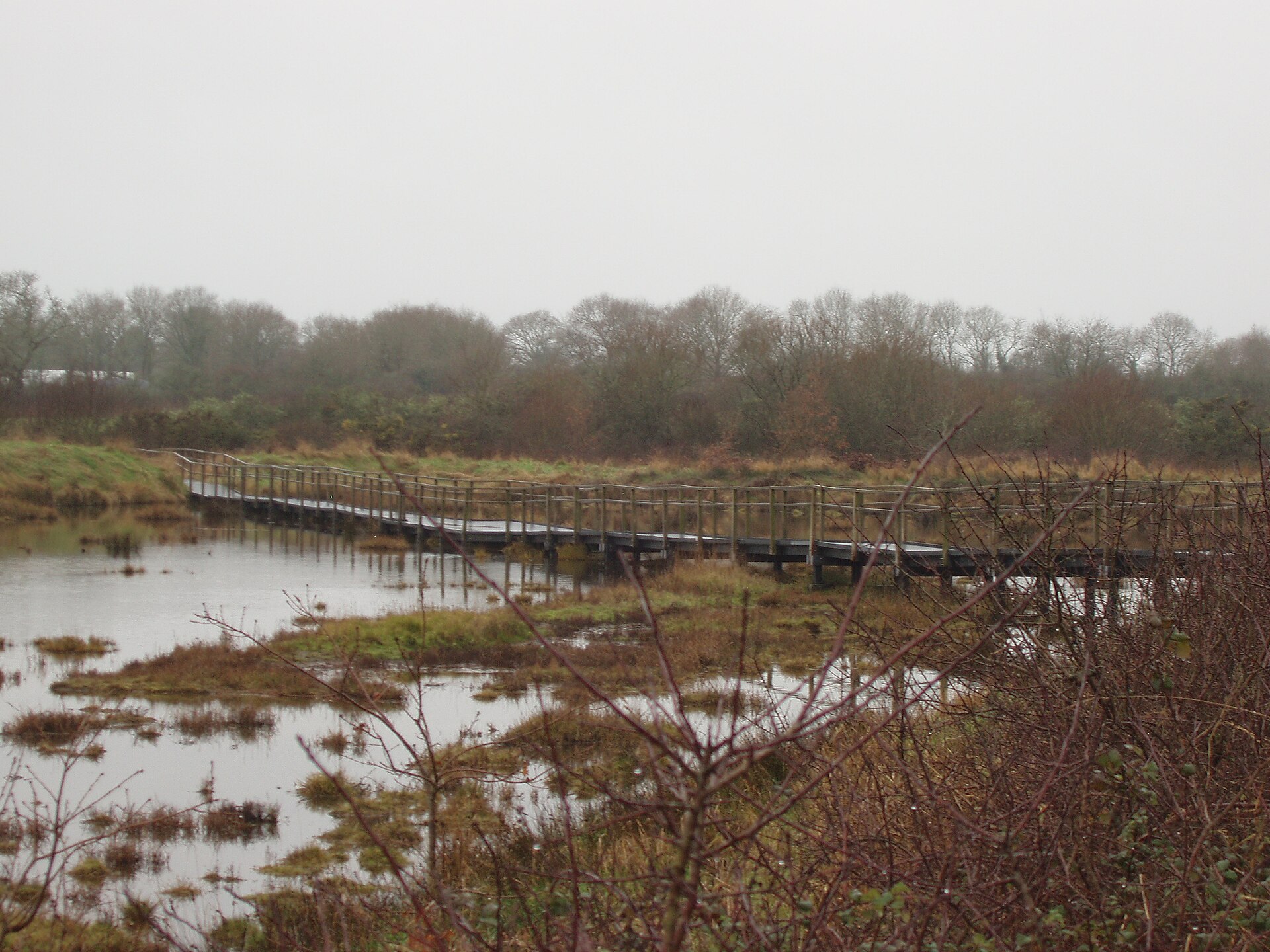
Natura 2000 · wintering

Natura 2000 · wintering, passage
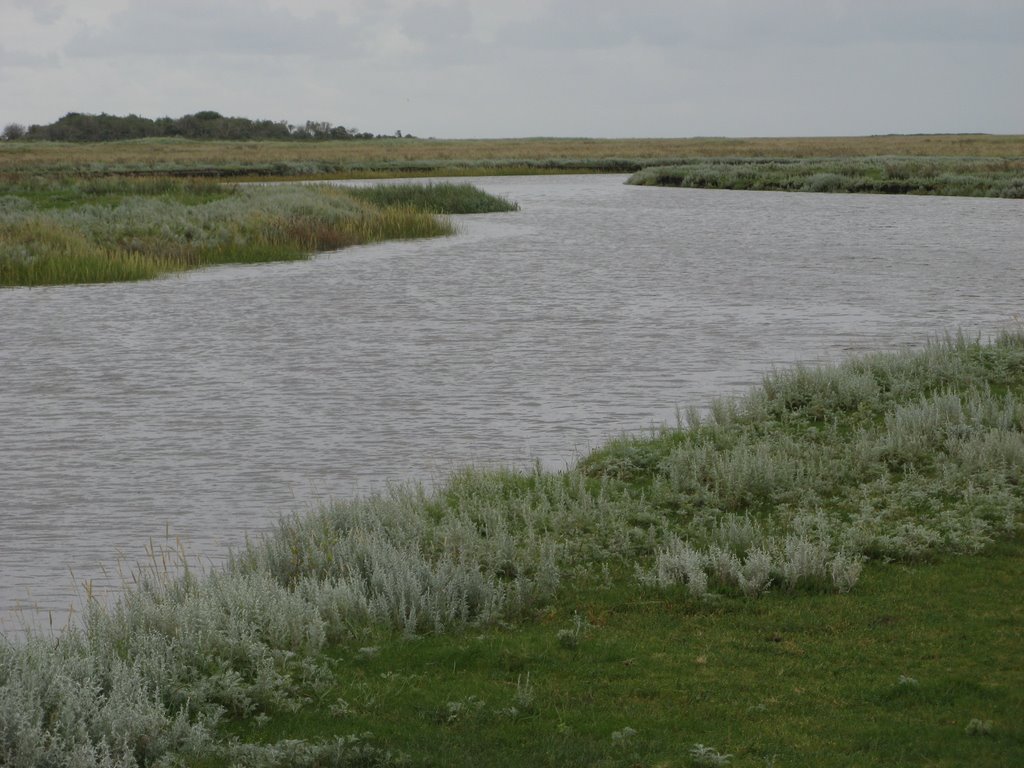
Natura 2000 · wintering

Natura 2000 · passage
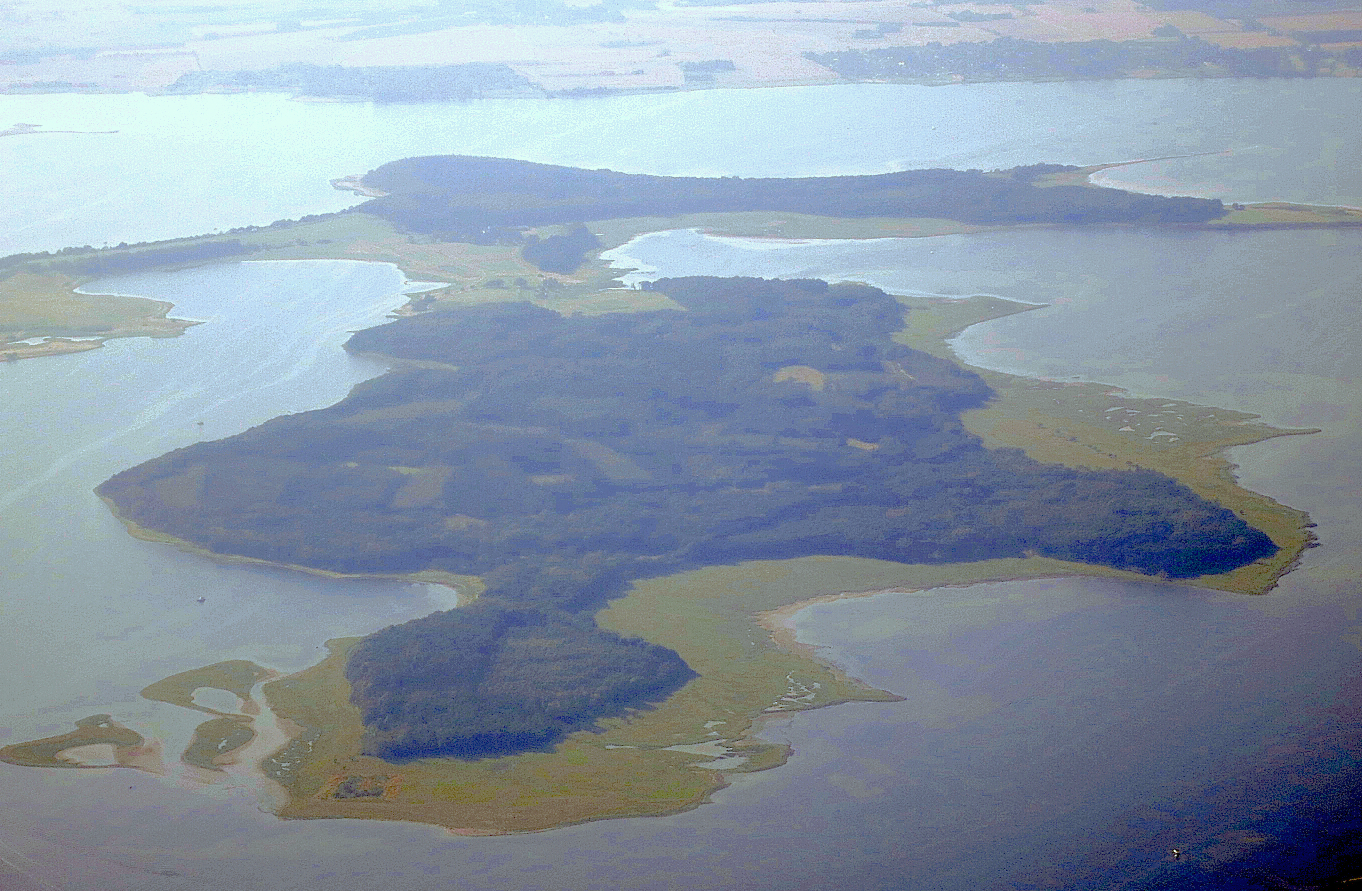
Natura 2000 · wintering

Natura 2000 · breeding
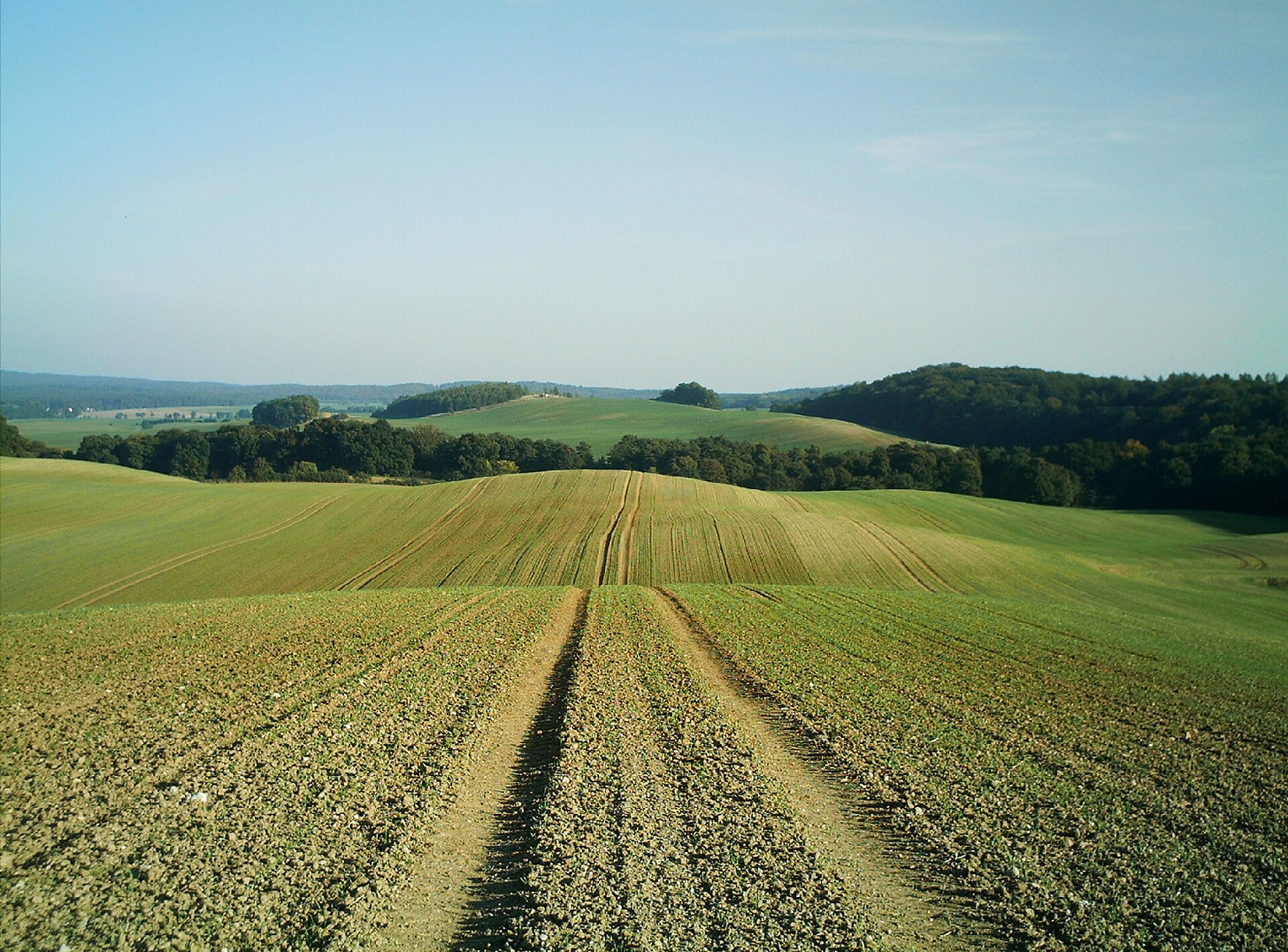
Natura 2000 · breeding, passage
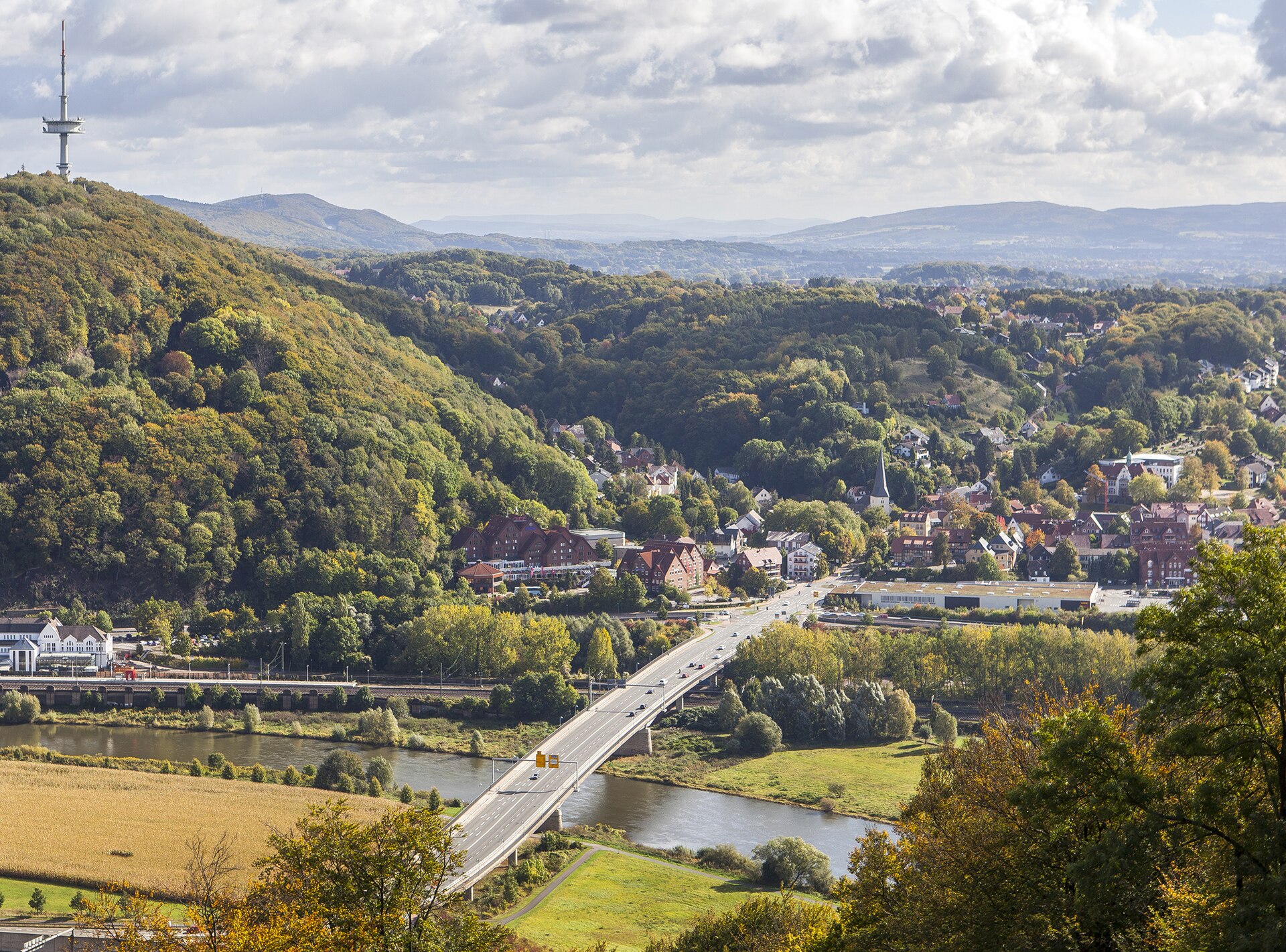
Natura 2000 · passage
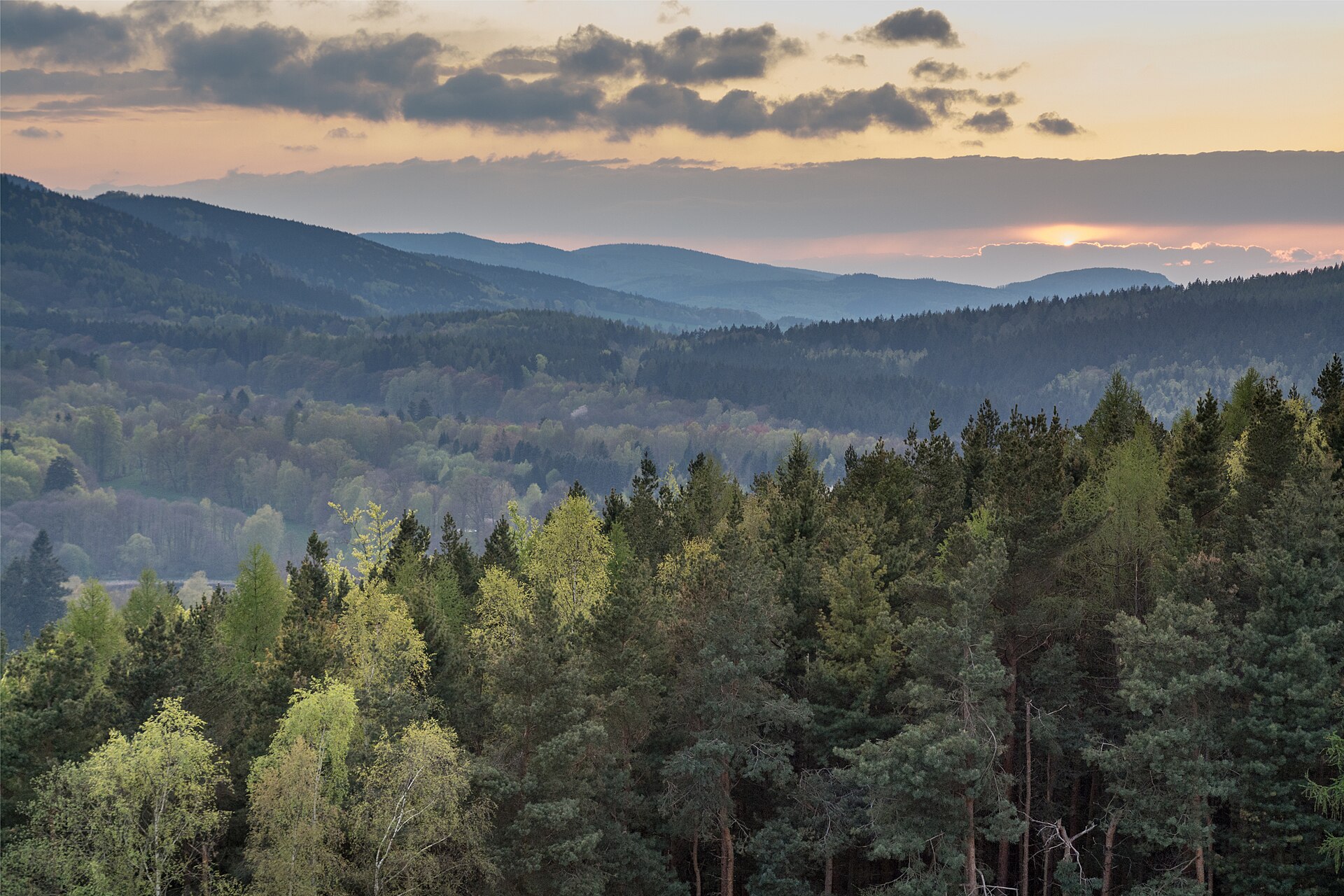
Natura 2000 · passage
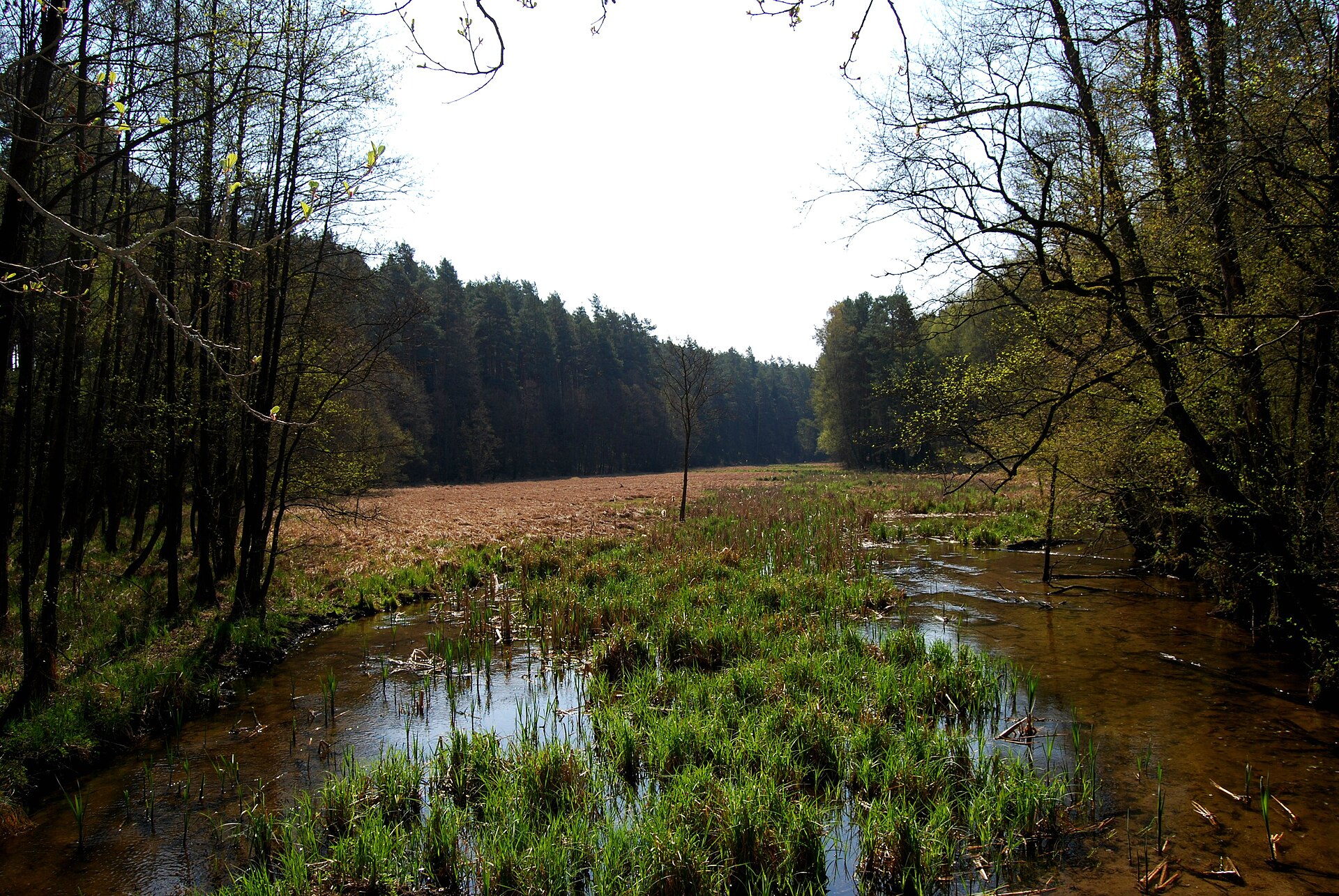
Natura 2000 · breeding
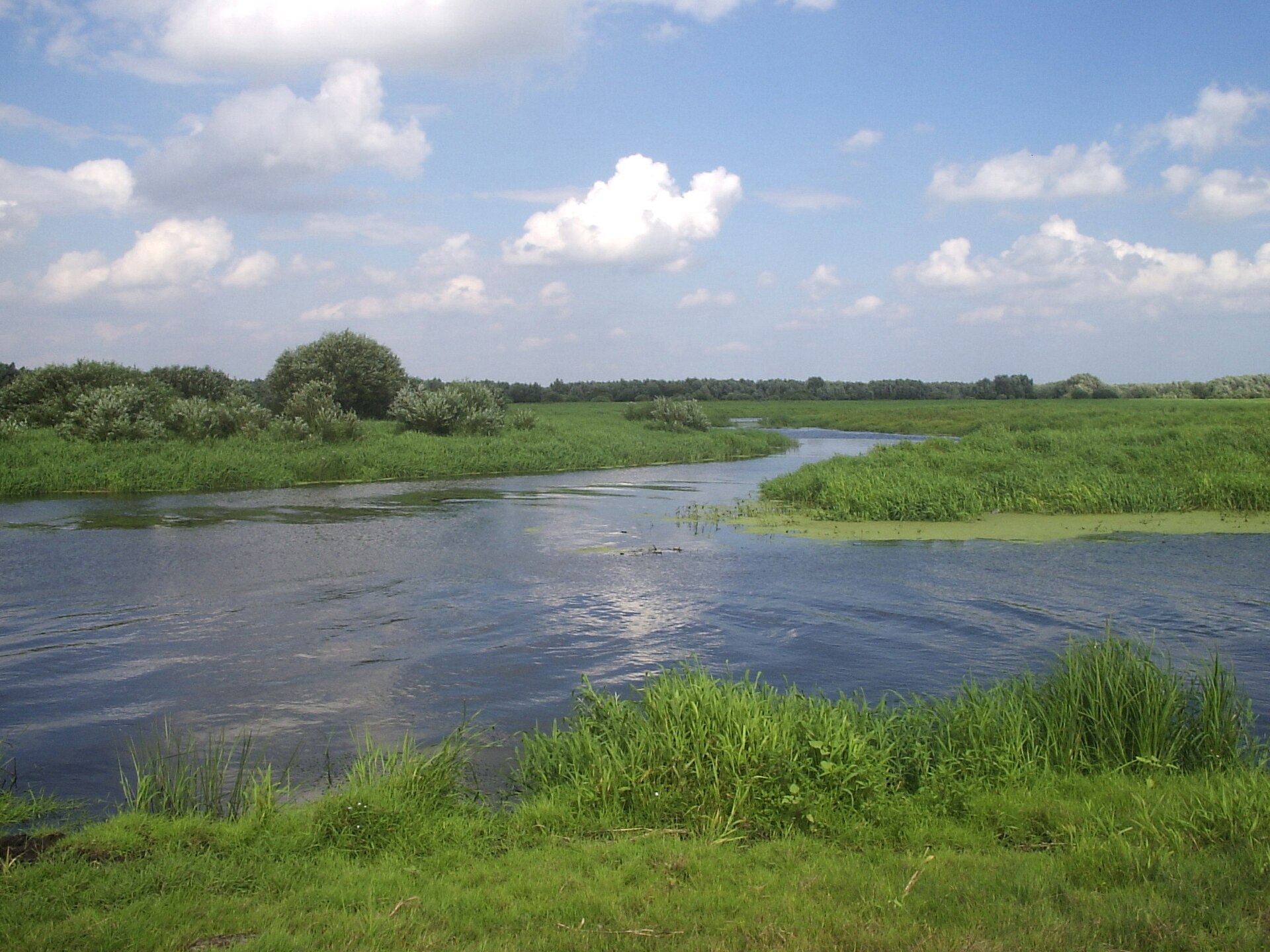
Natura 2000 · passage, breeding
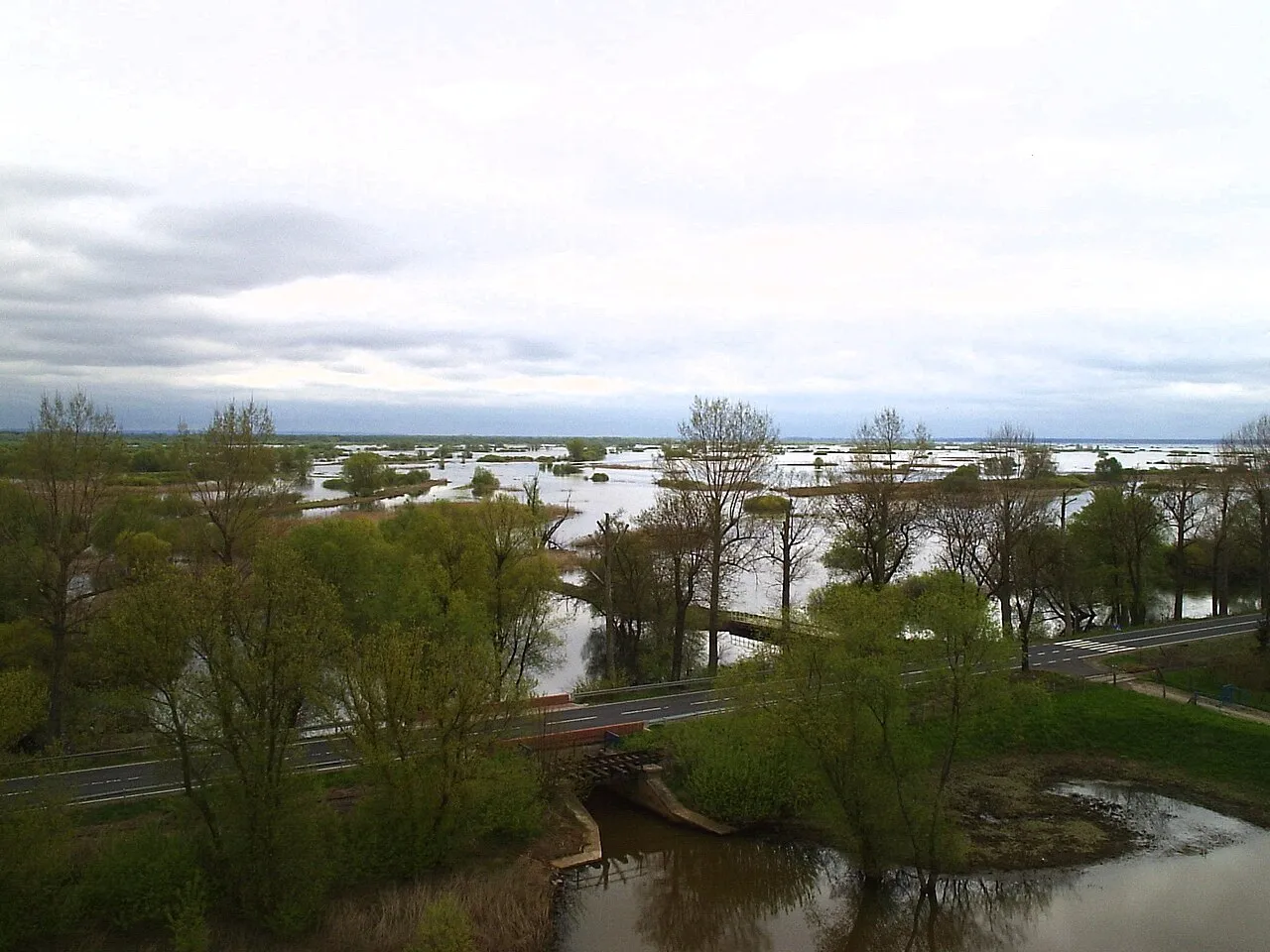
Natura 2000 · passage, breeding
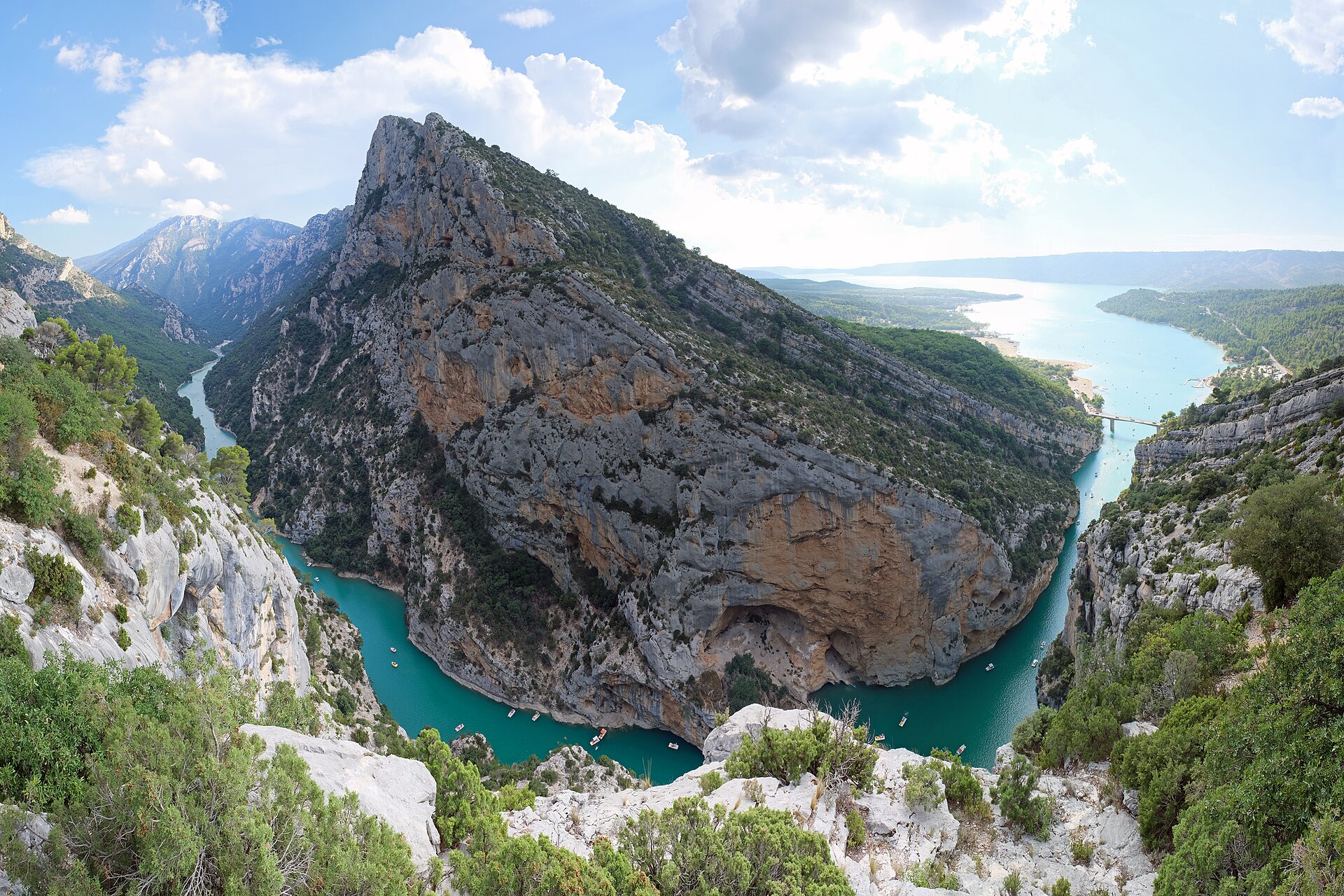
Natura 2000 · passage
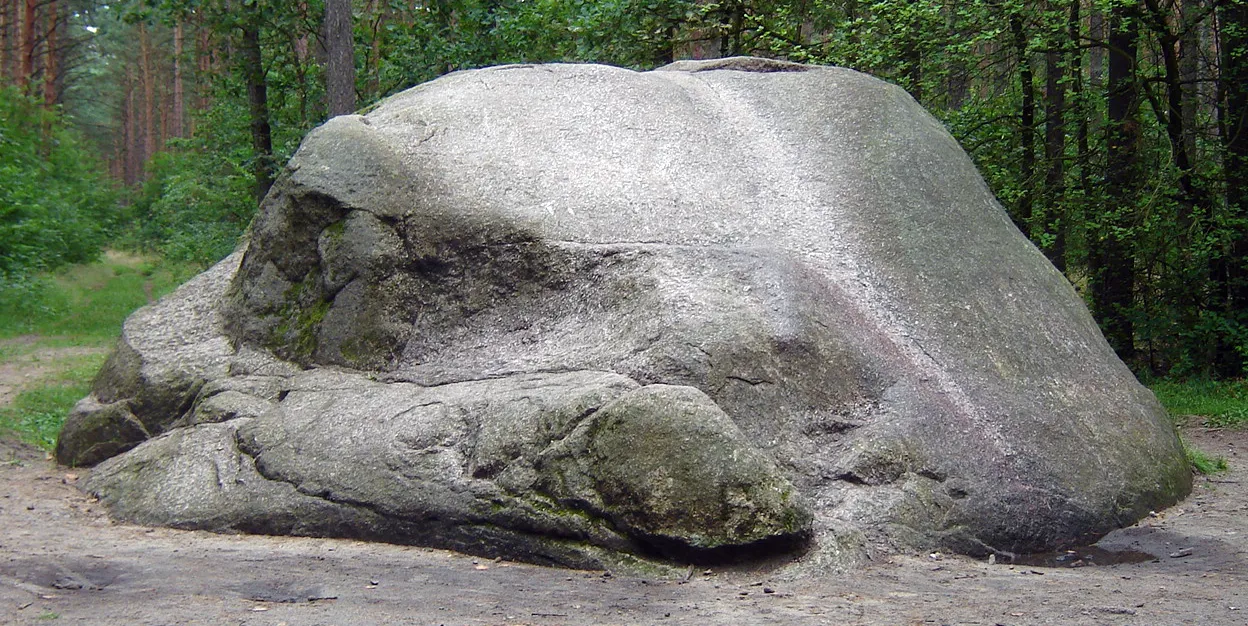
Natura 2000 · breeding
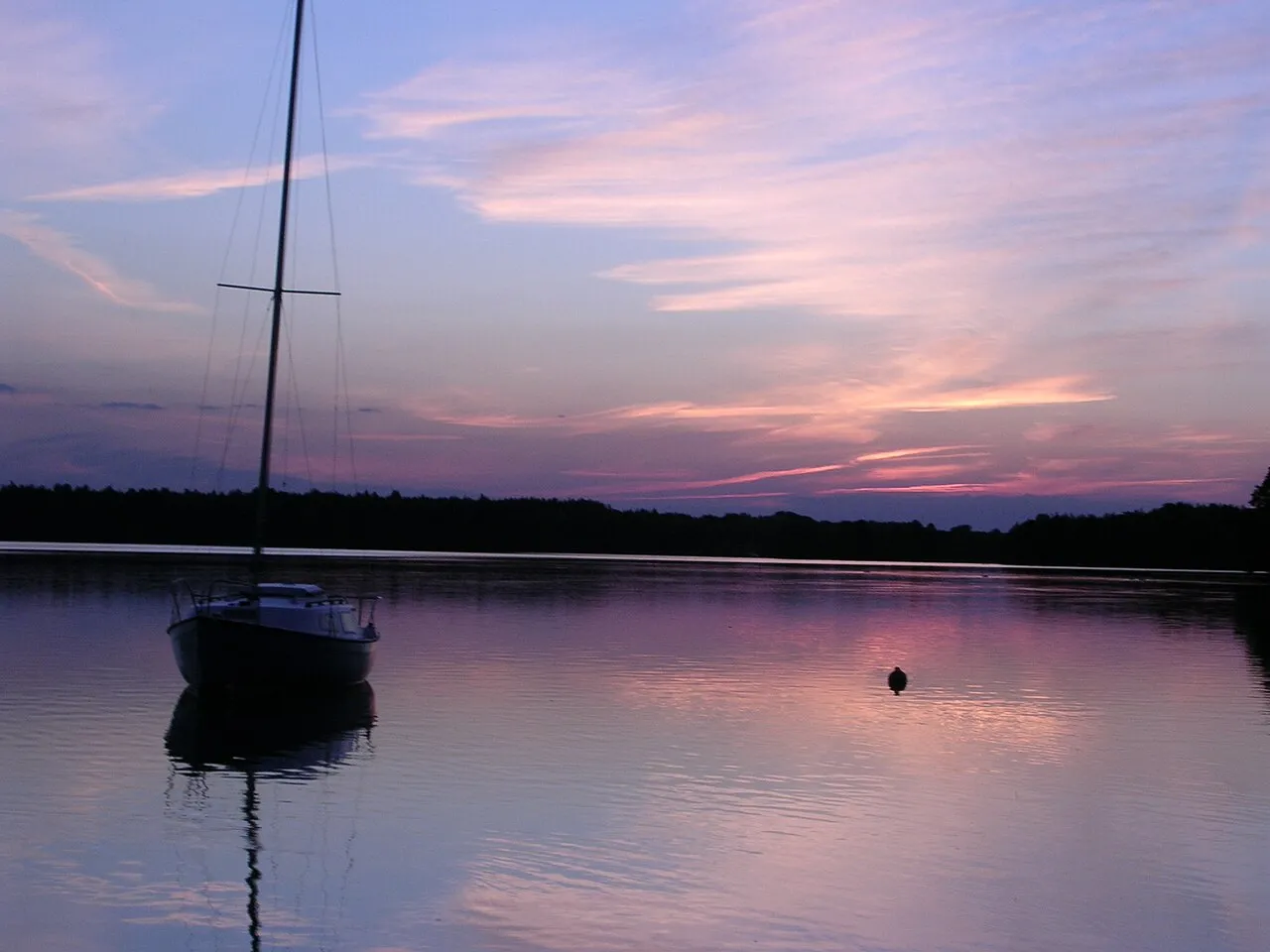
Natura 2000 · breeding
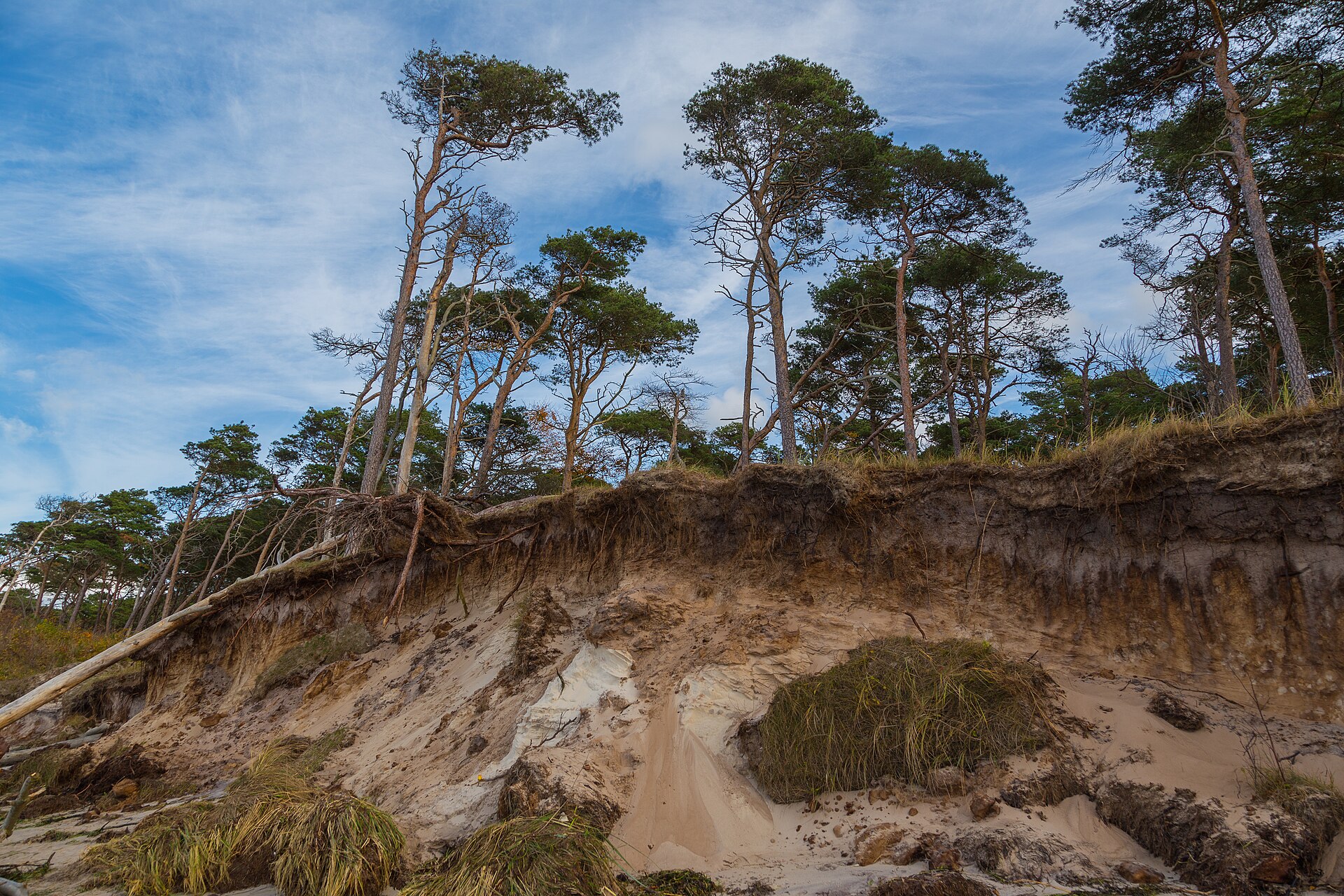
Natura 2000 · wintering

Natura 2000 · breeding, wintering

Natura 2000
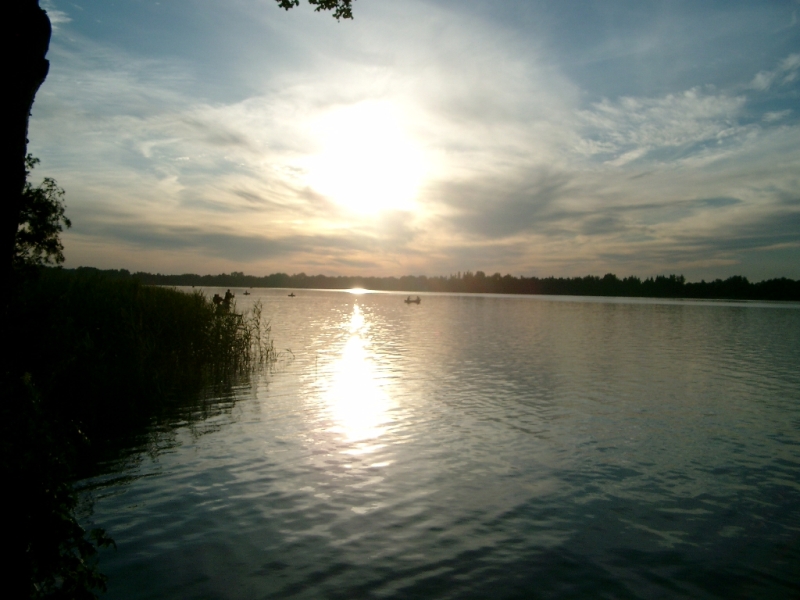
Natura 2000 · breeding
Other species to discover
Sources and credits
- Presence: most-recorded species of each place on GBIF and species of Community interest in the Natura 2000 forms (EEA, CC-BY 4.0); absence from the list does not mean the species is absent.
- Common names: Wikidata (CC0) and GBIF.
- Photos and sounds: Wikimedia Commons, author and licence given for each file.
- Classification: GBIF Backbone Taxonomy (GBIF Secretariat), CC BY 4.0, doi:10.15468/39omei.
- Countries, elevations, months and maps: GBIF.org, CC0 or CC BY 4.0 occurrences only, accessed October 22, 2026, GBIF.org.
- Base map: Natural Earth (public domain).
- Excerpt: Wikipedia, CC BY-SA 4.0 (full credit below the excerpt).
- Key facts: Wikidata (CC0), with the references cited under each value.
- Annexes: Directive 2009/147/EC (consolidated version), © European Union, EUR-Lex.
- EU bird populations: EEA / DG ENV, Article 12 Birds Directive reporting (2013–2018), CC BY 4.0.