
Bird
Eurasian Crag Martin: where to see it
Ptyonoprogne rupestris
This bird species is recorded in 94 protected areas of the atlas, including 34 whose official Natura 2000 form lists it. Within the atlas countries, it is mostly observed in Spain, France and Portugal (8 countries in all). Most records (8 in 10) lie between sea level and 1,700 m. Records are spread throughout the year. It has a wingspan of 32 cm and weighs 20 g. Its EU population is assessed as secure (2013–2018 Birds Directive reporting).
Best time to see it: all year round
Records published on GBIF by month (CC0 and CC BY 4.0 licences only), in the atlas countries, all years combined; they also reflect observer activity.
Key facts
- Wingspan
- 32 cm Wikidata, after Ericson et al. 2007
- Weight
- 20 g Wikidata, after Lislevand et al. 2007
- Clutch size
- 3.2 eggs on average Wikidata, after Jetz et al. 2008
- Incubation
- 15 days Wikidata, after Handbook of the Birds of the World
Status and protection
EU population assessed as secure, stable in the short term (2013–2018 Birds Directive reporting). EU breeding population: 131,000–244,000 pairs.
Distribution
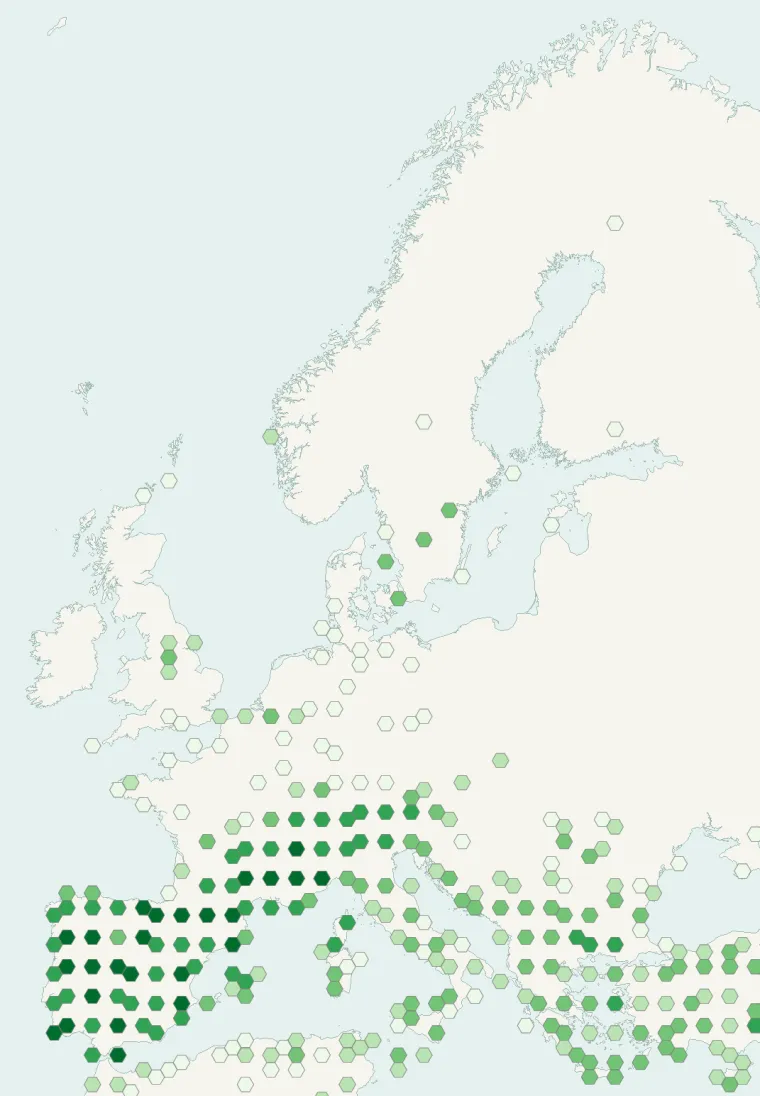
Records published on GBIF (CC0 and CC BY 4.0 licences): the darker the shade, the more records there are; they also reflect observation effort.
Atlas countries where it is recorded
Listen
-
0:27 · © Pascal Christe · CC BY-SA 4.0 · Wikimedia Commons · Original file
From Wikipedia
The Eurasian crag martin or just crag martin (Ptyonoprogne rupestris) is a small passerine bird in the swallow family. It is about 14 cm (5.5 in) long with ash-brown upperparts and paler underparts, and a short, square tail that has distinctive white patches on most of its feathers. It breeds in the mountains of southern Europe, northwestern Africa and across the Palearctic. It can be confused with the three other species in its genus, but is larger with brighter tail spots and different plumage tone.
Source: Wikipedia, article “Eurasian crag martin” (version of September 30, 2025) · history and authors · licence CC BY-SA 4.0 · shortened excerpt
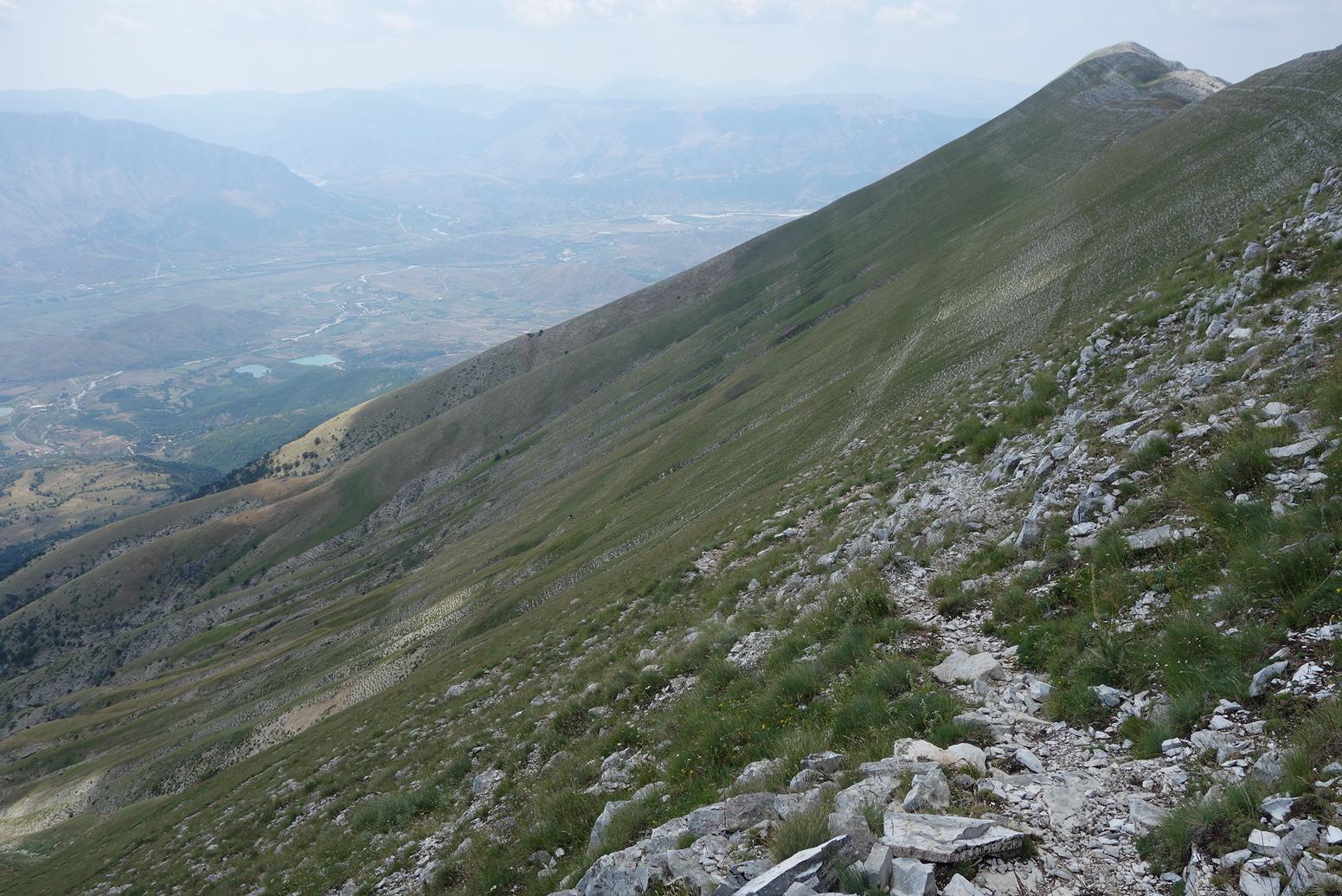
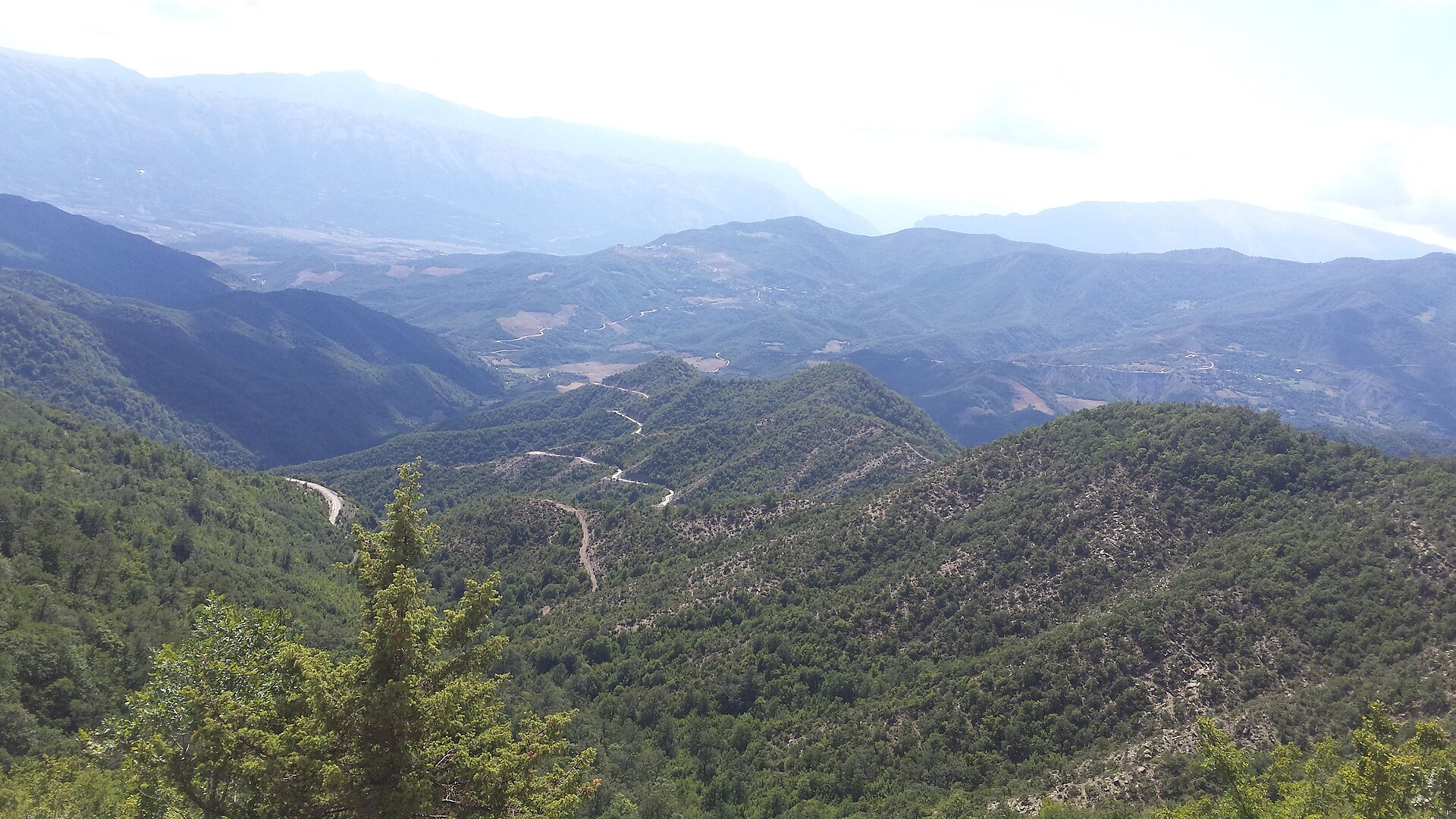
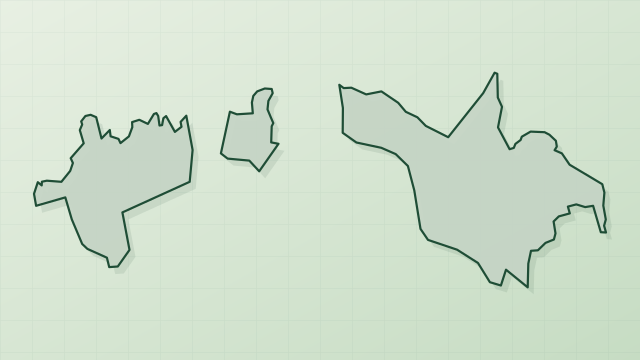
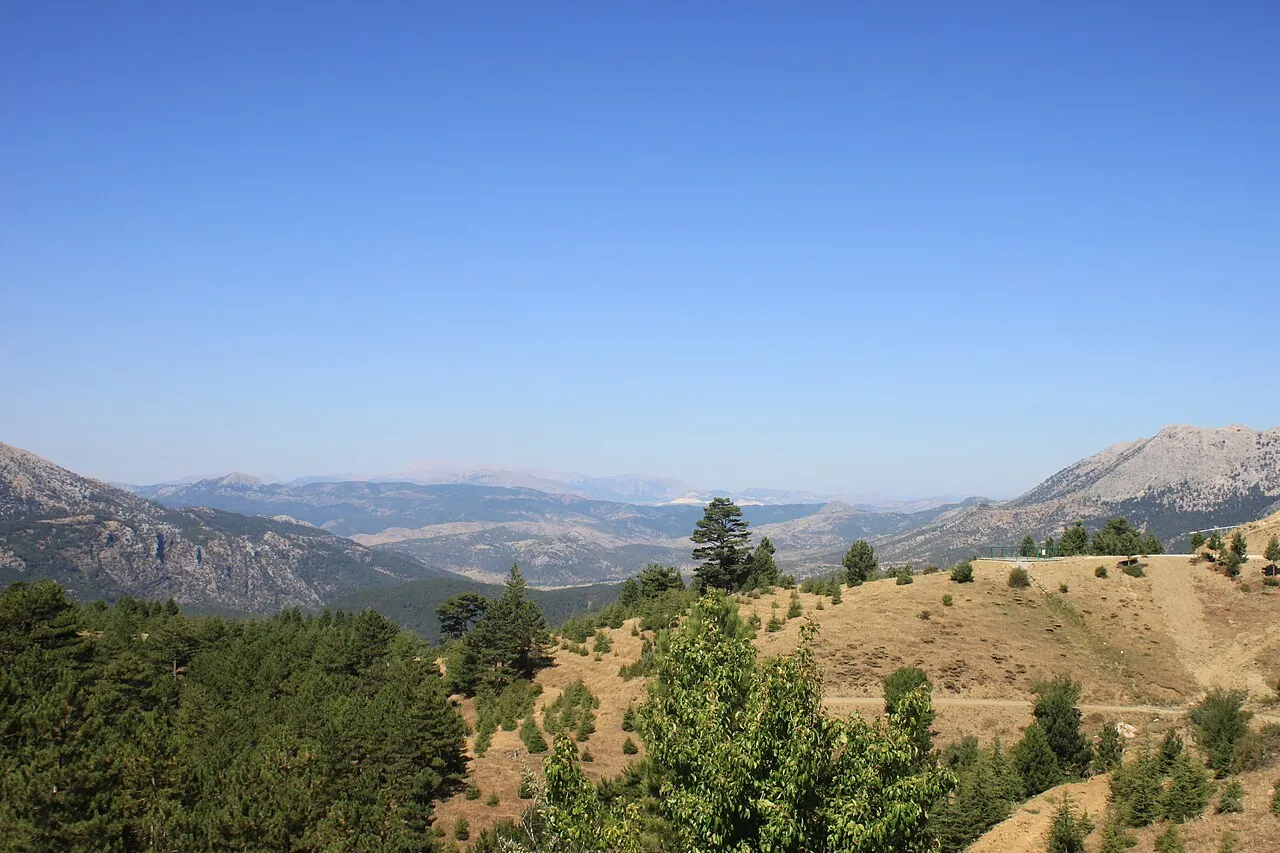
Protected areas where it is recorded
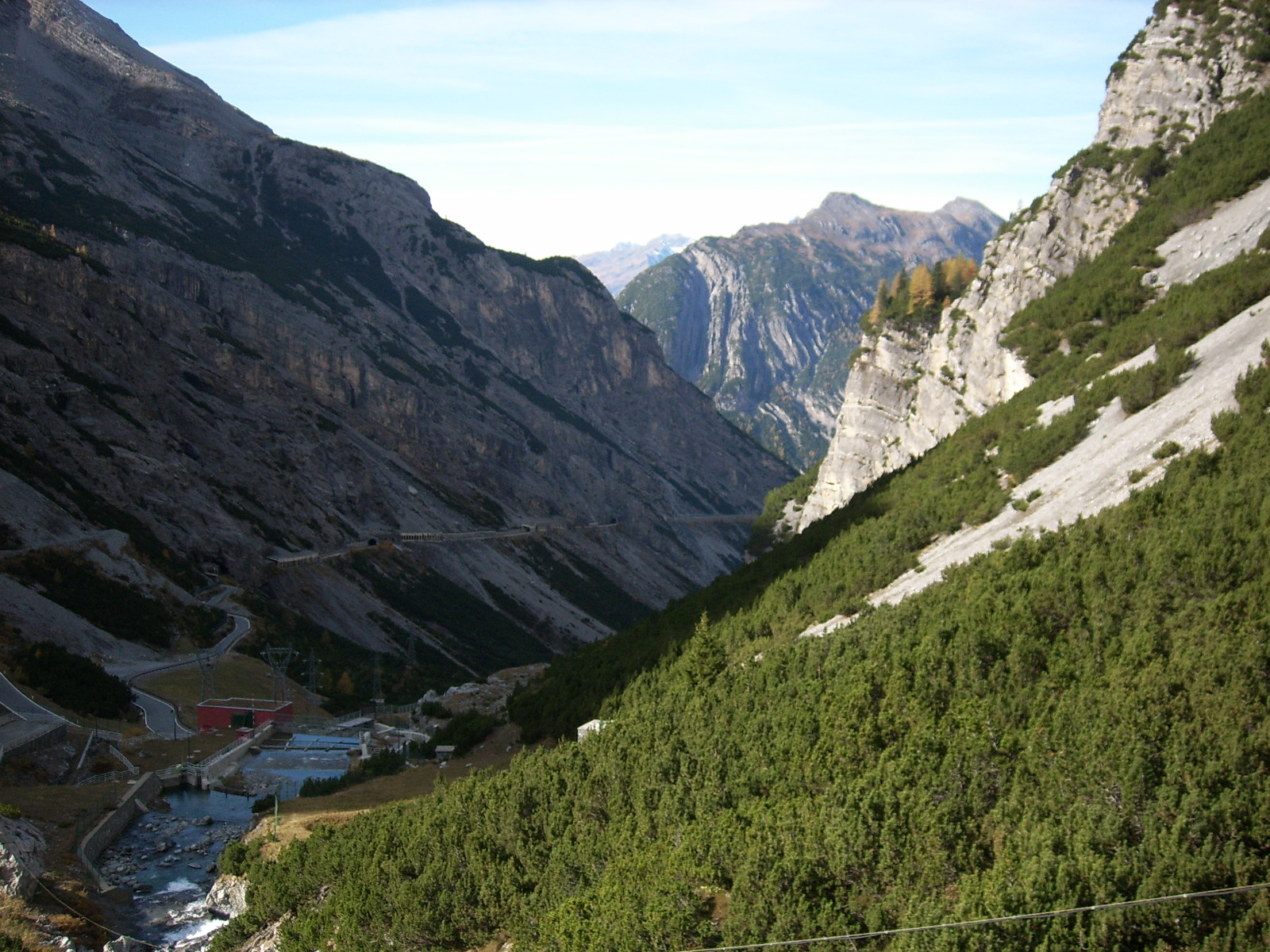
Natura 2000 · breeding 145 records

Natura 2000 · breeding 132 records
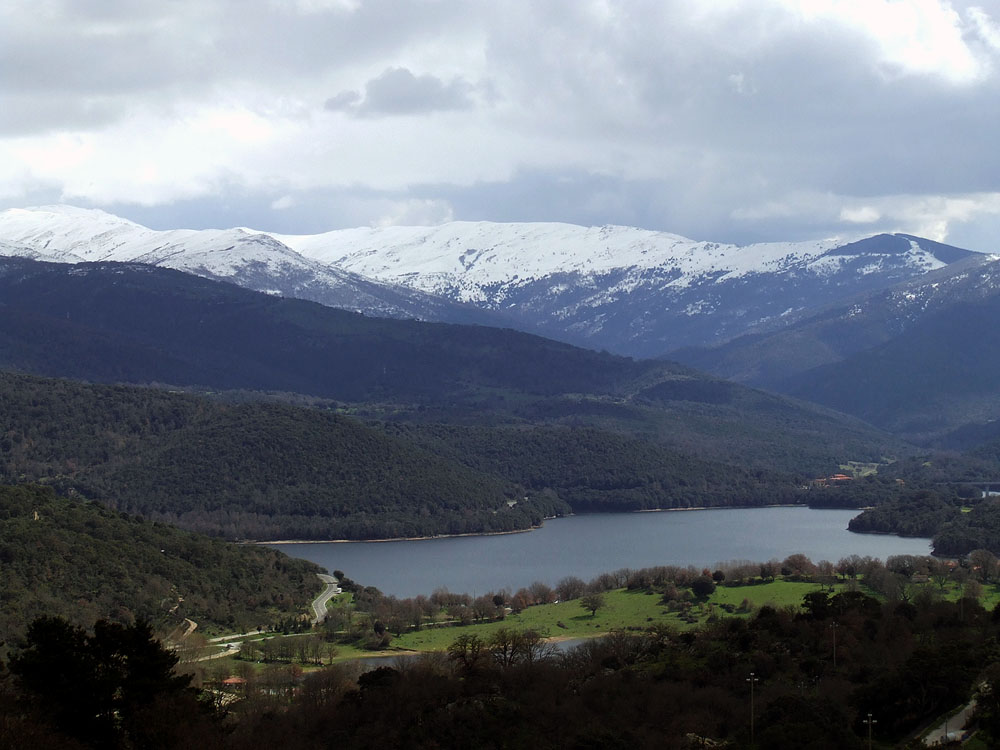
Natura 2000 · breeding, resident, passage, wintering 78 records
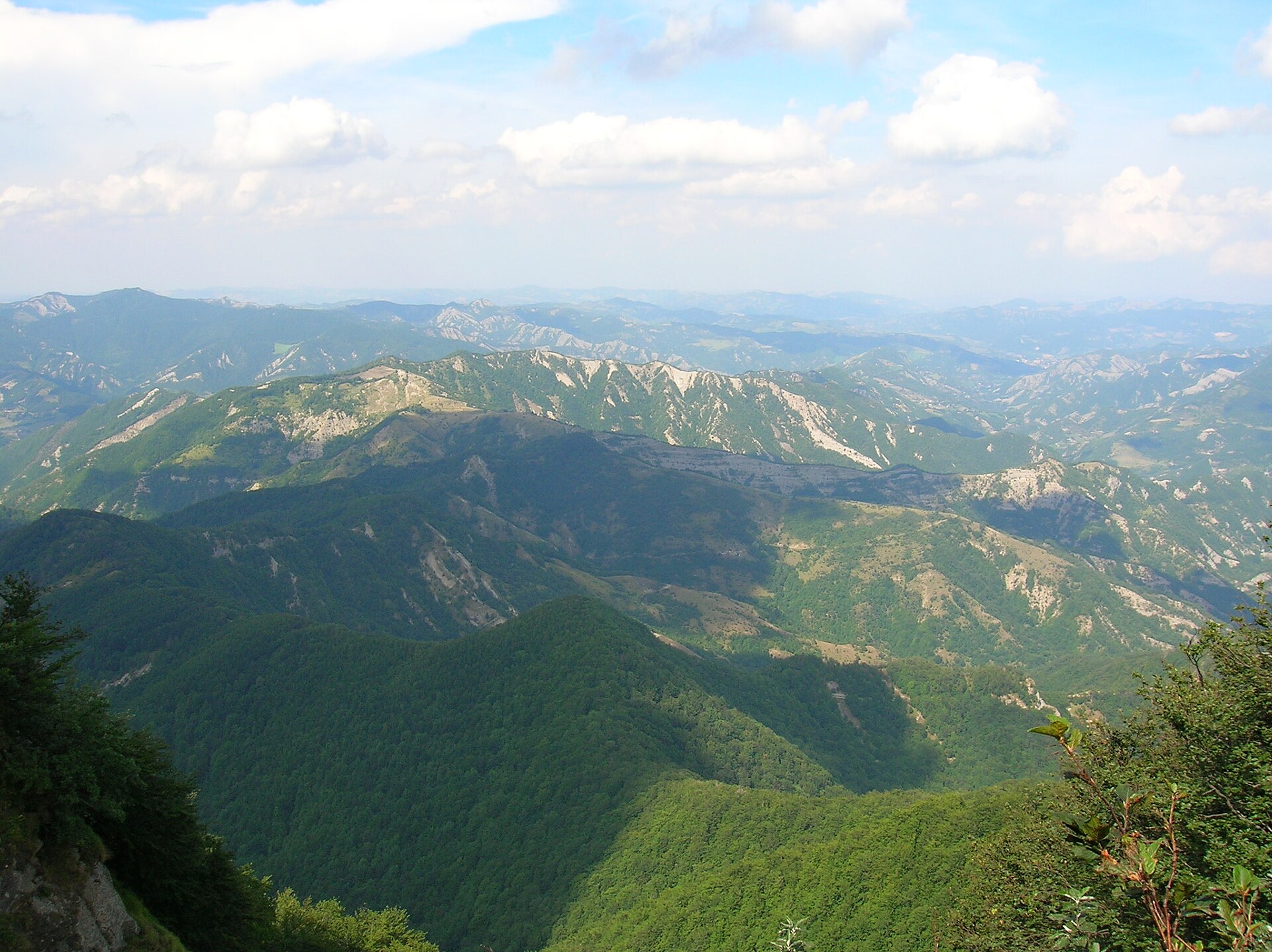
Natura 2000 · passage, breeding 24 records

8,296 records

5,056 records
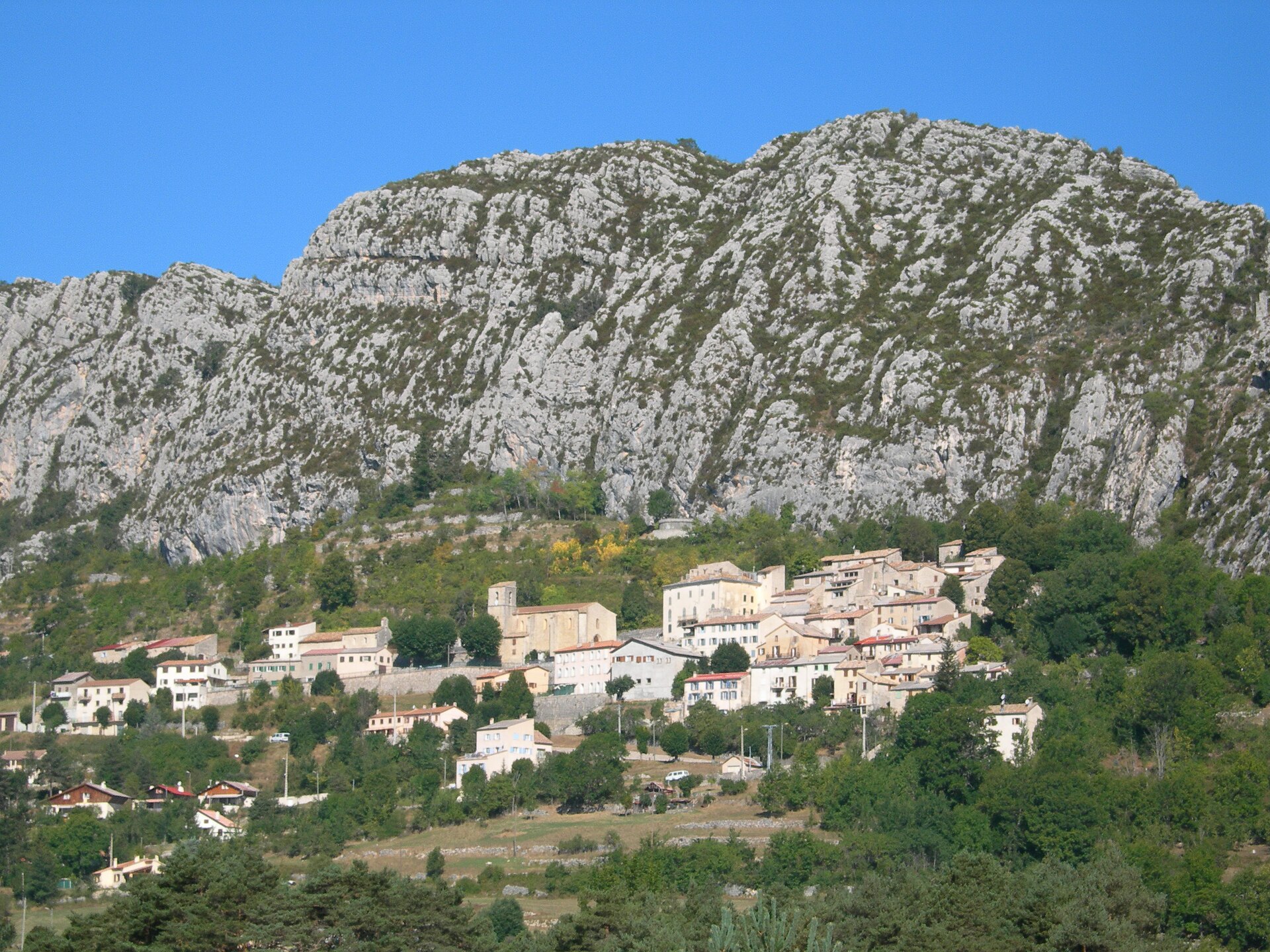
4,644 records
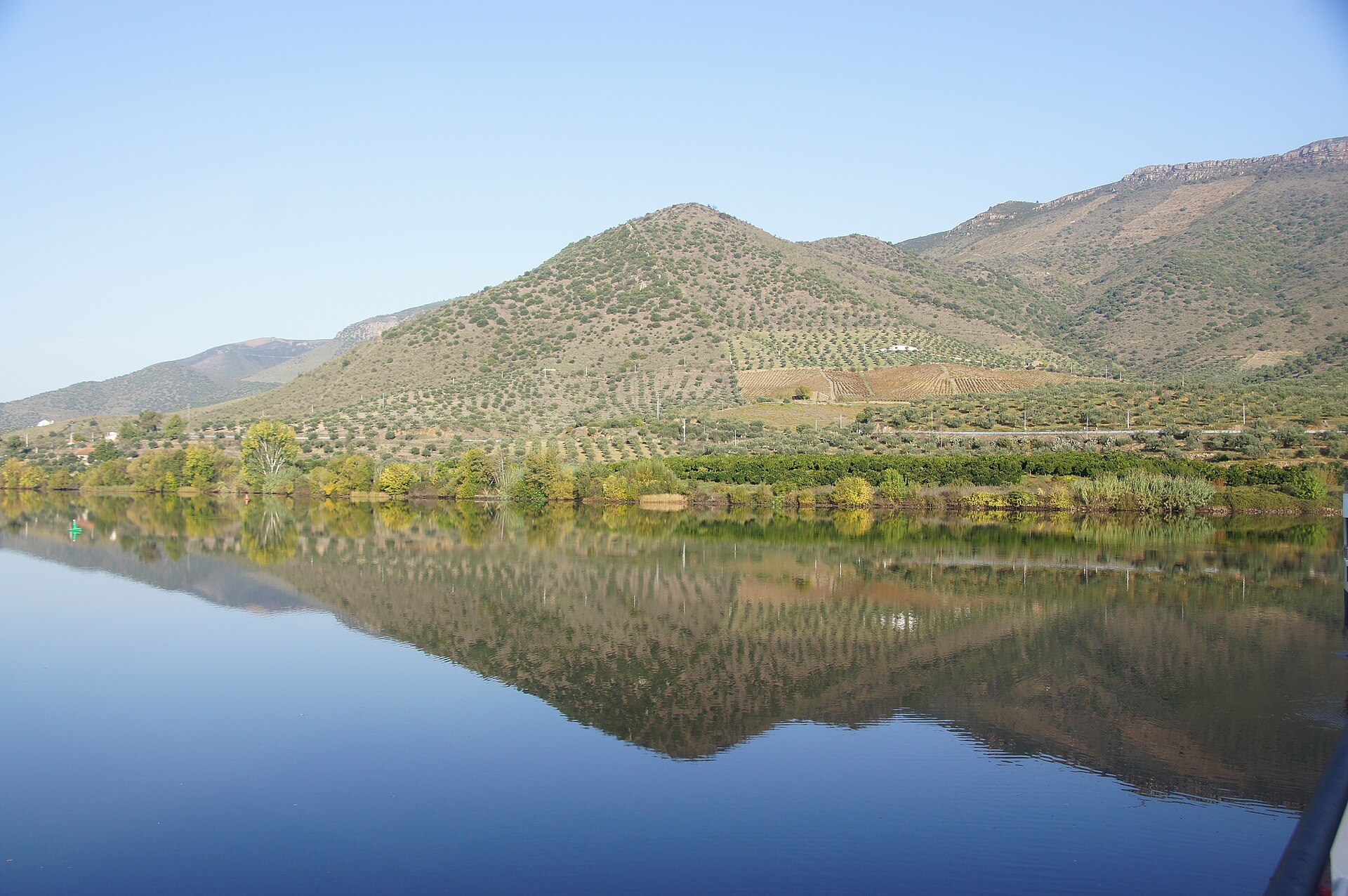
2,075 records
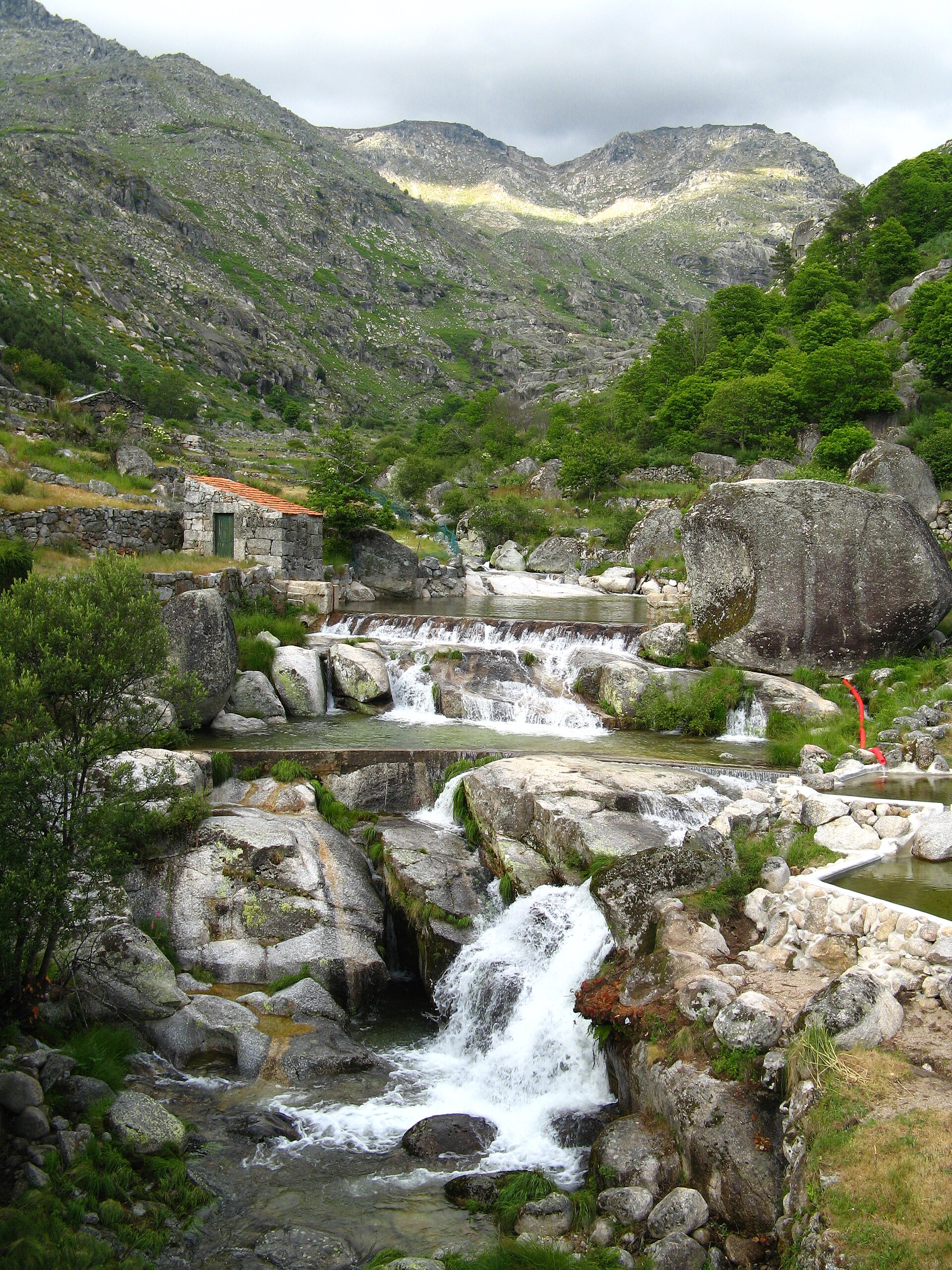
1,925 records

1,880 records
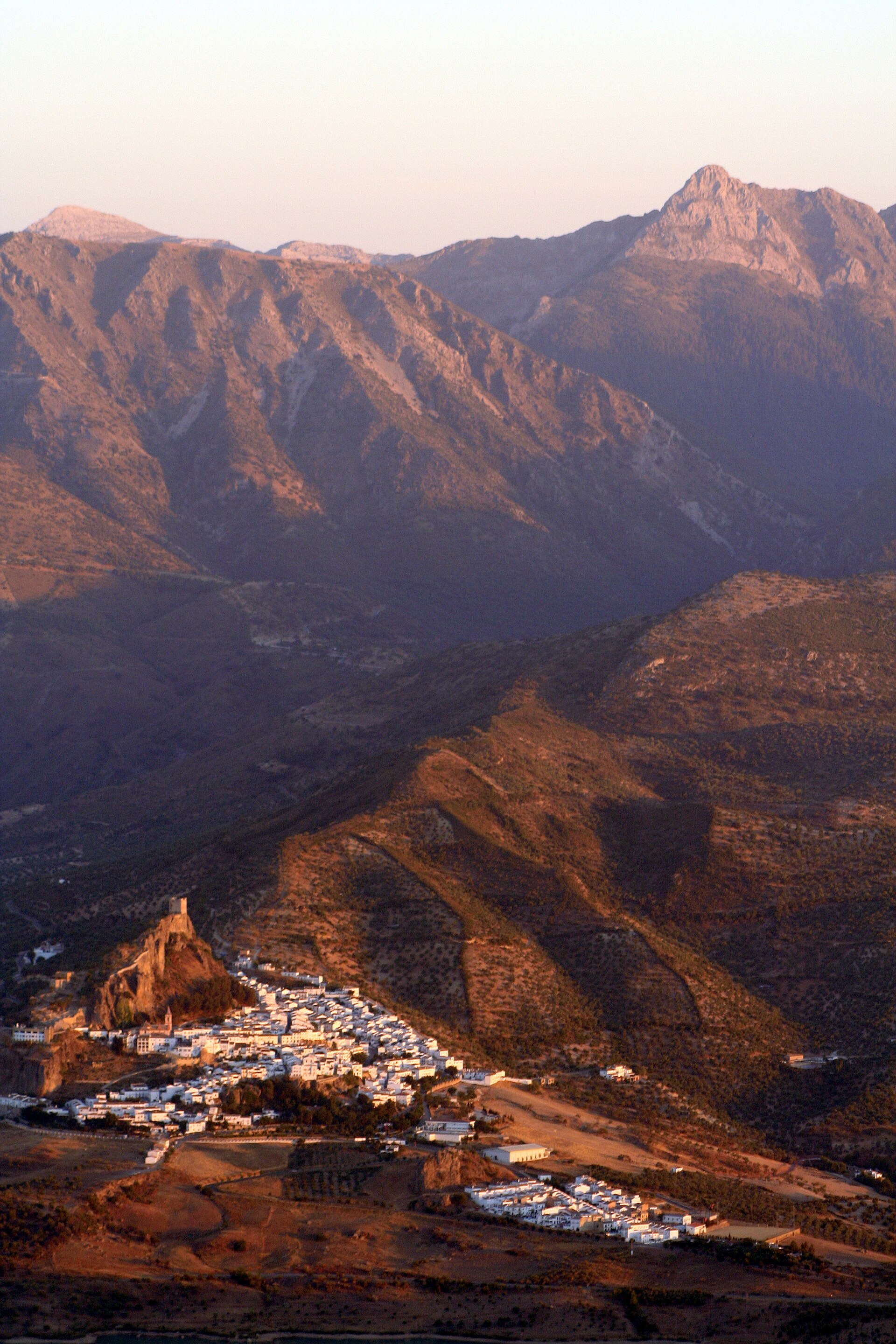
1,516 records

1,406 records

1,394 records
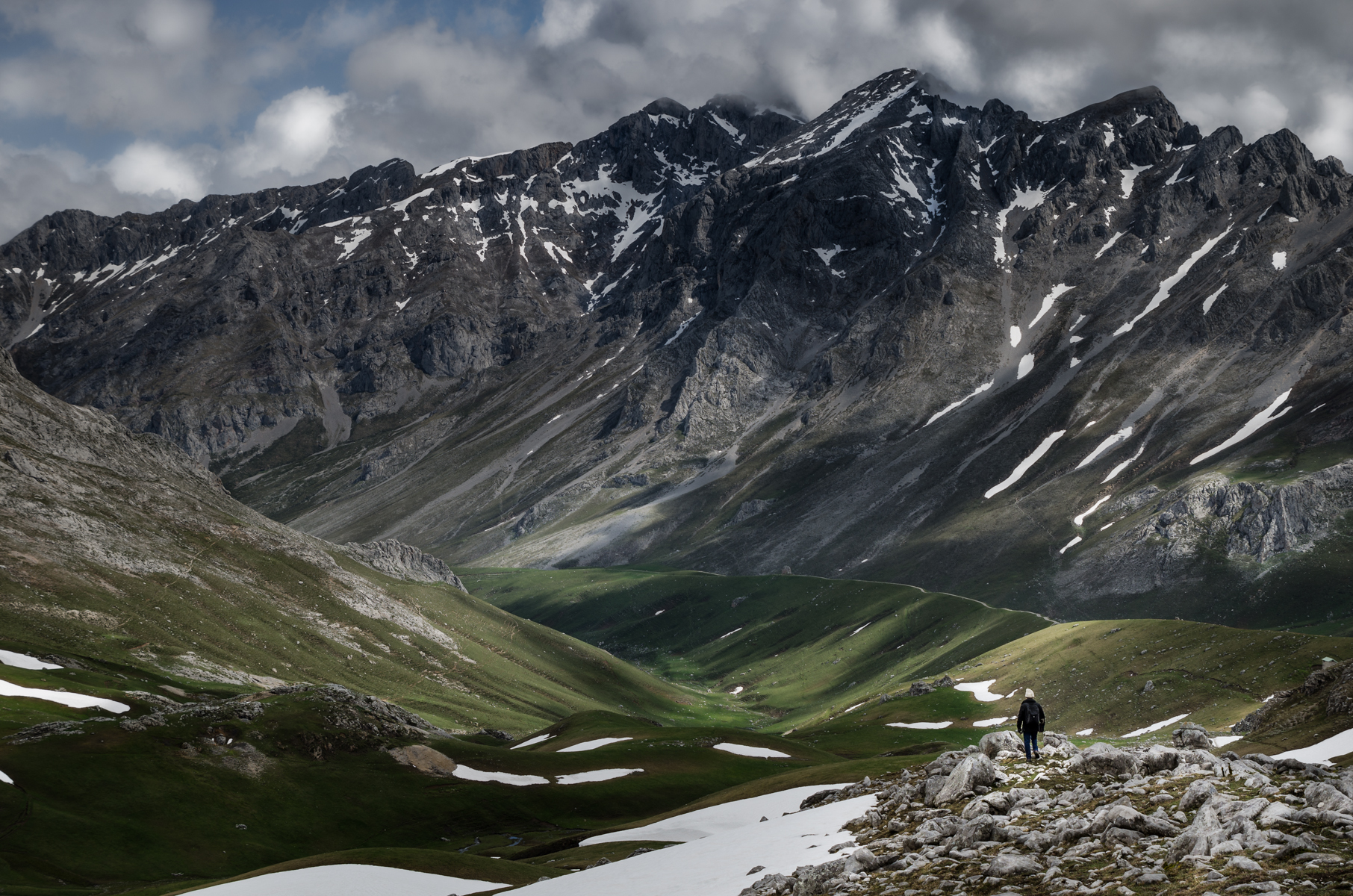
1,326 records

1,071 records

819 records
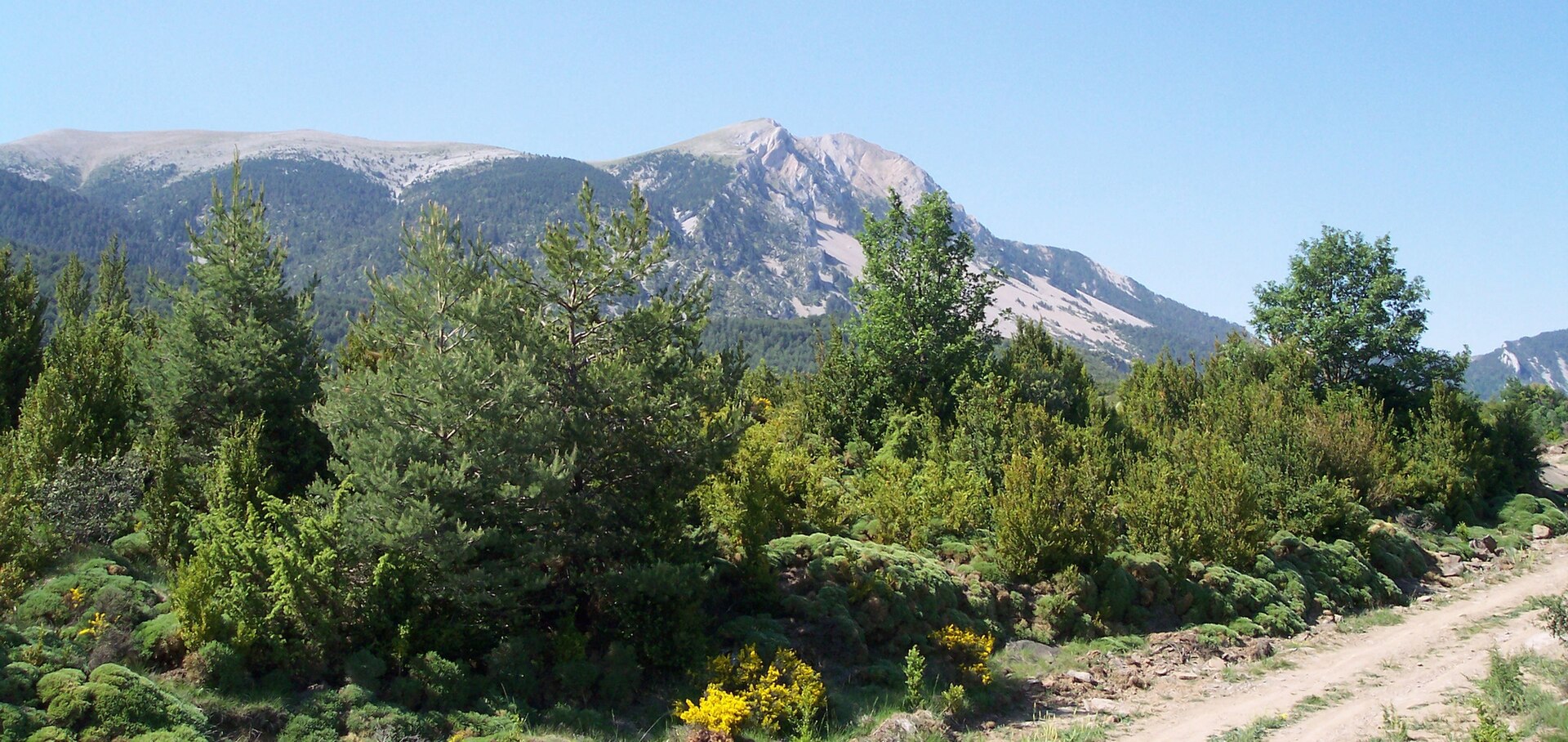
757 records

727 records

665 records
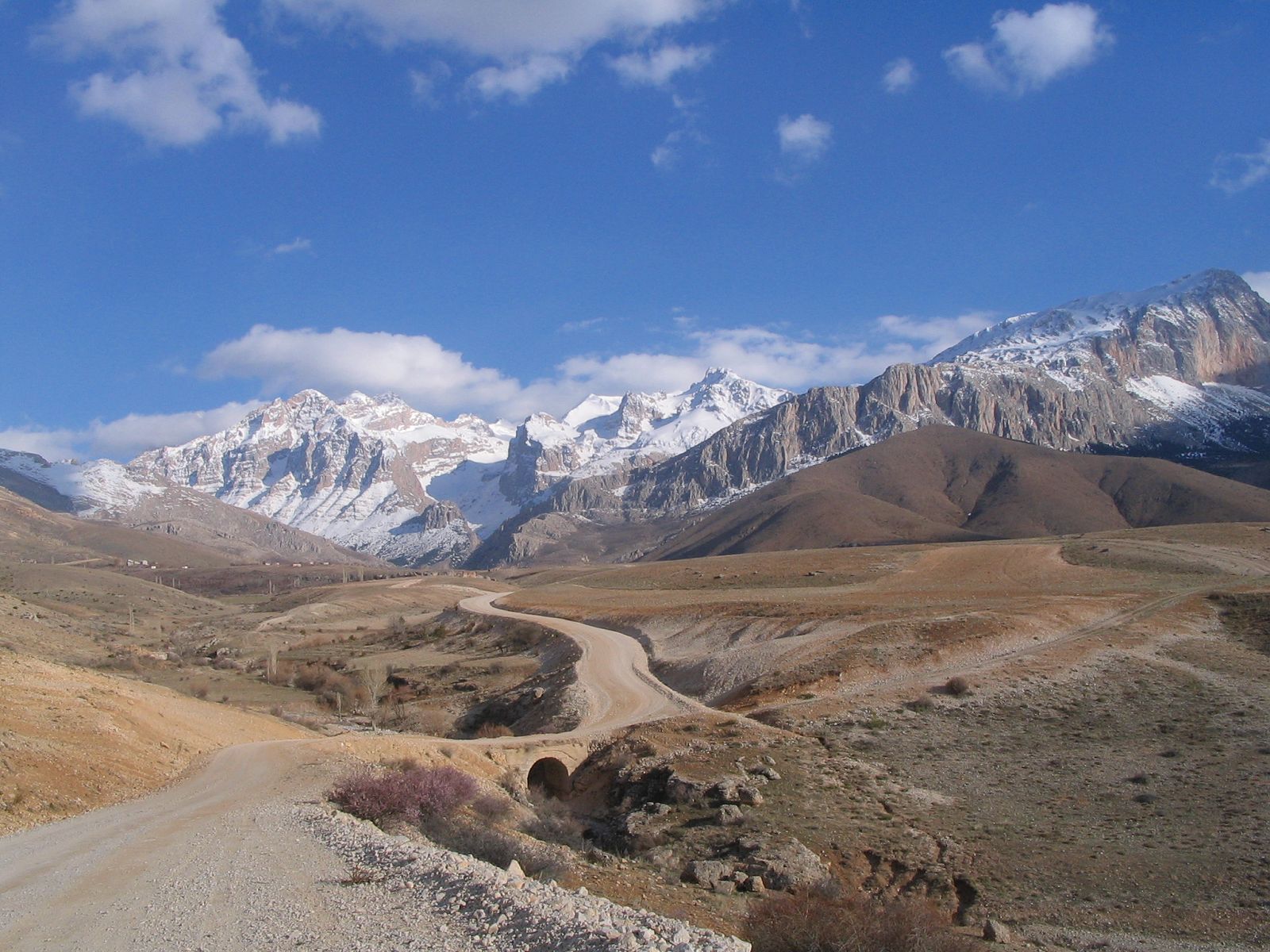
631 records
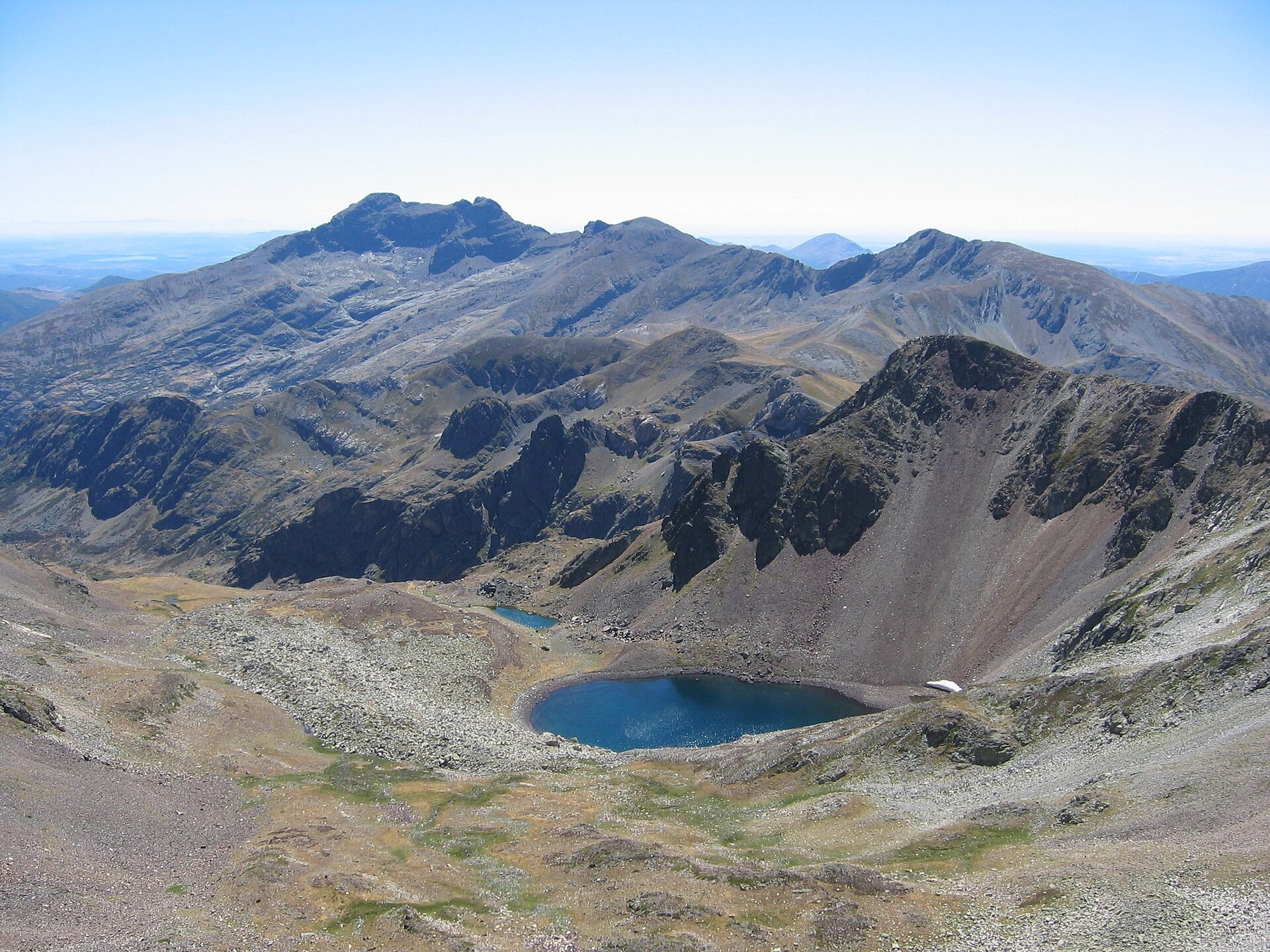
582 records
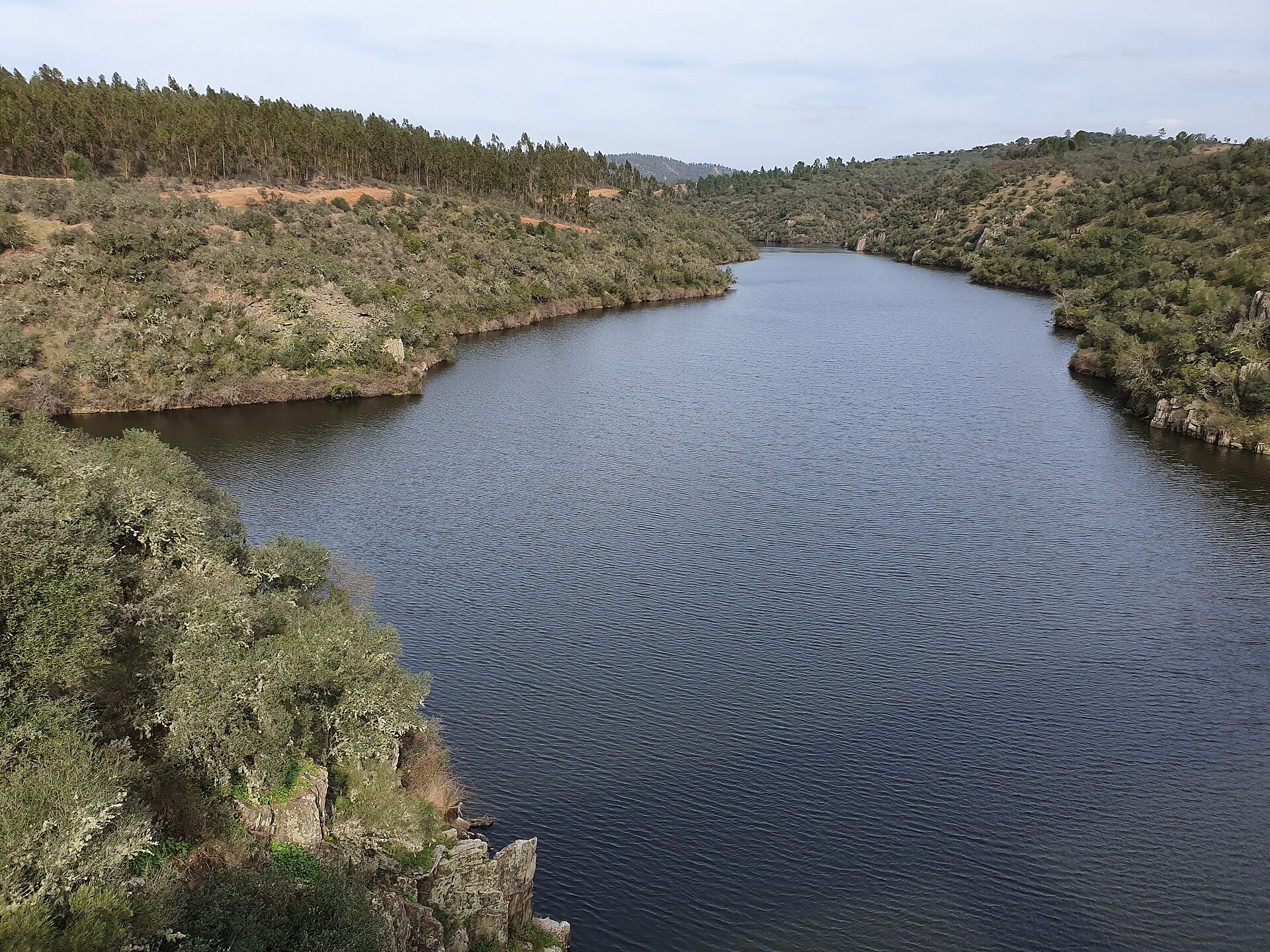
390 records
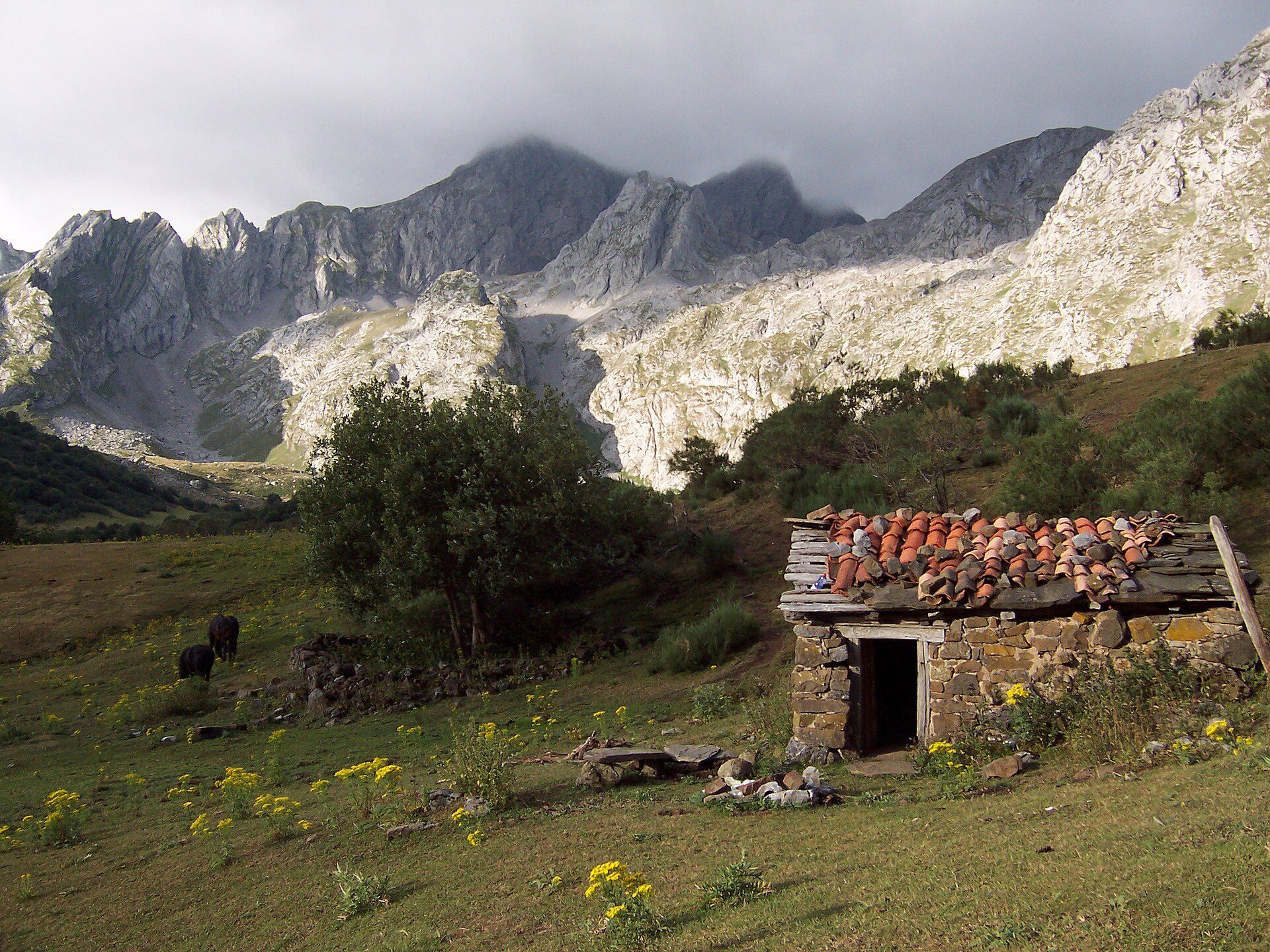
306 records
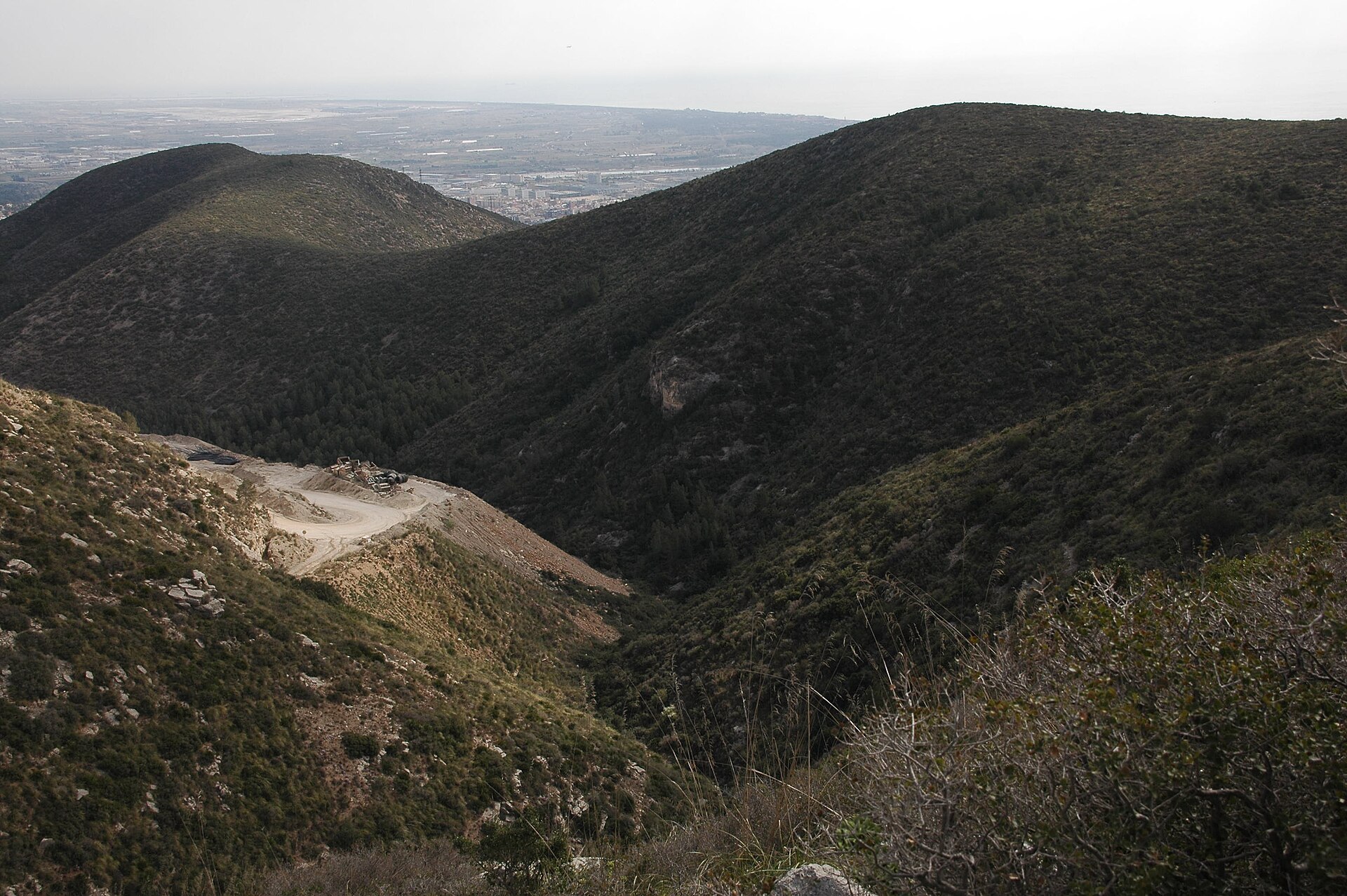
303 records

226 records

218 records
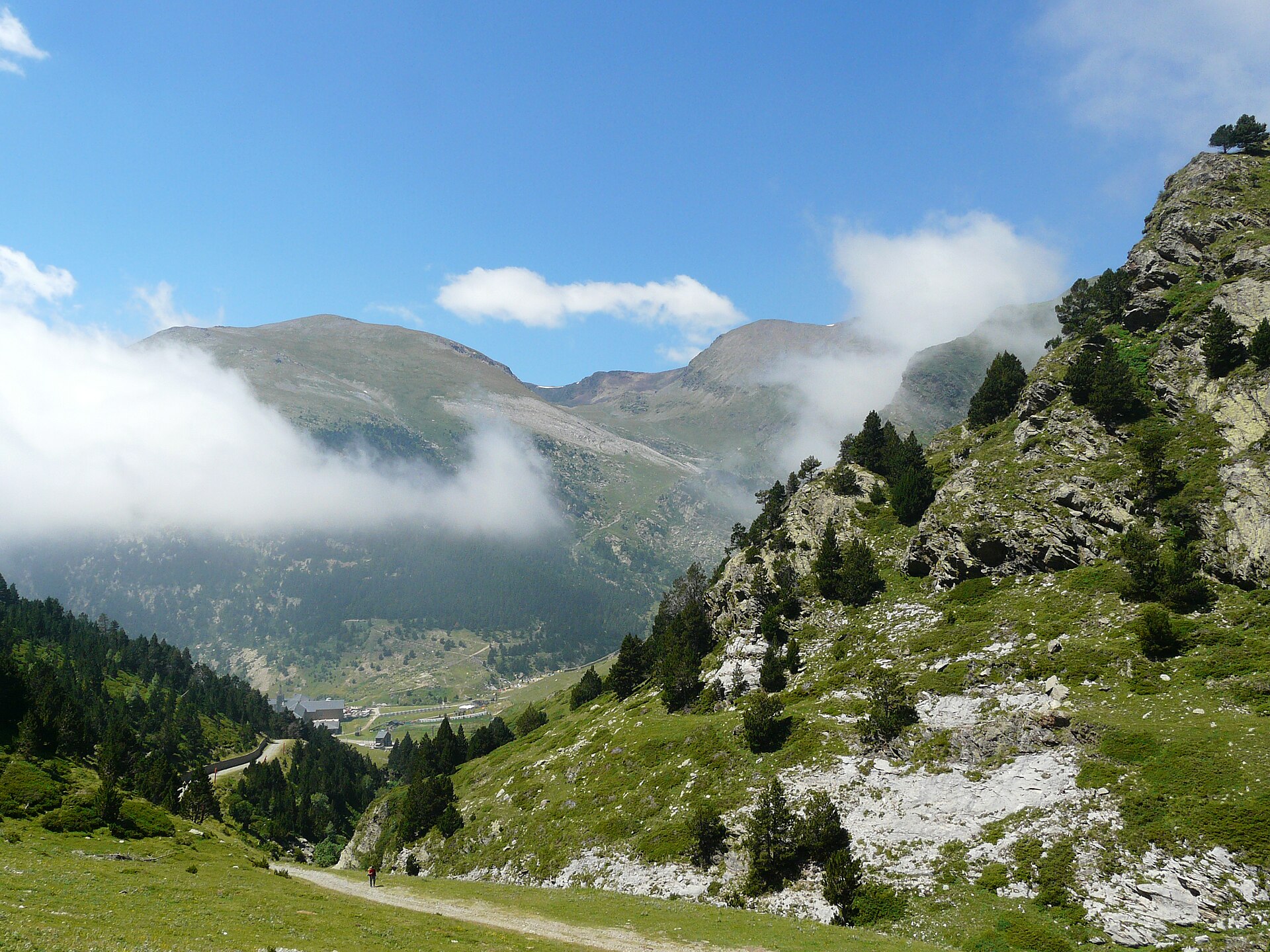
214 records
186 records
169 records
162 records
116 records
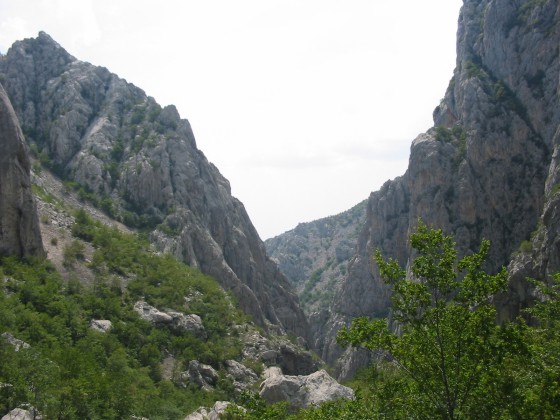
107 records
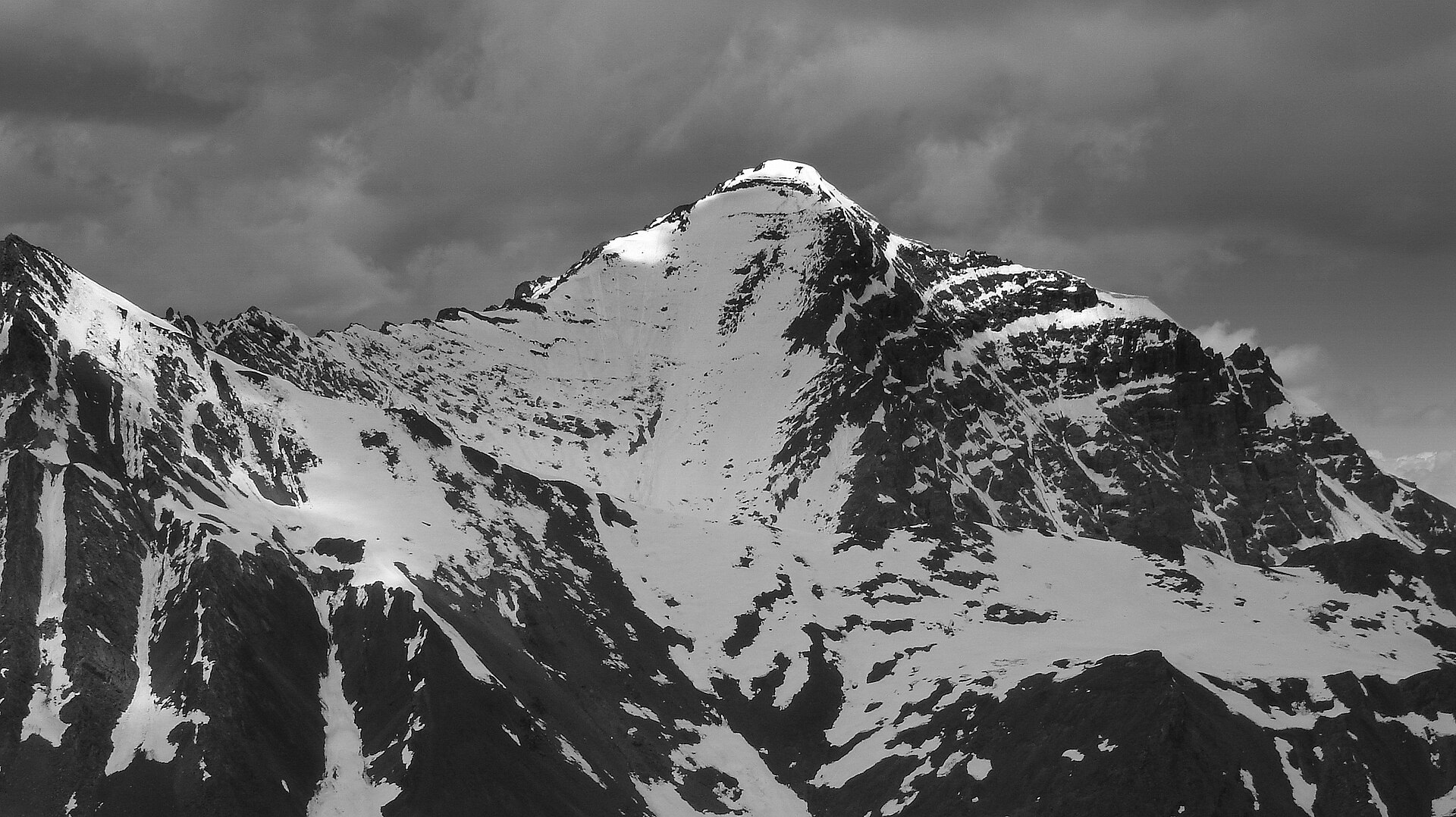
96 records
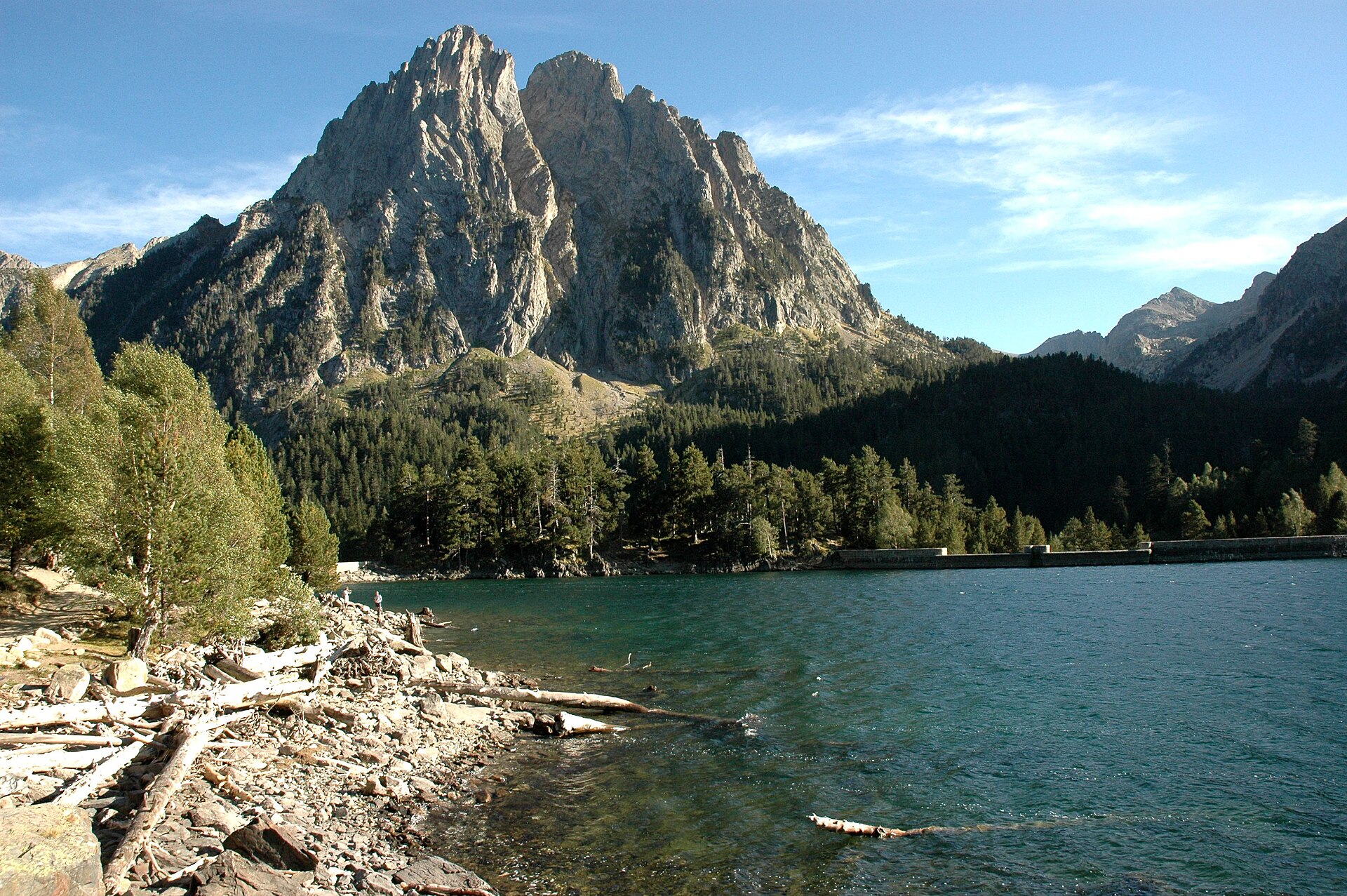
95 records
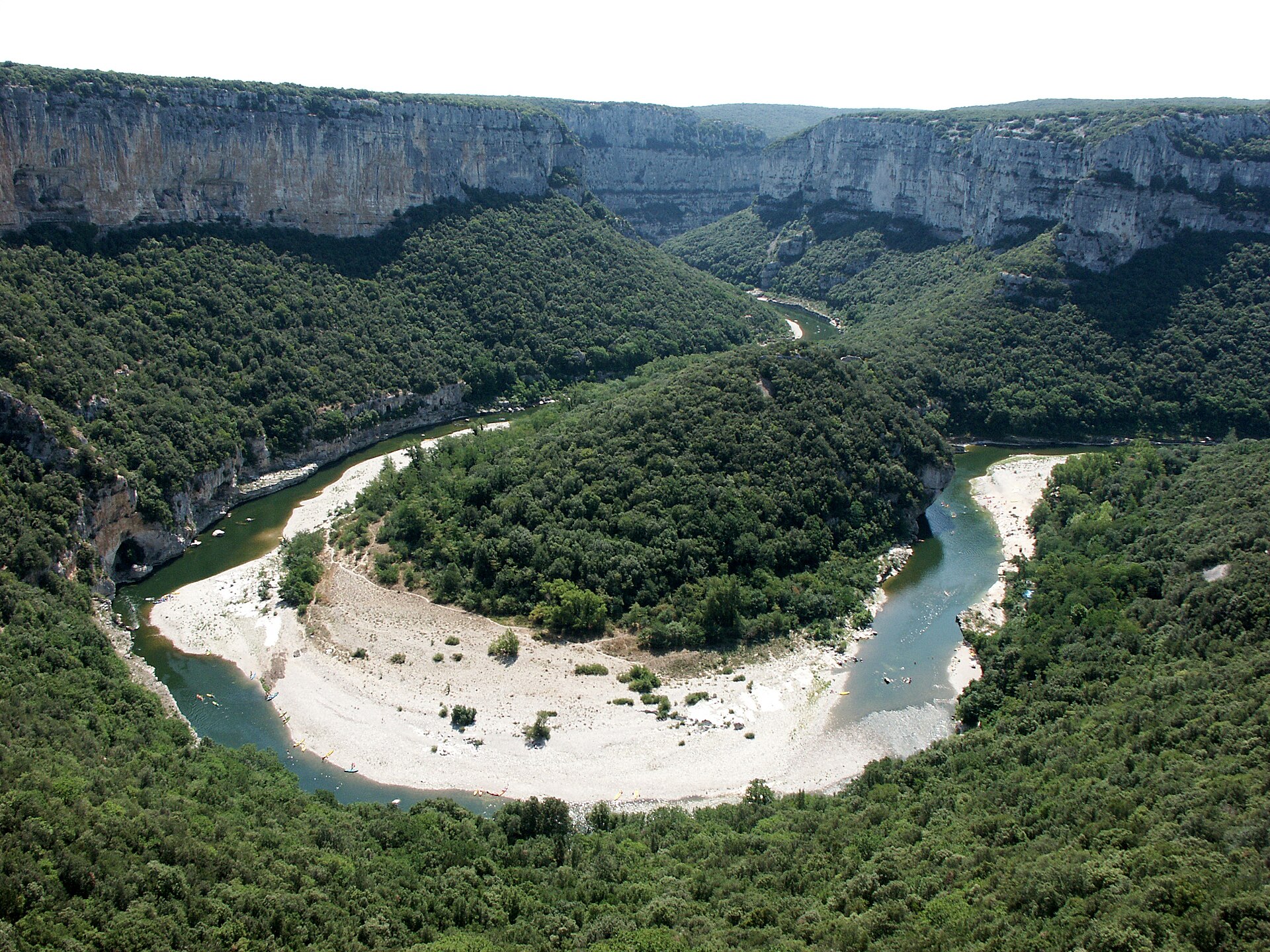
83 records
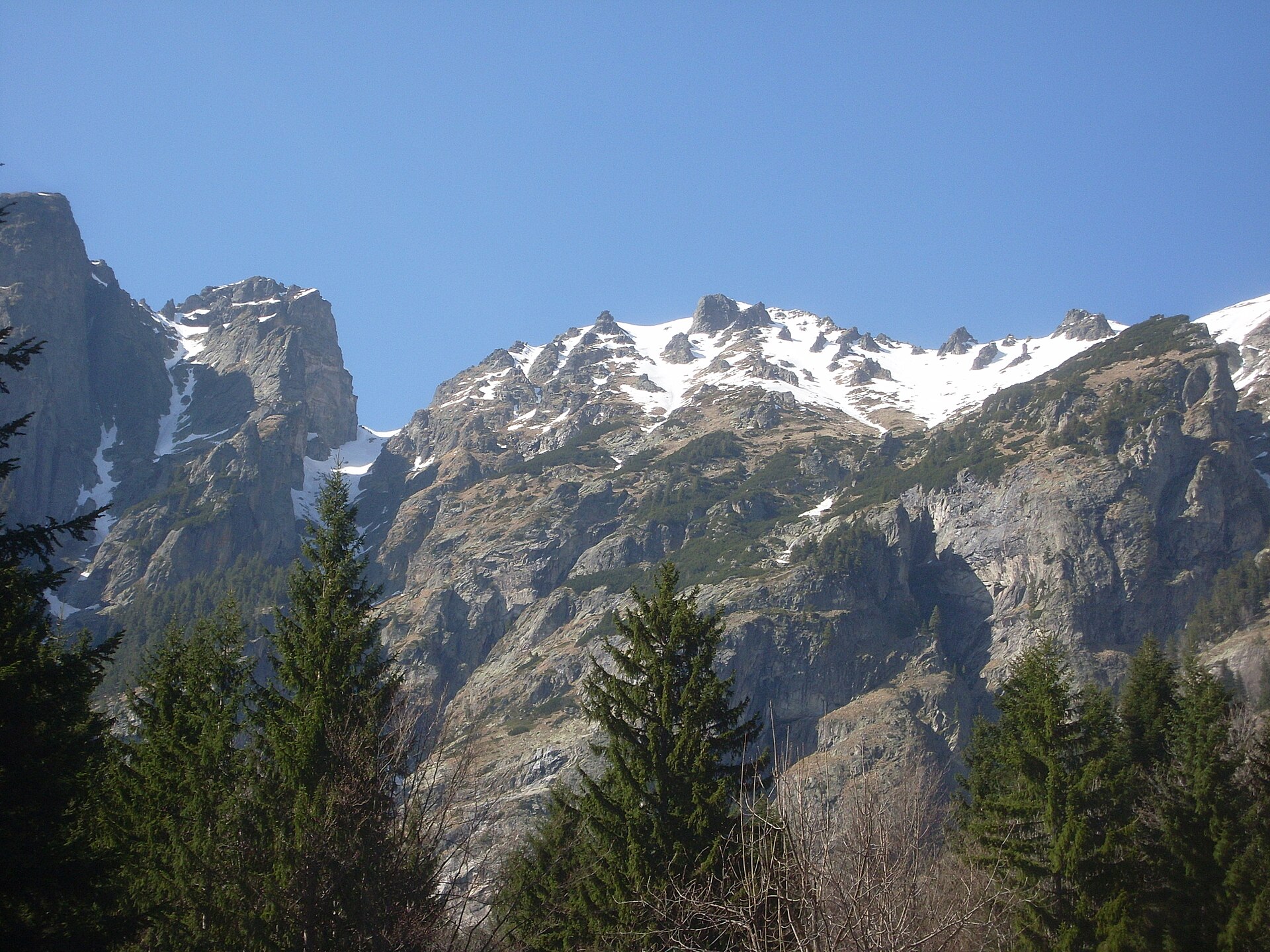
72 records
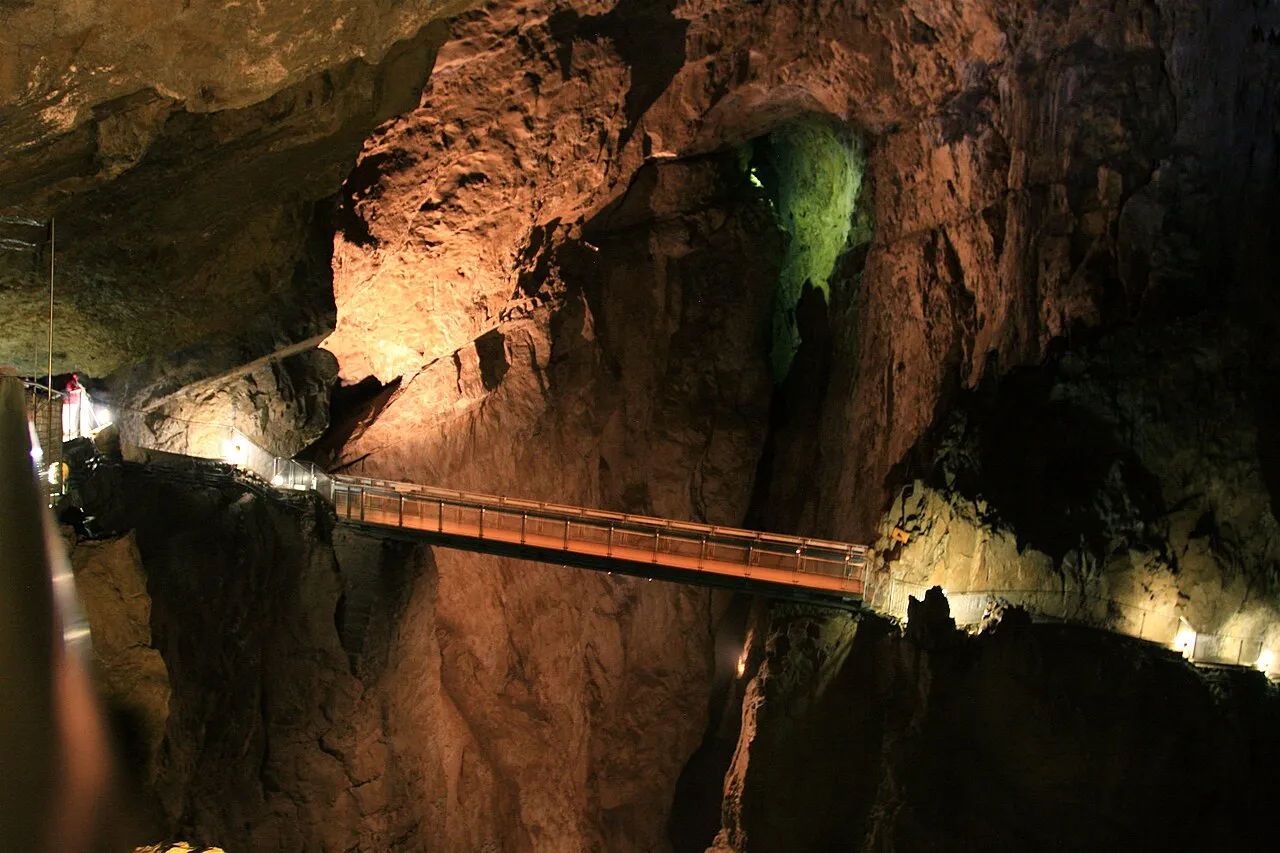
63 records
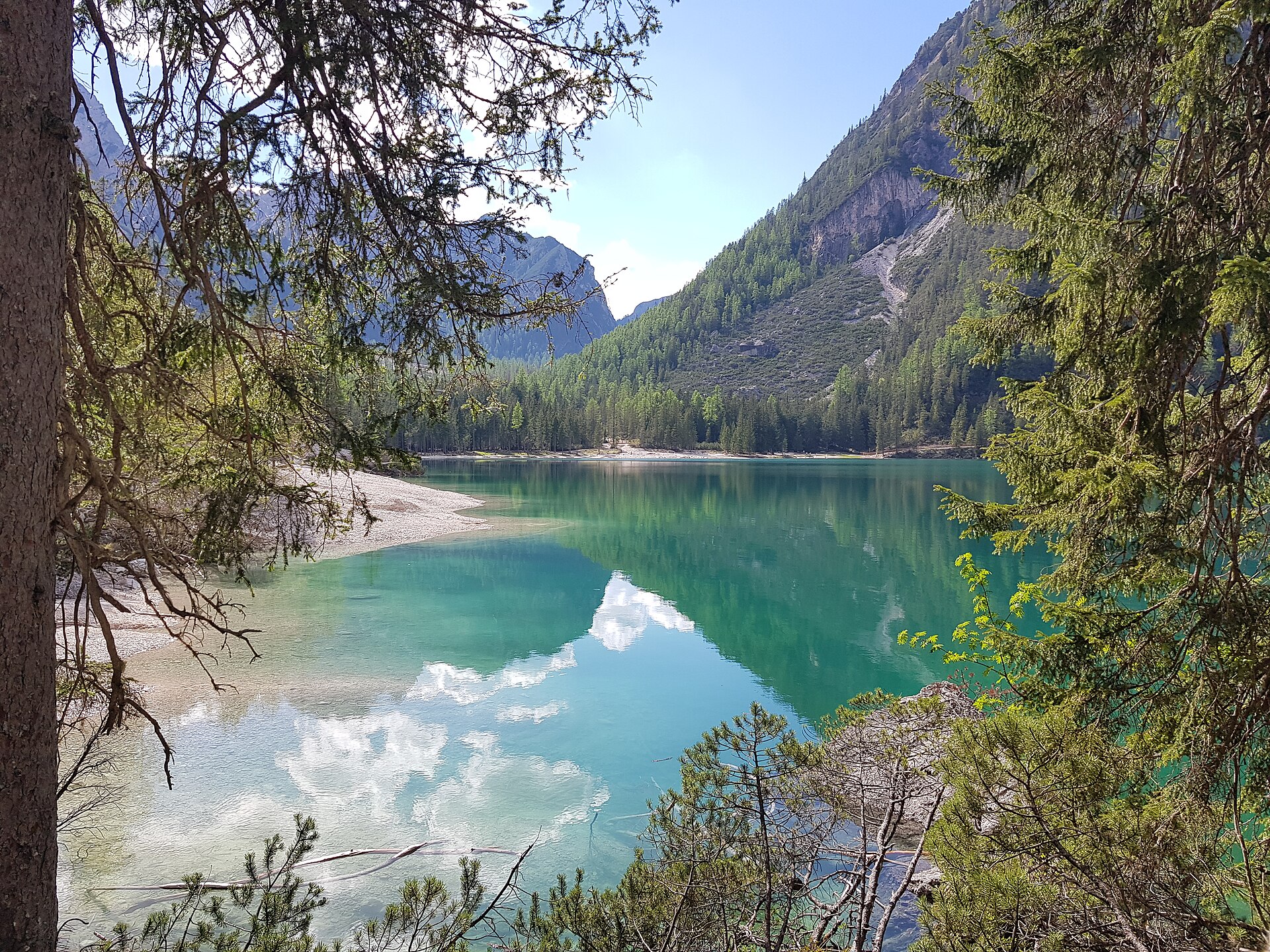
47 records
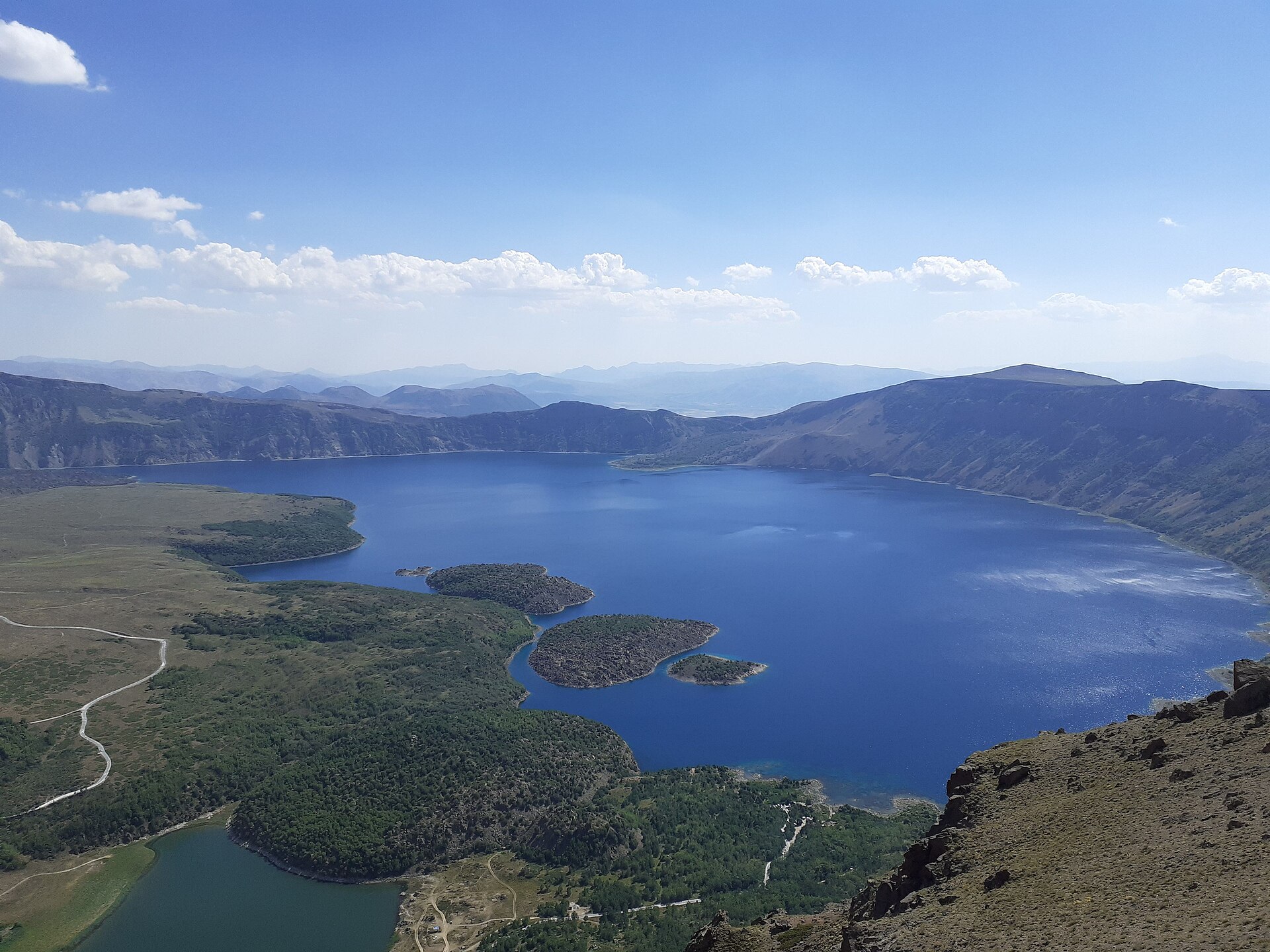
38 records

37 records
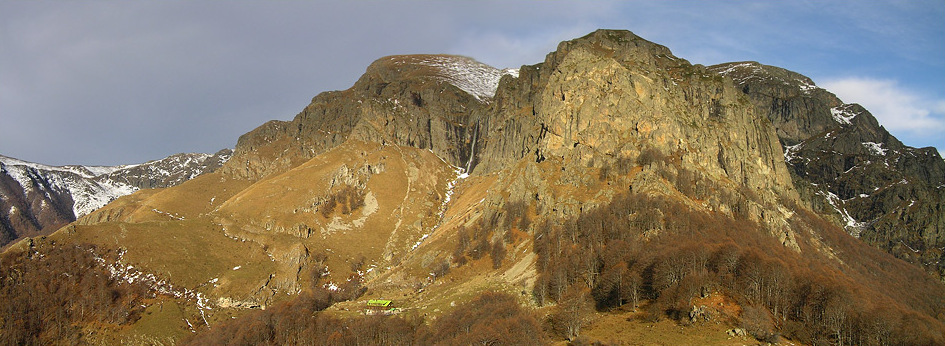
31 records

30 records
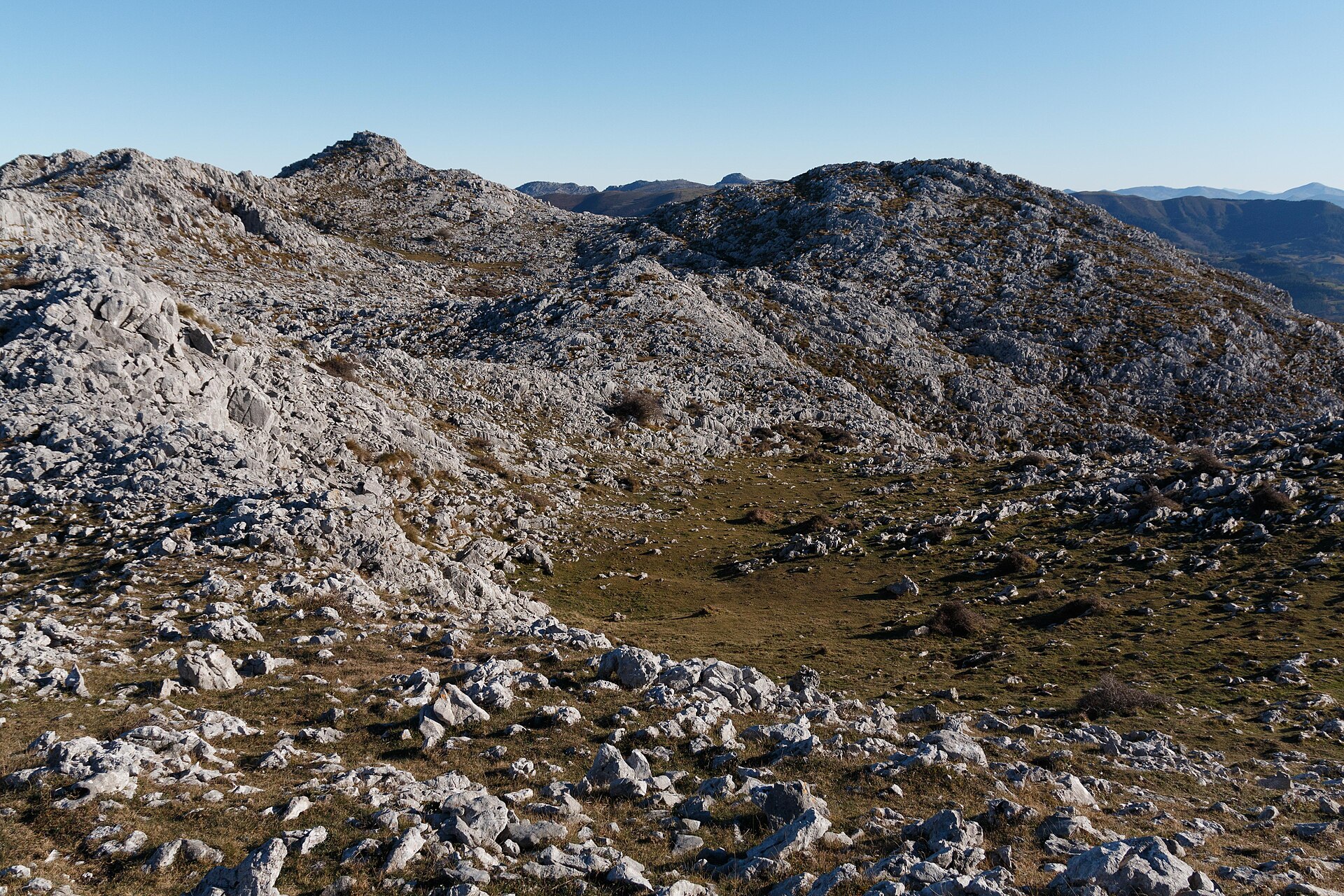
28 records
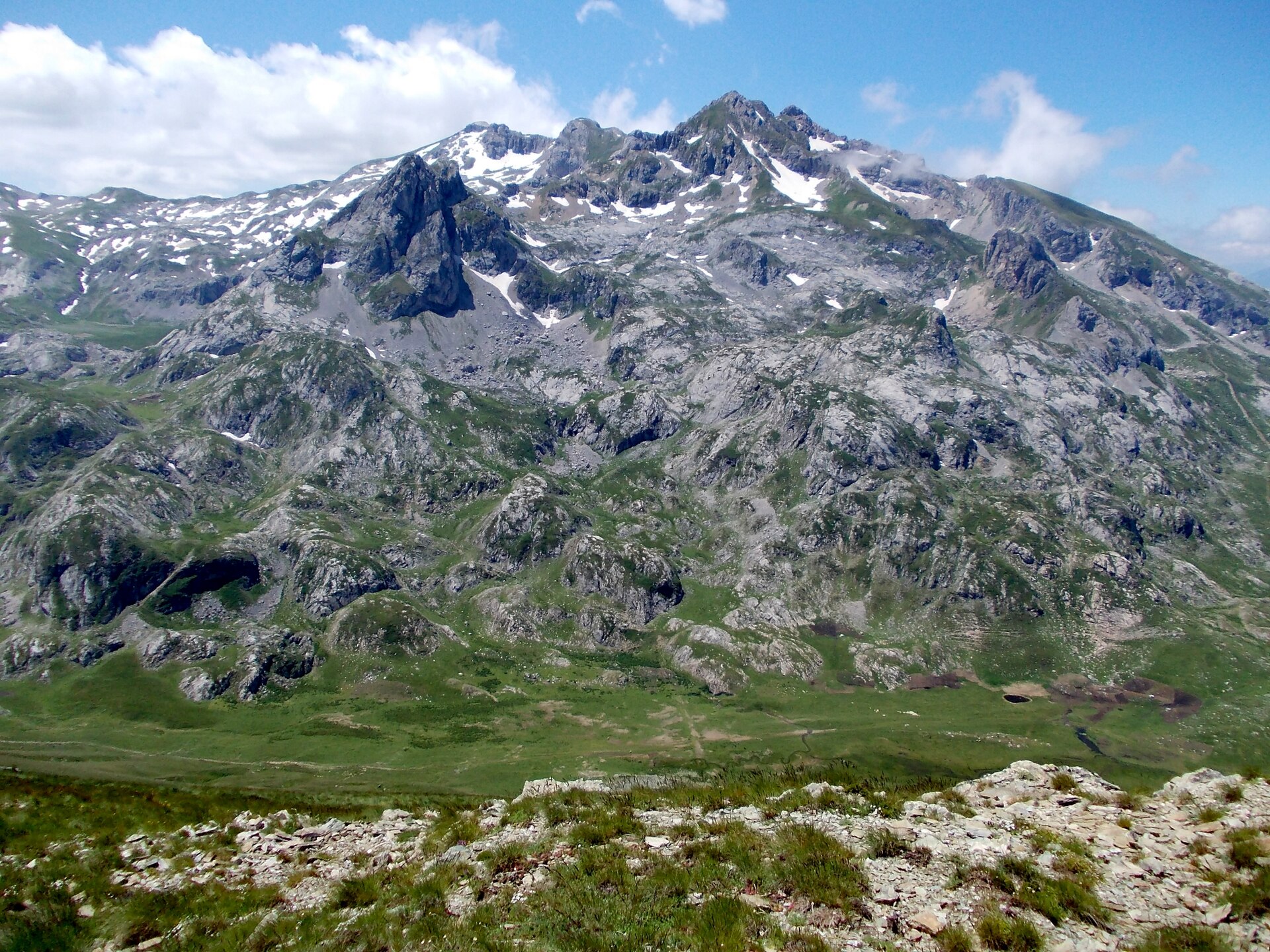
28 records

27 records

23 records
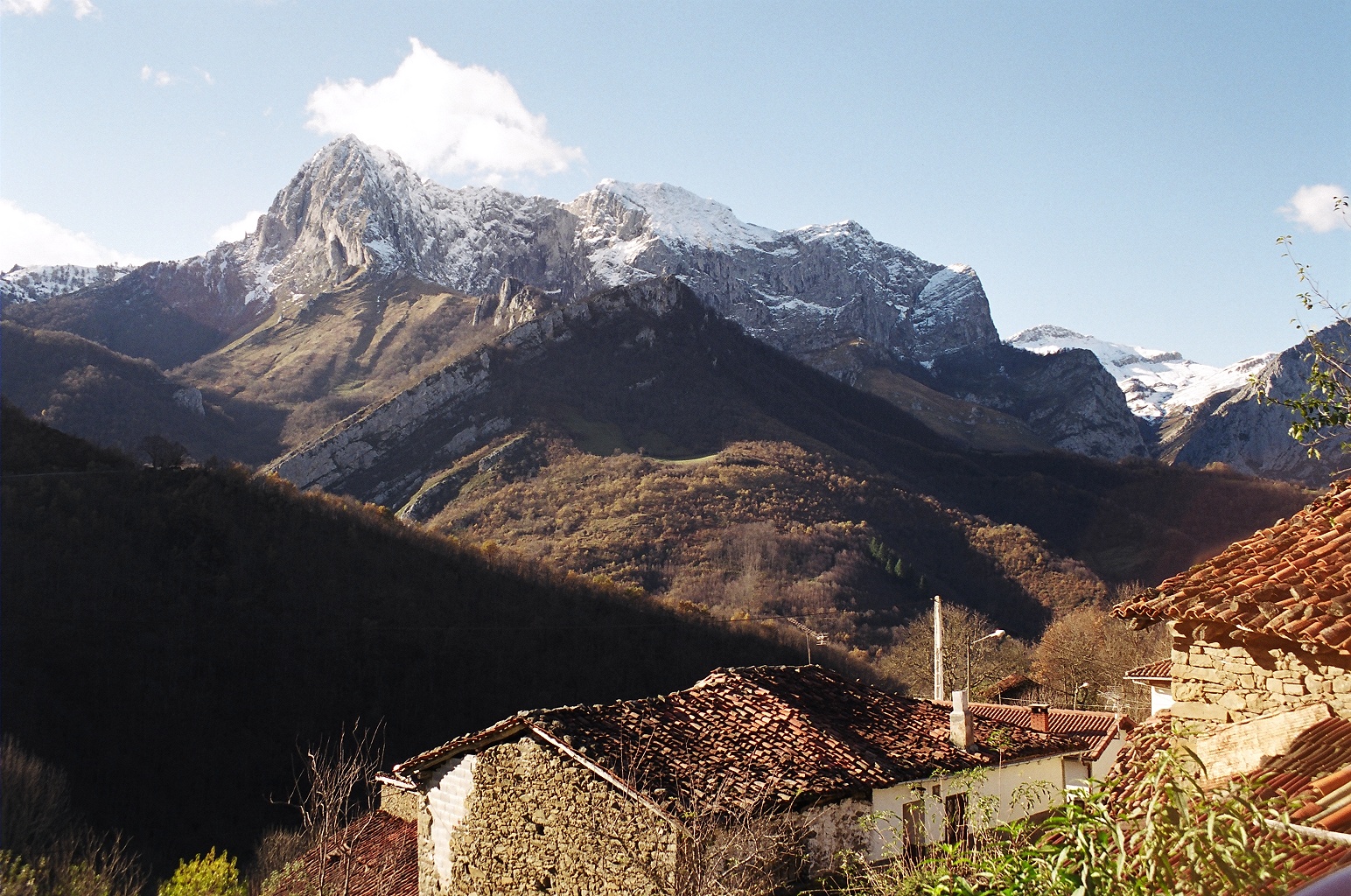
21 records
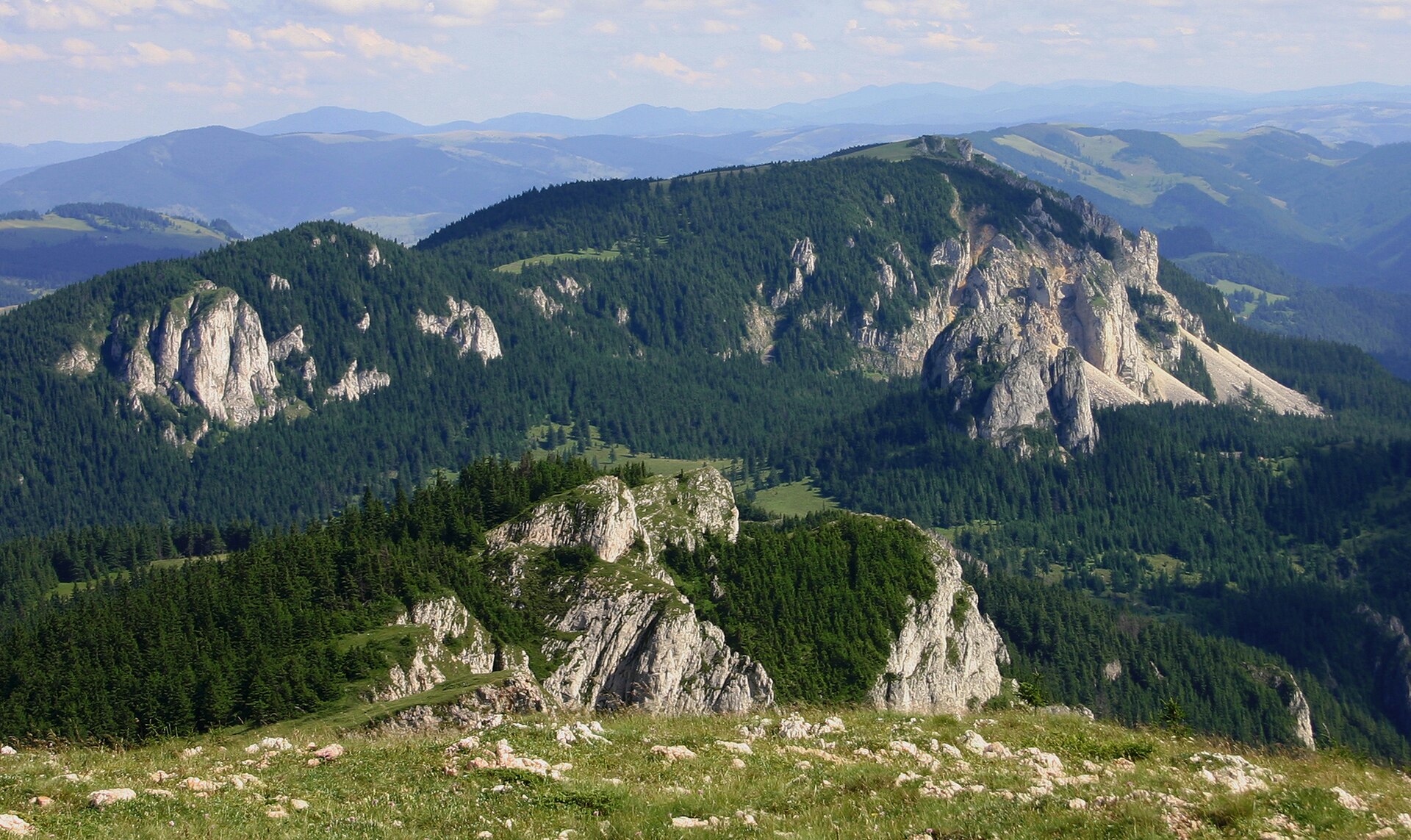
20 records
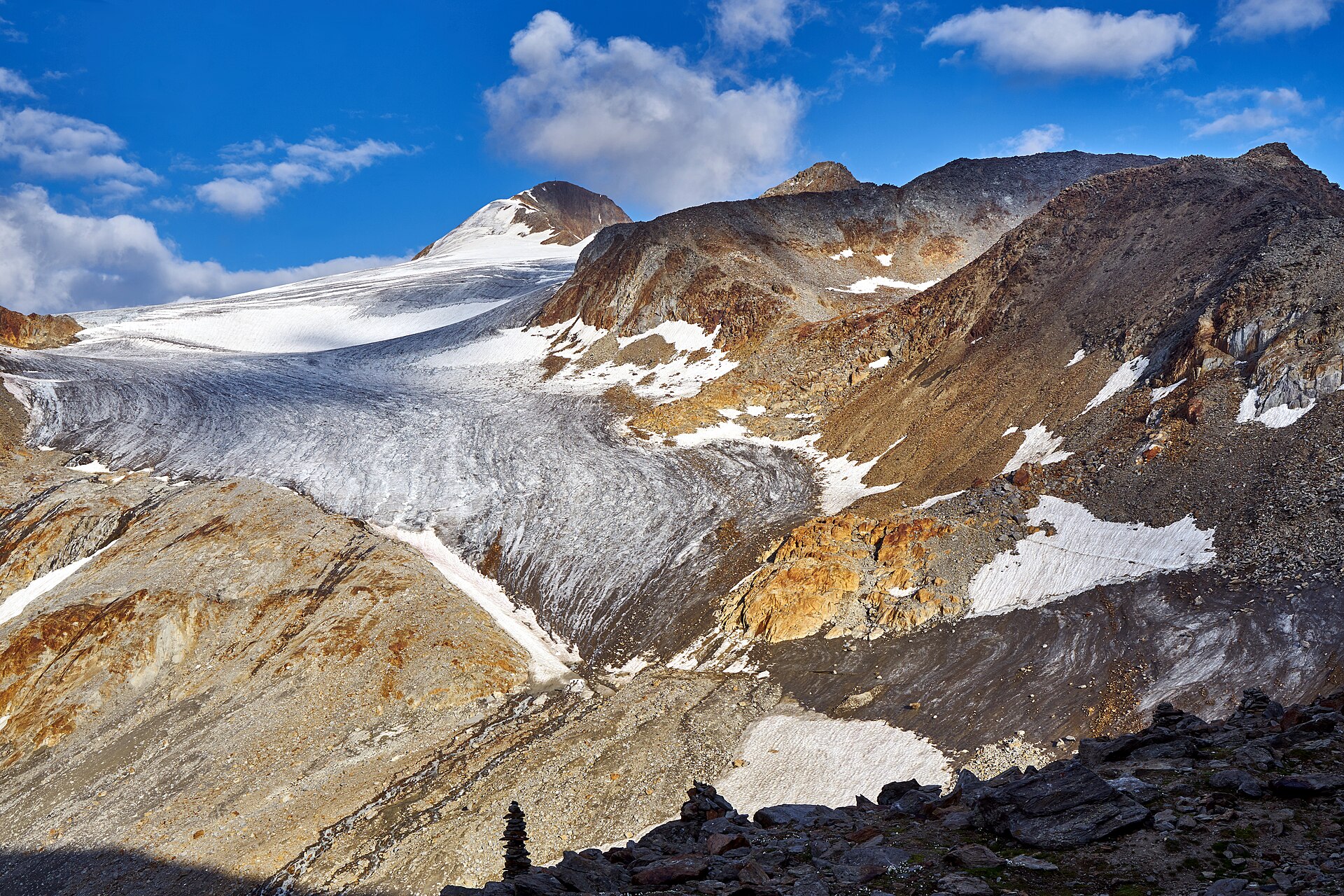
20 records

17 records

16 records

13 records
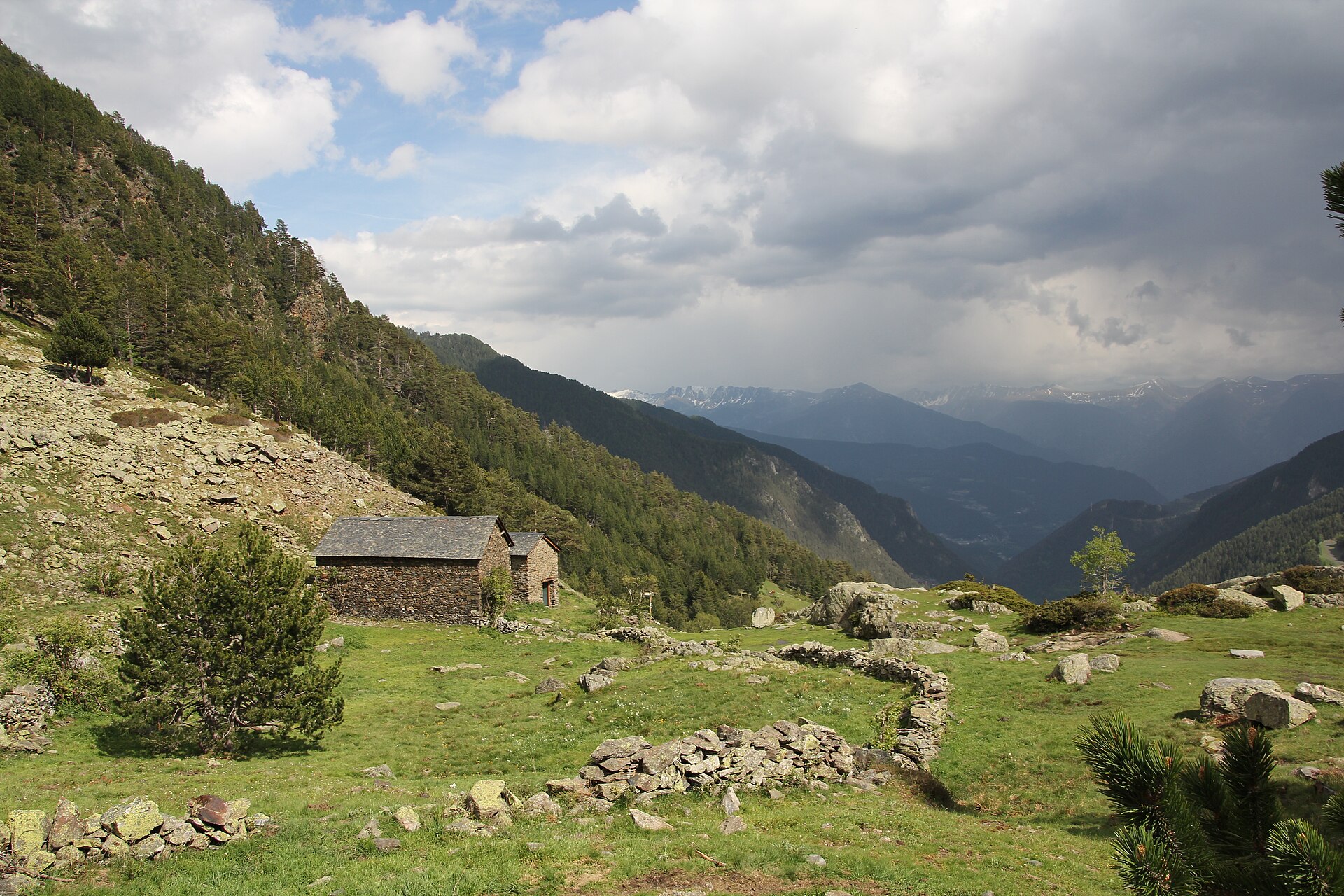
12 records

12 records

7 records
7 records
6 records
5 records

5 records
5 records
4 records

4 records
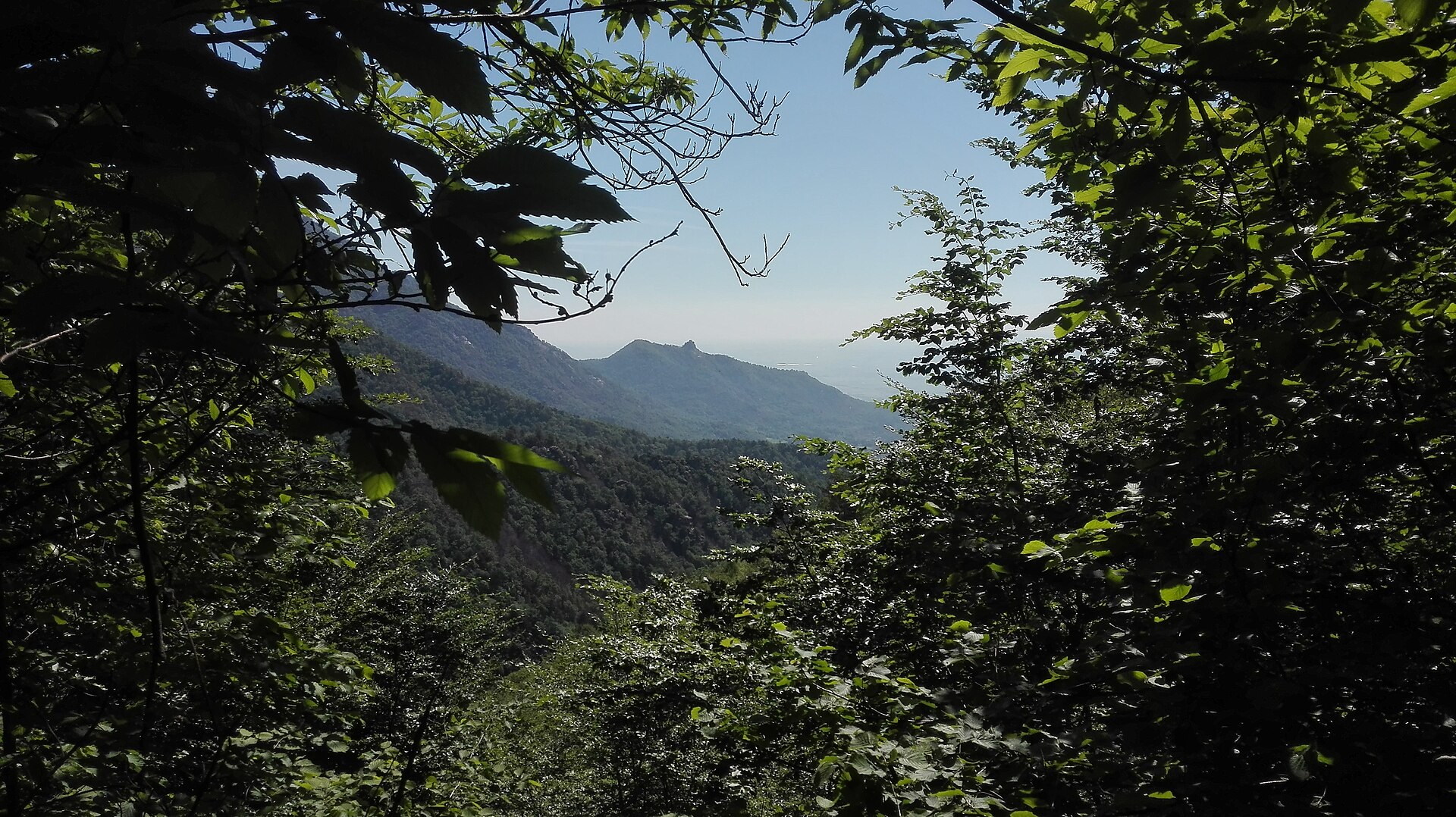
1 records

1 records
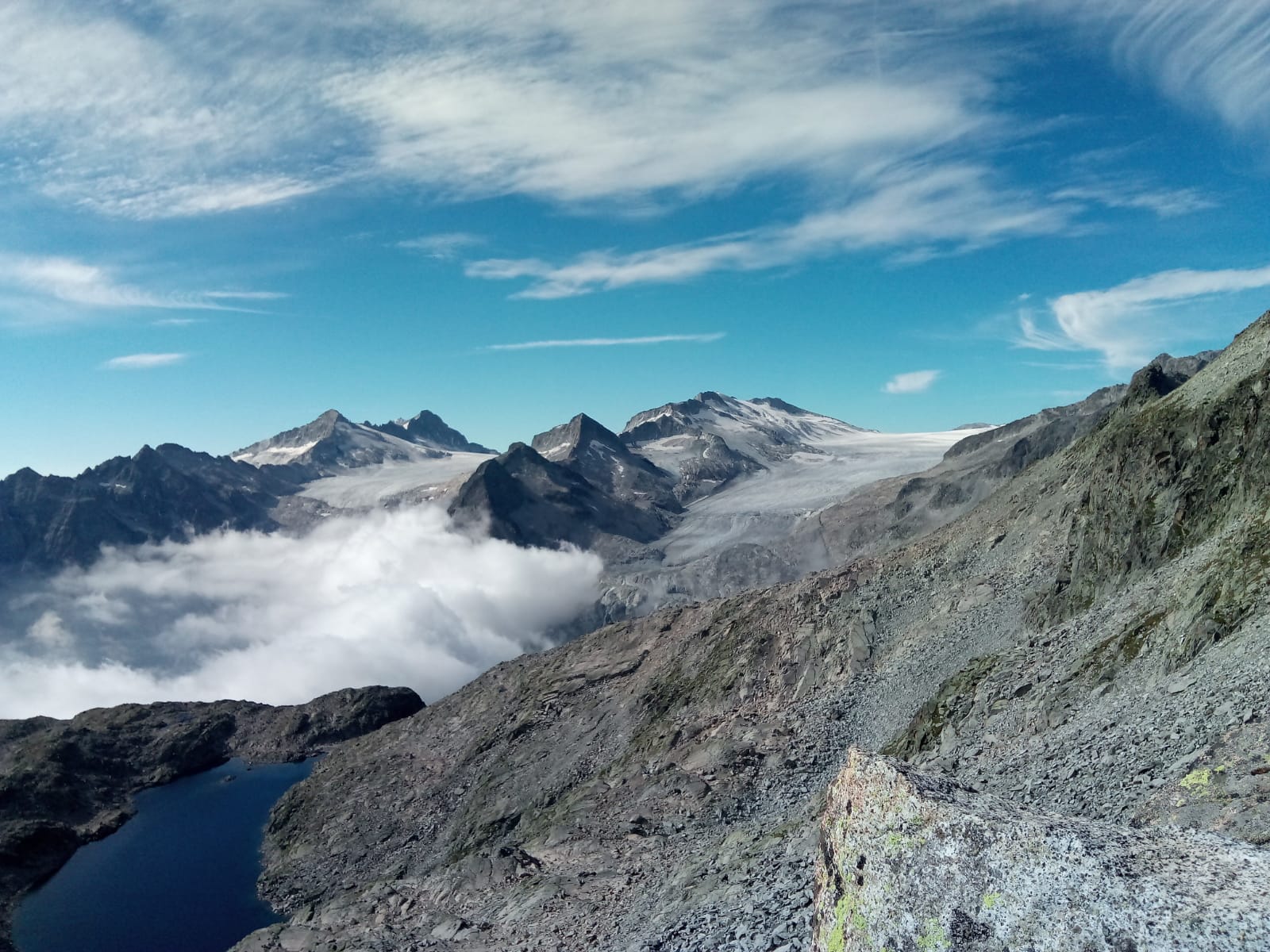
Natura 2000 · breeding

Natura 2000 · breeding, passage, wintering
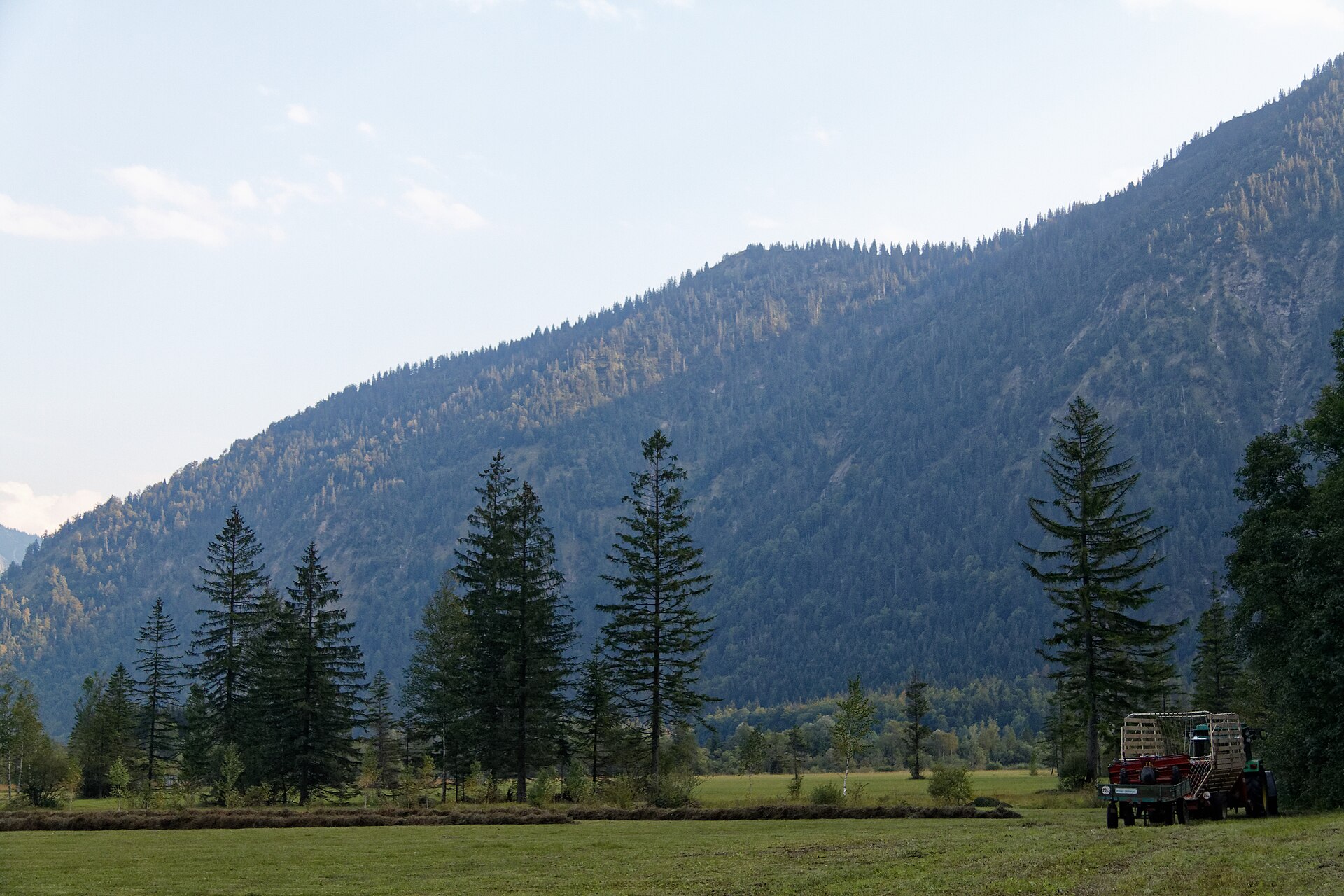
Natura 2000 · breeding
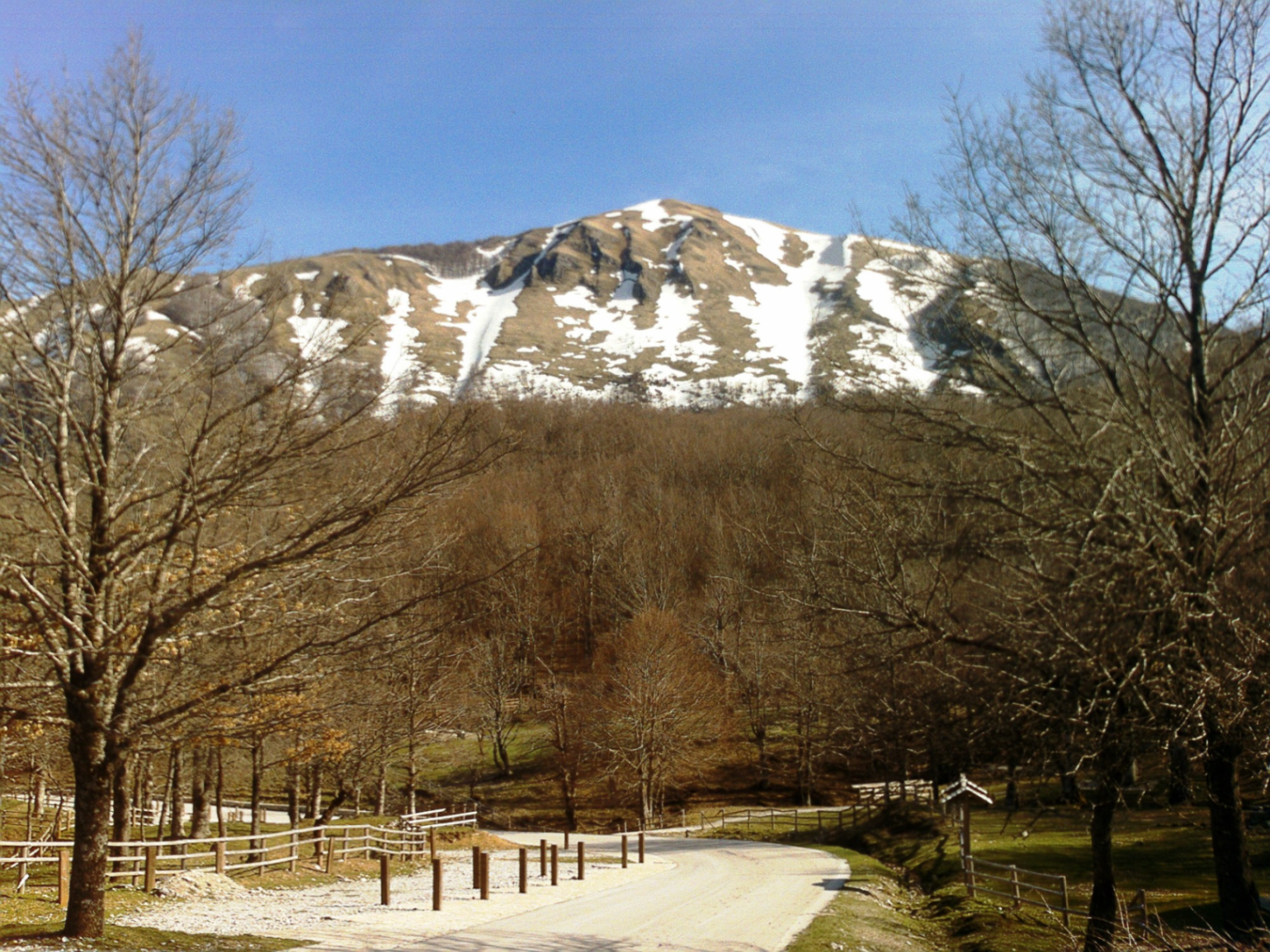
Natura 2000 · resident
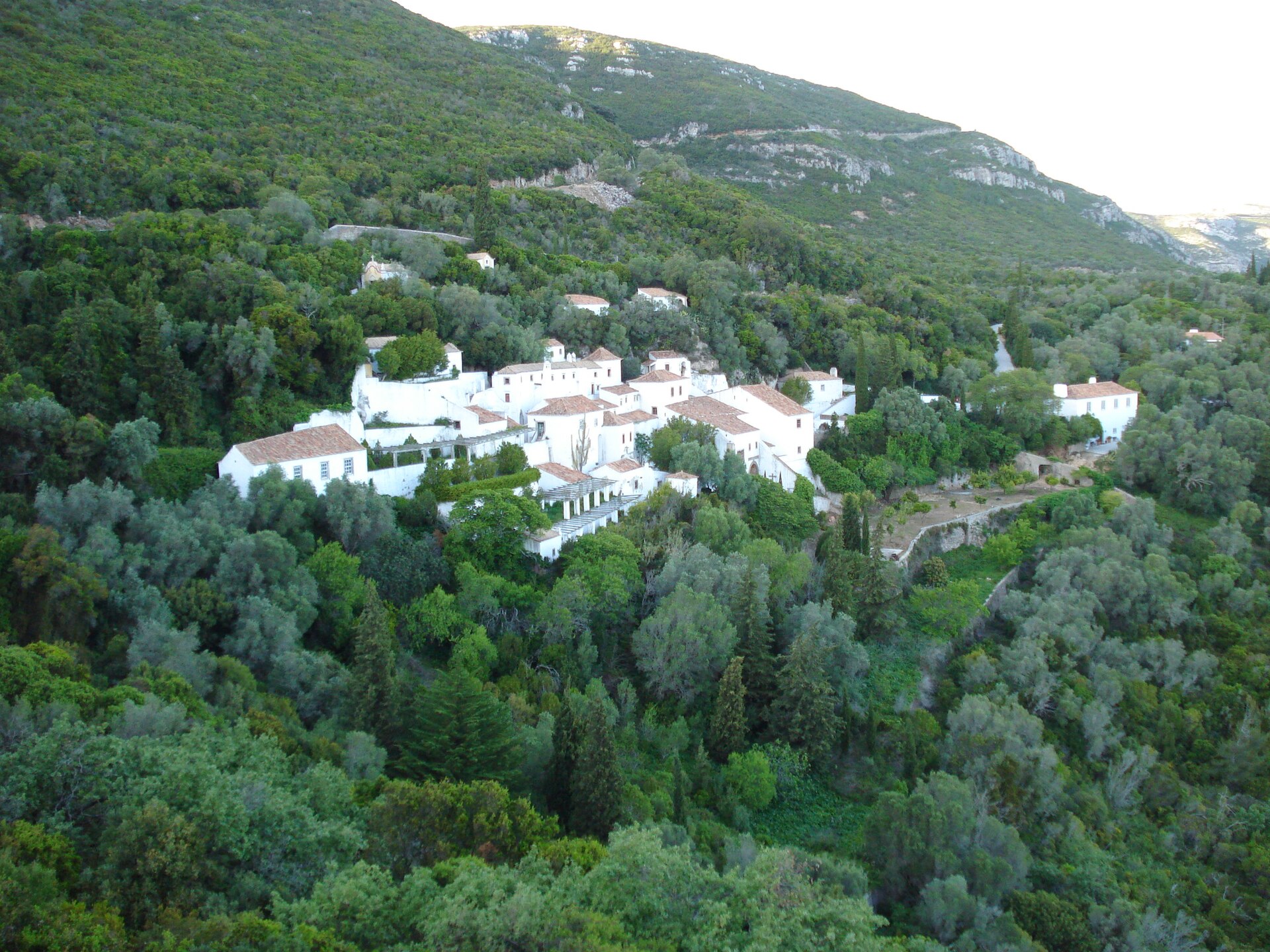
Natura 2000 · wintering
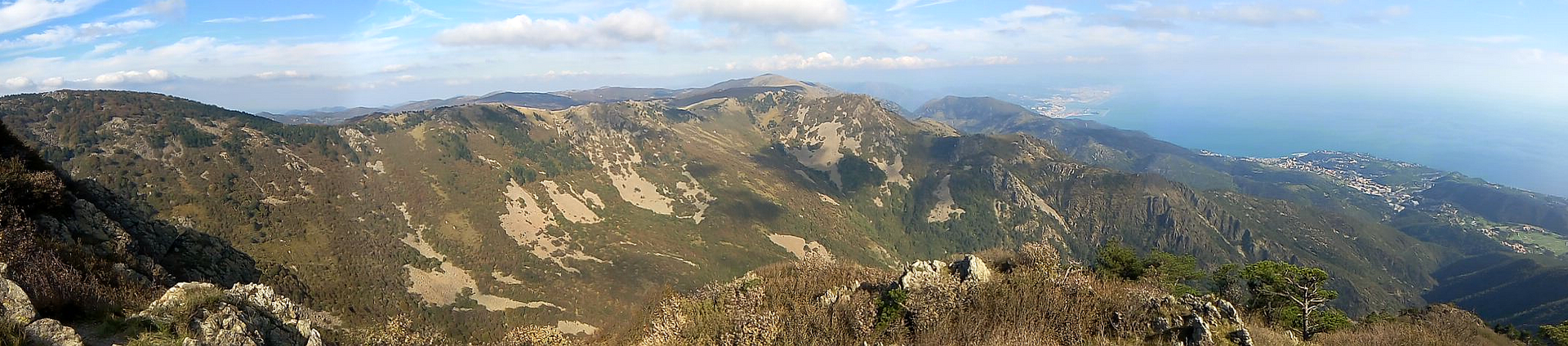
Natura 2000 · passage
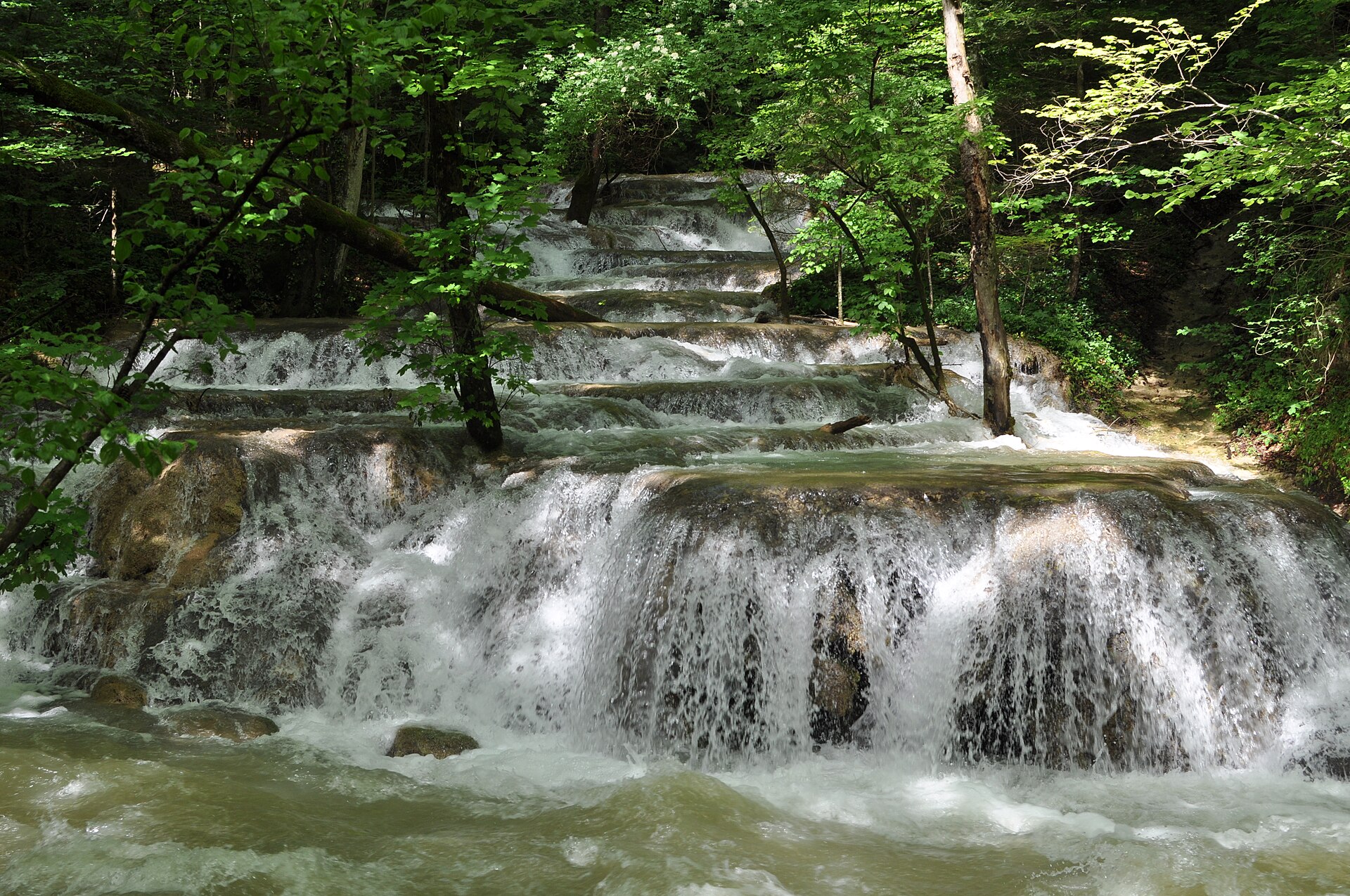
Natura 2000 · breeding
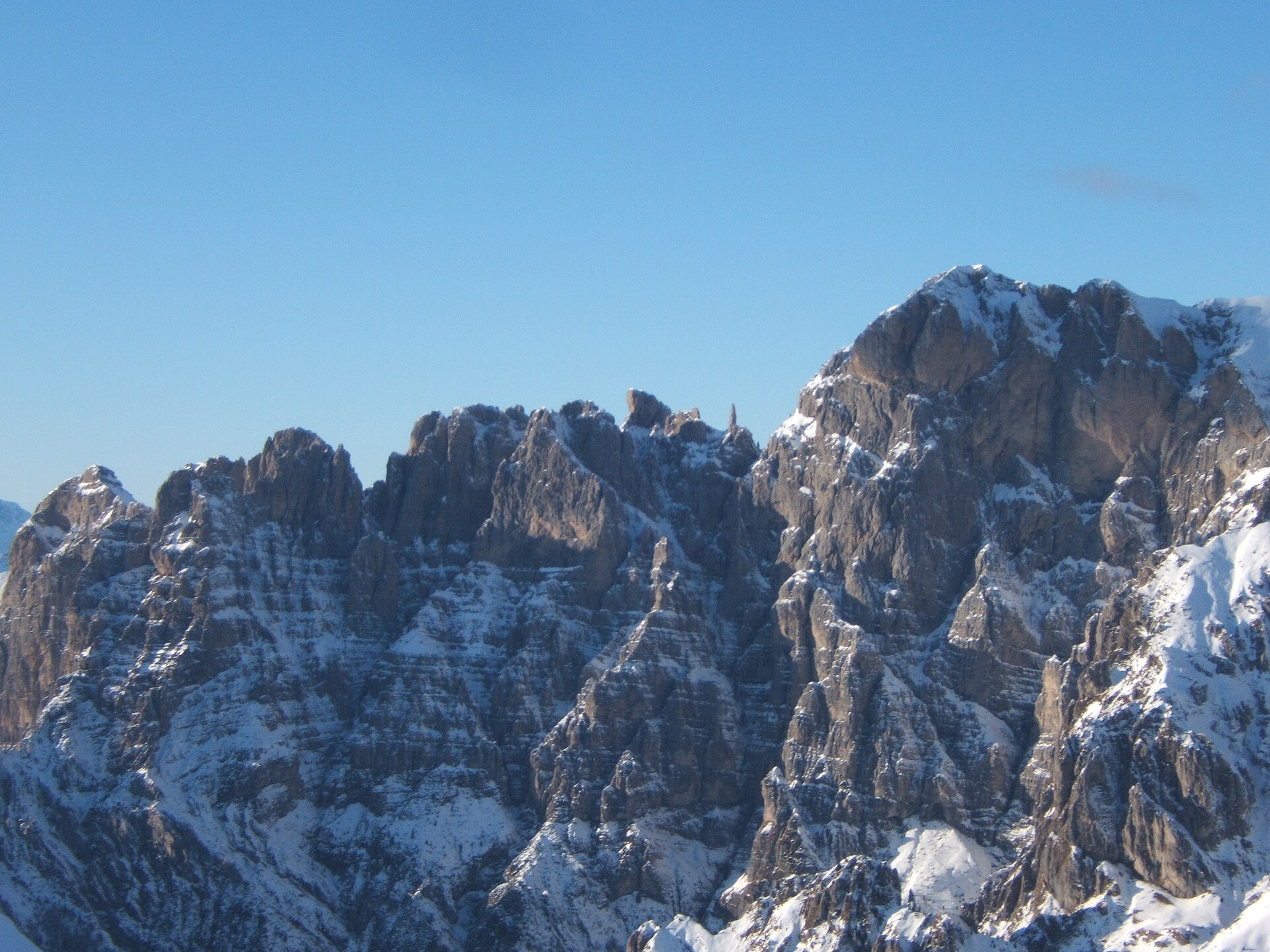
Natura 2000 · breeding

Natura 2000 · passage
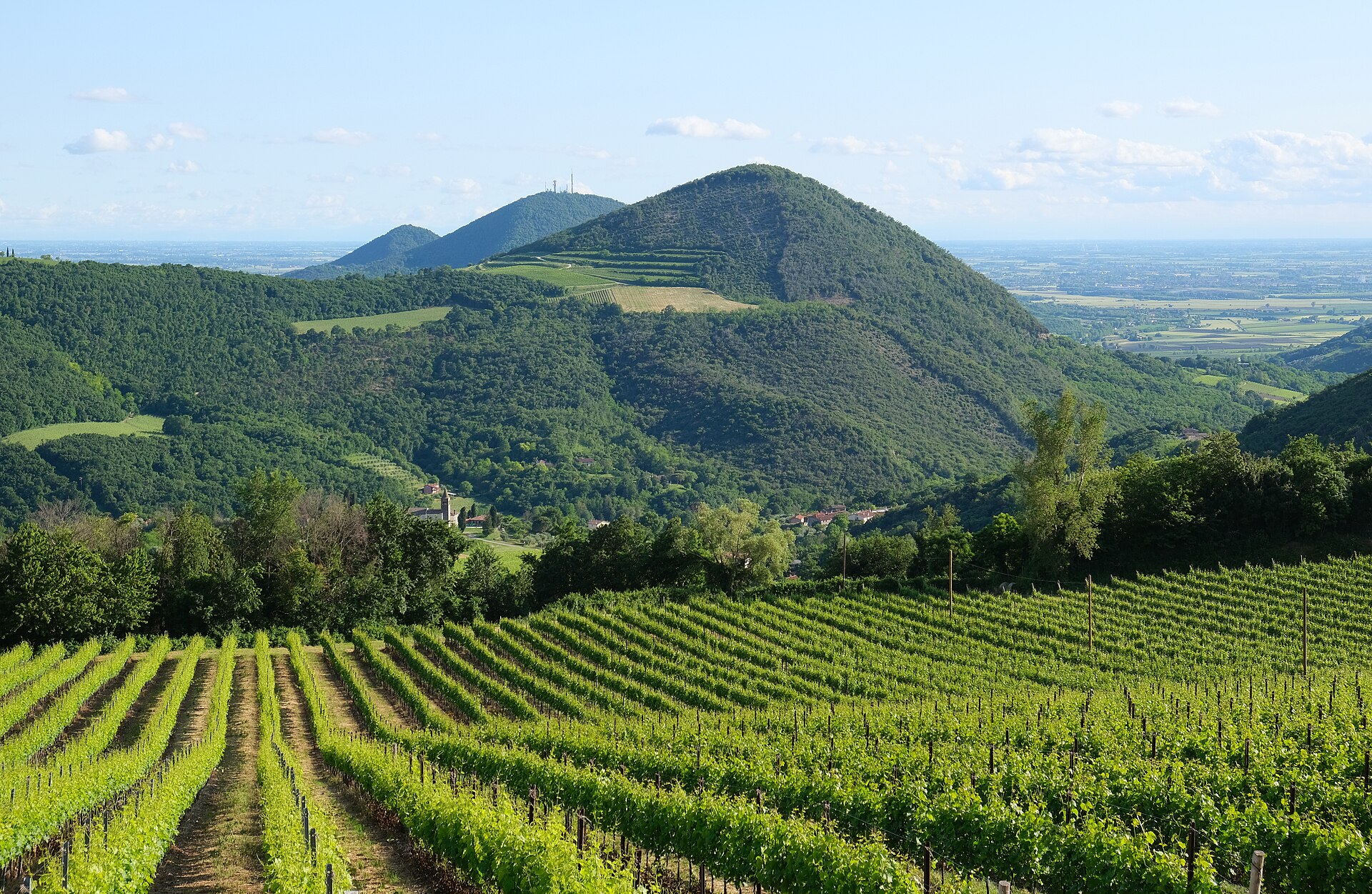
Natura 2000 · passage
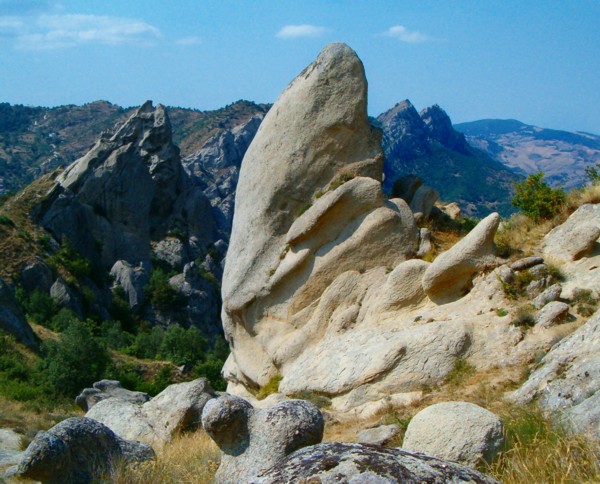
Natura 2000 · resident
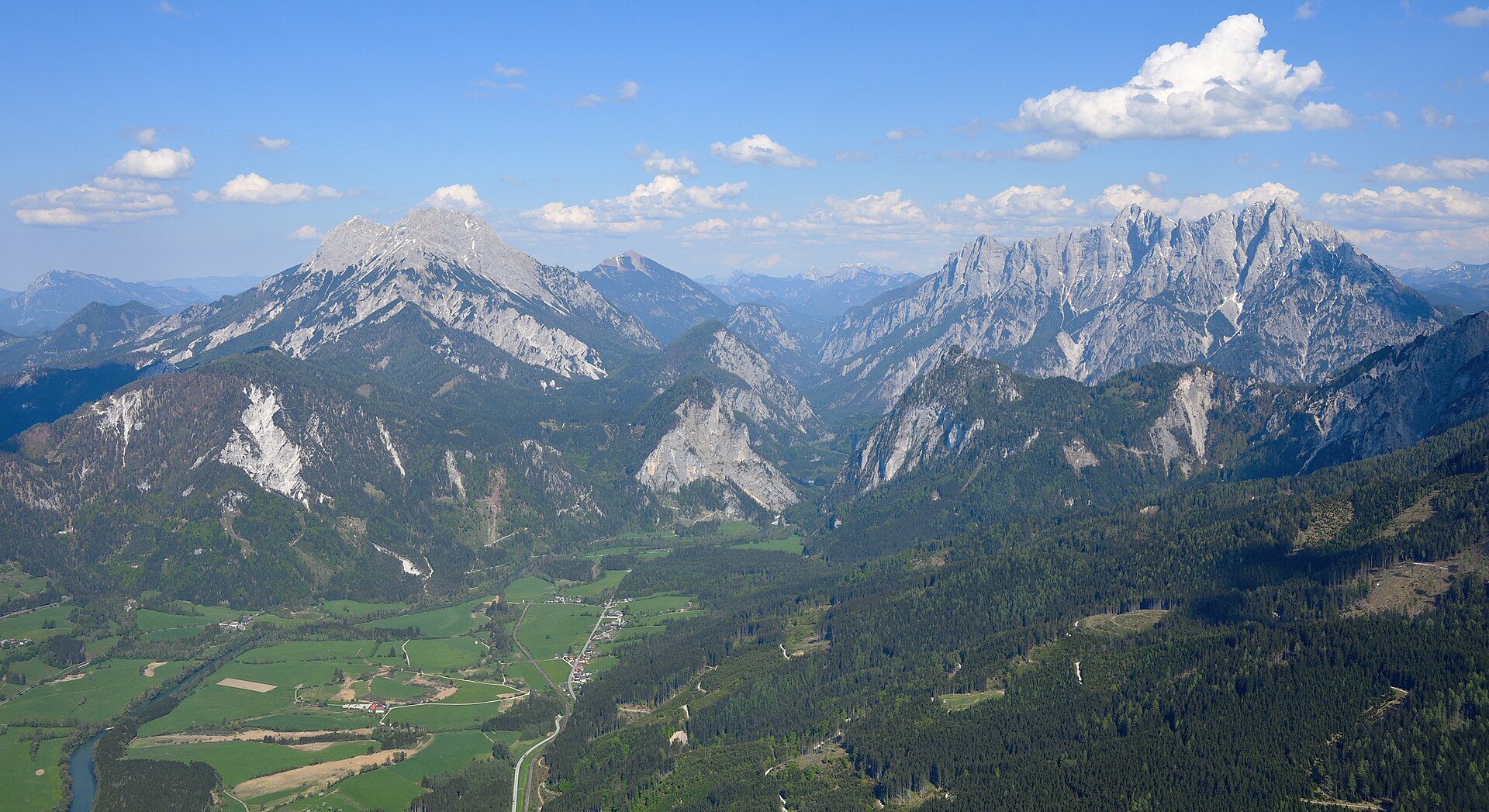
Natura 2000 · passage, breeding

Natura 2000 · breeding
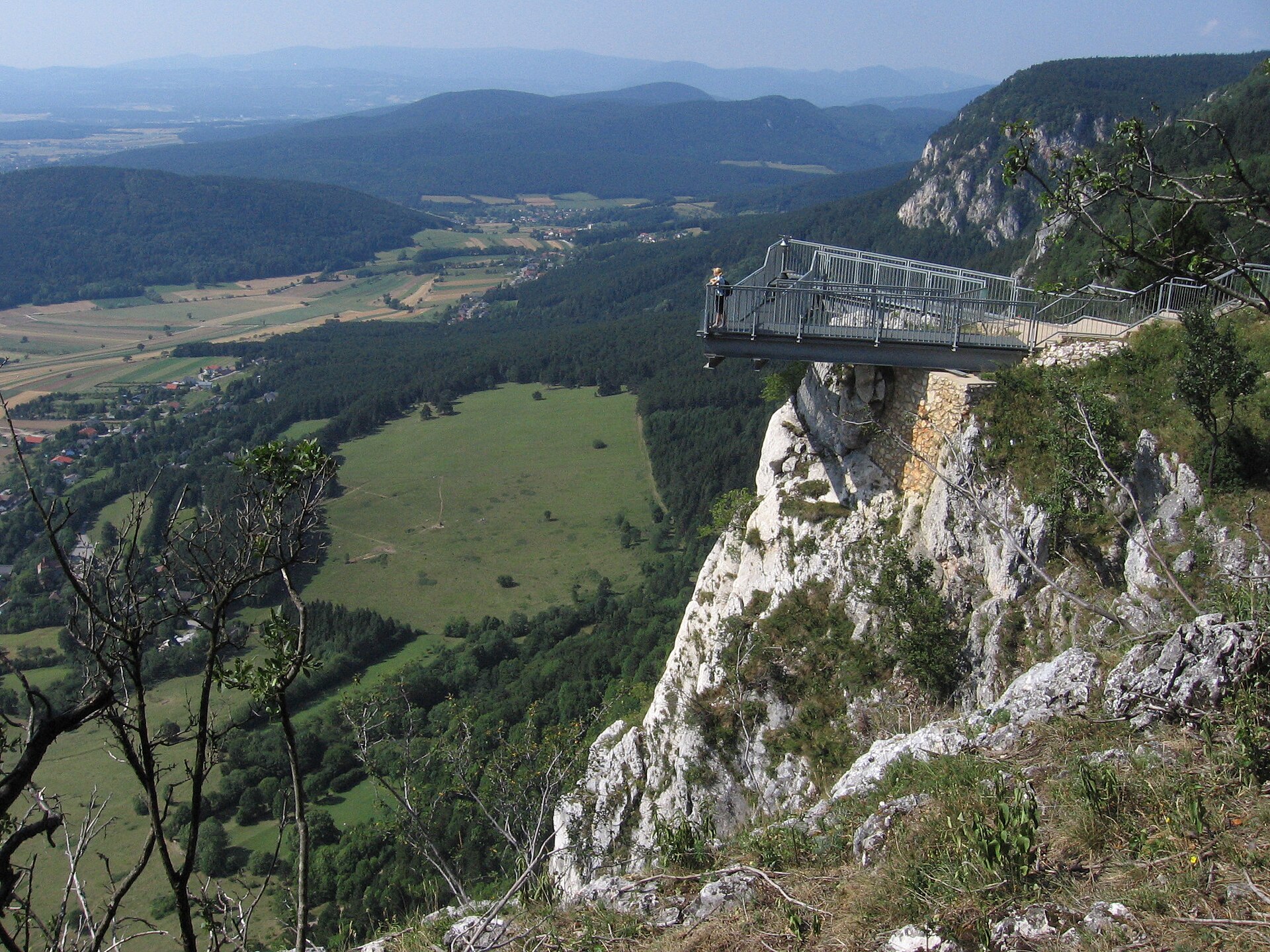
Natura 2000 · breeding
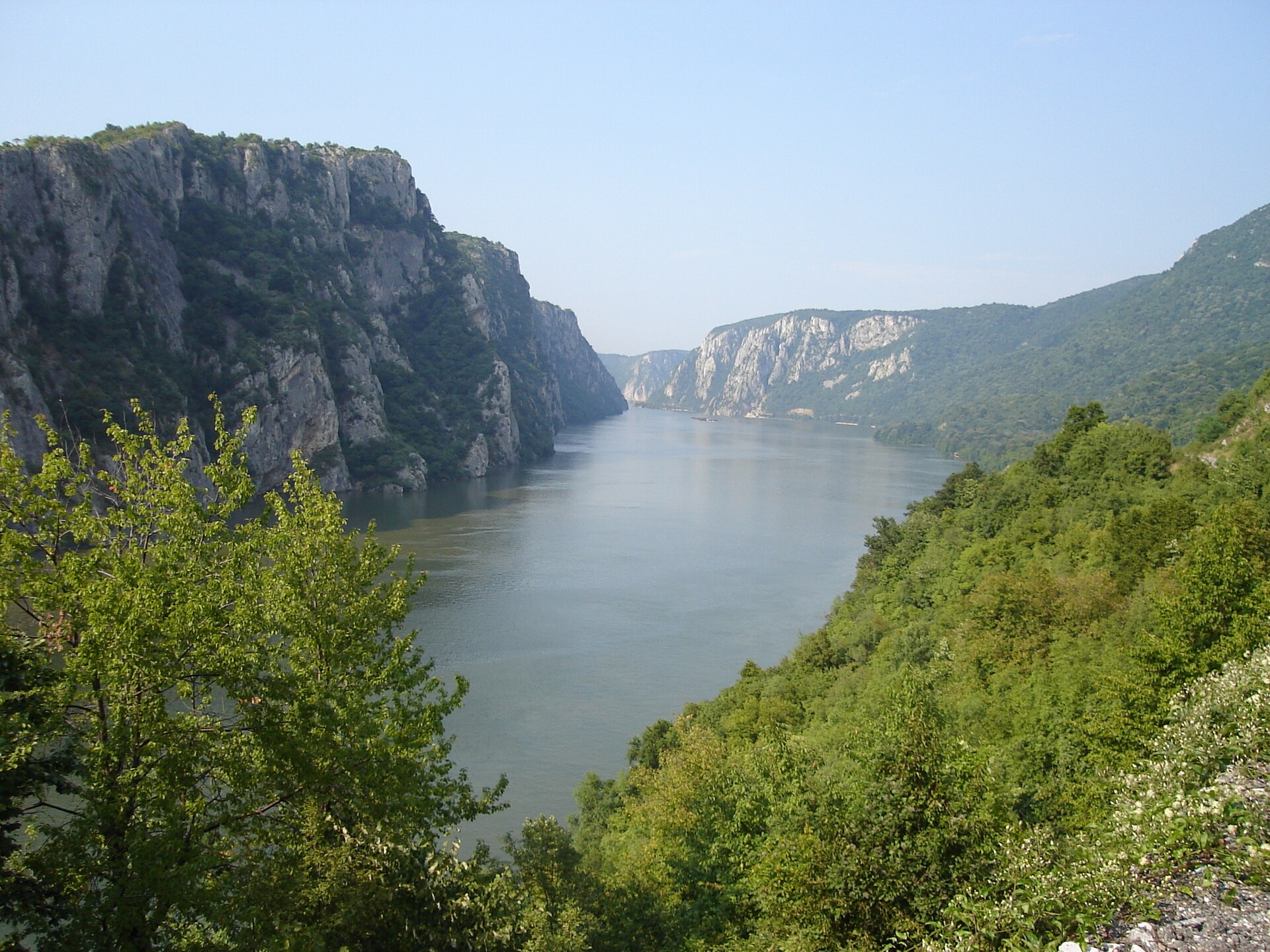
Natura 2000 · breeding
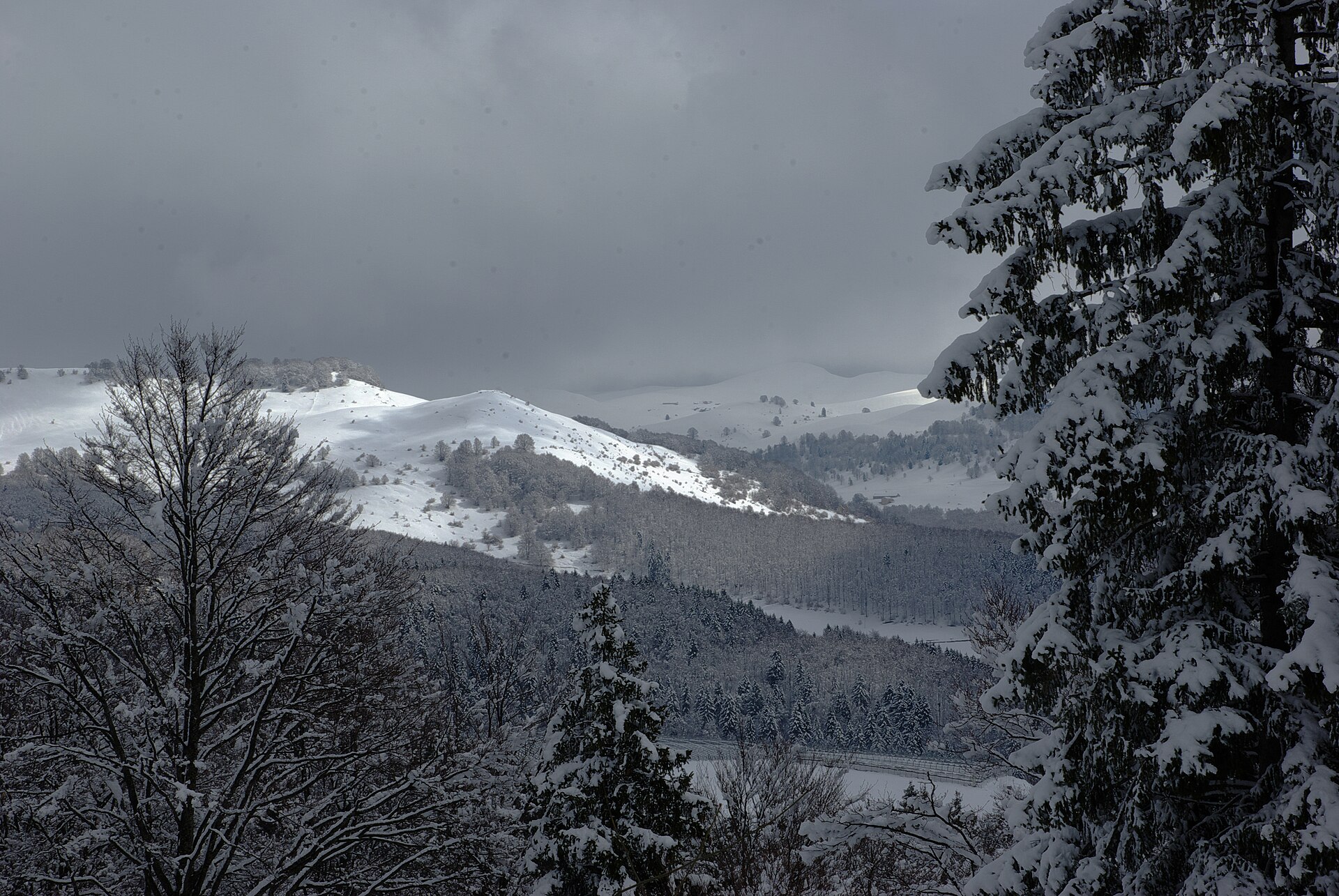
Natura 2000 · breeding

Natura 2000 · breeding, wintering
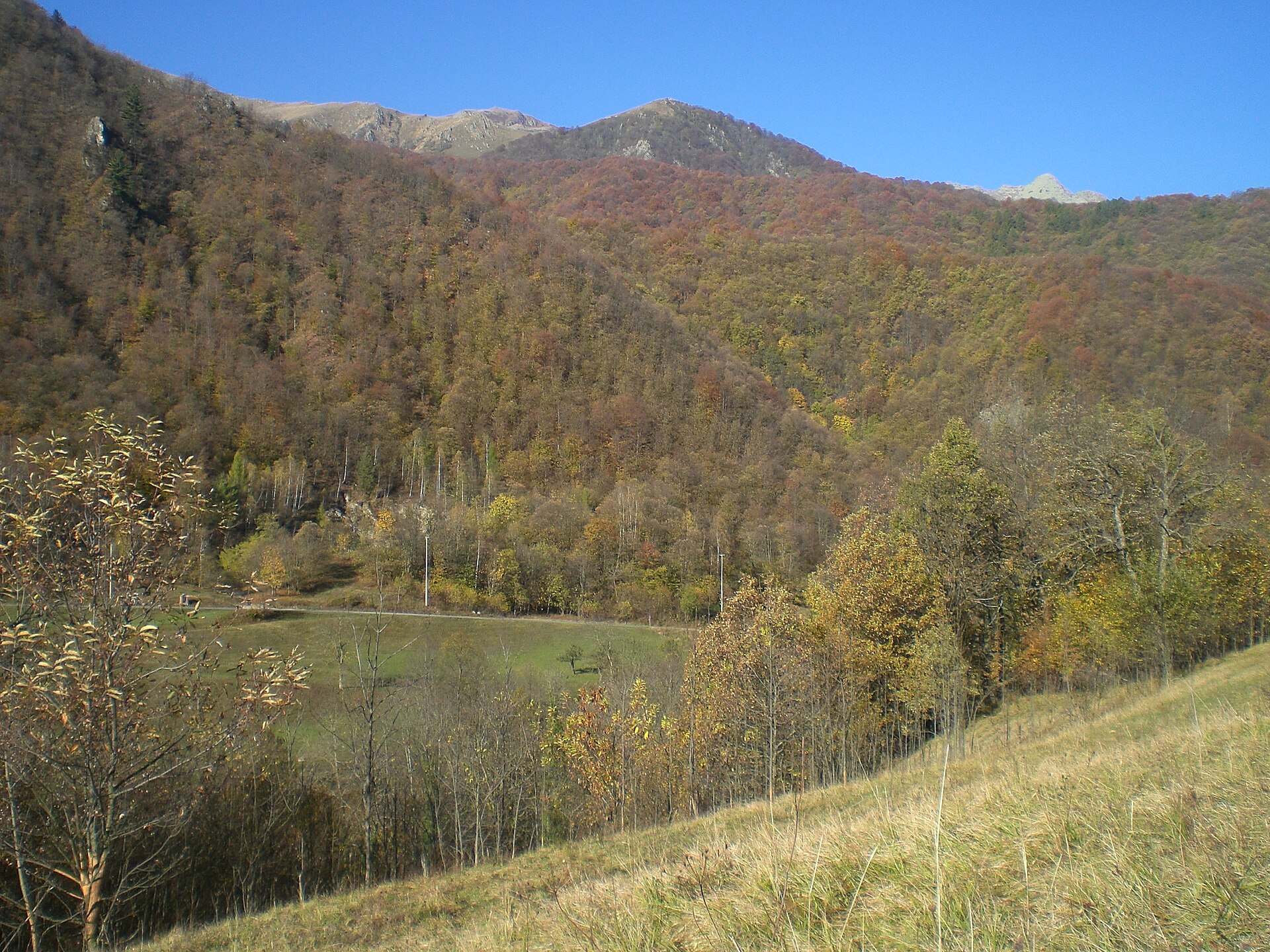
Natura 2000 · breeding, wintering
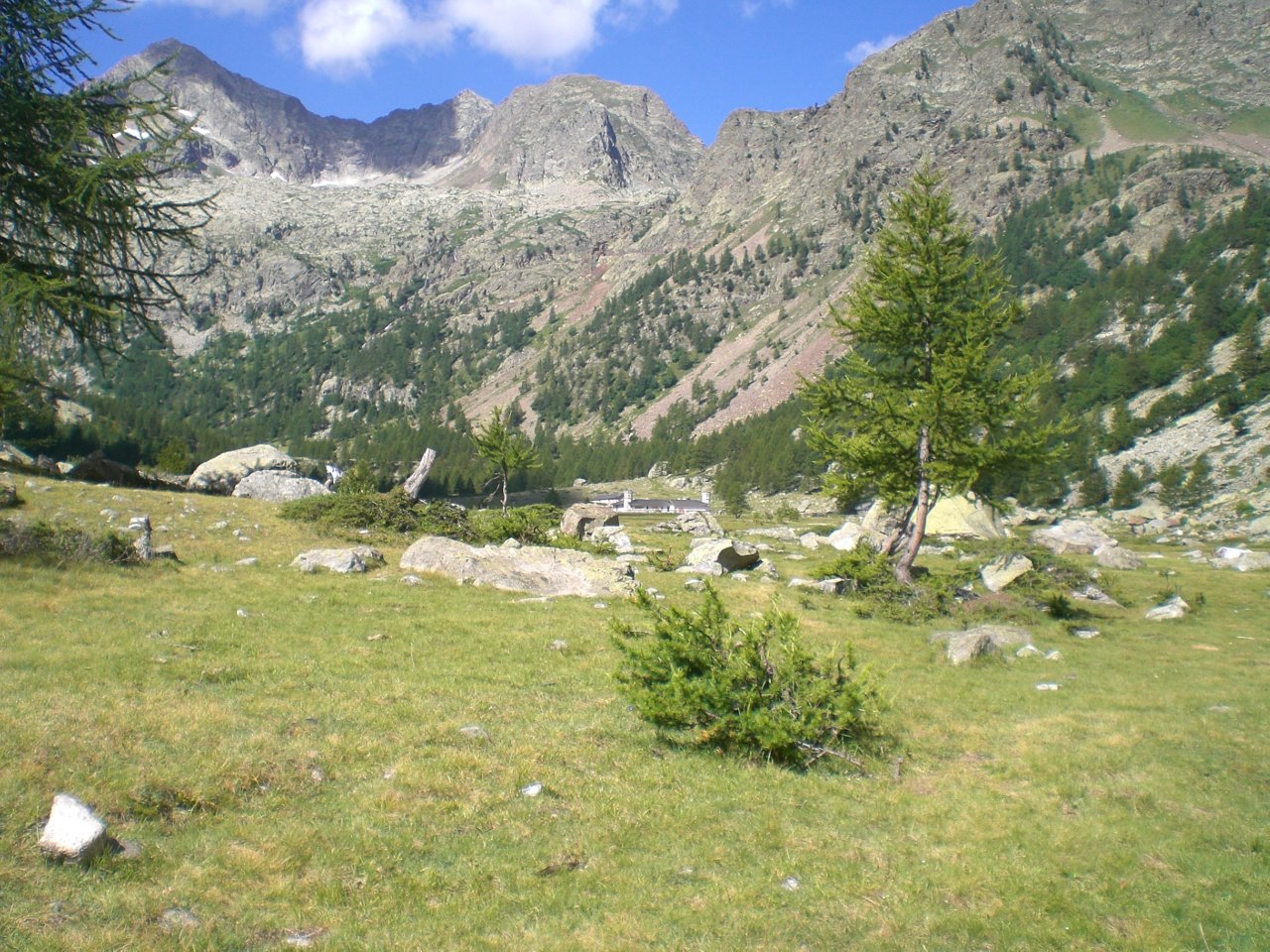
Natura 2000 · breeding
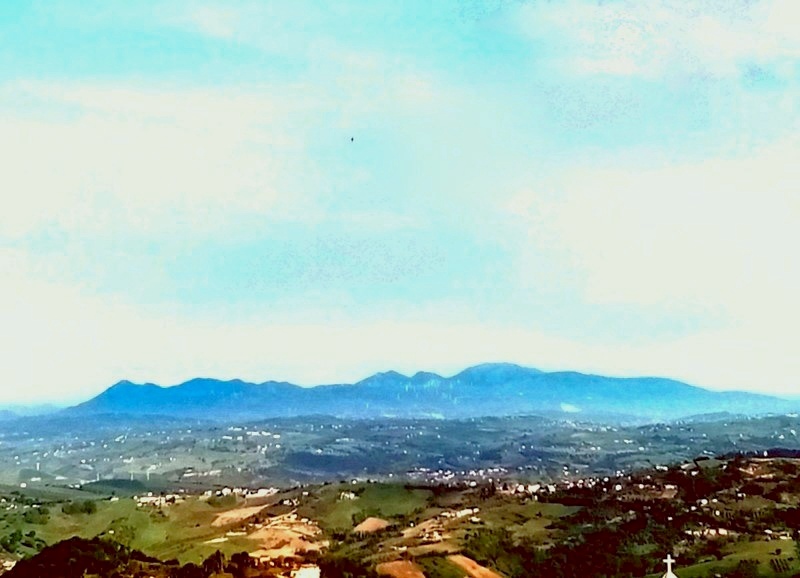
Natura 2000 · passage, breeding, wintering

Natura 2000 · passage, breeding
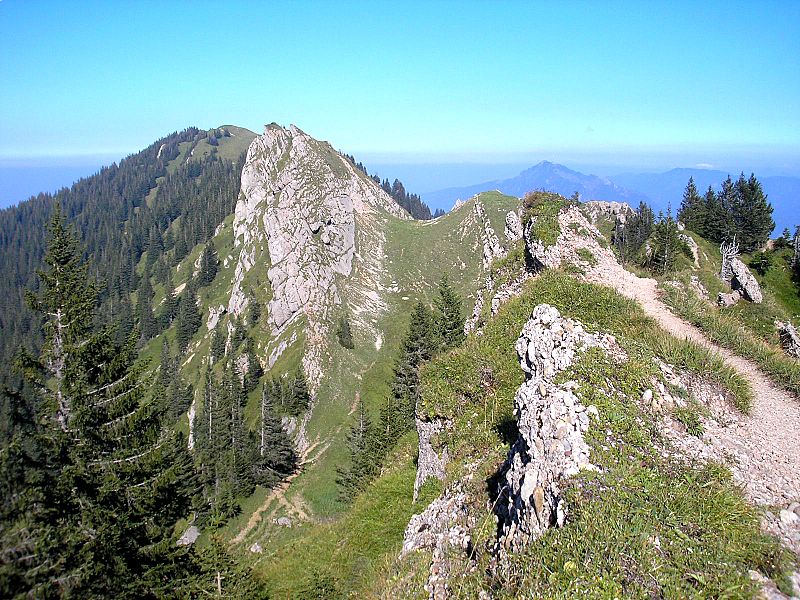
Natura 2000 · breeding
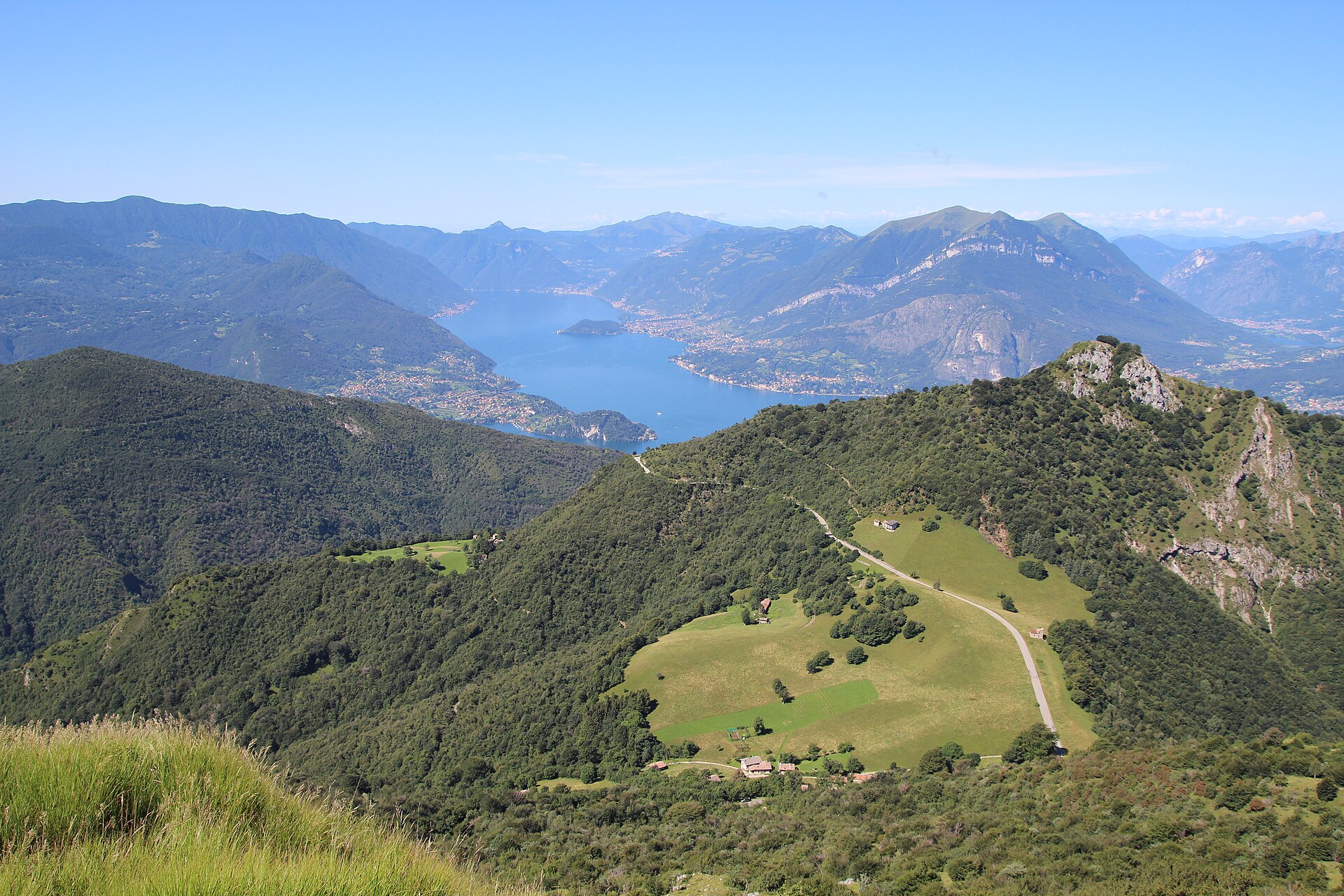
Natura 2000 · wintering, breeding
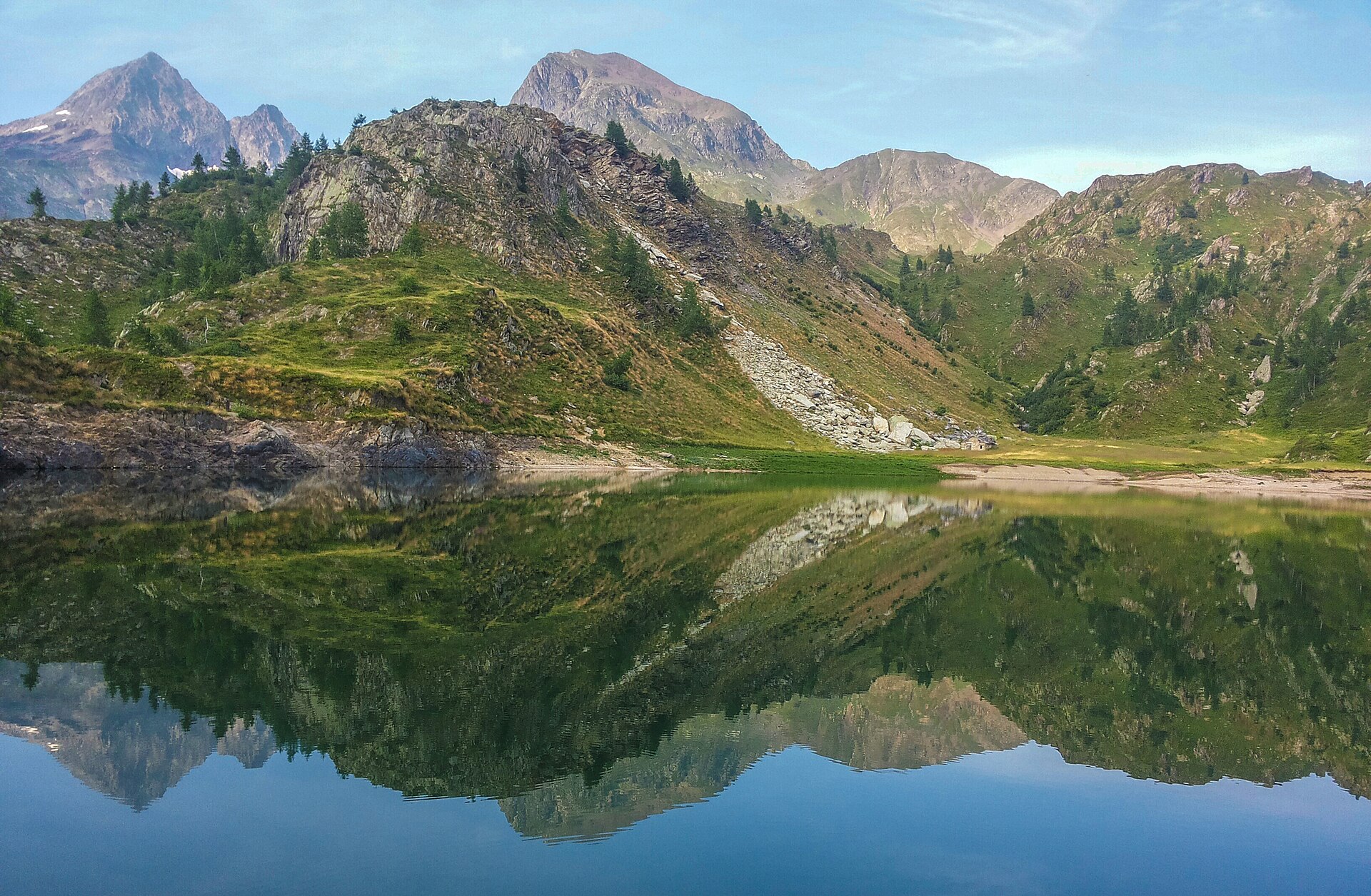
Natura 2000 · breeding
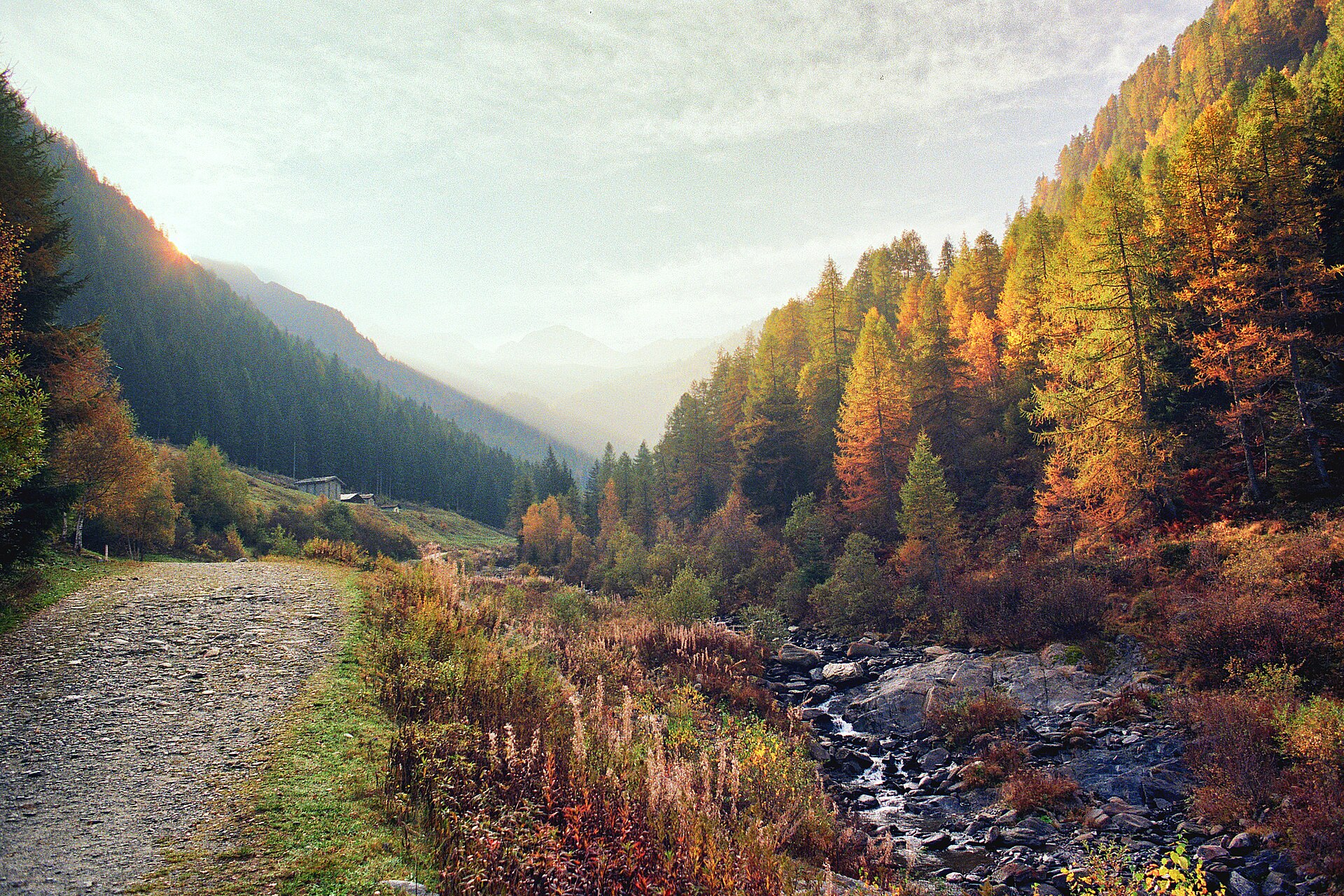
Natura 2000 · breeding
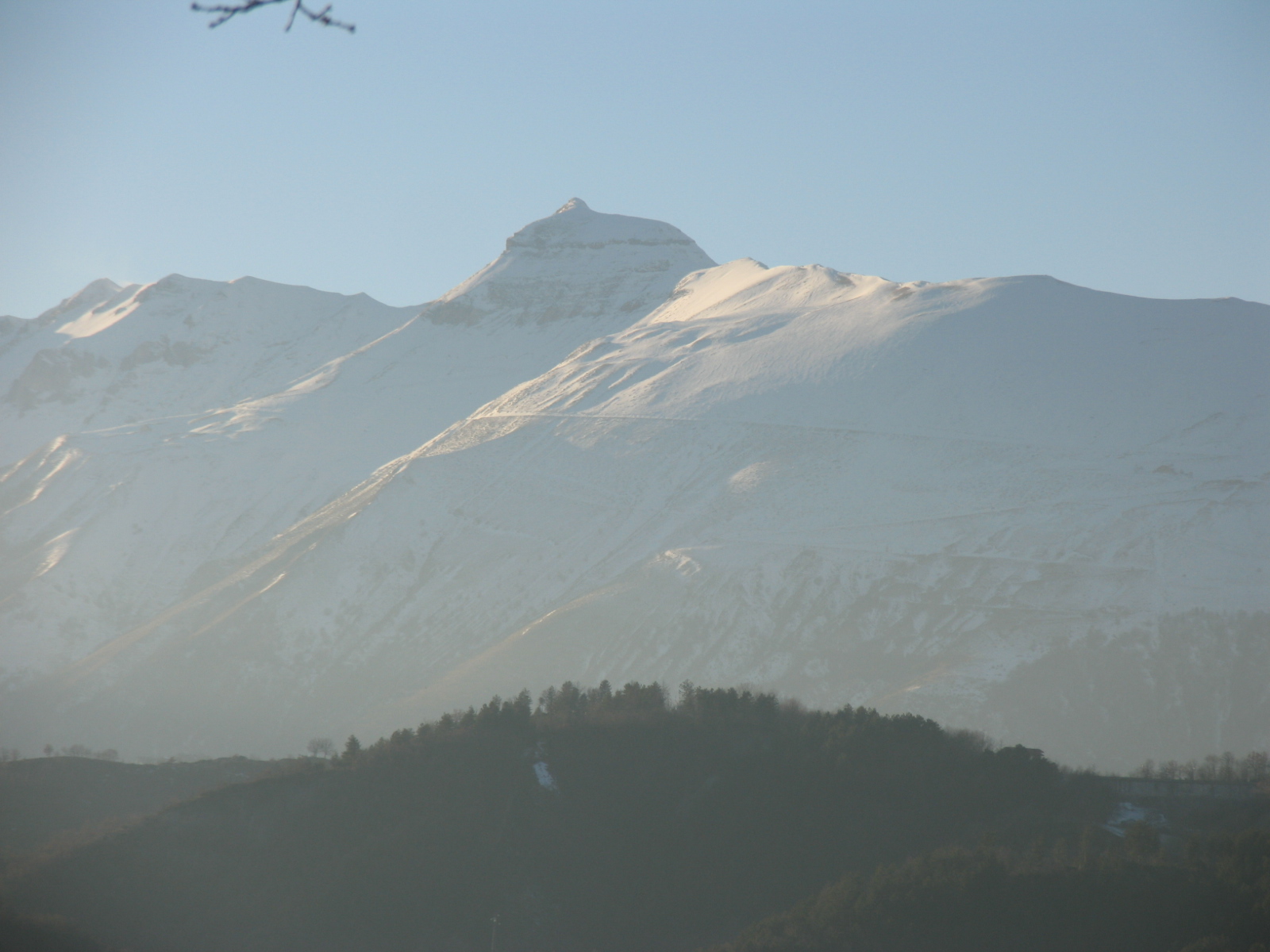
Natura 2000 · breeding
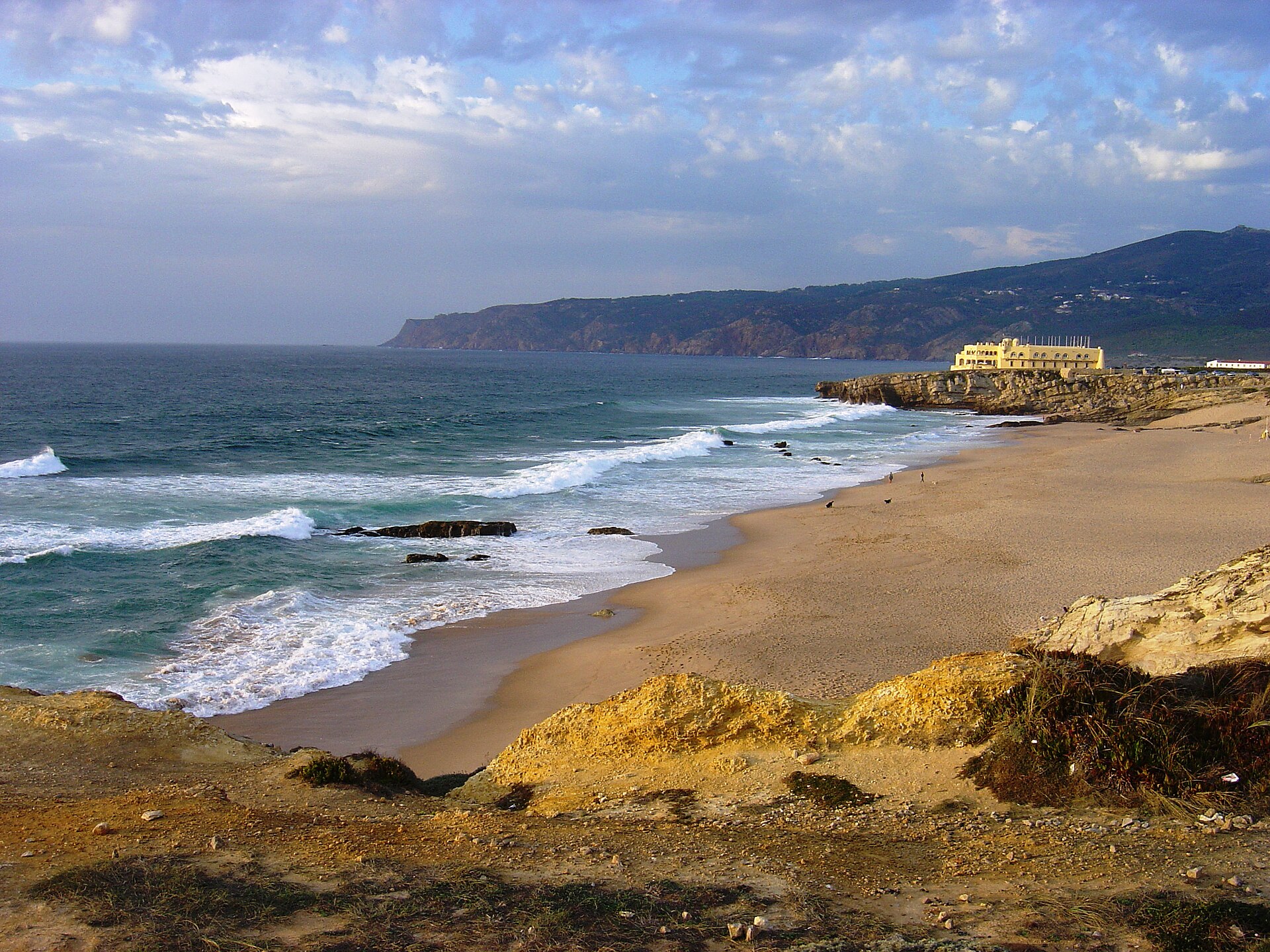
Natura 2000 · breeding
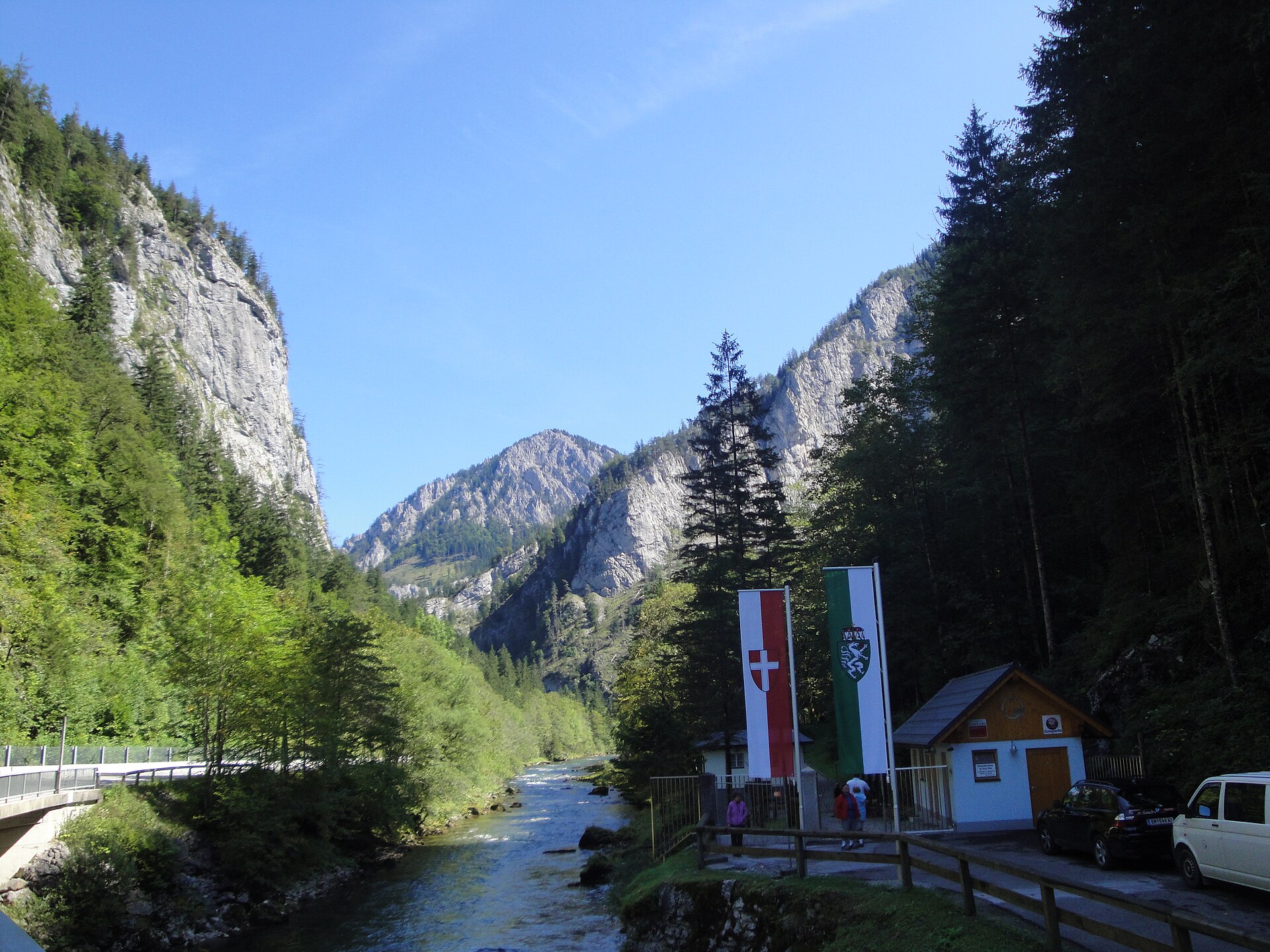
Natura 2000 · passage, breeding
Natura 2000 · passage
Natura 2000
Other species to discover
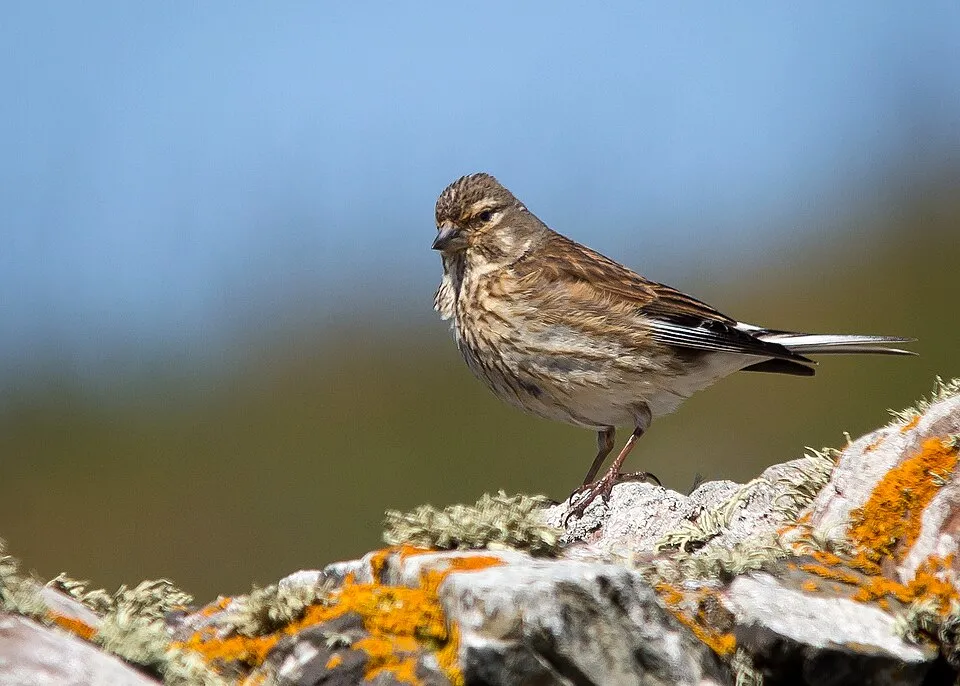 Common Linnet
Linaria cannabina 42 places in common
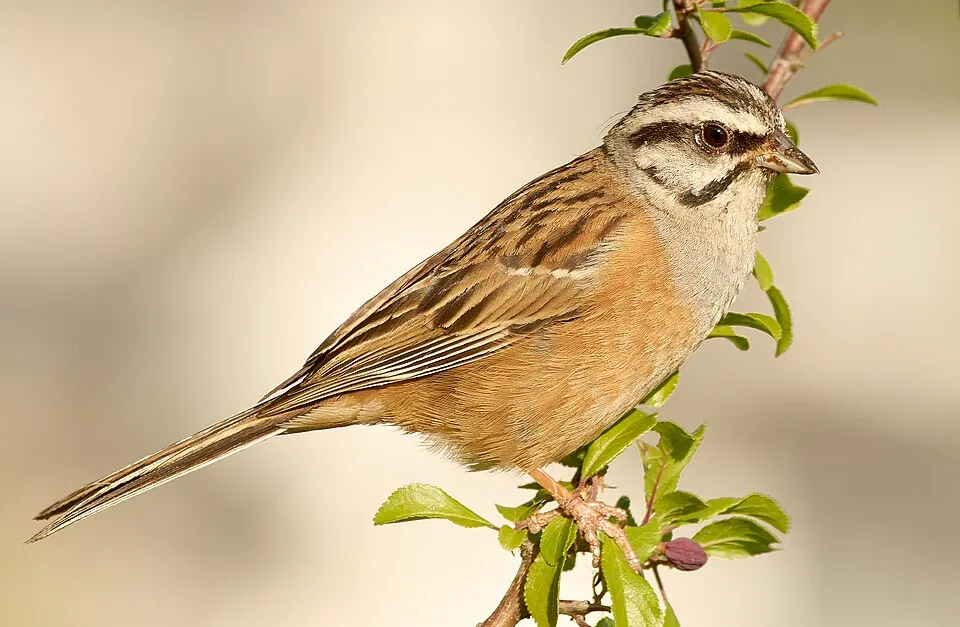 Rock Bunting
Emberiza cia 38 places in common
 Common House Martin
Delichon urbicum 55 places in common
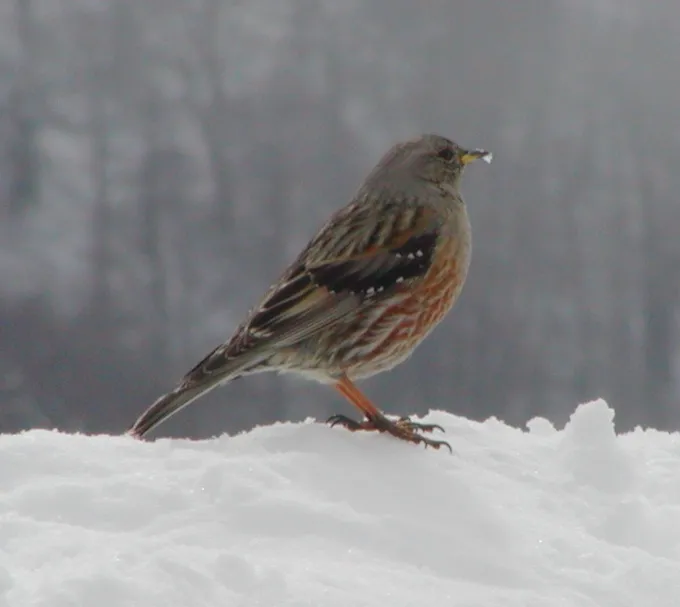 Alpine Accentor
Prunella collaris 33 places in common
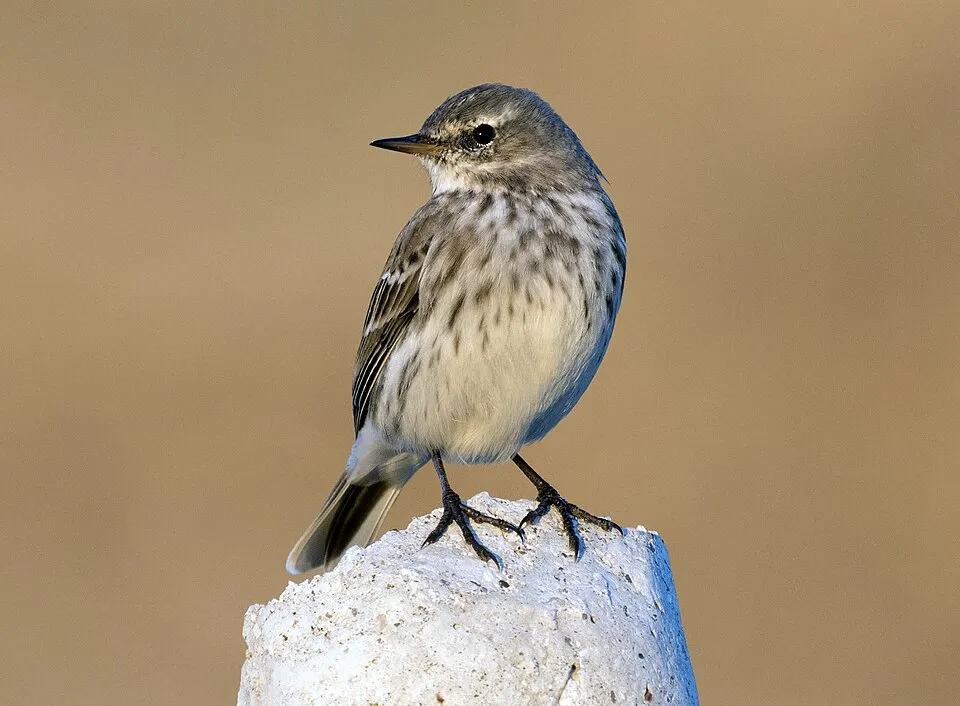 Water Pipit
Anthus spinoletta 42 places in common
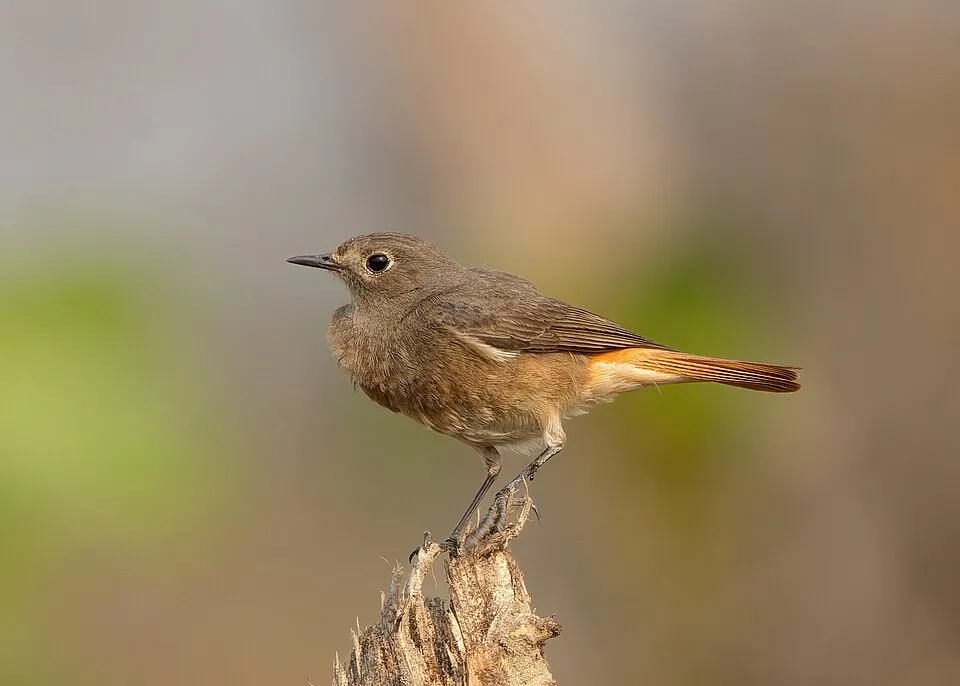 Black Redstart
Phoenicurus ochruros 69 places in common
Sources and credits
- Presence: most-recorded species of each place on GBIF and species of Community interest in the Natura 2000 forms (EEA, CC-BY 4.0); absence from the list does not mean the species is absent.
- Common names: Wikidata (CC0) and GBIF.
- Photos and sounds: Wikimedia Commons, author and licence given for each file.
- Classification: GBIF Backbone Taxonomy (GBIF Secretariat), CC BY 4.0, doi:10.15468/39omei.
- Countries, elevations, months and maps: GBIF.org, CC0 or CC BY 4.0 occurrences only, accessed October 22, 2026, GBIF.org.
- Base map: Natural Earth (public domain).
- Excerpt: Wikipedia, CC BY-SA 4.0 (full credit below the excerpt).
- Key facts: Wikidata (CC0), with the references cited under each value.
- EU bird populations: EEA / DG ENV, Article 12 Birds Directive reporting (2013–2018), CC BY 4.0.