
Bird
Common House Martin: where to see it
Delichon urbicum
This bird species is recorded in 185 protected areas of the atlas, including 69 whose official Natura 2000 form lists it. Within the atlas countries, it is mostly observed in Sweden, Spain and the United Kingdom (17 countries in all). Most records (8 in 10) lie between sea level and 1,050 m. Records peak from April to August. It has a wingspan of 29 cm. Its EU population is assessed as depleted (2013–2018 Birds Directive reporting).
Best time to see it: April–August
Records published on GBIF by month (CC0 and CC BY 4.0 licences only), in the atlas countries, all years combined; they also reflect observer activity.
Key facts
- Wingspan
- 29 cm Wikidata, after Ericson et al. 2007
- Incubation
- 15 days Wikidata, after British Trust for Ornithology
Status and protection
EU population assessed as depleted, stable in the short term (2013–2018 Birds Directive reporting). EU breeding population: 8,550,000–18,600,000 pairs.
Distribution
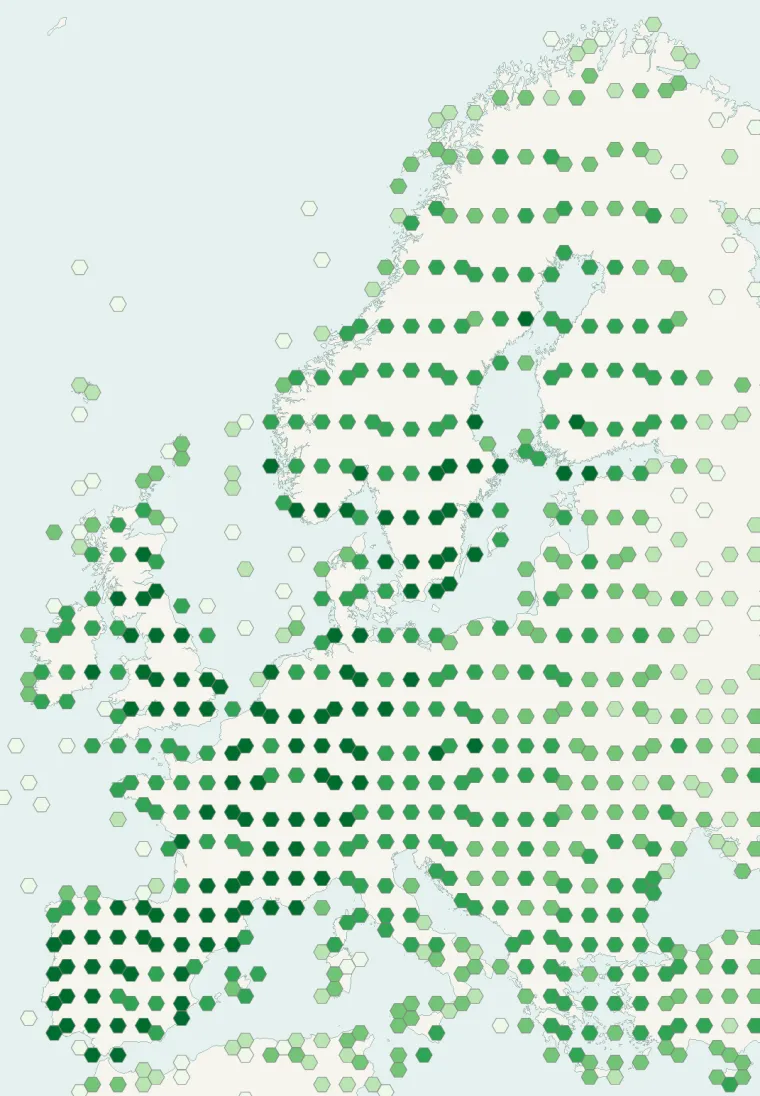
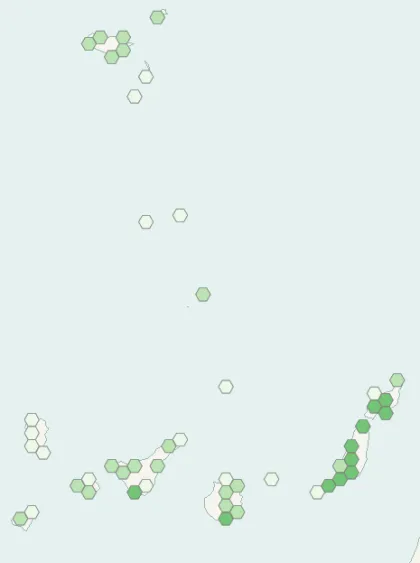
Records published on GBIF (CC0 and CC BY 4.0 licences): the darker the shade, the more records there are; they also reflect observation effort.
Atlas countries where it is recorded
Listen
-
0:27 · © This image is created by user Justin Jansen at Waarneming.nl, a source of nature observations in the Netherlands · CC BY 3.0 · Wikimedia Commons · Original file
From Wikipedia
The western house martin (Delichon urbicum), sometimes called the common house martin, northern house martin or, particularly in Europe, just house martin, is a migratory passerine bird of the swallow family which breeds in Europe, north Africa and west-central Asia; and winters in sub-Saharan Africa and southwestern Asia. It feeds on insects which are caught in flight, and it migrates to climates where flying insects are plentiful. It has a blue head and upperparts, white rump and pure white underparts, and is found in both open country and near human habitation.
Source: Wikipedia, article “Western house martin” (version of August 10, 2026) · history and authors · licence CC BY-SA 4.0 · shortened excerpt
Protected areas where it is recorded

Natura 2000 · breeding 1,932 records
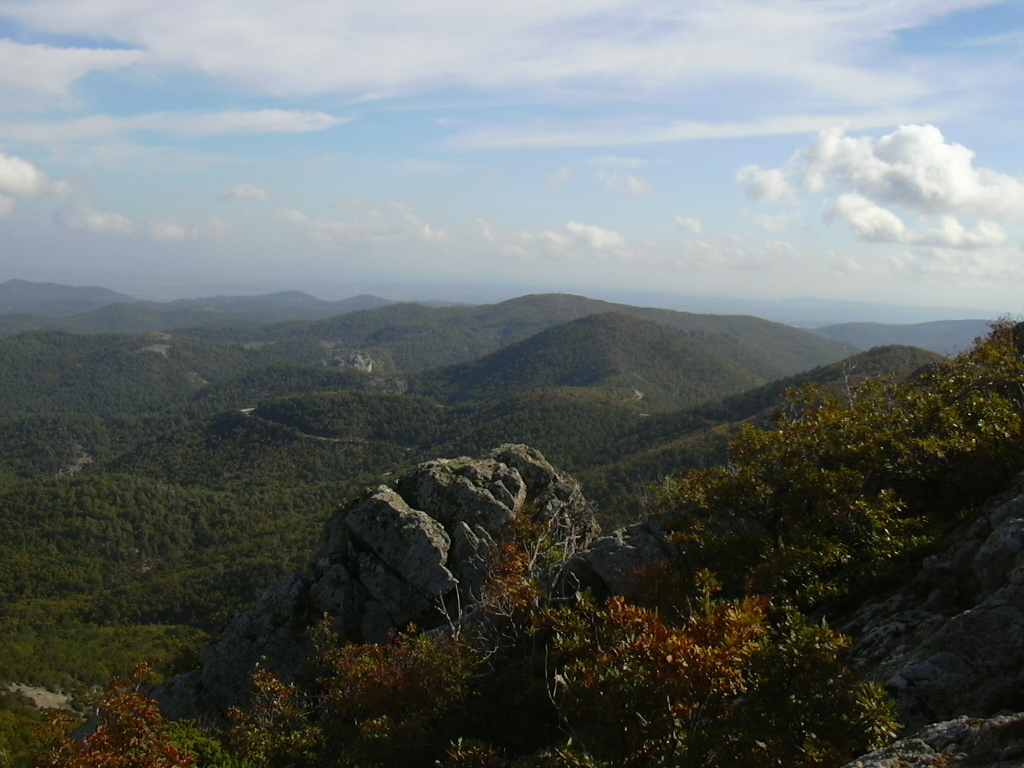
Natura 2000 · breeding 203 records
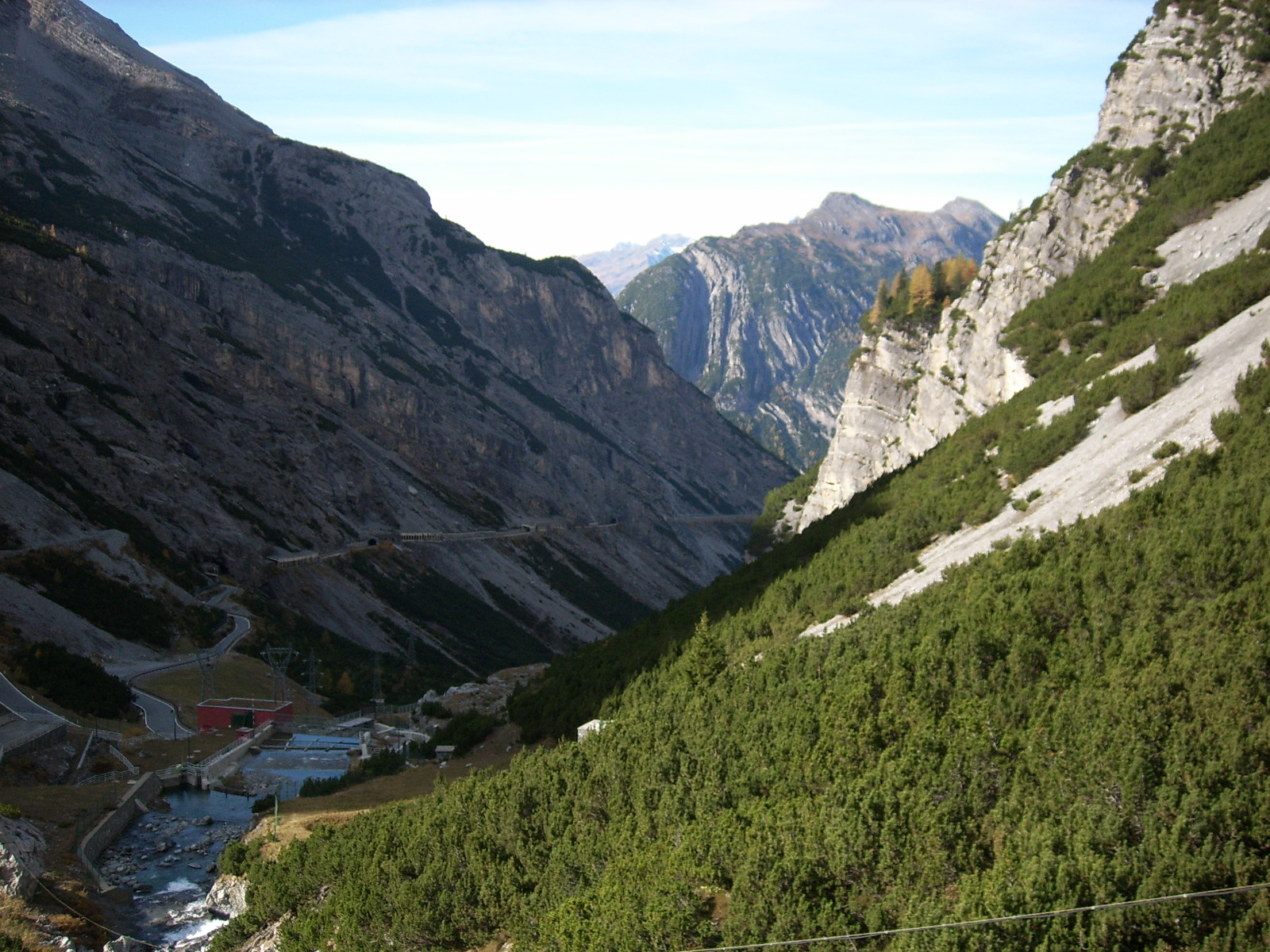
Natura 2000 · breeding 135 records

Natura 2000 · breeding 110 records

Natura 2000 · passage, breeding 104 records

Natura 2000 · breeding, passage 96 records

Natura 2000 · breeding 35 records
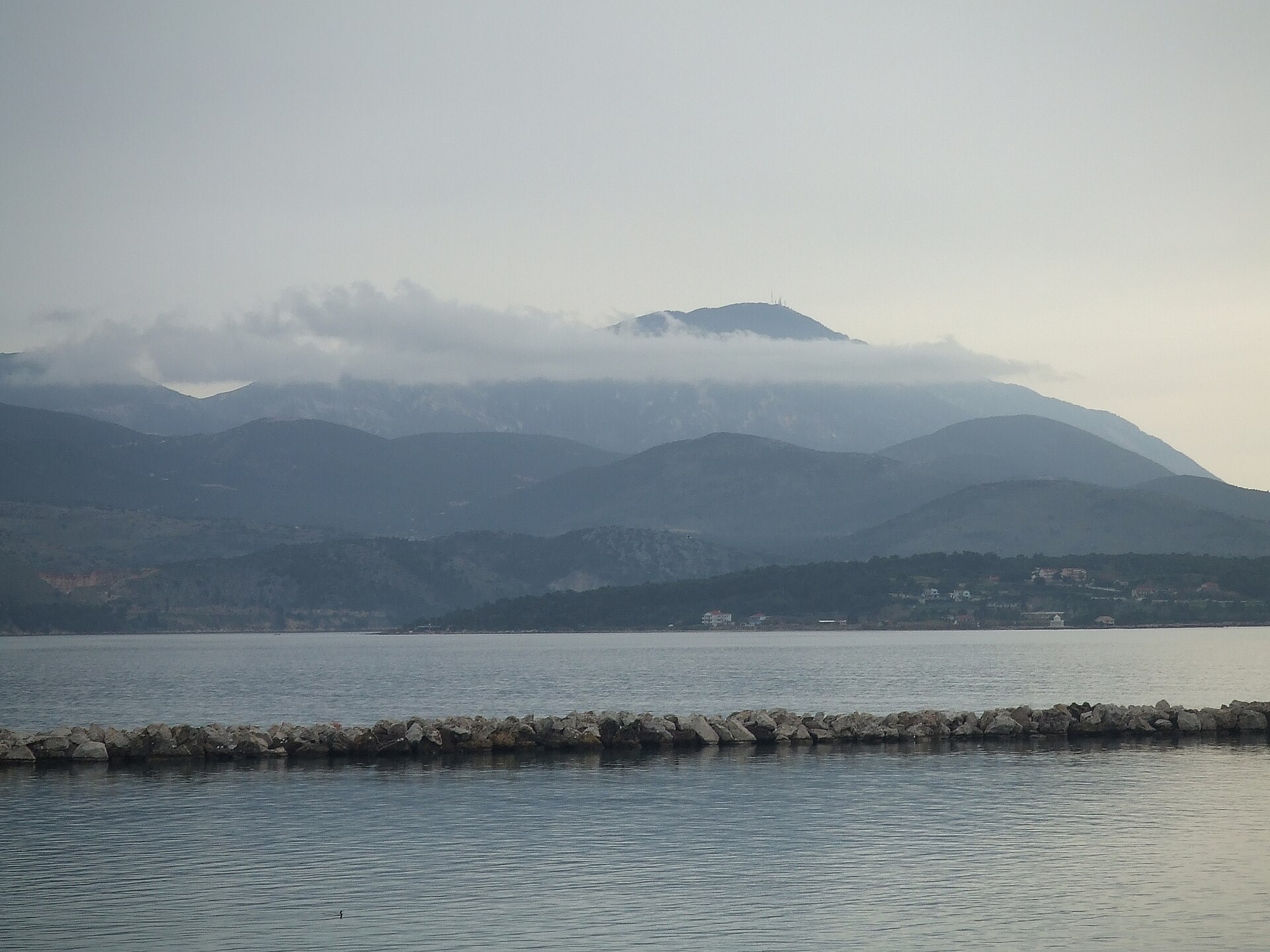
Natura 2000 · breeding 14 records

6,500 records
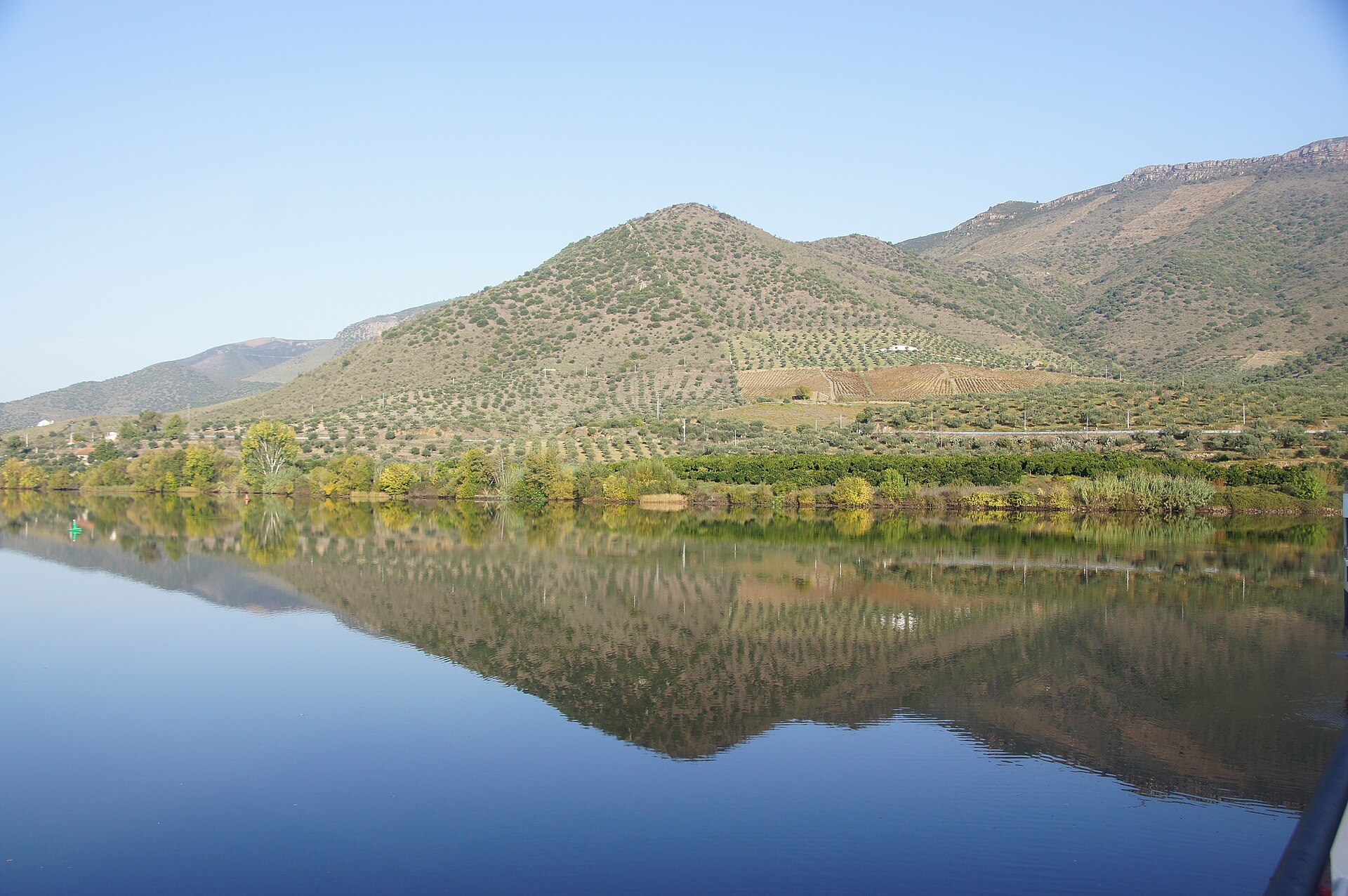
2,652 records

1,243 records

1,035 records
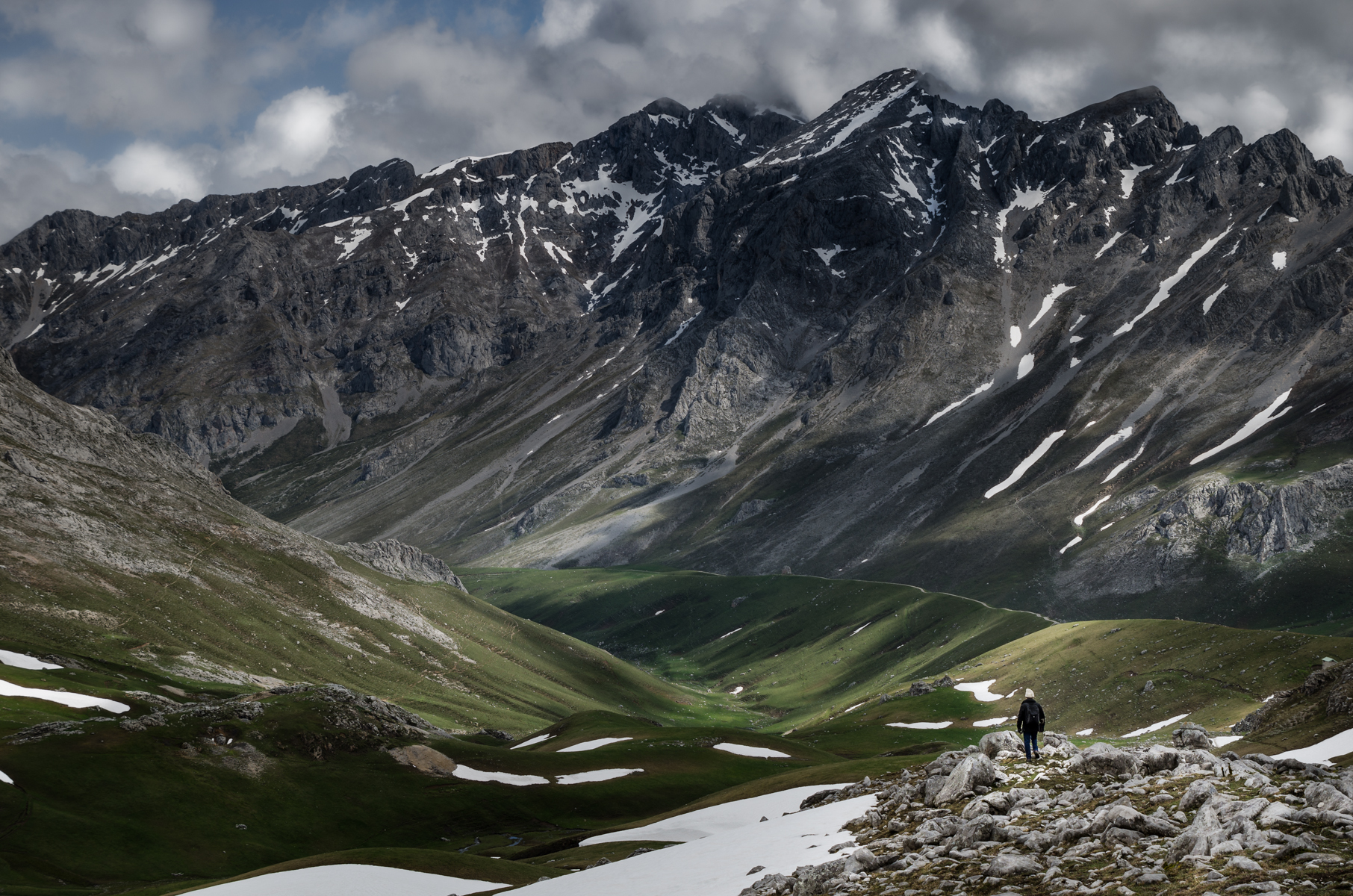
969 records

965 records

764 records

758 records
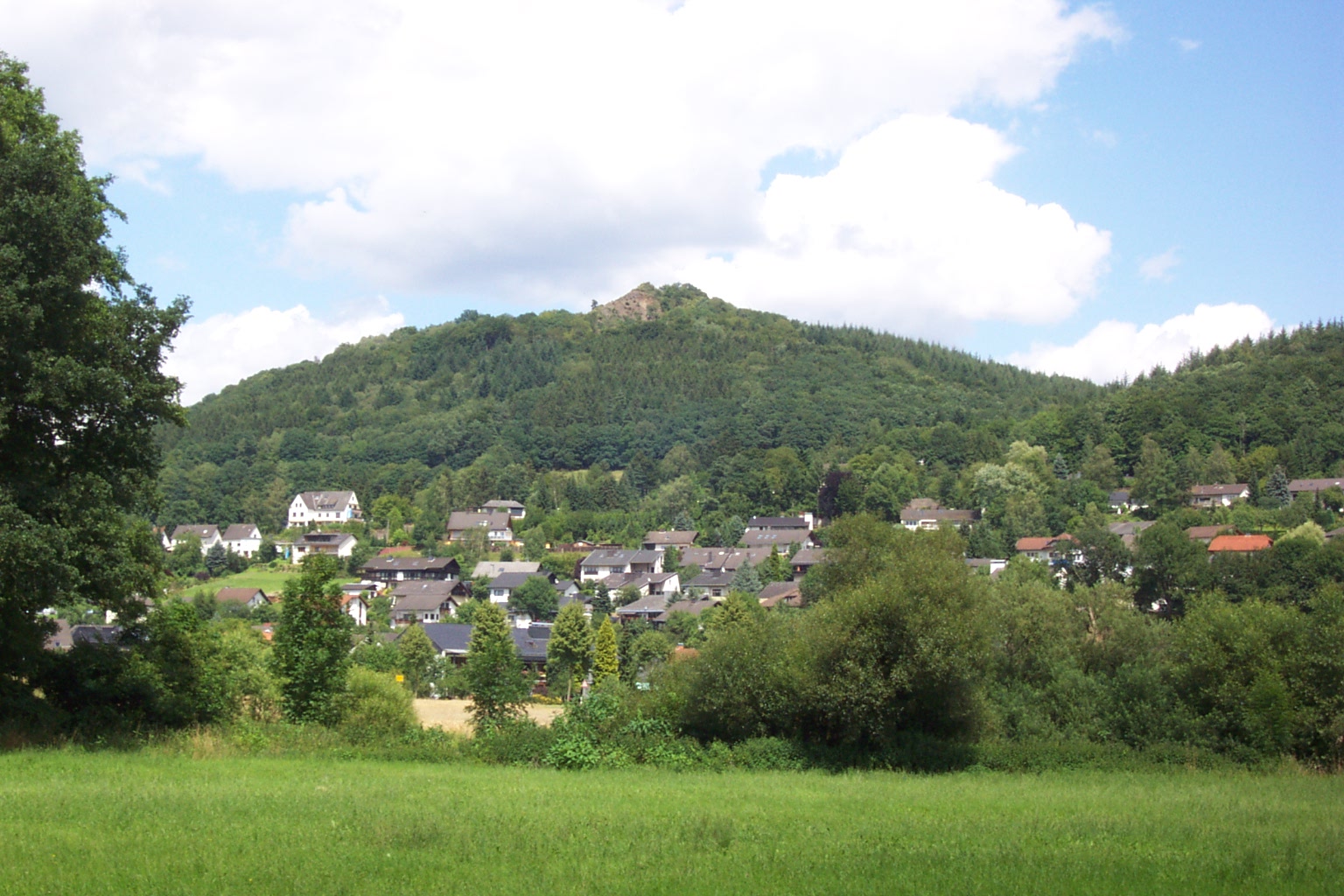
597 records
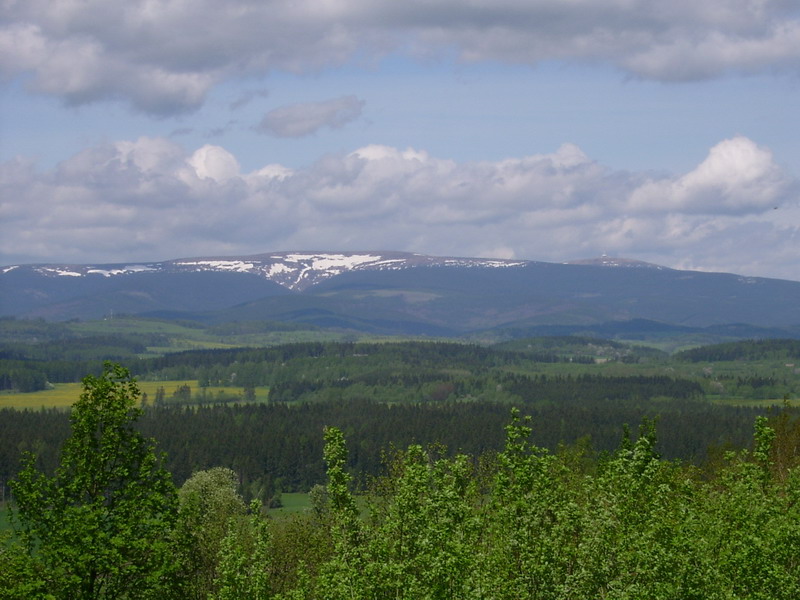
578 records

547 records
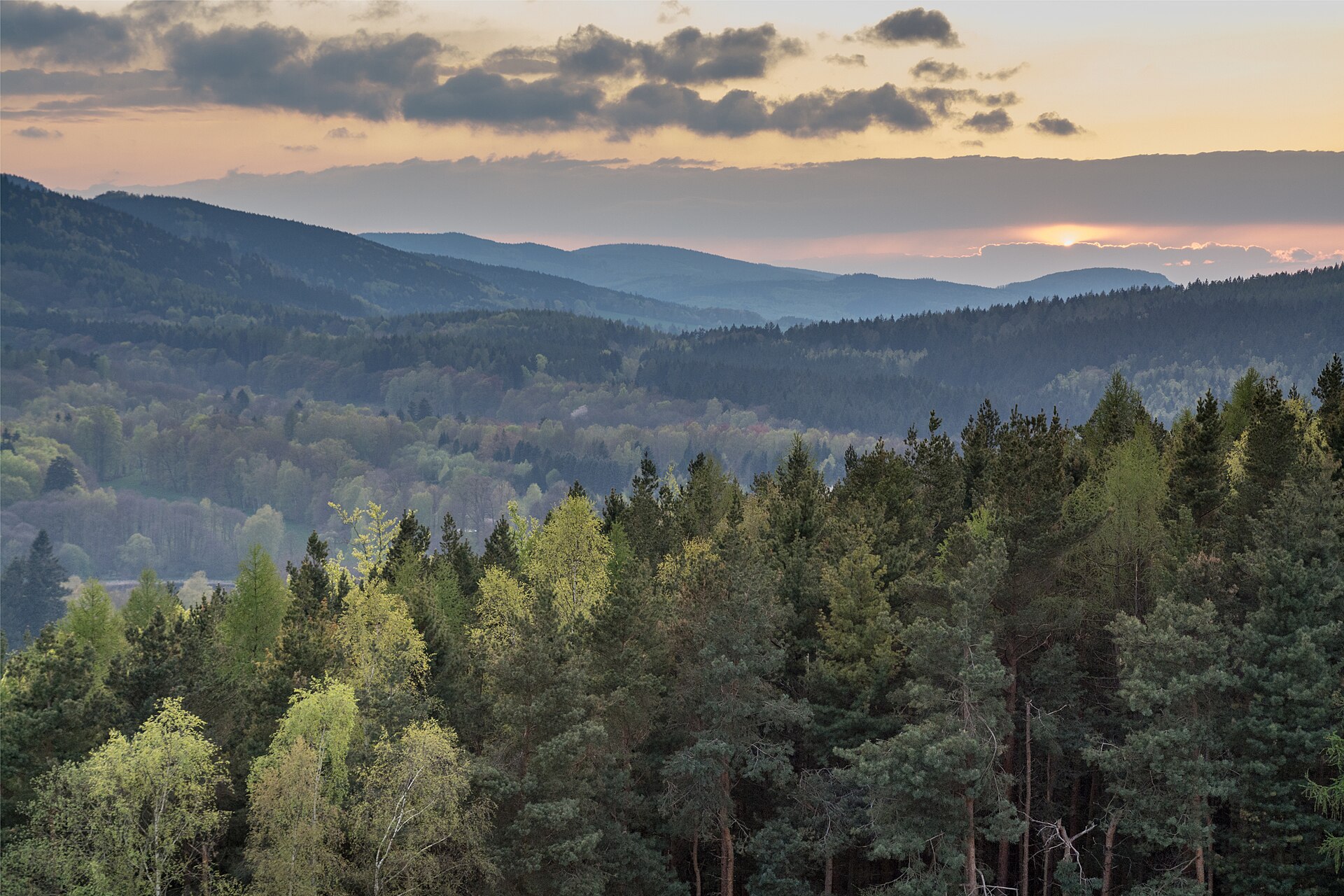
541 records
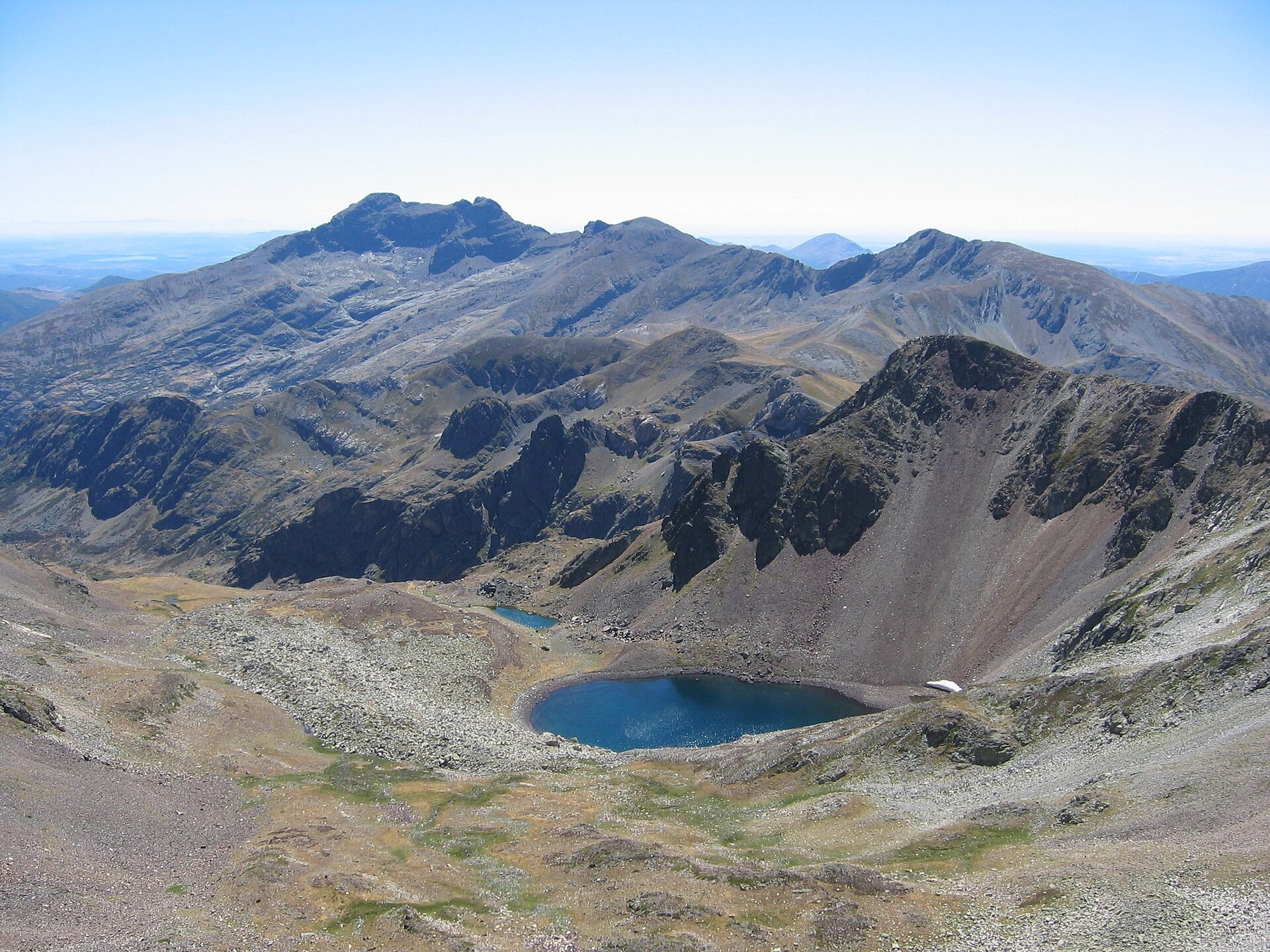
520 records
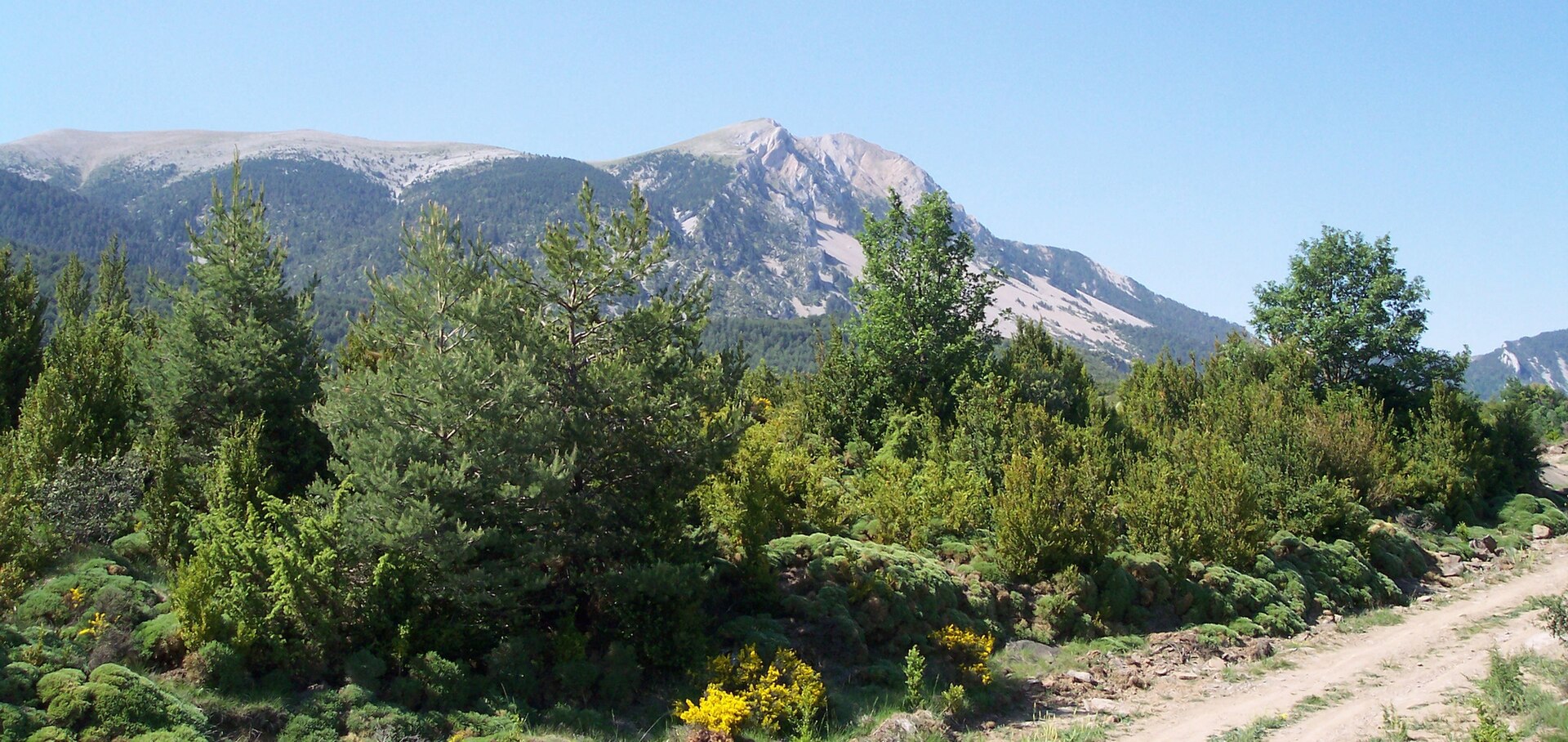
507 records
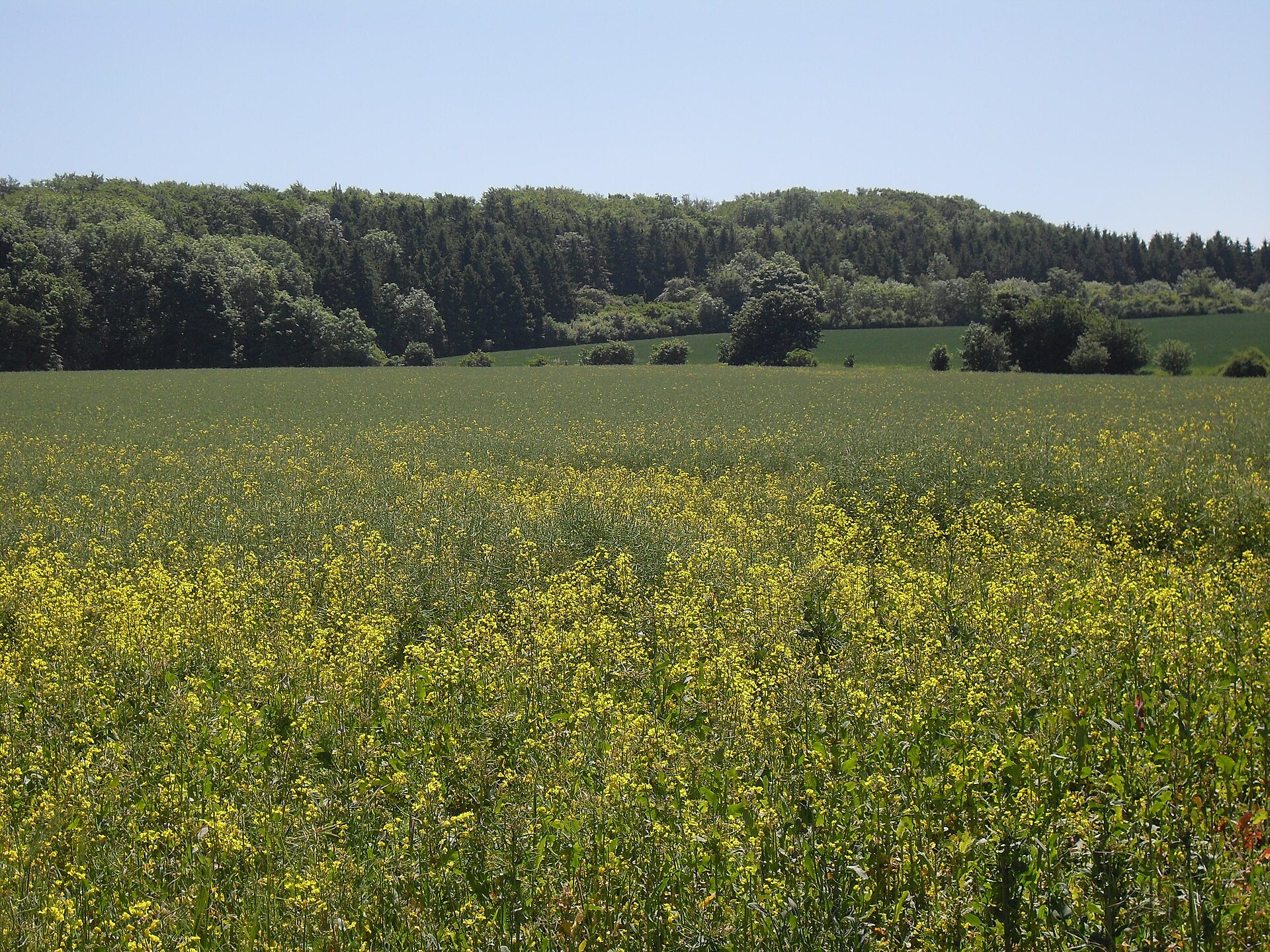
394 records

355 records
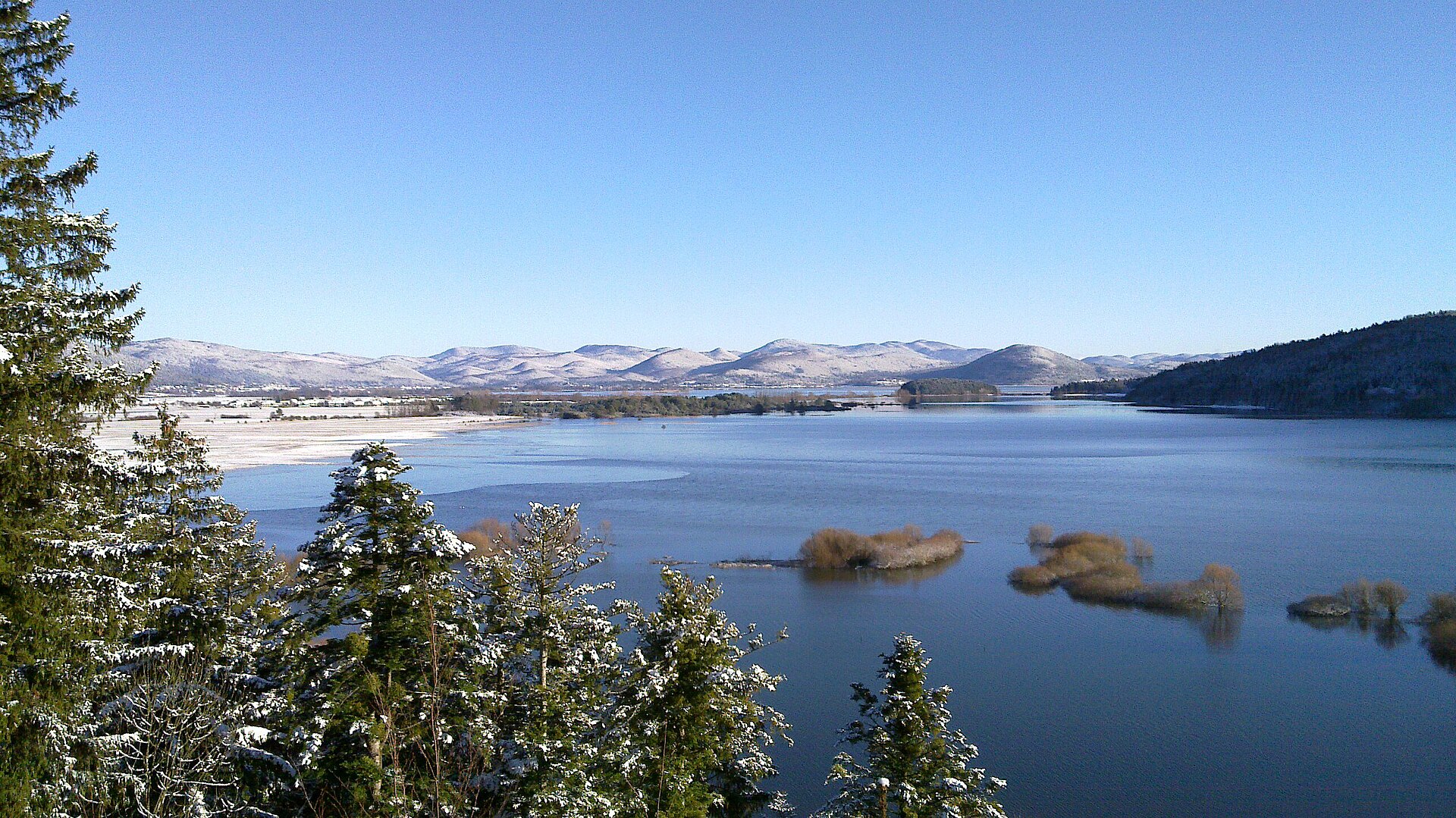
331 records
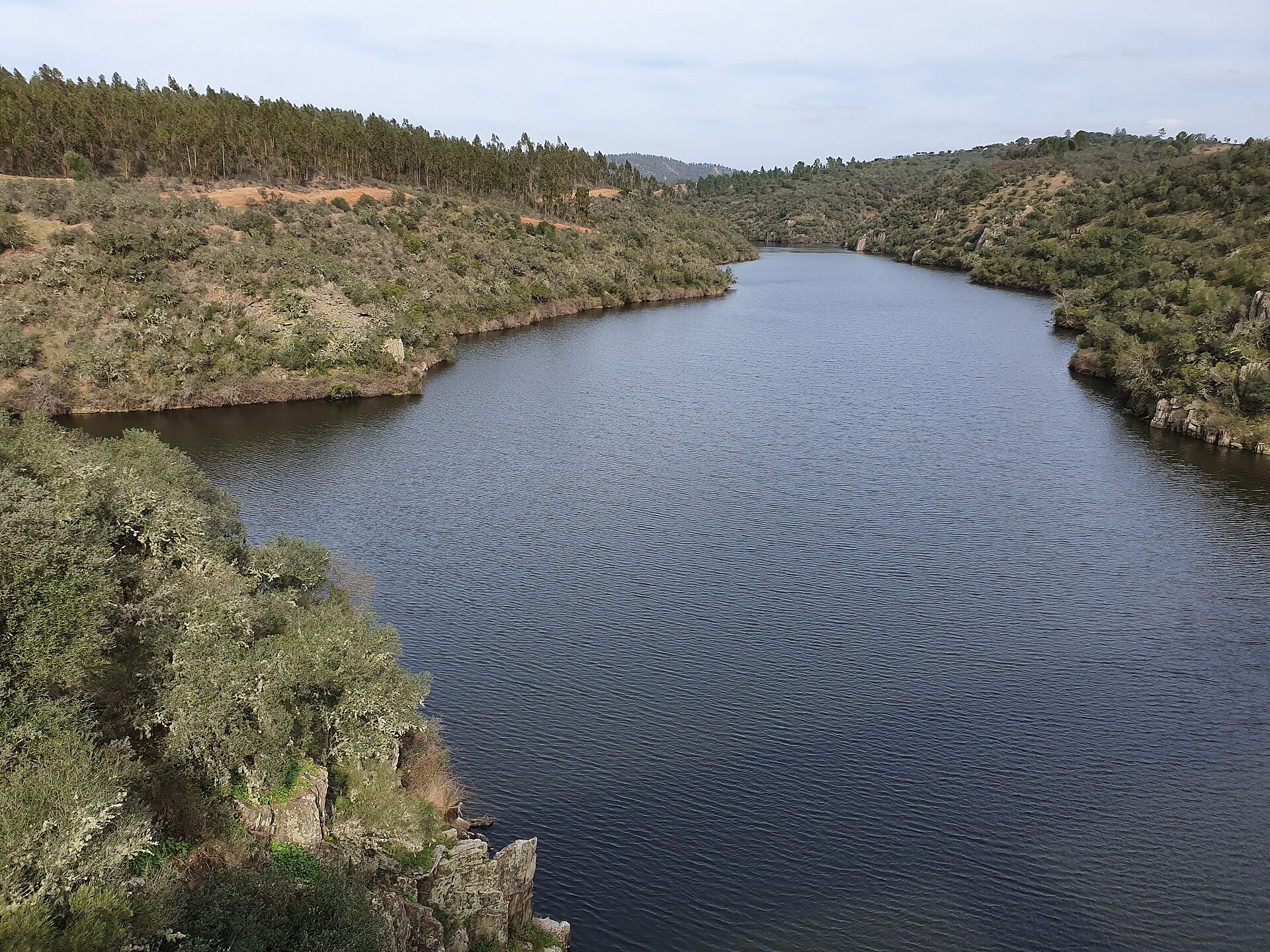
322 records
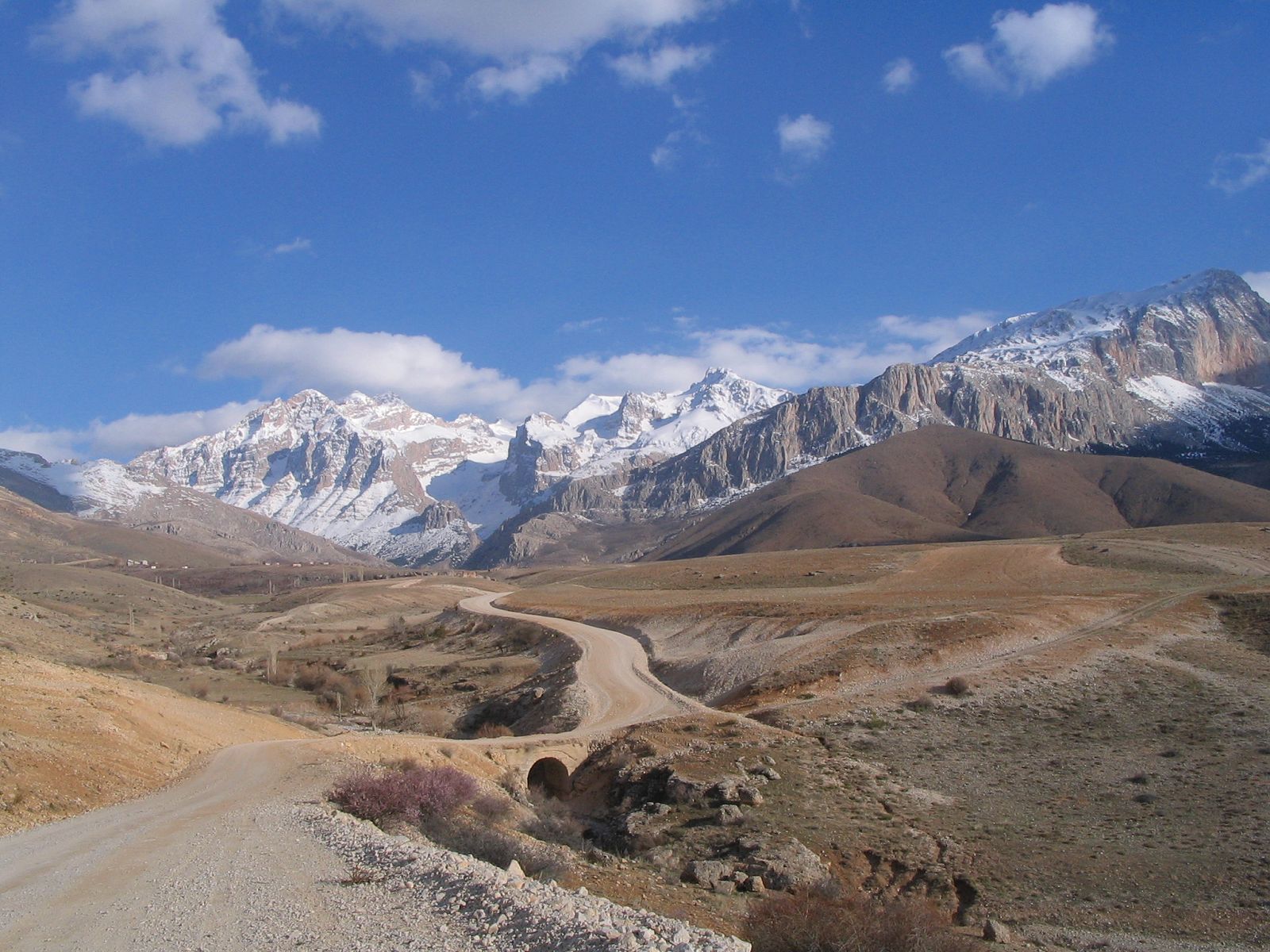
313 records
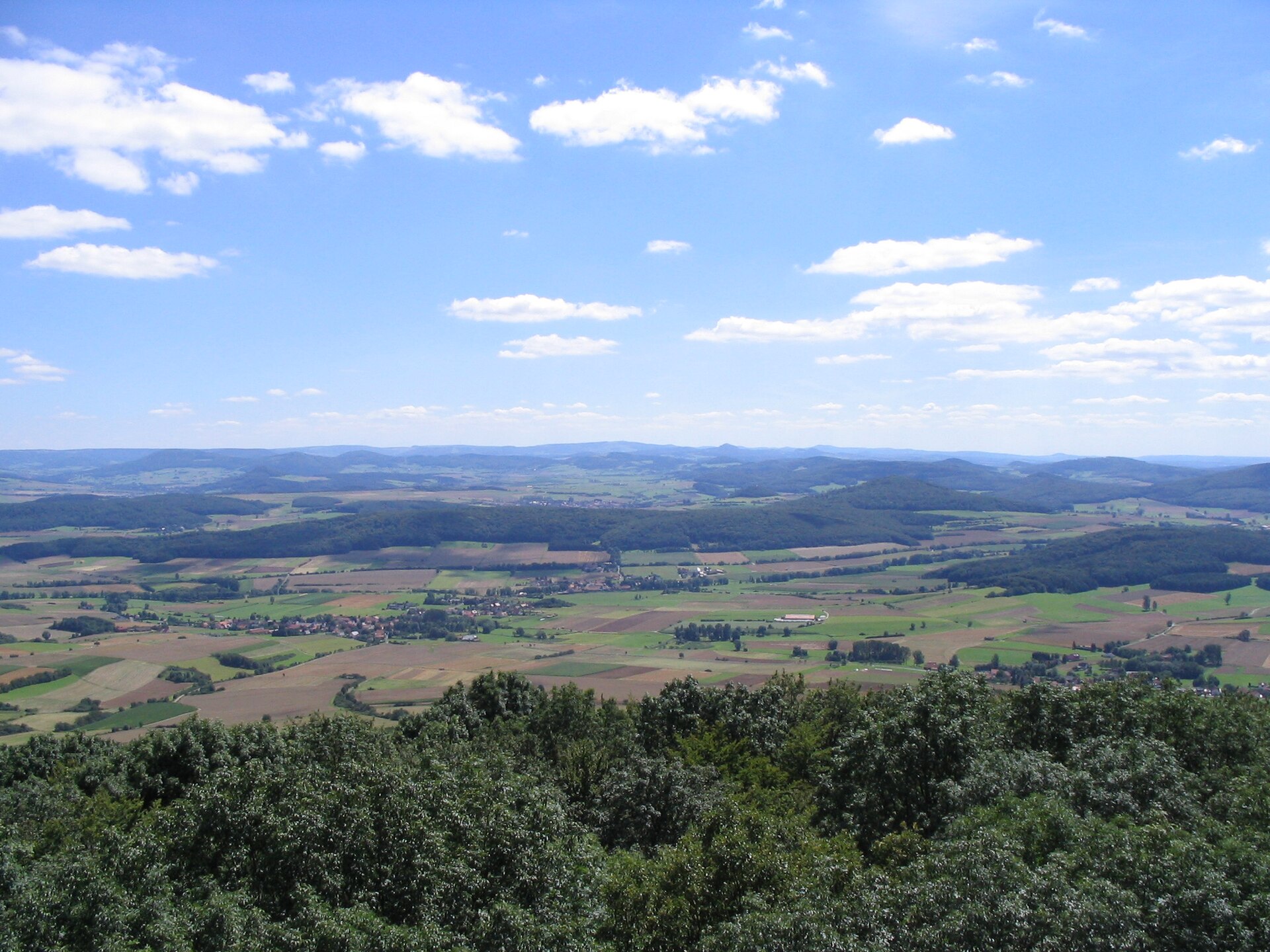
298 records
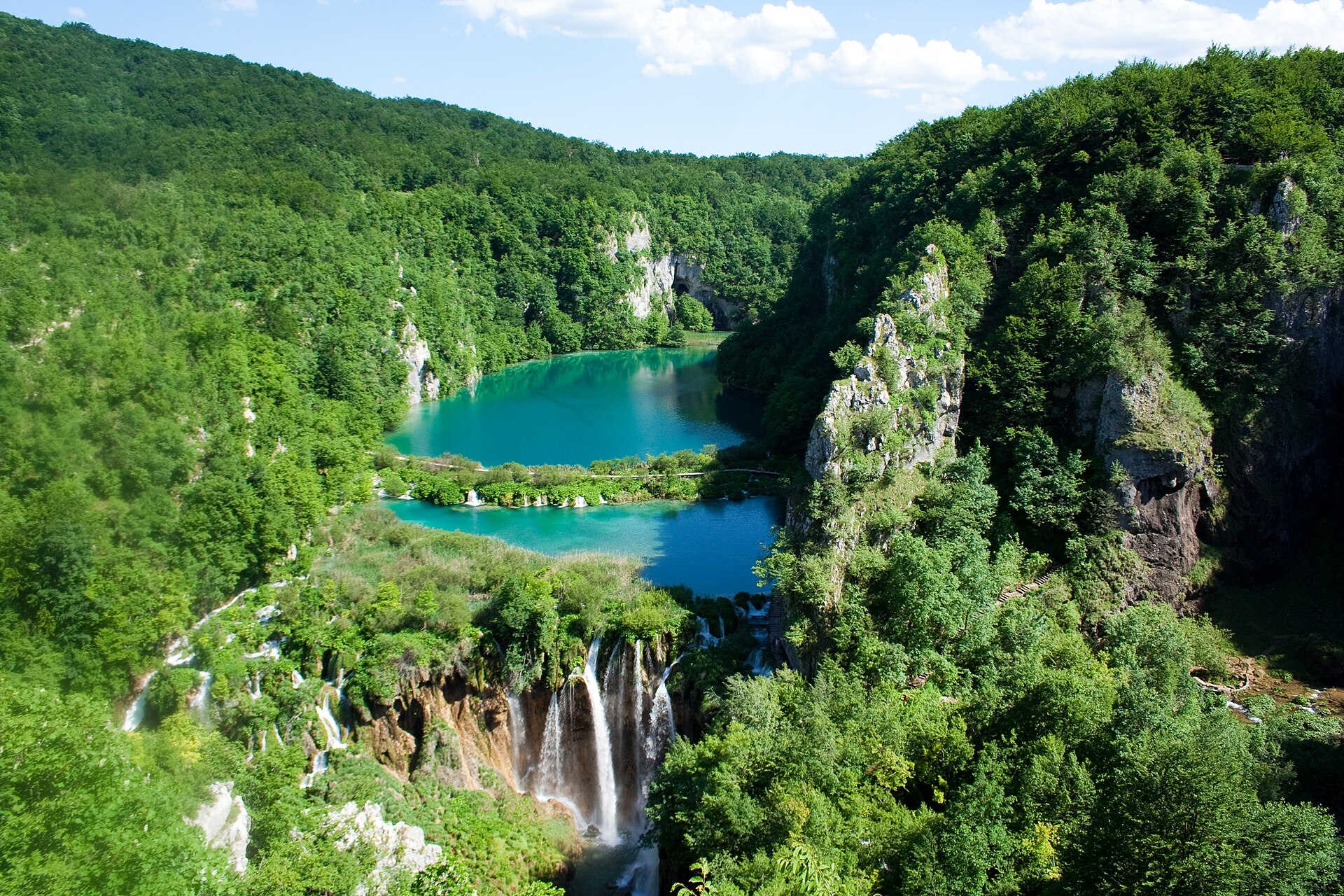
292 records

274 records
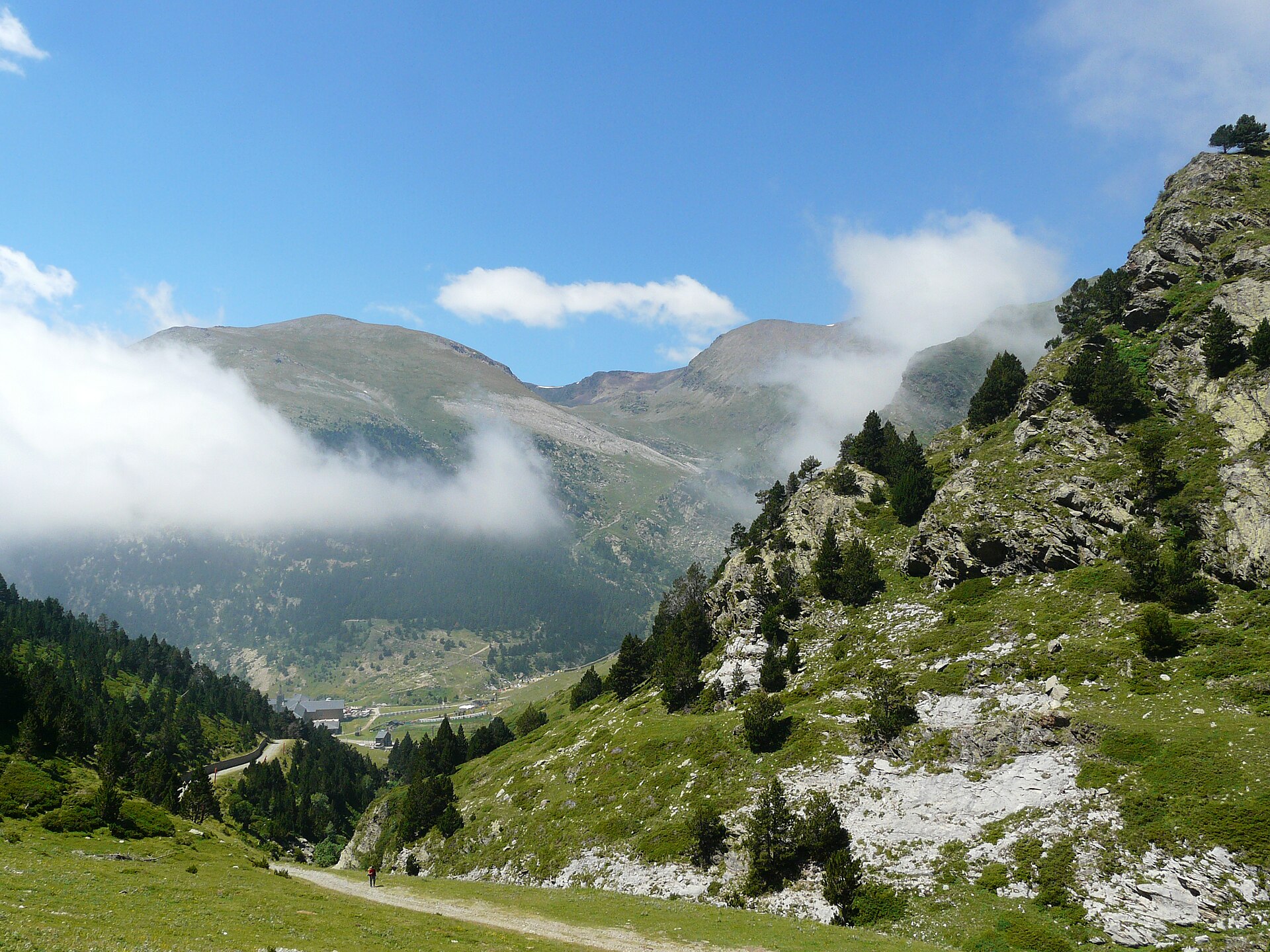
265 records

238 records
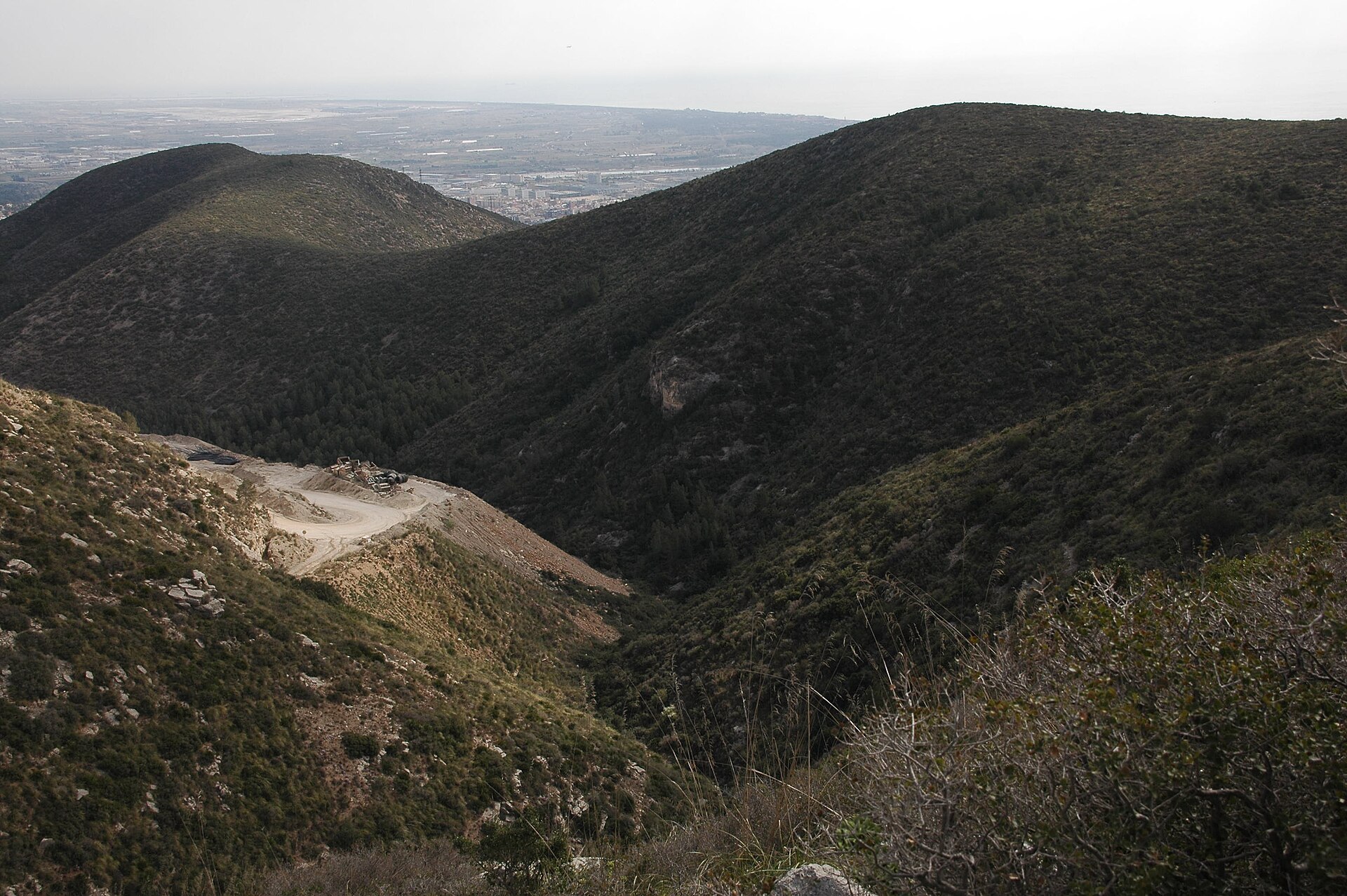
234 records
228 records
226 records

203 records
186 records

153 records

150 records

129 records

125 records

119 records

112 records
100 records
90 records
87 records

86 records
79 records
76 records

75 records
73 records

68 records

66 records

60 records
60 records

52 records
52 records
51 records

51 records
50 records
50 records
49 records

47 records
46 records

44 records
43 records
39 records
38 records
37 records
37 records
36 records
35 records
33 records

32 records

30 records
28 records
28 records
28 records
28 records

27 records

26 records

26 records
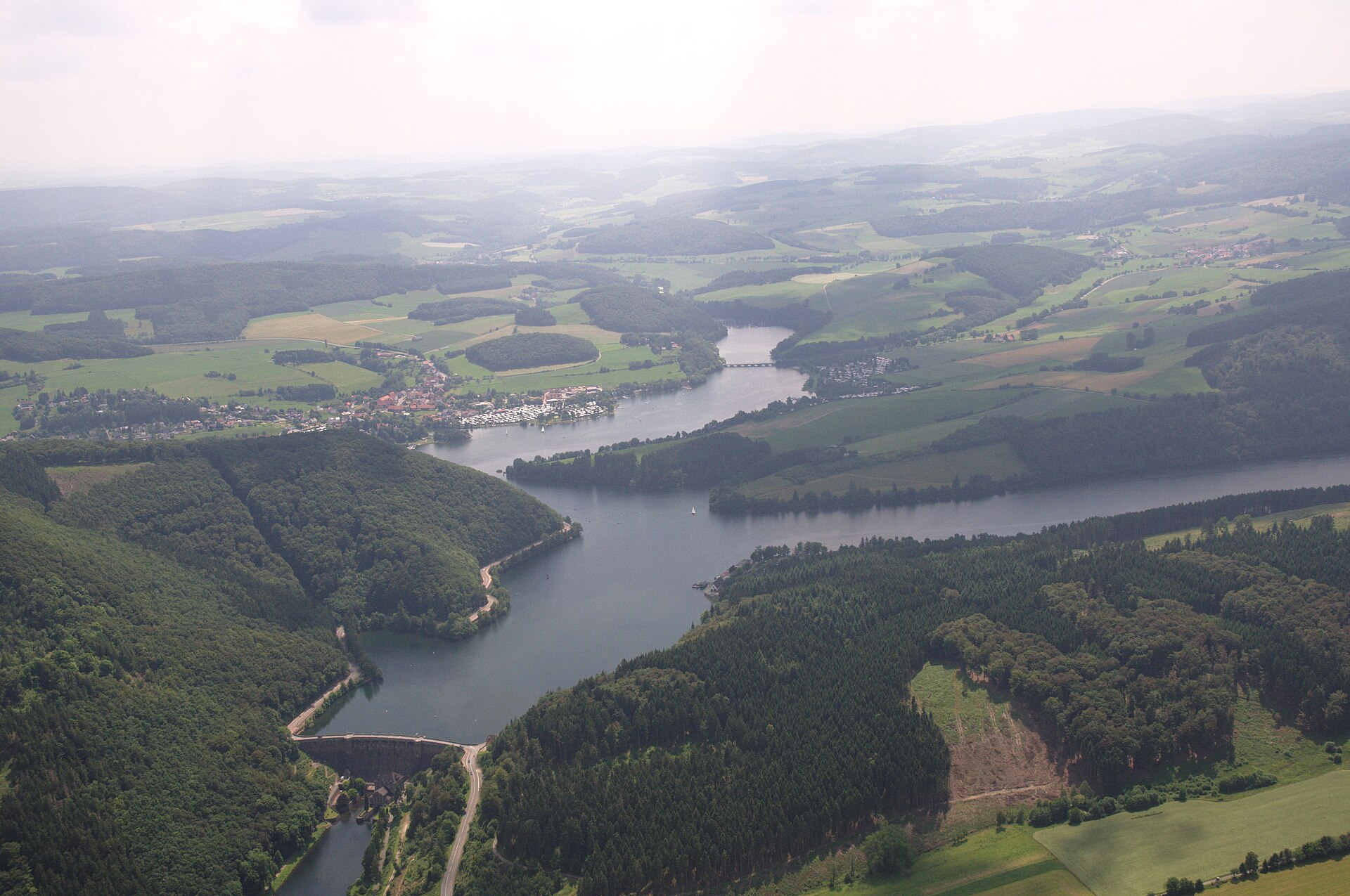
24 records
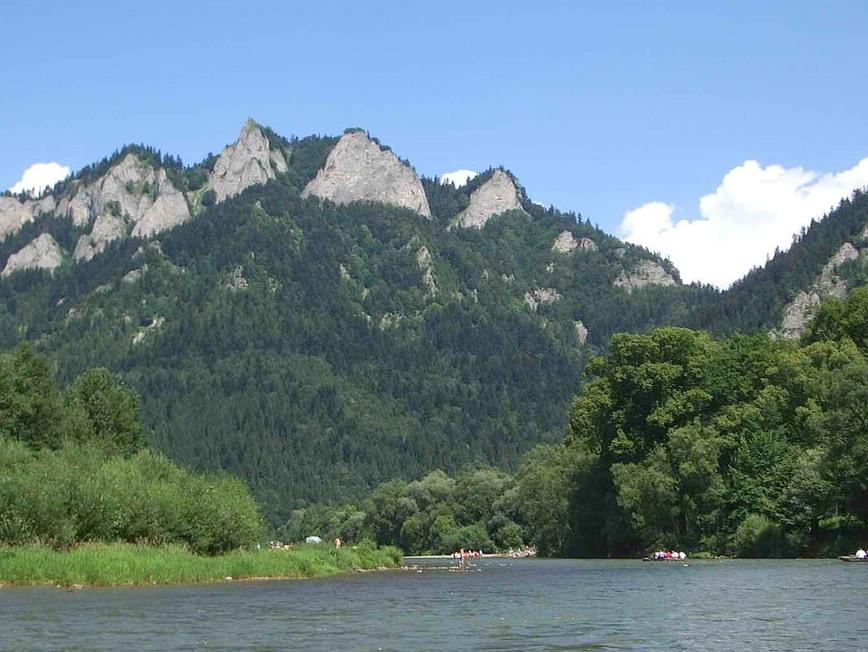
24 records
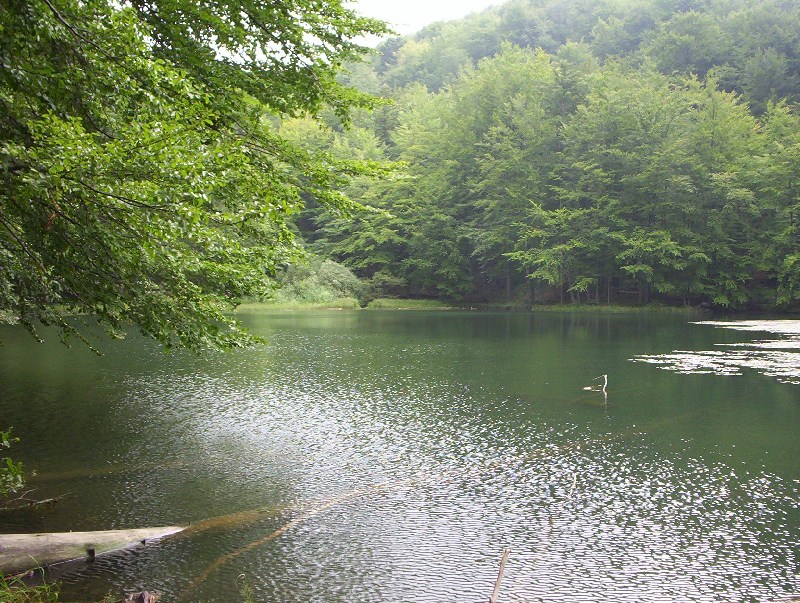
22 records
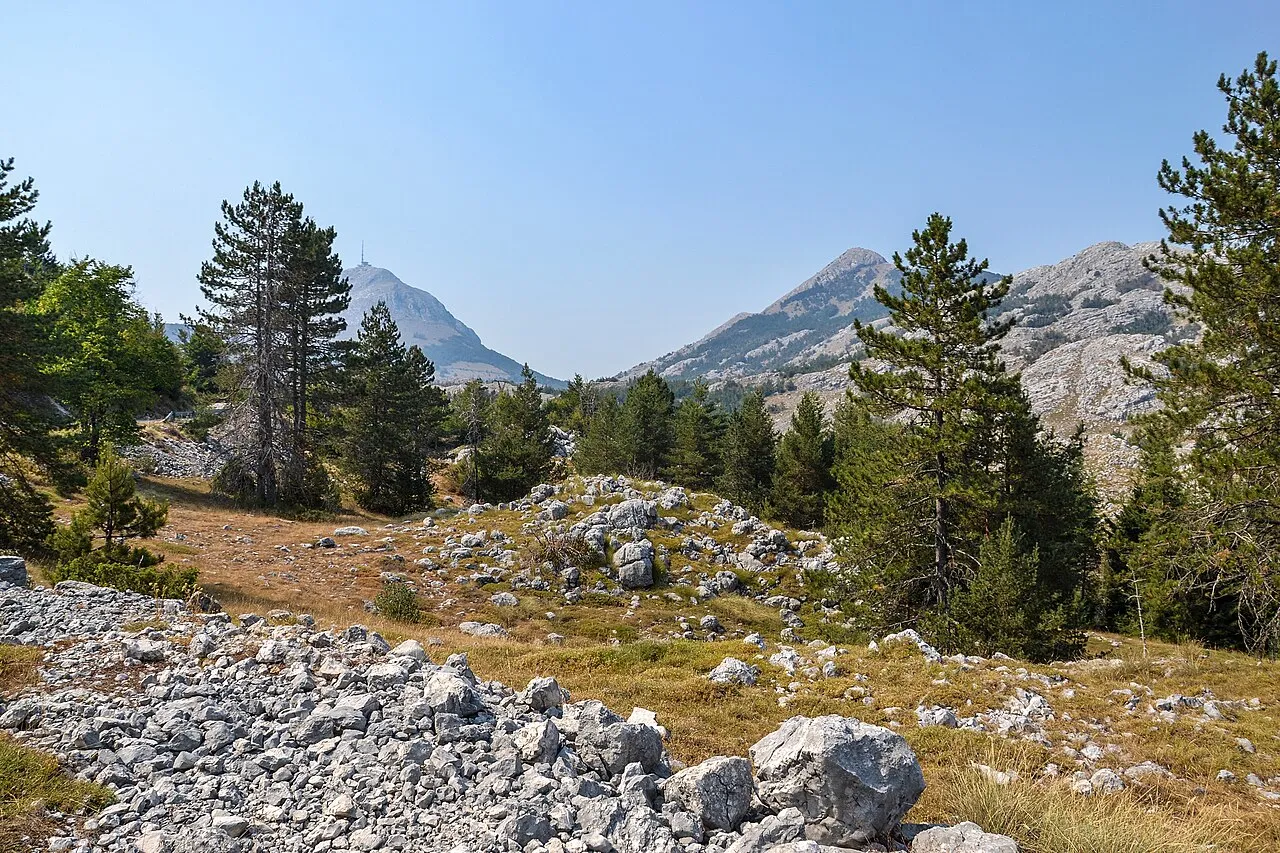
22 records
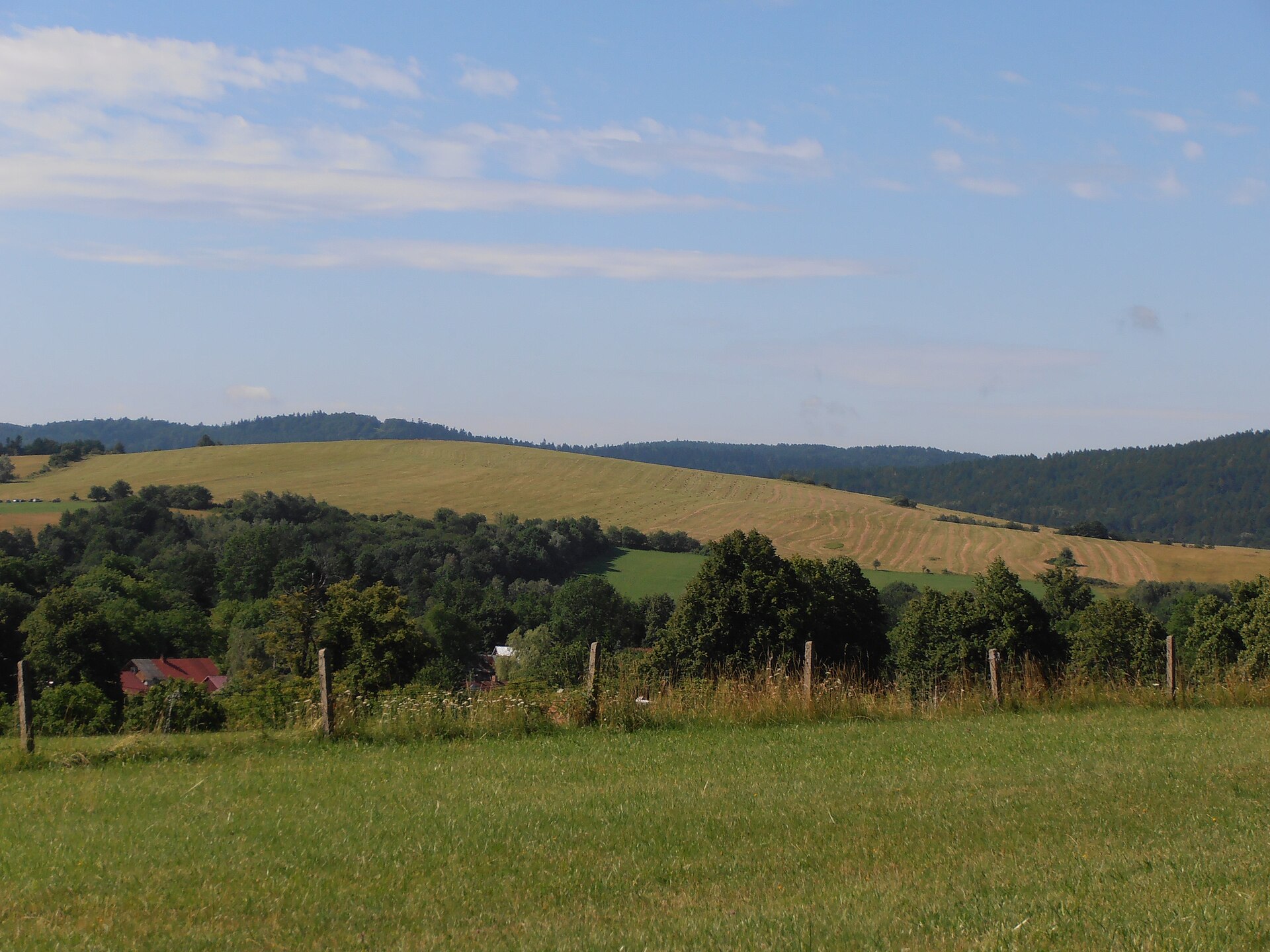
22 records
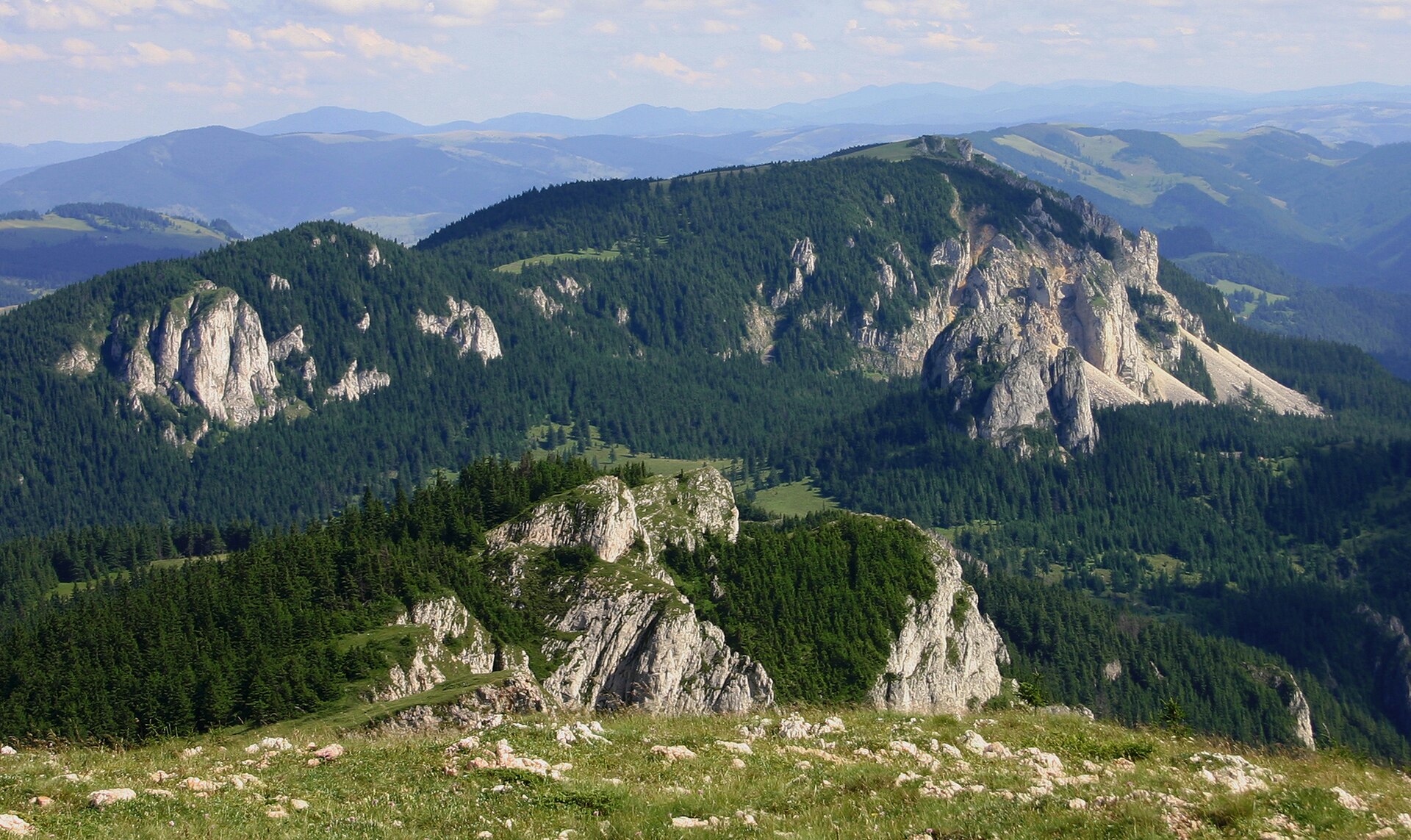
20 records
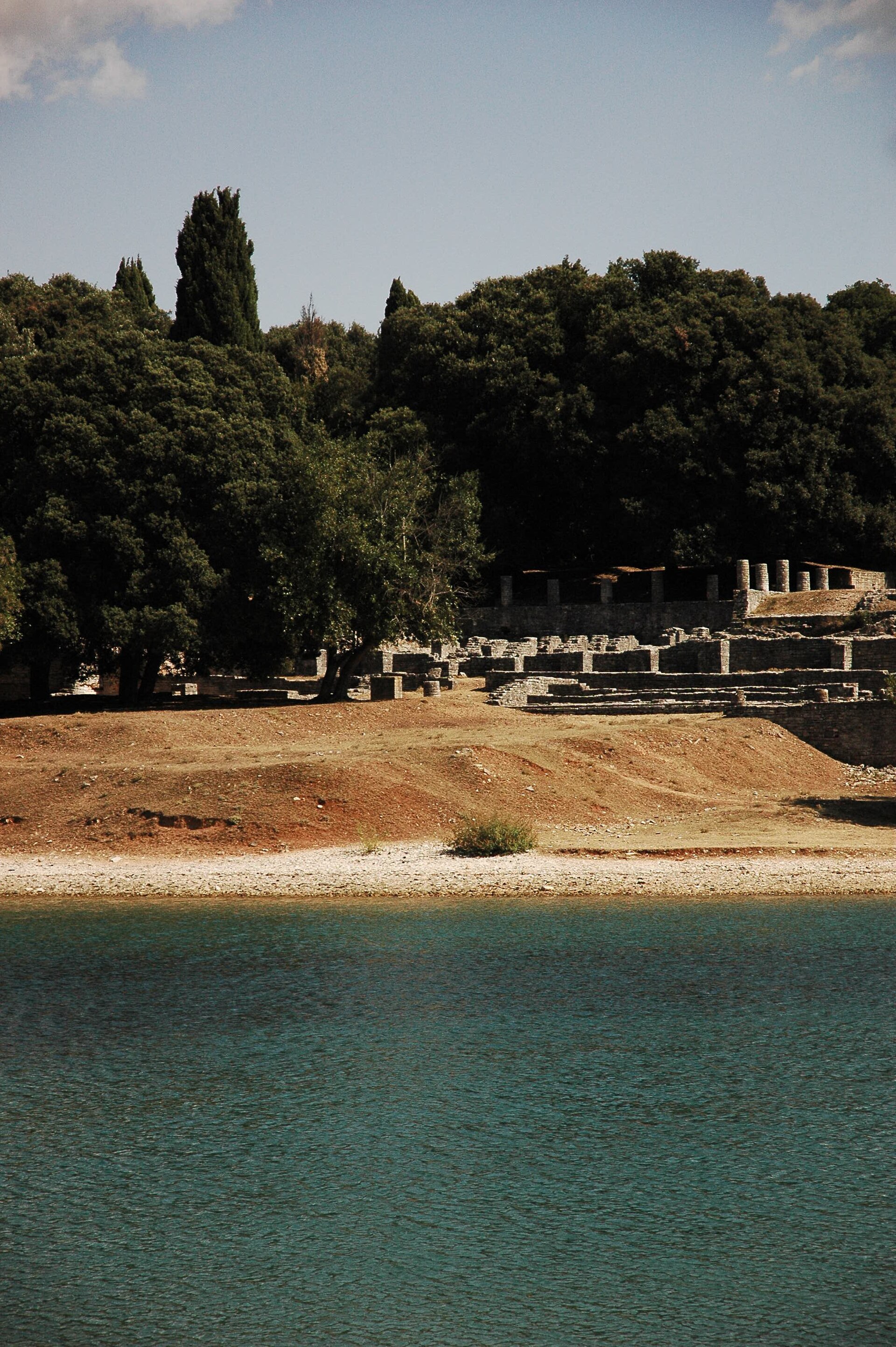
18 records
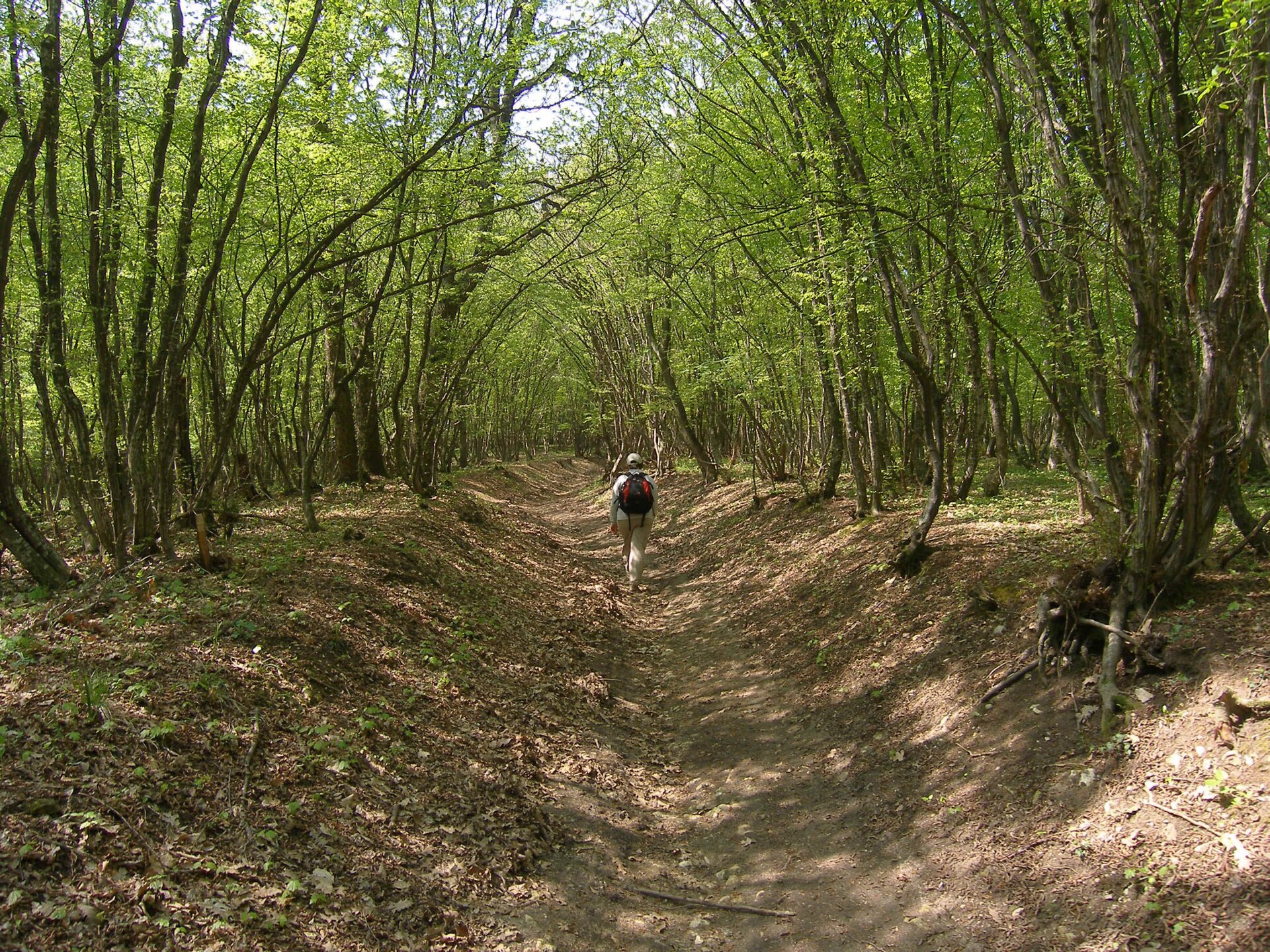
17 records

16 records

15 records
15 records

14 records

14 records

13 records

12 records
12 records
12 records
11 records
11 records

10 records
10 records
10 records

10 records
9 records
9 records
8 records
8 records
7 records
7 records
7 records
6 records
4 records

4 records
3 records

3 records
3 records
2 records

1 records
1 records
1 records
1 records

1 records
Natura 2000 · breeding
Natura 2000 · passage
Natura 2000 · passage
Natura 2000 · breeding
Natura 2000 · breeding
Natura 2000 · breeding, passage
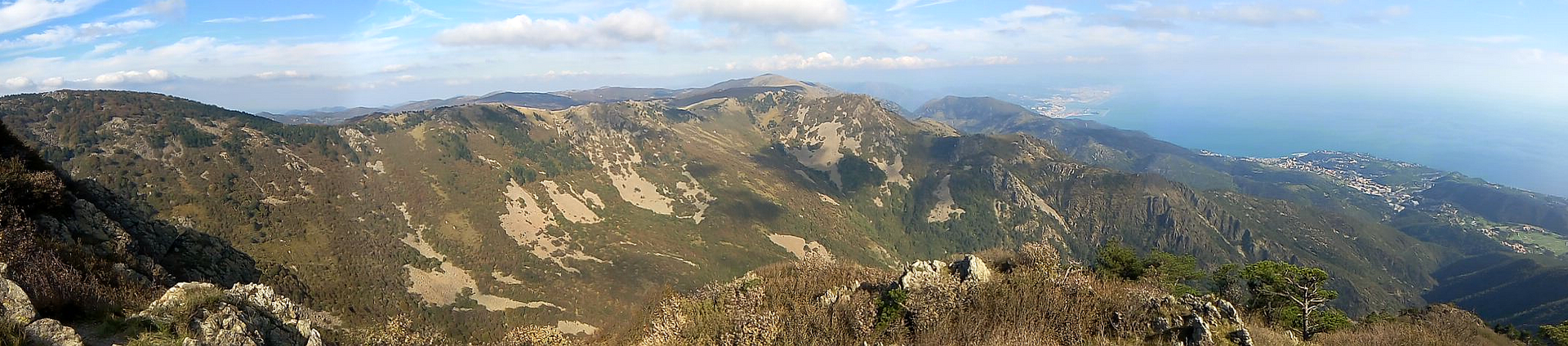
Natura 2000 · breeding, passage
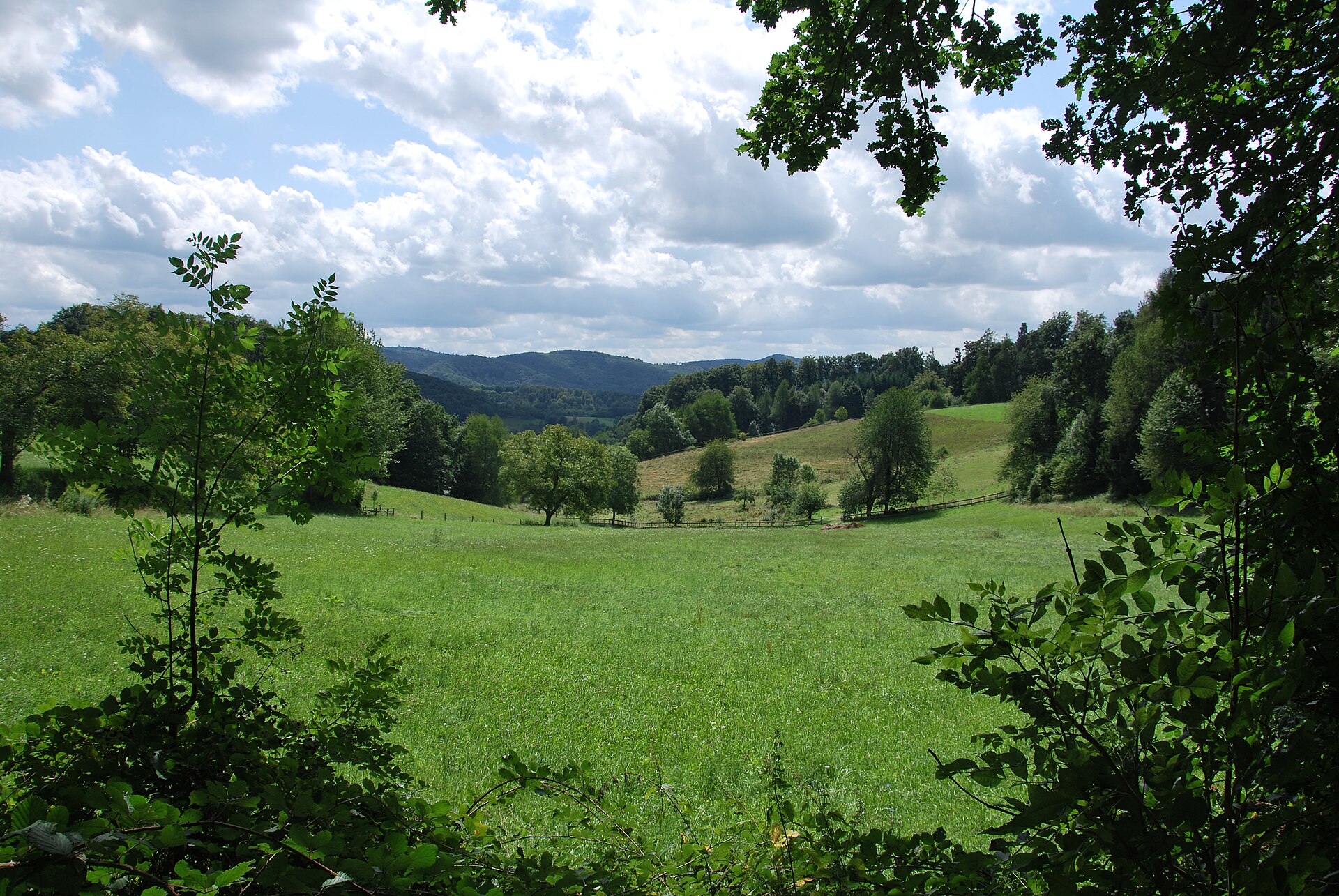
Natura 2000 · breeding
Natura 2000 · breeding
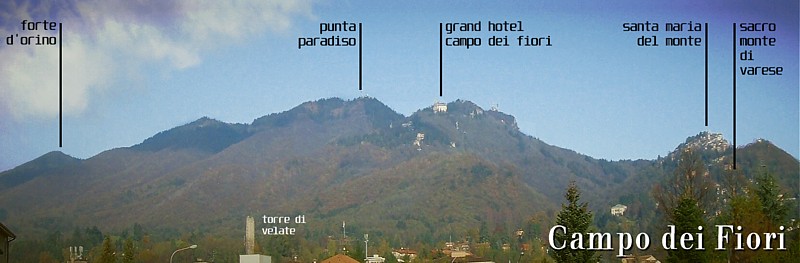
Natura 2000 · breeding, passage
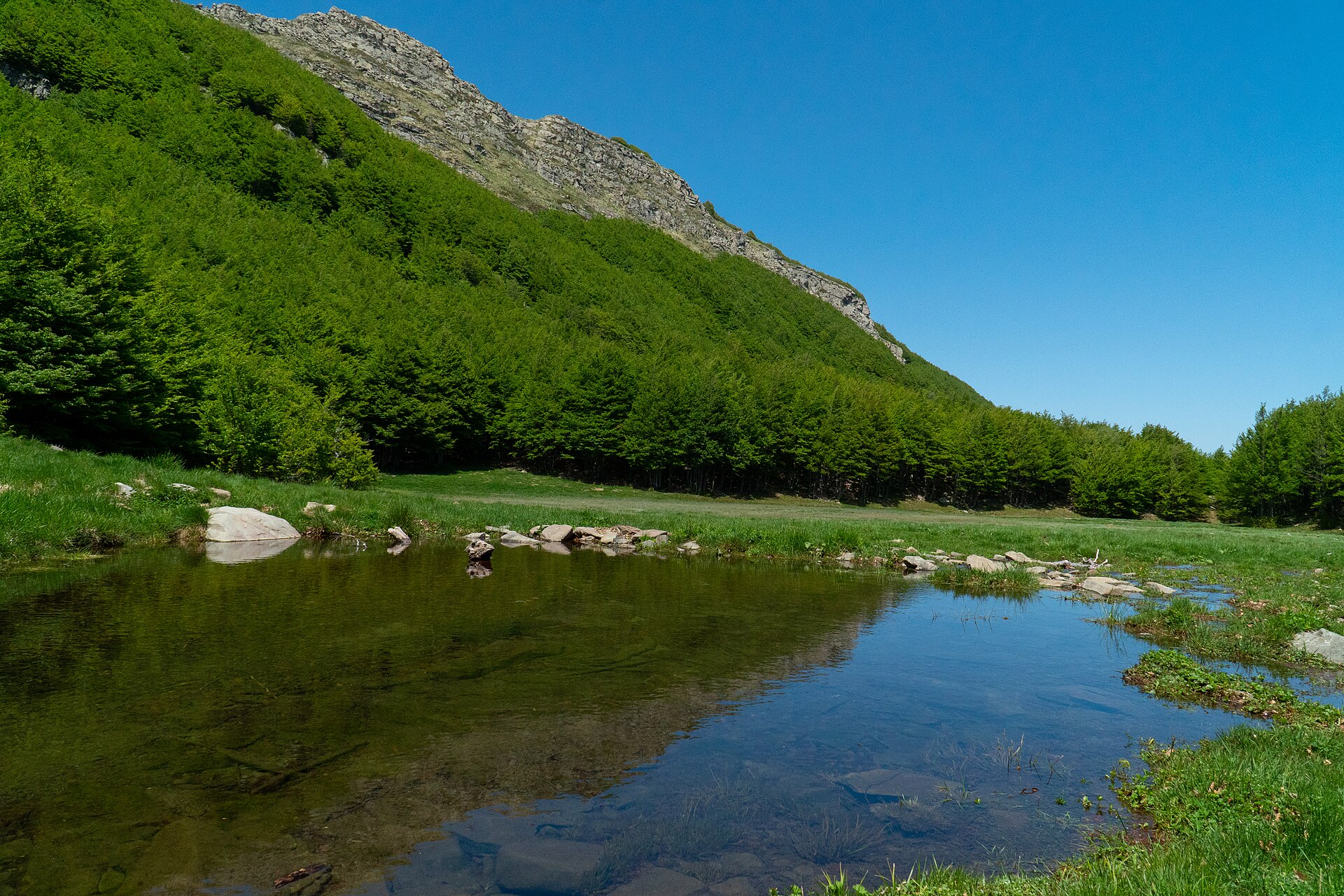
Natura 2000 · breeding, passage
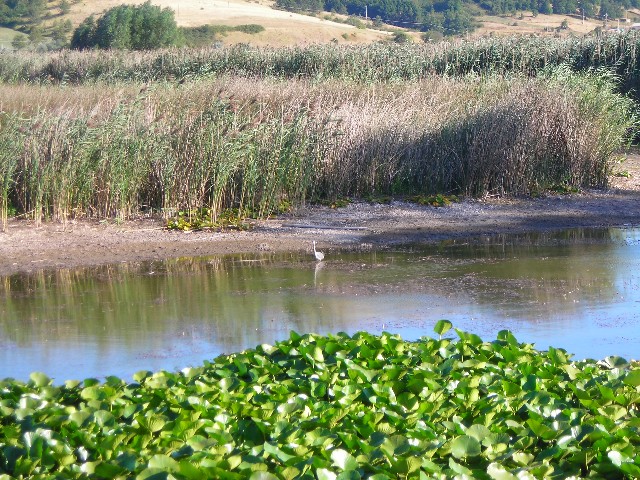
Natura 2000 · breeding, passage
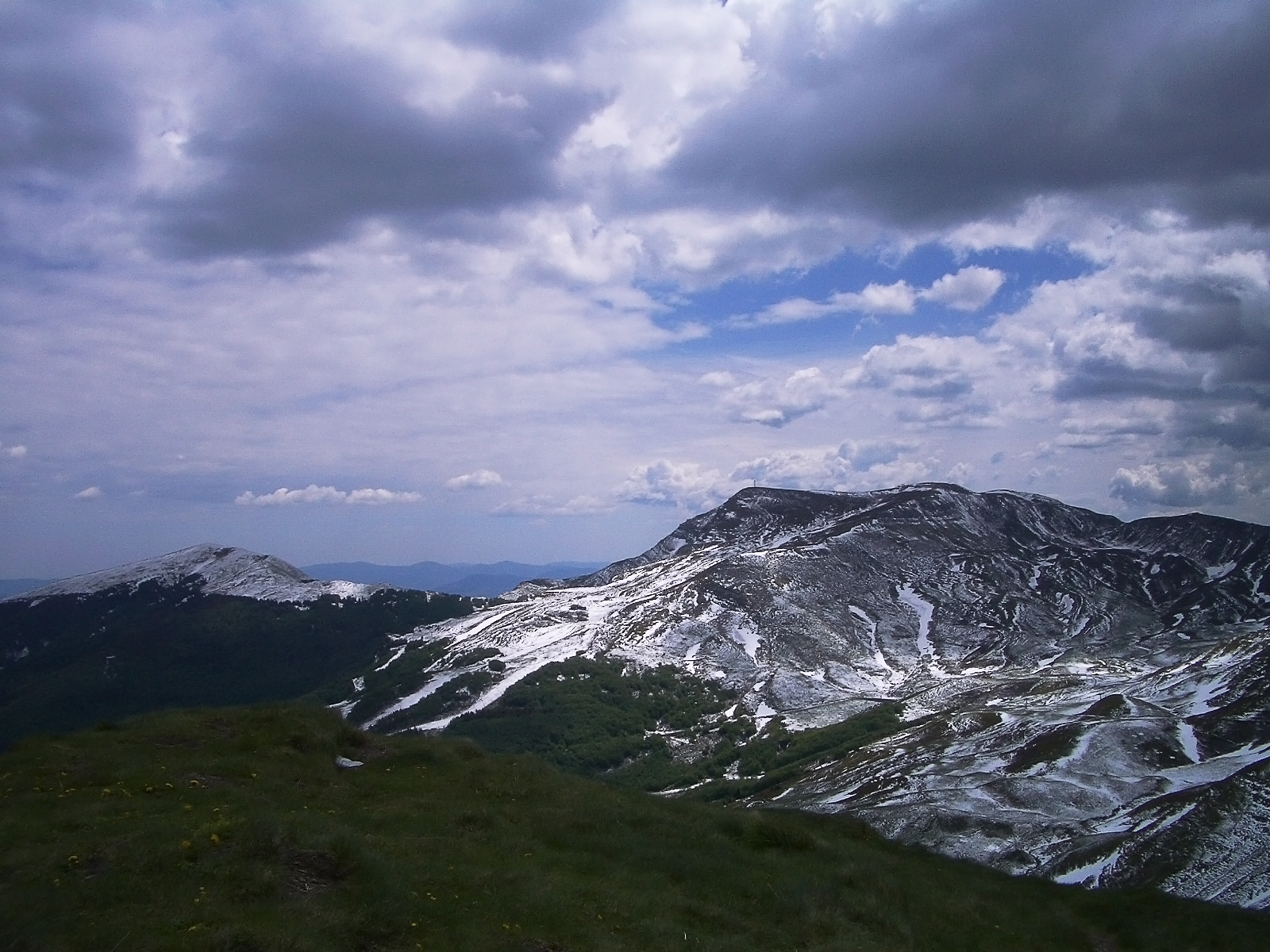
Natura 2000 · breeding, passage
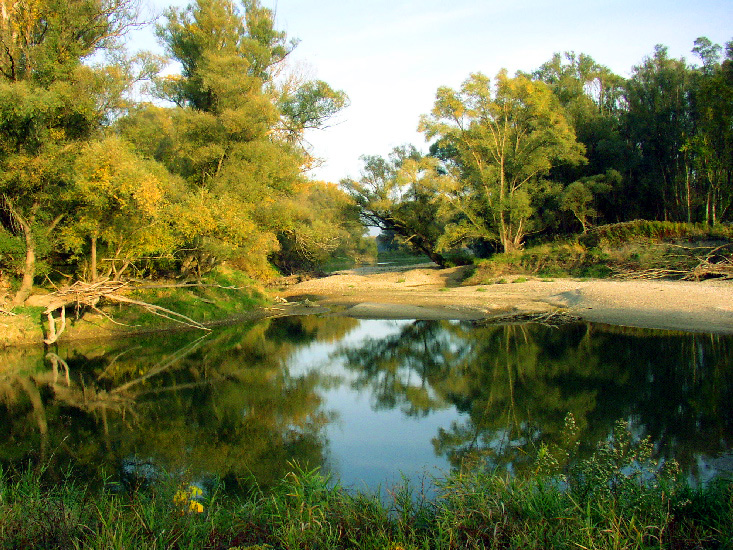
Natura 2000 · passage
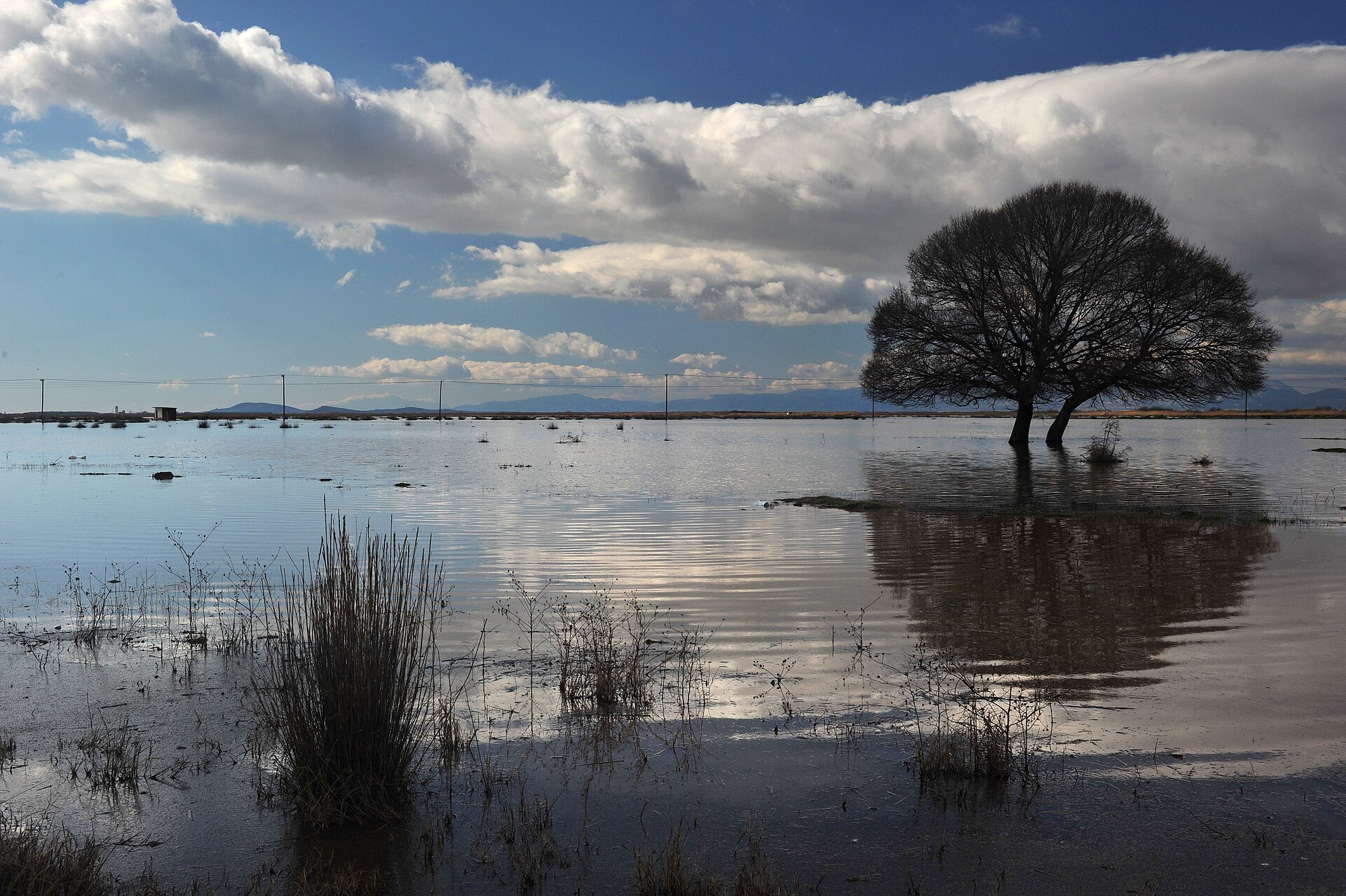
Natura 2000 · breeding

Natura 2000 · breeding, passage
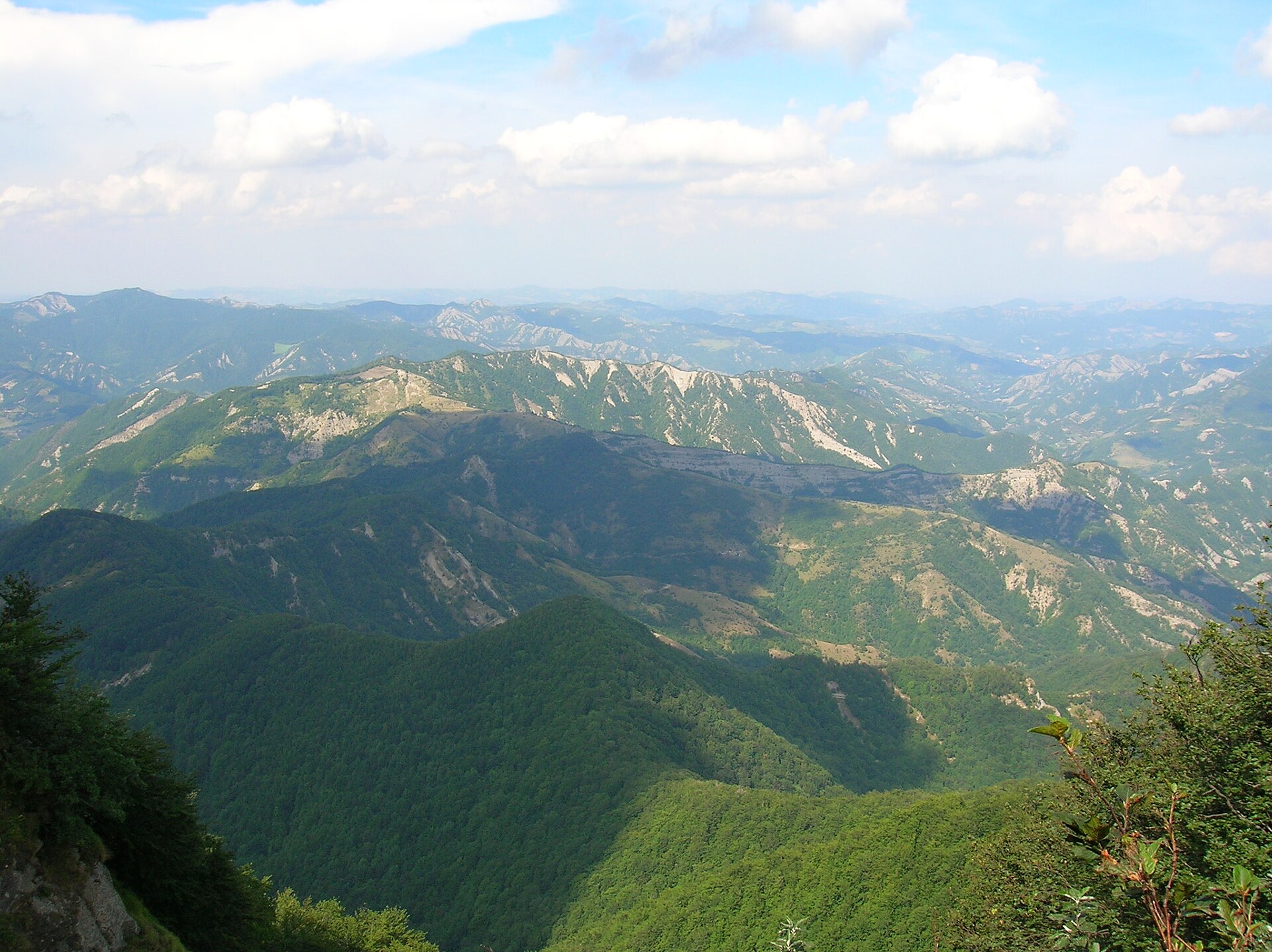
Natura 2000 · passage, breeding
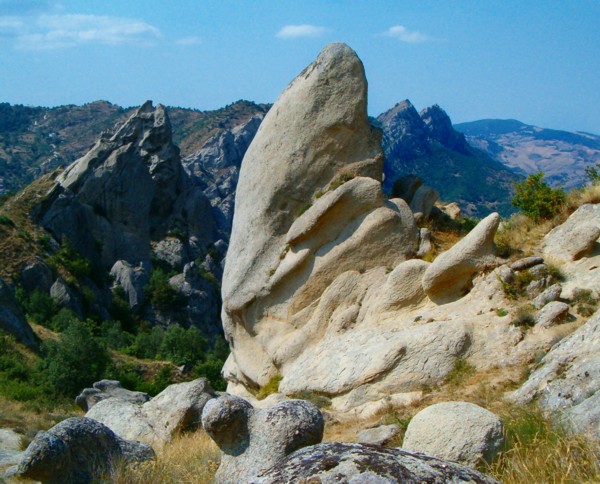
Natura 2000 · breeding
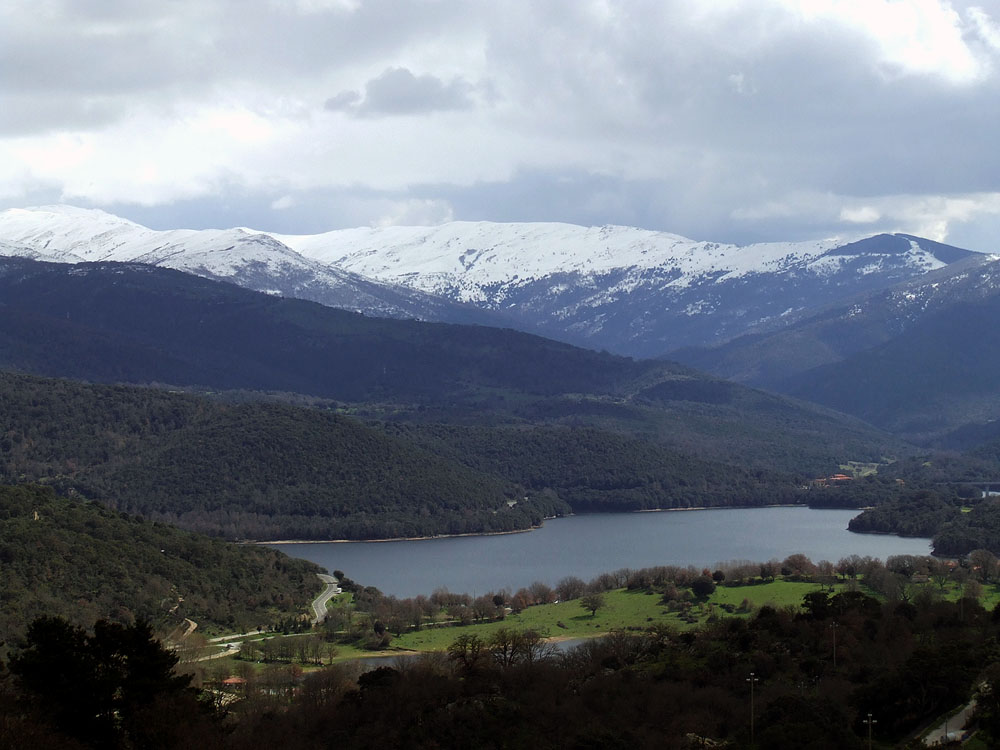
Natura 2000 · passage, breeding
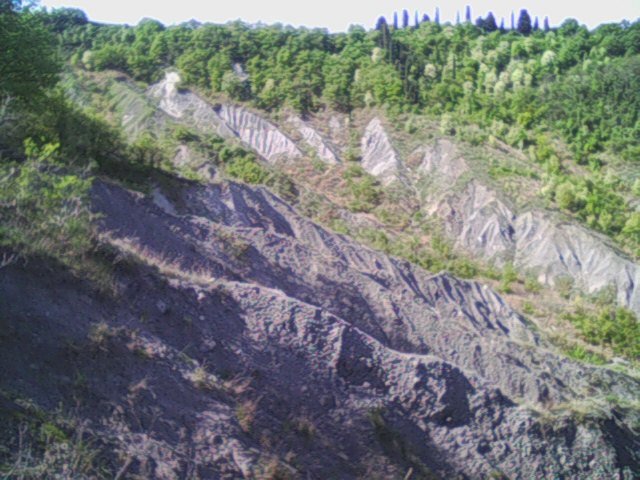
Natura 2000 · breeding
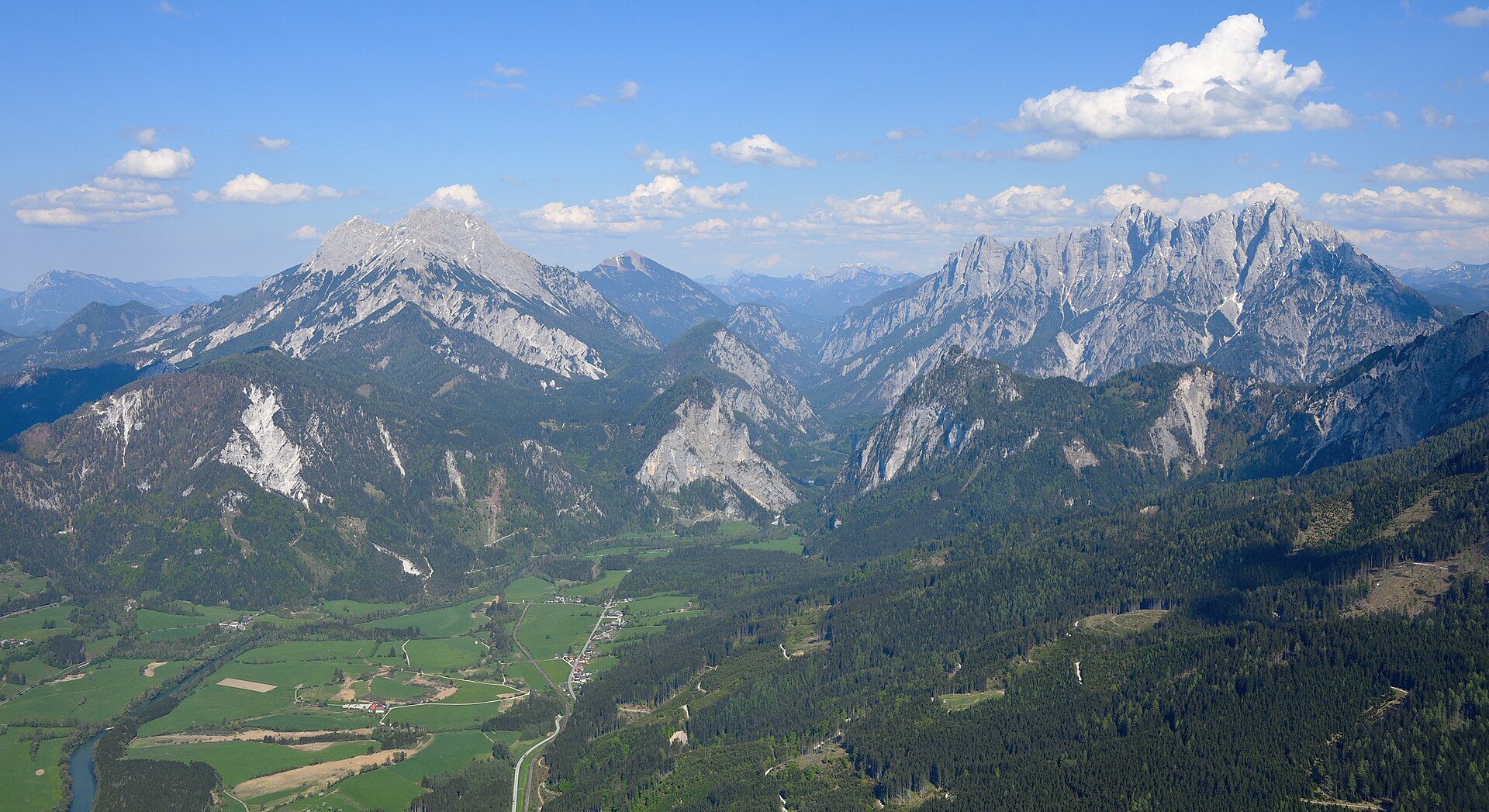
Natura 2000 · breeding

Natura 2000

Natura 2000 · resident
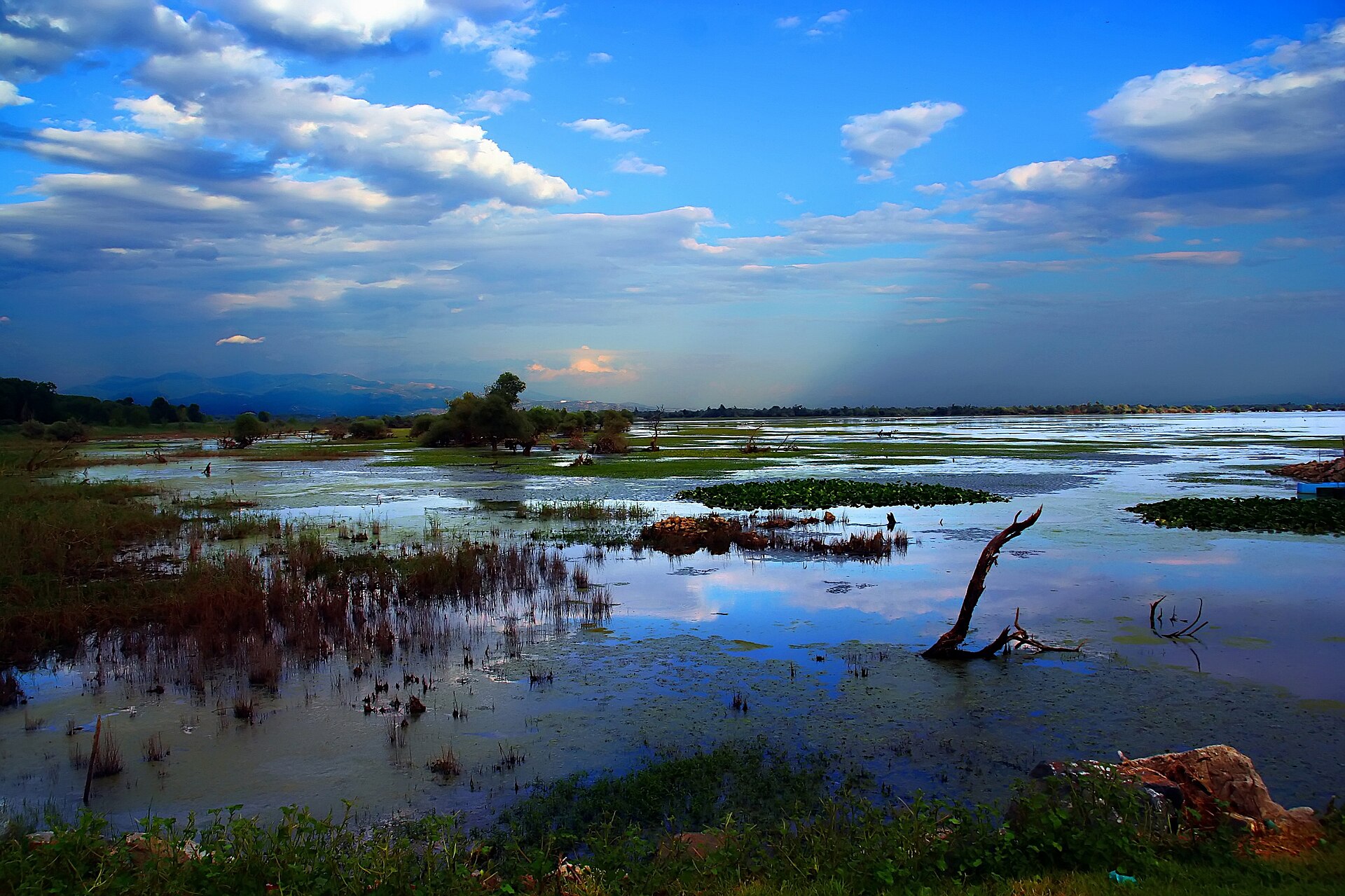
Natura 2000 · breeding, passage
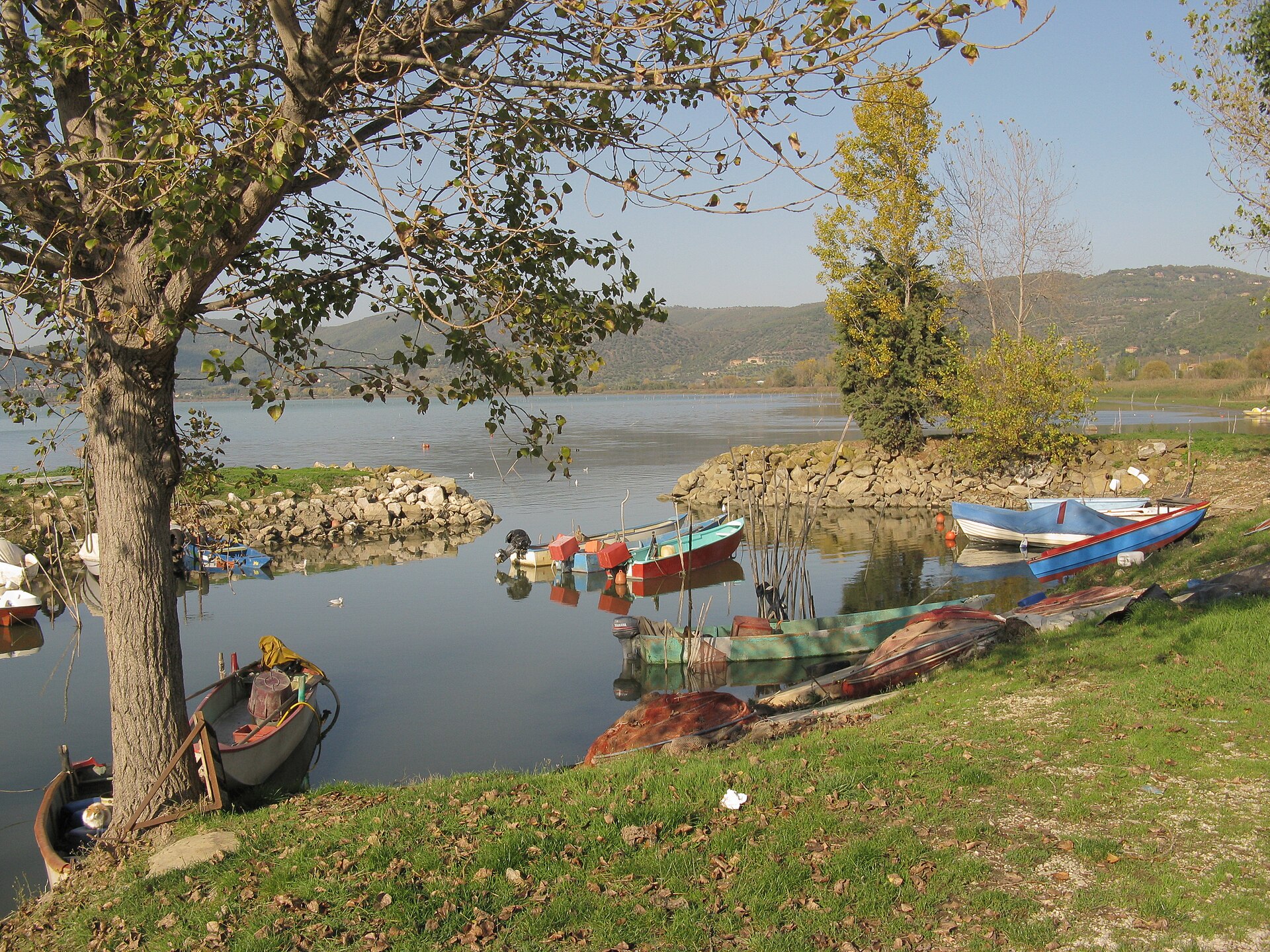
Natura 2000
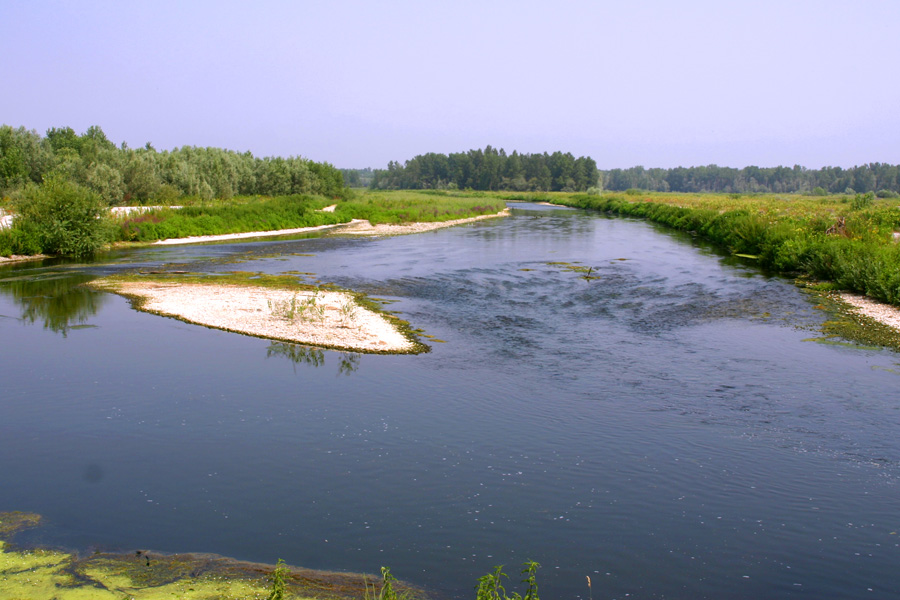
Natura 2000 · passage, breeding
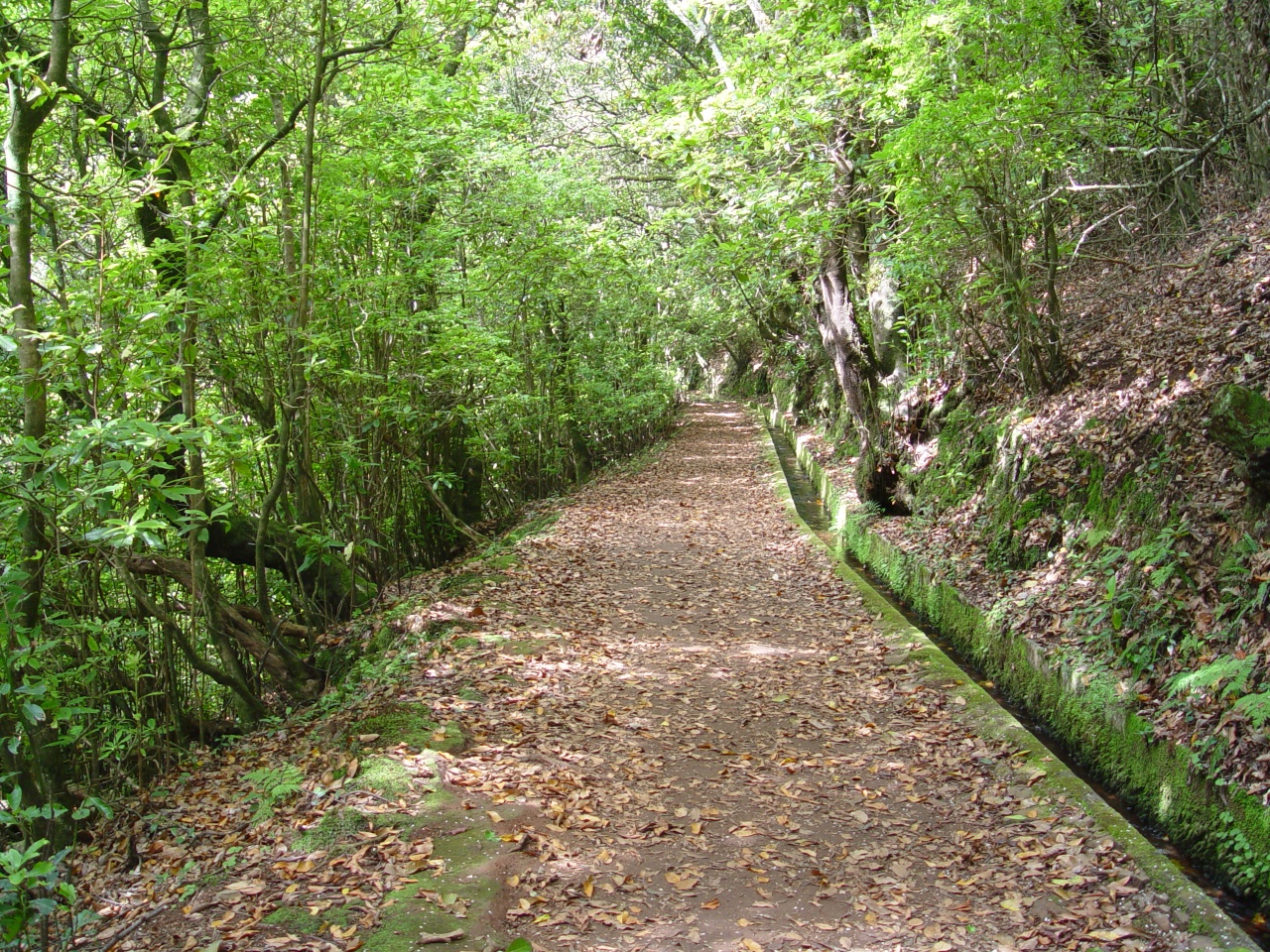
Natura 2000 · passage

Natura 2000 · passage
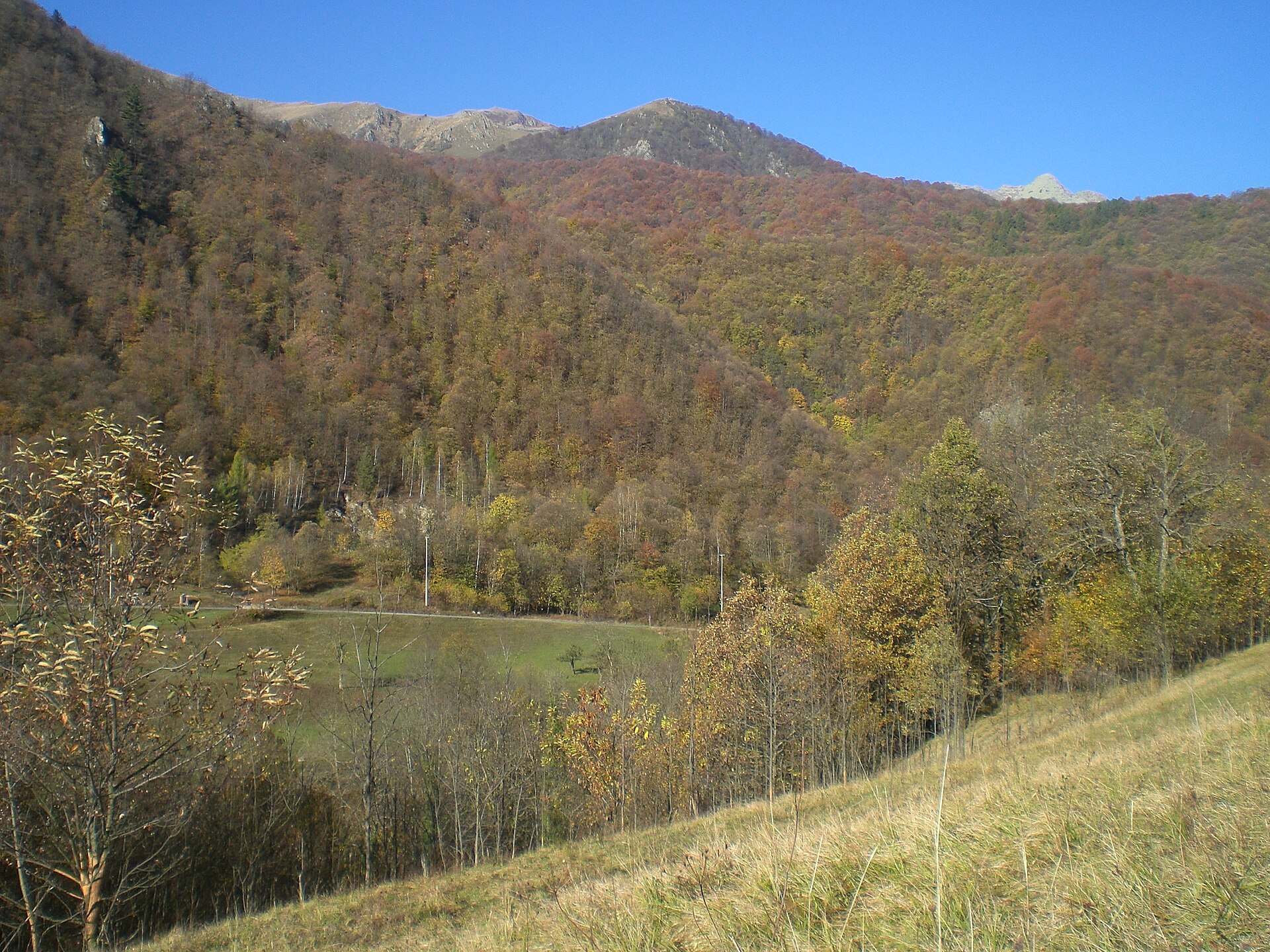
Natura 2000 · breeding
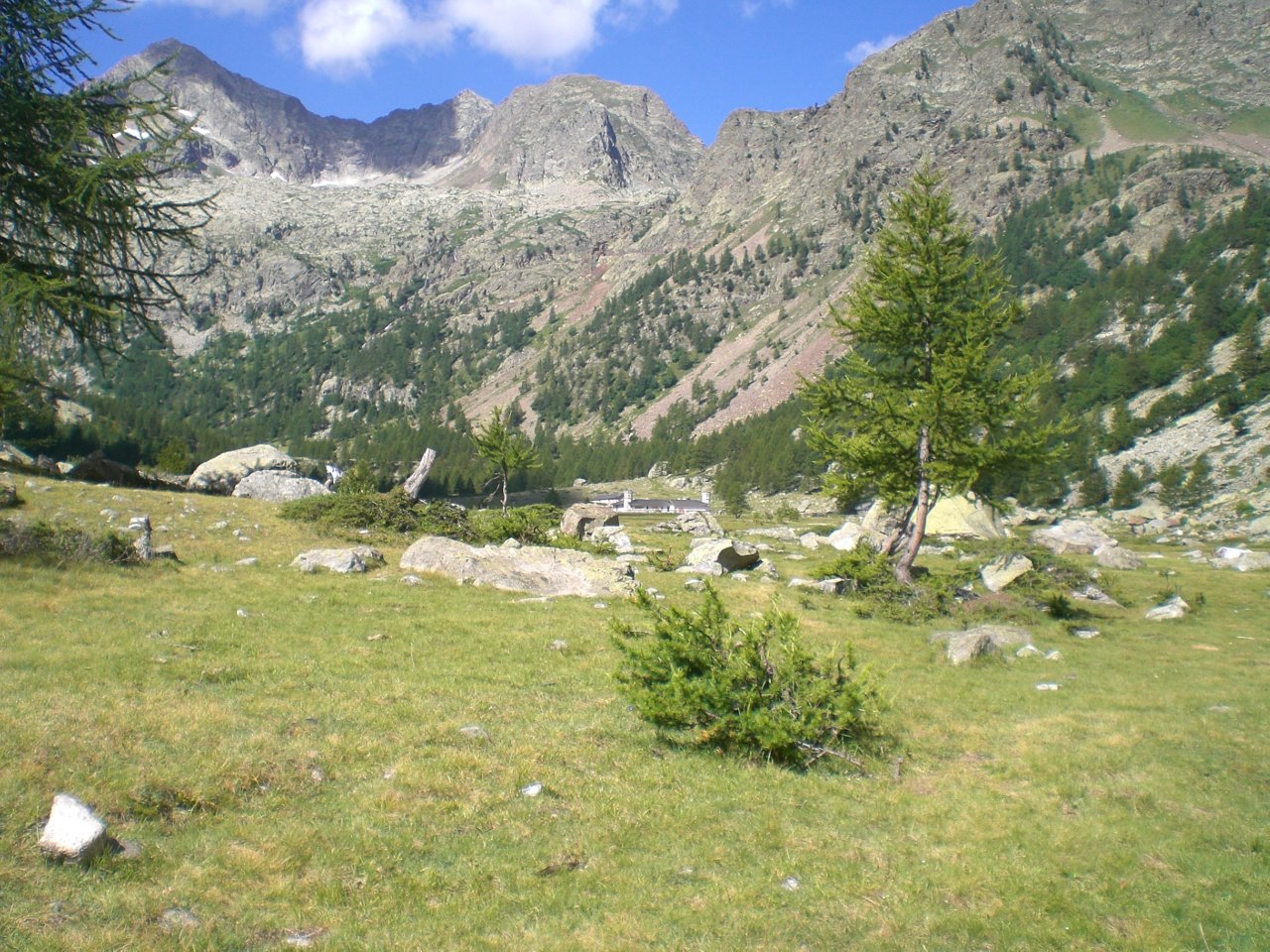
Natura 2000 · breeding
Natura 2000 · passage
Natura 2000 · breeding, passage
Natura 2000 · passage, breeding

Natura 2000 · passage, breeding
Natura 2000 · breeding

Natura 2000 · breeding
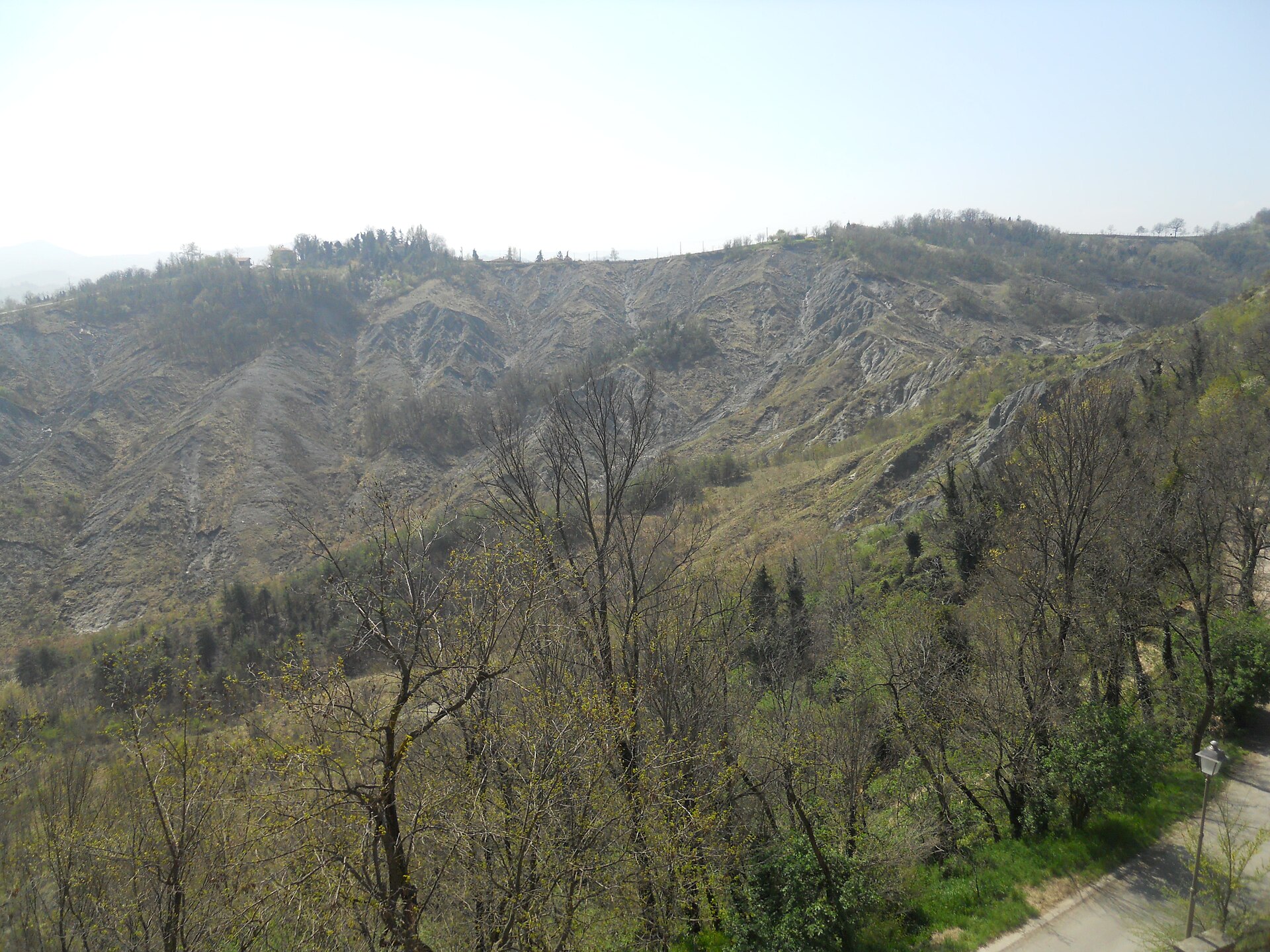
Natura 2000 · breeding

Natura 2000
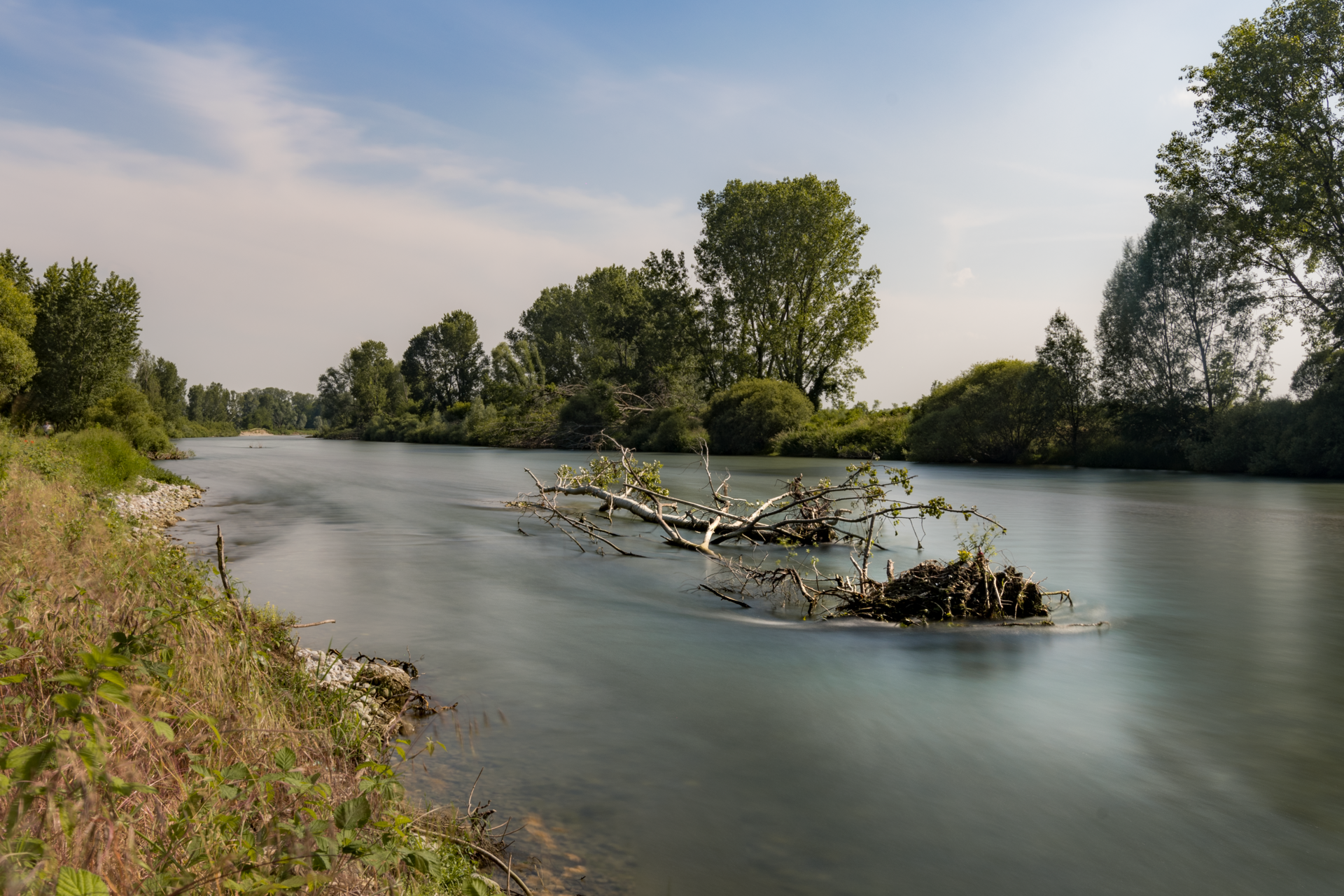
Natura 2000 · breeding
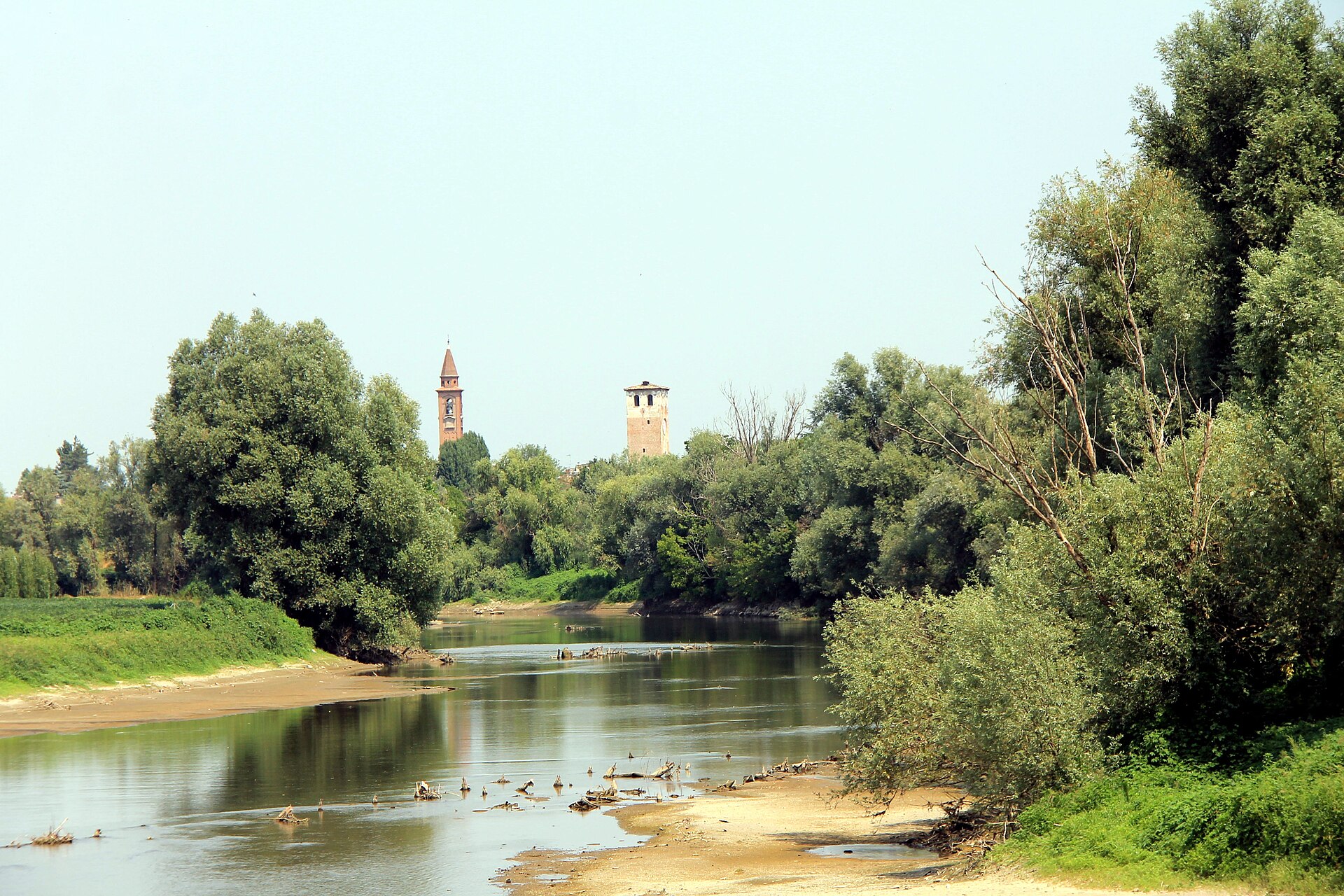
Natura 2000 · breeding, passage
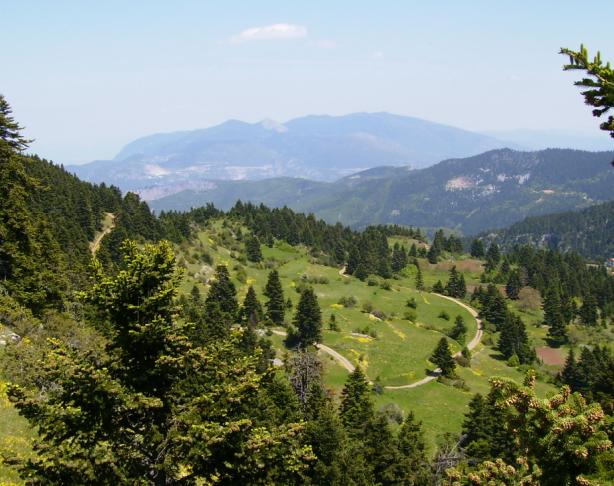
Natura 2000 · breeding
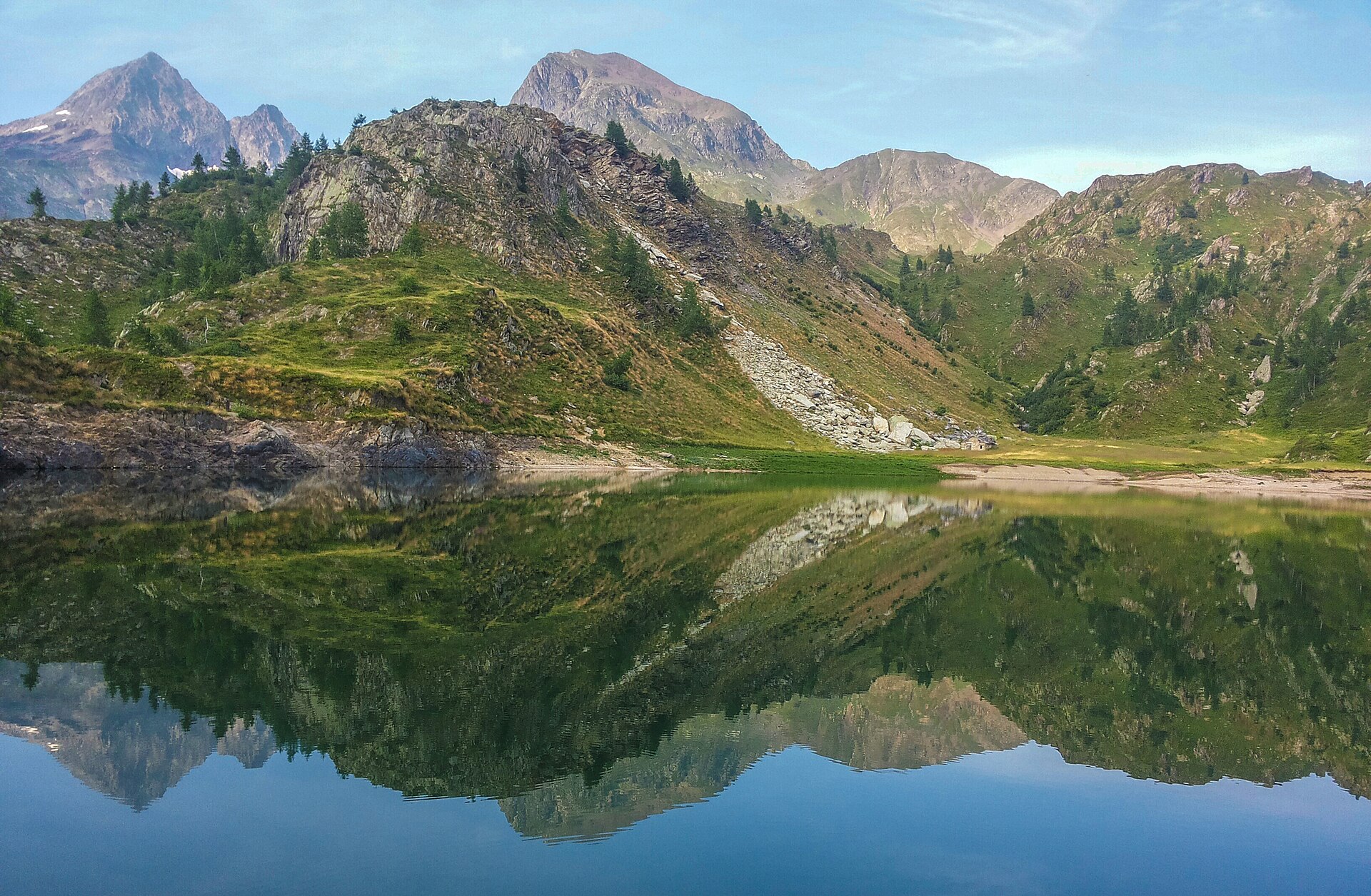
Natura 2000 · passage
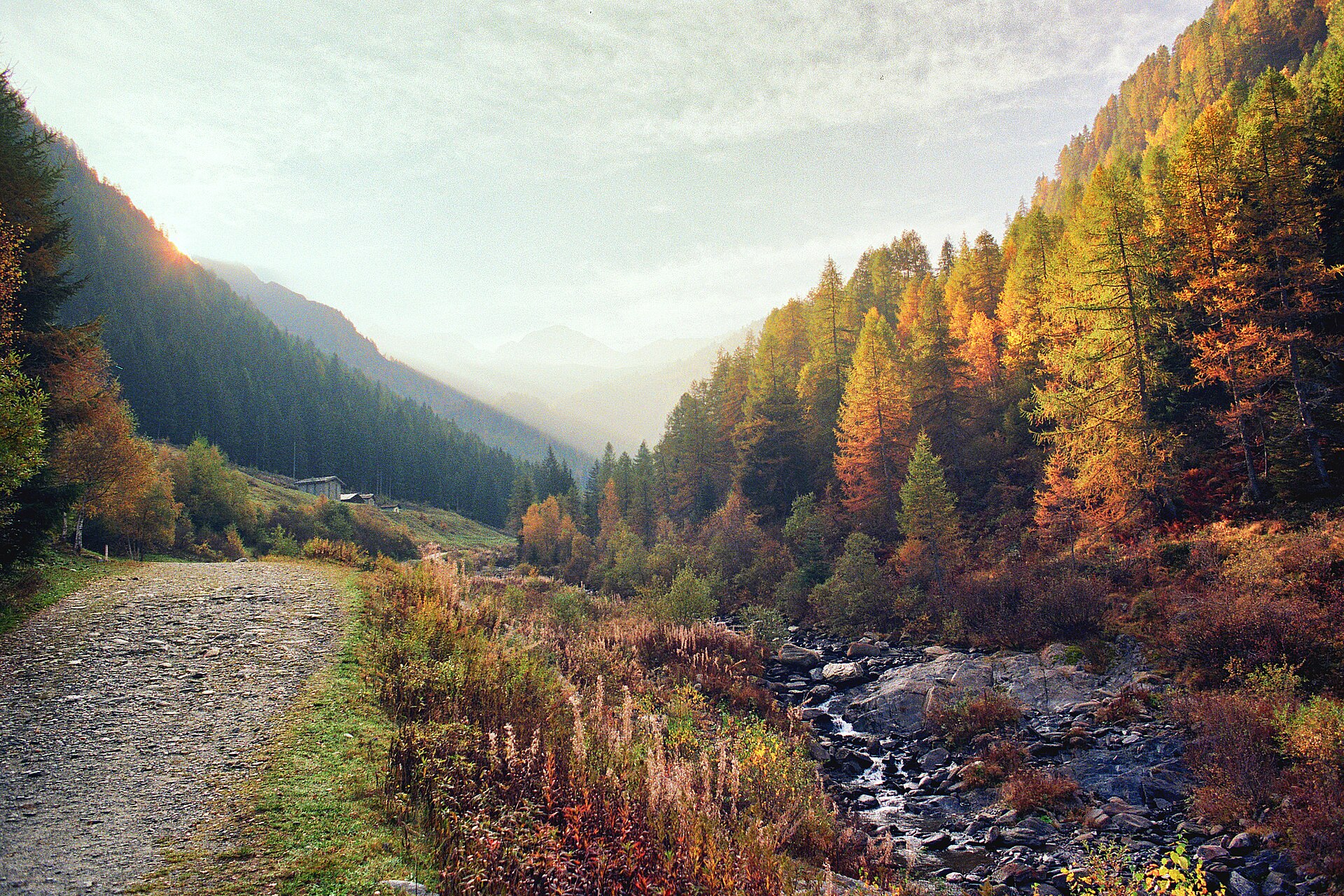
Natura 2000 · breeding
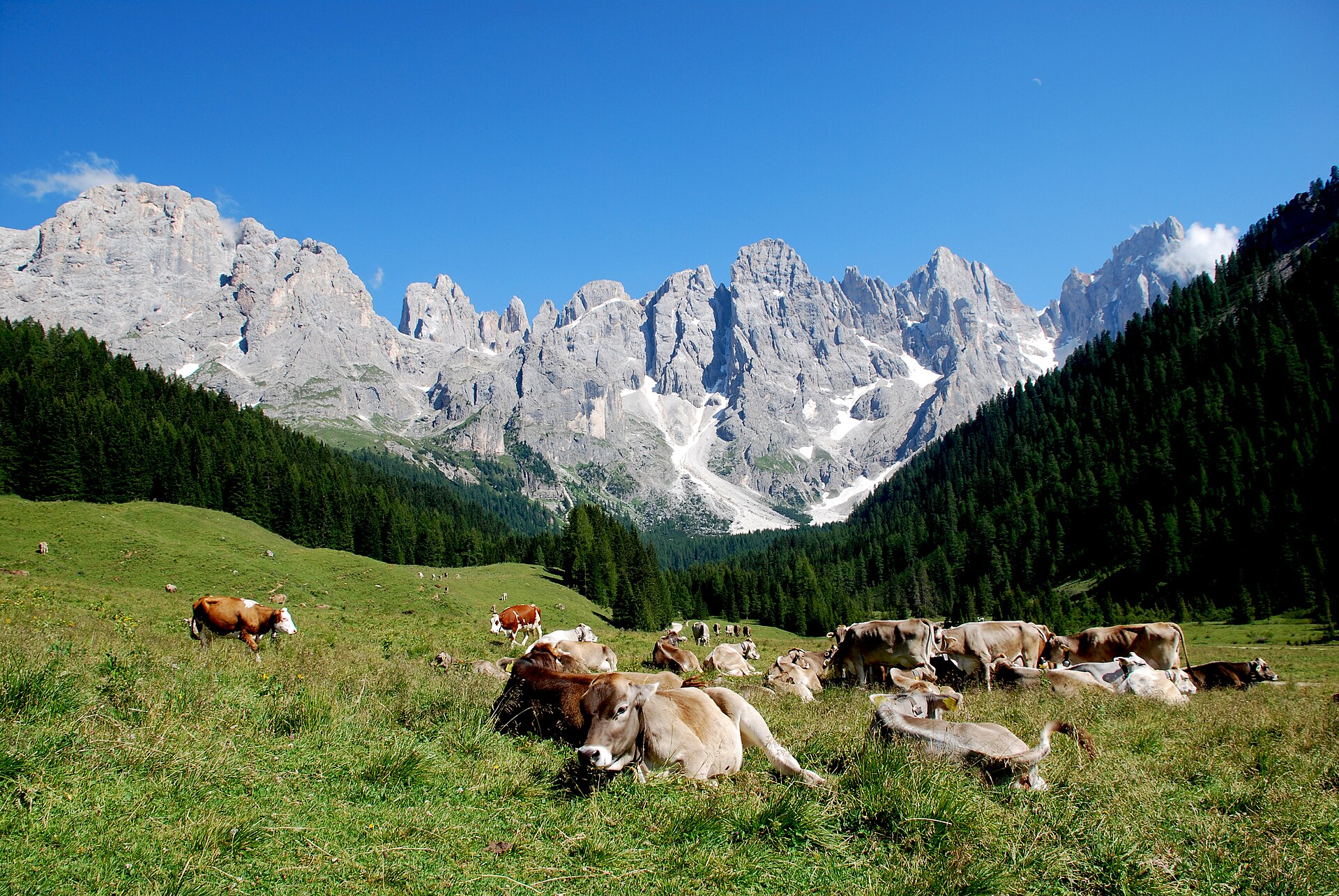
Natura 2000 · breeding
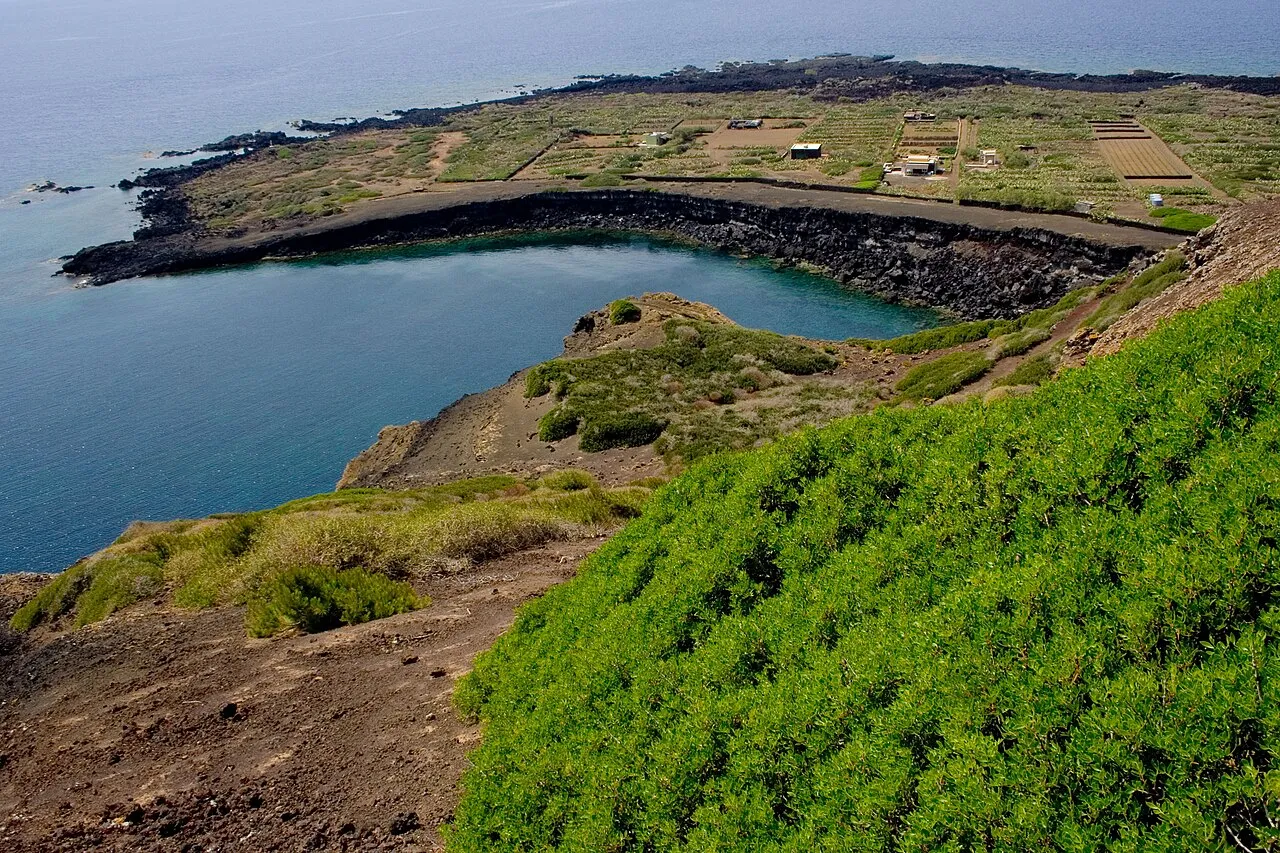
Natura 2000 · passage
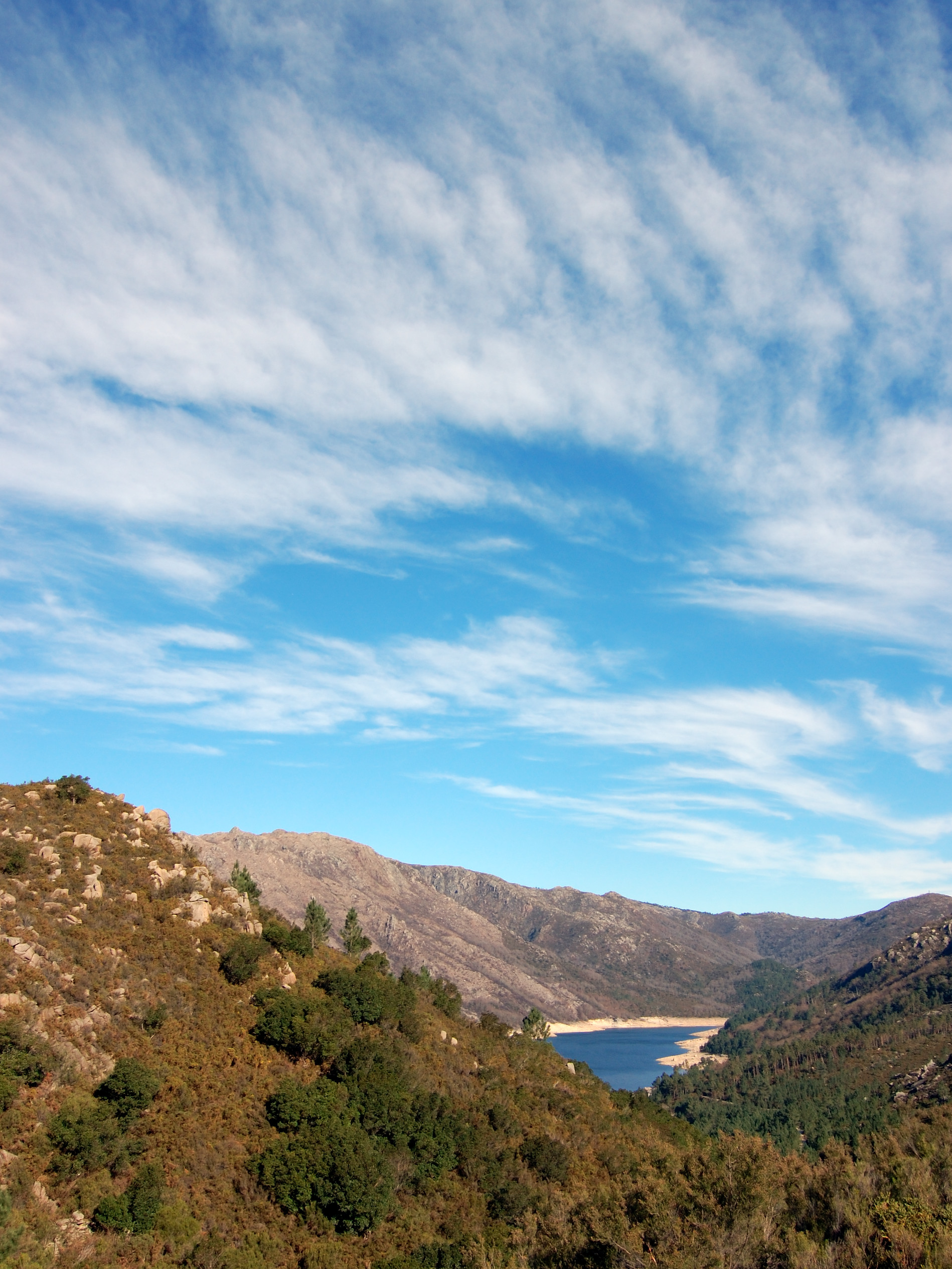
Natura 2000 · breeding
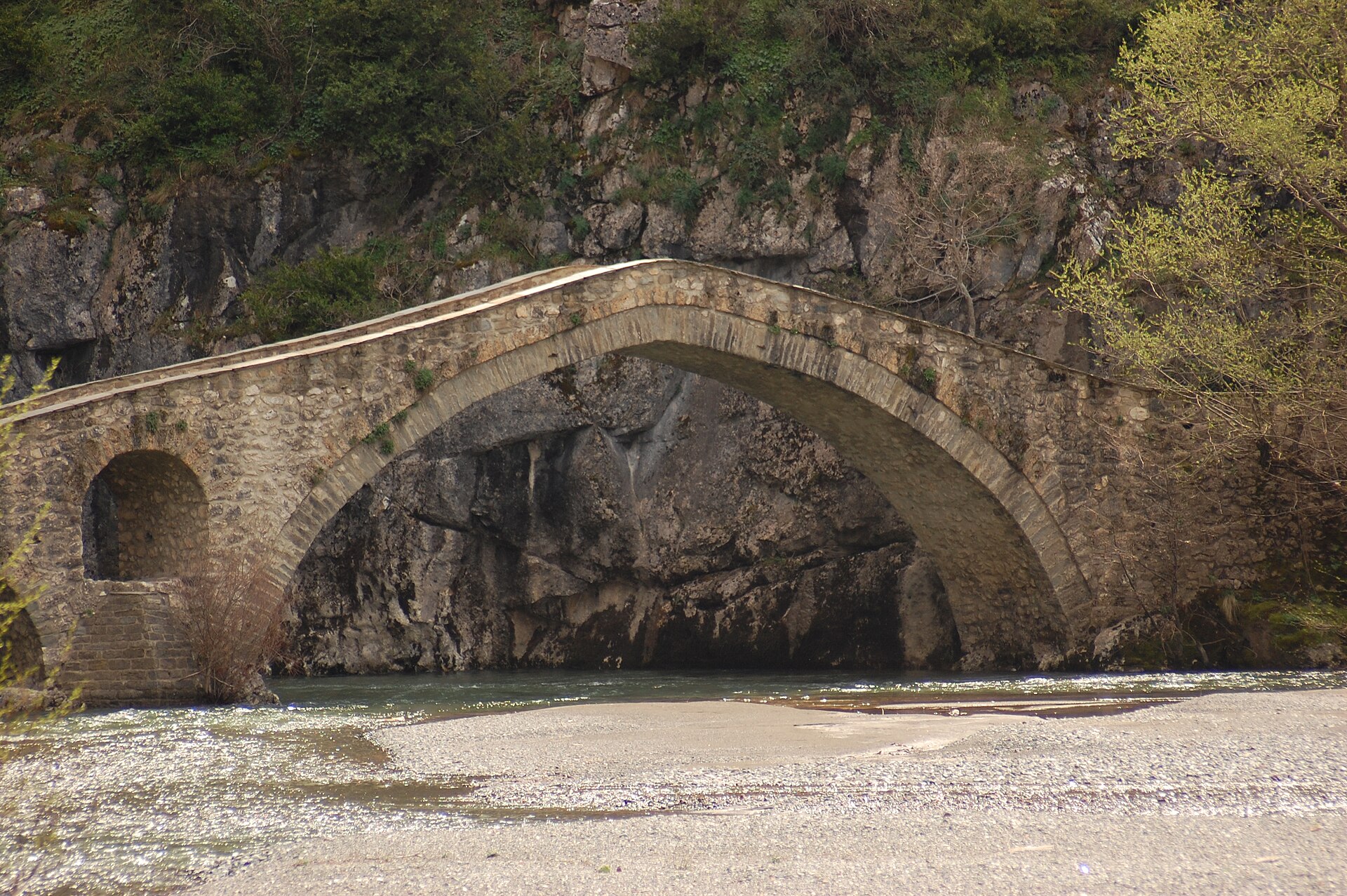
Natura 2000 · breeding
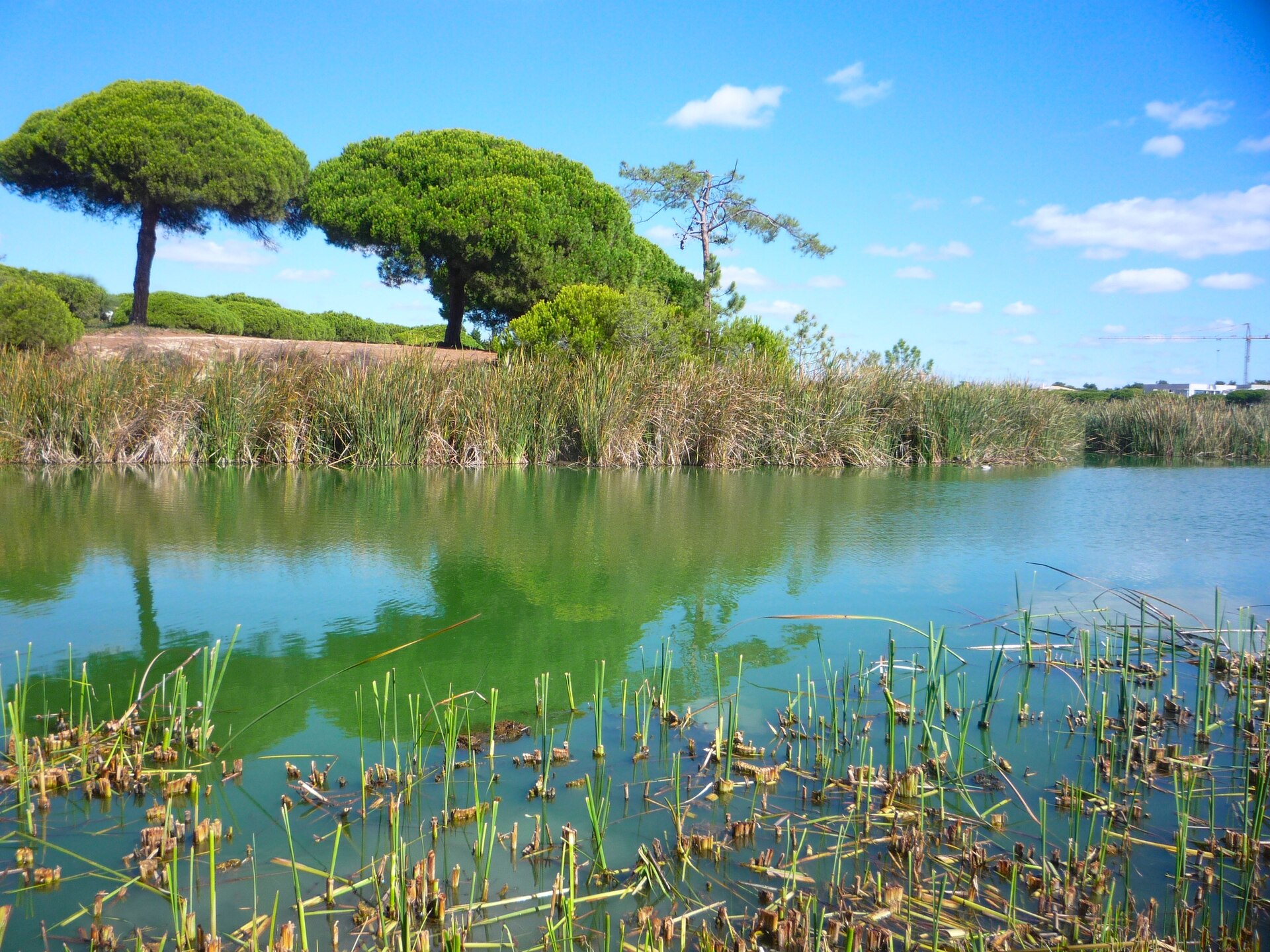
Natura 2000 · breeding
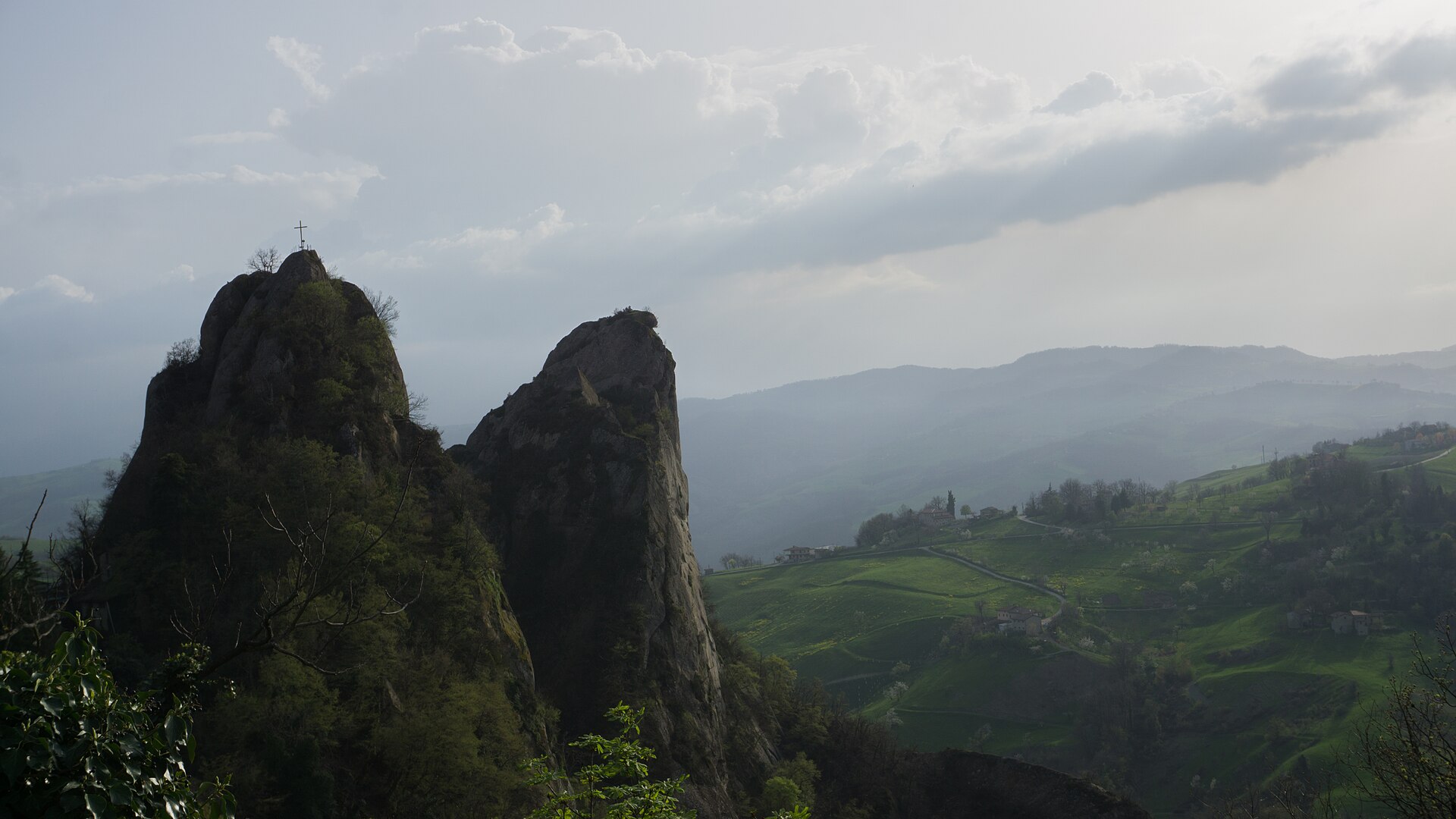
Natura 2000 · breeding
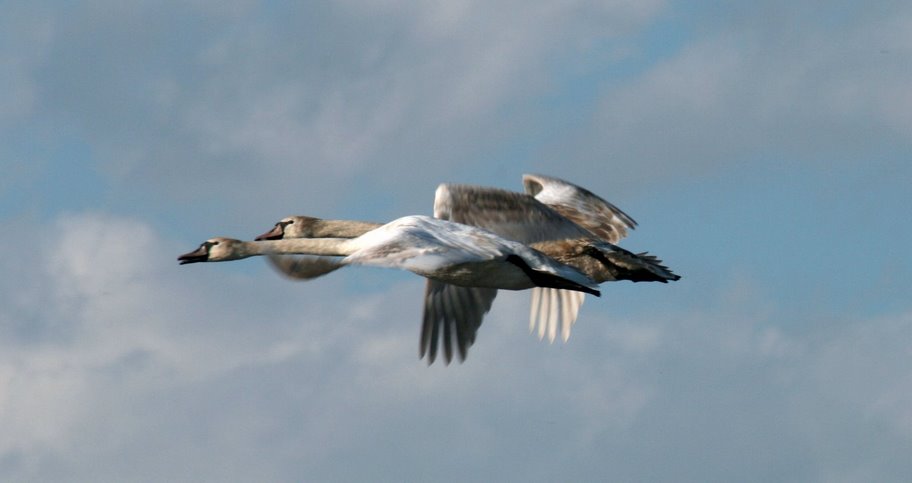
Natura 2000 · passage, breeding
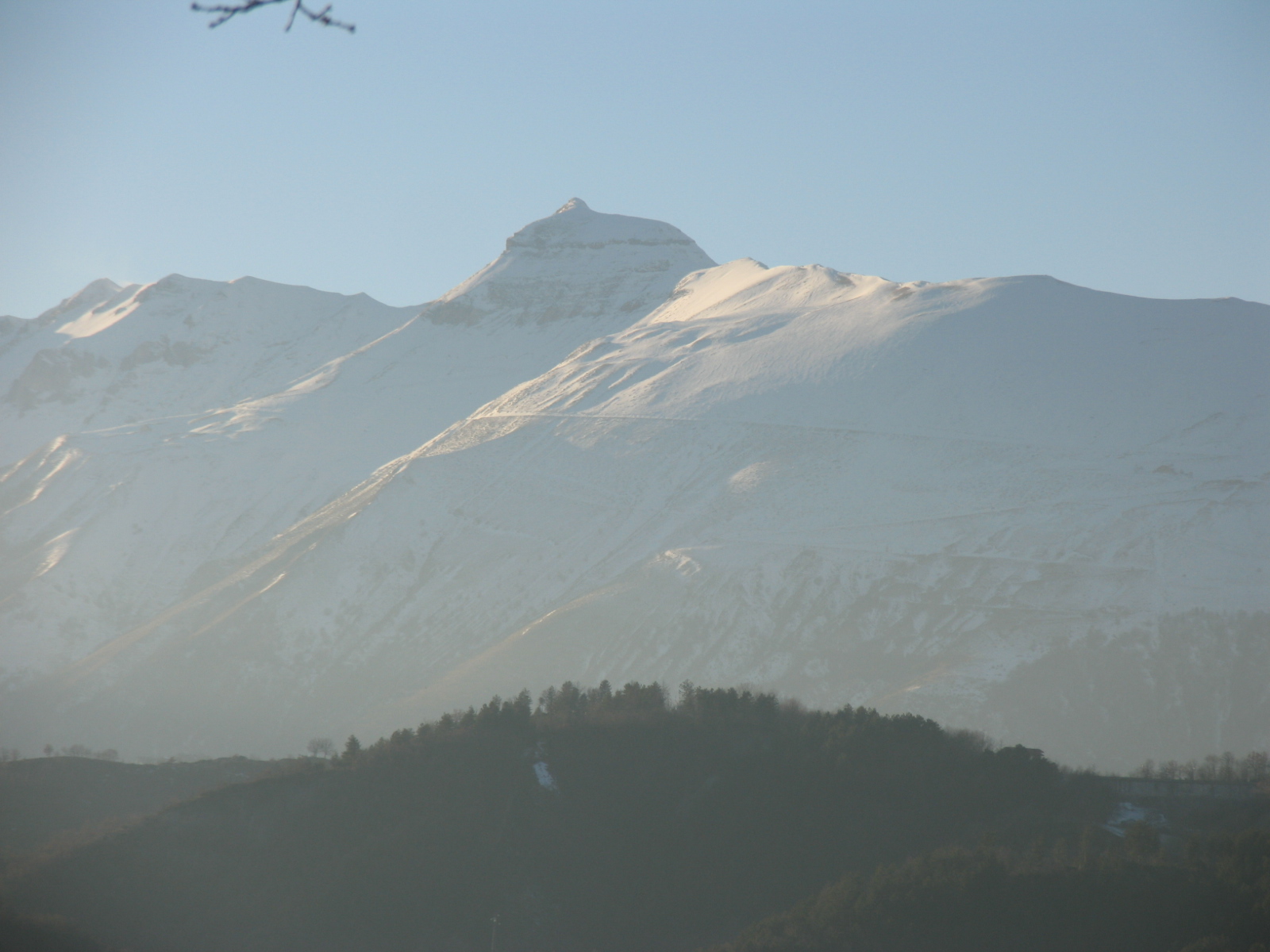
Natura 2000 · breeding
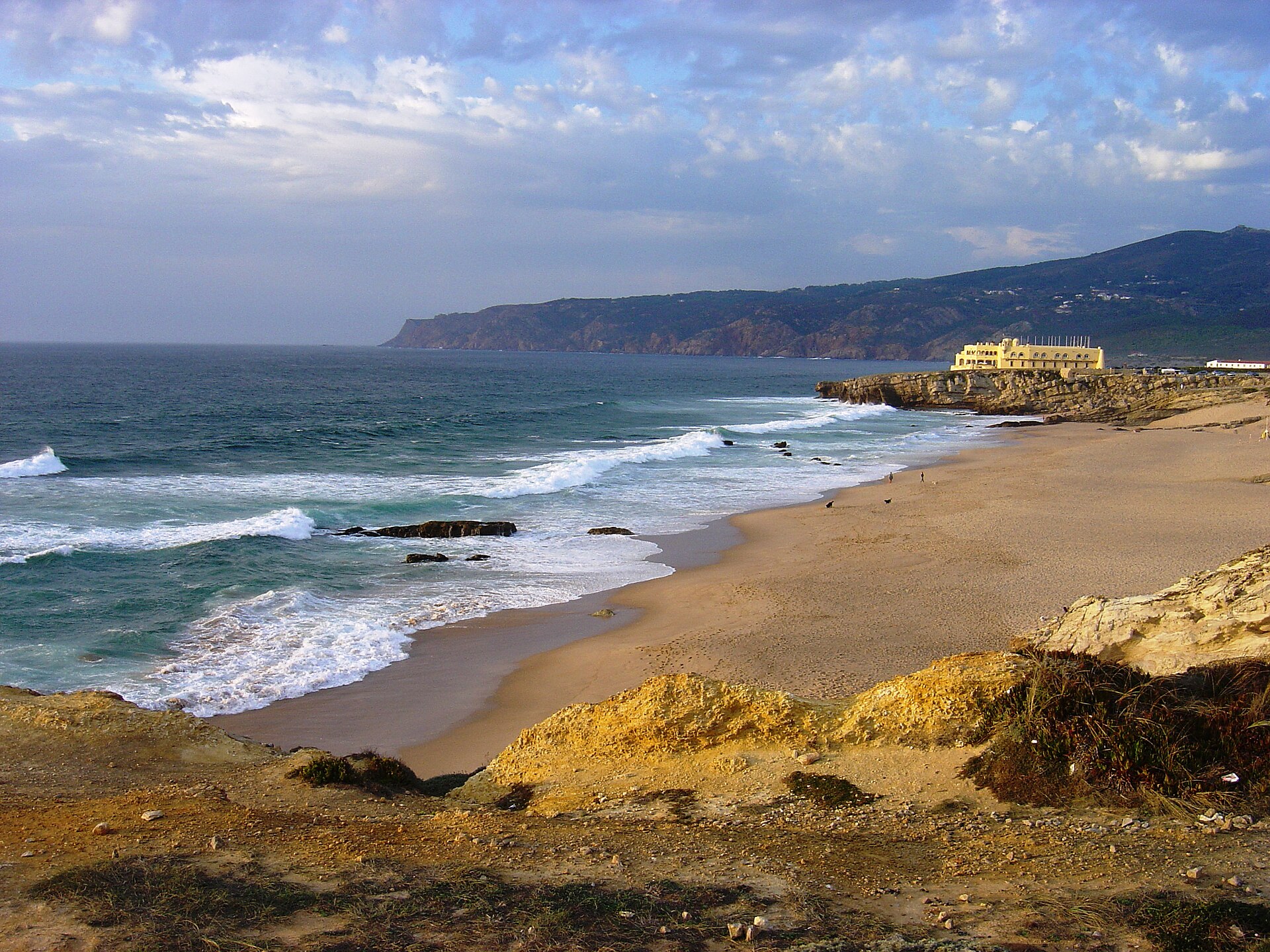
Natura 2000 · breeding
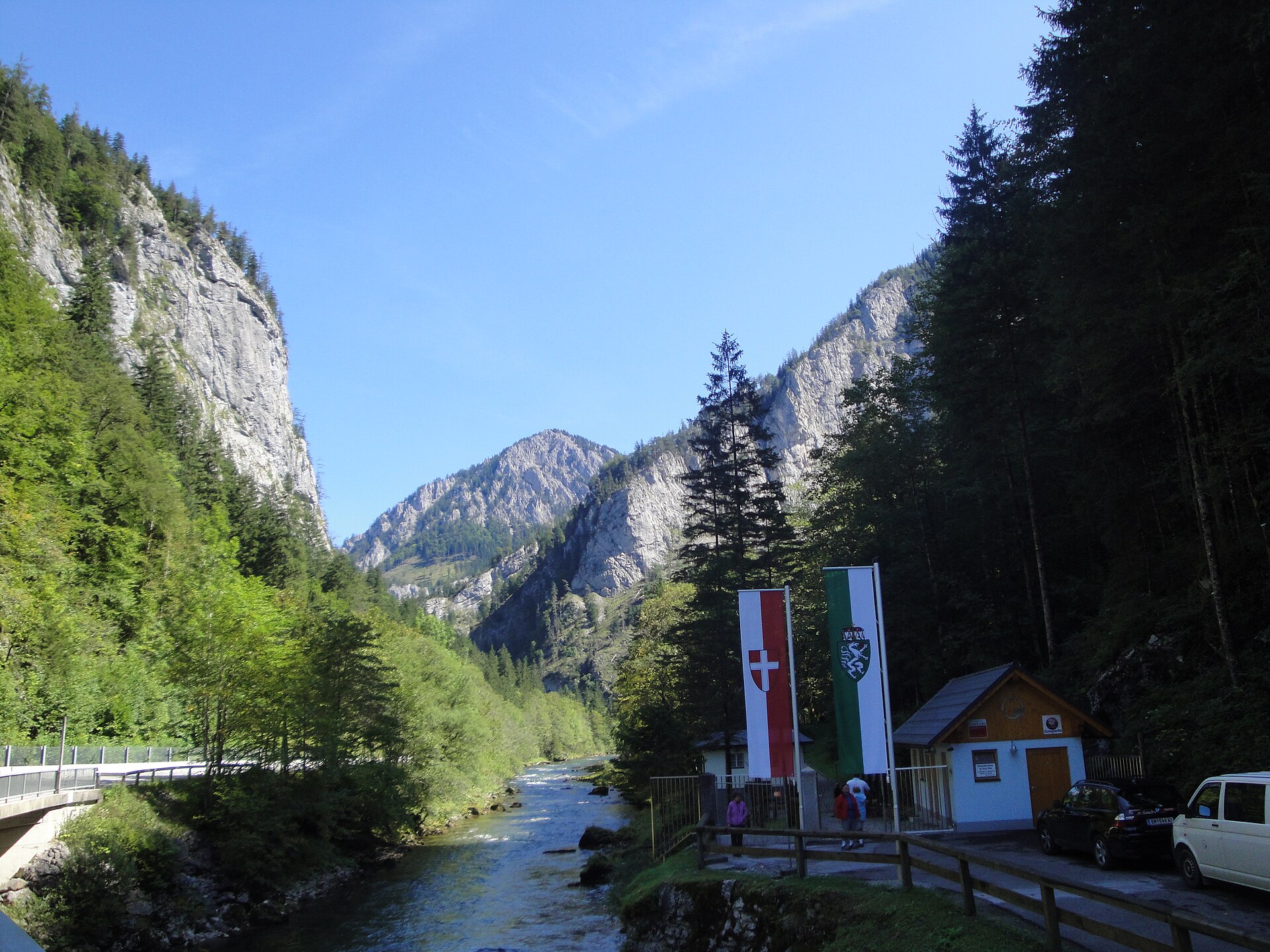
Natura 2000 · breeding
Natura 2000 · breeding
Natura 2000 · passage, breeding
Natura 2000 · breeding, passage
Natura 2000 · passage
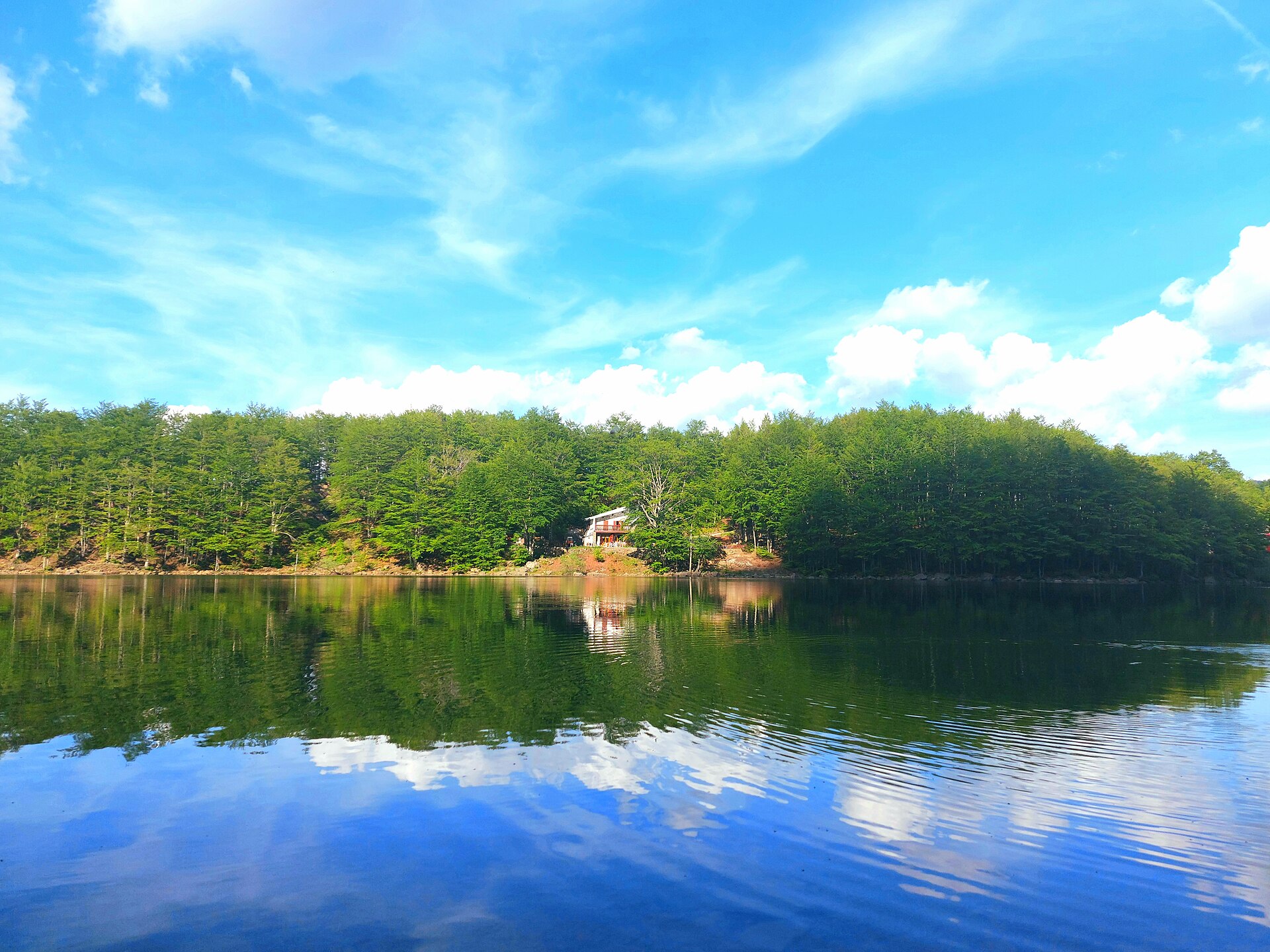
Natura 2000 · breeding, passage
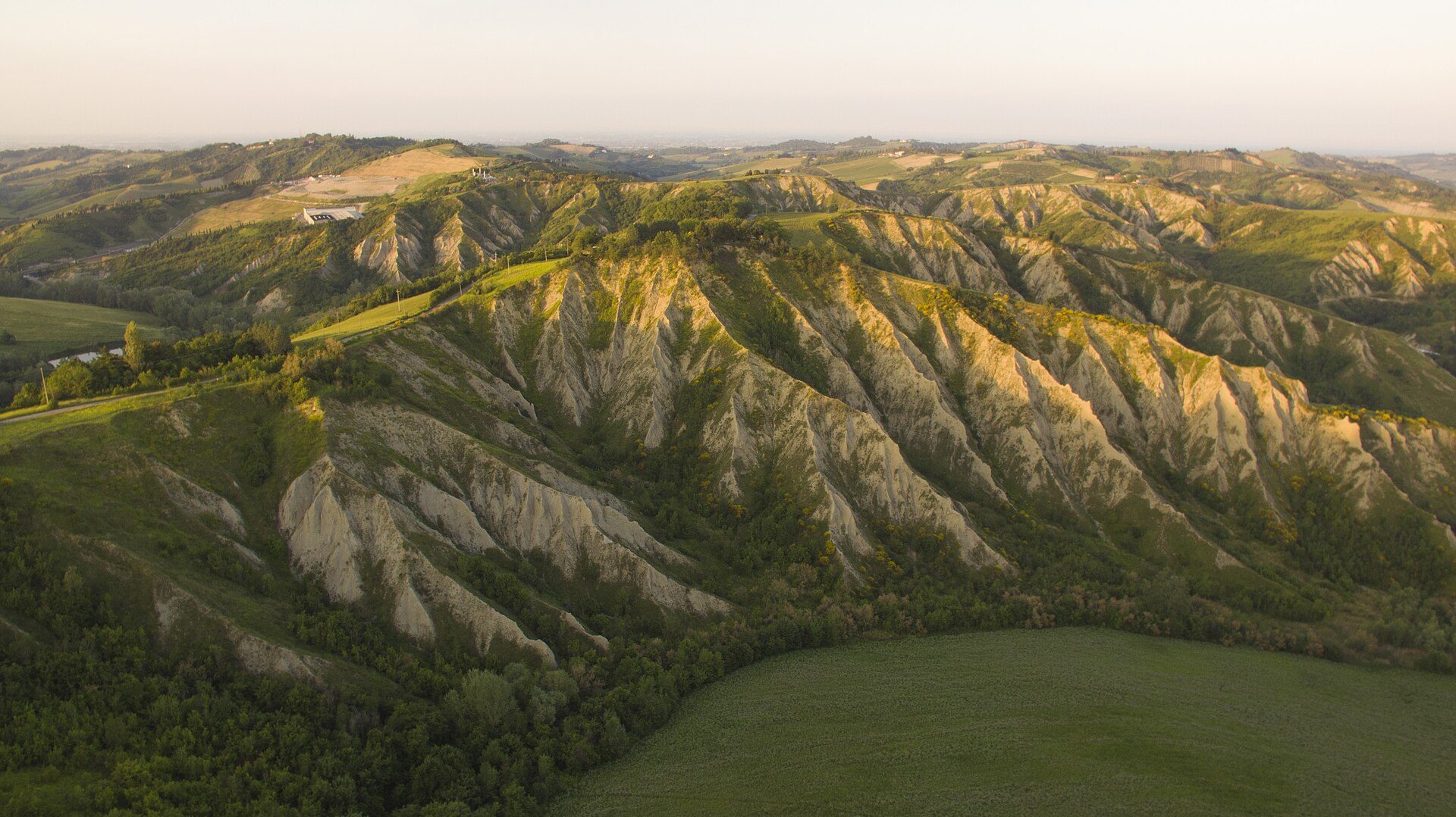
Natura 2000 · breeding, passage

Natura 2000 · passage

Natura 2000 · resident
Other species to discover
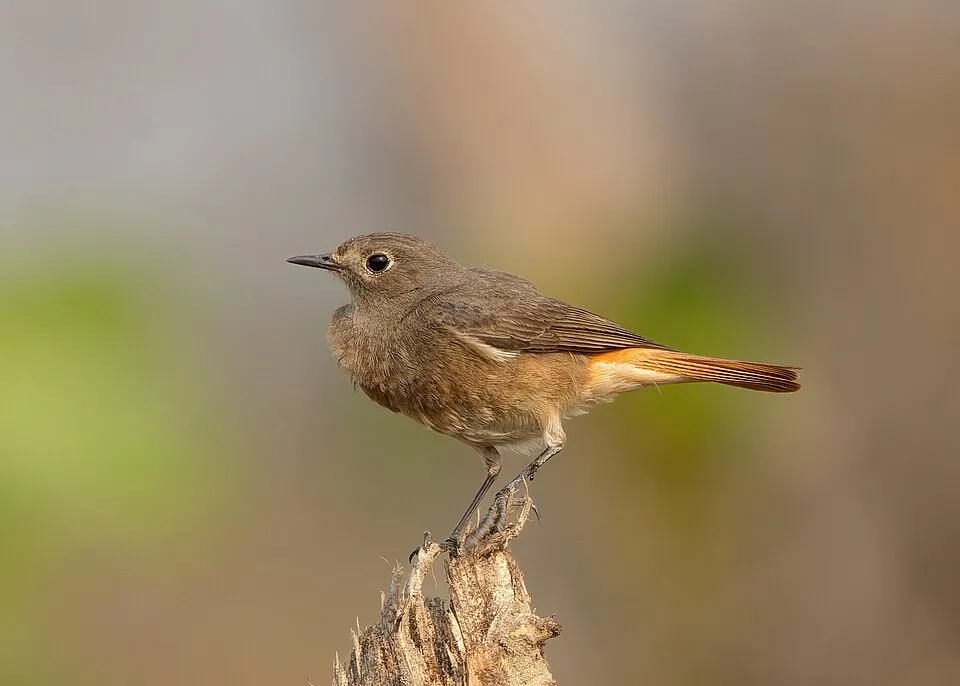 Black Redstart
Phoenicurus ochruros 114 places in common
 Common Swift
Apus apus 66 places in common
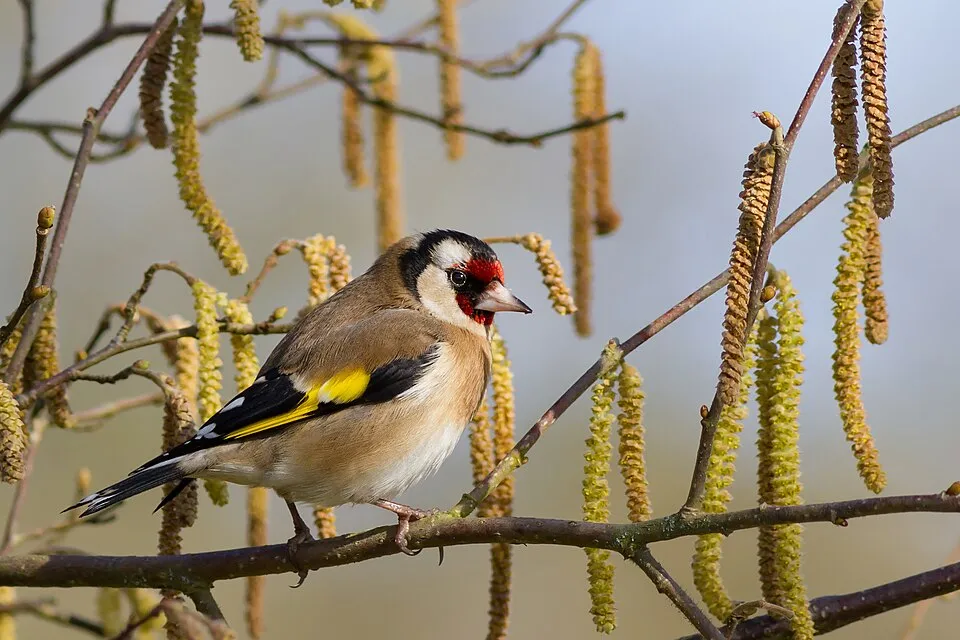 European Goldfinch
Carduelis carduelis 103 places in common
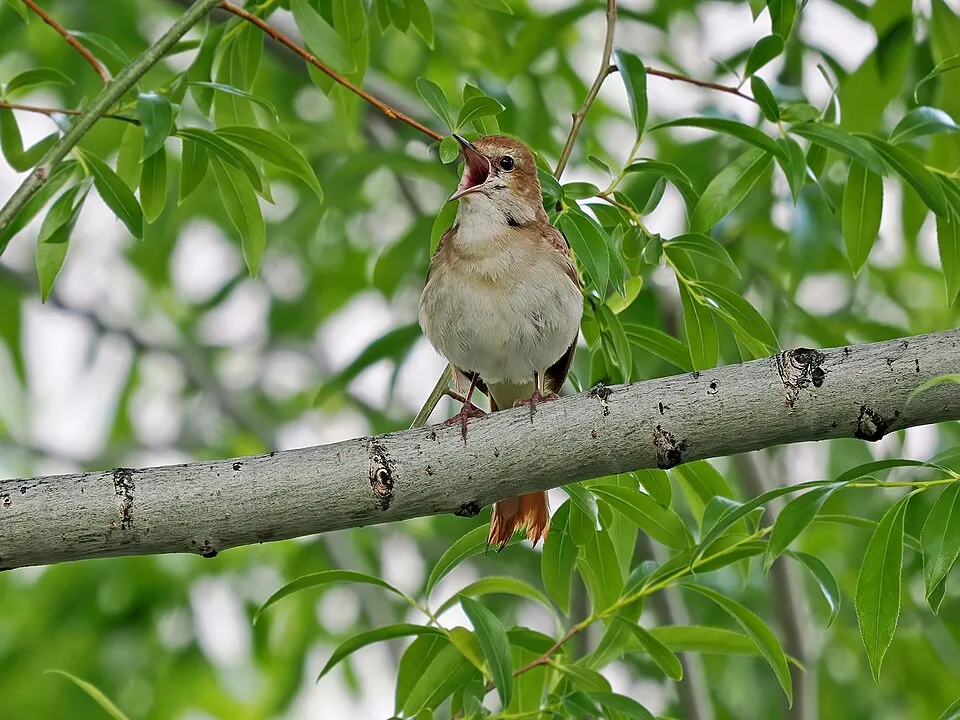 Common Nightingale
Luscinia megarhynchos 68 places in common
Spotted Flycatcher
Muscicapa striata 74 places in common
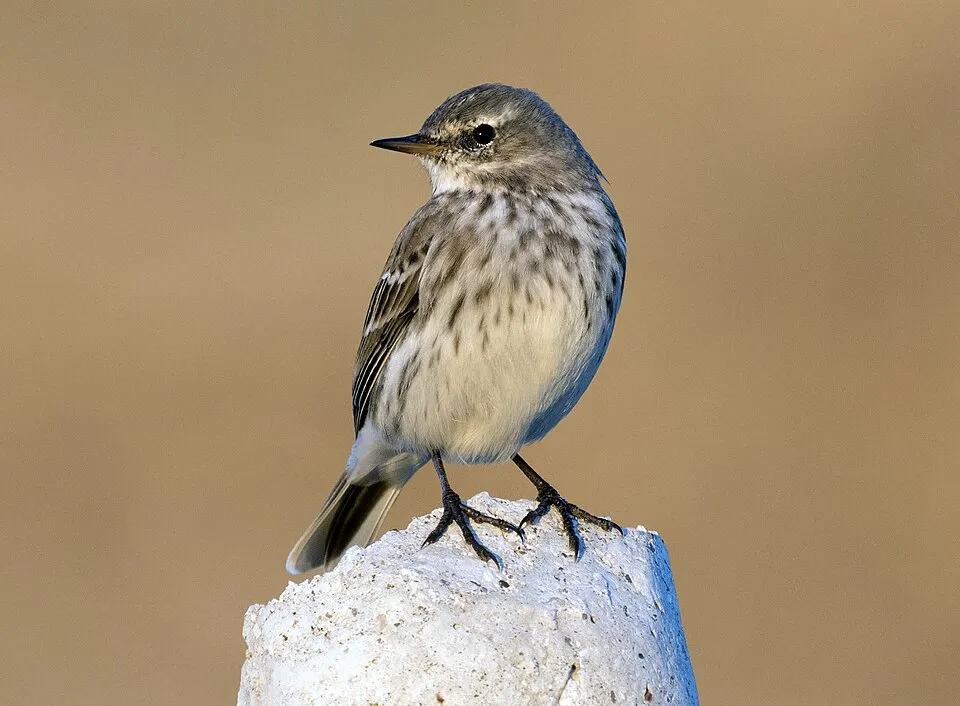 Water Pipit
Anthus spinoletta 62 places in common
Sources and credits
- Presence: most-recorded species of each place on GBIF and species of Community interest in the Natura 2000 forms (EEA, CC-BY 4.0); absence from the list does not mean the species is absent.
- Common names: Wikidata (CC0) and GBIF.
- Photos and sounds: Wikimedia Commons, author and licence given for each file.
- Classification: GBIF Backbone Taxonomy (GBIF Secretariat), CC BY 4.0, doi:10.15468/39omei.
- Countries, elevations, months and maps: GBIF.org, CC0 or CC BY 4.0 occurrences only, accessed October 22, 2026, GBIF.org.
- Base map: Natural Earth (public domain).
- Excerpt: Wikipedia, CC BY-SA 4.0 (full credit below the excerpt).
- Key facts: Wikidata (CC0), with the references cited under each value.
- EU bird populations: EEA / DG ENV, Article 12 Birds Directive reporting (2013–2018), CC BY 4.0.