
Bird
Alpine Swift: where to see it
Tachymarptis melba
This bird species is recorded in 76 protected areas of the atlas, including 53 whose official Natura 2000 form lists it. Within the atlas countries, it is mostly observed in Spain, France and Greece (10 countries in all). Most records (8 in 10) lie between sea level and 1,350 m. Records peak from April to August. It weighs 96 g.
Best time to see it: April–August
Records published on GBIF by month (CC0 and CC BY 4.0 licences only), in the atlas countries, all years combined; they also reflect observer activity.
Key facts
- Weight
- 96 g Wikidata, after Lislevand et al. 2007
- Clutch size
- 2 eggs Wikidata, after Jetz et al. 2008
Distribution
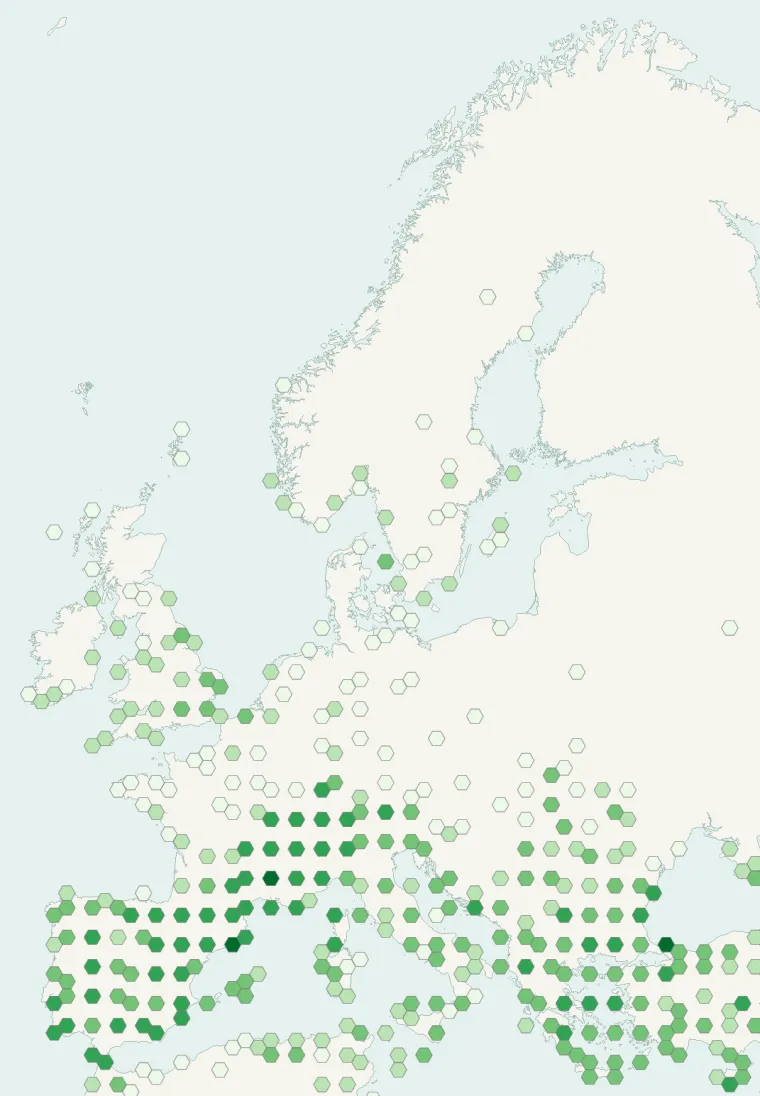
Records published on GBIF (CC0 and CC BY 4.0 licences): the darker the shade, the more records there are; they also reflect observation effort.
Atlas countries where it is recorded
Listen
-
0:47 · © tsilianidis saky · CC BY-SA 4.0 · Wikimedia Commons · Original file
From Wikipedia
The alpine swift (Tachymarptis melba) is a species of swift found in Africa, southern Europe, and Asia. They breed in mountains from southern Europe to the Himalayas. Like common swifts, they are migratory; the southern European population winters further south in southern Africa. They have very short legs which are used for clinging to vertical surfaces. Like most swifts, they never settle voluntarily on the ground, spending most of their lives in the air living on the insects they catch in their beaks.
Source: Wikipedia, article “Alpine swift” (version of August 12, 2026) · history and authors · licence CC BY-SA 4.0
Protected areas where it is recorded
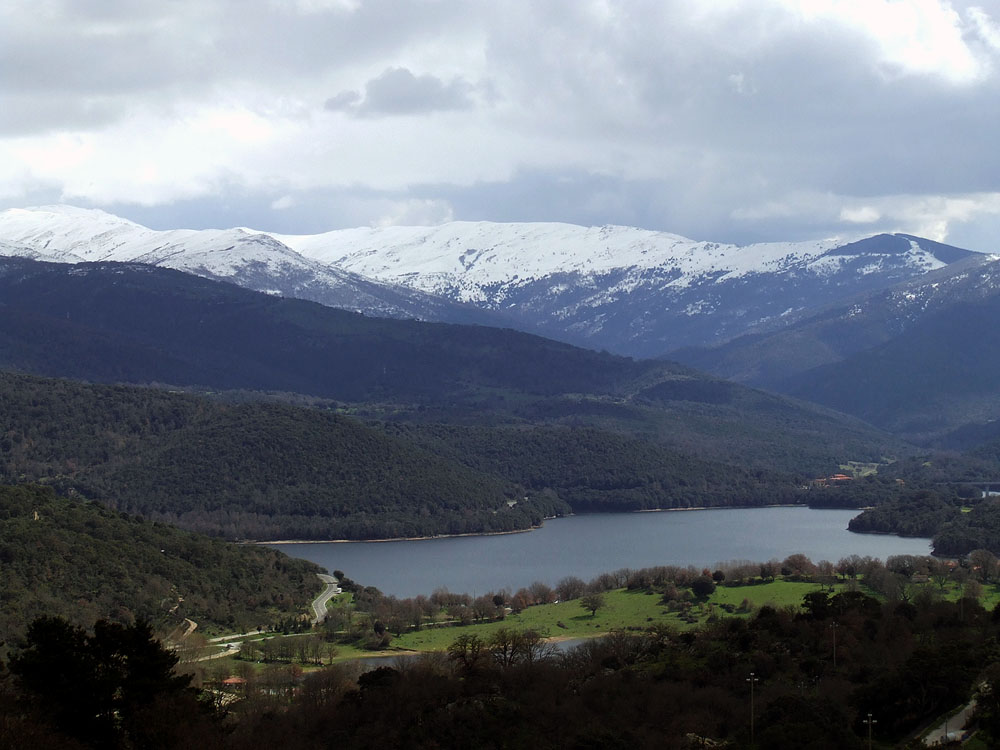
Natura 2000 · passage, breeding 36 records
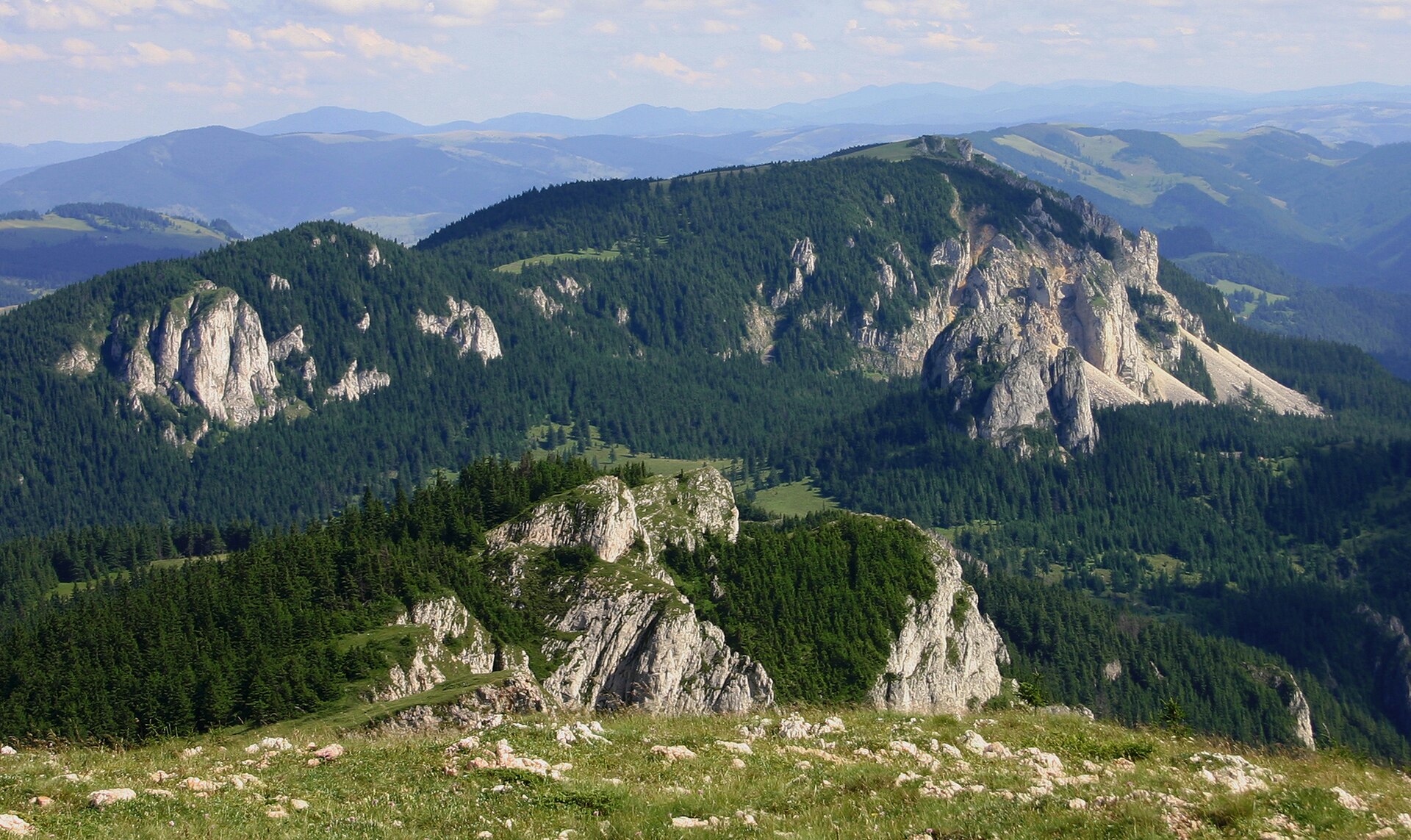
Natura 2000 · breeding 30 records
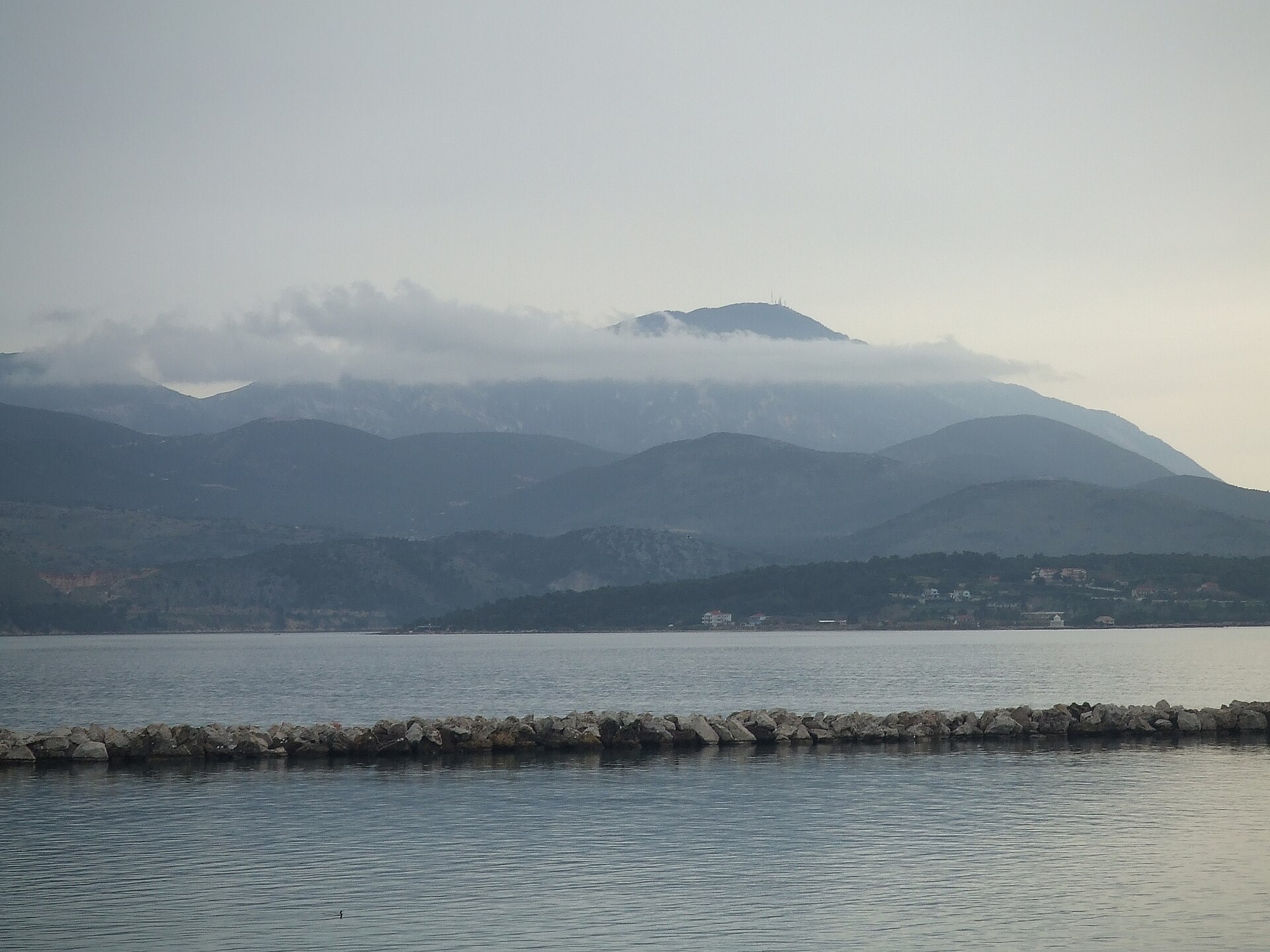
Natura 2000 · breeding 12 records
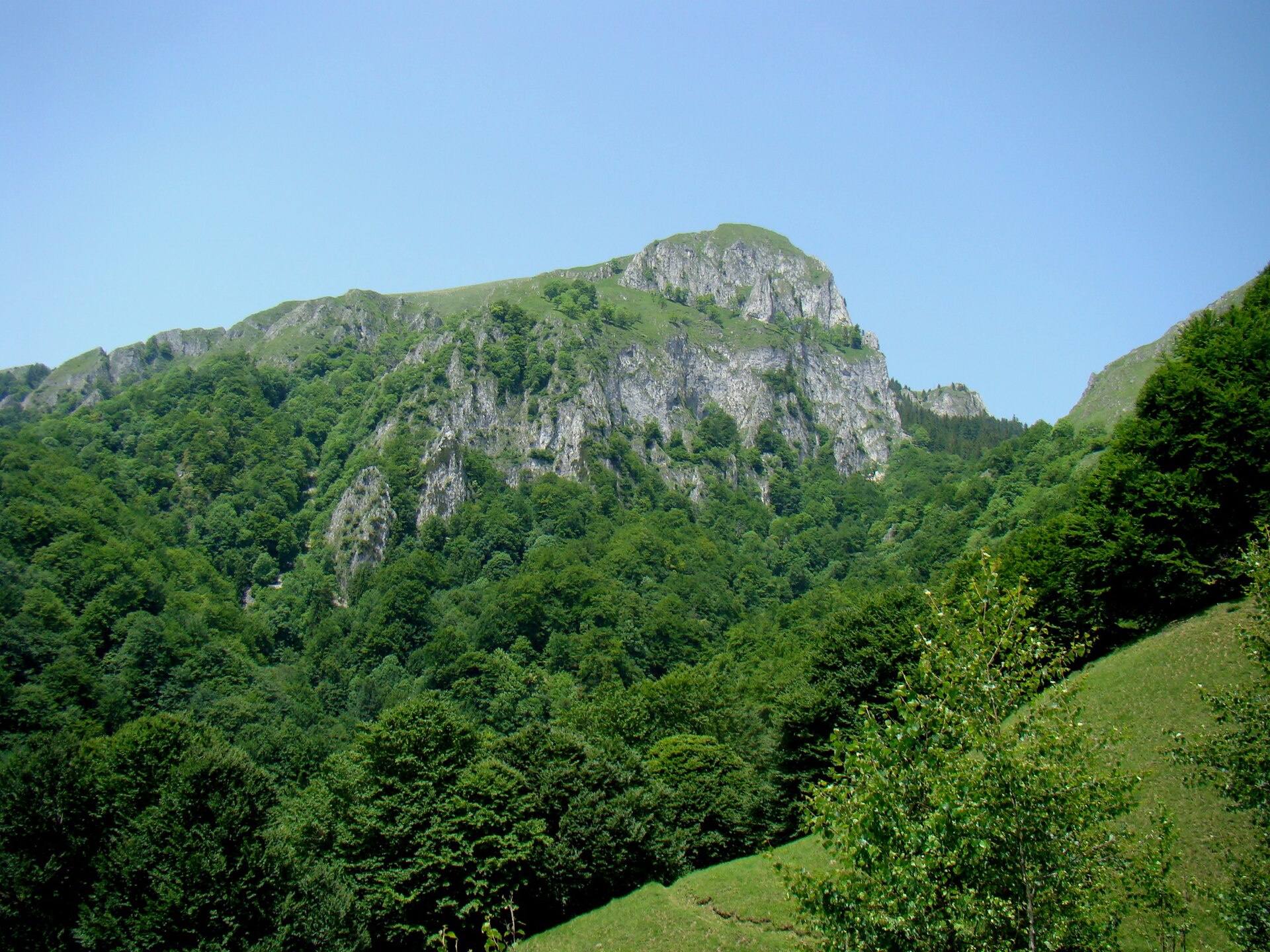
Natura 2000 · breeding 3 records
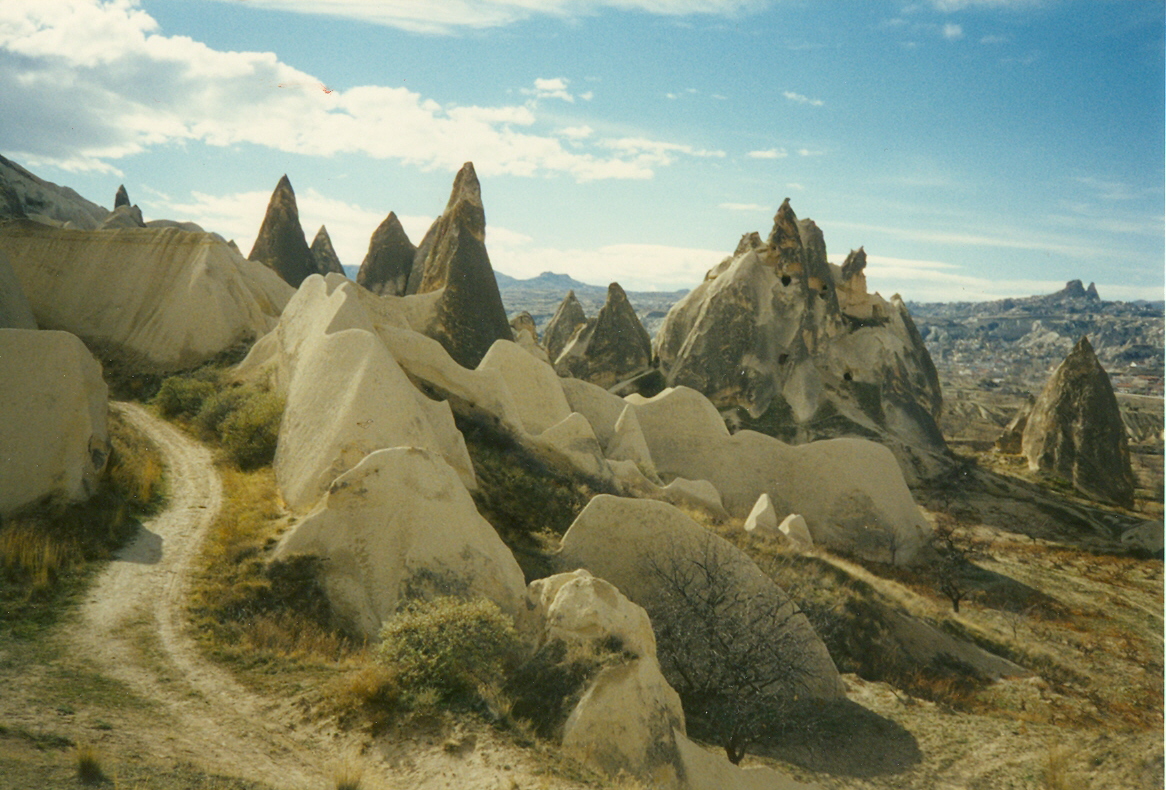
428 records
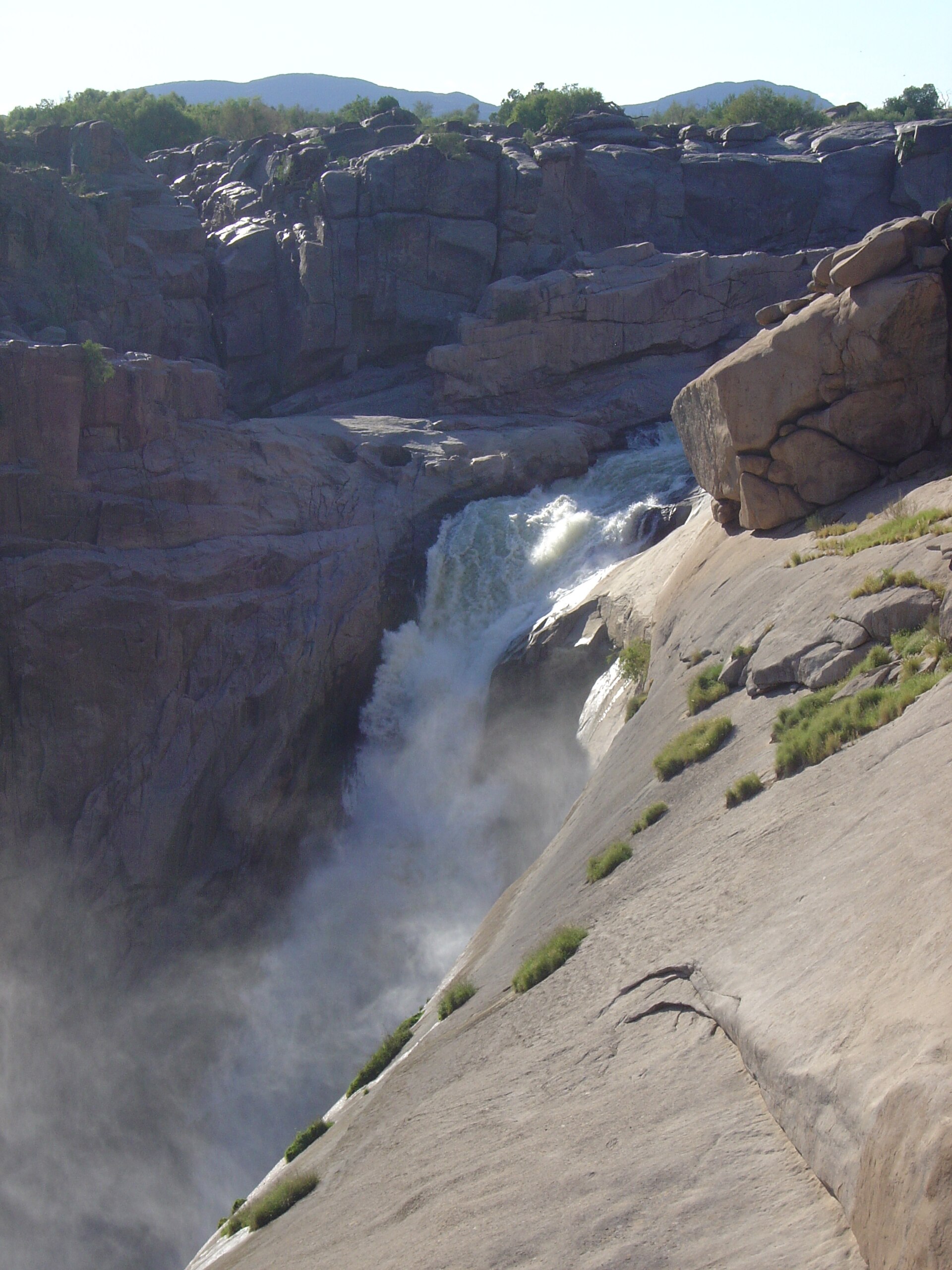
405 records
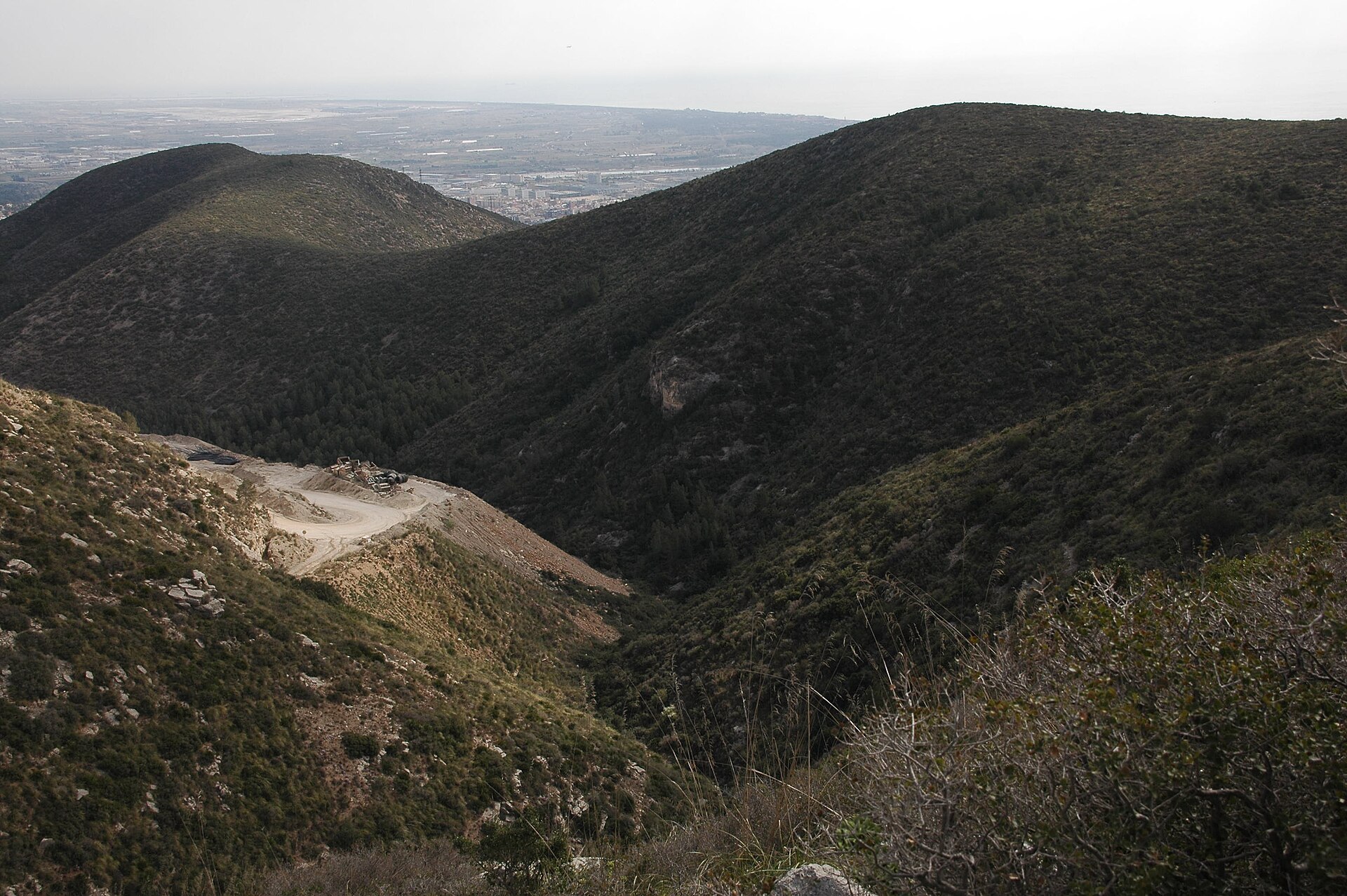
232 records
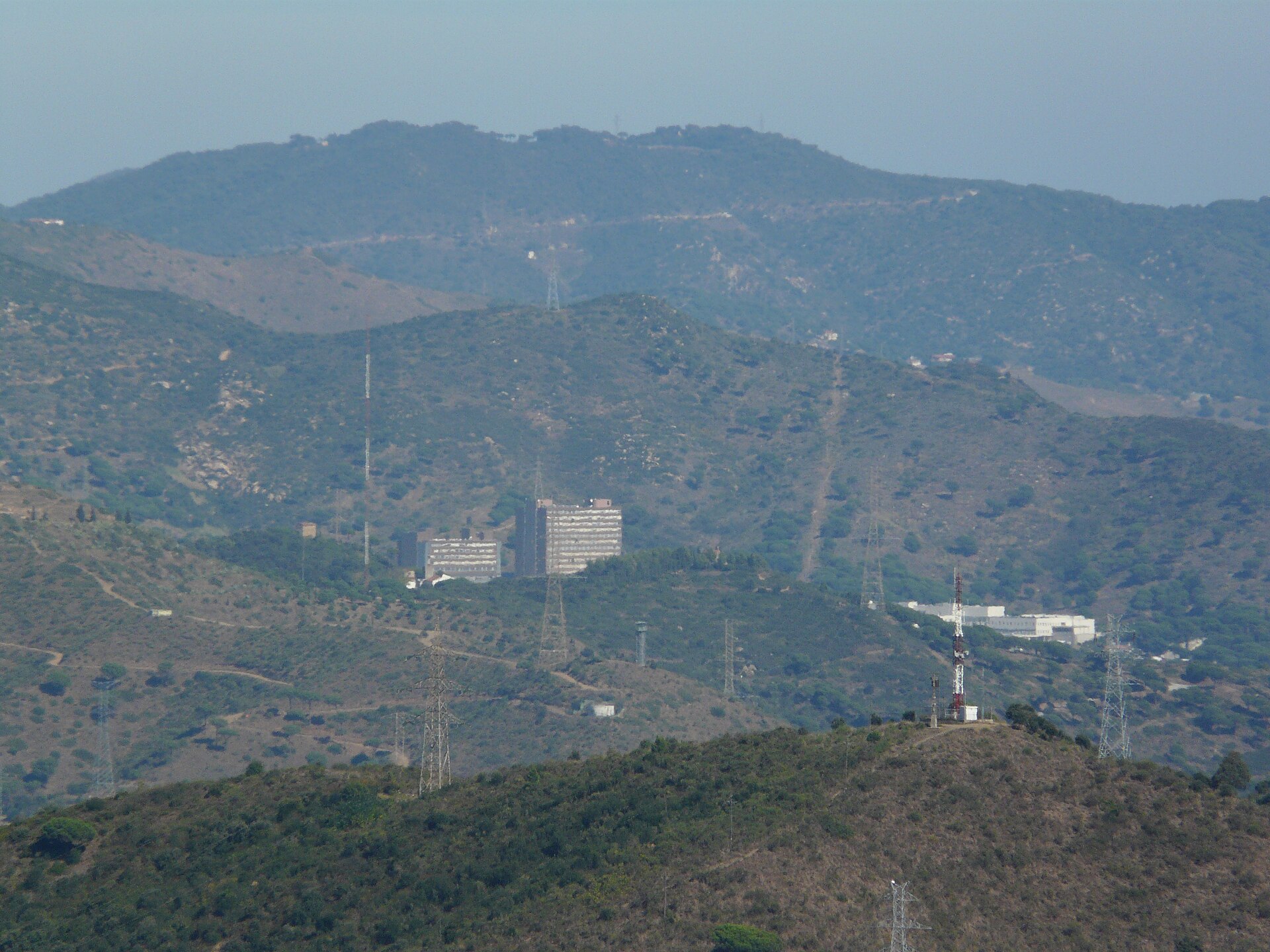
136 records

103 records
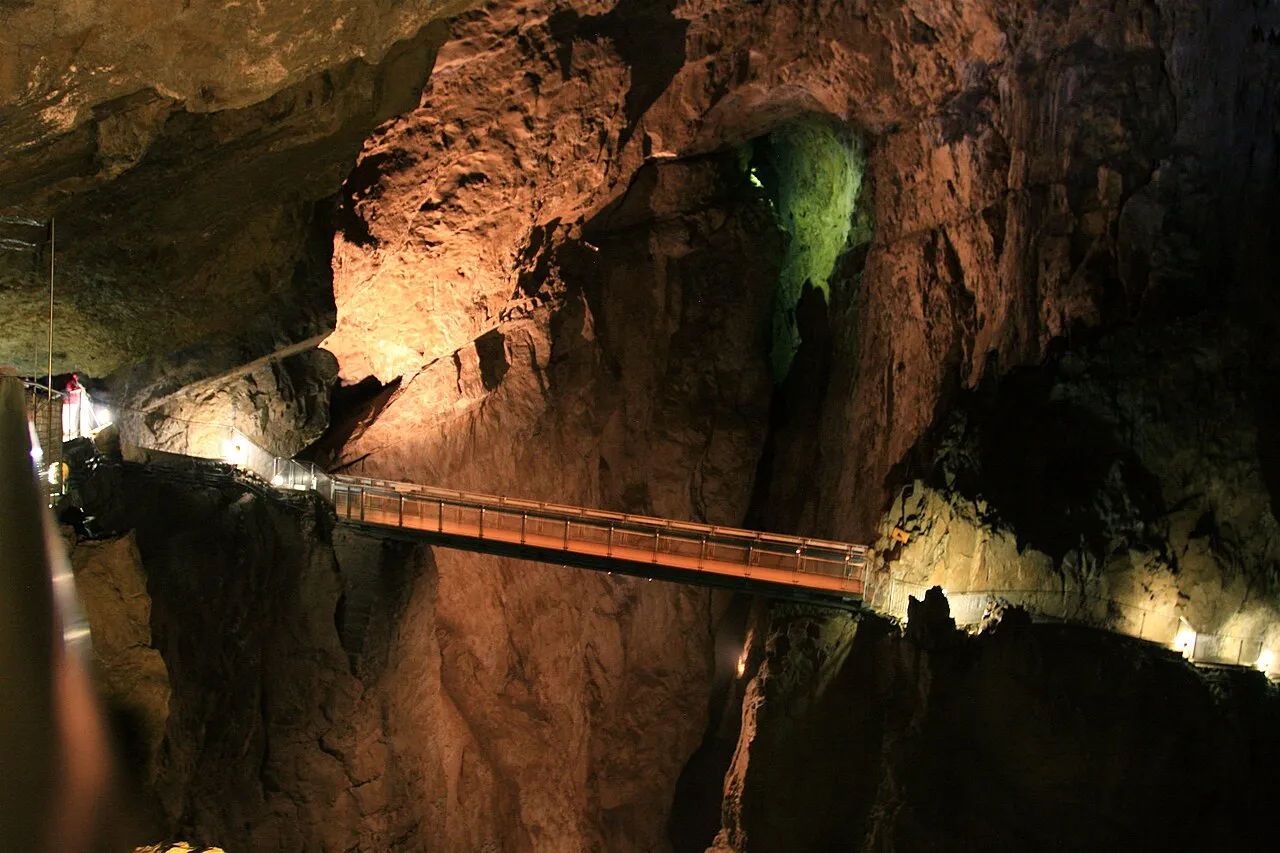
88 records
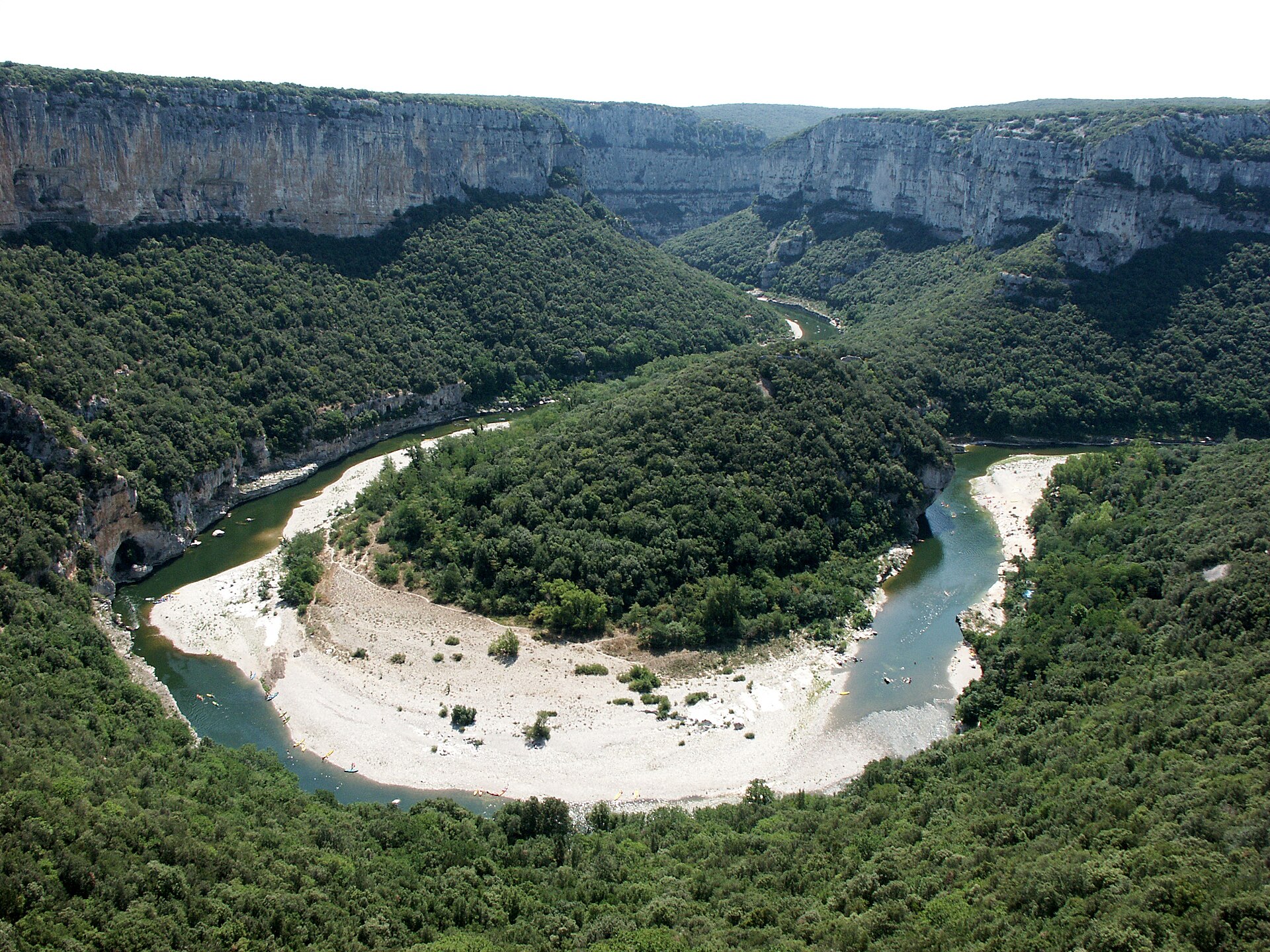
82 records

71 records
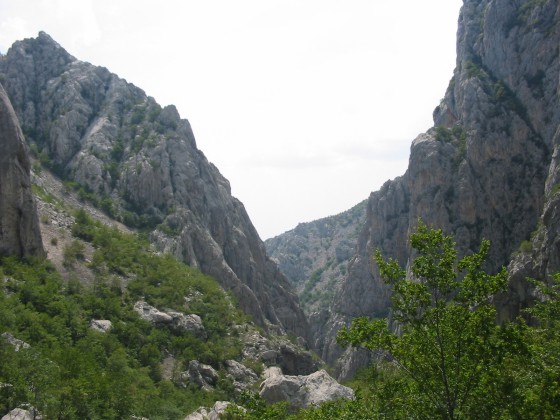
62 records

57 records
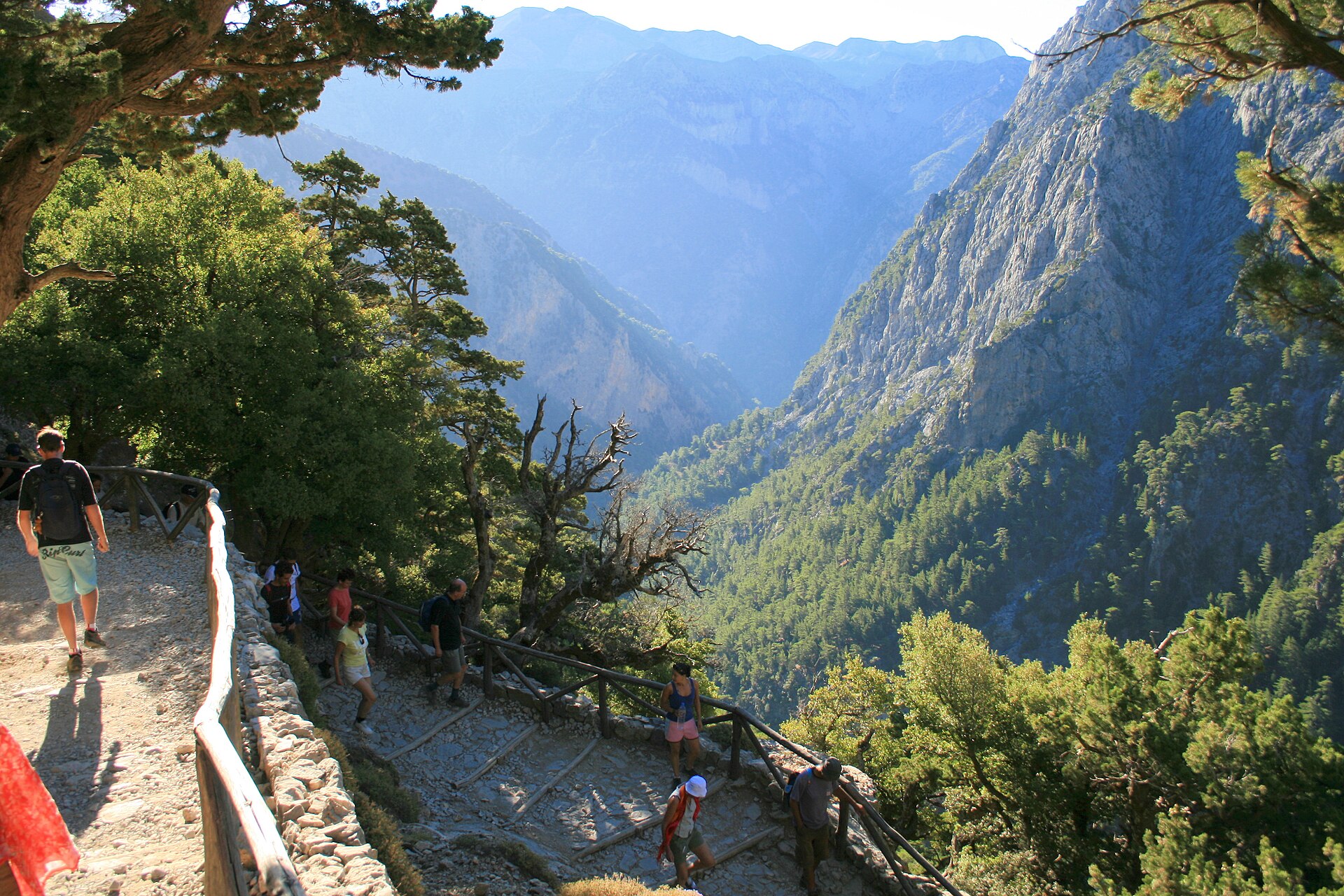
56 records

48 records

36 records
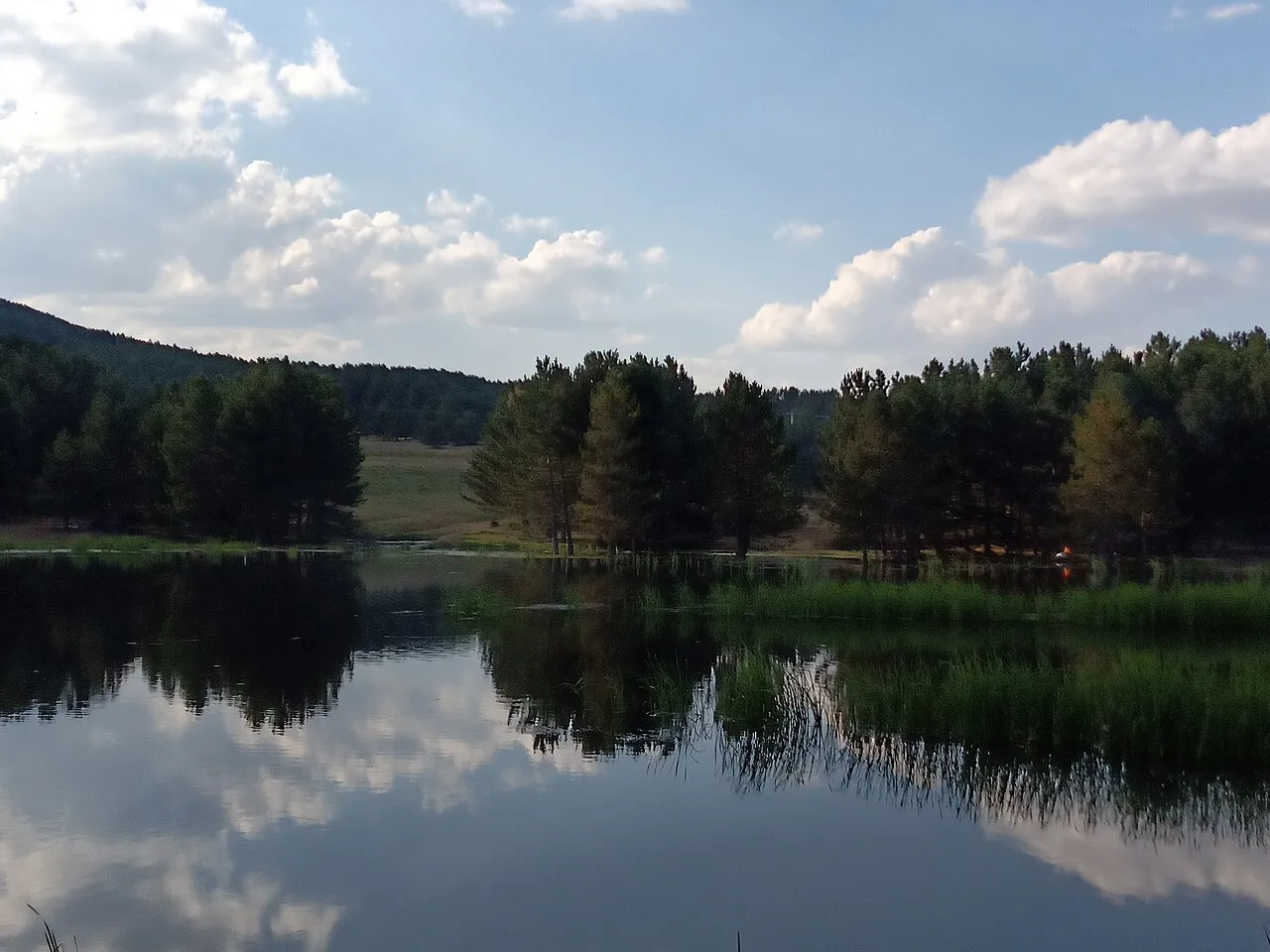
34 records
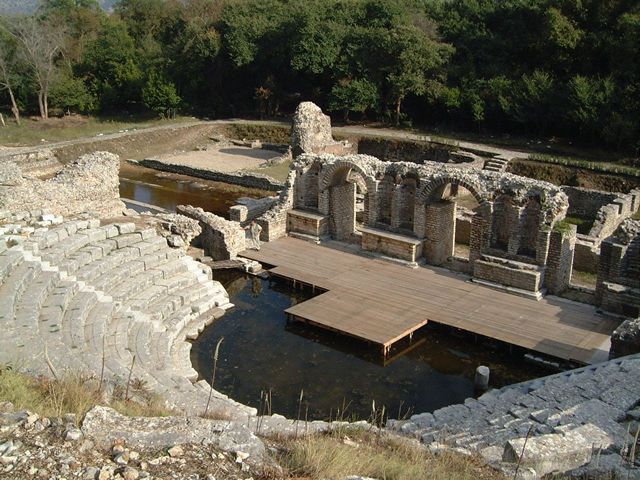
34 records
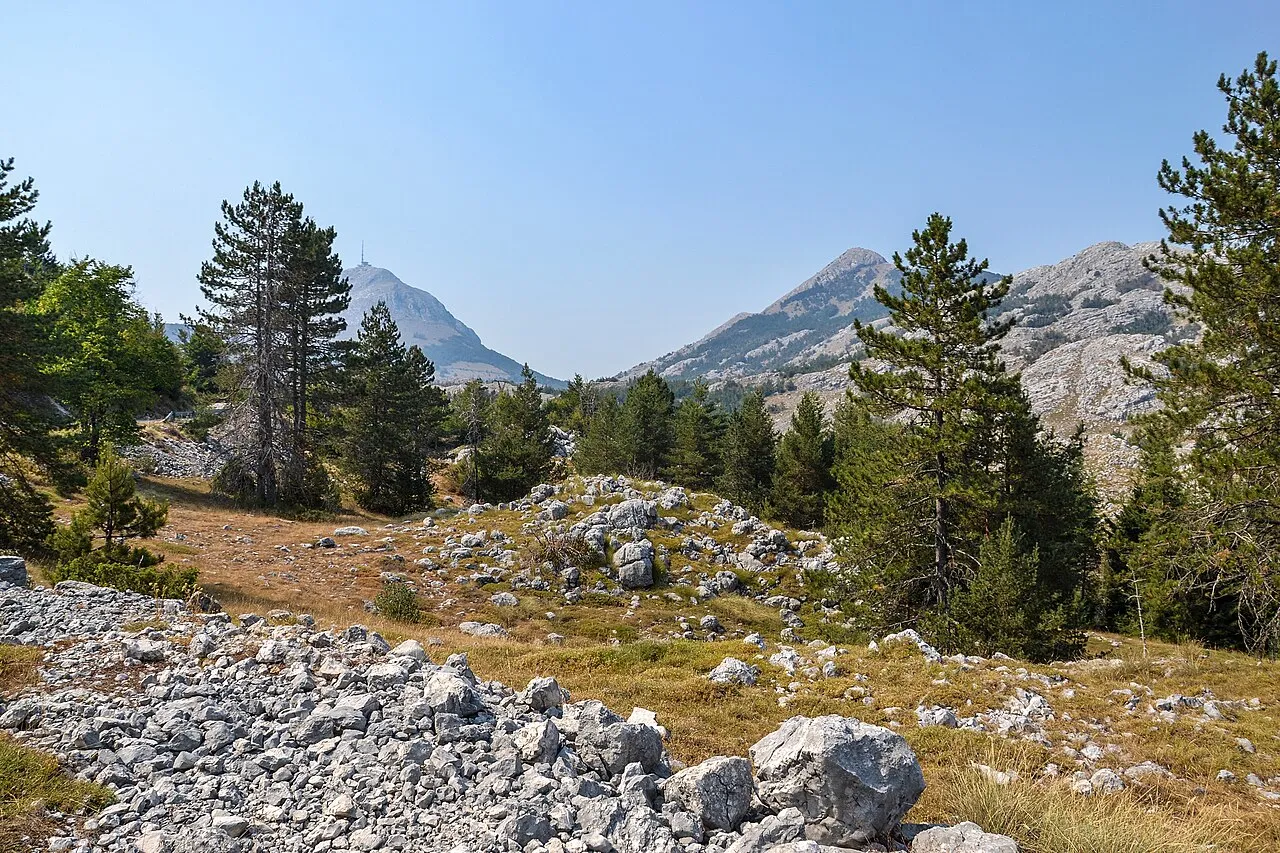
28 records

18 records
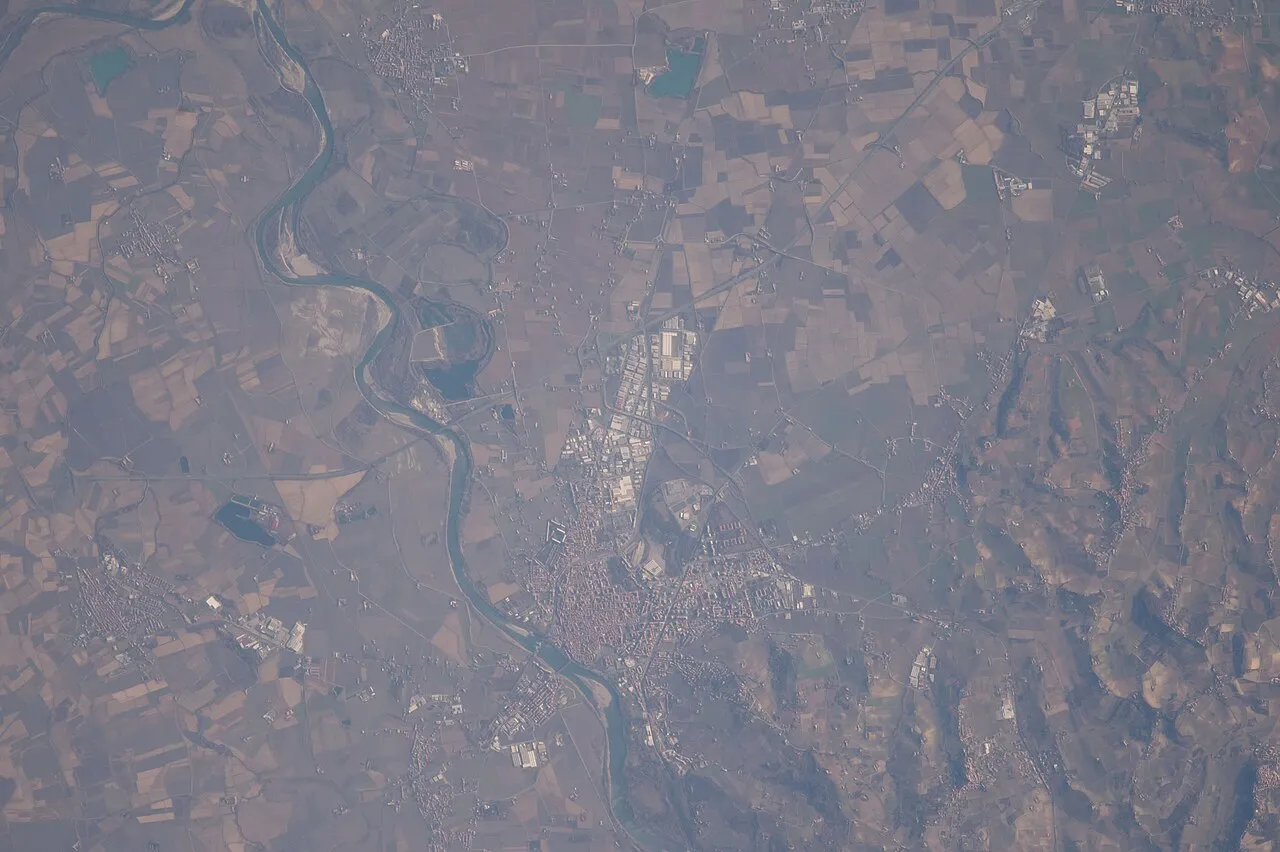
12 records

9 records

9 records
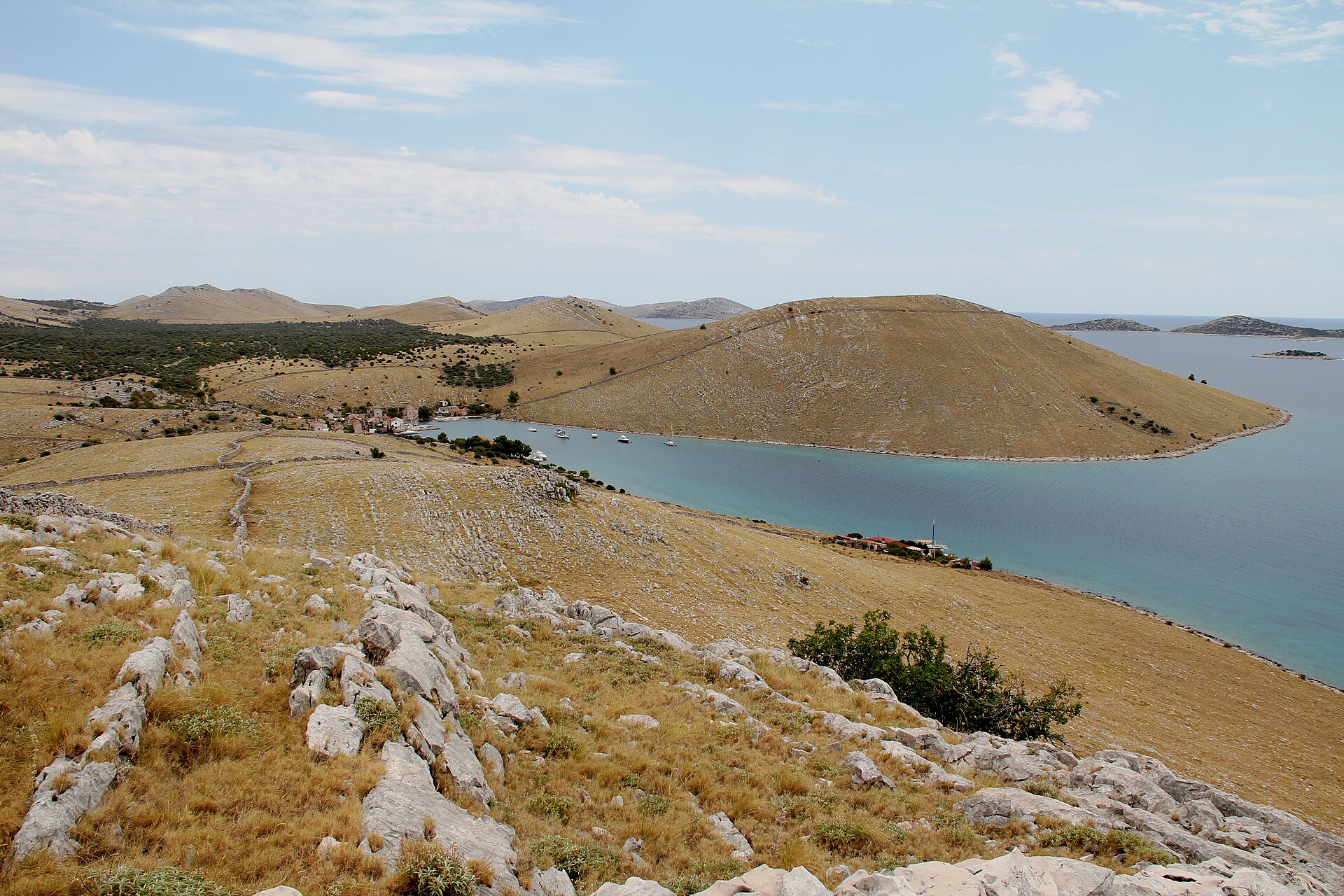
8 records
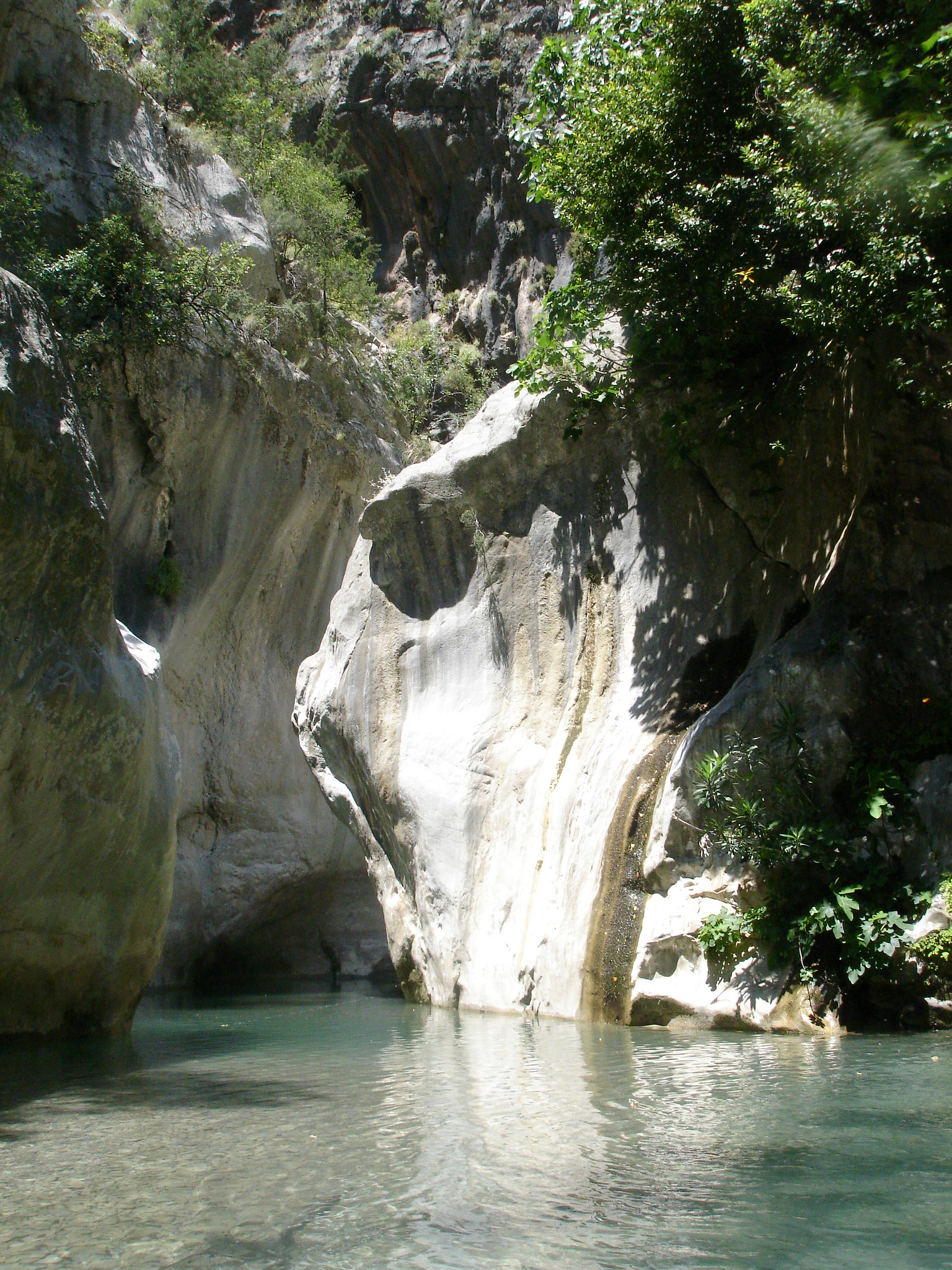
7 records
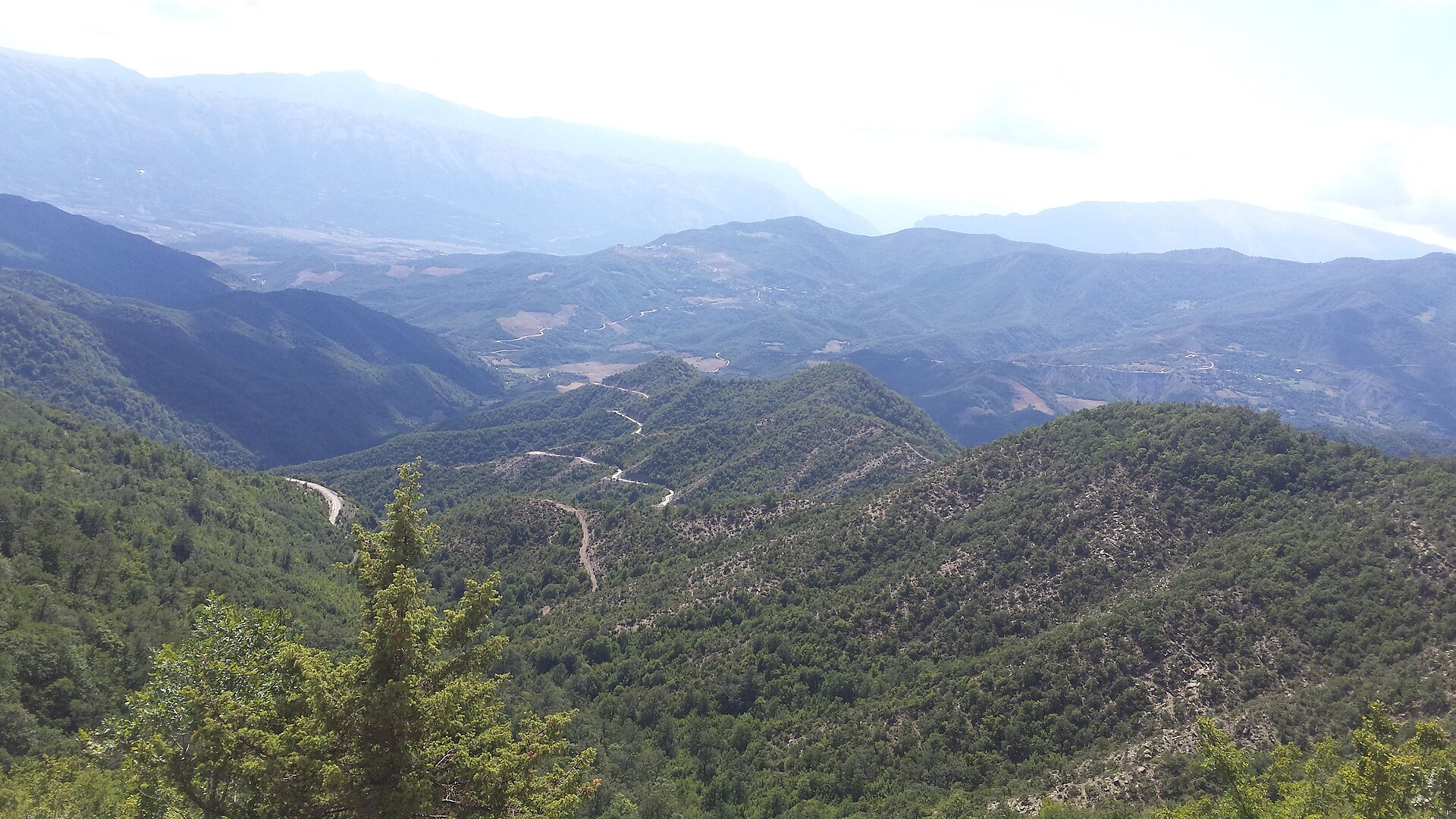
6 records
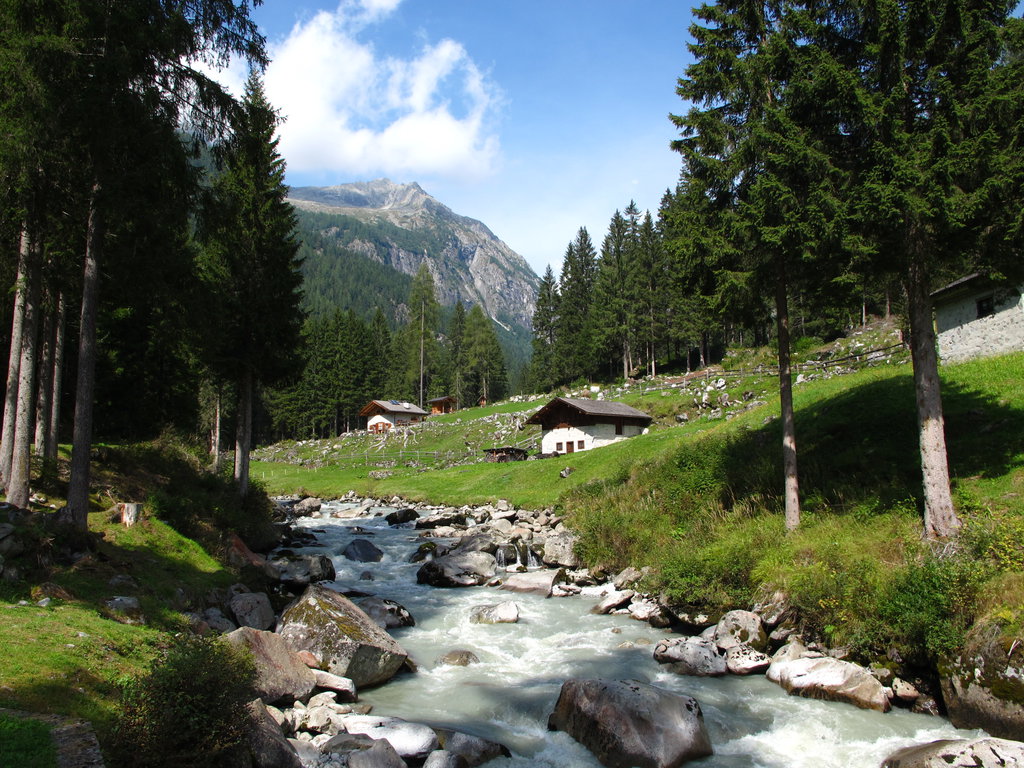
Natura 2000 · breeding
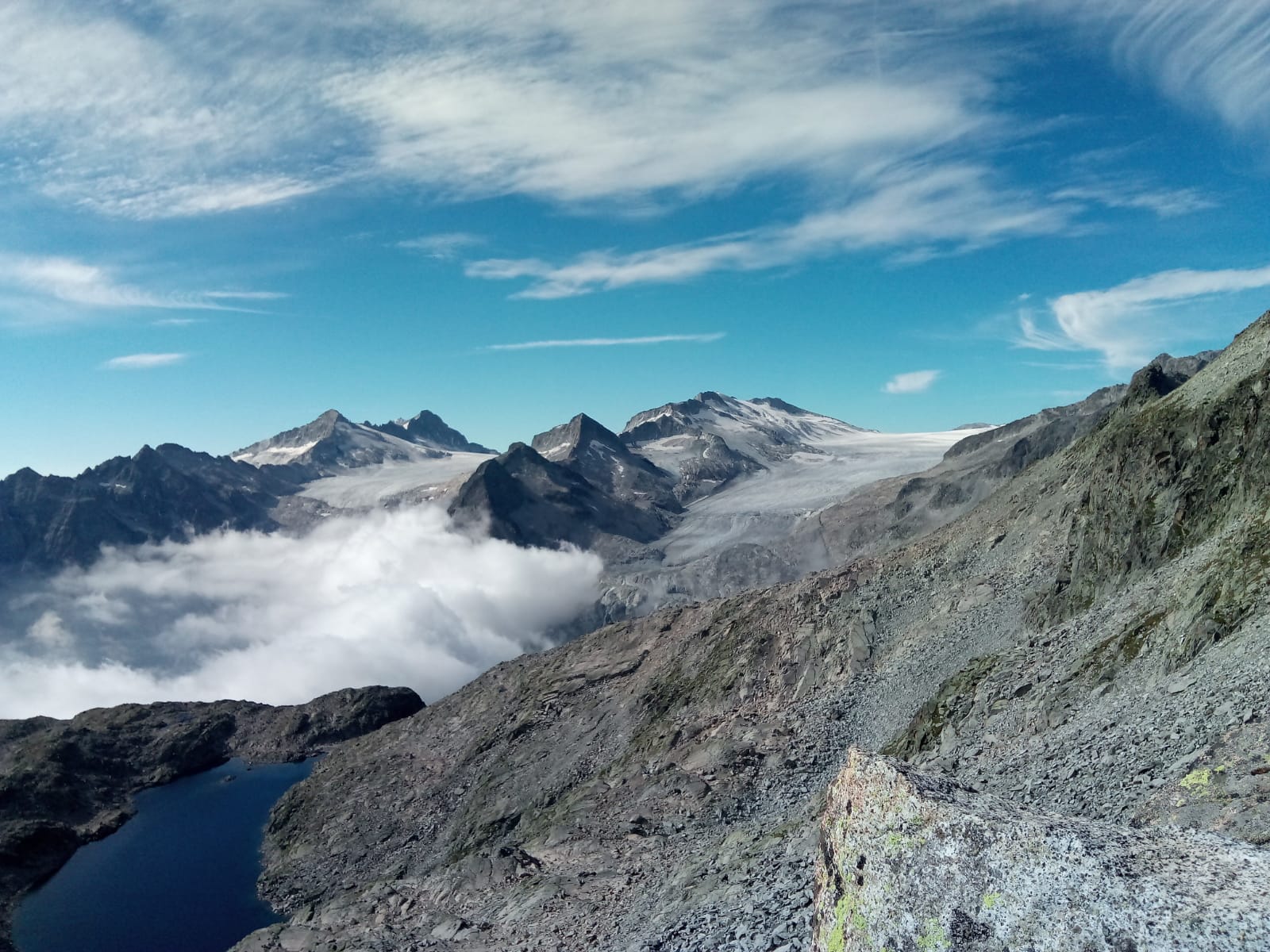
Natura 2000 · breeding

Natura 2000 · breeding

Natura 2000 · passage, breeding
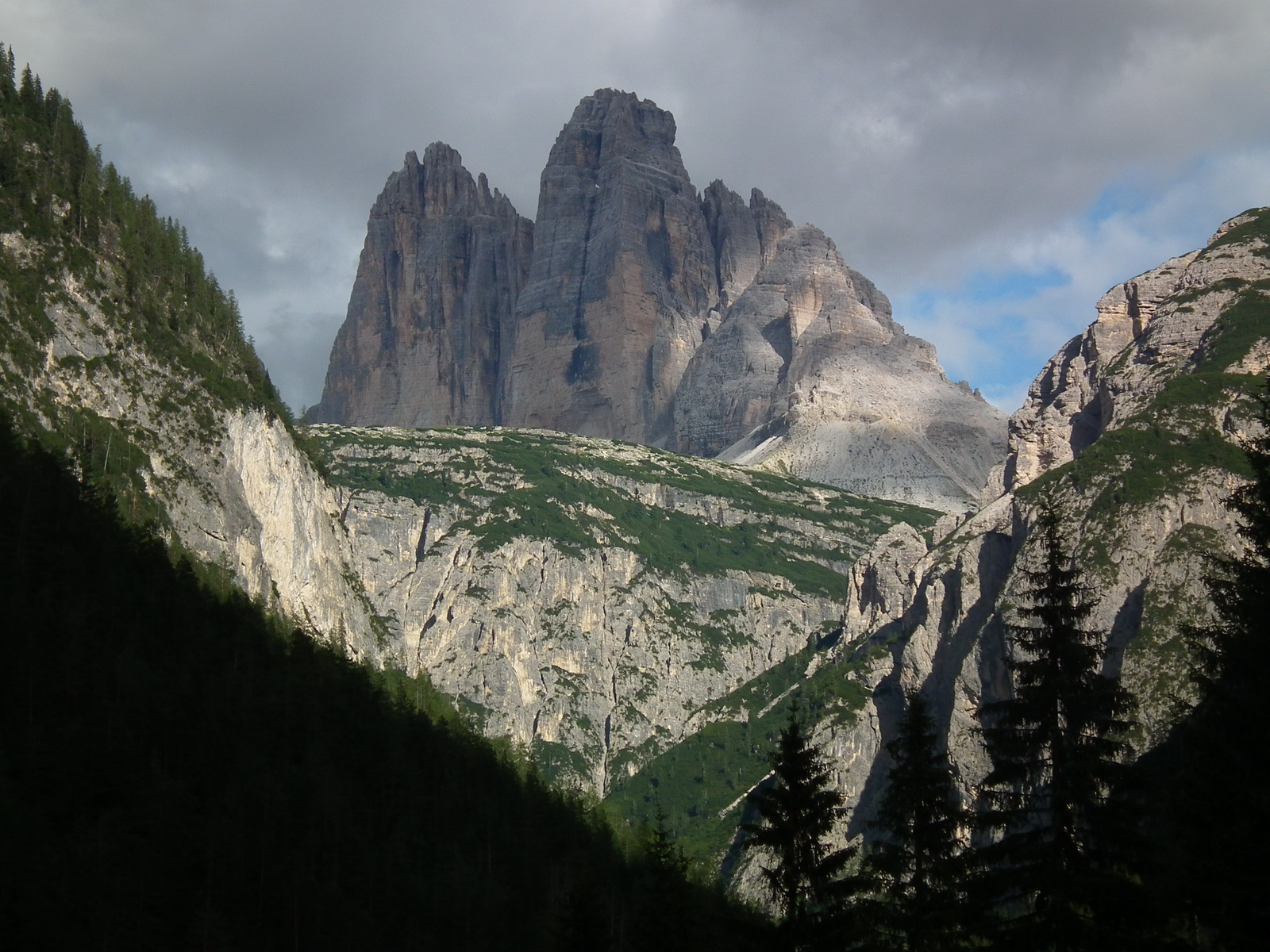
Natura 2000 · breeding
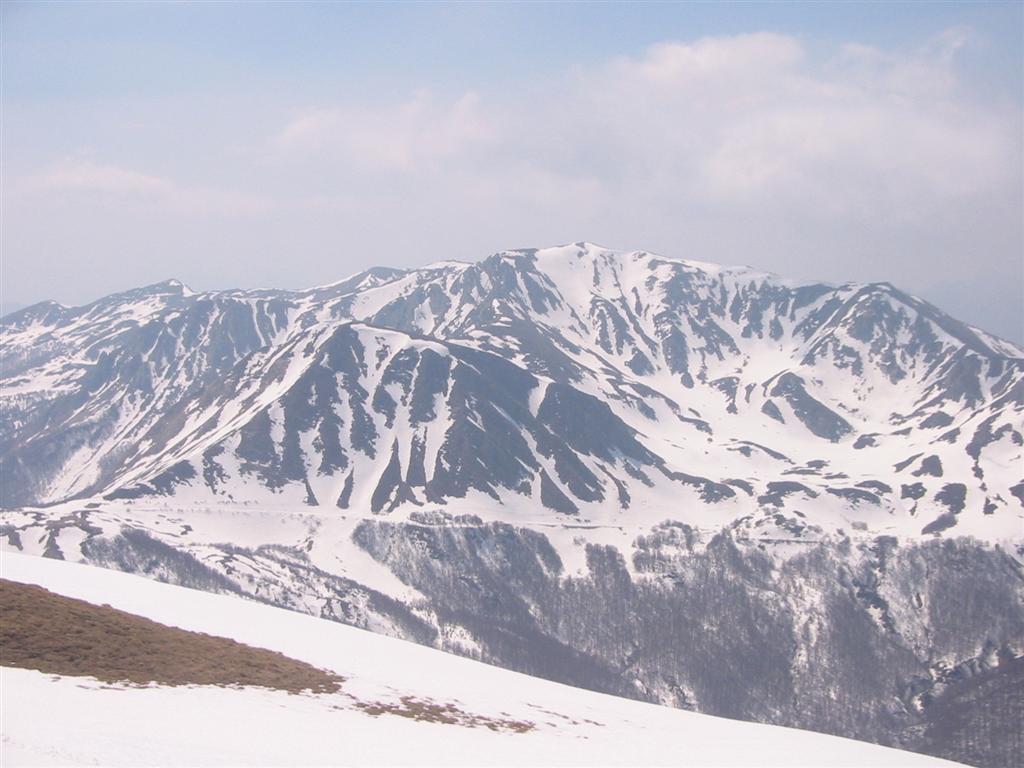
Natura 2000 · passage
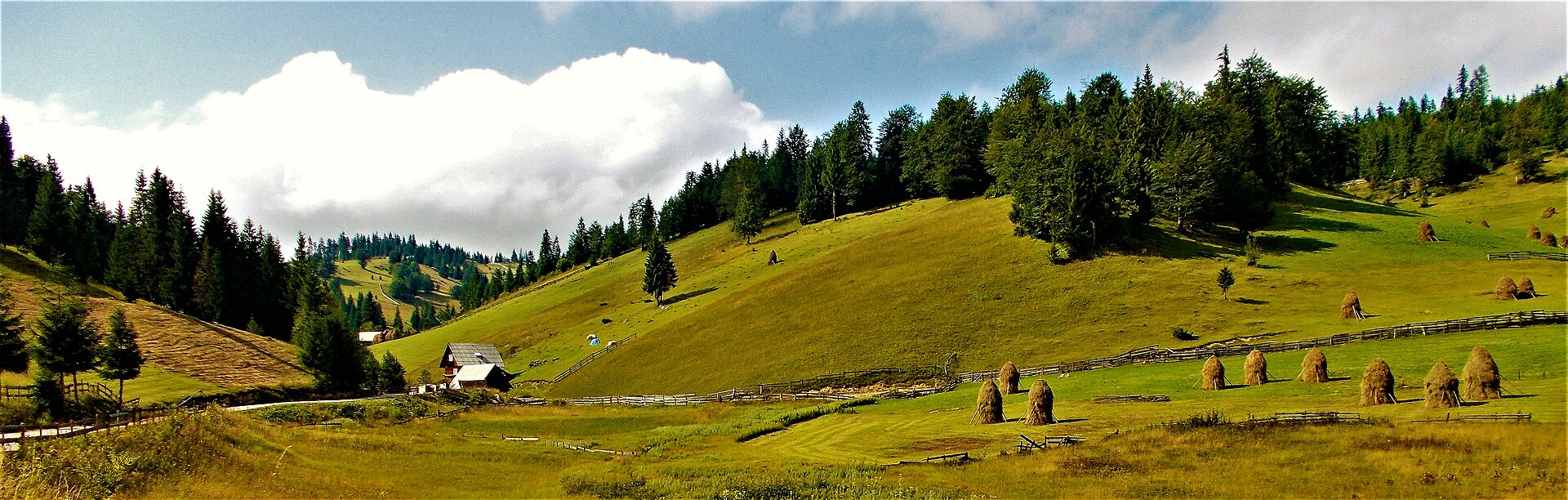
Natura 2000 · breeding

Natura 2000 · breeding, passage
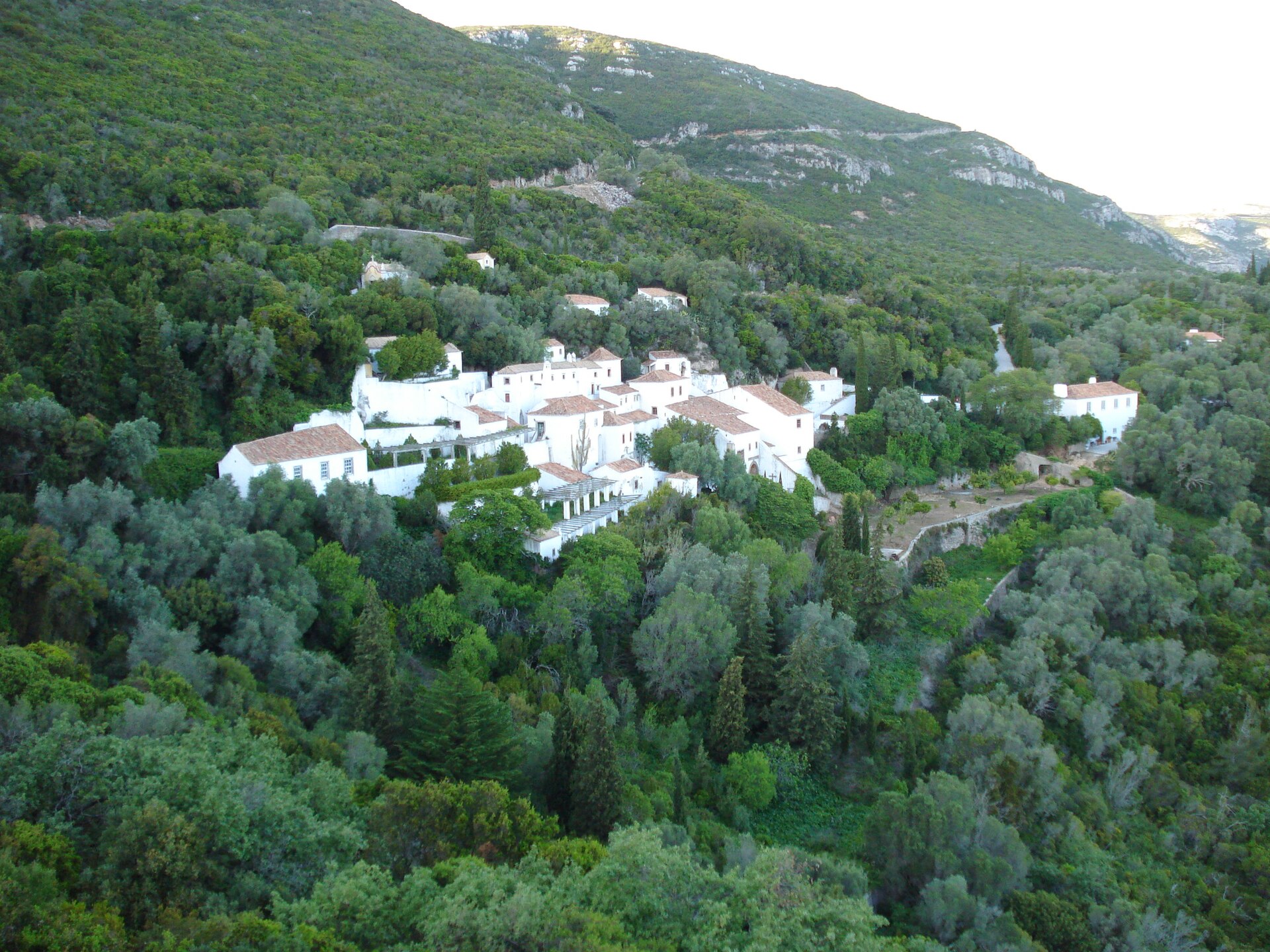
Natura 2000 · breeding
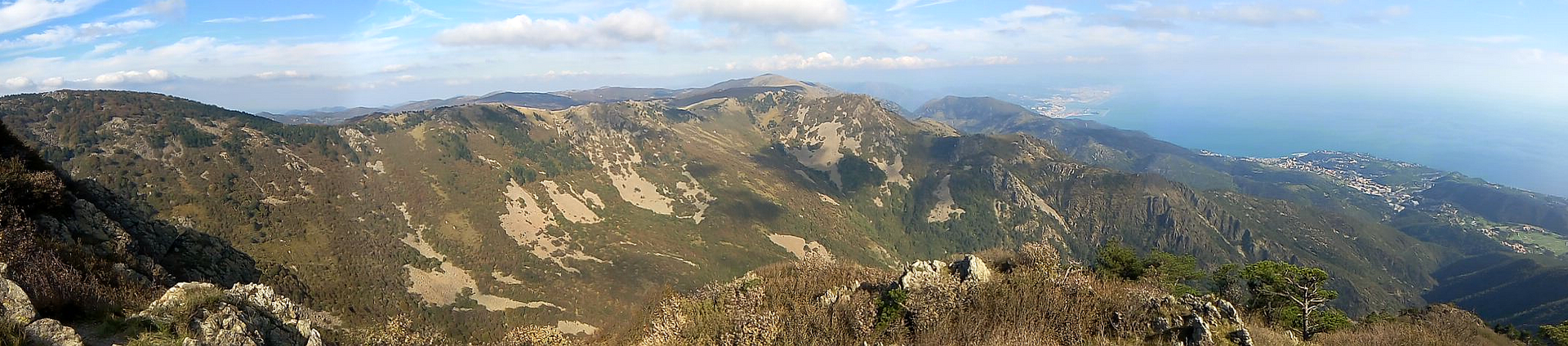
Natura 2000 · passage
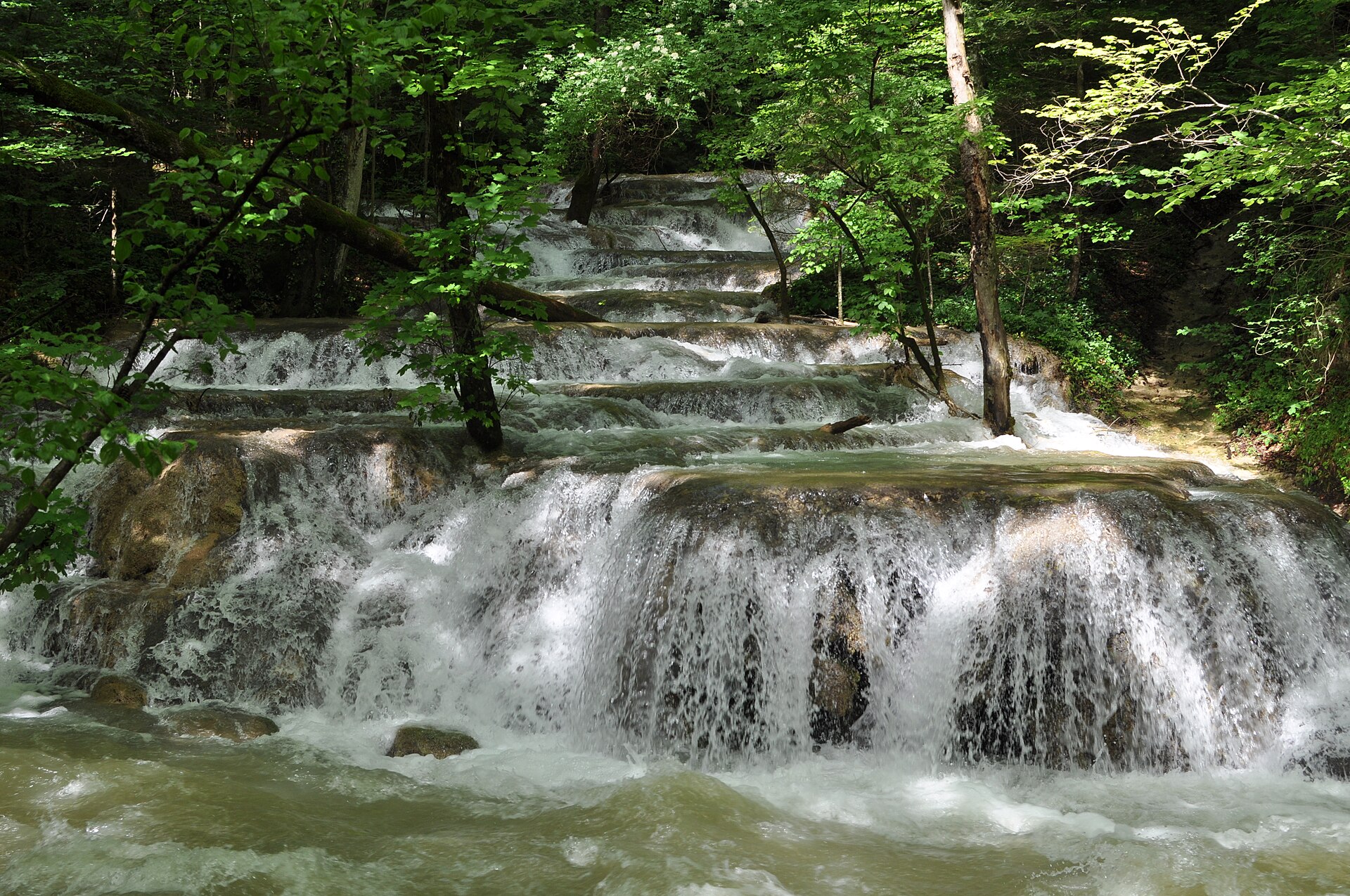
Natura 2000 · breeding
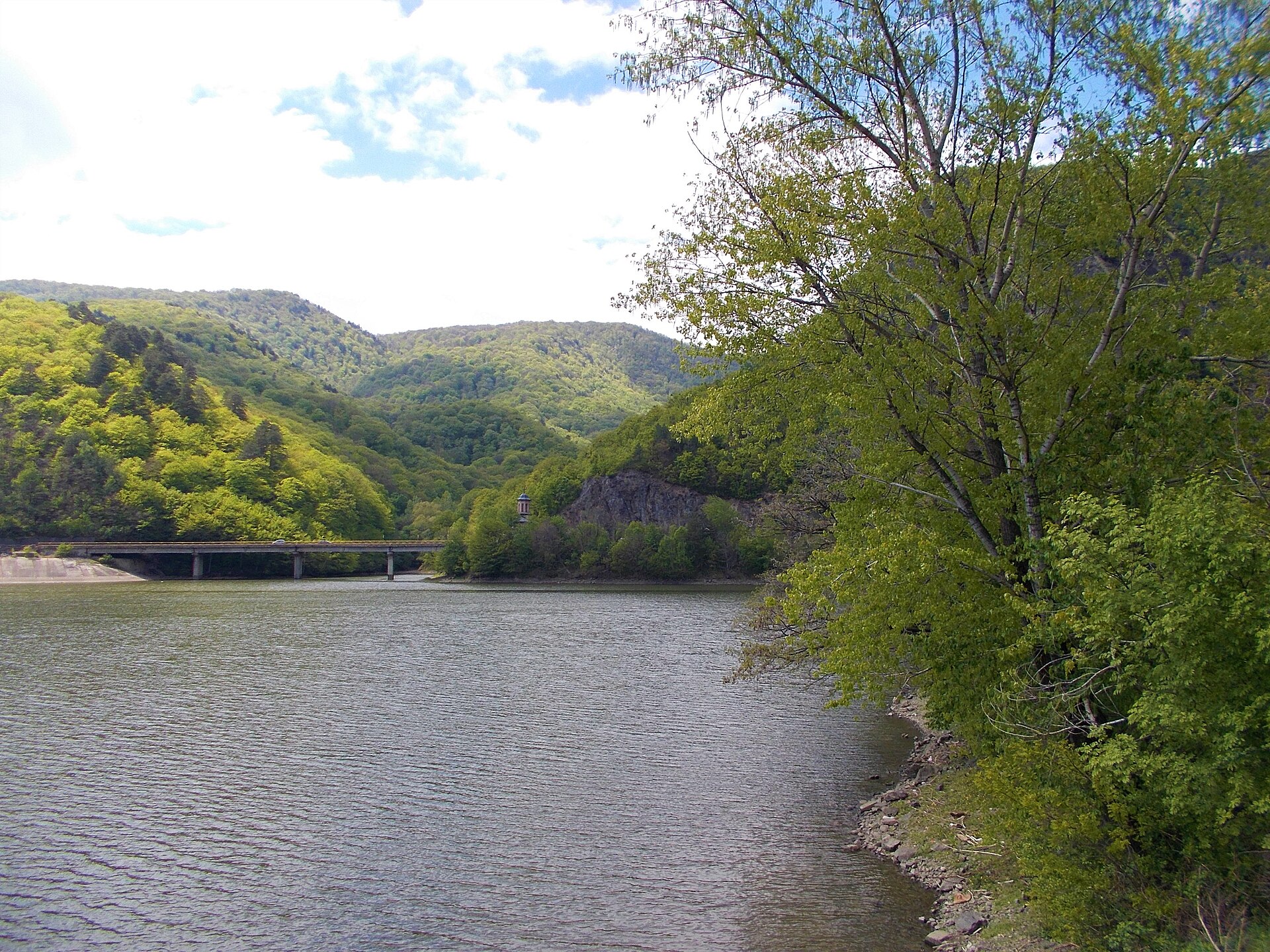
Natura 2000 · breeding
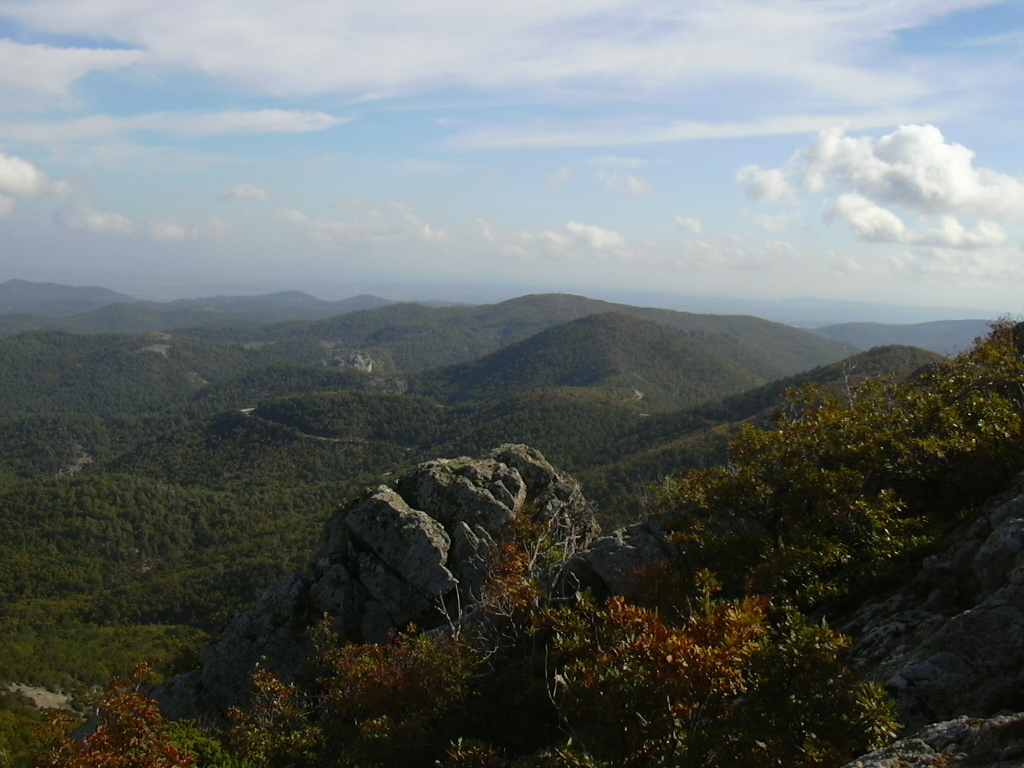
Natura 2000 · breeding
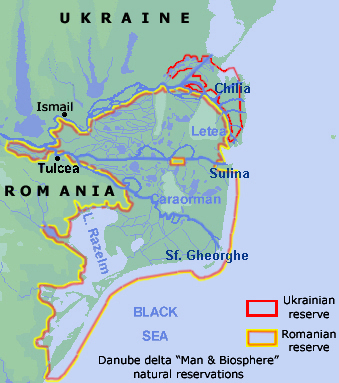
Natura 2000 · passage
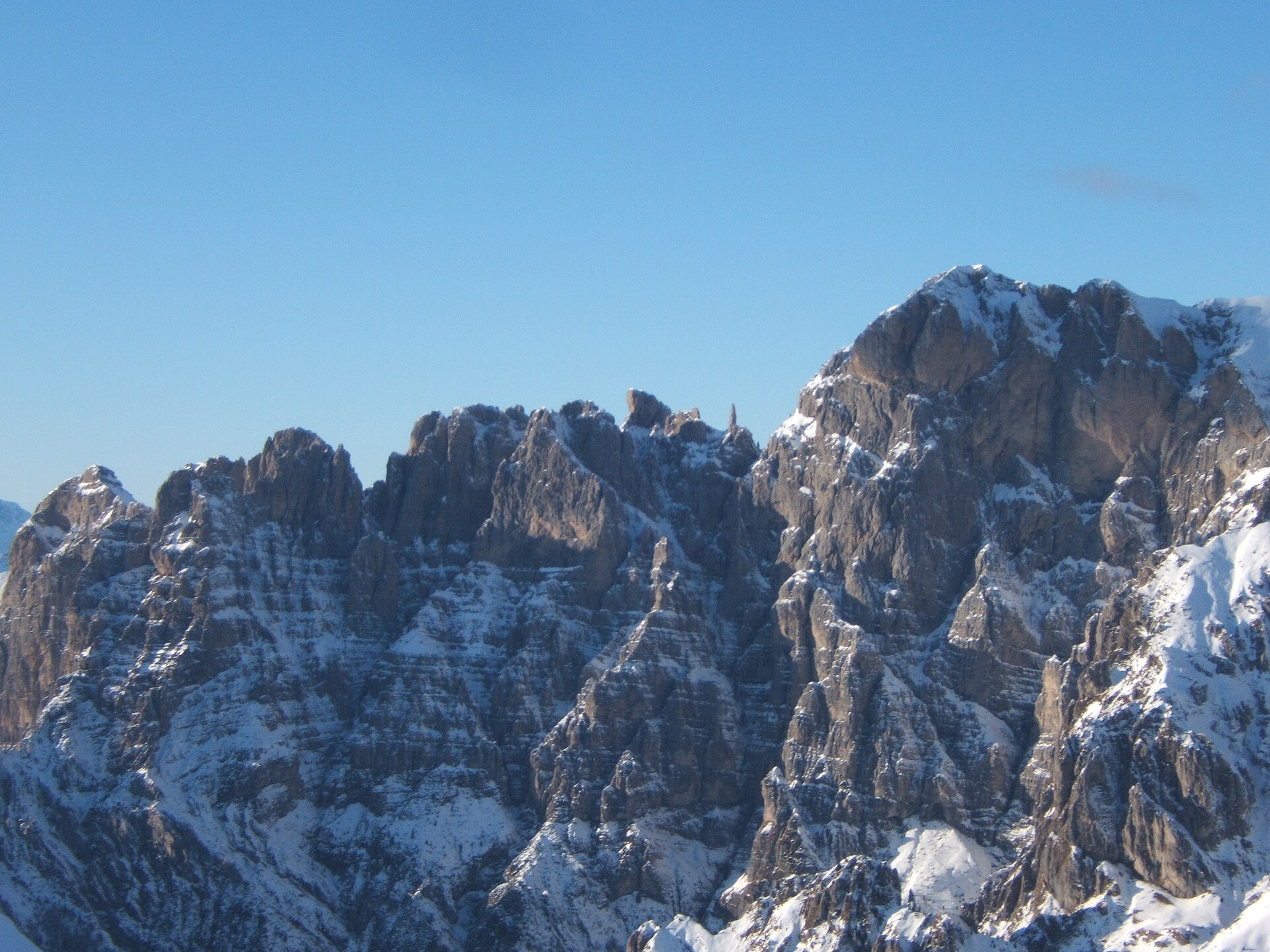
Natura 2000 · breeding
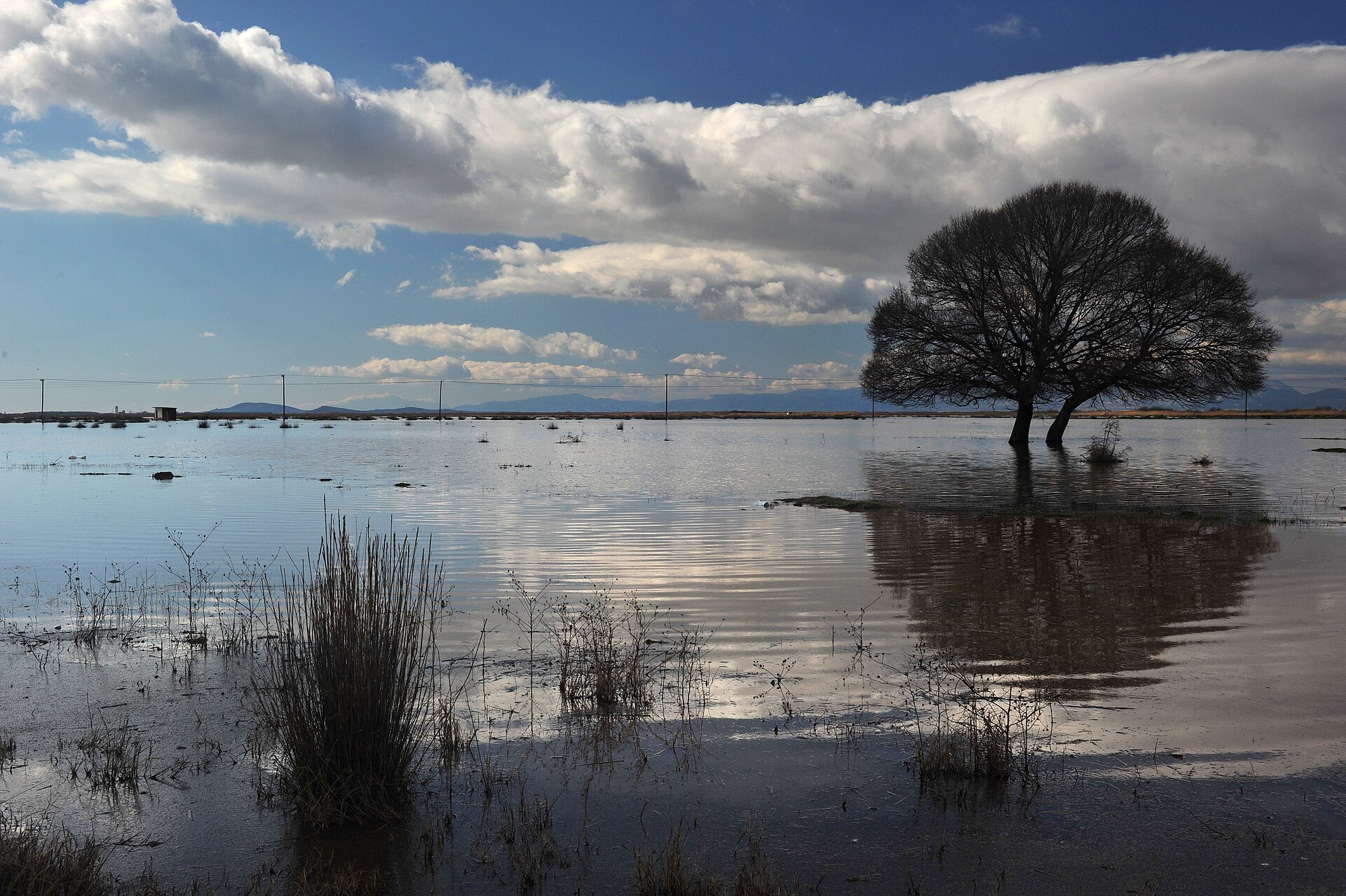
Natura 2000 · passage
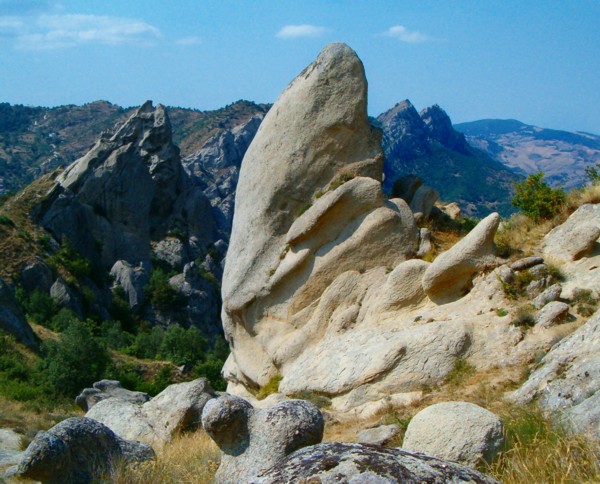
Natura 2000 · breeding
Natura 2000 · passage
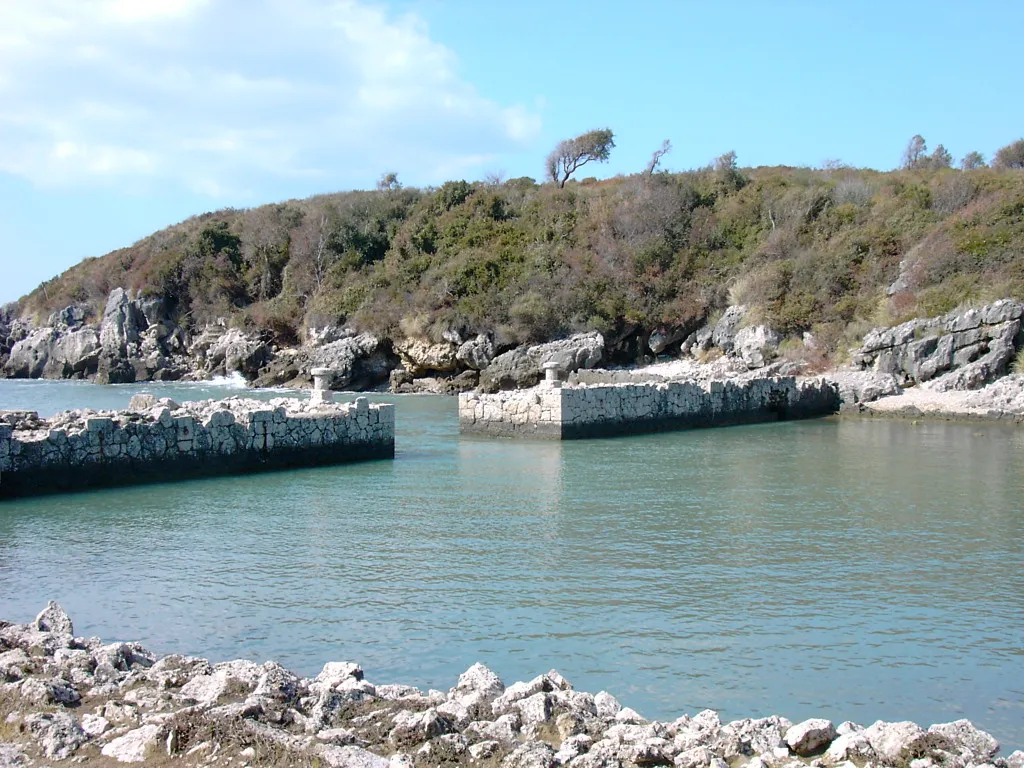
Natura 2000 · passage

Natura 2000 · breeding

Natura 2000 · breeding
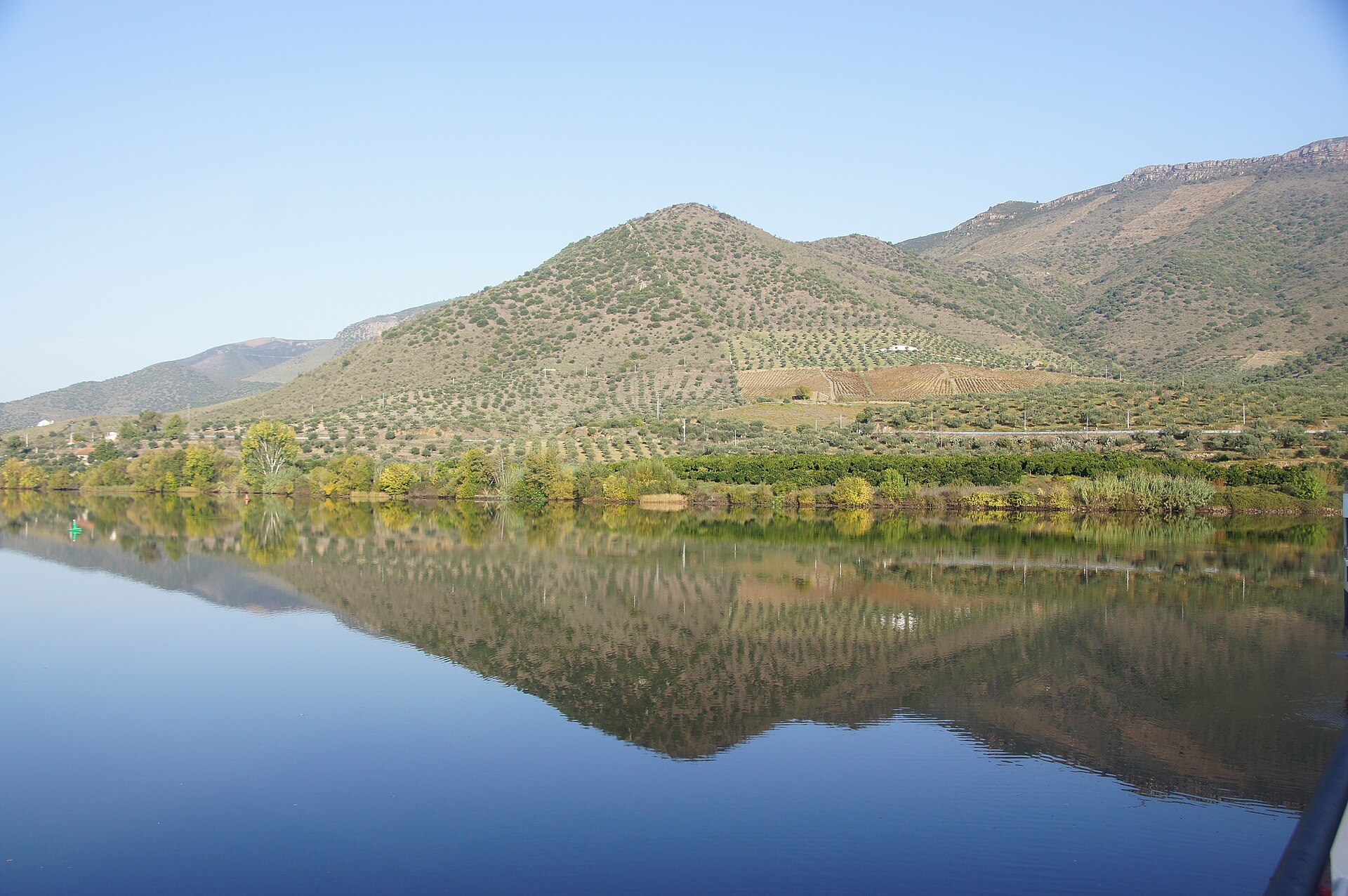
Natura 2000 · breeding
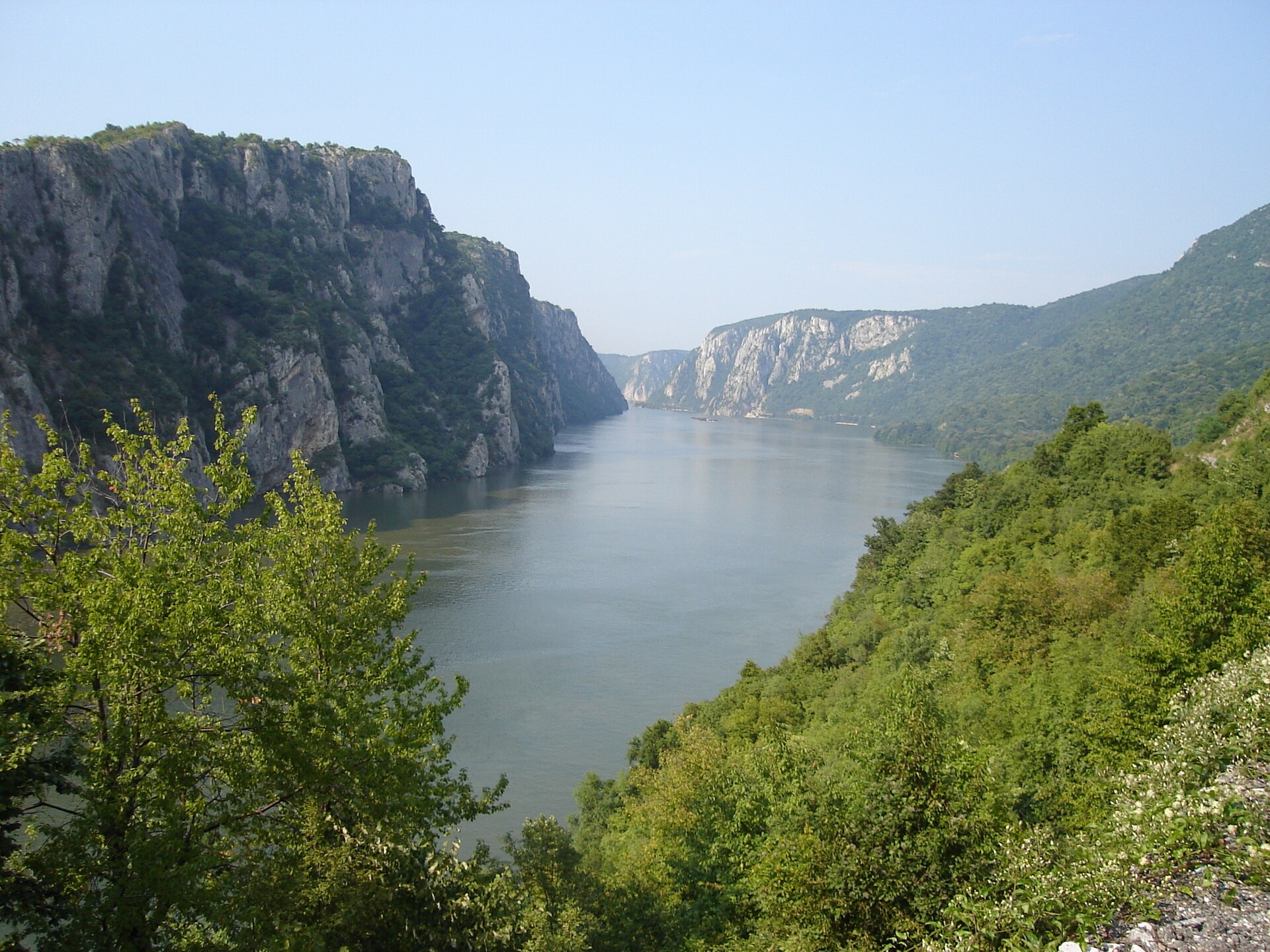
Natura 2000 · breeding
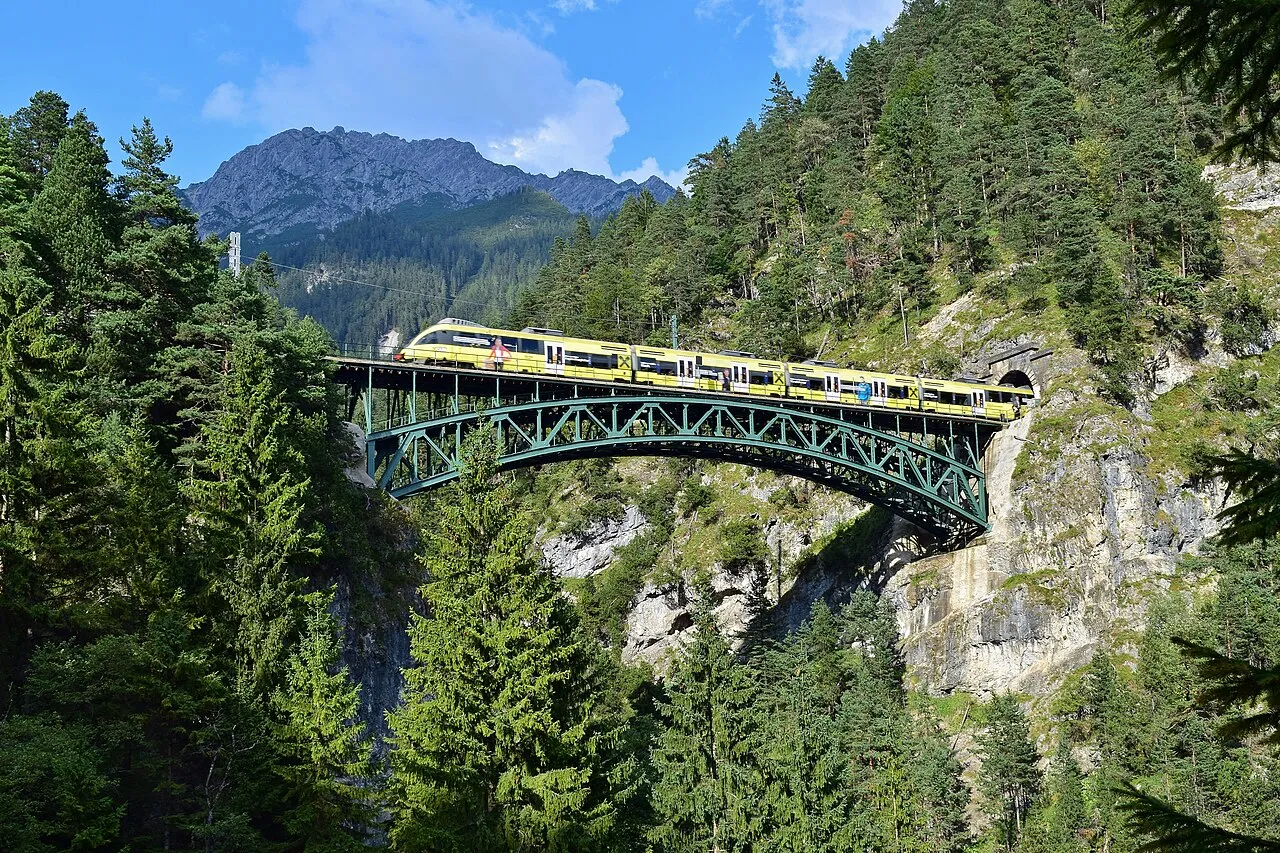
Natura 2000 · breeding
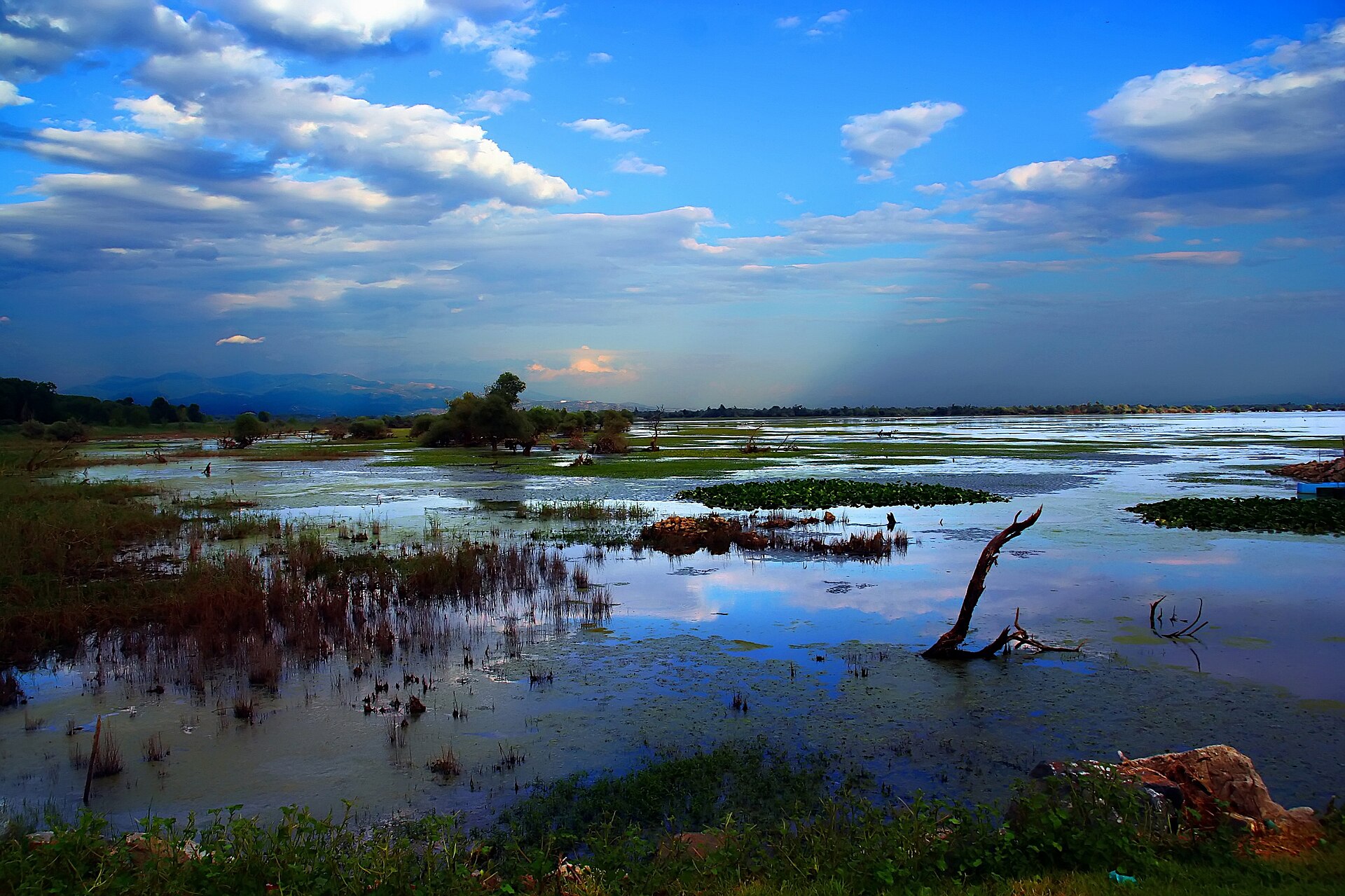
Natura 2000 · passage
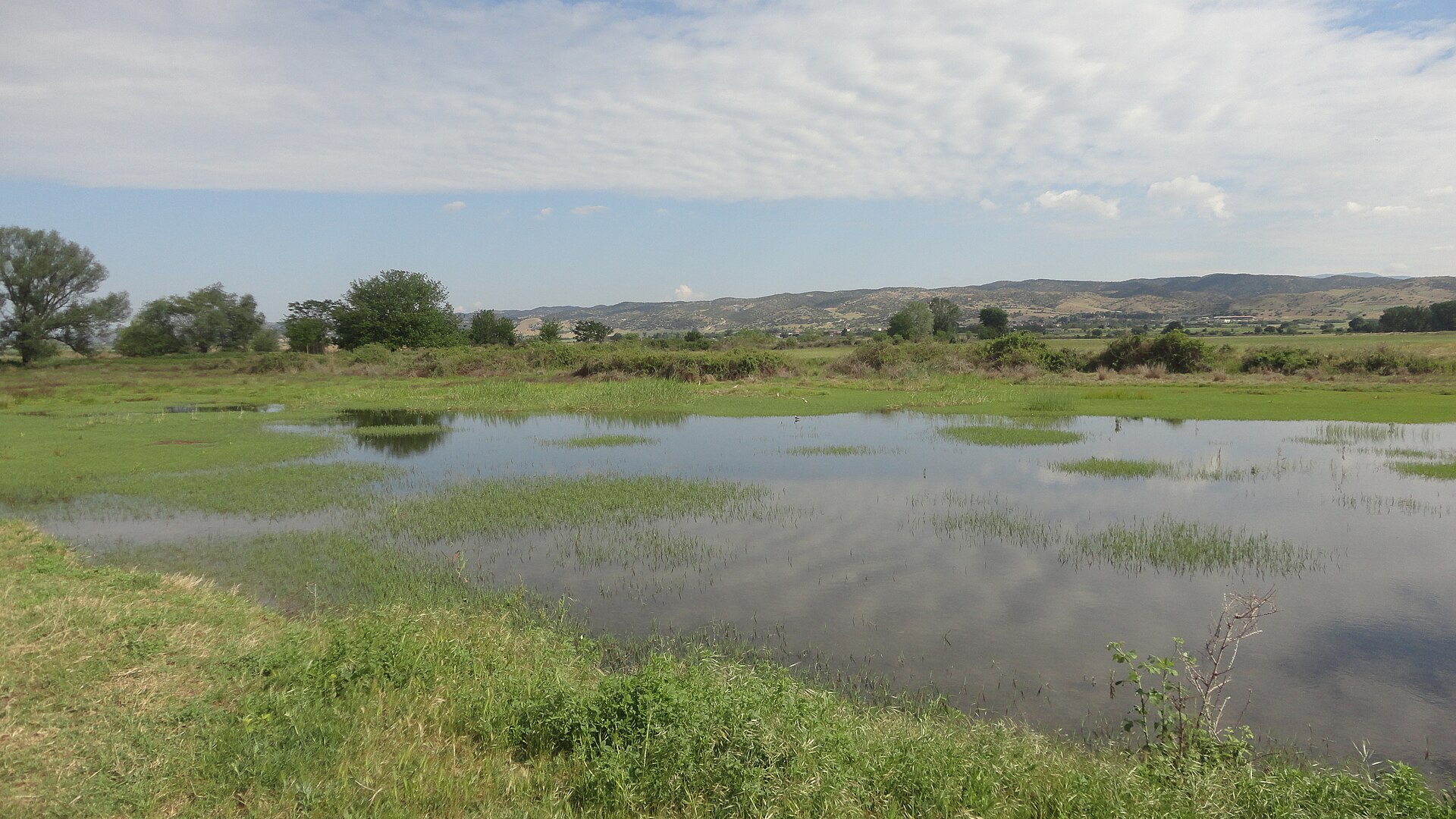
Natura 2000 · breeding
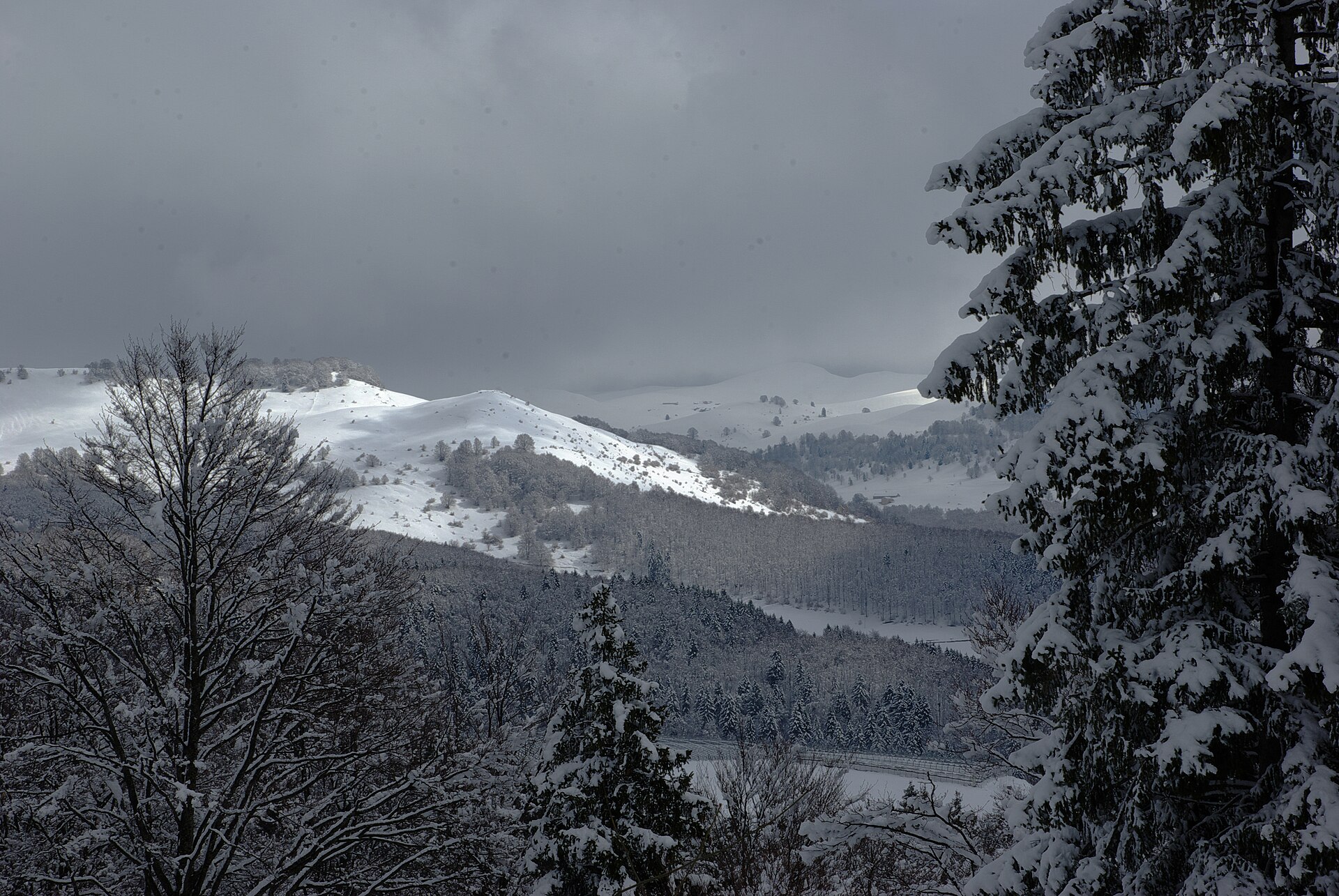
Natura 2000 · breeding

Natura 2000 · breeding
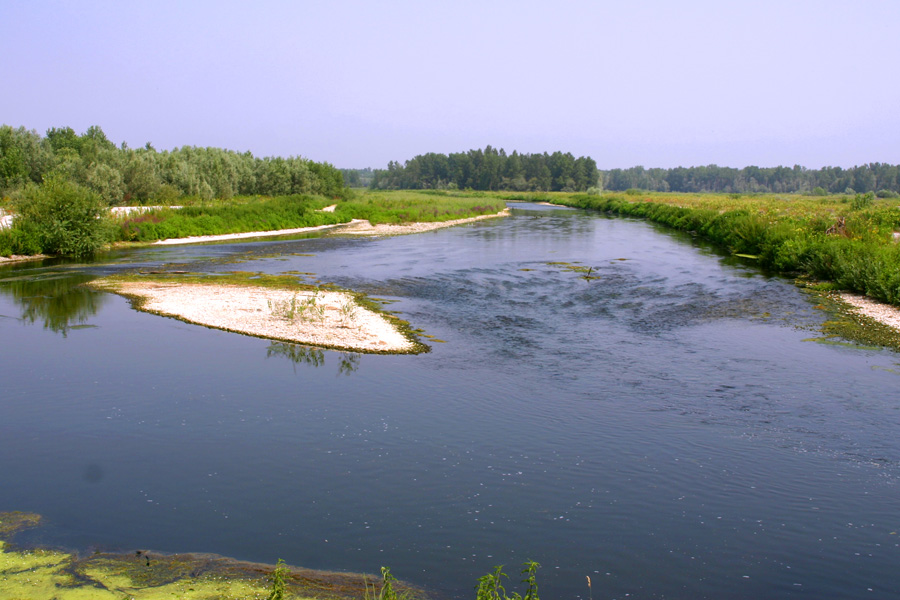
Natura 2000 · breeding, passage

Natura 2000 · breeding
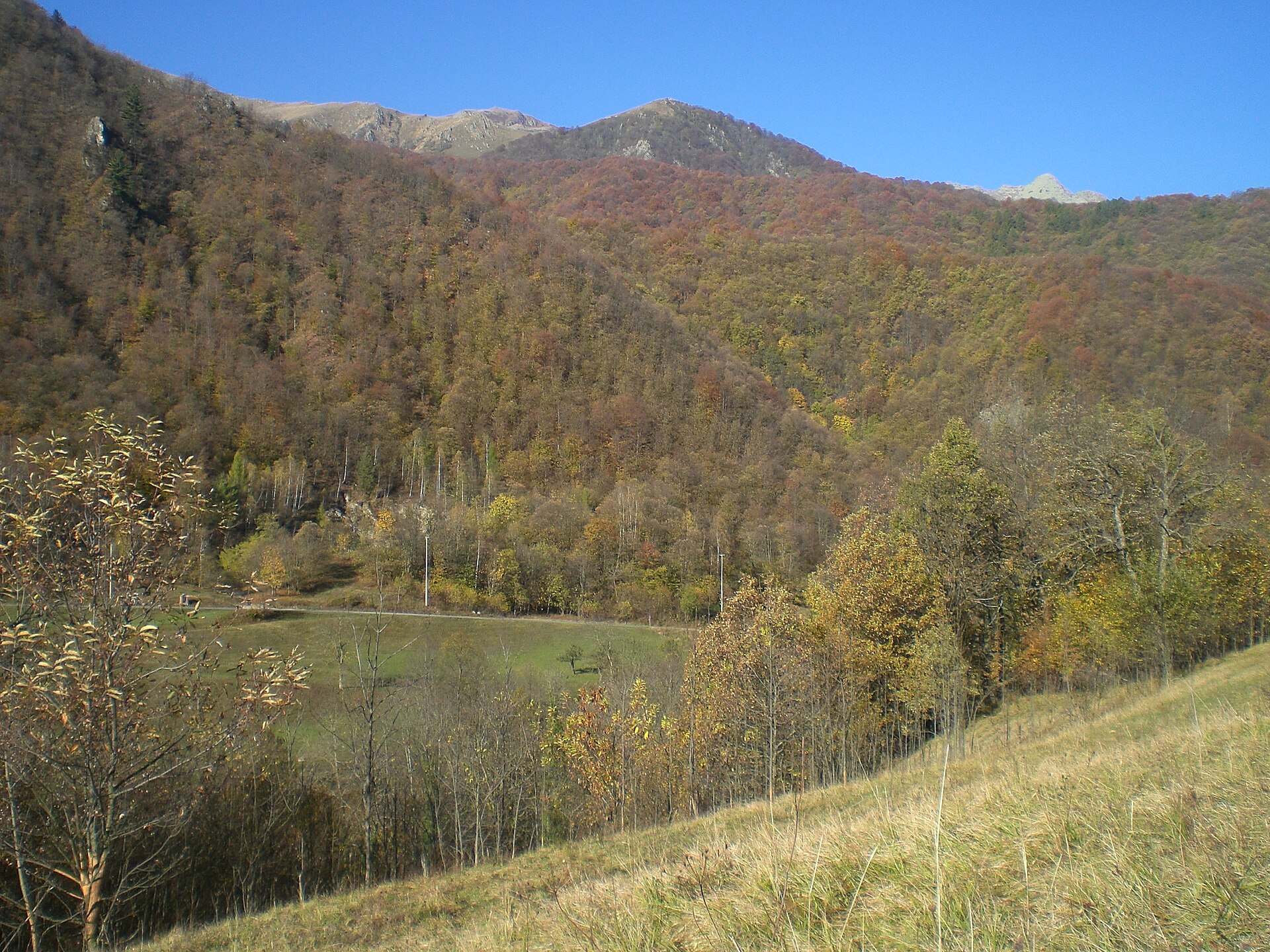
Natura 2000 · breeding
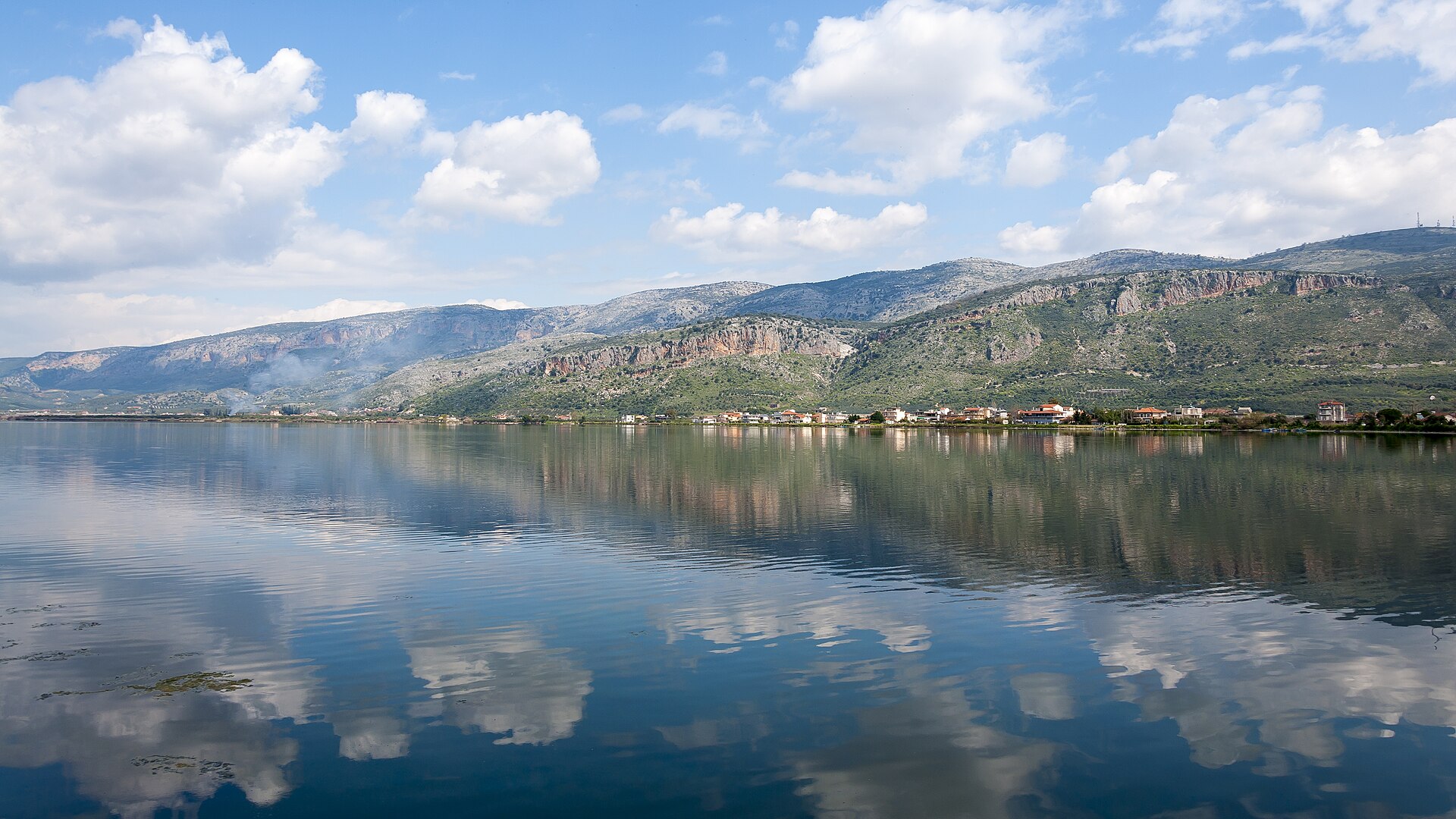
Natura 2000 · breeding
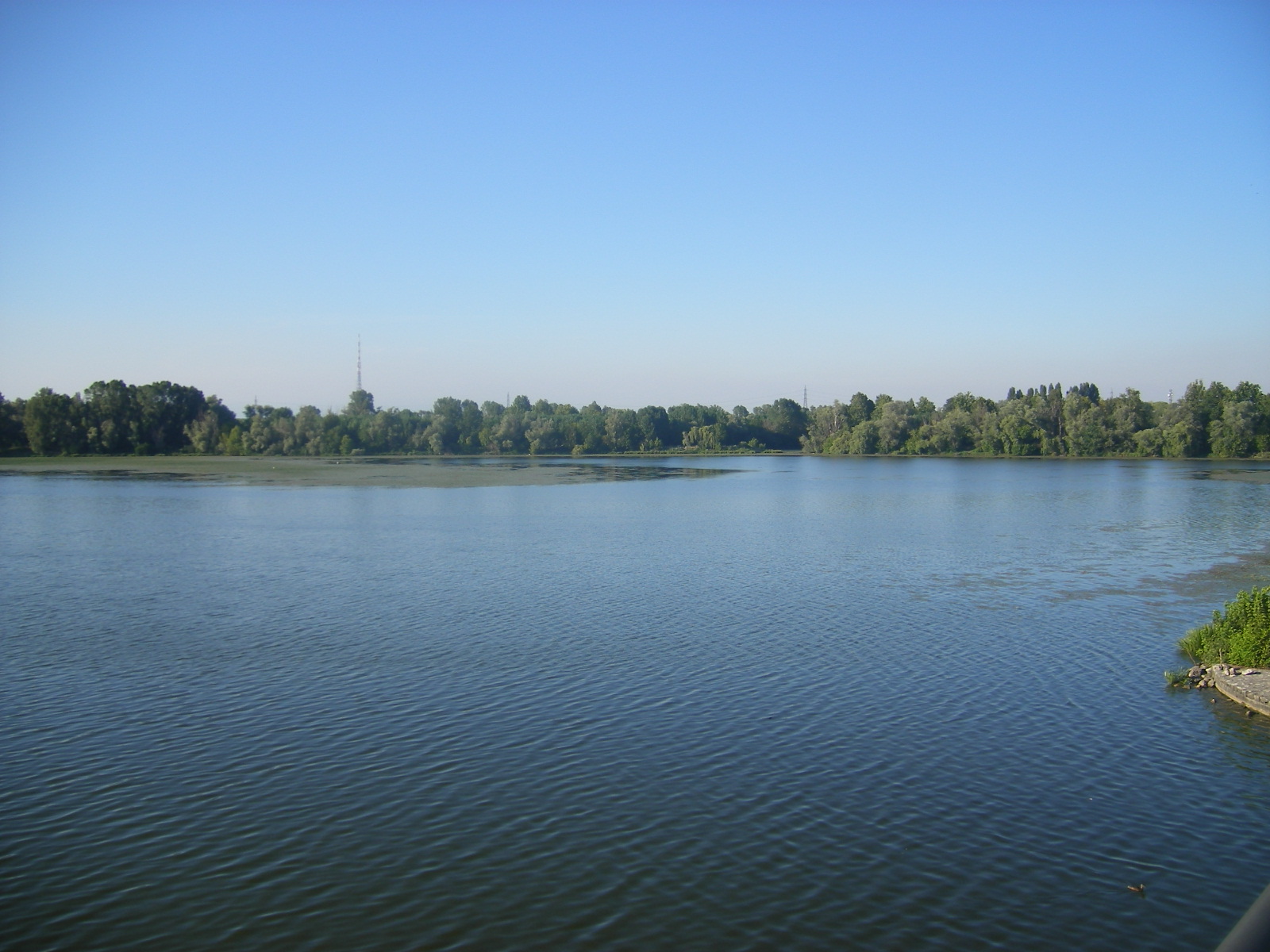
Natura 2000 · passage

Natura 2000 · passage, breeding

Natura 2000 · breeding

Natura 2000 · breeding
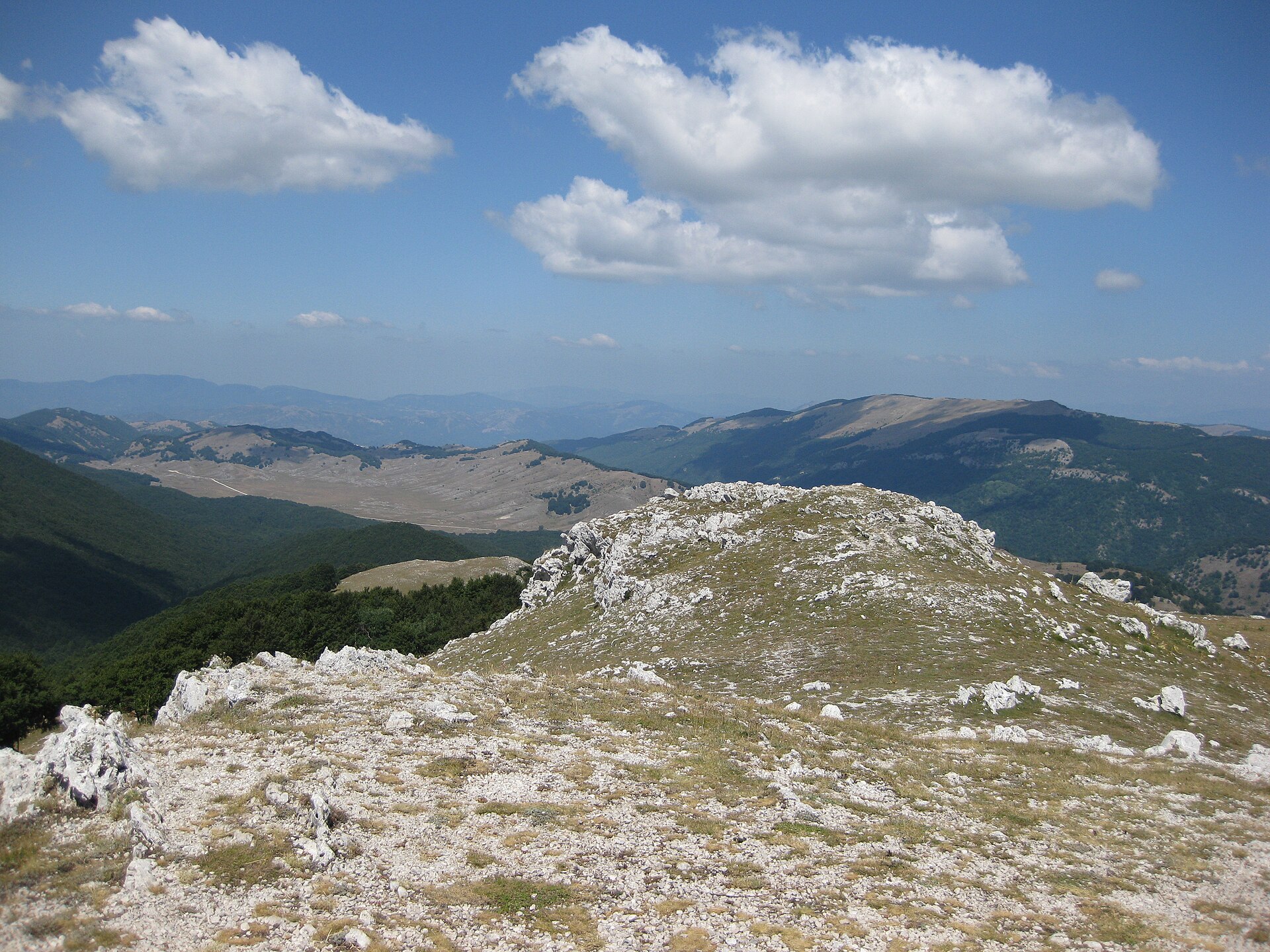
Natura 2000 · passage

Natura 2000
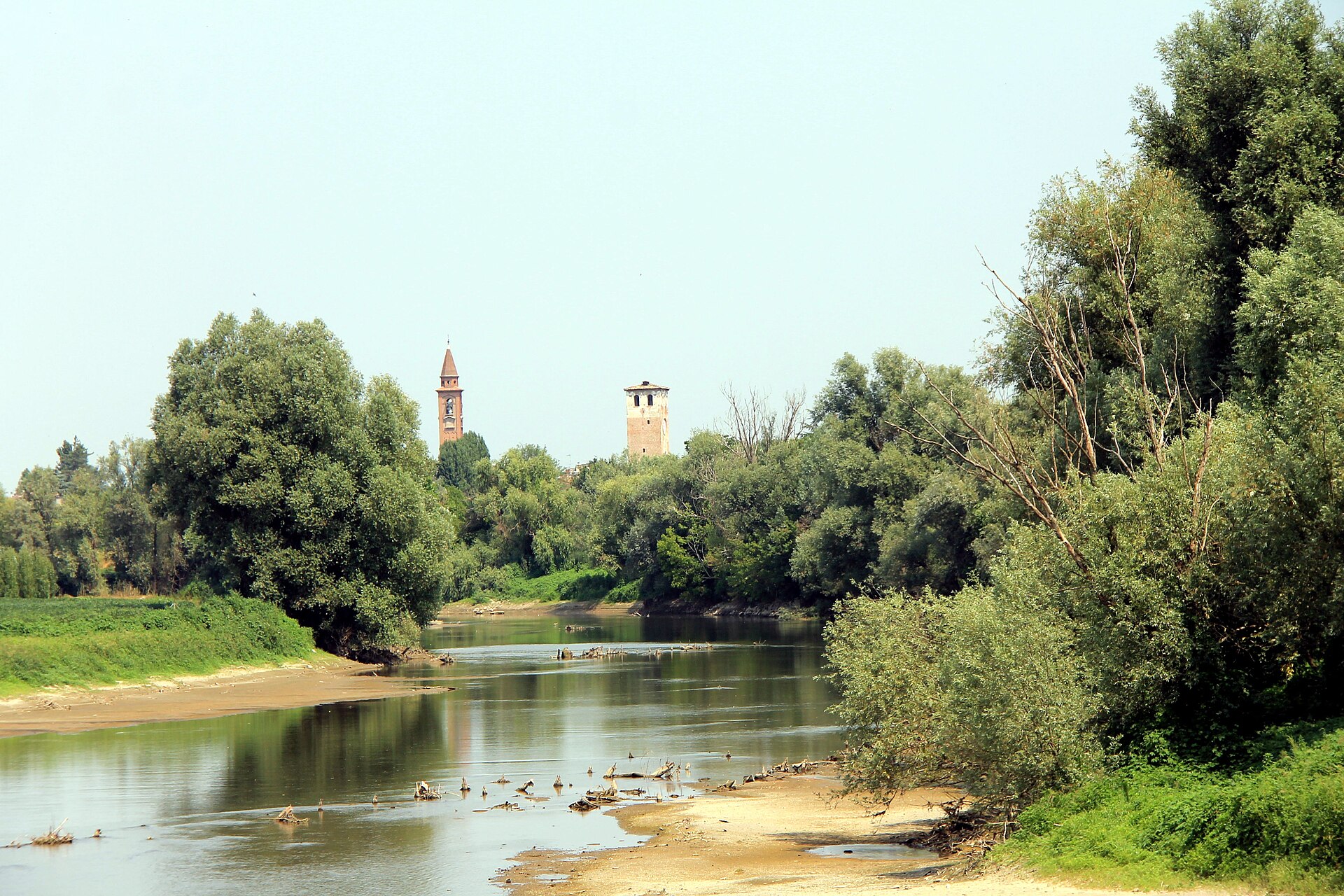
Natura 2000 · passage
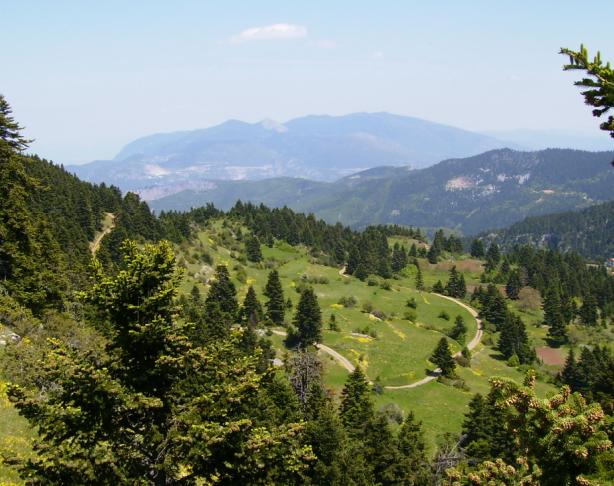
Natura 2000 · breeding
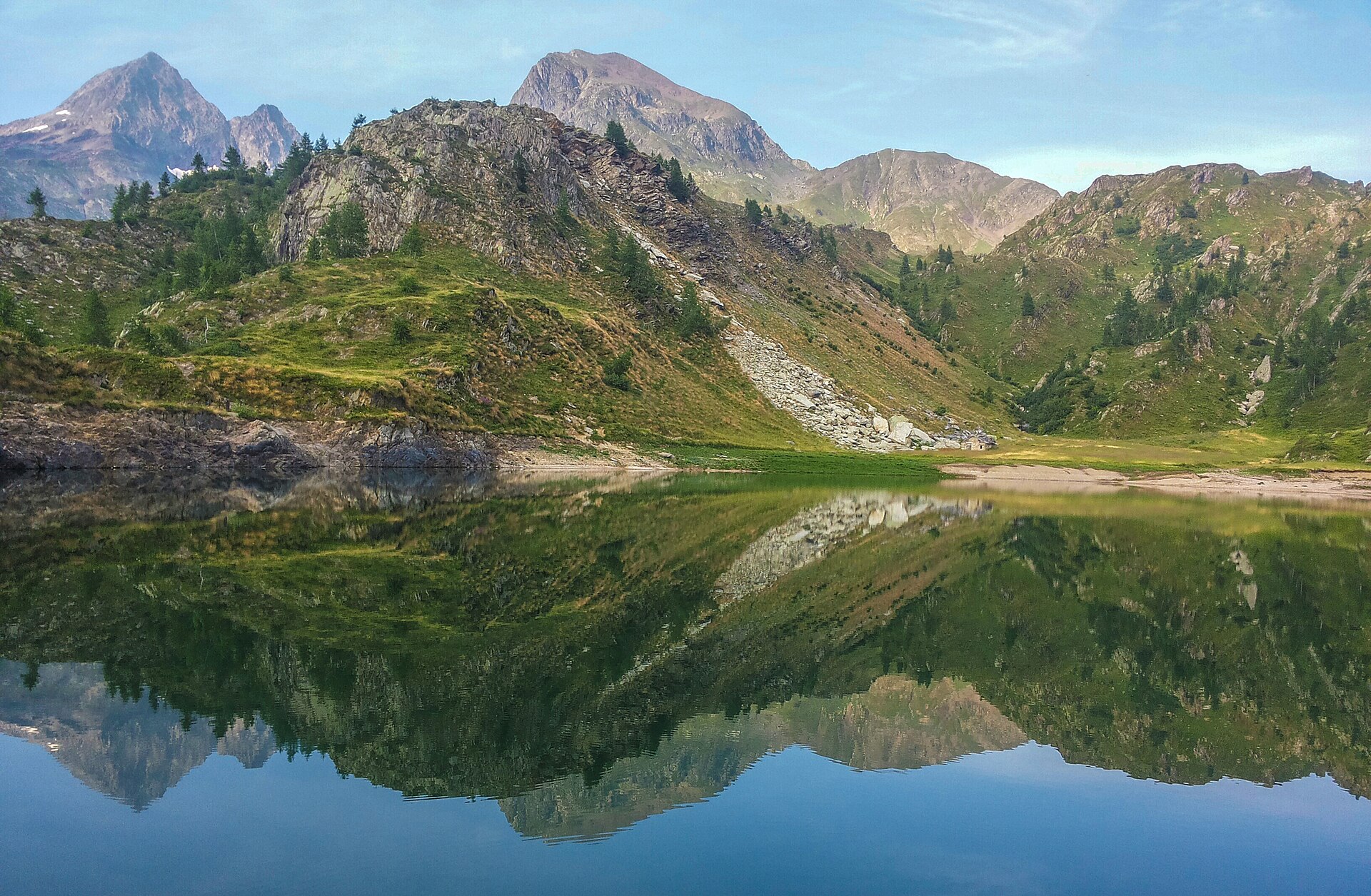
Natura 2000 · breeding, passage
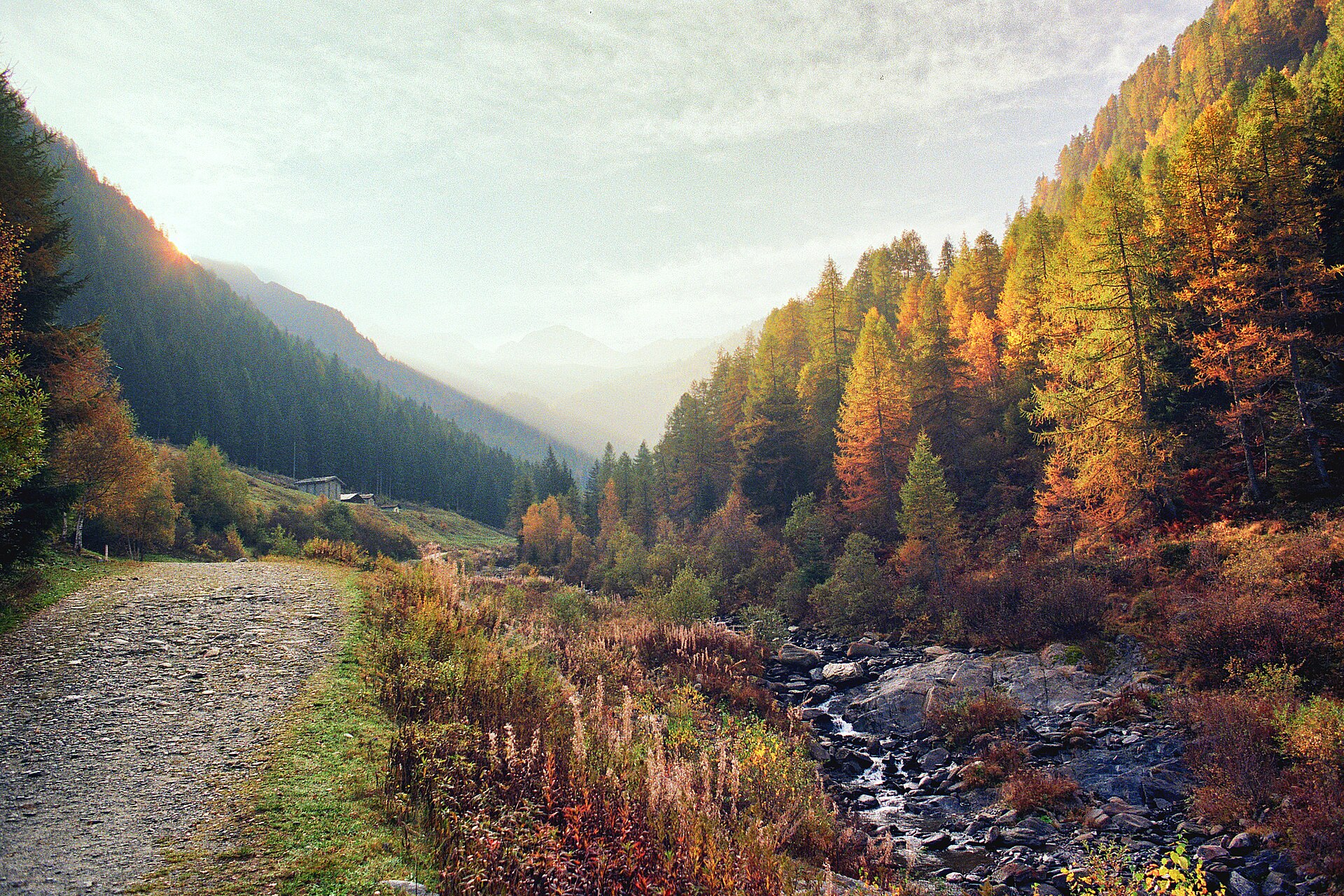
Natura 2000 · breeding
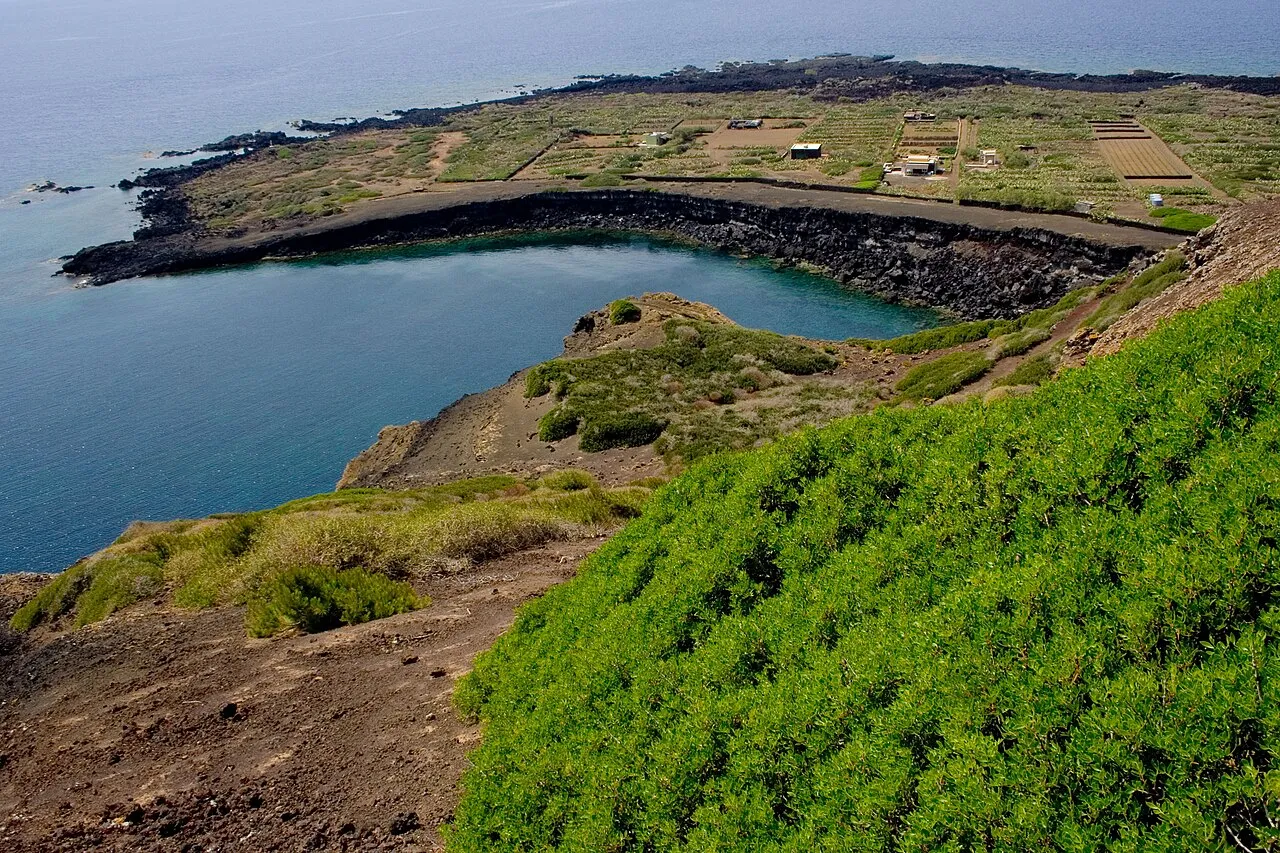
Natura 2000 · passage
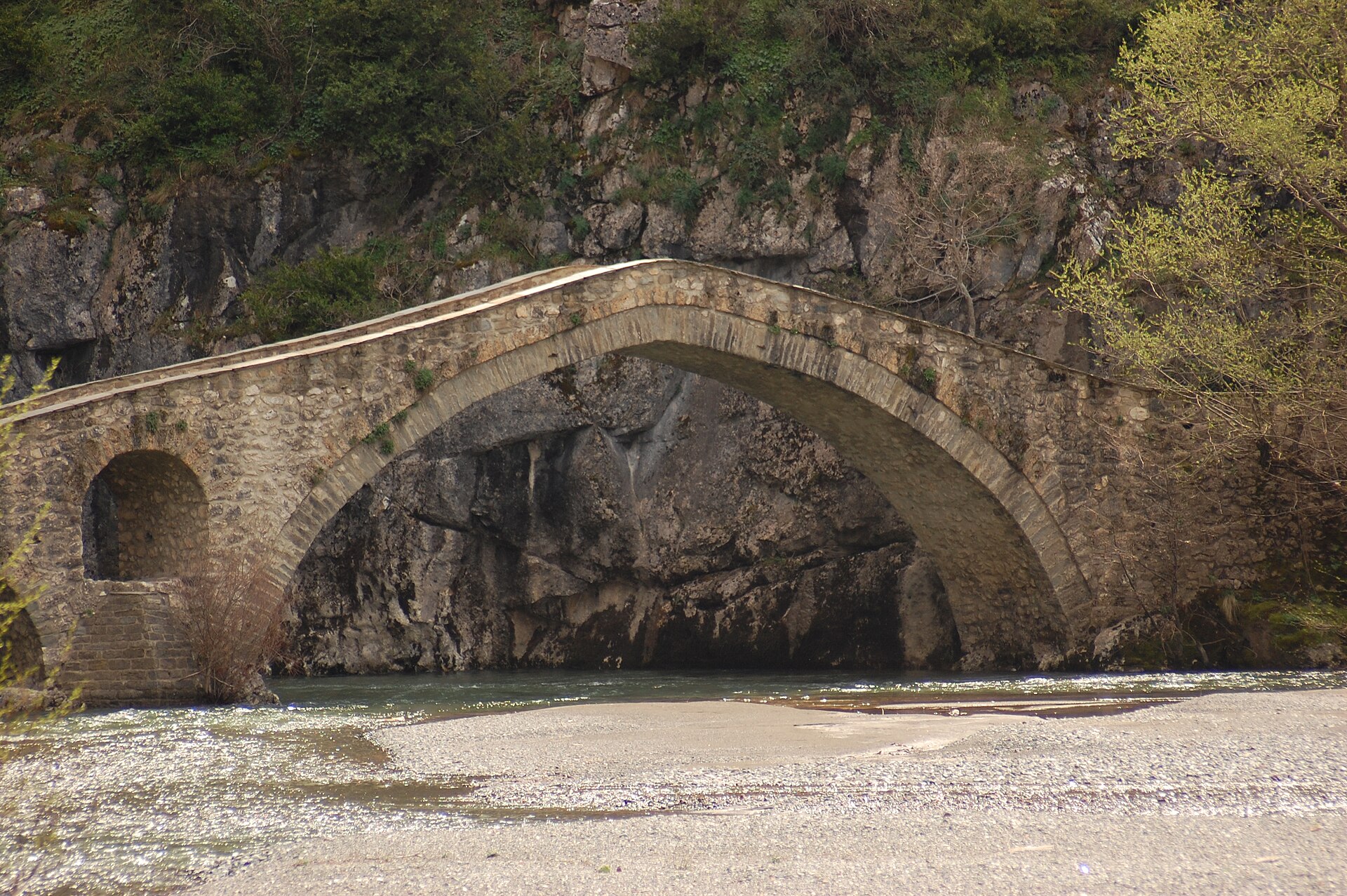
Natura 2000 · breeding
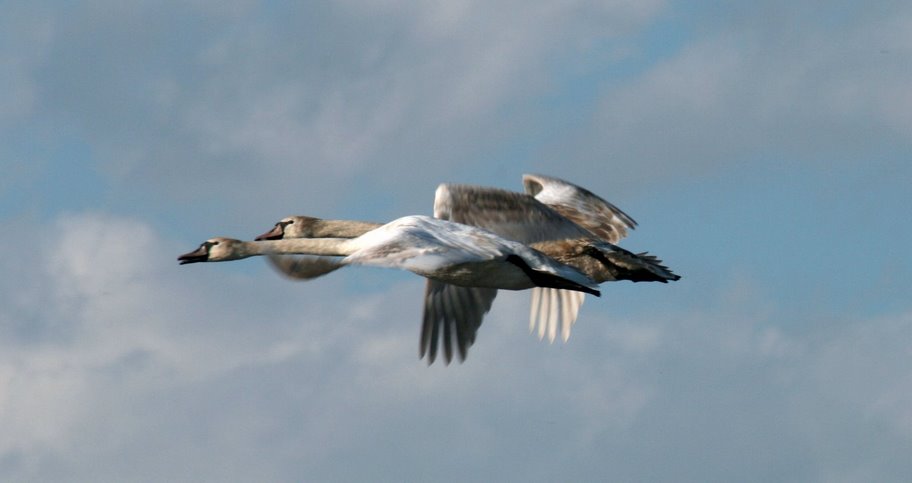
Natura 2000 · breeding, passage
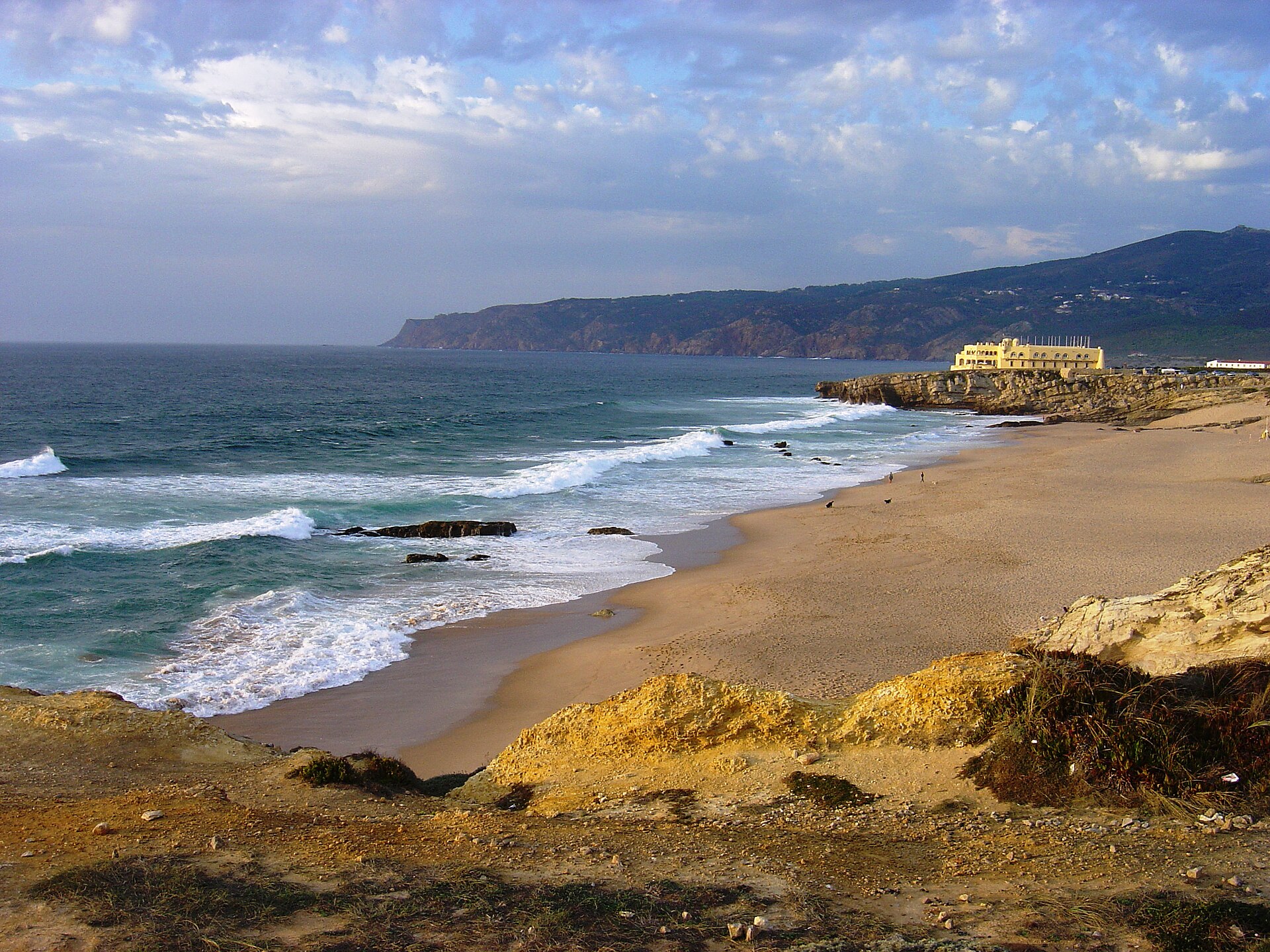
Natura 2000 · breeding

Natura 2000 · breeding
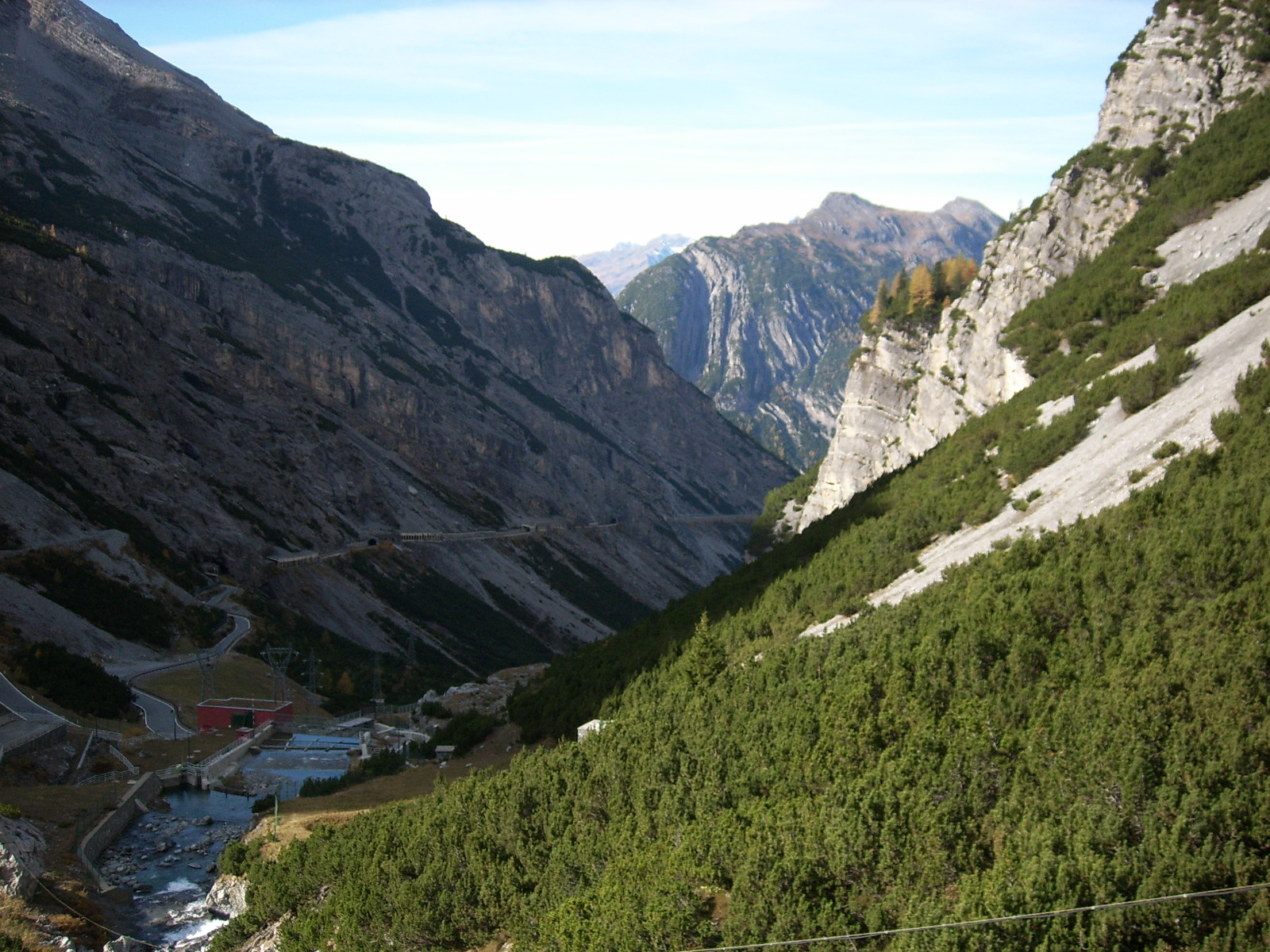
Natura 2000 · breeding, passage
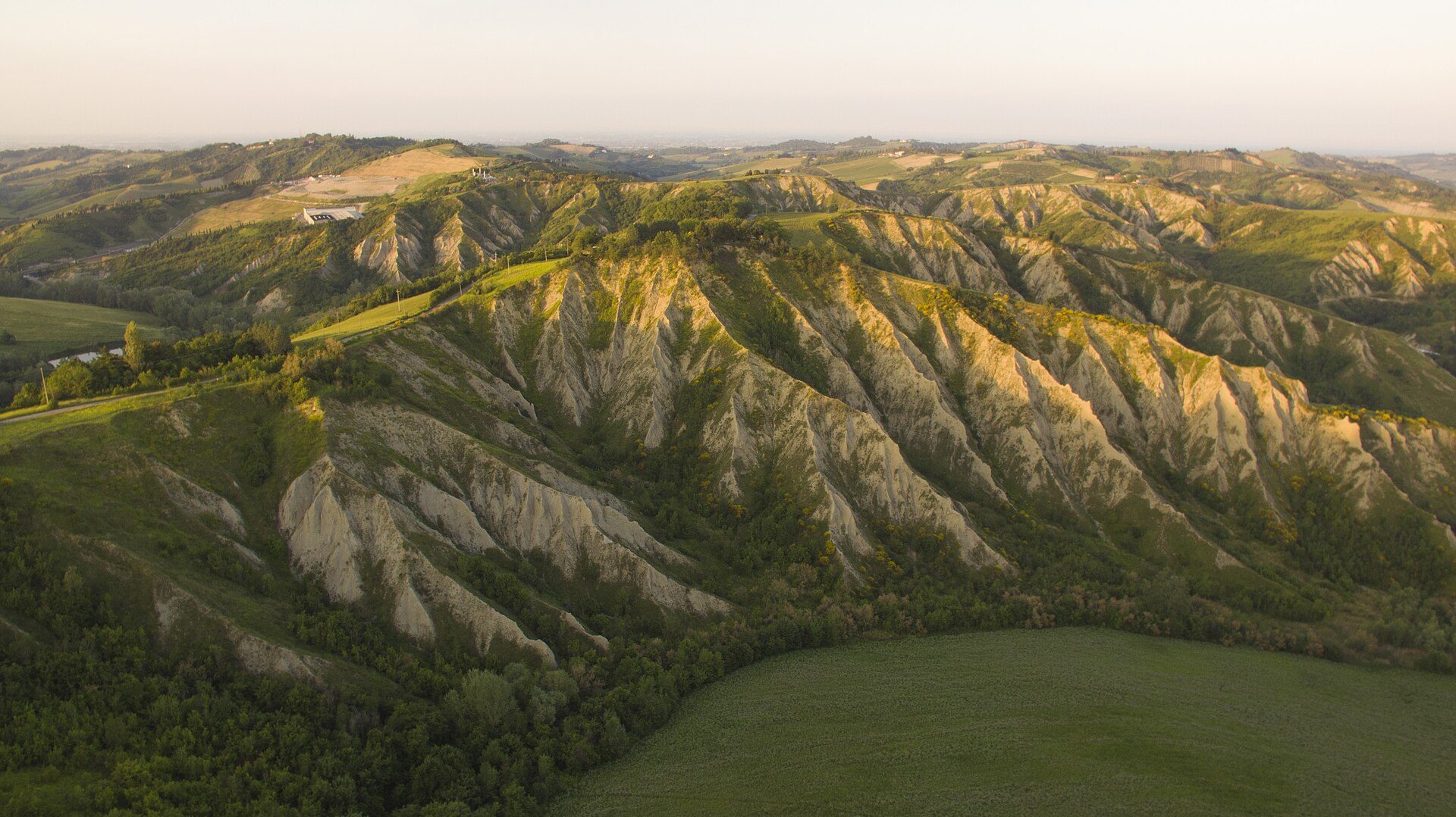
Natura 2000 · breeding, passage
Other species to discover
 Common Swift
Apus apus 48 places in common
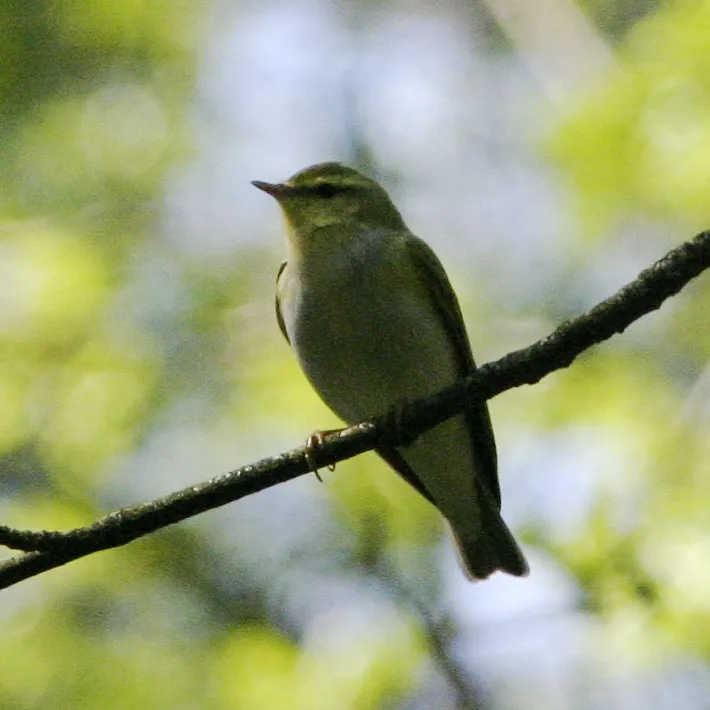 Wood Warbler
Phylloscopus sibilatrix 34 places in common
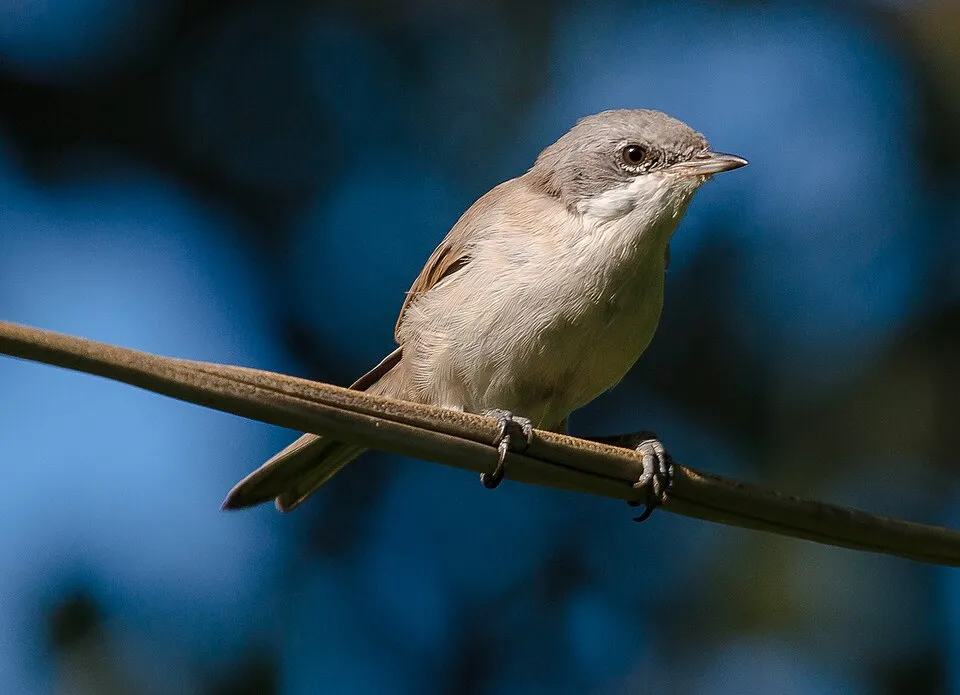 Lesser whitethroat
Sylvia curruca 32 places in common
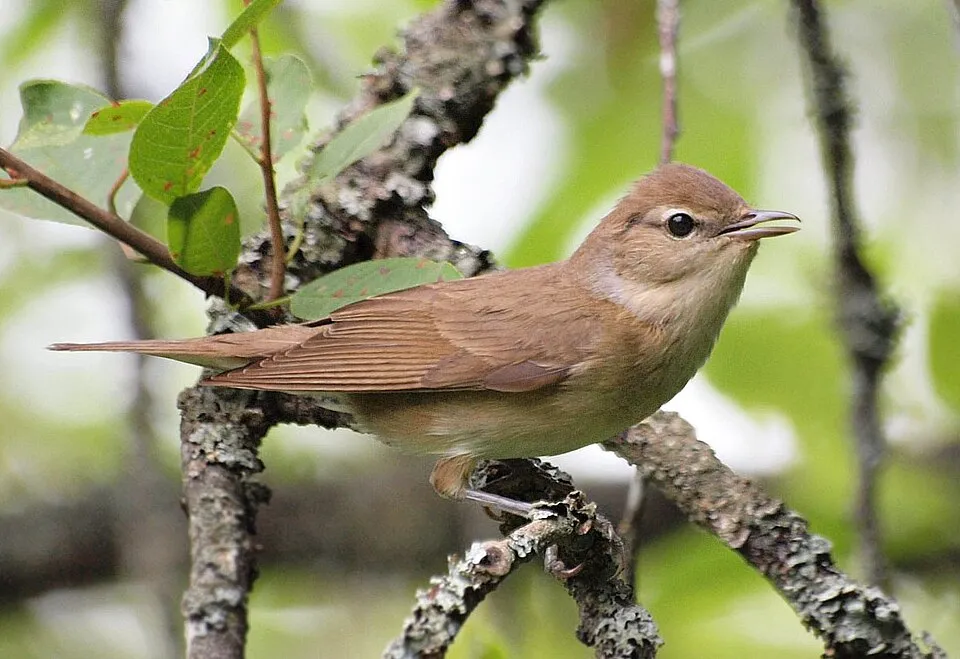 Garden Warbler
Sylvia borin 31 places in common
 Common Whitethroat
Sylvia communis 35 places in common
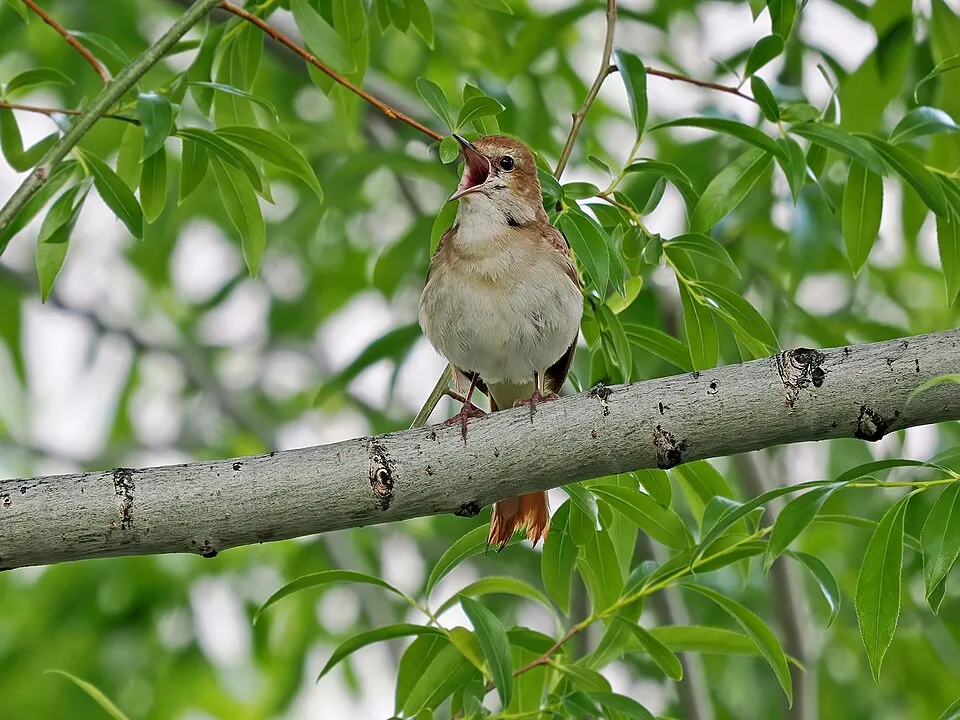 Common Nightingale
Luscinia megarhynchos 42 places in common
Sources and credits
- Presence: most-recorded species of each place on GBIF and species of Community interest in the Natura 2000 forms (EEA, CC-BY 4.0); absence from the list does not mean the species is absent.
- Common names: Wikidata (CC0) and GBIF.
- Photos and sounds: Wikimedia Commons, author and licence given for each file.
- Classification: GBIF Backbone Taxonomy (GBIF Secretariat), CC BY 4.0, doi:10.15468/39omei.
- Countries, elevations, months and maps: GBIF.org, CC0 or CC BY 4.0 occurrences only, accessed October 22, 2026, GBIF.org.
- Base map: Natural Earth (public domain).
- Excerpt: Wikipedia, CC BY-SA 4.0 (full credit below the excerpt).
- Key facts: Wikidata (CC0), with the references cited under each value.