
Bird
European Green Woodpecker: where to see it
Picus viridis
This bird species is recorded in 153 protected areas of the atlas, including 42 whose official Natura 2000 form lists it. Within the atlas countries, it is mostly observed in France, Sweden and Germany (13 countries in all). Most records (8 in 10) lie between sea level and 1,200 m. Records peak from February to June. It has a wingspan of 41 cm and weighs 193 g. Its EU population is assessed as secure (2013–2018 Birds Directive reporting).
Best time to see it: February–June
Records published on GBIF by month (CC0 and CC BY 4.0 licences only), in the atlas countries, all years combined; they also reflect observer activity.
Key facts
- Wingspan
- 41 cm Wikidata, after app.bto.org
- Weight
- 193 g Wikidata, after Lislevand et al. 2007
- Clutch size
- 6.3 eggs on average Wikidata, after Jetz et al. 2008
- Incubation
- 19 days Wikidata, after British Trust for Ornithology
Status and protection
EU population assessed as secure, stable in the short term (2013–2018 Birds Directive reporting). EU breeding population: 500,000–912,000 pairs.
Distribution
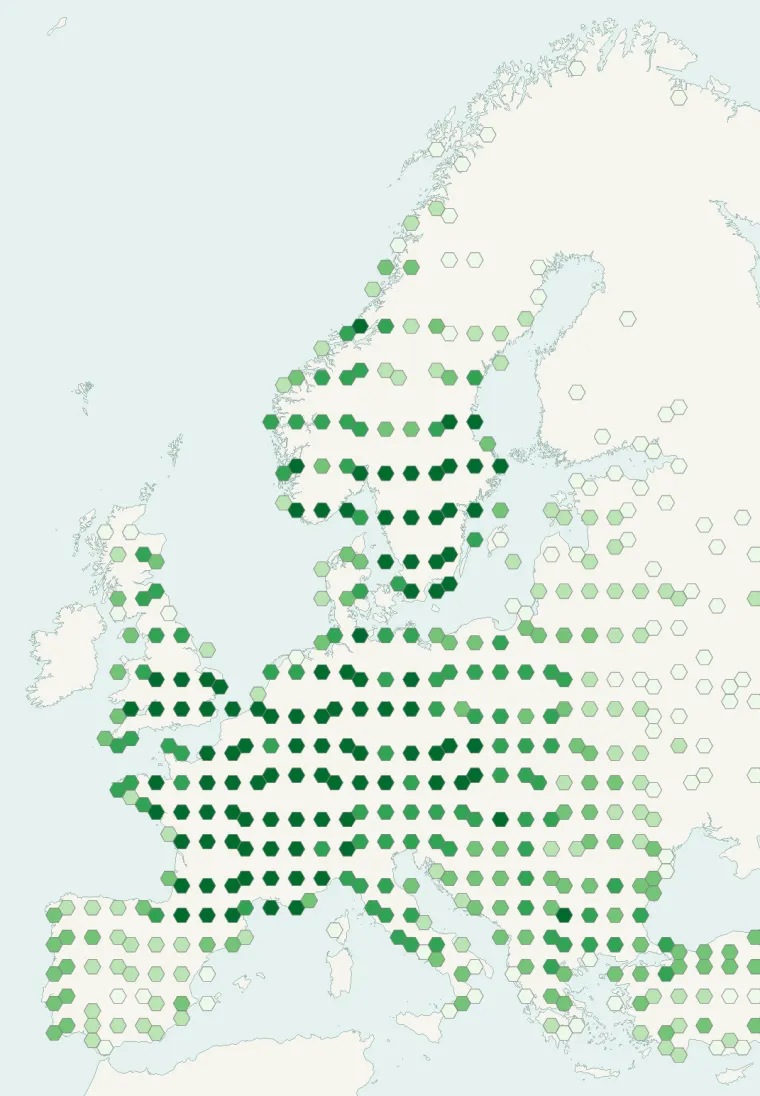
Records published on GBIF (CC0 and CC BY 4.0 licences): the darker the shade, the more records there are; they also reflect observation effort.
Listen
-
0:57 · © Ndalyrose · CC BY-SA 4.0 · Wikimedia Commons · Original file
-
0:11 · © Benoît Van Hecke · CC BY-SA 4.0 · Wikimedia Commons · Original file
-
1:20 · © Marie-Lan Taÿ Pamart · CC BY-SA 4.0 · Wikimedia Commons · Original file
From Wikipedia
The European green woodpecker (Picus viridis), also known as the yaffle and sometimes called a nickle, is a large green woodpecker with a bright red crown and a black moustache. Males have a red centre to the moustache stripe which is absent in females. It is resident across much of Europe and the western Palearctic but in Spain and Portugal it is replaced by the similar Iberian green woodpecker (Picus sharpei). The European green woodpecker spends much of its time feeding on ants on the ground and does not often 'drum' on trees like other woodpecker species.
Source: Wikipedia, article “European green woodpecker” (version of August 31, 2026) · history and authors · licence CC BY-SA 4.0 · shortened excerpt
Protected areas where it is recorded
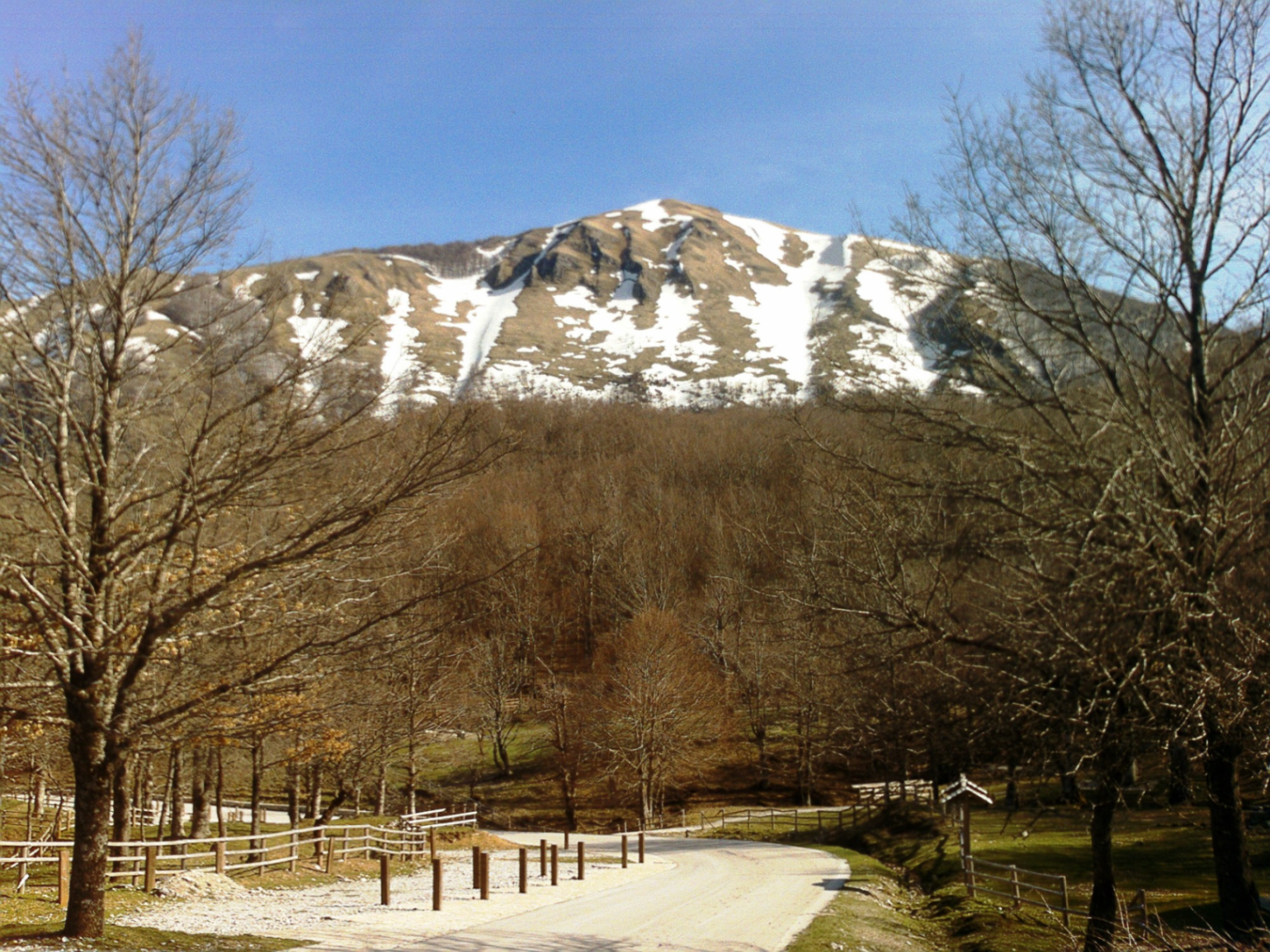
Natura 2000 · resident 16 records
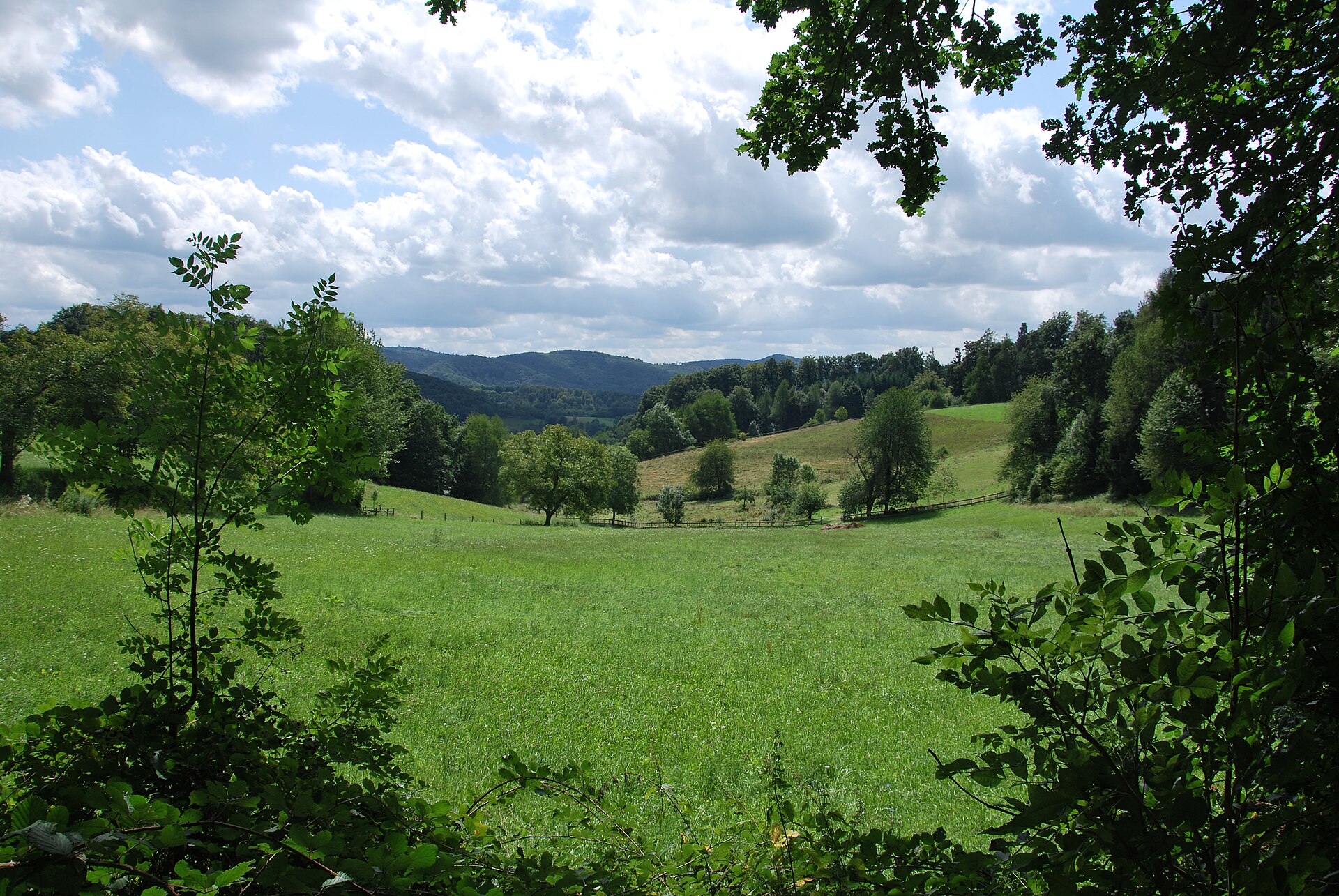
17,142 records
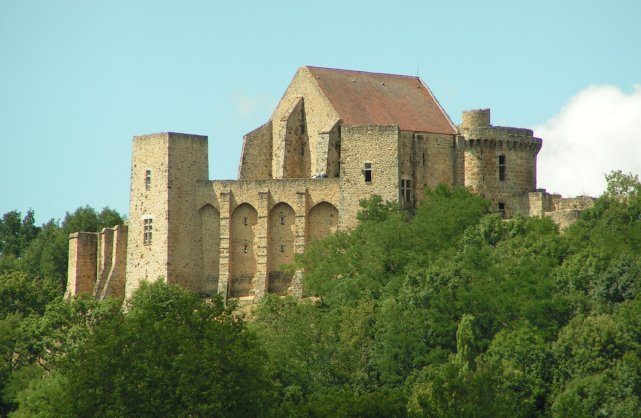
6,125 records
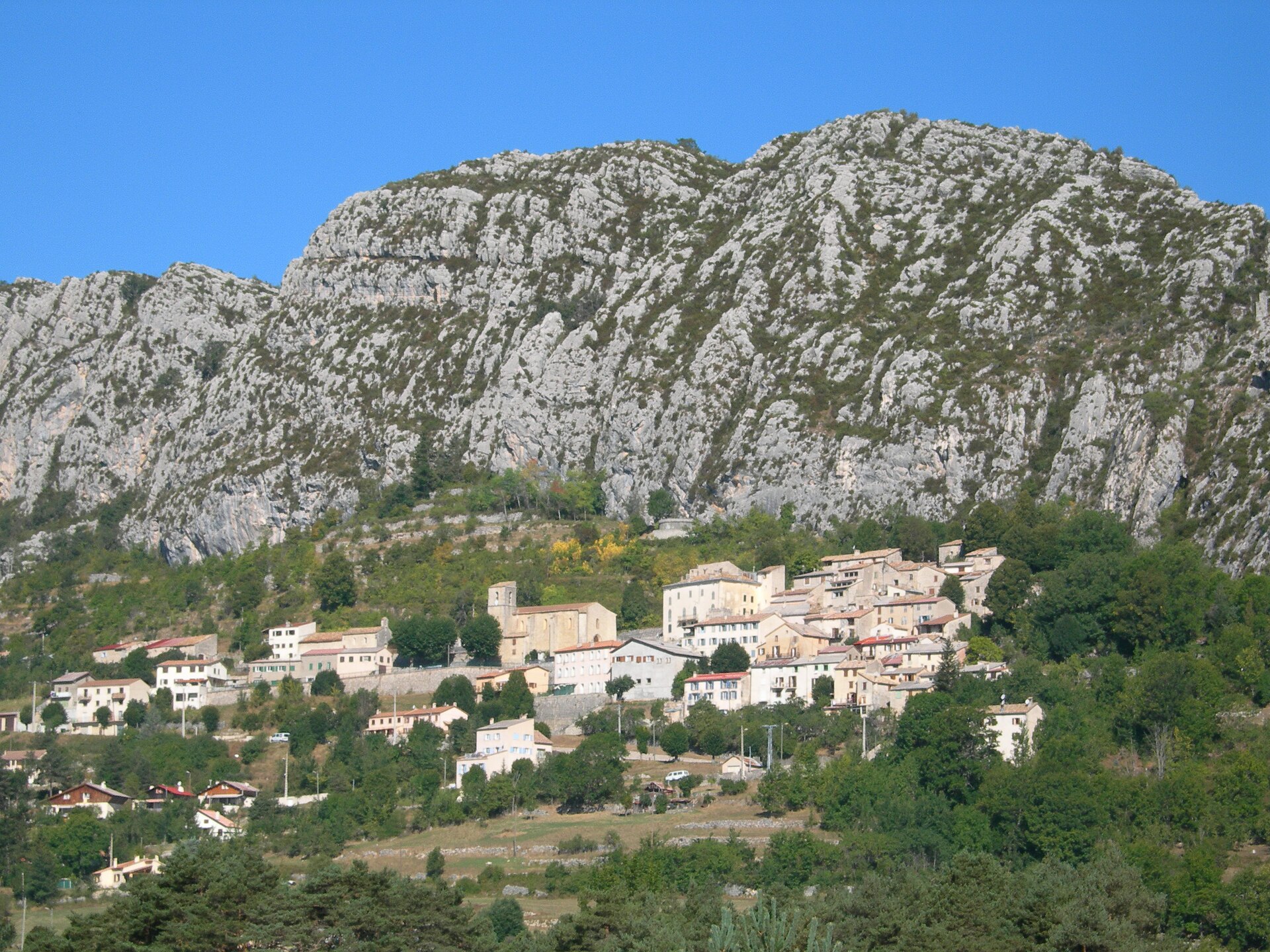
5,945 records
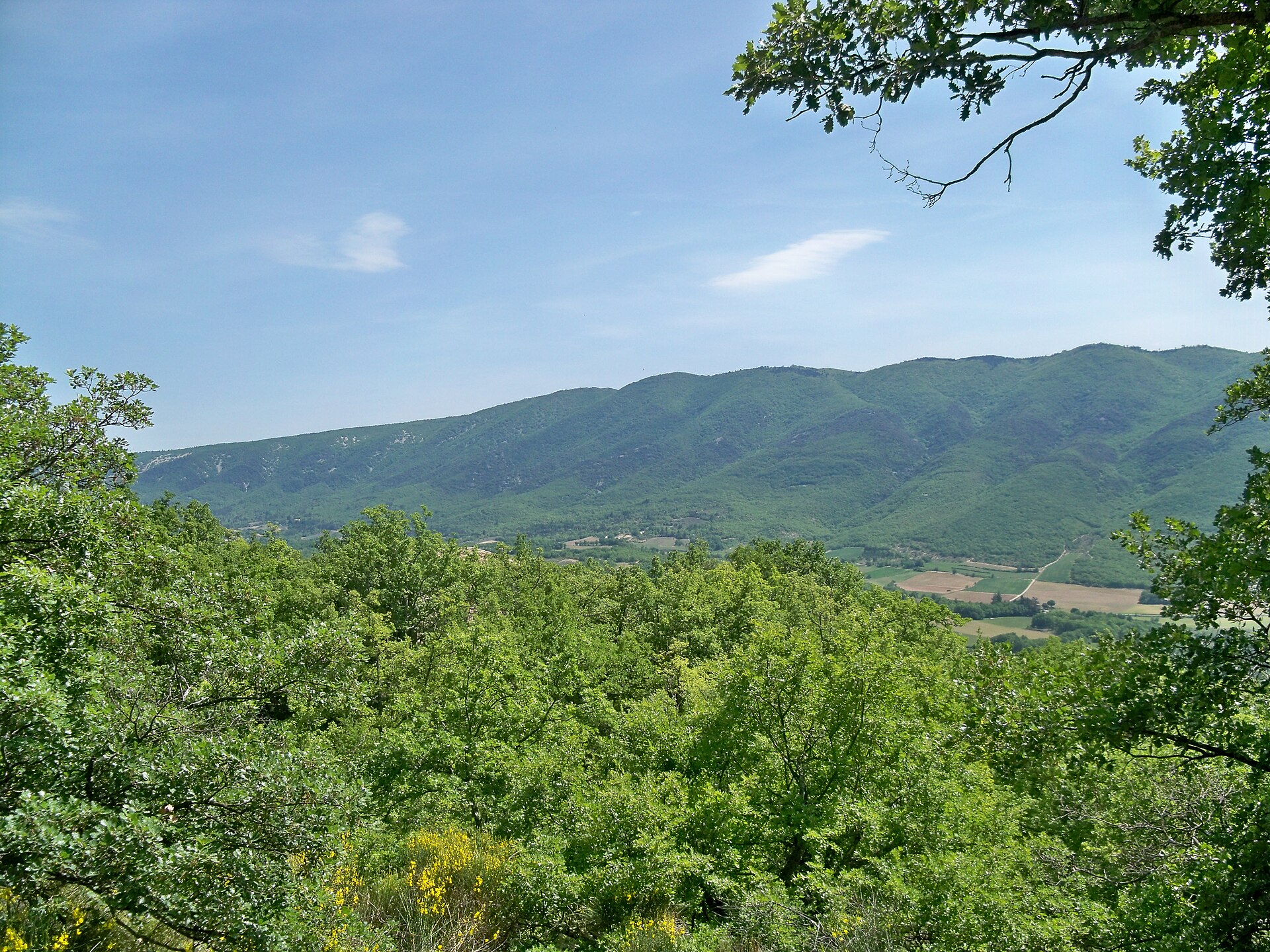
4,201 records
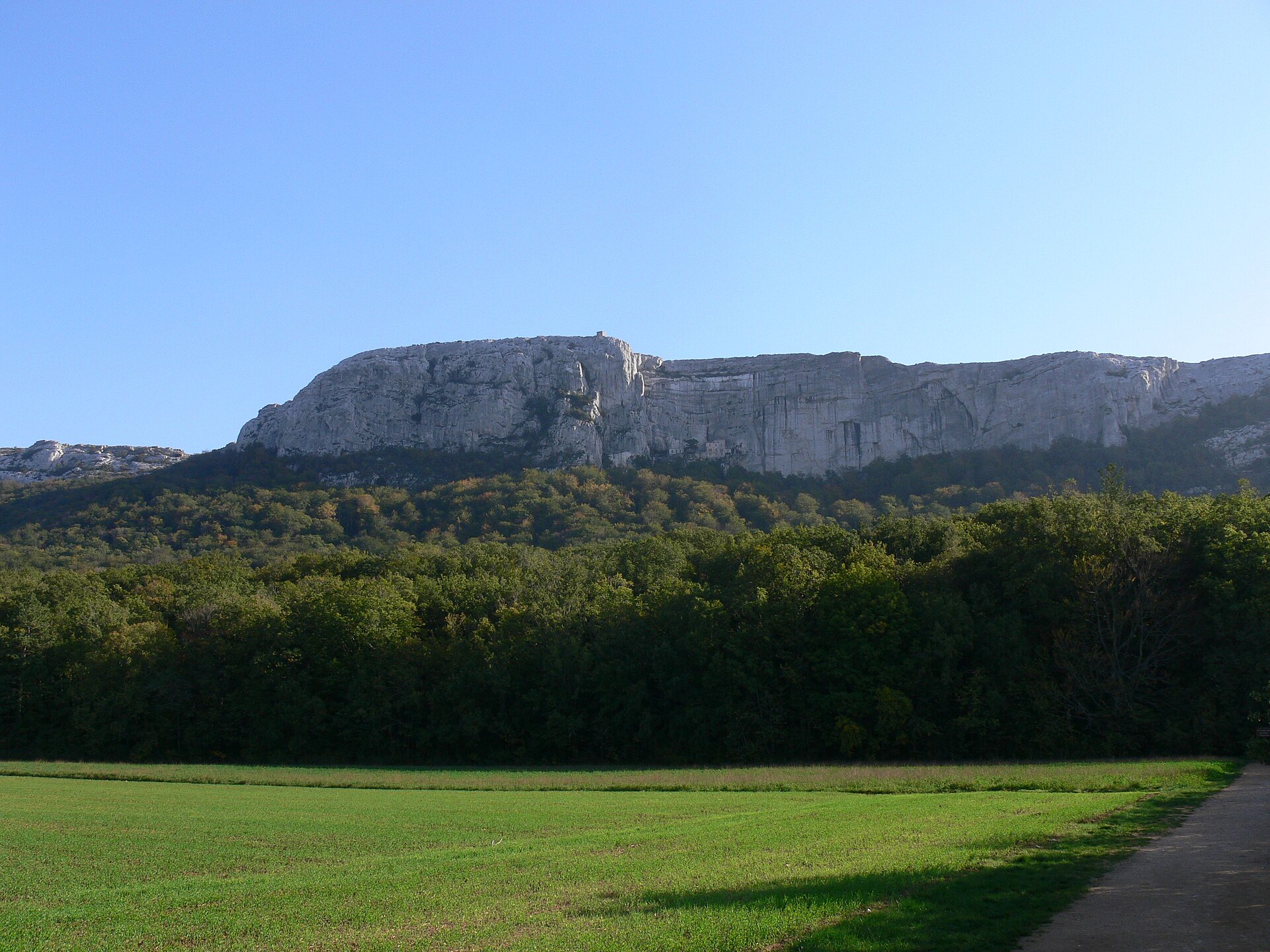
3,281 records
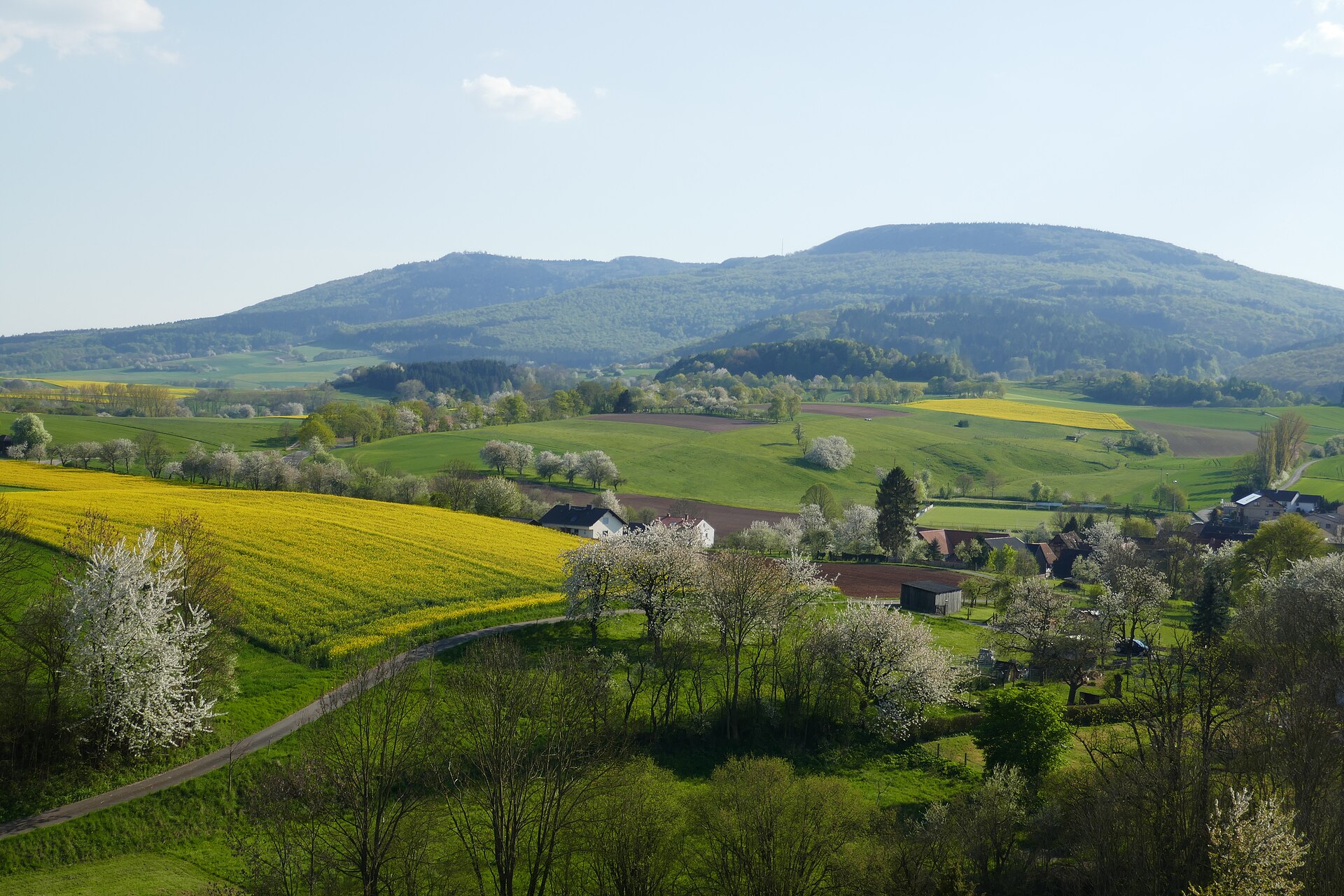
2,947 records
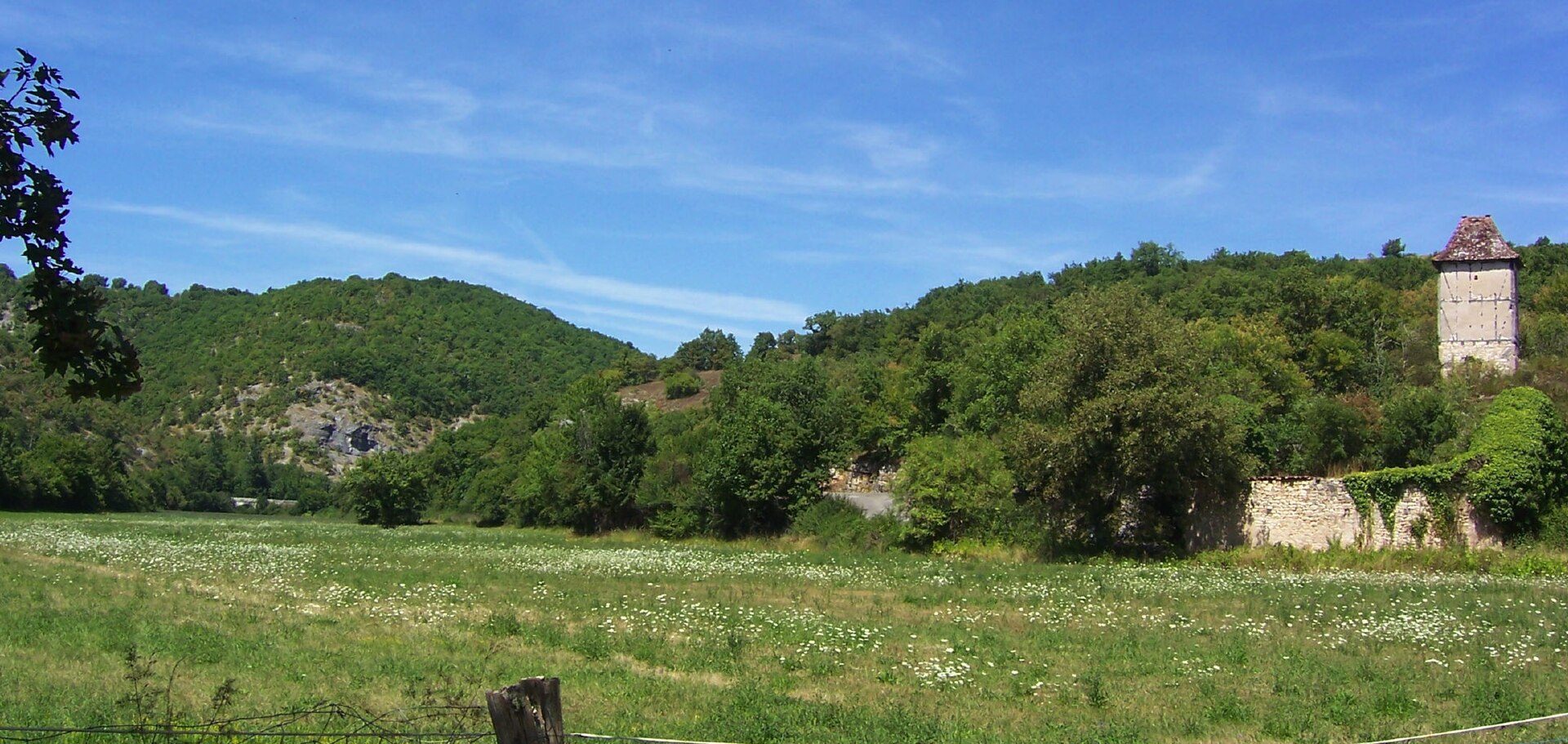
2,848 records
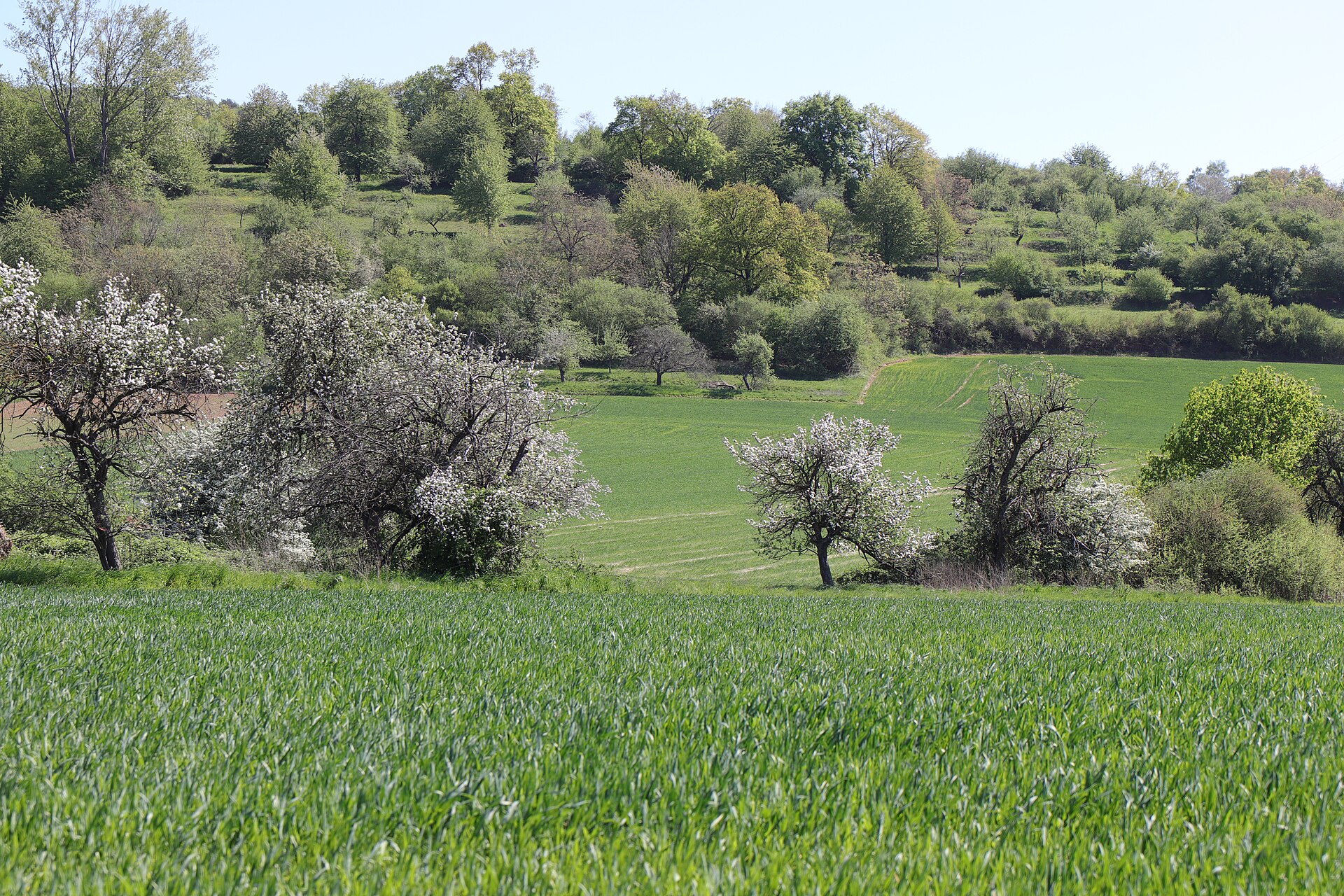
2,561 records
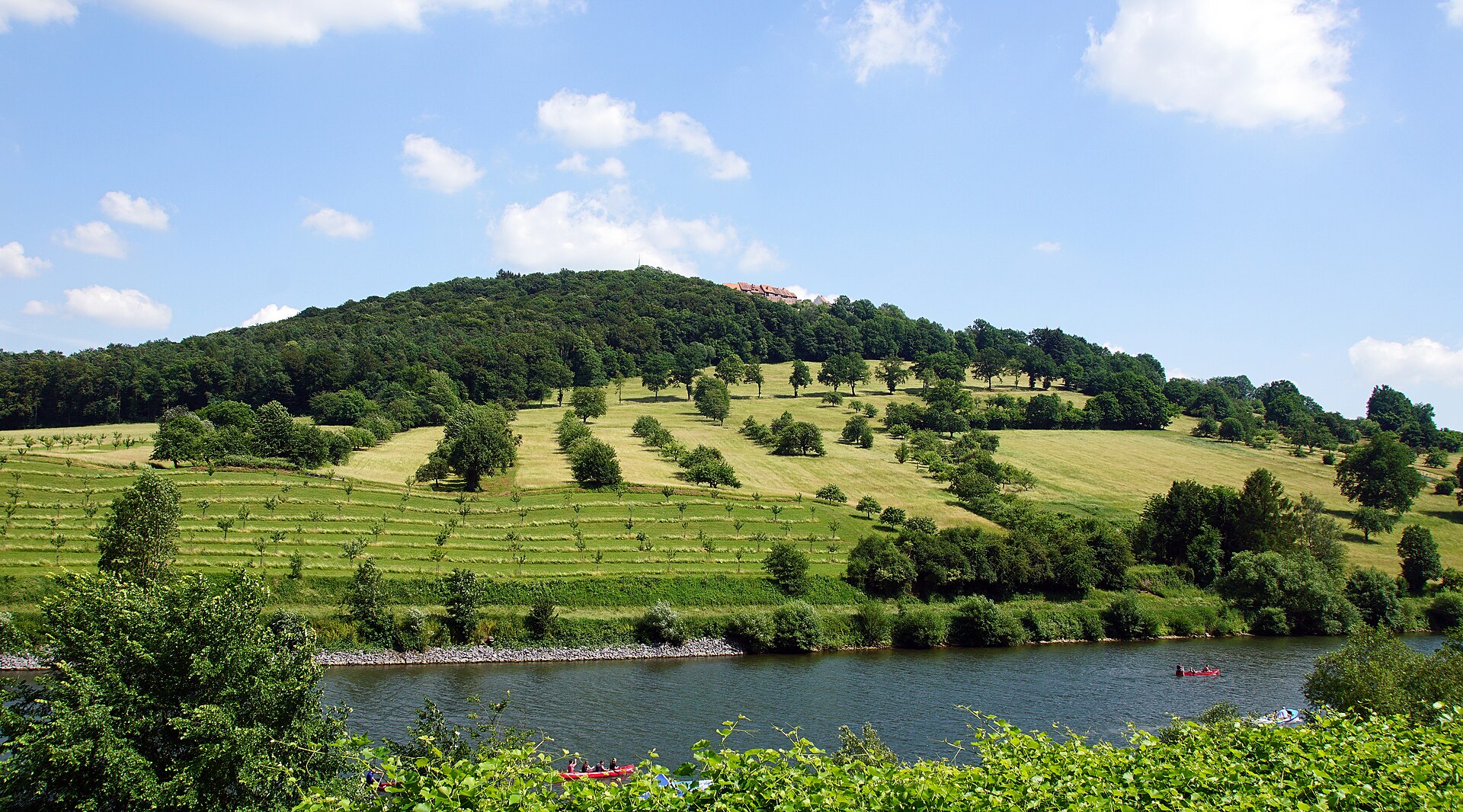
2,270 records
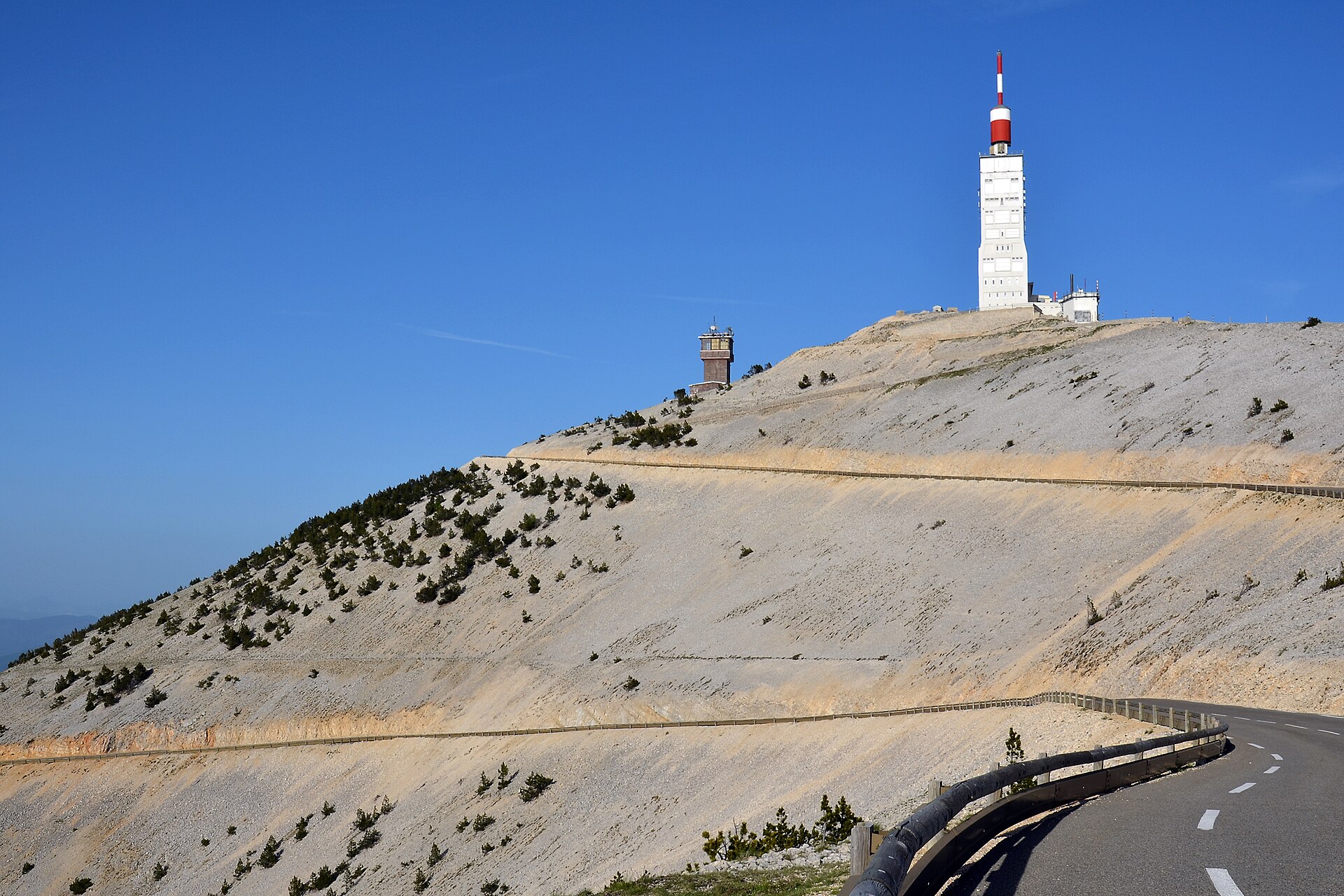
2,191 records
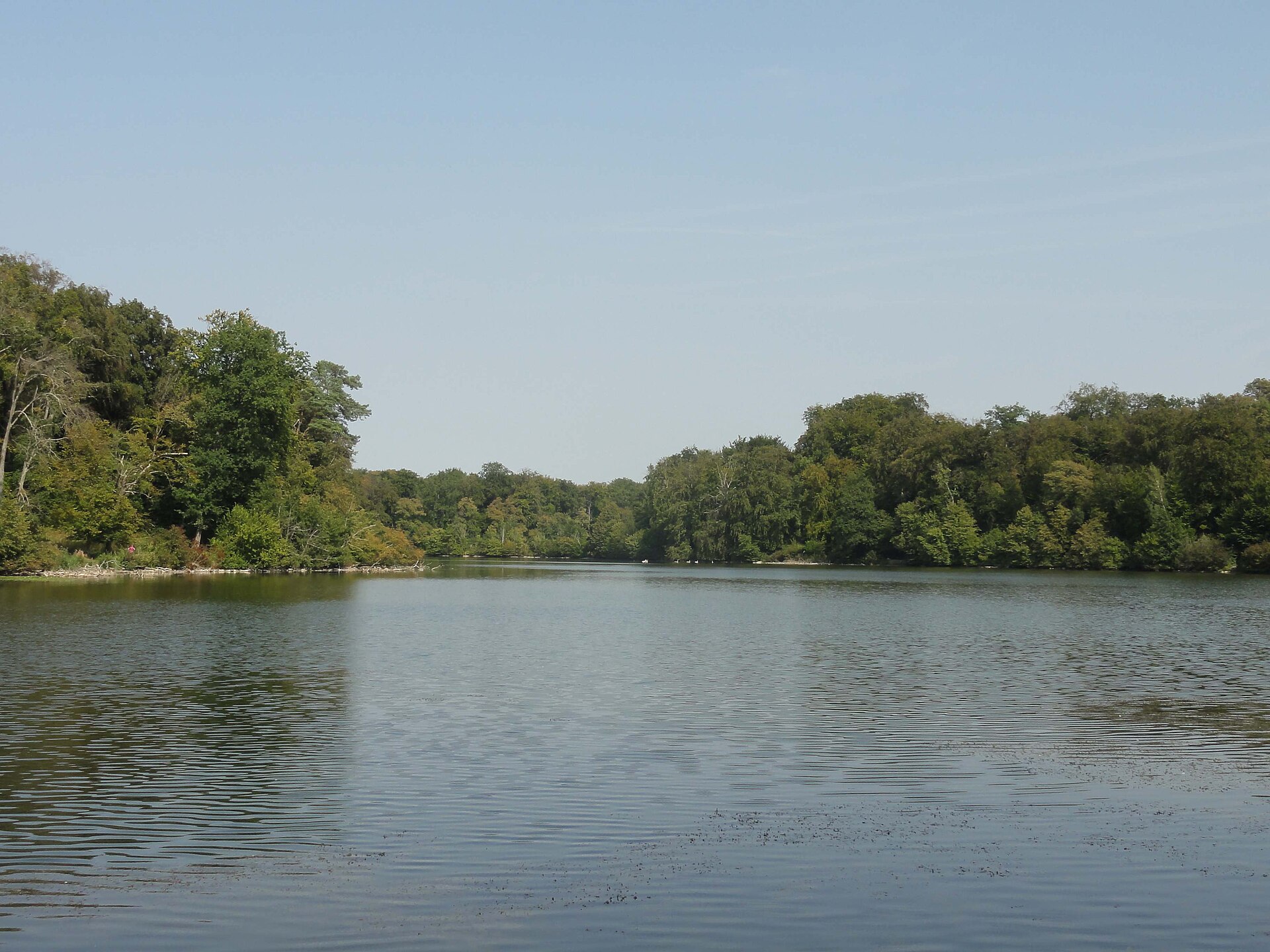
2,037 records
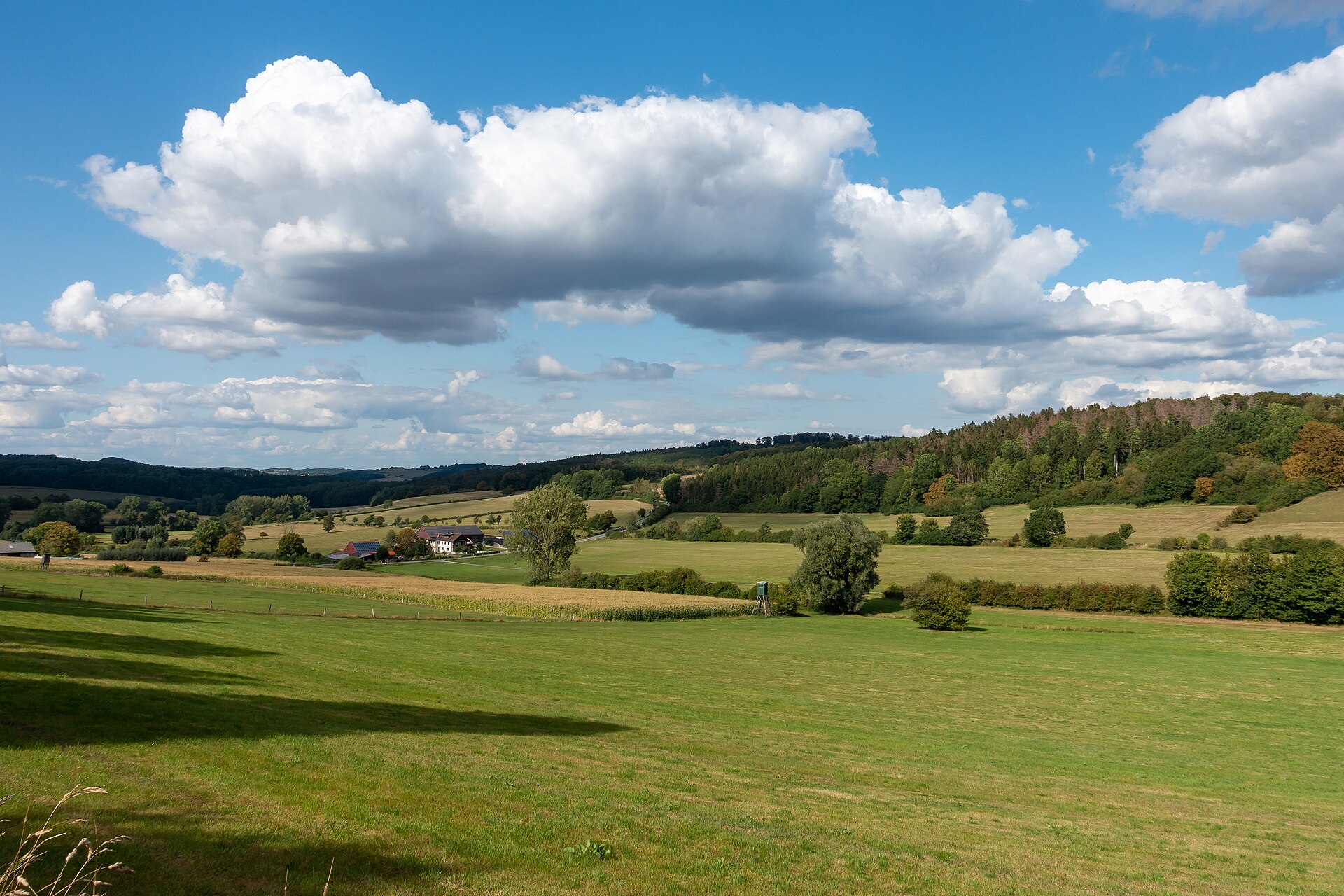
1,979 records
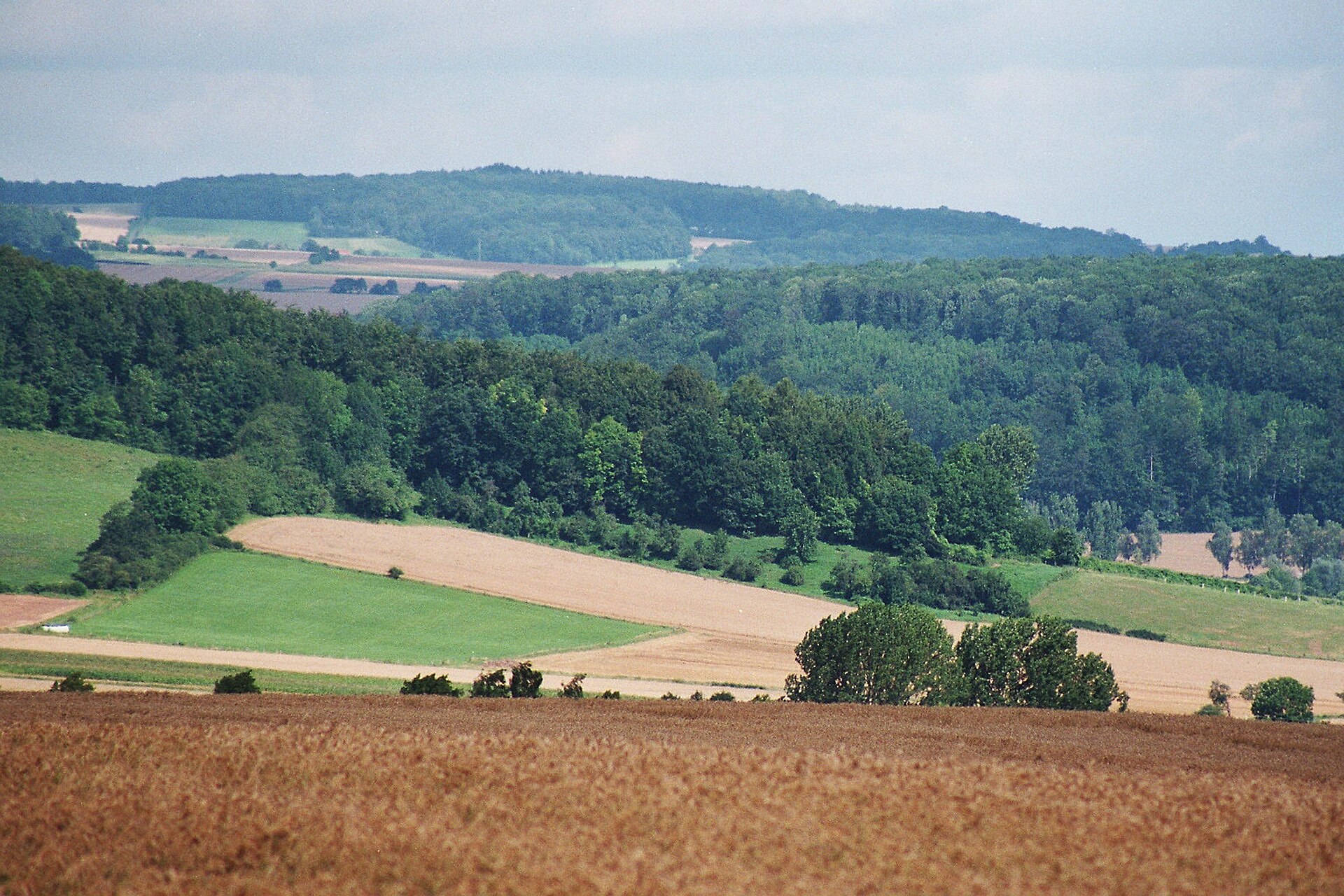
1,948 records
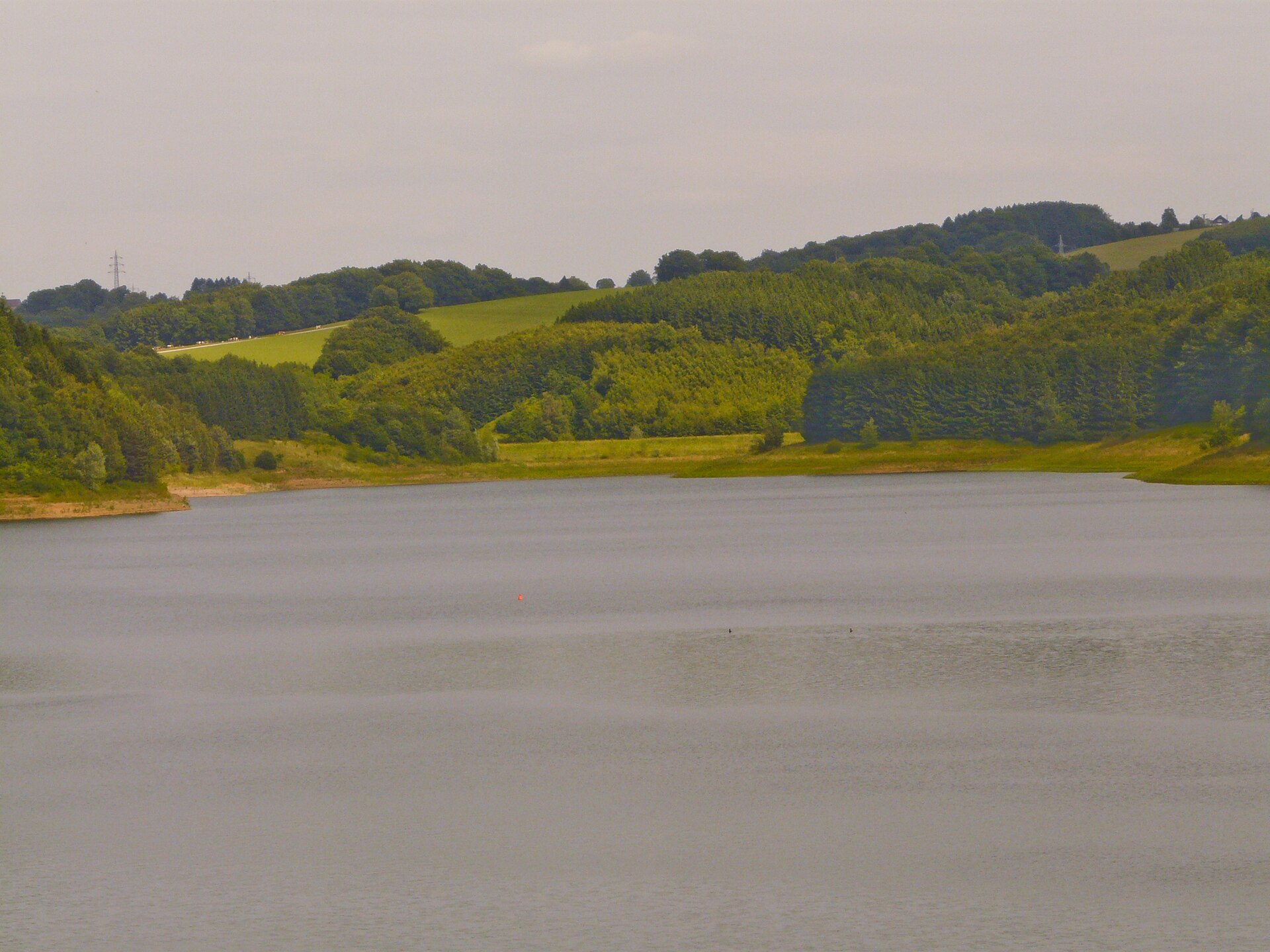
1,820 records
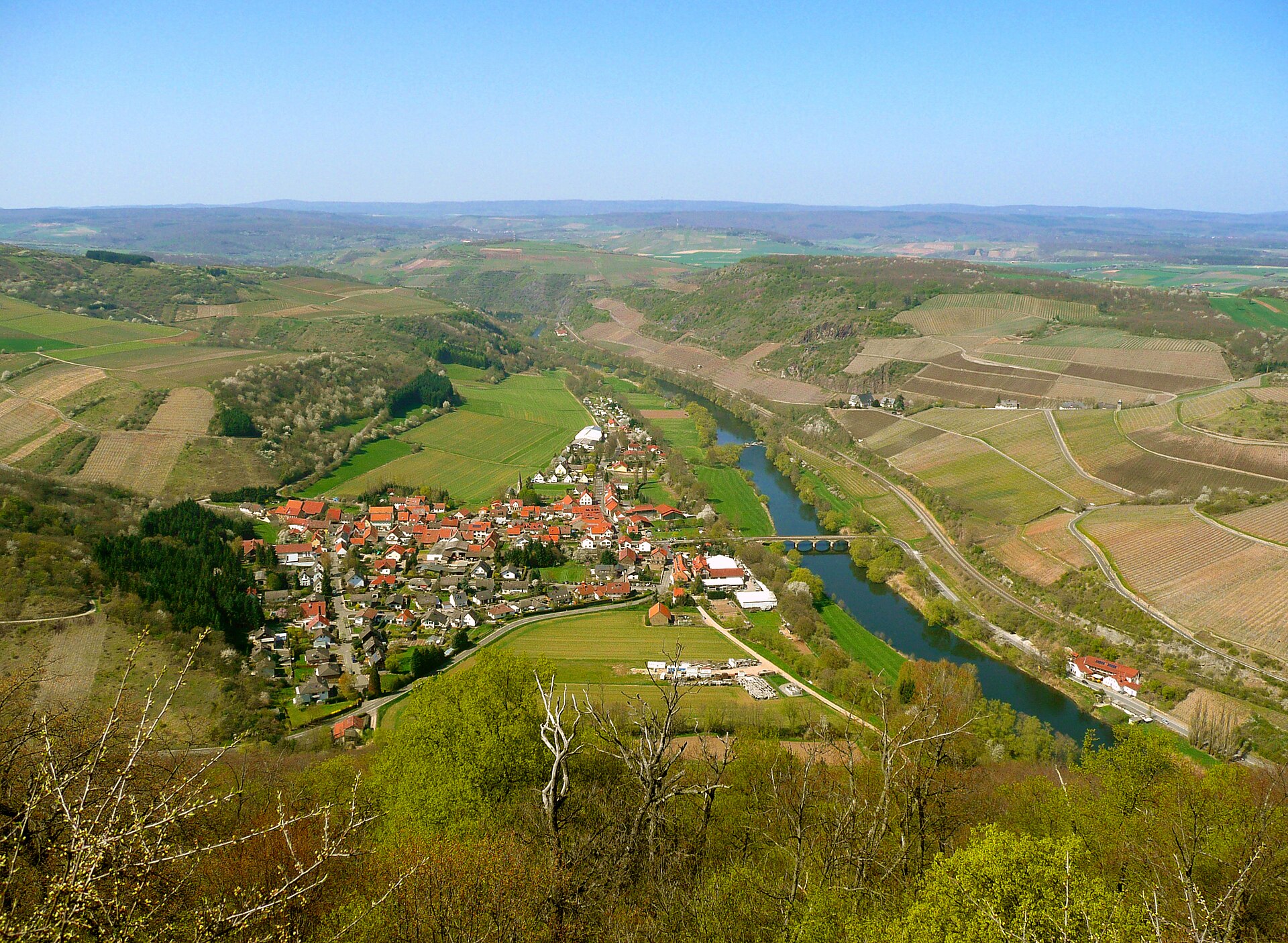
1,623 records
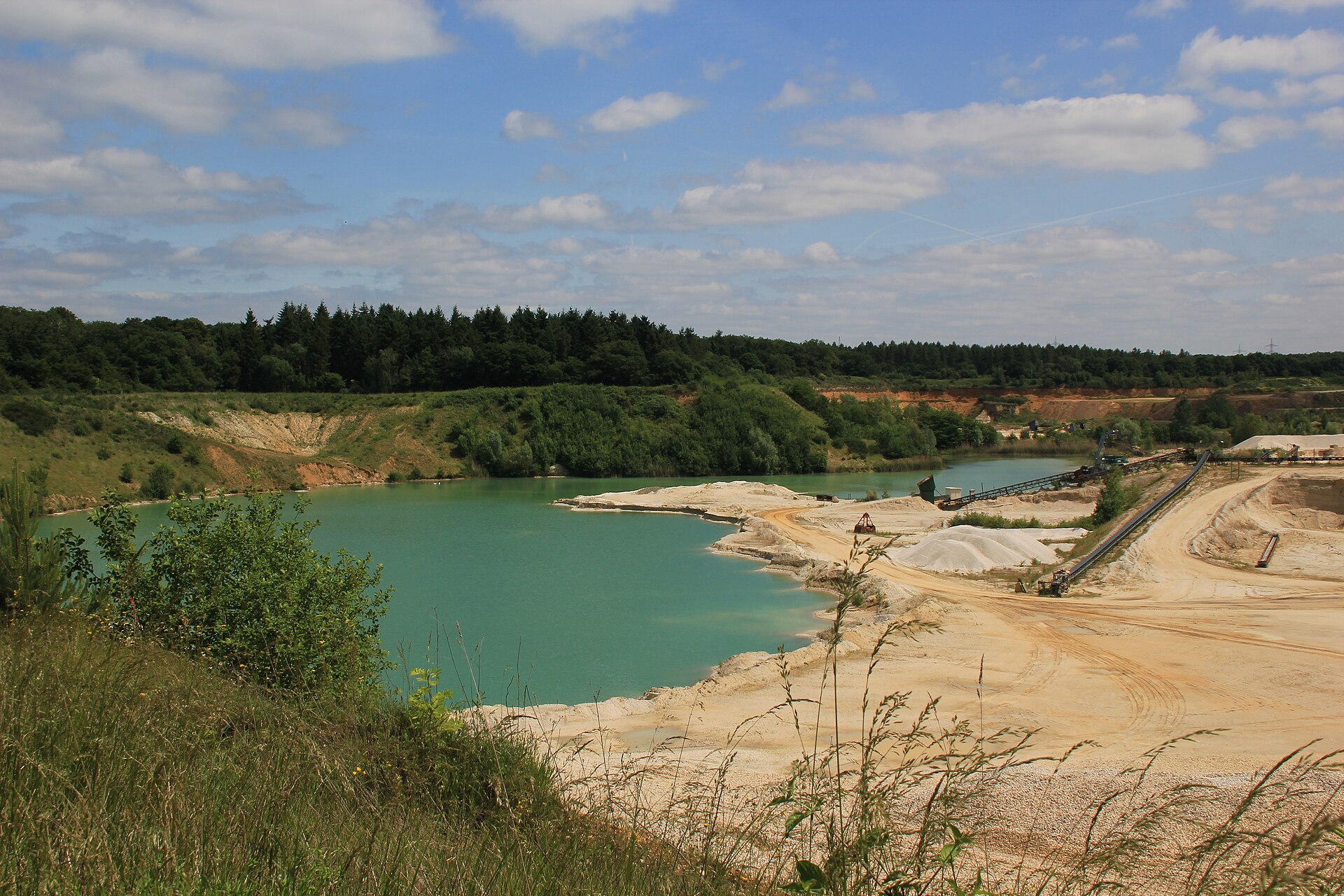
1,465 records
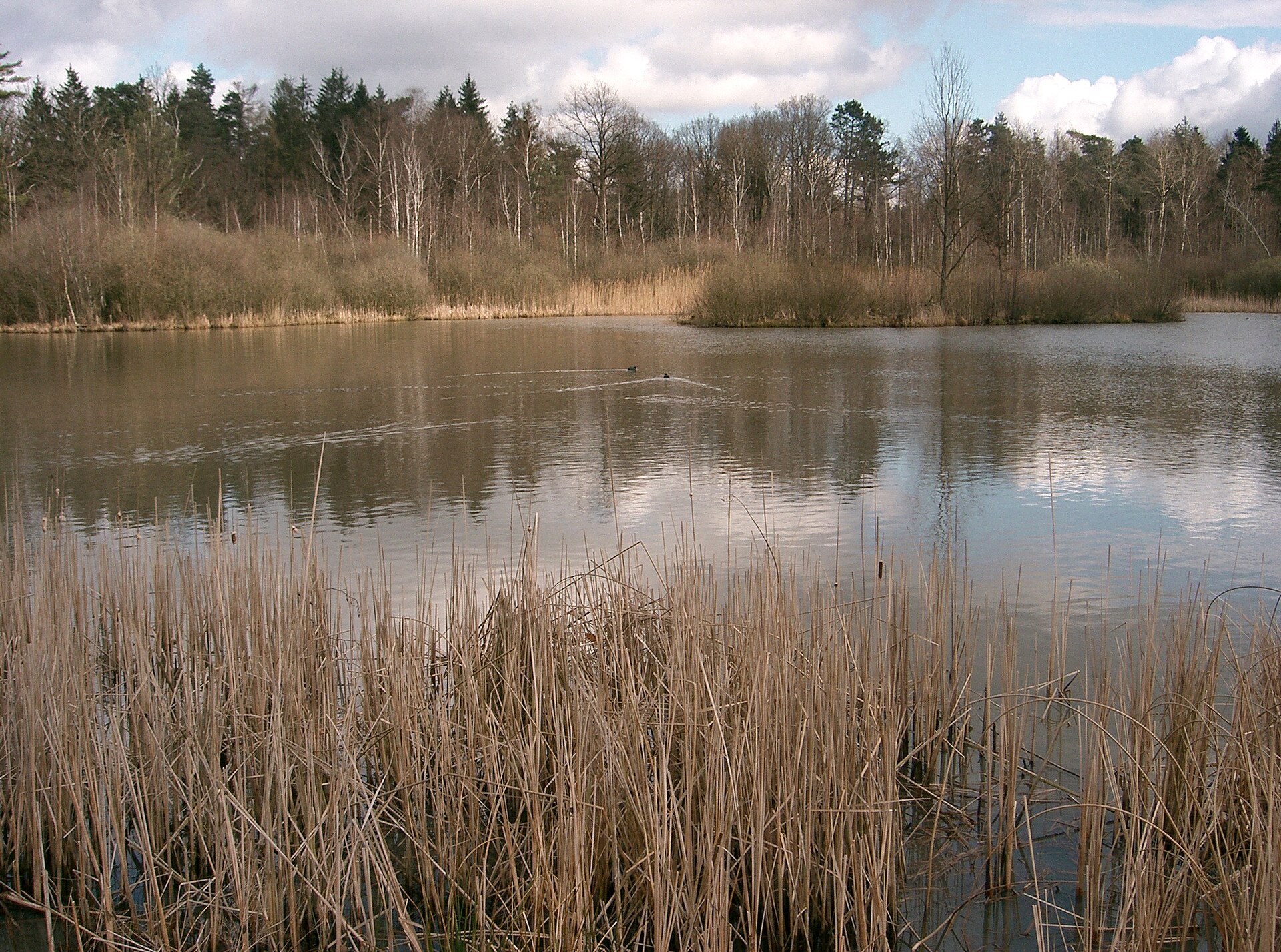
1,409 records
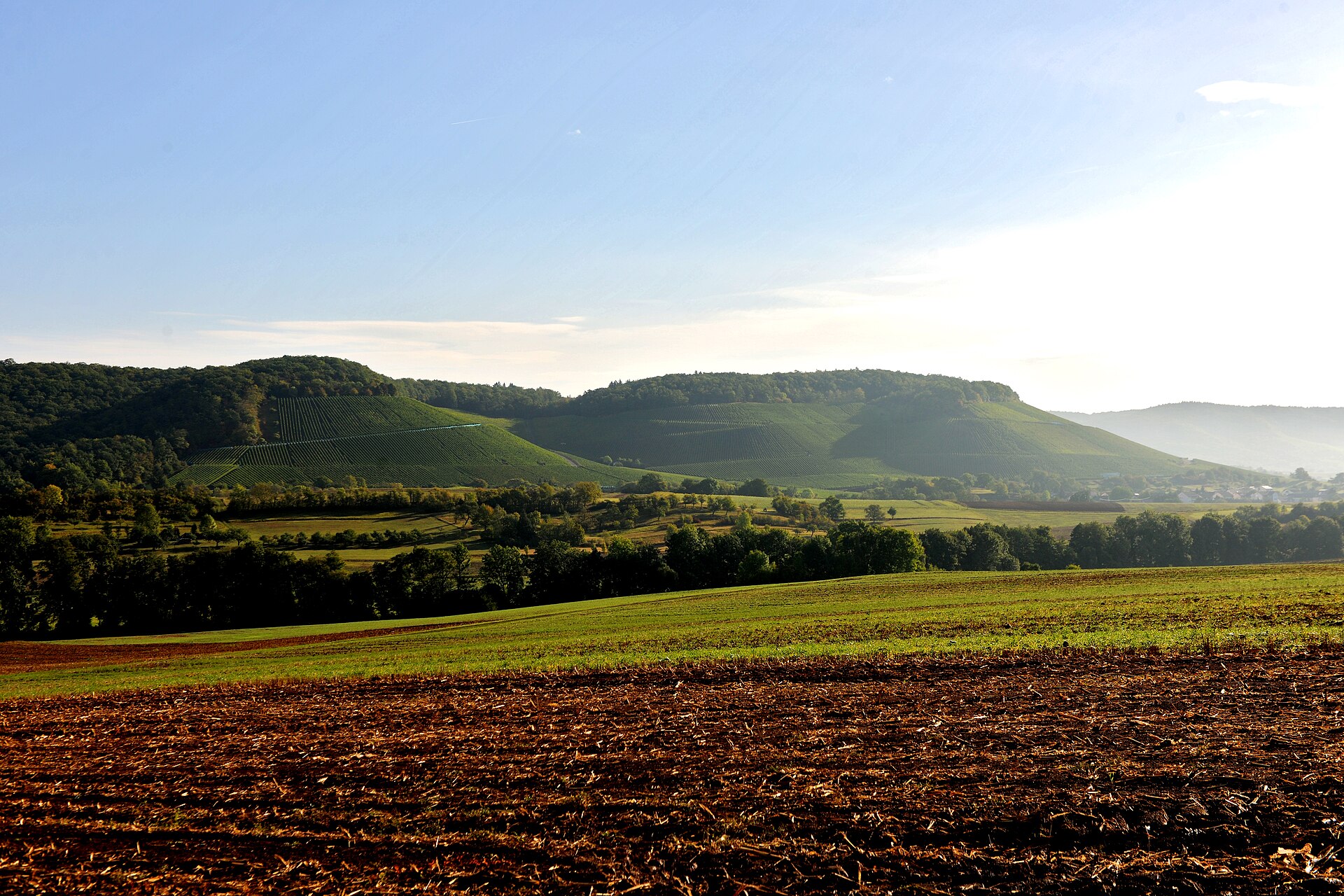
1,044 records
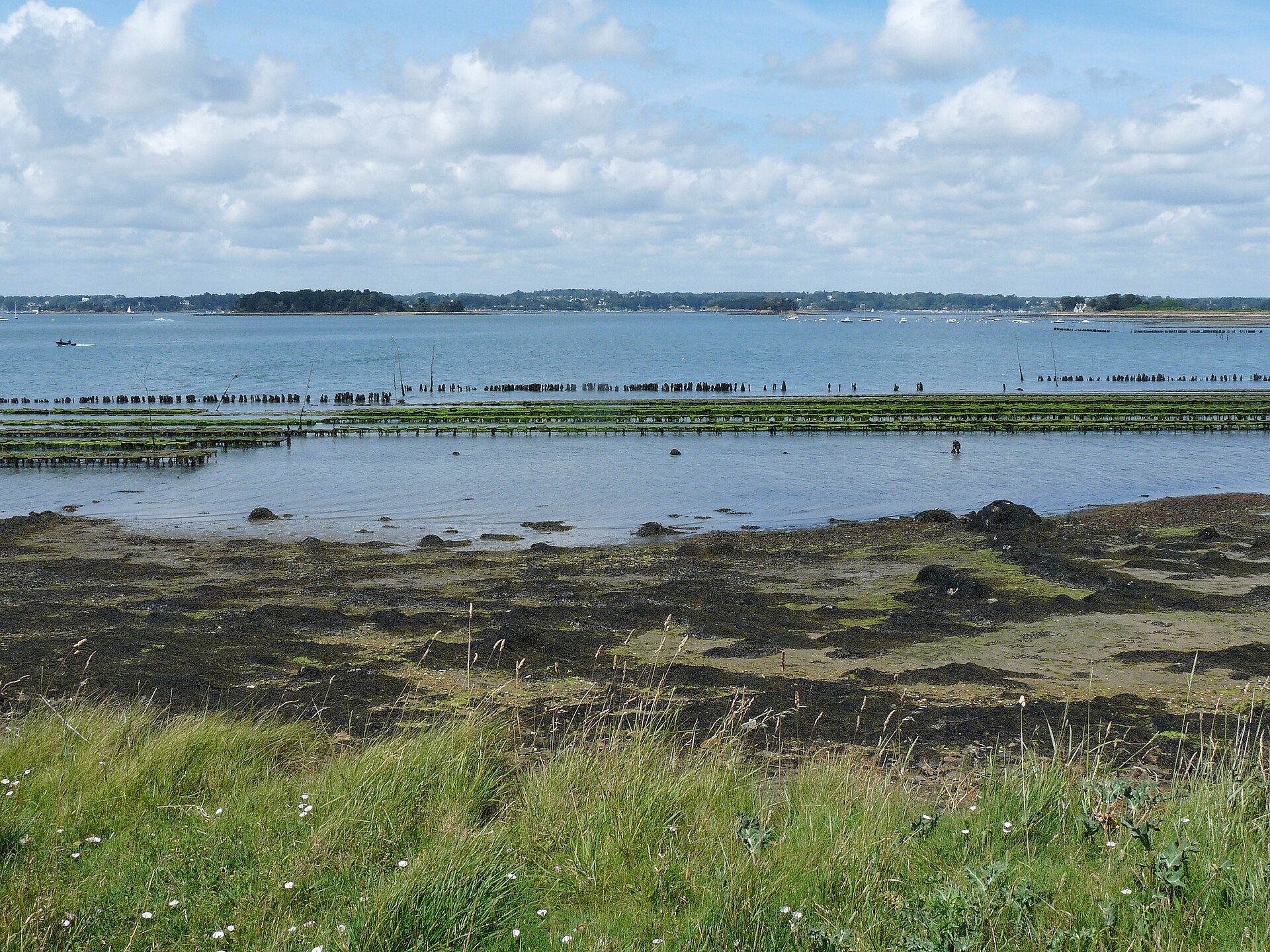
1,001 records
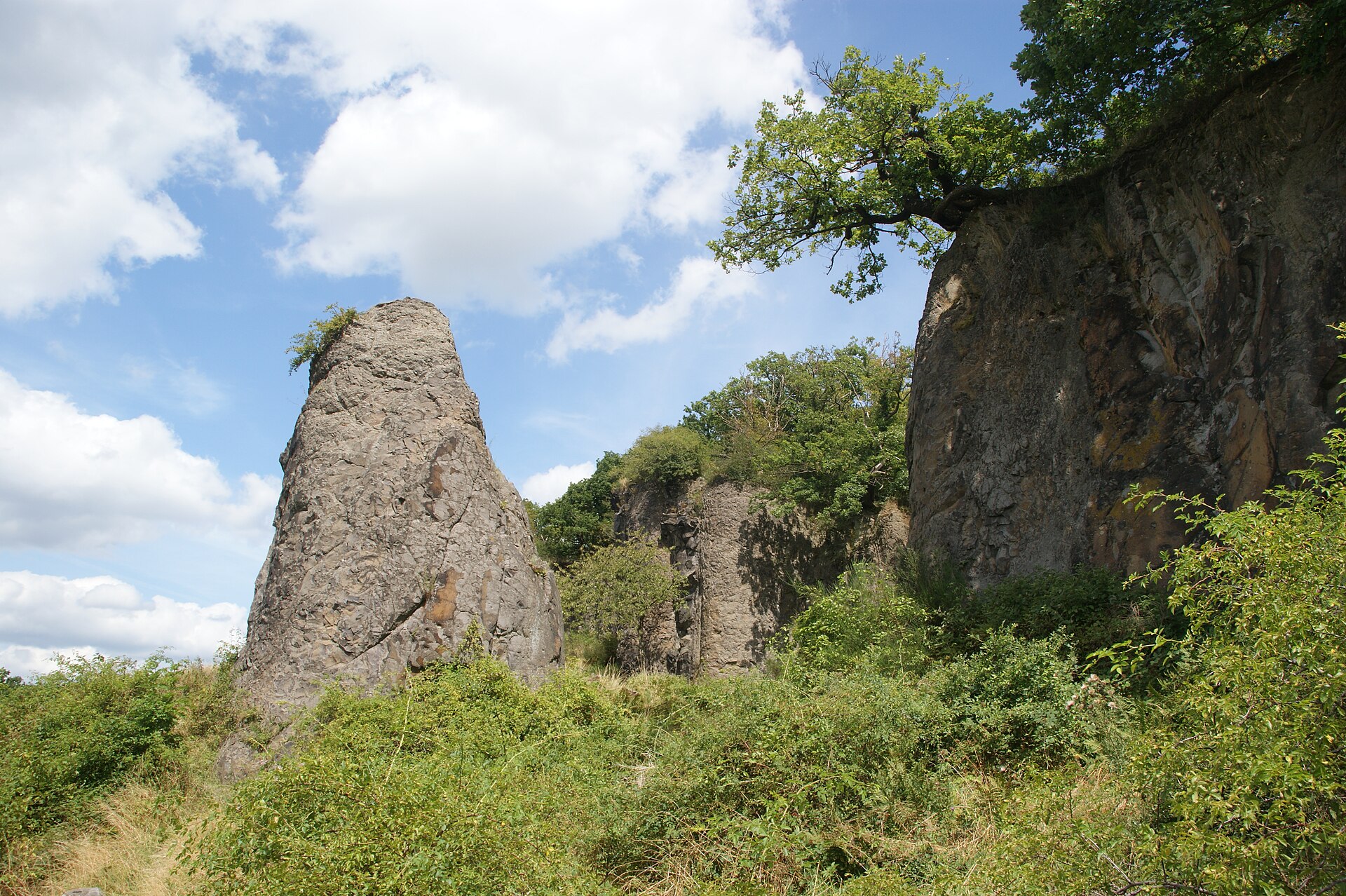
968 records
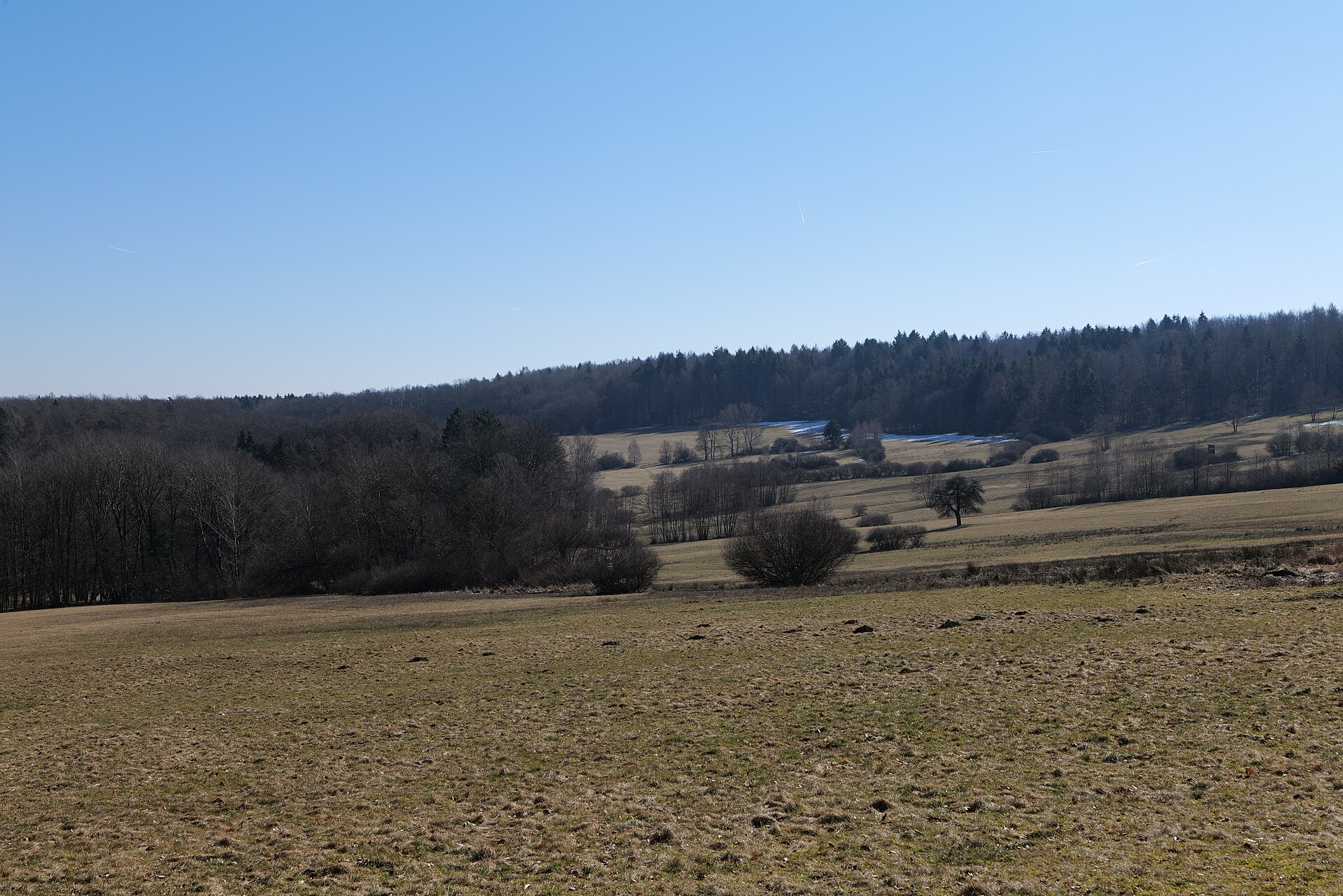
839 records
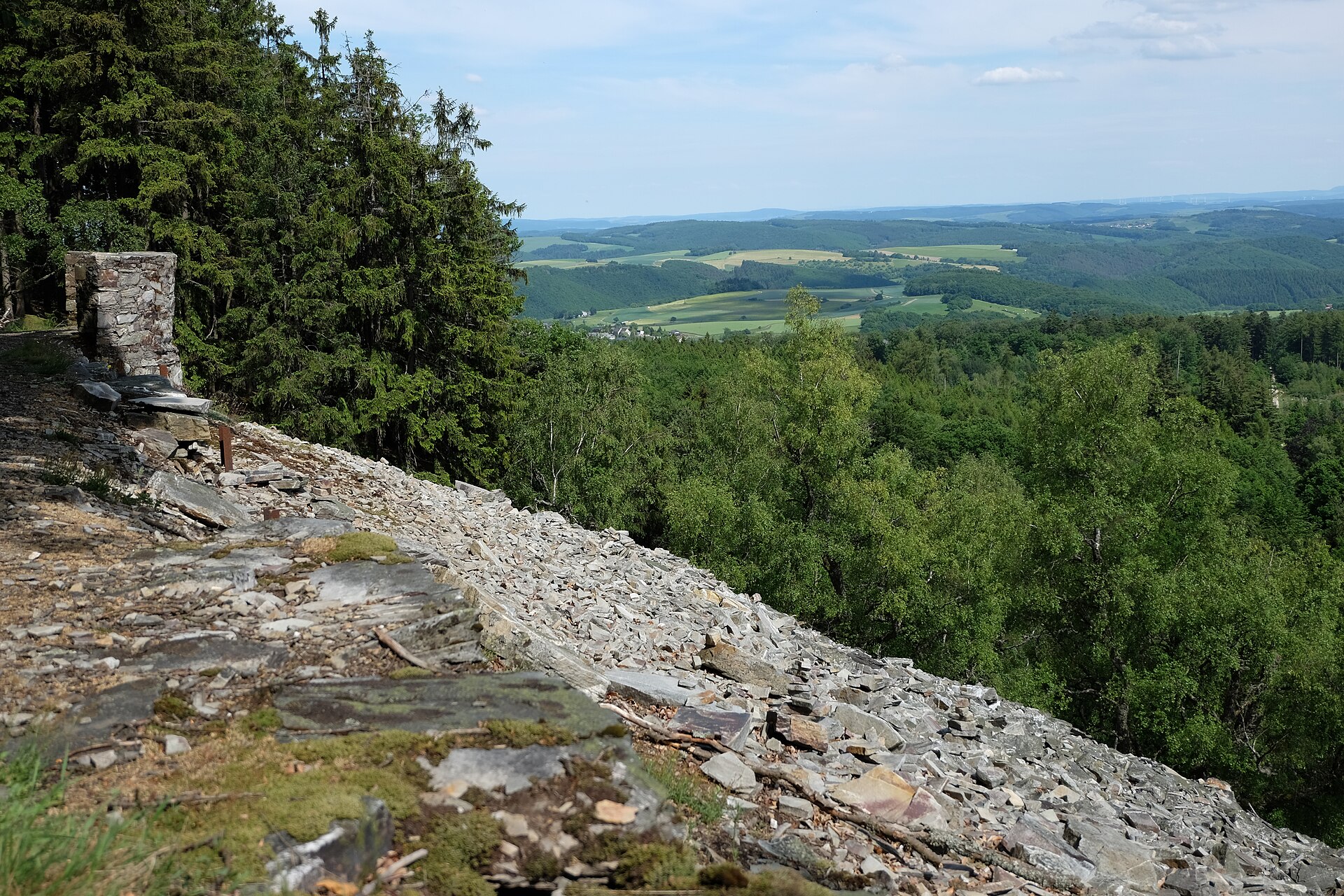
826 records
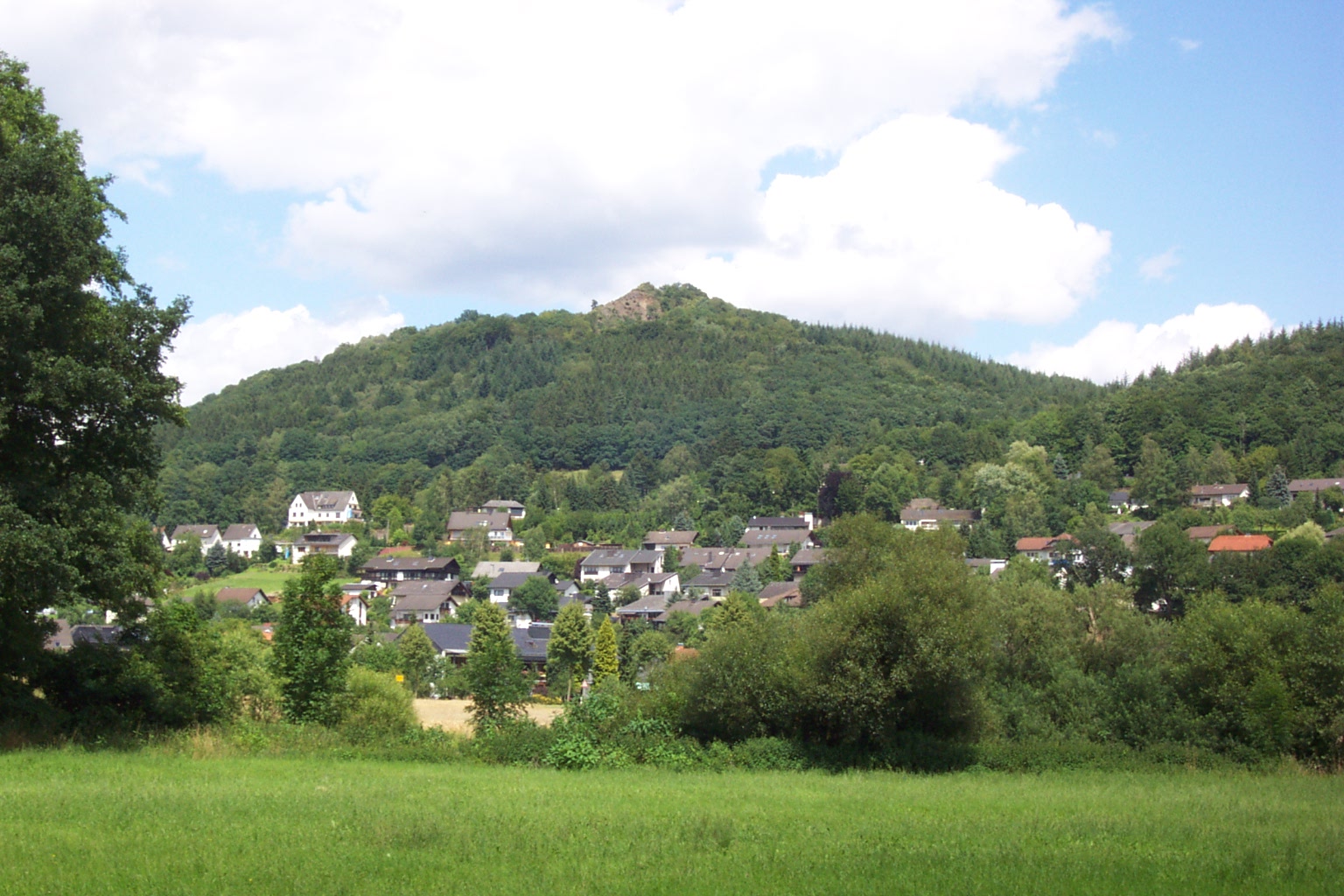
775 records

679 records
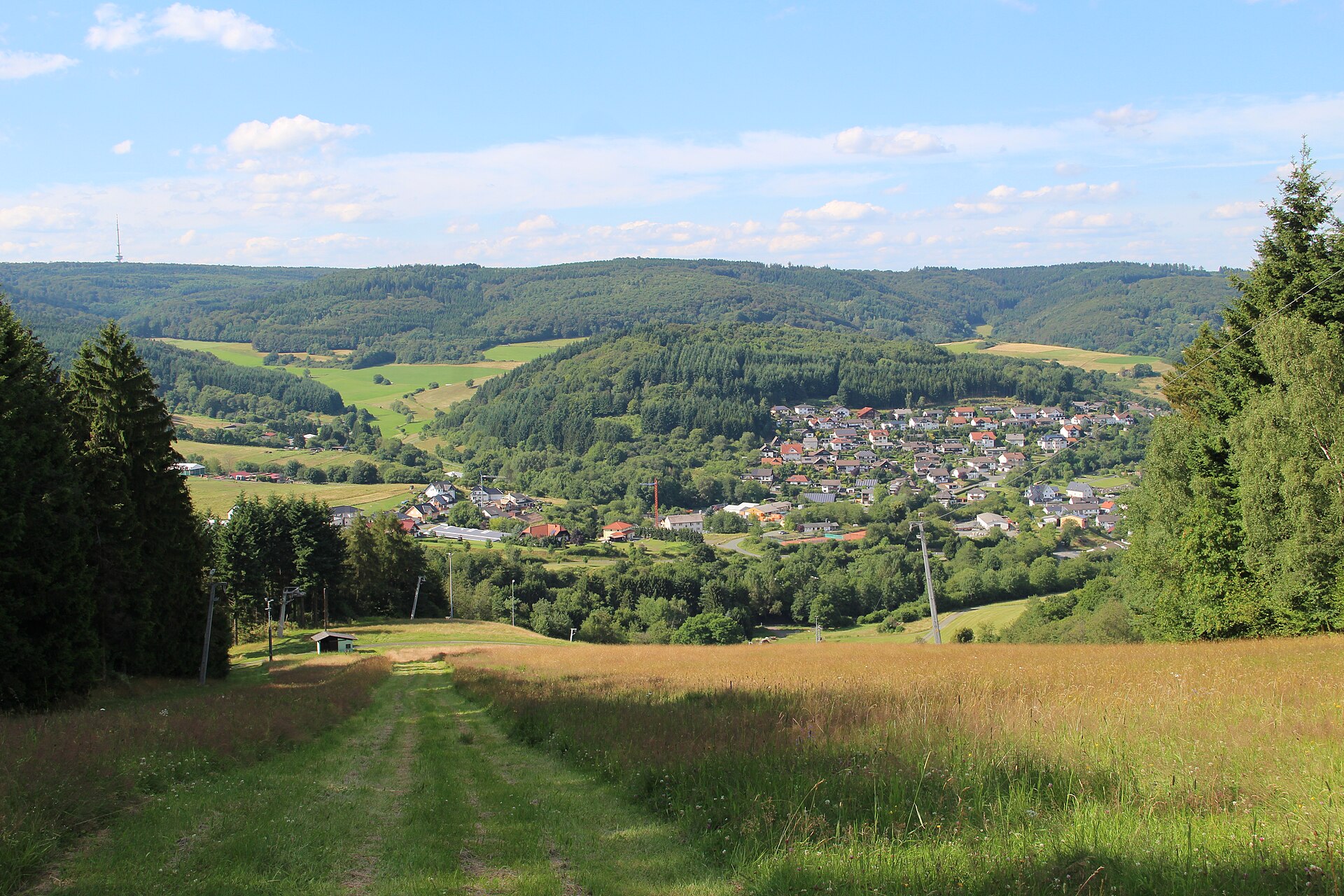
653 records
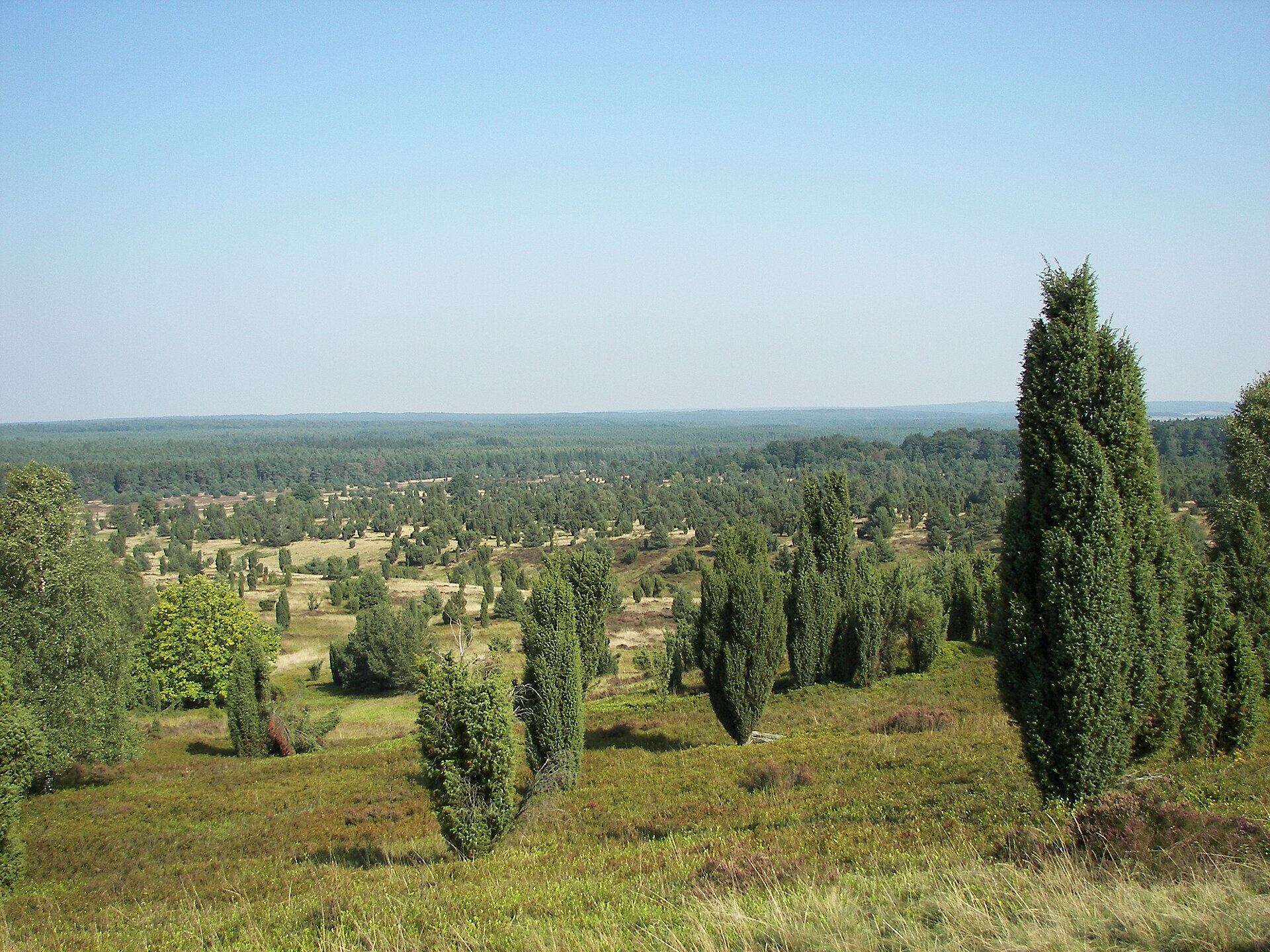
591 records

589 records
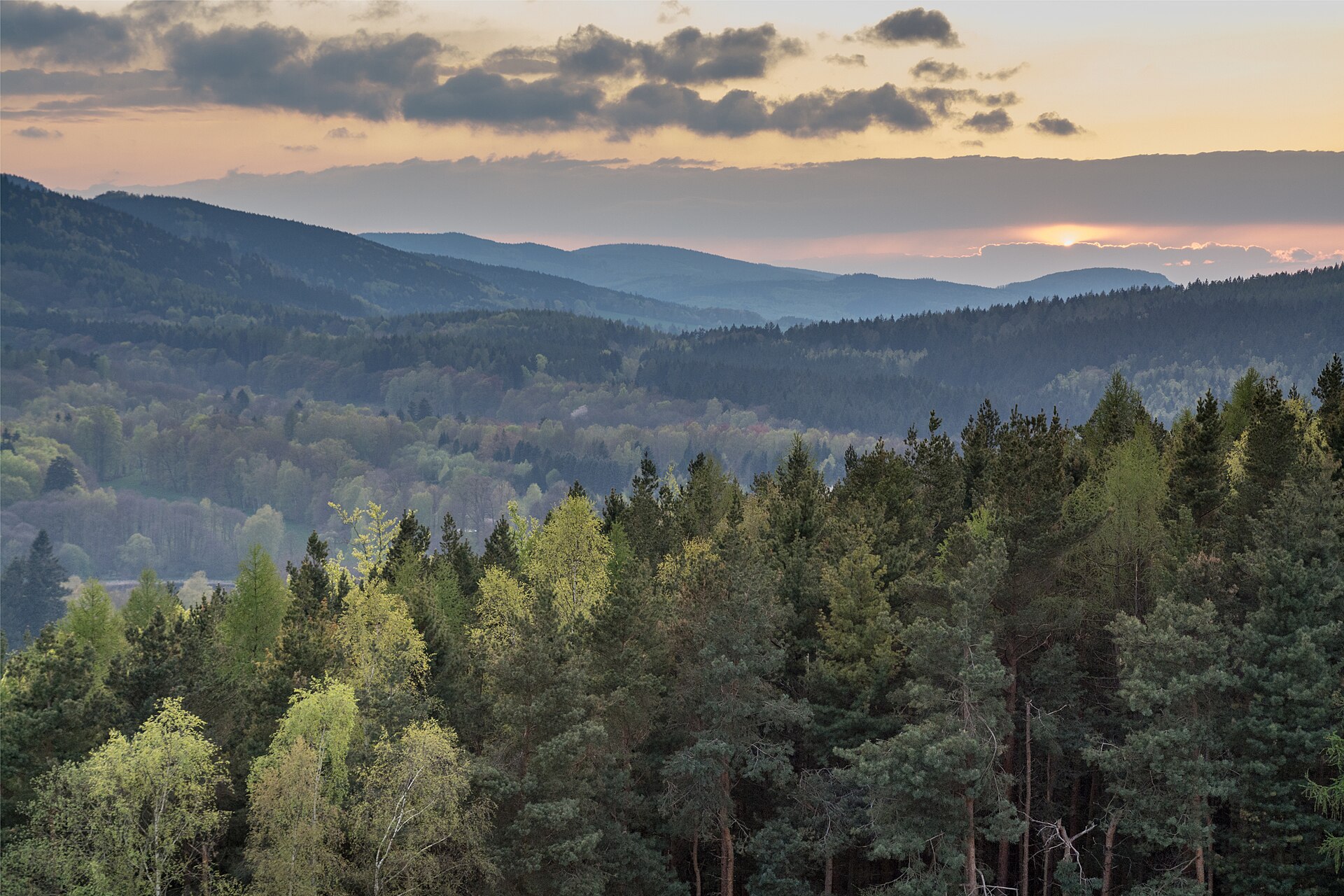
537 records

495 records
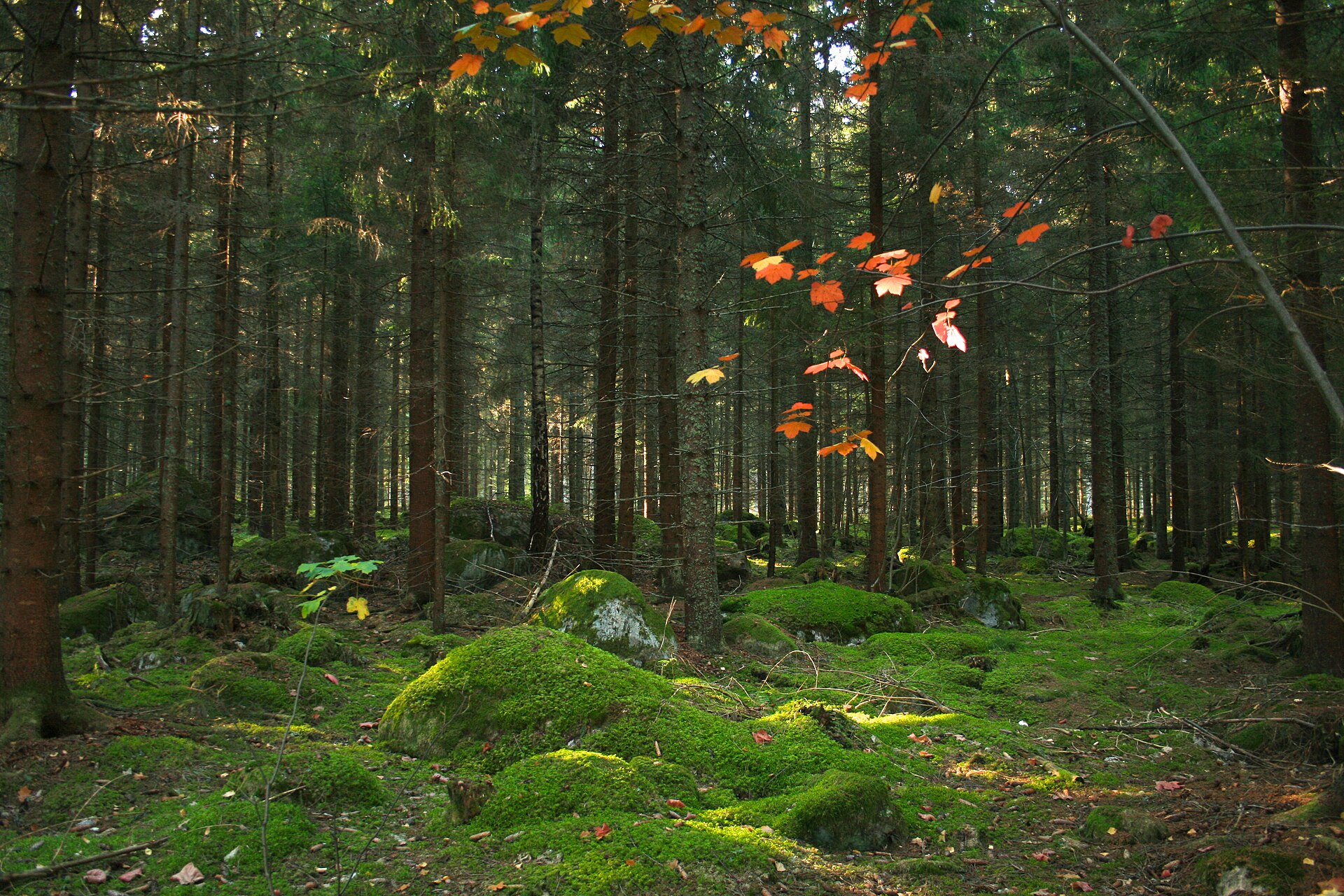
454 records

438 records

435 records

401 records
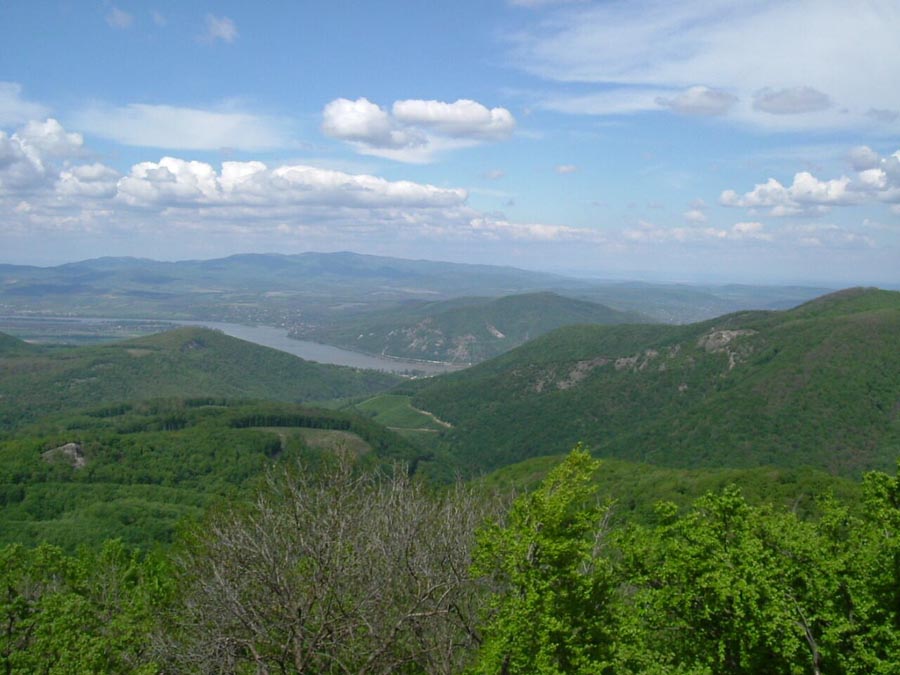
378 records
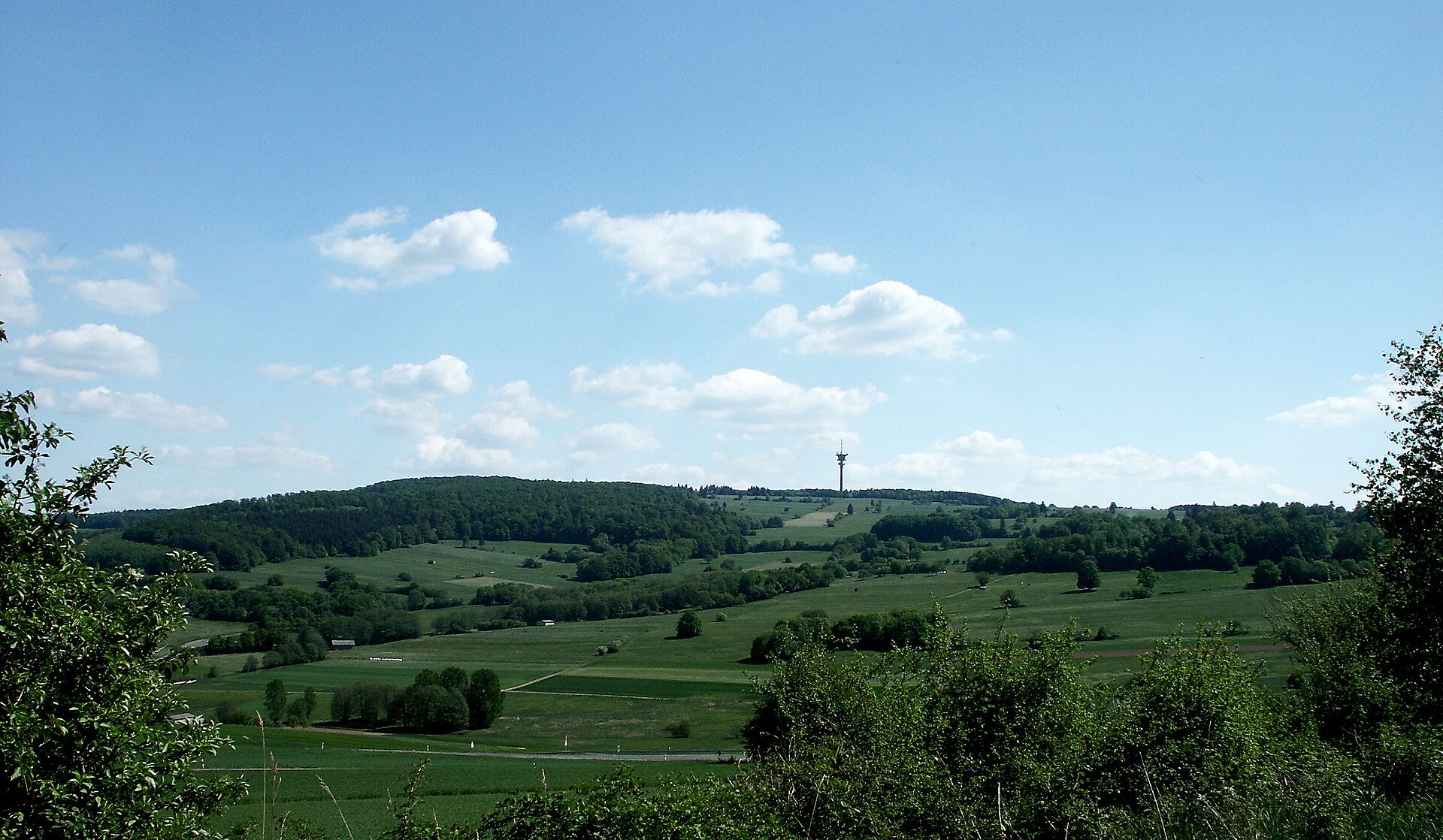
322 records
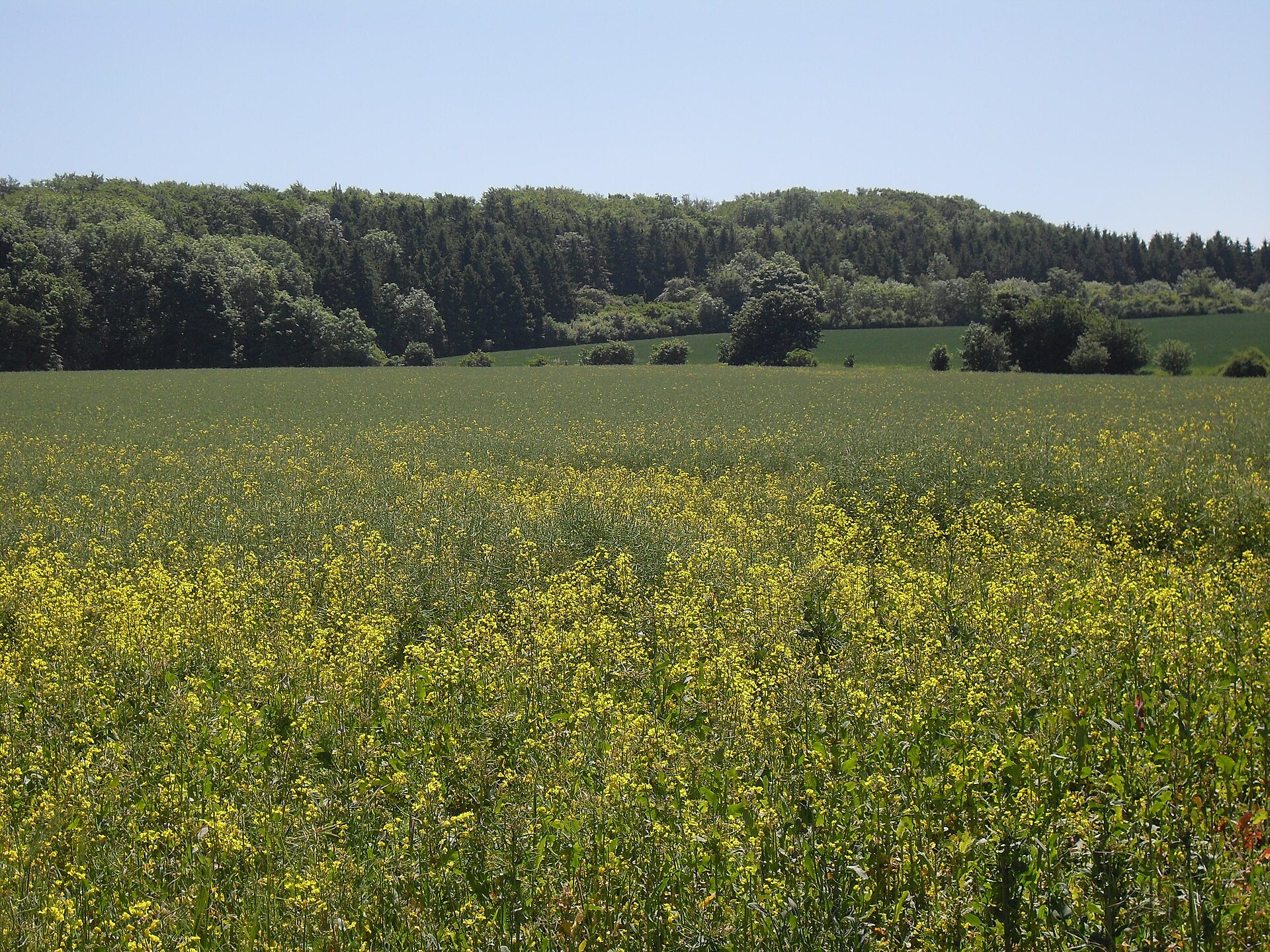
298 records

284 records
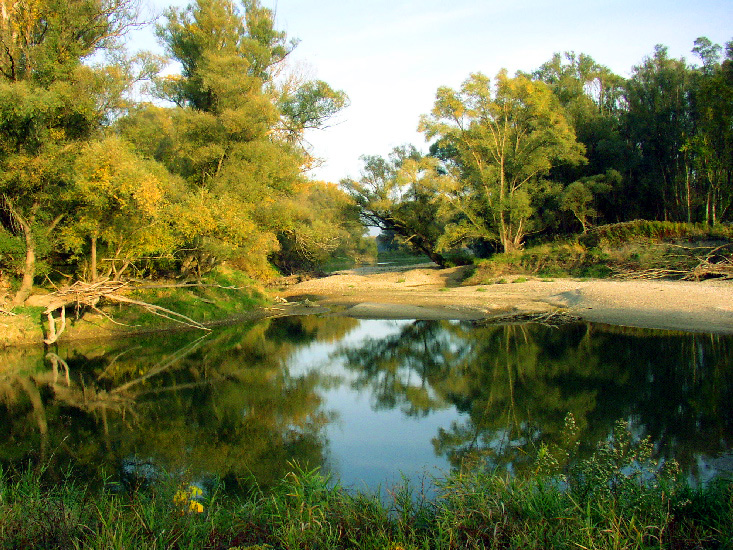
252 records

244 records
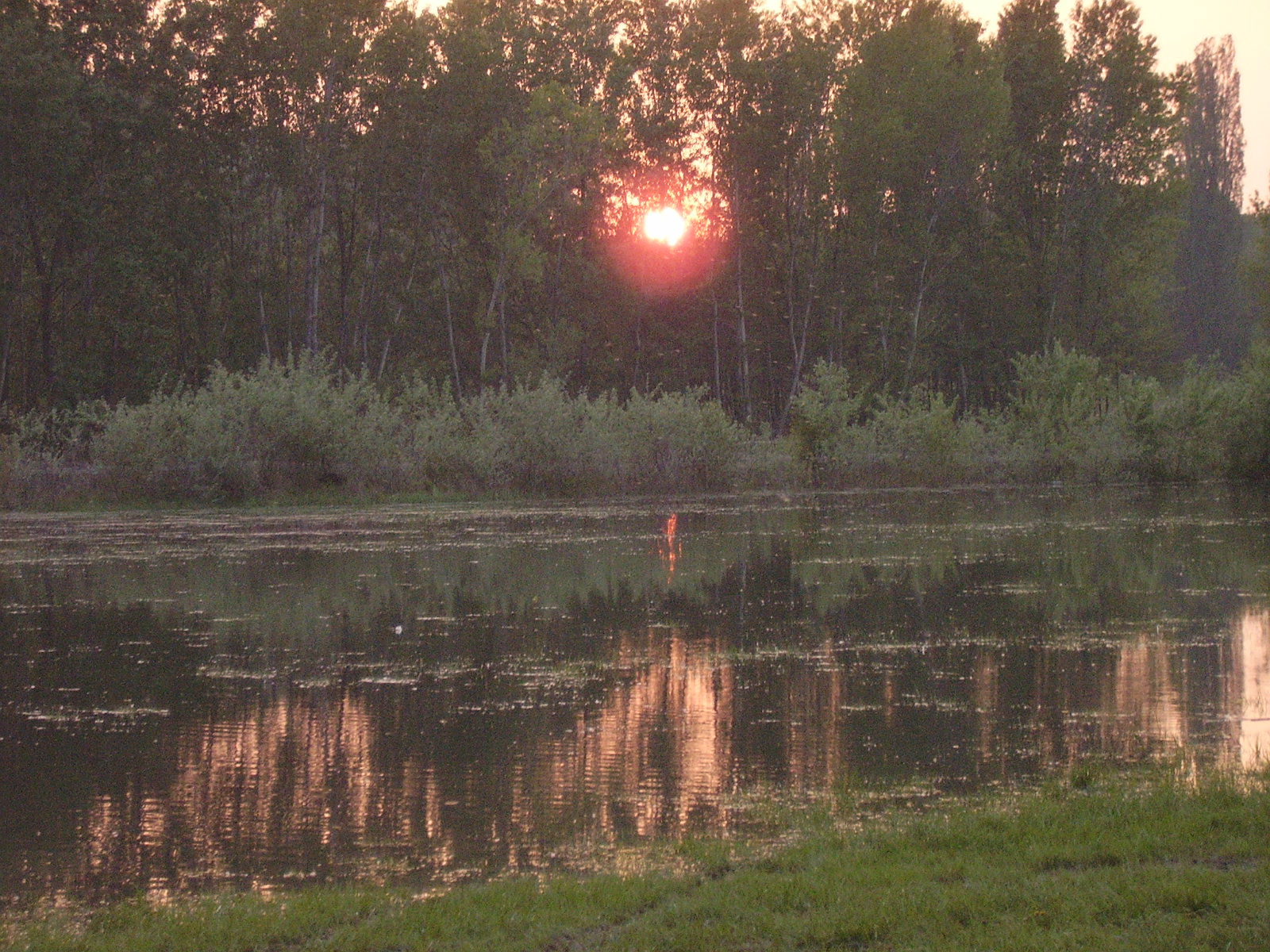
228 records
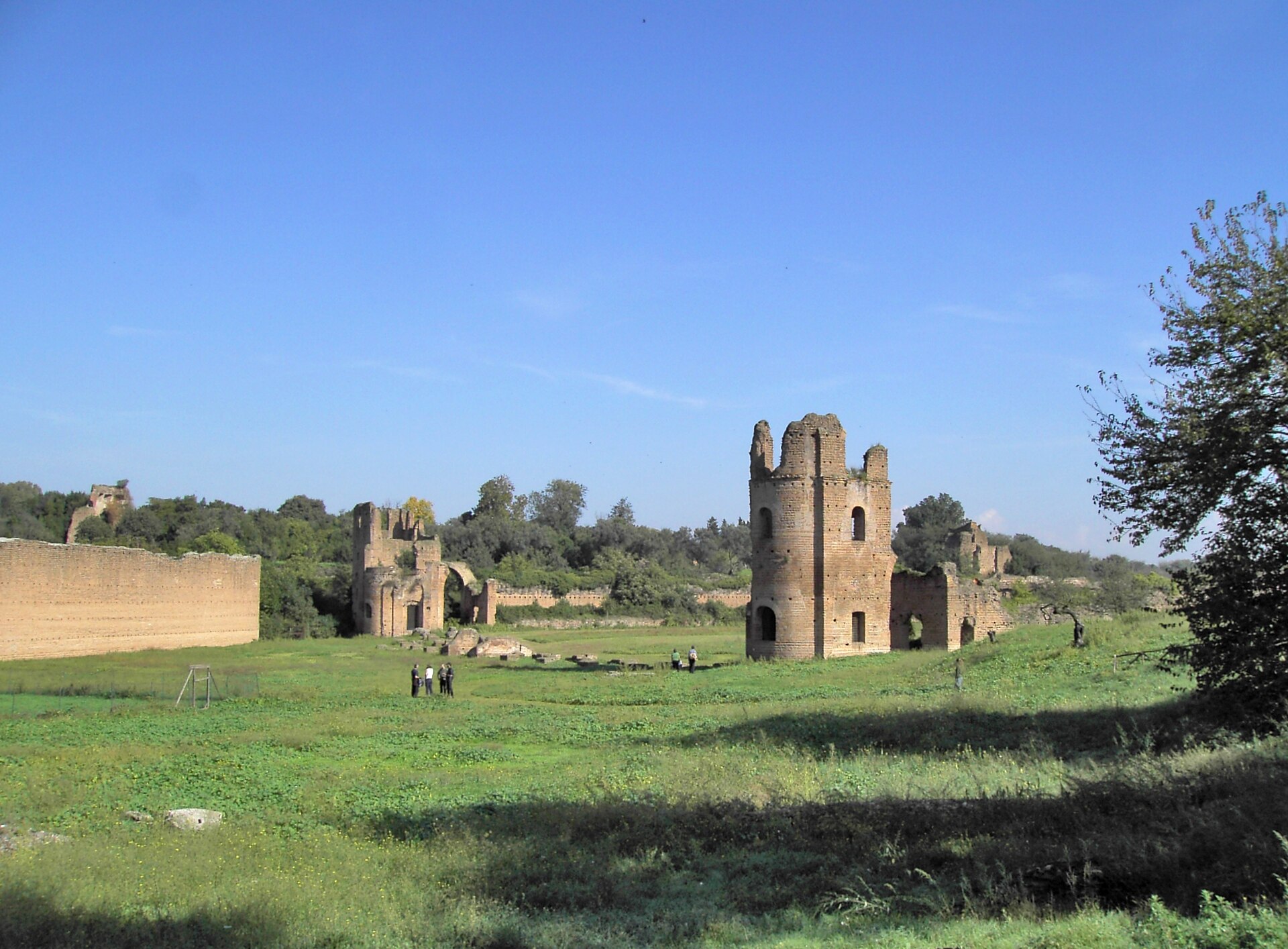
209 records

185 records
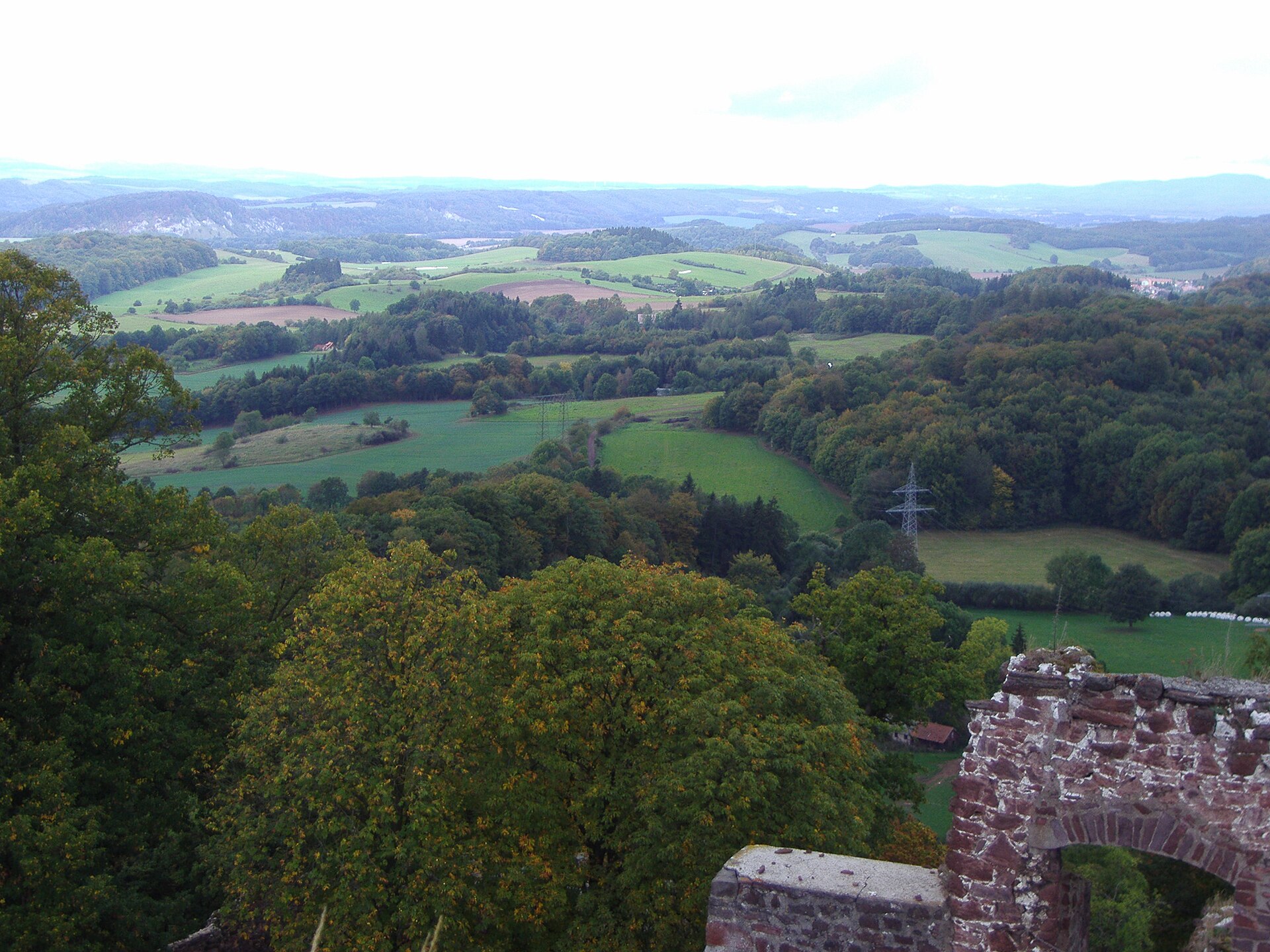
168 records

153 records
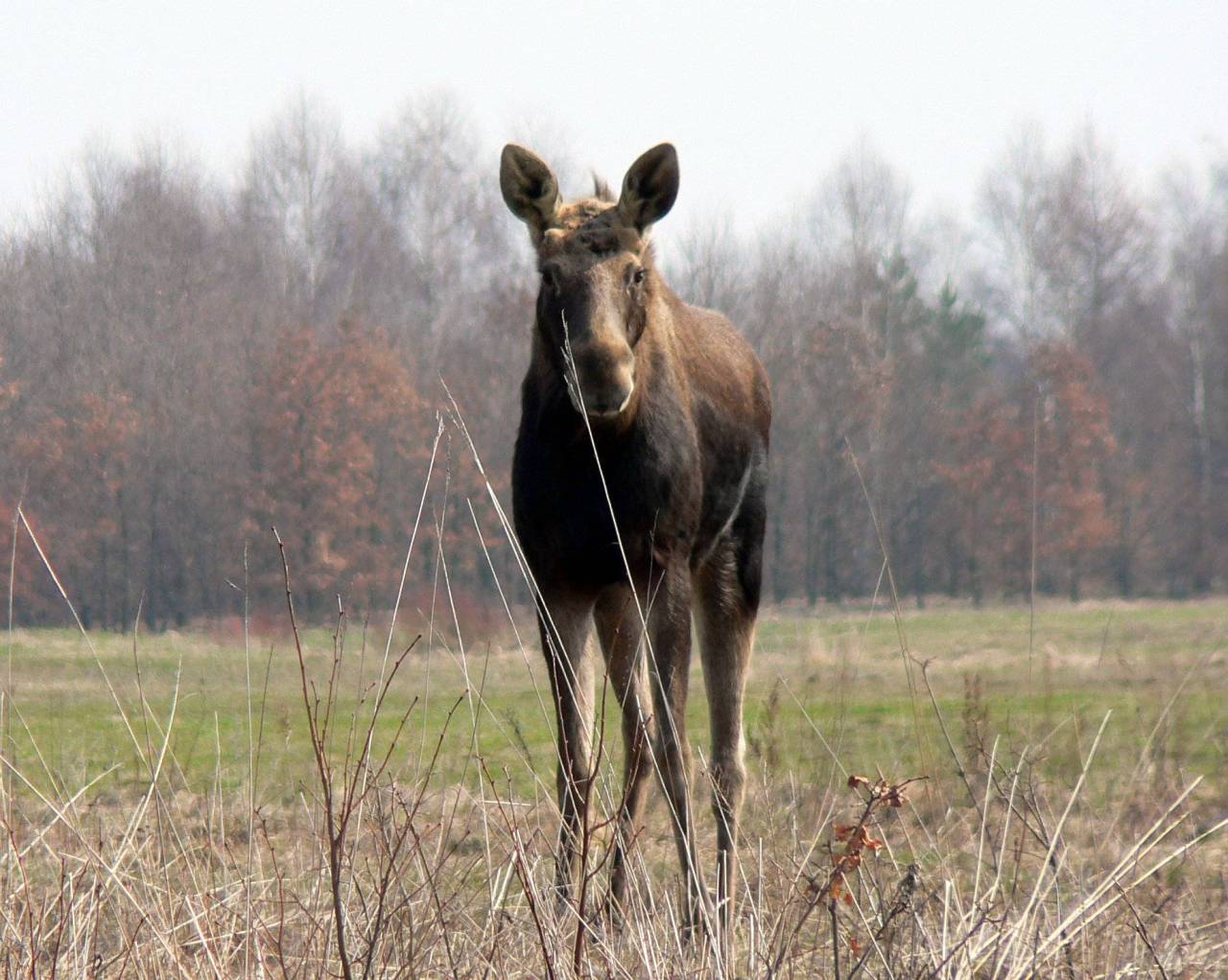
152 records

124 records

108 records

90 records
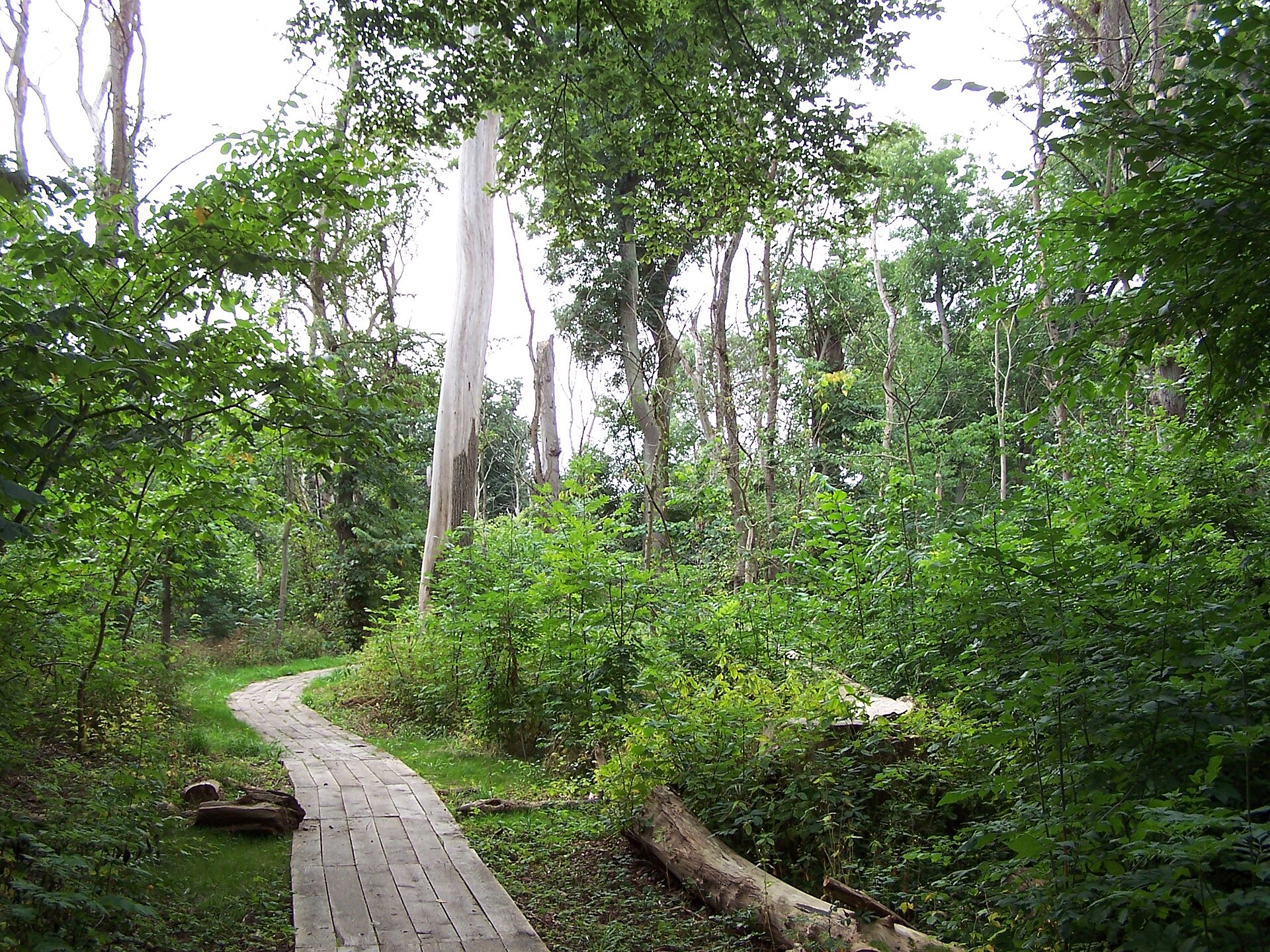
85 records
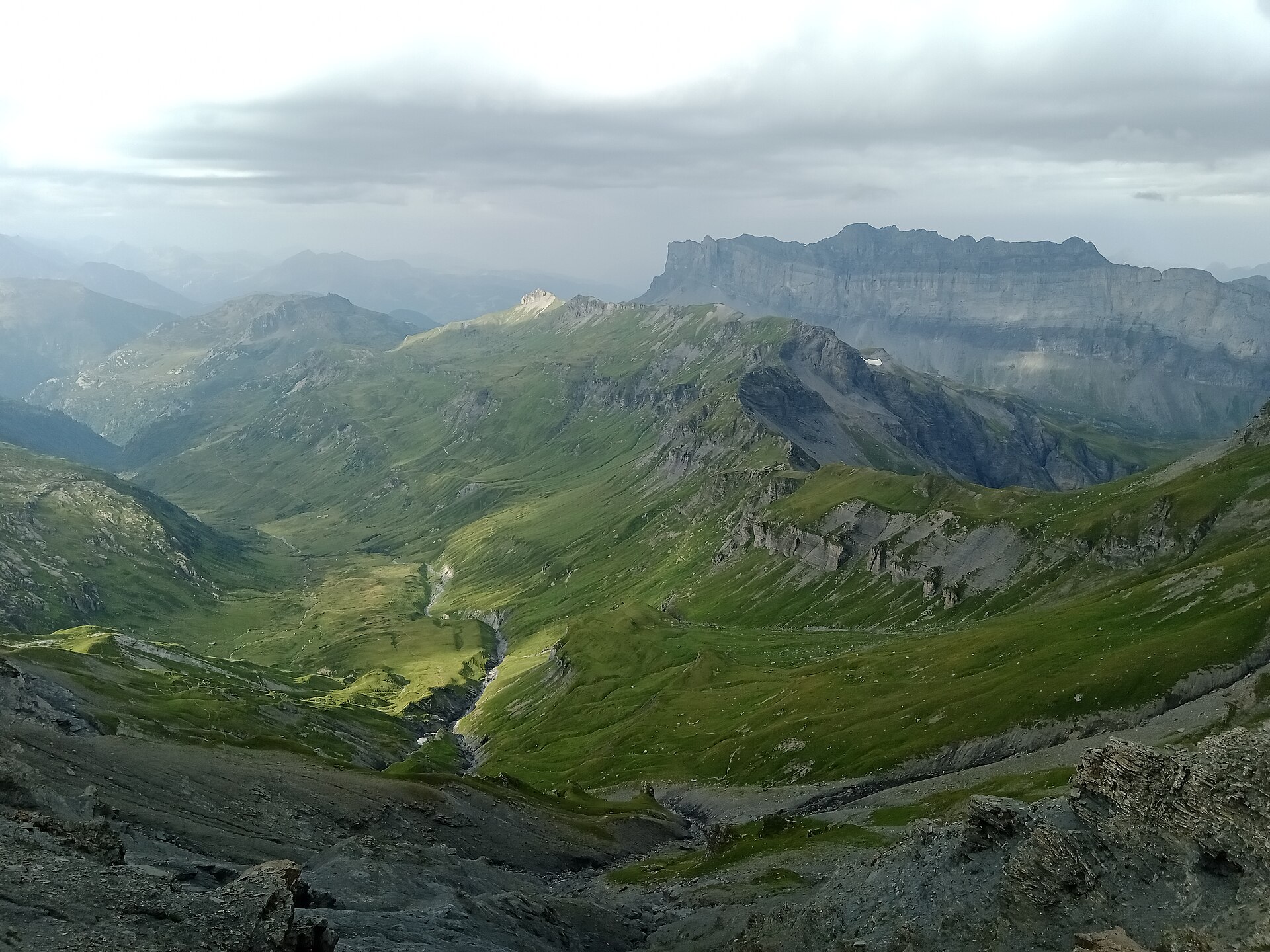
84 records

82 records
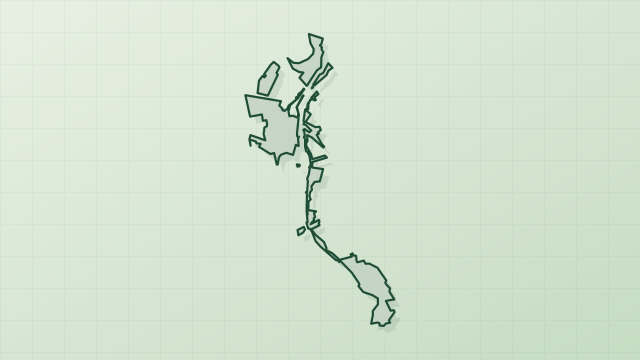
80 records
78 records
78 records

75 records

59 records
58 records
57 records

56 records

54 records

52 records
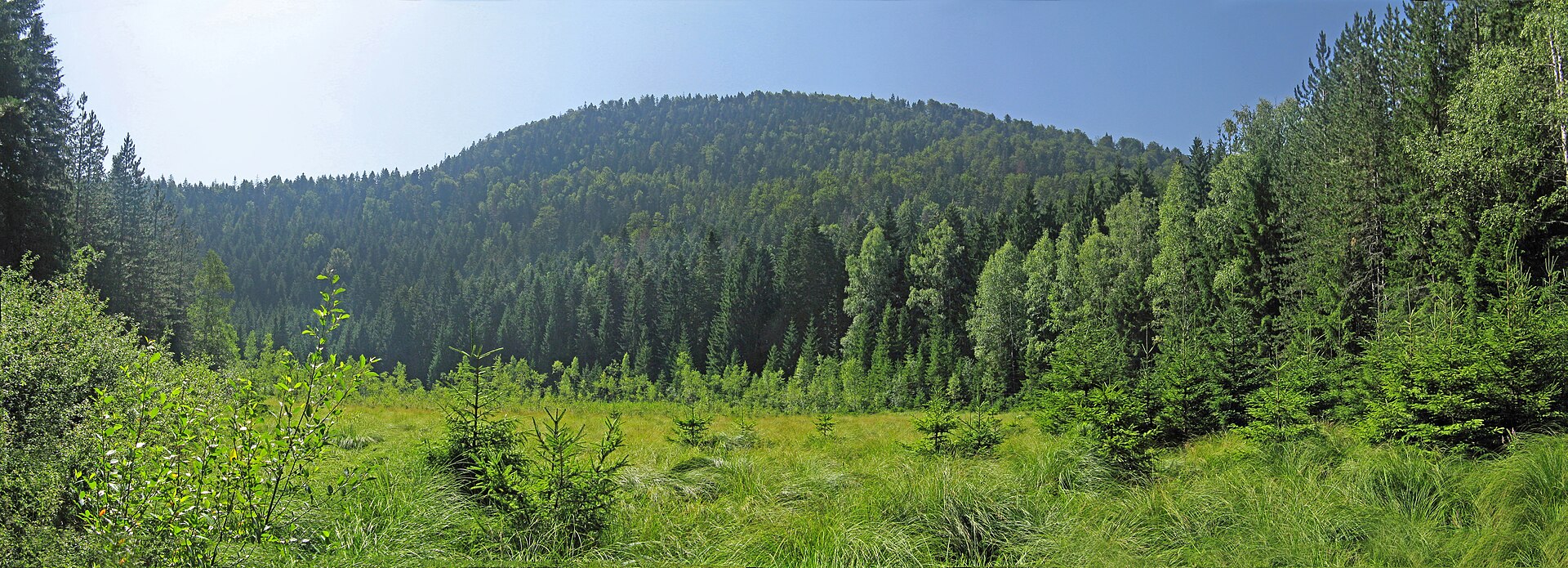
50 records
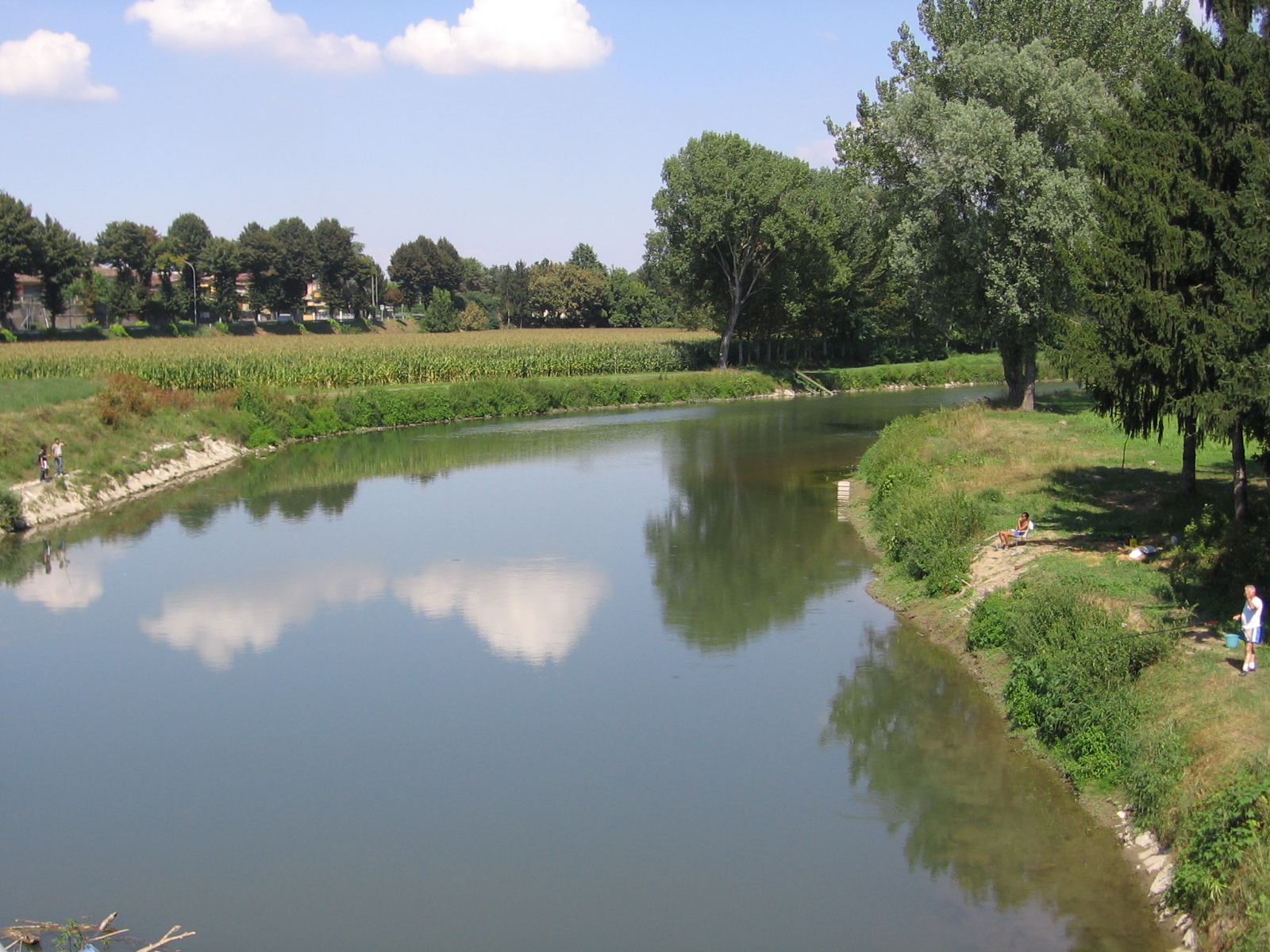
49 records

45 records
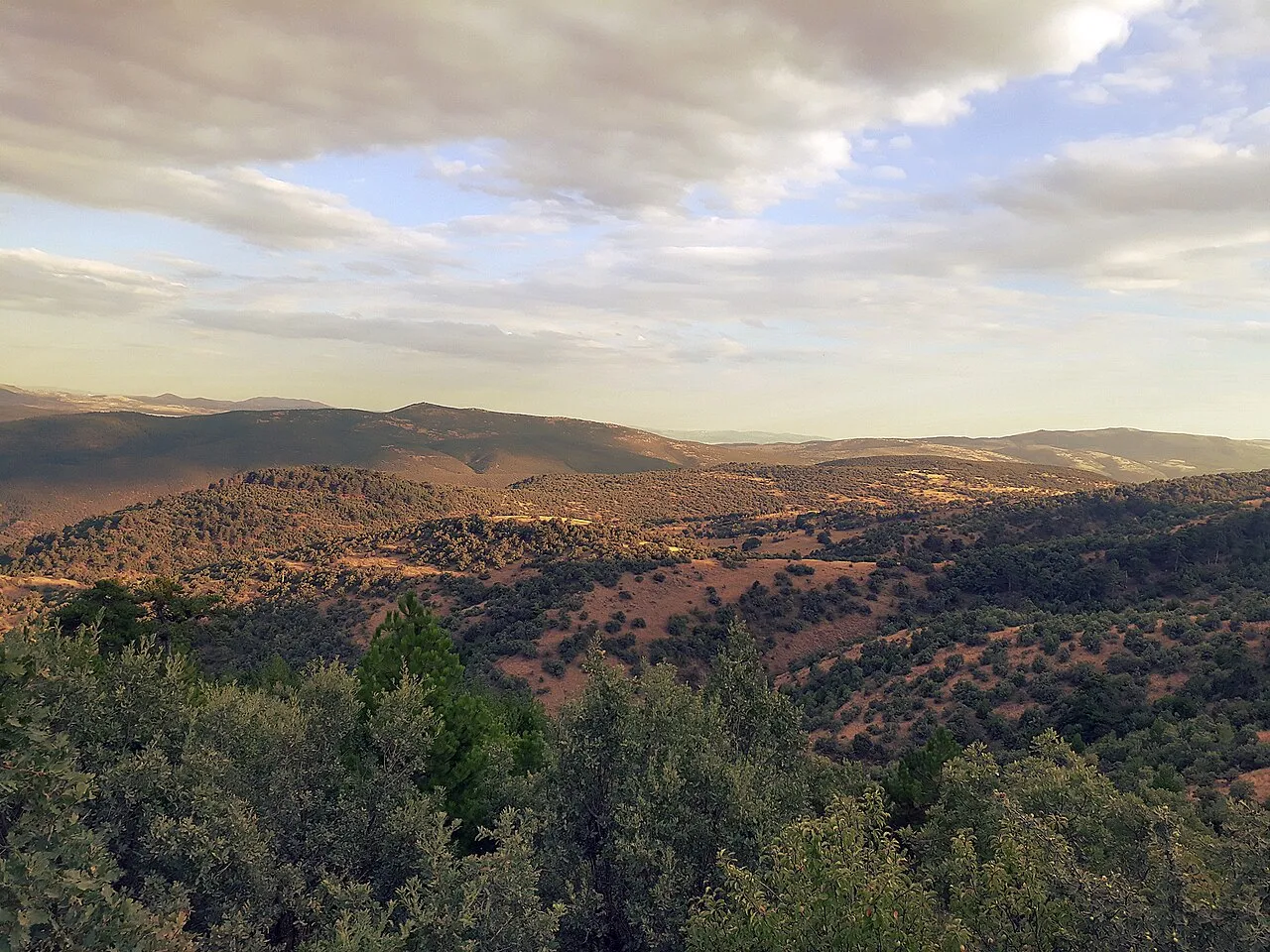
45 records
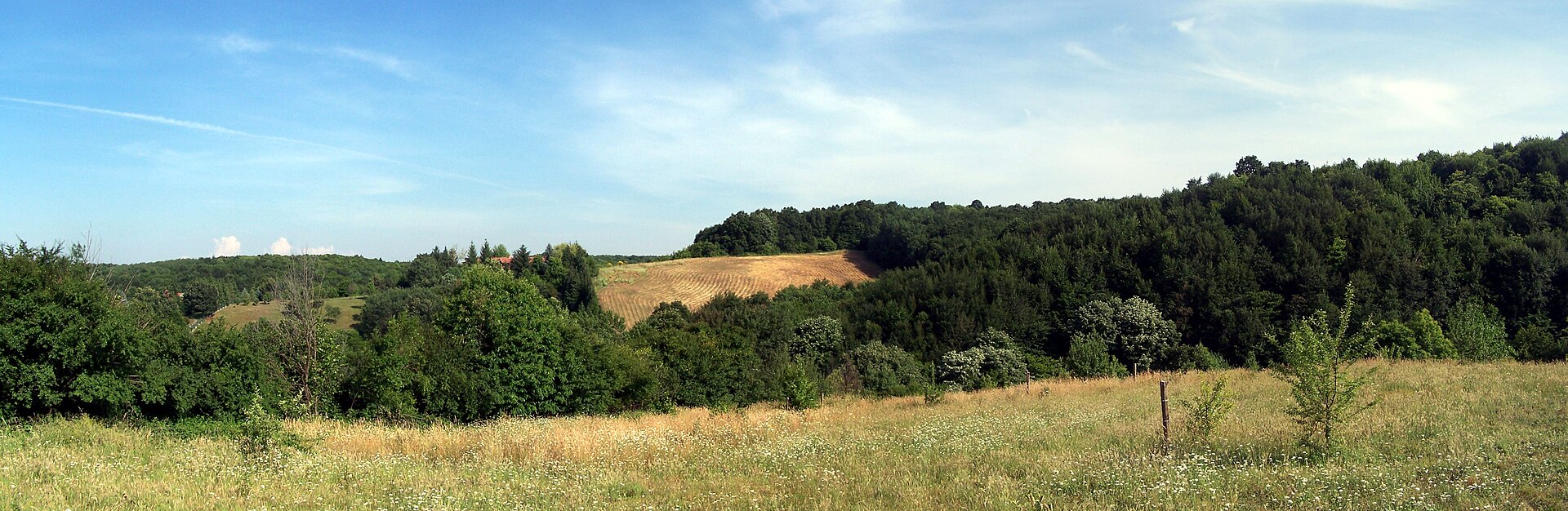
43 records
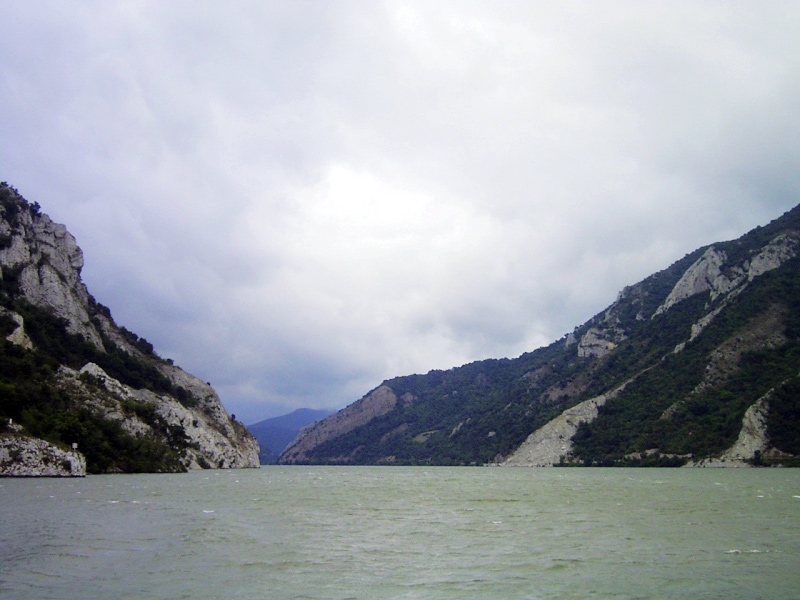
38 records

37 records

33 records
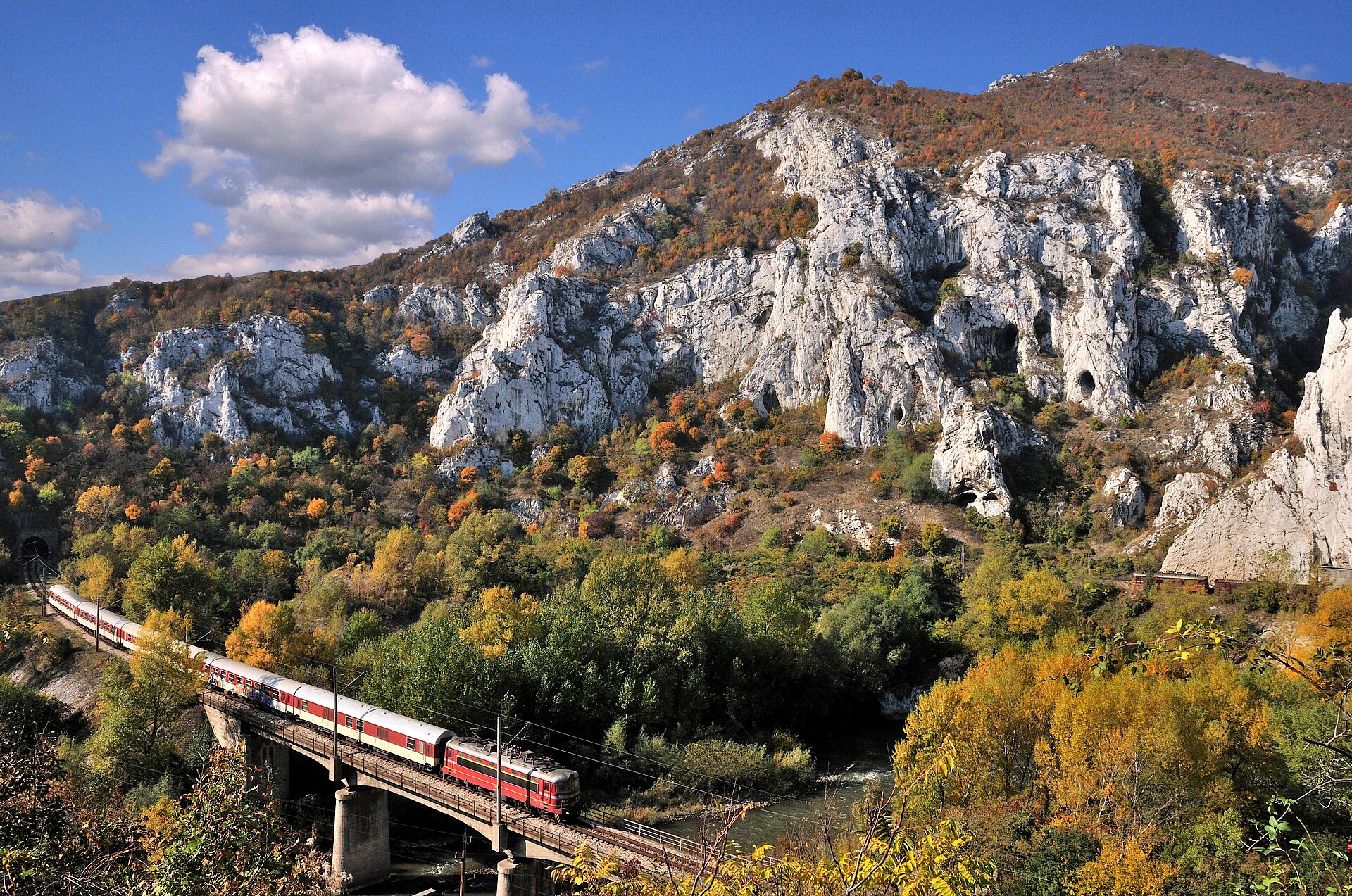
32 records
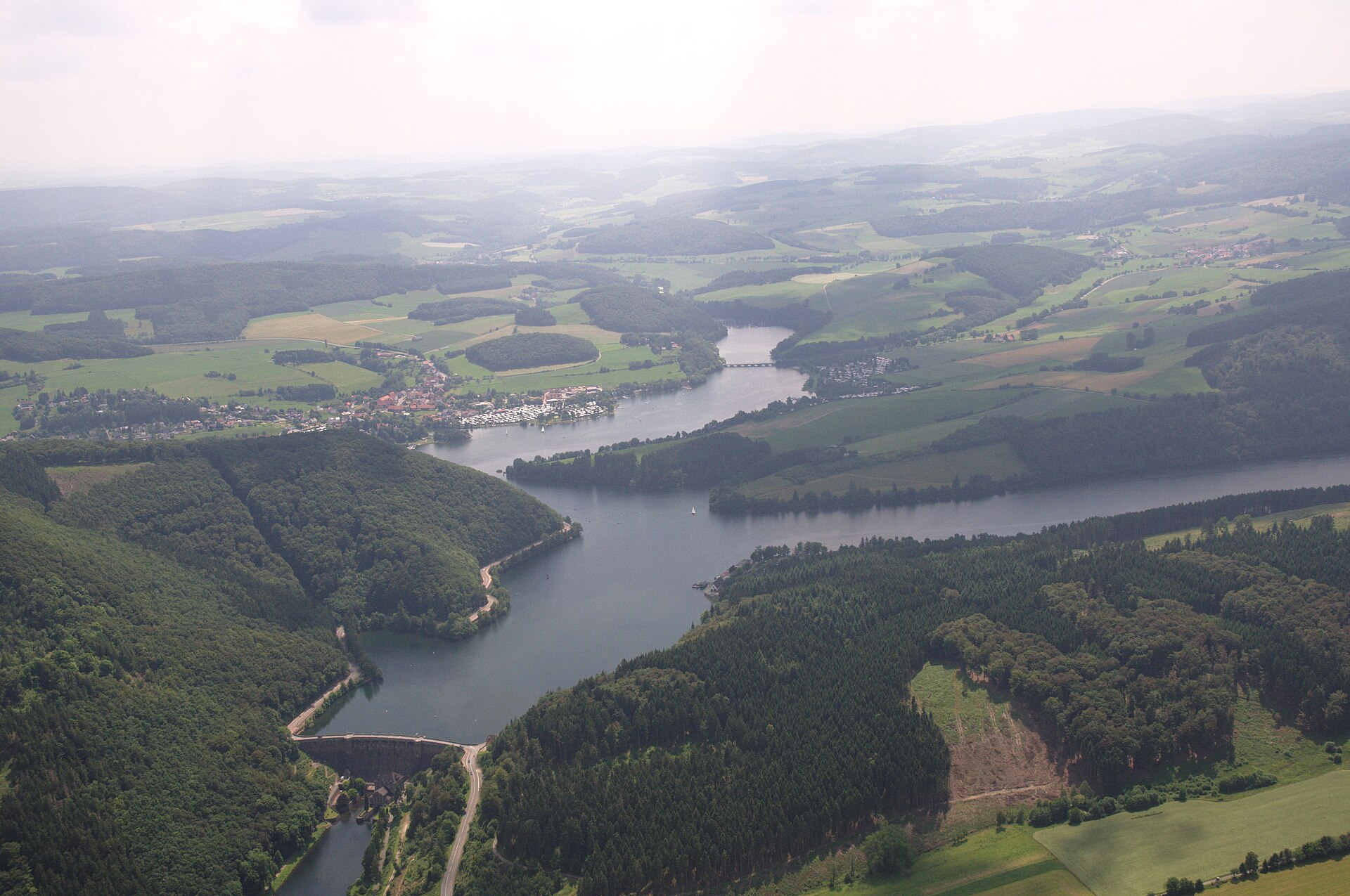
31 records

30 records
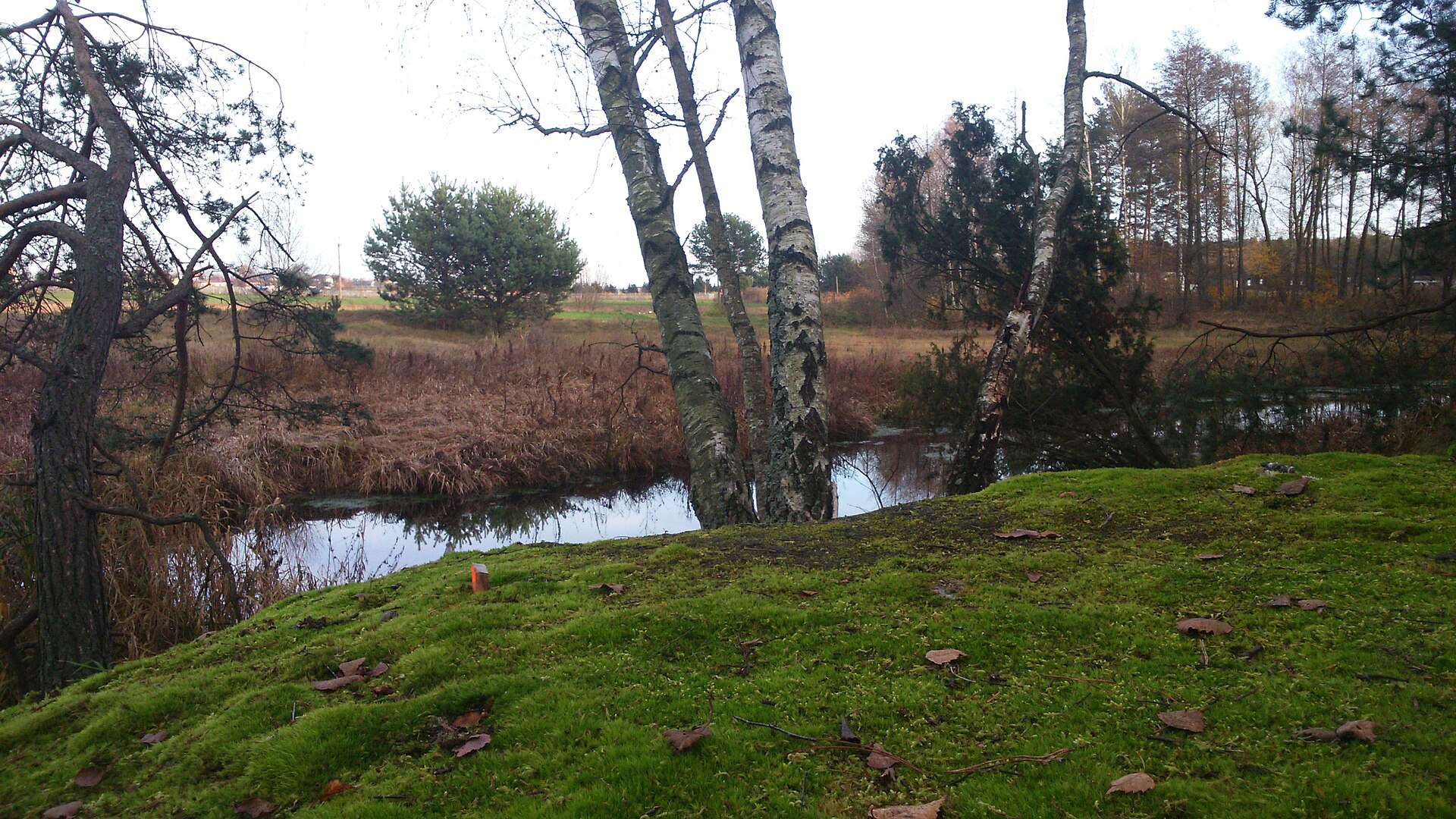
27 records
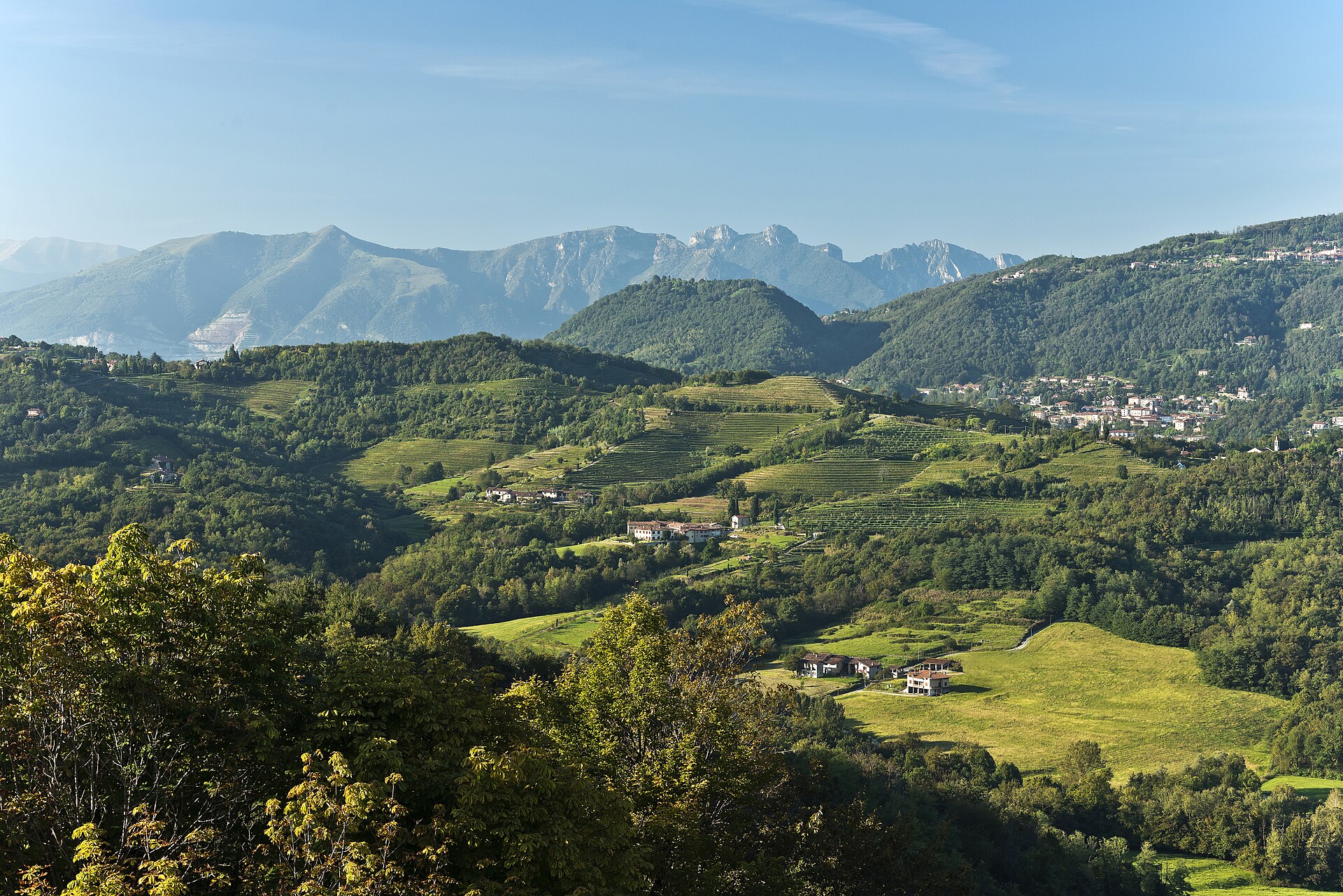
26 records
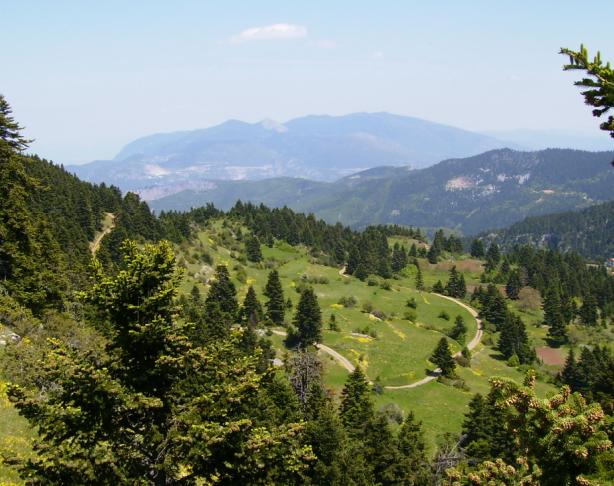
23 records

22 records

21 records
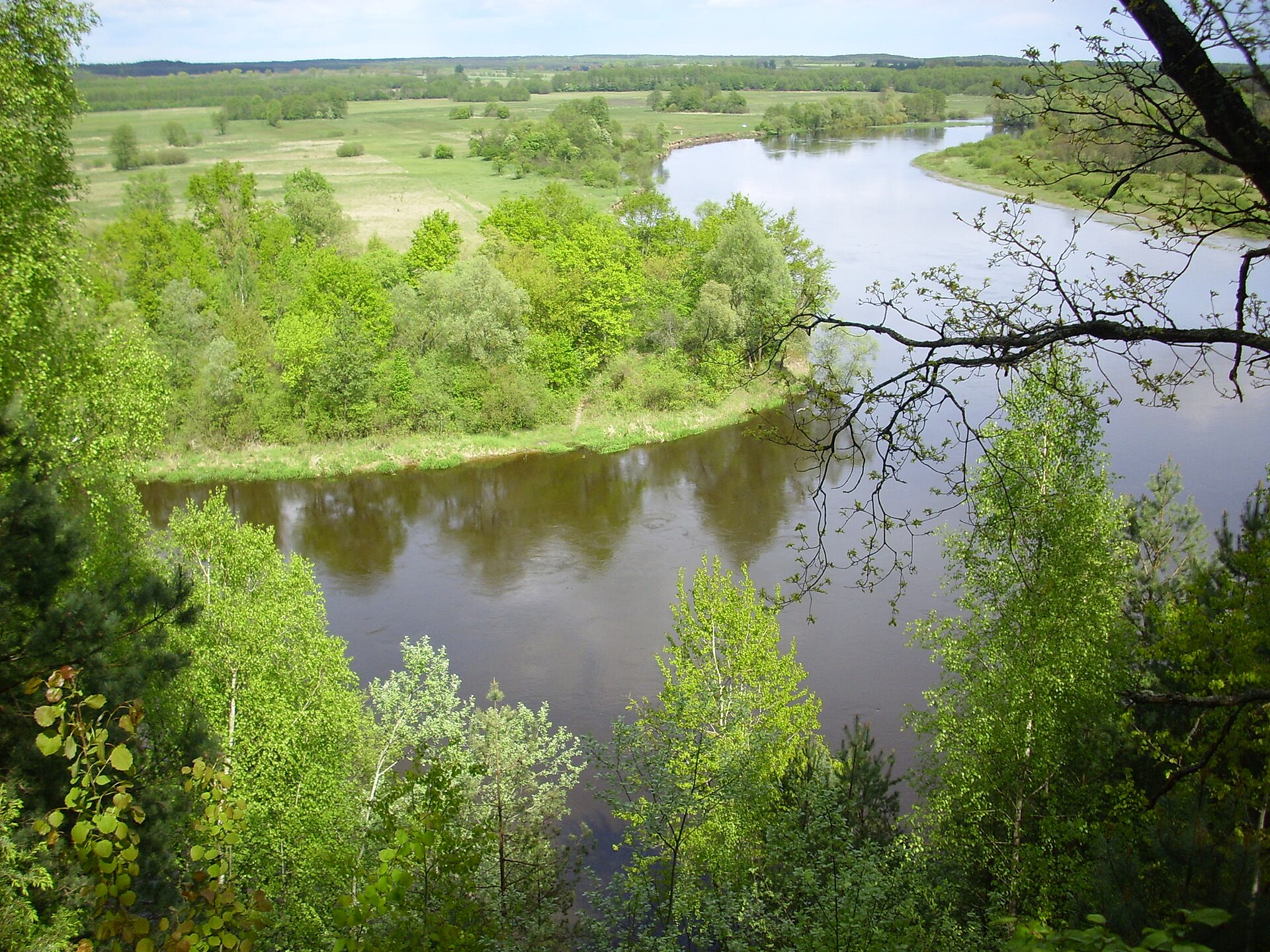
21 records
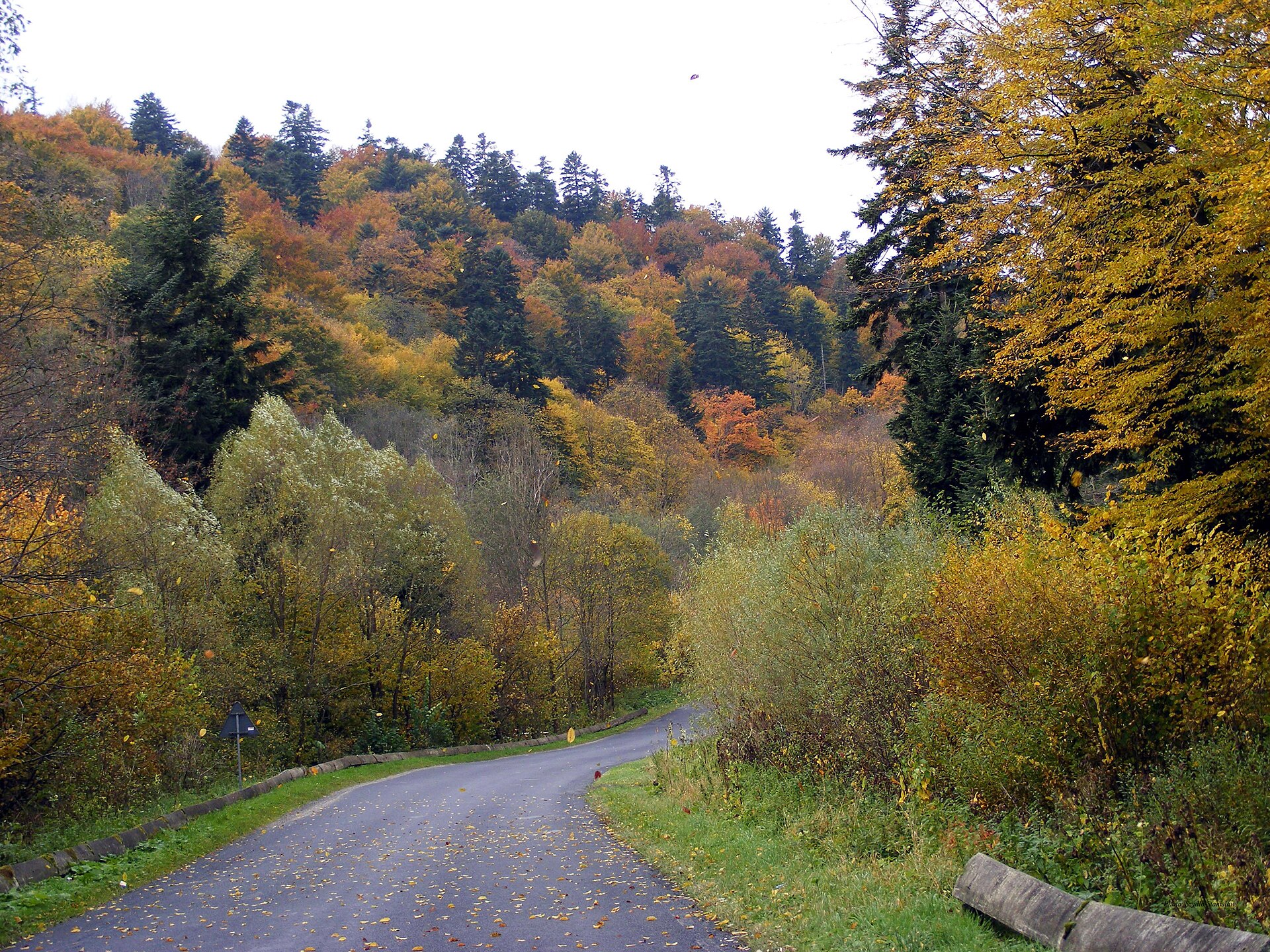
19 records
18 records
17 records

16 records

16 records

15 records

15 records
14 records
12 records
10 records

9 records

8 records
8 records

8 records

8 records

7 records
7 records

6 records
6 records
5 records
5 records

5 records
5 records

4 records
4 records
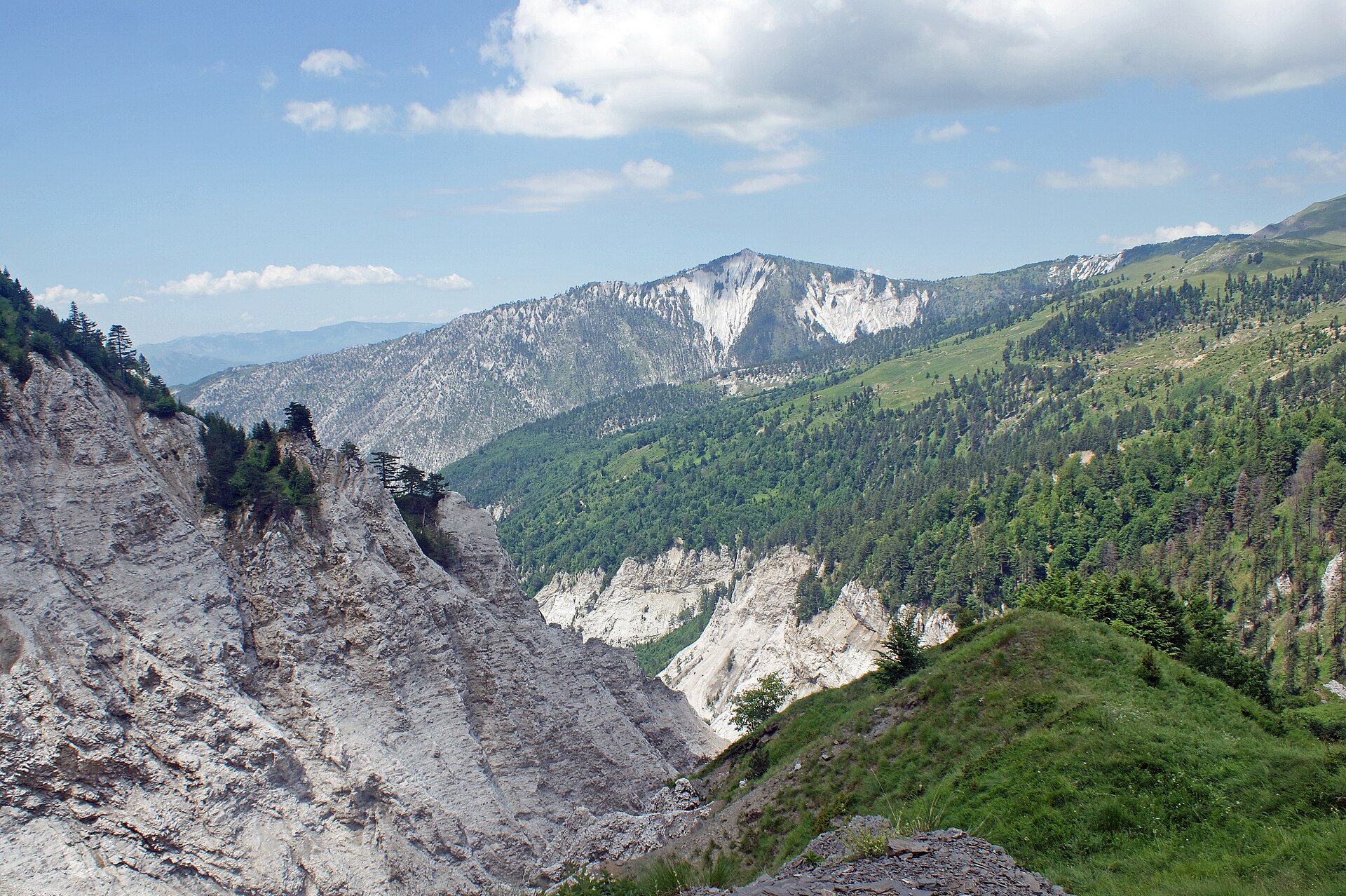
4 records

4 records
4 records
3 records

3 records

3 records

2 records
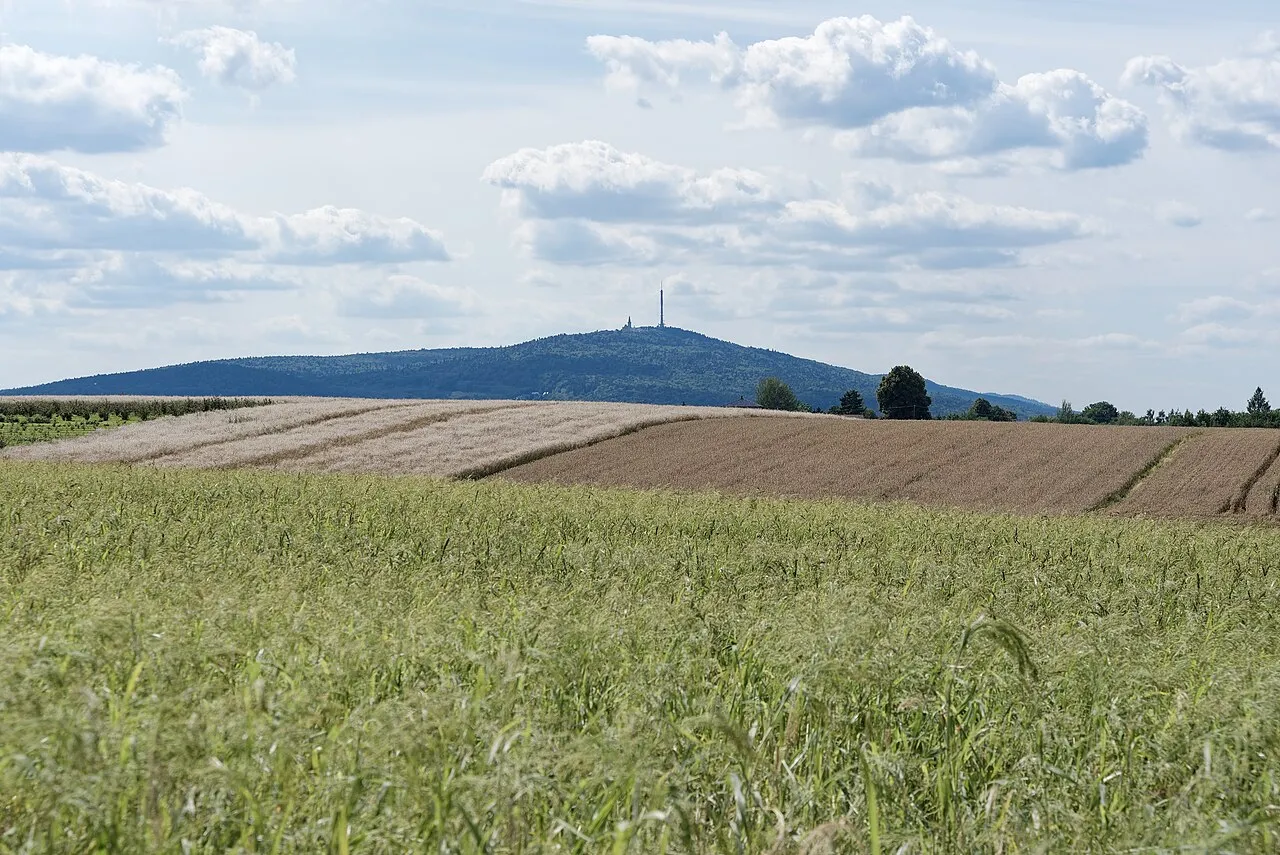
1 records
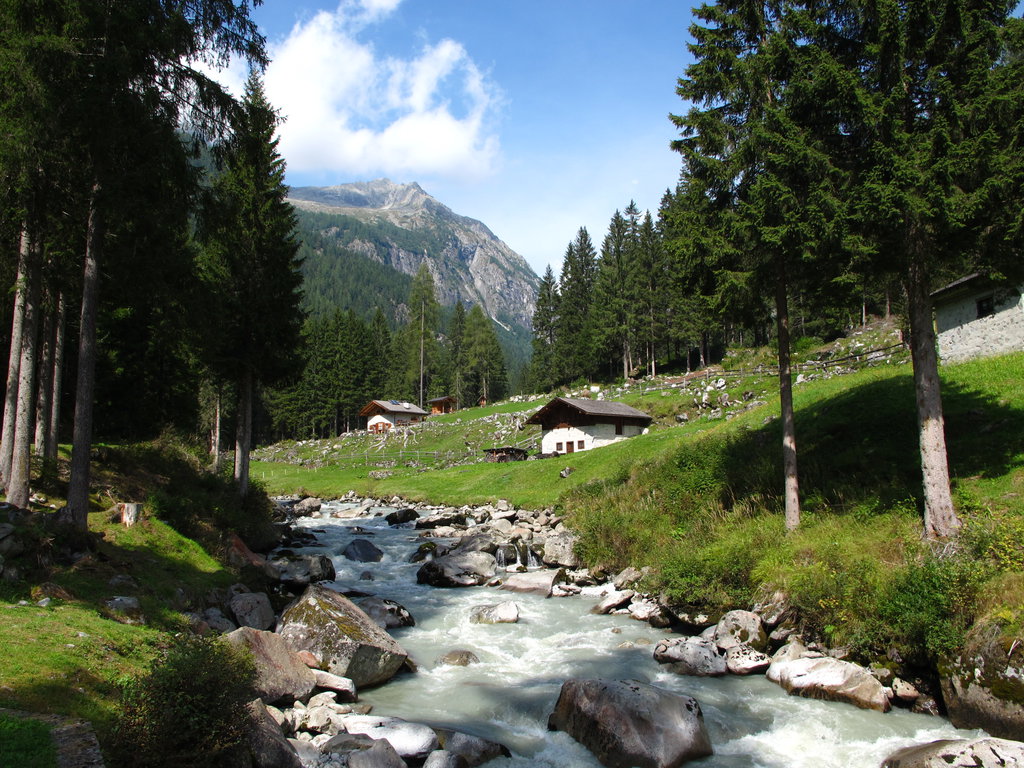
Natura 2000 · resident

Natura 2000 · resident
Natura 2000 · resident

Natura 2000 · resident
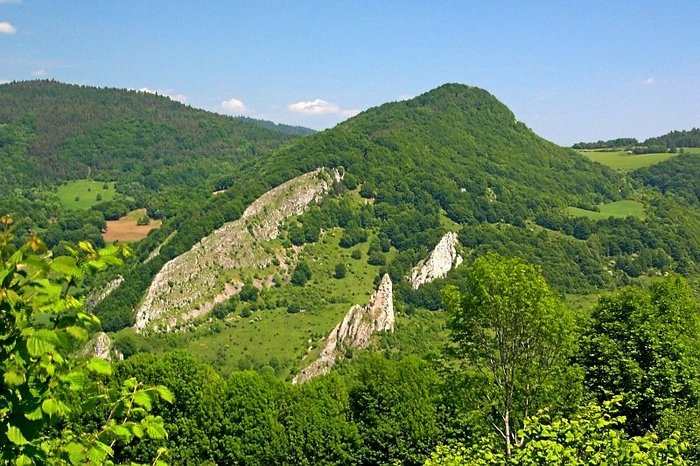
Natura 2000

Natura 2000 · breeding
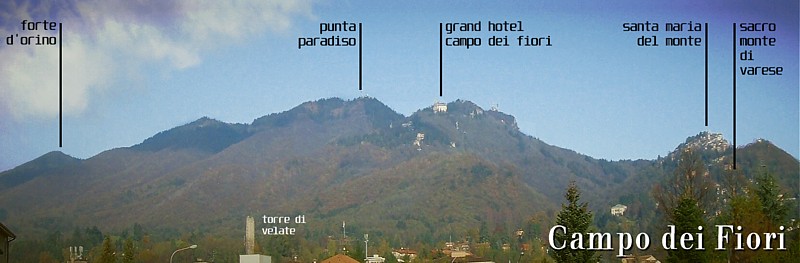
Natura 2000 · resident
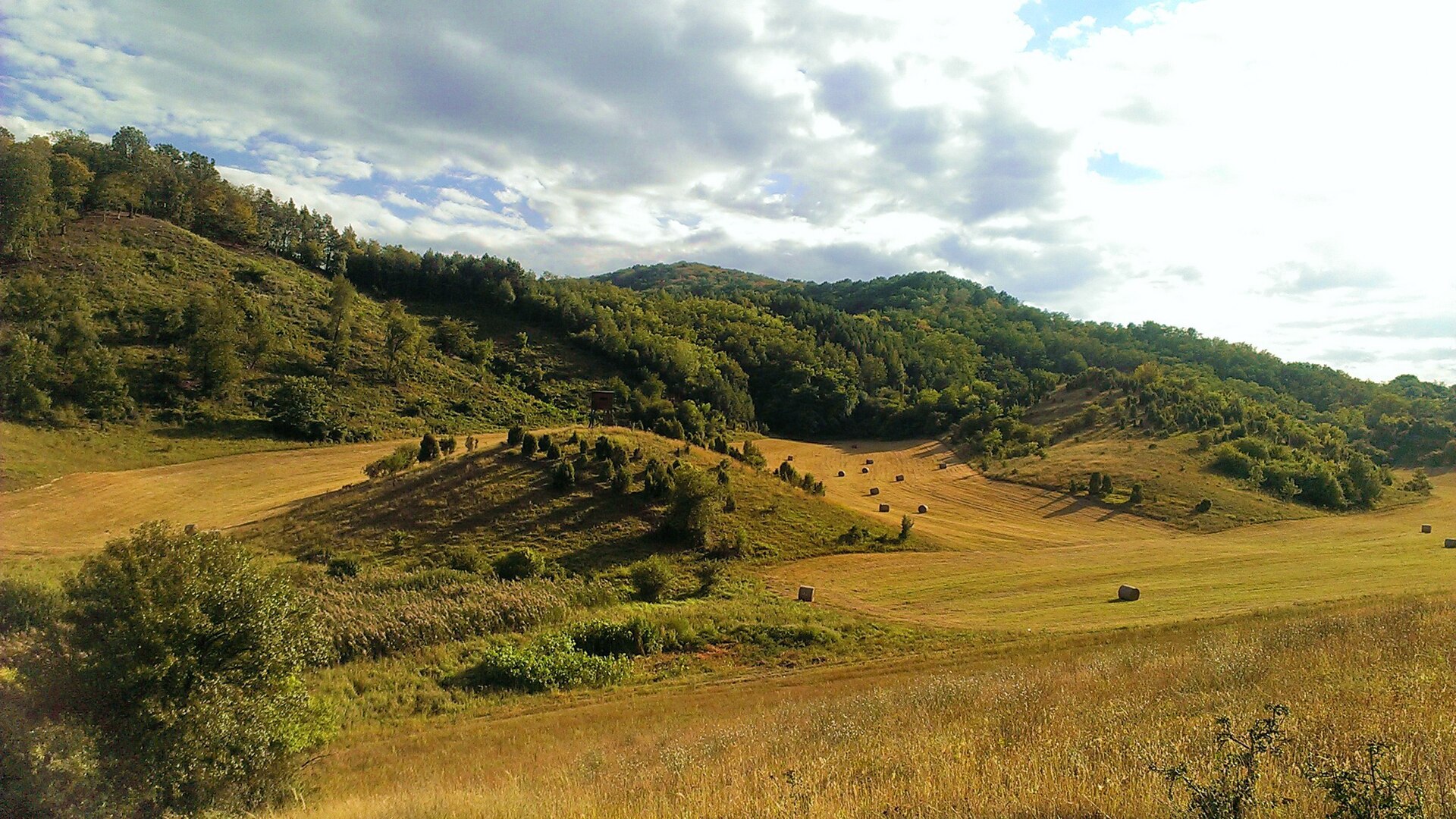
Natura 2000
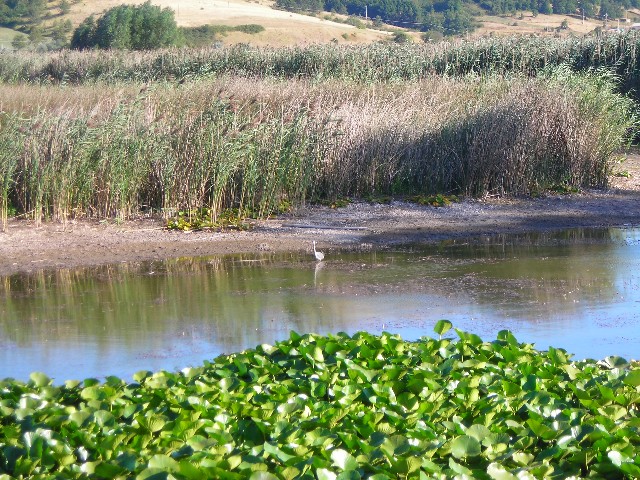
Natura 2000 · resident
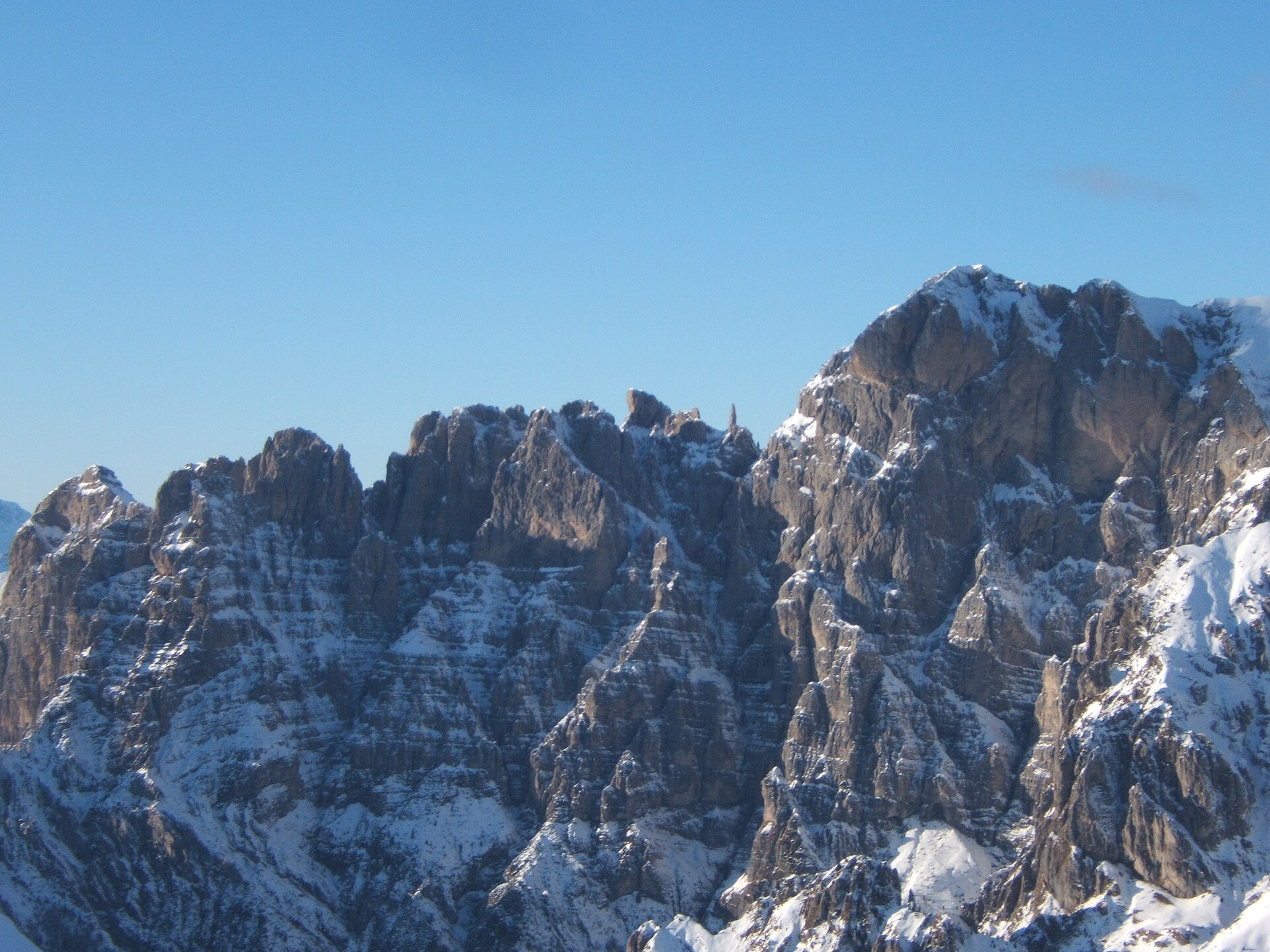
Natura 2000 · resident

Natura 2000 · wintering, breeding, passage, resident
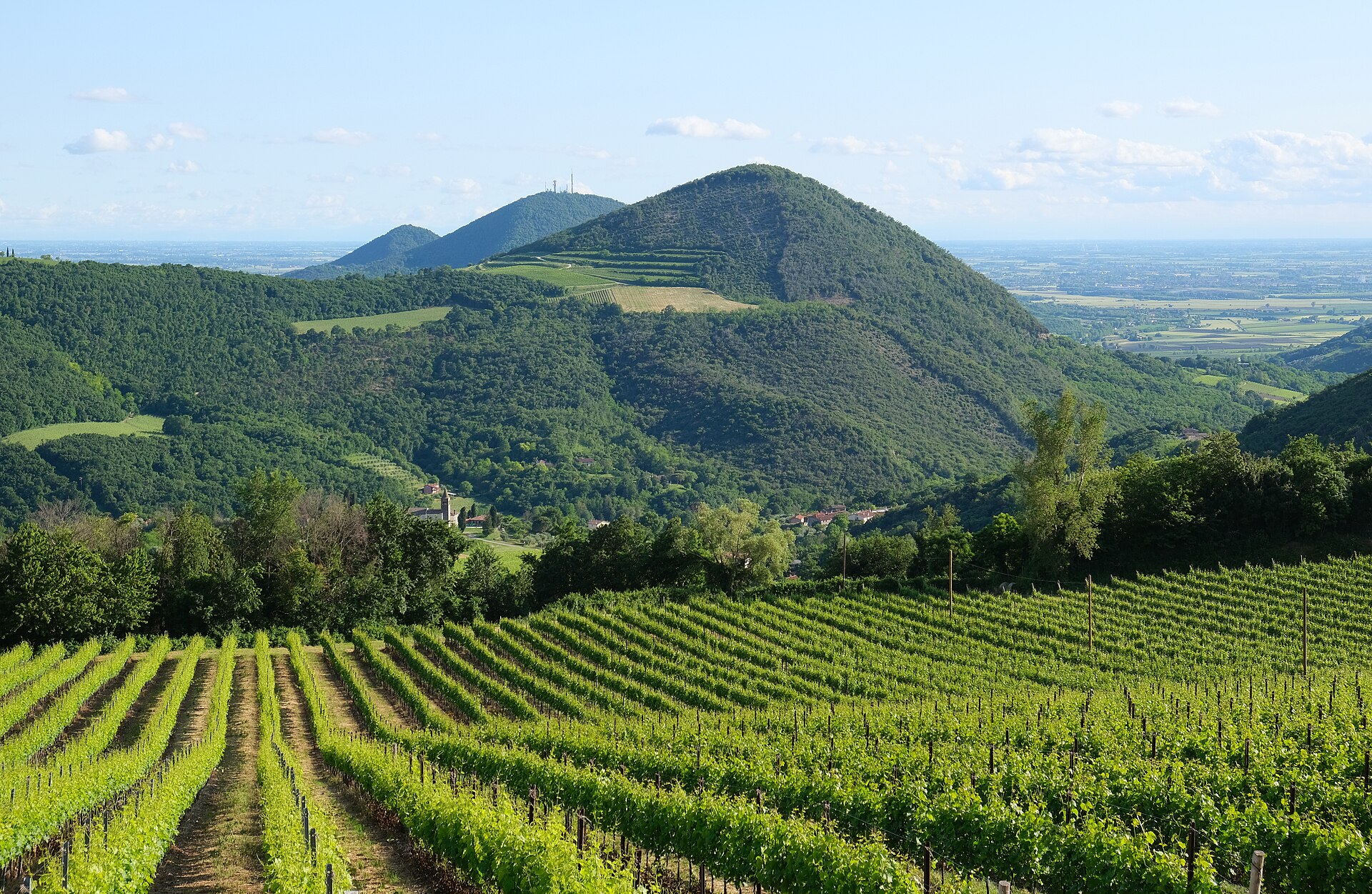
Natura 2000 · breeding
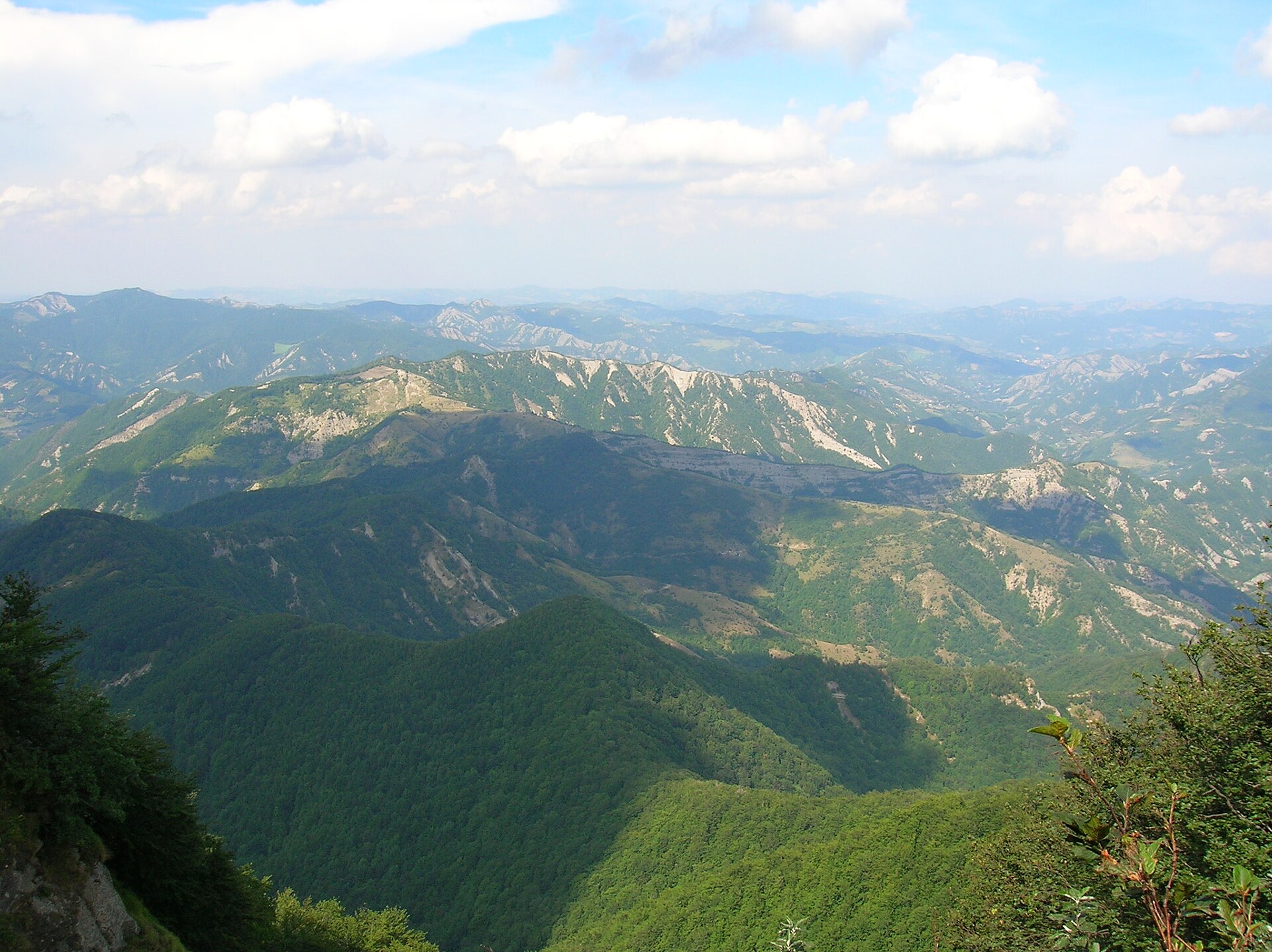
Natura 2000 · resident
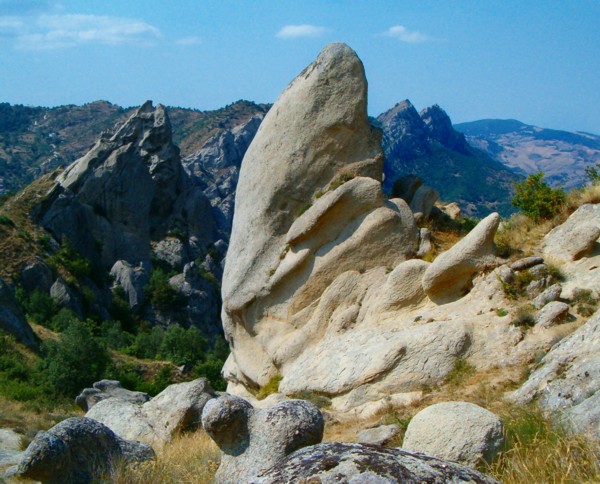
Natura 2000 · resident

Natura 2000 · resident
Natura 2000 · resident

Natura 2000 · breeding

Natura 2000 · breeding
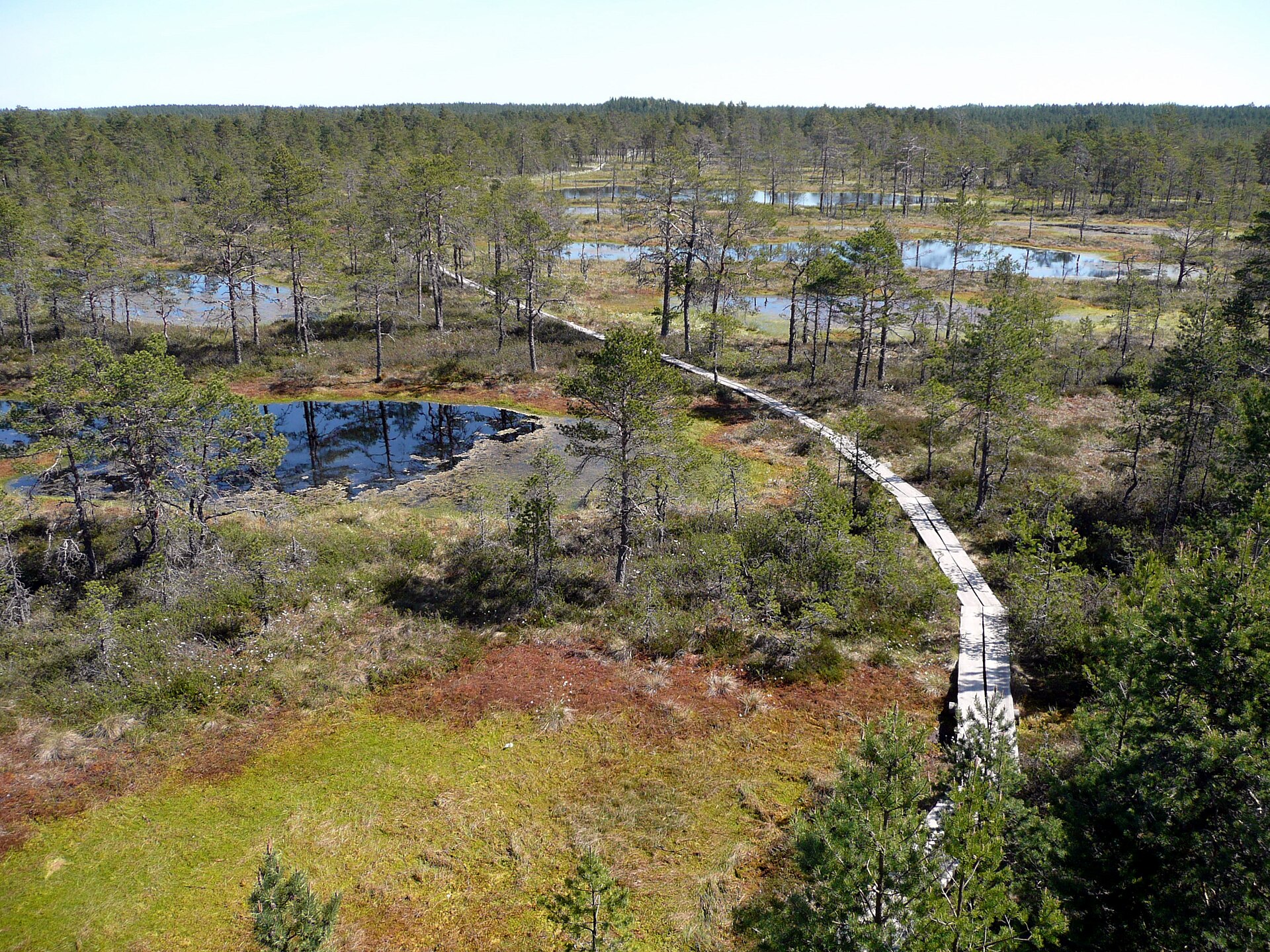
Natura 2000 · breeding
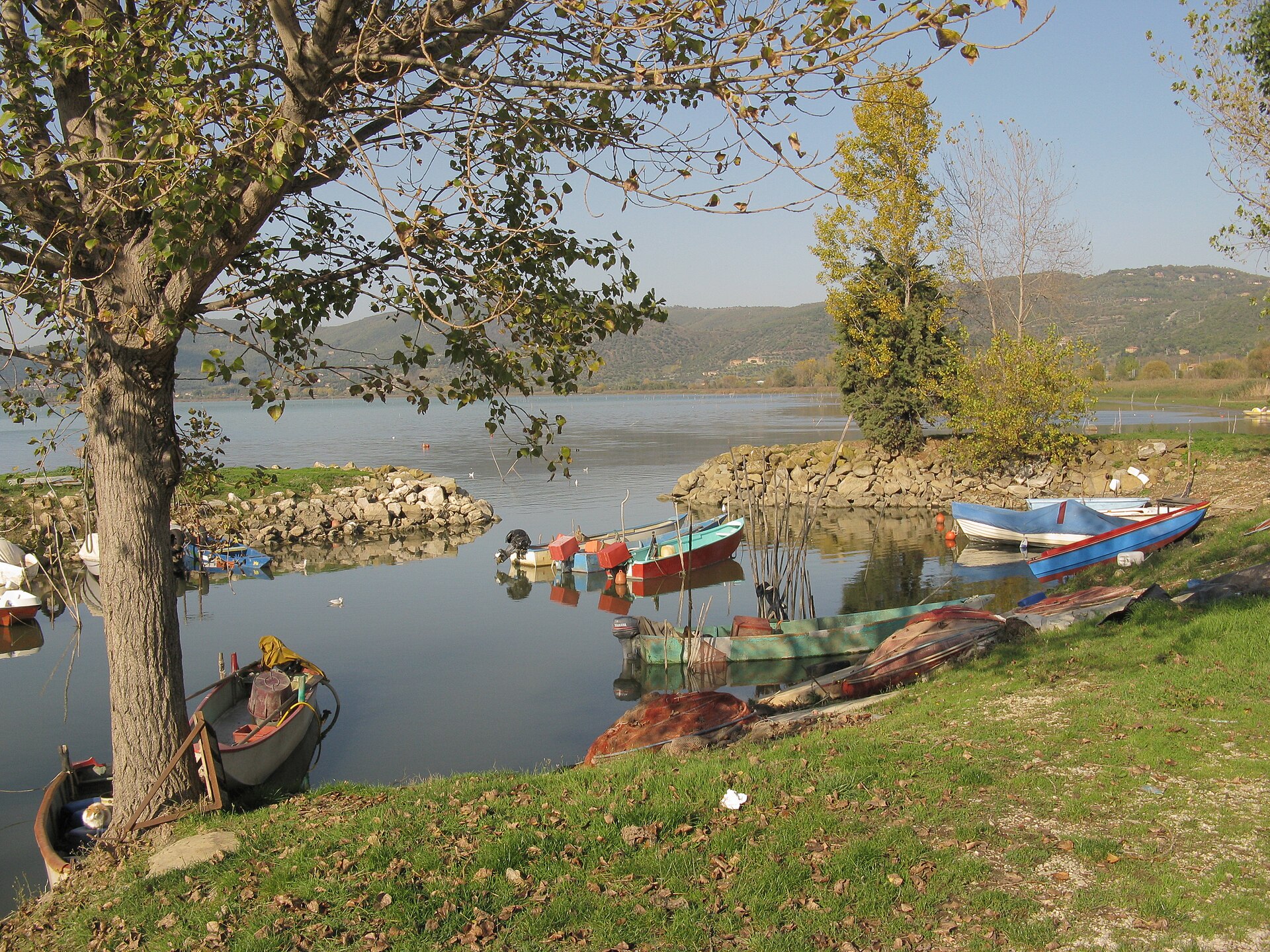
Natura 2000

Natura 2000 · resident
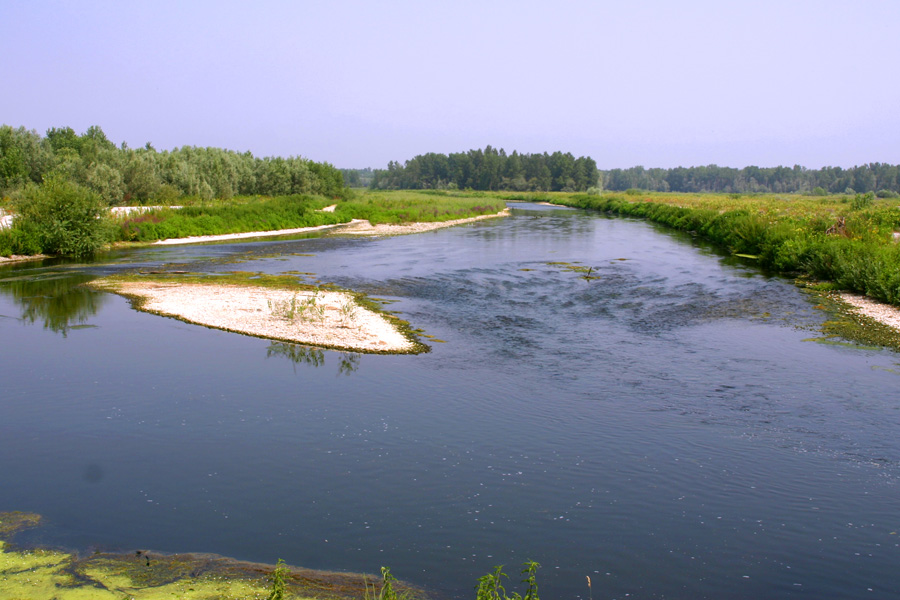
Natura 2000 · resident

Natura 2000 · wintering, breeding, passage, resident

Natura 2000 · resident

Natura 2000 · resident

Natura 2000 · resident

Natura 2000 · wintering
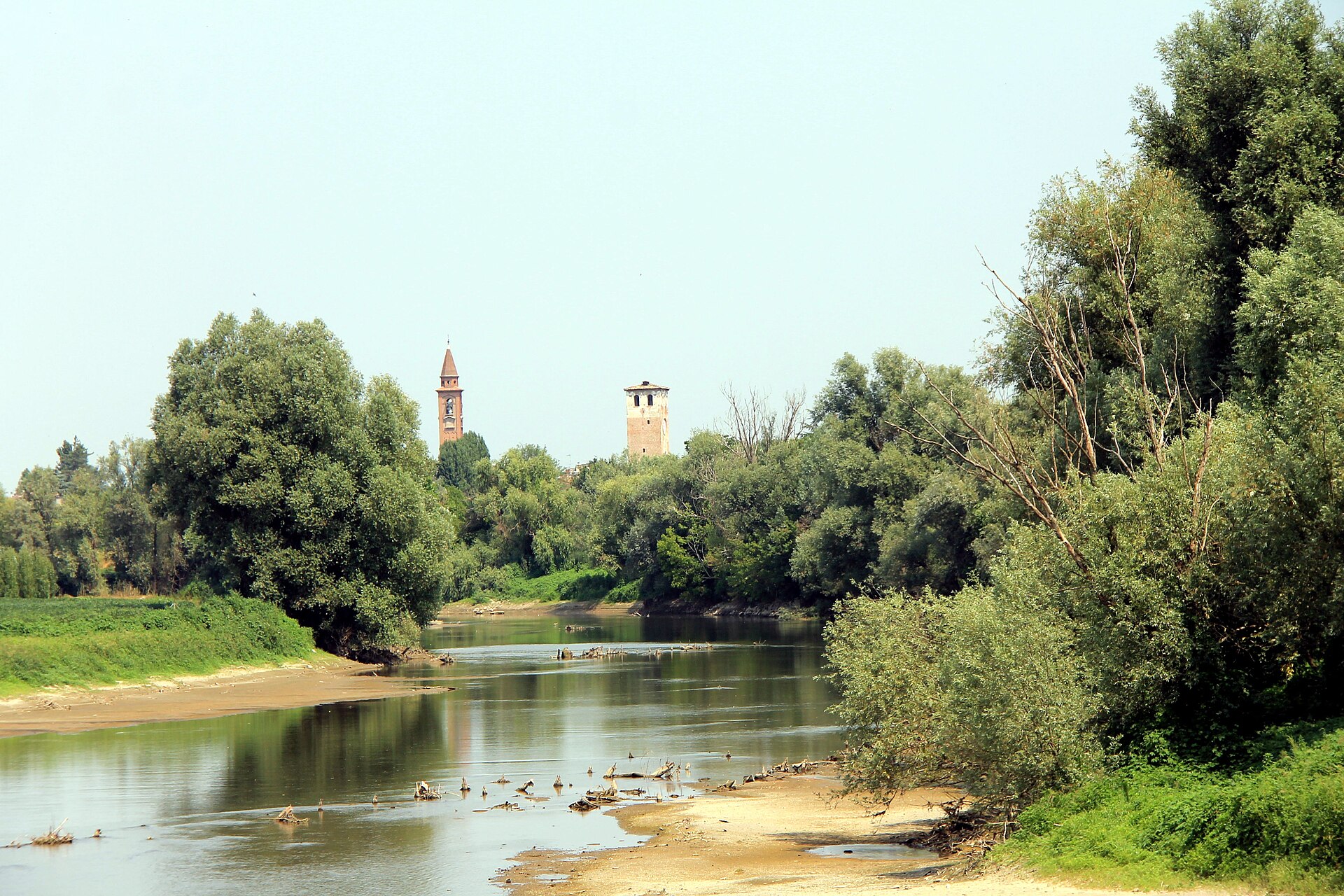
Natura 2000 · passage, wintering, resident

Natura 2000 · resident
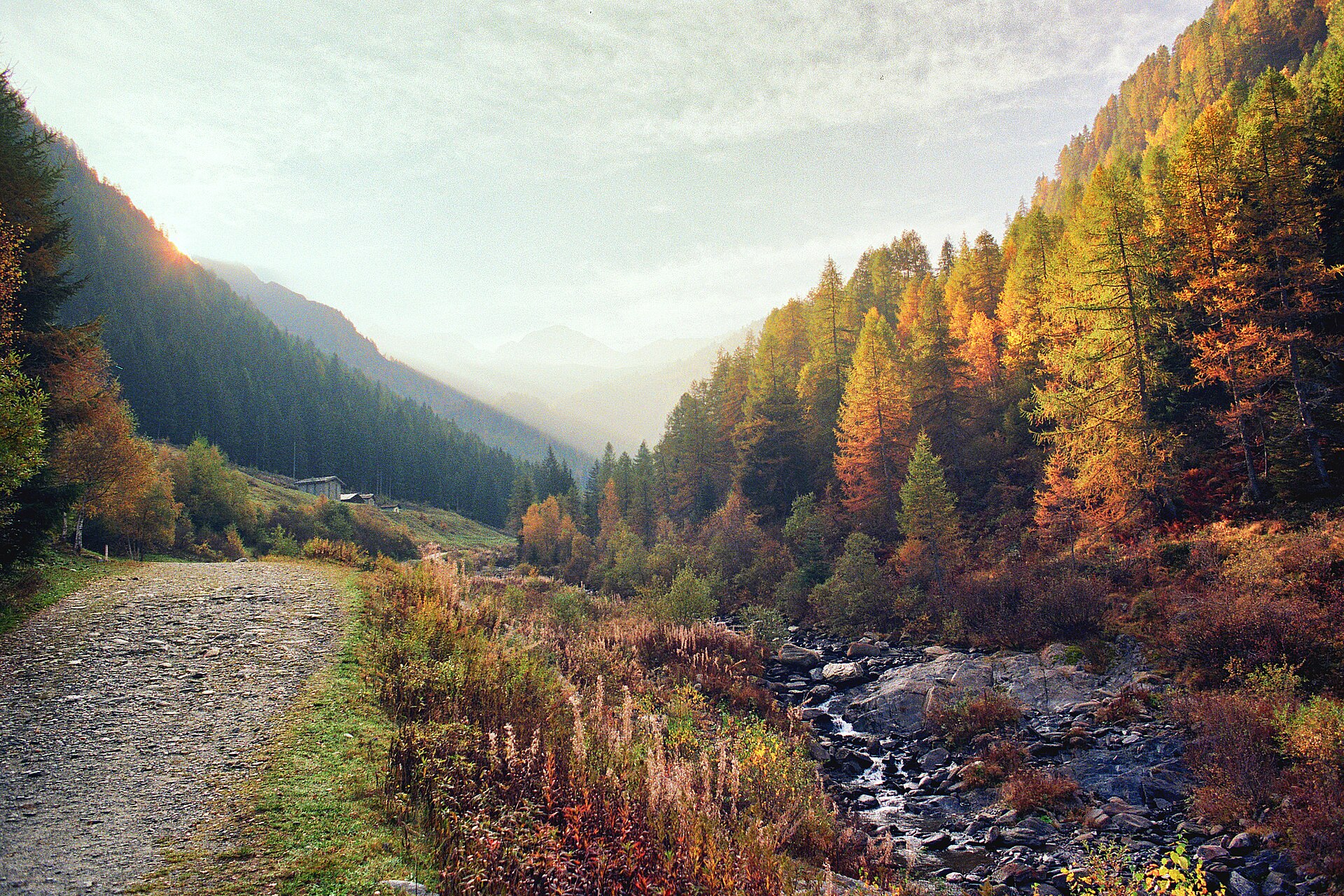
Natura 2000 · resident

Natura 2000 · resident
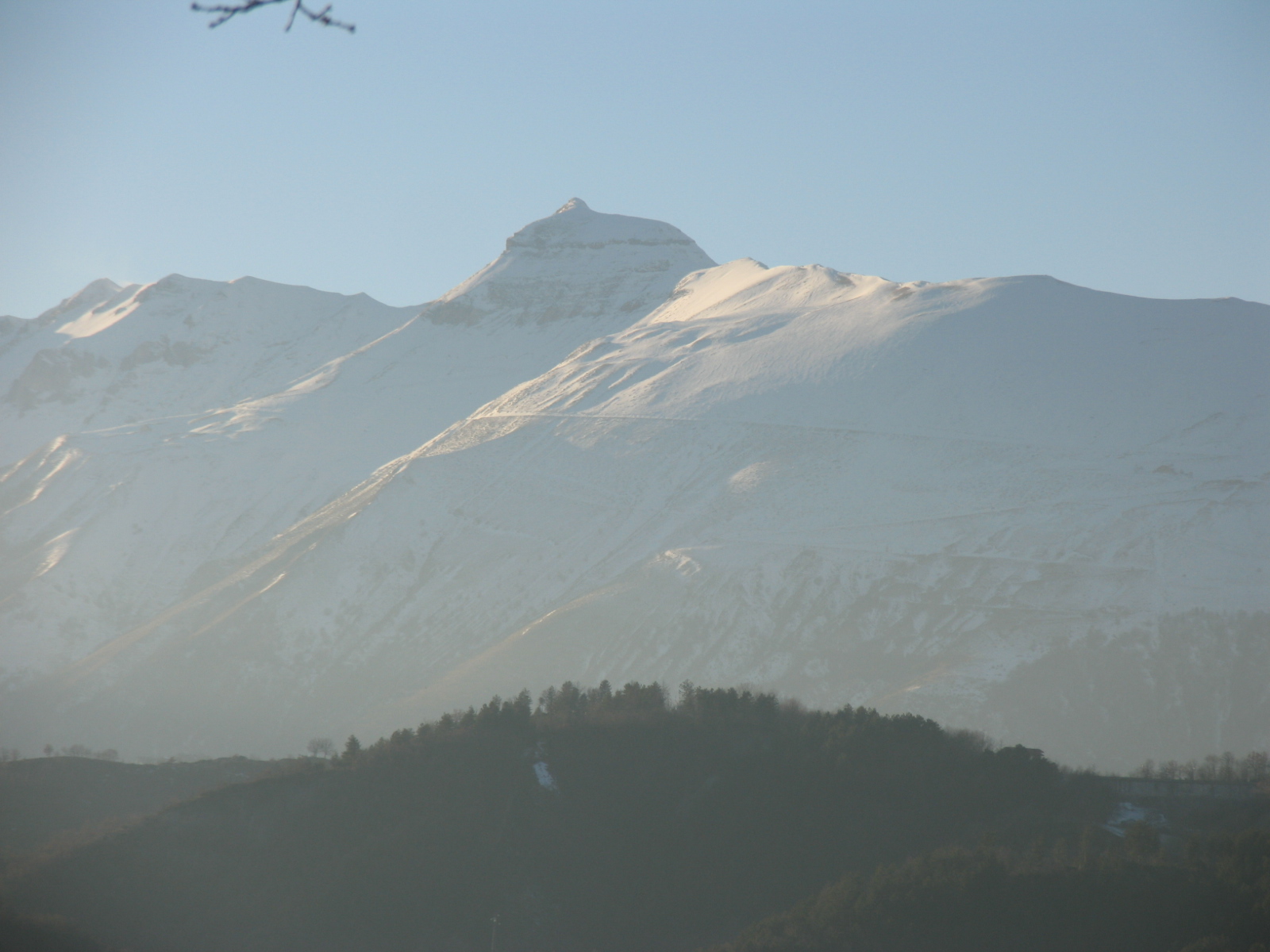
Natura 2000 · breeding

Natura 2000 · breeding
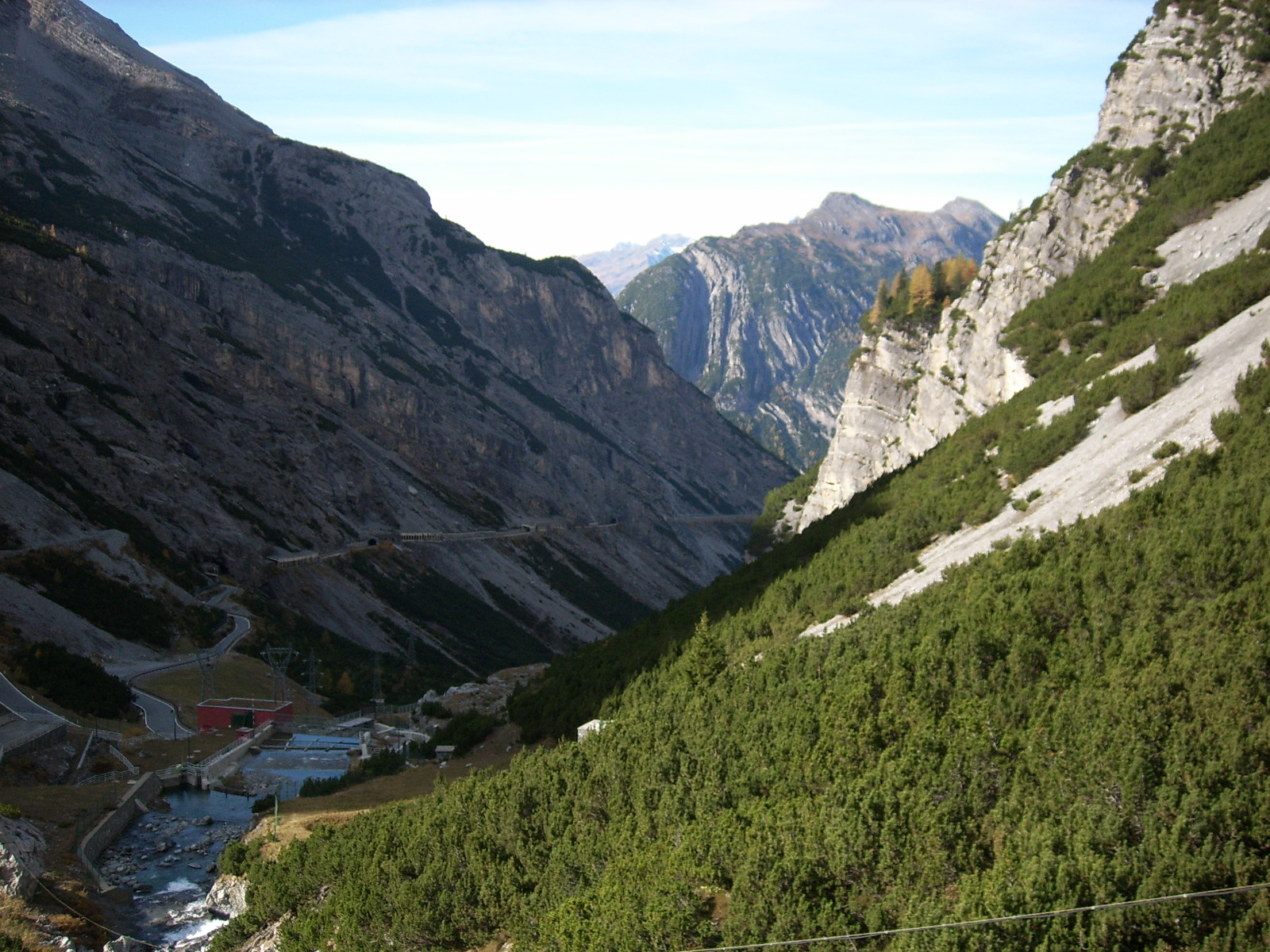
Natura 2000 · resident
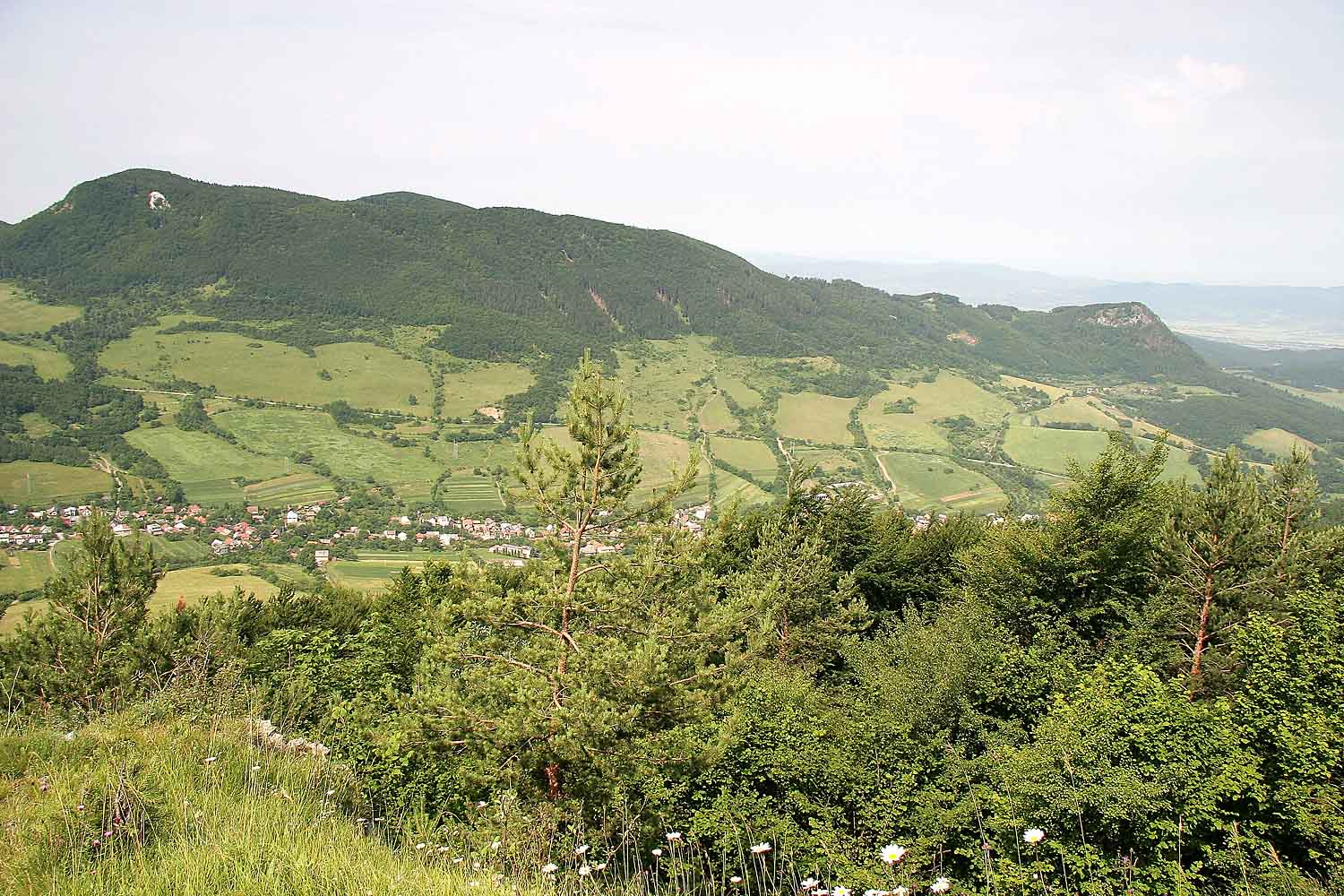
Natura 2000
Natura 2000 · breeding, wintering, passage, resident
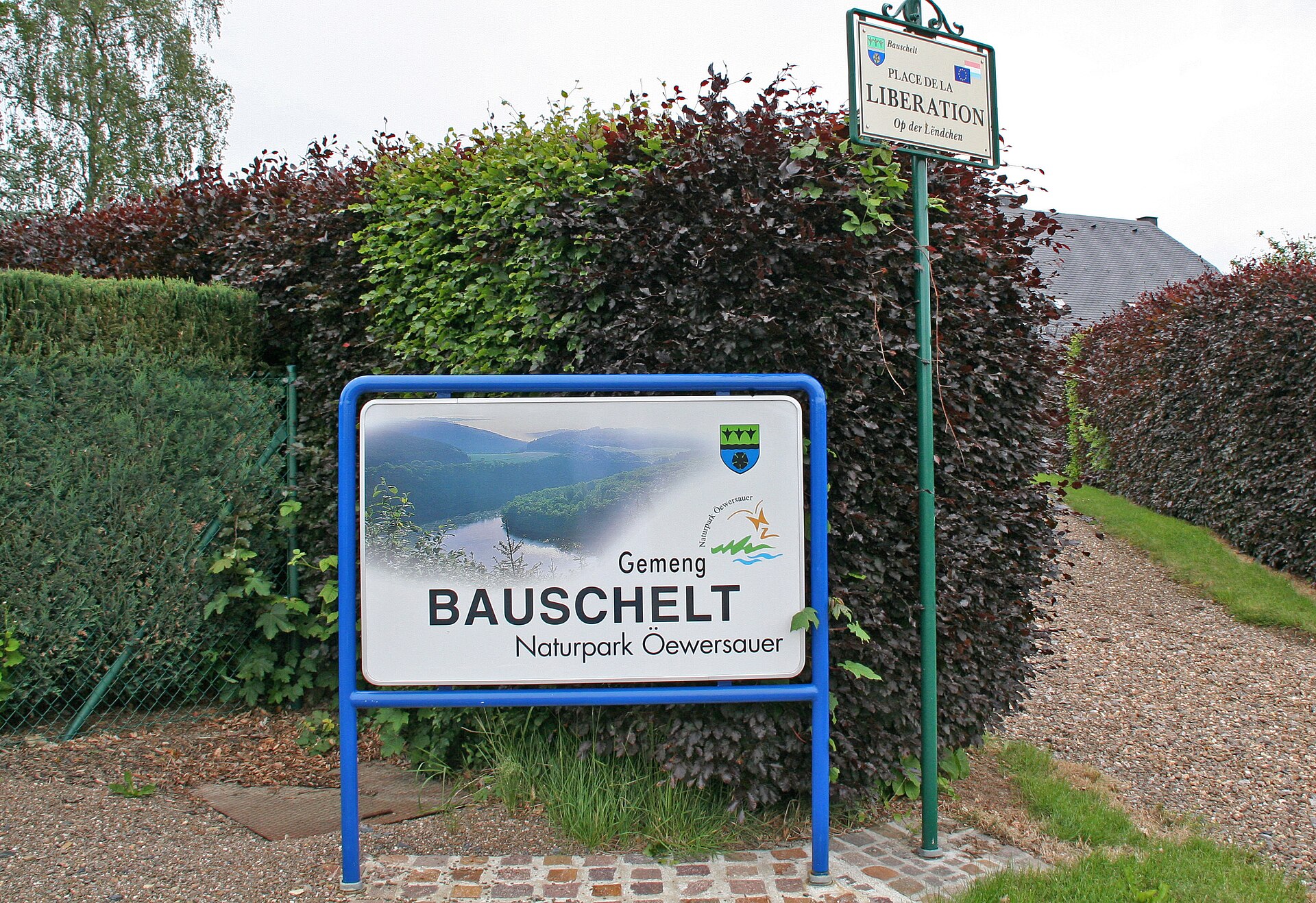
Natura 2000 · resident

Natura 2000 · breeding
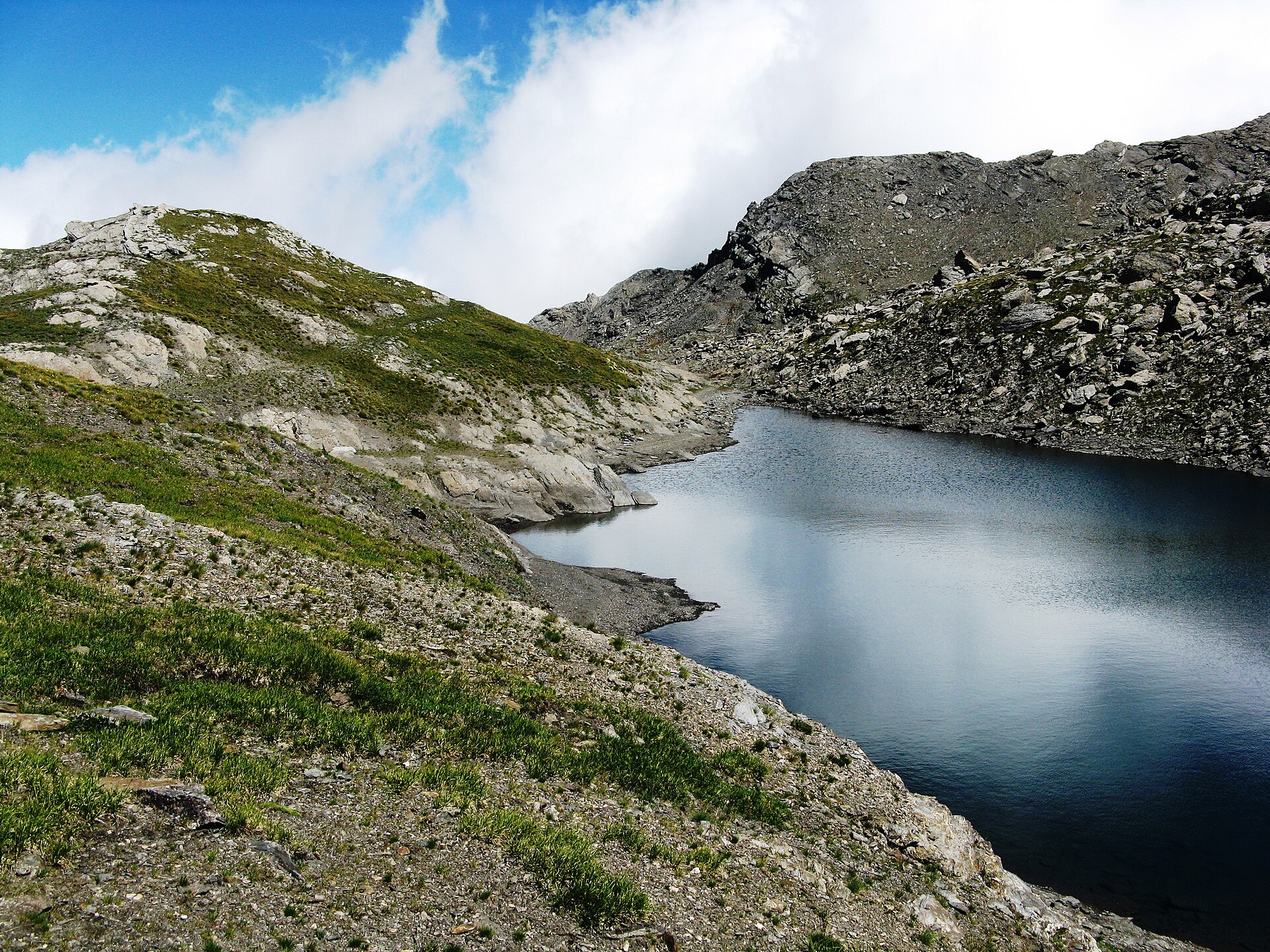
Natura 2000 · resident
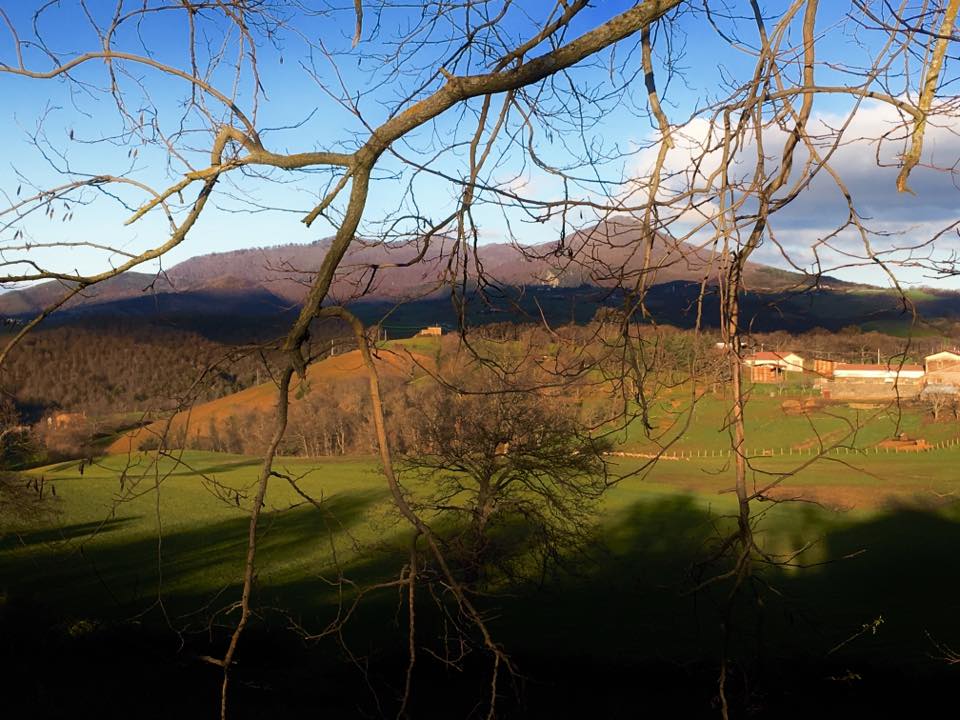
Natura 2000 · resident

Natura 2000 · breeding
Other species to discover
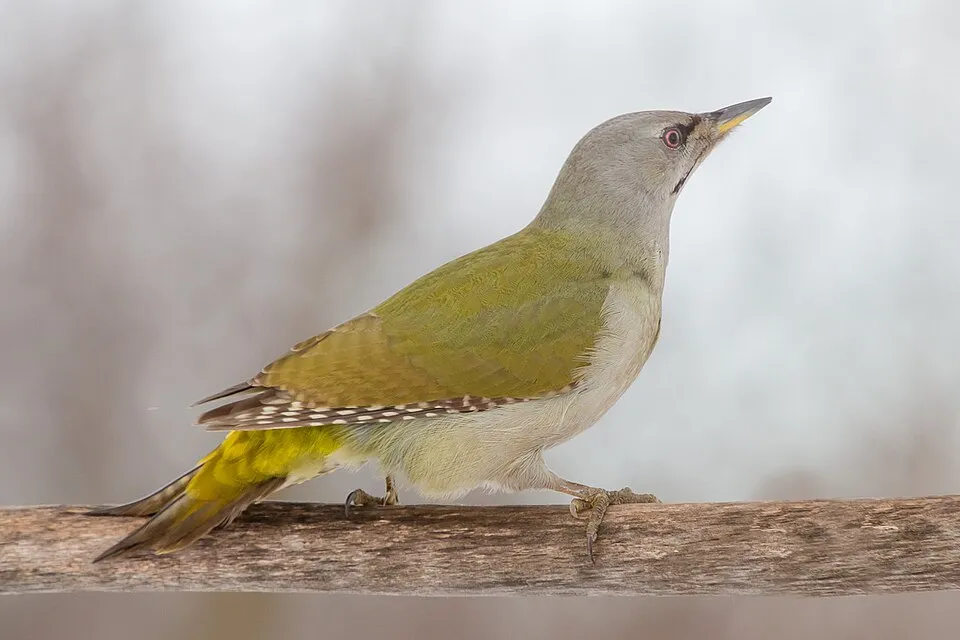 Grey-headed Woodpecker
Picus canus Same genus
 Iberian Woodpecker
Picus sharpei Same genus
 Great Spotted Woodpecker
Dendrocopos major 115 places in common
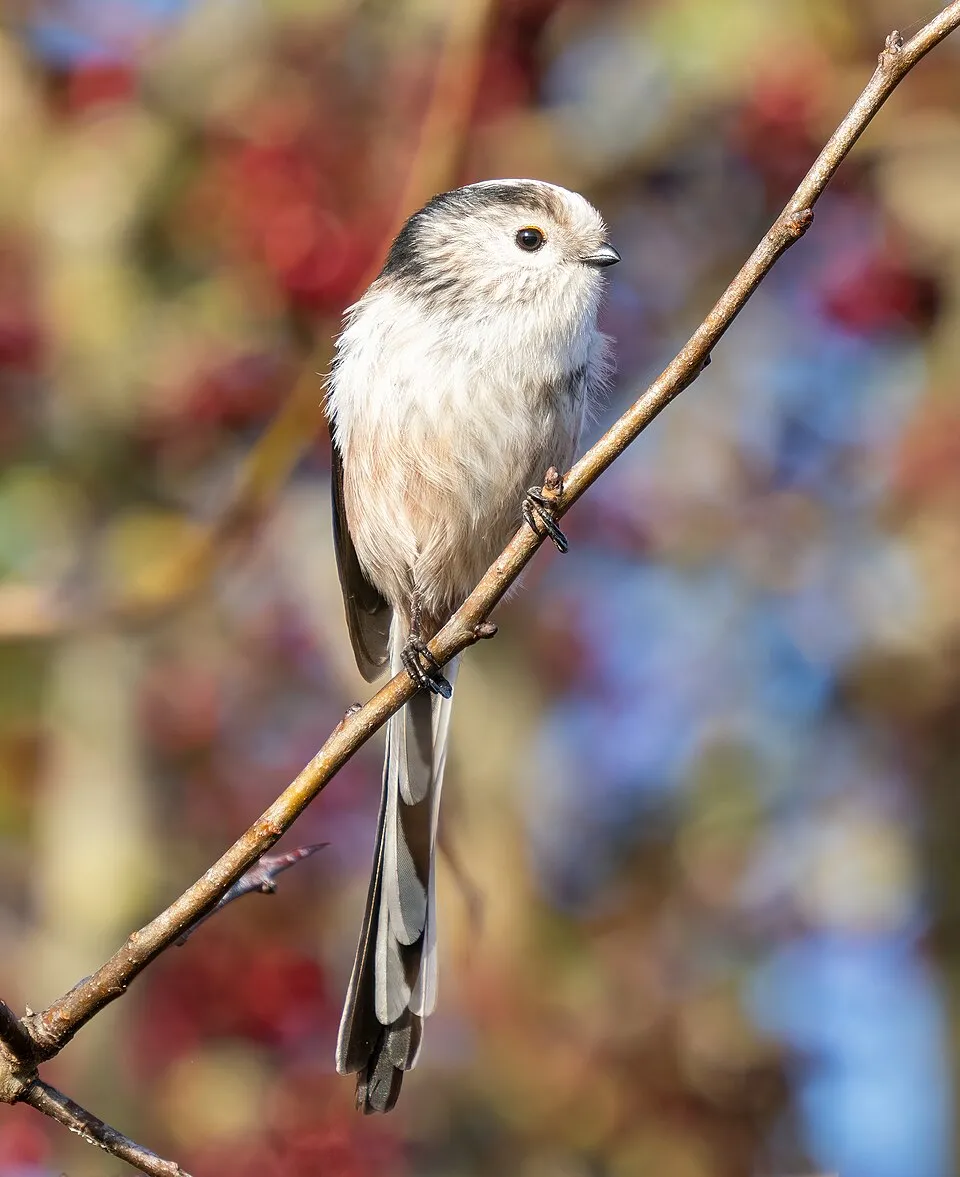 Long-tailed Tit
Aegithalos caudatus 65 places in common
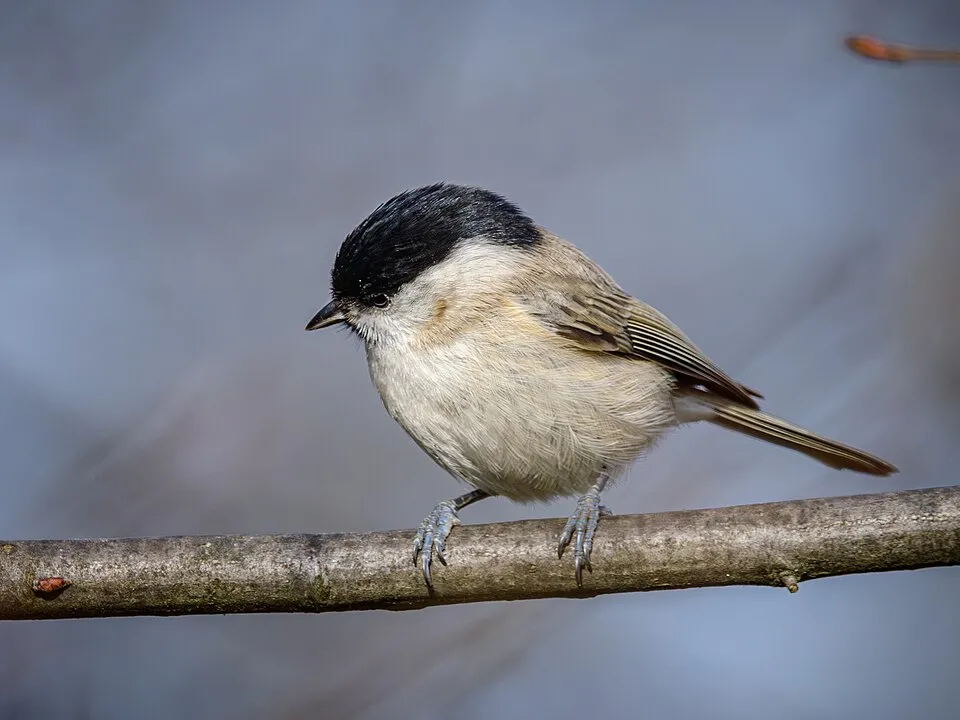 Marsh Tit
Poecile palustris 60 places in common
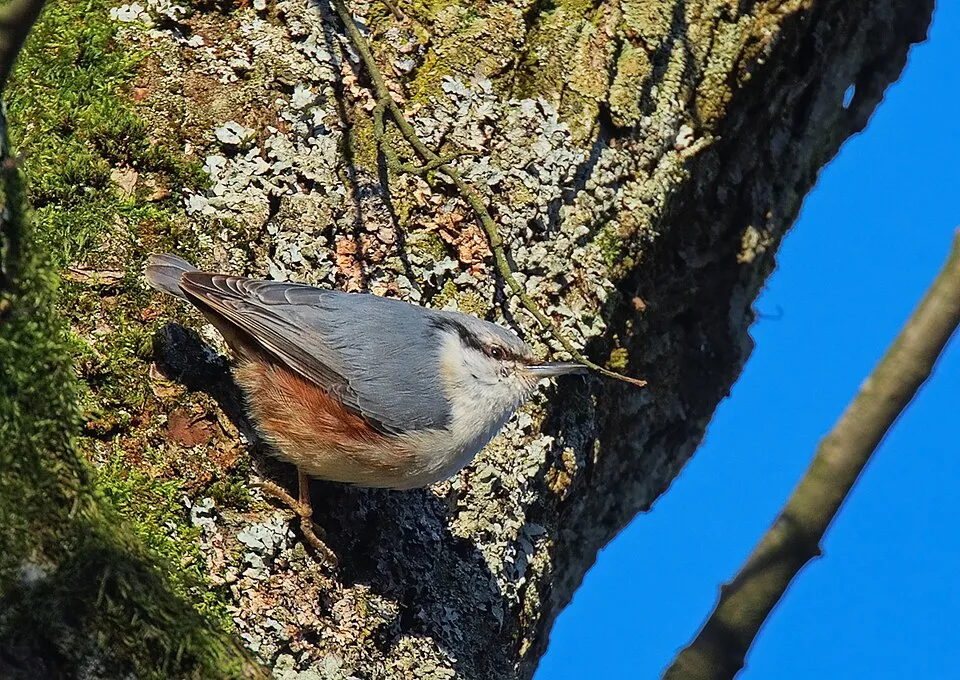 Eurasian Nuthatch
Sitta europaea 95 places in common
Sources and credits
- Presence: most-recorded species of each place on GBIF and species of Community interest in the Natura 2000 forms (EEA, CC-BY 4.0); absence from the list does not mean the species is absent.
- Common names: Wikidata (CC0) and GBIF.
- Photos and sounds: Wikimedia Commons, author and licence given for each file.
- Classification: GBIF Backbone Taxonomy (GBIF Secretariat), CC BY 4.0, doi:10.15468/39omei.
- Countries, elevations, months and maps: GBIF.org, CC0 or CC BY 4.0 occurrences only, accessed October 22, 2026, GBIF.org.
- Base map: Natural Earth (public domain).
- Excerpt: Wikipedia, CC BY-SA 4.0 (full credit below the excerpt).
- Key facts: Wikidata (CC0), with the references cited under each value.
- EU bird populations: EEA / DG ENV, Article 12 Birds Directive reporting (2013–2018), CC BY 4.0.