
Bird
Western Yellow Wagtail: where to see it
Motacilla flava
This bird species is recorded in 132 protected areas of the atlas, including 101 whose official Natura 2000 form lists it. Within the atlas countries, it is mostly observed in Sweden, France and Spain (14 countries in all). Most records (8 in 10) lie between sea level and 370 m. Records peak from April to September. It has a wingspan of 26 cm. Its EU population is assessed as depleted (2013–2018 Birds Directive reporting).
Best time to see it: April–September
Records published on GBIF by month (CC0 and CC BY 4.0 licences only), in the atlas countries, all years combined; they also reflect observer activity.
Key facts
- Wingspan
- 26 cm Wikidata, after Ericson et al. 2007
Status and protection
EU population assessed as depleted, stable in the short term (2013–2018 Birds Directive reporting). EU breeding population: 4,950,000–7,540,000 pairs.
Distribution
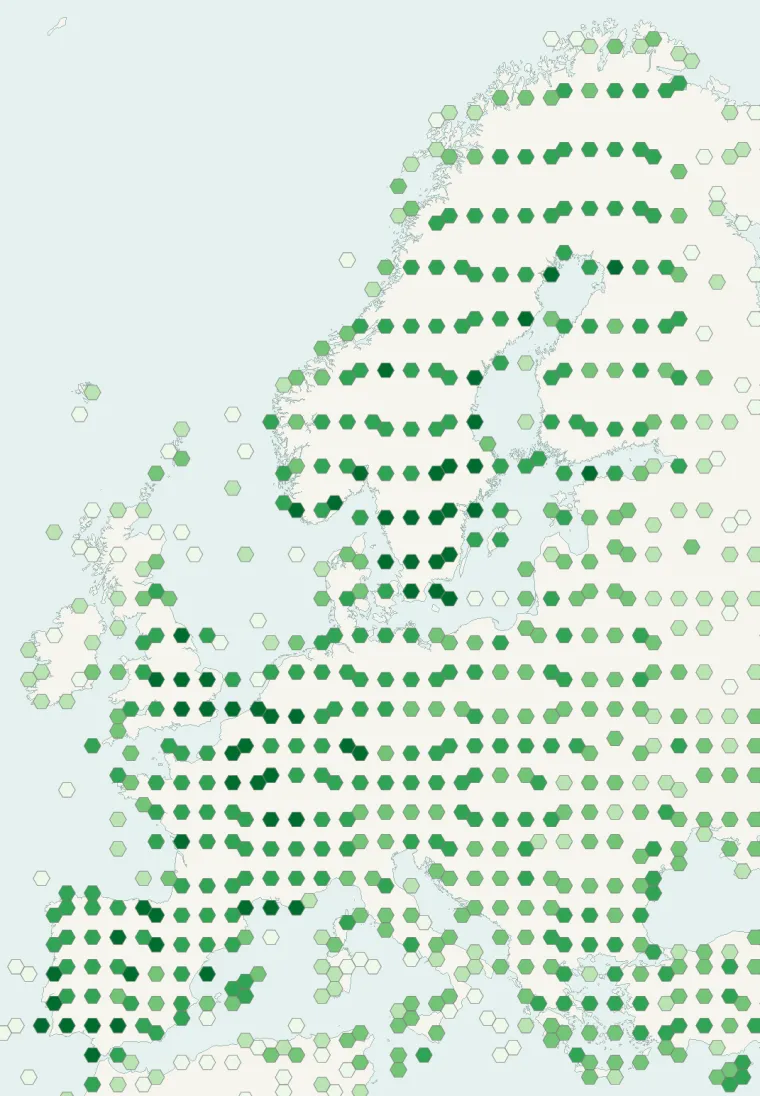
Records published on GBIF (CC0 and CC BY 4.0 licences): the darker the shade, the more records there are; they also reflect observation effort.
Listen
-
0:28 · © Joost van Bruggen · CC BY-SA 4.0 · Wikimedia Commons · Original file
-
0:40 · © Joost van Bruggen · CC BY-SA 4.0 · Wikimedia Commons · Original file
-
0:38 · © Marie-Lan Taÿ Pamart · CC BY-SA 4.0 · Wikimedia Commons · Original file
From Wikipedia
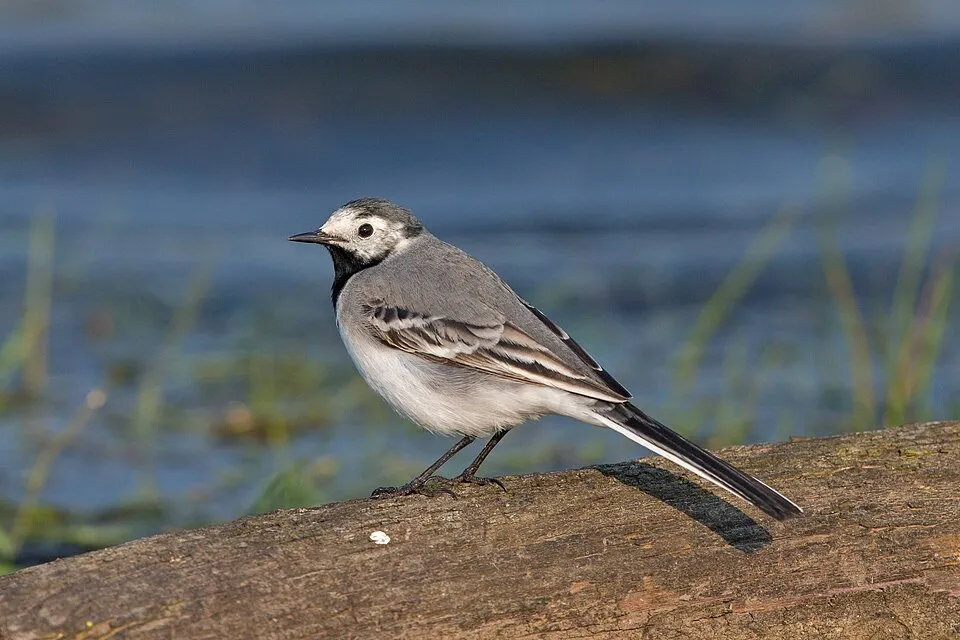
The western yellow wagtail (Motacilla flava) is a small passerine bird in the wagtail family Motacillidae, which also includes the pipits and longclaws. This species breeds in much of temperate Europe and Asia. Most populations are migratory, moving south to tropical Africa and southern Asia for the winter; the small population breeding in Egypt is however resident there. It is a slender 15–16 cm long bird, with the characteristic long, constantly wagging tail of its genus. It is the shortest tailed of the European wagtails. The breeding adult male is basically olive above and yellow below.
Source: Wikipedia, article “Western yellow wagtail” (version of August 26, 2026) · history and authors · licence CC BY-SA 4.0 · shortened excerpt
Protected areas where it is recorded
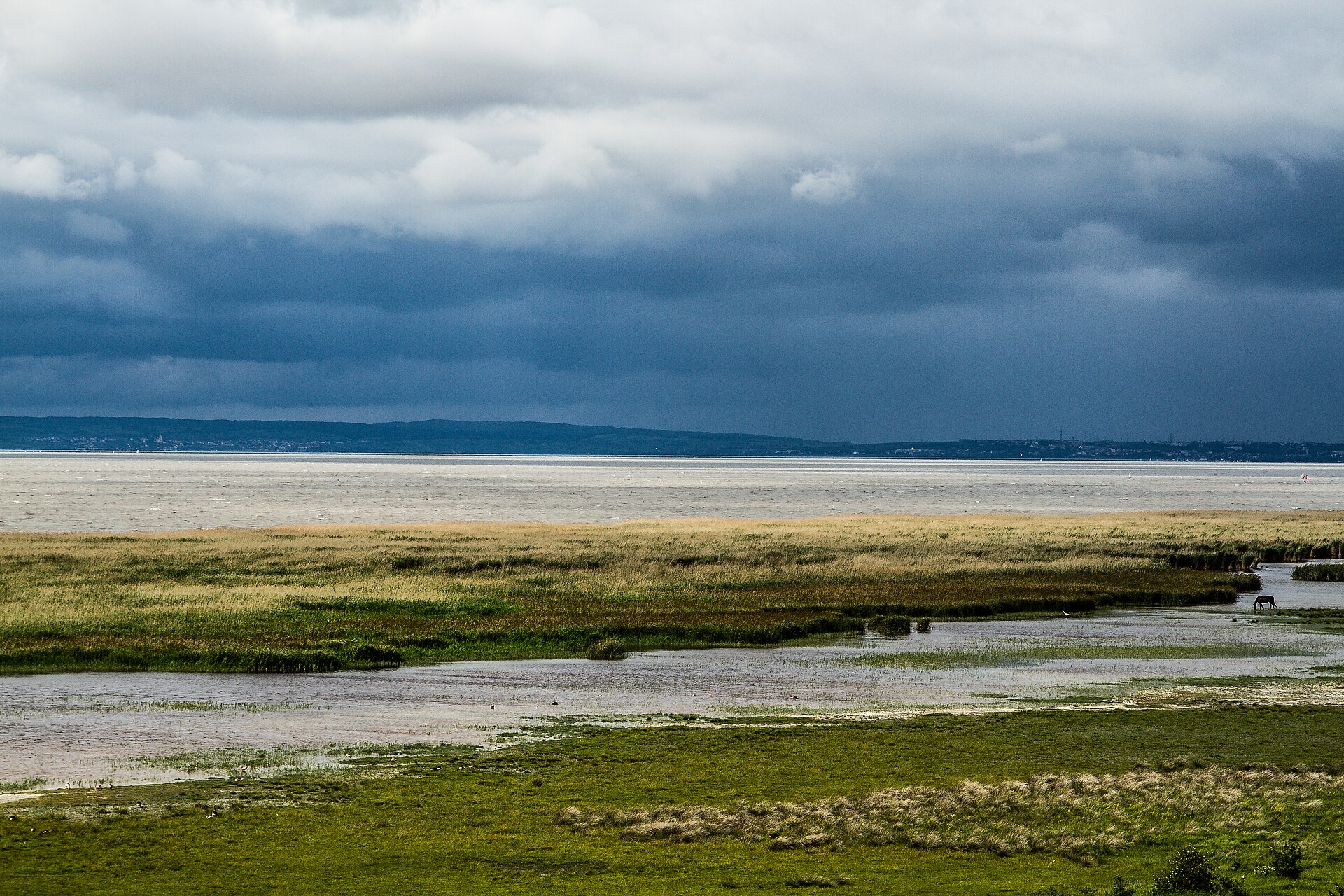
Natura 2000 · breeding 1,889 records
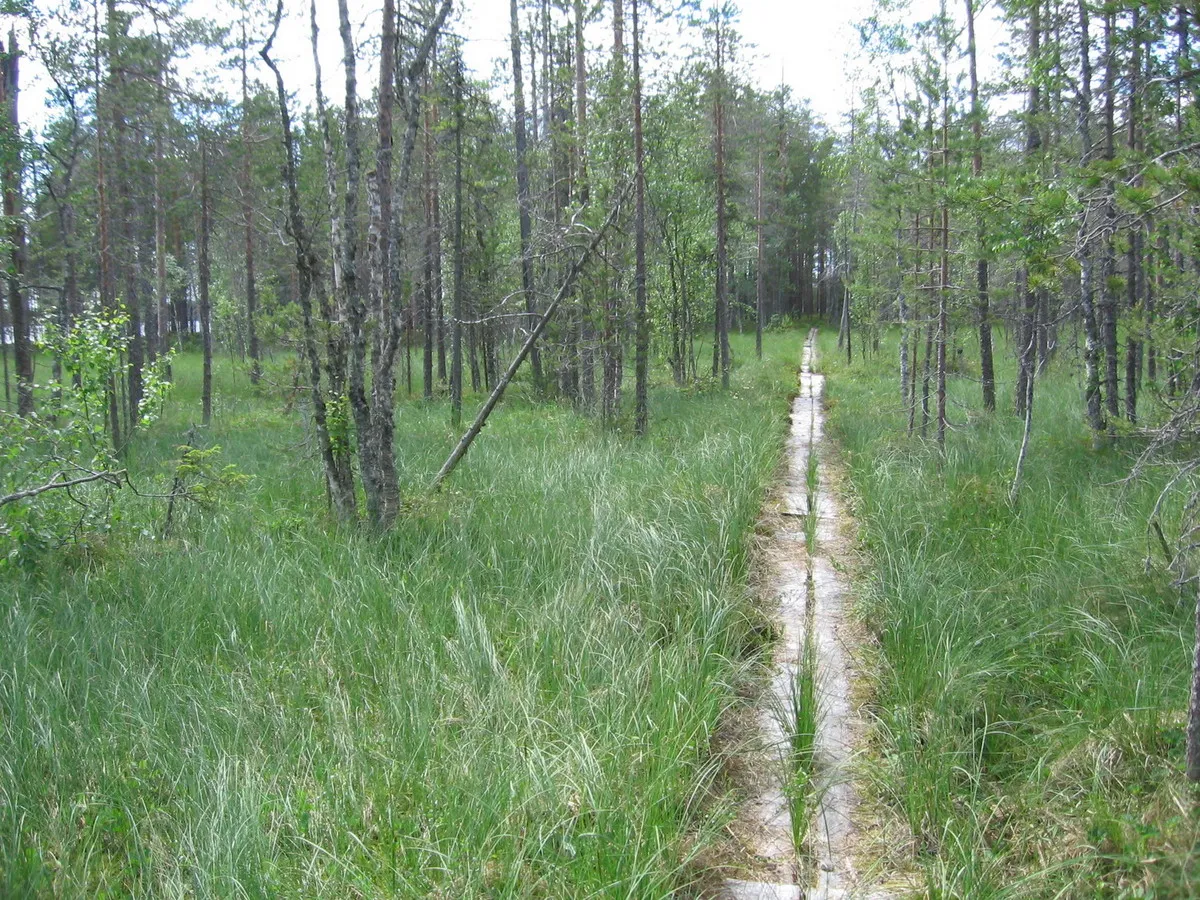
Natura 2000 · breeding 320 records

Natura 2000 · passage 43 records
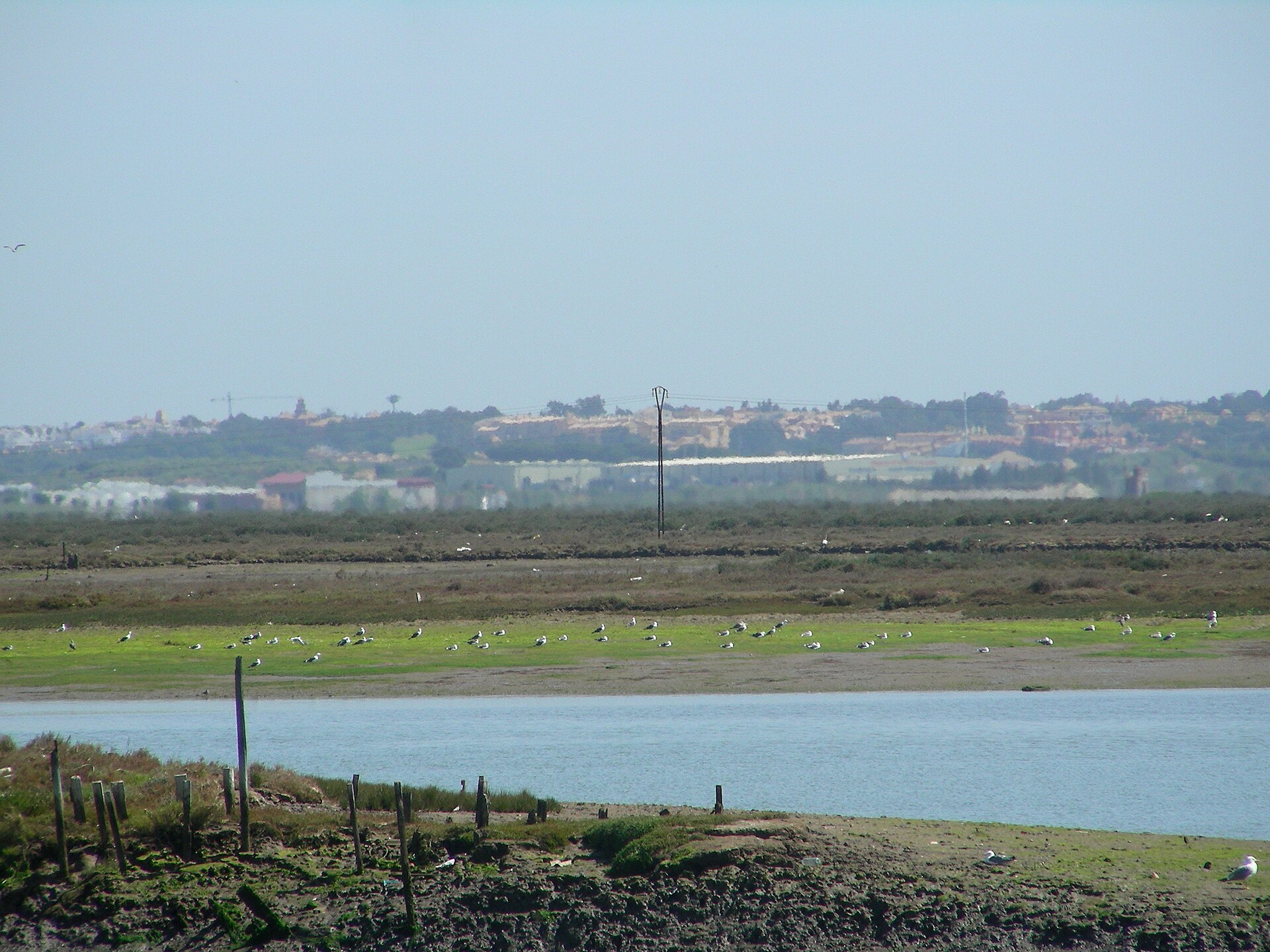
Natura 2000 · wintering, passage 12 records
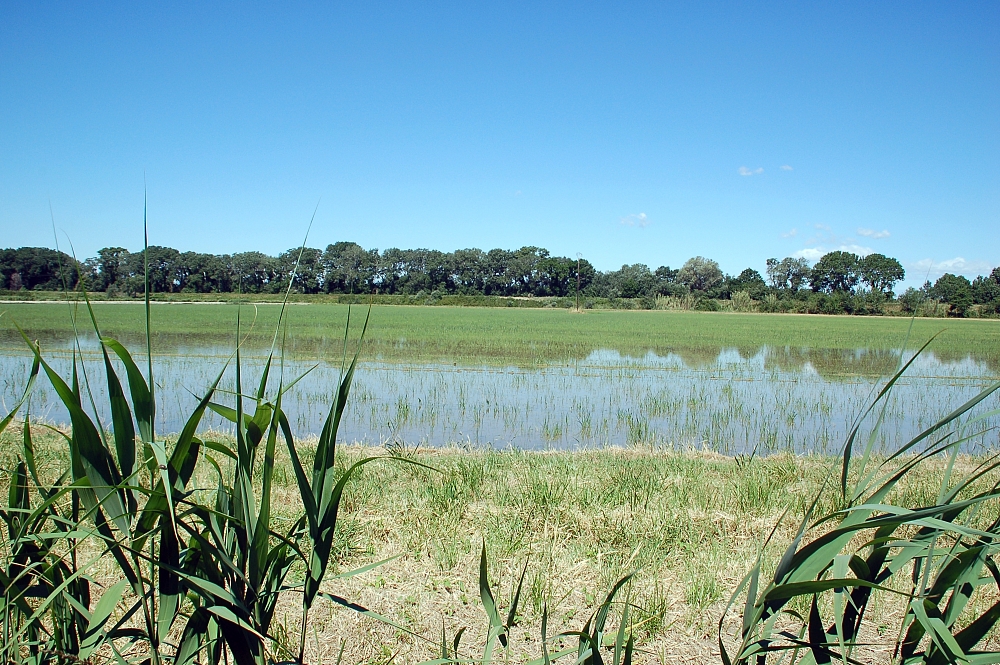
10,191 records

4,323 records
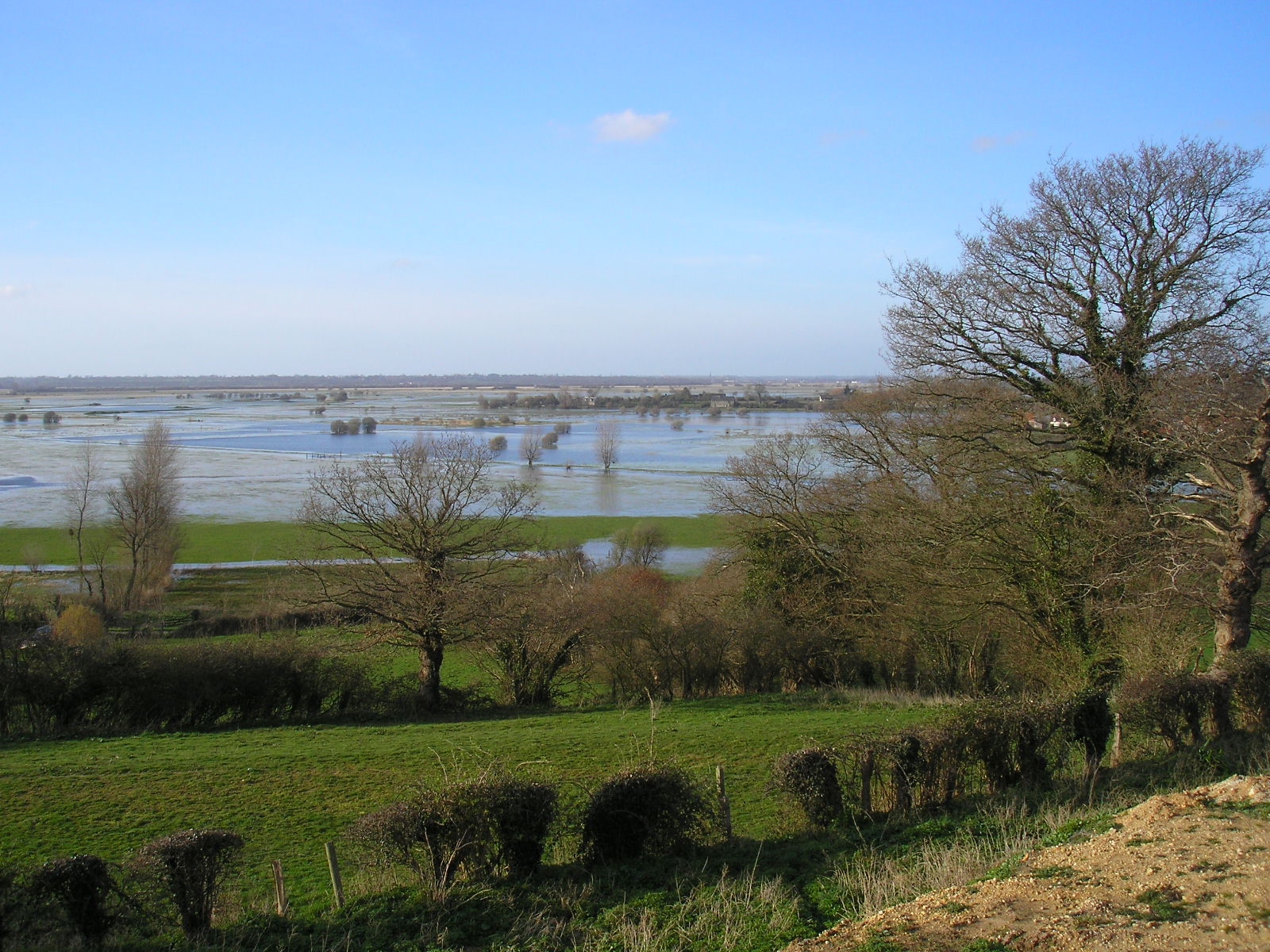
990 records
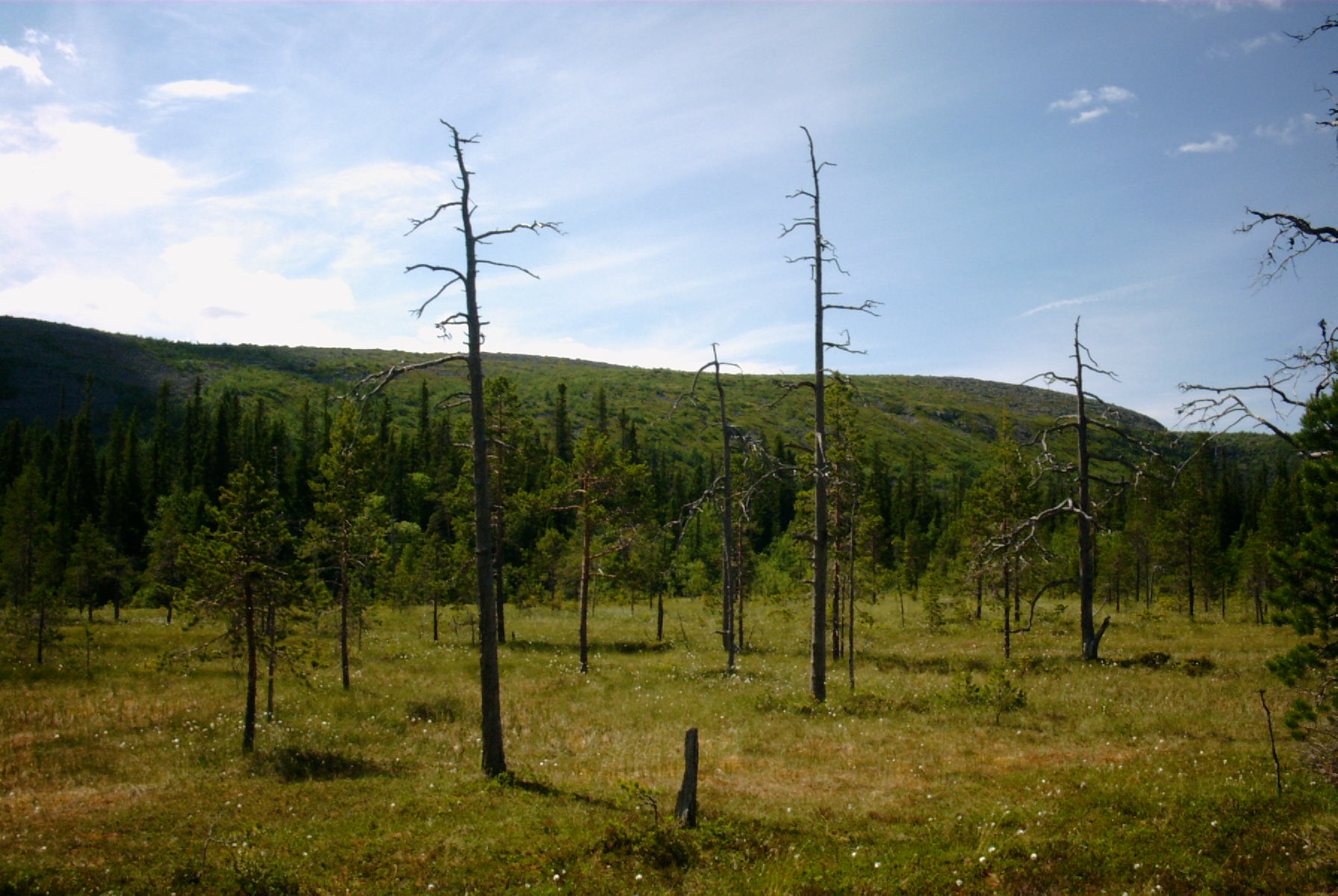
688 records
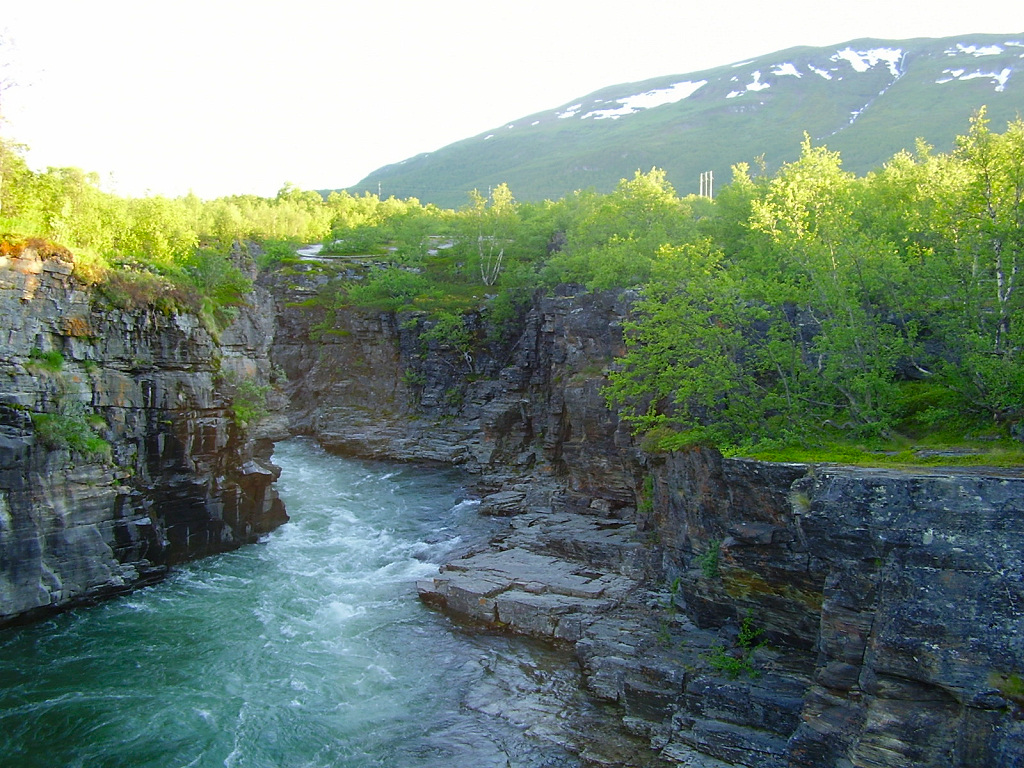
607 records
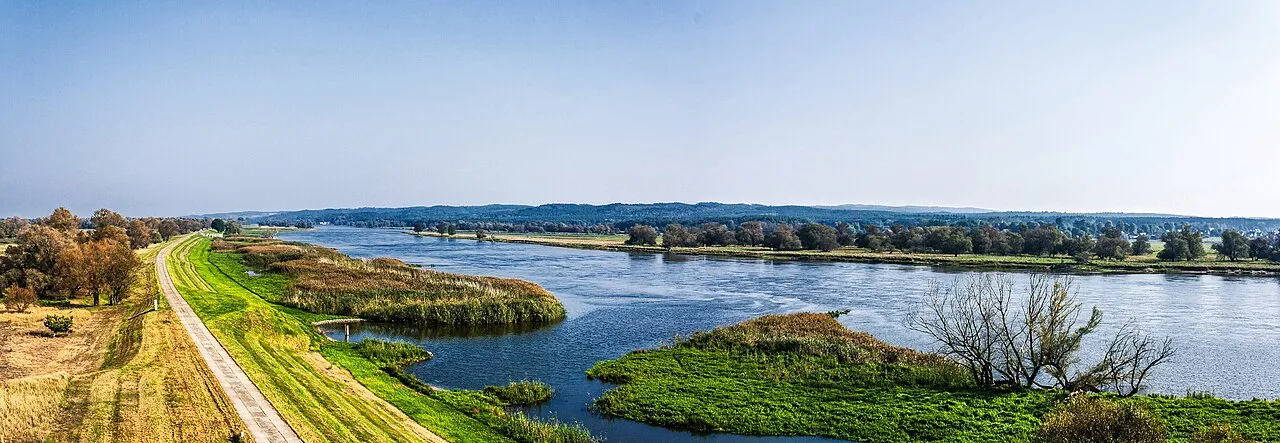
581 records

420 records
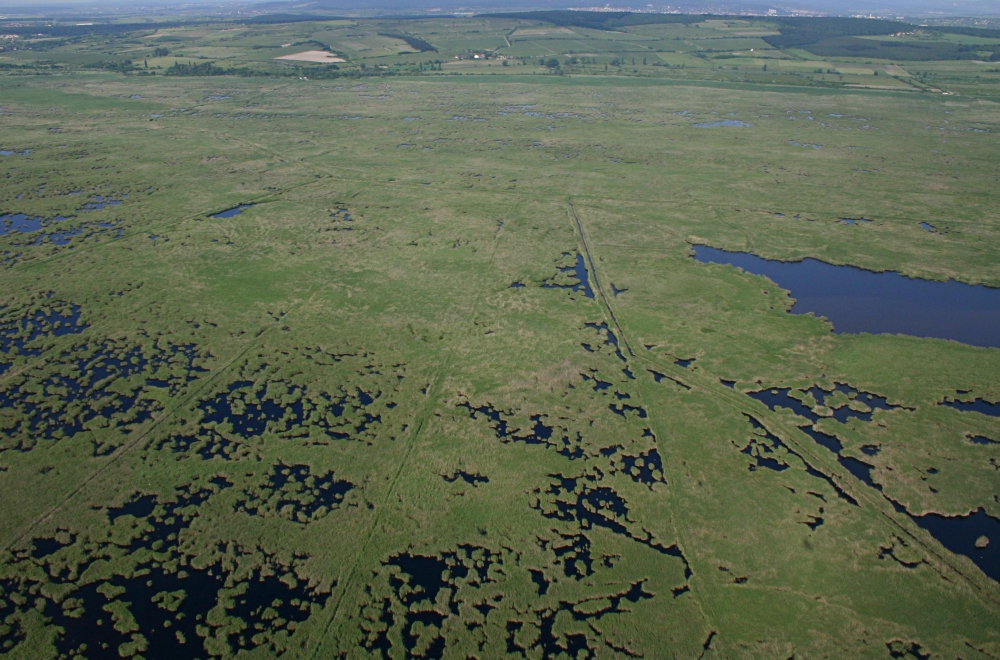
394 records

333 records
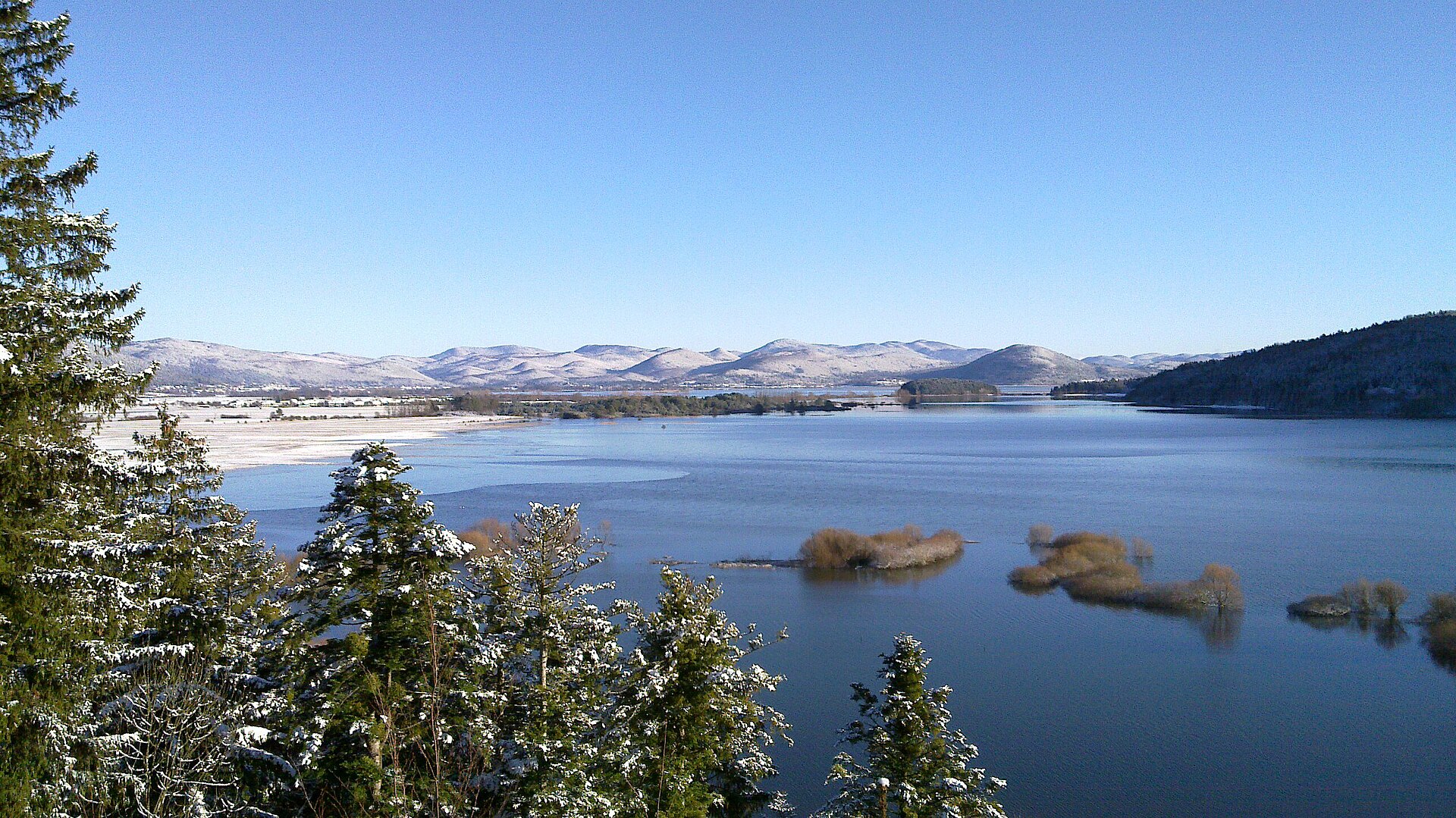
331 records
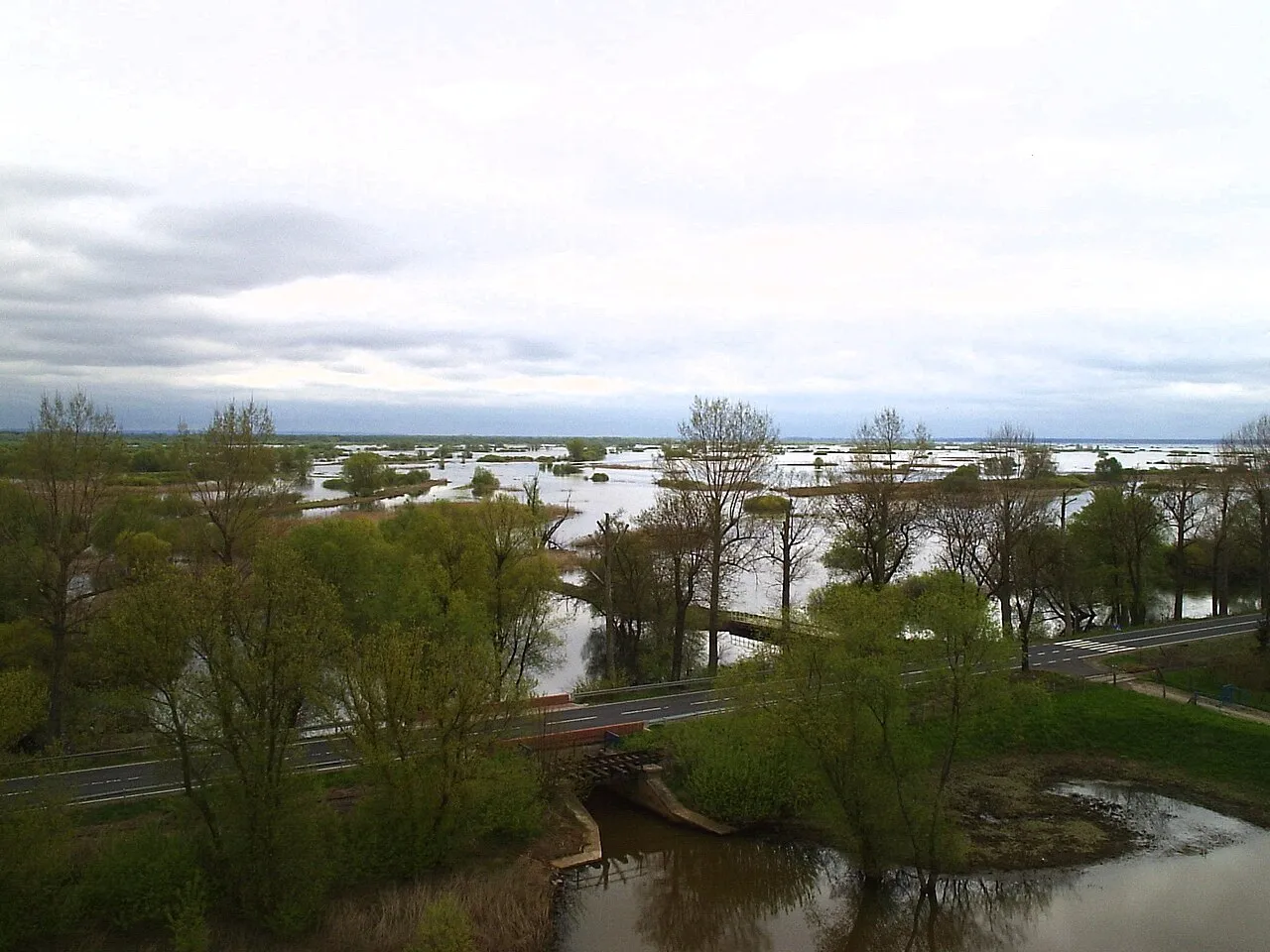
307 records

231 records
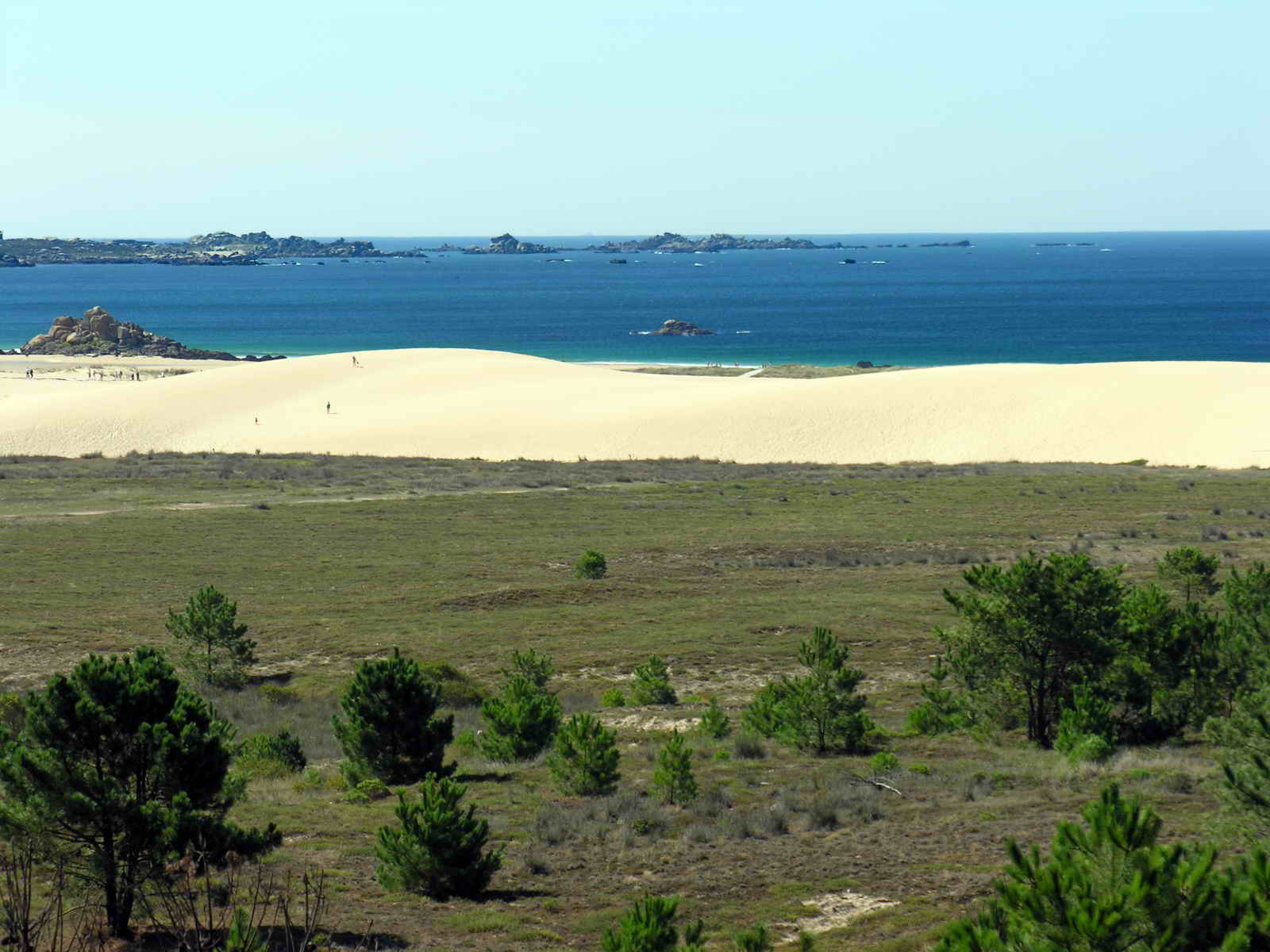
217 records
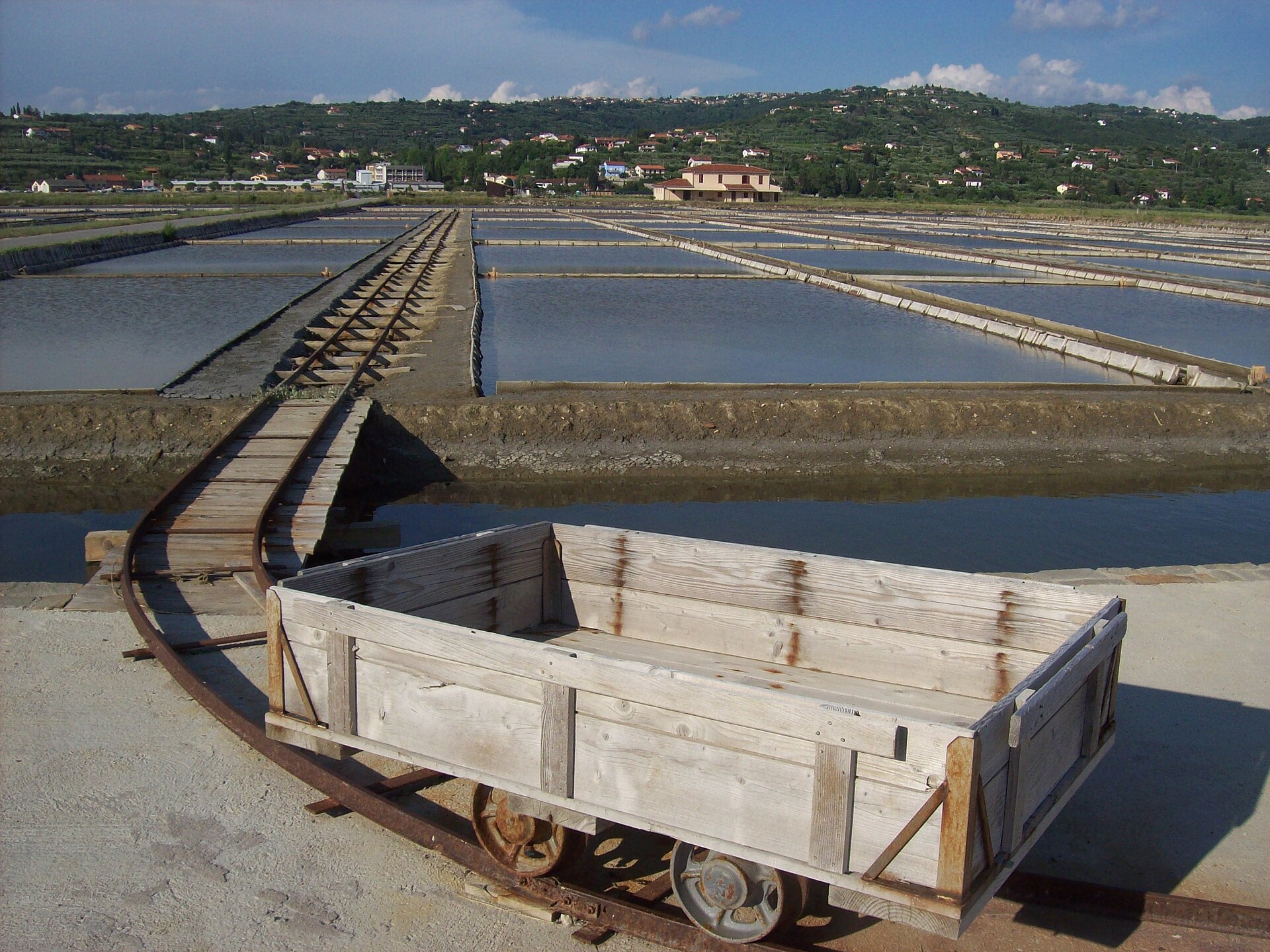
191 records

178 records
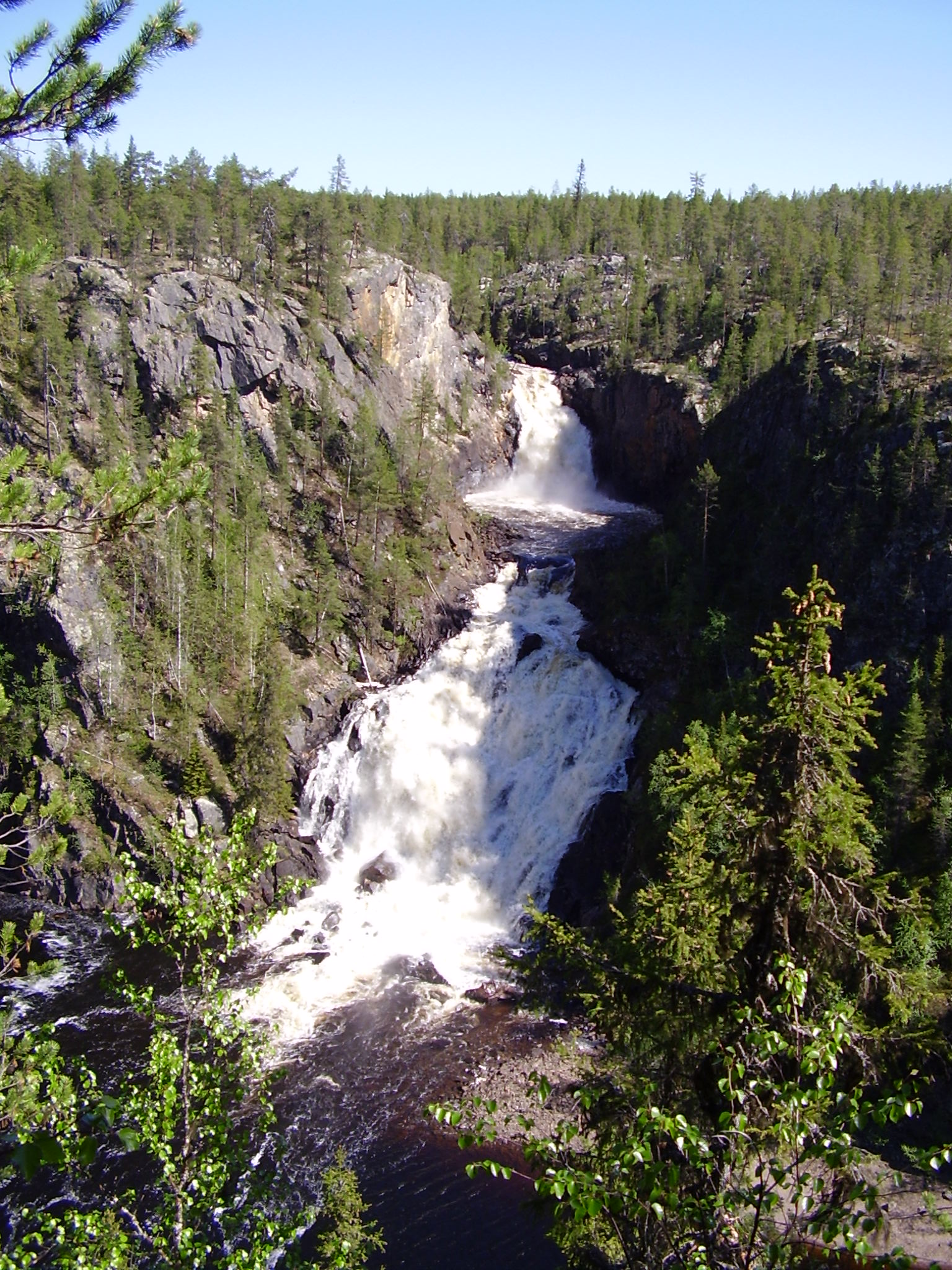
162 records
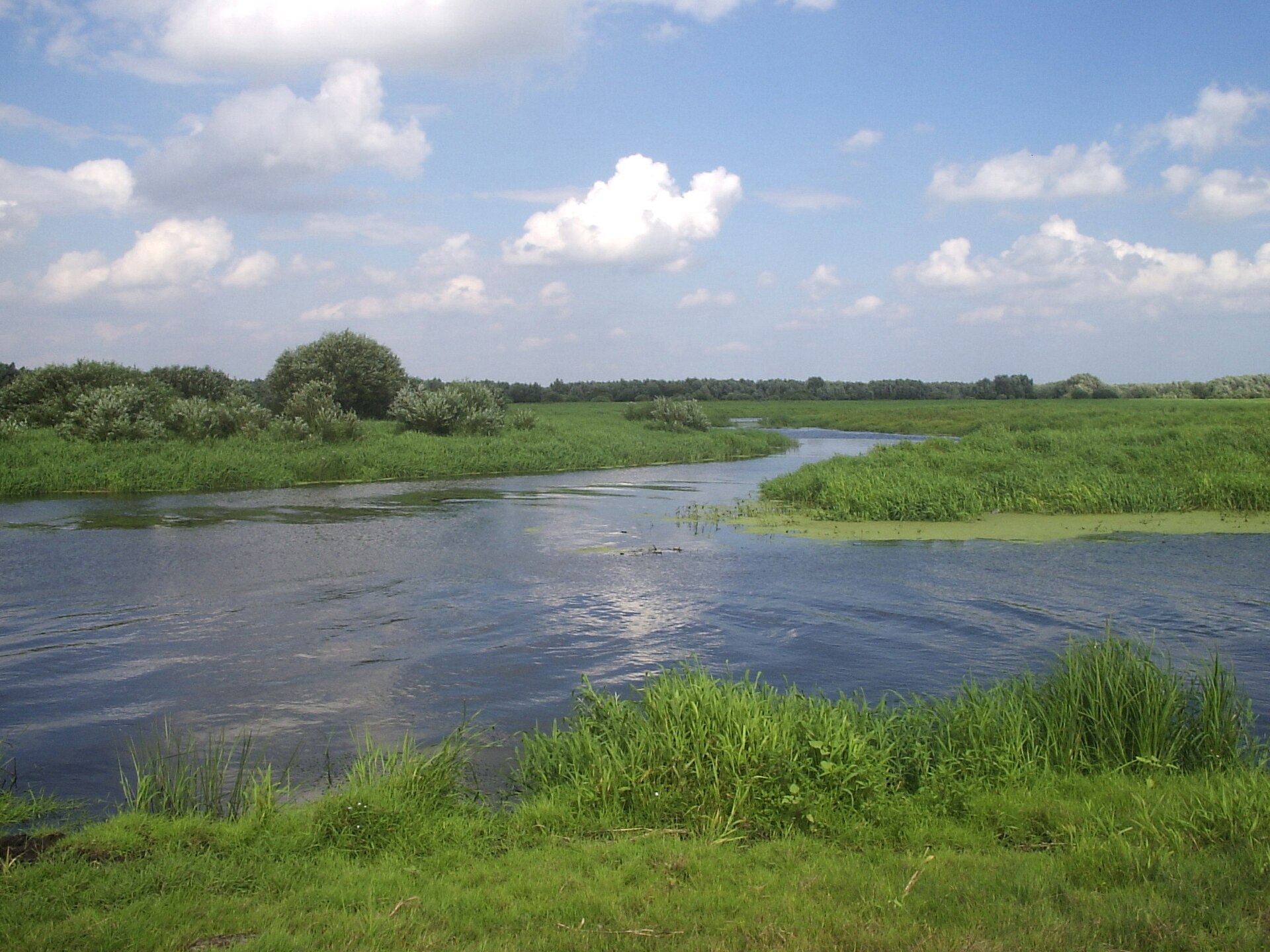
134 records

133 records
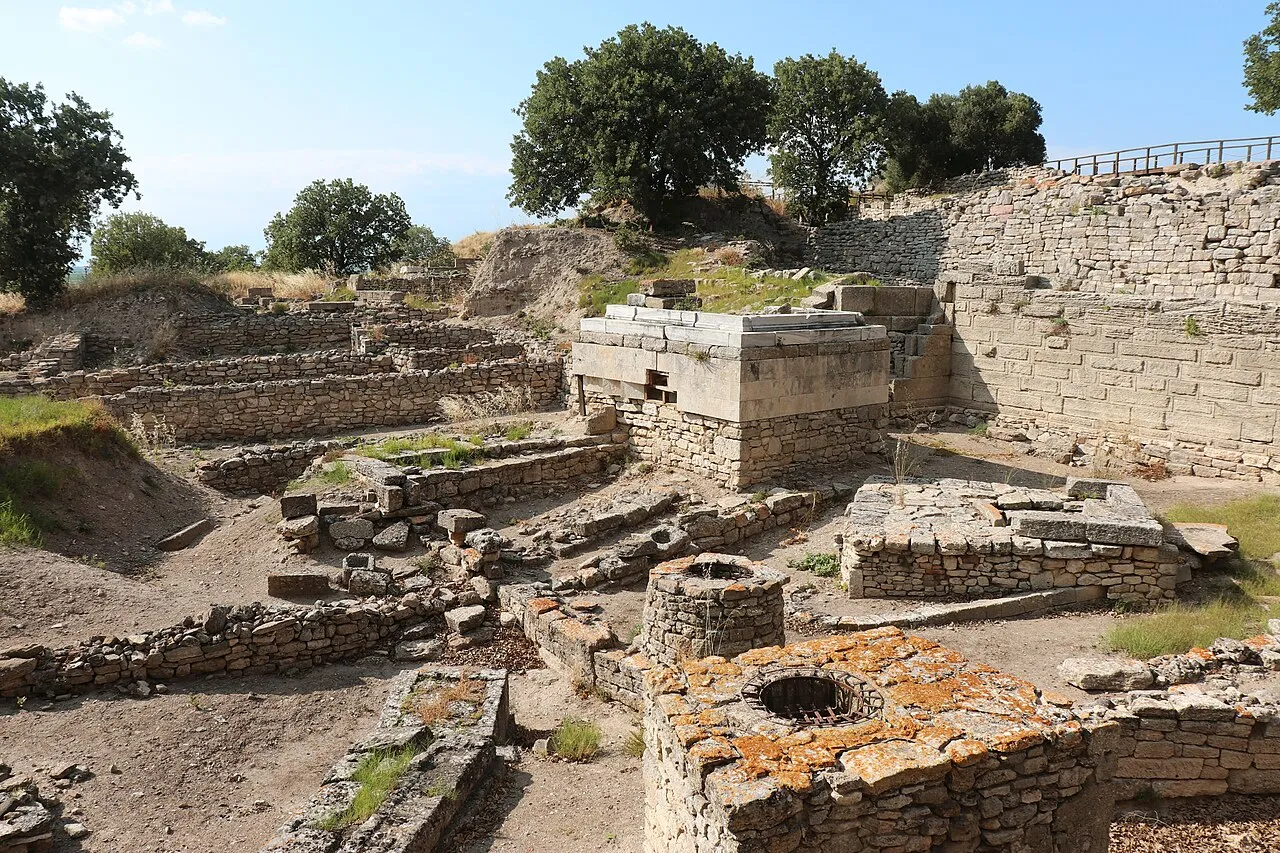
132 records
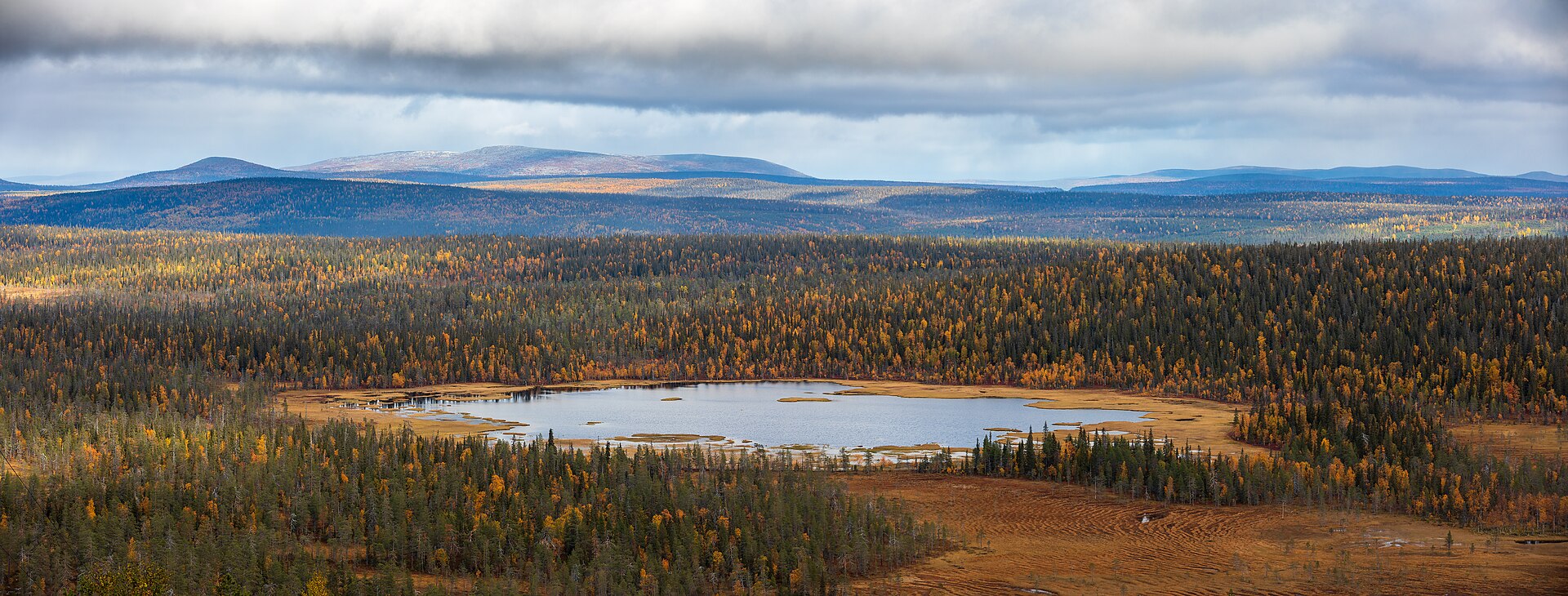
94 records
92 records

89 records
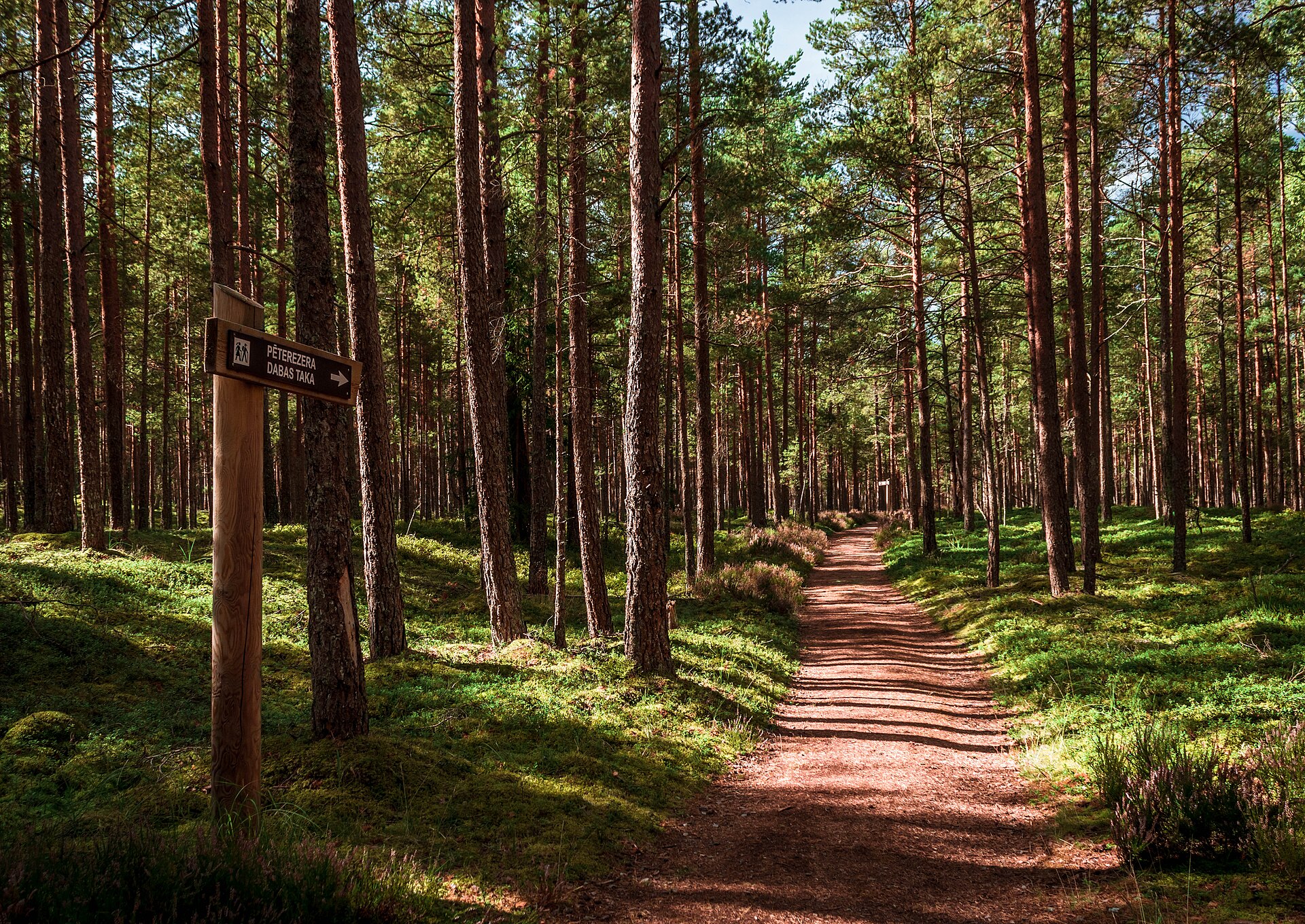
77 records
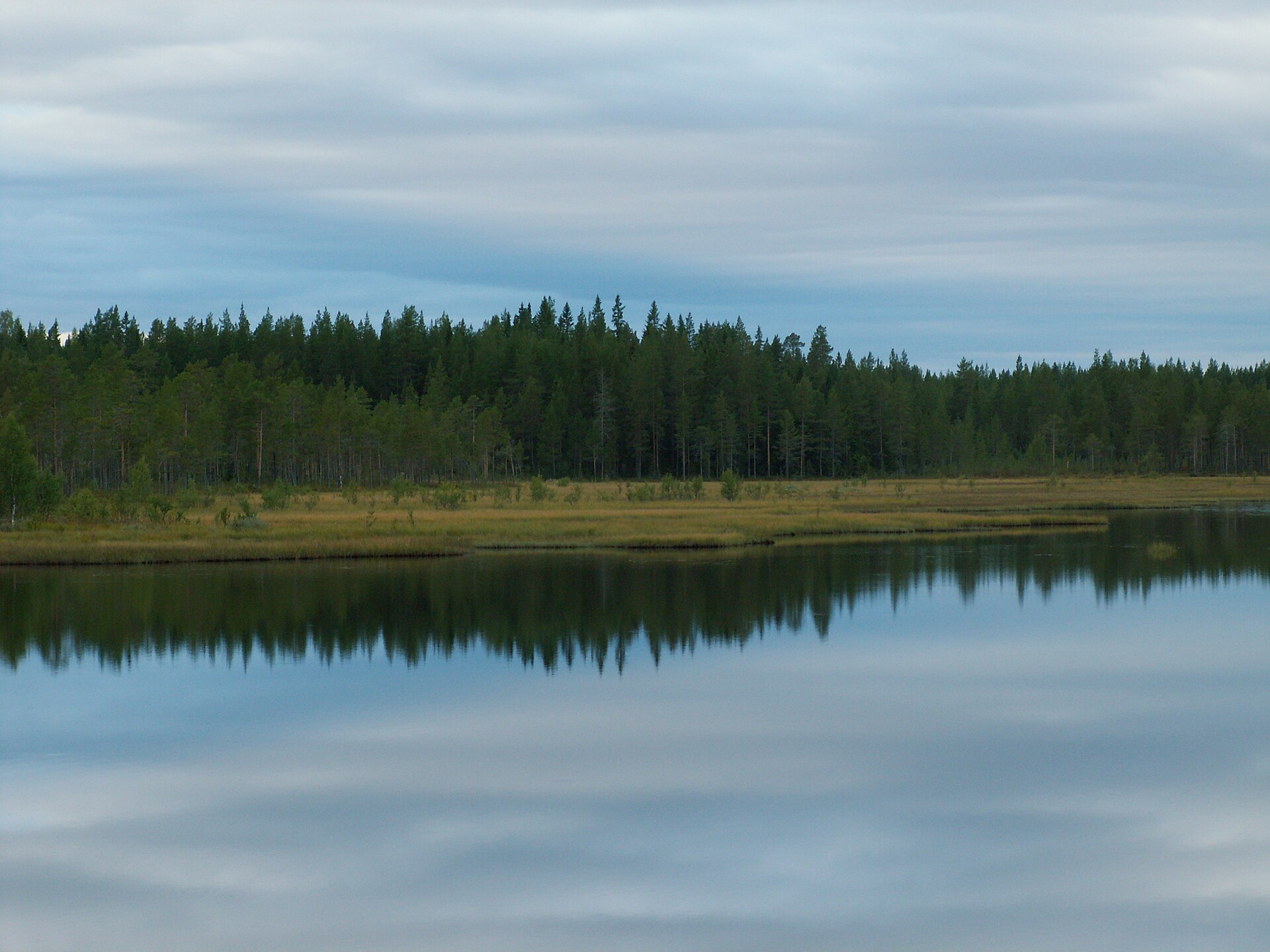
47 records

45 records
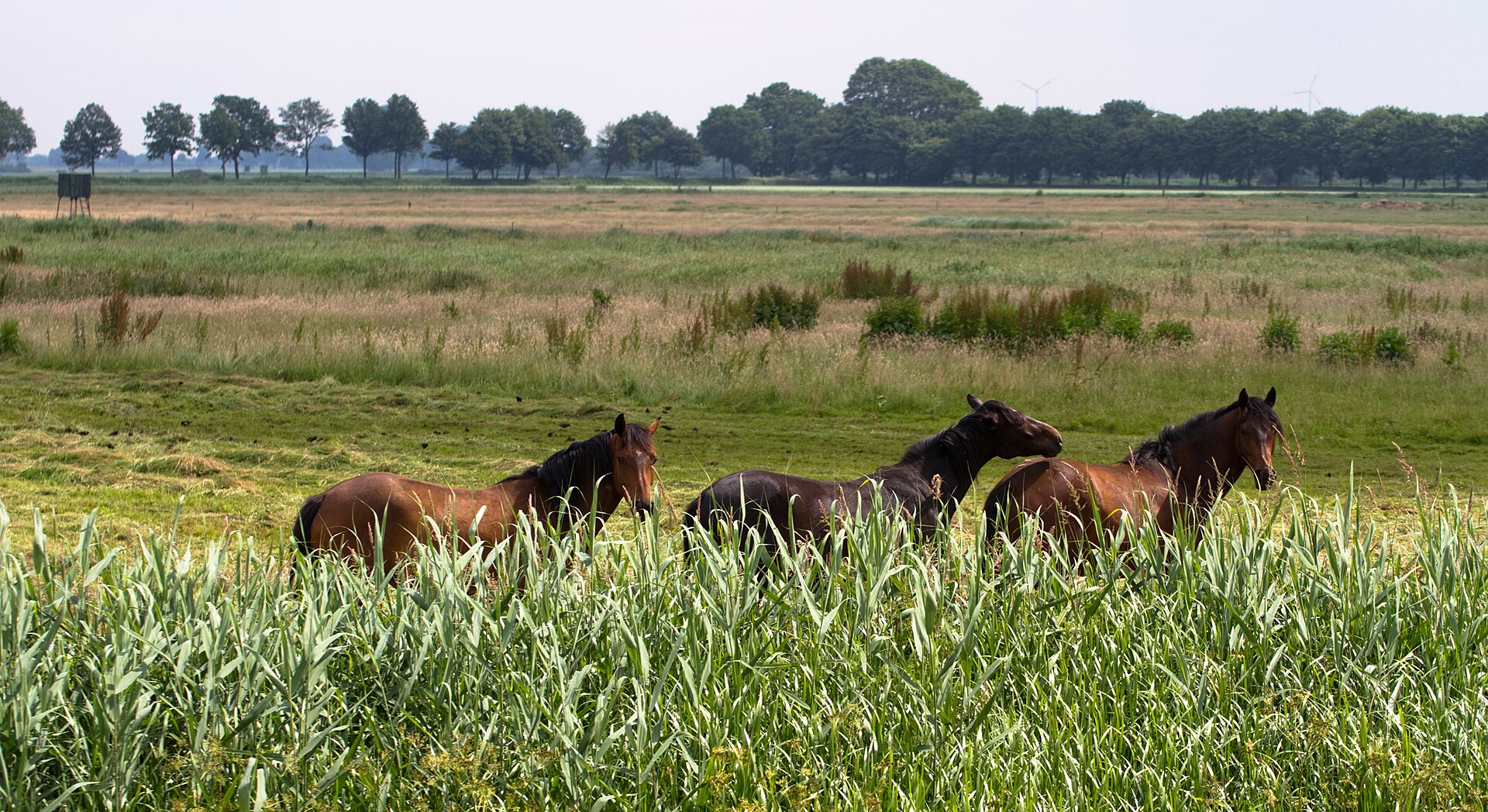
33 records

26 records
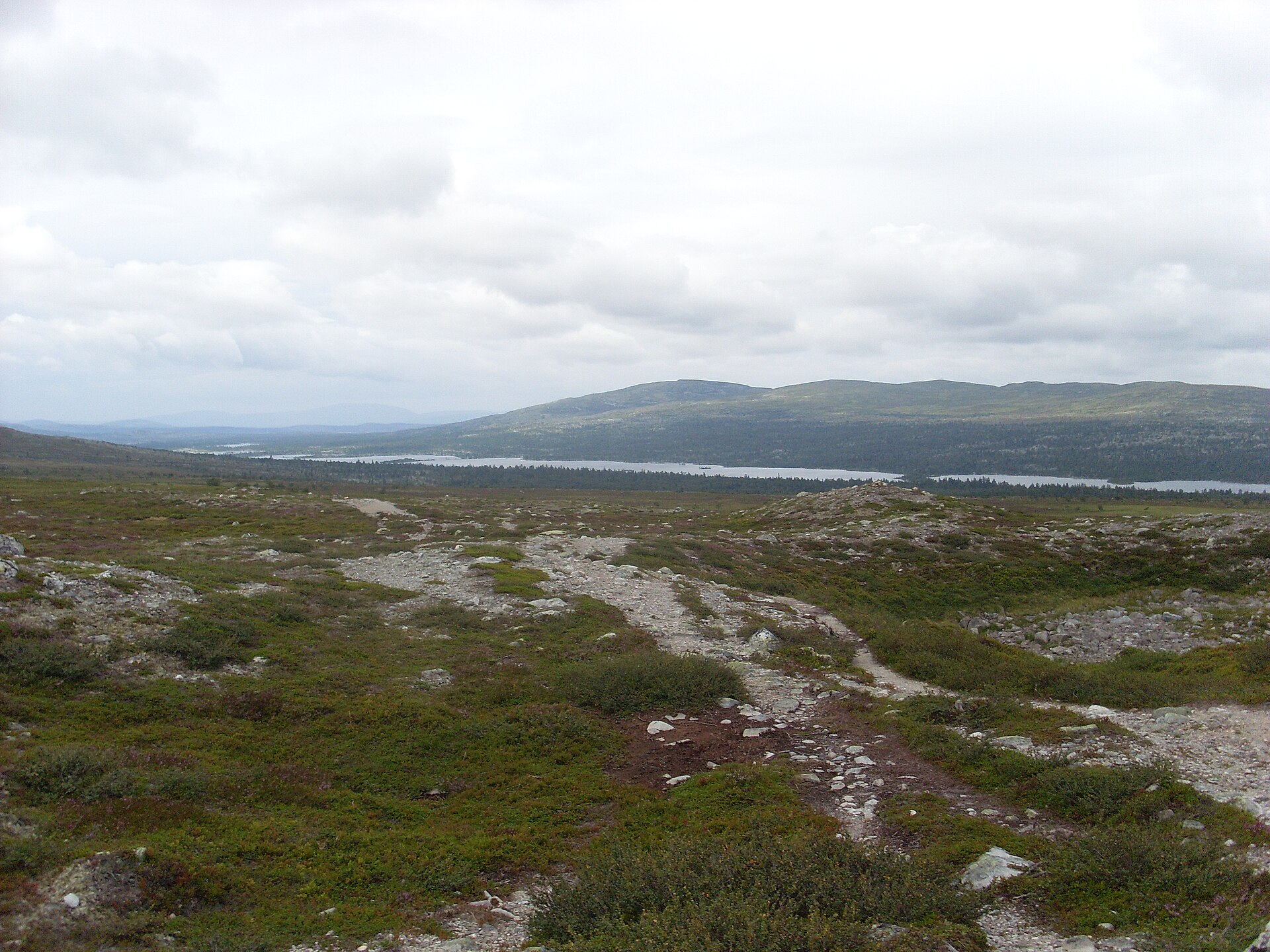
12 records

11 records
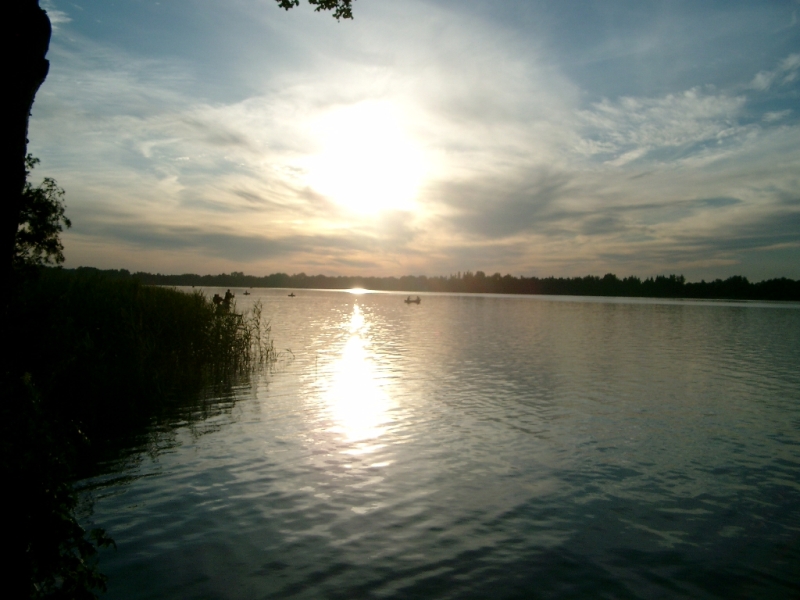
11 records

2 records
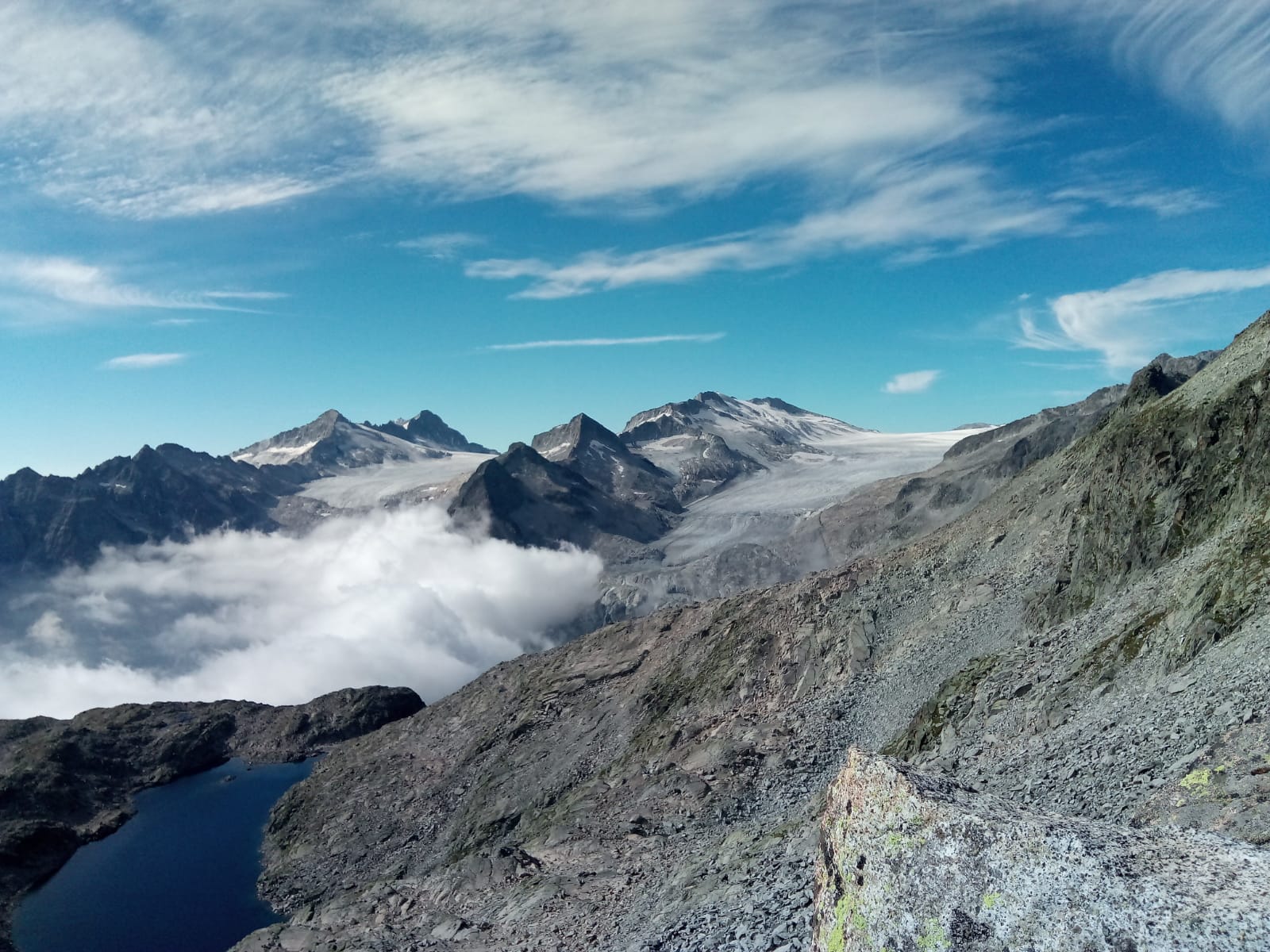
Natura 2000 · passage
Natura 2000 · passage
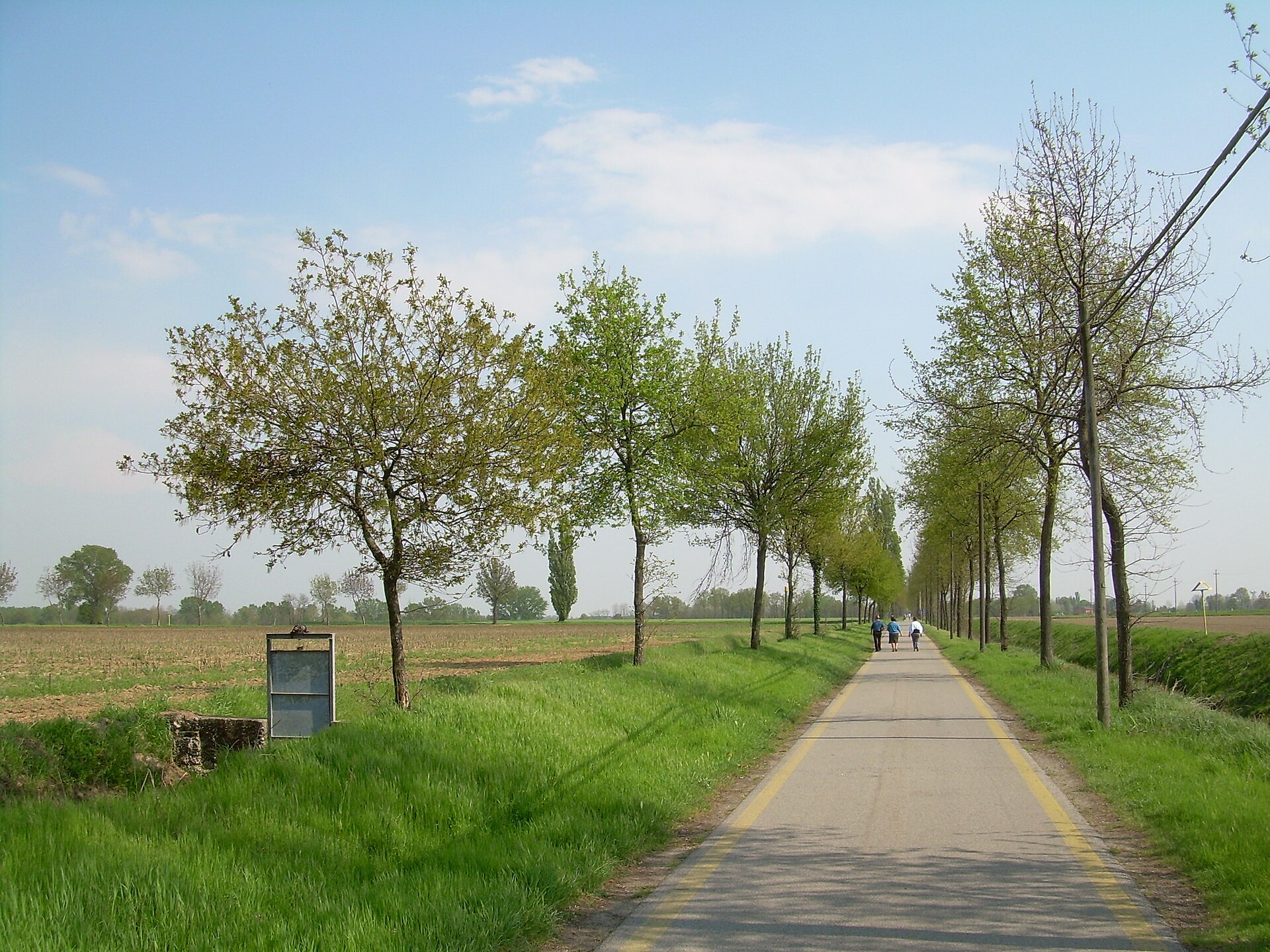
Natura 2000 · wintering, breeding
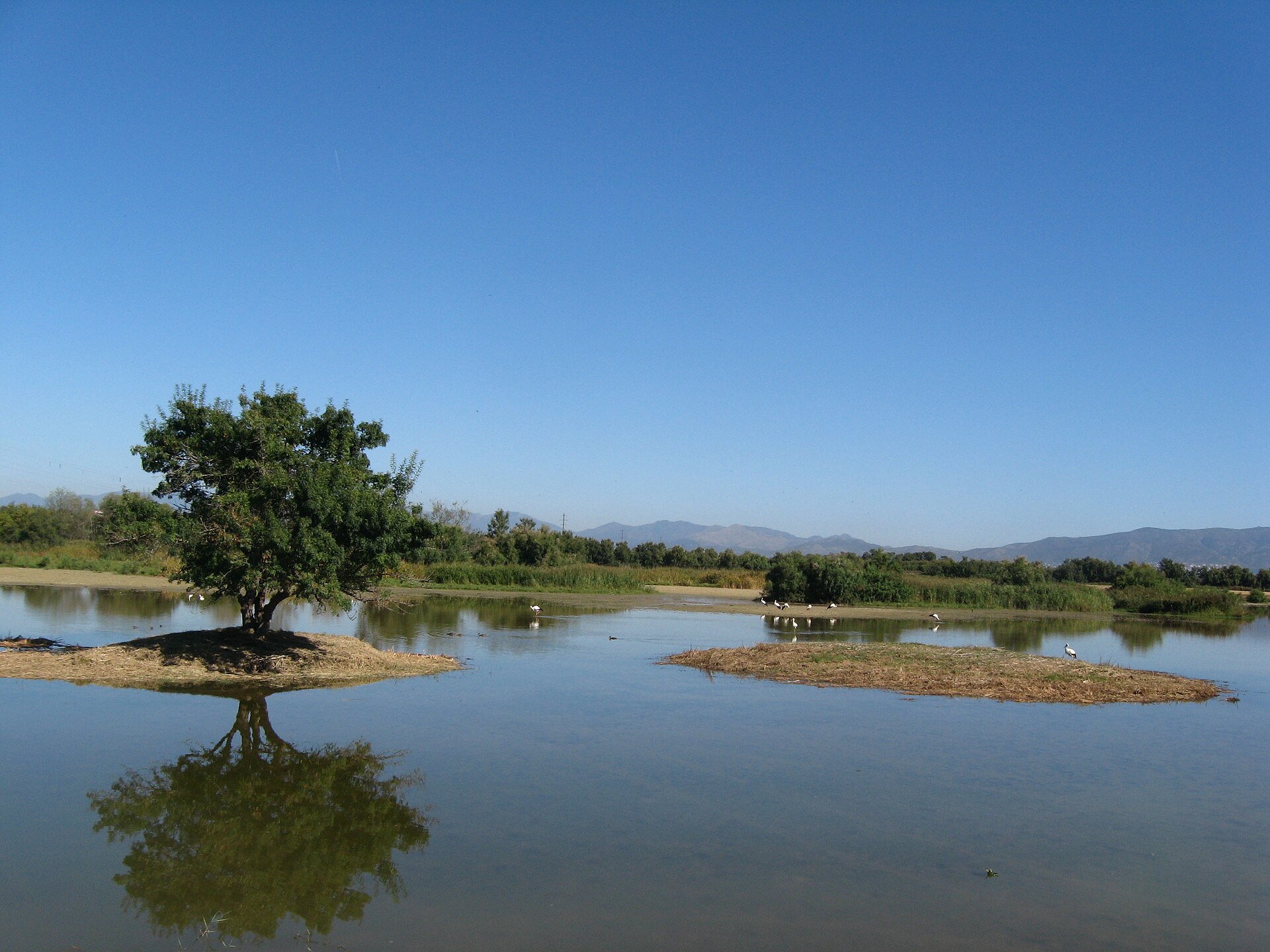
Natura 2000 · breeding
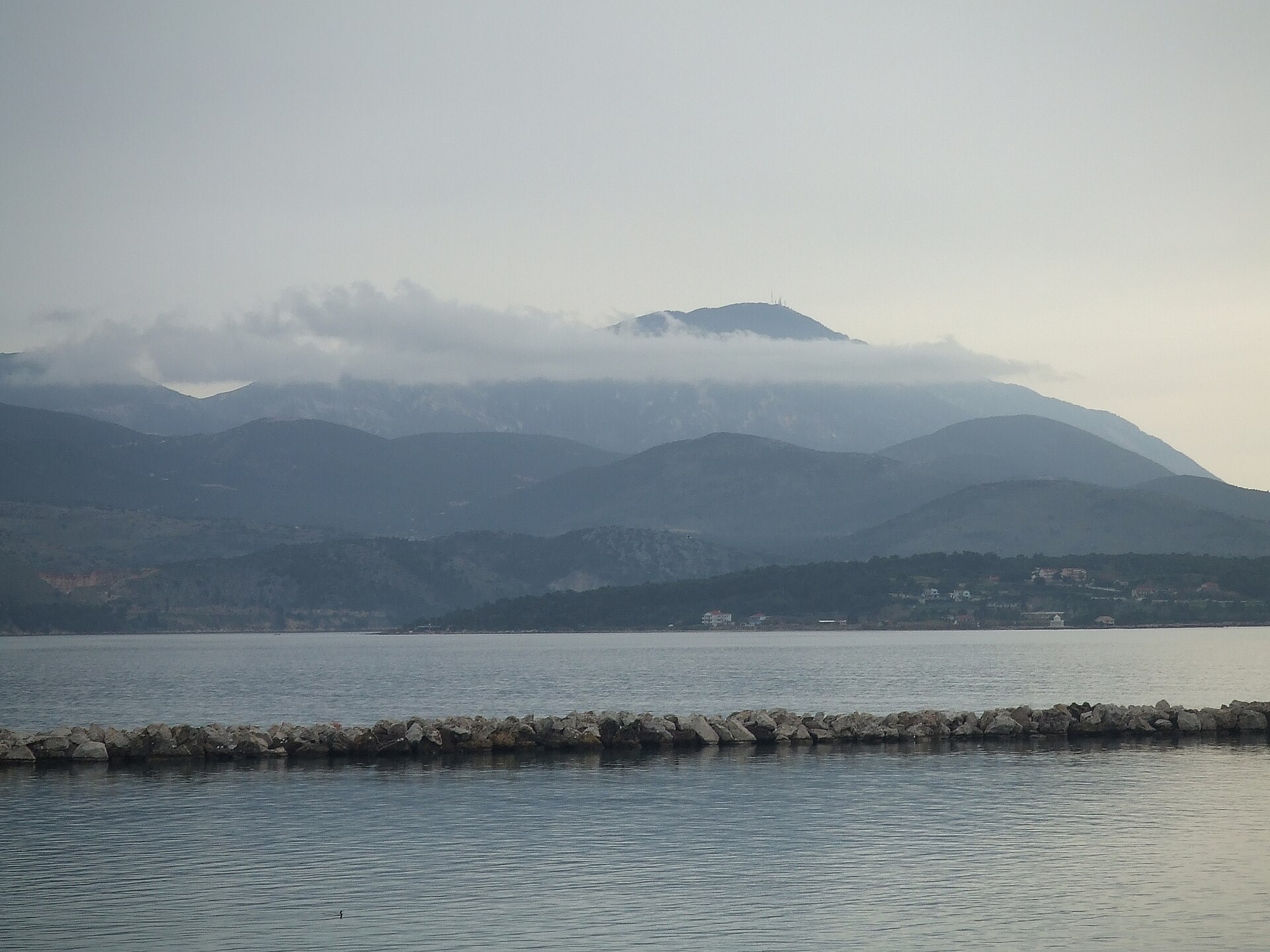
Natura 2000 · passage
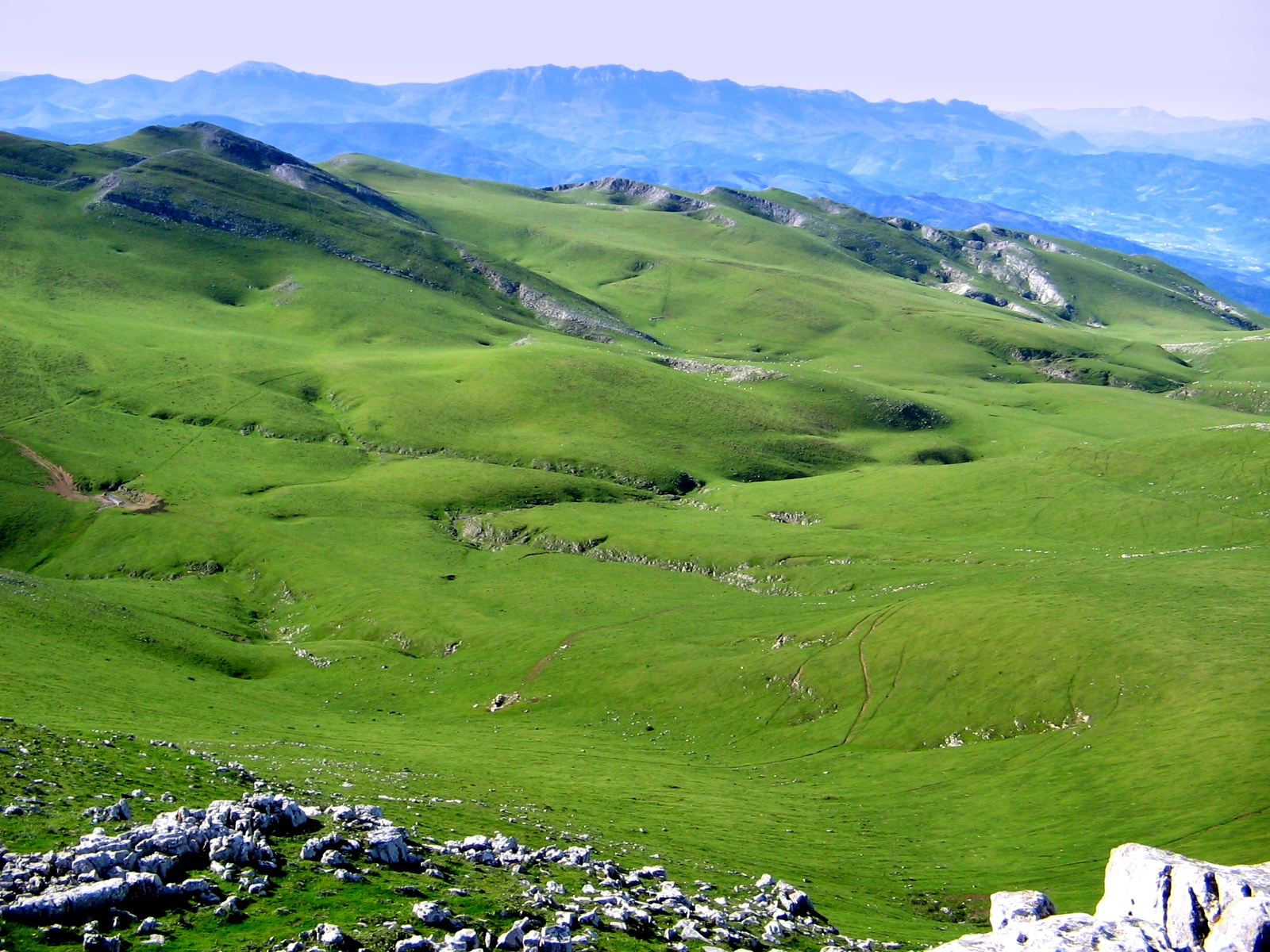
Natura 2000 · breeding
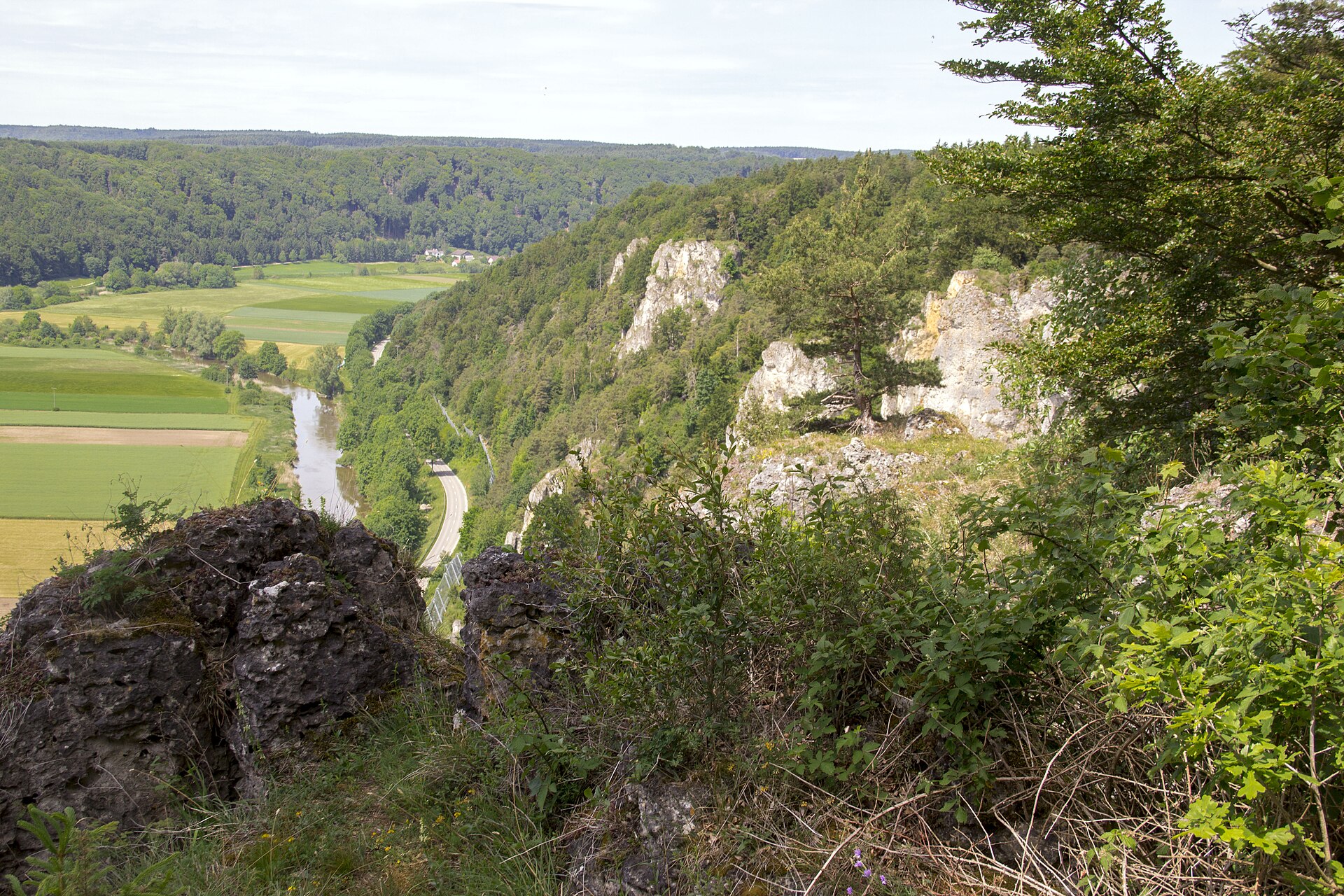
Natura 2000 · breeding

Natura 2000 · passage

Natura 2000 · passage

Natura 2000 · breeding
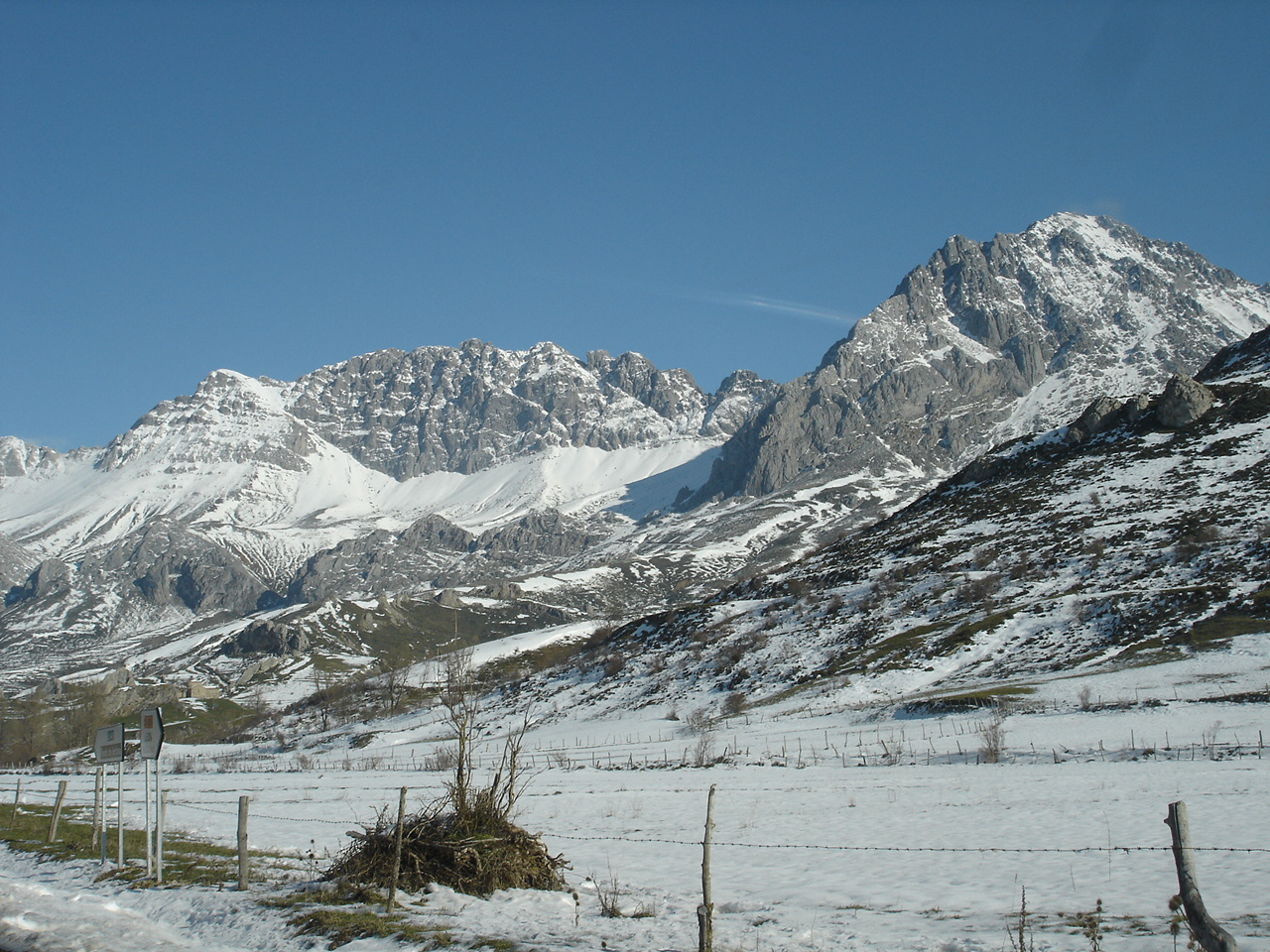
Natura 2000 · breeding

Natura 2000 · breeding
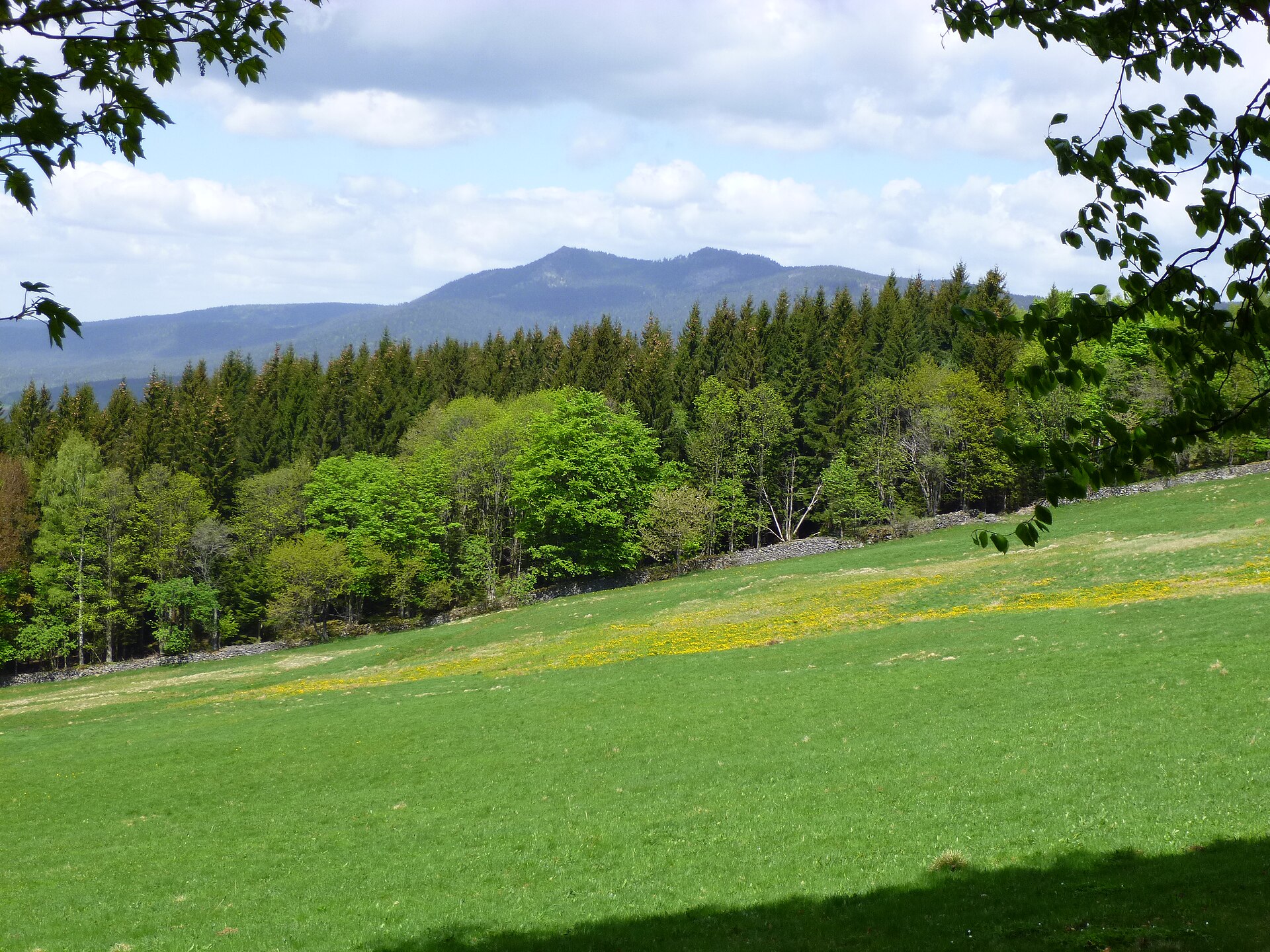
Natura 2000 · breeding
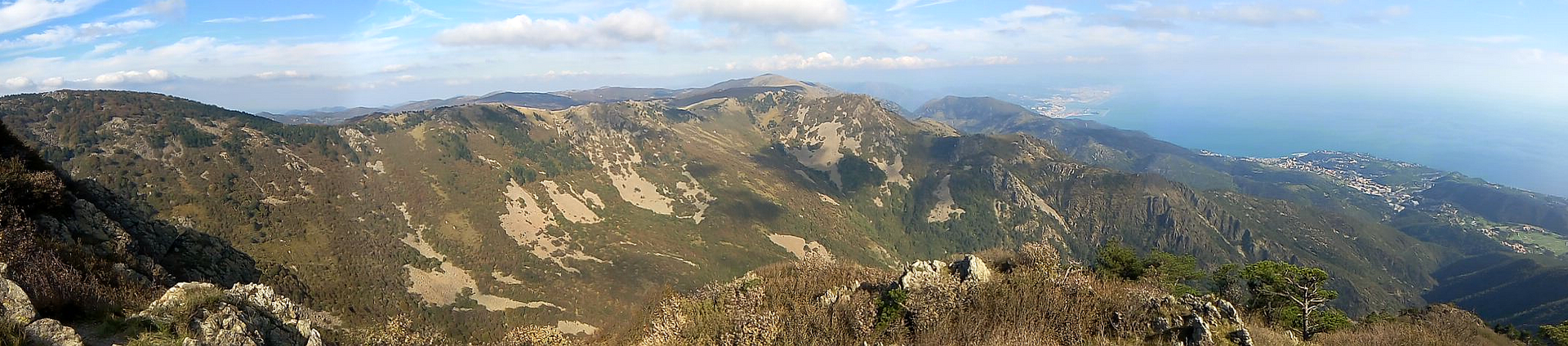
Natura 2000 · passage
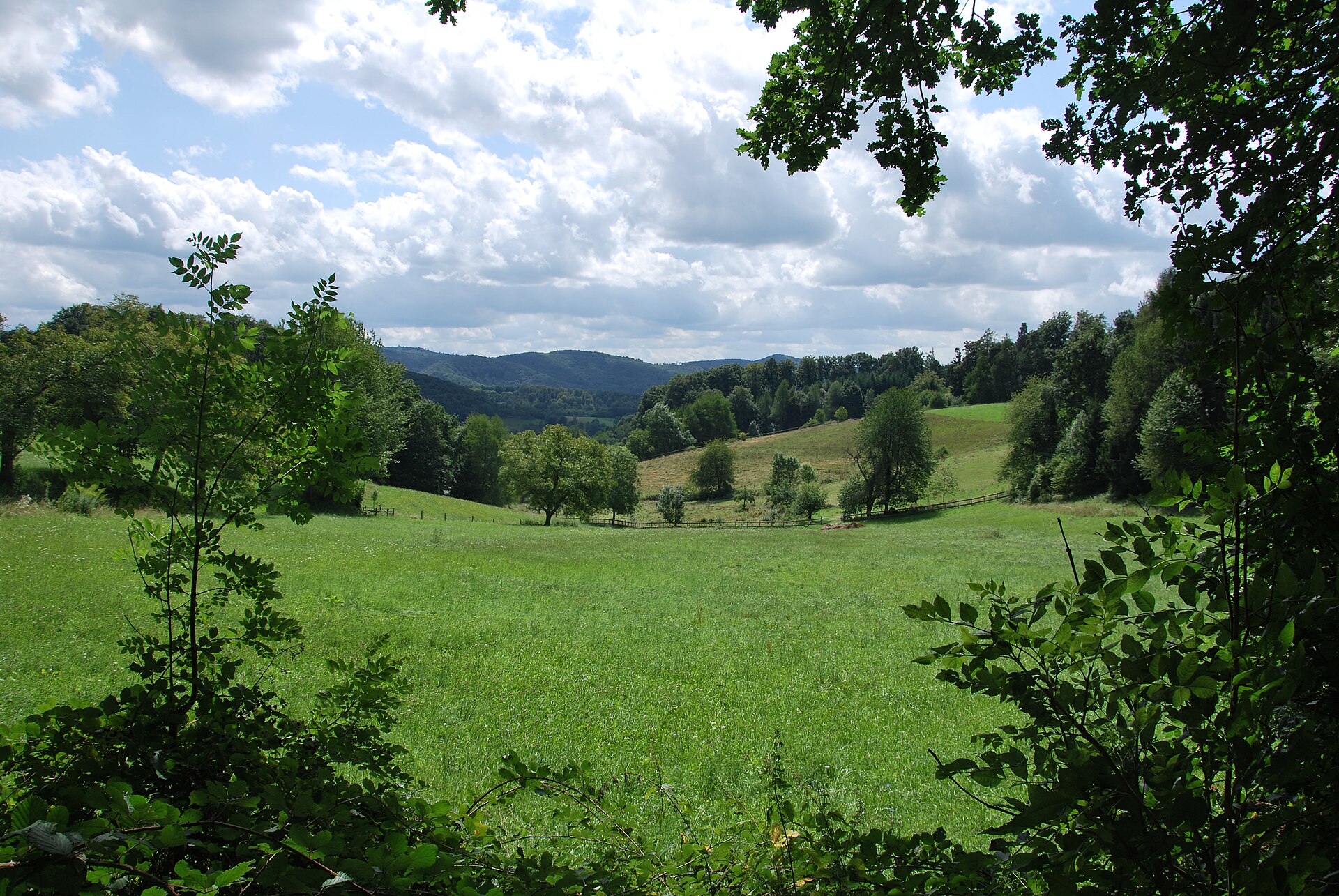
Natura 2000 · breeding
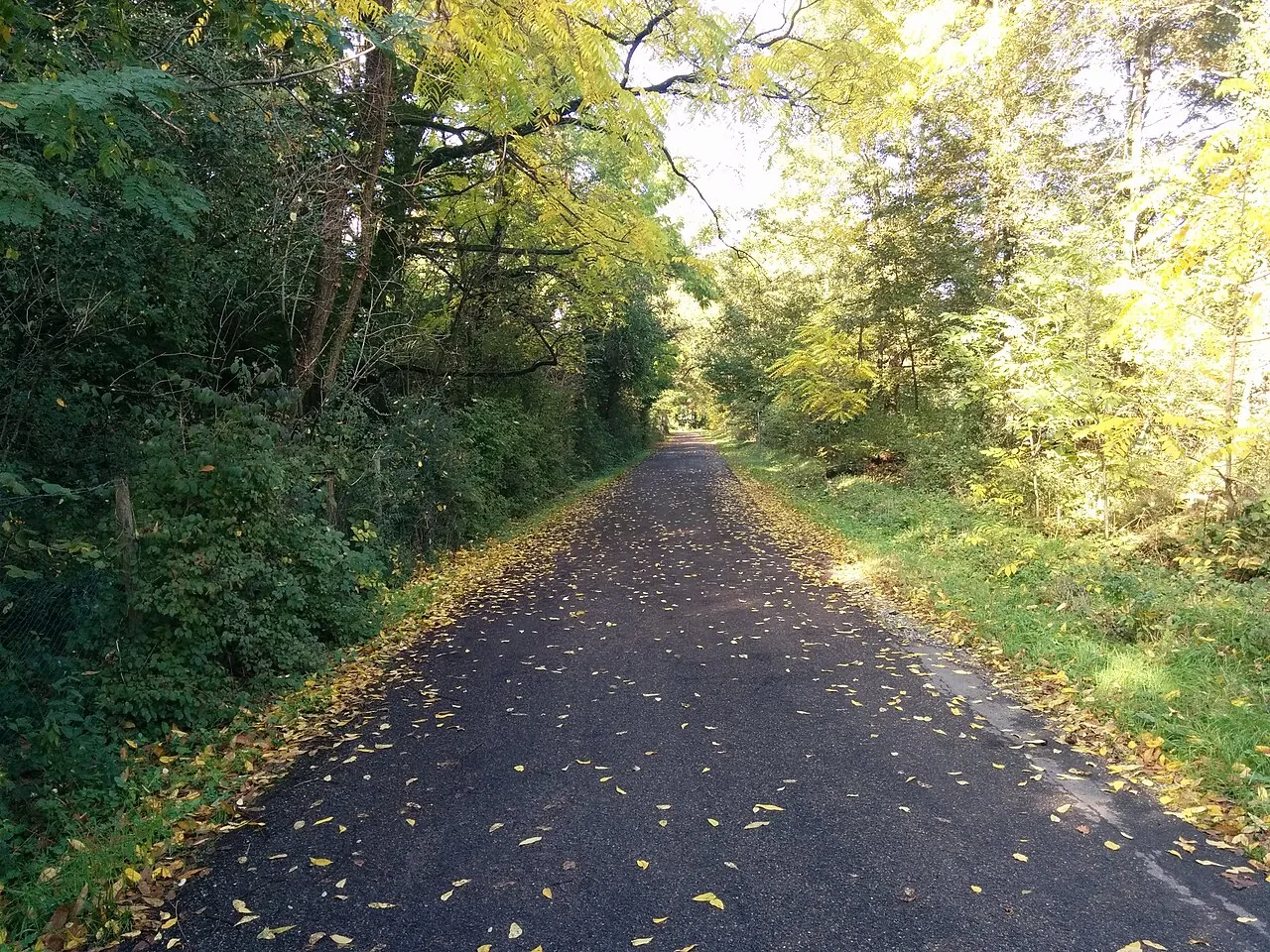
Natura 2000 · breeding

Natura 2000 · passage, breeding
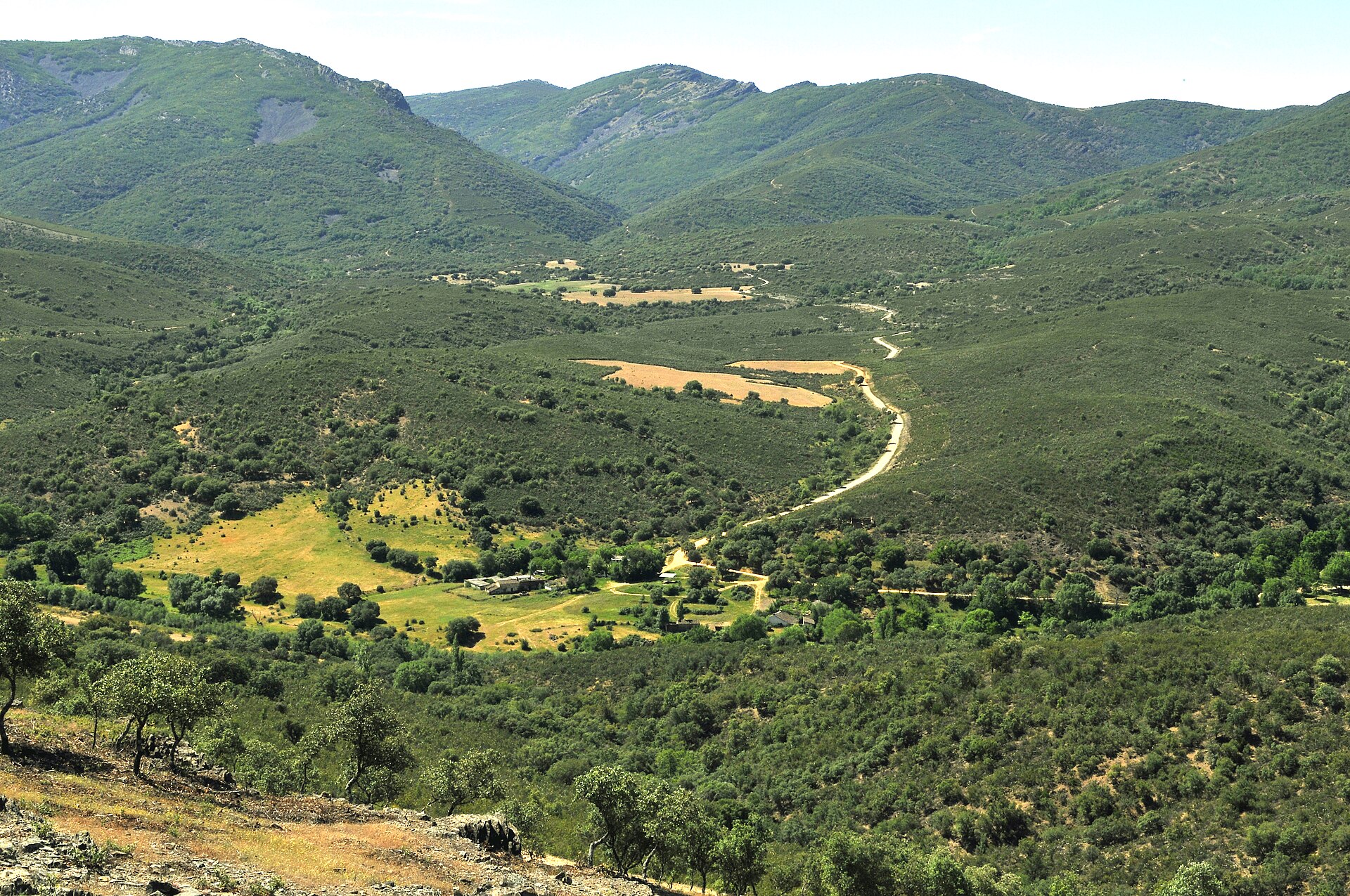
Natura 2000 · breeding
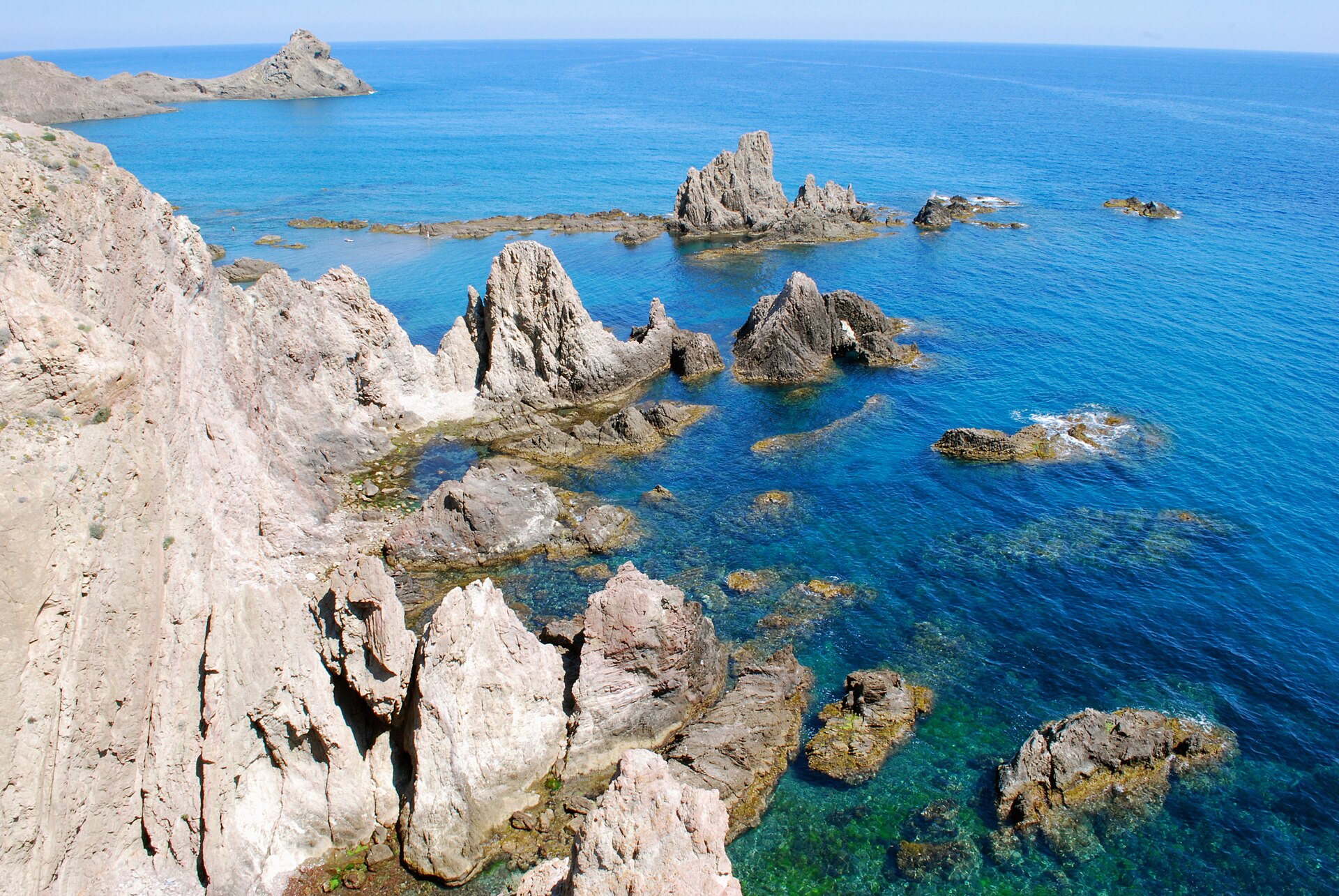
Natura 2000 · breeding

Natura 2000 · breeding
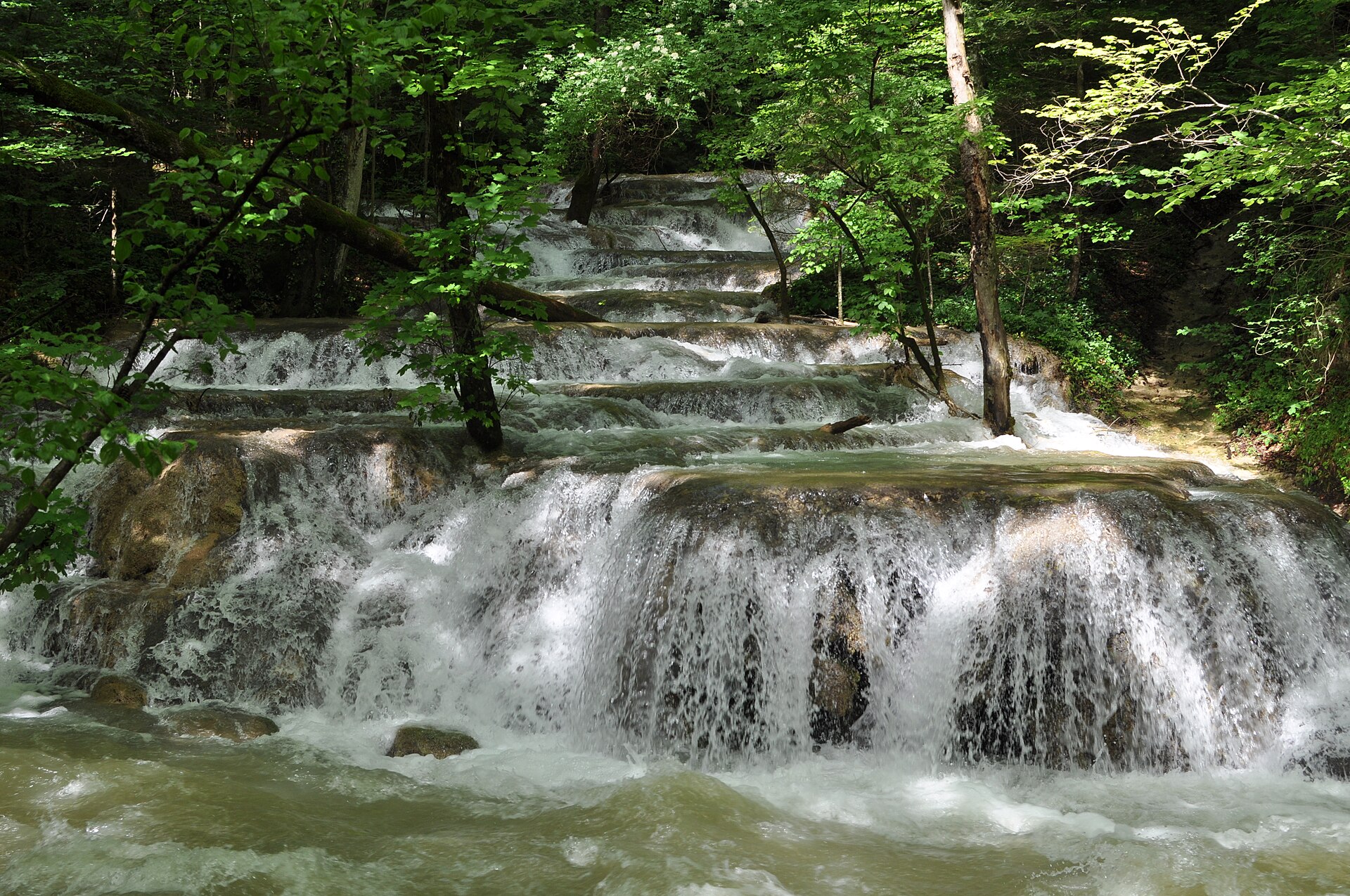
Natura 2000 · passage
Natura 2000 · passage

Natura 2000 · passage
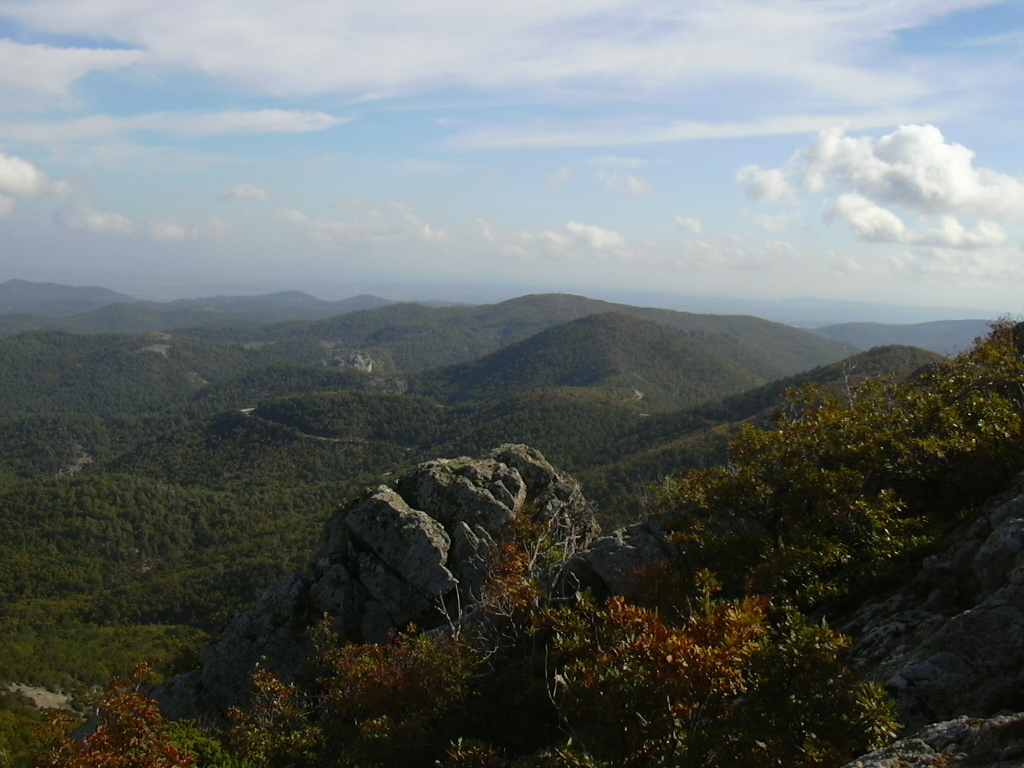
Natura 2000 · breeding
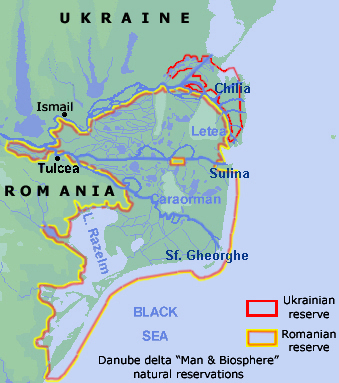
Natura 2000 · breeding, passage
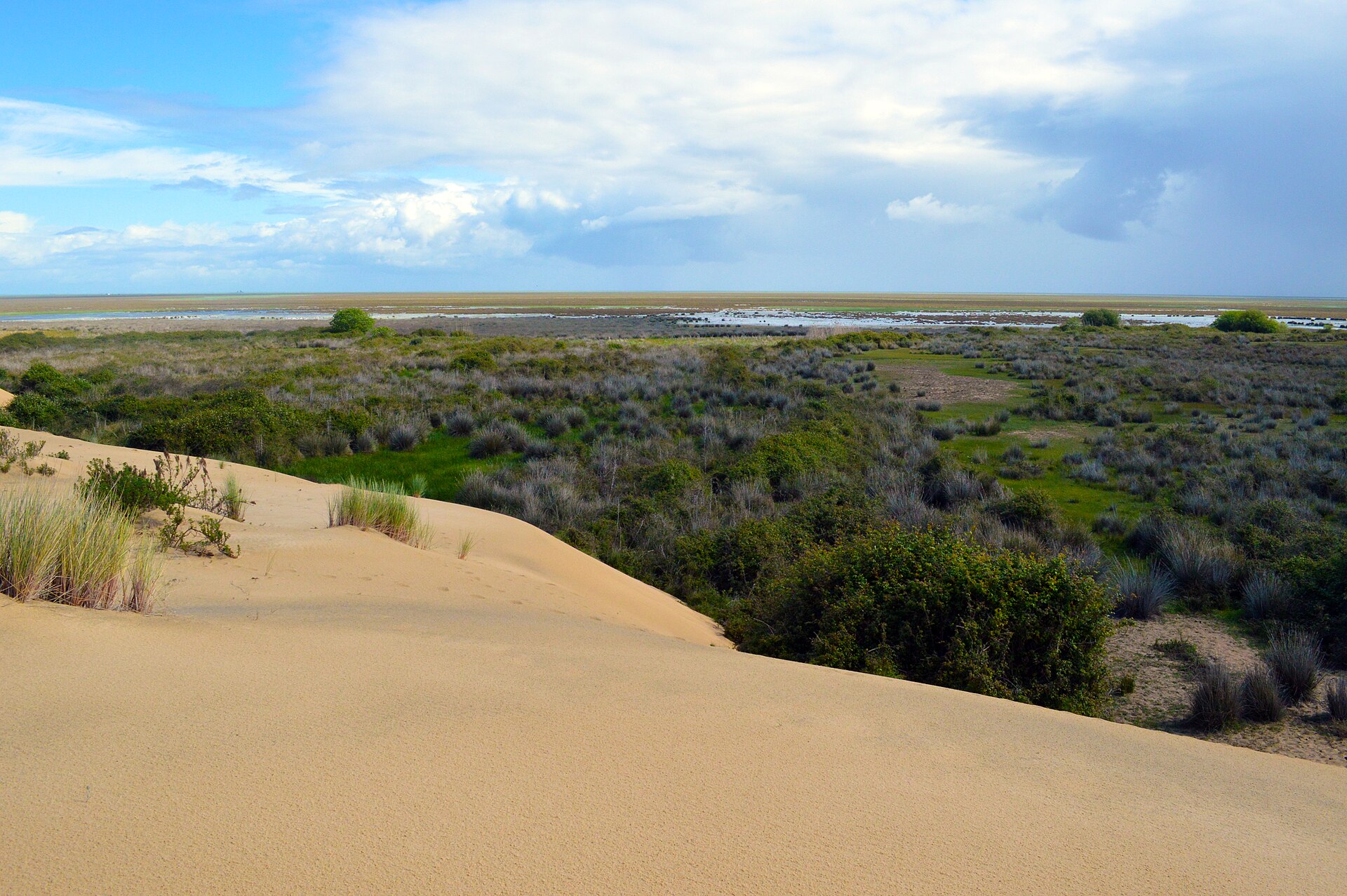
Natura 2000 · breeding
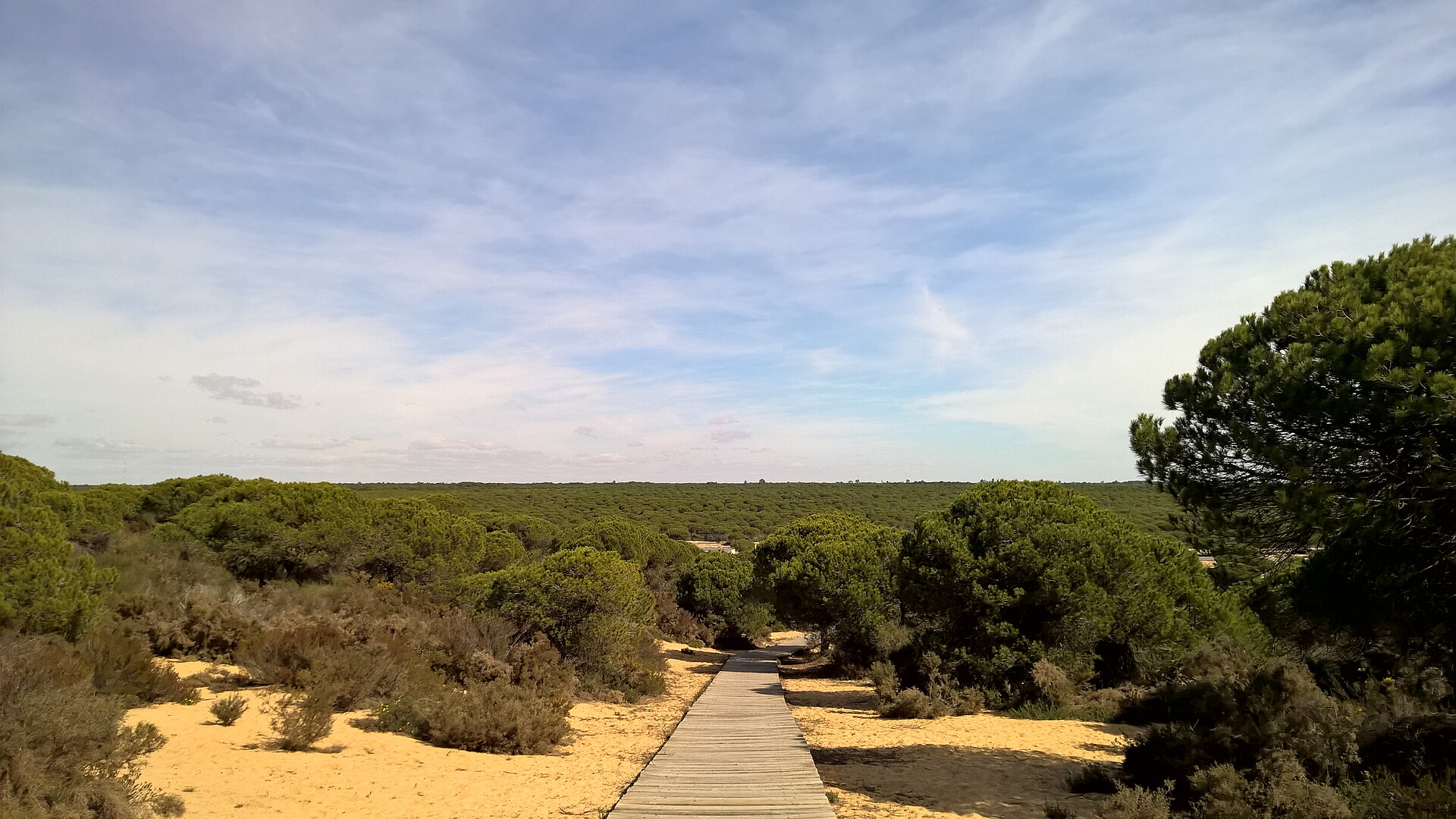
Natura 2000 · breeding
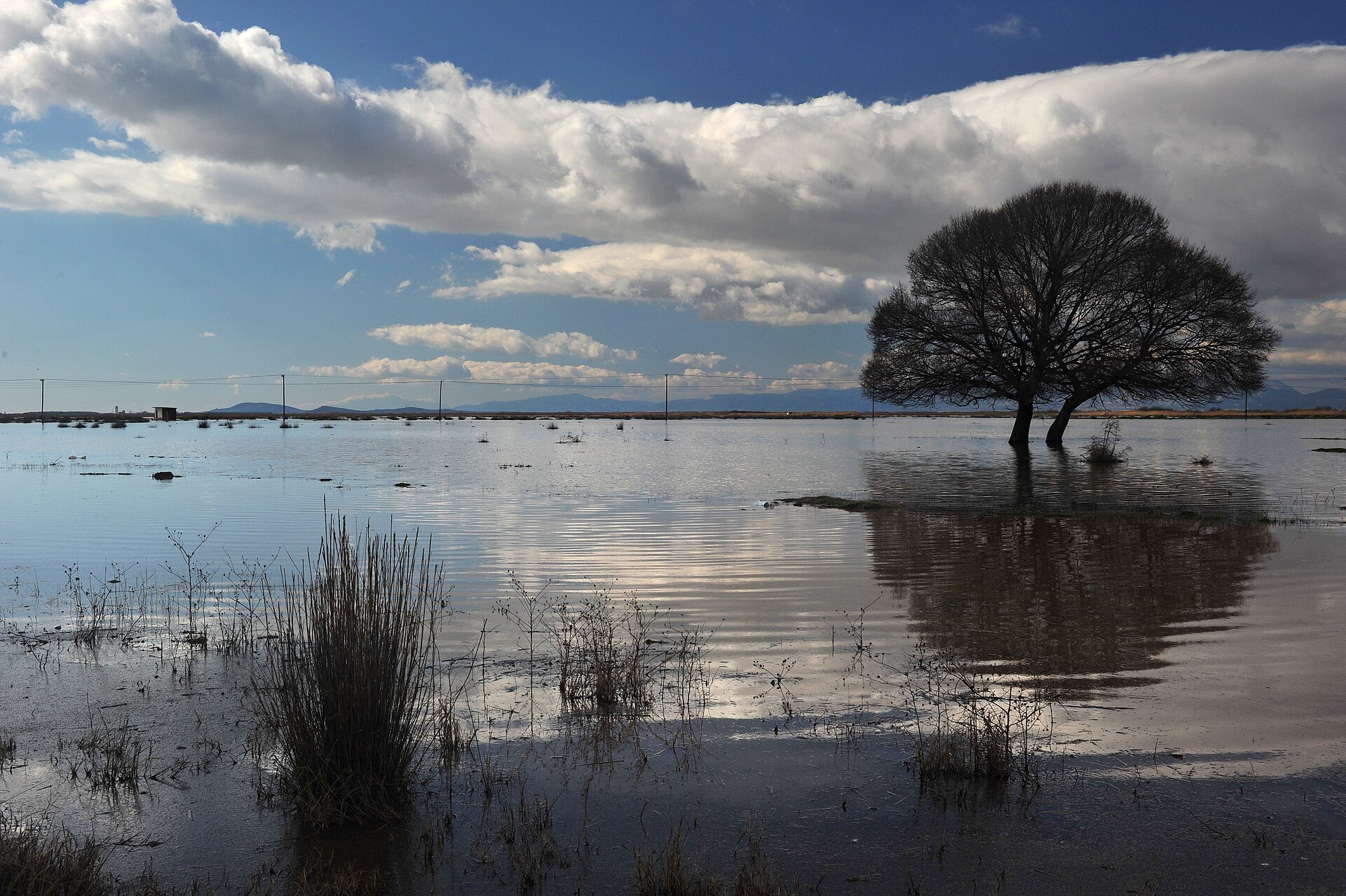
Natura 2000 · breeding
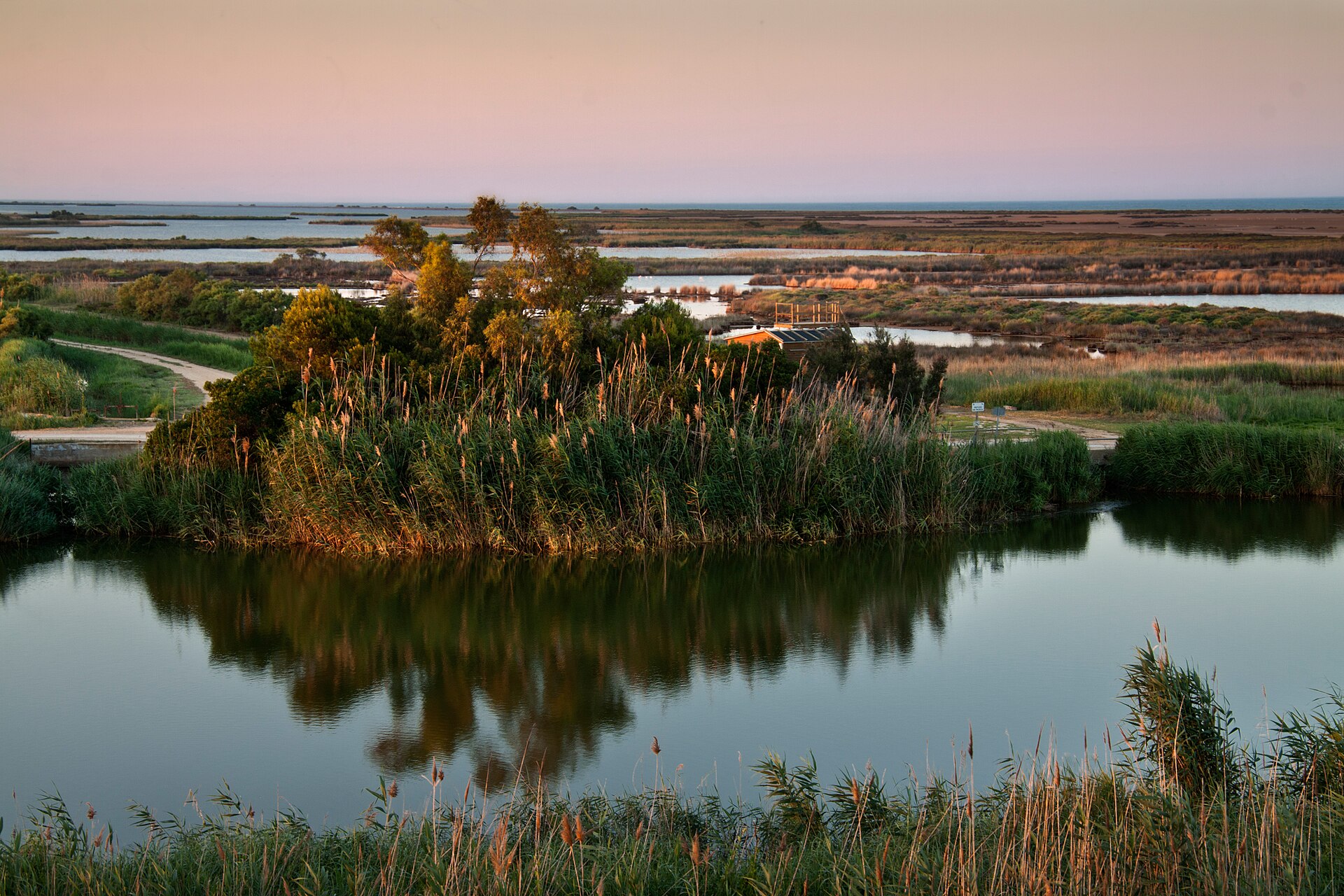
Natura 2000 · breeding

Natura 2000 · breeding

Natura 2000 · breeding, passage
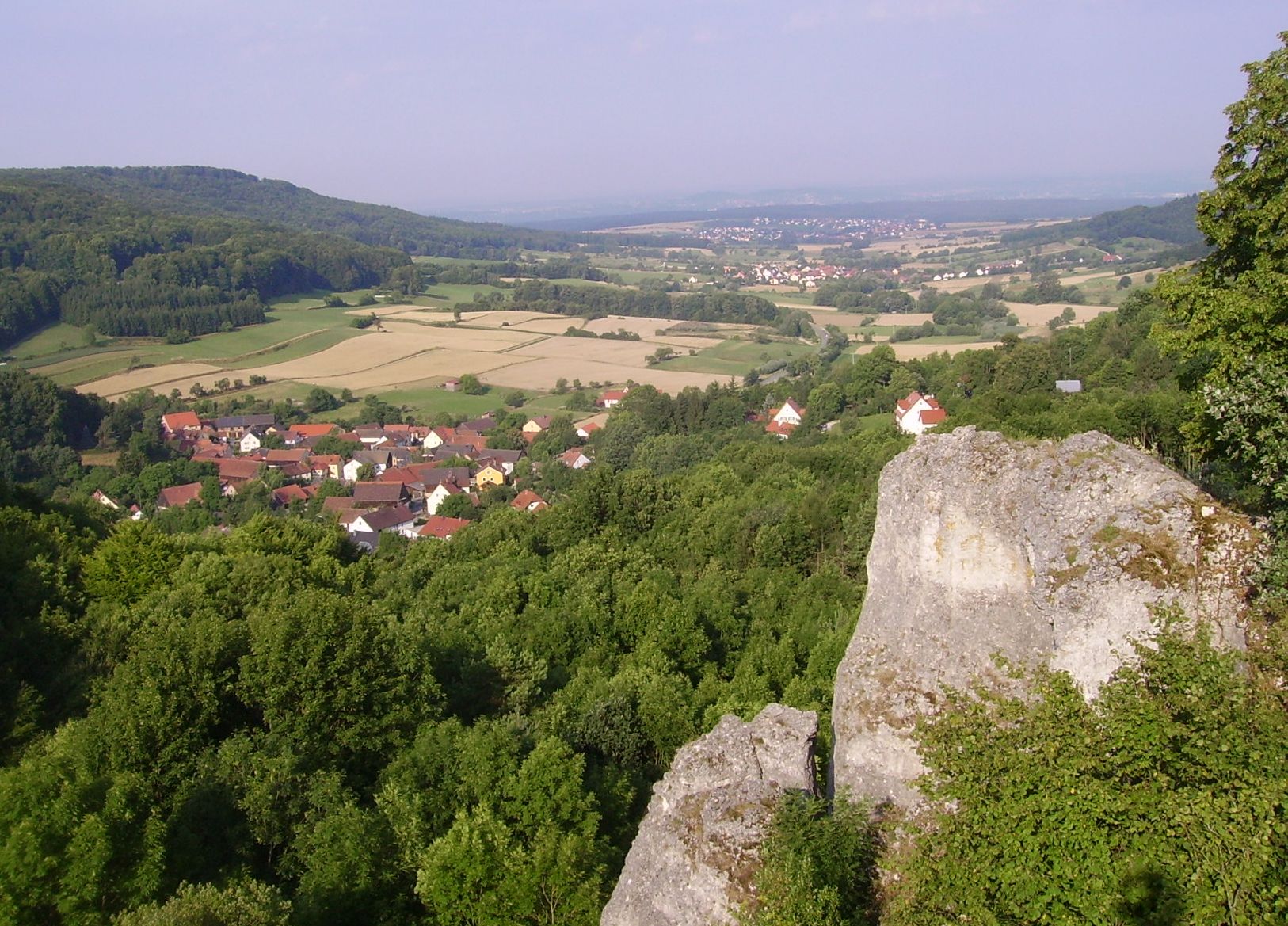
Natura 2000 · breeding
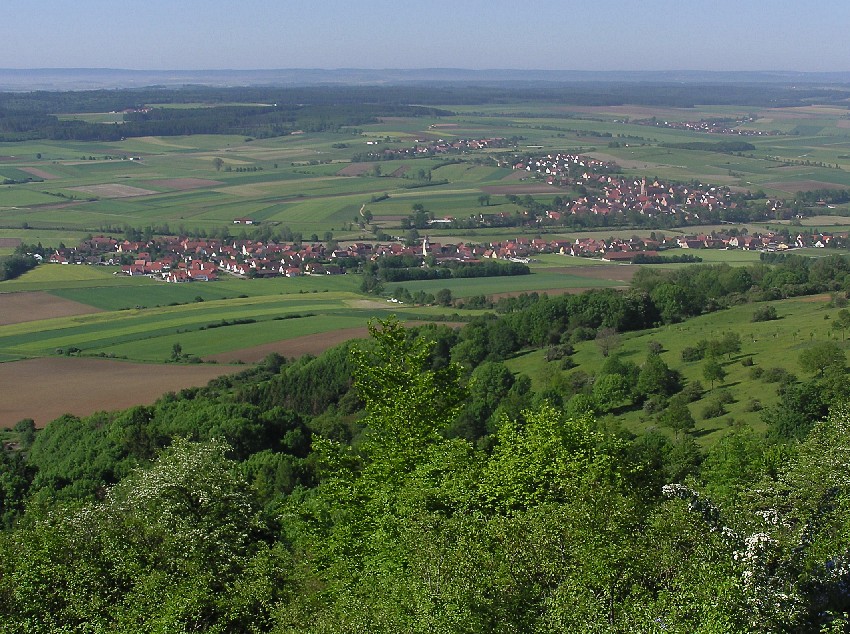
Natura 2000 · breeding
Natura 2000 · breeding
Natura 2000 · breeding, passage
Natura 2000 · breeding
Natura 2000 · breeding

Natura 2000 · breeding

Natura 2000 · breeding
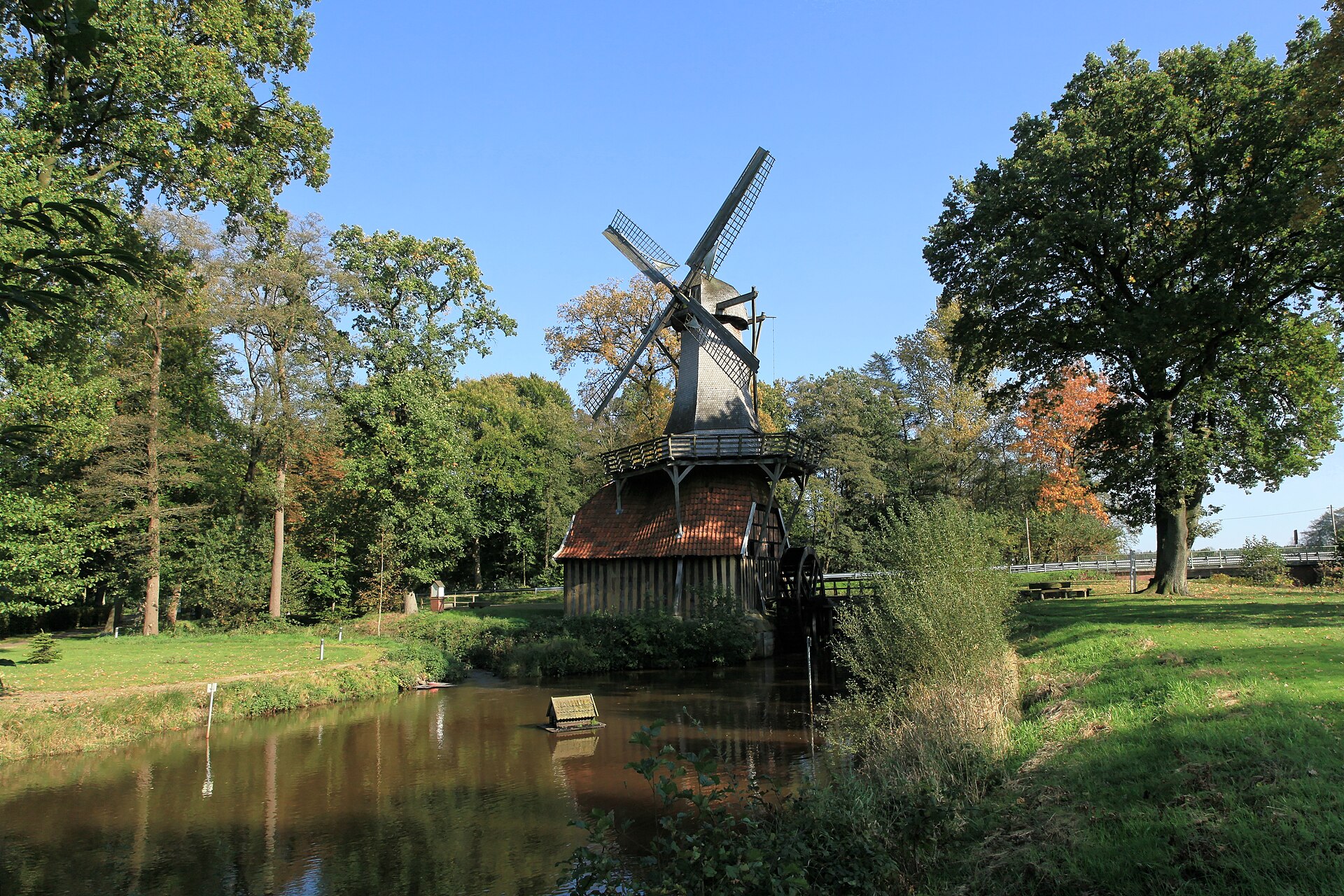
Natura 2000 · breeding
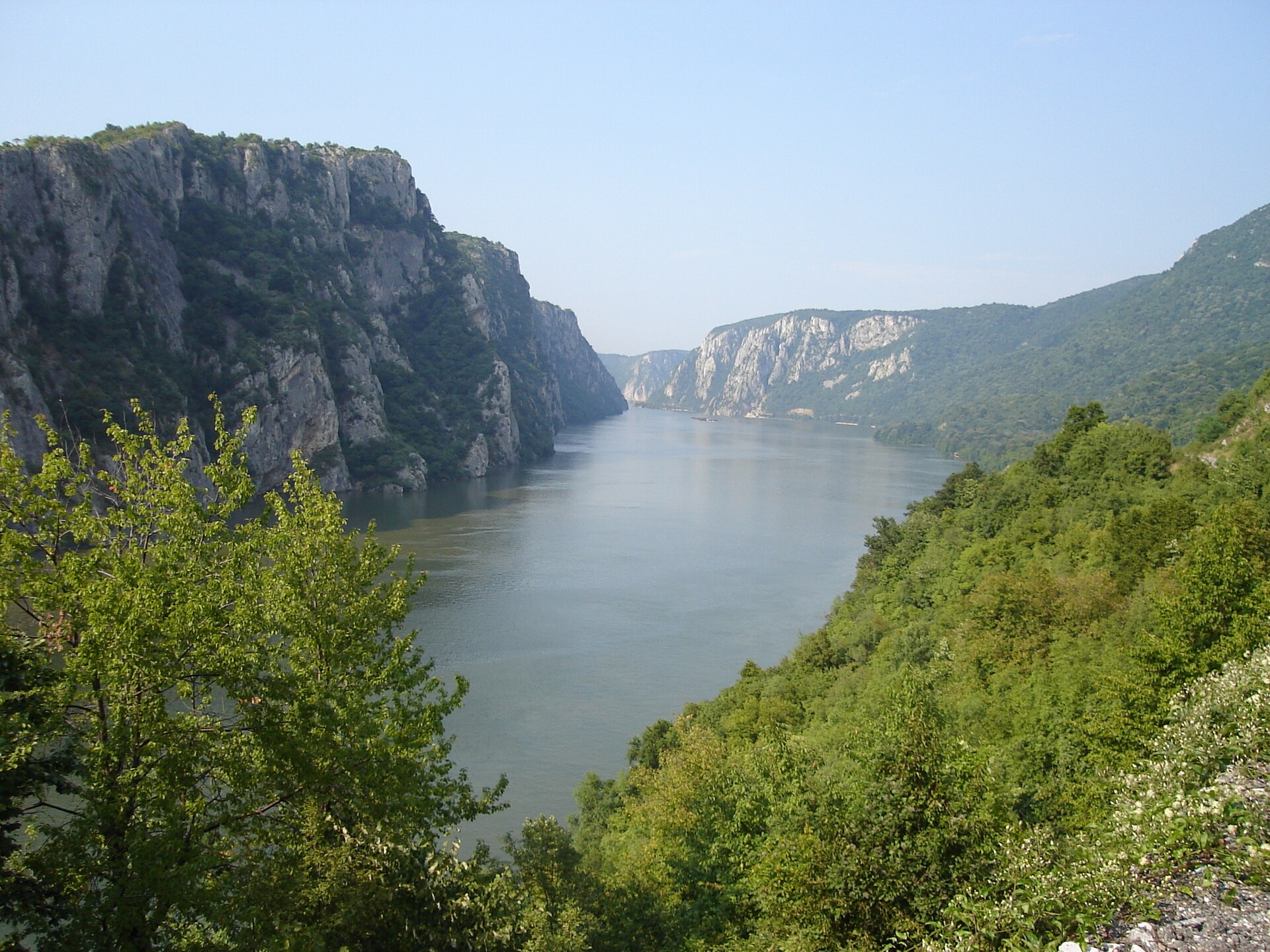
Natura 2000 · passage

Natura 2000 · passage, breeding

Natura 2000 · breeding
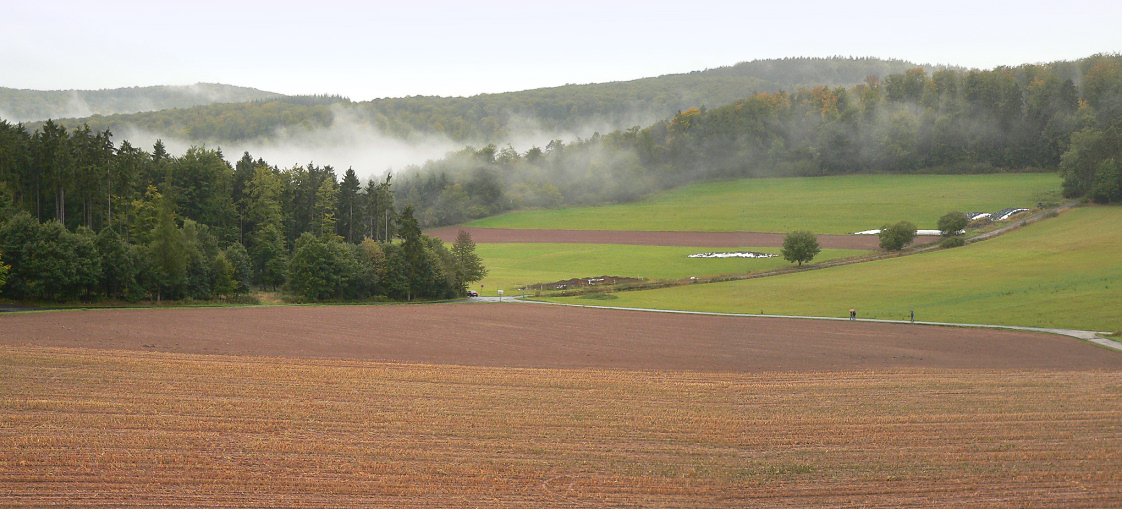
Natura 2000 · passage
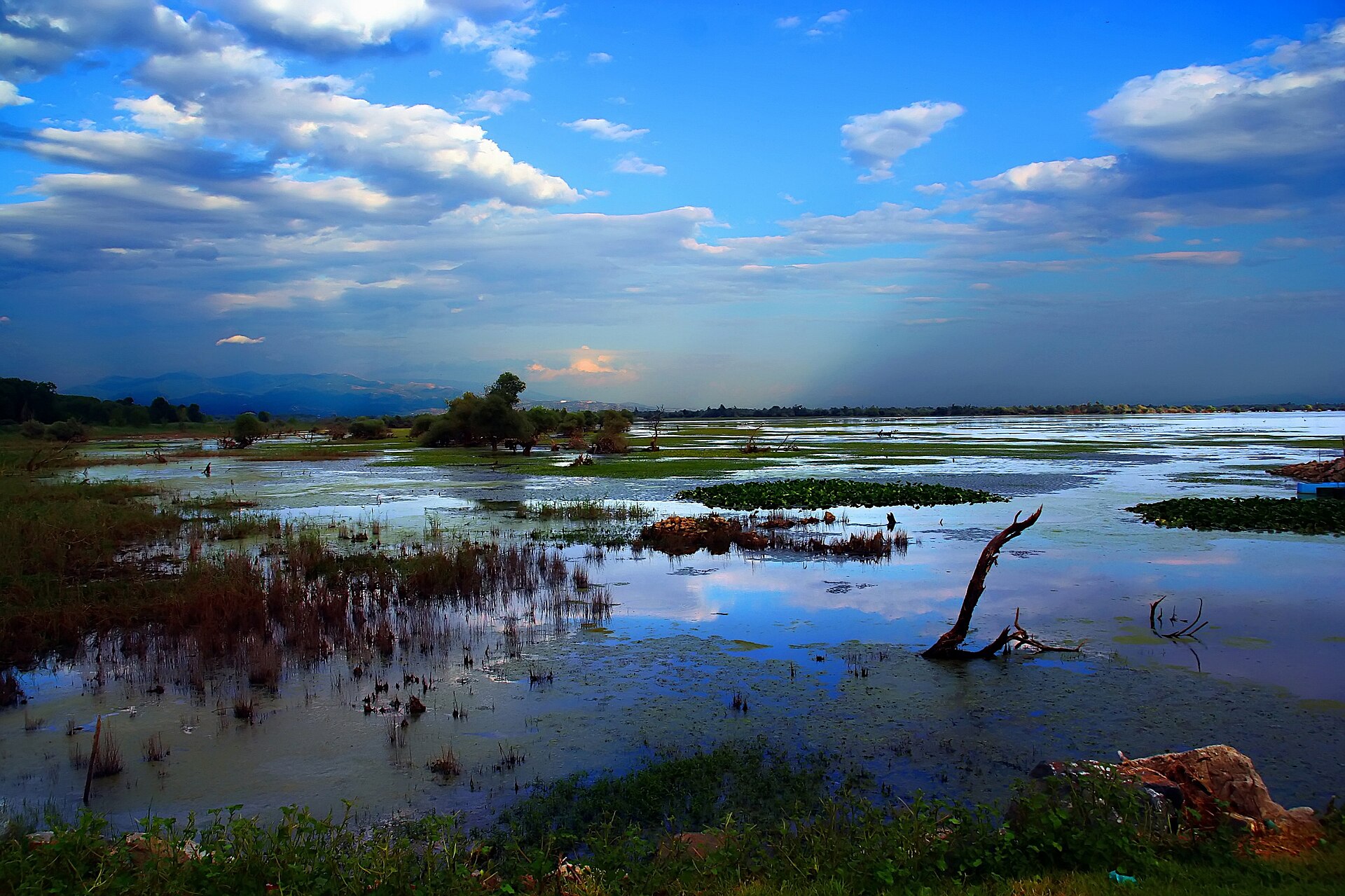
Natura 2000 · passage
Natura 2000 · breeding
Natura 2000 · passage

Natura 2000
Natura 2000 · breeding
Natura 2000 · breeding
Natura 2000 · breeding

Natura 2000 · breeding
Natura 2000 · breeding
Natura 2000 · passage, breeding
Natura 2000 · breeding, passage

Natura 2000 · breeding
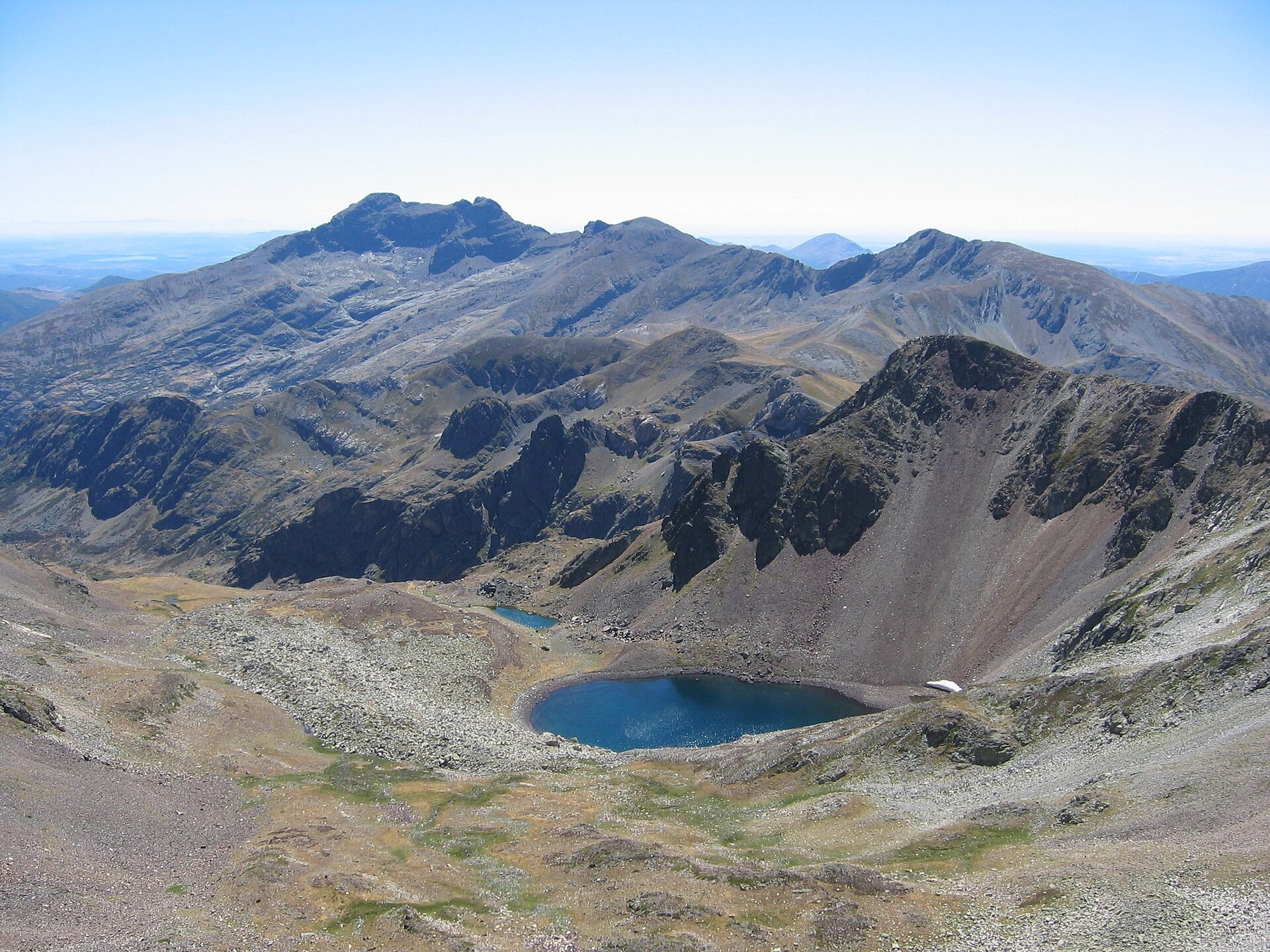
Natura 2000 · breeding

Natura 2000 · breeding

Natura 2000
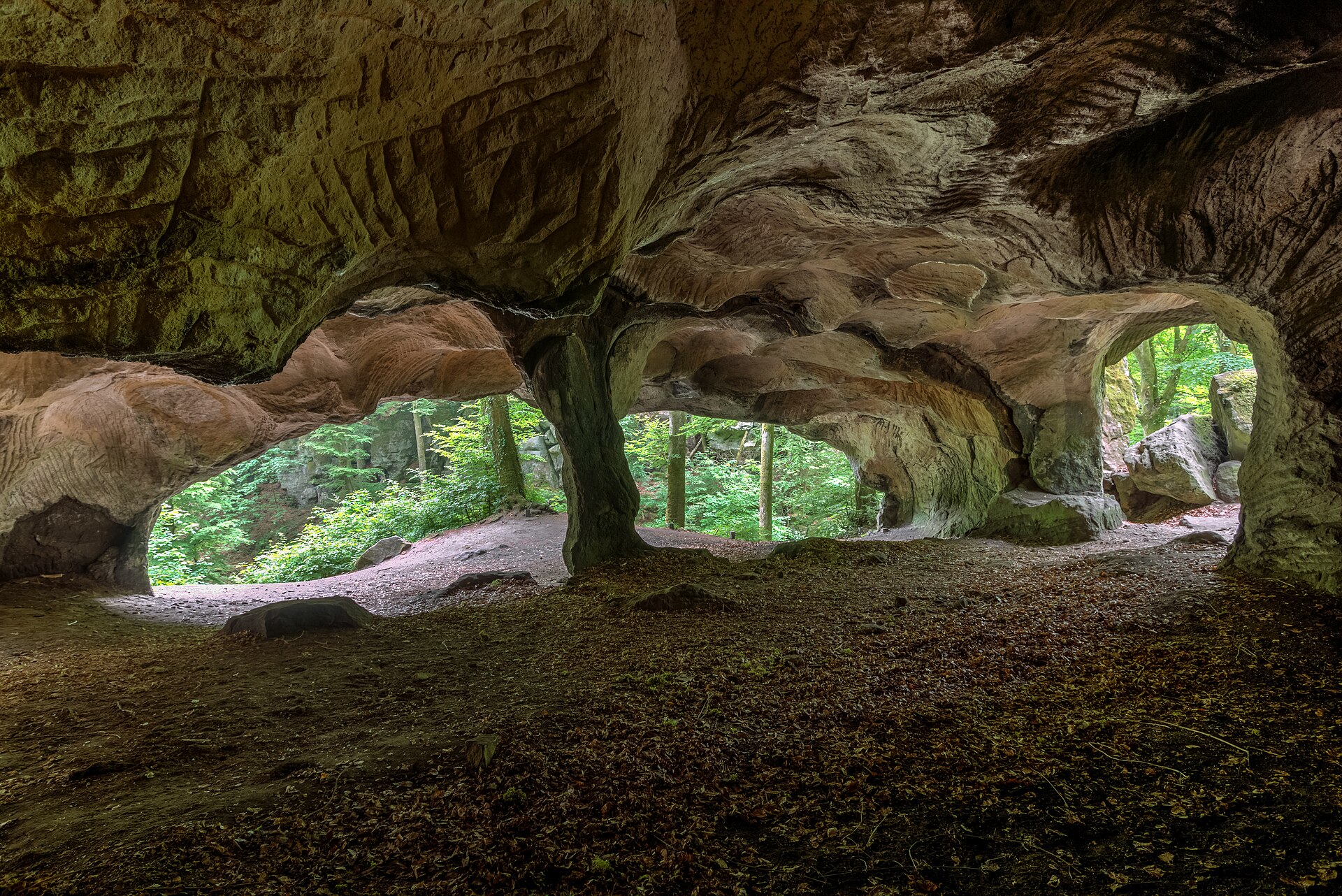
Natura 2000 · breeding
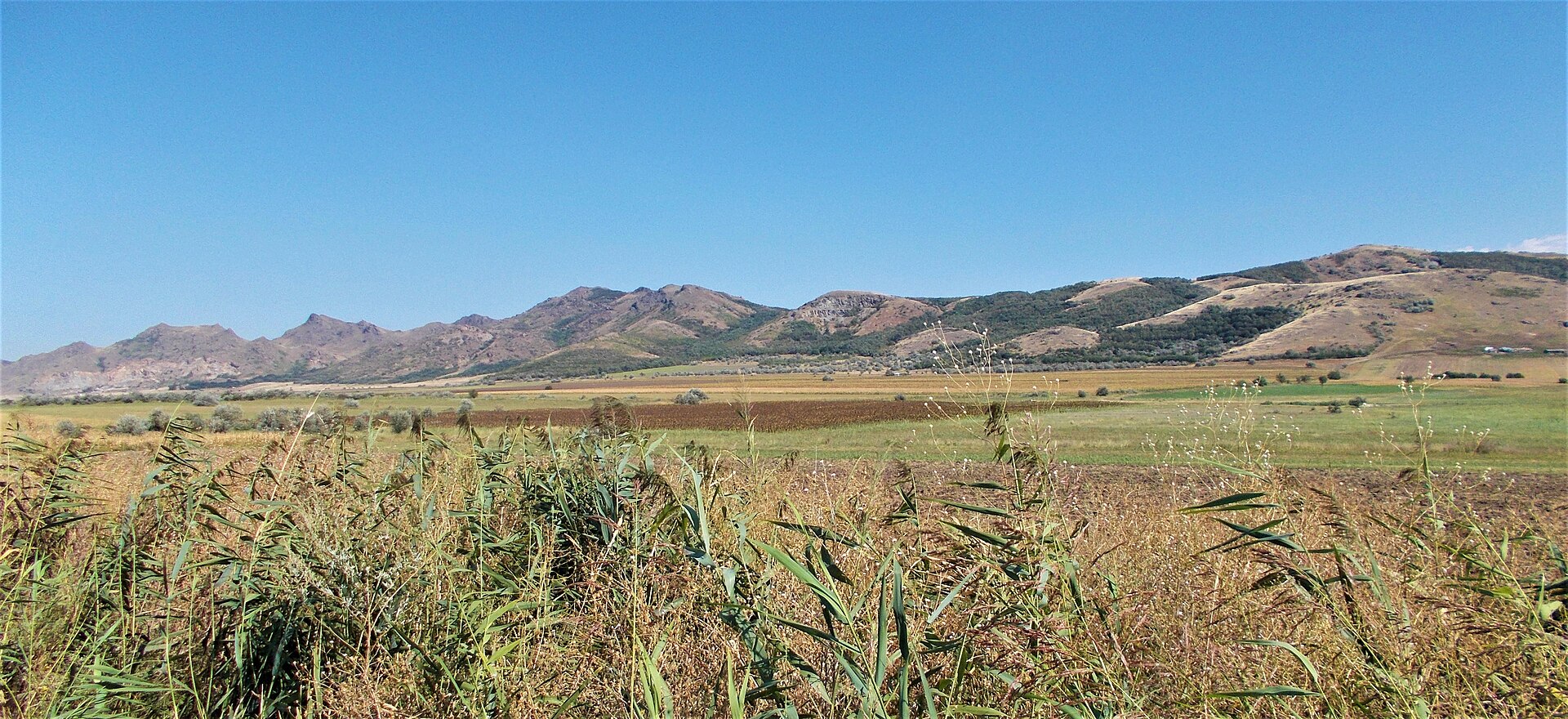
Natura 2000 · breeding
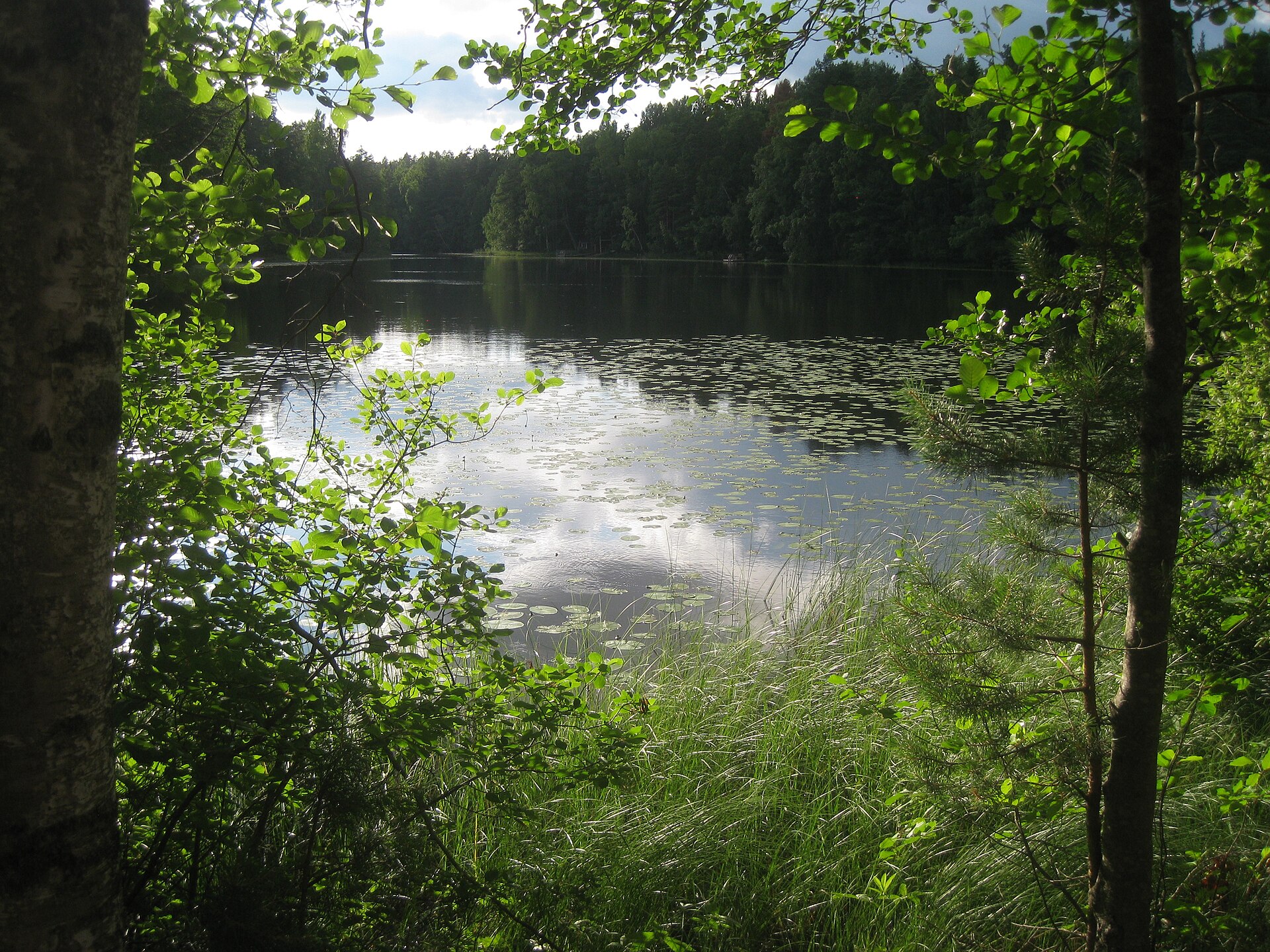
Natura 2000 · breeding
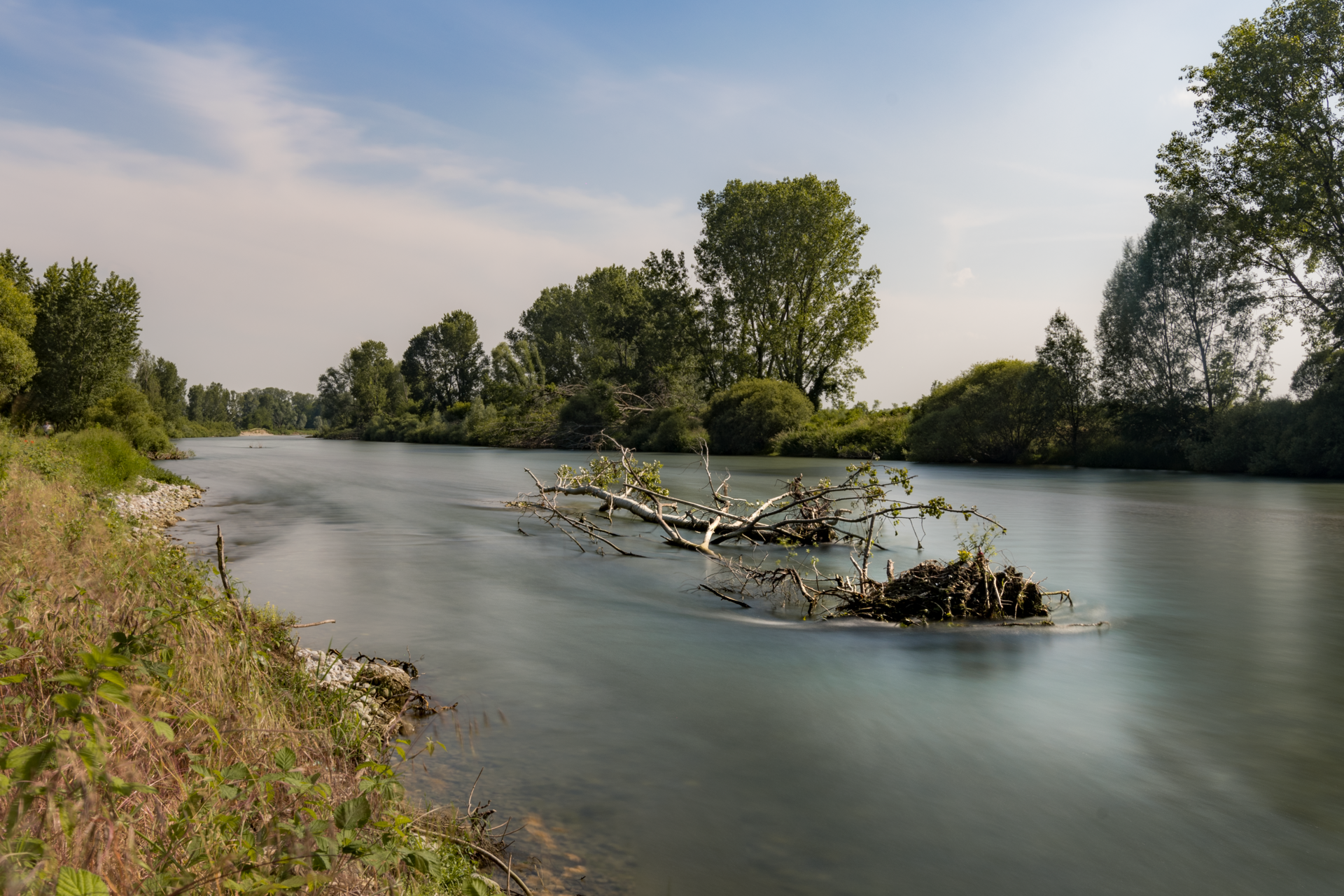
Natura 2000 · passage, breeding
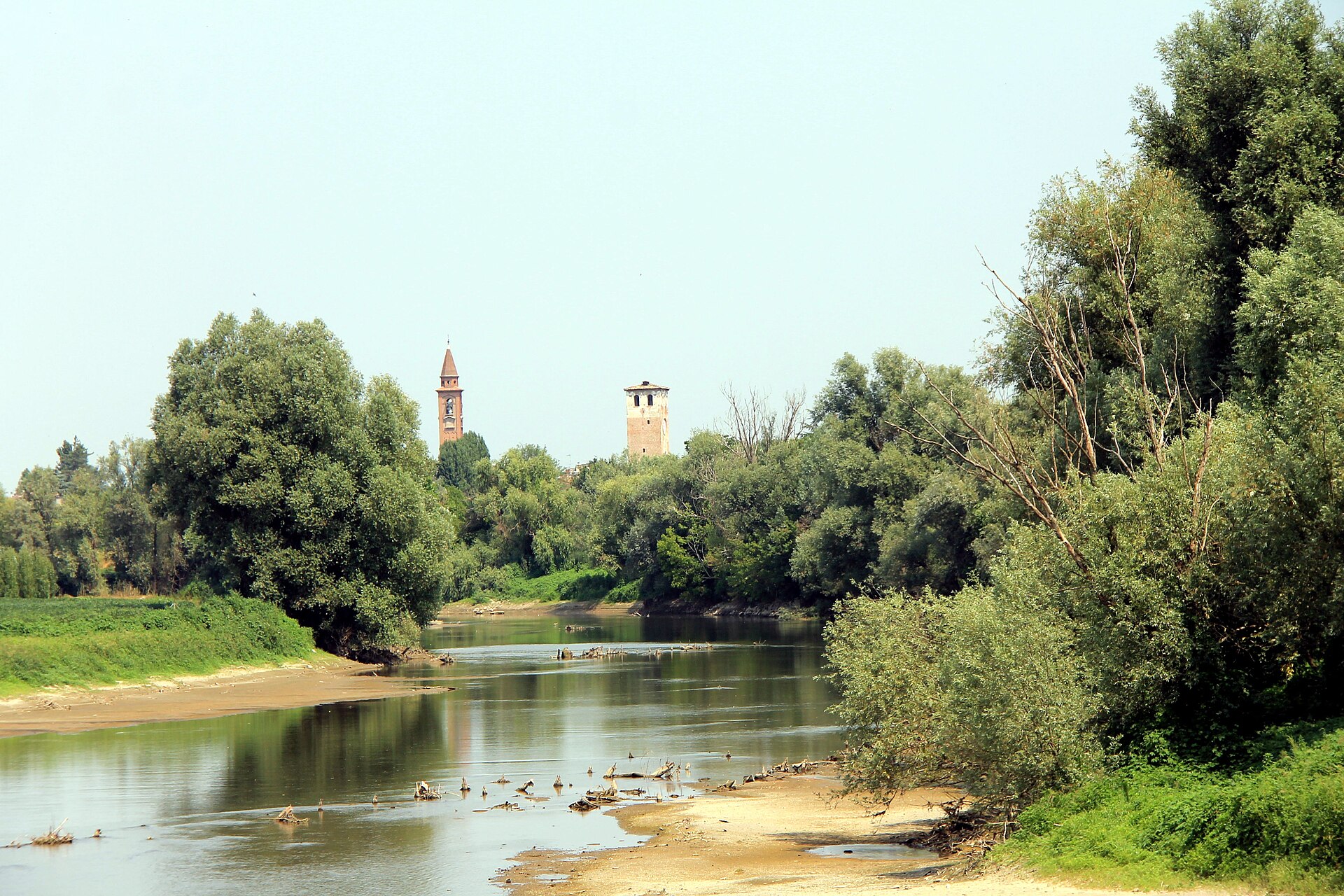
Natura 2000 · passage, breeding
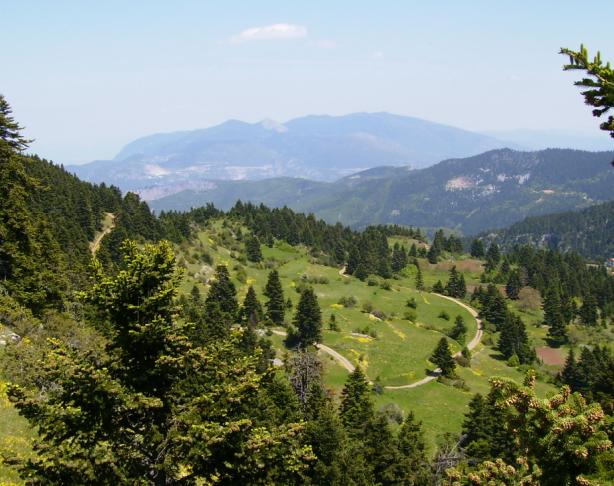
Natura 2000 · passage
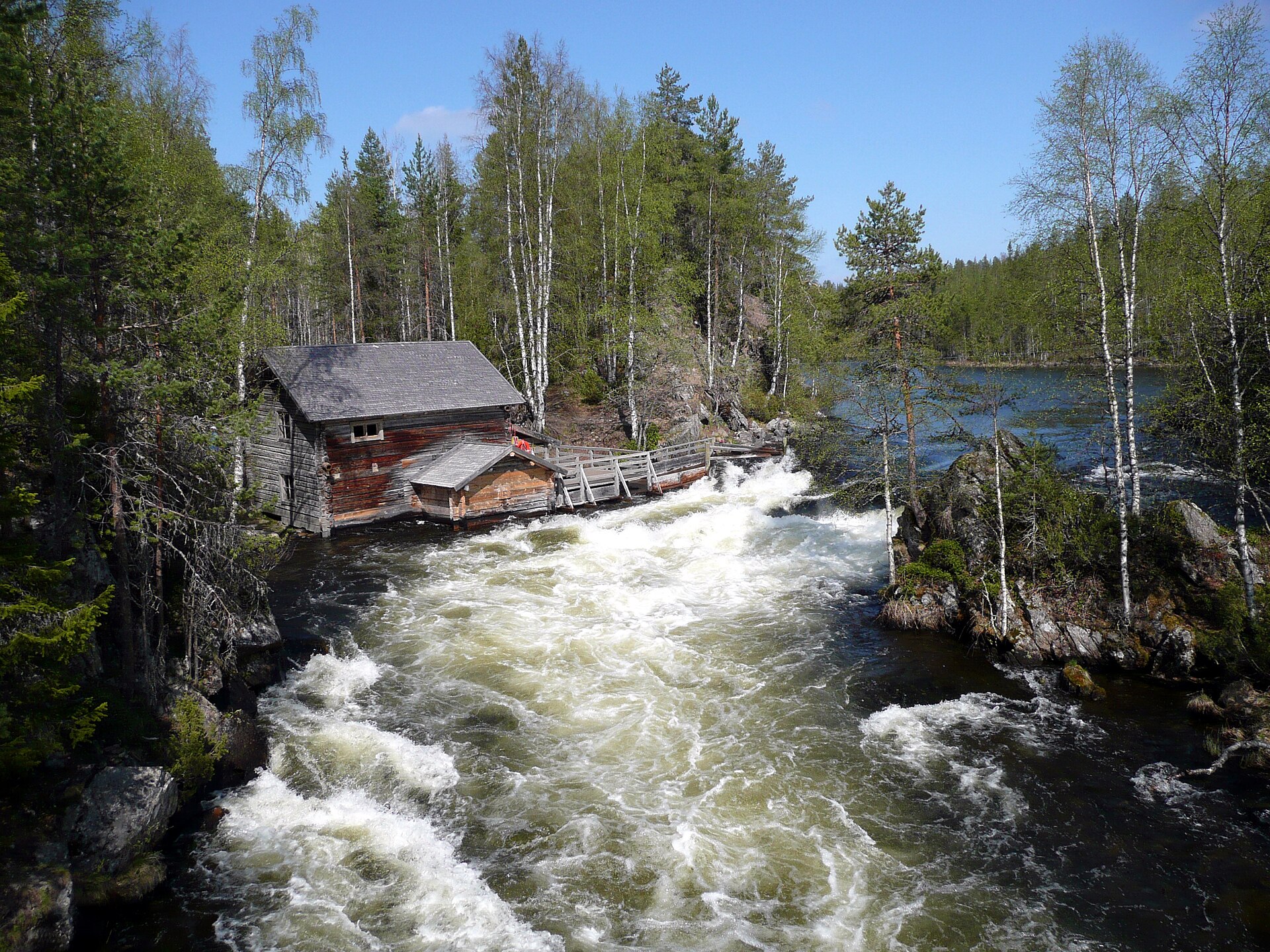
Natura 2000 · breeding

Natura 2000 · breeding
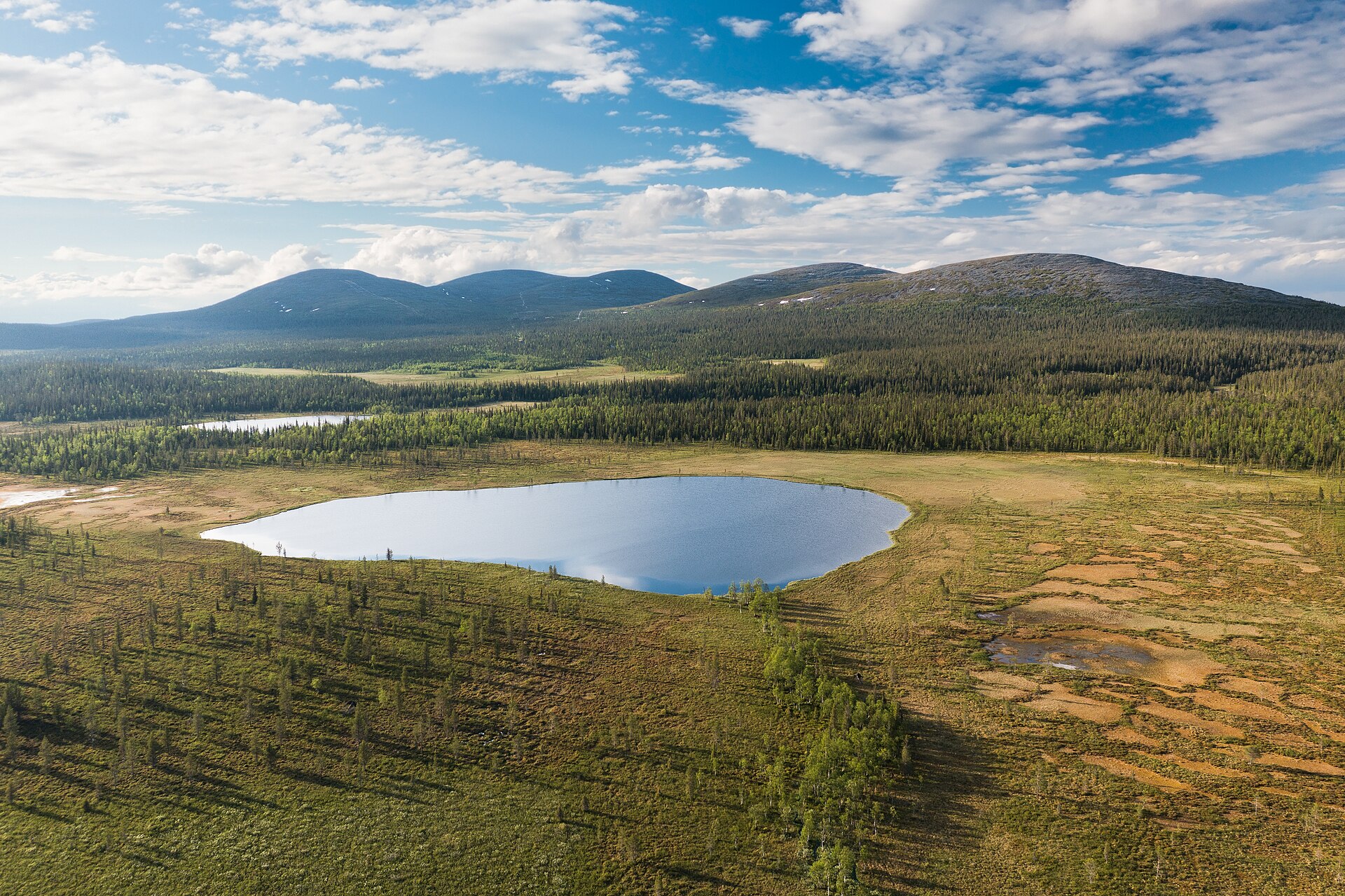
Natura 2000 · breeding
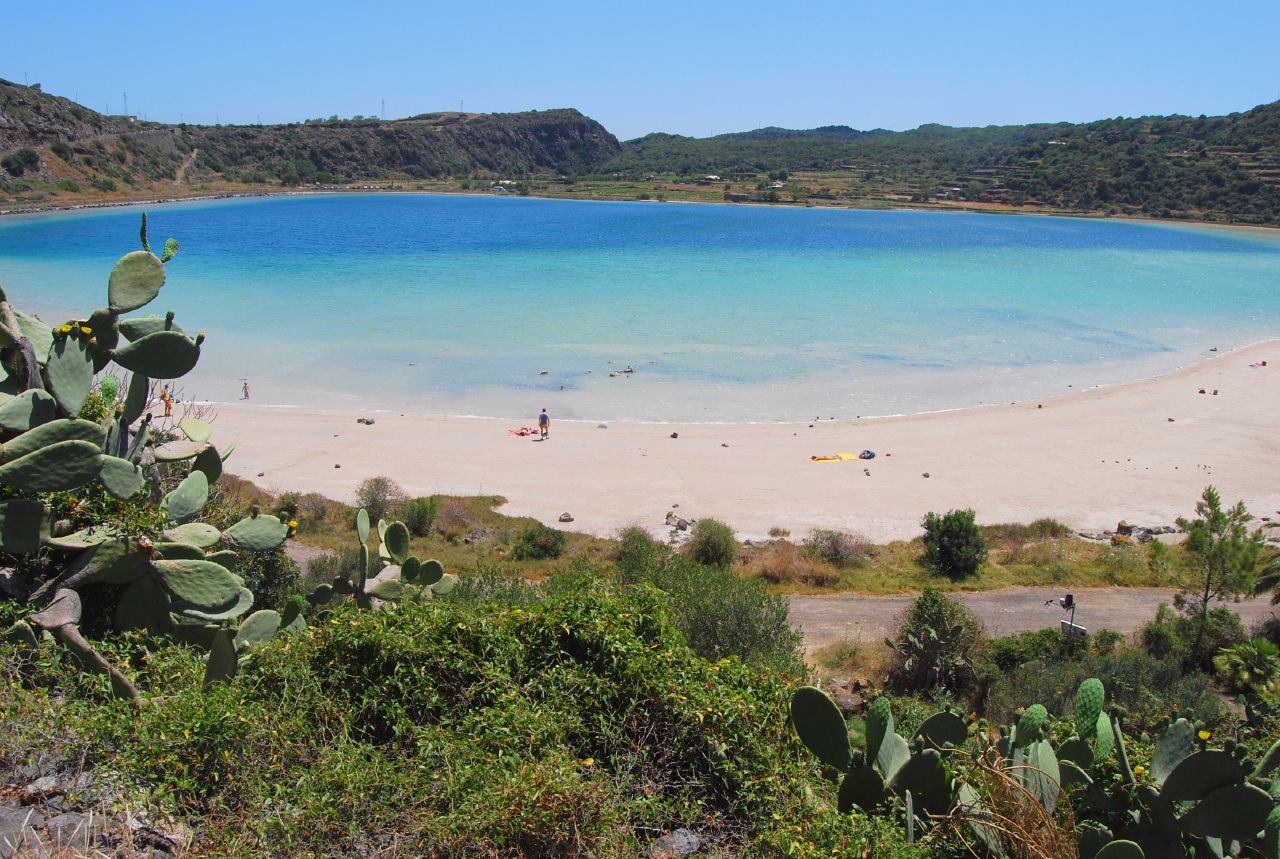
Natura 2000 · passage
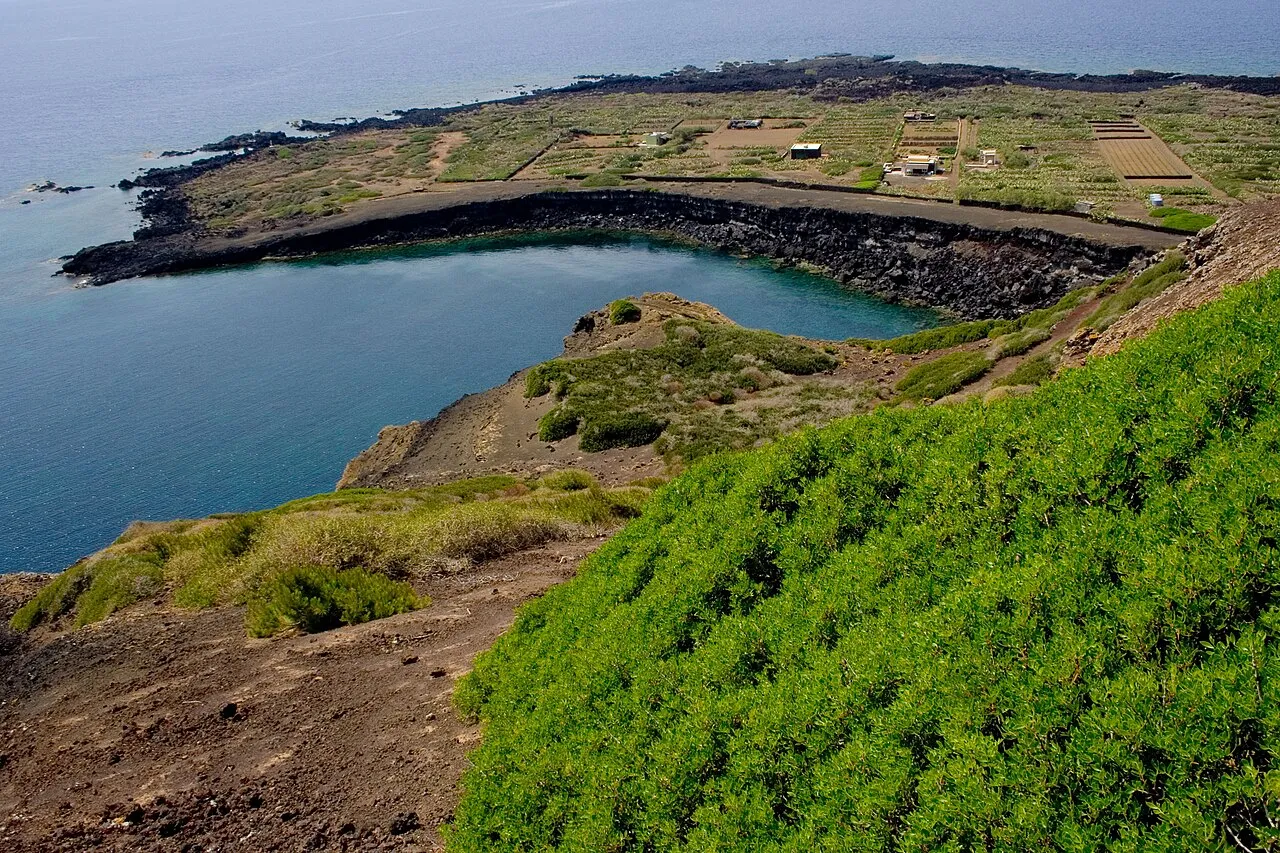
Natura 2000 · passage
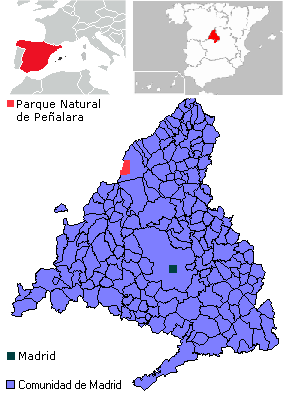
Natura 2000 · passage

Natura 2000 · passage

Natura 2000 · breeding
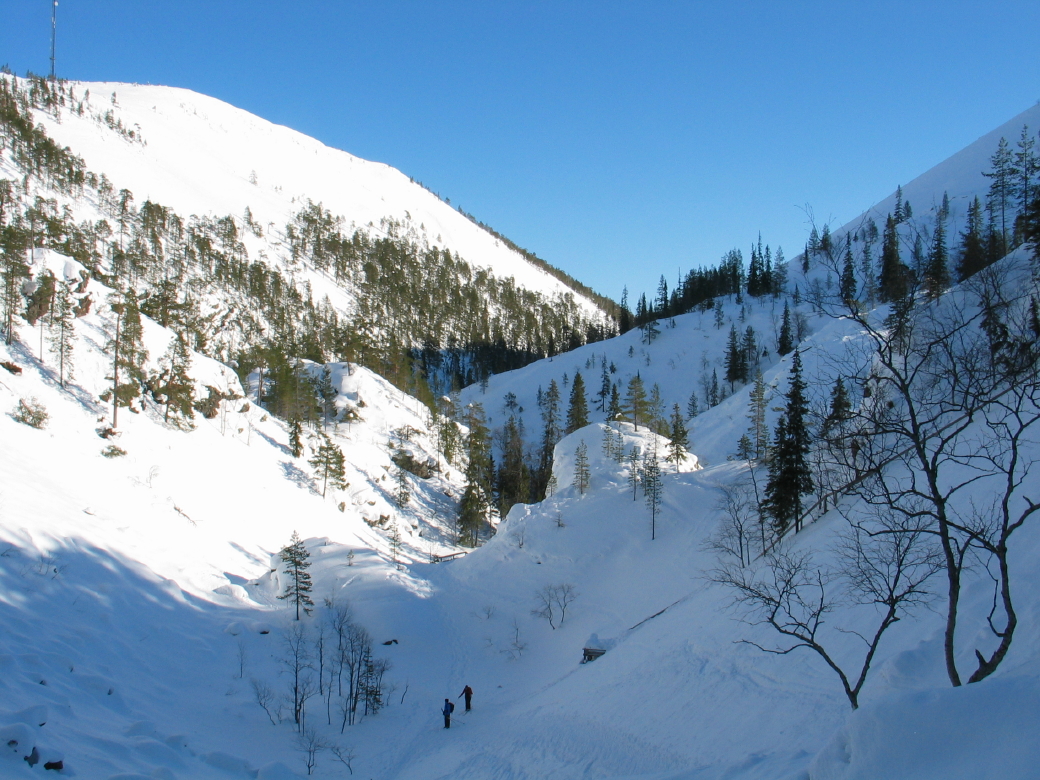
Natura 2000 · breeding
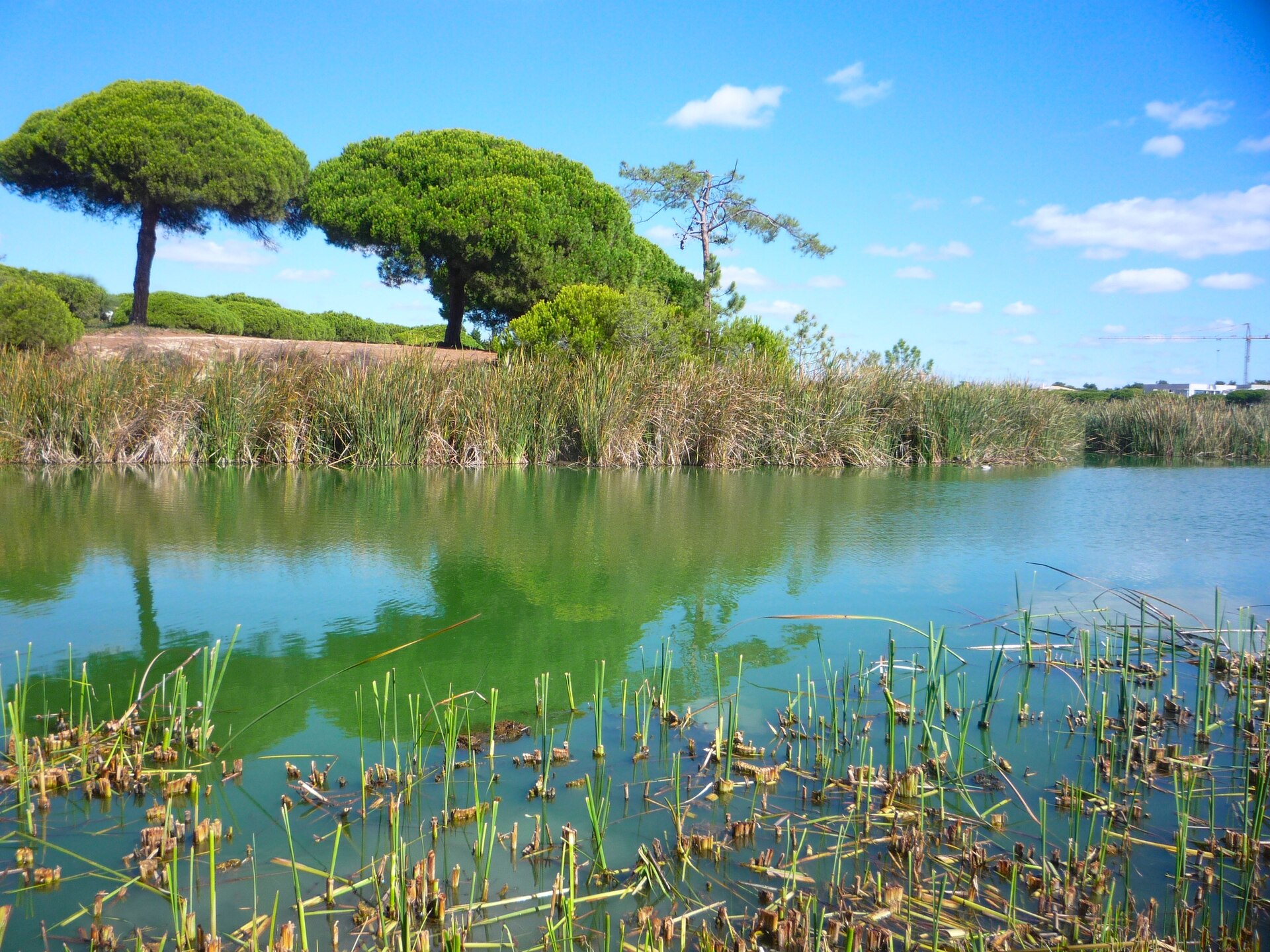
Natura 2000 · breeding
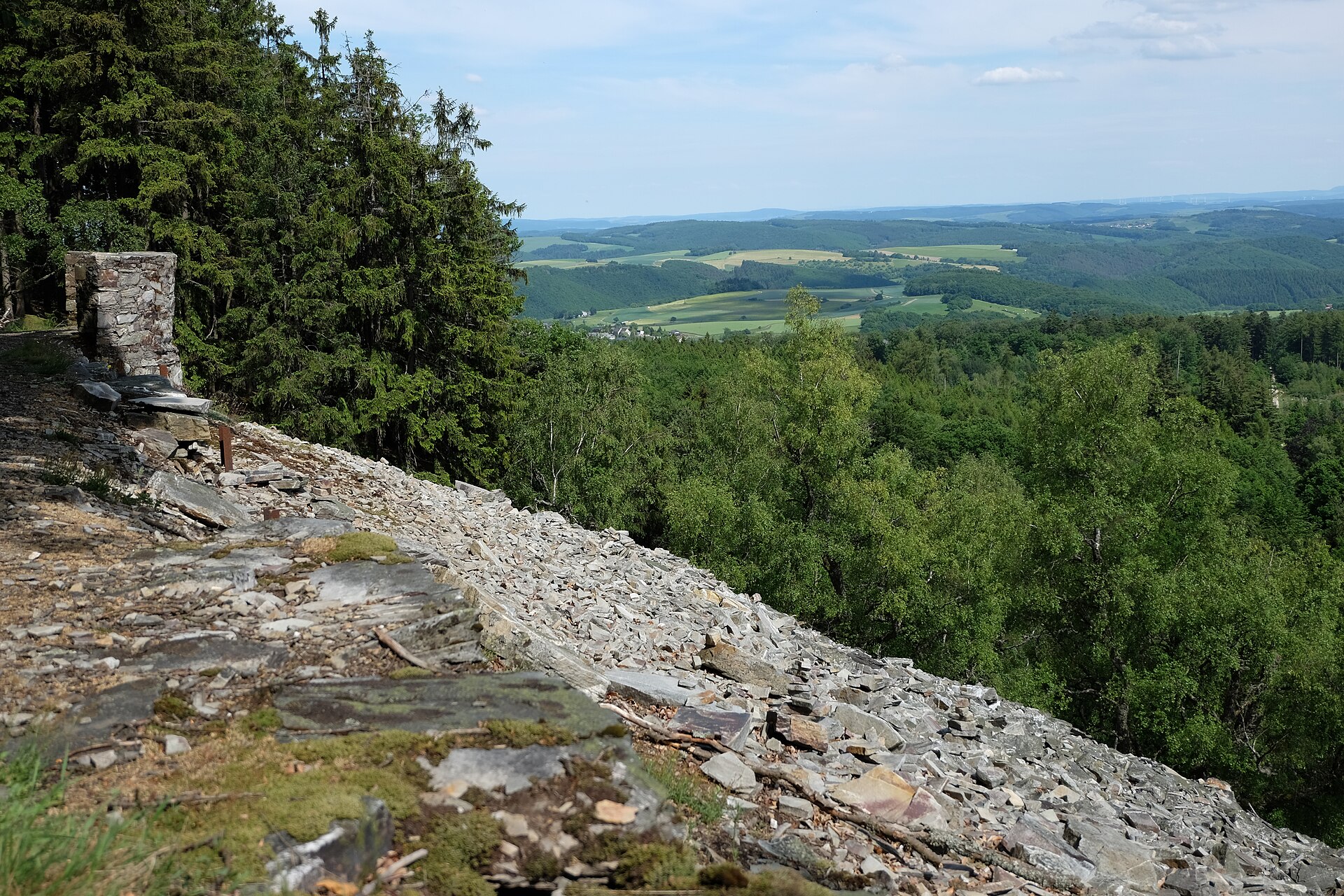
Natura 2000 · breeding

Natura 2000 · breeding

Natura 2000 · breeding

Natura 2000 · breeding

Natura 2000 · breeding, passage
Natura 2000 · passage, breeding
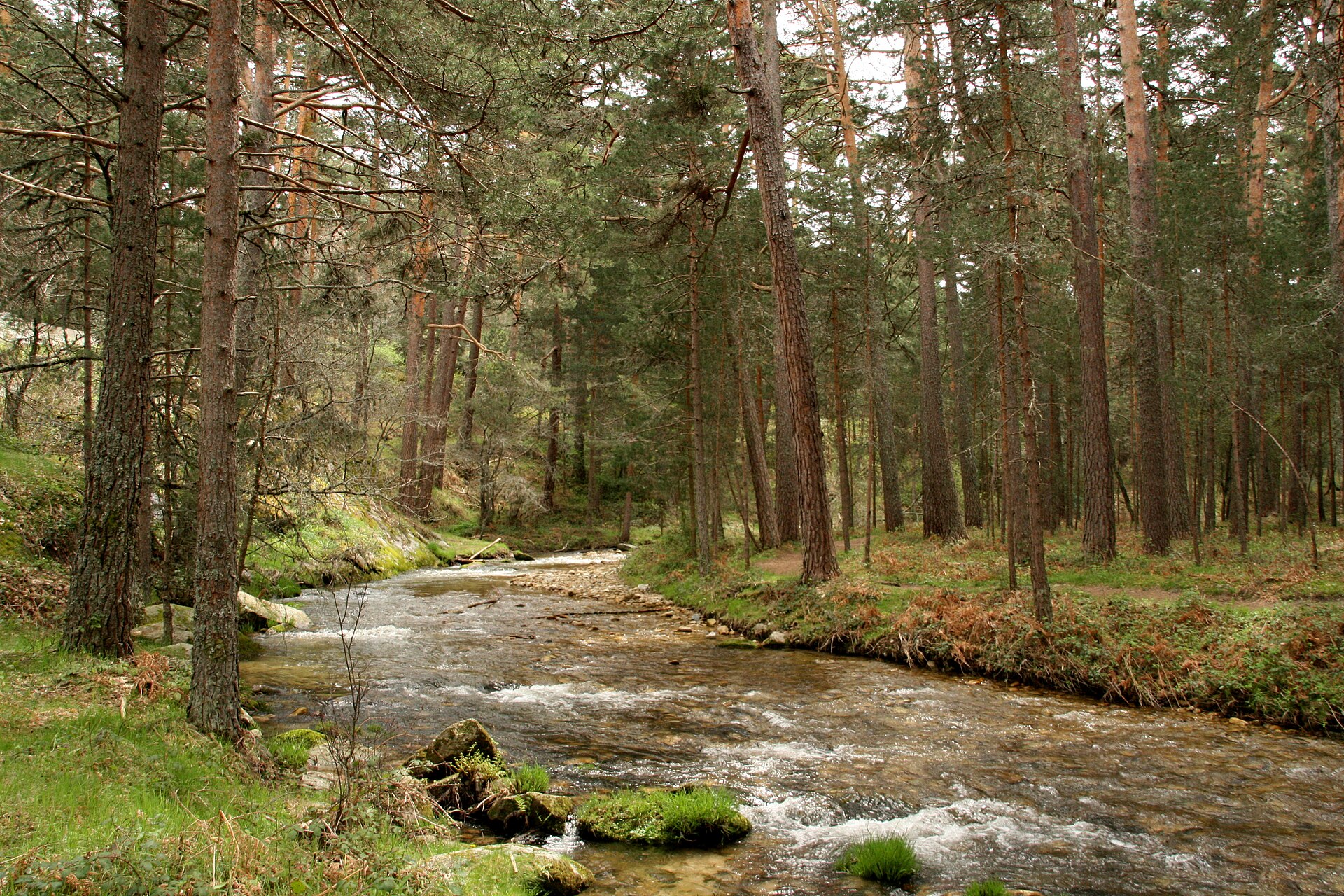
Natura 2000 · breeding
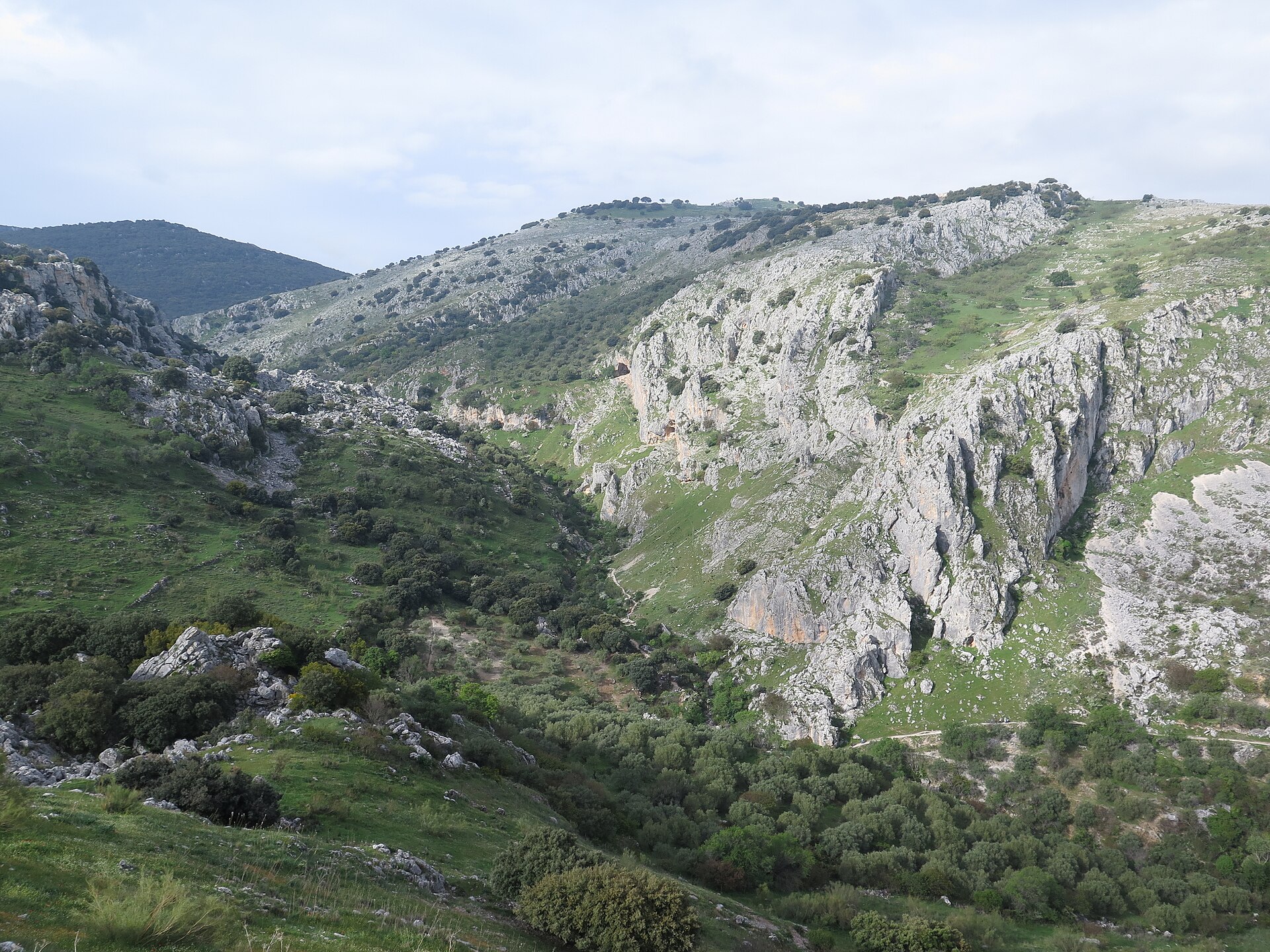
Natura 2000 · breeding
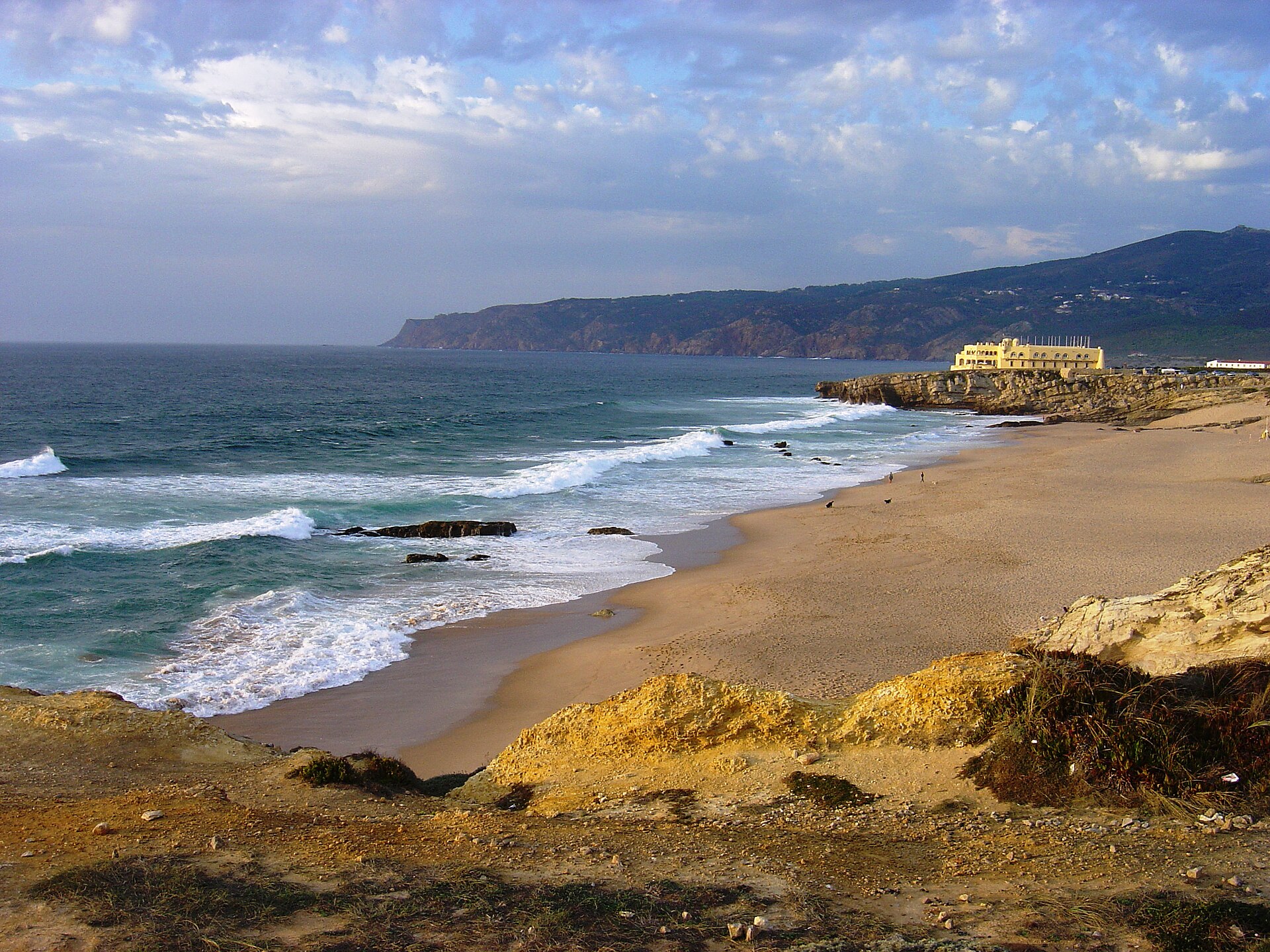
Natura 2000 · passage
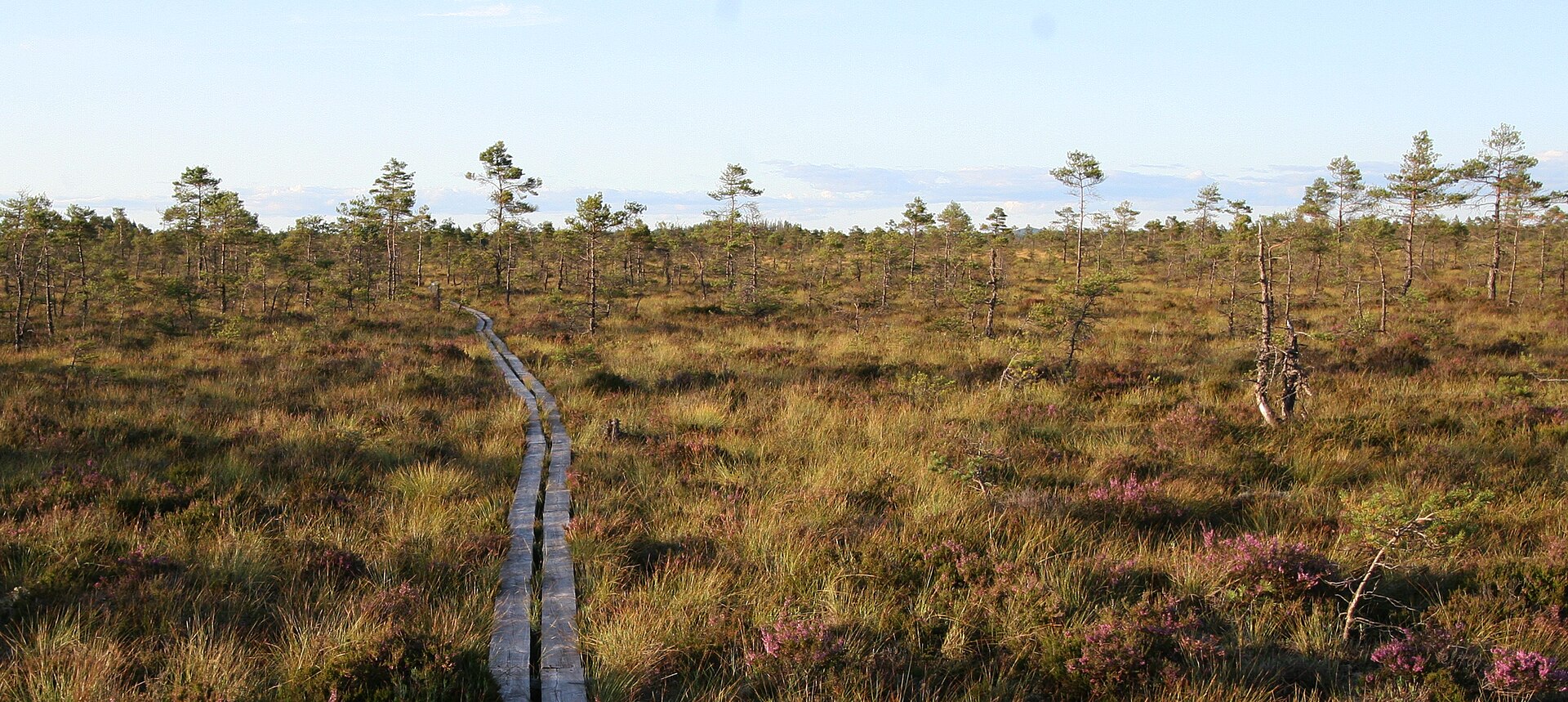
Natura 2000 · breeding
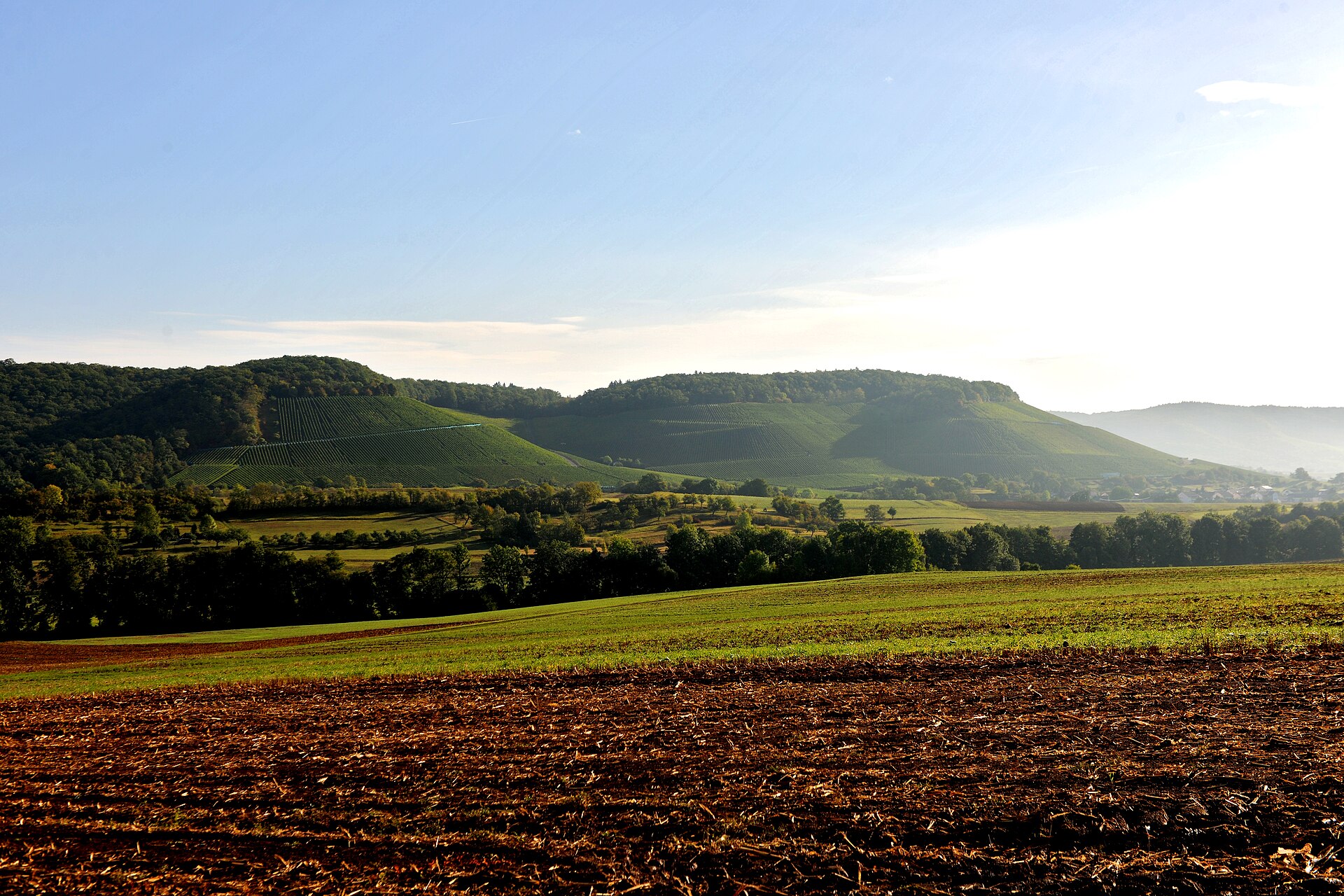
Natura 2000 · breeding

Natura 2000 · breeding
Natura 2000 · passage, breeding
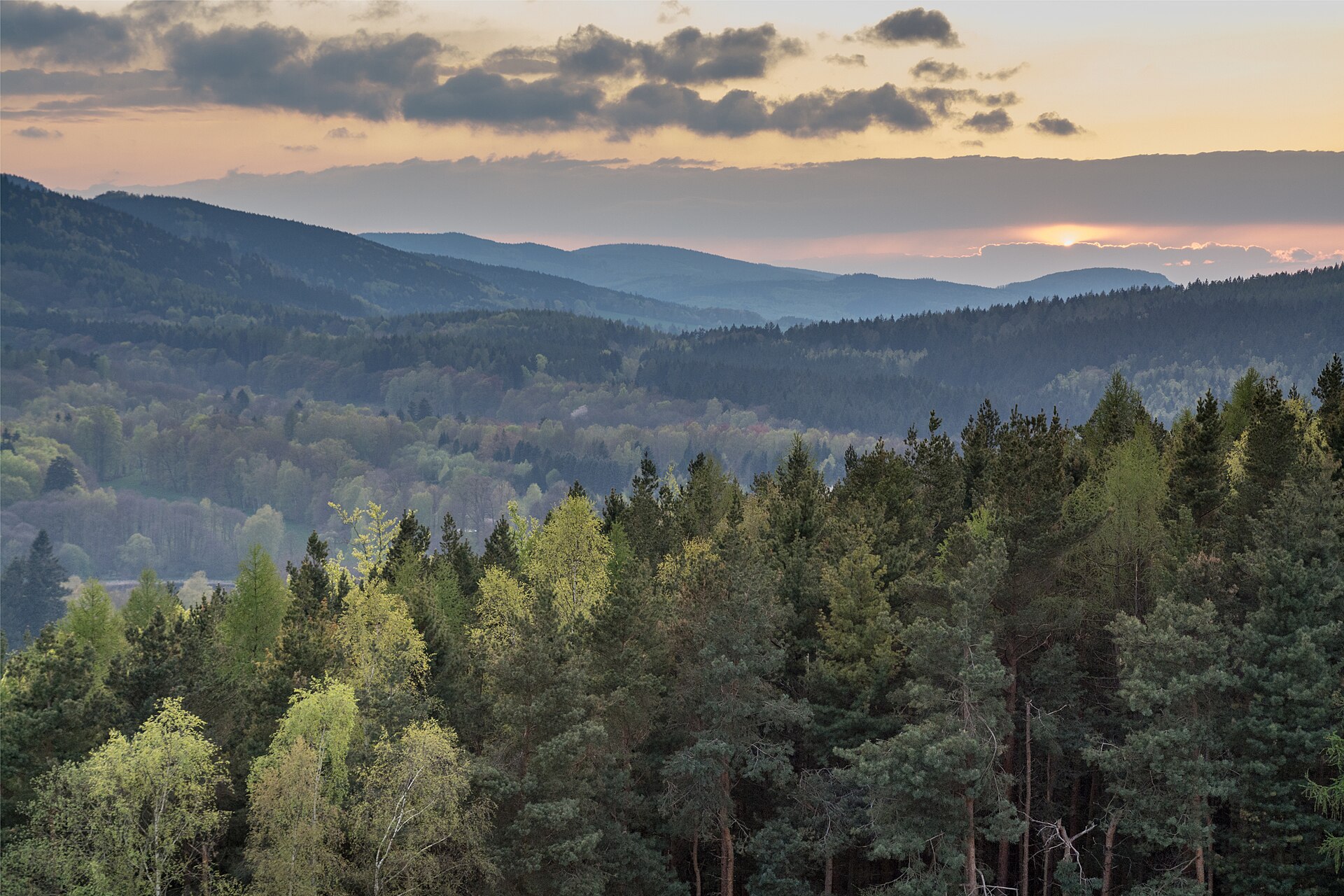
Natura 2000 · passage, resident

Natura 2000 · breeding
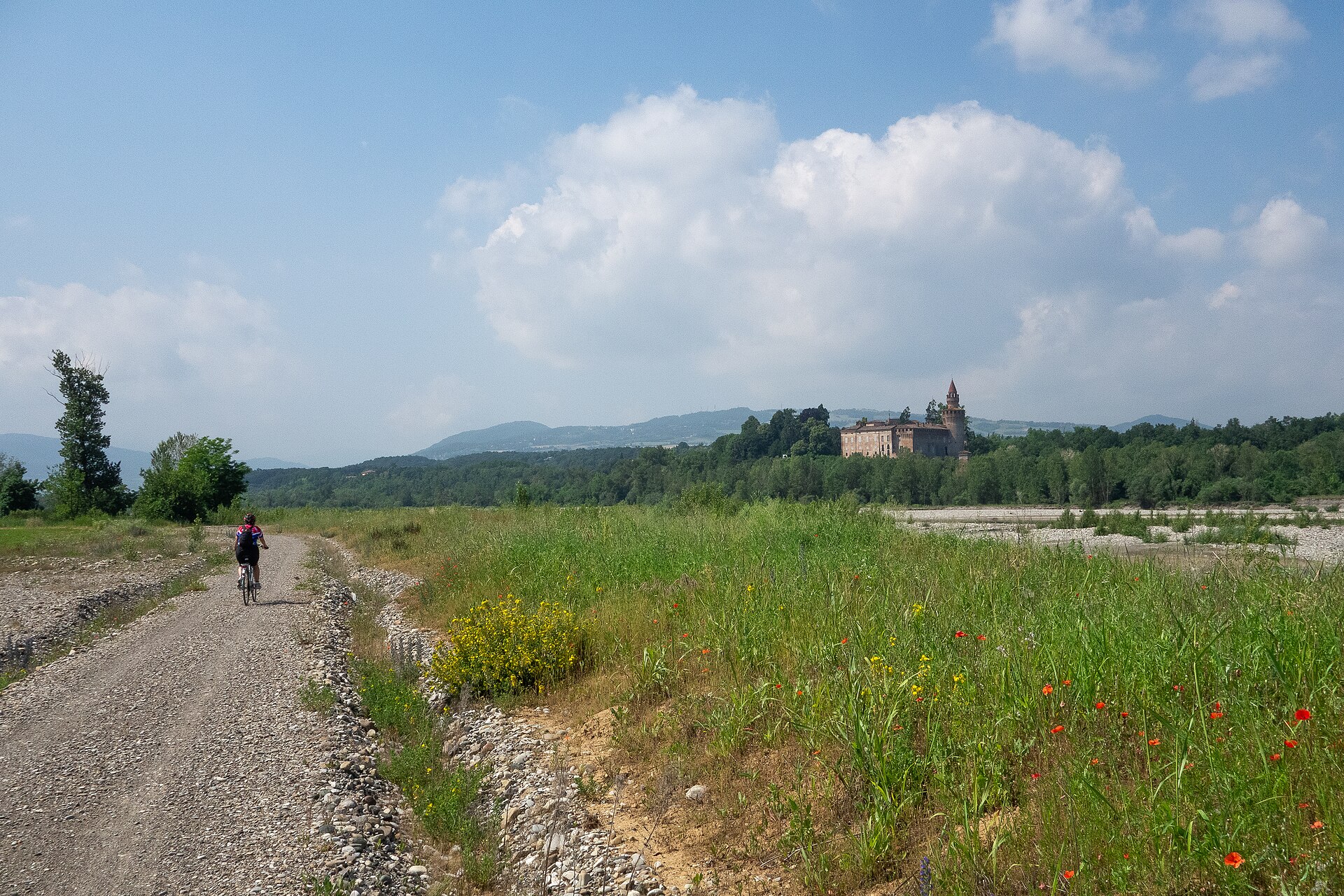
Natura 2000 · passage
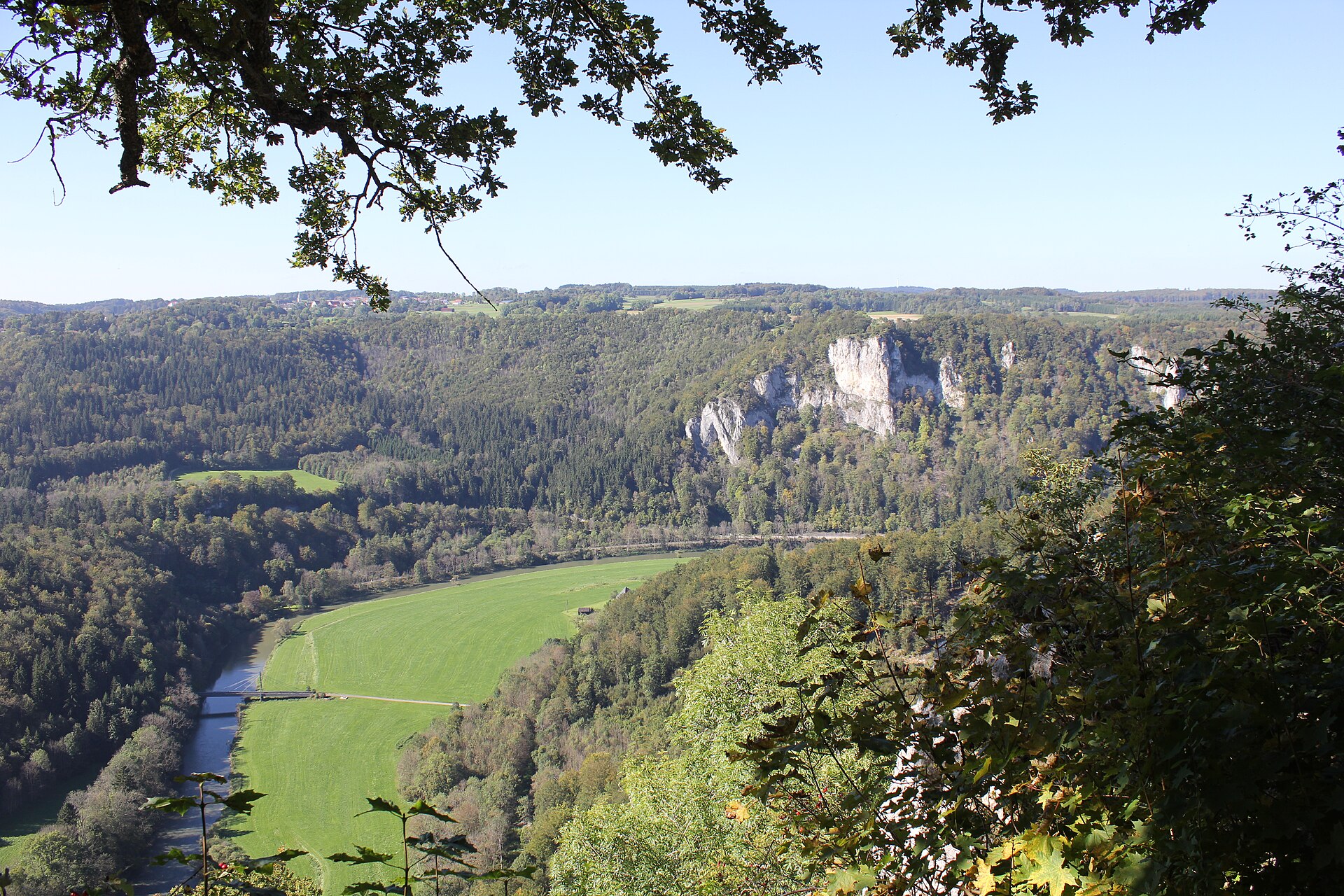
Natura 2000 · breeding
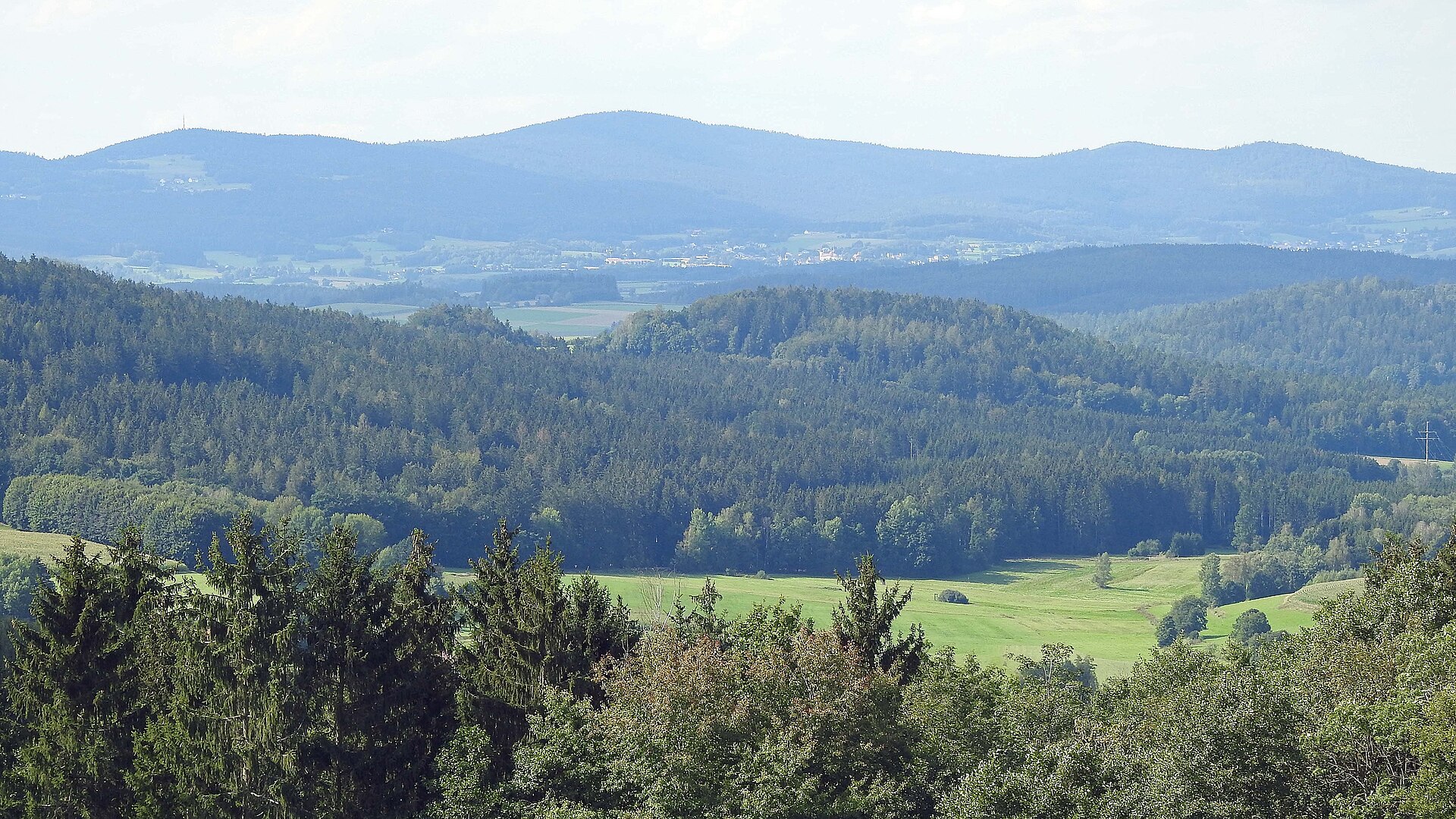
Natura 2000 · breeding

Natura 2000 · breeding
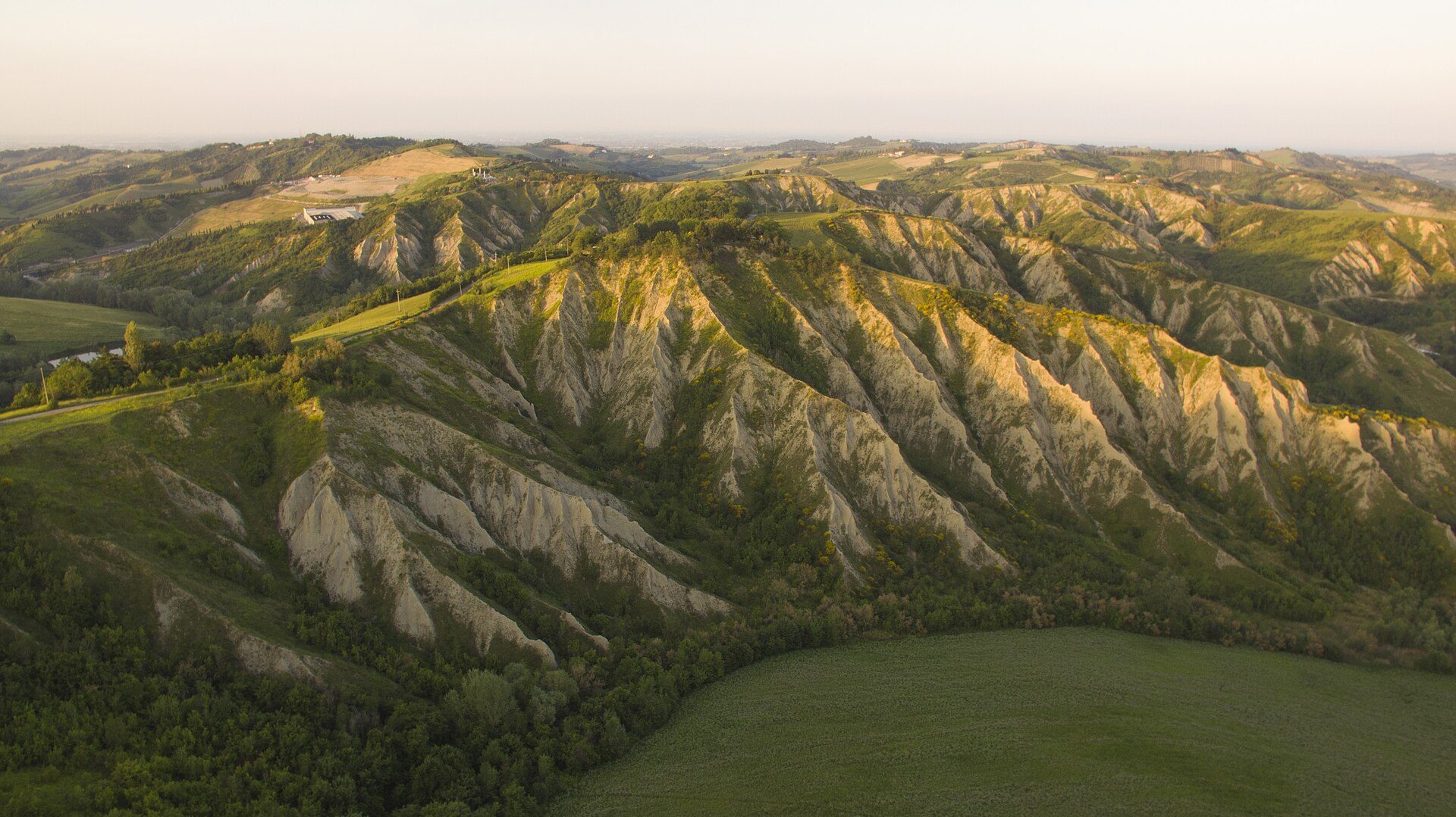
Natura 2000 · passage, breeding

Natura 2000 · passage

Natura 2000
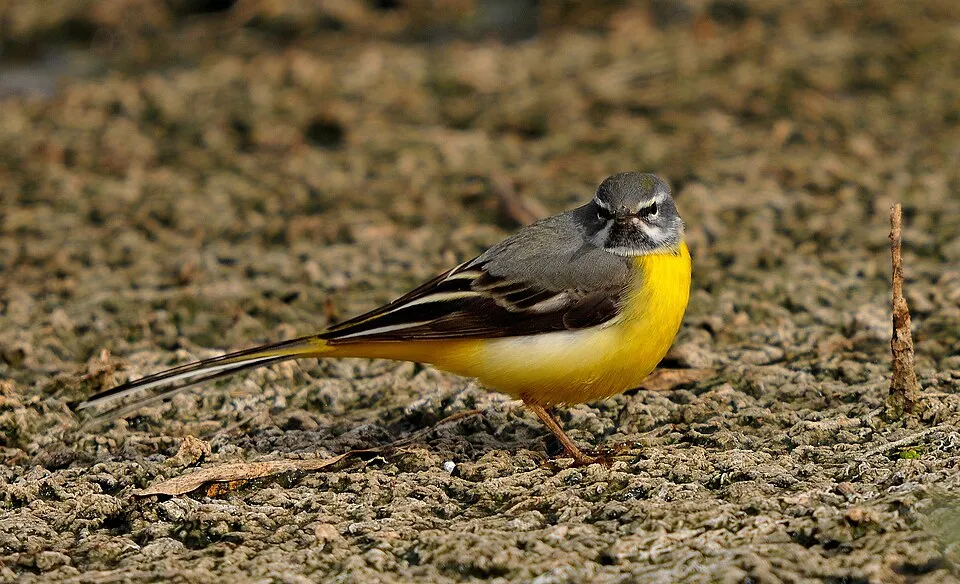
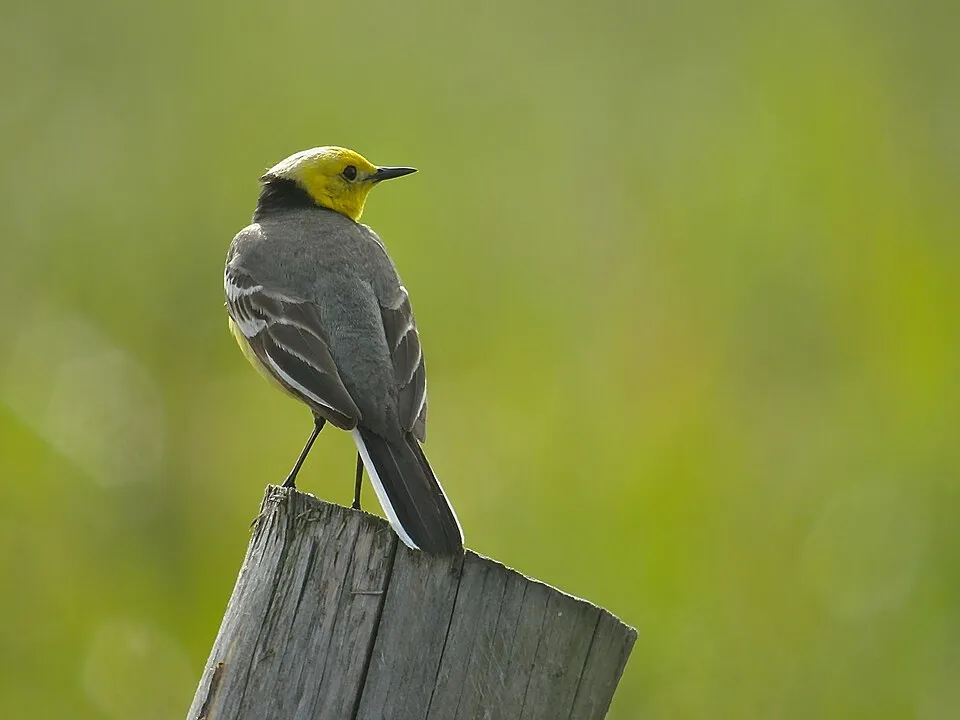
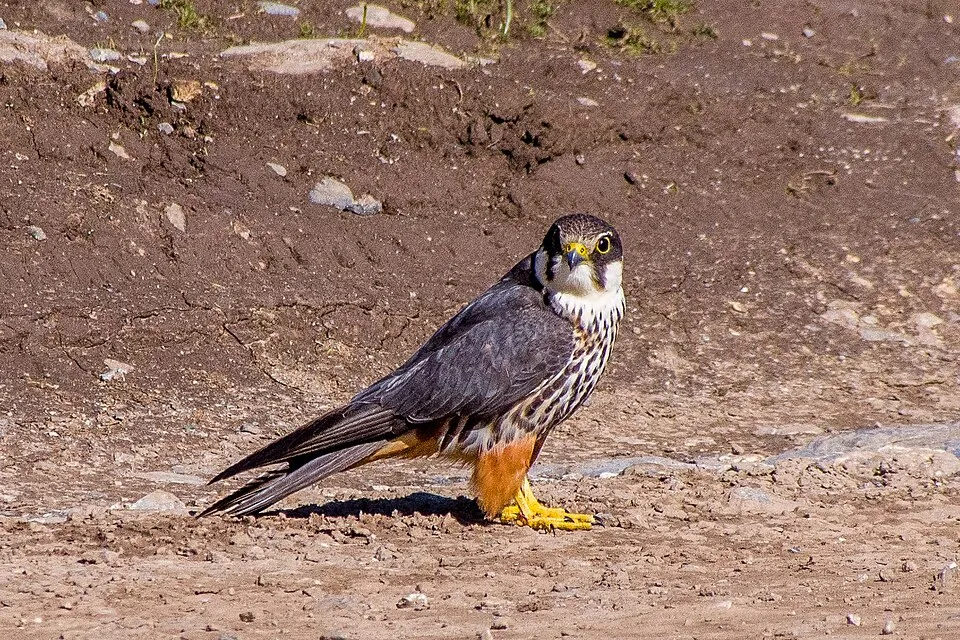
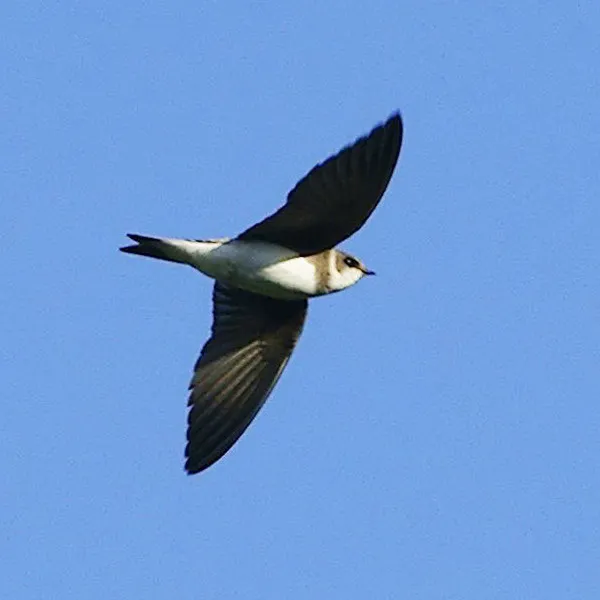
Other species to discover
Sources and credits
- Presence: most-recorded species of each place on GBIF and species of Community interest in the Natura 2000 forms (EEA, CC-BY 4.0); absence from the list does not mean the species is absent.
- Common names: Wikidata (CC0) and GBIF.
- Photos and sounds: Wikimedia Commons, author and licence given for each file.
- Classification: GBIF Backbone Taxonomy (GBIF Secretariat), CC BY 4.0, doi:10.15468/39omei.
- Countries, elevations, months and maps: GBIF.org, CC0 or CC BY 4.0 occurrences only, accessed October 22, 2026, GBIF.org.
- Base map: Natural Earth (public domain).
- Excerpt: Wikipedia, CC BY-SA 4.0 (full credit below the excerpt).
- Key facts: Wikidata (CC0), with the references cited under each value.
- EU bird populations: EEA / DG ENV, Article 12 Birds Directive reporting (2013–2018), CC BY 4.0.