
Bird
Mistle Thrush: where to see it
Turdus viscivorus
This bird species is recorded in 167 protected areas of the atlas, including 61 whose official Natura 2000 form lists it. Within the atlas countries, it is mostly observed in Sweden, France and the United Kingdom (14 countries in all). Most records (8 in 10) lie between 50 and 1,800 m above sea level. Records peak from March to May. It has a wingspan of 44 cm. Its EU population is assessed as secure (2013–2018 Birds Directive reporting).
Best time to see it: March–May
Records published on GBIF by month (CC0 and CC BY 4.0 licences only), in the atlas countries, all years combined; they also reflect observer activity.
Key facts
- Wingspan
- 44 cm Wikidata, after Ericson et al. 2007
- Clutch size
- 3.9 eggs on average Wikidata, after Jetz et al. 2008
- Incubation
- 15 days Wikidata, after British Trust for Ornithology
Status and protection
Birds Directive II/B
The species is listed in Annex II/B of the Birds Directive.
EU population assessed as secure, stable in the short term (2013–2018 Birds Directive reporting). EU breeding population: 2,320,000–4,370,000 pairs.
Distribution
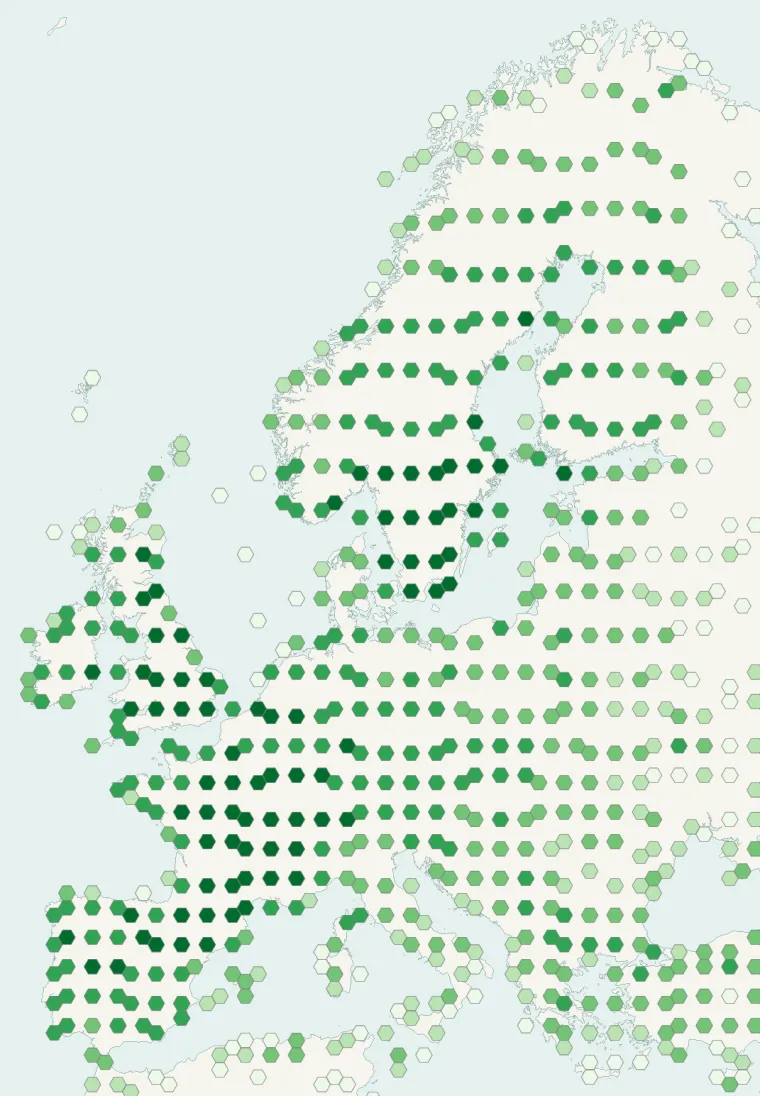
Records published on GBIF (CC0 and CC BY 4.0 licences): the darker the shade, the more records there are; they also reflect observation effort.
Listen
-
0:57 · © Beeld en Geluid Collecties · CC BY 4.0 · Wikimedia Commons · Original file
-
0:22 · © Alexander Kurthy · CC BY-SA 4.0 · Wikimedia Commons · Original file
-
0:49 · © Benoît Van Hecke · CC BY-SA 4.0 · Wikimedia Commons · Original file
From Wikipedia
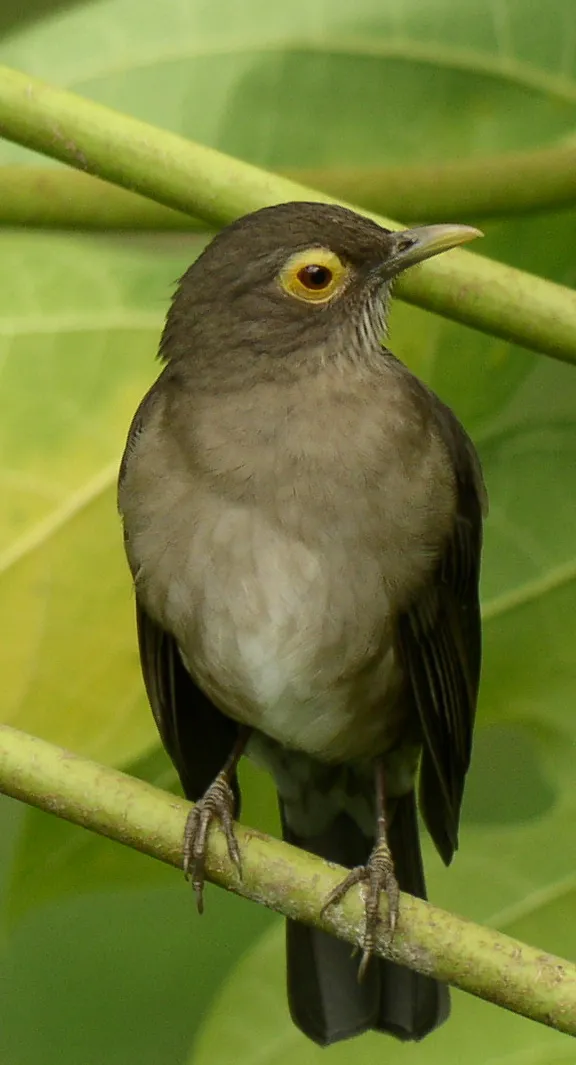
The mistle thrush (Turdus viscivorus) is a bird common to much of Europe, temperate Asia and North Africa. It is a year-round resident in a large part of its range, but northern and eastern populations migrate south for the winter, often in small flocks. It is a large thrush with pale grey-brown upper parts, a greyish-white chin and throat, and black spots on its pale yellow and off-white under parts. The sexes are similar in plumage, and its three subspecies show only minimal differences.
Source: Wikipedia, article “Mistle thrush” (version of August 8, 2026) · history and authors · licence CC BY-SA 4.0 · shortened excerpt
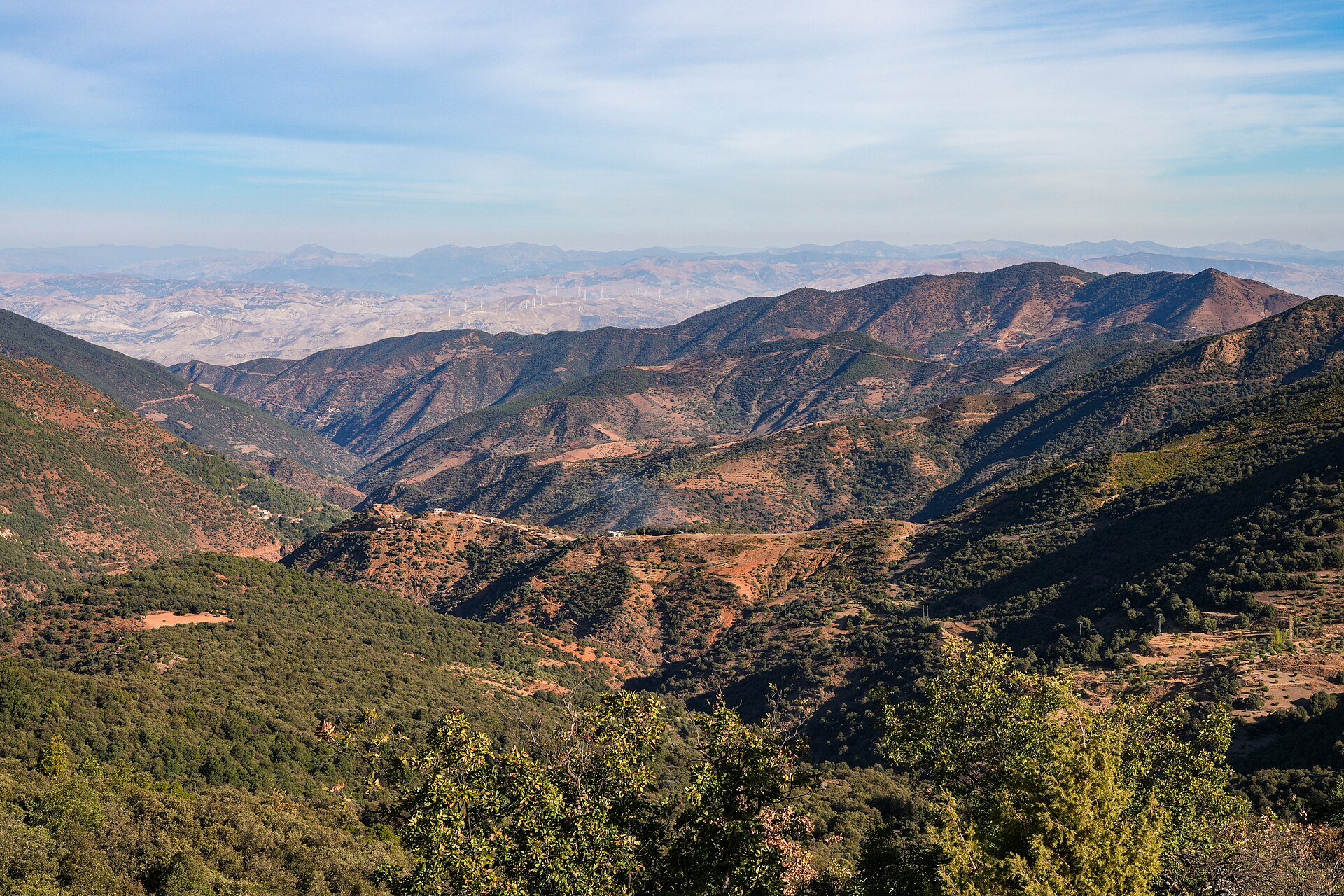
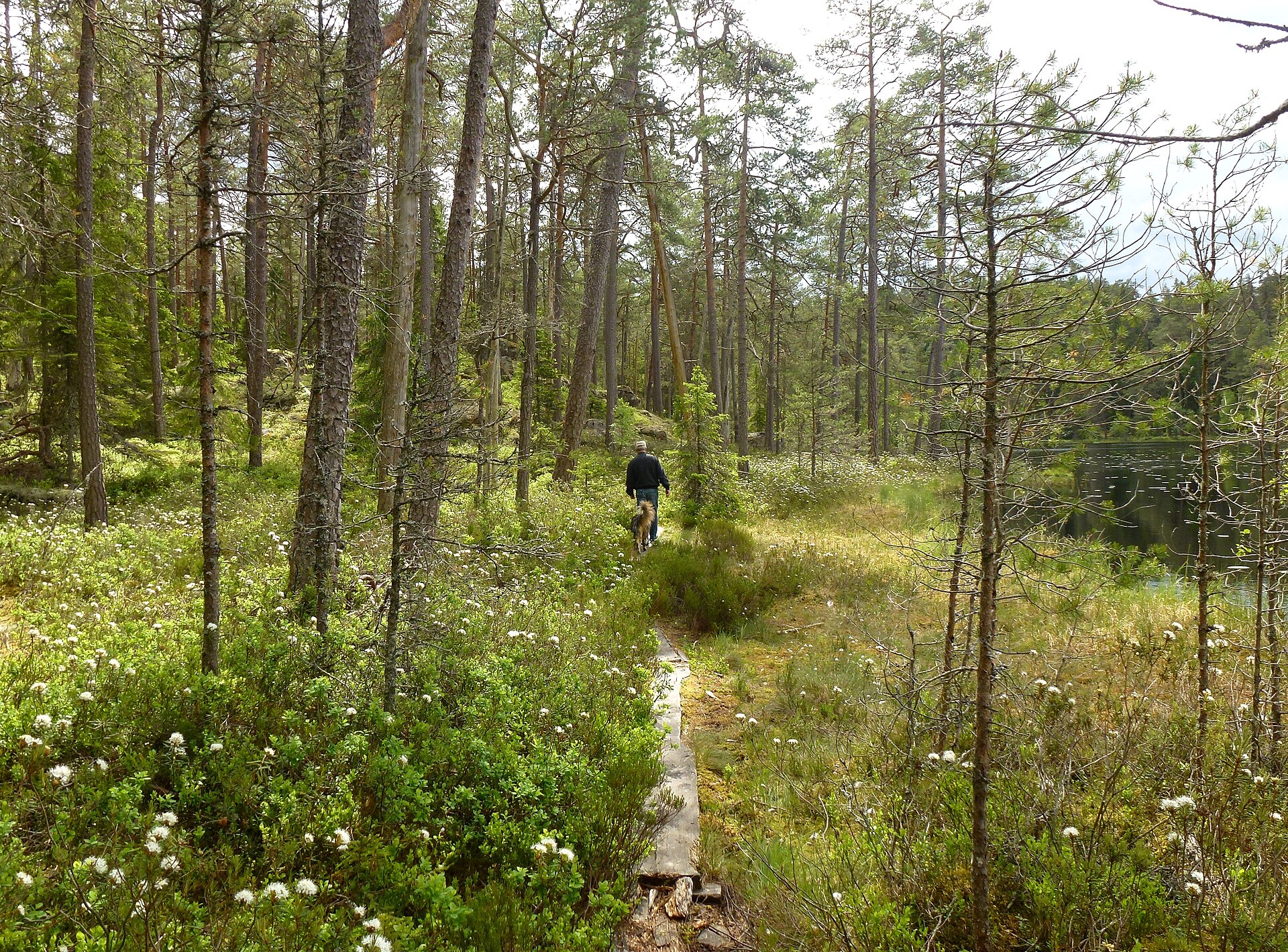
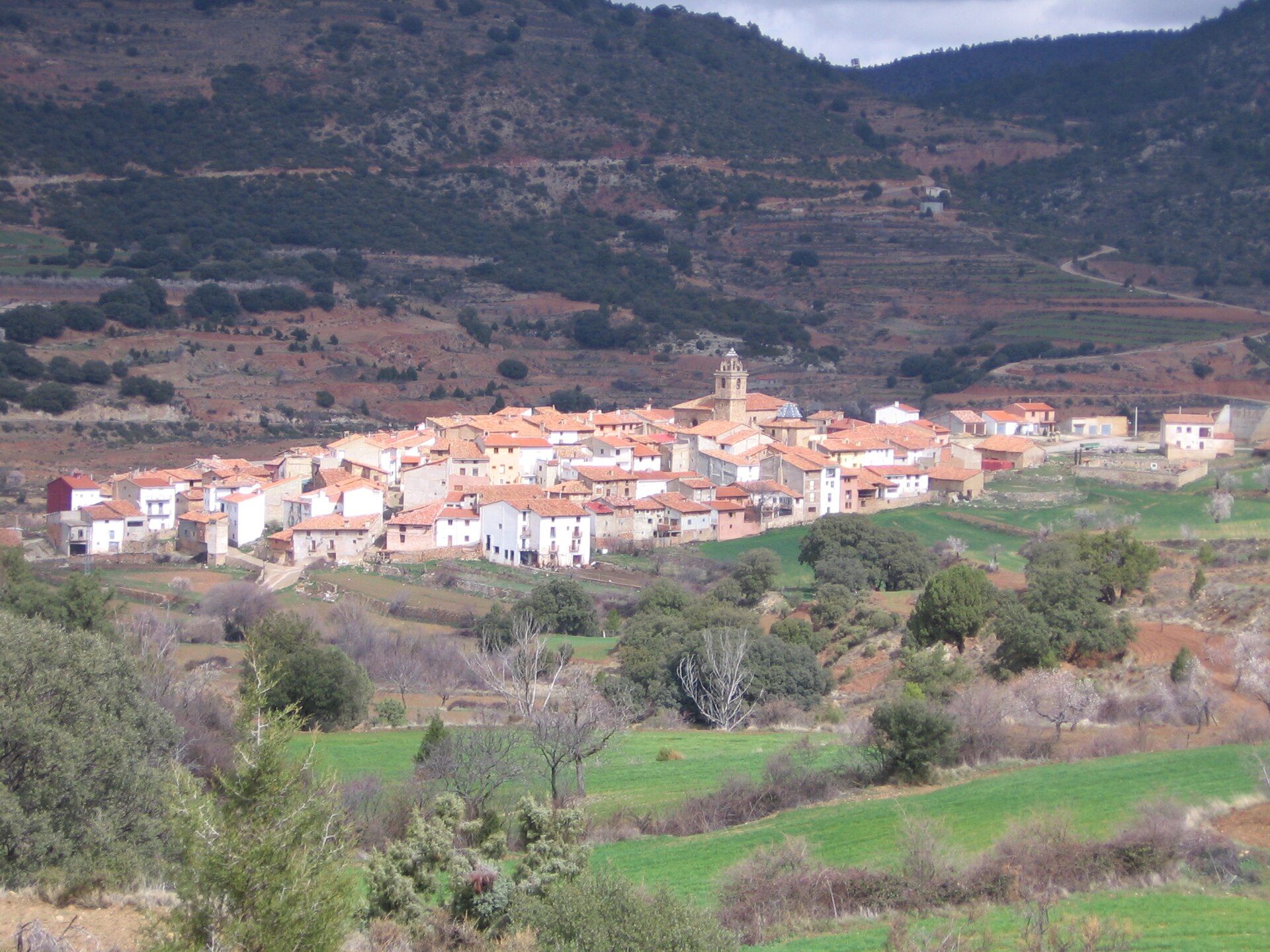
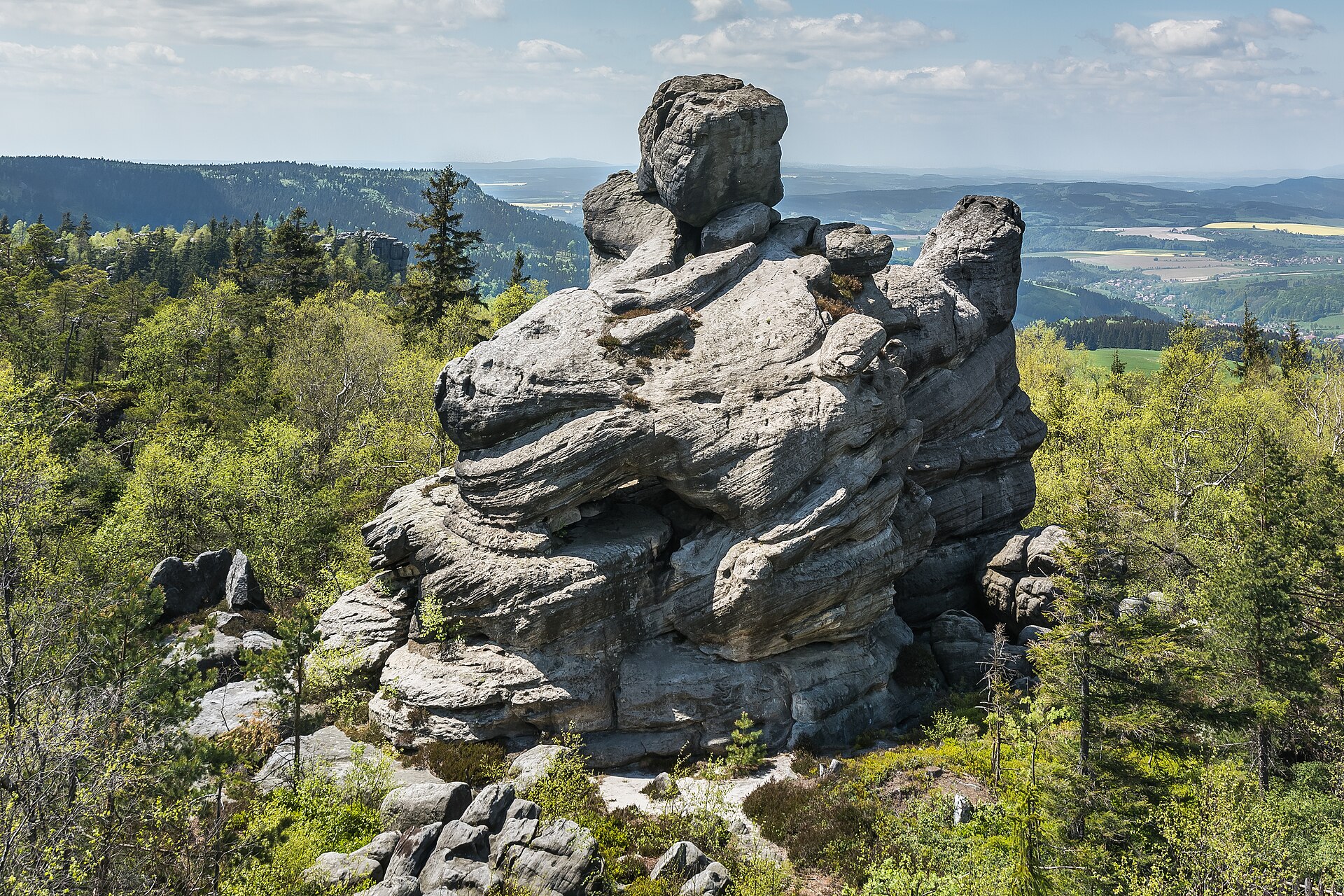
Protected areas where it is recorded
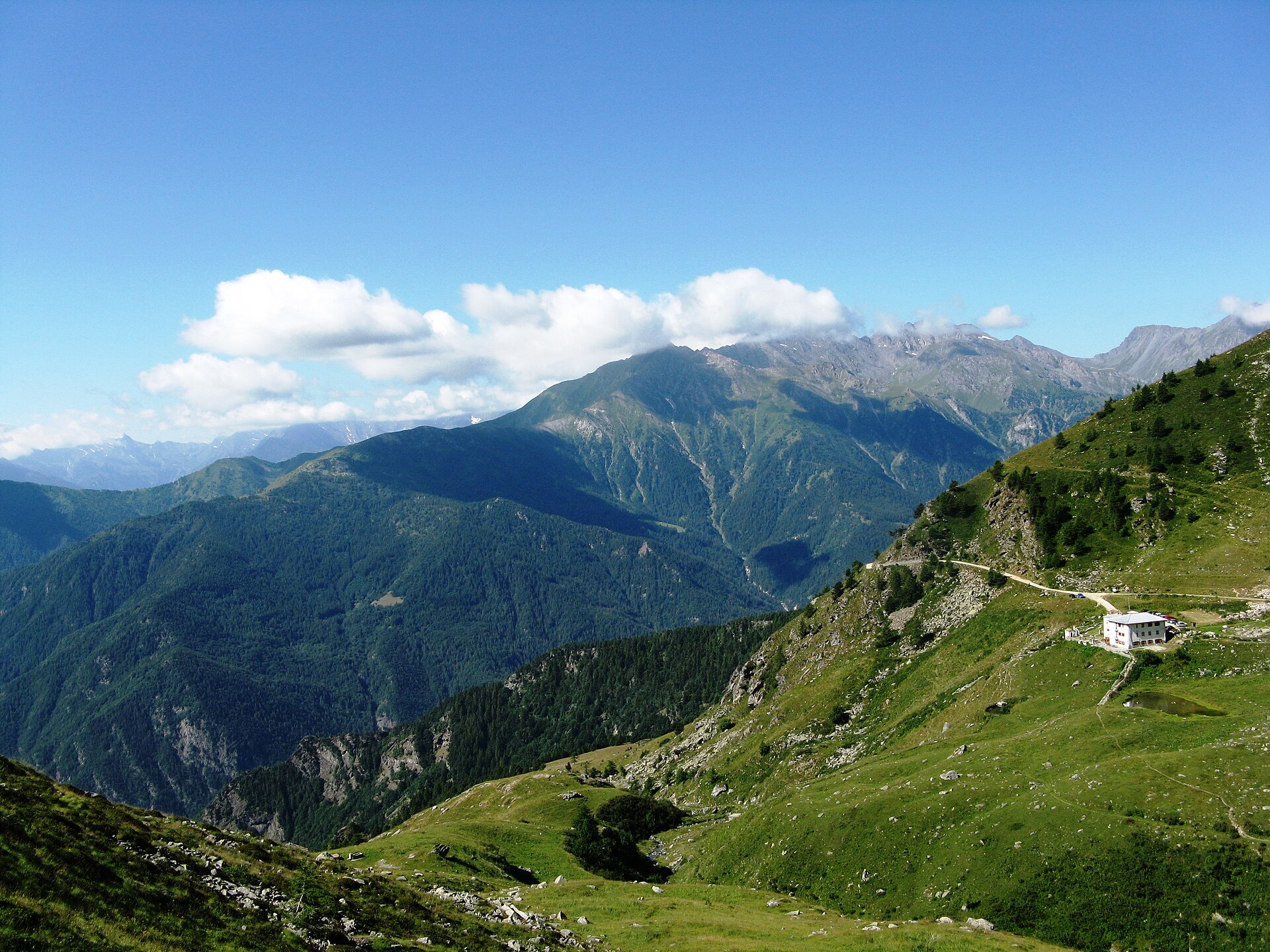
Natura 2000 · breeding 94 records
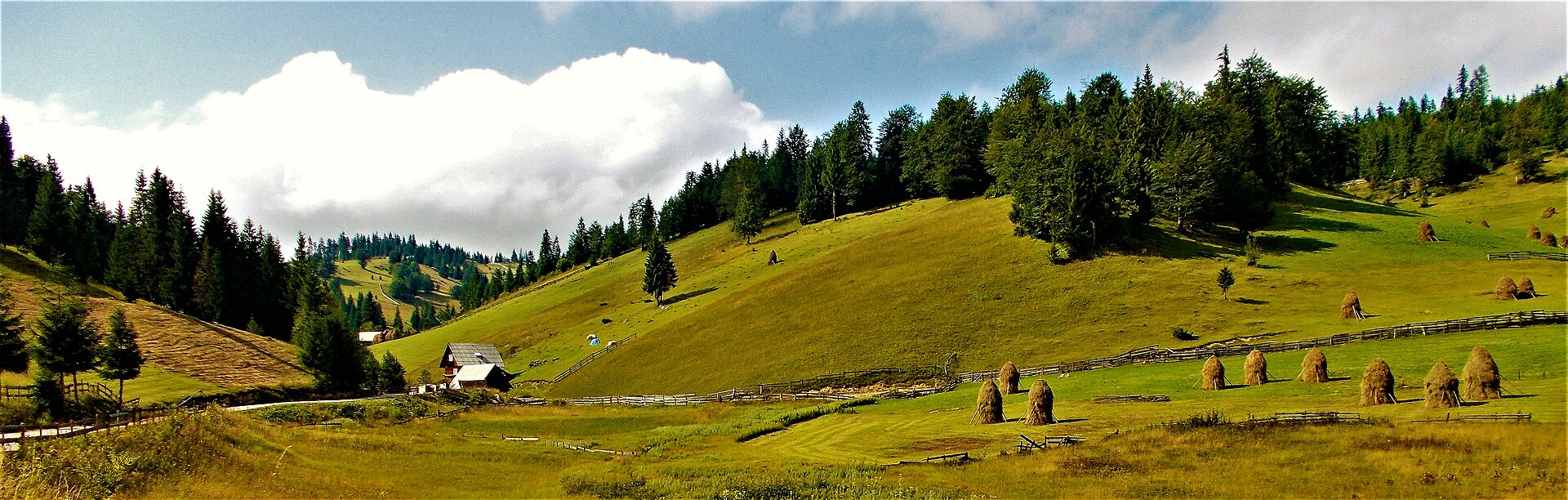
Natura 2000 · breeding 80 records

Natura 2000 · wintering, breeding, passage 26 records
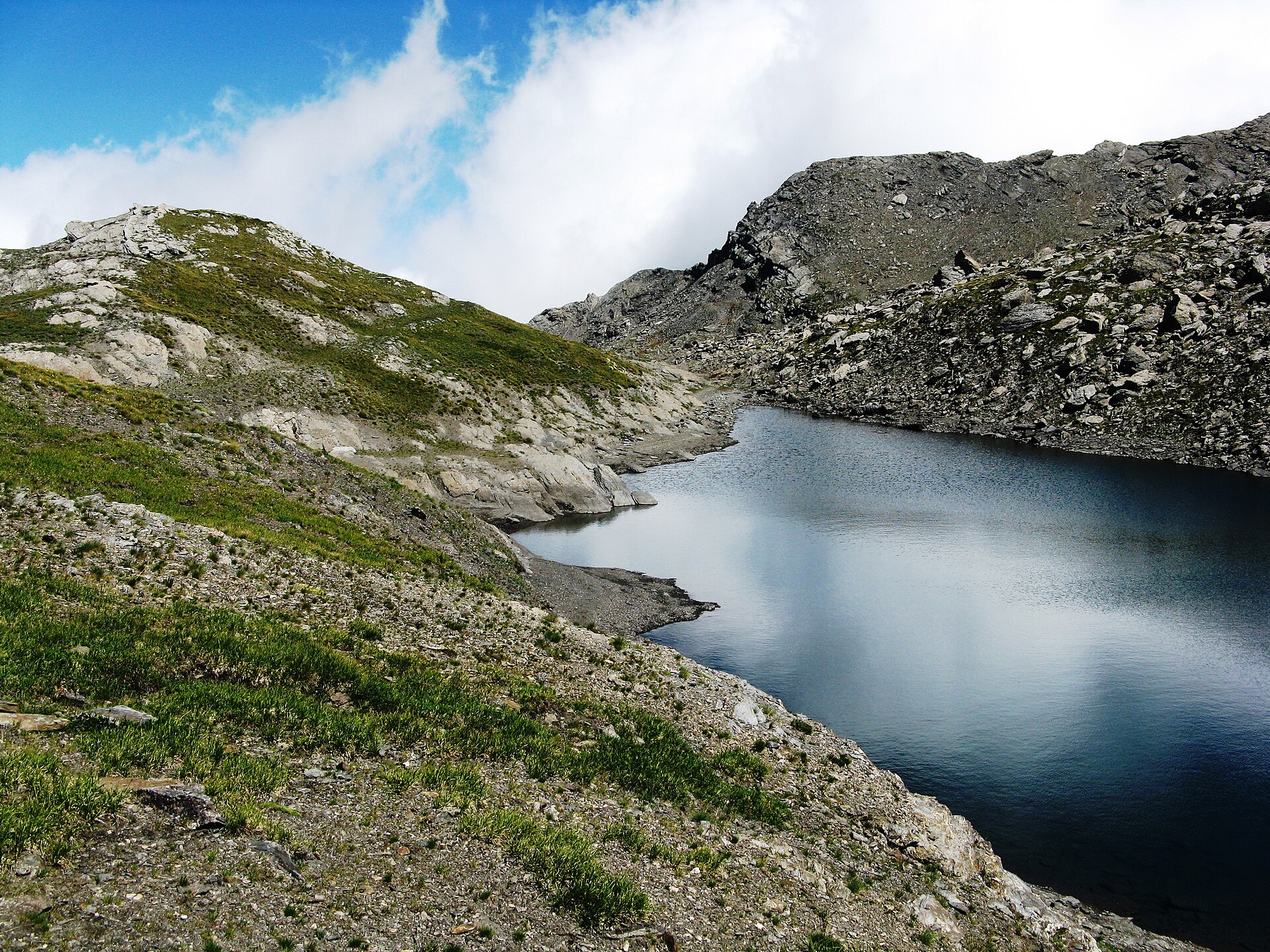
Natura 2000 · breeding 16 records

6,956 records
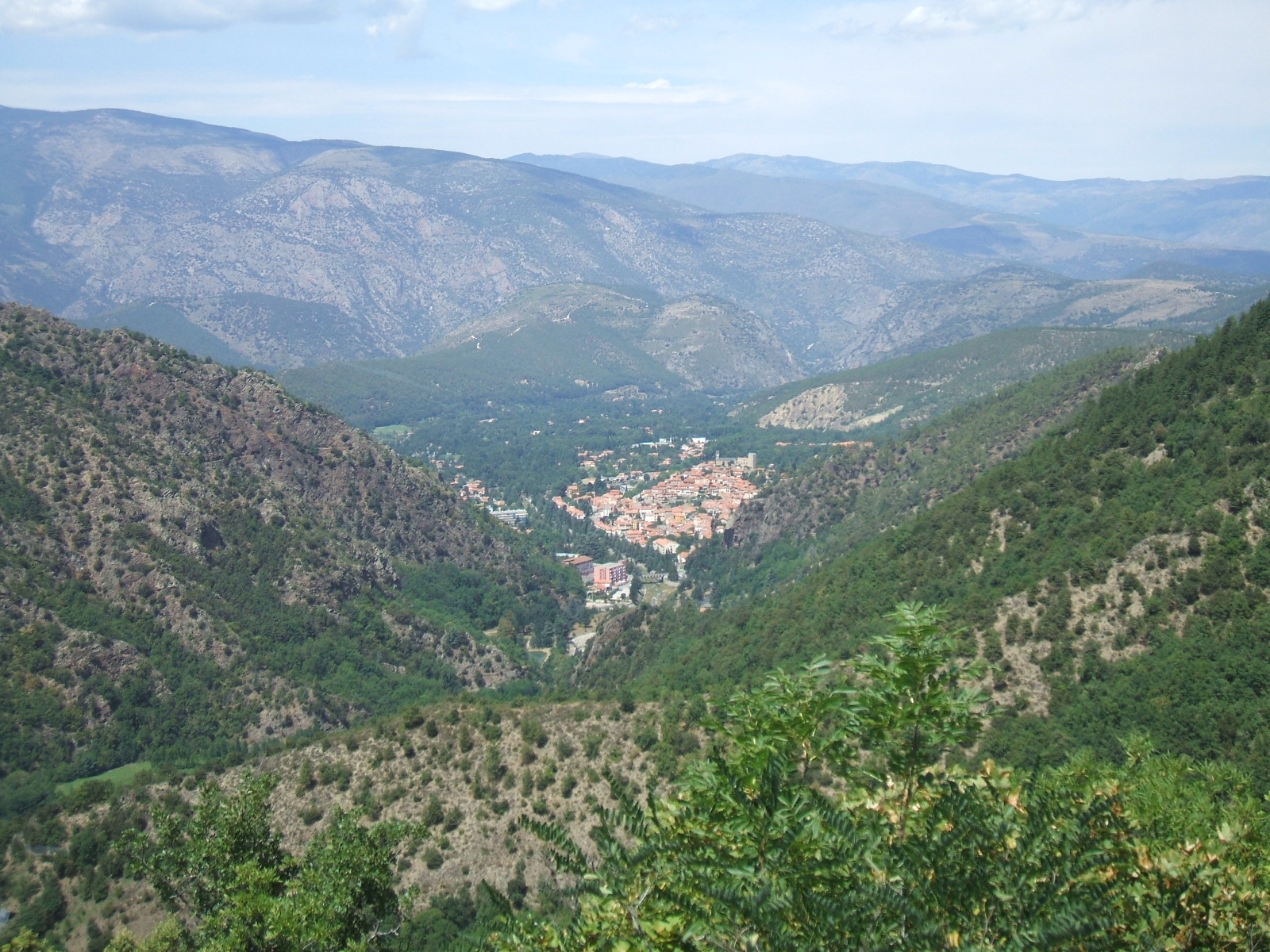
6,778 records
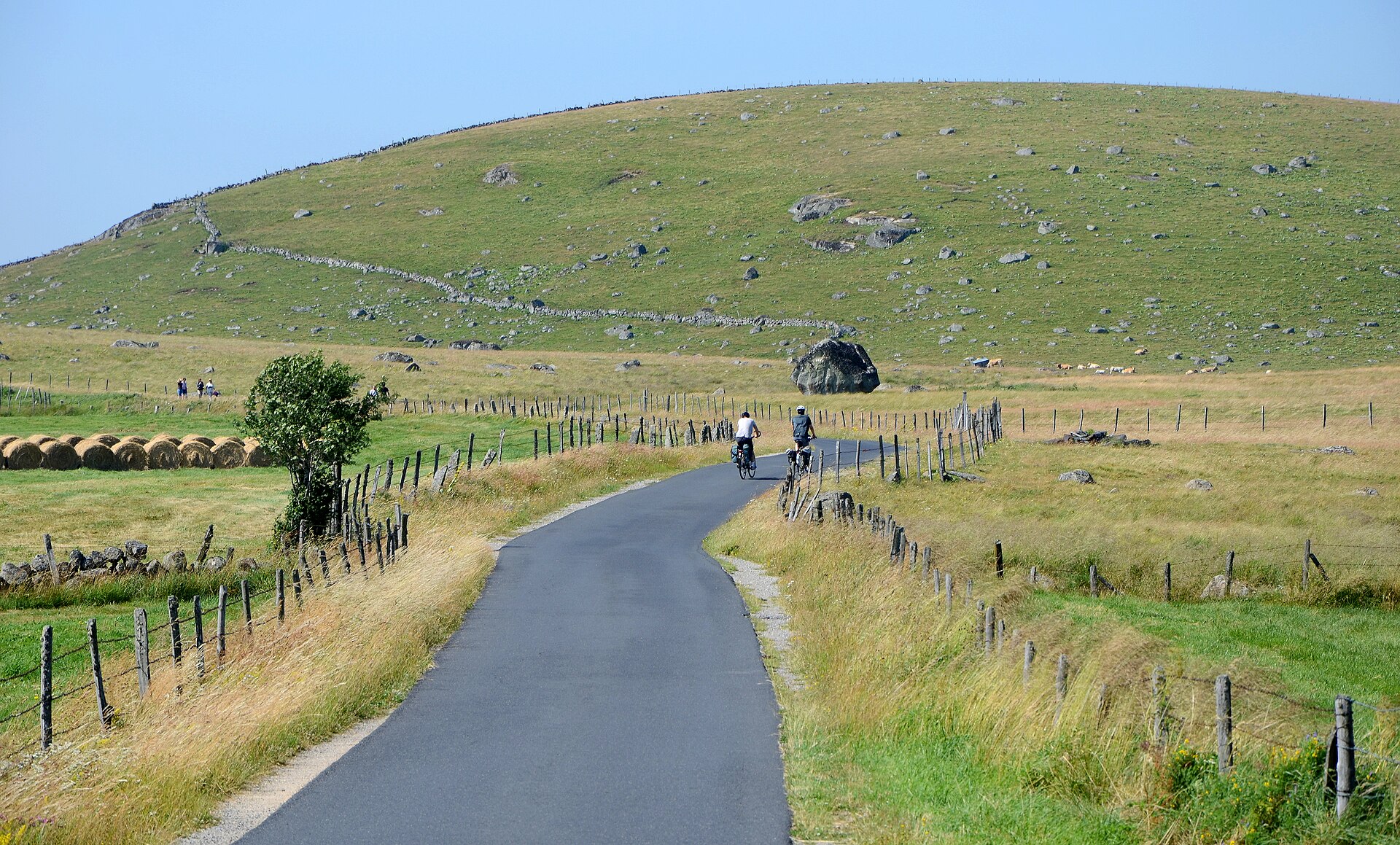
3,989 records
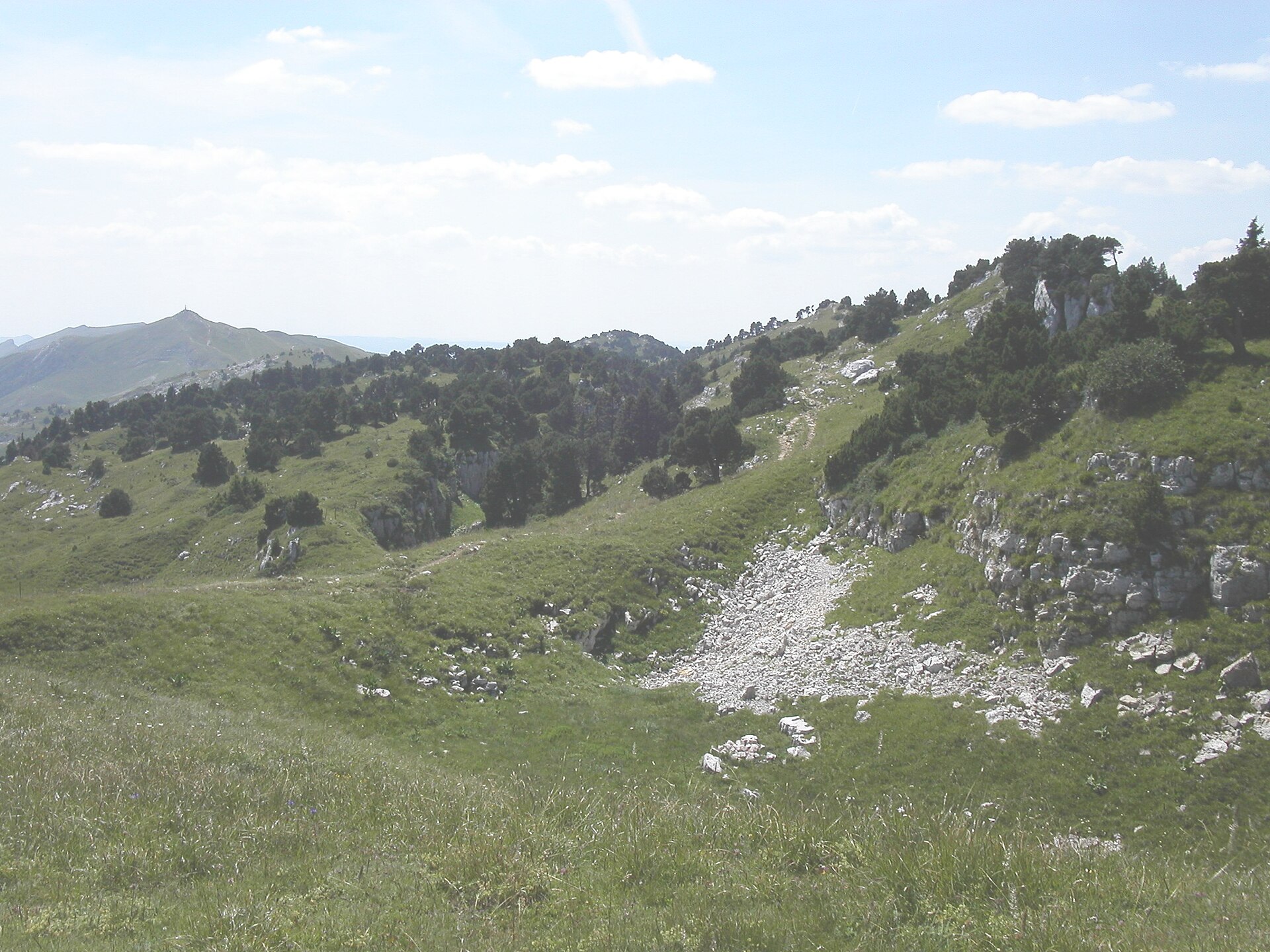
3,845 records
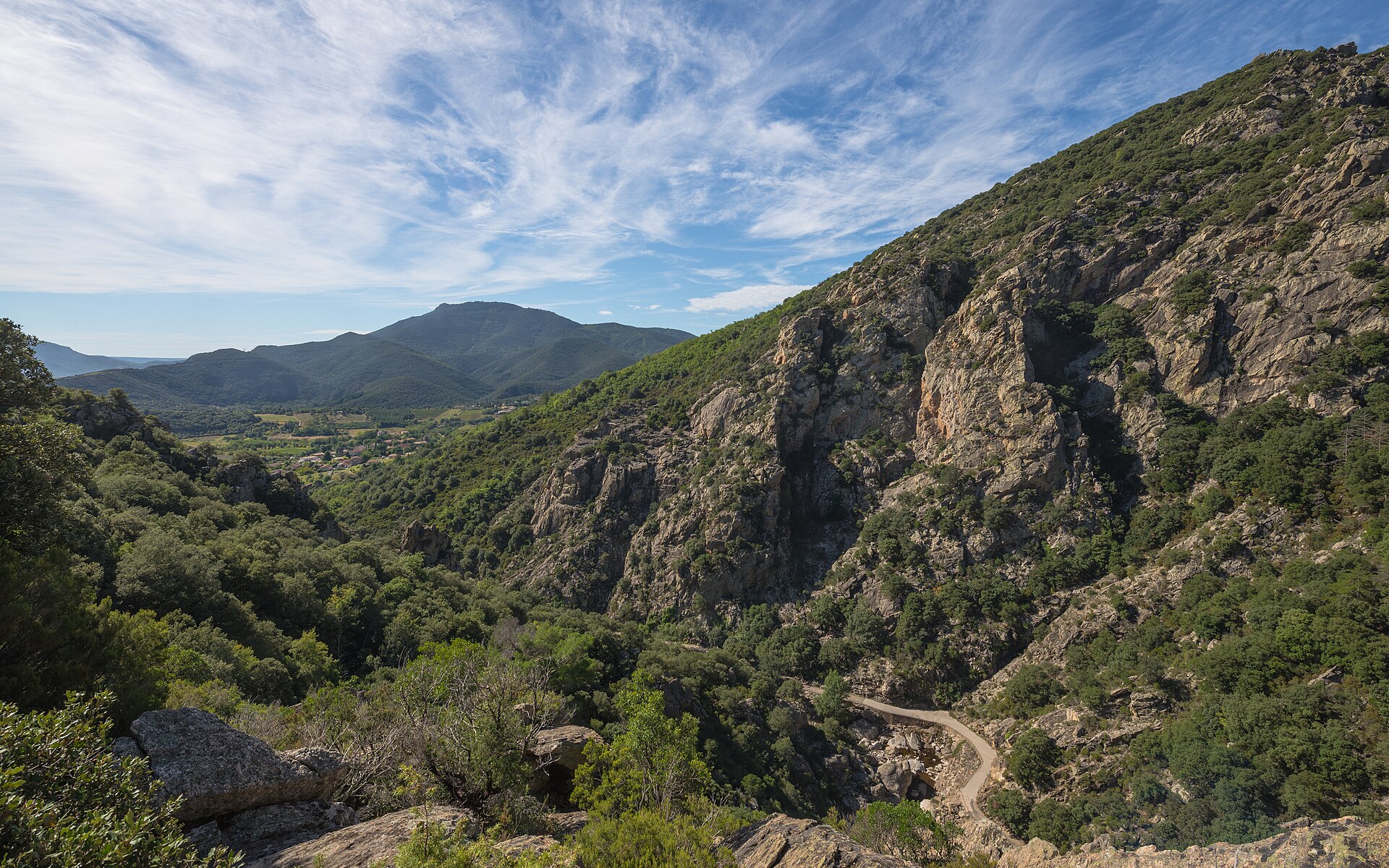
2,934 records
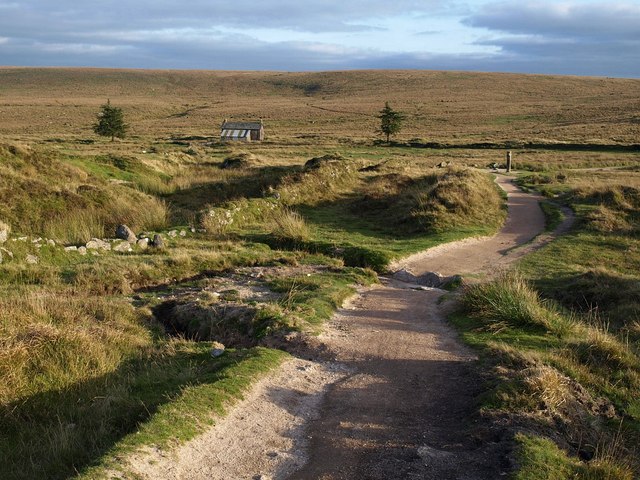
2,077 records
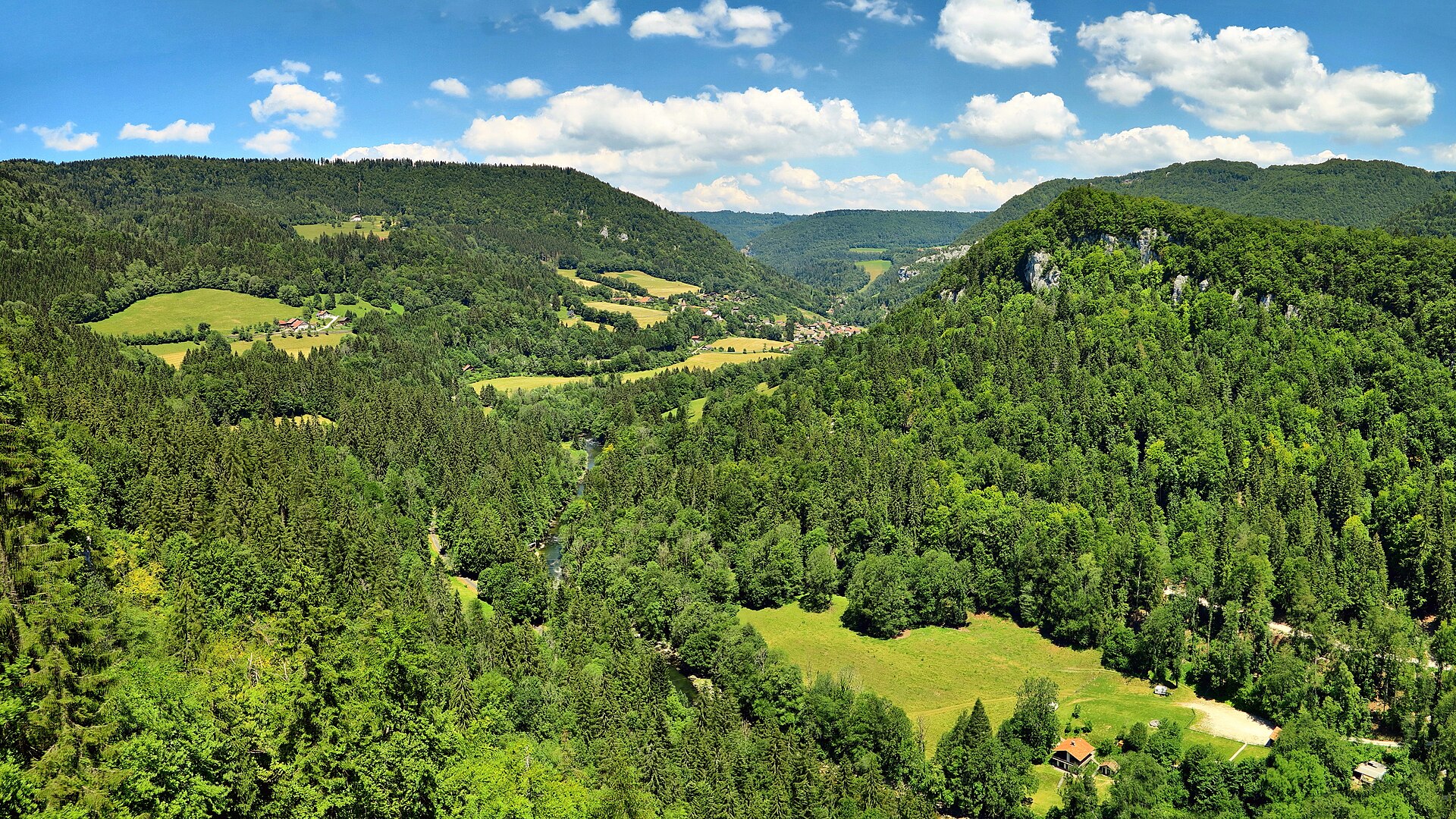
1,493 records
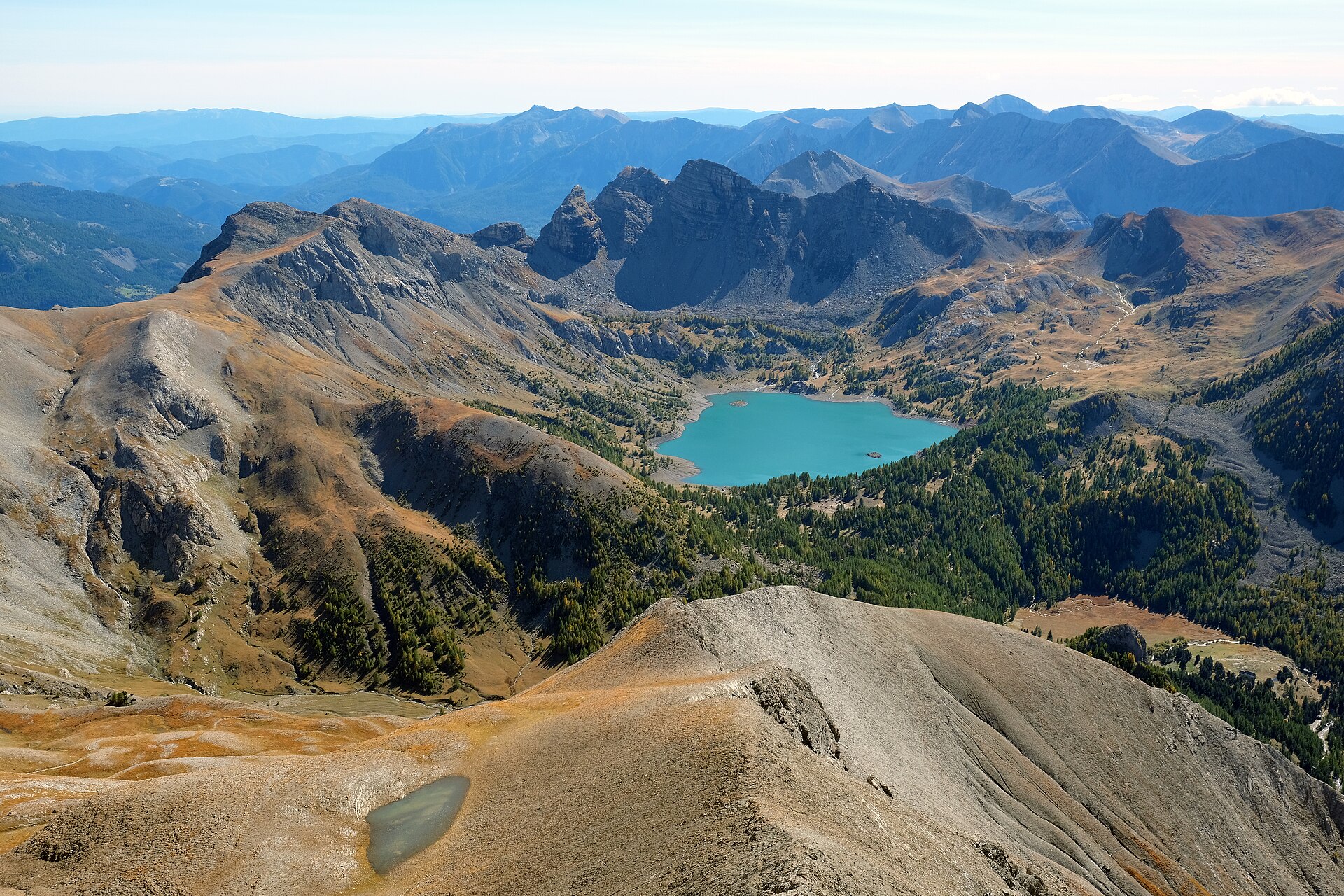
1,486 records
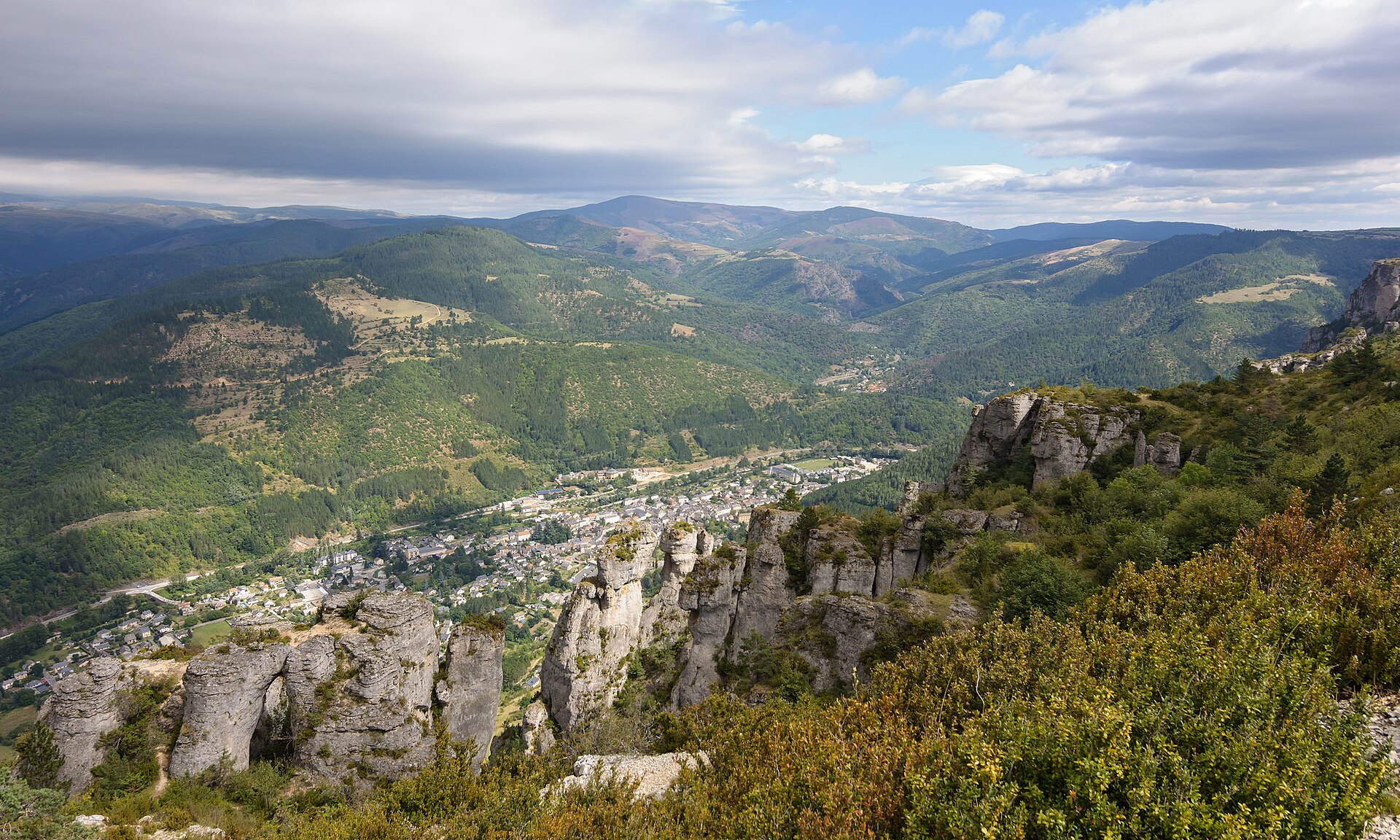
1,430 records
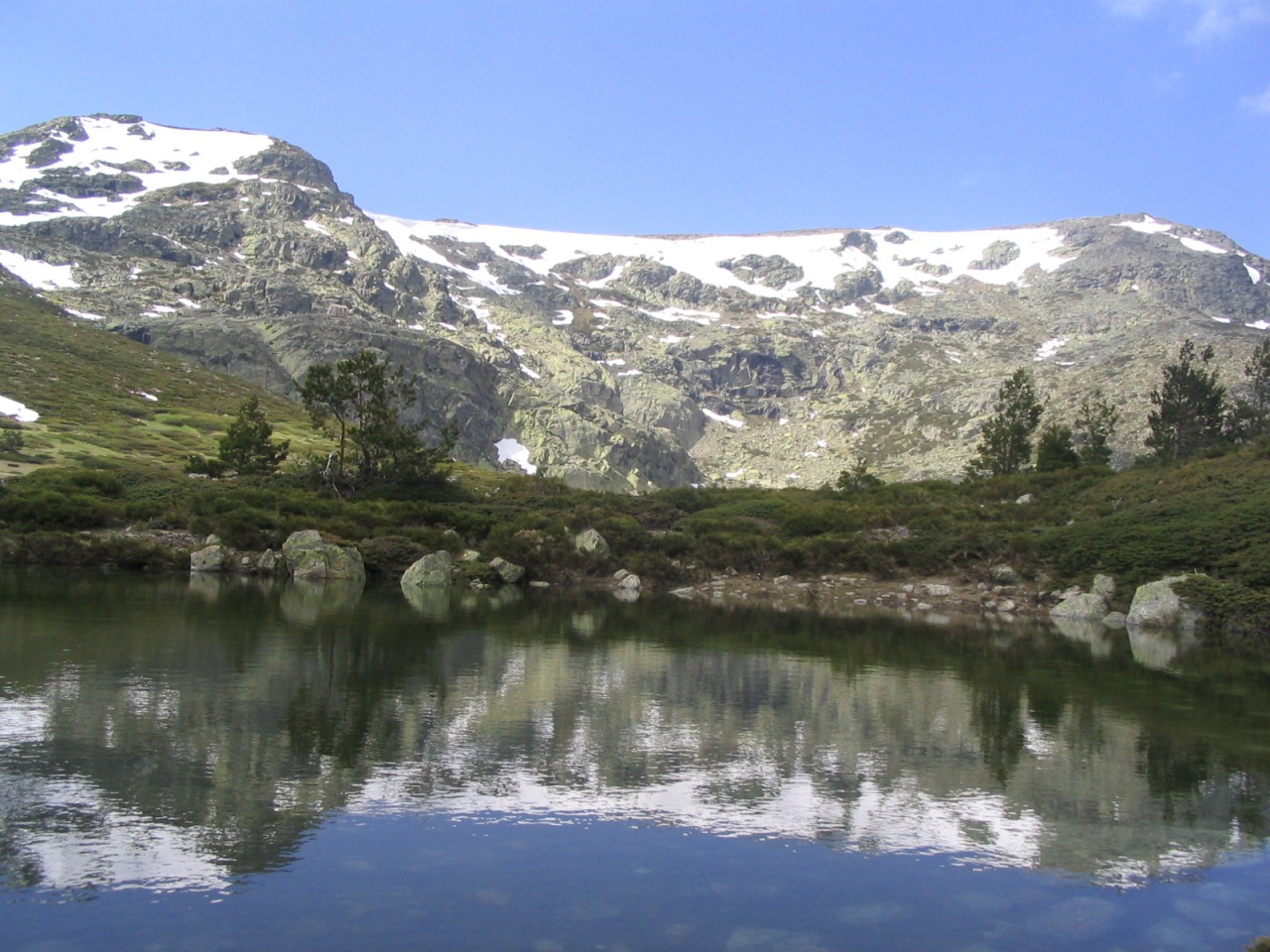
732 records
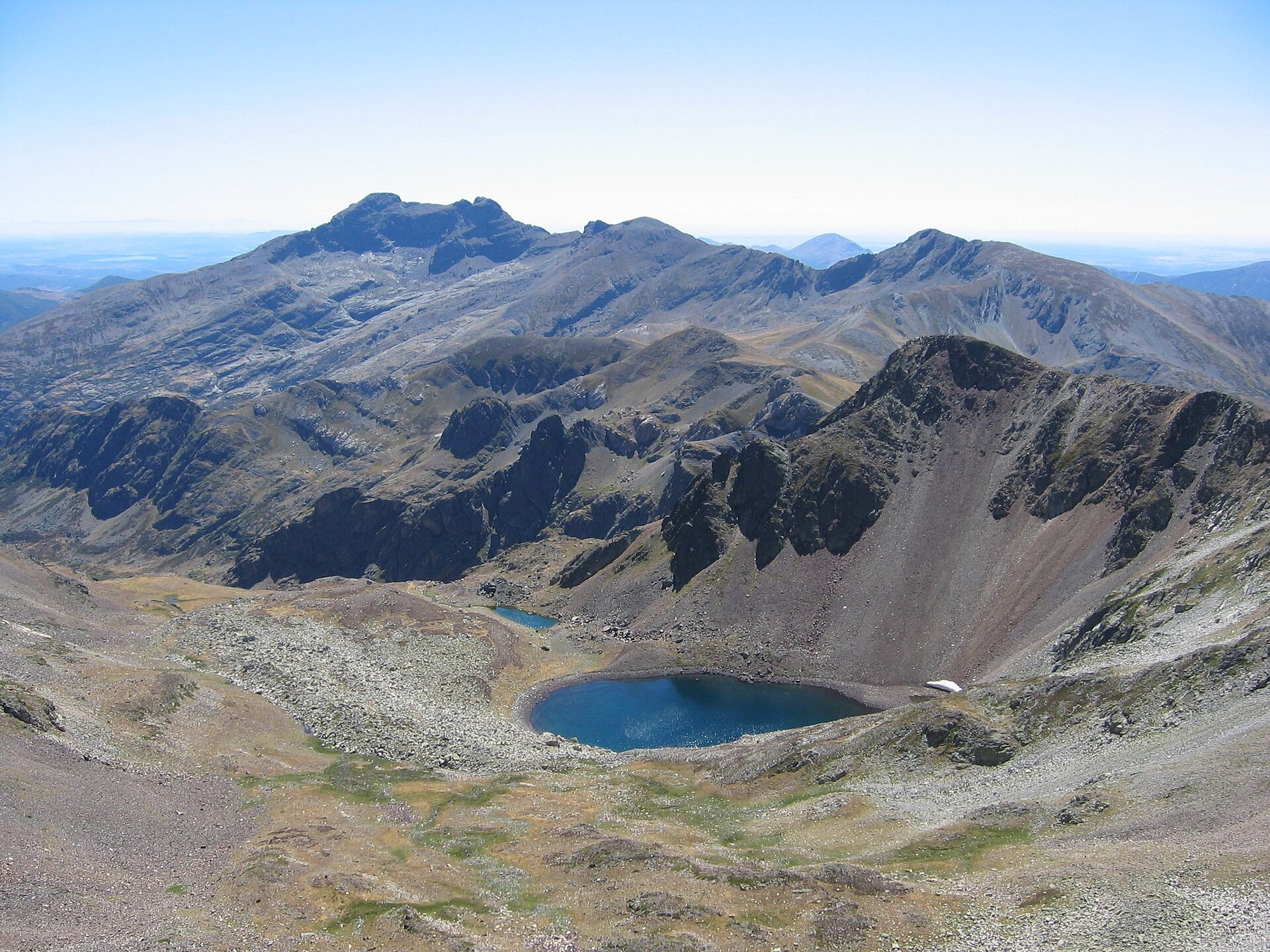
679 records
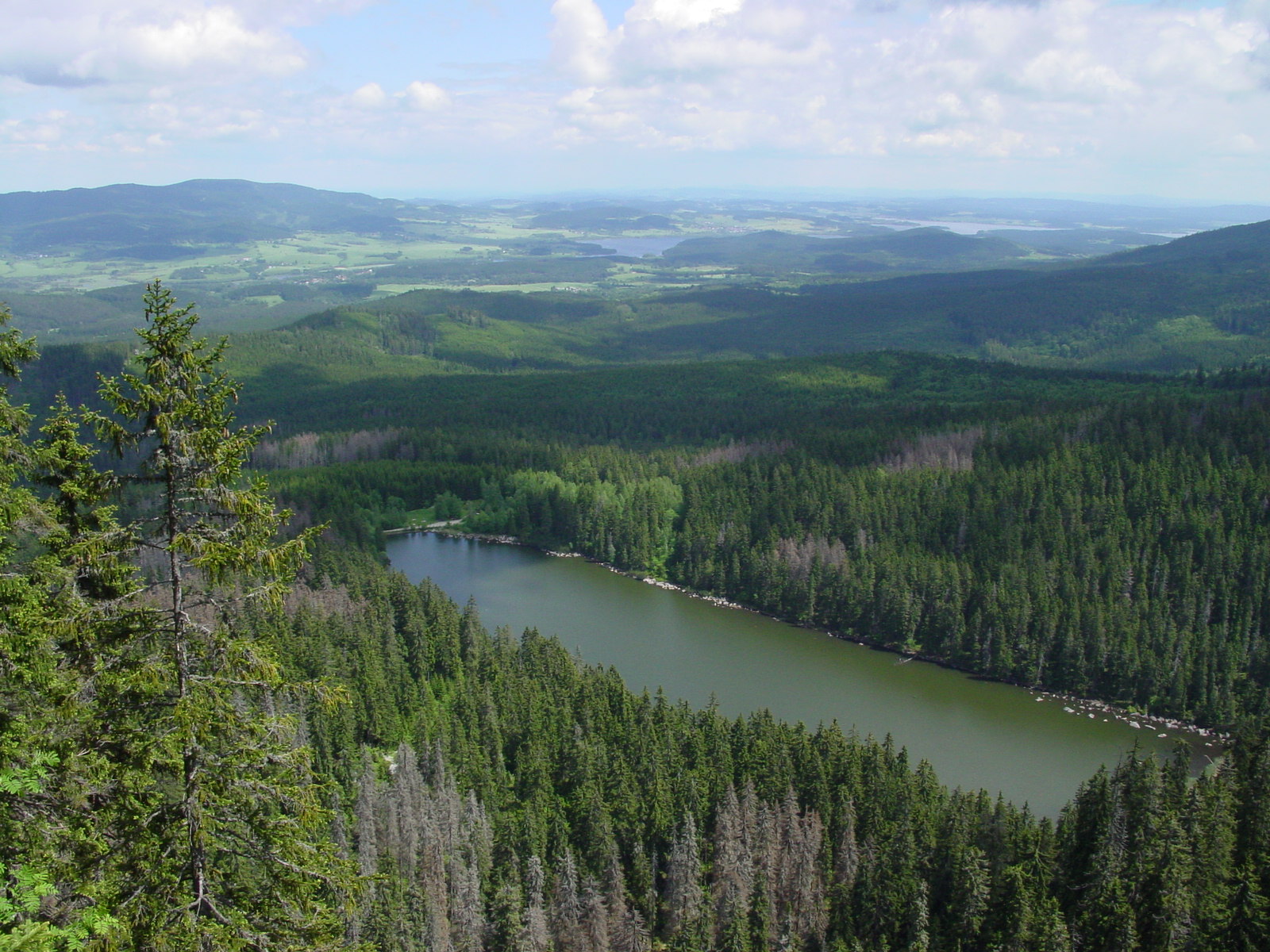
483 records
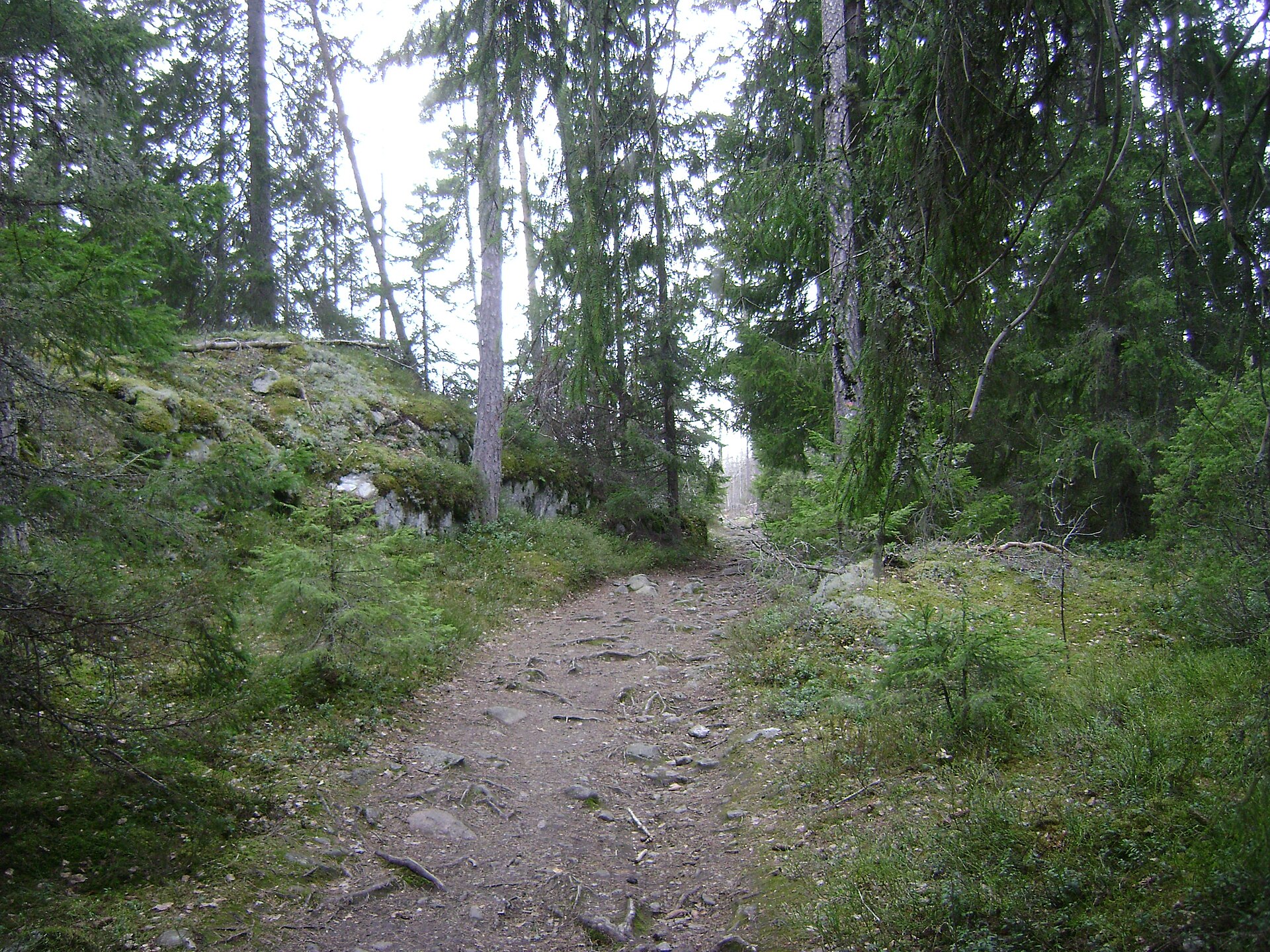
469 records

449 records
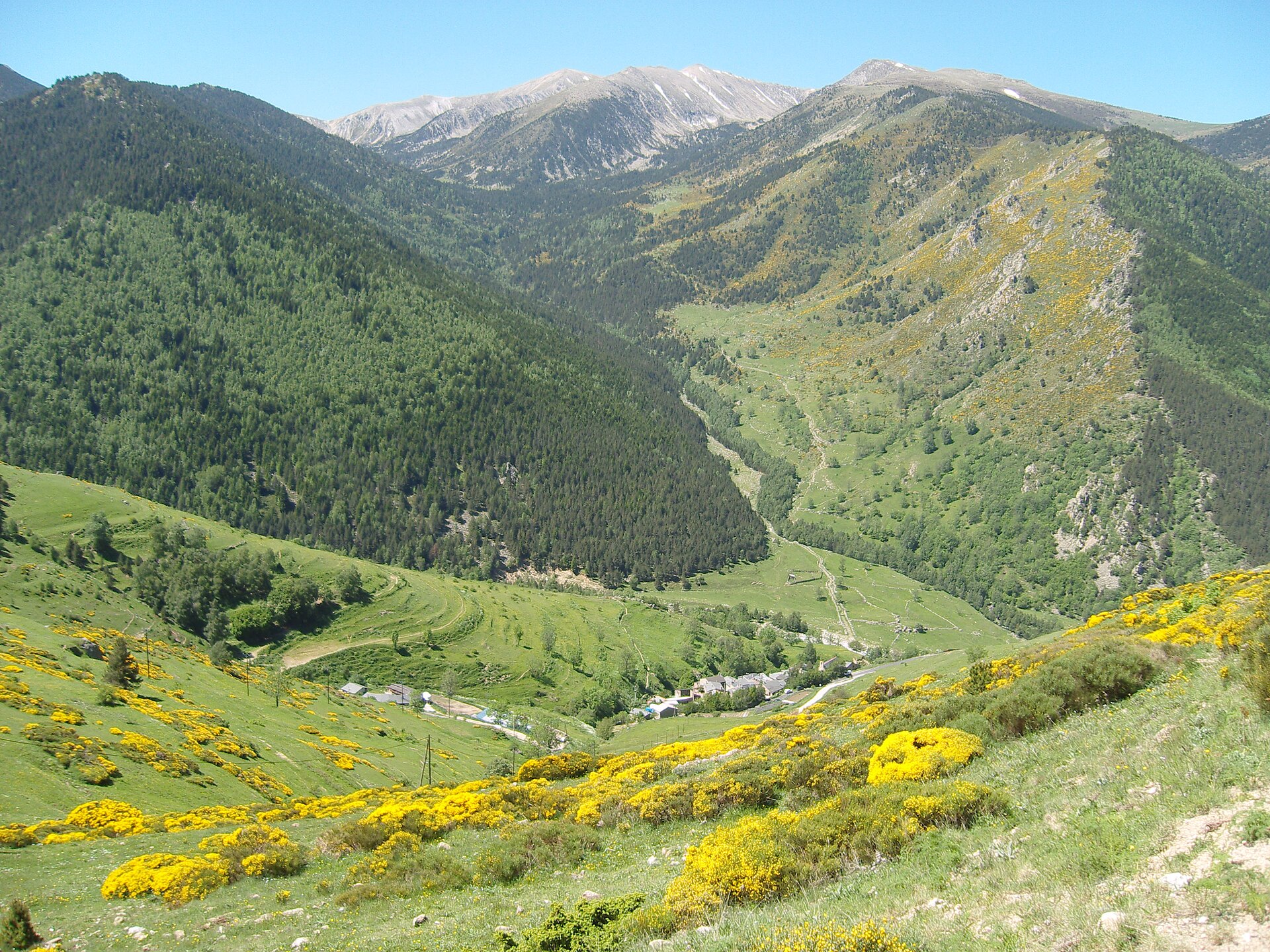
414 records

335 records

281 records
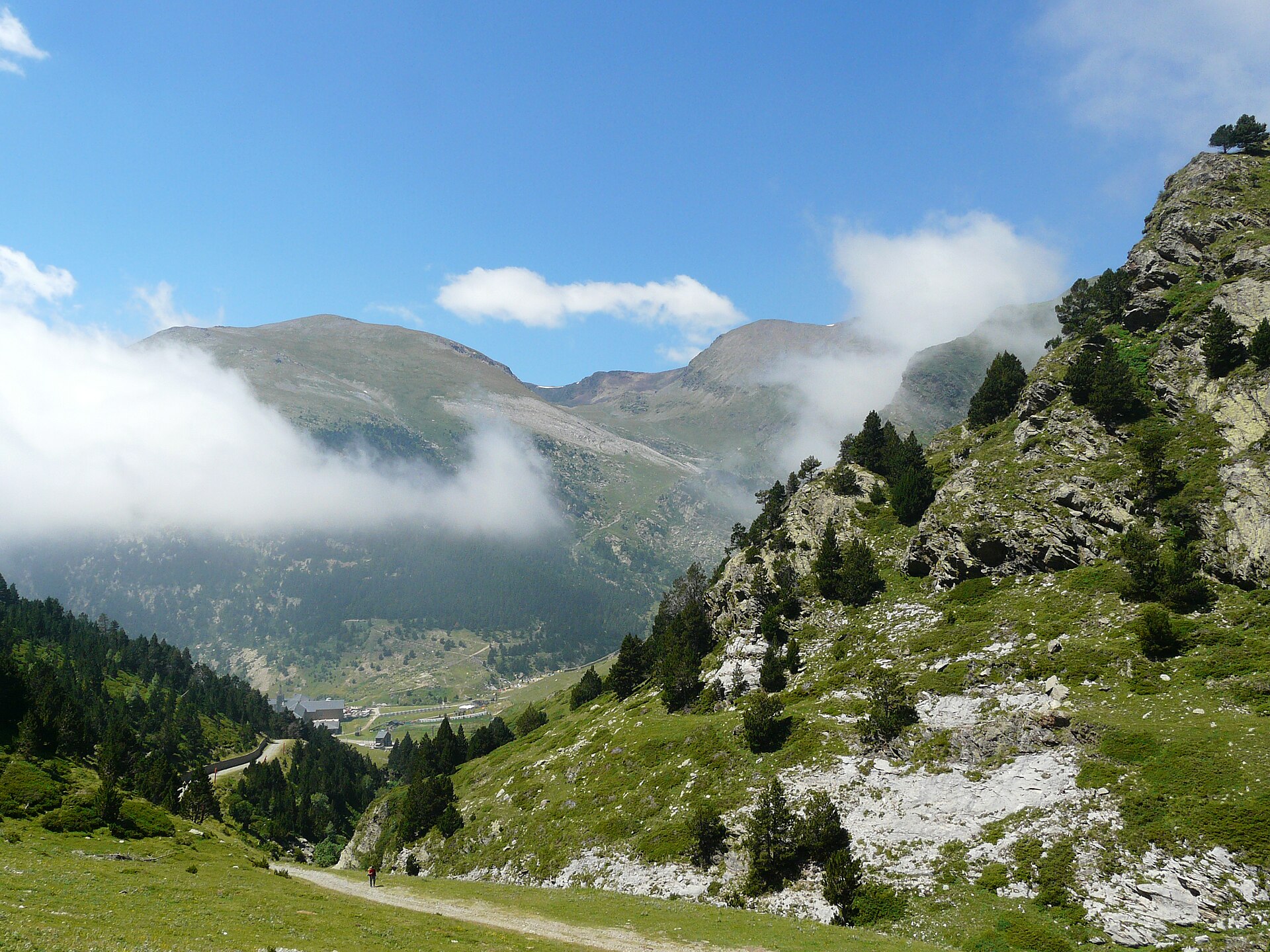
274 records

265 records

212 records
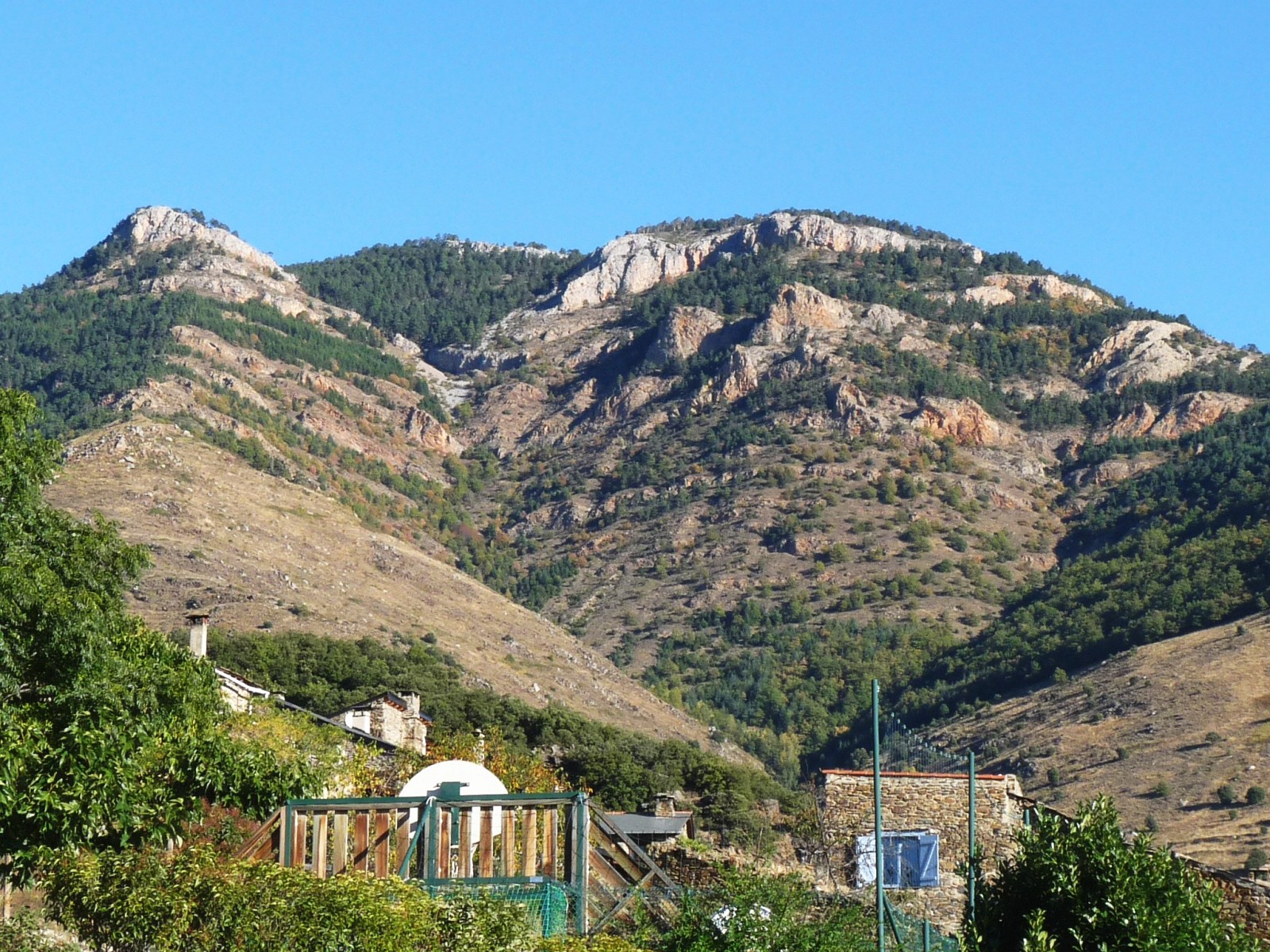
205 records
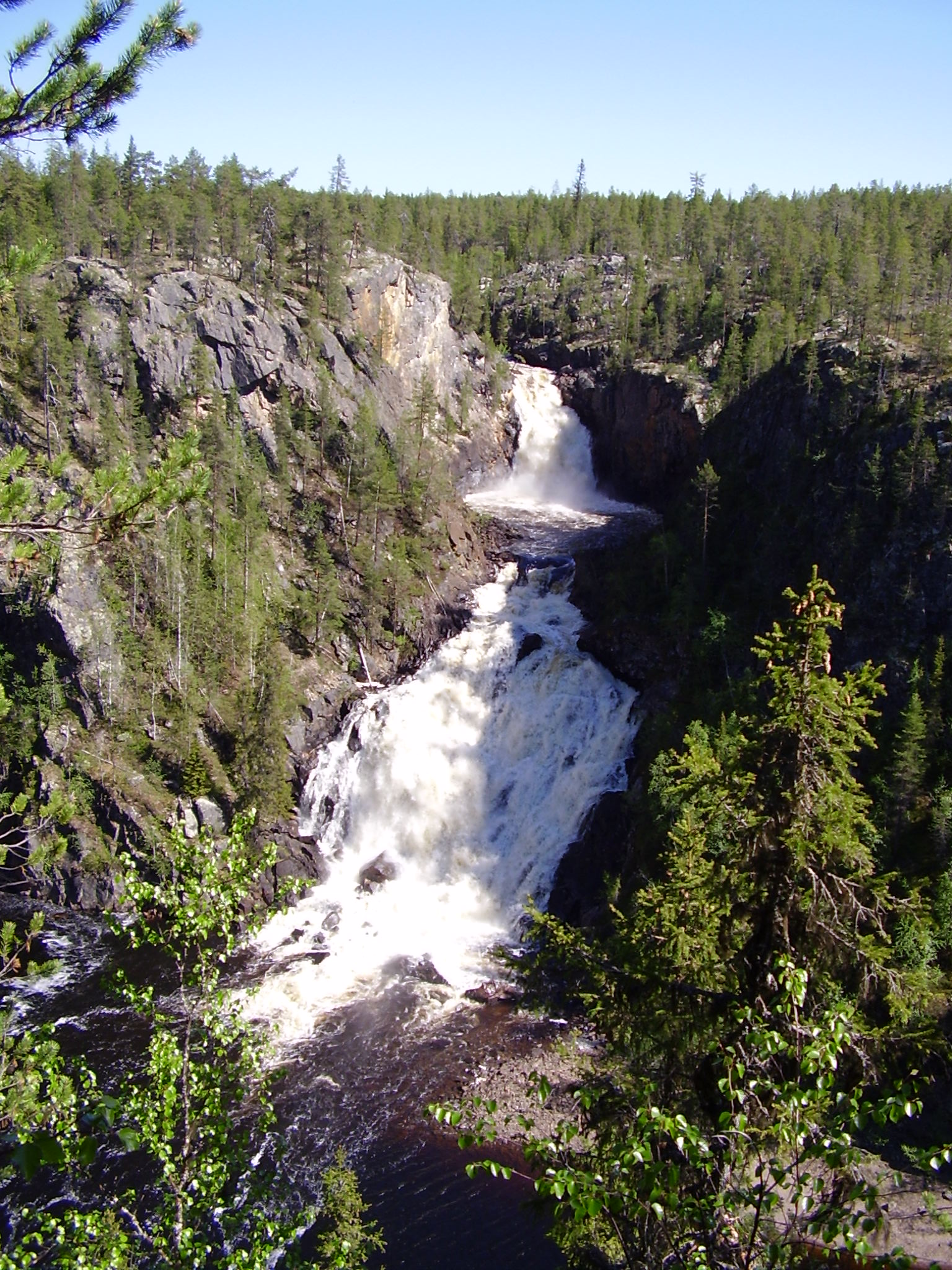
187 records
183 records

150 records

149 records
140 records

137 records

133 records
121 records
111 records
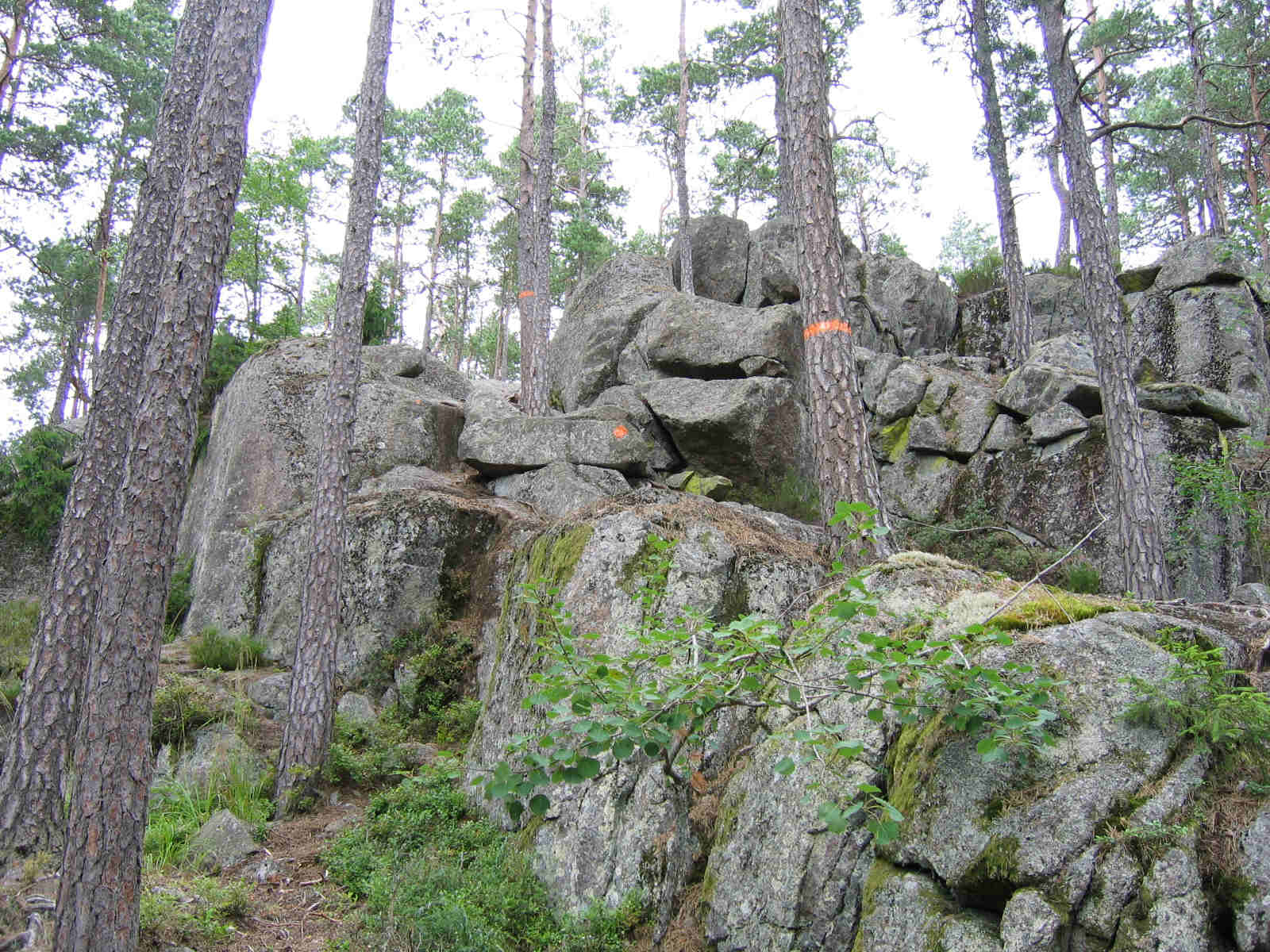
107 records
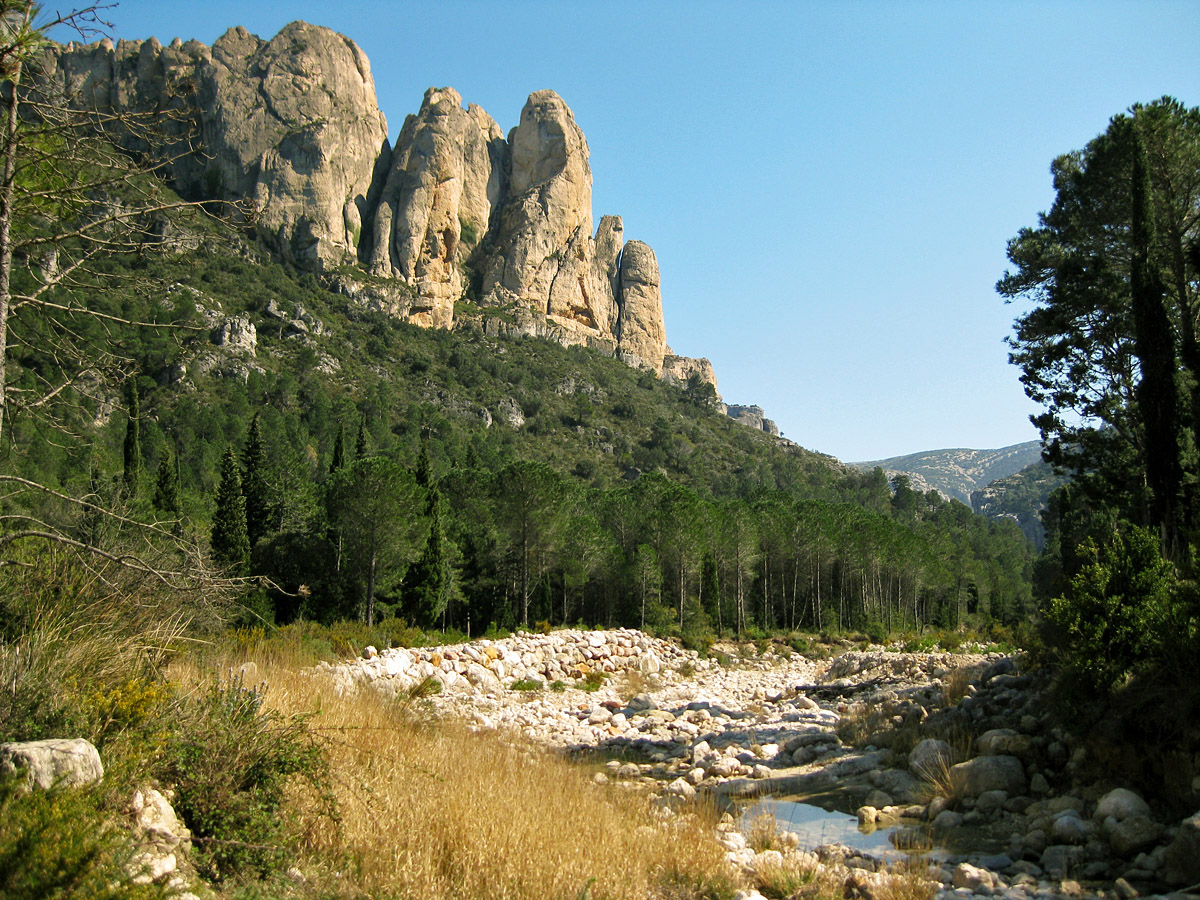
106 records
106 records

105 records
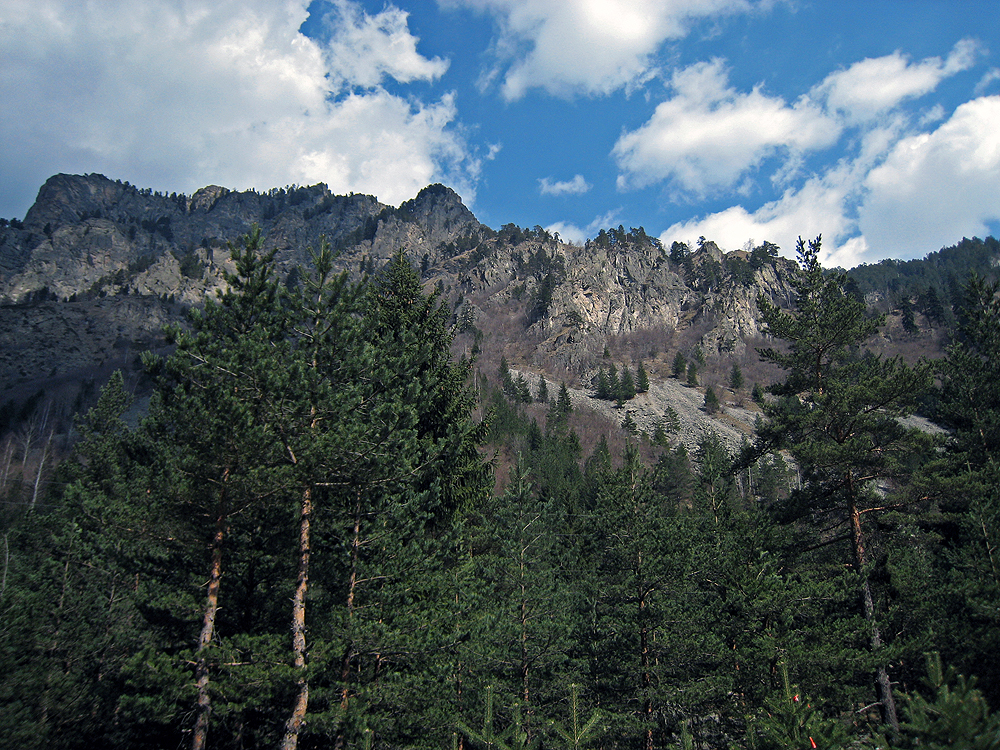
103 records
102 records
102 records
102 records

100 records
96 records
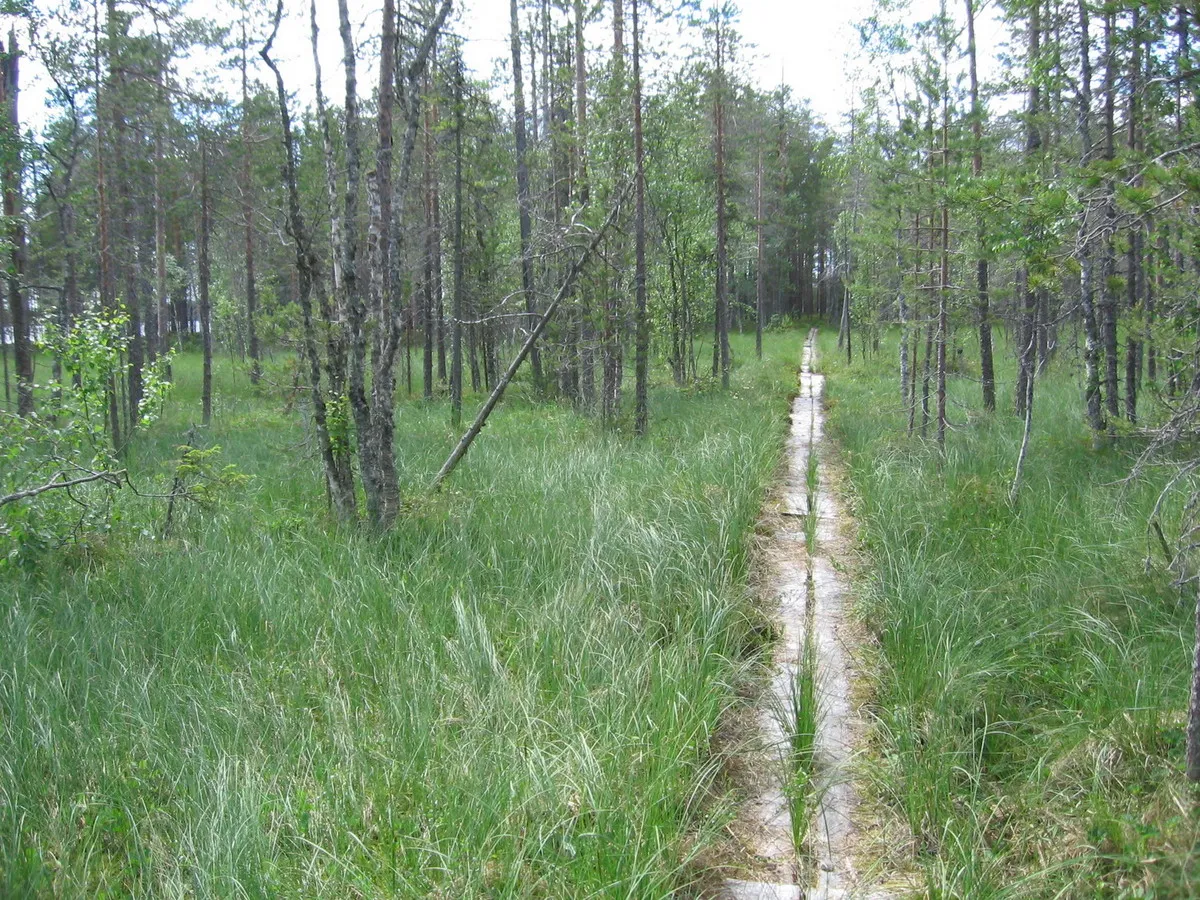
85 records
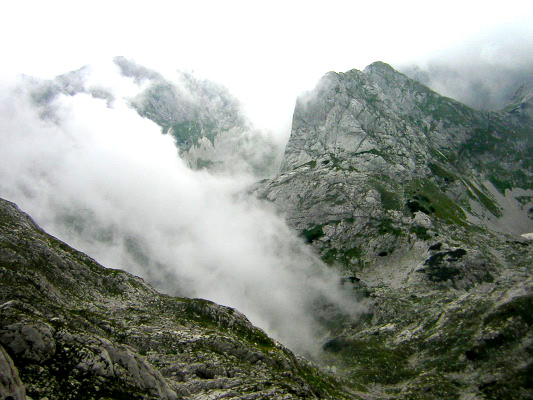
76 records
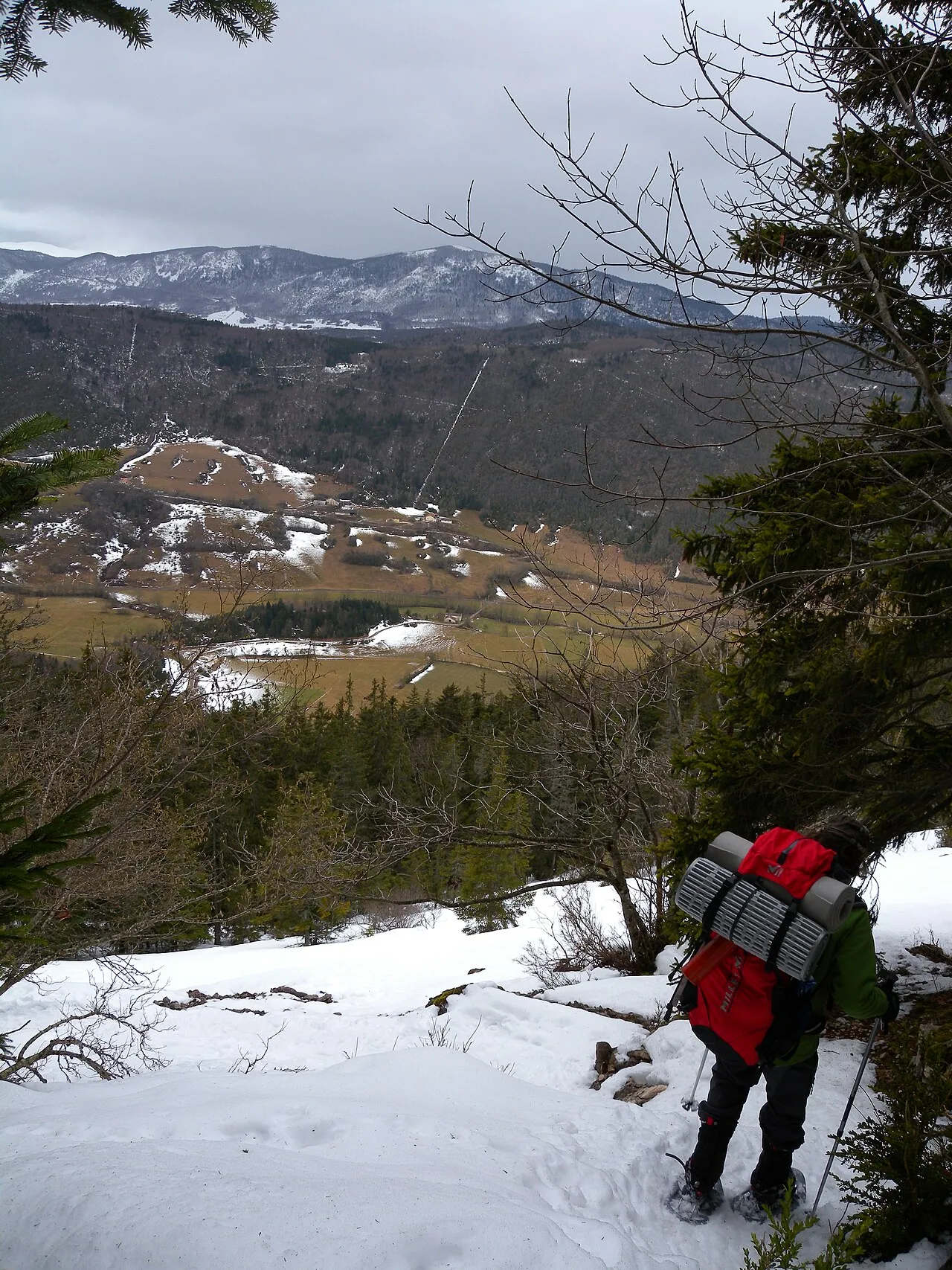
76 records
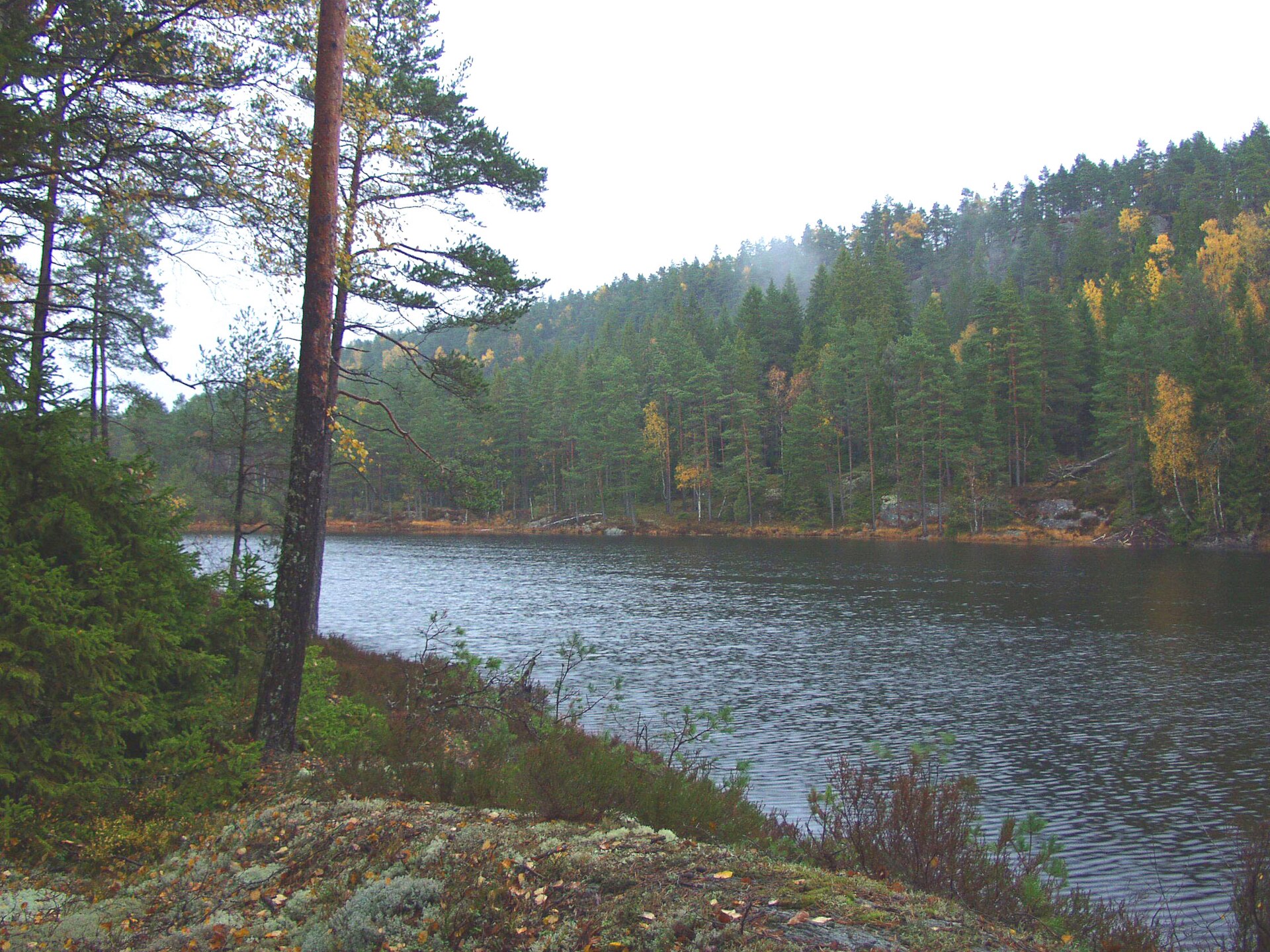
74 records
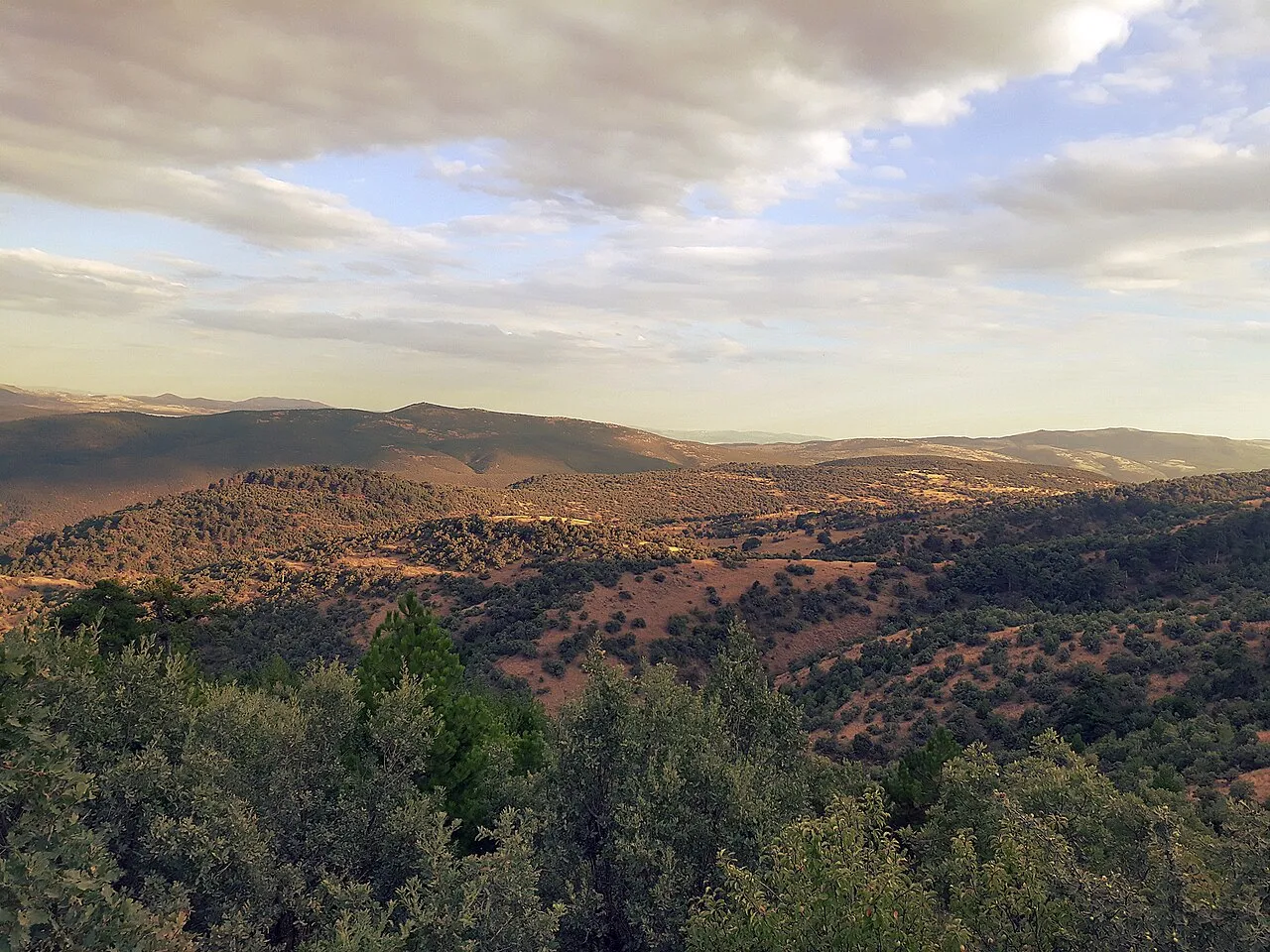
68 records

61 records

55 records

55 records
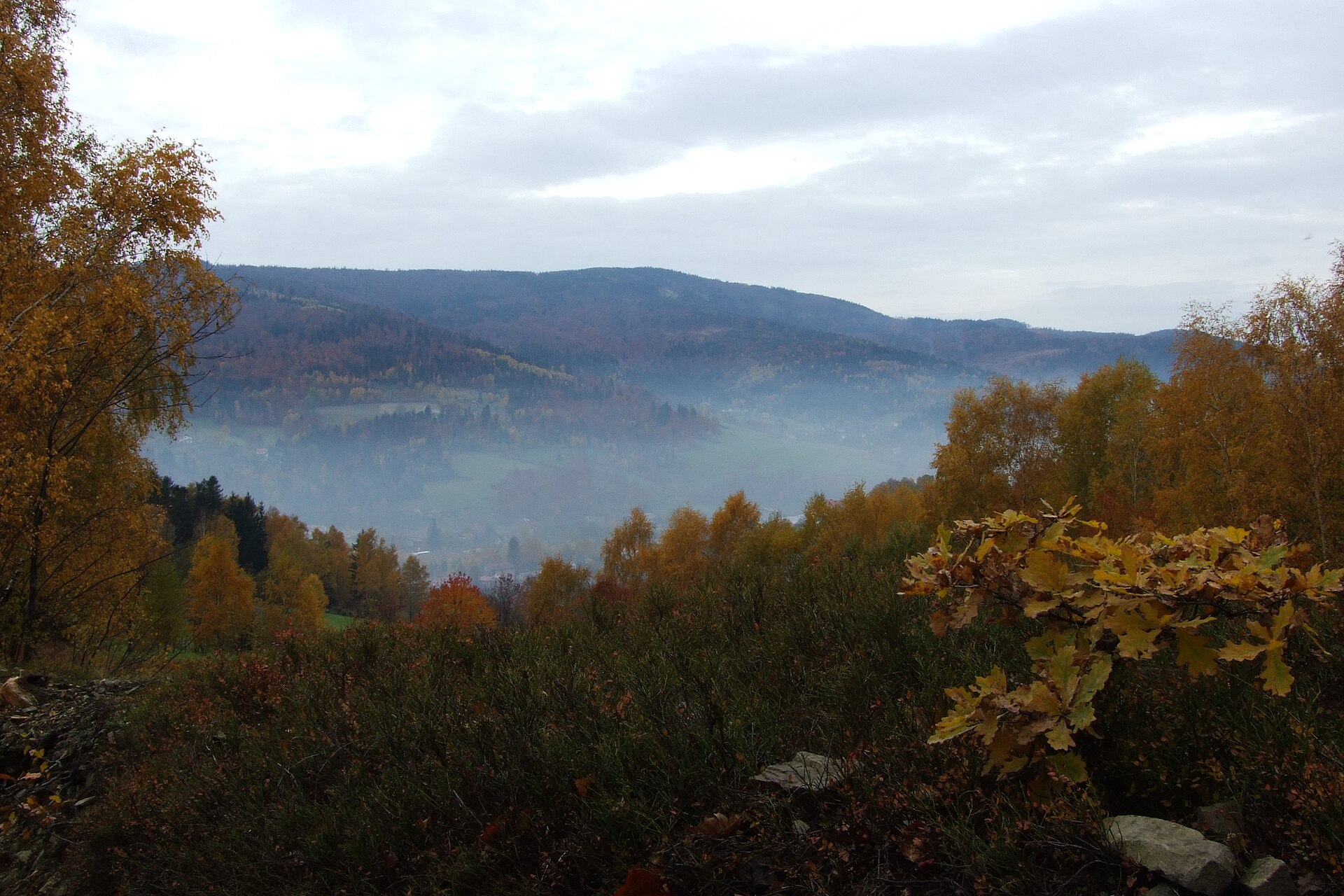
48 records
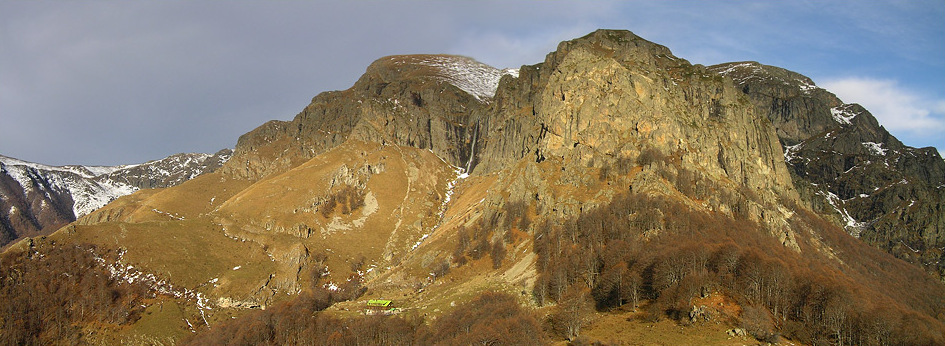
45 records
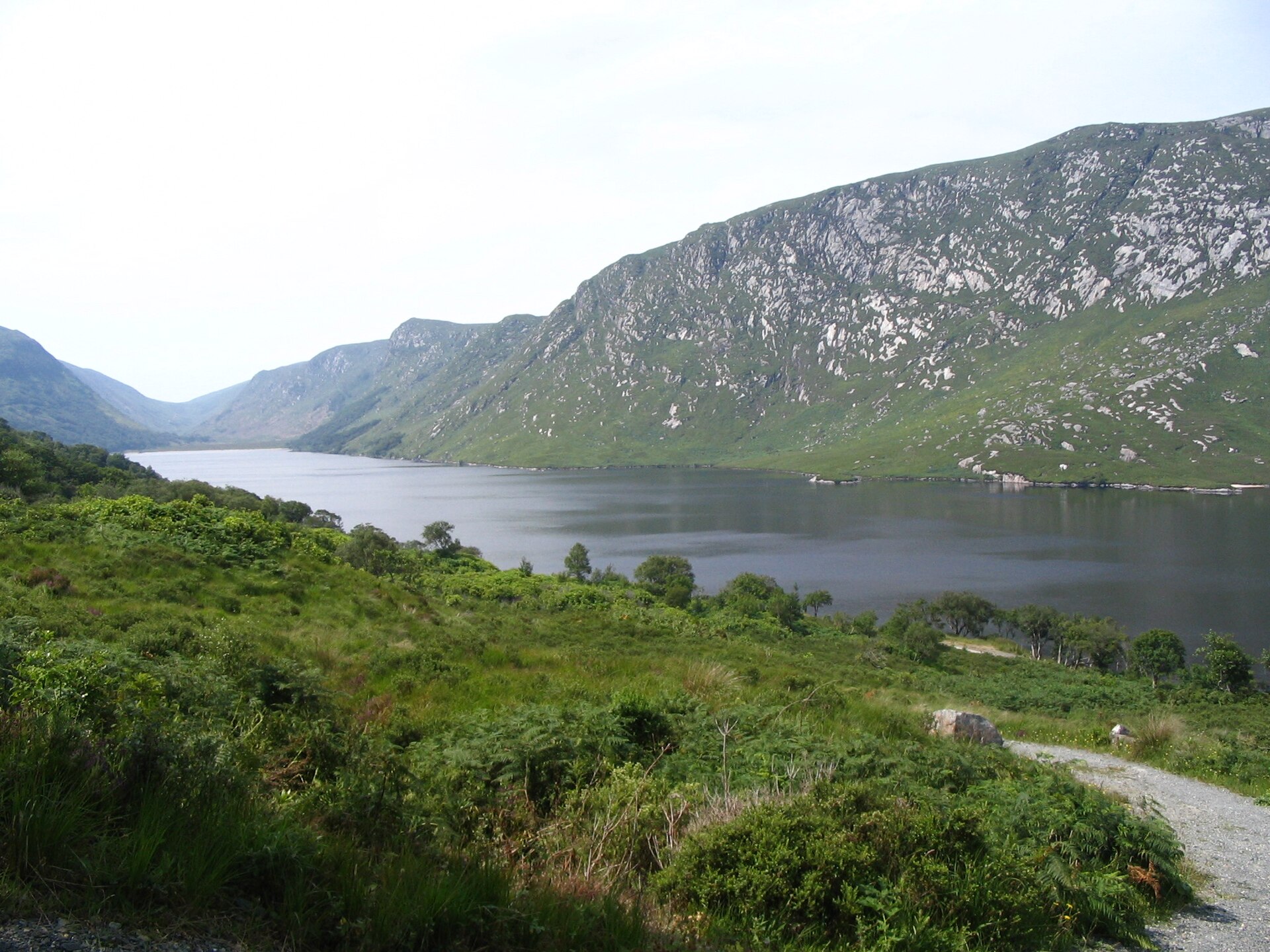
42 records
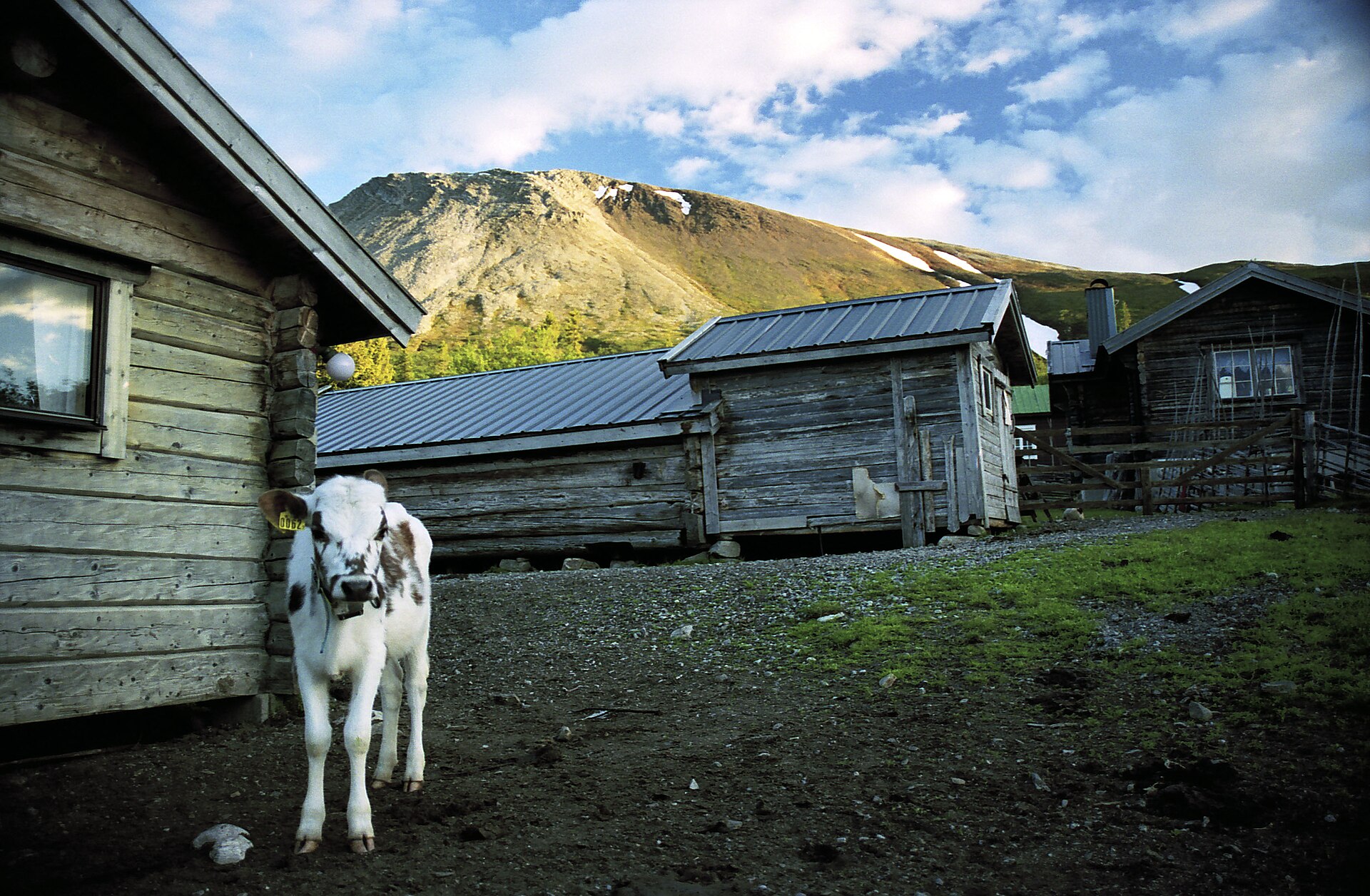
41 records

39 records

34 records

32 records
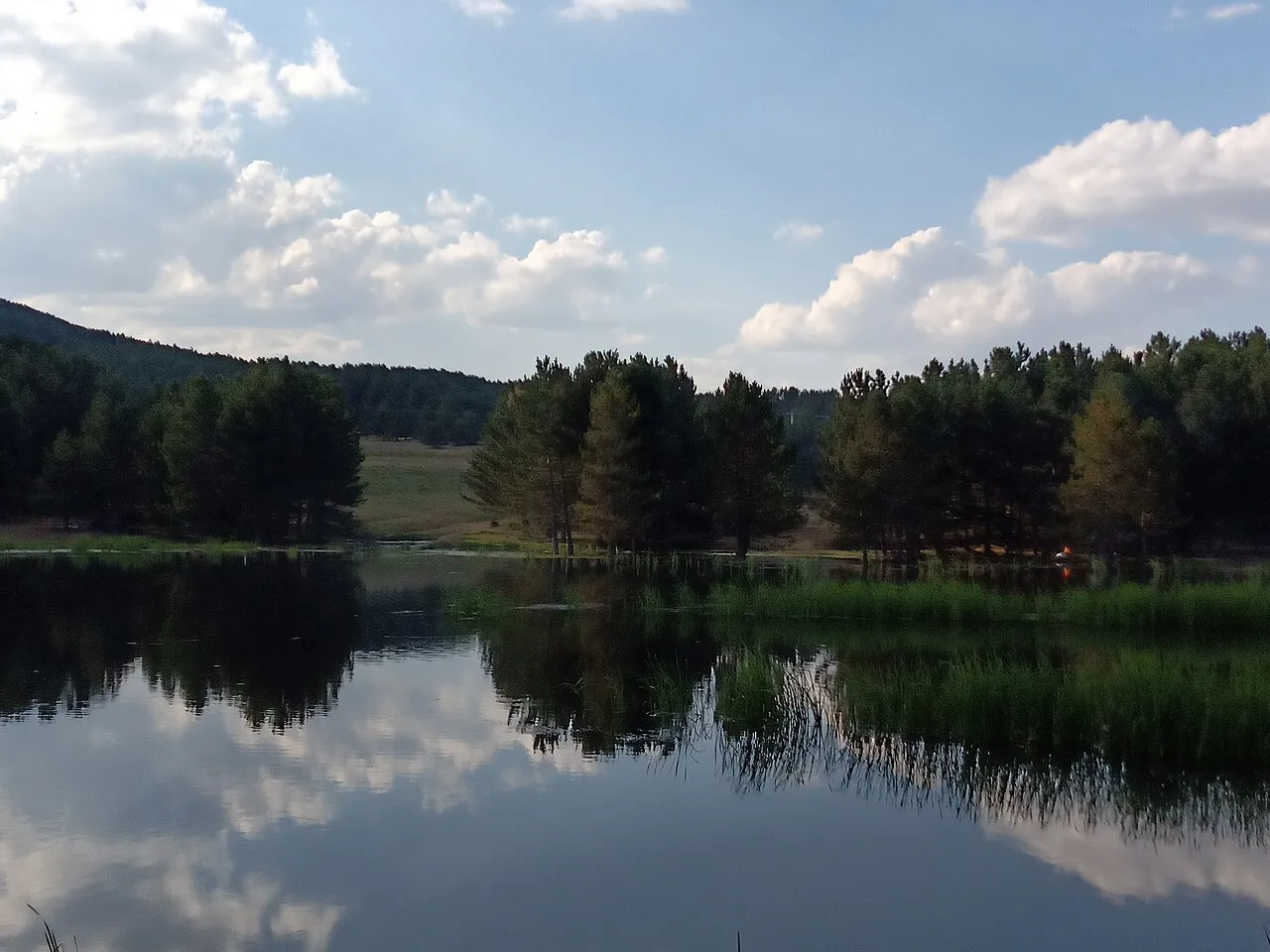
31 records

31 records
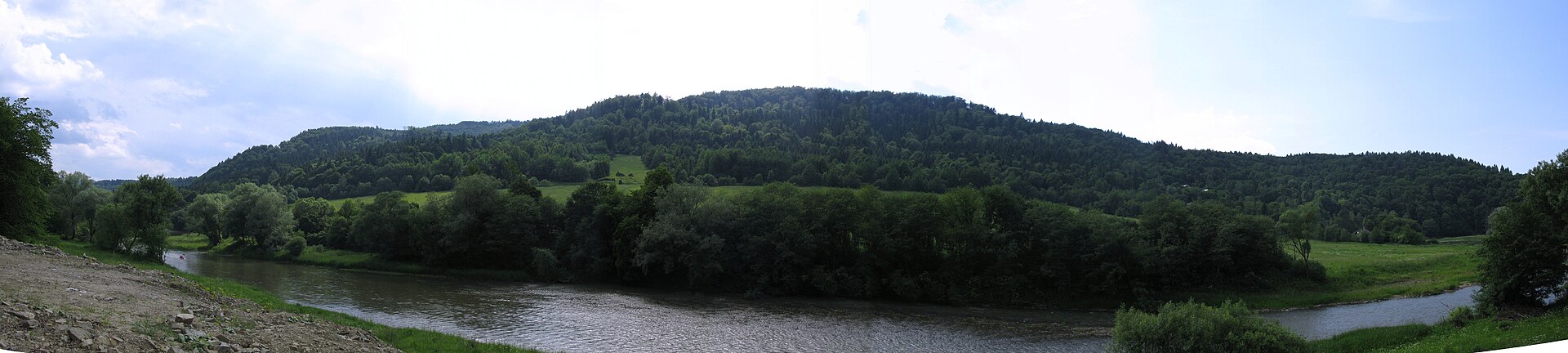
31 records
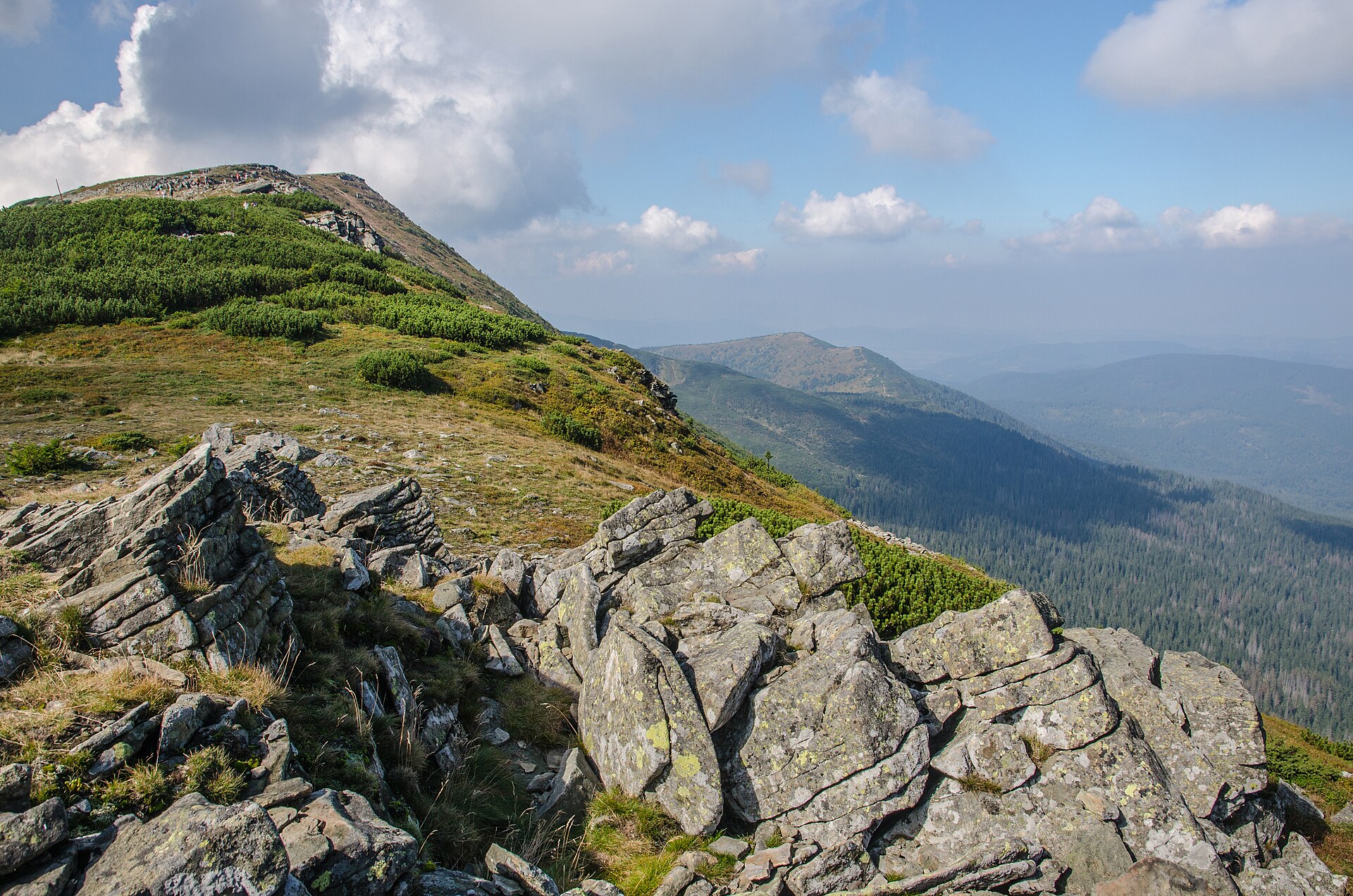
30 records
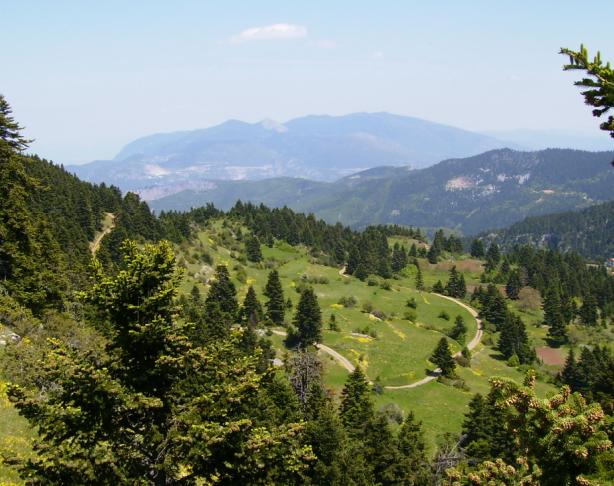
29 records
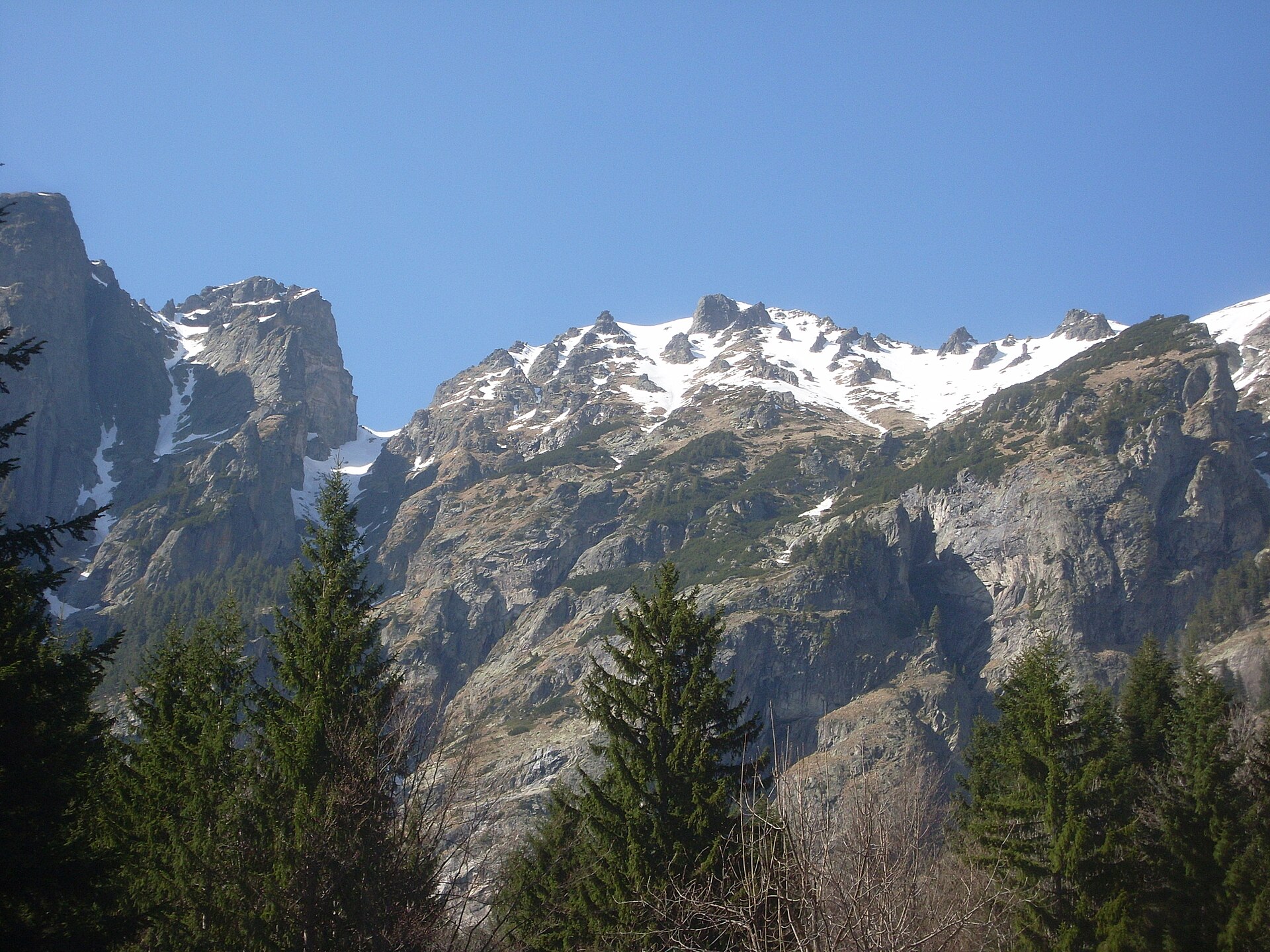
27 records
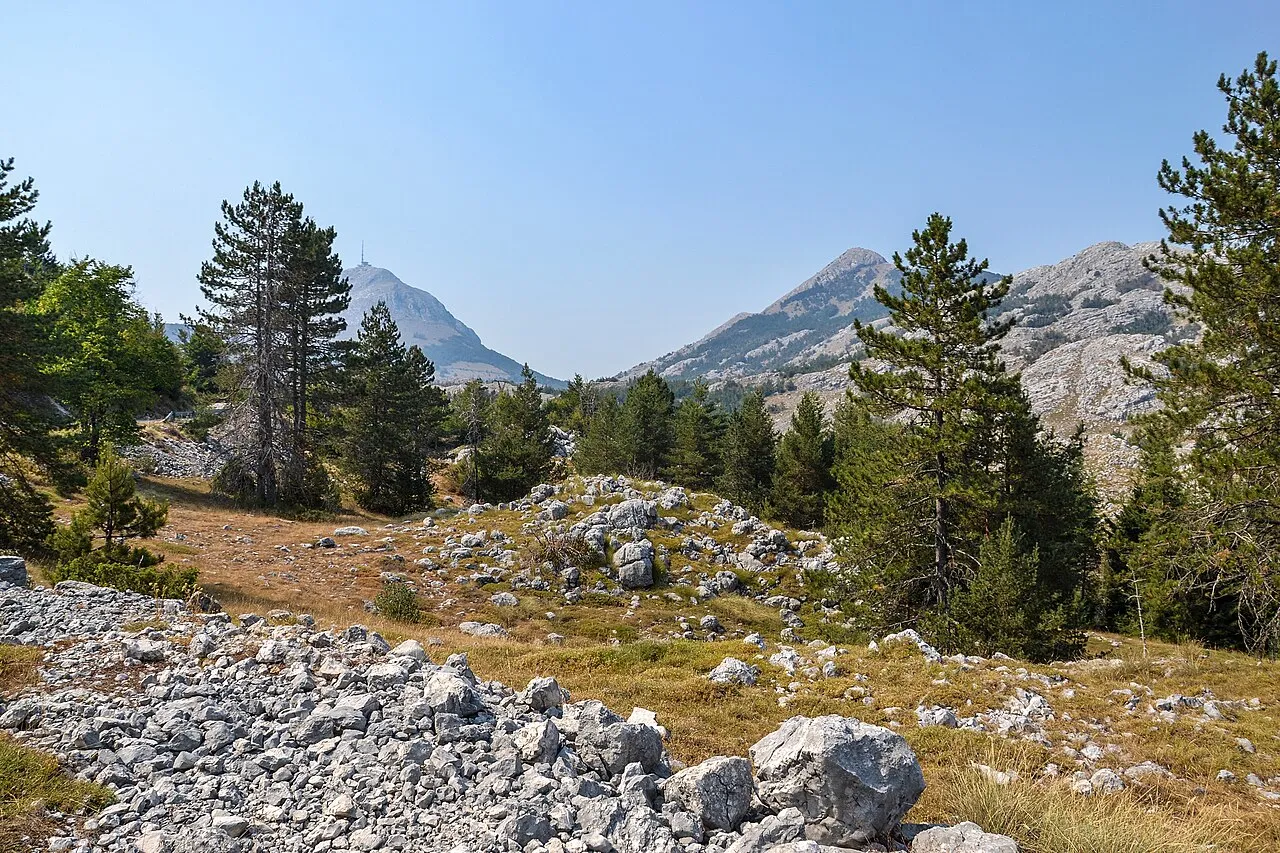
26 records
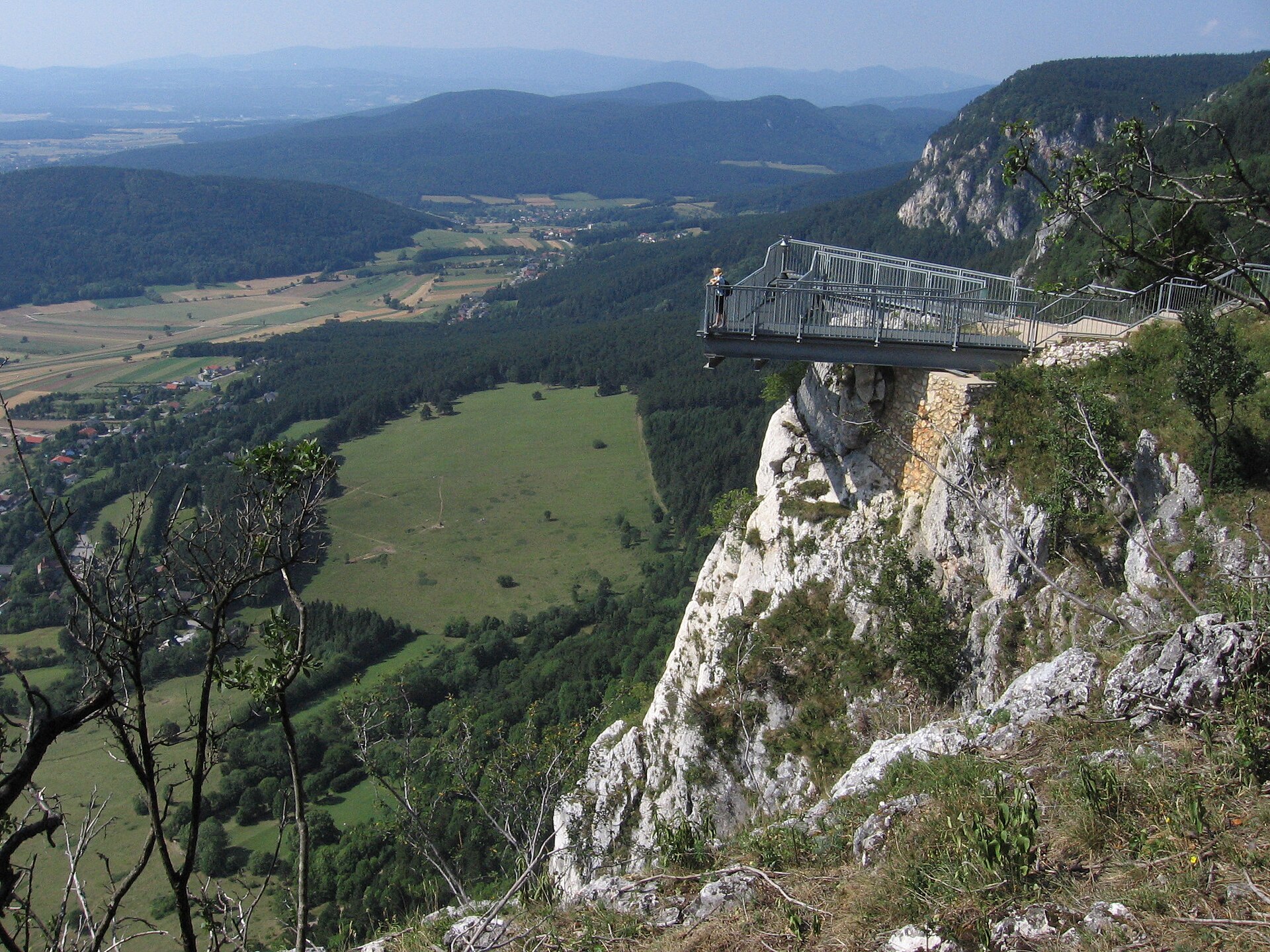
25 records
25 records

22 records

21 records
21 records
20 records
20 records

18 records

17 records
16 records
16 records
15 records

15 records

13 records
13 records
12 records

12 records
12 records
11 records

11 records

10 records
10 records
10 records
9 records

9 records
8 records
8 records
7 records
7 records
7 records
7 records
6 records
5 records
5 records
5 records
5 records

4 records

3 records
3 records
3 records
2 records
1 records
1 records

1 records
Natura 2000 · wintering, passage, breeding
Natura 2000 · resident

Natura 2000 · resident
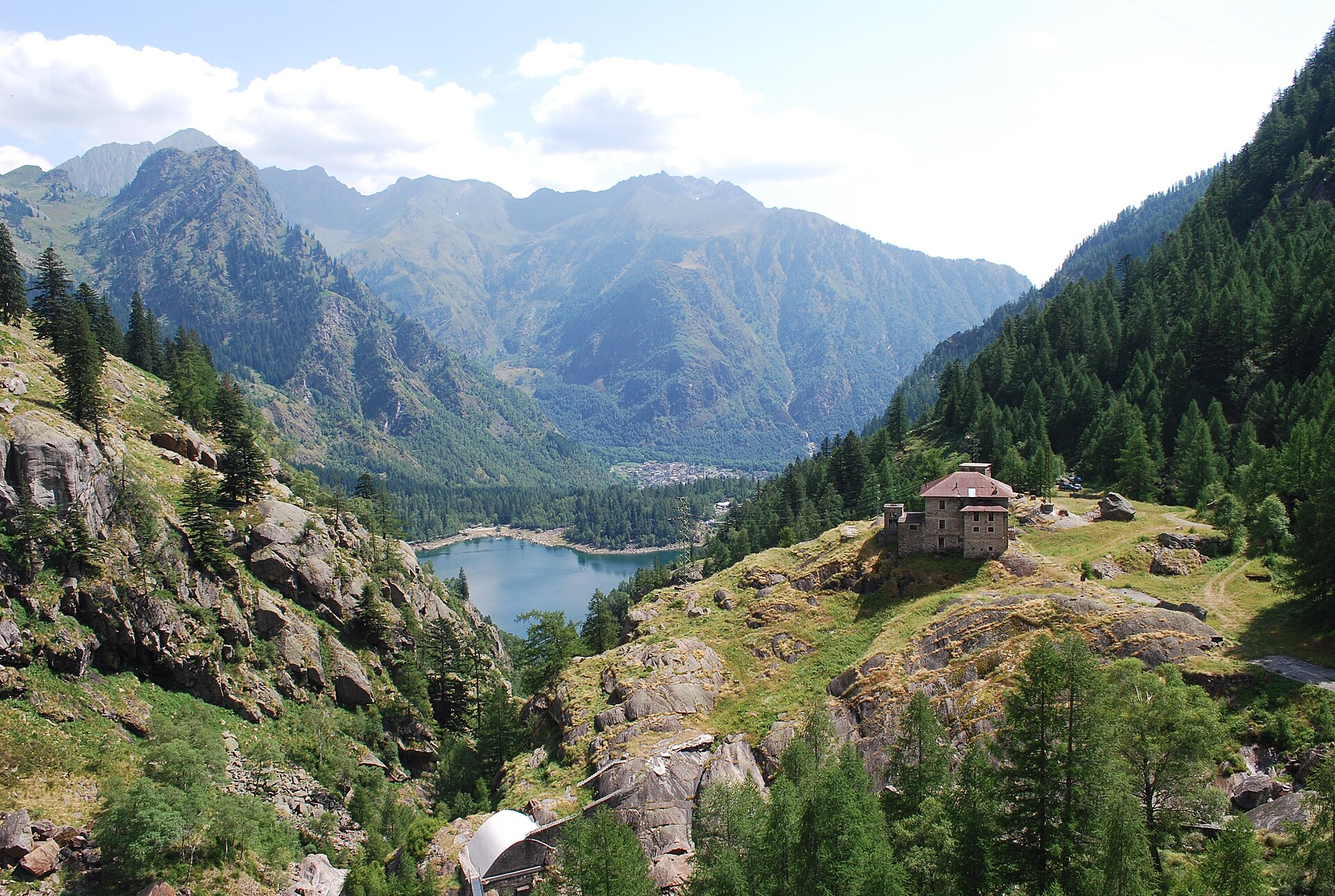
Natura 2000 · resident

Natura 2000 · breeding, wintering, passage
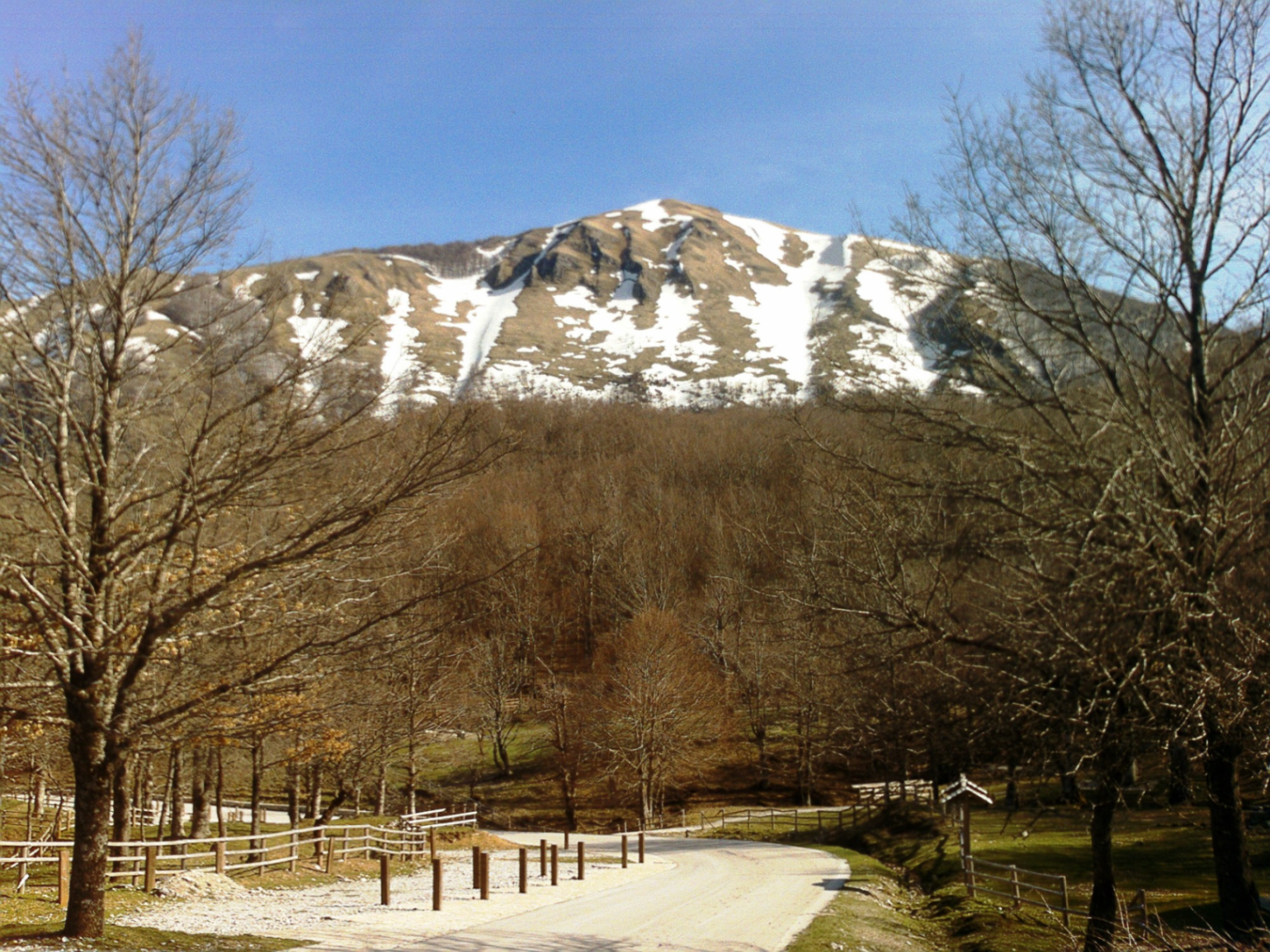
Natura 2000 · resident, breeding
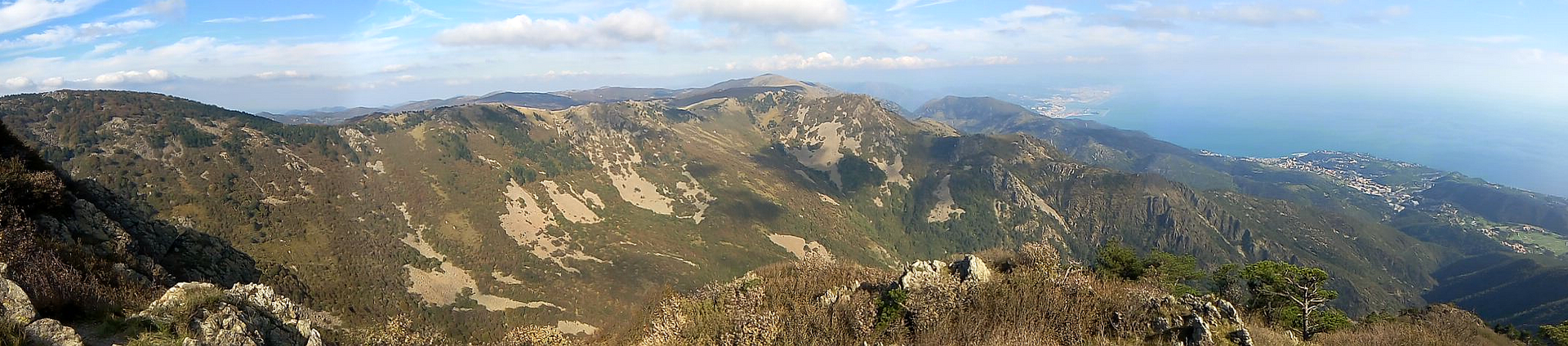
Natura 2000 · passage
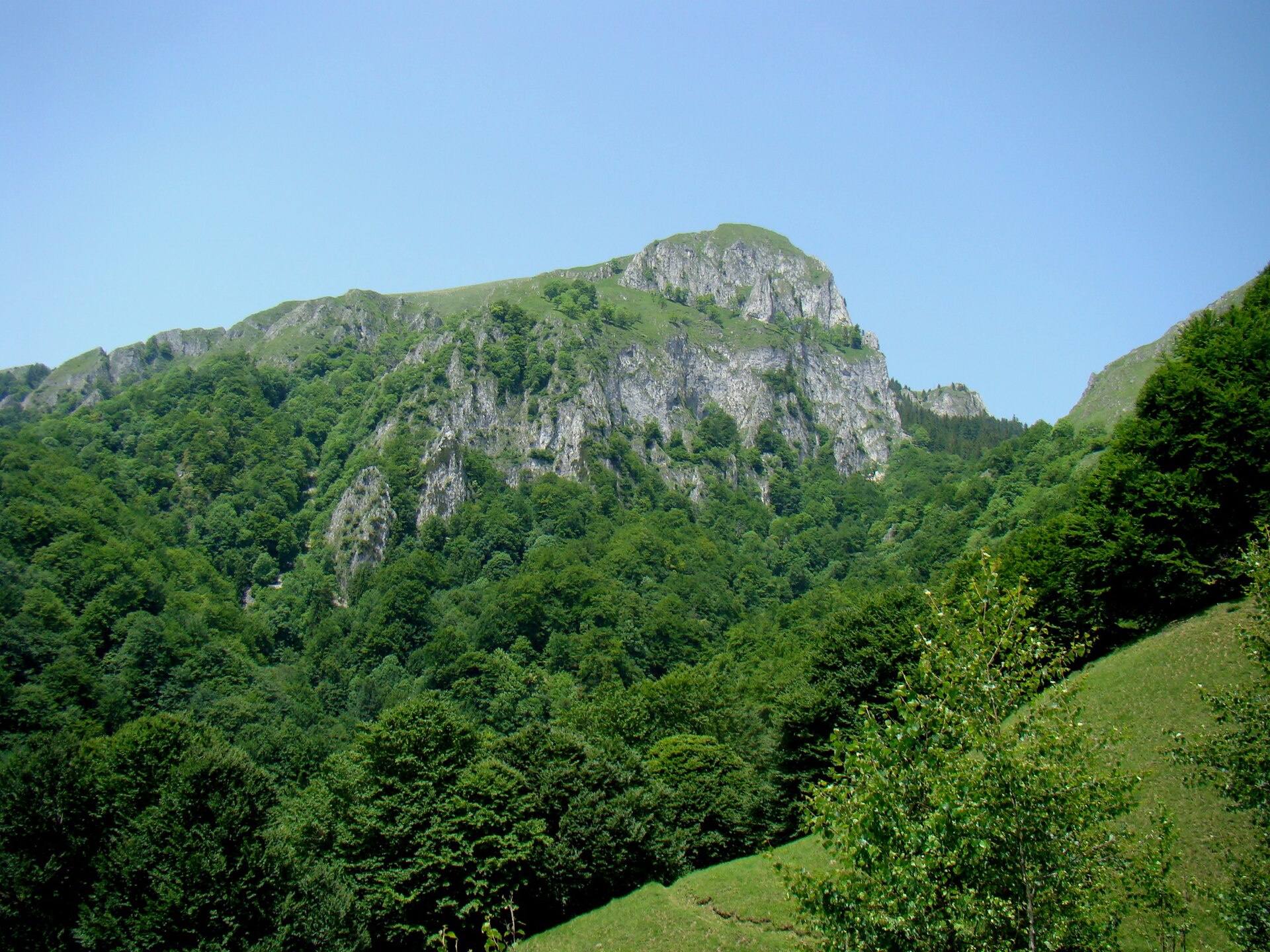
Natura 2000 · breeding
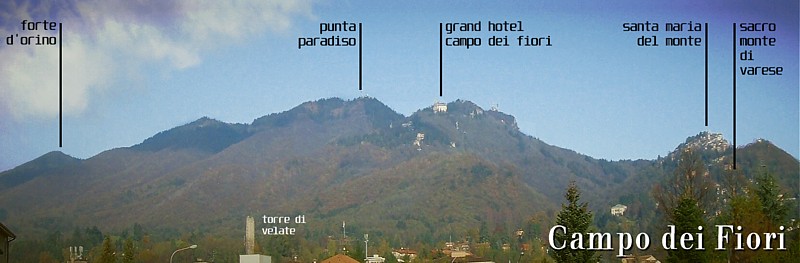
Natura 2000 · breeding
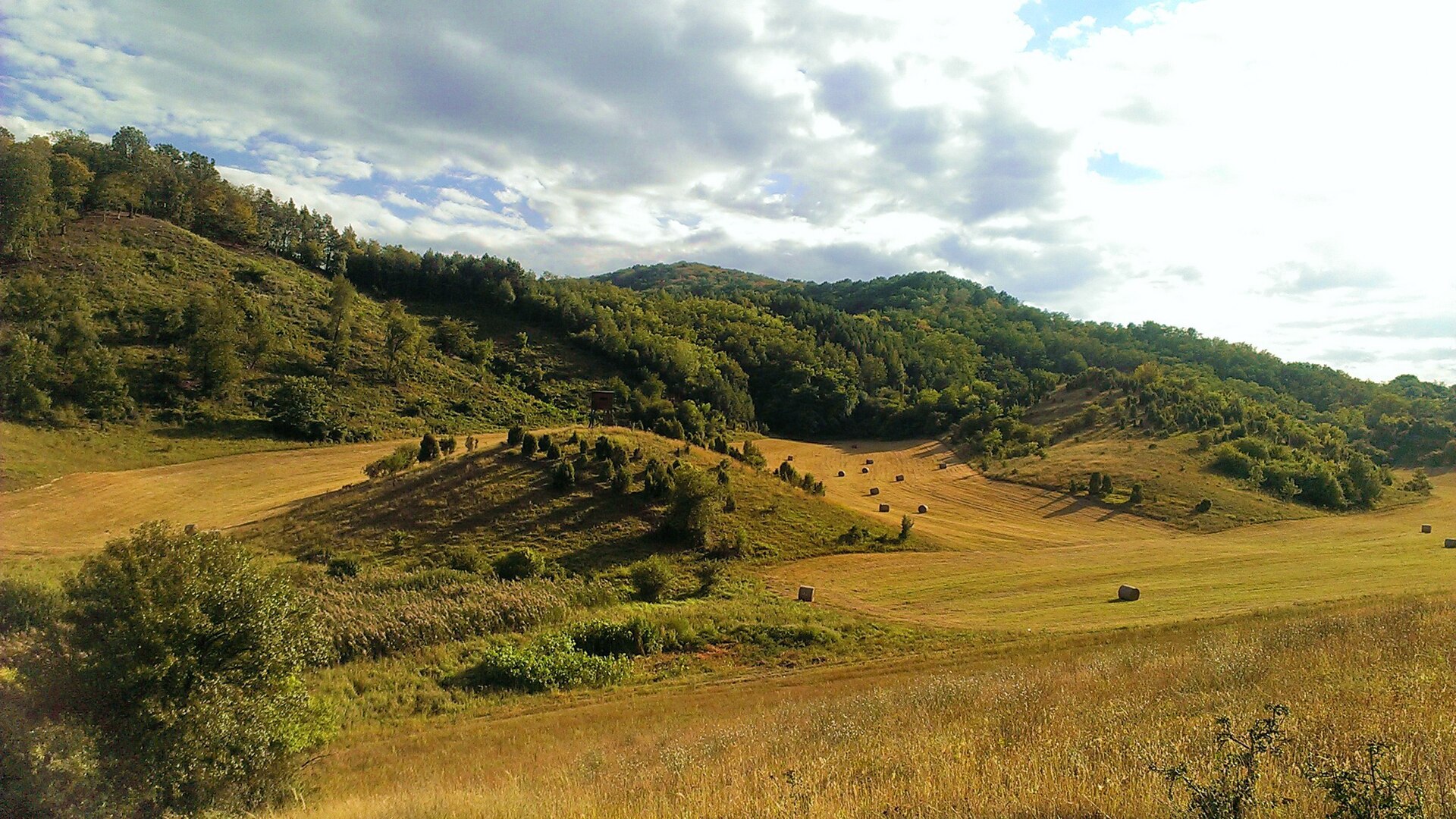
Natura 2000
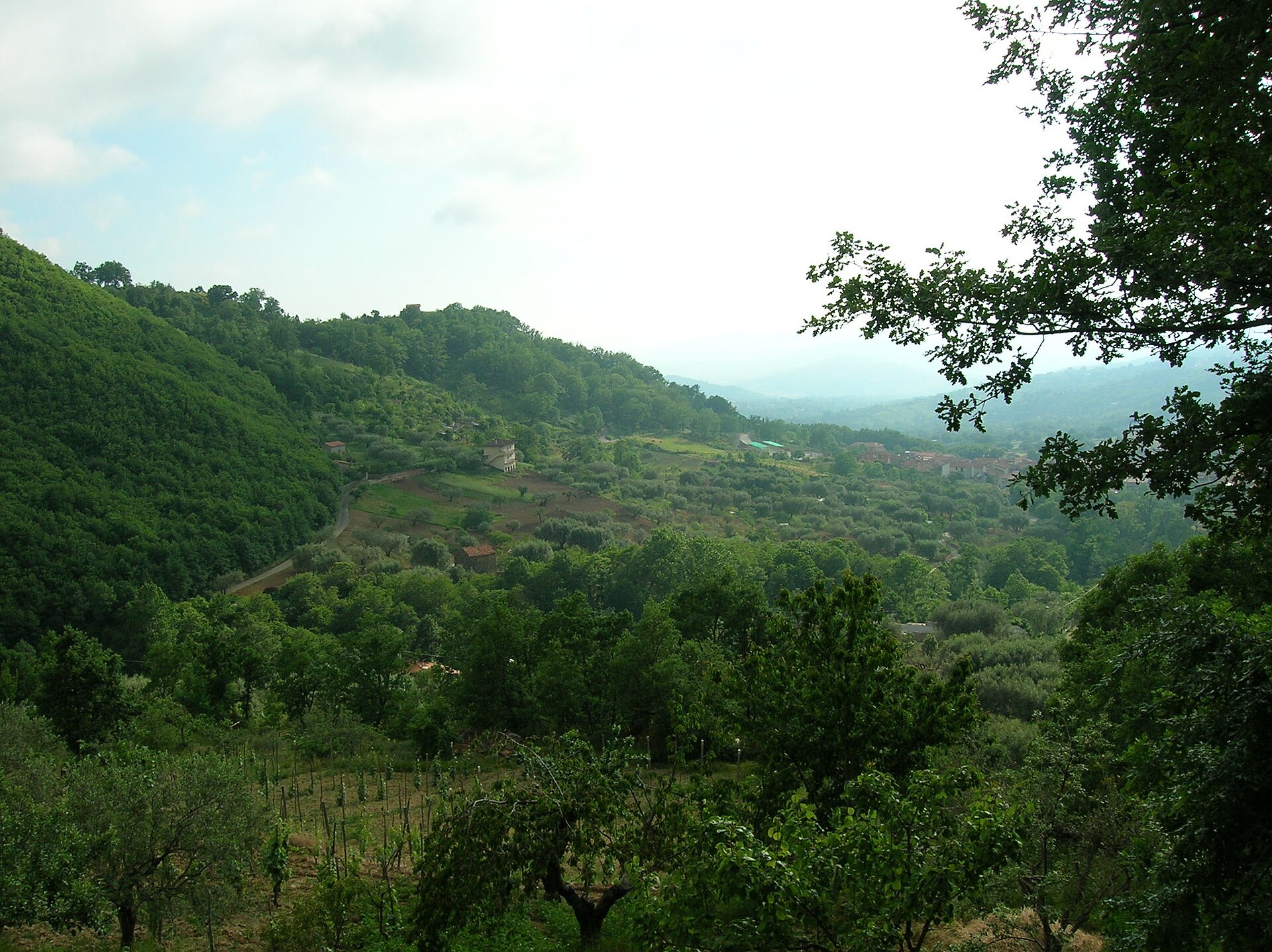
Natura 2000 · passage, breeding
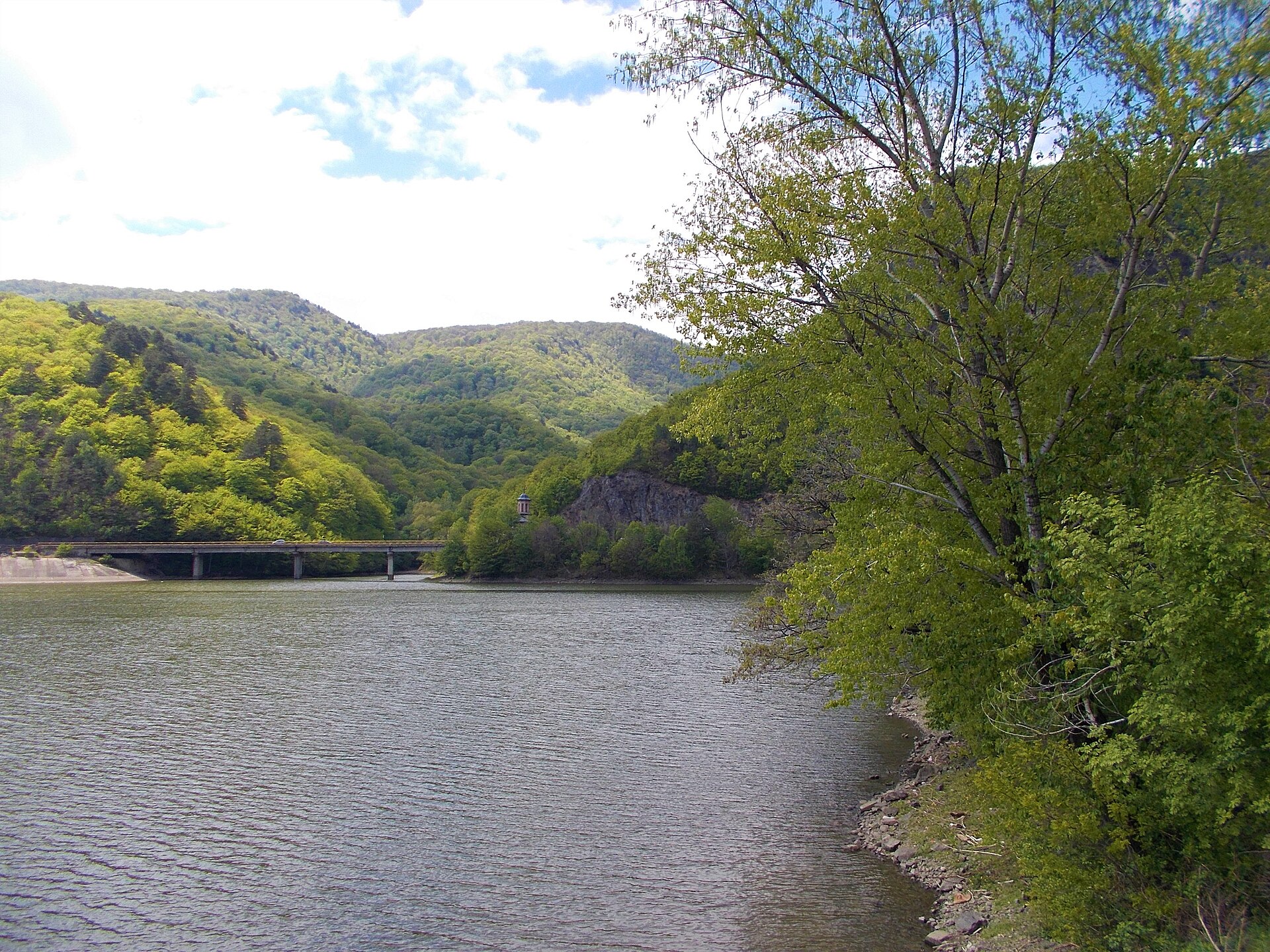
Natura 2000 · breeding
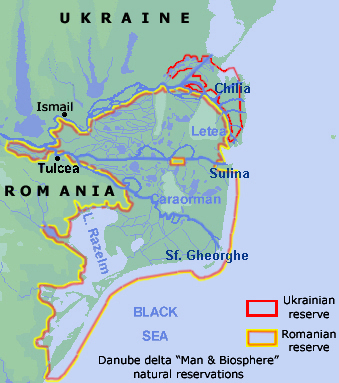
Natura 2000 · passage

Natura 2000 · breeding

Natura 2000 · wintering, passage
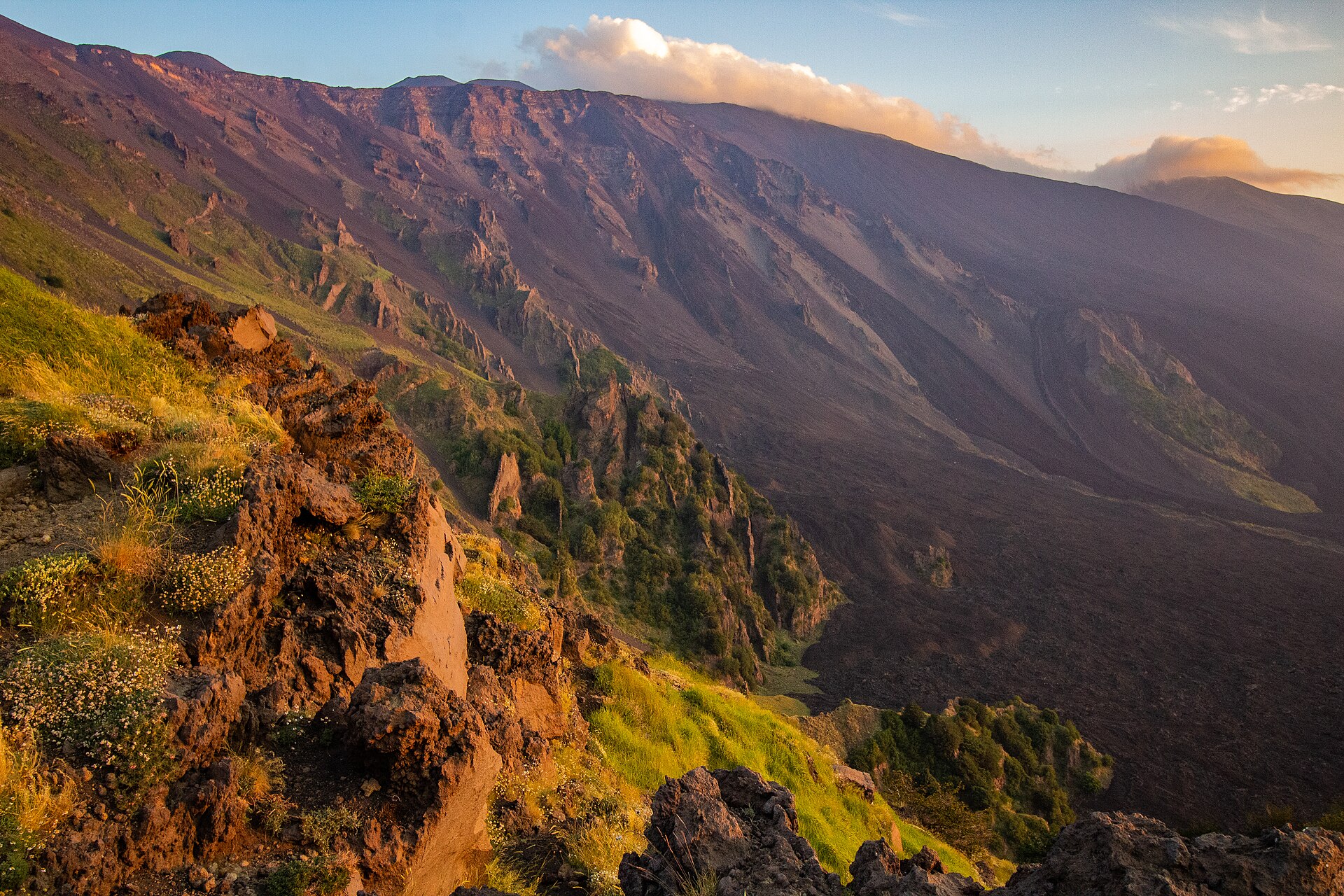
Natura 2000 · resident
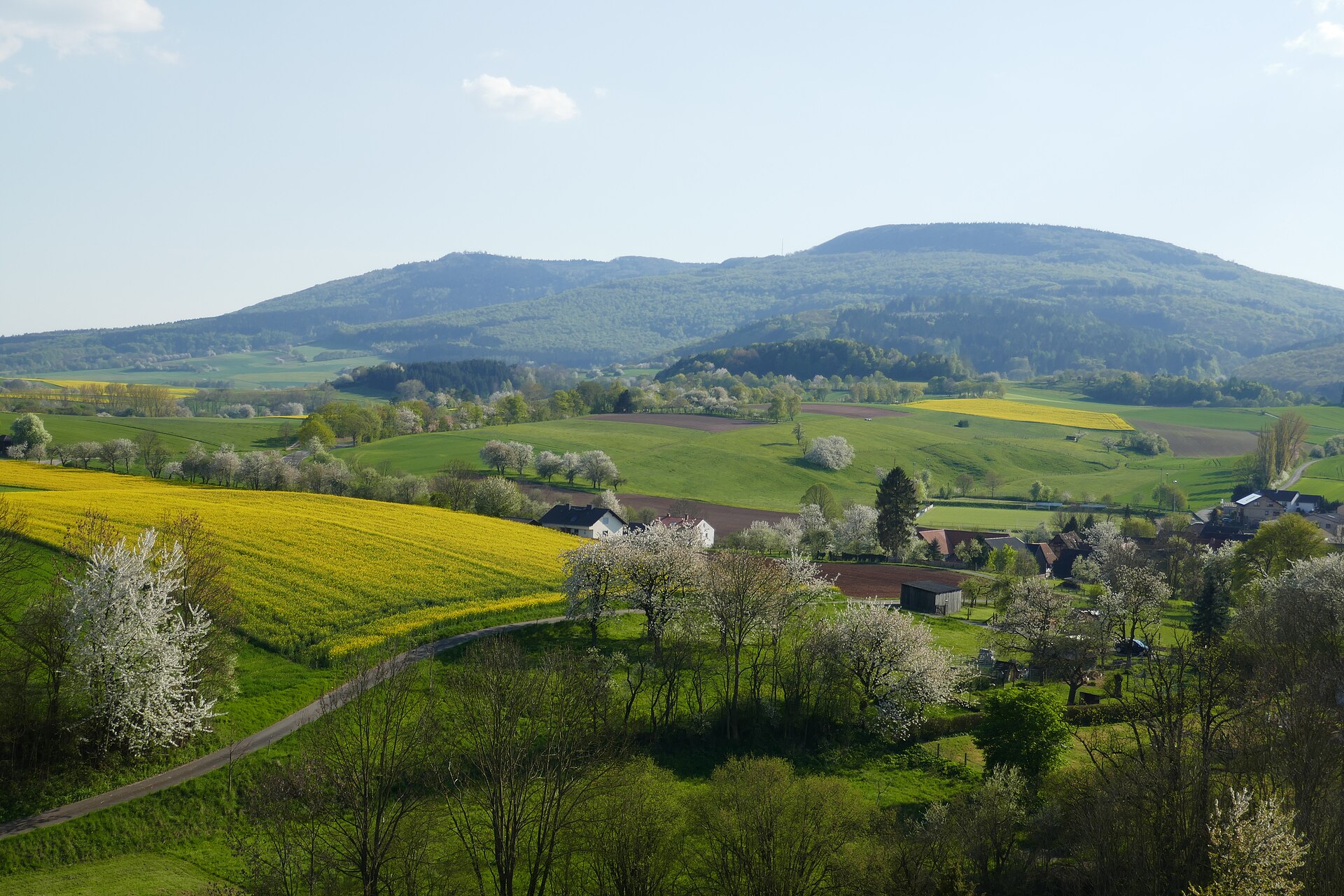
Natura 2000 · resident
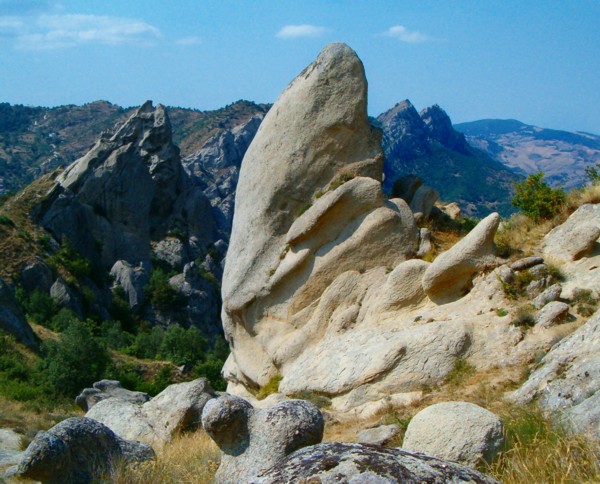
Natura 2000 · resident

Natura 2000 · breeding
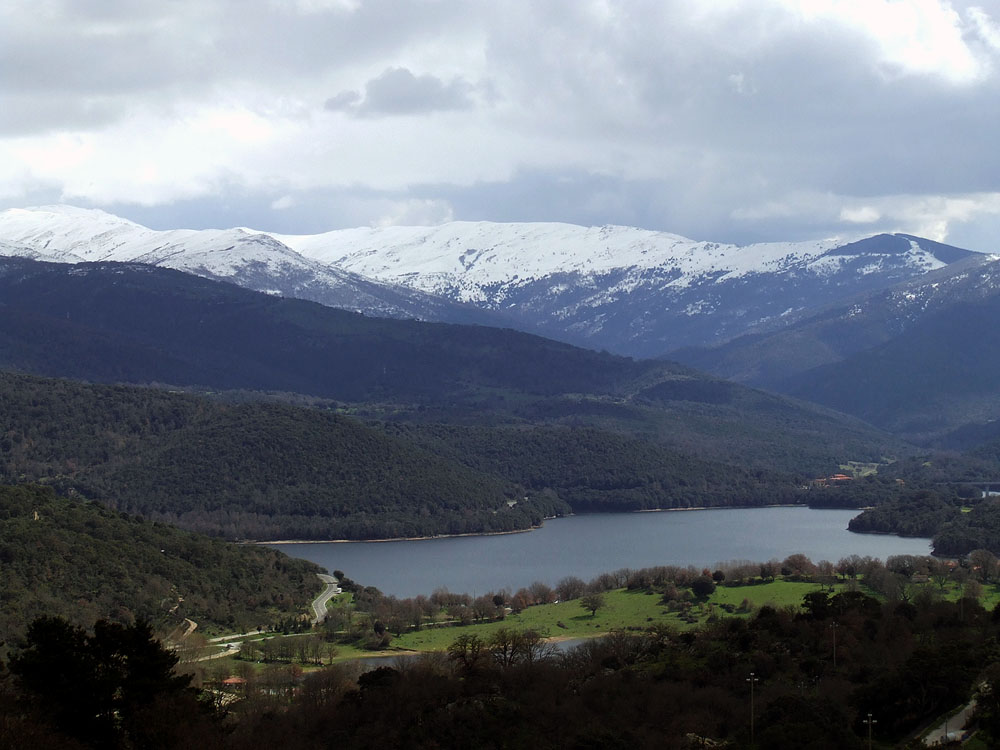
Natura 2000 · passage, resident, wintering, breeding
Natura 2000 · passage

Natura 2000 · breeding
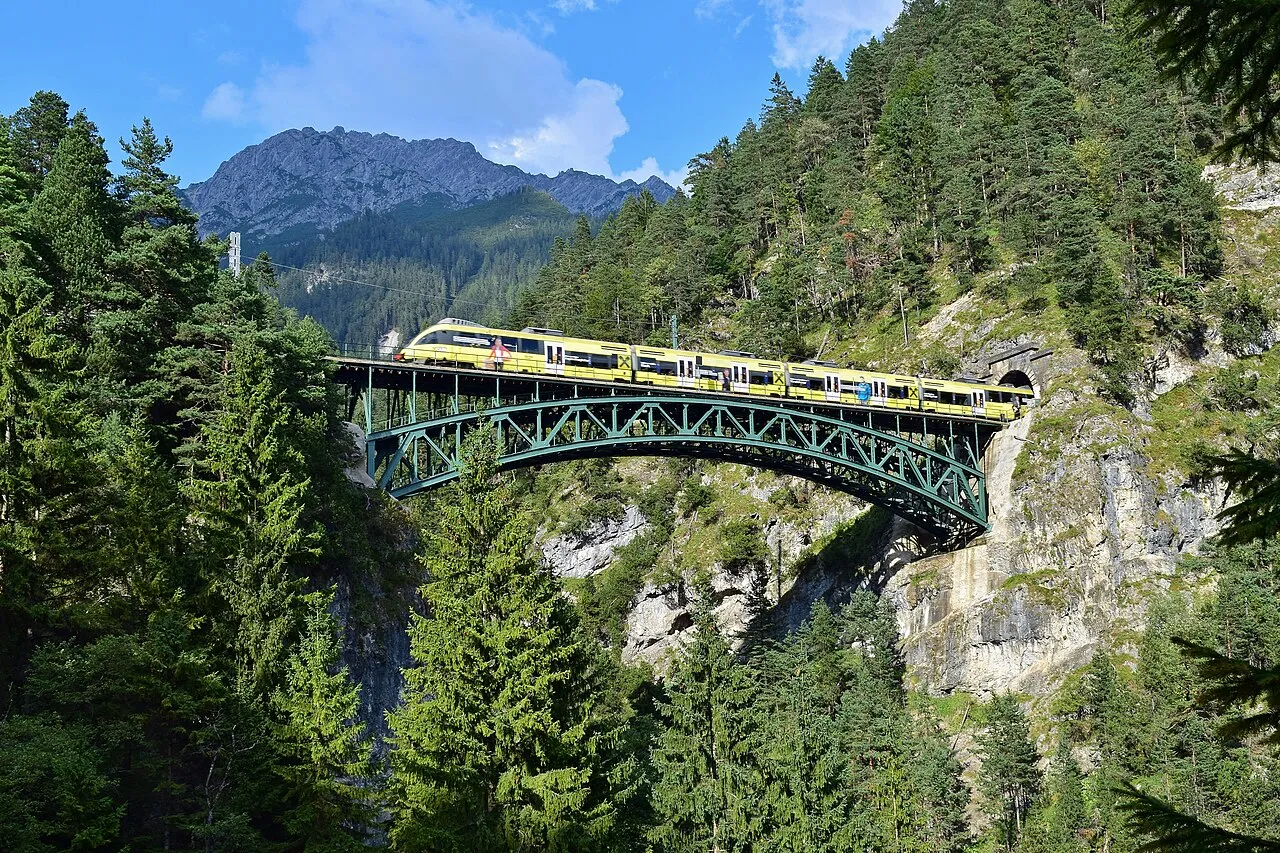
Natura 2000 · breeding
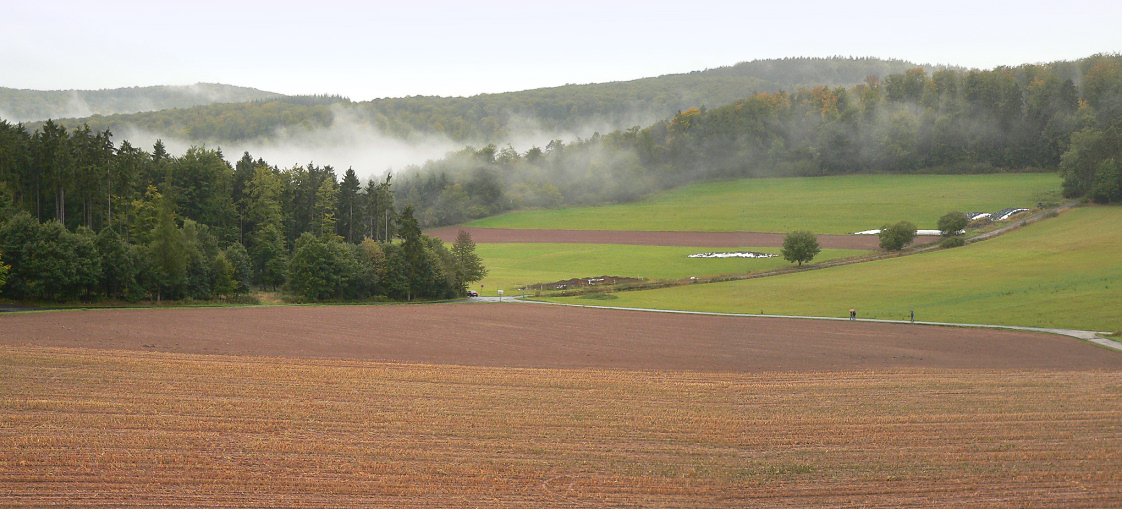
Natura 2000 · breeding
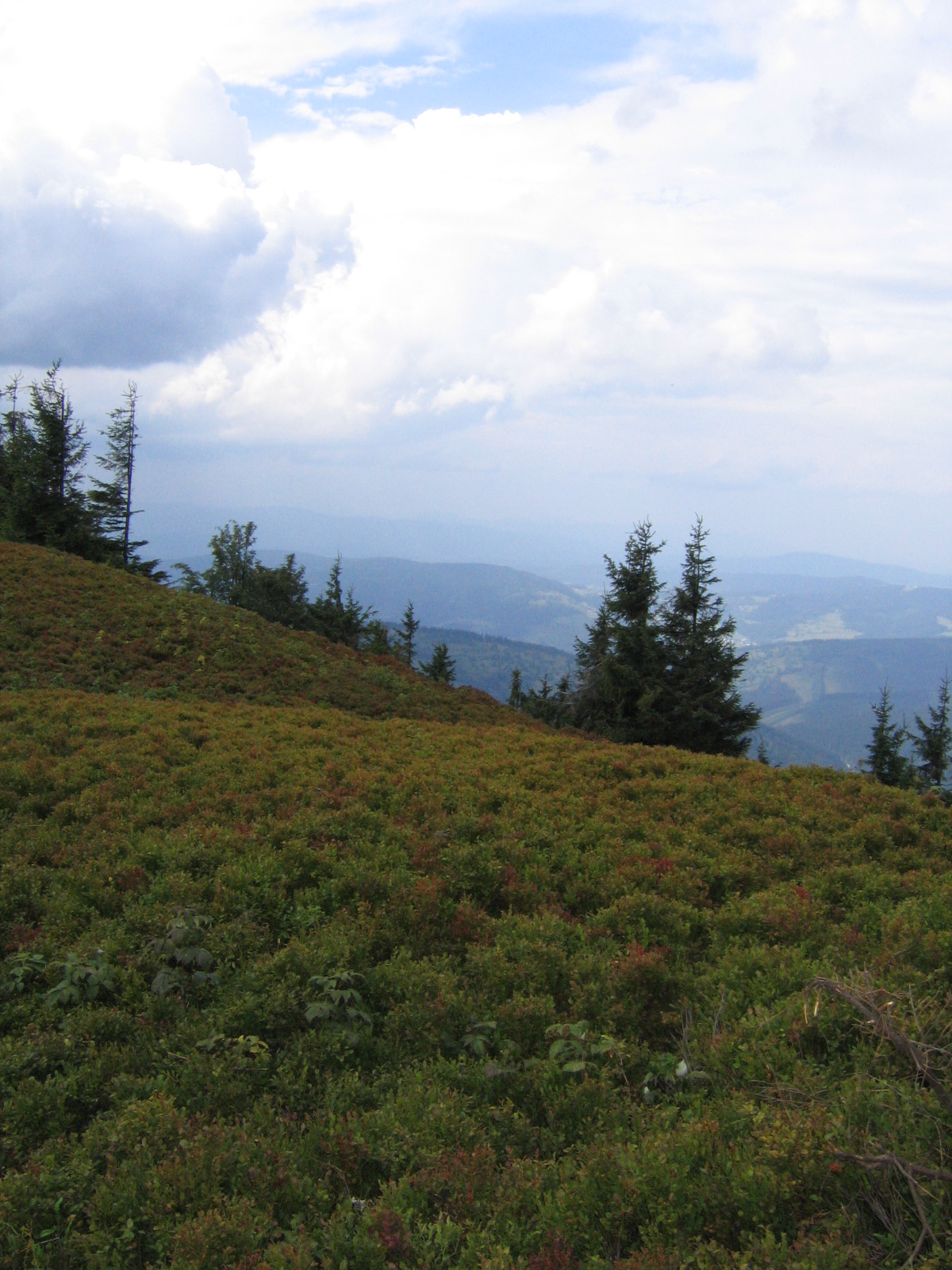
Natura 2000
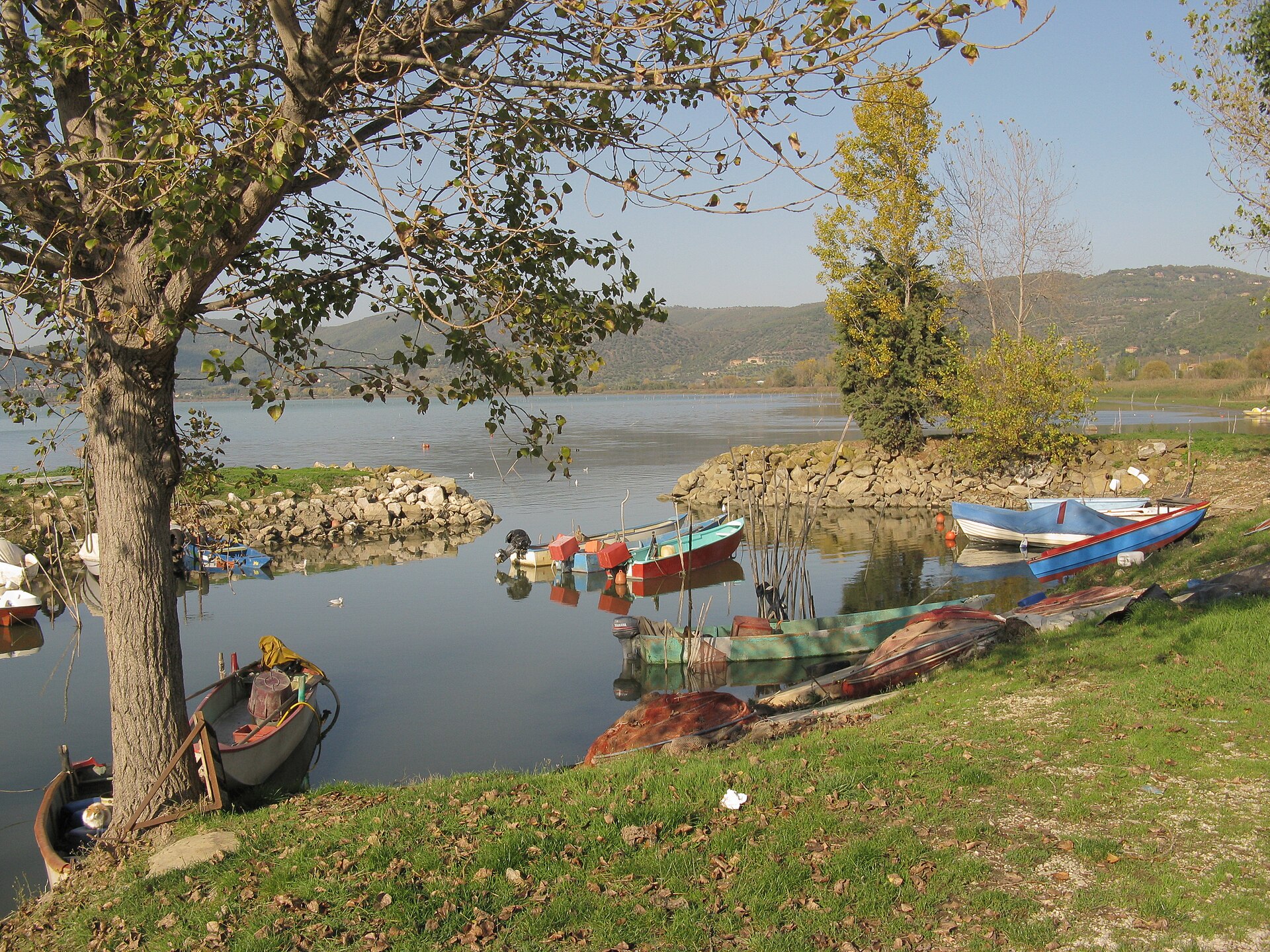
Natura 2000

Natura 2000
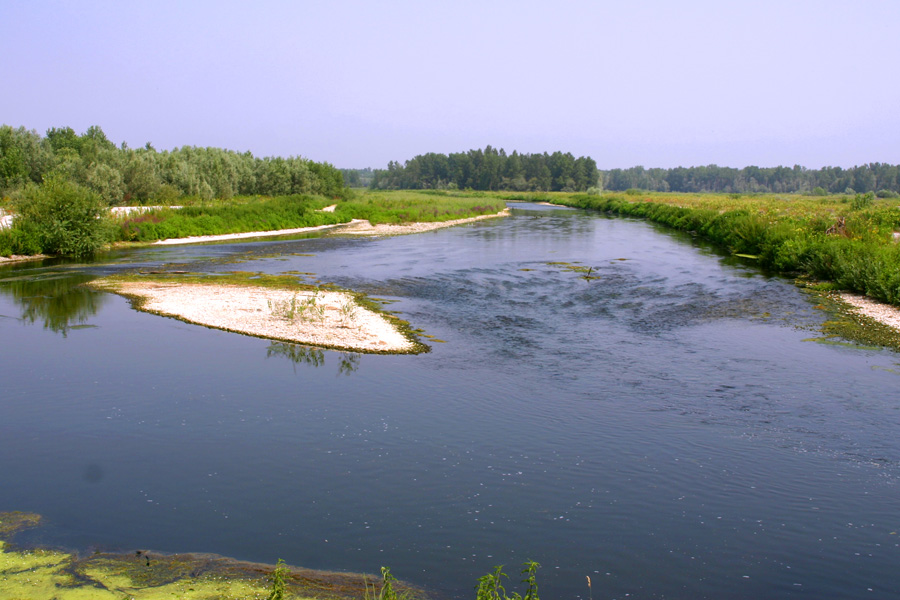
Natura 2000 · passage, wintering
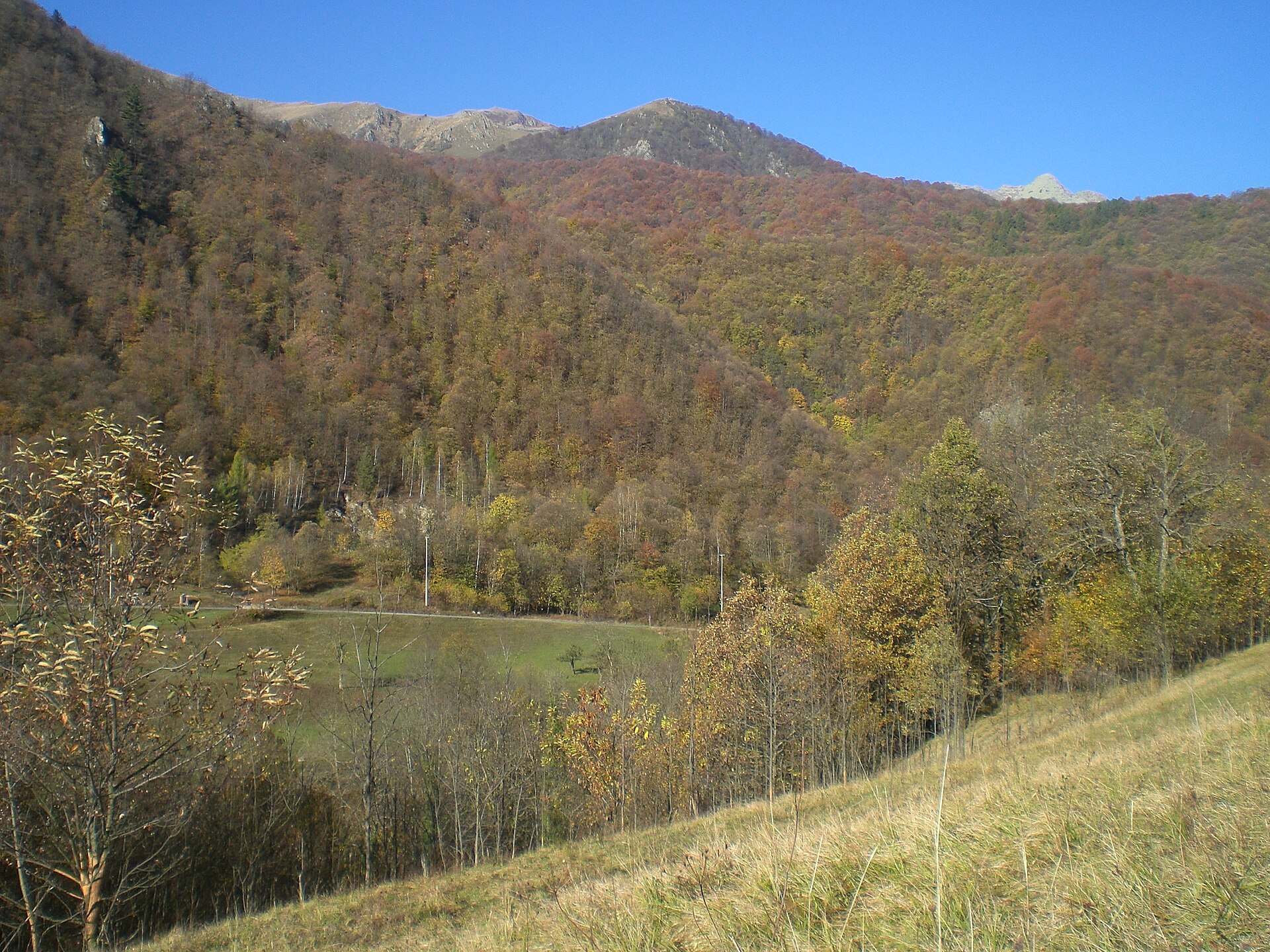
Natura 2000 · breeding, wintering
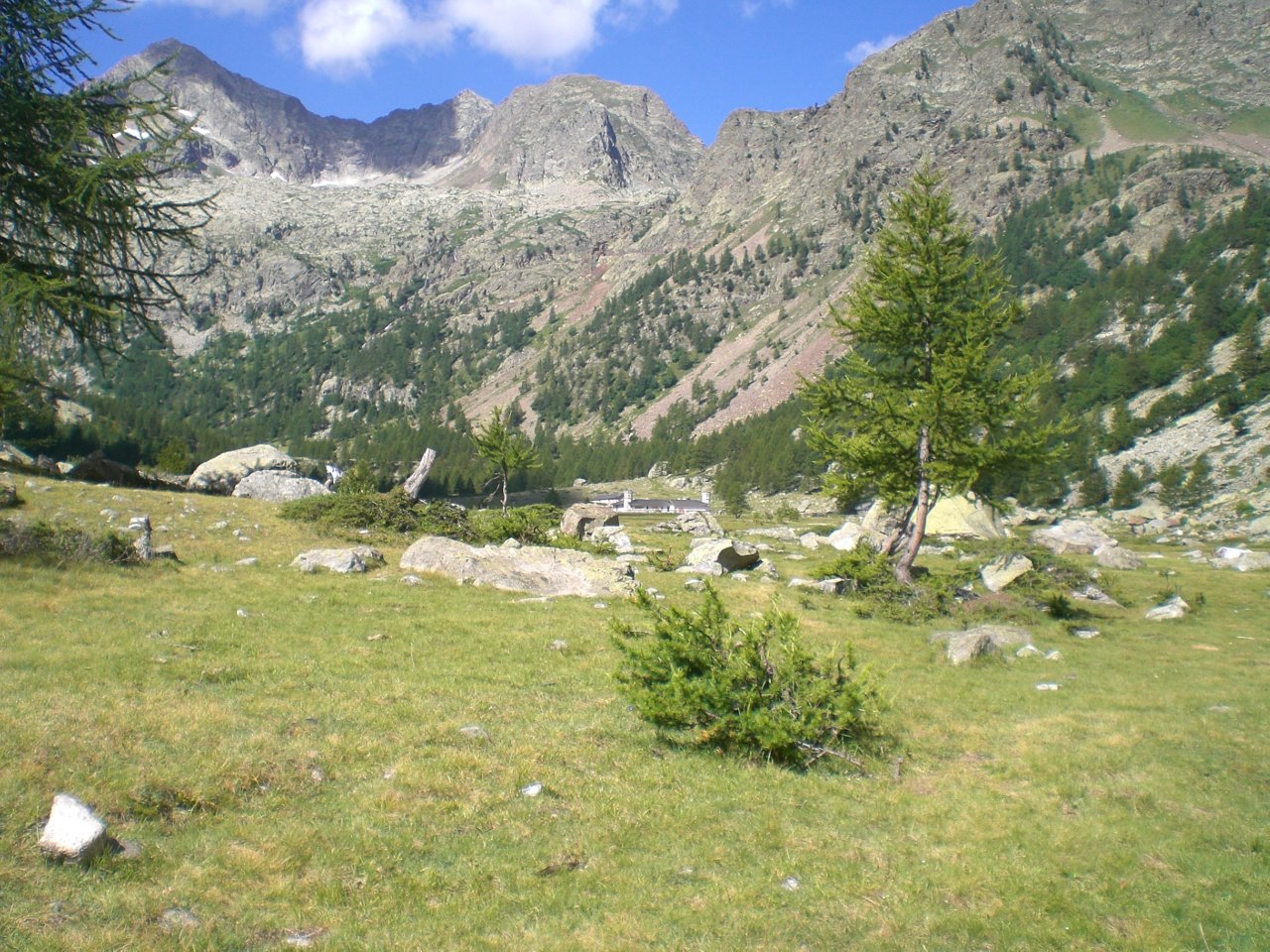
Natura 2000 · breeding
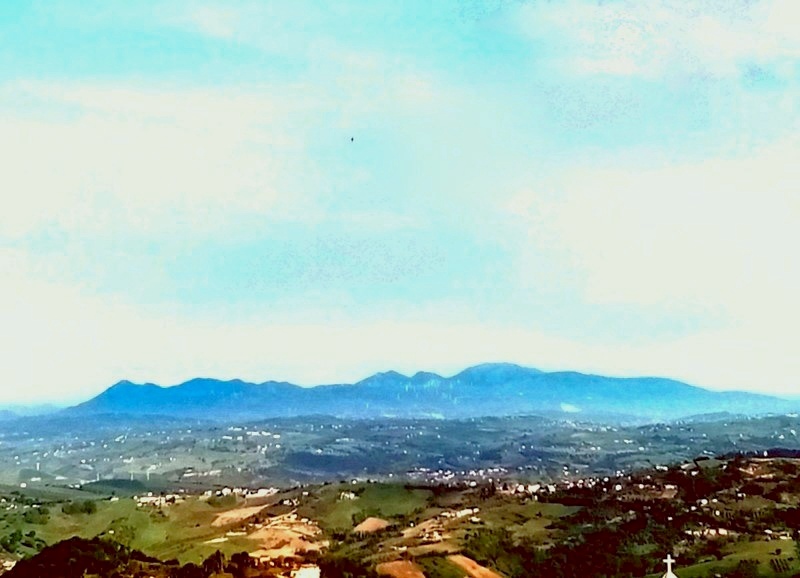
Natura 2000 · resident
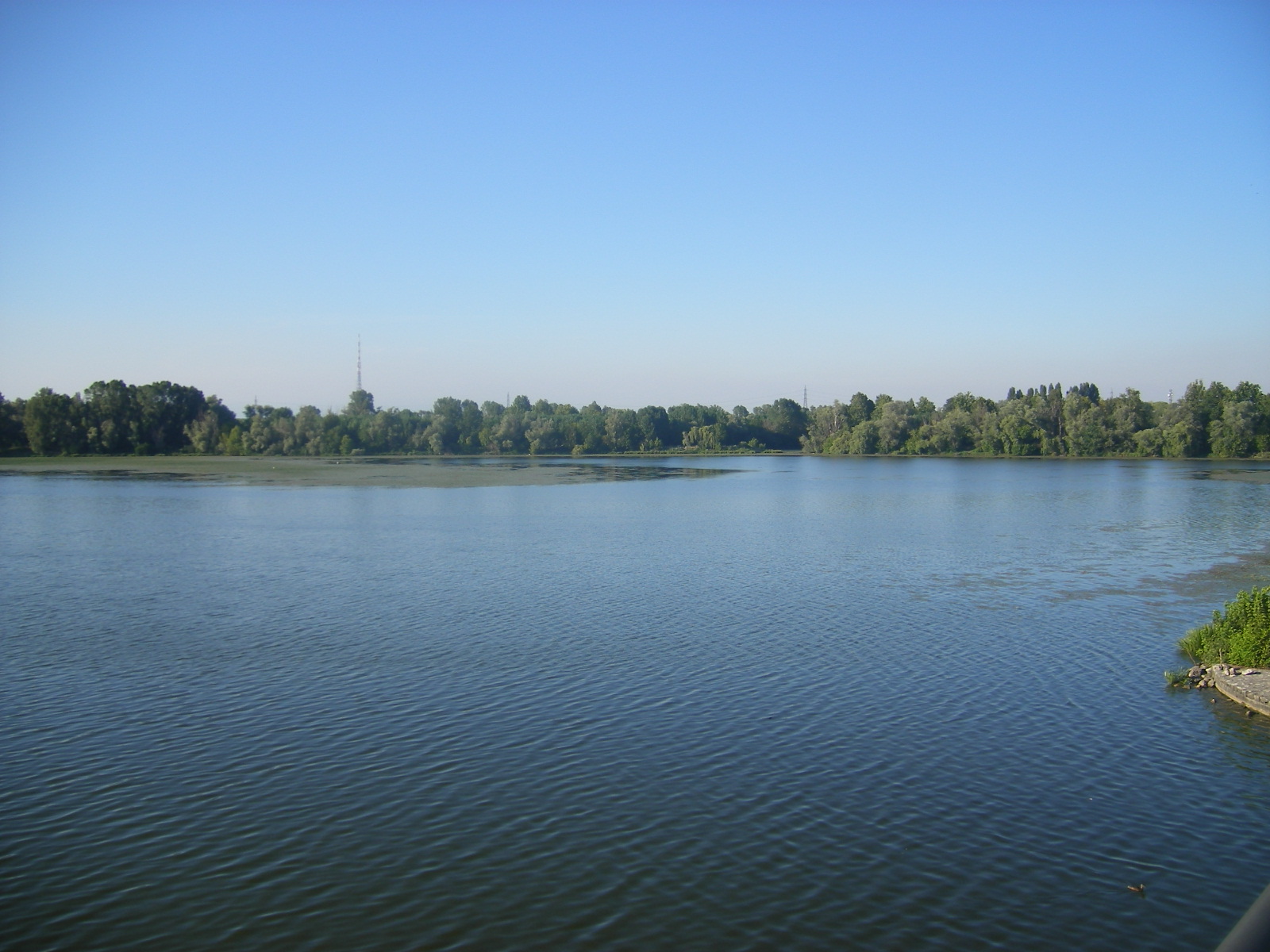
Natura 2000 · passage, wintering
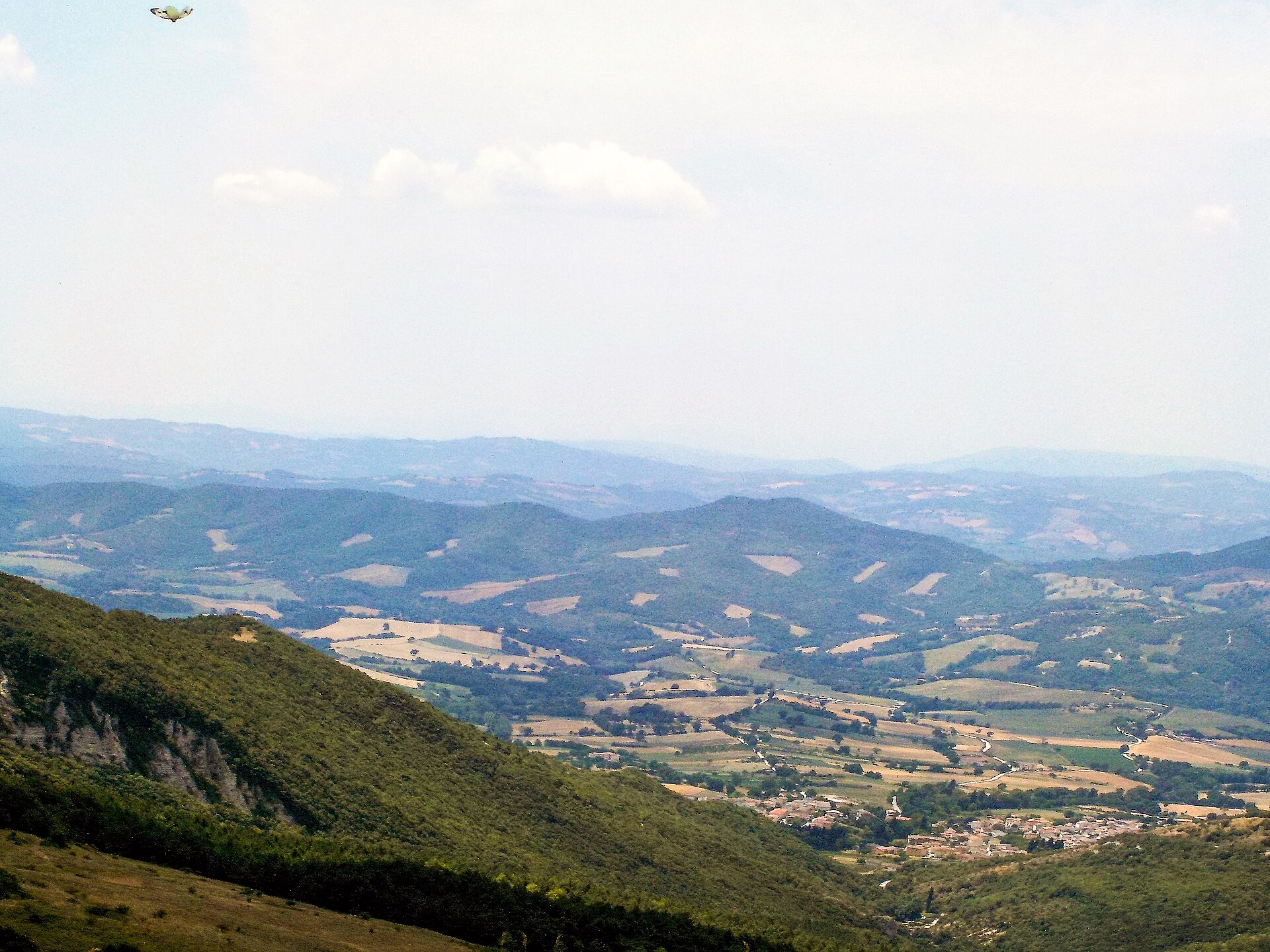
Natura 2000 · breeding
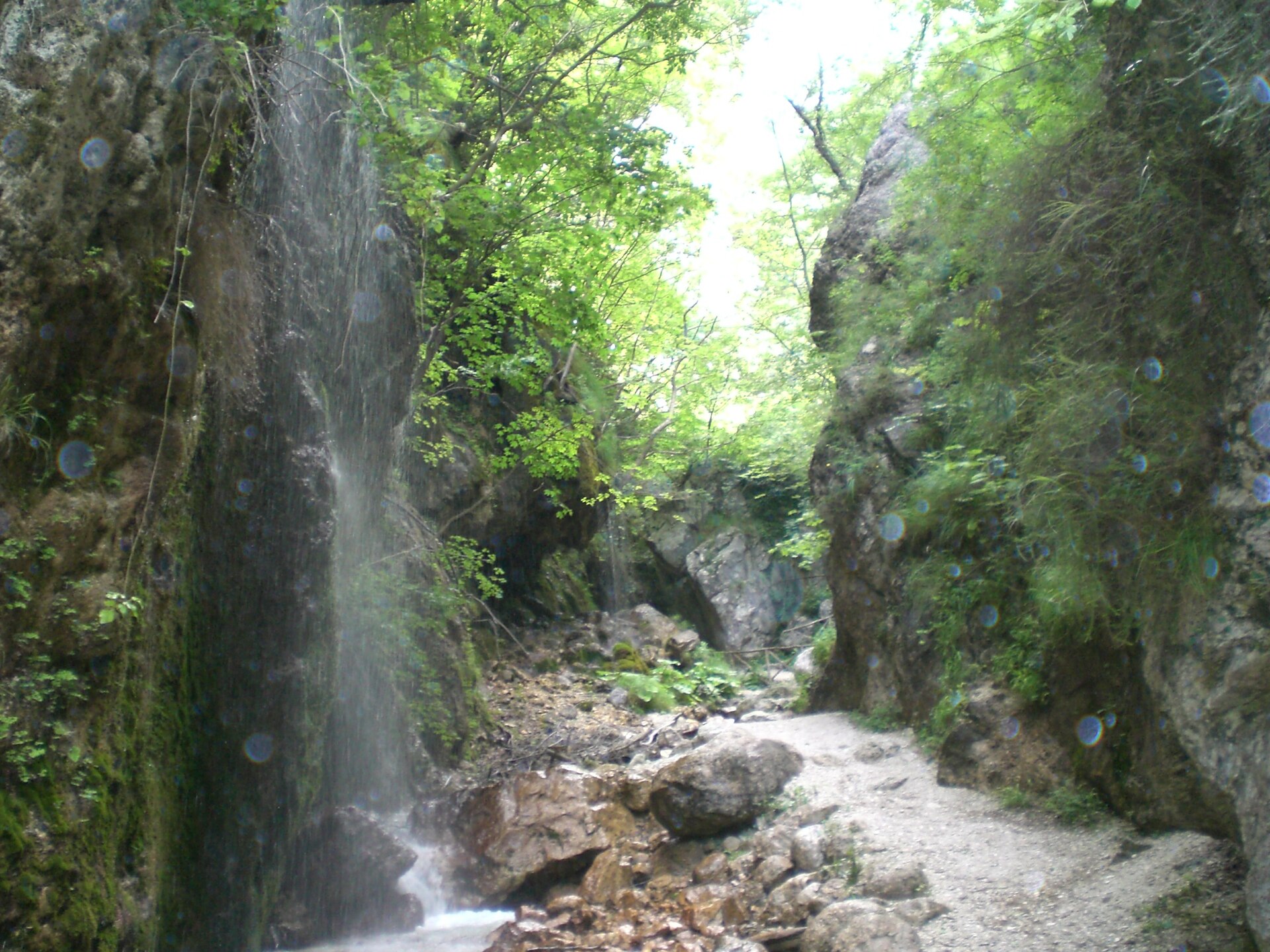
Natura 2000 · wintering, passage, breeding
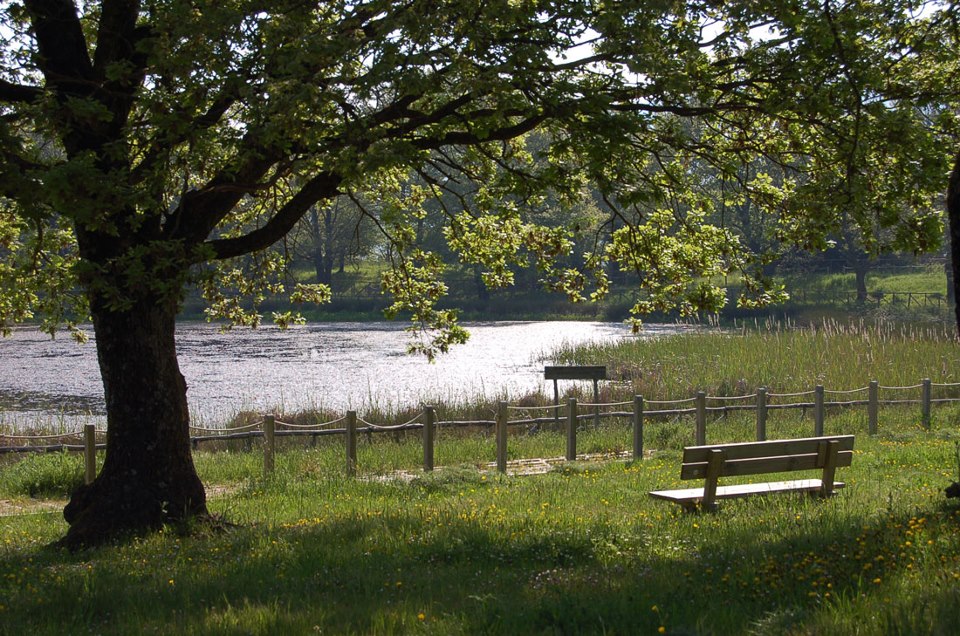
Natura 2000 · passage, resident, wintering
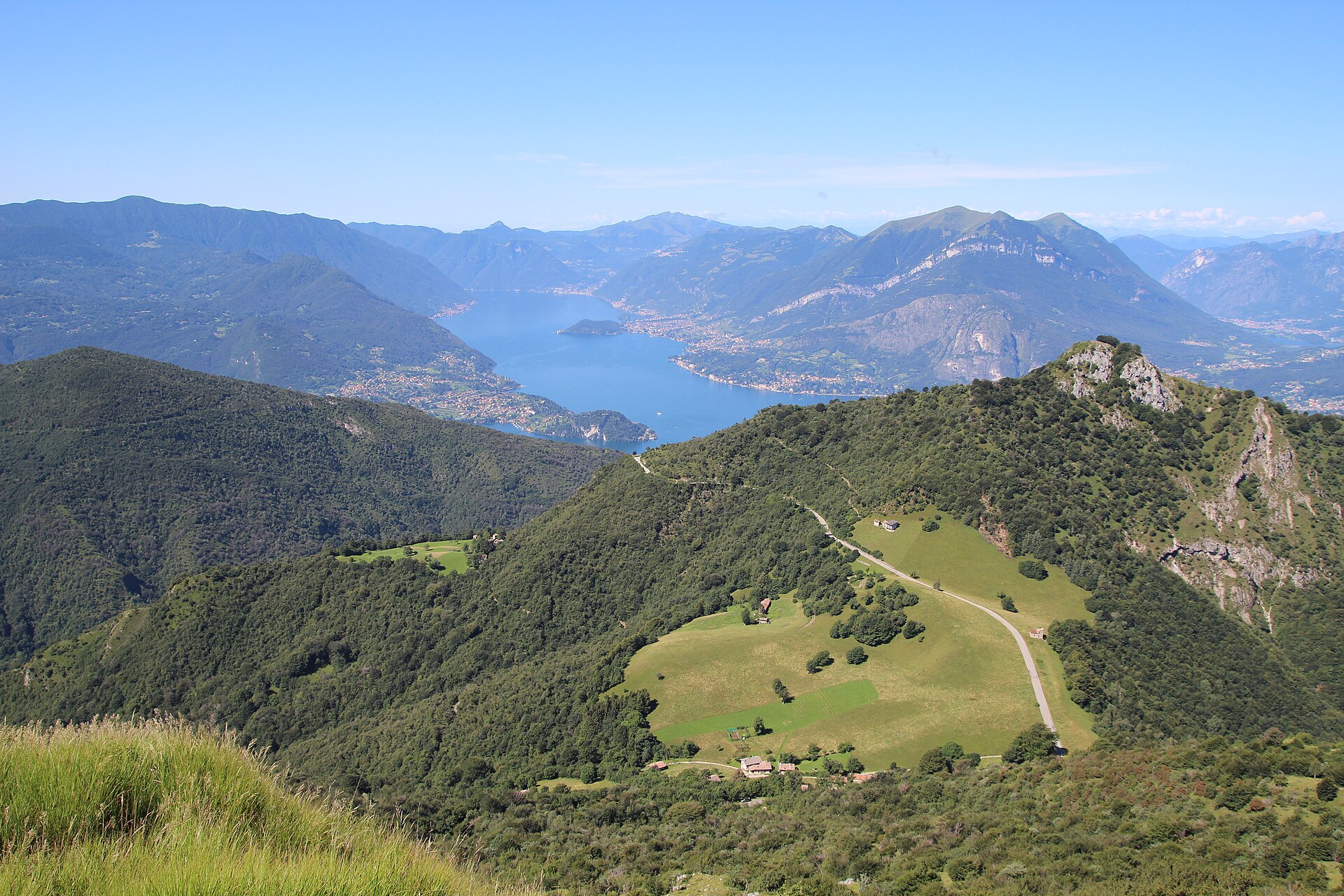
Natura 2000 · breeding, wintering, passage
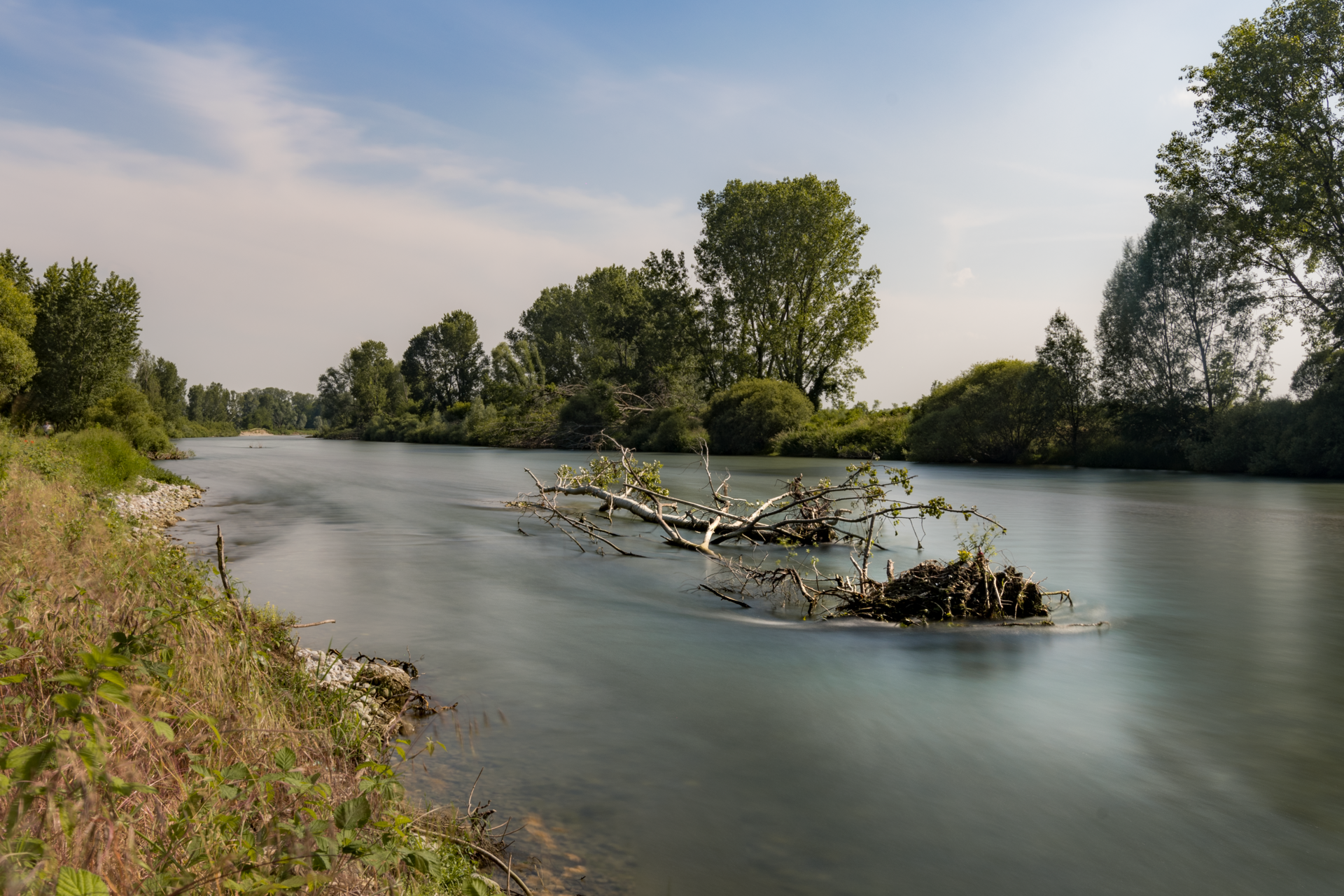
Natura 2000 · wintering, passage
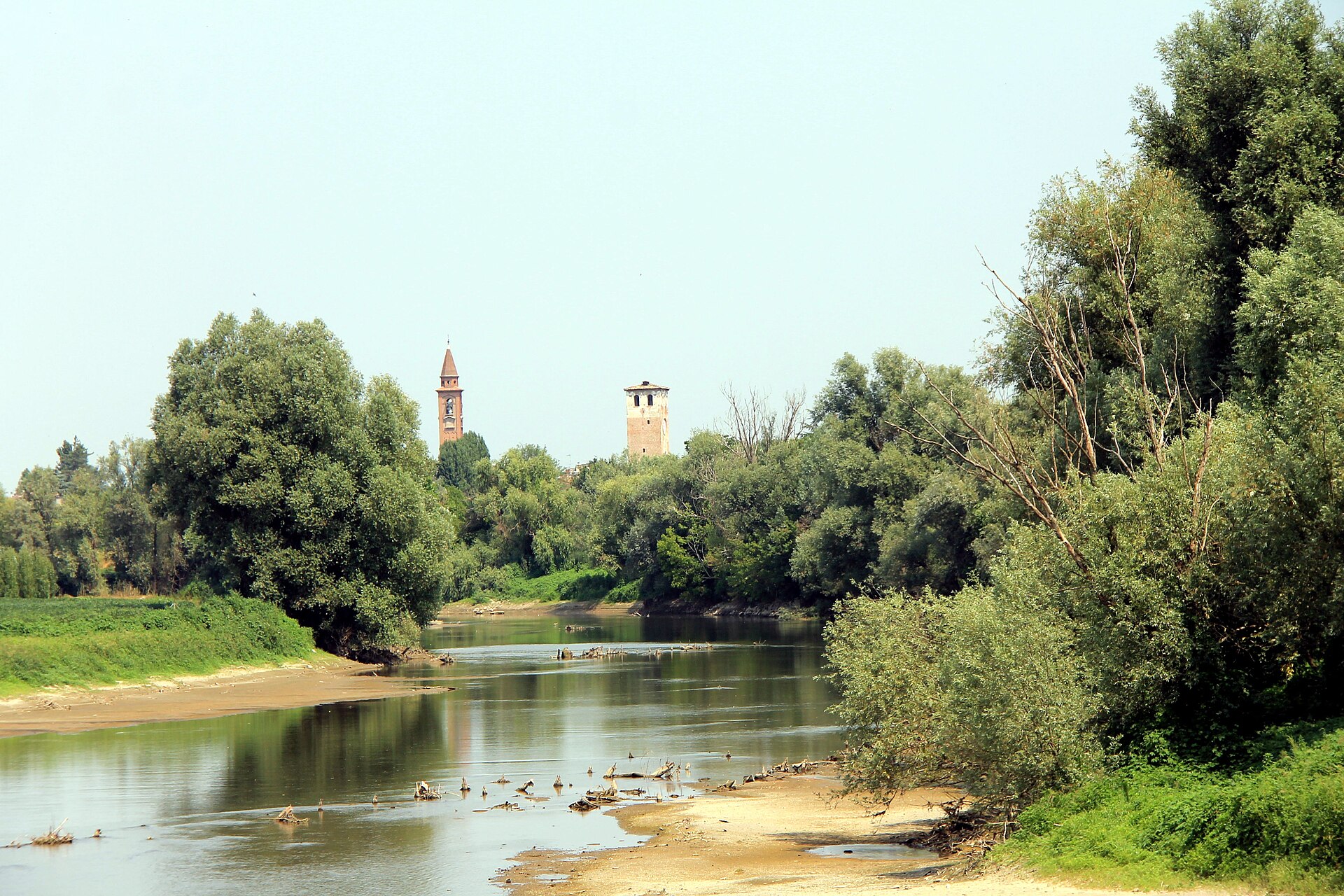
Natura 2000 · passage, wintering
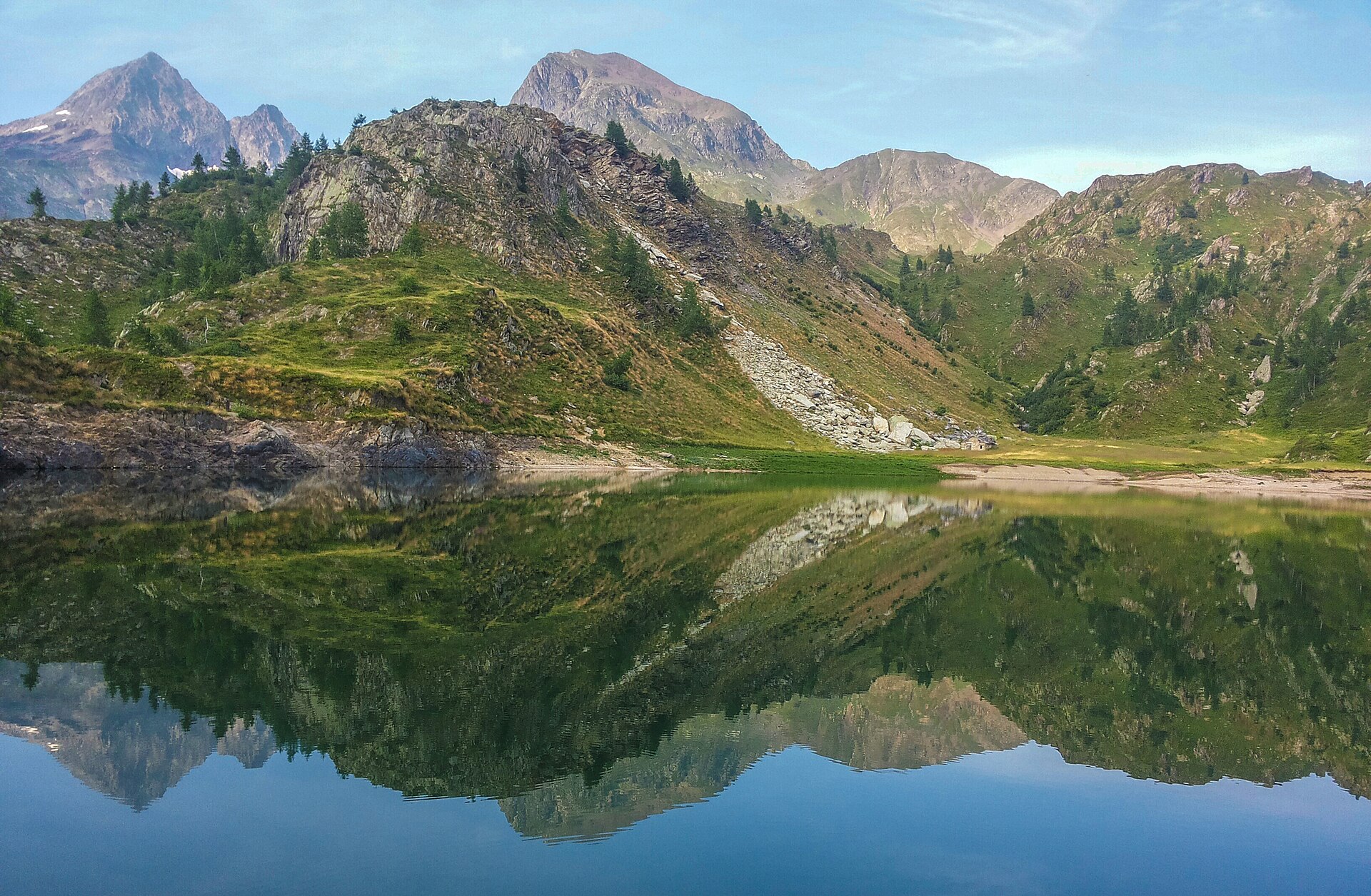
Natura 2000 · resident, passage, breeding, wintering
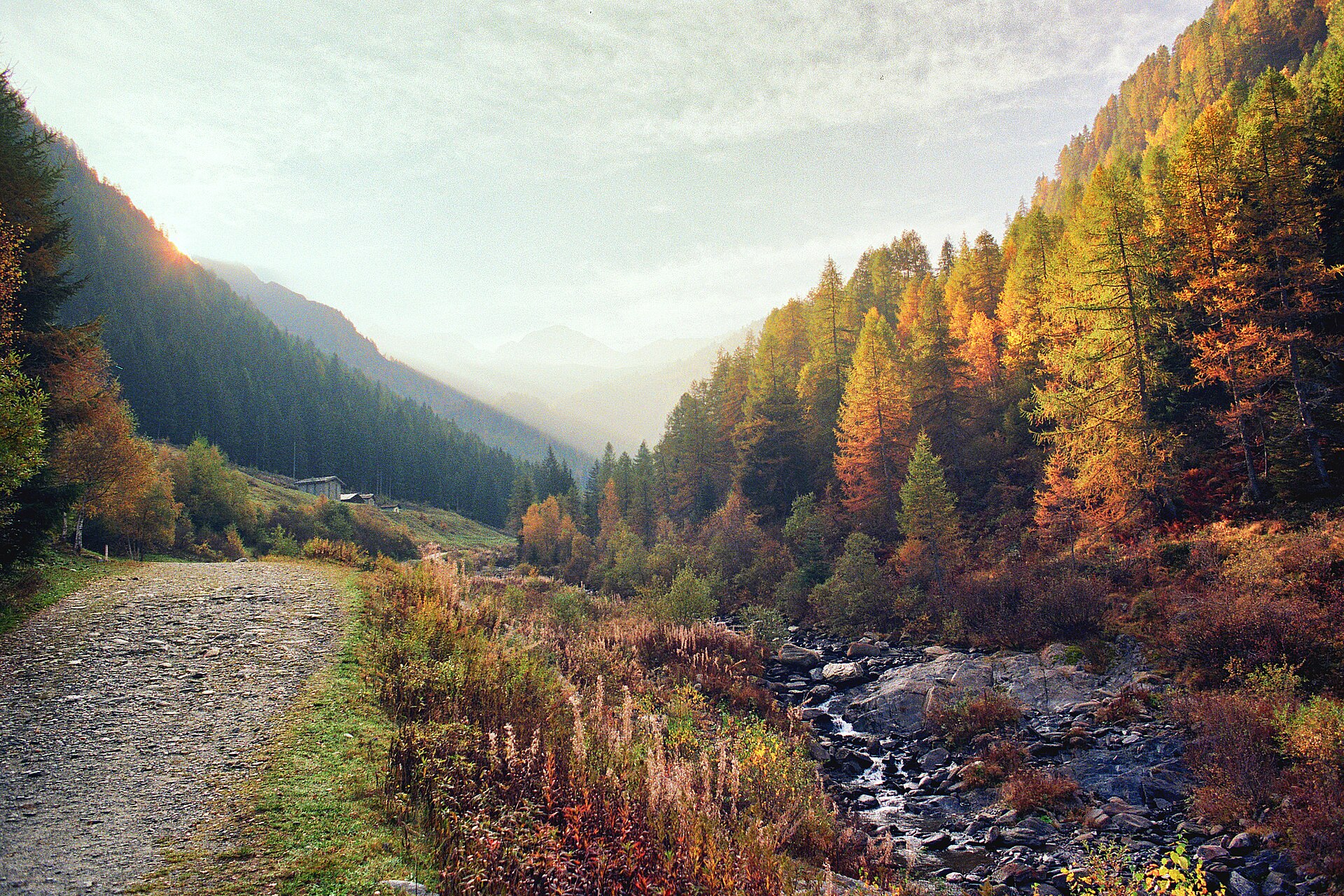
Natura 2000 · breeding, wintering, resident, passage
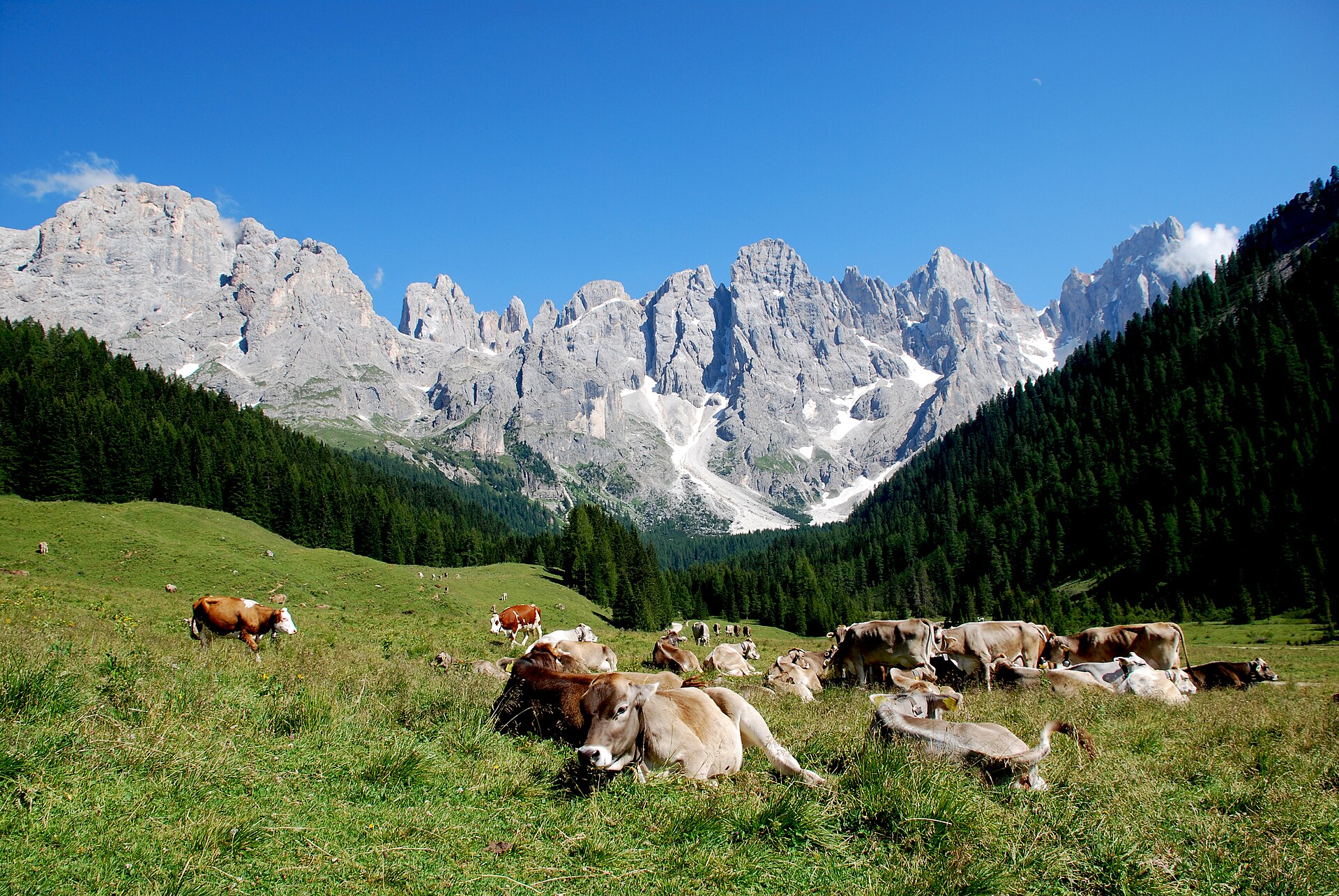
Natura 2000 · passage
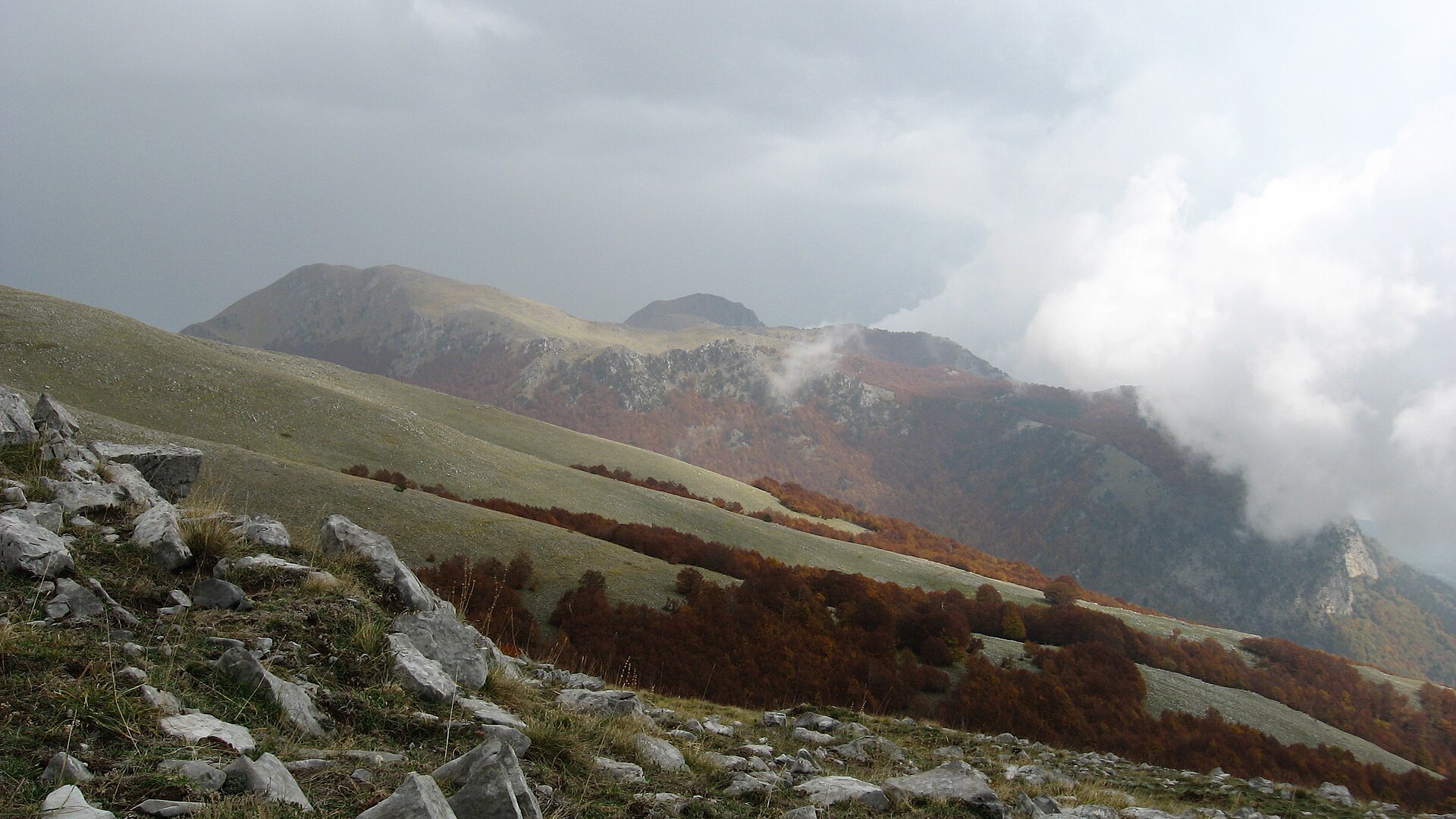
Natura 2000 · wintering
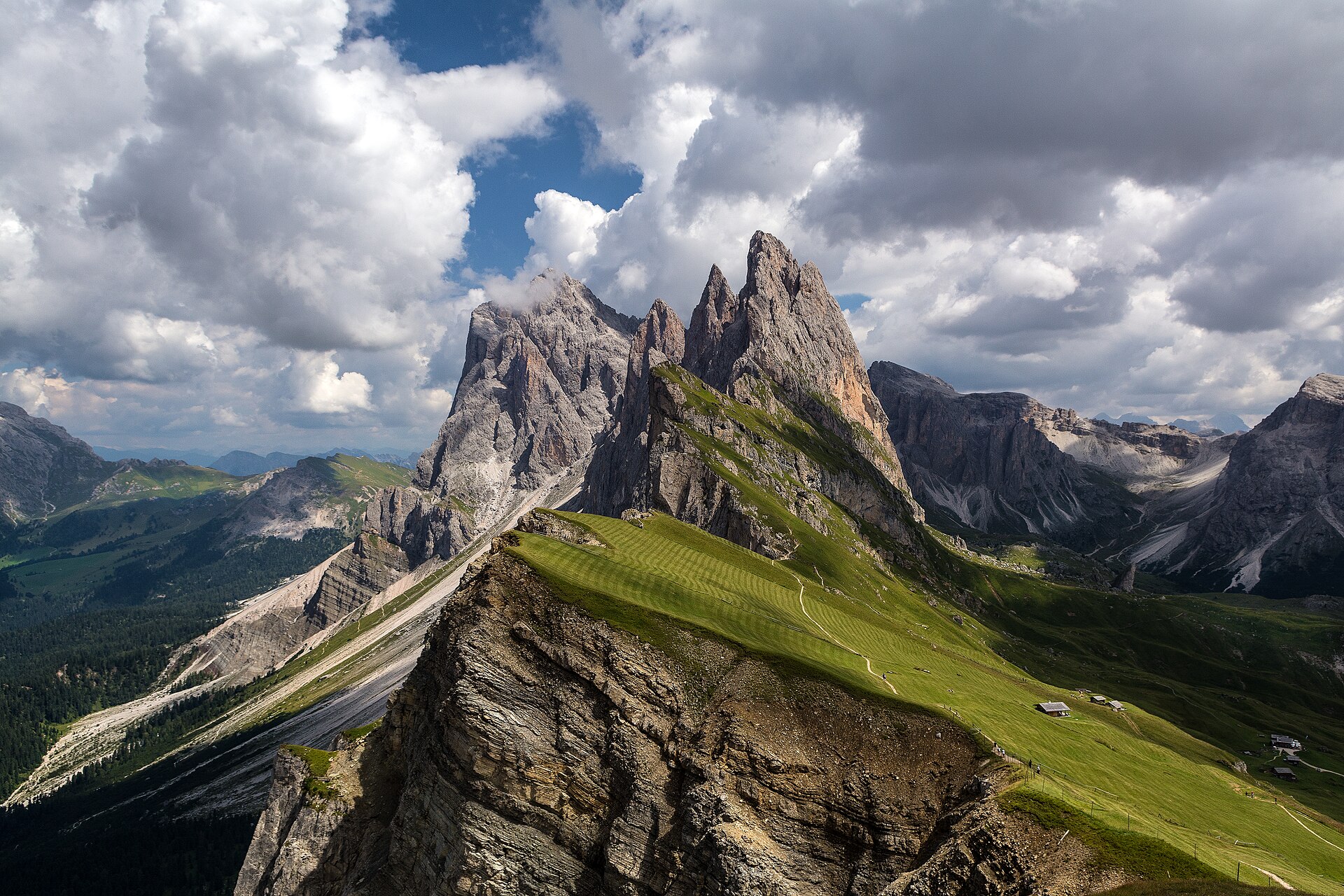
Natura 2000 · breeding
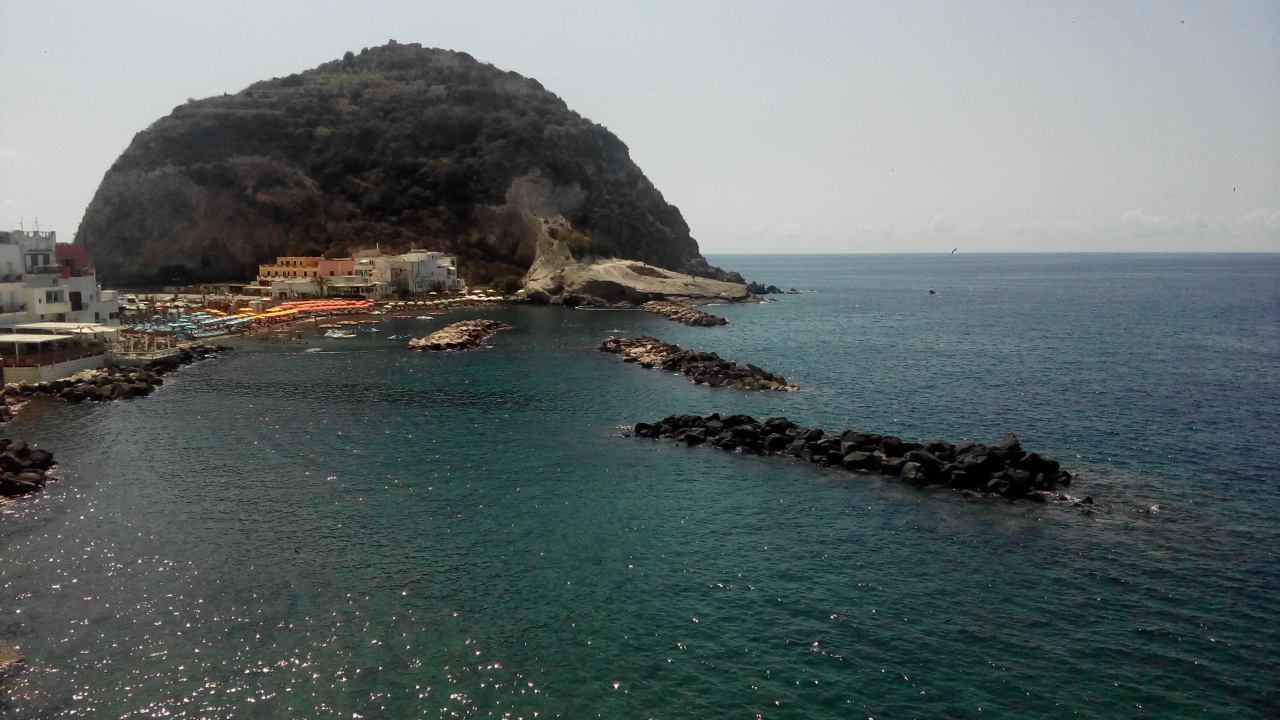
Natura 2000 · passage
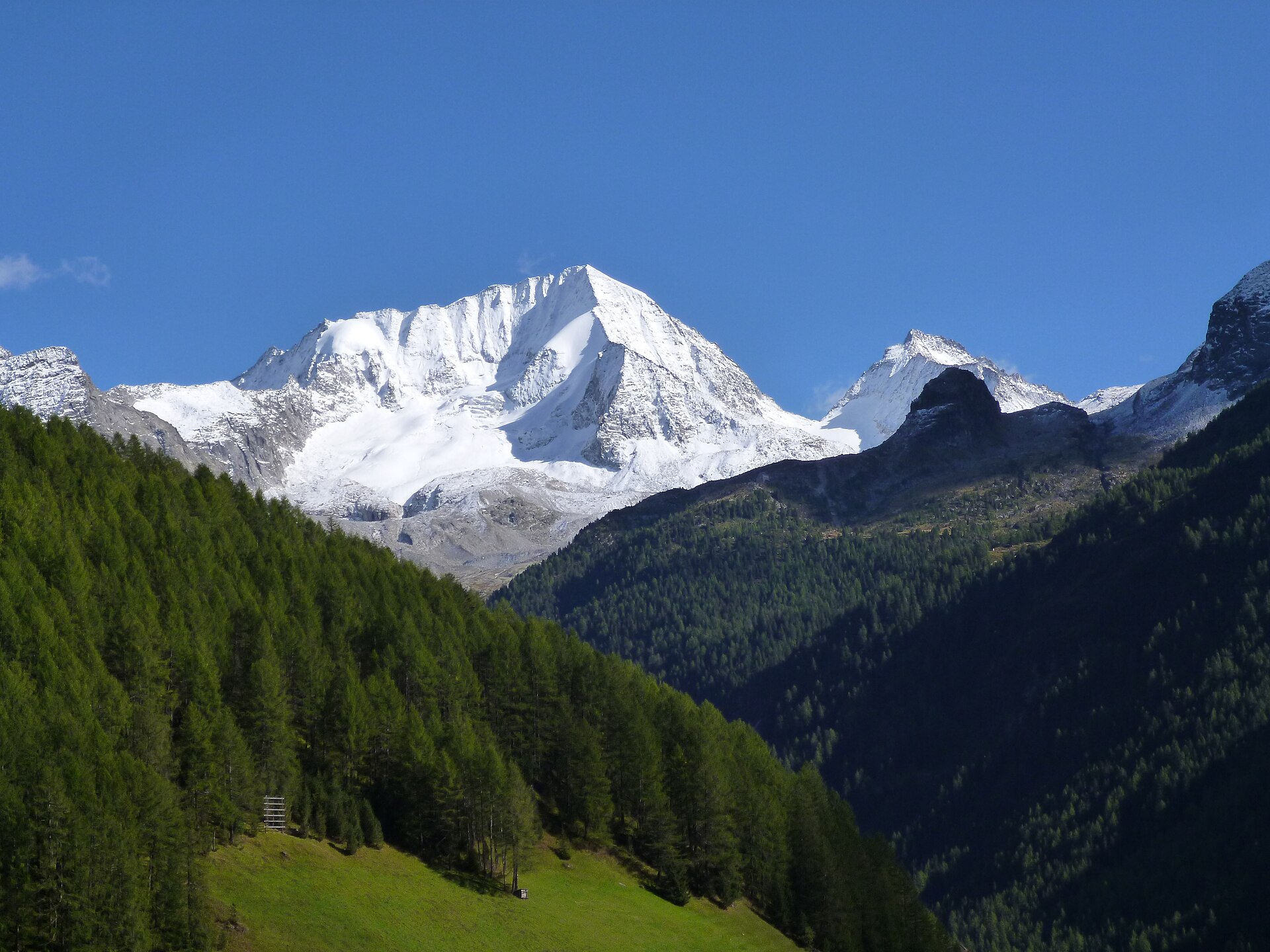
Natura 2000 · breeding
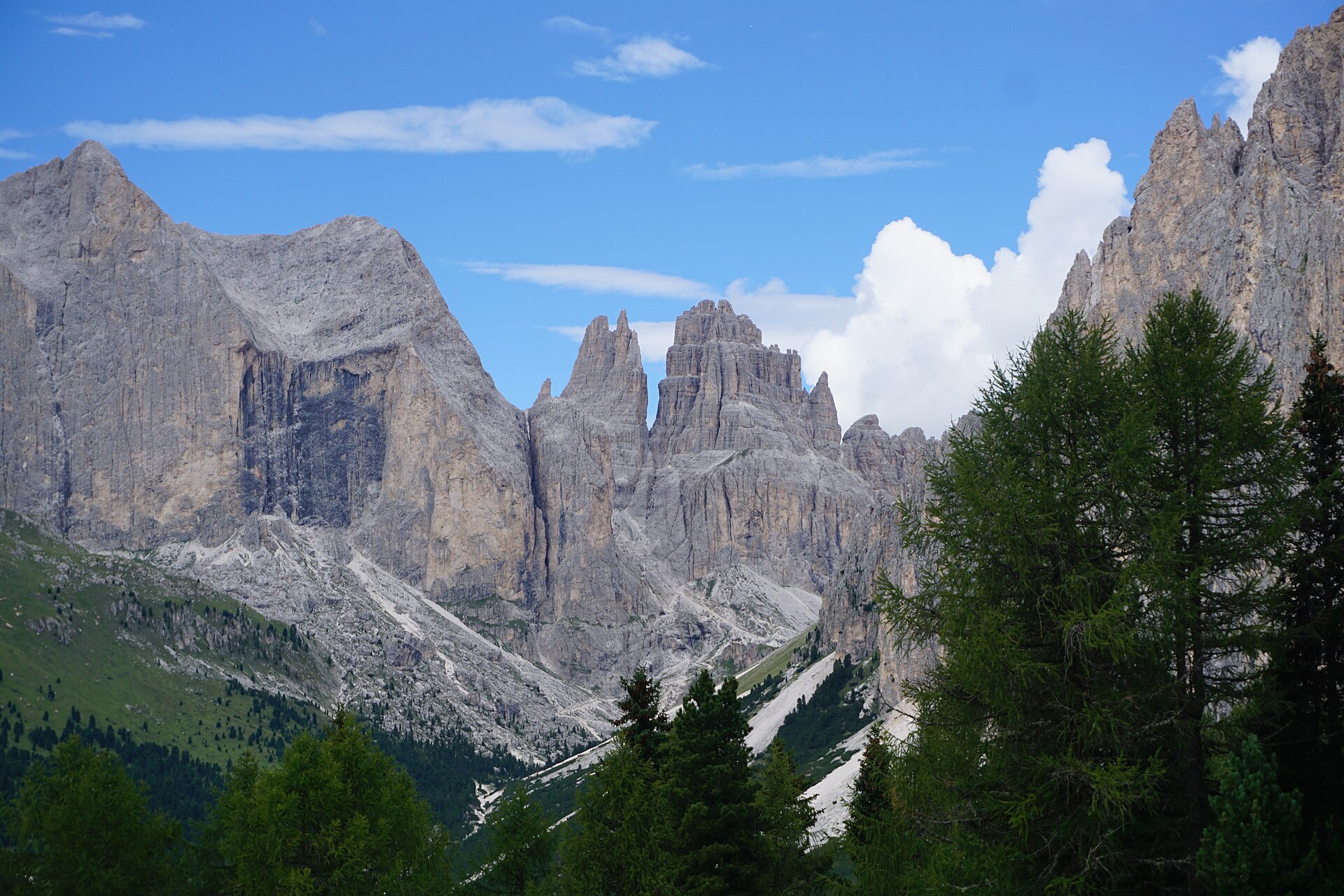
Natura 2000 · breeding
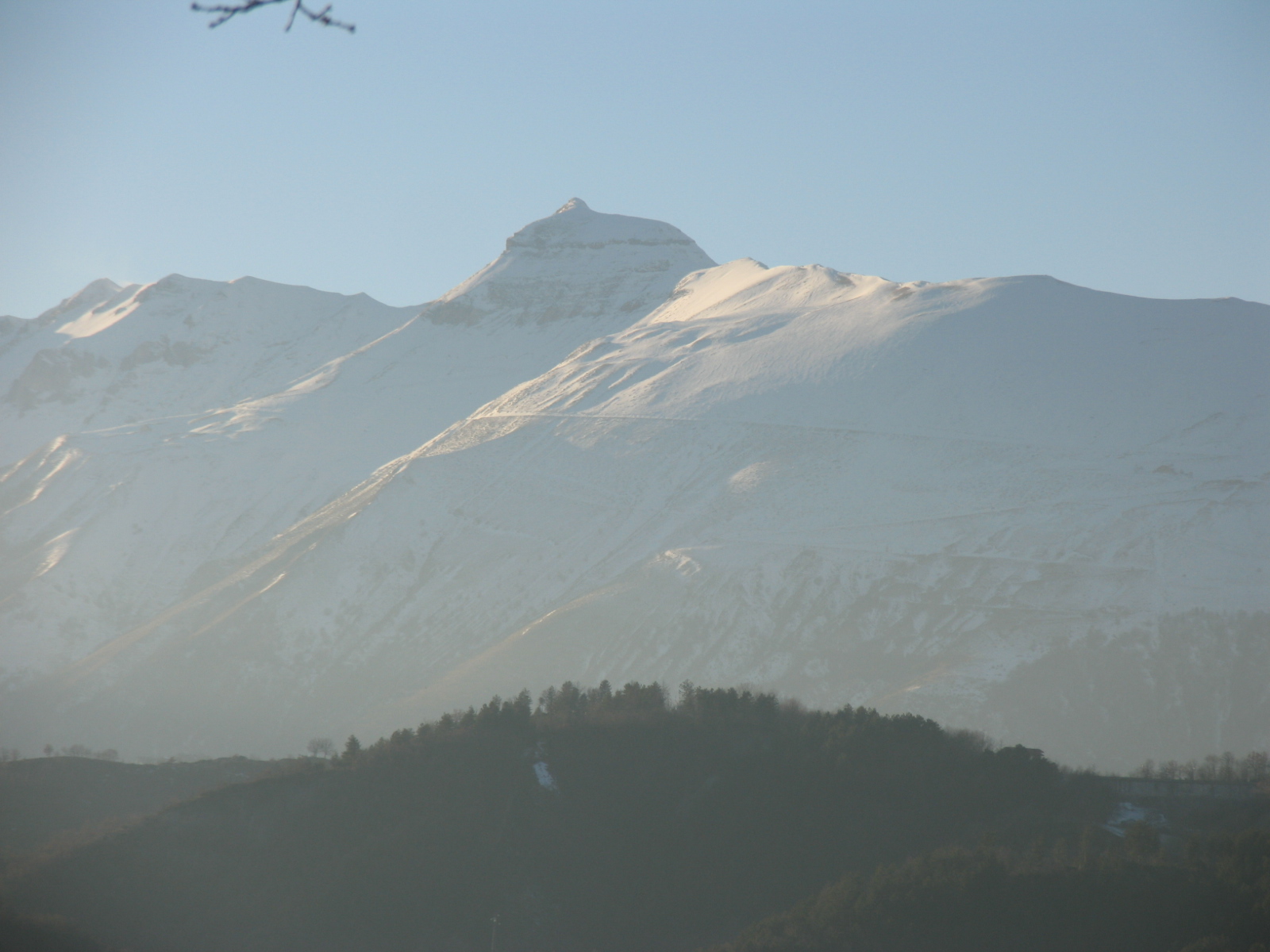
Natura 2000 · breeding
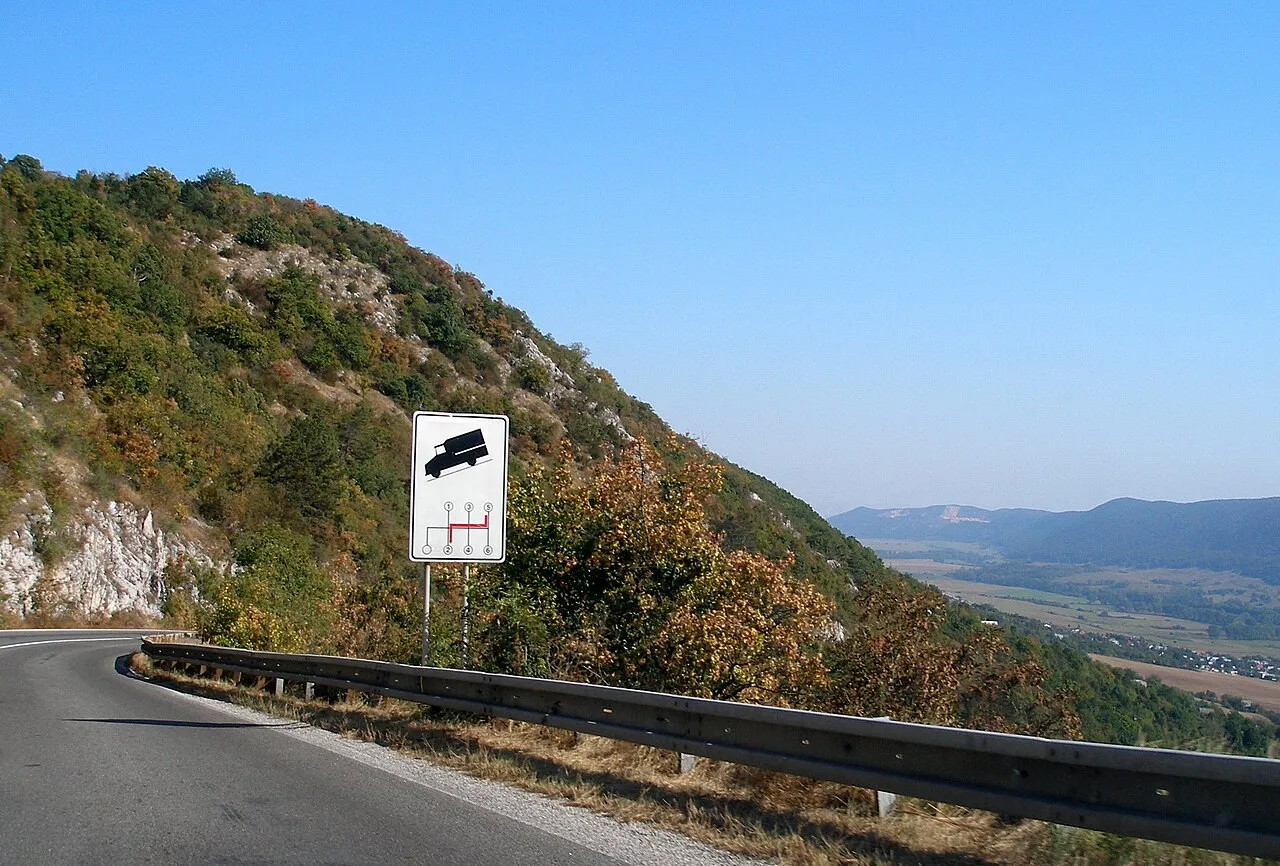
Natura 2000
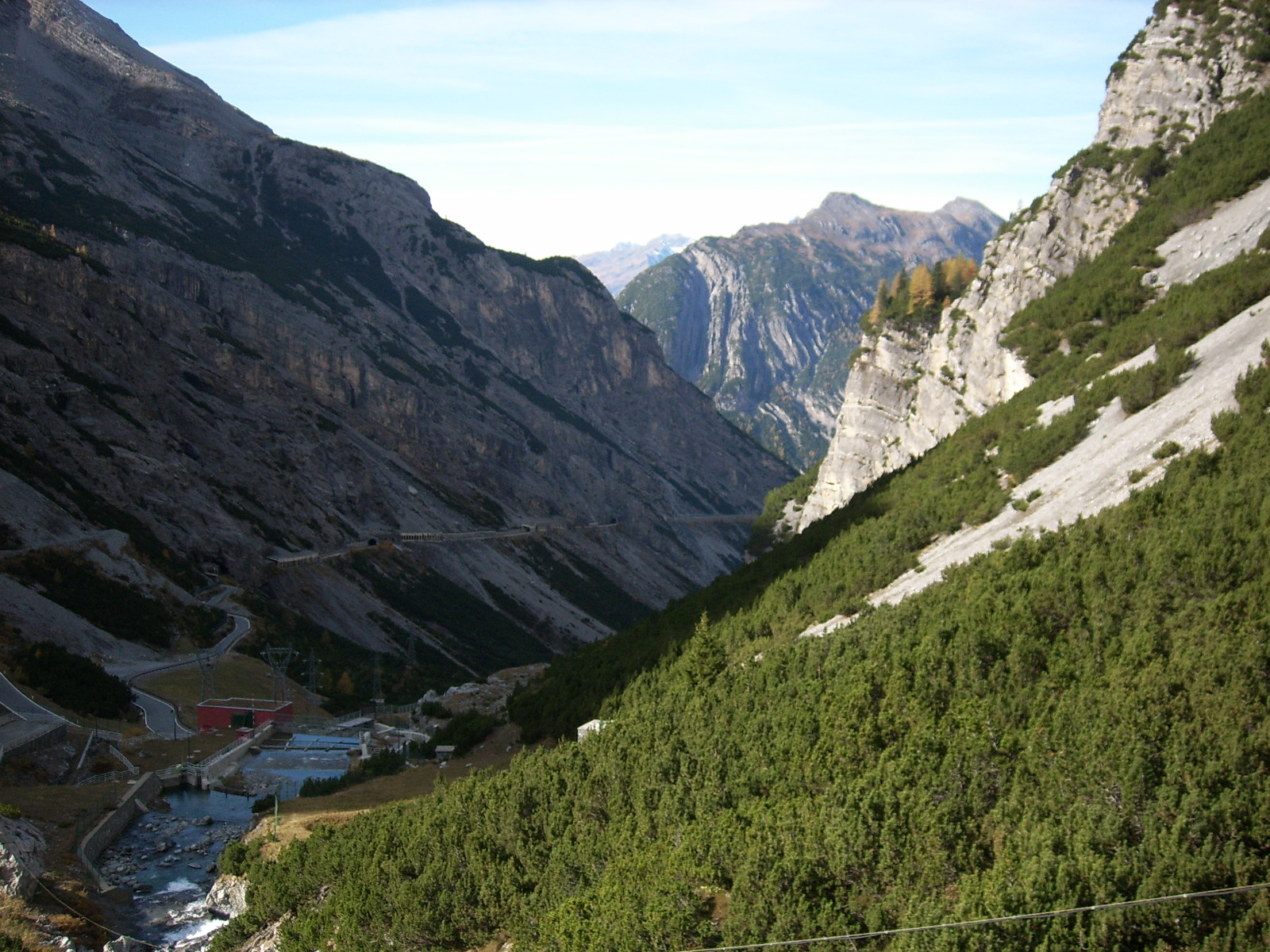
Natura 2000 · breeding, wintering, passage
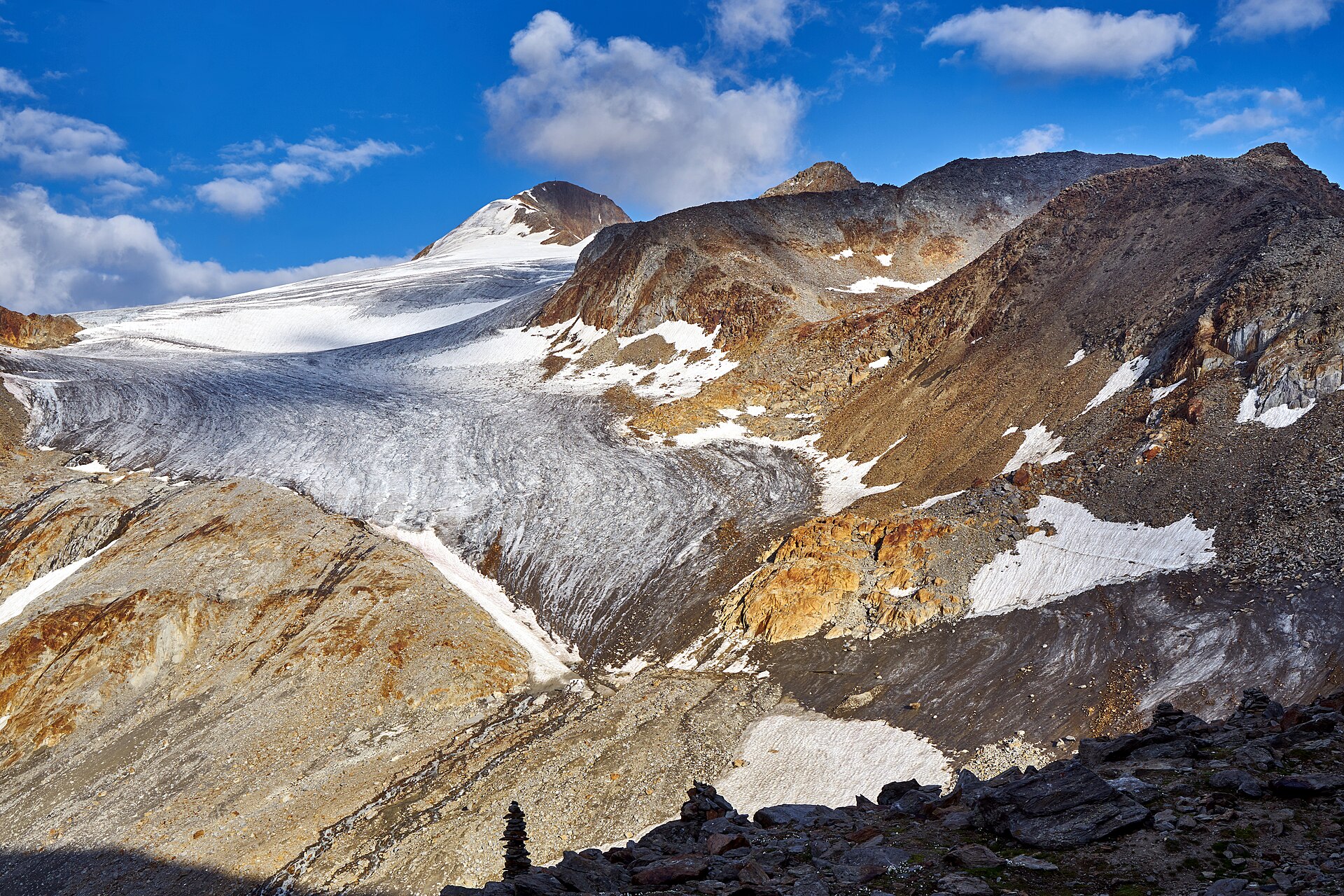
Natura 2000 · passage, wintering
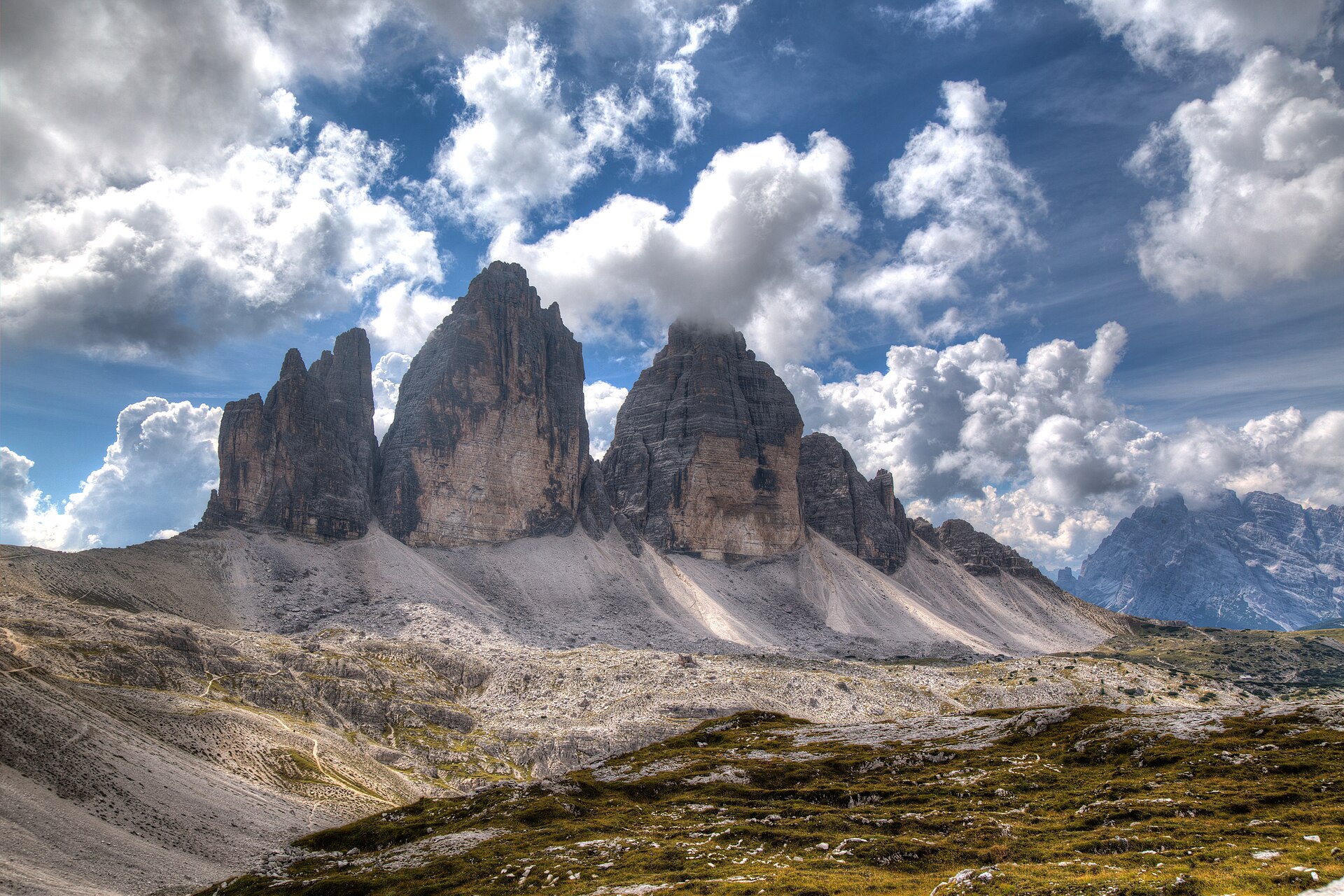
Natura 2000 · breeding
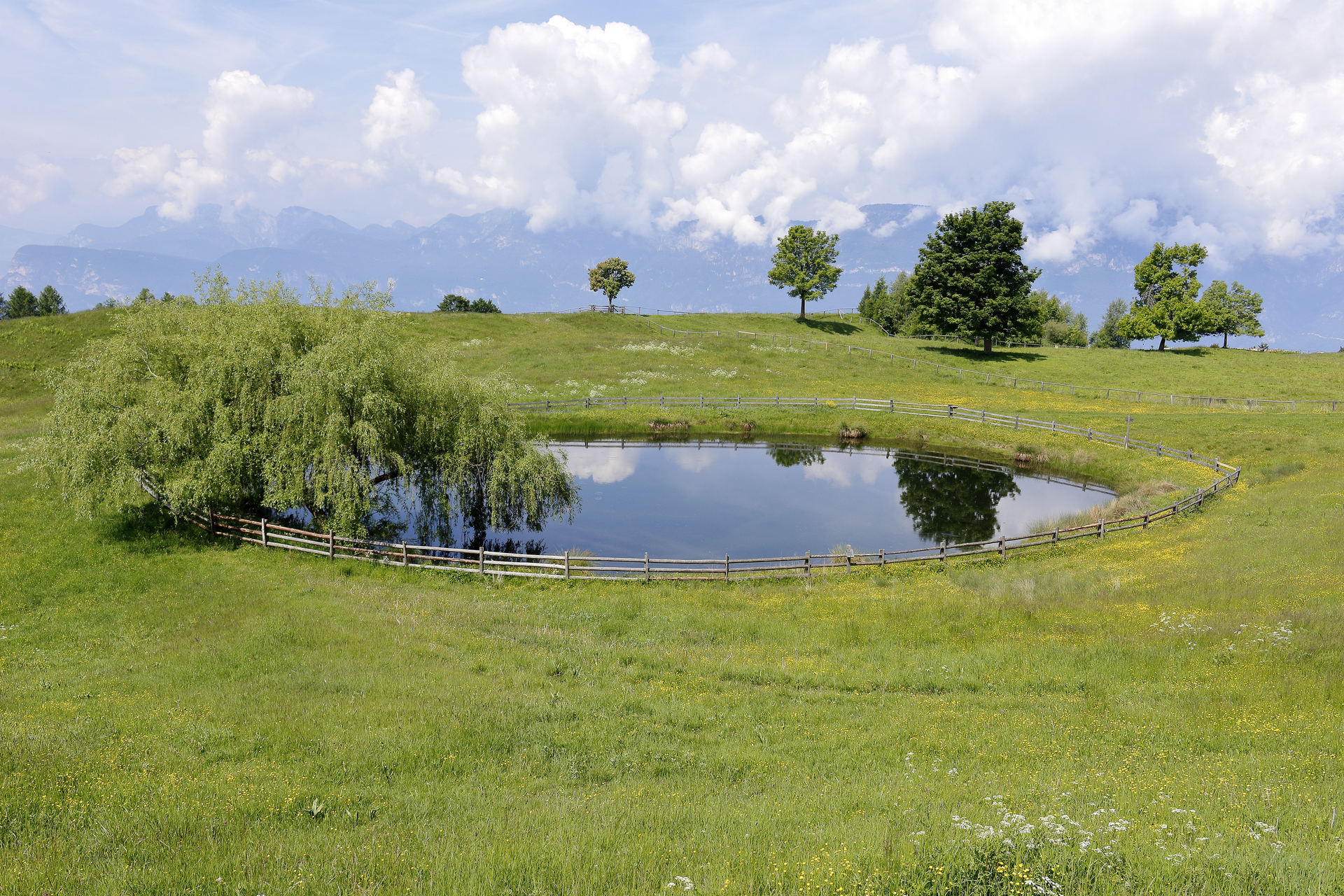
Natura 2000 · breeding
Natura 2000 · breeding
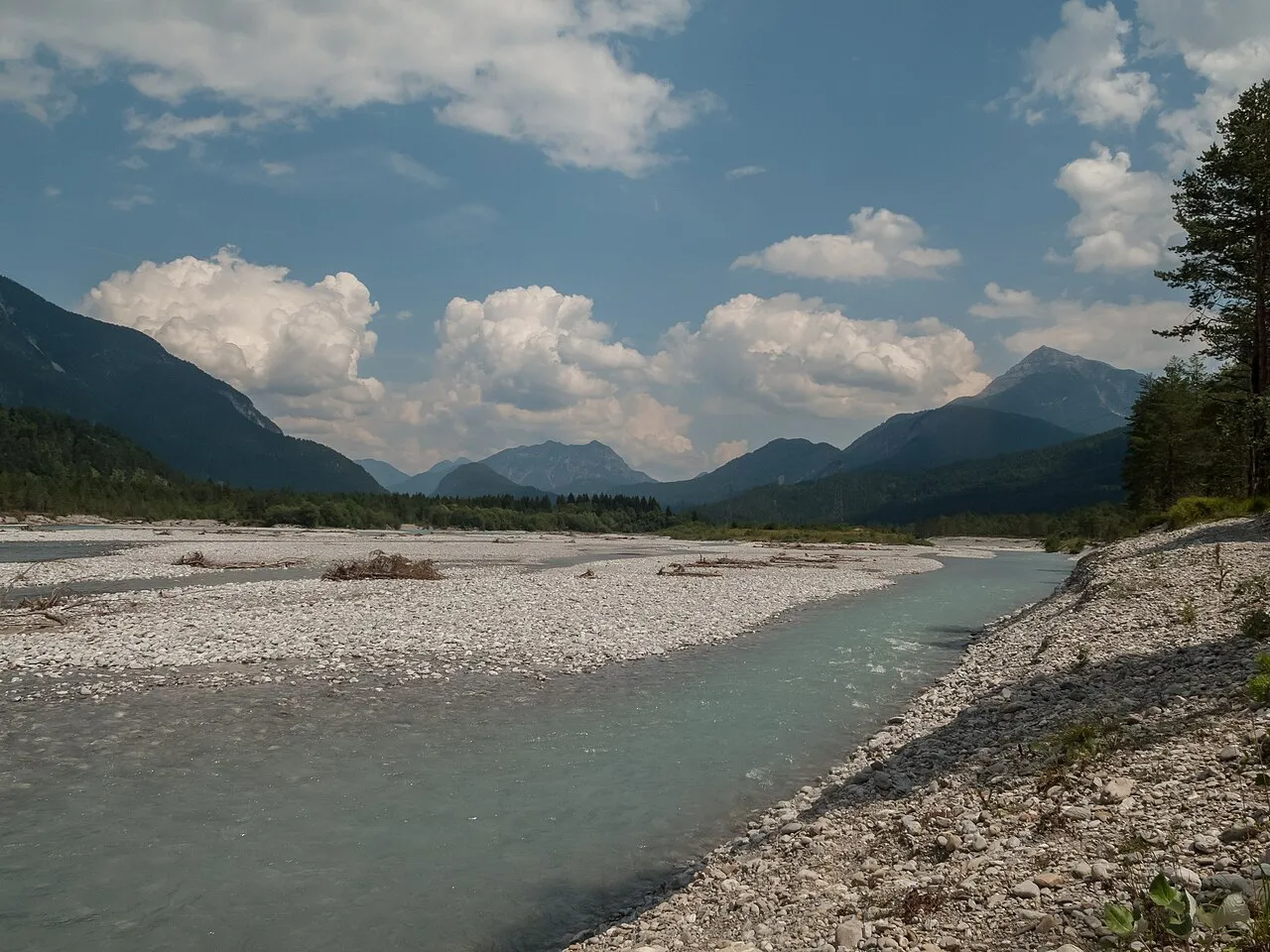
Natura 2000

Natura 2000 · passage, breeding
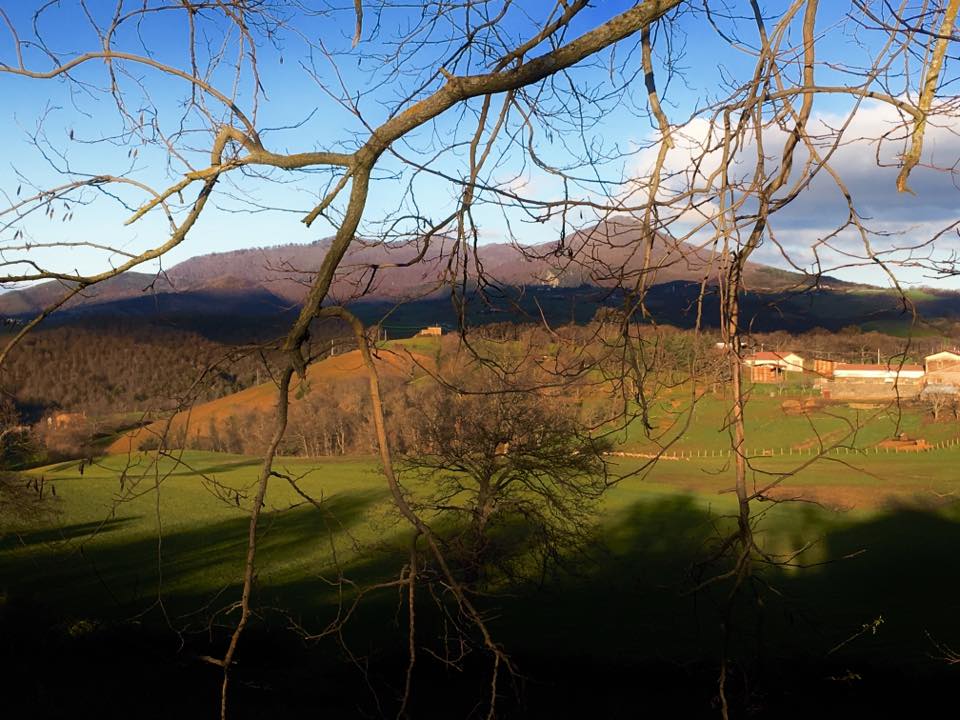
Natura 2000 · resident

Natura 2000 · breeding
Other species to discover



Sources and credits
- Presence: most-recorded species of each place on GBIF and species of Community interest in the Natura 2000 forms (EEA, CC-BY 4.0); absence from the list does not mean the species is absent.
- Common names: Wikidata (CC0) and GBIF.
- Photos and sounds: Wikimedia Commons, author and licence given for each file.
- Classification: GBIF Backbone Taxonomy (GBIF Secretariat), CC BY 4.0, doi:10.15468/39omei.
- Countries, elevations, months and maps: GBIF.org, CC0 or CC BY 4.0 occurrences only, accessed October 22, 2026, GBIF.org.
- Base map: Natural Earth (public domain).
- Excerpt: Wikipedia, CC BY-SA 4.0 (full credit below the excerpt).
- Key facts: Wikidata (CC0), with the references cited under each value.
- Annexes: Directive 2009/147/EC (consolidated version), © European Union, EUR-Lex.
- EU bird populations: EEA / DG ENV, Article 12 Birds Directive reporting (2013–2018), CC BY 4.0.