
Bird
European Bee-eater: where to see it
Merops apiaster
This bird species is recorded in 109 protected areas of the atlas, including 90 whose official Natura 2000 form lists it. Within the atlas countries, it is mostly observed in Spain, France and Portugal (14 countries in all). Most records (8 in 10) lie between sea level and 500 m. Records peak from April to August. It has a wingspan of 47 cm. Its EU population is assessed as secure (2013–2018 Birds Directive reporting).
Best time to see it: April–August
Records published on GBIF by month (CC0 and CC BY 4.0 licences only), in the atlas countries, all years combined; they also reflect observer activity.
Key facts
- Wingspan
- 47 cm Wikidata, after Ericson et al. 2007
- Clutch size
- 6.3 eggs on average Wikidata, after Jetz et al. 2008
- Incubation
- 20 days Wikidata, after British Trust for Ornithology
Status and protection
EU population assessed as secure, stable in the short term (2013–2018 Birds Directive reporting). EU breeding population: 3,330,000–4,960,000 pairs.
Distribution
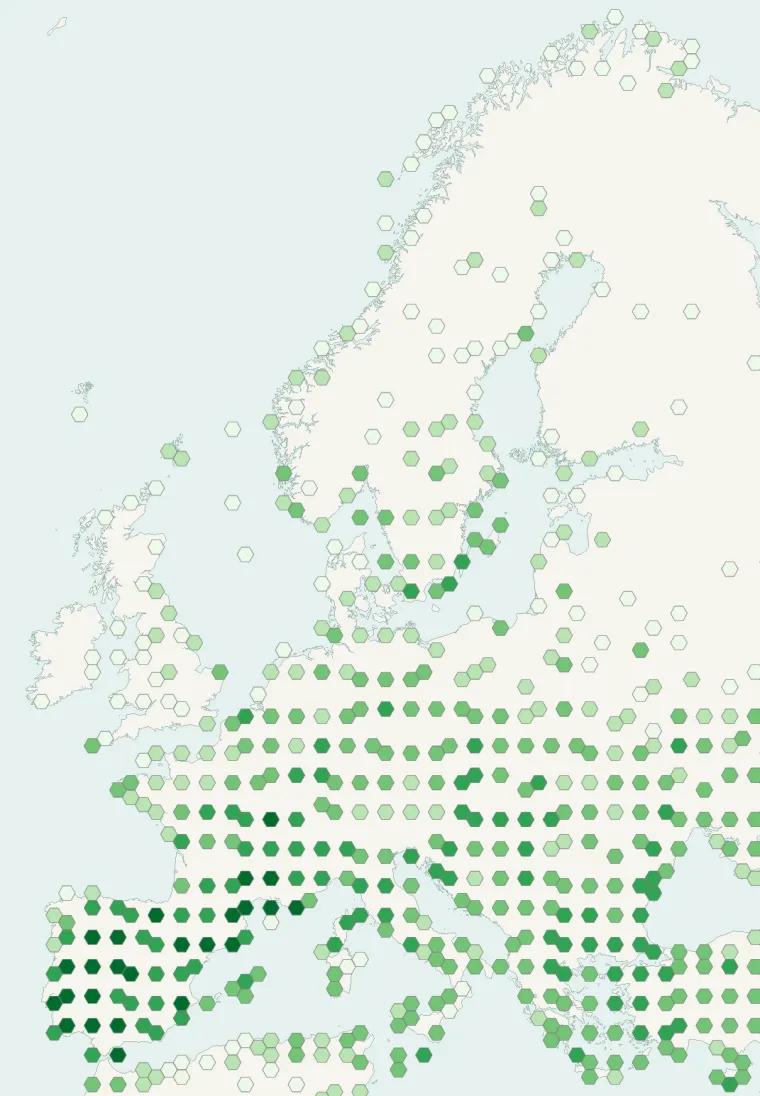
Records published on GBIF (CC0 and CC BY 4.0 licences): the darker the shade, the more records there are; they also reflect observation effort.
Listen
-
0:46 · © Beeld en Geluid · CC BY-SA 3.0 · Wikimedia Commons · Original file
-
0:17 · © Pascal Christe · CC BY-SA 4.0 · Wikimedia Commons · Original file
From Wikipedia
The European bee-eater (Merops apiaster) is a bird species in the bee-eater family, Meropidae. It has the largest range of any bee-eater species, breeding in southern and central Europe, northern and southern Africa, and western Asia. Except for the resident southern African population, the species is strongly migratory, wintering in tropical Africa. This species occurs as a spring overshoot north of its usual range, with occasional breeding in northern Europe.
Source: Wikipedia, article “European bee-eater” (version of September 20, 2026) · history and authors · licence CC BY-SA 4.0
Protected areas where it is recorded
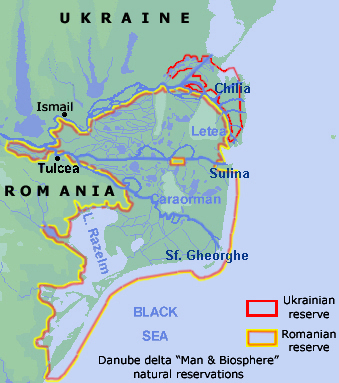
Natura 2000 · breeding, passage 1,464 records

Natura 2000 · breeding 1,326 records
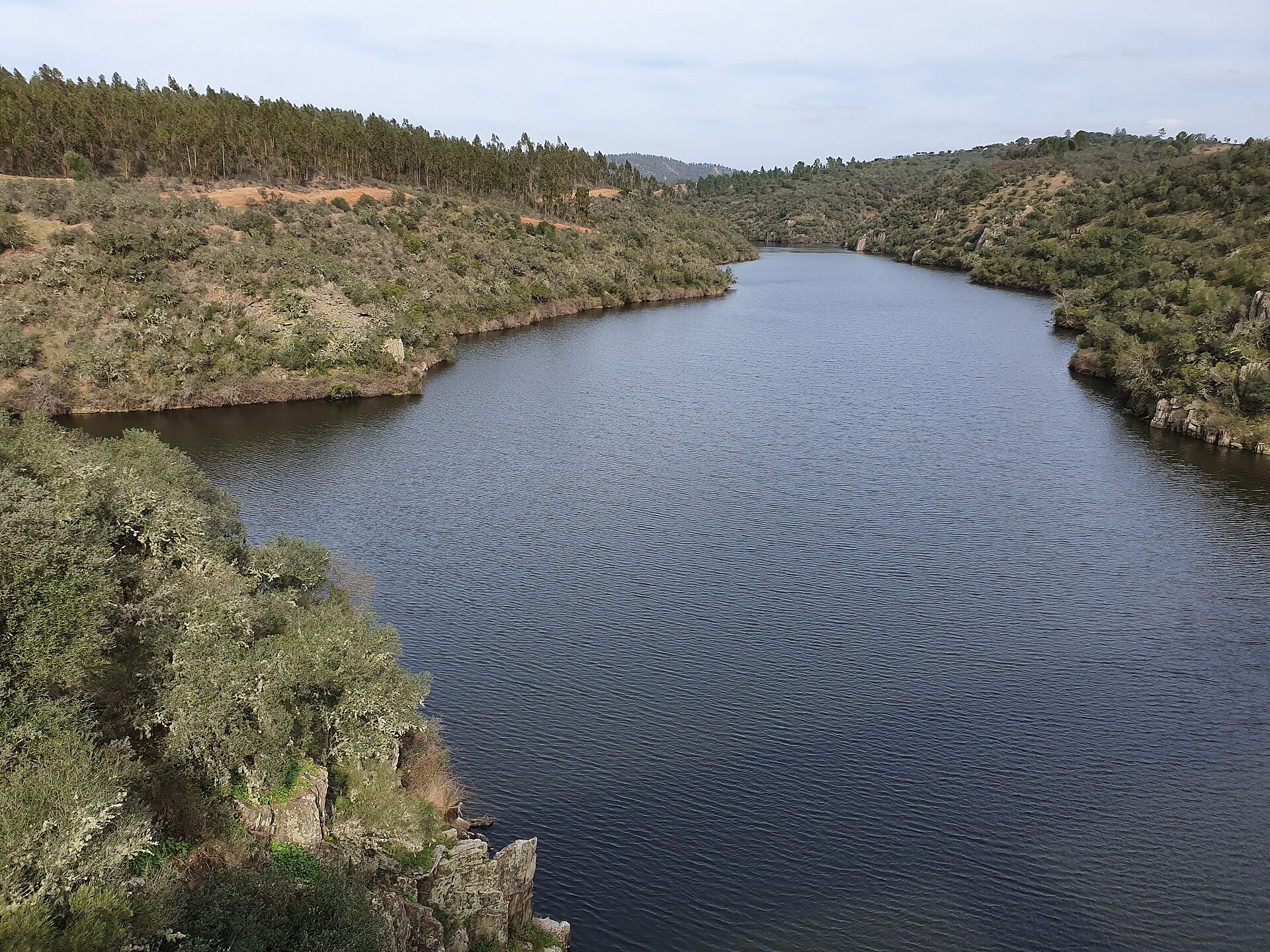
Natura 2000 · breeding 388 records
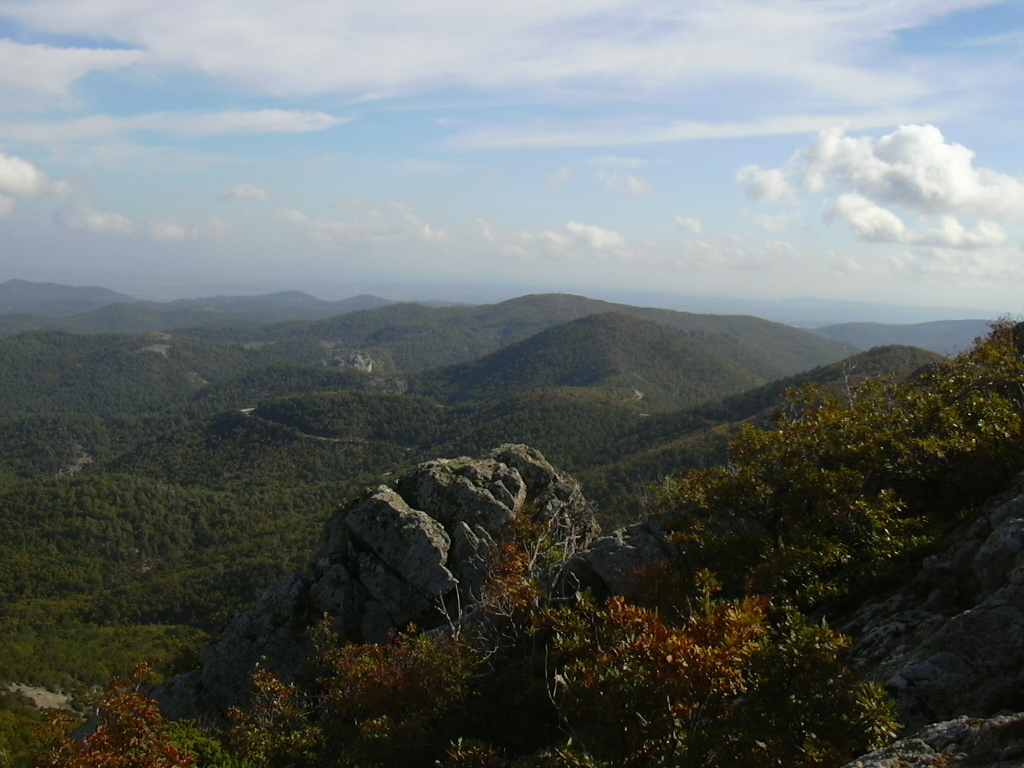
Natura 2000 · breeding 212 records
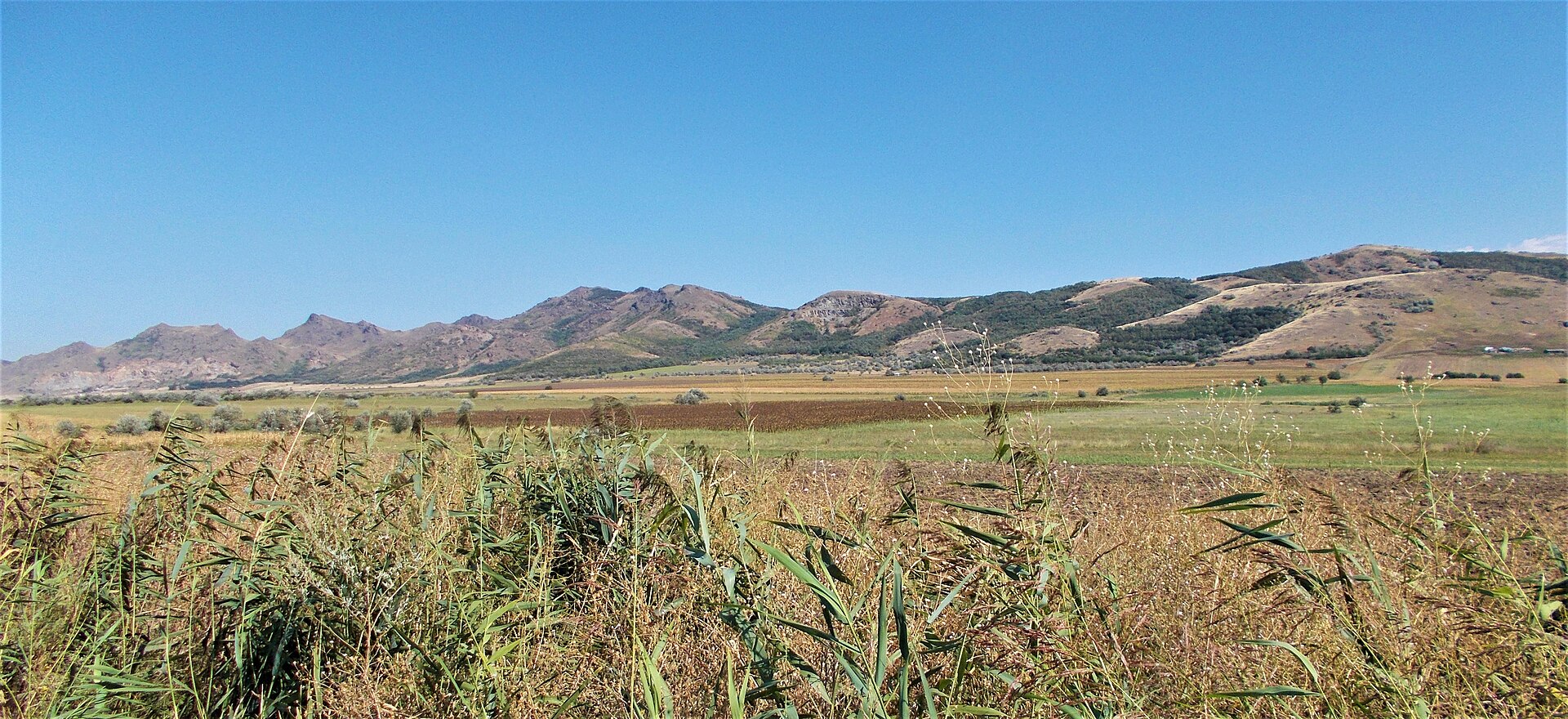
Natura 2000 · breeding 106 records

Natura 2000 · passage, breeding 27 records

Natura 2000 · breeding, passage 23 records
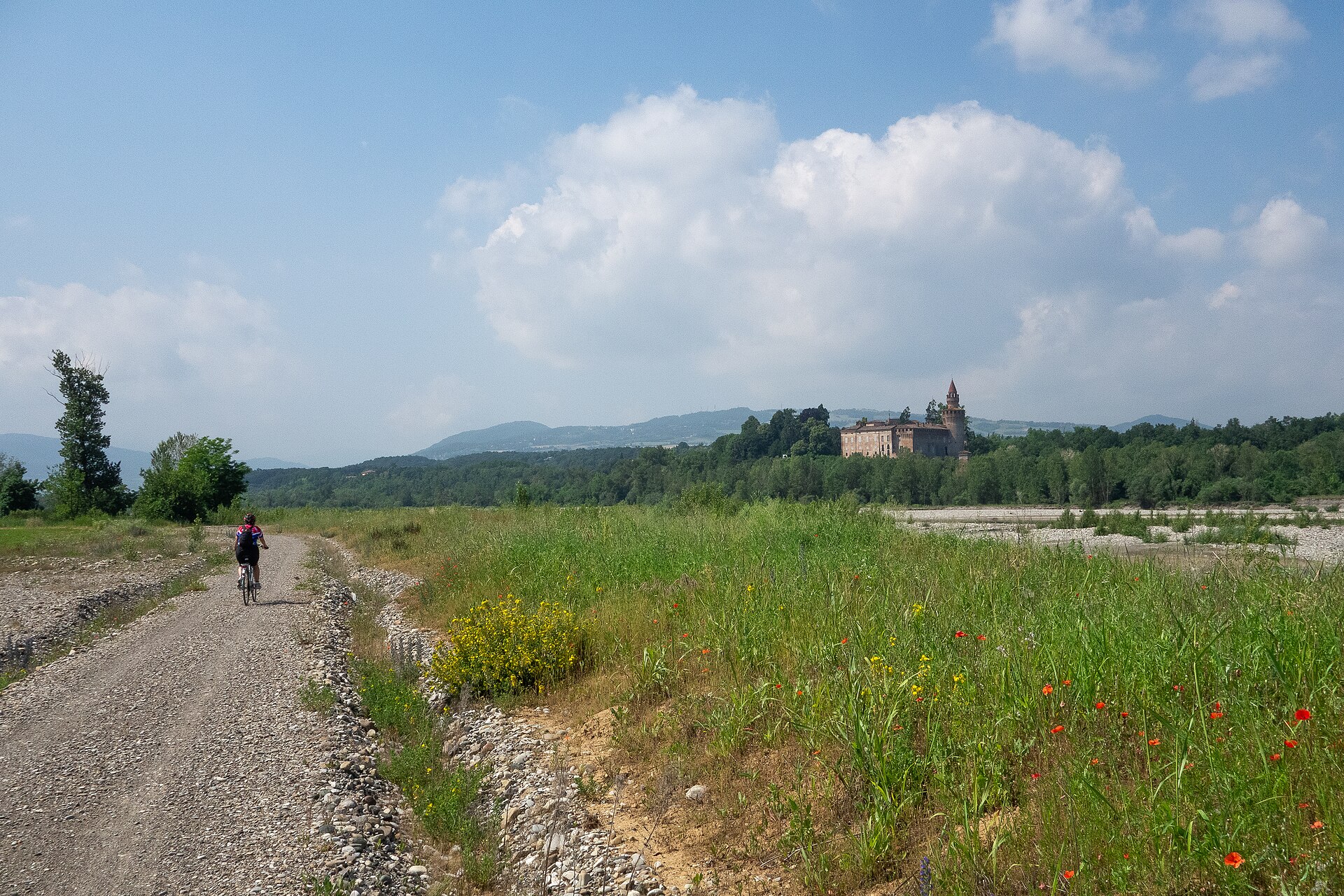
Natura 2000 · breeding, passage 9 records

Natura 2000 · breeding 1 records

346 records

151 records

62 records

62 records
50 records

49 records

47 records
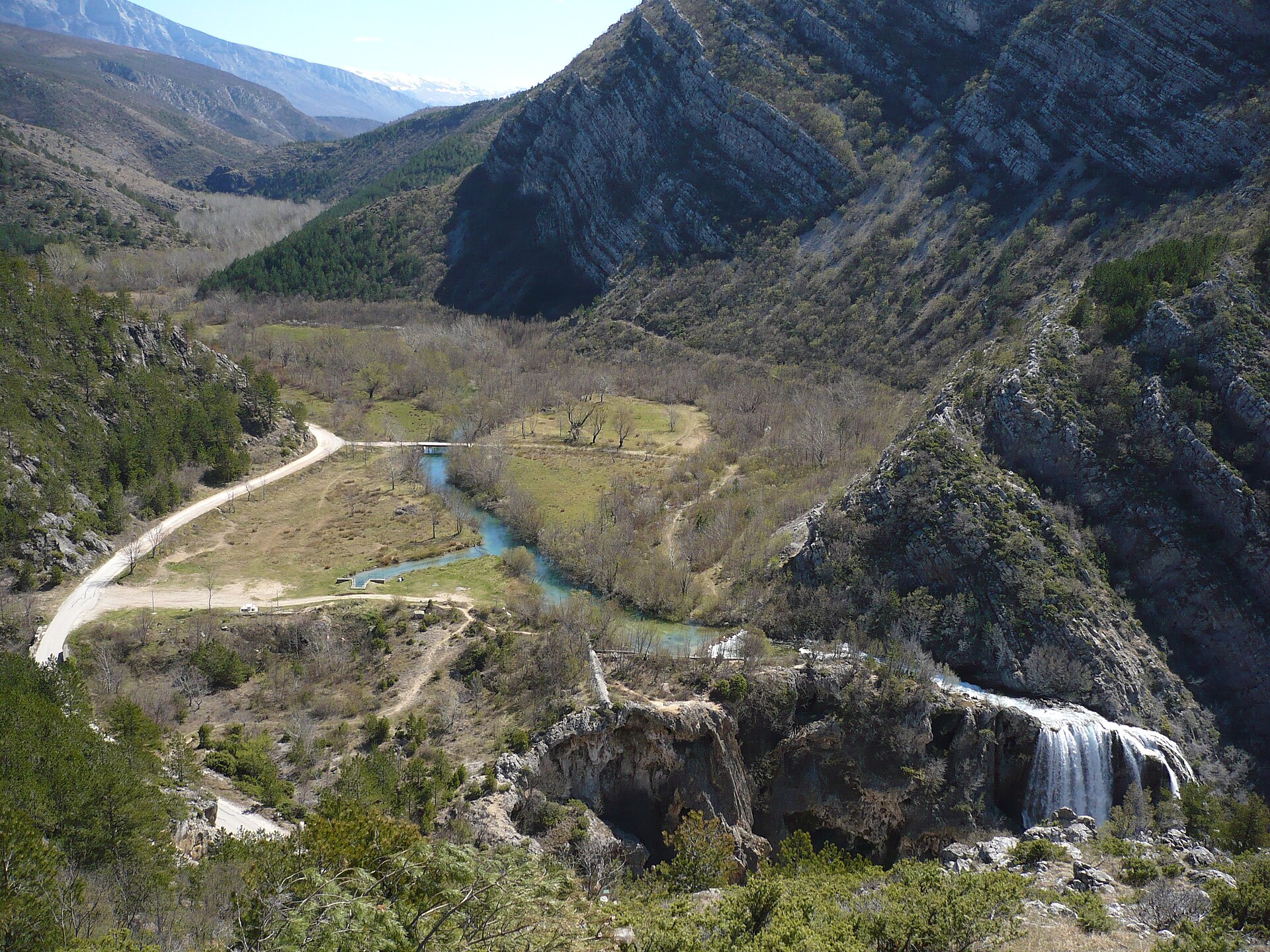
46 records
43 records
24 records
12 records

10 records
7 records

4 records

1 records
1 records

1 records

1 records
1 records
Natura 2000 · breeding
Natura 2000 · passage

Natura 2000 · passage

Natura 2000 · passage, breeding
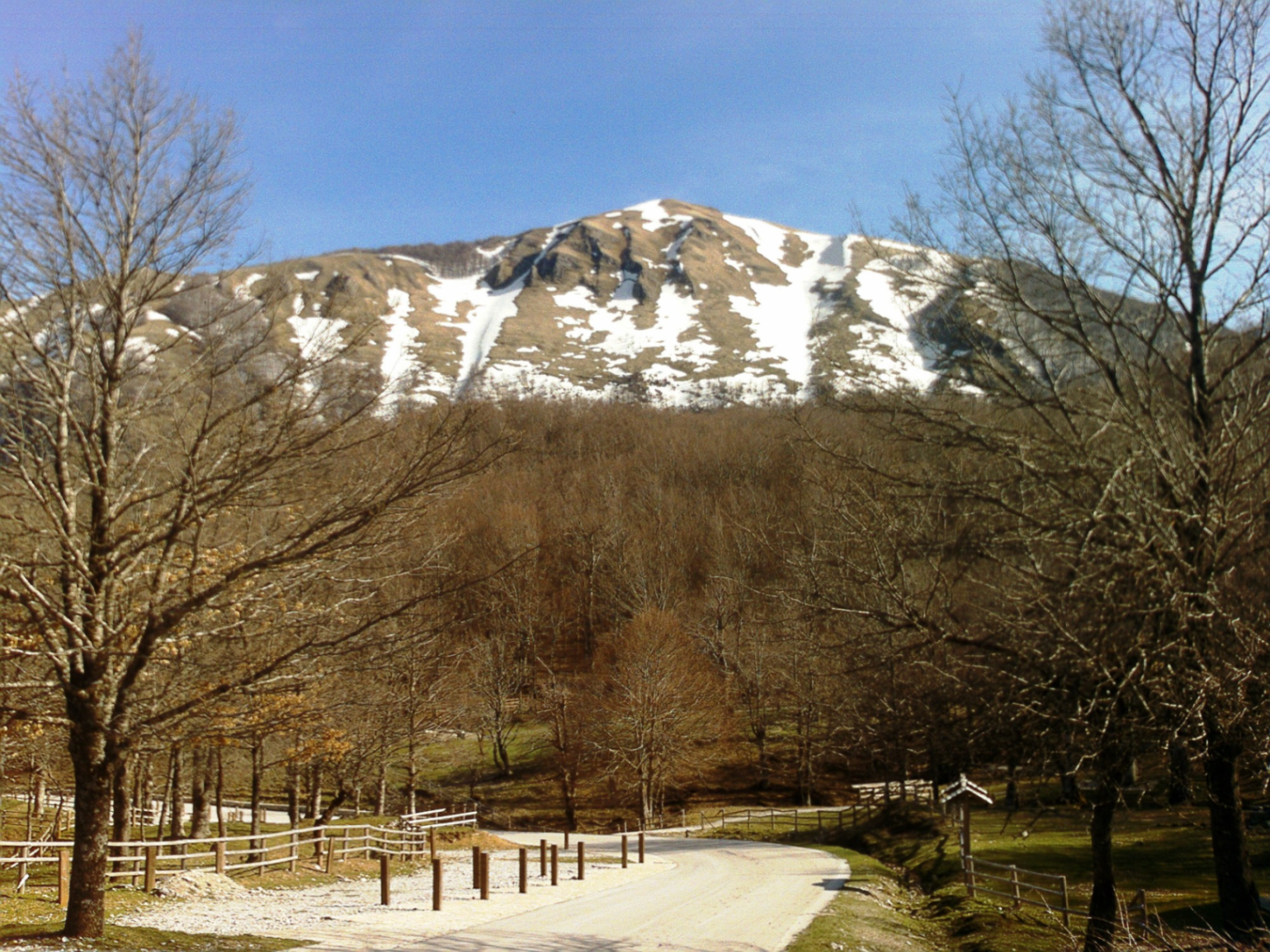
Natura 2000 · passage, breeding

Natura 2000 · passage, breeding

Natura 2000 · breeding

Natura 2000 · passage, breeding
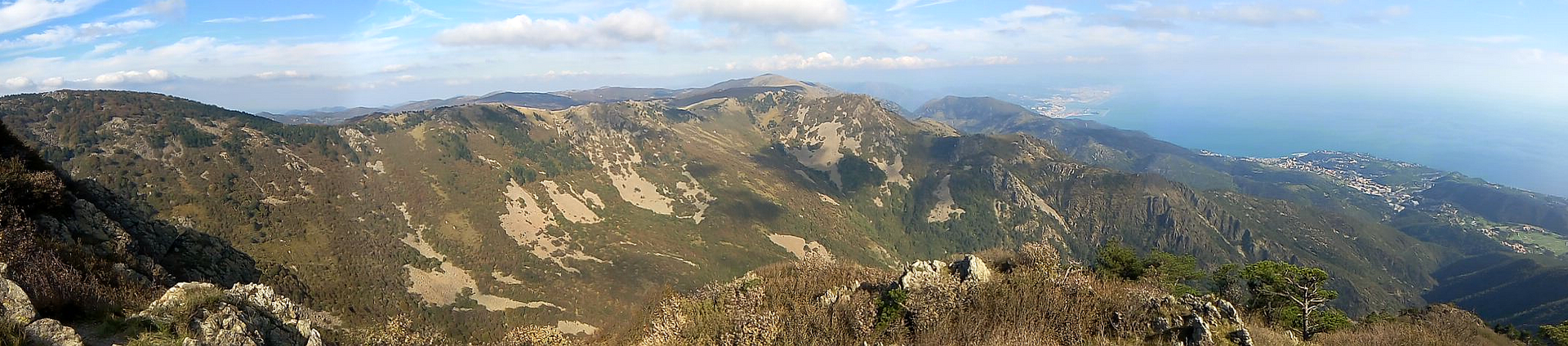
Natura 2000 · passage

Natura 2000 · breeding
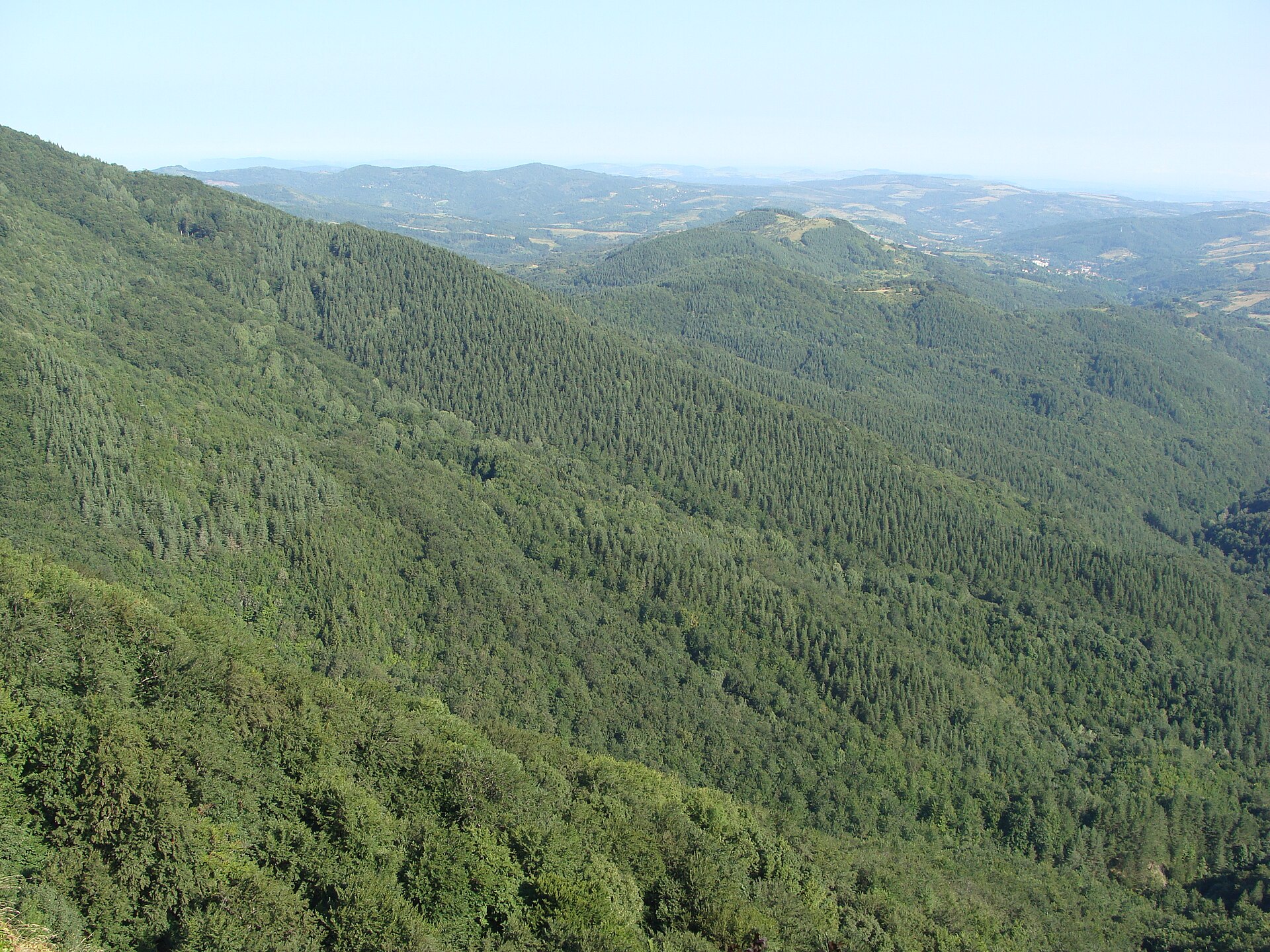
Natura 2000 · passage

Natura 2000 · breeding

Natura 2000 · breeding
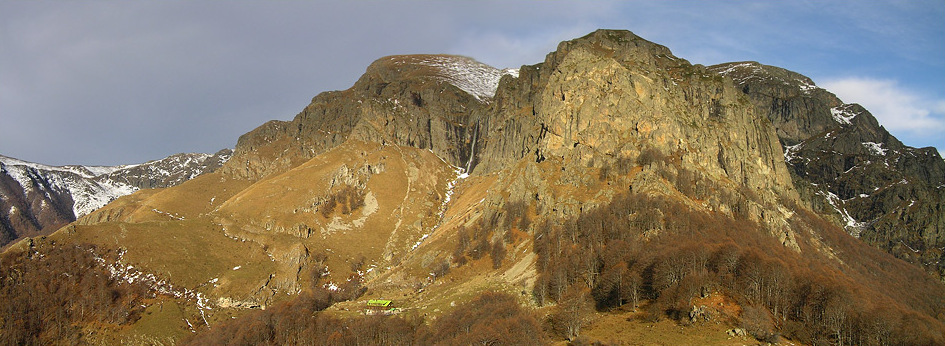
Natura 2000 · breeding, passage
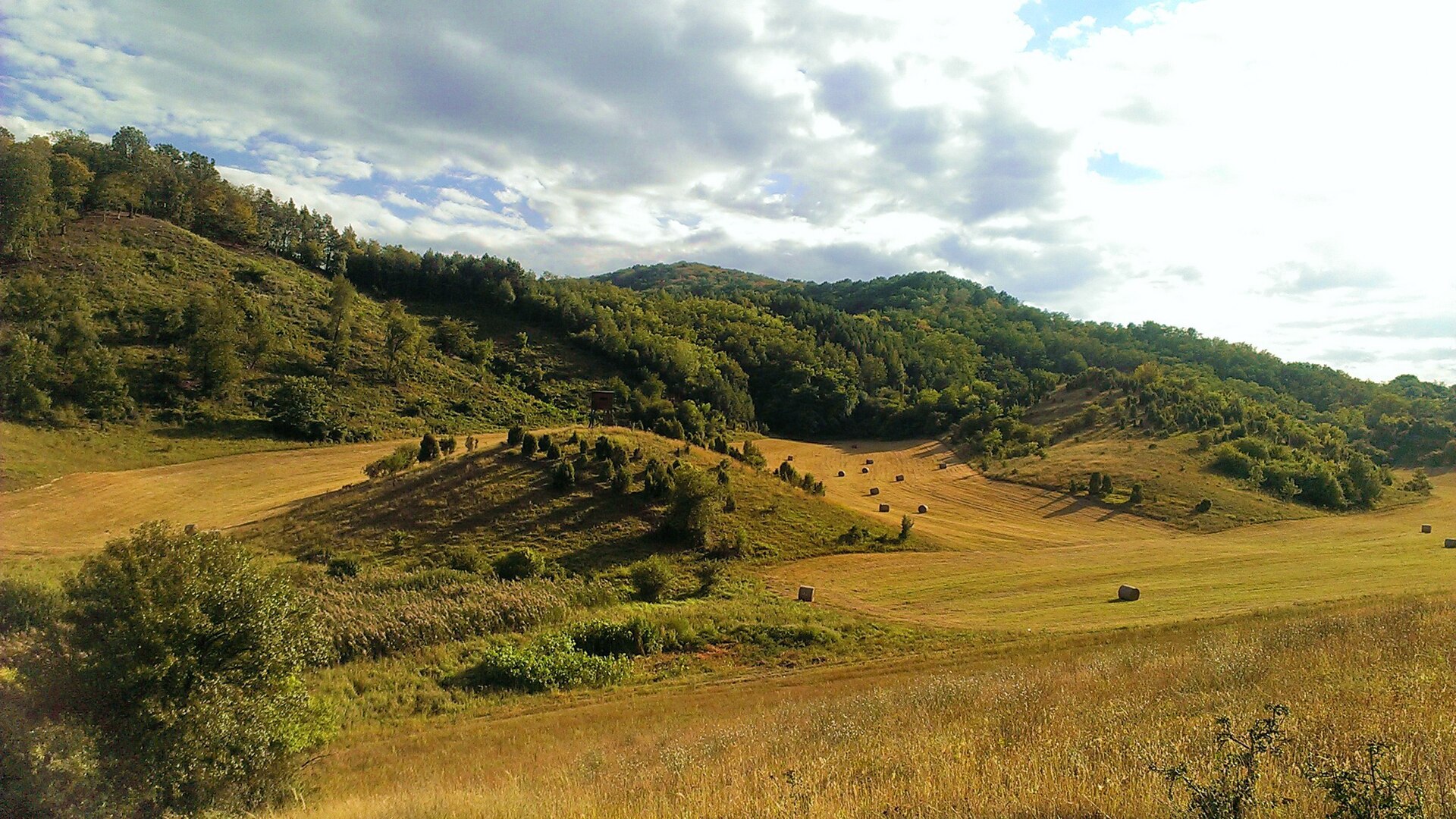
Natura 2000 · breeding

Natura 2000 · breeding
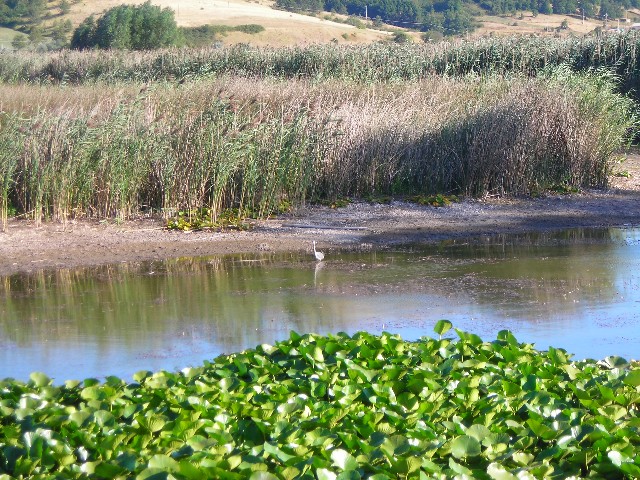
Natura 2000 · passage

Natura 2000 · breeding

Natura 2000 · breeding
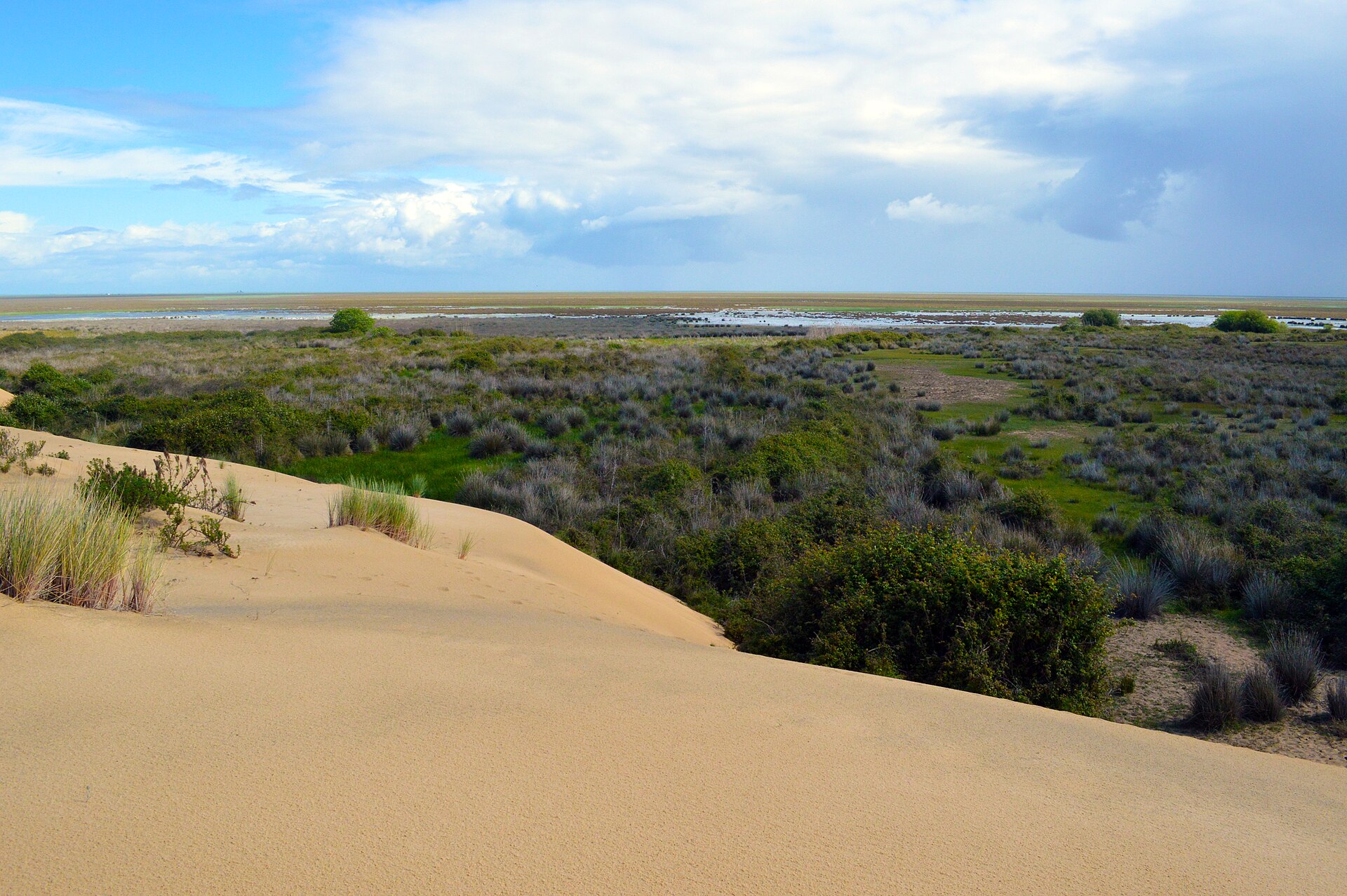
Natura 2000 · breeding
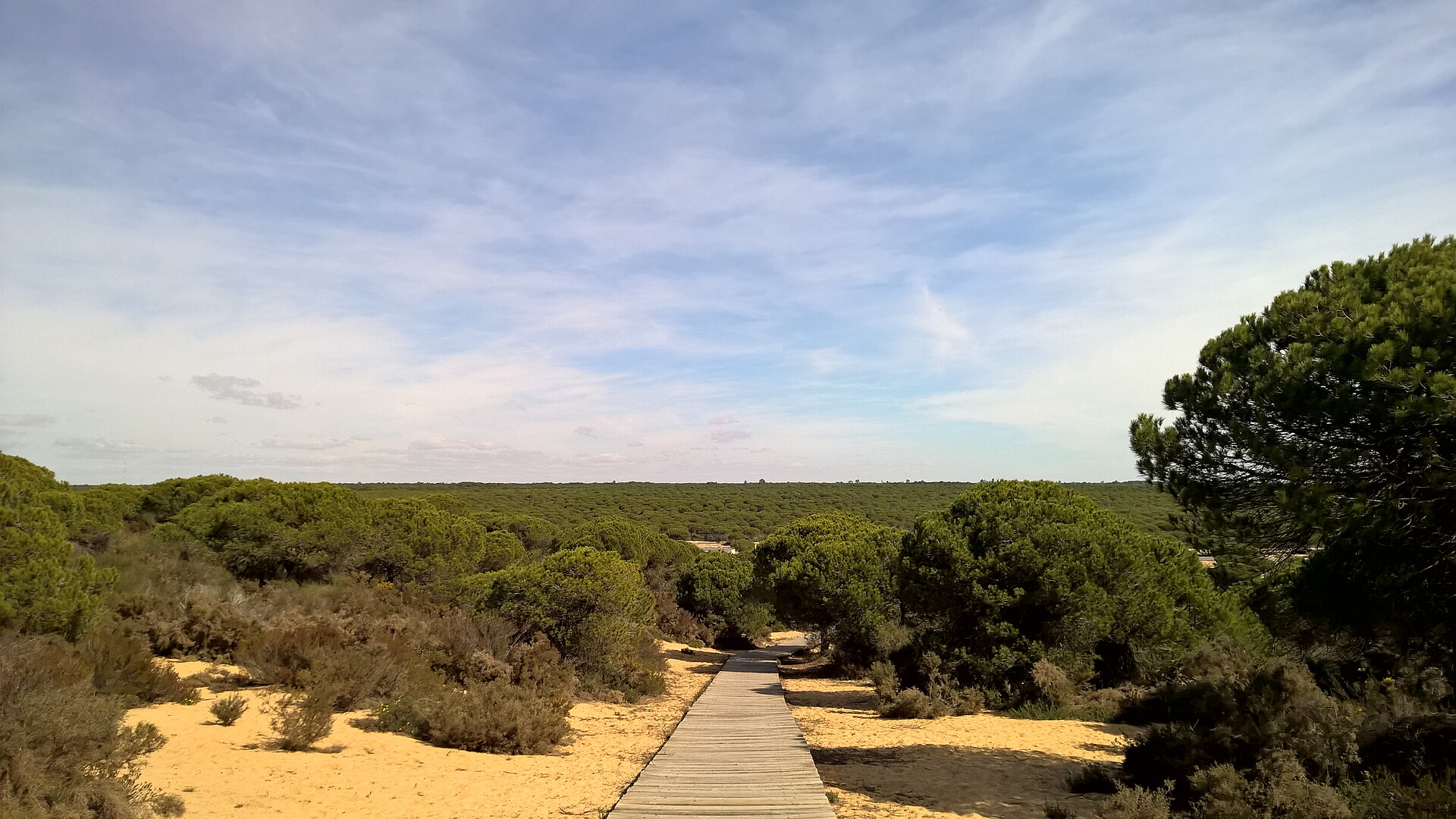
Natura 2000 · breeding
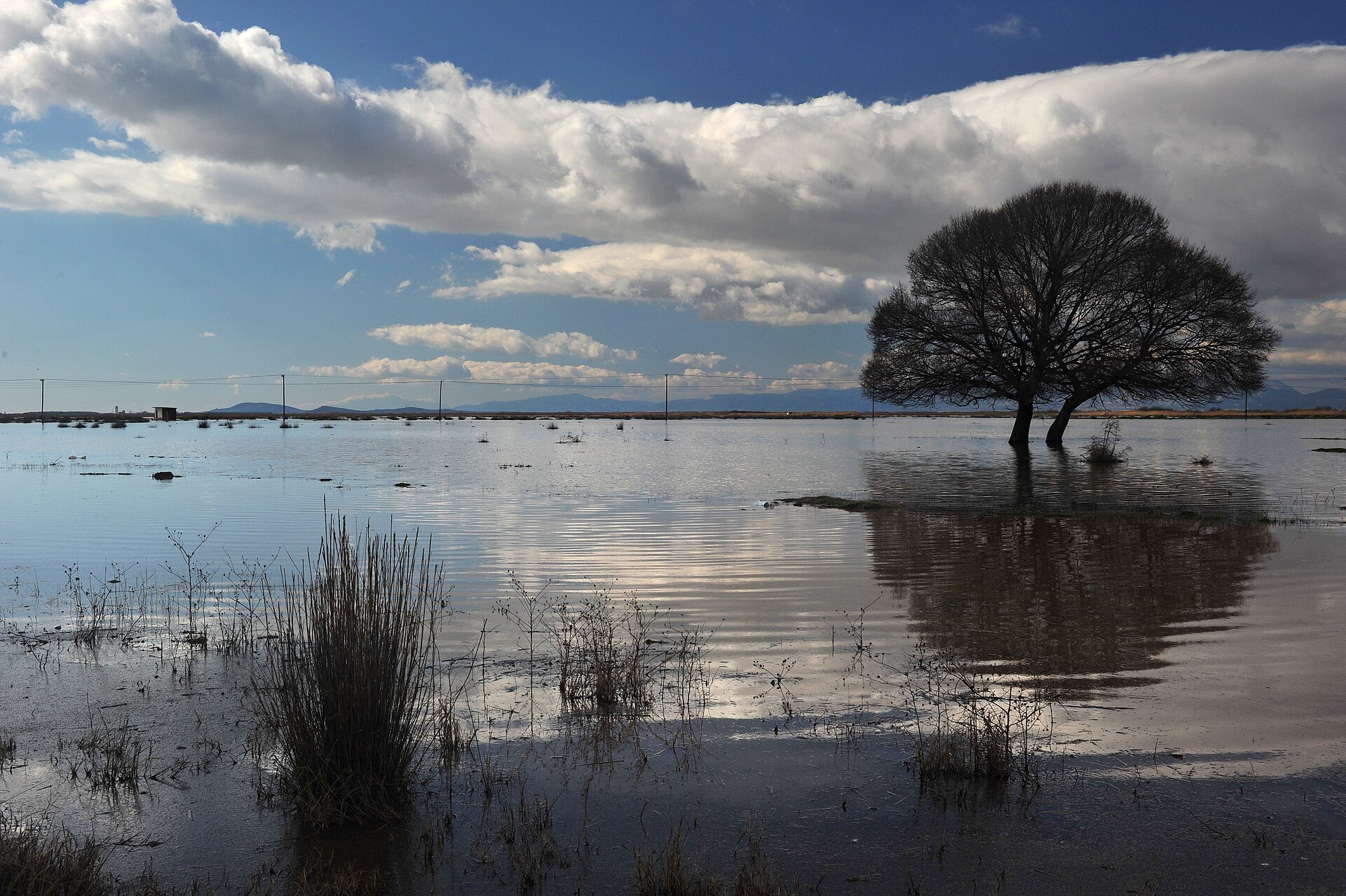
Natura 2000 · breeding
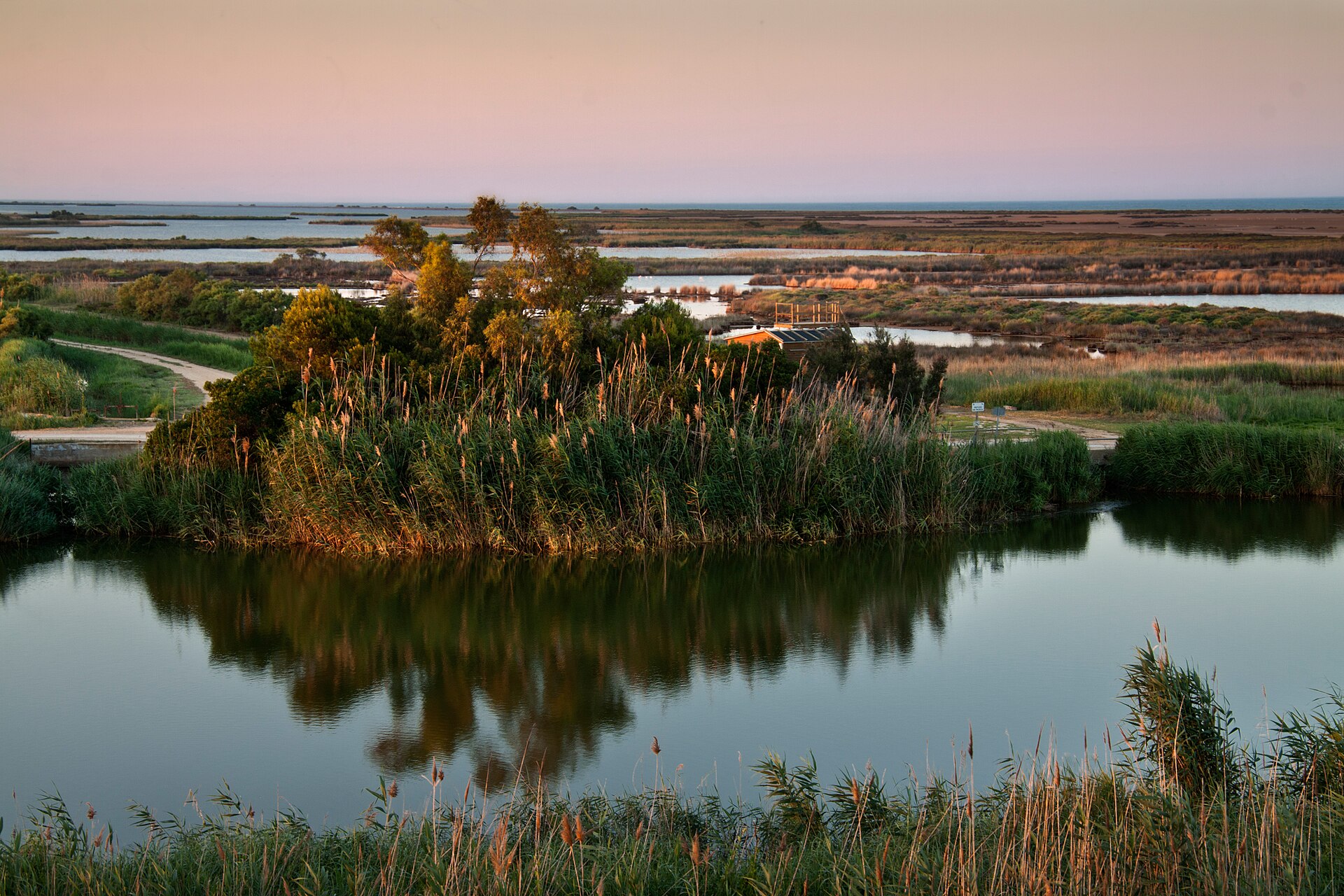
Natura 2000 · breeding
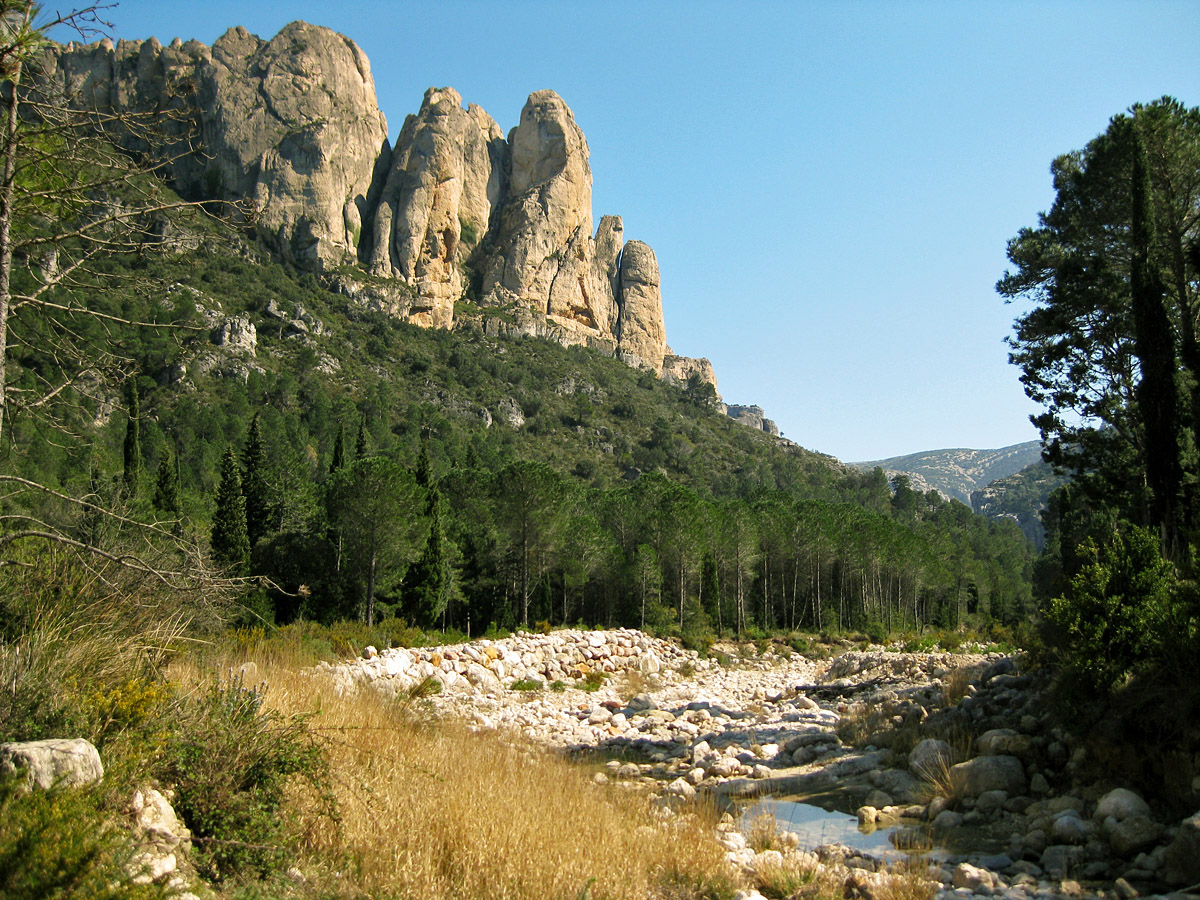
Natura 2000 · breeding

Natura 2000 · passage, breeding
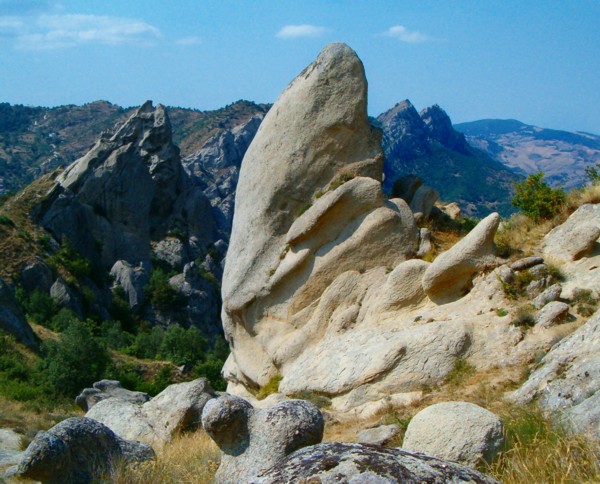
Natura 2000 · wintering
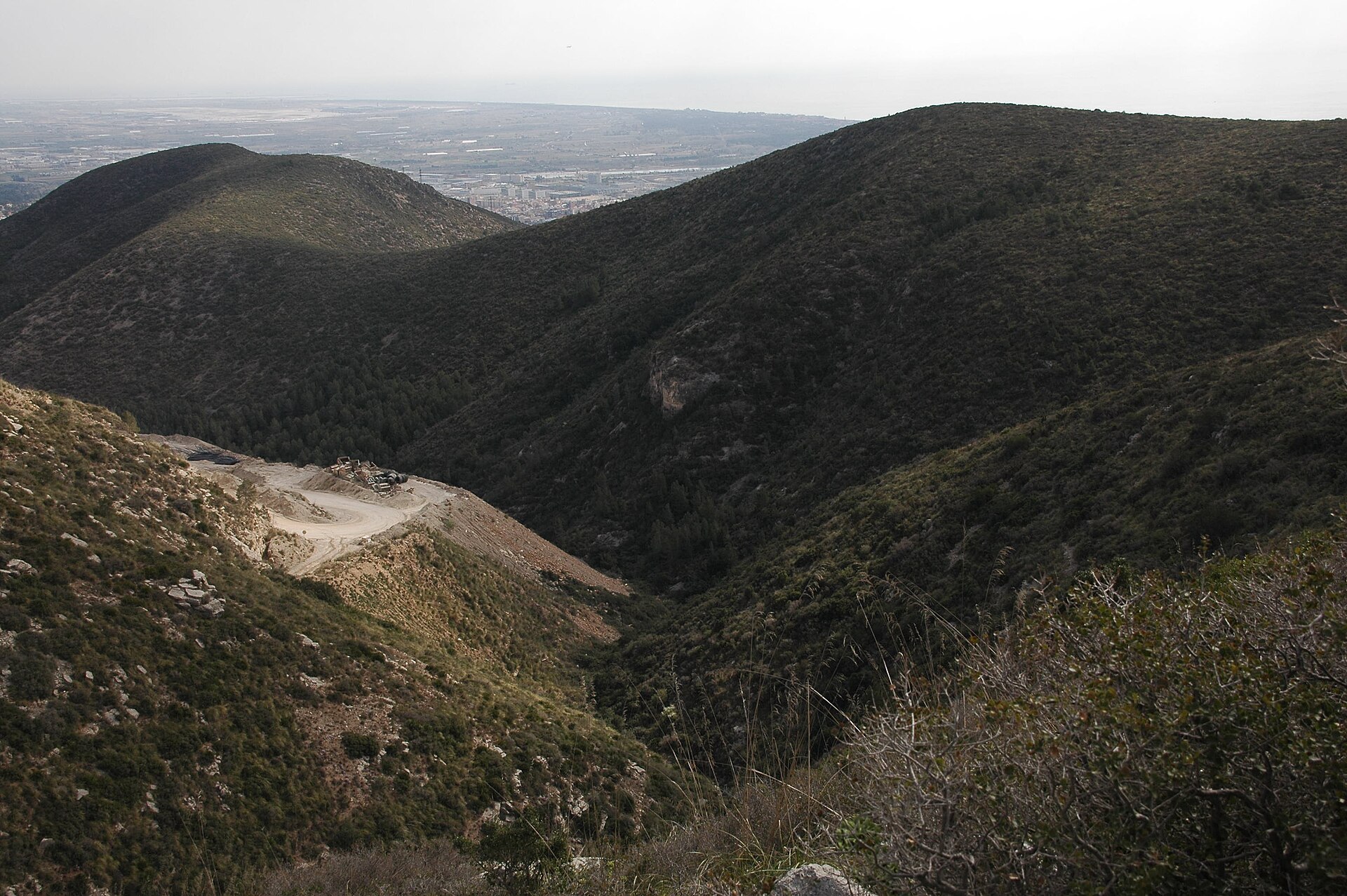
Natura 2000 · breeding
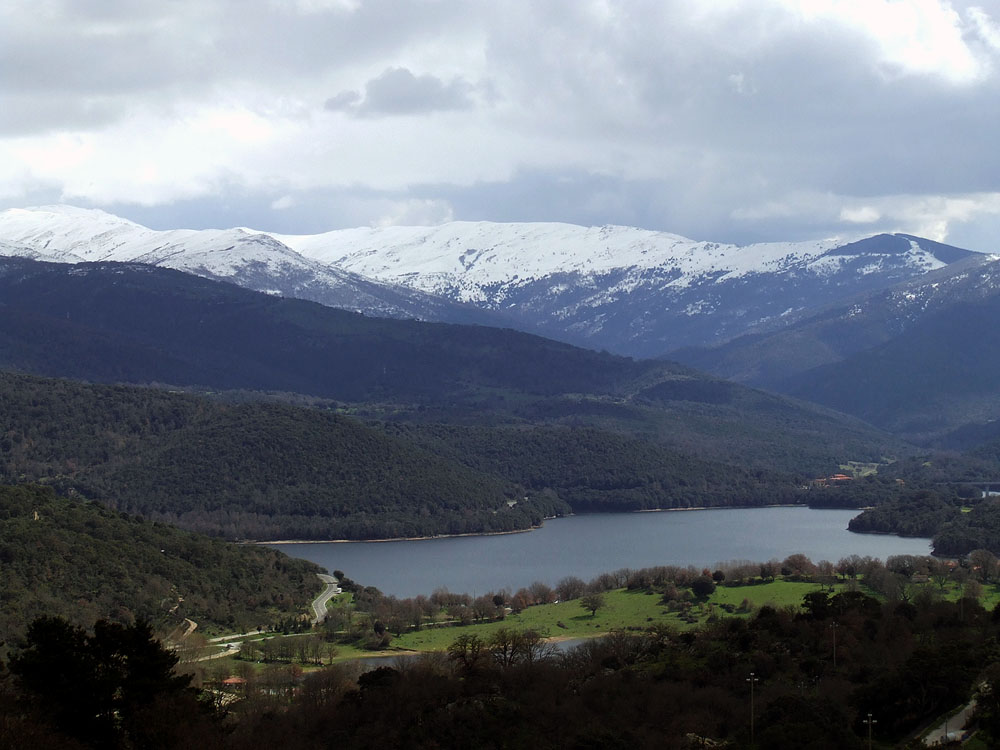
Natura 2000 · passage, breeding
Natura 2000 · breeding

Natura 2000 · passage
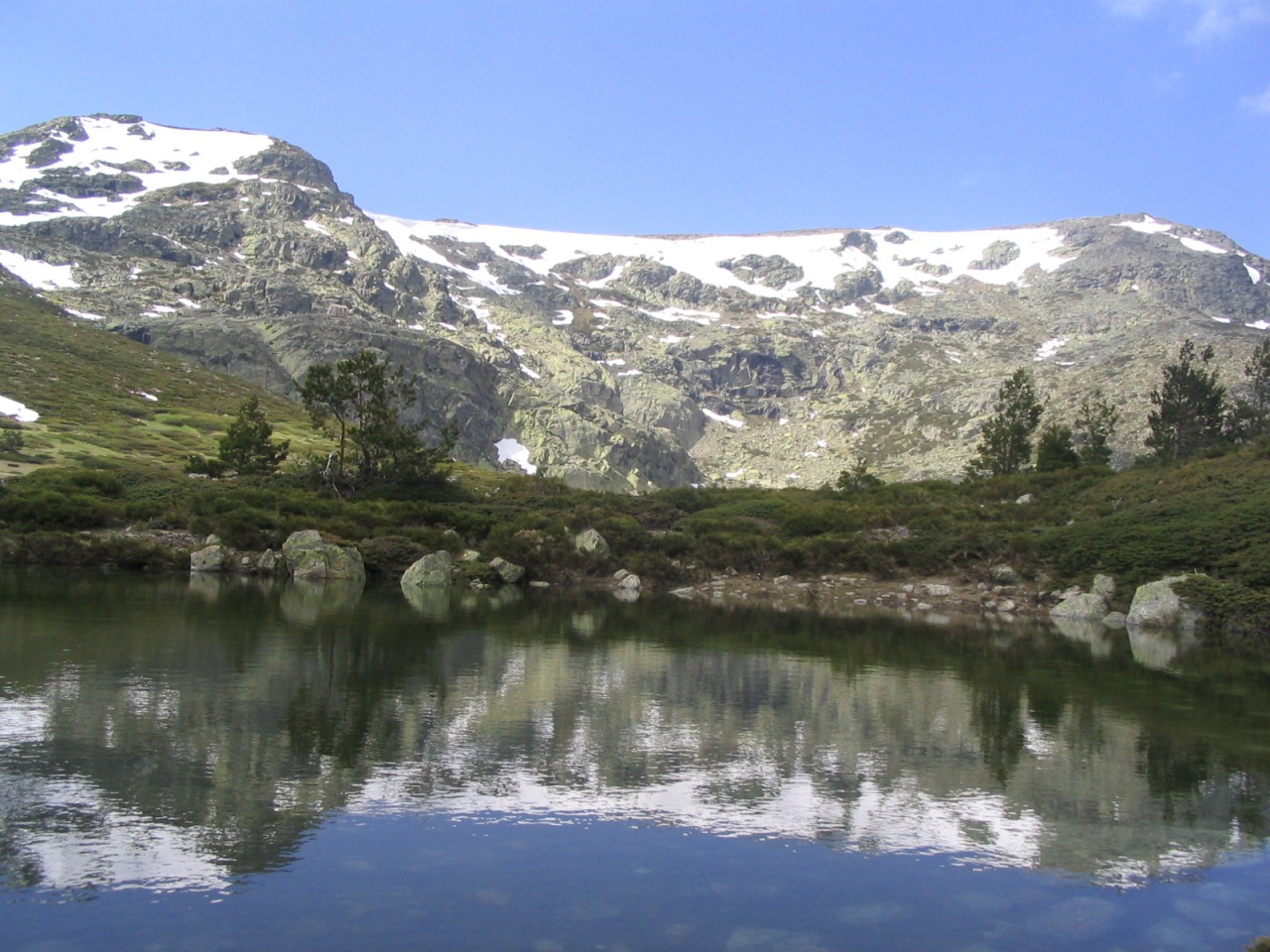
Natura 2000 · breeding, passage

Natura 2000 · breeding

Natura 2000 · breeding
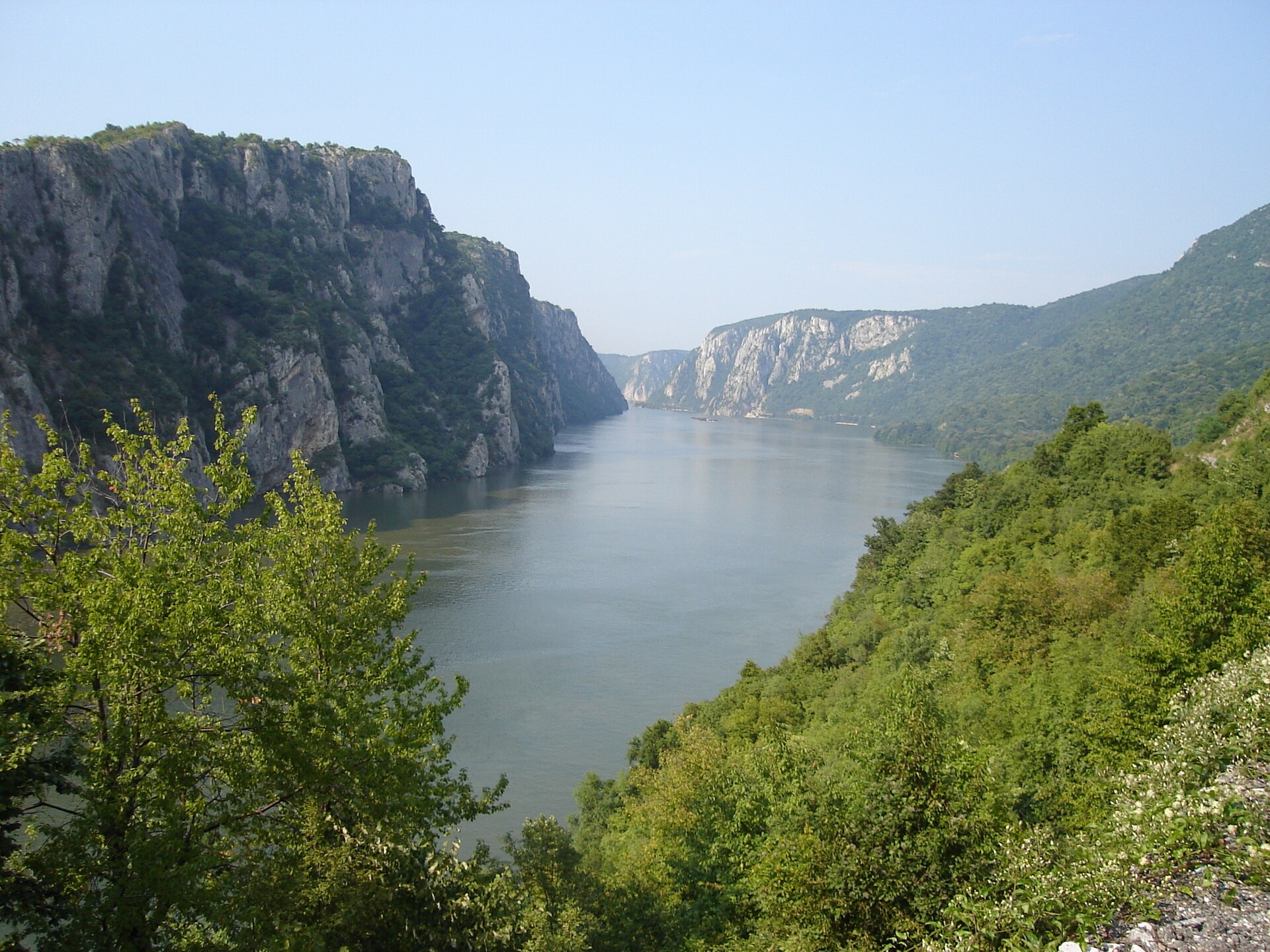
Natura 2000 · breeding

Natura 2000 · passage
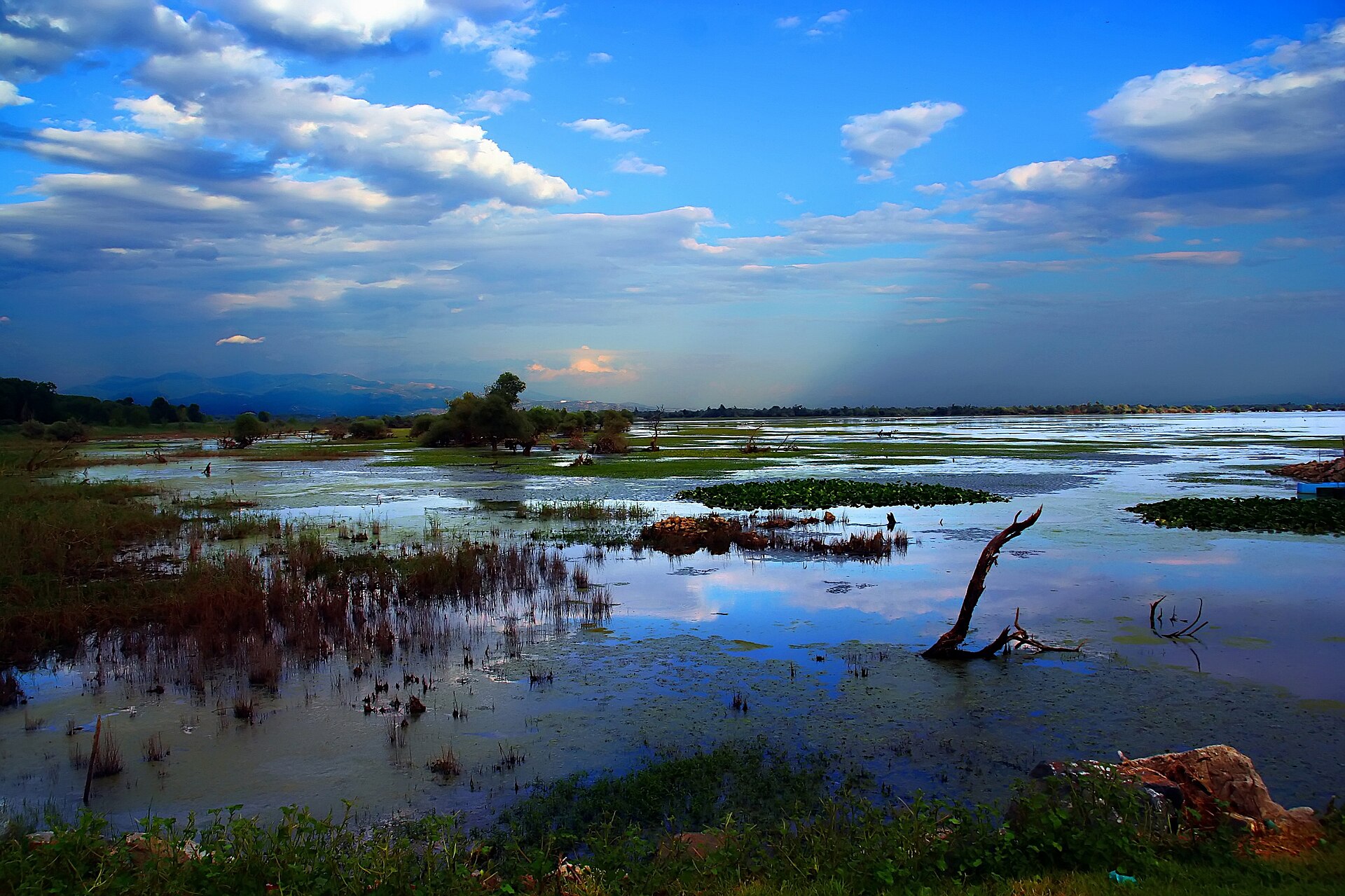
Natura 2000 · breeding
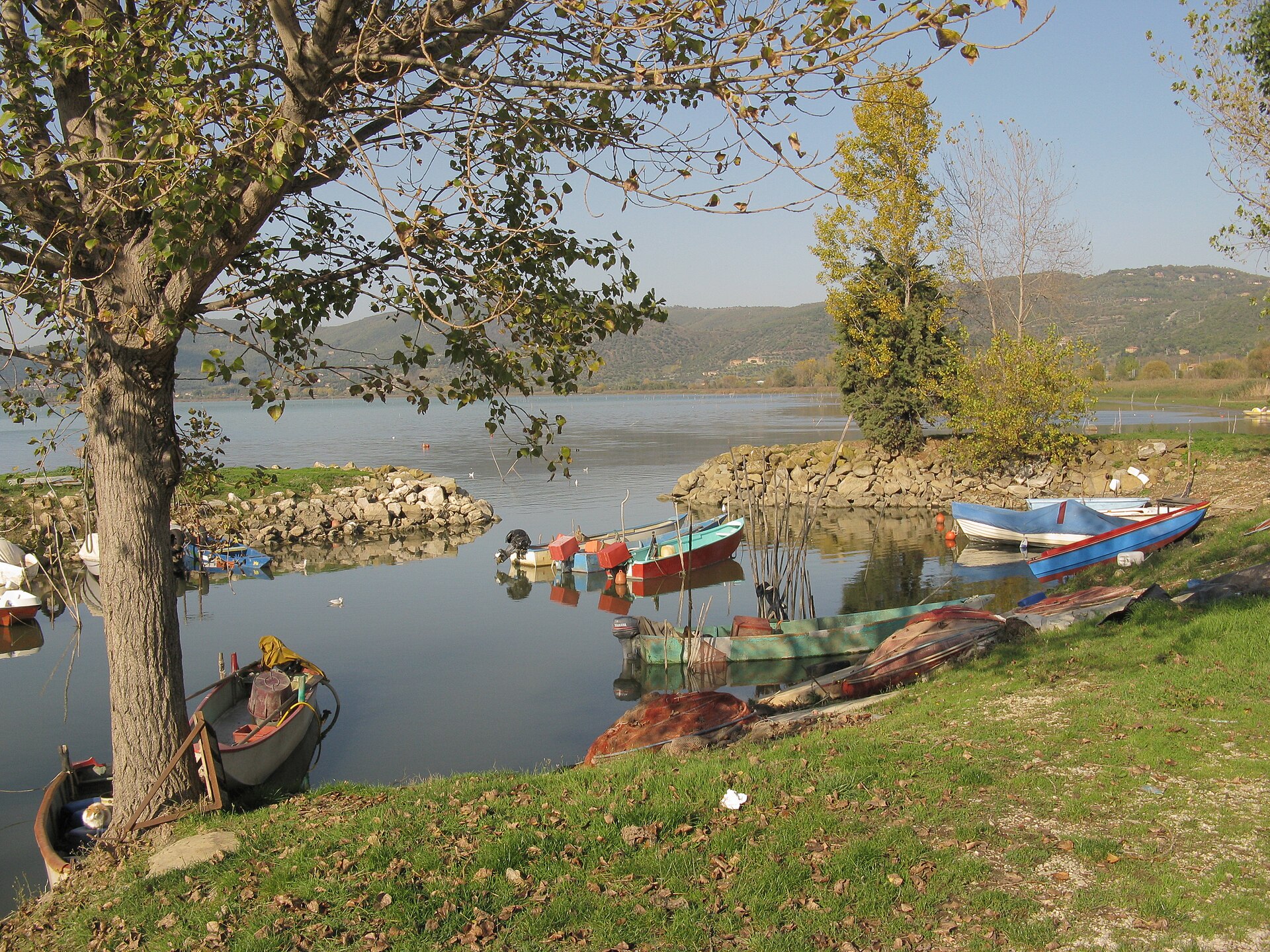
Natura 2000
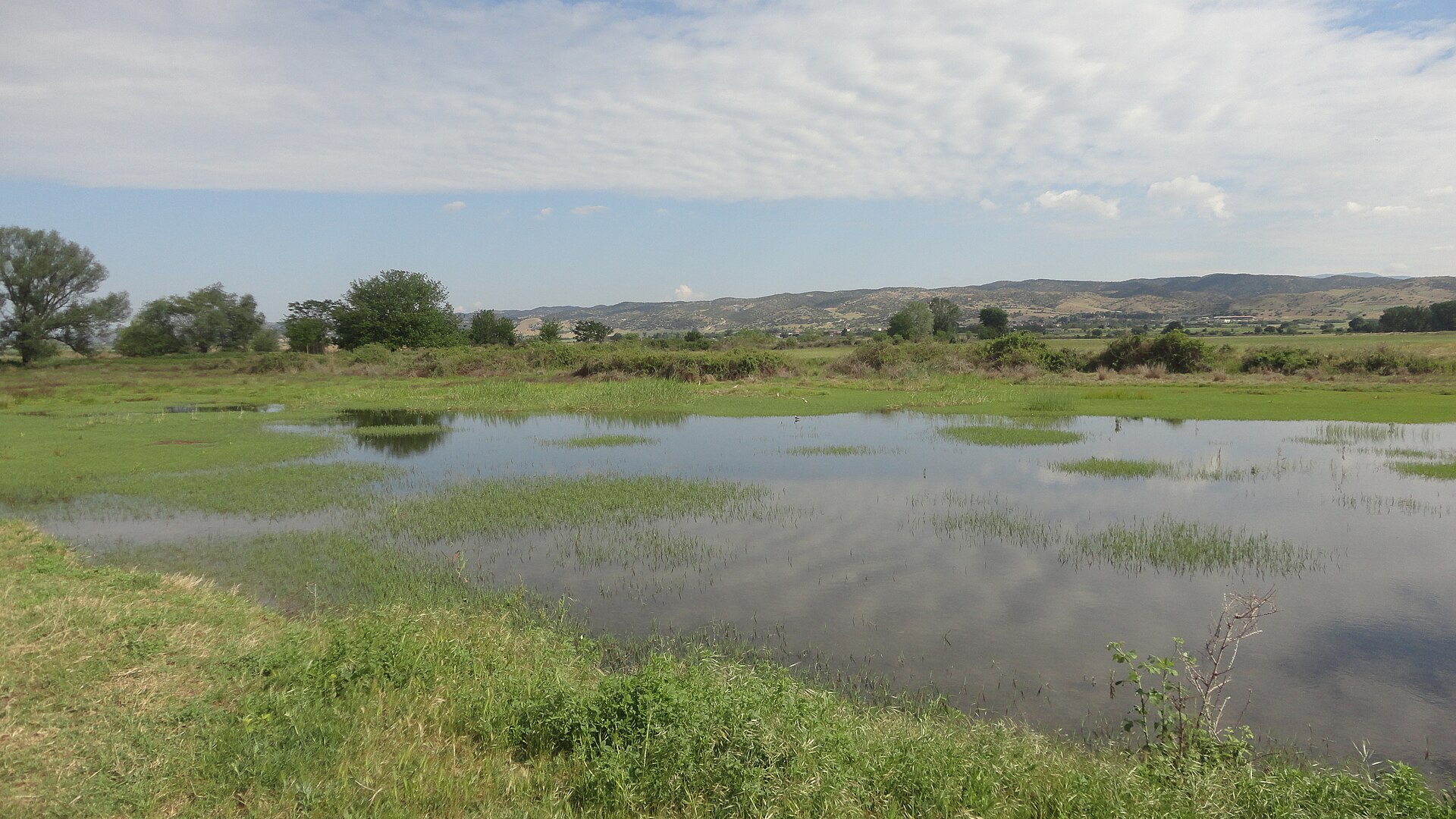
Natura 2000 · breeding

Natura 2000 · breeding
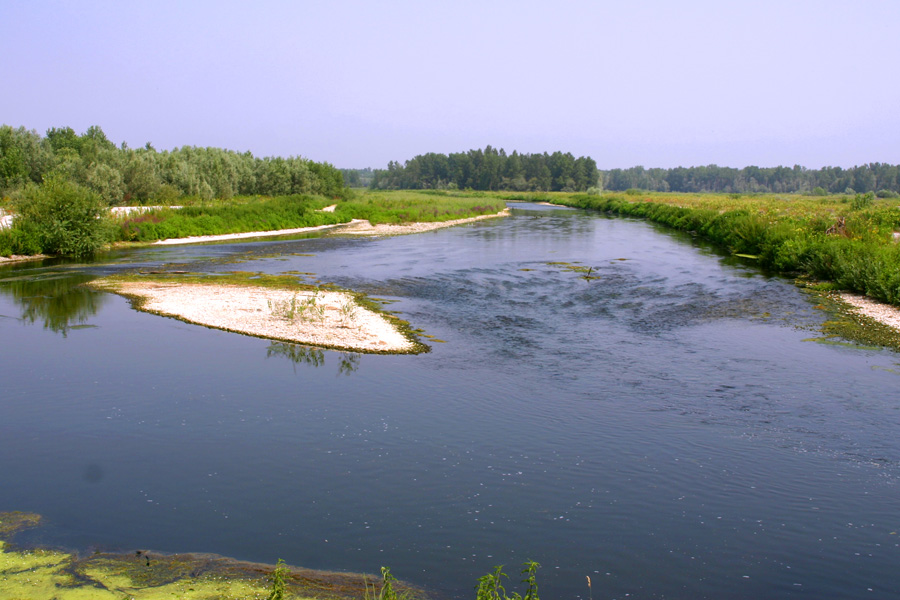
Natura 2000 · breeding, passage

Natura 2000 · breeding

Natura 2000 · passage, breeding
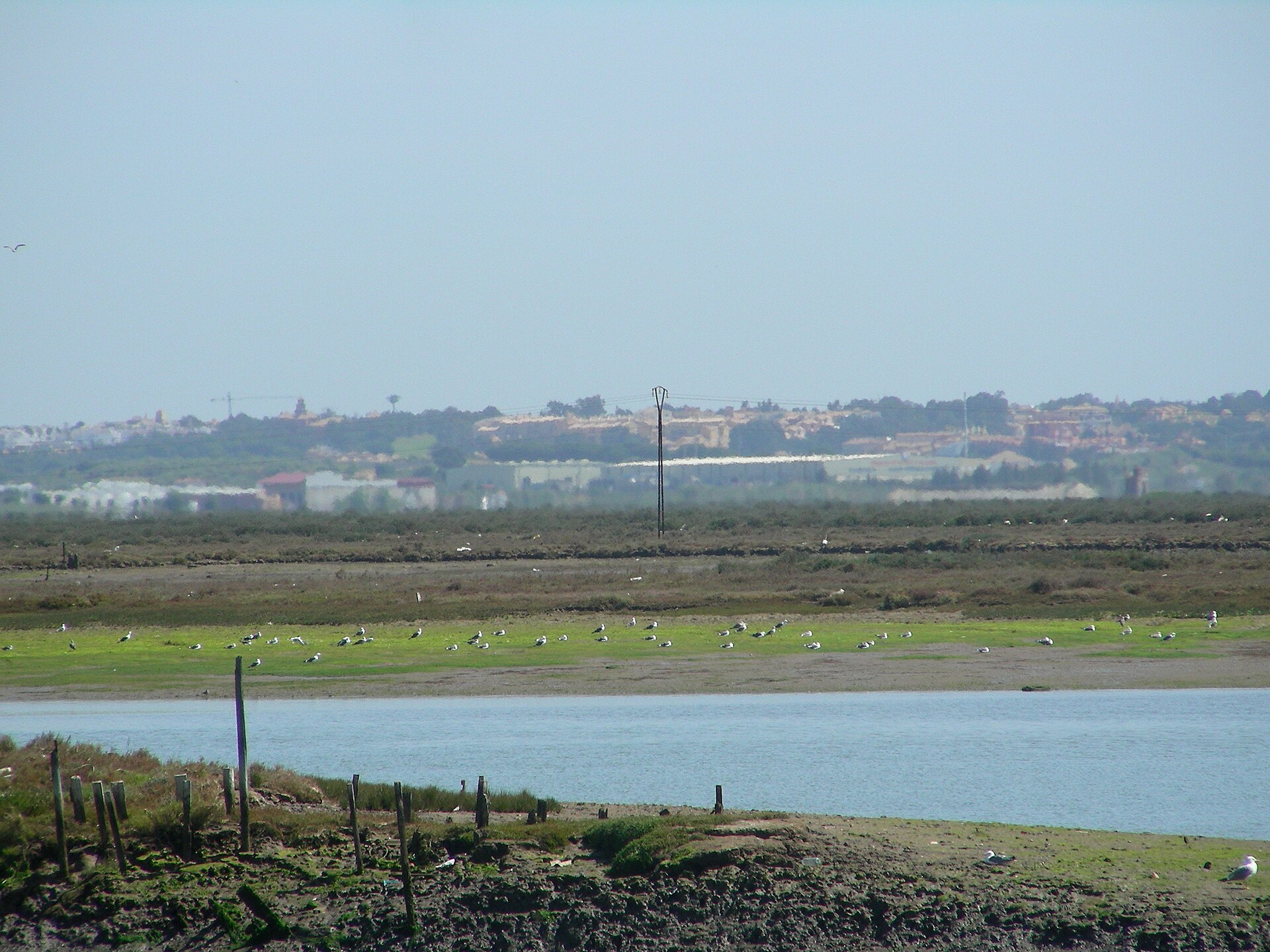
Natura 2000 · breeding

Natura 2000 · breeding
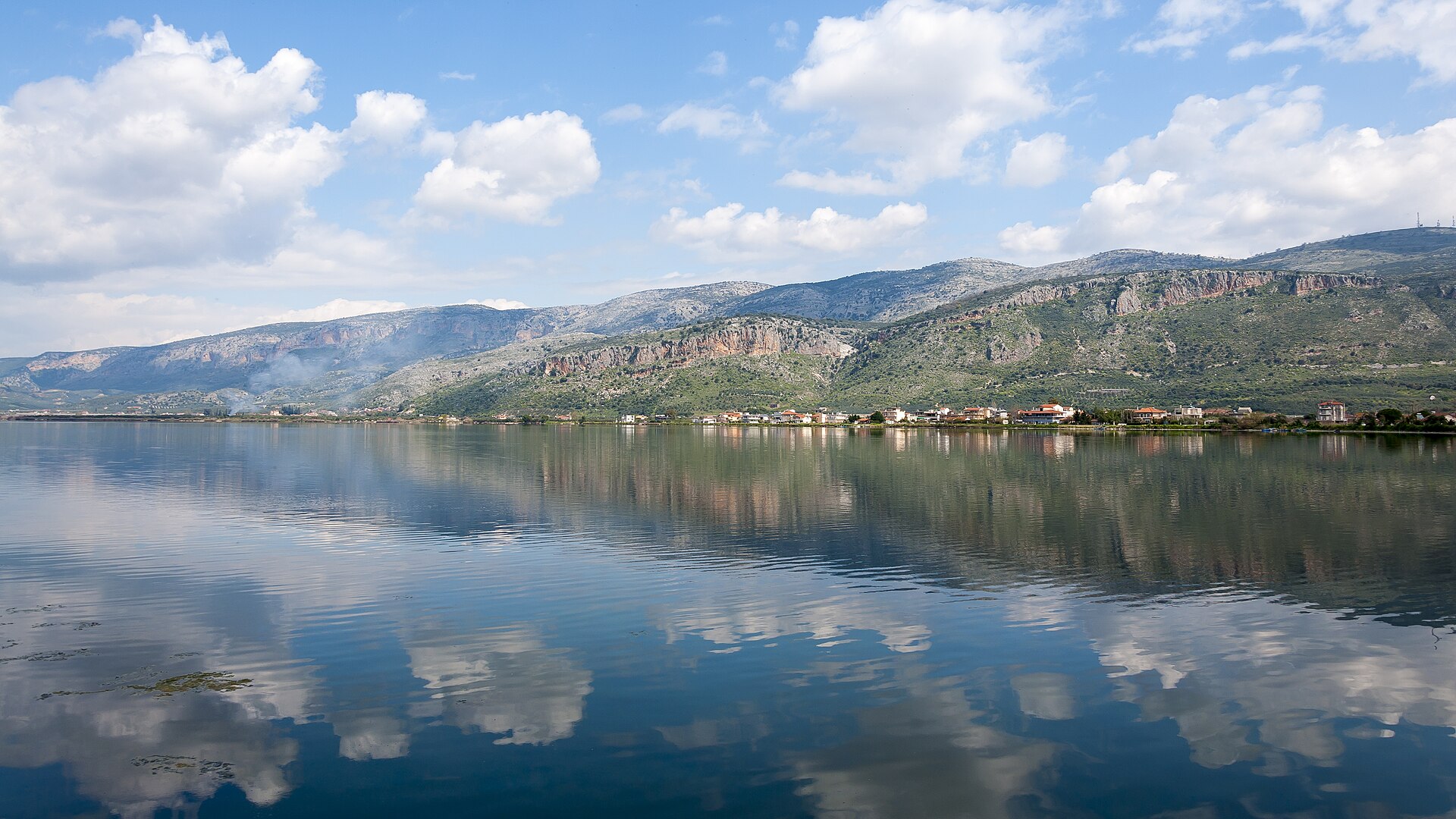
Natura 2000 · passage

Natura 2000 · passage

Natura 2000 · breeding

Natura 2000 · breeding

Natura 2000 · passage
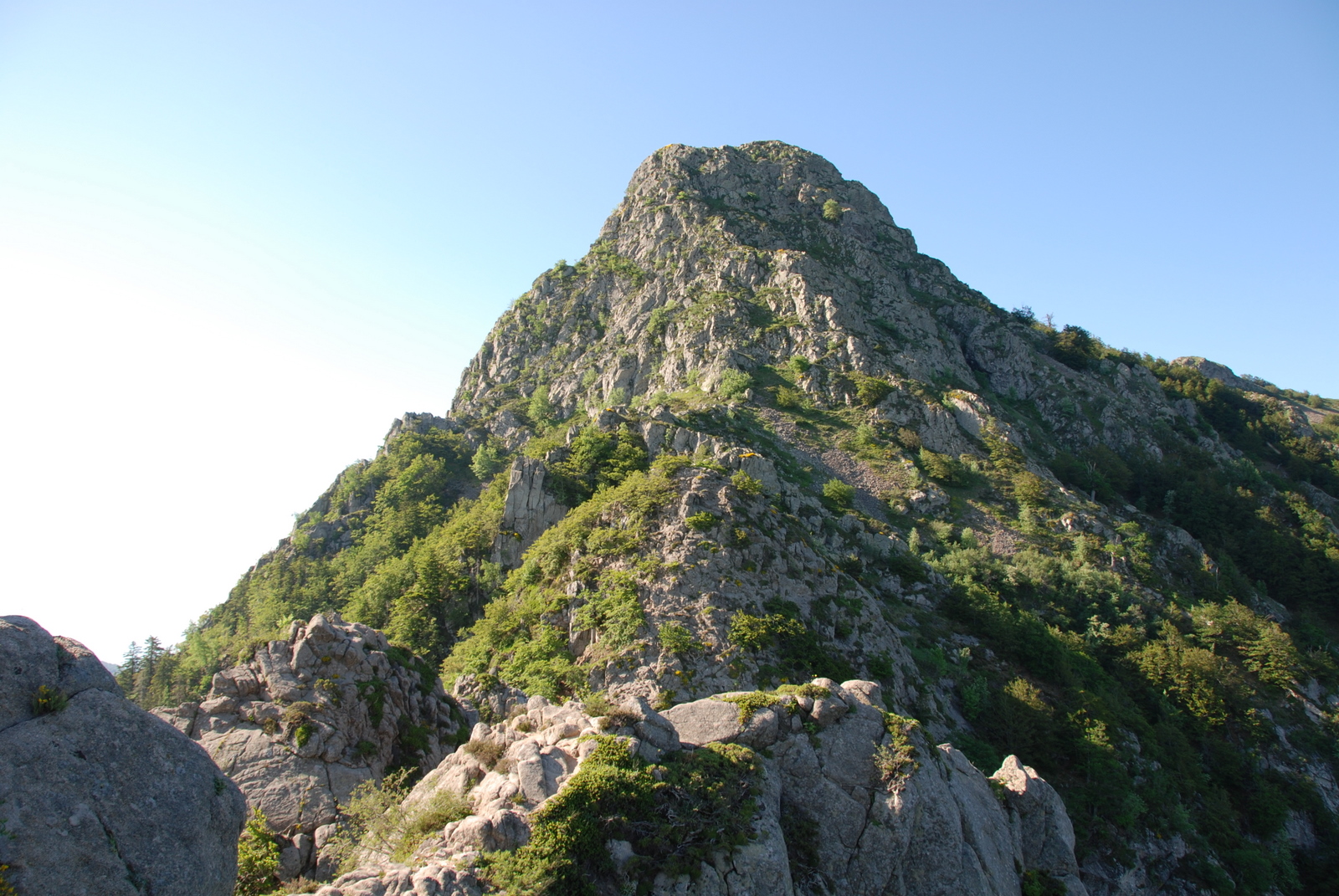
Natura 2000 · breeding

Natura 2000

Natura 2000 · breeding
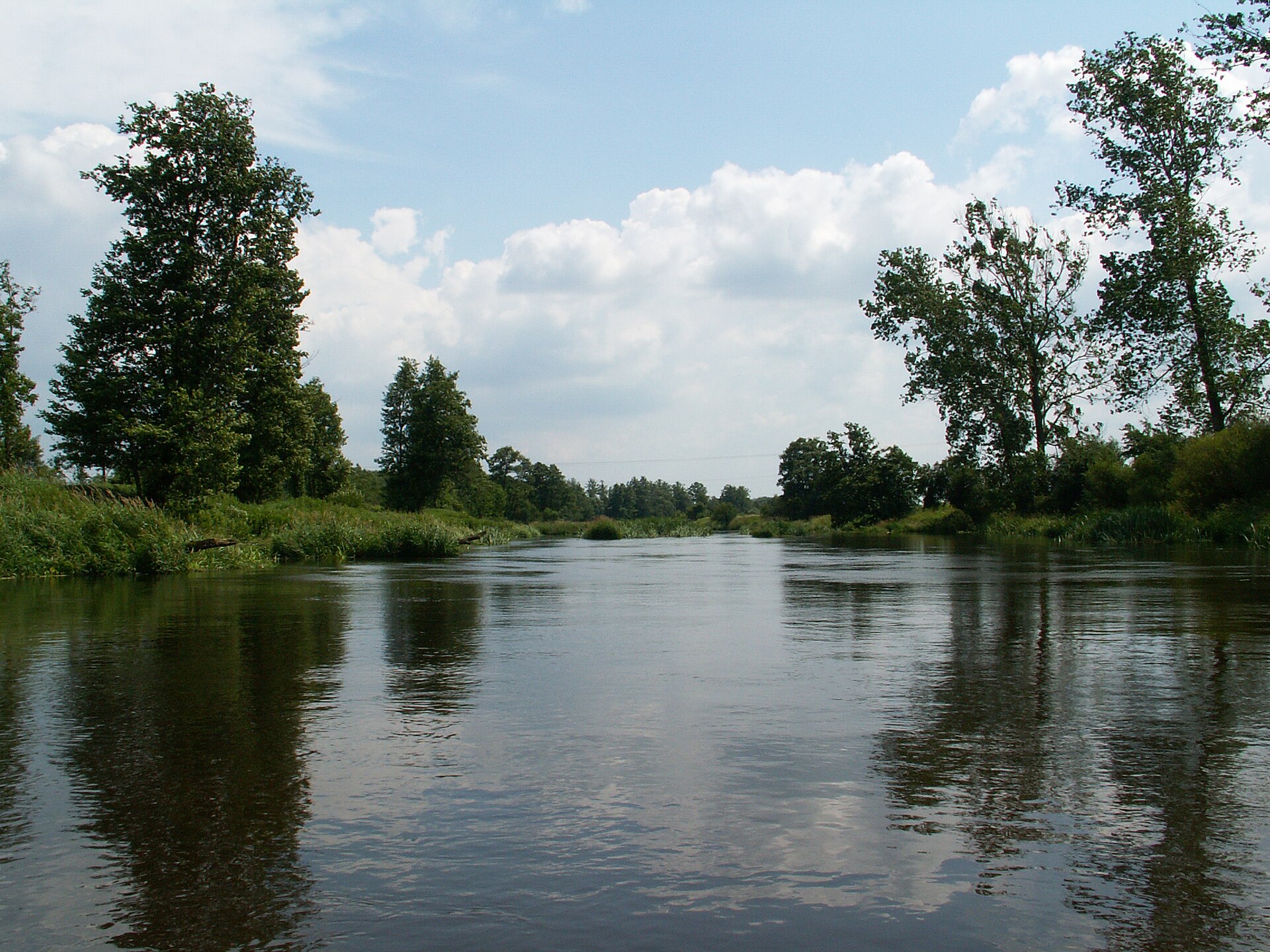
Natura 2000 · breeding

Natura 2000 · breeding
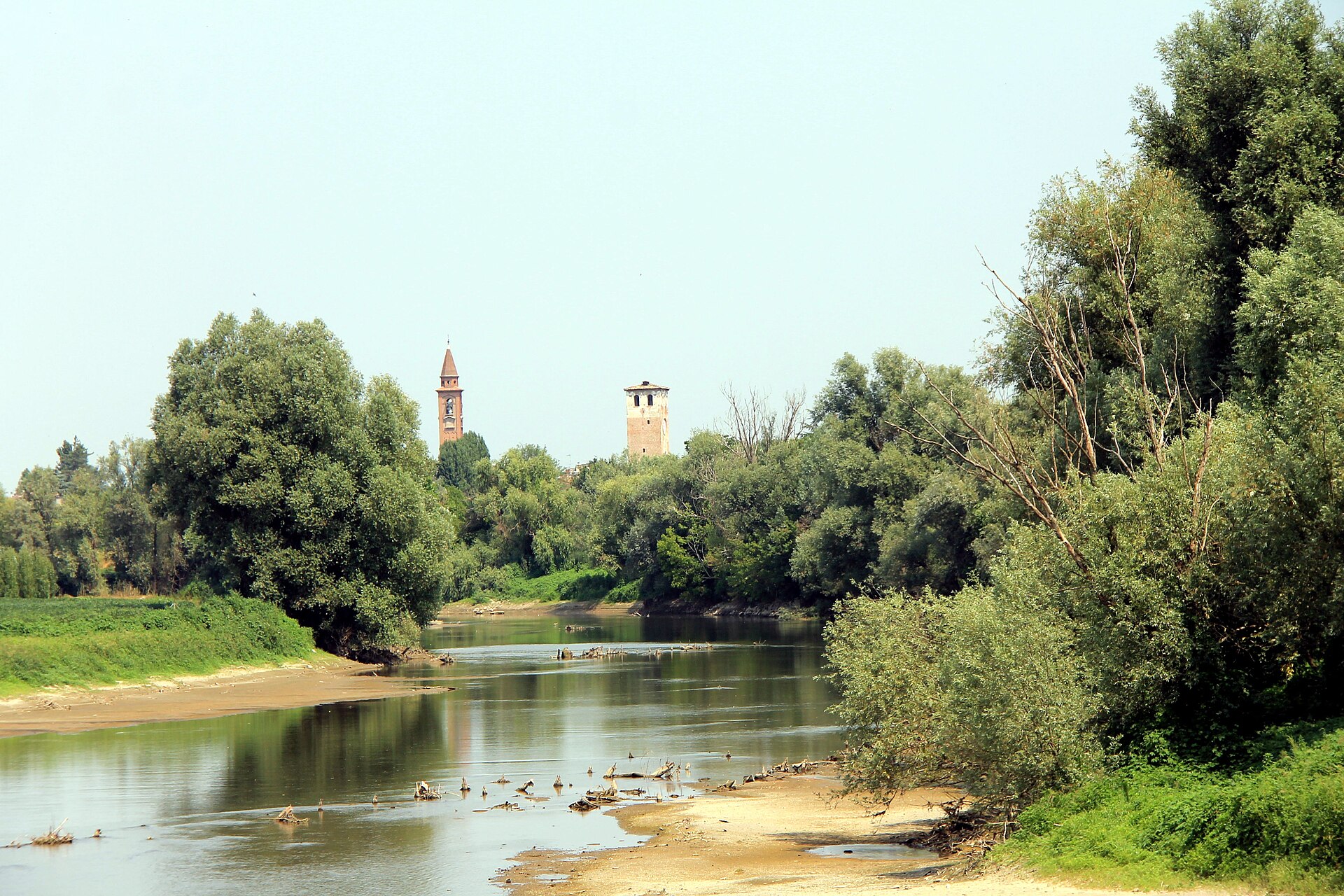
Natura 2000 · breeding, passage
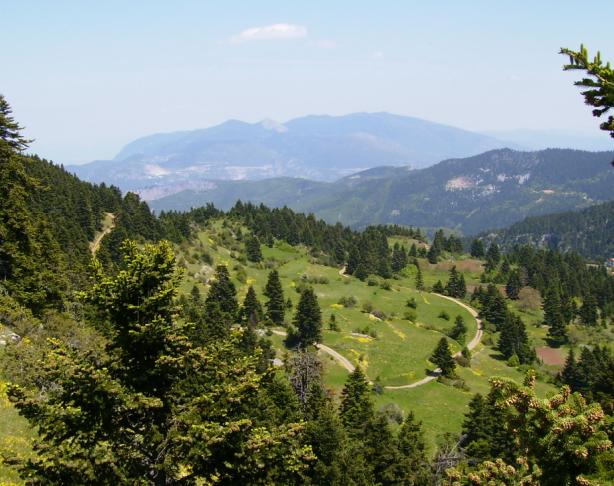
Natura 2000 · breeding
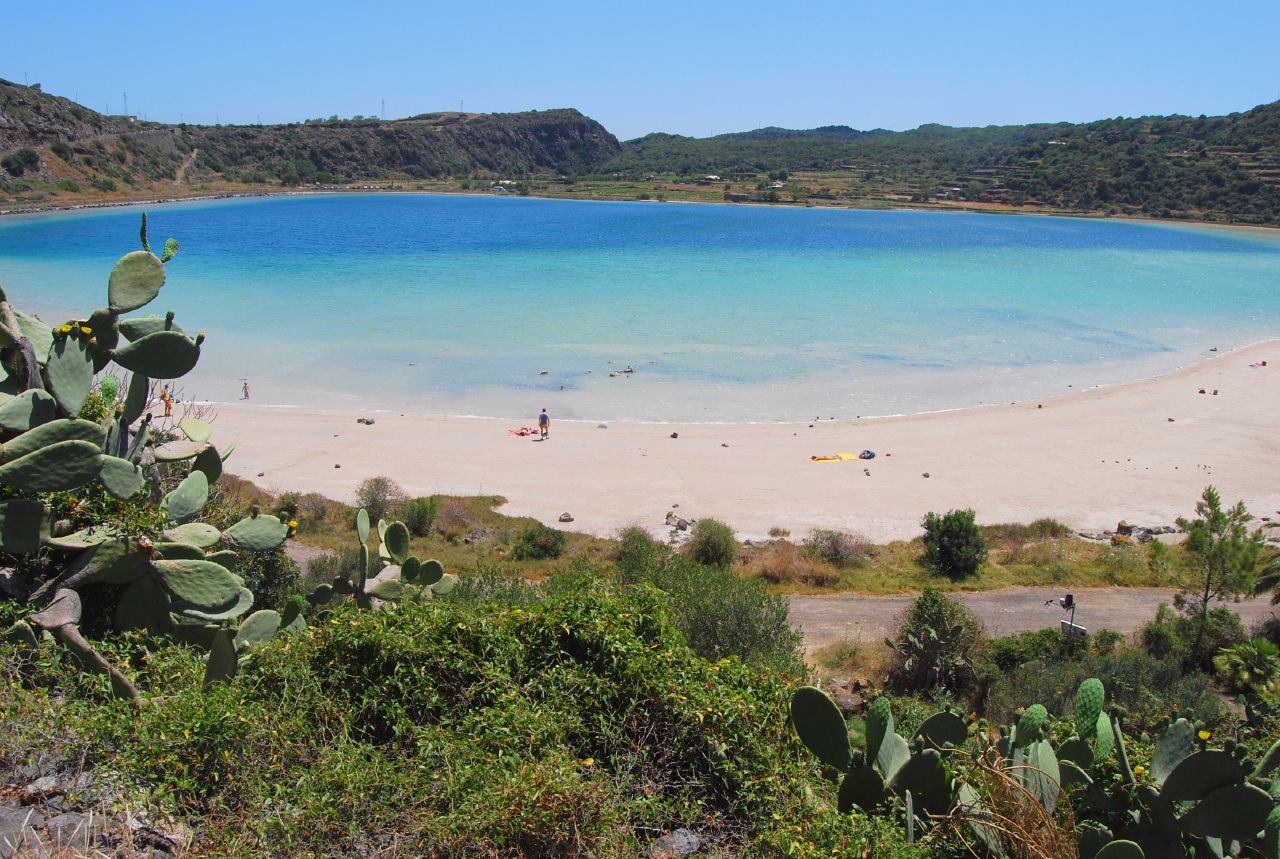
Natura 2000 · passage

Natura 2000 · passage
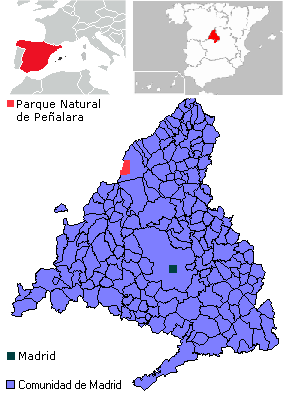
Natura 2000 · passage

Natura 2000 · passage

Natura 2000 · passage
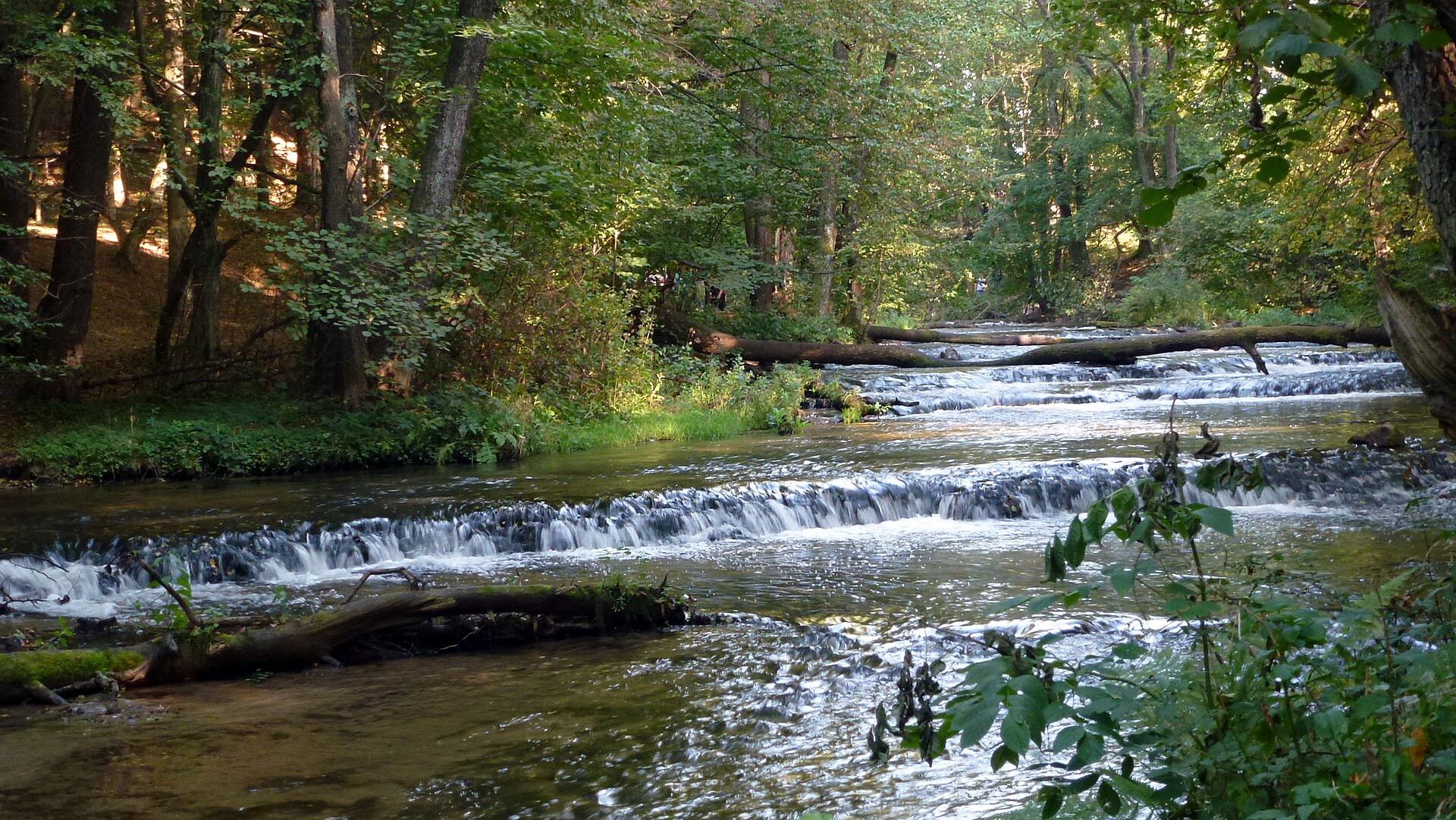
Natura 2000 · breeding
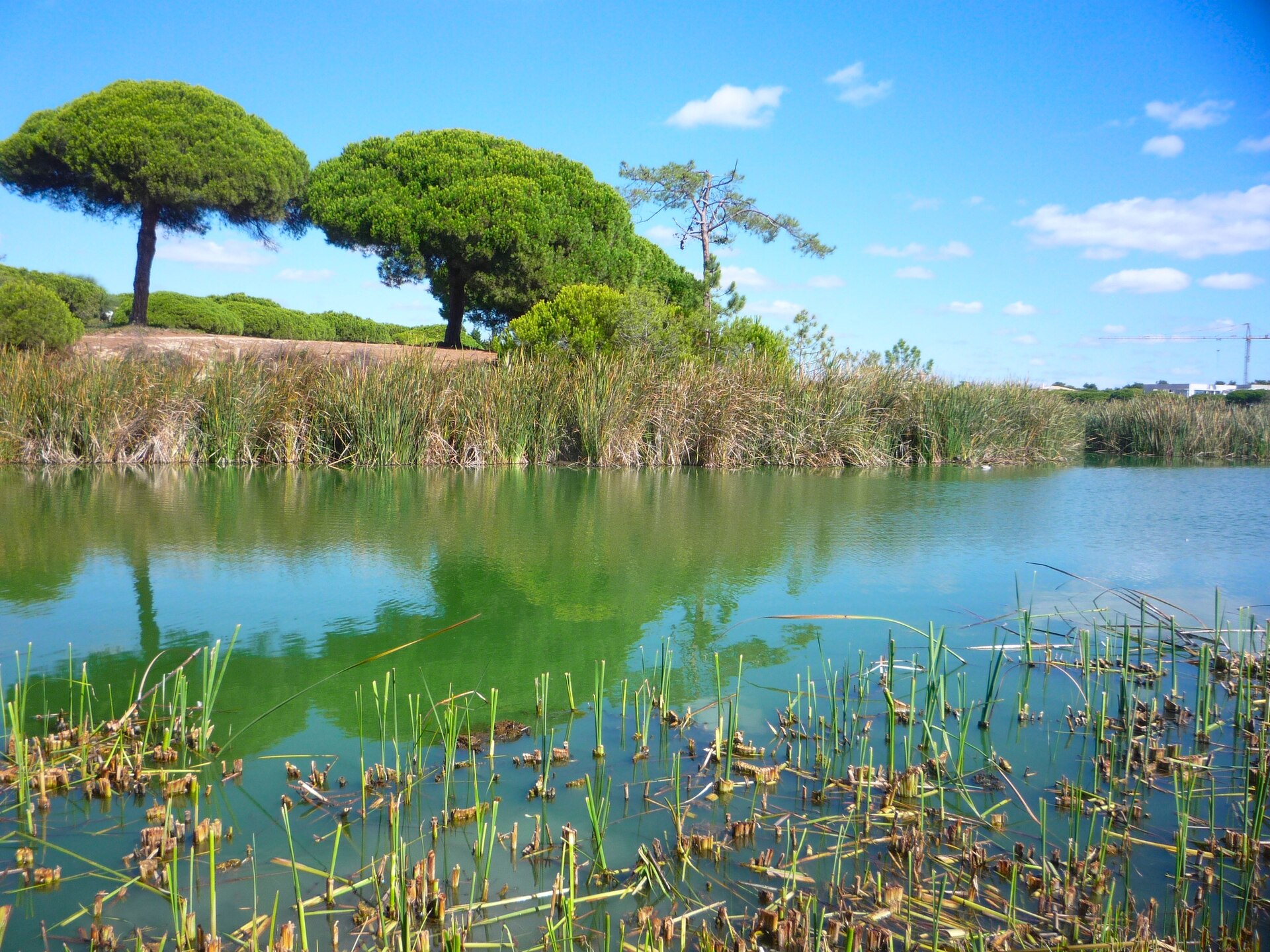
Natura 2000 · breeding
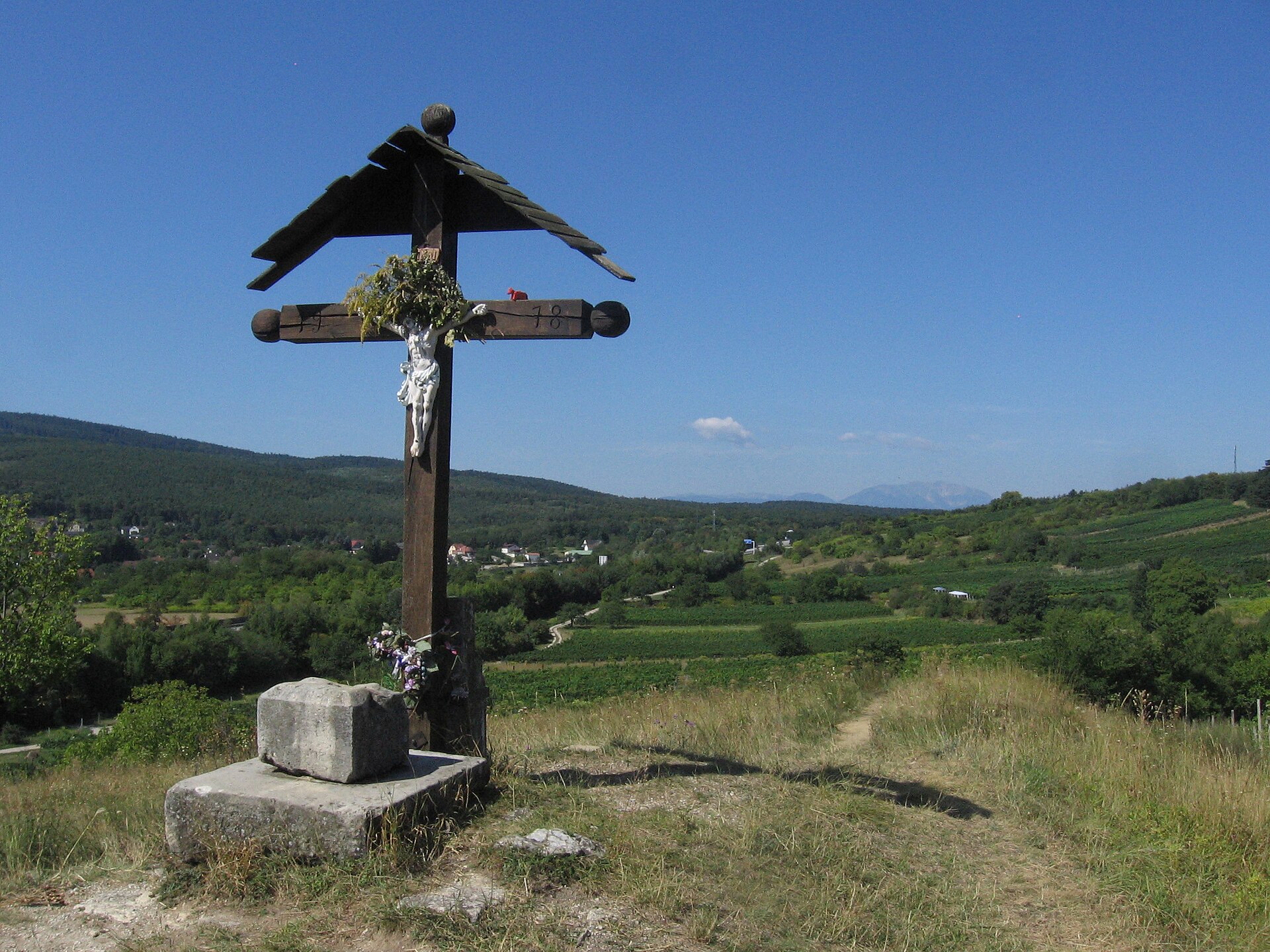
Natura 2000 · breeding, passage

Natura 2000 · breeding

Natura 2000 · passage

Natura 2000 · breeding
Natura 2000 · passage

Natura 2000 · breeding

Natura 2000 · breeding
Natura 2000 · breeding
Natura 2000 · breeding
Natura 2000 · breeding

Natura 2000 · breeding

Natura 2000 · breeding
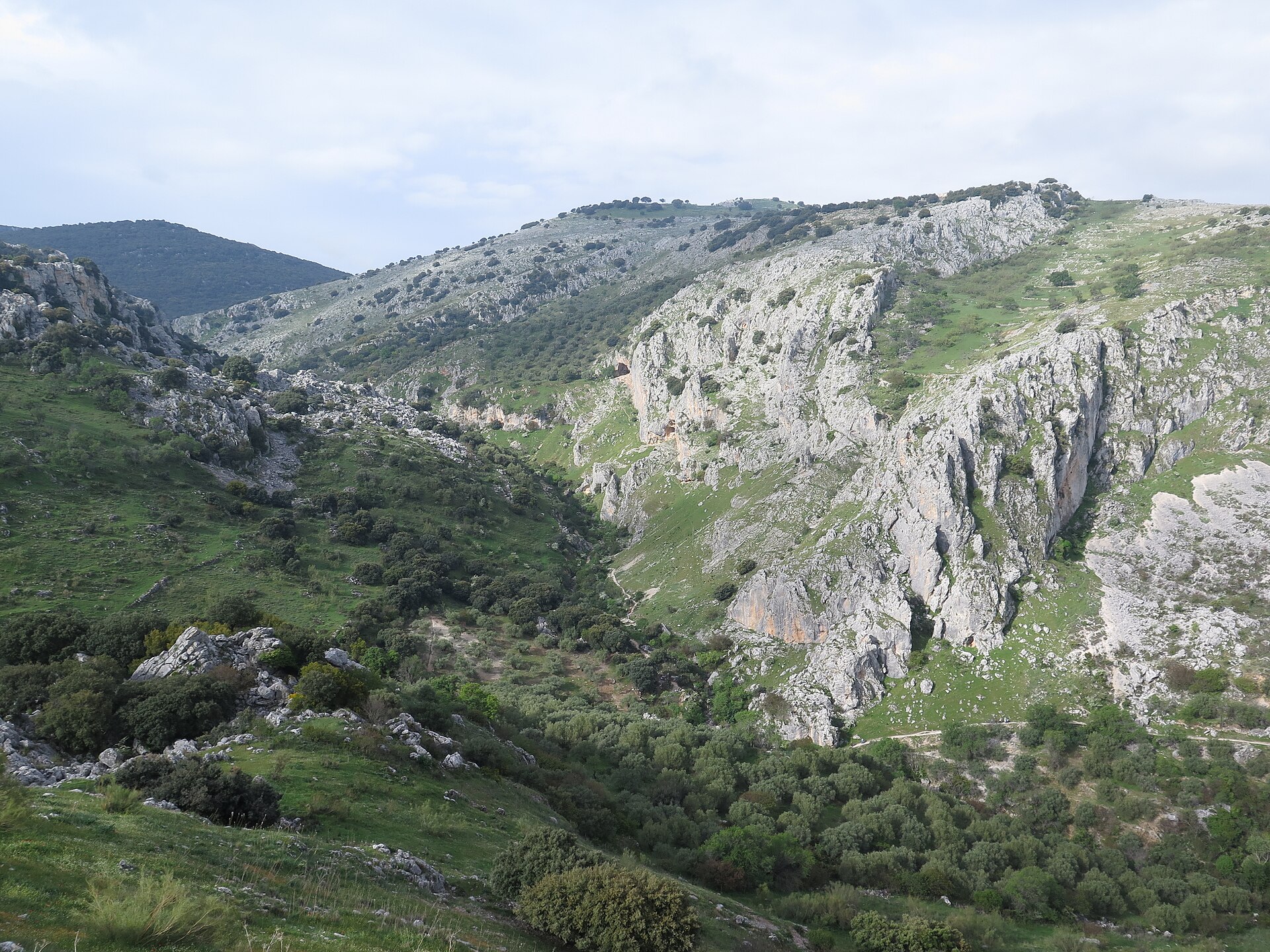
Natura 2000 · breeding
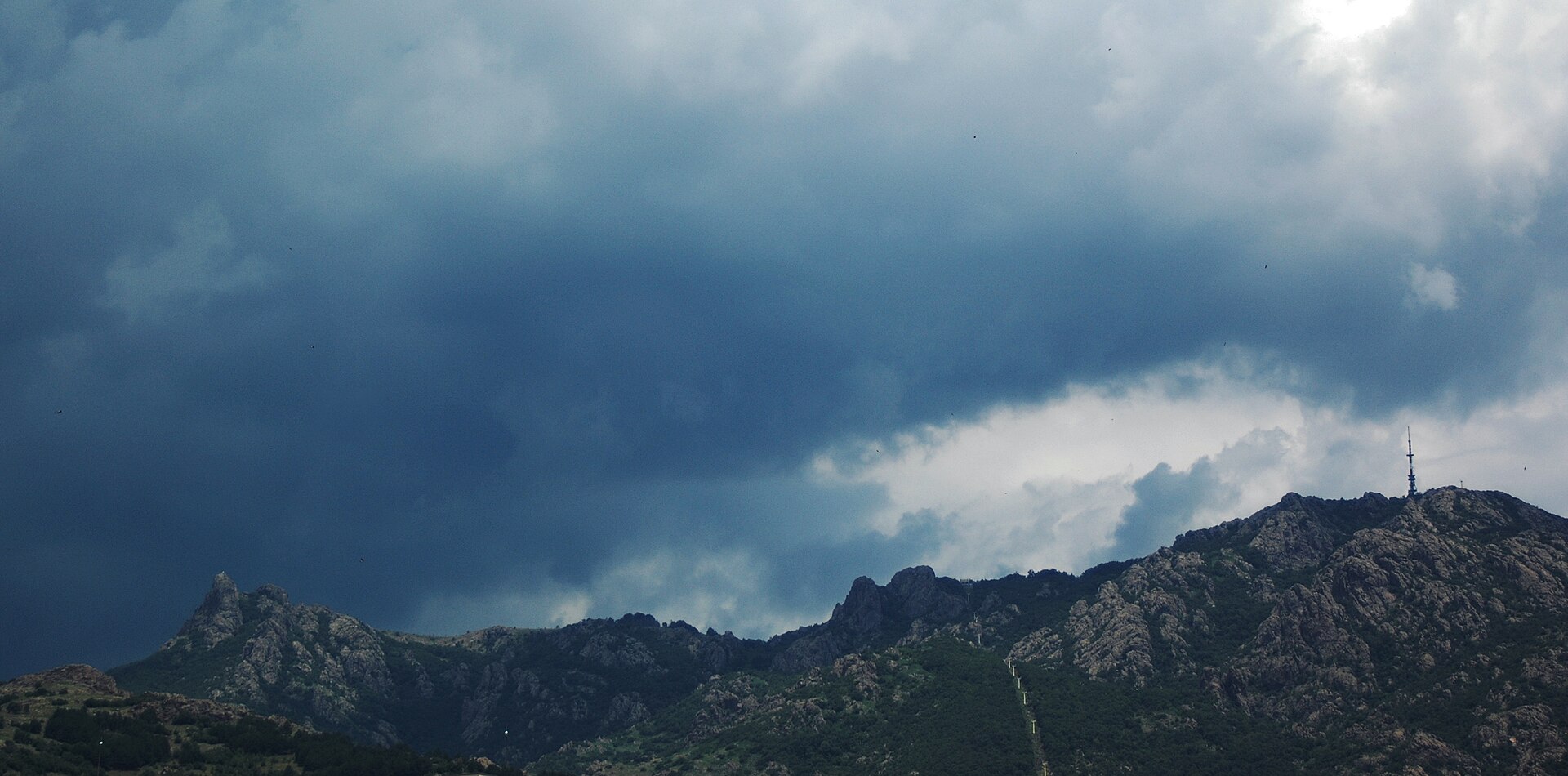
Natura 2000 · breeding, passage
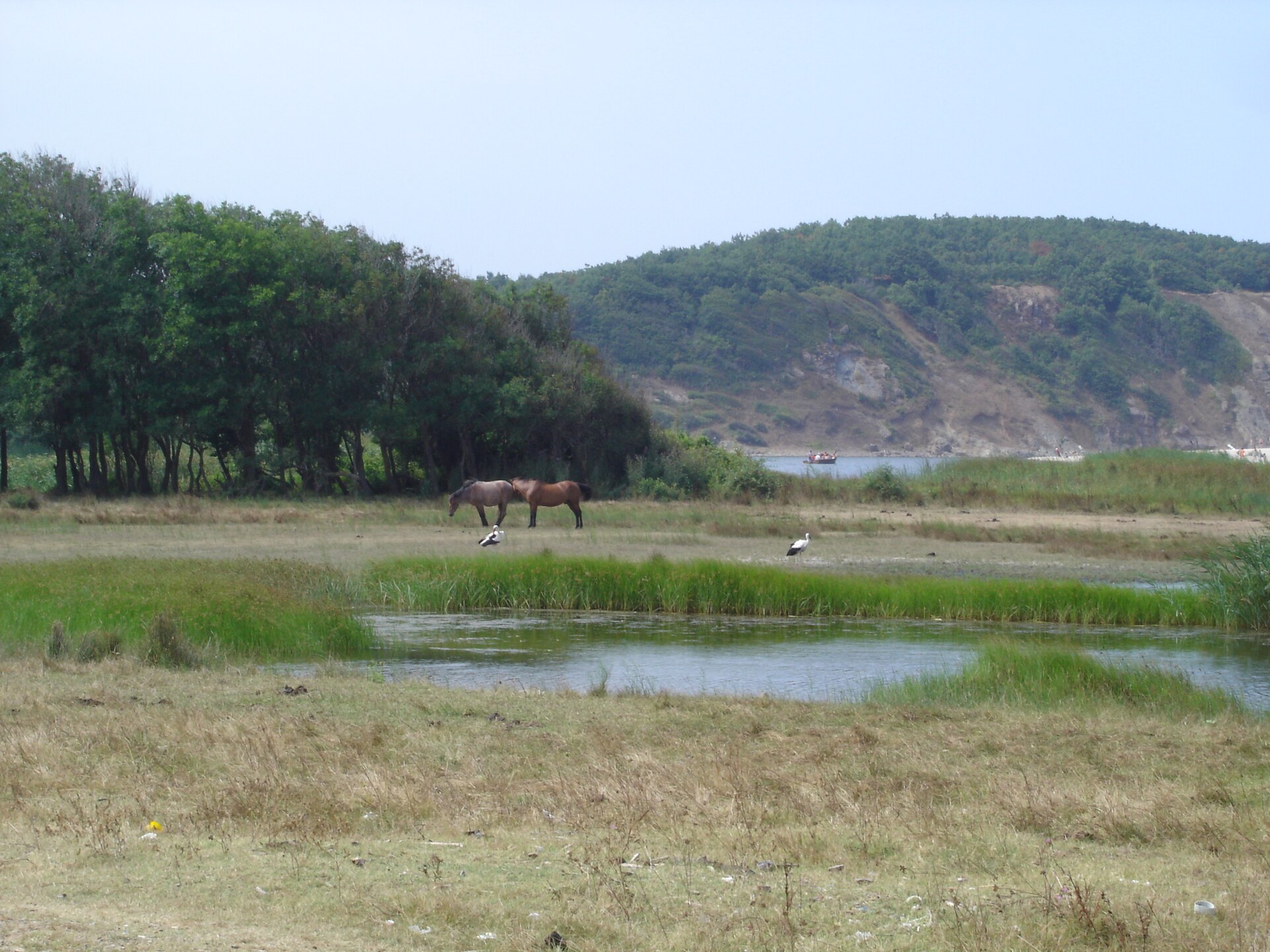
Natura 2000 · passage, breeding
Natura 2000 · passage, breeding

Natura 2000 · passage
Natura 2000 · breeding, passage
Other species to discover
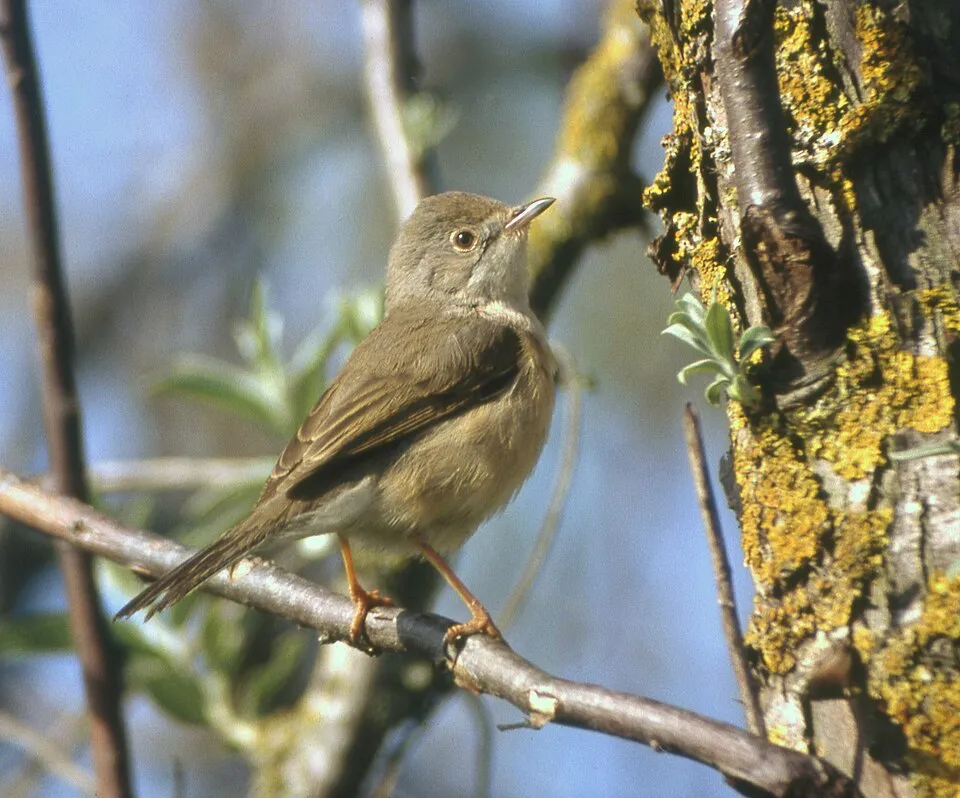 Subalpine warbler
Sylvia cantillans 57 places in common
 Eurasian Scops Owl
Otus scops 61 places in common
 Greater Short-toed Lark
Calandrella brachydactyla 59 places in common
 European turtle dove
Streptopelia turtur 74 places in common
 Eurasian Hoopoe
Upupa epops 73 places in common
Spotted Flycatcher
Muscicapa striata 67 places in common
Sources and credits
- Presence: most-recorded species of each place on GBIF and species of Community interest in the Natura 2000 forms (EEA, CC-BY 4.0); absence from the list does not mean the species is absent.
- Common names: Wikidata (CC0) and GBIF.
- Photos and sounds: Wikimedia Commons, author and licence given for each file.
- Classification: GBIF Backbone Taxonomy (GBIF Secretariat), CC BY 4.0, doi:10.15468/39omei.
- Countries, elevations, months and maps: GBIF.org, CC0 or CC BY 4.0 occurrences only, accessed October 22, 2026, GBIF.org.
- Base map: Natural Earth (public domain).
- Excerpt: Wikipedia, CC BY-SA 4.0 (full credit below the excerpt).
- Key facts: Wikidata (CC0), with the references cited under each value.
- EU bird populations: EEA / DG ENV, Article 12 Birds Directive reporting (2013–2018), CC BY 4.0.