
Bird
Eurasian Hoopoe: where to see it
Upupa epops
This bird species is recorded in 171 protected areas of the atlas, including 135 whose official Natura 2000 form lists it. Within the atlas countries, it is mostly observed in Spain, France and Portugal (11 countries in all). Most records (8 in 10) lie between sea level and 1,000 m. Records peak from April to June. It has a wingspan of 44 cm. Its EU population is assessed as secure (2013–2018 Birds Directive reporting).
Best time to see it: April–June
Records published on GBIF by month (CC0 and CC BY 4.0 licences only), in the atlas countries, all years combined; they also reflect observer activity.
Key facts
- Wingspan
- 44 cm Wikidata, after app.bto.org
- Clutch size
- 5.7 eggs on average Wikidata, after Jetz et al. 2008
- Incubation
- 15 days Wikidata, after British Trust for Ornithology
Status and protection
EU population assessed as secure, stable in the short term (2013–2018 Birds Directive reporting). EU breeding population: 1,020,000–2,070,000 pairs.
Distribution
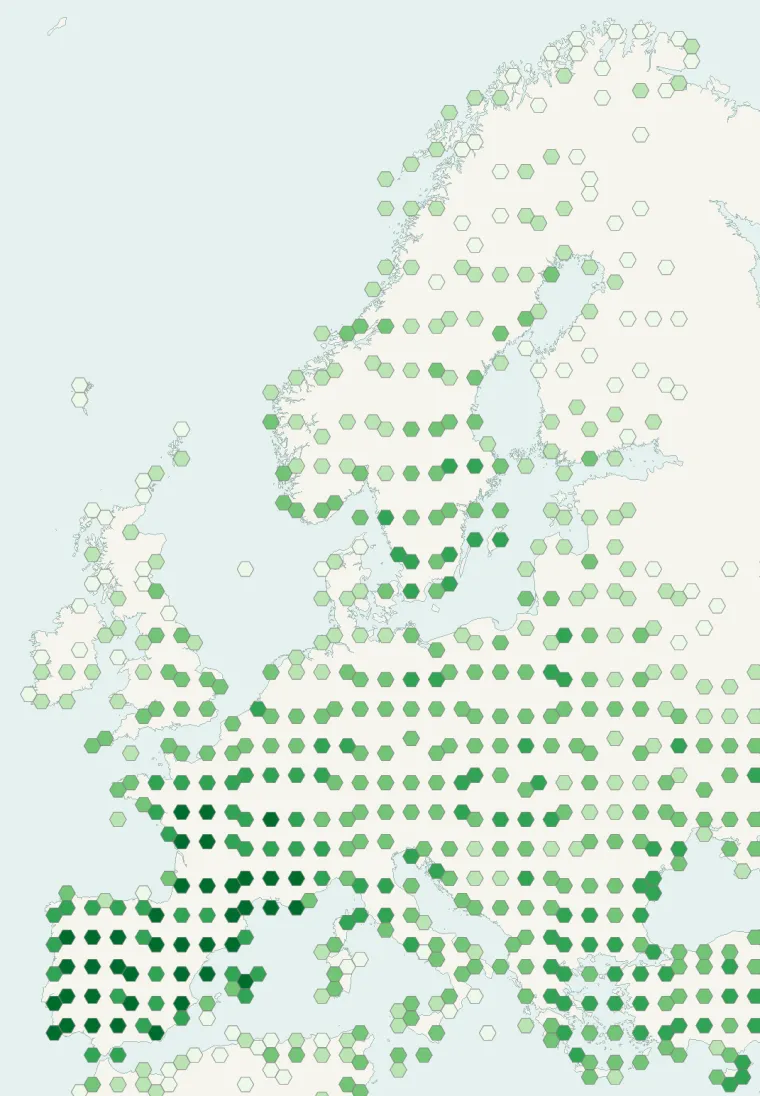
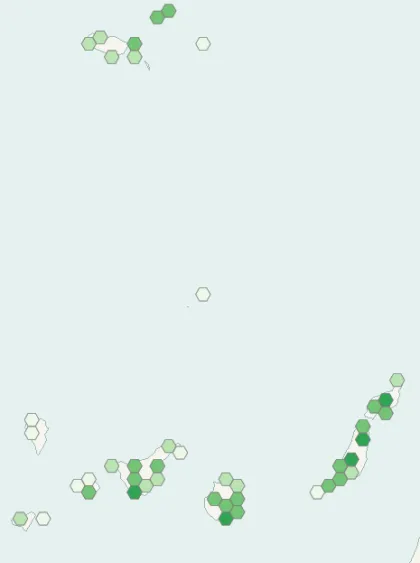
Records published on GBIF (CC0 and CC BY 4.0 licences): the darker the shade, the more records there are; they also reflect observation effort.
Atlas countries where it is recorded
Listen
-
0:07 · © Vladimir Yu. Arkhipov, Arkhivov · CC BY-SA 3.0 · Wikimedia Commons · Original file
-
0:30 · © Alexander Kurthy · CC BY-SA 4.0 · Wikimedia Commons · Original file
-
0:40 · © Fernand DEROUSSEN · CC BY-SA 3.0 · Wikimedia Commons · Original file
From Wikipedia
The Eurasian hoopoe or common hoopoe (Upupa epops) is the most widespread species of hoopoe. It is a distinctive cinnamon coloured bird with black and white wings, a tall erectile crest, a broad white band across a black tail, and a long narrow downcurved bill. Its call is a soft "oop-oop-oop". The Eurasian hoopoe is native to Europe, Asia and Africa. It is migratory in the northern part of its range. Some ornithologists consider the Madagascar hoopoe (U. marginata) as a subspecies. The African hoopoe, subspecies U. e. africana, has sometimes been treated as a separate species.
Source: Wikipedia, article “Eurasian hoopoe” (version of September 23, 2026) · history and authors · licence CC BY-SA 4.0
Protected areas where it is recorded
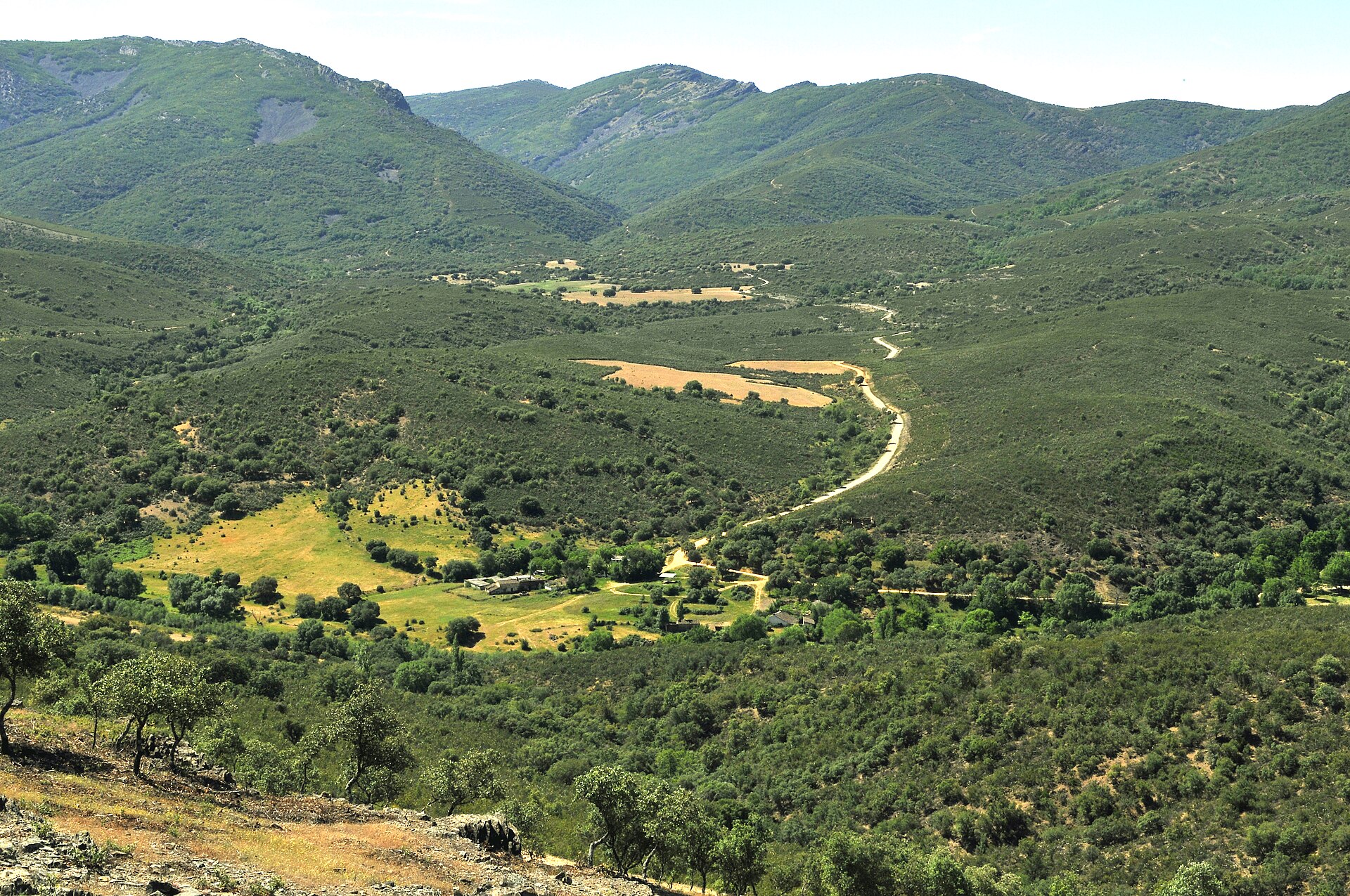
Natura 2000 · breeding 185 records
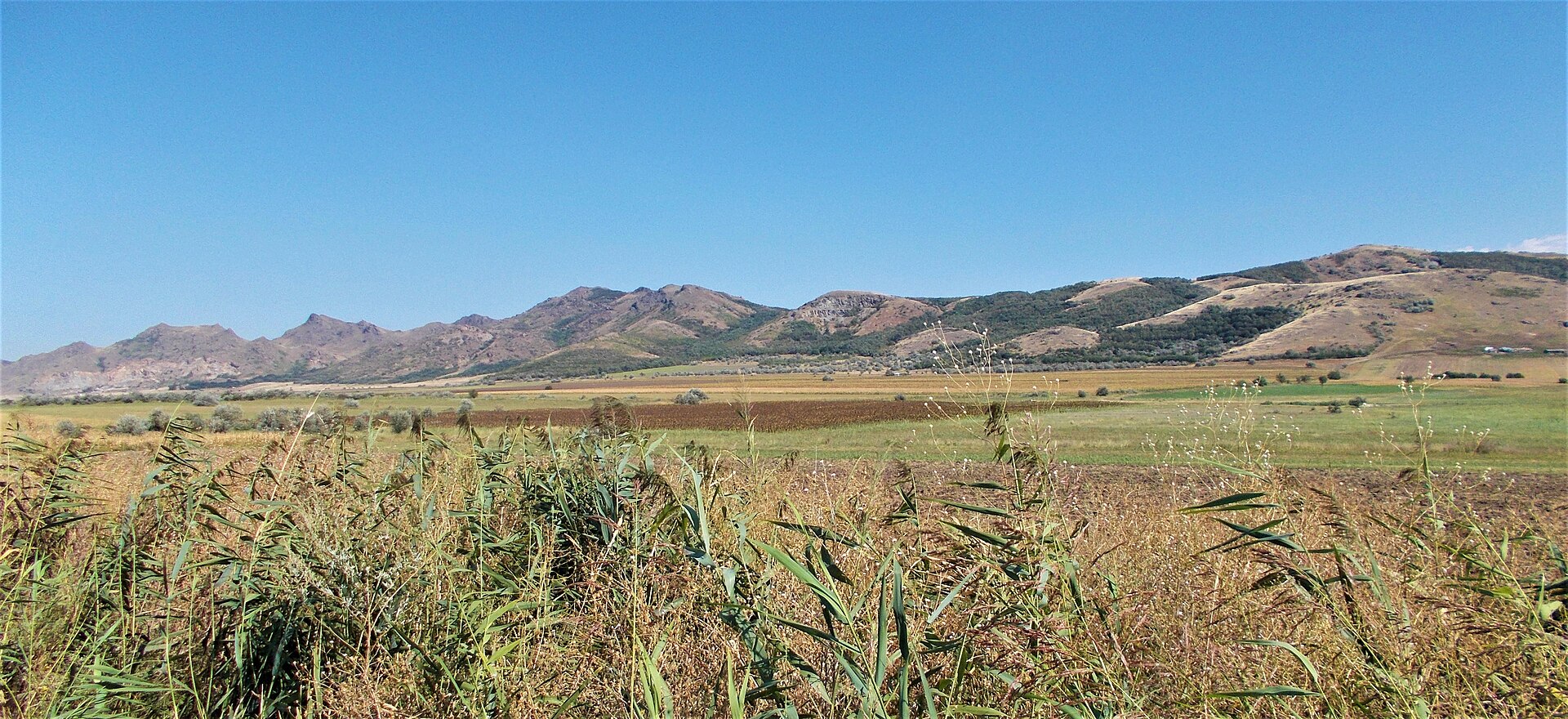
Natura 2000 · breeding 94 records

Natura 2000 · breeding 62 records

5,232 records

1,915 records

1,783 records

896 records
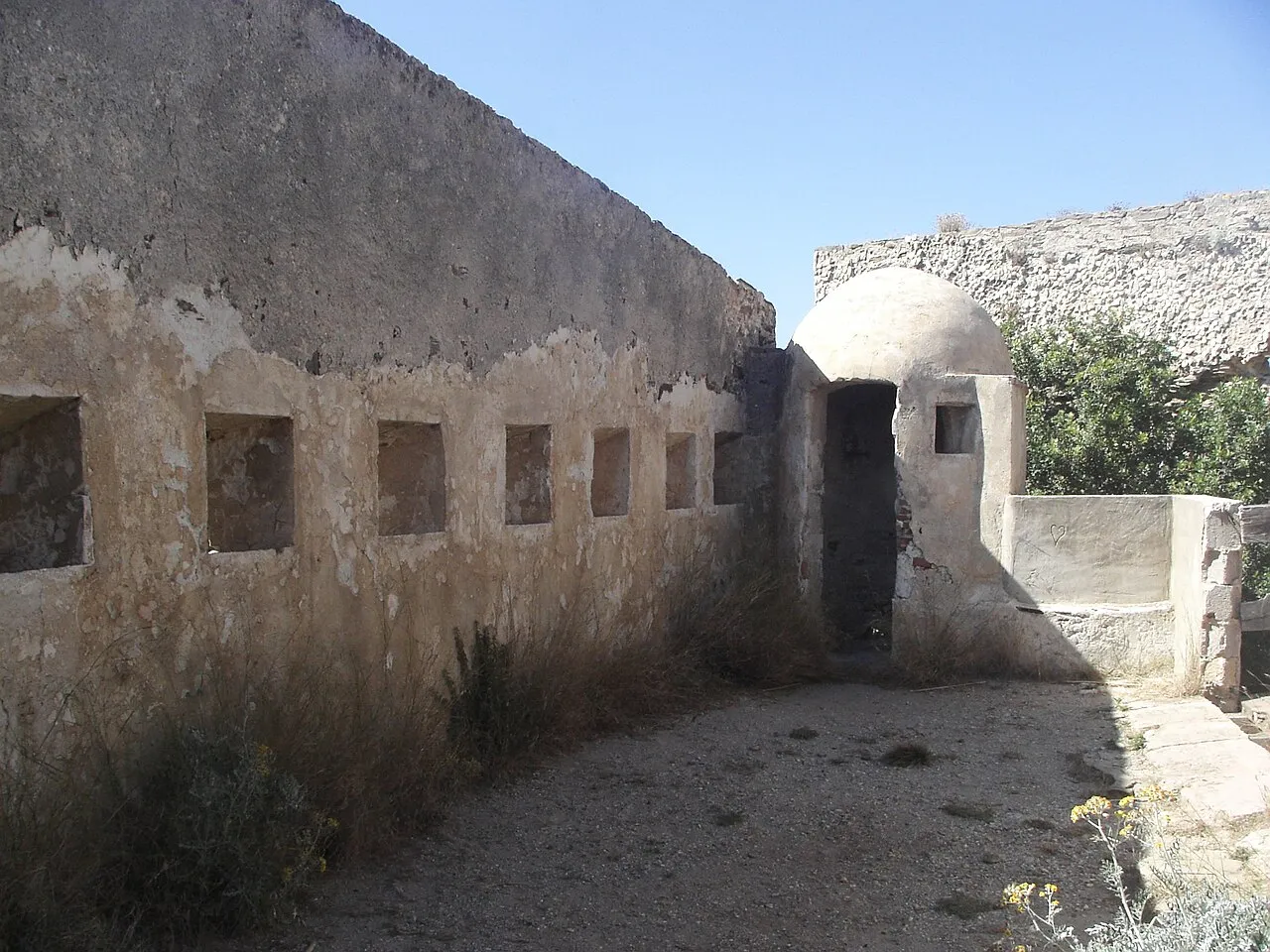
661 records

648 records
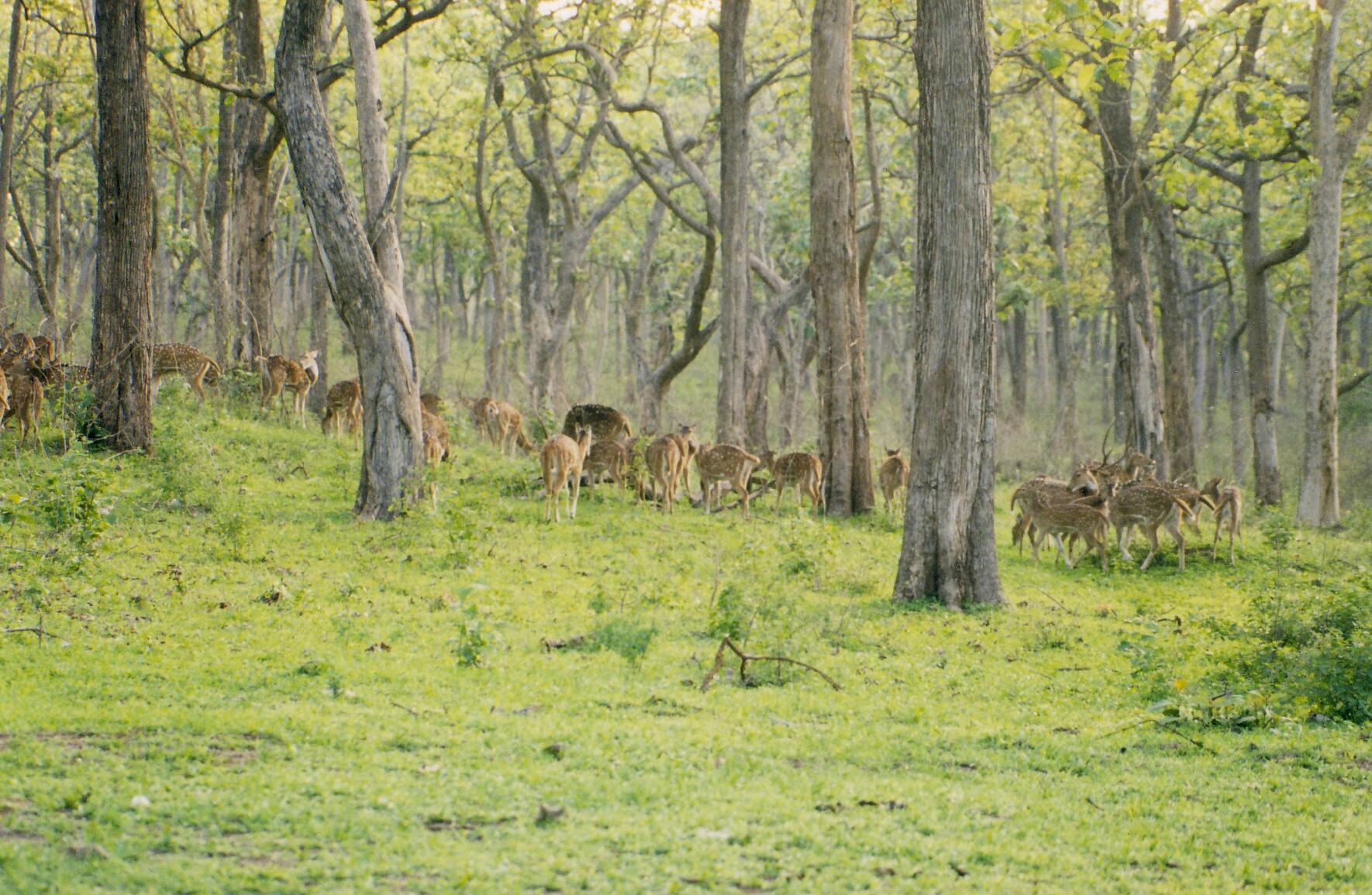
454 records

454 records
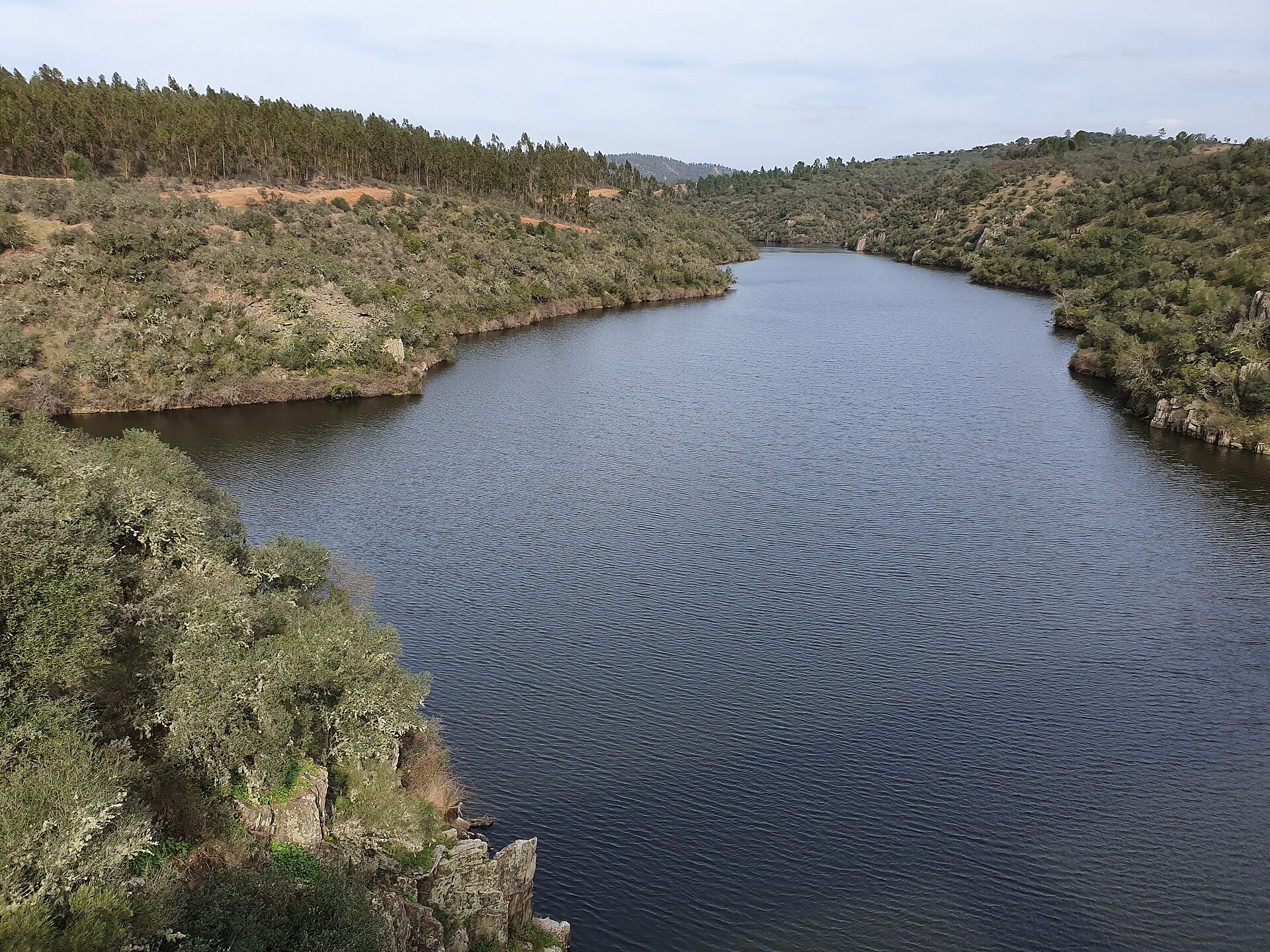
435 records

371 records

253 records
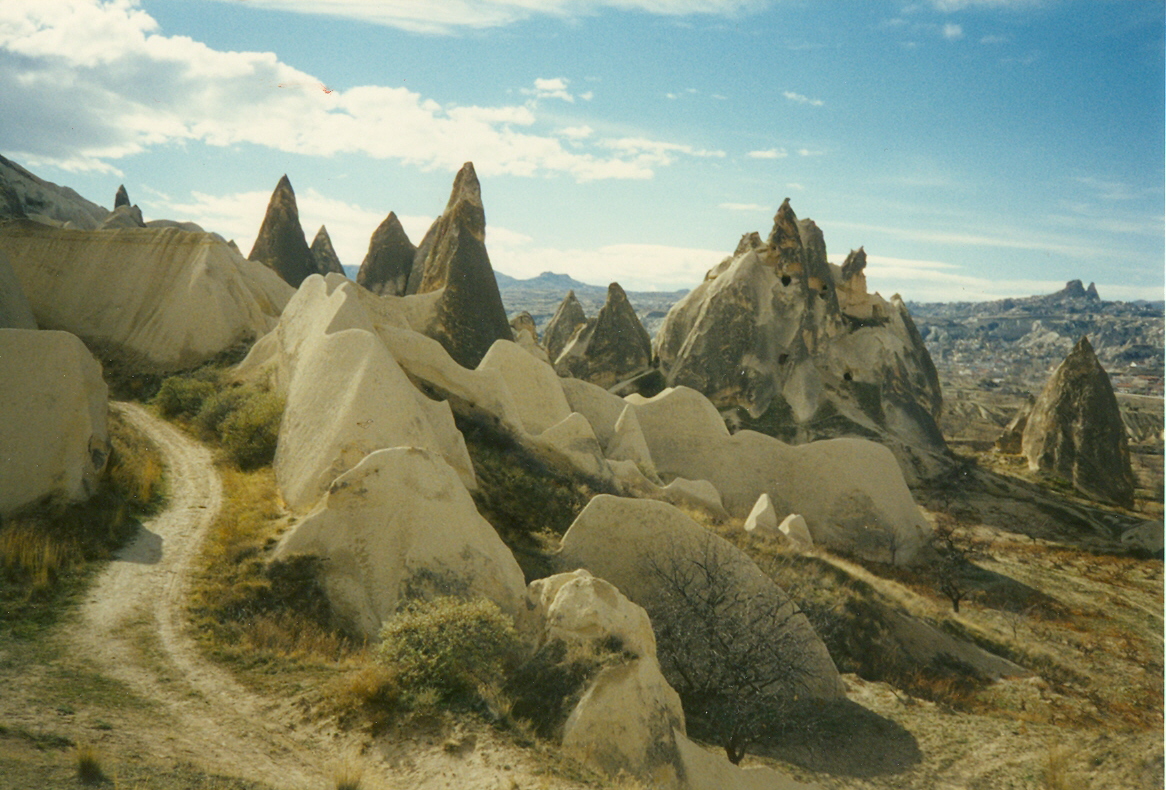
217 records
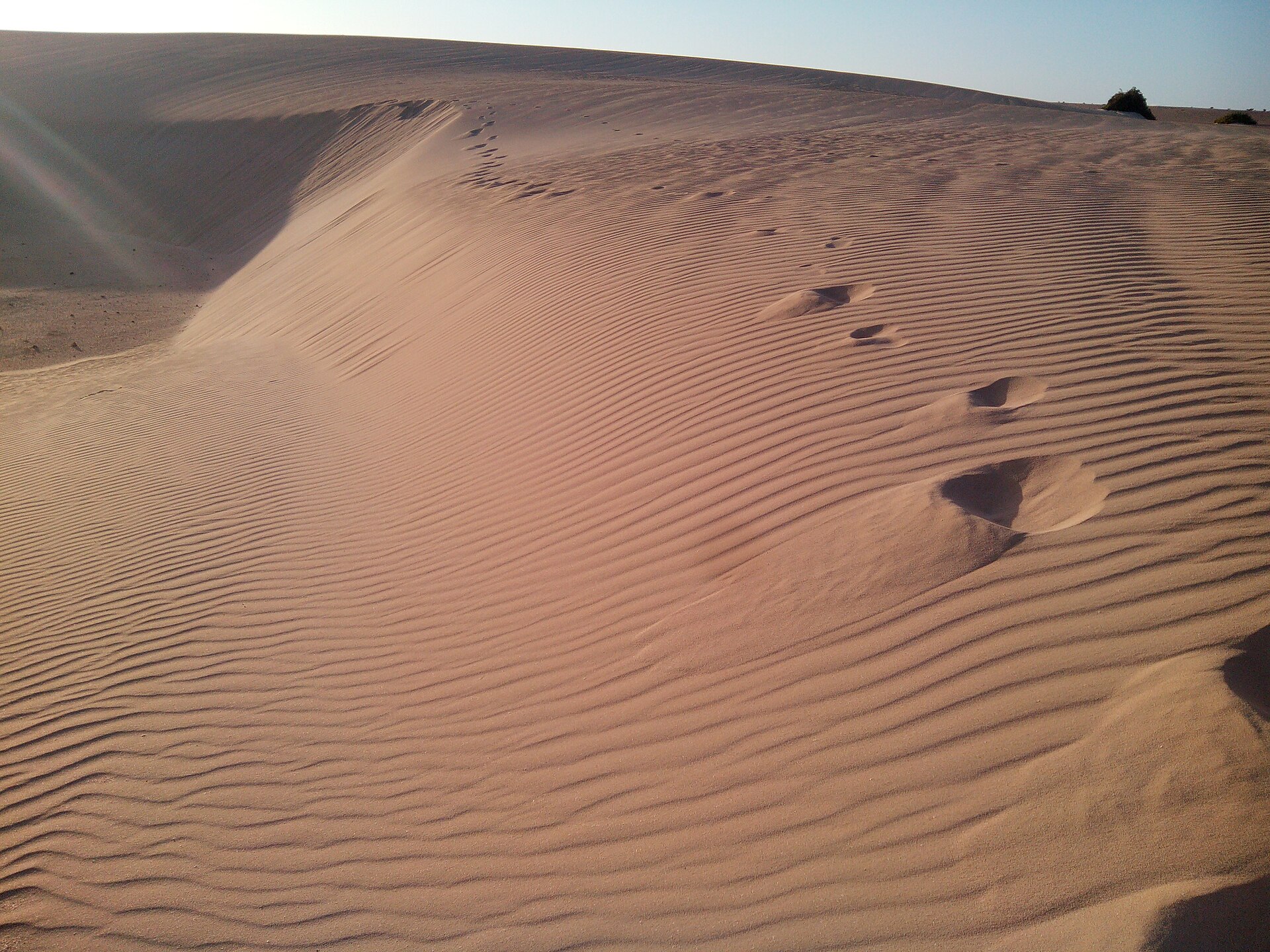
96 records

77 records

66 records
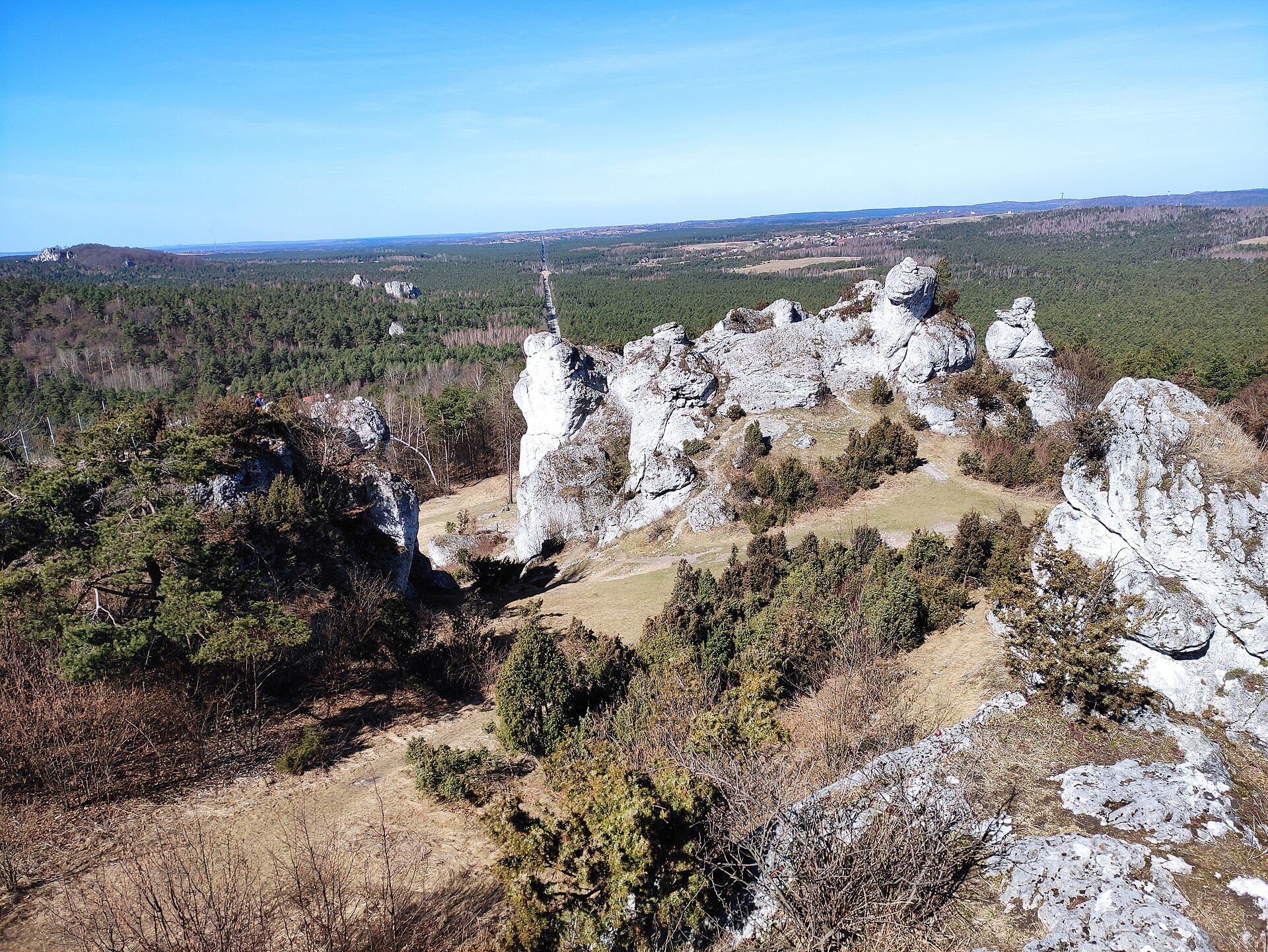
65 records
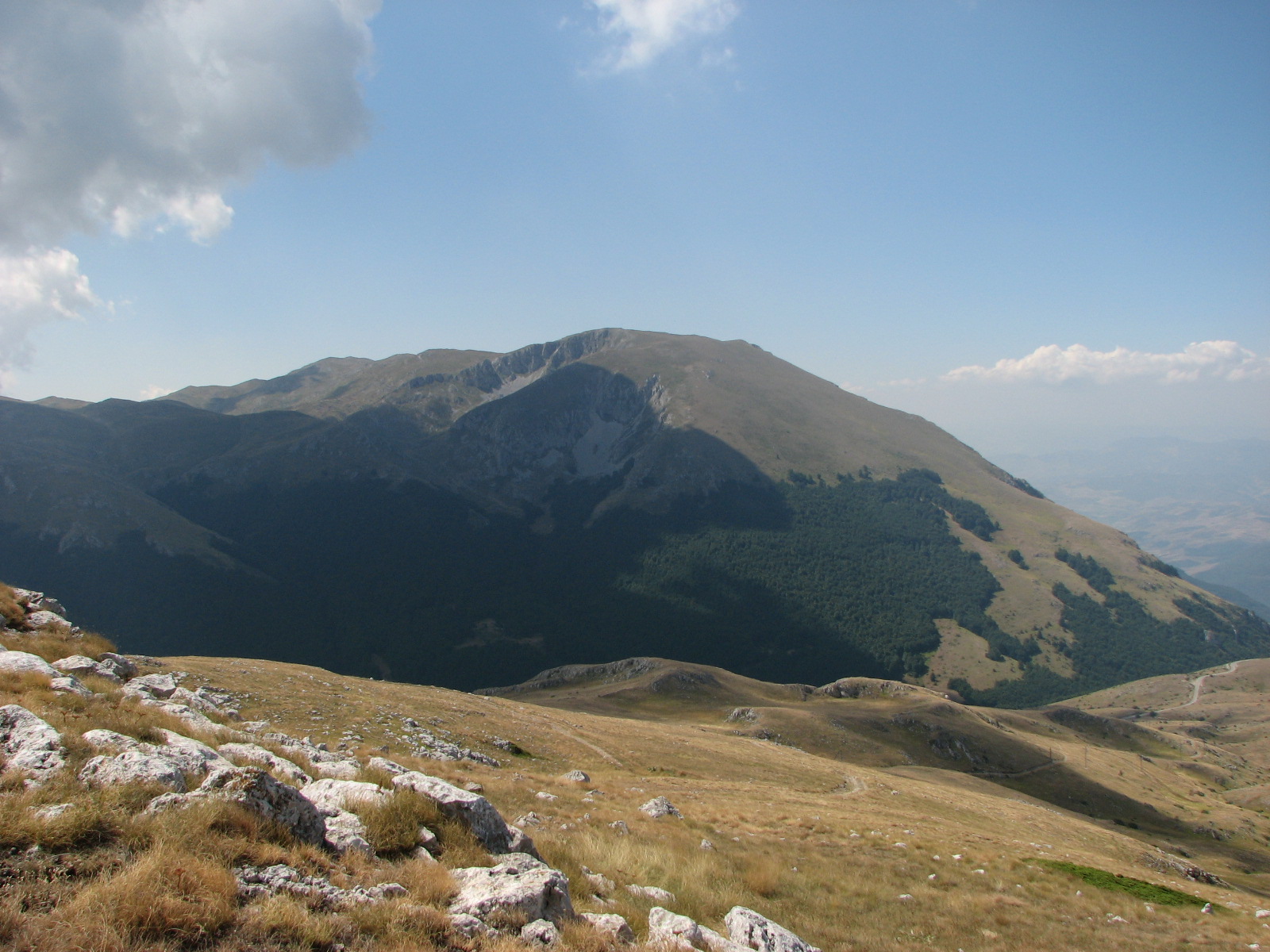
59 records

54 records
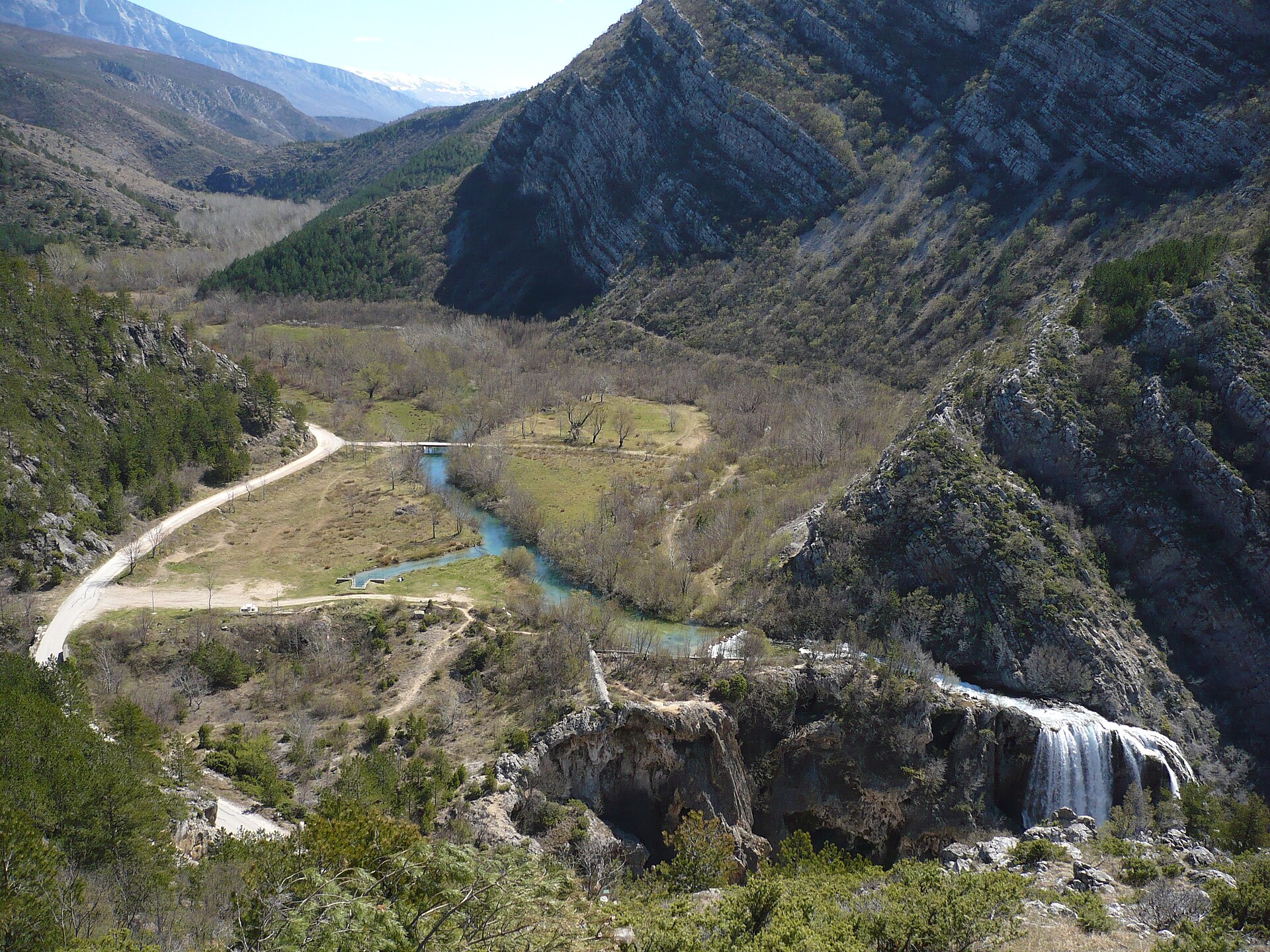
50 records

32 records

29 records
23 records

14 records
14 records
11 records

9 records
7 records

6 records
5 records

4 records

4 records

4 records

3 records

3 records

2 records

2 records
Natura 2000 · breeding

Natura 2000 · passage

Natura 2000 · passage
Natura 2000 · breeding
Natura 2000

Natura 2000 · breeding

Natura 2000 · breeding, passage
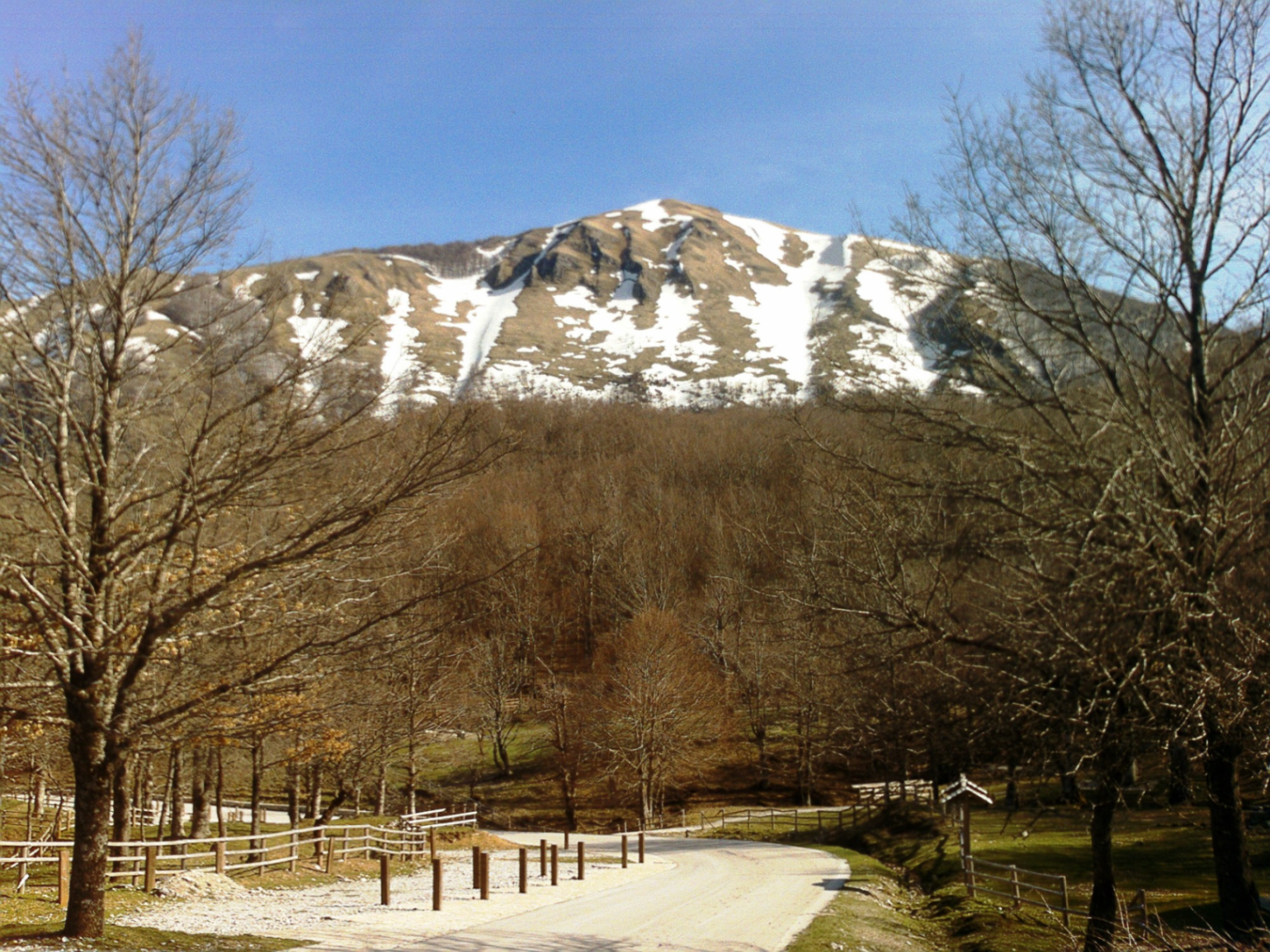
Natura 2000 · breeding

Natura 2000 · passage, breeding

Natura 2000 · breeding
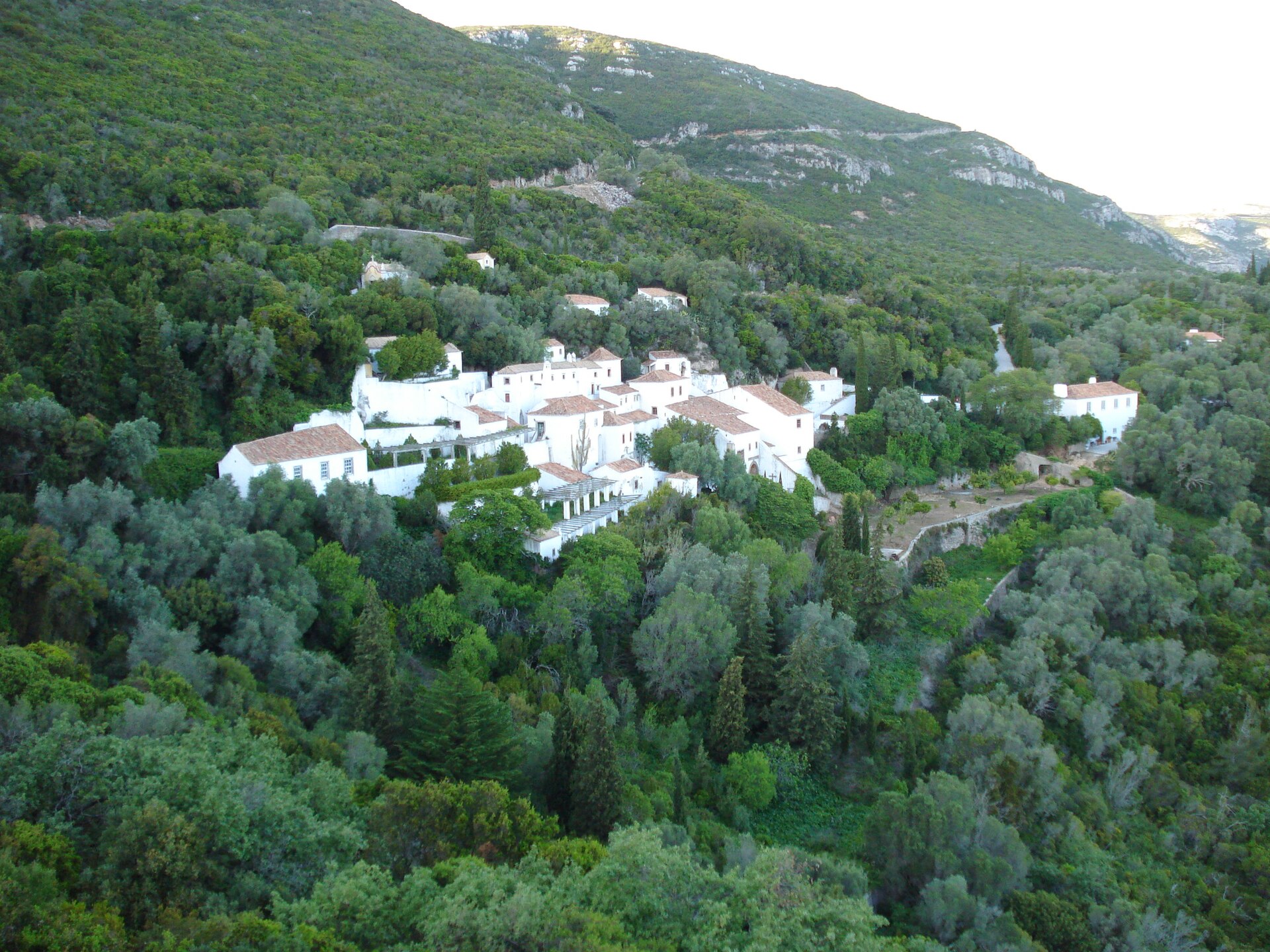
Natura 2000 · breeding
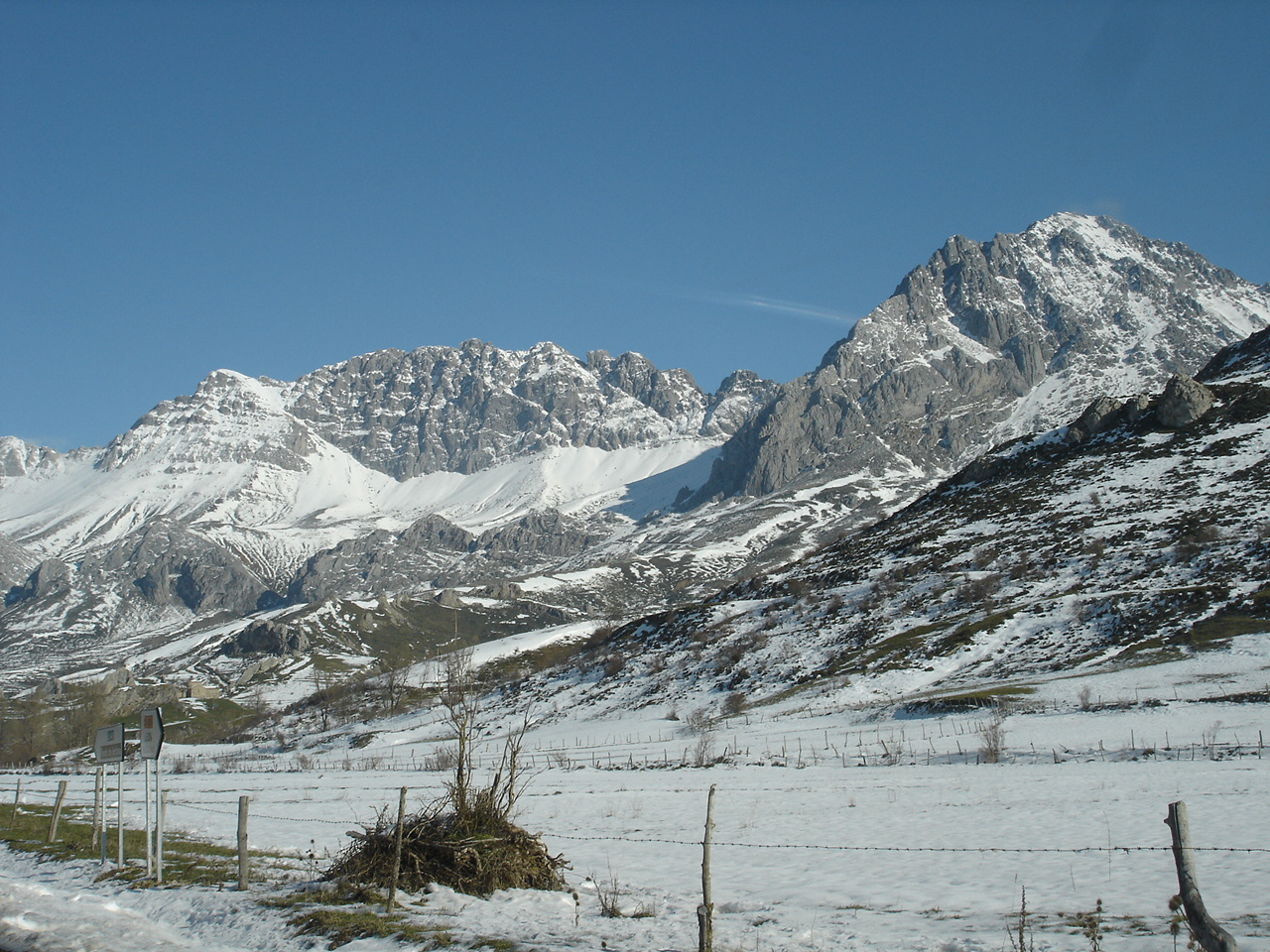
Natura 2000 · breeding

Natura 2000 · breeding

Natura 2000 · breeding, passage
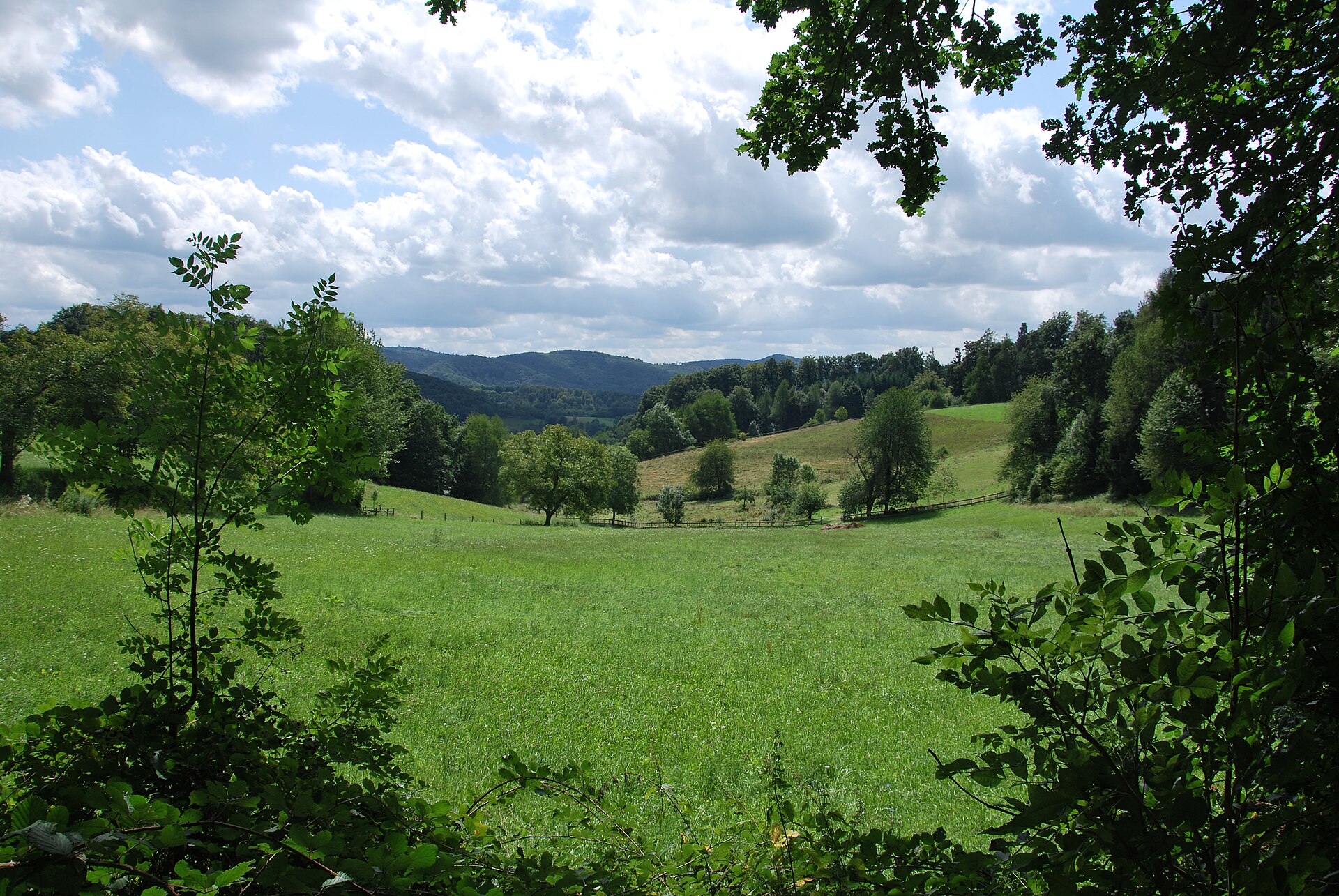
Natura 2000 · passage, breeding
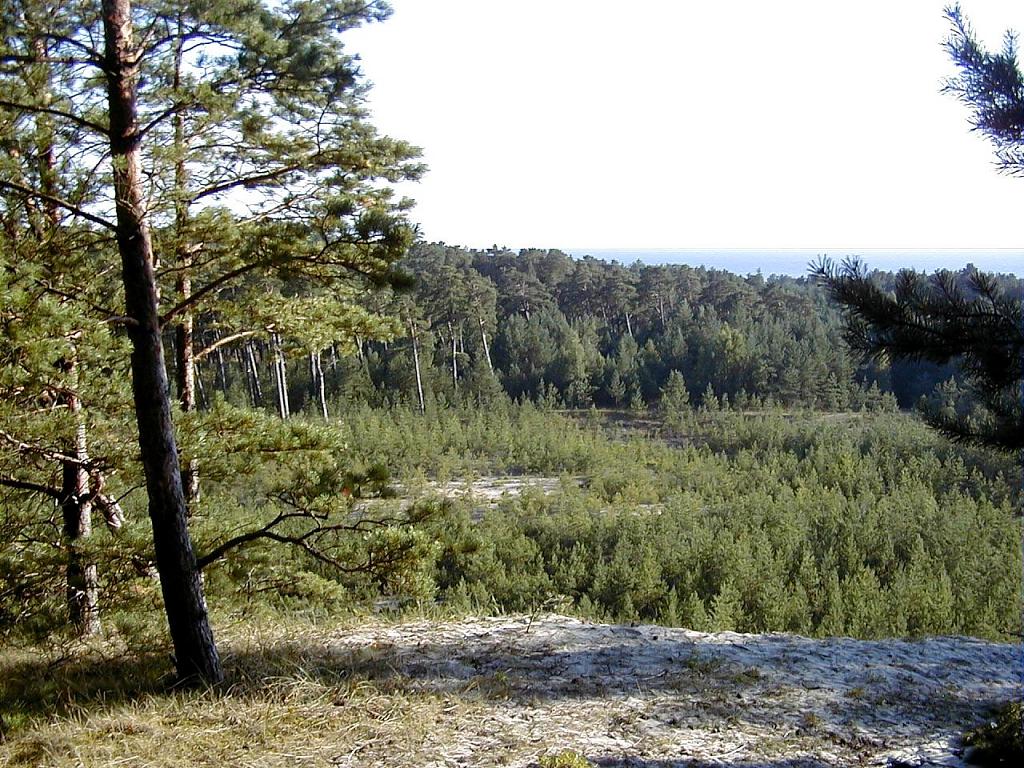
Natura 2000 · breeding

Natura 2000 · breeding

Natura 2000 · breeding

Natura 2000 · breeding

Natura 2000 · resident

Natura 2000 · passage

Natura 2000 · breeding
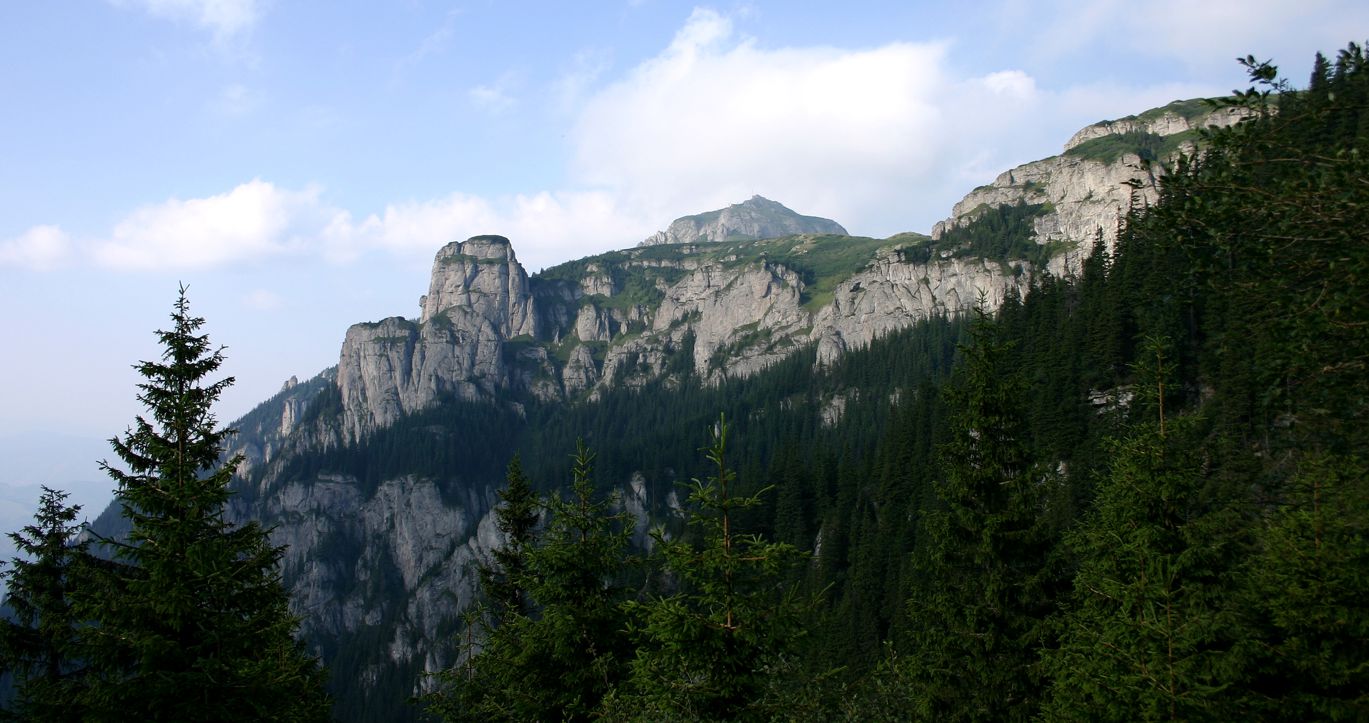
Natura 2000 · breeding
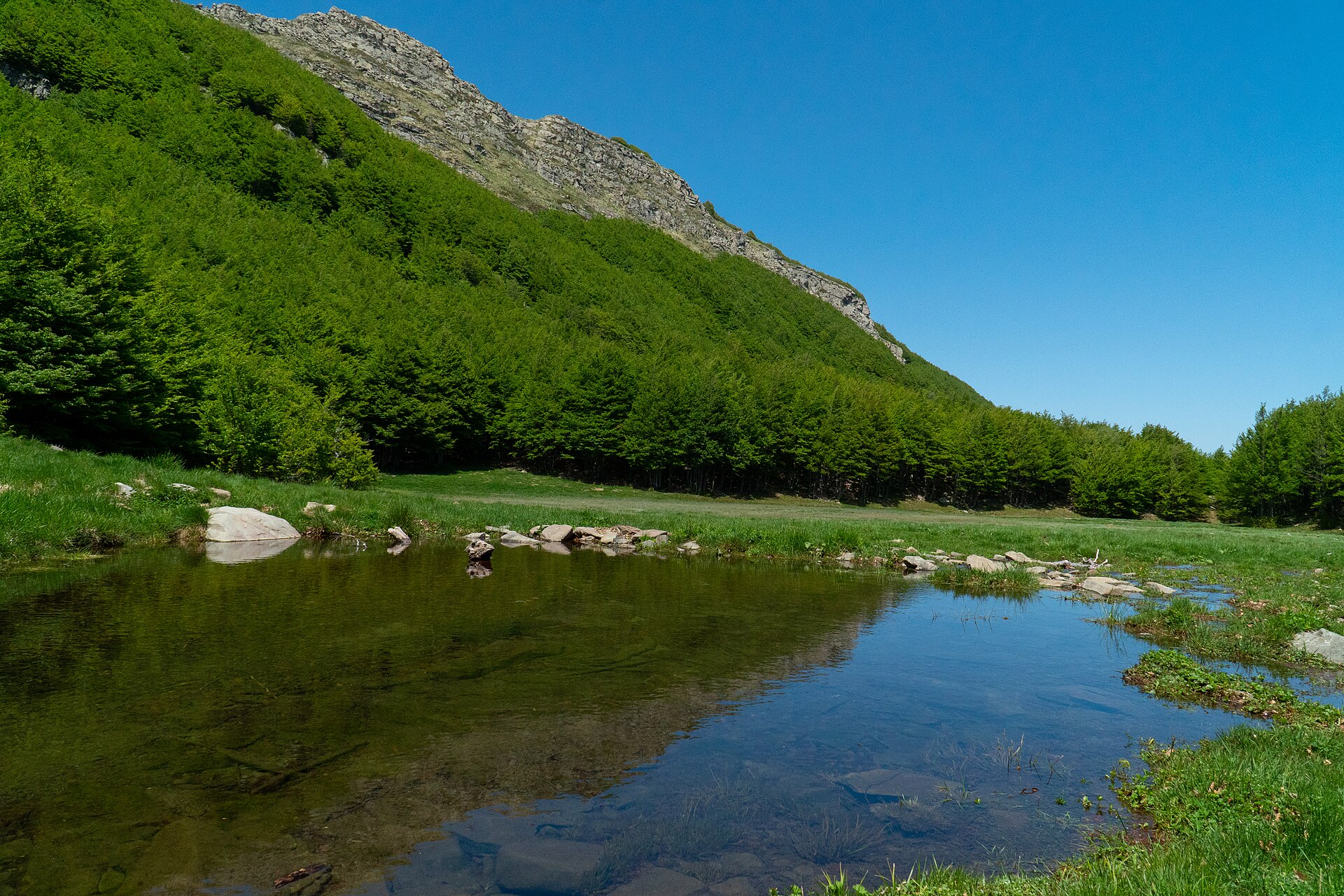
Natura 2000 · passage, breeding
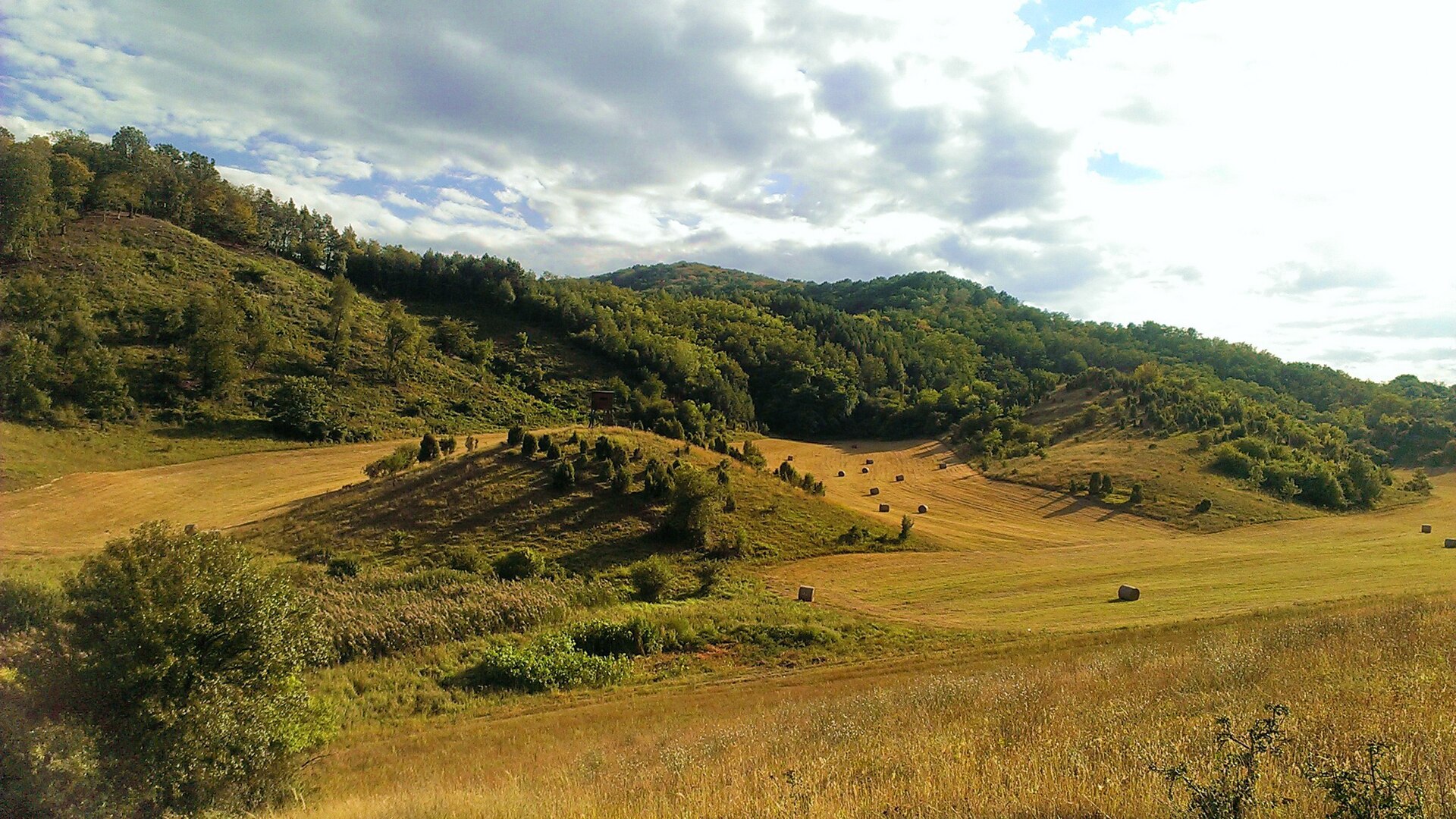
Natura 2000

Natura 2000 · breeding

Natura 2000 · breeding
Natura 2000 · passage, breeding

Natura 2000 · breeding
Natura 2000 · passage, breeding

Natura 2000 · breeding, wintering
Natura 2000 · breeding
Natura 2000 · resident
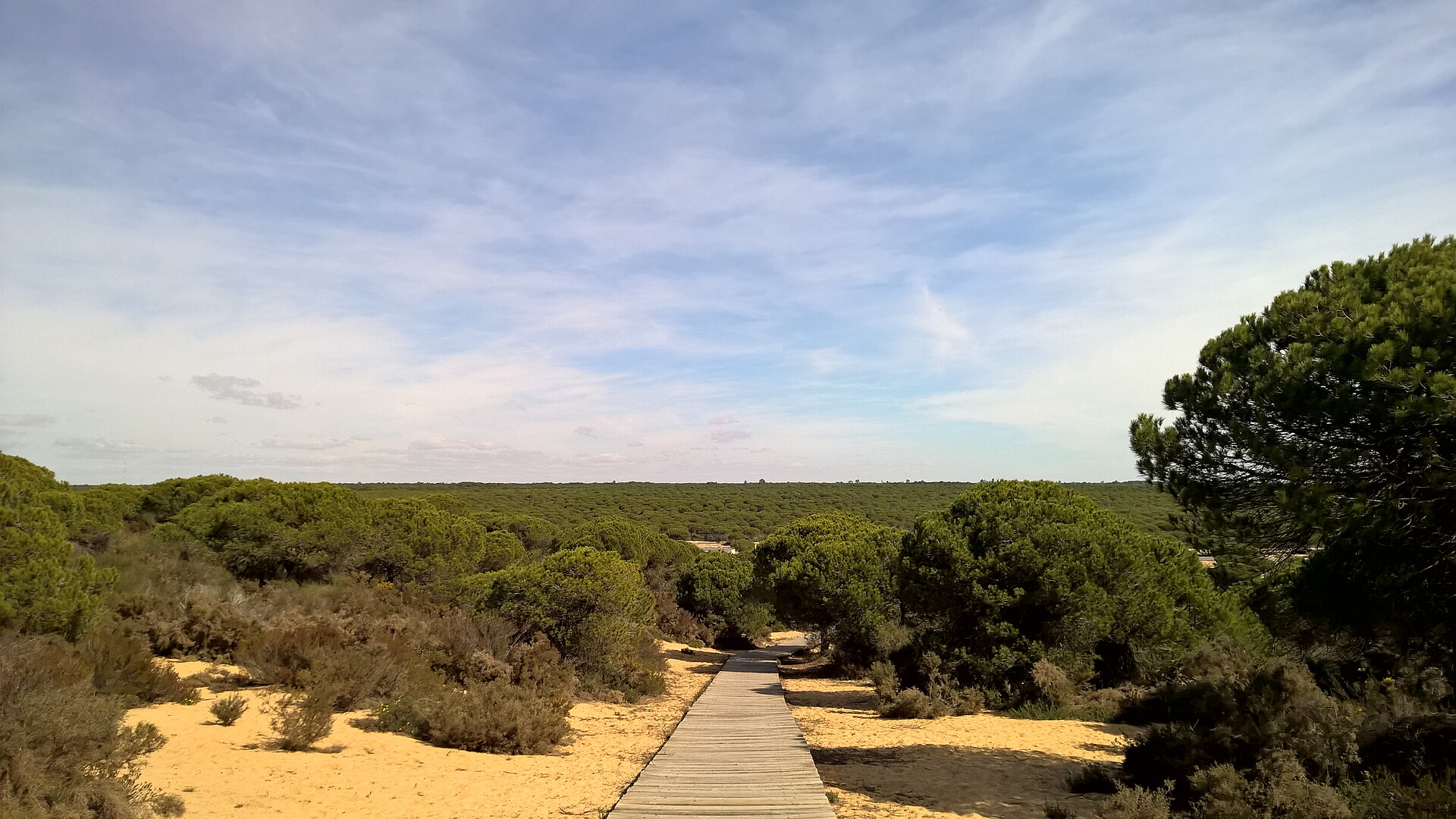
Natura 2000 · resident

Natura 2000 · breeding

Natura 2000 · breeding

Natura 2000 · breeding
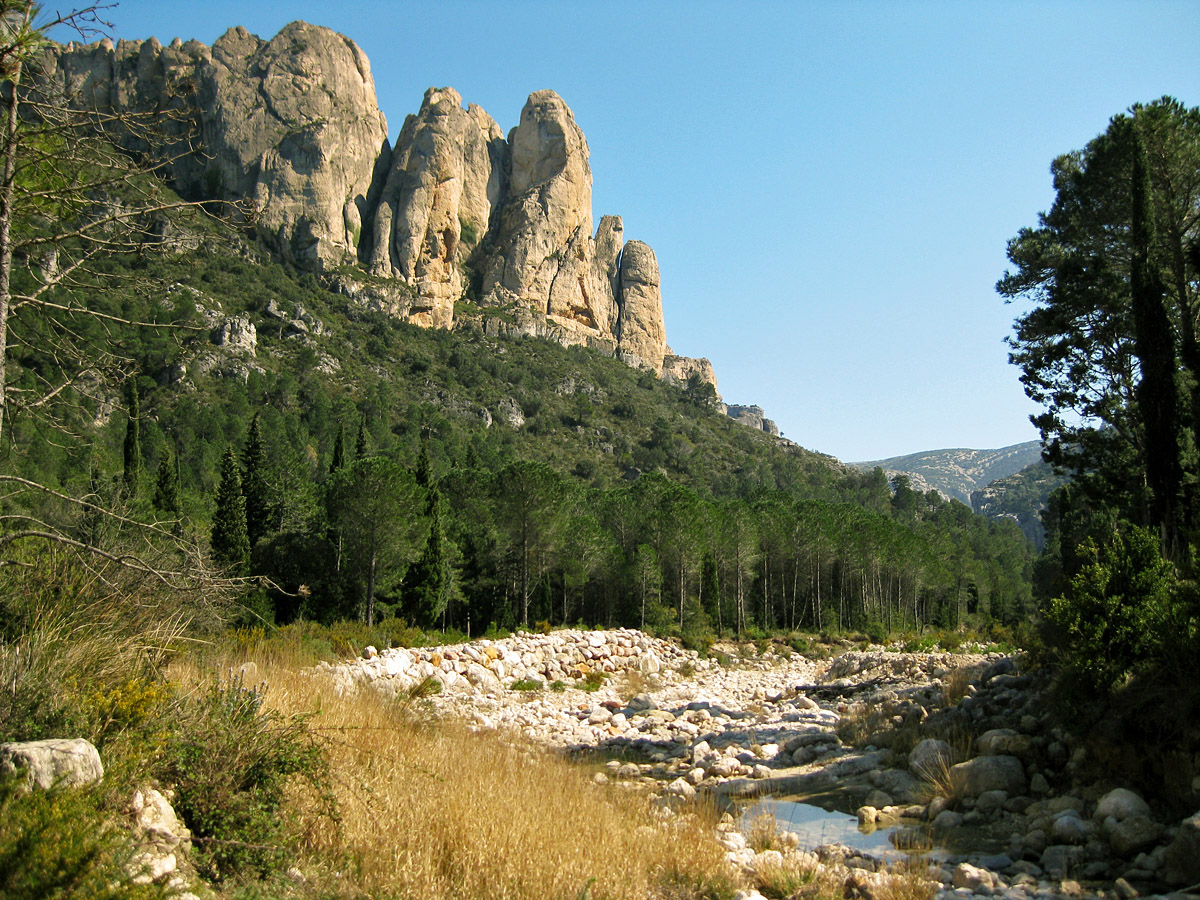
Natura 2000 · breeding

Natura 2000 · passage, breeding
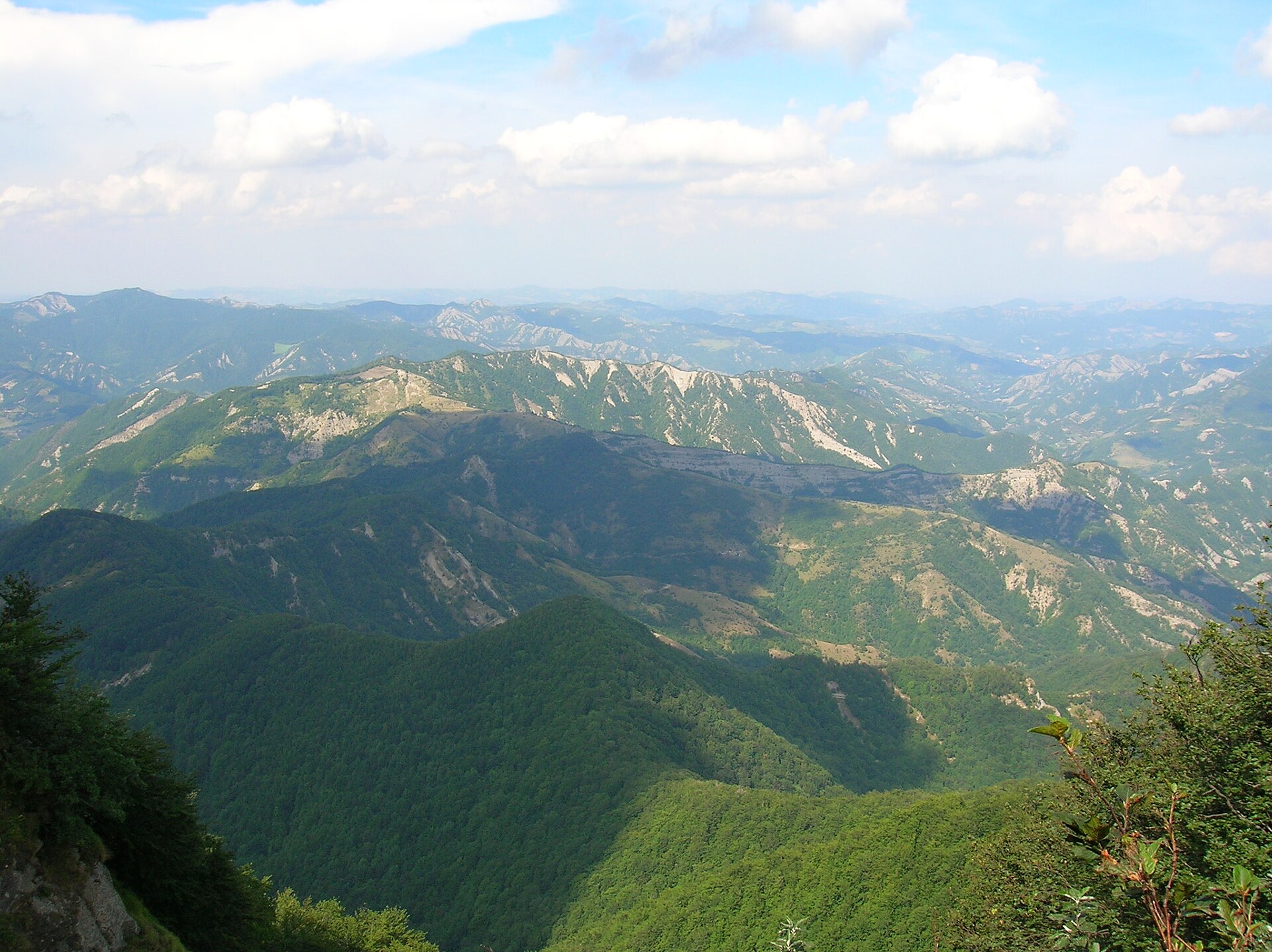
Natura 2000 · breeding, passage

Natura 2000 · resident, breeding

Natura 2000 · breeding
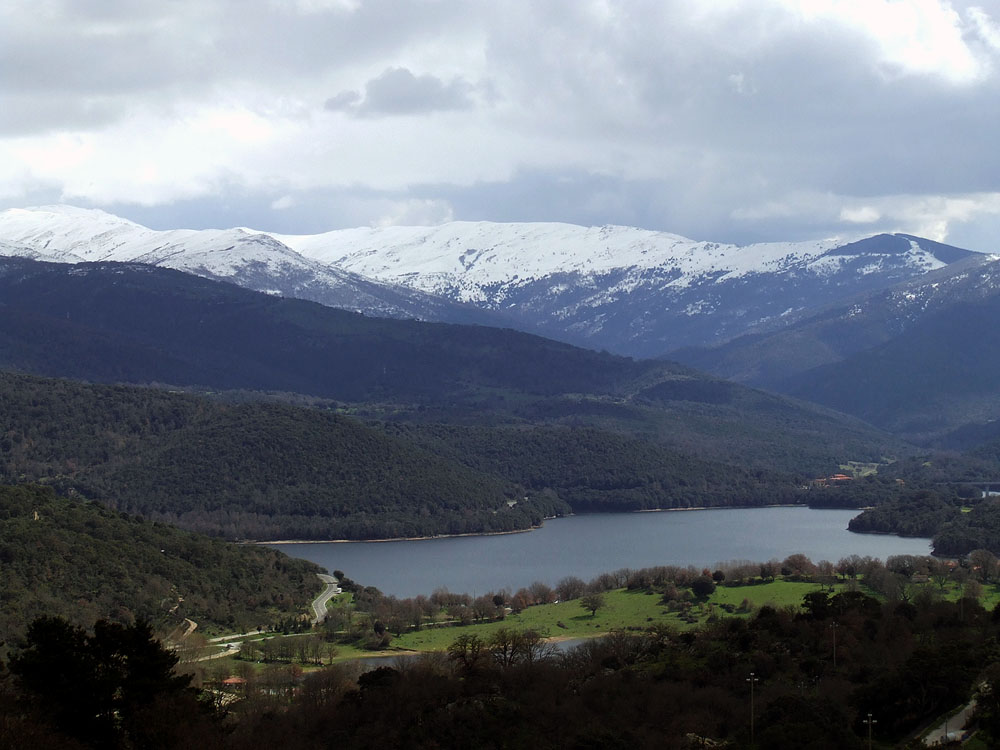
Natura 2000 · breeding, passage

Natura 2000 · breeding

Natura 2000 · breeding

Natura 2000 · passage

Natura 2000 · breeding

Natura 2000 · breeding
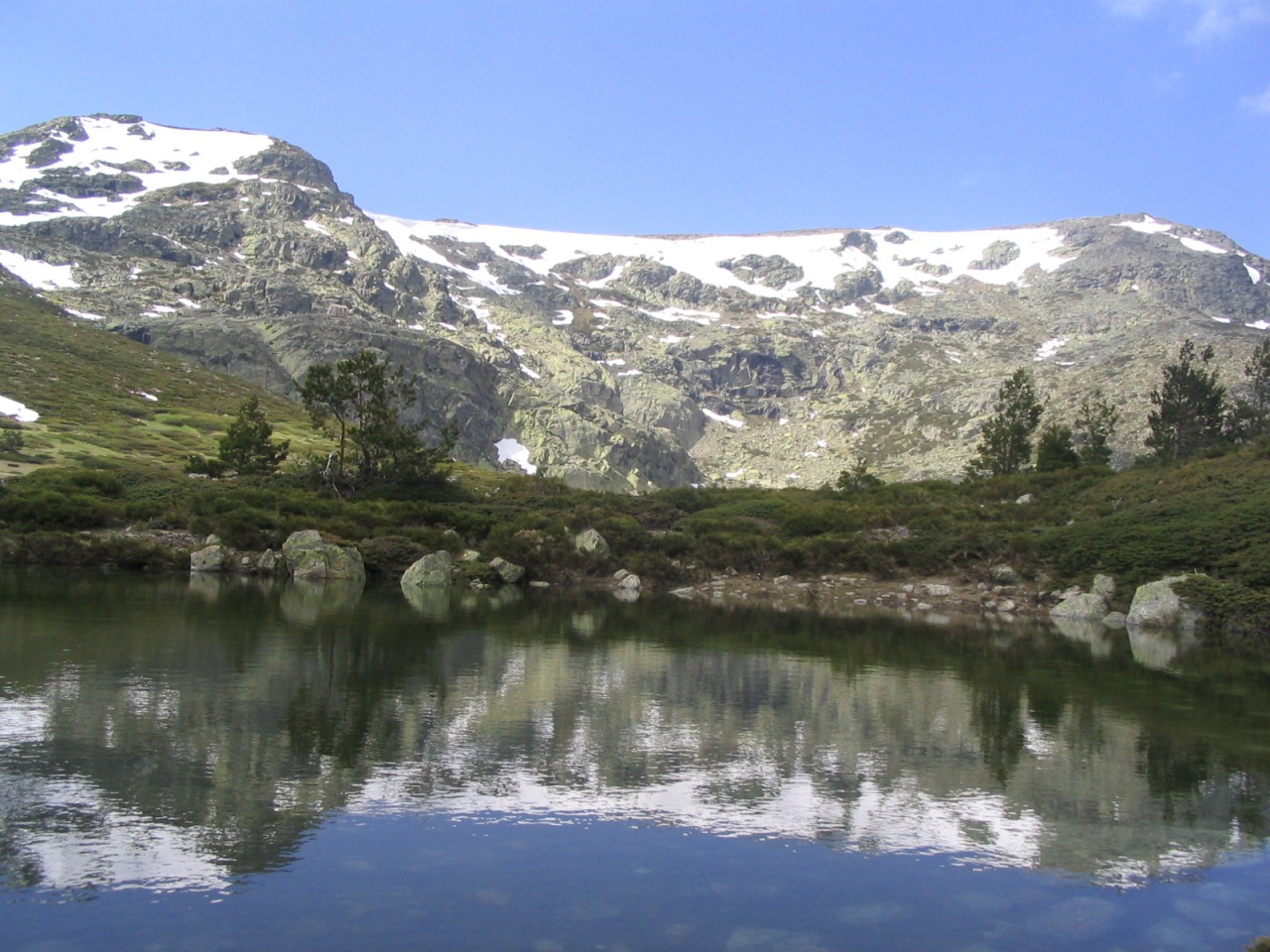
Natura 2000 · breeding, passage

Natura 2000 · passage
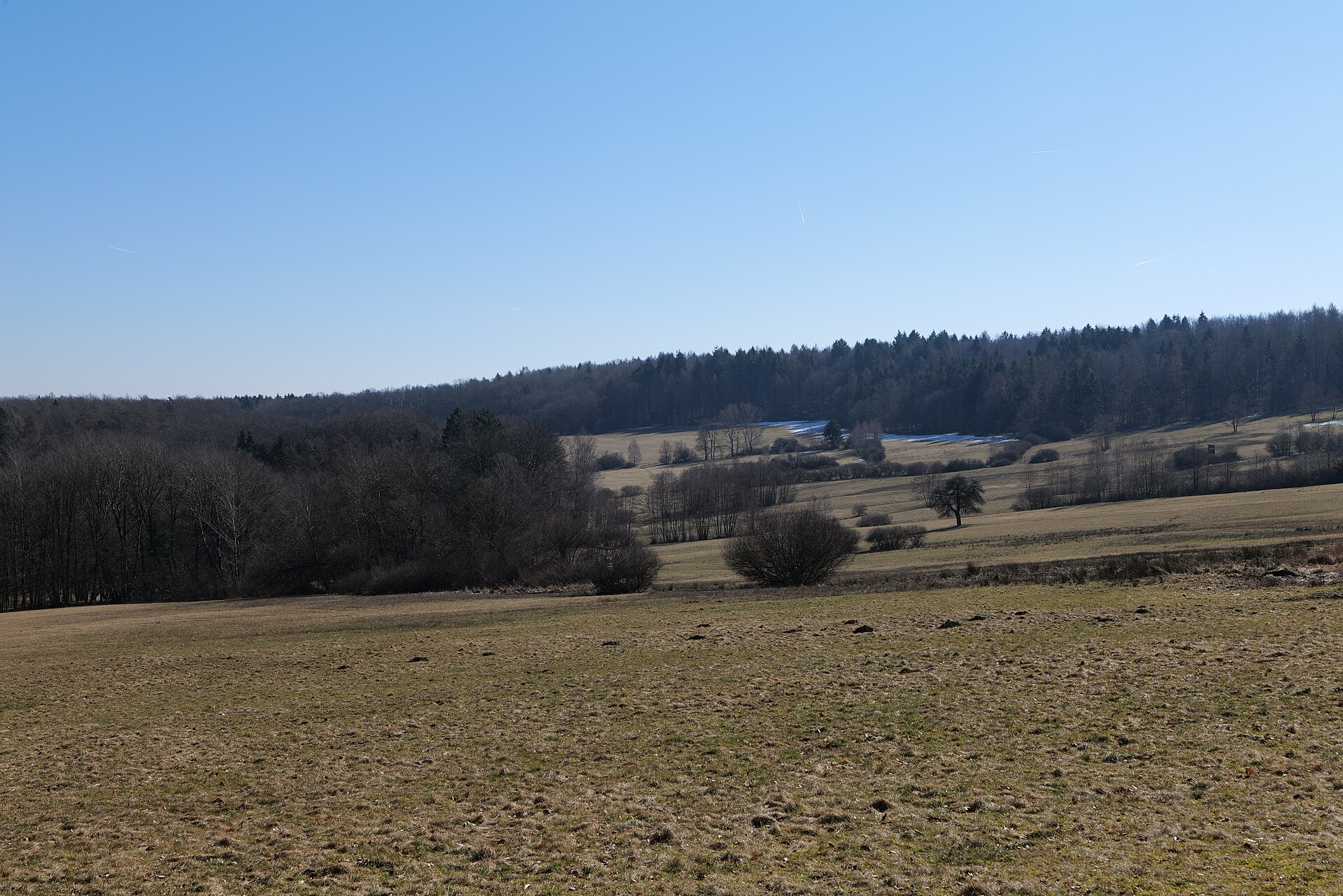
Natura 2000 · passage

Natura 2000 · breeding

Natura 2000 · breeding
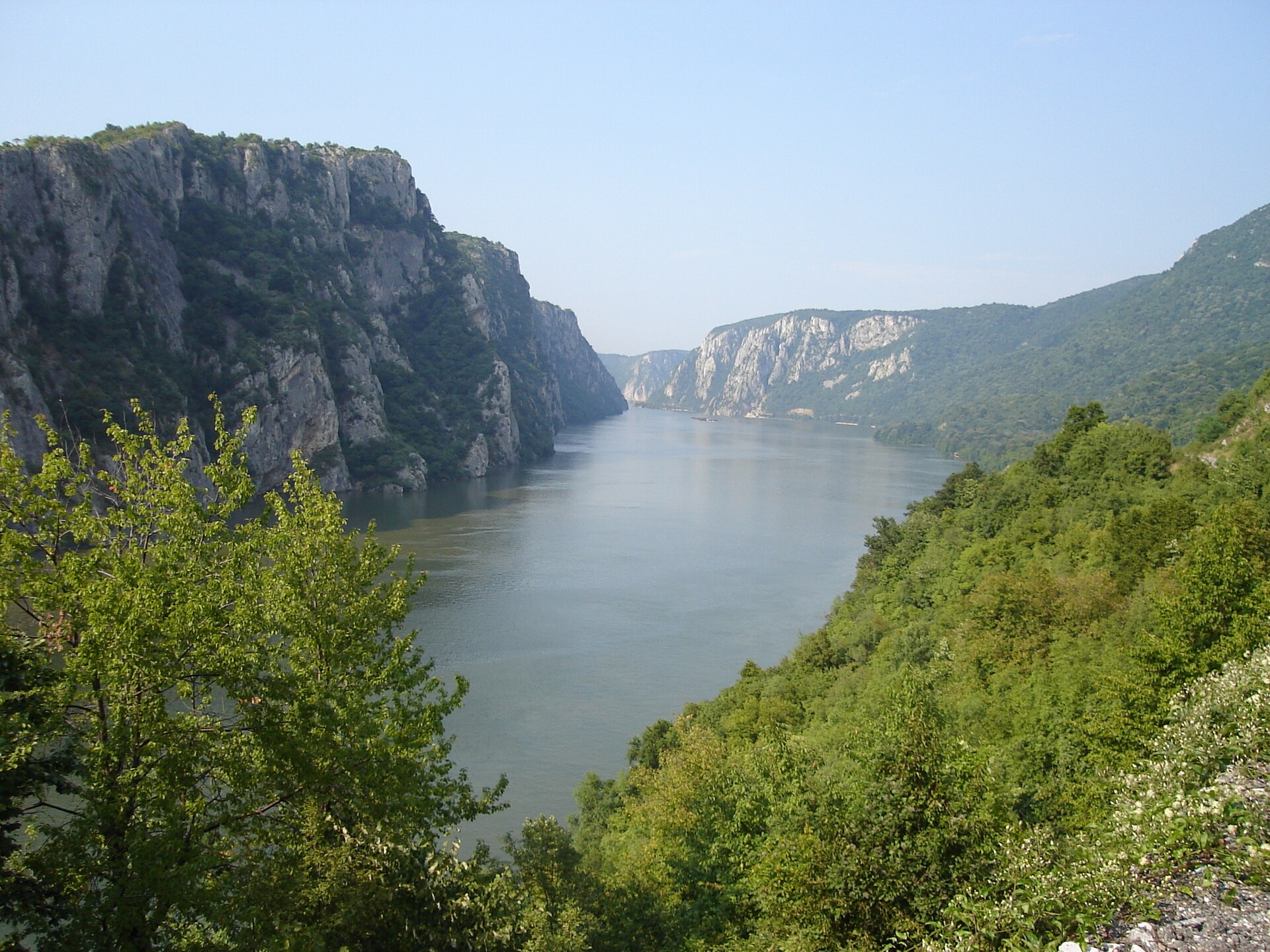
Natura 2000 · passage

Natura 2000 · passage, breeding
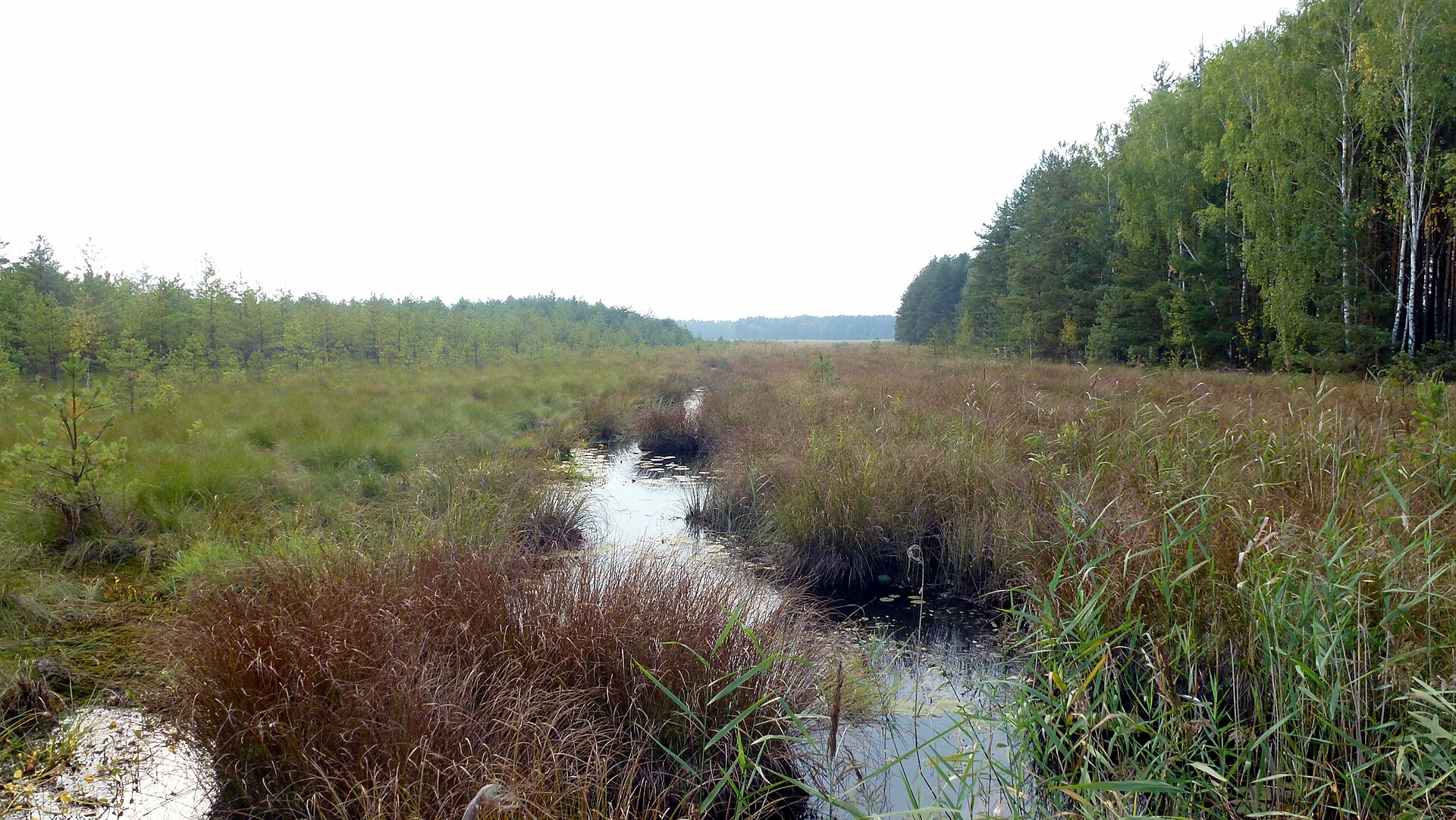
Natura 2000 · breeding
Natura 2000 · breeding

Natura 2000 · breeding

Natura 2000 · breeding
Natura 2000 · breeding
Natura 2000 · breeding
Natura 2000 · breeding
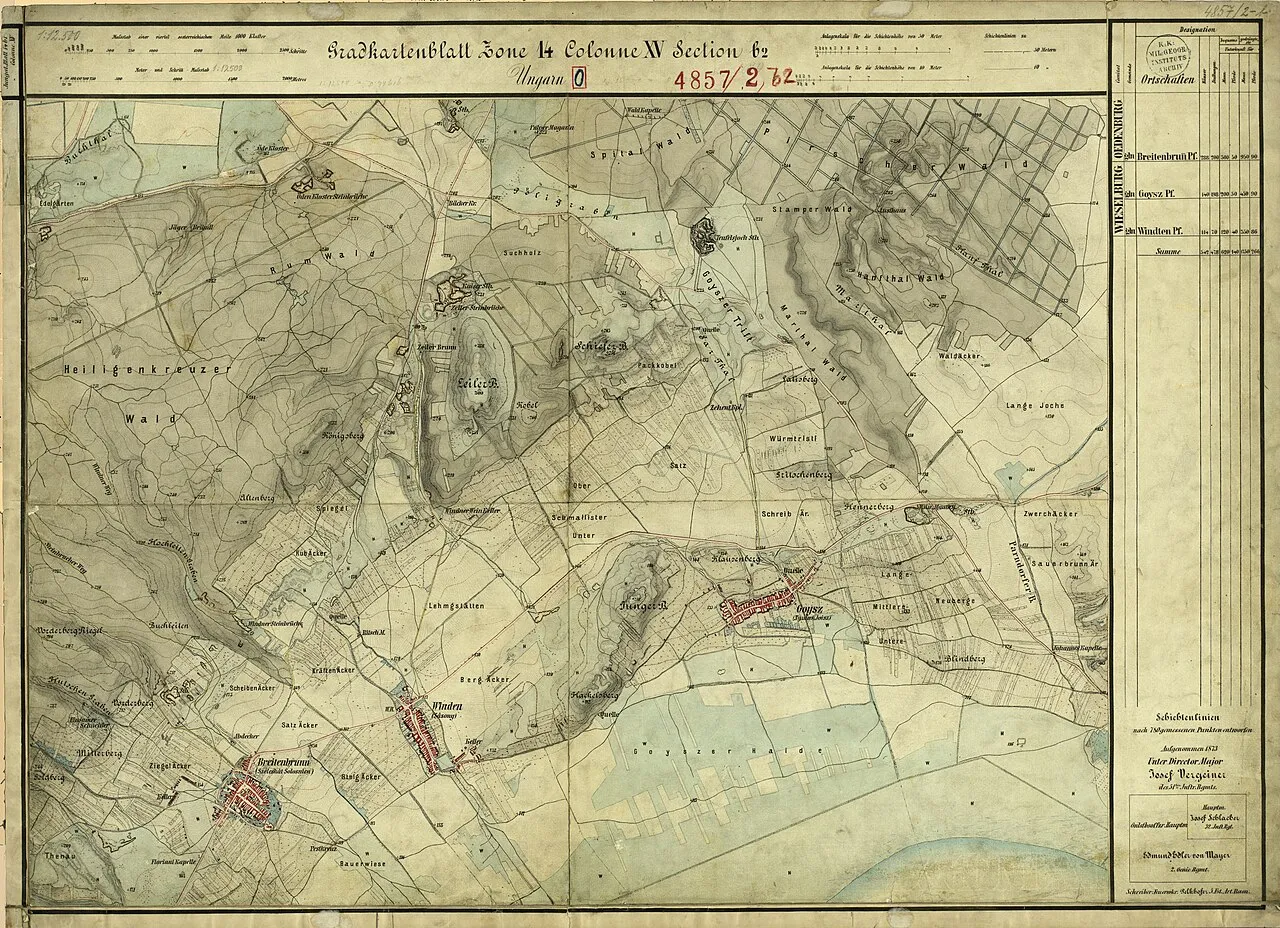
Natura 2000 · breeding
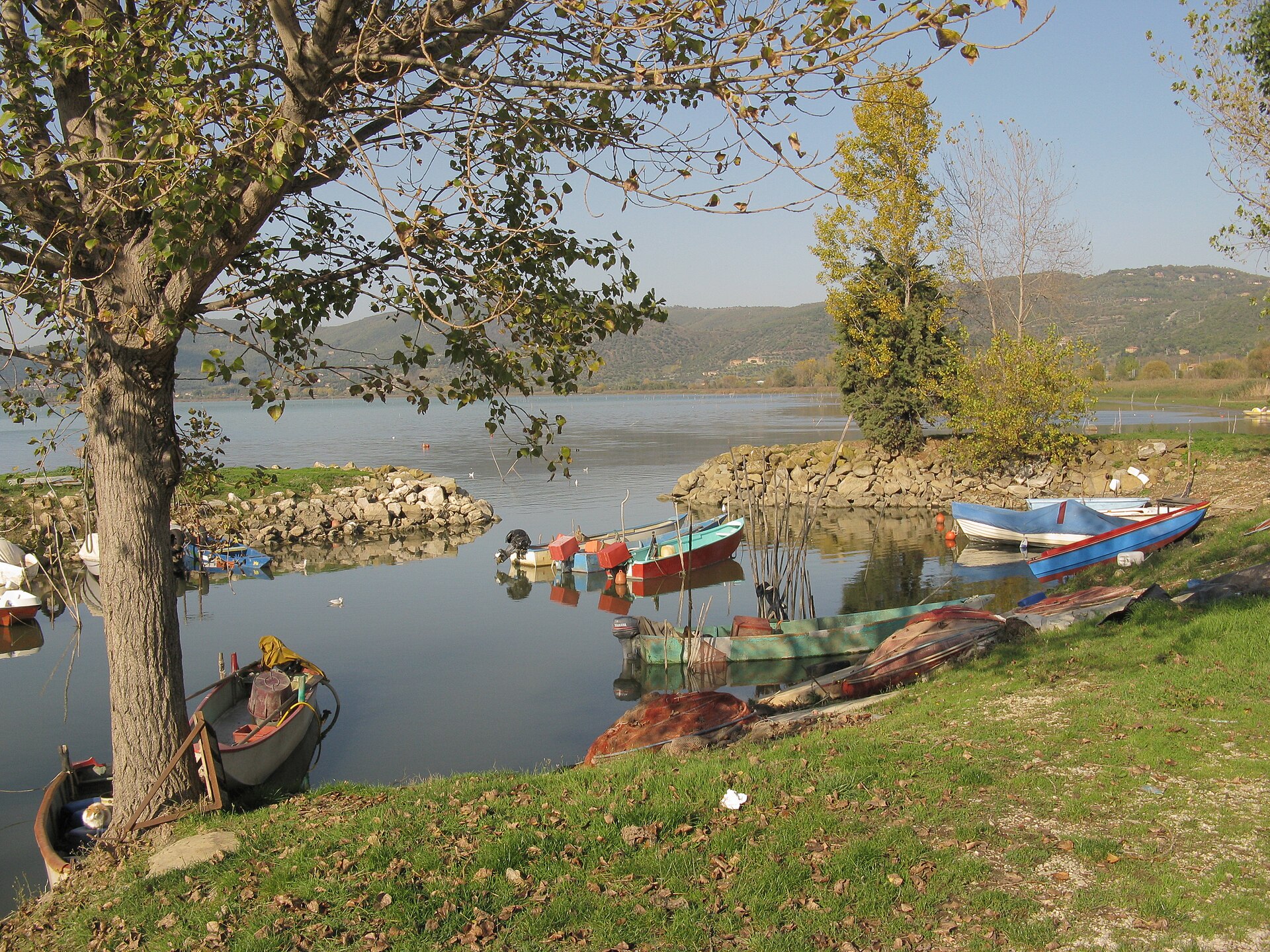
Natura 2000
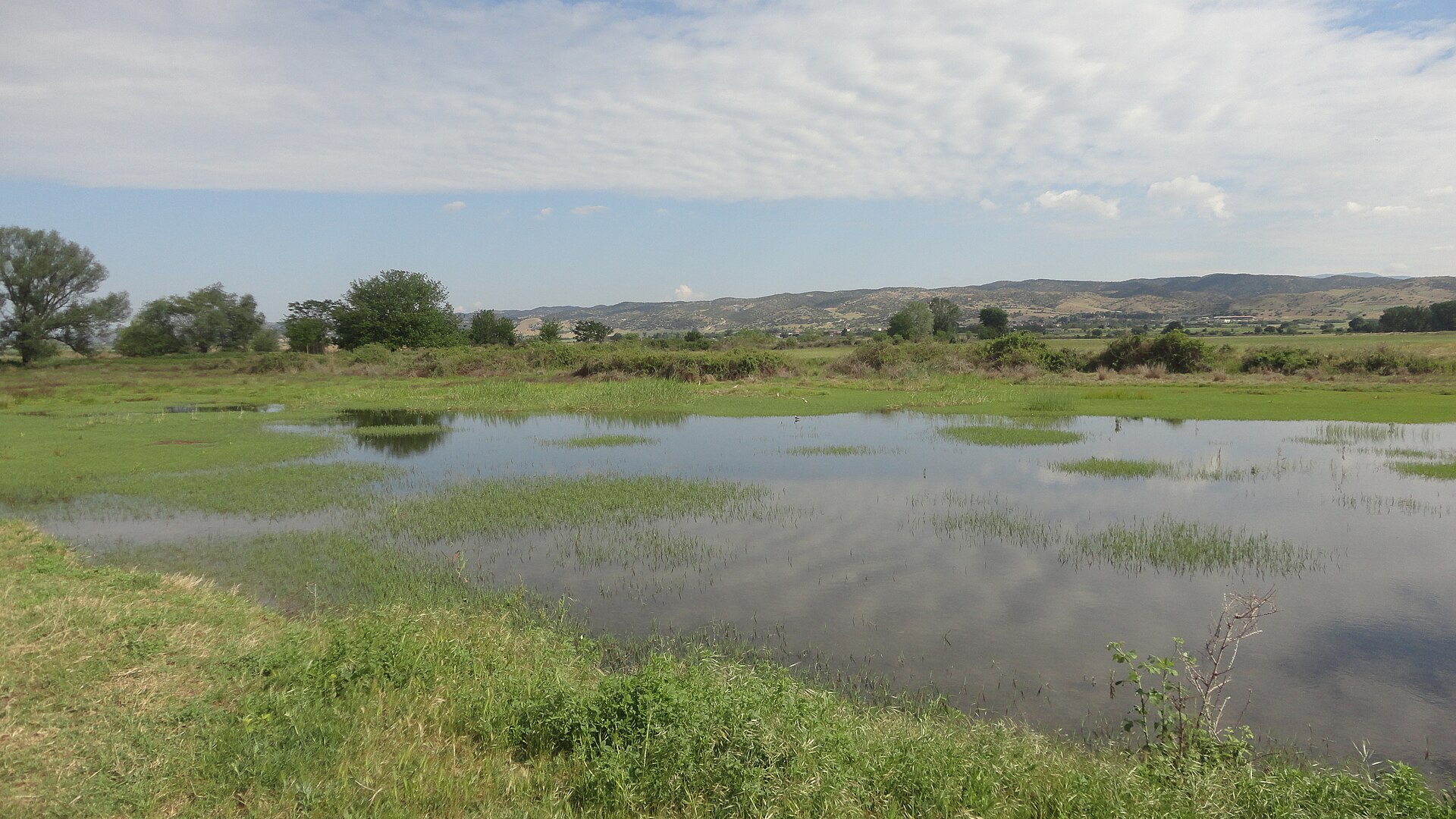
Natura 2000 · breeding

Natura 2000 · passage
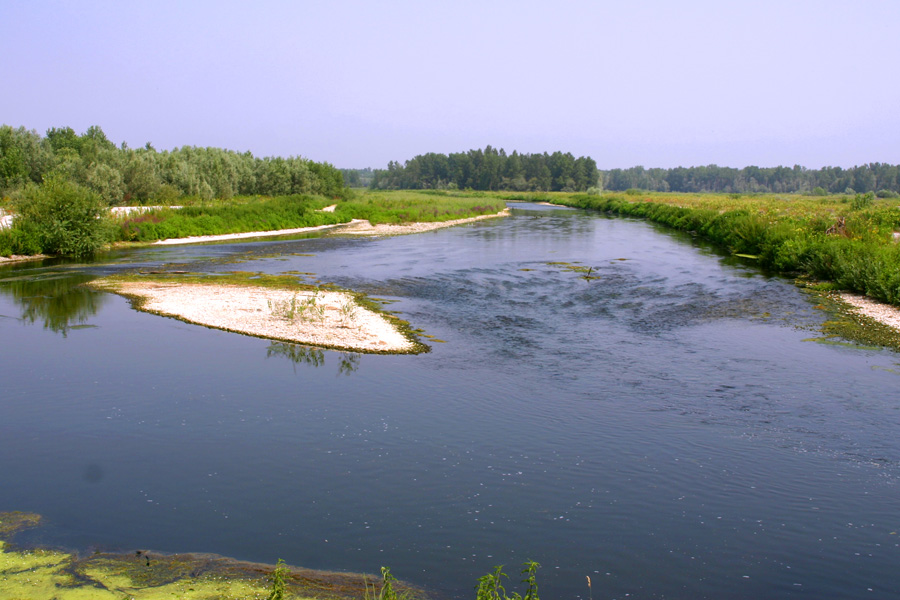
Natura 2000 · breeding, passage

Natura 2000 · breeding

Natura 2000 · passage, breeding
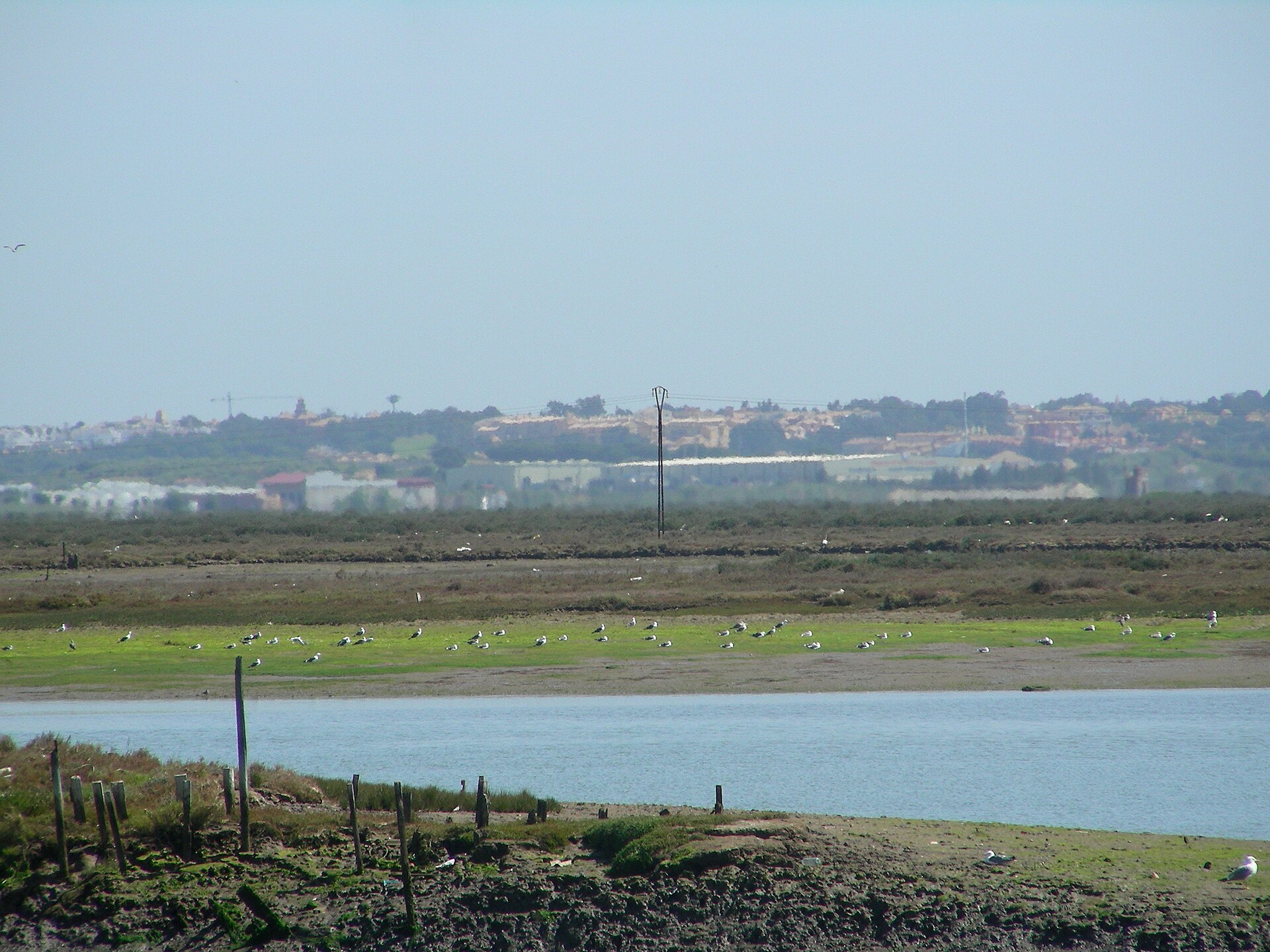
Natura 2000 · passage, resident, wintering
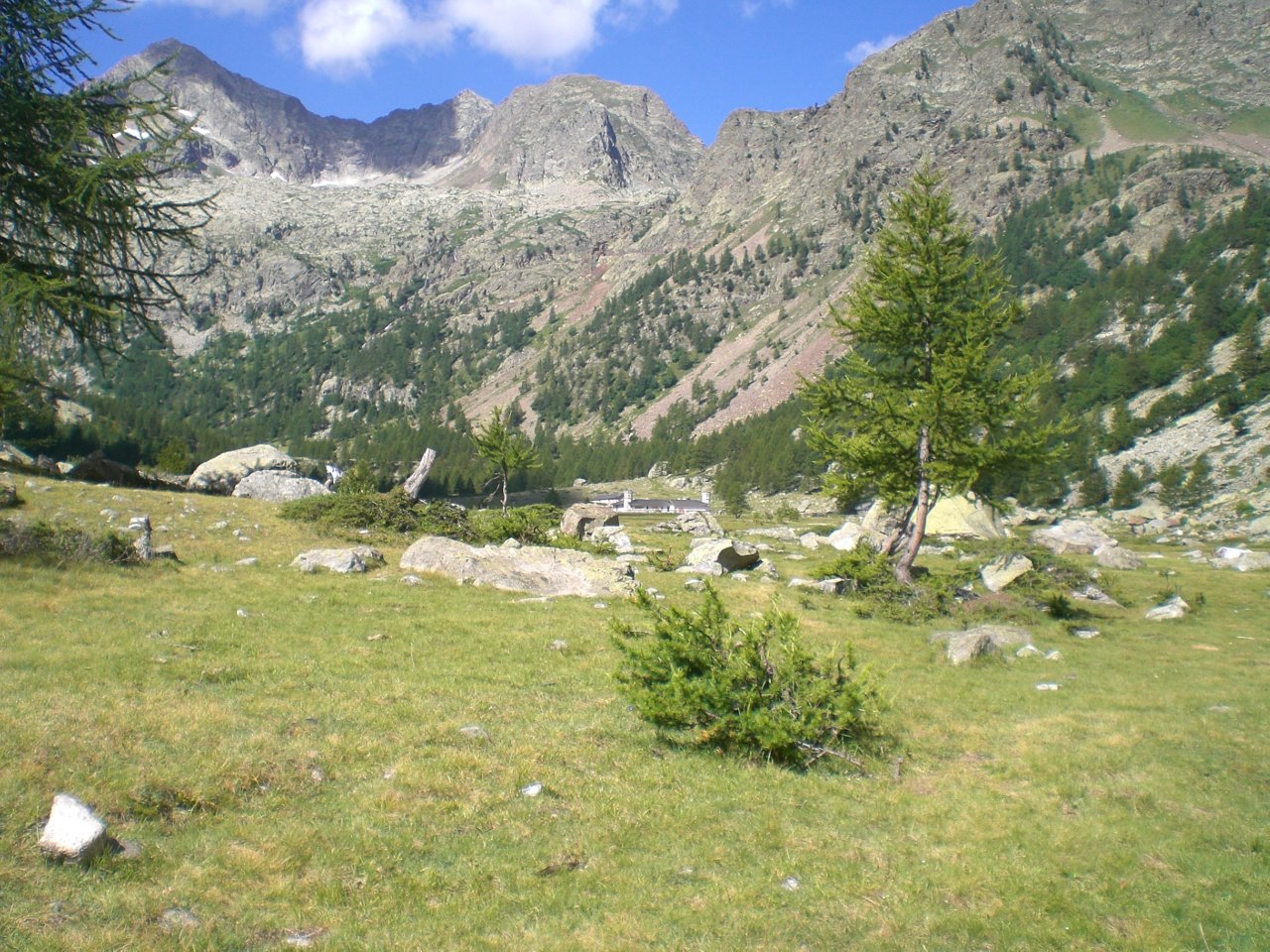
Natura 2000 · breeding, passage
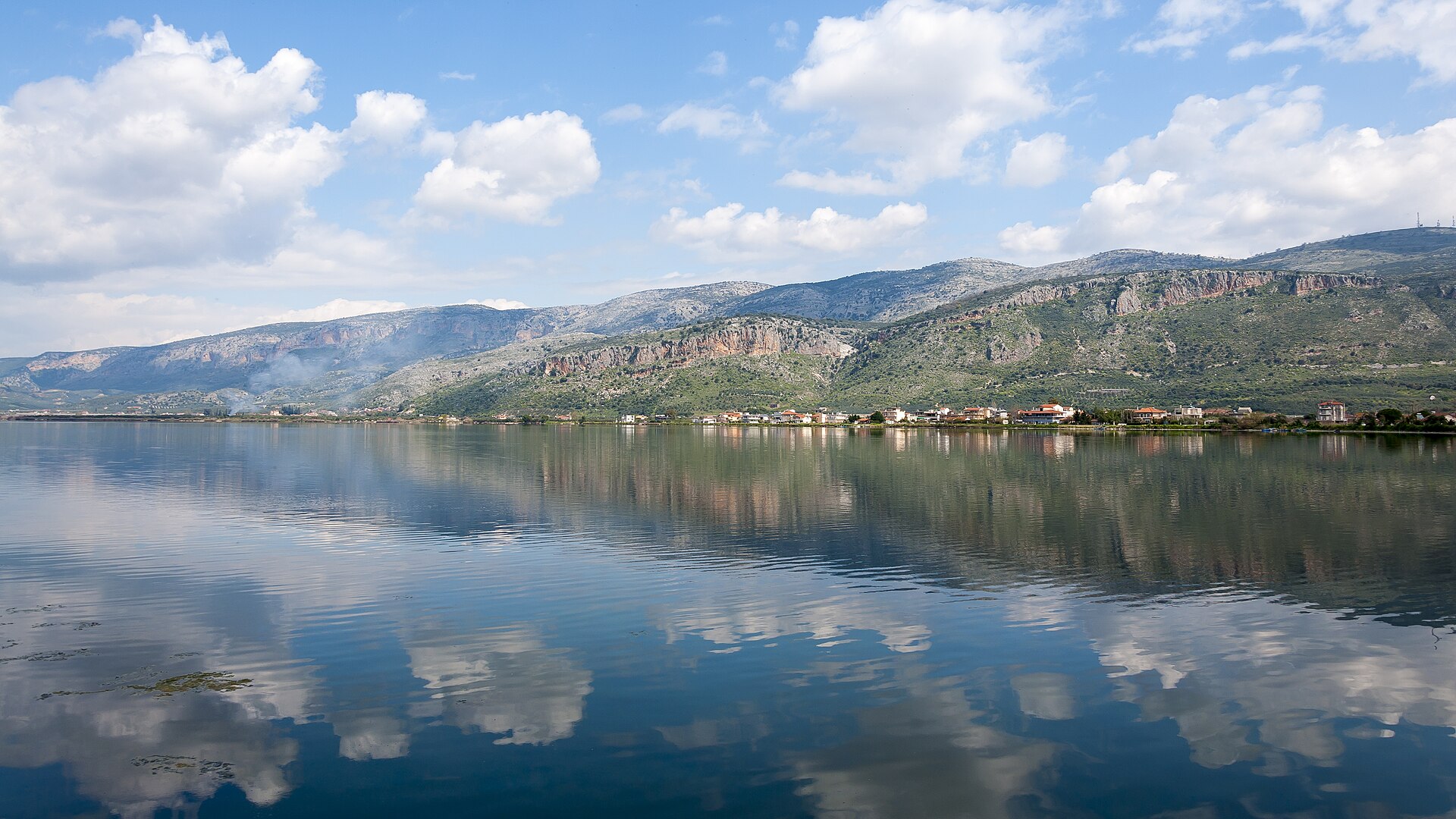
Natura 2000 · passage
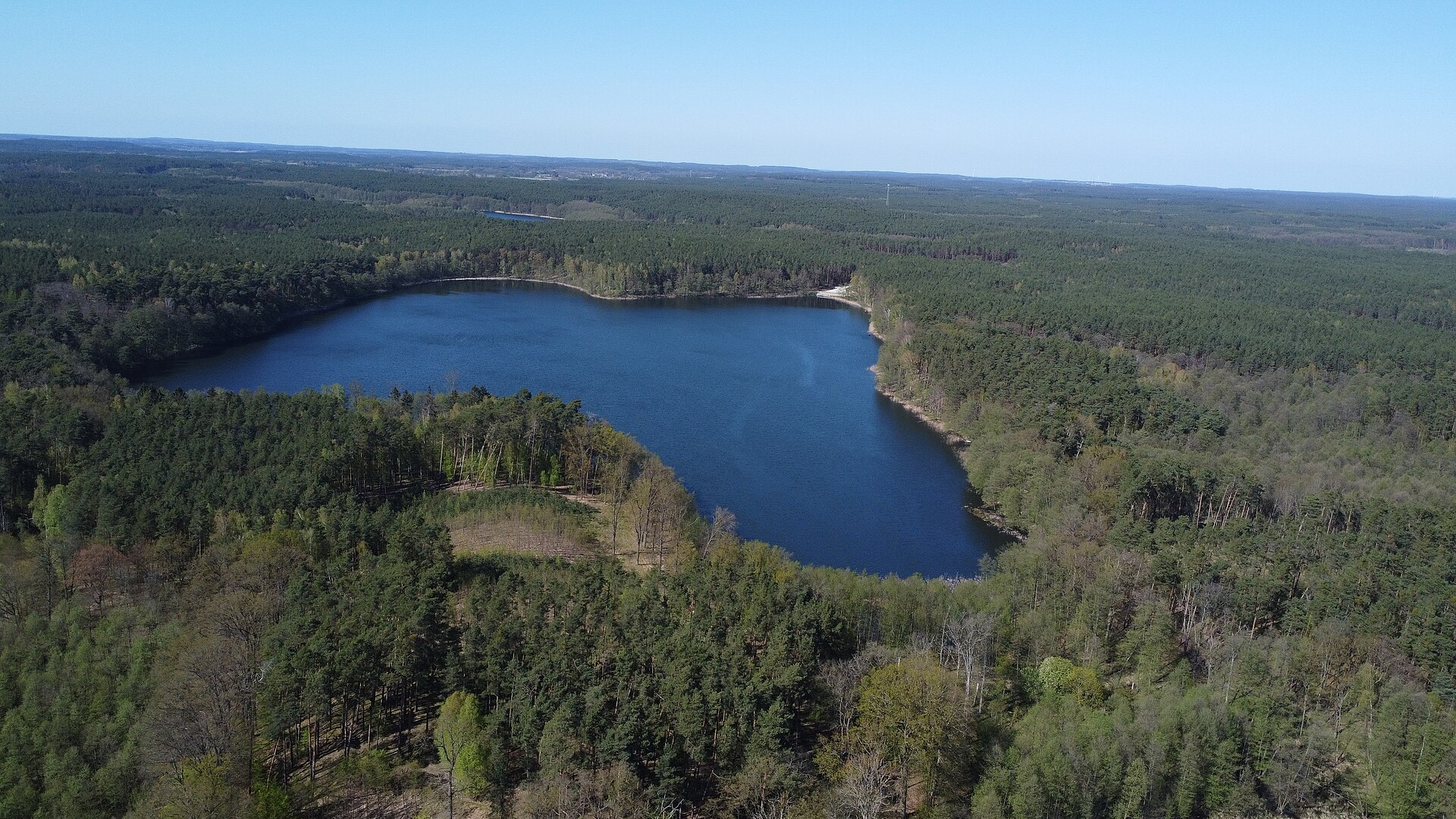
Natura 2000 · breeding

Natura 2000 · passage

Natura 2000 · breeding
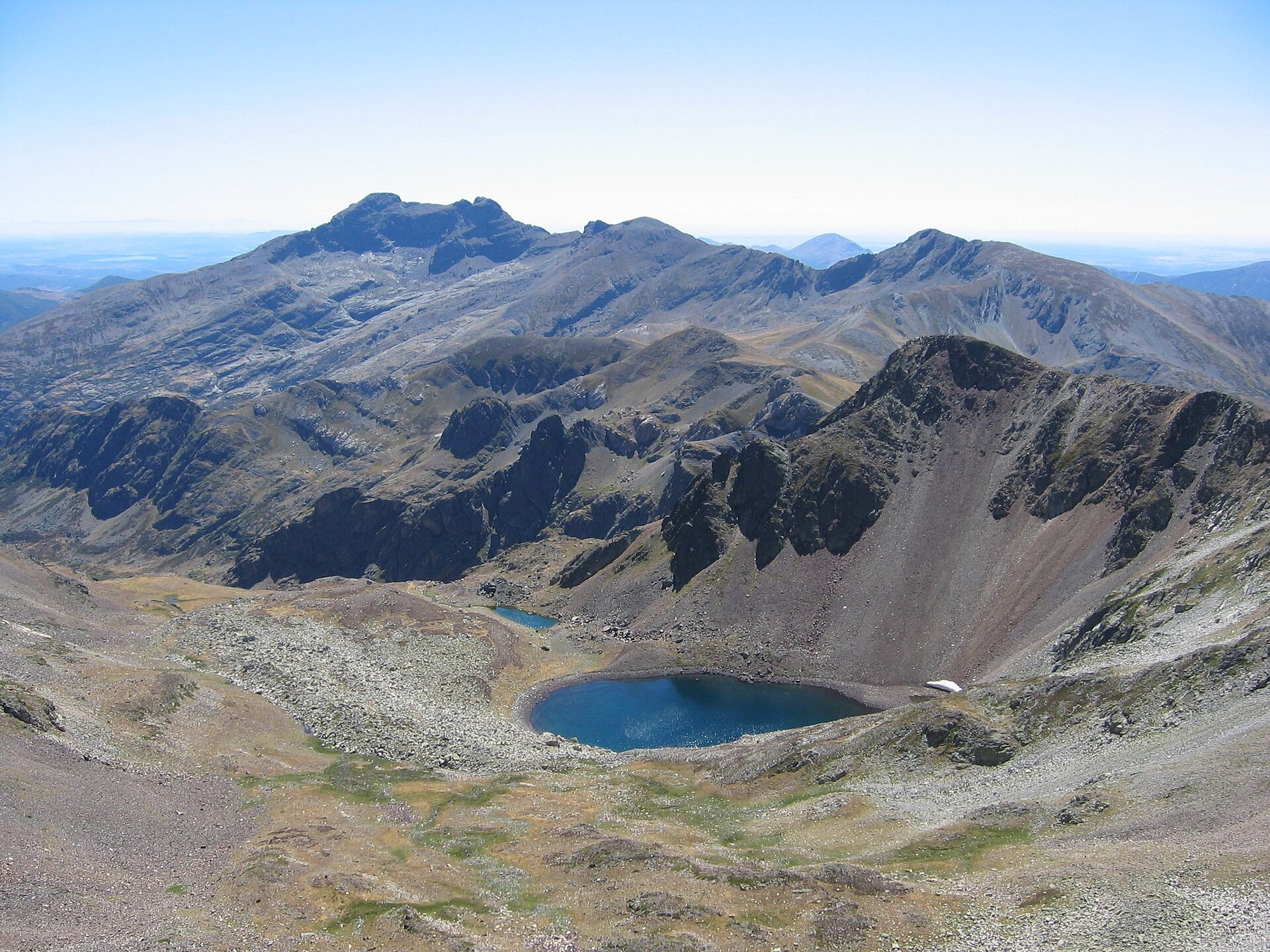
Natura 2000 · breeding

Natura 2000 · breeding, passage

Natura 2000 · breeding

Natura 2000 · breeding

Natura 2000 · breeding

Natura 2000 · breeding

Natura 2000

Natura 2000 · breeding
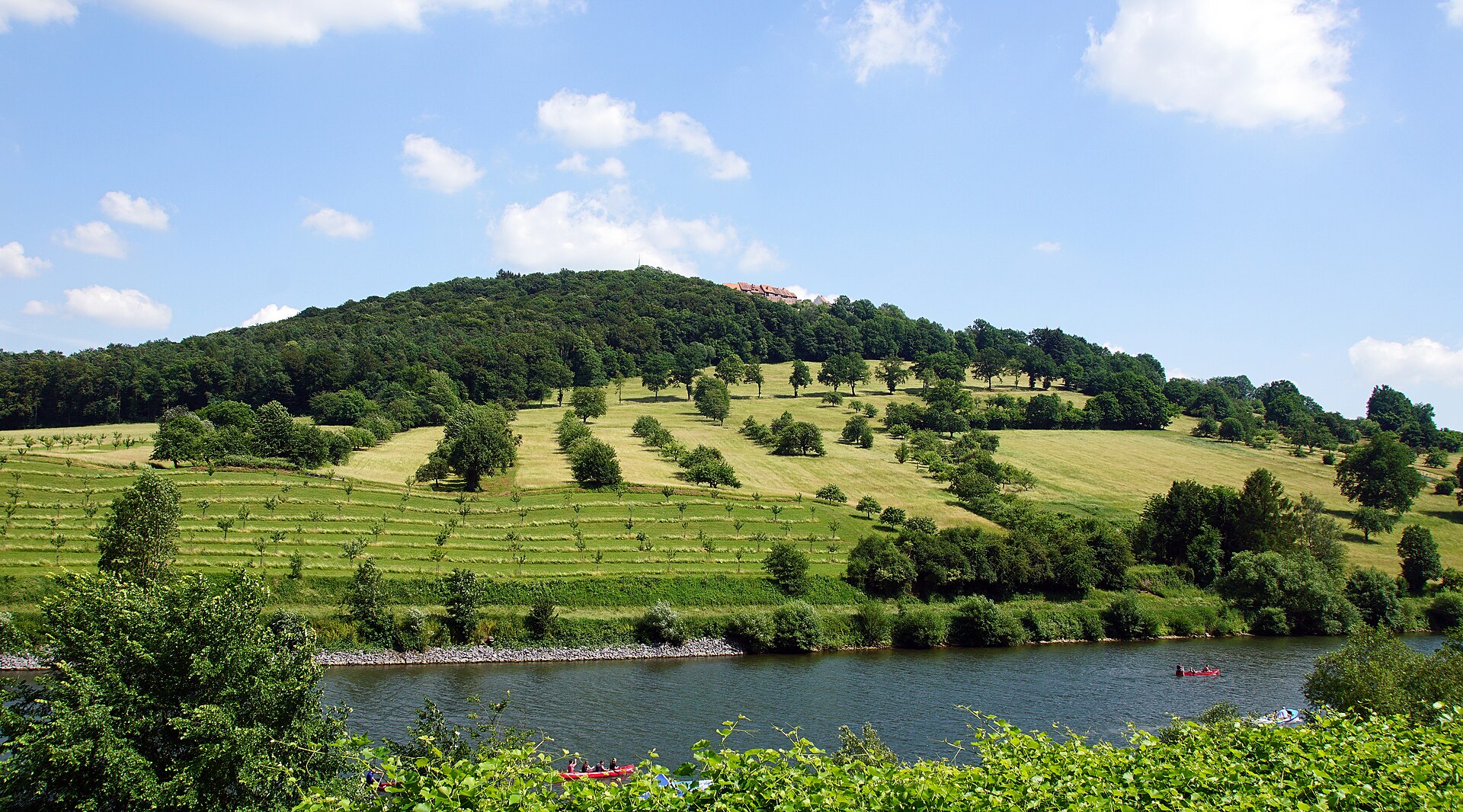
Natura 2000 · breeding

Natura 2000 · breeding

Natura 2000 · breeding

Natura 2000 · breeding
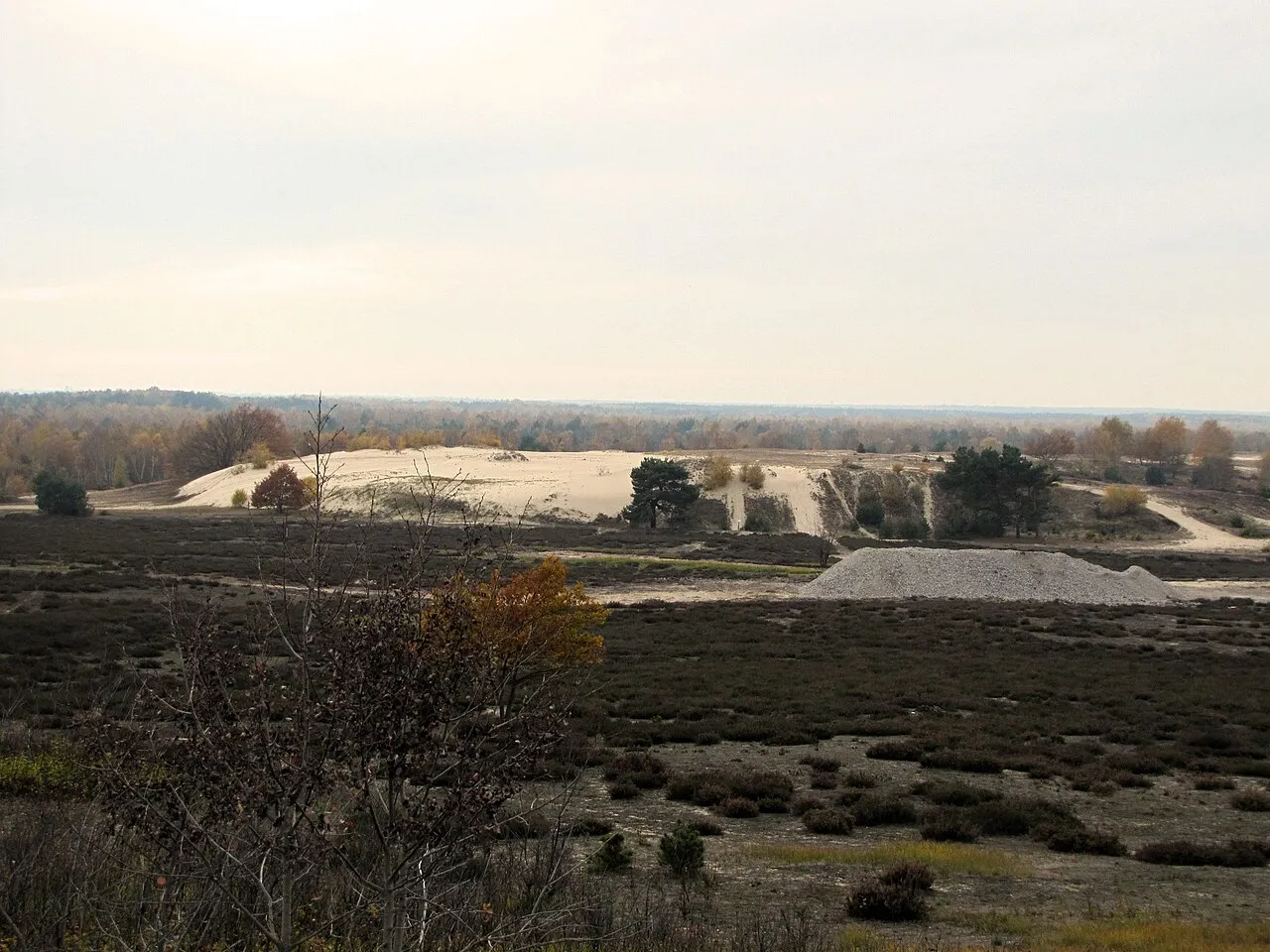
Natura 2000 · breeding, resident

Natura 2000 · breeding, passage
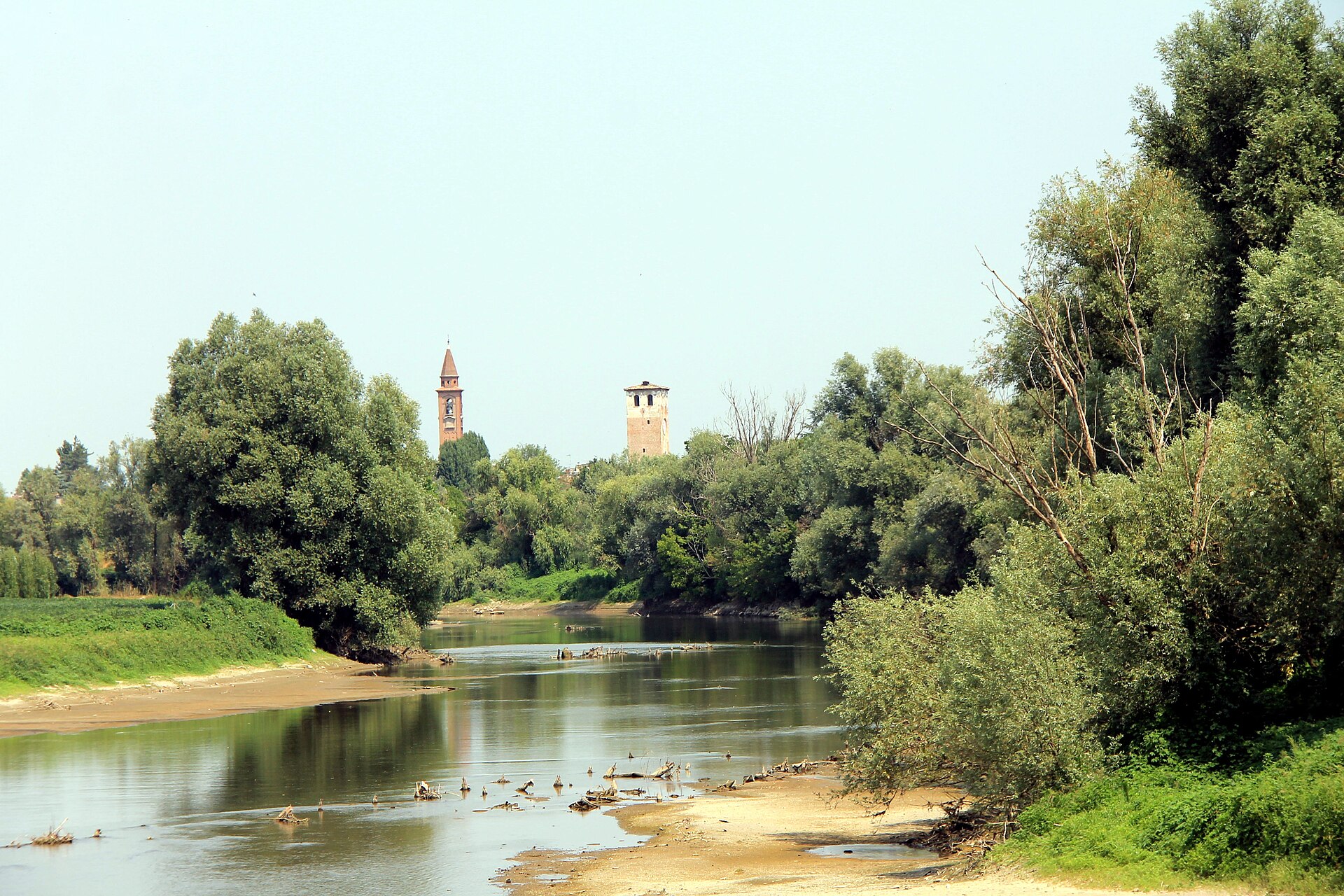
Natura 2000 · breeding, passage
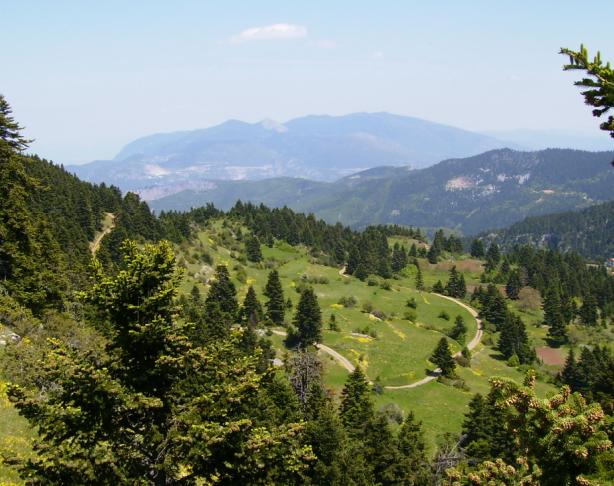
Natura 2000 · breeding

Natura 2000 · passage, breeding

Natura 2000 · passage, resident

Natura 2000 · passage
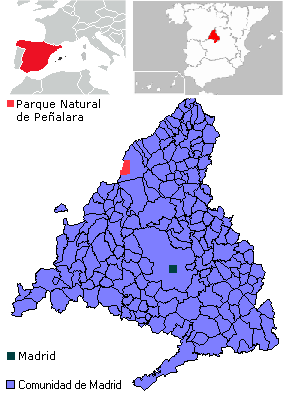
Natura 2000 · passage

Natura 2000 · breeding
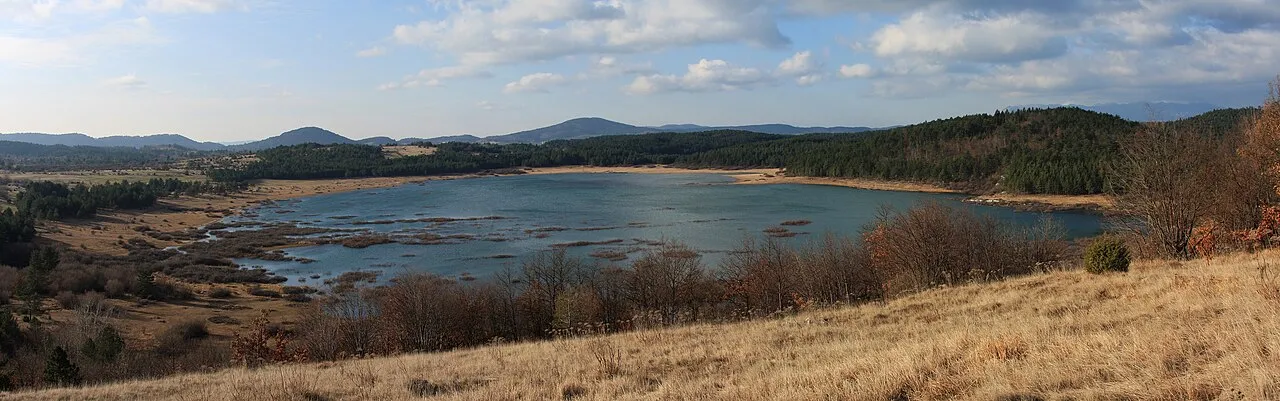
Natura 2000 · breeding
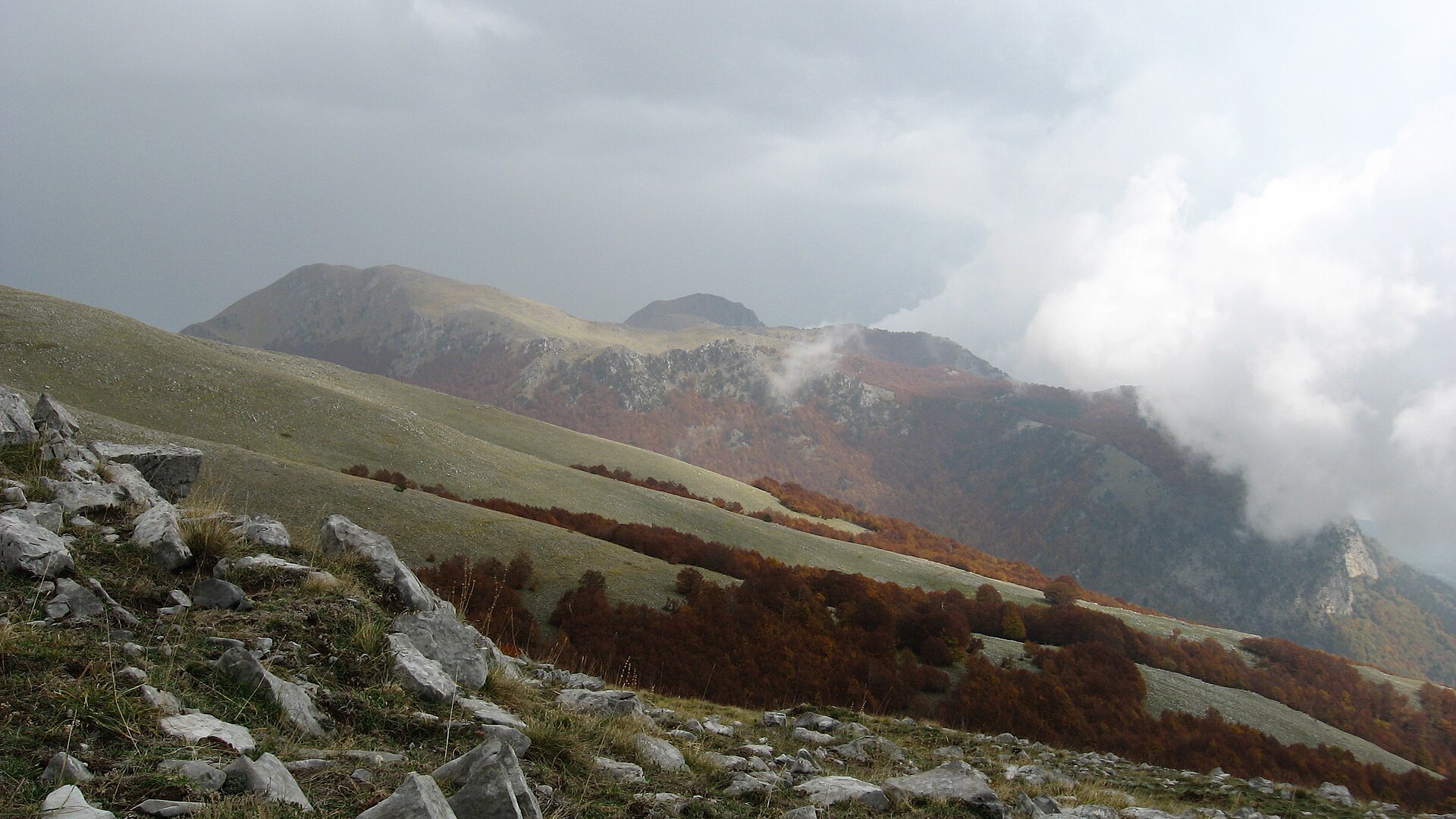
Natura 2000 · breeding

Natura 2000 · breeding
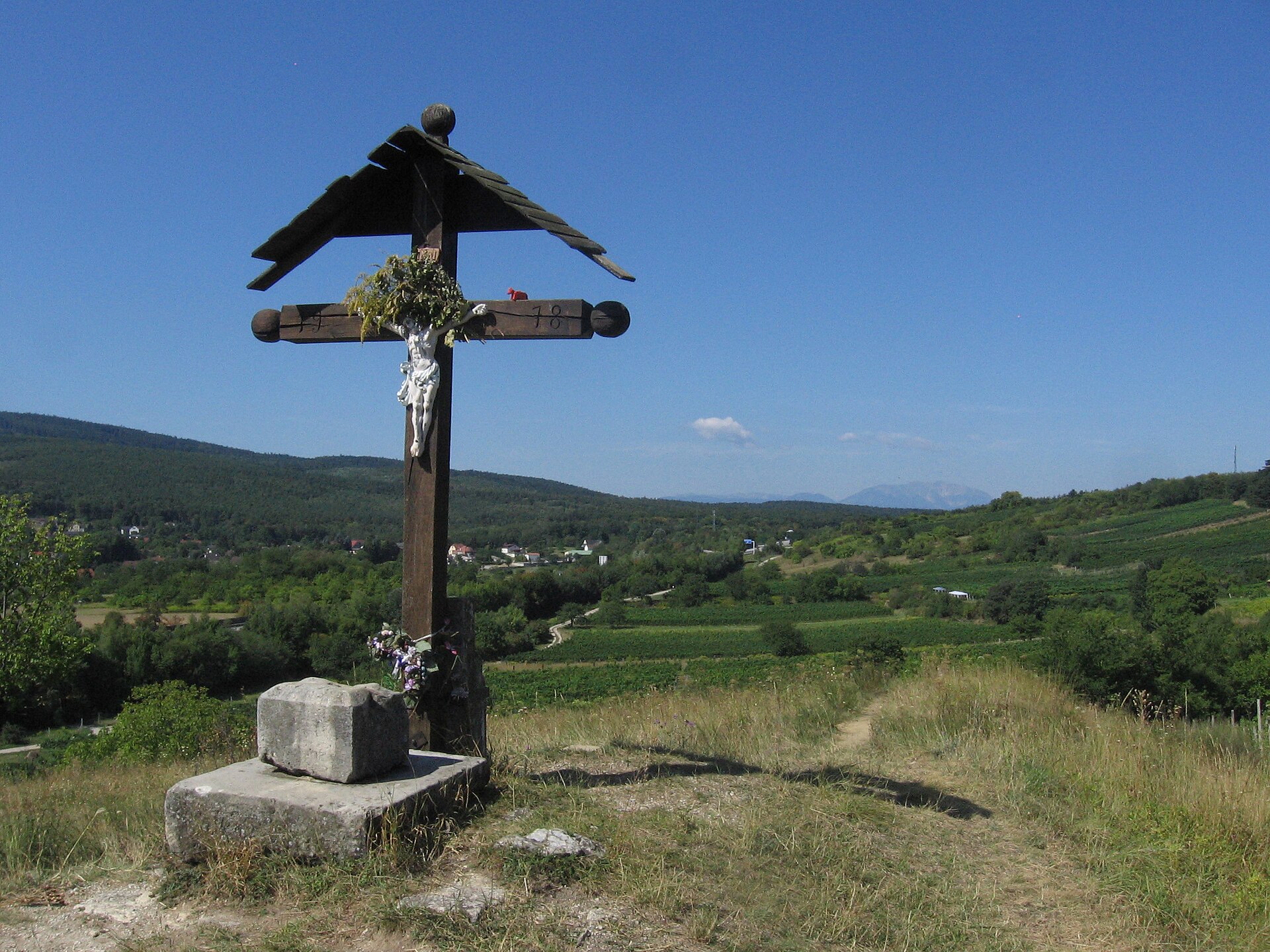
Natura 2000 · breeding, passage

Natura 2000 · breeding

Natura 2000 · resident, breeding

Natura 2000 · breeding

Natura 2000 · breeding, passage

Natura 2000 · breeding

Natura 2000 · breeding

Natura 2000 · breeding
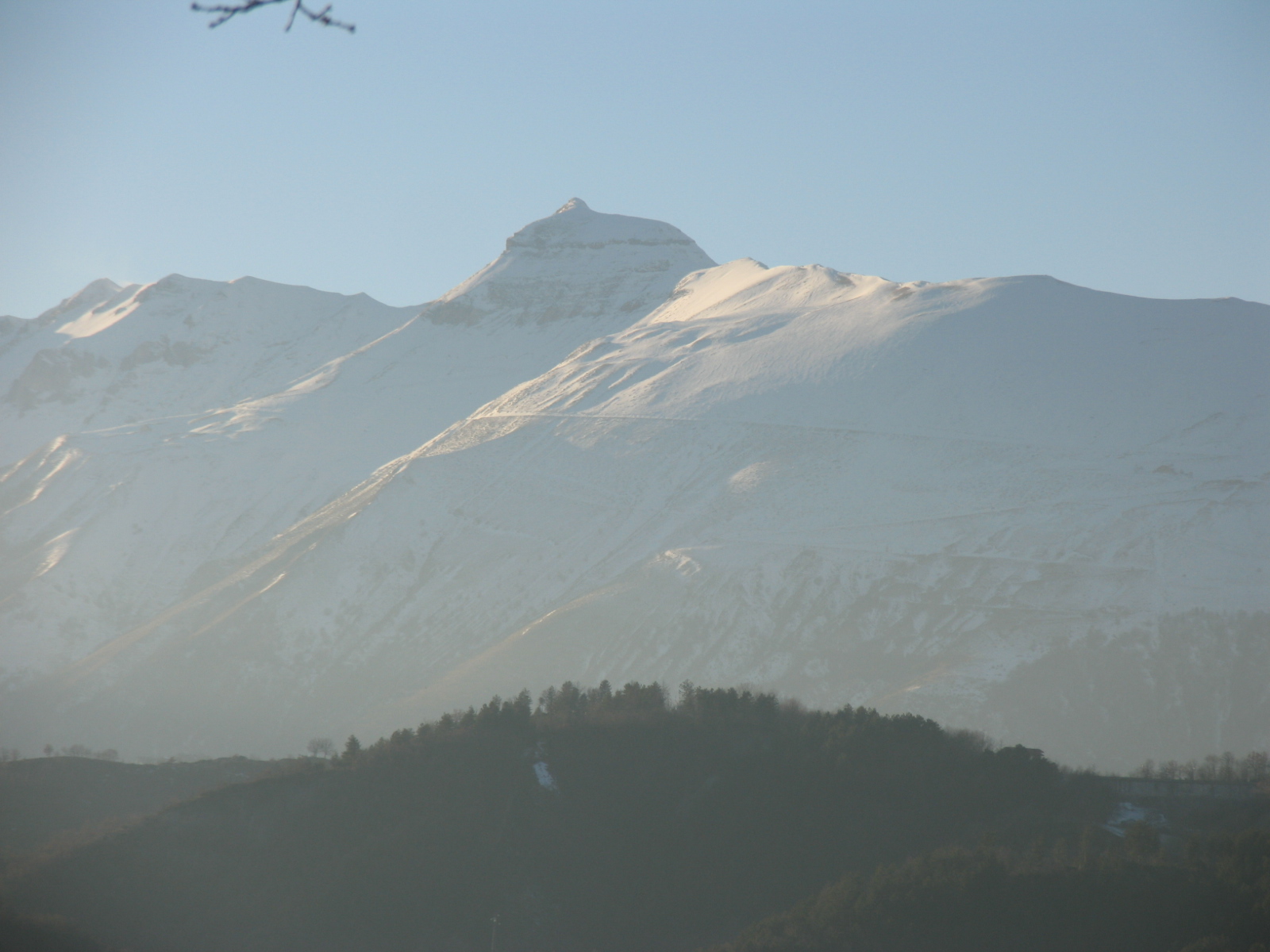
Natura 2000 · breeding
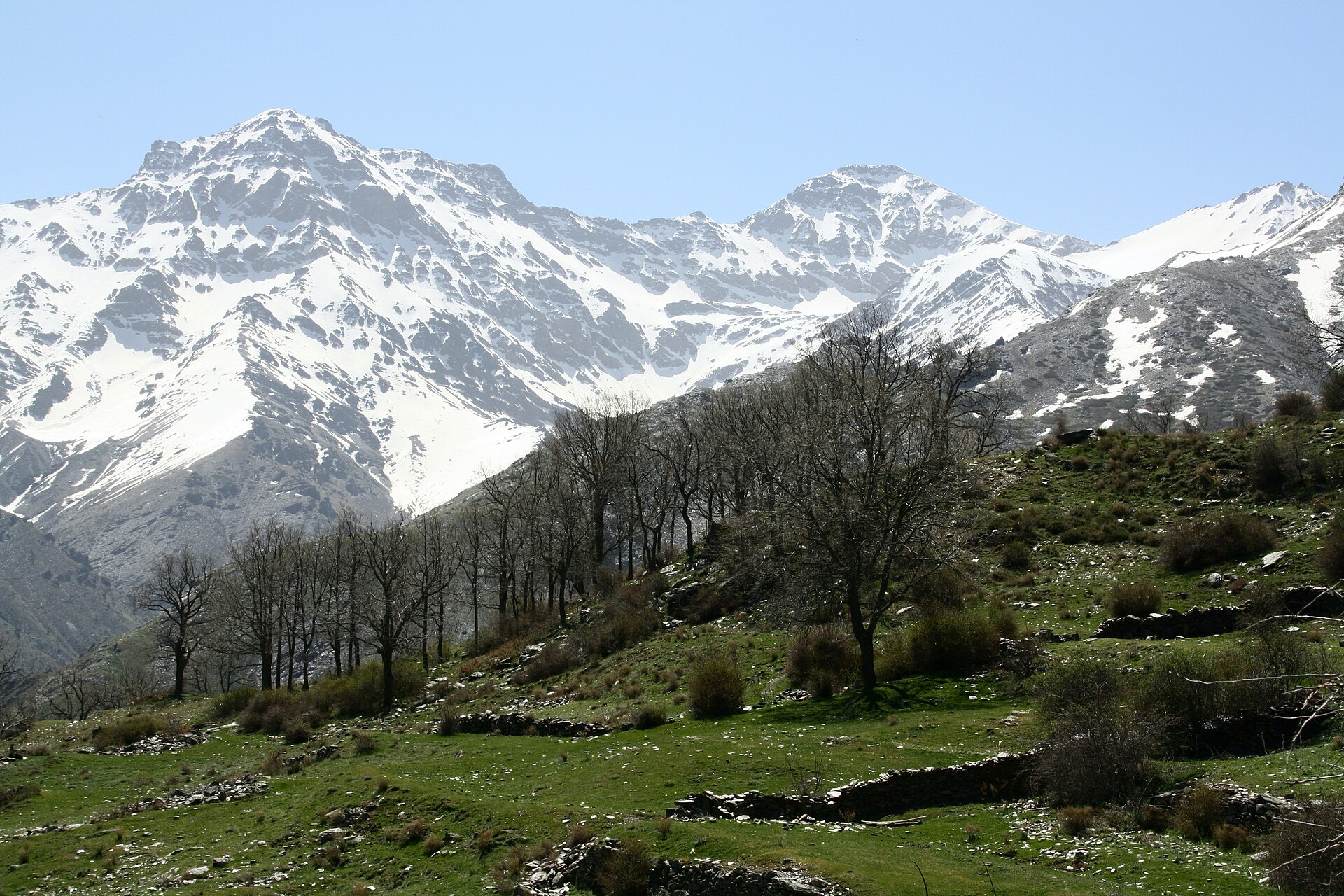
Natura 2000 · resident
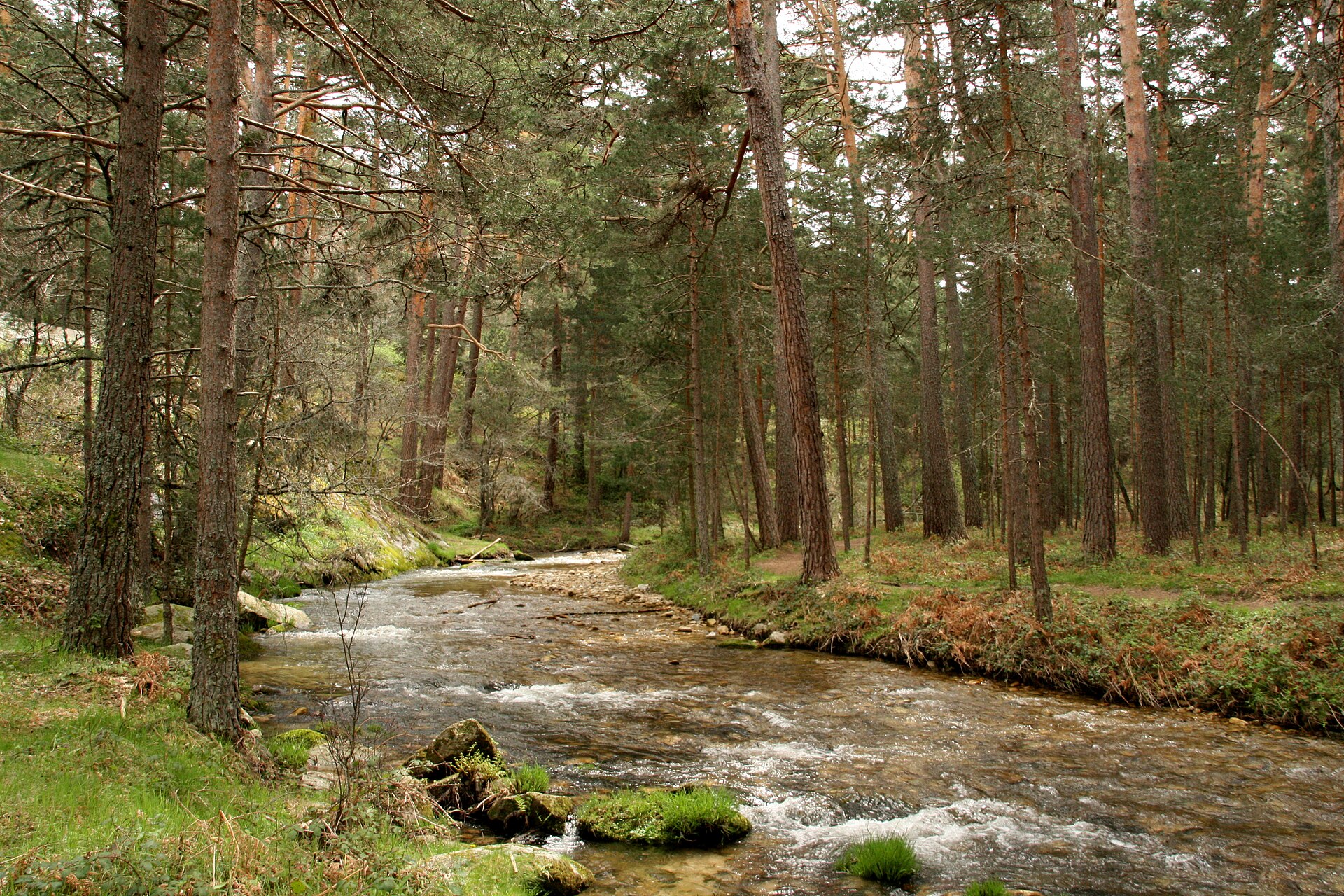
Natura 2000 · breeding

Natura 2000 · breeding
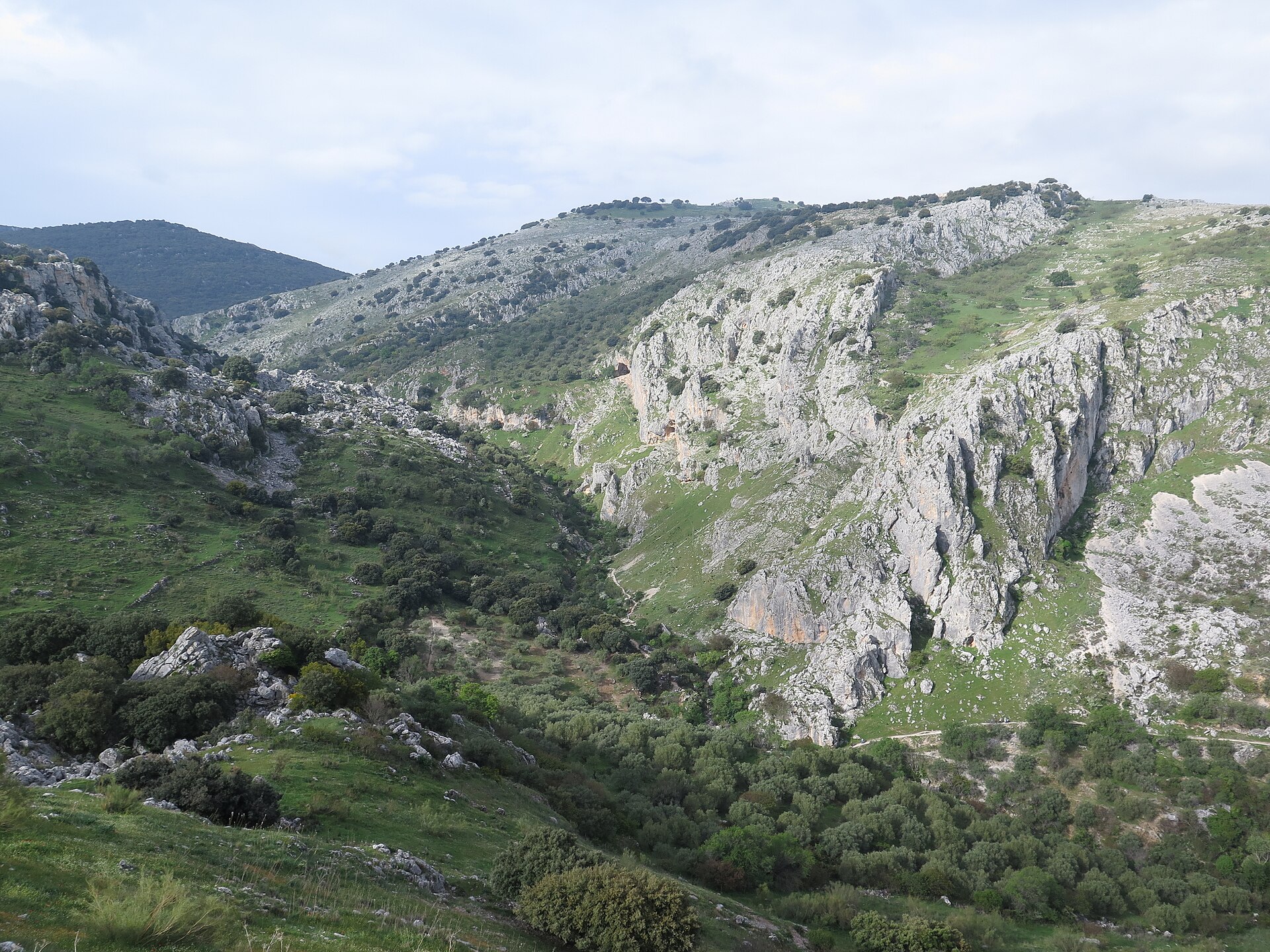
Natura 2000 · breeding

Natura 2000 · breeding
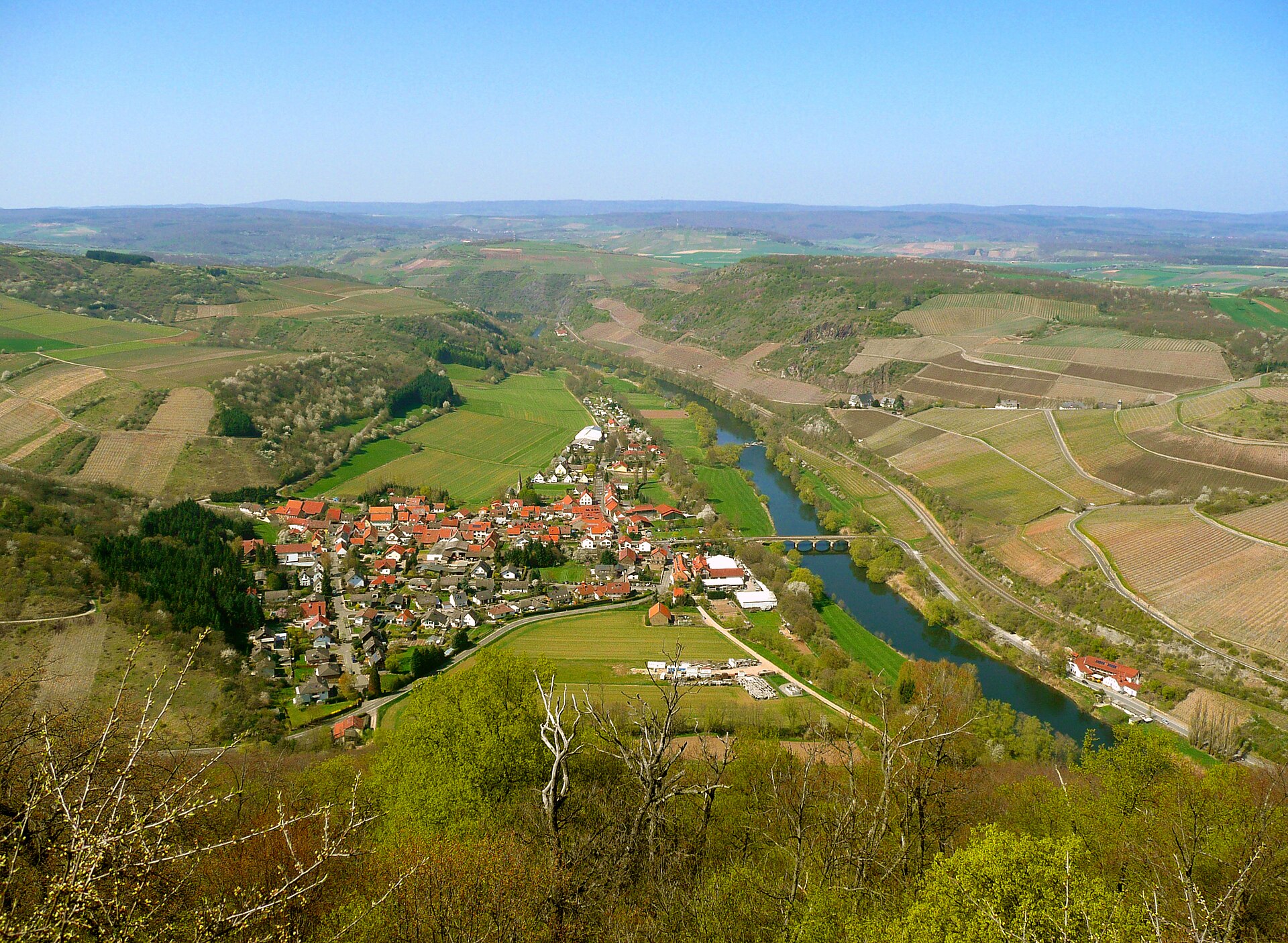
Natura 2000
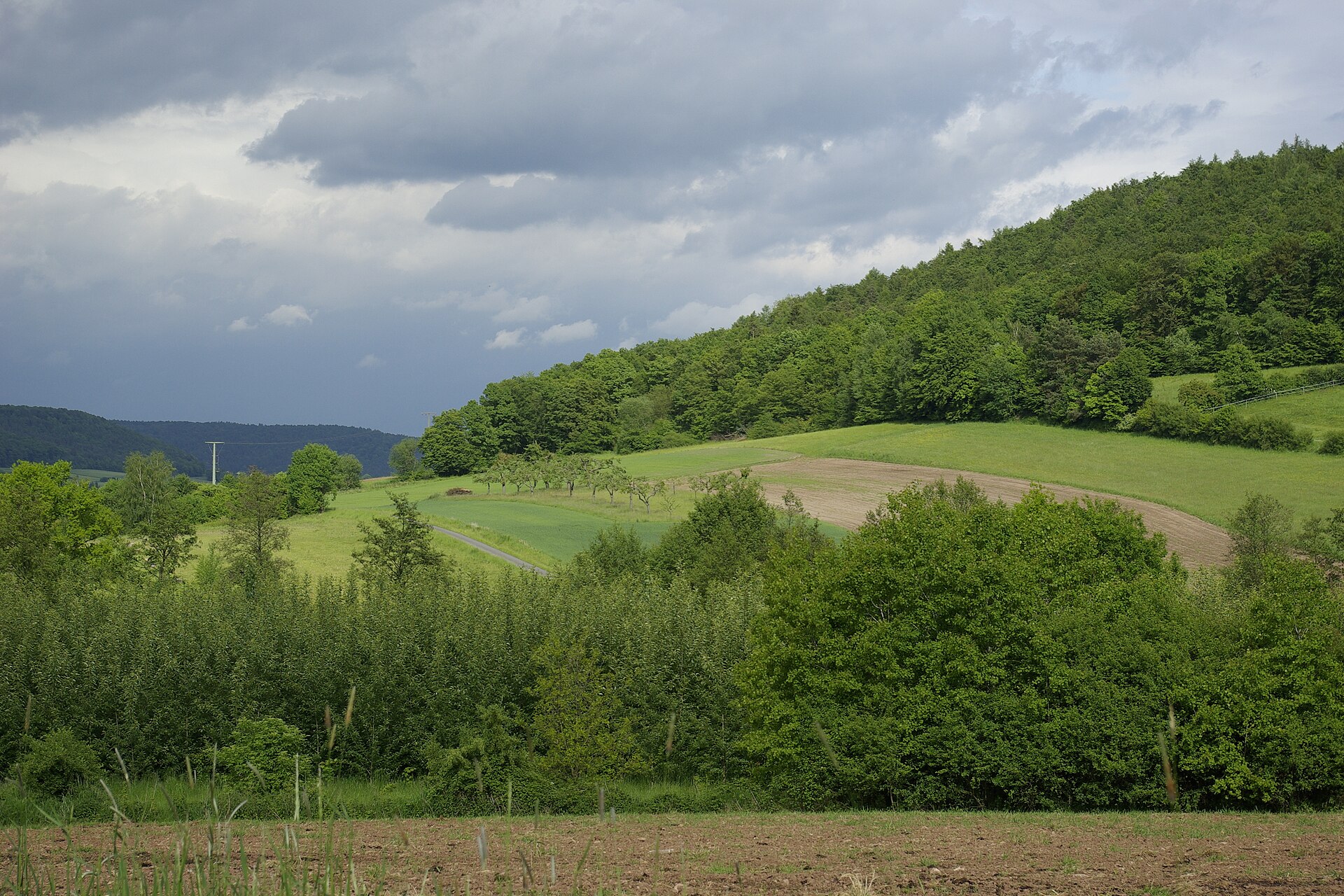
Natura 2000 · breeding
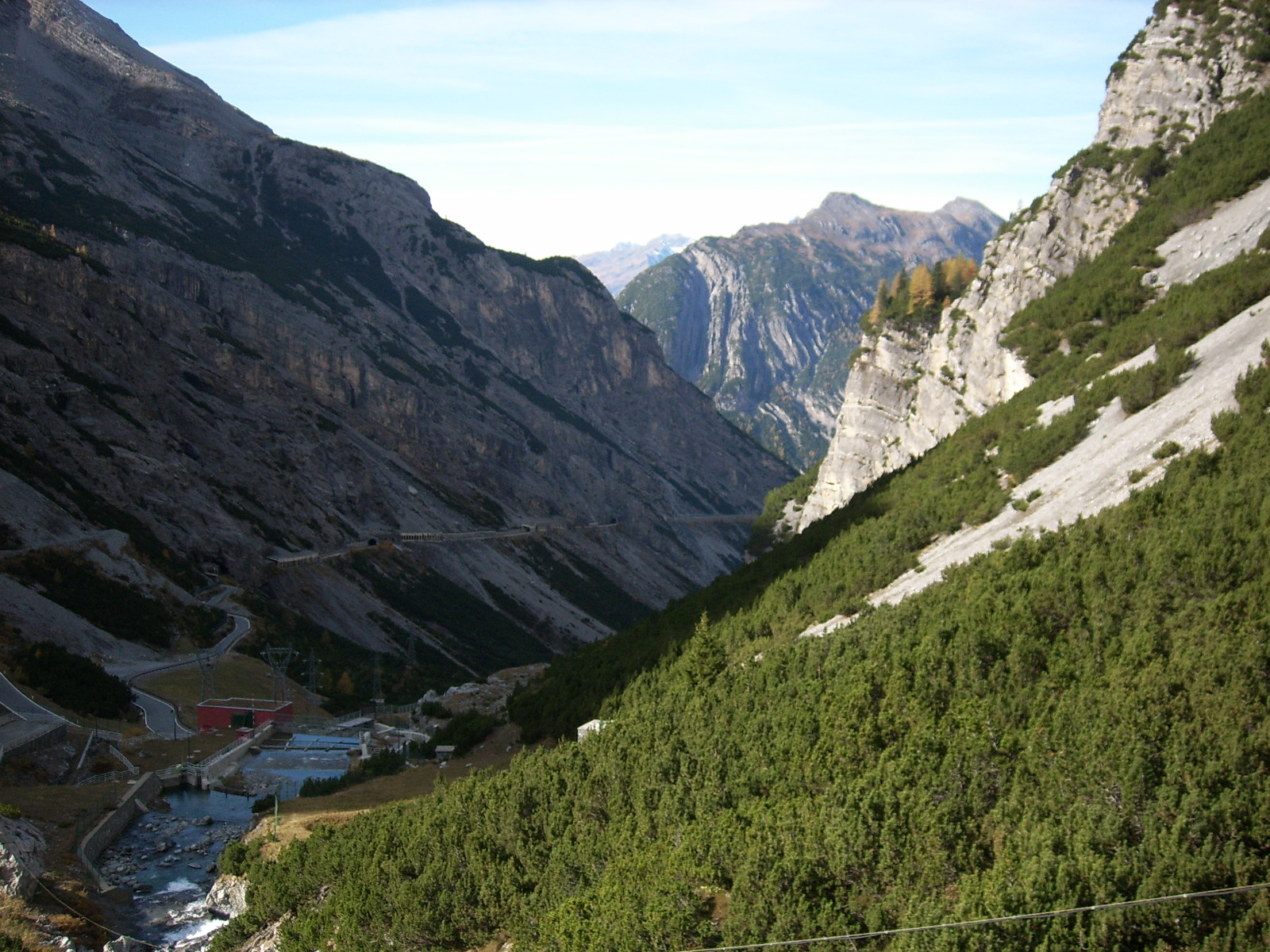
Natura 2000 · passage, breeding
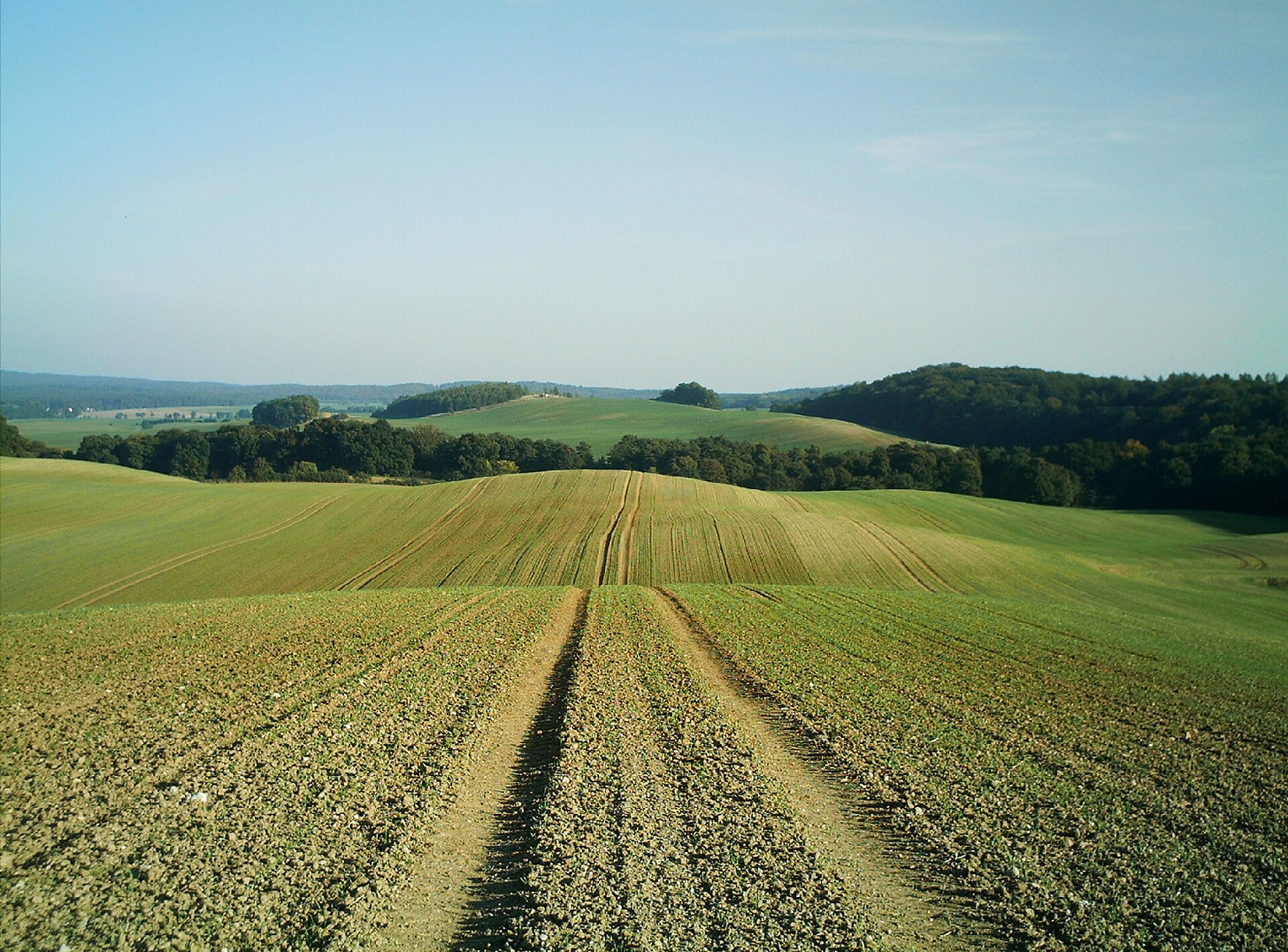
Natura 2000 · breeding

Natura 2000 · passage
Natura 2000 · passage, breeding
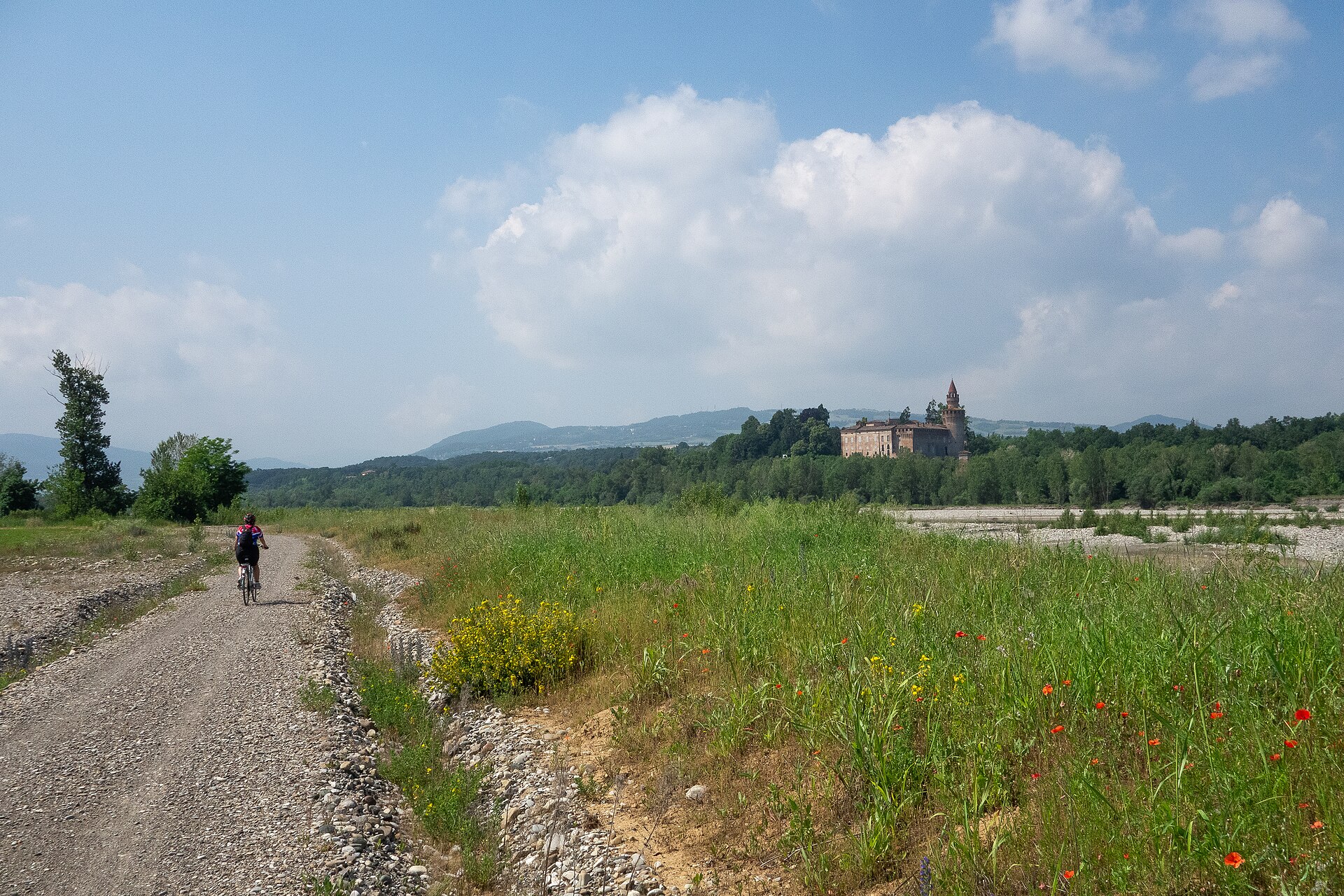
Natura 2000 · breeding, passage
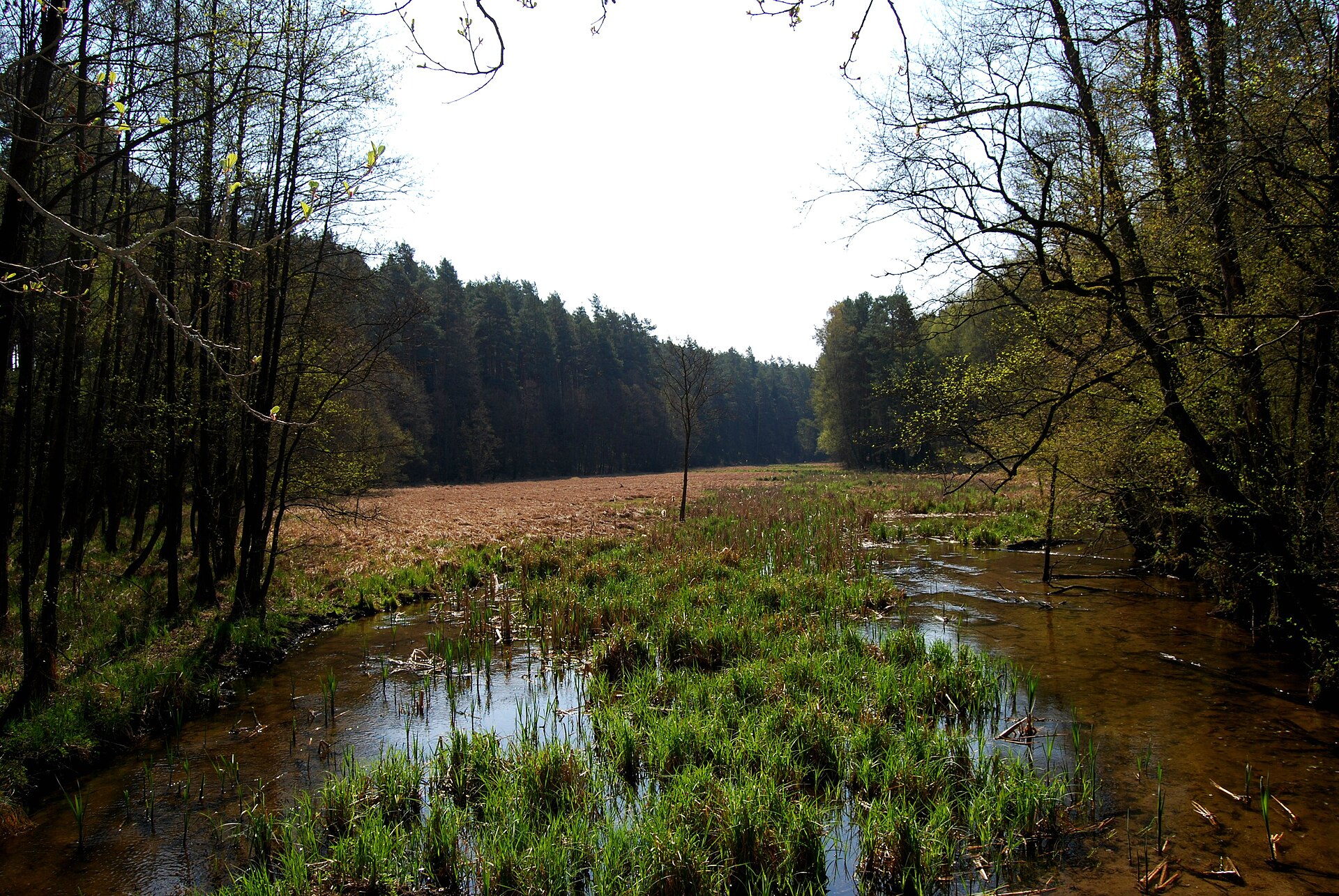
Natura 2000 · breeding

Natura 2000 · passage
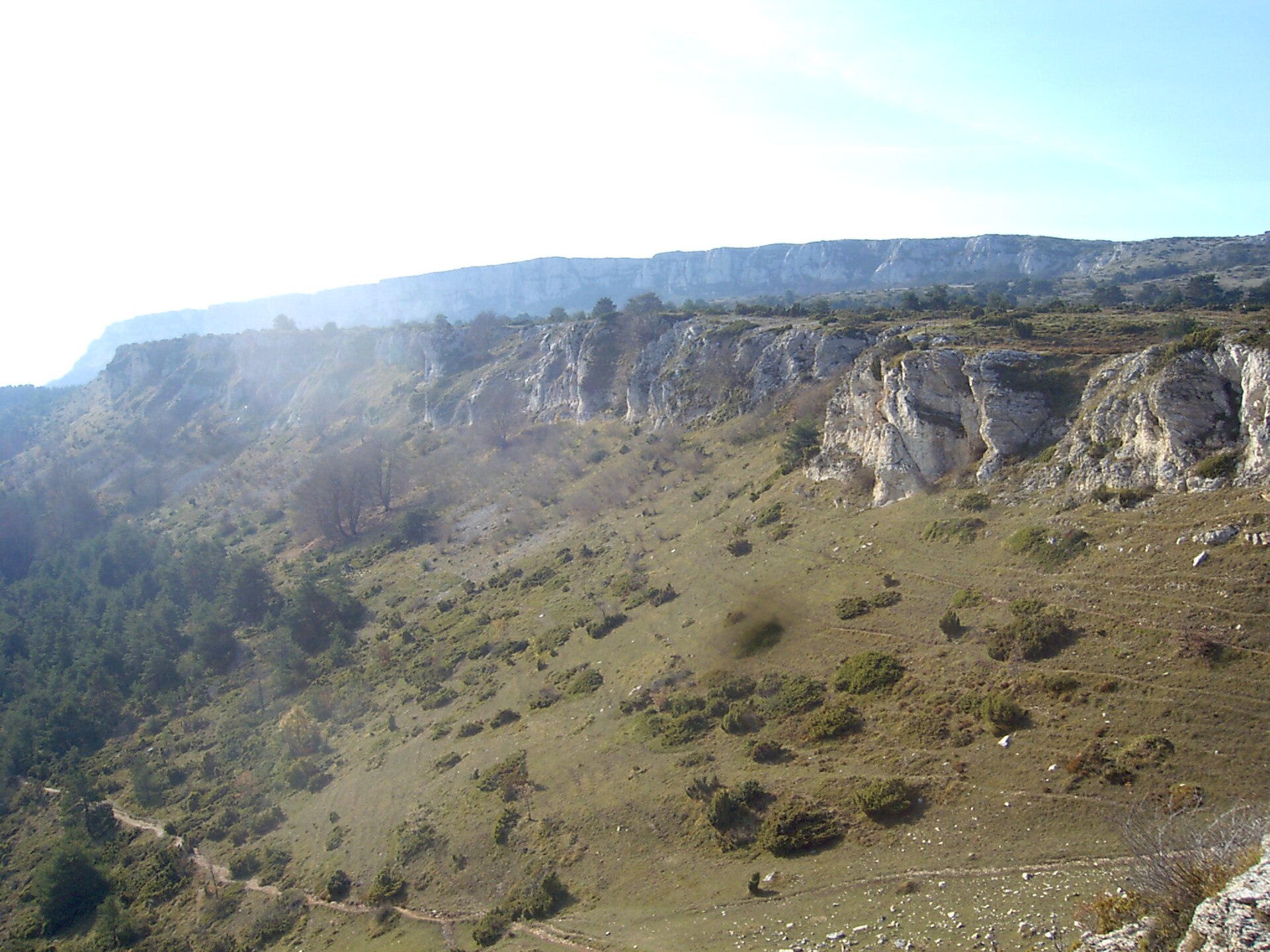
Natura 2000 · breeding

Natura 2000 · passage, breeding

Natura 2000 · breeding, passage
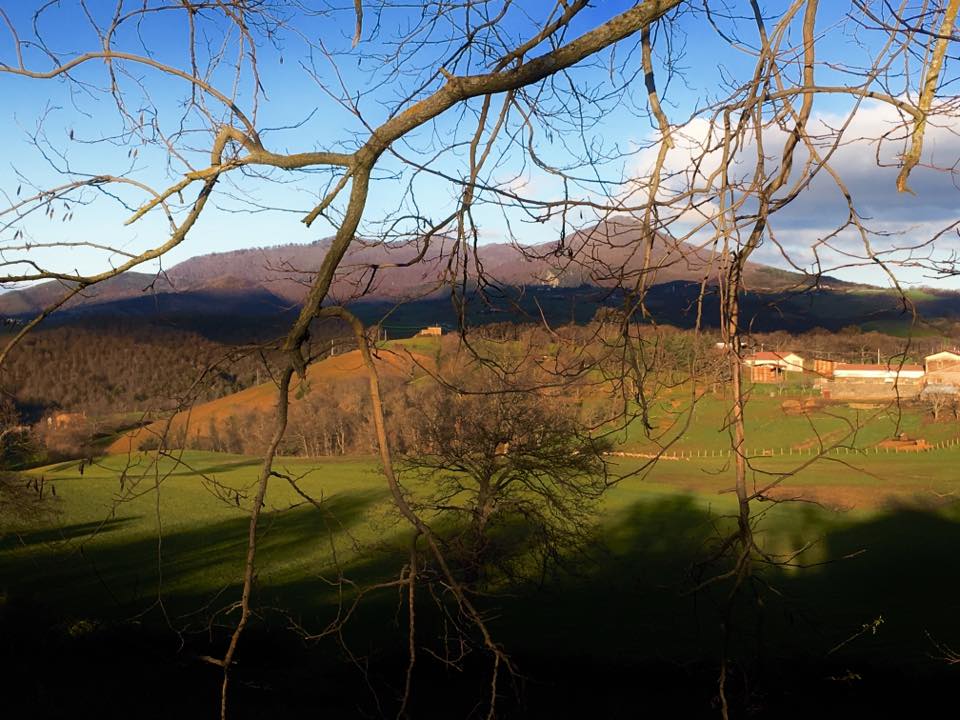
Natura 2000 · breeding

Natura 2000 · breeding

Natura 2000 · breeding
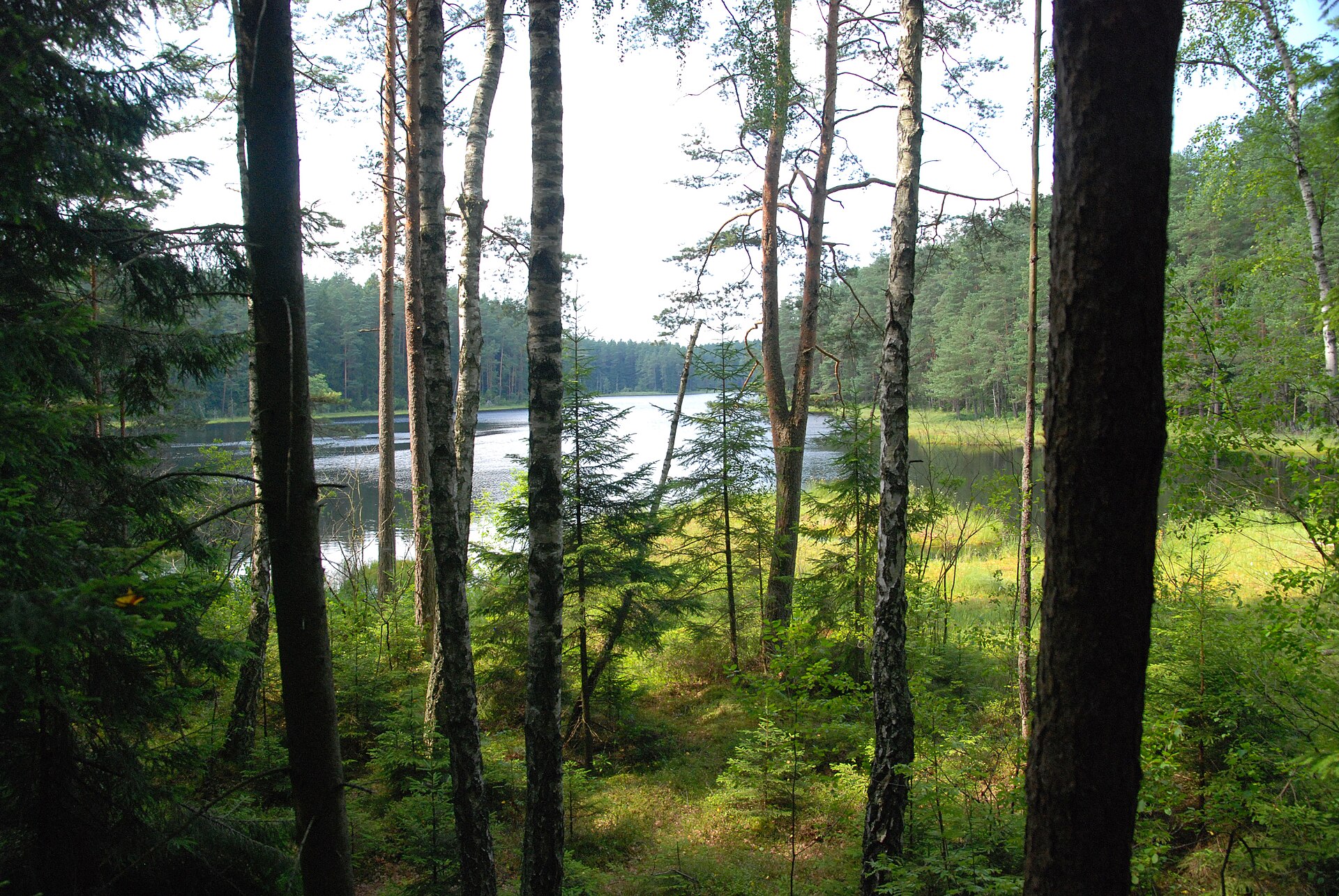
Natura 2000 · breeding

Natura 2000 · breeding

Natura 2000 · breeding
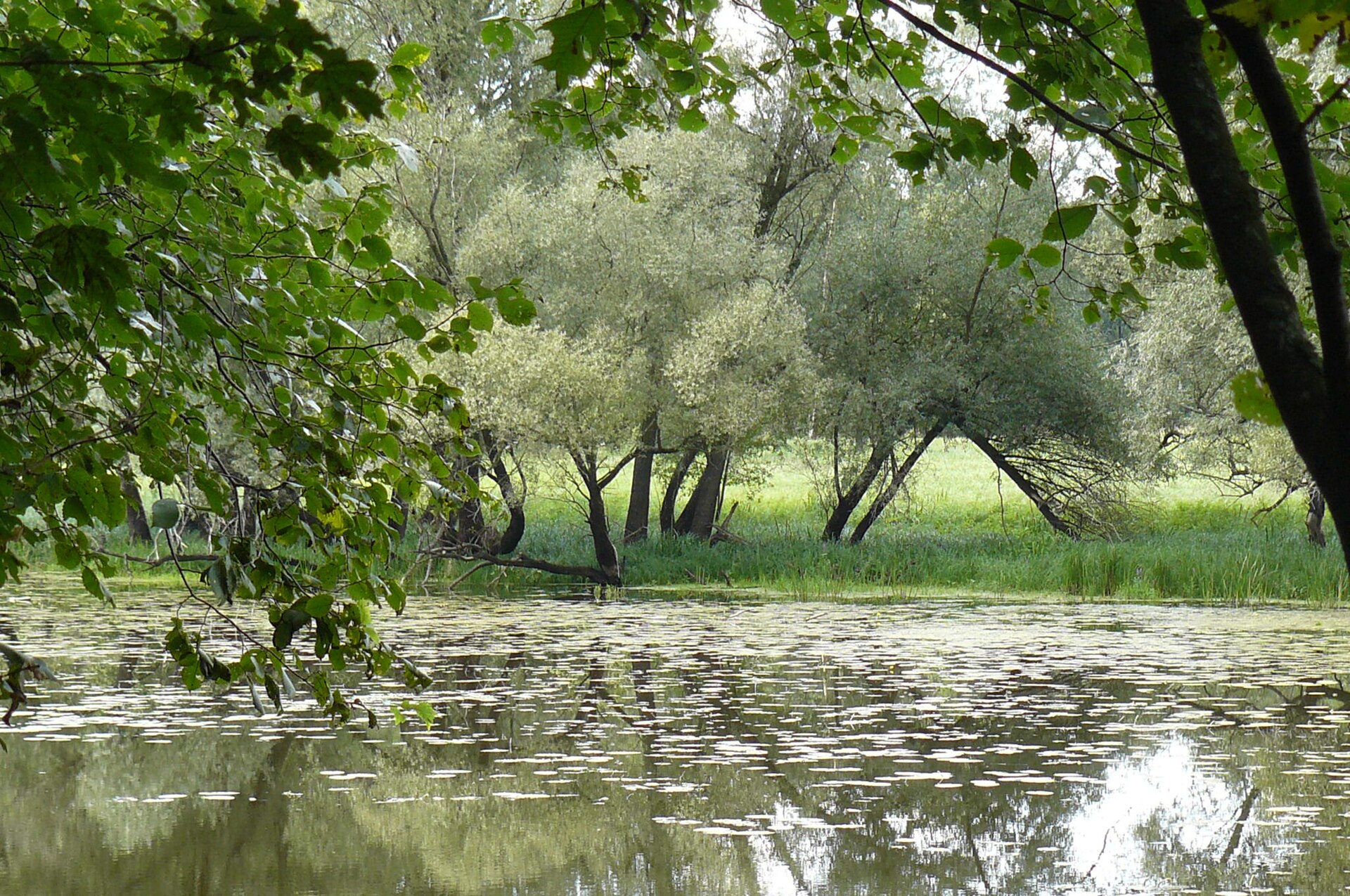
Natura 2000 · breeding
Other species to discover
 Eurasian Scops Owl
Otus scops 72 places in common
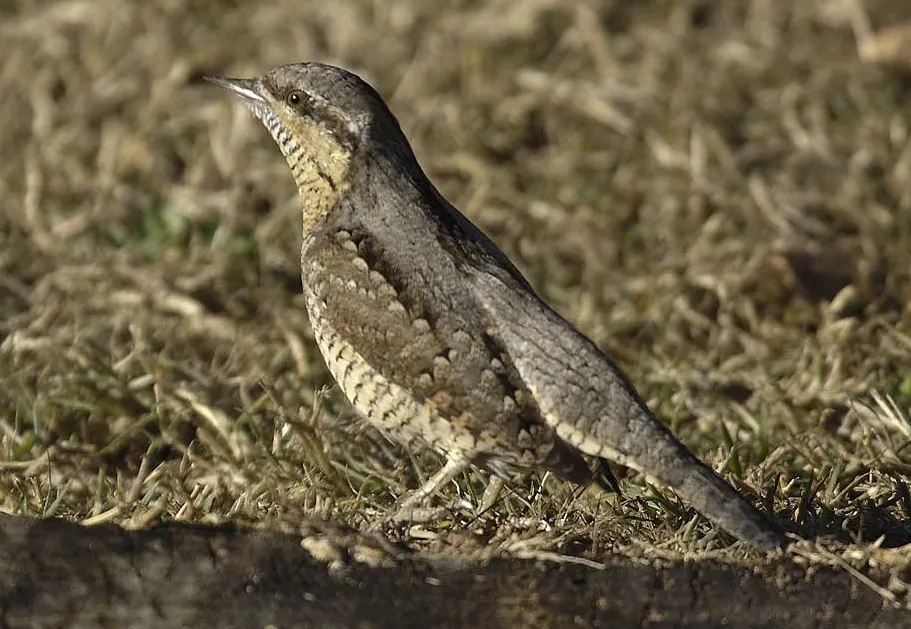 Eurasian Wryneck
Jynx torquilla 88 places in common
 European turtle dove
Streptopelia turtur 90 places in common
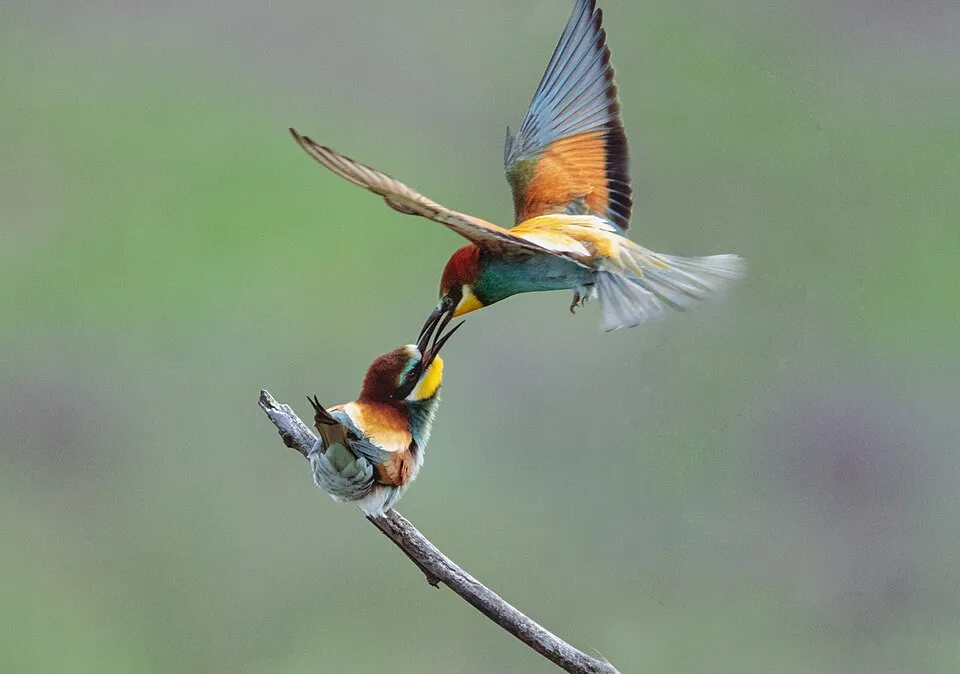 European Bee-eater
Merops apiaster 73 places in common
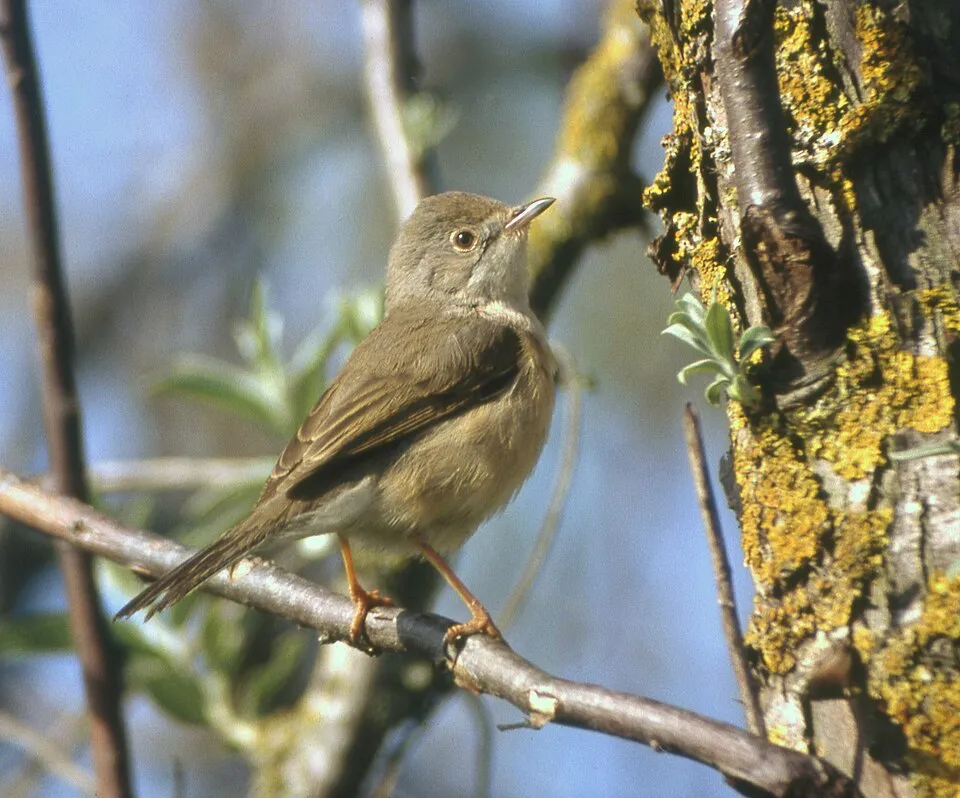 Subalpine warbler
Sylvia cantillans 65 places in common
Sources and credits
- Presence: most-recorded species of each place on GBIF and species of Community interest in the Natura 2000 forms (EEA, CC-BY 4.0); absence from the list does not mean the species is absent.
- Common names: Wikidata (CC0) and GBIF.
- Photos and sounds: Wikimedia Commons, author and licence given for each file.
- Classification: GBIF Backbone Taxonomy (GBIF Secretariat), CC BY 4.0, doi:10.15468/39omei.
- Countries, elevations, months and maps: GBIF.org, CC0 or CC BY 4.0 occurrences only, accessed October 22, 2026, GBIF.org.
- Base map: Natural Earth (public domain).
- Excerpt: Wikipedia, CC BY-SA 4.0 (full credit below the excerpt).
- Key facts: Wikidata (CC0), with the references cited under each value.
- EU bird populations: EEA / DG ENV, Article 12 Birds Directive reporting (2013–2018), CC BY 4.0.